CHAMBERLIN HEALTHCARE CENTER
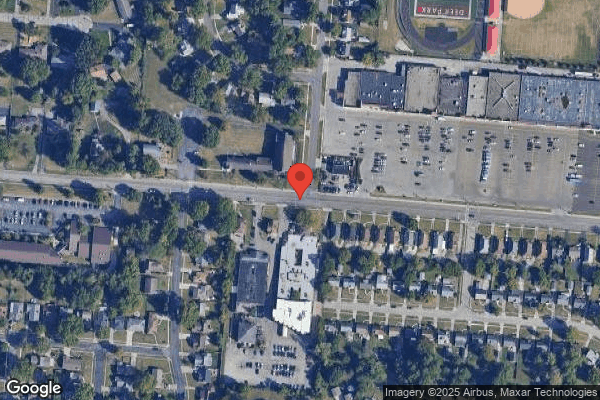
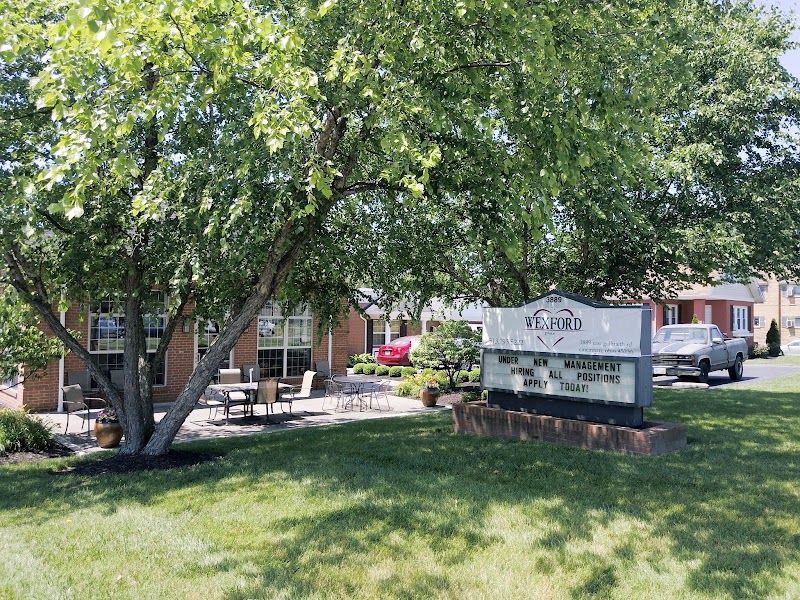
3889 EAST GALBRAITH ROAD, CINCINNATI, OH 45236 (513) 793-5222
For profit - Corporation 162 Beds COMMUNICARE HEALTH Data: November 2025 1 Immediate Jeopardy citation
Trust Grade
13/100
#847 of 913 in OH
Last Inspection: July 2024

Within standard 12-15 month inspection cycle. Federal law requires annual inspections.

Overview

Chamberlin Healthcare Center in Cincinnati, Ohio has a Trust Grade of F, indicating significant concerns about the quality of care provided. Ranking #847 out of 913 facilities in Ohio places it in the bottom half, and #65 out of 70 in Hamilton County suggests there are only a few local options that are better. The facility's trend is improving, as the number of issues noted decreased from 18 in 2023 to 10 in 2024. Staffing is rated below average with a turnover rate of 49%, which is concerning as high turnover can affect resident care consistency. There have been substantial fines totaling $46,323, indicating repeated compliance problems, and RN coverage is average, which may impact the quality of care. Specific incidents include a critical failure in supervision that allowed a resident with severe cognitive impairments to elope from a secured memory care unit, posing a serious risk to their safety. Additionally, a resident developed an advanced pressure ulcer due to inadequate skin assessments and lack of intervention, leading to actual harm. Another serious incident involved a resident overdosing on Benadryl due to a lack of proper behavioral health care, resulting in a hospital transfer. Overall, while there are some improvements, families should weigh these serious incidents against the facility's strengths.

Trust Score
F
13/100
In Ohio
#847/913
Bottom 8%
Safety Record
High Risk
Review needed
Inspections
Getting Better
18 → 10 violations
Staff Stability
⚠ Watch
49% turnover. Above average. Higher turnover means staff may not know residents' routines.
Penalties
✓ Good
$46,323 in fines. Lower than most Ohio facilities. Relatively clean record.
Skilled Nurses
⚠ Watch
Each resident gets only 25 minutes of Registered Nurse (RN) attention daily — below average for Ohio. Fewer RN minutes means fewer trained eyes watching for problems.
Violations
⚠ Watch
52 deficiencies on record. Higher than average. Multiple issues found across inspections.
★☆☆☆☆
1.0
Overall Rating
★★☆☆☆
2.0
Staff Levels
★☆☆☆☆
1.0
Care Quality
★★☆☆☆
2.0
Inspection Score
Stable
2023: 18 issues
2024: 10 issues

The Good

  • Full Sprinkler Coverage · Fire safety systems throughout facility
  • No fines on record

Facility shows strength in fire safety.

The Bad

1-Star Overall Rating

Below Ohio average (3.2)

Significant quality concerns identified by CMS

Staff Turnover: 49%

Near Ohio avg (46%)

Higher turnover may affect care consistency

Federal Fines: $46,323

Above median ($33,413)

Moderate penalties - review what triggered them

Chain: COMMUNICARE HEALTH

Part of a multi-facility chain

Ask about local staffing decisions and management

The Ugly 52 deficiencies on record

1 life-threatening 2 actual harm
Jul 2024 10 deficiencies
CONCERN (D)

Potential for Harm - no one hurt, but risky conditions existed

Deficiency F0578 (Tag F0578)

Could have caused harm · This affected 1 resident

**NOTE- TERMS IN BRACKETS HAVE BEEN EDITED TO PROTECT CONFIDENTIALITY** 2. Review of the medical record for Resident #139 revealed an admission date of 05/03/24. Diagnoses included dementia, chronic o...

Read full inspector narrative →
**NOTE- TERMS IN BRACKETS HAVE BEEN EDITED TO PROTECT CONFIDENTIALITY** 2. Review of the medical record for Resident #139 revealed an admission date of 05/03/24. Diagnoses included dementia, chronic obstructive pulmonary disease, unspecified severe protein-calorie malnutrition, hyperlipidemia, chronic atrial fibrillation, atherosclerotic heart disease of native coronary artery without angina pectoris, anemia, major depressive disorder, chronic kidney disease, aphasia, and unspecified psychosis not due to a substance or known physiological condition. Review of the quarterly Minimum Data Set (MDS) assessment dated [DATE] revealed Resident #139 had severely impaired cognition. Resident #139 was assessed to require supervision for eating, substantial/maximal assistance for oral hygiene, toileting, dressing, personal hygiene, bed mobility, and transfer, and was dependent for bathing. Review of the active physician orders in the electronic health record revealed an order for code status of Do Not Resuscitate Comfort Care Arrest (DNRCC-A). Review of the signed DNR paper form dated 07/10/24 revealed DNRCC was checked instead of DNRCC-A. Interview on 07/24/24 at 2:57 P.M., with CRN #183 verified the DNR paper form and the order in the electronic health record did not match. Based on record review and staff interview, the facility failed to ensure resident's code status matched in the hard (paper) and electronic chart. This affected two (#76 and #139) residents of 34 residents reviewed for advanced directives. The facility census was 146. Findings include: Review of the Resident #76's chart revealed Resident #76 admitted to the facility on [DATE], with diagnoses including Alzheimer's disease, dementia in other diseases classified elsewhere unspecified severity without behavioral disturbance, psychotic disturbance, mood disturbance and anxiety, weakness, repeated falls, gastrostomy status, and hypothyroidism. Review of Resident #76's significant change Minimum Data Set (MDS) assessment dated [DATE], revealed the resident's cognition was not assessed and Resident #76 required maximal assistance with upper body dressing, rolling left and right, sitting to lying, lying to sitting, sitting to standing, chair transfers, and walking ten feet. Resident #76 was dependent with oral hygiene, tub transfers, toileting, showering, lower body dressing, putting on and taking off footwear and personal hygiene. Review of Resident #76's electronic physician order dated 04/05/24 revealed Resident #76 was a do not resuscitate comfort care (DNRCC). The order was electronically signed by Resident #76's physician. Review of Resident #76's code status form in the hard chart dated 03/01/21 revealed Resident #76 was a do not resuscitate comfort care arrest (DNRCCA). The form was signed by Resident #76's physician. Interview on 07/23/24 at 4:01 P.M., with Corporate Registered Nurse (CRN) #182 verified Resident #76's code status did not match in the electronic chart and the hard chart. CRN #182 verified Resident #76 was listed as a DNRCC in the electronic chart and a DNRCCA in the hard chart.
CONCERN (D)

Potential for Harm - no one hurt, but risky conditions existed

Safe Environment (Tag F0584)

Could have caused harm · This affected 1 resident

**NOTE- TERMS IN BRACKETS HAVE BEEN EDITED TO PROTECT CONFIDENTIALITY** Based on medical record review, observation, resident interview, staff interview, nursing home bill of rights review, and policy...

Read full inspector narrative →
**NOTE- TERMS IN BRACKETS HAVE BEEN EDITED TO PROTECT CONFIDENTIALITY** Based on medical record review, observation, resident interview, staff interview, nursing home bill of rights review, and policy review, the facility failed to provide a clean and home like environment. This affected three (#22, #70, and #446) of 29 residents reviewed for environment. The facility census was 146. Findings Included: 1. Review of the medical record for Resident #22 revealed an admission date of 04/21/23. Diagnoses included chronic obstructive pulmonary disease, type two diabetes, Alzheimer's disease, dementia, and psychosis not due to a substance or physiological condition. Review of MDS dated [DATE] revealed Resident #22 was severely cognitively impaired. Resident #22 required supervision for eating. Resident #22 was dependent for oral hygiene, toileting, dressing upper and lower clothing, personal hygiene, bathing, and transfers. Review of plan of care dated 05/22/24 revealed resident was at risk for falls and to apply the Dycem to wheelchair, assess risk for falls on admission, bed in lowest position, educate resident and representative, ensure resident was wearing appropriate non-skid footwear, ensure resident's room was free of accident hazards, ensure that the bed was locks are engaged, nurse to do orthostatic blood pressure each shift for three days and report abnormalities, place a sheet of Dycem to wheelchair seat to prevent resident from sliding out of chair, provide activities, provide assistive devices as needed, physical therapy referral, and rearrange the room, and have personal items within reach. 2. Review of the medical record for Resident #70 revealed an admission date of 04/22/24. Diagnoses included vascular dementia, major depression, and mood disorder. Review of MDS dated [DATE] revealed Resident #70 was severely cognitively impaired. Resident #70 required partial moderate assistance for dressing upper body. Resident #70 substantial maximal assistance dressing lower body, transfers, personal hygiene, bathing, toileting use, and placing shoes on and off feet. Review of plan of care dated 07/22/24 revealed that Resident #70 was at risk for falls related to gait balance problems, impaired cognition, and incontinence. Interventions included assessing risk for falls, educate resident wearing appropriate nonskid shoes, place call light in reach, ensure the bed locks are engaged, and provide adequate lighting at night. Observation on 07/22/24 at 11:51 A.M., revealed the room Resident #22 and Resident #70 resided in was observed to have a greasy, slippery, dirty floor. The surveyor and State Tested Nurse Aide (STNA) #393 both slide on the floor when walking into residents' rooms. Interview on 07/22/24 at 11:52 A.M., with STNA #393 verified it was very slippery and greasy to walk on. STNA #393 stated a resident could fall on this dirty floor. 3. Review of the medical record for Resident #446 revealed an admission of 07/17/24. Diagnoses included psychosis, and dementia. Review of MDS assessment dated [DATE] revealed the MDS was in progress. Review of plan of care dated 07/22/24 revealed Resident #446 was at risk for a decrease in activity of daily living self-care performance related to dementia, and psychosis. Observation on 07/22/24 at 11:16 A.M., of Resident #446's room revealed the bed had no headboard, and clothes were in brown bags on top of her dresser. The dresser was observed to have old food crumbs, large brown harden unidentified stain, dried pink nail polish, and a full bottom drawer with clothes from the past resident. Interview on 07/22/24 at 11:16 A.M., with Resident #446 stated she had no headboard, and her dresser was dirty and had other resident's items in her dresser. Resident #446 stated she could not use the dresser due to it being filthy. Resident #446 stated she had been admitted six days ago, and the facility was a mess. Interview on 07/22/24 at 11:23 A.M., with Unit Manager (UM) #62 verified Resident #446 had no headboard, clothes were in brown bag on top of her dresser that was hers from her admission. UM #62 verified that Resident #446 dresser had old food crumbs, large brown unknown substance that was hardened, a yellow Lego piece, left over trash, dried pink nail polish, and a full bottom drawer with clothes from the past resident. Review of the undated policy titled, Housekeeping In Service revealed daily performance of damp mop of floor and use proper mop, germicide solution to disinfect the resident's floor. Review of the form titled, Nursing Home Residents [NAME] of Rights, dated 1987, revealed every resident had the right to receive medical care, nursing care, rehabilitative and restorative therapies, and personal hygiene in a safe, clean environment.
CONCERN (D)

Potential for Harm - no one hurt, but risky conditions existed

Assessment Accuracy (Tag F0641)

Could have caused harm · This affected 1 resident

**NOTE- TERMS IN BRACKETS HAVE BEEN EDITED TO PROTECT CONFIDENTIALITY** Based on record review and staff interview, the facility failed to correctly code the Minimum Data Set (MDS) assessment for the ...

Read full inspector narrative →
**NOTE- TERMS IN BRACKETS HAVE BEEN EDITED TO PROTECT CONFIDENTIALITY** Based on record review and staff interview, the facility failed to correctly code the Minimum Data Set (MDS) assessment for the proper discharge location. This affected one (#144) of three residents reviewed for discharge. The census was 146. Findings include: Review of Resident #144's medical record revealed an admission date of 02/16/24 and discharge date of 05/03/24, with diagnoses including: cellulitis of right lower leg, schizophrenia, and schizoaffective disorder. Review of Minimum Data Set (MDS) assessment dated [DATE], revealed Resident #144 was cognitively intact and required assistance for mobility, she was having hallucinations and delusions, and verbal behaviors. Review of care plan revealed a discharge plan to home or another facility. Review of progress note date 05/03/24 at 12:44 P.M., revealed Resident #144 signed out of facility against medical advice (AMA), it was explained to resident that by leaving against advice she cannot take medications with her and she releases the facility from all responsibility. Resident #144 verbalized understanding. Nurse practitioner aware. Review of the discharge MDS dated [DATE] revealed Section A2105 for Discharge Status revealed Resident #144 discharged to 04. Short-Term General Hospital (acute hospital, IPPS) rather than 01. Home/Community. Interview on 07/24/24 at 2:45 P.M., with Registered Nurse (RN) #181 verified Resident #144's MDS was coded incorrectly for the discharge destination to home.
CONCERN (D)

Potential for Harm - no one hurt, but risky conditions existed

Comprehensive Care Plan (Tag F0656)

Could have caused harm · This affected 1 resident

**NOTE- TERMS IN BRACKETS HAVE BEEN EDITED TO PROTECT CONFIDENTIALITY** Based on record review, staff interview, and policy review, the facility failed to develop a care plan for a resident with visio...

Read full inspector narrative →
**NOTE- TERMS IN BRACKETS HAVE BEEN EDITED TO PROTECT CONFIDENTIALITY** Based on record review, staff interview, and policy review, the facility failed to develop a care plan for a resident with vision impairment. This affected one (#52) of 29 residents reviewed for care planning. The facility census was 146. Findings include: Review of the Resident #52's medical record revealed an admission date of 03/17/23, with diagnoses including type two diabetes mellitus with diabetic polyneuropathy, atherosclerotic heart disease of native coronary artery without angina pectoris, pure hypercholesterolemia, anxiety disorder, spinal stenosis, other intervertebral disc degeneration lumbar region, obsession compulsive disorder, depression, other chronic pain, insomnia, hypertension, chronic pain and tobacco use. Review of Resident #52's quarterly Minimum Data Set (MDS) assessment dated [DATE] revealed the resident to be cognitively intact and Resident #52 required supervision with eating, oral hygiene, toileting, personal hygiene, lying to sitting, sitting to standing, chair transfers, toilet transfers, and tub transfers. Resident #52 required maximal assistance with showering and set up assistance with lower body dressing, upper body dressing, putting on and taking off footwear, rolling left and right, sitting to lying, and walking. Resident #52 had adequate vision with corrective lenses. Review of Resident #52's eye appointment dated 03/08/24 revealed Resident #52 had a cataract consult on 03/08/24 at 12:30 P.M. Review of Resident #52's post operative instructions for cataract surgery dated 04/11/24 revealed Resident #52 was to wear the eye shield while sleeping for seven nights after surgery. Review of Resident #52's care plan dated 07/23/24 revealed Resident #52 did not have a vision care plan or care plan for the use of corrective lenses or cataracts. Interview on 07/25/24 at 10:34 A.M., with Corporate Registered Nurse (CRN) #182 verified Resident #52 did not have a vision care plan. CRN #182 also confirmed Resident #52 had corrective lenses and a history of cataracts and cataract surgery. Review of the policy titled Plan of Care, dated 03/01/24, revealed the facility will provide a resident centered care plan that meets the psychosocial, physical, and emotional needs and concerns of the resident.
CONCERN (D)

Potential for Harm - no one hurt, but risky conditions existed

Deficiency F0657 (Tag F0657)

Could have caused harm · This affected 1 resident

**NOTE- TERMS IN BRACKETS HAVE BEEN EDITED TO PROTECT CONFIDENTIALITY** Based on record review, staff interview, and policy review, the facility failed to ensure care plans were updated timely with fa...

Read full inspector narrative →
**NOTE- TERMS IN BRACKETS HAVE BEEN EDITED TO PROTECT CONFIDENTIALITY** Based on record review, staff interview, and policy review, the facility failed to ensure care plans were updated timely with fall interventions. This affected one (#139) of five residents reviewed for falls. The facility census was 146. Findings include: Review of the medical record for Resident #139 revealed an admission date of 05/03/24. Diagnoses included dementia, chronic obstructive pulmonary disease, unspecified severe protein-calorie malnutrition, hyperlipidemia, chronic atrial fibrillation, atherosclerotic heart disease of native coronary artery without angina pectoris, anemia, major depressive disorder, chronic kidney disease, aphasia, and unspecified psychosis not due to a substance or known physiological condition. Review of the facility assessment titled Fall Risk Observation Tool, dated 05/11/24, revealed Resident #139 was at risk for falls. Review of the quarterly Minimum Data Set (MDS) assessment dated [DATE] revealed Resident #139 had severely impaired cognition. Resident #139 was assessed to require supervision for eating, substantial/maximal assistance for oral hygiene, toileting, dressing, personal hygiene, bed mobility, and transfer, and was dependent for bathing. Review of the Interdisciplinary Team (IDT) progress note dated 07/16/24 revealed Resident #139 had a fall on 07/15/24 while attempting to lay on her bedside table. The new intervention was to remove the bedside table for safety and only use during meals. Review of the plan of care revised on 07/23/24 revealed Resident #139 was at risk for falls related to dementia. Interventions included ensuring room is free of accident hazards, ensuring non-skid footwear is worn, place call light within reach, and ensuring bed locks are engaged. Interview on 07/25/24 at 2:26 P.M., with Corporate Nurse #182 confirmed the intervention related to the bedside table was not added to the care plan. Review of the policy titled Fall Prevention and Management, revised on 03/06/24, revealed care plans should be updated with new fall interventions.
CONCERN (D)

Potential for Harm - no one hurt, but risky conditions existed

Accident Prevention (Tag F0689)

Could have caused harm · This affected 1 resident

**NOTE- TERMS IN BRACKETS HAVE BEEN EDITED TO PROTECT CONFIDENTIALITY** Based on observation, medical record review, resident interview, staff interview, and review of policies, the facility failed to...

Read full inspector narrative →
**NOTE- TERMS IN BRACKETS HAVE BEEN EDITED TO PROTECT CONFIDENTIALITY** Based on observation, medical record review, resident interview, staff interview, and review of policies, the facility failed to provide safe storage for cigarettes and alcohol. This affected one (#128) of one resident reviewed for smoking. The facility failed to provide care planned fall interventions for residents at risk for falls. This affected two (#22, #103) of three residents reviewed for falls. The facility census was 146. Findings included: 1. Review of medical record for Resident #22 revealed an admission date 04/21/23. Diagnoses included chronic obstructive pulmonary disease, type two diabetes, Alzheimer's disease, dementia, and psychosis not due to a substance or physiological condition. Review of Minimum Data Set (MDS) assessment dated [DATE] revealed Resident #22 was assessed as having severe cognitive impairment. Resident #22 required supervision for eating. Resident #22 was dependent for oral hygiene, toileting, dressing upper and lower clothing, personal hygiene, bathing, and transfers. Resident #22 was able to ambulate by himself with no staff help or assisted devices. Review of Fall Risk Observation Tool dated 05/05/24 revealed that Resident #22 had poor recall and judgement, ambulatory without assistance, gait was weak walking and short steps, able to stand and walk, predisposing diseases and condition for three or more present. Review of plan of care dated 05/22/24 revealed interventions included: apply the dycem to wheelchair, assess risk for falls on admission, bed in lowest position, educate resident and representative, ensure resident was wearing appropriate non-skid footwear, ensure resident's room was free of accident hazards, ensure that the bed was locks are engaged, nurse to do orthostatic blood pressure each shift for three days and report abnormalities, place a sheet of dycem to wheelchair seat to prevent resident from sliding out of chair, provide activities, provide assistive devices as needed, physical therapy referral, and rearrange the room, and have personal items within reach. Observation on 07/22/24 at 2:10 P.M., revealed Resident #22 was walking the halls by himself with one regular sock on right foot, and right foot had a bare foot. Interview on 07/22/24 at 2:11 P.M., with State Tested Nurse Aide (STNA) #393 verified Resident #22 was walking the hallways with one regular sock on and one foot barefoot. 2. Review of medical record for Resident #103 revealed an admission date of 10/18/22. Diagnoses included chronic pulmonary disease, Alzheimer's disease, illus, and cognitive communication deficit. Review of MDS assessment dated [DATE] revealed Resident #103 was severely cognitively impaired. Resident #103 required setups for all meals. Resident #103 required dependent oral hygiene, toileting, bathing, personal hygiene, dressing upper and lower body, and transfers. Review of plan of care dated 07/22/24 revealed Resident #103 was at risk for activity of daily living self-care related to assistance with activity of daily living, dementia, chronic pulmonary disease, and Alzheimer's. Interventions included grab bars to bed to aide with turning and repositioning, place shoes on and off, place call light within reach, and evaluation and treat per medical provider orders. Observation on 07/22/24 at 11:38 A.M., revealed Resident #103 was ambulating in lock down unit with her both bare feet and no socks on. Interview on 07/22/24 at 11:38 A.M., with STNA #22 confirmed Resident #103 had no shoes or nonskid socks on while ambulating in the hall. Review of the policy titled Fall Preventions and Management dated 03/06/24, stated an intervention was put in place after a fall to prevent future falls. Fall prevention and management was the process of identifying risk factors that can minimize the potential for falls and also a process to manage a resident's care if a fall occurs. 3. Review of the medical record for Resident #128 revealed an admission date of 12/06/23, with diagnoses including dementia with mild agitation, and bipolar disorder. Review of Resident #128's care plan revealed he had a substance use disorder related to alcohol use and were to observe resident's room for items. Review of policy entitled Resident Substance Abuse in facility was signed and dated by Resident #128 on 05/05/24 as acknowledgement of receipt. Interview and observation on 07/23/24 at 11:23 A.M., with Resident #128 revealed he had a pack of cigarettes on his person, with six cigarettes in it. Resident #128 stated he didn't smoke, that he used cigarettes for bargaining. Resident #128 also had an empty carton of hard tea (tea premixed with alcohol) and two individual serving boxes of wine in his room. Interview on 07/23/24 at 11:30 A.M., Registered Nurse (RN) #182 verified the presence of the drug-related items and the facility's policy was that cigarettes could not be traded or used to bargain. Review of the undated policy titled, Resident Substance Abuse in Facility, revealed residents may not possess, use or provide any illicit drugs or abuse drugs in any manner, and may not have drug-related paraphernalia in their possession while a resident in the facility.
CONCERN (D)

Potential for Harm - no one hurt, but risky conditions existed

Incontinence Care (Tag F0690)

Could have caused harm · This affected 1 resident

**NOTE- TERMS IN BRACKETS HAVE BEEN EDITED TO PROTECT CONFIDENTIALITY** Based on medical record review, observation, staff interviews, and policy review, the facility failed to provide timely incontin...

Read full inspector narrative →
**NOTE- TERMS IN BRACKETS HAVE BEEN EDITED TO PROTECT CONFIDENTIALITY** Based on medical record review, observation, staff interviews, and policy review, the facility failed to provide timely incontinence care for a resident dependent on staff for care. This affected one (#51) of one resident reviewed for incontinence care. The facility census was 146. Findings included: Review of medical record for Resident #51 revealed an admission date of 06/21/24. Diagnoses included Alzheimer's disease, anxiety disorder, dementia, and major depression. Review of the Minimum Data Set (MDS) assessment dated [DATE] revealed Resident #51 was severely cognitively impaired. Resident #51 required substantial maximal assistance for personal hygiene, bathing, transfers, lower body, toileting, and transfers. Resident #51 required partial assistance for dressing upper body. Review of plan of care dated 07/04/24 revealed that Resident #51 was at risk for incontinent of urine. Interventions were to apply barrier creams as needed, check resident for incontinence, and observe for signs and symptoms of urinary tract infection. Observation on 07/22/24, from 2:02 P.M. through 2:14 P.M., revealed Resident #51 walking around in the hallway wet and in view of other residents. Resident #51 was observed to be saturated with urine on her green scrub pants entire back side at bottom, around her waist and through the bottom of her shirt. Interview on 07/22/24 at 2:18 P.M., with Registered Nurse (RN) #113 verified Resident #51 was saturated in urine. RN #113 verified Resident #51 had moderate amount of saturated urine in brief, through her pants, at the waist of pants and through Resident #51's shirt. Interview on 07/24/24 at 2:35 P.M., with State Tested Nurse Aide (STNA) #32 stated Resident #51 was a check and change. STNA #32 stated she had come in and checked and changed Resident #51, at the start of her shift, at 7:45 A.M. and again at 9:15 A.M. STNA #32 stated she had not got to check and change her before lunch. STNA #32 stated the nurse had come to tell her that the nurse did change her and Resident #51 was saturated with urine. Review of the policy titled, Perineal Care Male and Female dated 04/20/2017, revealed perineal care was performed on residents who were unable or unwilling to maintain body cleanliness and or who are incontinent of bowel and bladder. Perineal care will be care planned for each individual resident to meet his or her specific needs.
CONCERN (D)

Potential for Harm - no one hurt, but risky conditions existed

Deficiency F0761 (Tag F0761)

Could have caused harm · This affected 1 resident

**NOTE- TERMS IN BRACKETS HAVE BEEN EDITED TO PROTECT CONFIDENTIALITY** Based on medical record, observation, staff interview, resident interview, and review of policies, the facility failed to ensure...

Read full inspector narrative →
**NOTE- TERMS IN BRACKETS HAVE BEEN EDITED TO PROTECT CONFIDENTIALITY** Based on medical record, observation, staff interview, resident interview, and review of policies, the facility failed to ensure medications were provided with an open date when being utilized to ensure medications were not expired. This affected two (#13 and #127) residents observed during medication storage. The facility failed to ensure medications were not left at the bedside and were consumed when administered. This affected one (#117) randomly observed resident. The facility census was 146. Findings include: 1. Observation on [DATE] at 9:30 A.M., of the medication cart revealed Resident #13 had open bottle Keppra 100 mg/milliliter liquid and had no open date on bottle. Resident #13 also had an open bottle of Felbamate 600 mg/5 ml liquid with no open date on the bottle. Interview on [DATE] at 9:45 A.M., with Director of Nursing (DON) verified the nurse was to place a date on the medication when opened for both Keppra and Felbamate bottles. 2. Observation on [DATE] at 9:50 A.M., of the medication cart with Resident #127 had an open bottle of Valproic Acid 250 milligram/5 milliliter 16 ounces and had no open date. Resident #127 had second open bottle of Valproic Acid 250 mg/5 ml 16 ounces and had no open date. Interview on [DATE] at 9:55 A.M., with DON confirmed Resident #127 had two bottles of Valproic Acid were open, undated and had been used by staff for delivery of medication for Resident #127. Review of the policy titled, Storage of Medications, with revision date of [DATE], revealed the nurse shall place date opened sticker on the medication and record the date opened and the new date of expiration. The expiration date of the vial or container will be 30 days from opening, unless the manufacturer recommends another date or regulations or guidelines require different dating. 3. Review of medical record for Resident #117 revealed an admission date of [DATE], with diagnoses including paranoid schizophrenia and delusional disorders. Review of physician's orders dated [DATE], revealed an order for risperidone 0.5 milligrams (mg) twice a day for paranoid schizophrenia; [DATE], Pantoprazole 40 mg daily for digestive aid; and Tamsulosin 0.4 mg daily for prostate health. Review of minimum data set assessment dated [DATE] revealed Resident #117 was cognitively intact and noted to refuse care at times. Resident #117 had a court appointed guardian. Observation and interview on [DATE] at 9:04 A.M., revealed a medication cup with three tablets in it, sitting on Resident #117's over the bedside table. Resident #117 verified the nurse had brought them in and left them so he could take them with his breakfast. Interview on [DATE] at 9:06 A.M., Registered Nurse (RN) #57 verified she did give Resident #117 medications but did not witness him take his medication, Resident #117 stated he wanted to take them with breakfast. RN #57 verified the medications were risperidone, Pantoprazole and Tamsulosin. Review of the policy titled, Storage of Medications, with revision date of [DATE], revealed only licensed nurses, pharmacy personnel, and those lawfully authorized to administer medications (such as medication aides) were permitted to access medications. Medication rooms, carts, and medication supplies are locked when they were not attended by persons with authorized access.
CONCERN (D)

Potential for Harm - no one hurt, but risky conditions existed

Infection Control (Tag F0880)

Could have caused harm · This affected 1 resident

Based on medical record, observation, resident interview, staff interview and policy reviews, the facility failed to ensure the proper transmission-based precautions were provided for a resident per p...

Read full inspector narrative →
Based on medical record, observation, resident interview, staff interview and policy reviews, the facility failed to ensure the proper transmission-based precautions were provided for a resident per physician orders. This affected one (#109) of one resident reviewed for infection control. The facility census was 146. Findings include: Review of medical record for Resident #109 revealed an admission date 03/14/24. Diagnoses included chronic pulmonary disease, severe combined immunodeficiency with low T and B cells, and psychotic disorder with delusions. Review of physician order for Resident #109 dated 07/18/24 revealed an order for contact precautions every morning and bedtime due to Shingles. Resident #109 was allowed to come out of the room if rash was covered. Review of physician order for Resident #109 dated 07/20/24 revealed an order for the antibiotic Valtrex oral one gram to give one tablet twice a day for seven days for Shingles. Observation on 07/23/24 at 4:01 P.M., revealed Resident #109 had enhanced barrier precautions sign hanging on her door. Resident #109 was sitting in her room in wheelchair. Interview on 07/23/24 at 4:01 P.M., with Resident #109 stated she did not have shingles at this time. Interview on 07/23/24 at 4:02 P.M., with Licensed Practical Nurse (LPN) #52 stated she knew Resident #109 was on contact precaution. LPN #52 verified Resident #109 had only an enhanced barrier precaution sign hanging on her door. LPN #52 verified there should have been a contact precaution sign instead. Interview on 07/23/24 at 4:30 P.M., with Unit Manager (UM) #62 verified Resident #109 had shingles and a rash under her arm on the one side. UM #62 stated Resident #109 does not come out of her room at this time. UM #62 stated the facility did not make her stay in her room, Resident #109 stays in her room on her own choice. Review of the policy titled Surveillance for Infections, dated 02/28/22, revealed the purpose of policy was to provide guidance for monitoring infections for tracking, trending, and monitoring for outbreaks. Review of the policy titled Standard Precautions and Transmission Based Precautions dated 06/25/21, revealed the facility used two tier approach to precautions: standard precautions and transmission-based precautions based on resident's clinical condition utilizing Center of Disease Control (CDC) guidelines. The isolation precaution was the method of preventing the spread of contagious disease and microorganism transfer to others following CDC recommendations and guidelines.
CONCERN (D)

Potential for Harm - no one hurt, but risky conditions existed

Deficiency F0919 (Tag F0919)

Could have caused harm · This affected 1 resident

**NOTE- TERMS IN BRACKETS HAVE BEEN EDITED TO PROTECT CONFIDENTIALITY** Based on medical record review, observation, resident interview, and staff interviews, the facility failed to ensure call lights...

Read full inspector narrative →
**NOTE- TERMS IN BRACKETS HAVE BEEN EDITED TO PROTECT CONFIDENTIALITY** Based on medical record review, observation, resident interview, and staff interviews, the facility failed to ensure call lights were accessible to residents while in bed. This affected three (#51, #143, and #446) of three residents reviewed for call lights. The facility census was 146. Findings included: 1. Review of medical record for Resident #51 revealed an admission date of 06/21/24. Diagnoses included Alzheimer's disease, anxiety disorder, dementia, and major depression. Review of the Minimum Data Set (MDS) assessment dated [DATE] revealed Resident #51 was severely cognitively impaired. Resident #51 required supervision with meals, required partial and moderate assistance with oral care, substantial maximal assistance for personal hygiene, bathing, transfers, lower body, and transfers. Review of plan of care dated 06/21/24 revealed Resident #51 was at risk for falls related to injury related to decreased cognition and safety. Interventions included assess for risk for falls, educate resident or representative, ensure resident's room was free of potential visible hazards, ensure that the bed locks are engaged, observe medication for side effects that may increase for falls, and place call bell within reach, and remind to call for assistance. Observation on 07/22/24 at 2:18 P.M., with Registered Nurse (RN) #113 verified Resident #51's call light was wrapped up and hanging on the wall at the plug in for the call light. Interview on 07/22/24 at 2:22 P.M., with RN #113 verified the call light for Resident #51 was wrapped up on the wall and unable to be reached or used by the resident. 2. Review of the medical record for Resident #143 revealed an admission date of 06/28/24. Diagnoses included major depressive disorder, type two diabetes, and overactive bladder. Review of MDS assessment dated [DATE] revealed that Resident #143 Brief Interview of Mental Status was 04 that indicated she was cognitively impaired. Resident #143 required supervision with or without setup for meals, dressing upper and lower body, transfers, toileting, personal hygiene, and bathing. Review of plan of care dated 07/11/24 revealed Resident #132 was at risk for falls related to cognition deficit, communication deficit, and use of psychotropic medications. Interventions included assess for risk for falls, educated resident or representative, ensure resident room was free of accident hazards, ensure that the bed locks are engaged, place call bell within reach, and observe for medication side effects and report. Observation on 07/22/24 at 2:18 P.M., with Registered Nurse (RN) #113 verified Resident #143's call light was wrapped up and hanging on the wall at the plug in for the call light. Interview on 07/22/24 at 2:22 P.M., with RN #113 verified the call lights for Resident #143 was wrapped up on the wall and unable to be reached or used by the resident. 3. Review of the medical record for Resident #446 revealed an admission date of 07/17/24. Diagnoses included psychosis and dementia. Review of MDS dated [DATE] revealed the assessment was in progress. Review of plan of care dated 07/22/24 revealed that Resident #446 was at risk for activity of daily living self-care performance related to dementia and psychosis. Observation on 07/22/24 at 11:16 A.M., of Resident #446 revealed the resident was in bed and the call light was under her mattress, between the frame and mattress. Interview on 07/22/24 at 11:16 A.M., with Resident #446 revealed she did not have a call light and had been at the facility for six days. Interview on 07/22/24 at 11:23 A.M., with Unit Manager #62 verified Resident #446's call light was under her mattress and unable to be reached.
Oct 2023 3 deficiencies
CONCERN (D) 📢 Someone Reported This

A family member, employee, or ombudsman was alarmed enough to file a formal complaint

Potential for Harm - no one hurt, but risky conditions existed

Free from Abuse/Neglect (Tag F0600)

Could have caused harm · This affected 1 resident

**NOTE- TERMS IN BRACKETS HAVE BEEN EDITED TO PROTECT CONFIDENTIALITY** Based on record review, review of facility Self-Reported Incidents (SRIs) staff interviews, review of witness statements, review...

Read full inspector narrative →
**NOTE- TERMS IN BRACKETS HAVE BEEN EDITED TO PROTECT CONFIDENTIALITY** Based on record review, review of facility Self-Reported Incidents (SRIs) staff interviews, review of witness statements, review of employee personnel file, and review of facility policy, the facility failed to prevent an incident of resident-to-resident abuse. This affected one (#100) of three residents reviewed for abuse. The facility census was 137. Findings include: Review of the medical record for Resident #100 revealed the resident was admitted to the facility on [DATE]. Diagnoses included dementia, cocaine dependence, constipation, psychoactive substance abuse, pseudobulbar affect, anoxic brain damage, impulsiveness, ataxia, and cognitive communication deficit. Review of the quarterly Minimum Data Set (MDS) assessment 3.0 dated 07/14/23 for Resident #100 revealed the resident had severely impaired cognition. Resident #100 required extensive assistance from staff with transfers. Review of the September 2023 nursing notes for Resident #100 revealed no documentation regarding the resident being involved in the resident-to-resident physical abuse from Resident #115 recorded on 09/22/23. Review of medical record for Resident #115 revealed the resident was admitted to the facility on [DATE]. Diagnoses included transient ischemic attack (TIA), cerebral infarction (stroke), dementia, psychotic disturbance, mood disturbance, anxiety, essential primary hypertension, major depressive disorder, asthma, dysphagia, and hemiplegia and hemiparesis. Review of the quarterly MDS assessment dated [DATE] for Resident #115, revealed the resident was severely cognitively impaired. Further review of the MDS assessment revealed the resident required assistance from staff with bed mobility, transfers and required supervision from staff with walking. Review of plan of care revised on 09/15/23 for Resident #115 revealed the resident had behavior problems and had resident to resident altercations. Interventions included intervening as necessary to protect the rights and safety of others. Review of the nurse's progress notes for Resident #115 dated 09/22/23 at 3:31 P.M. authored by Registered Nurse (RN) #188 revealed the resident had a scratch wound on her face (from an earlier altercation with Resident #108). Resident #115 was assessed and found to be in no distress and in no pain. The nurse provided wound care to the scratch and the Assistant Director of Nursing (ADON), and the Nurse Practitioner were notified. The progress notes revealed no documentation regarding the physical abuse allegation involving Resident #115 hitting Resident #100. Review of a witness statement by Resident #100 dated 09/22/23 and collected by State Tested Nursing Assistant (STNA) #239, revealed the resident was sitting by the dining room when two other residents (#115 and #108) were fighting. One resident (#115) was still mad after the incident and a woman (identified as Activities Leader (AL) #215) told the resident to get her and that resident hit Resident #100 on her left arm. Review of a witness statement authored by AL #215 dated 09/22/23, revealed Resident #115 hit another resident (Resident #108) and Mental Health Counselor (MHC) #600 broke it up. AL #215 asked Resident #115 to stop being a bully and when she touched the resident's hand, Resident #115 hit Resident #100. Review of a witness statement authored by RN #188 dated 09/22/23, revealed a staff member was provoking Resident #115 saying go get her but Resident #115 turned and hit Resident #100. Review of the facility's SRI tracking number 239557, created on 09/25/23 at 11:34 A.M., revealed an allegation of physical abuse was discovered on 09/22/23. Notes revealed Resident #108 was walking into the dining room when Resident # 115 grabbed Resident #108's clothing and pushed her. Resident #108 defended herself and inflicted scratches on Resident #115's face. The residents were immediately separated and both residents were assessed for injury. The Administrator, the Director of Nursing (DON), the physician, and the sponsor were notified. The SRI was closed on 09/29/23 at 2:48 P.M. and was unsubstantiated due to inconclusive evidence. Review of the facility's SRI tracking number 239560, created on 09/25/23 at 12:14 P.M., revealed an allegation of physical abuse was discovered on 09/22/23 at 12:55 P.M. The SRI indicated Resident #115 struck Resident #100 directly after Resident #115 had struck Resident #108. Notes indicated the resident's sponsors, the physician and the police were immediately notified. The investigation revealed an employee (MHC #600) overheard another employee (AL #215) telling Resident #115 to get her as in referring to Resident #115 getting Resident #108. Notes indicated Resident #115 then hit Resident #100. AL #215 was suspended pending an investigation. The SRI was closed on 09/29/23 at 12:07 P.M. and was unsubstantiated due to inconclusive evidence. Review of the witness statement from MHC #600 dated 09/25/23, revealed he was on the memory care unit when he observed Resident #115 walk past him and push Resident #108. MHC #600 stated he separated Resident #115 from Resident #108 with the assistance of STNA #239. MHC #600 stated after they separated the two Residents, he observed AL #215 continue to agitate Resident #115 by tapping Resident #115's arm and stating to Resident #115, go get her. MHC #600 observed AL #215 begin to play fight with Resident #115 which appeared to agitate Resident #115 even more. MHC #600 reported Resident #115 turned and hit Resident #100 until MHC #600 separated Resident #115 from Resident #100. Interview with Regional Clinical Director (RCD) (#503) on 10/19/23 at 12:44 P.M., indicated she came into the facility for the morning meeting on 09/25/23 and while she was reviewing progress notes, she discovered the incident between Resident #115 and Resident #108 on 09/22/23. While reviewing the incident between #115 and #108, she learned of the incident involving Resident #115 and Resident #100 on 09/22/23. RCD #503 indicated the former Administrator opened two different SRIs (239557 and 239560) on 09/25/23 as the facility continued to investigate. RCD #503 stated the incident happened at the end of AL #215's shift on 09/22/23 and she left the building was not scheduled to return until the following Tuesday (09/26/23). RCD #503 indicated AL #215 was suspended on 09/25/23 pending the outcome of the investigation. RCD #503 stated AL #215 denied the incident of encouraging Resident #115 to get Resident #108; however, the facility felt with the witness statements of the other staff members verifying the incident, they had to err on the side of caution related to the resident's safety and terminated AL #215 effective on 10/17/23. Interview with the STNA #239 on 10/26/23 at 9:19 A.M., revealed she approached the dining room when she observed Resident #115 hit Resident #108. STNA #239 stated it happened so fast that it was hard to tell what exactly happened. STNA #239 indicated she heard AL #215 say to Resident #115, go get her. STNA #239 stated Resident #115 then hit Resident #100. Interview with MHC #600 on 10/26/23 at 10:49 A.M., revealed he was standing in the hallway when he observed an altercation between Resident #115 and Resident #108. MHC #600 stated he was able to get the two residents separated and when he was trying to calm the two residents down, he observed AL #215 continue to agitate Resident #115 by encouraging her to get her (meaning Resident #108) and AL #215 was poking Resident #115's shoulder. MHC #600 stated AL #215 continued to agitate Resident #115, when Resident then hit Resident #100. MHC #600 stated he wrote a statement about his observations and gave it to the Human Resource Manager. MHC #600 stated he also spoke with the Regional Operations Manager (ROM) #505 regarding this incident. Interview with RN #188 on 10/26/23 at 4:31 P.M. indicated he was the nurse working on 09/22/23 and did not see any of the incident between Residents #115 and #108 or the incident between Residents #115 and #100. RN #188 stated he was told Resident #115 grabbed Resident #108 as she was walking in the dining room and Resident #108 reacted to the this and Resident #115 had scratches down both sides of her face. RN #188 stated he was told AL #215 encouraged Resident #115 to go get her meaning go after Resident #108. RN #188 stated Resident #115 was agitated and hit Resident #100. RN #188 indicated Resident #100 had no injuries. Review of the AL #215's personnel file revealed she was hired on 05/31/23 and terminated from the employment at the facility on 10/17/23. AL #215's employee file contained a disciplinary action dated 09/29/23 which indicated a reason for termination, flagrant poor performance indicating an irresponsible lack of knowledge or decision-making process, resulting in measurable loss to the company, whether monetary, in customer confidence or in employee relation issues. AL #215 was terminated following an incident involving residents on the memory care unit. Notes indicated there was an altercation between Resident #115 and Resident #108 and MHC #600 and STNA #239 broke it up. AL #215 was talking with Resident #115 and taping her on the shoulder which is a trigger to Resident #115's behaviors. AL #215 was egging her on and Resident #115 hit another resident (Resident #100). AL #215 was reported as not calming Resident #115 down but instead agitating Resident #115 further which triggered the second incident (Resident #115 striking Resident #100). AL #215 denied the incident and noted she was familiar with Resident #115 since she worked with the resident at another facility. Notes indicated MHC #600 and STNA #239 reported AL #215 further agitated Resident #115. Notes indicated the DON signed the termination letter on 09/29/23 and it was approved by the Human Resources office effective 10/17/23. Review of the undated facility policy titled, Ohio Abuse, Neglect, & Misappropriation, stated the it is the intent to ensure the facility was to prevent abuse, mistreatment, or neglect of residents. The policy revealed any allegation of abuse must be reported immediately to the Executive Director and to the state agency. The facility would take measures to protect residents from harm by immediately initiating an investigation. In the event a situation is identified as abuse, an investigation by the executive leadership will immediately begin. An employee who is alleged or accused of being a party to abuse will immediately be interviewed by the staff nurse, escorted off the premises by another staff member, interviewed by facility leadership for a written statement and not left alone. Documentation of the facts and findings will be completed in each resident medical record. This deficiency represents non-compliance investigated under Complaint number OH00146998.
CONCERN (D) 📢 Someone Reported This

A family member, employee, or ombudsman was alarmed enough to file a formal complaint

Potential for Harm - no one hurt, but risky conditions existed

Abuse Prevention Policies (Tag F0607)

Could have caused harm · This affected 1 resident

**NOTE- TERMS IN BRACKETS HAVE BEEN EDITED TO PROTECT CONFIDENTIALITY** Based on record review, review of facility Self-Reported Incidents (SRIs) staff interviews, review of witness statements, review...

Read full inspector narrative →
**NOTE- TERMS IN BRACKETS HAVE BEEN EDITED TO PROTECT CONFIDENTIALITY** Based on record review, review of facility Self-Reported Incidents (SRIs) staff interviews, review of witness statements, review of employee personnel file, and review of facility policy, the facility failed to ensure the facility's abuse policy was implemented when two separate incidents of resident-to-resident physical abuse occurred. This affected three (#108, #100 and #115) out of three residents reviewed for abuse. The facility census was 137. Findings include: Review of the medical record for Resident #108 revealed the resident was admitted to the facility on [DATE]. Diagnoses included Dementia, osteoarthritis, alcohol dependence, essential primary hypertension. Review of the quarterly Minimum Data Set (MDS) assessment for Resident #108 dated 09/13/23, revealed the resident had mild cognitive impairment. Resident #108 required extensive assistance from staff with bed mobility and transfers. Review of the nurse's progress notes for Resident #108 dated 09/22/23, revealed the resident was going toward the dining room with her walker when Resident #115 grabbed her. Resident #108 then pushed Resident #115 which resulted in Resident #115 getting a scratch wound on her face. Review of the medical record for Resident #100 revealed the resident was admitted to the facility on [DATE]. Diagnoses included dementia, cocaine dependence, constipation, psychoactive substance abuse, pseudobulbar affect, anoxic brain damage, impulsiveness, ataxia, and cognitive communication deficit. Review of the quarterly MDS assessment 3.0 dated 07/14/23 for Resident #100 revealed the resident had severely impaired cognition. Resident #100 required extensive assistance from staff with transfers. Review of the September 2023 nursing notes for Resident #100 revealed no documentation regarding the resident being involved in the resident-to-resident physical abuse from Resident #115 recorded on 09/22/23. Review of the medical record for Resident #115 revealed the resident was admitted to the facility on [DATE]. Diagnoses included transient ischemic attack (TIA), cerebral infarction (stroke), dementia, psychotic disturbance, mood disturbance, anxiety, essential primary hypertension, major depressive disorder, asthma, dysphagia, and hemiplegia and hemiparesis. Review of the quarterly MDS assessment dated [DATE] for Resident #115, revealed the resident was severely cognitively impaired. Further review of the MDS assessment revealed the resident required assistance from staff with bed mobility, transfers and required supervision from staff with walking. Review of the plan of care revised on 09/15/23 for Resident #115 revealed the resident had behavior problems and had resident-to-resident altercations. Interventions included intervening as necessary to protect the rights and safety of others. Review of the nurse's progress notes for Resident #115 dated 09/22/23 at 3:31 P.M. authored by Registered Nurse (RN) #188 revealed the resident had a scratch wound on her face (from an altercation with Resident #108). Resident #115 was assessed and found to be in no distress and in no pain. The nurse provided wound care to the scratch and the Assistant Director of Nursing (ADON), and the Nurse Practitioner were notified. The progress notes revealed no documentation regarding the resident-to-resident physical abuse involving Resident #115 hitting Resident #100. Review of a witness statement by State Tested Nursing Assistant (STNA) #239 dated 09/22/23 revealed as she came down the hallway one resident (#108) was trying to enter the dining room when she passed another resident (#115) and Resident #115 expressed anger and grabbed onto Resident #108's clothing. Resident #108 pushed Resident #115 resulting in scratches down Resident #115's face. Review of a witness statement by Resident #108 dated 09/22/23 and collected by STNA #239 revealed the resident was walking into the dining room and Resident #115 blocked her way. As Resident #108 went to back up, Resident #115 grabbed her by her gown. Resident #108 was trying to get out her grip and pushed Resident #115. Review of a witness statement authored by Activities Leader (AL) #215 dated 09/22/23, revealed Resident #115 hit another resident (Resident #108) and Mental Health Counselor (MHC) #600 broke it up. AL #215 asked Resident #115 to stop being a bully and when she touched the resident's hand, Resident #115 hit Resident #100. Review of a witness statement by Resident #100 dated 09/22/23 and collected by STNA #239, revealed the resident was sitting by the dining room when two other residents (#115 and #108) were fighting. One resident (#115) was still mad after the incident and a woman (identified as AL #215) told the resident to get her and that resident hit Resident #100 on her left arm. Review of a witness statement authored by RN #188 dated 09/22/23, revealed a staff member was provoking Resident #115 saying go get her but Resident #115 turned and hit Resident #100. Review of the facility's SRI tracking number 239557, created on 09/25/23 at 11:34 A.M., revealed an allegation of physical abuse was discovered on 09/22/23. Notes revealed Resident #108 was walking into the dining room when Resident # 115 grabbed Resident #108's clothing and pushed her. Resident #108 defended herself and inflicted scratches on Resident #115's face. The residents were immediately separated and both residents were assessed for injury. The Administrator, the Director of Nursing (DON), the physician, and the sponsor were notified. The SRI was closed on 09/29/23 at 2:48 P.M. and was unsubstantiated due to inconclusive evidence. Review of the facility's SRI tracking number 239560, created on 09/25/23 at 12:14 P.M., revealed an allegation of physical abuse was discovered on 09/22/23 at 12:55 P.M. The SRI indicated Resident #115 struck Resident #100 directly after Resident #115 had struck Resident #108. Notes indicated the resident's sponsors; the physician and the police were immediately notified. The investigation revealed an employee (MHC #600) overheard another employee (AL #215) telling Resident #115 to get her as in referring to Resident #115 getting Resident #108. Notes indicated Resident #115 then hit Resident #100. AL #215 was suspended pending an investigation. The SRI was closed on 09/29/23 at 12:07 P.M. and was unsubstantiated due to inconclusive evidence. Review of the witness statement from MHC #600 dated 09/25/23, revealed he was on the memory care unit when he observed Resident #115 walk past him and push Resident #108. MHC #600 stated he separated Resident #115 from Resident #108 with the assistance of STNA #239. MHC #600 stated after they separated the two Residents, he observed AL #215 continue to agitate Resident #115 by tapping Resident #115's arm and stating to Resident #115, go get her. MHC #600 observed AL #215 begin to play fight with Resident #115 which appeared to agitate Resident #115 even more. MHC #600 reported Resident #115 turned and hit Resident #100 until MHC #600 separated Resident #115 from Resident #100. Interview with Regional Clinical Director (RCD) #503 on 10/19/23 at 12:44 P.M., indicated she came into the facility for the morning meeting on 09/25/23 and while she was reviewing progress notes, she discovered the incident between Resident #115 and Resident #108 on 09/22/23. While reviewing the incident between #115 and #108, she learned of the incident involving Resident #115 and Resident #100 on 09/22/23. RCD #503 indicated the former Administrator opened two different SRIs (239557 and 239560) on 09/25/23 as the facility investigated the allegations. RCD #503 verified their abuse policy was not implemented when two separate resident-to-resident physical abuse allegations occurred because the administration at the facility was not aware of the incidents until 09/25/23. RCD #503 stated the incident happened at the end of AL #215's shift on 09/22/23 and she left the building was not scheduled to return until the following Tuesday (09/26/23). RCD #503 indicated AL #215 was suspended on 09/25/23 pending the outcome of the investigation. RCD #503 stated AL #215 denied the incident of encouraging Resident #115 to get Resident #108; however, the facility felt with the witness statements of the other staff members verifying the incident, they had to err on the side of caution related to the resident's safety and terminated AL #215 effective on 10/17/23. Interview with STNA #239 on 10/26/23 at 9:19 A.M., revealed she approached the dining room when she observed Resident #115 hit Resident #108. STNA #239 stated it happened so fast that it was hard to tell what exactly happened. STNA #239 indicated she heard AL #215 say to Resident #115, go get her. STNA #239 stated Resident #115 then hit Resident #100. Interview with MHC #600 on 10/26/23 at 10:49 A.M., revealed he was standing in the hallway when he observed an altercation between Resident #115 and Resident #108. MHC #600 stated he was able to get the two residents separated and when he was trying to calm the two residents down, he observed AL #215 continue to agitate Resident #115 by encouraging her to get her (meaning Resident #108) and AL #215 was poking Resident #115's shoulder. MHC #600 stated AL #215 continued to agitate Resident #115, when Resident then hit Resident #100. MHC #600 stated he wrote a statement about his observations and gave it to the Human Resource Manager. MHC #600 stated he also spoke with the Regional Operations Manager (ROM) #505 regarding this incident. Interview with RN #188 on 10/26/23 at 4:31 P.M. indicated he was the nurse working on 09/22/23 and did not see any of the incident between Residents #115 and #108 or the incident between Residents #115 and #100. RN #188 stated he was told Resident #115 grabbed Resident #108 as she was walking in the dining room and Resident #108 reacted to the this and Resident #115 had scratches down both sides of her face. RN #188 stated he was told AL #215 encouraged Resident #115 to go get her meaning go after Resident #108. RN #188 stated Resident #115 was agitated and hit Resident #100. RN #188 indicated Resident #100 had no injuries. Review of the undated facility policy titled, Ohio Abuse, Neglect, & Misappropriation, stated the it is the intent of the facility to ensure the facility would prevent abuse, mistreatment, or neglect of residents. The policy revealed any allegation of abuse must be reported immediately to the Executive Director and to the state agency. The facility would take measures to protect residents from harm by immediately initiating an investigation. In the event a situation is identified as abuse, an investigation by the executive leadership will immediately begin. An employee who is alleged or accused of being a party to abuse will immediately be interviewed by the staff nurse, escorted off the premises by another staff member, interviewed by facility leadership for a written statement and not left alone. Documentation of the facts and findings will be completed in each resident medical record. This deficiency represents non-compliance investigated under Complaint number OH00146998.
CONCERN (D) 📢 Someone Reported This

A family member, employee, or ombudsman was alarmed enough to file a formal complaint

Potential for Harm - no one hurt, but risky conditions existed

Report Alleged Abuse (Tag F0609)

Could have caused harm · This affected 1 resident

**NOTE- TERMS IN BRACKETS HAVE BEEN EDITED TO PROTECT CONFIDENTIALITY** Based on record review, staff interviews, review of facility's self-reported incidents (SRIs), review of witness statements, and...

Read full inspector narrative →
**NOTE- TERMS IN BRACKETS HAVE BEEN EDITED TO PROTECT CONFIDENTIALITY** Based on record review, staff interviews, review of facility's self-reported incidents (SRIs), review of witness statements, and review of facility policy review, the facility failed to timely report allegations of resident-to-resident physical abuse to the state agency. This affected three (#108, #100 and #115) out of three residents reviewed for abuse. The facility census was 137. Findings include: Review of the medical record for Resident #108 revealed the resident was admitted to the facility on [DATE]. Diagnoses included Dementia, osteoarthritis, alcohol dependence, essential primary hypertension. Review of the quarterly Minimum Data Set (MDS) assessment for Resident #108 dated 09/13/23, revealed the resident had mild cognitive impairment. Resident #108 required extensive assistance from staff with bed mobility and transfers. Review of the nurse's progress notes for Resident #108 dated 09/22/23, revealed the resident was going toward the dining room with her walker when Resident #115 grabbed her. Resident #108 then pushed Resident #115 which resulted in Resident #115 getting a scratch wound on her face. Review of the medical record for Resident #100 revealed the resident was admitted to the facility on [DATE]. Diagnoses included dementia, cocaine dependence, constipation, psychoactive substance abuse, pseudobulbar affect, anoxic brain damage, impulsiveness, ataxia, and cognitive communication deficit. Review of the quarterly MDS assessment 3.0 dated 07/14/23 for Resident #100 revealed the resident had severely impaired cognition. Resident #100 required extensive assistance from staff with transfers. Review of the September 2023 nursing notes for Resident #100 revealed no documentation regarding the resident being involved in the resident-to-resident physical abuse allegation from Resident #115 recorded on 09/22/23. Review of the medical record for Resident #115 revealed the resident was admitted to the facility on [DATE]. Diagnoses included transient ischemic attack (TIA), cerebral infarction (stroke), dementia, psychotic disturbance, mood disturbance, anxiety, essential primary hypertension, major depressive disorder, asthma, dysphagia, and hemiplegia and hemiparesis. Review of the quarterly MDS assessment dated [DATE] for Resident #115, revealed the resident was severely cognitively impaired. Further review of the MDS assessment revealed the resident required assistance from staff with bed mobility, transfers and required supervision from staff with walking. Review of the plan of care revised on 09/15/23 for Resident #115 revealed the resident had behavior problems and had resident to resident altercations. Interventions included intervening as necessary to protect the rights and safety of others. Review of the nurse's progress notes for Resident #115 dated 09/22/23 at 3:31 P.M. and authored by Registered Nurse (RN) #188 revealed the resident had a scratch wound on her face (from an altercation with Resident #108). Resident #115 was assessed and found to be in no distress and in no pain. The nurse provided wound care to the scratch and the Assistant Director of Nursing (ADON), and the Nurse Practitioner were notified. The progress notes revealed no documentation regarding the resident-to-resident physical abuse allegation involving Resident #115 hitting Resident #100. Review of a witness statement by State Tested Nursing Assistant (STNA) #239 dated 09/22/23 revealed as she came down the hallway one resident (#108) was trying to enter the dining room when she passed another resident (#115) and Resident #115 expressed anger and grabbed onto Resident #108's clothing. Resident #108 pushed Resident #115 resulting in scratches down Resident #115's face. Review of a witness statement by Resident #108 dated 09/22/23 and collected by STNA #239 revealed the resident was walking into the dining room and Resident #115 blocked her way. As Resident #108 went to back up, Resident #115 grabbed her by her gown. Resident #108 was trying to get out her grip and pushed Resident #115. Review of a witness statement authored by Activities Leader (AL) #215 dated 09/22/23, revealed Resident #115 hit another resident (Resident #108) and Mental Health Counselor (MHC) #600 broke it up. AL #215 asked Resident #115 to stop being a bully and when she touched the resident's hand, Resident #115 hit Resident #100. Review of a witness statement by Resident #100 dated 09/22/23 and collected by STNA #239, revealed the resident was sitting by the dining room when two other residents (#115 and #108) were fighting. One resident (#115) was still mad after the incident and a woman (identified as AL #215) told the resident to get her and that resident hit Resident #100 on her left arm. Review of a witness statement authored by RN #188 dated 09/22/23, revealed a staff member was provoking Resident #115 saying go get her but Resident #115 turned and hit Resident #100. Review of the facility's SRI tracking number 239557, created on 09/25/23 at 11:34 A.M., revealed an allegation of physical abuse was discovered on 09/22/23. Notes revealed Resident #108 was walking into the dining room when Resident # 115 grabbed Resident #108's clothing and pushed her. Resident #108 defended herself and inflicted scratches on Resident #115's face. The residents were immediately separated and both residents were assessed for injury. The Administrator, the Director of Nursing (DON), the physician, and the sponsor were notified. The SRI was closed on 09/29/23 at 2:48 P.M. and was unsubstantiated due to inconclusive evidence. Review of the facility's SRI tracking number 239560, created on 09/25/23 at 12:14 P.M., revealed an allegation of physical abuse was discovered on 09/22/23 at 12:55 P.M. The SRI indicated Resident #115 struck Resident #100 directly after Resident #115 had struck Resident #108. Notes indicated the resident's sponsors; the physician and the police were immediately notified. The investigation revealed an employee (MHC #600) overheard another employee (AL #215) telling Resident #115 to get her as in referring to Resident #115 getting Resident #108. Notes indicated Resident #115 then hit Resident #100. AL #215 was suspended pending an investigation. The SRI was closed on 09/29/23 at 12:07 P.M. and was unsubstantiated due to inconclusive evidence. Review of the witness statement from MHC #600 dated 09/25/23, revealed he was on the memory care unit when he observed Resident #115 walk past him and push Resident #108. MHC #600 stated he separated Resident #115 from Resident #108 with the assistance of STNA #239. MHC #600 stated after they separated the two Residents, he observed AL #215 continue to agitate Resident #115 by tapping Resident #115's arm and stating to Resident #115, go get her. MHC #600 observed AL #215 begin to play fight with Resident #115 which appeared to agitate Resident #115 even more. MHC #600 reported Resident #115 turned and hit Resident #100 until MHC #600 separated Resident #115 from Resident #100. Interview with Regional Clinical Director (RCD) (#503) on 10/19/23 at 12:44 P.M., indicated she came into the facility for the morning meeting on 09/25/23 and while she was reviewing progress notes, she discovered the incident between Resident #115 and Resident #108 on 09/22/23. While reviewing the incident between #115 and #108, she learned of the incident involving Resident #115 and Resident #100 on 09/22/23. RCD #503 indicated the former Administrator opened two different SRIs (239557 and 239560) on 09/25/23 as the facility investigated the allegations. RCD #503 verified the two separate resident-to-resident physical abuse allegations were not timely reported to the state agency because the administration at the facility was not aware of the incidents until 09/25/23. Interview with STNA #239 on 10/26/23 at 9:19 A.M., revealed she approached the dining room when she observed Resident #115 hit Resident #108. STNA #239 stated it happened so fast that it was hard to tell what exactly happened. STNA #239 indicated she heard AL #215 say to Resident #115, go get her. STNA #239 stated Resident #115 then hit Resident #100. Interview with MHC #600 on 10/26/23 at 10:49 A.M., revealed he was standing in the hallway when he observed an altercation between Resident #115 and Resident #108. MHC #600 stated he was able to get the two residents separated and when he was trying to calm the two residents down, he observed AL #215 continue to agitate Resident #115 by encouraging her to get her (meaning Resident #108) and AL #215 was poking Resident #115's shoulder. MHC #600 stated AL #215 continued to agitate Resident #115, when Resident then hit Resident #100. MHC #600 stated he wrote a statement about his observations and gave it to the Human Resource Manager. MHC #600 stated he also spoke with the Regional Operations Manager (ROM) #505 regarding this incident. Interview with RN #188 on 10/26/23 at 4:31 P.M. indicated he was the nurse working on 09/22/23 and did not see any of the incident between Residents #115 and #108 or the incident between Residents #115 and #100. RN #188 stated he was told Resident #115 grabbed Resident #108 as she was walking in the dining room and Resident #108 reacted to the this and Resident #115 had scratches down both sides of her face. RN #188 stated he was told AL #215 encouraged Resident #115 to go get her meaning go after Resident #108. RN #188 stated Resident #115 was agitated and hit Resident #100. RN #188 indicated Resident #100 had no injuries. Review of the undated facility policy titled, Ohio Abuse, Neglect, & Misappropriation, stated the it is the intent of the facility to ensure the facility would prevent abuse, mistreatment, or neglect of residents. The policy revealed any allegation of abuse must be reported immediately to the Executive Director and to the state agency. The facility would take measures to protect residents from harm by immediately initiating an investigation. In the event a situation is identified as abuse, an investigation by the executive leadership will immediately begin. An employee who is alleged or accused of being a party to abuse will immediately be interviewed by the staff nurse, escorted off the premises by another staff member, interviewed by facility leadership for a written statement and not left alone. Documentation of the facts and findings will be completed in each resident medical record. This deficiency represents non-compliance investigated under Complaint number OH00146998.
Apr 2023 3 deficiencies 1 Harm
SERIOUS (G) 📢 Someone Reported This

A family member, employee, or ombudsman was alarmed enough to file a formal complaint

Actual Harm - a resident was hurt due to facility failures

Pressure Ulcer Prevention (Tag F0686)

A resident was harmed · This affected 1 resident

**NOTE- TERMS IN BRACKETS HAVE BEEN EDITED TO PROTECT CONFIDENTIALITY** Based on record review, observation, staff interview, review of the facility policy, and review of the guidelines from the Natio...

Read full inspector narrative →
**NOTE- TERMS IN BRACKETS HAVE BEEN EDITED TO PROTECT CONFIDENTIALITY** Based on record review, observation, staff interview, review of the facility policy, and review of the guidelines from the National Pressure Ulcer Advisory Panel (NPUAP), the facility failed to thoroughly assess the resident's skin, failed to timely identify a resident's pressure ulcer until it reached an advanced stage, and failed to ensure pressure ulcer prevention interventions were in place. This resulted in Actual Harm to Resident #110 who was at risk for pressure ulcers and the facility found Resident #110's pressure ulcer as an unstageable pressure ulcer (slough and/or eschar: known but not stageable due to coverage of wound bed by slough and/or eschar) to his left hip and did not assess the wound upon identification of the wound. This affected one (Resident #110) of three residents reviewed for pressure ulcers. The facility identified two residents with pressure ulcers. The facility census was 110. Findings include: Review of the medical record for Resident #110 revealed an admission date of 10/06/20. Diagnoses included hemiplegia and hemiparesis following cerebral infarction, chronic obstructive pulmonary disease (COPD), encephalopathy, and acute and chronic respiratory failure with hypoxia. Review of the Minimum Data Set (MDS) assessment dated [DATE] revealed Resident #110 was cognitively intact and required extensive assistance of one staff with activities of daily living (ADLs.) Review of the pressure ulcer risk assessment dated [DATE] revealed Resident #110 was at high risk for the development of pressure ulcers. Review of the care plan, last updated 03/22/23, revealed Resident #110 had impaired skin integrity and was at risk for further altered skin integrity and poor healing ability due to immobility, history of cerebrovascular accident with left hemiplegia, weakness, cardiac illness, and seizure disorder. Resident had a stage IV pressure ulcer (Full thickness tissue loss with exposed bone, tendon, or muscle. Slough or eschar may be present on some parts of the wound bed.) to his left hip. Interventions included the following: to administer treatments as ordered by medical provider, apply barrier creams post incontinent episodes, complete skin at risk assessment upon admission/readmission, quarterly, and as needed, complete weekly skin checks, educate the resident/resident representative on need for turning and repositioning, evaluate wound daily, low air loss mattress, and provide heel protectors when in bed as resident will tolerate. Review of the weekly skin check for Resident #110 dated 10/26/22 revealed the resident had no new skin issues. There were no further weekly skin checks documented from 10/27/22 to 12/11/22. Review of the nurse progress note for Resident #110 dated 12/11/22 revealed Licensed Practical Nurse (LPN) #340 documented Resident #110 had a new open area noted to the left hip and a treatment order was put in place. There was no assessment of the new open area to the left hip to include measurements and a description of the wound until 12/20/22. Review of the physician orders for Resident #110 dated 12/11/22 revealed an order to cleanse the wound to the left hip with normal saline (NS), pat dry, apply Medihoney to wound then cover with gauze and an AND pad once daily. On 12/17/22, there was an order to encourage Resident #110 to wear heel protectors when in bed, as tolerated by the resident. Review of the wound nurse practitioner (NP) evaluation for Resident #110 dated 12/20/22 revealed the pressure ulcer to the resident's left hip measured 3.84 centimeters (cm) in length by 3.84 cm in width. The wound bed was covered with 100% slough/eschar and was classified by the wound NP as an unstageable pressure ulcer. Treatment was initiated for the resident's left hip pressure ulcer. Other recommendations included the following: low air loss mattress, frequent turning, repositioning, and offloading, heel protection, and pressure reduction to bony prominences. Review of the wound NP evaluation for Resident #110 dated 03/28/23 per the facility wound care nurse, revealed the wound to the resident's left hip measured 4.26 cm in length by 3.10 cm in width with undermining of 3.5 cm. Wound was noted to be an in-house acquired pressure ulcer and now presented as a stage IV pressure ulcer with exposed muscle, exposed tendon, and exposed bone. Observation on 03/29/23 at 12:53 P.M. of Resident #110 revealed the resident was resting on a low air loss mattress. Resident's heels were resting directly on the mattress and were not floating. Interview on 03/29/23 at 12:53 P.M. with State Tested Nursing Assistant (STNA) #555 confirmed Resident #110 had a bandage on his left heel and his feet were resting directly on the mattress. STNA #555 stated she was unsure if Resident #110 had orders for heel protectors since he was on a special mattress. Observation and interview on 03/29/23 at 3:55 P.M. with LPN #615 revealed Resident #110 was resting on a low air loss mattress. There was a dressing in place to the resident's left heel which was dated 03/29/23. LPN #615 confirmed Resident #110 had a pressure ulcer to his left hip. LPN #615 stated she wasn't sure if the resident had a physician's order for heel protectors, but she would place one on his left foot since he had an ulcer on that foot. #615 confirmed Resident #110's heels were resting directly on the mattress and were not floating. After the interview with LPN #615, she placed a heel protector boot on resident's left foot which he tolerated well. Observation of wound care for Resident #110 on 03/30/23 at 7:48 A.M. with LPN #800 and the Director of Nursing (DON) revealed the resident had a baseball sized pressure ulcer to his left hip with undermining and exposed muscle. LPN #800 cleansed the wound with normal saline and applied gauze soaked with Hydrogel to pack the wound and covered the wound with a clean dry dressing. After wound treatment was completed, the DON applied bilateral heel protector boots to the resident's feet which the resident tolerated well. Interview on 03/30/23 at 8:02 A.M. with the DON confirmed Resident #110 had a physician's order to wear heel protectors to both feet while in bed. The subsequent interview on 03/30/23 at 12:42 P.M. with the DON confirmed the residents should have weekly skin checks which should be recorded in the resident's electronic medical record. The DON confirmed Resident #110 had a skin check completed on 10/26/22 which indicated there were no new skin issues. The DON confirmed there were no skin checks recorded for Resident #110 from 10/27/22 through 12/11/22. The DON confirmed LPN #340 identified Resident #110 had an open area on 12/11/22 and she obtained a treatment order. The DON confirmed the facility did not assess the wound nor did the record include a description of the wound until the wound NP evaluated the wound on 12/20/22 and classified it as an unstageable pressure ulcer. The DON confirmed she was not in her role at the time Resident #110's wound developed so she was unsure why the resident was not evaluated by the wound NP until 12/20/22. Interview on 03/30/23 at 2:45 P.M. with LPN #340 confirmed she noticed Resident #110 had an area to his left hip which looked like a scabbed area and was brownish in color and was about two inches wide in diameter. LPN #340 confirmed she did not attempt to classify the wound and did not document a description of the wound but she did leave a note for the DON so they could arrange for the wound NP to take a look at the area because she thought it might be a pressure ulcer. Review of the facility policy titled Skin Care and Wound Management Overview, dated 05/30/19, revealed each resident should be evaluated weekly for changes in skin condition. Pressure ulcer documentation should be included in the medical record for all pressure ulcers. The facility would implement prevention strategies to decrease the potential for developing pressure ulcers and/or to promote the healing of existing wounds and would communicate these strategies to the care team. Review of the NPUAP guidelines dated 2014 revealed the facilities should educate health professionals on how to undertake a comprehensive skin assessment that includes the techniques for identifying blanching response, localized heat, edema, and induration. Further review of the guidelines revealed ongoing assessment of the skin was necessary to detect early signs of pressure damage. Visual assessment for erythema (redness of the skin) was the first component of every skin inspection. Skin redness and tissue edema resulting from capillary occlusion was a response to pressure, especially over bony prominences. Staff should conduct a head-to-toe assessment with particular focus on skin overlying bony prominences including the sacrum, ischial tuberosities, greater trochanters and heels and each time the patient was repositioned was an opportunity to conduct a brief skin assessment. Ideally, heels should be free of all pressure, a state sometimes called floating heels. Pressure can be relieved by elevating the lower leg and calf from the mattress by placing a pillow under the lower legs, or by using a heel suspension device that floats the heel. Consequently, the pressure will instead spread to the lower legs, and the heels will no longer be subjected to pressure. This deficiency represents non-compliance investigated under Complaint Number OH00141073.
CONCERN (D) 📢 Someone Reported This

A family member, employee, or ombudsman was alarmed enough to file a formal complaint

Potential for Harm - no one hurt, but risky conditions existed

Resident Rights (Tag F0550)

Could have caused harm · This affected 1 resident

**NOTE- TERMS IN BRACKETS HAVE BEEN EDITED TO PROTECT CONFIDENTIALITY** Based on record review, observation, resident interview, staff interview, and review of the facility policy the facility failed ...

Read full inspector narrative →
**NOTE- TERMS IN BRACKETS HAVE BEEN EDITED TO PROTECT CONFIDENTIALITY** Based on record review, observation, resident interview, staff interview, and review of the facility policy the facility failed to ensure residents were provided with a dignified dining experience. This affected two (Residents #81 and #102) of three residents reviewed for dining. The facility census was 110. Findings include: Review of the medical record for Resident #102 revealed an admission date of 12/28/22 with a diagnoses including Alzheimer's disease and dementia with behavior disturbance. Review of the Minimum Data Set (MDS) assessment dated [DATE] revealed Resident #102 was cognitively impaired and required supervision and set up assistance with eating. Review of the medical record for Resident #81 revealed an admission date of 08/30/22 with a diagnoses including eating disorder, cardiac arrhythmia, and dementia without behavioral disturbance. Review of the MDS assessment dated [DATE] revealed Resident #81 was cognitively impaired and was independent with eating with set up help only required. Observations on 03/29/23 from 12:57 P.M. to 1:25 P.M. revealed lunch trays were delivered to the dining room at 12:57 P.M. Residents #81, #96, and #102 were seated at a table together. At 1:00 P.M., Resident #96 received her tray and began feeding herself. At 1:15 P.M., Resident #81 stated she was upset because Resident #96 was almost done eating and she hadn't even been offered something to drink yet. At 1:17 P.M., State Tested Nursing Assistant (STNA) #715 brought a tray to Resident #81, and she began feeding herself. Resident #81 was done consuming her meal at the time Resident #81's tray was delivered and she left the dining room. STNA #715 then brought a tray to Resident #102 and began to feed Resident #102 from a standing position. Resident #102 started to get out of her chair and STNA redirected her to sit down and gave Resident #102 verbal cues to eat. STNA #715 was attempting to assist Resident #102 from a standing position for about two minutes. The Director of Nursing (DON) brought a chair to STNA #715 and encouraged STNA #715 to feed Resident #102 from a seated eye to eye position. Resident #102 then consumed the food and did not attempt to get up from the table. Interview on 03/29/23 at 1:23 P.M. with the DON confirmed all residents at a table should be served at the same time when possible for a more dignified dining experience. The DON confirmed meal trays were delivered to the floor at 12:57 P.M., and trays for Residents #81, #96, and #102 were all available on the cart at that time and could have been served together. The DON also confirmed it was considered a dignity issue to stand over a resident to feed them. Review of the facility policy titled Routine Resident Care, dated 01/19/22, revealed the facility staff would provide assistance with eating and maintaining adequate fluid and nutritional intake. This deficiency represents non-compliance investigated under Complaint Number OH00141401.
CONCERN (D) 📢 Someone Reported This

A family member, employee, or ombudsman was alarmed enough to file a formal complaint

Potential for Harm - no one hurt, but risky conditions existed

Comprehensive Care Plan (Tag F0656)

Could have caused harm · This affected 1 resident

**NOTE- TERMS IN BRACKETS HAVE BEEN EDITED TO PROTECT CONFIDENTIALITY** Based on record review, staff interview, and review of the facility policy, the facility failed to ensure the resident's care pl...

Read full inspector narrative →
**NOTE- TERMS IN BRACKETS HAVE BEEN EDITED TO PROTECT CONFIDENTIALITY** Based on record review, staff interview, and review of the facility policy, the facility failed to ensure the resident's care plans reflected the care and presence of implantable cardiac devices. This affected one (Resident #1) of three residents reviewed for cardiac devices. The facility census was 110 residents. Findings include: Review of the medical record for Resident #1 revealed a readmission date of [DATE] with diagnoses including chronic obstructive pulmonary disease, hypertensive heart disease, atrial fibrillation, atherosclerotic heart disease, and presence of pacemaker. Review of the Minimum Data Set (MDS) assessment dated [DATE] revealed Resident #1 was cognitively intact. Resident #1 died in the facility on [DATE]. Review of the cardiology visit note dated [DATE] revealed Resident #1 came to the office for a device check of her implantable cardioverter defibrillator (ICD) which was found to be in place and functioning properly. Review of the [DATE] monthly physician orders revealed Resident #1 had an appointment on [DATE] with the cardiologist for a device check. Review of the written statement by the Director of Nursing (DON) dated [DATE] (one day after Resident #1 passed away) revealed the DON called the cardiologist's office to find out if Resident #1's ICD did or did not have any external monitor which needed to be maintained by the facility. The statement confirmed the cardiologist's office was able to monitor the ICD remotely. Review of the care plan for Resident #1 revealed it did not include information regarding care or presence of an ICD. Interview on [DATE] at 12:42 P.M. with the DON confirmed Resident #1 had an ICD which was able to be monitored remotely by the cardiologist. The DON confirmed she called the cardiologist's office on [DATE] following Resident #1's death on [DATE] to obtain clarification on how the device worked as resident's representative had questioned if the device was in place and functioning at the time of the resident's death. Review of the facility's policy titled Plan of Care Overview, dated [DATE], revealed the facility would develop a care plan in coordination with the resident and/or resident's representative which was the written treatment provided for a resident that was resident-focused and provided for optimal personalized care. This deficiency represents non-compliance investigated under Complaint Number OH00141494. This deficiency is an example of continued non-compliance from the survey dated [DATE].
Mar 2023 12 deficiencies 1 IJ
CRITICAL (J) 📢 Someone Reported This

A family member, employee, or ombudsman was alarmed enough to file a formal complaint

Immediate Jeopardy (IJ) - the most serious Medicare violation

Accident Prevention (Tag F0689)

Someone could have died · This affected 1 resident

**NOTE- TERMS IN BRACKETS HAVE BEEN EDITED TO PROTECT CONFIDENTIALITY** Based on observations, medical record review, staff interviews, review of a police report, review of guardianship documents, rev...

Read full inspector narrative →
**NOTE- TERMS IN BRACKETS HAVE BEEN EDITED TO PROTECT CONFIDENTIALITY** Based on observations, medical record review, staff interviews, review of a police report, review of guardianship documents, review of the facilities investigation, review of the facilities self-reported incidents (SRIs) and policy review, the facility failed to provide adequate supervision to prevent the elopement of Resident #48 who had severely impaired cognition, was at risk for elopement and resided on a secured memory care unit. This resulted in Immediate Jeopardy and the potential for serious life-threatening harm, injuries, and/or death on [DATE] when Resident #48 eloped from the facility without staff knowledge. The lack of adequate supervision and timely response to interventions resulted in Resident #48 leaving the secured memory unit through a coded and alarmed door and then exited the facility through a window in an uninhabited solarium area in the front of the building. Resident #48 was found by facility staff 30 minutes later approximately 0.25 miles (1/4 mille) away in a highly trafficked shopping center and across a busy four lane road which had a 25 Miles Per Hour (MPH) posted speed limit. This affected one (Resident #48) of three residents assessed at risk for elopement in the facility. The facility census was 113. On [DATE] at 3:44 P.M., the Administrator was notified Immediate Jeopardy began on [DATE] at 1:35 P.M., when Resident #48 was not provided with adequate supervision and eloped from the facility. Resident #48 had a history of dementia, was cognitively impaired and at risk for elopement. Resident #48 was found at 1:40 P.M by facility staff approximately 0.25 miles away from the facility in a highly trafficked shopping center and across a busy four lane road. The Immediate Jeopardy was removed on [DATE] when the facility implemented the following corrective actions: • On [DATE] at 2:30 P.M., a headcount was completed on all units to ensure each resident was accounted for and equaling 110 residents. This was completed by the on-duty nursing team, and they reported the headcount back to the Director of Nursing (DON) for verification. • On [DATE] at 4:00 P.M., the codes (on the keypads) to all three exits off the memory care unit were changed by Regional Maintenance Supervisor #114. The codes were working appropriately prior to and after the codes were changed. • On [DATE] at 5:00 P.M., Maintenance Staff #76 completed an audit to validate all windows, window screens and doors were secured and functioning appropriately. Only one window in the Solarium needed to be fixed to not open, and all others were appropriately secured. • On [DATE], a head-to-toe skin assessment, a pain assessment, a Braden scale assessment (risk for developing pressure injury), Brief Interview for Mental Status (BIMs) assessment, a wandering assessment, and neurological checks were initiated on Resident #48 without concern. Resident #48 ate pizza in the Administrator's office. Resident #48 was placed on one-on-one (1:1) supervision until he was sent to the psychiatric hospital for an inpatient psychiatric stay. • On [DATE], privacy code boxes (to cover the keypads) were purchased with an estimated arrival date of [DATE]. • On [DATE], the Administrator was educated by Regional Director of Clinical Operations #115 on elopement risk, elopement behavior and proactive preventative measures and what to do when an elopement occurs using the elopement prevention and elopement management policy. • [DATE] at 6:17 P.M, education was completed by the Administrator with all facility staff and current agency staff regarding elopement risk, elopement behavior and proactive preventative measures and what to do when an elopement occurs using the elopement prevention and elopement management policy. • On [DATE] at 7:16 P.M., the DON and Licensed Practical Nurse (LPN) Unit Manager #113 completed the wander/elopement assessments on all residents. No new residents were identified as elopement risks. Wandering care plans were audited and updated by DON and LPN Unit Manager #113. Any resident identified at risk had their plan of care updated with interventions individualized to prevent elopement up to and including 1:1 or increased supervision and each resident's information has been added to the facility elopement binder by LPN Unit Manager #113. This was completed on [DATE] at 8:00 A.M. • On [DATE] at 8:30 P.M., the Administrator completed an elopement Drill. The drill was completed flawlessly. • On [DATE], to monitor ongoing compliance, elopement drills will be completed by the Administrator every shift once a week times four weeks, then every shift every two weeks times four weeks then every shift once a month times one month. • On [DATE], to monitor compliance, Maintenance Staff #76 will complete an audit to validate all windows, window screens and doors are secure and functioning appropriately three times a week times four weeks, then three times a week every two weeks times four weeks then three times a week for one week for one month. • On [DATE], to monitor ongoing compliance, the resident's progress notes will be reviewed by the DON or designee daily for three weeks for exit seeking behaviors. • On [DATE], surveyor completed review of the medical records for residents (#51, #58 and #72), identified as elopement risks and revealed no concerns related to actual elopement from the facility, elopement risk assessments were current and accurate, and care plans were initiated and updated with appropriate interventions to prevent elopement. • On [DATE] between 9:00 A.M. and 3:00 P.M., LPNs #87, #111, and #105 and State Tested Nursing Assistants (STNAs) #85, #86, and #112 verified they were educated on resident elopement and wandering as well as responding to resident alarms. All staff members interviewed were knowledgeable of the content of each education provided by the facility. • On [DATE], the DON or designee will report to the Ad Hoc Quality Assurance and Performance Improvement (QAPI) committee the findings related to compliance audits and the QAPI committee will determine when compliance is achieved or if ongoing monitoring is required. Although the Immediate Jeopardy was removed, the facility remains out of compliance at Severity Level 2 (no actual harm with potential for more than minimal harm that is not Immediate Jeopardy) as the facility is still in the process of implementing their corrective action plan and monitoring to ensure on-going compliance. Findings include: Review of medical record for Resident #48 revealed an admission date of [DATE] with diagnoses including dementia, chronic viral Hepatitis-C, opioid dependence, other symbolic dysfunctions, hypertension, alcohol dependence in remission, personal history of Coronavirus (COVID-19), and other symptoms and signs involving cognitive functions and awareness. Review of the guardianship order dated [DATE] for Resident #48, revealed the resident was incompetent due to mental disability and therefore was incapable of taking proper care of himself and his property and guardianship was necessary. A guardian of the person was appointed. Review of the wandering or elopement assessments from [DATE] to [DATE] for Resident #48, revealed the resident had no wandering assessments completed. Review of the progress note dated [DATE] for Resident #48, revealed the resident was admitted to the facility from another skilled nursing facility. Review of the admission initial evaluation dated [DATE] and locked on [DATE] for Resident #48, revealed the resident was placed on a secured unit due to him having a diagnosis of dementia. Review of the elopement risk care plan dated [DATE] for Resident #48, revealed the resident was at risk for elopement related to dementia and cognitive loss. Interventions included 1:1, assess for hunger, thirst, ambulation and toileting needs, complete wandering evaluation upon admission, readmission, quarterly and as needed, evaluate for the need of a secured unit, notify medical provider as needed, notify medical provider and resident representative of behavior changes, notify staff of elopement risk, obtain a current photograph and list of identifiable characteristics and place in the elopement risk identification book and provide diversionary activities as needed. Review of the secured unit care plan dated [DATE] for Resident #48, revealed the resident required a secured unit for behaviors, elopement risk and poor cognition. Interventions included evaluate the need for a secured unit, obtain medical provider order to include diagnosis and exhibited behaviors which require the need, obtain consent from the resident or resident's representative, notify the medical provider and the resident's representative of behavior changes, provide diversionary activities as needed, and redirect when appropriate. Review of the progress note dated [DATE] for Resident #48, revealed the resident left the facility without supervision and was brought back into the facility. No injuries were noted, and Resident #48 denied pain at that time. Review of the progress note dated [DATE] for Resident #48, revealed the nurse spoke with the guardian regarding the occurrence. Review of the physician's order dated [DATE] and discontinued [DATE] for Resident #48, revealed the resident required 1:1 supervision every shift for supervision and monitoring. Review of the wandering observation tool dated [DATE] for Resident #48, revealed the resident was at risk for elopement or unsafe wandering. Review of the facility's elopement report dated [DATE], revealed Resident #48 went missing on [DATE] at 1:35 P.M. Resident #48 was last seen in his room at 1:10 P.M. by staff. Resident #48 was found on [DATE] at 1:40 P.M. in the parking lot across the street. The physician, Administrator, DON, resident's representative, and police were notified. Resident #48 left the facility without supervision and was brought back to the facility. No injuries were noted, and Resident #48 denied pain at that time. Resident #48 stated he did not want to be here. Review of the police report dated [DATE], revealed the police received a phone call from the Administrator about a missing person at 1:57 P.M. Further review of the police report revealed Resident #48 was missing from the memory care unit. The facility had an unknown clothing description or time frame. The Administrator called back and reported Resident #48 was located across the street in the ACE hardware parking lot and all was okay. Review of the facility's SRIs revealed there was no SRIs related to Resident #48's elopement on [DATE]. Review of STNA #51's witness statement dated [DATE], revealed they noticed Resident #58 gone when he did not eat his meal and they looked around for him. Review of LPN #105's witness statement dated [DATE], revealed prior to lunch Resident #48 was asking LPN #105 if she had any medication for him but she informed him that he got all his prescribed medications that morning, so she did not have anything else for him. During lunch the STNAs were passing trays and that is when they noticed he was not in his room or in the dining room. They proceeded to check all rooms, bathrooms, and closets in each room with no success, so LPN #105 contacted the DON. Management and other staff helped look all over the building and outside until the resident was located safely. Review of the facility's elopement tool dated [DATE], revealed Resident #48 eloped off the memory care unit and was last seen about 1:00 P.M. to 1:10 P.M. on [DATE] when Resident #48 was asking the nursing staff about his medications. Resident #48 was wearing a hoodie, jeans, and gold jewelry. It was 58 degrees Fahrenheit outside. The tool indicated the STNA went to take Resident #48 his lunch tray about 1:35 P.M. and noticed Resident #48 was not in his room. The door did not alarm but was functioning. Resident #48 was placed on 1:1 upon return and resident was ordered to go to the psychiatric hospital. Resident #48's guardian was notified, and the police were contacted but were not needed. Review of the facility's elopement in-service dated [DATE], revealed six STNAs and two LPNs were educated on elopements. LPN #105 that worked on Resident #48's unit at the time of the elopement was not educated. Review of the progress note dated [DATE] for Resident #48, revealed the resident was sent out to the psychiatric hospital related to behaviors. Review of the progress note dated [DATE] for Resident #48, revealed the resident returned to the facility from the psychiatric hospital. Review of the physician's order dated [DATE] for Resident #48, revealed the resident was ordered to be admitted to a secured unit. Review of the readmission Minimum Data Set (MDS) assessment for Resident #48 dated [DATE], revealed Resident #48 was severely cognitively impaired, and Resident #48 was independent with bed mobility and toileting. Resident #48 required supervision with transfers, dressing, eating and personal hygiene and did not have any noted wandering. Observation of Resident #48 on [DATE] at 8:27 A.M. revealed the resident to be walking around his room without assistance. Interview with Resident #48 on [DATE] at 8:27 A.M. revealed Resident #48 denied ever leaving the facility without supervision. Interview with the DON and the Administrator on [DATE] at 10:23 A.M., revealed the DON was notified Resident #48 eloped from the facility on [DATE]. The DON reported she was notified that Resident #48 could not be found around lunch time. The facility was searched, and she and Therapy Manager #107 went to search for Resident #48 outside the facility. The DON stated they found Resident #48 near the shopping center across the road from the facility. The DON reported Resident #48 was placed on 1:1 upon returning to the facility until Resident #48 was sent to the psychiatric hospital. The Administrator stated all the codes in the facility were changed after the incident and one privacy box was added to a key pad but privacy boxes were not placed on all secured door key pads. Telephone interview with STNA #54 on [DATE] at 10:30 A.M., revealed STNA #54 was working on the memory care unit on [DATE]. STNA #54 stated she noticed Resident #48 was not on the unit during lunch and they searched all the rooms and closets on the unit. STNA #54 stated they notified the front desk and the DON. STNA #54 reported other departments assisted with looking around the facility and outside of the facility. STNA #54 stated Resident #48 was found across the street at the grocery store and Resident #48 was missing from the facility approximately 45 minutes from the time staff noticed Resident #48 missing to the time he was found. STNA #54 reported she was not sure how Resident #48 got out of the facility. Interview with Maintenance Staff #76 on [DATE] at 1:20 P.M. revealed the window in the solarium on the closed unit was pulled open and the screen was pushed out on [DATE] indicating Resident #48 had gone out the window. Maintenance Staff #76 stated the solarium was outside of Resident #48's secured memory care unit and he was not sure how Resident #48 got off the unit. Maintenance Staff #76 stated all windows were nailed closed after the incident. Interview with the Administrator on [DATE] at 2:05 P.M. revealed the facility did not complete elopement risk assessments on all residents after Resident #48 eloped from the facility on [DATE]. Telephone interview with Local Law Enforcement #106 on [DATE] at 8:56 A.M., revealed the police were contacted on [DATE] due to Resident #48 being missing from the facility. Resident #48 was found across the street at the hardware store prior to police arrival. Telephone interview on [DATE] at 10:06 A.M. with LPN #105 revealed LPN #105 was working at the facility on [DATE]. LPN #105 stated Resident #48 was at the nurse's station right before lunch asking about his medications. LPN #105 reported staff were passing trays approximately 15 to 20 minutes later when they noticed Resident #48 was missing. The staff on the unit looked up and down the hallway and notified the DON. LPN #105 stated staff searched inside and outside the building and Resident #48 was found across the street in the grocery store parking lot. LPN #105 reported it was 30 to 45 minutes between the time staff noticed Resident #48 missing to when Resident #48 was found. LPN #105 stated the DON had told her that Resident #48 could not have a wander guard because he had cut the last one off at his prior facility. LPN #105 reported she was not sure how the resident got out of the facility. Interview with Therapy Manager #107 on [DATE] at 12:44 P.M., revealed she was notified that Resident #48 was missing on [DATE] and she and another staff member went out in her car to search for Resident #48. Therapy Manager #107 stated she saw Resident #48 across the street by the shopping center when she turned the corner out of the parking lot. Therapy Manager #107 stated she did not know what time it was when she found Resident #48 but stated it was shortly after lunch. Telephone interview with Physician #300 on [DATE] at 4:52 P.M., revealed Resident #48 was cognitively impaired and had a guardian. Physician #300 verified Resident #48 was appropriate and should remain on a secured unit due to cognition. Review of an undated secured unit consent revealed Resident #48's guardian verbally consented for Resident #48 to reside on a secured unit. Review of the undated STNA #53's witness statement revealed STNA #53 noticed that Resident #48 was missing when STNA #53 did not see him on the unit, and he did not eat his tray for lunch. Resident #48 was previously at the nurse's station asking about his medicine. STNA #53 did a sweep and advised the nurse about this, and they did another sweep and called the receptionist and advised to her call the DON. The nurse took over from there. During the sweep in the solarium the window was off set to the side and the screen was out. Review of the undated STNA #50's witness statement revealed STNA #50 did not see Resident #48 walk off the unit, and she last checked a little before lunch and Resident #48 was in his room looking for his chain he wears around his neck. Review of the undated facility policy titled Elopement Management revealed an elopement is defined as when a resident leaves the premises or a safe area without authorization or the necessary supervision. The facility is to immediately initiate procedures to locate any resident or patient that is unaccounted for. Notification of appropriate parties will comply with state and federal regulations. Following the location of the involved resident, the facility leadership will review prevention systems to identify performance opportunities. Failure to provide adequate supervision for cognitively impaired residents who leave the facility or safe areas and are unaccounted for is considered an elopement. Review of a facility policy titled Abuse, Neglect and Misappropriation dated [DATE], revealed alleged violations of neglect, exploitation, misappropriation of resident property or mistreatment that do not result in serious bodily injury must be reported no later than 24 hours. The self-report will be made to the state survey agency if appropriate. This deficiency represents non-compliance investigated under Complaint Number OH00140721.
CONCERN (D) 📢 Someone Reported This

A family member, employee, or ombudsman was alarmed enough to file a formal complaint

Potential for Harm - no one hurt, but risky conditions existed

Notification of Changes (Tag F0580)

Could have caused harm · This affected 1 resident

**NOTE- TERMS IN BRACKETS HAVE BEEN EDITED TO PROTECT CONFIDENTIALITY** Based on record review, staff interviews, review of facility policy, the facility failed to notify a resident's Power-of-Attorne...

Read full inspector narrative →
**NOTE- TERMS IN BRACKETS HAVE BEEN EDITED TO PROTECT CONFIDENTIALITY** Based on record review, staff interviews, review of facility policy, the facility failed to notify a resident's Power-of-Attorney (POA) of hospitalizations or changes in condition. This affected one resident (#58) out of three residents reviewed for hospitalization. The facility census was 113. Findings include: Review of medical record for Resident #58 revealed the resident was admitted to the facility on [DATE] with diagnoses including, but not limited to, Alzheimer's disease with early onset, dementia unspecified severity with other behavioral disturbance, congestive heart failure (CHF), atherosclerotic heart disease of native coronary artery without angina pectoris, thoracic aortic aneurysm without rupture, altered mental status, essential hypertension, major depressive disorder, restlessness and agitation, insomnia, chronic kidney disease, weakness, chest pain, peripheral vascular disease, nicotine dependence, generalized anxiety disorder, dyspnea, and generalized abdominal pain. Review of the quarterly Minimum Data Set (MDS) assessment for Resident #58 dated 01/30/23, revealed Resident #58 had moderate cognitive impaired, and Resident #58 required supervision with transfers, bed mobility, eating, dressing and personal hygiene. Resident #58 was independent with toileting. Review of the progress notes dated 09/29/22 for Resident #58's, revealed Resident #58's x-ray results were received, and Resident #58 had a fractured humerus. Resident #58 was sent to the hospital per the nurse practitioner (NP). Review of the progress notes dated 09/29/22 for Resident #58's, revealed the resident returned back to the facility. Resident #58 had a fracture to the left humerus. No new medications orders were given, but Resident #58 was ordered to follow up with an orthopedic (physician who specializes in bones). Further review of the progress notes revealed Resident #58's POA was not notified of the change in condition. Review of the progress notes dated 01/11/23 for Resident #58, revealed the resident had a witnessed fall and hit his head. Resident #58 was sent to the emergency room. Neurological checks were initiated, and the Director of Nursing (DON) was notified. Review of the progress notes dated 01/11/23 for Resident #58, revealed arrived back at the facility with no new orders. Further review of the progress notes revealed Resident #58's POA was not notified of the change in condition. Review of the progress notes dated 02/25/23 for Resident #58, revealed the resident was sitting on the side of the bed holding his chest with facial grimacing. Resident #58 stated his chest hurt and pointed to the front to the back of his chest. Aspirin 81 milligrams (mgs) was given, and the physician was notified and ordered Resident #58 be transferred to the hospital. Resident #58's son that was not his POA was notified. Review of the progress notes dated 02/26/23 for Resident #58, revealed the resident returned from the hospital. Further review of the progress notes revealed Resident #58's POA was not notified of the change in condition. Interview with the Administrator and the Director of Nursing (DON) on 03/08/23 at 11:19 A.M. verified Resident #58's POA was not notified of Resident #58's hospitalizations on 09/29/22, 01/11/23 and 02/25/23. Review of the undated facility's policy titled Notification of Change in Condition revealed the facility must inform the resident, consult with the resident's physician, and notify the resident's representative when there is a change requiring notification. This deficiency represents non-compliance investigated under Complaint Number OH00140847.
CONCERN (D) 📢 Someone Reported This

A family member, employee, or ombudsman was alarmed enough to file a formal complaint

Potential for Harm - no one hurt, but risky conditions existed

Deficiency F0603 (Tag F0603)

Could have caused harm · This affected 1 resident

**NOTE- TERMS IN BRACKETS HAVE BEEN EDITED TO PROTECT CONFIDENTIALITY** Based on observations, record reviews, staff interviews, law enforcement interviews, review of facility's elopement investigatio...

Read full inspector narrative →
**NOTE- TERMS IN BRACKETS HAVE BEEN EDITED TO PROTECT CONFIDENTIALITY** Based on observations, record reviews, staff interviews, law enforcement interviews, review of facility's elopement investigations, review of police reports, and review of facility policy, the facility failed to ensure residents were free from involuntary seclusion. This affected two residents (#46 and #58) out of three residents reviewed for involuntary seclusion. The facility census was 113. Findings include: 1. Review of the medical record for Resident #46's revealed the resident was admitted to the facility on [DATE] with diagnoses including, but not limited to, encephalopathy, alcoholic cirrhosis of liver with ascites, major depressive disorder, post-traumatic stress disorder, esophageal varices without bleeding, muscle weakness, hypertension, insomnia, and other frontotemporal neurocognitive disorder. Review of the quarterly Minimum Data Set (MDS) assessment for Resident #46 dated 01/30/23, revealed Resident #46 was cognitively intact, and Resident #46 required supervision with transfers, bed mobility, eating and personal hygiene. Resident #46 was independent with dressing and toileting. Review of facility document titled Secured Unit Consent dated 08/12/22 for Resident #46, revealed Resident #46's POA consented to Resident #46 residing on the secured unit. Resident #46 did not sign the consent. Review of the progress notes dated 02/10/23 for Resident #46, revealed Resident #46 attempted to elope from the facility. Resident #46 was immediately placed on a one on one (1:1) and staff notified hospice who recommended Resident #46 be sent to the emergency department (ED). Resident #46 was sent to the ED for paracentesis (procedure that removes fluid from the abdomen) and additional work up. Resident #46's resident representative was notified. Review of the progress notes dated 02/10/23 for Resident #46, revealed the facility called the hospital ED and the ED reported Resident #46 wanted to go to his mother's house and not return to the facility. The facility spoke with the family and reported if Resident #46 went to his mother's house, he would be arrested as he had two felony warrants for his arrest. The facility called the hospital and reported the information. Review of the facility's elopement investigations for Resident #46, revealed the resident had attempted elopements on 02/10/23 and 02/24/23. Investigations revealed the facility did not have elopement investigations for either elopement attempts on 02/10/23 and 02/24/23. Review of the progress notes dated 02/11/23 for Resident #46, revealed the facility spoke with the hospital ED and the hospital requested Resident #46's information be faxed to the ED. The facility explained Resident #46 had a Power-of-Attorney (POA) and history of encephalopathy due to liver disease and he was making poor decisions and attempting to elope by climbing over a two-story roof. The facility explained Resident #46 was not on a psychiatric hold as the facility was a nursing home but Resident #46 was admitted to a locked psychiatric unit due to his mental status and diagnosis. Review of the progress notes dated 02/11/23 for Resident #46, revealed the resident returned from the hospital and Resident #46's family was notified. Resident #46 continued on a 1:1 due to elopement risk. Review of the physician's orders dated 02/11/23 for Resident #46, revealed Resident #46 may admit to a locked psychiatric unit due to psychiatric diagnosis. Review of the progress notes dated 02/24/23 for Resident #46, revealed no documentation that Resident #46 attempted to elope from the facility on 02/24/23. Review of a police report dated 02/24/23, revealed on 02/24/23 at 3:23 P.M, Resident #46 left the facility and was going down [NAME] Road. Resident #46 was found at the intersection of Lake Avenue and [NAME] Road. Police report indicated Resident #46 was recited for his warrants. Review of a document titled Statement of Expert Evaluation dated 02/27/23 for Resident #46's attempted elopements on 02/10/23 and 02/24/23, revealed Resident #46 had poor judgement, and cognitive impairment due to alcohol induced dementia. Physician #300 recommended guardianship should be granted. Telephone interview with State Tested Nurse Aide (STNA) #63 on 03/06/23 at 8:49 A.M., revealed she was working on the secured men's unit on 02/24/23 when a staff member from another unit came to the unit and stated they had observed Resident #46 off the unit. STNA #63 and Licensed Practical Nurse (LPN) #101 went off the unit and to the elevator. STNA #63 stated that she saw Resident #46 walking out the front door as they got to the ground level and the receptionist stated Resident #46 was walking out the front door. LPN #101 and STNA #63 tried to get Resident #46 back inside of the facility, but he refused and stated he wanted to go to his mother's house and see his friends for one night. Resident #46 then started walking up the hill, adjacent to the facility to get out of the parking lot and the STNA #63 and LPN #101 followed Resident #46. The Director of Nursing (DON) was made aware of the incident when LPN #101, STNA #63 and Resident #46 arrived at the top of the hill of the campus. Resident #46 turned right from the facilities parking lot and began walking on the sidewalk in an eastward direction down East [NAME] Road. STNA #63 stated she called the DON and the DON stated she was sending someone to pick them up. STNA #63, LPN #101 and Resident #46 got into the car and Resident #46 stated that if the car went back to the facility he would jump out. STNA #63 stated they got back into the parking lot and Resident #46 sat in the chairs in front of the facility because he refused to go in the facility. The DON called Resident #46's sister and as the resident spoke with his sister, he told her to call the police because has not going back to the facility. Resident #46 then asked for a wheelchair, as he walked up the hill of the parking lot again. The resident walked onto the sidewalk (on same side as the facility), in eastward direction down East [NAME] Road with staff until he got past the gas station on the corner of East [NAME] Road and Plainfield Roads (0.4 miles away). STNA #63 stated the police came and told Resident #46 he had to return to the facility or go to jail because he had warrants. Interview with the Administrator and the DON on 03/01/23 from 10:24 A.M. to 11:09 A.M., revealed Resident #46 attempted to elope from the facility on 02/10/23 and 02/24/23. The Administrator stated Resident #46 attempted to get on the roof of the smoking area on 02/10/23 but he did not actually get on the roof. The Administrator stated Resident #46 stood up on a bench and was holding on the roof. The DON stated Resident #46 attempted to elope from the facility on 02/24/23 and staff followed him out of the facility and saw him exit the facility. The DON stated that Resident #46 had a Power-of-Attorney but could still speak for himself and he refused to return to the facility. The DON stated facility staff walked with Resident #46, but police were called due to Resident #46 not wanting to return to the facility. The DON reported Resident #46 had two warrants and decided to return to the facility instead of going to jail. The Administrator and the DON verified Resident #46 did not have any documentation in his chart regarding the 02/24/23 attempted elopement or any details regarding the 02/10/23 elopement. Observation of the facility on 03/06/23 at 9:30 A.M., revealed Resident #46 resided on the secured unit of the facility. Telephone interview with Local Law Enforcement #106 on 03/07/23 at 8:56 A.M., revealed the police were contacted on 02/24/23 due to Resident #46 eloping from the facility. Local Law Enforcement #106 stated facility staff were observed chasing Resident #46 approximately 0.5 miles from the facility. Local Law Enforcement #106 stated Resident #46 was his own person and they were familiar with him, and he had a history of alcohol abuse. Local Law Enforcement #106 reported Resident #46 had warrants for his arrest but decided to go back to the facility instead of being arrested. Telephone interview with Physician #300 on 03/08/23 at 4:52 P.M., revealed Physician #300 was familiar with Resident #46. Physician #300 stated Resident #46 could remember details from years ago, but he wanted to leave the facility to drink and did not understand the consequences of drinking. Physician #300 stated she filled out an Expert Evaluation form for Resident #46's family to get guardianship, but a guardian was not established at that time. Physician #300 reported Resident #46's family wanted her to be the person to tell Resident #46 that he could not return home because Resident #46's family feared him. 2. Review of the medical record for Resident #58, revealed the resident was admitted to the facility on [DATE] with diagnoses including, but not limited to, Alzheimer's disease with early onset, dementia unspecified severity with other behavioral disturbances, congestive heart failure (CHF), atherosclerotic heart disease of native coronary artery without angina pectoris, thoracic aortic aneurysm without rupture, altered mental status, essential hypertension, major depressive disorder, restlessness and agitation, insomnia, chronic kidney disease, weakness, chest pain, peripheral vascular disease, nicotine dependence, generalized anxiety disorder, dyspnea, and generalized abdominal pain. Further review of Resident #58's chart revealed no documentation that Resident #58 or the resident's representative consented to Resident #58 residing on the secured unit. Review of the quarterly MDS assessment for Resident #58, revealed the resident had moderate cognitive impairment and Resident #58 required supervision with transfers, bed mobility, eating, dressing and personal hygiene. Resident #58 was independent with toileting. Review of the physician's order dated 02/20/23 for Resident #58, revealed the resident was ordered to be admitted to the secured unit. Observation of Resident #58 on 03/08/23 at 9:45 A.M., revealed Resident #58 resided on the secured men's behavior unit. Interview with the Administrator on 03/08/23 at 11:19 A.M., verified Resident #58 did not have a secured unit consent in his chart. Review of the 01/01/19 facility policy titled Abuse, Neglect and Misappropriation revealed involuntary seclusion was the separation of a resident from other residents or from his or her room or confinement to his or her room against the resident's will or the will of the resident's representative. Emergency or short term monitored separation from other residents will not be considered involuntary seclusion and may be permitted if used for a limited period of time as a therapeutic intervention to reduce agitation until professional staff can develop a plan of care to meet the resident's needs.
CONCERN (D) 📢 Someone Reported This

A family member, employee, or ombudsman was alarmed enough to file a formal complaint

Potential for Harm - no one hurt, but risky conditions existed

Deficiency F0645 (Tag F0645)

Could have caused harm · This affected 1 resident

**NOTE- TERMS IN BRACKETS HAVE BEEN EDITED TO PROTECT CONFIDENTIALITY** Based on record review, and staff interviews, the facility failed to ensure a resident with mental health diagnoses received a P...

Read full inspector narrative →
**NOTE- TERMS IN BRACKETS HAVE BEEN EDITED TO PROTECT CONFIDENTIALITY** Based on record review, and staff interviews, the facility failed to ensure a resident with mental health diagnoses received a Pre-admission Screening and Resident Review (PASARR). This affected one resident (#46) of two resident reviewed for PASARR. The facility census was 113. Findings include: Review of the medical record for Resident #46's, revealed the resident was admitted to the facility on [DATE] with diagnoses including, but not limited to, encephalopathy, alcoholic cirrhosis of liver with ascites, major depressive disorder, post-traumatic stress disorder (PTSD), esophageal varices without bleeding, muscle weakness, hypertension, insomnia, and other frontotemporal neurocognitive disorder. Review of the quarterly Minimum Data Set (MDS) assessment for Resident #46 dated 01/30/23, revealed the resident was cognitively intact, and Resident #46 required supervision with transfers, bed mobility, eating and personal hygiene. Resident #46 was independent with dressing and toileting. Review of the progress notes dated 09/12/22 for Resident #46, revealed Resident #46 was admitted to the facility from a psychiatric hospital. All medications were verified, and the pharmacy was aware. The resident was oriented to room, call light, and the television. Review of the PASARR dated 03/06/23 for Resident #46, revealed a referral was made for a level two evaluation for Resident #46. Further review of Resident #46's chart revealed Resident #46 did not have a PASARR completed from 09/26/22 to 03/05/23. Interview with the Administrator on 03/08/23 at 12:51 P.M., verified Resident #46 did not have a PASARR, or hospital exemption completed from 09/26/22 to 03/05/23. Review of the 08/14/20, facility policy titled Preadmission Screening and Review, revealed the PASARR is a federal requirement to help ensure individuals are not inappropriately placed in nursing homes for long term care.
CONCERN (D) 📢 Someone Reported This

A family member, employee, or ombudsman was alarmed enough to file a formal complaint

Potential for Harm - no one hurt, but risky conditions existed

Comprehensive Care Plan (Tag F0656)

Could have caused harm · This affected 1 resident

**NOTE- TERMS IN BRACKETS HAVE BEEN EDITED TO PROTECT CONFIDENTIALITY** Based on record review, observations, and staff interview, the facility failed to ensure a resident had a care plan in place to ...

Read full inspector narrative →
**NOTE- TERMS IN BRACKETS HAVE BEEN EDITED TO PROTECT CONFIDENTIALITY** Based on record review, observations, and staff interview, the facility failed to ensure a resident had a care plan in place to address smoking. This affected one resident (#46) of three residents reviewed for smoking. The facility census was 113. Findings include: Review of the medical record for Resident #46, revealed the resident was admitted to the facility on [DATE] with diagnoses including, but not limited to, encephalopathy, alcoholic cirrhosis of liver with ascites, major depressive disorder, post-traumatic stress disorder (PTSD), esophageal varices without bleeding, muscle weakness, hypertension, insomnia, and other frontotemporal neurocognitive disorder. Review of the quarterly Minimum Data Set (MDS) assessment dated [DATE] for Resident #46 revealed Resident #46 was cognitively intact and was independent or required supervision with activities of daily living (ADLs) Review of the smoking assessment dated [DATE] for Resident #46, revealed Resident #46 used cigarettes and he required supervision with smoking. Review of the care plan dated 03/01/23 for Resident #46, revealed Resident #46 did not have a care plan in place to address resident's smoking. Interview with the Administrator on 03/01/23 at 11:56 A.M. verified Resident #46 was a smoker, and the resident did not have a care plan in place to address smoking. Observation of the facility on 03/06/23 at 9:30 A.M. revealed Resident #46 to be asking staff about smoking time. Review of the facility's resident smoking policy dated 09/20/22, revealed the facility will provide resident centered care by providing a safe smoking area for residents that request to smoke and area capable of safe smoking behaviors either independently or with supervision unless the facility is designated nonsmoking.
CONCERN (D) 📢 Someone Reported This

A family member, employee, or ombudsman was alarmed enough to file a formal complaint

Potential for Harm - no one hurt, but risky conditions existed

Deficiency F0657 (Tag F0657)

Could have caused harm · This affected 1 resident

**NOTE- TERMS IN BRACKETS HAVE BEEN EDITED TO PROTECT CONFIDENTIALITY** Based on record review and staff interviews, the facility failed to ensure residents and their representatives were offered and ...

Read full inspector narrative →
**NOTE- TERMS IN BRACKETS HAVE BEEN EDITED TO PROTECT CONFIDENTIALITY** Based on record review and staff interviews, the facility failed to ensure residents and their representatives were offered and received care conferences or the ability to participate in care planning. This affected three residents (#46, #48 and #58) of three residents reviewed for participation in care planning and care conferences. The facility census was 113. Findings include: 1. Review of the medical record for Resident #46, revealed the resident was admitted to the facility on [DATE] with diagnoses including, but not limited to, encephalopathy, alcoholic cirrhosis of liver with ascites, major depressive disorder, post-traumatic stress disorder (PTSD), esophageal varices without bleeding, muscle weakness, hypertension, insomnia, and other frontotemporal neurocognitive disorder. Review of the quarterly Minimum Data Set (MDS) assessment dated [DATE] for Resident #46 revealed Resident #46 was cognitively intact and was independent or required supervision with activities of daily living (ADLs) Review of Resident #46's chart from 09/12/22 to 03/08/23, revealed Resident #46 participated in care management strategies meetings on 09/19/22 and 09/28/22. There was no documentation that Resident #46 or his responsible party was offered or received a care conference from 09/29/22 to 03/09/23. Interview with the Administrator on 03/08/23 at 11:19 A.M. verified Resident #46 had no documentation that he or his responsible party were offered or received a care conference from 09/29/22 to 03/08/23. 2. Review of the medical record for Resident #48, revealed the resident was admitted to the facility on [DATE] with diagnoses including, but not limited to, dementia in other diseases classified elsewhere, chronic viral hepatitis-c, opioid dependence, other symbolic dysfunctions, hyperlipidemia, essential hypertension, alcohol dependence in remission, personal history of Coronavirus (COVID-19), and other symptoms and signs involving cognitive functions and awareness. Further review of medical record revealed resident was assigned to a guardian. Review of the readmission MDS assessment dated [DATE] for Resident #48, revealed the resident was severely cognitively impaired and was independent or required supervision with ADLs. Review of Resident #48's chart from 02/02/23 to 03/08/23, revealed Resident #48 participated in care management strategies meetings on 02/06/23 but there was no indication that Resident #48's guardian was invited to the meeting. There was no documentation that Resident #48's guardian was offered or received a care conference from 02/02/23 to 03/08/23. Interview with the Administrator on 03/08/23 at 11:19 A.M. verified Resident #48's guardian was not offered or received a care conference from 02/02/23 to 03/08/23. Interview with Registered Nurse (RN) #97 on 03/08/23 at 4:34 P.M. verified Resident #48's guardian was not invited to the 02/06/23 care management strategies meeting. 3. Review of the medical record for Resident #58, revealed the resident was admitted to the facility on [DATE] with diagnoses including, but not limited to, Alzheimer's disease with early onset, dementia unspecified severity with other behavioral disturbance, congestive heart failure (CHF), atherosclerotic heart disease of native coronary artery without angina pectoris, thoracic aortic aneurysm without rupture, altered mental status, essential hypertension, major depressive disorder, restlessness and agitation, chronic kidney disease, weakness, chest pain, peripheral vascular disease, nicotine dependence, anxiety disorder, dyspnea, and generalized abdominal pain. Review of the quarterly MDS assessment dated [DATE] for Resident #58, revealed the resident had moderately impaired cognition and the was independent or required supervision with ADLS. Review of Resident #58's care management strategies assessment dated [DATE], revealed Resident #58, the Administrator, the Director of Nursing (DON), the therapy program manager and the social services designee were in attendance for the meeting. Review of Resident #58's chart from 09/10/22 to 03/08/23 revealed no documentation that Resident #58 or his responsible party was offered or received a care conference. Interview with the Administrator on 03/08/23 at 11:19 A.M. verified Resident #58 had no documentation that he or his responsible party were offered or received a care conference from 09/10/22 to 03/08/23. Interview with the Director of Nursing (DON) on 03/08/23 at 11:30 A.M. revealed the facility had a care conference in January 2023 with Resident #58's son. The DON verified Resident #58 was in the hospital at the time of the care conference and Resident #58's Power of Attorney (POA) was not present. The DON stated she was not aware of the date of the care conference and the care conference was not documented in Resident #58's medical record. This deficiency represents non-compliance investigated under Complaint Number OH00140847.
CONCERN (D) 📢 Someone Reported This

A family member, employee, or ombudsman was alarmed enough to file a formal complaint

Potential for Harm - no one hurt, but risky conditions existed

ADL Care (Tag F0677)

Could have caused harm · This affected 1 resident

**NOTE- TERMS IN BRACKETS HAVE BEEN EDITED TO PROTECT CONFIDENTIALITY** Based on record review, interviews, and policy review, the facility failed to ensure showers were completed by resident preferen...

Read full inspector narrative →
**NOTE- TERMS IN BRACKETS HAVE BEEN EDITED TO PROTECT CONFIDENTIALITY** Based on record review, interviews, and policy review, the facility failed to ensure showers were completed by resident preference. This affected two residents (#58 and #83) reviewed for showers. The facility census was 113. Findings include: 1. Review of the medical record for Resident #58 revealed an admission date of 09/09/22. Diagnoses included, but not limited to, Alzheimer's disease, congestive heart failure (CHF), major depressive disorder, hypertension, and peripheral vascular disease (PVD). Review of the quarterly Minimum Data Set (MDS) assessment dated [DATE], revealed Resident #58 had moderate cognitive impairment as evidenced by a Brief Interview for Mental Status (BIMS) score of 10. This resident was assessed to require supervision with transfers, dressing, and eating, independent with toileting, and one-person assistance with bathing. Review of the care plan dated 09/09/22, revealed Resident #58 had a self-care performance deficit and required assistance with activities of daily living (ADLs) related to depression, anxiety, pain, and chronic kidney disease. Interventions included staff to place call light within reach, remind resident to call for assistance, staff to provide assistance with dressing, hygiene, toileting, and transfers. Review of the active shower schedule for Resident #58, revealed the resident's shower days were on Tuesday and Fridays. Review of the task log for bathing per resident's choice dated January 2023 for Resident #58, revealed no documented evidence Resident #58 received a shower on 01/03/23, 01/06/23, 01/13/23, 01/17/23, 01/20/23, and 01/31/23. Review of the task log for bathing per resident's choice dated February 2023 for Resident #58, revealed no documented evidence Resident #58 received receive a shower on 02/09/23, 02/16/23, 02/20/23, and 02/23/23. Review of the task log for bathing per resident's choice dated March 2023 for Resident #58, revealed no documented evidence Resident #58 received a shower on 03/07/23. Interview on 03/09/23 at 4:18 P.M. with the Administrator verified there was no documented evidence to show Resident #58 received showers on the above dates. 2. Review of the medical record for Resident #83 revealed an admission date of 03/05/20. Diagnoses included, but not limited to, Parkinson's disease, hypertension, convulsions, paranoid schizophrenia, and major depressive disorder. Review of the quarterly MDS assessment dated [DATE], revealed Resident #83 had severe cognitive impairment as evidenced by a Brief Interview for Mental Status (BIMS) score of five. This resident was assessed to require one-person extensive assistance with transfers, dressing, and toileting, one-person limited assistance with eating, and one-person total dependence with bathing. Review of the care plan dated 02/05/23, revealed Resident #83 had an ADL self-care performance deficit related to Parkinson's, paranoid schizophrenia, and depression. Interventions included ADL status fluctuated related to Parkinson's, staff to administer medications and observe for effectiveness, staff to allow time for task completion, staff to assess function level and staff to have a calm, and gentle approach. Review of the active shower schedule for Resident #83, revealed the resident's shower days were on Tuesday and Fridays. Review of the task log for bathing per resident's choice dated January 2023 for Resident #83, revealed no documented evidence Resident #83 received a shower on 01/03/23, 01/13/23, 01/17/23, 01/27/23, and 01/31/23. Interview on 03/09/23 at 4:18 P.M. with the Administrator verified there was no documented evidence to show Resident #58 received showers on the above dates. Review of facility policy titled, Routine Resident Care, revealed staff were to provide daily care by a certified nursing assistant under the supervision of a licensed nurse, which included bathing, dressing, eating, hydration, and toileting. Staff were to assist with ambulation, transfer, repositioning, and activities. Staff were to observe and document all aspects of care. This deficiency represents non-compliance investigated under Complaint Number OH00140847.
CONCERN (D) 📢 Someone Reported This

A family member, employee, or ombudsman was alarmed enough to file a formal complaint

Potential for Harm - no one hurt, but risky conditions existed

Quality of Care (Tag F0684)

Could have caused harm · This affected 1 resident

**NOTE- TERMS IN BRACKETS HAVE BEEN EDITED TO PROTECT CONFIDENTIALITY** Based on record review, staff interviews, and review of facility policy, the facility failed to ensure a resident's medications ...

Read full inspector narrative →
**NOTE- TERMS IN BRACKETS HAVE BEEN EDITED TO PROTECT CONFIDENTIALITY** Based on record review, staff interviews, and review of facility policy, the facility failed to ensure a resident's medications were ordered timely upon admission. This affected one resident (#51) of three residents reviewed for admissions. The facility census was 113. Findings include: Review of the medical record for Resident #51, revealed the resident was admitted to the facility on [DATE] with diagnoses including, but not limited to, Parkinson's disease, unspecified severe protein calorie malnutrition, mixed receptive expressive language disorder, insomnia, unspecified dementia, other schizophrenia, bipolar disorder, constipation, anxiety disorder, and other symbolic dysfunctions. Review of the admission Minimum Data Set (MDS) dated [DATE] for Resident #51's revealed Resident #51 was severely cognitively impaired, required supervision with dressing, toileting, eating and personal hygiene and Resident #51 was independent with transfers and bed mobility. Review of progress notes dated 02/09/23 for Resident #51, revealed the resident was admitted to the facility from another skilled nursing facility at 2:00 P.M. Resident #51 was alert and oriented to self. A complete head-to-toe assessment was completed which revealed the resident had no skin abnormalities or discoloration. Resident #51's blood pressure was 99/65 (normal is below 140/90) and a pulse of 57 (normal is 60-100). Resident #51 was resting in bed watching television. Review of the physician's note dated 02/14/23 for Resident #51, revealed Resident #51 was transferred from another skilled nursing facility. Resident #51 was a very poor historian secondary to dementia. Review of the physician's orders transferred from the previous facility dated 02/02/23 for Resident #51, revealed the resident was ordered senna oral tablet 8.6 milligrams (mg) give two tablets by mouth every 24 hours as needed (PRN) for constipation, melatonin oral tablet 10 mg give 10 mg by mouth at bedtime for insomnia, polyethylene glycol powder give 17 gram by mouth every 24 hours as needed for constipation, and Tylenol oral tablet 325 mg give two tablets by mouth every eight hours as needed for pain management. Review of physician orders dated 02/09/23 for Resident #51, revealed Resident #51 had no medications ordered on the date of Resident #51's admission. Review of physician orders dated 02/10/23 for Resident #51, revealed Resident #51 had no medications ordered on 02/10/23. Review of physician orders dated 02/11/23 for Resident #51, revealed Resident #51 had no medications ordered on 02/11/23. Review of Resident #51's revealed Resident #51 had no medications ordered on 02/12/23. Review of physician orders dated 02/13/23 for Resident #51 revealed Resident #51 was ordered senna oral tablet 8.6 milligrams (mg) give two tablets by mouth every 24 hours as needed for constipation, melatonin oral tablet 10 mg give 10 mg by mouth at bedtime for insomnia, polyethylene glycol powder give 17 gram by mouth every 24 hours as needed for constipation, and Tylenol oral tablet 325 mg give two tablets by mouth every eight hours PRN for pain management. Interview with Licensed Practical Nurse (LPN) #101 on 03/01/23 at 10:05 A.M. revealed LPN #101 did not work on the date of Resident #51's admission but had worked in the days after Resident #51's admission and was aware that Resident #51 had no medications ordered. LPN #101 stated she contacted management regarding Resident #51 having no medication orders. Interview with the Director of Nursing (DON) on 03/01/23 at 11:02 A.M. verified Resident #51 was admitted to the facility on [DATE] and did not have any medications ordered until 02/13/23. Review of the facility's undated admission evaluation policy revealed the facility will provide resident centered care that meets psychosocial, physical, and emotional needs and concerns of the resident. A systematic evaluation is completed by a licensed nurse upon admission and readmission to assistant with determining the most effective and appropriate care needs of each resident admitted to the center. This deficiency represents non-compliance investigated under Complaint Number OH00140297.
CONCERN (D) 📢 Someone Reported This

A family member, employee, or ombudsman was alarmed enough to file a formal complaint

Potential for Harm - no one hurt, but risky conditions existed

Deficiency F0883 (Tag F0883)

Could have caused harm · This affected 1 resident

**NOTE- TERMS IN BRACKETS HAVE BEEN EDITED TO PROTECT CONFIDENTIALITY** Based on medical record review, staff interview, and review of facility policy, the facility failed to ensure residents were off...

Read full inspector narrative →
**NOTE- TERMS IN BRACKETS HAVE BEEN EDITED TO PROTECT CONFIDENTIALITY** Based on medical record review, staff interview, and review of facility policy, the facility failed to ensure residents were offered influenza and pneumococcal vaccines. This affected two residents (#46 and #48) of the five residents reviewed for immunizations. The facility census was 113. Findings include: 1. Medical record review revealed Resident #46 was admitted to the facility on [DATE] with diagnoses including encephalopathy, alcoholic cirrhosis of liver with ascites, major depressive disorder, post traumatic stress disorder (PTSD), esophageal varices without bleeding, muscle weakness, hypertension, insomnia, and other frontotemporal neurocognitive disorder. Review of Resident #46's quarterly Minimum Data Set (MDS) assessment dated [DATE], revealed Resident #46 was cognitively intact. Resident #46 required supervision with transfers, bed mobility, eating and maintaining personal hygiene and was independent with dressing and toileting. Further review of Resident #46's medical record revealed no documentation Resident #46 was offered or received an influenza vaccine from 09/12/22 to 03/08/23. Additionally, there was no influenza vaccine consent or declination forms in the medical record. Interview with the Administrator on 03/08/23 at 2:28 P.M., verified Resident #46 did not have any documentation indicating the resident was offered or received an influenza vaccine from 09/12/22 to 03/08/23. The Administrator also verified Resident #46 did not have a consent form of declination form completed for the influenza vaccine. Review of the facility's influenza vaccine policy dated 01/14/21, revealed residents will be provided with education regarding influenza and will be offered the influenza vaccine during the months of fall through spring which are considered to be the influenza season. 2. Medical record review revealed Resident #48 was admitted to the facility on [DATE] with diagnoses including dementia, chronic viral hepatitis c, opioid dependence, other symbolic dysfunctions, hyperlipidemia, and essential hypertension. Review of Resident #48's readmission MDS assessment dated [DATE], revealed Resident #48 was severely cognitively impaired. Resident #48 was independent with bed mobility and toileting and required supervision with transfers, dressing, eating and maintaining personal hygiene. Further review of Resident #48's medical record revealed no documentation Resident #48 was offered or received a pneumococcal vaccine. Resident #48 did not have a pneumococcal vaccine consent or declination form completed and included in the medical record. Additionally, there was no indication Resident #48 received the pneumococcal vaccine prior to admission to the facility. Interview with the Administrator on 03/08/23 at 2:28 P.M. verified Resident #48 did not have any documentation indicating the resident was offered or received a pneumococcal vaccine from 02/02/23 to 03/08/23. The Administrator also verified Resident #48 did not have a consent form or declination form for the pneumococcal vaccine completed. Review of the facility's pneumococcal vaccines policy dated 03/01/23, revealed residents in the facility will be offered education regarding the pneumococcal vaccine and residents in the facility will be offered the pneumococcal vaccine unless medically contraindicated or the resident has already been immunized.
CONCERN (F) 📢 Someone Reported This

A family member, employee, or ombudsman was alarmed enough to file a formal complaint

Potential for Harm - no one hurt, but risky conditions existed

Deficiency F0679 (Tag F0679)

Could have caused harm · This affected most or all residents

Based on observation, record review and staff interview, the facility failed to ensure the activities program consisted of group activities that met the interests of residents. This affected 113 out o...

Read full inspector narrative →
Based on observation, record review and staff interview, the facility failed to ensure the activities program consisted of group activities that met the interests of residents. This affected 113 out of 113 residents that resided in the facility. The facility census was 113. Findings include: Review of the activity director qualifications on 03/07/23 revealed the facility did not have a activities director or any activities staff employed at the facility. Interview with the Administrator on 03/07/23 at 9:45 A.M. verified the facility did not have an activities director or any current activities staff. The Administrator stated that the facility did not have a current activities calendar, but the facility used staff from other departments to run activities at times. Observation of the facility on 03/08/23 at 9:30 A.M., 12:30 A.M., and 2:15 P.M. revealed no activities were occurring on any of the units at the facility. Interview with the Administrator on 03/08/23 at 4:13 P.M. verified the facility did not have any group activities on 03/08/23. The Administrator stated the facility did not have any residents that were unable to participate in activities. Review of the facility's undated activities program policy revealed the activities program was designed to encourage restoration to self care and maintenance of normal activity that is created to the individual resident needs. The activity program is scheduled daily and residents are given an opportunity to contribute to the planning, preparation, conducting, clean up and critique of the program. The program consists of individual, small and large group activities. This deficiency represents non-compliance investigated under Complaint Number OH00140847.
CONCERN (F) 📢 Someone Reported This

A family member, employee, or ombudsman was alarmed enough to file a formal complaint

Potential for Harm - no one hurt, but risky conditions existed

Deficiency F0680 (Tag F0680)

Could have caused harm · This affected most or all residents

Based on observations, record review, staff interview, and review of facility policy, the facility failed to ensure the activities program was directed by a qualified professional. This affected 113 o...

Read full inspector narrative →
Based on observations, record review, staff interview, and review of facility policy, the facility failed to ensure the activities program was directed by a qualified professional. This affected 113 out of 113 residents that resided in the facility. The facility census was 113. Findings include: Interview with the Administrator on 03/07/23 at 9:45 A.M., verified the facility did not have an Activities Director or any current activities staff. The Administrator stated that the facility did not have a current activities calendar, but the facility used staff from other departments to run activities at times. Review of the Activity Director qualifications on 03/07/23, revealed the facility did not have an Activities Director or any activities staff employed at the facility. Observations of the facility on 03/08/23 at 9:30 A.M., 12:30 A.M., and 2:15 P.M. revealed no activities were occurring on any of the units at the facility. Review of the facility's undated activities program policy revealed the activities program was designed to encourage restoration to self-care and maintenance of normal activity that is created to the individual resident needs. The activity program is scheduled daily, and residents are given an opportunity to contribute to the planning, preparation, conducting, clean up and critique of the program. The program consists of individual, small and large group activities. This deficiency represents non-compliance investigated under Complaint Number OH00140847.
CONCERN (F) 📢 Someone Reported This

A family member, employee, or ombudsman was alarmed enough to file a formal complaint

Potential for Harm - no one hurt, but risky conditions existed

Social Worker (Tag F0850)

Could have caused harm · This affected most or all residents

**NOTE- TERMS IN BRACKETS HAVE BEEN EDITED TO PROTECT CONFIDENTIALITY** Based on observations, record review, staff interviews, and review of the facility policy, the facility failed to employ a full-...

Read full inspector narrative →
**NOTE- TERMS IN BRACKETS HAVE BEEN EDITED TO PROTECT CONFIDENTIALITY** Based on observations, record review, staff interviews, and review of the facility policy, the facility failed to employ a full-time Social Worker (SW) to assist residents with social service needs. This affected one resident (#58) of three residents reviewed for discharge planning assistance. Additionally, this had the potential to affect all 113 residents residing in the facility. The facility's census was 113. Findings include: Medical record review revealed Resident #58 was admitted to the facility on [DATE] with diagnoses including Alzheimer's disease, congestive heart failure, dementia with other behavioral disturbance, altered mental status, essential hypertension, major depressive disorder, restlessness and agitation, insomnia, chronic kidney disease, weakness, chest pain, peripheral vascular disease, nicotine dependence, generalized anxiety disorder, dyspnea, and generalized abdominal pain. Review of Resident #58's quarterly Minimum Data Set (MDS) assessment dated [DATE], revealed Resident #58 had moderate cognitive impairment. Resident #58 required supervision with transfers, bed mobility, eating, dressing and personal hygiene and was independent with toileting. Further review of the medical record from 09/19/22 to 03/08/23, revealed no documentation Resident #58 or Resident #58's representative received discharge planning assistance. Additionally, there was no evidence the facility sent any sort of transfer paperwork or medical records to requested facilities. Interview with the Administrator on 03/07/23 at 9:45 A.M., revealed the facility did not have a full time SW employed. The Administrator stated the facility had a social service designee that came to the facility one day a week to assist with social service needs. The Administrator reported the facility was currently doing a 'team approach' with the social service designee, the Director of Nursing (DON), and other members of management to ensure residents' social services needs were met. Observations of the facility throughout the days of the survey on 03/01/23, 03/06/23, 03/07/23 and 03/08/23, revealed the facility did not have a Social Worker (SW) available on-site at the facility for residents. Interview with the Administrator on 03/07/23 at 9:45 A.M., revealed the facility did not have a full time SW employed. The Administrator stated the facility had a social service designee that came to the facility one day a week to assist with social service needs. The Administrator reported the facility was currently doing a 'team approach' with the social service designee, the Director of Nursing (DON), and other members of management to ensure residents' social services needs were met. Interview on 03/08/23 at 8:36 A.M. with Social Service Designee (SSD) #400, verified she was not a SW, and only a social service designee. SSD #400 stated she came to the facility one time a week to assist with social service needs. Furthermore, SSD #400 reported she was unaware Resident #58 or the resident's representative was requesting discharge. Interview with the Administrator on 03/08/23 at 11:19 A.M., revealed the Administrator had a conversation with Resident #58's Power of Attorney (POA) approximately a week and a half ago. Resident #58's POA requested the facility send transfer paperwork to three skilled nursing facilities for potential discharge. The Administrator verified she had not sent out any transfer paperwork to the facilities requested by Resident #58's POA. Telephone interview with SSD #400 on 03/16/23 at 2:25 P.M., verified SSD #400 did not have a degree in social work. Review of the facility's certified bed capacity on 03/07/23, revealed the facility was certified for 162 beds. Review of the facility's discharge planning policy dated 07/17/20, revealed the facility would assist residents with discharge planning including sending referrals. Review of the facility's social services policy dated 07/17/20, revealed a facility with more than 120 beds must employ a qualified social worker on a full time basis. This deficiency represents non-compliance investigated under Complaint Number OH00140847.
Dec 2022 4 deficiencies 1 Harm
SERIOUS (G) 📢 Someone Reported This

A family member, employee, or ombudsman was alarmed enough to file a formal complaint

Actual Harm - a resident was hurt due to facility failures

Deficiency F0740 (Tag F0740)

A resident was harmed · This affected 1 resident

**NOTE- TERMS IN BRACKETS HAVE BEEN EDITED TO PROTECT CONFIDENTIALITY** Based on medical record review, observations, staff interview, review of hospital records, and review of the United States (US) ...

Read full inspector narrative →
**NOTE- TERMS IN BRACKETS HAVE BEEN EDITED TO PROTECT CONFIDENTIALITY** Based on medical record review, observations, staff interview, review of hospital records, and review of the United States (US) Food and Drug Administration (FDA) for Benadryl (antihistamine/allergies), the facility failed to ensure residents received the necessary behavioral health care and services to maintain the highest practicable physical, mental, and psychosocial well-being. This resulted in Actual Harm when Resident #02 obtained over the counter (OTC) Benadryl on numerous occasions, the resident had an intentional overdose on the Benadryl and the resident was subsequently transferred to the hospital on [DATE] and admitted for psychiatric services. This affected one (Resident #02) of three residents reviewed for behavioral health services. The facility census was 111. Findings include: Review of medical record for Resident #02, revealed the resident was admitted on [DATE] with diagnoses including, but not limited to, paranoid schizophrenia, mood disorder, subglottic stenosis, intestinal obstruction, umbilical hernia, tracheostomy status, and dysphagia. Review of the Quarterly Minimum Data Set (MDS) assessment dated [DATE], revealed Resident #02 had no cognitive deficits, required supervision and limited assistance with activities of daily living (ADLs). Review of the care plan dated 11/03/22, revealed Resident #02 had a behavior problem related to recent placement of a tracheostomy, schizophrenia, mood disorder, insomnia, convulsions, and related to being newly admitted . Resident #02 was known to be physically aggressive with staff, cheek medications, crawl on the floor, pour liquids on floor, remove tracheostomy cannula, and refuse to let staff replace it, throw objects, refuse assistance, and rearrange furniture and place dresser drawers on the floor. The care plan did not address any indication resident was to be monitored for behaviors of substance abuse and/or hoarding medications. The care plan was updated on 12/15/22, after surveyor verified the current care plan indicated resident would hide and consume Benadryl without orders. Review of a health status note from the previous facility dated 10/23/22, revealed Resident #02 was discovered with Benadryl in her room. Notes indicated most of the Benadryl packages were empty. Notes indicated the packages were removed from the resident's room and Resident #02 was educated on the importance of not taking medication that the nurses did not provide to her. Review of social services notes dated 11/14/22, revealed the facility spoke to the resident's guardian. Notes indicated the Guardian reported Resident #02 had a history of assaulting staff when she was not taking her medication and reported resident cheeked her medications and threw them away. Notes indicated social services would inform the administrative staff about resident's behavior. Review of a nursing note dated 11/15/22, revealed Resident #02 had been placing herself on the floor and crawling around, spilling soda and water all over the floor, rearranging the bed, removing dresser drawers out of the dresser, and placing them on the floor. Notes indicated Resident #02 needed some food heated up and staff discovered a bottle of Benadryl in her food from LaRosas Pizza that resident requested to be heated up. Notes indicated it was unknown if Resident #02 ingested any Benadryl and resident denied taking any. Notes indicated the nurse and State Test Nurse's Aide (STNA) straightened up the room, cleaned the floor, and instructed Resident #02 to get back in bed and lie down. Review of the nursing note dated 11/16/22 at 1:02 P.M., revealed Resident #02 removed her tracheostomy cannula. Notes indicated the nurse inserted a new sterile tracheostomy cannula and applied new collar. Notes indicated the nurse observed two open bottles of Benadryl in Resident #02's room and removed and discarded both bottles. Notes indicated Resident #02 was noted with an unsteady gait and continued to ambulate. The nurse educated Resident #02 with regards to behaviors observed this shift. Review of the nursing note dated 11/16/22 at 6:25 P.M. revealed that Resident #02 had been removing her tracheostomy cannula throughout the day, without successful redirection. It was noted that Resident #02 was crawling/rolling around on the floor and would not ambulate like she normally would. Notes indicated upon resident assessment, several empty and half full bottles of Benadryl were discovered in Resident #02's room, and some pills appeared to be chewed up and spit up. Resident #02 also threw all her belongings around her room and dumped liquid all over the floor. Notes indicated when staff tried to reinsert Resident #02's tracheostomy, the resident became aggressive and started to be combative and throwing items at the doorway when staff tried to enter her room. Notes indicated Resident #02's mother/guardian stated this type of behavior was typical for Resident #02 when she ingested Benadryl. Notes indicated the guardian was unaware of how resident had Benadryl in her possession. Notes indicated the previous shift nurse had removed two bottles of Benadryl and there were five more bottles discovered and removed. Nurse contacted the on-call physician and received an order to send Resident #02 out via 911 to nearest hospital for evaluation. Review of hospital records dated 11/17/22 for admission on [DATE], revealed Resident #02 was admitted to inpatient for altered mental status (AMS) and increased agitation. Review of a nursing note dated 11/19/22, revealed Resident #02 had a change in mental status with decreased muscle strength and poor coordination. Resident #02 was alert and oriented but was slow to respond to commands. Vital signs were blood pressure 110/70 (normal), pulse 114 (elevated) (normal 60-100), respirations were 22 (elevated) (normal 12-20) with labored breathing, temperature was 98 degrees Fahrenheit (normal), and oxygen saturation was 94 percent (decreased) (normal 96-100) percent on room air. Notes indicated Resident #02 lost her balance and fell on the floor while seated in her wheelchair. The on-call physician was notified and gave orders to send Resident #02 to the emergency room (ER) for an evaluation and treatment. Notes indicated there was a large amount of Benadryl discovered in Resident #02's room and Resident #02 was unable to voice if any Benadryl had been consumed. Resident #02 was transported to hospital. Review of Physician's Assistant (PA) convergence consultation note dated 11/19/22 revealed there was a notification from nursing staff that Resident #02 was unable to walk, had poor coordination, was slow to respond to commands, had mild tremors, and during the call, resident fell out of her wheelchair which was not Resident #02's normal baseline behavior. Notes indicated Resident #02 had a psychiatric history with multiple psychiatric medications. Notes indicated the staff found a large quantity of presumed Benadryl and multiple unknown medications in Resident #02's room and it was unclear what resident actually took, and resident was unable to verbalize at this point. Notes indicated Resident #02 was ordered to be sent to the hospital due to unknown ingestion of substances. Review of hospital records for date of service on 11/19/22, revealed Resident #02 presented to the ER with tachycardia. Hospital notes indicated the facility was concerned that Resident #02 may have ingested Benadryl. Review of the nursing note dated 11/22/22, revealed Resident #02 was noted to be agitated and pulled her tracheostomy cannula out twice. Notes indicated the nurse was able to replace cannula both times without incident. Resident #02 continued with non-sensical behaviors and placing herself on the floor. Notes indicated staff assisted Resident #02 into bed and noted a Benadryl pill in the bed. Notes indicated Resident #02 had been noted with Benadryl previously. Staff asked Resident #02 if they could look for more Benadryl and Resident #02 agreed. Notes indicated staff found two open bottles and several 12-count blister packs of Benadryl. Based on packaging and bottles, there should have been 126 Benadryl's but only 73 Benadryl's were accounted for. Staff asked Resident #02 if she consumed the Benadryl and Resident #02 affirmed, she had taken the Benadryl. Notes indicated Resident #02 was transferred to ER via 911. Review of the hospital records for date of service on 11/22/22, revealed Resident #02 presented to the ER for concerns of suicidal ideation and overdose on Benadryl. Resident #02 was treated and released back to the facility. Review of social services note dated 11/23/22, revealed guardian of Resident #02 was present with resident's father on campus. Guardian self-reported she wanted Resident #02 to remain on a locked unit for resident's care and safety. Notes indicated the guardian reported she was very concerned about her daughter and wanted the best for her. Review of an alert note dated 11/28/22, revealed Resident #02 was seen in the hallway rocking back and forth with labored breathing. Notes indicated Resident #02 had a history of Benadryl abuse. Notes indicated the nurse went into Resident #02's room and found nine empty blister packs (12 count each for a total of 108) in her pillowcase. Notes indicated nurse continued to search Resident #02's room and found three bottles and five more blister packs. The on-call physician was notified and gave orders to send Resident #02 to the ER via 911. Review of PA's convergence progress note dated 11/28/22, revealed Resident #02 was seen sitting on the floor and the nurse reported that they found about 108 pills of Benadryl missing from the medication bubble wraps with the current problem being Benadryl overdose. Resident #02 appeared to have had a Benadryl overdose causing a paradoxical reaction (When a medication has an effect that's the opposite of what's expected). Review of the hospital records for date of service on 11/28/22, revealed Resident #02 presented to the ER for concerns that she ingested 20 to 30 Benadryl due to empty pill containers found in Resident #02's bed. Resident #02 was treated and released back to the facility. Review of the nursing noted dated 12/04/22 at 2:25 P.M., revealed Resident #02 got off the unit without staff assistance. Resident #02 was seen by staff outside of the facility, on the main street and staff assisted resident back to her room. Notes indicated the psychiatric physician was notified and gave an order to put Resident #02 on one-on-one (1:1) care until he could evaluate the resident. Notes indicated Resident #02 was educated multiple times that she needed to be assisted when she went outside. Review of a nursing note dated 12/04/22 at 5:34 P.M., revealed Resident #02 was found with multiple packages of Benadryl in her room. The nurse suspected Resident #02 of taking some of the medications and found three empty packs. Notes indicated the physician was notified and gave orders to hold evening medications and monitor. Review of the initial psychiatric evaluation dated 12/05/22, revealed Resident #02 had a long history of mental illness and had a history of substance abuse and currently abusing Benadryl. The plan indicated Resident #02 would benefit from a more secure behavioral unit nursing home. Review of the nursing note dated 12/14/22, revealed Resident #02 was observed in her room by the interim Director of Nursing (DON) with a bottle of Benadryl. Notes indicated when the resident was asked to give the bottle to staff, Resident #02 refused and hid the bottle on her person. Notes indicated Resident #02 refused to allow the DON to assess her. Notes indicated the DON called the psychiatric physician, and an order was given to send Resident #02 to the ER. Review of hospital records for date of service on 12/14/22, revealed Resident #02 was admitted for possible intentional overdose of Benadryl with approximately half of the bottle. Resident #02 denied overdosing on Benadryl, however, Benadryl pills were found in her sock. Resident #02 was placed on a 72-hour hold with security at bedside. Resident #02's belongings were searched, and the resident had numerous Benadryl pills in a sock that security destroyed. Review of the nursing note dated 12/15/22 recorded as late entry, revealed Resident #02 was admitted to the hospital on 72-hour hold (psychiatric hold). An interview on 12/15/22 at 11:35 A.M. with the interim DON reported that Resident #02 was her own person, did not have a guardian and did not want to be on a secured unit. When the facility was asked if they performed any room sweeps, the DON reported the resident was her own person, and she could refuse. An observation on 12/15/22 at 12:15 P.M. of Resident #02's room with the interim DON, revealed open and empty capsules of Benadryl all over the room in various places. An additional observation in the medication supply room immediately afterwards with the interim DON, revealed blister packs of Benadryl with 12 tablets to each sheet on the shelf. At the time of the observations, the interim DON verified that the Benadryl was confiscated from Resident #02's room. An interview on 12/15/22 at approximately 4:30 P.M. with the interim DON reported that the hospital had admitted Resident #02 on 12/14/22 for 72-hour psych hold due to ingestion of Benadryl, history of admissions, and an attempt to cut her wrist. The interim DON stated that the bottles recently found in the resident's room were different sizes. The DON stated she thought Resident #02 was opening the capsules and possibly snorting them, however, denied knowledge of how Resident #02 was getting Benadryl into the facility. When the DON was asked if facility had investigated to find out how Resident #02 was getting Benadryl, she indicated she had no answers to provide. A telephone interview on 12/20/22 at 10:51 A.M. with the Physician/Medical Director (MD) #510 reported that Resident #02 was well known to her from previous facilities. MD #510 reported resident had had a long history of mental illness, Benadryl abuse and the facility should have known her history prior to her being admitted and resident needed to be on a secured unit for her own safety. Review of a nursing note dated 12/20/22 at 10:00 P.M., revealed resident was readmitted to the facility. Review of a behavior note dated 12/21/22, revealed Resident #02 asked the 1:1 staff member if she could accompany resident outside to get some air. Resident #02 went to the first floor accompanied by staff. Notes indicated Resident #02 walked to the dollar store and stole two sodas and a bottle of Benadryl. Notes indicated when Resident #02 returned to the facility all stolen items were confiscated and given to the officer that came to the facility due to the incident. Resident #02 was in her room being closely monitored. Review of the Social Services note dated 12/21/22 at 10:46 A.M., revealed writer was informed of an incident with resident going to the local store. Notes indicated resident was in the hallway crying, visibly upset and resident indicated her anxiety was high. Notes indicated a 1:1 staff was present. A telephone interview on 12/28/22 at 9:40 A.M. with Resident #02's Guardian #500, reported the facility was informed about Resident #02's Benadryl ingestion behaviors, which was the main reason why the resident was initially transferred to the facility so the resident could be housed on a secured unit. Resident #02's guardian reported when she went to visit, she questioned the social worker as to why Resident #02 was not on the secured unit, which was the main purpose of the resident's transfer, and the social worker noted resident was not appropriate for the locked unit. During a telephone interview on 12/29/22 at 2:16 P.M. with Regional Director of Operations (RDO) #325, when questioned how Resident #02 got to the store, RDO #325 replied that staff was not allowed to leave facility grounds to go with her and could not stop her because she was her own person. Review of the online resource tool from the Probate Court of [NAME] County, Ohio (https://www.probatect.org/court-records) revealed Resident #02's mother had been her legal guardian since 03/14/18 with an indefinite status for resident history of schizophrenia. Review of the U.S. Food and Drug Administration (FDA) information revealed they released a warning in 09/2020 regarding the dangers of taking more than the recommended doses for the over-the-counter Benadryl allergy medication. The toxicities associated with Benadryl are dose dependent. Common signs and symptoms of overdose include confusion, urinary retention, tachycardia, blurry vision, dry mouth, irritability, and hallucinations. With ingestions greater than one gram of Benadryl may result in delirium, psychosis, seizures, coma, and death. Review of undated facility policy titled admission Evaluation revealed the facility would provide resident centered care that met the psychosocial, physical, and emotional needs and concerns of the resident. A systematic evaluation was completed by a licensed nurse upon admission/readmission to assist in determining the most effective and appropriate care needs of each resident to the facility.
CONCERN (D) 📢 Someone Reported This

A family member, employee, or ombudsman was alarmed enough to file a formal complaint

Potential for Harm - no one hurt, but risky conditions existed

Deficiency F0624 (Tag F0624)

Could have caused harm · This affected 1 resident

**NOTE- TERMS IN BRACKETS HAVE BEEN EDITED TO PROTECT CONFIDENTIALITY** Based on record review, staff interview, resident guardian interview, review of online resources from the Probate Court of [NAME...

Read full inspector narrative →
**NOTE- TERMS IN BRACKETS HAVE BEEN EDITED TO PROTECT CONFIDENTIALITY** Based on record review, staff interview, resident guardian interview, review of online resources from the Probate Court of [NAME] County, Ohio and review of facility policy, the facility failed properly discharge residents. This affected one (Resident #2) out of three residents reviewed for discharge. Facility census was 111. Findings include: A chart review revealed Resident #2 was admitted on [DATE] with diagnosis including paranoid schizophrenia, mood disorder, subglottic stenosis, intestinal obstruction, umbilical hernia, tracheostomy status, anemia, dysphagia, and insomnia. Review of the quarterly Minimum Data Set (MDS) assessment dated [DATE], revealed Resident #2 had no cognitive deficits, required supervision, and limited assistance with activities of daily living (ADLs). Review of online resource tool from the Probate Court of [NAME] County, Ohio (https://www.probatect.org/court-records) revealed Resident #02's mother had been her legal guardian since 03/14/18 with an indefinite status for resident history of schizophrenia. Review of the facility form dated 12/22/22 titled discharge: Release from Responsibility for Discharge Against Medical Advice (AMA), revealed Resident #2 signed herself out AMA. A telephone interview on 12/28/22 at 9:40 A.M. with Resident #2's Guardian (#500), reported the facility called her on 12/21/22 about Resident #2 coming home for Christmas and was going to provide the transportation for her to get there and back and the Guardian #500 agreed to have Resident #2 to come home for Christmas. Guardian #500 reported when she saw the weather forecast, she called the Administrator and left a message that she did not want Resident #2 coming out due to the approaching snowstorm and that she could not provide the care to Resident #2's tracheostomy that was needed for that amount of time. Guardian #500 stated she never received a call back from the facility, so she called the transport staff and was told they were already on their way. Guardian #500 instructed the transport staff to turn around and go back due to the weather turning bad and she would not be able to get Resident #2 back to the facility and did not have the skills to provide tracheostomy care. Guardian #500 reported that the transport staff turned around and went back to the facility and when resident got back to the facility, they would not let Resident #2 and stated resident signed AMA papers. Guardian #500 stated that Resident #2 is not competent to sign AMA papers, which was why she was her appointed guardian. A telephone interview on 12/28/22 at 11:40 A.M. with Hospital Case Manager (HCM) #520 reported that Resident #2 arrived at the emergency room (ER) on 12/22/22 and was completely confused and distraught and stated that the facility would not let her come back in. HCM #520 stated she called the facility and told them they had to let Resident #2 come back and the facility told her that they did not because Resident #2 had signed AMA papers. HCM #520 verbalized to the facility that Resident #2 had a guardian and therefore could not sign herself out. HCM #520 indicated she faxed the guardianship paperwork to the facility, but the facility kept saying she was her own person and would not allow her to come back. HCM #520 stated she told the facility would have to take her back or she would call the state and file a complaint, so the facility made arrangements to have her transferred to a sister facility. A telephone interview on 12/28/22 at 3:14 P.M. with the Administrator verified that Resident #2 filled in the AMA paperwork and signed it herself. Administrator stated he witnessed the resident signing the document. Review of the undated Transfer and Discharge Policy revealed a discharge may be planned or unplanned (leave of absence); a resident leaving AMA is still considered a discharge with conditions of the policy applicable. A resident who leaves the facility for a planned leave and fails to return to the facility may not be subject to all of the conditions of discharge, but efforts will be made to include as much as possible including notification of resident representative, physician notification and/or other appropriate authorities as deemed necessary.
CONCERN (D) 📢 Someone Reported This

A family member, employee, or ombudsman was alarmed enough to file a formal complaint

Potential for Harm - no one hurt, but risky conditions existed

Accident Prevention (Tag F0689)

Could have caused harm · This affected 1 resident

**NOTE- TERMS IN BRACKETS HAVE BEEN EDITED TO PROTECT CONFIDENTIALITY** Based on record review, staff interview, and review of facility policy, the facility failed to investigate and prevent resident ...

Read full inspector narrative →
**NOTE- TERMS IN BRACKETS HAVE BEEN EDITED TO PROTECT CONFIDENTIALITY** Based on record review, staff interview, and review of facility policy, the facility failed to investigate and prevent resident falls. This affected one (Resident #2) out of three (Residents #1, #2, and #7) reviewed for falls. Facility census was 111. Findings include: Medical record review revealed Resident #2 was admitted on [DATE] with diagnoses including convulsions, subglottic stenosis, intestinal obstruction, umbilical hernia, tracheostomy (trach) status, anemia, dysphagia, insomnia, mood disorder, and paranoid schizophrenia. Review of the Quarterly Minimum Data Set (MDS) assessment dated [DATE] revealed Resident #2 had no cognitive deficits, required supervision, and limited assistance with activities of daily living (ADLs). Review of care plan dated 11/03/22, revealed Resident #2 was at risk for falls related to convulsions, anemia, new surgical placement of trach, insomnia, mood disorder, schizophrenia, and medications. Review of nursing note dated 11/22/22, revealed Resident #2 was walking out of her room with a blanket when resident tripped over the blanket and had a witnessed fall on her bottom. Resident #2 obtained no injuries from the fall. Notes indicated while the nurse was doing the paperwork for the fall Resident #2, the resident fell again in her room. Notes indicated the nurse assessed Resident #2, and no injuries were noted. Notes indicated when the nurse went to call the Medical Director (MD), the resident fell a third time and obtained a laceration to the top of her head and notes indicted Resident #2 was bleeding. Notes indicted the nurse applied pressure and received orders to send the resident to the emergency room (ER). The Assistant Director of Nursing (ADON) and Resident #2's mother were notified. During continued review of the medical record, it was silent for any notes or interdisciplinary team (IDT) meeting notes about investigations, corrective actions and/or interventions for Resident #2 falls on 11/22/22. Interview on 12/15/22 at 11:35 A.M. with Registered Nurse (RN) #420 stated Resident #2 never fell and that if she did, she was never notified. RN #420 verified the documentation of the three falls on 11/22/22 and also verified there were no investigations completed since she was never notified of any falls. Review of the 06/01/22 facility policy titled Fall Prevention and Management', revealed the IDT team should review all the information for all falls at the next daily clinical meeting. They should discuss the fall, potential causes of the fall, interventions put into place and if they are effective. A deep root cause investigation should be discussed. The care plan should be reviewed to identify if the interventions are appropriate or if new interventions should be added. A progress note of the discussion should be placed in the resident's chart. The team should have a way to inform all care givers of any new interventions placed in the care plan. The IDT team should review Risk Watch to assure information is complete and accurate. This deficiency represents non-compliance investigated under Complaint Number OH00138318.
CONCERN (D) 📢 Someone Reported This

A family member, employee, or ombudsman was alarmed enough to file a formal complaint

Potential for Harm - no one hurt, but risky conditions existed

Deficiency F0760 (Tag F0760)

Could have caused harm · This affected 1 resident

**NOTE- TERMS IN BRACKETS HAVE BEEN EDITED TO PROTECT CONFIDENTIALITY** Based on medical record review, observations, staff interviews, review of hospital records, and review of facility policy, the f...

Read full inspector narrative →
**NOTE- TERMS IN BRACKETS HAVE BEEN EDITED TO PROTECT CONFIDENTIALITY** Based on medical record review, observations, staff interviews, review of hospital records, and review of facility policy, the facility failed to provide medications as ordered by the physician which resulted in significant medication errors. This affected one (Resident #1) out of three (Residents #2, #7, and #8) reviewed for medication administration. Facility census was 111. Findings include: Medical record review revealed Resident #1 was admitted on [DATE] with diagnoses including dementia, diabetes, schizoaffective disorder, bipolar, chronic kidney disease, Coronavirus (COVID-19) hypertension, aphasia, and hyperlipidemia. Review of the Minimum Data Set (MDS) /Discharge Return Anticipated (DRA) dated 11/25/22 revealed Resident #1 was modified independent with cognitive skills, required limited to extensive assistance with activities of daily living (ADLs). Review of care plan dated 10/25/22, revealed Resident #1 had diabetes with interventions dated 10/25/22 to administer insulin injection per physician orders and to rotate injection sites. Review of physician orders dated 10/25/22 and discontinued on 11/18/22 for Resident #1, revealed resident was ordered Glargine insulin (long-acting insulin), inject five units subcutaneously at bedtime for diabetes. Review of Resident #1's recorded accuchecks / blood sugars dated from 10/26/22 through 11/13/22 ranged from 97 milligrams per deciliter (mg/dl) to 272 mg/dL (normal is less than 140 mg/dL for diabetic). Review of the hospital continuity of care (COC) form dated 11/18/22, revealed Resident #1 was hospitalized on [DATE] through 11/18/22 and upon hospital discharge, the orders were as follows: Resident was ordered to start taking Norvasc (blood pressure) five milligrams (mg), Aspirin (pain/anticoagulant/) 81 mg, and Atorvastatin (high cholesterol) 40 mg. Resident was ordered to stop taking Diltiazem (blood pressure) 60 mg, Paliperidone (anti-psychotic) 9 mg, and Simvastatin (high cholesterol) 10 mg. Resident was ordered to continue taking Tylenol (pain) 325 mg, Benztropine (anti Parkinson agent) one mg, Clonidine (blood pressure) 0.2 mg, Famotidine (acid reducer) 20 mg, Ferrous sulfate (iron supplement) 325 mg, Glargine insulin, five units daily at night, Metoprolol (blood pressure) 100 mg, Multi vitamin, Olanzapine (anti-psychotic)10 mg, Trazodone (depression/sleep) 50 mg, and Valproic Acid (mood stabilizer/seizures) 250 mg. Review of the November 2022 Medication Administration Sheet (MAR) revealed Resident #1 did not receive any Glargine insulin or Trazodone 50 mg from 11/18/22 through 11/25/22 which indicated Resident #1 did not receive his ordered insulin for eight days. Review of Residents #1's recorded accuchecks/blood sugar on 11/25/22 at 4:38 A.M., revealed resident accuchecks reading was 425 mg/dL (elevated). Review of nursing noted dated 11/25/22 at 9:39 P.M., revealed the nurse went into the room and noticed Resident #1 was not responsive to verbalizing his name. Notes indicated resident had a temperature of 102.9 (elevated), blood pressure 154/89 (elevated), heart rate 143 (elevated), respirations 30 (elevated), and oxygen saturation of 92 percent (%) decreased. Notes indicated the nurse called the on-call provider and received orders to send Resident #1 to the emergency room (ER). An observation on 12/14/22 from 9:37 A.M. through 10:38 A.M. with Licensed Practical Nurse (LPN) #444, revealed LPN #444 administered medications to four residents (#20, #21, #22, and #23) with no errors during the administration. Interview on 12/14/22 at 3:16 P.M. with Registered Nurse (RN) #420, verified resident #1 was ordered to have Glargine insulin continued upon discharge from the hospital on [DATE]. RN #420 verified the Glargine insulin was accidentally discontinued upon Resident #1's readmission and verified resident did not receive his ordered insulin for eight days from 11/18/22 through 11/25/22. Review of the undated facility policy titled admission Evaluation revealed the facility would complete a medication reconciliation. This deficiency represents non-compliance investigated under Complaint Number OH00138327.
Nov 2022 2 deficiencies
CONCERN (E) 📢 Someone Reported This

A family member, employee, or ombudsman was alarmed enough to file a formal complaint

Potential for Harm - no one hurt, but risky conditions existed

Investigate Abuse (Tag F0610)

Could have caused harm · This affected multiple residents

**NOTE- TERMS IN BRACKETS HAVE BEEN EDITED TO PROTECT CONFIDENTIALITY** Based on medical record reviews, staff interviews, Self-Reported Incident (SRI) reviews and policy review, the facility failed t...

Read full inspector narrative →
**NOTE- TERMS IN BRACKETS HAVE BEEN EDITED TO PROTECT CONFIDENTIALITY** Based on medical record reviews, staff interviews, Self-Reported Incident (SRI) reviews and policy review, the facility failed to ensure allegations of abuse were thoroughly investigated. This affected four (#1, #2, #3, and #4) of four residents reviewed for potential abuse. The census was 115. Findings included: Review of Resident #1's medical record revealed an admission date of 08/19/22, with diagnoses including: schizoaffective disorder, diabetes, and non-Alzheimer's Dementia. Review of admission Minimum Data Set (MDS) assessment dated [DATE] revealed Resident #1 was cognitively intact. His functional status was extensive assistance for bed mobility, transfers, and toilet use. He was supervision for eating. Review of Resident #2's medical record revealed an admission date of 09/12/22, with diagnoses including encephalopathy, alcohol cirrhosis of the liver with ascites, and esophageal varies without bleeding. Review of 5-day Medicare MDS assessment dated [DATE] revealed he was moderately cognitively impaired. His functional status was supervision for bed mobility, transfers, and eating. He was limited assistance for toilet use. Review of the SRI #228303 dated 10/20/22 revealed Resident #1 had a verbal disagreement with Resident #2 which turned into physical altercation. Staff intervention was immediate and effective. Head to toe assessments were performed on both residents. Additionally, head to toe assessments completed on residents on the unit, with no new issues identified. Both residents were placed on increased monitoring with positive effect. Both residents had medication regimen reviewed and adjusted as needed. Both residents were monitored for changes in mood and behavior with no relevant findings noted. Social Services followed up with both patients and they have no negative psychosocial emotions noted. Staff educated on facility policy on abuse, neglect, and misappropriation. The physician and responsible parties notified and agreeable with plan of care. The police and the state agency were notified. Review of the investigation for the SRI #228303 dated 10/20/22 revealed there was not any staff interviews as to what happened, no assessments of the residents, or other residents, and no interviews with other residents. There was no documentation of increased monitoring for Resident #2. There was a note typed up, stating both residents should have separate smoke breaks for two-weeks ending on 11/03/22. Review of progress notes for Resident #1 and #2 dated 10/20/22, revealed a floor nurse witnessed Resident #1 was in an altercation with Resident #2 and there were no injuries or skin issues. Both residents will be put on 15-minute checks for 24-hours and both residents will be taking separate smoke breaks for 2-weeks. Physician, family administrator, state agency, and police were notified. Review of the Resident #1 and #2's assessments for head-to-toe assessment on 10/20/22 revealed there was no evidence of a head-to toe assessment being completed for either resident. Interview with the Administrator on 11/28/22 at 2:05 P.M., revealed the previous Director of Nursing (DON) completed the investigation for the SRI #228303 and all he had in the folder was what she had done for the investigation. He said the process was he would file the initial SRI and she would do the investigating and what ever she handed him was the conclusion he would place into the SRI system. He said he didn't look at the investigation for the SRI, but it was discussed with the previous DON and then he entered into the system their conclusion based on the conversation they had about the SRI. He confirmed the investigation was not completed thoroughly and there should have been interviews with the staff to clarify what happened. There should have been monitoring on the Resident #2. He agreed the note for the monitoring for the smoke breaks was just a note and didn't have documentation it was completed for the residents. 2. Review of Resident #3's medical record revealed an admission date of 09/21/22 at 5:15 P.M., diagnoses including: Pick's disease (a type of frontotemporal dementia a neurodegenerative disease), encephalopathy, and unspecified dementia with behavioral disturbance. Review of a functional status for Resident #3 revealed he was independent with self-performance for transfers. He ambulated independently without the use of a wheelchair or an assistive device. Review of his Medicare 5-day dated 09/22/22 revealed Resident #3 was not assessed cognitively. His functional status was only occurred only once or twice for bed mobility, transfer, eating and toilet use. He was coded for no behaviors for verbal, physical, wandering, or rejection of care. Review of progress note dated 09/22/22 at 9:38 A.M., revealed Resident #3 was seen by a State Tested Nursing Aide (STNA) #223 trying to enter Resident #4's room. Resident #4 pushed down Resident #3. Resident #3 was noted grimacing on the floor touching his left leg. The resident was sent out to the hospital via 911. The DON was notified immediately and notified emergency contact. Review of the hospital documentation dated 09/22/22 revealed Resident #3 was admitted from the facility for a fall. He was diagnosed with a closed displaced fracture of the right femur and closed right hip fracture. He was discharged on 09/30/22 home with hospice. Medical record review for Resident #4 revealed an admission date of 09/15/22. Medical diagnoses included polyneuropathy, heart failure, cirrhosis, viral hepatitis, and non-Alzheimer's Dementia. Review of SRI #227123 dated 09/22/22 revealed at 9:30 A.M. Resident #4 was in a possible altercation with Resident #3. Head to toe assessments were completed on both residents. Both residents were placed on increased monitoring with positive effect. Both residents were monitored for changes in mood and behavior with no relevant findings noted. Social Services followed up with both patients and they have no negative psychosocial emotions noted. Staff educated on facility policy on abuse, neglect, and misappropriation. Facility notified the physician, responsible parties, DON, police and the administrator. Review of Resident #4's progress notes dated 09/22/22 revealed there was no evidence of the incident with Resident #3. Review of admission MDS dated [DATE] revealed Resident #4 was moderately cognitively impaired. His functional status was supervision for bed mobility, transfers, eating and toilet use. He was coded for verbal behavioral symptoms directed towards others and rejects care. Review of the for the investigation SRI #227123 dated 09/22/22 revealed there was no evidence of increased monitoring for Resident #4 and no evidence of a head-to-toe assessments. There was no evidence of witness statements from the nursing staff or the residents who were involved in the incident. There was no evidence of interviews with like residents. There was no evidence of an investigation of the how the resident actually fell. Interview with Licensed Practical Nurse (LPN) #226 on 11/30/22 at 8:04 A.M., revealed he took care of the Resident #3 on admission on [DATE]. He stated he barely remembered him, but he could ambulate and was going in other resident's rooms and thought it was because he was trying to get used to the facility. He said on 09/22/22, Resident #3 was still trying to go into other resident's rooms and the staff kept redirecting him. While the LPN #226 was in the bathroom on the morning of 09/22/22, Resident #3 fell. LPN #226 was told by STNA #227, Resident #3 was trying to get into Resident #4's room. Resident #4 pushed Resident #3 to the ground and that was what he put in the note. He said he did not witness the incident between the residents. Interview with STNA #227 on 11/30/22 at 8:18 A.M., revealed she cared for Resident #3 on 09/22/22, but didn't see the fall happen. She heard a loud boom and discovered Resident #3 on the floor and asked him what happened, and he didn't answer he was in pain. Resident #4 was screaming and yelling at her and said Resident #3 came in my room, and he wasn't supposed to be in here. When they asked him if he pushed Resident #3 to the ground, he didn't answer her because he was so upset about him coming into the room. Interview with the Administrator on 11/30/22 at 2:05 P.M., revealed the previous DON didn't have access to the website to report SRIs, so he was reporting them to the state agency. He revealed the process was for him to report the SRI and for the DON to do the investigation. The DON was to come back to him with a conclusion they discussed, but he didn't review the investigation itself. The Administrator stated he didn't know why his conclusion was different then what the note said about the fall. The Administrator didn't know the resident went out to the hospital. He said it was unclear what the former DON did for the investigation as well. He confirmed the SRI was not investigated thoroughly but would be going forward. Review of the policy titled Abuse, Neglect and Misappropriation dated 09/20/22, revealed under investigation of alleged incidents in the event a situation is identified as abuse, neglect or misappropriation, an investigation by the executive leadership will immediately follow up. The DON and the Administrator would receive the reports of resident incidences. The Administrator determines when an investigation is required and directs the investigation. The resident's safety is the first consideration. The resident's condition will be stabilized by nursing, if appropriate. A physical examination (head-to-toe) will be performed by the DON or designee Nurse and documented in the resident's chart. Statements will be obtained from the resident or from the reporter of the incident in writing whenever possible by the Administrator or designee. In the event the alleged abuse involves a resident-to-resident altercation, the residents will be placed in separate areas by the staff and the appropriate physical assessments will be completed on each resident. Documentation of the facts and findings will be completed in each resident medical record. The DON or designee may perform additional investigation duties as directed by the Administrator. Statements should include the following: First-hand knowledge of the incident and a description of what was witnessed, seen, or heard. Findings/conclusion of the investigation are then reported to the physician (with the exception of misappropriation of funds/property), Administrator and resident representative and documented on the investigation form. By the fifth day, the alleged abuse investigation form is completed and reviewed for completeness and accuracy by the Administrator or designee and submitted to the state. This deficiencies represents non-compliance investigated under Control Number OH00137090.
CONCERN (E) 📢 Someone Reported This

A family member, employee, or ombudsman was alarmed enough to file a formal complaint

Potential for Harm - no one hurt, but risky conditions existed

Administration (Tag F0835)

Could have caused harm · This affected multiple residents

Based on medical record review, staff interview, Self-Reported Incident (SRI) review and policy review, the facility failed to ensure the Administrator was coordinating a thorough investigated of alle...

Read full inspector narrative →
Based on medical record review, staff interview, Self-Reported Incident (SRI) review and policy review, the facility failed to ensure the Administrator was coordinating a thorough investigated of alleged abuse. This affected four (#1, #2, # and #4) of four resident reviewed for alleged abuse. The census was 115. Findings included: 1. Review of the SRI #228303 dated 10/20/22 revealed Resident #1 had a verbal disagreement with Resident #2 which turned into physical altercation. Staff intervention was immediate and effective. Head to toe assessments were performed on both residents. Additionally, head to toe assessments completed on residents on the unit, with no new issues identified. Both residents were placed on increased monitoring with positive effect. Both residents had medication regimen reviewed and adjusted as needed. Both residents were monitored for changes in mood and behavior with no relevant findings noted. Social Services followed up with both patients and they have no negative psychosocial emotions noted. Staff educated on facility policy on abuse, neglect, and misappropriation. The physician and responsible parties notified and agreeable with plan of care. The police and the state agency were notified. Review of the investigation for the SRI #228303 dated 10/20/22 revealed there was not any staff interviews as to what happened, no assessments of the residents, or other residents, and no interviews with other residents. There was no documentation of increased monitoring for Resident #2. There was a note typed up, stating both residents should have separate smoke breaks for two-weeks ending on 11/03/22. Review of progress notes for Resident #1 and #2 dated 10/20/22, revealed a floor nurse witnessed Resident #1 was in an altercation with Resident #2 and there were no injuries or skin issues. Both residents will be put on 15-minute checks for 24-hours and both residents will be taking separate smoke breaks for 2-weeks. Physician, family administrator, state agency, and police were notified. Review of the Resident #1 and #2's assessments for head-to-toe assessment on 10/20/22 revealed there was no evidence of a head-to toe assessment being completed for either resident. Interview with the Administrator on 11/28/22 at 2:05 P.M., revealed the previous Director of Nursing (DON) completed the investigation for the SRI #228303 and all he had in the folder was what she had done for the investigation. He said the process was he would file the initial SRI and she would do the investigating and what ever she handed him was the conclusion he would place into the SRI system. He said he didn't look at the investigation for the SRI, but it was discussed with the previous DON and then he entered into the system their conclusion based on the conversation they had about the SRI. He confirmed the investigation was not completed thoroughly and there should have been interviews with the staff to clarify what happened. There should have been monitoring on the Resident #2. He agreed the note for the monitoring for the smoke breaks was just a note and didn't have documentation it was completed for the residents. 2. Review of SRI #227123 dated 09/22/22 revealed at 9:30 A.M., Resident #4 was in a possible altercation with Resident #3. Head to toe assessments were completed on both residents. Both residents were placed on increased monitoring with positive effect. Both residents were monitored for changes in mood and behavior with no relevant findings noted. Social Services followed up with both patients and they have no negative psychosocial emotions noted. Staff educated on facility policy on abuse, neglect, and misappropriation. Facility notified the physician, responsible parties, DON, police and the administrator. Review of the investigation SRI #227123 dated 09/22/22 revealed there was no evidence of increased monitoring for Resident #4 and no evidence of a head-to-toe assessments. There was no evidence of witness statements from the nursing staff or the residents who were involved in the incident. There was no evidence of interviews with like residents. There was no evidence of an investigation of the how the resident actually fell. Interview with the Administrator on 11/30/22 at 2:05 P.M., revealed the previous DON didn't have access to the website to report SRIs, so he was reporting them to the state agency. He revealed the process was for him to report the SRI and for the DON to do the investigation. The DON was to come back to him with a conclusion they discussed, but he didn't review the investigation itself. He said it was unclear what the former DON did for the investigation as well. He confirmed the SRI was not investigated thoroughly but would be going forward. Review of the policy titled Abuse, Neglect and Misappropriation dated 09/20/22, revealed under investigation of alleged incidents in the event a situation is identified as abuse, neglect or misappropriation, an investigation by the executive leadership will immediately follow up. The DON and the Administrator would receive the reports of resident incidences. The Administrator determines when an investigation is required and directs the investigation. The resident's safety is the first consideration. The resident's condition will be stabilized by nursing, if appropriate. A physical examination (head-to-toe) will be performed by the DON or designee Nurse and documented in the resident's chart. Statements will be obtained from the resident or from the reporter of the incident in writing whenever possible by the Administrator or designee. In the event the alleged abuse involves a resident-to-resident altercation, the residents will be placed in separate areas by the staff and the appropriate physical assessments will be completed on each resident. Documentation of the facts and findings will be completed in each resident medical record. The DON or designee may perform additional investigation duties as directed by the Administrator. Statements should include the following: First-hand knowledge of the incident and a description of what was witnessed, seen, or heard. Findings/conclusion of the investigation are then reported to the physician (with the exception of misappropriation of funds/property), Administrator and resident representative and documented on the investigation form. By the fifth day, the alleged abuse investigation form is completed and reviewed for completeness and accuracy by the Administrator or designee and submitted to the state. This deficiencies represents non-compliance investigated under Complaint Number OH 00137090.
Sept 2021 8 deficiencies
CONCERN (D)

Potential for Harm - no one hurt, but risky conditions existed

Deficiency F0558 (Tag F0558)

Could have caused harm · This affected 1 resident

**NOTE- TERMS IN BRACKETS HAVE BEEN EDITED TO PROTECT CONFIDENTIALITY** Based on record review, observation and interview, the facility failed to ensure a motorized wheelchair was repaired in a timely...

Read full inspector narrative →
**NOTE- TERMS IN BRACKETS HAVE BEEN EDITED TO PROTECT CONFIDENTIALITY** Based on record review, observation and interview, the facility failed to ensure a motorized wheelchair was repaired in a timely manner. This affected one resident (Resident #19) of one resident reviewed for accommodation of needs. Census was 74. Findings include: Review of the medical record revealed Resident #19 was admitted on [DATE]. Diagnoses included but not limited to chronic obstructive pulmonary disease, shortness of breath, diabetes mellitus due to underlying condition with hypoglycemia without coma, type two diabetes, mood disorder, periodic paralysis, hypertension, unspecified glaucoma stage, pruritus, chronic pain, and sensorineural hearing loss bilateral. Review of the quarterly Minimum Data Set (MDS) assessment, dated 03/31/21, revealed the resident was cognitively intact for decisions, having clear speech, understand others, others understand him and total dependent with activities of daily living with two persons for physical assist. Resident #19 has impairment on left side of body and uses a mobilized wheelchair. Nursing notes dated 11/13/2020 at 12:01 P.M., revealed Resident #19 was seen by Speech Therapy (ST) this shift. New order received. Resident to be up in wheelchair for all meals. Resident added to Get Up List. Resident aware. Review physician orders dated 11/13/20 revealed Resident #19 to be in wheelchair for all meals every day and night shift. Review of the plan of care dated 01/04/21 revealed Resident #19 has an ADL self-care performance deficit resulted to disease process hemiplegia hemiparalysis, and impaired balance. Resident #19 will maintain current level of function through next review date. Observations on 08/23/21 at 12:15 P.M., on 08/23/21 at 5:30 P.M., and on 08/24/21 at 8:30 A.M., revealed Resident #19 was lying in bed eating his meals in a hospital gown. There was no wheelchair in resident's room. During interview on 08/24/21 at 10:45 A.M., Resident #19 stated he had a motorized wheelchair when he was admitted in November 2020, but the battery went out shortly later. Resident #19 stated he normally likes staying in his room most of the time but misses his wheelchair because he was able to go outside and participate in activities when he felt like it. He said he was tired of being in his room all the time and he told the administrator about his situation. It has been nine months and no one has done anything about his wheelchair or his battery and he does not know where the wheelchair is located. During interview on 08/26/21 at 11:28 A.M., the Administrator stated she speaks to Resident #19 all the time and stated he has not mentioned needing a battery for his wheelchair. She stated the facility investigated and CareSource Insurance denied services to repair the wheelchair. The Administrator was unable to provide documentation of the investigation or denial of services by the insurance company. During interview on 08/26/21 at 1:00 P.M., Maintenance Supervisor (MS) #1 stated he had not received an order to replace a battery in a wheelchair.
CONCERN (D)

Potential for Harm - no one hurt, but risky conditions existed

ADL Care (Tag F0677)

Could have caused harm · This affected 1 resident

**NOTE- TERMS IN BRACKETS HAVE BEEN EDITED TO PROTECT CONFIDENTIALITY** Based on observations, record review, staff interviews and policy, the facility failed to provide ensure assistance to dependent...

Read full inspector narrative →
**NOTE- TERMS IN BRACKETS HAVE BEEN EDITED TO PROTECT CONFIDENTIALITY** Based on observations, record review, staff interviews and policy, the facility failed to provide ensure assistance to dependent residents on staff for grooming. This affected one resident (#57) of four reviewed for personal care. The facility census was 74. Findings include: Review of the medical record revealed Resident #57 was admitted on [DATE]. Diagnoses included but not limited to gatro-esophageal reflux disease without esophagitis, hypertension, atrial fibrillation, autistic disorder, altered mental status, abnormalities of gait and mobility, sensorineural hearing loss, bilateral, unspecified lack of expected normal physiological development in childhood, retention of urine, hyperlipidemia, cystostomy, obstructive and reflux uropathy, major depressive disorder, and overactive bladder. Review quarterly Minimum Data Set (MDS) dated [DATE] for modification of admission revealed Resident #57 had severe cognitive impairment and required one-person physical assist for bathing and personal hygiene. Review of Resident #57's electronic record revealed showers were scheduled to be given on Tuesdays, Thursdays and Saturdays. Review of Resident #57's progress notes revealed no documented evidence shaving (personal hygiene) was refused. Interview on 08/23/21 at 12:32 P.M., revealed Resident #57 reported he would like to be shaved. Observations on 08/23/21 from 12:32 P.M., to 08/25/21 3:53 P.M., revealed facial hairs on Resident #57's face. Interview on 08/25/21 at 4:12 P.M., revealed State Tested Nursing Aide (STNA) #67 reported the facility Resident #57 was given a shower on 08/24/21. STNA #67 reported showers consisted of shaving unless the resident refuses and provide nail care as well unless the resident refuses. STNA #67 denied any documentation of Resident #57 denying being shaved. Reviewed policy titled, Personal Bathing and Shower dated 05/30/19; revealed activities of daily living consist of grooming. Men should be shaved during bathing process. Based on medical record review, observations, interviews and facility's policies, the facility failed to ensure bath/showers were provided according to the resident choice. This affected two residents (#19 and #219) of two residents reviewed for choices. Census was 74. Findings include: 1. Review of the medical record revealed Resident #19 was admitted on [DATE]. Diagnoses included but not limited to chronic obstructive pulmonary disease, shortness of breath, hemiplegia ad hemiparesis following cerebral infarction affecting left non-dominant side, need for assistance with personal care, periodic paralysis, diabetes mellitus due to underlying condition with hypoglycemia without coma, type two diabetes, mood disorder, hypertension, unspecified glaucoma stage, pruritus, chronic pain, and sensorineural hearing loss bilateral. Review quarterly Minimum Data Set (MDS) for Resident #19 dated 03/31/21 revealed the resident was cognitively intact and was total dependent with activities of daily living, (ADL) with two persons for physical assist. Resident #19 has impairment on left side of body and uses a mobilized wheelchair. No refusal of care. Review of the plan of care dated 01/04/21 revealed Resident #19 has an ADL self-care performance deficit resulted to dementia, musculoskeletal impairment, and pain. Interventions included extensive assistance for bathing, allow time for task completion and allow sufficient time for dressing and undressing. Observation on 08/23/21 at 2:35 P.M., revealed #19 was lying in bed in a hospital gown and food particles in his beard. Interview on 08/23/21 at 2:40 P.M., revealed State Tested Nursing Aide (STNA) #70 verified findings. Interview on 08/24/21 at 10:43 A.M., revealed Resident #19 was lying in bed with hospital gown and distressed hair. Hair was oily. Resident reported he has not had a shower in a long time since he has been moved to another room. Resident #19 reported his hair has not been washed in weeks and it was oily. 2. Review of the medical record revealed Resident #216 was admitted on [DATE]. Diagnoses included but not limited to anxiety, hyperlipidemia, anemia, coronary artery disease, gastrointestinal, and arthritis. Review of the quarterly Minimum Data Set (MDS) assessment, dated 05/07/21, revealed the resident had moderately impaired cognition for decision making and required supervision for bathing. No documentation indicating refusal of care. Review of the plan of care dated 02/01/21 ADL self-care performance deficit resulted to dementia, musculoskeletal impairment, and pain. Interventions included extensive assistance for bathing, allow time for task completion and allow sufficient time for dressing and undressing. Interview on 08/23/21 at 1:10 P.M., revealed Resident #216 reported she is supposed to receive showers three times a week on Tuesdays, Thursdays, and Saturdays during the day shift. Resident #216 reported she is not receiving showers as scheduled which makes things frustrating. Resident #216 stated she has been washing up in the sink but is unable to wash hair. Interview on 08/24/21 at 9:30 A.M., revealed Director of Nursing (DON) was unaware of residents not receiving showers as scheduled. DON reported residents should be offered showers upon their schedule and have the right to refuse care. DON verified Residents (#19 and #216) did not refuse care for showers. Review of the shower sheets dated August 2021 revealed the Residents (#19 and #216) had not received showers on 08/02/21, 08/06/21, 08/09/ 21, 08/11/21, 08/13/21, 08/16/21, 08/23/21, and 08/25/21. Residents were scheduled for showers three times a week every week. Review policy titled, Personal Bathing and Showers, dated 05/30/19 revealed residents have the right to choose their schedules, consistent with their interests, assessments, and care plans including choice for personal hygiene. Review policy titled, Nail and Hair Hygiene Services, dated 05/30/19 revealed the facility is to promote resident centered care by attending to the physical emotional, social, and spiritual needs and honor resident lifestyle preferences while in the care of the facility. The facility would provide routine care for the resident for hygienic purposes and for the psychosocial well-being of the resident including but not limited to hair hygiene that includes combing, brushing, shampoo, trimming and simple haircuts.
CONCERN (D)

Potential for Harm - no one hurt, but risky conditions existed

Quality of Care (Tag F0684)

Could have caused harm · This affected 1 resident

Based on record review, observation, interview and policy review, the facility failed to assess and report fingernail abnormality. This affected one (Resident #28) of three residents reviewed for nail...

Read full inspector narrative →
Based on record review, observation, interview and policy review, the facility failed to assess and report fingernail abnormality. This affected one (Resident #28) of three residents reviewed for nail care. The facility census was 74. Findings include: Review of medical record for Resident #28 revealed an admission date on 09/04/20 with diagnoses including history of Covid-19, dementia with behaviors, hypertension, major depressive disorder, urinary tract infection, moderate protein calorie malnutrition. Review of the quarterly Minimum Data Set (MDS) assessment, dated 07/12/21, revealed the resident had a severely impaired cognition. Review of the plan of care for Resident #28 dated 04/30/21 revealed the resident has an activities of daily living (ADL) self care performance deficit related to dementia. Interventions include resident requires extensive assist for bathing, bed mobility, dressing and assist with personal hygiene and monitor document report as needed an changes, or reasons for self care deficit, expected course and decline in functioning. Review of the weekly skin checks dated 07/24/21 and 07/30/21 contained no documentation related to the resident's nails. Review of the podiatrist note dated 08/17/21 revealed the resident was treated at the bedside. Her toenails were trimmed without incident. Physical exam completed by the physician revealed resident had bilateral fungal nail infections, no open lesions were observed. Follow up appointment was scheduled in nine to ten weeks. Review of the nursing note dated 07/03/21 through 08/26/21 revealed no documentation of any abnormality of her finger nails. During observation on 08/25/21 at 7:00 A.M. Resident #28's finger nails on both hands were discolored, thickened and crumbling at the edges. One nail was lifting from the nail bed with surrounding redness. During interview on 08/25/21 at 7:25 A.M., Licensed Practical Nurse (LPN) #50 stated she did not know if the physician had addressed her fingernails. She stated there was no treatment in place for her finger nails at this time. During interview on 08/26/21 at 6:10 P.M., Corporate Nurse #79 stated she was unable to find any documents related to an assessment, treatment or notification to the physician of the resident's finger nails. Review of the facility policy titled Nail and Hair Hygiene Services, dated 04/04/17, revealed the nails will have routine nail hygiene as part of a bath or shower. Red or swollen nail beds will be reported to the nurse. This deficiency substantiates Complaint Number OH00125078.
CONCERN (D)

Potential for Harm - no one hurt, but risky conditions existed

Deficiency F0727 (Tag F0727)

Could have caused harm · This affected 1 resident

Based on record review, observation and interview, the facility failed to employ a full time Director of Nursing (DON). This had the potential to affect all residents residing in the facility. The fac...

Read full inspector narrative →
Based on record review, observation and interview, the facility failed to employ a full time Director of Nursing (DON). This had the potential to affect all residents residing in the facility. The facility census was 66. Review of the facility staffing schedules for 08/16/21 through 08/23/21 revealed the DON was scheduled Monday through Friday. Observations from 08/23/21 through 08/26/21 at random intervals revealed the DON was across the street at the facility's sister facility. The DON would come back and forth as needed. Interview with the DON on 08/25/21 at 11:20 am revealed she was the DON for this facility and the facility next door. She verified she was the only DON working at both facilities. She stated she worked approximately 50 hours per week, 20 hours in the facility next door and 30 hours in the other facility. She stated she was sometimes working on things for this facility while in the other one but was not physically here.
CONCERN (D)

Potential for Harm - no one hurt, but risky conditions existed

Deficiency F0757 (Tag F0757)

Could have caused harm · This affected 1 resident

**NOTE- TERMS IN BRACKETS HAVE BEEN EDITED TO PROTECT CONFIDENTIALITY** Based on record review, interview, observation and policy review, the facility failed to adequately monitor medications for adve...

Read full inspector narrative →
**NOTE- TERMS IN BRACKETS HAVE BEEN EDITED TO PROTECT CONFIDENTIALITY** Based on record review, interview, observation and policy review, the facility failed to adequately monitor medications for adverse side effects or identify the behaviors targeted for treatment. This affected two (Residents #59 and #168) of four residents reviewed for psychoactive medications. The facility census was 66. Findings include: 1. Medical record review revealed Resident #5 was admitted on [DATE] with diagnoses including history of Covid-19, Alzheimer's disease, altered mental status, major depressive disorder, heart failure, kidney failure, falls, and delusional disorders. Review of the quarterly Minimum Data Set (MDS) assessment, dated 05/04/21, revealed the resident was cognitively impaired. The resident received an antipsychotic and an antidepressant daily during the assessment period. Review of the plan of care for Resident #59 dated 03/28/19 revealed resident has the potential for side effects of psychotropic medication usage. Interventions include administer medications as ordered and monitor for side effects and effectiveness every shift. Review of active physician orders for Resident #59 revealed an order dated 07/22/21 for Risperdal tablet 0.5 milligrams one time a day for delusions, Zyprexa 3.75 mg by mouth daily at bedtime for delusions dated 07/22/21 and Celexa 20 mg by mouth daily for the treatment of depression. Review of the medication administration record for Resident #59 for July 2021 and August 2021 contained no documentation of any medication side effect monitoring. Review of nursing progress notes dated 07/01/21 through 08/26/21 revealed no documentation related to medication monitoring for adverse side effects related to antidepressants and antipsychotic medications. During interview on 08/25/21 at 10:17 A.M., Licensed Practical Nurse (LPN) #73 stated she does not document any monitoring for adverse side effects for medication. 2. Record review revealed Resident #168 was admitted on [DATE] with diagnoses including atrial fibrillation, Alzheimer's disease, major depressive disorder, insomnia, psychosis and dementia. Review of the admission MDS assessment revealed the resident was cognitively impaired. The resident received an antipsychotic and antidepressant medication daily during the assessment period. Review of plan of care for Resident #168 revealed it was in progress. Review of nursing progress notes dated 08/01/21 through 08/26/21 contained no documentation of medication monitoring for adverse side effects related to antidepressants and antipsychotic medications. Review of the active physician orders for Resident #168 revealed an order dated 08/13/21 for Zyprexa 2.5 mg give one tablet two times a day for treatment of psychosis and Celexa 10 mg tablet give one tablet by mouth daily for the treatment of depression. Review of the medication administration record for Resident #168 for the month of August 2021 revealed no documentation of medication side effect monitoring. During interview on 08/25/21 at 8:35 A.M., LPN #70 revealed there used to be a place on the treatment administration record but there is no where to document that now. During interview on 08/26/21 at 4:25 P.M., Corporate Nurse #79 stated the facility has not been monitoring medication side effects.
CONCERN (D)

Potential for Harm - no one hurt, but risky conditions existed

Deficiency F0761 (Tag F0761)

Could have caused harm · This affected 1 resident

Based on observation, interview and policy review, the facility failed to ensure expired medications were disposed of timely. This had the potential to affect 41 residents residing on the Buckeye Lane...

Read full inspector narrative →
Based on observation, interview and policy review, the facility failed to ensure expired medications were disposed of timely. This had the potential to affect 41 residents residing on the Buckeye Lane and Tower Two units. The facility census was 74. Findings include: Observation on 08/26/21 at 10:10 A.M. of the Buckeye unit medication storage room revealed an opened and undated multi use vial of tuberculin purified protein with and expiration date of 02/22. Interview with Director of Nursing at the time of the observation verified the vial should have been dated when it was opened. Observation on 08/26/21 at 10:30 A.M. of Tower Two medication storage room revealed a bottle of vitamin D 1000 units opened with an expiration date of 03/2021, a opened bottle of oyster shell calcium 500 mg with an expiration date of 08/2020, an opened bottle of stool softener 100 mg with an expiration date of 01/2021, a plastic bag with promethazine rectal suppositories with an expiration date of 01/21, and eleven individual vials of prefilled influenza vaccines single dose with an expiration date of 03/21. Interview with the Director of Nursing at the time of the observation verified the expired medication should have been disposed of. Review of facility policy titled Medication Storage, dated 04/07/17, revealed expired medication will be disposed of in a timely manner.
CONCERN (E)

Potential for Harm - no one hurt, but risky conditions existed

Deficiency F0553 (Tag F0553)

Could have caused harm · This affected multiple residents

**NOTE- TERMS IN BRACKETS HAVE BEEN EDITED TO PROTECT CONFIDENTIALITY** Based on record review and interview, the facility failed to ensure residents were invited care plan conference meetings to prov...

Read full inspector narrative →
**NOTE- TERMS IN BRACKETS HAVE BEEN EDITED TO PROTECT CONFIDENTIALITY** Based on record review and interview, the facility failed to ensure residents were invited care plan conference meetings to provide input to their plan of care. This affected four (Residents #19, #24, #53, and #216) of six residents reviewed for participation in care planning. The facility census was 74. Findings include: Review of the medical record revealed Resident #19 was admitted on [DATE]. Review of the quarterly Minimum Data Set (MDS) assessment, dated 03/31/21, revealed the resident had no impaired cognition for decisions. Resident #19's medical record contained no documentation pertaining to care conferences. During interview on 08/24/21 at 10:53 A.M., Resident #19 stated she had attended a care plan meeting on admission but had not been to one since. 2. Review of the medical record revealed Resident #24 was admitted on [DATE]. Review of the quarterly MDS assessment, dated 07/09/21, revealed the resident had no impaired cognition for decisions. Resident #24's medical record contained no documentation pertaining to care conferences. During interview on 08/24/21 at 11:22 A.M., Resident #24 stated he had not participated in any plan of care meetings. 3. Review of the medical record revealed Resident #53 was admitted on [DATE]. Review of the quarterly MDS assessment, dated 07/23/21, revealed the resident had moderate cognition for decisions. Resident #53's medical record contained no documentation pertaining to care conferences. During interview on 08/23/21 at 5:30 P.M., Resident #53 reported not being invited for care conferences. 4. Review of the medical record revealed Resident #216 was admitted on [DATE]. Review of the quarterly Minimum Data Set (MDS) assessment, dated 05/07/21, revealed the resident had moderately impaired cognition for decisions. Record review revealed Resident #216 has not been offered to attend care conference meeting within the past 12 months. During interview on 08/23/21 at 1:23 P.M., Resident #216 reported not remembering being asked to attend plan of care conferences. During interview on 08/25/21 at 4:00 P.M., Licensed Social Worker (LSW) #43 stated she offered residents the opportunity to participate in their plan of care conferences. She stated when residents refuse to participate, she documents it as well in their electronic medical records. LSW #43 verified there was no documentation in the electronic medical records offering Residents #19, #24, #53, and #216 to participate in plan of care conferences.
CONCERN (E)

Potential for Harm - no one hurt, but risky conditions existed

Accident Prevention (Tag F0689)

Could have caused harm · This affected multiple residents

Based on record review, observation, interview and policy review, the facility failed to ensure cleaning chemicals were stored in a locked area on the memory care unit and failed to ensure window lock...

Read full inspector narrative →
Based on record review, observation, interview and policy review, the facility failed to ensure cleaning chemicals were stored in a locked area on the memory care unit and failed to ensure window locks on the memory care unit on the second floor were operational to prevent the windows being completely opened. This had the potential to affect 20 confused and independently ambulatory residents ( Residents #3, #7, #10, #12, #14, #16, #17, #23, #31, #34, #35, #39, #41, #44, #45, #55, #61, #64, #116 and #166 ) identified by the facility. The facility census was 74. Findings include: 1. During observation on 08/23/21 at 12:00 P.M. of biohazard room in the women's secured memory care unit was unlocked. The room contained four full red sharp containers on a countertop. One box identified as biohazard material was partially full of red biohazard bags. Under the counter was a full spray bottle of disinfectant with warning label to keep out of reach of children. During observation on 08/23/21 at 12:04 P.M., the housekeeping closet door was unlocked with a gallon bottle of germicidal ultra-bleach on a shelf. The housekeeping cart inside the closet contained two bottles of disinfectant. There was a floor sink with hot and cold water faucets that had connecting hoses attached to two large gallon size buckets containing peroxide multiple surface cleaner. The label on the attached bottles of disinfectant bowel cleaner had warning labels to keep out of reach of children. During observation on 08/23/21 at 12:08 P.M., State Tested Nursing Assistant (STNA) #70 used a code to open the biohazard storage door. During interview on 08/23/21 at 12:09 P.M., STNA #70 stated she was unaware of the door being unlocked as she used the code on the electronic push button keypad to open door. She verified the door was unlocked and should automatically lock when closed. During observation of the biohazard room and housekeeping closet on 08/23/21 from 12:00 P.M. to 12:32 P.M., Residents #55, #10 and #12 ambulated past unlocked rooms without facility staff monitoring for safety until door locks were repaired. During interview on 08/23/21 at 12:50 P.M., Housekeeping and Laundry Supervisor stated the locks were not operational and he needed to have maintenance replace the batteries. 2. During observation on 08/23/21 12:37 P.M., the nursing station on the memory care unit revealed an unsecured bottle of chemical cleaner that was approximately one third full sitting on the back counter of the nursing station. The location was open and accessible to ambulatory residents. LPN #1 00 walked away from the nursing station and entered the dining room, leaving the leaving bottle of chemical unattended. The label on the bottle identified the solution as didecyl dimethyl ammonium chloride with a warning label to keep out of reach of children. The chemical is corrosive and causes irreversible eye damage and skin burns. During interview on 08/23/21 at 12:42 P.M., LPN #73 verified the chemical should be locked up at all times Review of facility policy titled Hazardous Materials Storage, dated 01/25/19, revealed the when hazardous chemicals are not in immediate use they are to be locked up. Chemicals on the nursing unit will be locked and stored when not in use. 3. Medical record review for Resident #35 revealed an admission date on 04/30/21. Review of the plan of care for Resident #35 dated 08/04/21 revealed resident wanders aimlessly from place to place and into other resident rooms. Interventions included complete wandering evaluation on admission readmission and quarterly, evaluate the need for a secured unit, notify staff of wandering risk, provide structured activities and diversionary tactics as needed. During observation on 08/26/21 at 11:30 A.M., Resident #35 had opened her window fully in her room on the second floor of the facility's locked memory care unit. She returned to her bed laying down and closing her eyes. Interview with Resident #35 on 08/26/21 at 11:32 A.M. stated she liked having her window open because it was cold in her room. The room temperature was 76 degrees Fahrenheit (F) on wall thermostat. During interview on 08/26/21 at 11:42 A.M., the Director of Nursing (DON) stated the windows should not open all the way and should only open a few inches. During observation on 08/26/21 at 11:59 A.M. to 12:29 P.M., all windows on the second floor in the women's and men's locked memory care unit were checked for the ability to open fully. Windows in rooms #217, #215, #207, #205 and #203 on the men's unit fully opened and did not have a screen. Windows in rooms #245, #251, #253, and #254 on the women's unit fully opened During interview on 08/26/21 at 1:00 P.M. with Corporate Nurse #79, Administrator, Director of Nursing, and Maintenance Staff #44 were notified the windows fully opened on the women's and men's locked unit. Maintenance Staff #44 stated locks were placed on all the windows approximately four months ago and he was unaware of any malfunctions. Review of the incident and accident log for 07/01/21 through 08/26/21 revealed no injuries related to the ability to fully open windows on the second floor of the facility. Interview on 08/26/21 at 3:30 P.M. with Regional Maintenance Director #80 verified stated the current locking mechanism were able to be moved if the window was forced open as they were not screwed into the window frame itself.
Mar 2019 10 deficiencies
CONCERN (D)

Potential for Harm - no one hurt, but risky conditions existed

Deficiency F0569 (Tag F0569)

Could have caused harm · This affected 1 resident

**NOTE- TERMS IN BRACKETS HAVE BEEN EDITED TO PROTECT CONFIDENTIALITY** Based on record review, facility policy review, and staff interview, the facility failed to notify Medicaid residents when the a...

Read full inspector narrative →
**NOTE- TERMS IN BRACKETS HAVE BEEN EDITED TO PROTECT CONFIDENTIALITY** Based on record review, facility policy review, and staff interview, the facility failed to notify Medicaid residents when the amount of in their resident funds account reached 200 dollars of the eligibility limit. This affected two (Resident #19 and Resident #27) of five residents reviewed for resident funds accounts. The facility identified 31 (Resident #1, #2, #3, #4, #5, #6, #7, #8, #9, #10, #11, #12, #13, #14, #15, #16, #19, #20, #21, #22, #24, #25, #26, #27, #28, #29, #30, #31, #33, #35 and Resident #286) residents who have personal funds accounts at the facility. The facility census was 36. Findings include: 1. Record of Resident #19's medical record revealed the resident was admitted to the facility on [DATE] with diagnoses including; heart failure, other abnormalities of gait and mobility, schizoid personality disorder, end stage renal disease, iron deficiency anemia, dependence on renal dialysis, major depressive disorder, vascular dementia with behavioral disturbance, other fecal abnormalities, muscle weakness, difficulty in walking, other lack of coordination, chronic gout due to renal impairment, diverticulosis of intestine, hyperlipidemia, chronic pain syndrome, essential hypertension, malignant neoplasm of prostate, type two diabetes mellitus without complications and gastro esophageal reflux disease without esophagitis. Review of Resident #19's quarterly Minimum Data Set (MDS) assessment dated [DATE] revealed resident to be cognitively intact and required extensive assistance with bed mobility, transfer, dressing, toileting and personal hygiene. Resident #19 also required supervision with eating. Review of Resident #19's chart revealed resident received Medicaid benefits. Review of Resident #19's personal funds account revealed the resident had an ending quarterly balance of $1922.22 on 02/28/19. Resident #19's personal funds account did not have any notifications the resident's funds account reached 200 dollars of the eligibility limit. Interview with [NAME] President of Operations (VPO) #350 on 03/20/19 at 11:07 A.M., verified Resident #19 did not receive notification the resident's funds account reached 200 dollars of the eligibility limit. VPO #350 confirmed Resident #19 was within $200 of the $2000 Medicaid eligibility limit. 2. Review of Resident #27's medical record revealed the resident was admitted to the facility on [DATE] with diagnoses including; hemorrhage, anemia, cerebral infarction, dysphagia, hemiplegia and hemiparesis, contracture, functional dyspepsia, muscle weakness, difficulty in walking, other symbolic dysfunctions, gastro esophageal reflux disease, vascular dementia with behavioral disturbance, mood disorder, essential hypertension, epilepsy and aneurysm. Review of Resident #27's quarterly Minimum Data Set (MDS) assessment dated [DATE] revealed the resident to have moderate cognitive impairment and required total dependence with bed mobility, transfers, toileting and personal hygiene. Resident #27 also required extensive assistance with dressing and limited assistance with eating. Review of Resident #27's chart revealed resident received Medicaid benefits. Review of Resident #27's personal funds account revealed the resident had an ending quarterly balance of $1899.99 on 02/28/19. Resident #27's personal funds account did not have any notifications that the resident's funds account reached 200 dollars of the eligibility limit. Interview with VPO #350 on 3/20/19 at 11:07 A.M. verified Resident #27 did not have any notifications the resident's funds account reached 200 dollars of the eligibility limit. VPO #350 confirmed Resident #27 was within $200 of the $2000 Medicaid eligibility limit. The facility identified Resident #1, Resident #2, Resident #3, Resident #4, Resident #5, Resident #6, Resident #7, Resident #8, Resident #9, Resident #10, Resident #11, Resident #12, Resident #13, Resident #14, Resident #15, Resident #16, Resident #19, Resident #20, Resident #21, Resident #22, Resident #24, Resident #25, Resident #26, Resident #27, Resident #28, Resident #29, Resident #30, Resident #31, Resident #33, Resident #35 and Resident #286 who had personal funds accounts at the facility. Review of the Ohio Administrative Code section 5160:1-3-05.1 (B)(8)(a) revealed the Medicaid resource limit for an individual is $2000. Review of the Accounting and Records of Resident Funds policy dated April 2017 revealed the facility will inform the resident if the amount in the personal funds account reaches the eligibility limit for Medicaid.
CONCERN (D)

Potential for Harm - no one hurt, but risky conditions existed

Comprehensive Care Plan (Tag F0656)

Could have caused harm · This affected 1 resident

**NOTE- TERMS IN BRACKETS HAVE BEEN EDITED TO PROTECT CONFIDENTIALITY** Based on record review, facility policy review and staff interview, the facility failed to ensure residents had care plans devel...

Read full inspector narrative →
**NOTE- TERMS IN BRACKETS HAVE BEEN EDITED TO PROTECT CONFIDENTIALITY** Based on record review, facility policy review and staff interview, the facility failed to ensure residents had care plans developed and implemented for a resident's respiratory care needs. This affected one (Resident #9) of 17 residents reviewed for care planning. The facility census was 36. Findings include: Record review revealed Resident #9 was admitted to the facility on [DATE] with the following diagnoses; sepsis, acute kidney failure, pneumonia, schizoaffective disorder bipolar type, zoster without complications, constipation, unspecified urinary incontinence, gastro-esophageal reflux disease without esophagitis, essential primary hypertension, vascular dementia without behavioral disturbance, anogenital herpes viral infection, hyperlipidemia, abnormalities of gait and mobility, vitamin D deficiency, hypercholesterolemia, age related osteoporosis without current pathological fracture and anxiety disorder. Review of Resident #9's quarterly Minimum Data Set (MDS) assessment dated [DATE] revealed the resident to be cognitively intact and require extensive assistance with bed mobility, transfers, dressing, toileting and personal hygiene. Resident #9 also required supervision with eating. Review of Resident #9's physician's orders revealed the resident was ordered Mucinex extended release 12 hour tablet two times a day for seven days for cough on 03/15/19. Resident #9 was also ordered albuterol sulfate nebulization solution 2.5 milligrams (mgs) .083 percent 1 vial inhale orally every six hours as needed for cough, shortness of breath and wheezing. Review of Resident #9's care plan revealed resident did not have a care plan for her respiratory needs. Interview with Resident #9 on 03/18/19 at 9:06 A.M. revealed the resident to report that she had a current respiratory infection. Resident #9 stated she was receiving breathing treatments and that she had a history of reoccurring respiratory infections. Interview with Registered Nurse (RN) #35 on 03/19/19 at 3:30 P.M. verified Resident #9 did not have a care plan for her respiratory needs. RN #35 confirmed resident was currently on Mucinex and breathing treatments. Review of the facility's Comprehensive Person Centered Care Plans dated December 2016 revealed a comprehensive person centered care plan that includes measurable objectives and timelines to meet the resident's physical, psychosocial and functional needs are developed and implemented for each resident.
CONCERN (D)

Potential for Harm - no one hurt, but risky conditions existed

Deficiency F0657 (Tag F0657)

Could have caused harm · This affected 1 resident

**NOTE- TERMS IN BRACKETS HAVE BEEN EDITED TO PROTECT CONFIDENTIALITY** Based on record review, resident interview, resident representative interview, facility policy review and staff interview, the f...

Read full inspector narrative →
**NOTE- TERMS IN BRACKETS HAVE BEEN EDITED TO PROTECT CONFIDENTIALITY** Based on record review, resident interview, resident representative interview, facility policy review and staff interview, the facility failed to ensure one (Resident #286) residents were revised to reflect changes in care and two (#24 and #286) of 17 sampled residents' care plans were afforded the opportunity to participate in care conference. The facility census was 36 residents. Findings include: 1. Review of Resident #24's admission record, revealed she was admitted to the facility on [DATE], with diagnoses including cerebral infarction, paranoid personality disorder, hallucinations, dysphagia, aphasia, vascular dementia, anxiety disorders, mood disorder, disorganized schizophrenia, and bipolar disorder. Review of the quarterly Minimum Data Set (MDS) dated [DATE], revealed the cognitively intact resident required limited assistance with bed mobility, transfers, toilet use, and personal hygiene tasks. She was able to walk and feed herself with supervision of staff. Interview with Resident #24 on 03/18/19 at 10:35 A.M., she revealed she had not been to any care conference meetings since moving to the 2nd floor unit. She further stated when she lived downstairs, she used to meet with the interdisciplinary team. During interview with the licensed social worker (LSW) #300, on 03/20/19 at 10:30 A.M., she confirmed she had not invited the resident to care conference, and would do so now. She had no evidence the resident or her responsible party had been invited to participate in care planning with the interdisciplinary team in the past six months. She confirmed the resident was not invited to participate in the 10/05/18 and 01/31/19 care conferences. She brought in a letter that she sends to families and residents notifying them of care conference dates. She stated she was behind on getting the letters out. 2. Review of Resident #286's medical record revealed she was admitted to the facility on [DATE] with diagnoses including conductive hearing loss, transient ischemic attack, cerebral infarction, atherosclerotic heart disease, hyperlipidemia, dementia, mood disorder, and hypertension. Review of the quarterly MDS dated [DATE], revealed the resident had severe cognitive impairment and required assistance with bed mobility, transferring, toilet use, dressing, and personal hygiene tasks. She was able to walk on the unit and feed herself with supervision of staff. Interview with Resident #286's responsible party on 03/19/19 at 09:10 A.M., revealed she had not been invited to care conference with the interdisciplinary team in a long time. Interview with LSW #300, on 03/20/19 at 10:30 A.M., confirmed she had not invited the resident or her responsible party to care conference. She had no evidence the resident or her responsible party had been invited to participate in care planning with the interdisciplinary team in the past six months. She confirmed the resident was not invited to participate for the 11/02/18, 02/01/19, and 03/15/19. 3. Review of Resident #286's medical record revealed she was admitted to the facility on [DATE] with diagnoses including conductive hearing loss, transient ischemic attack, cerebral infarction, atherosclerotic heart disease, hyperlipidemia, dementia, mood disorder, and hypertension. Review of Resident #286's care plan dated 02/01/17, revealed the resident was incontinent of bladder related to chronic kidney disease and dementia. Interventions included cleanse peri-area with each incontinence episode, encourage fluids during the day to promote prompted voiding responses, ensure and assist the resident has unobstructed path to the bathroom, monitor/document for signs and symptoms of urinary infection including pain, burning, blood tinged urine, cloudiness, no output, deepening of urine color, increased pulse, increased temperature, urinary frequency, foul smelling urine, fever, chills, altered mental status, change in behavior, and change in eating patterns, notify the physician of changes, and provide toileting every two hours. Review of the quarterly MDS dated [DATE], revealed the resident had severe cognitive impairment and required assistance with bed mobility, transferring, toilet use, dressing, and personal hygiene tasks. She was able to walk on the unit and feed herself with supervision of staff and was occasionally incontinent of bowel and bladder. Review of Resident #286's medical record revealed on 03/02/19 at 10:58 A.M., the resident was observed to have two emesis' with coffee ground material. The physician was notified and gave orders to send the resident to the hospital for an evaluation. The resident was admitted with a diagnosis of abdominal pain. On 03/05/2019 at 1:15 P.M., the nurse documented the resident returned back to the facility with an indwelling urinary catheter in place due to urine retention. On 03/06/19 at 4:24 P.M., the nurse documented new orders were obtained to change the indwelling urinary catheter once monthly, to change the drainage bag twice monthly, and to administer catheter care with soap and water each shift. Further record review revealed on 03/10/19 at 6:38 P.M., the nurse documented the indwelling urinary catheter was discontinued due to the resident's attempts at pulling out the indwelling catheter. The bulb was deflated and removed without difficulty. On 03/11/19 at 6:24 A.M., the nurse documented she obtained physician orders to straight catheterize the resident every 12 hours related to urinary retention. At that time 350 cubic centimeters (cc) of urine was obtained. On 03/18/19 at 10:43 A.M., the nurse practitioner (NP) gave orders to straight catheterize the resident three times daily. During review of the above urinary incontinence care plan, it was revealed the care plan had not been updated to reflect the placement of an indwelling urinary catheter and with the orders to straight catheterize the resident every 12 then every eight hours. Interview on 03/20/19 at 9:30 A.M., with the Director of Nursing (DON) verified the above care plan and confirmed it was the current care plan. Review of policy titled Care Plans dated December 2016 revealed that the facility should review and update the resident's care plan when a desired resident outcome was not met.
CONCERN (D)

Potential for Harm - no one hurt, but risky conditions existed

ADL Care (Tag F0677)

Could have caused harm · This affected 1 resident

**NOTE- TERMS IN BRACKETS HAVE BEEN EDITED TO PROTECT CONFIDENTIALITY** 2. Review of Resident #5's medical record revealed an admission date of 09/25/15 with diagnoses which included end-stage dementi...

Read full inspector narrative →
**NOTE- TERMS IN BRACKETS HAVE BEEN EDITED TO PROTECT CONFIDENTIALITY** 2. Review of Resident #5's medical record revealed an admission date of 09/25/15 with diagnoses which included end-stage dementia and chronic respiratory failure. Review of Resident #5's revealed Minimum Data Set (MDS) assessment dated [DATE] revealed the resident was cognitively impaired and was totally dependent on assistance of one staff for assistance with personal hygiene. Review of care plan for Resident #5 dated 02/12/16 revealed the resident had an activities of daily living (ADL) self-care deficit related to end-stage dementia. Interventions included staff to assist with nail care daily and as needed. Review of Resident #5's nurse progress notes from 10/01/18 through 03/20/19 revealed no documented evidence the resident's nails were trimmed. Review of podiatrist visit notes for Resident #5 dated 10/06/18 and 12/12/18 revealed residents' toenails were trimmed but notes are silent regarding trimming of resident's fingernails. Observations of Resident #5 on 03/18/19 at 10:40 A.M., and on 03/20/19 at 10:50 A.M. revealed the fingernails on the residents right hand were approximately two inches long and did not appear to have been trimmed recently. Interviews on 03/20/19 at 10:40 A.M. with LPN #16 and with STNA #37 confirmed Resident #5's fingernails on her right hand were thick and approximately two inches long. Interviews further confirmed that staff did not attempt to cut Resident #5's fingernails on right hand because the nails were very thick and they were not sure when Resident #5's nails were last trimmed. Interview with the Director of Nursing (DON) on 03/19/19 at 12:06 P.M. confirmed Resident #5's fingernails on her right hand were approximately two inches long and that she was unsure when the resident's fingernails had last been trimmed. The DON further confirmed that she had attempted to trim resident's fingernails, but that she had been unsuccessful in doing so due to the thickness of resident's nails. Review of policy titled Care of Fingernails/Toenails dated October 2010 revealed the facility would keep residents' fingernails trimmed and that nail care included regular trimming. Review of policy further revealed the facility would review the resident's care plan to assess for any special needs of the resident. Based on observation, record review, policy review and staff interview, the facility failed to provide assistance with grooming for two of 17 sampled residents (#286 and #5) out of a facility census of 36 residents. Findings include: 1. Review of Resident #286's medical record, revealed she was admitted to the facility on [DATE] with diagnoses including conductive hearing loss, transient ischemic attack, cerebral infarction, atherosclerotic heart disease, hyperlipidemia, dementia, mood disorder, and hypertension. Review of Resident #286's activity of daily living (ADL) care plan dated 12/08/16 revealed the resident had an Activities of Daily Living (ADL) deficit related to a diagnosis of dementia with cognitive deficits and a diagnosis of schizophrenia. Interventions included the use of bilateral upper side rails to the bed, allowing choices if possible regarding time for ADL's, set up of all materials needed to perform much of the care as possible, staff to encourage independence, the provision of extensive assistance with bathing and dressing tasks, staff to know the amount of support needed varies, resident will sometimes participate in care to a greater degree than other times, encourage continued participation and provide positive feedback for participation, and provide extensive assistance with personal hygiene. Review of the quarterly MDS assessment dated [DATE], revealed the resident had severe cognitive impairment and required assistance with bed mobility, transferring, toilet use, dressing, and personal hygiene tasks. She was able to walk on the unit and feed herself with supervision of staff. Observation on 03/18/19 at 11:05 A.M., revealed the resident was observed with a thick layer of black facial hair on her chin. Observation on 03/19/19 at 11:00 A.M., revealed Resident #286 still had facial hair on her chin. Interview immediately following the observation with Licensed Practical Nurse (LPN) #23 and State Tested Nurse Assistant (STNA) confirmed the facial hair on Resident #286.
CONCERN (D)

Potential for Harm - no one hurt, but risky conditions existed

Pharmacy Services (Tag F0755)

Could have caused harm · This affected 1 resident

**NOTE- TERMS IN BRACKETS HAVE BEEN EDITED TO PROTECT CONFIDENTIALITY** Based on record review and staff interview, the facility failed to administer medication as ordered by the physician. This affec...

Read full inspector narrative →
**NOTE- TERMS IN BRACKETS HAVE BEEN EDITED TO PROTECT CONFIDENTIALITY** Based on record review and staff interview, the facility failed to administer medication as ordered by the physician. This affected one (Resident #20) of seven residents reviewed for unnecessary medications. The census was 36. Findings include: Review of record revealed Resident #20 was admitted on [DATE] with diagnoses which included major depressive disorder and insomnia. Review of care plan for Resident #20 dated 01/10/17 revealed resident experienced difficulty falling and staying asleep. Interventions included administer hypnotic medication as ordered and monitor effectiveness. Review of physician orders for Resident #20 revealed an order for Ambien 10 milligrams (mg) every night for insomnia. Review of pharmacist's recommendation dated 05/07/18 for Resident #20 read, Resident has had an order for ambien 10 mg hour of sleep (hs) since 12/17. Consider a dose decrease to five mg to determine the minimal effective dose. Review of physician response to pharmacist's recommendation dated 05/07/18 revealed a physicians order written, signed, and dated by Resident #20's physician to decrease ambien to five mg every night. Review of Minimum Data Set (MDS) assessment for Resident #20 dated 01/15/19 revealed the resident was cognitively intact and resident received a hypnotic medication on seven out of seven days during the assessment period. Review of Medication Administration Record (MAR) for March 2018 for Resident #20 revealed the resident's Ambien was not decreased to five mg every night, but was administered at 10 mg every night. Review of MAR for March 2019 for Resident #20 revealed Ambien 10 mg was administered every night. Interview with the Director of Nursing (DON) on 03/20/19 at 10:55 A.M. confirmed the physician's order dated 05/07/18 to decrease Resident #20's Ambien from 10 mg to 5 mg was not followed.
CONCERN (D)

Potential for Harm - no one hurt, but risky conditions existed

Medication Errors (Tag F0758)

Could have caused harm · This affected 1 resident

**NOTE- TERMS IN BRACKETS HAVE BEEN EDITED TO PROTECT CONFIDENTIALITY** Based on record review, policy review and staff interview, the facility failed to provide non-pharmacological interventions for ...

Read full inspector narrative →
**NOTE- TERMS IN BRACKETS HAVE BEEN EDITED TO PROTECT CONFIDENTIALITY** Based on record review, policy review and staff interview, the facility failed to provide non-pharmacological interventions for a resident receiving a routine hypnotic medication. This affected one (Resident #20) of seven residents reviewed for unnecessary medications. The census was 36. Findings include: Review of Resident #20's medical record revealed the resident was admitted on [DATE] with diagnoses which included major depressive disorder and insomnia. Review of care plan for Resident #20 dated 01/10/17 revealed resident experienced difficulty falling and staying asleep. Interventions included administer hypnotic medication as ordered and monitor effectiveness, assist with positioning, avoid caffeine late in days, discourage days naps, snack at night, calm quiet environment. Review of physician orders for Resident #20 revealed an order dated 10/15/17 for Ambien 10 milligrams (mg) every night for insomnia. Review of Medication AR for March 2019 for Resident #20 revealed Ambien 10 mg was administered every night. Review of record for Resident #20 revealed the record was silent regarding implementation of non-pharmacological interventions for insomnia for resident. Interview with the Director of Nursing (DON) on 03/20/19 at 10:55 A.M. confirmed Resident #20 had received Ambien every night since 10/15/17 and the resident's record did not include documentation of implementation of non-pharmacological interventions.
CONCERN (D)

Potential for Harm - no one hurt, but risky conditions existed

Medical Records (Tag F0842)

Could have caused harm · This affected 1 resident

**NOTE- TERMS IN BRACKETS HAVE BEEN EDITED TO PROTECT CONFIDENTIALITY** Based on record review, observation, staff interview and policy review, the facility failed to document the amount of nutritiona...

Read full inspector narrative →
**NOTE- TERMS IN BRACKETS HAVE BEEN EDITED TO PROTECT CONFIDENTIALITY** Based on record review, observation, staff interview and policy review, the facility failed to document the amount of nutritional supplement taken by a resident. This affected one (Resident #3) of nine residents observed for medication administration. The census was 36. Findings include: Review of care plan for Resident #3 dated 09/06/18 revealed resident had potential for alteration in nutritional status due to dementia. Interventions included provide oral nutritional supplements as ordered by the physician. Review of Minimum Data Set (MDS) dated [DATE] for Resident #3 revealed resident was cognitively impaired and required extensive assistance of one staff with eating. Review of Medication Administration Record (MAR) for Resident #3 for March 2019 revealed an order dated 02/21/19 for the resident to receive Ensure Plus three times per day. Review of MAR further revealed the resident received the supplement three times per day but the amount of supplement consumed by the resident was not documented. Observation of Resident #3 on 03/19/19 at 10:00 A.M. confirmed Licensed Practical Nurse (LPN) #16 offered resident 240 ml of Ensure Plus. Resident consumed half of the cup of supplement and refused the rest. Interview with LPN #16 on 03/19/19 at 10:00 A.M. confirmed the nurse did not document the amount of supplement consumed by Resident #3. Interview with Registered Dietitian (RD) #600 on 03/19/19 at 2:37 P.M., confirmed Resident #3 should be offered 240 milliliters (ml) of the supplement Ensure Plus three times daily and that staff should document the amount of supplement consumed by the resident. Interview with the Director of Nursing (DON) on 03/20/10 at 11:20 A.M., verified the nurses should document a percentage of nutritional supplements or actual mls consumed on the residents MAR. The DON also verified it did not occur for Resident #3's Ensure Plus ordered on 02/21/19. Review of facility policy titled Supplements dated 09/2016 revealed nursing staff would document the amount of supplements consumed.
CONCERN (E)

Potential for Harm - no one hurt, but risky conditions existed

Transfer Notice (Tag F0623)

Could have caused harm · This affected multiple residents

**NOTE- TERMS IN BRACKETS HAVE BEEN EDITED TO PROTECT CONFIDENTIALITY** Based on record review and interview, the facility failed to provide a copy of the transfer or discharge notification to the Omb...

Read full inspector narrative →
**NOTE- TERMS IN BRACKETS HAVE BEEN EDITED TO PROTECT CONFIDENTIALITY** Based on record review and interview, the facility failed to provide a copy of the transfer or discharge notification to the Ombudsman for discharges from the facility. This affected four (Resident #9, Resident #15, Resident #19 and Resident #36) of four residents reviewed for discharge notification. The facility census was 36. Findings include: 1. Review of Resident #9's medical record revealed the resident was admitted to the facility on [DATE] with diagnoses including sepsis, acute kidney failure, pneumonia, schizoaffective disorder bipolar type, zoster without complications, constipation, unspecified urinary incontinence, gastro-esophageal reflux disease without esophagitis, essential primary hypertension, vascular dementia without behavioral disturbance, anogenital herpes viral infection, hyperlipidemia, abnormalities of gait and mobility, vitamin D deficiency, hypercholesterolemia, age related osteoporosis without current pathological fracture and anxiety disorder. Review of Resident #9's medical record revealed the resident was discharged to the hospital on [DATE] with sepsis and returned to the facility on [DATE]. Further review revealed the Ombudsman was not notified of Resident #9's discharge to the hospital on [DATE]. Review of Resident #9's quarterly Minimum Data Set (MDS) assessment dated [DATE] revealed the resident to be cognitively intact and required extensive assistance with bed mobility, transfers, dressing, toileting and personal hygiene. Resident #9 also required supervision with eating. Interview with Licensed Social Worker (LSW) #300 on 03/19/19 at 11:56 A.M. verified the Ombudsman was not notified of Resident #9's discharge to the hospital on [DATE]. 2. Review of Resident #15's medical record revealed the resident was admitted to the facility on [DATE] with the following diagnoses; epistaxis, unspecified cirrhosis of liver, other hypotension, chronic diastolic congestive heart failure, urticaria, peripheral vascular disease, obstructive sleep apnea, presence of cardiac pacemaker. major depressive disorder, acute kidney failure, anemia, hypothyroidism, diabetes mellitus due to underlying condition with diabetic neuropathy, type two diabetes mellitus without complications, hyperlipidemia, acidosis, hyperkalemia, muscle weakness, legal blindness, other ulcerative colitis without complications, and atrial flutter. Review of Resident #15's medical record revealed the resident was discharged to the hospital on [DATE] for a cardiac pacemaker and returned to the facility on [DATE]. Resident #15 was also discharged to the hospital on [DATE] with acute renal failure and returned to the facility on [DATE]. Further review revealed the Ombudsman was not notified of Resident #15's discharges to the hospital on [DATE] and 11/30/18. Review of Resident #15's quarterly Minimum Data Set (MDS) assessment dated [DATE] revealed the resident to be cognitively intact and required limited assistance with dressing. Resident #15 also required supervision with eating and extensive assistance with bed mobility, transfers, toileting and personal hygiene. Interview with LSW #300 on 03/19/19 at 11:56 A.M., verified the Ombudsman was not notified of Resident #15's discharges to the hospital on [DATE] and 11/30/18. 3. Review of Resident #36's medical record revealed the resident was admitted to the facility on [DATE] with the following diagnoses; arthropathy, constipation, gastro-esophageal reflux disease without esophagitis, hyperlipidemia, major depressive disorder, anxiety disorder, other asthma, bradycardia, diabetes mellitus due to underlying condition without complications, essential hypertension, insomnia, spinal stenosis and muscle weakness. Review of Resident #36's quarterly Minimum Data Set (MDS) assessment dated [DATE] revealed the resident to be cognitively intact and required total dependence with transfers, bed mobility, dressing, toileting and personal hygiene. Resident #36 also required supervision with eating on the 01/07/19 MDS. Review of Resident #36's medical record revealed the resident was discharged to the hospital on [DATE] with cerebrovascular accident. Resident #36 did not return to the facility after being hospitalized on [DATE]. Further review of Resident #36's chart revealed the Ombudsman was not notified of Resident #36's discharge to the hospital on [DATE]. Interview with LSW #300 on 03/19/19 at 11:56 A.M., verified the Ombudsman was not notified of Resident #36's discharge to the hospital on [DATE]. 4. Review of Resident #19's medical record revealed an admission date of 01/31/15 with diagnoses which included end stage renal disease and heart disease. Review of progress notes for Resident #19 revealed the resident was transferred to the hospital from dialysis on 09/25/18, was admitted to the hospital, and was readmitted to the facility on [DATE]. Interview with LSW #300 on 03/19/19 at 453 P.M., confirmed the facility did not notify the ombudsman of Resident #19's transfer and admission to the hospital on [DATE]. Review of the facility's Transfer or Discharge Notice policy dated December 2016 revealed a copy of the transfer and discharge notice will be sent to the Office of the State Long-Term Care Ombudsman.
CONCERN (E)

Potential for Harm - no one hurt, but risky conditions existed

Deficiency F0761 (Tag F0761)

Could have caused harm · This affected multiple residents

**NOTE- TERMS IN BRACKETS HAVE BEEN EDITED TO PROTECT CONFIDENTIALITY** Based upon record review, observation, staff interview, and policy review, the facility failed to discard expired oral medicatio...

Read full inspector narrative →
**NOTE- TERMS IN BRACKETS HAVE BEEN EDITED TO PROTECT CONFIDENTIALITY** Based upon record review, observation, staff interview, and policy review, the facility failed to discard expired oral medications and failed to appropriately store and label injectable medications. This had the potential to affect 20 residents (#2, #3, #4, #5, #7, #8, #9, #10, #12, #15, #18, #19, #20, #25, #26, #27, #29, #31, #33, #34) residing on the first floor who receive house stock medications from the first floor medication room. This had the potential to affect one (Resident #15) with an order for injectable insulin of 20 residents residing on the first floor who receive medications from the first floor cart. The census was 36. Findings include: Review of Resident #15's medical record revealed an admission date of [DATE] with diagnoses including diabetes mellitus. Review of physician orders for Resident #15 revealed an order for a Victoza insulin injection once daily for treatment of diabetes mellitus. Observation of the medication room on the first floor with Licensed Practical Nurse (LPN) #21 on [DATE] at 2:58 P.M. revealed a house stock bottle of calcium tablets with an expiration date of 01/19 was being stored in the room. Interview with LPN #21 on [DATE] at 2:58 P.M. confirmed the house stock bottle of calcium tablets was expired and should have been discarded. Observation of the medication cart for the first floor with LPN #21 [DATE] at 3:12 P.M., revealed the cart contained an open Victoza insulin pen for Resident #15 which did not have a date indicating when it had been opened. Interview with LPN #21 on [DATE] at 3:12 P.M. confirmed the open Victoza insulin pen for Resident #15 did not have a date indicating when it had been opened. Interview with the Director of Nursing (DON) on [DATE] at 9:20 A.M., confirmed there were no residents on the first floor who had current orders for calcium tablets, but the expired bottle of house stock tablets should have been discarded. DON further confirmed that insulin pens should be dated once opened in order to determine when the pen has expired and should be discarded. Review of facility policy titled Storage of Medications dated [DATE] revealed the facility would destroy discontinued medications. Review of online medication resource Medscape on [DATE] revealed Victoza insulin pens expire within 30 days after opening.
CONCERN (F)

Potential for Harm - no one hurt, but risky conditions existed

Deficiency F0727 (Tag F0727)

Could have caused harm · This affected most or all residents

Based on record review, facility policy review and staff interview, the facility failed to ensure the services of a Registered Nurse (RN) were used for at least eight consecutive hours a day, seven da...

Read full inspector narrative →
Based on record review, facility policy review and staff interview, the facility failed to ensure the services of a Registered Nurse (RN) were used for at least eight consecutive hours a day, seven days a week. This had the potential to affect all residents residing in the facility. The facility census was 36. Findings include: Review of the staffing schedule from 02/24/19 to 03/19/19 revealed there were no Registered Nurses (RNs) at the facility on Saturdays or Sundays including 02/24/19, 03/02/19, 03/03/19, 03/09/19, 03/10/19, 03/16/19 and 03/17/19. Review of RN time stamps revealed RN #35 did not work on 02/24/19, 03/02/19, 03/03/19, 03/09/19, 03/10/19, 03/16/19 and 03/17/19. There were no time stamps for any other RNs. Interview with the Administrator and the Director of Nursing (DON) on 03/19/19 at 8:50 A.M. verified the facility did not have RN coverage on 02/24/19, 03/02/19, 03/03/19, 03/09/19, 03/10/19, 03/16/19 and 03/17/19. The DON confirmed the facility only had RN coverage on Mondays, Tuesdays, Wednesdays, Thursdays and Fridays and that the facility only had three RNs employed at the time of the survey. The three RN's that were employed at the facility included the DON, RN #35 and Assistant Director of Nursing (ADON) #400. The DON and the Administrator reported the facility did not have a staffing waiver. Review of the facility's Staffing policy dated April 2007 revealed the facility would maintain adequate staffing on each shift to ensure that residents needs, and services are met. The policy also reported registered nursing staff will be available to provide and monitor the delivery of resident care services.
Understanding Severity Codes (click to expand)
Life-Threatening (Immediate Jeopardy)
J - Isolated K - Pattern L - Widespread
Actual Harm
G - Isolated H - Pattern I - Widespread
Potential for Harm
D - Isolated E - Pattern F - Widespread
No Harm (Minor)
A - Isolated B - Pattern C - Widespread

Questions to Ask on Your Visit

  • "What changes have you made since the serious inspection findings?"
  • "Can I speak with families of current residents?"
  • "What's your RN coverage like on weekends and overnight?"

Our Honest Assessment

Strengths
  • • Licensed and certified facility. Meets minimum state requirements.
Concerns
  • • Multiple safety concerns identified: 1 life-threatening violation(s), 2 harm violation(s), $46,323 in fines, Payment denial on record. Review inspection reports carefully.
  • • 52 deficiencies on record, including 1 critical (life-threatening) violation. These warrant careful review before choosing this facility.
  • • $46,323 in fines. Higher than 94% of Ohio facilities, suggesting repeated compliance issues.
  • • Grade F (13/100). Below average facility with significant concerns.
Bottom line: Trust Score of 13/100 indicates significant concerns. Thoroughly evaluate alternatives.

About This Facility

What is Chamberlin Healthcare Center's CMS Rating?

CMS assigns CHAMBERLIN HEALTHCARE CENTER an overall rating of 1 out of 5 stars, which is considered much below average nationally. Within Ohio, this rating places the facility higher than 0% of the state's 100 nursing homes. A rating at this level reflects concerns identified through health inspections, staffing assessments, or quality measures that families should carefully consider.
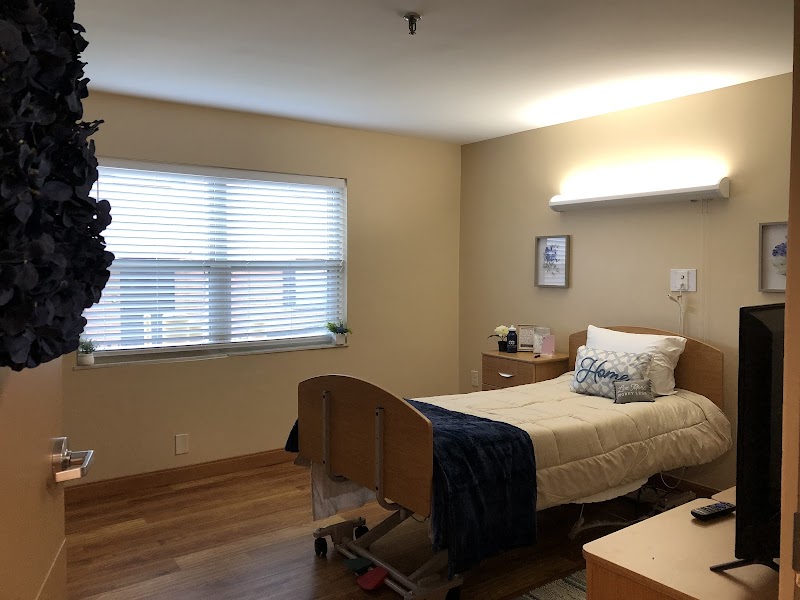
How is Chamberlin Healthcare Center Staffed?

CMS rates CHAMBERLIN HEALTHCARE CENTER's staffing level at 2 out of 5 stars, which is below average compared to other nursing homes. Staff turnover is 49%, compared to the Ohio average of 46%.

What Have Inspectors Found at Chamberlin Healthcare Center?

State health inspectors documented 52 deficiencies at CHAMBERLIN HEALTHCARE CENTER during 2019 to 2024. These included: 1 Immediate Jeopardy (the most serious level, indicating potential for serious harm or death), 2 that caused actual resident harm, and 49 with potential for harm. Immediate Jeopardy findings are rare and represent the most serious regulatory concerns. They require immediate corrective action.
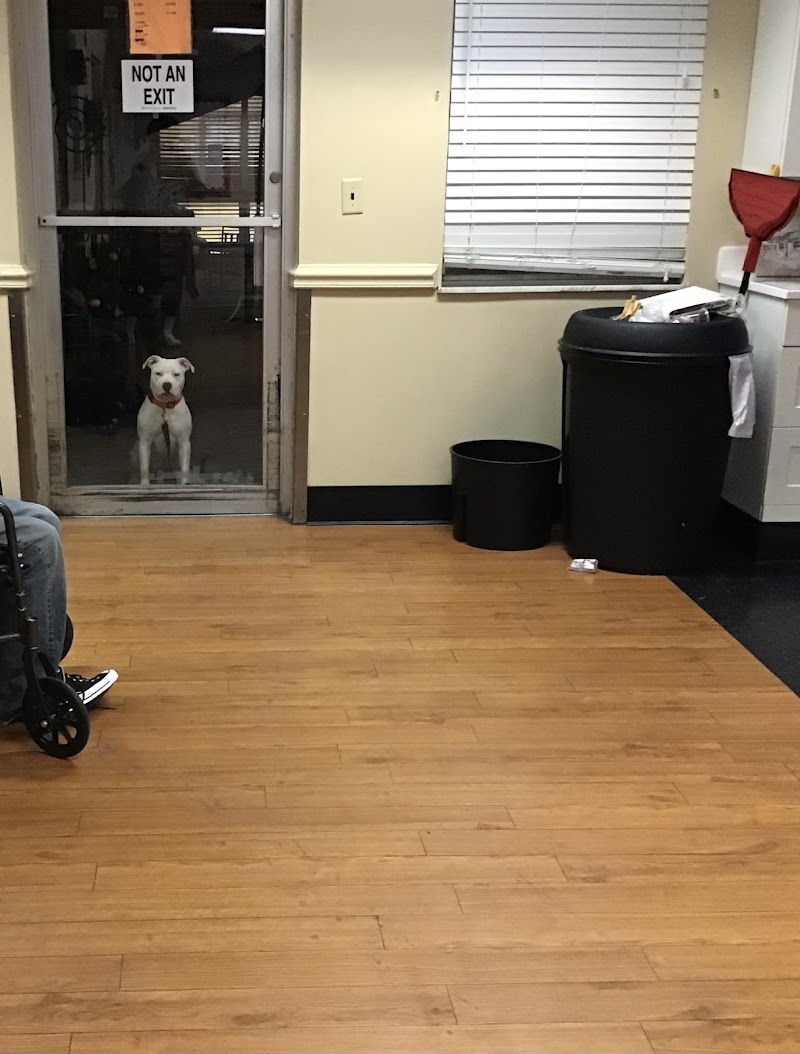
Who Owns and Operates Chamberlin Healthcare Center?

CHAMBERLIN HEALTHCARE CENTER is owned by a for-profit company. For-profit facilities operate as businesses with obligations to shareholders or private owners. The facility is operated by COMMUNICARE HEALTH, a chain that manages multiple nursing homes. With 162 certified beds and approximately 152 residents (about 94% occupancy), it is a mid-sized facility located in CINCINNATI, Ohio.
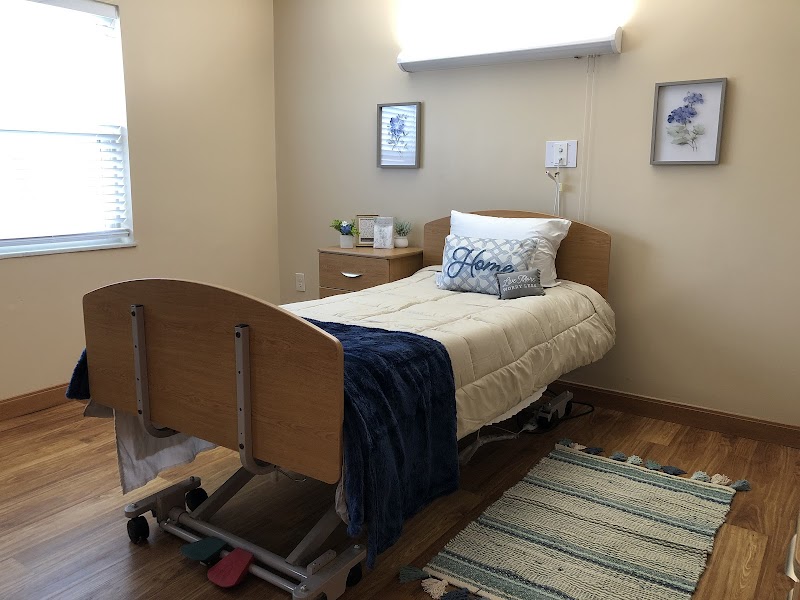
How Does Chamberlin Healthcare Center Compare to Other Ohio Nursing Homes?

Compared to the 100 nursing homes in Ohio, CHAMBERLIN HEALTHCARE CENTER's overall rating (1 stars) is below the state average of 3.2, staff turnover (49%) is near the state average of 46%, and health inspection rating (2 stars) is below the national benchmark.

What Should Families Ask When Visiting Chamberlin Healthcare Center?

Based on this facility's data, families visiting should ask: "What changes have been made since the serious inspection findings, and how are you preventing similar issues?" "Can you walk me through typical staffing levels on day, evening, and night shifts?" "Can I visit during a mealtime to observe dining assistance and food quality?" "How do you handle medical emergencies, and what is your hospital transfer rate?" These questions are particularly relevant given the facility's Immediate Jeopardy citations and the below-average staffing rating.

Is Chamberlin Healthcare Center Safe?

Based on CMS inspection data, CHAMBERLIN HEALTHCARE CENTER has documented safety concerns. Inspectors have issued 1 Immediate Jeopardy citation (the most serious violation level indicating risk of serious injury or death). The facility has a 1-star overall rating and ranks #100 of 100 nursing homes in Ohio. Families considering this facility should ask detailed questions about what corrective actions have been taken since these incidents.

Do Nurses at Chamberlin Healthcare Center Stick Around?

CHAMBERLIN HEALTHCARE CENTER has a staff turnover rate of 49%, which is about average for Ohio nursing homes (state average: 46%). Moderate turnover is common in nursing homes, but families should still ask about staff tenure and how the facility maintains care continuity when employees leave.

Was Chamberlin Healthcare Center Ever Fined?

CHAMBERLIN HEALTHCARE CENTER has been fined $46,323 across 1 penalty action. The Ohio average is $33,542. While any fine indicates a compliance issue, fines under $50,000 are relatively common and typically reflect isolated problems that were subsequently corrected. Families should ask what specific issues led to these fines and confirm they've been resolved.

Is Chamberlin Healthcare Center on Any Federal Watch List?

CHAMBERLIN HEALTHCARE CENTER is not on any federal watch list. The most significant is the Special Focus Facility (SFF) program, which identifies the bottom 1% of nursing homes nationally based on persistent, serious quality problems. Not being on this list means the facility has avoided the pattern of deficiencies that triggers enhanced federal oversight. This is a positive indicator, though families should still review the facility's inspection history directly.