CLIFTON HEALTHCARE CENTER
625 PROBASCO STREET, CINCINNATI, OH 45220 (513) 281-2464
For profit - Corporation 142 Beds COMMUNICARE HEALTH Data: November 2025
Trust Grade
73/100
#242 of 913 in OH
Last Inspection: November 2023

Within standard 12-15 month inspection cycle. Federal law requires annual inspections.

Overview

Clifton Healthcare Center has a Trust Grade of B, indicating it is a good choice for families seeking care, as it falls within the 70-79 range. In Ohio, it ranks #242 out of 913 facilities, placing it in the top half, and #23 out of 70 in Hamilton County, meaning only 22 local facilities are better. The facility's trend is stable, with just one issue reported in both 2024 and 2025, which is an improvement over previous years. Staffing is rated below average at 2 out of 5 stars, but the turnover rate is commendably low at 26%, well below the state average of 49%. While there have been no fines, which is a positive sign, some incidents of concern include failing to perform background checks for new employees and not maintaining proper staffing records, which could affect resident care. Overall, Clifton Healthcare Center shows strengths in its trust grade and low turnover, but families should consider the staffing challenges and the need for improved compliance in certain areas.

Trust Score
B
73/100
In Ohio
#242/913
Top 26%
Safety Record
Low Risk
No red flags
Inspections
Holding Steady
1 → 1 violations
Staff Stability
✓ Good
26% annual turnover. Excellent stability, 22 points below Ohio's 48% average. Staff who stay learn residents' needs.
Penalties
✓ Good
No fines on record. Clean compliance history, better than most Ohio facilities.
Skilled Nurses
○ Average
Each resident gets 31 minutes of Registered Nurse (RN) attention daily — about average for Ohio. RNs are the most trained staff who monitor for health changes.
Violations
⚠ Watch
24 deficiencies on record. Higher than average. Multiple issues found across inspections.
★★★★☆
4.0
Overall Rating
★★☆☆☆
2.0
Staff Levels
★★★★★
5.0
Care Quality
★★★☆☆
3.0
Inspection Score
Stable
2024: 1 issues
2025: 1 issues

The Good

  • 5-Star Quality Measures · Strong clinical quality outcomes
  • Low Staff Turnover (26%) · Staff stability means consistent care
  • Full Sprinkler Coverage · Fire safety systems throughout facility
  • No fines on record
  • Staff turnover is low (26%)

    22 points below Ohio average of 48%

Facility shows strength in quality measures, staff retention, fire safety.

The Bad

Chain: COMMUNICARE HEALTH

Part of a multi-facility chain

Ask about local staffing decisions and management

The Ugly 24 deficiencies on record

Aug 2025 1 deficiency
CONCERN (F) 📢 Someone Reported This

A family member, employee, or ombudsman was alarmed enough to file a formal complaint

Potential for Harm - no one hurt, but risky conditions existed

Abuse Prevention Policies (Tag F0607)

Could have caused harm · This affected most or all residents

THE FOLLOWING DEFICIENCY REPRESENTS AN INCIDENT OF PAST NONCOMPLIANCE THAT WAS SUBSEQUENTLY CORRECTED PRIOR TO THIS SURVEY. Based on personnel record review, review of criminal background check record...

Read full inspector narrative →
THE FOLLOWING DEFICIENCY REPRESENTS AN INCIDENT OF PAST NONCOMPLIANCE THAT WAS SUBSEQUENTLY CORRECTED PRIOR TO THIS SURVEY. Based on personnel record review, review of criminal background check records, staff interview and review of the facility policy, the facility failed to complete background checks upon hire for new employees. This had the potential to affect all of the residents residing in the facility. The facility census was 137 residents. Findings include:Review of the facility Bureau of Criminal Investigation (BCI) log dated 08/05/25 revealed BCI and Federal Bureau Investigation (FBI) checks had be completed for all new employees. Review of facility personnel records revealed the following staff had not had background checks completed upon hire: Housekeeper #50 hired 05/11/23, Housekeeper #52 hired 05/21/24, Certified Nursing Assistant (CNA) #22 hired 02/15/23, CNA #23 hired 09/26/23, CNA #40 hired 05/10/23, CNA #42 hired 10/23/24, CNA #46 hired 06/12/24, Med Tech (MT) #44 hired 02/21/23, Maintenance Director (MD) #28 hired 05/13/23, Dietary Aide (DA) #56 hired 08/24/23, DA #59 hired 03/09/23, DA #55 hired 06/25/24, DA #63 hired 02/06/25, Administrator hired 02/18/25. During an interview on 08/05/25 at 1:30 P.M., the Administrator verified the facility had not completed BCI and FBI checks for the following new hires: Housekeepers #50 and #52, CNAs #22, #23, #40, #42, and #46, MT #44, MD #28, DAs #56, 59, #55, #63, Administrator. During an interview on 08/06/25 at 4:54 P.M., Employee Lifecycle Manager (ELM) #65 reported it was the facility policy to complete BCI and FBI checks prior to employees being hired. Review of the facility policy titled Abuse/Neglect/Misappropriation of Property dated 05/13/09 revealed the facility employed properly screened persons as a part of the resident care team. The facility would perform an extensive background check for potential employees, which included a BCI and FBI check. Review of the facility's corrective action plan, completed by the Administrator revealed the following actions were implemented and the deficiency was corrected on 06/02/25. On 03/26/25, the Director of Nursing (DON) completed comprehensive abuse questionnaire interviews with residents, with no additional findings. On 03/26/25, the DON performed thorough head-to-toe assessments on residents with severe cognitive impairment who could not provide meaningful information with no new injuries identified. On 03/26/25, the Administrator terminated Human Resource Manager (HRM) #70 because the employee had failed to ensure appropriate background checks for new hires. On 03/26/25, the Administrator conducted a comprehensive, facility-wide audit of staff. Employees found to be noncompliant with background check requirements were promptly removed from the schedule until their BCI checks were successfully completed. By 04/01/25, all identified employees had obtained valid BCI checks with no further findings. On 06/02/25, the Administrator provided education to the new Employee Life Cycle Manager (ELM) #65 who replaced HRM #70 regarding Ohio law requirements for background and abuse checks to ensure full compliance moving forward. To maintain ongoing compliance the Administrator or designee will monitor the completion of BCI checks for new employees on a weekly basis for the next six months. Audit results will be reviewed by the QAPI team initially for two months and subsequently on a monthly basis as needed, to ensure sustained adherence to all regulatory requirements. This deficiency represents noncompliance investigated under Complaint Number OH00164949 (IQIES Number 1351270).
Oct 2024 1 deficiency
CONCERN (D) 📢 Someone Reported This

A family member, employee, or ombudsman was alarmed enough to file a formal complaint

Potential for Harm - no one hurt, but risky conditions existed

Quality of Care (Tag F0684)

Could have caused harm · This affected 1 resident

**NOTE- TERMS IN BRACKETS HAVE BEEN EDITED TO PROTECT CONFIDENTIALITY** Based on record review, observation, staff interviews, and policy review the facility failed to ensure physician orders were tim...

Read full inspector narrative →
**NOTE- TERMS IN BRACKETS HAVE BEEN EDITED TO PROTECT CONFIDENTIALITY** Based on record review, observation, staff interviews, and policy review the facility failed to ensure physician orders were timely clarified to prevent a delay in medication administration. This affected one (#37) resident of the three residents reviewed for medication administration. The facility census was 140. Findings include: Review of Resident #37's medical record revealed the resident was admitted to the facility on [DATE]. Diagnoses included multiple sclerosis (MS), tubular interstitial nephritis, diabetes mellitus, morbid obesity, paraplegia, major depressive disorder and retention of urine. Review of the Minimum Data Set (MDS) assessment dated [DATE] revealed Resident #37 was cognitively intact. Review of the physician order dated 09/06/24 for Resident #37 revealed the resident was ordered Bactrim double strength (DS) (Sulfamethoxazole-Trimethoprim) 800-160 milligrams (mg) (antibiotic) two times a day (8:00 A.M. and 5:00 P.M.) for infection until 09/14/24. Review of a nurse's progress note dated 09/06/24 at 736 P.M. revealed Resident #37 was ordered Bactrim DS for seven days. Review of additional nurse's notes revealed no documentation regarding the resident not receiving the Bactrim on 09/07/24 and 09/08/24. Review of the September 2024 medication administration record (MAR) for Resident #37 reveled on 09/07/24 at 8:00 A.M. and 5:00 P.M. was marked with a 5 indicating hold /see nurses notes On 09/08/24, the 8:00 A.M. dose was recorded as being administered and the 5:00 P.M. was recorded with a 5. Interview via phone on 10/23/24 at 8:19 A.M. with Pharmacy Technician #508 revealed a pharmacist entered a note where he called the facility on 09/06/24 and talked to Registered Nurse (RN) #115 informing her of Resident #37's Bactrim would not be sent to the facility due to the resident's recorded sulfacetamide allergy and the facility needed to call the provider to get clarification. RN #115 noted she would contact the provider and get clarification. Interview via phone on 10/23/24 at 10:24 A.M. with RN #115 revealed she talked with a pharmacist on 09/06/24 about Resident #37's Bactrim order and she would call the provider and get another medication due to the allergies on file. RN #115 stated she called the on-call provider; however, the provider would not order a new antibiotic. Interview via phone on 10/23/24 at 11:16 A.M. with LPN #101 revealed she did not give the two ordered doses Bactrim to Resident #37 on 09/07/24 due to not being available. LPN #101 stated the facility was awaiting delivery from the pharmacy and then forgot to follow up on the medication orders. Review of the Medication Administration (dated 2013) revealed it is the policy of this facility to provide resident centered care that's meets the psychosocial, physical, and emotional needs and concerns of the residents. This deficiency represents non-compliance investigated under Complaint Number OH00158589.
Nov 2023 8 deficiencies
CONCERN (D)

Potential for Harm - no one hurt, but risky conditions existed

Resident Rights (Tag F0550)

Could have caused harm · This affected 1 resident

**NOTE- TERMS IN BRACKETS HAVE BEEN EDITED TO PROTECT CONFIDENTIALITY** Based on observations, medical record review, and staff interview the facility failed to serve lunch in a family style manner. T...

Read full inspector narrative →
**NOTE- TERMS IN BRACKETS HAVE BEEN EDITED TO PROTECT CONFIDENTIALITY** Based on observations, medical record review, and staff interview the facility failed to serve lunch in a family style manner. This affected one (#117) of the 37 residents observed during the lunch meal service. The facility census was 137. Findings include: Review of medical record for Resident #117, revealed the resident was admitted on [DATE]. Diagnosis including schizophrenia, anxiety, hallucinations, and depression. Review of Minimum Data Set (MDS) assessment dated [DATE] revealed Resident #117 had no cognitive impairment and is independent with activities of daily living (ADLs). Observation of the lunch trays being served on 11/27/23 at 12:44 P.M., revealed Resident #117 was sitting at a table that was served first and everyone at the table was served except for Resident #117. The staff proceeded to serve the other three tables and then sat down to feed the residents that needed assistance and Resident #117 still had not received a tray. When surveyor questioned the staff about a tray for Resident #117, the staff provided Resident #117 with a tray. Interview on 11/27/23 at 12:53 P.M. with State Tested Nursing Assistant (STNA) #43 verified that Resident #117 did not receive his tray due to not being in the dining room while tickets were being set up.
CONCERN (D)

Potential for Harm - no one hurt, but risky conditions existed

Deficiency F0578 (Tag F0578)

Could have caused harm · This affected 1 resident

**NOTE- TERMS IN BRACKETS HAVE BEEN EDITED TO PROTECT CONFIDENTIALITY** Based on record review, staff interview, and policy review, the facility failed to ensure a resident's advanced directives were ...

Read full inspector narrative →
**NOTE- TERMS IN BRACKETS HAVE BEEN EDITED TO PROTECT CONFIDENTIALITY** Based on record review, staff interview, and policy review, the facility failed to ensure a resident's advanced directives were accurately reflected in the clinical record. This affected one (#127) of the 32 residents reviewed for advanced directives. The facility census was 137. Findings included: Review of the medical record for Resident #127 revealed the resident was admitted to the facility on [DATE]. Her diagnoses included hemiplegia and hemiparesis following cerebral infarction affecting the right dominant side, protein-calorie malnutrition, fracture of the upper end of the right humerus, tobacco use, seizures, functional urinary incontinence, cerebral infarction, occlusion and stenosis of the left carotid artery, dysphagia following cerebral infarction, hypertension, and facial weakness following cerebral infarction. Review of the paper chart for Resident #127 revealed the resident had a Do Not Resuscitate Comfort Care Arrest (DNR-CCA) dated [DATE]. Review of the electronic medical record (EMR) on [DATE] at 12:20 P.M. revealed the resident had an order for cardiopulmonary resuscitation (CPR). Review of the significant change Minimum Data Set (MDS) assessment dated [DATE] for Resident #127, revealed a Brief Interview for Mental Status (BIMS) score of four indicating she had severe cognitive impairment. Review of the care plan for Resident #127 revealed the resident had a CPR code status. One of the interventions included obtaining a medical provider order for a code status. Interview with Registered Nurse Unit (RN) Manager #80 on [DATE] at 10:30 A.M. verified Resident #127's orders did not match the signed advanced directives. Review of the undated facility policy titled Advance Directive (Resident's Right to Choose) revealed any decision making regarding the resident's choice in their medical order for life-sustaining treatment and/or their advanced directive will be documented in the resident's medical record.
CONCERN (D)

Potential for Harm - no one hurt, but risky conditions existed

Deficiency F0645 (Tag F0645)

Could have caused harm · This affected 1 resident

**NOTE- TERMS IN BRACKETS HAVE BEEN EDITED TO PROTECT CONFIDENTIALITY** Based on record review, staff interview, and policy review, the facility failed to ensure a Pre-admission Screening and Resident...

Read full inspector narrative →
**NOTE- TERMS IN BRACKETS HAVE BEEN EDITED TO PROTECT CONFIDENTIALITY** Based on record review, staff interview, and policy review, the facility failed to ensure a Pre-admission Screening and Resident Review (PASARR) was completed correctly to include a mental health diagnosis. This affected one (#74) of five residents reviewed for PASARR. The facility census was 137. Findings include: Review of the medical record for Resident #74 revealed the resident was admitted to the facility on [DATE]. Diagnoses included paranoid schizophrenia, type two diabetes mellitus without complications, hypertensive heart and chronic kidney disease with heart failure, venous insufficiency, and anemia. Review of the history and physical dated 05/06/22 revealed Resident #74 had a diagnosis of schizophrenia. Review of the PASARR dated 05/09/22 indicated Resident #74 had no indications of serious mental illness, such as schizophrenia. Review of the quarterly Minimum Data Set (MDS) 3.0 assessment dated [DATE] for Resident #74 revealed the resident had intact cognition evidenced by a Brief Interview for Mental Status (BIMS) score of 15. Interview on 11/30/23 at 11:09 A.M. with Assistant Business Office Manager (ABOM) #13 verified Resident #74 had a diagnosis of schizophrenia in the electronic health record that she was unaware of, which had not been marked on the PASARR completed on 05/09/22. Review of the facility policy titled PASARR - Pre-admission Screening and Resident Review, reviewed 08/11/20, revealed all individuals that applied for admission to a Medicaid certified nursing facility must be screened for a PASARR disability whether they have such a disability and, if so, whether they need specialized services to address their PASARR related needs.
CONCERN (D)

Potential for Harm - no one hurt, but risky conditions existed

Deficiency F0657 (Tag F0657)

Could have caused harm · This affected 1 resident

**NOTE- TERMS IN BRACKETS HAVE BEEN EDITED TO PROTECT CONFIDENTIALITY** 2) Review of the medical record for Resident #29 revealed the resident was admitted on [DATE]. Diagnoses included schizoaffectiv...

Read full inspector narrative →
**NOTE- TERMS IN BRACKETS HAVE BEEN EDITED TO PROTECT CONFIDENTIALITY** 2) Review of the medical record for Resident #29 revealed the resident was admitted on [DATE]. Diagnoses included schizoaffective disorder, type two diabetes, spinal stenosis, chronic obstructive pulmonary disease (COPD) and schizoaffective disorder. Review of the medical record for Resident #29 from 01/01/22 through 11/30/23 revealed Resident #29 had no documented evidence of any care conferences being completed. Review of the MDS assessment dated [DATE] for Resident #29 revealed the resident had a Brief Interview for Mental Status (BIMS) of 15 which indicated the resident was cognitively intact. Review of the plan of care dated 10/23/23 revealed Resident #29 was at risk for nutritional decline related to type two diabetes, hypertension, hyperlipidemia, COPD, major depressive disorder, anxiety disorder, obesity, anemia, schizoaffective disorder; therapeutic diet; edema, history significant weight loss (planned/favorable) with weight cycling and history of wounds. Interview with Resident #29 on 11/28/23 at 12:29 P.M. revealed the resident did not have any care conferences. Interview with SSD #111 on 11/30/23 at 12:55 P.M. verified Resident #29 had no documented evidence of any care conferences being completed. Interview with the Administrator on 11/30/23 at 2:14 P.M. verified Resident #29 had no care documented care conferences in 2022 or 2023. Based on record review and staff interview the facility failed to ensure care conferences were completed. This affected two (#117 and #29) of the 27 residents reviewed for care planning. The facility census was 137. Findings include: 1) Review of the medical record for Resident #117 revealed the resident was admitted on [DATE]. Diagnoses included schizophrenia, anxiety, hallucinations, and depression. Review of the medical record from 08/26/22 through 11/30/23 for Resident #117 revealed no documented evidence of a care conference being completed. Review of the Minimum Data Set (MDS) assessment dated [DATE] for Resident #117. Revealed the resident had no cognitive impairments and was independent with activities of daily living (ADLs). Interview with Resident #117 on 11/27/23 at 3:18 P.M. revealed the resident had never been provided with a care conference. Interview Social Service Designee (SSD) #111 on 11/30/23 at 12:48 P.M. verified Resident #117 was admitted on [DATE] and the resident had never had a care conference.
CONCERN (D)

Potential for Harm - no one hurt, but risky conditions existed

ADL Care (Tag F0677)

Could have caused harm · This affected 1 resident

**NOTE- TERMS IN BRACKETS HAVE BEEN EDITED TO PROTECT CONFIDENTIALITY** Based on observations, staff interview, medical record review and review of facility policy, the facility failed to ensure depen...

Read full inspector narrative →
**NOTE- TERMS IN BRACKETS HAVE BEEN EDITED TO PROTECT CONFIDENTIALITY** Based on observations, staff interview, medical record review and review of facility policy, the facility failed to ensure dependent residents were provided with effective grooming. This affected one (#86) of the four residents reviewed for the provision of activities of daily living (ADLs). The facility census was 137. Findings Included: Review of medical record for Resident #86 revealed an admission date 07/26/23. Diagnoses included chronic obstructive pulmonary disease (COPD), bipolar disorder, and malignant neoplasm of upper lobe left, secondary malignant neoplasm of brain. Review of the plan of care dated 07/28/23 revealed that Resident #86 had an ADLs self-care performance deficit related to signs and symptoms of involving musculoskeletal system, chronic pulmonary disease, migraines, fatigue, unsteadiness on feet, and poor motivation towards self-care. Interventions included staff to provide all assistance with showers/grooming. Review of the Minimum Data Set (MDS) assessment dated [DATE] for Resident #86 revealed the resident had a Brief Interview of Mental Status (BIMS) of 11 which indicated the resident was cognitively impaired. Resident #86 was dependent for showers /bathing and personal hygiene. Observation and interview with Resident #86 on 11/28/23 at 10:00 A.M. revealed the resident who was lying in bed with a facility gown on and had numerous dark facial hairs on her chin which were approximately one and a half inches in length. Resident #86 stated it had been a while since her chin hair had been addressed. Observation of Resident #86 on 11/29/23 at 1:30 P.M. with Certified Nurse Aid (CNA) #28 verified Resident #86 had chin hair and stated the resident was not bothered by it. Observation of Resident #86 on 11/30/23 at 11:00 A.M. revealed the resident was lying in her room in bed and her facial hair was still present. Interview with Resident #86 on 11/30/23 at 11:30 A.M. along with Licensed Practical Nurse (LPN) #95 who asked Resident #86 if she wanted her facial hair on her chin plucked with tweezers. Resident #86 reported she wanted her chin hair plucked out. LPN #95 stated she was not able to find any tweezers, so she would offer to shave resident's chin hair. Resident #86 stated she would like her chin hair removed. Review of facility policy undated titled Routine Resident Care revealed the facility would promote resident centered care by attending to the total medical, nursing, physical, emotional, mental, social, and spiritual needs, and honor resident lifestyle preferences while in the care of the facility.
CONCERN (D)

Potential for Harm - no one hurt, but risky conditions existed

Drug Regimen Review (Tag F0756)

Could have caused harm · This affected 1 resident

**NOTE- TERMS IN BRACKETS HAVE BEEN EDITED TO PROTECT CONFIDENTIALITY** 3) Review of the medical record for Resident #16 revealed the resident was admitted on [DATE]. Diagnoses included congestive hea...

Read full inspector narrative →
**NOTE- TERMS IN BRACKETS HAVE BEEN EDITED TO PROTECT CONFIDENTIALITY** 3) Review of the medical record for Resident #16 revealed the resident was admitted on [DATE]. Diagnoses included congestive heart failure, paranoid schizophrenia, depression, mood disorder, psychotic disturbance, and delusional disorders. Review of active physician orders dated 02/03/22 for Resident #16 revealed the resident was ordered Ventolin Inhaler as needed (PRN) (rescue inhaler for respiratory issues). The Ventolin inhaler was not discontinued until 11/30/23 when a Surveyor questioned the order. Review of the September 2023 Pharmacist's Medication Regimen Review recommendations for Resident #16, revealed the resident had an active order for Ventolin Inhaler (inhaler for respiratory issues) as needed (PRN) that had not been used since it was ordered on 02/03/23 and in effort to reduce polypharmacy, the order should be reviewed and discontinued. The physician signed and approved the Pharmacist's recommendations on 09/28/23. Interview on 11/30/23 at 1:29 P.M. with the DON verified the order to discontinue Ventolin was missed and should have been discontinued in the month of September 2023. Review of the undated facility policy titled Medication Regimen Review revealed the pharmacist would report any irregularities to the attending physician, facility's medical director and director of nursing, and the reports must be acted upon in a timely manner that meets the needs of the residents. 2) Review of the clinical record revealed Resident #50 was admitted to the facility originally on 01/20/23 and was readmitted on [DATE]. Her diagnoses included, but was not limited to, hypothyroidism, thyrotoxicosis with diffuse goiter, and myxedema coma. Review of the quarterly MDS assessment dated [DATE]. She had a BIMS score of 10 indicating she had moderate cognitive impairment. Review of the Pharmacist's Medication Regimen Review recommendations dated 10/17/23 for Resident #50, revealed the resident had an elevated thyroid stimulating hormone (TSH) (laboratory blood test to show the levels of thyroid hormone in the blood) in July 2023. The Pharmacist recommended another TSH level to be completed. Review of the active November 2023 physician's orders for Resident #50's, revealed the resident was ordered Levothyroxine Sodium oral tablet 150 micrograms (mcgs) by mouth each morning for hypothyroidism before breakfast. An additional order on 10/2/23/23 revealed the resident was ordered to have TSH level completed. Review of the laboratory (lab) results for Resident #50 revealed no documented evidence that a TSH level was completed per the physician's orders on 10/23/23 and there was no documentation of the resident refusing the lab test. Interview was conducted with the Director of Nursing (DON) on 11/30/23 at 3:22 P.M., verified the TSH levels for Resident #50 was not completed and there was no evidence that the resident refused to have the lab test completed. Based on record review, staff interview, and policy review, the facility failed to ensure pharmacy recommendations were addressed in a timely manner. This affected three (#95, #50 and #16) of five residents reviewed for unnecessary medications. The facility census was 137. Findings include: 1) Review of the medical record for Resident #95 revealed he was admitted to the facility on [DATE]. Diagnoses included hypertensive heart and chronic kidney disease with heart failure, chronic obstructive pulmonary disease, vascular dementia, unspecified severity, without behavioral disturbance, psychotic disturbance, mood disturbance, and anxiety, hypertension, cardiomyopathy, hyperlipidemia, and insomnia. Review of the plan of care initiated on 04/18/22 for Resident #95, revealed the resident had pain related to generalized body pains, osteoarthritis, and muscle weakness. Interventions included following physician orders for complaints of pain. Review of the quarterly Minimum Data Set (MDS) 3.0 assessment dated [DATE] for Resident #95, revealed the resident had severely impaired cognition evidenced by a Brief Interview for Mental Status (BIMS) score of 06. Review of the active physician orders dated 10/12/23 for Resident #95 revealed an order for Diclofenac Sodium external gel one percent to be applied to lower back topically every six hours as needed for pain. Review of the Pharmacist's Medication Regimen Review to the Physician/Prescriber dated 10/17/23 for Resident #95, revealed a recommendation to clarify the Diclofenac gel order and update the electronic health record for reflect dosage in grams. The recommendation was reviewed and approved by the physician on 10/20/23 and indicated the dosage in grams should be two grams. Interview on 11/30/23 at 4:04 P.M. with Regional Director of Clinical Operations (RDCO) #200 confirmed the physician's order for Diclofenac Sodium external gel was never updated per the pharmacist's recommendations to reflect the dosage in grams.
CONCERN (E)

Potential for Harm - no one hurt, but risky conditions existed

Accident Prevention (Tag F0689)

Could have caused harm · This affected multiple residents

**NOTE- TERMS IN BRACKETS HAVE BEEN EDITED TO PROTECT CONFIDENTIALITY** Based on record review, staff interviews, and review of facility policies, the facility failed to ensure a fall was thoroughly i...

Read full inspector narrative →
**NOTE- TERMS IN BRACKETS HAVE BEEN EDITED TO PROTECT CONFIDENTIALITY** Based on record review, staff interviews, and review of facility policies, the facility failed to ensure a fall was thoroughly investigated, accurately documented, and fall interventions were implemented to prevent additional falls. This affected one (#04) of the nine residents reviewed for accident hazards. The facility also failed to ensure residents were supervised while smoking, failed to ensure residents smoked safely and failed to ensure residents were assessed for smoking. This affected four (#10, #95, #04, and #187) of the nine residents reviewed for accident hazards. The facility census was 137. Findings include: 1) Review of the medical record for Resident #04 revealed he was admitted to the facility on [DATE]. Diagnoses included Alzheimer's disease, chronic obstructive pulmonary disease, congestive heart failure, vascular dementia moderate with other behavioral disturbance, other intervertebral disc degeneration, peripheral vascular disease, unspecified protein-calorie malnutrition, personality disorder, mixed hyperlipidemia, polyosteoarthritis, paranoid schizophrenia, vitamin d deficiency, and aphasia. Review of the quarterly Minimum Data Set (MDS) 3.0 assessment dated [DATE] for Resident #04 revealed the resident had significantly impaired cognition evidenced by a Brief Interview for Mental Status (BIMS) score of 06. This resident was assessed to require extensive assistance of two for activities of daily living (ADLs). Review of the plan of care revised on 09/21/22 revealed Resident #04 was at risk for falls related to impaired judgement and safety awareness, gait problems, impaired mobility, weakness, frequently attempted self-transfer, and resistive to fall interventions. Interventions included for the bed to be in the lowest position, the room free of accident hazards, resident to wear non-skid footwear, the call light within reach, and review the past falls and implement interventions as ordered. Review of the nurse's progress note dated 01/29/23 at 6:00 P.M. and recorded as a late entry, revealed Resident #04 was observed sitting in the hallway in front of his wheelchair in an upright position from an unwitnessed fall. The resident was assessed to have increased confusion and decreased oxygen saturation. Resident #04 stated he was picking up a soda bottle that he dropped when he fell. Resident #04 reported no pain, and the resident was assisted back in wheelchair with assistance of two staff members. Oxygen was applied to the resident and new orders were received to obtain a chest X-ray, laboratory (labs) tests and neurological (neuro) checks were started. The nurse's progress note revealed no documented evidence of any fall interventions being implemented. Review of a post fall evaluation/notification dated 01/29/23 at 6:00 P.M. for Resident #04, revealed the resident had unwitnessed fall and had no injuries or pain as result of fall. The post fall evaluation/notification revealed no documented evidence of any fall interventions being implemented. Review of the Situation Background Assessment Recommendation (SBAR) electronic interaction (eINTERACT) summary for providers dated 01/29/23 at 6:00 P.M. for Resident #04, revealed the resident had a change in condition related to falls. The SBAR revealed no documented evidence of any fall interventions being implemented. Review of a facility incident report indicated on 01/29/23 at 6:00 P.M. Resident #04 had an unwitnessed fall and was found in the hallway sitting on his buttocks in front of his wheelchair. Resident #04 stated he was trying to pick up a pop bottle. Resident #04 was assessed with no pain with range of motion assessment. The resident was placed back in his wheelchair. The resident was noted to be more confused with a decreased oxygen saturation level. The incident report revealed no documented evidence of any fall interventions being implemented. Review of the physician's progress note dated 01/30/23 at 8:18 A.M for Resident #04, revealed the resident complained of shortness of breath over weekend and a chest x-ray and labs were ordered. The resident's x-ray showed pneumonia. The physician's progress noted revealed no documentation about the resident's fall on 01/29/23. Review of the Interdisciplinary Team (IDT) progress note dated 02/01/23 at 8:50 A.M. for Resident #04 revealed the resident had a fall with no injury from leaning forward in his chair. The Root cause of the incident indicated the resident had an altered mental status and confusion. Interventions put in place were chest x-ray and labs. The IDT Team progress note revealed no documented evidence that the facility implemented any fall interventions for Resident #04. Review of the physician's progress note dated 02/01/23 at 11:31 A.M. for Resident #04 revealed the resident had a follow up for pneumonia. The physician's progress note revealed no documentation about the resident's fall on 01/29/23. Review of the nurse's progress notes from 02/01/23 through 02/09/23 revealed no documented evidence of Resident #04 falling or other related incidents related to an injury. Review of a facility incident report dated 02/09/23 and authored by Director of Nursing (DON) revealed Resident #04 had an unwitnessed fall in the resident's room on 02/09/23 at 6:15 P.M. The resident was found sitting on the floor in his room. The resident was assessed to have left hip pain when range of motion assessment was performed. Resident #04 was placed back in bed and a skin grid sheet was initiated. The follow up note entered by the DON on 02/16/23 at 3:18 P.M. revealed when STNA was performing incontinence care (on 02/10/23), the resident was screaming in pain. The nurse noted an abnormal appearance and bruising. 911 was called and a resident was sent to the hospital for evaluation. Review of the SBAR eINTERACT form dated 02/10/23 at 3:44 P.M. for Resident #04, revealed the resident had uncontrolled pain and a skin wound on right front thigh related to a fall and resident was sent to the ER. Review of the nurse's progress note dated 02/10/23 at 3:52 P.M. for Resident #04, revealed a STNA informed the nurse that Resident #04 was screaming out in pain during incontinence care. The nurse assessed Resident #04 and noted Resident #04's left hip appeared abnormal and had bruising to right lower extremity. Resident #04 reported pain level was a 10 out of 10 (scale of pain where zero is no pain and 10 is extreme pain), and emergency services were called to transport Resident #04 to the hospital for evaluation. Review of a facility incident report dated 02/10/23 at 3:25 P.M. revealed an unusual occurrence in the resident room. Resident #04 was assessed with increased pain and bruising to right inner thigh and decreased range of motion to the right lower extremity and the resident was sent to the hospital. Resident #04 was noted with fall on 01/29/23. Resident #04 was diagnosed with an acute displaced intertrochanteric fracture proximal left femur. The Incident report did not mention the resident's fall on 02/09/23 at 6:00 P.M. Review of the IDT progress note dated 02/10/23 at 5:42 P.M. and recorded as a late entry, revealed Resident #04 had bruising, pain, and decreased range of motion while receiving peri-care and refused to allow peri-care due to the pain. The nurse assessed resident legs to have bruising. The root cause of incident was noted to be a fall on 01/29/23 with injury and resident had a delayed response to feeling pain and reported pain due to medication received to suppress injury (prednisone [steroid]). Interventions revealed resident was sent to hospital for evaluation and treatment. There is no mention of the resident's fall on 02/09/23. Review of the nurse's progress note dated 02/11/23 revealed Resident #04 had a left hip fracture and would be having surgery on 02/12/23. Interview with the with the Director of Nursing (DON) on 11/29/23 at 1:18 P.M. confirmed Resident #04 had a fall on 01/29/23 and the facility implement interventions for a chest x-ray and labs to be completed. The DON also confirmed the resident had another fall on 02/09/23 when an agency nurse was on duty. The DON stated he advised the agency nurse to complete her investigation on paper because of the limited access to their risk management in the electronic health record. A follow-up interview with the DON on 11/29/23 at 3:21 P.M. confirmed there was no documentation related to Resident #04's fall on 02/09/23 in the resident electronic health record. The DON also verified the incident report completed on 02/09/23 lacked a thorough summary of the incident. The DON acknowledged the IDT follow-up on 02/10/23 failed to address the resident's fall on 02/09/23. The DON also verified there were no fall interventions placed for resident after the resident fell on [DATE] and again on 02/09/23. Review of the facility policy titled Fall Prevention and Management, revised 06/01/22, revealed the interdisciplinary team should review information for all falls at the next Daily Clinical Meeting. The team should discuss the fall, potential causes, interventions, and a deep root cause investigation should be discussed. A progress note of the discussion should be placed in the resident's chart. 2) Review of the medical record for Resident #10 revealed he was admitted to the facility on [DATE]. Diagnoses included schizoaffective disorder bipolar type, type two diabetes mellitus without complications, cerebral infarction due to unspecified occlusion or stenosis of other cerebral artery, vascular dementia moderate with other behavioral disturbance, bipolar disorder, peripheral vascular disease, major depressive disorder, generalized anxiety disorder, and delusional disorders, Review of the quarterly MDS assessment dated [DATE] for Resident #10, revealed the resident had intact cognition evidenced by a BIMS score of 13. This resident was assessed to require extensive assistance for ADLs. Review of the plan of care revised on 06/12/23 revealed Resident #10 utilized nicotine products and had a history of non-compliance with the smoking policy. Interventions included complete smoking evaluation, educating resident/resident representative on smoking policy, and provide supervision during designated smoke times. Review of the smoking assessment dated [DATE] revealed Resident #10 required supervision while smoking. Observation on 11/28/23 at 11:08 A.M. of Resident #10 revealed he was outside the facility entrance smoking with no staff present. Interview at the time of the observation with Nursing Staff Scheduler #149 confirmed Resident #10 was smoking outside the facility entrance by himself and not in the designated smoking area. Nursing Staff Scheduler #149 reported the aide that was supervising the smoke area had gone to the bathroom. Review of the medical record for Resident #95 revealed he was admitted to the facility on [DATE]. Diagnoses included hypertensive heart and chronic kidney disease with heart failure, chronic obstructive pulmonary disease, vascular dementia, psychotic disturbance, mood disturbance, and anxiety, hypertension, cardiomyopathy, and insomnia. Review of the quarterly MDS assessment dated [DATE], revealed Resident #95 had severely impaired cognition evidenced by a BIMS score of 06. This resident was assessed to require supervision for ADLs. Review of the plan of care revised on 04/18/22 revealed Resident #95 utilized nicotine products and had a history of concealing smoking materials and attempting to smoke inside the facility. Interventions included complete smoking evaluation, educating resident/resident representative on the smoking policy, and provide supervision during designated smoke times. Review of the smoking assessment dated [DATE] revealed Resident #95 required supervision while smoking. Observation on 11/28/23 at 11:08 A.M. of Resident #95 revealed the resident was outside the facility smoking with no staff present. Interview at the time of the observation with Nursing Staff Scheduler #149 confirmed Resident #95 was outside smoking. Nursing Staff Scheduler #149 reported the aide that was supervising the smoke area had gone to the bathroom. Review of the medical record for Resident #04 revealed he was admitted to the facility on [DATE]. Diagnoses included Alzheimer's disease, chronic obstructive pulmonary disease, congestive heart failure, vascular dementia moderate with other behavioral disturbance, other intervertebral disc degeneration, peripheral vascular disease, personality disorder, polyosteoarthritis, paranoid schizophrenia, and aphasia. Review of the quarterly MDS assessment dated [DATE], revealed Resident #04 had significantly impaired cognition evidenced by a BIMS score of 06. This resident was assessed to require extensive assistance or supervision for ADLs. Review of the plan of care revised on 08/23/22 revealed Resident #04 utilized nicotine products. Interventions included complete smoking evaluation, educating resident/resident representative on smoking policy, smoke apron while smoking as ordered, and provide supervision during designated smoke times. Review of the smoking assessment dated [DATE] revealed Resident #04 required supervision and a smoking apron while smoking. Observation on 11/28/23 at 11:11 A.M. of Resident #04 revealed he was smoking without a smoking apron on and no staff present. Immediately after the observation, State Tested Nursing Assistant (STNA) #19 arrived in the area and confirmed Resident #04 was smoking without utilizing a smoking apron. Review of the facility policy titled Resident Smoking, reviewed 05/30/19, revealed a smoking apron is a fire-resistant apron used to cover the torso or body and lap to aid in preventing cigarettes ashes or dropped cigarettes from igniting clothing. The policy indicated smoking would only be in designated areas and supervised smoking would be performed by a staff member. A chart review revealed Resident #187 was admitted on [DATE]. Diagnoses included mood disorder, brain cancer, insomnia, suicidal behaviors, depression, bilateral below the knee amputation, and anxiety. Review of MDS assessment dated [DATE] revealed Resident #187 had mild cognitive impairment and required limited to moderate assistance with ADLs. Review of care plan dated 11/10/23 revealed Resident #187 utilized nicotine products with an intervention dated 11/10/23 to complete a smoking evaluation. Review of medical record for Resident #187, revealed no documented evidence of a smoking assessment being completed. An interview on 11/27/23 at 4:54 P.M. with Resident #187 stated that the facility told him he would be able to smoke whenever he wanted, and after he was admitted they changed the rules and he had to wait for smoke times. An interview on 11/30/23 at 10:33 A.M. with the Director of Nursing verified Resident #187 had no smoking evaluation completed. Review of Resident Smoking Policy (dated 05/30/19) revealed assessment, observation, and designation of independent or supervised smoker will be made by the interdisciplinary team for each resident who requests to smoke in the facility with the screening in the electronic medical record system.
CONCERN (F)

Potential for Harm - no one hurt, but risky conditions existed

Staffing Data (Tag F0851)

Could have caused harm · This affected most or all residents

Based on interview and record review, the facility failed to submit complete and accurate staffing information for the Payroll-Based Journal (PBJ) report to the Centers for Medicare and Medicaid Servi...

Read full inspector narrative →
Based on interview and record review, the facility failed to submit complete and accurate staffing information for the Payroll-Based Journal (PBJ) report to the Centers for Medicare and Medicaid Services (CMS). This had the potential to affect all 137 residents in the facility. Findings Included: Review of the [NAME] PBJ staffing data report revealed the facility triggered for excessively low weekend staffing and a one star staffing rating for fiscal year quarter two of 2023. Interview with [NAME] President Analytics (VPA) #201 on 11/20/23 at 4:12 P.M. revealed the facility submitted the PBJ in the second quarter of 2023 and CMS has the wrong information. VPA #201 indicated the corporate team was working on the PBJ report and would resubmit it to CMS for the second quarter.
Sept 2019 5 deficiencies
CONCERN (D)

Potential for Harm - no one hurt, but risky conditions existed

Assessment Accuracy (Tag F0641)

Could have caused harm · This affected 1 resident

**NOTE- TERMS IN BRACKETS HAVE BEEN EDITED TO PROTECT CONFIDENTIALITY** Based on observation, record review and staff interview, the facility failed to ensure a resident's fall and use of feeding tube...

Read full inspector narrative →
**NOTE- TERMS IN BRACKETS HAVE BEEN EDITED TO PROTECT CONFIDENTIALITY** Based on observation, record review and staff interview, the facility failed to ensure a resident's fall and use of feeding tube were accurately coded on the Minimum Data Set (MDS) assessment. This affected two (Resident #84 and Resident #91) of 27 residents reviewed for accuracy of assessments. The facility census was 137. Findings include: 1. Record review revealed Resident #84 was admitted to the facility on [DATE] with diagnoses including paranoid schizophrenia, hypotension of hemodialysis, end stage renal disease, dependence on renal dialysis, essential hypertension, type two diabetes mellitus without complications, unspecified complication of kidney transplant, difficulty in walking, muscle weakness, other malaise, hyperlipidemia, iron deficiency anemia, mixed hyperlipidemia, dysphagia, gastro-esophageal reflux disease without esophagitis, other psychoactive substance dependence and bipolar disorder. Review of Resident #84's progress notes revealed the facility received a call from Resident #84's transport company on 08/05/19 reporting that resident had a seizure during transport and fell backwards into his wheelchair. Resident #84 was caught by emergency medical technicians and was lowered to the ground. The transport company call 911 and resident was sent to the emergency room. Review of Resident #84's emergency department notes dated 08/05/19 revealed emergency medical services were notified of possible seizure like activity. Resident #84 passed out and fell to the floor but was caught by the nursing staff. Review of Resident #84's quarterly Minimum Data Set (MDS) assessment dated [DATE] revealed resident was cognitively intact and required supervision for bed mobility, dressing and eating. Resident #84 also required limited assistance with transfer and toileting and was independent with personal hygiene. Interview with the Director of Nursing (DON) on 09/18/19 at 11:37 A.M. verified Resident #84's fall was not coded on the 08/05/19 MDS. Review of the Resident Assessment Instrument (RAI) manual dated October 2019 revealed Review all available sources for any fall since the last assessment, no matter whether it occurred while out in the community, in an acute hospital, or in the nursing home. Include medical records generated in any health care setting since last assessment. All relevant records received from acute and post-acute facilities where the resident was admitted during the look-back period should be reviewed for evidence of one or more falls. 2. Resident #91 was admitted to the facility on [DATE] with diagnoses including dementia, anemia, hypertension, seizure disorder and schizophrenia. The facility completed a quarterly MDS assessment of Resident #91's cognitive and physical functional status sated 08/12/19. The assessment identified the resident as having severely impaired cognitive skills and requiring the physical assistance of one to two staff persons to complete all activities of daily living. The assessment also identified the resident as having a gastrostomy tube feeding. Resident #91 was observed in the second floor unit dining room on 09/17/19 at 11:15 A.M. being spoon fed by a facility staff person. On 09/17/19 at 11:18 A.M. Licensed Practical Nurse (LPN) #39 who was caring for the resident was asked about the resident's tube feeding status. LPN #39 reported she has taken care of the resident for as long as she has lived at the facility and she had not had a tube feeding. On 09/19/19 an interview was conducted with MDS nurse, Registered Nurse (RN) #132 regarding Resident #91's 08/12/19 MDS which indicated the resident had a tube feeding. RN #132 reported that Resident #91 does not have a feeding tube, and the entry on the residents 08/12/19 MDS was a coding error.
CONCERN (D)

Potential for Harm - no one hurt, but risky conditions existed

Deficiency F0645 (Tag F0645)

Could have caused harm · This affected 1 resident

**NOTE- TERMS IN BRACKETS HAVE BEEN EDITED TO PROTECT CONFIDENTIALITY** Based on record review, and staff interviews, the facility failed to accurately complete pre-admission screening and resident re...

Read full inspector narrative →
**NOTE- TERMS IN BRACKETS HAVE BEEN EDITED TO PROTECT CONFIDENTIALITY** Based on record review, and staff interviews, the facility failed to accurately complete pre-admission screening and resident review (PASARR) for a newly admitted resident. This affected one (Resident #57) of four residents reviewed for PASARR. The facility census was 137. Findings include: Record review revealed Resident #57 was admitted to the facility on [DATE] from the hospital with the following diagnoses; localized edema, schizoaffective disorder, type two diabetes mellitus without complications, hyperlipidemia, essential hypertension, chronic pain, acquired absence of left and above knee, other schizophrenia, other fatigue, chronic kidney disease and cognitive communication deficit. Review of Resident #57's PASARR dated 04/19/19 revealed resident to have mood disorder. Resident #57's diagnosis of other schizophrenia was not marked and the indication of serious mental illness was not identified on the PASARR. Interview with the Director of Nursing (DON) and the Administrator on 09/18/19 at 11:37 A.M. verified Resident #57's diagnosis of schizophrenia was not identified and was incorrectly reported to have a diagnosis of mood disorder on the PASARR.
CONCERN (D)

Potential for Harm - no one hurt, but risky conditions existed

Medical Records (Tag F0842)

Could have caused harm · This affected 1 resident

**NOTE- TERMS IN BRACKETS HAVE BEEN EDITED TO PROTECT CONFIDENTIALITY** Based on record review and interview, the facility failed to ensure a resident's code status was accurately documented in the el...

Read full inspector narrative →
**NOTE- TERMS IN BRACKETS HAVE BEEN EDITED TO PROTECT CONFIDENTIALITY** Based on record review and interview, the facility failed to ensure a resident's code status was accurately documented in the electronic record and a resident's fall with nursing assessment was documented in the medical record. This affected two (Resident #51 and Resident #61) of 33 residents reviewed for complete and accurate medical records. The resident census was 137. Findings include: 1. Record review revealed Resident #61 was admitted to the facility on [DATE]. Review of Resident #61's code status in the electronic chart on 09/09/19 revealed resident to be listed as a Do Not Resuscitate Comfort Care (DNRCC). Review of Resident #61's code status in the paper chart revealed resident to have a code status form indicating resident was a Do Not Resuscitate Comfort Care Arrest (DNRCCA) that was signed by the physician on 05/17/18. Interview with the Director of Nursing (DON) and the Administrator on 09/18/19 at 11:37 A.M. verified Resident #61's DNRCC code status in the electronic chart did not match her DNRCCA code status listed in the paper chart. 2. Resident # 51 was admitted to the facility in July 2016 and had current diagnoses including schizoaffective disorder bipolar type, dementia with behavioral disturbance, hypertension, convulsions, epilepsy, borderline personality disorder, osteoarthritis, morbid obesity, heart failure, and mood disorder. On 07/16/19 the diagnoses of displace bimalleolar fracture of right lower leg was added. The facility completed a quarterly minimum data set (MDS) assessment on 07/23/19. The assessment identified the resident as having good memory and recall along with delusions, intermittent inattention, and disorganized thinking. The resident required the physical assistance of one staff to complete all activities of daily living other than eating. Resident #51 was observed on 09/17/19 at 11:56 A.M. wheeling himself about the second floor dining/activity room. He was wearing a orthopedic boot to his right ankle and foot. Review of Resident #51's nursing progress notes revealed an entry by Licensed Practical Nurse (LPN) #49 on 06/17/19 at 4:05 P.M. documenting the resident was complaining of right ankle pain, full range of motion was noted, there was no bruising or redness. The nurse noted that she made the resident's physician and representative aware, and a new order was received to obtain an x-ray of the resident's right ankle. On 06/18/19, LPN #49 documented that x-ray results were received, the resident's physician was made aware. The conclusion was a possible recent non-displaced fracture of the distal fibula. LPN #49 noted that a new order was received to obtain oblique views per suggestion of the previous results, the resident was to be non-weight bearing to the right lower extremity, and to refer the resident to an orthopedic physician. The nurse noted the resident's representative was made aware of the the new orders. On 06/18/19 Unit Manager, LPN #36 documented in Resident #51's nursing progress notes that the Nurse Practitioner gave an order to send the resident to the emergency room due to non-compliance with non-weight bearing status, and refusal to use a wheelchair. The resident's representative was made aware. On 06/18/19 at 10:00 P.M., LPN #61 documented in Resident #51's nursing progress notes the resident returned to the facility at 9:33 P.M. She noted the resident had a soft cast to his right ankle and has been instructed not to bear weight to his right extremity. Resident #51's x-ray of his right leg/ankle dated 06/18/19 were reviewed. The radiologist documented on 06/18/19 the resident had a non-displaced fracture of the right distal fibula. A fall investigation for the fall which Resident #51 sustained which resulted in the ankle fracture was requested from the Director of Nursing (DON) as it was not evident in the nursing progress notes when the fall occurred. Review of the occurrence report indicated that Resident #51 originally fell on [DATE] at 7:05 P.M. The occurrence report/fall details report specified that State Tested Nurse Aide (STNA) #37 found the resident on the floor in his room sitting in urine. Further review revealed the fall was investigated by Unit Manager, LPN #36 on 06/17/19. LPN #36 noted on 06/17/19 that the resident's physician and responsible party was notified about the fall on 06/17/19 at 3:00 P.M. The nurse noted the resident was found on the floor in his room, sitting in urine, and denied any pain. He was able to perform range of motion as usual, and was refusing to get off the floor. After several minutes the resident began to comply, but refused to go to the bathroom. LPN #36 noted an STNA cleaned and changed him while he was in bed, and the resident was encouraged to use the call light to transfer and to toilet. Resident #51's nursing progress notes, and occurrence reports/fall details report dated 06/17/19 were reviewed with LPN #36 on 09/19/19 at 10:34 A.M. LPN #36 was interviewed regarding no notation of the resident ever having a fall on 06/16/19 in the nursing progress notes. LPN #36 confirmed there was no nursing progress note describing the fall that occurred on 06/16/19, including circumstances surrounding the fall, what was occurring at the time of the fall, where the fall occurred, or nursing assessment for any injury. In addition, there was no documentation of any physician or representative notification. LPN #36 reported the fall did occur on 06/16/19 which was on a Sunday, and the first mention of the fall was during the 06/17/19 nursing progress note by LPN #49 when the resident complained of right ankle pain.
CONCERN (D)

Potential for Harm - no one hurt, but risky conditions existed

Infection Control (Tag F0880)

Could have caused harm · This affected 1 resident

**NOTE- TERMS IN BRACKETS HAVE BEEN EDITED TO PROTECT CONFIDENTIALITY** 2. Review of the medical record for Resident # 75 revealed an admission date of 06/25/13 with diagnoses of chronic obstructive p...

Read full inspector narrative →
**NOTE- TERMS IN BRACKETS HAVE BEEN EDITED TO PROTECT CONFIDENTIALITY** 2. Review of the medical record for Resident # 75 revealed an admission date of 06/25/13 with diagnoses of chronic obstructive pulmonary disease (COPD), diabetes mellitus type two, chronic kidney disease stage three and hypertension. His quarterly Minimum Data Set (MDS) dated [DATE] revealed he was alert and oriented. Observation on 09/16/19 at 3:30 P.M. revealed Resident #75's central venous catheter line dressing located on his right upper chest was unsecured and open to air. There was no date on the dressing and there multiple flies flying around the unsecured dressing area. Interview on 09/16/19 at 3:35 P.M. with Resident #75 revealed he was no longer going to dialysis. He could not recall the exact date when his dialysis stopped. He stated he could not recall anyone looking at the dressing. Interview on 09/16/19 at 3:41 P.M. with the Director of Nursing (DON) confirmed the dressing was unsecured and flies were flying around the dressing. Interview on 09/19/19 at 8:48 A.M. with dialysis center RN revealed the facility was not to change the dressing. She stated they were to monitor it and reinforce the dressing. Review of the Medication Administration Records and the Treatment Administration Records for September 2019 revealed there was no documentation the facility had been monitoring the site of the central venous catheter. Review of the facility policy titled Hemodialysis Care and Monitoring, dated 03/23/18, revealed under the section titled, General Vascular Access Device, the nurse will be aware of the specific type of vascular access device the resident has, for assessment and monitoring purposes. Based on record review, observation, staff interview, and review of facility policy, the facility failed to perform hand hygiene between resident medication administrations and failed to follow infection control principles while preparing medications. This had the potential to affect four (Resident #72, #80, #127, #131) of seven residents observed for medication administration. The facility also failed to implement proper infection control measures for a central intravenous (IV) line for one (Resident #75) of two residents reviewed for dialysis. The census was 137. Findings include: Observation of Licensed Practical Nurse (LPN) #99 on 09/18/19 at 8:45 A.M. administering medications to Resident #80 revealed nurse touched five medications with her bare hands after touching the keys to the cart and the computer. LPN #99 then dispensed a vitamin D tablet out of house stock medication bottle into cup containing Resident #80's medications. LPN #99 removed the vitamin D tablet from the cup with her bare hands, touching the other medications for Resident #80 and the placed the vitamin D tablet back into the house stock bottle. LPN #99 then dispensed a vitamin B12 tablet into the medicine cup and administered the entire cup of medications to the resident. Observation of LPN #99 administering medications to Resident #131 on 09/18/19 at 8:52 A.M. revealed the nurse touched two medications with her bare hands after touching the keys to the cart and the computer. LPN #99 then administered the meds to the resident. Observation of medication administration to Resident #127 per LPN #99 on 09/18/19 at 8:58 A.M. revealed nurse did not perform hand hygiene after administering Resident #131's medications and that nurse touched the five medications for Resident #127 with her bare hands after touching keys to the cart and the computer. LPN #99 then administered the meds to the resident. Observation of medication administration to Resident #72 per Licensed Practical Nurse (LPN) #99 on 09/18/19 at 9:05 A.M. revealed the nurse did not perform hand hygiene after administering Resident #127's medications and that the nurse touched four medications for Resident #72 after touching keys to the cart and the computer. Interview with LPN #99 on 09/18/19 at 8:45 A.M. confirmed that she accidentally prepared a vitamin D tablet for administration to Resident #80 and when she realized that the resident's order was for vitamin B-12 and not vitamin D, she removed the vitamin D tablet from the resident's medication cup and placed it back in the house stock bottle of vitamin D tablets. LPN #99 confirmed that she touched Resident #80's medications with her bare hands, popping the pills out of medication cards into her hands and then dropping the pills into a medication cup. LPN #99 confirmed that she felt it was acceptable to touch the pills with her bare hands and return the vitamin D tablet she had touched with her bare hands back to the house stock bottle because she had washed her hands with soap and water before starting her medication pass. Interview with LPN #99 on 09/18/19 at 9:10 A.M. confirmed that nurse had not washed or sanitized her hands prior to medication administration to Residents #131, #127, and #72 and that she had touched these residents' medications with her bare unwashed hands prior to administration. Review of facility policy titled Medication Administration, dated 05/29/19, revealed nurses should not touch residents' medications with their bare hands and that nurses should perform hand hygiene before and after each resident medication administration.
CONCERN (E)

Potential for Harm - no one hurt, but risky conditions existed

Deficiency F0761 (Tag F0761)

Could have caused harm · This affected multiple residents

Based on record review, observation, staff interview and policy review, the facility failed to discard expired medications and failed to label multi dose medication with the expiration date. This affe...

Read full inspector narrative →
Based on record review, observation, staff interview and policy review, the facility failed to discard expired medications and failed to label multi dose medication with the expiration date. This affected one medication room and one medication cart. The census was 137. Findings include: 1. Observation on 09/17/19 at 10:08 A.M. with LPN #117 of the medication storage room on the first floor revealed nine single dose vials of influenza vaccine with an expiration date of 04/09/19. Interview with LPN #117 on 09/17/19 at 10:08 A.M. confirmed that the expired influenza vaccine should have been discarded. Interview on 09/17/19 at 12:53 P.M. with the DON confirmed that influenza vaccine should be discarded when expired. Review of the policy titled Resident Influenza Vaccine, undated, revealed that influenza season is October 1 through March 31 and that residents residing in the facility just prior to the onset of influenza season would be offered the influenza vaccine, unless medically contraindicated. 2. Observation on 09/17/19 at 10:08 A.M. with LPN #117 of the medication storage room on the first floor revealed two open and undated multi-dose vials of injectable tuberculosis testing solution. Interview with LPN #117 on 09/17/19 at 10:08 A.M. confirmed that the bottles of TB solution were not dated but should be dated once the vial is opened and discarded in 30 days and that as the vials were not dated, she was unsure if the testing solution was expired. Review of manufacturer's recommendations for the tuberculosis testing solution revealed that once a multi-dose vial was opened, it should be discarded within 30 days. 3. Observation of medication storage on 09/17/19 at 10:38 A.M. with LPN #36 revealed a package containing twelve hydrocortisone acetate suppositories with an expiration date of 05/31/19. Interview with LPN #36 on 09/17/19 at 10:38 A.M. confirmed the suppositories were expired and should have been discarded. 4. Observation of third floor west medication cart on 09/17/19 at 10:52 A.M. with LPN #99 revealed a house stock bottle of sodium bicarbonate antacid with an expiration date of 07/2019. Interview on 09/17/19 at 10:52 A.M. with LPN #99 confirmed the expired sodium bicarbonate was expired and should have been discarded. 5. Observation of third floor west medication cart on 09/17/19 at 10:52 A.M. with LPN #99 revealed open and undated bottles of eye drops for the following residents: latanaprost eye and Systane eye for Resident #125, olopatadine for Resident #25, prednisolone acetate for Resident #7, latanaprost for Resident #390. Interview on 09/17/19 at 10:52 A.M. with LPN #99 confirmed that the opened bottles of eye drops for Residents #125, #25, #7 and #390 should have been dated when opened and discarded in 28 days. Review of policy titled Medication Administration, dated 05/29/10, revealed that multi-dose containers of medications that expire after opening should be labeled with the date opened and expired medications should be discarded. Review of policy titled Storage of Medications revealed certain medications such as opthalmics (eye meds) and multi dose injectable vials require an expiration date shorter than the manufacturer's expiration date and should be dated when the original seal of a container opened, that no expired medication shall be administered to a resident, and that all expired meds will be removed from active supply.
Aug 2018 9 deficiencies
CONCERN (D)

Potential for Harm - no one hurt, but risky conditions existed

Resident Rights (Tag F0550)

Could have caused harm · This affected 1 resident

**NOTE- TERMS IN BRACKETS HAVE BEEN EDITED TO PROTECT CONFIDENTIALITY** Based on observations, resident and staff interviews, and record review, the facility failed to ensure residents were treated wi...

Read full inspector narrative →
**NOTE- TERMS IN BRACKETS HAVE BEEN EDITED TO PROTECT CONFIDENTIALITY** Based on observations, resident and staff interviews, and record review, the facility failed to ensure residents were treated with respect and dignity by not wearing hospital identification bracelets. This affected two (#98 and #122) of four residents reviewed for dignity. The facility census was 126. Findings include: 1. Review of the medical record revealed Resident #98 was admitted to the facility on [DATE]. Diagnoses included dementia with behavioral disturbance, chronic kidney disease, hypertension, hypothyroidism, mood disorder, major depressive disorder and anemia. Review of the Minimum Data Set (MDS) assessment, dated 07/25/18, revealed Resident #98 to have moderate cognitive impairment. Resident #98 required supervision with eating and extensive assistance with bed mobility, transfer, dressing, toileting and personal hygiene. Review of Resident #98's progress notes revealed the resident was admitted to the hospital on [DATE] for pneumonia. Further review of Resident #98's progress notes revealed resident readmitted to the facility from the hospital on [DATE]. Observation of Resident #98 on 08/23/18 at 8:38 A.M. revealed the resident to be wearing a hospital identifier bracelet dated 07/07/18 along with two yellow fall risk bracelets on her right wrist. Interview on 08/23/18 at 8:38 A.M., Resident #98 stated she received the bracelets at the hospital on [DATE]. Resident #98 reported staff had not attempted to take off her hospital identifier bracelet and fall risk bracelets since her return to the facility. Interview on 08/23/18 at 2:41 P.M., State Tested Nurse Aide (STNA) #95 verified Resident #98 had a hospital identifier bracelet dated 07/07/18 and two fall risk bracelets on her right wrist. STNA #95 reported she has never attempted to take off Resident #98's hospital identifier bracelet or fall risk bracelets due to the resident not asking for them to be removed. Interview on 08/23/18 at 2:50 P.M., Licensed Practical Nurse (LPN) #109 verified Resident #98 had a hospital identifier bracelet dated 07/07/18 and two fall risk bracelets on her right wrist. LPN #109 reported she never attempted to take the bracelet off since the resident's return admission [DATE]. 2. Review of the medical record revealed Resident #122 was admitted to the facility on [DATE]. Diagnoses included dementia with behavioral disturbance, schizophrenia, pseudobulbar affect, seizure disorder, and cerebral infarction. Resident #122 was discharged to the hospital on [DATE] and readmitted to the facility on [DATE]. Review of the quarterly MDS assessment, dated 08/03/18, revealed Resident #122 had severely impaired cognitive skills for daily decision making. Extensive assistance was required with bed mobility, transfers, toileting, and personal hygiene. Observation on 08/21/18 at 9:26 A.M. revealed Resident #122 had a yellow plastic hospital bracelet with black bold print which read FALL RISK present on the left wrist. Observation on 08/22/18 at 9:55 A.M. revealed Resident #122 was in bed asleep. Two plastic hospital bracelets were observed on the left wrist. One was the yellow fall risk bracelet and there was also a red bracelet. Observation on 08/23/18 at 1:37 P.M. revealed Resident #122 was transported back to the unit from the dining room. Both plastic hospital bracelets were visible on the left wrist. The red plastic bracelet had allergies in small black letters, but did not contain any other information. Interview on 08/23/18 at 1:43 P.M., LPN #44 reported the yellow and red plastic bracelets on Resident #122's wrist were hospital bracelets which hadn't been removed upon return to the facility. LPN #44 reported she had not attempted to remove the bracelets. Interview on 08/23/18 at 3:20 P.M., the Administrator reported the facility did not utilize plastic medical identification bracelets. The Administrator verified Resident #122 was last hospitalized on [DATE].
CONCERN (D)

Potential for Harm - no one hurt, but risky conditions existed

Abuse Prevention Policies (Tag F0607)

Could have caused harm · This affected 1 resident

**NOTE- TERMS IN BRACKETS HAVE BEEN EDITED TO PROTECT CONFIDENTIALITY** Based on record review, resident interview, staff interviews, review of Self-Reported Incidents, and review of facility policy, ...

Read full inspector narrative →
**NOTE- TERMS IN BRACKETS HAVE BEEN EDITED TO PROTECT CONFIDENTIALITY** Based on record review, resident interview, staff interviews, review of Self-Reported Incidents, and review of facility policy, the facility failed to follow their policy to report an allegation of resident to resident physical and verbal abuse to the State Survey Agency. This affected one (#98) of one resident reviewed for abuse. The facility census was 126. Findings include: Review of the medical record revealed Resident #98 was admitted to the facility on [DATE]. Diagnoses included dementia with behavioral disturbance, chronic kidney disease, hypertension, hypothyroidism, mood disorder, major depressive disorder and anemia. Review of Resident #98's Minimum Data Set (MDS) assessment, dated 07/25/18, revealed the resident to have moderate cognitive impairment. Resident #98 required supervision with eating and extensive assistance with bed mobility, transfer, dressing, toileting and personal hygiene. Interview on 08/20/18 at 10:44 A.M., Resident #98 reported her roommate, Resident #56, calls her derogatory names daily. Resident #98 also reported Resident #56 hit her and tried to strangle her with the curtains. Resident #98 reported staff were aware of the allegation of physical and verbal abuse. Review of Resident #98's progress note dated 08/16/18 revealed resident alleged her roommate, Resident #56 had hit her and called her names. Director of Social Services (DSS) #26, Unit Coordinator #114, and Resident #98's power of attorney (POA) were present at the time Resident #98 made the allegation of verbal and physical abuse. Further review of the progress note dated 08/16/18 revealed the allegation was investigated and was unfounded. Resident #98 was also offered and declined a room change. Review of the medical record revealed Resident #56 was admitted to the facility on [DATE]. Diagnoses included rheumatoid arthritis, dementia, chronic pain, hypertension, major depressive disorder, muscle weakness, retention of urine and cerebral infarction. Review of Resident #56's Minimum Data Set (MDS) assessment, dated 07/11/18, revealed the resident to have moderate cognitive impairment. Resident #56 was independent with bed mobility and dressing and required supervision with transfers, eating, toileting and personal hygiene. Review of Resident #56's progress note dated 08/16/18 revealed DSS #26 and Unit Coordinator #114 interviewed the resident and the resident denied the allegations of verbal and physical abuse against Resident #98. Resident #56 was offered a room change and she declined. Review of the facility's Self-Reported Incidents (SRIs) revealed no SRI was completed on 08/16/18 when Resident #98 made an allegation of physical and verbal abuse from Resident #56. Interview with the Director of Nursing (DON) on 08/22/18 at 4:22 P.M. verified Resident #98's progress notes revealed the resident made an allegation of physical and verbal abuse against her roommate, Resident #56 on 08/16/18. The DON confirmed no SRIs were completed related to the allegation of abuse on 08/16/18. Interview with DSS #26 on 08/22/18 at 4:35 P.M. verified during a care conference Resident #98 alleged her roommate, Resident #56 hit her and called her names on 08/16/18. Resident #98's POA and Unit Coordinator #114 were present at the time of the allegation. DSS #26 stated the allegation was investigated and unfounded due to there being no injuries, bruising or collaborating statements from other staff and residents. DSS #26 reported Resident #98 was offered a room change and she declined. Resident #98 reported she felt safe in her room and Resident #98's POA also agreed to the resident remaining in the room with Resident #56. DSS #26 reported she did not remember if she told the DON or Administrator about the allegation of physical and verbal abuse on 08/16/18. DDS #26 also reported she was unaware if Unit Coordinator #114 informed the DON or Administrator of the allegation. DDS #26 reported Resident #98 has a history of making allegations against her roommate and there is a care plan for the behavior. Interview with Unit Coordinator #114 on 08/23/18 at 8:51 A.M. revealed DSS #26 asked Unit Coordinator #114 to sit in on a care conference meeting with Resident #98 and her POA on 08/16/18. Unit Coordinator #114 reported Resident #98 alleged Resident #56 had hit her and called her names. Unit Coordinator #114 stated the allegation was investigated and was unfounded. Unit Coordinator #114 stated Resident #98 was offered a room change. Unit Coordinator #114 reported she did not report the allegation of abuse to the Administrator or DON due to Resident #98 having a history of making allegations as a behavior. Review of the facility policy titled Abuse, Neglect and Misappropriation Policy, dated 02/01/17, defines verbal abuse as any use of oral language that willfully includes disparaging or derogatory terms to residents. The policy indicates accurate and timely reporting of incident, both alleged and substantiated, will be sent to officials in accordance with state law. The policy revealed each report of alleged abuse, neglect or misappropriation of funds will be identified and reported to the supervisor and investigated timely. The supervisor or designee will notify the Director of Nursing and Executive Director of the incident or allegation immediately. The policy also reported allegations that do not result in serious bodily injury must be reported to the regulatory bodies within 24 hours.
CONCERN (D)

Potential for Harm - no one hurt, but risky conditions existed

Report Alleged Abuse (Tag F0609)

Could have caused harm · This affected 1 resident

**NOTE- TERMS IN BRACKETS HAVE BEEN EDITED TO PROTECT CONFIDENTIALITY** Based on record review, resident interview, staff interviews, review of Self-Reported Incidents, and review of facility policy, ...

Read full inspector narrative →
**NOTE- TERMS IN BRACKETS HAVE BEEN EDITED TO PROTECT CONFIDENTIALITY** Based on record review, resident interview, staff interviews, review of Self-Reported Incidents, and review of facility policy, the facility failed to ensure an allegation of resident to resident physical and verbal abuse was reported to the State Survey Agency. This affected one (#98) of one resident reviewed for abuse. The facility census was 126. Findings include: Review of the medical record revealed Resident #98 was admitted to the facility on [DATE]. Diagnoses included dementia with behavioral disturbance, chronic kidney disease, hypertension, hypothyroidism, mood disorder, major depressive disorder and anemia. Review of Resident #98's Minimum Data Set (MDS) assessment, dated 07/25/18, revealed the resident to have moderate cognitive impairment. Resident #98 required supervision with eating and extensive assistance with bed mobility, transfer, dressing, toileting and personal hygiene. Interview on 08/20/18 at 10:44 A.M., Resident #98 reported her roommate, Resident #56, calls her derogatory names daily. Resident #98 also reported Resident #56 hit her and tried to strangle her with the curtains. Resident #98 reported staff were aware of the allegation of physical and verbal abuse. Review of Resident #98's progress note dated 08/16/18 revealed resident alleged her roommate, Resident #56 had hit her and called her names. Director of Social Services (DSS) #26, Unit Coordinator #114, and Resident #98's power of attorney (POA) were present at the time Resident #98 made the allegation of verbal and physical abuse. Further review of the progress note dated 08/16/18 revealed the allegation was investigated and was unfounded. Resident #98 was also offered and declined a room change. Review of the medical record revealed Resident #56 was admitted to the facility on [DATE]. Diagnoses included rheumatoid arthritis, dementia, chronic pain, hypertension, major depressive disorder, muscle weakness, retention of urine and cerebral infarction. Review of Resident #56's Minimum Data Set (MDS) assessment, dated 07/11/18, revealed the resident to have moderate cognitive impairment. Resident #56 was independent with bed mobility and dressing and required supervision with transfers, eating, toileting and personal hygiene. Review of Resident #56's progress note dated 08/16/18 revealed DSS #26 and Unit Coordinator #114 interviewed the resident and the resident denied the allegations of verbal and physical abuse against Resident #98. Resident #56 was offered a room change and she declined. Review of the facility's Self-Reported Incidents (SRIs) revealed no SRI was completed on 08/16/18 when Resident #98 made an allegation of physical and verbal abuse from Resident #56. Interview with the Director of Nursing (DON) on 08/22/18 at 4:22 P.M. verified Resident #98's progress notes revealed the resident made an allegation of physical and verbal abuse against her roommate, Resident #56 on 08/16/18. The DON confirmed no SRIs were completed related to the allegation of abuse on 08/16/18. Interview with DSS #26 on 08/22/18 at 4:35 P.M. verified during a care conference Resident #98 alleged her roommate, Resident #56 hit her and called her names on 08/16/18. Resident #98's POA and Unit Coordinator #114 were present at the time of the allegation. DSS #26 stated the allegation was investigated and unfounded due to there being no injuries, bruising or collaborating statements from other staff and residents. DSS #26 reported Resident #98 was offered a room change and she declined. Resident #98 reported she felt safe in her room and Resident #98's POA also agreed to the resident remaining in the room with Resident #56. DSS #26 reported she did not remember if she told the DON or Administrator about the allegation of physical and verbal abuse on 08/16/18. DDS #26 also reported she was unaware if Unit Coordinator #114 informed the DON or Administrator of the allegation. DDS #26 reported Resident #98 has a history of making allegations against her roommate and there is a care plan for the behavior. Interview with Unit Coordinator #114 on 08/23/18 at 8:51 A.M. revealed DSS #26 asked Unit Coordinator #114 to sit in on a care conference meeting with Resident #98 and her POA on 08/16/18. Unit Coordinator #114 reported Resident #98 alleged Resident #56 had hit her and called her names. Unit Coordinator #114 stated the allegation was investigated and was unfounded. Unit Coordinator #114 stated Resident #98 was offered a room change. Unit Coordinator #114 reported she did not report the allegation of abuse to the Administrator or DON due to Resident #98 having a history of making allegations as a behavior. Review of the facility policy titled Abuse, Neglect and Misappropriation Policy, dated 02/01/17, defines verbal abuse as any use of oral language that willfully includes disparaging or derogatory terms to residents. The policy indicates accurate and timely reporting of incident, both alleged and substantiated, will be sent to officials in accordance with state law. The policy revealed each report of alleged abuse, neglect or misappropriation of funds will be identified and reported to the supervisor and investigated timely. The supervisor or designee will notify the Director of Nursing and Executive Director of the incident or allegation immediately. The policy also reported allegations that do not result in serious bodily injury must be reported to the regulatory bodies within 24 hours.
CONCERN (D)

Potential for Harm - no one hurt, but risky conditions existed

Deficiency F0646 (Tag F0646)

Could have caused harm · This affected 1 resident

**NOTE- TERMS IN BRACKETS HAVE BEEN EDITED TO PROTECT CONFIDENTIALITY** Based on record review, and staff interviews, the facility failed notify the state mental health authority with a significant ch...

Read full inspector narrative →
**NOTE- TERMS IN BRACKETS HAVE BEEN EDITED TO PROTECT CONFIDENTIALITY** Based on record review, and staff interviews, the facility failed notify the state mental health authority with a significant change Pre-admission Screening and Resident Review (PASARR) for a resident with a mental illness that admitted to hospice services. This affected one (#28) of one residents reviewed for significant change PASARR. The facility census was 126. Findings include: Record review revealed Resident #28 was admitted to the facility on [DATE]. Diagnoses included schizophrenia, schizoaffective disorder, acute kidney failure, chronic pain, hemorrhage of anus and rectum, cardiomyopathy, cerebral infarction, chest pain, brief psychotic disorder, psychosis. The resident was admitted to hospice for congestive heart failure (CHF) on 08/03/18. Review of Resident #28's significant change Minimum Data Set (MDS) assessment, dated 08/10/18, revealed the resident to have moderately impaired cognition. Resident #28 was independent with bed mobility, transfers and required extensive assist with dressing. Resident was also reported to require supervision with eating, toileting, and personal hygiene. The MDS assessment identified the resident was receiving hospice. Review of Resident #28's PASARR dated 04/17/17 revealed resident's initial PASARR was completed at a prior facility. Resident #28's PASARR determination dated 04/20/17 determined him to have serious mental illness with no specialized services. Review of Resident #28's chart did not contain any documentation that a significant change PASARR or notification of significant change was sent to the state mental health authority when the resident was admitted to hospice services on 08/03/18. Review of the handwritten significant change PASARR received on 08/21/18 revealed Business Office Manager (ABOM) #71 signed and dated the PASARR for 08/03/18. The handwritten PASARR did not include any information regarding the PASARR being submitted to the state mental health authority. Interview with Administrator on 08/22/18 at 9:35 A.M. reported the handwritten significant change PASARR completed by ABOM and signed 08/03/18 was completed on 08/21/18 and sent to the state mental health agency on that date. The Administrator verified Resident #28 did not have a significant change PASARR and the board of mental health was not notified of resident's decline and hospice admission on [DATE]. Administrator reported she was not aware of the regulation regarding the state mental health agency being notified of significant changes.
CONCERN (D)

Potential for Harm - no one hurt, but risky conditions existed

Deficiency F0657 (Tag F0657)

Could have caused harm · This affected 1 resident

**NOTE- TERMS IN BRACKETS HAVE BEEN EDITED TO PROTECT CONFIDENTIALITY** Based on observation, resident and staff interview, and record review, the facility failed to ensure care plans were updated to ...

Read full inspector narrative →
**NOTE- TERMS IN BRACKETS HAVE BEEN EDITED TO PROTECT CONFIDENTIALITY** Based on observation, resident and staff interview, and record review, the facility failed to ensure care plans were updated to reflect current treatment needs. This affected two (#89 and #118) of 28 Residents reviewed during the survey. The facility census was 126. Findings include: 1. Medical record review revealed Resident #89 was admitted to the facility on [DATE] with diagnosis of cerebral infarction. Review of the quarterly Minimum Data Set (MDS) assessment, dated 07/20/18, revealed the resident had moderately impaired cognitive skills for daily decision making. Resident #89 had functional limitation in range of motion to bilateral upper and lower extremities. A wheelchair was utilized for mobility. Review of physician orders revealed Resident #89 had an order dated 11/22/17 to wear a right hand splint for eight hours, off in the morning and on at night. The order was discontinued on 01/03/18. Review of care plan dated 12/17/14 revealed Resident #89 had alteration in musculoskeletal status related to history of transient ischemic attack (TIA), hypertrophy of bone, Parkinsonism, and stiffness of joint. Current interventions included encourage and assist resident to utilize splint to left hand and elbow as ordered. Observation on 08/20/18 at 3:36 P.M. revealed the resident had a contracture to the right hand without any splint device in place. Interview on 08/23/18 at 3:38 P.M. with the Director of Nursing (DON) reported Resident #89 was placed on restorative services for a right hand splint on 11/30/17 but this was discontinued on 12/29/17 due to non-compliance. The DON verified Resident #89 did not have any splint devices currently ordered. 2. Medical record review revealed Resident #118 was admitted to the facility on [DATE]. Diagnoses included other psychoactive substance dependence, herpes viral infection, hypertension, type 2 diabetes mellitus, complication of kidney transplant, bipolar disorder, dysphagia, cerebral infarction, hyperlipidemia, paranoid schizophrenia, and dependence on renal dialysis. Review of Resident #118's quarterly MDS assessment, dated 08/05/18, revealed the resident to be cognitively intact. Resident #118 was found to be independent with bed mobility, transfer, walk in room, toileting and personal hygiene and resident required supervision dressing and eating. Review of Resident #118's physician orders revealed the resident would be changing to Dialysis Center #222 beginning on 04/03/18. Review Resident #118's progress note dated 03/30/2018 revealed resident would be changing to Dialysis Center #222 beginning on 04/03/18. Review of Resident #118's care plan revealed his dialysis location to be Dialysis Center #221. Interview with Resident #118 on 08/20/18 at 3:32 P.M. revealed the resident attended dialysis at Dialysis Center #222. Interview with Licensed Practical Nurse (LPN) #112 on 08/21/18 at 3:53 P.M. verified Resident #118 received dialysis at Dialysis Center #222. Interview with Administrator on 08/22/18 at 9:35 A.M. verified Resident #118's care plan listed Dialysis Center #221 instead of his current provider of Dialysis Center #222. The Administrator reported the resident changed dialysis facilities on 04/2018.
CONCERN (D)

Potential for Harm - no one hurt, but risky conditions existed

Deficiency F0700 (Tag F0700)

Could have caused harm · This affected 1 resident

**NOTE- TERMS IN BRACKETS HAVE BEEN EDITED TO PROTECT CONFIDENTIALITY** Based on observation, resident and staff interview, record review, and review of facility policy, the facility failed to ensure ...

Read full inspector narrative →
**NOTE- TERMS IN BRACKETS HAVE BEEN EDITED TO PROTECT CONFIDENTIALITY** Based on observation, resident and staff interview, record review, and review of facility policy, the facility failed to ensure an assessment was completed for risk of entrapment prior to the use of side rails. This affected one (#110) of five residents reviewed for accidents. The facility census was 126. Findings include: Review of the medical record revealed Resident #110 was admitted to the facility on [DATE] with a re-entry date of 04/26/18. Diagnoses included paraplegia, cerebral infarction, and obesity. Review of 14 day Minimum Data Set (MDS) assessment, dated 08/07/18, revealed the resident had moderately impaired cognitive skills for daily decision making. The resident required extensive assistance from staff for bed mobility, toileting, and personal hygiene. Resident #110 was dependent upon staff for transfers. A wheelchair was utilized for mobility. Review of bed safety review assessments, dated 03/23/18 and 04/26/18, revealed Resident #110 had a trapeze bar, and a half side rail to one side of the bed with the bed against the wall on one side. The assessment instructed to measure the distance between the headboard and the top of the mattress (no greater then 2.5 inches) with the findings left blank on both assessments. The assessment also instructed to measure the distance between the side of the mattress and the side rail where the rail and headboard do not meet (not to be greater than 4.5 inches), which was also left blank on both assessments. The assessment instructed staff to stop use if gaps were identified that exceeded the guidelines or if mattress slides on the frame. Observation on 08/21/18 at 9:00 A.M. revealed Resident #110 was on a bariatric low air loss (LAL) mattress with bilateral upper side rails. Gaps were observed between the left side rail and mattress and the top of the mattress and head board. Interview on 08/21/18 at 9:00 A.M. at the time of the observation, Resident #110 reported the bed frame was too big for the mattress, but that was all the facility had to accommodate the bariatric LAL mattress. Resident #110 stated he/she was able to utilize the side rails to position his/her upper body. Observation on 08/22/18 at 12:00 P.M. with Maintenance Director (MD) #67 obtained measurements which revealed the gap between the left side rail and mattress was 4.25 inches and the gap between the mattress and headboard was 5.50 inches. MD #67 reported the headboard was able to be adjusted which would decrease the gap to three inches. Interview on 08/23/18 at 5:47 P.M. with the Director of Nursing (DON) reported the side rail assessment was not completed and gaps were not measured to assess risks of entrapment for Resident #110 prior to use of side rails. Review of facility policy titled Side Rail Assessment and Consent Policy, revised 04/23/18, revealed a side rail assessment would be completed for use of side rails. In the event a gap between the mattress/bed and the side rail was greater than 2.5 inches, then gap stops were required to be in place.
CONCERN (D)

Potential for Harm - no one hurt, but risky conditions existed

Medical Records (Tag F0842)

Could have caused harm · This affected 1 resident

**NOTE- TERMS IN BRACKETS HAVE BEEN EDITED TO PROTECT CONFIDENTIALITY** Based on record review, staff interview, and review of facility policy, the facility failed to ensure the code status was accura...

Read full inspector narrative →
**NOTE- TERMS IN BRACKETS HAVE BEEN EDITED TO PROTECT CONFIDENTIALITY** Based on record review, staff interview, and review of facility policy, the facility failed to ensure the code status was accurately documented in the medical record for one (#41) of 32 residents reviewed for accurate advanced directives. The facility census was 126. Findings include: Record review revealed Resident #41 was admitted to the facility on [DATE]. Diagnoses included major depressive disorder, anxiety disorder, mild cognitive impairment, gastro-esophageal reflux disease, Crohn's disease, dementia with Lewy bodies, hypertension, chronic obstructive pulmonary disease, and glaucoma. Review of the quarterly Minimum Data Sets (MDSs) assessment, dated 07/08/18, revealed Resident #41 had mild cognitive impairment. Review of Resident #41's non-electronic chart revealed an advanced directive tab with a sticker indicating Resident #41 to be a full code. Further review of the non-electronic chart revealed Resident #41 had a code status form indicating his code status to be Do Not Resuscitate Comfort Care (DNRCC). This form was located behind the advanced directives tab. Resident #41 and Physician #134 signed and dated the form on 11/15/17. Review of Resident #41's code status in his electronic record revealed resident's code status to be listed as a DNRCC. Review of Resident #41's care plan revealed resident to be listed as a DNRCC in his care plan. Interview with Licensed Practical Nurse (LPN) #122 on 08/20/18 at 2:44 P.M. verified the finding of Resident #41's non-electronic chart containing a tab with a sticker indicating resident's code status to be a full code. LPN #122 also confirmed Resident #41's non-electronic chart contained a signed code status form indicating resident's code status to be a DNRCC. LPN #122 reported the sticker on the advanced directives tab should have listed resident's code status as a DNRCC. Review of the facility policy titled General Code Status, dated 05/11/18, revealed the facility should maintain an efficient and accurate method of determining the code status of a resident during a medical emergency.
CONCERN (E)

Potential for Harm - no one hurt, but risky conditions existed

Deficiency F0925 (Tag F0925)

Could have caused harm · This affected multiple residents

**NOTE- TERMS IN BRACKETS HAVE BEEN EDITED TO PROTECT CONFIDENTIALITY** Based on observation, review of pest control service records, and staff interview, the facility failed to maintain windows in a ...

Read full inspector narrative →
**NOTE- TERMS IN BRACKETS HAVE BEEN EDITED TO PROTECT CONFIDENTIALITY** Based on observation, review of pest control service records, and staff interview, the facility failed to maintain windows in a manner to prevent the entrance of an excessive number of flies. This affected three rooms (#109, #303, and #224) and the second floor dining room. This had the potential to affect all 126 resident residing in the facility. Findings include: Observation on 08/20/18 at 10:21 A.M. of room [ROOM NUMBER] revealed approximately five flies to be on a napkin on the bedside table. There was a denture case covered with a plastic food container lid. The food lid was not fitted to the denture case. The resident in the room removed the plastic food lid from the top of the denture case during the observation and multiple flies came out of the denture case. There was also a urinal on a walker with three flies sitting on the urinal. Interview on 08/20/18 at 10:21 A.M., Licensed Practical Nurse (LPN) #122 verified the excessive number of flies present in room [ROOM NUMBER]. Observation on 08/21/18 at 4:42 P.M. in room [ROOM NUMBER] revealed two flies to be in the room. Interview on 08/21/18 at 4:42 P.M., LPN #91 verified the observation of the flies in room [ROOM NUMBER]. Observation on 08/23/18 at 1:43 P.M. of room [ROOM NUMBER] revealed the window to be cracked open approximately two inches without a screen in place. Flies were observed throughout the room. Observation of the second floor dining room on 08/23/18 at 1:04 P.M. revealed multiple flies present while residents were eating lunch. Interview with Licensed Practical Nurse (LPN) #44 verified none of the windows on the secured second floor have screens. LPN #44 revealed residents on this unit do open their windows, but not very far. Review of pest control service records dated 07/26/18 revealed the facility had flies present. room [ROOM NUMBER], room [ROOM NUMBER], room [ROOM NUMBER], and room [ROOM NUMBER] were sprayed for flies. Review of pest control service records dated 08/20/18 revealed the facility continued to have flies present. The second floor and room [ROOM NUMBER] were treated for flies.
CONCERN (F)

Potential for Harm - no one hurt, but risky conditions existed

Food Safety (Tag F0812)

Could have caused harm · This affected most or all residents

Based on observation, staff interview, and facility policy review, the facility failed to ensure sanitizer buckets contained appropriate levels of sanitizer and failed to maintain the refrigerator and...

Read full inspector narrative →
Based on observation, staff interview, and facility policy review, the facility failed to ensure sanitizer buckets contained appropriate levels of sanitizer and failed to maintain the refrigerator and second floor tray drinks in a manner to prevent and protect food against contamination and spoilage. This affected all 125 residents receiving food from the kitchen. Resident #43 received nothing by mouth. The facility census was 126. Findings include: 1. Observation of the kitchen on 08/20/18 at 9:13 A.M. revealed one sanitizer bucket to be in use in the kitchen. Observation of Dietary Manager (DM) #136 testing the sanitizer bucket revealed the sanitizer level to be at 0 parts per million (ppm). DM #136 emptied the bucket of sanitizer and refilled the bucket. Observation of DM #136 testing the refilled sanitizer bucket revealed the sanitizer level to be at 0 ppm. Interview with DM #136 on 08/20/18 at 9:13 A.M. verified the finding of the sanitizer bucket testing at 0 ppm. Review of the facility policy titled Equipment, dated May 2014, revealed the Food Services Director ensures that all food contact equipment is cleaned and sanitized after every use. 2. Observation on 08/21/18 at 8:00 A.M. of the refrigerator in the dining room on the first floor on 08/21/18 at 8:00 A.M. revealed an open undated two liter of cola with an expiration date of 07/23/18. Interview with Nursing Staff Scheduler #63 on 08/21/18 at 8:00 A.M. verified the finding of an open undated two liter of cola with an expiration date of 07/23/18. 3. Observation of the second floor tray cart on 08/23/18 at 12:54 P.M. revealed the cart to be metal and open to air. The cart contained trays with uncovered juices on them. Interview with Dietary General Manager #135 on 08/23/18 at 12:54 P.M. verified the second floor tray cart was open to air and contain trays with uncovered juices. Review of the list of room trays on the second floor revealed nine residents (#54, #7, #8, #324, #112, #36, #66, #5, and #107) to receive meal trays in their rooms on the second floor.
Understanding Severity Codes (click to expand)
Life-Threatening (Immediate Jeopardy)
J - Isolated K - Pattern L - Widespread
Actual Harm
G - Isolated H - Pattern I - Widespread
Potential for Harm
D - Isolated E - Pattern F - Widespread
No Harm (Minor)
A - Isolated B - Pattern C - Widespread

Questions to Ask on Your Visit

  • "Can I speak with families of current residents?"
  • "What's your RN coverage like on weekends and overnight?"

Our Honest Assessment

Strengths
  • • No major safety red flags. No abuse findings, life-threatening violations, or SFF status.
  • • No fines on record. Clean compliance history, better than most Ohio facilities.
  • • 26% annual turnover. Excellent stability, 22 points below Ohio's 48% average. Staff who stay learn residents' needs.
Concerns
  • • 24 deficiencies on record. Higher than average. Multiple issues found across inspections.
Bottom line: Mixed indicators with Trust Score of 73/100. Visit in person and ask pointed questions.

About This Facility

What is Clifton Healthcare Center's CMS Rating?

CMS assigns CLIFTON HEALTHCARE CENTER an overall rating of 4 out of 5 stars, which is considered above average nationally. Within Ohio, this rating places the facility higher than 99% of the state's 100 nursing homes. This rating reflects solid performance across the metrics CMS uses to evaluate nursing home quality.
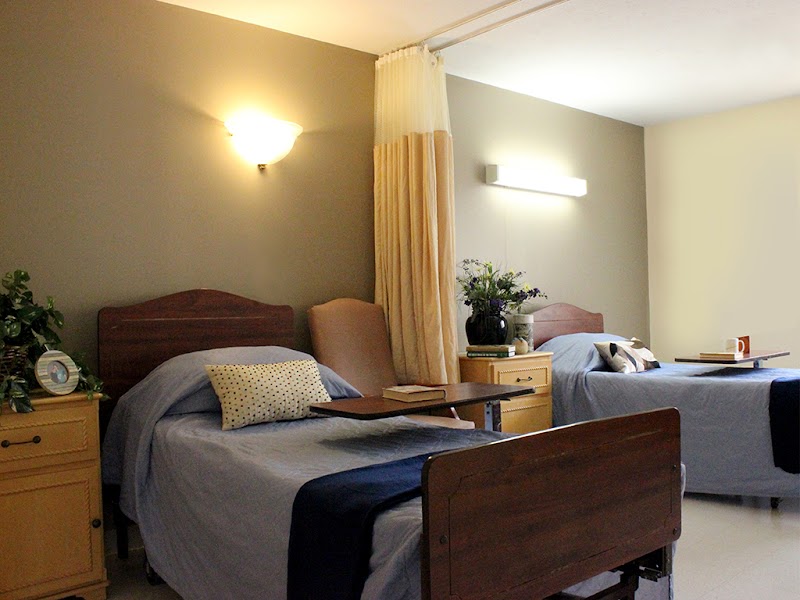
How is Clifton Healthcare Center Staffed?

CMS rates CLIFTON HEALTHCARE CENTER's staffing level at 2 out of 5 stars, which is below average compared to other nursing homes. Staff turnover is 26%, compared to the Ohio average of 46%. This relatively stable workforce can support continuity of care.

What Have Inspectors Found at Clifton Healthcare Center?

State health inspectors documented 24 deficiencies at CLIFTON HEALTHCARE CENTER during 2018 to 2025. These included: 24 with potential for harm.
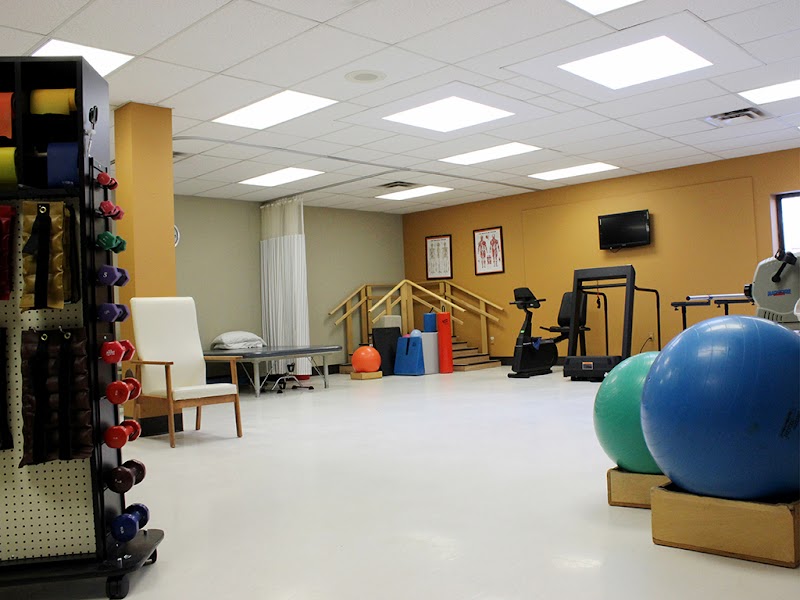
Who Owns and Operates Clifton Healthcare Center?

CLIFTON HEALTHCARE CENTER is owned by a for-profit company. For-profit facilities operate as businesses with obligations to shareholders or private owners. The facility is operated by COMMUNICARE HEALTH, a chain that manages multiple nursing homes. With 142 certified beds and approximately 132 residents (about 93% occupancy), it is a mid-sized facility located in CINCINNATI, Ohio.
How Does Clifton Healthcare Center Compare to Other Ohio Nursing Homes?

Compared to the 100 nursing homes in Ohio, CLIFTON HEALTHCARE CENTER's overall rating (4 stars) is above the state average of 3.2, staff turnover (26%) is significantly lower than the state average of 46%, and health inspection rating (3 stars) is at the national benchmark.

What Should Families Ask When Visiting Clifton Healthcare Center?

Based on this facility's data, families visiting should ask: "Can you walk me through typical staffing levels on day, evening, and night shifts?" "Can I visit during a mealtime to observe dining assistance and food quality?" "How do you handle medical emergencies, and what is your hospital transfer rate?" "Can I speak with family members of current residents about their experience?" These questions are particularly relevant given the below-average staffing rating.

Is Clifton Healthcare Center Safe?

Based on CMS inspection data, CLIFTON HEALTHCARE CENTER has a clean safety record: no substantiated abuse findings (meaning no confirmed cases of resident harm), no Immediate Jeopardy citations (the most serious violation level indicating risk of serious injury or death), and is not on the Special Focus Facility watch list (a federal program monitoring the lowest-performing 1% of nursing homes). The facility has a 4-star overall rating and ranks #1 of 100 nursing homes in Ohio. While no facility is perfect, families should still ask about staff-to-resident ratios and recent inspection results during their visit.

Do Nurses at Clifton Healthcare Center Stick Around?

Staff at CLIFTON HEALTHCARE CENTER tend to stick around. With a turnover rate of 26%, the facility is 19 percentage points below the Ohio average of 46%. Low turnover is a positive sign. It means caregivers have time to learn each resident's needs, medications, and personal preferences. Consistent staff also notice subtle changes in a resident's condition more quickly. Registered Nurse turnover is also low at 21%, meaning experienced RNs are available to handle complex medical needs.

Was Clifton Healthcare Center Ever Fined?

CLIFTON HEALTHCARE CENTER has no federal fines on record. CMS issues fines when nursing homes fail to meet care standards or don't correct problems found during inspections. The absence of fines suggests the facility has either maintained compliance or corrected any issues before penalties were assessed. This is a positive indicator, though families should still review recent inspection reports for the full picture.

Is Clifton Healthcare Center on Any Federal Watch List?

CLIFTON HEALTHCARE CENTER is not on any federal watch list. The most significant is the Special Focus Facility (SFF) program, which identifies the bottom 1% of nursing homes nationally based on persistent, serious quality problems. Not being on this list means the facility has avoided the pattern of deficiencies that triggers enhanced federal oversight. This is a positive indicator, though families should still review the facility's inspection history directly.