CLOVERNOOK HEALTH CARE AND REHABILITATION CENTER
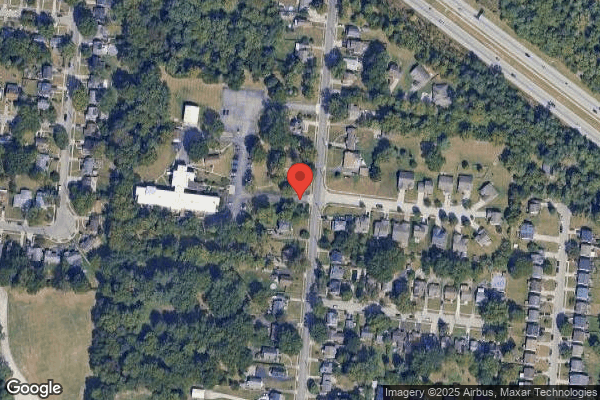
7025 CLOVERNOOK AVENUE, CINCINNATI, OH 45231 (513) 605-4000
For profit - Corporation 126 Beds CCH HEALTHCARE Data: November 2025
Trust Grade
45/100
#438 of 913 in OH
Last Inspection: October 2024

Within standard 12-15 month inspection cycle. Federal law requires annual inspections.

Overview

Clovernook Health Care and Rehabilitation Center has a Trust Grade of D, which indicates below-average performance with some concerning issues. They rank #438 out of 913 facilities in Ohio, placing them in the top half, while locally in Hamilton County, they are #34 out of 70, meaning there are better options nearby. The facility is improving, as the number of issues decreased from 11 in 2024 to 3 in 2025. However, staffing is a significant concern with a 77% turnover rate, much higher than the Ohio average of 49%, which could affect the quality of care. Notably, there were serious incidents, including a resident suffering a fracture due to improper use of a mechanical lift and the employment of unqualified personnel in both the activities program and social work, which could potentially impact all residents. On a positive note, the facility has not incurred any fines, indicating some compliance with regulations, and quality measures received an excellent 5 out of 5 stars.

Trust Score
D
45/100
In Ohio
#438/913
Top 47%
Safety Record
Moderate
Needs review
Inspections
Getting Better
11 → 3 violations
Staff Stability
⚠ Watch
77% turnover. Very high, 29 points above average. Constant new faces learning your loved one's needs.
Penalties
✓ Good
No fines on record. Clean compliance history, better than most Ohio facilities.
Skilled Nurses
○ Average
Each resident gets 35 minutes of Registered Nurse (RN) attention daily — about average for Ohio. RNs are the most trained staff who monitor for health changes.
Violations
⚠ Watch
37 deficiencies on record. Higher than average. Multiple issues found across inspections.
★★★☆☆
3.0
Overall Rating
★★☆☆☆
2.0
Staff Levels
★★★★★
5.0
Care Quality
★★☆☆☆
2.0
Inspection Score
Stable
2024: 11 issues
2025: 3 issues

The Good

  • 5-Star Quality Measures · Strong clinical quality outcomes
  • Full Sprinkler Coverage · Fire safety systems throughout facility
  • No fines on record

Facility shows strength in quality measures, fire safety.

The Bad

3-Star Overall Rating

Near Ohio average (3.2)

Meets federal standards, typical of most facilities

Staff Turnover: 77%

31pts above Ohio avg (46%)

Frequent staff changes - ask about care continuity

Chain: CCH HEALTHCARE

Part of a multi-facility chain

Ask about local staffing decisions and management

Staff turnover is very high (77%)

29 points above Ohio average of 48%

The Ugly 37 deficiencies on record

1 actual harm
Feb 2025 3 deficiencies
CONCERN (D) 📢 Someone Reported This

A family member, employee, or ombudsman was alarmed enough to file a formal complaint

Potential for Harm - no one hurt, but risky conditions existed

Deficiency F0698 (Tag F0698)

Could have caused harm · This affected 1 resident

**NOTE- TERMS IN BRACKETS HAVE BEEN EDITED TO PROTECT CONFIDENTIALITY** Based on medical record review, review of facility policy, staff interview, hospital social worker interview, dialysis staff int...

Read full inspector narrative →
**NOTE- TERMS IN BRACKETS HAVE BEEN EDITED TO PROTECT CONFIDENTIALITY** Based on medical record review, review of facility policy, staff interview, hospital social worker interview, dialysis staff interview, review of a a job description for a social worker, and review of facility policy, the facility failed to ensure a resident received hemodialysis as ordered by not assisting and coordinating transportation. This affected one Resident (#117) of the two residents reviewed for dialysis. The facility also failed to ensure active and ongoing communication between the facility and the dialysis center was maintained. This affected one Residents (#05) of the two reviewed for receiving dialysis. The facility census was 116. Findings include: Review of the medical record for Resident #117 revealed the resident was admitted to the facility on [DATE]. Resident #117 discharged with a return anticipated (DRA) to the hospital on [DATE] at 1:00 A.M. Diagnoses included end stage renal disease (ESRD), heart failure, dysphagia, and dementia. Review of the physician orders for Resident #117 dated 11/29/24, revealed the resident was ordered hemodialysis treatments on Monday, Wednesday and Saturday. Pick up time was 9:30 A.M and returned to facility around 430 P.M. for two days. Review of a Medication Administration Record (MAR) note for Resident #117 dated 12/26/24 at 12:56 P.M., revealed the resident did not go to dialysis because transportation was canceled. Review of a progress note for Resident #117 dated 12/28/24 at 11:29 A.M., revealed the resident was not picked up by the transportation company for dialysis. A message was left for the on-call physician. Review of a progress note for Resident #117 dated 12/30/24 at 2:14 P.M., revealed the resident's daughter was contacted to let her know the resident was going out non-emergently to the hospital for an evaluation due to missing dialysis. Review of a Change of Condition Situation Background Assessment Recommendation (SBAR) note for Resident #117 dated 12/30/24 at 5:00 P.M., revealed the resident had not been dialyzed in three days. The resident was complaining of stomach pain and not feeling well. The vital signs were obtained, and a call was placed to the ambulance transportation company with a pick-up at 12:00 A.M. Review of a progress note for Resident #117 dated 12/30/24 at 5:00 P.M., revealed the resident was sent out to the hospital to be dialyzed due to not having dialysis in three days per the Director of Nursing (DON). A report was given to the next nurse. The resident was picked up at 1:00 A.M. and transferred to the hospital for dialysis. Review of a progress note for Resident #117 dated 12/31/24 at 7:33 A.M., recorded as a late entry, revealed the resident was being admitted to the hospital for pneumonia and the clinical team was made aware. Review of a progress note for Resident #117 dated 12/31/24 at 7:40 A.M., revealed the resident was taken to the hospital by ambulance at 1:00 A.M. for dialysis. A nurse-to-nurse report was completed. Review of the hospital medical record revealed Resident #117 was admitted to the emergency room (ER) on 12/31/24 with past medical history of ESRD dependent on hemodialysis and initially presented with confusion. The nursing home was contacted and indicated the resident had a baseline of being alert to self due to history of dementia. The resident missed an unknown amount of dialysis treatments and presented with an elevated Blood Urea Nitrogen (BUN) (a blood test to measure the amount of urea nitrogen in the blood [waste product produced by the liver when protein is broken down which is filtered by the kidneys and excreted through urine]) of 202 milligrams per deciliter (mg/dL) on admission and pneumonia. Antibiotics were started then discontinued due to low suspicions for infection. The family was contacted numerous times without success. The resident was admitted to the hospital on [DATE] at 6:08 A.M. with diagnosis of Azotemia (elevated levels of urea and other nitrogen in the blood) due to elevated BUN and mild hyponatremia (low levels of sodium). The renal team was consulted and recommended multiple rounds of hemodialysis. The resident's BUN improved from 202 mg/dL to 78 mg/dL and the resident had no issues with the sessions. The resident's hemodialysis will continue on Tuesday, Thursdays and Saturdays. on 01/02/25 at 10:28 A.M., the hospital's Social Worker (SW) #506 attempted to contact the facility and was unable to speak to Resident #117's nurse after multiple attempts. On 01/06/25 at 3:12 P.M., the resident was discharged to another nursing home where they completed hemodialysis in house. Review of the Minimum Data Set (MDS) assessment for Resident #117, dated 12/31/24, revealed the resident had impaired cognition. Interview with the Dialysis Center Registered Nurse (RN) #500 on 01/28/25 at 9:39 A.M., Resident 117 was a no show for his dialysis treatments on 12/26/24, 12/28/24, and 12/30/24. RN #500 stated she tried to contact the facility and was unable to reach anyone at the facility and the facility would not return any calls. Interview with the facility's Nurse Practitioner (NP) #502 on 01/28/25 at 10:55 A.M. revealed she was made aware Resident #117 had missed his dialysis treatments over the weekend. NP #502 indicated she assessed the resident on 12/30/24 but failed to document her assessment in Resident #502's medical record. NP #502 stated she remembered Resident #117 appeared to be stable and his vitals were within normal limits. NP #502 stated she did remember Resident #117 had some swelling related to the missed dialysis. NP #502 stated she instructed the staff to send the Resident #117 to the hospital non-emergently due to the resident being stable. NP #502 stated she was aware Resident #117 missed two dialysis appointments on 12/26/24 and 12/28/24. NP #502 stated she was aware of the Level of Need Assessment Form-Ambulance Stretcher document needing signed for resident's transportation needs, but stated she wasn't able to sign it due to needing to be signed by a physician. Interview with the Admissions Director (AD) #190 on 01/28/25 at 9:50 A.M., revealed she found the Level of Need Assessment Form-Ambulance Stretcher document lying on her desk. AD# 190 stated she also received a call on an unknown date from the ambulance transport company stating they were waiting for the form to be signed by the doctor and returned to them for transport to and from the dialysis center. AP #190 report she had the physician sign the form on 12/29/24 and returned it to the transport company. AD #190 stated she was not certain who was tasked with completing the ambulance stretcher form for residents. Interview with the Director of Nursing (DON) on 01/28/25 at 11:07 A.M., verified Resident #117 missed hemodialysis treatments on 12/26/24, 12/28/24, and 12/30/24 related to not having transportation set up. The DON stated she asked NP #502 to assess Resident #117 on 12/30/24 related to the resident missing his hemodialysis treatments. The DON stated the resident was transported to the ER on [DATE] at 1:00 A.M. non-emergently for an evaluation from not receiving hemodialysis and was admitted for hyponatremia. The DON stated she spoke with Resident #117's family member when the resident was sent to the ER and learned Resident #117's daughter was not happy with his care at the facility. The DON stated Resident #117's daughter planned to transfer Resident #117 to another facility where his needs could be met. Interview with the Administrator on 01/28/25 at 12:34 P.M., revealed the family wasn't happy with Resident #117's care when the DON spoke to the family. The Administrator indicated this should have set off some type of concerns where the facility was not meeting Resident #117's needs. The Administrator verified the facility staff did not assist in setting up transportation to and from dialysis which caused the resident to miss his dialysis appointment on 12/26/24, 12/28/24 and 12/30/24. Subsequent interview with the Administrator on 01/29/25 at 11:13 A.M., revealed the social worker was tasked with arranging the residents' transportation. The Administrator stated the facility has not had a social worker since 12/19/24. Interview with the Medical Director (MD) #525 on 01/29/25 at 11:38 A.M., revealed he was aware Resident #117 missed hemodialysis treatments on 12/26/24 and 12/28/24. MD #525 stated NP #502 was aware Resident #117 had missed hemodialysis treatments on 12/30/25 due to assessing the resident on this date. MD #525 stated he was not aware the missed hemodialysis treatments were related to the facility's failure to set up transportation for Resident #117. Interview with an Ambulance Transport Representative #600 on 02/10/25 at 12:30 P.M., revealed Resident #117 had notes for transport to the dialysis center on 12/26/24 and 12/28/24; however, they were canceled on 12/30/24. Ambulance Transport Representative #600 stated no drivers were assigned to the transports on 12/26/24 and 12/28/24 but there weren't any notes as to why the transports weren't completed. Ambulance Transport Representative #600 stated the Level of Need Assessment Form-Ambulance Stretcher was good for one year from the date of the provider's signature and there was only an unsigned temporary form on file for Resident #177 from the previous week. Ambulance Transport Representative #600 indicated if the form wasn't signed by a provider, then they wouldn't be able to do the transport. Review of the facility policy titled, Transportation Dialysis, dated December 2008, confirmed the facility will assist with arrangement of transportation to and from dialysis. The facility is responsible for the arrangement and suitable transport of the dialysis patient to and from the dialysis unit. This includes the mode of transportation. Review of undated job description for the Social Worker revealed the social worker will assist in arranging transportation to other facilities when necessary. 2. Review of the medical record for Resident #05 revealed the resident was admitted to the facility on [DATE]. Diagnoses included ESRD, heart failure, orthostatic hypotension, vascular dementia, dm, and major depressive disorder. Review of the medical record for Resident #05 from 11/01/24 to 01/29/25 revealed no documented evidence of any ongoing communication between the dialysis center and the facility. Review of the MDS assessment dated [DATE], revealed Resident #05 had impaired cognition. Review of the physician orders for Resident #05 dated 05/16/23 revealed for staff complete a dialysis communication sheet with assessment and vital signs prior to going to dialysis on Tuesday, Thursday, and Saturday. An additional order dated 05/16/23 revealed ensure Resident #05 returns from dialysis with a completed communication form and if the form doesn't return with the resident, request the form to be faxed over and file in chart. Interview with the DON on 01/29/25 at 10:17 A.M., verified the facility had no documented evidence of any communication forms between the dialysis center and the facility for Resident #05. Review of the facility policy titled, End State Renal Disease-Care for Residents dated 2001, confirmed the facility staff will have education and training on the type of assessment data that is to be gathered about the resident's condition on a daily per shift basis to be exchanged between the facilities. This deficiency represents non-compliance investigated under Complaint Number OH00161189.
CONCERN (F) 📢 Someone Reported This

A family member, employee, or ombudsman was alarmed enough to file a formal complaint

Potential for Harm - no one hurt, but risky conditions existed

Deficiency F0680 (Tag F0680)

Could have caused harm · This affected most or all residents

Based on observation, staff interview and review of employee personnel file, the facility failed to ensure the activities program was directed by a qualified professional. This had the potential to af...

Read full inspector narrative →
Based on observation, staff interview and review of employee personnel file, the facility failed to ensure the activities program was directed by a qualified professional. This had the potential to affect all 116 residents who resided at the facility. Findings include: Review of the Admissions Director (AD) #132's personnel file revealed AD #132 was hired as the Activity Director on 11/24/15. AD #132's personnel file had no resume with work experience and no Activity Director certificate. Interview with the Human Resource Manager (HRM) #182 on 01/29/25 at 4:40 P.M. verified the facility did not have verification of AD #132's past work experience and AD #132 did not meet the qualifications of an Activity Director. Interview the Administrator on 02/04/25 at 3:00 P.M. verified AD #132 was not a qualified Activity Director.
CONCERN (F) 📢 Someone Reported This

A family member, employee, or ombudsman was alarmed enough to file a formal complaint

Potential for Harm - no one hurt, but risky conditions existed

Social Worker (Tag F0850)

Could have caused harm · This affected most or all residents

Based on record review, observation, and staff interview, the failed to ensure employment of a full-time, qualified social worker. This had the potential to affect all 116 residents who resided at the...

Read full inspector narrative →
Based on record review, observation, and staff interview, the failed to ensure employment of a full-time, qualified social worker. This had the potential to affect all 116 residents who resided at the facility. Findings include: Review of the employee file for the most recent Social Worker #575, revealed a hire date of 09/18/24 and a termination date of 12/19/24. Interview with the Administrator on 01/29/25 at 11:13 A.M., verified the facility did not have a qualified social worker available for the residents. The Administrator stated she thought her facility was only licensed for 119 beds.
Oct 2024 7 deficiencies
CONCERN (D)

Potential for Harm - no one hurt, but risky conditions existed

Resident Rights (Tag F0550)

Could have caused harm · This affected 1 resident

Based on observation, staff interview and medical record review and review of facility policy, the facility failed to ensure dignity was maintained during mobility assistance for Resident #54. This af...

Read full inspector narrative →
Based on observation, staff interview and medical record review and review of facility policy, the facility failed to ensure dignity was maintained during mobility assistance for Resident #54. This affected one resident (#54) of four residents reviewed for dignity. The facility census was 111. Findings include: Review of Resident #54's medical record revealed an admission date of 06/19/23. Diagnoses included Huntington's disease. Review of the annual Minimum Data Set (MDS) assessment, dated 04/09/24, revealed Resident #54 had a Brief Interview for Mental Status (BIMS) score of 1, which indicated the resident had severe cognitive impairment. The MDS indicated the resident used a manual wheelchair and required substantial/maximal assistance from staff to wheel 50 to 150 feet. Review of the care plan, revised 08/01/24, revealed Resident #54 was at risk for falls. Interventions included may get up in a reclining geri (geriatric) chair. Observation on 10/22/24 at 10:50 A.M. revealed Certified Nursing Assistant (CNA) #1 walked out of Resident #54's room, pulling a mobile reclining geriatric chair backwards with Resident #54 seated in the chair. CNA #1 pulled the mobile reclining geriatric chair from the resident's doorway to the nurse's station, located approximately twenty-five feet away from the resident's room. Interview on 10/22/24 at 10:59 A.M. with CNA #1 confirmed she pulled Resident #54 backwards in her geri chair. CNA #1 stated stated pulling the resident's geri chair was easier, but they should probably push, not pull, the chair. Interview on 10/22/24 at 12:11 P.M. with Licensed Practical Nurse/Unit Manager (LPN/UM) #4 revealed it was not appropriate to pull geri chairs backwards. Interview on 10/23/24 at 9:54 A.M. with CNA # 2 revealed staff should never pull chairs to transport residents; rather, they should push chairs with the resident facing forward so the residents can see. Interview on 10/23/24 at 3:00 P.M. with the Director of Nursing (DON) revealed the expectation was for staff to push chairs forward. The DON stated there was never a time staff should pull a resident backwards in their chair. The DON stated staff had been educated on dignity and properly transporting residents in chairs. Review of facility policy titled Dignity, revised February 2021, revealed each resident shall be cared for in a manner that promotes and enhances his or her sense of well-being, level of satisfaction with life, and feelings of self-worth and self-esteem. Residents are treated with dignity and respect at all times.
CONCERN (D)

Potential for Harm - no one hurt, but risky conditions existed

Deficiency F0567 (Tag F0567)

Could have caused harm · This affected 1 resident

Based on review of resident fund authorizations and staff interview, the facility failed to ensure resident authorization to establish a Resident Funds Trust Account was witnessed by someone who was n...

Read full inspector narrative →
Based on review of resident fund authorizations and staff interview, the facility failed to ensure resident authorization to establish a Resident Funds Trust Account was witnessed by someone who was not an employee of the facility. This affected two residents (#9 and #73) of six residents reviewed for resident funds. The facility census was 111. Findings include: 1. Review of the resident funds management authorization and agreement, undated, revealed Resident #9 and Business Office Manager (BOM) #25 signed the document. Further review revealed the written authorization revealed no witness signature. 2. Review of the resident funds management authorization and agreement, dated 10/25/23, revealed Resident #73 signed the authorization. The document was also signed by BOM #25. Further review revealed the written authorization revealed no witness signature. Interview on 10/23/24 at 2:33 P.M. with BOM #25 confirmed the authorization forms were not witnessed by someone who was not an employee of the facility.
CONCERN (D)

Potential for Harm - no one hurt, but risky conditions existed

Deficiency F0569 (Tag F0569)

Could have caused harm · This affected 1 resident

Based on review of resident fund documents and staff interview, the facility failed to notify residents when available funds were within the $200.00 Medicaid resource limit. This affected one resident...

Read full inspector narrative →
Based on review of resident fund documents and staff interview, the facility failed to notify residents when available funds were within the $200.00 Medicaid resource limit. This affected one resident (#7) of six residents reviewed for personal funds. The facility census was 111. Findings include: Review of Resident #7's quarterly resident account statements revealed on 04/01/24 the resident's balance was $1,974.44. Further review revealed no evidence Resident #7 was notified he was within $200.00 of the $2,000.00 Medicaid resource limit. Concurrent interview with Business Office Manager (BOM) #25 verified the finding and stated she thought the resource limit was $2500.00, not $2000.00.
CONCERN (D) 📢 Someone Reported This

A family member, employee, or ombudsman was alarmed enough to file a formal complaint

Potential for Harm - no one hurt, but risky conditions existed

Deficiency F0760 (Tag F0760)

Could have caused harm · This affected 1 resident

Based on observation, medical record review, staff interview, pharmacist interview and review of facility policy, the facility failed to ensure resident's were free from significant medication errors ...

Read full inspector narrative →
Based on observation, medical record review, staff interview, pharmacist interview and review of facility policy, the facility failed to ensure resident's were free from significant medication errors during insulin administration. This affected one resident (#1) of six residents reviewed for medication administration. The facility census was 111. Findings included: Review of Resident #1's medical record revealed an admission date of 08/19/21 and a readmission date of 10/15/21. Diagnoses included type two diabetes mellitus. Review of Resident #1's current physician orders revealed an order for Novolog (rapid-acting) insulin to be administered subcutaneously according to a sliding scale three times a day. Additionally, Resident #1 had an order for Lantus (long-acting) insulin, six units to be administered subcutaneously at bedtime. Review of the Medication Administration Record (MAR) for October 2024 revealed Resident #1's sliding scale Novolog was scheduled to be given each day at 8:30 A.M., 12:30 P.M. and 4:30 P.M., and the resident's Lantus was scheduled to be administered each day at 8:30 P.M. Further review of the MAR revealed on 10/23/2024, Resident #1's glucose reading was recorded as 262 milligrams (mg) per deciliter, which required 6 units of Novolog per the sliding scale orders. Observation on 10/23/24 at 7:52 A.M. of medication administration with Registered Nurse (RN) #5 revealed RN #5 administered six units of Lantus to Resident #1, instead of the sliding scale Novolog that was scheduled for 8:30 A.M. Interview on 10/23/24 at 10:24 A.M. with RN #5 and Licensed Practical Nurse (LPN) #6 revealed RN #5 was a recent hire and currently in training. LPN #6 stated she prepared Resident #1's medication and RN #5 administered the medication. RN #5 confirmed Resident #1 had both a Novolog and a Lantus insulin pen in the medication cart. RN #5 further stated she only administered one of the resident's insulins and agreed she had administered the Lantus, instead of the Novolog. LPN #6 stated that Resident #1 should receive Novolog three times per day and Lantus at night. However, LPN #6 stated that, despite having given the medication to RN #5 to administer to the resident, she thought Resident #1 was given the Novolog since the resident was not supposed to get Lantus until nighttime. LPN #6 acknowledged that giving the resident Lantus instead of their sliding scale Novolog was a medication error and said she would inform the Assistant Director of Nursing (ADON) of the error immediately. Interview on 10/23/24 at 10:43 A.M. with ADON #8 revealed Resident #1 received the wrong insulin this morning and would need to be monitored for potential adverse effects. Interview on 10/25/24 at 10:50 A.M. with Pharmacist #10 revealed when the nurse administered Resident #1's Lantus insulin instead of their Novolog insulin, it was an error because Novolog and Lantus were different types of insulins, and the Lantus that was administered in error was considered a long-acting insulin. Pharmacist #10 stated the resident required monitoring throughout the remainder of the day to ensure there was no adverse effects due to the error. Review of the facility policy titled Administering Medications, revised April 2019, revealed medications are administered in a safe and timely manner, and as prescribed. Additionally, the individual administering the medication checks the label THREE (3) times to verify the right resident, right medication, right dosage, right time and right method (route) of administration before giving the medication and insulin pens are clearly labeled with the resident's name or other identifying information. Prior to administering insulin with an insulin pen, the nurse verifies that the correct pen is used for that resident. Review of the facility policy titled Insulin Administration, revised September 2014, revealed the type of insulin, dosage requirements, strength and method of administration must be verified before administration to assure that it corresponds with the order on the medication sheet and the physician's order. Per the policy, the types of insulin included rapid-acting and long-acting. The policy specified rapid-acting insulins had an onset timeframe of 10 to 15 minutes, peak effects were achieved within a half-hour to three hours, and the duration of effects lasted between three to six hours. The policy specified long-acting insulins had an onset timeframe of one to two hours, peak effects were achieved up to eight hours after administration, and the duration of effects lasted up to 24 hours. This deficiency represents non-compliance investigated under Master Complaint Number OH00159115.
CONCERN (D)

Potential for Harm - no one hurt, but risky conditions existed

Deficiency F0761 (Tag F0761)

Could have caused harm · This affected 1 resident

Based on medical record review, observation, staff interview, review of the Individual Control Drug Record (ICDR)and review of facility policy, the facility failed to ensure a narcotic medication was ...

Read full inspector narrative →
Based on medical record review, observation, staff interview, review of the Individual Control Drug Record (ICDR)and review of facility policy, the facility failed to ensure a narcotic medication was accurately labeled to reflect current physician orders. This affected one resident (#367) of six residents reviewed for medication administration. The facility census was 111. Findings include: Review of Resident #367's medical record revealed an admission date of 10/04/24. Diagnoses included chronic pain syndrome. Review of Resident #367's current physician orders revealed an order for oxycodone five milligrams (mg), two tablets every eight hours as needed for pain. Review of Resident #367's Medication Administration Record (MAR), for the timeframe from 10/01/24 through 10/25/24, revealed an order started on 10/05/24 and discontinued on 10/10/24 for oxycodone five mg, one tablet every four hours as needed for pain. The MAR also revealed an order started on 10/10/24 for oxycodone 5 mg, two tablets every eight hours as needed. Review of the ICDR for oxycodone five mg tablets revealed a label that indicated the pharmacy dispensed 60 oxycodone 5 mg tablets on 10/05/24. The label instructions specified to take one tablet by mouth every four hours as needed for pain. The ICDR further revealed that from 10/05/24 through 10/10/24, staff documented the amount given as one tablet and from 10/11/24 through 10/22/24, staff documented the amount given as two tablets. There was no documentation on the ICDR to reflect the physician's order was changed on 10/10/24 to oxycodone five mg tablets, two tablets every eight hours as needed. Interview on 10/22/24 at 4:51 P.M. with Licensed Practical Nurse/Unit Manager (LPN/UM) #4 revealed the label affixed to Resident #367's multidose medication blister pack card of oxycodone five mg tablets specified to take one tablet by mouth every four hours as needed for pain. LPN/UM #4 stated Resident #367's order changed to two tablets every eight hours on 10/10/24. LPN/UM #4 stated there was not a process to match the MAR with the actual medication label or to change the medication label when an order changed. LPN/UM #4 stated the medication label would be changed on the next multidose medication blister pack delivery from the pharmacy, but not on the original blister pack or controlled drug sheet. Interview on 10/24/24 at 10:54 A.M. with the Director of Nursing (DON) revealed the system was if a resident had a blister pack of medication with a changed order, the nurse should indicate there was a change of order in red ink or place a change of order sticker on the label. The DON stated leaving the old label on a narcotic without a changed order statement could be risky because it could be confusing to an agency nurse to determine what should be given to Resident #367 if the medication card did not match the order. Interview on 10/25/24 at 10:50 A.M. with Pharmacist #10 revealed nurses should not give medication if the label was wrong. Pharmacist #10 stated the label must match the order, including the medication, dose, and any other instructions. She stated if an order changed, then the blister pack card and the controlled medication sheet should be updated by noting an order change was completed. Review of the facility policy titled Labeling of Medication Containers, dated April 2019, revealed any medication packaging or containers that are inadequately or improperly labeled are returned to the issuing pharmacy. Additionally, labels for individual resident medications include all necessary information, such as: the resident's name; prescribing physician's name; the name, address,and telephone number of the issuing pharmacy; the name, strength, quantity of the drug; the prescription number, (if applicable); the date the medication was dispensed; appropriate accessory and cautionary statements; the expiration date when applicable; and directions for use.
CONCERN (D)

Potential for Harm - no one hurt, but risky conditions existed

Medical Records (Tag F0842)

Could have caused harm · This affected 1 resident

Based on medical record review, staff interview and review of facility policy, the facility failed to ensure resident medical records contained complete and accurate information. This affected one res...

Read full inspector narrative →
Based on medical record review, staff interview and review of facility policy, the facility failed to ensure resident medical records contained complete and accurate information. This affected one resident (#367) of six residents reviewed for medication administration. The facility census was 111. Findings include: Review of Resident #367's medical record revealed an admission date of 10/04/24. Diagnoses included type two diabetes mellitus. Review of the Medication Administration Record (MAR) for October 2024 revealed the transcription of an order, started on 10/09/24 and discontinued on 10/21/24, for Trulicity subcutaneous solution pen injector 1.5 milligrams (mg) per 0.5 milliliters (mL) to be administered subcutaneously weekly on Wednesdays. According to the MAR, on 10/21/24, the resident's Trulicity order was changed to Trulicity subcutaneous solution pen injector 1.5 mg per 0.5 mL to be administered subcutaneously weekly on Mondays. The MAR reflected the resident's Trulicity was scheduled to be given on 10/09/24, 10/16/24 and 10/21/24. The MAR revealed documentation that indicated the resident's 10/21/24 Trulicity dose was administered; however, the scheduled doses on 10/09/24 and 10/16/24 were documented as a 9, which indicated Other/See Progress Notes. Resident #367's Progress Notes revealed the following EMAR [electronic medication administration record]- Administration Notes: - a note dated 10/09/24 at 6:30 P.M. that reflected the resident's Trulicity order; however, the note did not indicate if the medication was administered or any details describing what transpired at the scheduled time of administration - a note dated 10/16/24 at 10:34 A.M. that reflected the resident's Trulicity order and an entry indicating the pharmacy was notified; however, the note did not indicate if the medication was administered, did not include any details describing what transpired at the scheduled time of administration and did not include any information regarding what the pharmacy was notified of. Interview on 10/22/24 at 2:20 P.M. with Licensed Practical Nurse (LPN) #11 confirmed she documented the 9 on Resident #367's MAR for the Trulicity on 10/09/24. LPN #11 did not recall any details regarding what transpired or whether she contacted the pharmacy or physician. LPN #11 said she should have document details in the resident's progress notes. Interview on 10/22/24 at 3:05 P.M. LPN/Unit Manager (LPN/UM) #4 stated the expectation was that if a nurse documented 9 on a resident's MAR, the nurse should document details in the resident's record to explain what happened. Review of the facility policy titled Administering Medications, revised in April 2019, revealed if a drug is withheld, refused or given at a time other than the scheduled time, the individual administering the medication shall complete appropriate documentation on the MAR for that drug and dose. Additionally, the individual administering the medication records in the resident's medical record: the date and time the medication was administered; the dosage; the route of administration; the injection site (if applicable); any complaints or symptoms for which the drug was administered; any results achieved and when those results were observed; and the signature and title of the person administering the drug.
CONCERN (E)

Potential for Harm - no one hurt, but risky conditions existed

Food Safety (Tag F0812)

Could have caused harm · This affected multiple residents

Based on observation, staff interview and review of facility policy, the facility failed to ensure dented cans were not in circulation for use. Additionally, the facility failed to ensure residents' f...

Read full inspector narrative →
Based on observation, staff interview and review of facility policy, the facility failed to ensure dented cans were not in circulation for use. Additionally, the facility failed to ensure residents' food items stored in unit refrigerators were labeled and dated and further failed to ensure unit refrigerators were clean and consistently monitored to ensure appropriate food storage temperatures. This had the potential to affect all residents except three (#77, #94 and #100) identified by the facility as receiving no food by mouth. The facility census was 111. Findings include: 1. Observation on 10/21/24 at 10:39 A.M. of the kitchen revealed the canned food rack contained four dented cans, including two six-pound cans of pineapple with dents on the top and bottom of the cans, one six-pound can of mandarin oranges with a dent below the top seal, and a six-pound can of stew vegetables with a dent in the top seal. Concurrent interview with Dietary Manager (DM) #24 verified the findings. DM #24 revealed when she unloaded orders of canned goods, she checked the tops and outside of the cans for leaks or bulging spots. She stated if there was a dent on the seal, the food inside the can could be compromised. She stated dented cans should be removed and returned for credit. DM #24 stated she thought one of the cooks may have put the order away. Interview on 10/24/24 at 12:55 P.M. with [NAME] Supervisor (CS) #29 revealed she sometimes helped put orders away. CS #29 stated that when putting away cans, staff should check for dents and discoloration around the rim. She stated if a can was dented, DM #24 was informed and the dented can was put in DM #24's office. CS #29 stated risks from dented canned foods included bacterial growth, such as listeria, and could introduce foodborne illness to the facility. Interview on 10/25/24 at 9:58 A.M. with the Director of Nursing (DON) revealed dented cans could have air inside, which did not seem safe. She stated she expected any cans found dented while unpacking an order to be returned. Review of the facility policy titled Food Receiving and Storage, revised October 2017, revealed when food is delivered to the facility, it will be inspected for safe transport and quality before being accepted. 2. Interview on 10/24/24 at 12:50 P.M. with DM #24 revealed dietary staff were to check the temperatures of the unit refrigerators daily. Observation on 10/24/24 at 1:38 P.M. of the first floor unit refrigerator revealed no evidence temperatures were monitored. Further observation revealed the following: • An unlabeled foam container with a barbecue chicken tender underneath a napkin. • A to-go cup from a local restaurant, dated 10/15/24. The to-go cup was covered with a plastic lid with a straw inserted and was not labeled with a name. • A dirty, empty food-storage container with no name or date. • An open box of pizza snack rolls with no name or date. The box indicated to keep frozen , but the pizza snack rolls were thawed. • A bag of fast-food from a local barbecue restaurant not labeled with no name or a date. • An 18-count box of eggs with nine remaining eggs, dated March 03 (no year). • An open bag of shredded cheddar cheese dated 07/14/24. • A plastic shopping bag was stuck to the bottom of the refrigerator and contained a bottle of ranch dressing with an expiration date of January 2025, an undated bag of croutons, an undated package of pecan pinwheels and an undated container of unknown leftovers. Interview on 10/24/24 at 2:38 P.M. with DM #24 verified the above findings. DM #24 stated the items should have been thrown away and should not have been in the unit refrigerator. She stated all items should be labeled and dated. She further stated the eggs should not have been in the refrigerator, because the facility did not use whole raw eggs. DM #24 also stated if food items indicated they should be kept frozen, they should be kept in the freezer. DM #24 stated dietary staff were responsible for cleaning and monitoring the unit refrigerators, but they did not know when the food items were brought into the facility or by whom. DM #24 stated she was not aware of a facility procedure for ensuring residents' food items were labeled and dated. 3. Observation on 10/24/24 at 2:00 P.M. of the third floor unit refrigerator revealed the thermometer inside displayed 30 degrees Fahrenheit (F), but no temperature tracking log was observed. Further observation revealed a bag of leftovers from a fast-food restaurant was not labeled or dated and a bag of unknown leftovers, dated 10/04/24, with an illegible name written on the container, were observed in the refrigerator. A red stain was observed on the floor of the refrigerator and the bottom shelf of the door. Continued observation of the freezer compartment revealed there was no thermometer to monitor the temperature and and a frozen yellow fluid was on three-quarters of the bottom surface of the freezer. Interview on 10/24/24 at 2:16 P.M. with DM #24 verified the above findings and further stated leftovers should be labeled with a name and a date and should be discarded after seven days. Interview on 10/24/24 at 2:12 P.M. with CS #29 revealed dietary staff were responsible for the unit refrigerators. She stated DM #24 checked the unit refrigerators and let dietary staff know if they needed to be cleaned. CS #29 said residents' food items should be labeled with their name and a date and leftover food items in unit refrigerators should be thrown out after three days and discarded if they were not labeled with a name or a date. According to CS #29, unit refrigerators were cleaned once per week and temperatures should be logged at that time. Interview on 10/24/24 at 3:15 P.M. with Medication Technician (MT) #21 revealed nursing staff who received residents' food items should label the items with the resident's name and a date before placing the items into the refrigerator. MT #21 stated she assumed dietary staff were responsible for cleaning and monitoring the unit refrigerators because no one had told nursing staff anything about doing it. She stated residents' leftover food items should not be kept for more than a few days. Interview on 10/24/24 at 4:07 P.M. with LPN/Unit Manager (LPN/UM) #15 revealed dietary staff were responsible for checking dates on food items and for cleaning and monitoring the unit refrigerators. LPN/UM #15 further stated food items should be labeled with the resident's name and a date by either the resident, their family or the staff member receiving the food items. Interview on 10/25/24 at 6:09 A.M. with LPN/UM #20 revealed residents' food items should be labeled by the resident or the staff member who received the items. LPN/UM #20 said nursing staff monitored the unit refrigerators to ensure food items were discarded after 24 hours. LPN/UM #20 further stated nursing staff should also monitor the temperature of the unit refrigerators and document once per shift; however, she did not know where the temperature tracking logs for the unit refrigerators were located. Observation on 10/25/24 at 6:15 A.M. of the first-floor refrigerator with LPN/UM #20 revealed the unlabeled bag of fast-food leftovers and the thawed box of pizza snack rolls observed on 10/24/24 remained in the refrigerator. LPN/UM #20 stated the food items in the refrigerator should be labeled and dated with the resident's name and the date the food was brought into the facility. She stated the items observed in the refrigerator should not have been there and said any nursing staff could remove items that were undated and unlabeled or past their use by date. Interview on 10/25/24 at 9:58 A.M. with the DON revealed she expected dietary staff to check the unit refrigerators weekly for old, undated or unlabeled items, as well as for cleanliness. She stated she would hate for a resident to have food in the refrigerator for too long, eat it and get sick. The DON stated nursing staff should be labeling and dating food items brought into the facility, and no food items should be unlabeled or undated. She stated items that were undated should be thrown away because there was no way to know how long the item had been in the refrigerator. The DON stated she thought the unit refrigerators' temperatures needed to be documented daily but was unsure how dietary tracked it. Interview on 10/25/24 at 11:19 A.M. with the Administrator revealed unit refrigerators should be cleaned on a schedule and food brought in from outside should be labeled and dated by staff and placed in the refrigerator. The Administrator stated residents could also label and date their food items, but some residents forgot before putting the items in the unit refrigerator. The Administrator stated she was unsure how unit refrigerator temperatures should be tracked. Review of the facility policy titled Refrigerators and Freezers, revised December 2014, revealed the facility will ensure safe refrigerator and freezer maintenance, temperatures and sanitation, and will observe food expiration guidelines. Monthly tracking sheets for all refrigerators and freezers will be posted to record temperatures and the tracking sheets will include time, temperature, initials and action taken. Food Service Supervisor or designated employees will check and record refrigerator temperatures daily with the first opening and at closing in the evening. Review of the facility policy titled Food Receiving and Storage, revised October 2017, revealed food items and snacks kept on the nursing units must be maintained as follows: all food items must be placed in the refrigerator located at the nurses' station and labeled with a use by date; all food belonging to residents must be labeled with the resident's name, the item and the use by date; refrigerators must have working thermometers and be monitored for temperature; beverages must be dated when opened and discarded after twenty-four (24) hours; other open containers must be dated and sealed or covered during storage; and partially eaten food may not be kept in the refrigerator. Review of the undated facility policy titled Foods Brought by Family/Visitors, revealed food brought by family/visitors that is left with the resident to consume later will be labeled and stored in a manner that it is clearly distinguishable from facility-prepared food. Non-perishable foods will be stored in re-sealable containers with tight-fitting lids. Intact fresh fruit may be stored without a lid. Perishable foods must be stored in re-sealable containers with tightly fitting lids in a refrigerator. Containers will be labeled with the resident's name, the item and the use by date. Lastly, nursing staff will discard perishable foods on or before the use by date.
Sept 2024 1 deficiency
CONCERN (F) 📢 Someone Reported This

A family member, employee, or ombudsman was alarmed enough to file a formal complaint

Potential for Harm - no one hurt, but risky conditions existed

Deficiency F0801 (Tag F0801)

Could have caused harm · This affected most or all residents

Based on record review, staff interview, review of job description, the facility failed to ensure they employed a qualified Dietary Manager. This had the potential to affect all 115 residents who rece...

Read full inspector narrative →
Based on record review, staff interview, review of job description, the facility failed to ensure they employed a qualified Dietary Manager. This had the potential to affect all 115 residents who received food from the kitchen. The facility census was 115. Findings include: Interview on 09/18/24 at 9:14 A.M. with Dietary Manger (DM) #92, revealed she did not have a certified dietary manager certificate, certified food service manager certificate, a national certification for food service management and safety from a national certifying body or at least an associate degree in food service management. Interview on 09/18/24 at 11:14 A.M. with the Regional Director of Operations (RDO) #140, verified DM #92 did not meet the minimum qualifications to be a Dietary Manager. Review of a job description for Director of Food Service revealed the Director of Food Service must be registered as a Food Services Director in the state and will assist in planning, developing, organizing, implementing, evaluating, and directing the Food Services Department, its program and activities. This deficiency represents non-compliance investigated under Complaint Number OH00157178.
Jun 2024 1 deficiency
CONCERN (D) 📢 Someone Reported This

A family member, employee, or ombudsman was alarmed enough to file a formal complaint

Potential for Harm - no one hurt, but risky conditions existed

Pressure Ulcer Prevention (Tag F0686)

Could have caused harm · This affected 1 resident

**NOTE- TERMS IN BRACKETS HAVE BEEN EDITED TO PROTECT CONFIDENTIALITY** Based on medical record review, observation, staff interview, and review of the facility policy, the facility failed to follow t...

Read full inspector narrative →
**NOTE- TERMS IN BRACKETS HAVE BEEN EDITED TO PROTECT CONFIDENTIALITY** Based on medical record review, observation, staff interview, and review of the facility policy, the facility failed to follow the physician's order for a resident's pressure ulcer treatment. This affected one (Resident #65) of three residents reviewed for pressure ulcers. The facility census was 106. Findings include: Review of the medical record revealed Resident #65 was admitted on [DATE]. Diagnoses included surgical amputation, cognitive communication deficit, acquired absence of below the knee, type two diabetes mellitus, end stage renal disease, dependent on renal dialysis, and chronic pulmonary disease. Review of the Minimum Data Set (MDS) assessment dated [DATE] revealed Resident #65 was cognitively impaired. Resident #65 was dependent on staff for transfers, toileting, bathing, and personal hygiene. Review of the plan of care dated 05/28/24 revealed Resident #65 had pressure ulcer and had potential for pressure ulcer development related to immobility, incontinence, and disease process. Resident #65 was admitted on [DATE] with stage III pressure ulcer (Full thickness tissue loss. Subcutaneous fat may be visible but bone, tendon or muscle is not exposed.) to sacrum. Interventions included to administer medication as ordered, administer treatments as ordered, and follow policies and protocols for the preventions and treatment of skin breakdown. Review of the physician order dated 06/18/24 for Resident #65 revealed an order to cleanse sacrum with derma cleanse, apply triad paste, and leave open to air every shift. Observations on 06/24/24 from 12:07 P.M. through 12:25 P.M. revealed State Tested Nursing Aide (STNA) #239, and License Practical Nurse (LPN) #229 were assisting in incontinence care for Resident #65. Resident #65 had a dressing on his coccyx that was covered with feces. LPN #229 took off old dressing off and threw it away. STNA #239 had asked LPN #204 to come in Resident #65's room while receiving incontinence care. LPN #204 who was Resident #65's nurse for the day, had directed LPN #229 to perform the treatment on Resident #65's coccyx. LPN #204 directed LPN #229 to cleanse the coccyx area, then apply triad and leave open to air. LPN #204 handed STNA #239 the wound treatment supplies. STNA #239 then cleansed Resident #65 coccyx with wash cloth with soap and water. STNA #239 then patted dry the coccyx with a dry towel. LPN #229 took a dressing and applied triad on dressing and applied directly to Resident #65's coccyx. Interview on 06/24/24 at 12:45 P.M. with STNA #239 confirmed that she did wash Resident #65's coccyx with a washcloth and soap and water only. Interview on 06/24/24 at 12:50 P.M. with LPN #229 verified Resident #65's treatment was to use derma cleanse, then apply Triad, and leave open to air. Interview on 06/24/24 at 12:55 P.M. with LPN #204 confirmed she did tell LPN #229 the incorrect way to perform Resident #65's coccyx treatment. LPN #229 stated she should have used the Derma Cleanser during wound treatment. Review of the facility policy titled Wound Care, dated 10/2010, revealed the purpose of this procedure was to provide guidelines for the care of wounds by licensed nursing staff to promote healing. The licensed nursing staff should verify that there was a physician's order for this procedure. Wound procedure and treatments shall be completed per physician's order. This deficiency represents non-compliance investigated under Complaint Number OH00154886 and Complaint Number OH00154782.
May 2024 1 deficiency 1 Harm
SERIOUS (G) 📢 Someone Reported This

A family member, employee, or ombudsman was alarmed enough to file a formal complaint

Actual Harm - a resident was hurt due to facility failures

Accident Prevention (Tag F0689)

A resident was harmed · This affected 1 resident

**NOTE- TERMS IN BRACKETS HAVE BEEN EDITED TO PROTECT CONFIDENTIALITY** THE FOLLOWING DEFICIENCY REPRESENTS AN INCIDENT OF PAST NON-COMPLIANCE THAT WAS SUBSEQUENTLY CORRECTED PRIOR TO THIS SURVEY. Bas...

Read full inspector narrative →
**NOTE- TERMS IN BRACKETS HAVE BEEN EDITED TO PROTECT CONFIDENTIALITY** THE FOLLOWING DEFICIENCY REPRESENTS AN INCIDENT OF PAST NON-COMPLIANCE THAT WAS SUBSEQUENTLY CORRECTED PRIOR TO THIS SURVEY. Based on record review, observation, staff interviews, interview with the Medical Director (MD), review of hospital records, review of facility investigation, review of witness statements, review of personnel records, review of Hoyer Lift Manufacturer Guidelines, and review of facility policy, the facility failed to ensure a resident was safely transferred by a Hoyer mechanical lift. This resulted in Actual Harm on 12/19/23 when Resident #15 was being transferred from the wheelchair to the bed with the use of a mechanical lift by former State Tested Nursing Assistant (STNA) #30 and STNA #30 hit the resident's right leg on the mechanical lift support bar. Resident #15 complained of right leg pain, was seen by the facility's Nurse Practitioner (NP) who ordered an Xray which resulted in Resident #15 being diagnosed with a right distal femoral fracture. Subsequently, Resident #15 was sent to the local hospital on [DATE] where he was diagnosed with a right distal femoral fracture, underwent a surgical repair of the fracture, and admitted to the hospital for five days. This affected one resident (#15) of the four residents reviewed for accident hazards. The facility census was 111. Findings include: Review of the medical record for Resident #15 revealed an admission date of 06/30/23 and discharged to the hospital on [DATE]. Diagnoses included cirrhosis, anxiety, chronic respiratory failure, morbid obesity, depression, diabetes, osteoarthritis, and chronic pain. Review of the care plan dated 07/19/23 for Resident #15, revealed the resident was dependent on two staff members using a Hoyer lift for all transfers. Review of a Nurse Practitioner progress note dated 12/20/23 for Resident #15 and authored by NP #40, revealed the resident was seen for ongoing management of his medical conditions to include weakness. The assessment noted no new concerns or changes per Resident #15 and per the staff. Resident #15 had elevated ammonia levels of 186 (normal 15 to 45) and the resident had been refusing his lactulose (medication to decrease the intestinal production and absorption of ammonia). Resident #15 complained of pain in his left knee and an Xray was ordered. The note did not mention NP #40 had been informed of a fall or an incident involving a Hoyer lift and Resident #15. Review of the Interdisciplinary Team (IDT) Post Fall/Incident Investigation/Summary dated 12/20/23, revealed Resident #15 reported to Unit Manager (UM) #80 that he had a fall on 12/19/23 during the night shift (7:00 P.M. to 7:00 A.M.) and a male staff member (identified as former STNA #30) got the resident up and the resident was complaining of right knee pain. Resident #15's assessment revealed there was no swelling, redness, or injuries noted. The vital signs were as follows: blood pressure (BP) 114/61 millimeters of mercury (mm/Hg), pulse 88 beats per minute, respirations 17 breaths per minute, temperature 97.2 degrees Fahrenheit (F), pulse oximetry 96 percent (%) on two-liters per minute (LPM) of oxygen per nasal cannula (NC). NP #40 was in the facility and examined Resident #15 with new orders to obtain an Xray of the resident's right knee. The root cause analysis (RCA) of the incident revealed STNA #30 failed to follow the company policy when utilizing a Hoyer mechanical lift. Interventions included terminating STNA #30, and a therapy evaluation and treatment were ordered for Resident #15. The follow-up to the investigation revealed the resident did not fall but the resident's leg and side of abdomen was hanging out of bed and the resident was transferred back to the bed improperly. Review of STNA #70's statement revealed on 12/20/23 he received a shift report from the two-night shift aides. Resident #15 had his call light on, so STNA #70 went to answer it and Resident #15 indicated he needed to be cleaned up. STNA #70 started to change the resident when he was yelling and crying saying he fell last night and his knee hurt. STNA #70 went to get another STNA to assist him when Resident #15 was yelling and crying so he told the nurse. Review of Xray results dated 12/21/23 for Resident #15 revealed the resident had a complete oblique fracture involving the distal third of the right femur with anterior lateral displacement of the distal fracture. Review of a Social Services progress note dated 12/21/23 at 4:37 P.M. for Resident #15, revealed the resident's Xray results were received and they were communicated to MD #35 who ordered the resident to be sent to the hospital due to a fracture of his right femur. Resident #15 was alert and oriented at time of departure with EMS. Review of the hospital records dated 12/21/23 for Resident #15, revealed the resident presented to the emergency room (ER) with a fall at the nursing home two days ago and then diagnosed with a hip fracture. The resident reported he fell out of the bed and his right leg went underneath him and he was having right hip pain. The resident had continued to complain of pain since the fall and was found to have a right femoral fracture at the nursing home. Another Xray was completed which showed the resident had a comminuted distal right femoral fracture redemonstrated with mild displacement/rotation at the fracture site, with extensive surrounding soft tissue swelling. An Orthopedic surgeon was consulted and the resident required an open reduction internal fixation (ORIF) with intramedullary nailing (a surgical procedure to repair the fracture) surgical procedure. The notes indicated the resident went into respiratory failure post-surgery and was transferred to the intensive care unit (ICU) for continued treatment. Resident #15 was discharged back to the facility on [DATE]. Review of STNA #76's undated witness statement revealed he worked on 12/19/23 from 7:00 P.M. to 7:00 A.M. (night shift) and upon coming in to work, Resident #15 was screaming, crying, throwing things at employees, and wanted to go to bed. STNA #76 transferred the resident to bed. STNA #76 reported he worked again on 12/20/23 (7:00 P.M. to 7:00 A.M.) and was questioned if Resident #15 fell out of bed on 12/19/23. STNA #76 reported the resident did not fall but STNA #30 had indicated Resident #15 was slipping out of bed, when he and STNA #30 had pushed him back in the bed. Review of LPN #45's undated witness statement revealed she worked on 12/19/23 from 7:00 P.M. to 7:00 A.M. and when she arrived for her shift, Resident #15 was at the nurse's station trying to call his family; however, the number was no longer working and Resident #15 became very upset and started yelling, crying, screaming, and throwing things at the staff. LPN #45 tried to call the number again and the number was no longer in service. Resident #15 started yelling at the staff again. Resident #15 eventually calmed down and was placed in bed by the STNAs. LPN #45 was doing her medication administration, when she observed Resident #15 wrapped in a top sheet with his left leg out of the bed with his bottom close to the edge of the bed. LPN #45 went and got former STNA #30, and they adjusted the resident back in the bed by the bottom pad. Resident #15 was yelling that he wanted to call his family. LPN #45 reminded Resident #15 that they tried two times already and the number did not work. Review of former STNA #30's verbal statement via telephone dated 12/21/23 and authored by the DON, revealed when former STNA #30 came on shift on 12/19/23 at 7:00 P.M., Resident #15 was yelling and throwing items at him and the staff because he wanted to go to the bed. Former STNA #30 reported he and LPN #45 transferred the resident into the Hoyer lift and while Resident #15 was up in the air, STNA #30 had to swing the resident around the Hoyer pole to position him in the bed. Resident #15 started screaming my legs. Former STNA #30 reported he proceeded to move the resident's legs around the Hoyer pole, and he did not notice anything different about Resident #15's right leg until he performed care for him. Former STNA #30 stated Resident #15 was unable to move his right leg like normal, and STNA #30 reported this to LPN #45. The DON noted she contacted LPN #45 and she indicated she did not assist former STNA #30 with the Hoyer transfer and nothing about Resident #15's leg was reported to her. The DON noted she contacted former STNA #30 again and he retracted his statement and admitted he transferred Resident #15 by a Hoyer lift by himself. Former STNA #30 stated Resident #15 did not fall and the only time Resident #15 made mention of his leg was when the resident was being moved around the Hoyer pole. Former STNA #30 reported LPN #45 came out of the resident's room and asked him for assistance. When former STNA #30 entered the room, Resident #15's left leg was off the bed and his abdomen was slightly hanging off. STNA #30 reported he repositioned Resident #15 with a draw sheet while LPN #45 guided the resident's left leg and stomach back in the bed. Former STNA #30 stated Resident #15's right foot was wrapped in his blanket and the resident was yelling about wanting to use the phone while they repositioned him. Former STNA #30 was suspended pending an investigation by the DON. Review of the Discharge Return Anticipated Minimum Data Set (MDS) assessment dated [DATE] revealed Resident #15 was cognitively impaired and was dependent on staff for activities of daily living (ADLSs). Interview with the Administrator and Director of Nursing (DON) on 05/08/24 at approximately 4:00 P.M., revealed Resident #15 had an Xray completed on 12/21/23 which showed a fractured right femur. The facility started an investigation and learned of a Hoyer incident involving former STNA #30 and Resident #15 on 12/19/23. The DON stated former STNA #30 was immediately suspended pending the outcome of the investigation and was eventually terminated on 12/22/23 for failing to follow policy when transferring residents via Hoyer lift. The DON stated former STNA #30 had originally lied during his first interview by saying LPN #45 assisted him with transferring Resident #15 to the bed; however, when the DON questioned LPN #45 about the incident, LPN #45 denied helping STNA #30 with the Hoyer transfer. The DON reported she reinterviewed former STNA #30, and he admitted to transferring Resident #15 to the bed by himself and when he was swinging the resident's body towards the bed, Resident #15's leg hit the Hoyer bar and that was when Resident #15 started saying his knee hurts. Former STNA #30 stated he reported the incident to LPN #45; however, LPN #45 stated the incident was never reported to her and therefore nothing was documented about the incident. A telephone interview with MD #35 on 05/13/24 at 12:30 P.M., revealed he was never informed of any fall or an incident involving Resident #15 on 12/19/23; however, NP #40 reported to him on 12/20/23, Resident #15 was complaining of left leg pain, and she ordered an x-ray. MD #35 stated Resident #15 was often non-compliant with his care and had behaviors. MD #35 stated he learned of the resident's femur fracture after the Xray was completed on 12/21/23. A telephone interview with NP #40 on 05/13/24 at 2:32 P.M., revealed she was in the facility on 12/20/23 and saw Resident #15 due to him complaining of pain. Resident #15 complained of pain in his knee and hip, and she ordered an Xray. NP #40 could not recall which leg the resident complained about since she did not have his chart accessible. NP #40 reported she was never informed of the resident falling or an incident involving a Hoyer lift transfer. NP #40 also reported that Resident #15 is frequently confused especially when he refuses his lactulose, and his ammonia levels rise. A telephone interview with former STNA #30 on 05/13/24 at 3:21 P.M., revealed when he went into work on 12/19/23 for the night shift (7:00 P.M. to 7:00 A.M.) he was assigned to care for Resident #15. The resident was in a wheelchair at the nurse's desk at the start of his shift yelling and saying he was going to throw himself on the floor. Former STNA #30 stated he used a Hoyer for bigger people without assistance and transferred Resident #15 to his bed. Former STNA #30 denied hitting Resident #15's leg, denied the resident falling and stated he did everything correctly and the resident was placed in the bed with no issues. Former STNA #30 stated approximately one and a half hours later, he noticed Resident #15 was on the floor on his bottom with his back against the bed. Former STNA #30 reported the fall to LPN #45. STNA #76 came in the resident's room to assist them putting Resident #15 back into the bed and he was told by LPN #45 not to say anything about Resident #15 falling from the bed. STNA #30 stated they picked up the resident's legs and pushed/pulled until they got him back into the bed. A telephone interview with LPN #45 on 05/14/24 at 7:55 A.M., revealed when she came on shift on 12/19/23 at 7:00 P.M., Resident #15 was yelling, screaming, and throwing things, but this was a normal behavior. LPN #45 stated she asked Resident #15 how she could help, and he wanted to call his family, so LPN #45 assisted Resident #15 with making the phone call, but the number was not in service any longer. LPN #45 stated after helping Resident #15, she left the area to start her medication administration while former STNA #30 assisted Resident #15 to the bed. LPN #45 stated she was passing medications and was never asked by former STNA #30 to assist with the transfer. LPN #45 stated she was not aware that two staff members were required for Hoyer transfers. LPN #45 reported that while she was doing her rounds, she noticed Resident #15 was halfway off his bed with his left leg hanging off the bed. She got former STNA #30 to assist her with getting Resident #15 back in the bed and they pushed/pulled the resident until they got him back and positioned correctly in the bed. LPN #45 stated Resident #15 did not fall, he was only leaning off the bed. LPN #45 denied telling former STNA #30 not to report any fall because Resident #15 did not fall on 12/19/23. LPN #45 stated she could not remember if Resident #15 had any complaints of pain during the shift. A telephone interview with STNA #76 on 05/14/24 at 11:40 A.M., revealed he did not assist in any transfers and was never asked to help get Resident #15 off the floor. Review of the personnel file for former STNA #30 revealed a hire date of 12/07/22 with an active STNA certification, no former disciplinary actions, no coachable moments, no prior resident complaints, and he was terminated by telephone on 12/22/23 for failing to follow the company policy when utilizing a Hoyer lift. Review of Hoyer Lift Manufacturer Guidelines revised on 06/14/23, revealed operators should watch the video, read the manual, complete a competency checklist and practice on fellow staff member before use with patients. Review of the facility policy titled Lifting Machine, Using a Mechanical (dated 07/2017) revealed at least two staff members are needed to safely move a resident with a mechanical lift and document the transfer. Staff were to be trained and demonstrate competency using the specific machines or devices utilized in the facility. As a result of the incident, the facility took the following actions to correct the deficient practice as of 12/26/23. • On 12/21/23, former STNA #30 was suspended pending investigation upon discovery of the incident and was terminated on 12/22/23. • On 12/21/23, Resident #15 was sent to hospital for evaluation and admitted for a fractured femur which required surgical interventions. Resident #15 was returned to the facility on [DATE]. • On 12/21/23, all 27 residents who were dependent on staff for Hoyer transfers were assessed by Unit Manager/ Assistant Director of Nursing (ADON)/RN #80 with no concerns noted. • On 12/21/23, all 27 residents who were dependent on staff for Hoyer transfers had their care plans reviewed by MDS Coordinator/RN #81 with no concerns noted. • Beginning on 12/21/23, the DON/designee initiated staff competency check offs for STNAs. Any STNA that did not complete a competency check off due to vacations or being off work, did not work until a successful check off was completed. All competency check offs were completed on 12/26/23. Audits of the competency check offs were completed for 26 STNA's with no issues identified. Audit results were reviewed during an ad-hoc Quality Assurance Performance Improvement (QAPI) meeting on 12/26/23. • On 12/21/23, the DON/designee-initiated and completed education to 26 STNAs on reporting changes of condition to the charge nurse, including but not limited to pain and documenting pain. • On 12/21/23, the DON/designee-initiated and completed education to 26 STNAs on proper use of a mechanical lift, including but not limited to number of staff required when transferring a resident. During orientation all new STNA' s hired must complete a Hoyer lift transfer competency before working on the floor and before utilizing a mechanical lift. • On 12/21/23, the DON/designee completed pain assessments and interviewed all 27 residents to determine if residents had any unreported falls or incidents. No issues were identified. • On 12/22/23, the DON/designee reviewed the incident and the self-imposed plan of correction with the IDT. All were in agreement with the plan. • Beginning on 12/26/23, the DON/designee initiated audits for charting of five residents three times a week for four weeks, then monthly for two months to ensure any documentation of pain was reported to the charge nurse. Audit results were reviewed in QAPI on 01/29/24 and then again on 02/27/2024. • Beginning on 12/26/23, the DON/designee began Hoyer lift competency check offs audits five times weekly for four weeks, then monthly for two months. The audit results were reviewed by QAPI on 01/29/24 and then again on 02/27/24. This deficiency represents non-compliance investigated with Complaint Number OH00152927.
Jan 2024 1 deficiency
CONCERN (D) 📢 Someone Reported This

A family member, employee, or ombudsman was alarmed enough to file a formal complaint

Potential for Harm - no one hurt, but risky conditions existed

Notification of Changes (Tag F0580)

Could have caused harm · This affected 1 resident

**NOTE- TERMS IN BRACKETS HAVE BEEN EDITED TO PROTECT CONFIDENTIALITY** Based on medical record review, staff interview, and facility policy review, the facility failed to promptly notify the resident...

Read full inspector narrative →
**NOTE- TERMS IN BRACKETS HAVE BEEN EDITED TO PROTECT CONFIDENTIALITY** Based on medical record review, staff interview, and facility policy review, the facility failed to promptly notify the resident representative when residents tested positive for COVID-19 and/or were exposed to COVID-19 and were placed under isolation precautions. This affected two (Residents #38 and #105) of three residents reviewed for notification of change. The census was 104. Findings include: 1. Review of Resident #38's medical record revealed Resident #38 was admitted to the facility on [DATE]. Resident #38's diagnoses included but were not limited to hemiplegia and hemiparesis, hydrocephalus, epilepsy, cognitive communication deficit, dysphagia, dementia, major depressive disorder, and adjustment disorder with anxiety. Review of Resident #38's Minimum Data Set (MDS) assessment, dated 11/27/23, revealed Resident #38 had mild cognitive impairment. Review of Resident #38's medical profile revealed Resident #38's wife was deemed guardian of person. Review of Resident #38's medical record revealed no evidence Resident #38's wife was notified when Resident #38 was placed under isolation precautions on 12/01/23 due to having been exposed to COVID-19 by his roommate (Resident #105). 2. Review of Resident #105's medical record revealed Resident #105 was admitted to the facility on [DATE]. Resident #105's diagnoses included but were not limited to bipolar disorder, hemiplegia and hemiparesis, unspecified intellectual disabilities, epilepsy, mood disorder, major depressive disorder, psychosis, moyamoya disease, and unspecified convulsions. Review of Resident #105's MDS assessment, dated 11/29/23, revealed Resident #105 had significant cognitive impairment. Review of Resident #105's medical profile revealed Resident #105 had a resident representative. Review of Resident #105's progress notes revealed Resident #105 tested positive for COVID-19 on 12/01/23. Review of Resident #105's medical record revealed no evidence Resident #105's resident representative was notified when Resident #105 tested positive for COVID-19 on 12/01/23 and was placed under isolation precautions. Interviews with Licensed Practical Nurse (LPN) #102, LPN #103, and LPN #104 on 01/05/24 at 2:30 P.M. and 2:45 P.M. revealed when there is a change in a resident's condition, which includes being placed under isolation precautions or testing positive for COVID-19, they are to report this to the physician/nurse practitioner and to the resident/resident representative. They indicated the notification should be documented in the residents progress notes. Interview with LPN #101 on 01/05/24 at 3:30 P.M. revealed Resident #38 was placed under isolation precautions on 12/01/23 due to being exposed to Resident #105, who had tested positive for COVID-19. LPN #101 further revealed Resident #105 was placed under isolation precautions on 12/01/23 when he tested positive for COVID-19. LPN #101 indicated she told Resident #38's family the morning after Resident #105's positive COVID-19 test, that he was in isolation due to being exposed. LPN #101 was under the impression that the previous night shift nurse had called Resident #38's wife and informed her that Resident #38 was in isolation however when Resident #38's wife arrived on 12/02/23 with their two children, she was unaware that Resident #38 was in isolation. Interview with Regional Director #105 and the Administrator on 01/05/24 at 5:25 P.M. confirmed there was no evidence Resident #38's wife was notified when Resident #38 was placed into isolation due to having been exposed to Resident #105, who tested positive for COVID-19. Additionally, the interview confirmed there was no evidence Resident #105's resposible party was notified when Resident #105 tested positive for COVID-19 and was placed in isolation. Review of the facility policy titled Change in a Resident's Condition or Status, dated May 2017, revealed the facility shall promptly notify the resident, his or her attending physician, and representative (sponsor) of changes in the resident's medical/mental condition and/or status. The nurse will record in the resident's medical record information relative to changes in the resident's medical/mental condition or status.
Dec 2023 3 deficiencies
CONCERN (E) 📢 Someone Reported This

A family member, employee, or ombudsman was alarmed enough to file a formal complaint

Potential for Harm - no one hurt, but risky conditions existed

Deficiency F0694 (Tag F0694)

Could have caused harm · This affected multiple residents

**NOTE- TERMS IN BRACKETS HAVE BEEN EDITED TO PROTECT CONFIDENTIALITY** THE FOLLOWING DEFICIENCY REPRESENTS AN INCIDENT OF PAST NONCOMPLIANCE THAT WAS SUBSEQUENTLY CORRECTED PRIOR TO THIS SURVEY. Base...

Read full inspector narrative →
**NOTE- TERMS IN BRACKETS HAVE BEEN EDITED TO PROTECT CONFIDENTIALITY** THE FOLLOWING DEFICIENCY REPRESENTS AN INCIDENT OF PAST NONCOMPLIANCE THAT WAS SUBSEQUENTLY CORRECTED PRIOR TO THIS SURVEY. Based on medical record review, review of the State of Ohio Board of Pharmacy Terminal Distributor Licensure of Prescriber Practices, review of facility policy, and interview, the facility failed to ensure a contracted entity had appropriate State of Ohio required credentials for provision of services for residents. This deficiency affected four of four Residents (#10, #62, #92, and #97) reviewed for medications administered by a contracted ancillary provider. This affected six current Residents (#5, #50, #57, #67, #74 and #77) and 13 discharged Residents (#84, #85, #87, #88, #89, #90, #91, #92, #93, #94, #95, #96 and #97). The census was 108. Findings include: 1. Record review for Resident #10 revealed he was admitted to the facility on [DATE]. His diagnoses included, osteomyelitis, paraplegia, candidiasis, anemia, and insomnia. Review of the most recent Minimum Data Set (MDS) assessment for Resident #10, dated 08/28/23, revealed he was cognitively intact. Resident #10 required extensive assistance from staff with bed mobility, toileting, personal hygiene, and dressing. He was totally dependent on staff for transfers. Resident #10 required supervision from staff with eating. Review of the plan of care dated 08/28/23 revealed the resident had potential for nutritional risk related to anemia, and infection. Review of physician orders dated 07/25/23 revealed Infection and Derma infusion protocol for Dript intravenous (IV) Nurse-Dript IV therapy infusion one time 500 milliliters (ml) normal saline (0.9%) 500 ml/hour (hr), total additive volume, 31 ml. Additive formula: Ascorbic acid five gram (gm), B complex B five (Dexpanthenol) 250 mg, B seven Biotin 20 mg, Zinc 10 mg, Glutamine 150 mg, Arginine 500 mg, Ornithine 150 mg, Lysine 250 mg, Citrulline 250 mg, Glutathione 600 mg, three ml given intravenous push (IVP) at the end of infusion, one time only for micronutrient hydration therapy for one day one time only for hydration and nutritional wellness secondary to intake/chronic infection and frequent infections for one day infusion administration time may very based on clinic. 2. Review of the medical record for Resident #62 revealed an admission date of 03/22/23. Diagnoses included malnutrition, and paraplegia. Review of the quarterly MDS assessment dated [DATE] revealed Resident #62 had no impairments cognitive impairments. The resident was dependent for all care. Review of the plan of care dated 10/13/23 revealed the resident had potential for nutritional risk related to malnutrition. Interventions included honor food/fluid preferences as possible and document food/fluid intakes. Review of physician orders dated 08/21/23 revealed Infection/derma protocol-for Dript IV nurse-Dript IV therapy infusion one time (1,000 ml) 0.9% normal saline at 1,000 ml/hr. (Total additive volume, 24 ml). Additive formula: Ascorbic acid five mg, B complex B five(Dexpanthenol) 250 mg, Glutamine 150 mg, Citrulline 250 mg, and Zinc 10 mg. 3. Review of the medical record for Resident #92 revealed an admission date of 04/25/23. Diagnoses included high blood pressure, stroke, seizures, and pressure ulcer. The resident also received nutrition via a gastrostomy (g-tube) tube. Review of the significant change MDS assessment dated [DATE] revealed Resident #92 had impaired cognition. The resident was dependent for all care. Review of the plan of care dated 08/23/23 revealed the resident had potential for nutritional risk related to inability to eat by mouth. Interventions included to provide and serve supplements as ordered. Review of physician orders dated 09/21/23 revealed Nutrition Derma infusion protocol-Dript IV therapy infusion-one time 1,000 ml 0.9% normal saline at 500 ml/hr. (Total Additive volume 28.4 ml) B complex- B 1 Thiamine 200 mg, B two Riboflavin four mg, B three Niacin 200 mg, B five Dex 250 mg, Methylcobalamin two mg, Magnesium Chloride 1000 mg, Calcium Chloride 200 mg, Zinc 10 mg, glutamine 150 mg, Arginine 500 mg, Ornithine 150 mg, Lysine 250 mg, Citrulline 250 mg, 4. Review of the medical record for Resident #97 revealed an admission date of 04/05/23. Diagnoses included chronic respiratory failure, chronic lung disease, high blood pressure and seizures. Review of the quarterly MDS assessment dated [DATE] revealed Resident #97 had no cognitive impairments however he was dependent on staff for all care. Review of the plan of care dated 11/01/23 revealed the resident had potential for nutritional risk related to recent falls and cognitive decline. Interventions included provide and serve supplements as ordered. Review of physician orders dated 09/21/23 revealed Cognitive Infusion protocol-for Dript IV nurse-Dript IV therapy infusion-one time 500 ml. 0.9% normal saline at 500 ml/hr (total additive volume, 30.4 ml) Additive formula: ascorbic acid 5 mg, B Complex-B one Thiamine 200 mg, B two Riboflavin four mg, B three Niacin 200 mg, B five Dex 4 mg, B six Pyr four mg, glutamine 150 mg, Arginine 500 mg, ornithine 50 mg, Lysine 250 mg, Citrulline 250 mg, one time only for cognitive wellness. Interview on 11/15/23 at 9:13 A.M. with Representative #405 for the ancillary provider stated they did not have State of Ohio Terminal Distributor of Dangerous Drugs (TDDD) licensure. He stated they were a Medical Entity, with a Medical Director licensed in the State of Ohio. Every other state in which they provided services did not require a special TDDD license and about three months of providing services in the Ohio area, they learned Ohio was an exception. He stated they applied for the license and were told they could continue providing services, license approval would take days. He stated an audit was conducted, and the Board of Pharmacy reported them. Simultaneously, the group had decided to stop providing services in Ohio unrelated to the licensure concerns. They rescinded their application for licensure. He stated they provided five specialized infusions that could be specialized based on resident needs. The intervention was created a couple of years ago and found to be beneficial for residents with chronic urinary tract infections (UTI), residents who did not eat or drink well, and/or weight loss concerns. He stated they presented the program to facility ownership. Interview on 11/15/23 at 11:02 A.M. General Counsel #406 stated studies had shown hydration therapy improved and reduced risk of dehydration and re hospitalization. She stated she learned of this licensing concern on 11/14/23 and had contacted the General Counsel for the ancillary provider who reported when they started the process in Ohio they had been told they did not require TDDD license for Ohio. They reported they were initially told by the Board of Pharmacy they did not require an Ohio license, there were a ton of exemptions. They reported they applied for the license. General Counsel #406 stated the provider did not explain concerns with licensure when they announced they were no longer providing services. It was explained as a decrease in services related to rate freezes. She was not involved with the initial vetting process and could not provide specific information as to the steps involved in the approval. The corporation had started a compliance investigation on this with a compliance officer specific to this incident. At 12:25 P.M. General Counsel #406 revealed the contract had been signed on 12/09/22 by their Chief Financial Officer (CFO). The General Counsel at that time would have gone through a legal review with a multi-layered vetting process before it was presented to the CFO. She was in the process of investigating everything involved in the process and was still gathering information. Interview on 12/12/23 at 9:13 A.M. with the Director of Nursing (DON) revealed the representative for the ancillary provider notified the facility either the last week of September or first week of October they would no longer provide the IV services. The DON confirmed six current Residents (#5, #50, #57, #67, #74 and #77) and 13 discharged Residents (#84, #85, #87, #88, #89, #90, #91, #92, #93, #94, #95, #96 and #97) received IV services by the ancillary provider. Interview on 12/12/23 at 9:30 A.M. with the Administrator revealed she was unaware of adverse outcomes related to the infusion of the medications. She was not aware of concerns related to TDDD licensure and stated the initial service agreement would have been initiated at the corporate level before she was employed by the facility. Review of the State of Ohio Terminal Distributor Licensure of Prescriber Practices https://www.pharmacy.ohio.gov/, dated 08/24/23, revealed a TDDD license allows a business entity to purchase, possess, and/or distribute dangerous drugs at specific locations. Terminal distributors of dangerous drugs include, but are not limited to, hospitals, pharmacies, Emergency Medical Services (EMS) organizations, laboratories, nursing homes, and prescriber practices. Distribution includes the administration of drugs on-site to patients as well as providing medications to patients to take away from the facility for later use. Dangerous drugs are defined in the Ohio Revised Code as any drug that meets any of the following: 1. Requires a subscription; 2. Bears on the label a Federal Legend (Rx Only or Caution: Federal law prohibits dispensing without a prescription); 3. Is intended for injection into the human body; or 4. Any drug that is a biological product as defined in section 3715.01 of the Revised Code. Ohio Revised Code (ORC) 4729.51 states that no licensed manufacturer, outsourcing facility, third-party logistics provider, repackage, or wholesale distributor shall sell dangerous drugs to anyone other than the following: (1) a licensed terminal distributor of dangerous drugs; (2) Any person exempt from licensure as a terminal distributor of dangerous drugs under section 4729.541 of the Revised Code (3) a licensed manufacturer, outsourcing facility, third-party logistics provider, repackage, or wholesale distributor; or (4) A terminal distributor, manufacturer, outsourcing facility, third-party logistics provider, repackage, or wholesale distributor that is located in another state, is not engaged in the sale of dangerous drugs within this state, and is actively licensed to engage in the sale of dangerous drugs by the state in which the distributor conducts business. In general, the exemptions to Ohio's TDDD licensure requirements do not apply if the prescriber practice is engaged in drug compounding. Compounding is defined as the preparation, mixing, assembling, packaging, and labeling of one or more drugs. Compounding includes the combining, admixing, diluting, reconstituting, or otherwise altering of a drug or bulk drug substance. Review of facility policy titled, Governing Body, dated 07/13/23, revealed the facility will have a governing body, or designated persons functioning as a governing body, that is legally responsible for establishing and implementing policies regarding the management and operation of the facility. The governing body refers to individuals such as facility owner(s), Chief Executive Officer(s), or other individuals who are legally responsible to establish and implement policies regarding the management and operations of the facility. As a result of the incident, the facility took the following actions to correct the deficient practice by 11/22/23: • On 11/20/23, Director of Clinical Operations #12 provided an education to the corporate leadership team on ways to ensure proper licensure for any company that provides medications to the facility. • All residents that received services from DriptIV were assessed by the DON/Designee on or before 11/22/23 to ensure there were no adverse effects from DriptIV services. No adverse effects were noted. • An audit of all contracts that involve providing medication were reviewed to ensure the proper TDDD licensure is in place was completed 11/22/23. • Going forward, the Administrator/designee will complete an audit of any company providing any pharmacy services to ensure that the appropriate TDDD license is effective in the state of Ohio. Audits will be completed weekly for one month and then monthly times three. Audit will be taken to Quality Assurance and Performance Improvement (QAPI) for review. This deficiency represents non-compliance investigated under Complaint Number OH00148181.
CONCERN (E) 📢 Someone Reported This

A family member, employee, or ombudsman was alarmed enough to file a formal complaint

Potential for Harm - no one hurt, but risky conditions existed

Pharmacy Services (Tag F0755)

Could have caused harm · This affected multiple residents

**NOTE- TERMS IN BRACKETS HAVE BEEN EDITED TO PROTECT CONFIDENTIALITY** THE FOLLOWING DEFICIENCY REPRESENTS AN INCIDENT OF PAST NONCOMPLIANCE THAT WAS SUBSEQUENTLY CORRECTED PRIOR TO THIS SURVEY. Base...

Read full inspector narrative →
**NOTE- TERMS IN BRACKETS HAVE BEEN EDITED TO PROTECT CONFIDENTIALITY** THE FOLLOWING DEFICIENCY REPRESENTS AN INCIDENT OF PAST NONCOMPLIANCE THAT WAS SUBSEQUENTLY CORRECTED PRIOR TO THIS SURVEY. Based on medical record review, review of the State of Ohio Board of Pharmacy Terminal Distributor Licensure of Prescriber Practices, review of facility policy, and interview, the facility failed to ensure medications were obtained from a source with a Terminal Distributor of Dangerous Drugs (TDDD) license (which allows a business entity to purchase, possess, and/or distribute dangerous drugs at a specific location) specific to the State of Ohio. This deficiency affected four of four Residents (#10, #62, #92, and #97) reviewed for medications administered by a contracted ancillary provider. This affected six current Residents (#5, #50, #57, #67, #74 and #77) and 13 discharged Residents (#84, #85, #87, #88, #89, #90, #91, #92, #93, #94, #95, #96 and #97). The census was 108. Findings include: 1. Record review for Resident #10 revealed he was admitted to the facility on [DATE]. His diagnoses included, osteomyelitis, paraplegia, candidiasis, anemia, and insomnia. Review of the most recent Minimum Data Set (MDS) assessment for Resident #10, dated 08/28/23, revealed he was cognitively intact. Resident #10 required extensive assistance from staff with bed mobility, toileting, personal hygiene, and dressing. He was totally dependent on staff for transfers. Resident #10 required supervision from staff with eating. Review of the plan of care dated 08/28/23 revealed the resident had potential for nutritional risk related to anemia, and infection. Review of physician orders dated 07/25/23 revealed Infection and Derma infusion protocol for Dript intravenous (IV) Nurse-Dript IV therapy infusion one time 500 milliliters (ml) normal saline (0.9%) 500 ml/hour (hr), total additive volume, 31 ml. Additive formula: Ascorbic acid five gram (gm), B complex B five (Dexpanthenol) 250 mg, B seven Biotin 20 mg, Zinc 10 mg, Glutamine 150 mg, Arginine 500 mg, Ornithine 150 mg, Lysine 250 mg, Citrulline 250 mg, Glutathione 600 mg, three ml given intravenous push (IVP) at the end of infusion, one time only for micronutrient hydration therapy for one day one time only for hydration and nutritional wellness secondary to intake/chronic infection and frequent infections for one day infusion administration time may very based on clinic. 2. Review of the medical record for Resident #62 revealed an admission date of 03/22/23. Diagnoses included malnutrition, and paraplegia. Review of the quarterly MDS assessment dated [DATE] revealed Resident #62 had no impairments cognitive impairments. The resident was dependent for all care. Review of the plan of care dated 10/13/23 revealed the resident had potential for nutritional risk related to malnutrition. Interventions included honor food/fluid preferences as possible and document food/fluid intakes. Review of physician orders dated 08/21/23 revealed Infection/derma protocol-for Dript IV nurse-Dript IV therapy infusion one time (1,000 ml) 0.9% normal saline at 1,000 ml/hr. (Total additive volume, 24 ml). Additive formula: Ascorbic acid five mg, B complex B five(Dexpanthenol) 250 mg, Glutamine 150 mg, Citrulline 250 mg, and Zinc 10 mg. 3. Review of the medical record for Resident #92 revealed an admission date of 04/25/23. Diagnoses included high blood pressure, stroke, seizures, and pressure ulcer. The resident also received nutrition via a gastrostomy (g-tube) tube. Review of the significant change MDS assessment dated [DATE] revealed Resident #92 had impaired cognition. The resident was dependent for all care. Review of the plan of care dated 08/23/23 revealed the resident had potential for nutritional risk related to inability to eat by mouth. Interventions included to provide and serve supplements as ordered. Review of physician orders dated 09/21/23 revealed Nutrition Derma infusion protocol-Dript IV therapy infusion-one time 1,000 ml 0.9% normal saline at 500 ml/hr. (Total Additive volume 28.4 ml) B complex- B 1 Thiamine 200 mg, B two Riboflavin four mg, B three Niacin 200 mg, B five Dex 250 mg, Methylcobalamin two mg, Magnesium Chloride 1000 mg, Calcium Chloride 200 mg, Zinc 10 mg, glutamine 150 mg, Arginine 500 mg, Ornithine 150 mg, Lysine 250 mg, Citrulline 250 mg, 4. Review of the medical record for Resident #97 revealed an admission date of 04/05/23. Diagnoses included chronic respiratory failure, chronic lung disease, high blood pressure and seizures. Review of the quarterly MDS assessment dated [DATE] revealed Resident #97 had no cognitive impairments however he was dependent on staff for all care. Review of the plan of care dated 11/01/23 revealed the resident had potential for nutritional risk related to recent falls and cognitive decline. Interventions included provide and serve supplements as ordered. Review of physician orders dated 09/21/23 revealed Cognitive Infusion protocol-for Dript IV nurse-Dript IV therapy infusion-one time 500 ml. 0.9% normal saline at 500 ml/hr (total additive volume, 30.4 ml) Additive formula: ascorbic acid 5 mg, B Complex-B one Thiamine 200 mg, B two Riboflavin four mg, B three Niacin 200 mg, B five Dex 4 mg, B six Pyr four mg, glutamine 150 mg, Arginine 500 mg, ornithine 50 mg, Lysine 250 mg, Citrulline 250 mg, one time only for cognitive wellness. Interview on 11/15/23 at 9:13 A.M. with Representative #405 for the ancillary provider stated they did not have State of Ohio TDDD licensure. He stated they were a Medical Entity, with a Medical Director licensed in the State of Ohio. Every other state in which they provided services did not require a special TDDD license and about three months of providing services in the Ohio area, they learned Ohio was an exception. He stated they applied for the license and were told they could continue providing services, license approval would take days. He stated an audit was conducted, and the Board of Pharmacy reported them. Simultaneously, the group had decided to stop providing services in Ohio unrelated to the licensure concerns. They rescinded their application for licensure. He stated they provided five specialized infusions that could be specialized based on resident needs. The intervention was created a couple of years ago and found to be beneficial for residents with chronic urinary tract infections (UTI), residents who did not eat or drink well, and/or weight loss concerns. He stated they presented the program to facility ownership. Interview on 11/15/23 at 11:02 A.M. General Counsel #406 stated studies had shown hydration therapy improved and reduced risk of dehydration and re hospitalization. She stated she learned of this licensing concern on 11/14/23 and had contacted the General Counsel for the ancillary provider who reported when they started the process in Ohio they had been told they did not require TDDD license for Ohio. They reported they were initially told by the Board of Pharmacy they did not require an Ohio license, there were a ton of exemptions. They reported they applied for the license. General Counsel #406 stated the provider did not explain concerns with licensure when they announced they were no longer providing services. It was explained as a decrease in services related to rate freezes. She was not involved with the initial vetting process and could not provide specific information as to the steps involved in the approval. The corporation had started a compliance investigation on this with a compliance officer specific to this incident. At 12:25 P.M. General Counsel #406 revealed the contract had been signed on 12/09/22 by their Chief Financial Officer (CFO). The General Counsel at that time would have gone through a legal review with a multi-layered vetting process before it was presented to the CFO. She was in the process of investigating everything involved in the process and was still gathering information. Interview on 12/12/23 at 9:13 A.M. with the Director of Nursing (DON) revealed the representative for the ancillary provider notified the facility either the last week of September or first week of October they would no longer provide the IV services. The DON confirmed six current Residents (#5, #50, #57, #67, #74 and #77) and 13 discharged Residents (#84, #85, #87, #88, #89, #90, #91, #92, #93, #94, #95, #96 and #97) received IV services by the ancillary provider. Interview on 12/12/23 at 9:30 A.M. with the Administrator revealed she was unaware of adverse outcomes related to the infusion of the medications. She was not aware of concerns related to TDDD licensure and stated the initial service agreement would have been initiated at the corporate level before she was employed by the facility. Review of the State of Ohio Terminal Distributor Licensure of Prescriber Practices https://www.pharmacy.ohio.gov/, dated 08/24/23, revealed a TDDD license allows a business entity to purchase, possess, and/or distribute dangerous drugs at specific locations. Terminal distributors of dangerous drugs include, but are not limited to, hospitals, pharmacies, Emergency Medical Services (EMS) organizations, laboratories, nursing homes, and prescriber practices. Distribution includes the administration of drugs on-site to patients as well as providing medications to patients to take away from the facility for later use. Dangerous drugs are defined in the Ohio Revised Code as any drug that meets any of the following: 1. Requires a subscription; 2. Bears on the label a Federal Legend (Rx Only or Caution: Federal law prohibits dispensing without a prescription); 3. Is intended for injection into the human body; or 4. Any drug that is a biological product as defined in section 3715.01 of the Revised Code. Ohio Revised Code (ORC) 4729.51 states that no licensed manufacturer, outsourcing facility, third-party logistics provider, repackage, or wholesale distributor shall sell dangerous drugs to anyone other than the following: (1) a licensed terminal distributor of dangerous drugs; (2) Any person exempt from licensure as a terminal distributor of dangerous drugs under section 4729.541 of the Revised Code (3) a licensed manufacturer, outsourcing facility, third-party logistics provider, repackage, or wholesale distributor; or (4) A terminal distributor, manufacturer, outsourcing facility, third-party logistics provider, repackage, or wholesale distributor that is located in another state, is not engaged in the sale of dangerous drugs within this state, and is actively licensed to engage in the sale of dangerous drugs by the state in which the distributor conducts business. In general, the exemptions to Ohio's TDDD licensure requirements do not apply if the prescriber practice is engaged in drug compounding. Compounding is defined as the preparation, mixing, assembling, packaging, and labeling of one or more drugs. Compounding includes the combining, admixing, diluting, reconstituting, or otherwise altering of a drug or bulk drug substance. Review of facility policy titled, Governing Body, dated 07/13/23, revealed the facility will have a governing body, or designated persons functioning as a governing body, that is legally responsible for establishing and implementing policies regarding the management and operation of the facility. The governing body refers to individuals such as facility owner(s), Chief Executive Officer(s), or other individuals who are legally responsible to establish and implement policies regarding the management and operations of the facility. As a result of the incident, the facility took the following actions to correct the deficient practice by 11/22/23: • On 11/20/23, Director of Clinical Operations #12 provided an education to the corporate leadership team on ways to ensure proper licensure for any company that provides medications to the facility. • All residents that received services from DriptIV were assessed by the DON/Designee on or before 11/22/23 to ensure there were no adverse effects from DriptIV services. No adverse effects were noted. • An audit of all contracts that involve providing medication were reviewed to ensure the proper TDDD licensure is in place was completed 11/22/23. • Going forward, the Administrator/designee will complete an audit of any company providing any pharmacy services to ensure that the appropriate TDDD license is effective in the state of Ohio. Audits will be completed weekly for one month and then monthly times three. Audit will be taken to Quality Assurance and Performance Improvement (QAPI) for review. This deficiency represents non-compliance investigated under Complaint Number OH00148181.
CONCERN (E) 📢 Someone Reported This

A family member, employee, or ombudsman was alarmed enough to file a formal complaint

Potential for Harm - no one hurt, but risky conditions existed

Deficiency F0837 (Tag F0837)

Could have caused harm · This affected multiple residents

**NOTE- TERMS IN BRACKETS HAVE BEEN EDITED TO PROTECT CONFIDENTIALITY** THE FOLLOWING DEFICIENCY REPRESENTS AN INCIDENT OF PAST NONCOMPLIANCE THAT WAS SUBSEQUENTLY CORRECTED PRIOR TO THIS SURVEY. Base...

Read full inspector narrative →
**NOTE- TERMS IN BRACKETS HAVE BEEN EDITED TO PROTECT CONFIDENTIALITY** THE FOLLOWING DEFICIENCY REPRESENTS AN INCIDENT OF PAST NONCOMPLIANCE THAT WAS SUBSEQUENTLY CORRECTED PRIOR TO THIS SURVEY. Based on medical record review, review of the State of Ohio Board of Pharmacy Terminal Distributor Licensure of Prescriber Practices, review of facility policy, and interview, the facility failed to ensure a contracted entity had appropriate State of Ohio required credentials for provision of services for residents. This deficiency affected four of four Residents (#10, #62, #92, and #97) reviewed for medications administered by a contracted ancillary provider. This affected six current Residents (#5, #50, #57, #67, #74 and #77) and 13 discharged Residents (#84, #85, #87, #88, #89, #90, #91, #92, #93, #94, #95, #96 and #97). The census was 108. Findings include: 1. Record review for Resident #10 revealed he was admitted to the facility on [DATE]. His diagnoses included, osteomyelitis, paraplegia, candidiasis, anemia, and insomnia. Review of the most recent Minimum Data Set (MDS) assessment for Resident #10, dated 08/28/23, revealed he was cognitively intact. Resident #10 required extensive assistance from staff with bed mobility, toileting, personal hygiene, and dressing. He was totally dependent on staff for transfers. Resident #10 required supervision from staff with eating. Review of the plan of care dated 08/28/23 revealed the resident had potential for nutritional risk related to anemia, and infection. Review of physician orders dated 07/25/23 revealed Infection and Derma infusion protocol for Dript intravenous (IV) Nurse-Dript IV therapy infusion one time 500 milliliters (ml) normal saline (0.9%) 500 ml/hour (hr), total additive volume, 31 ml. Additive formula: Ascorbic acid five gram (gm), B complex B five (Dexpanthenol) 250 mg, B seven Biotin 20 mg, Zinc 10 mg, Glutamine 150 mg, Arginine 500 mg, Ornithine 150 mg, Lysine 250 mg, Citrulline 250 mg, Glutathione 600 mg, three ml given intravenous push (IVP) at the end of infusion, one time only for micronutrient hydration therapy for one day one time only for hydration and nutritional wellness secondary to intake/chronic infection and frequent infections for one day infusion administration time may very based on clinic. 2. Review of the medical record for Resident #62 revealed an admission date of 03/22/23. Diagnoses included malnutrition, and paraplegia. Review of the quarterly MDS assessment dated [DATE] revealed Resident #62 had no impairments cognitive impairments. The resident was dependent for all care. Review of the plan of care dated 10/13/23 revealed the resident had potential for nutritional risk related to malnutrition. Interventions included honor food/fluid preferences as possible and document food/fluid intakes. Review of physician orders dated 08/21/23 revealed Infection/derma protocol-for Dript IV nurse-Dript IV therapy infusion one time (1,000 ml) 0.9% normal saline at 1,000 ml/hr. (Total additive volume, 24 ml). Additive formula: Ascorbic acid five mg, B complex B five(Dexpanthenol) 250 mg, Glutamine 150 mg, Citrulline 250 mg, and Zinc 10 mg. 3. Review of the medical record for Resident #92 revealed an admission date of 04/25/23. Diagnoses included high blood pressure, stroke, seizures, and pressure ulcer. The resident also received nutrition via a gastrostomy (g-tube) tube. Review of the significant change MDS assessment dated [DATE] revealed Resident #92 had impaired cognition. The resident was dependent for all care. Review of the plan of care dated 08/23/23 revealed the resident had potential for nutritional risk related to inability to eat by mouth. Interventions included to provide and serve supplements as ordered. Review of physician orders dated 09/21/23 revealed Nutrition Derma infusion protocol-Dript IV therapy infusion-one time 1,000 ml 0.9% normal saline at 500 ml/hr. (Total Additive volume 28.4 ml) B complex- B 1 Thiamine 200 mg, B two Riboflavin four mg, B three Niacin 200 mg, B five Dex 250 mg, Methylcobalamin two mg, Magnesium Chloride 1000 mg, Calcium Chloride 200 mg, Zinc 10 mg, glutamine 150 mg, Arginine 500 mg, Ornithine 150 mg, Lysine 250 mg, Citrulline 250 mg, 4. Review of the medical record for Resident #97 revealed an admission date of 04/05/23. Diagnoses included chronic respiratory failure, chronic lung disease, high blood pressure and seizures. Review of the quarterly MDS assessment dated [DATE] revealed Resident #97 had no cognitive impairments however he was dependent on staff for all care. Review of the plan of care dated 11/01/23 revealed the resident had potential for nutritional risk related to recent falls and cognitive decline. Interventions included provide and serve supplements as ordered. Review of physician orders dated 09/21/23 revealed Cognitive Infusion protocol-for Dript IV nurse-Dript IV therapy infusion-one time 500 ml. 0.9% normal saline at 500 ml/hr (total additive volume, 30.4 ml) Additive formula: ascorbic acid 5 mg, B Complex-B one Thiamine 200 mg, B two Riboflavin four mg, B three Niacin 200 mg, B five Dex 4 mg, B six Pyr four mg, glutamine 150 mg, Arginine 500 mg, ornithine 50 mg, Lysine 250 mg, Citrulline 250 mg, one time only for cognitive wellness. Interview on 11/15/23 at 9:13 A.M. with Representative #405 for the ancillary provider stated they did not have State of Ohio Terminal Distributor of Dangerous Drugs (TDDD) licensure. He stated they were a Medical Entity, with a Medical Director licensed in the State of Ohio. Every other state in which they provided services did not require a special TDDD license and about three months of providing services in the Ohio area, they learned Ohio was an exception. He stated they applied for the license and were told they could continue providing services, license approval would take days. He stated an audit was conducted, and the Board of Pharmacy reported them. Simultaneously, the group had decided to stop providing services in Ohio unrelated to the licensure concerns. They rescinded their application for licensure. He stated they provided five specialized infusions that could be specialized based on resident needs. The intervention was created a couple of years ago and found to be beneficial for residents with chronic urinary tract infections (UTI), residents who did not eat or drink well, and/or weight loss concerns. He stated they presented the program to facility ownership. Interview on 11/15/23 at 11:02 A.M. General Counsel #406 stated studies had shown hydration therapy improved and reduced risk of dehydration and re hospitalization. She stated she learned of this licensing concern on 11/14/23 and had contacted the General Counsel for the ancillary provider who reported when they started the process in Ohio they had been told they did not require TDDD license for Ohio. They reported they were initially told by the Board of Pharmacy they did not require an Ohio license, there were a ton of exemptions. They reported they applied for the license. General Counsel #406 stated the provider did not explain concerns with licensure when they announced they were no longer providing services. It was explained as a decrease in services related to rate freezes. She was not involved with the initial vetting process and could not provide specific information as to the steps involved in the approval. The corporation had started a compliance investigation on this with a compliance officer specific to this incident. At 12:25 P.M. General Counsel #406 revealed the contract had been signed on 12/09/22 by their Chief Financial Officer (CFO). The General Counsel at that time would have gone through a legal review with a multi-layered vetting process before it was presented to the CFO. She was in the process of investigating everything involved in the process and was still gathering information. Interview on 12/12/23 at 9:13 A.M. with the Director of Nursing (DON) revealed the representative for the ancillary provider notified the facility either the last week of September or first week of October they would no longer provide the IV services. The DON confirmed six current Residents (#5, #50, #57, #67, #74 and #77) and 13 discharged Residents (#84, #85, #87, #88, #89, #90, #91, #92, #93, #94, #95, #96 and #97) received IV services by the ancillary provider. Interview on 12/12/23 at 9:30 A.M. with the Administrator revealed she was unaware of adverse outcomes related to the infusion of the medications. She was not aware of concerns related to TDDD licensure and stated the initial service agreement would have been initiated at the corporate level before she was employed by the facility. Review of the State of Ohio Terminal Distributor Licensure of Prescriber Practices https://www.pharmacy.ohio.gov/, dated 08/24/23, revealed a TDDD license allows a business entity to purchase, possess, and/or distribute dangerous drugs at specific locations. Terminal distributors of dangerous drugs include, but are not limited to, hospitals, pharmacies, Emergency Medical Services (EMS) organizations, laboratories, nursing homes, and prescriber practices. Distribution includes the administration of drugs on-site to patients as well as providing medications to patients to take away from the facility for later use. Dangerous drugs are defined in the Ohio Revised Code as any drug that meets any of the following: 1. Requires a subscription; 2. Bears on the label a Federal Legend (Rx Only or Caution: Federal law prohibits dispensing without a prescription); 3. Is intended for injection into the human body; or 4. Any drug that is a biological product as defined in section 3715.01 of the Revised Code. Ohio Revised Code (ORC) 4729.51 states that no licensed manufacturer, outsourcing facility, third-party logistics provider, repackage, or wholesale distributor shall sell dangerous drugs to anyone other than the following: (1) a licensed terminal distributor of dangerous drugs; (2) Any person exempt from licensure as a terminal distributor of dangerous drugs under section 4729.541 of the Revised Code (3) a licensed manufacturer, outsourcing facility, third-party logistics provider, repackage, or wholesale distributor; or (4) A terminal distributor, manufacturer, outsourcing facility, third-party logistics provider, repackage, or wholesale distributor that is located in another state, is not engaged in the sale of dangerous drugs within this state, and is actively licensed to engage in the sale of dangerous drugs by the state in which the distributor conducts business. In general, the exemptions to Ohio's TDDD licensure requirements do not apply if the prescriber practice is engaged in drug compounding. Compounding is defined as the preparation, mixing, assembling, packaging, and labeling of one or more drugs. Compounding includes the combining, admixing, diluting, reconstituting, or otherwise altering of a drug or bulk drug substance. Review of facility policy titled, Governing Body, dated 07/13/23, revealed the facility will have a governing body, or designated persons functioning as a governing body, that is legally responsible for establishing and implementing policies regarding the management and operation of the facility. The governing body refers to individuals such as facility owner(s), Chief Executive Officer(s), or other individuals who are legally responsible to establish and implement policies regarding the management and operations of the facility. As of 09/22/23, DriptIV stopped providing services to CCH Healthcare facilities. As a result of the incident, the facility took the following actions to correct the deficient practice by 11/22/23: • On 11/20/23, Director of Clinical Operations #12 provided an education to the corporate leadership team on ways to ensure proper licensure for any company that provides medications to the facility. • All residents that received services from DriptIV were assessed by the DON/Designee on or before 11/22/23 to ensure there were no adverse effects from DriptIV services. No adverse effects were noted. • An audit of all contracts that involve providing medication were reviewed to ensure the proper TDDD licensure is in place was completed 11/22/23. • Going forward, the Administrator/designee will complete an audit of any company providing any pharmacy services to ensure that the appropriate TDDD license is effective in the state of Ohio. Audits will be completed weekly for one month and then monthly times three. Audit will be taken to Quality Assurance and Performance Improvement (QAPI) for review. This deficiency represents non-compliance investigated under Complaint Number OH00148181.
Nov 2023 2 deficiencies
CONCERN (D) 📢 Someone Reported This

A family member, employee, or ombudsman was alarmed enough to file a formal complaint

Potential for Harm - no one hurt, but risky conditions existed

Deficiency F0660 (Tag F0660)

Could have caused harm · This affected 1 resident

**NOTE- TERMS IN BRACKETS HAVE BEEN EDITED TO PROTECT CONFIDENTIALITY** Based on record review, staff interviews, review of facility investigation, and policy review, the facility failed to ensure a r...

Read full inspector narrative →
**NOTE- TERMS IN BRACKETS HAVE BEEN EDITED TO PROTECT CONFIDENTIALITY** Based on record review, staff interviews, review of facility investigation, and policy review, the facility failed to ensure a resident's discharge was safe, orderly and the accurate medications were provided to a resident upon discharge. The facility also failed to implement an effective discharge planning process by failing to confirm home health services needed post discharge were in place prior to discharge. This affected one (#10) of the three residents reviewed for discharges. The facility census was 108. Findings include: Review of the closed medical record for Resident #10 revealed the resident was admitted on [DATE] and discharged home on [DATE]. Diagnoses included, but not limited to, osteoarthritis, diabetes mellitus, left knee replacement, intracerebral hemorrhage, and morbid obesity. Review of the five-day Minimum Data Set (MDS) assessment 3.0 dated 09/21/23 for Resident #10, revealed the resident was cognitively intact and required supervision with activities of daily living (ADLs). Review of nurse's progress notes with the Director of Nursing (DON) and the Administrator dated 09/14/23 through 09/22/23 for Resident #10, revealed no documented evidence home health care services were coordinated upon the resident's discharge on [DATE]. Review of the care plan dated 09/15/23 for Resident #10, revealed the resident was admitted in the facility for short term rehabilitation (rehab) and would have a safe discharge to the community after completing rehab with skilled nursing care and therapy. Review of a facsimile cover sheet dated 09/27/23 at 7:40 P.M. and received by Spirit Home Health, revealed Resident #10 was discharged on 09/23/23 and was now requesting home health services with only physical therapy (PT) requested. Review of the physician's orders dated 09/27/23 for Resident #10 (and entered five days after the resident discharged ), revealed the resident was ordered to receive home health care services which included nursing services, aides, physical therapy, and occupational therapy. Review of Licensed Practical (LPN) #20's statement dated 10/04/23 and recorded by the DON, revealed the DON spoke with LPN #20 about Resident #10's discharge. LPN #20 indicated Resident #10 and Resident #13's medications were one after the other in the mediation cart. LPN #20 remembered grabbing the medication cards from the drawer upon Resident #10's discharge and placing them in a bag. LPN #20 then reviewed each medication on the medication list with Resident #10. When LPN #20 grabbed the medication cards, she must have also grabbed some of Resident #13's medications. LPN #20 was very apologetic for what happened and stated she possibly made the mistake due to Resident #10 and a family friend going back and forth about Resident #10 needing his medications. Resident #10 was on the phone with the pharmacy to pick up his medications. LPN #20 stated it was decided Resident #10 should just take his medications with him just in case he needed them. Review of a facility investigation document titled Medication Administration Error dated 10/06/23, revealed the facility learned of a medication error incident which occurred on 09/22/23 and it was not reported to the facility until 10/04/23. The facility indicated LPN #20 discharged Resident #10 from the facility to home and gave him medications belonging to Resident #13. Resident #10 proceeded to take the wrong medications for several days before the error was identified by his daughter. Resident #10's daughter notified the Ombudsman, who then notified the facility on 10/04/23. The Ombudsman had pictures of the medications that were sent home with Resident #10 which showed the medications were ordered for Resident #13. LPN #20 confirmed she accidentally gave the additional medications to Resident #10 when he was discharged . LPN #20 noted it was a mistake and she had already provided a statement to the facility. An interview with the Administrator and the DON on 10/26/23 at 3:30 P.M. revealed they were informed by the Ombudsman on 10/04/23 about LPN #20 sending the wrong medications home with Resident #10 and the facility immediately started an investigation. DON indicated Resident #10 was sent home with Potassium Chloride (potassium supplement) 20 milliequivalents (meqs) daily, Atorvastatin (cholesterol) 10 milligrams (mgs) daily, Levetiracetam (anti-seizure) 500 mgs twice daily, and Gabapentin 200 mgs (neuropathy) daily on 09/22/23 as the resident was discharged . The Administrator and DON stated that they tried to reach out to Resident #10 but there was no answer. An interview with Resident #10's daughter on 11/01/23 at 1:20 P.M., revealed Resident #10 stated he was not feeling good when the daughter went to his house, she reviewed the medications give the resident upon discharge, and noticed some of the medications belonged to another resident at the facility. Resident #10's daughter attempted to get the resident to go to the hospital; however, the resident said he was feeling better because he had stopped taking the medications two days prior. An attempted telephone interview with LPN #20 on 11/01/23 at approximately 2:30 P.M. and no contact was made. A telephone interview with Resident #10 on 11/01/23 at 4:15 P.M., indicated he believed he was ordered new medications and he thought that Resident #13's name on the medication cards was the name of the doctor since they were all the same, so he took the medications according to the directions. Resident #10 stated the medications made him feel bad, so he called his physician who informed the resident to stop the medications until he was seen in the office for his appointment on 09/29/23. Resident #10 stated he stopped taking the medication on Wednesday 09/27/23. Interview with the DON and the Administrator on 11/01/23 at 5:15 P.M., verified there was no documented evidence of an order and/or communication for any home health care services being set up prior to Resident #10's discharge on [DATE]. A telephone interview with Transition of Care Assistant (TCA) #30 on 11/02/23 at 9:27 A.M., revealed she works at Resident #10's primary care physician's office and when she talked to Resident #10, she believed the facility did not do a very good discharge because Resident #10 was supposed to receive home health care services, but nobody ever came or called the resident to start any services. TCA #30 stated that she arranged for home health care services for Resident #10 after he called the office. A telephone interview with Executive Director (ED) #21 at Spirit Homecare and Hospice on 11/02/23 at 3:45 P.M. revealed his office received a facsimile (fax) on 09/27/23 (after hours) from the facility and the coversheet indicated Resident #10 was discharged on 09/23/23 and now wanted home health services. ED #21 noted the documents showed they were printed on 09/27/23 at 7:00 P.M. and home care services were ordered by the facility's Medical Director (MD) #35. ED #21 noted the Case Manager / Registered Nurse (RN) called Resident #10 on 09/28/23 and again on 09/29/23 and left messages about the start of his home care services. ED #21 noted the Case Manager /RN called the resident on 09/30/23 and the resident requested for the home care services to start on 10/03/23. On 10/03/23 when the Case Manager / RN arrived at Resident #10's house, the resident refused the home health care services and stated he was active with another home care agency. Review of the 06/01/08 facility policy titled Admission, Transfer, and Discharge Register revealed the register should have the resident's name, admission date, medical record number, age and sex, room number, attending physician, from where the resident was admitted , the date for transfer/discharge, reason for transfer/discharge, place where resident is transferring/discharging to, and length of stay. This deficiency represents non-compliance investigated under Complaint Number OH00147118.
CONCERN (D) 📢 Someone Reported This

A family member, employee, or ombudsman was alarmed enough to file a formal complaint

Potential for Harm - no one hurt, but risky conditions existed

Deficiency F0661 (Tag F0661)

Could have caused harm · This affected 1 resident

**NOTE- TERMS IN BRACKETS HAVE BEEN EDITED TO PROTECT CONFIDENTIALITY** Based on record review and staff interview, the facility failed to complete a discharge summary of recapitulation of resident's ...

Read full inspector narrative →
**NOTE- TERMS IN BRACKETS HAVE BEEN EDITED TO PROTECT CONFIDENTIALITY** Based on record review and staff interview, the facility failed to complete a discharge summary of recapitulation of resident's stay. This affected one (#10) out of three residents reviewed for discharge rights. The facility census was 108. Findings include: Review of the closed medical record for Resident #10 revealed the resident was admitted on [DATE] and discharged home on [DATE]. Diagnoses included osteoarthritis, diabetes mellitus, left knee replacement, intracerebral hemorrhage, and morbid obesity. Review of the five-day Minimum Data Set (MDS) assessment 3.0 dated 09/21/23 for Resident #10, revealed the resident was cognitively intact and required supervision with activities of daily living (ADLs). Review of the care plan dated 09/15/23 for Resident #10, revealed the resident was admitted in the facility for short term rehabilitation (rehab) and would have a safe discharge to the community after completing rehab with skilled nursing care and therapy. Review of the medical record for Resident #10 with the Administrator and Director of Nursing (DON) revealed there was no documented evidence of a discharge recapitulation or summary completed for Resident #10 when the resident was discharged on 09/22/23. An interview with the Administrator and the DON on 11/01/23 at 5:15 P.M., verified there was no documented evidence of a discharge recapitulation summary completed for Resident #10. This deficiency represents non-compliance investigated under Complaint Number OH00147118.
Sept 2023 2 deficiencies
CONCERN (D) 📢 Someone Reported This

A family member, employee, or ombudsman was alarmed enough to file a formal complaint

Potential for Harm - no one hurt, but risky conditions existed

Deficiency F0760 (Tag F0760)

Could have caused harm · This affected 1 resident

**NOTE- TERMS IN BRACKETS HAVE BEEN EDITED TO PROTECT CONFIDENTIALITY** THE FOLLOWING DEFICIENCY REPRESENTS AN INCIDENT OF PAST NON-COMPLIANCE THAT WAS SUBSEQUENTLY CORRECTED PRIOR TO THIS SURVEY. Bas...

Read full inspector narrative →
**NOTE- TERMS IN BRACKETS HAVE BEEN EDITED TO PROTECT CONFIDENTIALITY** THE FOLLOWING DEFICIENCY REPRESENTS AN INCIDENT OF PAST NON-COMPLIANCE THAT WAS SUBSEQUENTLY CORRECTED PRIOR TO THIS SURVEY. Based on medical record review, interview, and policy review, the facility failed to check orders for as needed medications prior to administrating. This affected one (Resident #17) of six residents reviewed for medication administration. The in-house facility census was 102. Findings include: Medical record review revealed Resident #17 was admitted on [DATE] with diagnoses including anxiety disorder, depression, and vascular dementia. Review of the care plan dated 10/31/16 revealed Resident #17 had the potential for altered mood status or psychosocial well-being related to depression, recent non-traumatic cerebral hemorrhage with left hemiparesis. Resident #17 was placed in nursing home due to history of stating he feels that he would be better off dead but has no intent of harming himself. Resident #17 stated again on 11/28/18 feelings of being better off dead with no thoughts of self-harm. He was seen by both counseling and psychiatry. Resident #17 no longer states thoughts of feeling better off dead, his mood has improved. On 07/06/19, Resident #17 stated he was having thoughts of being better off dead and thoughts of self-harm. Resident #17 denied having a plan, saying it would hurt. Resident #17 stated he hated the nursing home and still had fluctuations in his moods. Review of the physician orders revealed an order dated 07/26/23 for alprazolam (anti-anxiety medication) 0.25 milligrams (mg), give one tablet every 24 hours as needed for anxiety related to other specified anxiety disorders for 14 days with the end date of 08/09/23. Review of Resident #17's Individual Control Drug Record revealed alprazolam 0.25 mg was given five doses, after it was discontinued on 08/09/23, on the following dates: 08/09/23, 08/10/23, 08/11/23, 08/12/23, and 08/13/23. Review of Licensed Practical Nurse (LPN) #87's statement dated 08/18/23 revealed she was completing the narcotic audit and noticed Resident #17 was receiving as needed narcotics when the order had been completed. LPN #87 alerted the Administrator since she was in the building that day. Review of the Administrator's written statement dated 08/22/23 revealed an employee (LPN #69) was noted to have made a mediation error on Resident #17's as need alprazolam. When asked why she had administered the medication, LPN #69 stated Resident #17 requested it. Upon review of the medical record with LPN #69, she verified she administered Resident #17's as needed alprazolam after the order was completed. Until Administration informed LPN #69, she was unaware the order had been discontinued at any time. LPN #69 stated she did not look at the medication record before giving the medicine, she only looked at the narcotic sheet. LPN #69 stated it was a mistake on her part and she understood it was not good nursing practice. LPN #69 was educated on administration of medication, documentation of medication administration, administering pain medication, and controlled substances. LPN #69 was also given written counseling by the Administrator and Director of Nursing (DON). Interview on 09/13/23 at approximately 12:15 P.M. with the Administrator revealed LPN #69 gave Resident #17 five doses of alprazolam 0.25 mg after it was discontinued. Interview on 09/13/23 at approximately 12:30 P.M. with Resident #17 revealed he requested the as needed alprazolam every night. Resident #17 stated the medication helps him relax and helps with his anxiety. A telephone interview on 09/19/23 at 9:45 A.M. with LPN #69 verified she administered Resident #17's alprazolam after it had been discontinued. LPN #69 verified if she would have reviewed the medical record, she would have known the medication was discontinued. LPN #69 stated she was educated after the mistake. The deficiency was corrected on 08/23/23 after the facility implemented the following corrective actions: • LPN #69 was suspended and pending investigation on 08/18/23 by the DON. • The facility Nurse Practitioner was notified on 08/18/23 about Resident #17 receiving medications without proper orders. • The Regional Clinical Director (RCD) and DON reviewed narcotic sheets on the unit, 3-high, assignment on 08/18/23. • Unit manager (LPN #89) completed a full house as needed narcotic audit 08/21/23. • The RCD, Regional Director of Operations (RDO), Administrator, and DON reviewed narcotic sheets and medication administration records on 08/21/23. • LPN #69 met with the facility Administrator, RDO, and DON on 08/22/23 about the incident. • The DON in-serviced all licensed nurses on the following policies: Controlled Substances, Administering Medications, Documentation of Medication Administration, and Administering Pain Medications on 08/22/23. • The DON re-educated LPN #69 on the policies and procedures on Controlled Substances, Administering Medications, Documentation of Medication Administration, and Administering Pain Medications on 08/23/23. • The DON presented LPN #69 with a written corrective counseling on 08/23/23. • The DON interviewed Resident #17, which he stated he wants his as needed medication and had no ill effects receiving medication. • The DON will audit five residents prescribed as needed narcotics three times a week to ensure appropriate documentation of the as needed administration is noted on the MAR. This audit will be completed weekly for four weeks, then monthly for two months. • Corrective action will be initiated for any noted non-compliance. • Audit findings will be reviewed as part of the monthly quality assurance process to determine the need for further monitoring. Review of the Administering Medications Policy (dated 04/2019) revealed the individual administering the medication checks the label three times to verify the right resident, right medication, right dosage, right time, and right route of administration before giving the medication. This deficiency represents non-compliance investigated under Complaint Number OH00145706.
CONCERN (E) 📢 Someone Reported This

A family member, employee, or ombudsman was alarmed enough to file a formal complaint

Potential for Harm - no one hurt, but risky conditions existed

Deficiency F0761 (Tag F0761)

Could have caused harm · This affected multiple residents

Based on observation, interview, and policy review, the facility failed to ensure medication carts and a medication room was locked. This had the potential to affect eight residents (#11, #12, #13, #1...

Read full inspector narrative →
Based on observation, interview, and policy review, the facility failed to ensure medication carts and a medication room was locked. This had the potential to affect eight residents (#11, #12, #13, #14, #15, #16, #17, and #18) identified by the facility as independently mobile with confusion, The facility census was 102. Findings include: Observation on 09/13/23 at 5:49 A.M. of the second floor revealed the medication cart was unlocked with no staff present. Interview on 09/13/23 at 5:51 A.M. State Tested Nursing Assistant (STNA) #67 reported the nurse was outside smoking. Interview on 09/13/23 at 5:51 A.M. with Licensed Practical Nurse (LPN) #60 verified the second floor medication cart was unlocked and the nurse using the cart was outside smoking. Observation on 09/13/23 at 5:54 A.M. revealed the medication cart on the first floor was unlocked with no staff around. Additionally, there was a large wad of paper stuck in the door of the medication room, keeping it unlocked. Interview on 09/13/23 at 5:56 A.M. with LPN #21 verified the medication cart and medication room was left unlocked and unattended. LPN #21 reported the medication cart and room should have been locked. Review of the Administering Medications Policy (dated 04/2019) revealed medication is kept closed and locked when out of sight of the medication nurse or aide.
Aug 2023 1 deficiency
CONCERN (D) 📢 Someone Reported This

A family member, employee, or ombudsman was alarmed enough to file a formal complaint

Potential for Harm - no one hurt, but risky conditions existed

Deficiency F0657 (Tag F0657)

Could have caused harm · This affected 1 resident

**NOTE- TERMS IN BRACKETS HAVE BEEN EDITED TO PROTECT CONFIDENTIALITY** Based on staff interview, Ombudsman interview, review of the facility policy, and record review, the facility failed to ensure r...

Read full inspector narrative →
**NOTE- TERMS IN BRACKETS HAVE BEEN EDITED TO PROTECT CONFIDENTIALITY** Based on staff interview, Ombudsman interview, review of the facility policy, and record review, the facility failed to ensure residents were invited to care conferences and had the opportunity to participate in the development of their care plan. This affected two (#69 and #100) of three residents reviewed for resident care conference or participation in care planning. The facility census was 100. Findings include: 1. Review of Resident #100's medical record revealed Resident #100 admitted to the facility on [DATE]. Diagnoses included fracture of unspecified part of neck of left femur subsequent encounter for closed fracture with routine healing, end stage renal disease, dependence on renal dialysis, type two diabetes mellitus with hyperglycemia, protein calorie malnutrition, mood disorder due to known physiological condition with major depressive like episode, hypotension, repeated falls, hypertensive heart disease with heart failure, and congestive heart failure. Review of the admission Minimum Data Set (MDS) assessment dated [DATE] revealed Resident #100 was severely cognitively impaired and required extensive assistance with bed mobility, dressing, toileting, and transfers. Resident #100 required limited assistance with personal hygiene and was independent with eating. Review of Resident #100's care conference dated 07/27/23 revealed a care conference was held on 07/27/23 with Resident #100's daughter and Resident #100. Interview with Ombudsman #700 on 08/10/23 at 12:48 P.M. revealed Resident #100 did not have care conferences upon admitting to the facility. Interview on 08/15/23 at 11:43 A.M. with Social Services Designee (SSD) #11 verified Resident #100 did not have any care conferences from 06/09/23 to 07/26/23 despite Resident #100's comprehensive assessment being completed on 06/16/23. 2. Review of Resident #69's medical record revealed Resident #69 admitted to the facility on [DATE]. Diagnoses included hemiplegia and hemiparesis following cerebral infarction affecting left non dominate side, type two diabetes mellitus without complications, morbid obesity due to excess calories, muscle weakness, paroxysmal atrial fibrillation, hypertension, and weakness. Review of the quarterly Minimum Data Set (MDS) assessment dated [DATE] revealed Resident #69 was cognitively intact and required extensive assistance with bed mobility, dressing, toileting, personal hygiene and transfers. Resident #69 required supervision with eating. Review of Resident #69's care conferences from 12/05/23 to 08/10/23 revealed Resident #69 had a care conference on 12/05/23. Interview with Resident #69 on 08/10/23 at 12:04 P.M. revealed Resident #69 had not been invited to any care conferences and had not had the opportunity to participate in the development of her care plan. Interview on 08/15/23 at 11:43 A.M. with Social Services Designee (SSD) #11 verified Resident #69 did not have any conferences from 12/05/23 to 08/10/23. Review of the facility's interdisciplinary team (IDT) care planning policy dated 10/10/22 revealed comprehensive person centered care plans are based on resident assessments and the IDT. The IDT includes but is not limited to the resident's attending physician, a registered nurse with responsibility for the resident, a nursing assistant with responsibility for the resident, a member of the food and nutritional service staff, the resident and the resident's representative and other staff as appropriate. Care plan meetings are scheduled at the best time of day for the resident and family when possible. This deficiency represents non-compliance investigated under Complaint Number OH00145047 and OH00144843.
Jul 2023 1 deficiency
CONCERN (D) 📢 Someone Reported This

A family member, employee, or ombudsman was alarmed enough to file a formal complaint

Potential for Harm - no one hurt, but risky conditions existed

Resident Rights (Tag F0550)

Could have caused harm · This affected 1 resident

**NOTE- TERMS IN BRACKETS HAVE BEEN EDITED TO PROTECT CONFIDENTIALITY** Based on record review, interview, and review of the resident handbook, the facility failed to ensure residents were treated wit...

Read full inspector narrative →
**NOTE- TERMS IN BRACKETS HAVE BEEN EDITED TO PROTECT CONFIDENTIALITY** Based on record review, interview, and review of the resident handbook, the facility failed to ensure residents were treated with dignity. This affected one (Resident #14) of four residents reviewed for dignified care. The facility census was 110. Findings include: Review of the medical record for Resident #14 revealed an admission date of 03/24/23. Diagnoses included chronic diastolic heart failure, overactive bladder, unspecified epilepsy, unspecified uterovaginal prolapse, and generalized anxiety disorder. Review of the most recent Minimum Data Set (MDS) 3.0 assessment dated [DATE] revealed Resident #14 had moderately impaired cognition, had verbal and self-directed behaviors, did not reject care, and did not wander. Review of the care plan dated 04/06/23 revealed Resident #14 was at risk for developing complications secondary to having bowel and bladder incontinence related to immobility. Interventions included to check every two hours and assist with toileting needs, to provide peri-care after each episode of incontinence, and to provide loose-fitting clothing. Review of witness statements dated 07/15/23 and 07/16/23 revealed State Tested Nurse Aide (STNA) #160 and Licensed Practical Nurses (LPNs) #110 and #159 interviewed Resident #14, who reported STNA #126 took away the resident's call light and TV remote, held her tightly by the wrists, and forced her to wear double briefs. LPN #110 wrote in her statement that she observed Resident #14 wearing two briefs at the time of the skin assessment on 07/16/23. During an interview on 07/18/23 at 9:30 A.M. the Administrator stated he was aware Resident #14 was wearing two briefs at the time LPN #110 assessed her. The Administrator stated this was not acceptable, standard practice, and STNA #126 would receive disciplinary action before returning to work. Review of Resident Handbook revealed according to Ohio State Resident rights under the Ohio Revised Code, residents had the right to be free from all forms of abuse and were to be treated at all times with courtesy, respect, and full recognition of dignity and individuality. This deficiency represents non-compliance investigated under Complaint Number OH00144514.
Jun 2023 2 deficiencies
CONCERN (D) 📢 Someone Reported This

A family member, employee, or ombudsman was alarmed enough to file a formal complaint

Potential for Harm - no one hurt, but risky conditions existed

Accident Prevention (Tag F0689)

Could have caused harm · This affected 1 resident

Based on medical record review, observation, resident interview, staff interview, and review of a facility policy, the facility failed to ensure fall interventions were in place per the resident's pla...

Read full inspector narrative →
Based on medical record review, observation, resident interview, staff interview, and review of a facility policy, the facility failed to ensure fall interventions were in place per the resident's plan of care. This affected one (#63) of three residents reviewed for falls. The facility census was 110. Findings include: Review of the medical record for Resident #63 revealed an admission date of 04/21/21 with diagnoses including hereditary ataxia, atherosclerotic heart disease, cardiomyopathy, peripheral vascular disease (PVD), and sarcopenia. Review of the Minimum Data Set (MDS) assessment for Resident #63 dated 04/07/23 revealed the resident was cognitively impaired and required extensive assistance of one to staff with activities of daily living (ADLs). Review of the fall risk assessments for Resident #63 dated 02/28/23 and 05/30/23 revealed the resident was at risk for falls. Review of the fall care plan for Resident #63 dated 11/23/22 revealed the resident was at risk for falls related to deconditioning, ataxia, and abnormal involuntary movements. Resident #63 had a history of staff observing him placing himself onto the floor mat from his bed. Interventions included a fall mat to the floor beside the bed, bed in low position, keep the call light in reach. Observation on 06/09/23 at 12:38 P.M. revealed Resident #63 was in bed resting with the left side of bed pushed up against the wall. Resident #63's fall mat was folded up behind the headboard of the bed. Resident #63 did not respond to request for interview. Interview on 06/09/23 at 12:39 P.M. with Licensed Practical Nurse (LPN) #840 confirmed Resident #63's fall mat was folded up and placed behind the headboard of his bed. LPN #840 confirmed she was unsure if Resident #63 was supposed to have a fall mat at his bedside, and was also unsure how long the mat had been folded up and stored behind the headboard of the bed. Interview on 06/09/23 at 12:40 P.M. with Resident #62, who was Resident #63's roommate, confirmed Resident #63 was supposed to have a fall mat on the floor to right side of bed. Interview on 06/09/23 at 1:05 P.M. with State Tested Nurse Aide (STNA) #845 confirmed Resident #63 had been in bed since 7:00 A.M. per his preference. STNA #845 confirmed there was a fall mat folded up behind Resident #63's headboard which had been in that location since the beginning of the shift on 06/09/23 at 7:00 A.M. STNA #845 confirmed she did not know Resident #63 was supposed to have a fall mat placed on the floor to the right side of the bed when he was in bed. Interview on 06/09/23 at 2:19 P.M. with the Director of Nursing (DON) confirmed Resident #63 was supposed to have a fall mat to floor to the right side of his bed when he was in bed as part of his fall care plan. Review of the facility policy titled, Falls and Fall Risk Managing, dated December 2007, revealed staff would identify and implement appropriate interventions to reduce the risk of falls and fall-related injuries. This deficiency represents non-compliance investigated under Complaint Number OH00143185.
CONCERN (D) 📢 Someone Reported This

A family member, employee, or ombudsman was alarmed enough to file a formal complaint

Potential for Harm - no one hurt, but risky conditions existed

Unnecessary Medications (Tag F0759)

Could have caused harm · This affected 1 resident

Based on medical record review, observation, staff interview, and review of a facility policy, the facility failed to ensure medications were administered as ordered. There were two medications errors...

Read full inspector narrative →
Based on medical record review, observation, staff interview, and review of a facility policy, the facility failed to ensure medications were administered as ordered. There were two medications errors observed out of 25 opportunities for a medication error rate of eight percent (8 %). This affected two (#101 and #103) of four residents observed for medication administration. The facility census was 110. Findings include: 1. Review of the medical record for Resident #101 revealed an admission date of 05/12/23 with a diagnoses of multiple myeloma and pathological fractures due to neoplastic bone disease. Review of the Minimum Data Set (MDS) assessment for Resident #101 dated 05/14/23 revealed the resident was cognitively impaired was totally dependent on staff assistance with activities of daily living (ADLs). Review of the June 2023 monthly physician orders for Resident #101 revealed an order dated 05/13/23 for the resident to receive Oyster shell calcium 500 milligrams (mg) with vitamin D five (5) micrograms (mcg) one tablet daily. Review of the June 2023 medication administration record (MAR) for Resident #101 revealed the Oyster shell calcium with vitamin D tablet was due to be administered at 8:30 A.M. The medication was not signed off as administered. Observation of medication administration on 06/09/23 at 8:25 A.M. for Resident #101 per Licensed Practical Nurse (LPN) #830 revealed the Oyster shell calcium with vitamin D tablet was not available for administration. Interview on 06/09/23 at 8:25 A.M. with LPN #830 confirmed the Oyster shell calcium with vitamin D tablet for Resident #101 was not available for administration. 2. Review of the medical record for Resident #103 revealed an admission date of 05/12/23 with diagnoses including unspecified dementia with behavioral disturbance, history of malignant neoplasm of bronchus and lung, heart disease, and major depressive disorder. Review of the MDS assessment for Resident #103 dated 05/19/23 revealed the resident was cognitively impaired and required limited assistance of one staff with ADLs. Review of the June 2023 monthly physician orders for Resident #103 revealed an order dated 05/19/23 for the resident to receive a vitamin D tablet 50,000 units once weekly on Fridays. Review of the June 2023 MAR for Resident #103 revealed the resident was to receive a vitamin D tablet at 8:30 A.M. on Friday, 06/09/23. The medication was documented as not given. Review of the laboratory results for Resident #103 dated 06/02/23 revealed the resident's vitamin D level was low at 19 nanograms (ng) per milliliter (mL) with a normal level between 30 ng/mL to 100 ng/mL. Observation of medication administration on 06/09/23 at 8:59 A.M. for Resident #103 per LPN #830 revealed the vitamin D 50,000 units tablet was not available for administration. Interview on 06/09/23 at 8:59 A.M. with LPN #830 confirmed the vitamin D 50,000 units tablet for Resident #103 was not available for administration. Observation on 06/09/23 at 2:03 P.M. of the medication cart with LPN #830 revealed the Oyster shell calcium with vitamin D tablet was not available for Resident #101, and the vitamin D 50,000 units tablet was not available for Resident #103. Interview on 06/09/23 at 2:03 P.M. with LPN #830 confirmed the Oyster shell calcium with vitamin D tablet for Resident #101 and the vitamin D tablet for Resident #103 were not available. Interview on 06/09/23 at 3:53 P.M. with the Director of Nursing (DON) confirmed LPN #830 had not reported Resident #101's and #103's medications as not administered during medication administration on 06/09/23. The DON confirmed not giving the medications was an error of omission, and confirmed understanding the medication error rate for the observation on 06/09/23 was 8 %. Review of the undated facility policy titled, Administering Medications, revealed medications should be administered in a safe and timely manner and as prescribed. This deficiency represents non-compliance investigated under Complaint Number OH00142428.
Sept 2022 9 deficiencies
CONCERN (D)

Potential for Harm - no one hurt, but risky conditions existed

Deficiency F0559 (Tag F0559)

Could have caused harm · This affected 1 resident

**NOTE- TERMS IN BRACKETS HAVE BEEN EDITED TO PROTECT CONFIDENTIALITY** Based on record review, resident interview, staff interview, and review of the facility policy, the facility failed to ensure re...

Read full inspector narrative →
**NOTE- TERMS IN BRACKETS HAVE BEEN EDITED TO PROTECT CONFIDENTIALITY** Based on record review, resident interview, staff interview, and review of the facility policy, the facility failed to ensure resident, and resident's representative were notified of resident's room move. This affected one (Resident #85) of 26 residents reviewed for room change notification. The facility census was 108. Findings include: Review of the medical record for Resident #85 revealed an admission date of 08/18/22 with diagnoses including laceration of trachea, fracture to the second cervical vertebra, and anxiety disorder. Review of the Minimum Data Set (MDS) assessment dated [DATE] revealed Resident #85 was cognitively intact. Review of the nursing progress notes for Resident #85 dated 08/18/22 through 09/21/22 revealed they did not include documentation regarding a room move for Resident #85. Review of the facility's binder which included room move forms revealed there was no form documenting notification of room move for Resident #85. Review of the written statement by Admissions Director (AD) #123 dated 09/21/22 revealed AD #123 and Maintenance Director (MD) #41 transported Resident #85 to an outside appointment on 09/09/22, accompanied by his representative. During the transport, the representative demanded a room change for Resident #85. AD #123 and MD #41 moved Resident #85's belongings into a private room before Resident #85 returned to the facility. Review of the written statement by MD #41, dated 09/21/22, revealed he transported Resident #85 to an appointment with the resident's representative accompanying them. MD #41 assisted in moving Resident #85 to a different room upon return to the facility following the appointment because the representative had requested it. Interview on 09/20/22 at 10:08 A.M. with Resident #85 confirmed he had moved into a new room a couple weeks ago and he wasn't sure why he was moved. Interview on 09/21/22 at 12:56 P.M. with Social Worker (SW) #122 confirmed Resident #85's record included no documentation regarding a room move and the facility binder containing room move forms did not have one completed for Resident #85. Interview on 09/21/22 at 2:14 P.M. with the Administrator confirmed Resident #85 moved from a semi-private room on the third floor to a private room on the first floor on 09/09/22. The Administrator confirmed the resident's representative had requested the resident be placed in a private room upon admission. Review of the facility's undated policy titled Room Change/Roommate Assignment revealed unless medically necessary or for the safety and well-being of the resident(s), a resident will be provided with an advance notice of the room change. Such notice will include the reason(s) why the move is recommended, and documentation of a room change should be recorded in the resident's medical record.
CONCERN (D)

Potential for Harm - no one hurt, but risky conditions existed

Deficiency F0578 (Tag F0578)

Could have caused harm · This affected 1 resident

**NOTE- TERMS IN BRACKETS HAVE BEEN EDITED TO PROTECT CONFIDENTIALITY** Based on record review and staff interview, the facility failed to ensure the medical record accurately reflected a resident's a...

Read full inspector narrative →
**NOTE- TERMS IN BRACKETS HAVE BEEN EDITED TO PROTECT CONFIDENTIALITY** Based on record review and staff interview, the facility failed to ensure the medical record accurately reflected a resident's advance directive. This affected one (Resident #8) of 32 residents reviewed for advance directives. The facility census was 108. Findings include: Review of the clinical record revealed Resident #8 was admitted to the facility on [DATE]. His diagnoses included hypertensive chronic kidney disease, obstructive and reflux uropathy, chronic kidney disease stage II, and vascular dementia with behavioral disturbance. Review of the quarterly Minimum Data Set (MDS) assessment dated [DATE] revealed Resident #8 had moderate cognitive impairment. Review of the electronic record revealed Resident #8 had an order for Do Not Resuscitate Comfort Care Arrest (DNR CC- Arrest) (protocol is activated when the patient experiences cardiac or respiratory arrest), dated 12/10/21. Review of the hard chart revealed Resident #8 had an undated DNR-CC (DNR protocol is activated when the DNR order is issued) signed on the hard chart. Interview on 09/20/22 at 11:01 A.M. with Licensed Practical Nurse (LPN) #116 revealed Resident #8's undated DNR-CC located in the hard chart was completed on 03/03/22. LPN #116 verified Resident #8's advance directives did not match in the electronic record and hard chart.
CONCERN (D)

Potential for Harm - no one hurt, but risky conditions existed

ADL Care (Tag F0677)

Could have caused harm · This affected 1 resident

**NOTE- TERMS IN BRACKETS HAVE BEEN EDITED TO PROTECT CONFIDENTIALITY** Based on observations, resident and staff interviews, medical record review, and policy review, the facility failed to ensure re...

Read full inspector narrative →
**NOTE- TERMS IN BRACKETS HAVE BEEN EDITED TO PROTECT CONFIDENTIALITY** Based on observations, resident and staff interviews, medical record review, and policy review, the facility failed to ensure residents, who required extensive staff assistance or dependent on staff for activities of daily living (ADL) care, received adequate and timely hygiene care and assistance with meals. This affected three (Resident #18, #28 and #54) of five residents reviewed for ADL. The facility identified 102 residents who required assistance for dressing, 72 residents who required assistance with eating, and all 108 residents required assistance with bathing. The facility census was 108. Finding include: 1. Medical record review for Resident #54 revealed an admission date of 08/08/12. Diagnoses included dementia, hemiplegia and hemiparesis following cerebral infarction, osteoarthritis, cognitive communication deficit, and type II diabetes mellitus (DM). Review of the Minimum Data Set (MDS) 3.0 assessment dated [DATE] revealed Resident #54 had impaired cognition and was dependent on staff for personal hygiene. Review of the care plan, last revised 08/04/22, revealed Resident #54 has an ADL self-care performance deficit related to left sided paralysis following a cerebral infarction. She required assistance with all ADLs. Observation of Resident #54 on 09/19/22 at 1:07 P.M. revealed the fingernails on her left hand extended three-fourths inch past the fingertip and the fingernails of the right hand extended half-inch past the fingertip and were jagged. The fingernails had dark colored debris under them. Observation of Resident #54 on 09/20/22 at 11:46 A.M. revealed her fingernails no longer had debris beneath them and appeared clean. The fingernails remained the jagged and extended three-fourths inch past the fingertip on the left hand and half-inch on the right hand. Observations of Resident #54 on 09/21/22 at 9:44 A.M. and 09/22/22 at 9:10 A.M. revealed there was dark debris under the fingernails. The fingernails remained the jagged and extended three-fourths inch past the fingertip on the left hand and half-inch on the right hand. Interview with State Tested Nurses Aide (STNA) #121 on 09/21/22 at 9:49 A.M. confirmed the length of Resident #54's nails. She also confirmed Resident #54's nails were jagged and dirty underneath. STNA #121 stated the staff were not allowed to trim her nails and Resident #54 has a special physician that comes in to trim her nails. Interview with Director of Nursing (DON) on 09/21/22 at 2:50 P.M. confirmed Resident # 54's fingernails were long and jagged. The DON stated Resident #54 has a fungal issue with her fingernails and the facility staff were unable to trim her nails due to her DM, circulation, and the fungal issue. The facility had the podiatrist assess her nails and try to cut her nails. She stated the podiatrist recommended to refer to dermatology. The DON stated dermatology were unable to cut her nails. Review of the facility's policy titled Care of Fingernails/Toenails, dated revised October 2010, revealed nail care includes daily cleaning and regular trimming and not to trim the nails of diabetic residents or residents with circulatory impairments. 2. Review of the medical record for Resident #28 revealed an admission date of 03/07/20 with a diagnoses of chronic inflammatory demyelinating polyneuritis. Review of the MDS assessment dated [DATE] revealed Resident #28 was cognitively impaired and required extensive assistance of one to two staff with activities of daily living (ADLs.) Review of the care plan dated 08/17/21 revealed Resident #28 had an ADL self-care deficit related to disease process. Resident #28 required staff assist to complete ADL tasks daily and fluctuations were expected related to dementia diagnosis. Resident #28 was at risk for a decline in physical function. Interventions included staff would assist the resident with bathing and personal hygiene. Observation on 09/20/22 at 1:36 P.M. of Resident #28 revealed the resident's fingernails were long and extended approximately one-quarter inch beyond the end of the fingertips. Resident #28's nails had debris under them. Interview on 09/20/22 at 1:36 P.M. with Resident #28 confirmed his fingernails were long and had debris under them. Resident #28 stated he would like for someone to clean and trim his fingernails when possible. Interview on 09/20/22 at 1:40 P.M. with Registered Nurse (RN) #17 confirmed Resident #28's nails were long (approximately one-quarter inch beyond the end of the nail) and needed to be trimmed. RN #17 further confirmed Resident #28's nails had debris under them and needed to cleaned. Review of the facility's policy titled Care of Finger/Toenails, dated October 2010, revealed the facility would ensure staff clean residents' nails clean and trimmed. 3. Review of Resident #18's medical record revealed Resident #18 was admitted to the facility on [DATE]. His diagnoses included protein-calorie malnutrition, muscle weakness, schizoaffective disorder, intellectual disabilities, dysphagia, hyperlipidemia, Alzheimer's disease with early onset, vitamin D deficiency, and dementia. Review of the quarterly Minimum Data Set (MDS) assessment dated [DATE] revealed Resident #18 had moderate cognitive impairment and was totally dependent on one staff for eating. Review of the care plan revealed Resident #18 had a activities of daily living (ADL) self-care performance deficit related to his disease process. It noted the resident required staff to assist to complete ADL tasks daily. Fluctuations were expected related to his diagnosis. Under the interventions, it was noted the resident was totally dependent on staff for eating. They were to encourage self feeding as the resident was able. Resident #18 also had a care plan addressing his nutritional problem or potential nutritional problem related to his diagnoses of an encounter for orthopedic aftercare following surgical amputation, dementia, and protein calorie malnutrition. One of the interventions was to provide and serve his diet as ordered. The staff were also to monitor his intake and record each meal. Observation on 09/20/22 at 12:18 P.M. revealed a meal tray sitting on the bedside table in Resident #18's room uncovered. Resident #18 was unable to feed himself, and his roommate had already eaten his lunch. Observation and interview of State Tested Nursing Assistant (STNA) #160 on 09/20/22 at 12:49 P.M. revealed STNA #160 was coming in with a tray and served it to Resident #18. STNA #160 stated it was Resident #18's lunch and verified the breakfast tray was left on the table and it had not been touched. STNA #160 left the lunch tray and stated she would come back to feed him. Interview with Licensed Practical Nurse (LPN) Unit Manager #116 on 09/20/22 at 1:02 P.M. stated Resident #18 should have been fed, but they were unable to identify who was caring for the resident that morning. Interview with Dietary [NAME] #63 on 09/20/22 at 1:50 P.M. stated she was emptying the trays and verified the food on Resident #18's breakfast tray had not been touched. She thought he may have had a drink of the orange juice. Interview with LPN Supervisor #155 on 09/20/22 at 4:20 P.M. stated the STNA assigned to care for Resident #18 started feeling sick after the beginning of her shift and went home. The agency was contacted for a replacement. Somehow the staff did not realize Resident #18 had not been fed. This deficiency substantiates Complaint Number OH00135596.
CONCERN (D)

Potential for Harm - no one hurt, but risky conditions existed

Deficiency F0692 (Tag F0692)

Could have caused harm · This affected 1 resident

**NOTE- TERMS IN BRACKETS HAVE BEEN EDITED TO PROTECT CONFIDENTIALITY** Based on record review and staff interview, the facility failed to ensure a resident who was at nutrition risk and had a unplann...

Read full inspector narrative →
**NOTE- TERMS IN BRACKETS HAVE BEEN EDITED TO PROTECT CONFIDENTIALITY** Based on record review and staff interview, the facility failed to ensure a resident who was at nutrition risk and had a unplanned significant weight loss received a timely nutritional assessment and intervention(s). This affected one (Resident #47) of seven residents reviewed for nutrition. The facility identified eight resident with unplanned significant weight loss/gain. The facility census was 108. Findings include: Review of Resident #47's medical record revealed Resident #47 was admitted to the facility on [DATE]. Diagnoses included cerebral infarction, severe protein-calorie malnutrition, diverticulosis, hyperlipidemia, vitamin D deficiency, cerebral atherosclerosis, acute kidney failure, and dysphagia. Review of the quarterly Minimum Data Set (MDS) assessment dated [DATE] revealed Resident #47 was severely cognitively impaired and he required extensive assistance for eating. Review of the quarterly nutrition assessment dated [DATE] revealed Resident #47 was on a regular diet with mechanical texture. His intake was zero to 25% at meals and he received Ensure Plus (a high calorie nutritional supplement) three times daily with variable intake. Review of the care plan dated 09/06/22 revealed Resident #47 was at nutritional risk due to diagnoses of cerebral infarction, protein calorie malnutrition, diverticulosis, and aphasia. In addition, he had a need for a therapeutic diet and tube feeding to provide additional nutrition. Review of the physician's orders revealed Resident #47 was on a regular diet with mechanical soft texture and required a bolus tube feeding after every meal if he consumed less than 50% of his meal. Review of the weight record revealed Resident #47 weighed 122.6 pounds on 08/12/22 and had weighed 109 pounds on 09/06/22 and for a significant weight loss of 11.1% over one month. From 09/06/22 to 09/21/22, there was nothing in the medical record addressing Resident #47's significant weight loss. On 09/22/22, a re-weight of 112 pounds was obtained, which indicated a 8.65% significant weight loss from 08/12/22. Interview on 09/22/22 with Registered Dietician (RD) #165 reported she did not think Resident #47 had a significant weight loss as he looked the same. RD #165 stated she thought the 09/06/22 weight was incorrect and had requested a reweigh. RD #130 reported since she did not think Resident #47 had a significant weight loss she had not put any interventions in place pending the new weight. She stated she had checked weekly but had not received a new weight and had no explanation for this delay. Interview on 09/22/22 at 11:30 A.M. with Licensed Practical Nurse (LPN) #116 reported Resident #47's appetite and intake fluctuated. She stated she fed him yesterday, he ate less than 50% and received a bolus tube feeding. She reported she was not sure why he had not been reweighed per the request of the RD.
CONCERN (D)

Potential for Harm - no one hurt, but risky conditions existed

Pharmacy Services (Tag F0755)

Could have caused harm · This affected 1 resident

**NOTE- TERMS IN BRACKETS HAVE BEEN EDITED TO PROTECT CONFIDENTIALITY** Based on record review, resident and staff interview, and review of the facility policy, the facility failed to ensure residents...

Read full inspector narrative →
**NOTE- TERMS IN BRACKETS HAVE BEEN EDITED TO PROTECT CONFIDENTIALITY** Based on record review, resident and staff interview, and review of the facility policy, the facility failed to ensure residents received medications as physician ordered. This affected one (Resident #85) of five residents reviewed for medications. The facility census was 108. Findings include: Review of the medical record for Resident #85 revealed an admission date of 08/18/22 with diagnoses including laceration of trachea, fracture to the second cervical vertebra, and anxiety disorder. Review of the Minimum Data Set (MDS) assessment dated [DATE] revealed Resident #85 was cognitively intact. Review of the hospital continuity of care form dated 08/18/22 revealed Resident #85 had an order to receive a Lovenox (anticoagulant) injection once daily at bedtime. Review of the admission orders dated 08/18/22 revealed Resident #85 had an order to receive a Lovenox injection once daily at bedtime. Review of the care plan dated 08/29/22 revealed Resident #85 was at risk for developing complications secondary to having anticoagulant therapy related to prophylaxis due to reduced mobility. Interventions included to administer medications as ordered. Review of the nurse progress notes for Resident #85 dated 09/07/22 through 09/13/22 revealed Lovenox was not administered because it was not available from the pharmacy. Review of the September 2022 Medication Administration Record (MAR) for Resident #85 revealed Lovenox was not administered seven days on 09/07/22, 09/08/22, 09/09/22, 09/10/22, 09/11/22, 09/12/22, and 09/13/22. Interview on 09/20/22 at 10:08 A.M. with Resident #85 stated the facility ran out of his Lovenox for at least a week earlier in the month of September 2022. Interview on 09/22/22 at 1:57 P.M. with the Director of Nursing (DON) confirmed Resident #85 did not receive his Lovenox as ordered by the physician from 09/07/22 to 09/13/22. Review of the facility's policy titled Administering Medications, dated April 2019, revealed the medications would be administered in a safe and timely manner, and as prescribed. This deficiency substantiates Complaint Number OH00135596.
CONCERN (D)

Potential for Harm - no one hurt, but risky conditions existed

Medication Errors (Tag F0758)

Could have caused harm · This affected 1 resident

**NOTE- TERMS IN BRACKETS HAVE BEEN EDITED TO PROTECT CONFIDENTIALITY** Based on record review, staff interview, and review of the facility policy, the facility failed to ensure residents on as needed...

Read full inspector narrative →
**NOTE- TERMS IN BRACKETS HAVE BEEN EDITED TO PROTECT CONFIDENTIALITY** Based on record review, staff interview, and review of the facility policy, the facility failed to ensure residents on as needed anti-anxiety medications had a duration or stop date for the medication. This affected one (Resident #85) of five residents reviewed for unnecessary medications. The facility identified seven residents with orders for anti-anxiety medications. The facility census was 108. Findings include: Review of the medical record for Resident #85 revealed an admission date of 08/18/22 with diagnoses including anxiety disorder. Review of the Minimum Data Set (MDS) assessment dated [DATE] revealed Resident #85 was cognitively intact. Review of the physician orders dated 08/24/22 revealed Resident #85 had an order to receive Ativan as needed for anxiety. The physician order did not include a stop date. Review of the care plan dated 08/29/22 revealed Resident #85 used anti-anxiety medications related to anxiety disorder. Interventions included the following: administer anti-anxiety medications as ordered by the physician, monitor for side effects and effectiveness, educate the resident/family/caregivers about risks, benefits, and the side effects and/or toxic symptoms, monitor the resident for safety as resident was taking medication which was associated with an increased risk of confusion, amnesia, loss of balance, and cognitive impairment that looks like dementia and increases risk of falls, broken hips, and legs. Review of the August and September 2022 Medication Administration Record (MAR) revealed Resident #85 received as needed doses of Ativan on the following dates: 08/22/22, 08/24/22, 08/28/22, 08/29/22, 08/30/22, 09/06/22, 09/07/22, 09/08/22, 09/09/22, 09/10/22, 09/11/22, and 09/12/22. Interview on 09/22/22 at 1:57 P.M. with the Director of Nursing (DON) confirmed Resident #85's as needed Ativan order did not include a stop date. Review of the facility's policy titled Psychotropic Medication Use, dated December 2016, revealed as needed orders for psychotropic drugs are limited to 14 days. If the attending physician or prescribing practitioner believes that it is appropriate for the as needed order to be extended beyond 14 days, he or she should document their rationale in the resident's medical record and indicate the duration of the as needed order.
CONCERN (E)

Potential for Harm - no one hurt, but risky conditions existed

Accident Prevention (Tag F0689)

Could have caused harm · This affected multiple residents

**NOTE- TERMS IN BRACKETS HAVE BEEN EDITED TO PROTECT CONFIDENTIALITY** 3. Medical record review for Resident #3 revealed an admission date of 03/03/22. Diagnoses included human immunodeficiency virus...

Read full inspector narrative →
**NOTE- TERMS IN BRACKETS HAVE BEEN EDITED TO PROTECT CONFIDENTIALITY** 3. Medical record review for Resident #3 revealed an admission date of 03/03/22. Diagnoses included human immunodeficiency virus, insomnia, and nicotine dependence. Review of the Minimum Data Set (MDS) 3.0 assessment dated [DATE] revealed Resident #3 had intact cognition and had no behaviors. Resident #3 utilized a manual wheelchair, and required partial to moderate assistance for distance up to 150 feet. Review of the Smoking Safety Evaluation dated 09/12/22 revealed Resident #3 was approved for unsupervised smoking without a smoking apron. The facility will store the smoking materials. Resident #3 was provided education on the facilities smoking policies and procedures and the evaluation results. Review of Resident # 3's care plan revised on 07/10/22 revealed interventions to educate the resident on the facilities smoking policies and protocols; monitor clothing for holes, burn marks, etc as necessary; monitor, document, and report any instances of noncompliance; and smoking assessment quarterly and as necessary. Observation of Resident #3 on 09/19/22 at 12:46 P.M. revealed a pack of cigarettes in the seat of his wheelchair. The wheelchair had a thin white pole with an orange flag attached to the top. Observation of Resident #3 on 09/20/22 at 11:45 A.M. revealed a pack of cigarettes and a purple lighter in a hat on the bedside stand. Observation of Resident #3 on 09/21/22 at 9:35 A.M. revealed a purple lighter on the bedside stand. Interview with State Tested Nurses Aide (STNA) #121 on 09/21/22 at 9:49 A.M. confirmed the presence of a purple lighter on the bedside stand in Resident #3's room. STNA #121 stated the residents keep cigarettes but not lighters if they were cognitive. She did not remove the lighter from Resident #3's bedside stand. Interview with Director of Nursing (DON) on 09/21/22 at 2:42 P.M. revealed the facility does not have designated smoking times. The DON stated the cigarettes and lighters were kept at the nurses's station in a lock box. All the facilities smokers must be independent and were evaluated quarterly. Administration had a meeting with the residents about turning in all their smoking materials a month ago and stated they do random room sweeps for smoking materials. Observation on 09/22/22 at 9:18 A.M. of Resident #3's room revealed a 20-ounce soda bottle in a cup holder of Resident #3's wheelchair that contained a dark liquid and approximately 15-20 saturated cigarette butts. Interview with Licensed Practical Nurse (LPN) #59 on 09/22/22 at 9:19 A.M. confirmed the cigarette butts in the 20-ounce soda bottle. LPN #59 stated that's where Resident #3 discards the cigarette butts. Interview with LPN #86 on 09/22/22 at 9:27 A.M. revealed the resident's cigarettes were kept in a lockbox in the nurses' station on floor three. She stated the residents must ask for them when they go outside and return them when them come back in. Observation of the smoking lockbox in the nursing station on 09/22/22 at 10:03 A.M. revealed a plastic box with a small lock which required a key. Upon opening the box, mesh zipper pencil bags were contained inside. Two contained cigarettes. No lighters were observed. No names were observed on the mesh zipper pencil bags. 4. Medical record review for Resident #97 revealed an admission date of 08/25/22. Diagnoses included chronic obstructive pulmonary disease, schizoaffective disorder, and bipolar disorder. Review of the Minimum Data Set (MDS) 3.0 assessment dated [DATE] revealed Resident #97 had intact cognition and had no behaviors. Resident #97 utilized a wheelchair for mobility. Review of the Smoking Safety Evaluation dated 09/12/22 revealed Resident #97 was approved for unsupervised smoking without a smoking apron and the facility stores smoking materials. Education was provided to Resident #97 regarding facilities smoking policies and procedures and the smoking evaluation results. Review of the care plan dated 09/07/22 for Resident #97 revealed interventions for care conference as necessary to address unsafe smoking practice; educate the resident on facility smoking policies and protocols; monitor clothing for holes, burn marks, etc as necessary; monitor, document and report any instances of noncompliance; and smoking assessment quarterly. Interview and observation of Resident #97 on 09/21/22 at 9:37 A.M. revealed she keeps her cigarettes and lighter on her. Resident #37 then opened up her purse and revealed a blue lighter and cigarette in her purse. Interview with STNA #121 on 09/21/22 at 9:49 A.M. confirmed the presence of a blue lighter and cigarette in open purse on Resident # 97's bed. She stated the residents keep cigarettes but not lighters if they cognitive. She did not remove the lighter or cigarette from Resident #97's posession. Interview with the DON on 09/21/22 at 2:42 P.M. revealed the facility does not have designated smoking times. The DON stated the cigarettes and lighters were kept at the nurses's station in a lock box. All the facilities smokers must be independent and were evaluated quarterly. Administration had a meeting with the residents about turning in all their smoking materials a month ago and stated they do random room sweeps for smoking materials. Observation on 09/22/22 at 9:14 A.M. of Resident # 97's room revealed a blue lighter was visible in Resident #97's open purse. Interview with Licensed Practical Nurse (LPN) #59 on 09/22/22 at 9:15 A.M. confirmed the blue lighter in Resident # 97's purse. LPN #59 did not remove the blue lighter from Resident #97's posession. Review of the facility's policy titled Smoking Policy, dated December 2016, revealed residents are not permitted to keep cigarettes, pipes, tobacco, lighters, matches and other smoking articles in their possession. This deficiency substantiates Complaint Number OH00135596. Based on record review, observation, resident interview, staff interview, and review of the facility policy, the facility failed to ensure fall prevention interventions were put in place for a resident at high risk for falls and per the resident's plan of care. This affected one (Resident #85) of five residents reviewed for accidents. The facility also failed to ensure resident smoking materials were safely stored and secured. This affected three (Residents #3, #68, and #97) of 18 facility identified residents who smoked. The facility census was 108. Findings include: 1. Review of the medical record for Resident #85 revealed an admission date of 08/18/22. Diagnoses included laceration of trachea, fracture of the second cervical vertebra, and anxiety disorder. Review of the Minimum Data Set (MDS) assessment dated [DATE] revealed Resident #85 was cognitively impaired and required extensive assistance of one to two staff with activities of living (ADLs.) Review of the fall risk assessment dated [DATE] revealed Resident #85 was at a high risk for falls. Review of the care plan dated 08/19/22 revealed Resident #85 had an actual fall and was at risk for falls. Interventions included fall mat and foam cushion wedge for positioning. Review of the nursing progress note dated 08/19/22 revealed Resident #85 had an unwitnessed without injury which occurred when Resident #85 fell out of bed. Resident #85 was assisted back to bed; neurological checks were initiated, and a fall mat were placed beside the bed and side wedge with a foam cushion. Review of the facility's fall risk investigation dated 08/19/22 revealed Resident #85 slid out of bed on 08/19/22 and the resident's care plan was updated with a new intervention: place fall mats at the bedside when the resident was in bed and use foam cushion wedge for positioning. Observation on 09/20/22 at 10:19 A.M. revealed Resident #85 was resting in bed and had no fall mats or wedge cushion in his room. Interview on 09/20/22 at 10:19 A.M. with Resident #85 confirmed he did not have fall mats or a wedge cushion in his room and he didn't think he had them since he moved to his current room a week or two ago. Interviews on 09/20/22 at 10:31 A.M. with Registered Nurse (RN) #17 and State Tested Nursing Assistant (STNA) #93 confirmed Resident #85 did not have a fall mat or wedge cushion in his room. RN #17 further confirmed Resident #85 had lived on a different floor when he fell on [DATE] and she wondered if maybe the devices hadn't been moved down with him. Interview on 09/21/22 at 11:00 A.M. with the Director of Nursing (DON) confirmed Resident #85 should have fall mats at the bedside when in bed a foam wedge cushion for positioning in bed to help prevent falls and to help minimize the risk of injury from falls based upon the Interdisciplinary Team (IDT) follow up fall investigation completed on 08/19/22. Review of the facility's policy titled Falls Clinical Protocol, dated September 2012, revealed based on risk assessment, the staff and physician would identify pertinent interventions to try to prevent subsequent falls and to address risks of serious consequences of falling. 2. Review of the medical record for Resident #68 revealed an admission date of 08/04/22 with a diagnosis of fracture to the femur. Review of the Minimum Data Set (MDS) assessment dated [DATE] revealed Resident #68 was cognitively intact and required extensive assistance of one to two staff with activities of daily living (ADL.) Review of the care plan dated 08/31/22 revealed Resident #68 was a smoker and the goal was for Resident #68 not to sustain harm or injury related to unsafe smoking practices through the review date. Interventions included the following: assess for changes in mental status that would affect resident's ability to smoke safely as necessary, educate the resident on facility smoking policies and protocols, monitor clothing for holes, burn marks, etc. as necessary, and monitor/document/report any instances of noncompliance. Review of the smoking evaluations dated 08/05/22 and 09/19/22 revealed Resident #68 was an unsupervised smoker and the facility needed to store Resident #68's smoking materials. Observation and interview on 09/20/22 at 12:56 P.M. revealed Resident #68 was in her room and had her cigarettes and her lighter on her person. Resident #68 stated she kept her cigarettes and her lighter on her person and she smoked ad lib without supervision. Interview on 09/20/22 at 12:58 P.M. with State Tested Nursing Aide (STNA) #150 stated she wasn't sure if Resident #68 was permitted to keep her own cigarettes and lighter and she would find out for sure. Interview on 09/21/22 at 10:36 A.M. with Licensed Practical Nurse (LPN) #205 confirmed residents including Resident #68 were not permitted to keep their smoking materials on their person. The facility was supposed to store all resident smoking materials.
CONCERN (E)

Potential for Harm - no one hurt, but risky conditions existed

Deficiency F0761 (Tag F0761)

Could have caused harm · This affected multiple residents

Based on observation, staff interview, and review of the facility policy, the facility failed to ensure expired medications were discarded. This affected the following residents (Residents #33, #34, #...

Read full inspector narrative →
Based on observation, staff interview, and review of the facility policy, the facility failed to ensure expired medications were discarded. This affected the following residents (Residents #33, #34, #36, #72, and #202) of 25 facility identified residents receiving insulin. This had the potential to affect Residents #57, #58, #70, and #85 who resided on the second floor with orders for bisacodyl suppositories. This had the potential to affect Residents #36 and #70 who resided on the second floor with orders for promethazine suppositories. This had the potential to affect all residents on the second floor with the exception of Residents #91 and #94 who the facility identified as having contraindication to receiving tuberculin skin testing solution. The facility census was 108. Findings include: 1. Observation on 09/21/22 at 1:14 P.M. of the second-floor medication room with Registered Nurse (RN) #175 revealed the medication refrigerator contained an open and undated bottle of tuberculin testing solution, a box of bisacodyl suppositories with a manufacturer's expiration date of 12/2021, and a bag containing four promethazine suppositories with a manufacturer's expiration date of 12/2021. Interview on 09/21/22 at 1:14 P.M. with RN #175 confirmed the second-floor medication room refrigerator contained undated opened tuberculin testing solution and outdated bisacodyl and promethazine suppositories. RN #175 confirmed tuberculin testing solution should be dated upon opening and discarded within 30 days and the outdated suppositories should be discarded. Review of the facility's list of residents with medications on the second floor revealed Residents #57, #58, #70, and #85 had physician orders for bisacodyl suppositories. All residents on the second floor had the potential to receive a tuberculin skin test with the exception of Residents #91 and #94 who the facility identified as having contraindication to receiving tuberculin skin testing solution. Residents #36 and #70 had physician orders for promethazine suppositories. 2. Observation on 09/21/22 at 2:00 P.M. of the first floor medication cart with Licensed Practical Nurse (LPN) #200 revealed there was a Novolog insulin pen for Resident #33 dated as opened on 08/06/22, a Novolog pen for Resident #34 which was open and undated, a Humalog insulin pen for Resident #36 which was dated as opened on 08/06/22, a Levemir insulin pen for Resident #72 which was dated as opened on 08/13/22, and an insulin glargine pen for Resident #202 which was not dated upon opening. Interview on 09/21/22 at 2:01 P.M. with LPN #200 confirmed insulin should be dated upon opening and should be discarded in 30 days. LPN #200 stated if there was no date upon opening, she was unsure if the medication was expired or not. LPN #200 confirmed the insulin for Residents #33, #36, and #72 was expired and should have been discarded. Review of the facility's policy titled Storage of Medications, dated April 2019, revealed discontinued, outdated, or deteriorated drugs or biologicals are returned to the dispensing pharmacy or destroyed. Review of the facility's policy titled Insulin Administration, dated September 2014, revealed the nurse should check expiration date if drawing from an open multi-dose vial. If opening a new vial, record expiration date and time on the vial (follow manufacturer recommendations for expiration after opening).
CONCERN (E)

Potential for Harm - no one hurt, but risky conditions existed

Deficiency F0804 (Tag F0804)

Could have caused harm · This affected multiple residents

Based on observation, resident interview, staff interview, and review of the facility policy, the facility failed to ensure food was served at safe and appropriate temperatures. This had the potential...

Read full inspector narrative →
Based on observation, resident interview, staff interview, and review of the facility policy, the facility failed to ensure food was served at safe and appropriate temperatures. This had the potential to affect all residents residing in the facility with the exception of five residents (Residents #52, #63, #70, #77 and #92) identified by the facility as not receiving food prepared in the facility kitchen. The facility census was 108. Findings include: Interview on 09/19/22 at 12:42 P.M. with Resident #3 stated the food at the facility was served cold. Interview on 09/21/22 at 11:15 A.M. with Dietary Supervisor (DS) #63 reported she had not heard any complaints about the temperature of the food. Observation of the tray line on 09/21/22 at 12:12 P.M. revealed the food was the following temperatures: baked beans were 151 degrees Fahrenheit (F), hot dogs were 160 degrees F and the potato salad was 40 F. Hot plates were not utilized for the resident's plates as DS #63 stated she did not want the potato salad to get warm. Observation of a test tray on 09/21/22 with DS #63 revealed the hot cart left the kitchen at 1:38 P.M. and was served at 1:51 P.M. The temperatures were as follows: hot dogs 100 degrees F, baked beans 80 degrees F, potato salad was 64 degrees F and the juice was 50 degrees F. The potato salad was barely cool when tasted and the hot dog and baked beans were lukewarm. The temperatures of the food were competed and verified with DS #63. Interview on 09/22/22 at 9:14 A.M. with Resident #97 stated her lunch meal yesterday of a hot dog and baked beans were cold. She also stated her breakfast today of scrambled eggs and a ham slice were cold. Interview on 09/22/22 at 10:33 A.M. with Registered Dietitian (RD) #130 reported there was not a certain temperature the food needed served to residents but it should be palatable. Interview on 09/22/22 at 11:15 A.M. with Resident #23 reported the hot dog served for lunch yesterday was cold and she placed it in the microwave to warm it up. She also stated the potato salad was not cold. Review of the facility's policy titled Food Preparation and Service, revised 10/2017, revealed food should be prepared in accordance with the Food and Drug Administration (FDA) Food Code and all foods would be held at appropriate temperatures. Hot foods should be held at temperatures greater than 135 degrees F and cold foods less than 41 degrees F. This deficiency substantiates Complaint Number OH00135596.
Sept 2019 3 deficiencies
CONCERN (D)

Potential for Harm - no one hurt, but risky conditions existed

Comprehensive Care Plan (Tag F0656)

Could have caused harm · This affected 1 resident

**NOTE- TERMS IN BRACKETS HAVE BEEN EDITED TO PROTECT CONFIDENTIALITY** 2. Review of the medical record revealed Resident #11 was admitted on [DATE]. Diagnoses included hemiplegia, chronic obstructive...

Read full inspector narrative →
**NOTE- TERMS IN BRACKETS HAVE BEEN EDITED TO PROTECT CONFIDENTIALITY** 2. Review of the medical record revealed Resident #11 was admitted on [DATE]. Diagnoses included hemiplegia, chronic obstructive pulmonary disease (COPD), hypertension, and anxiety disorder. Review of the quarterly minimum data set (MDS) dated [DATE] identified Resident # 11 as having no cognitive deficit. Review of the admission and current physician orders for Resident #11 revealed the resident was to have occupational and physical therapy evaluation and treatment as indicated. Review of the occupational therapy evaluation dated 05/29/19 through 06/26/19 revealed the resident would benefit from a left elbow splint. Review of the care plan for Resident #11 dated 07/03/19 revealed to have resting hand splint applied daily or at least three to six times a week up to four to six hours as tolerated during the day, cleanse palm and dry before applying splint. Monitor skin before and after applying splint. Review of the current treatment administration record (TAR) revealed it was silent to any orders for a splint to be applied to Resident #11's left hand. Observation and interview on 09/23/19 at 10:38 A.M. with Resident #11 revealed his left side was paralyzed after he had a cerebral infarction. He stated he has not had any restorative treatment nor has staff applied the left elbow splint in a couple of weeks. He did not have a splint in place. Interview on 09/25/19 10:35 A.M. with the Director of Nursing (DON) revealed a splint was ordered and it was in the residents room. The DON verified the splint was care planned but they did not have physician orders to apply the splint. The DON stated they were switching over from a restorative program to a functional maintenance program. She also reported the staff had not been putting on the splint. Observations of Resident #11 on 09/25/19 at 10:40 A.M. and on 09/26/19 at 9:45 A.M. revealed he was not wearing a left elbow splint. Based on record review and staff interview, the facility failed to implement a comprehensive person-centered care plan. This affected two Residents (#11 and #112) of 24 reviewed for care plans. Facility census was 116. Findings include: 1. Review of the medical record revealed Resident #112 was admitted on [DATE]. Diagnoses included metabolic encephalopathy, chronic obstructive pulmonary disease (COPD), chronic respiratory failure, congested heart failure (CHF), pneumonia, vascular dementia, enterocolitis, pulmonary edema and aortic aneurysm. Review of the most recent Minimum Data Set (MDS) assessment dated [DATE] revealed the resident was cognitively intact. Resident #112 had behaviors directed towards others one to three days, did not reject care, and did not wander. The resident was a one-person physical assist, required extensive for activities of daily living (ADLs). The resident had occasional mild pain that did not affect ADLs, received as needed (PRN) pain medications and no non-medication intervention for pain. The resident received opioids seven days of the look back period. Review of physician orders dated 10/25/18 revealed the resident was to receive Tramadol 50 milligram (mg) one tablet every six hours PRN for pain. Physicians orders were silent for any non-pharmacological interventions. Review of the plan of care dated 08/26/19 revealed Resident #112 had a potential for comfort alteration related to right hip fracture, low back pain. Interventions included administer pain medications, monitor pain daily and PRN, and offer non-pharmacological interventions. Review of progress notes from 09/01/19 through 09/23/19 were silent for any non-pharmacological interventions being completed before PRN pain medications were given. Review of the medication administration record (MAR) for September 2019 revealed the resident received 26 doses of PRN Tramadol. The MAR was silent for any non-pharmacological interventions being completed prior to administration of PRN pain medication. Interview with the Director of Nursing (DON) on 09/26/19 at 1:20 P.M. verified Resident #112's plan of care indicated she was to have non-pharmacological interventions. The DON verified their was no evidence Resident #112 received any non pharmacological interventions prior to administration of PRN pain medications. Review of facility policy titled Administering Pain Medications and dated 10/01/10 revealed the facility was to evaluate and document the effectiveness of non-pharmalogical interventions.
CONCERN (D)

Potential for Harm - no one hurt, but risky conditions existed

Deficiency F0688 (Tag F0688)

Could have caused harm · This affected 1 resident

**NOTE- TERMS IN BRACKETS HAVE BEEN EDITED TO PROTECT CONFIDENTIALITY** Based on medical record review, observation, resident and staff interview, and review of facility policy the facility failed to ...

Read full inspector narrative →
**NOTE- TERMS IN BRACKETS HAVE BEEN EDITED TO PROTECT CONFIDENTIALITY** Based on medical record review, observation, resident and staff interview, and review of facility policy the facility failed to ensure they had physician orders for a splint as recommended by occupational therapy. This affected one Resident (#11) of two reviewed for position/mobility . The facility census was 116. Findings include: Review of the medical record revealed Resident #11 was admitted on [DATE]. Diagnoses included hemiplegia, chronic obstructive pulmonary disease (COPD), hypertension, and anxiety disorder. Review of the quarterly minimum data set (MDS) dated [DATE] identified Resident # 11 as having no cognitive deficit. Review of the admission and current physician orders for Resident #11 revealed the resident was to have occupational and physical therapy evaluation and treatment as indicated. Review of the occupational therapy evaluation dated 05/29/19 through 06/26/19 revealed the resident would benefit from a left elbow splint. Review of the care plan for Resident #11 dated 07/03/19 revealed to have resting hand splint applied daily or at least three to six times a week up to four to six hours as tolerated during the day, cleanse palm and dry before applying splint. Monitor skin before and after applying splint. Review of the current treatment administration record (TAR) revealed it was silent to any orders for a splint to be applied to Resident #11's left hand. Observation and interview on 09/23/19 at 10:38 A.M. with Resident #11 revealed his left side was paralyzed after he had a cerebral infarction. He stated he has not had any restorative treatment nor has staff applied the left elbow splint in a couple of weeks. He did not have a splint in place. Interview n 09/25/19 10:35 A.M. with the Director of Nursing (DON) revealed a splint was ordered and it was in the residents room. The DON verified the splint was care planned but they did not have physician orders to apply the splint. The DON stated they were switching over from a restorative program to a functional maintenance program. She also reported the staff had not been putting on the splint. Observations of Resident #11 on 09/25/19 at 10:40 A.M. and on 09/26/19 at 9:45 A.M. revealed he was not wearing a left elbow splint. Review of the facility policy titled, Resident Mobility and Range of Motion, dated 07/2017, revealed resident's with limited range of motion will receive appropriate services, equipment and assistance to maintain or improve mobility unless reduction in mobility is unavoidable.
CONCERN (F)

Potential for Harm - no one hurt, but risky conditions existed

Infection Control (Tag F0880)

Could have caused harm · This affected most or all residents

Based on observation, staff interview, and facility policy review the facility failed to ensure that Personal Protection Equipment (PPE) was available in the laundry area. This had the potential to af...

Read full inspector narrative →
Based on observation, staff interview, and facility policy review the facility failed to ensure that Personal Protection Equipment (PPE) was available in the laundry area. This had the potential to affect all residents residing in the facility. The facility census was 116. Findings include: Observation on 09/26/19 at 10:15 A.M. of the laundry area with Laundry Aide (LA) #54 revealed there was no appropriate PPE available to use if needed. Interview at the time of the observation with LA #54 verified there was no PPE equipment in the laundry room. Review of the Infection Control Guidelines for Nursing Procedures (not dated) revealed to wear PPE as necessary to prevent exposure to spills or splashes of blood or body fluids or other potentially infectious materials.
Understanding Severity Codes (click to expand)
Life-Threatening (Immediate Jeopardy)
J - Isolated K - Pattern L - Widespread
Actual Harm
G - Isolated H - Pattern I - Widespread
Potential for Harm
D - Isolated E - Pattern F - Widespread
No Harm (Minor)
A - Isolated B - Pattern C - Widespread

Questions to Ask on Your Visit

  • "Why is there high staff turnover? How do you retain staff?"
  • "Can I speak with families of current residents?"
  • "What's your RN coverage like on weekends and overnight?"

Our Honest Assessment

Strengths
  • • No fines on record. Clean compliance history, better than most Ohio facilities.
Concerns
  • • 37 deficiencies on record, including 1 serious (caused harm) violation. Ask about corrective actions taken.
  • • Grade D (45/100). Below average facility with significant concerns.
  • • 77% turnover. Very high, 29 points above average. Constant new faces learning your loved one's needs.
Bottom line: Trust Score of 45/100 indicates significant concerns. Thoroughly evaluate alternatives.

About This Facility

What is Clovernook Health Care And Rehabilitation Center's CMS Rating?

CMS assigns CLOVERNOOK HEALTH CARE AND REHABILITATION CENTER an overall rating of 3 out of 5 stars, which is considered average nationally. Within Ohio, this rating places the facility higher than 0% of the state's 100 nursing homes. This mid-range rating indicates the facility meets federal standards but may have areas for improvement.
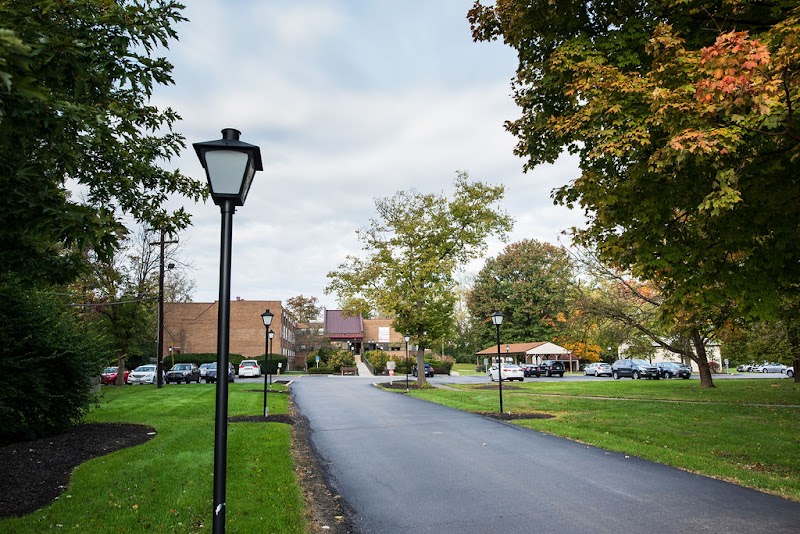
How is Clovernook Health Care And Rehabilitation Center Staffed?

CMS rates CLOVERNOOK HEALTH CARE AND REHABILITATION CENTER's staffing level at 2 out of 5 stars, which is below average compared to other nursing homes. Staff turnover is 77%, which is 31 percentage points above the Ohio average of 46%. High turnover can affect care consistency as new staff learn residents' individual needs. RN turnover specifically is 73%, which is notably high. RNs provide skilled clinical oversight, so turnover in this role can affect medical care quality.

What Have Inspectors Found at Clovernook Health Care And Rehabilitation Center?

State health inspectors documented 37 deficiencies at CLOVERNOOK HEALTH CARE AND REHABILITATION CENTER during 2019 to 2025. These included: 1 that caused actual resident harm and 36 with potential for harm. Deficiencies causing actual harm indicate documented cases where residents experienced negative health consequences.
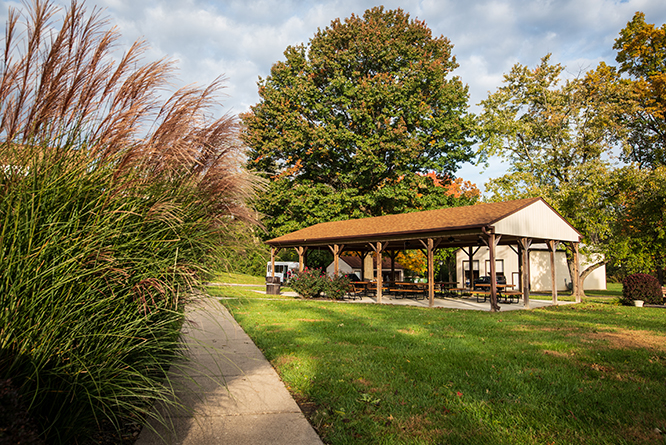
Who Owns and Operates Clovernook Health Care And Rehabilitation Center?

CLOVERNOOK HEALTH CARE AND REHABILITATION CENTER is owned by a for-profit company. For-profit facilities operate as businesses with obligations to shareholders or private owners. The facility is operated by CCH HEALTHCARE, a chain that manages multiple nursing homes. With 126 certified beds and approximately 111 residents (about 88% occupancy), it is a mid-sized facility located in CINCINNATI, Ohio.
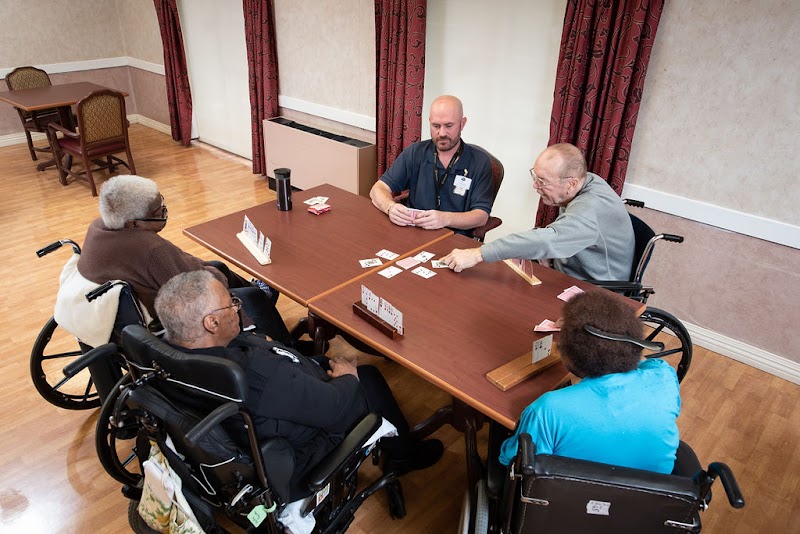
How Does Clovernook Health Care And Rehabilitation Center Compare to Other Ohio Nursing Homes?

Compared to the 100 nursing homes in Ohio, CLOVERNOOK HEALTH CARE AND REHABILITATION CENTER's overall rating (3 stars) is below the state average of 3.2, staff turnover (77%) is significantly higher than the state average of 46%, and health inspection rating (2 stars) is below the national benchmark.

What Should Families Ask When Visiting Clovernook Health Care And Rehabilitation Center?

Based on this facility's data, families visiting should ask: "How do you ensure continuity of care given staff turnover, and what is your staff retention strategy?" "Can you walk me through typical staffing levels on day, evening, and night shifts?" "Can I visit during a mealtime to observe dining assistance and food quality?" "How do you handle medical emergencies, and what is your hospital transfer rate?" These questions are particularly relevant given the facility's high staff turnover rate and the below-average staffing rating.

Is Clovernook Health Care And Rehabilitation Center Safe?

Based on CMS inspection data, CLOVERNOOK HEALTH CARE AND REHABILITATION CENTER has a clean safety record: no substantiated abuse findings (meaning no confirmed cases of resident harm), no Immediate Jeopardy citations (the most serious violation level indicating risk of serious injury or death), and is not on the Special Focus Facility watch list (a federal program monitoring the lowest-performing 1% of nursing homes). The facility has a 3-star overall rating and ranks #100 of 100 nursing homes in Ohio. While no facility is perfect, families should still ask about staff-to-resident ratios and recent inspection results during their visit.

Do Nurses at Clovernook Health Care And Rehabilitation Center Stick Around?

Staff turnover at CLOVERNOOK HEALTH CARE AND REHABILITATION CENTER is high. At 77%, the facility is 31 percentage points above the Ohio average of 46%. Registered Nurse turnover is particularly concerning at 73%. RNs handle complex medical decisions and coordinate care — frequent RN changes can directly impact care quality. High turnover means new staff may not know residents' individual needs, medications, or preferences. It can also be disorienting for residents, especially those with dementia who rely on familiar faces. Families should ask: What is causing the turnover? What retention programs are in place? How do you ensure care continuity during staff transitions?

Was Clovernook Health Care And Rehabilitation Center Ever Fined?

CLOVERNOOK HEALTH CARE AND REHABILITATION CENTER has no federal fines on record. CMS issues fines when nursing homes fail to meet care standards or don't correct problems found during inspections. The absence of fines suggests the facility has either maintained compliance or corrected any issues before penalties were assessed. This is a positive indicator, though families should still review recent inspection reports for the full picture.

Is Clovernook Health Care And Rehabilitation Center on Any Federal Watch List?

CLOVERNOOK HEALTH CARE AND REHABILITATION CENTER is not on any federal watch list. The most significant is the Special Focus Facility (SFF) program, which identifies the bottom 1% of nursing homes nationally based on persistent, serious quality problems. Not being on this list means the facility has avoided the pattern of deficiencies that triggers enhanced federal oversight. This is a positive indicator, though families should still review the facility's inspection history directly.