COTTINGHAM RETIREMENT COMMUNITY
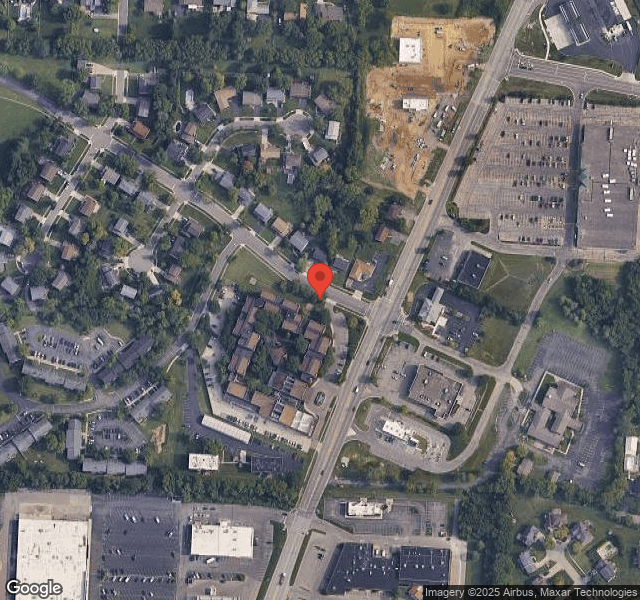
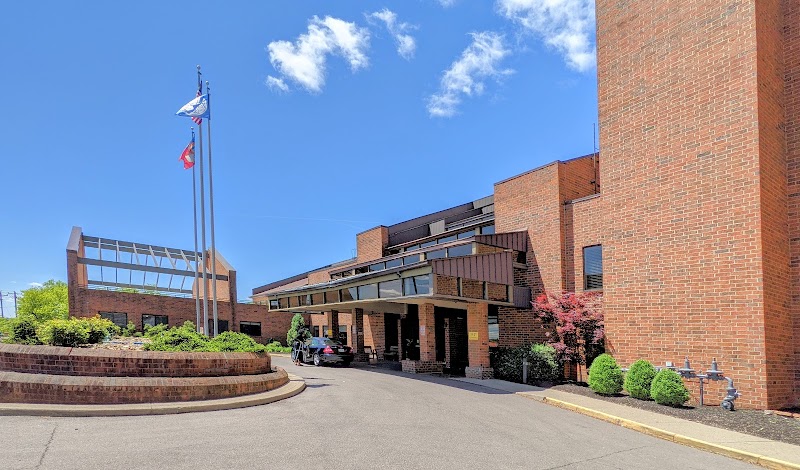
3995 COTTINGHAM DRIVE, CINCINNATI, OH 45241 (513) 563-3600
For profit - Corporation 60 Beds LIONSTONE CARE Data: November 2025 1 Immediate Jeopardy citation
Trust Grade
41/100
#441 of 913 in OH
Last Inspection: August 2022

Over 2 years since last inspection. Current conditions may differ from available data.

Overview

Cottingham Retirement Community has a Trust Grade of D, which means it is below average with some concerns regarding care quality. It ranks #441 out of 913 facilities in Ohio, placing it in the top half, and #35 out of 70 in Hamilton County, indicating only a few local options are better. The facility is improving, as the number of issues found has decreased from two in 2024 to one in 2025. Staffing is a weakness, with a rating of 2 out of 5 stars and a turnover rate of 50%, which is about average for Ohio. Additionally, the facility has concerning fines of $20,808, higher than 80% of Ohio facilities, which suggests some compliance problems. On the positive side, it boasts a 5 out of 5 star rating for quality measures and has average RN coverage, which is important for monitoring resident health. However, there have been serious incidents, such as failing to notify a physician about a resident's critical change in condition, which led to the resident's death, and not assessing fall risks, resulting in a resident sustaining a head injury from a fall. These incidents highlight significant areas for improvement despite some strengths.

Trust Score
D
41/100
In Ohio
#441/913
Top 48%
Safety Record
High Risk
Review needed
Inspections
Getting Better
2 → 1 violations
Staff Stability
⚠ Watch
50% turnover. Above average. Higher turnover means staff may not know residents' routines.
Penalties
✓ Good
$20,808 in fines. Lower than most Ohio facilities. Relatively clean record.
Skilled Nurses
○ Average
Each resident gets 32 minutes of Registered Nurse (RN) attention daily — about average for Ohio. RNs are the most trained staff who monitor for health changes.
Violations
⚠ Watch
22 deficiencies on record. Higher than average. Multiple issues found across inspections.
★★★☆☆
3.0
Overall Rating
★★☆☆☆
2.0
Staff Levels
★★★★★
5.0
Care Quality
★★☆☆☆
2.0
Inspection Score
Stable
2024: 2 issues
2025: 1 issues

The Good

  • 5-Star Quality Measures · Strong clinical quality outcomes
  • Full Sprinkler Coverage · Fire safety systems throughout facility
  • No fines on record

Facility shows strength in quality measures, fire safety.

The Bad

3-Star Overall Rating

Near Ohio average (3.2)

Meets federal standards, typical of most facilities

Staff Turnover: 50%

Near Ohio avg (46%)

Higher turnover may affect care consistency

Federal Fines: $20,808

Below median ($33,413)

Minor penalties assessed

Chain: LIONSTONE CARE

Part of a multi-facility chain

Ask about local staffing decisions and management

The Ugly 22 deficiencies on record

1 life-threatening 1 actual harm
Sept 2025 1 deficiency
CONCERN (D) 📢 Someone Reported This

A family member, employee, or ombudsman was alarmed enough to file a formal complaint

Potential for Harm - no one hurt, but risky conditions existed

Laboratory Services (Tag F0770)

Could have caused harm · This affected 1 resident

**NOTE- TERMS IN BRACKETS HAVE BEEN EDITED TO PROTECT CONFIDENTIALITY** Based on record review, staff interview and policy review, the facility failed to ensure laboratory (lab) values were completed ...

Read full inspector narrative →
**NOTE- TERMS IN BRACKETS HAVE BEEN EDITED TO PROTECT CONFIDENTIALITY** Based on record review, staff interview and policy review, the facility failed to ensure laboratory (lab) values were completed as ordered by the physician. This affected two (#01 and #44) out of three residents reviewed for labs being completed as ordered by the physician. The facility census was 58. Findings include: 1. Review of Resident #01's chart revealed the resident was admitted to the facility on [DATE] with unspecified dementia unspecified severity without behavioral disturbance, psychotic disturbance, mood disturbance and anxiety, pressure ulcer to the left buttock unspecified stage, pressure ulcer to the right buttock unspecified stage, traumatic subdural hemorrhage without loss of consciousness, type two diabetes mellitus and cerebral atherosclerosis. Review of Resident #01's annual Minimum Data Set (MDS) assessment dated [DATE] revealed the resident was cognitively intact and Resident #01 required set up assistance with eating, and oral hygiene. Resident #01 required moderate assistance with toileting, upper body dressing, lower body dressing, putting on and taking off footwear, personal hygiene, rolling left and right, sitting to lying, sitting to standing, chair transfers, toilet transfers, tub transfers and walking ten feet and supervision with lying to sitting. Resident #01 required maximal assistance with showering. Review of Resident #01's care plan initiated on 07/21/25 revealed the facility will obtain and monitor lab and diagnostic work as ordered. Review of Resident #01's progress note dated 08/26/25 at 11:54 A.M. revealed the Wound Care Nurse Practitioner (WCNP) was in the facility to see Resident #01 and gave orders for a complete blood count (CBC), complete metabolic panel (CMP), albumin, prealbumin, transferrin and hemoglobin A1c labs. Resident #01 and Resident #01's responsible party were aware. Review of Resident #01's physician order dated 08/26/25 revealed Physician #800 created a telephone order that stated the WCNP was in the facility to see Resident #01 and gave orders for a CBC, CMP, albumin, prealbumin, transferrin and hemoglobin A1c labs. Review of Resident #01's chart from 08/26/25 to 09/10/25 revealed Resident #01's CBC, albumin, prealbumin, transferrin and hemoglobin A1c lab results ordered on 08/26/25 were not on file at the facility. Review of Resident #01's lab results report dated 08/28/25 revealed the Resident #01's CMP was completed. Interview with the Director of Nursing (DON) on 09/10/25 at 2:00 P.M. verified Resident #01 was ordered a CBC, CMP, albumin, prealbumin, transferrin and hemoglobin A1c labs on 08/26/25 by the WCNP. The DON verified the facility received Resident #01's CMP but Resident #01's CBC, CMP, albumin, prealbumin, transferrin and hemoglobin A1c labs ordered on 08/26/25 were not obtained. 2. Review of Resident #44's chart revealed Resident #44 admitted to the facility on [DATE] with unspecified pseudobulbar affection, attention and concentration deficit following cerebral infarction, depression, Alzheimer's disease, type two diabetes mellitus with unspecified complications, hyperlipidemia, hypertension, anxiety disorder, chronic kidney disease stage two and other cerebrovascular disease. Review of Resident #44's quarterly MDS assessment dated [DATE] revealed the resident was severely cognitively impaired and Resident #44 required set up assistance with eating. Resident #44 required moderate assistance with oral hygiene, upper body dressing, putting on and taking off footwear, personal hygiene, rolling left and right, lying to sitting, chair transfers, tub transfers and walking ten feet and maximal assistance with toileting, and lower body dressing. Resident #44 was dependent with showering and supervision with sitting to lying, sitting to standing, and toilet transfers. Review of Resident #44's care plan initiated on 08/12/25 revealed the facility will obtain and monitor lab and diagnostic work as ordered. Review of Resident #44's progress note dated 07/24/25 at 4:17 P.M. revealed Resident #44 received new orders for several labs on Monday 07/28/25. Resident #44's family was notified. Review of Resident #44's physician order dated 07/24/25 revealed Physician #800 ordered Resident #44 a complete blood count (CBC), complete metabolic panel (CMP), thyroid stimulating hormone (TSH), A1c, lipid panel, ferritin, B12 and vitamin D to be collected the next lab day on 07/28/25. Review of Resident #44's chart from 07/24/25 to 09/10/25 revealed Resident #44's CBC, CMP, TSH, lipid panel, ferritin, B12 and vitamin D labs that were ordered to be collected on 07/28/25 were not on file. Interview with the DON on 09/10/25 at 2:00 P.M. verified Resident #44's CBC, CMP, TSH, lipid panel, ferritin, B12 and vitamin D labs that were ordered to be collected on 07/28/25 were not collected or obtained by the facility. Review of the facility's clinical protocol and diagnostic test results policy dated November 2018 revealed the physician will identify and order diagnostic and lab testing based on the resident's diagnostic and monitoring needs. Staff will process test requisitions and arrange for testing. The laboratory will report the test results to the facility. This deficiency represents non-compliance investigated under Complaint Number 2602837.
Dec 2024 2 deficiencies
CONCERN (D) 📢 Someone Reported This

A family member, employee, or ombudsman was alarmed enough to file a formal complaint

Potential for Harm - no one hurt, but risky conditions existed

Investigate Abuse (Tag F0610)

Could have caused harm · This affected 1 resident

**NOTE- TERMS IN BRACKETS HAVE BEEN EDITED TO PROTECT CONFIDENTIALITY** Based on interview, record review, and facility policy review, the facility failed to failed to suspend staff pending an abuse i...

Read full inspector narrative →
**NOTE- TERMS IN BRACKETS HAVE BEEN EDITED TO PROTECT CONFIDENTIALITY** Based on interview, record review, and facility policy review, the facility failed to failed to suspend staff pending an abuse investigation. This affected one (Resident #41) of three residents reviewed for abuse. The facility census was 50. Findings include: Record review for Resident #41 revealed she was admitted to the facility on [DATE]. She was under the care of hospice services. Her diagnoses included, heart failure, diabetes mellitus (DM), pruritus, gastro esophageal reflux disease (GERD), dementia, and anxiety disorder. Review of Resident #41's Minimum Data Set (MDS) assessment, dated 09/16/24, revealed she was severely cognitively impaired. Resident #41 was dependent on staff for medication administration. Resident #41 required maximum assistance from staff with eating, oral hygiene, toilet use, bathing, dressing, and personal hygiene. Resident #41 had an indwelling catheter and required hospice services. Review of the Self Reported Incident (SRI) dated 11/11/24 at 12:44 P.M. revealed Resident #41's daughter reported an allegation of neglect that occurred on 11/09/24. Resident #41's daughter alleged Registered Nurse (RN) #81 refused to give Resident #41 her medications. Resident #41's daughter called Emergency Medical Transport (EMT) and had her mother transferred to the hospital. Further review of the SRI investigation stated Assistant Director of Nursing (ADON) #89 interviewed Resident #41 and she stated she felt safe. The report stated RN #81 will no longer provide care to Resident #41. Further review revealed no indication RN #81 was suspended pending an investigation. Interview on 12/05/24 at 2:40 P.M. with the Administrator confirmed the incident of alleged abuse from RN #81 to Resident #41 was not reported until 11/11/24. The Administrator confirmed the facility began a facility investigation of alleged abuse. The Administrator confirmed RN #81 continued to work through the entire investigation and was never suspended pending the outcome of the investigation. The Administrator confirmed the investigation began on 11/11/24 at 12:44 P.M. and was closed on 11/15/24 at 11:28 A.M. Interview on 12/09/24 at 9:59 A.M. with RN #81 confirmed the facility never suspended her at any time from the date of the alleged incident 11/09/24 throughout the conclusion of the investigation 11/15/24. Review of RN #81's time card confirmed RN #81 worked full shifts on 11/11/24 and 11/15/24. Review of the facility policy titled, Abuse, Neglect, Exploitation, Mistreatment, Misappropriation of Resident Property, undated, confirmed employees accused of alleged abuse/neglect will be immediately removed from the facility and will remain removed pending the results of a thorough investigation. This was an incidental finding found during the course of the complaint investigation.
CONCERN (D) 📢 Someone Reported This

A family member, employee, or ombudsman was alarmed enough to file a formal complaint

Potential for Harm - no one hurt, but risky conditions existed

Infection Control (Tag F0880)

Could have caused harm · This affected 1 resident

**NOTE- TERMS IN BRACKETS HAVE BEEN EDITED TO PROTECT CONFIDENTIALITY** Based on observations, interviews, and policy review, the facility failed to ensure proper infection control measures were maint...

Read full inspector narrative →
**NOTE- TERMS IN BRACKETS HAVE BEEN EDITED TO PROTECT CONFIDENTIALITY** Based on observations, interviews, and policy review, the facility failed to ensure proper infection control measures were maintained during resident care. This affected two (#37 and #41) residents reviewed for incontinence care. The facility census was 50. Findings include: 1. Review of the medical record for Resident #37 revealed an admission date of 08/01/24. Diagnoses included chronic obstructive pulmonary disease (COPD), type two diabetes mellitus (DM II), and congestive heart failure (CHF). Review of the Significant Change Minimum Data Set (MDS) assessment dated [DATE] revealed Resident #37 had moderate cognitive impairment as evidenced by a Brief Interview for Mental Status (BIMS) score of 12. This resident was assessed to require supervision with eating, substantial assistance with toileting, dressing, and transfers, and dependent with bathing. Review of section H for bowel and bladder revealed Resident #37 was always incontinent of bladder and frequently incontinent of bowel. Observation on 12/11/24 at 9:55 A.M. revealed Certified Nursing Assistant (CNA) #100 completed incontinence care to Resident #37. CNA #100 performed hand hygiene and applied gloves prior to providing care. During care, CNA #100 failed to change gloves and perform hand hygiene until after procedure was finished. CNA #100 cleaned Resident #37's perineal area, which was soiled with urine and feces. CNA #100 cleaned Resident #37's backside with the same gloves. After CNA #100 cleaned Resident #37, she placed a new depend on her, covered her with her blanket, and adjusted Resident #37 in bed with soiled gloves. CNA #100 cleaned her working area, removed her gloves, and performed hand hygiene. Interview on 12/11/24 at 10:04 A.M. with CNA #100 verified she did not change her gloves during incontinence care to Resident #37. Review of the facility policy titled, Hand Hygiene, dated 2022 revealed all staff were to perform proper hand hygiene procedures to prevent the spread of infection to other personnel, residents, and visitors. The use of gloves did not replace hand hygiene. If your task required gloves, perform hand hygiene prior to donning gloves and immediately after removing gloves. 2. Review of the medical record for Resident #41 revealed an admission date of 09/09/24. Diagnoses included anxiety disorder, DM II, neuromuscular dysfunction of bladder, and heart failure. Review of the admission Minimum Data Set (MDS) assessment dated [DATE] revealed Resident #41 had severe cognitive impairment as evidenced by a Brief Interview for Mental Status (BIMS) score of five. This resident was assessed to require substantial assistance with eating, toileting, bathing, dressing, and transfers. Review of section H for bowel and bladder revealed Resident #41 had an indwelling catheter and always incontinent of bowel. Review of the physician order dated 09/17/24 revealed Resident #41 was ordered foley catheter care every day and night shift. Observation on 12/11/24 at 9:47 A.M. revealed Certified Nursing Assistant (CNA) #100 performed catheter care to Resident #41. During care, Resident #41 was in Enhanced Barrier Precautions (EBP) related to catheter, which required staff to wear a gown and gloves during hands on care. CNA #100 did not apply a gown when providing care to Resident #41. Interview on 12/11/24 at 10:04 A.M. with CNA #100 verified she did not wear a gown when providing catheter care to Resident #41. Review of the facility policy titled, Enhanced Barrier Precautions, dated 04/01/24 revealed enhanced barrier precautions referred to an infection control intervention designed to reduce transmission of multi-drug-resistant organisms that employed targeted gown and glove use during high contact resident care activities. For residents for whom EBP are indicated, EBP was employed when performing the following high-contact resident care activities including hygiene, bathing, shower, and urinary catheter care. This was an incidental finding found during the course of the complaint investigation.
Jan 2023 7 deficiencies 1 Harm
SERIOUS (G) 📢 Someone Reported This

A family member, employee, or ombudsman was alarmed enough to file a formal complaint

Actual Harm - a resident was hurt due to facility failures

Accident Prevention (Tag F0689)

A resident was harmed · This affected 1 resident

**NOTE- TERMS IN BRACKETS HAVE BEEN EDITED TO PROTECT CONFIDENTIALITY** Based on record review, review of hospital records, staff interview, and review of facility policy, the facility failed to asses...

Read full inspector narrative →
**NOTE- TERMS IN BRACKETS HAVE BEEN EDITED TO PROTECT CONFIDENTIALITY** Based on record review, review of hospital records, staff interview, and review of facility policy, the facility failed to assess residents for fall risk factors and failed to conduct a thorough investigation to determine root cause analysis to identify potential hazards and resident-specific interventions to reduce and/or eliminate a fall with injury. This resulted in Actual Harm when Resident #52 was not assessed for risk factors for falls, the resident had a fall on 12/25/22 which was not investigated, and the resident subsequently sustained a laceration to her head from the fall which required transportation to the emergency room for evaluation and treatment including suturing of a head injury. Additionally, the facility failed to conduct thorough investigations to determine root cause analysis to identify potential hazards and resident-specific interventions to reduce and/or eliminate falls without injury following Resident #7, #34 and #37's falls which placed the residents at risk for more than minimal harm that did not result in harm to the residents. This affected four (#52, #7, #34 and #37) out of four residents reviewed for falls. The census was 50. Finding include: 1. Review of the medical record for Resident #52 revealed an admission date of 09/13/22. Diagnoses include major depressive disorder, cerebral infarction, metabolic encephalopathy, dementia with behavioral disturbance atherosclerotic heart disease, atrial fibrillation, hypothyroidism. Resident #52 discharged from the facility on 12/28/22. Review of the Minimum Data Set (MDS) for Resident #52 dated 12/24/22 revealed the resident was cognitively impaired and required extensive assistance of one to two staff with activities of daily living (ADL's). Review of the medical record for Resident #52 revealed an admission date of 09/15/20 with a diagnosis of Alzheimer's disease. Review of the medical record for Resident #52 revealed the facility had not completed a fall risk assessment to identify the resident's specific risk factors during her stay at the facility. Review of the care plan for Resident #52 last dated 09/14/22 revealed the resident was at risk for falls related to gait/balance problems, incontinence, psychoactive drug use, and unaware of safety needs. Interventions included the following: anticipated and meet resident needs, be sure call light is within reach and encourage resident to use for assistance, ensure resident was wearing appropriate nonskid footwear when out of bed, follow facility fall protocol, ensure alarm to bed and chair are in place, if restless and attempting to get out of bed, encourage to remain in recliner in common area for observation and activity, Review of December 2022 monthly physician orders for Resident #52 revealed orders dated 09/13/22 chair sensor alarm at all times, monitor functioning every shift and for bed sensor alarm at all times monitor functioning every shift. Review of the December 2022 Treatment Administration Record (TAR) for Resident #52 revealed the bed sensor alarm and chair sensor alarm are not signed off for the 7:00 A.M. to 7:00 P.M. shift on 12/25/22. Review of the nurse progress note for Resident #52 dated 12/25/22 per agency nurse revealed at 4:30 P.M. the nurse was alerted the resident was on the floor. Nurse noted Resident #52 in a prone position with her head on its left side facing down with blood coming from her head. Upon assessing the resident the nurse noted blood profusely draining from the resident's head. Resident #52 responded to commands but wasn't able to move and her pupils were non-reactive to light. The nurse called 911 and Resident #52 was transported to the hospital. Review of hospital notes for Resident #52 dated 12/25/22 revealed the resident received a tetanus shot and required sutures to the laceration to her head. Lidocaine was applied prior to sutures for pain control. Antibiotic ointment was applied to the wound. Resident #52 was to follow up with her attending physician at the facility. General discharge instructions for sutures included the following: keep the cut clean and dry, change dressing at least once a day, if it gets wet or dirty or ordered by the physician, wash cut with soap and water two times per day, rinse the cut with water and pat it dry with a clean towel, put a thin layer of medicated cream on the cut per physician order, have sutures removed as ordered by the doctor. Review of the facility incident log dated October 2022 through January 2023 revealed it did not include Resident #52's fall on 12/25/22. Interview on 01/18/23 at 2:48 P.M. with the Administrator and the Director of Nursing (DON) confirmed the facility had not assessed Resident #52 for fall risk factors prior to her fall on 12/25/22. DON confirmed the facility had not conducted a thorough fall investigation of Resident #52's fall on 12/25/22 to determine the root cause of the fall and if care planned fall interventions were in place at the time of the fall including the presence of bed and chair alarms nor had the facility reviewed the resident's care plan following the fall. DON confirmed Resident #52 sustained a laceration to her forehead during the fall on 12/25/22 which required sutures. 2. Review of the medical record for Resident #7 revealed an admission date of 10/07/21. Diagnoses include mood disorder, diabetes mellitus (DM), unspecified dementia with behavioral disturbance, and atherosclerotic heart disease. Review of the MDS for Resident #7 dated 12/28/22 revealed the resident was cognitively impaired and required extensive assistance of one staff with ADL's. Review of the fall risk assessment for Resident #7 dated 12/02/22 revealed the resident was at risk for falls. Review of the care plan for Resident #7 last updated 11/15/22 revealed the resident was at risk for falls related to decreased mobility, decreased safety awareness, use of antidepressant medication, generalized weakness, decreased vision, and incontinence. Interventions included the following: refer for behavior management, anticipate and meet resident needs, assist to toilet upon arising, after meals, at bedtime and as needed, be sure call light is within reach and encourage resident to use it for assistance as needed, provide prompt response to all requests for assistance, Dycem to wheelchair, scoop mattress to bed, ensure resident is wearing appropriate footwear when ambulating or mobilizing in wheelchair, ensure nonskid socks when in bed, review information on past falls and attempt to determine cause of falls, record possible root causes, alter or remove any potential causes if possible, educate resident/family/caregivers/interdisciplinary team (IDT) as to causes. Review of December 2022 monthly physician orders for Resident #7 revealed orders dated 10/12/22 for Dycem to wheelchair and non-skid footwear at all times. Review of the nurse progress note for Resident #7 dated 12/29/22 timed at 7:30 P.M. revealed the nurse was called to resident's room and observed resident on the floor in a supine position. Resident #7 was alert and oriented and stated she had hit her head and was experiencing head pain. Resident #7 was sent to the hospital via 911. Review of the nurse progress note for Resident #7 dated 12/29/22 timed at 11:42 P.M. revealed the resident returned from the hospital and scan of her head showed no injuries. Interview on 01/18/23 at 2:48 P.M. with the Administrator and the DON confirmed the facility had not conducted a thorough fall investigation of Resident #7's fall on 12/29/22 to determine the root cause of the fall and if care planned fall interventions were in place at the time of the fall including the presence of Dycem to chair and non-skid footwear nor had the facility reviewed the resident's care plan following the fall. 3. Review of the medical record for Resident #34 revealed an admission date of 02/22/21. Diagnoses include atrial fibrillation, DM, dementia with behavioral disturbance, and osteoarthritis. Review of the MDS for Resident #34 dated 12/20/22 revealed resident was cognitively impaired and required limited assistance with activities of daily living ADL's. Review of the fall risk assessment for Resident #34 dated 12/19/22 revealed the resident was at risk for falls. Review of the care plan for Resident #34 last updated 05/09/22 revealed the resident was at risk for falls related to confusion, gait/balance problems, incontinence, poor communication/comprehension, psychoactive drug use, and wandering. Interventions included the following: anticipate and meet resident needs, be sure call light is within reach and encourage resident to use it for assistance as needed, follow facility fall protocol, scoop mattress to bed, ensure resident is wearing appropriate footwear at all times, monitor /assist with transfers, ambulation using rolling walker. Review of January 2023 monthly physician orders for Resident #34 revealed orders dated 12/17/22 for non-skid socks at all times. Review of the facility incident log dated October 2022 to January 2023 revealed Resident #34 had a fall on 01/09/23. Review of the nurse progress notes for Resident #34 revealed there was no note regarding resident's fall on 01/09/23. Interview on 01/18/23 at 2:48 P.M. with the Administrator and the DON confirmed the facility had not conducted a thorough fall investigation of Resident #34's fall on 01/09/23 to determine the root cause of the fall and if care planned fall interventions were in place at the time of the fall including the presence of rolling walker and non-skid footwear nor had the facility reviewed the resident's care plan following the fall. DON confirmed the resident fell on [DATE] and per note in the facility's risk management files resident had a fall on 01/09/23 at approximately 3:15 P.M. which was witnessed by the agency nurse. Resident #34 slid off her wheelchair onto the floor in the living room and sustained no injuries. DON confirmed there was no nurse progress note in Resident #34's medical record regarding the fall. 4. Review of the medical record for Resident #37 revealed an admission date of 03/18/22. Diagnoses include traumatic subdural hematoma, atrial fibrillation, diabetes mellitus (DM), chronic obstructive pulmonary disease (COPD), dysphagia, chronic kidney disease (CKD), dementia with behavioral disturbance, atherosclerotic heart disease, and presence of pacemaker. Review of the MDS for Resident #37 dated 12/14/22 revealed resident was cognitively impaired and required extensive assistance of one to two staff with ADL's. Review of the fall risk assessment for Resident #37 dated 01/30/22 revealed the resident was at risk for falls. Review of the care plan for Resident #37 last updated 03/02/22 revealed resident was at risk for falls related to history of falls, decreased mobility, decreased safety awareness, generalized weakness, dementia, and incontinence. Interventions included the following: anticipate and meet resident needs, be sure call light is within reach and encourage resident to use it for assistance as needed, follow facility fall protocol, ensure resident is wearing appropriate footwear at all times, review information on past falls and attempt to determine cause of falls, record possible root causes, alter or remove any potential causes if possible, educate resident/family/caregivers/interdisciplinary team (IDT) as to causes. Review of the nurse progress note for Resident #37 dated 12/25/22 timed at 5:10 P.M. revealed the nurse and another staff assisted the resident off the floor and into a safer wheelchair. Resident #37 had a knot on the top of her forehead. The physician was notified and gave an order to send resident to the hospital via 911. Review of the hospital notes for Resident #37 dated 12/25/22 revealed the resident was evaluated related to fall with facial contusion and was sent back to the facility with no new orders. Interview on 01/18/23 at 2:48 P.M. with the Administrator and the DON confirmed the facility had not conducted a thorough fall investigation of Resident #37's fall on 12/25/22 to determine the root cause of the fall and if care planned fall interventions were in place at the time of the fall nor had the facility reviewed the resident's care plan following the fall. DON confirmed the staff had noted in the facility's risk management files that resident fell out of wheelchair on 12/25/22 after the wheel broke off resident's wheelchair. Review of the facility policy titled Falls and Fall Risk Managing dated 08/2022 revealed based on previous evaluations and current data, the staff will identify interventions related to the resident's risks and causes to try to prevent the resident from falling and to try to minimize complications from falling. The staff, with the input of the attending physician/nurse practitioner (NP) as needed, will implement a resident-centered fall prevention plan to reduce the specific risk factor(s) of falls for each resident at risk or with a history of falls. This deficiency represents non-compliance investigated under Complaint Number OH00138752.
CONCERN (D) 📢 Someone Reported This

A family member, employee, or ombudsman was alarmed enough to file a formal complaint

Potential for Harm - no one hurt, but risky conditions existed

ADL Care (Tag F0677)

Could have caused harm · This affected 1 resident

Based on record review, observation, and staff interview, the facility failed to ensure residents who could not feed themselves received timely assistance with eating. This affected one (#39) of three...

Read full inspector narrative →
Based on record review, observation, and staff interview, the facility failed to ensure residents who could not feed themselves received timely assistance with eating. This affected one (#39) of three residents reviewed for assistance with activities of daily living (ADL's). The census was 50. Findings include: Review of the medical record for Resident #39 revealed an admission date of 11/14/19. Diagnoses include transient ischemic attack (TIA), dementia with behavioral disturbance, and mood disorder. Review of the Minimum Data Set for Resident #39 dated 12/08/22 revealed the resident was cognitively impaired and required extensive physical assistance of one staff with eating. Review of the care plan for Resident #39 dated 10/08/22 revealed the resident had a nutritional problem or potential nutritional problem related to status post COVID-19, dementia, depression, anxiety and resident required extensive assistance at meals. Interventions included staff to provide tray set up and assistance with meals as needed. Review of the January 2023 monthly physician orders Resident #39 revealed an order dated 01/15/23 for a regular diet with pureed texture consistency. Observation on 01/17/23 at 9:00 A.M. revealed State Tested Nursing Assistants (STNA's) #700 and #750 were delivering trays to resident rooms. STNA #700 placed a covered tray in Resident #39's room on the resident's overbed table. Observation on 01/17/23 at 10:10 A.M. with Licensed Practical Nurse (LPN) #700 in Resident #39's room revealed resident's breakfast tray was still on top of the overbed table and appeared to have been untouched. Resident #39 was non-interviewable. Interview on 01/17/23 at 10:10 A.M. with LPN #700 confirmed Resident #39 had a physician's order for a regular diet with pureed textures. LPN #700 further confirmed Resident #39 was not able to feed herself. LPN #700 confirmed the breakfast tray on Resident #39's overbed table was the correct diet (pureed) and appeared to have been untouched. Interview on 01/17/23 at 10:12 A.M. with STNA #700 confirmed she had placed Resident #39's breakfast tray on the resident's overbed table while passing meal trays at approximately 9:00 A.M. on 01/17/23. STNA #700 further confirmed she had not assisted Resident #39 with feeding because she was waiting for information regarding resident's level of assistance required with eating. STNA #700 confirmed Resident #39's breakfast tray had been sitting on top of resident's overbed table untouched. Interview on 01/17/23 at 12:19 P.M. with the Administrator confirmed the facility did not have a policy regarding assistance with meals. This deficiency represents non-compliance investigated under Complaint Numbers OH00139362 and OH00138810.
CONCERN (D) 📢 Someone Reported This

A family member, employee, or ombudsman was alarmed enough to file a formal complaint

Potential for Harm - no one hurt, but risky conditions existed

Quality of Care (Tag F0684)

Could have caused harm · This affected 1 resident

**NOTE- TERMS IN BRACKETS HAVE BEEN EDITED TO PROTECT CONFIDENTIALITY** Based on record review, staff interview, review of hospital records, review of facility inservice records, and review of facilit...

Read full inspector narrative →
**NOTE- TERMS IN BRACKETS HAVE BEEN EDITED TO PROTECT CONFIDENTIALITY** Based on record review, staff interview, review of hospital records, review of facility inservice records, and review of facility policy, the facility failed to ensure residents received appropriate treatment and monitoring following a fall with injury and failed to ensure residents were assessed by a licensed nurse upon admission to the facility. This affected two (#52 and #53) of three residents reviewed for care and services. The census was 50. Findings include: 1. Review of the medical record for Resident #52 revealed an admission date of 09/13/22. Diagnoses include major depressive disorder, cerebral infarction, metabolic encephalopathy, dementia with behavioral disturbance atherosclerotic heart disease, atrial fibrillation, hypothyroidism. Resident #52 discharged from the facility on 12/28/22. Review of the Minimum Data Set (MDS) for Resident #52 dated 12/24/22 revealed the resident was cognitively impaired and required extensive assistance of one to two staff with activities of daily living (ADL's). Review of the medical record for Resident #52 revealed an admission date of 09/15/20 with a diagnosis of Alzheimer's disease. Review of the nurse progress note for Resident #52 dated 12/25/22 per agency nurse revealed at 4:30 P.M. the nurse was alerted that resident was on the floor. Nurse noted the resident in a prone position with her head on its left side facing down with blood coming from her head. Upon assessing the resident the nurse noted blood profusely draining from resident's head. Resident #52 responded to commands but wasn't able to move and her pupils were non-reactive to light. The nurse called 911 and the resident was transported to the hospital. Review of hospital notes for Resident #52 dated 12/25/22 revealed the resident received a tetanus shot and required sutures to the laceration to her head. Lidocaine was applied prior to sutures for pain control. Antibiotic ointment was applied to the wound. Resident #52 was to follow up with her attending physician at the facility. General discharge instructions for sutures included the following: keep the cut clean and dry, change dressing at least once a day, if it gets wet or dirty or ordered by the physician, wash cut with soap and water two times per day, rinse the cut with water and pat it dry with a clean towel, put a thin layer of medicated cream on the cut per physician order, have sutures removed as ordered by the doctor. Review of the nurse progress note for Resident #52 dated 12/28/22 revealed had a laceration to her forehead with a dressing intact noted. The resident was sent to the hospital with altered mental status and was admitted with a diagnosis of pneumonia and did not return to the facility. Review of the December 2022 Treatment Administration Record (TAR) for Resident #52 revealed there were no orders to treat or monitor the resident's laceration with sutures. Review of the medical record for Resident #52 revealed it did not include any neurological checks for resident following her head injury sustained on 12/25/22. Review of the medical record for Resident #52 revealed it not include an assessment of laceration to resident's forehead except for the mention of the laceration noted in the progress note dated 12/28/22. Interview on 01/18/23 at 2:48 P.M. with the Administrator and the Director of Nursing (DON) confirmed Resident #52 sustained a laceration to her forehead during the fall on 12/25/22 which required sutures. Interview on 01/19/23 at 9:46 A.M. with the DON confirmed the facility had not implemented any treatment orders for the laceration to Resident #52's forehead nor had the facility completed neurological checks for Resident #52 following her head injury sustained during the fall on 12/25/22. DON confirmed the facility did not have a policy regarding neurological checks. Review of the facility policy titled Wound Care dated 08/2022 revealed the facility would care for wounds in order to promote healing. The nurse would verify that there was a physician's order in place for treatment of wounds. 2. Review of the medical record for Resident #53 revealed an admission date of 12/25/22. Diagnoses include acute respiratory failure with hypoxia, viral pneumonia, hemiplegia and hemiparesis, aphasia following cerebral infarction, atrial fibrillation, hyperlipidemia, atherosclerotic heart disease, and depression. Resident #53 discharged from the facility on 12/26/22. Review of the Minimum Data Set (MDS) for Resident #53 dated 12/26/22 revealed the resident was discharged to the community on 12/26/22. Review of the discharge summary from the hospital for Resident #53 dated 12/25/22 revealed the resident had been treated at the hospital from [DATE] to 12/25/22 for pneumonia. Resident #53 had a history of cerebrovascular accident (CVA) with residual aphasia and right-sided weakness, atrial fibrillation, coronary artery disease, and status post coronary artery bypass graft who presented to the hospital complaint of shortness of breath and was found to be hypoxic. The hospital physical therapy recommend skilled nursing facility placement and resident was to be discharged to the facility for further rehab. Review of the nurse progress note for Resident #53 dated 12/25/22 revealed the resident was admitted to the facility at 6:45 P.M. from the hospital. The admission note included vital signs taken from the hospital paperwork and did not include an assessment of the resident. Review of the progress note for Resident #53 dated 12/27/22 per the Administrator revealed the Administrator spoke to Resident #53's daughter who stated resident's family had decided to care for the resident at home and prior to leaving the daughter had signed a form for leaving against medical advice (AMA). Review of the medical record for Resident #53 revealed it did not include an admission nursing assessment. Interview on 01/18/23 at 2:48 P.M. of the Administrator and the Director of Nursing (DON) confirmed the facility could not locate the AMA form Resident #53's daughter said she had signed on 12/25/22. Administrator confirmed Resident #53's daughter told her the resident had been discharged from the facility on 12/26/22 at approximately 3:00 P.M. The DON confirmed Resident #53's medical record did not include an admission nursing assessment. Interview on 01/19/23 at 9:46 A.M. with the DON confirmed the facility did not have a policy regarding admission nursing assessments but did confirm all residents should be assessed by a licensed nurse upon admission to the facility. This deficiency represents non-compliance investigated under Complaint Numbers OH00139362, OH00138810 and OH00138752.
CONCERN (D) 📢 Someone Reported This

A family member, employee, or ombudsman was alarmed enough to file a formal complaint

Potential for Harm - no one hurt, but risky conditions existed

Pharmacy Services (Tag F0755)

Could have caused harm · This affected 1 resident

**NOTE- TERMS IN BRACKETS HAVE BEEN EDITED TO PROTECT CONFIDENTIALITY** Based on record review, review of hospital records, staff interview, and review of the facility policy the facility failed to en...

Read full inspector narrative →
**NOTE- TERMS IN BRACKETS HAVE BEEN EDITED TO PROTECT CONFIDENTIALITY** Based on record review, review of hospital records, staff interview, and review of the facility policy the facility failed to ensure residents received medications as ordered. This affected one (#53) of three residents reviewed for medications. The census was 50. Findings include: Review of the medical record for Resident #53 revealed an admission date of 12/25/22. Diagnoses include acute respiratory failure with hypoxia, viral pneumonia, hemiplegia and hemiparesis, aphasia following cerebral infarction, atrial fibrillation, hyperlipidemia, atherosclerotic heart disease, and depression. Resident #53 discharged from the facility on 12/26/22. Review of the Minimum Data Set (MDS) for Resident #53 dated 12/26/22 revealed the resident was discharged to the community on 12/26/22. Review of the discharge summary from the hospital for Resident #53 dated 12/25/22 revealed the resident had been treated at the hospital from [DATE] to 12/25/22 for pneumonia. Resident #53 had a history of cerebrovascular accident (CVA) with residual aphasia and right-sided weakness, atrial fibrillation, coronary artery disease, and status post coronary artery bypass graft who presented to the hospital complaint of shortness of breath and was found to be hypoxic. The hospital physical therapy recommend skilled nursing facility placement and resident was to be discharged to the facility for further rehab. Further review of the discharge summary revealed it included a list of Resident #53's medications which were as follows: Tylenol as needed, Norvasc once daily, Eliquis twice daily, Atorvastatin once daily, melatonin once nightly, metoprolol tartrate twice daily, Remeron once nightly, pantoprazole twice daily with meals, Miralax once daily, Zoloft once daily, Flomax once daily. Review of the nurse progress note for Resident #53 dated 12/25/22 revealed the resident was admitted to the facility at 6:45 P.M. from the hospital. The admission note did not include information regarding admitting medication orders and/or contact with the physician to verify medication orders. Review of the progress note for Resident #53 dated 12/27/22 per the Administrator revealed the Administrator spoke to Resident #53's daughter who stated resident's family had decided to care for the resident at home and prior to leaving the daughter had signed a form for leaving against medical advice (AMA). Review of the December 2022 Medication Administration Record (MAR) for Resident #53 revealed there were no medications listed for resident. Review of the medical record for Resident #53 revealed it did not include admitting physician orders for medications. Interview on 01/18/23 at 2:48 P.M. of the Administrator and the Director of Nursing (DON) confirmed the facility could not locate the AMA form Resident #53's daughter said she had signed on 12/25/22. Administrator confirmed Resident #53's daughter told her the resident had been discharged from the facility on 12/26/22 at approximately 3:00 P.M. The DON confirmed Resident #53's medical record did not include orders for medications and that the admitting nurse should review the preadmission medications with the attending physician upon admission. DON confirmed Resident #53's December 2022 MAR was blank and resident's medical record included no documentation regarding medications and/or contacting the attending physician regarding admission medication orders. Review of the facility policy titled Medication Administration dated 06/21/17 revealed medications will be administered by legally authorized and trained persons in accordance to applicable state, local and federal laws and consistent with accepted standards of practice. This deficiency represents non-compliance investigated under Complaint Numbers OH00139362, OH00138810 and OH00138752.
CONCERN (D) 📢 Someone Reported This

A family member, employee, or ombudsman was alarmed enough to file a formal complaint

Potential for Harm - no one hurt, but risky conditions existed

Unnecessary Medications (Tag F0759)

Could have caused harm · This affected 1 resident

**NOTE- TERMS IN BRACKETS HAVE BEEN EDITED TO PROTECT CONFIDENTIALITY** Based on record review, observation, staff interview, review of the facility policy, review of in-service education provided by ...

Read full inspector narrative →
**NOTE- TERMS IN BRACKETS HAVE BEEN EDITED TO PROTECT CONFIDENTIALITY** Based on record review, observation, staff interview, review of the facility policy, review of in-service education provided by the facility to the staff, and review of online medication resources, the facility failed to ensure medication were administered without error resulting in two medication errors out of 29 opportunities or a 6.8 percent (%) medication error rate. This affected two (#37 and #39) of four residents observed for medication administration. The census was 50. Findings include: 1. Review of the medical record for Resident #39 revealed an admission date of 11/14/19. Diagnoses include transient ischemic attack (TIA), dementia with behavioral disturbance, and mood disorder. Review of the Minimum Data Set for Resident #39 dated 12/08/22 revealed resident was cognitively impaired and required extensive assistance of one to two staff with activities of daily living (ADL's). Review of the care plan for Resident #39 dated 12/08/22 revealed the resident had impaired cognitive function, impaired thought processes, and decreased safety awareness related to dementia. Interventions included staff should administer medications as ordered, monitor and report any changes in cognitive function, review medications and record possible cause of cognitive dysfunction. Review of the January 2023 monthly physician orders Resident #39 revealed an order dated 01/15/23 for an Exelon patch to be applied once daily for treatment of dementia symptoms. The order did not indications for when the patch was to be removed. Review of the January 2023 Medication Administration Record (MAR) from 01/15/23 date of resident's readmission to the facility, revealed the MAR did not include documentation regarding removal of Exelon patch. Interview on 01/17/23 at 9:54 A.M. with Licensed Practical Nurse (LPN) #700 confirmed Resident #39's physician order for Exelon patch did not include orders regarding when the patch was to be removed. Observation of medication administration on 01/17/23 at 10:10 A.M. revealed LPN #700 inspected Resident #39 for Exelon patches after discussion with the surveyor. LPN #700 found an undated Exelon patch on resident's left arm. LPN #700 then applied a patch dated 01/17/23 to resident's right arm. Interview on 01/17/23 at 10:10 A.M. with LPN #700 confirmed she was unsure when the Exelon patch found on Resident #39's arm had been applied. Interview on 01/18/23 at 2:48 P.M. with the Director of Nursing (DON) confirmed physician orders for transdermal medications such as Exelon patches should always include instructions regarding when to remove. DON further confirmed when Resident #39 returned from the hospital on [DATE] her order for Exelon patch once daily did not include orders for removal. Review of online reference Medscape on 01/19/23 at https://reference.medscape.com/drug/exelon-oral-solution-rivastigmine-343069 revealed Exelon patches should be replaced with a new patch every 24 hours. 2. Review of the medical record for Resident #37 revealed an admission date of 03/18/22. Diagnoses include traumatic subdural hematoma, atrial fibrillation, diabetes mellitus (DM), chronic obstructive pulmonary disease (COPD), dysphagia, chronic kidney disease (CKD), dementia with behavioral disturbance, atherosclerotic heart disease, and presence of pacemaker. Review of the MDS for Resident #37 dated 12/20/22 revealed resident was cognitively impaired and required limited assistance with ADL's. Review of the January 2023 monthly physician orders for Resident #37 revealed an order dated 12/23/22 for resident to receive Digoxin 125 microgram (mcg) one tablet once daily for atrial fibrillation. The order did not include parameters for administration. Review of the January 2023 MAR for Resident #37 revealed the MAR did not include information regarding resident's heart rate prior to administration. Review of the facility vital sign records for Resident #37 revealed the resident's heart rate for was not recorded for 01/14/23, 01/15/23, 01/16/23, or 01/17/23. Observation on 01/17/23 at 10:15 A.M. of medication administration for Resident #37 per Licensed Practical Nurse (LPN) #700 revealed nurse checked resident's radial pulse using a battery-operated blood pressure cuff applied to the resident's wrist. Pulse reading was 141 beats per minute. LPN #700 then measured a radial pulse by palpating resident's wrist for approximately 20 seconds. LPN #700 then administered Digoxin to the resident. Interview on 01/17/23 at 10:15 A.M. with LPN #700 confirmed Resident #37's order for Digoxin did not include parameters. LPN #700 confirmed she measured Resident #37's radial pulse for approximately 20 seconds and estimated her heart rate was approximately 141 beats per minute. LPN #700 confirmed she did not listen to the resident's heart using a stethoscope nor did she record an apical pulse for Resident #37 prior to Digoxin administration. Interview on 01/17/23 at 11:16 A.M. with the Director of Nursing (DON) confirmed nurses should measure apical pulse for one full minute prior to Digoxin administration and generally would obtain an order to withhold the medication if the pulse was lower than sixty beats per minute. Interview on 01/18/23 at 2:48 P.M. with the DON confirmed Resident #37 did not have her heart rate (pulse) recorded prior to Digoxin administration. DON confirmed the facility did not have a policy regarding Digoxin administration. Review of the outline of educational in-service provided to the nursing staff per the DON dated 01/18/23 revealed apical pulse should be taken for a full minute before administration of Digoxin. If the apical pulse is less than 60, the dose should be withheld, and the prescribing provider notified. Review of the facility policy titled Medication Administration dated 06/21/17 revealed medications will be administered by legally authorized and trained persons in accordance to applicable state, local and federal laws and consistent with accepted standards of practice. Review of [NAME] Drug Guide on 12/08/22 an online medication reference on 12/08/22 at https://nursing.unboundmedicine.com/nursingcentral/view/[NAME]-Drug-Guide/51218/all/digoxin revealed the nurse should monitor apical pulse for one full min before administering Digoxin. Nurse should withhold the dose and notify health care professional if pulse rate is less than 60 beats per minute and should also notify health care professional promptly of any significant changes in rate, rhythm, or quality of pulse. This deficiency represents non-compliance investigated under Complaint Numbers OH00138810 and OH00138752.
CONCERN (F) 📢 Someone Reported This

A family member, employee, or ombudsman was alarmed enough to file a formal complaint

Potential for Harm - no one hurt, but risky conditions existed

Deficiency F0761 (Tag F0761)

Could have caused harm · This affected most or all residents

Based on observation, staff interview, and review of the facility policy, the facility failed to ensure medication carts were locked when unattended. This had the potential to affect all residents res...

Read full inspector narrative →
Based on observation, staff interview, and review of the facility policy, the facility failed to ensure medication carts were locked when unattended. This had the potential to affect all residents residing in the facility. The census was 50. Findings include: Observation on 01/18/23 at 1:32 P.M. revealed the Long Hall medication cart and the Middle medication cart were unlocked and unattended. Approximately 20 residents were in the common area adjacent to the unlocked medication carts. Interview on 01/18/23 at 1:34 P.M. with Licensed Practical Nurse (LPN) #431 confirmed she had left the Long Hall medication cart unlocked and unattended for approximately one to two minutes. LPN #431 further confirmed she shared the Middle medication cart with the other nurse and she wasn't sure who had left the Middle medication cart unlocked. Observation on 01/18/23 at 1:34 PM. revealed the Short Hall medication cart was unlocked and unattended. Approximately 20 residents were in the common area adjacent to the unlocked medication cart. Interview on 01/18/23 at 1:38 P.M. with Registered Nurse (RN) #465 confirmed she had left the Short Hall medication cart unlocked and unattended for approximately five minutes. RN #465 was unsure if she had left the Middle medication cart unlocked or if the other nurse had left it unlocked. The facility confirmed all 50 residents have medications stored in the medication carts. Review of the facility policy titled Medication Administration dated 06/21/17 revealed the cart should remain unlocked only when the nurse or authorized individual is physically present at the cart and the medication cart should be kept locked at all times unless in use. This deficiency is based on incidental findings discovered during the course of this complaint investigation.
CONCERN (F) 📢 Someone Reported This

A family member, employee, or ombudsman was alarmed enough to file a formal complaint

Potential for Harm - no one hurt, but risky conditions existed

Room Equipment (Tag F0908)

Could have caused harm · This affected most or all residents

Based on observation, and staff interview, the facility failed to ensure the kitchen equipment and an environment was in safe operating condition. This had the potential to affect all residents residi...

Read full inspector narrative →
Based on observation, and staff interview, the facility failed to ensure the kitchen equipment and an environment was in safe operating condition. This had the potential to affect all residents residing in the facility as the facility identified all residents received food prepared in the kitchen. The census was 50. Findings include: Observation on 01/17/23 at 11:30 A.M. with Dietary Manager (DM) #225 of the facility kitchen revealed the bottom steamer on the steamer unit was inoperable. Observation of the steam kettle revealed it had a sign posted on it which read Out of order. Do not use. Observation of the oven revealed the top oven was working but the bottom oven was inoperable. Further observation revealed there was a large portion of the kitchen floor adjacent to the walk-in refrigerator which had missing floor tiles. There was a large portion of cement exposed underneath and the walking surface was uneven. Interview on 01/17/23 at 11:30 A.M. with DM #225 confirmed the bottom steamer had not been working for a while and he was unsure when the steamer would be replaced. DM #225 confirmed the steam kettle had been inoperable at least two years. DM #225 confirmed bottom oven had been inoperable for approximately five years. DM #225 confirmed the floor tiles had been missing since sometime in 2022 and the missing tiles presented a possible trip hazard. Observation on 01/18/23 at 1:17 P.M. with DM #225 and Registered Dietitian (RD) #350 revealed there were approximately 219 missing floor tiles in the kitchen adjacent to the walk-in refrigerator. Each tile was approximately six square inches. Interview on 01/18/23 at 1:17 P.M. with DM #225 and RD #350 confirmed there were approximately 219 missing floor tiles in the kitchen. DM #225 confirmed the tiles came off spontaneously a few at a time and he was unsure of the cause. Interview with RD #350 confirmed she had sent a text message to the previous Administrator on 09/15/22 which had photographs of several missing tiles from the kitchen. RD #350 showed surveyor the text message and photograph from her phone. Interview on 01/18/23 at 2:48 P.M. with the Administrator confirmed she had been employed with the facility in her role since 10/07/22. Administrator further confirmed she was unaware of the inoperable steamer, steam kettle and oven in the facility kitchen. Administrator further confirmed no one had notified her regarding the missing floor tiles in the kitchen. Administrator confirmed some in late December 2022 she observed the missing floor tiles in the kitchen and made a verbal request to the Maintenance Director to look into repairing the tiles. The facility confirmed all 50 residents receive their meals from the facility kitchen. This deficiency represents non-compliance investigated under Complaint Number OH00139362.
Aug 2022 3 deficiencies 1 IJ
CRITICAL (J)

Immediate Jeopardy (IJ) - the most serious Medicare violation

Notification of Changes (Tag F0580)

Someone could have died · This affected 1 resident

**NOTE- TERMS IN BRACKETS HAVE BEEN EDITED TO PROTECT CONFIDENTIALITY** Based on closed medical record review, review of the transportation service report, staff interviews, physician interview, and r...

Read full inspector narrative →
**NOTE- TERMS IN BRACKETS HAVE BEEN EDITED TO PROTECT CONFIDENTIALITY** Based on closed medical record review, review of the transportation service report, staff interviews, physician interview, and review of the facility policy regarding change in a resident's condition, the facility failed to timely notify the physician of a significant change of condition for one resident (#55). This resulted in Immediate Jeopardy and the potential for serious life-threatening harm, injury, and/or death when Resident #55 experienced abnormally low blood pressures over the course of four hours with no notification to the physician of the abnormal levels until Resident #55 was found unresponsive on [DATE] at 5:45 A.M. and subsequently expiring at the hospital later that evening. This affected one (#55) of four residents reviewed for a change in condition. The facility census was 57 residents. On [DATE] at 1:11 P.M., the Administrator, Director of Nursing (DON), and Regional Director of Clinical Services #500 were notified that Immediate Jeopardy began on [DATE] at 1:24 A.M. when Licensed Practical Nurse (LPN) #170 failed to notify a physician regarding a significantly low blood pressure for Resident #55. Resident #55's blood pressure on [DATE] at 1:24 A.M. was 77/47 millimeters of mercury (mm/Hg) (normal blood pressure is 120/80 mm/Hg). Documentation of the blood pressure at 5:45 A.M that morning revealed the blood pressure remained low at 73/39 mm/Hg and Resident #55 was unresponsive. Resident #55 was noted to be a Do-Not- Resuscitate Comfort Care Arrest (DNRCCA). The doctor gave the order to send the resident to the hospital for further evaluation and treatment related to her low blood pressure and unresponsive state. Resident #55 was taken to a local hospital where she was admitted with a diagnosis of sepsis. The resident died later that evening. The Immediate Jeopardy was removed on [DATE] when the facility implemented the following corrective actions: • On [DATE], Resident #55 ' s record was reviewed by the DON and Regional Director of Clinical Services #500. Resident #55 expired at the hospital on [DATE] at approximately at 8:00 P.M. with hospice services in place requested by her family. • On [DATE], all residents were assessed by the DON and/or designee that included vital signs and the resident's current condition. The nurse's focus is to determine the resident is within their normal baseline and if not, the Change in Condition Policy was followed. Findings included Resident #11 ' s blood pressure was out of the parameters and an order was in place for as needed hypertensive medication which was administered on [DATE] by LPN #166 with good results. • On [DATE], the Medical Director was notified of the Immediate Jeopardy findings and for Resident #55. • On [DATE], the DON discussed the hypertensive medications with the Medical Director and parameters were received regarding the administration of hypertensive medications. • On [DATE], a review of all residents receiving hypertensive medications was completed by the DON and Minimum Data Set (MDS) Nurse #130, and parameters were added as ordered for hypertensive medications. • On [DATE], the policy for changes in condition was reviewed by the Administrator and DON. • The definition and education provided to all employees, states Significant Change of condition is a major decline or improvement in the resident ' s status that: will not normally resolve without intervention by staff or implementing standard disease related clinical interventions (is not self-limiting). • On [DATE], re-education was provided by the DON and designee as it pertains to resident rights, change in condition, accurate assessments, and timely response to provide care needed to all nursing staff. No nursing staff will work before receiving this education. All staff was educated beginning [DATE] and completed [DATE]. • On [DATE], all staff will be educated by facility Administrator or designee to utilize the Stop and Watch tool, reporting any changes of condition they observe with any of the residents immediately to any Department Director available. This will be an ongoing tool. No staff member will work until they have received the education in this plan of correction up to 100 percent. Staff education was started on [DATE] and completed on [DATE]. • On [DATE], an audit tool was developed to interview staff and determine their understanding of the education provided on [DATE] as it relates any change in condition, adverse effects and specifically assessments for changes in condition. The DON and designee will complete interviews of five staff members weekly, for four weeks. Additional re-education will be provided as needed with the interviews. • The Clinical Managers, DON, Assistant Director of Nursing, and MDS Nurse #130 will view documentation daily with the weekend on call Manager reviewing Saturday and Sundays for four weeks. • On [DATE], an immediate Intradisciplinary Team (IDT) Quality Assurance (QA) meeting was held to discuss and develop a plan with the Medical Director. The plan was reviewed through discussion with the Administrator and Regional Director of Clinical Services #500. The Medical Director does not have any other recommendations and agrees with this plan as stated above. • The audit tools will be taken to the QA committee weekly for four weeks to determine the need to continue the plan, make any changes to the plan, or stop the audits as compliance has been achieved. • Interview on [DATE] at 8:45 A.M. with LPN #173 confirmed that she was educated by the DON regarding blood pressure parameters and significant changes/when to contact the doctor this last week. LPN #173 stated that she was given a phone call on [DATE] and given further education regarding the subject in person. • Interview on [DATE] at 8:50 A.M. with LPN #169 confirmed that she was educated by the DON regarding blood pressure parameters and significant changes. LPN #169 stated that the DON called her and provided her the education on [DATE]. • Interview on [DATE] at 8:55 A.M. with LPN #171 confirmed that she was educated by the DON in person on [DATE] regarding blood pressure parameters and significant changes in resident condition. This included education about when to call the doctor. Although the Immediate Jeopardy was removed, the facility remained out of compliance at Severity Level 2 (no actual harm with potential for more than minimal harm that is not Immediate Jeopardy) as the facility was in the process of implementing their corrective action plan and monitoring to ensure on-going compliance. Findings include: Review of Resident #55's medical record revealed an admission date of [DATE] and a discharge date of [DATE]. Diagnoses included pain in the left hip, retention of urine, tachycardia, hypertension, hyperlipidemia, anemia, and osteoporosis. Review of the nursing admission assessment for Resident #55 dated [DATE] revealed the resident required extensive assistance from at least one staff member for all activities of daily living (ADLs) except for eating (limited assistance) and hygiene (total dependence). Resident #55 was noted to be alert and oriented to person and place. No abnormal findings were noted within the assessment of the resident. Vital signs were within normal limits upon admission were documented as follows: 128/58 mm/Hg (blood pressure), 97.8 degrees Fahrenheit (temperature), 98 beats per minute (pulse), and 94% (oxygen saturation-room air). Review of the Brief Interview for Mental Status (BIMS) score assessment dated [DATE] for Resident #55 revealed a score of 11 out of 15. This indicated an intact cognition. Review of the vital signs for Resident #55 revealed blood pressures of 128/58 mm/Hg dated [DATE] at 6:00 P.M., 115/69 mm/Hg dated [DATE] at 12:35 A.M., 93/44 mm/Hg dated [DATE] at 11:18 P.M., 99/51 mm/Hg dated [DATE] at 10:33 A.M., 77/47 mm/Hg dated [DATE] at 1:24 A.M., and 73/39 mm/Hg dated [DATE] at 5:45 A.M. Review of the physician orders for Resident #55 in [DATE] revealed the resident took two medications for high blood pressure. The resident took Coreg 6.25 milligrams (mg) twice daily and Cardizem 120 mg once daily. Review of the Medication Administration Record (MAR) for Resident #55 in [DATE] revealed that all doses of the above-mentioned blood pressure medications were given to the resident on [DATE] through [DATE]. Review of the nursing note for Resident #55 dated [DATE] at 8:36 A.M. revealed that at around 5:45 A.M. that morning, the nurse was giving morning medications to other residents and went to check on Resident #55 when he found her unresponsive. Vital signs were taken and noted to be 73/39 mm/Hg (blood pressure), 73 beats per minute (pulse), 97.1 degrees Fahrenheit (temperature), 90% (oxygen saturation), and 20 breaths per minute (respirations). The note went on to say that the doctor was notified and wanted the resident sent to the emergency room for evaluation. LPN #170 stated that he notified the power of attorney as well. Review of the ambulance run report for Resident #55 dated [DATE], revealed the resident was non-responsive upon their arrival at 6:29 A.M. The interview with the nurse revealed that the patient caretaker in the room stated patient is normally verbal, asking questions, but has declined over the last two days. Phone interview on [DATE] at 2:00 P.M. with LPN #170 confirmed that he was the nurse on duty taking care of Resident #55 on the morning of [DATE]. LPN #170 doesn ' t specifically remember the details of the incident but confirmed what was written in his nursing note. He found Resident #55 unresponsive on the morning of [DATE] and took her vital signs. Based on his assessment, he called the doctor and was told to send the resident to the emergency room for further evaluation. LPN #170 doesn ' t remember taking her blood pressure earlier in the shift where he got a reading of 77/47 mm/Hg but stated that if his initials were in PCC (Point Click Care), then it ' s hard to dispute. LPN #170 went on to state that he doesn ' t remember calling the doctor with the blood pressure of 77/47 mm/Hg, but he knows they are constantly understaffed at night. The nurse was asked what he would normally do for a resident with a blood pressure of 77/47 mm/Hg, and he responded, I would call and notify the doctor. Phone interview on [DATE] at 2:30 P.M. with Medical Doctor (MD) #300, the resident ' s primary care physician, revealed that he can ' t remember the specifics around Resident #55. MD #300 went on to say that if it was months ago, it becomes hard to remember. The question was asked to MD #300 that if the resident had a blood pressure of 77/47 mm/Hg like she did at 1:24 A.M. on [DATE], should she be sent to the hospital? MD #300 stated If I were notified of such a blood pressure, my instructions would be for the facility to send that resident to the hospital for evaluation. There ' s not much the facility can do for a blood pressure that low. The doctor went on to explain that all residents on blood pressure medications don ' t come with parameters for those medications. His expectation is that the facility nursing staff take vitals each time a blood pressure medication is administered and use nursing judgement when administering those medications. This included holding medications for low blood pressures and calling the doctor with critically low blood pressures. Review of the CMS sepsis bundle compliance guide revealed Resident #55 exhibited two indicators of sepsis on [DATE] at 1:24 A.M. Resident #55 had a temperature below 96.8 degrees (96.7) and a documented systolic blood pressure less than 90 (77/47 mm/Hg). The compliance guide reiterated the importance of receiving treatment and testing within three hours of identification of sepsis. Review of the facility policy titled Change in a Resident ' s Condition or Status, dated 05/2017, revealed The nurse will notify the resident ' s attending physician or physician on call when there has been a significant change in the resident ' s physical/emotional/mental condition. A significant change of condition is a major decline or improvement in the resident ' s status that will not normally resolve itself without intervention by staff or by implementing standard disease-related clinical interventions.
CONCERN (E)

Potential for Harm - no one hurt, but risky conditions existed

Deficiency F0692 (Tag F0692)

Could have caused harm · This affected multiple residents

**NOTE- TERMS IN BRACKETS HAVE BEEN EDITED TO PROTECT CONFIDENTIALITY** 4. Review of the medical record for the Resident #52 revealed an admission date of 11/01/18. Diagnoses included but were not lim...

Read full inspector narrative →
**NOTE- TERMS IN BRACKETS HAVE BEEN EDITED TO PROTECT CONFIDENTIALITY** 4. Review of the medical record for the Resident #52 revealed an admission date of 11/01/18. Diagnoses included but were not limited to Alzheimer's dementia, peripheral vascular disease, depression, anxiety, spinal stenosis, hypertension, dysphagia, and polyneuropathy. Review of Resident #52's most recent MDS 3.0 assessment dated [DATE] revealed resident had severe cognitive impairment, had no behaviors, did not reject care, and did not wander. Resident #52 was a extensive one-person physical assist, required assistance for bed mobility, transfers, locomotion, dressing, toileting, personal hygiene, and eating. Further review of Resident #52's medical record revealed on 06/01/2022, Resident #52 weighed 132 lbs. On 07/27/2022, Resident #52 weighed 116 pounds, which is a 12.12 percent weight loss. Medical record silent for additional re-weights for Resident # 52 after 07/27/22. Review of Dietary note dated 07/28/22 revealed Resident #52 has experienced a 16 pound, 12 percent, weight loss, recommended increasing Boost Breeze supplement to four times daily, and will monitor weekly weights. Review of care plan dated 07/15/22 revealed an intervention to monitor weight per protocol and as ordered, and to monitor/record/report to physician as needed signs and or symptoms of malnutrition: Emaciation (Cachexia), muscle wasting, significant weight loss: three pounds in one week, greater than five percent in one month, greater than 7.5 percent in three months, or greater than ten percent in six months. Further review of Resident #52's medical record was silent for physician notification of weight loss of 12 percent. During interview with Registered Dietician #100 on 08/11/22 at 11:42 A.M. she confirmed no re-weights were entered into the electronic medical record system within 24 hours or weekly after 07/27/22. During interview with Director of Nursing on 08/11/22 at 11:47 A.M. she confirmed there was no evidence of physician notification of Resident # 52's weight loss of 12 percent on 07/27/22. Review of the facility policy titled, Weight Assessment and Intervention, undated, revealed Any weight change of 5% or more since the last weight assessment will be retaken the next day for confirmation. If the weight is verified, nursing will immediately notify the Dietician in writing. Verbal notification must be confirmed in writing. The threshold for significant unplanned and undesired weight loss will be based on the following criteria: 1 month-5% weight loss is significant;greater than 5% is severe. Based on record review, staff interviews, and facility policy, the facility failed to monitor resident weight losses and address changes in nutritional status within a timely manner. This affected four residents (#05, #09, #20, and #52) out of four sampled residents. The facility census was 57. Findings include: 1. Review of the medical record for Resident #05 revealed an admission date of 01/29/22. Diagnoses included Alzheimer's Disease, dementia, psychotic disorder, major depressive disorder, and abnormal weight loss. Review of the quarterly Minimum Data Set (MDS) assessment for Resident #05, dated 05/08/22, revealed the resident had impaired cognition. The assessment noted delusions from the resident, but no rejection of care. The resident required extensive assistance from staff for all activities of daily living (ADLs) except eating (supervision). The assessment indicated the resident had a weight of 86 pounds, had no significant weight loss. Resident #05 was noted to have a therapeutic diet. Review of the plan of care for Resident #05 dated 08/05/22 revealed the resident was at risk for nutritional deficits due to dementia. Interventions included providing medications as ordered, monitoring weights per protocol and as ordered, and offering substitutes/meals when resident consumes less than 50% of her meal. Review of the medical record of Resident #05 revealed a weight of 88 pounds on 05/26/22. The resident had a weight of 76 pounds on 06/09/22, signifying a 13.6% weight loss in a two-week period. Interview on 08/11/22 at 11:34 A.M. with Registered Dietician (RD) #100 confirmed no reweigh was completed on Resident #05 after the weight loss was identified on 06/09/22 until 06/14/22. 2. Review of the medical record for Resident #09 revealed an admission date of 05/06/22. Diagnoses included Bacteremia, Muscle weakness, congestive heart failure, atrial fibrillation, history of falling, hypertension, anemia, and hypothyroidism. Review of the quarterly MDS assessment for Resident #09, dated 05/13/22, revealed the resident had intact cognition. No hallucinations, delusions, or rejection of care were noted on the assessment. The resident required extensive assistance from staff for all activities of daily living (ADLs) except eating (supervision). The assessment indicated the resident had a weight of 301 pounds, had a significant weight loss that was not prescribed. Resident #09 was not on a specialized diet. Review of the plan of care for Resident #09 dated 08/10/22 revealed the resident was at risk for nutritional problems related to hypothyroidism, diabetes. Interventions included providing medications as ordered, monitoring weights per protocol and as ordered, and providing diet as ordered. Review of the medical record of Resident #09 revealed a weight of 305.1 pounds on 06/25/22. The resident had a weight of 274.6 pounds on 07/15/22, signifying a 9.9% weight loss in a three- week period. Interview on 08/11/22 at 11:36 A.M. with Registered Dietician (RD) #100 confirmed no reweigh was completed on Resident #09 between 07/15/22 and 08/08/22. RD #100 also confirmed that no follow up note or assessment was completed by her between 07/15/22 and 08/03/22. 3. Review of the medical record for Resident #20 revealed an admission date of 12/19/19. Diagnoses included: Parkinson's Disease, localized edema, chronic kidney disease, heart failure, history of covid 19, peripheral vascular disease, major depressive disorder, and anemia. Review of the quarterly MDS assessment for Resident #20, dated 05/30/22, revealed the resident had intact cognition. No hallucinations, delusions, or rejection of care were noted on the assessment. The resident required extensive assistance from staff for all activities of daily living (ADLs) except eating (supervision). The assessment indicated the resident had a weight of 148 pounds, had no significant weight loss. Resident #09 was on a mechanically altered diet. Review of the plan of care for Resident #20 dated 08/10/22 revealed the resident was at risk for nutritional problems related to history of Covid-19. Interventions included providing medications as ordered, monitoring weights per protocol and as ordered, and providing diet as ordered. Review of the medical record of Resident #20 revealed a weight of 147.5 pounds on 07/14/22. The resident had a weight of 127.5 pounds on 07/18/22, signifying a 13.5% weight loss in a four-day period. Interview on 08/11/22 at 11:39 A.M. with Registered Dietician (RD) #100 confirmed no reweigh was completed on Resident #20 until 07/22/22. RD #100 also confirmed that no follow up note or assessment was completed by her between 07/18/22 and 08/09/22.
CONCERN (F)

Potential for Harm - no one hurt, but risky conditions existed

Deficiency F0727 (Tag F0727)

Could have caused harm · This affected most or all residents

Based on observation, interview, and record review, the facility failed to have a registered nurse staffed at least eight hours a day, seven days a week. This had the potential to affect all residents...

Read full inspector narrative →
Based on observation, interview, and record review, the facility failed to have a registered nurse staffed at least eight hours a day, seven days a week. This had the potential to affect all residents residing at the facility. The facility census was 57. Review of staffing tool on 08/10/22 revealed the absence of a registered nurse scheduled on 08/07/22. During interview on 08/10/22 at 12:43 P.M., the Director of Nursing stated there was not a registered nurse in the building on 08/07/22. She stated there was a call off and the facility had contacted an agency to send a nurse and failed to specify the need for a registered nurse. During interview on 08/11/22 at 10:07 A.M., the Executive Director denied the facility having any waivers.
May 2019 3 deficiencies
CONCERN (D)

Potential for Harm - no one hurt, but risky conditions existed

Accident Prevention (Tag F0689)

Could have caused harm · This affected 1 resident

**NOTE- TERMS IN BRACKETS HAVE BEEN EDITED TO PROTECT CONFIDENTIALITY** Based on observation, record review, and staff interview, the facility failed to ensure fall interventions were in place. This a...

Read full inspector narrative →
**NOTE- TERMS IN BRACKETS HAVE BEEN EDITED TO PROTECT CONFIDENTIALITY** Based on observation, record review, and staff interview, the facility failed to ensure fall interventions were in place. This affected on (#18) of four residents reviewed for accidents. The facility census was 50. Findings include: Medical record review revealed Resident #18 was admitted to the facility on [DATE] with diagnosis including fracture of the humerus, left arm, history of falling, osteoarthritis, generalized muscle weakness, insomnia, and difficulty walking. Review of care plan dated 02/10/19 and revised 02/16/19 revealed Resident #18 was at risk for falls due to status post fall with fracture, unsteady gait, use of psychotropic medications, incontinence, impaired safety awareness as resident attempts to transfer self. Interventions included to provide sensor alarm to bed to alert staff of attempted self transfers. Review of 30 day minimum data set (MDS) assessment dated [DATE] revealed severely impaired cognitive skills for daily decision making, extensive assistance was required with bed mobility, transfers, toileting, personal hygiene, and limited assistance with eating. A wheelchair was utilized for mobility. Review of physician orders dated 04/11/19 revealed Resident #18 was to have a sensor alarm to the bed to alert staff of attempts to transfer/ambulate unassisted. Observation on 04/29/19 at 3:26 P.M. revealed Resident #18 was awake in bed without a sensor alarm to the bed. Resident #18 was unable to be interviewed due to a confused mental status. Resident #18's wheelchair was located next to bed with an alarm located on the wheelchair. Observation on 04/29/19 at 3:33 P.M. revealed Resident #18 had self transferred to the wheelchair. Interview on 04/29/19 at 3:38 P.M. with State Tested Nursing Assistant (STNA) #11 reported Resident #18 was forgetful and self transferred from the bed to the wheelchair. STNA #11 confirmed Resident #18 did not have a sensor alarm in place to the bed to alert staff of attempted self transfers.
CONCERN (D)

Potential for Harm - no one hurt, but risky conditions existed

Unnecessary Medications (Tag F0759)

Could have caused harm · This affected 1 resident

Based on observation, record review and staff interview, the facility failed to ensure medication administration error rate was five percent (%) or below. 26 medication opportunities were observed wit...

Read full inspector narrative →
Based on observation, record review and staff interview, the facility failed to ensure medication administration error rate was five percent (%) or below. 26 medication opportunities were observed with two errors for an error rate of 7.69%. This affected two (#4 and #23) of four residents observed for medication administration. The facility census was 50. Findings include: 1. Observation on 05/01/19 at 8:16 A.M. revealed Licensed Practical Nurse (LPN) #9 administered Calcium 600 milligrams (mg) with Vitamin D 200 international unit (IU) by mouth to Resident #4. Medical record review revealed Resident #4 had a physician order dated 04/11/19 for one tablet of Calcium 600 mg with Vitamin D3 800 IU by mouth daily for osteoporosis. Interview on 05/01/19 at 12:03 P.M., with LPN #9 confirmed Calcium 600 mg with Vitamin D 200 IU was administered to Resident #4 instead of ordered Calcium 600 mg with Vitamin D3 800 IU. 2. Observation on 05/01/19 at 9:39 A.M. revealed LPN #725 administered Fluticasone Propionate nasal spray 50 micrograms (mcg), one spray each nostril, to Resident #23. Medical record review revealed Resident #23 had a physician order dated 01/24/19 for Fluticasone Propionate two sprays in both nostrils once daily for allergic rhinitis. Interview on 05/01/19 at 12:06 P.M. with LPN #725 confirmed Resident #23 received only one spray of Fluticasone Propionate in each nostril instead of the ordered two sprays each nostril.
CONCERN (F)

Potential for Harm - no one hurt, but risky conditions existed

Infection Control (Tag F0880)

Could have caused harm · This affected most or all residents

Based on observation, record review and facility staff interview, the facility failed to maintain separation of clean and soiled linen. This had the potential to affect all 50 residents who reside in ...

Read full inspector narrative →
Based on observation, record review and facility staff interview, the facility failed to maintain separation of clean and soiled linen. This had the potential to affect all 50 residents who reside in the facility. Findings include: Observation of the laundry facility on 04/30/19 with Laundry Worker (LW) #700 at 10:20 A.M. revealed there were 10 bags of hospitality linen (linen for guest who stay at the facility that include sheets, bed spread and towels), seven boxes of various types of round discs that are used on the floor cleaning machine, two plastic containers of drop cloths that are used by maintenance for various projects and two bags of privacy curtains on shelves that were directly across from the washing machines in the washing machine room on the dirty side of the laundry. Interview with LW #700 immediately following the observation confirmed the disc used on the floor cleaning machine that were being stored on the shelves are used throughout the entire building. LW #700 also confirmed the items on the shelves had been stored there for the three years that she had been employed at the facility. The laundry worker confirmed the clean side of laundry started where the dryers were located, and the items are on what was considered the dirty side of laundry. Review of the policy titled Laundry/Linen dated 02/20/2006 revealed to provide a process for the safe and aseptic handling, washing and storage of linen. Separate soiled and clean linen at all times. In the laundry, keep soiled and clean linen, and their respective hampers and laundry carts, separate at all times.
Apr 2018 6 deficiencies
CONCERN (D)

Potential for Harm - no one hurt, but risky conditions existed

Abuse Prevention Policies (Tag F0607)

Could have caused harm · This affected 1 resident

**NOTE- TERMS IN BRACKETS HAVE BEEN EDITED TO PROTECT CONFIDENTIALITY** Based on medical record review, observation, facility policy review, family and staff interviews, the facility failed to impleme...

Read full inspector narrative →
**NOTE- TERMS IN BRACKETS HAVE BEEN EDITED TO PROTECT CONFIDENTIALITY** Based on medical record review, observation, facility policy review, family and staff interviews, the facility failed to implement their abuse policy when an injury of unknown origin was found on one (#31) of two residents reviewed for skin issues. The facility census was 48. Findings included: Review of Resident #31's medical record revealed an admission date of 06/12/17 with diagnoses including chronic obstructive pulmonary disease (COPD), vascular dementia, and major depressive disorder. Review of the Minimum Data Set (MDS) assessment dated [DATE] revealed Resident #31 had severe cognitive impairment. Interview with Resident #31's family member on 04/10/18 at 11:23 A.M., revealed facility staff had made him aware of a bruise on Resident #31's thigh, however did not provide any other specific information. Observation of wound care for Resident #31 by Licensed Practical Nurse (LPN) #19 and Registered Nurse (RN) #1 on 04/10/18 at 1:51 P.M., revealed a large ecchymotic (bruise) area covering Resident #31's left inner thigh from her groin to her knee. Bruising was also noted to the resident's left outer knee. Interview with RN #1 at the time of the observations revealed the bruising was due to the Resident was on a blood thinner (Coumadin). Interview with the Director of Nursing (DON) and Medical Director #101 on 04/12/18 at 9:39 A.M., revealed the DON stated bruising was not a state reportable incident since the Coumadin caused the bruise. The Medical Director confirmed the bruising of Resident #31's inner thigh was of unknown origin, and he could not say an injury did not occur. Interview with RN #1 on 04/12/18 at 9:56 A.M., who was identified by the DON as the staff member who investigated Resident #31's bruise, revealed she had observed the bruise on 04/09/18 and notified the resident's family and physician. RN #1 revealed she had asked Resident #31 if the bruise occurred during care, and if the bruise hurt, and the resident denied both. RN #1 described the bruise as a large purple oval covering Resident # 31's entire left inner thigh. RN #1 and the DON denied any other investigation, or any interviews were completed to determine the cause of the resident's inner thigh bruising. Interview on 04/12/18 at 10:08 A.M., with the Licensed Nursing Home Administrator (LNHA) revealed he was aware of Resident #31's inner thigh bruise by overhearing a night shift nurse talking about it on the phone. The LNHA was uncertain of the date he became aware of the bruising. She further revealed she did not report the injury of unknown origin due to staff reporting it was due to the resident's condition. The LNHA confirmed the location of Resident #31's bruise met the policy criteria for injury of unknown origin, which required investigation and reporting to Ohio Department of Health. Review of facilities Abuse Policy, (undated), revealed an injury should be classified as an injury of unknown source when both of the following conditions are met: The source of the injury was not observed by any person or the source of the injury could not be explained by the resident; the injury is suspicious because of the extent of the injury or the location of the injury (e.g., the injury is located in an area not vulnerable to trauma) or the number of injuries observed at one particular point in time or the incidence of injuries over time. Investigation of injuries of Unknown Origin or Suspicious injuries: must be immediately investigated to rule out abuse: injuries include, but are not limited to, bruising of the inner thigh, chest, face, and breast, bruises of an unusual size, multiple unexplained bruises, and/or bruising in an area not typically vulnerable to trauma. The abuse policy also included to report the results of all investigations to the Administrator or his or her designated representative, and to other officials in accordance with State law, including immediate or 24 hour reporting to the State Survey Agency, law enforcement and the follow up report to the State Agency, within five working days of the incident, and if the alleged violation is verified, appropriate corrective action must be taken.
CONCERN (D)

Potential for Harm - no one hurt, but risky conditions existed

Report Alleged Abuse (Tag F0609)

Could have caused harm · This affected 1 resident

**NOTE- TERMS IN BRACKETS HAVE BEEN EDITED TO PROTECT CONFIDENTIALITY** Based on medical record review, observation, facility policy review, family and staff interviews, the facility failed to report ...

Read full inspector narrative →
**NOTE- TERMS IN BRACKETS HAVE BEEN EDITED TO PROTECT CONFIDENTIALITY** Based on medical record review, observation, facility policy review, family and staff interviews, the facility failed to report and investigate an injury of unknown origin for one (#31) of two residents reviewed for skin issues. The facility census was 48. Findings included: Review of Resident #31's medical record revealed an admission date of 06/12/17 with diagnoses including chronic obstructive pulmonary disease (COPD), vascular dementia, and major depressive disorder. Review of the Minimum Data Set (MDS) assessment dated [DATE] revealed Resident #31 had severe cognitive impairment. Interview with Resident #31's family member on 04/10/18 at 11:23 A.M., revealed facility staff had made him aware of a bruise on Resident #31's thigh, however did not provide any other specific information. Observation of wound care for Resident #31 by Licensed Practical Nurse (LPN) #19 and Registered Nurse (RN) #1 on 04/10/18 at 1:51 P.M., revealed a large ecchymotic (bruise) area covering Resident #31's left inner thigh from her groin to her knee. Bruising was also noted to the resident's left outer knee. Interview with RN #1 at the time of the observations revealed the bruising was due to the Resident was on a blood thinner (Coumadin). Interview with the Director of Nursing (DON) and Medical Director #101 on 04/12/18 at 9:39 A.M., revealed the DON stated bruising was not a state reportable incident since the Coumadin caused the bruise. The Medical Director confirmed the bruising of Resident #31's inner thigh was of unknown origin, and he could not say an injury did not occur. Interview with RN #1 on 04/12/18 at 9:56 A.M., who was identified by the DON as the staff member who investigated Resident #31's bruise, revealed she had observed the bruise on 04/09/18 and notified the resident's family and physician. RN #1 revealed she had asked Resident #31 if the bruise occurred during care, and if the bruise hurt, and the resident denied both. RN #1 described the bruise as a large purple oval covering Resident # 31's entire left inner thigh. RN #1 and the DON denied any other investigation, or any interviews were completed to determine the cause of the resident's inner thigh bruising. Interview on 04/12/18 at 10:08 A.M., with the Licensed Nursing Home Administrator (LNHA) revealed he was aware of Resident #31's inner thigh bruise by overhearing a night shift nurse talking about it on the phone. The LNHA was uncertain of the date he became aware of the bruising. She further revealed she did not report the injury of unknown origin due to staff reporting it was due to the resident's condition. The LNHA confirmed the location of Resident #31's bruise met the policy criteria for injury of unknown origin, which required investigation and reporting to Ohio Department of Health. Review of facilities Abuse Policy, (undated), revealed An injury should be classified as an injury of unknown source when both of the following conditions are met: the source of the injury was not observed by any person, or the source of the injury could not be explained by the resident; the injury is suspicious because of the extent of the injury or the location of the injury (e.g., the injury is located in an area not vulnerable to trauma) or the number of injuries observed at one particular point in time or the incidence of injuries over time. Investigation of injuries of Unknown Origin or Suspicious injuries: must be immediately investigated to rule out abuse: injuries include, but are not limited to, bruising of the inner thigh, chest, face, and breast, bruises of an unusual size, multiple unexplained bruises, and/or bruising in an area not typically vulnerable to trauma.
CONCERN (D)

Potential for Harm - no one hurt, but risky conditions existed

Accident Prevention (Tag F0689)

Could have caused harm · This affected 1 resident

**NOTE- TERMS IN BRACKETS HAVE BEEN EDITED TO PROTECT CONFIDENTIALITY** Based on medical record review, observations, and staff interviews, the facility failed to thoroughly investigate multiple falls...

Read full inspector narrative →
**NOTE- TERMS IN BRACKETS HAVE BEEN EDITED TO PROTECT CONFIDENTIALITY** Based on medical record review, observations, and staff interviews, the facility failed to thoroughly investigate multiple falls for one (#31) of two residents reviewed for falls. The facility census was 48. Findings included: Review of Resident #31's medical record revealed an admission date of 06/12/17 with diagnoses including chronic obstructive pulmonary disease (COPD), vascular dementia, anemia, and major depressive disorder. Review of the Minimum Data Set (MDS) assessment dated [DATE] revealed Resident #31 had severe cognitive impairment. Further review of the MDS revealed Resident #31 had falls with, and without injuries. Review of Resident #31's Fall Risk Assessments dated 02/26/18 and 03/22/18 revealed the resident had multiple falls in the last three months. Review of Resident #31's care plan revealed a fall risk plan with interventions including, alarming seat belt, sensor alarm on bed, encourage to reside in common areas, call light in reach, anticipate needs, Dycem to wheelchair, safety education, appropriate footwear, bed bolsters, and review information on past falls to attempt to determine cause of falls. Record possible root causes. Alter, remove any potential causes if possible. Educate resident/family/caregivers/Interdisciplinary team as to the causes. Observation of Resident #31 on 04/10/18 at 12:13 P.M., revealed the resident was up in a wheelchair propelling herself throughout the unit. An alarming Velcro seat belt was observed at the resident's lap and a Dycem (grippy cloth to prevent sliding) could be visualized in the wheelchair seat. Observation of Resident #31's bed revealed an assist bar on each side of her bed, and a bolster on her right side. A fall matt was on the floor beside her bed. Resident #31 was not interviewable, nor could she state what her call light was for. Review of Resident #31's April 2018 physician orders revealed orders related to falls as follows; alarming seat belt to alert staff of attempts to transfer unattended, assist to recliner for restlessness, bed bolsters, bed cane to both sides of bed, Dycem to wheelchair seat, resident to reside in common area after meals due to attempts to self transfer, sensor alarm to bed at all times, and toilet resident after meals. Interview with Registered Nurse (RN) #1 and the Director of Nursing (DON) on 4/12/18 at 11:35 A.M., revealed RN #1 was responsible to investigate facility falls with the DON's oversight. The DON revealed all falls were reviewed every Tuesday by the administrative team, and quarterly by the Quality Assurance (QA) meeting attendees. The following falls were reported and investigated by RN #1 for Resident #31: 1. On 11/17/17 at 6:30 P.M., Resident #31 was found on floor, in her room, next to her wheelchair with no injuries. A sensor alarm was added to her wheelchair. 2. On 12/08/17 at 11:30 P.M., Resident #31 was found on the floor, in her room, bedside her bed, and stated she fell out of bed. A sensor alarm was added to her bed. 3. On 12/08/17 at 2:00 P.M., an alarm sounded and Resident #31 was found on the floor. in her room, and stated she was trying to get to her clothes. A Dycem cushion was added to her wheelchair. 4. On 12/10/17 at 5:30 P.M., an alarm sounded and Resident #31 was found sitting on her floor, stating she wanted to go to bed. An alarming seat belt was added. 5. On 12/31/17 at 9:50 P.M., Resident #31 was found sitting on the floor matt. There was no documentation the alarm was sounding. Neither was the last time the resident was observed by staff documented. Bed bolsters were added. 6. On 01/12/18 at 9:00 A.M., Resident #31's seatbelt alarm was heard and the resident was found on floor in the bathroom. RN #1 stated staff thought she was attempting to transfer to the toilet and prompted toileting, after each meal was added to fall prevention plan. 7. On 02/21/18 at 3:50 P.M., staff heard yelling and found Resident #31 lying on floor, in her room, near her wheelchair. RN #1 verified previous interventions were not documented in the investigation. Keep in common area when up was added to her plan. 8. On 03/22/18 at 1:30 P.M., Resident #31 was found on the floor, on her knees, next to her bed. It was documented the resident wanted to go to bed. The alarm was sounding. It was noted the resident's shoes were off. RN #1 stated the investigation did not document if the resident was toileted after lunch. Transfer to a recliner in common area was added to fall plan. RN #1 confirmed Resident #31 had eight falls over a four month time frame. The DON revealed Resident #31 refused to sit in the recliner, however, there was no documentation of the refusals. Review of Resident #31's care plan with the DON and RN #1 verified interventions of determining root cause and appropriate foot wear were not addressed in seven of the eight fall investigations. The DON also verified the investigations did not address as to where, or what the resident was doing prior to falls. Interview with the DON on 04/12/18 at 12:29 P.M., confirmed none of the physician progress notes mentioned the multiple falls Resident #31 had, nor did fall meeting notes address the resident's multiple falls.
CONCERN (D)

Potential for Harm - no one hurt, but risky conditions existed

Antibiotic Stewardship (Tag F0881)

Could have caused harm · This affected 1 resident

**NOTE- TERMS IN BRACKETS HAVE BEEN EDITED TO PROTECT CONFIDENTIALITY** Based on record review, observation, staff interviews, review of facility policy, the facility failed to identify one (#7) of fi...

Read full inspector narrative →
**NOTE- TERMS IN BRACKETS HAVE BEEN EDITED TO PROTECT CONFIDENTIALITY** Based on record review, observation, staff interviews, review of facility policy, the facility failed to identify one (#7) of five residents reviewed for unnecessary medications had been receiving antibiotic eye drops continuously, since admission to the facility. The facility census was 48. Findings included: Review of Resident #7's medical record revealed the resident was admitted to the facility on [DATE] with diagnoses including stroke, osteoarthritis, hypothyroidism, and mood disorder. Review of the Minimum Data Set (MDS) assessment dated [DATE] revealed Resident #7 had severe cognitive impairment. Review of Resident #7's April 2018 medication list revealed an order for Ciloxan (antibiotic) ointment 0.3%, one centimeter to be placed in each eye three times daily. The Ciloxan order had a start date of 11/22/17 with a diagnosis of cataracts. The medical record included documentation of a pharmacist reviewing all medications monthly. Observation of Resident #7 on 04/10/18 12:08 P.M., revealed both of the resident's eyes were red and moist. Resident #7 denied any eye pain, or discomfort at that time. Subsequent observations of Resident #7 on 4/10/18 and 4/11/18 revealed continued eye redness. On 04/11/18 at 3:47 P.M., interview with the Director of Nursing (DON) regarding the facility's Antibiotic Stewardship Program, denied knowledge of Resident #7 receiving antibiotics. The DON stated she reviews an antibiotic report monthly which was obtained through the facility electronic health records, and an antibiotic report of 3/18/18 did not have Resident #7 listed. The DON revealed all antibiotics, including eye drops were tracked by the facility to ensure appropriateness, correct diagnosis, and ordered for an appropriate duration of time. She further revealed infections were reviewed every Tuesday by the administrative team, and then monthly as part of the facility Antibiotic Stewardship Program. Interview again with the DON on 04/12/18 at 8:46 A.M., confirmed the diagnosis of cataracts was not appropriate for the Ciloxan order for Resident #7, and the Ciloxan order should have a stop date, unless ordered prophylactically. Review of the Medscape (online resource tool for healthcare professionals) revealed Ciloxan was used for gram positive, and gram negative bacterial conjunctivitis, bacterial overgrowth could occur with prolonged use, and usual dosage was a half inch ribbon three times a day for two days, then twice a day, for five days. Review of the facility policy titled Antibiotic Stewardship-Review and Surveillance of Antibiotic Use and Outcomes dated March 2018 revealed, All resident antibiotic regimens will be documented on the facility-approved antibiotic surveillance tracking form. The information gathered will include the resident's name and medical record number; unit and room number; date symptoms appeared; name of antibiotic (see approved surveillance list); start date of antibiotic; pathogen identified (see approved surveillance list); site of infection; date of culture; stop date; total days of therapy; outcome; and adverse events. The policy also identified during the drug regimen review, the Consultant Pharmacist will identify, and flag orders for antibiotics that are not consistent with antibiotic stewardship practices.
CONCERN (D)

Potential for Harm - no one hurt, but risky conditions existed

Room Equipment (Tag F0908)

Could have caused harm · This affected 1 resident

Based observation and staff interview, the facility failed to maintain wheelchair arm rests in good repair. This affected two (#11 and #31) of 43 residents identified by the facility who used wheelcha...

Read full inspector narrative →
Based observation and staff interview, the facility failed to maintain wheelchair arm rests in good repair. This affected two (#11 and #31) of 43 residents identified by the facility who used wheelchairs. The facility census was 48. Findings included: Observation of the wheelchair for Resident #11 on 04/09/18 at 9:34 A.M., revealed both arm rests were torn, and the resident stated he had put tape on them. Observations of the wheelchairs for Resident #11 and Resident #31 on 04/12/18 at 9:30 A.M., revealed both arm rests had cracked areas. During an interview with the Maintenance Director on 04/12/18 at 9:45 A.M., revealed the process for fixing or replacing wheelchair arms was for the nursing staff to complete a work order. He further stated he could check through his work orders, however did not think he had any work order regarding armrests of any wheelchairs. The Maintenance Director stated he usually did repairs right way on armrests so the resident did not get a skin tear, and confirmed both wheelchairs of Resident #11 and #31 needed replaced.
CONCERN (F)

Potential for Harm - no one hurt, but risky conditions existed

Food Safety (Tag F0812)

Could have caused harm · This affected most or all residents

Based on observations, staff interviews, review of facility's policies, the facility failed to label, date, and store food in a manner to prevent potentially spoiled items from being served to residen...

Read full inspector narrative →
Based on observations, staff interviews, review of facility's policies, the facility failed to label, date, and store food in a manner to prevent potentially spoiled items from being served to residents. This had the potential to affect all 48 residents in the facility who received meals from the kitchen. Findings included: 1. During the initial tour of the kitchen with the Dietary Manager on 04/09/18 from 7:10 A.M. to 7:35 A.M., multiple food items were observed without labels or dates. Observation of the food in the walk-in refrigerator revealed a cart identified by the Dietary Manager as left-overs. The cart had trays of chicken and beef stew with no dates. A cart identified by the Dietary Manager as a lunch cart for Monday was not dated. A large container of macaroni and cheese, which the Dietary Manager stated was probably for a meal today, was without a date. Containers of applesauce, prunes and potato salad were observed with no dates. There was a bag of Swiss cheese with no date. Diced celery was in a Ziploc bag, with no date, and one bag, not opened from the supplier, contained diced celery that was brown in color. Bags of onions, carrots, strawberries, spring lettuce and spinach had no dates. There were hard boiled eggs, which the Dietary Manager stated should be discarded after two weeks, dated 03/20/18. Observation of the walk-in freezer revealed a bag of polish sausage with an open date of 02/19/18 and a used by date of 03/21/18. Meat that could not be identified by the Dietary Manager was dated 05/15. The Dietary Manger stated she could not clarify if this date was May 15, 2017 or May 2015 stating all I can say is, it is old. Review of the food storage policy for Labeling, Date Marking and Storage of Leftover, Opened Foods, dated 07/03/07, revealed leftovers shall be stored in containers that are covered and labeled indicating the product name, and date the product was originally served. The use by date for the food should be marked for seven calendar days, and all food should be discarded by the use by date. the policy further revealed date marking is required for foods that are considered held under refrigeration for more than a cumulative total of 24 hours before service, and all food should be discarded by the use by date. The policy revealed all foods removed from their original packaging shall be clearly marked to indicate the product name, the date the product was placed in the freezer, and use by date. Further review of the policy revealed all food should be discarded by the use by date.
Understanding Severity Codes (click to expand)
Life-Threatening (Immediate Jeopardy)
J - Isolated K - Pattern L - Widespread
Actual Harm
G - Isolated H - Pattern I - Widespread
Potential for Harm
D - Isolated E - Pattern F - Widespread
No Harm (Minor)
A - Isolated B - Pattern C - Widespread

Questions to Ask on Your Visit

  • "What changes have you made since the serious inspection findings?"
  • "Can I speak with families of current residents?"
  • "What's your RN coverage like on weekends and overnight?"

Our Honest Assessment

Strengths
  • • Licensed and certified facility. Meets minimum state requirements.
Concerns
  • • Multiple safety concerns identified: 1 life-threatening violation(s), 1 harm violation(s). Review inspection reports carefully.
  • • 22 deficiencies on record, including 1 critical (life-threatening) violation. These warrant careful review before choosing this facility.
  • • $20,808 in fines. Higher than 94% of Ohio facilities, suggesting repeated compliance issues.
  • • Grade D (41/100). Below average facility with significant concerns.
Bottom line: Trust Score of 41/100 indicates significant concerns. Thoroughly evaluate alternatives.

About This Facility

What is Cottingham Retirement Community's CMS Rating?

CMS assigns COTTINGHAM RETIREMENT COMMUNITY an overall rating of 3 out of 5 stars, which is considered average nationally. Within Ohio, this rating places the facility higher than 0% of the state's 100 nursing homes. This mid-range rating indicates the facility meets federal standards but may have areas for improvement.
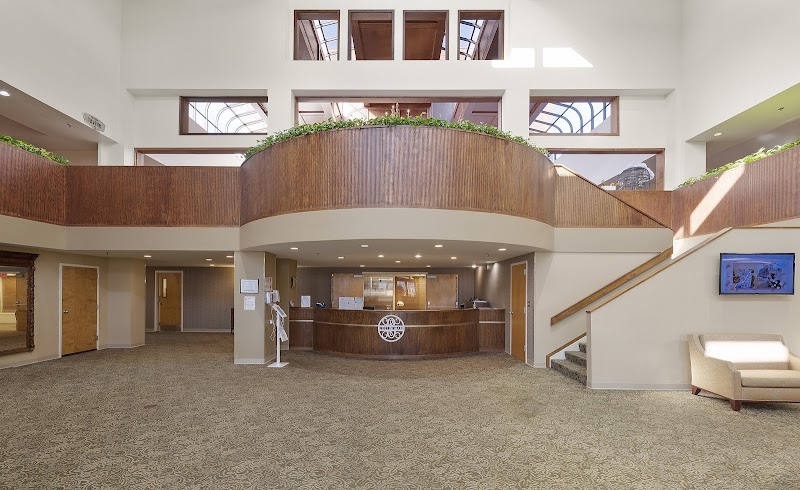
How is Cottingham Retirement Community Staffed?

CMS rates COTTINGHAM RETIREMENT COMMUNITY's staffing level at 2 out of 5 stars, which is below average compared to other nursing homes. Staff turnover is 50%, compared to the Ohio average of 46%.

What Have Inspectors Found at Cottingham Retirement Community?

State health inspectors documented 22 deficiencies at COTTINGHAM RETIREMENT COMMUNITY during 2018 to 2025. These included: 1 Immediate Jeopardy (the most serious level, indicating potential for serious harm or death), 1 that caused actual resident harm, and 20 with potential for harm. Immediate Jeopardy findings are rare and represent the most serious regulatory concerns. They require immediate corrective action.
Who Owns and Operates Cottingham Retirement Community?

COTTINGHAM RETIREMENT COMMUNITY is owned by a for-profit company. For-profit facilities operate as businesses with obligations to shareholders or private owners. The facility is operated by LIONSTONE CARE, a chain that manages multiple nursing homes. With 60 certified beds and approximately 52 residents (about 87% occupancy), it is a smaller facility located in CINCINNATI, Ohio.

How Does Cottingham Retirement Community Compare to Other Ohio Nursing Homes?

Compared to the 100 nursing homes in Ohio, COTTINGHAM RETIREMENT COMMUNITY's overall rating (3 stars) is below the state average of 3.2, staff turnover (50%) is near the state average of 46%, and health inspection rating (2 stars) is below the national benchmark.

What Should Families Ask When Visiting Cottingham Retirement Community?

Based on this facility's data, families visiting should ask: "What changes have been made since the serious inspection findings, and how are you preventing similar issues?" "Can you walk me through typical staffing levels on day, evening, and night shifts?" "Can I visit during a mealtime to observe dining assistance and food quality?" "How do you handle medical emergencies, and what is your hospital transfer rate?" These questions are particularly relevant given the facility's Immediate Jeopardy citations and the below-average staffing rating.

Is Cottingham Retirement Community Safe?

Based on CMS inspection data, COTTINGHAM RETIREMENT COMMUNITY has documented safety concerns. Inspectors have issued 1 Immediate Jeopardy citation (the most serious violation level indicating risk of serious injury or death). The facility has a 3-star overall rating and ranks #100 of 100 nursing homes in Ohio. Families considering this facility should ask detailed questions about what corrective actions have been taken since these incidents.

Do Nurses at Cottingham Retirement Community Stick Around?

COTTINGHAM RETIREMENT COMMUNITY has a staff turnover rate of 50%, which is about average for Ohio nursing homes (state average: 46%). Moderate turnover is common in nursing homes, but families should still ask about staff tenure and how the facility maintains care continuity when employees leave.

Was Cottingham Retirement Community Ever Fined?

COTTINGHAM RETIREMENT COMMUNITY has been fined $20,808 across 1 penalty action. This is below the Ohio average of $33,287. While any fine indicates a compliance issue, fines under $50,000 are relatively common and typically reflect isolated problems that were subsequently corrected. Families should ask what specific issues led to these fines and confirm they've been resolved.

Is Cottingham Retirement Community on Any Federal Watch List?

COTTINGHAM RETIREMENT COMMUNITY is not on any federal watch list. The most significant is the Special Focus Facility (SFF) program, which identifies the bottom 1% of nursing homes nationally based on persistent, serious quality problems. Not being on this list means the facility has avoided the pattern of deficiencies that triggers enhanced federal oversight. This is a positive indicator, though families should still review the facility's inspection history directly.