COURTYARD AT SEASONS
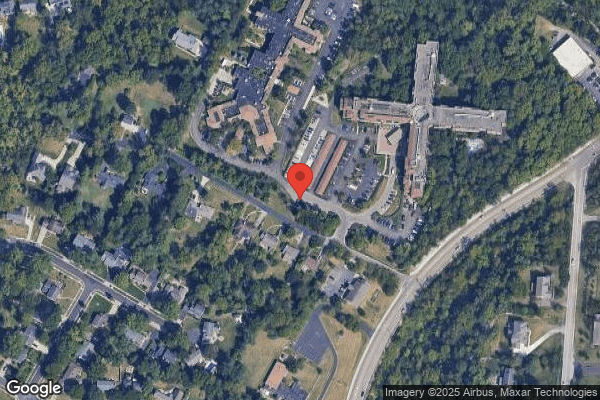

7100 DEARWESTER DRIVE, CINCINNATI, OH 45236 (513) 984-7274
For profit - Corporation 45 Beds Independent Data: November 2025
Trust Grade
60/100
#443 of 913 in OH
Last Inspection: July 2022

Over 2 years since last inspection. Current conditions may differ from available data.

Overview

The Courtyard at Seasons has a Trust Grade of C+, which means it is slightly above average but not particularly impressive. It ranks #443 out of 913 nursing homes in Ohio, placing it in the top half of facilities in the state, and #36 out of 70 in Hamilton County, indicating that there are only a few local options that are better. Unfortunately, the facility is experiencing a worsening trend, with the number of issues increasing from 6 in 2019 to 9 in 2022. Staffing is a strength here, receiving a 4 out of 5 stars, and there is more RN coverage than 96% of Ohio facilities, suggesting that residents receive attentive care. However, there have been some concerning incidents, such as residents reporting that food is frequently served cold and the kitchen failing to maintain proper sanitary conditions, including not labeling or dating expired food items, which could affect resident health. Overall, while the nursing home has some strengths, these issues with food service and cleanliness raise valid concerns for families considering this facility.

Trust Score
C+
60/100
In Ohio
#443/913
Top 48%
Safety Record
Low Risk
No red flags
Inspections
Getting Worse
6 → 9 violations
Staff Stability
⚠ Watch
50% turnover. Above average. Higher turnover means staff may not know residents' routines.
Penalties
✓ Good
No fines on record. Clean compliance history, better than most Ohio facilities.
Skilled Nurses
✓ Good
Each resident gets 67 minutes of Registered Nurse (RN) attention daily — more than 97% of Ohio nursing homes. RNs are the most trained staff who catch health problems before they become serious.
Violations
⚠ Watch
22 deficiencies on record. Higher than average. Multiple issues found across inspections.
★★★☆☆
3.0
Overall Rating
★★★★☆
4.0
Staff Levels
★★★★☆
4.0
Care Quality
★★★☆☆
3.0
Inspection Score
Stable
2019: 6 issues
2022: 9 issues

The Good

  • 4-Star Staffing Rating · Above-average nurse staffing levels
  • 4-Star Quality Measures · Strong clinical quality outcomes
  • Full Sprinkler Coverage · Fire safety systems throughout facility
  • No fines on record

Facility shows strength in staffing levels, quality measures, fire safety.

The Bad

3-Star Overall Rating

Near Ohio average (3.2)

Meets federal standards, typical of most facilities

Staff Turnover: 50%

Near Ohio avg (46%)

Higher turnover may affect care consistency

The Ugly 22 deficiencies on record

Jul 2022 9 deficiencies
CONCERN (D)

Potential for Harm - no one hurt, but risky conditions existed

Deficiency F0565 (Tag F0565)

Could have caused harm · This affected 1 resident

Based on record review, review of Resident Council meeting minutes, review of the facility's policy, and resident and staff interviews, the facility failed to respond to grievances identified at the R...

Read full inspector narrative →
Based on record review, review of Resident Council meeting minutes, review of the facility's policy, and resident and staff interviews, the facility failed to respond to grievances identified at the Resident Council meetings. This affected two (Residents #8 and #12) of three residents interviewed regarding Resident Council meetings. The facility census was 41. Findings include: Record review for Resident #8 revealed an admission date of 10/14/21. Diagnoses included chronic kidney disease stage three, anxiety disorder, and polyarthritis. Review of the Minimum Data Set (MDS) assessment, dated 04/22/22, revealed Resident #8 had mild cognitive impairment. Record review for Resident #12 revealed an admission date of 01/24/21. Diagnoses included Parkinson's disease, bipolar disorder, and adult failure to thrive. Review of the quarterly MDS assessment, dated 05/01/22 revealed Resident #12 was cognitively intact. Interviews during Resident Council meeting on 07/07/22 at 10:40 A.M. revealed Resident #8 stated the facility staff does not follow up on concerns brought to the attention of the Resident Council. Resident #12 stated she has the same concern. Resident #12 stated she has brought issues and concerns to the Resident Council meetings, and the facility never followed up on her issues and concerns. Resident #8 stated she feels the concerns were not addressed and not followed up on. Both residents provided examples of bringing their concerns of agency staff and their lack of customer service and approach. Resident #8 and #12 stated they have not received follow up regarding agency staff. Review of the Resident Council meeting minutes, dated January 2022 through March 2022, revealed the facility failed to have a Resident Council meeting for the months of March 2022 and April 2022 and no issues were identified for February 2022. However, during the months of January 2022, May 2022, and June 2022, the Resident Council met and brought forward concerns or grievances for the facility to address. There was no indication the concerns or grievances were followed up by the facility. Interview with the Activity Director (AD) #359 on 07/07/22 at 11:03 A.M. revealed she provides the resident council notes with the grievances and concerns to the Administrator. AD #359 could not confirm if the grievances were followed up on because they were given to the Administrator. Interview on 07/07/22 at 2:32 P.M. with the Administrator confirmed the facility failed to have Resident Council Meetings for the month of March 2022 and April 2022. The Administrator confirmed the facility did not address or provide follow up regarding any of the concerns or grievances brought forth from Resident Council for the months reviewed January 2022 through June 2022. Review of the facility's policy titled Resident Council/Association, dated 09/09/21, revealed the facility representative will be responsible for researching state regulatory guidelines to meet their specific regulations for their community setting and population.
CONCERN (D)

Potential for Harm - no one hurt, but risky conditions existed

Investigate Abuse (Tag F0610)

Could have caused harm · This affected 1 resident

**NOTE- TERMS IN BRACKETS HAVE BEEN EDITED TO PROTECT CONFIDENTIALITY** Based on staff interview, medical record review, review of the facility's Self-Reported Incidents and investigations, and policy...

Read full inspector narrative →
**NOTE- TERMS IN BRACKETS HAVE BEEN EDITED TO PROTECT CONFIDENTIALITY** Based on staff interview, medical record review, review of the facility's Self-Reported Incidents and investigations, and policy review, the facility failed to complete thorough investigations of allegations of resident abuse. This affected two (Resident #16 and #97) of three residents reviewed for abuse. The facility census was 41. Findings include: 1. Review of the medical record for Resident #97 revealed an admission date of 02/21/22 with a discharge date of 03/23/22. Diagnoses included multiple fractures of pelvis and chronic obstructive pulmonary disease. Review of the admission Minimum Data Set (MDS) assessment dated [DATE] revealed Resident #97 had intact cognition. Resident #97 required one-person extensive assistance with transfers, dressing, toileting, and bathing. Review of Resident #97's medical record revealed no documentation of an incident occurring on 02/25/22. Review of the self-reported incident (SRI) control number 218359 revealed Resident #97 reported an allegation of neglect on 02/25/22. Resident #97 reported Licensed Practical Nurse (LPN) #343 came into her room to provide care. At that time, LPN #343 asked Resident #97 to turn down her television and was unable to transfer Resident #97. The Director of Nursing (DON) interviewed Resident #97. Resident #97 reported LPN #343 told her loudly to turn down the television, and night shift was unable to transfer her at that time. The DON spoke to LPN #343. LPN #343 stated Resident #97's family requested staff to encourage her to turn off her television at night for rest. LPN #343 explained to Resident #97 the importance of sleep. LPN #343 reported Resident #97 was hard of hearing and raised her voice to speak over oxygen concentrator and the television. LPN #343 revealed Resident #97 requested to get in her recliner at 4:00 A.M., and LPN #343 explained she was doing medication pass and would not be able to assist her at that time. Resident #97 requested to get up to use the restroom. LPN #343 explained Resident #97 was incontinent and felt she was being manipulative to get out of bed. LPN #343 educated Resident #97, and Resident #97 agreed to wait until day shift to get out of bed. Social services will meet with Resident #97 to determine when she would like to get out of bed in the mornings and update her care plan. Staff will be educated on how to accommodate resident's needs. Review of the facility's investigation revealed it did not include staff and resident statements. The investigation did not include any skin assessments of Resident #97 to assess if Resident #97 had any skin impairments related to lack of assistance with toileting when Resident #97 requested to utilize the restroom. The investigation did not include any assessments or interviews of nearby residents. Interview on 07/07/22 at 2:56 P.M. with the DON verified the facility's information regarding SRI 218359 was very limited and reported previous Administrator completed this abuse investigation. The DON reported the facility interviewed residents on the same hall where the incident occurred but unable to obtain the documentation. The DON verified there was no skin assessment completed for Resident #97 after the allegation of neglect. 2. Review of Resident#16's medical record revealed Resident #16 was admitted to the facility on [DATE]. Diagnoses included cerebral infarction, dementia, major depressive disorder, vascular dementia, and anxiety disorder. Review of the quarterly Minimum Data Set (MDS) assessment, dated 05/07/22, revealed Resident #16 had severely impaired cognition. Resident #16 required extensive assistance with bed mobility and transfers. Resident #16 was totally dependent on staff for dressing, eating, toilet use, and personal hygiene. Review of Resident #16's progress notes dated 02/23/22 revealed a hospice nurse reported to the nurse bruising and swelling identified on Resident #16's left foot third digit. The note stated Resident #16 did not voice any complaints of pain. Review of the facility's Self-Reported Incidents (SRI) control number 218341 revealed there was an allegation of injury of unknown origin reported to the State Survey Agency. Resident #16 had a bruise of unknown origin identified on 02/23/22. The bruise was located on the third digit toe on Resident #16's left foot. The facility could not provide an investigation related to this SRI. Interview on 07/07/22 at 3:11 P.M. with the Director of Nursing (DON) confirmed the facility did not have an investigation on SRI 218341. The DON confirmed the facility reported the bruise of unknown origin to the State Survey Agency as a reportable abuse; however, did not complete an investigation of the cause. The DON stated Resident #16 was known to be combative with care, so the nursing staff assumed this was the cause of the injured toe. Review of the facility's policy titled Abuse Investigation, dated 02/21/12, revealed the facility will identify and investigate all suspicions of abuse. The facility will complete a thorough investigation following an allegation of abuse. The investigation will consists of notifying the physician, family, interviewing staff, and interviewing residents among other steps.
CONCERN (D)

Potential for Harm - no one hurt, but risky conditions existed

Transfer Notice (Tag F0623)

Could have caused harm · This affected 1 resident

**NOTE- TERMS IN BRACKETS HAVE BEEN EDITED TO PROTECT CONFIDENTIALITY** 2. Review of Resident #27's medical record revealed the resident was admitted to the facility on [DATE]. Diagnoses included anxi...

Read full inspector narrative →
**NOTE- TERMS IN BRACKETS HAVE BEEN EDITED TO PROTECT CONFIDENTIALITY** 2. Review of Resident #27's medical record revealed the resident was admitted to the facility on [DATE]. Diagnoses included anxiety disorder, heart failure, paraplegia, and obstructive sleep apnea. Review of the quarterly Minimum Data Set (MDS) assessment, dated 06/21/22, revealed Resident #27 was cognitively intact. Review of the progress notes revealed Resident #27 was discharged to the hospital on [DATE]. Resident #27 returned from the hospital on [DATE]. There was no evidence the facility provided written notification of transfer to the hospital to Resident #27. Interview on 07/07/22 at 12:55 P.M. with the Director of Nursing (DON) verified the facility did provide written notification of the resident's transfer to the hospital to Resident #27. Review of the facility's policy titled Transfer, Discharge Notice, dated 03/07/18, revealed all transfer/discharge notices must be sent to the resident, resident representative(s), the Long-Term Care Ombudsman program, and any state specific agency, as required. Based on staff interview, review of the facility's policy, and record review, the facility failed to provide written notification of the resident's transfer to the hospital to the residents and/or their representatives. This affected two (Residents #27 and #32) of four residents reviewed for transfers. The facility census was 41. Findings include: 1. Review of the medical record for Resident #32 revealed an admission date of 06/01/22 with surgical aftercare following surgery, pain in right hip and pain in right leg. Review of the Minimum Data Set (MDS) assessment dated [DATE] revealed Resident #32 was cognitively intact. Review of the physician's order dated 05/25/22 revealed Resident #32 was to go to the hospital. Review of the progress note dated 05/25/22 at 7:26 P.M. revealed Resident #32 had uncontrollable pain in her right hip and right leg. Pharmacological and non-pharmacological interventions were attempted without relief. The physician ordered Resident #32 be sent to the emergency room for further evaluation. There was no evidence Resident #32 received a written notice of transfer. Interview on 07/07/22 at 9:02 A.M. with the Director of Nursing (DON) verified the facility was not providing a written reason for transfer to the resident and/or resident's representative. The DON stated they had a change in personnel and the written reason for transfer was not being completed.
CONCERN (D)

Potential for Harm - no one hurt, but risky conditions existed

Deficiency F0625 (Tag F0625)

Could have caused harm · This affected 1 resident

**NOTE- TERMS IN BRACKETS HAVE BEEN EDITED TO PROTECT CONFIDENTIALITY** 2. Review of Resident #27's medical record revealed the resident was admitted to the facility on [DATE]. Diagnoses included anxi...

Read full inspector narrative →
**NOTE- TERMS IN BRACKETS HAVE BEEN EDITED TO PROTECT CONFIDENTIALITY** 2. Review of Resident #27's medical record revealed the resident was admitted to the facility on [DATE]. Diagnoses included anxiety disorder, heart failure, paraplegia, and obstructive sleep apnea. Review of the quarterly Minimum Data Set (MDS) assessment, dated 06/21/22, revealed Resident #27 was cognitively intact. Review of the progress notes revealed Resident #27 was discharged to the hospital on [DATE]. Resident #27 returned from the hospital on [DATE]. There was no evidence the facility provided a bed hold notice to Resident #27. Interview on 07/07/22 at 12:55 P.M. with the Director of Nursing (DON) verified the facility did not provide Resident #27 and/or resident's representative a bed hold notice when Resident #27 went to the hospital on [DATE]. The DON stated they had a change in personnel and the bed hold notices were not being completed. Review of the facility's policy titled Transfer, Discharge Notice, dated 03/07/18, revealed the facility will provide notice of their Bed-Hold policy to the resident and representative at the time of admission and again with emergency transfer from the facility. Based on staff interview, review of facility's policy, and record review, the facility failed to provide bed hold notices to the residents and their representatives when the residents transferred to the hospital. This affected two (Residents #27 and #32) of four residents reviewed for bed hold notices. The facility census was 41. Findings included: 1. Review of the medical record for Resident #32 revealed an admission date of 06/01/22 with surgical aftercare following surgery, pain in right hip and pain in right leg. Review of the Minimum Data Set (MDS) assessment dated [DATE] revealed Resident #32 was cognitively intact. Review of the physician's order dated 05/25/22 revealed Resident #32 was to go to the hospital. Review of the progress note dated 05/25/22 at 7:26 P.M. revealed Resident #32 had uncontrollable pain in her right hip and right leg. Pharmacological and non-pharmacological interventions were attempted without relief. The physician ordered Resident #32 be sent to the emergency room for further evaluation. There was no evidence Resident #32 received a bed hold notice when sent to the hospital Interview on 07/07/22 at 9:02 A.M. with the Director of Nursing (DON) verified the facility did not provide Resident #32 and/or resident's representative of a bed hold notice when Resident #32 went to the hospital on [DATE]. The DON stated they had a change in personnel and the bed hold notices were not being completed.
CONCERN (D)

Potential for Harm - no one hurt, but risky conditions existed

Deficiency F0657 (Tag F0657)

Could have caused harm · This affected 1 resident

**NOTE- TERMS IN BRACKETS HAVE BEEN EDITED TO PROTECT CONFIDENTIALITY** Based on medical record review, review of the facility's policy, and staff interviews, the facility failed to hold quarterly car...

Read full inspector narrative →
**NOTE- TERMS IN BRACKETS HAVE BEEN EDITED TO PROTECT CONFIDENTIALITY** Based on medical record review, review of the facility's policy, and staff interviews, the facility failed to hold quarterly care conferences with residents. This affected one (Residents #10) of 16 residents reviewed for care conferences. The facility census was 41. Findings include: Review of the medical record for Resident #10 revealed an admission date of 09/08/21. Diagnoses included congestive heart failure (CHF), Parkinson's disease, type two diabetes mellitus, atrial fibrillation, liver disease, and chronic kidney disease, stage III. Review of the Minimum Data Set (MDS) assessment dated [DATE] revealed Resident #10 was cognitively intact. Review of the care conferences from 06/21/21 to 07/07/22 revealed Resident #10 had care conferences on 06/21/21, 09/20/21, and 12/08/21. There was no additional care conference documentation available after 12/08/21. Interview on 07/07/22 at 9:41 A.M. with Social Services Director (SSD) #300 verified all care conference documentation was in the electronic medical records. SSD #300 verified Resident #10's last care conference was 12/08/21. Review of the facility's policy titled, Care Plan Process-Skilled, dated 07/07/22, revealed to ensure the timeliness of each resident's person-centered, baseline and comprehensive care plan, and to ensure that these care plans are reviewed and revised by an interdisciplinary team composed of individuals who have knowledge of the resident and his/her needs, and that each resident and resident representative, if applicable, is involved in developing the care plan and making decisions about his or her care.
CONCERN (D)

Potential for Harm - no one hurt, but risky conditions existed

Deficiency F0692 (Tag F0692)

Could have caused harm · This affected 1 resident

Based on staff interview, review of the facility's policy, and record review, the facility failed to ensure residents were weighed as ordered, residents were re-weighed as needed and timely documentat...

Read full inspector narrative →
Based on staff interview, review of the facility's policy, and record review, the facility failed to ensure residents were weighed as ordered, residents were re-weighed as needed and timely documentation of addressing the resident's weight changes. This affected one (Resident #10) of five residents reviewed for nutrition. The facility identified four residents with unplanned significant weight gain or loss. The facility census was 41. Findings include: Review of the medical records for Resident #10 revealed an admission date of 09/08/21. Diagnoses included congestive heart failure, Parkinson's disease, type two diabetes mellitus type two, atrial fibrillation, liver disease, and chronic kidney disease, stage III. Review of the Minimum Data Set (MDS) assessment, dated 04/22/22, revealed Resident #10 was cognitively intact and required supervision and setup help only for eating. Review of the physician's orders dated 10/29/21 revealed Resident #10 had an order on for monthly weights. Review of Resident #10's weights revealed the following weights: 166.6 pounds (lbs.) on 01/07/22; 174.0 lbs on 01/08/22, 158.0 lbs. on 04/26/22; and 116.0 lbs on 05/01/22. On 05/01/22, it was a 26.5% significant weight loss. There was no re-weight listed for May 2022 and no June 2022 weight listed in the medical record. Further review of the medical record revealed there was no documentation addressing a re-weight was needed for May 2022 and no documentation related to why there was no weight for June 2022. Interview on 07/06/22 at 3:07 P.M. with Registered Dietitian (RD) #361 stated on 05/01/22 at 116.0 lbs. weight was in error. RD #361 stated she would ask for for re-weights by providing the Director of Nursing (DON) with a report. RD #361 verified that there was no dietary note from her related to the weight on 05/01/22 and verified that there were no monthly weight for June 2022. RD #361 stated the facility's policy was for residents to be weighed monthly by the 10th of the month. Interview on 07/06/22 at 4:48 P.M. with the Director of Nursing (DON) stated the nurses on the floor should be checking and getting residents re-weighed at that time of unusual weights, then notify the physician if there was a significant change. Aides would not be aware of previous weights, only nurses. The DON verified there was no documentation to support nursing contacted the physician. Review of the facility's policy titled Weights Policy, dated 03/03/21, revealed all residents will be weighed monthly by the 10th of the month with weights recorded on the Vital Sign Flow Sheet or the electronic health record (EHR) and in the Weight Log Form. If a discrepancy in weight is noted, the resident will be re-weighed.
CONCERN (F)

Potential for Harm - no one hurt, but risky conditions existed

Deficiency F0804 (Tag F0804)

Could have caused harm · This affected most or all residents

Based on observation of tray line and a test tray, resident, family, and staff interview, review of the resident council meeting minutes, review of the facility's policy, and record review, the facili...

Read full inspector narrative →
Based on observation of tray line and a test tray, resident, family, and staff interview, review of the resident council meeting minutes, review of the facility's policy, and record review, the facility failed to ensure food was served at an appetizing temperature and acceptable palatability. This had the potential to affect 40 residents who received food from the kitchen. The facility identified one resident (#37) who did not receive food from the kitchen. The facility census was 41. Findings include; Interview on 07/05/22 at 10:28 A.M. with Resident #141 stated the facility's food was often served cold and this issue was ongoing. Interview on 07/05/22 at 11:15 A.M. with Resident #142 stated the food was served cold. Resident #142 stated this was really the only concern or complaint regarding the facility's food. Interview with Resident #4's spouse on 07/05/22 at 12:29 P.M. stated there were times the hot food was served cold. Observation on 07/06/22 at 11:34 A.M. revealed Dietary [NAME] (DC) #500 placed a food thermometer in a pan of mixed vegetables without sanitizing the thermometer and obtaining a temperature of 199 degree Fahrenheit (F). DC #500 wiped the food thermometer with a dry dish towel and placed it in a large pan of black bean salad and obtain a temperature of 196 degrees F. DC #500 was observed wiping the food thermometer with a dry dishtowel and placing in the meat of a quesadilla and obtaining a holding temperature of 122.5 degrees F. DM #362 was observed to provide DC #500 a alcohol wipe and encouraged him to clean the food thermometer with the alcohol wipes. DM #362 explain to DC #500 the holding temperature for the beef quesadilla was too low and to put in the oven to bring to a temperature of 165 degrees F. Observation of the tray line on 07/06/22 at 12:12 A.M. revealed the tray line was located in the temporary kitchen area due to remodeling. DM #362 stated the facility does not have enough lids to cover the food dishes to ensure the foods stays hot. Observed the tray line run out of lids to cover the food and placed the food in a four-compartment styrofoam container. DM #362 stated the reason they do not have enough lids was because her supplier has them on back order. DM #362 stated she has checked with three suppliers, however, has not asked the current supplier she was using. Observation of meal trays delivered to the floor on 07/06/22 at 12:38 P.M. revealed the last tray was delivered to a resident at 12:38 P.M A test tray was completed at this time and revealed the lunch was served in a styrofoam container and the black beans were served at room temperature. The quesadilla was beef in a flour tortilla wrap with nothing else on it. There was no cheese or garnish like sour cream and/or salsa. The tortilla was cold and chewy. An interview on 07/06/22 at 3:24 P.M. with the Registered Dietitian (RD) #361 revealed the RD was unable to determine why the facility would serve a plain quesadilla that consisted of beef wrapped in a shell without cheese or garnish. The RD stated the quesadillia should have contained cheese. The RD stated she was unaware the facility did not have enough lids to ensure the foods served remained hot on the unit. Review of the resident's diets revealed Resident #37's diet was nothing by mouth. Review of the facility's Resident Council Meeting Notes dated 05/17/22 revealed Resident #12 had an issue of cold food on her tray. The Resident Council Meeting Notes dated 06/21/22 revealed Resident #12 had the same issue that her food on her tray was often cold and it was an ongoing issue. Review of the facility's policy titled Food Preparation-Food Temperatures Policy, dated 09/05/19, revealed foods should be served at proper temperature to insure food safety and palatability.
CONCERN (F)

Potential for Harm - no one hurt, but risky conditions existed

Food Safety (Tag F0812)

Could have caused harm · This affected most or all residents

Based on observation, record review, review of the facility's policy, and staff interview, the facility failed to maintain a clean and sanitary kitchen area. This had the potential to affect 40 reside...

Read full inspector narrative →
Based on observation, record review, review of the facility's policy, and staff interview, the facility failed to maintain a clean and sanitary kitchen area. This had the potential to affect 40 residents who received food from the kitchen. The facility identified one resident (#37) who did not receive food from the kitchen. The facility census was 41. Findings include: Observation and interview during the initial tour of the facility's kitchen on 07/05/22 at 8:12 A.M. revealed Dietary Manager (DM) #362 was standing in the kitchen area without a hair net covering her hair. The dining room manger (DRM) #322 was standing at the counter with no hair net covering her hair. DM #362 confirmed the findings. DM #362 provided a tour of the kitchen and confirmed an employee lunch was located inside the facility's refrigerator. A pound cake was observed on a shelf in the refrigerator with no label or date. DM #362 confirmed a large bag of open frozen cookies with no label or date. DM #362 opened the free standing ice cream cooler and revealed four three gallon tubs of ice cream with no lids. DM #362 confirmed the ice cream should be covered and labeled with a date. Observation on 07/06/22 at 11:34 A.M. revealed Dietary [NAME] (DC) #500 placed a food thermometer in a pan of mixed vegetables without sanitizing the thermometer. DC #500 then wiped the food thermometer with a dry dish towel and placed the thermometer in a large pan of black bean salad. DC #500 was observed wiping the food thermometer with a dry dishtowel and placing in the meat of a quesadilla. DM #362 then gave DC #500 a alcohol wipe and encouraged him to clean the food thermometer utilizing the alcohol wipe. Interview on 07/06/22 at 11:34 A.M. with DC #500 confirmed he did not sanitize the food thermometer while obtaining the food temperatures. Review of the resident's diets revealed Resident #37's diet was nothing by mouth. Review of the facility's policy titled Food Preparation Policy, dated 08/20/18, revealed food items should be stored following good sanitary practices and local codes and manufactories specifications. Review of the facility's policy titled General Cleaning and Sanitizing, dated 03/18/21, revealed food contact surfaces must be cleaned and sanitized after every use. Review of the facility's policy titled Personal Hygiene Policy-Personal Hygiene, dated 08/20/18, revealed for staff to wear a clean hat or other hair restraint in all kitchen production/food service areas. Hair must be appropriately restrained per state regulations.
MINOR (C)

Minor Issue - procedural, no safety impact

Infection Control (Tag F0880)

Minor procedural issue · This affected most or all residents

Based on staff interview, review of the facility's policy and risk assessment, and review of the employee files, the facility failed to ensure the facility newly hired staff received the second step o...

Read full inspector narrative →
Based on staff interview, review of the facility's policy and risk assessment, and review of the employee files, the facility failed to ensure the facility newly hired staff received the second step of the tuberculin skin test (TST). This had the potential to affect all 41 residents residing in the facility. The facility census was 41. Findings include: Review of the employee file for State Tested Nursing Assistant (STNA) #326, revealed a hire date of 06/07/22. Further review of the employee file revealed a form titled Initial TB testing for Residents and Health Care Workers, dated 01/28/21, revealed the first TB step was completed on 05/27/22 and results were read on 05/30/22. However, the second step was blank and not completed. Review of the employee file for STNA #316 revealed a hire date of 05/12/22. Review of the form titled Initial TB testing for Residents and Health Care Workers, dated 01/28/22, revealed the first TB step testing was completed on 04/27/22 and results read on 04/29/22. However, the second step was blank and not completed. Review of the employee file for STNA #350 revealed a hire date of 05/31/22. Review of the form titled Initial TB testing for Residents and Health Care Workers, dated 01/28/22, revealed the first TB step testing was completed on 05/06/22 and results were read on 05/09/22. However, the second step was blank and not completed. Interview on 07/07/22 at 2:32 P.M. with the Director of Nursing (DON) revealed the facility failed to complete the second TB testing for new hires STNA #326, #316 and #350. Review of the facility's TB risk assessment titled Tuberculosis (TB) risk assessment worksheet, dated 2022, revealed the facility will assess employees for TB upon hire and PRN (as needed). Review of the facility's policy titled Community-Employee Tuberculosis Testing Policy, dated 02/10/22, revealed it is the standard for the company that all employees receive a two-step intra-cutaneous (Mantoux) test.
May 2019 6 deficiencies
CONCERN (D)

Potential for Harm - no one hurt, but risky conditions existed

Assessment Accuracy (Tag F0641)

Could have caused harm · This affected 1 resident

**NOTE- TERMS IN BRACKETS HAVE BEEN EDITED TO PROTECT CONFIDENTIALITY** Based on record review and staff interview, the facility failed to correctly code information on the Minimum Data Set (MDS) asse...

Read full inspector narrative →
**NOTE- TERMS IN BRACKETS HAVE BEEN EDITED TO PROTECT CONFIDENTIALITY** Based on record review and staff interview, the facility failed to correctly code information on the Minimum Data Set (MDS) assessments. This affected two (#2 and #36) of 18 residents reviewed for accuracy. The facility census was 38. Findings include: 1. Record review for Resident #2 revealed the resident was admitted to the facility on [DATE]. Diagnoses included Alzheimer's disease and anxiety. Review of physicians orders, dated 04/23/18, revealed Resident #2 was taking risperidone (an antipsychotic) 0.25 milligrams (mg.) twice daily. Review of the annual MDS assessment, dated 05/01/19, revealed Resident #2 took an antipsychotic seven days out of seven days for the look-back period. However, the next section in the MDS stated the resident did not receive an antipsychotic since the last MDS assessment (which was a quarterly MDS assessment dated [DATE]). Interview on 05/09/19 at approximately 3:15 P.M. with the Administrator and Registered Nurse (RN) #49 verified that the MDS dated [DATE] was coded wrong in the area of Section N medications. 2. Record review for Resident #36 revealed the resident was admitted to the facility on [DATE]. Resident #36 was discharged to home on [DATE]. Review of the MDS assessment, dated 03/20/19, revealed the resident was coded as discharged to an acute hospital. Interview on 05/08/19 at 4:35 P.M. with the Director of Nursing (DON) verified the MDS was coded wrong as Resident #36 was sent home and not to an acute care hospital.
CONCERN (D)

Potential for Harm - no one hurt, but risky conditions existed

Comprehensive Care Plan (Tag F0656)

Could have caused harm · This affected 1 resident

**NOTE- TERMS IN BRACKETS HAVE BEEN EDITED TO PROTECT CONFIDENTIALITY** Based on record review, facility policy review, observations and resident, family and staff interviews, the facility failed to i...

Read full inspector narrative →
**NOTE- TERMS IN BRACKETS HAVE BEEN EDITED TO PROTECT CONFIDENTIALITY** Based on record review, facility policy review, observations and resident, family and staff interviews, the facility failed to implement the resident's comprehensive care plans. This affected three (#12, #21, and #88) of 19 residents reviewed for care plans. The facility census was 38. Findings include: 1. Review of medical record for Resident #12 revealed the resident was admitted to the facility on [DATE]. Diagnoses included end stage renal disease with dependence on renal dialysis. Review of the Minimum Data Set (MDS) assessment, dated 04/09/19, revealed Resident #12 was cognitively intact. Review of the care plan, dated 05/03/19, revealed to check the shunt site (implanted tube to which an artery and vein in your arm is attached and provides larger than normal volume of blood flow for effective hemodialysis) every shift and to notify the physician of absence of thrill or bruit. Review of the Treatment Administration Record (TAR) for 05/2019 revealed no documentation that the shunt site was checked every shift or refused by the resident from 05/03/19 through 05/09/19. Review of the nurse's note from 05/03/19 to 05/08/19 revealed there were no entries the treatment was performed, held or refused by resident during this time. Interview on 05/08/19 at 10:34 A.M. with Resident #12 reported the facility does not check the shunt every shift. Interview on 05/08/19 at 11:00 A.M. with Licensed Practical Nurse (LPN) # 37 reported Resident #12 was non-compliant with treatment. LPN #37 verified there was no documentation in the records that stated noncompliance. LPN #37 verified there were no initials on the TARS for checking the resident's shut site. 2. Review of medical record for Resident #21 revealed the resident was admitted to the facility on [DATE]. Diagnoses included dysphagia, pneumonitis due to inhalation of food and vomit, cognitive communication deficit and dementia. Review of the quarterly MDS assessment, dated 02/16/19, revealed Resident #21 was moderately impaired cognitive status and was totally dependent on staff for personal care. Review of the care plan, dated 07/24/18, revealed Resident #21 has oral/dental health problems and provide mouth care as per Activity of Daily Living (ADL) personal hygiene. Review of Resident #21's ADL oral care sheet revealed it stated to provide oral care as needed. The ADL oral care sheet showed Resident #21 had not received any oral care for the past 14 days. Interview on 05/07/19 at 8:57 A.M. with Resident #21's family member reported the facility does not brush Resident #21's teeth on a regular basis. Observations on 05/08/19 at 10:35 A.M. and on 05/09/19 at 10:58 A.M., revealed a foul smell coming from Resident #21's mouth. Observation of the resident's room revealed there were no toothbrush or tooth swabs in his room. Interview on 05/09/19 at 11:07 A.M. with State Tested Nursing Assistant (STNA) #75 reported she was not aware of performing dental care to Resident #21 because it was not on the ADL sheet. Interview with Licensed Practical Nurse (LPN) #38 on 05/09/19 at 12:25 P.M. verified Resident #21's ADL sheet for oral care had him scheduled to be checked for dental care on an as needed basis instead of being scheduled on a routinely basis. LPN #38 changed Resident #21's oral care to be performed on a routine basis for every day and every night. 3. Review of medical records revealed Resident #88's medical record revealed the resident was admitted to the facility on [DATE]. Diagnoses included dementia with behavioral, muscle weakness, abnormalities of gait and mobility and chronic atrial fibrillation. Review of the care plan, dated 05/07/19, revealed Resident #88 was to wear [NAME] hose during the day and off in the evening. Review of the nurse's note from 05/03/19 to 05/08/19 revealed no entries discussing the resident refused to wear [NAME] hose. Observation on 05/07/19 at 11:45 A.M., revealed Resident #88's feet were not positioned on the leg rest in wheelchair. Resident #58 did not have any [NAME] hose on and her legs were red and swollen. The resident reported the swelling to STNA #58. STNA #58 verified Resident #88 did not have any [NAME] hose on her feet at this time. Observation on 05/08/19 at 5:08 P.M. of Resident #88 revealed the resident was sitting in the dining room eating her meal. Resident #88 did not have any [NAME] hose on her feet. STNA #62 confirmed at this time the resident did not have [NAME] hose on her feet. Interview on 05/08/19 at 6:08 P.M., revealed LPN #37 reported resident has been refusing to put on [NAME] hose. LPN #27 verified there were no progress notes that stated she refused to wear them. Review of the facility policy titled, Activities of Daily Living (ADL), Supporting, revealed residents will be provided with care, treatment and services as appropriate to maintain or improve their ability to carry out activities of daily living (ADLs). Residents who are unable to carry out activities of daily living independently will receive the services necessary to maintain good nutrition, grooming, and personal and oral hygiene.
CONCERN (D)

Potential for Harm - no one hurt, but risky conditions existed

Deficiency F0676 (Tag F0676)

Could have caused harm · This affected 1 resident

**NOTE- TERMS IN BRACKETS HAVE BEEN EDITED TO PROTECT CONFIDENTIALITY** Based on record review, family interview, staff interview, observation, and review of facility policy, the facility failed to en...

Read full inspector narrative →
**NOTE- TERMS IN BRACKETS HAVE BEEN EDITED TO PROTECT CONFIDENTIALITY** Based on record review, family interview, staff interview, observation, and review of facility policy, the facility failed to ensure a resident who required assistance from staff received personal hygiene routinely. This affected one of one residents reviewed for dental hygiene. The facility identified all 39 residents required assistance with activities of daily living. Findings include: Review of medical record for Resident #21 revealed the resident was admitted to the facility on [DATE]. Diagnoses included dysphagia, pneumonitis due to inhalation of food and vomit, cognitive communication deficit and dementia. Review of the quarterly MDS assessment, dated 02/16/19, revealed Resident #21 was moderately impaired cognitive status and was totally dependent on staff for personal care. Review of the care plan, dated 07/24/18, revealed Resident #21 has oral/dental health problems and provide mouth care as per Activity of Daily Living (ADL) personal hygiene. Review of Resident #21's ADL oral care sheet revealed it stated to provide oral care as needed. The ADL oral care sheet showed Resident #21 had not received any oral care for the past 14 days. Interview on 05/07/19 at 8:57 A.M. with Resident #21's family member reported the facility does not brush Resident #21's teeth on a regular basis. Observations on 05/08/19 at 10:35 A.M. and on 05/09/19 at 10:58 A.M., revealed a foul smell coming from Resident #21's mouth. Observation of the resident's room revealed there were no toothbrush or tooth swabs in his room. Interview on 05/09/19 at 11:07 A.M. with State Tested Nursing Assistant (STNA) #75 reported she was not aware of performing dental care to Resident #21 because it was not on the ADL sheet. Interview with Licensed Practical Nurse (LPN) #38 on 05/09/19 at 12:25 P.M. verified Resident #21's ADL sheet for oral care had him scheduled to be checked for dental care on an as needed basis instead of being scheduled on a routinely basis. LPN #38 changed Resident #21's oral care to be performed on a routine basis for every day and every night. Review of the facility policy titled, Activities of Daily Living (ADL), Supporting, revealed residents will be provided with care, treatment and services as appropriate to maintain or improve their ability to carry out activities of daily living (ADLs). Residents who are unable to carry out activities of daily living independently will receive the services necessary to maintain good nutrition, grooming, and personal and oral hygiene.
CONCERN (D)

Potential for Harm - no one hurt, but risky conditions existed

Deficiency F0698 (Tag F0698)

Could have caused harm · This affected 1 resident

**NOTE- TERMS IN BRACKETS HAVE BEEN EDITED TO PROTECT CONFIDENTIALITY** Based on record review, resident and staff interview, the facility failed to ensure a shunt site was checked every shift and the...

Read full inspector narrative →
**NOTE- TERMS IN BRACKETS HAVE BEEN EDITED TO PROTECT CONFIDENTIALITY** Based on record review, resident and staff interview, the facility failed to ensure a shunt site was checked every shift and the weights were obtained per physician orders for a resident receiving dialysis services. This affected one (#12) of one resident reviewed for dialysis. The facility identified one resident was receiving dialysis at the time of the survey. The facility census was 38. Findings include: Review of medical record for Resident #12 revealed the resident was admitted to the facility on [DATE]. Diagnoses included end stage renal disease with dependence on renal dialysis. Review of the Minimum Data Set (MDS) assessment, dated 04/09/19, revealed Resident #12 was cognitively intact. Review of the care plan, dated 05/03/19, revealed to check shunt site (implanted tube to which an artery and vein in your arm is attached and provides larger than normal volume of blood flow for effective hemodialysis) every shift and to notify the physician of absence of thrill or bruit. Review of the Treatment Administration Record (TAR) for 05/2019 revealed no documentation that the shunt site was checked every shift or refused by the resident from 05/03/19 through 05/09/19. Review of the nurse's note from 05/03/19 to 05/08/19 revealed there were no entries the treatment was performed, held or refused by resident during this time. Interview on 05/08/19 at 10:34 A.M. with Resident #12 reported the facility does not check the shunt every shift. Interview on 05/08/19 at 11:00 A.M. with Licensed Practical Nurse (LPN) # 37 reported Resident #12 was non-compliant with treatment. LPN #37 verified there was no documentation in the records that stated noncompliance. LPN #37 verified there were no initials on the TARS for checking the resident's shut site. Further review of physician orders, dated 05/03/19, revealed to obtain daily weights every night shift for monitoring. Review of the TAR for 05/2019 revealed no documentation that weights were takes or refused by the resident on 05/05/19, 05/06/19, 05/07/19, and 05/08/19. Review of nurse's notes form 05/05/19 to 05/08/19 revealed no entries the ordered weights were taken, held or refused by the resident on the above dates. Interview on 05/08/19 at 10:33 A.M. revealed Resident #12 reported the facility use to take her weights every day but stopped. Resident #12 denied she refused to be weighed. Interview on 05/08/19 at 1:18 PM with Licensed Practical Nurse (LPN) #37 revealed verified the physician order was for daily weights and verified the weights were not taken for four days, from 05/05/19 to 05/08/19. LPN #37 reported weights were scheduled for 6:00 A.M., which was third shift's responsibility.
CONCERN (F)

Potential for Harm - no one hurt, but risky conditions existed

Food Safety (Tag F0812)

Could have caused harm · This affected most or all residents

Based on observation, staff interview, and facility policy review, the facility failed to label, date, and discard expired food items from the walk-in refrigerator and freezer. The facility also faile...

Read full inspector narrative →
Based on observation, staff interview, and facility policy review, the facility failed to label, date, and discard expired food items from the walk-in refrigerator and freezer. The facility also failed to serve food in a sanitary environment. This had the potential to affect all 38 residents who receive food from the kitchen. Findings include: 1. On 05/06/19 from 6:15 P.M. to 6:35 P.M., an initial tour of the kitchen was conducted with Kitchen Manager (KM) #66. During the observation, the following concerns were observed, and all the concerns were verified by KM #66. a. In the refrigerator, there was a container of cut up cucumbers, a container of chopped boiled eggs, a container of cherry tomatoes and a container of shredded cheese sealed with no dates or used by dates. b. In the freezer, there were a plastic bag of mozzarella sticks, two plastic bags of french fries that were rewrapped, a bag of hash browns rewrapped in a clear plastic bag, two five-pounds of lamb rewrapped sealed in plastic covering and one five-pound turkey breast wrapped in aluminum foil with no dates or used by dates. c. The utensil bin was filled with crumbs, grease and unknown food particles scattered throughout the bin. d. The deep fryer was heavily covered with grease in the front, the top and on both sides. KM #66 reported the facility cleans the deep fryer weekly but was unable to provide the cleaning schedule. Reviewed policy titled Use By Dating Guideline, dated 09/09/11 revealed items in the refrigerator ready to eat potentially hazardous foods, including but not limited to: milk, yogurt, cottage cheese, cooked foods, hard cooked eggs and produce have a use by date of seven days and if foods are stored in the freezer that have been opened utilized a use by date of seven days once the item is opened. 2. Observation in the kitchen on 05/07/19 at 2:19 P.M. revealed Lead [NAME] (LC) #67 was in standing next to a baker's rack with two sheets of cake uncovered with a hairnet on top of her head leaving some of her hair hanging out. Interview on 05/07/19 at 2:25 P.M., revealed LC #67 reported she felt her hair on her neck but was not aware it was not in the hair net. 3. Observation of the resident's refrigerator on 05/07/19 at 4:04 P.M. revealed it had food items that were not labeled or discarded. The refrigerator door was titled Residents Food Only. In the refrigerator, there was a container of lasagna with a date of 04/06/19 and a 16 ounce (oz.) container of salsa with no date or used by date. In the bottom part of the refrigerator, there was an unidentifiable red liquid that spilled and dried up at the bottom of refrigerator underneath the vegetable bins. Interview on 05/07/19 at 4:22 P.M. revealed the activities department had a party for the residents and placed the left overs in the refrigerators. The DON stated she was not sure who was responsible for cleaning it and discarding out dated food. Review policy titled Resident Personal Food Storage and Handling revealed all prepared or opened perishable food or beverages brought by the guest, family, or visitors for residents use will be labeled with the guest name and the date the item was stored. Resident food that is prepared and opened, will be kept for six days from label date and then discarded except: condiment-type foods will be kept for two months/60 days. Non perishable foods/frozen foods will be kept for one month. 4. Observation on 05/09/19 at 3:46 P.M., revealed Dining Servers (DS) #73, #74, #75, #76, and #77 were in the kitchen with no hair nets. Food was being prepared for dinner on 05/09/19 and breakfast for 05/10/19. There was apple cobbler left uncovered, cranberry crumb muffins left uncovered, coffee cake, dinner rolls and cooked chicken quarters uncovered. Interview with [NAME] #68 at 3:50 P.M., revealed staff knows that they need to wear their hair nets while food was being prepared or being cooked. [NAME] #68 verified the Dining Servers had no hair nets on.
CONCERN (F)

Potential for Harm - no one hurt, but risky conditions existed

Infection Control (Tag F0880)

Could have caused harm · This affected most or all residents

**NOTE- TERMS IN BRACKETS HAVE BEEN EDITED TO PROTECT CONFIDENTIALITY** Based on record review, observation, staff interview, policy review, and review of the Center for Disease Control guidelines, th...

Read full inspector narrative →
**NOTE- TERMS IN BRACKETS HAVE BEEN EDITED TO PROTECT CONFIDENTIALITY** Based on record review, observation, staff interview, policy review, and review of the Center for Disease Control guidelines, the facility failed to implement appropriate infection control precautions. This affected one (#91) of four residents observed for medication administration, and two residents (#37 and #38) reviewed on the facility's infection control logs. The facility identified one resident who was on intravenous medication. This had the potential to affect all 38 residents residing in the facility. Findings include: 1. Record review for Resident #91 revealed the resident was admitted to the facility on [DATE] with diagnoses including Methicillin resistant staphylococcus aureus (MRSA), bacteremia and clostridium difficile. Observation of medication administration on 05/08/19 at 9:00 A.M. with Registered Nurse (RN) #18 revealed that RN #18 flushed Residents #91's central line with heparin and did not clean the needless access tip with alcohol prior to administration. Interview on 05/08/19 at 9:02 A.M. with RN #18 verified she forgot to wipe the needless access tip of the central line prior to flushing with heparin. Review of the Administration of an Intermittent Infusion policy, dated 05/01/15, revealed to vigorously cleanse needleless connector with alcohol. Allow to air dry. 2. Record review for Resident #37 revealed the resident was admitted to the facility on [DATE] with a re-entry on 01/25/19. Diagnoses included a right humerus fracture and a pelvic fracture. The resident was discharged from the facility on 02/19/19. Review of the Discharge-Return Not Anticipated Minimum Data Set (MDS) assessment, dated 02/19/19, revealed Resident #37 had severe cognitive deficits, required extensive assist with toileting and was always incontinent of bowel and bladder. Review of urinalysis and culture and sensitivity (UA & C/S) results, dated 02/08/19, revealed Resident #37 had a urinary tract infection with Klebsiella pneumoniae (a multi-resistant bacteria). Review of physician order's was silent for orders for contact isolation. 3. Record review for Resident #38 revealed the resident was admitted to the facility on [DATE] with a re-entry on 05/07/19. Diagnoses included respiratory failure and coronary artery disease. Review of the Discharge-Return Not Anticipated MDS assessment, dated 04/20/19, revealed Resident #38 had no cognitive deficits, required supervision with activities of daily living, was occasionally incontinent of bladder, and was continent of bowel. Review of the UA & C/S results, dated 04/01/19, revealed that Resident #38 had a urinary tract infection with Klebsiella pneumoniae (a multi-resistant bacteria). Review of physician order's was silent for orders for contact isolation. Interview on 05/09/19 at 2:15 P.M. with RN #9 verified Resident #37 and #38 were not in contact precautions during her stay at the facility. Review of the Isolation-Categories of Transmission Based Precautions, dated 01/2012, revealed that in addition to Standard Precautions, implement Contact Precautions for residents known or suspected to be infected with microorganisms that can be transmitted by direct contact with the resident or indirect contact with environmental surfaces or resident-care items in the resident's environment.
Apr 2018 7 deficiencies
CONCERN (D)

Potential for Harm - no one hurt, but risky conditions existed

Deficiency F0582 (Tag F0582)

Could have caused harm · This affected 1 resident

Based on record review and staff interview, the facility failed to provide required resident rights information to residents when skilled services were discontinued. This affected three residents (#14...

Read full inspector narrative →
Based on record review and staff interview, the facility failed to provide required resident rights information to residents when skilled services were discontinued. This affected three residents (#14, #16, and #24) of three resident's medical records reviewed for beneficiary protection notification. The facility census was 40. Findings include: A review of Resident #14's medical record revealed Medicare Part A skilled services ended on 01/22/18, and the resident continued to reside in the facility. The resident signed a Notice of Medicare Non-Coverage letter on 01/18/18. The medical record contained no evidence that the resident was provided with a Skilled Nursing Facility Advanced Beneficiary Notice (SNFABN). A review of Resident #16's medical record revealed Medicare Part A skilled services ended on 12/19/17, and the resident continued to reside in the facility. The resident signed a Notice of Medicare Non-Coverage letter on 12/14/17. The medical record contained no evidence that the resident was provided with a SNFABN. A review of Resident #24's medical record revealed Medicare Part A skilled services ended on 03/15/18, and the resident continued to reside in the facility. The resident signed a Notice of Medicare Non-Coverage letter on 03/12/18. The medical record contained no evidence that the resident was provided with a SNFABN. Interview on 04/24/18 at 6:09 P.M. with the Administrator and Licensed Social Worker #48 verified that they did not give any SNFABN notices to the three residents because they were told by corporate that there was no need to send the letters until 05/07/18.
CONCERN (D)

Potential for Harm - no one hurt, but risky conditions existed

Deficiency F0625 (Tag F0625)

Could have caused harm · This affected 1 resident

**NOTE- TERMS IN BRACKETS HAVE BEEN EDITED TO PROTECT CONFIDENTIALITY** Based on medical record review, resident interview, and staff interview, and the facility failed to provide bed hold information...

Read full inspector narrative →
**NOTE- TERMS IN BRACKETS HAVE BEEN EDITED TO PROTECT CONFIDENTIALITY** Based on medical record review, resident interview, and staff interview, and the facility failed to provide bed hold information to residents when hospitalized . This affected three residents (#21, #24, and #230) of three records reviewed for hospitalizations. The facility census was 40. Findings include: Record review revealed Resident #24 was admitted to the facility on [DATE] with diagnoses including transient cerebral ischemic attacks and chronic kidney disease. Review of the resident's admission Minimum Data Set (MDS) assessment, dated 04/10/18, documented the resident had intact cognition. A review of the medical record revealed Resident #24 was hospitalized on [DATE] and returned to the facility on [DATE]. The medical record contained no evidence that bed hold information was provided to the resident or resident's representative at the time of the hospitalization. During an interview on 04/24/18 at 9:26 A.M., Resident #24 reported being hospitalized in March 2018, but reported having received no bed-hold information when hospitalized . Interview on 04/26/18 at 09:36 A.M. with Admissions Director (AD) #110 verified written bed hold information was not provided to the resident or resident's representative when Resident #24 was hospitalized . AD #110 reported the facility implemented a new policy last week that will require the facility to provide written bed hold information to residents at the time of hospitalizations. 2. Medical record review revealed Resident #21 was admitted to the facility on [DATE] with diagnoses including cerebral infarction, urinary tract infection (UTI), cognitive communication deficit, vascular dementia with behavioral disturbance, and memory deficit. Review of the resident's Minimum Data Set (MDS) assessment revealed the resident had severe cognitive impairment. Further review of the medical record revealed the resident was sent to the hospital and admitted on [DATE] and returned to the facility 03/30/18. There was no evidence in the medical record of a bed hold notification being provided to the resident's representative. 3. Medical record review revealed Resident #230 was initially admitted [DATE] and re-entered 07/18/16 with diagnoses including partial intestinal obstruction, encounter for surgical aftercare following surgery on the digestive system, ventral hernia, necrotizing fasciitis, and lack of coordination. Further review of her recent Minimum Data Set (MDS) assessment revealed the resident had no cognitive impairment. Further review of the medical record revealed the resident was sent to the hospital and admitted on [DATE] and returned to the facility 04/20/18. There was no evidence in the record of a bed hold notification being provided to this resident. During an interview with the Administrator regarding bed hold notification on 04/26/18 at 9:50 A.M., verified Resident #21 and #230 did not receive a bed hold notice at the time of hospitalization. He stated their policy had been to have the resident sign the bed hold policy upon admission. He further stated if a long-term resident then went to the hospital it was assumed they knew about the bed hold policy and an additional notice was not given to the resident or their representative. He stated a new policy had been recently received from their corporate office, which they will implement when the next resident goes to the hospital. The new policy requires the bed hold notice to be given to the resident within 24 hours of going to the hospital. During an interview with Staff #110 on 04/26/18 at 9:57 A.M., she stated there is a new bed hold policy recently received from the corporate office. She reported it has not yet been implemented as none of the residents have gone to the hospital since the new policy was received. She stated the new policy requires the facility to provide a bed hold notice within 24 hours of the resident going to the hospital. She reported in the past they had long-term residents sign a bed hold notice upon admission and no other notice was given.
CONCERN (D)

Potential for Harm - no one hurt, but risky conditions existed

Accident Prevention (Tag F0689)

Could have caused harm · This affected 1 resident

**NOTE- TERMS IN BRACKETS HAVE BEEN EDITED TO PROTECT CONFIDENTIALITY** 2. Record review for Resident #180 was admitted on [DATE] with diagnoses including hypoxemia. A review of the resident's physic...

Read full inspector narrative →
**NOTE- TERMS IN BRACKETS HAVE BEEN EDITED TO PROTECT CONFIDENTIALITY** 2. Record review for Resident #180 was admitted on [DATE] with diagnoses including hypoxemia. A review of the resident's physician's order sheet, dated April 2018, revealed an order for continuous oxygen (O2) at one liter/minute and administer through nasal cannula (NC). Observation during general tour of the facility on 04/24/18 at 10:49 A.M. and at 11:39 A.M. revealed Resident #42 in bed and wearing a nasal cannula with oxygen being delivered through an oxygen concentrator. There was no signage posted on or around the resident's room door entrance to indicate oxygen was stored or in use. Interview on 04/24/18 at 11:47 A.M. with Assistant Director of Nursing (ADON) #109 verified Resident #180 was receiving oxygen and there was no signage posted on or around the residents room door entrance to indicate oxygen was in use. 3. Record review for Resident #185 was admitted on [DATE] with diagnoses including spinal stenosis, spondylosis, and hypertension. A review of Resident #185's medical record revealed no physician's order for oxygen use. Observation during general tour of the facility on 04/24/18 at 11:41 A.M. revealed an oxygen concentrator and a full, freestanding oxygen tank on the floor in the resident's room. There was no signage posted on or around the resident's room door entrance to indicate oxygen was stored or in use. During an interview on 04/24/18 at 11:41 A.M., Resident #185 reported not needing or using oxygen since admission to the facility, and the oxygen concentrator and tank were present in the room when admitted . During further interview on 04/24/18 at 11:49 A.M. in the presence of the ADON, Resident #185 reported the oxygen tank fell over the other night, and thank God it didn't hit me! Interview on 04/24/18 at 11:49 A.M. with the ADON verified both an oxygen concentrator and a full, freestanding oxygen tank were present in the resident's room. The ADON also verified the oxygen tank should be safely stored in a holder, and no signage was posted on or around the resident's room door entrance to indicate oxygen was stored or in use. The ADON removed the freestanding oxygen tank from the resident's room. Further interview with the ADON on 04/24/18 at 11:54 A.M. verified Resident #185 had no physician's order for the use of oxygen and removed the oxygen concentrator from the resident's room. Review of facility policy titled O2 Administration, with revision date 06/16/16, indicated safe oxygen administration guidelines and included: verifying there was a physician's order for oxygen, placing an Oxygen in Use sign on the outside of the room door entrance, and all oxygen delivery cylinders must be secured in an approved holding device at all times and may not be left freestanding. Based on observation, record review, resident and staff interview, and policy review, the facility failed to prevent hazards from leaving a controlled medication in a residents room, failed to secure a free standing oxygen canister, and use of oxygen with no oxygen sign. This affected one resident (#82) of 40 residents observed regarding medications, affected two resident (#180 and #185) reviewed for oxygen use. The facility identified three residents residing in the facility that use oxygen. The facility census was 40. Findings include: 1. During observation of medication administration on 04/25/18 at 8:29 A.M. with Registered Nurse (RN) #50, Resident #82 came to nurse's cart with a pill in a cup and stated the nurse from night shift left this pill in her room and she was afraid to take it because she did not know what it was. Interview on 04/25/18 at 9:47 A.M. with the Director of Nursing (DON) and RN #50 verified the pill was left in Resident #82's room by the night shift nurse, and it was verified as a Tramadol 50 milligrams (controlled pain medication).
CONCERN (D)

Potential for Harm - no one hurt, but risky conditions existed

Medication Errors (Tag F0758)

Could have caused harm · This affected 1 resident

**NOTE- TERMS IN BRACKETS HAVE BEEN EDITED TO PROTECT CONFIDENTIALITY** Based on medical record review and staff interview, the facility failed to ensure psychotropic medication ordered on an as neede...

Read full inspector narrative →
**NOTE- TERMS IN BRACKETS HAVE BEEN EDITED TO PROTECT CONFIDENTIALITY** Based on medical record review and staff interview, the facility failed to ensure psychotropic medication ordered on an as needed basis was not ordered for an indefinite period of time. This affected one (Resident #11) of five residents reviewed for unnecessary medications. The facility census was 40. Findings include: Record review revealed Resident #11 was admitted to the facility on [DATE] with diagnoses including dementia without behavioral disturbance, major depressive disorder, and multiple sclerosis. Review of the resident's quarterly Minimum Data Set (MDS) assessment, dated 03/21/18, documented the resident had moderate cognitive impairment and no signs or symptoms or delirium or potential indicators of psychosis. Review of a physician order, dated 04/10/18, revealed Klonopin (anti-anxiety medication) 0.5 milligrams (mg.) was to be administered by mouth every eight hours as needed for agitation/anxiety. The order contained no duration for the medication and the medical record contained no documented rationale to continue the as needed medication beyond 14 days. A review of the April 2018 Medication Administration Record (MAR) revealed the resident received only one dose of the Klonopin medication since it was prescribed on 04/19/18. Interview on 04/25/18 at 3:00 P.M. with the Director of Nursing (DON) verified the Klonopin order written 04/10/18 contained no stop date, and that the medical record contained no documented rationale to continue the medication beyond 14 days. The DON reported the facility would discuss discontinuing the medication with the resident's physician.
CONCERN (D)

Potential for Harm - no one hurt, but risky conditions existed

Deficiency F0761 (Tag F0761)

Could have caused harm · This affected 1 resident

Based on observation. staff interview, and review of the facility's policy, the facility failed to label the date on two open insulin pens. This affected one cart out of four medication carts in the f...

Read full inspector narrative →
Based on observation. staff interview, and review of the facility's policy, the facility failed to label the date on two open insulin pens. This affected one cart out of four medication carts in the facility. The facility identified three residents that require the use of insulin. The facility census was 40. Findings include: Observation on 04/25/28 at 10:52 A.M. of the back hall medication cart with Registered Nurse #50 revealed two insulin pens opened with no label with the date that it was opened. Interview during observation with RN #50 verified there was no open date on the insulin pens. Interview on 04/25/18 at 11:01 A.M. with the Director of Nursing verified that the insulin pens should have had an open date on them. Review of the Administering Medications Policy, dated 11/20/17, revealed when opening a multi-dose container, the date shall be recorded on the container.
CONCERN (F)

Potential for Harm - no one hurt, but risky conditions existed

Infection Control (Tag F0880)

Could have caused harm · This affected most or all residents

**NOTE- TERMS IN BRACKETS HAVE BEEN EDITED TO PROTECT CONFIDENTIALITY** 2. Review of the facility's undated policy titled, Legionella Policy and Operating Manual revealed no documentation of an implem...

Read full inspector narrative →
**NOTE- TERMS IN BRACKETS HAVE BEEN EDITED TO PROTECT CONFIDENTIALITY** 2. Review of the facility's undated policy titled, Legionella Policy and Operating Manual revealed no documentation of an implemented water management program that considered the American Society of Heating, Refrigerating, and Air-Conditioning Engineers (ASHRAE) industry standard. There was no description of the building water systems using text and flow diagrams, nor was there a facility risk assessment to identify where Legionella and other opportunistic waterborne pathogens could grow and spread in the facility's water system. Further, there was no description of control measures, testing protocols, acceptable ranges for control measures, or a way to intervene when control limits were not met that were specific to this facility. Interview on 04/26/18 at 2:17 P.M. with Maintenance Assistant (MA) #3 verified the facility did not have a description of the building's water system using text and flow diagrams, no facility risk assessment to identify where Legionella could grow and spread in the facility's water system, that the Legionella policy was a corporate policy that was not specific to the building, and that the policy does not specify control and intervention measures for this building. MA #3 reported the facility met about the Water Management program last week, and the Water Management Program team were working on implementing the program. Review of the facility's undated policy titled, Legionella Policy and Operating Manual revealed on page six, The safe operation of buildings managed were based upon the building risk assessments. Based on observation, record review, interviews, and policy review, the facility failed to use proper handwashing technique during a resident's dressing change. This affected one (Resident #16) of three residents reviewed for pressure ulcers. The facility identified three residents with pressure ulcers. The facility also failed to implement a water plan for Legionella and this had the potential to affect all 40 residents residing in the facility. Findings include: 1. Record review revealed Resident #16 was admitted to the facility on [DATE] with diagnoses including unspecified fracture of T11-T12 vertebra, diabetes mellitus, myelodysplastic syndrome, and difficulty walking. Review of the resident's significant change Minimum Data Set (MDS) assessment, dated 04/04/18, revealed no cognitive deficits, required extensive assistance with activities of daily living, frequently incontinent of bladder and always continent of bowel. Review of the resident's care plan, dated 02/22/18 revised on 04/24/18, revealed the resident had actual impairment to skin integrity related to stage four (full thickness tissue loss with exposed bone tendon or muscle) to right hip, and stage one (non-blanchable erythema of intact skin) to left buttock. Review of physician orders revealed an order, dated 04/25/18, to pack wound with single piece of dry Kerlix soaked in Dakins solution, cover with 4x4 gauze, and tegaderm. Do not use tape. May use normal saline soaked Kerlix if out of Dakins. Another order, dated 04/13/18, was to cleanse the left and right buttock with normal saline, apply Mepilex and change every other day. Observation on 04/25/18 from 1:26 P.M. to 2:05 P.M. of dressing change with Registered Nurse (RN) #34 revealed RN #34 washed her hands, donned gloves, and removed old dressing off of stage four pressure wound on right hip. RN #34 removed gloves threw them away, donned new gloves without washing hands and preceded to clean a stage two area on left buttock. She then measured the open area and then cleansed the stage four pressure ulcer on the right hip with Dakins solution with no glove change or hand-washing between the two areas. Interview on 04/25/18 at 2:17 P.M. with RN #34 verified she did not wash her hands between glove changes, and that she did not change gloves between cleaning the stage two on left buttock and the stage four on her right hip. Review of the Dressings, Dry/Clean Policy (dated 10/2017) revealed that after removing dressing and removing soiled gloves, wash and dry hands thoroughly prior to putting on clean gloves.
MINOR (C)

Minor Issue - procedural, no safety impact

Staffing Information (Tag F0732)

Minor procedural issue · This affected most or all residents

Based on observation and staff interview, the facility failed to post nurse staffing information on a daily basis. This had the potential to affect all 40 residents residing in the facility. The censu...

Read full inspector narrative →
Based on observation and staff interview, the facility failed to post nurse staffing information on a daily basis. This had the potential to affect all 40 residents residing in the facility. The census was 40. Findings include: Observation on 04/25/18 at 9:00 A.M. revealed a form entitled Daily Nurse Staffing was displayed in the front lobby of the facility and the form was dated 04/20/18. Interview with the Administrator on 04/25/18 at 9:05 A.M. verified that the form did not have the correct date.
Understanding Severity Codes (click to expand)
Life-Threatening (Immediate Jeopardy)
J - Isolated K - Pattern L - Widespread
Actual Harm
G - Isolated H - Pattern I - Widespread
Potential for Harm
D - Isolated E - Pattern F - Widespread
No Harm (Minor)
A - Isolated B - Pattern C - Widespread

Questions to Ask on Your Visit

  • "Can I speak with families of current residents?"
  • "What's your RN coverage like on weekends and overnight?"

Our Honest Assessment

Strengths
  • • No major safety red flags. No abuse findings, life-threatening violations, or SFF status.
  • • No fines on record. Clean compliance history, better than most Ohio facilities.
Concerns
  • • 22 deficiencies on record. Higher than average. Multiple issues found across inspections.
Bottom line: Mixed indicators with Trust Score of 60/100. Visit in person and ask pointed questions.

About This Facility

What is Courtyard At Seasons's CMS Rating?

CMS assigns COURTYARD AT SEASONS an overall rating of 3 out of 5 stars, which is considered average nationally. Within Ohio, this rating places the facility higher than 0% of the state's 100 nursing homes. This mid-range rating indicates the facility meets federal standards but may have areas for improvement.

How is Courtyard At Seasons Staffed?

CMS rates COURTYARD AT SEASONS's staffing level at 4 out of 5 stars, which is above average compared to other nursing homes. Staff turnover is 50%, compared to the Ohio average of 46%.

What Have Inspectors Found at Courtyard At Seasons?

State health inspectors documented 22 deficiencies at COURTYARD AT SEASONS during 2018 to 2022. These included: 20 with potential for harm and 2 minor or isolated issues.

Who Owns and Operates Courtyard At Seasons?

COURTYARD AT SEASONS is owned by a for-profit company. For-profit facilities operate as businesses with obligations to shareholders or private owners. The facility operates independently rather than as part of a larger chain. With 45 certified beds and approximately 38 residents (about 84% occupancy), it is a smaller facility located in CINCINNATI, Ohio.

How Does Courtyard At Seasons Compare to Other Ohio Nursing Homes?

Compared to the 100 nursing homes in Ohio, COURTYARD AT SEASONS's overall rating (3 stars) is below the state average of 3.2, staff turnover (50%) is near the state average of 46%, and health inspection rating (3 stars) is at the national benchmark.

What Should Families Ask When Visiting Courtyard At Seasons?

Based on this facility's data, families visiting should ask: "Can I visit during a mealtime to observe dining assistance and food quality?" "How do you handle medical emergencies, and what is your hospital transfer rate?" "Can I speak with family members of current residents about their experience?"

Is Courtyard At Seasons Safe?

Based on CMS inspection data, COURTYARD AT SEASONS has a clean safety record: no substantiated abuse findings (meaning no confirmed cases of resident harm), no Immediate Jeopardy citations (the most serious violation level indicating risk of serious injury or death), and is not on the Special Focus Facility watch list (a federal program monitoring the lowest-performing 1% of nursing homes). The facility has a 3-star overall rating and ranks #100 of 100 nursing homes in Ohio. While no facility is perfect, families should still ask about staff-to-resident ratios and recent inspection results during their visit.

Do Nurses at Courtyard At Seasons Stick Around?

COURTYARD AT SEASONS has a staff turnover rate of 50%, which is about average for Ohio nursing homes (state average: 46%). Moderate turnover is common in nursing homes, but families should still ask about staff tenure and how the facility maintains care continuity when employees leave.

Was Courtyard At Seasons Ever Fined?

COURTYARD AT SEASONS has no federal fines on record. CMS issues fines when nursing homes fail to meet care standards or don't correct problems found during inspections. The absence of fines suggests the facility has either maintained compliance or corrected any issues before penalties were assessed. This is a positive indicator, though families should still review recent inspection reports for the full picture.

Is Courtyard At Seasons on Any Federal Watch List?

COURTYARD AT SEASONS is not on any federal watch list. The most significant is the Special Focus Facility (SFF) program, which identifies the bottom 1% of nursing homes nationally based on persistent, serious quality problems. Not being on this list means the facility has avoided the pattern of deficiencies that triggers enhanced federal oversight. This is a positive indicator, though families should still review the facility's inspection history directly.