COVENANT VILLAGE OF GREEN TOWNSHIP
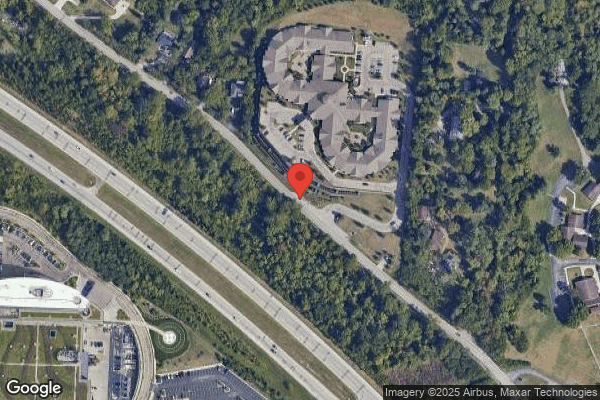
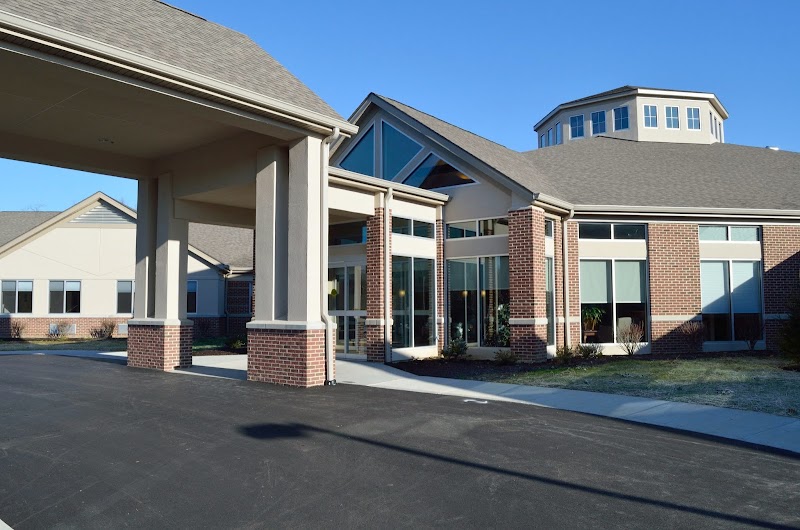
3210 WEST FORK ROAD, CINCINNATI, OH 45211 (513) 605-3000
For profit - Corporation 107 Beds HEALTH CARE MANAGEMENT GROUP Data: November 2025
Trust Grade
53/100
#444 of 913 in OH
Last Inspection: February 2024

Within standard 12-15 month inspection cycle. Federal law requires annual inspections.

Overview

Covenant Village of Green Township holds a Trust Grade of C, indicating it is average compared to other nursing homes. It ranks #444 out of 913 facilities in Ohio, placing it in the top half, and #37 out of 70 in Hamilton County, meaning only a few local options are better. The facility is currently worsening, with issues increasing from 1 in 2023 to 6 in 2024. Staffing is rated 3 out of 5 stars with a turnover rate of 42%, which is below the Ohio average of 49%, suggesting that staff remain relatively stable. However, the facility has faced $8,454 in fines, which is average compared to other homes. One significant incident involved a resident who developed a serious pressure ulcer that was not identified until it reached an advanced stage due to inadequate skin assessments. Additionally, multiple residents were affected by non-functioning call lights, preventing them from summoning help when needed. Despite these concerns, the facility does maintain average RN coverage, which is beneficial for identifying potential issues that might be missed by nursing assistants. Overall, while there are strengths in staffing stability, the recent trend of increased issues and specific incidents of concern warrant careful consideration for families researching this nursing home.

Trust Score
C
53/100
In Ohio
#444/913
Top 48%
Safety Record
Moderate
Needs review
Inspections
Getting Worse
1 → 6 violations
Staff Stability
○ Average
42% turnover. Near Ohio's 48% average. Typical for the industry.
Penalties
⚠ Watch
$8,454 in fines. Higher than 90% of Ohio facilities, suggesting repeated compliance issues.
Skilled Nurses
○ Average
Each resident gets 36 minutes of Registered Nurse (RN) attention daily — about average for Ohio. RNs are the most trained staff who monitor for health changes.
Violations
⚠ Watch
22 deficiencies on record. Higher than average. Multiple issues found across inspections.
★★★☆☆
3.0
Overall Rating
★★★☆☆
3.0
Staff Levels
★★★★☆
4.0
Care Quality
★★★☆☆
3.0
Inspection Score
Stable
2023: 1 issues
2024: 6 issues

The Good

  • 4-Star Quality Measures · Strong clinical quality outcomes
  • Full Sprinkler Coverage · Fire safety systems throughout facility
  • No fines on record
  • Staff turnover below average (42%)

    6 points below Ohio average of 48%

Facility shows strength in quality measures, fire safety.

The Bad

3-Star Overall Rating

Near Ohio average (3.2)

Meets federal standards, typical of most facilities

Staff Turnover: 42%

Near Ohio avg (46%)

Typical for the industry

Federal Fines: $8,454

Below median ($33,413)

Minor penalties assessed

Chain: HEALTH CARE MANAGEMENT GROUP

Part of a multi-facility chain

Ask about local staffing decisions and management

The Ugly 22 deficiencies on record

1 actual harm
Dec 2024 1 deficiency 1 Harm
SERIOUS (G) 📢 Someone Reported This

A family member, employee, or ombudsman was alarmed enough to file a formal complaint

Actual Harm - a resident was hurt due to facility failures

Pressure Ulcer Prevention (Tag F0686)

A resident was harmed · This affected 1 resident

**NOTE- TERMS IN BRACKETS HAVE BEEN EDITED TO PROTECT CONFIDENTIALITY** Based on closed medical record review, staff interviews, interview with Wound Nurse Practitioner (WNP) #175, review of facility ...

Read full inspector narrative →
**NOTE- TERMS IN BRACKETS HAVE BEEN EDITED TO PROTECT CONFIDENTIALITY** Based on closed medical record review, staff interviews, interview with Wound Nurse Practitioner (WNP) #175, review of facility policy, and review of guidelines from the National Pressure Injury Advisory Panel (NPIAP), the facility failed to adequately assess and monitor residents' skin and failed to timely identify pressure ulcers (a pressure ulcer is a localized injury of the skin and/or underlying tissue usually over a bony prominence, as a result of pressure, or pressure in combination with shear and/or friction). This resulted in Actual Harm when Resident #104 who was admitted without pressure ulcers but was at risk for the development of pressure ulcers, subsequently developed an avoidable facility acquired pressure ulcer which was not identified until it had reached an advanced stage. Resident #104 developed a pressure ulcer which was first identified on 11/05/24 as a stage III (full-thickness skin loss in which adipose [fat] is visible) pressure ulcer on the resident's left gluteus with eschar (dead tissue). This affected one (#104) of three residents reviewed for pressure ulcers. The facility identified eight residents with pressure ulcers. The census was 103. Findings include: Review of the closed medical record for Resident #104 revealed an admission date of 10/24/24 and discharged on 11/06/24. Diagnoses included unspecified fracture of first lumbar vertebra, chronic diastolic (congestive) heart failure, dementia without behavioral disturbance, psychotic disturbance, mood disturbance, and anxiety. Review of the admission Skin assessment dated [DATE], for Resident #104, revealed the resident was assessed to have intact skin and no identified pressure areas. Review of the daily nurse's assessments completed twice daily from 10/24/24 through 11/04/24 for Resident #104, revealed no documented evidence of any skin impairments. Review of the care plan dated 10/24/24 for Resident #104, revealed the resident was at risk for impaired skin integrity related to fragile skin and the resident was incontinent. Interventions included the following: Apply moisture barrier after each incontinent episode, float heels while in bed as the resident will allow, monitor Braden Scale assessment quarterly, monitor use of skin protective devices, assess condition of skin especially over bony prominences for breakdown, educate the resident on need to reposition, pressure reducing mattress to bed, resident to wear a TLSO (a brace used to limit motion in the thoracic, lumbar and sacral regions of the spine) brace when out of bed and skin checks under the TLSO brace every shift. Review of a physician order dated 10/25/24 for Resident #104, revealed an order to cleanse buttock with soap and water, pat dry and apply a barrier cream to buttocks twice daily and as needed. Review of a Braden Scale for Predicting Pressure Sore Risk dated 10/31/24 for Resident #104, revealed the resident was at low risk for developing pressures ulcers. Review of a physician order dated 11/04/24, revealed Resident #104 was ordered to have her buttocks cleansed with house wound cleanser, dried, Xeroform (a gauze impregnated with medication to aid in healing by controlling bacteria and keeping a wound moist) applied to open areas one in the middle of the buttocks and one on the left buttock, and covered with silicone (adhesive boarder) dressing. Place house barrier cream on remainder of the buttocks twice daily until healed. Review of the October 2024 and November 2024 treatment administration records (TAR) for Resident #104, revealed from 10/25/24 to 11/05/24, the nursing staff marked the treatment of cleansing the resident's buttock with soap and water, patted dry and applied a barrier cream twice daily as being completed. Review of an incident note dated 11/04/24 at 1:30 P.M. for Resident #104 and authored by Unit Manager/Licensed Practical Nurse (LPN) #69, revealed the nurse was informed by Certified Nursing Assistant (CNA) #124 who identified two new open wounds located on the resident's buttocks. LPN #69 assessed the resident and discovered two open areas on the resident's buttocks. One wound was in the middle of the resident's buttocks and measured approximately 1.5 centimeters (cm) in length by 0.5 cm in width by less than 0.1 cm in depth. The other wound was located on the resident's left buttocks and measured approximately 2.0 cm in length by 1.5 cm in width by less than 0.1 cm in depth. The nurse cleaned and dressed the resident's wounds. LPN #69 notified the physician. Review of a wound visit note for Resident #104, dated 11/05/24 at 1:09 P.M. and authored by WNP #175, revealed the resident had a new, facility acquired stage III pressure ulcer to the resident's left gluteus and the wound was first observed by the staff on 11/04/24. The pressure ulcer measured 7 cm in length by 4 cm in width by 0.3 cm in depth, the fat layer (subcutaneous tissue) was exposed and there was a medium amount of serosanguineous exudate (drainage) noted. The wound margin was distinct with the outline attached to the wound base and there was eschar tissue within the wound bed including adherent slough (peeling) and ecchymosis. WNP #175 recommended for the resident to have a low air loss(LAL) mattress, a ROHO cushion (specialized pressure reduction cushion) to the wheelchair, and offloading heels with pressure reducing boots. A treatment order to cleanse the resident's wound with house cleanser, pack the wound with Xeroform gauze (a moistened gauze that contains debriding agents and antibiotics) and cover the wound with a foam bordered dressing daily and as needed and weekly visits. Review of the most recent Minimum Data Set (MDS) assessment dated [DATE] revealed Resident #104 had moderately impaired cognition and did not reject care. Resident did not have a pressure ulcer/injury but was at risk of developing pressure ulcers/injuries and needed pressure reducing devices for the bed. Resident #104 was dependent on staff for activities of daily living (ADLs). Interview with Director of Nursing (DON) on 12/02/24 at 1:19 P.M., verified Resident #104 developed a facility acquired pressure ulcer that was not identified until it had reached a stage III. Interview with WNP #175 on 12/02/24 at 4:35 P.M., revealed he evaluated Resident #104 on 11/05/24 and determined the resident had a stage III pressure ulcer to the resident's left gluteus. WNP #175 stated he measured the wound as one open area since the two wounds were close together and their margins were indistinct. Interview with LPN #68 on 12/02/24 at 4:40 P.M., revealed she was notified on 11/04/24 by CNA #125 that Resident #104 had open areas to his bottom. LPN #68 stated she observed two open areas to Resident #104's buttocks. LPN #68 stated she contacted WNP #175 and notified him of the open areas and the need to be evaluated. LPN #68 verified Resident #104 was at risk for developing pressure ulcers and the resident developed a facility acquired pressure ulcer which was first identified as a stage III by WNP #175. Review of the facility policy titled Pressure Ulcer Risk Assessment, not dated, revealed all residents should be assessed for pressure ulcer risk by utilizing a risk assessment tool on admission and then weekly times three weeks, and with each additional quarterly, annual, and with significant change assessment. Skin will be assessed for the presence of developing pressure ulcers on a weekly basis or more frequently if indicated. Staff will perform routine skin observations during daily care. Review of the NPIAP guidelines, dated 2014, pages 70-71 at (https://npiap.com/general/custom.asp?page=2014Guidelines), revealed facilities should educate health professionals on how to undertake a comprehensive skin assessment that includes the techniques for identifying blanching response, localized heat, edema, and induration. Further review of the guidelines revealed ongoing assessment of the skin was necessary in order to detect early signs of pressure damage. Visual assessment for erythema (redness of the skin) was the first component of every skin inspection. Skin redness and tissue edema resulting from capillary occlusion was a response to pressure, especially over bony prominences. Staff should conduct a head-to-toe assessment with particular focus on skin overlying bony prominences including the sacrum, ischial tuberosities, greater trochanters and heels and each time the patient was repositioned was an opportunity to conduct a brief skin assessment. The NPIAP Pressure Injury Stages, revealed if necrotic tissue, subcutaneous tissue, granulation tissue, fascia, muscle, or other underlying structures are visible, this indicates a full thickness pressure injury (Unstageable, Stage 3 or Stage 4). This deficiency represents non-compliance investigated under Complaint Number OH00159654.
Feb 2024 5 deficiencies
CONCERN (D)

Potential for Harm - no one hurt, but risky conditions existed

Deficiency F0565 (Tag F0565)

Could have caused harm · This affected 1 resident

**NOTE- TERMS IN BRACKETS HAVE BEEN EDITED TO PROTECT CONFIDENTIALITY** Based on resident and staff interviews, review of resident council meeting notes, and record review, the facility failed to addr...

Read full inspector narrative →
**NOTE- TERMS IN BRACKETS HAVE BEEN EDITED TO PROTECT CONFIDENTIALITY** Based on resident and staff interviews, review of resident council meeting notes, and record review, the facility failed to address resident concerns timely and ensure staff only attend the meetings if the residents invited them to attend. This affected three (#47, #78, and #88) of four residents who attended the resident council meeting. The facility census was 95. Findings include: Review of the Resident Council meeting notes from September 2023 to January 2024 revealed there was no evidence the facility was following up with the concerns voiced from the residents during resident council meetings. Several staff members attended each resident council meeting. 1. Record review for Resident #47 revealed she was admitted to the facility on [DATE]. Diagnoses included morbid obesity, anxiety disorder, and depression. Review of the Minimum Data Set (MDS) assessment, dated 01/29/24, revealed Resident #47 was cognitively alert. 2. Record review for Resident #78 revealed he was admitted to the facility on [DATE]. Diagnoses included diabetes mellitus (DM) type II, and depression. Review of the Minimum Data Set (MDS) assessment, dated 11/20/23, revealed Resident #78 was cognitively intact. 3. Record review for Resident #88 revealed she was admitted to the facility on [DATE]. Diagnoses included acute and chronic respiratory failure and congestive heart failure. Review of the Minimum Data Set (MDS) assessment, dated 02/25/23, revealed Resident #88 was cognitively intact. Interviews with the residents during the resident council meeting on 02/07/24 at 1:24 P.M. revealed Residents #47, #78, #88 voiced concerns to the management staff and felt they were not addressed. Residents #47, #78, and #88 stated they have requested a policy to ensure the resident council meetings and concerns were handled appropriately, however, they were told they do not have a policy regarding resident council. The residents stated the current way the resident council meetings were held included all managers from every department were present at the meeting. Resident #47 stated some residents were not comfortable with all department managers at the meeting. Resident #88 stated she has a concern related to the courtyard doors and has been told the request for handicap was part of the capital expense request but management did not follow up with her related to the issue of the courtyard. Resident #88 stated the facility hung a sign on the courtyard door and it states residents must be able to operate the doors or have someone with them that can. Follow up interview on 02/08/24 at 1:51 P.M. with Resident #88 revealed she was concerned about the courtyard door because she was in a motorized wheelchair and her controls were on the right side of her chair. Resident #88 stated she must manipulate and hold the heavy door while working on her wheelchair. Resident #88 stated she was also concerned because one time she was not able to get the door open and get back into the facility. Resident #88 stated they have posted signs that state you should have someone go with you if you cannot operate the doors. Resident #88 started to ask the Administrator about the status of the doors, and he explained it was a capital improvement and they were waiting for an answer. Interview on 02/08/24 at 9:21 A.M. with the Administrator confirmed the facility does not have a resident council policy. The Administrator confirmed all managers attend the resident council meeting. The Administrator explained by having managers present allows the managers to address issues. The Administrator stated the facility was not required to do anything to the courtyard doors because there was nothing wrong with the doors. The Administrator stated staff was available to help residents with the courtyard doors. The Administrator was unable to confirm if any staff members had addressed the resident concerns regarding the courtyard doors. Interview on 02/08/24 at 2:09 P.M. with Maintenance Supervisor (MS) #406 confirmed he remembered the issue of the garden doors coming up in resident council, however, he could not state what month it was. MS #406 stated the residents voiced concern with the courtyard doors being heavy and hard to open and that was why the facility posted signs on the door.
CONCERN (D) 📢 Someone Reported This

A family member, employee, or ombudsman was alarmed enough to file a formal complaint

Potential for Harm - no one hurt, but risky conditions existed

Accident Prevention (Tag F0689)

Could have caused harm · This affected 1 resident

**NOTE- TERMS IN BRACKETS HAVE BEEN EDITED TO PROTECT CONFIDENTIALITY** Based on record reviews, staff interviews, review of the facility's policy, and observations, the facility failed to ensure a re...

Read full inspector narrative →
**NOTE- TERMS IN BRACKETS HAVE BEEN EDITED TO PROTECT CONFIDENTIALITY** Based on record reviews, staff interviews, review of the facility's policy, and observations, the facility failed to ensure a resident's safety devices for the prevention of falls were functioning and failed to complete a thorough fall investigation into a resident's fall. This affected two (Residents #27 and #95) of seven residents reviewed for falls. The facility census was 95. Findings include: 1. Record review for Resident #95 revealed the resident was admitted to the facility on [DATE]. Diagnoses for Resident #95 included cerebral infarction and history of fracture of left femur prior to admission. Review of the Minimum Data Set, (MDS) assessment dated [DATE] revealed Resident #95 had severely impaired cognition and required partial assistance with bed mobility. Review of the plan of care, dated 12/21/23, revealed Resident #95 was at risk for falls due to decreased mobility and included an intervention of pressure alarm to the bed, ordered on 01/20/24. Observation on 02/08/24 at 1:56 P.M. with Licensed Practical Nurse Supervisor (LPNS) #357 revealed Resident #95's bed alarm did not sound when tested by LPNS #357 and there was no green indicator light on the alarm box. There were exposed wires with clear adhesive tape partially attached to the exposed wires. The clip, attached to the end of the wires, was attached to the alarm box but missing a secure hook. The connecting wires appeared to have a malfunctioning connection with the alarm box. Interview with LPNS #357 verified Resident #95's bed alarm did not sound and should have sounded at a volume the staff could hear from the hallway. LPNS #357 stated the alarm box should have had a green flashing light on the exterior of the box to permit a visual check to ensure the alarm was correctly functioning. LPNS #357 verified the clip had exposed wires, was partially taped, and was missing a secure hook. LPNS #357 verified the alarm box green light was not flashing indicating the alarm box, was not functioning, and would not sound. 2. Closed record review for Resident #27 revealed the resident was admitted to the facility on [DATE] and discharged to home with family on 02/01/24. Diagnoses included encephalopathy, chronic kidney disease, anxiety disorder, dementia, and psychosis. Review of the admission Minimum Data Set (MDS) assessment dated [DATE] revealed Resident #27 had moderately impaired cognition. Review of the plan of care, dated 01/04/24, revealed Resident #27 was at high risk for falls and an intervention included for a bed and chair alarm. Review of the physician orders dated 01/20/24 revealed Resident #27 had an order for a pressure alarm while in bed for safety. A wheelchair alarm was ordered on 01/23/24. Review of January 2024 Medication Administration Record revealed Resident #27 had orders to check the pressure alarm to bed and to the wheelchair functioning and placement every shift were signed as provided on the 7:00 A.M shift and the 7:00 P.M. shift on 01/28/24. Review of the nursing note dated 01/28/24 at 2:30 P.M. revealed Resident #27 was found on the floor at the foot of the bed by Licensed Practical Nurse (LPN) #477. There was no nursing note the bed alarm and/or wheelchair alarms were sounding. Review of the Interdisciplinary Team (IDT) meeting notes, dated 01/29/24 at 10:40 A.M., revealed Resident #27's fall on 01/28/24 included a new intervention of adding anti-rollback system to the wheelchair. There was no documentation of the wheelchair alarm sounding during the fall. Interview and review of the fall investigation dated 01/28/24 with the Director of Nursing (DON) on 02/07/24 at 3:34 P.M. verified Resident #27 was found on the floor in his room near the bed. The DON stated the analysis of the incident was Resident #27 walked from his wheelchair, which he was last observed seated during the lunch meal, to his bed and fell. The DON verified the fall investigation, the IDT meeting and the nursing note did not have documentation addressing if the interventions of the bed or chair alarms were sounding. The DON verified the wheelchair alarm should have sounded on 01/28/24 as Resident #27 was last observed in the wheelchair. Review of the facility's policy titled Fall Prevention Policy and Procedure dated 11/14/21 revealed the facility will implement an intervention after a fall to reduce the risk of reoccurrence of an injury. This deficiency represents non-compliance investigated under Complaint Number OH00150360.
CONCERN (D)

Potential for Harm - no one hurt, but risky conditions existed

Respiratory Care (Tag F0695)

Could have caused harm · This affected 1 resident

**NOTE- TERMS IN BRACKETS HAVE BEEN EDITED TO PROTECT CONFIDENTIALITY** Based on medical record review, observation, staff interview, and policy review, the facility failed to ensure oxygen tubing was...

Read full inspector narrative →
**NOTE- TERMS IN BRACKETS HAVE BEEN EDITED TO PROTECT CONFIDENTIALITY** Based on medical record review, observation, staff interview, and policy review, the facility failed to ensure oxygen tubing was changed, labeled, and dated per the physician's order, plan of care, and facility policy and the facility failed to ensure oxygen was administered in a safe manner. This affected one (#49) of one resident reviewed for oxygen use. The facility identified 15 residents who used oxygen. The facility census was 95. Findings include: Review of the medical record for Resident #49 revealed an admission date of 01/06/21. Diagnoses included chronic obstructive pulmonary disease (COPD), and dementia. Review of the quarterly Minimum Data Set (MDS) assessment dated [DATE] revealed Resident #49 had severely impaired cognition. The resident utilized a wheelchair for mobility. The resident received oxygen during the assessment period. Review of the care plan dated 01/18/21 revealed Resident #49 had altered respiratory status related to COPD and emphysema. Interventions included to administer oxygen as per physician orders and change oxygen tubing weekly, date, and initial. Review of the physician orders dated 03/01/23 revealed there was an order to administer oxygen at two liters per minute per nasal cannula at bedtime and as needed. An order dated 04/06/21 revealed to change and date oxygen tubing weekly. Observation on 02/05/24 at 10:19 A.M. revealed Resident #49 was lying in bed. Two sets of oxygen tubing were noted on the floor. The nose pieces of each set were observed resting directly on the floor. The tubing connected to the oxygen concentrator was dated 01/14/24 and the tubing connected to the portable oxygen tank attached to the resident's wheelchair was not dated. Observation and interview on 02/05/24 at 10:26 A.M. with Registered Nurse (RN) #600 verified Resident #49's oxygen tubing was on the floor, the tubing connected to the concentrator was dated 01/14/24, and the tubing connected to the portable oxygen tank on the resident's wheelchair was not dated. RN #600 stated she was unsure how often oxygen tubing should be changed. RN #600 then picked up the tubing from the floor and applied it to Resident #49's nose. Interview with RN #600 at the time of the observation verified she picked the tubing up off the floor and applied it to the resident's nose. RN #600 stated she should have given the resident new tubing before applying it to the resident's nose. Interview on 02/08/24 at 2:28 P.M. with the Director of Nursing (DON) stated oxygen tubing should be changed weekly and dated at that time. The DON verified it was not appropriate to pick up tubing from the floor and place on a resident's nose. The DON further stated the appropriate action would be to obtain new tubing before applying the tubing to the resident's nose. Review of the facility's policy titled Oxygen Administration, dated 11/21/21, revealed oxygen tubing should be discarded and replaced every seven days.
CONCERN (E)

Potential for Harm - no one hurt, but risky conditions existed

Deficiency F0919 (Tag F0919)

Could have caused harm · This affected multiple residents

**NOTE- TERMS IN BRACKETS HAVE BEEN EDITED TO PROTECT CONFIDENTIALITY** Based on medical record reviews, observations, resident interviews, staff interviews, and policy reviews, the facility failed to...

Read full inspector narrative →
**NOTE- TERMS IN BRACKETS HAVE BEEN EDITED TO PROTECT CONFIDENTIALITY** Based on medical record reviews, observations, resident interviews, staff interviews, and policy reviews, the facility failed to ensure resident call lights were in working order on the facility's 200-hall. This affected 12 residents (#12, #14, #19, #23, #32, #42, #54, #57, #59, #74, #91, and #94) of 27 residents reviewed for call lights. The facility census was 95. Findings include: 1. Review of the medical record of Resident #14 revealed an admission date of 07/27/18. Diagnoses included heart failure, weakness, macular degeneration, and generalized anxiety disorder. Review of the Minimum Data Set (MDS) assessment dated [DATE] revealed Resident #14 had moderately impaired cognition and required extensive assistance from staff with bed mobility and toileting and was dependent on staff for transfers. Multiple observations on 02/05/24 between 9:41 A.M. and 11:00 A.M. revealed Resident #14 had a non-functioning call lights and no other means to call for help. 2. Review of the medical record of Resident #23 revealed an admission date of 05/27/15. Diagnoses included cerebral infarction, muscle weakness, abnormalities of gait and mobility, unsteadiness on feet, anxiety disorder, and altered mental status. Review of the annual MDS assessment dated [DATE] revealed Resident #23 had intact cognition. Resident #23 required extensive assistance from staff for bed mobility, transfers, and toileting. Multiple observations on 02/05/24 between 9:41 A.M. and 11:00 A.M. revealed Resident #23 had a non-functioning call light and no other means to call for help. 3. Review of the medical record of Resident #54 revealed an admission date of 10/02/23. Diagnoses included pulmonary embolism, heart failure, dyspnea, peripheral vascular disease, dizziness and giddiness, and gastroesophageal reflux. Review of the MDS assessment dated [DATE] revealed Resident #54 had intact cognition. Resident #54 required partial/moderate assistance for toileting and transfers. Multiple observations on 02/05/24 between 9:41 A.M. and 11:00 A.M. revealed Resident #54 had a non-functioning call light and no other means to call for help. 4. Review of the medical record of Resident #91 revealed an admission date of 05/10/23. Diagnoses included dizziness and giddiness, overactive bladder, glaucoma, and muscle weakness. Review of the MDS assessment dated [DATE] revealed Resident #91 had moderately impaired cognition. Resident #91 required limited assistance from staff with bed mobility and locomotion, and extensive assistance from staff with transfers and toileting. Multiple observations on 02/05/24 between 9:41 A.M. and 11:00 A.M. revealed Resident #91 had a non-functioning call light and no other means to call for help. 5. Review of the medical record of Resident #19 revealed an admission date of 03/27/23. Diagnoses included encephalopathy, muscle weakness, unsteadiness on feet, lack of coordination, epilepsy, acute respiratory failure with hypoxia, generalized anxiety, and personal history of transient ischemic attack and cerebral infarction. Review of the quarterly MDS assessment dated [DATE] revealed Resident #19 had moderately impaired cognition and required staff assistance for mobility. Observation and interview on 02/05/24 at 10:22 A.M., with Resident #19 revealed the call light was not working when activated. During the observation, there was no back up device to call for assistance. Resident #19 stated her call light had not been working since the day prior and she had no other way to call for help except for using her telephone. 6. Review of the medical record of Resident #74 revealed an admission date of 11/21/22. Diagnoses included cerebral infarction, hemiplegia and hemiparesis, chronic kidney disease, adult failure to thrive, chronic pain syndrome, muscle weakness, and left leg contracture. Review of the quarterly MDS assessment dated [DATE] revealed Resident #74 had intact cognition. Resident #74 was dependent on staff for toileting, bed mobility, and transfers. Multiple observations on 02/05/24 between 9:41 A.M. and 11:00 A.M. revealed Resident #74 had a non-functioning call light and no other means to call for help. 7. Review of the medical record of Resident #94 revealed and admission date of 11/27/23. Diagnoses included encephalopathy, compression of brain, cerebral edema, convulsions, cerebral infarction, and osteoarthritis of the right knee. Review of the MDS assessment dated [DATE] revealed Resident #94 had moderately impaired cognition. Resident #94 required substantial/maximal assistance from staff with toileting and partial/moderate assistance from staff with transfers and bed mobility. Multiple observations on 02/05/24 between 9:41 A.M. and 11:00 A.M. revealed Resident #94 had a non-functioning call light and no other means to call for help. 8. Review of the medical record of Resident #32 revealed an admission date of 01/10/19. Diagnoses included polyneuropathy, epilepsy, atrial fibrillation, muscle weakness, lack of coordination, and abnormalities of gait and mobility. Review of the quarterly MDS assessment dated [DATE] revealed Resident #32 had intact cognition. Resident #32 required supervision/touching assistance from staff for toileting, ambulation, and bed mobility. Observation and interview on 02/05/24 at 9:41 A.M. with Resident #32 revealed the call light was not working when pushed. During the observation, there was no back up device for the resident to use to call for assistance. Resident #32 stated her call light had not been working since the day prior and she had no other way to call for help except using her telephone. 9. Review of the medical record of Resident #12 revealed an admission date of 06/16/22. Diagnoses included chronic obstructive pulmonary disease, atrial fibrillation, and falls. Review of the quarterly MDS assessment dated [DATE] revealed Resident #12 had intact cognition. Resident #12 required extensive assistance from staff for bed mobility. Interview and observation on 02/05/24 at 9:50 A.M. with Resident #12 stated her call light had not been working since 02/04/24 at 10:00 A.M. and she had no other means to alert staff of the need for assistance. At the time of the observation, no other back-up device was observed in the resident's room to call for assistance. 10. Review of the medical record of Resident #57 revealed an admission date of 12/15/23. Diagnoses included heart failure, rib fractures, falls, and hip pain. Review of the MDS assessment dated [DATE] revealed Resident #57 had moderately impaired cognition. Resident #57 required substantial/maximal assistance from staff for toileting and partial/moderate assistance from staff for bed mobility. Multiple observations on 02/05/24 between 9:41 A.M. and 11:00 A.M. revealed Resident #57 had a non-functioning call light and no other means to call for help. 11. Review of the medical record of Resident #42 revealed and admission date of 07/19/20. Diagnoses included atrial fibrillation, chronic obstructive pulmonary disease (COPD), depression, and congestive heart failure (CHF). Review of the MDS assessment dated [DATE] revealed Resident #42 had intact cognition. Resident #42 required extensive assistance from staff with toileting. Interview on 02/05/24 at 12:20 P.M. with Resident #42 stated his call light was not working during the weekend prior and had no other means to alert staff of the need for assistance. Resident #42 stated, the evening prior at approximately 10:00 P.M., she had to transfer herself to her wheelchair and leave her room to get help. 12. Review of the medical record of Resident #59 revealed an admission date of 02/18/23. Diagnoses included acute and chronic respiratory failure with hypercapnia, chronic respiratory failure with hypoxia, morbid obesity, chronic diastolic (congestive) heart failure, and anxiety disorder. Review of the quarterly MDS assessment dated [DATE] revealed Resident #59 had intact cognition. Resident #59 required extensive assistance from staff for bed mobility, transfers, and toileting. Resident #59 had impaired functional range of motion to both lower extremities. Interview and observation on 02/05/24 at 11:08 A.M. with Resident #59 stated the call lights were not working during the weekend prior (02/03/24-02/04/24). Resident #59 stated her only means of alerting the staff of the need for help was to use her telephone to call the facility. Observation at the same time, Resident #59 activated her call light and the light above her door in the hallway did not illuminate. Further observation revealed Resident #59 did not have any other device at her bedside to use as a means to alert staff of the need for assistance. Interview on 02/05/24 at 11:09 A.M. with Licensed Practical Nurse (LPN) #370 verified Resident #59's call light was not functioning properly. Interview on 02/05/24 at 11:34 A.M. with Corporate Maintenance #603 and Maintenance Director (MD) #406 verified the call light system on the 200-hall was not working correctly. MD #406 stated he had not been contacted over the weekend when the call light system was found to be faulty and just learned about the call light system not working that morning and had contacted an outside company to come to the building for repair. Review of the facility policy titled Call Light Policy and Procedure, dated 11/2019, revealed all resident rooms would be equipped with call systems that sound at the nurse's station and a light will illuminate in the hallway so staff can readily see a resident has activated their call light.
MINOR (C)

Minor Issue - procedural, no safety impact

Staffing Information (Tag F0732)

Minor procedural issue · This affected most or all residents

Based on observation and staff interview, the facility failed to post daily staffing data at the beginning of each shift. This had the potential to affect all 95 residents who resided in the facility....

Read full inspector narrative →
Based on observation and staff interview, the facility failed to post daily staffing data at the beginning of each shift. This had the potential to affect all 95 residents who resided in the facility. Findings include, Observation and interview on 02/06/24 at 3:52 P.M. revealed the facility did not have Benefits Improvement and Protection Act (BIPA) information posted including the current census and list of licensed and unlicensed nursing staff directly responsible for the resident care at the beginning of a shift. Human Resource Director (HRD) #337 walked to a table located next to the receptionist area and held up a picture frame with a flyer posted inside. HRD #337 stated the BIPA should be posted in the picture frame. HRD #337 confirmed she attempted to post the BIPA in the picture frame, however, someone continued to move it. Observation on 02/08/24 at 7:52 A.M. revealed no BIPA was posted on the table located near the receptionist desk. Observation and interview on 02/08/24 at 8:00 A.M. revealed HRD #337 walked toward the receptionist desk with a paper in hand. HRD #337 confirmed she had the BIPA in her hands and had not posted it at the beginning of the shift.
Apr 2023 1 deficiency
CONCERN (D) 📢 Someone Reported This

A family member, employee, or ombudsman was alarmed enough to file a formal complaint

Potential for Harm - no one hurt, but risky conditions existed

ADL Care (Tag F0677)

Could have caused harm · This affected 1 resident

**NOTE- TERMS IN BRACKETS HAVE BEEN EDITED TO PROTECT CONFIDENTIALITY** Based on observation, record review, interview and policy review, the facility failed to ensure incontinence care was provided c...

Read full inspector narrative →
**NOTE- TERMS IN BRACKETS HAVE BEEN EDITED TO PROTECT CONFIDENTIALITY** Based on observation, record review, interview and policy review, the facility failed to ensure incontinence care was provided correctly and gloves were changed from dirty to clean. This affected one (Resident #55) of three residents reviewed for incontinence care. The facility identified there were The census was 97. Findings included: Medical record review for Resident #55 revealed an admission date of 06/19/15. Medical diagnoses included a stroke. Review of his quarterly Minimum Data Set, dated [DATE] revealed Resident #55 was cognitively intact. His functional status was extensive assistance for bed mobility, transfers, and toileting. He was frequently incontinent for bladder and occasionally incontinent for bowel. Observation of Resident #55 on 04/26/23 at 8:58 A.M. revealed he was lying in the bed and State Tested Nursing Assistants (STNA) #120 and #200 got the resident out of bed with the Hoyer lift. He was taken to the bathroom, a soiled brief was removed and he was placed on the toilet. When he was finished STNA #120 wiped the stool from the resident's buttocks and placed a clean incontinent brief on him. She then dressed him for the day. She did not clean the resident's front peri area. She did not change her gloves or wash her hands after performing care. During interview on 04/26/23 at 9:20 A.M., STNA #120 stated she did not clean the resident's front peri area and he had urinated in his brief. She also confirmed she should have washed her hands and changed her gloves after wiping stool from the resident's bottom. Review of policy titled Incontinence, dated 11/01/21, revealed the facility will provide care to minimize risk of skin breakdown and prevent infections. Procedure is as followed for a male resident: a. Wet washcloth and apply soap or skin cleansing agent. b. Wash perineal area starting with urethra and working outward. (Gently rinse and dry the area.) (1) Retract foreskin of the uncircumcised male. (2) Wash and rinse urethral area using a circular motion. (3) Continue to wash the perineal area including the penis, scrotum, and inner thighs. Do not reuse the same washcloth or water to clean the urethra. c. Thoroughly rinse perineal area in same order, using fresh water and clean washcloth. e. Reposition foreskin of uncircumcised male. f. Instruct or assist the resident to turn on his side with his upper leg slightly bent, if able. g. Rinse washcloth and apply soap or skin cleansing agent. h. Wash and rinse the rectal area thoroughly, including the area under the scrotum, the anus, and the buttocks. i. Dry area thoroughly. 8. Remove gloves and discard into designated container. Wash and dry your hands thoroughly. 9. Reposition the bed covers. Make the resident comfortable. This was an incidental deficiency discovered during the course of this complaint investigation.
Feb 2020 11 deficiencies
CONCERN (D)

Potential for Harm - no one hurt, but risky conditions existed

Deficiency F0558 (Tag F0558)

Could have caused harm · This affected 1 resident

Based on record review, observation and resident and staff interview, the facility failed to accommodate a residents need by providing a resident with an alternate mobility device while her motorized ...

Read full inspector narrative →
Based on record review, observation and resident and staff interview, the facility failed to accommodate a residents need by providing a resident with an alternate mobility device while her motorized wheelchair was being repaired. This affected one (#40) of 19 residents sampled during the survey. The census was 93. Findings include: Review of the medical record for Resident #40 revealed an admission date of 02/22/17 with diagnoses which included diabetes, end stage renal disease, morbid obesity, and hemiplegia. Review of Minimum Data Set (MDS) for Resident #40 dated 01/03/20 revealed resident was cognitively intact required extensive assistance of two staff with activities of daily living, was non-ambulatory, used a wheelchair for mobility, and considered it very important to be able to do her favorite activities. Review of care plan for Resident #40 dated 11/15/19 revealed resident had a self-care performance deficit related to left hemiplegia/hemiparesis and morbid obesity and was unable to transfer without use of Hoyer lift and non-ambulatory status. Interventions included the following: use power tilt-in-space wheelchair, likes to be up and out of bed to participate in activities and wander around facility when she desires, resident likes to attend activities and social events in manual wheelchair at times. Review of weight record for Resident #40 dated 02/05/20 revealed resident weighed 317 pounds. Reviewed activity logs for Resident #40 for January 2020 and February 2020 revealed resident attended no activities out of her room including bingo. Review of care conference note for Resident #40 dated 01/07/20 revealed resident reported her motorized wheelchair was broken and facility would contact the resident's niece to arrange for repair. Review of social service note for Resident #40 dated 01/15/20 revealed facility was attempting to arrange for repair of resident's motorized wheelchair. Observation on 02/10/20 at 2:26 P.M. of Resident #40s room with resident present revealed a non-functional motorized wheelchair in the resident's room. No other mobility devices were observed in Resident #40's room. Interview on 02/10/20 at 2:26 P.M. with Resident #40 confirmed her motorized wheelchair had been broken since early January 2020 and the facility staff told her they did not have an alternate mobility device such a manual wheelchair she could use instead due to her size. Resident #40 further confirmed her favorite activity was bingo, which was offered twice weekly by the facility, but she had been unable to attend due to the facility had no means to transport her to the activity. Interview on 02/13/20 8:10 A.M. with the Administrator and Social Worker (SW) #345 confirmed Resident #40 was admitted to the facility with her motorized wheelchair and they learned on 01/07/20 the wheelchair was not working. Interview further confirmed the facility was working on getting the resident's motorized wheelchair repaired by an outside company. Interview also confirmed the facility had not provided Resident #40 with an alternate mobility device while her motorized wheelchair was being repaired and resident had been unable to attend activities of choice.
CONCERN (D)

Potential for Harm - no one hurt, but risky conditions existed

Deficiency F0561 (Tag F0561)

Could have caused harm · This affected 1 resident

**NOTE- TERMS IN BRACKETS HAVE BEEN EDITED TO PROTECT CONFIDENTIALITY** Based on medical record review, observation, resident representative and staff interview and policy review, the facility failed ...

Read full inspector narrative →
**NOTE- TERMS IN BRACKETS HAVE BEEN EDITED TO PROTECT CONFIDENTIALITY** Based on medical record review, observation, resident representative and staff interview and policy review, the facility failed to ensure a resident was afforded with the choice of food preferences with each meal. This affected one (#11) of one reviewed for choices. The facility census was 93. Findings include: Review of the medical record revealed Resident #11 was admitted to the facility on [DATE] with diagnosis including but not limited to corticobasal degeneration, cognitive communication, mild cognitive impairment, dementia and transient ischemic attack. Resident #11 has a representative to make decisions on her behalf. Review of the Minimum Data Set (MDS) dated [DATE] revealed Resident #11 has severe impairment, ability to understand others, impaired vision, with adequate hearing and requires total dependence for transfers, toileting, personal hygiene, eating and bed mobility with two-person assist. Review plan of care dated 09/18/19 stated State Tested Nursing Assistant (STNA) check meal trays closely to confirm likes and dislikes honored before taking tray to room. Interview on 02/10/20 at 6:07 P.M. with Resident #11's representative revealed during care conference representative requested to speak with dietician to voice food preferences for Resident #11. Representative wanted Resident #11 to be offered fruit with every meal. Observation on 02/12/20 at 11:55 A.M., revealed Resident #11 lunch was sitting on the table. Meal ticket stated resident loves fruit and please place fruit cup on tray any kind is fine and dislikes eggs. Also likes carrots and two milks one whole and one chocolate or two whole milk. There was no fruit of any kind noted on tray. STNA #215 proceeded to feed Resident #11. Interview on 02/12/20 at 12:22 P.M., revealed STNA #215 verified meal ticket requesting a fruit cup on tray of any kind and verified no fruit on lunch tray line. STNA #215 reported she normally does not take care of Resident #11 and was unaware of meal ticket on tray line. STNA #215 requested fruit for Resident #11. Observation on 02/13/20 at 8:05 A.M., revealed Resident #11 with breakfast on table with no fruit cup and a boiled egg. Interview on 02/13/20 at 9:40 A.M. Registered Dietician (RD) #730 reported her responsibilities including but not limited to monthly quality reports, complete weights upon admission, and meets with residents and family members who require a consult with the dietician. RD #730 reported food preferences are done by the dietary to manager. RD #730 reported residents and family members see her through a nurse consult. RD #730 denied any outstanding consults from residents and or family members requesting to discuss food preferences. RD #730 denied speaking with Resident #11 or family member regarding food preferences. RD #730 reported she became a consultant with the facility January 2020. Interview on 02/13/20 at 12:30 P.M., revealed Dietary Manager (DM) #580 reported he was unaware of food preferences for Resident #11. DM #580 denied speaking with Resident #11 or family member regarding food preferences. Interview on 02/13/20 at 12:56 P.M., revealed RD #735 reported she was a dietician consult for the facility prior to December 2020. RD #735 reported she is no longer the dietician for the facility and any concerns are sent to RD #730. RD #735 denied speaking with Resident #11 or family member regarding food preferences. Interview on 02/13/20 at 1:45 P.M., revealed Social Services (SS) #345 reported she completes care conferences for long-term residents quarterly. SS #345 reported family member of Resident #11 requested to see a dietician at the care conference held on 12/12/19. SS #345 reported she sent an email to RD #740. SS #345 reported RD #740 resigned 12/25/19. SS #345 reported she is not sure whether RD #740 spoke with Resident #11 or family member regarding food preferences as family member requested in care conference held on 12/12/19. Reviewed policy dated 02//2019 titled Care Conferences documented the facility to develop, and implement, a comprehensive person-directed, plan of care for each resident, which addresses their individual strengths, weaknesses, and preferences for care. Both the resident and their representative, if applicable, are offered the opportunity to attend care conferences, in order for, the interdisciplinary team to both share plan of care information and obtain the input of the resident, and their representative, as appropriate.
CONCERN (D)

Potential for Harm - no one hurt, but risky conditions existed

Deficiency F0578 (Tag F0578)

Could have caused harm · This affected 1 resident

Based on medical record review, staff interview, and review of facility policy, the facility failed to ensure resident code status was communicated consistently and accurately to the staff. This affec...

Read full inspector narrative →
Based on medical record review, staff interview, and review of facility policy, the facility failed to ensure resident code status was communicated consistently and accurately to the staff. This affected two (#24 and #18) of two residents reviewed for advanced directives. The census was 93. Findings include: 1. Review of the medical record for Resident #24 revealed an admission date of 02/01/19 with a diagnosis of diabetes. Review of the Minimum Data Set (MDS) for Resident #24 dated 01/01/20 revealed resident was cognitively intact and required extensive assistance of two staff with activities of daily living (ADLs). Review of February 2020 physician orders for Resident #24 revealed residents code status was do not resuscitate comfort care (DNRCC)-Arrest. Review of the code status form for Resident #24 dated 02/04/19 located under the advanced directive section of the medical record revealed the resident and the resident's revealed resident's code status was DNRCC, not DNRCC Arrest. Review of the online medical record dashboard for Resident #24 revealed resident was to be a DNRCC Arrest. Interview on 02/12/20 at 8:20 A.M. with Licensed Practical Nurse (LPN) #680 confirmed resident code status was in the following locations: the advanced directive tab of the paper chart, the care plan, the current physician orders, the dashboard of the electronic medical record. Interview on 02/12/20 at 8:39 A.M. with Registered Nurse (RN) #160 confirmed correct code status for Resident #24 was DNRCC, not DNRCC Arrest, and resident's orders and dashboard in the electronic medical record should be updated to reflect the correct code status. 2. Review of the medical record for Resident #18 revealed an admission date of 12/23/19 with a diagnosis of chronic kidney disease. Review of the Minimum Data Set (MDS) for Resident #18 dated 12/30/19 revealed resident was cognitively impaired and required extensive assistance of two staff with activities of daily living (ADLs). Review of the code status form placed in the advanced directive tab of Resident #18's medical record dated 12/24/19 revealed the resident's physician and resident's representative had signed indicating resident was to be a DNRCC status. Review of care plan for Resident #18 dated 12/24/19 revealed resident had an ADL self-care deficit and her code status was DNRCC. Review of February 2020 physician orders for Resident #18 revealed an order dated 02/06/20 for resident to be a full code. Review of the online medical record dashboard for Resident #18 revealed resident was to be a full code. Interview on 02/12/20 at 9:14 A.M. with Unit Clerk #690 confirmed resident's code status is located several locations: the advanced directive tab of the paper chart, the care plan, the current physician orders, the dashboard of the electronic medical record. Unit Clerk #690 further confirmed the resident's correct code status should be displayed consistently throughout all the locations, because any of them could be checked in an emergency. Unit Clerk #690 confirmed Resident #18's correct code status was DNRCC and the physician orders and dashboard in the electronic medical record were not correct. Review of facility policy titled Protocol for DNR Order and Full Code orders undated revealed the nurse would address what code status the resident wanted during the admission process and the information would be included in the resident's medical record.
CONCERN (D)

Potential for Harm - no one hurt, but risky conditions existed

Assessment Accuracy (Tag F0641)

Could have caused harm · This affected 1 resident

Based on record review and staff interview, the facility failed to ensure resident Minimum Data Set (MDS) assessments accurately reflected resident psychiatric diagnoses. This affected one (#18) of si...

Read full inspector narrative →
Based on record review and staff interview, the facility failed to ensure resident Minimum Data Set (MDS) assessments accurately reflected resident psychiatric diagnoses. This affected one (#18) of six residents reviewed for unnecessary medications. The census was 93. Findings include: Review of the medical record for Resident #18 revealed an admission date of 12/23/19 with a diagnosis of chronic kidney disease. Review of the Minimum Data Set (MDS) for Resident #18 dated 12/30/19 revealed resident was cognitively impaired, was coded as negative for the presence of behavioral symptoms and required extensive assistance of two staff with activities of daily living (ADLs). Further review of the MDS revealed resident was not coded in Section I for psychiatric/mood disorder diagnoses including anxiety disorder, depression, bipolar disorder, psychotic disorder, schizophrenia, or post-traumatic stress disorder (PTSD). Review of admitting medical history and physical for Resident #18 dated 12/26/19 revealed resident was admitted with a diagnosis of anxiety. Review of clarification physician's order dated 02/13/20 for Resident #18 revealed resident received Xanax for a diagnosis of anxiety. Interview on 02/13/20 at 11:30 A.M. with the Director of Nursing (DON) confirmed Resident #18 was admitted with a diagnosis of anxiety disorder, but the MDS Section I for the resident dated 12/30/19 was not coded for anxiety disorder.
CONCERN (D)

Potential for Harm - no one hurt, but risky conditions existed

ADL Care (Tag F0677)

Could have caused harm · This affected 1 resident

**NOTE- TERMS IN BRACKETS HAVE BEEN EDITED TO PROTECT CONFIDENTIALITY** Based on medical record review, observation, resident, resident representative and staff interview and policy review, the facili...

Read full inspector narrative →
**NOTE- TERMS IN BRACKETS HAVE BEEN EDITED TO PROTECT CONFIDENTIALITY** Based on medical record review, observation, resident, resident representative and staff interview and policy review, the facility failed to provide dental care for dependent residents. This affected one (#11) of one resident reviewed for activities of daily living. The facility census was 93. Findings include: Review of the medical record revealed Resident #11 was admitted to the facility on [DATE] with diagnosis including but not limited to corticobasal degeneration, cognitive communication, mild cognitive impairment, dementia and transient ischemic attack. Resident #11 has never refused care and has a representative. Review of the Minimum Data Set (MDS) dated [DATE] revealed Resident #11 has severe impairment, adequate hearing, impaired vision and require total dependence for personal hygiene including combing hair and brushing teeth. Resident is incontinent of bowel and bladder. Resident is also total dependent for eating and toileting. Resident can understand others and is understood by others. Review plan of care dated 09/19/19 stated Resident #11 can communicate basic wants and needs. Staff needs to ask yes or no questions in order to determine needs. Resident also likes to get up between 8:30 P.M. and 9:30 P.M. Further review of the [NAME] (medical information system used to communicate important information about care) for Resident #11 revealed Resident prefers to get up between 8:30 A.M. and 9:30 A.M. Interview on 02/10/20 at 6:07 P.M. with Resident #11's representative, revealed the representative reported staff does not brush Resident #11's teeth. Observation on 02/12/20 at 10:45 A.M., revealed Resident #11 was lying in bed with her pajamas on with an orange stain with food particles and debris around her mouth. There are some clean clothes on the dresser drawer with a bra on top. Observation on 02/12/20 at 11:45 A.M., revealed Resident #11 was lying in bed with her pajamas on with an orange stain with food particles and debris around her mouth. Interview on 02/12/20 at 11:45 A.M., revealed State Tested Nursing Assistant (STNA) #65 reported the stain and debris around Resident #11's mouth was medicine due to multi vitamin required to be crushed and resident kept spitting out the crushed vitamin. STNA #65 reported she watched the nurse administer the medicine to Resident #11. STNA #65 reported resident was up late the night before and was told to leave in bed until after lunch. Interview on 02/12/20 at 12:17 P.M., revealed Registered Nurse (RN) #575 confirmed orange stain and debris around Resident #11's mouth. RN #575 denied reporting to STNA #65 to leave Resident #11 in bed after lunch. Interview on 02/12/20 at 12:22 P.M., revealed Resident #11 was asked if her teeth were brushed, her hair was combed, and face washed earlier in the day. Resident #11 nodded head, no. Resident #11 was also asked if she wanted to get out of bed and she nodded her head, yes. STNA #215 verified Resident #11's responses to the questions that were asked. Interview on 02/12/20 at 2:04 P.M., revealed License Practical Nurse (LPN) #20 reported about 7:30 A.M. she gave resident multi vitamin and notice the debris or residue from previous meal on resident's s face and reported it to STNA #65 to clean Resident #11's face. Review of the facility Activity of Daily Living policy dated 11/2019, revealed staff will provide hygiene to residents who are unable to perform such ADL's that will include bathing, dressing, grooming, and oral care. Oral care will include car of the teeth and/or dentures, gums, and oral mucosa.
CONCERN (D)

Potential for Harm - no one hurt, but risky conditions existed

Medication Errors (Tag F0758)

Could have caused harm · This affected 1 resident

Based on medical record review, staff interview, and review of facility policy, the facility failed to ensure as needed anti-anxiety medication had a stop date and failed to thoroughly document target...

Read full inspector narrative →
Based on medical record review, staff interview, and review of facility policy, the facility failed to ensure as needed anti-anxiety medication had a stop date and failed to thoroughly document target behaviors and non-pharmacological interventions offered prior to administration of an as needed anti-anxiety medication. This affected one (#18) of six residents reviewed for unnecessary medications. The census was 93. Findings include: Review of the medical record for Resident #18 revealed an admission date of 12/23/19 with a diagnosis of chronic kidney disease. Review of the Minimum Data Set (MDS) for Resident #18 dated 12/30/19 revealed resident was cognitively impaired, was coded as negative for the presence of behavioral symptoms and required extensive assistance of two staff with activities of daily living (ADLs). Review of history and physical for Resident #18 dated 12/26/19 revealed resident was admitted with a diagnosis of anxiety. Review of care plan for Resident #18 dated 12/23/19 revealed resident received psychotropic medication. Interventions included the following: administer medications as ordered, monitor and record occurrence of targeted behavior symptoms of wandering, disrobing, inappropriate response to verbal communication, violence and aggression toward others, provide psychological care if symptoms become worse and medication is ineffective. Review of care plan for Resident #18 dated 02/07/20 revealed resident uses psychotropic medication as need for anxiety. Interventions included the following: administer medications as ordered, monitor and record occurrence of target behavior symptoms of tearfulness, anxiousness, fidgety, restless, manic, panic and document per facility protocol. Review of admitting orders for Resident #18 revealed an order dated 12/23/19 through 02/05/20 for Xanax 0.25 milligrams (mg) to be given every eight hours as needed for anxiety. Review of February 2020 physician orders for Resident #18 revealed an order dated 02/06/20 for Xanax 0.25 mg to be given every eight hours as needed for anxiety with no stop date. Review of Medication Administration Record (MAR) for December 2019 for Resident #18 revealed resident received as needed Xanax on the following dates: 12/27/19, 12/28/19, 12/31/19. Review of Medication Administration Record (MAR) for January 2020 for Resident #18 revealed resident received as needed Xanax on the following dates: 01/02/20, 01/03/20, 01/04/20, 01/05/20, 01/06/20, 01/07/20, 01/08/20, 01/10/20, 01/11/20, 01/12/20, 01/14/20, 01/18/20, 01/19/20, 01/22/20, 01/25/20. Review of Medication Administration Record (MAR) for February 2020 for Resident #18 revealed resident received as needed Xanax on the following dates: 02/06/20, 02/07/20, 02/09/20. Review of the nurse progress notes and behavior assessments for Resident #18 dated 12/27/19 through 02/09/20 revealed the record contained no documentation regarding a description of targeted behaviors indicating use of as needed Xanax and the offering of non-pharmacological interventions prior to administration. Interview on 02/13/20 at 10:00 A.M. with the Director of Nursing (DON) confirmed Resident #18's order for as needed Xanax dated 02/06/20 did not include a stop date. DON further confirmed Resident #18's record did not include documentation of targeted behaviors indicating use of as-needed Xanax nor did it include documentation of non-pharmacological interventions attempted prior to administration of as needed Xanax. Review of facility policy titled Psychotropic Drugs dated 11/28/17 revealed orders for as needed psychotropic drugs would be limited to 14 days and could not be extended past 14 days unless a clinical rationale was documented by the prescriber and an indication of the duration of the order. Further review of the policy revealed the resident's medical record would reflect the symptoms which warranted the use of a psychotropic medication and the facility would also address symptoms with person-centered non-pharmacological approaches.
CONCERN (E)

Potential for Harm - no one hurt, but risky conditions existed

Pharmacy Services (Tag F0755)

Could have caused harm · This affected multiple residents

Based on record review, observation, staff interview, and review of facility policy, the facility failed to appropriately document the number the shift to shift counting of controlled substances in th...

Read full inspector narrative →
Based on record review, observation, staff interview, and review of facility policy, the facility failed to appropriately document the number the shift to shift counting of controlled substances in the 100 Hall cart. This had the potential to affect 16 sixteen (#18, #36, #52, #53, #71, #73, #75, #138, #139, #140, #144, #149, #150, #151, #240, #290) residents with controlled substances stored in the 100 hall cart. Facility census was 93. Findings include: Review of the controlled substances shift to shift count sheet for the 100 hall cart revealed the oncoming nurse had not signed the count sheet at the start of the shift on 02/11/20 indicating the count was accurate. Interview on 02/11/20 at 12:46 P.M. with Licensed Practical Nurse (LPN) #720 confirmed she had started work at 9:00 A.M. on 02/11/20 and had counted the controlled substances in the 100 hall cart but had not signed the count sheet indicating the count was accurate. LPN #720 further confirmed the controlled substances count should be done at the change of shift and the sheet should be signed by the off-going nurse and the oncoming nurse at the time of the count. The facility confirmed this had the potential to affect 16 (#18, #36, #52, #53, #71, #73, #75, #138, #139, #140, #144, #149, #150, #151, #240, #290) residing on the 100 hall. Review of the facility policy titled Controlled Substances dated 02/2018 revealed nurses must count controlled medications at the end of each shift, and the nurse coming on duty and the nurse going off duty must count together and document the count.
CONCERN (E)

Potential for Harm - no one hurt, but risky conditions existed

Deficiency F0761 (Tag F0761)

Could have caused harm · This affected multiple residents

Based on medical record review, observation, staff interview, review of facility policy, and review of manufacturer's recommendations the facility failed to discard expired medications and failed to d...

Read full inspector narrative →
Based on medical record review, observation, staff interview, review of facility policy, and review of manufacturer's recommendations the facility failed to discard expired medications and failed to date injectable medication upon opening to ensure it was discarded in a timely manner in accordance with manufacturer's recommendations. This had the potential to affect the six (#24, #71, #142, #288, #289, #290) residents. The census was 93. Findings include: 1. Review of record for Resident #24 revealed an admission date of 02/01/19 with a diagnosis of diabetes. Review of February 2020 physician orders for Resident #24 revealed an order for Levemir insulin. Observation on 02/11/20 at 12:30 P.M. of the 200 Hall medication storage room with Registered Nurse (RN) # 90 revealed an open and undated vial of Levemir insulin was in storage for Resident #24. Interview on 02/11/20 at 12:30 P.M. with RN #90 confirmed the vial of Levemir insulin for Resident #24 was open and undated and she could not determine when it was expired. 2. Observation on 02/11/20 at 12:35 P.M. of the 200 Hall medication storage room with RN #90 revealed an open and undated vial of tuberculin testing solution was in the refrigerator. Interview on 02/11/20 at 12:35 P.M. with RN #90 confirmed the vial of tuberculin testing solution in the refrigerator was open and undated and she could not determine when it was expired. The facility confirmed Resident #71, #142, #288, #289, #290 were newly admitted and would have received tuberculin from the opened and undated tuberculin vial. 3. Observation on 02/11/20 at 12:40 P.M. of the 200 Hall medication storage room with RN #90 confirmed the active house stock medication supply included two bottles of glucosamine sulfate with manufacturer's expiration dates of 01/2020. Interview on 02/11/20 at 12:40 P.M. with RN #90 confirmed the two bottles of glucosamine sulfate in the house stock storage were expired and should have been discarded. Review of undated manufacturer's instructions for Levemir insulin revealed the medication should be refrigerated till opened, and once opened discarded after 28 days. Review of manufacturer's recommendations for tuberculin testing solution dated 03/16 revealed vials in use for more than 30 days should be discarded. Review of facility policy titled Storage of Medications dated April 2007 revealed outdated medications should be returned to the dispensing pharmacy or destroyed.
CONCERN (E)

Potential for Harm - no one hurt, but risky conditions existed

Deficiency F0804 (Tag F0804)

Could have caused harm · This affected multiple residents

Based on observation, resident and staff interview and policy review, the facility failed to ensure meals were served in a safe and appetizing temperature. This had the potential to affect 33 resident...

Read full inspector narrative →
Based on observation, resident and staff interview and policy review, the facility failed to ensure meals were served in a safe and appetizing temperature. This had the potential to affect 33 residents residing on the 100 halls, except Resident #20 who does not receive dietary services. Facility census was 93. Findings include: Interview on 02/10/20 at 11:11 A.M., Resident #79 reported she feels nothing is cooked properly, the vegetables are hard and cold. Resident #79 reported she eats a lot of carry out foods that her daughter brings her. Interview on 02/10/20 at 1:19 P.M., revealed Resident #72 reported the meatloaf was inedible and the eggs are not warm in the mornings. Interview on 02/11/20 at 2:29 P.M., revealed residents at the resident council meetings complaining about breakfast being cold sometimes. Observation on 02/13/20 at 7:30 A.M., revealed dietary staff in kitchen preparing meals for the 100 halls. Staff were plating scrambled eggs, oatmeal, French toast and turkey sausage. Observation on 02/13/20 at 7:45 A.M. revealed dietary staff delivering the first 100 hall trays. Observation on 02/13/20 at 7:50 A.M., revealed dietary staff delivering the second 100 hall trays. Observation on 02/13/20 from 7:45 A.M. to 7:50 A.M. revealed two State Tested Nursing Assistants (STNA) #550 and #65 passing out breakfast hall trays. Interview on 02/13/20 at 7:56 A.M., revealed Resident #79 reported the eggs was barely warm. Interview o 02/13/20 at 8:00 A.M., revealed Resident # 72 reported the eggs were barely warm. Observation on 02/13/20 at 8:21 A.M., revealed the last food tray was tasted and food temperatures were checked. The eggs were tempted at 131 degrees Fahrenheit (F), the French toast was tempted at 124 degrees F and the turkey sausage was tempted at 133 degrees F. Surveyor tasted the meal and food was not warm but palatable. Interview on 02/13/20 at 8:22 A.M., revealed Dietary Manager reported he likes his food temperatures set at 140 degrees F once the meal has left the kitchen. The facility confirmed this had the potential to affect 33 residents residing on the 100 halls, except Resident #20 who does not receive dietary services. Reviewed policy titled, Food Temperature Record, revised 08/08 acceptable temperatures at point of service states eggs from 135 to 140 degrees F, sliced meats 135 to degrees F and entrees at 160 degrees F. This deficiency substantiates Complaint Number OH00109646.
CONCERN (E)

Potential for Harm - no one hurt, but risky conditions existed

Food Safety (Tag F0812)

Could have caused harm · This affected multiple residents

Based on observation, staff interview, and policy review the facility failed to store food properly and maintain a clean and sanitary kitchen to prepare food. This had the potential to affect 92 out o...

Read full inspector narrative →
Based on observation, staff interview, and policy review the facility failed to store food properly and maintain a clean and sanitary kitchen to prepare food. This had the potential to affect 92 out of 93 residents residing in the facility, except one (#20) resident who did not receive food from the kitchen. Facility census was 93. Findings include: An initial tour of the kitchen was completed on 02/10/20 at 8:42 A.M. through 9:05 A.M. with Dietary Manager (DM) #580 revealed there were three shelves on the top shelf was a box of eggs, on the second shelf below the eggs was a bag of bagels, and on the bottom shelf was a container of shredded cheese with very loose fitting saran wrap. Upon further observation of the three compartment sink there were cookie sheet pans in the washing compartment, when the sanitizing compartment was checked with the facility's approved sanitation test strips and revealed no level of sanitizer was in the sink. Observation during tour of the sanitizing bucket used to clean surfaces, where food was prepared, and using facility approved sanitation test strips revealed no levels of sanitizer in water. Interviews during the tour on 02/10/20 from 8:42 A.M. through 9:05 A.M. with DM #580 verified that the eggs should not have been on a shelf above the bagels, and container of cheese. DM #580 also verified there was no sanitizer in the bucket that is used to clean the food prep surfaces, and the three compartment sink there was no sanitizer in the sanitizing compartment. DM #580 confirmed this had the potential to affect 92 out of 93 residents residing in the facility and that one (#20) resident did not receive their meal from the kitchen/was ordered to receive nothing by mouth. Review of the Wiping Cloths Policy (dated 08/2008) revealed the wiping clothes shall be maintained in a concentrated sanitizing solution to effectively kill bacteria. Sanitizing concentration recommendations (always follow to manufacturer's use directions); Chlorine - 50-100 parts per million (ppm) minimum; Quaternary - 150-200 ppm; Iodine - 12.5 ppm minimum. This deficiency substantiates Complaint Number OH00109646.
MINOR (C)

Minor Issue - procedural, no safety impact

Deficiency F0680 (Tag F0680)

Minor procedural issue · This affected most or all residents

Based on personnel file review, staff interview and review of a job description, the facility failed to ensure a qualified Activity Director was on staff to oversee the facility's overall activity ser...

Read full inspector narrative →
Based on personnel file review, staff interview and review of a job description, the facility failed to ensure a qualified Activity Director was on staff to oversee the facility's overall activity services. This had the potential to affect every resident residing in the facility. The census was 93. Findings include: Review of personnel file for Activity Director (AD) #5 revealed employee was hired on 09/24/14 as a State Tested Nursing Assistant (STNA). Further review of personnel file revealed AD #5 became a Co-Activity Director on 05/13/19 but was not a qualified activity professional and had not completed a training course in activities approved by the state. Review of personnel file for AD #725 revealed former employee was a qualified activity professional and her last day worked was 11/25/19. Interview on 02/11/20 at 3:30 P.M. with AD #5 confirmed she had served as Activity Director for the facility since 05/13/19 but was not a qualified activity professional and had not completed a state approved activity training course. Interview on 02/12/20 at 1:35 P.M. with the Administrator confirmed the facility had not had a qualified activity professional working in the facility as an Activity Director since 11/25/19. Review of Director of Activities Job Description dated 04/1999 revealed the Director of Activities would plan, organize, direct and control the facility's overall activities services and would have completed a state approved activity course.
Jan 2019 4 deficiencies
CONCERN (D)

Potential for Harm - no one hurt, but risky conditions existed

Deficiency F0578 (Tag F0578)

Could have caused harm · This affected 1 resident

**NOTE- TERMS IN BRACKETS HAVE BEEN EDITED TO PROTECT CONFIDENTIALITY** Based on medical record review, staff interview, review of the Ohio Administrative Code (OAC) and policy review, the facility fa...

Read full inspector narrative →
**NOTE- TERMS IN BRACKETS HAVE BEEN EDITED TO PROTECT CONFIDENTIALITY** Based on medical record review, staff interview, review of the Ohio Administrative Code (OAC) and policy review, the facility failed to appropriately document resident's advanced directives for code status on a valid form signed by a physician. This affected one (#246) out of 25 residents reviewed for advanced directives during the survey. Facility census was 79. Findings include: Resident #246 was admitted to the facility on [DATE] with diagnoses including acute and chronic respiratory failure, acute cystitis, heart failure, and history of transient ischemic attack and cerebral infraction. A comprehensive Minimum Data Set (MDS) assessment was not completed or required yet due to the resident's recent admission. Review of Resident #246's electronic medical record revealed the current physician's orders contained an order for Do Not Resuscitate Comfort Care (DNRCC). A review of the resident's paper chart revealed an Ohio DNR Identification Form that contained no physician or physician designee signatures. Interview on 01/02/19 at 4:53 P.M., the director of nursing (DON) verified Resident #246's code status designation on the electronic health record (EHR) physician's orders was listed as DNRCC). The DON stated the order was obtained from the continuity of care (COC) form from the resident's acute care hospital stay. The DON verified the resident's paper chart contained an Appendix A Ohio DNR Identification Form that contained no physician or physician designee signature. The DON stated the physician was aware of the resident's code status and was scheduled to come to the facility on [DATE] to sign the form. The DON stated that if the resident coded while in the facility prior to the Appendix A DNR Identification form being signed, the facility staff would follow the DNRCC designation in the electronic health record. Interview on 01/04/18 at 7:38 A.M., Occupational Therapist (OT) # 400 stated she sees the resident for therapy, and stated to determine the resident's code status, would look in the computer and on a daily printout that identifies residents' code statuses and preferences. OT #400 stated Resident #246's code status was DNRCC. OT #400 verified the Ohio DNR Identification Form inside the resident's chart still does not contain the signature of the physician or the physician's designee. A review was conducted of the code status documents for OAC 3701-62-04, which required the facility to document Residents' code statuses on an approved Do Not Resuscitate Identification form. Review of the facility policy titled, DNR Form dated 09/2015 revealed, All DNR forms must be signed by a physician/CNP (certified nurse practitioner) on next visit to the facility. If physician cannot sign form in person or by fax, a physician verbal order must be witnessed by two nurses.
CONCERN (D)

Potential for Harm - no one hurt, but risky conditions existed

Deficiency F0582 (Tag F0582)

Could have caused harm · This affected 1 resident

**NOTE- TERMS IN BRACKETS HAVE BEEN EDITED TO PROTECT CONFIDENTIALITY** Based on medical record review, staff interview and policy review, the facility failed to provide a resident with the Skilled Nu...

Read full inspector narrative →
**NOTE- TERMS IN BRACKETS HAVE BEEN EDITED TO PROTECT CONFIDENTIALITY** Based on medical record review, staff interview and policy review, the facility failed to provide a resident with the Skilled Nursing Facility Advanced Beneficiary Notice (SNF ABN), giving the resident the right to a demand bill, when the resident was discharged from Medicare Part A skilled services. This affected one (#50) out of three residents reviewed for beneficiary notices. The facility census was 79. Findings include: Record review revealed Resident #50 was admitted to the facility on [DATE] with the following diagnoses; type 2 diabetes mellitus, hyperlipidemia, unspecified dementia without behavioral disturbance, benign prostatic hyperplasia with lower urinary tract symptoms, cognitive communication deficit, dysphagia, unsteadiness on feet and end stage renal disease. Review of Resident #50's quarterly Minimum Data Sets (MDS) assessment dated [DATE] revealed the resident to have severe cognitively impairment and require extensive assistance with bed mobility, transfers, dressing, toileting and personal hygiene. Resident #50 also required supervision with eating on the 11/02/18 MDS. Review of Resident #50's chart also revealed resident was admitted to Medicare Part A services on 07/05/18 and discharged from Medicare Part A services on 08/31/18. Review of Resident #50's Notice of Medicare Non-Coverage (NOMNC) revealed Resident #50's resident's representative was notified of the NOMNC on 08/29/18. Resident #50 did not have a Skilled Nursing Facility Advance Beneficiary Notice of Non-Coverage (SNF ABN) notifying the resident of the right to a demand bill. Interview with the Administrator on 01/03/18 at 11:00 A.M. verified a SNF ABN was not completed for Resident #50's discharge from Medicare Part A services on 08/31/18. Review of the facility's Medicare Notification of Non-Coverage policy dated 01/21/15 revealed Medicare beneficiaries will be notified that their Medicare coverage will be ending in writing using the NOMNC. The policy did not include any information regarding the completing of a SNF ABN to notify the resident of a potential liability for payment.
CONCERN (D)

Potential for Harm - no one hurt, but risky conditions existed

Deficiency F0625 (Tag F0625)

Could have caused harm · This affected 1 resident

**NOTE- TERMS IN BRACKETS HAVE BEEN EDITED TO PROTECT CONFIDENTIALITY** Based on medical record review, staff interview and policy review, the facility failed to provide a resident or their representa...

Read full inspector narrative →
**NOTE- TERMS IN BRACKETS HAVE BEEN EDITED TO PROTECT CONFIDENTIALITY** Based on medical record review, staff interview and policy review, the facility failed to provide a resident or their representatives with written bed hold notices during absences from the facility. This affected one (#88) out of three residents reviewed for hospitalizations. The facility census was 79. Findings include: Record review revealed Resident #88 was admitted to the facility on [DATE] with the following diagnoses; age related osteoporosis with current pathological fracture, unspecified mood disorder, panic disorder, constipation, pain, abnormal involuntary movements, cognitive communication deficit, other symbolic dysfunctions, hypothyroidism, unspecified dementia without behavioral disturbance, Alzheimer's disease, Parkinson's disease, unsteadiness on feet, muscle weakness, major depressive disorder, psychotic disorder with hallucinations due to known physiological condition, heart failure, anxiety disorder, bipolar disorder, personal history of urinary tract infections and sepsis. Review of Resident #88's quarterly Minimum Data Sets (MDS) assessment dated [DATE] revealed the resident had moderate cognitive impairment and require extensive assistance with bed mobility, transfers, personal hygiene, toileting, eating and dressing. Review of Resident #88's chart revealed resident was discharged to the hospital on [DATE] for a stroke. Resident #88 was readmitted to the facility on [DATE]. Further review of Resident #88's chart revealed no documentation that resident was given a bed hold notice upon discharge to the hospital on [DATE]. Interview with Receptionist #127 on 01/04/19 at 11:50 A.M. verified Resident #88 was not given a bed hold notice upon discharge to the hospital on [DATE]. Review of the facility's undated Bed Hold and Leave of Absence Notifications policy revealed no information regarding a bed hold notice being provided upon hospitalization.
CONCERN (E)

Potential for Harm - no one hurt, but risky conditions existed

Food Safety (Tag F0812)

Could have caused harm · This affected multiple residents

Based on observation, staff interview, policy review, the facility failed to label, date, and discard expired food items from the walk-in refrigerator and freezer. The facility also failed to serve fo...

Read full inspector narrative →
Based on observation, staff interview, policy review, the facility failed to label, date, and discard expired food items from the walk-in refrigerator and freezer. The facility also failed to serve food in a sanitary environment. This had the potential to affect all residents residing in the facility except for one resident (#3) identified by the facility as receiving nothing by mouth (NPO). The facility census was 79. Findings include: On 01/02/19 from 8:15 A.M. to 8:35 A.M., an initial tour of the kitchen was conducted with Dietary Director (DD) #120. During the observation the following concerns were observed, and all the concerns were verified by DD #120. a) In the refrigerator there was a half of gallon of milk with a use by date of 12/30/18. b) In the refrigerator there was a gallon of milk with a use by date of 01/01/18. c) In the refrigerator there was a plastic container of mushrooms with a date of 11/01/18. d) In the refrigerator there was a cheese ball with an expiration date of 12/31/18. e) In the refrigerator there was a plastic container of chocolate pudding with a date of 02/15/18. f) In the refrigerator there was a gallon of orange juice with a date of 12/20/18. g) In the freezer there was a plastic bag of winter blend vegetables with no date and the bag was opened exposed to the air in the freezer. h) In the freezer there was a plastic bag of cookies with no date. i) In the freezer there was a plastic container of melon balls with no date. j) In the freezer in the kitchen there was a plastic bag of hotdogs with a date of 12/05/18. DD #120 was unable verify if the date on the hotdogs was a used by date or an expired date. k) The deep fryer was dirty and filled with fish crumbs left from 12/30/18 dinner. l) Utensil bin was filled with food particles, debris and crumbs in it. m) Underneath the steam table was filled with old food particles, grease and debris. n) The steam table pans were covered with old grease stains and food stains. Interview on 01/02/19 at 8:40 A.M., revealed DD #120 the kitchen is expected to be clean after every shift. Review of facility policy titled, Procedure for Food Storage, revised 12/20/16, revealed stored items are covered with foil, plastic, or lids and properly identified with labels and dated. Leftovers are covered, dated and appropriately identified with labels and stored within refrigeration units. Leftovers are used within three days. Review of the facility cleaning schedule titled, Dietary Services Cleaning Schedule, revealed fryer is to be cleaned after each use and the steam table to be cleaned three times per day.
Understanding Severity Codes (click to expand)
Life-Threatening (Immediate Jeopardy)
J - Isolated K - Pattern L - Widespread
Actual Harm
G - Isolated H - Pattern I - Widespread
Potential for Harm
D - Isolated E - Pattern F - Widespread
No Harm (Minor)
A - Isolated B - Pattern C - Widespread

Questions to Ask on Your Visit

  • "Can I speak with families of current residents?"
  • "What's your RN coverage like on weekends and overnight?"

Our Honest Assessment

Strengths
  • • 42% turnover. Below Ohio's 48% average. Good staff retention means consistent care.
Concerns
  • • 22 deficiencies on record, including 1 serious (caused harm) violation. Ask about corrective actions taken.
  • • Grade C (53/100). Below average facility with significant concerns.
Bottom line: Mixed indicators with Trust Score of 53/100. Visit in person and ask pointed questions.

About This Facility

What is Covenant Village Of Green Township's CMS Rating?

CMS assigns COVENANT VILLAGE OF GREEN TOWNSHIP an overall rating of 3 out of 5 stars, which is considered average nationally. Within Ohio, this rating places the facility higher than 0% of the state's 100 nursing homes. This mid-range rating indicates the facility meets federal standards but may have areas for improvement.

How is Covenant Village Of Green Township Staffed?

CMS rates COVENANT VILLAGE OF GREEN TOWNSHIP's staffing level at 3 out of 5 stars, which is average compared to other nursing homes. Staff turnover is 42%, compared to the Ohio average of 46%. This relatively stable workforce can support continuity of care.

What Have Inspectors Found at Covenant Village Of Green Township?

State health inspectors documented 22 deficiencies at COVENANT VILLAGE OF GREEN TOWNSHIP during 2019 to 2024. These included: 1 that caused actual resident harm, 19 with potential for harm, and 2 minor or isolated issues. Deficiencies causing actual harm indicate documented cases where residents experienced negative health consequences.

Who Owns and Operates Covenant Village Of Green Township?

COVENANT VILLAGE OF GREEN TOWNSHIP is owned by a for-profit company. For-profit facilities operate as businesses with obligations to shareholders or private owners. The facility is operated by HEALTH CARE MANAGEMENT GROUP, a chain that manages multiple nursing homes. With 107 certified beds and approximately 99 residents (about 93% occupancy), it is a mid-sized facility located in CINCINNATI, Ohio.

How Does Covenant Village Of Green Township Compare to Other Ohio Nursing Homes?

Compared to the 100 nursing homes in Ohio, COVENANT VILLAGE OF GREEN TOWNSHIP's overall rating (3 stars) is below the state average of 3.2, staff turnover (42%) is near the state average of 46%, and health inspection rating (3 stars) is at the national benchmark.

What Should Families Ask When Visiting Covenant Village Of Green Township?

Based on this facility's data, families visiting should ask: "Can I visit during a mealtime to observe dining assistance and food quality?" "How do you handle medical emergencies, and what is your hospital transfer rate?" "Can I speak with family members of current residents about their experience?"

Is Covenant Village Of Green Township Safe?

Based on CMS inspection data, COVENANT VILLAGE OF GREEN TOWNSHIP has a clean safety record: no substantiated abuse findings (meaning no confirmed cases of resident harm), no Immediate Jeopardy citations (the most serious violation level indicating risk of serious injury or death), and is not on the Special Focus Facility watch list (a federal program monitoring the lowest-performing 1% of nursing homes). The facility has a 3-star overall rating and ranks #100 of 100 nursing homes in Ohio. While no facility is perfect, families should still ask about staff-to-resident ratios and recent inspection results during their visit.

Do Nurses at Covenant Village Of Green Township Stick Around?

COVENANT VILLAGE OF GREEN TOWNSHIP has a staff turnover rate of 42%, which is about average for Ohio nursing homes (state average: 46%). Moderate turnover is common in nursing homes, but families should still ask about staff tenure and how the facility maintains care continuity when employees leave.

Was Covenant Village Of Green Township Ever Fined?

COVENANT VILLAGE OF GREEN TOWNSHIP has been fined $8,454 across 1 penalty action. This is below the Ohio average of $33,163. While any fine indicates a compliance issue, fines under $50,000 are relatively common and typically reflect isolated problems that were subsequently corrected. Families should ask what specific issues led to these fines and confirm they've been resolved.

Is Covenant Village Of Green Township on Any Federal Watch List?

COVENANT VILLAGE OF GREEN TOWNSHIP is not on any federal watch list. The most significant is the Special Focus Facility (SFF) program, which identifies the bottom 1% of nursing homes nationally based on persistent, serious quality problems. Not being on this list means the facility has avoided the pattern of deficiencies that triggers enhanced federal oversight. This is a positive indicator, though families should still review the facility's inspection history directly.