FOREST HILLS HEALTHCARE CENTER.
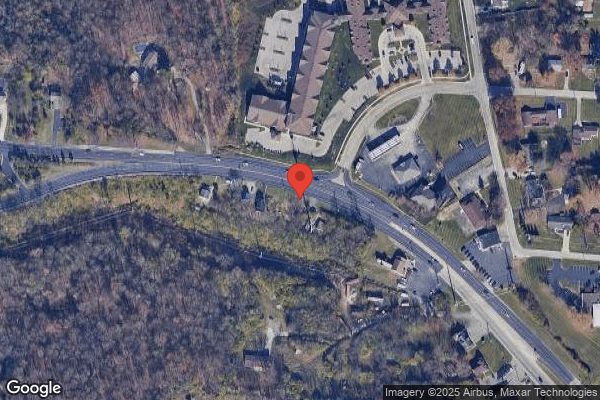
8700 MORAN ROAD, CINCINNATI, OH 45244 (513) 578-6200
For profit - Limited Liability company 138 Beds COMMUNICARE HEALTH Data: November 2025 1 Immediate Jeopardy citation
Trust Grade
56/100
#258 of 913 in OH
Last Inspection: May 2025

Inspected within the last 6 months. Data reflects current conditions.

Overview

Forest Hills Healthcare Center has a Trust Grade of C, which means it is average and falls in the middle of the pack among nursing homes. It ranks #258 out of 913 facilities in Ohio, placing it in the top half of the state, and #24 out of 70 in Hamilton County, indicating that only a few local options are better. The facility is improving, with issues decreasing from five in 2024 to three in 2025. Staffing is a strength, rated at 4 out of 5 stars, and the turnover rate is on par with the state average at 49%. However, there have been concerning incidents, including a critical finding where a resident was not properly secured in a wheelchair during transportation, posing a serious risk, and issues with hand hygiene among dietary staff, which could affect all residents. Overall, while Forest Hills Healthcare Center has strengths in staffing and quality measures, families should be aware of the past incidents and ongoing compliance issues.

Trust Score
C
56/100
In Ohio
#258/913
Top 28%
Safety Record
High Risk
Review needed
Inspections
Getting Better
5 → 3 violations
Staff Stability
⚠ Watch
49% turnover. Above average. Higher turnover means staff may not know residents' routines.
Penalties
⚠ Watch
$16,801 in fines. Higher than 89% of Ohio facilities, suggesting repeated compliance issues.
Skilled Nurses
✓ Good
Each resident gets 52 minutes of Registered Nurse (RN) attention daily — more than average for Ohio. RNs are trained to catch health problems early.
Violations
⚠ Watch
28 deficiencies on record. Higher than average. Multiple issues found across inspections.
★★★★☆
4.0
Overall Rating
★★★★☆
4.0
Staff Levels
★★★★★
5.0
Care Quality
★★★☆☆
3.0
Inspection Score
Stable
2024: 5 issues
2025: 3 issues

The Good

  • 4-Star Staffing Rating · Above-average nurse staffing levels
  • 5-Star Quality Measures · Strong clinical quality outcomes
  • Full Sprinkler Coverage · Fire safety systems throughout facility
  • No fines on record

Facility shows strength in staffing levels, quality measures, fire safety.

The Bad

Staff Turnover: 49%

Near Ohio avg (46%)

Higher turnover may affect care consistency

Federal Fines: $16,801

Below median ($33,413)

Minor penalties assessed

Chain: COMMUNICARE HEALTH

Part of a multi-facility chain

Ask about local staffing decisions and management

The Ugly 28 deficiencies on record

1 life-threatening
May 2025 2 deficiencies
CONCERN (D)

Potential for Harm - no one hurt, but risky conditions existed

Medical Records (Tag F0842)

Could have caused harm · This affected 1 resident

**NOTE- TERMS IN BRACKETS HAVE BEEN EDITED TO PROTECT CONFIDENTIALITY** Based on record review, resident and staff interview, the facility failed to transcribe a change of an advance directive order. ...

Read full inspector narrative →
**NOTE- TERMS IN BRACKETS HAVE BEEN EDITED TO PROTECT CONFIDENTIALITY** Based on record review, resident and staff interview, the facility failed to transcribe a change of an advance directive order. This affected one Resident (#2) of three residents reviewed for advance directives. The facility census was 102. Findings include: Review of the medical record for Resident #2 revealed an admission date of [DATE]. According to the admission record, Resident #2's code status was listed as a full code, meaning the resident wanted cardiopulmonary resuscitation (CPR). A quarterly Minimum Data Set (MDS), dated [DATE], revealed Resident #2 had a Brief Interview for Mental Status (BIMS) score of 12, which indicated the resident had moderate cognitive impairment. Review of Resident #2's current orders as of [DATE], revealed Resident #2 had an order dated [DATE], indicating the resident's code status was a full code. Review of Resident #2's care plan included a focus area for code status initiated [DATE] and revised [DATE], that indicated Resident #2's code status was Do Not Resuscitate (DNR), Comfort Care. Interventions directed staff to obtain the medical provider order for the residents' code status. Review of Resident #2's DNR] Order Form, dated [DATE], indicated the resident's code status was DNR Comfort Care. Interview on [DATE] at 11:01 A.M., Resident #2 stated they were their own responsible party and wished to have a DNR code status. The resident stated they no longer wanted to have full code status. Interview on [DATE] at 3:23 P.M., Registered Nurse (RN) #1 stated a change in a resident's code status should be updated by the management staff immediately in the resident's electronic health record (EHR). RN #1 stated when she would receive a change in code status order, she notified the nurse practitioner, the Director of Nursing (DON), and changed the order in the resident's EHR. Interview on [DATE] at 7:36 P.M., the Director of Social Services (DSS) stated advanced directives were reviewed with each resident annually to determine if they were still accurate. She stated if a resident wished to change from full code to DNR, she met with the resident, consulted with responsible parties, and sent the form to the physician. She stated changing a resident's code status in the EHR should be completed by the nurses. She stated the resident's code status was changed a couple of weeks before she started employment at the facility. She stated she expected the change in code status to be documented by the social worker who was responsible and the paperwork to be forwarded to the nursing staff and physician so the residents' orders and medical record could be updated. Interview on [DATE] at 8:57 A.M., the DON stated that he expected a resident's code status to be updated in the resident's EHR when the resident decided to change it. He stated the DSS was responsible for making sure any change in code status were given to the nursing staff after all the forms were completed. He stated Resident #2 signed their DNR in June of 2024 when the facility did not have a DSS. He stated it was signed a couple of weeks before the current DSS started, and Resident #2's change in code status was missed. He stated the former medical records nurse should have uploaded the resident's DNR form and changed their status in the EHR at that time and was unsure why it was not completed. Interview on [DATE] at 8:26 A.M., the Administrator stated she expected any changes to a resident's code status should be updated in the EHR at that time.
CONCERN (F)

Potential for Harm - no one hurt, but risky conditions existed

Food Safety (Tag F0812)

Could have caused harm · This affected most or all residents

Based on observation, interview, review of facility policy, and review of the 2022 Food Code, the facility failed to ensure dietary staff performed hand hygiene as directed by the facility policy, and...

Read full inspector narrative →
Based on observation, interview, review of facility policy, and review of the 2022 Food Code, the facility failed to ensure dietary staff performed hand hygiene as directed by the facility policy, and failed to ensure milk was held on the tray line at 41 degrees Fahrenheit (F) or less. This had the potential to affect all residents. The facility census was 102. Findings include: 1. During an observation of the lunch tray line on 05/13/2025 from 12:09 P.M. to 12:12 P.M., Dietary Aide (DA) #18, while waiting for the meal tray line to begin, scratched the left side of her head with her left hand, scratched the right side of her head with her right hand, put her hands in her pockets, then touched a plate, touched her face, and took a plate from the cook and put it on a meal tray. DA #18 proceeded to scratch her face, touch her clothes, and then took a sandwich from the refrigerator next to the meal tray line, placed the sandwich on plate on a meal tray. DA #18 did not perform hand hygiene during this time. During a concurrent observation and interview on 05/13/2025 at 12:17 P.M., DA #18 touched her pants and scratched her head and then continued to participate on the lunch line without completing hand hygiene. The Dietary Manager (DM) #19 stated DA #18 should wash her hands. During an observation of breakfast tray line on 05/15/2025 at 7:38 A.M., DA #18 touched her face and then the top of a plate and put the meal tray with the plate on the cart. DA #18 did not wash her hands after touching her face. At 7:41 A.M., DA #18 touched her pants and her hair and continued to prepare plates for residents' breakfast meal and put the plates on a meal cart. At 8:01 A.M., DA #18 spooned cream of wheat into a container, put a top on it, and then put it on a meal tray. DA #18 proceeded to wipe her hands on her pants. DA #18 did not complete hand hygiene during the observation. During an interview on 05/15/2025 at 7:24 A.M., DA #18 stated she should wash her hands if she stepped away from the meal tray line or touched anything. During an interview on 05/16/2025 at 11:49 A.M., the Director of Nursing stated he expected staff to sanitize their hands after touching clothing and things of that nature. During an interview on 05/16/2025 at 11:13 A.M., the Administrator stated she expected staff to complete hand hygiene according to the policy. Review of an undated facility policy titled, Handwashing Procedure for Dining Services revealed, hand hygiene continues to be the primary means of preventing the transmission of infection. The handwashing procedure revealed, the following is a list of some situations that require hand hygiene, which included, after blowing your nose, coughing, sneezing, or touching your hair, face, or clothes. 2. During a concurrent interview and observation of the breakfast tray line on 05/15/2025 at approximately 8:18 A.M., Dietary Aide (DA) #18 poured lactose free milk into seven cups to be served to residents. DA #18 placed the seven glasses on the tray line and did not hold cups of milk in ice to maintain the temperature. At the request of the surveyor, at 8:28 A.M., the Dietary Manager took the temperature of the milk of the lactose free milk in each of the seven cups. The DM stated the temperature of the milk was 43 degrees Fahrenheit (F). and further added the facility could not serve the milk. During an interview on 05/16/2025 at 11:49 A.M., the Director of Nursing stated his expectation was the food was adequately heated, and the milk was at an appropriate temperature. During an interview on 05/16/2025 at 11:13 A.M., the Administrator stated her expectation was the food and drink temperatures were kept within acceptable and required temperature ranges. Review of the 2022 Food Code published by the United States Food and Drug Administration, indicated, (3-501.16) temperature control for the safety and hot and cold holding stated hot food shall be maintained at 135 degrees Fahrenheit or higher and cold food items at 41 degrees Fahrenheit or less.
Jan 2025 1 deficiency
CONCERN (D) 📢 Someone Reported This

A family member, employee, or ombudsman was alarmed enough to file a formal complaint

Potential for Harm - no one hurt, but risky conditions existed

Deficiency F0573 (Tag F0573)

Could have caused harm · This affected 1 resident

**NOTE- TERMS IN BRACKETS HAVE BEEN EDITED TO PROTECT CONFIDENTIALITY** Based on medical record review, staff interview, and facility policy review, the facility failed to provide copies of resident r...

Read full inspector narrative →
**NOTE- TERMS IN BRACKETS HAVE BEEN EDITED TO PROTECT CONFIDENTIALITY** Based on medical record review, staff interview, and facility policy review, the facility failed to provide copies of resident records as requested and per requirements. This affected one (Resident #110) of three residents reviewed for medical records request. The census was 108. Findings Include: Resident #110 was admitted to the facility on [DATE]. Her diagnoses were other specified fracture of left pubis, unspecified fall, anemia, hypertension, cognitive communication deficit, hypothyroidism, hyperlipidemia, syncope and collapse, osteoporosis, vitamin D deficiency, osteoarthritis, hypotension, and muscle weakness. Review of her minimum data set (MDS) assessment, dated 07/31/24, revealed she was cognitively intact. Review of Resident #110 progress notes, dated 07/25/24 to 08/21/24, revealed she was discharged from the facility on 08/21/24. There was no documentation to support a request of medical records. Review of facility Authorization for the Release of Health Information form, dated 01/13/25, revealed Resident #110 signed this document to request a copy of her complete medical records. The records were to be sent to an attorney's office. There was no documentation to support this request had been addressed and/or completed. Interview with Administrator on 01/31/25 at 2:50 P.M. confirmed the request had not been completed. She confirmed the facility received a request for Resident #110's complete medical records, which was signed by Resident #110, on 01/13/25. She confirmed the facility's typical process was to receive a written request for medical records, have the request sent to their legal department to verify the authenticity of the request/signature(s), and then within 30 days, start processing the medical records request. Review of facility Releasing Clinical Records procedures, undated, revealed the facility will only release confidential information to authorized persons/entities, and only in accordance with facility policy, federal, and state laws. The procedure includes the following: a written request if required, requires a properly executed authorization unless not required by law, complete the Authorization for Release of Health Information form, and the requested documents are produced and released in compliance with HIPAA regulations. The Authorization for Release of Health Information form is to be completed and emailed back to the facility. The resident may access his/her electronic record. A staff member is to accompany the resident during the inspection process. If a resident requests a copy of his/her record, the record will be provided in compliance with regulations. If a family member is the legal representative, the records will be released to him/her by the company's attorney. Release of confidential information to a third party with properly executed authorization. Third party includes attorneys. Unless otherwise specified by state statute, a valid authorization form must include at least the following: name of the individual, name of organization which is to make the disclosure, name of individual or organization requesting information, purpose of need for disclosure, statement that consent is subject to revocation at any time except to extent that action has been taken, statement that authorization will expire on a specific date or at least 90 days from the date of the signature by individual or authorized person, and signature of individual or authorized person. The facility will verify authenticity of signature by comparing it to other documents signed by that individual in your facility's records. This deficiency represents non-compliance investigated under Complaint Number OH00161560.
Dec 2024 3 deficiencies
CONCERN (D) 📢 Someone Reported This

A family member, employee, or ombudsman was alarmed enough to file a formal complaint

Potential for Harm - no one hurt, but risky conditions existed

Accident Prevention (Tag F0689)

Could have caused harm · This affected 1 resident

Based on medical record review, staff interview, Nurse Practitioner (NP) interview, and policy review, the facility failed to ensure neurological (neuro) checks were completed when resident's had unwi...

Read full inspector narrative →
Based on medical record review, staff interview, Nurse Practitioner (NP) interview, and policy review, the facility failed to ensure neurological (neuro) checks were completed when resident's had unwitnessed falls and falls involving the head. This affected two (#63 and #85) of three residents reviewed for falls. This had the potential to affect all 108 residents in the facility. Findings include: 1) Review of the medical record of Resident #63 revealed an admission date of 09/09/24. Diagnoses included metabolic encephalopathy, dementia, type two diabetes mellitus, and obstructive sleep apnea (OSA). Review of the quarterly Minimum Data Set (MDS) assessment for Resident #63 dated 09/20/24; revealed the resident had severely impaired cognition. Review of a fall investigation for Resident #63 dated 11/15/24, revealed, at approximately 4:30 A.M., Resident #63 was found sitting on the floor close to his geriatric (geri) chair. The resident was assessed with no injuries. The on-call physician was notified of the fall at 7:30 A.M. and the resident's son was notified of the fall at 8:11 A.M. Review of neuro-checks for Resident #63 dated 11/15/24; revealed the first four 15-minute checks and first hour check was not signed off as complete until 11/22/24, by the Director of Nursing (DON). Interview with the DON on 12/17/24 at 4:14 P.M., verified the first four 15-minute checks and first hour check was not signed off until 11/22/24. The DON stated he had no doubt the checks were being done; however, he found staff were not signing them off as complete at the time they were due, so he had to go back and ensure they were completed. 2) Review of the medical record of Resident #85 revealed an admission date of 10/07/24. Diagnoses included right ulnar fracture, resistant hypertension, dysphagia, and a history of falling. Review of the comprehensive MDS assessment for Resident #85 dated 10/15/24, revealed the resident had moderately impaired cognition. The resident required partial/moderate assistance with bed mobility, substantial/maximal assistance with bathing and was dependent on staff for toileting, dressing, and transfers. Review of a nursing progress note for Resident #85 dated 10/21/24, revealed the nurse witnessed Resident #85 attempting to pick something up off the floor in the hallway and fell on her face. The resident sustained abrasions to her left eye and nose and lost a lens of her glasses during the fall. The physician was notified, and an x-ray of the face was ordered. Review of the medical record revealed no evidence of neuro-checks being completed following Resident #85's fall on 10/21/24. Interview with the DON on 12/18/24 at 10:35 A.M., verified no neuro-checks were completed following Resident #85's fall on 10/21/24. The DON stated NP #405 assessed the resident after the fall and ordered an x-ray of the face but did not order any neuro-checks. Upon review of the policy with the DON, the DON verified the type of fall Resident #85 sustained, should have included neuro-checks following the incident. Interview with NP #405 on 12/18/24 at 3:49 P.M., revealed she assessed Resident #85 following a fall on 10/21/24 and ordered a facial x-ray. NP #405 stated neuro-checks should have been completed per the facility's protocol as Resident #85's head was involved with her fall, evidenced by her broken glasses and significant bruising on her left side. Review of the facility policy titled, Neurological checks, undated, revealed neurological assessment should be completed for falls with suspected head injury, falls with unknown head injury, and blows to the face every 15 minutes, then hourly, then daily for four days. This deficiency represents non-compliance investigated under Complaint Number OH00160169.
CONCERN (D) 📢 Someone Reported This

A family member, employee, or ombudsman was alarmed enough to file a formal complaint

Potential for Harm - no one hurt, but risky conditions existed

Deficiency F0757 (Tag F0757)

Could have caused harm · This affected 1 resident

Based on medical record review and staff interview, the facility failed to ensure residents were free from unnecessary medications. This affected one (#59) of three residents reviewed for infection. T...

Read full inspector narrative →
Based on medical record review and staff interview, the facility failed to ensure residents were free from unnecessary medications. This affected one (#59) of three residents reviewed for infection. This had the potential to affect all 108 residents in the facility. Findings include: Review of the medical record of Resident #59 revealed an admission date of 11/23/24. Diagnoses included cellulitis, insomnia, cognitive communication deficit, and dysphagia. Review of a nursing progress note for Resident #59 dated 11/23/24 revealed new orders were received to discontinue Miralax (laxative) due to diarrhea and check the resident's stool for Clostridium difficile (C.diff). Per report obtained from the hospital, the resident had one episode of diarrhea that morning, but this was due to the administration of Miralax. Review of the physician orders for Resident #59 revealed an order dated 11/24/24 to check the resident's stool for C.diff. Orders on 11/27/24 revealed the resident was ordered Vancomycin (antibiotic) oral solution 25 milligrams (mg) per milliliter (mL) to give five ml (125 mg) every six hours for C.diff for 10 days. The medication was completed 12/07/24. Review of the comprehensive Minimum Data Set (MDS) assessment for Resident #59 dated 11/28/24 revealed the resident had severely impaired cognition. Review of the medical record revealed no documented evidence of Resident #59's stool being checked for C.diff as ordered. Interview with the Director of Nursing (Don) on 12/19/24 at 11:12 A.M., verified Resident #59 was given 10 days of Vancomycin without having positive C.diff culture results. The DON stated the medication should not have been prescribed without written positive results and, through an investigation, discovered a nurse had verbally told the Nurse Practitioner (NP) that Resident #59 had positive C.diff results and the NP gave a verbal order for antibiotics without reviewing the written results. This deficiency is based on incidental findings discovered during the course of this complaint investigation.
CONCERN (D) 📢 Someone Reported This

A family member, employee, or ombudsman was alarmed enough to file a formal complaint

Potential for Harm - no one hurt, but risky conditions existed

Laboratory Services (Tag F0770)

Could have caused harm · This affected 1 resident

**NOTE- TERMS IN BRACKETS HAVE BEEN EDITED TO PROTECT CONFIDENTIALITY** Based on medical record review and staff interview, the facility failed to ensure laboratory (lab) tests were drawn as ordered b...

Read full inspector narrative →
**NOTE- TERMS IN BRACKETS HAVE BEEN EDITED TO PROTECT CONFIDENTIALITY** Based on medical record review and staff interview, the facility failed to ensure laboratory (lab) tests were drawn as ordered by the physician. This affected two (#59 and #109) of three residents reviewed for labs. This had the potential to affect all 108 residents in the facility. Findings include: 1) Review of the medical record of Resident #59 revealed an admission date of 11/23/24. Diagnoses included cellulitis, insomnia, cognitive communication deficit, and dysphagia. Review of the comprehensive Minimum Data Set (MDS) assessment dated [DATE] revealed the resident had severely impaired cognition. Review of a nursing progress note for Resident #59 dated 11/23/24, revealed new orders were received to discontinue Miralax (laxative) due to diarrhea and check the resident's stool for Clostridium difficile (C.diff). Per a report obtained from the hospital, the resident had one episode of diarrhea that morning, but this was due to the administration of the Miralax. Review of physician orders for Resident #59 dated 11/24/24, revealed orders for the resident to have stool tested for C.diff. Review of the medical record revealed no documented evidence of Resident #59's stool being tested for C.diff as ordered. Interview with the Director of Nursing (DON) on 12/19/24 at 11:12 A.M., verified there was no documented evidence of Resident #59's having a stool culture for C.diff completed as ordered. 2. Review of the medical record of Resident #109 revealed an admission date of 04/26/22. The resident transferred to the hospital on [DATE] and returned to the facility on [DATE]. Diagnoses included dysarthria, aphasia, hemiplegia and hemiparesis following cerebral infarction, anxiety, depression, vascular dementia, breast cancer. Review of the quarterly MDS assessment for Resident #109 dated 12/09/24 revealed the resident had intact cognition. The resident utilized a walker for mobility. Review of a nursing progress note for Resident #109 dated 11/14/24, revealed the resident complained of feeling weak and more tired than usual. Nurse Practitioner (NP) #405 was notified and gave orders for a complete blood count (CBC) on 11/15/24. Review of a NP #405 progress note dated 11/14/24 revealed the resident was not feeling well and recommended for the resident have a CBC completed. Review of the physician orders revealed an order dated 11/14/24 for the resident to have a CBC with differential on 11/15/24. Review of the medical record for Resident #109 revealed no documented evidence of the labs being completed as ordered. Interview with the DON on 12/18/24 at 1:38 P.M., verified a CBC for Resident #109 was not completed per orders on 11/15/24. The DON stated the facility changed lab companies during that week and Resident #109's labs were missed. This deficiency represents non-compliance investigated under Complaint Number OH00160169.
May 2024 2 deficiencies 1 IJ
CRITICAL (J) 📢 Someone Reported This

A family member, employee, or ombudsman was alarmed enough to file a formal complaint

Immediate Jeopardy (IJ) - the most serious Medicare violation

Accident Prevention (Tag F0689)

Someone could have died · This affected 1 resident

**NOTE- TERMS IN BRACKETS HAVE BEEN EDITED TO PROTECT CONFIDENTIALITY** THE FOLLOWING DEFICIENCY REPRESENTS AN INCIDENT OF PAST NONCOMPLIANCE THAT WAS SUBSEQUENTLY CORRECTED PRIOR TO THIS SURVEY. Bas...

Read full inspector narrative →
**NOTE- TERMS IN BRACKETS HAVE BEEN EDITED TO PROTECT CONFIDENTIALITY** THE FOLLOWING DEFICIENCY REPRESENTS AN INCIDENT OF PAST NONCOMPLIANCE THAT WAS SUBSEQUENTLY CORRECTED PRIOR TO THIS SURVEY. Based on observations, medical record review, review of the incident log, review of facility in-service records, review of a personnel file, review of the safety inspection bus checklist, review of witness statements and the facility's internal investigation, review of policies, review of the emergency medical services (EMS) report, review of emergency room (ER) notes, interview with the Medical Director, and resident and staff interviews, the facility failed to ensure a resident dependent on staff, was safely secured in the wheelchair with an appropriate seat belt during transportation in a facility van to a physician's visit. This resulted in Immediate Jeopardy when one resident (#15) was placed at potential risk for serious life-threatening harm and/or injuries, when Former Transport Driver (FTD) #34 abruptly stopped the facility van, causing Resident #15 to come out of her wheelchair and landing on the floor, towards the front of the van sustaining a hematoma (a solid swelling area of clotted blood within the tissues), causing increased pain, and lacerations that required sutures. This affected one (#15) of three residents reviewed for use of assistive devices during transportation. The facility identified a total of 23 residents who utilized a wheelchair, the transport van, and would be required to have their seat belt engaged. The facility census was 100. On 04/30/24 at 3:23 P.M., the Administrator, and Director of Nursing (DON) were informed that Immediate Jeopardy began on 03/15/24 at approximately 12:30 P.M., when Resident #15 was being transported to a physician's appointment via the facility's transportation bus, when FTD #34 failed to properly and safely secure Resident #15 in her wheelchair prior to leaving the facility. During the trip to the physician's office, the driver abruptly stopped for a traffic signal, causing Resident #15 to come out of her wheelchair by sliding under the seat belt and landing on the floor towards the front of the van. FTD #34 stopped to check on Resident #15, and when the resident stated she was hurt and wanted to go the hospital, FTD #34 drove back to the facility with Resident #15 lying on the floor of the van unsecured and rolling around on the floor. Once FTD #34 returned to the facility, he alerted the receptionist to get the Administrator and a nurse and Emergency nine-one-one (911) was called and Resident #15 was then taken to the emergency room for evaluation and treatment. Resident #15 was treated for a hematoma (a solid swelling area of clotted blood within the tissues), pain, and laceration to her lower right leg that required sutures. The Immediate Jeopardy was removed on 03/20/24; however, the deficiency remained at Severity Level 2 (no actual harm with the potential for more than minimal harm that is not Immediate Jeopardy) until it was corrected on 04/26/24 when the facility implemented the following corrective actions: • On 03/15/24 between 12:30 P.M. and 12:40 P.M., Resident #15 slid from her wheelchair in a facility owned and operated van while being transported by a facility staff member (FTD #34) to a routine scheduled physician appointment. Resident #15 is an [AGE] year-old female admitted to facility on 8/29/23 to reside long term. Resident notes to have diagnoses to include morbid obesity, fibromyalgia, disc degeneration, cerebral infarction, muscle weakness, gait abnormalities, chronic respiratory issues, polyarthritis, and hypertension. Resident #15 requires transportation via wheelchair. Resident #15 noted to have Brief Interview Mental Status (BIMS) of 15 which indicated the resident was cognitively intact. The incident occurred 1.1 miles from the facility at a traffic light. The determination of the Root Cause Analysis (RCA) is inconclusive. FTD #34 stated Resident #15 took her arms out of the seatbelts to look at her papers. Resident #15 denied removing her arms from the seatbelts and stated she just slid out. The investigation revealed FTD #34 did not follow the facility policy that he had previously been educated on by returning the resident to the facility verses calling 911 immediately. • On 03/15/24 at 12:45 P.M., Resident#15 arrived back at the facility and was immediately assessed by Licensed Practical Nurse (LPN)/Unit Manager #37 and former DON #38. The resident was discovered on the floor of the van in front of her wheelchair. Resident #15 was lying on her left side with her head up and looking at the staff. Resident#15 had a laceration to her right knee with no other injuries noted at that time. Resident #15 stated she slid from her wheelchair and her right leg was hurting. • On 03/15/24 at 12:46 P.M., Nurse Practitioner (NP) #62 was notified and ordered Resident #15 to be sent to the ER. • On 03/15/24 at 12:46 P.M., 911 was called by LPN #39. • On 03/15/24 at 12:50 P.M., former DON #38 notified Resident #15's family. • On 03/15/24 at 1:00 P.M., EMS arrived at the facility and transported Resident #15 to the ER for further evaluation and treatment. • On 03/15/24 at 1:15 P.M., former DON #38 and LPN #39 updated Resident #15's care plan to include: Send Resident #15 to the ER, wheelchair safety education for the resident, provide an escort for all transport/appointments and skin/laceration care. • On 03/15/24 at 1:35 P.M., the Administrator ceased all transportation for in-house facility transports. • On 03/15/24 at 1:45 P.M., the Administrator and former DON #38 interviewed FTD #34 and an investigation started regarding the entire incident and actions that transpired during the incident. • On 3/15/24 at 2:00 P.M., a van inspection was completed by Maintenance Director #41 and no mechanical issues or malfunctions were discovered. • On 03/15/24 at 2:00 P.M., FTD #34 was interviewed, and a written statement was obtained. FTD #34 received a final level Corrective Action Form conducted for failure to follow transportation protocol. FTD #34 was suspended as of 03/15/24 pending an investigation of the incident to allow for investigation, education, and ensure no other incidents had occurred. FTD #34 did not return to work and made no other transportation after this incident for the facility. • On 03/15/24 at 2:00 P.M., the transportation policy was reviewed with the three staff members authorized to complete resident transports. Maintenance Director #41, Transportation Driver (TD) #30, and FTD #34. • On 03/15/24 at 2:30 P.M., the designated facility TD will perform inspections for the transportation vehicle/equipment to ensure safe and functional operation every day prior to any transportation needs. These inspections are to be verified by Maintenance Director #41 after each inspection is completed for the next 30 days then the facility will transition to three times weekly for three months and then monthly ongoing. Should Maintenance Director #41 not be available to complete this verification, it will be performed by Regional Director of Maintenance #40/Designee. • On 03/15/24 at 3:30 P.M., Central Supply Coordinator/Transportation Scheduler #31 conducted an audit of a 30-day lookback of all resident's transportation provided by facility to ensure no other incidents had occurred. No concerns were identified from this audit. • On 03/15/24 at 4:00 P.M., Resident #15 was immediately switched to another transportation service. The Administrator secured an outside transportation company for all facility transports until further notice. All appointments were transferred to the outside provider. • Beginning 03/15/24, to monitor for ongoing compliance, Maintenance #41/Designee will audit the facility van three times weekly for three months and then will perform inspections monthly ongoing to ensure the transportation vehicle/equipment is safe and functioning. • Beginning 03/15/24, to monitor for ongoing compliance, Maintenance Director #41/Designee will audit via observations and return demonstrations of the facility transportation drivers weekly for one month and then monthly for three months to ensure residents are secured appropriately and safely. • Beginning 03/15/24, to monitor for ongoing compliance, Maintenance Director #41/Designee will supervise one transportation run monthly for one year to ensure appropriate transportation methods are in place per the facility's policy. This was implemented on 3/15/24 and started on 03/26/24 when in-house transports were resumed. All results of the audits will be included in each QAPI with any findings. • On 03/16/24 at 8:30 P.M., Resident #15 was transported back to the facility. Resident #15 sustained a laceration on her right knee and seven sutures were placed. All other imaging and diagnostics tests were negative. • On 03/17/24 at 10:00 A.M., former DON #38 interviewed Resident #15 and received her verbal statement. Resident #15 stated she was riding in the transport van and when the driver (FTD #34) stopped, she slid out of her wheelchair. Resident #15 indicated she stayed on the floor of the van until the driver got back to the building and then she went to the hospital. Resident #15 was educated on safety during transports. • On 03/19/24 at 10:00 A.M., Regional Director of Maintenance #40 conducted one-on-one (1:1) training, conducted competencies and check offs with a return demonstration with all three authorized transportation drivers (Maintenance Director #41, FTD #34 and TD #30) to ensure previous education was understood and to remain compliant with safety precautions. FTD #34 was not reinstated afterwards due to FTD #34 providing the facility with his resignation. Education included: Vehicle safety, Safety and Health Programs, Mandatory Transport Driver Training, Drivers Training Classroom Curriculum, Company Vehicle Driver Program (Fleet Safety Program), Safer Transportation of Wheelchair Passengers, Passenger Safety During Transport, New Driver Request Forms, Transport Staff Performance Agreement, Emergency Supplies Check list, Monthly Preventative Maintenance, and Quarterly Vehicle Inspection Reports and initiated immediately. The policy was reviewed again on 03/19/2024 by Regional Director of Maintenance #40 with the Administrator, Maintenance Director #41, FTD #34 and TD #30. Regional Director of Maintenance #40 conducted competencies and check offs with a return demonstration to ensure previous education was understood and to remain compliant with safety precautions. • On 03/19/24 at 11:00 A.M., the transportation policy was reviewed by the Administrator. All facility transportation remained stopped and no new changes were implemented to the policy. All facility transports were being conducted by an outside provider. • On 03/19/24 at 4:00 P.M., a Post Traumatic Stress Disorder (PTSD) screen was completed on Resident #15 and added to the care plan by Director of Social Services #66. The following new interventions were added: To assist and identify what triggers PTSD episodes, encourage slow/deep breathing exercises, reassuring conversation with pleasant topics, observe for increased agitation, anxiety, and offer quiet areas and comfort items, observe resident in group situations and prevent resident from becoming over stimulated, sudden unexpected noises, and new/tv programming may also trigger resident incident, offer quiet area, speak in calm quiet voices and offer reassurance. • On 03/20/24 at 11:00 A.M., an Ad Hoc Quality Assurance Performance Improvement (QAPI) meeting was held with attendees including: The Administrator, Former DON #38, Medical Director (MD) #64, LPN/Clinical Manager #70, Maintenance Director #41, LPN/Unit Manager #37, Central Supply Coordinator #31, LPN #39, [NAME] President of Risk Management #72, Regional Director of Clinical Operations (RDCO) #78, and Regional Director of Operations (RDO) #80 regarding this incident and discussion was held regarding transportation protocols and safety, falls, and steps the facility is taking moving forward to prevent further reoccurrence of the incident. • On 04/02/24 at 11:00 A.M., the vehicle insurance company obtained a report of the incident and once the insurance started their investigation their findings were handled through the insurance. No results/findings have been returned to the facility. • On 04/08/24, Resident #15 had an outside appointment at a physician's office and did not have any identified concerns during the transport via the outside provider. • On 05/07/24 between 1:00 P.M. and 2:00 P.M., interviews with TDs #30 and #58 and Maintenance Director #41, each stated they were in-serviced and educated on properly transporting residents and are utilizing the complete Q'Straint system. • On 05/08/24, review of four (#27, #50, #38 and #21) additional resident's medical records who required assistive devices for transportation revealed no concerns. • On 05/08/24, review of the facility's Transportation Safety Audits including Inspections and Ride Along's revealed the audits were performed as scheduled from 03/15/24 through 04/26/24 with no issues identified. Findings Include: Review of medical record for Resident #15 revealed the resident was admitted on [DATE] with diagnoses including, but not limited to, morbid obesity, fibromyalgia, disc degeneration, cerebral infarction (stroke), muscle weakness, severe spondylosis, gait abnormalities, chronic respiratory, polyarthritis, and wheelchair dependent for propelling. Review of the plan of care for Resident #15 dated 08/29/23 and revised on 03/20/24, revealed the resident had a self-care performance deficit related to weakness. Resident #15 required substantial/maximal assist with Activities of daily living (ADLs). Review of the personnel file for FTD #34 revealed he was hired on 01/02/24 and was provided with training on safe resident transports. On 03/15/24, FTD #34 failed to follow proper transportation protocols, was suspended, and received a final written warning due to safety/carelessness. FTD #34 resigned his position on 03/19/24. Review of a facility document tiled Driver Essential Competencies Assessment dated 01/04/24, revealed FTD #34 completed a competency assessment and met all requirements to complete the task of transportation and skills were observed by Regional Maintenance Director #40. Review of a facility document titled Appointment /Transportation Request Form dated 03/12/24 for Resident #15, revealed the resident had a follow-up physician appointment on 03/15/24 at 1:45 P.M. Resident #15 was going by a standard wheelchair in the facility's van. Review of the facility's timeline of events revealed on 03/15/24 at approximately 12:30 P.M., Resident #15 was placed in the facility's van by FTD #34 for a routine physician's appointment. FTD #34 reported that Resident #15 fell from the wheelchair during transport. At 12:45 P.M., the van arrived back at the facility and Resident #15 had remained on the floor and was immediately assessed. Resident #15 had complaints of generalized pain, with more specific complaints of pain to the right hip, neck, shoulders, and sustained a laceration to the right knee. Review of a written statement by FTD #34 dated 03/15/24, revealed at 12:40 P.M., he placed Resident #15 in the facility van. All four tie downs were securely placed on the wheelchair. FTD #34 checked the wheelchair, and it would not move, and then placed the seatbelt across Resident #15's waist and made sure she was properly secured. FTD #34 departed the facility at 12:45 P.M., heading to the resident's doctor appointment. He turned left out of the driveway heading towards State Route 32. Resident #15 requested to see her paperwork in the envelope due to her questioning the time of her appointment. FTD #34 was at a complete stop at a stop sign right outside the facility and handed Resident #15 her paperwork. FTD #34 assured the resident that he had the correct time. FTD #34 was watching the road, the light went from yellow to red, he applied the brakes and stopped at the red light in the right lane. FTD #34 glanced in the rearview mirror and observed Resident #15 sliding under the seat belt and making contact with the floor. FTD #34 immediately pulled over to the side of the road and asked Resident #15 if she was hurt and immediately turned around and went back to the facility. Once he returned to the facility, FTD #34 had the receptionist contact the nurse and the Administrator to come to the van. Review of a progress note dated 03/15/24 at 12:45 P.M. and recorded as a late entry by former DON #38, revealed Resident #15 had a fall from her wheelchair inside the transport van. Resident #15 complained of pain and was sent to the ER. Review of a facility document titled Fall Occurrence revealed on 03/15/24 at 12:45 P.M., resident had an observed fall off the premises while being transported. Resident #15 was found on her back/right side near the wheelchair in the transport van. Review of a progress note dated 03/15/24 at 12:56 P.M. and recorded as a late entry by former DON #38, revealed FTD #34 reported Resident #15 fell from her wheelchair while being transported to an appointment. The resident had head and skin injuries from a witnessed fall. Resident #15 complained of generalized pain, specific to right hip, neck, and shoulder, and had a laceration to her right knee. The Nurse Practitioner (NP) was notified and ordered to send the resident to the ER. EMS arrived and transported the resident to ER. Review of a Post Fall Evaluation dated 03/15/24 at 12:56 P.M. for Resident #15 and authored by former DON #38, revealed the resident had a witnessed fall on 03/15/24 at 12:45 P.M. while being transported in the facility's van by FTD #34. The resident was assessed to be at a high risk for falls. The resident was found inside the van lying on her right side, arms down to the side, right leg turned outward, and left leg was straight and one foot away from the wheelchair. The assessment revealed the resident had contusion and a gash to the back of the head and skin injuries. Resident #15 complained of pain at a six out of 10 (pain scale where zero is none and 10 is severe) in the back of her head, neck, right hip, and right knee which had bruising. The resident was sent to the ER. The root cause of the fall was determined to be resident positioning in wheelchair and diminished safety awareness and required assistance with ambulation/wheelchair. Interventions to prevent future falls included educating the resident and FTD #34 on wheelchair safety during transports. Review of the EMS run report dated 03/15/24 revealed upon EMS arrival at 1:00 P.M., Resident #15 was found in the transport van in front of the building in a semi-reclined position, alert and oriented, with complaints of right hip pain, head pain, and right knee pain. Resident #15 stated she fell out of her wheelchair during transport and the driver turned around and drove back to the nursing home after she became unsecured from the wheelchair. Resident #15 was assessed to have right knee pain with skin tear and a skin tear on right wrist and small hematoma on back of the right side of her head. Review of the hospital records dated 03/15/24 at 1:36 P.M. for Resident #15, revealed the resident was evaluated for complaints of a fall and neck pain secondary to being flung out of her wheelchair at a stoplight while in her Skilled Nursing Facility (SNF) transport vehicle which stopped suddenly at a traffic light. Resident #15 presented to the ER with neck pain, back pain, pain in her left mastoid area, right knee pain, headache, right arm pain, right dorsal forearm laceration and a laceration on her right knee. Resident #15 reported she hit the left side of the back of her head as well as her neck. The clinical impressions included laceration to resident's right knee which required seven sutures, a fall and cervicalgia (pain in or around your cervical spine). Resident #15 was discharged back to the facility on [DATE] at 7:24 P.M. with orders to follow-up with her physicians. Review of the Transportation Van/Bus Safety Inspection dated 03/15/24 and completed by Maintenance Director #41 after the incident involving Resident #15's fall, revealed the vehicle and all restraints were in proper working order with no malfunctions. Review of the Incident Log revealed on 03/15/24, Resident #15 had a fall. Review of a progress note dated 03/16/24 at 9:05 P.M. for Resident #15, revealed the resident returned from the hospital. Resident #15 received seven sutures to her right knee. The resident reported pain of seven (zero to ten pain scale where zero is no pain and 10 is severe pain). Review of a NP progress note dated 03/17/24 at 3:53 P.M. for Resident #15, authored by NP #62, revealed the resident complained of body pain and spasms. Resident #15 stated she had muscle spasms and increased pain since falling in the transport van and being treated at the ER. Resident #15 received sutures in her scalp and right knee. Resident #15 was diagnosed with acute pain due to trauma and received new orders for Tylenol every four hours and Robaxin (muscle relaxer) 750 milligrams (mgs) three times daily as needed. Review of a progress note dated 03/17/24 at 4:32 P.M. for Resident #15, revealed the on-call provider was notified due to the resident complaining of uncontrolled pain all over and decreased range of motion to both arms resulting in resident needing assistance with feeding. Orders were to continue Tylenol and Robaxin. Review of a NP progress note/post hospital note dated 03/18/24 at 2:29 P.M. for Resident #15, authored by NP #62, revealed the resident fell out of her wheelchair in the van. The resident was assessed with continuing pain, has seven sutures in right knee, and bruising on hands and face. Orders were to continue Tylenol and Robaxin. Review of the Minimum Data Set (MDS) assessment dated [DATE] revealed Resident #15 was cognitively intact and required extensive assistance with all activities of daily living (ADLs). Interview with Transport Driver (TD) #30 on 04/30/24 at 9:35 A.M., revealed the staff would normally secure a resident's wheelchair to the van using the Q'Straint system (a system of four-point securement device with retractors or manual belts along with occupant securements [passenger lap and shoulder belts] and four separate anchor points on the floor of the vehicle) but they used the van's manufacturer's installed shoulder/lap belt to secure residents to their wheelchairs. TD #30 reported the facility implemented the Q'Straint system shoulder and lap restraints after the incident on 03/15/24 involving Resident #15 which provided more safety and security with securing residents to their wheelchairs. Interview with Resident #15 on 04/30/24 at 10:31 A.M., revealed when FTD #34 came to her room to get her, he was rushing her telling her to hurry up and they had to go. Resident #15 stated she told him there was plenty of time and his response was I got things to do. Resident #15 stated he put her in the van and as they took off, she asked for her folder with her medical information and FTD #34 handed it to her. Resident #15 stated FTD #34 was driving really fast, and as she was looking at her appointment paperwork, FTD #34 stopped so hard that the force of the stop, brought her to an almost standing position and on her way back down into the wheelchair, she slipped beneath the seat belt which did not lock when the van was stopping. Resident #15 stated that she was lying on her right side and her head was on the floor, and when FTD #34 asked if she was ok, she said no and wanted to go to the hospital. Resident #15 stated FTD #34 drove back to the facility while she was lying on the floor and her head was hitting the floor. Resident #15 stated she asked FTD #34 to stop but he did not and continued to drive back to the facility. Resident #15 stated the paramedics arrived at the facility and took her to the hospital. Telephone interview with FTD #34 on 04/30/24 at 2:16 P.M., revealed on 03/15/24 at approximately 12:30 P.M. he took Resident #15 out the front door and as he was putting the resident in the van, she was fixated on her appointment time. FTD #34 stated he used the four-point system that secured the resident's wheelchair in place to the van and the vehicles lap/shoulder belt to secure resident in the wheelchair. FTD #34 stated he was approximately one mile from the facility, when he stopped for a traffic light and when he looked back, Resident #15 had slid out of her wheelchair and onto the floor. FTD #34 stated he immediately pulled over to ask the resident if she was ok and Resident #15 stated her leg hurt. FTD #34 stated he did not move the resident from the floor for fear she may have other injuries, so he got back in the van and drove back to the facility, ran into the facility, and had the receptionist call the Administrator and the nurse. FTD #34 stated that staff came out to the van and started providing care to Resident #34. Interview with the Administrator on 04/30/24 at 2:30 P.M. revealed on 03/15/24 at approximately 12:30 P.M., FTD #34 left the facility with Resident #15 for a medical appointment. FTD #34 then returned to the facility at approximately 12:45 P.M., came into the facility and stated he needed a nurse and stated Resident #15 had fallen. The Administrator had the receptionist call 911, Licensed Practical Nurse (LPN) #37 grabbed the treatment cart and ran outside to the van with State Tested Nursing Assistant (STNA) #36 to assist Resident #15. The Administrator stated when he got to the van, Resident #15 was observed laying on the floor of the van with laceration to her right knee. Resident #15 stated she wanted help getting up. The Administrator stated LPN #37 walked out with him and assessed the laceration and LPN #39 also came to help while he went to get the treatment cart. The Administrator reported that FTD #34 stated the resident took her arms out from under the seatbelt and the next thing he knew, the resident was on the floor. The Administrator stated FTD #34 failed to properly apply the seatbelt system for Resident #15. Interview with MD #64 on 04/30/24 at approximately 3:00 P.M. revealed he was informed about the incident involving Resident #15 and was okay with the facility calling 911. Observation of the van restraint system and demonstration on how Resident #15 was secured in the van on 05/07/24 at 12:08 P.M. with TDs #30 and #58, revealed Resident #15 was pushed in the van through the rear of the van and the wheelchair was secured using the Q'Straint system. The shoulder/lap belt that was installed by the van's manufacturer was then placed through the opening of the wheelchair's armrest and across the resident's waist and then fastened to an extended strap with a buckle pushed through the opening of the back of the wheelchair which was attached to the floor Q'Straint device. Observation revealed the van's shoulder portion of the seat belt would be across the resident's middle part of her upper left arm and the lap belt was very loose across the resident's lap. TD #30 stated at the time of the incident, the facility was only utilizing the Q-Straint system for securing the wheelchair and not for securing the residents in their wheelchairs. Review of the Q'Straint manufacturer instructions for use, revealed to secure a passenger, attach lap belts using the integrated stiffeners to feed the belts though openings between the seat back and bottoms and/or armrests to ensure proper belt fit around the occupant. The most common way of securing a wheelchair passenger is a four-point securement, which consists of four tie-downs (retractors or manual belts), along with occupant securements (passenger lap and shoulder belts), and four separate anchor points attached to the vehicle's floor. On the aisle side, attach belt with the female buckle to rear tie down pin connector ensuring buckle rests on passenger's hip. On the window side, attach belt with male tongue to rear tie down pin connector and insert into the female buckle. Attach shoulder belt by extending shoulder belt over the passenger's shoulder and across upper torso and fasten pin connector onto lap belt. Ensure belts are adjusted as firmly as possible but consistent with user comfort. Warning note indicated lap and shoulder belts should not be held away from passengers' body by wheelchair components or parts such as the wheelchairs wheels, armrests, panels, or frame. Review of an undated facility policy titled Resident Transport-Drivers revealed transport drivers would ensure a safe transport for residents, passengers and individuals operating any company motor vehicles while on company business. Additionally, drivers are to ensure operation of the vehicle and any components is as specified by the facility's vehicle use protocols and according to the manufacture guidelines. Loading, transporting, and unloading residents' safety from origin to destination, and if an incident occurs while on the road (i.e., resident slips out of wheelchair, becomes ill or distressed, or other unplanned events) immediately get off road to a safe spot, dial 911 and contact the nursing home and assist/comfort the resident until help arrives. This deficiency represents non-compliance investigated under Complaint Number OH00153374.
CONCERN (E) 📢 Someone Reported This

A family member, employee, or ombudsman was alarmed enough to file a formal complaint

Potential for Harm - no one hurt, but risky conditions existed

Pharmacy Services (Tag F0755)

Could have caused harm · This affected multiple residents

**NOTE- TERMS IN BRACKETS HAVE BEEN EDITED TO PROTECT CONFIDENTIALITY** Based on medical record review, staff interviews, review of employee files, review of job description and review of facility pol...

Read full inspector narrative →
**NOTE- TERMS IN BRACKETS HAVE BEEN EDITED TO PROTECT CONFIDENTIALITY** Based on medical record review, staff interviews, review of employee files, review of job description and review of facility policy, the facility failed to ensure medications were administered by qualified staff. This affected four Residents (#17. #18, #27, and #50). The facility census was 100. Findings include: Review of the medical record for Resident #10 revealed the resident was admitted on [DATE] with diagnosis including, but not limited to, acute respiratory failure, diabetes, congestive heart failure, dementia, tachycardia, and iron deficiency anemia. Review of the Minimum Data Set (MDS) assessment dated [DATE] revealed Resident #10 had severe cognitive deficits, required extensive assistance with all activities of daily living (ADLs). Review of the [DATE] medication administration record (MAR) for Resident #10, revealed Medication Technician (MT) #90 administered medications to Resident #10 on [DATE]. Review of the medical record for Resident #18 revealed the resident was admitted on [DATE] with diagnosis including, but not limited to, hemiparesis/hemiplegia, alcoholic liver disease, morbid obesity, dysphagia, anxiety, depression, and COVID-19. Review of the MDS assessment dated [DATE] revealed Resident #18 had no cognitive deficits. Review of the [DATE] MAR for Resident #18 revealed MT #90 administered medications to Resident #18 on [DATE]. Review of the medical record for Resident #27 revealed the resident was admitted on [DATE] with diagnosis including, but limited to, pulmonary edema, chronic kidney disease, lupus, and depression. Review of the MDS assessment dated [DATE] revealed Resident #27 had no cognitive deficits. Review of the [DATE] MAR for Resident #27 revealed MT #91 administered medications to Resident #27 on [DATE] and [DATE]. Review of the medical record for Resident #50 revealed the resident was admitted on [DATE] with diagnosis including, but not limited to, dysarthria, aphasia, hemiplegia/hemiparesis, bone density disorder, gout, anxiety, acute kidney failure, depression, low back pain, breast cancer, and chronic pain. Review of the MDS assessment dated [DATE] revealed Resident #50 had no cognitive deficits. Review of the [DATE] MAR for Resident #50 revealed MT #91 administered medications to Resident #50 on [DATE], [DATE], and [DATE]. An interview on [DATE] at 8:10 A.M. with the Administrator verified that MTs #90 and #91 did not have the correct certifications from the Ohio Board of Nursing (OBN) to administrator medications. The Administrator stated MTs #90 and #91 had certifications to administer medications in an Intermediate Care Facility (ICF) and he thought the certifications crossed over to Skilled Nursing Facilities (SNF). The Administrator verified that the MTs #90 and #91 had been administering medications to residents and should not have been handling or administering medications. The Administrator stated MTs #90 and #91 were hired prior to him being hired and he never thought to check their certifications. An interview on [DATE] at 11:22 A.M. with Unit Manager (UM) /Registered Nurse (RN) #70 reported MTs #90 and #91 had been hired around the same time and they have been administering medications. UM/RN #70 verified a Medication Technician must be certified through the OBN and MTs #90 and #91 did not have the proper certifications to handle and administer medications to residents. UM/RN #70 stated she has not identified or heard of any medication errors or incidents involving medications being administered from MTs #90 and #91. An interview on [DATE] at 11:24 P.M. with the Director of Nursing (DON) verified a Medication Technician was required to have the proper certifications through OBN to administer medications. The DON verified MTs #90 and #91 had been administering medications to the residents. The DON stated she had not identified or heard of any medication errors or incidents involving medications being administered by the MTs. Review of MT #90's employee file revealed the date of hire of [DATE] and had a State Tested Nursing Assistant (STNA) certification that was in good standing. MT #90's employee file contained a document that was issued by the Department of Developmental Disabilities ([NAME]) as verification for the MT position and no documents for verification from the OBN. Review of MT #91's employee file revealed the date of hire was [DATE] and had an active STNA certification which was in good standing. MT #91's employee file contained an expired document that was issued by [NAME] as verification for the MT position and no documents for verification from the OBN. Review of the facility policy titled Medication Administration revised on [DATE], revealed only licensed or authorized personnel may administer prescribed medication. Review of the Certified Medication Technician job description dated [DATE] revealed the Medication Technician will provide medication administration and personal care for residents to assure the highest degree of quality resident care is maintained at all times. The Medication Technician will set up and administer medication in accordance with physicians' orders and state/federal regulations and maintain a successful completion of a state approved training course. This deficiency represents non-compliance investigated under Complaint Number OH00152738.
May 2023 6 deficiencies
CONCERN (D) 📢 Someone Reported This

A family member, employee, or ombudsman was alarmed enough to file a formal complaint

Potential for Harm - no one hurt, but risky conditions existed

Notification of Changes (Tag F0580)

Could have caused harm · This affected 1 resident

**NOTE- TERMS IN BRACKETS HAVE BEEN EDITED TO PROTECT CONFIDENTIALITY** Based on interview, record review, and policy review, the facility failed to notify family and physician timely after resident f...

Read full inspector narrative →
**NOTE- TERMS IN BRACKETS HAVE BEEN EDITED TO PROTECT CONFIDENTIALITY** Based on interview, record review, and policy review, the facility failed to notify family and physician timely after resident falls. This affected one (Resident #29) of three residents sampled for falls. The facility census was 96. Findings include: Review of the medical record for Resident #29 revealed an admission date of 03/24/2023. Diagnoses included but were not limited to stage II pressure ulcer of the sacral region, unspecified chronic obstructive pulmonary disease (COPD), and unspecified displaced fracture of the sixth cervical vertebra. Review of the most recent Minimum Data Set (MDS) assessment dated [DATE] revealed the resident had severely impaired cognition, had no behaviors, did not reject care, and did not wander. Resident #29 was a one-person physical assist, required total assistance with toileting, and required extensive assistance with all other ADL's. Review of the care plan dated 03/24/23 revealed Resident #29 was at risk for falls related to actual fall. Interventions included one-to staff-supervision, bed in lowest position, initiate neuro checks if a fall is unwitnessed, medication review, move resident closer to the nurse's station, place call light in reach, and remind resident to use call light for assistance. Review of the medical record revealed on 03/26/23 at 5:30 P.M. Resident #29 fell in his room, sustaining a bleeding laceration and hematoma to the forehead. There was no documentation that the doctor was notified. The progress note documented the nurse cleaned the wound, applied an ice pack, and reported the fall to the oncoming nurse. Resident #29's vital signs were stable and the resident was not alert and oriented to respond on his behalf to what led to the fall. During a telephone interview on 05/01/23 at 4:31 P.M., Licensed Practical Nurse (LPN) #119 stated Resident #29 had only fallen once on her shift on 03/26/23 around 5:30 P.M. LPN #119 stated she initiated neurological (neuro)checks and cleaned the resident's head wound. LPN #119 confirmed she did not notify the physician or family of the fall. During an interview on 05/01/2203 at 4:18 P.M. the Director of Nursing verified there was no evidence that the physician or family had been notified of the fall with head injury, and Resident #29 was not sent to the hospital until 03/26023 at 11:30 P.M. Review of policy titled Fall Prevention and Management, revised 06/01/22, revealed neuro checks were initiated if a resident hit their head or had an unwitnessed fall and both family and physician were to be notified after a fall. This deficiency represents non-compliance investigated under Complaint Numbers OH00141684 and OH00141751.
CONCERN (D) 📢 Someone Reported This

A family member, employee, or ombudsman was alarmed enough to file a formal complaint

Potential for Harm - no one hurt, but risky conditions existed

Report Alleged Abuse (Tag F0609)

Could have caused harm · This affected 1 resident

**NOTE- TERMS IN BRACKETS HAVE BEEN EDITED TO PROTECT CONFIDENTIALITY** Based on interview, record review, and policy review, the facility failed to report allegations of abuse to the state agency in ...

Read full inspector narrative →
**NOTE- TERMS IN BRACKETS HAVE BEEN EDITED TO PROTECT CONFIDENTIALITY** Based on interview, record review, and policy review, the facility failed to report allegations of abuse to the state agency in a timely manner. This affected two (Residents #23 and #53) of three sampled residents. The facility census was 96. Findings include: 1. Review of the medical record for Resident #23 revealed an admission date of 10/15/22. Diagnoses included chronic obstructive pulmonary disease (COPD), cognitive communication deficit, and unspecified anxiety disorder. Review of the most recent Minimum Data Set (MDS) assessment dated [DATE] revealed the resident had moderately impaired cognition, had no behaviors, did not wander, and rejected care one to three out of seven days per week. Resident was a one to two-person physical assist and required extensive assistance with activities of daily living. During an interview on 04/27/23 at 1:49 P.M. the Administrator stated approximately five or six months ago Social Worker (SW) #241 reported to him concerns for abuse involving Resident #23 and a Promedica Hospice aide. The administrator stated he did not feel the facility needed to complete an self reported incident because Promedica Hospice completed their own internal investigation and did not substantiate abuse. 2. Review of the medical record for Resident #53, specified, revealed an admission date of 09/21/22. Diagnoses included unspecified fracture of T 9-T 10 vertebra, COPD, and generalized anxiety disorder. Review of the most recent MDS assessment dated [DATE] revealed the resident had moderately impaired cognition, had no behaviors, did not reject care, and did not wander. Resident #53 was a one-person physical assist and required limited to extensive assistance with activities of daily living. During an interview on 04/26/23 at 11:56 A.M., Resident #53 stated she had reported concerns of abuse last week to an unidentified female staff with long dark hair who wore black pants with black and white sweater. The resident stated last week, date not specified, a black male nurse on night shift grabbed her arm and bruised it then told her he would not give her any medications. The resident stated the lady with dark hair said she would take care of it but he was still working and she did not feel safe. During an interview on 04/27/23 at 1:49 P.M. the Administrator stated he had not received any allegations about Resident #53 regarding abuse, and identified the specified perpetrator as Licensed Practical Nurse (LPN) #108, the only staff on night shift who matched the resident's description. During an interview on 05/01/2023 at 1:18 P.M., the Administrator verified he had not reported allegations of abuse for Resident #23 and #53 until 05/01/23. Review of the facility policy titled Ohio Abuse, Neglect & Misappropriation, dated 04/01/19, revealed allegations of abuse would be reported timely to the state agency as required and would be thoroughly investigated. Further review of the facility policy revealed employees alleged or accused of being a party of abuse would be immediately removed from the area(s) of resident care, interviewed by facility leadership for a written statement and not left alone. The employee would not be permitted to be alone in the facility at any time until the investigation is complete. In the event the alleged perpetrator is a staff member that staff member will be removed from areas of resident living and interviewed by nurse on duty. The staff member will be escorted off of the premises by another staff member. The accused staff member will be suspended by the Executive Director or designee pending the outcome of the investigation. Removing the staff member serves to protect the staff member from further accusation, the resident from additional, potential abuse, and the other residents from potential abuse. This deficiency represents non-compliance investigated under Complaint Numbers OH00141751 and OH00141684.
CONCERN (D) 📢 Someone Reported This

A family member, employee, or ombudsman was alarmed enough to file a formal complaint

Potential for Harm - no one hurt, but risky conditions existed

Investigate Abuse (Tag F0610)

Could have caused harm · This affected 1 resident

**NOTE- TERMS IN BRACKETS HAVE BEEN EDITED TO PROTECT CONFIDENTIALITY** Based on interview, record review and policy review, the facility failed to investigate allegations of physical abuse. This affe...

Read full inspector narrative →
**NOTE- TERMS IN BRACKETS HAVE BEEN EDITED TO PROTECT CONFIDENTIALITY** Based on interview, record review and policy review, the facility failed to investigate allegations of physical abuse. This affected two (Residents #23 and #53) of three residents reviewed. The facility census was 96. Findings include: 1. Review of the medical record for Resident #23 revealed an admission date of 10/15/22. Diagnoses included chronic obstructive pulmonary disease (COPD), cognitive communication deficit, and unspecified anxiety disorder. Review of the most recent Minimum Data Set (MDS) assessment dated [DATE] revealed the resident had moderately impaired cognition, had no behaviors, did not wander, and rejected care one to three out of seven days per week. Resident was a one to two-person physical assist and required extensive assistance with activities of daily living. During an interview on 05/01/2023 at 2:11 P.M. Social Worker #241 stated 2:11 P.M. SW stated she was present in the conference room when former Administrator in Training (AIT) #210 reported to the Administrator that Promedica Hospice reported one of their aides had been rough with Resident #23 during care. SW #241 stated she scheduled a meeting on 03/17/23 with Promedica Hospice staff and invited AIT #210, the Administrator, Admissions #238, and Registered Nurse (RN) #236. SW #241 attended the meeting with Admissions #238 and RN #236; AIT #210 and the administrator were unable to attend. Promedica Hospice alleged their aide, unidentified was rough with Resident #23 during care around her scalp. They said something about bruising on her arms. Promedica sent a nurse out to investigate Resident #23 and two additional residents (#28 and #67) who received Promedica Hospice services. There were no significant findings to substantiate abuse, and they said Resident #23 had age-related bruising. Promedica investigated and asked if these residents had any concerns, but Forest Hills did not complete an investigation. 2. Review of the medical record for Resident #53, specified, revealed an admission date of 09/21/22. Diagnoses included unspecified fracture of T 9-T 10 vertebra, COPD, and generalized anxiety disorder. Review of the most recent MDS assessment dated [DATE] revealed the resident had moderately impaired cognition, had no behaviors, did not reject care, and did not wander. Resident #53 was a one-person physical assist and required limited to extensive assistance with ADL's. During an interview on 04/26/23 at 11:56 A.M. Resident #53 stated she had reported concerns of abuse last week to an unidentified female staff with long dark hair who wore black pants with black and white sweater. The resident stated last week, date not specified, a black male nurse on night shift grabbed her arm and bruised it then told her he would not give her any medications. The resident stated the lady with dark hair said she would take care of it but he was still working and she did not feel safe. During an interview on 04/27/23 at 1:49 P.M. the Administrator stated he had not received any allegations about Resident #53 regarding abuse, and identified the specified perpetrator ad LPN #108, the only staff on night shift who matched the resident's description. During an interview on 05/01/23 at 1:18 P.M., the administrator verified he had not begun investigations for abuse concerning allegations regarding Resident #23 and #53 until 05/01/23. Review of the facility policy titled Ohio Abuse, Neglect & Misappropriation dated 04/01/19 revealed allegations of abuse would be reported timely to the state agency as required and would be thoroughly investigated. Further review of the facility policy revealed employees alleged or accused of being a party of abuse would be immediately removed from the area(s) of resident care, interviewed by facility leadership for a written statement and not left alone. The employee would not be permitted to be alone in the facility at any time until the investigation is complete. In the event the alleged perpetrator is a staff member that staff member will be removed from areas of resident living and interviewed by nurse on duty. The staff member will be escorted off of the premises by another staff member. The accused staff member will be suspended by the Executive Director or designee pending the outcome of the investigation. Removing the staff member serves to protect the staff member from further accusation, the resident from additional, potential abuse, and the other residents from potential abuse. This deficiency represents non-compliance investigated under Complaint Numbers OH00141751 and OH00141684.
CONCERN (D) 📢 Someone Reported This

A family member, employee, or ombudsman was alarmed enough to file a formal complaint

Potential for Harm - no one hurt, but risky conditions existed

Accident Prevention (Tag F0689)

Could have caused harm · This affected 1 resident

**NOTE- TERMS IN BRACKETS HAVE BEEN EDITED TO PROTECT CONFIDENTIALITY** Based on interview, record review, and policy review, the facility failed to ensure residents were given timely and appropriate ...

Read full inspector narrative →
**NOTE- TERMS IN BRACKETS HAVE BEEN EDITED TO PROTECT CONFIDENTIALITY** Based on interview, record review, and policy review, the facility failed to ensure residents were given timely and appropriate care after falls. This affected one (Resident #29) of three residents sampled for falls. The facility census was 96. Findings include: Review of the medical record for Resident #29 revealed an admission date of 03/24/23. Diagnoses included stage II pressure ulcer of the sacral region, chronic obstructive pulmonary disease and displaced fracture of the sixth cervical vertebra. Review of the care plan dated 03/24/23 revealed Resident #29 was at risk for falls related to actual fall. Interventions included one-to staff-supervision, bed in lowest position, initiate neuro checks if a fall is unwitnessed, medication review, move resident closer to the nurse's station, place call light in reach, and remind resident to use call light for assistance. Additionally, Resident #29 had a behavior problem of trying to get out of bed resulting in two falls. Interventions included administer medications as ordered, monitor/document side effects/effectiveness of medications. Review of the most recent Minimum Data Set (MDS) assessment dated [DATE] revealed the resident had severely impaired cognition, had no behaviors, did not reject care, and did not wander. Resident #29 was a one-person physical assist, required total assistance with toileting, and required extensive assistance with all other activities of daily living. Review of the medical record revealed Resident #29 had physician orders for apixaban, a blood thinner, 2.5 milligrams (mg) mg by mouth twice daily. Review of the progress note dated 03/26/23 at approximately 5:30 P.M. documented Resident #29 fell in his room sustaining a bleeding laceration and hematoma to the forehead. There was no documentation that the doctor was notified. Progress notes documented the nurse cleaned the wound, applied an ice pack, and reported the fall to the oncoming nurse. Resident #29's vital signs were stable and the resident was not alert and oriented to respond on his behalf to what led to the fall. Review of the progress note dated 03/26/2023 at 11:15 P.M. revealed the on-call provider documented Resident #29 was on Eliquis 5 mg and was confused, a change in baseline status post fall with head injury earlier in the day. New orders were given to send Resident #29 to the hospital for evaluation and treatment including a computed tomography (CT) scan of the head. The progress note dated 03/27/23 at 12:37 A.M. documented the night shift nurse stated Resident #29 had a fall on the day shift with a head injury. The nurse stated Resident #29 was normally very active and responsive, but he was acting tired. The provider was notified and gave new orders for Resident #29 to be evaluated at the emergency room. Resident #29 left the facility 03/26/23 at 11:30 P.M. Review of document titled Neuro Checks dated 03/26/23 revealed Resident #29 was assessed on 03/26/23 at 5:30 P.M., 5:45 P.M., 6:00 P.M. 6:15 P.M., and 7:15 P.M. During an interview on 04/27/23 at 2:29 P.M., State Tested Nursing Assistant (STNA) #276 stated Resident #29 had two falls in his room within two hours of each other on 03/26/23. The first time he fell trying to get out of bed and had no injury. The second time the resident fell, he had a small bleeding laceration with a hematoma forming to his left forehead. After the second fall, STNA #276 stated she and Licensed Practical Nurse (LPN) #119 put the resident in his wheelchair, cleaned his wound, and put the resident in the hallway near the desk between the units on rehab. Resident #29 was alert to himself with confusion at baseline, but the resident appeared more confused than usual after the second fall. During a telephone interview on 05/01/23 at 4:31 P.M., LPN #119 stated Resident #29 had only fallen once on her shift on 03/26/23 around 5:30 P.M. LPN #119 stated she initiated neuro checks and cleaned the resident's head wound. LPN #119 confirmed she did not notify the physician or family of the fall. During an interview on 05/01/23 at 4:18 P.M., the Director of Nursing (DON) verified the facility had no additional evidence that hourly neuro checks were completed for Resident #29 on 03/26/2023 after 7:15 P.M. until the resident was sent out to the hospital. The DON verified there was no evidence that the physician had been notified of the fall with a head injury, and Resident #29 was not sent to the hospital until 03/26/23 at 11:30 P.M. Review of policy titled Fall Prevention and Management, revised 06/01/22, revealed neuro checks were initiated if a resident hit their head or had an unwitnessed fall and both family and physician were to be notified after a fall. This deficiency represents non-compliance investigated under Complaint Numbers OH00141684 and OH00141751.
CONCERN (D) 📢 Someone Reported This

A family member, employee, or ombudsman was alarmed enough to file a formal complaint

Potential for Harm - no one hurt, but risky conditions existed

Pharmacy Services (Tag F0755)

Could have caused harm · This affected 1 resident

Based on observation, interview, record review, and policy review, the facility failed to have medications available to administer as ordered. This affected two (Residents #8 and #15) of four resident...

Read full inspector narrative →
Based on observation, interview, record review, and policy review, the facility failed to have medications available to administer as ordered. This affected two (Residents #8 and #15) of four residents sampled for medications. The facility census was 96. Findings include: Review of the medical record revealed Resident #8 had physician orders for routine medications including quetiapine 25 mg by mouth three times daily. Review of the medical record revealed Resident #15 had physician ordered for routine medications including Januvia 25 mg by mouth once daily. During observation of medication administration on 04/27/23 from 8:59 A.M. to 10:16 A.M. revealed Resident #8's Seroquel 25 mg and Resident #15's Januvia 25 mg were unavailable and not administered during med pass. During an interview on 04/27/2023 at 10:16 A.M. LPN #101 verified Seroquel and Januvia medications were not available in the medication cart or in the emergency drug supply and would have to be reordered from pharmacy. Review of policy titled Medication Administration undated revealed medications should be administered per physician's orders. This deficiency represents non-compliance investigated under Complaint Numbers OH00142373, OH00142334, OH00142141, OH00141751 and OH00141684.
CONCERN (D) 📢 Someone Reported This

A family member, employee, or ombudsman was alarmed enough to file a formal complaint

Potential for Harm - no one hurt, but risky conditions existed

Unnecessary Medications (Tag F0759)

Could have caused harm · This affected 1 resident

Based on observation, interview, and record review, the facility failed to ensure the medication error rate was less than five percent. 24 opportunities with two errors were observed for a medication ...

Read full inspector narrative →
Based on observation, interview, and record review, the facility failed to ensure the medication error rate was less than five percent. 24 opportunities with two errors were observed for a medication error rate of 8.33 percent. This affected two (Residents #98 and #15) of five residents observed during medication administration. The facility census was 96. Findings include: Review of the medical record revealed Resident #8 had physician orders for routine medications including Seroquel 25 mg by mouth three times daily. Review of the medical record revealed Resident #15 had physician ordered for routine medications including Januvia 25 mg by mouth once daily. Observation on 04/27/2023 from 8:59 A.M. to 10:16 A.M. revealed Licensed Practical Nurses (LPN's) #101 and #134 delivered twenty-two out of twenty-four ordered medications to five residents (Residents #5, #8, #15, #18, and #22). There were two medications not given because they were unavailable: Resident #8's Seroquel 25 mg and Resident #15's Januvia 25 mg, creating a medication error rate of 8.33%. During an interview on 04/27/2023 at 10:16 A.M., Licensed Practical Nurse (LPN) #101 verified Seroquel and Januvia medications were not available in the medication cart or in the emergency drug supply and would have to be reordered from pharmacy. Review of policy titled Medication Administration undated revealed medications should be administered per physician's orders. This deficiency represents non-compliance investigated under Complaint Numbers OH00142141, OH00141684, and OH00141751.
Feb 2023 4 deficiencies
CONCERN (D) 📢 Someone Reported This

A family member, employee, or ombudsman was alarmed enough to file a formal complaint

Potential for Harm - no one hurt, but risky conditions existed

Notification of Changes (Tag F0580)

Could have caused harm · This affected 1 resident

Based on medical record review, review of Power of Attorney documentation, review of Guardianship documentation, and staff interview, the facility failed to ensure Resident #7's Guardian was notified ...

Read full inspector narrative →
Based on medical record review, review of Power of Attorney documentation, review of Guardianship documentation, and staff interview, the facility failed to ensure Resident #7's Guardian was notified when Resident #7 passed away. This affected one resident (#7) out of one resident reviewed for notification of change. The facility census was 94. Findings include: Review of the medical record for Resident #7 revealed an admission date of 01/20/22 and a discharge date of 11/26/22 with diagnosis including emphysema and nontraumatic intracerebral hemorrhage. Resident #7 passed away on 11/26/22. Review of Resident #7's Power of Attorney documentation revealed Resident #7 made Resident #7's Grandson her healthcare Power of Attorney (POA) on 04/21/09. Review of Resident #7's Guardianship documentation, dated 09/30/22, revealed the court granted guardianship (Guardian) of Resident #7 to Resident #7's Granddaughter. Review of Resident #7's face sheet and emergency contact information revealed Resident #7's POA was listed as POA on the face sheet and Resident #7's Guardian was listed as Emergency contact #1. Review of Resident #7's progress note, dated 11/26/22 at 10:47 P.M., revealed nursing spoke to Resident #7's POA and the POA stated he set up guardianship and did not have a funeral home set up for Resident #7. Review of Resident #7's progress note, dated 11/27/22 at 1:15 A.M., revealed Resident #7's POA called back and provided a funeral home, and Resident #7's body was released to the funeral home. Review of Resident #7's medical record revealed no evidence Resident #7's Guardian was notified when Resident #7 passed away on 11/26/22. Interview on 01/31/23 at 12:50 P.M. with Regional Director of Clinical Operations #500 and SSD #700 verified Resident #7's Guardian was not contacted when Resident #7 passed away on 11/26/22. This deficiency represents non-compliance investigated under Complaint Number OH00138207.
CONCERN (D) 📢 Someone Reported This

A family member, employee, or ombudsman was alarmed enough to file a formal complaint

Potential for Harm - no one hurt, but risky conditions existed

Deficiency F0583 (Tag F0583)

Could have caused harm · This affected 1 resident

Based on medical record review, observation, resident and resident representative interview, and staff interview, the facility failed to ensure resident's personal privacy was maintained when discussi...

Read full inspector narrative →
Based on medical record review, observation, resident and resident representative interview, and staff interview, the facility failed to ensure resident's personal privacy was maintained when discussing medical information with their representatives and staff. This affected one (#9) out of 15 residents reviewed. The census was 94. Findings include: Review of the medical record for Resident #9 revealed an admission date of 01/12/23 and a discharge date of 01/28/23 with diagnoses including chronic obstructive pulmonary disease (COPD), acute and subacute infective endocarditis, and heart valve replacement. Observation on 01/30/23 at 2:30 P.M. revealed Resident #9, Resident #9's representative, and Social Services Designee (SSD) #700 speaking in the lobby. Resident #9's representative requested to speak with SSD #700 in a private setting however SSD #700 declined. The state surveyor overheard information related to the care and treatment of Resident #9, including medications, therapy, and billing. Facility residents, the receptionist, facility staff, and delivery people were observed to be in the lobby at various times during the conversation. Interview on 01/30/23 at 3:01 P.M. with Resident #9 and Resident #9's representative verified they requested to speak with SSD #700 in a private area however SSD #700 declined to provide an private area for their conversation. Interview on 01/31/23 at 12:50 P.M. with SSD #700 verified she had a conversation in the lobby with Resident #9 and Resident #9's representative on 01/30/23. SSD #700 verified she should have allowed the conversation to have occurred in a private location.
CONCERN (D) 📢 Someone Reported This

A family member, employee, or ombudsman was alarmed enough to file a formal complaint

Potential for Harm - no one hurt, but risky conditions existed

Deficiency F0760 (Tag F0760)

Could have caused harm · This affected 1 resident

Based on medical record review, staff and resient interview, and facility policy review, the facility failed to ensure residents were free from significant medication errors. This affected one (#9) ou...

Read full inspector narrative →
Based on medical record review, staff and resient interview, and facility policy review, the facility failed to ensure residents were free from significant medication errors. This affected one (#9) out of four residents reviewed for medication administration. The facility census was 94. Findings include: Review of the medical record for Resident #9 revealed an admission date of 01/12/23 and a discharge date of 01/28/23 with diagnoses including chronic obstructive pulmonary disease (COPD), acute and subacute infective endocarditis, and heart valve replacement. Review of the Minimum Data Set (MDS) assessment, dated 01/19/23, revealed Resident #9 was cognitively intact and independent with all activities of daily living (ADL). Review of Resident #9's physician orders revealed an order with a start date of 01/13/23 for Ampicillin sodium intravenous (IV) use 12 grams (g) daily for infection control. The order had an end date of 01/13/23. Review of Resident #9's physician orders revealed an order with a start date of 01/14/23 for Ampicillin sodium IV, use 12 g daily for infection control. The order had an end date of 01/17/23. Review of Resident #9's physician orders revealed an order with a start date of 01/13/23 for Ceftriaxone sodium IV use two g every 12 hours for infection control. The order had an end date of 01/13/23. Review of Resident #9's physician orders revealed an order with a start date of 01/14/23 for Ceftriaxone sodium IV use two g every 12 hours for infection control. The order had an end date of 01/17/23. Review of Resident #9's care plan revealed a plan for infection management which included administer antibiotics according to the medical provider's orders. Review of Resident #9's progress notes, dated 01/12/23 at 7:34 P.M. to 01/14/23 at 12:26 P.M., revealed Resident #9 did not receive her ampicillin or ceftriaxone IV antibiotics due to the lack of an IV pump in the facility. Review of Resident #9's progress note, dated 01/14/23 at 9:30 A.M., revealed staff spoke with the physician regarding the lack of an IV pump. The physician ordered a call to the pharmacy to immediately deliver the pump and to change the administration time to 4:00 P.M. Review of Resident #9's progress note, dated 01/14/23 at 1:18 P.M., revealed the physician was notified Resident #9's antibiotic was not given due to waiting for the delivery of an IV pump and a new order was given to send Resident #9 to the emergency room to receive the missed doses of antibiotic. Review of Resident #9's progress note, dated 01/14/23 at 7:14 P.M., revealed Resident #9 returned from the hospital with no new orders and Resident #9's daughter stated they didn't give my mom antibiotics at the emergency room. Review of Resident #9's Medication Administration Records for January 2023 revealed Resident #9's ceftriaxone and ampicillin were not administered on 01/13/23. Interview on 01/30/23 at 3:01 P.M. with Resident #9 and Resident #9's representative revealed Resident #9's IV antibiotic treatment was delayed due to a lack of an IV pump until 01/14/23 when the IV pump was delivered. Interview on 01/31/23 at 10:23 A.M. with the Administrator in Training (AIT) and Regional Director of Clinical Operations (RDOCO) #500 verified Resident #9 did not receive her antibiotics as ordered for 48 hours after admission to the facility due to not having an IV pump. Review of the policy titled Medication Administration, dated 01/05/22, revealed medications were to be administered as ordered by the physician including at the right time and by the right route. This deficiency represents non-compliance investigated under Complaint Number OH00138207.
MINOR (C) 📢 Someone Reported This

A family member, employee, or ombudsman was alarmed enough to file a formal complaint

Minor Issue - procedural, no safety impact

Staffing Information (Tag F0732)

Minor procedural issue · This affected most or all residents

Based on review of a nurse staffing posting, observation, and staff interview, the facility failed to ensure the daily nurse staffing data was posted daily. The census was 94. Findings include: Observ...

Read full inspector narrative →
Based on review of a nurse staffing posting, observation, and staff interview, the facility failed to ensure the daily nurse staffing data was posted daily. The census was 94. Findings include: Observation and review of the nurse staffing posting on 01/30/23 at 12:40 P.M. revealed the nurse staffing data posted in the facility was from 12/30/22. There was no additional nurse staffing data posted in the facility. Interview on 01/30/23 at 12:45 P.M. with the Administrator in Training (AIT) and Regional Director of Clinical Operations (RDOCO) #500 verified there was no additional nurse staffing data placed in the public areas outside of the nurse staffing data from 12/30/22.
Jul 2022 8 deficiencies
CONCERN (D)

Potential for Harm - no one hurt, but risky conditions existed

Deficiency F0625 (Tag F0625)

Could have caused harm · This affected 1 resident

**NOTE- TERMS IN BRACKETS HAVE BEEN EDITED TO PROTECT CONFIDENTIALITY** Based on medical record review, staff and resident interview, review of the bed hold authorization form, and policy review, the ...

Read full inspector narrative →
**NOTE- TERMS IN BRACKETS HAVE BEEN EDITED TO PROTECT CONFIDENTIALITY** Based on medical record review, staff and resident interview, review of the bed hold authorization form, and policy review, the facility failed to notify residents who were discharged to the hospital of the bed hold payment policy. This affect two residents (#03 and #53) out of five residents reviewed for hospitalizations. The facility census was 76. Findings include: 1. Review of the medical record revealed Resident #03 was admitted on [DATE], discharged to the hospital on [DATE]. Diagnosis included chronic kidney disease, urinary tract infection and asthma with exacerbation. The resident was listed as the responsible party. Review of the admission Minimum Data Set (MDS) dated [DATE] revealed the resident had intact cognition and required extensive assistance with Activity of Daily Living skills. Review of the nurses note dated 03/25/22 at 2:18 P.M. verified the resident was sent to the hospital via emergency squad. Review of the bed hold authorization form dated 03/25/22 and listing Resident #03 revealed no signature of the Resident #03. The Regional Business Office Manager (RBOM) #96 signed and dated the form on 03/25/22 and indicated the telephone contact request was not to hold the bed. No telephone contact name information had been listed on the form. There was no indication a certified letter had been mailed. 2. Review of the medical record revealed Resident #53 was admitted on [DATE], discharged to the hospital on [DATE] and readmitted on [DATE]. Diagnosis included multiple fractures, hypertension, depression, hemoperitoneum and sepsis. The resident was listed as the responsible party and one person listed as an emergency contact. Review of the admission MDS dated [DATE] revealed the resident had intact cognition and required extensive assistance with Activity of Daily Living skills. Review of the nurses note dated 06/03/22 at 6:12 P.M. verified the resident was sent to the hospital via emergency squad. Review of the bed hold authorization form dated 06/04/22 and listing Resident #53 revealed no signature of Resident #53. The RBOM #96 signed and dated the form on 06/04/22 and indicated the request was not to hold the bed. No telephone information had been completed on the form. There was no indication a certified letter had been mailed. Interview on 07/11/22 at 2:06 P.M. Resident #53 stated she had not been informed of holding a bed when she went to the hospital on [DATE]. She denied a family representative had been notified of a policy to hold a bed. Interview on 07/13/22 at 2:43 P.M. Regional Clinical Nurse #97 verified no additional paperwork was available to verify a bed hold notice had been provided to the resident with 24 hours of transfer to the hospital. Interview on 07/14/22 at 10:06 A.M., RBOM #96 verified she had signed Resident #53's bed hold notification form on 06/04/22 and the Resident #53 had not received or signed the bed hold notification for the hospitalization of 06/03/22. RBOM #96 verified Resident #03 bed hold authorization form of hospitalization 03/25/22, had no resident signature or information of the telephone contact. RBOM #96 verified no certified return mail receipt the notification had been mailed for Residents #03 and #53. Review of the facility policy titled Bed Hold Policy', dated 02/17/17, revealed in the event a resident returns to the hospital, the designee will notify the resident and/or responsible party of the days available within 24 hours of the patient leaving the facility or the following business day, if the patient leaves on the weekend. If the bed hold authorization form cannot be signed prior to the resident leaving and needs to be mailed, it must be mailed certified return receipt by the Business Office Manager.
CONCERN (D)

Potential for Harm - no one hurt, but risky conditions existed

Deficiency F0692 (Tag F0692)

Could have caused harm · This affected 1 resident

Based on medical record review, staff interview, review of the hospital continuity of care form, and policy review, the facility failed to monitor and provide interventions for a resident with weight ...

Read full inspector narrative →
Based on medical record review, staff interview, review of the hospital continuity of care form, and policy review, the facility failed to monitor and provide interventions for a resident with weight loss. This affected one resident (#57) out of four residents reviewed for nutrition. The facility census was 76. Findings included: Review of the medical record for Resident #57 revealed an admission date of 07/22/21. The resident had hospitalizations from 11/30/21 to 12/01/21, 01/07/22 to 01/11/22, and 03/22/22 to 03/24/22. Diagnoses included paraplegia, type two diabetes mellitus, muscle weakness, cognitive communication deficit, hypertension, peripheral vascular disease, and chronic pain syndrome. Review of the quarterly Minimum Data Set (MDS) assessment dated for Resident #57 revealed the resident had intact cognition. Resident #57 had a brief interview for mental status (BIMS) score of 15. The resident had no hallucinations, delusions, or rejection of care noted on the assessment. Resident #57 required limited assistance with all activities of daily living (ADLs) except eating (supervision) and toilet use (extensive assistance). The assessment noted that Resident #57 had no swallowing problems. The resident had a weight loss of greater than 10% in the last six months which was a physician prescribed weight loss program. Review of the plan of care for Resident #57 dated 06/15/22 revealed the resident had a nutritional problem related to the history of diabetes mellitus type two. Interventions included monitoring meal intakes, providing double meats with meals, and providing snacks per facility policy. Review of the medical record for Resident #57 revealed a weight on 03/07/22 of 254 pounds (lbs.) and a weight on 03/24/22 of 176 lbs. Review of the continuity of care (COC) for Resident #57 dated 01/11/22 revealed a weight at the hospital of 202 lbs. The COC for Resident #57 dated 03/24/22 revealed a weight of 176 lbs. The weight loss for Resident #57 was 12.8% in a 75-day period. Telephone interview on 07/13/22 at 3:06 P.M. with Registered Dietician (RD) #87 verified she was not aware of the big weight discrepancy for Resident #57 until April 2022. In fact, RD #87 stated she had not addressed the weight loss for the resident until 04/29/22, over a month after the facility documented a large weight loss for Resident #57. RD #87 added double portions to the resident meals because he wouldn't take supplements. No reweighs were ordered for the resident. When asked what she would typically do in the case of a large weight discrepancy, RD #87 stated she would reweigh the resident to confirm the accuracy of the weight. Review of the dietary progress notes dated 06/17/22 at 11:16 A.M. revealed the resident had a 31% weight loss in a six-month time frame according to facility weights. This occurred in mid-March from 254 lbs to 176 lbs due to leg adapters and boots removed. Review of the facility policy titled Resident Height and Weight dated 07/16/21, revealed the facility failed to implement their policy. A plus/minus of 5 pounds of weight in one week will result in: reweigh within 24 hours, validation with nurse for accurate weight, and notify IDT team/doctor/family, if indicated.
CONCERN (D)

Potential for Harm - no one hurt, but risky conditions existed

Medication Errors (Tag F0758)

Could have caused harm · This affected 1 resident

**NOTE- TERMS IN BRACKETS HAVE BEEN EDITED TO PROTECT CONFIDENTIALITY** Based on medical record review, staff interview, policy review, review of the pharmacy records, the facility failed to ensure be...

Read full inspector narrative →
**NOTE- TERMS IN BRACKETS HAVE BEEN EDITED TO PROTECT CONFIDENTIALITY** Based on medical record review, staff interview, policy review, review of the pharmacy records, the facility failed to ensure behavioral interventions were completed prior to administering as needed (PRN) behavior medications. This affected one resident (#41) out of six residents reviewed for unnecessary medications. The facility census was 76. Findings included: Review of the medical record for Resident #41 revealed an admission date of 05/24/22. Diagnosis included cerebral infarction, dysphagia, diabetes mellitus, dementia, weakness, colitis, syncope, and collapse. Review of the Minimum Data Set (MDS) assessment dated [DATE] revealed Resident #41 had severely impaired cognition, was one-person physical assist and required supervision for eating. Review of the plan of care for Resident #41 revealed resident had behavior problems related to anxiety and dementia and used medication to manage behaviors. Interventions included observe for side effects, utilize non-pharmacological interventions prior to administering medications, administer medications as ordered, communicate with resident regarding behaviors, and monitor behaviors, Review of the physician orders for Resident #41 dated 06/07/22 indicated resident was ordered to be monitored for behaviors such as calling out, grabbing at staff, sexually inappropriate, knocking things off tables/desks and staff were to apply Non-Pharmacological Interventions included a snack, a drink, a change in environment - quieter area and the television. Review of the physician orders dated 06/20/20 and discontinued 06/27/22 reviewed resident was ordered Lorazepam (anti-anxiety/psychotropic) 0.5 milligram (mg) every four hours as need for anxiety. Review of the physician orders dated 6/27/20 and discontinued on 06/30/22 revealed Resident #41 was ordered haloperidol (anti-psychotic) one mg every six hours as needed (PRN) for agitation. Review of the active physician orders dated 6/30/22 and scheduled to be discontinued on 07/30/22 revealed Resident #41 was ordered Haldol (anti-psychotic) one mg every six hours PRN for agitation. Review of the June 2022 medication administration record (MAR) for Resident #41 indicated the following: a. Resident #41 was administered Haldol one mg PRN at 06/28/22 at 6:01 P.M. June MAR indicated no Non-Pharmacological Interventions were recorded for PRN dosage of Haldol administered. b. Resident #41 was administered Haldol one mg PRN at 06/29/22 at 2:46 P.M. The June MAR indicated no Non-Pharmacological Interventions were recorded for the PRN dosage of Haldol administered. c. Resident #41 was administered Lorazepam 0.5 mg on 06/22/22 at 7:38 A.M., at 3:15 P.M. and at 8:17 P.M. The MAR indicated Non-Pharmacological Interventions were only recorded for one of the three PRN dosages of Lorazepam administered. d. Resident #41 was administered Lorazepam 0.5 mg on 06/23/22 at 2:03 A.M., at 9:56 A.M. and 8:50 P.M. The MAR indicated Non-Pharmacological Interventions were only recorded for two of the three PRN dosages of Lorazepam administered. e. Resident #41 was administered Lorazepam 0.5 mg on 06/24/22 at 2:48 P.M. and 7:57 P.M. The MAR indicated no non-pharmacological interventions were recorded for the two PRN dosages of Lorazepam administered. f. Resident #41 was administered Lorazepam 0.5 mg on 06/25/22 at 1:15 P.M. and at 7:24 P.M. MAR indicated Non-Pharmacological Interventions were only recorded for one of the two PRN dosage of Lorazepam administered. g. Resident #41 was administered Lorazepam 0.5 mg on 06/26/22 at 6:22 A.M., at 11:38 A.M., at 435 P.M. and at 8:02 P.M. The MAR indicated Non-Pharmacological Interventions were only recorded for ONE of the four PRN dosages of Lorazepam administered. h. Resident #41 was administered Lorazepam 0.5 mg on 06/27/22 at 4:11 A.M. and 10:07 A.M. MAR indicated Non-Pharmacological Interventions were only recorded for one of the two PRN dosages of Lorazepam administered. Review of the July 2022 MAR medication administration record for resident #41 indicated the following: a. Resident #41 was administered Haldol one mg (PRN) on 07/01/22 at 12:11 A.M., 8:11 A.M. and 2:55 P.M. the MAR indicated Non-Pharmacological Interventions were only recorded for two of the three PRN dosages of Haldol administered. b. Resident #41 was administered Haldol one mg (PRN) On 07/04/22 at 12:08 A.M., 11:19 A.M. and 11:07 P.M. The MAR indicated Non-Pharmacological Interventions were only recorded for two of the three PRN dosages of Haldol administered. c. Resident #41 was administered Haldol one mg (PRN) on 07/07/22 at 5:15 P.M. The MAR indicated no Non-Pharmacological Interventions were only recorded for the PRN dose of Haldol being administered. d. Resident #41 was administered Haldol one mg (PRN) On 07/09/22 at 8:19 A.M. and 7:40 P.M. the MAR indicated Non-Pharmacological Interventions were only recorded for one of the two PRN dosages of Haldol administered. Interview with the Director of Nursing (DON) on 07/14/22 at 2:25 P.M., verified non-pharmacological interventions were not completed before resident was administered PRN doses of Lorazepam and Haldol. The DON stated the psychiatrist ordered the PRN Haldol for 30 days so he did not have to rewrite it in 14 days and so resident could have access for continuous 30 days. The DON verified PRN antipsychotic were to be limited to 14 days. Review of the facility policy titled medication Management dated 08/01/20 reveled the facility would consider non-pharmacological interventions before initiating a medication including an Antipsychotic.
CONCERN (E)

Potential for Harm - no one hurt, but risky conditions existed

Resident Rights (Tag F0550)

Could have caused harm · This affected multiple residents

**NOTE- TERMS IN BRACKETS HAVE BEEN EDITED TO PROTECT CONFIDENTIALITY** Based on observation, staff interview, medical record review, and policy review, the facility failed to ensure dependent residen...

Read full inspector narrative →
**NOTE- TERMS IN BRACKETS HAVE BEEN EDITED TO PROTECT CONFIDENTIALITY** Based on observation, staff interview, medical record review, and policy review, the facility failed to ensure dependent residents were fed timely. This affected four residents (#50, #26, #11 and #56) of six residents who were dependent on staff for eating. The facility census was 76. Findings included: 1. Review of the medical record for Resident #50 revealed an admission date of 12/09/16. Diagnosis included vascular dementia, cerebral vascular attack (CVA) with hemiplegia affecting right dominant side, and dysphagia. Review of the Minimum Data Set (MDS) assessment dated [DATE] revealed Resident #50 had severely impaired cognition and required extensive assistance of one to assist with eating. Review of the plan of care for Resident #50 revealed the resident had nutritional problems related to history of CVA, dysphagia of oropharyngeal phase, advanced dementia, required a mechanically altered diet with thickened liquid, had an activities of daily living (ADL) self-care performance deficit and was dependent or required extensive assistance with ADLS due to cognitive and functional deficit and diseases process. Interventions required for resident to be fed during dining. Review of the physician orders for Resident #50 dated 04/14/20 revealed resident was ordered a regular diet pureed texture and honey consistency. Review of the dietary assessment notes for Resident #50 dated 06/22/22, indicated Resident #50 was ordered a regular pureed diet nectar thick liquid and was dependent for feeing. 2. Review of the medical records for Resident #26 revealed an admission date of 11/01/20. Diagnosis included dementia, diabetes mellitus (DM), dysphagia, diabetic retinopathy, and congestive heart failure (CHF). Review of the MDS assessment dated [DATE] revealed Resident #26 had severely impaired cognition, required extensive assistance of one to assist with eating. Review of the plan of care for resident revealed Resident #26 had nutritional problems related to history of DM, CHF, dementia, insidious weight loss and dysphagia. Interventions required for resident to be monitored during meal intake, provide assistance with meal, observe for sign symptoms aspiration, dysphagia, choking and coughing. Review of the physician orders for Resident #26 dated 06/28/22 revealed resident was ordered a consistent carbohydrate diet (CCD) regular texture thin consistency and supervision required setup and attention to task. Review of the dietary assessment notes for Resident #26 dated 05/31/22 indicted resident was ordered regular diet, think liquid, and required supervision during meals. 3. Review of the medical records for Resident #11 revealed an admission date of 09/20/18. Diagnosis included dysphagia, CVA, cerebral infarction, osteoarthritis, lack of coordination, muscle weakness, Alzheimer's disease late onset, and psychotic disorder with hallucinations. Review of the MDS assessment dated [DATE] revealed Resident #11 had severely impaired cognition, required extensive assistance of one to assist with eating. Review of the plan of care for resident revealed Resident #11 had an ADL self-care performance deficit, required assistance with ADLs due to decreased mobility and cognitive impairment, and resident had nutritional problem related to history of CVA, dementia, dysphagia, mechanically altered diet, and prescribed diuretic. Interventions required for resident to be fed for all meals. Review of the physician orders for Resident #11 dated 07/16/21 revealed resident was ordered regular diet, puree texture, nectar consistency. Review of the dietary assessment notes for Resident #11 dated 06/13/22 indicated resident was ordered regular diet, pureed with nectar thickened liquids and resident was noted to be dependent on staff for feeding. 4. Review of the medical record for Resident #56 revealed an admission date of 08/06/21. Diagnosis included dysphagia, metabolic encephalopathy, CVA with hemiplegia, unspecified glaucoma, Parkinson's disease, muscle weakness, abnormal involuntary movements, and lack of coordination. Review of the MDS assessment dated [DATE] revealed Resident #56 had moderately impaired cognition and required extensive assistance of one to assist with eating. Review of the plan of care for Resident #56 revealed resident had nutritional problems related to history of CVA with paraplegia, Parkinson's Disease, significant weight loss, dysphagia, facial droop, aphasia, and dependent feed with mechanically altered diet. Interventions required resident to be provided meals as ordered, assisted with meals, and monitor meal intake, and observe for signs and symptoms of aspiration. Review of the physician orders for Resident #56 dated 05/11/22 revealed resident was ordered regular diet, soft diet texture, thin consistency, and required supervision and assistance for all meals. Review of the dietary assessment notes for Resident #56 dated 05/19/22 indicated resident was ordered regular soft texture, thin liquids and resident was dependent on staff for feeding. Observation on 07/13/22 at 7:46 A.M. revealed an unknown dietary staff member delivered the breakfast trays to the floor and placed the tray cart directly in front of the nurse's desk and immediately exited the area. Observation at the same time revealed Residents (#12, #50, #29 and #69) were seated around the nurse's desk in middle of hallway. Observation on 07/13/22 at 7:53 A.M. revealed Staff #60 removed trays from the cart and placed breakfast trays in front of Residents (#29, #50, and #69) and then placed a tray for Resident #12 behind a partitioned wall in the kitchenette area across from the nurse's desk. Residents (#29 and #69) immediately started eating while Residents (#50 and #12) sat around the nurse's desk as they watched the other residents eating. STNA #60 was observed to tell Residents #12 and #50) she would be back in a bit and continued with delivering trays. Observations on 07/13/22 at 8:10 A.M. revealed staff STNA #60 delivered breakfast tray to Resident #26's room and placed tray on the bed side table and immediately exited room. Surveyor observed STNA state, I will be back in a bit. Observation at same time revealed STNA #13 delivered tray to Resident #56's room and immediately exited room. Observations on 07/13/22 at 8:12 A.M revealed STNA #60 delivered tray to Resident 72's, placed tray on bed side table and immediately exited room. Observations on 07/13/22 at 8:17 A.M. revealed Residents (#26, #72 and #56) had their breakfast trays in front of them in their rooms and no staff assisting with feeding, and Resident #50 was still seated at the nurse's desk with her tray in front of her and without being fed. Observations on 07/13/22 at 8:18 A.M. reveled STNA #60 entered Resident #72's room and started to feed the resident. Interview with STNA #60 at same time indicated she always fed Resident #72 first due to the family's request. STNA #60 indicated she had three Residents (#50, #26 and #72) who were dependent on staff to feed and could only feed one at a time since they were all in different areas of the hall. STNA #60 stated she normally fed Resident #72, then Resident #26 then Resident #50 who was normally seated at the nurse's station. STNA #60 stated Resident #26 was alert enough to not eat his food sitting on his bed side table. STNA #60 additional stated she had two Residents (#69 and #41) who required supervision at meals due to choking/aspiration risk. STNA #60 stated she was the only STNA on the 600 hall and could not feed three residents, provide supervision for two and complete other resident tasks at the same time. STNA #60 stated this staffing schedule was a normal routine for the hallway. Interview with STNA #13 on 07/13/22 at 8:26 A.M. indicated she was the only STNA for the 600 hall and had two Residents (#11 and #56) who were dependent for being fed and two Residents (#65 and #12) who required supervision during meal due to choking / aspiration risk. STNA #13 stated she normally fed Resident #56 in her room then fed Resident #11 at the nurse's desk. STNA Indicated Resident #11 preferred to eat at the nurse's desk, but Resident #65 preferred to eat in her room. STNA #13 stated Resident #11 was normally out of bed and placed at the nurse's desk to eat, but she had not had time to get resident up and out of bed so she left Resident #11's tray in the tray cart until she could get her up and out of bed. STNA #13 stated she was not able to feed two dependent residents, supervise two residents eating as well as taking care of other resident tasks at the same time. STNA #13 verified the above and stated the staffing schedule was a normal routine for the halls. Observation on 07/13/22 at 8:27 A.M. revealed STNA #16 arrived on the and STNA #16 immediately sat next to Resident #50 and started to feed her. Interview with STNA #16 at same time indicated she was the whole house aide and was told she needed to feed the resident. STNA #16 stated she was not aware Resident #16 needed fed. Observation at 8:32 A.M. revealed STNA #60 exited Resident #72's room. Interview at same with time with STNA #60 indicated she had completed feeding Resident #72 and was going to feed Resident #26. At 8:33 A.M. revealed Resident #26's covered tray was still situated in front of the resident on the bedside table as STNA #60 entered and started to feed Resident #26. Observation on 07/13/22 at 8:34 A.M. revealed Residents #56's breakfast tray was still sitting on her bedside table in front of resident. Observation on 07/13/22 at 8:37 A.M. revealed STNA #13 arrived at Resident #56's room to feed her. Interview with STNA #13 at same time indicated she had to complete other tasks for residents before she could feed Resident #56. STNA #13 verified residents' trays had been sitting in front of her with no staff to feed resident and verified the above information. STNA #13 additionally stated as soon as she completed feeding Residents #56, she would get Resident #11 out of bed and feed her. STNA #13 verified Resident #11 should have been out of bed but due to having only one staff member on the floor, she was not able to complete all her morning tasks. Interview with Staff #92 on 07/13/22 at 8:55 A.M. verified she was not aware resident's trays had been sitting in front of them and her expectations were for staff to feed all dependent residents in a timely manner and supervise those who required supervision. Staff #92 indicated she was not aware Resident #11 was still in bed and needed to be assisted up. Staff #92 said Resident #11 preferred to be up in a Geri Chair and eating at the nurse's desk. Staff #92 indicated for breakfast service, residents ate on their units and in their rooms, but for lunch service, residents had the option of going to the dining room to eat. Observation on 07/13/22 at 9:00 A.M. revealed Staff #92 feeding Resident #11 in her room. Review of the policy titled Resident Rights dated 05/30/19 revealed the residents would be treated with dignity and respect and facility would provide resident centered care that met the psychosocial, physical, and emotional needs and concerns of the resident.
CONCERN (E)

Potential for Harm - no one hurt, but risky conditions existed

Accident Prevention (Tag F0689)

Could have caused harm · This affected multiple residents

**NOTE- TERMS IN BRACKETS HAVE BEEN EDITED TO PROTECT CONFIDENTIALITY** Based on medical record review, observation, staff interview, review of the meal tickets, and policy review, the facility failed...

Read full inspector narrative →
**NOTE- TERMS IN BRACKETS HAVE BEEN EDITED TO PROTECT CONFIDENTIALITY** Based on medical record review, observation, staff interview, review of the meal tickets, and policy review, the facility failed to ensure staff provided adequate supervision during meals. This affected four residents (#12, #69, #41 and #65) out of four residents who required supervision during meals. The facility census was 76. Findings include: 1. Review of medical records for Resident #69 revealed an admission date of 04/08/19. Diagnosis included respiratory failure, dysphagia, congestive heart failure, muscle weakness, lack of coordination, hallucinations, dementia with behaviors, psychosis Review of the Minimum Data Set (MDS) assessment dated [DATE] revealed Resident #69 had severely impaired cognition, was a set up only and required supervision with eating. Review of the physician orders for Resident #69 dated 09/05/19 indicated resident was ordered a regular diet regular texture and thin consistency. Review of the speech therapy notes for Resident #69 dated 12/21/21 indicated the resident had been discontinued from speech therapy and discharge instructions included resident required supervision for oral intake due to potential risk for aspiration and malnutrition. Review of the dietary nutrition assessment dated [DATE] revealed Resident #69 had history of dysphagia and required supervision for all dining. Review of the plan of care for Resident #69 had a nutritional problem due to history of CHF, dementia, depression, and dysphagia. Interventions included monitor meal intake, observe for sign and symptoms of aspiration, dysphagia, (i.e., choking, coughing, pocketing food, loss of liquids, solids from mouth when eating, drinking difficulty or pain when swallowing). 2. Review of the medical record for Resident #12 revealed an admission date of 04/06/21. Diagnosis included acute respiratory failure, weakness, dysphagia oropharyngeal phase and malnutrition. Review of the MDS assessment dated [DATE] revealed Resident #12 had severely impaired cognition was one person assist and required supervision with eating. Review of the physician orders for Resident #12 dated 04/14/22 indicated the resident was ordered a regular diet, puree texture thin consistency, with no straws and a five milliliter (mL) Provale cup at all meals. Review of the dietary nutrition assessment for Resident #12 dated 04/21/22 revealed the resident was ordered regular pureed diet with thin liquids, RD was not able to comprehend or have conversation with resident, resident had signs and symptoms of possible swallowing disorder, had loss of liquids/solids from mouth when eating or drinking, and used adaptive equipment and required supervision during meals. Review of the speech therapy notes for Resident #12 dated 05/23/22 indicated the resident had been discontinued from speech therapy and discharge instructions included resident required supervision for oral intake due to potential risk for aspiration and malnutrition. Review of the plan of care for Resident #12 revealed resident had nutrition problems related mechanically altered diet, swallowing disorder, used adaptive equipment and was non-verbal. Interventions included monitor meal intake, observe for sign and symptoms of aspiration, dysphagia, (i.e., choking, coughing, pocketing food, loss of liquids, solids from mouth when eating, drinking difficulty or pain when swallowing). 3. Review of the medical record for Resident #65 revealed an admission date 04/22/22. Diagnosis included chronic cough, dysphagia, chronic kidney disease, lung cancer, osteoarthritis, and abnormal movements. Review of the MDS assessment dated [DATE] revealed Resident #65 had severely impaired cognition, was set up only and required supervision for eating. Review of the physician orders for Resident #65 dated 05/02/22 revealed the resident was ordered regular diet, soft texture thin consistency. Review of the dietary nutrition assessment for Resident #65 dated 05/04/22 revealed the resident was ordered a regular, soft diet with ground meat and required supervision. Review of the plan of care for Resident #65 indicated resident had altered nutrition status due to lung cancer with hospice care, low body weight, sore spot-on gum from dentures, required a mechanically altered diet related to esophageal stricture. interventions included position resident properly for eating/swallowing, provide assistance with meals as needed, staff to monitor and cue as needed to take small bites and swallow bites prior to taking another bite, monitor meal intake, observe for sign and symptoms of aspiration, dysphagia, (i.e., choking, coughing, pocketing food, loss of liquids, solids from mouth when eating, drinking), and difficulty or pain when swallowing. 4. Review of medical record for Resident #41 revealed an admission date of 05/24/22. Diagnosis included cerebral infarction, dysphagia, diabetes mellitus, dementia, weakness, colitis, syncope, and collapse. Review of the MDS assessment dated [DATE] revealed Resident #41 had severely impaired cognition, was one-person physical assist and required supervision for eating. Review of the physician orders for Resident #41 dated 05/30/22 revealed the resident was ordered a consistent carbohydrate diet (CCD) dysphagia mechanical texture nectar consistency and required supervision for meals. Review of the dietary nutrition assessment for Resident #41 dated 06/05/22 revealed the resident had diet order of CCD, dysphagia mechanical soft nectar thick liquids, was edentulous, and required supervision for dining. Review of the speech therapy notes for Resident #41 dated 06/28/22 revealed the resident was discontinued from services and was ordered close supervision during meals due to aspiration risk. Review of the meal ticket for Resident #41 dated 07/12/22 indicated resident was provided with a CCD mechanical soft diet. Review of the plan of care for Resident #41 revealed had altered nutrition status due to mechanically altered diet, chewing issues related to edentulous, CVA and dementia, and resident had an ADL self-care performance deficit. Interventions included set up and assistance with eating, monitor meal intake, observe for sign and symptoms of aspiration, dysphagia, (i.e., choking, coughing, pocketing food, loss of liquids, solids from mouth when eating). During observation on 07/12/22 at 8:13 A.M. revealed four Residents (#29, #50, #11 and #69) were seated around the nurse's desk in the center of the halls. Residents #29 and #69 were feeding themselves and Resident #12 was observed seated behind a five foot height partitioned wall of kitchenette feeding himself and there was no staff present in the area or in the hallways. Review of the meal ticket for Resident #12 at same time revealed the resident required supervision with meals. Observation revealed Resident #12 was eating biscuits gravy and eggs from a divided plate, weighted spoons as he sat in a wheelchair behind the partitioned wall. Interview with the Licensed Practical Nurse (LPN) #15 on 07/12/22 at 8:15 A.M. verified Residents (#12 and #69) were eating at the nurse's station without direct staff supervision and verified they were ordered to be supervised by staff while eating due to aspiration risk. LPN #15 additionally stated she was the nurse for the 500 and 600 halls and had 24 residents to care for and she was busy doing diabetic checks, administering medications and was not able to assist with feeding or providing direct supervision to residents eating. LPN #15 additionally stated she had a total of five Residents (#50, #26, #72, #11 and #56) who were dependent on staff for feeding and four Residents (#69, #12, #65, and #41) who required direct supervision during meals. Observation revealed STNAs (#17 and #74) were in Resident #25's room with the door shut. LPN #15 asked STNAs why Residents (#12 and #69) were not being supervised and STNAs indicated they were providing personal care for Resident #25 who was going out to an appointment. LPN #15 verified Residents (#12 and #69) were not being supervised as they ate. Interview with STNA #17 on 07/12/22 at 8:18 A.M., indicated she had three Residents (#72, #26 and #50) who were dependent on staff for eating and two Residents (#69 and #41) who required direct staff supervision. Interview with STNA #74 at same time indicated she had two Residents (#11 and #56) who were dependent on staff for eating and two Residents (#12 and #65) who required direct staff supervision. STNAs (#17 and #74) verified Residents (#12 and #69) were eating unsupervised. Continued observation at 819 A.M. revealed STNA #17 delivered a tray to Resident #41, placed tray on bedside table, called residents name, and immediately exited the room. Observation at 8:20 A.M. revealed STNA #74 arrived at nurses' desk and started feeding Resident #11. Observation at 8:21 AM revealed STNA #17 placed try in front of Resident #50 at nurses' desk and continued passing trays. Interview with STNA #17 at 07/12/22 8:30 A.M. verified she left Resident #41's tray on his bedside table. STNA #17 verified Resident #41 needed supervised but stated she had to finish delivering trays and then had to feed Resident #50 and was not able to sit in the room to supervise. Observation immediately afterwards, revealed STNA #17 sat next to Resident #50 at the nurse's desk and started to feed Resident #50. Subsequent interview with STNA #17 at 07/12/22 8:36 A.M. verified Resident #65 was delivered a tray and ate in her room unsupervised. STNA #17 verified resident was to be supervised during meals due to choking aspiration risk and stated she had to feed #50 and could only do one thing t a time. Interview with LPN #15 on 07/12/22 at 8:37 A.M. verified Residents (#41 and #65) were eating in their rooms unsupervised. Observation on 07/13/22 at 7:44 A.M. revealed Resident #12 was sitting in his wheelchair at the nurse's station eating oatmeal pies with a regular cup and juice and no staff observed in area or in hallways. Continued observation at 7:46 A.M. revealed a dietary staff member delivered the breakfast trays to the floor and placed tray cart directly in front of the nurse's desk and immediately exited the area. Observation at same revealed Residents (#12, #50, #29 and #69) were seated around the nurse's desk. Observations on 07/13/22 at 7:53 A.M. revealed Staff #60 removed breakfast trays from the cart and placed breakfast trays in front of Residents #29, #50, #69 and then placed a tray for Resident #12 behind the partitioned wall in the kitchenette area across from the nurse's desk. Residents #29 and #69 immediately started eating while Residents (#50 and #12) sat around the nurse's desk as they watched the other residents eating. STNA#60 was observed to tell Residents (#12 and #50) she would be back in a bit and exited the area and continued with delivering trays to the 600 halls. Observations at same time revealed LPN #55 was in and out of resident's rooms administering glucose checks and medications and not visible in the hallway to observe residents eating at the desk. Observations on 07/13/22 at 8:09 A.M. revealed STNA #60 delivered and set up Resident #41's tray on his bed side table in his room and immediately exited the room. Observations on 07/13/22 at 8:10 A.M. revealed Resident #12 was moved behind the partitioned wall of the kitchenette by STNA #13 and situated in front of his tray. Observation revealed STNA #13 immediately exited the area and continued passing trays. Observations on 07/13/22 at 8:18 A.M. revealed Resident #41 eating breakfast in his room and unsupervised. Interview with STNA #60 at same time indicated she always fed Resident #72 in his room due to the family's request and could not feed residents and supervise residents. STNA #60 additionally stated she had two Residents (#69 and #41) who required supervision at meals due to choking/aspiration risk. STNA #60 stated she was the only STNA on the hall and could not feed three residents, provide supervision for two and complete other resident tasks by herself. STNA #60 verified Residents (#41 and #69) were unsupervised as they ate. Interview with STNA #13 on 07/13/22 at 8:26 A.M., indicated she had two Residents (#11 and #56) who were dependent on staff to feed and two Residents (#12 and #65) who required supervision during meals due to choking /aspiration risk. STNA #13 stated Resident #12 normally sat in the kitchenette area and Resident #65 preferred to eat in her room. STNA #13 stated she was the only STNA assigned to the 600 hall and stated she was not able to feed two residents and supervise two at the same time due to residents being in different areas of unit. Observation on 07/13/22 at 8:27 A.M. revealed STNA #16 and LPN #92 arrived on the hall. Observation revealed STNA #16 sat at the nurses desk and started feeding Resident #50. Interview with LPN #92 at same time indicated Resident #12 was to be supervised during meals and verified he had been eating unsupervised in the kitchenette. Observations on 07/13/22 at 8:35 A.M. revealed Residents (#41 and #65) continued eating in their rooms unsupervised. Interview with LPN #55 on 07/13/22 at 8:38 A.M., indicated if a resident was ordered to be supervised during meals, then it meant for staff to have direct observation of the residents. Observations on 07/13/22 at 8:40 A.M. revealed Resident #65 continued eating in her room unsupervised. Observation at same time revealed LPN #92 waked in room and verified Resident #65 was ordered to be supervised and verified the resident ate in her room without staff presence. LPN #92 indicated she was not aware residents were eating unsupervised and stated her expectations were for staff to provided direct supervision during meals. LPN #92 verified residents ate in their rooms unsupervised. Review of the facility policy titled Eating, undated revealed under the section titled ADL Self-Performance Coding Definitions, supervision was defined as oversight, encouragement, or cueing was provided.
CONCERN (E)

Potential for Harm - no one hurt, but risky conditions existed

Deficiency F0725 (Tag F0725)

Could have caused harm · This affected multiple residents

Based on observations, record review, policy review, and review of the facility assessment, the facility failed to have sufficient staffing to assist the residents with their meals. This affected four...

Read full inspector narrative →
Based on observations, record review, policy review, and review of the facility assessment, the facility failed to have sufficient staffing to assist the residents with their meals. This affected four residents (#11, #26, #50 and #56) of the six residents dependent on staff for feeding and four residents (#12, #69, #41, and #69) of five residents who required supervision during the meal. The facility census was 76. Findings included: Observation on 07/13/22 at 7:46 A.M. revealed a dietary staff member delivered the breakfast trays to the floor and placed the food cart directly in front of the nurse's desk. Observation at the same time revealed Residents (#12, #50, #29 and #69) were seated around the nurse's desk. Observation of staffing revealed State Tested Nursing Assistant (STNA) #13 was assigned to the 600 hallway and STNA #52 was assigned to the 500 hallway. There was one nurse Licensed Practical Nurse (LPN) #55 who was assigned to cover the 500 and 600 halls. Continued observation of the halls on 07/13/22 at 7:53 A.M. revealed STNA #52 started to remove trays from the cart and placed breakfast trays in front of Residents #29, #50, #69, and then placed a tray for Resident #12 behind a partitioned wall in the kitchenette area across from the nurse's desk. Residents #29 and #69 immediately started eating while Residents (#50 and #12) sat around the nurse's desk as they watched the other residents eating. STNA #52 was observed to tell Residents #12 and #50 she would be back in a bit. Observation on 07/13/22 at 8:10 A.M. revealed STNA #52 delivered breakfast tray to Resident #26's room and placed tray on the bed side table and immediately exited room. Surveyor observed STNA #52 state, I will be back in a bit Observation at same time revealed STNA #13 delivered a tray to Resident #56's room and immediately exited room. Interview with the Licensed Practical Nurse (LPN) #15 on 07/12/22 at 8:15 A.M. verified Residents (#12 and #69) were eating at the nurse's station without direct staff supervision and verified they were ordered to be supervised by staff while eating due to aspiration risk. LPN #15 additionally stated she was the nurse for the 500 and 600 halls and had 24 residents to care for and she was busy doing diabetic checks, administering medications and was not able to assist with feeding or providing direct supervision to residents eating. LPN #15 additionally stated she had a total of five Residents (#50, #26, #72, #11 and #56) who were dependent on staff for feeding and four Residents (#69, #12, #65, and #41) who required direct supervision during meals. Observation revealed STNAs (#17 and #74) were in Resident #25's room with the door shut. LPN #15 asked STNAs why Residents (#12 and #69) were not being supervised and STNAs indicated they were providing personal care for Resident #25 who was going out to an appointment. LPN #15 verified Residents (#12 and #69) were not being supervised as they ate. Observations on 07/13/22 at 8:17 A.M. revealed Residents (#26, #72 and #56) had their breakfast trays in front of them in their rooms and no staff assisting with eating, and Resident #50 was still seated at the nurse's desk with her tray in front of her without being fed. Observations on 07/13/22 at 8:18 A.M. reveled STNA #52 entered Resident #72's room and started to feed the resident. Interview with STNA #52 at the same time indicated she always fed resident #72 first due to the family's request. STNA #52 indicated she had three dependent residents to feed and could only feed one at a time since they were all in different areas of the hall. STNA #52 stated she normally fed Resident #72, then Resident #26 then Resident #50 who was normally seated at the nurse's station. STNA #52 additionally stated she had two Residents (#69 and #41) who required supervision at meals due to choking/aspiration risk. STNA #52 stated she was the only STNA on the 600 hall and could not feed three residents, provide supervision for two and complete other resident tasks at the same time. STNA #52 stated this staffing schedule was a normal routine for the hallway. Interview with STNA #13 on 07/13/22 at 8:26 A.M. indicated she was the only STNA for the 600 hall and had two Residents (#11 and #56) who were dependent for being fed and two Residents (#65 and #12) who required supervision during meal due to choking / aspiration risk. STNA #13 also stated she normally fed Resident #56 in her room then fed Resident #11 at the nurse's desk. STNA #13 indicated Resident #11 preferred to eat at the nurse's desk. STNA #13 stated Resident #11 was normally out of bed and placed at the nurse's desk to eat, but she didn't have time to get the resident up and out of bed so she left Resident #11's tray in the tray cart until she could get her up and out of bed. STNA #13 stated she was not able to feed two dependent residents, supervise two residents eating as well as taking care of other resident tasks at the same time. STNA #13 verified the above and stated the staffing schedule was a normal routine for the halls. Observation on 07/13/22 at 8:27 A.M. revealed STNA #16 arrived at the nurse's desk, sat next to Resident #50 and started to feed her. Interview with STNA #16 at the same time indicated she was the whole house aide and was told she needed to feed a resident. STNA #16 stated she was not aware the resident needed to be fed. Observation on 07/13/22 at 8:32 A.M. revealed STNA #52 exited Resident #72's Interview at the same time with STNA #52 revealed she had completed feeding Resident #72 and was going to feed Resident #26. Observation at 8:33 A.M. revealed Resident #26's covered tray was still situated in front of resident on the bedside table as STNA #52 entered and started to feed Resident #26. Observation on 07/13/22 at 8:34 A.M. revealed Resident #56 breakfast tray was still sitting on her bedside table in front of resident. Observation on 07/13/22 at 8:37 A.M. revealed STNA #13 arrived at Resident #56's room to feed her. Interview with STNA #13 at the same time indicated she had to complete other tasks for residents before she could feed Resident #56. STNA #13 verified resident #56's tray had been sitting in front of her with no staff to feed resident and verified the above information. The STNA additionally stated that as soon as she completed feeding Residents #56, she would get Resident #11 out of bed and feed her. STNA #13 verified Resident #11 should have been out of bed but due to having only one staff member on the floor, she was not able to complete all her morning tasks. Interview on 07/13/22 at 8:55 A.M. with Unit Manager (UM) #92 indicated she was not aware resident's trays had been sitting in front of them and her expectations were for staff to feed all dependent residents in a timely manner. UM #92 indicated she was not aware the resident was still in bed and needed to be gotten up. The Unit Manager indicated Resident #11 preferred to be up in a Geri Chair and eating at the nurse's desk. Staff also verified there was only one staff member for each hall and verified there were five resident's dependent on staff for feeding and four residents who required supervision. UM #92 indicated for breakfast service, residents ate on their units and in their rooms, but for lunch service, residents had option of going to the dining room to eat. Observation on 07/13/22 at 9:00 A.M. revealed UM #92 feeding Resident #11 in her room. Review of the medical records for Residents #11, #26, #50, and #56 revealed that each resident had impaired cognition and required extensive assistance of one staff member with eating. Review of the facility assessment for the facility dated 07/01/21 through 06/30/22 revealed the facility had ten residents who needed limited or extensive assistance with eating. 85 residents were listed as requiring supervision with meals. Review of the facility policy titled Resident Rights dated 05/30/19, revealed the residents would be treated with dignity and respect and facility would provide resident centered care that met the psychosocial, physical, and emotional needs and concerns of the resident.
CONCERN (F)

Potential for Harm - no one hurt, but risky conditions existed

Food Safety (Tag F0812)

Could have caused harm · This affected most or all residents

Based on observation, staff interview, and policy review, the facility failed to label, date, and discard expired foods in the kitchen and in the resident refrigerators. This had the potential to affe...

Read full inspector narrative →
Based on observation, staff interview, and policy review, the facility failed to label, date, and discard expired foods in the kitchen and in the resident refrigerators. This had the potential to affect 75 residents out of 75 residents who received food from the kitchen. The facility identified one resident (#15) who ate nothing by mouth. The facility census was 76. Findings include: Observation on 07/11/22 at 8:25 A.M. revealed the following sanitation condition: In the walk-in refrigerator there was a ham sealed in a bag dated 07/03/22. a pork loin with a pull date of 06/23/22 on a tray and a bag of boiled eggs dated 07/03/22. Interview on 07/11/22 at 8:25 A.M., the [NAME] # 82 was unsure if the food should be discarded within three or seven days after opening or preparation. [NAME] #82 verified the foods were past the use date of seven days and were unsafe to serve to the residents. Observation on 07/14/22 at 8:50 A.M. through 9:05 A.M. revealed the follow sanitation violations on 300/400, 500/600 and 100/200 resident unit refrigerators: On the Unit 300/400 unit, the resident food storage refrigerator had a sign stating foods in the resident refrigerator were to be labeled with the resident name and dated. There was no temperature log to indicate monitor of the refrigerator temperature, there was chicken broth with no date or name, an opened container of liquid coffee expiration date 06/29/22, with no name, and a protein sandwich dated 07/02/22. On the Unit 500/600 unit, the resident food storage refrigerator had a sign stating foods in the resident refrigerator were to be labeled with the resident name and dated. There was an open and unsealed cream cheese undated and unlabeled, a bowel of unidentifiable food unlabeled and undated, a large bag with no name of undated, unlabeled, foods in containers, and there was no temperature log to indicate monitor of the refrigerator temperature. On the 100/200 unit, the resident food storage refrigerator, there was a sign stating foods in the resident refrigerators were to be labeled with the resident name and dated. There was undated pizza boxes containing food, a meat sandwich dated 06/27/22, a container of unidentifiable food unlabeled and undated, a large bag with no name of various containers of undated and unlabeled foods, and there was no temperature log to indicate monitor of the refrigerator temperature. Interview on 07/14/22 at 9:05 A.M., with the Diet Aide #39 verified the foods in the resident unit refrigerators were undated and unlabeled, and the foods were not safe for residents to consume after seven days. She stated it was dietary staff responsibility to monitor and remove expired and undated foods from the resident refrigerators. She verified a completed temperature log should have been on each refrigerator. Interview on 07/14/22 at 10:20 A.M., with the Diet Manger #42 verified prepared foods should be discarded after seven days and all foods should be labeled and dated in the kitchen refrigerators and in the resident refrigerators. Review of the facility policy titled Food Storage: Cold Food, dated September 2017 revealed all foods will stored wrapped, in covered containers and are labeled and dated.
CONCERN (F)

Potential for Harm - no one hurt, but risky conditions existed

Infection Control (Tag F0880)

Could have caused harm · This affected most or all residents

**NOTE- TERMS IN BRACKETS HAVE BEEN EDITED TO PROTECT CONFIDENTIALITY** 4. Review of the medical record for Resident #225 revealed admission date of 07/09/22 with a diagnosis of Parkinson Disease. Phy...

Read full inspector narrative →
**NOTE- TERMS IN BRACKETS HAVE BEEN EDITED TO PROTECT CONFIDENTIALITY** 4. Review of the medical record for Resident #225 revealed admission date of 07/09/22 with a diagnosis of Parkinson Disease. Physician orders dated 07/11/22 included the resident should be in COVID-19 precautions for 10 days. Observation on 07/13/22 at 9:40 A.M., revealed Registered Nurse (RN) #77 donning gown, eye protection, gloves, and booties. RN #77 put on a surgical mask, then a N95 mask and then a second surgical mask over the N95 mask. RN #77 entered the room of Resident #225, performed care, doffed the gown, booties, and gloves. She removed the top surgical mask and the N95 mask, leaving the underlying surgical mask. She did not perform hand sanitizing or sanitize the eye protection shield. Interview on 07/13/22 at 9:45 A.M., RN #77 verified she should not have worn a surgical mask under the N95 and should have used hand sanitizer and sanitized the eye protection shield after doffing the personal protective equipment (PPE). 3. Observation on 07/12/22 at 12:50 P.M. of STNA #74 on the 300/400 hallway of the facility, revealed the aide was walking into a residents room without her mask over her face and no eye protection over her face. Continued observation on 07/12/22 at 12:52 P.M. of STNA #74 revealed she pulled her cloth mask down over her mouth and nose and was not wearing eye protection over her face. Interview on 07/12/22 at 12:55 P.M. with STNA #74 confirmed that she was not originally wearing a mask over her face, then pulled the mask down over her face. The STNA also confirmed she was wearing a cloth mask over her face with no eye protection. STNA #74 stated she was aware of the policy and had her eye glasses with her. Based on observation, staff and resident interview, policy review, review of the Centers for Medicare and Medicaid Services (CMS) memorandums, review of the centers for Disease Control (CDC) guidelines, the facility failed to ensure newly admitted unvaccinated residents were quarantined to prevent the spread of the Coronavirus (COVID-19). This directly affected Resident #73 but had the potential to affect all residents in the facility. In addition, the facility failed to ensure staff wore appropriate personal protective equipment (PPE) to prevent the spread of COVID-19. This had the potential to affect all residents in the facility. The facility census was 76. Findings included: 1. Review of the medical record for Resident #73 revealed an admission date of 02/23/22. Diagnosis included anxiety, congestive heart failure (CHF), asthma, acute kidney failure and muscle weakness. Diagnosis had no documentation for the resident having COVID-19 in last 90 days or being vaccinated against COVID-19 and review of the immunization records for Resident #73 revealed no documented evidence of a COVID-19 vaccination. Review of the Minimum Data Set (MDS) dated [DATE] revealed Resident #73 had moderately impaired cognition, required two persons limited and extensive assistance with activities of daily living (ADL). Review of Resident #73's census page on 07/11/22 reveled the census was last updated on 05/16/22 and Resident #73 was listed as being in the same room as Resident #128. Review of census page for Resident #128 revealed she was admitted to Resident #73's room on 07/09/22. 2. Review of the medical record for Resident #128 revealed an admission date of 07/09/22. Diagnoses included Parkinson's, congestive heart failure (CHF), atherosclerotic heart disease, cerebral infarction, seizures, and weakness. Review of the immunizations records for Resident #128 reveled no documented evidence the resident was vaccinated against COVID-19 Review of the admission assessment for Resident #128 dated 07/09/22 indicated resident was cognitively intact, required extensive and limited assistance and supervision with activities of daily living (ADL). Review of the hospital discharge notes for Resident #128 and continuity of care notes for Resident #128 dated 07/09/22 indicated resident had never received a COVID-19 vaccination. Review of the nurse progress notes for Resident #128 dated 07/09/22 at 2:08 P.M. revealed the resident was admitted to the facility. The progress notes had no documentation or any indication resident was placed in quarantine or transmission-based precautions (TBP) for being newly admitted . During random observation of the 200 hall on 07/11/22 at 3:38 P.M. revealed residents (#128 and #73) were being housed in the same room. Observation revealed no evidence Resident #128 was being quarantined on TBP for COVID-19. Interview with Resident #128 and Resident #128's family at same time indicated she had not been vaccinated against COVID-19 and was never placed in quarantined upon being admitted on [DATE]. Interview with Staff #98 on 07/11/22 at 4:30 P.M., verified Resident #128 was newly admitted on [DATE]. Interview with Staff #98 indicated she was not aware the resident had not been vaccinated against COVID-19 and should have placed in quarantined upon admission. Staff #98 indicated the resident tested negative for COVID-19 prior to release from hospital and upon admission to the facility. Staff #98 verified Resident #128 should have been quarantined due to not being vaccinated and verified Residents #128 and #73 were being housed in the same room. Staff #98 verified Resident #73 was admitted on [DATE] and had no record of being vaccinated against COVID -19. Interview with Infection Preventionist/Director of Nursing (DON) on 07/11/22 at 4:40 P.M. verified Resident #128 was newly admitted and should have been placed in quarantined due to not being vaccinated against COVID-19. Review of the nurse progress notes for Resident #128 dated 7/11/22 at 5:02 P.M. revealed the resident was moved from Resident #73's room and placed in private room and quarantined for being newly admitted and unvaccinated. 2. Observation of 600 hall on 07/12/22 at 3:53 PM revealed Resident #127's room had a TBP transmission-based PPE cart outside the door. Interview with Licensed Practical Nurse (LPN) #15 at same time verified resident was recently admitted on [DATE] and placed in quarantine status due to not being up to date with COVID-19 vaccinations. Continued observation of the room with LPN #15 revealed State Tested Nurse Aides (STNA) (#17 and #74) were in the residents rooms providing care to resident. STNAs (#17 and #74) indicated they had just completed toileting Resident #127 in the bathroom as they assisted her out of the bathroom. Further observation revealed STNAs (#17 and #74) had on surgical masks, no gowns, no gloves, and no face shield and/or eye protection. LPN #15 verified STNAs were in the room of a TBP resident and stated her expectations were for staff to don the appropriate PPE when entering a resident's rooms who was on quarantined status for COVID-19. Interviews with STNAs (#17 and #74) indicated they were not aware they had to wear additional PPE in the resident's room. Interview with Staff #92 on 07/12/22 at 3:56 P.M. indicated her expectations were for staff to be in full PPE upon entering the room of a resident who was on TBP and in quarantine for COVID-19. Observation of isolation equipment on 07/13/22 9:00 A.M. at with Staff #92 revealed enough PPE available for staff use with quarantine and COVID-19 positive residents. Staff #98 stated the facility had plenty of PPE to care for residents in quarantine and on isolation due to COVID-19. Review of the facility policy titled Criteria for COVID-19 requirements and Resident Placement, dated 03/24/22 revealed newly admitted unvaccinated or up to date resident would be quarantined in a private room for at least 10 days. Policy also indicated staff would wear appropriate PPE for quarantined or isolated residents. Review of the CDC website titled interim infection Prevention and Control Recommendations for Healthcare Personnel During the Coronavirus Disease 2029 (COVID-19) Pandemic https://www.cdc.gov/coronavirus/2019-ncov/hcp/infection-control-recommendations.html updated, 02/02/22, revealed Health Care Professionals (HCP) working in health care facilities areas are more likely to encounter asymptomatic or pre-symptomatic patients with SARS-CoV-2 infection. Guidelines revealed PPE for health care personnel (HCP) who enter the room of a patient with suspected or confirmed SARS-CoV-2 infection should adhere to standard precautions and use a (National Institute Occupational Safety and Health) (NIOSH) approved N95 or equivalent or higher-level respirator, gown, gloves, and eye protection. Review of the CDC website titled Interim Infection Prevention and Control Recommendations to Prevent SARS-CoV-2 Spread in Nursing Homes https://www.cdc.gov/coronavirus/2019-ncov/hcp/long-term-care.html, updated 02/02/22 indicated newly admitted residents to long term care who were not update to date with vaccinations, should be in TBP (quarantined) Review of Centers for Medicare and Medicaid Services (CMS) memo titled COVID-19 Long-Term Care Facility Guidance., dated 03/10/22, revealed all nursing homes shall ensure they are complying with all CMS and CDC guidance related to infection control.
Mar 2019 2 deficiencies
CONCERN (D)

Potential for Harm - no one hurt, but risky conditions existed

Deficiency F0578 (Tag F0578)

Could have caused harm · This affected 1 resident

**NOTE- TERMS IN BRACKETS HAVE BEEN EDITED TO PROTECT CONFIDENTIALITY** Based on medical record review, review of facility policy and staff interview, the facility failed to ensure advance directive o...

Read full inspector narrative →
**NOTE- TERMS IN BRACKETS HAVE BEEN EDITED TO PROTECT CONFIDENTIALITY** Based on medical record review, review of facility policy and staff interview, the facility failed to ensure advance directive orders were appropriately included in both the physical chart and the electronic medical record. This affected one (#95) of one resident reviewed for Advanced Directives. The facility census was 76. Findings include: Review of Resident #76's closed medical record revealed an admission date of [DATE], with a re-admission date of [DATE], with diagnoses including gastrointestinal hemorrhage, duodenal ulcer, muscle weakness, ischemic cardiomyopathy, congestive heart failure, non-rheumatic aortic stenosis, atrial fibrillation, myasthenia gravis, chronic pulmonary edema, hypertension, hyperlipidemia, hypothyroidism, anemia, and depression. Resident #72 passed away in the facility on [DATE]. Review of Resident #72's electronic medical record listed the resident as a full code. Review of physician order dated [DATE] revealed Resident #72 to be full code. Review of physician progress note assessment dated [DATE] revealed that Resident #72 disposition was now Do Not Resuscitate Comfort Care, Resident #76 and family considering hospice care. Review of progress note dated [DATE] revealed Resident #72 expired on this date surrounded by loved ones at 3:46 P.M., determined by two Registered Nurses listening for heart beat apically. Family made the resident's representative aware of expiration. Nurse received order to release body to funeral home. Family currently with resident saying last goodbyes. Interview on [DATE] at 3:30 P.M. with the Director of Nursing (DON) verified that the electronic health record states full code, and the hard chart had a Do Not Resuscitate Comfort Care document. Review of the policy titled Do Not Resuscitate Order, dated 04/2017 revealed the Do Not Resuscitate order must be signed by the resident's Attending Physician on the physician's order sheet maintained in the resident's medical record.
CONCERN (D)

Potential for Harm - no one hurt, but risky conditions existed

Medication Errors (Tag F0758)

Could have caused harm · This affected 1 resident

**NOTE- TERMS IN BRACKETS HAVE BEEN EDITED TO PROTECT CONFIDENTIALITY** Based on record review and staff interview, the facility failed to provide a stop date for an as needed psychotropic medication ...

Read full inspector narrative →
**NOTE- TERMS IN BRACKETS HAVE BEEN EDITED TO PROTECT CONFIDENTIALITY** Based on record review and staff interview, the facility failed to provide a stop date for an as needed psychotropic medication and review every 14 days. This affected one (#41) of six residents reviewed for psychotropic medications. The facility census was 76. Findings include: Review of Resident #41's medical record revealed an admission date of 02/01/17 and re-admission date of 02/28/18, with diagnoses including insomnia, muscle weakness, dementia, chronic systolic heart failure, hypertension, anxiety, depression, hyperlipidemia, angina pectoris, and chronic obstructive pulmonary disease. Review of the Annual Minimum Data Set (MDS) assessment dated [DATE] revealed Resident #41 had severe cognitive deficits, requires limited assistance with dressing, supervision with all other activities of daily living, occasionally incontinent of bladder, and always continent of bowel. Review of physician order dated 05/25/18 revealed Clonazepam (Klonopin) one milligram (mg) every 24 hours as needed with no stop date. Review of a pharmacy monthly record review dated 10/12/18 revealed Resident #41 has an as needed order for clonazepam one milligram. It may have been ordered for an acute condition and may no longer be needed. Consider discontinuing, if still needed please add a stop date. Review of Geropsychiatry Consultation follow up dated 12/19/18 revealed the physician will continue to evaluate the need for all these medications including the as needed Klonopin in 90 days. Review of Medication Administration Sheets for 12/2018, 01/2019, 02/2019, and 03/2019 revealed the last time clonazepam 1 mg was administrated was on 12/14/18. An interview on 03/20/19 at 3:33 P.M., with the Director of Nursing verified there was no stop date for clonazepam 1 mg order, and that the medication had not been given to Resident #41 since 12/14/18.
Understanding Severity Codes (click to expand)
Life-Threatening (Immediate Jeopardy)
J - Isolated K - Pattern L - Widespread
Actual Harm
G - Isolated H - Pattern I - Widespread
Potential for Harm
D - Isolated E - Pattern F - Widespread
No Harm (Minor)
A - Isolated B - Pattern C - Widespread

Questions to Ask on Your Visit

  • "What changes have you made since the serious inspection findings?"
  • "Can I speak with families of current residents?"
  • "What's your RN coverage like on weekends and overnight?"

Our Honest Assessment

Strengths
  • • Licensed and certified facility. Meets minimum state requirements.
Concerns
  • • Multiple safety concerns identified: 1 life-threatening violation(s). Review inspection reports carefully.
  • • 28 deficiencies on record, including 1 critical (life-threatening) violation. These warrant careful review before choosing this facility.
  • • $16,801 in fines. Above average for Ohio. Some compliance problems on record.
  • • Grade C (56/100). Below average facility with significant concerns.
Bottom line: Mixed indicators with Trust Score of 56/100. Visit in person and ask pointed questions.

About This Facility

What is Forest Hills Healthcare Center.'s CMS Rating?

CMS assigns FOREST HILLS HEALTHCARE CENTER. an overall rating of 4 out of 5 stars, which is considered above average nationally. Within Ohio, this rating places the facility higher than 99% of the state's 100 nursing homes. This rating reflects solid performance across the metrics CMS uses to evaluate nursing home quality.
How is Forest Hills Healthcare Center. Staffed?

CMS rates FOREST HILLS HEALTHCARE CENTER.'s staffing level at 4 out of 5 stars, which is above average compared to other nursing homes. Staff turnover is 49%, compared to the Ohio average of 46%.

What Have Inspectors Found at Forest Hills Healthcare Center.?

State health inspectors documented 28 deficiencies at FOREST HILLS HEALTHCARE CENTER. during 2019 to 2025. These included: 1 Immediate Jeopardy (the most serious level, indicating potential for serious harm or death), 26 with potential for harm, and 1 minor or isolated issues. Immediate Jeopardy findings are rare and represent the most serious regulatory concerns. They require immediate corrective action.
Who Owns and Operates Forest Hills Healthcare Center.?

FOREST HILLS HEALTHCARE CENTER. is owned by a for-profit company. For-profit facilities operate as businesses with obligations to shareholders or private owners. The facility is operated by COMMUNICARE HEALTH, a chain that manages multiple nursing homes. With 138 certified beds and approximately 103 residents (about 75% occupancy), it is a mid-sized facility located in CINCINNATI, Ohio.
How Does Forest Hills Healthcare Center. Compare to Other Ohio Nursing Homes?

Compared to the 100 nursing homes in Ohio, FOREST HILLS HEALTHCARE CENTER.'s overall rating (4 stars) is above the state average of 3.2, staff turnover (49%) is near the state average of 46%, and health inspection rating (3 stars) is at the national benchmark.

What Should Families Ask When Visiting Forest Hills Healthcare Center.?

Based on this facility's data, families visiting should ask: "What changes have been made since the serious inspection findings, and how are you preventing similar issues?" "Can I visit during a mealtime to observe dining assistance and food quality?" "How do you handle medical emergencies, and what is your hospital transfer rate?" "Can I speak with family members of current residents about their experience?" These questions are particularly relevant given the facility's Immediate Jeopardy citations.

Is Forest Hills Healthcare Center. Safe?

Based on CMS inspection data, FOREST HILLS HEALTHCARE CENTER. has documented safety concerns. Inspectors have issued 1 Immediate Jeopardy citation (the most serious violation level indicating risk of serious injury or death). The facility has a 4-star overall rating and ranks #1 of 100 nursing homes in Ohio. Families considering this facility should ask detailed questions about what corrective actions have been taken since these incidents.

Do Nurses at Forest Hills Healthcare Center. Stick Around?

FOREST HILLS HEALTHCARE CENTER. has a staff turnover rate of 49%, which is about average for Ohio nursing homes (state average: 46%). Moderate turnover is common in nursing homes, but families should still ask about staff tenure and how the facility maintains care continuity when employees leave.

Was Forest Hills Healthcare Center. Ever Fined?

FOREST HILLS HEALTHCARE CENTER. has been fined $16,801 across 1 penalty action. This is below the Ohio average of $33,247. While any fine indicates a compliance issue, fines under $50,000 are relatively common and typically reflect isolated problems that were subsequently corrected. Families should ask what specific issues led to these fines and confirm they've been resolved.

Is Forest Hills Healthcare Center. on Any Federal Watch List?

FOREST HILLS HEALTHCARE CENTER. is not on any federal watch list. The most significant is the Special Focus Facility (SFF) program, which identifies the bottom 1% of nursing homes nationally based on persistent, serious quality problems. Not being on this list means the facility has avoided the pattern of deficiencies that triggers enhanced federal oversight. This is a positive indicator, though families should still review the facility's inspection history directly.