GARDEN PARK HEALTH CARE CENTER
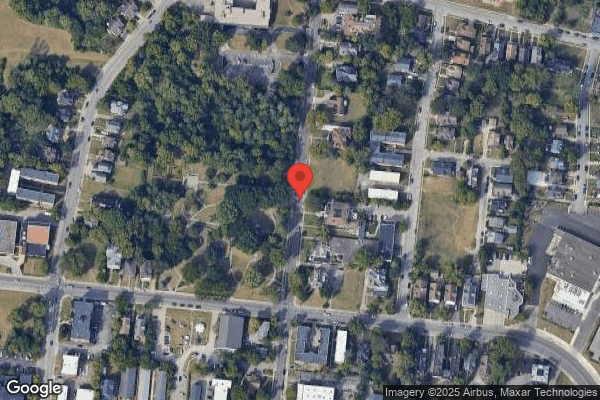
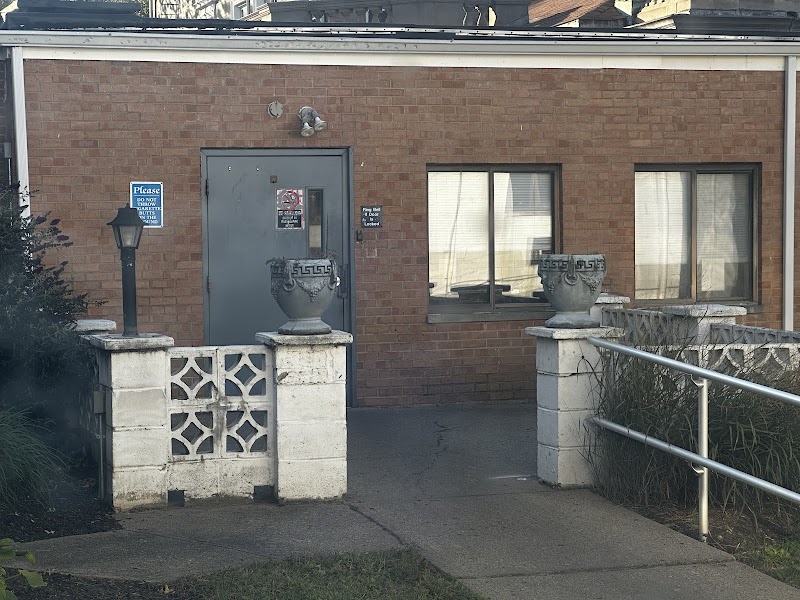
3536 WASHINGTON AVE, CINCINNATI, OH 45229 (513) 751-4900
For profit - Partnership 60 Beds CARECORE HEALTH Data: November 2025
Trust Grade
45/100
#682 of 913 in OH
Last Inspection: September 2022

Over 2 years since last inspection. Current conditions may differ from available data.

Overview

Garden Park Health Care Center has a Trust Grade of D, indicating below-average quality with some concerning issues. Ranking #682 out of 913 facilities in Ohio puts it in the bottom half, and #53 out of 70 in Hamilton County means there are only a few local options that are better. The facility's situation is worsening, with the number of identified issues increasing from 6 in 2024 to 9 in 2025. Staffing is a significant concern, receiving a poor rating of 1 out of 5 stars and a high turnover rate of 64%, much worse than the state average. Although there are no fines recorded, which is a positive note, the facility has been cited for several serious issues, including inadequate dishwasher sanitation that could lead to foodborne illnesses and failure to maintain a clean, safe environment for residents. Additionally, the facility has less RN coverage than 79% of other Ohio facilities, which could affect the level of care residents receive.

Trust Score
D
45/100
In Ohio
#682/913
Bottom 26%
Safety Record
Low Risk
No red flags
Inspections
Getting Worse
6 → 9 violations
Staff Stability
⚠ Watch
64% turnover. Above average. Higher turnover means staff may not know residents' routines.
Penalties
✓ Good
No fines on record. Clean compliance history, better than most Ohio facilities.
Skilled Nurses
⚠ Watch
Each resident gets only 25 minutes of Registered Nurse (RN) attention daily — below average for Ohio. Fewer RN minutes means fewer trained eyes watching for problems.
Violations
⚠ Watch
50 deficiencies on record. Higher than average. Multiple issues found across inspections.
★★☆☆☆
2.0
Overall Rating
★☆☆☆☆
1.0
Staff Levels
★★★★★
5.0
Care Quality
★☆☆☆☆
1.0
Inspection Score
Stable
2024: 6 issues
2025: 9 issues

The Good

  • 5-Star Quality Measures · Strong clinical quality outcomes
  • No fines on record

Facility shows strength in quality measures.

The Bad

2-Star Overall Rating

Below Ohio average (3.2)

Below average - review inspection findings carefully

Staff Turnover: 64%

18pts above Ohio avg (46%)

Frequent staff changes - ask about care continuity

Chain: CARECORE HEALTH

Part of a multi-facility chain

Ask about local staffing decisions and management

Staff turnover is elevated (64%)

16 points above Ohio average of 48%

The Ugly 50 deficiencies on record

Aug 2025 4 deficiencies
CONCERN (D) 📢 Someone Reported This

A family member, employee, or ombudsman was alarmed enough to file a formal complaint

Potential for Harm - no one hurt, but risky conditions existed

ADL Care (Tag F0677)

Could have caused harm · This affected 1 resident

Based on medical record review, observation, staff interview, and review of facility policy, the facility failed to provide appropriate hand and nail hygiene for dependent residents. This affected one...

Read full inspector narrative →
Based on medical record review, observation, staff interview, and review of facility policy, the facility failed to provide appropriate hand and nail hygiene for dependent residents. This affected one (Resident #15) of four residents reviewed for hand and nail care. The facility census was 48 residents.Findings include: Review of medical record for Resident #15 revealed an admission date of 12/28/23 with diagnoses including included cerebral infarction, diabetes, hypertension, and aphasia. Review of the Minimum Data Set (MDS) assessment for Resident #15 dated 02/13/25 revealed the resident had moderately impaired cognition and required staff assistance with bathing and personal hygiene. Observation on 08/06/25 at 8:44 A.M. of Resident #15 revealed the resident communicated via an iPad but had difficulty using the device because his fingernails were too long. The resident's nails also had debris underneath them. Interview on 08/06/25 at 8:47 A.M. with Resident #25 confirmed his nails were too long and staff had not offered to cut them, and the length of the nails made it difficult for him to use his communication device. Interview on 08/07/25 at 9:49 A.M. with the Director of Nursing (DON) confirmed nail care was to be done in conjunction with showers which were offered, at minimum, twice weekly to each resident. The DON confirmed there was no set schedule for hand or nail care outside the bathing schedule. Interview on 08/07/25 at 10:31 A.M. with Assistant Director of Nursing (ADON) #235 confirmed nail care should be occurring on shower days. Nurses were instructed to do the nail clipping of any resident who is diabetic. ADON #235 confirmed Certified Nursing Assistants (CNAs) should be charting if residents refused nail care or personal hygiene. Interview on 08/07/25 at 10:48 A.M. with Licensed Practical Nurse (LPN) #231 confirmed Resident #15 was in need of nail care to his hands due to the length of the nails and the dirt under his fingernails. Review of facility policy titled Care of Fingernails/Toenails dated October 2010 revealed nail care includes daily cleaning and regular trimming to prevent skin problems around the nail bed. This deficiency represents noncompliance investigated under Complaint Number OH00166418 (iQIES 1339328)
CONCERN (D) 📢 Someone Reported This

A family member, employee, or ombudsman was alarmed enough to file a formal complaint

Potential for Harm - no one hurt, but risky conditions existed

Accident Prevention (Tag F0689)

Could have caused harm · This affected 1 resident

**NOTE- TERMS IN BRACKETS HAVE BEEN EDITED TO PROTECT CONFIDENTIALITY** Based on medical record review, observation, staff interview, and review of the facility policy, the facility failed to ensure r...

Read full inspector narrative →
**NOTE- TERMS IN BRACKETS HAVE BEEN EDITED TO PROTECT CONFIDENTIALITY** Based on medical record review, observation, staff interview, and review of the facility policy, the facility failed to ensure resident fall prevention interventions were in place as ordered by the physician and per the resident care plan. This affected one (Resident #31) of four residents reviewed for falls. The facility census was 48.Findings include: Review of the medical record for Resident #31 revealed an admission date of 04/07/25 with diagnoses including type two diabetes mellitus, chronic kidney disease, depression, and spastic hemiplegia. Review of the fall risk assessment for Resident #31 dated 04/10/25 revealed the resident had one to two falls in the past three months and was at risk for falls. Review of the fall care plan for Resident #31 dated 06/04/25 revealed the resident had a potential for injuries and falls related to a balance deficit and a history of falls. The intervention of adding a fall mat to the right side of the bed was added to the care plan on 07/16/25. Review of the interdisciplinary team (IDT) progress note for Resident #31 dated 07/11/25 at 3:39 P.M. revealed the resident fell on [DATE] while attempting to reposition himself in his bed and rolled out of bed. An intervention was to add a fall mat to the right side of the bed. Review of the Minimum Data Set (MDS) assessment for Resident #31 dated 07/15/25 revealed the resident was cognitively intact, required staff assistance with activities of daily living (ADLs.) Review of the physician's orders for Resident #31 revealed an order dated 07/16/25 for a fall mat to the right side of the bed at all times when the resident was in bed. Observation on 08/05/25 at 11:31 A.M. of Resident #31 revealed the resident was lying in bed and did not have a fall mat next to his bed. Interview on 08/05/25 at 11:31 A.M. with Certified Nursing Assistant (CNA) #213 verified Resident #31 was lying in bed and the resident's fall mat was not in place. Observation on 08/06/25 at 11:26 A.M. of Resident #31 revealed the resident was lying in bed and did not have a fall mat next to his bed. Interview on 08/06/25 at 11:26 A.M with CNA #212 verified Resident #31 was lying in bed and the resident's fall mat was not in place. Interview on 08/06/25 at 11:28 A.M. with Licensed Practical Nurse (LPN) #228 confirmed Resident #31's care plan indicated the resident was to have a fall mat to the side of his bed. LPN #228 verified Resident #31's fall mat was not in place while Resident #31 was lying in bed. Review of the facility policy titled Managing Falls and Falls Risk undated revealed the staff would identify interventions related to the resident's specific risks and causes to try to prevent the resident from falling and to minimize complications from falling. This deficiency represents noncompliance investigated under Complaint Number OH00167474 (iQIES 1339329).
CONCERN (E) 📢 Someone Reported This

A family member, employee, or ombudsman was alarmed enough to file a formal complaint

Potential for Harm - no one hurt, but risky conditions existed

Report Alleged Abuse (Tag F0609)

Could have caused harm · This affected multiple residents

**NOTE- TERMS IN BRACKETS HAVE BEEN EDITED TO PROTECT CONFIDENTIALITY** Based on medical record review, review of facility Self-Reported Incidents (SRIs), review of facility incident investigations, r...

Read full inspector narrative →
**NOTE- TERMS IN BRACKETS HAVE BEEN EDITED TO PROTECT CONFIDENTIALITY** Based on medical record review, review of facility Self-Reported Incidents (SRIs), review of facility incident investigations, resident interview, staff interview, and review of the facility policy, the facility failed to report allegations of resident-to-resident sexual abuse to the state agency within 24 hours. This affected four (Residents #2, #8, #11, #36) of four residents reviewed for abuse. The facility census was 48 residents.Findings include:1.Review of the medical record for Resident #36 revealed an admission date of 03/22/22 with diagnoses including dementia, psychotic disturbance, mood disturbance, anxiety disorder, and osteoarthritis. Review of the Minimum Data Set (MDS) assessment for Resident #36 dated 07/03/25 revealed the resident was severely cognitively impaired and required staff assistance with activities of daily living (ADLs.) Review of the progress note for Resident #36 dated 07/12/25 at 6:12 P.M. revealed staff witnessed the resident sitting in the lap of another peer and kissing him. Staff separated Resident #36 removed them from the environment and educated the resident on personal space and understanding boundaries. Review of the behavior care plan for Resident #36 dated 07/16/25 revealed the resident had been sexually inappropriate with another male resident. Interventions included the following: administer medications as ordered, monitor and document side effects and effectiveness, assist the resident to develop more appropriate methods of coping and interacting, encourage the resident to express feelings appropriately, caregivers to provide opportunity for positive interaction, educate the resident, caregivers and families on successful coping and interaction strategies, intervene as necessary to protect the rights and safety of others and monitor behavior episodes and attempt to determine an underlying cause. Review of the medical record for Resident #11 revealed an admission date of 02/12/25 with diagnoses including radiculopathy, schizoaffective disorder, bipolar disorder, and congestive heart failure. Review of the care plan for Resident #11 dated 03/10/25 revealed the resident had altered behaviors including being verbally disruptive, resistive to care, violence, anger and noncompliance. Interventions included the following: administer prescribed medications, observe for side effects, monitor for effectiveness, allow resident to pace where he can be observed, as needed medication given after non pharmacological approach attempted, assess for internal and external contributors to rule out delirium, be careful to not invade the resident’s personal space, consult with psychiatric services if needed and as requested by the resident, family and physician, convey acceptance of the resident during periods of inappropriate behavior, and encourage family support and involvement. Review of the MDS assessment for Resident #11 dated 05/21/25 revealed the resident was moderately cognitively impaired and required staff assistance with ADLs. Review of the progress note for Resident #11 dated 07/12/25 at 6:17 P.M. revealed staff witnessed a peer sitting in the resident’s lap and started to kiss him. Staff separated the residents and educated Resident #1 on the importance of setting boundaries for personal space. Review of the facility SRI initiated 07/16/25 at 12:50 A.M. revealed the facility investigated an allegation of sexually inappropriate conduct which had occurred between Resident #36 and Resident #11 on 07/12/25 at 6:15 P.M. The facility did not substantiate abuse. Review of the undated facility investigation of the incident between Resident #36 and Resident #11 which occurred on 07/12/25 revealed the incident was mentioned in morning report meeting on 07/12/25 but the employee on duty was not sure if the incident needed to be reported to administration. The facility provided one-on-one coaching with the employee regarding immediate reporting of abuse allegations. Interview on 08/04/25 at 12:25 P.M. with Resident #11 confirmed the resident did not recall kissing or being kissed by any resident at the facility and the resident denied being sexually abused at the facility. Interview on 08/04/25 at 1:24 P.M. with Resident #36 confirmed the resident did not recall kissing or being kissed by any resident at the facility and the resident denied being sexually abused at the facility. Interview on 08/05/25 at 11:44 A.M with the Director of Nursing (DON) confirmed the DON saw the progress notes about Resident #11 and Resident #36 kissing on 07/12/25 when she reviewed the 72-hour report on 07/14/25. The DON reported that the staff working did not report the incident to her or other administrative staff. The DON verified that the incident occurred on 07/12/25 and an SRI was not filed until 07/16/25. Interview on 08/06/25 at 11:17 A.M. with Licensed Practical Nurse (LPN) #228 confirmed the nurse could not recall the date of the incident but stated she was called to the secured unit by Certified Nursing Assistant (CNA) #211. LPN #228 stated CNA #211 reported Resident #11 and Resident #36 were at the nurses’ station and Resident #36 sat on Resident #11’s lap and started to kiss him. LPN #228 stated Resident #11 and Resident #36 were separated by CNA #211 prior to LPN #228 arriving on the unit. LPN #228 confirmed the DON was notified. Interview on 08/06/25 at 11:24 A.M. with CNA #211 confirmed the aide could not recall the date of the incident, but she was coming out of another resident’s room when she saw Resident #11 sitting on his rollator walker by the nurse’s station. CNA #211 stated Resident #36 was standing over Resident #11 and was straddling him on his walker. CNA #211 reported Resident #36 was holding Resident #11’s head and Resident #36 was kissing Resident #11 on the lips. CNA #211 confirmed she reported the incident to the nurse. 2. Review of the medical record for Resident #8 revealed an admission date of 04/06/25 with diagnoses including cirrhosis of the liver, alcohol abuse, and cocaine abuse. Review of MDS assessment dated [DATE] for Resident #8 revealed the resident had mild cognitive impairment and was independent with ADLs with minimal set-up assistance. Review of the progress note for Resident #8 dated 06/22/25 at 8:32 A.M. revealed the resident was sitting on the porch, resident smoking area, involved in sexual activity with a female resident from another unit of the facility. Both residents were physically exposed and other residents complained. The nurse explained to Resident #8 the porch was a public area and was not an appropriate place for sexual activity. Resident #8 told the nurse he wound have sex anywhere he wanted and when he wanted and then began cursing and verbally threatening the nurse. Review of the medical record for Resident #2 revealed an admission date of 07/29/24 with a diagnosis of paraplegia. Review of the MDS assessment for Resident #2 dated 07/01/25 revealed the resident was cognitively intact and independent with ADLs. Review of the progress note for Resident #2 dated 06/22/25 at 8:30 A.M. revealed the resident was observed on the smoking porch engaged in sexual activity with another resident in the presence of other residents. The nurse explained to Resident #2 that sexual activity could not take place on the porch or other public areas, but Resident #2 laughed and stated the nurse could not stop them. Review of the facility SRIs dated 08/06/25 revealed the facility investigated an allegation of resident-to-resident sexual abuse between Residents #8 and #2. The facility did substantiate abuse. The Surveyor attempted an interview on 08/06/25 at 2:00 P.M. with Resident #8, but the resident declined the interview. Interview on 08/06/2025 at 2:51 P.M. with the Administrator confirmed staff had not reported the incident regarding Residents #8 and #2 on 06/22/25. Interview on 08/06/25 at 2:55 P.M. with the DON confirmed staff reported on 06/23/25 that Residents #8 and #2 had been kissing and talking nasty on the smoking porch on 06/22/25. The DON confirmed the facility had not investigated the incident to determine if sexual abuse had occurred nor had the facility reported the allegation immediately to the state agency as required. The DON confirmed the regional nurse told her the facility didn’t have to file an SRI because the residents were consenting adults, and the residents’ capacity to consent was presumed and was not investigated Review of the facility policy titled Abuse, Neglect and Exploitation dated 01/22/25 revealed the policy defined sexual abuse as nonconsensual sexual contact of any type with a resident, and the facility would report all allegations of abuse to the state agency within required timeframes. This deficiency represents noncompliance investigated under Complaint Number 2571800.
CONCERN (E) 📢 Someone Reported This

A family member, employee, or ombudsman was alarmed enough to file a formal complaint

Potential for Harm - no one hurt, but risky conditions existed

Investigate Abuse (Tag F0610)

Could have caused harm · This affected multiple residents

**NOTE- TERMS IN BRACKETS HAVE BEEN EDITED TO PROTECT CONFIDENTIALITY** Based on medical record review, review of facility Self-Reported Incidents (SRIs), review of facility incident investigations, r...

Read full inspector narrative →
**NOTE- TERMS IN BRACKETS HAVE BEEN EDITED TO PROTECT CONFIDENTIALITY** Based on medical record review, review of facility Self-Reported Incidents (SRIs), review of facility incident investigations, resident interview, staff interview, and review of the facility policy, the facility failed to thoroughly and timely investigate allegations of resident-to-resident sexual abuse This affected four (Residents #2, #8, #11, #36) of four residents reviewed for abuse. The facility census was 48 residents.Findings include:1. Review of the medical record for Resident #36 revealed an admission date of 03/22/22 with diagnoses including dementia, psychotic disturbance, mood disturbance, anxiety disorder, and osteoarthritis. Review of the Minimum Data Set (MDS) assessment for Resident #36 dated 07/03/25 revealed the resident was severely cognitively impaired and required staff assistance with activities of daily living (ADLs.) Review of the progress note for Resident #36 dated 07/12/25 at 6:12 P.M. revealed staff witnessed the resident sitting in the lap of another peer and kissing him. Staff separated Resident #36 removed them from the environment and educated the resident on personal space and understanding boundaries. Review of the behavior care plan for Resident #36 dated 07/16/25 revealed the resident had been sexually inappropriate with another male resident. Interventions included the following: administer medications as ordered, monitor and document side effects and effectiveness, assist the resident to develop more appropriate methods of coping and interacting, encourage the resident to express feelings appropriately, caregivers to provide opportunity for positive interaction, educate the resident, caregivers and families on successful coping and interaction strategies, intervene as necessary to protect the rights and safety of others and monitor behavior episodes and attempt to determine an underlying cause. Review of the medical record for Resident #11 revealed an admission date of 02/12/25 with diagnoses including radiculopathy, schizoaffective disorder, bipolar disorder, and congestive heart failure. Review of the care plan for Resident #11 dated 03/10/25 revealed the resident had altered behaviors including being verbally disruptive, resistive to care, violence, anger and noncompliance. Interventions included the following: administer prescribed medications, observe for side effects, monitor for effectiveness, allow resident to pace where he can be observed, as needed medication given after non pharmacological approach attempted, assess for internal and external contributors to rule out delirium, be careful to not invade the resident’s personal space, consult with psychiatric services if needed and as requested by the resident, family and physician, convey acceptance of the resident during periods of inappropriate behavior, and encourage family support and involvement. Review of the MDS assessment for Resident #11 dated 05/21/25 revealed the resident was moderately cognitively impaired and required staff assistance with ADLs. Review of the progress note for Resident #11 dated 07/12/25 at 6:17 P.M. revealed staff witnessed a peer sitting in the resident’s lap and started to kiss him. Staff separated the residents and educated Resident #1 on the importance of setting boundaries for personal space. Review of the facility SRI initiated 07/16/25 at 12:50 A.M. revealed the facility investigated an allegation of sexually inappropriate conduct which had occurred between Resident #36 and Resident #11 on 07/12/25 at 6:15 P.M. The facility did not substantiate abuse. Review of the undated facility investigation of the incident between Resident #36 and Resident #11 which occurred on 07/12/25 revealed the incident was mentioned in morning report meeting on 07/12/25 but the employee on duty was not sure if the incident needed to be reported to administration. The facility provided one-on-one coaching with the employee regarding immediate reporting of abuse allegations. The investigation did not include witness statements or witness interviews and/or staff interviews regarding the incident between Resident #11 and Resident #36 which occurred on 07/12/25. Review of the facility investigation revealed the facility interviewed seven residents related to abuse with no findings. Interview on 08/04/25 at 12:25 P.M. with Resident #11 confirmed the resident did not recall kissing or being kissed by any resident at the facility and the resident denied being sexually abused at the facility. Interview on 08/04/25 at 1:24 P.M. with Resident #36 confirmed the resident did not recall kissing or being kissed by any resident at the facility and the resident denied being sexually abused at the facility. Interview on 08/05/25 at 11:44 A.M with the Director of Nursing (DON) confirmed the DON saw the progress notes about Resident #11 and Resident #36 kissing when she reviewed the 72-hour report on 07/14/25. The DON reported that the staff working did not report the incident to her or other administrative staff. The DON verified that the incident occurred on 07/12/25 and an SRI was not filed until 07/16/25. The DON confirmed the investigation of the incident did not start until 07/14/25. The DON reported she interviewed Resident #11 and Resident #36 after she discovered the incident on 07/14/25 but neither resident recalled the incident. The DON verified the facility did not obtain any staff statements related to the incident. Interview on 08/06/25 at 11:17 A.M. with Licensed Practical Nurse (LPN) #228 confirmed the nurse could not recall the date of the incident but stated she was called to the secured unit by Certified Nursing Assistant (CNA) #211. LPN #228 stated CNA #211 reported Resident #11 and Resident #36 were at the nurses’ station and Resident #36 sat on Resident #11’s lap and started to kiss him. LPN #228 stated Resident #11 and Resident #36 were separated by CNA #211 prior to LPN #228 arriving on the unit. LPN #228 confirmed the DON was notified. Interview on 08/06/25 at 11:14 A.M. with CNA #211 confirmed the aide could not recall the date of the incident, but she was coming out of another resident’s room when she saw Resident #11 sitting on his rollator walker by the nurse’s station. CNA #211 stated Resident #36 was standing over Resident #11 and was straddling him on his walker. CNA #211 reported Resident #36 was holding Resident #11’s head and Resident #36 was kissing Resident #11 on the lips. CNA #211 confirmed she reported the incident to the nurse. 2. Review of the medical record for Resident #8 revealed an admission date of 04/06/25 with diagnoses including cirrhosis of the liver, alcohol abuse, and cocaine abuse. Review of MDS assessment dated [DATE] for Resident #8 revealed the resident had mild cognitive impairment and was independent with ADLs with minimal set-up assistance. Review of the progress note for Resident #8 dated 06/22/25 at 8:32 A.M. revealed the resident was sitting on the porch, resident smoking area, involved in sexual activity with a female resident from another unit of the facility. Both residents were physically exposed and other residents complained. The nurse explained to Resident #8 the porch was a public area and was not an appropriate place for sexual activity. Resident #8 told the nurse he wound have sex anywhere he wanted and when he wanted and then began cursing and verbally threatening the nurse. Review of the medical record for Resident #2 revealed an admission date of 07/29/24 with a diagnosis of paraplegia. Review of the MDS assessment for Resident #2 dated 07/01/25 revealed the resident was cognitively intact and independent with ADLs. Review of the progress note for Resident #2 dated 06/22/25 at 8:30 A.M. revealed the resident was observed on the smoking porch engaged in sexual activity with another resident in the presence of other residents. The nurse explained to Resident #2 that sexual activity could not take place on the porch or other public areas, but Resident #2 laughed and stated the nurse could not stop them. Review of the facility SRIs dated 08/06/25 revealed the facility investigated an allegation of resident-to-resident sexual abuse between Residents #8 and #2. The facility did substantiate abuse. The Surveyor attempted an interview on 08/06/25 at 2:00 P.M. with Resident #8, but the resident declined the interview. Interview on 08/06/2025 at 2:51 P.M. with the Administrator confirmed staff had not investigated the incident involving Residents #8 and #2 which had occurred on 06/22/25 until 08/06/25. Interview on 08/06/25 at 2:55 P.M. with the DON confirmed staff reported on 06/23/25 that Residents #8 and #2 had been kissing and talking nasty on the smoking porch on 06/22/25. The DON confirmed the facility had not investigated the incident to determine if sexual abuse had occurred nor had the facility reported the allegation immediately to the state agency as required. The DON confirmed the regional nurse told her the facility didn’t have to file an SRI because the residents were consenting adults, and the residents’ capacity to consent was presumed and was not investigated Review of the facility policy titled Abuse, Neglect and Exploitation dated 01/22/25 revealed an immediate investigation was warranted when a suspicion of abuse occurred. Written procedures for an investigation included the following: identify the staff responsible for the investigation, exercise caution in handling evidence that could be used in a criminal investigation, investigate different types of alleged violations, identifying and interviewing all involved persons including the alleged victim, alleged perpetrator, witnesses and others who might have knowledge of the allegations, focusing the investigation on determining if abuse occurred, the extent and the cause an providing complete and thorough documentation of the investigation. This deficiency represents noncompliance investigated under Complaint Number 2571800.
Feb 2025 1 deficiency
CONCERN (E) 📢 Someone Reported This

A family member, employee, or ombudsman was alarmed enough to file a formal complaint

Potential for Harm - no one hurt, but risky conditions existed

Safe Environment (Tag F0584)

Could have caused harm · This affected multiple residents

**NOTE- TERMS IN BRACKETS HAVE BEEN EDITED TO PROTECT CONFIDENTIALITY** Based on observation, staff interview, and review of facility policy, the facility failed to maintain a clean and safe environme...

Read full inspector narrative →
**NOTE- TERMS IN BRACKETS HAVE BEEN EDITED TO PROTECT CONFIDENTIALITY** Based on observation, staff interview, and review of facility policy, the facility failed to maintain a clean and safe environment. This affected 36 residents (#01, #02, #03, #04, #05, #06, #078#08, #09, #10, #11, #12, #13, #14, #15, #16, #17, #18, #19, #20, #21, #22, #23, #24, #26, #27, #28, #29, #30, #31, #32, #33, #34, #35, #36, and #37). The facility census was 45. Findings include: Review of the medical record revealed Resident #24 was admitted to the facility on [DATE]. Diagnoses of thoracic spinal fracture with paraplegia, protein-calorie malnutrition and schizophrenia. Review of the Minimum Data Set (MDS) quarterly assessment dated [DATE], revealed Resident #24 had no cognitive impairment. Observation during the initial tour on 01/30/25 from 5:30 P.M. to 6:15 P.M., revealed the following: 1) Resident #24's room had dirty linen spread all over the floor; the walls had large areas that needed patched, sanded and painted; the floor tile in the area in front of the closet was stained/dirty with a dark, sticky substance; there was a wall shelf that had been removed from the wall and was leaning in the corner near the large closet; and the small closet had no cove base around the entire area of the closet. 2) The main corridor had five light fixtures just above the floor level without covers which exposed the bulb/bulb socket and wiring. 3) The main corridor handrails did not contain endcaps. Interview with Resident #24 on 01/30/25 at 5:35 P.M., revealed she did not like how her room looked, especially the walls, the floor and the small closet. Interview with the Administrator and Maintenance Director #200 on 01/31/25 at 1:15 P.M. verified the condition of the walls, floor tile, wall shelf and cove base in the room of Resident #24; the five exposed corridor light sockets and the missing handrail end caps. Review of facility policy titled Quality of Life - Homelike Environment, revealed residents are provided with a safe, clean, comfortable and homelike environment and encouraged to use their personal belongings to the extent possible. This deficiency represents non-compliance investigated under Complaint Number OH00162166.
Jan 2025 4 deficiencies
CONCERN (D) 📢 Someone Reported This

A family member, employee, or ombudsman was alarmed enough to file a formal complaint

Potential for Harm - no one hurt, but risky conditions existed

Deficiency F0646 (Tag F0646)

Could have caused harm · This affected 1 resident

**NOTE- TERMS IN BRACKETS HAVE BEEN EDITED TO PROTECT CONFIDENTIALITY** Based on record review, and staff interview, the facility failed notify the state mental health authority with a significant cha...

Read full inspector narrative →
**NOTE- TERMS IN BRACKETS HAVE BEEN EDITED TO PROTECT CONFIDENTIALITY** Based on record review, and staff interview, the facility failed notify the state mental health authority with a significant change Pre-admission Screening And Resident Review (PASARR) for a resident with a change in their mental health condition. This affected two (#19 and #46) of three residents reviewed for significant change PASARR. The facility census was 46. Findings include: 1. Review of Resident #19's medical record revealed Resident #19 admitted to the facility on [DATE] with diagnoses including acquired absence of left leg below the knee, osteomyelitis, unspecified severe protein calorie malnutrition, enterocolitis due to clostridium difficile, insomnia, type two diabetes mellitus, opioid dependence, other stimulant dependence and cellulitis. Review of Resident #19's PASARR dated 09/13/23, revealed Resident #19 had no diagnoses of mental disorders. Resident #19 had a diagnosis of opioid dependence. Resident #19 did not have indications of serious mental illness. Review of Resident #19's psychiatric note dated 09/19/23, revealed Resident #19 had a diagnosis of adjustment disorder. Review of Resident #19's record from 09/19/23 to 01/09/25, revealed Resident #19 did not have a significant change PASARR or notification to the state mental health authority of Resident #19's new diagnosis of adjustment disorder on 09/19/23. Review of Resident 19's quarterly Minimum Data Set (MDS) assessment dated [DATE], revealed the resident was cognitively intact. Interview with Social Services Director (SSD) #500 on 01/09/25 at 2:22 P.M., revealed Resident #19 received a new diagnosis of adjustment disorder on 09/19/23 and the facility did not complete a significant change PASARR or notification to the state mental health authority of Resident #19's new diagnosis of adjustment disorder on 09/19/23. 2. Review of Resident #46's medical record revealed Resident #46 admitted to the facility on [DATE] with diagnoses including respiratory disorders in diseases classified elsewhere, insomnia, chronic obstructive pulmonary disease, carpal tunnel syndrome, pneumonia, other ventricular tachycardia and hypertension. Review of Resident #46's PASARR dated 12/13/22, revealed Resident #46 had no diagnoses of mental disorders. Resident #46 had a diagnosis of alcohol abuse with withdrawal. Resident #46 did not have indications of serious mental illness. Review of Resident #46's psychiatric note dated 06/02/23, revealed Resident #46 had a diagnosis of depression. Review of Resident #46's chart from 06/02/24 to 01/09/25, revealed Resident #46 did not have a significant change PASARR or notification to the state mental health authority of Resident #46's new diagnosis of depression on 06/02/23. Review of Resident 46's quarterly MDS assessment dated [DATE], revealed the resident was cognitively intact. Interview with SSD #500 on 01/09/25 at 2:22 P.M., revealed Resident #46 received a new diagnosis of depression on 06/02/23 and the facility did not complete a significant change PASARR or notification to the state mental health authority of Resident #46's new diagnosis of depression on 06/02/23. Review of the facility's PASRR policy dated 04/01/23 revealed the facility should follow regulations set forth by the Ohio Department of Medicaid (ODH) for PASARR. This deficiency represents non-compliance investigated under Complaint Number OH00161042.
CONCERN (D) 📢 Someone Reported This

A family member, employee, or ombudsman was alarmed enough to file a formal complaint

Potential for Harm - no one hurt, but risky conditions existed

Comprehensive Care Plan (Tag F0656)

Could have caused harm · This affected 1 resident

**NOTE- TERMS IN BRACKETS HAVE BEEN EDITED TO PROTECT CONFIDENTIALITY** Based on observation, staff interviews and record review, the facility failed to develop care plans to address residents' dental...

Read full inspector narrative →
**NOTE- TERMS IN BRACKETS HAVE BEEN EDITED TO PROTECT CONFIDENTIALITY** Based on observation, staff interviews and record review, the facility failed to develop care plans to address residents' dental needs, medical diagnoses and use of a prosthetic limb. This affected two (#28 and #19) of three residents reviewed for care planning. The facility census was 46. Findings include: 1) Review of Resident #28's medical record revealed Resident #28 was admitted to the facility on [DATE]. Diagnoses included necrotizing fasciitis, other complications of amputation stump, chronic viral hepatitis c, carpal tunnel syndrome bilateral upper limbs, type two diabetes mellitus with other specified complication, insomnia unspecified atrial fibrillation, chronic idiopathic constipation, and opioid dependence. Review of Resident #28's care plan from 10/14/24 to 01/08/25, revealed Resident #28 did not have a care plan to address his dental needs. Review of Resident 28's admission Minimum Data Set (MDS) assessment dated [DATE] revealed the resident to be cognitively intact and had no natural teeth or tooth fragments and was edentulous. Review of the facility's dental visit list dated 01/21/25, revealed Resident #28 was on the list to see the dentist on 01/21/25 for impressions for dentures. Interview with MDS Coordinator #503 on 01/09/25 at 2:47 P.M., verified Resident #28 was listed as edentulous with no natural teeth or teeth fragments on the 10/22/24 MDS assessment. MDS Coordinator #503 verified Resident #28 did not have a dental care plan to address his edentulous status or dental needs. 2) Review of Resident #19's medical record revealed Resident #19 was admitted to the facility on [DATE]. Diagnoses included acquired absence of left leg below the knee, osteomyelitis, unspecified severe protein calorie malnutrition, enterocolitis due to clostridium difficile, insomnia, type two diabetes mellitus, opioid dependence, other stimulant dependence and cellulitis. Review of Resident #19's care plan from 08/20/23 to 01/08/25, revealed Resident #19 did not have an activities care plan or a care plan to address his left leg below the knee amputation or a prosthetic left limb. Review of Resident #19's progress note dated 04/25/24, revealed a representative from the prosthetic company delivered Resident #19's prosthesis with adjustments made on that date. Review of Resident 19's quarterly MDS assessment dated [DATE] revealed the resident was cognitively intact and Resident #19 required supervision with eating, oral hygiene, showering, upper body dressing, lower body dressing, putting on and taking off footwear, personal hygiene, rolling left and right, lying to sitting, chair transfers, toilet transfers, tub transfers, walking ten feet, sitting to lying, and sitting to standing. Observation of Resident #19 on 01/09/25 at 10:01 A.M., revealed Resident #19 was lying in bed. Resident #19 appeared clean. Resident #19 was observed to have a below the knee left leg amputation. Interview with Resident #19 at the same time revealed the resident was in therapy two to three days per week, and he was supposed to get his new prosthetic leg on 01/17/25. Resident #19 reported he had a prosthetic leg made in the past, but it was not safe because it did not have a locking feature. Resident #19 stated that the facility had activities every day, but he preferred to stay in his room and stay up late. Resident #19 reported he had been to bingo before at the facility. Interview with MDS Coordinator #503 on 01/09/25 at 2:47 P.M., verified Resident #19 did not have an activities care plan or a care plan to address his below the knee left leg amputation or use of prosthetic limb. Review of the facility's care planning policy dated March 2022 revealed the interdisciplinary team is responsible for the development of resident care plans. This deficiency represents non-compliance investigated under Complaint Number OH00161042.
CONCERN (D) 📢 Someone Reported This

A family member, employee, or ombudsman was alarmed enough to file a formal complaint

Potential for Harm - no one hurt, but risky conditions existed

Deficiency F0696 (Tag F0696)

Could have caused harm · This affected 1 resident

**NOTE- TERMS IN BRACKETS HAVE BEEN EDITED TO PROTECT CONFIDENTIALITY** Based on observation, staff interview and record review, the facility failed to ensure a resident's issues concerning a prosthet...

Read full inspector narrative →
**NOTE- TERMS IN BRACKETS HAVE BEEN EDITED TO PROTECT CONFIDENTIALITY** Based on observation, staff interview and record review, the facility failed to ensure a resident's issues concerning a prosthetic limb were addressed in a timely manner. This affected one (#19) of two residents in the facility that had prosthesis. The facility census was 46. Findings include: Review of Resident #19's medical record revealed Resident #19 was admitted to the facility on [DATE]. Diagnoses included acquired absence of left leg below the knee, osteomyelitis, unspecified severe protein calorie malnutrition, enterocolitis due to clostridium difficile, insomnia, type two diabetes mellitus, opioid dependence, other stimulant dependence and cellulitis. Review of Resident #19's progress note dated 04/25/24, revealed a representative from the prosthetic company delivered Resident #19's prosthesis with adjustments made on that date. Review of Resident #19's physical therapy (PT) note dated 05/10/24, revealed Resident #19 was educated on the usage of the left prosthesis, and he was instructed to call the prosthetic company for a fitting issue with the prosthesis. Review of Resident #19's PT note dated 05/13/24, revealed Resident #19 was able to put on the left prosthesis and kept it on for more than two hours. Resident #19 reported feeling uncomfortable standing on it and PT instructed Resident #19 to consult the prosthetic company to possibly get another one. Review of Resident #19's PT note dated 05/17/24, revealed Resident #19 was educated about the application of the prosthesis. Resident #19 reported that the prosthetic company was making another one for him and he was instructed to use the shrinker at that time. Review of Resident #19's PT Discharge summary dated [DATE], revealed Resident #19 received PT services from 08/22/23 to 05/29/24 and Resident #19 was discharged from PT due to Resident #19 meeting the highest practical level of achievement. Resident #19 was unable to tolerate wearing the prosthesis due to reported pain and Resident #19 continued to require a manual wheelchair due to the inability to tolerate using the prosthesis. Review of Resident #19's occupational therapy (OT) Discharge summary dated [DATE], revealed Resident #19 received OT services from 05/14/24 to 07/11/24 and Resident #19 was discharged from OT due to Resident #19 being non complaint with his plan of treatment. The OT discharge summary stated Resident #19 refused to take the necessary steps to wear his current prosthetic or to prepare to be fitted for a new one. Resident #19 was non complaint with recommendations therefore his goals could not be addressed. Review of Resident 19's quarterly Minimum Data Set (MDS) assessment dated [DATE] revealed the resident was cognitively intact. Review of Resident #19's PT evaluation and plan of treatment dated 10/28/24, revealed Resident #19 was to receive PT three times a week for thirty days. Resident 19's goal was for him to wear a prosthetic for four hours without skin breakdown or pain. Resident #19's PT baseline dated 10/28/24 revealed Resident #19 had not been fitted for a new prosthetic at that time. Review of the facility's prosthetic company clinical summary dated 12/18/24, revealed Resident #19 was seen by the prosthetic clinic. Resident #19 was seen for transtibial prosthesis of the left side for an acquired absence of the left leg below the knee. Observation of Resident #19 on 01/09/25 at 10:01 A.M., revealed Resident #19 was lying in bed. Resident #19 appeared clean. Resident #19 was observed to have a below the knee left leg amputation. Interview with Resident #19 at the same time, revealed Resident #19 had gained weight at the facility. Resident #19 was not sure how much weight he gained but reported his weight gain was due to him being on Remeron. Resident #19 reported he was currently in therapy two to three days per week, and he was supposed to get his new prosthetic leg on 01/17/25. Resident #19 reported he had a prosthetic leg made in the past, but it was not safe because it did not have a locking feature. Resident #19 stated he was discharged from therapy in the past because they did not have enough therapy staff, but the issue was resolved, and he was back in therapy. Resident #19 stated that he received an insurance denial for his stay at the facility and the facility appealed the decision but did not include all the documents. Telephone interview with Director of Rehabilitation (DOR) #504 on 01/09/25 at 10:15 A.M., revealed DOR #504 started to work at the facility on 09/10/24 and Resident #19 had a left lower leg prosthesis that was ill fitting. DOR #504 stated that the former DOR left the facility in June 2024 and the facility had as needed (PRN) therapy staff coming into the facility, but they were not following up on Resident #19's prosthesis since he was discharged from therapy services. DOR #504 stated she started working on getting Resident #19 a new prosthesis after she started working at the facility on 09/10/24 and she found that Resident #19's insurance was never billed for the original prosthesis. DOR #504 reported the facility returned the prosthesis to the original company and Resident #19 went to another company to make a new prosthesis which was expected to be given to Resident #19 on 01/17/25. DOR #504 reported that Resident #19 had a lump on the end of his limb and the old prosthesis did not account for the lump and it did not have a pin in it. DOR #504 stated that the prosthesis also had straps that were digging into Resident #19's skin. DOR #504 verified Resident #19's original prosthesis that did not fit correctly was not followed up on from 05/30/24 to 09/10/24. Review of the care of the Prosthesis policy dated February 2018 revealed staff should report any changes, problems or complaints the resident has concerning the fitting of the prosthesis. This deficiency represents non-compliance investigated under Complaint Number OH00161042.
CONCERN (F) 📢 Someone Reported This

A family member, employee, or ombudsman was alarmed enough to file a formal complaint

Potential for Harm - no one hurt, but risky conditions existed

Food Safety (Tag F0812)

Could have caused harm · This affected most or all residents

Based on observation and staff interview, the facility failed to ensure the facility's dishwasher was maintained in a manner to prevent foodborne illness. This affected 46 residents out of 46 resident...

Read full inspector narrative →
Based on observation and staff interview, the facility failed to ensure the facility's dishwasher was maintained in a manner to prevent foodborne illness. This affected 46 residents out of 46 residents that resided at the facility as the facility identified all residents received food from the kitchen. The facility census was 46. Findings include: Observation of the facility's kitchen on 01/08/25 at 12:17 P.M., revealed the facility's dishwasher had a wash and rinse temperature of 120 degrees Fahrenheit. Dietary Manager (DM) #502 was observed testing the chemical in the dishwasher and the dishwasher tested at zero parts per million (ppm). Interview with Dietary Manager (DM) #502 on 01/08/25 at 12:17 P.M., verified the dishwasher was 120 degrees Fahrenheit for the wash and rinse. DM #502 confirmed the dishwasher was a low temperature dishwasher and required chemical to sanitize dishes. DM #502 verified the dishwasher was running at zero ppm for chemical sanitizer This deficiency represents non-compliance investigated under Complaint Number OH00161042.
Sept 2024 2 deficiencies
CONCERN (D) 📢 Someone Reported This

A family member, employee, or ombudsman was alarmed enough to file a formal complaint

Potential for Harm - no one hurt, but risky conditions existed

Report Alleged Abuse (Tag F0609)

Could have caused harm · This affected 1 resident

Based on medical record review, staff interview, and review of the facility policy, the facility failed to report an allegation of misappropriation of resident funds to the Ohio Department of Health (...

Read full inspector narrative →
Based on medical record review, staff interview, and review of the facility policy, the facility failed to report an allegation of misappropriation of resident funds to the Ohio Department of Health (ODH.) This affected one (Resident #33) of three residents reviewed for misappropriation. The facility census was 47 residents. Findings include: Review of the medical record for Resident #33 revealed an admission date of 01/26/24 with diagnoses including chronic obstructive pulmonary disease (COPD), traumatic compartment syndrome of left lower extremity, and major depressive disorder. Review of the Minimum Data Set (MDS) assessment for Resident #33 dated 07/06/24 revealed the resident had intact cognition and required supervision with activities of daily living (ADLs.) Review of the progress note for Resident #33 dated 09/01/24 timed at 4:03 P.M. per Licensed Practical Nurse (LPN) #20 revealed Resident #33 reported he had two hundred dollars in his room, and someone had stolen it. LPN #20 documented Resident #33's allegation of misappropriation of money would be reported to administration. Review of the facility Self-Reported Incidents (SRIs) dated 08/31/24 to 09/19/24 revealed the facility did not complete an SRI regarding Resident #33's allegation of misappropriation of money. Interview on 09/19/24 at 10:10 A.M. with the Director of Nursing (DON) confirmed the facility should have completed an SRI regarding Resident #33's allegation of stolen money made to staff on 09/01/24. The DON confirmed the Assistant Director of Nursing (ADON) was not available for interview. Interview on 09/19/24 at 10:58 A.M. with the Administrator confirmed the staff reported Resident #33 had made an allegation of missing money, but the facility did not report the allegation to ODH via an SRI. Interview on 09/19/24 at 11:12 A.M. with LPN #20 confirmed a staff member reported that Resident #33 alleged on 08/31/24 or 09/01/24 that someone had stolen two hundred dollars from him. LPN #20 further confirmed she reported the allegation to the Administrator and the ADON on 08/31/24 or 09/01/24. Review of the facility policy titled Abuse, Neglect, Exploitation, and Misappropriation Prevention Program dated April 2021 revealed residents had the right to be free from misappropriation of resident property. Staff should investigate and report allegations of misappropriation within timeframes required by federal regulations. This deficiency represents noncompliance investigated under Complaint Number OH00157751.
CONCERN (D) 📢 Someone Reported This

A family member, employee, or ombudsman was alarmed enough to file a formal complaint

Potential for Harm - no one hurt, but risky conditions existed

Unnecessary Medications (Tag F0759)

Could have caused harm · This affected 1 resident

Based on medical record review, observation, interview, review of manufacturer's guidelines, and review of the facility policy, the facility failed to ensure medication error rates below five percent ...

Read full inspector narrative →
Based on medical record review, observation, interview, review of manufacturer's guidelines, and review of the facility policy, the facility failed to ensure medication error rates below five percent (%). This affected three (Residents #21, #26, and #27) of three reviewed for medication administration. The medication error rate was 11.1 % based on 36 medication opportunities and four observed errors. The facility census was 47 residents. Findings include: 1.Review of the medical record for Resident #21 revealed an admission date of 12/20/22 diagnoses including bipolar disorder, congestive heart failure (CHF), and type two diabetes mellitus. Review of the Minimum Data Set (MDS) assessment for Resident #21 dated 07/09/24 revealed the resident had moderate cognitive impairment and required setup with activities of daily living (ADLs.) Review of the physician's orders for Resident #21 revealed an order dated 08/09/24 for Lantus insulin inject 10 units subcutaneously two times a day for diabetes management and an order dated 09/06/24 for loratadine 10 milligrams (mg) one tablet by mouth one time a day for allergies. Observation on 09/18/24 at 8:57 A.M. revealed loratadine was not available for administration. Observation on 09/18/24 at 8:59 A.M. revealed LPN #20 did not prime the Lantus insulin pen with two units prior to administering 10 units of insulin to Resident #21. Interview on 09/18/24 at 9:01 A.M. with LPN #20 confirmed she did not administer loratadine to Resident #21 because it was unavailable. LPN #20 also verified she did not prime the insulin pen with two units of insulin prior to administration. Review of the manufacturer's instructions for Lantus insulin pens dated 06/12/24 revealed the insulin pen should be primed before each use. This should be done to remove any bubbles, to ensure that the pen is working properly, and that the device can administer the dose of insulin required. 2. Review of the medical record for Resident #26 revealed an admission date of 07/10/23 with diagnoses including type two diabetes mellitus, chronic kidney disease, depression, and anxiety disorder. Review of the MDS assessment for Resident #26 dated 07/16/24 revealed the resident had moderate cognitive impairment and required setup with ADLs. Review of the physician's orders for Resident #26 revealed an order dated 09/29/23 for amiodarone 200 mg give one tablet by mouth in the morning for antiarrhythmic. Observation on 09/18/24 at 8:41 A.M amiodarone was not available for administration. Interview on 09/18/24 at 8:43 A.M. with LPN #20 verified she did not administer amiodarone to Resident #26 to because it was unavailable. 3.Review of the medical record for Resident #27 revealed an admission date of 06/05/24 with diagnoses including emphysema, and generalized anxiety disorder. Review of the MDS assessment for Resident #27 dated 07/05/24 revealed the resident had intact cognition required setup and assistance with ADLs. Review of the physician's orders for Resident #27 revealed an order dated 06/05/24 for Claritin capsule 10 mg give one capsule by mouth one time a day for allergies. Observation on 09/18/24 at 8:30 A.M. revealed Claritin was not available for administration. Interview on 09/18/24 at 8:33 A.M. with LPN #20 confirmed she did not administer Claritin 10 mg to Resident #27 because it was unavailable. Review of the facility policy titled Administering Medications dated April 2019 revealed medications were to be administered in a safe and timely manner, and as prescribed. Medications were administered in accordance with prescriber orders, including any required time frame. This deficiency represents noncompliance investigated under Complaint Number OH00157751.
Jul 2024 4 deficiencies
CONCERN (E) 📢 Someone Reported This

A family member, employee, or ombudsman was alarmed enough to file a formal complaint

Potential for Harm - no one hurt, but risky conditions existed

Deficiency F0924 (Tag F0924)

Could have caused harm · This affected multiple residents

Based on observation and staff interview, the facility failed to ensure there were secured handrails throughout the hallway on the 200 unit. This had the potential to affect 15 (#22, #23, #24, #25, #2...

Read full inspector narrative →
Based on observation and staff interview, the facility failed to ensure there were secured handrails throughout the hallway on the 200 unit. This had the potential to affect 15 (#22, #23, #24, #25, #26, #27, #28, #29, #30, #31, #32, #33, #34, #25, and #36) independently mobile residents residing on the 200-unit. The facility census was 46. Findings include: Observation of the 200-hall during the initial tour on 07/23/24 at 10:46 A.M. with the Administrator, revealed there were no handrails affixed to the walls in the unit. Interview with the Administrator on 07/23/24 at 10:48 A.M., verified there were no handrails affixed to the walls in the 200-hallway. The Administrator stated they have been remodeling the unit and he wold have to order them. This deficiency represents non-compliance investigated under Master Complaint Number OH00156054, OH00155202, and OH00155184.
CONCERN (F) 📢 Someone Reported This

A family member, employee, or ombudsman was alarmed enough to file a formal complaint

Potential for Harm - no one hurt, but risky conditions existed

Safe Environment (Tag F0584)

Could have caused harm · This affected most or all residents

**NOTE- TERMS IN BRACKETS HAVE BEEN EDITED TO PROTECT CONFIDENTIALITY** Based on observations, staff and resident interviews, and review of facility policy, the facility failed to ensure a clean, safe...

Read full inspector narrative →
**NOTE- TERMS IN BRACKETS HAVE BEEN EDITED TO PROTECT CONFIDENTIALITY** Based on observations, staff and resident interviews, and review of facility policy, the facility failed to ensure a clean, safe, comfortable environment for all residents This affected all 46 residents who resided in the facility. The facility census was 46. Findings include: Review of the medical record for Resident #27 revealed the resident was admitted to the facility on [DATE]. Diagnoses included acute cerebrovascular insufficiency, peripheral vascular disease, obesity, diabetes mellitus, major depressive disorder, essential primary hypertension, and atopic neurodermatitis. The record Revealed #27 had moderately impaired cognition. Review of the medical record for Resident #25 revealed the resident was admitted to the facility on [DATE]. Diagnoses included acute respiratory failure with hypoxia, epilepsy, essential primary hypertension, depression, insomnia, and pneumonia. The record revealed Resident #25 was cognitively intact. Review of the medical record for Resident #24 revealed the resident was admitted to the facility on [DATE]. Diagnoses included cellulitis, asthma, obstructive sleep apnea, bipolar disorder, amnesia, anemia, congestive heart failure, chronic obstructive pulmonary disease, and diabetes mellitus. The record revealed Resident #24 was cognitively intact. Review of the medical record for Resident #23 revealed the resident was admitted on [DATE]. Diagnoses included anemia, bowel disease, hyperlipidemia, anxiety disorder, and depression. The record revealed Resident #23 was cognitively intact. Interview with the Speech Therapist (ST) #137 in the lower level on 07/23/24 at 10:21 A.M., revealed Therapy Department's office was in the lower level and the residents often came to the therapy office for treatment. ST #137 stated the residents' had access and utilized the lower level Interview with Activity Director (AD) #75 in the lower level on 07/23/24 at 10:27 A.M., revealed the residents' utilized the lower level for activities. AD #75 stated the facility just had a large breakfast event in the lower-level last week. AD #75 stated the facility held a game activity with a large turnout last in the lower level and planned to utilize the lower level even more. Observation of the lower level (a common area for the residents to congregate in, Therapy Department, Activities Department, a bathroom for men and a bathroom for women) during the initial tour on 07/23/24 from 10:38 A.M. to 10:44 A.M. with the Administrator, revealed the following: a) The area near the elevator where residents exited the elevator and entered the lower level was very dark and no overhead lights were on. b) The women's bathroom had a sign on the door noting it was out of order. c) There were numerous missing and/or broken ceiling tiles, and yellowish discolored ceiling tiles. d) Cobwebs, dust and debris in the windowsills and in the corners of the walls. e) Dead bugs throughout the floor. f) One two by four-foot ceiling light cover was hanging down from the brackets with exposed wires, burnt looking areas on the inside of the frame and the light was not functional. There was a hand-written paper lying on the floor under the light switch which read Do Not Use. g) The exit enclosure leading to the exterior, back of the building had numerous cobwebs, dirt, debris throughout the floor and the corners of the wall and the two vertical windows on the side of the door were broken. h) Immediately outside the exterior door, were Styrofoam food containers and other trash/debris on the ground. i) There was an unsecured storage area under the emergency stairs for the second and third floor with Christmas decorations and other boxes sitting on the floor. There was a broken sink vanity, a broken light fixture, broken medicine cabinet, a copper water line extending out from the wall and an open drainage sewage pipe where a toilet once was sitting. j) There was a broken electric steam table sitting in the middle of the floor near the entrance to the storage area. k) Three bedside commodes being stored right outside the therapy room. Interview with the Administrator at the same time verified the findings above. The Administrator stated the light where the cover was hanging down was not functional due to a short from a water leak and the light was turned off due to a safety hazard and the Maintenance Department was working on it. The Administrator was observed to flip the switch on, and the light came on along with the lights near the elevator. The Administrator turned the light off, picked up the paper sign and re-taped it over the last two light switches. The Administrator stated they were in the middle of a renovation project. Observation of the 200-hall during the initial tour on 07/23/24 from 10:46 A.M. to 11:05 A.M. with the Administrator, revealed the following: a) Dead bugs in the ceiling light fixtures in the hallway near Residents #27 and #28's room. b) The ceiling light outside Resident #35 and #36's room was missing a light cover. b.) No permanently affixed handrails to the walls throughout the unit. c) The 200-hall shower/bathroom had broken/missing floor and wall tiles, had standing water in the floor, dark looking discoloration throughout the shower/bathroom, consistent with the appearance of mold, soiled wet towels in the floor, trash debris in the floor, the mobility grab bars were heavily rusted, and wall mirror around the sink had chipped broken pieces missing. d) Residents' #22, #23, #24, #25, #26, and #27's window frames, were heavily damaged from water leaking around them. Residents had towels lying in the windowsills to soak up the water when it rained. Interview with the administrator at the same time, verified the findings in the 200-hall. Observation at the same time, revealed Maintenance Supervisor (MS) #205 was called to the floor to inspect the light fixture. When MS #205 opened the light fixture, numerous dead bugs fell out of the light fixture and onto the floor. The Administrator noted he needed to order some handrails. The Administrator confirmed Residents' #22, #23, #24, #25, #26, and #27's windows were affected by leaking roof and the entire roof needed to be replaced. Observation of the 100-hall which lead into the main dining during the initial tour on 07/23/24 from 11:06 A.M. to 11:13 A.M. with the Administrator, revealed the following: a) The hallway was painted several different colors including patch paint throughout the hall and holes in the walls. b) Yellowish discolored ceiling tiles in the hallway and dining room. c) Missing/broken ceiling tiles with dirt/dust in the ceiling area directly over where residents eat. d) Ceiling light fixtures were missing the covers. e) The air vents in the dining room were covered in dust f) One window in the dining room had a large plastic tarp covering the window. g) Two windows leading outside where residents smoke, had cracks in the glass extending across the window. Interview with the Administrator at the same time verified the findings in the 100-hall and dining room. Observation of the kitchen area where trays were being processed on 07/24/24 at 11:14 A.M. with Dietary Aide (DA) #101, revealed the kitchen staff were actively pouring juice into cups on the counter and directly above the tray of drinks, were several missing ceiling tiles exposing dust in the ceiling. The ceiling light fixture over the food preparation area had several small brown debris in the light fixture which appeared to dead bugs. DA #101 confirmed the ceiling tiles over the counter where food was prepared was missing, exposing dust and the lights over the kitchen preparation area contained small brown items consistent with dead bugs. Observation of the 300-hall (secured behavior unit) during the initial tour on 07/23/24 from 11:20 A.M. to 11:38 A.M. with the Administrator, revealed the following: a) The 300-hall shower/bathroom had broken/missing floor and wall tiles, dark looking discoloration throughout the shower/bathroom, consistent with the appearance of mold, and two ceiling light fixtures that were in disrepair. b) The dining /activities room had numerous missing floor tiles at the entrance to the room and under the sink, standing water under the sink and the sink (identified as a handwashing area for residents) had no hot water. Interview at the same time with the Administrator verified the findings. Interview with State Tested Nursing Assistant (STNA) on 07/23/24 at 11:25 A.M., stated the residents on the third floor utilized the common area for dining and activities. STNA #76 confirmed the hot water at the sink did not work. STNA #76 confirmed the sink was leaking onto the floor, tiles were missing and noted been like this for awhile. Interview with Resident #27 on 07/23/24 at 11:51 A.M., revealed the blanket lying in her windowsill was due to her window leaking water into the room when it rained. Resident #27 stated the window leaked due to the roof. Observation at the same time, revealed bath blankets placed along the windowsill and stretched from side-to-side. The blankets were dirty, and when the blanket was lifted, there was dirt/debris under the blanket along the windowsill. The top of the window is heavily damaged, yellowish/brown staining which appears to be rust and peeling paint across the top of the window. Resident #27's room had dirt/debris and trash lying on the floor. Resident #27 stated the window had been like this for a while Interview with Resident #25 on 07/23/24 at 11:57 A.M., revealed water would puddle along her floor when it rained. Resident #25 stated the roof was bad and thought the facility was getting it repaired. Observation at the same time revealed blankets situated along the windowsill, and the top of the window framing was heavily damaged and yellowish/brown staining which appeared to be rust. Resident #25 stated the window had been like this for a long time. Interview with Resident #24 on 07/23/24 at 12:08 P.M., revealed water would puddle along her floor when it rained. Observation at the same time revealed blankets situated along the windowsill, and the top of the window framing was heavily damaged and yellowish/brown staining which appeared to be rust. Interview with Resident #23 revealed on 07/23/24 at 12:11 P.M., revealed her window leaked when it rained, and the staff put the blankets and/or towels in/around the window when it rained. Resident #23 stated the water would also puddle onto the floor when it rained. Observation at the same time, revealed the top of the window frame was heavily damaged and rusted, dirt/debris in the windowsill, two full trash bags with trash sitting on the floor, wet bath blankets wadded up behind the resident's headboard and the bed was pulled away from the wall. Resident #23 stated the window leaked when it rained, the bed was moved away from the wall due to the water leaking and the trash bags and wet blankets were from the rain a few days ago. Resident #23 stated the window had been like this for a while Interview with Assistant Director of Nursing (ADON) #131 on 07/23/24 at 12:13 P.M., confirmed Resident #23's window had heavy water damage along the top of the window. ADON #131 confirmed Resident #23's heard board of the bed would normally meet the wall with the window next to it; however, it was pulled out and away from the wall. ADON #131 confirmed two large full trash bags and bath blankets were stuffed between the headboard and the wall with the water damaged window. Interview with STNA #91 on 07/23/34 at 12:20 P.M. confirmed Residents #24 and #27's window was damaged along the top of the window and had blankets in the window to soak up water. Interview with the Administrator on 07/23/24 at 12:30 P.M., revealed the facility was attempting to secure a Housing and [NAME] Development (HUD) loan for all the repairs. The Administrator noted an inspector recently completed an inspection of the facility on 06/06/24 and provided the facility with the long list of immediate, short term (less than one year) and long term (less than 15 years) repairs that needed to be completed. Interview with STNA #91 on 07/23/24 at 2:20 P.M., confirmed the water damage all along the top of Resident #25's window along with the bath blankets across the windowsill. STNA #91 confirmed the ceiling light fixture to the right of Resident #25's bed was missing a cover. Review of facility policy titled Quality of Life -Homelike Environment revealed residents are provided with a safe, clean, comfortable and homelike environment and encouraged to use their personal belongings to the extent possible. This deficiency represents non-compliance investigated under Master Complaint Number OH00156054, OH00155202, and OH00155184.
CONCERN (F) 📢 Someone Reported This

A family member, employee, or ombudsman was alarmed enough to file a formal complaint

Potential for Harm - no one hurt, but risky conditions existed

Food Safety (Tag F0812)

Could have caused harm · This affected most or all residents

Based on observations, staff interview, and review of facility policy, the facility failed to store, prepare, distribute, and serve food in accordance with professional standards for food service safe...

Read full inspector narrative →
Based on observations, staff interview, and review of facility policy, the facility failed to store, prepare, distribute, and serve food in accordance with professional standards for food service safety. This had the potential to affect all 46 residents who resided in the facility. Findings include: Observation of the kitchen on 07/24/24 at 11:30 A.M. with Dietary Manager (DM) #110, revealed the trash cans located in the kitchen had a build-up of food debris and splatter running down the sides of the container and did not contain a lid. The wall tiles located along the length of the three-compartment sink and extending up the walls contained an unknown black substance which appeared to be consistent with mold. Interview with DM #110 at the same time confirmed the findings in the kitchen. Observation of the tray service line on 07/24/24 at 11:55 A.M., revealed Dietary [NAME] (DC) #109 began the tray line by taking the food temperatures. DC #109 took the food thermometer and placed it directly into the broccoli that measured 270 degrees Fahrenheit (F), then placed the thermometer into the pork stir fry that measured 196 degrees F, then placed the thermometer into the hamburger patty with a reading of 161 degrees F then placed the thermometer into the rice and it measured 181 degrees F. DC #109 confirmed that at no time did he sanitize the food thermometer before he started taking the food temperatures or between the food items. Review of the facility policy titled, Sanitation of Dietary Department, dated 06/2016, revealed the dietary staff shall maintain the sanitation of the dietary department through compliance with a written, comprehensive cleaning schedule.
CONCERN (F) 📢 Someone Reported This

A family member, employee, or ombudsman was alarmed enough to file a formal complaint

Potential for Harm - no one hurt, but risky conditions existed

Room Equipment (Tag F0908)

Could have caused harm · This affected most or all residents

**NOTE- TERMS IN BRACKETS HAVE BEEN EDITED TO PROTECT CONFIDENTIALITY** Based on observations, staff interviews, record review, review of local Health Department records, and review of facility policy...

Read full inspector narrative →
**NOTE- TERMS IN BRACKETS HAVE BEEN EDITED TO PROTECT CONFIDENTIALITY** Based on observations, staff interviews, record review, review of local Health Department records, and review of facility policy, the facility failed to maintain equipment in safe operating condition. This affected two (#24 and #27) of the five residents reviewed for beds /equipment. The facility also failed to ensure the dishwasher was maintained in working order. This had the potential to affect all 46 residents who resided in the facility. Findings include: 1) Review of the medical record for Resident #24 revealed the resident was admitted to the facility on [DATE]. Diagnoses included cellulitis, asthma, obstructive sleep apnea, bipolar disorder, amnesia, anemia, congestive heart failure, chronic obstructive pulmonary disease, and diabetes mellitus. Review of the most recent Minimum Data Set (MDS) assessment dated [DATE], revealed Resident #24 was cognitively intact, was independent with bed mobility and required supervision with transfers. Interview with Resident #24 on 07/23/24 at 12:08 P.M., revealed the bottom of her bed was broken and falling to the floor which caused the foot of her mattress to flip up. Observation at the same time revealed the bottom frame was twisted and mattress was not properly aligned on the bed. Interview with State Tested Nurse Aide (STNA) #91 on 07/23/24 at 12:20 P.M., verified Resident #24's bed appeared to be broken. STNA #91 confirmed the footboard was pushed toward the floor and one side of the mattress was flipped forward. Observation revealed STNA #91 attempted to fix the foot board and frame so the mattress would not flip up; however, STNA #91 was unsuccessful. 2) Review of the medical record for Resident #27 revealed the resident was admitted on [DATE]. Diagnoses included acute cerebrovascular insufficiency, peripheral vascular disease (PVD), obesity, diabetes mellitus, major depressive disorder, gastro-esophageal reflux disease (GERD), essential primary hypertension, and atopic neurodermatitis. Review of the most recent MDS assessment dated [DATE], revealed Resident #27 had moderately impaired cognition and required assistance from staff with transfers. Observation of Resident #27's bed 07/23/24 at 11:51 A.M, revealed the bed's white electrical cord had been spliced, attached to a black cord using wire nuts and electrical tape and plugged into a damaged outlet. The receptacles in the outlet were pushed into the wall and there was a screw inside one of the receptacles ground terminal. Interview with Resident #27 at the same, revealed she was not aware of the bed's electrical cord having electrical tape and wire nuts joining the two cords together. Resident #27 stated her bed wouldn't go up and down and maintenance was supposed to fix it. Observation at the same time revealed the bed would not go up and down. Interview with STNA #91 on 07/23/24 at 2:20 P.M. confirmed Resident #27's electrical cord for her bed, was connected together to another cord with electrical tape. STNA #91 stated the bed would not move up or down and she needed the bed to be moved up and down to provide personal care to Resident #91. Interview with Maintenance Supervisor (MS) #205 on 07/23/24 at 2:35 P.M., revealed he took two different cords and joined them together with wire nuts and covered with the electrical tape over in order to get Resident #27's bed to work. MS #205 stated he determined this is was safe because he consulted with an electrician. MS #205 stated he received a call in the middle of the night from the nursing staff about a week ago because they could not get Resident #27's bed to work. MS #205 stated this was a temporary fix until he could order the appropriate cord. 3) Observation of the kitchen with Dietary Manager (DM) #110 on 07/24/24 at 11:30 A.M., revealed the dishwasher's thermostat gauge was not functional. DM #110 stated a new gauge had been on order for an unknown time. DM #110 stated she utilized a food thermometer to test the water temperatures in the dishwasher. DM #110 stated the dishwasher is a low temperature dishwasher with sanitization, so it should reach 120 degrees Fahrenheit (F) for both wash and rinse. Observation of the manufacturing tag located on the dishwasher stated the wash and rinse cycles should reach 120 degrees F. Observation revealed DM #110 ran the dishwasher for three cycles and it only reached 108 degrees F. DM #110 stated she does not have a company to routinely service the dishwasher because the Maintenance Department would provide the maintenance to the dishwashing machine in the event something happened. DM #110 stated she told the maintenance team during a morning meeting a few days ago that the dishwasher was in need of repair. DM #110 stated the dishwasher has not reached the required temperature of 120 degrees F for at least three days. DM #110 stated she just reminded the maintenance team this morning that the dishwasher was not working correctly and needed to be addressed. Observation of the July 2024 dishwasher temperature logs revealed the dishwasher was recorded at 120 degrees at every test. DM #110 stated she was not sure how her team could have logged 120 degrees F for the past three days when the dishwasher had not been reaching the correct temperatures. Observation of DM #110 performing a sanitation check on the dishwasher, revealed DM #110 took a piece of litmus paper (paper for testing the pH value) and placed it in the dishwasher rinse water. The litmus paper remained white and did not change colors to indicate any sanitization. DM #110 confirmed there was no sanitization and stated the facility's plan was to utilize the three-compartment sink for washing and rinsing all dishes until the dishwasher could be repaired. DM #110 stated she believed the tubing from the sanitizing solution to the dishwasher was messed up again since there was no sanitizer entering the dishwasher and this was a previous problem. Review of the most recent local Health Department Food Inspection Report, dated 10/13/23, revealed the facility was notified that the sanitizer concentration was not being monitored. Review of a Service Report dated 06/04/24, revealed the rinse-aid at the dishwasher wasn't dispensing, even after the maintenance team installed a new rinse pump squeeze. The new rinse-aid tube was installed but the product (sanitizer) was not pulling up through the tubing because the chemical and rotor assembly was too worn out and must be replaced. As a temporary repair, the service company added some cut-up paper business card stock into the chemical housing to help squeeze tube and pull the sanitizer and the sanitizer started pulling through the tube. The notes indicated the card stock was a temporary solution and a new chemical housing and rotor assembly needed to be ordered and replaced. The service company met with DM #110 ,reviewed the service performed the recommended the follow-up. Interview with the Administrator on 07/24/24 at 4:00 P.M., stated the facility ordered the parts recommended from the 06/06/24 service; however, he was not able to provide any documented evidence the parts had been ordered or the facility set up a follow-up inspection on the dishwasher according to the 06/06/24 recommendations. Routine maintenance records for the dishwasher were requested on numerous occasions, and at the time of exit, the facility wasn't able to provide any routine maintenance records for the dishwasher. Review of the facility policy titled, Dish Machine and Manual Ware Washing, dated 08/2017 revealed the dishes, utensils, serving ware, pots, pans, etc. will be cleaned whether by a machine or by hand in accordance to regulations set forth In Section 3717-1-04.4 of the Ohio Uniform Food Safety Code for machine ware washing, the equipment manufacturer's instructions will be followed with a low temperature (Chemical Sanitizer) Machine: not less than 120 degrees Fahrenheit wash and rinse Further review of the policy revealed food preparation equipment, dishes, and utensils must be cleaned and effectively sanitized to destroy potential disease carrying organisms and stored in a protected manner. This deficiency represents non-compliance investigated under Master Complaint Number OH00156054, OH00155202, and OH00155184.
Sept 2022 11 deficiencies
CONCERN (D)

Potential for Harm - no one hurt, but risky conditions existed

Deficiency F0567 (Tag F0567)

Could have caused harm · This affected 1 resident

Based on review of personnel funds documentation, staff interview and policy review, the facility failed to ensure resident fund authorization forms contained an authorized signature. This affected on...

Read full inspector narrative →
Based on review of personnel funds documentation, staff interview and policy review, the facility failed to ensure resident fund authorization forms contained an authorized signature. This affected one (#19) out of five resident accounts reviewed. The facility census was 51. Findings include: Review of authorized representative form titled, Resident Fund Management Services, undated, for Resident #19 revealed there was no signature on the authorized representative form. Interview on 09/13/22 at 1:58 P.M. with the facility business office manager (BOM) #450 confirmed Resident #19's form did not contain an authorized signature for the facility to manage the residents funds. Review of the facility policy titled, Deposit Resident Funds, dated April 2017, revealed, Resident personal funds that are held and managed by the facility will be safeguarded.
CONCERN (D)

Potential for Harm - no one hurt, but risky conditions existed

Deficiency F0578 (Tag F0578)

Could have caused harm · This affected 1 resident

**NOTE- TERMS IN BRACKETS HAVE BEEN EDITED TO PROTECT CONFIDENTIALITY** Based on record review, staff interview, and policy review, the facility failed to ensure forms indicating advance directives we...

Read full inspector narrative →
**NOTE- TERMS IN BRACKETS HAVE BEEN EDITED TO PROTECT CONFIDENTIALITY** Based on record review, staff interview, and policy review, the facility failed to ensure forms indicating advance directives were accurately completed. This affected two (#13 and #47) out of three residents reviewed for advance directives. The facility census was 51. Findings include: 1. Review of the medical record for Resident #13 revealed he was admitted to the facility on [DATE]. Diagnoses included type two diabetes mellitus without complications, unspecified dementia with behavioral disturbance, vitamin d deficiency, muscle weakness, and other abnormalities of gait and mobility. Review of the signed Do Not Resuscitate (DNR) Comfort Care form dated 05/24/22 revealed the box for DNR Comfort Care (CC) was checked. Review of the current physician orders revealed an order dated 05/26/22 for DNRCC Arrest. Review of the admission Minimum Data Set (MDS) 3.0 assessment, dated 06/06/22, revealed Resident #13 had severely impaired cognition evidenced by a Brief Interview for Mental Status (BIMS) score of three out of 15. This resident was assessed to require limited assistance for dressing, toileting, and personal hygiene as well as supervision for bed mobility, transfer, and eating. Interview on 09/07/22 at 4:45 P.M. with Regional Director of Clinical Operations #500 confirmed Resident #13 had a code status of DNRCC Arrest in the electronic health record. Interview on 09/08/22 at 10:56 A.M. with Regional Director of Clinical Operations #500 verified the signed DNR form was for DNRCC and should have been marked as DNRCC - Arrest. 2. Review of the medical record for Resident #47 revealed he was admitted to the facility on [DATE]. Diagnoses included chronic obstructive pulmonary disease, unspecified acquired deformity of left hand, anorexia nervosa, bulimia nervosa, other specified anxiety disorders, disorganized schizophrenia, vitamin d deficiency, chronic viral hepatitis c, and personality disorder. Review of the current physician orders revealed an order dated 08/09/18 for DNRCC Arrest. Review of the facility form titled Medical Directives, dated 01/06/20, revealed Resident #47 was identified with an advance directive for DNRCC - Arrest. Further review of the form revealed it had been signed only by two nurses at the facility. Review of the quarterly Minimum Data Set (MDS) 3.0 assessment, dated 08/16/22, revealed this resident had severely impaired cognition evidenced by a Brief Interview for Mental Status (BIMS) score of zero. This resident was assessed to require supervision for bed mobility, transfer, dressing, eating, toileting, and personal hygiene. Interview on 09/07/22 at 4:45 P.M. with Regional Director of Clinical Operations #500 confirmed the form had been signed by two facility nurses and was not signed by an appropriate provider. Review of the facility policy titled Advance Directives, revised 12/2016, revealed advance directives would be respected in accordance with state law and facility policy.
CONCERN (D)

Potential for Harm - no one hurt, but risky conditions existed

Safe Environment (Tag F0584)

Could have caused harm · This affected 1 resident

**NOTE- TERMS IN BRACKETS HAVE BEEN EDITED TO PROTECT CONFIDENTIALITY** Based on medical record review, observations, resident and staff interviews and policy review, the facility failed to provide a ...

Read full inspector narrative →
**NOTE- TERMS IN BRACKETS HAVE BEEN EDITED TO PROTECT CONFIDENTIALITY** Based on medical record review, observations, resident and staff interviews and policy review, the facility failed to provide a safe, clean, and homelike environment for residents. This affected three (#05, #08 and #23) out of three residents reviewed. The facility census was 51. Findings include: 1. Record review for Resident #05 revealed he was admitted to the facility on [DATE]. His diagnosis included paranoid schizophrenia, history of Coronavirus Disease 2019 (COVID-19), hyperlipemia, vascular dementia, psychotic disturbance, constipation, epileptic seizures, and anxiety disorder. Review of the quarterly minimum data set (MDS) assessment dated [DATE] for Resident #05 revealed he had intact cognition. Further review of the MDS assessment revealed Resident #05 was independent and required no assistance from staff with bed mobility, transfers, walking, dressing, toilet use, personal hygiene, and eating. Interview on 09/06/22 11:25 A.M. with Resident #05 revealed he had a concern with the gazebo outside his window. Observations revealed Resident #05 was pointing at the portion of the metal gazebo hanging to the ground. Resident #08 stated the hot water in his bathroom is cold. Resident #05 pointed at his doorway and stated the door knob is missing from his door. Interview on 09/07/22 at 11:09 A.M. with Maintenance Assistance (MA#59) confirmed the hot water temperature in Resident #05's room was 68 degrees Fahrenheit (F). MA #59 confirmed the vent over the bathroom toilet in Resident #05's bathroom was covered with plastic and in place with black electric tape. MA #59 confirmed the bathroom light over the sink in Resident #05's bathroom contained several bugs. Interview on 09/14/22 at 11:19 A.M. with the Maintenance Supervisor MS #54 confirmed Resident #05's room door is missing a door knob. MS #54 also confirmed the metal gazebo outside the window of Resident #05's room was broken and hanging down, and in need of repair. 2. Record review for Resident #08 was admitted ot the facility on 05/31/19. His diagnosis included chronic obstructive pulmonary disease, protein-calorie malnutrition, hemiplegia, cancer, altered mental status, epilepsy, history of COVID-19, vascular dementia, schizophrenia, vascular dementia, dysphasia, oropharyngeal phase, diabetes mellitus 2, squamous cell carcinoma of skin, dementia, chronic obstructive pulmonary disease, hyperlipemia. Review of the significant change MDS assessment for Resident #08 revealed he had impaired cognition. Further review of the MDS assessment revealed Resident #08 required extensive assistance from staff with transfer, and limited assistance from staff with bed mobility. However, Resident #08 was totally dependent on assistance from staff with dressing, personal hygiene and toilet use. Interview on 09/14/22 at 11:11 A.M. with MA #59 confirmed the hot water temperature in Resident #05's and Resident #08's room was 68 degrees F. 3. Record review for Resident #23 revealed was admitted to the facility on [DATE]. His diagnosis included cerebral infarction, chronic obstructive pulmonary disease, history of COVID-19, dysphasia, insomnia, hyperlipidemia, diabetes mellitus 2, major depressive disorder, suicidal ideation, schizophrenia, bipolar disorder, and essential primary hypertension. Review of the quarterly MDS assessment revealed Resident #23 was milady cognitively impaired. Further review of the MDS assessment revealed he was totally dependent on staff with bed mobility, transfers, dressing, toilet use and personal hygiene. Resident #23 required supervision from staff with eating. Interview on 09/06/22 at 4:09 P.M. with the housekeeping supervisor (HS) #109 confirmed bathroom sink located in Resident #23's room was swarming with flying gnats. Review of the facility policy titled, Quality of Life - Homelike Environment, dated May 2017, revealed Residents are provided with a safe, clean, comfortable and homelike environment and encouraged to use their personal belongings to the extent possible. Review of the facility policy titled, Water Temperatures, Safety of, dated December 2009, revealed 1. Water heaters that service resident rooms, bathrooms, common areas, and tub/shower areas shall be set to temperatures of no more than 110 degrees F, or the maximum allowable temperature per state regulation. This deficiency substantiates Complaint Number OH00135455, Complaint Number OH00133502 and Complaint Number OH00110620.
CONCERN (D)

Potential for Harm - no one hurt, but risky conditions existed

Deficiency F0637 (Tag F0637)

Could have caused harm · This affected 1 resident

**NOTE- TERMS IN BRACKETS HAVE BEEN EDITED TO PROTECT CONFIDENTIALITY** Based on medical record review and staff interview, the facility failed to ensure a significant change assessment was completed ...

Read full inspector narrative →
**NOTE- TERMS IN BRACKETS HAVE BEEN EDITED TO PROTECT CONFIDENTIALITY** Based on medical record review and staff interview, the facility failed to ensure a significant change assessment was completed following discharge from hospice services. This affected one (#47) resident out of three residents reviewed for hospice services. The facility census was 51. Findings include: Review of the medical record for Resident #47 revealed he was admitted to the facility on [DATE]. Diagnoses included chronic obstructive pulmonary disease, unspecified acquired deformity of left hand, anorexia nervosa, bulimia nervosa, other specified anxiety disorders, disorganized schizophrenia, vitamin d deficiency, chronic viral hepatitis c, and personality disorder. Review of the discontinued physician orders revealed an order dated 04/14/21 for admission to Hospice for Resident #47, which was discontinued on 03/19/22. Review of the plan of care, initiated 04/27/21 and resolved 03/18/22, revealed Resident #47 had a decline in condition and received hospice services. Interventions included allow resident to voice feelings, provide privacy, offer emotional support, involve family, validate concerns, offer reassurance, observe for pain, medicate per physician order, observe for effectiveness, notify hospice nurse and physician for necessary medication changes, observe for signs and symptoms of depression, and observe for signs and symptoms of anxiety. Review of the current physician orders revealed an order dated 03/15/22 for consult/enroll with Hospice Services. Further review of the completed MDS assessments for Resident #47 revealed the last significant change assessment was completed on 04/19/21. Review of the quarterly Minimum Data Set (MDS) 3.0 assessment, dated 08/16/22, revealed this resident had severely impaired cognition evidenced by a Brief Interview for Mental Status (BIMS) score of zero. This resident was assessed to require supervision for bed mobility, transfer, dressing, eating, toileting, and personal hygiene. Interview on 09/12/22 at 4:11 P.M. with Corporate Director of Clinical Services #975 confirmed a significant change assessment was not completed following Resident #47's discharge from hospice.
CONCERN (D)

Potential for Harm - no one hurt, but risky conditions existed

Deficiency F0645 (Tag F0645)

Could have caused harm · This affected 1 resident

**NOTE- TERMS IN BRACKETS HAVE BEEN EDITED TO PROTECT CONFIDENTIALITY** Based on record review, staff interview, and policy review, the facility failed to ensure a Preadmission Screening and Resident ...

Read full inspector narrative →
**NOTE- TERMS IN BRACKETS HAVE BEEN EDITED TO PROTECT CONFIDENTIALITY** Based on record review, staff interview, and policy review, the facility failed to ensure a Preadmission Screening and Resident Review (PASARR) was completed as required following admission to the facility. This affected one resident (#44) out of three residents reviewed for PASARR. The facility census was 51. Findings include: Review of the medical record for Resident #44 revealed he was admitted to the facility on [DATE]. Diagnoses included malignant neuroleptic syndrome, unspecified severe protein-calorie malnutrition, adult failure to thrive, subsequent encounter for suicide attempt, muscle wasting and atrophy, paroxysmal tachycardia, dietary folate deficiency anemia, catatonic schizophrenia, unspecified psychosis not due to a substance or known physiological condition, anxiety disorder, major depressive disorder, and autistic disorder. Review of the Hospital Exemption from Preadmission Screening Notification, dated 07/08/21 revealed Resident #44 was admitted to the facility from the hospital. Further review of the exemption revealed the nursing facility accepts responsibility for requesting a resident review (if required) prior to the 30th day following admission from the hospital. Review of the quarterly Minimum Data Set (MDS) 3.0 assessment, dated 07/07/22, revealed this resident had moderately impaired cognition evidenced by a Brief Interview for Mental Status (BIMS) score of 10. This resident was assessed to require limited assistance for personal hygiene, toileting, and dressing as well as supervision for bed mobility, transfer, and eating. Further medical record review for Resident #44 revealed there was no further PASARR completed. Interview on 09/12/22 at 3:34 P.M. with Corporate Director of Clinical Services #975 confirmed Resident #44 did not have an updated PASARR completed within 30 days following admission to the facility. Review of the facility policy titled admission Criteria, revised 03/2019, revealed all new admissions and readmissions are screened for mental disorders (MD), intellectual disabilities (ID) or related disorders (RD) per the Medicaid Pre-admission Screening and Resident Review (PASARR) process.
CONCERN (D)

Potential for Harm - no one hurt, but risky conditions existed

Comprehensive Care Plan (Tag F0656)

Could have caused harm · This affected 1 resident

**NOTE- TERMS IN BRACKETS HAVE BEEN EDITED TO PROTECT CONFIDENTIALITY** Based on record review, staff interview, and policy review, the facility failed to develop appropriate care plans based on resid...

Read full inspector narrative →
**NOTE- TERMS IN BRACKETS HAVE BEEN EDITED TO PROTECT CONFIDENTIALITY** Based on record review, staff interview, and policy review, the facility failed to develop appropriate care plans based on resident needs. This affected three (#25, #16 and #44) out of three residents reviewed for care plans. The facility census was 51. Findings include: 1. Review of the medical record for Resident #44 revealed he was admitted to the facility on [DATE]. Diagnoses included malignant neuroleptic syndrome, unspecified severe protein-calorie malnutrition, adult failure to thrive, suicide attempt, subsequent encounter, muscle wasting and atrophy, paroxysmal tachycardia, dietary folate deficiency anemia, catatonic schizophrenia, unspecified psychosis not due to a substance or known physiological condition, anxiety disorder, major depressive disorder, and autistic disorder. Review of the nursing progress note dated 08/06/21 revealed Resident #44 contacted a suicide hotline using a tablet. The note indicated the police called and notified the Assistant Director of Nursing (ADON). Resident #44 was placed on one-to-one supervision, the psychiatric nurse practitioner was notified, and medication changes were made. Review of the nursing progress note dated 08/19/21 revealed Resident #44 was transferred to the emergency room as he reported to the Assistant Director of Nursing (ADON) that he felt like committing suicide. Review of the nursing progress note dated 08/20/21 revealed Resident #44 returned to the facility from the hospital with no talk of suicide mentioned. Review of the nursing progress note dated 08/21/21 revealed Resident #44 had made threats towards his life, was trying to exit the facility, and reported to a nurse that he had consumed disinfecting supplies. The note indicated Resident #44's guardian had been contacted as well as the ADON and physician. Review of the nursing progress note dated 08/24/21 revealed Resident #44 returned to the facility from the hospital on this date. Review of the quarterly Minimum Data Set (MDS) 3.0 assessment, dated 07/07/22, revealed this resident had moderately impaired cognition evidenced by a Brief Interview for Mental Status (BIMS) score of 10 out of 15. This resident was assessed to require limited assistance for personal hygiene, toileting, and dressing as well as supervision for bed mobility, transfer, and eating. Review of the plan of care for Resident #44 revealed there was no care plan related to suicidal ideation's or behaviors. 2. Review of the medical record for Resident #16 revealed she was admitted to the facility on [DATE]. Diagnoses included unspecified injury of head, subsequent encounter, unspecified psychosis not due to a substance or known physiological condition, dementia in other diseases classified elsewhere with behavioral disturbance, other asthma, opioid use, unspecified with unspecified opioid-induced disorder, cocaine use, unspecified with other cocaine-induced disorder, and nicotine dependence, unspecified with withdrawal. Review of the plan of care, dated 09/22/21, revealed there was no care plans with a focus on dementia. Review of the quarterly MDS 3.0 assessment, dated 06/30/22, revealed this resident had moderately impaired cognition evidenced by a BIMS score of 11. This resident was assessed to require supervision for bed mobility, transfer, dressing, toileting, and personal hygiene, and was independent for eating. 3. Resident #25 was admitted to the facility on [DATE]. Her diagnosis included osteomyelitis, tachycardia, sepsis, pressure ulcer of sacral region, edema, anemia, and essential primary hypertension. Review of the quarterly MDS assessment, date 07/14/22, revealed Resident #24 had intact cognition. Further review of the MDS assessment revealed Resident #25 was totally dependent on staff with assistance with bed mobility, transfers and toilet use. Resident #25 required extensive assistance with personal hygiene, dressing, and supervision from staff with eating. The MDS assessment confirmed Resident #25 required an indwelling catheter. Review of Resident #25's orders revealed an order dated, 08/26/22 to change indwelling catheter/tubing/bag every month. Further review of the physician orders for Resident #25 revealed an order, dated 08/26/22, change indwelling catheter bag q (each) week. Review of Resident #25's nursing care plan revealed the document did not reveal any information regarding Resident #25 requiring a catheter or catheter care. Interview on 09/13/22 at 2:35 P.M. with Corporate Director of Clinical Services (DCS) #975 confirmed Resident #44 did not have a care plan to address suicidal ideation's/attempts. Corporate DCS #975 further confirmed Resident #16 did not have a care plan to address treatment and services for dementia and Resident #25's care plan did not include the use of her indwelling Foley catheter or catheter care. Review of the facility policy titled Comprehensive Person-Centered Care Plans, revised 03/2022, revealed a comprehensive, person-centered care plan that includes measurable objectives and timetables to meet the resident's physical, psychosocial and functional needs is developed and implemented for each resident.
CONCERN (D)

Potential for Harm - no one hurt, but risky conditions existed

Accident Prevention (Tag F0689)

Could have caused harm · This affected 1 resident

**NOTE- TERMS IN BRACKETS HAVE BEEN EDITED TO PROTECT CONFIDENTIALITY** Based on record review, observation, staff interview, and policy review, the facility failed to provide adequate supervision whi...

Read full inspector narrative →
**NOTE- TERMS IN BRACKETS HAVE BEEN EDITED TO PROTECT CONFIDENTIALITY** Based on record review, observation, staff interview, and policy review, the facility failed to provide adequate supervision while residents were smoking. This affected three (#16, #23, and #25) out of three residents reviewed for smoking. The facility census was 51. Findings include 1. Review of the medical record for Resident #16 revealed she was admitted to the facility on [DATE]. Diagnoses included unspecified injury of head, subsequent encounter, unspecified psychosis not due to a substance or known physiological condition, dementia in other diseases classified elsewhere with behavioral disturbance, other asthma, opioid use, unspecified with unspecified opioid-induced disorder, cocaine use, unspecified with other cocaine-induced disorder, and nicotine dependence, unspecified with withdrawal. Review of the plan of care, dated 04/01/22, revealed the resident had the potential for injury related to smoking. Interventions included advise resident to wear smoking apron while smoking if indicated, complete smoking assessment quarterly and with significant change, observe clothing daily for burn holes, provide supervision during smoking, remind resident of scheduled smoking times, secure cigarettes/lighters at nurses' station, staff to check room regularly for cigarettes and lighters, staff to light resident's cigarette/pipe, ensure resident holds cigarette securely, and remind resident to use ash tray appropriately. Review of the CareCore Health Smoking Assessment, dated 04/13/22, revealed Resident #16 needed supervision for smoking. Review of the quarterly Minimum Data Set (MDS) 3.0 assessment, dated 06/30/22, revealed this resident had moderately impaired cognition evidenced by a Brief Interview for Mental Status (BIMS) score of 11. This resident was assessed to require supervision for bed mobility, transfer, dressing, toileting, and personal hygiene, and was independent for eating. 2. Review of the medical record for Resident #23 revealed he was readmitted to the facility on [DATE]. Diagnoses included cerebral infarction, chronic obstructive pulmonary disease, other dysphagia, contracture of muscle, left hand, insomnia, hyperlipidemia, chronic pain syndrome, hemiplegia, unspecified affecting left non-dominant side, diabetes mellitus due to underlying condition without complications, schizophrenia, bipolar disorder, and hypertension. Review of the plan of care dated 03/15/22 revealed the resident had the potential for injury related to smoking. Interventions included assist to smoking area as needed, provide supervision during smoking, remind resident of scheduled smoking times, secure cigarettes/lighters at nurses' station, and staff to light resident's cigarette/pipe, ensure resident holds cigarette securely, and remind resident to use ash tray appropriately. Review of the CareCore Health Smoking Assessment, dated 04/13/22, revealed Resident #23 needed supervision for smoking. Review of the quarterly Minimum Data Set (MDS) 3.0 assessment, dated 07/15/22, revealed this resident had moderately impaired cognition evidenced by a Brief Interview for Mental Status (BIMS) score of 12. This resident was assessed to be totally dependent on staff for personal hygiene, toileting, dressing, transfer, and bed mobility as well as supervision for eating. 3. Review of the medical record for Resident #25 revealed she was admitted to the facility on [DATE]. Diagnoses included osteomyelitis, tachycardia, disorder of urea cycle metabolism, unspecified, pressure ulcer of sacral region, unspecified stage, unspecified open wound, right thigh, subsequent encounter, generalized edema, acute posthemorrhagic anemia, non-pressure chronic ulcer of back with unspecified severity, hypoglycemia, unspecified open wound, right lower leg, subsequent encounter, anemia, hypertension, and acute embolism and thrombosis of unspecified deep veins of unspecified lower extremity. Review of the CareCore Health Smoking Assessment, dated 05/23/22, revealed Resident #25 needed supervision when smoking. Review of the plan of care dated 05/24/22 revealed the resident had the potential for injury related to smoking. Interventions included assist to smoking area as needed, complete smoking assessment quarterly and with significant change, observe clothing daily for burn holes, provide supervision during smoking, remind resident of scheduled smoking times, secure cigarettes/lighters at nurses' station, staff to check room regularly for cigarettes and lighters, staff to light resident's cigarette/pipe, ensure resident holds cigarette securely, and remind resident to use ash tray appropriately. Review of the quarterly Minimum Data Set (MDS) 3.0 assessment, dated 07/14/22, revealed this resident had intact cognition evidenced by a Brief Interview for Mental Status (BIMS) score of 14. This resident was assessed to be totally dependent on staff for toileting, transfer, and bed mobility, and required extensive assistance for dressing and personal hygiene as well as supervision for eating. Observation on 09/12/22 at 11:17 A.M. revealed Residents #16, #23, and #25 were outside during the scheduled smoke break. Resident #16 was sitting outside on a bench near the door to the smoking area and was sleeping while wearing a smoking apron. Residents #23 and #25 were actively smoking. No staff were observed outside in the designated smoking area with the residents. A staff member was observed sitting inside the facility in a common area that led to the doors for the smoking area and was looking at their cell phone at the time of the observation. Interview on 09/12/22 at 11:18 A.M. with Activity Aide #89 confirmed there were no staff outside with the residents while they were smoking and that she was unable to see the residents that were outside in the smoking area. Review of the undated facility policy titled RESIDENT SMOKING/USE OF ELECTRONIC CIGARETTE POLICY revealed all residents require monitoring of their smoking/electronic cigarette use and shall receive direct supervision in the designated smoking room. This deficiency substantiates Complaint Number OH00135455.
CONCERN (D)

Potential for Harm - no one hurt, but risky conditions existed

Medication Errors (Tag F0758)

Could have caused harm · This affected 1 resident

Based on medical record review, staff interview review of medication information from Medscape, the facility failed to ensure a resident was free from unnecessary psychotropic medications when the fac...

Read full inspector narrative →
Based on medical record review, staff interview review of medication information from Medscape, the facility failed to ensure a resident was free from unnecessary psychotropic medications when the facility failed to monitor a residents laboratory (lab) work in response to the use of a psychotropic medication. This affected one (#25) out of five residents reviewed for unnecessary medications. Facility census was 51. Findings include Record review for Resident #17 revealed an admission date of 05/10/21. His diagnosis included, sleep apnea, diabetes mellitus 2, hypoxemia, enchephalopathy, anxiety disorder, dementia, mood disturbance, paranoid schizophrenia, seborrheic dermatitis, dysphasia, major depressive disorder, and gastro-esophageal reflux disease. Review of the quarterly MDS assessment, dated 07/14/22, revealed Resident #17 was cognitively impaired. Further review of the MDS assessment revealed Resident #17 required limited assistance from staff with bed mobility. However, Resident #17 required extensive assistance from staff with transfers, personal hygiene, and toilet use. He required supervision from staff with eating. Review of Resident #17 physician orders revealed an order for, ativan tablet 0. 5 mg, give one tablet by mouth at bedtime related to adjustment disorder with mixed anxiety and depressed mood, clozapine tablet 250 mg by mouth-related to adjustment disorder with amenity anxiety and depressed mood, other schizophrenia, escitalopram oxalate table 10 mg, give 20 mg by mouth one time a day related to major depressive disorder, and lithium carbonate 300 mg, give 300 mg by mouth every morning and bedtime related to schizophrenia. Further review of the physician orders revealed an order dated, 06/25/21, Lithium Level in one week. Review of the licensed pharmacist review for Resident #17 revealed a pharmacist reviewed his medications on the following months in the past year, 01/17/22, 03/17/22, and 05/18/22. Review of the laboratory results revealed no results for the order requested on 06/25/21. Further review of the laboratory blood work results revealed no monitoring of the lithium ongoing. Interview on 09/13/22 at 11:55 A.M. with the Director of Nursing (DON) confirmed the facility is missing the lab work for Resident #17 and any further lithium lab draw and monitoring. Review of medication information from Medscape at https://reference.medscape.com/drug/eskalith-lithobid-lithium-342934#91, revealed lithium is Bipolar agent used to treat Bipolar disorder and Huntington's disease. According to Medscape, laboratory and/or medical tests (such as kidney function, thyroid function, lithium and calcium blood levels) should be performed periodically to monitor your progress or check for side effects related to Lithium usage.
CONCERN (D)

Potential for Harm - no one hurt, but risky conditions existed

Deficiency F0925 (Tag F0925)

Could have caused harm · This affected 1 resident

**NOTE- TERMS IN BRACKETS HAVE BEEN EDITED TO PROTECT CONFIDENTIALITY** Based on medical record review, observations, staff interview and policy review, the facility failed to maintain an effective pe...

Read full inspector narrative →
**NOTE- TERMS IN BRACKETS HAVE BEEN EDITED TO PROTECT CONFIDENTIALITY** Based on medical record review, observations, staff interview and policy review, the facility failed to maintain an effective pest control program regarding the presence of gnats in a resident's room. This affected one (#23) out of one resident reviewed for effective pest control. The facility census was 51. Findings include: Record review for Resident #23 revealed was admitted to the facility on [DATE]. His diagnosis included cerebral infarction, chronic obstructive pulmonary disease, history of COVID-19, dysphasia, insomnia, hyperlipidemia, diabetes mellitus 2, major depressive disorder, suicidal ideation, schizophrenia, bipolar disorder, and essential primary hypertension. Review of the quarterly Minimum Data Set (MDS) assessment revealed Resident #23 was mildly cognitively impaired. Further review of the MDS assessment revealed he was totally dependent on staff with bed mobility, transfers, dressing, toilet use and personal hygiene. Resident #23 required supervision from staff with eating. Interview on 09/06/22 at 4:09 P.M. with the housekeeping supervisor (HS) #109 confirmed bathroom sink located in Resident #23's room was swarming with flying gnats. Review of the facility policy titled, Quality of Life - Homelike Environment, dated May 2017, revealed Residents are provided with a safe, clean, comfortable and homelike environment and encouraged to use their personal belongings to the extent possible. This deficiency substantiates Complaint Number OH00135455, Complaint Number OH00133502 and Complaint Number OH00110620.
CONCERN (E)

Potential for Harm - no one hurt, but risky conditions existed

Drug Regimen Review (Tag F0756)

Could have caused harm · This affected multiple residents

**NOTE- TERMS IN BRACKETS HAVE BEEN EDITED TO PROTECT CONFIDENTIALITY** Based on record review, staff interview, and policy review, the facility failed to ensure a medication regimen review was comple...

Read full inspector narrative →
**NOTE- TERMS IN BRACKETS HAVE BEEN EDITED TO PROTECT CONFIDENTIALITY** Based on record review, staff interview, and policy review, the facility failed to ensure a medication regimen review was completed as required by a licensed pharmacist. This affected four (#16, #17, #29, and #44) out of four residents reviewed for medication review. The facility census was 51. Findings include: 1. Review of the medical record for Resident #16 revealed she was admitted to the facility on [DATE]. Diagnoses included unspecified injury of head, subsequent encounter, unspecified psychosis not due to a substance or known physiological condition, dementia in other diseases classified elsewhere with behavioral disturbance, other asthma, opioid use, unspecified with unspecified opioid-induced disorder, cocaine use, unspecified with other cocaine-induced disorder, and nicotine dependence, unspecified with withdrawal. Review of the quarterly Minimum Data Set (MDS) 3.0 assessment, dated 06/30/22, revealed this resident had moderately impaired cognition evidenced by a Brief Interview for Mental Status (BIMS) score of 11. This resident was assessed to require supervision for bed mobility, transfer, dressing, toileting, and personal hygiene, and was independent for eating. Review of the current physician orders for Resident #16 revealed orders for gabapentin capsule 600 milligrams (mg) two times a day for unspecified injury of head, initial encounter, Risperdal tablet one mg two times a day related to unspecified psychosis not due to a substance or known physiological condition, methadone hydrochloride solution 10 mg/milliliter with 210 mg by mouth one time a day related to opioid use, unspecified with unspecified opioid-induced disorder, citalopram hydrobromide tablet 20 mg with a dosage of two tablets once a day for depression, and Depakote tablet delayed release 500 mg with a dosage of two tablets one time a day for unspecified injury of head, initial encounter. Review of the completed medication regimen reviews provided by the facility for Resident #16 included reviews for the months of September 2021, March 2022, and June 2022. 2. Review of the medical record for Resident #29 revealed he was admitted to the facility on [DATE]. Diagnoses included other idiopathic peripheral autonomic neuropathy, other megaloblastic anemia's not elsewhere classified, unspecified dementia with behavioral disturbance, and other specified anxiety disorders. Review of the admission MDS 3.0 assessment, dated 07/22/22, revealed this resident had intact cognition evidenced by a Brief Interview for Mental Status (BIMS) score of 15. This resident was assessed to require limited assistance for dressing, and supervision for bed mobility, transfer, eating, toileting, and personal hygiene. Review of the current physician orders for Resident #29 revealed orders for buspirone hydrochloride tablet 10 mg with a dosage of one tablet by mouth three times a day for anxiety related to depression, unspecified and other specified anxiety disorders, cyclobenzaprine hydrochloride tablet 10 mg to be given three times a day related to scoliosis unspecified, low back pain, unspecified, and age-related osteoporosis without current pathological fracture, trazadone hydrochloride tablet 100 mg with a dosage of one tablet by mouth at bedtime for insomnia, pregabalin capsule 150 mg with a dosage of one tablet every 12 hours for low back pain, Effexor Extended Release capsule 75 mg with a dosage of one capsule once a day for depression, and Effexor Extended Release 37.5 mg with a dosage of one capsule once a day for depression. The facility was unable to provide any medication regimen reviews for Resident #29 since his admission to the facility on [DATE]. 3. Review of the medical record for Resident #44 revealed he was admitted to the facility on [DATE]. Diagnoses included malignant neuroleptic syndrome, unspecified severe protein-calorie malnutrition, adult failure to thrive, suicide attempt, subsequent encounter, muscle wasting and atrophy, paroxysmal tachycardia, dietary folate deficiency anemia, catatonic schizophrenia, unspecified psychosis not due to a substance or known physiological condition, anxiety disorder, major depressive disorder, and autistic disorder. Review of the quarterly MDS 3.0 assessment, dated 07/07/22, revealed this resident had moderately impaired cognition evidenced by a Brief Interview for Mental Status (BIMS) score of 10. This resident was assessed to require limited assistance for personal hygiene, toileting, and dressing as well as supervision for bed mobility, transfer, and eating. Review of the current physician orders for Resident #44 revealed orders for Risperdal tablet one mg with a dosage of one tablet two times a day related to schizophrenia, unspecified, sulindac tablet 150 mg to be given two times a day for pain, desvenlafaxine extended release tablet 50 mg with a dosage of one tablet every morning related to schizophrenia, unspecified, catatonic schizophrenia, and undifferentiated schizophrenia, Depakote tablet delayed release 500 mg with a dosage of one tablet every morning for schizophrenia, and Ativan tablet 0.5 mg with a dosage of one tablet four times a day for anti-anxiety. Review of the completed medication regimen reviews provided by the facility for Resident #44 included reviews for the months of August 2021, March 2022, and April 2022. Interview on 09/13/22 at 11:56 A.M. with the Director of Nursing (DON) confirmed the facility had several months where there was no evidence a licensed pharmacist had conducted medication regimen reviews. The DON expressed the facility was unable to locate any additional reviews and were also unable to obtain the reviews from the contracted pharmacy for Resident #16, #29 and #44. Review of the facility policy titled Medication Regimen Reviews, revised 05/2019, revealed the Consultant Pharmacist performs a medication regimen review (MRR) for every resident in the facility receiving medication. Further review of the policy revealed the medication regimen reviews were to be done upon admission or close as possible to admission and at least monthly. 4. Record review for Resident #17 revealed an admission date of 05/10/21. His diagnosis included, sleep apnea, diabetes mellitus 2, hypoxemia, enchephalopathy, anxiety disorder, dementia, mood disturbance, paranoid schizophrenia, seborrheic dermatitis, dysphasia, major depressive disorder, and gastro-esophageal reflux disease. Review of the quarterly MDS assessment, dated 07/14/22, revealed Resident #17 was cognitively impaired. Further review of the MDS assessment revealed Resident #17 required limited assistance from staff with bed mobility. However, Resident #17 required extensive assistance from staff with transfers, personal hygiene, and toilet use. He required supervision from staff with eating. Review of Resident #17 physician orders revealed an order for, ativan tablet 0. 5 mg, give one tablet by mouth at bedtime related to adjustment disorder with mixed anxiety and depressed mood, clozapine tablet 250 mg by mouth-related to adjustment disorder with anxiety and depressed mood, other schizophrenia, escitalopram oxalate table 10 MG, give 20 mg by mouth one time a day related to major depressive disorder, and lithium carbonate 300 mg, give 300 mg by mouth every morning and bedtime related to schizophrenia. Review of the licensed pharmacist review for Resident #17 revealed a pharmacist reviewed his medications on the following months in the past year, 01/17/22, 03/17/22, and 05/18/22. Interview on 09/13/22 at 11:56 A.M. with the Director of Nursing (DON) confirmed the facility had several months where there was no evidence a licensed pharmacist had conducted medication regimen reviews. The DON expressed the facility was unable to locate any additional reviews and were also unable to obtain the reviews from the contracted pharmacy for Resident #16, #29, #17 and #44. Review of the facility policy titled Medication Regimen Reviews, revised 05/2019, revealed the Consultant Pharmacist performs a medication regimen review (MRR) for every resident in the facility receiving medication. Further review of the policy revealed the medication regimen reviews were to be done upon admission or close as possible to admission and at least monthly.
CONCERN (E)

Potential for Harm - no one hurt, but risky conditions existed

Deficiency F0919 (Tag F0919)

Could have caused harm · This affected multiple residents

**NOTE- TERMS IN BRACKETS HAVE BEEN EDITED TO PROTECT CONFIDENTIALITY** Based on medical record review, observation, and staff interview, the facility failed to have properly working call lights in al...

Read full inspector narrative →
**NOTE- TERMS IN BRACKETS HAVE BEEN EDITED TO PROTECT CONFIDENTIALITY** Based on medical record review, observation, and staff interview, the facility failed to have properly working call lights in all resident rooms. This affected four (#11, #20, #24, and #31) out of 11 residents residing on the unit. The facility census was 51. Findings include: A chart review revealed Resident #11 was admitted on [DATE] with diagnosis including paraplegia, diabetes, anemia, schizophrenia, altered mental status, adult failure to thrive, and hypertension. Review of the Quarterly MDS dated [DATE] revealed Resident #11 has severe cognitive deficits, requires limited to extensive assistance with activities of daily living, and is occasionally incontinent of bladder, and always continent of bowel. A chart review revealed Resident #20 was admitted on [DATE] with diagnosis including coronary artery disease, fall history, hyperglycemia, hypertension, dementia, peripheral vascular disease, benign prostatic hyperplasia, depression, and heart failure. Review of the Quarterly MDS dated [DATE] revealed Resident #20 has severe cognitive deficits, requires supervision with activities of daily living, and is always continent of bowel and bladder. A chart review revealed Resident #24 was admitted on [DATE] with diagnosis including nicotine dependence, dystonia, hypertension, glaucoma, antisocial personality disorder, dysphagia, COVID, schizoaffective disorder, embolism, diabetes, right hip fracture, diabetes, follicular disorder, and acute cystitis. Review of the Discharge Return Anticipated MDS dated [DATE] revealed Resident #24 had severe cognitive deficits, required limited assist with personal hygiene, supervision with all other activities of daily living, and was occasionally incontinent of bowel and bladder. A chart review revealed Resident #31 was admitted on [DATE] with diagnosis including traumatic subdural hemorrhage, huntington's disease, acute cystitis, conduct disorder, chorea, mental disorder, alcohol abuse, altered mental status, anemia, and thiamin deficiency. Review of the Quarterly MDS dated [DATE] revealed Resident #31 has severe cognitive deficits, requires supervision to limited assistance with activities of daily living, and is occasionally incontinent of bladder, and always continent of bowel. Observation and interview on 09/06/22 at 12:37 P.M. with State Tested Nursing Assistant (STNA) #73) confirmed the following call lights were no operational for Resident #11, #20, #24 and #31. This deficiency substantiates Complaint Number OH00135455, Complaint Number OH00133502 and Complaint Number OH00110620.
Dec 2019 13 deficiencies
CONCERN (D)

Potential for Harm - no one hurt, but risky conditions existed

Deficiency F0572 (Tag F0572)

Could have caused harm · This affected 1 resident

Based on review of Resident Council Minutes, resident and staff interviews, the facility failed to inform and explain the resident's rights at monthly resident council meetings. This had the potential...

Read full inspector narrative →
Based on review of Resident Council Minutes, resident and staff interviews, the facility failed to inform and explain the resident's rights at monthly resident council meetings. This had the potential to affect 14 Residents (#1, #11, #13, #14, #18, #30, #38, #40, #44, #45, #46, #54, #55, and #56) who attend Resident Council Meetings. The facility census was 56. Findings include: Review of the Resident Council minutes from 08/19 through 12/19 revealed no evidence any resident rights were discussed at the Resident Council Meetings. Interview on 12/27/19 at 3:30 P.M. with Residents #1, #11, #13, and #18 who regularly attend the monthly resident council meetings revealed they did not recall ever being informed or anyone explaining to them about their rights at the monthly meetings. Interview on 12/27/19 at 3:40 P.M. with the Activity Director #137 confirmed she had not informed or explained any of the resident rights at the monthly resident council meetings.
CONCERN (D)

Potential for Harm - no one hurt, but risky conditions existed

Deficiency F0578 (Tag F0578)

Could have caused harm · This affected 1 resident

**NOTE- TERMS IN BRACKETS HAVE BEEN EDITED TO PROTECT CONFIDENTIALITY** Based on medical record review, staff interview, and review of facility policy, the facility failed properly document resident r...

Read full inspector narrative →
**NOTE- TERMS IN BRACKETS HAVE BEEN EDITED TO PROTECT CONFIDENTIALITY** Based on medical record review, staff interview, and review of facility policy, the facility failed properly document resident requested Advanced Directives. This had the potential to affect one resident (#25) of 24 reviewed for advanced directives. The facility census was 56. Findings include: Review of the medical record revealed Resident #25 was admitted to the facility on [DATE] with diagnoses including dementia with chronic pain, liver cell carcinoma (cancer), cirrhosis of liver, and osteoarthritis. Review of physician orders revealed Resident #25 was admitted to hospice services on 11/16/19 for diagnosis of liver cancer. Review of the Electronic Health Record (EHR) revealed a physician order dated 11/20/19 for Resident #25 to be a Do Not Resuscitate Comfort Care (DNR CC) for Advanced Directives. Review of Resident #25 Hard Medical Chart revealed, on the outer binder of the medical record the resident was noted to be a full code status. Inside the medical record revealed the first form was undated, titled Medical Directives and revealed the resident as Full Resuscitation (Full Code) for advanced directives. The second form was dated 11/20/19 and the resident was noted to be a DNR CC. Interview conducted on 12/28/19 at 10:34 A.M. with the facility Assistant Director of Nursing (ADON) #104 verified documentation in the EHR and Hard Chart did not match. Review of the facility undated policy titled, Advance Directives revealed the facility would ensure information on resident advanced directive would be displayed prominently in the medical record.
CONCERN (D)

Potential for Harm - no one hurt, but risky conditions existed

Deficiency F0583 (Tag F0583)

Could have caused harm · This affected 1 resident

**NOTE- TERMS IN BRACKETS HAVE BEEN EDITED TO PROTECT CONFIDENTIALITY** Based on medical record review, observation, staff interview, resident interview, and review of facility policy, the facility fa...

Read full inspector narrative →
**NOTE- TERMS IN BRACKETS HAVE BEEN EDITED TO PROTECT CONFIDENTIALITY** Based on medical record review, observation, staff interview, resident interview, and review of facility policy, the facility failed to provide privacy for residents. This affected three residents (#25, #53, and #43) of 24 reviewed for privacy. The facility census was 56. Findings include: 1. Review of the medical record revealed Resident #25 was admitted to the facility on [DATE] with diagnoses including; dementia with chronic pain, liver cell carcinoma (cancer), cirrhosis of liver and osteoarthritis. Review of the quarterly Minimum Data Set (MDS) assessment dated [DATE] revealed Resident #25 was severely cognitively impaired with no noted behaviors. Observation and interview on 12/26/19 at 10:59 A.M. Resident #25 revealed the resident was in a room shared with another resident, however there was no noted privacy curtain. Resident #25 revealed he would like to have privacy, however he did not ever remember a time when they had a curtain in the room. Interview on 12/27/19 at 6:18 P.M. with Corporate Nurse (RN) #102 verified there was no privacy curtain in Resident #25's shared room. RN #102 stated there should be a curtain, and he was unsure of why, and/or how long there wasn't one in place. 2. Review of the medical record revealed Resident #53 was admitted to the facility on [DATE] with diagnoses including psychosis, type two diabetes, paraplegia, and antisocial personality disorder. Review of the quarterly MDS assessment dated [DATE] revealed Resident #53 was cognitively intact. Observation and interview on 12/27/19 at 12:01 P.M., with Resident #53 revealed he was not provided privacy due to the curtain in his room did not completely cover his area. Resident #53 revealed if he pulled his curtain either direction, it leaves the other side open because it was not long enough. Interview on 12/28/19 at 11:50 A.M., with Licensed Practical Nurse (LPN) #200 verified Resident #53's privacy curtain was not long enough to go around the resident's bed. 3 Medical record review for Resident #43 revealed an admission date of 02/18/16. Medical diagnoses included; acute and chronic respiratory, chronic osteomyelitis, and hypertension. Review of the annual MDS dated [DATE] revealed Resident #43's cognition was intact. Interview and observation on 12/26/19 at 10:26 A.M., with Resident #42 revealed he had no privacy during his care because his curtain did not go all the way around his bed. His bed was noted to be closest to the door. He revealed if his door was shut, staff and his roommate which just open the door while he was being provided care. Interview on 12/28/19 at 11:28 A.M. with LPN #188 confirmed if someone walked through Resident #43's door the privacy curtain would not provide any privacy for the resident. Review of the facility policy titled, Resident Rights dated 08/18 revealed resident have to right to privacy and confidentiality.
CONCERN (D)

Potential for Harm - no one hurt, but risky conditions existed

Safe Environment (Tag F0584)

Could have caused harm · This affected 1 resident

**NOTE- TERMS IN BRACKETS HAVE BEEN EDITED TO PROTECT CONFIDENTIALITY** Based on observation, staff interview, resident interview, and review of facility policy, the facility failed to maintain a clea...

Read full inspector narrative →
**NOTE- TERMS IN BRACKETS HAVE BEEN EDITED TO PROTECT CONFIDENTIALITY** Based on observation, staff interview, resident interview, and review of facility policy, the facility failed to maintain a clean and homelike environment. This affected four Resident's rooms (#16, #18, #20, and #210) of 24 observed. The facility census was 56. Findings include: 1. Observation on 12/27/19 at 5:48 P.M. of room [ROOM NUMBER] revealed the resident's wall paper was noted pulled back from the wall exposing large sections of green paint underneath, with thick blue tape noted to be attached in a manor to hold up the wall paper. 2. Observation and interview on 12/27/19 5:50 P.M. of room [ROOM NUMBER] revealed Resident 53's curtain was held up with screws, no curtain rod, and one of the sections had come loose and was left half hanging. Interview with the resident revealed it had been like that for a while and they were supposed to re-hang the curtain, however had not done so. 3. Observation and interview on 12/26/19 at 11:03 A.M. with Resident #25 residing in room [ROOM NUMBER] revealed the light above the sink had been out and the facility would not replace it. He also revealed there was was stuff piled in front of the closet so he had no access to the closet. Observation conducted at that time revealed the light above the resident sink was out, two night stands, laundry basket, and other items blocking the entrance of the closet, a window screen sitting in the residents room, and the bottom drawer of the dresser was broken. Observation and interview on 12/27/19 at 6:18 P.M. with Corporate Nurse (RN) #102 verified all above findings. RN #102 stated the facility was in the process of obtaining new loans to update and fix environmental issues. Review of the facility policy titled, Quality of Life-Homelike Environment dated 10/18 revealed the facility could provide the resident's with a safe, clean, comfortable and homelike environment including but not limited to, orderly environment, inviting decor, and adequate lighting.
CONCERN (D)

Potential for Harm - no one hurt, but risky conditions existed

Deficiency F0637 (Tag F0637)

Could have caused harm · This affected 1 resident

**NOTE- TERMS IN BRACKETS HAVE BEEN EDITED TO PROTECT CONFIDENTIALITY** Based on medical record review, staff interview, and review of facility policy, the facility failed to complete Significant Chan...

Read full inspector narrative →
**NOTE- TERMS IN BRACKETS HAVE BEEN EDITED TO PROTECT CONFIDENTIALITY** Based on medical record review, staff interview, and review of facility policy, the facility failed to complete Significant Change Minimum Data Set (MDS) assessments for residents following a qualifying status. This affected two Residents (#3 and #25) of 15 residents reviewed for significant changes. The facility census was 56. Findings include: 1. Review of the medical record revealed Resident #3 was admitted to the facility on [DATE] with diagnoses including cellulitis, hypertension, cerebral infarction, and epilepsy. Further review of the medical record revealed Resident #3 was transferred to the local hospital on [DATE] due to respiratory failure, hypoxia, septic wound and cellulitis. Resident #3 was readmitted to the facility on [DATE] at 6:15 P.M. from the local hospital with bilateral above the knee amputation. Review of the Discharge Return Anticipated MDS dated [DATE] revealed Resident #3 required only supervision assistance with bed mobility and transfer, limited assistance with dressing, and was always continent of urine. Following return to the facility, the next fully completed MDS assessment was dated 11/17/19, also noted as Discharge Return Anticipated. The MDS revealed the resident at that time required extensive assistance with bed mobility, transfers, and dressing, and was occasionally incontinent of urine. Further review of the facility completed MDS's revealed no significant change MDS was completed for the residents significant declines. 2. Review of the medical record revealed Resident #25 was admitted to the facility on [DATE] with diagnoses including dementia with chronic pain, liver cell carcinoma, personality disorder, cirrhosis of liver, and bilateral hearing loss. Review of the quarterly MDS dated [DATE] revealed the resident was severely cognitively impaired with no noted behaviors. Review of Section G- Functional Status revealed the resident required supervision only with bed mobility, locomotion, transfer, dressing, eating, toileting, supervision with setup assistance with personal hygiene, and walking did not occur. Review of Section O- Special Treatments, Procedures, and Programs revealed the resident was not on hospice services. Review of physician orders revealed Resident #25 was admitted to hospice services on 11/16/19 for diagnosis of liver cancer. Further review of MDS assessments revealed no significant change MDS was completed after the resident was admitted on hospice services. Interview on 12/30/19 at 1:53 P.M. with Corporate Nurse (RN) #102 verified both Resident #3 and #25 had a significant change in status, and no significant change MDS was completed. Review of the facility policy titled, Change in a Resident's Condition or Status dated 10/19 revealed if a resident has a significant change in status, a comprehensive assessment will be conducted as required in the MDS manual.
CONCERN (D)

Potential for Harm - no one hurt, but risky conditions existed

MDS Data Transmission (Tag F0640)

Could have caused harm · This affected 1 resident

**NOTE- TERMS IN BRACKETS HAVE BEEN EDITED TO PROTECT CONFIDENTIALITY** Based on medical record review and staff interview, the facility failed to transmit the thirty day and quarterly Minimum Data Se...

Read full inspector narrative →
**NOTE- TERMS IN BRACKETS HAVE BEEN EDITED TO PROTECT CONFIDENTIALITY** Based on medical record review and staff interview, the facility failed to transmit the thirty day and quarterly Minimum Data Set (MDS) assessments for one Resident (#1) of 24 residents reviewed. The facility census was 56. Findings include: Review of the medical record for Resident #1 revealed an admission date of 07/02/19 with diagnoses including type two diabetes mellitus and cerebrovascular infarction (stroke). Review of the quarterly MDS assessment dated [DATE] revealed Resident #1's cognition was intact. Review of the clinical MDS tracking revealed the 30 day MDS dated [DATE] and the quarterly MDS dated [DATE] showed incomplete and had not been transmitted. Interview on 12/28/19 at 3:30 P.M. with the Assistant Director of Nursing (ADON) #104 confirmed the 30 day and quarterly MDS assessments for Resident #1 had not been transmitted within the required seven days.
CONCERN (D)

Potential for Harm - no one hurt, but risky conditions existed

Assessment Accuracy (Tag F0641)

Could have caused harm · This affected 1 resident

**NOTE- TERMS IN BRACKETS HAVE BEEN EDITED TO PROTECT CONFIDENTIALITY** 4. Review of Resident #49's medical record revealed an admission date of 06/10/13 with diagnosis including history of falling, d...

Read full inspector narrative →
**NOTE- TERMS IN BRACKETS HAVE BEEN EDITED TO PROTECT CONFIDENTIALITY** 4. Review of Resident #49's medical record revealed an admission date of 06/10/13 with diagnosis including history of falling, dementia, ataxic gait, and muscle wasting and atrophy. Review of the MDS assessment dated [DATE] revealed resident was cognitively intact and had a fall with major injury since the prior assessment. Review of resident's fall records and progress notes revealed resident had one fall in the last 12 months on 11/22/19, which was reported to be without any injuries noted. Interview on 12/28/19 at 9:10 A.M. with RN #102 confirmed Resident # 49 had not had a fall with major injury in the last year, only one fall on 11/22/19, and the resident's MDS was incorrect. 3. Review of the medical record for Resident #1 revealed an admission date of 07/02/19 with diagnoses including type two diabetes mellitus, hemiplegia and hemiparesis following a cerebrovascular infarction. Review of the quarterly MDS assessment dated [DATE] revealed Resident #1's cognition was intact and had an indwelling catheter, an external catheter, an ostomy and required intermittent catheterization. Observation and interview on 12/26/19 at 10:49 A.M. with Resident #1 revealed the resident did not have a catheter. Resident #1 revealed she did not have a catheter or an ostomy. Interview on 12/28/19 at 9:45 A.M. with LPN#189 confirmed Resident #1 did not have a catheter of any kind, nor did she have an ostomy. Interview on 12/28/19 at 11:30 A.M. with RN #102 confirmed the MDS for Resident #1 was completed incorrectly. Based on medical record review, observation, staff and resident interviews, the facility failed to complete Minimum Data Set (MDS) assessments accurately. This affected four Residents ( #50, #53, #1 and #49) of 24 residents reviewed for accuracy of assessments. The facility census was 56. Findings include: 1. Review of the medical record revealed Resident #50 was admitted to the facility on [DATE] with diagnoses including osteoarthritis, heart disease, hemiplegia and hemiparesis affecting the right side, benign prostatic hyperplasia, and dementia. Review of the quarterly MDS assessment dated [DATE] revealed Resident #50 was severely cognitively impaired, and had an indwelling catheter. Observation and interview on 12/27/19 at 11:44 A.M. with Resident #50 revealed the resident was noted with no indwelling catheter. Resident #50 stated he had a catheter in the past, however it had been gone for a long time. Interview on 12/28/19 at 11:41 A.M. with Licensed Practical Nurse (LPN) #200 confirmed Resident #50 had an indwelling foley catheter, however it had been removed a very long time ago. 2. Review of the medical record revealed Resident #53 was admitted to the facility on [DATE] with diagnoses including osteomyelitis, type two diabetes, neuromuscular dysfunction of bladder, and paraplegia. Review of quarterly MDS assessment dated [DATE] revealed Resident #53 was cognitively intact and had an indwelling catheter. Observation and interview on 12/27/19 at 12:01 P.M. with Resident #53 revealed he did not have an indwelling catheter. Resident #53 revealed he had not had a catheter in several months. Interview on 12/28/19 at 11:34 A.M. with Registered Nurse (RN) #192 confirmed Resident #53's catheter had been removed a couple month ago. Interview on 12/30/19 at 1:35 P.M., with Corporate Nurse (RN) #102 confirmed the MDS's for both Resident #50 and #53 were completed incorrectly. RN #102 confirmed at the time the assessments were completed neither Resident #50 or #53 had catheters.
CONCERN (D)

Potential for Harm - no one hurt, but risky conditions existed

Deficiency F0645 (Tag F0645)

Could have caused harm · This affected 1 resident

**NOTE- TERMS IN BRACKETS HAVE BEEN EDITED TO PROTECT CONFIDENTIALITY** Based on medical record review and staff interview, the facility failed to timely complete a Preadmission Screening and Resident...

Read full inspector narrative →
**NOTE- TERMS IN BRACKETS HAVE BEEN EDITED TO PROTECT CONFIDENTIALITY** Based on medical record review and staff interview, the facility failed to timely complete a Preadmission Screening and Resident Review (PASARR) Level 1 pre-screening for a newly admitted resident. This affected one Resident (#58) of one resident reviewed for PASARR screenings. The facility census was 56. Findings include: Review of the medical record revealed Resident #58 was admitted to the facility on [DATE] with diagnoses including cerebral infarction, schizoaffective disorder, hemiplegia affecting non-dominant side, and wheelchair dependence. Further review of the medical record revealed no evidence a PASARR screening had been completed. Review of the admission Minimum Data Set (MDS) assessment for dated 10/17/19 revealed Resident #58 was moderately cognitively impaired, with disorganized thinking behaviors noted. Review of Section E-Behaviors revealed the resident had noted delusions, behavior symptoms not directed towards others however disrupts care or living environment of others, and had rejection of care noted one to three days during the lookback period. Interview on 12/27/19 at 3:09 P.M. with Social Services (SS) #123 revealed the previous Administrator completed the PASARR for Resident #58, however he did not submit it. SS #123 confirmed Resident #58's PASARR should have been submitted upon admission to the facility.
CONCERN (D)

Potential for Harm - no one hurt, but risky conditions existed

Dental Services (Tag F0791)

Could have caused harm · This affected 1 resident

**NOTE- TERMS IN BRACKETS HAVE BEEN EDITED TO PROTECT CONFIDENTIALITY** Based on medical record review, observation, staff interview, resident interview, interview with dental services consultant, re...

Read full inspector narrative →
**NOTE- TERMS IN BRACKETS HAVE BEEN EDITED TO PROTECT CONFIDENTIALITY** Based on medical record review, observation, staff interview, resident interview, interview with dental services consultant, resident guardian interview, and review of the facility policy, the facility failed to follow up on recommendations for dentures for two residents (#25 and #2) of four reviewed for Dental Services. The facility census was 56. Findings include: 1. Review of the medical record revealed Resident #25 was admitted to the facility on [DATE] with diagnoses including dementia with behavioral disturbance, venous insufficiency, chronic pain, and liver cell carcinoma (cancer). Review of local Dental Services note dated 08/10/19 revealed Resident #25 was seen by dental services with recommendations for dentures. It was noted the resident was edentulous and wanted dentures. The plan was for impressions to be made on the next visit. Review of the quarterly Minimum Data Set (MDS) assessment dated [DATE] revealed Resident #25 was severely cognitively impaired with no noted behaviors. Review of Section L- Dental/Oral Status revealed no noted concerns. Observation and interview on 12/26/19 at 11:10 A.M., with Resident #25 revealed the resident did not have any teeth. Resident #25 revealed he had asked for dentures and had not received any. 2. Review of the medical record revealed Resident #29 was admitted to the facility on [DATE] with diagnoses including osteoarthritis, hemiplegia and hemiparesis, aphasia, and dementia. Review of local Dental Services note dated 08/10/19 revealed Resident #29 was seen by dental services with recommendations for Dentures. The plan was for impressions to be made on the next visit. Review of the quarterly MDS assessment dated [DATE] revealed Resident #29 was moderately cognitively impaired. Review of Section L- Dental/Oral Status revealed the resident had no dental issues noted. Telephone interview on 12/27/19 at 10:45 A.M., with Resident #29's guardian revealed the resident was seen by the Dentist and she had filled out paperwork a couple years ago for the resident to get dentures, and she still hadn't gotten them. Interview on 12/27/19 at 5:20 P.M. with Social Services (SS) #123 confirmed Resident #25 and #29 were last seen by Dental Services on 08/10/19 and noted with recommendation for dentures. SS #123 stated Dental Services were in the building every six months, however came in more frequently to see other residents. SS #123 revealed Resident #25 may be waiting on insurance approval, however she was unable to provide verification. SS #123 revealed if the resident were approved for dentures, they should have been seen sooner than six months to have impression made for dentures. Telephone interview on 12/30/19 at 8:52 A.M. with Dental Services Customer Service (DS) #300 revealed they had faxed over the information back in August for Resident #25 and #29 requesting the care plan and dentures consent's to be submitted. DS #300 revealed the resident's dentures request had not been submitted to insurance because the facility had not sent over the requested information. Review of the facility policy titled, Dental Services dated 10/18 revealed social services staff would assist the residents with appointments, transportation arrangements, and for reimbursement of dental services if eligible. If selected dentist are not available for follow-up care, the facility would consultant another dentist to provide dental needs.
CONCERN (D)

Potential for Harm - no one hurt, but risky conditions existed

Deficiency F0849 (Tag F0849)

Could have caused harm · This affected 1 resident

**NOTE- TERMS IN BRACKETS HAVE BEEN EDITED TO PROTECT CONFIDENTIALITY** Based on medical record review, staff interview, and review of facility policy, the facility failed to coordinate care and servi...

Read full inspector narrative →
**NOTE- TERMS IN BRACKETS HAVE BEEN EDITED TO PROTECT CONFIDENTIALITY** Based on medical record review, staff interview, and review of facility policy, the facility failed to coordinate care and services for a resident receiving hospice services. This affected one Resident (#25) of one reviewed for hospice services. The facility census was 56. Finding include: Review of the medical record revealed Resident #25 was admitted to the facility on [DATE] with diagnoses including dementia with chronic pain, liver cell carcinoma (cancer), and cirrhosis of the liver. Review of physician orders revealed Resident #25 was admitted to hospice services on 11/16/19 for the diagnosis of liver cancer. Review of the Hospice documentation book and Resident #25's medical record revealed no documentation for hospice services being provided to the resident, and/or no coordination of care between the facility and hospice center. Interview on 12/28/19 at 11:00 A.M. with the Assistant Director of Nursing (ADON) #104 confirmed the facility records contained no information for hospice services and/or coordination of care for the resident's received hospice services being and/or services to be provided. Review of the facility policy titled, Hospice Program dated 10/18 revealed the facility was responsible to ensure coordination of care with hospice to ensure that the level of care provided is appropriate based on the resident's needs.
CONCERN (D)

Potential for Harm - no one hurt, but risky conditions existed

Infection Control (Tag F0880)

Could have caused harm · This affected 1 resident

**NOTE- TERMS IN BRACKETS HAVE BEEN EDITED TO PROTECT CONFIDENTIALITY** Based on medical record review, observation, staff and resident interviews, the facility failed to provide appropriate infection...

Read full inspector narrative →
**NOTE- TERMS IN BRACKETS HAVE BEEN EDITED TO PROTECT CONFIDENTIALITY** Based on medical record review, observation, staff and resident interviews, the facility failed to provide appropriate infection control measures while providing resident wound care. This affected one Resident (#25) of two reviewed for skin conditions. The facility census was 56. Findings include: Review of the medical record revealed Resident #25 was admitted to the facility on [DATE] with diagnoses including dementia with behavioral disturbance and liver cell carcinoma (cancer). Review of the quarterly Minimum Data Set (MDS) assessment dated [DATE] revealed the resident was severely cognitively impaired with no noted behaviors. Review of Section M-Skin Conditions revealed the resident was at risk for pressure with no noted pressure, however the resident was noted with open lesion other than ulcers. Review of Resident #25's current physician orders revealed an order to apply skin prep to left dorsal second toe daily, every shift, and to cleanse right dorsal foot with wound wash, cover with alginate with silver with foam border wrap and gauze daily, every shift. Review of nursing progress note dated 12/10/19 revealed Resident #25 complained of pain to his right foot. The resident's boots were removed and he was noted with a 3.5 centimeter (cm) x 2 cm skin tear to top of the right foot. The wound was cleaned with orders obtained, and resident was educated on importance of not wearing ill fitting boots. Observation and interview on 12/30/19 at 10:58 A.M. with the Assistant Director of Nursing (ADON) #104 and Hospice Registered Nurse (RN) #250 revealed RN #250 was observed providing dressing change to Resident #25 right foot wound. RN #250 was observed cleaning the resident wound with gloved hands, opening packages of gauze with same gloved hand and again cleaning wound. RN #250 was then observed putting her hands in her pocket with same gloved hand,and with same gloved hand cutting the clean dressing and applied it to the resident's wound. RN #250 was not observed during dressing change, washing or sanitizing her hands or changing gloves. ADON #104 confirmed the dressing change was not completed using sterile technique.
CONCERN (D)

Potential for Harm - no one hurt, but risky conditions existed

Deficiency F0919 (Tag F0919)

Could have caused harm · This affected 1 resident

**NOTE- TERMS IN BRACKETS HAVE BEEN EDITED TO PROTECT CONFIDENTIALITY** Based on observation, resident and staff interview, and review of facility policy, the facility failed to maintain functional ca...

Read full inspector narrative →
**NOTE- TERMS IN BRACKETS HAVE BEEN EDITED TO PROTECT CONFIDENTIALITY** Based on observation, resident and staff interview, and review of facility policy, the facility failed to maintain functional call lights for residents. This affected two rooms (#13 and #203) of 14 observed. The facility census was 56. Findings include: Observation and interview on 12/27/19 at 5:50 P.M. revealed the Resident residing in room [ROOM NUMBER] was yelling out for assistance. The resident had pushed the call light and it was noted to not light up. The Corporate Registered Nurse (RN) #102 confirmed the call light was not functioning. Observation and interview on 12/28/19 at 11:50 A.M. revealed the resident residing in room [ROOM NUMBER] was requesting for assistance. When the resident pressed the call light, it did not light up. Licensed Practical Nurse (LPN) #200 confirmed the call light was not functioning in room [ROOM NUMBER]. Review of facility policy titled, Call Lights dated 12/18 revealed all resident call lights will be functional, in good working order, and responded to timely.
CONCERN (F)

Potential for Harm - no one hurt, but risky conditions existed

Safe Environment (Tag F0921)

Could have caused harm · This affected most or all residents

Based on observation and staff interview, the facility failed to ensure proper disposal of smoking materials. This had to potential to affect all 56 residents residing in the facility . Findings incl...

Read full inspector narrative →
Based on observation and staff interview, the facility failed to ensure proper disposal of smoking materials. This had to potential to affect all 56 residents residing in the facility . Findings include: Observation on 12/26/19 between 1:15 P.M. and 4:45 P.M. revealed in the large smoking area by kitchen cigarette butts were discarded in bushes next to smoking patio and on the ground next to the smoking area. Cigarette butts were too numerous to count. There were also noted were multiple signs revealing, do not throw cigarette butts on the ground. Observation on 12/26/19 between 1:15 P.M. and 4:45 P.M. revealed cigarette butts discarded on the ground outside first floor exit by food warmers, employee smoking area, and also noted were cigarette butts and ashes in the trash can. Interview with Maintenance Director (MD) #2 at time of the observations above confirmed the findings.
Oct 2018 11 deficiencies
CONCERN (D)

Potential for Harm - no one hurt, but risky conditions existed

Notification of Changes (Tag F0580)

Could have caused harm · This affected 1 resident

**NOTE- TERMS IN BRACKETS HAVE BEEN EDITED TO PROTECT CONFIDENTIALITY** Based on observation, review of medical record, and staff and family interview, the facility failed to provided notification of ...

Read full inspector narrative →
**NOTE- TERMS IN BRACKETS HAVE BEEN EDITED TO PROTECT CONFIDENTIALITY** Based on observation, review of medical record, and staff and family interview, the facility failed to provided notification of room change to the resident representative for one (#25) of three resident representative interviews conducted in stage one of the annual survey. The facility census was 55. Findings include: Review of the medical record revealed Resident #25 was admitted to the facility on [DATE]. Diagnoses included multiple sclerosis, dementia, type two diabetes mellitus, peripheral vascular disease, and osteoporosis. Review of the Minimum Data Set (MDS) assessment, dated 08/28/18, revealed the resident had moderate cognitive impairment. Review of the progress note dated 05/05/18 written by Registered Nurse(RN) #9 documented Resident #25 had no adverse issues noted related to the room change from room [ROOM NUMBER]-2 to room [ROOM NUMBER]-1. Review of a progress note dated 05/05/18 written by Social Services(SS) #46 documented Resident #25 seemed to be adjusting well to her new room since being moved on 05/03/18. The record contained no evidence the resident's family was notified of the room change. Telephone interview on 10/22/18 at 12:55 P.M., Resident #25's Power of Attorney(POA)/Daughter stated the facility did not notify her of her mother's room change, or even let her know why they changed her room. The POA stated her sister went into visit their mother and she was in a different room. Observation and interview on 10/23/18 at 2:54 P.M., Resident #25 was observed laying in bed watching television in room [ROOM NUMBER]-1. Resident #25 stated she had recently changed rooms, however she could not provide the exact date of room change. Interview on 10/24/18 at 10:53 A.M., SS #46 stated Resident #25 changed rooms at least a year ago. She stated she was still in the same hall, and SS #46 thinks the resident was moved due to the other resident complaining of noise when staff had to come in and frequently change her. The facility put the resident into a room with another resident whom required similar care. SS #46 stated family was always notified when there were room changes, however she was never able to provide verification of the Resident #25's POA being notified of the room change. Interview on 10/25/18 at 2:14 P.M., SS #25 verified the facility has no evidence notification was provided to the family when Resident #25 moved rooms on 05/03/18.
CONCERN (D)

Potential for Harm - no one hurt, but risky conditions existed

Deficiency F0604 (Tag F0604)

Could have caused harm · This affected 1 resident

**NOTE- TERMS IN BRACKETS HAVE BEEN EDITED TO PROTECT CONFIDENTIALITY** Based on observation, record review, and staff interview, the facility failed to ensure a physical restraint was assessed for th...

Read full inspector narrative →
**NOTE- TERMS IN BRACKETS HAVE BEEN EDITED TO PROTECT CONFIDENTIALITY** Based on observation, record review, and staff interview, the facility failed to ensure a physical restraint was assessed for the appropriate use and continued need for one (#23) out of one resident identified and reviewed with a physical restraint. The facility census was 55. Findings include: Review of the medical record revealed Resident #23 was admitted to the facility on [DATE]. Diagnoses included dementia with behavioral disturbance, mood disorder, gastroesophageal reflux disease, dysphagia, and alcohol dependence in remission. Review of the quarterly Minimum Data Set (MDS) assessment dated [DATE] identified the resident as having short and long term memory problems, severely impaired cognitive skills, and no behavioral problems. The resident was dependent on two staff for bed mobility and transfer, and dependent on one staff person for all other activities of daily living. The resident was unsteady, did not walk, and utilized a geriatric recliner propelled by others. Resident #23 was identified as having no falls since his admission assessment dated [DATE]. The assessment identified the resident as using a restraint identified as a chair that prevented rising, which was used less than daily. Review of Resident #23's current physician's orders revealed an order for a reclining geriatric chair with a tray when out of bed secondary to agitation, dementia with behavioral disturbance, and unsteady gait to prevent falls and prevent injury with repeated attempts to rise without assistance. The orders gave instructions to release the restraint during meals, and for ten minutes every two hours with check and change, and position change. Review of Resident #23's care plan revealed a plan of care initiated 05/09/18 which specified the geriatric chair with the tray table was to be on at all times when the resident was out of bed secondary to agitation, dementia with behavioral disturbance, to prevent falls and prevent injury with repeated attempt to rise without assistance. Release restraint during meals and for ten minutes every two hours with check and change, and position change. The medical record contained no assessment or consent for the use of the restraint. There was no documentation of monitoring or tracking of the behavior for which the resident's geriatric chair with the tray table was being used. Review of Resident #23's [NAME] (care instructions) did not specify any instructions for use of the geriatric chair with the tray table, and indicated to see the nurse for instructions for use of the reclining chair with the tray. Observations intermittently throughout the day on 10/22/18 revealed Resident #23 was sitting in the breezeway in his geriatric recliner with his feet elevated, and the tray table on. The resident was making no attempts to rise unassisted. Observation on 10/23/18, at 8:50 A.M. revealed Resident #23 was again sitting in the breezeway in a reclining geriatric chair, with no tray table to the chair at this time. The resident was not making any attempts to rise from the chair unassisted. On 10/23/18, at 9:25 A.M., the resident's tray table was observed in his room on the floor while the resident was up in the geriatric chair in the breezeway. Interview on 10/24/18 at 9:15 A.M., State Tested Nurse Aide (STNA) #43 reported Resident #23's tray table was to be used when dining. Observation on 10/25/18, at 10:28 A.M. revealed Resident #23 to be up in the breezeway in front of the television in a geriatric recliner with the tray table on. The resident was napping, and making no attempts to get out of the chair unassisted. Interview on 10/25/18, at 10:31 A.M., Licensed Practical Nurse (LPN) #30 reported Resident #23's tray table was to be on for an hour, then off for an hour. When asked it the resident attempted to get out of the chair unassisted she reported He does it all the time. Interview on 10/25/18, at 11:01 A.M., STNA #10 reported she did not know when Resident #23's tray table was supposed to be used and stated she had not received any instructions on the use of the tray table. Interview on 10/24/18, at 4:47 P.M., the Director of Nursing (DON) verified no restraint assessment had been completed for the use of Resident #23's reclining geriatric chair with the tray table since admission. The DON stated he was also actually thinking of weaning the use of the restraint.
CONCERN (D)

Potential for Harm - no one hurt, but risky conditions existed

Quality of Care (Tag F0684)

Could have caused harm · This affected 1 resident

**NOTE- TERMS IN BRACKETS HAVE BEEN EDITED TO PROTECT CONFIDENTIALITY** Based on record review and staff interview, the facility failed to follow physician's orders to obtain a daily weight for one (#...

Read full inspector narrative →
**NOTE- TERMS IN BRACKETS HAVE BEEN EDITED TO PROTECT CONFIDENTIALITY** Based on record review and staff interview, the facility failed to follow physician's orders to obtain a daily weight for one (#11) out of 20 residents reviewed. The facility census was 55. Findings include: Review of the medical record revealed Resident #11 was admitted to the facility on [DATE]. Diagnoses included chronic obstructive pulmonary disease, heart failure, convulsions, anemia, anxiety disorder, and type two diabetes mellitus. Review of the physician orders dated 05/10/18 revealed an order for daily weights related to the residents diagnoses of heart failure. Review of the medical record revealed no evidence of weights being completed on 09/05/18, 09/08/18, 09/09/18, 09/13/18, 09/16/18, 09/17/18, 09/23/18, 09/29/18, 10/01/18, 10/06/18, 10/11/18, 10/15/18 and 10/16/18. Interview on 10/24/18 at 4:52 P.M., Licensed Practical Nurse(LPN) #53 verified the physician order for daily weights, and verified the medical record revealed multiple missing documentation areas for daily weights being completed for Resident #11.
CONCERN (D)

Potential for Harm - no one hurt, but risky conditions existed

Accident Prevention (Tag F0689)

Could have caused harm · This affected 1 resident

Based on observation, medical record review, and staff and resident interviews, the facility failed to follow their policy to secure smoking materials for one (#21) of two residents reviewed for hazar...

Read full inspector narrative →
Based on observation, medical record review, and staff and resident interviews, the facility failed to follow their policy to secure smoking materials for one (#21) of two residents reviewed for hazards. The facility census was 55. Findings include: Review of the medical record revealed Resident #21 was admitted to the facility in May of 2018. Diagnoses included paranoid schizophrenia, alcohol dependence, cocaine abuse, morbid obesity, vascular dementia, psychosis, schizoaffective disorder bipolar type, diabetes mellitus, and major depressive disorder. Review of the comprehensive Minimum Data Set assessment, dated 10/19/18, identified the resident as having good memory and recall, and requiring only supervision to transfer and walk. Review of Resident #21's smoking assessment, dated 05/21/18, revealed the resident was determined to be able to smoke unsupervised, but was to ask for a lighter or for a cigarette to be lit. Observation and interview on 10/23/19 at 10:04 A.M., Resident #21 reported he goes outside to smoke, and he keeps his own cigarette and lighter in a locked drawer. A butane cigarette lighter was observed lying on his beside table in his room unsecured. Interview on 10/23/18 at 11:48 A.M., Licensed Practical Nurse (LPN) #30 verified the presence of the butane lighter on the bedside table in Resident #21's room. Resident #21 was in his bed napping at the time. LPN #30 removed the lighter from the room. Review of the undated policy titled Smoking Policy specified residents would be able to hold their own smoking supplies i.e. cigarettes and lighters only if they had been deemed safe to do so. The policy specified that all smoking supplied are to be kept and locked as designated by the facility when so deemed. This if it was suspected that a resident (when not allowed to do so) has smoking supplies or is not following this policy, an investigation would be conducted immediately and necessary action would be taken including but not limited possible transfer or eviction. Review of another facility policy titled Smoking Policy, dated as being revised on 03/23/13, specified no residents were allowed to keep lighters/matches in their possession, except that unsupervised smoker may sign out lighters to take to the front porch or when they leave the facility and must return them to the nurse when they return to the facility. Resident #21 signed the smoking policy on 05/08/18 and was witnessed by Licensed Social Worker (LSW) #25. Interview on 10/24/18 at 2:10 P.M., LPN #30 reported the facility's smoking policy was for the facility staff to hold all smoking materials, cigarettes and lighters/matches, that no residents unsupervised or supervised smokers were to keep their own smoking materials. She verified Resident #21 was not to have smoking material in his room, but was safe to smoke independently. She stated there have been no problems with inappropriate smoking behaviors, other than having a lighter. Interview on 10/25/18 at 11:15 A.M., LPN #53 reported the facility was to hold all smoking materials i.e. cigarettes and lighters/matches regardless if they were supervised or independent smokers.
CONCERN (D)

Potential for Harm - no one hurt, but risky conditions existed

Drug Regimen Review (Tag F0756)

Could have caused harm · This affected 1 resident

**NOTE- TERMS IN BRACKETS HAVE BEEN EDITED TO PROTECT CONFIDENTIALITY** Based on medical record review and staff interview, the facility failed to completed monthly drug regimen reviews for one (#36) ...

Read full inspector narrative →
**NOTE- TERMS IN BRACKETS HAVE BEEN EDITED TO PROTECT CONFIDENTIALITY** Based on medical record review and staff interview, the facility failed to completed monthly drug regimen reviews for one (#36) of five residents reviewed for unnecessary medications. The facility census was 55. Findings include: Review of the medical record revealed Resident #36 was admitted to the facility on [DATE]. Diagnoses included end stage renal disease, major depressive disorder, bipolar disorder, type two diabetes mellitus, chronic obstructive pulmonary disease and chronic pain. Review of the Minimum Data Set (MDS) assessment, dated 09/10/18, revealed Resident #36 was cognitively intact with rejection of care noted four to six days a week during the look back period. The assessment indicated the resident received opioids and anxiety medication three of the seven days during the look back period, antidepressants six of the seven days during the look back period, and antipsychotic, diuretics, and insulin injections all seven days during the look back period. Review of the current physician orders revealed the resident was receiving Seroquel(antipsychotic)100 milligrams(mg) by mouth two times a day four days a week related to bipolar disorder, Seroquel 100 mg three times a day three days a week, Novolog sliding scale insulin twice a day, allopurinol 100 mg daily for gout, the antianxiety medication Ativan 1 mg three days a week for anxiety, Flomax 0.8 mg at bed time for renal failure, Lidoderm patch once a day for pain, oxycodone 10 mg every four hours as needed for pain, lasix (diuretic) 40 mg two times daily for heart failure, Paxil (antidepressant) 10 mg daily, Lantus insulin six units nightly for diabetes, gabapentin 300 mg twice a day for gout, Colace twice a day, sennokot twice a day for constipation, metoprolol 50 mg twice a day for hypertension, and Mofetil 250 mg twice a day for arthritis. The medical record revealed no documentation of pharmacy monthly drug regimen review being completed from 01/18 through 06/18. Interview on 10/25/18 at 3:54 P.M., the Director of Nursing(DON) stated the facility was unable to provide verification the monthly drug regimen review were completed from 01/18 through 06/18.
CONCERN (D)

Potential for Harm - no one hurt, but risky conditions existed

Dental Services (Tag F0791)

Could have caused harm · This affected 1 resident

**NOTE- TERMS IN BRACKETS HAVE BEEN EDITED TO PROTECT CONFIDENTIALITY** Based on observation, records review, and staff and resident interview, the facility failed to provide routine dental services a...

Read full inspector narrative →
**NOTE- TERMS IN BRACKETS HAVE BEEN EDITED TO PROTECT CONFIDENTIALITY** Based on observation, records review, and staff and resident interview, the facility failed to provide routine dental services as requested for one (#41) out of five residents reviewed for dental services. The facility census was 55. Findings include: Review of the medical record revealed Resident #41 was admitted to the facility on [DATE]. Diagnoses included atherosclerotic heart disease without angina pectoris, paranoid schizophrenia, abdominal pain, congestive hears failure, and hypertension. Resident #41 was receiving Medicaid benefits. Review of the annual comprehensive Minimum Data Set (MDS) assessment, dated 09/14/18 identified the resident as having good memory, recall, and cognitive skills. The resident required only supervision to complete personal hygiene activities. The section for the dental assessment was coded unable to examine. Review of Resident #41's physician orders revealed an order for a dental consult as needed, dated 09/27/17. Review of a from from the dental service provider dated 09/27/17 and signed by the resident indicated the resident did want dental care. The record revealed no evidence the resident had been assessed by a dentist. Interview on 10/23/18, Resident #41 stated a man who identified himself as a dentist stopped by his room a month or so ago, or longer, took a look inside his mouth with a flashlight, and made some notes. He did not do an in depth exam, clean his teeth, or do anything else. Resident #41 stated he had not had his teeth cleaned in over a year. Observation of the resident's teeth at this time revealed an accumulation of tartar/plaque, other removable debris, and a few teeth with black spots near the root area. Interview on 10/24/18 at 12:47 P.M., State Tested Nurse Aide (STNA) #17 reported she was the staff person who worked with the contracted ancillary service providers, including the dentist. She stated the dentist comes to the facility every six months. They send a list of residents they intend to see each visit for follow-up appointments and annual visits. STNA #17 shared she calls and adds new residents to the list to be seen during the next visit, and also those residents who are having dental problems. She communicated the last time the dentist was at the facility was in May of 2018 and was not scheduled again until February of 2019. Additional interview on 10/24/18 at 1:47 P.M., STNA #17 reported she contacted the contracted dental service company and they had no record of the resident ever seeding the dentist or record of any refusals by the resident. An additional interview on 10/24/18 at 2:09 P.M., Resident #41 again stated a few months ago, maybe in the spring, a man looked in his mouth then left his room. He denied having his teeth cleaned for over a year, and stated he had not refused to see the dentist. Resident #41 communicated he would see the dentist for a teeth cleaning and exam if offered.
CONCERN (D)

Potential for Harm - no one hurt, but risky conditions existed

Deficiency F0825 (Tag F0825)

Could have caused harm · This affected 1 resident

**NOTE- TERMS IN BRACKETS HAVE BEEN EDITED TO PROTECT CONFIDENTIALITY** Based on observation, record review, vendor interview, staff interivew, and resident interview, the facility failed to provide p...

Read full inspector narrative →
**NOTE- TERMS IN BRACKETS HAVE BEEN EDITED TO PROTECT CONFIDENTIALITY** Based on observation, record review, vendor interview, staff interivew, and resident interview, the facility failed to provide physical therapy follow up for custom seating of a wheelchair to maintain proper positioning and failed to follow physician orders to complete physical therapy evaluations. This affected three (#11,#26, and #32) out of 20 resident reviewed. The facility identified 12 residents to be currently receiving rehabilitative services. The facility census was 55. Findings include: 1. Review of the medical record revealed Resident #26 was re-admitted to the facility on [DATE]. Diagnoses included heart failure, chronic obstructive pulmonary disease, overweight, age-related osteoporosis, Parkinson's disease, psychosis, delusional disorders, anxiety disorder, diabetes mellitus, neuralgia, and neuritis. Review of the Minimum Data Set (MDS) assessment, dated 08/28/18, identified the resident as having mild cognitive impairments. The resident required physical assistance of one or more staff persons for all activities of daily living. The resident had no limitations in range of motion, was unable to walk, and used a wheel chair for mobility, which was pushed by others. Review of Resident #26's 08/19/18 Physical Therapy (PT) evaluation revealed the resident used a wheel chair but facility/therapy/patient (resident) were looking into custom seating for the resident. The note documented the resident had worsening trunk posture due to weakness causing issues when up in current chair. Therapy was attempting to get a custom seating option but this will take a while and resident could continue to decline if intervention isn't initiated. Therapy to assist with the further decline in postural alignment at this time. Review of Resident #26's PT Discharge summary, dated [DATE], revealed the resident was discharged as highest practical level was achieved. The physical therapist noted the resident used a wheel chair but the facility/therapy/resident were looking into custom seating for the resident. The therapy notes did not contain any evidence the resident was evaluated for the new custom seating for improving postural alignment Observation 10/22/18 at 10:56 AM. revealed Resident #26 was sitting up in her wheel chair in the dining room, adjacent to the kitchen. The resident's feet were hanging without touching the floor by a few inches. The wheel chair was not equipped with foot or leg rests. Interview on 10/23/18 at 3:02 P.M., Physical Therapy Assistant (PTA) #99 verified the resident had received PT services from 08/19/18 though 09/17/18. She shared the resident had been evaluated on 08/19/18 and had sitting balance goals and goals to self-propel her wheel chair. Observation on 10/23/18 at 3:13 P.M., Resident #26 was observed lying in her bed in her room. The resident's wheel chair was down the hall and was observed to be a chair with a low seat and no foot rests. Resident #26 stated she had no foot rests for her wheel chair and verified her feet dangled when she was in the chair. The resident stated her wheel chair was uncomfortable and she does not want to get up for long periods of time. Observation on 10/24/18 at 10:35 A.M., Resident #26 was observed up in a wheel chair in the dining room, adjacent to the kitchen. The residents feet were observed to dangle a few inches from the floor when in the wheel chair, and did not touch the floor with her toes points. Interview at the time time of the observation on 10/24/18 at 10:35 A.M., Resident #26 revealed she was not comfortable in her wheel chair and she did not like the chair. The resident confirmed her feet dangled when in the chair. Interview on 10/24/18 at 11:27 A.M., State Tested Nurse Aide (STNA) #43 affirmed the resident's feet dangled a couple inches about the floor when in the chair. STNA #43 reported the resident used to have a different chair, but it was broken. He could not recall how long she had been in the current replacement wheel chair. Interview on 10/24/18 at 12:41 P.M., Licensed Practical Nurse (LPN) #30 stated the resident's original wheel chair broke about a couple months ago and could not be repaired. The resident was currently using a replacement chair from another nursing facility. LPN #30 affirmed the resident's toes did not touch the floor when in the wheel chair, and the wheel chair did not have any foot rests. Interview on 10/24/18, at 2:30 P.M., Social Services Designee (SSD) #46 stated that social services does try to get resident's new wheel chairs after a referral from therapy, and sometimes therapy also helps with that. SSD #46 checked her records and reported that she could not find anything about a referral/request for Resident #26 to be evaluated for a new wheel chair. Observation on 10/25/18 at 12:05 P.M. revealed Resident #26 to be in the 1st floor dining room eating lunch. Both feet were dangling while sitting in her wheel chair. 2. Review of the medical record revealed Resident #11 was admitted to the facility on [DATE]. Diagnoses included chronic obstructive pulmonary disease, heart failure, convulsions, anemia, anxiety disorder, and type two diabetes mellitus. Review of the Minimum Data Set assessment, dated 08/14/18, revealed the resident had mild cognitive impairment with no behaviors noted. The resident required set up help only with bed mobility, supervision with no assistance for transfers, one person physical/extensive assistance for locomotion, and limited one person assistance with dressing, eating, toileting, and personal hygiene. The resident was not steady with balance but able to stabilize without staff assistance during moving from seated to standing, walking, turning, moving on and of toilet, and surface to surface transfers. The resident had two or more falls since admission or prior assessment. Review of physician orders revealed on 08/29/18 the physician ordered to have physical therapy evaluate Resident #11 for safety related to a fall during self-transfer. On 09/26/18 the physician ordered physical therapy and occupational therapy consult with Resident #11 related to a fall that occurred on 09/24/18. The medical record contains no evidence Resident #11 was evaluated by therapy after either order. Interview on 10/24/18 at 1:38 P.M., Occupational Therapist (OT) #65 stated Resident #11 was last treated from 08/02/18 to 08/23/18 for therapy services. OT #65 verified Resident #11 had not been evaluated by therapy since that time. Interview on 10/24/18 at 4:05 P.M., Director of Nursing (DON) stated if a resident needs therapy there is orders written for an evaluation or screening. If it is a fall intervention, orders are written to screen the resident. The DON stated evaluations were not getting done due to therapy orders did not generate in the electronic health record system for therapy and they have been trying to correct the issue. 3. Review of the medical record for Resident #32 revealed an admission date of 03/07/13. Diagnoses included obesity, heart failure, major depressive disorder without psychotic features, peripheral vascular disease, edema, and pain. Review of the most recent quarterly MDS revealed the resident had intact cognition. Resident #32 required extensive asisstance with transfers and limited one-person assistance with locomotion via a wheelchair. Review of progress notes on 09/05/2018 at 3:32 P.M. revealed Resident #32 was referred to PT for custom wheel chair due to resident's complaints of inability to propel standard wheel chair. Review of Resident #32's physician orders dated 09/05/18 revealed an order for physical therapy to evaluate resident for custom wheel chair. Resident #32's social service progress notes for the care conference dated 09/07/18 at 1:45 P.M. documented the interdisciplinary team discussed PT and the plan for them to fit the resident for a custom chair. Nursing reported PT will determine if a custom manual chair or electric chair will be more appropriate and beneficial to the resident when they are doing their assessment. The note indicated the resident reported her left brake on her wheelchair was not functioning and a work order had been submitted to maintenance for follow-up. Interview on 10/23/18 at 6:00 P.M., Resident #32 stated she was supposed to get a new wheelchair and had a meeting at 1:00 P.M. tomorrow in therapy so the new chair can get fit to her. Resident #32 stated the sides of the chair are padded with towels and washcloths to avoid rubbing. Resident #32 stated she has had the current chair for about seven months. Interview on 10/24/18 01:18 P.M., Occupational Therapist (OT) #210 revealed she was notified a week ago that Resident #32 needed a new wheelchair. OT #210 stated once custom wheelchair arrives, she will evaluate the comfort for Resident #32. Interview on 10/24/18 at 1:18 P.M. Vendor #211 revealed he measure Resident #32 for custom made wheelchair, including supported back as opposed to sling back and custom fit padded seat. Vendor #211 stated he was contacted a week ago to come in and build wheelchair for Resident #32 and it may be a month or longer before new wheelchair arrives
CONCERN (E)

Potential for Harm - no one hurt, but risky conditions existed

Safe Environment (Tag F0584)

Could have caused harm · This affected multiple residents

Based on observation, resident interview, review of cleaning schedules, and staff interview, the facility failed to ensure resident wheelchairs were maintained without tears and in a sanitary conditio...

Read full inspector narrative →
Based on observation, resident interview, review of cleaning schedules, and staff interview, the facility failed to ensure resident wheelchairs were maintained without tears and in a sanitary condition. This affected four (#12, #27, #35, and #53) out of 20 residents reviewed. The facility census was 55. Findings include: 1. Observation on 10/24/18 at 4:50 P.M., with the Director of Nursing (DON) revealed Resident #12's motorized wheelchair was heavily soiled with an accumulation of dust, and loose debris and food on the frame of the chair and the wheels. Resident #53's wheelchair had a damaged and cracked pad to the right arm rest of the wheel chair. There was an accumulation of dust and dried on food debris on the wheels of the chair. Resident #35's wheelchair had a filthy wheelchair frame with a substantial accumulation of dust/dirt and dried on food debris. Some parts of the frame, including the wheelchair brakes were rusty, and the wheel bare. Observation on 10/24/18 at 4:50 P.M., the DON verified the wheelchairs were soiled. The DON state the State Tested Nursing Assistants (STNA) on the night shift were supposed to be cleaning the wheelchairs on a schedule, but affirmed it did not appear to have been done for some time. Review of the wheelchair cleaning schedule revealed STNAs on the night shift of duty were to clean the resident wheelchairs in even numbered rooms on Monday nights, and in odd numbered rooms on Tuesday nights. 2. Observation on 10/22/18 at 4:26 P.M. and again on 10/25/18 at 11:21 A.M. revealed Resident #27's was observed sitting in his room in his wheelchair. The wheelchair arm rest appeared torn on both sides with the foam exposed. The wheelchair was very dirty, had tears noted on the seat, dirt caked on the bars underneath, and a large amount of hair stuck to the bars like a hairball. Interview on 0/22/18 at 4:26 P.M., Resident #27 stated he was unsure how long the arm rest had been in the current condition. The resident was unaware of when the last time anyone in the facility attempted to clean his wheelchair, only stating it had been a long time. Interviews on 10/25/18 at 11:05 A.M., STNA #17 and STNA #43 verified Resident #27's wheelchair arm rests were both torn with foam being exposed, the wheelchair seat was torn, and the wheelchair condition was dirty. Both STNAs stated wheelchairs were to be cleaned nightly. STNA #17 and STNA #43 verified Resident #27's wheelchair appeared not to be cleaned for a long period of time. This deficiency substantiates Complaint Number OH00100720.
CONCERN (E)

Potential for Harm - no one hurt, but risky conditions existed

Deficiency F0655 (Tag F0655)

Could have caused harm · This affected multiple residents

**NOTE- TERMS IN BRACKETS HAVE BEEN EDITED TO PROTECT CONFIDENTIALITY** Based on record review and staff interview, the facility failed to provide each resident and/or their representative a summary o...

Read full inspector narrative →
**NOTE- TERMS IN BRACKETS HAVE BEEN EDITED TO PROTECT CONFIDENTIALITY** Based on record review and staff interview, the facility failed to provide each resident and/or their representative a summary of a baseline care plan within 48 hours of admission and failed to develop a baseline care plan which included the minimum healthcare information necessary to properly care for a resident for four (#11, #15, #23, and #36) of 20 residents reviewed. The facility census was 55. Findings include: 1. Review of the medical record revealed Resident #23 was admitted to the facility on [DATE]. Diagnoses included dementia with behavioral disturbance, mood disorder, dysphagia, gastro-esophageal reflux disease, and alcohol dependence in remission. Review of the interim care plan completed for Resident #23 on admission revealed the care plan was a general assessment of Resident #23's cognitive and physical functioning, and safety risks, and did not include initial goals of the resident, a summary of the resident's medication and dietary instructions, and a listing of needed services and treatments. Additionally, there was no evidence a summary of the baseline care plan was provided to the resident or family/representative. Interview on 10/24/18, at 4:16 P.M., Licensed Practical Nurse (LPN) #53 stated the facility did have a care conference with residents and family members within 48 hours of admission, but a summary of the of the baseline care plan was not given to the residents or family members. She reported she was not aware of the requirement to provide the resident and family with a summary of the baseline care plan. LPN #53 verified a summary of the baseline care plan was not provided to Resident #23's family member. 2. Review of the medical record revealed Resident #15 had an admission date of 04/27/18. Diagnoses included urinary tract infection, hyperkalemia, paranoid schizophrenia, drug induced subacute dyskinesia, dysphagia, chronic obstructive pulmonary disease, retinal disorder, bullous disorder, pneumonia, hemoptysis, paraplegia, constipation, sepsis, hypercholesterolemia, essential hypertension, metabolic acidemia, type two diabetes mellitus, anemia, congestive heart failure, cataracts, and benign prostatic hyperplasia. Review of the record revealed no evidence of a baseline plan of care being developed. Interview on 10/24/18 at 4:31 P.M., Minimum Data Set (MDS) LPN #52 stated she did not do baseline care plans for residents because she was not aware of them. MDS LPN #52 stated the admitting nurse does the interim care plan. 3. Review of the medical record revealed Resident #11 was admitted to the facility on [DATE]. Diagnoses included chronic obstructive pulmonary disease, heart failure, convulsions, anemia, anxiety disorder, and type two diabetes. Review of the medical record revealed no evidence a baseline care plan was provided to the resident or family member within the required 48 hour after admission time period. 4. Review of the medical record revealed Resident #36 was admitted to the facility on [DATE]. Diagnoses included end stage renal disease, chronic obstructive pulmonary disease, chronic pain, bipolar disorder and major depressive disorder. Review of the medical record revealed no evidence a baseline care plan was provided to the resident or family member within the required 48 hour after admission time period.
CONCERN (E)

Potential for Harm - no one hurt, but risky conditions existed

Safe Environment (Tag F0921)

Could have caused harm · This affected multiple residents

**NOTE- TERMS IN BRACKETS HAVE BEEN EDITED TO PROTECT CONFIDENTIALITY** Based on observation and staff interview, the facility failed to ensure resident rooms were maintained in a sanitary condition. ...

Read full inspector narrative →
**NOTE- TERMS IN BRACKETS HAVE BEEN EDITED TO PROTECT CONFIDENTIALITY** Based on observation and staff interview, the facility failed to ensure resident rooms were maintained in a sanitary condition. This affected eight resident rooms (room [ROOM NUMBER], #4, #7, #8, #9, #10, #13, and #15) observed during the survey. The facility census was 55. Findings include: Observations during a tour of the facility with Maintenance Supervisor (MS) #20 on 10/24/18 beginning at 10:54 A.M. revealed room [ROOM NUMBER] and room [ROOM NUMBER] had large sheets of heavy plastic taped over the windows, covering a substantial portion of the wall. In the bathroom shared by Resident #15 and Resident #41 the metal toilet paper cover was heavily speckled with areas of rust. The area around the call light control covers in the bathroom walls were heavily soiled with an accumulation of blackish brown debris. In the bathroom of adjoining Rooms #8 and room [ROOM NUMBER] the metal toilet paper cover was heavily speckled with areas of rust. There were two areas of broken tile on the floor of the bathroom, and the grab rails and the area around the call light controls were soiled with an accumulation of blackish brown debris. In the bathroom shared by room [ROOM NUMBER] and room [ROOM NUMBER] the area around the base of the toilet had an accumulation of black/brown soiling. The area around the call light controls in the wall were soiled with an accumulation of blackish brown debris. In the bathroom shared by room [ROOM NUMBER] and room [ROOM NUMBER] there were broken tiles around the base of the toilet. Interview at the time of the observation on 10/24/18 beginning at 10:54 A.M., MS #20 revealed Resident #13 and Resident #41 requested the plastic sheeting due to feeling their rooms got cold and drafty with the change to cold weather. MS #20 verified the conditions of the bathrooms in room [ROOM NUMBER], #4, #7, #8, #9,and #10. This deficiency substantiates Complaint Number OH00100720.
CONCERN (E)

Potential for Harm - no one hurt, but risky conditions existed

Deficiency F0925 (Tag F0925)

Could have caused harm · This affected multiple residents

**NOTE- TERMS IN BRACKETS HAVE BEEN EDITED TO PROTECT CONFIDENTIALITY** Based on observations, review of pest control reports, and staff and resident interviews, the facility failed to maintain an eff...

Read full inspector narrative →
**NOTE- TERMS IN BRACKETS HAVE BEEN EDITED TO PROTECT CONFIDENTIALITY** Based on observations, review of pest control reports, and staff and resident interviews, the facility failed to maintain an effective pest control program to ensure the facility was free of rodents and insects. This had the potential to affect an undetermined number of residents utilizing the snack vending machine and Rooms #2, #5-2,#12, #201, #301 and #308, who were observed with insects in their rooms. The facility census was 55. Findings include: 1. Observations on 10/22/18 at 11:03 A.M., revealed Vending Staff (VS) #222 from the contracted vending services was cleaning and filling the pop machine utilized by residents. The pop machine was located directly next to the snack vending machine in the sitting area outside the first floor dining room, next to the porch, where residents went outside to smoke and sit. Vending Staff (VS) #222, was asked if he had seen, or was aware of any rodent/mice activity in or around the snack vending machine. He reported the snack vending machine was routinely serviced and filled by the contracted vending company three to four times a week, but he provided only maintenance services. VS #222 reported he had not seen mice, but has seen evidence of mice infestation when servicing the machine as evidence by ripped open snack packages inside the machine. He stated the glass to the snack vending machine had been broken out a couple of times which may have provided entry for rodents. VS #222 was then asked to open the snack vending machine. There were four packages of mini donuts on the inside of the machine that had been ripped open and appeared to have been partially eaten. On observation, there were no rodent droppings readily visible in the machine at that time. On 10/22/18 at 11:07 A.M., Maintenance Supervisor (MS) #20 and the Director of Nursing (DON) were asked to view the inside of the snack vending machine. MS #20 viewed and verified there were four packages of mini donuts ripped open with some of the mini donuts appearing to have been partially eaten, there was also a rodent glue trap in the bottom of the vending machine, away from the food that had a partially eaten iced donut lying in it. MS #20 reported a nursing staff member reported to him she had gotten a pastry/sweet roll from the machine about a week and a half ago that appeared to have been ripped open. He stated he could not get into the vending machine as only the vending company had the key. MS #20 communicated he contacted the pest control company right away, but they could not get into the vending machine at that time. He stated they placed glue traps and other traps at various places in and around the facility. Pest Control Technician(PCT) #1 had to come back when a vending staff person was at the facility to open the machine. MS #20 stated PCT #1 returned and put rodent glue traps (non-toxic) in the bottom of the machine when it was opened. MS #20 reported the machine was emptied and refilled about a week ago. He communicated he was taking the snack vending machine out of service immediately, disabling it for residents to use at that time, and contacting the contracted vending company. The area around the snack vending machine was viewed with MS #20. The electrical cord to the vending machine had part of the sheathing missing, potentially due to rodents/mice chewing on the cord. Interview was conducted with State Tested Nursing Aide (STNA) #43 on 10/22/18 at 11:22 A.M. STNA #43 stated that he had not seen any mice, but had heard there had been a problem with mice in the vending machine a couple months ago. On 10/23/18 at 10:15 A.M., the snack vending machine was observed. It was still at the facility, still containing snacks, but turned off. Observation of the inside of the machine revealed additional donuts had been removed from the packages in the machine that had previously been ripped open. On 10/24/18 at 10:54 A.M., the snack vending machine was observed with MS #20. He stated the machine was turned off and was supposed to be picked up today. He affirmed additional donuts were missing from the ripped open packages of donuts from when they were first observed on 10/22/18. The vending snack machine was observed to have been removed from the facility sometime during the afternoon of 10/24/18. On 10/24/18 at 11:20 A.M., MS #20 reported he did have a contract with a pest control company that provided monthly visits until about one to two months ago. MS #20 stated there was no contract with a pest control company that he was aware of, but there was a new pest control company that comes out on demand i.e. when a problem with rodents or insects were observed. He stated when there was a problem with rodents or pest, the problems were sto be reported via a work order so it could be taken care of as soon as possible. MS #20 verified the snack vending machine that was able to be accessed by rodents/mice, due to previous damaged, should have been emptied, removed, and replaced with a new machine when the problems with mice were first discovered. Review of the pest control visit reports from February 2018 through October 2018, revealed a pest control company made routine monthly visits to the facility from 02/15/18 through 07/06/18. The only target pest listed on the reports was ants on 04/27/18. There were no pest control visits evident from 07/06/18, until the new pest control company was called out to the facility on [DATE], due to the report of mice at the facility. The 10/17/18 pest control visit report, specified the reason for the visit was due to complaints about mice near snack machine. The pest control technician noted rodent traps were placed in/around the facility. There was no additional information or follow-up available for review regarding the presence of mice in the facility. Observation on 10/22/18 at 10:26 A.M. of room [ROOM NUMBER], revealed several gnats and flies flying around the room. Interview on 10/22/18 at 10:26 A.M. of State Tested Nursing Assistant (STNA) #2, verified there were bugs flying around the Resident 28's room. Review of the Maintenance Request forms dated 08/20/18, revealed Licensed Practical Nurse (LPN) #31 reported a bed bug infestation under the flap of the pressure mattress in room [ROOM NUMBER]-2. On 09/05/18, staff reported roaches in room [ROOM NUMBER]. On 09/18/18, staff reported ants in room [ROOM NUMBER]. On 09/25/18, Registered Nurse (RN) #18 reported flies were in room [ROOM NUMBER] due to a broken screen. Staff reported bugs in the sink in room [ROOM NUMBER] on 10/02/18. LPN #31 reported multiple ants in room [ROOM NUMBER] on 10/09/18. This deficiency substantiates Master Complaint Number OH00100720 and Complaint Number OH100707.
Understanding Severity Codes (click to expand)
Life-Threatening (Immediate Jeopardy)
J - Isolated K - Pattern L - Widespread
Actual Harm
G - Isolated H - Pattern I - Widespread
Potential for Harm
D - Isolated E - Pattern F - Widespread
No Harm (Minor)
A - Isolated B - Pattern C - Widespread

Questions to Ask on Your Visit

  • "Why is there high staff turnover? How do you retain staff?"
  • "Can I speak with families of current residents?"
  • "What's your RN coverage like on weekends and overnight?"

Our Honest Assessment

Strengths
  • • No fines on record. Clean compliance history, better than most Ohio facilities.
Concerns
  • • 50 deficiencies on record. Higher than average. Multiple issues found across inspections.
  • • Grade D (45/100). Below average facility with significant concerns.
  • • 64% turnover. Above average. Higher turnover means staff may not know residents' routines.
Bottom line: Trust Score of 45/100 indicates significant concerns. Thoroughly evaluate alternatives.

About This Facility

What is Garden Park Health's CMS Rating?

CMS assigns GARDEN PARK HEALTH CARE CENTER an overall rating of 2 out of 5 stars, which is considered below average nationally. Within Ohio, this rating places the facility higher than 0% of the state's 100 nursing homes. A rating at this level reflects concerns identified through health inspections, staffing assessments, or quality measures that families should carefully consider.

How is Garden Park Health Staffed?

CMS rates GARDEN PARK HEALTH CARE CENTER's staffing level at 1 out of 5 stars, which is much below average compared to other nursing homes. Staff turnover is 64%, which is 18 percentage points above the Ohio average of 46%. High turnover can affect care consistency as new staff learn residents' individual needs.

What Have Inspectors Found at Garden Park Health?

State health inspectors documented 50 deficiencies at GARDEN PARK HEALTH CARE CENTER during 2018 to 2025. These included: 50 with potential for harm.

Who Owns and Operates Garden Park Health?

GARDEN PARK HEALTH CARE CENTER is owned by a for-profit company. For-profit facilities operate as businesses with obligations to shareholders or private owners. The facility is operated by CARECORE HEALTH, a chain that manages multiple nursing homes. With 60 certified beds and approximately 45 residents (about 75% occupancy), it is a smaller facility located in CINCINNATI, Ohio.

How Does Garden Park Health Compare to Other Ohio Nursing Homes?

Compared to the 100 nursing homes in Ohio, GARDEN PARK HEALTH CARE CENTER's overall rating (2 stars) is below the state average of 3.2, staff turnover (64%) is significantly higher than the state average of 46%, and health inspection rating (1 stars) is much below the national benchmark.

What Should Families Ask When Visiting Garden Park Health?

Based on this facility's data, families visiting should ask: "How do you ensure continuity of care given staff turnover, and what is your staff retention strategy?" "Can you walk me through typical staffing levels on day, evening, and night shifts?" "Can I visit during a mealtime to observe dining assistance and food quality?" "How do you handle medical emergencies, and what is your hospital transfer rate?" These questions are particularly relevant given the facility's high staff turnover rate and the below-average staffing rating.

Is Garden Park Health Safe?

Based on CMS inspection data, GARDEN PARK HEALTH CARE CENTER has a clean safety record: no substantiated abuse findings (meaning no confirmed cases of resident harm), no Immediate Jeopardy citations (the most serious violation level indicating risk of serious injury or death), and is not on the Special Focus Facility watch list (a federal program monitoring the lowest-performing 1% of nursing homes). The facility has a 2-star overall rating and ranks #100 of 100 nursing homes in Ohio. While no facility is perfect, families should still ask about staff-to-resident ratios and recent inspection results during their visit.

Do Nurses at Garden Park Health Stick Around?

Staff turnover at GARDEN PARK HEALTH CARE CENTER is high. At 64%, the facility is 18 percentage points above the Ohio average of 46%. High turnover means new staff may not know residents' individual needs, medications, or preferences. It can also be disorienting for residents, especially those with dementia who rely on familiar faces. Families should ask: What is causing the turnover? What retention programs are in place? How do you ensure care continuity during staff transitions?

Was Garden Park Health Ever Fined?

GARDEN PARK HEALTH CARE CENTER has no federal fines on record. CMS issues fines when nursing homes fail to meet care standards or don't correct problems found during inspections. The absence of fines suggests the facility has either maintained compliance or corrected any issues before penalties were assessed. This is a positive indicator, though families should still review recent inspection reports for the full picture.

Is Garden Park Health on Any Federal Watch List?

GARDEN PARK HEALTH CARE CENTER is not on any federal watch list. The most significant is the Special Focus Facility (SFF) program, which identifies the bottom 1% of nursing homes nationally based on persistent, serious quality problems. Not being on this list means the facility has avoided the pattern of deficiencies that triggers enhanced federal oversight. This is a positive indicator, though families should still review the facility's inspection history directly.