GLENDALE PLACE CARE CENTER
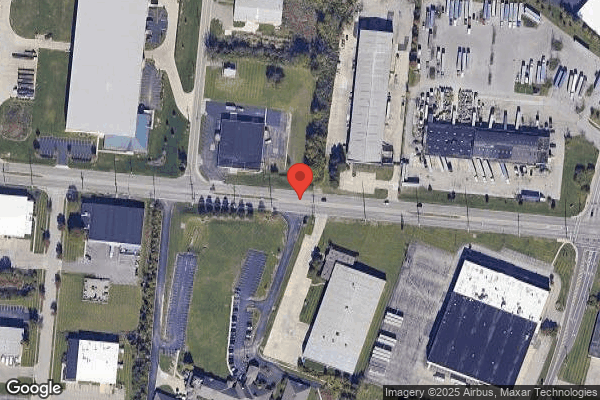
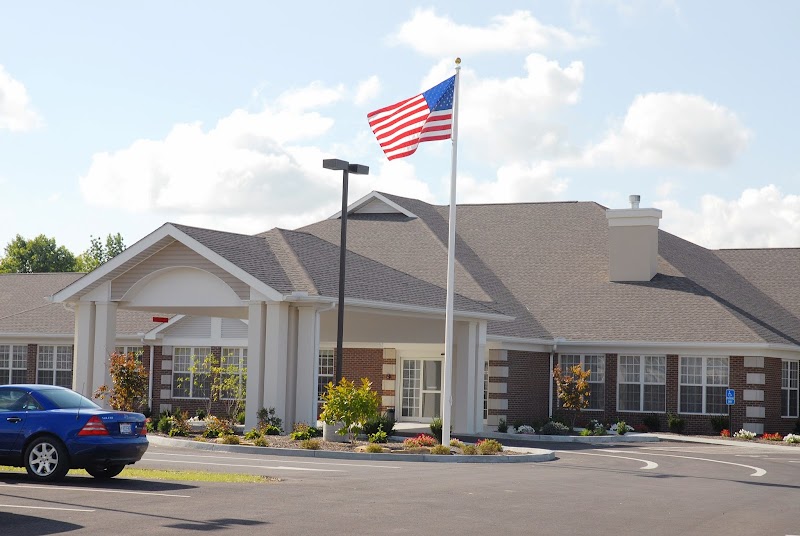
779 GLENDALE MILFORD ROAD, CINCINNATI, OH 45215 (513) 771-1779
For profit - Corporation 122 Beds CARING PLACE HEALTHCARE GROUP Data: November 2025
Trust Grade
80/100
#71 of 913 in OH
Last Inspection: July 2022

Over 2 years since last inspection. Current conditions may differ from available data.

Overview

Glendale Place Care Center in Cincinnati, Ohio has a Trust Grade of B+, indicating it is recommended and above average in quality. It ranks #71 out of 913 facilities in Ohio, placing it in the top half, and #5 out of 70 in Hamilton County, meaning there are only four local options considered better. The facility is improving, with issues decreasing from five in 2022 to two in 2025. Staffing is rated as average with a 3/5 star rating and a turnover rate of 58%, slightly above the state average. While there have been no fines reported, which is a positive sign, there is concerningly less RN coverage than 81% of Ohio facilities, potentially impacting residents' care. Specific incidents noted by inspectors include a failure to ensure only licensed personnel had access to medication storage, which could affect all residents. Additionally, the facility did not monitor residents' weights as ordered for some individuals, which is crucial for their health. There were also instances where a staff member failed to change gloves or perform hand hygiene while serving meals, risking the spread of infection. Overall, while there are strengths in its ranking and no fines, these weaknesses highlight areas needing improvement in resident safety and care practices.

Trust Score
B+
80/100
In Ohio
#71/913
Top 7%
Safety Record
Low Risk
No red flags
Inspections
Getting Better
5 → 2 violations
Staff Stability
⚠ Watch
58% turnover. Above average. Higher turnover means staff may not know residents' routines.
Penalties
✓ Good
No fines on record. Clean compliance history, better than most Ohio facilities.
Skilled Nurses
⚠ Watch
Each resident gets only 29 minutes of Registered Nurse (RN) attention daily — below average for Ohio. Fewer RN minutes means fewer trained eyes watching for problems.
Violations
⚠ Watch
20 deficiencies on record. Higher than average. Multiple issues found across inspections.
★★★★★
5.0
Overall Rating
★★★☆☆
3.0
Staff Levels
★★★★★
5.0
Care Quality
★★★★☆
4.0
Inspection Score
Stable
2022: 5 issues
2025: 2 issues

The Good

  • 5-Star Quality Measures · Strong clinical quality outcomes
  • Full Sprinkler Coverage · Fire safety systems throughout facility
  • No fines on record

Facility shows strength in quality measures, fire safety.

The Bad

Staff Turnover: 58%

12pts above Ohio avg (46%)

Frequent staff changes - ask about care continuity

Chain: CARING PLACE HEALTHCARE GROUP

Part of a multi-facility chain

Ask about local staffing decisions and management

Staff turnover is elevated (58%)

10 points above Ohio average of 48%

The Ugly 20 deficiencies on record

Aug 2025 2 deficiencies
CONCERN (D) 📢 Someone Reported This

A family member, employee, or ombudsman was alarmed enough to file a formal complaint

Potential for Harm - no one hurt, but risky conditions existed

ADL Care (Tag F0677)

Could have caused harm · This affected 1 resident

Based on record review, interview, and facility policy review, the facility failed to consistently provide routine baths to 1 (Resident #112) of 5 sampled residents reviewed for activities of daily li...

Read full inspector narrative →
Based on record review, interview, and facility policy review, the facility failed to consistently provide routine baths to 1 (Resident #112) of 5 sampled residents reviewed for activities of daily living (ADLs). Findings included: A facility policy titled, Activities of Daily Living (ADL) Care, reviewed 01/2024, indicated, Policy Interpretation and Implementation: Nursing staff will assist residents with receiving care and services for residents with ADL needs which may include (but not limited to): basic-self-care tasks such as bathing, dressing, eating, toileting and mobility, oral care based on individual needs.An admission Record revealed the facility admitted Resident #112 on 05/09/2025. According to the admission Record, the resident had a medical history that included diagnoses of hemiplegia and hemiparesis following nontraumatic intracerebral hemorrhage affecting the left non-dominant side, acquired absence of right foot, adult failure to thrive, and chronic obstructive pulmonary disease. An admission Minimum Data Set (MDS), with an Assessment Reference Date (ARD) of 05/20/2025, revealed Resident #112 had a Brief Interview for Mental Status (BIMS) score of 14, which indicated the resident had intact cognition. The MDS indicated the resident was dependent on staff for bathing. Resident #112's Care Plan Report included a focus area, initiated 05/22/2025, that indicated the resident had an ADL self-care performance deficit related to cerebral vascular disease, hemiparesis, chronic obstructive pulmonary disease, respiratory failure, fibromyalgia, and diabetes mellitus. Interventions initiated on 05/22/2025 directed staff to adjust the level of ADL support for fluctuations and/or declines in self-care and or mobility, assist with ADLs, and provide one-person physical assistance with bathing. The Care Plan Report did not reflect how frequently the resident was to be bathed.Resident #112's 05/2025 and 06/2025 Documentation Survey Reports revealed documentation that indicated the resident received baths on 05/12/2025, 05/13/2025, 05/22/2025, 06/05/2025, 06/07/2025, 06/08/2025, and 06/16/2025. Per the reports, a code of NA meant not applicable, a code of RX meant the resident was not available, and a code of RR meant the resident refused. The reports revealed staff documentation that indicated the resident was not available for a bath on 05/26/2025, 06/17/2025, and 06/18/2025 (per progress notes, the resident was in the hospital on these dates). The reports revealed staff documented NA for bathing on 05/17/2025, 05/20/2025, 06/03/2025, 06/13/2025 and 06/15/2025. The reports did not include documentation regarding the provision of bathing assistance on any other days and did not reflect any resident refusals. Resident #112's Progress Notes for the timeframe from 05/05/2025 through 06/17/2025 revealed no documented evidence that Resident #112 refused baths or showers. During an interview on 08/07/2025 at 10:16 AM, State Trained Nursing Assistant (STNA) #15 stated that when she documented NA on the bath/shower records, she meant that she did not offer or provide the resident a bath. During an interview on 08/08/2025 at 8:28 AM, STNA #16 stated that if a bath was not given, she documented an NA on the bath/shower records; however, she indicated she documented the same way if the resident refused their bath. During an interview on 08/08/2025 at 9:48 AM, the Director of Nursing (DON) said she expected staff to at least offer baths and document in the resident's electronic medical record (EMR). The DON stated staff should be coding the bath/shower records correctly. This deficiency represents non-compliance investigated under Complaint Number 1336365 (OH00166784).
CONCERN (D) 📢 Someone Reported This

A family member, employee, or ombudsman was alarmed enough to file a formal complaint

Potential for Harm - no one hurt, but risky conditions existed

Infection Control (Tag F0880)

Could have caused harm · This affected 1 resident

Based on observation, interview, record review, and facility policy, the facility failed to ensure multi-use equipment was sanitized between residents for 1 (Resident #42) of 8 residents observed duri...

Read full inspector narrative →
Based on observation, interview, record review, and facility policy, the facility failed to ensure multi-use equipment was sanitized between residents for 1 (Resident #42) of 8 residents observed during medication administration. Additionally, the facility failed to ensure personal protective equipment (PPE) was donned prior to entering a transmission-based precautions (TBP) room for 1 (Resident #52) of 3 residents reviewed for TBP.Findings included: 1. A facility policy titled, Cleaning and Disinfecting Environment & Resident Care Equipment, last reviewed by the facility on 10/12/2020, indicated, Environmental Guidelines: Staff will use standard precautions, including appropriate personal protective equipment (PPE) for all rooms unless transmission-based precautions are identified as indicated on posted precaution signs located outside resident rooms. The policy revealed, Surface cleaning and disinfection will be conducted with focus on high touch areas to include, but not limited to: toilet seats & toilet flush handles, grab bars next to toilet, bed assist rails, overbed tray tables, call light buttons, TV and bed remotes, telephones, resident chairs, IV poles, blood pressure cuffs, sinks and faucets, light switches, door knobs and/or levers, countertops, desktops and tables. The policy specified, Resident Care Equipment Guidelines: Single-use equipment will be cleaned when visually soiled. Multi-use items will be routinely cleaned and disinfected after each use, particularly before use for another resident.During medication administration on 08/06/2025 at 8:30 AM, Licensed Practical Nurse (LPN) #4 obtained a blood pressure cuff that had been previously used on another resident and had not been sanitized between residents and started to enter Resident #42's room. LPN #4 was asked about the facility process for sanitizing blood pressure cuffs between residents, and LPN #4 stated there was not a policy to sanitize between residents. LPN #4 stated that she did not normally clean blood pressure cuffs between residents. LPN #4 stated she would sanitize the blood pressure cuffs between residents if a resident was on TBP or enhanced barrier precautions. During an interview on 08/06/2025 at 9:21 AM, LPN #5 stated she sanitized the blood pressure cuff between each resident use.During an interview on 08/07/2025 at 11:56 AM, the Assistant Director of Nursing (ADON), who was also the Infection Preventionist, stated equipment used for multiple residents should be sanitized between use; however (in contrast to her prior statement and the facility policy), she stated she would not expect staff to sanitize the blood pressure cuff between use of residents if the resident was not on any precautions.During an interview on 08/08/2025 at 8:34 AM, the Director of Nursing (DON) stated (in contrast to the facility policy), I do not expect for a multiuse item to be cleaned between residents if it is not known that they have an infection.2. A facility policy titled, Contact Precautions, last reviewed by the facility on 12/19/2020, specified, Staff will use standard precautions in addition to contact precautions as they apply. Staff will wear gloves; gowns, masks, or goggles IF there is a danger of being sprayed or splattered.An admission Record revealed the facility admitted Resident #52 on 03/08/2025. According to the admission Record, the resident had a medical history that included diagnoses of extended spectrum beta lactamase (ESBL) resistance and urinary incontinence.A quarterly Minimum Data Set (MDS), with an Assessment Reference Date (ARD) of 06/13/2025, revealed Resident #52 had a Brief Interview for Mental Status (BIMS) score of 14, which indicated the resident had intact cognition. The MDS indicated the resident was occasionally incontinent of urine and bowel.Resident #52's Order Summary Report as of 08/07/2025 revealed an order dated 08/04/2025 for contact isolation for ESBL in urine every shift.During an observation on 08/06/2025 at 11:33 AM, Licensed Practical Nurse (LPN) #6 performed a finger stick blood sugar check on Resident #52. LPN #6 obtained the supplies, performed hand hygiene, applied gloves, then entered the resident's room without donning a gown. A contact precaution sign was on the door. LPN #6 obtained the resident's finger stick blood sugar check. LPN #6 stated the resident was not on contact precautions. LPN #6 stated the PPE to be worn for contact isolation was gloves, mask, and gown. LPN #6 stated the sign read to wear a gown and gloves, but she did not wear a gown when she performed Resident #52's finger sick blood sugar check. LPN #6 stated it was important to wear PPE to protect the resident and herself from disease causing micro-organisms. LPN #6 stated she should have double checked and not assumed the resident was not on precautions when she saw the sign on the door. During an interview on 08/07/2025 at 11:56 AM, the Assistant Director of Nursing (ADON), who was also the Infection Preventionist, stated she expected staff to don PPE for contact precautions. The ADON stated the PPE was a barrier to anything that could be spread through physical contact. The ADON stated staff should have worn a gown as well as gloves when performing the resident's finger sick blood sugar check. During an interview on 08/08/2025 at 8:34 AM, the Director of Nursing (DON) stated sheexpected for PPE use to be specific to that resident and if providing care for a resident on transmission-based precautions, staff should wear gloves, a gown, and a mask. The DON stated she expected gloves, a mask, and a gown to be used to obtain a finger sick blood sugar check on a resident that was on contact precautions.
Jul 2022 5 deficiencies
CONCERN (D)

Potential for Harm - no one hurt, but risky conditions existed

Notification of Changes (Tag F0580)

Could have caused harm · This affected 1 resident

**NOTE- TERMS IN BRACKETS HAVE BEEN EDITED TO PROTECT CONFIDENTIALITY** Based on medical record review and staff interview, the facility failed to notify the physician of residual fluid (fluid/content...

Read full inspector narrative →
**NOTE- TERMS IN BRACKETS HAVE BEEN EDITED TO PROTECT CONFIDENTIALITY** Based on medical record review and staff interview, the facility failed to notify the physician of residual fluid (fluid/contents that remain in the stomach), as ordered, for a resident who had a feeding tube. This affected one resident (Resident #42) of four residents reviewed for notification of change in condition and feeding tubes. The facility census was 78. Findings included: Review of the medical record for Resident #42 revealed an admission date of 02/19/21. Diagnoses included traumatic subarachnoid hemorrhage, nontraumatic intracerebral hemorrhage, cerebral infarction, encephalopathy, idiopathic epilepsy, and hemiplegia and hemiparesis following cerebral infarction. Review of the Minimum Data Set (MDS) assessment dated [DATE] revealed Resident #42 had severe cognitive impairment and required total assistance for eating, locomotion, bed mobility, transfers, dressing, toileting, and personal hygiene. Review of physician's orders revealed an order dated 08/17/21 to check placement of feeding tube every shift and as needed, hold if residual is over 60 milliliters (ml) and notify physician. Review of Resident #42's tube feeding residual levels revealed on 06/24/22 during day shift, Resident #42's residual level was 120 milliliters (ml). On 06/28/22 during day shift, Resident #42's residual level was 120 ml. Further review of the medical record revealed there was no documented the physician was notified of elevated residual levels. Interview on 06/29/22 at 12:48 P.M. Registered Dietitian (RD) #157 verified Resident #42 had tube feeding residuals documented over 60 ml and there was no documentation of physician notification. Interview on 06/29/22 at 2:47 P.M. Medical Director (MD) #400 verified facility staff had not notified him of Resident #42's elevated tube feed residuals.
CONCERN (D)

Potential for Harm - no one hurt, but risky conditions existed

Report Alleged Abuse (Tag F0609)

Could have caused harm · This affected 1 resident

**NOTE- TERMS IN BRACKETS HAVE BEEN EDITED TO PROTECT CONFIDENTIALITY** Based on medical record review, review of facility Self-Reported Incidents (SRI), staff interview, and review of facility policy...

Read full inspector narrative →
**NOTE- TERMS IN BRACKETS HAVE BEEN EDITED TO PROTECT CONFIDENTIALITY** Based on medical record review, review of facility Self-Reported Incidents (SRI), staff interview, and review of facility policy, the facility failed to ensure resident-to-resident verbal altercations and threats were reported to the state agency. This impacted two (#01 and #270) of four residents reviewed for abuse. The facility census was 78. Findings include: Review of the medical record of Resident #01 revealed an admission date of 02/03/21. Diagnoses included encephalopathy, alzhiemer's disease with late onset, non-st elevation (NSTEMI) myocardial infarction, essential hypertension, acute kidney failure, bilateral sensorineural hearing loss, and unspecified voice and resonance disorder. Review of the quarterly Minimum Data Set (MDS) assessment dated [DATE] revealed the resident had moderately impaired cognition. The resident required supervision for bed mobility, transfers, and toileting and was independent for eating. Review of the progress note dated 05/07/22 at 8:04 A.M. Licensed Practical Nurse (LPN) #91 documented Resident #01 was upset because another resident (Resident #270) was in her room, in the bed, yelling at her, and held his fist up at her. Review of the medical record of Resident #270 revealed an admission date of 05/04/22. The resident passed away in the facility on 05/16/22. Diagnoses included metabolic encephalopathy, alzheimer's disease, and cognitive communication deficit. Review of the comprehensive MDS assessment dated [DATE] revealed Resident #270 had severe cognitive impairment. The resident was assessed as exhibiting continuous inattention, daily rejection of care, and had wandering behaviors. The resident required extensive assistance of one staff for bed mobility, transfers, and toileting, and was dependent for eating. Review of the progress note dated 05/07/22 at 12:46 A.M. LPN #91 documented Resident #270 was combative with care, getting in and out of a resident's bed and yelling at another resident, and put his fist in her face (Resident #01). Review of the facility's SRIs revealed the incident occuring on 05/07/22 was not reported. Interview on 06/28/22 at 4:13 P.M. the Administrator stated the incident was investigated, however an SRI was not completed because they did not believe any type of abuse had occurred. The Administrator further verified the altercation occured between Residents #01 and #270 and Resident #270 no longer resided in the facility. Review of the facility policy titled, Abuse, Neglect, Misappropriation, and Exploitation, dated 10/16/19, revealed all alleged violations would be reported to the state agency no later than 24 hours if the events that cause the allegation do not involve abuse and do not result in serious bodily injury.
CONCERN (D)

Potential for Harm - no one hurt, but risky conditions existed

Respiratory Care (Tag F0695)

Could have caused harm · This affected 1 resident

**NOTE- TERMS IN BRACKETS HAVE BEEN EDITED TO PROTECT CONFIDENTIALITY** Based on medical record review, observation, staff interview, and review of facility policy, the facility failed to ensure oxyge...

Read full inspector narrative →
**NOTE- TERMS IN BRACKETS HAVE BEEN EDITED TO PROTECT CONFIDENTIALITY** Based on medical record review, observation, staff interview, and review of facility policy, the facility failed to ensure oxygen tubing was changed as ordered. This affected one (172) of three residents reviewed for dated oxygen tubing. The census was 78. Findings include: Review of the medical record for Resident #172 revealed an admission date of 12/13/21. Diagnoses included chronic obstructive pulmonary disease, morbid obesity, asthma, atrial flutter, heart failure, hypotension, and chronic kidney disease. Review of the quarterly Minimum Data Set (MDS) assessment dated [DATE] revealed the resident had intact cognition. Resident #172 required extensive assistance for activities of daily living (ADLs) and supervision for eating. The resident utilized oxygen. Review of physician orders revealed an order dated 12/20/21 to change oxygen tubing weekly, every Monday. Observation on 06/27/22 at 10:15 A.M. revealed the oxygen tubing for Resident #172 was dated 06/06/22. Interview on 06/27/22 at 12:32 P.M. with Licensed Practical Nurse (LPN) #145 confirmed the oxygen tubing for Resident #172 was dated 06/06/22. Review of the facility policy titled, Oxygen Administration, dated 03/2021 revealed oxygen concentrators would be check weekly, tubing changed, and filters cleaned and rinsed.
CONCERN (E)

Potential for Harm - no one hurt, but risky conditions existed

Quality of Care (Tag F0684)

Could have caused harm · This affected multiple residents

**NOTE- TERMS IN BRACKETS HAVE BEEN EDITED TO PROTECT CONFIDENTIALITY** Based on medical record review, staff interview, and review of facility policy, the facility failed to obtain and monitor reside...

Read full inspector narrative →
**NOTE- TERMS IN BRACKETS HAVE BEEN EDITED TO PROTECT CONFIDENTIALITY** Based on medical record review, staff interview, and review of facility policy, the facility failed to obtain and monitor residents' weights as ordered. This affected five (#49, #222, #223, #53, and #3) of five residents reviewed weights obtained as ordered. The facility census was 78. Findings include: 1. Review of medical record for Resident #49 revealed an admission date of 05/17/22 and discharge date of 06/28/22. Diagnoses included cerebral infarction, chronic multifocal osteomyelitis, right ankle and foot, dilated cardiomyopathy, and chronic atrial fibrillation. Review of the Minimum Data Set (MDS) assessment dated [DATE] revealed the resident was cognitively intact and required extensive assistance with bed mobility, dressing, toileting, and maintaining personal hygiene. The resident required supervision and set up for eating. Review of physician orders revealed an order for Resident #49 to be weighed in the morning before breakfast and to call the surgeon if the resident had a greater than three-pound gain in 24 hours, or five-pound gain in a week. Review of Resident #49's weight records revealed there were no weights documented for 05/22/22, 05/24/22, 05/26/22, 06/02/22, 06/04/22, 06/06/22, 06/07/22, 06/08/22, 06/09/22, 06/11/22, 06/12/22, 06/15/22, 06/16/22, 06/19/22, 06/20/22, 06/21/22, 06/23/22, 06/24/22, 06/25/22, and 06/26/22. Interview on 06/28/22 at 4:00 P.M. Diet Technician (DT) #114 verified Resident #49 was not weighed before breakfast as ordered. 2. Review of the medical record for Resident #222 revealed an admission date of 06/10/22 and discharge date of 06/29/22. Diagnoses included idiopathic aseptic necrosis of right femur. Review of the Minimum Data Set (MDS) assessment dated [DATE] revealed Resident #222 was cognitively intact, required supervision and setup only for eating, and limited assistance for all other activities of daily living (ADLs). Review of physician orders revealed an order dated 06/10/22 to obtain the resident's weight every week for four weeks on Fridays. Review of Resident #222's weight record for June 2022 revealed the resident's weight was obtained on 06/10/22 and 06/28/22. There were no additional weights records for June 2022. Interview on 6/28/22 at 2:05 P.M. DT #114 verified there were no weights documented for Resident #222 from 06/10/22 to 06/28/22. 3. Review of the medical record for Resident #223 revealed an admission date of 06/18/22. Diagnoses included left femur fracture, chronic gout, malignant neoplasm of bone, hypothyroidism, malignant neoplasm of kidney, and gastro-esophageal reflux disease. Review of the comprehensive Minimum Data Set (MDS) assessment dated [DATE] revealed the resident had intact cognition. The resident was assessed as not exhibiting any behaviors, including rejection of care. The resident required extensive assistance for bed mobility, transfers, toileting, and supervision for eating. Review of physician orders revealed an order dated 06/18/22 to weigh Resident #223 every week for four weeks. Review of Resident #223's weight record revealed the resident was weighed on 06/18/22 and again on 06/28/22, 10 days apart. There was no additional documentation of Resident #223's weight for June 2022. Interview on 06/28/22 at 1:58 P.M. DT #114 verified Resident #223 was not weighed as ordered. 4. Review of the medical record for Resident #53 revealed an admission date of 06/14/17. Diagnoses included hemiplegia and hemiparesis following cerebral infarction. Review of the Minimum Data Set (MDS) assessment dated [DATE] revealed Resident #53 was cognitively intact and required supervision and set up for eating, and extensive assistance for all other activities of daily living (ADLs). Review of physician orders revealed an order dated 06/02/22 for weekly weights for four weeks. Review of Resident #53's weight record for June 2022 revealed the resident's weight was obtained on 06/03/22 and 06/29/22. There were no additional weights documented between 06/02/22 and 06/29/22. Interview on 06/28/22 at 1:58 P.M. DT #114 verified Resident #53 was not weighed weekly as ordered. 5. Review of the medical record for Resident #3 revealed an admission date of 01/08/16. Diagnoses included cerebral infarction, hypertension, hemiplegia, hemiparesis, mood disorder, dysphagia, gastroesophageal reflux disease, and aphasia. Review of the annual Minimum Data Set (MDS) assessment dated [DATE] revealed the resident had impaired cognition. Resident #3 required extensive assistance to total dependence for all activities of daily living (ADLs). Review of physician orders revealed an order for weekly weights for four weeks dated 03/14/22 through 04/11/22. Review of Resident #3's weight record revealed a weight was obtained on 03/11/22 and 04/11/22. There were no weights documented between 03/11/22 and 04/11/22. Interview on 06/28/22 at 2:00 P.M. DT #114 verified weekly weights were not obtained for Resident #3 as ordered.
CONCERN (E)

Potential for Harm - no one hurt, but risky conditions existed

Infection Control (Tag F0880)

Could have caused harm · This affected multiple residents

2. Observation on 06/27/22 at 12:13 P.M. revealed State Tested Nursing Assistant (STNA) #141 delivered lunch trays to Residents #5 and #40 wearing gloves. STNA #141 did not remove gloves or perform ha...

Read full inspector narrative →
2. Observation on 06/27/22 at 12:13 P.M. revealed State Tested Nursing Assistant (STNA) #141 delivered lunch trays to Residents #5 and #40 wearing gloves. STNA #141 did not remove gloves or perform hand hygiene. At 12:15 P.M. STNA #141 continued to pass trays to Residents #33 and #46 wearing the same gloves and did not perform hand hygiene. At 12:17 P.M. STNA #141 continued to pass trays to Residents #10 and #50 wearing the same gloves and did not perform hand hygiene. STNA #141 delivered lunch trays to six residents without changing gloves or performing hand hygiene. Interview on 06/27/22 at 12:18 P.M. STNA #141 verified she wore the same gloves and did not practice hand hygiene after delivering lunch trays to six residents. STNA #141 stated she, Was not aware she needed to change gloves and cleanse her hands in-between passing lunch trays to each resident. Review of the facility policy titled, Hand Hygiene, revised 02/2021, revealed hand hygiene should be performed before and after direct resident contact, after contact with a dirty item, during meal service, and after contact with inanimate objects in the resident's room or immediate care environment. This deficiency substantiates Complaint Numbers OH00112315 and OH00112813. Based on observation, staff interview, and policy review, the facility failed to ensure staff practiced appropriate hand hygiene practices while passing meals trays. This affected 11 (#19, #63, #269, #32, #64, #5, #40, #33, #46, #10, and #50) of 11 residents observed during lunch. This had the potential to affect all 29 residents residing on the 200-hall. The facility census was 78. Findings include: 1. Observation on 06/27/22 at 12:24 P.M. revealed State Tested Nursing Assistant (STNA) #300 pushing a meal tray cart of lunch trays down on the 200-hall. STNA #300 retrieved a tray from the cart and entered Resident #19's room. STNA #300 was observed pushing Resident #19 in her wheelchair and repositioning her in front of the meal tray. STNA #300 then exited Resident #19's room, carrying a mug, walked down to the opposite end of the 200-hall, where another meal tray cart was stationed, and filled the mug with coffee. STNA #300 returned to Resident #19's room, delivered the mug of coffee, and exited the room. STNA #300 proceeded to retrieve another tray from the meal tray cart and delivered it to Resident #63, who was seated in the common area. STNA #300 pushed Resident #63 in her wheelchair to position her in front of her meal tray at the table, and then assisted with setting up the tray. STNA #300 was not observed completing hand hygiene at any point during the observations. Continued observation on 06/27/22 at 12:29 P.M. revealed STNA #300 retrieved another tray from the meal tray cart and delivered it to Resident #269 in her room. STNA #300 called for STNA #141 to assist with repositioning Resident #269 in bed. STNA #300 and #141 repositioned Resident #269. Observation on 06/27/22 at 12:32 P.M., STNA #300 exited Resident #269's room and hand hygiene was not performed. STNA #300 then pushed an unidentified resident in her wheelchair up to a table in the common area, proceeded to the meal tray cart, retrieved another tray from the cart and delivered the tray to the room of Residents #32 and #64. Observation on 06/27/22 at 12:37 P.M., STNA #300 performed hand hygiene. Interview on 06/27/22 at approximately 12:55 P.M., STNA #300 stated she normally performed hand hygiene after delivering, every couple of trays. STNA #300 stated she washed her hands in the sink of Resident #19's room after passing her meal tray (though not observed by the surveyor at any point during continuous observation). STNA #300 verified she continued to pass trays to multiple residents as well as reposition and/or assist residents without performing hand hygiene between each encounter.
Dec 2019 3 deficiencies
CONCERN (D)

Potential for Harm - no one hurt, but risky conditions existed

ADL Care (Tag F0677)

Could have caused harm · This affected 1 resident

Based on medical record review, observation, staff interview and policy review, the facility failed to ensure staff provided a resident timely assistance with a meal during the survey. This affected o...

Read full inspector narrative →
Based on medical record review, observation, staff interview and policy review, the facility failed to ensure staff provided a resident timely assistance with a meal during the survey. This affected one (#32) of the 32 residents observed during dining. Facility census was 98. Findings include: Review of the medical record for the Resident #32, revealed an admission date of 09/08/18. Diagnoses included, but not limited to congestive heart failure (CHF), diverticulosis, Alzheimer's disease, chronic kidney disease, gastritis, and cataracts. Review of the most recent Minimum Data Set (MDS) 3.0 assessment, dated 07/30/19, revealed the Resident #32 had severely impaired cognition, had no behaviors, did not reject care, and wandered daily. Resident was a one-person physical assist, required extensive assistance for activities of daily living (ADL's), supervision for eating and Section 0 (special treatments and procedures) indicated resident was on hospice. Review of plan of care 12/02/19 revealed resident had nutritional problem related to diet restrictions of pureed diet and 2000 milliliter (mL) fluid restriction per day due to CHF; at risk for weight loss secondary to terminal status; wife comes in and assists with most meals in common area and wife would like resident to sleep until she gets in to assist with breakfast. Interventions included allow resident to sleep through breakfast until wife comes in to assist him; encourage and offer resident to eat in the dining room for meals; wife prefers resident to eat in the common area so that they can assist him with eating; when wife and/or daughter are not available, staff to provide and serve diet as ordered and monitor intake and record every meal. Review of physician orders dated 11/08/19 revealed regular diet with pureed texture, nectar thick liquids consistency 2000 ml fluid restriction. Observation of Resident #32 being propelled in a wheelchair to the common/day room area by Hospice Aide #160 on 12/09/19 at 12:20 P.M. Observation also revealed Hospice Aide placed Resident #32 in the common/day room area and exited the area. Interview with Hospice Aide #160 on 12/09/19 revealed she provided Resident #32 with a bed bath in his room. Numerous observations of Resident #32 sitting in the common/day room area on 12/09/19 between 12:20 P.M. and 3:23 P.M. with no observations of staff assisting the resident with lunch. Additionally, Resident #32 was not provided with the lunch meal during the observation. Interview with Licensed Practical Nurse (LPN) #77 on 12/09/19 at 3:25 P.M. indicated she thought the Hospice Aide #170 assisted the resident after she provided the bed bath but could not confirm this. LPN #77 stated she did not know if anyone assisted Resident #32 to eat lunch. LPN #77 was observed ordering Resident #32 a lunch tray. Interview with State Tested Nurses Aide (STNA) #115, whom the facility identified as being the STNA for Resident #32 on 12/09/19 at 3:35 P.M. indicated she did not assist Resident #32 with lunch and stated she thought the Hospice Aide #170 assisted the resident. STNA #115 also indicated she did not have a meal ticket or any other documented evidence of his intake from lunch. STNA #115 further stated she remembered all of her residents intake and records the findings at the end of her shift. Interview with Director of Nursing (DON) on 12/09/19 at 3:45 P.M. indicated she contacted the Hospice Aide #170 and received a report that she did not assist Resident #32 with lunch. DON verified Resident #32 did not eat lunch. DON further stated STNA's were to record each resident's intake on their meal tickets and transfer findings into the electronic medical record (EMR) after each meal. Observation on 12/09/19 3:52 P.M. revealed Resident #32 being assisted with lunch in the common/day area. Review of 10/29/19 policy titled Meal Supervision and Assistance revealed the resident will be prepared for a well-balanced meal and with adequate supervision and assistance.
CONCERN (D)

Potential for Harm - no one hurt, but risky conditions existed

Laboratory Services (Tag F0770)

Could have caused harm · This affected 1 resident

Based on staff interview and medical record review, the facility failed to timely obtain a urine sample to obtain a culture and sensitivity per physician orders. This affected one (#29) of the 20 resi...

Read full inspector narrative →
Based on staff interview and medical record review, the facility failed to timely obtain a urine sample to obtain a culture and sensitivity per physician orders. This affected one (#29) of the 20 residents reviewed during the survey. Facility census was 98. Findings include: Review of the medical record for the Resident #29, revealed an admission date of 08/12/19. Diagnoses included, but not limited to, hemiplegia, dementia without behaviors, atrial fibrillation (A-Fib), hypertension (HTN), and seizures. Review of the most recent Minimum Data Set (MDS) 3.0 assessment, dated 11/13/19, revealed the Resident #29 had severely impaired cognition, had no behaviors, did not reject care, and did not wander. Resident was a one-person physical assist, totally dependent or required extensive assistance for activities of daily living and resident was incontinent to bowel and bladder. Review of plan of care dated 08/13/19 revealed resident was at risk of impaired skin integrity due to impaired mobility, incontinence. Interventions included monitor laboratory work as ordered and notify physician of results. Review of physician orders for Resident #29 dated 10/01/19 revealed a urinalysis culture and sensitivity to be completed on 10/02/19. Review of nurses progress notes for Resident #29 dated 10/02/19 at 1:20 A.M. revealed a urine specimen was obtained via straight catheter. Review of laboratory results for urinalysis culture for Resident #29 dated 10/04/19, indicated the specimen was collected on 10/02/19, resulted and reported to facility on 10/04/19 with possible contamination. Review of nurse's progress notes dated 10/05/19 indicated Registered Nurse (RN) #21 received the laboratory results, contacted the facility physician and received new orders for urine culture and sensitivity to be completed on 10/10/19. Review of laboratory results on 10/10/19 revealed laboratory collection was noted as unable to obtain. Review of physician progress notes dated 10/22/19 identified the urine culture and sensitivity results were missing and reordered the urine culture and sensitivity. The urine culture was obtained on 10/23/19. Interview with RN #18 on 12/11/19 at 8:05 A.M. stated she was not aware why Resident #29 did have the physician ordered urine culture and sensitivity collected. RN #29 stated she was the charge nurse who reviewed and closed the laboratory order in the electronic medical record (EMR). Interview with Director of Nursing (DON) on 12/12/219 at 12:00 P.M. verified Resident #29 did not have a urine culture with sensitivity collected on 10/10/19 per physician orders.
CONCERN (E)

Potential for Harm - no one hurt, but risky conditions existed

Food Safety (Tag F0812)

Could have caused harm · This affected multiple residents

Based on observation, staff interview, and policy review, the facility failed to label and date items being stored in the walk-in refrigerator and freezer. The facility also failed to serve food in a ...

Read full inspector narrative →
Based on observation, staff interview, and policy review, the facility failed to label and date items being stored in the walk-in refrigerator and freezer. The facility also failed to serve food in a sanitary environment. This had the potential to affect 92 out of 98 residents residing in the facility, six (#20, 326, #40, #43, #59 and #83) residents were ordered to receive nothing by mouth (NPO). Facility census was 98. Findings include: On 12/09/19 from 8:39 A.M to 9:20 A.M., an initial tour of the kitchen was conducted with Dietary Manager (DM) #38. During the observation the following concerns were observed, and all the concerns were verified by DM #38. a. In the refrigerator there was a container of left-over peaches and cream that was covered but had no date or use by date. b. In the refrigerator yellow onions and red onions were cut in half and wrapped in saran wrap with no date or label. c. In the refrigerator American cheese opened in a bag with no date or used by date. d. In the freezer a bag of country fried steak opened with no date or used by date. e. In the freezer a box of chocolate eclairs opened with no date or used by date. f. In the freezer a container of soup with a date of 11/1. DM #38 was unable to verify whether the date was date placed in the freezer or a used by date. On 12/09/19 at 9:15 A.M. observations revealed the utensil bin was filled with food particles, debris and crumbs in it. The outside of the prep refrigerator had food particles and debris in the creases of both door handles. The stove top was heavily soiled with grease, food particles, debris and dirt. At the time of the observation, DM #38 was interviewed and confirmed the condition of the refrigerator and stove. Interview on 12/09/19 at 9:20 A.M., revealed DM #38 reported staff cleans kitchen weekly but was unable to provide a schedule of cleaning times with initials verifying cleaned items. The facility confirmed this had the potential to affect 92 out of 98 residents residing in the facility and that six (#20, 326, #40, #43, #59 and #83) residents were ordered to receive nothing by mouth (NPO). Reviewed of facility policy titled, Food Storage Policy and Procedure Manual dated 2010 revealed leftover food is stored in covered containers or wrapped carefully and securely. Each item is clearly labeled and dated before being refrigerated. Leftover food is used within three days or discarded. All frozen foods should be covered, labeled and dated.
Oct 2018 10 deficiencies
CONCERN (D)

Potential for Harm - no one hurt, but risky conditions existed

Deficiency F0578 (Tag F0578)

Could have caused harm · This affected 1 resident

**NOTE- TERMS IN BRACKETS HAVE BEEN EDITED TO PROTECT CONFIDENTIALITY** Based on record review and staff interviews, the facility failed to ensure a resident advanced directives/code status were accur...

Read full inspector narrative →
**NOTE- TERMS IN BRACKETS HAVE BEEN EDITED TO PROTECT CONFIDENTIALITY** Based on record review and staff interviews, the facility failed to ensure a resident advanced directives/code status were accurately documented in the electronic record. This affected two (#35 and #259) of 32 residents reviewed for maintaining accurate code statuses. The facility census was 111. Findings include: 1. Resident #35 was admitted to the facility on [DATE] with the following diagnoses: end stage renal disease, cardiomyopathy, major depressive disorder, hypertension and type two diabetes mellitus. Review of Resident #35's quarterly Minimum Data Sets (MDS) assessment dated [DATE] revealed the resident to be cognitively impaired and require extensive assistance with bed mobility, dressing, toileting and personal hygiene. Resident was also reported to require limited assistance with transfer and supervision with eating on the 08/12/18 MDS. Review of Resident #35's code status form signed by Resident #35's Power of Attorney (POA) and the physician on 03/29/18 revealed resident's code status to be a Do Not Resuscitate Comfort Care Arrest (DNRCCA). Review of Resident #35's physician's orders on 10/22/18 revealed resident had an active electronic order for a Do Not Resuscitate (DNRCC) code status that was ordered on 07/25/18. Further review of Resident #35's orders on 10/23/18 revealed resident's electronic code status order was changed from a DNRCC to a DNRCCA on 10/23/18. Review of Resident #35's care plan on 10/22/18 revealed resident to be listed as a DNRCC on the care plan. Review of Resident #35's care plan on 10/24/18 revealed resident's care plan was changed from a DNRCC to a Do Not Resuscitate (DNR) on 10/23/18. Further review of Resident #35's care plan on 10/24/18 revealed resident's care plan was changed from a DNR to a DNRCCA on 10/24/18. Interview with Director of Nursing (DON) on 10/24/18 at 10:19 A.M. verified Resident #35's code status order in the electronic chart did not match her code status from in the hard chart on 10/22/18. DON also confirmed Resident #35's code status in the paper chart did not match the code status listed in the resident's electronic care plan prior to 10/24/18. 2. Resident #259 was admitted on [DATE] with diagnosis including urinary tract infection, diabetes, anemia, muscle weakness, gastroenteritis, hypothyroidism, and weakness. Resident #259 was discharged to home on [DATE]. Discharge Return not Anticipated MDS dated [DATE] revealed no cognitive deficits, requires extensive assistance with activities of daily living, and is frequently incontinent of urine and always incontinent of bowel. During review of chart it was noted that Resident #259's hard chart revealed that the resident was a DNRCC-Arrest, and the electronic health record revealed that Resident #259 was noted to be a DNR-CC. Interview on 10/22/18 at 10:20 A.M. with Registered Nurse (RN) #78 verified that the hard chart had a DNR-CC-Arrest and the electronic health record had the resident ordered as a DNR-CC.
CONCERN (D)

Potential for Harm - no one hurt, but risky conditions existed

MDS Data Transmission (Tag F0640)

Could have caused harm · This affected 1 resident

**NOTE- TERMS IN BRACKETS HAVE BEEN EDITED TO PROTECT CONFIDENTIALITY** Based on record review and staff interviews, the facility failed to complete a discharge assessment upon a resident's death in t...

Read full inspector narrative →
**NOTE- TERMS IN BRACKETS HAVE BEEN EDITED TO PROTECT CONFIDENTIALITY** Based on record review and staff interviews, the facility failed to complete a discharge assessment upon a resident's death in the facility. This affected one (#1) of one residents reviewed for resident assessments. The facility census was 111. Findings include: Resident #1 was admitted to the facility on [DATE] with the following diagnoses: atherosclerotic heart disease of native coronary artery without angina pectoris, chronic obstructive pulmonary disease, hypertension, edema, malignant neoplasm of unspecified renal pelvis, other specified disease of intestine, atrial fibrillation, unspecified intestinal obstruction, unspecified as to partial versus complete obstruction and unspecified severe protein calorie malnutrition. Further review of Resident #1's chart revealed resident passed away in the facility on 06/20/18 with hospice services. Review of Resident #1's significant change Minimum Data Sets (MDS) assessment dated [DATE] revealed the resident to be cognitively intact and require total dependence with transfers and toileting and extensive assistance with bed mobility, dressing and personal hygiene. Resident #1 was reported to require supervision with eating on the 05/25/18 MDS. Further review of Resident #1's MDS revealed Resident #1 did not have an assessment upon his discharge and death in the facility on 06/20/18. Interview with the Director of Nursing (DON) on 10/24/18 at 2:29 P.M. verified Resident #1 did not have a discharge MDS assessment upon his death in the facility on 06/20/18.
CONCERN (D)

Potential for Harm - no one hurt, but risky conditions existed

Comprehensive Care Plan (Tag F0656)

Could have caused harm · This affected 1 resident

**NOTE- TERMS IN BRACKETS HAVE BEEN EDITED TO PROTECT CONFIDENTIALITY** Based on record review and staff interviews, the facility failed to ensure a comprehensive care plan was developed and implement...

Read full inspector narrative →
**NOTE- TERMS IN BRACKETS HAVE BEEN EDITED TO PROTECT CONFIDENTIALITY** Based on record review and staff interviews, the facility failed to ensure a comprehensive care plan was developed and implemented to include a resident's accurate code status. This affected one (#35) of 23 residents reviewed for care planning. The facility census was 111. Findings include: Resident #35 was admitted to the facility on [DATE] with the following diagnoses: end stage renal disease, cardiomyopathy, major depressive disorder, hypertension and type two diabetes mellitus. Review of Resident #35's quarterly Minimum Data Sets (MDS) assessment dated [DATE] revealed the resident to be cognitively impaired and require extensive assistance with bed mobility, dressing, toileting and personal hygiene. Resident was also reported to require limited assistance with transfer and supervision with eating on the 08/12/18 MDS. Review of Resident #35's code status form signed by Resident #35's Power of Attorney (POA) and the physician on 03/29/18 revealed resident's code status to be a Do Not Resuscitate Comfort Care Arrest (DNRCCA). Review of Resident #35's physician's orders on 10/22/18 revealed resident had an active electronic order for a Do Not Resuscitate (DNRCC) code status that was ordered on 07/25/18. Further review of Resident #35's orders on 10/23/18 revealed resident's electronic code status order was changed from a DNRCC to a DNRCCA on 10/23/18. Review of Resident #35's care plan on 10/22/18 revealed resident to be listed as a DNRCC on the care plan. Review of Resident #35's care plan on 10/24/18 revealed resident's care plan was changed from a DNRCC to a Do Not Resuscitate (DNR) on 10/23/18. Further review of Resident #35's care plan on 10/24/18 revealed resident's care plan was changed from a DNR to a DNRCCA on 10/24/18. Interview with Director of Nursing (DON) on 10/24/18 at 10:19 A.M. verified Resident #35's code status in the paper chart did not match the code status listed in the resident's electronic care plan prior to 10/24/18. The DON also confirmed the code status listed in Resident #35's care plan was inaccurate prior to 10/24/18.
CONCERN (D)

Potential for Harm - no one hurt, but risky conditions existed

Deficiency F0657 (Tag F0657)

Could have caused harm · This affected 1 resident

**NOTE- TERMS IN BRACKETS HAVE BEEN EDITED TO PROTECT CONFIDENTIALITY** Based on medical record review and staff interview that facility failed to update and revise care plans. This affected one (#79)...

Read full inspector narrative →
**NOTE- TERMS IN BRACKETS HAVE BEEN EDITED TO PROTECT CONFIDENTIALITY** Based on medical record review and staff interview that facility failed to update and revise care plans. This affected one (#79) out of 23 residents care plans reviewed. The facility census was 111. Findings include: A chart review conducted on 10/23/18 revealed that Resident #79 was admitted on [DATE] with diagnosis including dementia, chronic obstruction pulmonary disease, hypertension, Alzheimer's, muscle weakness, metabolic encephalopathy, kidney transplant, dermatitis, dysphagia, hip fracture, hypothyroidism, and depression. Review of the Quarterly Minimum Data Set (MDS) dated [DATE] revealed that Resident #79 has severe cognitive impairments and requires extensive assistance to total dependence with activities of daily living and is always incontinent of bowel and bladder. Review of care plan dated 06/26/18 with no updated revisions revealed that Resident #79 was at risk for falls related to unaware of safety needs, poor communication/comprehension, confusion, vision/hearing problems and psychoactive drug use. Review of nursing notes dated 07/11/18 revealed that Resident #79 reported that he had an unwitnessed fall that he informed staff when a state tested nursing assistant (STNA) noted blood in the bathroom and Resident's #79 right inner antecubital with a hematoma to the right side of his head. Resident was assessed by nurse with no other signs of injury and range of motion within normal limits. Resident #79 sent to local hospital for further assessment and observation. Nursing note dated 07/12/18 revealed that a STNA reported that resident was observed sitting on the bathroom floor next to the toilet. Resident #79 was smiling at that time and reaching out his hands to get assistance with standing up. Unsteady gait noted and Resident #79 was being combative. Corrective action put in place but not indicated on the care plan was to offer toileting every two hours to prevent falls. Nursing notes dated 07/21/18 revealed that Resident #79 was observed on floor at the doorway of his room. Unable to rate pain due to resident's inability to speak. The corrective action was to put a prompt sign to remind resident to not get up without assistance not indicated on the care plan. Further review of notes dated 07/21/18 revealed that Resident #79 was admitted to a local hospital with a fractured hip on 07/21/18. Interview on 10/25/18 at 9:02 A.M. with Licensed Practical Nurse (LPN) #145 verified that the Resident's #79 care plan had not been revised with new interventions to prevent falls.
CONCERN (D)

Potential for Harm - no one hurt, but risky conditions existed

Quality of Care (Tag F0684)

Could have caused harm · This affected 1 resident

**NOTE- TERMS IN BRACKETS HAVE BEEN EDITED TO PROTECT CONFIDENTIALITY** 2. Review of Resident #100's medical record revealed an admit date of 12/17/16 with diagnosis including but not limited to diabe...

Read full inspector narrative →
**NOTE- TERMS IN BRACKETS HAVE BEEN EDITED TO PROTECT CONFIDENTIALITY** 2. Review of Resident #100's medical record revealed an admit date of 12/17/16 with diagnosis including but not limited to diabetes, dementia with behavioral disturbance, delusional disorders, dysphagia, lymphedema of both lower extremities, and Alzheimer's disease. A quarterly MDS dated [DATE] indicated moderate cognitive impairment and extensive assist of one-two staff for activity of daily living. Review of Resident #100 physician orders revealed knee high ted hose on in am, off at bedtime ordered 12/19/17. Review of a care plan dated 12/10/16 indicated Resident #100 had experienced a deep vein thrombosis and had interventions including - Apply antiembolism stockings as ordered, remove for 30 minutes every eight hours. Review of a [NAME] (List of instructions for State Tested Nurse Assistants) for Resident #100 did not list anti-embolism stockings. Observation on 10/23/18 at 5:25P.M. revealed Resident #100 lying in bed awake, alert, confused to time and place. Resident #100 displayed difficulty understanding question regarding anti-embolism stockings. Interview on 10/23/18 at 5:45 P.M. with State Tested Nurse Aide (STNA) #301 reported Resident #100 was wearing non-skid socks. Interview on 10/24/18 at 3:14 P.M. with STNA #23 verified Resident #100 was not wearing anti-embolism stockings and stated she had never seen Resident #100 wear them. STNA #301 verified the anti-embolism stockings were not listed on the [NAME] for Resident #100. Interview on 10/25/18 at 10:45 A.M. with Licensed Practical Nurse (LPN) #219 verified Resident #100 had an order for anti-embolism stockings and was not wearing them. LPN #219 obtained a pair of anti-embolism stocking and applied them to Resident #100's legs. Based on observation, staff and resident interviews, and medical record review, the facility failed to ensure treatments for edema were in place. This affected two (#90 and #100) of three Residents reviewed for edema. The facility census was 111. Findings include: 1. Medical record review revealed Resident #90 was admitted to the facility on [DATE] with diagnosis of rhabdomyolysis, hypertension, encephalopathy, and acute respiratory failure with hypoxia. Review of quarterly minimum data set (MDS) assessment dated [DATE] revealed severely impaired cognitive skills for daily decision making, extensive assistance was required with bed mobility, eating, and Resident #90 was totally dependent with transfers, toileting, and personal hygiene. Review of physician orders dated 10/09/18 revealed edema glove on right hand at all times except for bathing and skin checks. Observation on 10/23/18 at 10:30 A.M. revealed an edema glove was not in place to Resident #90's right hand. Observation on 10/23/18 at 5:44 P.M. revealed Resident #90 was eating dinner independently with built up utensils. There wasn't any glove in place to the right hand. Observation on 10/24/18 at 9:54 A.M. revealed Resident #90 was up in common area of facility in a wheelchair. There wasn't any glove in place to the right hand. Interview with Resident #90 on 10/24/18 at 4:00 P.M. reported he/she used to wear a glove to the right hand but it was missing. Interview on 10/24/18 at 4:34 P.M. with Licensed Practical Nurse (LPN) #140 during observation of Resident #90 verified edema glove was not in place to the right hand as ordered. LPN #140 obtained the glove from the television stand and placed it on Resident #90's right hand.
CONCERN (D)

Potential for Harm - no one hurt, but risky conditions existed

Accident Prevention (Tag F0689)

Could have caused harm · This affected 1 resident

**NOTE- TERMS IN BRACKETS HAVE BEEN EDITED TO PROTECT CONFIDENTIALITY** Based on observation, record review and staff interview, the facility failed to have corrective actions place to prevent falls. ...

Read full inspector narrative →
**NOTE- TERMS IN BRACKETS HAVE BEEN EDITED TO PROTECT CONFIDENTIALITY** Based on observation, record review and staff interview, the facility failed to have corrective actions place to prevent falls. This affected one (#79) out of three residents reviewed for falls. The facility census was 111. Findings include: A chart review conducted on 10/23/18 revealed that Resident #79 was admitted on [DATE] with diagnosis including dementia, chronic obstruction pulmonary disease, hypertension, Alzheimer's, muscle weakness, metabolic encephalopathy, kidney transplant, dermatitis, dysphagia, hip fracture, hypothyroidism, and depression. Review of the Quarterly Minimum Data Set (MDS) dated [DATE] revealed that Resident #79 has severe cognitive impairments and requires extensive assistance to total dependence with activities of daily living and is always incontinent of bowel and bladder. Review of care plan dated 06/26/18 with no updated revisions revealed that Resident #79 was at risk for falls related to unaware of safety needs, poor communication/comprehension, confusion, vision/hearing problems and psychoactive drug use. Nursing notes dated 07/21/18 revealed that Resident #79 was observed on floor at the doorway of his room. Unable to rate pain due to resident's inability to speak. The corrective action was to put a prompt sign up in his room to remind Resident #79 to call for assistance prior to getting up. Further review of notes dated 07/21/18 revealed that Resident #79 was admitted to a local hospital with a fractured hip on 07/21/18. Observation and interview on 10/25/18 at 9:02 A.M. with Licensed Practical Nurse (LPN) #145 verified that there was no prompt sign in Resident's #79 room to remind him to call for assistance prior to getting out of bed or standing up.
CONCERN (D)

Potential for Harm - no one hurt, but risky conditions existed

Deficiency F0698 (Tag F0698)

Could have caused harm · This affected 1 resident

**NOTE- TERMS IN BRACKETS HAVE BEEN EDITED TO PROTECT CONFIDENTIALITY** Based on medical record review, observation, resident and staff interviews and policy review, the facility failed to monitor art...

Read full inspector narrative →
**NOTE- TERMS IN BRACKETS HAVE BEEN EDITED TO PROTECT CONFIDENTIALITY** Based on medical record review, observation, resident and staff interviews and policy review, the facility failed to monitor arterio-venous shunt (dialysis access site), failed to accurately monitor the fluid intake for a resident receiving hemodialysis and failed to identify the dialysis transportation vendor or contact information on the care plan. This affected one (#19) of two residents reviewed for dialysis care. Facility census was 111. Findings include: Review of Resident #19's medical record revealed an admit date of 07/18/18 with diagnosis including but not limited to end stage renal disease, diabetes, retention of urine, major depressive disorder, glaucoma, hyperlipidemia, peripheral vascular disease, Atherosclerosis of extremities right let with gangrene, and bifascicular block (heart conduction blocks). A 14-day Minimum Data Set, dated [DATE] indicated Resident #19 had severe cognitive deficit and required extensive assist of one-two staff for activities of daily living. Review of October 2018 physician orders revealed Resident #19 received hemodialysis every Tuesday, Thursday, and Saturday at a dialysis center. A physician order was also indicated for 240 milliliters fluid every eight hours. Review of the Medication Administration Review for October 2018 revealed an entry 240 milliliters fluid every eight hours but the signature area had only two areas for documentation (every 12 hours). Review of a care plan dated 07/18/18 indicated Resident #19 had a arterio-vascular shunt (a-v shunt) in his left arm. The care plan did not provide any transportation information for dialysis such as time, vendor, or contact information. Observation of Resident #19 on 10/23/18 5:34 P.M. sitting up in bed watching television. A gauze bandage was noted on left upper inner arm. Resident#19 was confused to time and place, stating he does not have dialysis treatments Interview on 10/23/18 at 5:40 P.M. with Licensed Practical Nurse (LPN) #137 reported when Resident #19 returns from dialysis she checks his dressings on his feet since he sometimes pulls them off. She reported the only other thing she assesses is his pulse. Interview on 10/24/18 at 1:31 P.M. LPN #159 verified Resident #19's fluids were tracked on the Medication Administration Record as every 12 hours and the orders was for 240 milliliters every eight hours. She stated the orders were corrected 10/22/18 after survey entrance. LPN #159 also verified Resident #19's medical record contained no evidence of a-v shunt monitoring until 10/23/18. Review of the facility policy dated 01/03 did not address monitoring or care of dialysis access site. The policy did indicate intake and output should be monitored. It also stated transportation contact should be included in the care plan.
CONCERN (D)

Potential for Harm - no one hurt, but risky conditions existed

Medication Errors (Tag F0758)

Could have caused harm · This affected 1 resident

**NOTE- TERMS IN BRACKETS HAVE BEEN EDITED TO PROTECT CONFIDENTIALITY** Based on medical record review and staff interview, the facility failed to ensure as needed psychotropic drugs were limited to 1...

Read full inspector narrative →
**NOTE- TERMS IN BRACKETS HAVE BEEN EDITED TO PROTECT CONFIDENTIALITY** Based on medical record review and staff interview, the facility failed to ensure as needed psychotropic drugs were limited to 14 days. This affected one (#9) of five residents reviewed for unnecessary medications. The facility census was 111. Findings include: Resident #9 was admitted to the facility on [DATE] with the following diagnoses; cognitive communication deficit, hypertension, chronic kidney disease, hyperlipidemia, dementia in other diseases classified elsewhere with behavioral disturbance, and rheumatoid arthritis. Review of Resident #9's annual Minimum Data Sets (MDS) assessment dated [DATE] revealed the resident to be cognitively impaired and require extensive assistance with bed mobility, transfers, dressing, toileting and personal hygiene and supervision with eating. Review of Resident #9's physician orders revealed resident was ordered Lorazepam 0.5 milligrams (mg) by mouth every eight hours as needed for agitation on 06/20/18. Review of Resident #9's physician progress notes dated 09/17/18, 09/24/18, 10/01/18 and 10/08/18 did not provide any information regarding a rational for the as needed Lorazepam order being extended and the duration of time the as needed Lorazepam order would be in place. Interview with Director of Nursing (DON) on 10/24/18 at 4:11 P.M. verified the physician did not provide a rational for the as needed Lorazepam order being extended and the duration of time the as needed Lorazepam order would be in place. DON reported the physician only documented that he reviewed resident's medications during the physician's visits.
CONCERN (E)

Potential for Harm - no one hurt, but risky conditions existed

Infection Control (Tag F0880)

Could have caused harm · This affected multiple residents

**NOTE- TERMS IN BRACKETS HAVE BEEN EDITED TO PROTECT CONFIDENTIALITY** Based on observation, medical record review, staff interviews and policy review, the facility failed to ensure infection control...

Read full inspector narrative →
**NOTE- TERMS IN BRACKETS HAVE BEEN EDITED TO PROTECT CONFIDENTIALITY** Based on observation, medical record review, staff interviews and policy review, the facility failed to ensure infection control practices were used when caring for a resident in contact precautions. This affected one (#308) of one residents reviewed for infections. This had the potential to affect 28 residents (#3, #4, #9, #17, #18, #21, #23, #30, #35, #38, #41, #43, #44, #54, #55, #56, #59, #67, #72, #75, #79, #80, #85, #86, #99, #104, #106 and #308) residing on the 400 unit. The facility census was 111. Findings include: Resident #308 was admitted to the facility on [DATE] with the following diagnoses; urinary tract infection, encephalopathy, chronic systolic heart failure, atrial fibrillation, hypertension, dementia without behavioral disturbance and retention of urine. Review of Resident #308's admission Minimum Data Sets (MDS) dated [DATE] revealed the resident to be cognitively impaired and require extensive assistance with bed mobility, transfers, dressing, toileting and personal hygiene and supervision with eating. Review of Resident #308's physician's orders revealed resident was ordered contact precautions for vancomycin-resistant enterococci (VRE) in the urine every shift on 10/22/18. Further review of Resident #308's physician's orders revealed resident to be ordered Linezolid 600 milligrams (mg) by mouth two times per day for VRE in the urine and a urinary tract infection (UTI) for 10 days on 10/20/18. Review of Resident #308's labs dated 10/15/18 revealed resident to have VRE in the urine. Resident #308's chart did not any additional labs to test for VRE in the urine. Interview with Licensed Practical Nurse (LPN) #145 revealed Resident #308 is currently under contact precautions. Observation on 10/25/18 at 8:28 A.M. revealed Resident #308 to be lying in bed with her call light on. Resident #308 had a precautions cart outside of her room and a red sign that stated Stop. See nurse for instructions. State Tested Nurse Aide (STNA) #23 was observed to go into resident's room and turn off the call light. Resident #308 requested assistance with going to the bathroom. STNA #23 then left Resident #308's room and walked to the nurse's station. STNA #23 returned to Resident #308's room and closed the door without applying a gown or any other personal protective equipment (PPE). Interview with STNA #23 on 10/25/18 at 8:41 A.M. verified she toileted Resident #308 with gloves but without a gown on. STNA also reported she only wore gloves to toilet Resident #308 because she was not aware the resident was under precautions. Interview with the Director of Nursing (DON) on 10/25/18 at 3:56 P.M. revealed Resident #261 and Resident #308 were the only residents on contact precautions in the facility. The facility confirmed by not providing contact precautions to Resident #308 this had the potential to affect 28 residents (#3, #4, #9, #17, #18, #21, #23, #30, #35, #38, #41, #43, #44, #54, #55, #56, #59, #67, #72, #75, #79, #80, #85, #86, #99, #104, #106 and #308) residing on the 400 unit. Review of the facility's undated VRE policy revealed gowns are to be worn when the soiling of clothing with infectious material is likely to occur.
CONCERN (F)

Potential for Harm - no one hurt, but risky conditions existed

Deficiency F0761 (Tag F0761)

Could have caused harm · This affected most or all residents

Based on observation, staff and pharmacist interview, and policy review, the facility failed to ensure that only personnel licensed to administer medications had access to locked medication storage ro...

Read full inspector narrative →
Based on observation, staff and pharmacist interview, and policy review, the facility failed to ensure that only personnel licensed to administer medications had access to locked medication storage rooms. This affected four out of four medication rooms inspected during the survey and had the potential to affect all 111 residents residing in the facility. Additionally, the facility failed to ensure medication reconciliation shift count was signed accordingly. This had the potential to affect 14 Residents (#8, #19, #27, #31, #32, #33, #34, #37, #39, #47, #52, #61, #69, & #69) out of 29 Residents identified by the facility with orders for controlled medications on the 200 unit, and 12 Residents (#4, #21, #33, #54, #56, #67, #72, #75, #79, #99, #104, & #409) out of 28 residents identified by the facility with orders for controlled medications on the 400 unit. The facility census was 111. Findings include: 1. Observation during a facility tour on 10/23/18 beginning at 10:00 A.M. revealed that the Maintenance Director (MD #157) had keys and accessed medication rooms on the 100 hall, 200 hall, 300 hall, and 400 hall without supervision of a authorized personnel. Interview on 10/23/18 at 2:38 P.M. with MD #157 reported that he has keys to the medication rooms on all four units in facility and has always had access to room. He reported that there are two guys in maintenance and both of them have access to the keys for the medication room. A phone interview on 10/23/18 at 2:50 P.M. Pharmacist #100 reported that only licensed personnel that passes medications (such as a Licensed Practical Nurse, or Registered Nurse) should have keys to access medication rooms. He also reported that if someone other than authorized personnel has keys then they should be being supervised by licensed personnel. During the survey the facility confirmed this had the potential to affect all residents residing in the facility as all residents have prescription medications. Review of the Drug Storage Policy (not dated) revealed that only licensed nurses, pharmacy personnel, and those lawfully authorized to administer medications (such as medication aides) are allowed access to medications. Medication rooms, carts, and medication supplies are locked or attended by persons with authorized access. 2. An observation conducted on 10/25/18 at 2:17 P.M. revealed the narcotic shift count for the 200 unit had two missing nurse signatures on 10/06/18, one missing nurse signature on 10/09/18, and two missing nurse signatures on 10/23/18. An interview conducted during observation with Licensed Practical Nurse (LPN #159) verified the missing signatures. The facility confirmed this had the potential to affect 14 Residents (#8, #19, #27, #31, #32, #33, #34, #37, #39, #47, #52, #61, #69, & #69) out of 29 Residents identified with orders for controlled medications on the 200 unit. An observation conducted on 10/25/18 at 3:12 P.M. revealed that the narcotic shift count for the 400 unit had one missing nurse signature on the following dates 10/03/18, 10/04/18, 10/08/18, 10/09/18, 10/21/18, and 10/23/18, and two missing nurse signatures on 10/22/18. An interview conducted during observation with LPN #225 verified the missing signatures. The facility confirmed this had the potential to affect 12 Residents (#4, #21, #33, #54, #56, #67, #72, #75, #79, #99, #104, & #409) out of 28 residents identified with orders for controlled medications on the 400 unit. Review of the Controlled Substance Reconciliation Policy (not dated) revealed each facility should verify the quantity of controlled substances on hand as well as the number of accompanying count sheets at the end of each nursing shift. Total number of controlled substance containers and count sheets should match at the end of each shift. When a narcotic shift form is completed and new one initiated, the total from the completed sheet will be transferred to the new sheet. Both nurses should sign indicating that they reconciled that number.
Understanding Severity Codes (click to expand)
Life-Threatening (Immediate Jeopardy)
J - Isolated K - Pattern L - Widespread
Actual Harm
G - Isolated H - Pattern I - Widespread
Potential for Harm
D - Isolated E - Pattern F - Widespread
No Harm (Minor)
A - Isolated B - Pattern C - Widespread

Questions to Ask on Your Visit

  • "Why is there high staff turnover? How do you retain staff?"
  • "Can I speak with families of current residents?"
  • "What's your RN coverage like on weekends and overnight?"

Our Honest Assessment

Strengths
  • • Grade B+ (80/100). Above average facility, better than most options in Ohio.
  • • No major safety red flags. No abuse findings, life-threatening violations, or SFF status.
  • • No fines on record. Clean compliance history, better than most Ohio facilities.
Concerns
  • • 20 deficiencies on record. Higher than average. Multiple issues found across inspections.
  • • 58% turnover. Above average. Higher turnover means staff may not know residents' routines.
Bottom line: Generally positive indicators. Standard due diligence and a personal visit recommended.

About This Facility

What is Glendale Place's CMS Rating?

CMS assigns GLENDALE PLACE CARE CENTER an overall rating of 5 out of 5 stars, which is considered much above average nationally. Within Ohio, this rating places the facility higher than 99% of the state's 100 nursing homes. This rating reflects solid performance across the metrics CMS uses to evaluate nursing home quality.
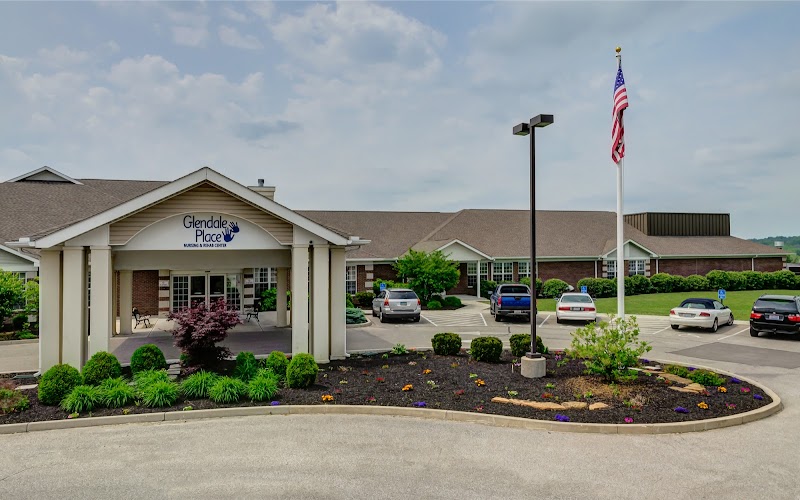
How is Glendale Place Staffed?

CMS rates GLENDALE PLACE CARE CENTER's staffing level at 3 out of 5 stars, which is average compared to other nursing homes. Staff turnover is 58%, which is 12 percentage points above the Ohio average of 46%. High turnover can affect care consistency as new staff learn residents' individual needs. RN turnover specifically is 58%, which is notably high. RNs provide skilled clinical oversight, so turnover in this role can affect medical care quality.

What Have Inspectors Found at Glendale Place?

State health inspectors documented 20 deficiencies at GLENDALE PLACE CARE CENTER during 2018 to 2025. These included: 20 with potential for harm.

Who Owns and Operates Glendale Place?

GLENDALE PLACE CARE CENTER is owned by a for-profit company. For-profit facilities operate as businesses with obligations to shareholders or private owners. The facility is operated by CARING PLACE HEALTHCARE GROUP, a chain that manages multiple nursing homes. With 122 certified beds and approximately 105 residents (about 86% occupancy), it is a mid-sized facility located in CINCINNATI, Ohio.
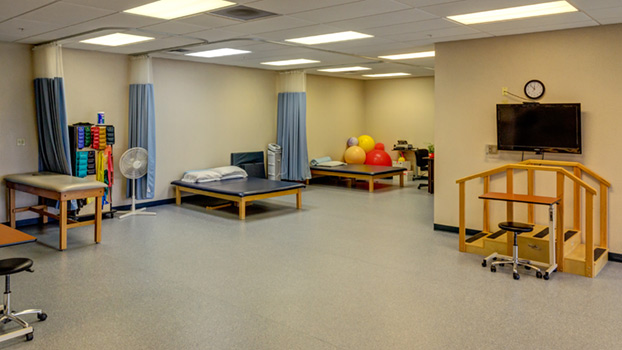
How Does Glendale Place Compare to Other Ohio Nursing Homes?

Compared to the 100 nursing homes in Ohio, GLENDALE PLACE CARE CENTER's overall rating (5 stars) is above the state average of 3.2, staff turnover (58%) is significantly higher than the state average of 46%, and health inspection rating (4 stars) is above the national benchmark.

What Should Families Ask When Visiting Glendale Place?

Based on this facility's data, families visiting should ask: "How do you ensure continuity of care given staff turnover, and what is your staff retention strategy?" "Can I visit during a mealtime to observe dining assistance and food quality?" "How do you handle medical emergencies, and what is your hospital transfer rate?" "Can I speak with family members of current residents about their experience?" These questions are particularly relevant given the facility's high staff turnover rate.

Is Glendale Place Safe?

Based on CMS inspection data, GLENDALE PLACE CARE CENTER has a clean safety record: no substantiated abuse findings (meaning no confirmed cases of resident harm), no Immediate Jeopardy citations (the most serious violation level indicating risk of serious injury or death), and is not on the Special Focus Facility watch list (a federal program monitoring the lowest-performing 1% of nursing homes). The facility has a 5-star overall rating and ranks #1 of 100 nursing homes in Ohio. While no facility is perfect, families should still ask about staff-to-resident ratios and recent inspection results during their visit.

Do Nurses at Glendale Place Stick Around?

Staff turnover at GLENDALE PLACE CARE CENTER is high. At 58%, the facility is 12 percentage points above the Ohio average of 46%. Registered Nurse turnover is particularly concerning at 58%. RNs handle complex medical decisions and coordinate care — frequent RN changes can directly impact care quality. High turnover means new staff may not know residents' individual needs, medications, or preferences. It can also be disorienting for residents, especially those with dementia who rely on familiar faces. Families should ask: What is causing the turnover? What retention programs are in place? How do you ensure care continuity during staff transitions?

Was Glendale Place Ever Fined?

GLENDALE PLACE CARE CENTER has no federal fines on record. CMS issues fines when nursing homes fail to meet care standards or don't correct problems found during inspections. The absence of fines suggests the facility has either maintained compliance or corrected any issues before penalties were assessed. This is a positive indicator, though families should still review recent inspection reports for the full picture.

Is Glendale Place on Any Federal Watch List?

GLENDALE PLACE CARE CENTER is not on any federal watch list. The most significant is the Special Focus Facility (SFF) program, which identifies the bottom 1% of nursing homes nationally based on persistent, serious quality problems. Not being on this list means the facility has avoided the pattern of deficiencies that triggers enhanced federal oversight. This is a positive indicator, though families should still review the facility's inspection history directly.