HARMONY COURT REHAB AND NURSING
6969 GLENMEADOW LANE, CINCINNATI, OH 45237 (513) 351-7007
For profit - Limited Liability company 120 Beds Independent Data: November 2025 1 Immediate Jeopardy citation
Trust Grade
3/100
#695 of 913 in OH
Last Inspection: December 2023

Within standard 12-15 month inspection cycle. Federal law requires annual inspections.

Overview

Harmony Court Rehab and Nursing has received a Trust Grade of F, indicating significant concerns about the facility's operations and care quality. With a state rank of #695 out of 913 and a county rank of #54 out of 70, it is in the bottom half of facilities in Ohio, suggesting limited local options for better care. Although the facility is trending toward improvement, having reduced issues from 5 in 2024 to 2 in 2025, there are still serious concerns, including $100,887 in fines, which is higher than 89% of other Ohio facilities, pointing to compliance problems. Staffing is a notable weakness, as it has a low rating of 1 out of 5 stars, with a turnover rate of 64%, significantly above the state average. The RN coverage is also concerning, being less than that of 91% of state facilities, which may hinder the quality of care. Specific incidents include a resident who experienced neglect, resulting in delayed medical attention and pain management, and issues with the kitchen cleanliness and food safety standards, which could impact resident health. While the facility shows some strengths in quality measures, the overall picture indicates a need for caution when considering this nursing home for loved ones.

Trust Score
F
3/100
In Ohio
#695/913
Bottom 24%
Safety Record
High Risk
Review needed
Inspections
Getting Better
5 → 2 violations
Staff Stability
⚠ Watch
64% turnover. Above average. Higher turnover means staff may not know residents' routines.
Penalties
○ Average
$100,887 in fines. Higher than 74% of Ohio facilities. Some compliance issues.
Skilled Nurses
⚠ Watch
Each resident gets only 20 minutes of Registered Nurse (RN) attention daily — below average for Ohio. Fewer RN minutes means fewer trained eyes watching for problems.
Violations
⚠ Watch
82 deficiencies on record. Higher than average. Multiple issues found across inspections.
★★☆☆☆
2.0
Overall Rating
★☆☆☆☆
1.0
Staff Levels
★★★★★
5.0
Care Quality
★☆☆☆☆
1.0
Inspection Score
Stable
2024: 5 issues
2025: 2 issues

The Good

  • 5-Star Quality Measures · Strong clinical quality outcomes
  • Full Sprinkler Coverage · Fire safety systems throughout facility
  • No fines on record

Facility shows strength in quality measures, fire safety.

The Bad

2-Star Overall Rating

Below Ohio average (3.2)

Below average - review inspection findings carefully

Staff Turnover: 64%

18pts above Ohio avg (46%)

Frequent staff changes - ask about care continuity

Federal Fines: $100,887

Well above median ($33,413)

Significant penalties indicating serious issues

Staff turnover is elevated (64%)

16 points above Ohio average of 48%

The Ugly 82 deficiencies on record

1 life-threatening
May 2025 2 deficiencies
CONCERN (D) 📢 Someone Reported This

A family member, employee, or ombudsman was alarmed enough to file a formal complaint

Potential for Harm - no one hurt, but risky conditions existed

Free from Abuse/Neglect (Tag F0600)

Could have caused harm · This affected 1 resident

Based on medical record review, review of facility Self-Reported Incidents (SRIs), staff interview, and review of the facility policy, the facility failed to ensure residents were free from verbal abu...

Read full inspector narrative →
Based on medical record review, review of facility Self-Reported Incidents (SRIs), staff interview, and review of the facility policy, the facility failed to ensure residents were free from verbal abuse by the staff. This affected one (Resident #104) of three residents reviewed for abuse. The facility census was 112 residents. Findings include: Review of the medical record for Resident #104 revealed an admission date of 02/13/25 with diagnoses including hemiplegia and hemiparesis following cerebral infarction, anxiety disorder, bipolar disorder, post-traumatic stress disorder, and aphasia. Review of the facility SRI for Resident #104 initiated 04/19/25 revealed the facility substantiated an allegation of abuse per Licensed Practical Nurse (LPN) #500 towards Resident #104. On 04/19/25 at approximately 5:30 P.M. Resident #104 and another nurse witnessed LPN #500 using profane language and speaking in a verbally abusive manner towards the resident. The facility reported LPN #500's actions to the Ohio Board of Nursing (OBN) and terminated the nurse. Review of the Minimum Data Set (MDS) assessment for Resident #104 dated 04/24/25 revealed the resident was cognitively intact and required staff assistance with activities of daily living (ADLs.) Interview on 05/14/25 at 11:03 A.M. with the Administrator and Assistant Director of Nursing (ADON) #357 confirmed the facility investigated an allegation of verbal abuse per LPN #500 towards Resident #104. Interview confirmed the facility substantiated verbal abuse had occurred, and they terminated LPN #500 and reported the nurse to the OBN. Review of the facility policy titled Abuse, Neglect, Misappropriation of Resident Property, and Injury of Unknown Origin dated August 2024 revealed the facility had a zero-tolerance policy for resident abuse which included verbal abuse. This deficiency represents noncompliance investigated under Complaint Number OH00165135.
CONCERN (D) 📢 Someone Reported This

A family member, employee, or ombudsman was alarmed enough to file a formal complaint

Potential for Harm - no one hurt, but risky conditions existed

Accident Prevention (Tag F0689)

Could have caused harm · This affected 1 resident

Based on medical record review, review of facility Self-Reported Incidents (SRIs), staff interview, and review of the facility policy, the facility failed to prevent resident elopements. This affected...

Read full inspector narrative →
Based on medical record review, review of facility Self-Reported Incidents (SRIs), staff interview, and review of the facility policy, the facility failed to prevent resident elopements. This affected one (Resident #45) of three residents reviewed for elopements. The facility census was 112 residents. Findings include: Review of the medical record for Resident #45 revealed an admission date of 11/20/23 with diagnoses including atherosclerotic heart disease, Alzheimer's disease, psychotic disorder with delusions and hallucinations, and Parkinson's disease. Review of the elopement risk assessment for Resident #45 dated 01/23/25 revealed the resident was at risk for elopement due to a history of wandering with a pattern, goal-directed wandering, and wandering that might affect the resident's safety and the privacy of others. Review of the Minimum Data Set (MDS) assessment for Resident #45 dated 03/28/25 revealed the resident was moderately cognitively impaired, was independently mobile with a walker, and required supervision with activities of daily living (ADLs). Review of the care plan for Resident #45 updated 04/28/25 revealed the resident was at risk for elopement related to disorientation, voicing the desire to leave, and piling his belongings on his walker seat. Interventions included the following: attempt to redirect the resident from wandering with diversional activities, encourage structured activities and calls and visits from family, Review of a progress note for Resident #45 dated 05/01/25 revealed a nurse from another unit notified the nurse the resident had gotten out the back door. The nurse went to the back door where the door alarm was sounding and found the resident sitting on his walker. The nurse directed Resident #45 back into the building and placed the resident on one-on-one supervision. Review of the elopement risk assessment for Resident #45 dated 05/01/25 revealed the resident was at risk for elopement due to prior elopements, a history of wandering with a pattern, goal-directed wandering, and wandering that might affect the resident's safety and the privacy of others. Review of the facility SRI dated 05/01/25 revealed Resident #45 exited an alarmed door on the secured unit without staff knowledge. When Resident #45 exited the facility, the door alarm sounded but it was not sufficiently loud enough for the two aides working the unit to hear. The aides on the unit were notified of Resident #45's elopement when an aide from another unit came over to tell them the police had called the facility advising there was a resident outside. Interview on 05/13/25 at 3:15 P.M. with Certified Nursing Assistant (CNA) #151 confirmed she and another aide were on the unit and the nurse was not present when Resident #45 eloped from the facility on 05/01/25. CNA #151 confirmed both she and the other aide were in the nursing station and did not hear the door alarm sounding when Resident #45 exited the building. CNA #151 confirmed staff from another unit told them the police had called the facility stating Resident #45 was outside. CNA #151 confirmed she had not been aware Resident #45 was an elopement risk, or she would have provided closer supervision. Observation on 05/13/25 at 5:25 P.M. revealed the door alarm to the secured unit from which Resident #45 eloped did not sound loudly when activated and could not be heard from the nurses' station. Interview on 05/14/25 at 9:20 A.M. with Maintenance Director (MD) #385 confirmed he knew a resident had eloped on 05/01/25 but he had received no requests to make the alarm louder. Interview on 05/14/25 at 10:05 A.M. with Licensed Practical Nurse (LPN) #241 confirmed she was not working on Resident #45's unit when the resident eloped. LPN #241 further confirmed she was working another unit when she received a call from the police that there was a resident outside the building. LPN #241 then went to Resident #45's unit to notify the aides who had not been able to hear the door alarm when the resident exited. Interview on 05/14/25 at 11:03 A.M. with the Administrator and Assistant Director of Nursing (ADON) #357 confirmed Resident #45 was at risk for elopement and eloped from an alarmed door on the secured unit without staff knowledge in the morning of 05/01/25. At the time of Resident #45's elopement the two aides working the unit did not hear the alarm as it didn't sound loudly enough to be heard from the nurses' station where the two aides were sitting. The nurse for the unit had not arrived to work. The Administrator and ADON #357 confirmed the staff was not aware Resident #45 had eloped until the police observed the resident outside and called the facility. Review of the facility policy titled Elopement Prevention and Management Unsafe Wandering and Exit Seeking Behavior revised May 2024 revealed elopement from the facility was defined as when a cognitively impaired resident left the physical structure of the facility unattended and without staff knowledge. Residents would be assessed for elopement risk and interventions would be developed to meet their individualized needs based on the assessment. The facility would ensure door alarm and wander control system were in proper working order. This deficiency represents noncompliance investigated under Complaint Number OH00165418.
Dec 2024 1 deficiency
CONCERN (D) 📢 Someone Reported This

A family member, employee, or ombudsman was alarmed enough to file a formal complaint

Potential for Harm - no one hurt, but risky conditions existed

Infection Control (Tag F0880)

Could have caused harm · This affected 1 resident

Based on medical record review, observation, staff interview, and review of the facility policy, the facility failed to ensure staff donned appropriate personal protective equipment (PPE) prior to pro...

Read full inspector narrative →
Based on medical record review, observation, staff interview, and review of the facility policy, the facility failed to ensure staff donned appropriate personal protective equipment (PPE) prior to provision of care for residents on enhanced barrier precautions (EBP.) This affected two (Residents #11 and #13) of three residents reviewed. The facility census was 107 residents. Findings include: 1. Review of the medical record for Resident #13 revealed an admission date of 02/27/23 with diagnoses including hypotension, gastrotomy, colostomy, obesity, and dysphagia. Review of the Minimum Data Set (MDS) assessment for Resident #13 dated 12/07/24 revealed the resident had mild cognitive deficits and required substantial to total dependence with activities of daily living (ADLs.) Review of care plan for Resident #13 dated 09/23/24 revealed the resident required EBP related to an indwelling medical device (colostomy) regardless of multi drug resistant organisms (MDROs). Interventions included staff should don gowns and gloves prior to and during high-contact resident care activities that provided opportunities for transfer of MDROs to staff hands and clothing. Examples of high-contact interactions included dressing, bathing, showering, transferring, providing hygiene, changing linens, changing briefs/toileting, and device care or use. Observation of incontinence care for Resident #13 on 12/31/24 at 10:00 A.M. per Certified Nursing Assistant (CNA) #33 revealed the aide did not don a gown prior to proving incontinence care to the resident. Interview on 12/31/24 at 10:05 A.M. with CNA #33 confirmed that she did not don a gown prior to providing incontinence care for Resident #13. 2. Review of the medical record for Resident #11 revealed an admission date of 04/29/20 with diagnoses including bipolar disorder, schizophrenia, and psychotic disorder. Review of the MDS assessment for Resident #11 dated 10/19/24 revealed the resident had no cognitive deficits and was independent with ADLs. Review of the care for Resident #11 plan dated 06/11/23 revealed the resident required EBP related to a left ankle wound. Interventions included staff should don gowns and gloves prior to and during high-contact resident care activities that provided opportunities for transfer of MDROs to staff hands and clothing. Examples of high-contact interactions included dressing, bathing, showering, transferring, providing hygiene, changing linens, changing briefs/toileting, and device care or use. Observation of wound care for Resident #11 on 12/31/24 at 10:16 A.M. per Licensed Practical Nurse (LPN) #32 revealed the nurse did not don a gown prior to providing wound care for the resident. Interview on 12/31/24 at 10:25 A.M. with LPN #32 confirmed that she did not don a gown prior to providing wound care for Resident #11. Review of the facility policy titled Enhanced Barrier Precautions dated 03/22/24 revealed EBP were indicated for residents with indwelling medical devices and wounds even if the resident was not known to be infected or colonized with an infection. EBP measures included staff should don gowns and gloves during high contact resident care activities.
Oct 2024 2 deficiencies
CONCERN (D) 📢 Someone Reported This

A family member, employee, or ombudsman was alarmed enough to file a formal complaint

Potential for Harm - no one hurt, but risky conditions existed

Report Alleged Abuse (Tag F0609)

Could have caused harm · This affected 1 resident

Based on review of facility Self-Reported Incident Reviews (SRIs), staff interview, and review of the facility policy, the facility failed to ensure allegations of misappropriation were reported in a ...

Read full inspector narrative →
Based on review of facility Self-Reported Incident Reviews (SRIs), staff interview, and review of the facility policy, the facility failed to ensure allegations of misappropriation were reported in a timely manner to the Ohio Department of Health (ODH). This affected one (Residents #12) of 12 residents reviewed for misappropriation. The facility census was 110 residents. Findings include: Review of the facility SRI initiated 09/30/24 revealed the facility substantiated an allegation of misappropriation of Resident #12's narcotic medication, oxycodone per Registered Nurse (RN) #175. The facility substantiated misappropriation had occurred and RN #175 was terminated. Interview on 10/30/24 at 9:00 A.M. with the Director of Nursing (DON) confirmed she received a text from Licensed Practical Nurse (LPN) #225 on Friday 09/27/24 at 6:45 P.M. with a photograph of a Resident #12's controlled substance record with Registered Nurse (RN) #175's initials signing out doses of medication but on some of the lines Resident #19's name was written in the margin. The DON confirmed she attempted to call LPN #225 who sent her the image, but the nurse did not respond. The DON further confirmed the photograph was suspicious and she had concerns RN #175 had possibly misappropriated resident medication, because RN #175 had written Resident #19's name on Resident #12's record. The DON confirmed she did not follow up on the possible misappropriation concerns until Monday, 09/30/24 when the DON notified the Administrator, who opened the SRI on 09/30/24, and the facility began their investigation. The DON confirmed she did not report the suspicious information she received on 09/27/24 to her supervisor until 09/30/24. Interview on 10/30/24 at 10:00 A.M. with the Administrator confirmed the DON notified him on 09/30/24 of concerns regarding misappropriation per RN #175 which she had learned of on 09/27/24, and the facility did report the allegation to ODH till 09/30/24. Review of the facility policy titled Abuse, Neglect, Misappropriation of Resident Property, Injury of Unknown Origin dated 08/01/22 revealed the facility would report allegations of misappropriation to the state agency, ODH, within 24 hours. The policy definition of misappropriation included missing prescription medications or diversion of a resident's medication(s), including, but not limited to, controlled substances for staff use or personal gain. This deficiency represents noncompliance investigated under Complaint Number OH00159179 and Complaint Number OH00158434.
CONCERN (D) 📢 Someone Reported This

A family member, employee, or ombudsman was alarmed enough to file a formal complaint

Potential for Harm - no one hurt, but risky conditions existed

Investigate Abuse (Tag F0610)

Could have caused harm · This affected 1 resident

Based on review of Self-Reported Incident Reviews (SRIs) staff interview, and review of the facility policy, the facility failed to conduct a thorough investigation of misappropriation of resident med...

Read full inspector narrative →
Based on review of Self-Reported Incident Reviews (SRIs) staff interview, and review of the facility policy, the facility failed to conduct a thorough investigation of misappropriation of resident medications and failed to protect residents during the investigation. This affected one (Residents #12) of 12 residents reviewed for misappropriation and had the potential to affect all of the residents residing in the facility. The facility census was 110 residents. Findings include: Review of the facility SRI initiated 09/30/24 revealed the facility substantiated an allegation of misappropriation of Resident #12's narcotic medication, oxycodone per Registered Nurse (RN) #175. The facility substantiated misappropriation had occurred and RN #175 was terminated. Interview on 10/30/24 at 9:00 A.M. with the Director of Nursing (DON) confirmed she received a text from Licensed Practical Nurse (LPN) #225 on Friday 09/27/24 at 6:45 P.M. with a photograph of a Resident #12's controlled substance record with Registered Nurse (RN) #175's initials signing out doses of medication but on some of the lines Resident #19's name was written in the margin. The DON confirmed she attempted to call LPN #225 who sent her the image, but the nurse did not respond. The DON further confirmed the photograph was suspicious and she had concerns RN #175 had possibly misappropriated resident medication, because RN #175 had written Resident #19's name on Resident #12's record. The DON confirmed she did not follow up on the possible misappropriation concerns until Monday, 09/30/24 when the DON notified the Administrator, who opened the SRI on 09/30/24, and the facility began their investigation. The DON confirmed she did not report the suspicious information she received on 09/27/24 to her supervisor until 09/30/24. The DON confirmed RN #175, the alleged perpetrator, was permitted to work on 09/28/24 and 09/29/24 and was not suspended until 09/30/24. The DON further confirmed the facility's investigation was not thorough as they did not investigate other nurses for misappropriation. Interview on 10/30/24 at 10:00 A.M. with the Administrator confirmed the DON notified him on 09/30/24 of concerns regarding misappropriation per RN #175 which she had learned of on 09/27/24, and the facility did report the allegation to ODH till 09/30/24. The Administrator confirmed RN #175 was suspended on 09/30/24 and was terminated. The Administrator confirmed the facility's investigation focused on RN #175 and did not include the other nurses in the facility. Review of the facility policy titled Abuse, Neglect, Misappropriation of Resident Property, Injury of Unknown Origin dated 08/01/22 revealed for the protection of the residents an alleged perpetrator of abuse, neglect, or misappropriation should be suspended immediately pending the results of the investigation. The facility would complete an effective thorough investigation which would include interviewing all residents, employees and individuals who might have knowledge of the misappropriation. This deficiency represents noncompliance investigated under Complaint Number OH00159179 and Complaint Number OH00158434.
Feb 2024 2 deficiencies
CONCERN (D) 📢 Someone Reported This

A family member, employee, or ombudsman was alarmed enough to file a formal complaint

Potential for Harm - no one hurt, but risky conditions existed

Safe Environment (Tag F0584)

Could have caused harm · This affected 1 resident

Based on medical record review, observation, and staff interview the facility failed to ensure residents' toilets were functioning properly. This affected two (Residents #58 and #63) of two residents ...

Read full inspector narrative →
Based on medical record review, observation, and staff interview the facility failed to ensure residents' toilets were functioning properly. This affected two (Residents #58 and #63) of two residents reviewed for physical environment. The facility census was 102 residents. Findings include: 1. Review of the medical record for Resident #63 revealed an admission date of 01/24/23 with diagnoses including Alzheimer's disease with late onset and adult failure to thrive. Review of the Minimum Data Set (MDS) assessment for Resident #63 dated 12/26/23 revealed the resident had severe cognitive impairment and was dependent on staff for all activities of daily living (ADLs). Observation on 01/30/24 at 12:45 P.M. of Resident #63's bathroom revealed the bathroom floor was covered with water and pieces of toilet paper and paper towels. A large piece of clear plastic was on the bathroom floor beside the bathroom door which had been used to cover the toilet. The toilet was out of order and did not flush properly. Interviews on 01/30/24 at 12:55 P.M. with Licensed Practical Nurse (LPN) #163 and State Tested Nursing Assistant (STNA) #296 confirmed Resident #63's bathroom floor was covered with water and pieces of toilet paper and paper towel. LPN #163 and STNA #296 confirmed the resident's toilet was out of order and the large piece of plastic in the bathroom had been used to cover the toilet and indicate it was out of order. STNA #296 confirmed when she was Resident #63's assigned aide in December 2023 the resident's toilet was not working and had been covered with a large piece of clear plastic. 2. Review of the medical record for Resident #58 revealed an admission date of 12/20/23 with diagnoses including chronic obstructive pulmonary disease, osteoarthritis, schizoaffective disorder, and anxiety disorder. Review of the MDS for Resident #58 dated 12/06/23 revealed the resident had moderate cognitive impairment and required set up assistance, supervision, and verbal cues for all ADLs. Observation on 01/30/24 at 12:50 P.M. of Resident #58's room revealed the resident's bathroom was covered with water and pieces of toilet paper and paper towel. Water overflowed out of the bathroom and extended into the resident's bedroom. Interviews on 01/30/24 at 12:55 P.M. with LPN #163 and STNA #296 confirmed Resident #58's bathroom floor was covered with water and pieces of toilet paper and paper towel. Interview confirmed Resident #58's toilet was out of order. Interview on 01/30/24 at 1:17 P.M. with Maintenance Director (MD) #210 confirmed Resident #58 and Resident #63 toilets were clogged and out of order, because both bathrooms shared the same drainage pipe. This deficiency represents non-compliance investigated under Complaint Number OH00150152 and is an example of continued noncompliance from the survey dated 12/26/23.
CONCERN (D) 📢 Someone Reported This

A family member, employee, or ombudsman was alarmed enough to file a formal complaint

Potential for Harm - no one hurt, but risky conditions existed

Accident Prevention (Tag F0689)

Could have caused harm · This affected 1 resident

Based on record review, observation, staff interview, and review of the facility policy, the facility failed to ensure the water temperature in residents' rooms was within safe temperature limits to p...

Read full inspector narrative →
Based on record review, observation, staff interview, and review of the facility policy, the facility failed to ensure the water temperature in residents' rooms was within safe temperature limits to prevent possible scalding injuries. This affected two (Residents #35 and #38) of two residents reviewed for physical environment. The facility census was 102 residents. Findings include: 1. Review of the medical record for Resident #35 revealed an admission date of 01/17/24 with diagnoses including schizoaffective disorder bipolar type, anxiety disorder, blindness of right eye and low vision of left eye. Review of the Minimum Data Set (MDS) assessment for Resident #35 dated 01/21/24 revealed the resident had moderate cognitive impairment and required supervision and verbal cues for all activities of daily living (ADLs). Observation on 01/30/24 at 2:03 P.M. with Maintenance Director (MD) #210 revealed the water temperature of the Residents #35's bathroom sink was 127 degrees Fahrenheit (F.) Interview on 01/30/24 at 2:15 P.M. with MD #210 confirmed the water temperature for Resident #35's bathroom sink was 127 degrees F. 2. Review of the medical record for Resident #38 revealed an admission date of 08/17/18 with diagnoses including cerebral atherosclerosis, nonexudative age-related macular degeneration, personal history of traumatic brain injury, vascular dementia, impulse disorder, and schizoaffective disorder bipolar type. Review of the MDS for Resident #38 dated 11/30/23 revealed the resident had moderate cognitive impairment and required supervision and set up for all ADLs. Observation on 01/30/24 at 2:15 P.M. with MD #210 revealed the water temperature in Resident #38's bathroom was 122 degrees F. Interview on 01/30/24 at 2:15 P.M. with MD #210 confirmed the water temperature for Resident #38's bathroom sink was 122 degrees F. MD #210 further confirmed water temperatures in resident rooms should not exceed 120 degrees F so as to prevent possible scalding injuries. Review of the facility policy titled Water Temperature Regulation revised January 2018 revealed the staff should ensure water temperatures in residents areas were maintained at a safe and comfortable level. A safe temperature range was 100 degrees F to a maximum of 120 degrees F. This deficiency represents non-compliance investigated under Complaint Number OH00150387.
Dec 2023 38 deficiencies 1 IJ
CRITICAL (J) 📢 Someone Reported This

A family member, employee, or ombudsman was alarmed enough to file a formal complaint

Immediate Jeopardy (IJ) - the most serious Medicare violation

Free from Abuse/Neglect (Tag F0600)

Someone could have died · This affected 1 resident

**NOTE- TERMS IN BRACKETS HAVE BEEN EDITED TO PROTECT CONFIDENTIALITY** Based on medical record review, staff interview, review of hospital records, review of hospice notes, review of a transportation...

Read full inspector narrative →
**NOTE- TERMS IN BRACKETS HAVE BEEN EDITED TO PROTECT CONFIDENTIALITY** Based on medical record review, staff interview, review of hospital records, review of hospice notes, review of a transportation report, observations, and review of facility policy, the facility failed to ensure one resident (Resident #87) did not experience neglect. This resulted in Immediate Jeopardy and the potential for serious harm, injury, and/or negative health outcomes when on 12/03/23 Resident #87, whose left hand was discolored and painful, did not receive an x-ray as ordered, was not medicated for pain, and was not assessed by a physician or appropriately assessed by a nurse. She was not seen by a physician, and the primary care physician was not made aware of her condition. There was no documentation that Resident #87's radial pulse or capillary refill was assessed for appropriate blood flow to her left hand. X-rays were ordered on 12/03/23 but not completed until 12/07/23. Pain medication was ordered on 12/03/23 but not given until 12/06/23. The hospice physician ordered Resident #87 to be sent to the emergency room (ER) on 12/07/23 at 2:30 P.M. for evaluation, but she was not transported until 5:30 P.M. when she went by non-emergent transport. After being assessed in the emergency room, Resident #87 was diagnosed having left limb ischemia and dry gangrene, and her hand may not be salvageable. This affected one (Resident #87) of three residents identified by the facility as having a significant change in condition. The facility census was 108. On 12/14/23 at 1:09 P.M., the Administrator, Director of Nursing (DON), and Regional Director of Clinical Operations #16 were notified Immediate Jeopardy began on 12/03/23 when Resident #87 was observed with a discolored left hand, which became swollen, more painful and darkened in color. Upon assessment at the hospital on [DATE] Resident #87's hand was found to be painful and cold, with no left radial pulse detected. Her left hand was flaccid. Resident #87 had a hemoglobin level of 4.5 requiring a transfusion of three units of packed red blood cells. After being assessed in the emergency room, Resident #87 was diagnosed having left limb ischemia and dry gangrene, and her hand may not be salvageable. The Immediate Jeopardy was removed on 12/15/23 when the facility implemented the following corrective actions: · On 12/07/23 at 5:30 P.M., Resident #87 was sent to the hospital by non-emergency transport. · On 12/13/23, the DON began immediate education with all nurses to educate on the following and to be completed by 12/15/23: a. Facility protocol of Episodic and Narrative Documentation and physician and responsible party notification. b. Physician Orders and timely implementation and follow-up. c. Pain Management Protocols d. Any nurse who was not scheduled or who could not be educated will receive education prior to working their next scheduled assignment. · On 12/14/23 at 1:10 P.M., the facility reviewed the 24-hour summary report up to 5:00 P.M. for current residents to verify that any other residents who had/may have had a change of condition that appropriate documentation, notification, and follow-up occurred. Two residents were identified with a change of condition and appropriate documentation and notification had occurred. · On 12/14/23, the DON had phone conversations with our other contracted Hospices to make them aware of our expectations of communication of injuries of unknown origin, communication of new orders, and physician notification. · On 12/14/23, the Licensed Nursing Home Administrator (LNHA) began immediate education for all current staff on the facility protocols for Abuse, Neglect, Misappropriation, and Injury of Unknown Origin. This will be completed by 12/15/23. Any staff member who was unable to be educated will be educated prior to their next scheduled assignment. · On 12/14/23, the Medical Director was notified of the Immediate Jeopardy once the facility was notified. · On 12/15/23, the facility will conduct ongoing monitoring for condition change and documentation during the daily clinical morning meeting by reading the 24-hour summary report in the Electronic Health Record (EHR) Monday through Friday, and the 72-hour report on Mondays for Friday through Sunday to verify appropriate assessment/documentation and notification has occurred and will follow up as indicated. The DON/Designee will complete a condition change audit tool daily Monday through Friday to verify that condition change protocols, notification and documentation have been followed. · On 12/15/23, the LNHA will query five random staff members daily Monday through Friday weekly times four weeks, and then three times per week for four weeks, and then weekly for two weeks. Results will be reviewed at the Quality Assurance and performance Improvement meetings. · On 12/18/23 from 3:15 P.M. to 3:32 P.M., interviews conducted with Licensed Practical Nurse (LPN) #93, LPN #106, State Tested Nursing Assistant (STNA) #10, and STNA #38 verified they had received in-servicing as specified in the corrective action plan. Although the Immediate Jeopardy was removed on 12/15/23, the facility remains out of compliance at a Severity Level 2 (the potential for more than minimal harm that is not Immediate Jeopardy) as the facility is in the process of implementing their corrective action and monitoring for effectiveness and on-going compliance. Findings include: Review of the medical record for Resident #87 revealed an admission date of 01/24/23 with diagnoses including Alzheimer's disease with late onset, muscle weakness, dementia without behavioral disturbance, protein-calorie malnutrition, adult failure to thrive, anorexia, and osteoarthritis. Resident #87 was transferred to the hospital on [DATE] at 5:30 P.M. Review of Resident #87's care plan dated 03/21/23 revealed Resident #87 had the potential for pain with a goal to be free of pain/discomfort. One of the interventions was to evaluate for non-verbal indicators of pain. Review of the quarterly Minimum Data Set (MDS) assessment dated [DATE] revealed she had severe cognitive impairment and at that time she was assessed as not having pain. She was noted as being under hospice care. Review of a progress note dated 12/03/23 at 8:00 A.M., written by LPN #120, documented the aide advised me about (the) res (resident's) left hand being discolored. It noted the nurse called hospice and told the nurse who answered about Resident #87's hand. She asked if the resident had any pain medication ordered. The nurse charted that she looked up her Medication Administration Record (MAR) and saw that she did not. The nurse (Hospice Nurse #171) stated she would call the doctor and would give her a call back. A couple hours later Hospice Nurse #171 came to the facility and looked at Resident #87. She said she had called the doctor and was waiting for them to call her back to see what pain medicine he could prescribe. She stated she would call the facility when she had an order. The note documented Hospice Nurse #171 did not call back during the shift. The progress note revealed the nurse let the following nurse know that they were waiting for a return call from hospice to see what they suggested. Review of the hospice note dated 12/03/23 revealed Hospice Nurse #171 was in on 12/03/23 at 11:30 A.M. to 12:05 P.M. The pain medication order on the hospice file at that time was Acetaminophen 500 milligrams (mg) to give two tablets every morning as needed for pain that started on 06/21/23. The Acetaminophen order was not on the facility's MAR or in the resident's electronic record. The note said the visit was completed at that time and Resident #87 was in bed complaining of left hand pain. The facility staff reported that she had blue and purple fingers. The physician was notified, and hospice staff were awaiting directions. Review of the hospice case note dated 12/03/23 at 8:55 P.M. documented a return call was received from Hospice Physician #172. Hospice Nurse #171 reported to the physician that Resident #87's hand was discolored at the fingertips. Resident #87 was able to move her fingers at that time and complained of discomfort and some swelling. Hospice Physician #172 gave orders for Tylenol 325 mg every six hours as needed and Norco 5/325 mg every four to six hours as needed. The physician was requesting an anteroposterior (AP) and lateral x-ray of her hand. The orders were called to the facility. Hospice Physician #172 would sign and send the orders for medication to the pharmacy. The orders were called and faxed to the facility. Review of the hospice case note dated 12/04/23 at 9:10 A.M. revealed a call was made to the facility by Hospice Nurse #171 to receive the results of the X-ray per request of Hospice Physician #172. The floor nurse stated the results were still pending. The nurse reported the pain intervention was effective. Review of a progress note dated 12/04/23 at 3:39 P.M. written by LPN #118 documented Resident #87's left hand was swollen, and the fingers were discolored (dark bruising). It further documented hospice was notified, awaiting a return call. The note indicated she was told verbally that Hospice came out the day before (12/03/23) for an evaluation and there were no new orders. Review of a nursing progress note dated 12/04/23 at 11:56 P.M. revealed Resident #87 refused her evening medication. Review of the narcotic count sheet for Norco 5-325 mg revealed it was signed as being received by the facility on 12/04/23. Review of a change of condition note dated 12/05/23 at 5:00 P.M. revealed Resident #87's condition had gotten worse. Her weight had dropped from 72 pounds on 11/03/23 to 60 pounds on 12/02/23. She had increased confusion and decreased mobility. She had edema, but the location was not documented. She had discoloration to her left hand, and her intensity of pain was rated a nine on a zero to ten scale. She had called for Hospice Nurse #171 to come out and reevaluate her on 12/05/23 at 3:00 P.M. Resident #87's responsible party was notified of her decline and change to her left hand. Review of the hospice note dated 12/05/23 at 9:15 P.M. revealed that a call was made to Resident #87's responsible party due to his concern that she was refusing medication. He was advised the facility reported the patient was taking Norco on the previous day and that she had relief. Review of the MAR revealed on 12/05/23 night shift, Resident #87 had a pain rating score of six with no pain medication given. Review of a progress note dated 12/06/23 at 8:55 A.M. by LPN #93 revealed a call was placed to the hospice nurse requesting her to come and reevaluate Resident #87. Review of the hospice visit note dated 12/06/23 at 10:15 A.M. revealed Resident #87 was in her room with her hand elevated on a pillow. Her hand had previously been assessed with plus one edema (a 2 millimeter indentation that rebounds immediately), now non-pitting. Resident #87's hand was still hurting to touch. She said she just needed some sleep and was tired. The facility reported she was not eating at all except small snacks left in her room. The staff reported the X-ray was completed but are still awaiting results of the X-ray. It stated, Patient has decreased range of motion still able to move fingers, just painful. Review of the MAR revealed on 12/06/23 at 4:49 P.M., Resident #87 was given Norco 5-325 mg after she reported her pain was rated a seven. Review of Resident #87's order recap report revealed the order for a two-view X-ray of the hand was ordered on 12/07/23. During an observation on 12/07/23 at 10:54 A.M., Resident #87 was sitting in a reclining wheelchair in the dining room. Her hand appeared to have a dark bruise on her thumb and fingertips. During an interview at this time, Resident #87 stated she hit her hand on a door. When asked if it hurt, she said It hurts so bad! A nearby nurse said she had given Resident #87 pain medication that was ordered after her injury. Review of the progress note dated 12/07/23 at 11:50 A.M. by LPN #92 revealed Resident #87 had swelling to her left hand with discolored fingers (bluish black colored). Hospice was informed over the past weekend. Resident #87 had complaints of pain and the as needed Norco pain medication was given. The pain subsided for about an hour, but the pain came back, and Resident #87 wasn't due for more pain medication until 2:46 P.M. Her pain was rated a four out of ten but did not interfere with her activities of daily living at that time. A call was made to the hospice provider and the nurse would come out that day to re-evaluate Resident #87's hand. Review of the MAR revealed Resident #87 was medicated for pain on 12/07/23 at 8:44 A.M. after rating her pain a four. Review of the hospice skilled nursing visit note dated 12/07/23 at 1:10 P.M. revealed Resident #87 was present in a chair. Her fingers were more swollen than the previous visit with a slight change in color. Orders were given to the facility on Sunday evening (12/03/23), and no results and no orders were put in by the facility nurse. The DON ordered an X-ray at that time. She informed Hospice Physician #172 and he stated he did not want to wait for results and to send her to the hospital. The orders to send her to the hospital were given directly to the DON at that time. The DON demonstrated understanding. The responsible party was present and acknowledged understanding also. Review of the transport record revealed she was picked up on 12/07/23 at 5:30 P.M. by non-emergent transport. Review of Resident #87's two-view X-ray to her left hand dated 12/07/23 revealed the findings that the hand demonstrated slightly decreased bony ossification. There was no evidence of acute fracture, or dislocation. Diffuse arthritic changes were noted throughout the hands and digits. No significant soft tissue swelling was identified and there was no evidence of osteomyelitis. Review of the hospital records for Resident #87 revealed on 12/07/23 at 11:00 P.M. results from a computed tomography-angio of the upper extremity with and without hypoattenuation revealed she had severe 90 percent atherosclerotic stenosis of the left subclavian artery shortly after its origin with mural thrombus. It showed patent left axillary, brachial, and radial arteries. The left ulnar artery was patent at its origin and no longer visualized along the proximal to mid forearm. A vascular surgery consultation was recommended. Review of the medical intensive care unit history and physical, dated 12/08/23 at 1:22 A.M., documented the resident was admitted on [DATE] at 8:57 P.M. Her left hand was painful and cold. Her blood pressure was in the 120s/40s and she was tachycardic. Her hemoglobin was 4.6 (normal level for females 11.6 to 15 per Mayo Clinic). She had no left radial pulse detected. She was admitted to the Surgical Intensive Care Unit (SICU) for anemia in setting of limb ischemia. She had left limb ischemia and dry gangrene. Review of the SICU flow sheet dated 12/08/23 at 5:17 A.M. revealed she had complaints of pain at a level of eight in her left hand. Her hand was black at the fingertips and the patient was unable to perform fine motor skills. She had to be given as needed Haldol one time so staff could safely and effectively provide treatments. She had mitt restraints in place. Review of the hospital Vascular Surgery Daily Progress note dated 12/08/23 at 7:01 A.M. revealed her pulses were palpable at the left brachial only and absent in the radial and ulnar. Her left hand was flaccid. They could not perform surgery with her hemoglobin of 4.5 and her hand may not be salvageable. During an interview on 12/11/23 at 2:30 P.M., the DON said the resident went to the hospital on [DATE]. She spoke to Resident #87's responsible party who said he was going to meet her at the hospital. Non-emergency transport was called to take her and drop her off. She said the facility sent the X-ray results, face sheet, and orders. She stated the hospice nurse was out to see her on 12/04/23 at around 1:00 P.M. to 2:00 P.M. The hospice nurse told the responsible party and the nurse that there was nothing they could do. There were no new orders from hospice at that time. The DON said she went through the hospice notes finding there was an order for an X-ray. She spoke with the hospice nurse and she said she spoke with a nurse about the X-ray order. She was unable to provide the name of the nurse, but said it was requested from the day shift nurse. The DON saw that an order for an X-ray was not obtained until 12/03/23 at 8:30 P.M. She said the facility did not get the order and requested the resident be seen again on Tuesday and asked for the hospice notes. When she found the order, she called to have it done on 12/07/23. The results were that she did not have any fractures. During an interview on 12/11/23 at 4:36 P.M., LPN #120 stated she worked day shift on 12/03/23 and the aide told her she should look at Resident #87's hand. She stated Resident #87's hand was discolored, and when LPN #120 touched her hand, Resident #87 was in pain. She stated she called the physician and he said she had to contact hospice. She said she called the hospice provider and spoke with the nurse telling her that Resident #87's left hand fingers were discolored. Hospice Nurse #171 asked if Resident #87 had any as needed pain medication. LPN #120 looked at her orders and there were no orders for as needed pain medication. Hospice Nurse #171 said she would have to contact the doctor to see what they could do about it. About one and a half to two hours later, Hospice Nurse #171 came out to see Resident #87. She revealed Hospice Nurse #171 said yes it does look bad and told her she was waiting for the doctor to call back to see what she could prescribe. She believed Hospice Nurse #171 came out on 12/03/23 about 1:00 P.M. She said Resident #87 stayed in her room and did not want to come out. She stated Hospice Nurse #171 did not call back with a pain medication order during the shift. LPN #120 said she did not call the physician again but felt she should have. She revealed Resident #87 did not complain of pain anymore that shift. She said Hospice Nurse #171 did not say they were ordering an X-ray. She also stated the bruising was not reported to management, and she was not aware of the proper procedure regarding a bruise. During an interview on 12/13/23 at 12:57 P.M., LPN #119 stated she worked on the 200 unit that night and stated Resident #87 complained of pain when her left hand was touched or if she moved it. She said Resident #87's hand was turning blue. She was not aware of Hospice Nurse #171's visit and thought they were still waiting for her. She stated she did not receive a call for an order for an X-ray or pain medication. She stated when the State Tested Nursing Assistant (STNA) tried to move her hand she said it hurt. She said she tried to call hospice and did not get an answer. She said Resident #87 could move her arm, wiggle fingers, and had a pulse. She stated Resident #87 did not get any pain medicine but did not complain if her hand was not touched. She said Resident #87 slept through the night. She passed on to day shift that she did not hear from hospice. She said the supervisor was Registered Nurse (RN) #157. During an interview on 12/13/23 at 1:24 P.M., RN #157 said he was not aware of any concerns regarding Resident #87's left hand and did not receive a call from hospice. During an interview on 12/13/23 at 12:37 P.M., LPN #118 stated Resident #87's responsible party came in and got her. He said she was really complaining about her hand. She said the night shift nurse said they were not going to do an X-ray. She said she talked to LPN #93 and was told they were not going to do anything due to her being on hospice. She said she tried to contact the hospice by trying several numbers (due to one of the numbers not being a good contact number). The hospice staff did not know what to do and said they would send someone out. She revealed Resident #87 was in pain at that time. She said she looked to see if there was anything ordered for pain. She revealed they were supposed to get a prescription for her for pain medications, so she looked for a prescription and did not find one. She said Resident #87 was able to wiggle her fingers very little due to pain and Resident #87 told her she slammed it in the door. She stated the complaint of pain was after lunch. LPN #118 did not remember checking her wrist for a pulse. She said she did not hear from the hospice nurse and was taught that all orders were to go through hospice. During an interview on 12/13/23 at 12:28 P.M., LPN #88 stated she was told Hospice Nurse #171 had been called and she came to evaluate her. She said she did not send her out. She said she did not remember if Resident #87 complained of pain or not. She said one finger was discolored and swollen. She thought there was pain medication in the cart but did not administer any. She was not aware of any order for an X-ray. She did not remember Resident #87 having any changes out of the ordinary. She believed she checked her pulse but was not sure and the resident could move her hand and arm. During a telephone interview on 12/13/23 at 11:36 A.M., LPN #128 said the resident did not have pain medication on the MAR, but she did not remember her having pain. She revealed she did not check Resident #87's pulse, but her hand looked contracted with her fingers turning in. She said Resident #87 was moving the arm, but her fingers were discolored. The behavior that she observed was Resident #87 being agitated and refusing her medication. She said Resident #87 did not cry out in pain, she just wanted ice chips. During an interview on 12/13/23 at 10:22 A.M., LPN #92 said she worked on the 200 unit caring for Resident #87 often. She said Resident #87 was right-handed and was able to feed herself. She noticed the resident was declining to come to the dining room around the end of November. Resident #87 could use both hands but her appetite was poor. She said she did not see Resident #87's bruised hand until 12/05/23. She did a change of condition assessment on 12/05/23, taking her vitals but she did not check for a pulse in her left hand. She had said Resident #87 had edema, pain, and discoloration in her left hand. She revealed she called hospice on 12/05 and talked to Resident #87's responsible party. She was letting him know that Resident #87's appetite was poor, she had weight loss, and swelling in her hand. She stated she called hospice out to reevaluate her, and the on-call nurse said Hospice Nurse #171 would call her back or come out. She stated she did not get a call back on 12/05/23, so she called hospice again on 12/06/23. She revealed Resident #87 could use both hands at that time. She said Resident #87 said her left hand hurt but she did not recall the pain rating. She believed Resident #87 had Norco for pain. She said the prescription was not put on the MAR until 12/06/23. She said the hospice on call was not sure when, but the doctor had sent over the prescription for Norco. She revealed the orders were usually electronically sent directly to the pharmacy. She said Resident #87 did not have any pain medication from 12/03/23 to 12/05/23, but she did not think the hand looked worse. During an interview on 12/13/23 at 11:52 A.M., Hospice Nurse RN #171 said on Sunday 12/03/23 she came to see Resident #87. She said Resident #87's index and ring finger were a purplish color around the nail bed like a bruise. She had slight edema and complained of severe pain, wincing, and screaming when touched. She said Resident #87 did not have any pain medication ordered on file. She said usually Resident #87 did not like taking pain medications and would not take them. She revealed that evening (12/03/23) she received orders for Norco and Tylenol. There was also an order for an X-ray of the left hand that evening. She said she called the facility, and the orders were given to a nurse, but she didn't know her name. She said they do not call the pharmacy with orders. They use an application called Arcopia which goes straight to the pharmacy. Their physician signs for the narcotic and she was able to see this was done on the computer. She said she was in constant contact with the doctor. She revealed it would have been the night shift nurse that she talked to. She said at that time Resident #87 had a pulse in that hand and good capillary refill. She was able to flex her fingers, and she could lift her left arm. She called the next day (12/04/23) for the results of the x-ray and the facility staff nurse said they were waiting for the results. The nurse said they put in the orders, and she also said a pain pill was given and was effective. She did not see her 12/04/23, but on 12/05/23 Resident #87's responsible party told her the hand was about to fall off. He said the nursing home did not get in touch with him on Sunday. He was surprised and angry he was not informed. The responsible party was to come on Saturday, but she asked if he wanted to meet her on Wednesday. She said she came and saw Resident #87 on Wednesday 12/06/23 in the early morning. She said Resident #87 was asleep, not appearing to be in pain. She said Resident 87's left hand was not severely different than Sunday. She stated she did not see a change and was told the X-ray had not gotten back. She talked to third shift staff briefly, and there were no complaints. They said she slept all night. She stated she checked Resident #87's pulse and her capillary refill and vitals were within normal limits. On 12/07/23, facility staff called the responsible party and then called her saying her hand was black and falling off. She said she came to the facility and met with Resident #87's responsible party. She said Resident #87's left hand was not black but darker and more swollen. She said there was a pulse, and she was able to move arm, wrist, and elbow. Hospice Nurse #171 said Resident #87 appeared to be in pain when she came in. She revealed the DON pulled her aside and asked what happened on Sunday, telling her there was no documentation. She asked why she did not come in to facilitate the X-ray, but hospice would usually give orders for the facility to schedule the X-ray. She talked to the social worker and responsible party, who was saying the resident never talked to him about the resident. A facility nurse reported to Resident #87's responsible party that she was mottling, and he was beginning to get family together. She said Resident #87 was not mottling. She stated she called Hospice Physician #172 from the facility to ask if he wanted to wait for X-ray or send her to the hospital to make sure there was no deep vein thrombosis. His orders were to send her to the hospital on [DATE] at 2:30 P.M. She called the hospital at 8:30 P.M. to 9:00 P.M. The responsible party called and told her he had just left the hospital at about 8:45 P.M. She said the DON was calling report. She stated Resident #87 was admitted to the Intensive Care Unit (ICU) and she was taken off hospice service when admitted . During an interview on 12/13/23 at 3:01 P.M., Hospice Physician #172 stated on 12/03/23 Hospice Nurse #171 sent him a picture of Resident #87's left hand saying her hand was smashed in a door. The note said she could move her fingers, and the original treatment was to apply ice at first every 20 minutes and use Naproxen or Ibuprofen for pain. He ordered Norco due to Resident #87 not keeping the ice on. He said he also ordered an X-ray for her hand. Her pain level was rated 10. He sent a verbal order which the system notified him to sign. He stated he would sign for narcotics immediately, and the electronic prescription went to the pharmacy. He would later sign all other verbal orders, including the X-ray order, on Tuesdays. He received another call from Hospice Nurse #171 on 12/04/23 at 9:37 A.M. but did not recall the conversation. He said there was a picture sent to him by Hospice Nurse #171 on Thursday at 2:23 P.M. He said Resident #87's left hand looked swollen but wrinkled, not stretched, slightly curled fingers, showing her index finger having a darker color and a whitish nail bed. He compared the pictures from 12/03/23 and 12/07/23. He said Resident #87's left hand looked worse and due to not having anything else to go by, he ordered her be sent to the emergency room for evaluation on 12/07/23 at 2:23 P.M. During an interview on 12/14/23 at 11:00 A.M., the DON said Resident #87 went into the hospital where she was found to have a blockage on 12/07/23. She said the hospital tried to get in touch with her responsible party for options, but when they got in touch with him, he refused to have a stent placed to improve circulation to the arm. She said after two days, once the fingers developed dry gangrene they were talking about palliative care. She said Resident #87 was in the emergency room waiting area for several hours prior to being seen. She said Resident #87 was scheduled to return on 12/08/23, but the responsible party wanted more options done before sending her back. Review of the facility policy titled Abuse, Neglect, Misappropriation of Resident Property, and Injury of Unknown Origin, revised on 08/01/22 stated the facility prohibits the mistreatment, neglect, and abuse of residents/patients and misappropriation of resident/patient property by anyone including staff, family, friends, etc. This deficiency represents non-compliance found during the investigation of Complaint Number OH00148957.
CONCERN (D) 📢 Someone Reported This

A family member, employee, or ombudsman was alarmed enough to file a formal complaint

Potential for Harm - no one hurt, but risky conditions existed

Deficiency F0558 (Tag F0558)

Could have caused harm · This affected 1 resident

**NOTE- TERMS IN BRACKETS HAVE BEEN EDITED TO PROTECT CONFIDENTIALITY** Based on observation, record review, and interview, the facility failed to ensure a resident's call light was within reach and a...

Read full inspector narrative →
**NOTE- TERMS IN BRACKETS HAVE BEEN EDITED TO PROTECT CONFIDENTIALITY** Based on observation, record review, and interview, the facility failed to ensure a resident's call light was within reach and a resident's privacy curtain were in good repair. This affected two (#42 and #62) residents out of 35 residents reviewed for call lights. The facility census was 108. Findings include: 1. Review of Resident #62's medical record revealed Resident #62 was admitted to the facility on [DATE] with diagnoses including hemiplegia and hemiparesis following cerebral infarction affecting left non-dominant side. Review of Resident #62's quarterly Minimum Data Set (MDS) assessment dated [DATE] revealed the resident had moderate cognitive impairment and required one-person extensive assistance with transfers, dressing, toileting, and bathing. Resident #62 also required supervision with eating. Review of Resident #62's care plan dated 08/03/23 revealed interventions in place for falls including the call light should be kept accessible. Observation on 12/05/23 at 9:17 A.M. revealed Resident #62's call light was on the ground and was out of reach while Resident #62 was lying in bed. Interview with State Tested Nurse Aide (STNA) #08 on 12/05/23 at 9:17 A.M. verified Resident #62's call light was on the ground and out of reach. 2. Review of medical record for Resident #42 revealed an admission date of 04/28/23. Diagnoses included joint replacement surgery, opioid dependence, depression, hypokalemia, paroxysmal atrial fibrillation, thyrotoxicosis, hypertension, pain in lower back and right hip, spinal stenosis, gastro-esophageal reflux disease, anemia, hypercholesteremia, insomnia, and neuromuscular dysfunction of bladder. Review of the MDS assessment dated [DATE] revealed Resident #42 was cognitively intact. Resident #42 required one-person assistance with bed mobility, transfers, toileting, and bathing. Interview on 12/04/23 at 12:10 P.M. with Resident #42 and family revealed the curtains over the window were not hung properly to be used for privacy. Resident #42's family stated it had been like that for some time. Observation on 12/04/23 at 12:10 P.M. of Resident #42's room revealed the window had a curtain that was not latched on the curtain rod, and unable to provide privacy. The window overlooked a garden where residents smoke and Resident #42 could have been visible to outside residents. Interview on 12/04/23 at 1:00 P.M. with Licensed Practical Nurse (LPN) #93 confirmed that Resident #42's curtains were damaged and did not provide privacy.
CONCERN (D)

Potential for Harm - no one hurt, but risky conditions existed

Deficiency F0578 (Tag F0578)

Could have caused harm · This affected 1 resident

**NOTE- TERMS IN BRACKETS HAVE BEEN EDITED TO PROTECT CONFIDENTIALITY** Based on record review and interview, the facility failed to ensure a resident's code status was accurate in the medical record....

Read full inspector narrative →
**NOTE- TERMS IN BRACKETS HAVE BEEN EDITED TO PROTECT CONFIDENTIALITY** Based on record review and interview, the facility failed to ensure a resident's code status was accurate in the medical record. This affected one (Resident #62) of one reviewed for advanced directives. The facility census was 108. Findings include: Review of Resident #62's medical record revealed Resident #62 was admitted to the facility on [DATE] with diagnoses including hemiplegia and hemiparesis following cerebral infarction affecting left non-dominant side. Review of Resident #62's quarterly Minimum Data Set (MDS) assessment dated [DATE] revealed the resident had moderate cognitive impairment and required one-person extensive assistance with transfers, dressing, toileting, and bathing. Resident #62 also required supervision with eating. Review of the care plan dated 04/17/23 revealed Resident #62 had chosen to be a full code. Interventions included complete and update advanced directives document and for staff to review advanced directives on file. Review of the physician order dated 04/17/23 revealed Resident #62 was ordered to be a full code. Review of the medical record for code status for Resident #62 revealed a full code. Review of the Do-Not-Resuscitate (DNR) order form dated 04/28/23 revealed Resident #62 signed to be a Do-Not-Resuscitate-Comfort Care-Arrest (DNR-CCA). Interview on 12/06/23 at 9:47 A.M. with Licensed Practical Nurse (LPN) #121 verified Resident #62 had orders for a full code and had a DNR-CCA signed on 04/28/23 but did not know which code status was correct. Review of the facility's advanced care directives policy dated January 2022 revealed the facility will recognize and implement the resident's rights under the state law to make decisions concerning medical care including the right to accept or refuse medical treatment and the right to formulate advanced directives.
CONCERN (D) 📢 Someone Reported This

A family member, employee, or ombudsman was alarmed enough to file a formal complaint

Potential for Harm - no one hurt, but risky conditions existed

Notification of Changes (Tag F0580)

Could have caused harm · This affected 1 resident

**NOTE- TERMS IN BRACKETS HAVE BEEN EDITED TO PROTECT CONFIDENTIALITY** Based on record review and staff interview, the facility failed to ensure a resident's family member was made aware of an injury...

Read full inspector narrative →
**NOTE- TERMS IN BRACKETS HAVE BEEN EDITED TO PROTECT CONFIDENTIALITY** Based on record review and staff interview, the facility failed to ensure a resident's family member was made aware of an injury the resident incurred. The facility also failed to ensure the resident's primary care physician was consulted when the resident had a change of condition. This affected one (Resident #87) of one reviewed for notification. The facility census was 108. Findings include: Review of the medical record for Resident #87 revealed an admission date of 01/24/23 with diagnoses including Alzheimer's disease with late onset, muscle weakness, dementia without behavioral disturbance, protein-calorie malnutrition, adult failure to thrive, anorexia, and osteoarthritis. Resident #87 was transferred to the hospital on [DATE] at 5:30 P.M. Review of the quarterly Minimum Data Set (MDS) assessment dated [DATE] revealed she had severe cognitive impairment and at that time she was assessed as not having pain. She was noted as being under hospice care. Review of Resident #87's facesheet revealed her son was listed as being her designated Healthcare Power of Attorney (POA). Review of Resident #87's progress note, written by Licensed Practical Nurse (LPN) #120 dated 12/03/23 at 8:00 A.M., revealed an aide advised LPN #120 of the resident's left and being discolored. LPN #120 called hospice and told the nurse who answered about Resident #87's hand. There was no documentation to show Resident #87's POA was notified of her hand being discolored. Additionally, there was no documentation the physician was notified of the change in condition. Review of the progress note, written by LPN #118 dated 12/04/23 at 3:39 P.M., revealed Resident #87's left hand was found to have swelling, fingers discolored (dark bruising). Hospice was notified awaiting a return call. There was no documentation showing the resident's POA was made aware of the discolored fingers. Additionally, there was no documentation the physician was notified of the change in condition. Interview on 12/13/23 at 11:52 A.M. with Hospice Nurse #171 revealed Resident #87's POA told her the nursing home staff did not get in touch with him on Sunday 12/03/23 when they found the bruising to the resident's left hand. Resident #87's POA was surprised and angry he was not informed. Interview on 12/14/23 with Primary Care Physician #600 revealed he was unaware of the bruising to Resident #87's hand. This deficiency represents non-compliance investigated under Complaint Number OH00148957.
CONCERN (D)

Potential for Harm - no one hurt, but risky conditions existed

Deficiency F0582 (Tag F0582)

Could have caused harm · This affected 1 resident

**NOTE- TERMS IN BRACKETS HAVE BEEN EDITED TO PROTECT CONFIDENTIALITY** Based on record review, staff interview, and policy review, the facility failed to ensure residents were given a Skilled Nursin...

Read full inspector narrative →
**NOTE- TERMS IN BRACKETS HAVE BEEN EDITED TO PROTECT CONFIDENTIALITY** Based on record review, staff interview, and policy review, the facility failed to ensure residents were given a Skilled Nursing Facility Advance Beneficiary Notice of Non-Coverage (SNF ABN) when being cut from skilled services and remaining in the facility. This affected two (Residents #154 and #155) of three residents reviewed for beneficiary notices. The facility census was 108. Findings included: 1. Review of the clinical record revealed Resident #154 was admitted to the facility on [DATE] and discharged on 10/18/23. His diagnoses included type II diabetes with foot ulcer, hypertensive chronic kidney disease, end stage renal disease, hypertension secondary to endocrine disorders, atherosclerotic heart disease of the native coronary artery, diabetic polyneuropathy, chest pain, and personal history of transient ischemic attack and cerebral infarction without residual deficits. Review of the admission Minimum Data Set (MDS) assessment dated [DATE] revealed Resident #154's Brief Interview for Mental Status (BIMS) score was 15, indicating he was cognitively intact. He needed supervision of staff for activities of daily living (ADLs). Review of the Notice of Medicare Non-Coverage revealed Resident #154's last covered day was 09/07/23 and the cut letter was provided on 09/05/23. He did not discharge until 10/18/23. There was no SNF ABN completed. 2. Review of the clinical record revealed Resident #155 was originally admitted on [DATE], readmitted on [DATE], and discharged on 09/29/23. Her diagnoses included acute respiratory failure with hypoxia, dysphagia, end stage renal disease, morbid obesity, alcoholic cirrhosis of the liver, bipolar disorder, hypertension, type II diabetes with diabetic chronic kidney disease, acute on chronic diastolic (congestive) heart failure, alcohol abuse, generalized anxiety disorder, depression, hypothyroidism, seizures, acute kidney failure, thrombocytopenia, bacterial pneumonia, severe sepsis without septic shock, and gram-negative sepsis. Review of the admission MDS assessment dated [DATE] revealed Resident #155 had a BIMS score of 15, indicating she was cognitively intact. She needed extensive assistance to being totally dependent upon staff for ADLs. Resident #155's last covered day was 08/24/23 with a Notice of Medicare Non-Coverage given on 08/22/23 (dated 07/22/23 in error). She remained in the facility until 09/29/23, but did not receive a SNF ABN. An interview was conducted with Social Services Director #156 on 12/11/23 at approximately 11:00 A.M. revealed Residents #154 and #155 stayed in the facility after being cut from services, but did not receive a SNF ABN.
CONCERN (D) 📢 Someone Reported This

A family member, employee, or ombudsman was alarmed enough to file a formal complaint

Potential for Harm - no one hurt, but risky conditions existed

Safe Environment (Tag F0584)

Could have caused harm · This affected 1 resident

**NOTE- TERMS IN BRACKETS HAVE BEEN EDITED TO PROTECT CONFIDENTIALITY** Based on observation, record review, and interview, the facility failed to ensure a resident's walls were free from patches and ...

Read full inspector narrative →
**NOTE- TERMS IN BRACKETS HAVE BEEN EDITED TO PROTECT CONFIDENTIALITY** Based on observation, record review, and interview, the facility failed to ensure a resident's walls were free from patches and a resident's vent and ceiling were free of debris. This affected three (Resident #16, #60, and #69) residents of three residents reviewed for environment. The facility census was 108. Findings include: 1. Review of the Resident #69's medical record revealed Resident #69 was admitted to the facility on [DATE] with diagnoses including chronic obstructive pulmonary disease unspecified, respiratory disorders in diseases classified elsewhere, type two diabetes mellitus, Alzheimer's disease with early onset and adult failure to thrive. Review of Resident #69's quarterly Minimum Data Set (MDS) assessment dated [DATE] revealed the resident was cognitively intact and required set up assistance with bathing and was independent with all other activities of daily living (ADLs). Observation of Resident #69's room on 12/04/23 at 12:25 P.M. revealed several large patches on his wall including a patch that was approximately two foot by two foot that was not completed or painted. Interview with Resident #69 on 12/04/23 at 12:25 P.M. revealed he had always had patches on the walls in his room. Interview with Licensed Practical Nurse (LPN) #121 on 12/07/23 at 9:05 A.M. verified Resident #69's room had several large patches on his wall including a patch that was approximately two foot by two foot that was not completed or painted. 2. Review of Resident #60's medical record revealed Resident #60 was admitted on [DATE] with diagnoses including atherosclerotic heart disease of native coronary artery, chronic obstructive pulmonary disease, dementia, heart failure, hypertension, major depressive disorder, chronic kidney disease, hyperlipidemia, bipolar disorder, polyosteoarthritis, venous insufficiency, panic disorder, insomnia, and anxiety disorder. Review of Resident #60's admission MDS dated [DATE] revealed she had moderate cognitive impairment and required set up assistance with ADLs. Observation on 12/05/23 at 10:50 A.M. of Resident #60's room revealed there was no call light cord. Interview on 12/05/23 at 10:52 A.M. with Resident #60 revealed she did not have a call light cord and did not have a bell. Interview with LPN #93 on 12/05/23 at approximately 10:55 A.M. verified there was no call light cord and the resident did not have a bell to ring in place of the call light. 3. Review of Resident #16's medical record revealed Resident #16 was admitted originally on 04/22/08 and readmitted on [DATE] with diagnoses including hemiplegia and hemiparesis following cerebrovascular disease affecting the right dominant side, cerebellar stroke syndrome, chronic kidney disease, hypertension, iron deficiency anemia, vascular dementia, frontotemporal neurocognitive disorder, paranoid schizophrenia, schizoaffective disorder, delusional disorders, diabetes mellitus, peripheral vascular disease, schizoaffective disorder bipolar type, and acute kidney failure. Review of Resident #16's annual MDS assessment dated [DATE] revealed she had moderate cognitive impairment. Observation of Resident #16's room on 12/05/23 at 12:05 P.M. revealed there was a dark substance around and on the vent. There was also water damage on the ceiling over the sliding door with what appeared to be mildew. Interview with LPN #93 on 12/05/23 at 12:06 P.M. verified the observations of the dark substance on and around the vent, the water damage on the ceiling, and the mildew over the sliding door. Review of the Mold Inspection and Testing report for inspection date of 12/06/23 revealed there was no evidence of black mold in Resident #16's room. A visual inspection was done and two air samples were collected from inside the facility and outside of the facility. The air sample from Resident #16's room was found to have basidiospores, cladosporium, and penicillum/Aspergillus. The report indicated elevated mold conditions did not exist at the property and it was their professional opinion that professional mold remediation was not required. Interview with the Director of Clinical Services and the Administrator on 12/12/23 at 3:04 P.M. revealed the black substance in Resident #16's room would be cleaned with Odoban Disinfectant which is a Fungoscidal and noted to be effective for mold and mildew control. They said it was verified to be effective with the mold testing company. Review of the policy entitled, Cleaning of Residents' Rooms, updated 07/22 revealed the policy stated walls, blinds, and window curtains in resident areas will be cleaned when these surfaces are visibly contaminated or soiled. This deficiency represents non-compliance investigated under Complaint Number OH00147516.
CONCERN (D)

Potential for Harm - no one hurt, but risky conditions existed

Deficiency F0604 (Tag F0604)

Could have caused harm · This affected 1 resident

Based on record review, interview, observation, and facility policy review, the facility failed to ensure a resident was free from restraints. This affected one (Resident #355) of one resident reviewe...

Read full inspector narrative →
Based on record review, interview, observation, and facility policy review, the facility failed to ensure a resident was free from restraints. This affected one (Resident #355) of one resident reviewed for the use of restraints. The facility census was 108. Findings include: Review of the medical record for Resident #355 revealed an admission date 12/01/23. Diagnoses included cerebral infarction, chronic respiratory failure, tracheostomy, gastric tube, fracture of part of body of right mandible, cocaine abuse, and psychoactive substance abuse. Review of the baseline care plan dated 12/01/23 revealed no interventions in place for the use of a restraint to Resident #355's right hand. Further review of the medical record from 12/01/23 through 12/03/23 revealed no assessments for the use of restraints/mitt to the resident's right hand. Review of Resident #355's physician orders revealed no orders for restraint use or monitoring. Review of the physician order dated 12/04/23 revealed an order to discontinue the hand mitt. Review of the health status note dated 12/02/23, documented by Licensed Practical Nurse (LPN) #116, revealed the on-call Nurse Practitioner (NP) reviewed and approved Resident #355's medications. A new order was received to keep a hand mitt on the resident's right hand related to increased anxiety and resident attempting to dislodge his tracheostomy. Review of the respiratory note dated on 12/04/23 documented, by Respiratory Therapist #211, revealed Resident #355 was assessed. Resident #355 was in bed and had six flex cuffed tracheostomy. He also had a mitt on his right hand. The facility later in the day discontinued the mitt to the right hand. Observation on 12/04/23 at 12:28 P.M. revealed Resident #355 had a mitt on his right hand. The mitt was secured to his right hand. Resident #355 was observed trying to use to right hand. Interview and observation on 12/04/23 at 12:28 P.M. with Licensed Practical Nurse (LPN) #101 revealed Resident #355 had a mitt on his right hand to prevent him from taking out his tracheostomy or gastric tube. Interview and observation on 12/04/23 at 3:50 P.M. with the Director of Nursing (DON) revealed she put the physician orders in for the hand mitt and reported the resident came from the hospital with the mitt and orders. The DON stated she just found out today that the resident had a hand mitt on his right hand. The DON verified there was no order to follow and check for placement. Review of facility policy titled, Restraint Least Restrictive Protocol, dated 01/2023 revealed complete and review the restraint UDA. Obtain physician's order for restraint including medical symptoms requiring restraint, type of restraint, length of time restraint is to be used, and plan for resident's reduction and or reduction. Check and release at least every two hours and according to facility protocol.
CONCERN (D) 📢 Someone Reported This

A family member, employee, or ombudsman was alarmed enough to file a formal complaint

Potential for Harm - no one hurt, but risky conditions existed

Report Alleged Abuse (Tag F0609)

Could have caused harm · This affected 1 resident

**NOTE- TERMS IN BRACKETS HAVE BEEN EDITED TO PROTECT CONFIDENTIALITY** Based on record review, interview, review of Self-Reported Incidents (SRIs), and review of facility policy, the facility failed ...

Read full inspector narrative →
**NOTE- TERMS IN BRACKETS HAVE BEEN EDITED TO PROTECT CONFIDENTIALITY** Based on record review, interview, review of Self-Reported Incidents (SRIs), and review of facility policy, the facility failed to ensure an allegation of misappropriation and an allegation of injury of unknown origin were reported to the state agency. This affected two (Residents #69 and #87) of two residents reviewed for abuse. The facility census was 108. Findings include: 1. Review of the Resident #69's chart revealed Resident #69 was admitted to the facility on [DATE] with diagnoses including chronic obstructive pulmonary disease, type two diabetes mellitus, Alzheimer's disease with early onset, and adult failure to thrive. Review of Resident #69's quarterly Minimum Data Set (MDS) assessment dated [DATE] revealed the resident was cognitively intact and required set up assistance with bathing and was independent with all other activities of daily living (ADLs). Interview with Resident #69 on 12/04/23 at 12:25 P.M. revealed Resident #69's sister stole 6500 dollars from him by taking out 500 dollars a day on 05/18/23, 05/19/23, 05/20/23, 05/21/23, 05/23/23, 05/24/23, 05/26/23, 05/27/23, 05/28/23, 05/29/23, 05/30/23 and 05/31/23. Interview on 12/05/23 at 4:36 P.M. with State Tested Nurse Aide (STNA) #10 revealed Resident #69 has stated that his sister took his money, but she did not know any additional details. Interview on 12/06/23 at 4:46 P.M. with Business Office Manager (BOM) #138 revealed Resident #69 had a bank account in the community and it was alleged that Resident #69's sister took money out of the bank account. BOM #138 stated the facility was made aware of the alleged stolen money around October 2023 and Resident #69's guardian and Ombudsman were aware. BOM #138 reported the bank notified adult protective services (APS) of the alleged stolen money and APS notified the Ombudsman. BOM #138 stated the Ombudsman notified the facility of the alleged stolen money. Interview on 12/06/23 at 5:00 P.M. with the Administrator verified the facility never reported the alleged misappropriation of Resident #69's money to the state survey agency and the facility had never investigated Resident #69's alleged stolen money after the facility was made aware of the alleged stolen money around October 2023. Review of Self-Reported Incidents (SRIs) revealed no SRI was completed related to Resident #69's allegation of misappropriation. Review of the facility's abuse policy dated 08/01/22 revealed the facility prohibits misappropriation by anyone including staff, family, and friends. Allegations or suspicions of misappropriation of resident property or exploitation are to be reported to the state agency immediately and no later than 24 hours upon discovery. The results of a thorough investigation of the allegation will be reported to the department of health within five working days of the incident and in accordance with state and federal laws. 2. Review of Resident #87's chart revealed Resident #87 was admitted to the facility on [DATE] with diagnoses including Alzheimer's disease with late onset, muscle weakness, dementia without behavioral disturbance, protein-calorie malnutrition, adult failure to thrive, anorexia, and osteoarthritis. Review of Resident #87's quarterly Minimum Data Set (MDS) assessment dated [DATE] revealed the resident had severe cognitive impairment. Review of Resident #87's progress note, written by Licensed Practical Nurse (LPN) #120 dated 12/03/23 at 8:00 A.M., revealed an aide reported the resident's left hand was discolored. Review of a progress note by LPN #118 dated 12/04/23 at 3:39 P.M., revealed Resident #87's left hand was found to have swelling, fingers discolored (dark bruising). An observation was made on 12/07/23 at 10:54 A.M. of Resident #87 sitting in a reclining wheelchair in the dining room. Her hand was observed to have what appeared to be a dark bruise on her thumb and fingertips. Interview on 12/07/23 at 10:57 A.M. with Resident #87 revealed she hit her hand on a door. When asked if it hurt, she said, It hurts so bad! A nearby nurse said she had given Resident #87 pain medication that was ordered after her injury. Interview on 12/11/23 at 4:36 P.M. with LPN #120 revealed she worked on 12/03/23 day shift. An aide told her to look at Resident #87's hand. When LPN #120 looked at the resident's hand, it was observed to be discolored. When LPN #120 touched the resident's hand, the resident was clearly in pain. The bruising was not reported to management and she was unaware of the procedure when finding a resident with bruising. Interview with the Administrator on 12/07/23 at 4:00 P.M. verified he was not aware of Resident #87 having bruising and did not submit a SRI for an injury of unknown origin. The incident had also not been investigated. Review of SRIs revealed no SRI was completed related to Resident #87's bruising. Review of the facility policy entitled, Abuse, Neglect, Misappropriation of Resident Property, and Injury of Unknown Origin, revised on 08/01/22 revealed the facility prohibits the mistreatment, neglect, and abuse of residents by anyone including staff, family, friends, etc. Injuries of unknown origin are to be reported to the state agency immediately and no later than 24 hours upon discovery. The results of a thorough investigation of the allegation will be reported to the department of health within five working days of the incident and in accordance with state and federal laws. This deficiency represents non-compliance investigated under Complaint Number OH00148957.
CONCERN (D) 📢 Someone Reported This

A family member, employee, or ombudsman was alarmed enough to file a formal complaint

Potential for Harm - no one hurt, but risky conditions existed

Investigate Abuse (Tag F0610)

Could have caused harm · This affected 1 resident

**NOTE- TERMS IN BRACKETS HAVE BEEN EDITED TO PROTECT CONFIDENTIALITY** Based on record review, interview, review of Self-Reported Incidents (SRIs), and review of facility policy, the facility failed ...

Read full inspector narrative →
**NOTE- TERMS IN BRACKETS HAVE BEEN EDITED TO PROTECT CONFIDENTIALITY** Based on record review, interview, review of Self-Reported Incidents (SRIs), and review of facility policy, the facility failed to ensure an allegation of misappropriation and an allegation of injury of unknown origin were thoroughly investigated. This affected two (Residents #69 and #87) of two residents reviewed for abuse. The facility census was 108. Findings include: 1. Review of the Resident #69's chart revealed Resident #69 was admitted to the facility on [DATE] with diagnoses including chronic obstructive pulmonary disease, type two diabetes mellitus, Alzheimer's disease with early onset, and adult failure to thrive. Review of Resident #69's quarterly Minimum Data Set (MDS) assessment dated [DATE] revealed the resident was cognitively intact and required set up assistance with bathing and was independent with all other activities of daily living (ADLs). Interview with Resident #69 on 12/04/23 at 12:25 P.M. revealed Resident #69's sister stole 6500 dollars from him by taking out 500 dollars a day on 05/18/23, 05/19/23, 05/20/23, 05/21/23, 05/23/23, 05/24/23, 05/26/23, 05/27/23, 05/28/23, 05/29/23, 05/30/23 and 05/31/23. Interview on 12/05/23 at 4:36 P.M. with State Tested Nurse Aide (STNA) #10 revealed Resident #69 has stated that his sister took his money, but she did not know any additional details. Interview on 12/06/23 at 4:46 P.M. with Business Office Manager (BOM) #138 revealed Resident #69 had a bank account in the community and it was alleged that Resident #69's sister took money out of the bank account. BOM #138 stated the facility was made aware of the alleged stolen money around October 2023 and Resident #69's guardian and Ombudsman were aware. BOM #138 reported the bank notified adult protective services (APS) of the alleged stolen money and APS notified the Ombudsman. BOM #138 stated the Ombudsman notified the facility of the alleged stolen money. Interview on 12/06/23 at 5:00 P.M. with the Administrator verified the facility never reported the alleged misappropriation of Resident #69's money to the state survey agency and the facility had never investigated Resident #69's alleged stolen money after the facility was made aware of the alleged stolen money around October 2023. Review of Self-Reported Incidents (SRIs) revealed no SRI was completed related to Resident #69's allegation of misappropriation. Review of the facility's abuse policy dated 08/01/22 revealed the facility prohibits misappropriation by anyone including staff, family, and friends. Allegations or suspicions of misappropriation of resident property or exploitation are to be reported to the state agency immediately and no later than 24 hours upon discovery. The results of a thorough investigation of the allegation will be reported to the department of health within five working days of the incident and in accordance with state and federal laws. 2. Review of Resident #87's chart revealed Resident #87 was admitted to the facility on [DATE] with diagnoses including Alzheimer's disease with late onset, muscle weakness, dementia without behavioral disturbance, protein-calorie malnutrition, adult failure to thrive, anorexia, and osteoarthritis. Review of Resident #87's quarterly Minimum Data Set (MDS) assessment dated [DATE] revealed the resident had severe cognitive impairment. Review of Resident #87's progress note, written by Licensed Practical Nurse (LPN) #120 dated 12/03/23 at 8:00 A.M., revealed an aide reported the resident's left hand was discolored. Review of a progress note by LPN #118 dated 12/04/23 at 3:39 P.M., revealed Resident #87's left hand was found to have swelling, fingers discolored (dark bruising). An observation was made on 12/07/23 at 10:54 A.M. of Resident #87 sitting in a reclining wheelchair in the dining room. Her hand was observed to have what appeared to be a dark bruise on her thumb and fingertips. Interview on 12/07/23 at 10:57 A.M. with Resident #87 revealed she hit her hand on a door. When asked if it hurt, she said, It hurts so bad! A nearby nurse said she had given Resident #87 pain medication that was ordered after her injury. Interview on 12/11/23 at 4:36 P.M. with LPN #120 revealed she worked on 12/03/23 day shift. An aide told her to look at Resident #87's hand. When LPN #120 looked at the resident's hand, it was observed to be discolored. When LPN #120 touched the resident's hand, the resident was clearly in pain. The bruising was not reported to management and she was unaware of the procedure when finding a resident with bruising. Interview with the Administrator on 12/07/23 at 4:00 P.M. verified he was not aware of Resident #87 having bruising and did not submit a SRI for an injury of unknown origin. The incident had also not been investigated. Review of SRIs revealed no SRI was completed related to Resident #87's bruising. Review of the facility policy entitled, Abuse, Neglect, Misappropriation of Resident Property, and Injury of Unknown Origin, revised on 08/01/22 revealed the facility prohibits the mistreatment, neglect, and abuse of residents by anyone including staff, family, friends, etc. Injuries of unknown origin are to be reported to the state agency immediately and no later than 24 hours upon discovery. The results of a thorough investigation of the allegation will be reported to the department of health within five working days of the incident and in accordance with state and federal laws. This deficiency represents non-compliance investigated under Complaint Number OH00148957.
CONCERN (D)

Potential for Harm - no one hurt, but risky conditions existed

Assessment Accuracy (Tag F0641)

Could have caused harm · This affected 1 resident

**NOTE- TERMS IN BRACKETS HAVE BEEN EDITED TO PROTECT CONFIDENTIALITY** Based on observation, record review and interview, the facility failed to ensure a resident's dental status was accurately coded...

Read full inspector narrative →
**NOTE- TERMS IN BRACKETS HAVE BEEN EDITED TO PROTECT CONFIDENTIALITY** Based on observation, record review and interview, the facility failed to ensure a resident's dental status was accurately coded on the Minimum Data Set (MDS) assessment. This affected one (Resident #38)of one resident reviewed for accuracy of resident assessments. The facility census was 108. Findings include: 1. Review Resident #38's chart revealed Resident #38 was admitted to the facility on [DATE] with diagnoses including paranoid schizophrenia, other low back pain, phantom limb syndrome with pain, acquired absence of left leg above knee, bipolar disorder, major depressive disorder, heart failure, type two diabetes mellitus without complications, unspecified convulsions, and muscle weakness. Review of Resident #38's annual Minimum Data Set (MDS) assessment dated [DATE] revealed the resident was cognitively intact and required extensive assistance with bed mobility, dressing, and toileting. Resident #38 was independent with eating and required limited assistance with transfers. Personal hygiene only occurred once or twice on the MDS and Resident #38 was not listed as having no natural teeth or tooth fragments or being edentulous (lacking teeth). Review of Resident #38's dental care plan dated 08/08/22 revealed Resident #38 was edentulous. Interventions included dental consults as needed. Interview with Resident #38 on 12/05/23 at 9:23 A.M. revealed Resident #38 had no natural teeth and she wanted dentures. Resident #38 stated she had never been seen by a dentist since she was admitted to the facility. Observation of Resident #38 on 12/05/23 at 9:23 A.M. revealed Resident #38 was edentulous. Interview with the Director of Nursing (DON) on 12/06/23 at 3:29 P.M. verified Resident #38 was edentulous and Resident #38's 07/03/23 MDS did not accurately reflect Resident #38's dental status. Review of the facility's MDS process policy dated January 2022 revealed they facility will complete the MDS process according to and in compliance with federal and state mandates.
CONCERN (D)

Potential for Harm - no one hurt, but risky conditions existed

Deficiency F0655 (Tag F0655)

Could have caused harm · This affected 1 resident

**NOTE- TERMS IN BRACKETS HAVE BEEN EDITED TO PROTECT CONFIDENTIALITY** Based on medical record review and staff interview, the facility failed to ensure a resident's baseline care plan addressed a re...

Read full inspector narrative →
**NOTE- TERMS IN BRACKETS HAVE BEEN EDITED TO PROTECT CONFIDENTIALITY** Based on medical record review and staff interview, the facility failed to ensure a resident's baseline care plan addressed a resident's risk for skin impairment. This affected one (Resident #62) of three residents reviewed for care planning. The facility census was 108. Findings include: Review of the medical record for Resident #62 revealed an admission date of 04/14/23. Diagnoses included hemiplegia and hemiparesis, major depressive disorder, dementia, dependence on wheelchair, and cognitive deficit. Review of the Minimum Data Set (MDS) assessment dated [DATE] revealed Resident #62 was cognitively intact. Resident #62 required extensive one-person physical assistance for bed mobility, transfers, dressing, toileting, and personal hygiene. Review of the admission skin assessment dated [DATE] revealed Resident #62 had skin issues including a skin tear. Review of the weekly skin assessment dated [DATE] revealed Resident #62 had a stage one pressure ulcer tot he left heel measuring 3.0 centimeters (cm) by 3.0 cm by 0.0 cm with 100% necrotic tissue. Review of the baseline care plan and comprehensive care plan revealed the care plan did not reflect Resident #62's potential for skin impairment until 08/03/23 (approximately four months after admission). Interview on 12/12/23 at 10:20 A.M. with the Director of Nursing (DON) verified Resident #62's care plan was not updated in a timely manner to reflect Resident #62's risk for skin impairment.
CONCERN (D)

Potential for Harm - no one hurt, but risky conditions existed

Comprehensive Care Plan (Tag F0656)

Could have caused harm · This affected 1 resident

**NOTE- TERMS IN BRACKETS HAVE BEEN EDITED TO PROTECT CONFIDENTIALITY** 2. Review of the medical record for Resident #42 revealed an admission date of 04/28/23. Diagnosis included joint replacement su...

Read full inspector narrative →
**NOTE- TERMS IN BRACKETS HAVE BEEN EDITED TO PROTECT CONFIDENTIALITY** 2. Review of the medical record for Resident #42 revealed an admission date of 04/28/23. Diagnosis included joint replacement surgery, opioid dependence, depression, hypokalemia, paroxysmal atrial fibrillation, thyrotoxicosis, hypertension, pain in lower back and right hip, spinal stenosis, gastro-esophageal reflux disease, anemia, hypercholesteremia, insomnia, and neuromuscular dysfunction of bladder. Review of the Minimum Data Set (MDS) assessment dated [DATE] revealed the resident was cognitively intact and have verbal behavioral symptoms directed towards others, threatening others, screaming at others, and cursing at others. The resident had Other behavioral symptoms not directed towards such as hitting or scratching self, pacing, rummaging, public sexual acts, disrobing in public, throwing, or smearing food or bodily wastes, or verbal/vocal symptoms like screaming, disruptive sounds. Review of progress notes dated 11/10/23 through 11/27/23 revealed multiple instances of Resident #42 displaying behaviors. Resident #42 required Halperidol (antipsychotic medication) on multiple occasions. Further review of the medical record revealed Resident #42 received psych services with psychotropic medications prescribed. Review of Resident #42's care plan revealed no goals or inventions in place for behaviors or psychotropic medication use. Review of the policy for Comprehensive Care Planning reviewed 01/22 revealed the purpose of the policy was to develop and maintain and individualized care plan for residents residing in the facility. The policy stated the comprehensive care plan, once completed, will be reviewed and updated as appropriate/determined by the Interdisciplinary Team. Based on record review and staff interview, the facility failed to ensure care plans reflected the resident's current status. This affected two (Residents #57 and #42) of five residents reviewed for care planning. The facility census was 108. Findings include: 1. Review of Resident #57's clinical record revealed an admission date of 05/09/23. Diagnoses included hydronephrosis with renal and ureteral calculous obstruction, liver cell carcinoma, type II diabetes, and gastritis. Review of Resident #57's quarterly Minimum Data Set (MDS) assessment completed on 11/03/23 revealed she was cognitively intact. The assessment revealed she was on insulin seven days during the look back period and was receiving the following medication: an antianxiety, antidepressant, anticoagulant, antibiotic, and a hypoglycemic. Review of Resident #57's physician orders revealed she was prescribed Docusate Sodium Capsule 100 milligrams (mg) to give one capsule by mouth two times a day for constipation, MiraLax Powder (Polyethylene Glycol 17 grams) to give one scoop by mouth one time a day for constipation, and Eliquis (anticoagulant) Oral Tablet 5 mg to give one tablet by mouth two times a day for blood thinner. Review of Resident #57's care plan revealed the care plan did not address and did not have goals or interventions in place for constipation or anticoagulant use. Interview on 12/14/23 at 11:00 A.M. with the Administrator and Director of Nursing (DON) verified there was no evidence the care plan addressed Resident #57's risk for constipation or anticoagulant use.
CONCERN (D)

Potential for Harm - no one hurt, but risky conditions existed

Deficiency F0657 (Tag F0657)

Could have caused harm · This affected 1 resident

**NOTE- TERMS IN BRACKETS HAVE BEEN EDITED TO PROTECT CONFIDENTIALITY** Based on medical record review and staff interview, the facility failed to ensure a comprehensive care plan was updated to refle...

Read full inspector narrative →
**NOTE- TERMS IN BRACKETS HAVE BEEN EDITED TO PROTECT CONFIDENTIALITY** Based on medical record review and staff interview, the facility failed to ensure a comprehensive care plan was updated to reflect a resident's risk for skin impairment. This affected one (Resident #62) of three residents reviewed for care planning. The facility census was 108. Findings inlcude: Review of the medical record for Resident #62 revealed an admission date of 04/14/23. Diagnoses included hemiplegia and hemiparesis, major depressive disorder, dementia, dependence on wheelchair, and cognitive deficit. Review of the Minimum Data Set (MDS) assessment dated [DATE] revealed Resident #62 was cognitively intact. Resident #62 required extensive one-person physical assistance for bed mobility, transfers, dressing, toileting, and personal hygiene. Review of the admission skin assessment dated [DATE] revealed Resident #62 had skin issues including a skin tear. Review of the weekly skin assessment dated [DATE] revealed Resident #62 had a stage one pressure ulcer tot he left heel measuring 3.0 centimeters (cm) by 3.0 cm by 0.0 cm with 100% necrotic tissue. Review of the baseline care plan and comprehensive care plan revealed the care plan did not reflect Resident #62's potential for skin impairment until 08/03/23 (approximately four months after admission). Interview on 12/12/23 at 10:20 A.M. with the Director of Nursing (DON) verified Resident #62's care plan was not updated in a timely manner to reflect Resident #62's risk for skin impairment.
CONCERN (D)

Potential for Harm - no one hurt, but risky conditions existed

ADL Care (Tag F0677)

Could have caused harm · This affected 1 resident

**NOTE- TERMS IN BRACKETS HAVE BEEN EDITED TO PROTECT CONFIDENTIALITY** 3. Review of medical record for Resident #49 revealed an admission date 06/07/23. Diagnoses included chronic respiratory failure...

Read full inspector narrative →
**NOTE- TERMS IN BRACKETS HAVE BEEN EDITED TO PROTECT CONFIDENTIALITY** 3. Review of medical record for Resident #49 revealed an admission date 06/07/23. Diagnoses included chronic respiratory failure with hypoxia, cerebral infarction, respiratory disorders, iron deficiency, and adult failure to thrive. Review of the MDS assessment dated [DATE] revealed Resident #49 was severely cognitively impaired. Resident #49 required supervision or touching assistance for eating, oral hygiene, upper and lower body dressing, sitting, lying, and standing, and chair to bed transfer. Review of plan of care dated 11/07/23 revealed Resident #49 was at risk for activity of daily living self-care performance deficit related chronic respiratory failure, chronic obstructive pulmonary disease, right hemiparesis, and impaired cognition. Interventions included avoiding scrubbing and patting dry sensitive skin, check nail length, discuss with resident or family any concerns related to loss of independence decline in function, encourage the resident to discuss feelings about self-care deficit, encourage to use call light, praise all efforts, and monitor and document any potential for improvement and reasons deficit and decline in function. Observation on 12/04/23 at 12:55 P.M. revealed Resident #49 was a female resident with a full dark shadow of a beard/facial hair. Interview on 12/04/23 at 12:58 P.M. with Resident #49 revealed she would like her face groomed and was unable to do so for herself in the past years. Interview on 12/05/23 at 3:55 P.M. with LPN #127 verified Resident #49 had a full-length beard/facial hair and needed to be shaved. Review of facility protocol titled, Personal Care Needs, dated 01/2022 revealed the facility strives to promote a healthy environment and prevent infection by meeting the personal care needs of the residents. Personal care and activity of daily living support will be provided according to the resident's plan of care. This included bath, shower, shave, shampoo, mouth care, and grooming. Based on observation, record review and interview, the facility failed to ensure residents received routine nail care and assistance with grooming. This affected three (#38, #49 and #62) residents out of six residents reviewed for activities of daily living (ADL) care. The facility census was 108. Findings include: 1. Review of the Resident #38's chart revealed Resident #38 was admitted to the facility on [DATE] with diagnoses including paranoid schizophrenia, other low back pain, phantom limb syndrome with pain, acquired absence of left leg above knee, bipolar disorder, major depressive disorder, heart failure, type two diabetes mellitus without complications, unspecified convulsions, and muscle weakness. Review of Resident #38's annual Minimum Data Set (MDS) assessment dated [DATE] revealed the resident was cognitively intact and required extensive assistance with bed mobility, dressing, and toileting. Resident #38 was independent with eating and required limited assistance with transfers. Personal hygiene only occurred once or twice during the assessment period. Review of Resident #38's podiatry visits from 07/28/22 to 12/07/23 revealed Resident #38 had not received any podiatry services since she was admitted to the facility. Review of Resident #38's Activities of Daily Living (ADL) care plan dated 08/08/22 revealed Resident #38 had a functional deficit. Interventions included nail care daily and as needed. Interview with Resident #38 on 12/05/23 at 9:23 A.M. revealed Resident #38 was a diabetic and had not been seen by podiatry services. Interview on 12/07/23 at 8:41 A.M. with the Director of Nursing (DON) and Social Services Director (SSD) #156 verified Resident #38 was a diabetic and had not received any podiatry services since being admitted to the facility on [DATE]. The DON stated residents with diabetes were sent out of the facility for podiatry services. Observation of Resident #38's toe nails on her right foot on 12/07/23 at 11:53 A.M. with Licensed Practical Nurse (LPN) #121 revealed Resident #38's toe nails to be long with the big toe nail being approximately 0.5 inches above the end of the toe. Interview with LPN #121 on 12/07/23 at 11:53 A.M. verified Resident #38's toe nails appeared to be long. Review of the facility's undated dental policy revealed the facility will assess and evaluate a resident's dental needs and assist residents in obtaining routine and 24 hour emergency dental care. 2. Review of Resident #62's chart revealed Resident #62 was admitted to the facility on [DATE] with diagnoses including hemiplegia and hemiparesis following cerebral infarction affecting left non-dominant side. Review of Resident #62's quarterly Minimum Data Set (MDS) assessment dated [DATE] revealed the resident had moderate cognitive impairment and required one-person extensive assistance with transfers, dressing, toileting, and bathing. Resident #62 also required supervision with eating. Review of the care plan dated 08/03/23 revealed Resident #62 had an activity of daily living self-care performance deficit related to dementia and left hemiplegia. Interventions included discussing with resident/family/and power of attorney (POA) care of any concerns related to loss of independence and decline in function, staff to discuss feelings about self-care deficit, staff to encourage to the resident to participate to the fullest extent possible with each interaction and staff to encourage the resident to use bell to call for assistance. Interview on 12/06/23 at 9:29 A.M. with Resident #62 revealed he wanted his nails trimmed but the facility had only trimmed his nails one time. Observation of Resident #62 on 12/06/23 at 9:30 A.M. revealed Resident #62's nails were a quarter to a half inch extended passed his fingers with yellowing to the nail bed. Interview on 12/06/23 at 9:31 A.M. with State Tested Nurse Aide (STNA) #53 verified Resident #62's nails were long and needed cut. Review of the facility's personal care needs policy dated January 2022 revealed the facility will provide the needed support when the resident performs their activities of daily living.
CONCERN (D)

Potential for Harm - no one hurt, but risky conditions existed

Quality of Care (Tag F0684)

Could have caused harm · This affected 1 resident

**NOTE- TERMS IN BRACKETS HAVE BEEN EDITED TO PROTECT CONFIDENTIALITY** Based on medical record review, observation, staff interview, and review of facility policy, the facility failed to reposition a...

Read full inspector narrative →
**NOTE- TERMS IN BRACKETS HAVE BEEN EDITED TO PROTECT CONFIDENTIALITY** Based on medical record review, observation, staff interview, and review of facility policy, the facility failed to reposition and check dependent residents to see if they needed incontinence care in a timely manner. This affected two (Residents #77 and #96) of two residents reviewed for repositioning. The facility census was 108. Findings include: 1. Review of the medical record for Resident #77 revealed an admission date of 12/23/21. Diagnoses included anoxic brain damage, epilepsy, tracheostomy, and altered mental status. Review of the Minimum Data Set (MDS) assessment dated [DATE] revealed Resident #77 was severely cognitively impaired. The resident was totally dependent upon staff for bed mobility, transfers, dressing, toileting, and personal hygiene. Review of the plan of care dated 10/14/23 revealed Resident #77 was at risk for incontinence with interventions including the use of a condom catheter, providing incontinence care every two hours, and as needed, keep call light within reach, monitor of signs and symptoms, monitor for skin breakdown. Interview on 12/04/23 at 4:05 P.M. Resident #77's family revealed staff were not repositioning the resident in a timely manner. Observation on 12/06/23 at 8:00 A.M. revealed Licensed Practical Nurse (LPN) #148 and State Tested Nurse Aide (STNA) #6 turned and repositioned Resident #77. Observations on 12/06/23 from 8:00 A.M. through 11:10 A.M. revealed STNA #6 was working on Resident #77's hall. STNA #6 was never observed entering Resident #77's to reposition or provide incontinence care. Interview on 12/06/23 at 11:10 A.M. with STNA #6 verified she had not checked Resident #77 to see if they required incontinence care since 7:00 A.M. and she had not repositioned the resident since 8:00 A.M. (approximately three hours earlier). 2. Review of the medical record revealed Resident #96 had an admission date of 09/29/23. Diagnoses included chronic respiratory failure, end stage renal disease, anoxic brain damage, anemia, dependence on respirator, tracheostomy, gastric tube, and respiratory arrest. Review of the MDS assessment dated [DATE] revealed Resident #96 was severely cognitively impaired. Resident #96 had impairment of range of motion on upper and lower both sides. Resident #96 was dependent upon staff for bed mobility, toileting, dressing, and personal hygiene. Review of the plan of care dated 11/07/23 revealed Resident #96 was at risk for urinary bladder incontinence related to anoxic brain damage. Interventions included administer medication, cleanse peri-area with each incontinence episode, check resident on routine rounds and as needed for incontinence, monitor and document intake and output, monitor for signs and symptoms of urinary tract infection. Further review of the plan of care revealed Resident #96 had Moisture Associated Skin Damage (MASD) related to being bed bound on vent in hospital and having respiratory arrest. Interventions included avoid exposure to extreme temperatures, avoid mechanical trauma, carefully dry between toes but do not apply lotion, ensure appropriate protective devices are applied to affected areas, position resident off affected area and change position every two hours and as needed, wound care per orders, and weekly treatment documentation. Observations on 12/06/23 from 8:00 A.M. through 11:20 A.M. revealed STNA #6 was working on Resident #96's hall. STNA #6 was never observed entering Resident #96's to reposition or provide incontinence care. Interview on 12/06/23 at 11:20 A.M. with STNA #6 verified she had not checked Resident #77 to see if they required incontinence care since 7:00 A.M. and she had not repositioned the resident. Review of facility policy titled Turning and Positioning Dependent Residents, dated 01/2023 revealed residents unable to turn and reposition themselves shall be assigned by staff. This shall be identified on the resident's plan of care. During routine rounds, the resident shall be turned and or repositioned at least every two hours and as needed.
CONCERN (D)

Potential for Harm - no one hurt, but risky conditions existed

Deficiency F0687 (Tag F0687)

Could have caused harm · This affected 1 resident

**NOTE- TERMS IN BRACKETS HAVE BEEN EDITED TO PROTECT CONFIDENTIALITY** Based on observation, record review, and interview, the facility failed to ensure a resident received routine podiatry care. Thi...

Read full inspector narrative →
**NOTE- TERMS IN BRACKETS HAVE BEEN EDITED TO PROTECT CONFIDENTIALITY** Based on observation, record review, and interview, the facility failed to ensure a resident received routine podiatry care. This affected one (Resident #38) of one resident reviewed for podiatry services. The facility census was 108. Findings include: Review of the Resident #38's chart revealed Resident #38 was admitted to the facility on [DATE] with diagnoses including paranoid schizophrenia, other low back pain, phantom limb syndrome with pain, acquired absence of left leg above knee, bipolar disorder, major depressive disorder, heart failure, type two diabetes mellitus without complications, unspecified convulsions, and muscle weakness. Review of Resident #38's annual Minimum Data Set (MDS) assessment dated [DATE] revealed the resident was cognitively intact and required extensive assistance with bed mobility, dressing, and toileting. Resident #38 was independent with eating and required limited assistance with transfers. Personal hygiene only occurred once or twice during the assessment period. Review of Resident #38's podiatry visits from 07/28/22 to 12/07/23 revealed Resident #38 had not received any podiatry services since she was admitted to the facility. Review of Resident #38's Activities of Daily Living (ADL) care plan dated 08/08/22 revealed Resident #38 had a functional deficit. Interventions included nail care daily and as needed. Interview with Resident #38 on 12/05/23 at 9:23 A.M. revealed Resident #38 was a diabetic and had not been seen by podiatry services. Interview on 12/07/23 at 8:41 A.M. with the Director of Nursing (DON) and Social Services Director (SSD) #156 verified Resident #38 was a diabetic and had not received any podiatry services since being admitted to the facility on [DATE]. The DON stated residents with diabetes were sent out of the facility for podiatry services. Observation of Resident #38's toe nails on her right foot on 12/07/23 at 11:53 A.M. with Licensed Practical Nurse (LPN) #121 revealed Resident #38's toe nails to be long with the big toe nail being approximately 0.5 inches above the end of the toe. Interview with LPN #121 on 12/07/23 at 11:53 A.M. verified Resident #38's toe nails appeared to be long.
CONCERN (D)

Potential for Harm - no one hurt, but risky conditions existed

Accident Prevention (Tag F0689)

Could have caused harm · This affected 1 resident

**NOTE- TERMS IN BRACKETS HAVE BEEN EDITED TO PROTECT CONFIDENTIALITY** Based on medical record review, observation, staff interview, and review of facility policy, the facility failed to ensure fall ...

Read full inspector narrative →
**NOTE- TERMS IN BRACKETS HAVE BEEN EDITED TO PROTECT CONFIDENTIALITY** Based on medical record review, observation, staff interview, and review of facility policy, the facility failed to ensure fall interventions were in place for two residents (#2 and #14) of two residents reviewed for falls. Facility census was 108. Findings include: 1. Review of the medical record for Resident #14 revealed an admission date of 04/11/23. Diagnoses included chronic kidney disease, vascular dementia, and epilepsy. Review of the Minimum Data Set (MDS) assessment dated [DATE] revealed Resident #14 was cognitively impaired. Resident #14 was dependent upon staff for Activities of Daily Living (ADLs) and utilized a wheelchair. Review of the plan of care dated 11/02/23 revealed Resident #14 was at risk for falls. Interventions included anticipate and meet resident's needs, educate the resident and family about safety, encourage to wear nonskid footwear, follow facility fall protocol, keep the call light accessible, and give reacher to allow resident to pick up objects. Observation on 12/13/23 at 2:10 P.M. revealed Resident #14's call light was on the floor, under the bed, unable to be reached. Interview on 12/13/23 at 2:13 P.M. with Licensed Practical Nurse (LPN) #93 verified Resident #14's call light was out of reach. 2. Review of the medical record for Resident #22 revealed an admission date of 01/08/21. Diagnoses included chronic obstructive pulmonary disease, type two diabetes, and anxiety disorder. Review of the MDS assessment dated [DATE] revealed Resident #22 was cognitively intact. Resident #22 required assistance with ADLs. Review of the plan of care dated 12/13/23 revealed Resident #22 was at risk for falls with interventions to have resident up in Broda chair during awake hours as tolerated, Dycem to top and bottom of wheelchair cushion, have commonly used articles in reach, anticipate needs, and call light and personal items within reach when in his room. Review of the incident note dated 11/28/23 documented by LPN #122 revealed a State Tested Nurse Aide (STNA) reported the resident was on the floor. Resident #22 was halfway out of the wheelchair with his back up against the footrest. Resident #22 couldn't explain what happened. The call light was not in reach. A head-to-toe assessment was completed. Resident #22's range of motion was within normal limits. Resident #22 had no injuries noted. Resident #22 denied pain at the time, family and hospice notified. Immediate interventions were to make sure call light was in reach. Observation and interview on 12/04/23 at 1:10 P.M. with LPN #93 revealed Resident #22 was sleeping in bed. The resident's call light was under the bed and unable to be reached. Review of facility protocol titled, Call Light Protocol, dated 01/2022 revealed the facility would answer call lights in a reasonable amount of time and the call light would be in reach. Review of facility policy titled, Falls Program Policy and Procedure, dated 10/2023 revealed the MDS nurse was responsible for completing the Comprehensive Plan of Care for falls. After each fall, the MDS nurse will be responsible for updating the fall care plan with new interventions.
CONCERN (D)

Potential for Harm - no one hurt, but risky conditions existed

Incontinence Care (Tag F0690)

Could have caused harm · This affected 1 resident

Based on review of the medical record, observation, interview, and facility policy, the facility failed to provide safe positioning of a urinary Foley catheter bag. This affected one (Resident #355) o...

Read full inspector narrative →
Based on review of the medical record, observation, interview, and facility policy, the facility failed to provide safe positioning of a urinary Foley catheter bag. This affected one (Resident #355) of two residents reviewed for positioning of a catheter bag. The facility census was 108. Findings include: 1. Review of the medical record for Resident #355 revealed an admission date 12/01/23. Diagnoses included cerebral infarction, chronic respiratory failure, tracheostomy, gastric tube, fracture of part of body of right mandible, cocaine abuse, and psychoactive substance abuse. Interview and observation on 12/04/23 at 12:28 P.M. with Licensed Practical Nurse (LPN) #101 revealed Resident #335's catheter bag was lying flat on the floor at the foot of the bed. Interview and observation on 12/04/23 at 3:50 P.M. with the Director of Nursing (DON) revealed Resident #355's catheter bag was on the floor at the foot of the bed. Interview on 12/06/23 at 6:30 A.M. with the DON revealed Resident #355's catheter was discontinued because there was no reason for him to have the catheter. Further review of the medical record revealed no diagnoses to support the use of catheter use. Review of the physician order dated 12/05/23 revealed Resident #355 had an order to discontinue the urinary catheter. Review of facility protocol titled, Foley Catheter Care, dated 01/2022, stated to check catheter to make sure positioning promotes proper flow of urine, no pulling was present, and catheter bag was below level of bladder. Urinary foley bags should not be on the floor. Catheter bags should be placed in a dignity bag and/or cover.
CONCERN (D)

Potential for Harm - no one hurt, but risky conditions existed

Tube Feeding (Tag F0693)

Could have caused harm · This affected 1 resident

**NOTE- TERMS IN BRACKETS HAVE BEEN EDITED TO PROTECT CONFIDENTIALITY** Based on observation, medical record review, staff interview, and facility policy review, the facility failed to administer supp...

Read full inspector narrative →
**NOTE- TERMS IN BRACKETS HAVE BEEN EDITED TO PROTECT CONFIDENTIALITY** Based on observation, medical record review, staff interview, and facility policy review, the facility failed to administer supplemental tube feeding as ordered. This affected one (#43) of three residents reviewed for tube feedings. The facility census was 108. Findings included: Review of the medical record for Resident #43 revealed an admission date 11/07/23. Diagnoses included end stage renal disease, dependence on renal dialysis, anemia, gastrostomy status, dysphagia, and tracheostomy status. Review of a Minimum Data Set (MDS) assessment dated [DATE] revealed Resident #43 was assessed as severely cognitively impaired. Resident #43 was dependent for toileting, dressing, putting on and and taking off footwear, and oral care. Review of a plan of care dated 11/07/23 revealed Resident #43 required tube feeding related to dysphagia. Interventions included the resident needed the head of bed elevated 45 degrees during and thirty minutes after tube feed, discuss with the resident and family any concerns about tube feeding, monitor and document, and the resident was dependent with tube feeding and water flushes. Review of a dehydration risk evaluation dated 11/07/23 revealed Resident #43 was on a modified diet, was incontinence of bowel and bladder, and required feeding assistance. Resident #43 had a dehydration risk score of 6.0. Further review of the dehydration risk evaluation revealed when a score was above 4.0, the resident was placed at risk for dehydration. Review of a physician order dated 11/07/23 revealed Resident #43 had an order to have 30 milliliters water flushes every four hours. Review of a physician order dated 11/11/23 revealed Resident #43 was ordered enteral feed every shift for the nutritional supplement NPO Novasource 35 milliliter every hour. Observation on 12/04/23 at 11:55 A.M. revealed Resident #43 was in his room dressed and sitting in a wheelchair. Further observation revealed the resident's tube feeding was unhooked and was watching television with family. Observation on 12/04/23 at 12:36 P.M. through 1:00 P.M. revealed Resident #43 was sitting at the television in the main lounge area. No feed tube was running at this time. Interview on 12/05/23 at 3:55 P.M. with Licensed Practical Nurse (LPN) #127 verified Resident #43 was in the lounge area on 12/04/23 for some time without his feed tube hooked up. Review of facility policy titled, Enteral Feedings, dated 01/2022, revealed to administer intermittent or continuous feeding by means of a tube when the oral route or oral intake was not sufficient.
CONCERN (D)

Potential for Harm - no one hurt, but risky conditions existed

Respiratory Care (Tag F0695)

Could have caused harm · This affected 1 resident

**NOTE- TERMS IN BRACKETS HAVE BEEN EDITED TO PROTECT CONFIDENTIALITY** 2. Review of the medical record for Resident #49 revealed an admission date 06/07/23. Diagnoses included chronic respiratory fai...

Read full inspector narrative →
**NOTE- TERMS IN BRACKETS HAVE BEEN EDITED TO PROTECT CONFIDENTIALITY** 2. Review of the medical record for Resident #49 revealed an admission date 06/07/23. Diagnoses included chronic respiratory failure with hypoxia, cerebral infarction, respiratory disorders, iron deficiency, and adult failure to thrive. Review of MDS assessment dated [DATE] revealed Resident #49 was assessed as severely cognitively impaired. Resident #49 required supervision or touching assistance for eating, oral hygiene, upper and lower body dressing, sitting, lying, and standing, and chair to bed transfer. Review of a plan of care dated 11/07/23 with Resident #49 revealed the resident was at risk for respiratory concerns related to chronic pulmonary disease and chronic respiratory failure. Interventions included to elevate the head of bed as needed to prevent shortness of breath, encourage adequate nutritional and fluid intake, give aerosols and medication as ordered, monitor for difficulty breathing, monitor for signs and symptoms of acute respiratory insufficiency, observe for anxiety, offer support, administer oxygen supplement, and remind the resident to keep oxygen flow at ordered rate. Review of a physician order dated 06/08/23 revealed Resident #49 had and order for continuous supplemental oxygen at two liters per minute with instructions to titrate at two liters per minute to keep oxygen saturation at 90 percent (%) or higher. Observation on 12/05/23 at 12:55 P.M. of Resident #49 revealed the resident was short of breath while talking to surveyor. Interview and observation on 12/05/23 at 1:00 P.M. with LPN #93 revealed Resident #49's oxygen tubing was unplugged and laying on the floor and not connected to the oxygen concentrator. Review of facility policy titled Oxygen Safety Precautions dated 07/2022, revealed oxygen was very safe when you use it properly. Administer oxygen per medical director orders. Based on observation, medical record review, resident and staff interview, and facility policy review, the facility failed to ensure a resident's oxygen tubing was dated and changed timely, and failed to ensure oxygen tubing was appropriately connected to the concentrator. This affected two (#49 and #69) of two residents reviewed for oxygen therapy. The facility census was 108. Findings include: 1. Review of Resident #69's medical record revealed the resident was admitted to the facility on [DATE]. Diagnoses including unspecified chronic obstructive pulmonary disease, respiratory disorders in diseases classified elsewhere, type two diabetes mellitus, Alzheimer's disease with early onset, and adult failure to thrive. Review of Resident #69's quarterly Minimum Data Set (MDS) assessment dated [DATE] revealed the resident was cognitively intact, required set up assistance with bathing, and was independent with all other activities of daily living (ADLs). Resident #69 was on oxygen therapy. Observation of Resident #69 on 12/04/23 at 12:25 P.M. revealed Resident #69's oxygen tubing was not dated, and the extended tubing that was connected to the concentrator and nasal cannula tubing had a cloudy appearance. Interview with Resident #69 on 12/04/23 at 12:25 P.M. stated the oxygen tubing had not been changed in two months. Observation of Resident #69 on 12/07/23 at 9:05 A.M. revealed the oxygen tubing remained undated, and the extended tubing that was connected to the concentrator and nasal cannula tubing had a cloudy appearance. Interview with Licensed Practical Nurse (LPN) #121 on 12/07/23 at 9:05 A.M. verified Resident #69's oxygen tubing was not dated, and the tubing was cloudy in appearance.
CONCERN (D)

Potential for Harm - no one hurt, but risky conditions existed

Deficiency F0697 (Tag F0697)

Could have caused harm · This affected 1 resident

**NOTE- TERMS IN BRACKETS HAVE BEEN EDITED TO PROTECT CONFIDENTIALITY** Based on observation, medical record review, resident and staff interview, and review of a facility policy, the facility failed ...

Read full inspector narrative →
**NOTE- TERMS IN BRACKETS HAVE BEEN EDITED TO PROTECT CONFIDENTIALITY** Based on observation, medical record review, resident and staff interview, and review of a facility policy, the facility failed to ensure residents were provided interventions for pain management in a timely manner. This affected one (#87) of 32 residents reviewed for pain control. The facility census was 108. Findings included: Review of the medical record for Resident #87 revealed an admission date of 01/24/23 with diagnoses including Alzheimer's disease with late onset, muscle weakness, dementia without behavioral disturbance, protein-calorie malnutrition, adult failure to thrive, anorexia, and osteoarthritis. Resident #87 was transferred to the hospital on [DATE] at 5:30 P.M. Review of the quarterly Minimum Data Set (MDS) assessment dated [DATE] revealed the resident had severe cognitive impairment and was assessed to have no pain. Resident #87 was noted as being under hospice care. Review of Resident #87's care plan dated 03/21/23 revealed the resident had the potential for pain with a goal to be free of pain and discomfort. One of the interventions was to evaluate for non-verbal indicators of pain. Review of Resident #87's order recapitulation report revealed on 12/04/23 the resident was ordered the narcotic pain medication Norco 5-325 milligrams (mg) one tablet every six hours as needed for pain with a start date of 12/06/23. An observation was made on 12/07/23 at 10:54 A.M. of Resident #87 sitting in a reclining wheelchair in the dining room. The resident's left hand was observed to have what appeared to be a dark bruise on her thumb and fingertips. An interview was conducted with Resident #87 on 12/07/23 at 10:57 A.M. who stated she hit her hand on a door. Further interview with Resident #87 stated the hand hurt badly. Observation on 12/07/23 at 10:57 A.M., during interview with Resident #87, a nearby nurse said she gave Resident #87 pain medication that was ordered after her injury. Review of Resident #87's medical record revealed a progress note, written by Licensed Practical Nurse (LPN) #120, dated 12/03/23 at 8:00 A.M. revealed a nurse aide advised LPN #120 about Resident #87's left hand being discolored. Further review revealed the nurse called hospice and told the nurse who answered about Resident #87's hand, and asked if the resident had any as needed pain medication. LPN #120 charted she looked up Resident #87's medication administration record (MAR) and verified the resident had none ordered. The nurse (Hospice Nurse #171) stated she would call the doctor and would give her a callback. Review of the hospice note dated 12/03/23 revealed Hospice Nurse #171 was in on 12/03/23 from 11:30 A.M. to 12:05 P.M. The pain medication order on the hospice file at that time was acetaminophen 500 mg to give two tablets every morning as needed for pain that started on 06/21/23 (this was not on the MAR or in the resident's electronic record as an order). The note indicated the visit was completed at that time and Resident #87 was in bed complaining of left hand pain and the physician was notified and the nurse was awaiting directions. Review of the hospice case note dated 12/03/23 at 8:55 P.M. revealed a return call was received from Hospice Physician #172, and Hospice Nurse #171 reported to the physician that Resident #87's hand was discolored at the fingertips. There was a complaint of discomfort and some swelling noted. Hospice Physician #172 gave orders for Tylenol 325 mg every six hours as needed and Norco 5-325 mg every four to six hours as needed. It was also noted the orders were called and faxed to the facility. Review of the hospice case note dated 12/04/23 at 9:10 A.M. revealed a call was made to the facility by Hospice Nurse #171. The facility nurse reported the pain intervention was effective, although review of Resident #87's MAR and review of the narcotic sheet for the Norco 5-325 mg tablets revealed she had not been given any medication on 12/03/23 or 12/04/23. Review of the narcotic count sheet for hydrocodone-acetaminophen (Norco) 5-325 mg to give one by mouth every four to six hours as needed for pain revealed the medication was filled by the pharmacy on 12/03/23 and was signed as being received on 12/04/23. Review of a change of condition note dated 12/05/23 at 5:00 P.M. revealed Resident #87's condition had gotten worse with discoloration to the left hand, and pain intensity of a nine on a ten-point pain scale with ten being the highest level of pain. Review of the hospice note dated 12/05/23 at 9:15 P.M. revealed a call was made to Resident #87's son and reported the patient took Norco on the previous day and she had relief, although she did not receive any pain medication on 12/04/23. Review of the narcotic count sheet for the Norco 5-325 mg revealed a dose was given on 12/05/23 at 6:00 P.M. (prior to being on the MAR and not documented). Review of the December 2023 MAR revealed on 12/05/23 on night shift Resident #87 had a pain rating score of six on a ten-point scale and no pain medication was documented as being given. Review of the narcotic count sheet for Norco 5-325 mg revealed a dose was given on 12/06/23 at 9:00 A.M. Review of the hospice visit note dated 12/06/23 at 10:15 A.M. revealed Resident #87 was in her room with her hand elevated on a pillow. Resident #87's hand was still hurting to touch. Further review revealed the resident had decreased range of motion and was able to move the fingers, however, it was painful. The dose of Norco given on 12/06/23 at 9:00 A.M. was not completely effective and Resident #87 was continuing to experience pain. Review of Resident #87's medical record revealed it was documented the resident was given Norco 5-325 mg on 12/06/23 at 4:49 P.M. after she reported her pain was seven on a ten-point scale. The documentation did not match the narcotic count sheet. Review of the narcotic count sheet for the Norco 5-325 mg revealed a dose was given on 12/07/23 at 8:45 A.M., and was also documented on the December 2023 MAR as having pain medication on 12/07/23 at 8:44 A.M. after reporting her pain was a four on a ten-point scale. Review of the progress note, written by LPN #92, dated 12/07/23 at 11:50 A.M. revealed Resident #87 had complaints of pain and the as needed Norco pain medication was given. The note revealed the pain subsided for about an hour, but the pain came back, and Resident #87 was not due for more pain medication until 2:46 P.M. The note revealed the resident's pain was a four on a ten-point scale, but did not interfere with her activities of daily living at that time. The note stated a call was made to the hospice provider and the nurse would come out that day to re-evaluate Resident #87's hand. Review of the clinical record revealed an order from Hospice Physician #172 on 12/07/23 at approximately 2:30 P.M. to send Resident #87 to the emergency room for evaluation. Interviews conducted on 12/13/23 at 12:57 P.M. with LPN #119 (who cared for Resident #87 on 12/03/23 on the night shift) and on 12/13/23 at 12:37 P.M. with LPN #118 (the nurse working on 12/04/23 on the day shift) revealed Resident #87 was experiencing pain on their shifts on 12/03/23 and 12/04/23, but was not administered any pain medication. Review of the a policy titled, Pain Management Policy and Procedure, revised 07/11/22, revealed the purpose was to assess all residents for pain and to provide our residents with the highest level of comfort possible.
CONCERN (D)

Potential for Harm - no one hurt, but risky conditions existed

Deficiency F0730 (Tag F0730)

Could have caused harm · This affected 1 resident

Based on personnel file review, staff interview, and policy review, the facility failed to ensure state tested nurse aides (STNAs) received performance evaluations at least every 12 months. This affec...

Read full inspector narrative →
Based on personnel file review, staff interview, and policy review, the facility failed to ensure state tested nurse aides (STNAs) received performance evaluations at least every 12 months. This affected two (#03 and #24) of two STNA personnel files reviewed for performance evaluations. The facility census was 108. Findings include: 1. Review of STNA #24's personnel file revealed STNA #24 was hired at the facility on 06/14/00. Further review of STNA #24's personnel file revealed STNA #24 did not receive an annual evaluation from 06/14/22 to 06/14/23. Interview on 12/11/23 at 10:17 A.M., with Human Resource #90 verified STNA #24 did not receive an annual evaluation from 06/14/22 to 06/14/23. 2. Review of STNA #03's personnel file revealed STNA #03 was hired at the facility on 03/04/09. Further review of STNA #03's personnel file revealed STNA #03 did not receive an annual evaluation from 03/04/22 to 03/04/23. Interview on 12/11/23 at 10:17 A.M., with Human Resource #90 verified STNA #03 did not receive an annual evaluation from 03/04/22 to 03/04/23. Review of the facility's undated personnel policy revealed performance evaluations are typically completed annually.
CONCERN (D)

Potential for Harm - no one hurt, but risky conditions existed

Drug Regimen Review (Tag F0756)

Could have caused harm · This affected 1 resident

**NOTE- TERMS IN BRACKETS HAVE BEEN EDITED TO PROTECT CONFIDENTIALITY** Based on medical record review, staff interview, and policy review the facility failed to ensure pharmacy recommendations and ir...

Read full inspector narrative →
**NOTE- TERMS IN BRACKETS HAVE BEEN EDITED TO PROTECT CONFIDENTIALITY** Based on medical record review, staff interview, and policy review the facility failed to ensure pharmacy recommendations and irregularities were addressed by the physician in a timely manner. This affected two (#09 and 57) of five residents reviewed for unnecessary medications. The facility census was 108. Findings include: 1. Review of Resident #09's chart revealed the resident admitted to the facility on [DATE]. Diagnoses included psychotic disorder with hallucinations due to known physiological condition, obsessive compulsive disorder, major depressive disorder, dementia in other diseases classified elsewhere unspecified severity with agitation, and anxiety disorder. Review of Resident #09's quarterly Minimum Data Set (MDS) assessment dated [DATE] revealed the resident had moderate cognitive impairment and required extensive assistance with bed mobility, dressing, and toileting. Resident #09 required total dependence with transfers and personal hygiene, and supervision with eating. Review of Resident #09's pharmacy recommendation dated 06/23/22 revealed Resident #09 was on the antipsychotic olanzapine five (5) milligrams (mg) at night. The order was discontinued on 09/25/23. Review of Resident #09's pharmacy recommendation dated 06/02/23 revealed Resident #09 was on olanzapine 5 mg at night for psychotic disorder. The pharmacy recommendation indicated the facility should attempt a gradual dose reduction (GDR) unless clinically contraindicated. Resident #09's physician did not respond to the pharmacy recommendation. Interview on 12/11/23 at 3:57 P.M. with the Director of Nursing (DON) verified Resident #09's physician did not address the pharmacy recommendation dated 06/02/23, and the facility did not document Resident #09's olanzapine 5 mg at night for psychotic disorder was contraindicated. 2. Review of Resident #57's chart revealed the resident was admitted to the facility on [DATE]. Diagnoses included hydronephrosis with renal and urethral calculus obstruction, liver cell carcinoma, type II diabetes, hyperlipidemia, major depressive disorder, and restless legs syndrome. Review of Resident #57's quarterly MDS assessment completed on 11/03/23 revealed the resident was assessed as cognitively intact. Review of the monthly list of pharmacy reviews with no recommendation revealed there were recommendations made for Resident #57 in the review for September, October, and November 2023. These recommendations and physician responses were requested on 12/14/23 at 5:30 P.M. and no evidence that they were addressed was provided by the facility prior to survey exit. Review of the consultant pharmacist report policy, dated December 2019, revealed the consultant pharmacist performs a comprehensive review of each resident's medication regimen and clinical record at least monthly. All findings and recommendations are reported to the DON, attending physician, medical director, and administrator.
CONCERN (D)

Potential for Harm - no one hurt, but risky conditions existed

Medication Errors (Tag F0758)

Could have caused harm · This affected 1 resident

**NOTE- TERMS IN BRACKETS HAVE BEEN EDITED TO PROTECT CONFIDENTIALITY** 2. Review of the medical record for Resident #42 revealed an admission date of 04/28/23. Diagnoses included joint replacement su...

Read full inspector narrative →
**NOTE- TERMS IN BRACKETS HAVE BEEN EDITED TO PROTECT CONFIDENTIALITY** 2. Review of the medical record for Resident #42 revealed an admission date of 04/28/23. Diagnoses included joint replacement surgery, opioid dependence, depression, hypokalemia, paroxysmal atrial fibrillation, thyrotoxicosis, hypertension, pain in lower back and right hip, spinal stenosis, gastro-esophageal reflux disease, anemia, hypercholesteremia, insomnia, and neuromuscular dysfunction of the bladder. Review of the MDS assessment dated [DATE] revealed Resident #42 was assessed with intact cognition. Resident #42 was assessed with verbal behavioral symptoms directed towards others, threatening others, screaming at others, and cursing at others one to three days of the look-back period. Additionally, the resident was assessed with other behavioral symptoms not direct towards others such as physical symptoms such as hitting or scratching self, pacing, rummaging, public sexual acts, disrobing in public, throwing, or smearing food or bodily wastes, or verbal/vocal symptoms like screaming, and disruptive sounds one to three days of the look-back period. Review of a care plan dated 11/08/23 revealed Resident #42 had no care plan or interventions for psychotropic medication or behavior monitoring. Review of a physician progress note dated 11/08/23, by Medical Director (MD) #201, revealed Resident #42 was assessed and developed a plan to address Resident #42's increased confusion and delusional disorder consistent with acute delirium most likely from hospitalization needing a safe supervised environment. Resident #42 was started on the antipsychotic Haldol 5 mg twice a day for one week, then decrease to once a day and will closely monitor the resident. Resident #42 had a status post right total hip arthroplasty, with no concerns to the incision site, and was to continue working with therapy. There was no mention Resident #42 exhibited behaviors or staff reporting presence of behaviors. Review of a physician order dated 11/08/23 revealed Resident #42 was ordered haloperidol (Haldol) 5 mg taken two times a day at 9:00 A.M. and 5:00 P.M. for delirium until 11/15/23, and Haldol 5 mg by mouth at bedtime at 9:00 P.M. for delirium. The order was discontinued on 12/05/23. Review a nurse progress note dated 11/10/23, documented by Licensed Practical Nurse (LPN) Manager #148 revealed the interdisciplinary team (IDT) met to discuss Resident #42's hip procedure done on 10/31/23, and came back with a wound vacuum that was removed on 11/09/23. Resident #42 was constantly yelling and with new orders for the antipsychotic haloperidol (Haldol) related to delirium. Review of a progress noted dated 11/15/23, documented by Physical Therapy Aide (PTA) #305, revealed the IDT met to discuss Resident #42's return from the hospital having surgery. There was a recent order for haloperidol for 5 days and stop on 11/15/23. Resident #42 had an improvement in behaviors noted. Review of a psychiatric progress noted dated 11/27/23, documented by Psychiatric Physician (PP) #203, revealed Resident #42 was not noted to be depressed at that time. PP #203 indicated Resident #42 was a fall risk and had experienced two more falls in last month. Review of psychiatric progress note 12/04/23 documented by PP #204 stated Resident #42 was seen as follow up for depression, anxiety, and psychotropic medication management. Resident #42 had recurrent mild major depressive disorder that was unstable. Resident #42 should be encouraged to participate in activities and be out of the room. Review of a physician order dated 12/05/23 revealed Resident #42 was ordered haloperidol two (2) mg to take one tablet at bedtime. The order was discontinued on 12/11/23. Review of the medication administration record for the month of November and December 2023 revealed Resident #42 received haloperidol 5 mg twice a day starting on 11/09/23 through 11/15/23. Also, Resident #42 received haloperidol 5 mg at 9:00 P.M. from 11/08/23 through 12/07/23. Further review of Resident #42's medical record revealed no documentation of behavioral monitoring for continued use of Haldol. Interview on 12/07/23 at 4:00 P.M. with Medical Director (MD) #201 stated she prescribed haloperidol 5 mg twice a day for Resident #42 after her hip surgery for delirium. MD #204 stated she was a geriatric and internal medicine physician who practiced at another place. MD #201 verified her notes indicated to closely monitor Resident #42, and both her and Physician Assistant #210 were in the facility every two to three days. MD #201 stated she was not aware the facility was not charting any behaviors for Resident #42 or monitoring the medication being taken by Resident #42. MD #201 stated she was going to discontinue the haloperidol on 12/08/23. Review of facility procedure titled, Specific Medication Administration Procedures, dated 01/2018, revealed to administer medication in a safe and effective manner. Based on medical record review, staff interview, and policy review, the facility failed to ensure gradual dose reductions were attempted in a timely manner and failed to ensure residents had appropriate indications for use of antipsychotic medications. This affected two (#09 and #42) of five residents reviewed for unnecessary medications. The facility census was 108. Findings include: 1. Review of Resident #09's chart revealed the resident admitted to the facility on [DATE]. Diagnoses included psychotic disorder with hallucinations due to known physiological condition, obsessive compulsive disorder, major depressive disorder, dementia in other diseases classified elsewhere unspecified severity with agitation, and anxiety disorder. Review of Resident #09's quarterly Minimum Data Set (MDS) assessment dated [DATE] revealed the resident had moderate cognitive impairment and required extensive assistance with bed mobility, dressing, and toileting. Resident #09 required total dependence with transfers and personal hygiene, and supervision with eating. Review of Resident #09's pharmacy recommendation dated 06/23/22 revealed Resident #09 was on olanzapine five (5) milligrams (mg) at night for psychotic disorder. The order was discontinued on 09/25/23. Review of Resident #09's pharmacy recommendation dated 06/02/23 revealed Resident #09 was on olanzapine 5 mg at night for psychotic disorder. The pharmacy recommendation indicated the facility should attempt a gradual dose reduction (GDR) unless clinically contraindicated. Resident #09's physician did not respond to Resident #09's pharmacy recommendation. Interview on 12/11/23 at 3:57 P.M. with the Director of Nursing (DON) verified Resident #09's physician did not address Resident #09's pharmacy recommendation dated 06/02/23, and the facility did not document Resident #09's olanzapine 5 mg at night for psychotic disorder was contraindicated. The DON also verified Resident #09's olanzapine 5 mg at night for psychotic disorder did not have any GDRs from 06/23/22 until the medication was discontinued on 09/25/23. Review of the facility's psychoactive drug program protocol policy, dated 07/08/22, revealed any prescribed antipsychotic medications are subject to the gradual dose reduction for psychotropic medications.
CONCERN (D)

Potential for Harm - no one hurt, but risky conditions existed

Unnecessary Medications (Tag F0759)

Could have caused harm · This affected 1 resident

**NOTE- TERMS IN BRACKETS HAVE BEEN EDITED TO PROTECT CONFIDENTIALITY** Based on observation, medical record review, staff interview, and review of a facility policy, the facility failed to timely adm...

Read full inspector narrative →
**NOTE- TERMS IN BRACKETS HAVE BEEN EDITED TO PROTECT CONFIDENTIALITY** Based on observation, medical record review, staff interview, and review of a facility policy, the facility failed to timely administered medications as ordered resulting in a medication error rate greater than five percent (%). There were two medication errors observed out of 27 opportunities for a medication error rate of 7.4%. This affected one (#98) of five residents observed during medication administration. The census was 108. Findings included: Review of the medical record for Resident #98 revealed an admission date 08/25/23. Diagnoses included human immunodeficiency virus (HIV) disease, respiratory failure, feeding difficulties, and major depressive disorder. Review of the Minimum Data Set (MDS) dated [DATE] revealed Resident #98 had a Brief Interview Mental Status of 09 that indicated the resident was moderately cognitively impaired. Resident #98 required extensive one-person physical assistance for bed mobility, dressing, eating, toilet use, and personal hygiene. Review of a plan of care dated 12/01/23 revealed Resident #98 had HIV/AIDS (Acquired Immunodeficiency Syndrome) and was at risk for rapid physical or mental decline related to HIV/AIDS disease process. Interventions included administer medications as ordered and monitor for side effects, allow the resident to verbalize concerns, fears, and issues, encourage activities as tolerated, monitor for new onset of signs and symptoms as the disease process progresses, monitor laboratory values, provide emotional support, teach the resident ways to promote a healthy immune system, and provide psychological and mental health interventions and referrals as needed. Review of a physician order dated 08/25/23 revealed Resident #98 was ordered the medication to treat low magnesium levels, magnesium gluconate 500 milligrams (mg) take one tablet by mouth twice a day. Review of a physician order dated 08/25/23 revealed Resident #98 was ordered for the medication to treat HIV/AIDS bictegravir-emtrictab-tenofov 50-200-25 mg take one tablet by mouth one time a day. Observation on 12/06/23 between 6:58 A.M. and 7:10 A.M. revealed Licensed Practical Nurse (LPN) #107 administered medication to Resident #98. LPN #107 administered Resident #98 all morning medication except magnesium gluconate 500 mg and bictegravir-entucitab-tenofov 50-200-25 mg to Resident #98. Interview on 12/06/23 at 10:55 A.M. with LPN #107 confirmed the facility did not have bictegravir-entucitab-tenofov 50-200-25 mg and magnesium gluconate 500 mg available to administer to Resident #98. LPN #107 stated she checked and magnesium gluconate 500 mg was in stock at the facility. Review of facility procedure titled, Specific Medication Administration Procedures, dated 01/2018, revealed to administer medication in a safe and effective manner.
CONCERN (D)

Potential for Harm - no one hurt, but risky conditions existed

Deficiency F0760 (Tag F0760)

Could have caused harm · This affected 1 resident

**NOTE- TERMS IN BRACKETS HAVE BEEN EDITED TO PROTECT CONFIDENTIALITY** Based on observation, medical record review, staff interview, and review of a facility policy, the facility failed to administer...

Read full inspector narrative →
**NOTE- TERMS IN BRACKETS HAVE BEEN EDITED TO PROTECT CONFIDENTIALITY** Based on observation, medical record review, staff interview, and review of a facility policy, the facility failed to administer medications as ordered by the physician resulting in significant medication errors. This affected two (#42 and #98) out of five residents reviewed for medications. The facility census was 108. Findings included: 1. Review of the medical record for Resident #98 revealed an admission date 08/25/23. Diagnoses included human immunodeficiency virus (HIV) disease, respiratory failure, feeding difficulties, and major depressive disorder. Review of the Minimum Data Set (MDS) dated [DATE] revealed Resident #98 had a Brief Interview Mental Status of 09 that indicated the resident was moderately cognitively impaired. Resident #98 required extensive one-person physical assistance for bed mobility, dressing, eating, toilet use, and personal hygiene. Review of a plan of care dated 12/01/23 revealed Resident #98 had HIV/AIDS (Acquired Immunodeficiency Syndrome) and was at risk for rapid physical or mental decline related to HIV/AIDS disease process. Interventions included administer medications as ordered and monitor for side effects, allow the resident to verbalize concerns, fears, and issues, encourage activities as tolerated, monitor for new onset of signs and symptoms as the disease process progresses, monitor laboratory values, provide emotional support, teach the resident ways to promote a healthy immune system, and provide psychological and mental health interventions and referrals as needed. Review of a physician order dated 08/25/23 revealed Resident #98 was ordered the medication to treat low magnesium, magnesium gluconate 500 milligrams (mg) take one tablet by mouth twice a day. Review of a physician order dated 08/25/23 revealed Resident #98 was ordered for the medication to treat HIV/AIDS bictegravir-emtrictab-tenofov 50-200-25 mg take one tablet by mouth one time a day. Observation on 12/06/23 between 6:58 A.M. and 7:10 A.M. revealed Licensed Practical Nurse (LPN) #107 administered medication to Resident #98. LPN #107 administered Resident #98 all morning medication except magnesium gluconate 500 mg and bictegravir-entucitab-tenofov 50-200-25 mg to Resident #98. Interview on 12/06/23 at 10:55 A.M. with LPN #107 confirmed the facility did not have bictegravir-entucitab-tenofov 50-200-25 mg and magnesium gluconate 500 mg available to administer to Resident #98. LPN #107 stated she checked and magnesium gluconate 500 mg was in stock at the facility. 2. Review of the medical record for Resident #42 revealed an admission date of 04/28/23. Diagnoses included joint replacement surgery, opioid dependence, depression, hypokalemia, paroxysmal atrial fibrillation, thyrotoxicosis, hypertension, pain in lower back and right hip, spinal stenosis, gastro-esophageal reflux disease, anemia, hypercholesteremia, insomnia, and neuromuscular dysfunction of the bladder. Review of the MDS assessment dated [DATE] revealed Resident #42 was assessed with intact cognition. Resident #42 was assessed with verbal behavioral symptoms directed towards others, threatening others, screaming at others, and cursing at others one to three days of the look-back period. Additionally, the resident was assessed with other behavioral symptoms not direct towards others such as physical symptoms such as hitting or scratching self, pacing, rummaging, public sexual acts, disrobing in public, throwing, or smearing food or bodily wastes, or verbal/vocal symptoms like screaming, and disruptive sounds one to three days of the look-back period. Review of a care plan dated 11/08/23 revealed Resident #42 had no care plan for use of psychotropic medication or behavior monitoring. Review of a physician progress note dated 11/08/23 by Medical Director (MD) #201 revealed an assessment and plan for Resident #42 as the resident had increased confusion and delusional disorder consistent with acute delirium, needing a safe supervised environment. Further review revealed MD #201 documented to start the antipsychotic medication Haldol five (5) mg twice a day for one week then decrease to once a day with close monitoring. There was no mention of Resident #42 exhibiting behaviors or staff reporting what behaviors. Review of a physician order dated 11/08/23 revealed Resident #42 was ordered haloperidol (Haldol) 5 mg taken two times a day at 9:00 A.M. and 5:00 P.M. for delirium until 11/15/23, and give 5 mg by mouth at bedtime at 9:00 P.M. for delirium. The order was discontinued on 12/05/23. Review of a physician order dated 12/05/23 revealed Resident #42 was ordered haloperidol two (2) mg to take one tablet at bedtime. The order was discontinued on 12/11/23. Review of the medication administration record for November and December 2023 revealed Resident #42 received haloperidol 5 mg twice a day starting on 11/09/23 through 11/15/23. Also, Resident #42 received haloperidol 5 mg at 9:00 P.M. from 11/08/23 through 12/07/23. Interview on 12/07/23 at 3:00 P.M. with Clinical Director #16 who confirmed Resident #42 received haloperidol 5 mg at bedtime by error and was not order by physician. Interview on 12/18/23 at 5:50 P.M. with the Director of Nursing (DON) stated the nurse that entered the physician order for haloperidol 5 mg dated 11/08/23 will be educated on not using the AND to add a second order accidentally. Review of facility procedure titled, Specific Medication Administration Procedures, dated 01/2018, revealed to administer medication in a safe and effective manner.
CONCERN (D)

Potential for Harm - no one hurt, but risky conditions existed

Dental Services (Tag F0791)

Could have caused harm · This affected 1 resident

**NOTE- TERMS IN BRACKETS HAVE BEEN EDITED TO PROTECT CONFIDENTIALITY** Based on observation, medical record review, resident and staff interview, and review of facility policy, the facility failed to...

Read full inspector narrative →
**NOTE- TERMS IN BRACKETS HAVE BEEN EDITED TO PROTECT CONFIDENTIALITY** Based on observation, medical record review, resident and staff interview, and review of facility policy, the facility failed to ensure a resident received routine dental care. This affected one (#38) of two residents reviewed for dental services. The facility census was 108. Findings include: Review of Resident #38's medical record revealed the resident was admitted to the facility on [DATE]. Diagnoses included paranoid schizophrenia, other low back pain, phantom limb syndrome with pain, acquired absence of the left leg above the knee, bipolar disorder, major depressive disorder, heart failure, type two diabetes mellitus without complications, unspecified convulsions, and muscle weakness. Review of Resident #38's annual Minimum Data Set (MDS) assessment dated [DATE] revealed the resident was cognitively intact and required extensive assistance with bed mobility, dressing, and toileting. Resident #38 was independent with eating and required limited assistance with transfers. Further review of the MDS assessment revealed personal hygiene only occurred once or twice during the review period and Resident #38 was not assessed as having no natural teeth, tooth fragments, or being edentulous. Review of Resident #38's dental care plan dated 08/08/22 revealed Resident #38 was edentulous. Interventions included dental consultations as needed. Review of Resident #38's dental visits from 07/28/22 to 12/06/23 revealed Resident #38 had not seen by the dentist or received dental services at the facility. Interview with Resident #38 on 12/05/23 at 9:23 A.M. revealed Resident #38 had no natural teeth and she wanted dentures. Resident #38 stated she had never been seen by a dentist since she was admitted to the facility. Observation of Resident #38 on 12/05/23 at 9:23 A.M. confirmed the resident was edentulous. Interview with the Director of Nursing (DON) on 12/06/23 at 9:37 A.M. verified Resident #38 had not been seen by dental services since she admitted to the facility. Review of the facility's undated dental policy revealed the facility will assess and evaluate a resident's dental needs and assist residents in obtaining routine and 24 hour emergency dental care.
CONCERN (D) 📢 Someone Reported This

A family member, employee, or ombudsman was alarmed enough to file a formal complaint

Potential for Harm - no one hurt, but risky conditions existed

Medical Records (Tag F0842)

Could have caused harm · This affected 1 resident

**NOTE- TERMS IN BRACKETS HAVE BEEN EDITED TO PROTECT CONFIDENTIALITY** Based on medical record review, staff interview, and review of a facility policy, the facility failed to ensure medications admi...

Read full inspector narrative →
**NOTE- TERMS IN BRACKETS HAVE BEEN EDITED TO PROTECT CONFIDENTIALITY** Based on medical record review, staff interview, and review of a facility policy, the facility failed to ensure medications administered to residents were accurately documented in the medical record. This affected one (#87) out of 32 residents reviewed for medical record documentation. The facility census was 108. Findings included: Review of the medical record for Resident #87 revealed an admission date of 01/24/23 with diagnoses including Alzheimer's disease with late onset, muscle weakness, dementia without behavioral disturbance, protein-calorie malnutrition, adult failure to thrive, anorexia, and osteoarthritis. Resident #87 was transferred to the hospital on [DATE] at 5:30 P.M. Review of the quarterly Minimum Data Set (MDS) assessment dated [DATE] revealed Resident #87 was assessed with severe cognitive impairment and was assessed as not having pain. The resident was noted as being under hospice care. Review of Resident #87's narcotic count sheet for the pain medication Norco 5-325 milligrams (mg) to give one tablet by mouth every four to six hours as needed for pain revealed the medication was signed out on 12/05/23 at 6:00 P.M. Review of Resident #87's December 2023 medication administration record (MAR) revealed no documentation of the Norco 5-325 mg tablet given on 12/05/23 at 6:00 P.M. Review of Resident #87's hospice notes and orders revealed an order written by Hospice Physician #172 on 12/03/23 for Norco, but not taken off and put in effect until 12/06/23. An interview was conducted with Hospice Physician #172 on 12/13/23 at 3:01 P.M., and verified the order was given on 12/03/23 and sent to the pharmacy. Interview on 12/14/23 at 11:00 A.M. with the Director of Nursing (DON) verified Resident #87's December 2023 MAR did not reflect documentation of Norco 5-325 mg being administered on 12/05/23. Review of the document titled, Pain Management Policy and Procedure, reviewed 01/05/22, revealed the procedure was when PRN (as needed) pain medications are administered the nurse will document pain level on the MAR and effectiveness.
CONCERN (D) 📢 Someone Reported This

A family member, employee, or ombudsman was alarmed enough to file a formal complaint

Potential for Harm - no one hurt, but risky conditions existed

Deficiency F0919 (Tag F0919)

Could have caused harm · This affected 1 resident

**NOTE- TERMS IN BRACKETS HAVE BEEN EDITED TO PROTECT CONFIDENTIALITY** Based on observations, record reviews, and resident and staff interviews, the facility failed to ensure resident call lights wer...

Read full inspector narrative →
**NOTE- TERMS IN BRACKETS HAVE BEEN EDITED TO PROTECT CONFIDENTIALITY** Based on observations, record reviews, and resident and staff interviews, the facility failed to ensure resident call lights were in working order. This affected three (#38, #60, and #69) of 35 residents reviewed for call lights. The facility census was 108. Findings include: 1. Review of Resident #38's medical record revealed Resident #38 was admitted to the facility on [DATE]. Diagnoses included paranoid schizophrenia, other low back pain, acquired absence of left leg above knee, bipolar disorder, and muscle weakness. Review of Resident #38's annual Minimum Data Set (MDS) assessment dated [DATE] revealed the resident was cognitively intact and required extensive assistance with bed mobility, dressing, and toileting. Observation of Resident #38's room on 12/05/23 at 9:27 A.M. revealed Resident #38's call light was not functioning or turning on in the room, hallway, or nursing station. Interview with Resident #38 on 12/05/23 at 9:27 A.M. revealed her call light had not worked for a couple of days. Interview on 12/05/23 at 4:49 P.M. with Maintenance Director #147 verified Resident #38's call light was not functioning due to it not being attached to the box in the wall properly. 2. Review of Resident #69's medical record revealed Resident #69 was admitted to the facility on [DATE]. Diagnoses included chronic obstructive pulmonary disease, type two diabetes mellitus, Alzheimer's disease with early onset and adult failure to thrive. Review of Resident #69's quarterly Minimum Data Set (MDS) assessment dated [DATE] revealed the resident was cognitively intact and Resident #69 required set up assistance with bathing and was independent with all other activities of daily living (ADLs). Observation of Resident #69's call light on 12/04/23 at 12:25 P.M. revealed Resident #69's call light was not functioning and the box where Resident #69's call light was plugged into the wall was broken and the wires from inside the wall were hanging out and attached to the call light cord. Interview with Resident #69 on 12/04/23 at 12:25 P.M. revealed Resident #69's call light did not work and wires from the call light system were exposed due to the call light box on the wall being broken. Interview on 12/05/23 at 4:49 P.M. with Maintenance Director #147 verified Resident #69's call light was not functioning due to it having a short in the cord from the wiring being exposed outside the call light box attached to the wall. 3. Review of Resident #60's medical record revealed Resident #60 was admitted on [DATE]. Her diagnoses included chronic obstructive pulmonary disease, dementia, heart failure, bipolar disorder, polyosteoarthritis, panic disorder, and anxiety disorder. Review of Resident #60's admission Minimum Data Set (MDS) assessment dated [DATE] revealed the resident had moderate cognitive impairment and required set up assistance with activities of daily living (ADLs). An observation was made on 12/05/23 at 10:50 A.M. of Resident #60's room revealed there was no call light cord. An interview was conducted with Resident #60 on 12/05/23 at 10:52 A.M. revealed she did not have a call light cord and did not have a bell. Interview with Licensed Practical Nurse (LPN) #93 on 12/05/23 at 10:55 A.M. verified there was no call light cord for Resident #60 to utilize and Resident #60 did not have a bell to ring in place of the cord and call light.
CONCERN (D)

Potential for Harm - no one hurt, but risky conditions existed

Deficiency F0947 (Tag F0947)

Could have caused harm · This affected 1 resident

Based on record review, review of the facility policy, and staff interview, the facility failed to the facility failed to ensure a state tested nurse aide (STNA) received a minimum of 12 hours of in s...

Read full inspector narrative →
Based on record review, review of the facility policy, and staff interview, the facility failed to the facility failed to ensure a state tested nurse aide (STNA) received a minimum of 12 hours of in services or training per year. This affected one of two STNAs reviewed for STNA in services. This had the potential to affect all 108 residents residing in the facility. Findings include: Review of State Tested Nurse Aide (STNA) #24's personnel file revealed STNA #24 was hired at the facility on 06/14/2000. Further review of STNA #24's personnel file revealed STNA #24 did not receive any in services or training from 06/14/22 to 06/14/23. Interview on 12/11/23 at 10:17 A.M. with Human Resource #90 verified STNA #24 did not receive any in services or training from 06/14/22 to 06/14/23. Review of the facility's undated personnel policy revealed STNAs are required to complete twelve hours of in services per calendar year.
CONCERN (E)

Potential for Harm - no one hurt, but risky conditions existed

Resident Rights (Tag F0550)

Could have caused harm · This affected multiple residents

2. Review of the medical record for Resident #361 revealed an admission date on 11/29/23. Diagnoses included malignant neoplasm of prostate, type two diabetes, and overactive bladder. Observation on ...

Read full inspector narrative →
2. Review of the medical record for Resident #361 revealed an admission date on 11/29/23. Diagnoses included malignant neoplasm of prostate, type two diabetes, and overactive bladder. Observation on 12/04/23 at 11:30 A.M. revealed Resident #361 in the lounge area seated in a wheelchair. Resident #361's urinary catheter bag was not covered and was visible to facility staff and residents. Interview on 12/04/23 at 12:35 P.M. with Licensed Practical Nurse (LPN) #127 verified Resident #361's was sitting in the main lounge area and the resident's urinary catheter bag was uncovered. Review of facility titled protocol, Resident Rights and Dignity, dated 01/05/22 revealed the facility recognizes the resident's right to a quality of life that supports privacy, confidentiality, dignity, independent expression, choice, and decision making, consistent with State law and Federal regulation. Based on observation, record review and staff interview, the facility failed to ensure residents were not served meals in disposable Styrofoam food boxes. This affected 11 (Residents #12, #18, #20, #32, #47, #54, #76, #84, #89, #93 and #303) of 11 observed for meal services. Additionally, the facility failed to ensure a resident's urinary catheter bag was covered for dignity. This affected one (Resident #361) of one resident observed for catheter bag coverage. The facility census was 108. Findings include: 1. Observation of tray line in the kitchen on 12/06/23 at 11:41 A.M. revealed Dietary [NAME] #64 served lunch to Residents #12, #18, #20, #32, #47, #54, #76, #84, #89, #93 and #303 in disposable Styrofoam food boxes. During an interview on 12/06/23 at 11:41 A.M., Dietary [NAME] #64 and Dietary Supervisor #80 revealed the kitchen was out of plate covers and had to serve Residents #12, #18, #20, #32, #47, #54, #76, #84, #89, #93 and #303 lunch in disposable Styrofoam food boxes.
CONCERN (E)

Potential for Harm - no one hurt, but risky conditions existed

Deficiency F0804 (Tag F0804)

Could have caused harm · This affected multiple residents

Based on observation, staff interview, review of a food recipe, and review of a facility list of residents by diet type, the facility failed to ensure pureed food items were prepared following an appr...

Read full inspector narrative →
Based on observation, staff interview, review of a food recipe, and review of a facility list of residents by diet type, the facility failed to ensure pureed food items were prepared following an approved recipe to conserve the nutritional value. This affected five (#19, #31, #34, #44, and #98) of five residents identified by the facility that receive pureed diets. The facility census was 108. Findings include: Review of the recipe for seasoned green beans, dated 11/22/15, revealed staff should remove the desired number of servings and add nutritive liquid, milk, or broth and blend until the desired consistency for pureed diets. Further review revealed approved thickener could be added to achieve the desired consistency. Observation of the kitchen on 12/06/23 at 11:41 A.M. revealed the pureed green beans appeared thick and light green in color with streaks of dark green throughout the food. Interview with [NAME] #64 on 12/06/23 at 11:41 A.M. revealed the pureed green beans were mixed with mashed potatoes. [NAME] #64 stated the facility was out of thickener and she added the mashed potatoes to thicken the pureed green beans. Interview with Registered Dietician (RD) #58 on 12/06/23 at 4:27 P.M. revealed pureeing green beans with mashed potatoes would change the nutritional value and thickener should have been added instead of mashed potatoes. Review of a list of residents by diet type dated 12/04/23 revealed Resident 19, #31, #34, #44, and #98 received pureed diets.
CONCERN (E)

Potential for Harm - no one hurt, but risky conditions existed

Room Equipment (Tag F0908)

Could have caused harm · This affected multiple residents

Based on observation, record review, and staff interview, the facility failed to ensure the kitchen hood was maintained in a safe condition. This affected all residents except seven residents (#43, #7...

Read full inspector narrative →
Based on observation, record review, and staff interview, the facility failed to ensure the kitchen hood was maintained in a safe condition. This affected all residents except seven residents (#43, #75, #77, #96, #353, #354, and #359) who received no food by mouth. The facility census was 108. Findings include: Observation of the facility's kitchen on 12/04/23 at 10:29 A.M. revealed metal pieces of the kitchen hood appeared to be flaking off above the stove. Interview with Dietary Supervisor #80 on 12/04/23 at 10:29 A.M. verified metal pieces of the kitchen hood appeared to be flaking off above the stove.
CONCERN (F)

Potential for Harm - no one hurt, but risky conditions existed

Menu Adequacy (Tag F0803)

Could have caused harm · This affected most or all residents

Based on observation, review of a food menu, review of a food substitution log, staff interview, and policy review, the facility failed to ensure approved menus were followed. This affected all reside...

Read full inspector narrative →
Based on observation, review of a food menu, review of a food substitution log, staff interview, and policy review, the facility failed to ensure approved menus were followed. This affected all residents except seven (#43, #75, #77, #96, #353, #354, and #359) residents that received no food by mouth. The facility census was 108. Findings include: Review of the facility's menu for 12/06/23 revealed regular diets were to receive three (3) ounces (oz) of barbeque chicken, four (4) oz of macaroni and cheese, 4 oz of baked beans, one square of cornbread, and 4 oz of seasoned fruit. Mechanical diets were to receive 3 oz of ground barbeque chicken, 4 oz of macaroni and cheese, 4 oz of mashed baked beans, one square of cornbread, and one piece of fresh banana. Pureed diets were to receive 3 oz of pureed barbeque chicken, 4 oz of pureed macaroni and cheese, 4 oz of pureed baked beans, two (2) oz of pureed bread, and 4 oz of puree banana. Review of the facility's undated substitution log revealed potatoes were substituted instead of macaroni and cheese and vegetables were used as a substitute for green beans on 12/06/23. The substitution of barbeque chicken and pureed bread or fruit was not listed on the substitution log. Observation of the kitchen on 12/06/23 at 11:41 A.M. revealed [NAME] #64 served residents receiving regular diets one piece of fried chicken, 4 oz of au gratin potatoes, 4 oz of green beans, and a piece of cornbread. Further observation revealed [NAME] #64 served residents receiving mechanical soft diets 4 oz of mechanical chicken, 4 oz of au gratin potatoes, 4 oz of green beans, and a piece of corn bread. [NAME] #64 also served residents receiving pureed diets 4 oz of pureed chicken, 4 oz of pureed mashed potatoes, and 4 oz of pureed green beans. Interview with [NAME] #64 on 12/06/23 at 11:41 A.M. verified she served regular diets one piece of fried chicken, 4 oz of au gratin potatoes, 4 oz of green beans, a pudding, and a piece of cornbread. [NAME] #64 also confirmed she served mechanical soft diets 4 oz of mechanical chicken, 4 oz of au gratin potatoes, 4 oz of green beans, a pudding, and a piece of corn bread; and served pureed diets 4 oz of pureed chicken, 4 oz of pureed mashed potatoes, a pudding, and 4 oz of pureed green beans. [NAME] #64 stated the fried chicken was a substitute for the barbecue chicken, the au gratin potatoes and mashed potatoes were a substitute for the macaroni and cheese, the pudding was a substitute for the fruit or banana, and the green beans were a substitute for the baked beans. [NAME] #64 verified pureed diets did not receive any pureed bread and they never received a substitute for the pureed bread. Interview with Dietary Manager #80 on 12/06/23 at 11:50 A.M. verified residents were not notified of the substitutions made to the meal on 12/06/23 and the substitution of barbeque chicken and pureed bread or fruit were not listed on the substitution log. Interview with Registered Dietician (RD) #58 on 12/06/23 at 4:27 P.M. revealed he was not made aware of any substitutes for lunch on 12/06/23 and stated the pudding would not be an appropriate substitute for fruit. Review of the facility's undated menus policy revealed menu changes must provide equal nutritive value when menus are changes. Menu changes are reviewed and approved in advance by the dietician.
CONCERN (F)

Potential for Harm - no one hurt, but risky conditions existed

Food Safety (Tag F0812)

Could have caused harm · This affected most or all residents

Based on observation, staff interview, review of a facility provided list of residents by diet type, and policy review, the facility failed to ensure the kitchen and equipment were clean and sanitary,...

Read full inspector narrative →
Based on observation, staff interview, review of a facility provided list of residents by diet type, and policy review, the facility failed to ensure the kitchen and equipment were clean and sanitary, and resident food and drink items were stored in a manner to prevent spoilage. This affected all resident with the exception of seven (#43, #75, #77, #96, #353, #354, and #359) residents identified by the facility that received no food by mouth. The facility census was 108. Findings include: 1. Observation of the facility's kitchen on 12/04/23 at 10:29 A.M. revealed yellow debris on the top of the dishwasher, a pink substance on the ledge of the ice machine that came off on a paper towel when Dietary Supervisor (DS) #80 wiped the ledge, a black substance built up around the rim of the ice cream cooler that came off on a paper towel when DS #80 wiped the ledge, and a brown and black substance on the floor below the preparation sink. There was also an area in the ceiling that appeared to have paint film hanging down above the plate storage cart. Interview with DS #80 on 12/04/23 at 10:29 A.M. verified the yellow debris on the top of the dishwasher, a pink substance on the ledge of the ice machine that came off on a paper towel when wiped, a black substance built up around the rim of the ice cream cooler that came off on a paper towel when wiped, a brown and black substance on the floor below the preparation sink, and an area in the ceiling that had paint film hanging down above the plate storage cart. DS #80 stated the preparation sink had a leak that was repaired causing the brown and black substance, and there was a leak in the roof that caused the ceiling to have paint film hanging down above the plates. 2. Observation of the 300-B unit nutritional refrigerator on 12/11/23 at 11:38 A.M. revealed three undated lunch meat sandwiches in plastic wrap and an open and an undated bottle of water in the refrigerator. Further observation of the refrigerator revealed the seal on the bottom of the refrigerator door was broken and hanging off the refrigerator. Interview with the Director of Nursing (DON) on 12/11/23 at 11:40 A.M. verified the three undated lunch meat sandwiches in plastic wrap, and an open and an undated bottle of water in the 300-B unit refrigerator. The DON also verified the seal on the bottom of the 300-B unit refrigerator door was broken and hanging off the refrigerator. 3. Observation of the 300-A unit nutritional refrigerator on 12/11/23 at 11:40 A.M. revealed there were six undated lunch meat sandwiches in plastic wrap in a gallon sized bag. The DON was observed to remove the sandwiches and an unidentified liquid substance spilled from the bag. There was also a brown substance spilled inside the freezer. Interview with the DON on 12/11/23 at 11:40 A.M. verified the six undated lunch meat sandwiches in plastic wrap in a gallon sized bag in the 300-A unit refrigerator, and the brown substance spilled inside the 300-A unit freezer. Review of a list of residents by diet type dated 12/04/23 revealed Resident #43, #75, #77, #96, #353, #354, and #359 received no food by mouth. Review of the facility's cleaning and disinfection of environmental surfaces and equipment policy dated July 2022 revealed the facility will ensure surfaces are cleaned and disinfected according to the Centers for Disease Control recommendations. Ice machines are to be emptied and cleaned monthly using an approved surface disinfectant solution, and kitchen/appliances will be cleaned and disinfected per cleaning schedule using and approved surface disinfectant wipe/solution.
CONCERN (F)

Potential for Harm - no one hurt, but risky conditions existed

Infection Control (Tag F0880)

Could have caused harm · This affected most or all residents

4. Review of the medical record for Resident #355 revealed an admission date 12/01/23. Diagnoses included cerebral infarction, chronic respiratory failure, tracheostomy, gastric tube, fracture of part...

Read full inspector narrative →
4. Review of the medical record for Resident #355 revealed an admission date 12/01/23. Diagnoses included cerebral infarction, chronic respiratory failure, tracheostomy, gastric tube, fracture of part of body of right mandible, cocaine abuse, and psychoactive substance abuse. Observation on 12/04/23 at 3:50 P.M. revealed Resident #355 was in his room lying in bed, and was noted to have a tracheostomy (an artificial opening into the trachea from outside the neck) and a ventilator for breathing. Further observation revealed at the foot of Resident #355's bed was a pedestal standing floor fan that was covered in approximately one inch of grey, fuzzy matter. The fan was blowing dangling grey matter at Resident #355 face, tracheostomy, and chest. Interview on 12/04/23 at 3:50 P.M. with the DON confirmed the fan in Resident #355's room was covered in dust and dirt. Observation on 12/04/23 at 3:55 P.M. revealed the DON turned off the fan blowing on Resident #355. Review of facility policy titled, Cleaning and Disinfection of Environmental Surfaces and Equipment Policy Statement, dated 07/22, revealed reusable items are cleaned and disinfected or sterilized in between residents. 5. Review of the medical record for Resident #02 revealed an admission date of 04/28/23. Diagnoses included chronic obstructive pulmonary disease and dementia. Further review of the medical record revealed Resident #02 was admitted from another long-term nursing home. Review of Resident #02's immunizations revealed the resident received a one-step tuberculin test on 09/18/23 and a two-step tuberculin test on 09/25/23. 6. Review of the medical record for Resident #83 revealed an admission date of 11/21/22. Diagnoses included disorder of the brain, amnesia, and dementia. Further review of the medical record revealed the resident was admitted from the hospital. Review of Resident #83's immunizations revealed the resident received a one-step tuberculin test on 09/18/23 and a two-step tuberculin test on 09/25/23. 7. Review of the medical record for Resident #90 revealed an admission date of 01/30/23. Diagnoses included type two diabetes mellitus and dementia. Further review of the medical record revealed the resident was admitted from another skilled nursing facility. Review of Resident #90's immunizations revealed the resident received a one-step tuberculin test on 09/18/23 and a two-step tuberculin test on 09/25/23. Interview on 12/12/23 at 1:49 P.M. with Clinical Director #16 revealed the tuberculin skin tests were not completed timely for Resident #02, Resident #83, and Resident #90. Review of the undated facility policy titled, Risk Procedure and Policy, revealed residents admitted at the facility will be assessed for M. tuberculosis via tuberculin skin test (TST) or chest x-radiation (x-ray). If having no previous TST then perform a two-step test. 8. Review of State Tested Nurse Aide (STNA) #15's personnel file revealed STNA #15 was hired at the facility on 10/26/23. STNA #15 did not receive a first-step or second-step tuberculin skin test upon hire to the facility. Interview on 12/11/23 at 10:17 A.M. with Human Resource #90 verified STNA #15 did not receive a first step or second step tuberculin skin test upon hire to the facility. Review of the facility's undated personnel policy revealed all staff will have a two-step tuberculosis test completed prior to having contact with residents. Based on observation, medical record review, staff interview, review of water management logs, review of infection control logs, review of staff personnel files, review of a water management plan, and review of facility policies, the facility failed to ensure newly hired employees and residents admitted to the facility were timely screened for tuberculosis, failed to ensure resident personal use items were clean and sanitary, failed to ensure testing measures were maintained to prevent bacteria growth in the water system, failed to adequately track resident infections, and failed to maintain proper infection control measures when performing resident care. This directly affected Resident #96 observed during tracheostomy care, Resident #355 observed with an unsanitary personal fan in use, three (#02, #83, and #90) of five residents reviewed for tuberculosis screening, and one (State Tested Nurse Aide #15) of five newly hired staff members at the facility. Additionally, the failure to maintain a program to prevent and monitor for bacteria growth in the water system, and a system to adequately track resident infections in the facility had the potential to affect all residents. The census was 108. Findings include: 1. Review of hot water temperature logs from 01/05/23 through 11/07/23 revealed the facility was not checking hot water temperatures per facility policy. Water temperatures and flushing were documented as taken from the water source in every resident's bathroom for every month with adequate temperatures. Interview on 12/12/23 at 2:25 P.M., Maintenance Director (MD) #147 stated that he tested water temperatures every month, and prior to testing let the water run for 20 seconds. MD #147 verified he had no hard records to provide documentation that the water was flushed. Interview on 12/12/23 at 2:30 P.M. with Clinical Director #16 stated the facility did not have a Legionella (bacteria that can cause a pneumonia-like illness) outbreak. Clinical Director #16 stated the facility was monitoring and flushing the water pipes for 10 minutes per requirements. Interview on 12/12/23 at 2:50 P.M. with MD #147 stated he monitored all resident's water temperatures in their rooms every month and flushed the water for 20 seconds. Interview on 12/12/23 at 3:52 P.M. with MD #147 verified he did not test the hot water tanks for temperatures, and he did not run the water for 10 minutes in all resident's rooms. MD #147 stated he ran water for 20 seconds in a resident's bathroom every month. Review of the facility Legionella Policy and Water Management Plan, dated 01/2022, revealed that prevention and control was to include maintenance will log control measures, requiring control measures, frequency of monitoring, control limit and corrective action if indicated. Resident room water temps will be recorded as a minimum monthly and as needed temps to be maintained at a minimum of 105 degrees Fahrenheit (F) to a maximum of 120 degrees F. Water testing will be via monthly water temperature from the hot water heater to ensure water was being maintained at a minimum or maximum of 120 degrees F. All resident's rooms and other areas in the facility that have not been used in the past month will have the appropriate output devices flushed for a minimum of 10 minutes. 2. Review of infection control logs and interview on 12/12/23 at 10:23 A.M. with Licensed Practical Nurse Infection Control (LPNIC) #131 revealed there was no monitoring of resident infections for the months of April through July 2023 who stated there was antibiotics at the facility. Interview on 12/12/23 at 1:00 P.M., with the Director of Nursing (DON) verified the facility was not monitoring residents with infections from April 2023 through 07/31/23. The DON stated the timeframe was before she came to the facility and then changed the process. Review of facility records provided dated from 04/01/23 through 07/31/23 revealed there was no documentation supplied by the facility that showed that infections and antibiotic use by residents were being followed. Review of facility title policy, Infection Prevention and Control Program, dated 07/2022, revealed surveillance tools are used for recognizing the occurrence of infections, recording their number and frequency, detecting outbreaks and epidemics, monitoring employee infections, monitoring adherence to infection prevention and control practices, and detecting unusual pathogens with infection control implications. Data gathered during surveillance is used to oversee infections and spot trends. 3. Review of the medical record revealed Resident #96 had an admission date of 09/29/23. Diagnoses included chronic respiratory failure, end stage renal disease, anoxic brain damage, anemia, dependence on respirator, tracheostomy, gastric tube, and respiratory arrest. Review of a plan of care dated 11/07/23 revealed Resident #96 had risk for respiratory and ventilator complications related to ventilator dependence. Interventions included to administer aerosol treatments as ordered, administer medication with the head of the bed elevated, keep the call light in reach, maintain a spare tracheostomy at the bedside, maintain ventilator settings as ordered, monitor tracheostomy tube and strap for securement, observe for hypoxia and altered level of consciousness, observe skin color, and provide oral care every shift. Observation and interview on 12/06/23 at 11:10 A.M. revealed Licensed Practical Nurse (LPN) #107 wiped mucous off Resident #96's tracheostomy and chest with gloved hands and a four-by-four inch pad. LPN #107 did not perform hand hygiene, and applied the soiled gloves into sterile gloves to provide tracheostomy care. LPN Unit Manager (LPNUM) #148 was observed in the room at this time assisting LPN #107. Interview with LPN #107 at the time of the observation on 12/06/23 at approximately 11:10 A.M. confirmed she did not perform hand hygiene and applied sterile gloves on top of dirty gloves for tracheostomy care. LPN #107 stated she double gloved because the sterile gloves were too small, and another part of gloves made her slid easily in the sterile gloves. Interview on 12/06/23 at 11:15 P.M. with LPNUM #148 stated she would never use dirty gloves to apply her sterile gloves for tracheostomy care. LPNUM #148 stated she used to order larger gloves some time ago and had them stocked at the facility. Review of facility title policy, Infection Prevention and Control Program, dated 07/2022, revealed an infection and control program was established and maintained to provide a safe, sanitary, and comfortable environment and to help prevent the development and transmission of communicable disease and infection.
CONCERN (F)

Potential for Harm - no one hurt, but risky conditions existed

Antibiotic Stewardship (Tag F0881)

Could have caused harm · This affected most or all residents

Review of record review, staff interviews, and facility policy reviews, the facility failed to implement the antibiotic stewardship program routinely to ensure infections and antibiotics were monitore...

Read full inspector narrative →
Review of record review, staff interviews, and facility policy reviews, the facility failed to implement the antibiotic stewardship program routinely to ensure infections and antibiotics were monitored. This had the potential to affect all 108 residents in the facility. Findings include: Interview on 12/12/23 at 10:23 A.M. with Licensed Practical Nurse Infection Control (LPNIC) #131 stated the facility didn't monitor any residents who utilized antibiotics four months, which included April 2023, May 2023, June 2023, and July 2023. LPNIC #131 stated she was hired in August 2023, and she started the monitoring of residents who were on antibiotics in August 2023. Interview on 12/12/23 at 1:00 P.M. with the Director of Nursing (DON) verified the facility was not monitoring the antibiotic stewardship and residents with infections from 04/2023 through 07/31/23. Review of the facility's records dated from 04/01/23 through 07/31/23 revealed there was no documentation supplied by the facility that showed that infections and antibiotics used by residents were being followed. Review of the facility policy titled Antibiotic Stewardship, dated 07/2022, revealed the purpose of our antibiotic stewardship program was to monitor the use of antibiotics in facility residents. The infection control nurse was to review antibiotic utilization as part of the antibiotic stewardship program and identify specific situations that are not consistent with the appropriate use of antibiotics. Review of the facility policy titled Infection Prevention and Control Program, dated 07/2022, revealed an infection and control program was established and maintained to provide a safe, sanitary, and comfortable environment and to help prevent the development and transmission of communicable disease and infection.
MINOR (C)

Minor Issue - procedural, no safety impact

Staffing Information (Tag F0732)

Minor procedural issue · This affected most or all residents

Based on observation and staff interview, the facility failed to post the daily nurse staffing data. This d the potential to affected all 108 residents residing in the facility. The facility census wa...

Read full inspector narrative →
Based on observation and staff interview, the facility failed to post the daily nurse staffing data. This d the potential to affected all 108 residents residing in the facility. The facility census was 108. Findings include: Observation of the facility on 12/11/23 at 11:27 A.M. revealed the daily nurse staffing data was not posted. Interview with Administration on 12/11/23 at 11:27 A.M. verified the daily nurse staffing data was not posted.
Jul 2023 1 deficiency
CONCERN (D) 📢 Someone Reported This

A family member, employee, or ombudsman was alarmed enough to file a formal complaint

Potential for Harm - no one hurt, but risky conditions existed

Quality of Care (Tag F0684)

Could have caused harm · This affected 1 resident

**NOTE- TERMS IN BRACKETS HAVE BEEN EDITED TO PROTECT CONFIDENTIALITY** Based on medical record review and staff interview, the facility failed to ensure a resident was provided with quality and timel...

Read full inspector narrative →
**NOTE- TERMS IN BRACKETS HAVE BEEN EDITED TO PROTECT CONFIDENTIALITY** Based on medical record review and staff interview, the facility failed to ensure a resident was provided with quality and timely care and assistance related to assessing blood glucose levels and administering insulin based on those levels. This affected one (#110) of three residents reviewed for medication administration. The facility census was 103. Findings included: Review of Resident #110's medical record revealed an admission date of 06/15/23 and a discharge date of 07/08/23. Diagnoses included, but were not limited to, a nondisplaced fracture of the medial malleolus of the right tibia subsequent encounter for closed fracture with nonunion, chronic obstructive pulmonary disease, hypertension, ataxia following cerebrovascular disease, vascular dementia without behavioral disturbance, type II diabetes mellitus without complications, cerebral infarction due to thrombosis of the right middle cerebral artery, peripheral vascular disease, ischemic cardiomyopathy, localization-related symptomatic epilepsy and epileptic syndromes with simple partial seizures, fall, chronic systolic (congestive) heart failure, cerebral infarction, hyperlipidemia, anemia, altered mental status, cognitive communication deficit, metabolic encephalopathy, and muscle weakness. Review of a Minimum Data Set (MDS) assessment dated [DATE] revealed Resident #110 had severe cognitive impairment, needed extensive assist of one staff for bed mobility, transfer, locomotion, dressing, toilet use, and personal hygiene. Resident #110 did not walk and was independent with setup help for eating. Review of the plan of care dated 06/16/23 revealed Resident #110 had a care plan addressing his diabetes mellitus with the potential for complications related to his diagnosis of diabetes. Interventions included blood glucose checks per order and/or nursing judgement and medications and/or insulin administered per the medical doctor's orders. Review of a care plan dated 06/16/23 revealed the addressed Resident #110's diagnoses of dementia with symptoms manifested including impaired decision making, poor impulse control, and resistance to care. The interventions included if Resident #110 became agitated during care for staff to back off and try again later. Review of Resident #110's physician orders revealed an order dated 06/15/23 for Humalog insulin five (5) units subcutaneously (SQ) three times a day for diabetes scheduled at 8:00 A.M., 12:00 P.M., and 5:00 P.M., and and order dated 06/15/23 for Resident #110 to receive Humalog insulin SQ per sliding scale for blood glucose levels between 100 milligrams per deciliter (mg/dL) and 150 mg/dL, give no insulin; between 151 mg/dL and 200 mg/dL, give one unit; between 201 mg/dL and 250 mg/dL, give two units; between 251 mg/dL and 300 mg/dL, give three units; between 301 mg/dL and 350 mg/dL, give four units; and between 351 mg/dL and 400 mg/dL; give 5 units SQ three times a day scheduled for 8:00 A.M., 12:00 P.M., and 5:00 P.M. for diabetes. Review of Resident #110's July 2023 medication administration record (MAR) revealed on 07/08/23 it was documented the resident refused his 12:00 P.M. medication, blood glucose checks, and insulin. A nursing progress note dated 07/08/23 at 5:12 P.M., times after Resident #110's discharge, revealed Resident #110 refused all noon medications and blood glucose checks. An interview was conducted with Licensed Practical Nurse (LPN) #105 on 07/20/23 at 3:01 P.M. LPN #105 stated Resident #110 normally refused medications, and stated she thought she tried to give Resident #110 his insulin and medication in the morning but he refused. LPN #105 stated she was overwhelmed that day and verified she did not try to checked Resident #110's blood glucose level or administer insulin at 12:00 P.M. as ordered. This deficiency represents non-compliance investigated under Complaint Number OH00144575.
Jan 2023 3 deficiencies
CONCERN (D) 📢 Someone Reported This

A family member, employee, or ombudsman was alarmed enough to file a formal complaint

Potential for Harm - no one hurt, but risky conditions existed

Tube Feeding (Tag F0693)

Could have caused harm · This affected 1 resident

Based on record review, observation, staff interview, and review of the facility policy, the facility failed to ensure gastrostomy tube (g-tube) syringes were discarded and replaced daily per the faci...

Read full inspector narrative →
Based on record review, observation, staff interview, and review of the facility policy, the facility failed to ensure gastrostomy tube (g-tube) syringes were discarded and replaced daily per the facility policy. This affected two (#61 and #62) of three residents reviewed for g-tubes. The census was 89. Findings include: 1. Review of the medical record for Resident #61 revealed an admission date of 03/22/22 with diagnoses including traumatic subarachnoid hemorrhage with loss of consciousness, hypertension, aphasia, dysphagia, and acute respiratory failure. Review of the Minimum Data Set (MDS) for Resident #61 dated 10/18/22 revealed the resident had severe cognitive impairment and was totally dependent on the assistance of one to two staff with activities of daily living (ADL's). Review of the January 2023 monthly physician orders for resident #61 revealed the resident had orders which included: nothing by mouth, Jevity 1.5 per g-tube at 50 milliliters per hour, check g-tube placement before giving medications. Review of the care plan for Resident #61 dated 05/06/22 revealed resident had an alteration in nutritional status related to g-tube placement. Interventions included the following: check g-tube for placement prior to administering medication or anything via g-tube per house policy, administer tube feed per md order,administer fluids per physician order via g-tube, keep heat of bed elevated at least 30 degrees at all times,monitor for complications related to g-tube. Observation on 01/05/23 at 8:45 A.M. of medication administration per g-tube for Resident #61 per Licensed Practical Nurse (LPN) #100 revealed there was a syringe dated 01/03/23 at the resident's bedside. LPN #100 administered medications via g-tube using the syringe at the bedside even after confirming with the surveyor the syringe was outdated. Interview on 01/05/23 at 8:45 A.M. of LPN #100 confirmed the g-tube syringes should be changed daily and that this was a night shift duty. 2. Review of the medical record for Resident #62 revealed an admission date of 10/12/22 with diagnoses including anoxic brain damage tracheostomy, acute respiratory failure, post traumatic hydrocephalus, traumatic subarachnoid hemorrhage with loss of consciousness. Review of the MDS for Resident #62 dated 10/26/22 revealed the resident had severe cognitive impairment and was totally dependent on the assistance of one to two staff with ADL's. Review of the January 2023 monthly physician orders for resident #62 revealed resident had orders which included: nothing by mouth, Osmolite 1.2 per g-tube at 65 milliliters per hour, check g-tube placement before giving medications. Review of the care plan for Resident #62 dated 12/29/22 revealed resident required continuous tube feeding continuous related to dysphagia and vegetative state. Interventions included the following: check for tube placement and gastric contents/residual volume per facility protocol and record, monitor/document/report aspiration- fever, tube dislodged, infection at tube site, tube dysfunction or malfunction, abnormal breath/lung sounds, abnormal lab values, abdominal pain, distension, tenderness, constipation or fecal impaction, diarrhea, nausea/vomiting, dehydration, provide local care to g-tube site as ordered and monitor for signs of infection, the resident is dependent with tube feeding and water flushes, see physician orders for current feeding orders. Observation on 01/05/23 at 9:04 A.M. of medication administration per g-tube for Resident #62 per LPN #100 revealed there was a syringe dated 01/03/23 at the resident's bedside. LPN #100 administered medications via g-tube using the syringe at the bedside even after confirming with the surveyor the syringe was outdated. Interview on 01/05/23 at 9:04 A.M. with LPN #100 confirmed Resident #62's g-tube syringe was also outdated. Interview on 01/05/23 at 1:20 P.M. with the Director of Nursing (DON) confirmed g-tube syringes should be labeled with the date and changed at least every 24 hours. Syringes should be discarded when outdated. Review of the facility policy titled Enteral Feedings dated January 2022 revealed syringes used for g-tubes will be discarded and replaced every 24 hours. This deficiency represents non-compliance investigated under Complaint Number OH00138983.
CONCERN (D) 📢 Someone Reported This

A family member, employee, or ombudsman was alarmed enough to file a formal complaint

Potential for Harm - no one hurt, but risky conditions existed

Respiratory Care (Tag F0695)

Could have caused harm · This affected 1 resident

Based on record review, staff interview, and review of the facility policy, the facility failed to residents with orders for respiratory suctioning received appropriate care and services during transp...

Read full inspector narrative →
Based on record review, staff interview, and review of the facility policy, the facility failed to residents with orders for respiratory suctioning received appropriate care and services during transport to and/or from medical appointments. This affected one (#68) of three residents reviewed for respiratory care services. The census was 89. Findings include: Review of the medical record for Resident #68 revealed an admission date of 12/15/22 with diagnoses including dysphagia following cerebral infarction, respiratory failure with hypoxia, tracheostomy status, malignant neoplasm of the brain, secondary malignant neoplasm of the bone, cardiomyopathy, hypothyroidism, chronic viral hepatitis,tachycardia, and aphasia. Resident #68 was discharged on 12/28/22. Review of the Minimum Data Set (MDS) for Resident #68 dated 12/21/22 revealed the resident's cognitive status was not assessed and resident required limited assistance of one staff with activities of daily living (ADL's). Review of the December 2022 monthly physician orders for resident #68 revealed the resident had orders dated 12/15/22 which included the following: tracheostomy care every shift, suction every two to four hours as needed, oxygen titrate to maintain oxygen saturation levels about 92 percent (%), and attend radiation appointments on 12/21/22, 12/22/22, 12/27/22 and 12/28/22. Review of the baseline care plan for Resident #68 dated 12/15/22 revealed the resident had a tracheostomy and required suctioning daily. Review of the nurse progress note for Resident #68 dated 12/28/22 revealed the resident's representative transported the resident to radiation therapy appointment in a private vehicle. Interview on 01/05/23 at 1:54 P.M. with Unit Manager, Licensed Practical Nurse (LPN) #250 confirmed the facility transported Resident #68 to his radiation appointment in the facility vehicle on 12/21/22. LPN #250 confirmed the facility brought a portable oxygen tank for the resident to use during transport but did not have a portable suction machine available for resident to use. LPN #250 further confirmed the facility was not able to provide transportation to the appointments on 12/22/22, 12/27/22, and 12/28/22 and the resident's representative transported the resident to these appointments. LPN #250 confirmed the facility sent a portable oxygen tank with the resident for the appointments on 12/22/22, 12/27/22, and 12/28/22 but did not send a portable suction machine for resident/resident representative to use during transport. Interview on 01/05/23 at 3:00 P.M. with the Administrator confirmed the facility was trying to arrange for transport to radiation appointments for Resident #68 through a medical transport company due to the resident's complex care needs (oxygen, suctioning, tracheostomy, gastrostomy tube etc.). Administrator confirmed the facility had not been able to arrange medical transport and the facility van was shared with their sister facility and was not always available. Administrator confirmed medical transport was preferred Resident #68 and they were trying to get that set up for when the resident returned from the hospital after being sent out on 12/28/22. Review of the facility policy titled Suctioning: Tracheostomy undated revealed secretions suctioning removes thick mucus from the trachea and lower airway that the resident is not able to clear by coughing. In addition, suctioning may be needed when the resident has a moist cough, is unable to clear secretions from the throat, or is having difficulty breathing or feels they cannot get enough air. Secretions may be suctioned from the trachea as often as necessary This deficiency represents non-compliance investigated under Complaint Number OH00138983.
CONCERN (D) 📢 Someone Reported This

A family member, employee, or ombudsman was alarmed enough to file a formal complaint

Potential for Harm - no one hurt, but risky conditions existed

Pharmacy Services (Tag F0755)

Could have caused harm · This affected 1 resident

Based on record review, observation, staff and resident interviews, and review of the facility policy, the facility failed to ensure resident medication was available for administration as ordered. Th...

Read full inspector narrative →
Based on record review, observation, staff and resident interviews, and review of the facility policy, the facility failed to ensure resident medication was available for administration as ordered. This affected one (#22) of four residents reviewed for medications. The census was 89. Findings include: Review of the medical record for Resident #22 revealed an admission date of 07/13/16 with a diagnoses including polyneuropathy, hypertension, peripheral vascular disease, and schizoaffective disorder. Review of the Minimum Data Set (MDS) for Resident #22 dated 10/25/22 revealed the resident was cognitively impaired and required limited assistance of one staff with activities of daily living (ADL's). Review of the January 2023 monthly physician orders for Resident #22 revealed an order dated 07/11/22 for Demadex 40 milligrams (mg) by mouth daily for hypertension (HTN) and an order dated 09/15/18 for Tramadol three times daily routinely for pain. Review of the care plan for Resident #22 dated 10/27/18 revealed the resident had hypertension. Interventions included give anti-hypertensive medications as ordered, monitor for side effects, report to physician as necessary, monitor for edema. Review of the care plan for Resident #22 dated 10/27/18 revealed the resident had an alteration in comfort, pain related to diagnosis of. neuropathy. Resident #22 frequently had pain to right shoulder, right hip and thighs. Received routine pain medication which has been effective in controlling pain Interventions included the following: assess for verbal complaints of pain, ask resident to be specific regarding onset, location, severity, duration, quality and type of pain. use pain scale (one to 10), assess for non-verbal signs and symptoms of pain, determine how resident usually responds to pain, administer pain medication as ordered. Review of the December 2022 Medication Administration Record (MAR) for Resident #22 revealed the resident's 1:00 P.M. dose of Tramadol was not administered. Review of the nurse progress notes for Resident #22 dated 12/08/22 revealed the 1:00 P.M. dose of Tramadol was not administered due to medication was not available. Review of the controlled substance sheets for Resident #22's Tramadol revealed the 1:00 P.M. dose of Tramadol on 12/08/22 was not administered. Review of the January 2023 MAR for Resident #22 revealed the 9:00 A.M. dose of Demadex for resident was not administered. Observation on 01/05/23 at 9:25 A.M. of medication administration for Resident #22 per Licensed Practical Nurse (LPN) #200 revealed the Demadex for Resident #22 was not in the cart and was not available for administration. LPN #200 looked in the facility's emergency medication supply cabinet and there was no Demadex available for resident. Observation on 01/05/23 at 9:49 A.M. revealed LPN #200 called the pharmacy regarding Demadex for Resident #22 and asked them to send the medication stat. Interview on 01/05/23 at 1:32 P.M. with LPN #200 confirmed the Demadex for Resident #22 was ordered to be administered at 9:00 A.M. and had not arrived yet. Interview on 01/05/23 at 1:40 P.M. with Resident #22 confirmed the facility ran out of his Tramadol in December 2022. Interview on 01/05/23 at 1:43 P.M. with the Director of Nursing (DON) confirmed Resident #22 missed his 1:00 P.M. dose of Tramadol on 12/08/22. DON confirmed the facility had Tramadol available in the emergency medication supply, but resident did not receive Tramadol from it. Review of the facility policy titled Oral Medication Administration dated January 2018 revealed medications are administered in a safe, accurate, and effective manner. This deficiency represents non-compliance investigated under Complaint Number OH00138983.
Feb 2020 13 deficiencies
CONCERN (D)

Potential for Harm - no one hurt, but risky conditions existed

Deficiency F0561 (Tag F0561)

Could have caused harm · This affected 1 resident

**NOTE- TERMS IN BRACKETS HAVE BEEN EDITED TO PROTECT CONFIDENTIALITY** Based on medical record review, observation, and interview, the facility failed to ensure residents were enabled and encouraged ...

Read full inspector narrative →
**NOTE- TERMS IN BRACKETS HAVE BEEN EDITED TO PROTECT CONFIDENTIALITY** Based on medical record review, observation, and interview, the facility failed to ensure residents were enabled and encouraged to make choices on what they preferred to eat at mealtimes. This affected one (Resident #5) of five reviewed for nutrition. The facility census was 97 residents. Findings include: Review of Resident #5's medical record, revealed he was admitted to the facility on [DATE] with diagnoses including alcohol dependence with alcohol induced dementia, dysphagia, severe protein calorie malnutrition, abnormal weight loss, schizoaffective disorder, extrapyramidal and movement disorder, gastro-esophageal reflux disease, constipation, arthritis, Vitamin D deficiency, nuclear cataract, cerebral atheroslerosis, general anxiety disorder, hypertension, major depressive disorder, delusions, cerebral ataxia, neuropathy, hearing loss, and ventral hernia. The resident was on a pureed diet with pudding thick liquids. He received a frozen supplement at each meal (magic cup) and 90 cubic centimeters (cc) of nutritional supplement three times daily at medication pass. He also was to receive a peanut butter cup two times daily for pleasure. Review of the quarterly Minimum Data Set (MDS) dated [DATE], revealed the resident had short and long term memory loss. The resident required extensive assistance of staff with bed mobility and toilet use. He was dependent on staff to provide transfer, dressing, and personal hygiene tasks. He fed himself with supervision and limited assistance of staff. He was 66 inches tall and weighed 106 pounds (lbs). The MDS revealed the resident lost 5 percent (%) or more in past month or 10 % of weight in past six months. Review of a care plan dated 11/08/19, revealed the resident was at nutritional risk due to schizophrenia, picky eating, intake less than 50 %, significant weight loss, refused to eat including alternates, and refused assistance with eating. He started to receive hospice care on 01/31/19. Received a pureed diet with pudding thick liquids. He was allowed regular food and thin liquids for pleasure. Pertinent interventions included adding foods and fluids to trays that he liked as needed, honoring food preferences as able, monitoring food and fluid intake, offering choices including alternates and snacks, and offering supplements per orders. Review of weights revealed on 11/07/19, he weighed 106 lbs and he was underweight with his body mass index (BMI) of 16.9. Three months later on 02/05/20 his weight was 112 lbs, he remained underweight with a BMI of 18.1. During observation on 02/25/20 at 12:25 P.M. during the lunch meal, the resident was served pureed meat and pureed potatoes. He also was served a frozen supplement (magic) cup, lemon pudding, four ounces of thickened lemon water, and four ounces of thickened milk. The resident sat on the side of the bed and looked at his tray. He picked up the thickened lemon water and drank all of it. After picking up the lemon water, he picked up his milk and drank all of it. He looked at the pudding and pushed it away. He then picked up his spoon and magic cup and ate all of the ingredients of the cup, scraping the bottom and sides of the cup with the spoon to get every morsel out of the cup. After eating, he laid back in bed and shut his eyes. The staff on the unit picked up his tray, but did not offer him a choice of more milk, a nutritional supplement, another magic cup, or a choice of another food to make up for the calories not eaten. On 02/26/20 at 9:49 A.M., State Tested Nursing Assistant (STNA) #43 was interviewed and stated the resident fed himself but would not eat meat or vegetables. He did drink supplements and ate his magic cup. She stated he would not let the STNAs feed him. On 02/26/20 at 12:25 P.M., the resident was served pureed meat, pureed potatoes, four ounces of thickened water, four ounces of thickened milk, and a magic cup. He drank all of his fluids and ate the magic cup, then laid down and went to sleep. At no time was he given a choice of more milk, more water, a nutritional liquid supplement, another magic cup, or a choice of another food item such as soup to make up for the calories not eaten. On 02/26/20 at 3:00 P.M., during interview with Dietician #97, she stated the resident was refusing to eat, had been declining over the past year, and had been assigned a guardian. The guardian made the decision for no tube feedings. The resident was currently receiving a nutritional supplement 90 cc three times daily and a magic cup on his meal trays. When asked why he was not given the choice of a liquid supplement on his tray, if he was drinking only fluids. She stated she thought he was also eating pudding. When asked if four ounces of water and four ounces of milk were enough fluids on his tray, she stated she would have to look and see. On 02/26/20 at 4:00 P.M., Dietician #97 came into the conference room and reported she was going to add an extra magic cup on the resident's meal trays, since he liked them. She stated it would not hurt for him to gain some weight. She stated he was currently receiving approximately 1400 calories per day from the supplements, which would maintain his weight. On 02/27/20 at 11:45 A.M., Dietician #97 stated she upped the resident's diet. He would now receive two magic cups on the tray and two chocolate puddings since he loves chocolate, eight ounces of juice, and eight ounces of milk. On 02/27/20 at 12:20 P.M., STNA #67 delivered a lunch tray to the resident. When the resident saw what was on the tray, he became visibly excited and stated ice cream! The STNA told him he got double of everything. The resident first drank the eight ounces of thickened juice, then drank eight ounces of milk, he then ate a magic cup, laid back down in bed and went to sleep.
CONCERN (D)

Potential for Harm - no one hurt, but risky conditions existed

Deficiency F0582 (Tag F0582)

Could have caused harm · This affected 1 resident

**NOTE- TERMS IN BRACKETS HAVE BEEN EDITED TO PROTECT CONFIDENTIALITY** Based on medical record review and staff interview, the facility failed to provide the Skilled Nursing Facility Advanced Benefic...

Read full inspector narrative →
**NOTE- TERMS IN BRACKETS HAVE BEEN EDITED TO PROTECT CONFIDENTIALITY** Based on medical record review and staff interview, the facility failed to provide the Skilled Nursing Facility Advanced Beneficiary Notice (SNF ABN) letter 48 hours prior to being discharged from Medicare Part A Services. This affected one (Resident #202) of three sampled residents. The facility census was 97 residents. Findings include: Review of Resident #202's medical record revealed he was admitted to the facility on [DATE], with diagnoses including anemia, hypertension, renal failure, and hyperkalemia. Further review of SNF Beneficiary Protection Notification Review, revealed the resident began Medicare Part A services on 10/02/19, and the resident's last covered day (LCD) for therapy services was on 10/11/19. The resident was provided notice his Part A benefits were ended on 10/11/19, the same day, which gave him no time for an appeal. On 02/27/20 at 10:00 A.M., Social Services Director #131, confirmed the resident was not given the required 48 hours notice prior to being cut from skilled therapy services.
CONCERN (D)

Potential for Harm - no one hurt, but risky conditions existed

Comprehensive Care Plan (Tag F0656)

Could have caused harm · This affected 1 resident

**NOTE- TERMS IN BRACKETS HAVE BEEN EDITED TO PROTECT CONFIDENTIALITY** Based on medical record review, observation, and staff and resident interview, the facility failed to implement each residents p...

Read full inspector narrative →
**NOTE- TERMS IN BRACKETS HAVE BEEN EDITED TO PROTECT CONFIDENTIALITY** Based on medical record review, observation, and staff and resident interview, the facility failed to implement each residents plan of care related to activity needs and preference. This affected three residents (#12, #69 and #73) of nine residents reviewed for activities. The facility census was 97. Findings include: 1. Review of the medical record revealed Resident #12 was admitted to the facility on [DATE] with diagnoses including Parkinson's disease, chronic obstructive pulmonary disease, osteoporosis, major depressive disorder, schizophrenia, shared psychotic disorder, acute respiratory failure with hypoxia, alcohol dependence with alcohol-induced persisting dementia, dementia without behavioral disturbance, and phobic anxiety disorders. The resident resided on the secure unit for female residents with dementia, (Unit 200). Review of Resident #12's current physician's orders revealed an order for the resident to reside on the secured unit, and to have hospice services effective 02/20/19 for Parkinson's disease. Review of a quarterly minimum data set (MDS) dated [DATE] revealed the resident had intact cognitive abilities, and required the physical assistance of one or more staff personal to complete all activities of daily living. The resident was mobile via a specialized wheel chair which propelled by staff; she did not walk. Review of Resident #12's last activity assessment dated [DATE] assessed the resident as attending group activities on occasion, and also engaging in independent activities. The staff person completing the assessment noted the resident attended group activities on occasion including parties/socials, games, entertainment, food/music related activities, manicures, church and other faith related activities, and movies. The assessment also identified Resident #12 as engaging in independent activities including people watching, socializing, reading, and watching. The residents current plan of care for activities identified the resident as being independent for meeting her emotional,intellectual, physical, and social needs, having behaviors at times, and making false allegations. The goal was for the resident to attend/participate in activities of choice one to three times weekly by the next review date, and that she would remain independent with activity pursuits through the next review date. Interventions included but were not limited to the resident needs assistance/escort to activity functions, and to provide a program of activities that is of interest and empowers the resident by encouraging/allowing choice, self-expression and responsibility. An interview was conducted with Resident #12 on 02/25/20 at 11:12 A.M. regarding her activity participation, and if she had enough activities to participate in that were of interest to her. Resident #12 stated that there were not enough activities on the unit, that she wanted to go to the big activity room (located off the secured unit) but she did not always get to go. She stated she used to go there when she walked and she would do any activity that they had. Resident #12 was not observed to participate in any activities on or off the secured unit over three days of the survey, 02/24/20, 02/25/20, and 02/26/20, other then coming out of her room to eat in the unit dining room when she chose. The resident was observed to be dependent on staff for mobility while in her wheel chair. An interview was conducted with Activity Director (AD) #91 on 02/26/20 at 3:27 P.M. regarding Resident #12's activity participation, as well the participation/inclusion of all residents on the secured 200 unit who were dependent for transportation to and from the large activity room. AD #91 reported she had been at the facility for about three and a half weeks, and the activity department consisted of herself plus two full time assistants, one male volunteer who helped out with one on one activities on Mondays, Wednesdays, and Fridays. When asked if there were any activities planned to be held specifically on the secured 200 unit she reported that there was not. AD #91 shared that the activities calendar posted on each of the units was for activities held in the large activity room at the front of the building only. She stated that is was the responsibility of activity staff to transport residents to and from activities, but that nursing staff also helped with transportation. At the time of the interview activity participation records for Resident #12 for the past three months were requested; December 2019, January 2020, and February 2020. Review of Resident #12's activity participation logs revealed the resident was documented as having participated in four social and two religious activities in December 2019, one social and five religious activities in January of 2020, and no activities in February of 2020. Further review revealed that an activity of TV/Radio was automatically marked on each of the months reviewed as an individual activity. The resident was not documented as having received any one on one visits. Resident #12's activity participation logs were reviewed with AD #91 on 02/26/20 at 5:22 P.M. AD #91 confirmed the lack of activities for the resident and that there was a greater need for on unit activities for this resident, as well as other residents on the secured 200 unit. An interview was conducted with Licensed Practical Nurse (LPN) #48 on 02/26/20 at 5:28 P.M. regarding the frequency of activities of provided to residents on the unit, including Resident #12. LPN #48 reported that activities that are listed on the calendar were only done in the large activity room (off the unit). She added all the residents on the secured unit were allowed to go to the large activity room for things like church, movie and popcorn, and monthly birthday party. LPN #48 stated they did have an activity box which nursing staff were supposed to use to engage residents on the unit. She reported there was one male activity staff (the male volunteer) who came to the unit and did one on one activities with the residents. When asked if the nursing staff had time to conduct activities on the unit from the activity box she stated that nursing staff were not really able, that they put out things like coloring books for residents but most were not interested, and not able to do self-initiated activities. An interview was conducted with State Tested Nursing Assistant (STNA) #128 on 02/27/20 at 10:25 A.M. regarding Resident #12's activity participation. She stated the resident did go down to church on Sunday, staff would wheel her down, but the resident could be inappropriate at times and would have to come back. She shared the resident also liked to color, do puzzles, and listen to music and entertainment. 2. Review of the medical record revealed Resident #69 was admitted to the facility on [DATE] from an acute care hospital with diagnoses including dementia with behavioral disturbance, urinary tract infection, deficiency of other B group vitamins, generalized anxiety disorder, insomnia, altered mental status, osteoarthritis, and hypertension. The resident's admission to the facility was court ordered. Review of a MDS dated [DATE] revealed the resident had severely impaired memory and recall abilities, and required the physical assistance of one staff person to complete all activities of daily living (ADL), with the exception of eating for which she required only supervision. Review of Resident #69's activity assessment dated [DATE] identified the resident as enjoying watching television especially sports including baseball, football, and gold. The assessment also identified interests of puzzles, bowling, and likes to go outside and get fresh air and garden. In addition, the resident was identified as liking to read murder mystery books on occasion, knit, and do simple crafts. The staff person completing the assessment also noted the resident had some confusion, and might need assistance during activities, and she used a wheelchair for mobility and might need some assistance to activities. Review of Resident #69's current plan of care, with a target date of 04/08/20, revealed a plan of care to address the resident's dependence of staff for meeting her emotional, intellectual, physical and social needs. The goal was for the resident to maintain involvement in cognitive stimulation, social activities as desire through the next review date. Interventions included but were not limited to invite the resident to scheduled activities, to provide one to one bedside/in-room visits and activities if unable to attend out of room events, engage is simple structured activities such as simple puzzles and watching sports, and to provide assistance/escort to activities of choice. Review of Resident #69's current physician's orders revealed an order for the resident to reside on the secured unit. Resident #69 was not observed to participate in any activities on or off the secured unit over the three days of survey, 02/24/20, 02/25/20, and 02/26/20, via intermittent observations other then coming out of her room to eat in the unit dining room when she chose and frequently appeared anxious and talking about wanting to go home, or live with a relative. She was observed to be able to propel herself in her wheel chair using her hands for short distances. On 02/26/20 at 12:23 PM the resident was observed sitting at one of the dining room tables with her head down on the table, with no activity items available/out for the resident to use. The resident did not have a television in her room, or any activity items observed to be readily available. The resident was not a candidate for in depth interview but did share on 02/27/20 at 10:00 A.M. that she did enjoy listening/watching baseball specifically the local major league baseball team, as well as the local team of the national football league. An interview was conducted with AD #91 on 02/26/20 at 3:27 P.M. regarding Resident #69's activity participation, as well the participation/inclusion of all residents on the secured 200 unit who were dependent for transportation to and from the large activity room. AD #91 reported she had been at the facility for about three and a half weeks, and the activity department consisted of herself plus two full time assistant, one male volunteer who helped out with one on one activities on Mondays, Wednesdays, and Fridays. When asked if there were any activities planned to be held specifically on the secured 200 unit she reported there was not. AD #91 shared that the activities calendar posted on each of the units was for activities held in the large activity room at the front of the building only. She stated that is was the responsibility of activity staff to transport residents to and from activities, but that nursing staff also helped with transportation. At the time of the interview activity participation records for Resident #69 for the past three months were requested; December 2019, January 2020, and February 2020. Review of Resident #69's activity participation logs revealed the resident was documented as not having participated in any activity from 12/18/19 through 12/31/19, two activities in January of 2020, and one activity in February of 2020. Further review revealed that an activity of TV/Radio was automatically marked on each of the months reviewed as an individual activity. The resident was not documented as having received any one on one visits. Resident #69's activity participation logs were reviewed with AD #91 on 02/26/20 at 5:22 P.M. AD #91 confirmed the lack of activities for the resident and that there was a greater need for on unit activities for this resident, as well as other residents on the secured 200 unit. An interview was conducted with LPN #48 on 02/26/20 at 5:28 P.M. regarding the frequency of activities provided to residents on the unit, including Resident #69. LPN #48 reported that activities that were listed on the calendar were only done in the large activity room (off the unit). She added that all the residents on the secured unit were allowed to go to the large activity room for things like church, movie and popcorn, and monthly birthday party. LPN #48 stated they do have an activity box which nursing staff are supposed to use to engage residents on the unit. She reported there was one male activity staff (the male volunteer) who came to the unit and did one on one activities with residents. When asked if the nursing staff had time to conduct activities on the unit from the activity box she stated that nursing staff are not really able, that they put out things like coloring books for residents but most are not interested, and not able to do self-initiated activities. 3. Review of the medical record revealed Resident #73 was admitted to the facility on [DATE] with diagnoses included dementia without behavioral disturbance, peripheral vascular disease, diabetes mellitus, chronic kidney disease, psychosis, osteoporosis, major depressive disorder, hypertension, and dysphagia. Review of Resident #73's MDS dated [DATE] revealed the resident had severely impaired memory and recall, and required the physical assistance of one to two staff persons for all ADLs, with the exception of eating for which she required only supervision. The resident required the physical assistance of one staff person to mobilize her wheel chair. Review of Resident #73's last activity assessment dated [DATE] revealed the resident attended group activities on rare occasions and also engaged in independent activities. The staff person completing the assessment identified the resident's interests as games, parties/socials, church and other faith related activities, entertainment, movies, music/food related activities, manicures, and art/crafts. The assessor also documented the resident engaged in independent activities including socializing, people watching, watching television, and taking care of her doll. Review of Resident #73's current plan of care, with a goal date of 04/08/20, revealed a plan of care for activities dated 10/15/18 which identified the resident as being independent for meeting her emotional, intellectual, physical, and social needs related to cognitive deficits, and that she had delusional thinking at times. The goal was for the resident to participate in activities of choice one to three times a week by the next review dated, and will attend on the unit small group activities one to three times a week through the next review date. The interventions included to ensure the activities the resident was attending were compatible with her physical and mental capabilities, and her interests and preferences. The interventions also included inviting the resident to scheduled activities, providing assistance/escort to activity functions, and providing activities which did not involve overly demanding cognitive tasks i.e. engage in simple, structured activities. The resident had a current physician's order to reside on the secured unit. Resident #73 was not observed to participate in any activities on or off the secured unit over three days of survey, 02/24/20, 02/25/20, and 02/26/20, via intermittent observations other then coming out of her room to eat in the unit dining room when she chose. An interview was conducted with AD #91 on 02/26/20 at 3:27 P.M. regarding Resident #73's activity participation, as well the participation/inclusion of all residents on the secured 200 unit who were dependent for transportation to and from the large activity room. AD #91 reported she had been at the facility for about three and a half weeks, and the activity department consisted of herself plus two full time assistant, one male volunteer who helped out with one on one activities on Mondays, Wednesdays, and Fridays. When asked if there were any activities planned to be held specifically on the secured 200 unit she reported there was not. AD #91 shared the activities calendar posted on each of the units was for activities held in the large activity room at the front of the building only. She stated is was the responsibility of activity staff to transport residents to and from activities, but that nursing staff also helped with transportation. At the time of the interview activity participation records for Resident #73 for the past three months were requested; December 2019, January 2020, and February 2020. Review of Resident #73's activity participation logs revealed the resident was documented as not having participated in any activities in December of 2019, attending one religious activity in January of 2020, and attending one special even in February of 2020. Further review revealed an activity of TV/Radio was automatically marked on each of the months reviewed as an individual activity. There was no record of any one on one activities being conducted with this resident. Resident #73's activity participation logs were reviewed with AD #91 on 02/26/20 at 5:22 P.M. AD #91 confirmed the lack of activities for the resident and there that there was a greater need for on unit activities for this resident, as well as other residents on the secured 200 unit. An interview was conducted with LPN #48 on 02/26/20 at 5:28 P.M. regarding the frequency of activities of provided to residents on the unit, including Resident #73. LPN #48 reported that activities that were listed on the calendar were only done in the large activity room (off the unit). She added all the residents on the secured unit were allowed to go to the large activity room for things like church, movie and popcorn, and monthly birthday party. LPN #48 stated they do have an activity box which nursing staff were supposed to use to engage residents on the unit. She reported there was one male activity staff (the male volunteer) who came to the unit and did one on one activities with residents. When asked if the nursing staff had time to conduct activities on the unit from the activity box she stated that nursing staff are not really able, that they put out things like coloring books for residents but most are not interested, and not able to do self-initiated activities. An interview was conducted with STNA #128 on 02/27/20 at 10:14 A.M. regarding Resident #73's activity participation. She reported that the resident did pay attention and focus on the activity when attending. She stated she though the resident would engage in activities like playing ball, working puzzles, and art/coloring but that has not been happening on the unit.
CONCERN (D)

Potential for Harm - no one hurt, but risky conditions existed

Deficiency F0660 (Tag F0660)

Could have caused harm · This affected 1 resident

**NOTE- TERMS IN BRACKETS HAVE BEEN EDITED TO PROTECT CONFIDENTIALITY** Based on medical record review and interviews the facility failed to develop and implement a discharge plan for residents. This ...

Read full inspector narrative →
**NOTE- TERMS IN BRACKETS HAVE BEEN EDITED TO PROTECT CONFIDENTIALITY** Based on medical record review and interviews the facility failed to develop and implement a discharge plan for residents. This affected two (#95, #103) of three residents review for discharge planning. The facility census was 97. Findings include: 1. Review of Resident #95's medical record revealed an admission date of 04/12/18 with diagnoses of Huntington' disease, osteoarthritis, peripheral vascular disease, paranoid schizophrenia, and mood disorder. Review of a Minimum Data Set (MDS) assessment dated [DATE] revealed the resident had severely impaired cognition and required extensive assist of two for bed mobility, transfer and toileting, extensive assist of one for dressing, ambulation, personal hygiene, and eating. The MDS indicated no evidence of depression, but presence of delusions and rejections of care four to six days a week. Review of a care plan dated 09/16/18 indicated resident would stay at the facility long term. Review of progress notes dated 01/07/20 indicated a referral was sent to another facility at request of Resident #95's guardian. Interview on 02/24/20 at 6:09 P.M. with Resident #95's guardian revealed the facility was not assisting in her attempts to have the resident transferred to a facility that specialized in his disease. She reported talking with the Assistant Director of Nursing (ADON) and the Social Service Designee (SSD). Interview on 02/25/20 at 12:17 P.M. with the Administrator and SSD #131 reported knowledge of only two residents being interested and being assisted to transfer to another facility. They did not verbalized knowledge of Resident #95 until the surveyor asked about the progress noted dated 01/07/20. SSD #131 admitted to speaking with the guardian who requested the resident be transferred to a facility specializing in neurological diseases. SSD #131 stated he had not called the particular facility of followed up on the guardian's request. He verified the care plan did not address the resident and guardian's wishes for discharge. 2. Review of Resident #103's closed medical record revealed an admit date of 02/08/17 and a discharge of 12/10/19 to another long-term care facility. Diagnoses included Parkinson's, diabetes, hypertension, arthritis, paranoid schizophrenia, and anxiety. Review of a MDS dated [DATE] indicated the resident had cognitive impairment and required supervision only for completion of activities of daily living. Review of a care plan dated 11/19/19 revealed the resident was to remain at the facility long term and interventions included resident will be offered opportunity to verbalize feelings related to placement. Review of progress notes from 11/19/19 through discharge revealed only one communication with resident dated 12/09/19 at 3:28 P.M. that indicated the resident was reminded of his discharge to another facility and was told it would be the representatives of the new facility who would be transporting him there. Interview on 02/25/20 at 4:23 P.M. with the Administrator reported the facility was making room changes and decided Resident #103 might be more appropriate at another facility. The Administrator stated staff had approached the guardian who agreed to the transfer. She verified the medical record did not include discharge planning process, assessment, communication, and preparation. This deficiency substantiated Complaint Number OH00110370.
CONCERN (D)

Potential for Harm - no one hurt, but risky conditions existed

Medication Errors (Tag F0758)

Could have caused harm · This affected 1 resident

**NOTE- TERMS IN BRACKETS HAVE BEEN EDITED TO PROTECT CONFIDENTIALITY** Based on medical record review, interview and review of facility policy the facility failed to attempt gradual dose reductions (...

Read full inspector narrative →
**NOTE- TERMS IN BRACKETS HAVE BEEN EDITED TO PROTECT CONFIDENTIALITY** Based on medical record review, interview and review of facility policy the facility failed to attempt gradual dose reductions (GDR) for residents receiving psychotropic medications. This affected two (#39 and #95) of six residents reviewed for unnecessary medications. The facility also failed to ensure a resident was receiving the correct dose of a psychotropic medication. This affected one (Resident #69) of six residents reviewed for unnecessary medications. The facility identified 78 residents as receiving psychotropic medications. The census was 97 Findings include: 1. Review of the medical record revealed Resident #39 was admitted on [DATE] with diagnosis of diabetes, hypertension, hypothyroidism, anxiety, bipolar disorder, psychosis, and gastroesophageal reflux disease. Review of the Minimum Data Set (MDS) assessment dated [DATE] indicated the resident had intact cognition and required supervision for completion of activities of daily living. The MDS indicated no evidence of depression, but presence of delusions. Review of physician ordered medications for February 2020 included Seroquel 200 milligrams (mg) to be administered every night, Seroquel 50 mg every morning and afternoon initiated 02/20/17, Trazadone 50 mg at bedtime initiated 07/01/18, and Xanax 0.5 mg twice per day initiated 02/20/17. Interview on 02/26/20 at 2:35 P.M. with the facility Director of Nursing (DON) verified Resident #39's Seroquel, Trazadone, and Xanax start dates. She reported the dosages had not been adjusted since initiation and there was no documentation of any contraindications in the medical record. The DON reported speaking with the consultant pharmacist who had not made any dose reduction recommendations and who confirmed attempts should be made annually for any psychoactive medications. She denied the facility had a policy for GDRs. 2. Review of the medical record revealed Resident #95 was admitted on [DATE]. Diagnoses included Huntington' disease, osteoarthritis, peripheral vascular disease, paranoid schizophrenia, and mood disorder. Review of a MDS dated [DATE] indicated the resident had severely impaired cognition and required extensive assist of two for bed mobility, transfer and toileting, extensive assist of one for dressing, ambulation, personal hygiene, and eating. The MDS indicated no evidence of depression, but presence of delusions and rejections of care four to six days a week. Review of physician ordered medications for February 2020 included Seroquel 200 mg to be administered every night for schizophrenia, Trazadone 100 mg at bedtime for insomnia, Olanzapine 10 mg every 12 hours for schizophrenia, and Depakote 1000 mg every 12 hours for schizophrenia. All medications had an initiation date of 04/11/18. Interview on 02/26/20 at 2:35 P.M. with the facility DON verified Resident #95's Seroquel, Trazadone, Olanzapine, and Depakote dosages had not changed since facility admission on [DATE]. She verified the medical record did not include documentation of contraindications or rationale for no attempt at a GDR. The DON reported speaking with the consultant pharmacist who had not made any dose reduction recommendations and who confirmed attempts should be made annually for any psychoactive medications. She denied the facility had a policy for GDRs. 3. Review of the medical record revealed Resident #69 was admitted to the facility on [DATE] from an acute care hospital with diagnoses including dementia with behavioral disturbance, urinary tract infection, deficiency of other B group vitamins, generalized anxiety disorder, insomnia, altered mental status, osteoarthritis, and hypertension. The resident's admission to the facility was court ordered. Review of the MDS dated [DATE] identified the resident had severely impaired memory and recall abilities. The resident required physical assistance of one staff person to complete all activities of daily living, with the exception of eating for which she required only supervision. The resident was assessed as being on a routine anti-psychotic medication daily at the time of the assessment. Review of Resident #69's current physician ordered medication revealed two orders for the resident to receive an anti-psychotic medication (Seroquel). The first order dated 12/23/19 specified to administer 25 mg of Seroquel at the hour of sleep (HS) for agitation related to unspecified dementia with behavioral disturbance. The second order dated 01/16/20 specified to administer 25 mg of Seroquel twice daily (50 mg), and 50 mg at HS, related to unspecified dementia with behavioral disturbance. Review of the medication administrator records (MARs) from admission on [DATE] through 02/25/20, attending physician progress notes, and psychiatrist progress notes, revealed irregularities in the amount of Seroquel the resident was receiving versus what had been ordered by the physicians and Nurse Practitioner (NP) providing care for the resident from 12/23/19 through 02/25/20. Review of hospital records and the continuity of care (COC) from the hospital dated 12/18/19 revealed Resident #69 was originally admitted to the facility on [DATE] with order for Seroquel 12.5 mg at HS as needed for agitation, and a routine order for Seroquel 25 mg at HS. Review of a physician order dated 12/20/19 revealed Resident #69's attending physician ordered to change the resident's Seroquel order to 12.5 mg each morning, and 50 mg at HS. Review of the attending physician's progress notes 12/21/19 revealed the reason for the increase in the medication was due to the residents increased agitation and restlessness. The medication change was initiated per the December 2019 MAR on 12/23/19 for the 50 mg at HS, and on 12/24/19 for the 12.5 mg in the morning. However, review of the December 2019 MAR revealed the 12/18/19 order for the 25 mg at HS was not discontinued when the attending physician ordered to change the HS dose of Seroquel to 50 mg. The December 2019 MAR reflected the resident was receiving 87.5 mg total of the Seroquel from 12/24/19 through 12/31/19 versus 62.5 mg of Seroquel which was consistent with the 12/20/19 physician's order. Review of a psychiatry consult for Resident #69 dated 01/02/20 revealed the psychiatrist only acknowledged the resident with a current prescription for 12.5 mg of Seroquel in the morning, and 25 mg at HS, although the resident was actually receiving 12.5 mg of Seroquel in the morning, and 75 mg of Seroquel at HS per the administration record and current physicians orders (87.5 mg daily total). The psychiatrist recommended no changes in the resident's medication at the time of the consult. Review of the resident's nursing progress notes dated 01/16/20 revealed an entry by Licensed Practical Nurse (LPN) #21. LPN #21 noted Resident #69 was seen by the NP for the psychiatrist who ordered to increase the Seroquel to 25 mg twice a day (BID). On 01/16/20 an order was written by LPN #21 and signed by the psychiatrist's NP. The order specified to increase the Seroquel to 25 mg BID, but was silent to the current order of 12.5 mg in the morning, 50 mg at HS, plus an additional 25 mg at HS that was not discontinued. Review of the January 2020 MAR revealed the 12.5 mg dose of Seroquel was discontinued on 01/16/20, and replaced with an additional 50 mg dose of Seroquel starting 01/17/20. Review of Resident #69's January 2020 MAR revealed the resident was administered 87.5 mg of Seroquel daily from 01/01/20 through 01/16/20, and 125 mg of Seroquel daily starting 01/17/20 through 01/31/20. The resident was receiving 50 mg of Seroquel during the day, and 75 mg of Seroquel at HS, for a total dose of 125 mg of Seroquel daily. Review of a physician progress note for Resident #69 dated 01/24/20 revealed the attending physician noted in the assessment/plan section of the note that the resident had dementia with behavioral disturbances and to continue Seroquel 25 mg twice daily. However, the resident was receiving 125 mg of Seroquel daily at the time the progress note was written. Review of Resident #69's February MAR revealed the resident was administered a total of 125 mg daily of Seroquel from 02/01/20 through 02/25/20. Review of a Medication Regimen Review (MMR) conducted by the contracted pharmacist dated 02/08/20 revealed the pharmacist documented in the MMR the resident's medication regimen contained no new irregularities. Resident #69's Seroquel orders, MARS, physician and psychiatrist progress notes, and MMRs were reviewed with the DON on 02/26/20 at 4:49 P.M. The DON agreed the history of the Seroquel orders had some irregularities and would research the sequence of the orders. On 02/27/20 at 8:36 A.M. the DON confirmed that the 25 mg dose of Seroquel which was ordered on admission [DATE] was never stopped when the 12/20/19 order was written to change the order to 12.5 mg in the morning, and 50 mg at HS. She affirmed the additional 25 mg dose of Seroquel had been administered from 12/23/19 through 02/25/20 when it should have been discontinued. The DON reported a medication error incident report was completed regarding the medication, and the resident's attending physician was notified. A facility policy and procedure titled Transcribing Telephone Orders revised on 12/12/05 was reviewed. The policy specified physician orders would be transcribed in a manner that ensure each resident will receive the prescribed treatment and care; and to reduce the risk of medication and treatment errors.
CONCERN (D)

Potential for Harm - no one hurt, but risky conditions existed

Deficiency F0761 (Tag F0761)

Could have caused harm · This affected 1 resident

Based on observation, staff interview and review of facility policy the facility failed to discard expired medications and Control Solution (glucometer testing solution). This directly affected one (R...

Read full inspector narrative →
Based on observation, staff interview and review of facility policy the facility failed to discard expired medications and Control Solution (glucometer testing solution). This directly affected one (Resident #94) and had the potential to affect all residents of the facility. The census was 97. Findings include: Observation of the 300-hall medication cart on 02/26/20 at 11:40 A.M. revealed a brown bag labeled for Resident #94 containing 15 one milliliter (ml) vials of naloxone (emergency medication to counter opioid overdose) liquid medication. Eight of the one ml vials had an expiration date of 01/10/19. During the observation a one ml vial of Control Solution with an expiration date of 01/2020. At the time of the observation Licensed Practical Nurse (LPN) #75 was interviewed and verified the naloxone and Control Solution were expired. She reported the Control Solution was used every nightshift to calibrate the glucometers used to assess resident blood sugars. She denied any other Control Solution was in the medication cart. Interview on 02/26/20 at 11:45 A.M. with Assistant Director of Nursing Registered Nurse #7 reported Resident #94 had current orders for naloxone to be used as needed. Review of the undated facility policy titled Storage of Medications revealed all expired medications will be removed from the active supply and destroyed in the facility, regardless of amount remaining.
CONCERN (D)

Potential for Harm - no one hurt, but risky conditions existed

Medical Records (Tag F0842)

Could have caused harm · This affected 1 resident

**NOTE- TERMS IN BRACKETS HAVE BEEN EDITED TO PROTECT CONFIDENTIALITY** Based on medical record review, staff interviews and review of facility policy the facility failed to ensure documentation of wo...

Read full inspector narrative →
**NOTE- TERMS IN BRACKETS HAVE BEEN EDITED TO PROTECT CONFIDENTIALITY** Based on medical record review, staff interviews and review of facility policy the facility failed to ensure documentation of wound treatments was completed in a residents records. This affected one (Resident #12) of one reviewed for pressure ulcer treatments. The facility identified four residents with pressure ulcers. The resident census was 97. Findings include: Review of the medical record revealed Resident #12 was admitted to the facility on [DATE] with diagnoses of schizophrenia, hypertension and dementia without behavioral disturbance. The resident had pressure ulcers on her right thigh, right ischium and sacrum. Review of physician orders revealed the right ischium was to be cleansed, Santyl (debrieder) applied and cover the wound with a four by four gauze and an abdominal (ABD) pad every shift for wound care. The right hip ulcer was to be cleansed, patted dry, Santyl applied and covered with a four by four gauze and an ABD pad every shift for wound care. Review of the Treatment Administration Record (TAR) dated 02/01/20 to 02/29/20 revealed there were blanks for the wound treatment of the right ischium and right hip. The following dates were blank: 02/06/20, 02/07/20, 02/12/20, 02/13/20, 02/14/20, 02/15/20, 02/17/20, 02/20/20, 02/21/20 and 02/24/20. The medical record was silent for resident refusals on these dates. Interview with Registered Nurse (RN) #7 on 02/27/20 at 10:30 A.M. stated she did spot checks on resident's wound dressings to ensure the treatments were conducted. This nurse did not have an explanation as to why there were blanks for the pressure ulcer wound treatments. Review of facility policy for Medication Administration (undated) was conducted. This policy instructed the resident's medical record was to be initialed by the person conducting the dressing change.
CONCERN (E)

Potential for Harm - no one hurt, but risky conditions existed

Transfer Notice (Tag F0623)

Could have caused harm · This affected multiple residents

**NOTE- TERMS IN BRACKETS HAVE BEEN EDITED TO PROTECT CONFIDENTIALITY** 4. Review of the medical record revealed Resident #13 was admitted on [DATE] with diagnoses of chronic obstructive pulmonary dis...

Read full inspector narrative →
**NOTE- TERMS IN BRACKETS HAVE BEEN EDITED TO PROTECT CONFIDENTIALITY** 4. Review of the medical record revealed Resident #13 was admitted on [DATE] with diagnoses of chronic obstructive pulmonary disease, heart failure, hypertension, diabetes, anemia, insomnia, major depressive disorder, and psychotic disorder with delusions. Review of a MDS dated [DATE] indicated the resident had intact cognition and required extensive assist of one to two for completion of activities of daily living. Review of Resident #13's census report revealed an admit to the hospital on [DATE], 07/21/19, 11/07/19, and 01/12/20. Review of written Facility Initiated Transfer Notification form indicated date, reason, and location of transfer but was silent to appeal rights or Ombudsman name and contact information. The forms were signed by the facility Director of Nursing (DON). Interview on 02/26/20 at 9:19 A.M. with Social Service designee #131 reported nursing issued the bed hold notices and transfer notification when a resident transferred to the hospital. Interview on 02?26/20 at 2:02 P.M. with the DON confirmed Resident #13 was admitted to a hospital on [DATE], 07/21/19, 11/07/19, and 01/12/20. The DON verified the transfer notices did not contain notice of appeal rights, the name and contact information to file an appeal, nor the name of Ombudsman and contact information. 3. Review of the medical record revealed Resident #92 medical was admitted to the facility on [DATE]. Diagnoses included cancer, coronary artery disease, anemia, hypertension, peripheral vascular disease, stroke, non-Alzheimer's dementia, seizure disorder, depression, bipolar disorder, psychotic disorder, schizophrenia, unspecified intellectual disabilities and personality disorder. Review of Resident #92's behavior note dated 02/04/20 at 5:58 A.M. revealed the resident awoke in bed throughout the shift yelling out and being disruptive. The staff were unable to redirect him, one on one care was given, staff provided a quiet environment and watching television (TV) was ineffective. The resident was noted to be combative at times. He was currently up in his wheelchair in his room watching TV with staff in close proximity. Review of the progress notes dated 02/05/20 at 2:15 P.M. documented the resident was reviewed with the interdisciplinary team (IDT). The resident continued with increased delusions and yelling out. He would be seen by psych this week and the Nurse Practitioner (NP) adjusted his Haldol (antipsychotic) order this past week. Review of a Health Status note Late Entry dated 02/06/20 at 11:13 A.M. reported the writer was informed that psych wished to send the resident to an inpatient behavior facility due to the NP and psychiatry felt there was nothing further that could be done in house with medication changes related to the resident's behaviors. Both felt the resident needed to have psych medications stopped and then restarted and this would be accomplished better at the inpatient behavior facility. The writer contacted the behavior facility and was informed of information that needed to be sent to them. The last item the facility was waiting on by the end of the day was for the resident's brother to give consent. The brother was not answering the phone and this facility informed the writer they would follow-up in the morning. Review of Health Status note dated 02/07/20 at 5:34 P.M. documented the resident was transported out of the facility with transport to the inpatient behavior facility in accordance with physician order. Review of discharge documentation from the facility on 02/07/20 revealed the resident was provided with a bed hold and readmission notification and facility initiated transfer notification. However, he was not provided with the information regarding his right to appeal the discharge and instructions on how to file an appeal. On 02/27/20 at 1:28 P.M. during an interview Director of Clinical Operations, RN #175 confirmed the current notice did not include the required information. 2. Review of the medical record revealed Resident #21, was admitted to the facility on [DATE]. Diagnoses included acute/chronic respiratory failure with hypoxia, chronic pain, fever, sacral osteomyelitis, pneumonia due to pseudomonas aeruginosa, stage IV sacral ulcer with osteomyelitis, hypertension, deep vein thrombosis, pacemaker, trachea tube, spinal cord injury cervical region related to injury from motor vehicle accident, diabetes, and dissecting hemorrhage of right vertebral artery. Review of the admission MDS dated [DATE], revealed the cognitively intact resident was dependent on staff for bed mobility, dressing, eating, toilet use, and personal hygiene tasks. Further review of the resident's record, revealed he was hospitalized on two occasions while at the facility, from 01/28/20 through 02/05/20 and from 02/16/20 through 02/20/20. During review of the bed hold notifications sent with the resident and to the Ombudsman at the time of the hospitalizations revealed the notification did not inform the resident of notification of legal rights, how to contact the ombudsman, and how to contact the agencies responsible for the protection and advocacy of individuals with mental health or intellectual disability diagnoses. On 02/27/20 at 1:28 P.M. during an interview Director of Clinical Operations, RN #175 confirmed the current notice did not include the required information. Based on medical record review, review of facility initiated transfer notification, and staff interview, the facility failed to provide each resident with a notice before transfer/discharge that include all information required in the contents of the notice. This affected four residents (#13, #21, #73, and #92) of five reviewed for hospitalization. The facility census was 97. Findings include: 1. Review of the medical record revealed Resident #73 was admitted to the facility on [DATE]. Diagnoses included dementia without behavioral disturbance, peripheral vascular disease, diabetes mellitus, chronic kidney disease, psychosis, osteoporosis, major depressive disorder, hypertension, and dysphagia. The resident had a legal guardian. Review of the quarterly minimum data set (MDS) assessment dated [DATE] was reviewed revealed the resident had severely impaired memory and recall, and required the physical assistance of at least one staff person for all activities of daily living (ADLs), with the exception of eating for which she required only supervision. Review of Resident #73's nursing progress notes revealed the resident was hospitalized on [DATE] after a fall in which she sustained a left hip fracture, and returned to the facility on [DATE]. The resident was again hospitalized on [DATE] after sustaining a second fall in which she dislocated the left hip and underwent a left hip arthroplasty. Resident #73 was readmitted to the facility on [DATE]. Review of the 09/20/19 and 10/29/19 hospital discharge notices sent to the guardian revealed that not all required information was contained in the notice provided to the legal guardian regarding Resident #73's transfer/discharge on both dates. The letters titled facility initiated transfer notification did not included the following information: a statement of the resident's appeal rights, including the name, address (mailing and email), and telephone number of the entity which receives such requests; and information on how to obtain an appeal form and assistance in completing the form and submitting the appeal hearing request; the name, address (mailing and email) and telephone number of the Office of the State Long-Term Care Ombudsman; for nursing facility residents with intellectual and developmental disabilities or related disabilities, the mailing and email address and telephone number of the agency responsible for the protection and advocacy of individuals with developmental disabilities established under Part C of the Developmental Disabilities Assistance and [NAME] of Rights Act of 2000 (Pub. L. 106-402, codified at 42 U.S.C. 15001 et seq.); and for nursing facility residents with a mental disorder or related disabilities, the mailing and email address and telephone number of the agency responsible for the protection and advocacy of individuals with a mental disorder established under the Protection and Advocacy for Mentally Ill Individuals Act. On 01/27/20 at 1:28 P.M. Director of Clinical Operations, Registered Nurse (RN) #175 was interviewed regarding the facility initiated transfer notification, and Resident #73's 09/20/19 and 10/29/19 hospital transfer/discharge notices were reviewed with RN #175. RN #175 affirmed at the time of interview that the contents of the facility's facility initiated transfer notification did not include all required components as specified in the regulations including a statement of the resident's appeal rights, including the name, address (mailing and email), and telephone number of the entity which receives such requests; and information on how to obtain an appeal form and assistance in completing the form and submitting the appeal hearing request; the name, address (mailing and email) and telephone number of the Office of the State Long-Term Care Ombudsman; for nursing facility residents with intellectual and developmental disabilities or related disabilities, the mailing and email address and telephone number of the agency responsible for the protection and advocacy of individuals with developmental disabilities established under Part C of the Developmental Disabilities Assistance and [NAME] of Rights Act of 2000 (Pub. L. 106-402, codified at 42 U.S.C. 15001 et seq.); and for nursing facility residents with a mental disorder or related disabilities, the mailing and email address and telephone number of the agency responsible for the protection and advocacy of individuals with a mental disorder established under the Protection and Advocacy for Mentally Ill Individuals Act.
CONCERN (E)

Potential for Harm - no one hurt, but risky conditions existed

ADL Care (Tag F0677)

Could have caused harm · This affected multiple residents

**NOTE- TERMS IN BRACKETS HAVE BEEN EDITED TO PROTECT CONFIDENTIALITY** 4. Review of Resident #95's medical record revealed an admit date of 04/12/18 with diagnoses of Huntington' disease, osteoarthri...

Read full inspector narrative →
**NOTE- TERMS IN BRACKETS HAVE BEEN EDITED TO PROTECT CONFIDENTIALITY** 4. Review of Resident #95's medical record revealed an admit date of 04/12/18 with diagnoses of Huntington' disease, osteoarthritis, peripheral vascular disease, paranoid schizophrenia, and mood disorder. Review of MDS dated [DATE] indicated the resident had severely impaired cognition and required extensive assist of two for bed mobility, transfer and toileting, extensive assist of one for dressing, ambulation, personal hygiene, and eating. The MDS indicated no evidence of depression, but presence of delusions and rejections of care four to six days a week. Review of Resident #95's [NAME] (system used by medial staff that gives a brief overview of a residents care) report revealed showers were to occur on Mondays and Thursday. Phone interview on 02/24/20 at 6:23 P.M. with Resident #95's guardian reported the resident was not receiving showers, frequently had body odor, and was wearing the same clothes for several days. She reported the resident had allowed a male STNA to shower him but that STNA had been assigned to another hall and so one had showered the resident for approximately two months. Attempt to interview Resident #95 on 02/25/20 at 8:45 A.M., 02/26/20 at 9:53 A.M. revealed eye contact but no verbal response to questions or conversation. Observation on 02/24/20 at 11:15 A.M., 02/25/20 at 8:45 A.M., 02/26/20 at 9:53 A.M., 02/27/20 at 11:45 A.M. revealed Resident #95 lying in bed wearing only a pair of black boxer briefs with a strong body odor noted. Interview on 02/25/20 at 8:50 A.M. with RN #7 reported the odor at Resident #95's room door was unwashed body odor. She stated the resident refused to allow staff assistance to shower. Interview on 02/26/20 at 9:53 A.M. with STNA #90 reported Resident #95 had allowed a male STNA to assist him with showers but that male STNA was now assigned to a different hall. She reported there was several male STNA's on the night shift but Resident #95's shower was scheduled on days. Interview on 02/26/20 at 2:46 P.M. with Licensed Practical Nurse (LPN) #75 reported she had assisted Resident #95 with showers previously when working as a STNA but she was now assigned to a different hall and had not been asked to care for Resident #95. LPN #75 reported Resident #95 had allowed STNA #129 to shower him but that STNA now worked another part of the building. Interview on 02/27/20 at 11:55 A.M. with the Director of Nursing (DON) confirmed Resident #95's medical record contained shower sheets signed by herself and STNA #132 only for the last 90 days. There were no shower sheets for December 2019. The shower sheets indicated a shower was refused four times in January (scheduled for nine showers) and four times (scheduled for seven showers) in February 2020. She acknowledged Resident #95 had accepted showers from STNA #129 prior to his reassignment to a different floor and stated STNA #129 had not been asked to assist with Resident #95's shower since. 5. Review of Resident #83's medical record revealed an admit date of 01/20/20 with diagnoses of hyponatremia, alcohol dependence, viral hepatitis, and paranoid schizophrenia. Review of the MDS dated [DATE] indicated the resident had severe cognitive impairment, behaviors occurring, rejections of care, and supervision needed for ADLs. Review of Task report indicated Resident #83 should receive a shower on Tuesdays and Fridays Interview on 02/26/20 at 2:50 P.M. with STNA #90 and LPN #48 reported Resident #83 had refused all care including medications and showers since admission. They both denied plans or any team meeting to discuss options stating, they would just keep offering assistant. Attempts to interview Resident #83 on 02/24/20, 02/25/20, and 02/26/20 revealed the resident was delusional, observed responding to internal stimuli, unable to state location or situation. He was confrontational and refused to discuss or be interviewed. Observation of resident at time of attempted interviews revealed him dressed in Khaki's, T shirt, and tennis shoes that appeared to be the same items each day. The resident and his room had an unwashed body odor. Interview on 02/25/20 at 8:55 A.M. with RN #7 reported the odor at Resident #83's room was unwashed body odor. She stated he refused to shower since admit to the facility. Interview on 02/26/20 at 9:53 A.M. with STNA #90 reported Resident #83 had refused all attempts at care. She reported fearing he would become physically aggressive if encouraged strongly. Interview on 02/27/20 at 11:55 A.M. with the DON confirmed Resident #83 had not been showered in the 35 days since admit. She stated the physician and the residents son were aware but verified no plan was in place to gain compliance for care. 3. Review of the medical record for Resident #63 revealed she was admitted to the facility on [DATE] with diagnoses of quadriplegia, cancer, coronary artery disease, hypertension, end stage renal disease, non-Alzheimer's disease, seizure disorder, anxiety, depression, schizophrenia and mood disorder. Review of the quarterly MDS dated [DATE] revealed the resident had a moderate cognitive impairment and required the extensive assistance of one staff with personal hygiene. Review of the resident's care plan for ADLs revealed she had a functional deficit related to functional quadriplegia. A pertinent intervention was staff would assist with bath, pericare, dressing, morning and night care and nail care. Observations were made on 02/26/20 at 8:00 A.M., 10:00 A.M. and 11:30 A.M. of the resident with long jagged fingernails on all 10 of her fingers. Interview with the resident at the times of these observations revealed the resident was unable to express any concerns related to her nails. Interview with Registered Nurse (RN) #7 on 02/26/20 at 1:30 P.M. verified all 10 of Resident #63's fingernails were long and jagged. 2. Review of Resident #72's medical record revealed, he was admitted to the facility on [DATE] with diagnoses including diabetes, peripheral vascular disease, seizures, flaccid hemiplegia, dysphagia, edema, kidney failure, hypertension, schizophrenia, schizoaffective disorder, and vascular dementia with behavioral disturbance. Review of the quarterly MDS dated [DATE], revealed the cognitively impaired resident required extensive assistance of staff to complete bed mobility, transferring, eating, and toilet use tasks and was dependent on staff for personal hygiene and dressing tasks. Review of a care plan that was developed on 10/21/18, revealed the resident had a functional deficit related to hemiplegia, cerebral vascular accident, dementia, poor attention span, and schizophrenia. Pertinent interventions included participating in self care as able, providing extensive assistance of staff with bed mobility, transfers, toileting, showers, eating, dressing, and hygiene tasks, and staff to assist with bath, pericare, dressing, morning and bedtime care and hair, nails, and oral care daily and as needed. During observation of the resident on 02/24/20 at 2:33 P.M., he was observed watching television in the lounge. The resident was seated in a geri-chair and was unshaven with about two days growth of beard. His fingernails were long and dirty with a dark substance underneath the fingernails. On 02/25/20 at 10:00 A.M., the resident was observed up in a geri-chair in the dining room. His fingernails were still observed to be long and dirty. He was still unshaven. When asked if anyone had shaved him, he rubbed his face with his hands and smiled. On 02/26/20 at 10:52 A.M., the resident was resting in bed per his request. His face was still unshaven with about 1/2 inch growth of beard. His fingernails remained long and dirty. On 02/26/20 at 12:15 P.M., STNAs #43 and #176, were interviewed and both stated nail care should be given on shower days. STNA #176 stated she shaved the resident on Sunday's but he should be shaved on bath days. She stated she was a poor cutter of fingernails so she lets others trim and clean his nails. On 02/27/20 at approximately 10:00 A.M., the Administrator was informed of the resident's long, dirty fingernails and his unshaven face. She stated she would look into it. On 02/27/20 at 12:40 P.M., the resident was observed eating lunch in the dining room. His fingernails had been trimmed and cleaned and he had been shaven. The resident laughed and stated yes when he was told he looked nice. Based on medical record review, observation, shower schedule review, and staff and resident interview, the facility failed to ensure residents who were unable to carry out activities of daily living (ADLs) received the necessary care and services to maintain good grooming and hygiene. This affected five residents (#63, #72, #73, #83, and #95) of five reviewed for ADLs. The facility census was 97. Findings include: 1. Review of the medial record revealed Resident #73 was admitted to the facility on [DATE]. Diagnoses included dementia without behavioral disturbance, peripheral vascular disease, diabetes mellitus, chronic kidney disease, psychosis, osteoporosis, major depressive disorder, hypertension, and dysphagia. Review of the minimum data set (MDS) dated [DATE] revealed the resident had severely impaired memory and recall, and required the physical assistance of one to two staff persons for all ADLs, with the exception of eating for which she required only supervision. The assessment specified the resident needed the extensive assistance of one staff person for personal hygiene, and was totally dependent on one staff person for bathing. Review of Resident #73's current plan of care, with a target date of 04/08/20, revealed a plan of care to address the resident's problem/need of having self care deficits. The goals included ensuring the resident's needs were met with regard to ADLs. The plan of care specified the resident was dependent on staff for completion of all ADLs. Review of the posted shower schedule revealed that Resident #73 was to receive a shower on the Tuesday and Friday of each week during the 7:00 A.M. through 7:00 P.M. shift. Resident #73 was observed on 02/25/20 at 12:38 P.M. sitting up in her adaptive wheel chair in the dining/activity room on the unit where she resided. Her hair appeared greasy, she had a heavy growth of whiskers on her chin, and her fingernails were broken, jagged with an accumulation of debris underneath. On 02/25/20 at 4:14 P.M. the resident was observed with the same grooming/hygiene needs as earlier in the day including a heavy growth of whiskers on her chin, and her fingernails were broken, jagged with an accumulation of debris underneath. Her hair did appear clean and was pulled back. A document titled Bath/Shower Report Sheet dated 02/25/20 was observed at the nurses station at the same time the resident was observed on 02/25/20 at 4:14 P.M. The bath/shower report sheet was unsigned by the staff person who gave the resident a shower, but indicated the resident was given a shower, and her nails had been cleaned and trimmed. The person completing the sheet indicated that Licensed Practical Nurse (LPN) #48 was notified that the resident's shower and ancillary ADLs were completed at the time of the shower. On 02/25/20 at 5:12 P.M. State Tested Nurse Aide (STNA) #32 was asked to observe Resident #73 with the surveyor. STNA #32 was interviewed regarding the resident's care needs. STNA #32 affirmed the resident had a large number of long, unshaved whiskers, and jagged fingernails of which several were excessively long with removable debris under the nails. STNA #32 reported the resident had been showered that afternoon by STNA #134 who had already left for the day. She communicated the resident's facial hair and fingernails should have been taken care of when the resident was showered, and affirmed it had not. STNA #32 reported her observations of Resident #73 to the nurse on duty.
CONCERN (E)

Potential for Harm - no one hurt, but risky conditions existed

Deficiency F0679 (Tag F0679)

Could have caused harm · This affected multiple residents

**NOTE- TERMS IN BRACKETS HAVE BEEN EDITED TO PROTECT CONFIDENTIALITY** 4. Review of the medical record for Resident #63 revealed she was admitted to the facility on [DATE] with diagnoses of quadriple...

Read full inspector narrative →
**NOTE- TERMS IN BRACKETS HAVE BEEN EDITED TO PROTECT CONFIDENTIALITY** 4. Review of the medical record for Resident #63 revealed she was admitted to the facility on [DATE] with diagnoses of quadriplegia,cancer, coronary artery disease, hypertension, end stage renal disease, non-Alzheimer's disease, seizure disorder, anxiety, depression, schizophrenia and mood disorder. Review of the MDS dated [DATE] revealed the resident had a moderate cognitive impairment and required the assistance of staff with activities of daily living. Review of the care plan for an alteration in activities related to diagnoses of anxiety, major depression and mood disorder revealed the resident needed assistance to activities, listening to music, liked reading and was interested in pet visits and going outside when the weather was nice. She was interested in television, movies and socializing. Pertinent interventions included the resident would participate in one to two activities per week. Also, identify at least two activities that the resident would like to be a participant. The resident would do daily in/out of room self motivated activities of choice and would attend group activities of choice once or twice per week. Review of the activity participation review dated 11/10/19 revealed the resident only attended group activities during parties/socials, food/music related activities and entertainment. The resident would continue to be encouraged group activities of choice. Also, the resident received one on one visits for added support and she engaged in independent activities. The resident's favorite activities were watching television and reading; she loved to read magazines. The resident required redirection at times as she could become agitated and would yell out. Resident #63 used a wheelchair and needed assistance to activities and she needed guidance to help stay on task. Review of the activities groups and individual participation log dated 12/2019, 01/2020 and 02/2020 reviewed on 12/02/19 staff worked a puzzle with the resident, on 12/13/19, 12/16/19 and 12/31/19 staff talked with her. On 01/12/20 the resident was in a religious activity and on 01/03/20, 01/20/20, 01/24/20 and 01/31/20 staff talked to the resident. There was no evidence of any activities for 02/2020. Observations made on 02/26/20 at 8:00 A.M., 10:00 A.M. and 11:30 A.M. revealed the resident was in her room with the television on. There were no books or magazines noted in her room. Interview with the resident on 02/26/20 at 10:00 A.M. revealed she liked to look at magazines and confirmed she did not have any magazines in her room. An interview was conducted with AD #91 on 02/26/20 at 3:27 P.M. revealed she had been at the facility for about three and a half weeks, and the activity department consisted of herself plus two full time assistants, and one male volunteer who helped out with one on one activities on Mondays, Wednesdays, and Fridays. When asked if there were any activities planned to be held specifically on the secured 200 unit she reported there was not. AD #91 shared the activities calendar posted on each of the units was for activities held in the large activity room at the front of the building only. She stated it was the responsibility of activity staff to transport residents to and from activities, but that nursing staff also helped with transportation. 5. Review of the medical record Resident #56 revealed she was admitted to the facility on [DATE] with diagnoses of diabetes mellitus, paranoid schizophrenia, major depressive disorder and schizophrenia. Review of the MDS dated [DATE] revealed the resident's cognition was intact. Review of the annual participation review dated 11/01/19 revealed the resident would occasionally participate in small on unit group activities and also engaged in independent activities. The resident enjoyed parties/socials, food/music related activities, entertainment and church related activities. She would occasionally participate in small on unit group activities such as manicures, ball toss, coloring and puzzles. Review of the resident's preferences for daily life and person-centered care revealed she liked to listen to music and participating in socials. The interventions were to encourage the resident's choices in regards to activities of daily living and respect the resident's choice in regards to activity preferences. Review of the activities groups and individual participation log dated 12/2019, 01/2020 and 02/2020 revealed during the three months the resident only attended one religious activity each month. Observations of Resident #56 on 02/26/20 at 8:15 A.M., 10:15 A.M. and 1:45 P.M. revealed the resident was in her room. At the time of the observation the resident was interviewed and stated she would like to participate in activities but she was never invited to attend an activity. An interview was conducted with AD #91 on 02/26/20 at 3:27 P.M. revealed she had been at the facility for about three and a half weeks, and the activity department consisted of herself plus two full time assistants, and one male volunteer who helped out with one on one activities on Mondays, Wednesdays, and Fridays. When asked if there were any activities planned to be held specifically on the secured 200 unit she reported there was not. AD #91 shared the activities calendar posted on each of the units was for activities held in the large activity room at the front of the building only. She stated it was the responsibility of activity staff to transport residents to and from activities, but that nursing staff also helped with transportation. 6. Review of the medial record revealed Resident #20 was admitted to the facility on [DATE] with diagnoses of acute and chronic respiratory failure, chronic obstructive pulmonary disease with acute exacerbation, chronic pulmonary embolism, a tracheotomy and a gastrostomy tube. Review of the resident's activities - initial review dated 12/26/19 revealed the resident enjoyed doing crossword puzzles and word searches. She enjoyed reading romance novels and watching her favorite show and listening to music. This review documented the resident wanted to participate in activities while in the facility, participate in group activities and wanted one on one visits with staff. Review of the resident's care plan revealed she was dependent on staff for meeting emotional, intellectual, physical and social needs. Pertinent interventions included introducing the resident to residents with a similar background, interests and encourage/facilitate interaction. Also, the resident needed one on one visits at her bedside and activities if she was unable to attend out of room events. Review of the Activities Groups and Individual Participation Log dated 01/2020 and 02/2020 was conducted. Both logs lacked any documentation of activity participation or one on one visits. Intermittent observations made throughout the survey on 02/24/20, 02/25/20 and 02/26/20 revealed the resident had not left her room and there were no observations of activity staff coming to her room. Interview with the resident on 02/25/20 at 11:11 A.M. revealed she was unable to go to activities and no one from activities came to her. She said no one came to her room with books, magazines or had come to her room to talk with her. The resident said she would like to participate in activities. An interview was conducted with AD #91 on 02/26/20 at 3:27 P.M. revealed she had been at the facility for about three and a half weeks, and the activity department consisted of herself plus two full time assistants, and one male volunteer who helped out with one on one activities on Mondays, Wednesdays, and Fridays. AD #91 verified Resident #20 was not attending activities. Based on medical record review, observation, and staff interview the facility failed to provide an ongoing activity program to meet each resident's individual needs and preference. This affected six residents ( #12, #20, #56, #63, #69, and #73) of nine residents reviewed for activities. The facility census was 97. Findings include: 1. Review of the medical record revealed Resident #12 was admitted to the facility on [DATE] with diagnoses including Parkinson's disease, chronic obstructive pulmonary disease, osteoporosis, major depressive disorder, schizophrenia, shared psychotic disorder, acute respiratory failure with hypoxia, alcohol dependence with alcohol-induced persisting dementia, dementia without behavioral disturbance, and phobic anxiety disorders. The resident resided on the secure unit for female residents with dementia, Unit 200. Review of Resident #12's current physician's orders revealed an order for the resident to reside on the secured unit, and to have hospice services effective 02/20/19 for Parkinson's disease. Review of the minimum data set (MDS) dated [DATE] revealed the resident was assessed as having intact cognitive abilities, and required the physical assistance of one or more staff personal to complete all activities of daily living. The resident was mobile via a specialized wheel chair which propelled by staff; she did not walk. Review of Resident #12's last activity assessment dated [DATE] assessed the resident as attending group activities on occasion, and also engaging in independent activities. The staff person completing the assessment noted the resident attended group activities on occasion including parties/socials, games, entertainment, food/music related activities, manicures, church and other faith related activities, and movies. The assessment also identified Resident #12 as engaging in independent activities including people watching, socializing, reading, and watching. The residents current plan of care for activities identified the resident as being independent for meeting her emotional, intellectual, physical, and social needs, having behaviors at times, and making false allegations. The goal was for the resident to attend/participate in activities of choice one to three times weekly by the next review date, and that she would remain independent with activity pursuits through the next review date. Interventions included the resident needed assistance/escort to activity functions, and to provide a program of activities that was of interest and empowered the resident by encouraging/allowing choice, self-expression and responsibility. Resident #12 was not observed to participate in any activities on or off the secured unit over three days of survey, 02/24/20, 02/25/20, and 02/26/20, other then coming out of her room to eat in the unit dining room when she chose. The resident was observed to be dependent on staff for mobility while in her wheel chair. An interview was conducted with Resident #12 on 02/25/20 at 11:12 A.M. regarding her activity participation, and if she had enough activities to participate in that were of interest to her. Resident #12 stated there were not enough activities on unit, that she wanted to go to the big activity room (located off the secured unit) but she did not always get to go. She stated she used to go there when she walked and she would do any activity that they had. An interview was conducted with Activity Director (AD) #91 on 02/26/20 at 3:27 P.M. regarding Resident #12's activity participation, as well the participation/inclusion of all residents on the secured 200 unit who were dependent for transportation to and from the large activity room. AD #91 reported she had been at the facility for about three and a half weeks, and the activity department consisted of herself plus two full time assistants, and one male volunteer who helped out with one on one activities on Mondays, Wednesdays, and Fridays. When asked if there were any activities planned to be held specifically on the secured 200 unit she reported that there was not. AD #91 shared that the activities calendar posted on each of the units was for activities held in the large activity room at the front of the building only. She stated that is was the responsibility of activity staff to transport residents to and from activities, but that nursing staff also helped with transportation. At the time of the interview activity participation records for Resident #12 for the past three months were requested; December 2019, January 2020, and February 2020. Review of Resident #12's activity participation logs revealed the resident was documented as having participated in four social and two religious activities in December 2019, one social and five religious activities in January of 2020, and no activities in February of 202. Further review revealed that an activity of TV/Radio was automatically marked on each of the months reviewed as an individual activity. The resident was not documented as having received any one on one visits. Resident #12's activity participation logs were reviewed with AD #91 on 02/26/20 at 5:22 P.M. AD #91 confirmed the lack of activities for the resident and that there was a greater need for on unit activities for this resident, as well as other residents on the secured 200 unit. An interview was conducted with Licensed Practical Nurse (LPN) #48 on 02/26/20 at 5:28 P.M. regarding the frequency of activities of provided to residents on the unit, including Resident #12. LPN #48 reported activities that were listed on the calendar were only done in the large activity room (off the unit). She added all the residents on the secured unit were allowed to go to the large activity room for things like church, movie and popcorn, and monthly birthday party. LPN #48 stated they had an activity box which nursing staff were supposed to use to engage residents on the unit. She reported there was one male activity staff (the male volunteer) who came to the unit and did one on one activities with residents. When asked if the nursing staff had time to conduct activities on the unit from the activity box she stated that nursing staff were not really able, that they put out things like coloring books for residents but most were not interested, and not able to do self-initiated activities. An interview was conducted with State Tested Nursing Assistant (STNA) #128 on 02/27/20 at 10:25 A.M. regarding Resident #12's activity participation. She stated the resident does go down to church on Sunday, staff will wheel her down, but she could be inappropriate at times and had to come back. She shared the resident also liked to color, do puzzles, and listen to music and entertainment. 2. Review of the medical record revealed Resident #69 was admitted to the facility on [DATE] from an acute care hospital with diagnoses including dementia with behavioral disturbance, urinary tract infection, deficiency of other B group vitamins, generalized anxiety disorder, insomnia, altered mental status, osteoarthritis, and hypertension. The resident's admission to the facility was court ordered. Review of the MDS dated [DATE] revealed the resident had severely impaired memory and recall abilities, and required the physical assistance of one staff person to complete all activities of daily living, with the exception of eating for which she required only supervision. Review of Resident #69's current physician's orders revealed an order for the resident to reside on the secured unit. Review of Resident #69's activity assessment dated [DATE] identified the resident enjoyed watching television especially sports including baseball, football, and gold. The assessment also identified interests of puzzles, bowling, and likes to go outside and get fresh air and garden. In addition, the resident was identified as liking to read murder mystery books on occasion, knit, and do simple crafts. The staff person completing the assessment also noted the resident had some confusion, and might need assistance during activities, and since she used a wheelchair for mobility might need some assistance to activities. Review of Resident #69's current plan of care, with a target date of 04/08/20, revealed a plan of care to address the resident's dependence of staff for meeting her emotional, intellectual, physical and social needs. The goal was for the resident to maintain involvement in cognitive stimulation, social activities as desire through the next review date. Interventions included to invite the resident to scheduled activities, to provide one on one bedside/in-room visits and activities if unable to attend out of room events, engage in simple structured activities such as simple puzzles and watching sports, and to provide assistance/escort to activities of choice. Resident #69 was not observed to participate in any activities on or off the secured unit over three days of survey, 02/24/20, 02/25/20, and 02/26/20, via intermittent observations other then coming out of her room to eat in the unit dining room when she chose. She frequently appeared anxious and talked about wanting to go home, or live with a relative. She was observed to be able to propel herself in her wheel chair for short distances with the use of her hands. On 02/26/20 at 12:23 PM the resident was observed sitting at one of the dining room tables with her head down on the table, with no activity items available/out for the resident to use. The resident did not have a television in her room, or any activity items observed to be readily available. An interview was conducted with AD #91 on 02/26/20 at 3:27 P.M. regarding Resident #69's activity participation, as well the participation/inclusion of all residents on the secured 200 unit who were dependent for transportation to and from the large activity room. AD #91 reported she had been at the facility for about three and a half weeks, and the activity department consisted of herself plus two full time assistants, and one male volunteer who helps out with one on one activities on Mondays, Wednesdays, and Fridays. When asked if there were any activities planned to be held specifically on the secured 200 unit she reported there was not. AD #91 shared the activities calendar posted on each of the units was for activities held in the large activity room at the front of the building only. She stated it was the responsibility of activity staff to transport residents to and from activities, but nursing staff also helped with transportation. At the time of the interview activity participation records for Resident #69 for the past three months were requested; December 2019, January 2020, and February 2020. Review of Resident #69's activity participation logs revealed the resident was documented as not having participated in any activity from 12/18/19 through 12/31/19, two activities in January of 2020, and one activity in February of 2020. Further review revealed an activity of TV/Radio was automatically marked on each of the months reviewed as an individual activity. The resident was not documented as having received any one on one visits. Resident #69's activity participation logs were reviewed with AD #91 on 02/26/20 at 5:22 P.M. AD #91 confirmed the lack of activities for the resident and there was a greater need for on unit activities for this resident, as well as other residents on the secured 200 unit. An interview was conducted with LPN #48 on 02/26/20 at 5:28 P.M. regarding the frequency of activities provided to residents on the unit, including Resident #69. LPN #48 reported activities that were listed on the calendar were only done in the large activity room (off the unit). She added all the residents on the secured unit were allowed to go to the large activity room for things like church, movie and popcorn, and monthly birthday party. LPN #48 stated they did have an activity box which nursing staff were supposed to use to engage residents on the unit. She reported there was one male activity staff (the male volunteer) who came to the unit and did one on one activities with residents. When asked if the nursing staff had time to conduct activities on the unit from the activity box she stated nursing staff were not really able, that they put out things like coloring books for residents but most were not interested, and not able to do self-initiated activities. The resident was not a candidate for in depth interview but did share on 02/27/20 at 10:00 A.M. that she did enjoy listening/watching baseball specifically the local major league baseball team, as well as the local team of the national football league. 3. Review of the medical record revealed Resident #73 was admitted to the facility on [DATE] with diagnoses included dementia without behavioral disturbance, peripheral vascular disease, diabetes mellitus, chronic kidney disease, psychosis, osteoporosis, major depressive disorder, hypertension, and dysphagia. Review of the MDS dated [DATE] revealed the resident had severely impaired memory and recall, and required the physical assistance of one to two staff persons for all activities of daily living, with the exception of eating for which she required only supervision. The resident required the physical assistance of one staff person to mobilize her wheel chair. The resident had a current physician's order to reside on the secured unit. Resident #73 was not observed to participate in any activities on or off the secured unit over three days of survey, 02/24/20, 02/25/20, and 02/26/20, via intermittent observations other then coming out of her room to eat in the unit dining room when she chose. She was Review of Resident #73's last activity assessment dated [DATE] revealed the resident attended group activities on rare occasions and also engaged in independent activities. The staff person completing the assessment identified the resident's interests as games, parties/socials, church and other faith related activities, entertainment, movies, music/food related activities, manicures, and art/crafts. The assessor also documented the resident engaged in independent activities including socializing, people watching, watching television, and taking care of her doll. Review of Resident #73's current plan of care for activities dated 10/15/18 identified the resident as being independent for meeting her emotional, intellectual, physical, and social needs related to cognitive deficits, and that she had delusional thinking at times. The goal was for the resident to participate in activities of choice one to three times a week by the next review date, and would attend on the unit small group activities one to three times a week through the next review date. The interventions included to ensure the activities the resident was attending were compatible with her physical and mental capabilities, and her interests and preferences. The interventions also included inviting the resident to scheduled activities, providing assistance/escort to activity functions, and providing activities which did not involve overly demanding cognitive tasks i.e. engage in simple, structured activities. An interview was conducted with AD #91 on 02/26/20 at 3:27 P.M. regarding Resident #73's activity participation, as well the participation/inclusion of all residents on the secured 200 unit who were dependent for transportation to and from the large activity room. AD #91 reported she had been at the facility for about three and a half weeks, and the activity department consisted of herself plus two full time assistants, and one male volunteer who helped out with one on one activities on Mondays, Wednesdays, and Fridays. When asked if there were any activities planned to be held specifically on the secured 200 unit she reported there was not. AD #91 shared the activities calendar posted on each of the units was for activities held in the large activity room at the front of the building only. She stated it was the responsibility of activity staff to transport residents to and from activities, but that nursing staff also helped with transportation. At the time of the interview activity participation records for Resident #73 for the past three months were requested; December 2019, January 2020, and February 2020. Review of Resident #73's activity participation logs revealed the resident was documented as not having participated in any activities in December of 2019, attending one religious activity in January of 2020, and attending one special even in February of 2020. Further review revealed an activity of TV/Radio was automatically marked on each of the months reviewed as an individual activity. There was no record of any one on one activities being conducted with this resident. Resident #73's activity participation logs were reviewed with AD #91 on 02/26/20 at 5:22 P.M. AD #91 confirmed the lack of activities for the resident and there that there was a greater need for on unit activities for this resident, as well as other residents on the secured 200 unit. An interview was conducted with LPN #48 on 02/26/20 at 5:28 P.M. regarding the frequency of activities provided to residents on the unit, including Resident #73. LPN #48 reported activities that were listed on the calendar were only done in the large activity room (off the unit). She added all the residents on the secured unit were allowed to go to the large activity room for things like church, movie and popcorn, and monthly birthday party. LPN #48 stated they did have an activity box which nursing staff were supposed to use to engage residents on the unit. She reported there was one male activity staff (the male volunteer) who came to the unit and did one on one activities with residents. When asked if the nursing staff had time to conduct activities on the unit from the activity box she stated nursing staff were not really able, that they put out things like coloring books for residents but most were not interested, and not able to do self-initiated activities. An interview was conducted with STNA #128 on 02/27/20 at 10:14 A.M. regarding Resident #73's activity participation. She reported the resident did pay attention and focus on the activity when attending. She stated she though the resident would engage in activities like playing ball, working puzzles, and art/coloring but that has not been happening on the unit.
CONCERN (E)

Potential for Harm - no one hurt, but risky conditions existed

Accident Prevention (Tag F0689)

Could have caused harm · This affected multiple residents

**NOTE- TERMS IN BRACKETS HAVE BEEN EDITED TO PROTECT CONFIDENTIALITY** Based on observation, staff interview, review of water temperature monitoring log, review of plumber service report and review o...

Read full inspector narrative →
**NOTE- TERMS IN BRACKETS HAVE BEEN EDITED TO PROTECT CONFIDENTIALITY** Based on observation, staff interview, review of water temperature monitoring log, review of plumber service report and review of facility policy and procedures, the facility failed to maintain water temperatures in resident areas at a safe and comfortable level. This had the potential to affect 11 independently mobile residents on Unit 200 (#26, #36, #42, #45, #54, #53, #55, #56, #64, #70 and #80), the secured unit for female residents with dementia, as well as six independently mobile residents located (#24, #25, #68, #90, #93, and #100) in the unsecured section of the 200 Unit (rooms number 200 included in the 300 B Unit). The facility census was 97. Findings include: On 02/25/20 at 11:36 A.M. the hot water at the hand sink in Resident #73's bathroom was taken and noted to be 130 degrees Fahrenheit (F). On 02/25/20 at 11:38 A.M. the hot water at the hand sink in Resident #69's bathroom was taken and noted to be 135 F. On 02/25/20 at 11:45 A.M. Maintenance Director (MD) #26 was asked to report to the secured unit for female residents with dementia; Unit 200. MD #26 was asked to get a thermometer and check the water temperatures on the unit with the surveyor. MD #26 checked the water temperature with the facility thermometer at Resident #73's hand sink and it was noted to be 133 F, and the water temperature at Resident #69's hand sink was noted to be 139 F. When asked where the hot water supply for the rooms numbered 200 were located he reported it was a hot water heater across from the Unit 200 nursing station. He shared the contracted plumbing company had recently been out to service the hot water heater, and the shower room on the unit, as the hot water heater was not working properly and was found to have a bad mixing valve. He stated the shower was also not working right and the plumber had inspected the shower. There was an out of order sign on the shower room on the Unit 200 shower that was near the nursing station. MD #26 stated the shower was taken out of service last week but he did not recall the exact date. He stated he could obtain the paper work. He reported to the best of his knowledge the plumber had set the hot water temperature on the hot water heater at 115 F before leaving the facility the day he inspected it. The surveyor then inspected the hot water heater across from the Unit 200 nursing station and found the hot water heater temperature was set at 140 F. Water temperatures were taken on the remaining units throughout the facility and were found to be less than 120 F. The temperature of a hand sink in room [ROOM NUMBER], just past the rooms numbered 200 was taken with MD #26. The water temperature in the hand sink in room [ROOM NUMBER] was 110 F. MD #26 stated he would immediately turn down the water temperature of the hot water heater which supplied hot water to Unit 200, and rooms off the secured unit numbered 200. He stated he would also notify the Administrator. An interview was conducted with the nurse assigned to Unit 200, Licensed Practical Nurse (LPN) #48 on 02/25/20 at 12:10 P.M. regarding any knowledge of the water temperatures on the unit being above safe levels. He was also asked if he had knowledge how long the shower had been out of service. He denied any knowledge of water temperature problems, and stated he was unsure why the shower was out of service. He did state the shower had been out of service for more than a couple of days but less than a week. Interviews were conducted with Unit 200 State Tested Nurse Aides (STNAs) #32 and #81 on 02/25/20 at 12:12 P.M., who routinely worked on the unit, regarding awareness of any problems with hot water temperatures, or reports of residents complaining of unsafe hot water temperatures, or of residents being burned from any hot water. Both STNAs reported they had not noticed any problems with the temperature of the hot water, there were residents who were mobile and were able to wash their own hands on the unit, but they had no observations and/or complaints from residents of the water being too hot, or of residents being scalded. On 02/25/20 at 12:15 P.M. the problems with the elevated water temperatures, and broken mixing valve, were shared with the Administrator and Director of Clinical Operations, Registered Nurse (RN) #175. The Administrator and RN #175 reported they would address the unsafe hot water temperatures immediately and would educate staff not to use the water on Unit 200 until it was at a safe temperature (under 120 F) and/or the problem with the hot water heater was fixed. They stated they would contact a plumber. They also shared they would provide the facility's hot water monitoring temperature logs, the water temperature regulation policy, and service reports from the contracted plumbing company. The Administrator confirmed there had been no reports/incidents of residents being burned by hot water at the hand sinks. On 02/25/20 at 12:21 P.M. MD #26 affirmed he successfully turned down the water temperature of the hot water heater for Unit 200, and he would continue to monitor the water temperatures in the affected resident rooms. On 02/25/20 at 1:30 P.M., RN #175 educated all staff on Unit 200 to not use the water on the unit until further notice. On 02/25/20 at 6:15 P.M., RN #175 provided documentation of ongoing monitoring of water temperatures done throughout the building at 4:30 P.M. He confirmed the water on the unit was now safe to use. Review of the documentation by the facility of continued monitoring of all resident rooms on the Unit 200, as well as the remainder of the facility, revealed on 02/25/20 at 4:30 P.M. the water temperatures at residents' bathroom hand sinks were all below 120 F, and the water at the hand sinks were safe to use. The Unit 200 shower room was still out of service, but residents were being showered in shower rooms on adjacent units. An interview was conducted with the Administrator on 02/26/20 at 9:00 A.M. at which time she provided documentation of ongoing facility monitoring of hot water temperatures in rooms on Unit 200, and rooms outside the secured unit numbered in the 200s. The Administrator provided documentation of continued monitoring of the temperature of the hot water in all the resident bathrooms in the 200 numbered rooms. The monitoring was completed on 02/25/20 at 5:50 P.M., on 02/26/20 at 7:00 A.M., 02/26/20 at 12:00 P.M., and on 02/26/20 at 5:15 P.M. The hot water temperatures were all below 120 F. In addition, the Administrator provided an invoice from the contracted plumbing company dated 02/20/20. The plumber documented under the description of the service the following: 200 Wings - one side of this wing has hot water, the other side does not. He noted he traced mixed line in the ceiling and it was hot, the return line was ice cold. He removed the pump to make sure the impeller was not broken, and found the cold side of the mixing valve turned off and was seized shut. The plumber also noted that he found a check valve bad and isolated it and everything got hot, and could not adjust the mixing valve because it needed rebuilt so he would check on other parts. The plumber also documented the shower diverter needed replaced because it was froze up and did not work right. He added the facility wanted an estimate to replace everything. The Administrator provided documentation of a service report from the same plumber dated 02/25/20. The plumber noted he came out to the facility on [DATE] to adjust the mixing valve to get the temperature down under 120 F, and after adjusting some valves they got the temperature down to 114 F. He added the mixing valve silt needed to be replaced to get everything back to normal. A quotation for repairs was then submitted. The Administrator affirmed that to the best of her knowledge the shower on Unit 200 had also been out of service since 02/20/20, and showers had been given off the unit. She stated she affirmed she got a quotation for repairs from the plumber on 02/25/20, but was also having a plumber from a second company to also come out to give his opinion on what was needed to permanently repair the problem. A follow-up check of the water temperature at the handsink on Unit 200 on 02/26/20 at 10:27 A.M., revealed the hot water temperature in room [ROOM NUMBER] was 90 F, and in 222 the temperature was 120 F. Review of facility hot water temperature logs revealed MD #26 or his designee took the temperatures of the hot water in select rooms on each unit throughout the facility weekly. The last hot water temperatures recorded for secure Unit 200 and other rooms numbered in the 200s was on 02/17/20, at which time hot water temperatures were recorded to range between 112 F and 115 F. The facility's policy and procedure titled Water temperature regulation revealed the facility's policy was to maintain water temperature in resident areas at a safe and comfortable level as required. The policy also specified that the facility would ensure that all necessary repairs would be completed within 48 hours or less, and if for reasons beyond the facility's control, repairs cannot be completed timely, the facility would take any necessary action, and would provide for the repairs to be completed as soon as possible. Staff would be informed if water temperatures exceeded 120 F. Hot water would be turned off to the building/unit if indicated until repaired.
CONCERN (E)

Potential for Harm - no one hurt, but risky conditions existed

Infection Control (Tag F0880)

Could have caused harm · This affected multiple residents

**NOTE- TERMS IN BRACKETS HAVE BEEN EDITED TO PROTECT CONFIDENTIALITY** 4. Observation of blood sugar monitoring on 02/25/20 from 3:50 P.M. to 4:00 P.M. by LPN #49 for Residents #13 and #39 revealed t...

Read full inspector narrative →
**NOTE- TERMS IN BRACKETS HAVE BEEN EDITED TO PROTECT CONFIDENTIALITY** 4. Observation of blood sugar monitoring on 02/25/20 from 3:50 P.M. to 4:00 P.M. by LPN #49 for Residents #13 and #39 revealed the same glucometer was used for both residents. LPN #49 used a two inch alcohol pad to wipe the glucometer off between Resident #13 and Resident #39 and again before placing the glucometer in the medication cart. Interview with LPN #49 on 02/25/20 at 4:00 P.M. reported he always cleaned the glucometer with alcohol pads only. Follow up interview on 02/26/20 at 12:15 P.M. with LPN #49 reported he had Clorox Health Care Wipes and would be cleansing the glucometer before and after each use with the wipes. Interview on 02/27/20 at 9:24 A.M. with Director of Clinical Operations #175 verified alcohol pads were not sufficient in cleansing of glucometers and provided a sign in sheet for a facility in-service titled Clorox Bleach Germicidal Wipes for Glucometer Machines. Review of the facility policy titled Cleaning Glucometers, dated 03/17/10, revealed the policy indicated cleaning should be done to kill hepatitis, tuberculosis, human immunodeficiency virus, and other bacteria/virus. Based on medial record review, observations, interviews, review of room temperature logs, and review of facility policies, the facility failed to ensure infection control principles were followed. This directly affected four Residents #12, #13, #37, and #39 during observations. The facility also failed to implement their Legionella policy. This had the potential to affect all residents. The census was 97. Findings include: 1. Review of the facility's policy for Legionella Policy and Water Management Plan updated 02/27/20 revealed water testing would be done monthly to include assessment of water temperature from the hot water heater to ensure water was being maintained at a minimum of 105 degrees Fahrenheit (F) and maximum of 120 degrees F. All resident rooms and other areas in the facility that had not had use in the past month would have the appropriate output devices flushed for a minimum of 10 minutes. Review of the facility's room temperature logs did not include temperatures taken from the hot water heater. Nor, was there evidence the facility had identified resident rooms that had not been used in the past month and the output devices were flushed for a minimum of 10 minutes. Interview with Director of Clinical Operations #175 affirmed the facility did not have documentation that the hot water heater temperatures were assessed. Nor, did the facility have documentation that empty rooms had the output devices flushed for a minimum of 10 minutes. 2. Review of the medical record revealed Resident #12 was admitted to the facility on [DATE] with diagnoses of schizophrenia, hypertension and dementia without behavioral disturbance. The resident had pressure ulcers on her right thigh, right ischium and sacrum. Observation on 02/27/20 at 11:00 A.M. was conducted as Registered Nurse (RN) #7 changed the dressing on the pressure ulcer on the resident's right thigh. RN #7 brought the treatment cart into the resident's room. She indicated she always brought the treatment cart into resident's rooms as this prevented her from running back and forth out of the resident's rooms to the treatment cart. She cleansed the top of the treatment cart. Upon removing the old dressing, RN #7 stated the wound had a moderate amount of serous drainage. During the dressing change, the resident opened the drawers of the treatment cart which contained dressings and wound medications. The nurse completed the dressing change and took the treatment cart out of Resident's #12 room. RN #7 affirmed she had not cleansed this cart after she completed the dressing change or when she exited the resident's room. Interview with Director of Clinical Operations #175 on 02/27/20 at 11:25 A.M. revealed it was not acceptable practice to bring the treatment cart into the resident's room when changing their dressings. 3. On 02/24/20 at approximately 12:15 P.M., Resident #37 was observed walking up and down the locked 300 hall men's dementia unit. He was observed spitting out thick secretions from his mouth on his hands, lower arms, and on to the floor. Some of the secretions looked like undigested pureed food. His hands were observed by two surveyors to be glistening with sputum. The male housekeeper was off the unit at the time as he was on his lunch break. The sputum was on the floor for approximately 15 minutes until Licensed Practical Nurse (LPN) #48 brought some towels and washcloths from the other adjacent unit. When asked what she was doing with the linens, she stated it was to clean up the sputum. She was not using any disinfectant to clean up the sputum/secretions. On 02/27/20 at 2:40 PM on 02/27/20, Housekeeping Director #10 was interviewed and stated unless the nurse informed the housekeeper about the sputum they cleaned up, he would not mop and disinfect the area. He was at lunch/break and did not know this had occurred.
CONCERN (E)

Potential for Harm - no one hurt, but risky conditions existed

Safe Environment (Tag F0921)

Could have caused harm · This affected multiple residents

**NOTE- TERMS IN BRACKETS HAVE BEEN EDITED TO PROTECT CONFIDENTIALITY** 2. Observational tour on 02/24/20 at 8:50 A.M. to 9:30 A.M. revealed three broken drawer fronts on Resident #13's dressers, two ...

Read full inspector narrative →
**NOTE- TERMS IN BRACKETS HAVE BEEN EDITED TO PROTECT CONFIDENTIALITY** 2. Observational tour on 02/24/20 at 8:50 A.M. to 9:30 A.M. revealed three broken drawer fronts on Resident #13's dressers, two broken drawer fronts missing from Resident #73's dresser, Resident #73's call light cord was disconnected and inoperable, and a foul odor was noted in the community shower room next to room [ROOM NUMBER]. Observational tour on 02/26/20 at 2:15 P.M. to 2:40 P.M. with MA #37 revealed three broken drawer fronts on Resident #13's dressers. He denied knowing the dresser drawers were broken and stated staff were to complete a maintenance request sheet for any repairs needed. MA #37 verified the foul smell in shower room next to room [ROOM NUMBER] and reported plumbers were in the facility making repairs. He also verified the missing drawer fronts and inoperable call light system in the room of Resident #73. MA #37 stated numerous dressers were broken due to residents packing to many clothes into the drawers. He reported the facility had ordered new dressers for the 300 hall renovations and the old dressers from 300 hall were going to be given to residents with broken dressers. Interview on 02/27/20 at 9:10 A.M. with the Administrator reported awareness of the broken dresser drawers but was unsure of the number. She stated the facility had identified the problems of damaged dressers in October 2019 and since hall 300 was to be renovated the plan was the dressers from that hall were to be distributed to residents after the renovations were completed. She was unable to provide a list of residents waiting or a timetable for the wait. Based on observation, staff interview, and review of maintenance request logs, the facility failed to provide a functional, sanitary, and comfortable environment for residents, staff, and the public. This had the potential to affect all 24 Residents (#9, #12, #14, #22, #26, #30, #34, #36, #42, #45, #49, #52, #53, #54, #55, #56, #63, #64, #67, #69, #70, #73, #88, and #91) who resided on Unit 200, as well as one Resident (#13) on Unit 100. The facility census was 97. Findings include: 1. On 02/27/20 at 10:35 A.M. a tour of the secured unit for female residents with dementia, Unit 200, was conducted with Maintenance Director (MD) #26. While touring the unit the following was observed: a) In the large unit dining/activity room there were two long dining tables of which the laminate on the top was heavily worn through. There were multiple scrapes and scuffs on the walls, and one area to the left of the mounted television where a large area of paint and the outer surface of the dry wall was missing. b) In the small unit dining/activity room there were at least eight areas on the walls of the rooms where dry wall mud had been used to patch the wall, and never painted. In addition, there were multiple scuff marks on the two walls which adjoined at the door to the room. c) In the room occupied by Residents #54 and #63 there was an approximately 18 long crack in the ceiling of the resident's bathroom where the ceiling had separated from the block walls. In addition, there were areas on the wall and door jamb where pain had been scrapes off, as well as scrapes into the wooden closet doors. d) In the room occupied by Residents #26 and #53 there was linear hole in the hall to the left of the door when exiting the room. e) In resident room [ROOM NUMBER], which was occupied by a resident currently at the hospital, there were multiple areas where dry wall had been patched with dry wall mud and unpainted throughout the room. MD #26 reported he was not sure how long ago the walls had been patched, and affirmed they needed painting. MD #26 viewed and affirmed the findings as described above while touring with the surveyor. At the conclusion of the tour MD #26 was asked how staff communicated maintenance needs to him and Maintenance Aide (MA) #37. He stated staff were supposed to use the work order book to report any needed repairs, and it was reviewed each day they were scheduled. At that time MD #26, MA #37, and the surveyor reviewed the maintenance work order book for secured Unit 200. Maintenance requests were reviewed from November 2019 through present. There was no mention of any of the environmental concerns found during tour with MD #26. MD #26 affirmed there were no work orders/maintenance requests for any of the maintenance needs observed during the tour on 02/27/20 at 10:35 A.M.
Dec 2018 20 deficiencies
CONCERN (D)

Potential for Harm - no one hurt, but risky conditions existed

Deficiency F0567 (Tag F0567)

Could have caused harm · This affected 1 resident

**NOTE- TERMS IN BRACKETS HAVE BEEN EDITED TO PROTECT CONFIDENTIALITY** Based on record review, and staff and resident interviews the facility failed to ensure residents had access to their funds from...

Read full inspector narrative →
**NOTE- TERMS IN BRACKETS HAVE BEEN EDITED TO PROTECT CONFIDENTIALITY** Based on record review, and staff and resident interviews the facility failed to ensure residents had access to their funds from their resident trust fund on an ongoing basis. This affected two Residents (#23 and #59) of the five sampled for resident funds. The facility managed 89 residents' funds. The resident census was 110. Findings include: 1. Record review revealed Resident #23 was admitted to the facility on [DATE]. Diagnosis included hypertension, paranoid schizophrenia, type two diabetes mellitus with diabetic autonomic neuropathy, morbid obesity due to excess calories, gastro-esophageal reflux disease without esophagitis, osteoarthritis, drug induced subacute dyskinesia, nicotine dependence, major depressive disorder, personality disorder, and dermatophytosis. Review of Resident #23's annual Minimum Data Sets (MDS) assessment dated [DATE] revealed the resident was cognitively intact and required supervision with bed mobility and eating. Resident #23 required limited assistance with transfers and extensive assistance with dressing, toileting and personal hygiene. During an interview with Resident #23 on 12/16/18 at 10:23 A.M., the resident reported she was unable to get money on unspecified weekends. 2. Record review revealed Resident #59 was readmitted to the facility on [DATE]. Diagnosis included hypertensive heart disease with heart failure, chronic kidney disease with heart failure, disorders of bone density and structure, polyosteoarthritis, diabetes mellitus, hereditary and idiopathic neuropathy, edema, osteorarthritis, hypertension, chronic obstructive pulmonary disease, cardiomyopathies, peripheral vascular disease, paranoid schizophrenia, psychotic disorder with delusions, alcohol dependence, and major depressive disorder. Review of Resident #59's annual MDS assessment dated [DATE] revealed the resident had moderately impaired cognition and required two plus persons to physically assist with bed mobility, transfers, toilet use, and personal hygiene and bathing. Resident #59 also required one person assistance for locomotion, dressing, and set up for meals. During an interview with Resident #59 on 12/16/18 at 2:46 P.M., he stated the back was closed on the weekends. He further stated if he needed money on a Saturday he would just have to see what he could scrape up. During an interview with Security Desk #49 on 12/18/18 at 2:41 P.M., she stated she was the only staff member with a key to the lock box and that no money was given out to the residents on the weekends. She further stated she did not know what a resident would do if they needed money on the weekends. Interview with Regional Business Office Manager (RBOM) #150 on 12/18/18 at 3:44 P.M., stated if a resident needed money on the weekend that petty cash was kept in the facility at the security desk and residents could withdraw money as long as there was an appropriate balance in their accounts. The facility maintained $1500 in cash on hand. She further explained the Activities Department had a key and managed money on the weekends and evenings. At the time of the interview a review of the residents funds was completed with RBOM #150. The review revealed no withdraws were made from the residents funds on any weekends for the months of October or November 2018. Interview with Activities Supervisor #81 on 12/19/18 at 8:16 A.M. stated activities had very little to do with managing resident funds. Activities Supervisor #81 stated Security Desk #49 took care of resident funds. Activities Supervisor #81 was unsure of who was responsible for management of resident funds during the weekends. The activities department only handled resident funds during Security Desk #49's vacation or when they purchased cigarettes on behalf of residents who smoked. Interview with Activity Aide #8 on 12/19/18 at 8:18 A.M. stated the 400 hall staff was supposed to have $50 petty cash, but she was uncertain if that was still the case. Interview with the Administrator on 12/19/18 at 11:16 A.M., stated he did not believe there was a policy or available information regarding how residents access their funds through the facility whether during the week or on weekends.
CONCERN (D)

Potential for Harm - no one hurt, but risky conditions existed

Safe Environment (Tag F0584)

Could have caused harm · This affected 1 resident

Based on observation and staff interview, the facility failed to maintain resident's call light devices in a sanitary condition and in good repair. This affected one Resident (#58) of 32 observed duri...

Read full inspector narrative →
Based on observation and staff interview, the facility failed to maintain resident's call light devices in a sanitary condition and in good repair. This affected one Resident (#58) of 32 observed during the initial pool process. The facility census was 110. Findings include: Observation on 12/16/18 at 11:30 A.M. revealed Resident #58 demonstrated the ability to use the call light by pressing the button. The handle of the call light was observed to be covered in dried, brown material and the cord at the base of the handle was frayed with exposed wires. Interview at the time of the observation, State Tested Nursing Assistant (STNA) #15, who arrived to the resident's room within 30 seconds of the resident pressing the call light, verified the dried brown substance covering the call light handle. STNA #15 stated she was not sure what the substance was, and stated, it could be stool. STNA #15 wiped the call light with a wet washcloth. STNA #15 verified the call light cord at the base of the handle was frayed with exposed wires. Interview on 12/16/18 at 11:44 A.M., Maintenance Director (MD) #129 verified the call light cord was frayed with exposed wires and stated the call light might not work half of the time due to being frayed.
CONCERN (D)

Potential for Harm - no one hurt, but risky conditions existed

Free from Abuse/Neglect (Tag F0600)

Could have caused harm · This affected 1 resident

**NOTE- TERMS IN BRACKETS HAVE BEEN EDITED TO PROTECT CONFIDENTIALITY** Based on record review, staff and resident interview, review of Self-Reported Incidents (SRI) and review of the abuse policy the...

Read full inspector narrative →
**NOTE- TERMS IN BRACKETS HAVE BEEN EDITED TO PROTECT CONFIDENTIALITY** Based on record review, staff and resident interview, review of Self-Reported Incidents (SRI) and review of the abuse policy the facility failed to ensure a resident was free from resident to resident abuse. This affected one Resident (#104) of two reviewed for abuse. The facility census was 110. Findings include: Record review revealed Resident #104 was admitted to the facility on [DATE]. Diagnoses included type two diabetes mellitus without complications, hypertensive heart disease without heart failure, other abnormalities of gait and mobility, other lack of coordination, difficulty in walking, muscle weakness, abnormal posture, major depressive disorder, dementia in other diseases classified elsewhere with behavioral disturbance, gastro-esophageal reflux disease, obsessive compulsive disorder, cerebral infarction, psychotic disorder with hallucinations. Review of Resident #104's quarterly Minimum Data Sets (MDS) assessment dated [DATE] revealed the resident was moderately cognitively impaired and required total dependence with transfers, bed mobility, dressing, toileting and personal hygiene. Resident #104 also required limited assistance with eating. Further review revealed Resident #104 had resided in the same room as Resident #6 since 10/24/17. Interview with Resident #104 on 12/16/18 at 4:57 P.M. revealed the resident denied having any resident to resident altercations with Resident #6 or any other residents. Record review revealed Resident #6 was admitted to the facility on [DATE]. Diagnosis included schizophrenia, dementia in other diseases with behavioral disturbance, anxiety disorders, essential hypertension, convulsions, cognitive communication deficit, other lack of coordination, Parkinson's disease, constipation, and peripheral vascular disease. Review of Resident #6's quarterly MDS assessment dated [DATE] revealed the resident was cognitively intact and required supervision with bed mobility, transfers, dressing, eating, toileting and personal hygiene. Review of SRI dated 10/08/18 revealed Resident #104 and Resident #6 exchanged words on 10/08/18 at 8:15 A.M. During the altercation, Resident #6 hit Resident #104 in the face and then Resident #104 kicked Resident #6 in his right leg. Resident #6 hit Resident #104 again after being kicked in the leg. Resident #104 and Resident #6 were immediately separated by staff and Resident #104 was assessed for injuries with no injuries observed. Resident #104's physician and guardian were notified and Resident #104's medications were reviewed. Resident #6 refused to be assessed for injuries and his attending physician and guardian were notified of the altercation. The SRI for resident to resident physical abuse was listed as being unsubstantiated due to there being a lack of evidence. Review of the facility census dated 12/16/18 revealed Resident #104 and Resident #6 reside in the same room on the 200 unit. Interview with the Administrator on 12/18/18 at 4:50 P.M. revealed on 10/08/18 both Resident #104 and Resident #6 resided on the 200 unit and were involved in a verbal argument. The Administrator reported Resident #6 slapped Resident #104. After Resident #6 slapped Resident #104, Resident #104 kicked Resident #6. The Administrator reported Resident #104 and Resident #6 were separated and Resident #6 refused to be assessed for injuries. The Administrator stated a medication review of Resident #104's psychotropic medications was conducted as a result of the incident. The Administrator reported the incident was witnessed by State Tested Nurse Aide (STNA) #93 and Licensed Practical Nurse (LPN) #400. The Administrator reported LPN #400 was no longer employed at the facility. During the interview, the Administrator reported Resident #104 and Resident #6 were not currently roommates or roommates at the time of the altercation. Upon review of the facility census, the Administrator confirmed Resident #104 and Resident #6 were currently roommates and he did not know how long they had been roommates at the facility. Interview with STNA #93 on 12/18/18 at 5:09 P.M. revealed STNA#93 had never witnessed an altercation between Resident #104 and Resident #6. Interview with Resident #6 on 12/18/18 at 5:11 P.M. revealed he had a previous physical altercation with his roommate, Resident #104. Resident #6 reported he was sitting in the television room on the unit and his roommate, Resident #104, was sitting in the dining room on the unit. Resident #6 reported STNA #9 was talking to Resident #104 and trying to get him to go back to his room to be changed. Resident #6 stated Resident #104 was yelling at STNA #9 cursing at her and telling her to get away from him Resident #104 was verbally threatening STNA #9. Resident #6 reported he got up from the television room and told Resident #104 not to talk to the staff in that manner. Resident #6 reported Resident #104 then stated that both him and STNA #6 were b*thch*s. Resident #6 also reported Resident #104 slapped STNA #9 in her face after making the statement. Resident #6 stated he jumped between Resident #104 and STNA #9. Resident #6 reported he told Resident #104 that he should not have hit STNA #9. Resident #104 then stated, F*ck you. You're a b*tch too. Resident #6 stated Resident #104 lifted his hand as if he was going to hit him. Resident #6 reported he slapped Resident #104 in the face at that time. After slapping Resident #104 in the face, Resident #6 reported Resident #104 kicked him in the leg and tried to slap him. Resident #6 reported Resident #104 was unable to slap him because he was standing up and Resident #104 was in his wheelchair. Resident #6 reported he was roommates with Resident #104 prior to the altercation and remained roommates with Resident #104 since the altercation. Resident #6 stated Resident #104 was a nuisance and always yelled for help around 1:00 A.M. or 2:00 A.M. Interview with STNA #9 on 12/19/18 at 9:33 A.M. revealed STNA #9 witnessed a physical altercation between Resident #104 and Resident #6. STNA #9 reported she was on the 200 unit and was trying to get Resident #104 to move to the side the hallway due to him blocking the hallway with his wheelchair. STNA #9 stated Resident #104 became upset and hit her in the face. STNA #9 reported Resident #6 walked up and hit Resident #104 in the face and told Resident #104 to never hit a woman. STNA #9 reported both Resident #104 and Resident #6 were immediately separated, and they have not had any additional altercations. STNA #9 verified Resident #6 and Resident #104 were roommates prior to the altercation and both residents remained roommates since the altercation. Review of the facility's Abuse, Neglect, Misappropriation of Resident Property policy dated 09/12/18 revealed abuse was defined as the willful infliction of injury resulting in physical harm or pain. Further review of the policy revealed residents with behaviors that may lead to conflict will be monitored and the facility will determine if modifications are needed to prevent similar incidents or injuries from occurring in the future.
CONCERN (D)

Potential for Harm - no one hurt, but risky conditions existed

Deficiency F0604 (Tag F0604)

Could have caused harm · This affected 1 resident

**NOTE- TERMS IN BRACKETS HAVE BEEN EDITED TO PROTECT CONFIDENTIALITY** Based on medical record review, observation, staff interview and facility policy review, the facility failed to ensure residents...

Read full inspector narrative →
**NOTE- TERMS IN BRACKETS HAVE BEEN EDITED TO PROTECT CONFIDENTIALITY** Based on medical record review, observation, staff interview and facility policy review, the facility failed to ensure residents were assessed for a physical restraint and that there was a physician order for the physical restraint. This affected one Resident (#24) of one reviewed for physical restraints. The facility identified no residents with a physical restraint. The facility census was 110. Findings include: Review of the medial record for Resident #24 revealed an admission date of 05/02/18. Diagnosis included abnormal weight loss, anorexia nervosa, epilepsy, peripheral vascular disease, chronic obstructive pulmonary disease, gastro-esophageal reflux disease, and Alzheimer's. Review of physician orders for December 2018 revealed Resident #24 did not have an order for a onsie (one-piece jumpsuit). Review of the quarterly Minimum Data Set (MDS) dated [DATE] revealed Resident #24 had severely impaired cognitive functions, was totally dependent for bed mobility, dressing, personal hygiene, and toileting, extensive assist on one for eating, and limited assist of one for ambulation. The MDS also indicated Resident #24 was always incontinent of bowel and bladder; had physical behaviors directed at others, daily wandering, and rejected care. Review of Care Plan with a revision date of 10/25/18 revealed a problem of potential for behavioral disturbance related to schizoaffective disorder and dementia, wanders into other rooms daily, combative with caregivers, will touch himself in a sexual manner in public, will touch his feces and spread them on the wall. interventions included - will wear an adult sized onsie and/or overhalls turned backwards to differ him from touching himself sexually in public and to prevent him from touching his feces and smearing them on walls. Observation on 12/18/18 at 10:09 A.M., 5:57 P.M. and 12/19/18 at 10:47 A.M. revealed Resident #24 was in his room lying in bed dressed in a onsie with gripper socks on. Interview on 12/18/18 at 10:20 A.M. with State Tested Nurse Assistant (STNA) # 25 verified Resident#24 had a onsie on. She stated the onsie kept him from taking his clothes off in public and playing in his stool. Interview on 12/19/18 at 1:49 P.M. with the Director of Nursing (DON) verified Resident #24's onsie was a restraint and was not assessed. She reported the onsie was necessary to avoid infection control concerns, and to maintain dignity. Review of the facilities Restraints Policy (undated) revealed to assess resident's need for restraint use, obtain physician's order for restraint, and develop or review resident's care plan.
CONCERN (D)

Potential for Harm - no one hurt, but risky conditions existed

Abuse Prevention Policies (Tag F0607)

Could have caused harm · This affected 1 resident

**NOTE- TERMS IN BRACKETS HAVE BEEN EDITED TO PROTECT CONFIDENTIALITY** Based on record review, staff and resident interview, review of Self-Reported Incidents (SRI) and review of the abuse policy the...

Read full inspector narrative →
**NOTE- TERMS IN BRACKETS HAVE BEEN EDITED TO PROTECT CONFIDENTIALITY** Based on record review, staff and resident interview, review of Self-Reported Incidents (SRI) and review of the abuse policy the facility failed to implement thier abuse policy to ensure a resident was free from resident to resident abuse. This affected one Resident (#104) of two reviewed for abuse. The facility census was 110. Findings include: Record review revealed Resident #104 was admitted to the facility on [DATE]. Diagnoses included type two diabetes mellitus without complications, hypertensive heart disease without heart failure, other abnormalities of gait and mobility, other lack of coordination, difficulty in walking, muscle weakness, abnormal posture, major depressive disorder, dementia in other diseases classified elsewhere with behavioral disturbance, gastro-esophageal reflux disease, obsessive compulsive disorder, cerebral infarction, psychotic disorder with hallucinations. Review of Resident #104's quarterly Minimum Data Sets (MDS) assessment dated [DATE] revealed the resident was moderately cognitively impaired and required total dependence with transfers, bed mobility, dressing, toileting and personal hygiene. Resident #104 also required limited assistance with eating. Further review revealed Resident #104 had resided in the same room as Resident #6 since 10/24/17. Interview with Resident #104 on 12/16/18 at 4:57 P.M. revealed the resident denied having any resident to resident altercations with Resident #6 or any other residents. Record review revealed Resident #6 was admitted to the facility on [DATE]. Diagnosis included schizophrenia, dementia in other diseases with behavioral disturbance, anxiety disorders, essential hypertension, convulsions, cognitive communication deficit, other lack of coordination, Parkinson's disease, constipation, and peripheral vascular disease. Review of Resident #6's quarterly MDS assessment dated [DATE] revealed the resident was cognitively intact and required supervision with bed mobility, transfers, dressing, eating, toileting and personal hygiene. Review of SRI dated 10/08/18 revealed Resident #104 and Resident #6 exchanged words on 10/08/18 at 8:15 A.M. During the altercation, Resident #6 hit Resident #104 in the face and then Resident #104 kicked Resident #6 in his right leg. Resident #6 hit Resident #104 again after being kicked in the leg. Resident #104 and Resident #6 were immediately separated by staff and Resident #104 was assessed for injuries with no injuries observed. Resident #104's physician and guardian were notified and Resident #104's medications were reviewed. Resident #6 refused to be assessed for injuries and his attending physician and guardian were notified of the altercation. The SRI for resident to resident physical abuse was listed as being unsubstantiated due to there being a lack of evidence. Review of the facility census dated 12/16/18 revealed Resident #104 and Resident #6 reside in the same room on the 200 unit. Interview with the Administrator on 12/18/18 at 4:50 P.M. revealed on 10/08/18 both Resident #104 and Resident #6 resided on the 200 unit and were involved in a verbal argument. The Administrator reported Resident #6 slapped Resident #104. After Resident #6 slapped Resident #104, Resident #104 kicked Resident #6. The Administrator reported Resident #104 and Resident #6 were separated and Resident #6 refused to be assessed for injuries. The Administrator stated a medication review of Resident #104's psychotropic medications was conducted as a result of the incident. The Administrator reported the incident was witnessed by State Tested Nurse Aide (STNA) #93 and Licensed Practical Nurse (LPN) #400. The Administrator reported LPN #400 was no longer employed at the facility. During the interview, the Administrator reported Resident #104 and Resident #6 were not currently roommates or roommates at the time of the altercation. Upon review of the facility census, the Administrator confirmed Resident #104 and Resident #6 were currently roommates and he did not know how long they had been roommates at the facility. Interview with STNA #93 on 12/18/18 at 5:09 P.M. revealed STNA#93 had never witnessed an altercation between Resident #104 and Resident #6. Interview with Resident #6 on 12/18/18 at 5:11 P.M. revealed he had a previous physical altercation with his roommate, Resident #104. Resident #6 reported he was sitting in the television room on the unit and his roommate, Resident #104, was sitting in the dining room on the unit. Resident #6 reported STNA #9 was talking to Resident #104 and trying to get him to go back to his room to be changed. Resident #6 stated Resident #104 was yelling at STNA #9 cursing at her and telling her to get away from him Resident #104 was verbally threatening STNA #9. Resident #6 reported he got up from the television room and told Resident #104 not to talk to the staff in that manner. Resident #6 reported Resident #104 then stated that both him and STNA #6 were b*thch*s. Resident #6 also reported Resident #104 slapped STNA #9 in her face after making the statement. Resident #6 stated he jumped between Resident #104 and STNA #9. Resident #6 reported he told Resident #104 that he should not have hit STNA #9. Resident #104 then stated, F*ck you. You're a b*tch too. Resident #6 stated Resident #104 lifted his hand as if he was going to hit him. Resident #6 reported he slapped Resident #104 in the face at that time. After slapping Resident #104 in the face, Resident #6 reported Resident #104 kicked him in the leg and tried to slap him. Resident #6 reported Resident #104 was unable to slap him because he was standing up and Resident #104 was in his wheelchair. Resident #6 reported he was roommates with Resident #104 prior to the altercation and remained roommates with Resident #104 since the altercation. Resident #6 stated Resident #104 was a nuisance and always yelled for help around 1:00 A.M. or 2:00 A.M. Interview with STNA #9 on 12/19/18 at 9:33 A.M. revealed STNA #9 witnessed a physical altercation between Resident #104 and Resident #6. STNA #9 reported she was on the 200 unit and was trying to get Resident #104 to move to the side the hallway due to him blocking the hallway with his wheelchair. STNA #9 stated Resident #104 became upset and hit her in the face. STNA #9 reported Resident #6 walked up and hit Resident #104 in the face and told Resident #104 to never hit a woman. STNA #9 reported both Resident #104 and Resident #6 were immediately separated, and they have not had any additional altercations. STNA #9 verified Resident #6 and Resident #104 were roommates prior to the altercation and both residents remained roommates since the altercation. Review of the facility's Abuse, Neglect, Misappropriation of Resident Property policy dated 09/12/18 revealed abuse was defined as the willful infliction of injury resulting in physical harm or pain. Further review of the policy revealed residents with behaviors that may lead to conflict will be monitored and the facility will determine if modifications are needed to prevent similar incidents or injuries from occurring in the future.
CONCERN (D)

Potential for Harm - no one hurt, but risky conditions existed

MDS Data Transmission (Tag F0640)

Could have caused harm · This affected 1 resident

**NOTE- TERMS IN BRACKETS HAVE BEEN EDITED TO PROTECT CONFIDENTIALITY** Based on closed record review and interview, the facility failed to ensure a discharge Minimum Data Sets (MDS) assessment was co...

Read full inspector narrative →
**NOTE- TERMS IN BRACKETS HAVE BEEN EDITED TO PROTECT CONFIDENTIALITY** Based on closed record review and interview, the facility failed to ensure a discharge Minimum Data Sets (MDS) assessment was completed. This affected one (Resident (#57) out of two residents reviewed for resident assessment. The facility census was 110. Findings include: Review of the closed record revealed Resident #57 was admitted to the facility on [DATE] with the following diagnoses; cerebrovascular disease, cerebral infarction, flaccid hemiplegia affecting left nondominant side, ataxia following unspecified cerebrovascular disease, dysphagia, aphasia, essential hypertension, type two diabetes mellitus with hyperglycemia, and epilepsy. Resident #57 discharged from the facility to the hospital on [DATE]. Review of Resident #57's quarterly MDS assessment dated [DATE] revealed the resident was cognitively impaired and required total dependence with bed mobility, transfers, dressing, toileting, eating and personal hygiene. Further review of Resident #57's record revealed resident's chart did not contain a discharge MDS for her discharge to the hospital on [DATE]. Interview with the Director of Nursing (DON) on 11/19/18 at 9:35 A.M. verified Resident #57 did not have a discharge MDS completed upon her discharge to the hospital on [DATE].
CONCERN (D)

Potential for Harm - no one hurt, but risky conditions existed

Comprehensive Care Plan (Tag F0656)

Could have caused harm · This affected 1 resident

**NOTE- TERMS IN BRACKETS HAVE BEEN EDITED TO PROTECT CONFIDENTIALITY** Based on record review, observation, interview and policy review, the facility failed to implement a resident's smoking care pla...

Read full inspector narrative →
**NOTE- TERMS IN BRACKETS HAVE BEEN EDITED TO PROTECT CONFIDENTIALITY** Based on record review, observation, interview and policy review, the facility failed to implement a resident's smoking care plan and a resident's nutritional care plan. This affected two Resident's (#15 an #78) of 32 reviewed for implementation of care plans. The facility census was 110. Findings include: 1. Record review revealed Resident #15 was admitted on [DATE]. Diagnoses included type two diabetes mellitus without complications, gastro-esophageal reflux disease without esophagitis, other specified symptoms and signs involving the digestive system and abdomen, essential primary hypertension, osteoarthritis, restlessness and agitation, Parkinson's disease, acute hepatitis C without hepatic coma, cognitive communication deficit, paranoid schizophrenia, other psychoactive substance use unspecified with psychoactive substance-induced persisting dementia and anxiety disorder. Review of Resident #15's quarterly Minimum Data Sets (MDS) assessment dated [DATE] revealed the resident had moderate cognitive impairment and required supervision with transfers, bed mobility, dressing, personal hygiene, toileting and eating. Observation of Resident #15 in his room on 12/16/18 at 10:45 A.M. revealed the resident had a bag of nine partially smoked cigarettes sitting on a cardboard box in his room. Interview with State Tested Nurse Aide (STNA) #17 on 12/16/18 at 10:45 A.M. verified Resident #15 to had a bag of nine partially smoked cigarettes sitting on a cardboard box in his room. STNA #17 also confirmed Resident #15 was not allowed to keep smoking materials on his person. Review of Resident #15's care plan dated 12/17/18 revealed the resident would ask for smoking materials and would be oriented to the smoking procedures. Interview with STNA #9 on 12/18/18 at 9:43 A.M. revealed residents were supervised by staff at all times while smoking or when they had their smoking materials. STNA #9 reported Resident #15 had a history of becoming aggressive and refusing to give back smoking materials. STNA #9 stated staff would allow Resident #15 to leave with his materials when he refused to give them back and when he became aggressive. Interview with the Administrator on 12/18/18 at 5:45 P.M. verified Resident #15 was care planned to follow the smoking policy and ask for smoking materials. Review of the facility's smoking policy dated 11/23/11 revealed all smoking materials will be kept in a secured area and be distributed by staff. 2. Review of Resident #78's medical record revealed she was admitted on [DATE]. Diagnosis included chronic obstructive pulmonary disease, heart failure, epilepsy, bipolar disorder, schizoaffective disorder, dementia, depression, anoxic brain damage, dyspnea, hypothyroidism, peripheral vascular disease, hypercholesterolemia, hyperlipidemia, moderate intellectual disability, and rheumatic mitral valve diseases. Review of the quarterly MDS dated [DATE] revealed Resident #78 had severe cognitive deficits, required extensive assistance with bed mobility, transfers, dressing, personal hygiene, total dependence with toileting, locomotion, and was always incontinent of bowel and bladder. Review of care plan dated 08/06/18 revealed Resident #78 had an alteration in nutrition related to diagnosis of anoxic brain damage, obesity, large weight fluctuations, dysphagia, poor dentition, and no breads related to dysphagia, choking. Review of physician's order revealed Resident #78 was on a low concentrated sweet, mechanical soft texture, thin consistency with no breads diet. Observation on 12/16/18 at 12:10 P.M. revealed Resident #78 was served another resident's tray which was a regular consistency diet that included a grilled cheese sandwich and two additional pieces of bread on the side. Resident #78 was not noted in any distress. Interview on 12/16/18 at 12:28 P.M. with STNA #78 verified Resident #78 received another resident's tray at lunch meal and Resident #78 was eating the grilled cheese sandwich.
CONCERN (D)

Potential for Harm - no one hurt, but risky conditions existed

Deficiency F0657 (Tag F0657)

Could have caused harm · This affected 1 resident

**NOTE- TERMS IN BRACKETS HAVE BEEN EDITED TO PROTECT CONFIDENTIALITY** 2. Record review of Resident #23's chart revealed the resident was admitted to the facility on [DATE]. Diagnoses included hypert...

Read full inspector narrative →
**NOTE- TERMS IN BRACKETS HAVE BEEN EDITED TO PROTECT CONFIDENTIALITY** 2. Record review of Resident #23's chart revealed the resident was admitted to the facility on [DATE]. Diagnoses included hypertension, paranoid schizophrenia, type two diabetes mellitus with diabetic autonomic neuropathy, morbid obesity due to excess calories, gastro-esophageal reflux disease without esophagitis, osteoarthritis, drug induced subacute dyskinesia, nicotine dependence, major depressive disorder, personality disorder, and dermatophytosis. Further Review of Resident #23's chart revealed the resident was her own person with no guardian in effect. Review of Resident #23's annual Minimum Data Sets (MDS) assessment dated [DATE] revealed the resident was cognitively intact and required supervision with bed mobility and eating. Resident #23 required limited assistance with transfers and extensive assistance with dressing, toileting and personal hygiene. Review of Resident #23's progress notes revealed no documentation of a care conference being offered or held since 12/01/17. Interview with Resident #23 on 12/16/18 at 10:23 A.M. revealed she had never been offered or participated in a care conference at the facility. Interview with the Administrator on 12/18/18 at 8:35 A.M. verified Resident #23 had not had any documented care conferences offered or held since 12/01/17. 3. Record review of Resident #97's chart revealed the resident was admitted to the facility on [DATE]. Diagnoses included diffuse traumatic brain injury with loss of consciousness greater than 24 hours with return to pre-existing conscious levels, essential hypertension, diabetes mellitus due to underlying condition, other seizures, gastroesophageal reflux disease, anxiety disorder, hemiplegia and hemiparesis, major depressive disorder, insomnia, and benign prostatic hyperplasia. Further Review of Resident #97's chart revealed the resident was his own person with no guardian in effect. Review of Resident #97's quarterly MDS assessment dated [DATE] revealed the resident had cognitive impairment and required extensive assistance with bed mobility, transfers, eating, dressing, toileting and personal hygiene. Resident #97 also required supervision with eating. Review of Resident #97's progress notes revealed the resident had a care conference on 04/19/18. Resident #97's progress notes did not report any additional care conferences held or offered from 04/19/18 to 12/18/18. Review of Resident #97's care conference form dated 04/19/18 revealed a care conference was held with Resident #97's resident representative on that date. Further review of Resident #97's care conference form revealed the resident was invited but did not attend the care conference. No additional care conference forms were found in the chart. Interview with Resident #97 on 12/16/18 at 10:15 A.M. revealed he had never been offered or participated in a care conference at the facility. Interview with the Administrator on 12/18/18 at 8:35 A.M. verified Resident #97 had not had any documented care conferences offered or held since 04/19/18. Based on record review and interview the facility failed to ensure residents participated in the care planning process and failed to ensure care plans were accurate. This affected three Resident's (#23, #57 and #97) of 32 reviewed for care plans. The census was 110. Findings include: 1. Review of Resident #57's closed medical record revealed an admission date of 04/27/17. Diagnosis included cerebral vascular accident, hemiplegia, dysphagia, hypertension, epilepsy, chronic kidney disease, gastro-esophageal reflux disease, vascular dementia, and quadriplegia. Review of the quarterly Minimum Data Set (MDS) assessment dated [DATE] indicated Resident #57 was severely cognitively impaired and was dependent on one to two staff for all activities of daily living. Review of a care plan dated 0719/17 with a revision date of 11/07/18 revealed a problem - at risk for complications related to seizure disorder with goals of no injuries related to seizures and medications maintained at therapeutic levels. Interventions were monitor medication levels and notify physician if not within parameters, monitor for signs/symptoms of Dilantin toxicity. Review of physician orders for September, October, and November 2018 failed to reveal any orders for Dilantin medication. The orders also failed to reveal any orders for medication levels to be drawn but did include seizure medications Vimpat 250 milligrams (mg) twice daily and Keppra 500 mg daily. Interview with Registered Nurse (RN) #124 on 12/18/18 at 4:30 P.M. reported the facility had not drawn any Vimpat levels since the physician did not routinely order seizure medication levels. RN #124 verified Resident #57 had been sent to the hospital three times in October and November 2018 due to seizures occurring. Interview with the Director of Nursing (DON) on 12/19/18 at 10:15 A.M. verified Resident #57's care plan incorrectly addressed Dilantin. The DON stating the resident might have taken Dilantin at admission. She also verified the care plan indicated medication levels were to be assessed.
CONCERN (D)

Potential for Harm - no one hurt, but risky conditions existed

Deficiency F0661 (Tag F0661)

Could have caused harm · This affected 1 resident

**NOTE- TERMS IN BRACKETS HAVE BEEN EDITED TO PROTECT CONFIDENTIALITY** Based on closed record review,and interview the facility failed provide a resident with a discharge summary and recapitulation o...

Read full inspector narrative →
**NOTE- TERMS IN BRACKETS HAVE BEEN EDITED TO PROTECT CONFIDENTIALITY** Based on closed record review,and interview the facility failed provide a resident with a discharge summary and recapitulation of the resident's stay that included information regarding the resident's illness, therapy, treatments, labs and medications. This affected one Resident (#111) of one resident reviewed for discharge to another facility. The facility census was 110. Findings include: Review of Resident #111's closed medical record revealed the resident was admitted to the facility on [DATE]. Diagnoses included schizoaffective disorder, other bipolar disorders, cognitive communication deficit, Alzheimer's disease with early onset, alcohol use, unspecified with alcohol induced persisting dementia and insomnia. Resident #111 was discharged from the facility to another facility per the guardian's request on 10/09/18. Review of Resident #111's discharge Minimum Data Sets (MDS) assessment dated [DATE] revealed the resident was cognitively impaired and required supervision with bed mobility, transfers, eating and personal hygiene. Resident #111 was listed as being independent with toileting and dressing. Further review of the medical record revealed an undated physician's discharge plan that included resident's diagnoses, a fair prognosis and a fair condition at discharge. The physician's discharge plan was signed by the physician. Resident #111's record did not include any additional discharge plans or recapitulation that included information regarding the resident's illness, therapy, treatments, labs and medications. Interview with the Administrator on 12/18/18 at 5:45 P.M. verified a discharge summary and recapitulation of Resident #111's stay that included information regarding the resident's illness, therapy, treatments, labs and medications was not completed.
CONCERN (D)

Potential for Harm - no one hurt, but risky conditions existed

Quality of Care (Tag F0684)

Could have caused harm · This affected 1 resident

**NOTE- TERMS IN BRACKETS HAVE BEEN EDITED TO PROTECT CONFIDENTIALITY** Based on closed medical record review, staff interview, and review of facility policy the facility failed to routinely monitor b...

Read full inspector narrative →
**NOTE- TERMS IN BRACKETS HAVE BEEN EDITED TO PROTECT CONFIDENTIALITY** Based on closed medical record review, staff interview, and review of facility policy the facility failed to routinely monitor blood sugar levels for a resident who was on insulin and had a history of uncontrolled levels. This affected one (#57) of three residents reviewed for blood sugar monitoring. The facility census was 110. Findings include: Review of the closed medical record revealed Resident #57 was admitted to the facility on [DATE]. Diagnoses included cerebrovascular disease, cerebral infarction, flaccid hemiplegia affecting left nondominant side, ataxia following unspecified cerebrovascular disease, dysphagia, aphasia, essential hypertension, type two diabetes mellitus with hyperglycemia, and epilepsy. The resident was discharged from the facility to the hospital on [DATE]. Review of Resident #57's Minimum Data Sets (MDS) assessment dated [DATE] revealed the resident was cognitively impaired and required total dependence with bed mobility, transfers, dressing, toileting, eating and personal hygiene. Review of the care plan dated 07/19/17 and revised 10/28/18 revealed the resident was at risk for hypo/hyperglycemia episodes related to insulin dependent diabetes mellitus (IDDM) and required daily insulin. Interventions included Accucheck (fingerstick blood sugar test) as ordered and/or per nursing judgement; check blood sugars as needed for symptoms of hypo/glycemia such as change in hunger thirst, anxiety, changes in level of consciousness, fruity breath and alterations in urinary symptoms; and to administer insulin as ordered. Additional interventions included to monitor for hypoglycemia symptoms such as muscle weakness, anxiety, confusion, restlessness, diaphoresis, vertigo, pallor, tremors, and palpitations; monitor labs and report to the physician/nurse practitioner as necessary, and administer sliding scale as ordered and call for glucose readings outside parameters. Review of the Physician's Order Recap report dated 10/01/18 through 11/30/18 revealed the following: a) There was no order to check fingerstick blood sugars. b) There was no order for sliding scale insulin coverage for elevated blood sugars. c) There was an order dated 10/11/18 for the laboratory blood test Basic Metabolic Panel (BMP), a test that can determine the blood glucose. d) There was an order dated 09/08/18 for Lantus insulin 100 units/milliliter (ml) 20 units at bedtime related to type two diabetes mellitus with hyperglycemia. The order sheet indicated the order was discontinued 10/16/18 due to hospitalization. Review of a hospital Continuity of Care (COC) dated 10/17/18 revealed the resident was hospitalized [DATE] with a diagnosis of altered mental state and returned to the facility 10/17/18. The COC revealed a new order for Lantus 100 units/milliliter (ml) 10 units subcutaneously at bedtime. There were no orders to check fingerstick blood sugars. Review of the physician consult notes dated 10/04/18 and 11/07/18 documented the resident's fingerstick blood sugars (FSBS) run consistently low even with recent reduction in Lantus. Both consult notes contained the statement, Continue to monitor FSBS for further adjustments. No hypoglycemic episodes. Review of the nurse's notes and treatment records for 10/2018 and 11/2018 revealed no documentation of routine FSBS monitoring. Review of the record of vital signs in the electronic health record for 10/2018 through 11/2018 revealed only one FSBS recorded for the month of October. The FSBS on 10/10/18 at 2:35 P.M. was 90. The record of vital signs contained only two FSBS readings during November. The FSBS reading on 11/04/18 at 9:33 A.M. was 345, and the FSBS reading on 11/21/18 at 7:37 P.M. was 220. There was no evidence of other blood sugar monitoring recorded during October or November. Interview on 12/19/19 at 8:44 A.M., the resident' medical doctor (MD) #200 the resident's blood sugars were getting low, so insulin orders were being decreased over time. MD #200 stated the resident's blood sugars were uncontrollable. MD #200 stated the resident had episodes of hypoglycemia. Interview on 12/19/18 at 6:03 P.M., the Director of Nursing (DON) reviewed the 10/2018 &11/2018 MARs and Treatment Administration Records (TARs) and verified no blood sugar documentation was on the forms. The DON verified that the resident's FSBSs recorded in the electronic health record were 90mg/dL on 10/10/18 at 2:35 P.M., 345 mg/dL on 11/04/18 at 9:33 A.M., and 220 mg/dL on 11/21/18. The DON verified the medical record contained no orders to routinely monitor the resident's blood sugars, nor were the resident 's blood sugars being routinely monitored by the staff. Upon further interview at 6:52 P.M., the DON stated the nurses only checked the resident's blood sugar if he/she was symptomatic, and that the resident had no hypoglycemic episodes since 06/2018. The DON verified the physician progress note for 11/07/18 documented to continue monitor FSBS for further adjustments, and that the facility did not clarify with the physician the frequency of FSBS monitoring, obtain an actual order for FSBS monitoring, or routinely monitor FSBSs. Review of the facility policy titled Testing Blood Glucose Levels dated 11/07/97 revealed, Diabetic residents shall have blood glucose monitored on a regular basis and as necessary per physician order. This deficiency substantiates Complaint Number OH00101377.
CONCERN (D)

Potential for Harm - no one hurt, but risky conditions existed

Deficiency F0692 (Tag F0692)

Could have caused harm · This affected 1 resident

**NOTE- TERMS IN BRACKETS HAVE BEEN EDITED TO PROTECT CONFIDENTIALITY** Based on chart review, observation, and interview the facility failed to ensure the residents received the correct tray at mealt...

Read full inspector narrative →
**NOTE- TERMS IN BRACKETS HAVE BEEN EDITED TO PROTECT CONFIDENTIALITY** Based on chart review, observation, and interview the facility failed to ensure the residents received the correct tray at mealtimes. This affected one Resident (#78) of one reviewed for nutrition. The facility identified five other Residents (#30, #33, #65, #78 & #90) identify on a mechanical soft diet. The facility census was 110. Findings include: Review of Resident #78's medical record revealed she was admitted on [DATE]. Diagnosis included chronic obstructive pulmonary disease, heart failure, epilepsy, bipolar disorder, schizoaffective disorder, dementia, depression, anoxic brain damage, dyspnea, hypothyroidism, peripheral vascular disease, hypercholesterolemia, hyperlipidemia, moderate intellectual disability, and rheumatic mitral valve diseases. Review of the quarterly MDS dated [DATE] revealed Resident #78 had severe cognitive deficits, required extensive assistance with bed mobility, transfers, dressing, personal hygiene, total dependence with toileting, locomotion, and was always incontinent of bowel and bladder. Review of care plan dated 08/06/18 revealed Resident #78 had an alteration in nutrition related to diagnosis of anoxic brain damage, obesity, large weight fluctuations, dysphagia, poor dentition, and no breads related to dysphagia, choking. Review of physician's order revealed Resident #78 was on a low concentrated sweet, mechanical soft texture, thin consistency with no breads diet. Observation on 12/16/18 at 12:10 P.M. revealed Resident #78 was served another resident's tray which was a regular consistency diet that included a grilled cheese sandwich and two additional pieces of bread on the side. Resident #78 was not noted in any distress. Interview on 12/16/18 at 12:28 P.M. with STNA #78 verified Resident #78 received another resident's tray at lunch meal and Resident #78 was eating the grilled cheese sandwich. The facility identified five other Residents (#30, #33, #65, #78 & #90) who also received a mechanical soft diet.
CONCERN (D)

Potential for Harm - no one hurt, but risky conditions existed

Deficiency F0760 (Tag F0760)

Could have caused harm · This affected 1 resident

**NOTE- TERMS IN BRACKETS HAVE BEEN EDITED TO PROTECT CONFIDENTIALITY** Based on closed medical record review, hospital records, and staff interview, the facility failed to ensure a resident who was p...

Read full inspector narrative →
**NOTE- TERMS IN BRACKETS HAVE BEEN EDITED TO PROTECT CONFIDENTIALITY** Based on closed medical record review, hospital records, and staff interview, the facility failed to ensure a resident who was prescribed insulin was free of significant medication errors. This affected one (#57) of three residents reviewed for correct medication administration. The facility census was 110. Findings include: Review of the closed medical review revealed Resident #57 was admitted to the facility on [DATE] with the following diagnoses: cerebrovascular disease, cerebral infarction, flaccid hemiplegia affecting left nondominant side, ataxia following unspecified cerebrovascular disease, dysphagia, aphasia, essential hypertension, type two diabetes mellitus with hyperglycemia, and epilepsy. The resident was discharged from the facility to the hospital on [DATE]. Review of Resident #57's Minimum Data Sets (MDS) assessment dated [DATE] revealed the resident was cognitively impaired and require total dependence with bed mobility, transfers, dressing, toileting, eating and personal hygiene. Review of the care plan dated 07/19/17 and revised 10/28/18 revealed the resident was at risk for hypo/hyperglycemia episodes related to insulin dependent diabetes mellitus (IDDM) and required daily insulin. Interventions included Accucheck (fingerstick blood sugar test) as ordered and/or nursing judgement; check blood sugars as needed for symptoms of hypo/glycemia such as change in hunger thirst, anxiety, changes in level of consciousness, fruity breath and alterations in urinary symptoms; and to administer insulin as ordered. Additional interventions included to monitor for hypoglycemia symptoms such as muscle weakness, anxiety, confusion, restlessness, diaphoresis, vertigo, pallor, tremors, and palpitations; monitor labs and report to the physician/nurse practitioner as necessary, and administer sliding scale as ordered and call for glucose readings outside parameters. Review of the Physician's Order Recap report dated 10/01/18 through 11/30/18 revealed an order dated 09/08/18 for Lantus insulin 20 units at bedtime related to type two diabetes mellitus with hyperglycemia. The order sheet indicated the order was discontinued 10/16/18 due to hospitalization. Review of a hospital Continuity of Care (COC) dated 10/17/18 revealed the resident was hospitalized [DATE] with a diagnosis of altered mental state and returned to the facility 10/17/18. The COC revealed a new order for Lantus 10 units subcutaneously at bedtime. Review of the medication administration record (MAR) for 10/2018 revealed the order for Lantus 20 units at bedtime was discontinued 10/16/18 as ordered. The 10/2018 and 11/2018 MARs did not contain the new order for Lantus 10 units at bedtime as noted on the COC dated 10/17/18. Because the order did not appear on the 10/2018 or 11/2018 MARs, there were no nurse initials to document the medication was ever administered to the resident from 10/17/18 through 11/20/18. Interview by telephone on 12/19/18 at 8:44 A.M., the resident's medical doctor (MD) #200 stated the resident's blood sugars were uncontrollable, but the facility worked hard to control them. MD #200 stated the resident's blood sugars were getting low, and the dose of insulin was being decreased over time, stating it was decreased from 20 and 10 units of insulin. MD #200 stated the resident discharged to the hospital and was readmitted back to the facility with an order for Lantus 10 units. MD #200 stated the facility missed the order and the resident did not receive the insulin. Interview on 12/19/18 at 3:38 P.M., the director of nursing (DON) stated the resident was sent out to the hospital on [DATE], and upon reviewing the resident's chart, she noticed the order for Lantus 10 units at bedtime from the COC dated 10/17/18 was never posted to the resident's current order sheet in 10/2018 or 11/2018. The DON verified the resident did not receive the insulin as ordered from 10/17/18 through 11/20/18. The DON stated the error was reported to the physician and to the resident's representative. This deficiency substantiates Complaint Number OH00101377.
CONCERN (E)

Potential for Harm - no one hurt, but risky conditions existed

Transfer Notice (Tag F0623)

Could have caused harm · This affected multiple residents

**NOTE- TERMS IN BRACKETS HAVE BEEN EDITED TO PROTECT CONFIDENTIALITY** 3. Review of Resident #57's closed medical record revealed an admission date of 04/27/17 with diagnosis including cerebral vascu...

Read full inspector narrative →
**NOTE- TERMS IN BRACKETS HAVE BEEN EDITED TO PROTECT CONFIDENTIALITY** 3. Review of Resident #57's closed medical record revealed an admission date of 04/27/17 with diagnosis including cerebral vascular accident, hemiplegia, dysphagia, hypertension, epilepsy, chronic kidney disease, gastro-esophageal reflux disease, vascular dementia, and quadriplegia. Review of the quarterly MDS assessment dated [DATE] indicated Resident #57 was severely cognitively impaired and was dependent on one to two staff for all activities of daily living. Review of progress note dated 10/16/18 at 5:05 P.M. revealed Resident #57 was admitted to the hospital for seizures. A progress note on 10/17/18 at 4:45 P.M. indicated Resident #57 was readmitted from the hospital. Interview with the DON on 12/18/18 at 9:16 A.M. stated the facility did not provide in writing any transfer information to the residents or resident representatives. She stated the residents and resident representatives were notified of transfers verbally. 4. Review of the medical record for Resident #107 revealed an admit date of 12/22/17 with diagnosis of heart failure, coronary artery disease, diabetes, hypertension, depression, and atrial fibrillation. Review of MDS assessment dated [DATE] indicated Resident #107 was discharged to the hospital on [DATE]. A subsequent MDS assessment dated [DATE] revealed Resident #107 was readmitted to the facility on [DATE] from a hospital. Review of quarterly MDS assessment dated [DATE] indicated Resident #107 was cognitively intact and was dependent on two staff for all activities of daily living except limited assist of one staff for eating. Interview with the DON on 12/18/18 at 9:16 A.M. stated the facility did not provide in writing any transfer information to the residents or resident representatives. She stated the residents and resident representatives were notified of transfers verbally. Attempted interview with Resident #107 on 12/18/18 at 6:00 P.M. found her confused, and unable to answer questions appropriately. Based on medical record review, resident interview, and staff interview, the facility failed to provide written information to residents, resident's representatives, or to the office of the state Long-Term Care Ombudsman when residents were hospitalized . This affected four (#57, #58, #101, and #107) of four residents reviewed for hospitalizations. The facility census was 110. Findings include: 1. Resident #58 was admitted [DATE] with diagnoses including cerebral infarction, hemiplegia and hemiparesis, heart failure, gastro-esophageal reflux disease with esophagitis, hypertension, psychoactive substance-induced anxiety disorder, and cardiac implants. Review of the quarterly Minimum Date Set (MDS) assessment dated [DATE] revealed the resident had severe cognitive impairment. The resident required two-person extensive assistance for bed mobility, and total dependence for transfers, eating, and toilet use. Further review of the medical record revealed Resident # 58 was hospitalized from [DATE] to 12/14/18. The medical record contained no evidence that the resident or resident's representative was notified in writing of the reason for the transfer. Interview on 12/16/18 at 4:30 P.M., the Director of Nursing (DON) verified the facility did not notify the resident or resident's representative in writing of the reason for the transfer. 2. Resident # 101 was admitted [DATE] with diagnoses including osteomyelitis of vertebra, sacral, and sacrococcygeal region; diabetes mellitus; hypertension; diabetic neuropathy; protein-calorie malnutrition; paraplegia; heart failure, chronic embolism and thrombosis of lower extremity; atrial fibrillation; pressure ulcer of sacral region; and contracture of muscle in multiple sites. Review of the Medicare 30 day MDS assessment dated [DATE] revealed the resident had intact cognition, required one-person extensive assistance with eating, and was totally dependent on staff for all other activities of daily living (ADLs). Further review of the medical record revealed Resident #101 was hospitalized from [DATE] to 11/05/18. The medical record contained no evidence that the resident or resident's representative was notified in writing of the reason for the transfer or that notification was sent to a representative of the office of the State Long-Term Care Ombudsman. Interview on 12/16/18 at 12:30 P.M., the DON stated the facility did not notify the ombudsman of the resident's 10/28/18 hospitalization because she was not aware of the requirement until 11/2018. Interview on 12/16/18 at 2:17 P.M., Resident # 101 stated he/she was hospitalized two months ago, and did not receive a notice in writing of the reason for the hospitalization. Follow up interview on 12/16/18 at 4:30 P.M., the DON verified the facility did not notify the resident or resident's representative in writing of the reason for the transfer.
CONCERN (E)

Potential for Harm - no one hurt, but risky conditions existed

Accident Prevention (Tag F0689)

Could have caused harm · This affected multiple residents

**NOTE- TERMS IN BRACKETS HAVE BEEN EDITED TO PROTECT CONFIDENTIALITY** 2. Record review revealed Resident #15 was admitted to the facility on [DATE]. Diagnoses included type two diabetes mellitus wit...

Read full inspector narrative →
**NOTE- TERMS IN BRACKETS HAVE BEEN EDITED TO PROTECT CONFIDENTIALITY** 2. Record review revealed Resident #15 was admitted to the facility on [DATE]. Diagnoses included type two diabetes mellitus without complications, gastro-esophageal reflux disease without esophagitis, other specified symptoms and signs involving the digestive system and abdomen, essential primary hypertension, osteoarthritis, restlessness and agitation, Parkinson's disease, acute hepatitis C without hepatic coma, cognitive communication deficit, paranoid schizophrenia, other psychoactive substance use unspecified with psychoactive substance-induced persisting dementia and anxiety disorder. Review of Resident #15's quarterly Minimum Data Sets (MDS) assessment dated [DATE] revealed the resident had moderate cognitive impairment and required supervision with transfers, bed mobility, dressing, personal hygiene, toileting and eating. Observation of Resident #15 in his room on 12/16/18 at 10:45 A.M. revealed resident to have a bag of nine partially smoked cigarettes sitting on a cardboard box in his room. Interview with STNA #17 on 12/16/18 at 10:45 A.M. verified Resident #15 had a bag of nine partially smoked cigarettes sitting on a cardboard box in his room. STNA #17 also confirmed Resident #15 was not allowed to keep smoking materials on his person. Review of Resident #15's care plan dated 12/17/18 revealed the resident would ask for smoking materials and would be oriented to the smoking procedures. 3. Record review of Resident #6's chart revealed the resident was admitted to the facility on [DATE]. Diagnoses included other schizophrenia, dementia in other diseases with behavioral disturbance, anxiety disorders, essential hypertension, convulsions, cognitive communication deficit, other lack of coordination, Parkinson's disease, constipation, and peripheral vascular disease. Review of Resident #6's care plan dated 03/26/18 revealed the resident would be provided constant supervision while smoking. Review of Resident #6's quarterly MDS assessment dated [DATE] revealed the resident was cognitively intact and required supervision with bed mobility, transfers, dressing, eating, toileting and personal hygiene. Review of Resident #6's smoking assessment dated [DATE] revealed the resident required supervision while smoking. 4. Record review of Resident #23's chart revealed the resident was admitted to the facility on [DATE]. Diagnoses included hypertension, paranoid schizophrenia, type two diabetes mellitus with diabetic autonomic neuropathy, morbid obesity due to excess calories, gastro-esophageal reflux disease without esophagitis, osteoarthritis, drug induced subacute dyskinesia, nicotine dependence, major depressive disorder, personality disorder, and dermatophytosis. Review of Resident #23's annual MDS assessment dated [DATE] revealed the resident was cognitively intact and required supervision with bed mobility and eating. Resident #23 required limited assistance with transfers and extensive assistance with dressing, toileting and personal hygiene. Review of Resident #23's smoking assessment dated [DATE] revealed the resident required supervision while smoking. Review of Resident #23's care plan dated 03/19/18 revealed the resident would be provided with constant supervision while smoking. 5. Record review of Resident #42's chart revealed the resident was admitted to the facility on [DATE]. Diagnoses included human immunodeficiency virus disease, hepatitis C, atherosclerotic heart disease of native coronary artery without angina pectoris, chronic pain and chronic kidney disease. Review of Resident #42's care plan dated 03/19/18 revealed resident will be provided constant supervision while smoking. Review of Resident #42's quarterly MDS assessment dated [DATE] revealed the resident was cognitively intact and required supervision with bed mobility, transfers and eating. Resident #42 also required extensive assistance with dressing, toileting and personal hygiene. Review of Resident #42's smoking assessment dated [DATE] revealed the resident required supervision while smoking. 6. Record review of Resident #51's chart revealed the resident was admitted to the facility on [DATE]. Diagnoses included type two diabetes mellitus, low back pain, other abnormalities of gait and mobility, muscle weakness, overactive bladder, difficulty in walking, nicotine dependence, allergic rhinitis due to pollen, major depressive disorder, bipolar disorder, and epilepsy. Review of Resident #51's quarterly MDS assessment dated [DATE] revealed the resident was cognitively intact and required extensive assistance with bed mobility, transfers, dressing, toileting and personal hygiene. Resident #51 also required supervision with eating. Review of Resident #51's smoking assessment dated [DATE] revealed the required supervision while smoking. 7. Record review of Resident #91's chart revealed the resident was admitted to the facility on [DATE]. Diagnoses included hypertension, hyperlipidemia, gastro esophageal reflux disease, chronic obstructive pulmonary disease, other abnormalities of gait and mobility, Alzheimer disease, dementia in other diseases classified elsewhere without behavioral disturbance and anxiety disorder. Review of Resident #91's smoking assessment dated [DATE] revealed the resident was independent with smoking. Review of Resident #91's quarterly MDS assessment dated [DATE] revealed the resident had moderate cognitive impairment and required extensive assistance with bed mobility, transfers, dressing and personal hygiene. Resident #51 also required supervision with eating and total dependence with toileting. Review of Resident #91's care plan dated 12/16/18 revealed the resident would be provided constant supervision while smoking. 8. Record review of Resident #96's chart revealed the resident was admitted to the facility on [DATE]. Diagnoses included hypertensive heart disease without heart failure, absence epileptic syndrome, mood disorder, alcohol dependence, atherosclerotic heart disease of native coronary artery without angina and hyperlipidemia. Review of Resident #96's smoking assessment dated [DATE] revealed the resident required supervision while smoking. Review of Resident #96's quarterly MDS assessment dated [DATE] revealed the resident was cognitively intact and required supervision with bed mobility, transfers, dressing, toileting, eating and personal hygiene. Review of Resident #96's care plan dated 12/16/18 revealed resident will be provided constant supervision while smoking. 9. Record review of Resident #104's chart revealed the resident was admitted to the facility on [DATE]. Diagnoses included type two diabetes mellitus without complications, hypertensive heart disease without heart failure, other abnormalities of gait and mobility, other lack of coordination, difficulty in walking, muscle weakness, abnormal posture, major depressive disorder, dementia in other diseases classified elsewhere with behavioral disturbance, gastro-esophageal reflux disease, obsessive compulsive disorder, cerebral infarction, psychotic disorder with hallucinations. Review of Resident #104's care plan dated 03/26/18 revealed the resident would be provided supervision while smoking. Review of Resident #104's smoking assessment dated [DATE] revealed resident to require supervision while smoking. Review of Resident #104's quarterly MDS assessment dated [DATE] revealed the resident was moderately cognitively impaired and require total dependence with transfers, bed mobility, dressing, toileting and personal hygiene. Resident #104 also required limited assistance with eating on the 11/20/18 MDS. Observation on 12/18/18 at 9:38 A.M. of smoke time on the 200 unit revealed STNA #93 was supervising smoking on the unit. Residents were observed to go into the smoke room and take a seat in chairs and benches along the walls. Residents were observed to be holding round circular ash trays with cigarette butts in them while waiting for STNA #93 to hand out their cigarettes. During the observation, STNA #93 was observed to leave the smoke room leaving the residents unattended while in the smoke room holding ash trays that contained cigarette butts. Upon STNA #93's return to the smoke room, she passed out cigarettes to residents and assisted residents with lighting their cigarettes. Further observation of smoking in the 200 hallway smoke room on 12/18/18 at 9:49 A.M. revealed STNA #93 to yell down the hallway to Resident #15 from the smoke room. Resident #15 did not respond to STNA #93. As a result, STNA #93 left the smoke room and went down the hall to Resident #15's room to inform him of it being his last chance to smoke during the smoke time. Resident's #6, #23, #42, #51, #91, #96 and #104 were observed to be left without supervision with lit cigarettes when STNA #93 left the smoke room and went down to Resident #15's room. Interview with STNA #93 on 12/18/18 at 9:59 A.M. revealed residents were to be supervised while smoking or when they were in possession with smoking materials. STNA #93 verified she had left the smoke room unattended with residents still smoking inside the smoke room to get Resident #15 from his room. Review of the facility's smoking policy dated 11/23/11 revealed all smoking materials will be kept in a secured area and distributed by staff. Further review of the smoking policy revealed all residents are to be supervised while smoking. This is an example of coninued non-compliance from survey dated 11/30/18. Based on record review, observation, and interview the facility failed to ensure resident falls were investigated to determine cause and to make updates to keep the resident safe. This affected one (#24) of eight residents reviewed for falls. The facility also failed to ensure residents that smoked received adequate supervision. This affected eight Residents (#6, #15 #23, #42, #51, #91, #96 and #104) out of the 36 residents that facility identified as being smokers. The facility census was 110. Findings include: 1. Review of Resident #24's medical record revealed the resident was admitted on [DATE]. Diagnosis included abnormal weight loss, anorexia nervosa, epilepsy, peripheral vascular disease, chronic obstructive pulmonary disease, gastro-esophageal reflux disease, and Alzheimer's. Review of physician orders for December 2018 revealed an order to apply helmet at all times as resident allows dated 09/06/18. Review of the quarterly Minimum Data Set (MDS) dated [DATE] revealed Resident #24 had severely impaired cognitive functions, was totally dependent for bed mobility, dressing, personal hygiene, and toileting, extensive assist on one for eating, and limited assist of one for ambulation. The MDS also indicated Resident #24 was always incontinent of bowel and bladder; had physical behaviors directed at others, daily wandering, and rejected care. Review of the Care Plan with a revision date of 10/25/18 revealed a problem of Falls - no safety awareness, poor communication/comprehension. Interventions included determine and address causative factors of the falls. Interview with the Director of Nursing (DON) on 12/18/18 at 4:00 P.M. reported Resident #24 had eight falls since 05/10/18. The DON denied occurrences on 05/16/18, 06/17/18, 07/30/18, and 09/26/18 where Resident #24 was found on the floor were falls, stating they were resident to resident altercations. The DON reported on 05/10/18 at 3:59 P.M. Resident #24 was found on the floor in the hallway with a skin tear to his left finger and intervention was to monitor medications and encourage rest periods; on 05/17/18 at 7:15 P.M. Resident #24 was found in another residents room on the floor with a laceration to his right outer eyebrow and the intervention was therapy evaluation; on 07/12/18 at 7:06 A.M. Resident #24 was found in another residents room on the floor in the bathroom without injury an intervention was change of toileting program but DON was not able to articulated what the change was; on 08/05/18 at 12:30 A.M. Resident #24 was found lying on the floor in his room with a laceration to his forehead and nine-one-one (911) was called for emergency room evaluation. Sutures were needed and intervention was to decrease antipsychotic medication; on 08/10/18 at 12:05 A.M. Resident #24 was found lying on the floor in his room with scrape to left forearm and a night light was added although resident was noted to ambulate with eyes closed; on 08/15/18 at 9:15 A.M. Resident #24 was found sitting on the floor in a staff member's office with no injury and intervention was to encourage rest periods; on 09/05/18 at unknown time Resident #24 was found lying on floor in his room with a left eyebrow laceration requiring emergency room evaluation and sutures and a helmet was added; on 10/19/18 at 10:00 P.M. Resident #24 was found lying on the bathroom floor with his helmet on and no injuries. The DON stated a scoop mattress was added and voiced unsure why since fall occurred in the bathroom. The DON was unable to state what resident was doing prior to his falls or the last time resident had care provided prior to falls. She reported she did not gather staff statements and felt falls were related to his cognitive status. Interview with the Administrator on 12/19/18 at 11:44 A.M. reported on 05/16/18 at 9:30 A.M. Resident #24 was walking by another resident's room when a State Tested Nursing Assistant (STNA) witnessed the other resident strike Resident #24 causing a fall. Resident #24 sustained a left elbow skin tear and forehead abrasions. The offending resident was moved to another unit. On 06/07/18 staff found Resident #24 on the floor in another residents room with the other resident kicking at him. The Administrator reported Resident #24 was moved off that unit. On 07/30/18 staff reported a resident pushed Resident #24 out of his room causing a fall without injuries and the offending resident was moved to another unit. On 09/26/18 staff reported a resident pushed Resident #24 from his room causing a fall, x-rays were negative and the offending resident was moved to another unit. Observation on 12/18/18 at 10:09 A.M., 5:57 P.M. and 12/19/18 at 10:47 A.M. revealed Resident #24 was in his room lying in bed dressed in a onsie with gripper socks on, a scoop mattress in place, bed in low position, and his room door shut. Interview on 12/18/18 at 10:20 A.M. with STNA # 25 verified Resident #24 continued to ambulate independently and wander into other resident rooms and was usually complaint with wearing his helmet. STNA #25 reported staff attempted to redirect him from other rooms to prevent altercations and she was unsure why his room door was shut.
CONCERN (E)

Potential for Harm - no one hurt, but risky conditions existed

Food Safety (Tag F0812)

Could have caused harm · This affected multiple residents

Based on observation, interview and record review, the facility failed to ensure food items, beverages, a ceiling vent, a milk cooler and an ice machine were maintained in a manner to prevent and prot...

Read full inspector narrative →
Based on observation, interview and record review, the facility failed to ensure food items, beverages, a ceiling vent, a milk cooler and an ice machine were maintained in a manner to prevent and protect food against contamination and spoilage. This affected all residents residing in the facility except for one (Resident #80) resident who received nothing by mouth (NPO). The facility census was 110. Findings include: Observation of the kitchen on 12/16/18 at 8:27 A.M. revealed four full half gallons of milk and a half consumed half gallon of milk in the milk cooler with had an expiration date of 12/15/18. Observation of the kitchen also revealed two salads, two pieces of pie, a gallon bag of ribs that were wrapped in aluminum foil, a plastic grocery bag with a Tupperware container with a meal in it, half of a cheese ball, a plastic bag of hard boiled eggs, and a plastic container of pasta with tomato sauce were undated and unlabeled in the walk in refrigerator in the kitchen. Observation of the ice machine in the kitchen revealed a brown substance on the ledge of the interior ice machine were the ice was made and stored. Dietary [NAME] #43 was observed to wipe the ledge of the interior ice machine with a white cloth and a brown substance was observed to come off the interior ice machine ledge and onto the cloth. Further observation of the kitchen revealed the milk cooler behind the tray line by the exit door had a rotten smell and there was a substance spilled in the bottom on the milk cooler. Interview with Dietary [NAME] #43 at the time of the observation verified the above findings. Review of the ice machine cleaning sheet revealed the ice machine was cleaned on 12/03/18 Observation of the vent above and diagonal to the tray line on 12/17/18 at 11:05 A.M. revealed a fuzzy substance located on the vent. Interview with Dietary Supervisor #22 at the time of the observation verified the fuzzy substance located on the vent above and diagonal to the tray line. Interview with Dietician #59 on 12/16/18 at 1:11 P.M. revealed Resident #80 was the only resident in the facility that was NPO. Review of the undated Sanitation of Ice Machine policy revealed the ice machine will be sanitized twice monthly by dietary staff. Review of the Food Storage Labeling and Dating policy dated August 2017 revealed all food items must have a date that includes a month, day and year on the package indicating the date in which it entered the facility. All items removed from the original packaging must also be dated. Further review of the policy revealed all food should be discarded prior to or on the expiration date.
CONCERN (E)

Potential for Harm - no one hurt, but risky conditions existed

Deficiency F0919 (Tag F0919)

Could have caused harm · This affected multiple residents

**NOTE- TERMS IN BRACKETS HAVE BEEN EDITED TO PROTECT CONFIDENTIALITY** Based on record review, observation, and interview the facility failed to ensure resident's call lights were functioning in a ma...

Read full inspector narrative →
**NOTE- TERMS IN BRACKETS HAVE BEEN EDITED TO PROTECT CONFIDENTIALITY** Based on record review, observation, and interview the facility failed to ensure resident's call lights were functioning in a manner to allow them to call for staff assistance. This affected two Residents (#3 and #23) of 32 reviewed for call light functioning. The facility census was 110. Findings include: 1. Record review revealed Resident #3's was admitted to the facility on [DATE]. Diagnoses included generalized edema, peripheral vascular disease, age related osteoporosis without current pathological fracture, chronic obstructive pulmonary disease, convulsions, bipolar disorder, generalized anxiety disorder, insomnia, schizoaffective disorder and heart failure. Review of Resident #3's quarterly Minimum Data Sets (MDS) assessment dated [DATE] revealed resident to have moderate cognitive impairment and require total dependence with bed mobility, transfers, eating, dressing and toileting. Resident #3 also required extensive assistance with personal hygiene Observation and interview on 12/18/18 at 12:05 P.M. of State Tested Nurse Aide (STNA) #93 revealed an attempt to test Resident #3's call light revealed the light on the panel on the wall and the light above Resident #3's door did not light up upon STNA #93 pressing the call light. STNA #93 verified Resident #3's call light was not functioning properly. 2. Record review revealed Resident #23 was admitted to the facility on [DATE]. Diagnoses included hypertension, paranoid schizophrenia, type two diabetes mellitus with diabetic autonomic neuropathy, morbid obesity due to excess calories, gastro-esophageal reflux disease without esophagitis, osteoarthritis, drug induced subacute dyskinesia, nicotine dependence, major depressive disorder, personality disorder, and dermatophytosis. Review of Resident #23's annual MDS assessment dated [DATE] revealed the resident was cognitively intact and required supervision with bed mobility and eating. Resident #23 required limited assistance with transfers and extensive assistance with dressing, toileting and personal hygiene. Observation of Resident #23's call light system on 12/16/18 at 1:12 P.M. revealed the call light was not be functioning properly upon Resident #23 attempt to use the call light. Resident #23 was observed to hit her call light button but the light on the panel on the wall and the light above the outside of her door did not light up. No staff were observed to come to Resident #23's room to provide her with assistance. Observation and interview on 12/18/18 at 12:06 P.M. of STNA #93 revealed the STNA attempted to test Resident #23's call light revealed the light on the panel on the wall and the light above Resident #23's door did not light up upon STNA #93 pressing the call light. STNA #93 verified Resident #23's call light was not functioning properly. Interview with Director of Clinical Operations #300 on 12/18/18 at 1:40 P.M. revealed the facility did not have a policy on call light functioning. Director of Clinical Operations #300 reported staff should fill out a maintenance request form if they identify a call light that was not functioning properly.
CONCERN (E)

Potential for Harm - no one hurt, but risky conditions existed

Smoking Policies (Tag F0926)

Could have caused harm · This affected multiple residents

**NOTE- TERMS IN BRACKETS HAVE BEEN EDITED TO PROTECT CONFIDENTIALITY** Based on observation, interview and record review,the facility failed to implement their smoking policy in regards to completing...

Read full inspector narrative →
**NOTE- TERMS IN BRACKETS HAVE BEEN EDITED TO PROTECT CONFIDENTIALITY** Based on observation, interview and record review,the facility failed to implement their smoking policy in regards to completing quarterly smoking assessments and supervising residents with smoking materials. This affected one (Resident #15) out of one resident reviewed for smoking. The facility also failed to ensure the policy took into account nonsmoking residents. This had the potential to affect 14 Residents (#2, #10, #18, #32, #39, #47, #56, #61, #67, #87, #94, #103, #106 and #108) who were non-smokers and resided on the 400 unit. The facility census was 110. Findings include: 1. Record review of Resident #15's chart revealed the resident was admitted to the facility on [DATE]. Diagnoses included type two diabetes mellitus without complications, gastro-esophageal reflux disease without esophagitis, other specified symptoms and signs involving the digestive system and abdomen, hypertension, osteoarthritis, restlessness and agitation, Parkinson's disease, acute hepatitis C without hepatic coma, cognitive communication deficit, paranoid schizophrenia, other psychoactive substance use unspecified with psychoactive substance-induced persisting dementia and anxiety disorder. Review of Resident #15's quarterly Minimum Data Sets (MDS) assessment dated [DATE] revealed the resident had moderate cognitive impairment and required supervision with transfers, bed mobility, dressing, personal hygiene, toileting and eating. Further review of Resident #15's chart revealed the resident had a a smoking assessment completed on 07/02/18 that indicated the resident required supervision with storing his smoking materials and while smoking. Review of Resident #15's chart also revealed the resident had an additional smoking assessment completed on on 12/16/18. Further review of Resident #15's chart reviewed no additional smoking assessments between 07/02/18 to 12/16/18. Interview with the Director of Nursing (DON) on 12/19/18 at 4:26 P.M. verified Resident #15 did not have smoking assessments completed quarterly between 07/02/18 to 12/16/18. Review of the facility's smoking policy dated 11/23/11 revealed residents were to have smoking assessment completed quarterly. 2. Observation on 12/16/18 at 9:46 A.M. revealed residents were smoking in the smoke room on the 100 hallway secured unit. The door of the smoke room had two holes in the door where the door knob and lock were previously located. Further observation of the smoke room door revealed the holes in the smoke room door lead out into the hallway that connected to all resident rooms on the 400 men's secured unit. Interview on 12/16/18 at 9:46 A.M. with State Tested Nurse Aide (STNA) #54 verified the smoke room on the 400 men's secured unit hallway had two holes in the door where the lock and door knob were previously located. Review of the facility census revealed Resident #2, #10, #16, #18, #19, #32, #39, #46, #47, #50,#56, #61, #63, #67, #76, #85, #87, #94, #103, #106 and #108 resided on the 400 hallway male secured unit. Review of the facility's undated list of smokers revealed seven Resident's (#16, #19, #46, #50, #63, #76, and #85) who resided on the 400 hallway male secured unit were smokers. Review of the facility's smoking policy dated 11/23/11 revealed smoking was only allowed in areas of the facility that were designated smoking areas. The policy did not include any additional information regarding maintaining smoke rooms in a manner to take into account nonsmoking residents.
CONCERN (F)

Potential for Harm - no one hurt, but risky conditions existed

Deficiency F0761 (Tag F0761)

Could have caused harm · This affected most or all residents

**NOTE- TERMS IN BRACKETS HAVE BEEN EDITED TO PROTECT CONFIDENTIALITY** Based on observation, staff interview and review of manufacturers recommendations he facility failed to ensure Tuberculin Protei...

Read full inspector narrative →
**NOTE- TERMS IN BRACKETS HAVE BEEN EDITED TO PROTECT CONFIDENTIALITY** Based on observation, staff interview and review of manufacturers recommendations he facility failed to ensure Tuberculin Protein Derivative Diluted Aplisol (mantoux solution) was either dated or not expired. This affected two medication storage rooms out of four. This had the potential to affect all 110 residents. Findings include: An observation was made on [DATE] at 11:00 A.M. of the medication storage refrigerator on the 4100 hall. There was an opened bottle of mantoux solution, the solution was not dated as to when it was opened. An observation was made on [DATE] at 11:08 A.M. of the medication storage refrigerator on the [NAME] Hall. There was an observation of two open mantoux solution vials being stored with the open dates of [DATE] and [DATE]. At the time of the observation Licensed Practical Nurse (LPN) #27 was interviewed and verified the findings. An interview was conducted with the Assistant Director of Nursing (ADON) #113 on [DATE] at 11:19 A.M. She indicated she believed the mantoux solution was good for 30 days after opening. A follow up interview was conducted with ADON #113 on [DATE] at 11:27 A.M. and verified the opened undated mantoux solution on the 4100 hall. Review of the manufacturers recommendations for storage for Tuberculin Protein Derivative Diluted Aplisol, revealed vials in use for more than 30 days should be discarded due to possible oxidation and degradation which may affect potency.
CONCERN (F)

Potential for Harm - no one hurt, but risky conditions existed

Infection Control (Tag F0880)

Could have caused harm · This affected most or all residents

4. During an interview on 12/19/18 at 9:50 A.M. with Housekeeping Aide #91, she explained the laundry process as dirty laundry was bagged individually by floor staff and collected on each unit by laun...

Read full inspector narrative →
4. During an interview on 12/19/18 at 9:50 A.M. with Housekeeping Aide #91, she explained the laundry process as dirty laundry was bagged individually by floor staff and collected on each unit by laundry personnel, then brought down to the laundry room in specified dirty carts. Items were separated and laundered according to washer and detergent manufacturers recommendations. Wet and clean laundry was transferred from the washing machines to designated clean carts then moved to the dryer room. Biodegradable bags were used for laundry of individuals with known infections. Once dried, the laundry was sorted and returned to the respective units in clean carts back through the washing machine room. A second exit was noted leading out of the dryer room and directly into the hallway to the elevator. When asked why clean laundry was taken back through the washing machine room, she stated she was uncertain what the others do, but she took the clean laundry through the washer room. During an interview on 12/19/18 at 10:26 A.M., Housekeeping Director #131 verified the clean linen was supposed to go out the direct exit door from the dryer room, not through the washing machine room door, which was considered the dirty side. Review of document entitled Laundry/Linen revised on 02/03/09 revealed there was no guidance to the transportation of laundry through the laundering process. Review of Infection Control Policy/Procedure Manual dated 08/28/10 under section 10. Laundry Services revealed transporting clean linens should use methods to ensure cleanliness. This is an example of continued non-compliance from survey dated 11/30/18. 2. Review of Dietary Supervisor #22's personnel file revealed the employee was hired on 07/16/18. Dietary Supervisor #22's personnel file contained a 1st step tuberculosis skin test (PPD) given on 07/16/18 and read on 07/18/18. Dietary Supervisor #22's personnel file did not contain a subsequent 2nd step PPD to the 1st step PPD given on 07/16/18. Dietary Supervisor #22 received another 1st step PPD on 08/22/18 that was not read. Dietary Supervisor #22's personnel file revealed a 1st step PPD was given on 11/26/18 and read on 11/28/18. Dietary Supervisor #22's personnel file also contained a 2nd step PPD that was given on 12/07/18 and read on 12/09/18. Interview with Human Resources #74 on 12/17/18 at 12:00 P.M. verified Dietary Supervisor #22 did not have a 2 step PPD completed upon hire due to Dietary Supervisor #22 forgot to get and have her PPD read. Human Resources #74 reported Supervisor #22's first day of work with residents was on 07/17/18. 3. Review of Maintenance Director #129's personnel file revealed the employee was hired on 11/08/18. Maintenance Director #129's personnel file contained a 1st step PPD was given on 11/10/18 and read on 11/14/18. Maintenance Director #129's personnel file also contained a 2nd step PPD that was given on 11/26/18 and read on 11/28/18 Interview with Human Resources #74 on 12/17/18 at 12:00 P.M. verified Maintenance Director #129 did not have a 2 step PPD completed upon hire. Human Resources #74 reported Maintenance Director #129's first day of work with residents was on 11/09/18. Review of the facility's Tuberculosis Testing and Screening Healthcare Workers policy dated 10/18/01 revealed new employees should have a 2 step PPD completed upon hire. In the case of an new employee having a previous positive PPD, the employee must present a copy of a chest X-ray and complete the tuberculosis symptoms screen and risk assessment form. Based on record review, personnel record review, observation, interview and policy review the facility failed to have appropriate Legionella monitoring, to ensure their tuberculosis control plan was implemented in the hiring of new employees and failed to provide appropriate infection control in the clean and dirty laundry areas. This had to potential to affect all 110 residents residing in the facility. Findings include: 1. Review of the facility's Water Management Program revealed that water temperatures were not completed from 09/07/18 through 10/02/18, and from 12/04/18 through 12/19/18. Interview on 12/19/18 at 11:00 A.M. with the Administrator verified that water was not routinely ran in empty resident rooms. The Administrator verified that there was no monitoring from 09/07/18 to 10/02/18 and no monitoring from 12/04/18 to present (12/19/18). Review of the facility's policy Legionella (dated 0/02/17) revealed identifies control measures and monitoring such as water temperatures, sanitizer levels, and disinfectant levels.
CONCERN (F)

Potential for Harm - no one hurt, but risky conditions existed

Deficiency F0947 (Tag F0947)

Could have caused harm · This affected most or all residents

Based on personnel file review and interview, the facility failed to ensure State Tested Nurse Aides (STNA's) received at least 12 hours of in services per year. This affected two STNA's (#63 and #101...

Read full inspector narrative →
Based on personnel file review and interview, the facility failed to ensure State Tested Nurse Aides (STNA's) received at least 12 hours of in services per year. This affected two STNA's (#63 and #101) out of two employees hired over one year selected for record review of required in services. This had the potential to affect all 110 residents residing in the facility. Findings include: 1. Record review of STNA #63's personnel file revealed the employee was hired on 04/28/11. STNA #63's personnel file revealed the STNA received nine hours of in services from 04/28/17 to 04/28/18. Interview with Human Resources #74 on 12/17/18 at 12:00 P.M. verified STNA #63 did not receive at least 12 hours of in services from 04/28/17 to 04/28/18. 2. Record review of STNA #101's personnel file revealed the employee was hired on 06/19/14. STNA #101's personnel file revealed the STNA received ten hours of in services from 06/19/17 to 06/19/18. Interview with Human Resources #74 on 12/17/18 at 12:00 P.M. verified STNA #101 did not receive at least 12 hours of in services from 06/19/17 to 06/19/18. This deficiency is an example of continued non-compliance from survey dated 11/30/18.
Understanding Severity Codes (click to expand)
Life-Threatening (Immediate Jeopardy)
J - Isolated K - Pattern L - Widespread
Actual Harm
G - Isolated H - Pattern I - Widespread
Potential for Harm
D - Isolated E - Pattern F - Widespread
No Harm (Minor)
A - Isolated B - Pattern C - Widespread

Questions to Ask on Your Visit

  • "What changes have you made since the serious inspection findings?"
  • "What safeguards are in place to prevent abuse and neglect?"
  • "Why is there high staff turnover? How do you retain staff?"
  • "Can I speak with families of current residents?"
  • "What's your RN coverage like on weekends and overnight?"

Our Honest Assessment

Strengths
  • • Licensed and certified facility. Meets minimum state requirements.
Concerns
  • • Multiple safety concerns identified: Federal abuse finding, 1 life-threatening violation(s), $100,887 in fines, Payment denial on record. Review inspection reports carefully.
  • • 82 deficiencies on record, including 1 critical (life-threatening) violation. These warrant careful review before choosing this facility.
  • • $100,887 in fines. Extremely high, among the most fined facilities in Ohio. Major compliance failures.
  • • Grade F (3/100). Below average facility with significant concerns.
Bottom line: This facility has a substantiated abuse finding. Extreme caution advised. Explore alternatives.

About This Facility

What is Harmony Court Rehab And Nursing's CMS Rating?

CMS assigns HARMONY COURT REHAB AND NURSING an overall rating of 2 out of 5 stars, which is considered below average nationally. Within Ohio, this rating places the facility higher than 0% of the state's 100 nursing homes. A rating at this level reflects concerns identified through health inspections, staffing assessments, or quality measures that families should carefully consider.
How is Harmony Court Rehab And Nursing Staffed?

CMS rates HARMONY COURT REHAB AND NURSING's staffing level at 1 out of 5 stars, which is much below average compared to other nursing homes. Staff turnover is 64%, which is 18 percentage points above the Ohio average of 46%. High turnover can affect care consistency as new staff learn residents' individual needs. RN turnover specifically is 71%, which is notably high. RNs provide skilled clinical oversight, so turnover in this role can affect medical care quality.

What Have Inspectors Found at Harmony Court Rehab And Nursing?

State health inspectors documented 82 deficiencies at HARMONY COURT REHAB AND NURSING during 2018 to 2025. These included: 1 Immediate Jeopardy (the most serious level, indicating potential for serious harm or death), 80 with potential for harm, and 1 minor or isolated issues. Immediate Jeopardy findings are rare and represent the most serious regulatory concerns. They require immediate corrective action.
Who Owns and Operates Harmony Court Rehab And Nursing?

HARMONY COURT REHAB AND NURSING is owned by a for-profit company. For-profit facilities operate as businesses with obligations to shareholders or private owners. The facility operates independently rather than as part of a larger chain. With 120 certified beds and approximately 109 residents (about 91% occupancy), it is a mid-sized facility located in CINCINNATI, Ohio.
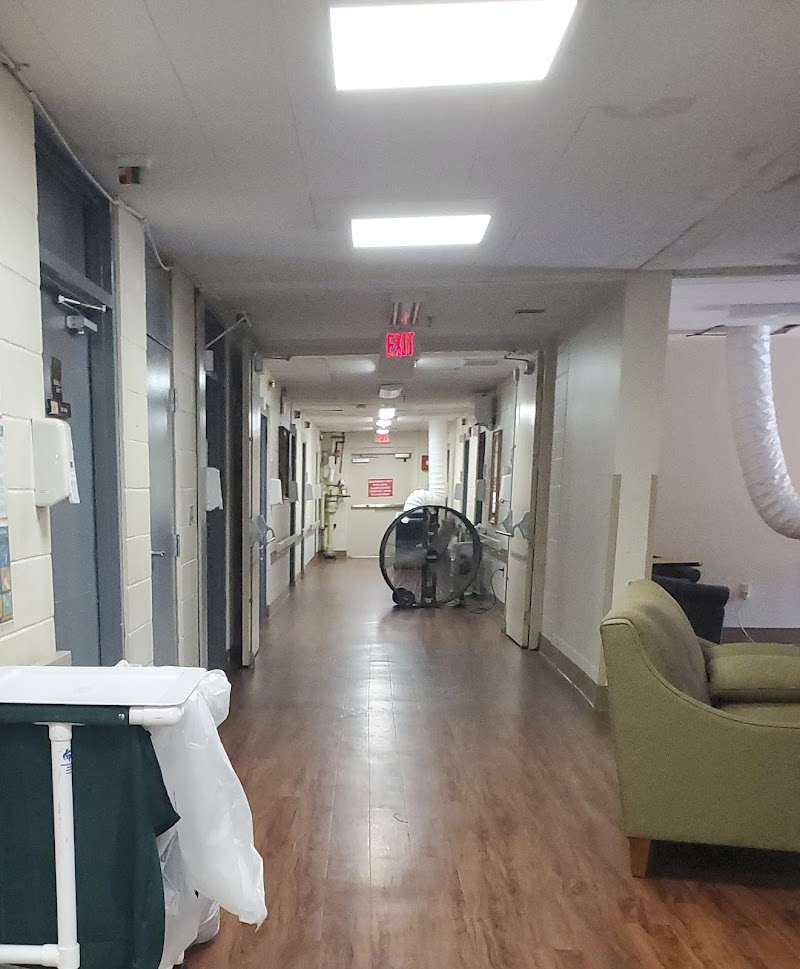
How Does Harmony Court Rehab And Nursing Compare to Other Ohio Nursing Homes?

Compared to the 100 nursing homes in Ohio, HARMONY COURT REHAB AND NURSING's overall rating (2 stars) is below the state average of 3.2, staff turnover (64%) is significantly higher than the state average of 46%, and health inspection rating (1 stars) is much below the national benchmark.

What Should Families Ask When Visiting Harmony Court Rehab And Nursing?

Based on this facility's data, families visiting should ask: "What changes have been made since the serious inspection findings, and how are you preventing similar issues?" "What safeguards and monitoring systems are in place to protect residents from abuse or neglect?" "How do you ensure continuity of care given staff turnover, and what is your staff retention strategy?" "Can you walk me through typical staffing levels on day, evening, and night shifts?" These questions are particularly relevant given the facility's Immediate Jeopardy citations, the substantiated abuse finding on record, the facility's high staff turnover rate, and the below-average staffing rating.

Is Harmony Court Rehab And Nursing Safe?

Based on CMS inspection data, HARMONY COURT REHAB AND NURSING has documented safety concerns. The facility has 1 substantiated abuse finding (meaning confirmed case of resident harm by staff or other residents). Inspectors have issued 1 Immediate Jeopardy citation (the most serious violation level indicating risk of serious injury or death). The facility has a 2-star overall rating and ranks #100 of 100 nursing homes in Ohio. Families considering this facility should ask detailed questions about what corrective actions have been taken since these incidents.

Do Nurses at Harmony Court Rehab And Nursing Stick Around?

Staff turnover at HARMONY COURT REHAB AND NURSING is high. At 64%, the facility is 18 percentage points above the Ohio average of 46%. Registered Nurse turnover is particularly concerning at 71%. RNs handle complex medical decisions and coordinate care — frequent RN changes can directly impact care quality. High turnover means new staff may not know residents' individual needs, medications, or preferences. It can also be disorienting for residents, especially those with dementia who rely on familiar faces. Families should ask: What is causing the turnover? What retention programs are in place? How do you ensure care continuity during staff transitions?

Was Harmony Court Rehab And Nursing Ever Fined?

HARMONY COURT REHAB AND NURSING has been fined $100,887 across 1 penalty action. This is 3.0x the Ohio average of $34,088. Fines at this level are uncommon and typically indicate a pattern of serious deficiencies, repeated violations, or failure to correct problems promptly. CMS reserves penalties of this magnitude for facilities that pose significant, documented risk to resident health or safety. Families should request specific documentation of what issues led to these fines and what systemic changes have been implemented.

Is Harmony Court Rehab And Nursing on Any Federal Watch List?

HARMONY COURT REHAB AND NURSING is not on any federal watch list. The most significant is the Special Focus Facility (SFF) program, which identifies the bottom 1% of nursing homes nationally based on persistent, serious quality problems. Not being on this list means the facility has avoided the pattern of deficiencies that triggers enhanced federal oversight. This is a positive indicator, though families should still review the facility's inspection history directly.