HOME AT HEARTHSTONE, THE
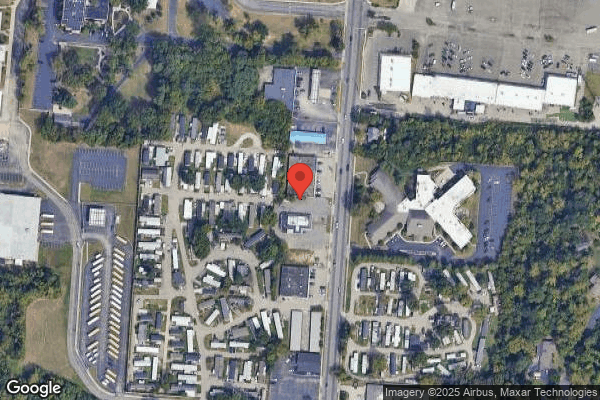

8028 HAMILTON AVENUE, CINCINNATI, OH 45231 (513) 521-2700
For profit - Corporation 96 Beds FOUNDATIONS HEALTH SOLUTIONS Data: November 2025
Trust Grade
85/100
#82 of 913 in OH
Last Inspection: July 2024

Within standard 12-15 month inspection cycle. Federal law requires annual inspections.

Overview

Home at Hearthstone in Cincinnati, Ohio, has a Trust Grade of B+, indicating it is above average and recommended for families considering care options. It ranks #82 out of 913 facilities in Ohio, placing it in the top half statewide, and #7 out of 70 in Hamilton County, meaning only six local facilities are rated higher. However, the facility's trend is worsening, with issues increasing from 1 in 2023 to 3 in 2024. Staffing is a concern, rated 2 out of 5 stars; while turnover is 40%, which is better than the state average, the facility has less registered nurse (RN) coverage than 78% of Ohio facilities, which can impact care quality. Specific incidents include failing to report an alleged case of resident-to-resident abuse, not having physician orders for a resident's oxygen needs, and leaving a urinary catheter bag on the floor, which raises hygiene and safety concerns. Overall, while the facility has some strengths, such as a high quality rating, these weaknesses warrant careful consideration for families.

Trust Score
B+
85/100
In Ohio
#82/913
Top 8%
Safety Record
Low Risk
No red flags
Inspections
Getting Worse
1 → 3 violations
Staff Stability
○ Average
40% turnover. Near Ohio's 48% average. Typical for the industry.
Penalties
✓ Good
No fines on record. Clean compliance history, better than most Ohio facilities.
Skilled Nurses
⚠ Watch
Each resident gets only 27 minutes of Registered Nurse (RN) attention daily — below average for Ohio. Fewer RN minutes means fewer trained eyes watching for problems.
Violations
⚠ Watch
17 deficiencies on record. Higher than average. Multiple issues found across inspections.
★★★★★
5.0
Overall Rating
★★☆☆☆
2.0
Staff Levels
★★★★★
5.0
Care Quality
★★★★☆
4.0
Inspection Score
Stable
2023: 1 issues
2024: 3 issues

The Good

  • 5-Star Quality Measures · Strong clinical quality outcomes
  • Full Sprinkler Coverage · Fire safety systems throughout facility
  • No fines on record
  • Staff turnover below average (40%)

    8 points below Ohio average of 48%

Facility shows strength in quality measures, fire safety.

The Bad

Staff Turnover: 40%

Near Ohio avg (46%)

Typical for the industry

Chain: FOUNDATIONS HEALTH SOLUTIONS

Part of a multi-facility chain

Ask about local staffing decisions and management

The Ugly 17 deficiencies on record

Jul 2024 3 deficiencies
CONCERN (D)

Potential for Harm - no one hurt, but risky conditions existed

Report Alleged Abuse (Tag F0609)

Could have caused harm · This affected 1 resident

**NOTE- TERMS IN BRACKETS HAVE BEEN EDITED TO PROTECT CONFIDENTIALITY** Based on interview, record review, and policy review, the facility failed to report an alleged incident of resident to resident ...

Read full inspector narrative →
**NOTE- TERMS IN BRACKETS HAVE BEEN EDITED TO PROTECT CONFIDENTIALITY** Based on interview, record review, and policy review, the facility failed to report an alleged incident of resident to resident abuse. This affected two (Residents #25 and #65) of two residents reviewed for mood/behavior needs. Findings include: 1. Review of the admission record revealed the facility admitted Resident #65 on 11/23/19. The resident had diagnoses including dementia of unspecified severity with other behavioral disturbance, need for assistance with personal care, restlessness and agitation, delusional disorders, and hallucinations. Review of the quarterly Minimum Data Set (MDS) assessment, dated 04/22/24, revealed Resident #65 had short- and long-term memory problems and had severely impaired cognitive skills for daily decision making. The resident experienced hallucinations and delusions, exhibited physical, verbal, and other behavioral symptoms directed towards others, and wandered during one to three days of the assessment look-back period. Resident #65's care plan initiated on 02/26/20, stated the resident had altered cognitive function, dementia, and delusional disorder. The resident had a history of wandering into rooms and verbalizing delusional/unrelated comments. The resident was also known to pace the unit in their wheelchair, bumping into walls and other residents due to poor posture. 2. Review of the admission record revealed the facility admitted Resident #25 on 02/11/20. The resident had diagnoses including Parkinsonism, delusional disorders, post-traumatic stress disorder (PTSD), major depressive disorder, and dementia in other diseases classified elsewhere without mood disturbance. Review of the quarterly MDS dated [DATE], revealed Resident #25 had short- and long-term memory problems and had moderately impaired cognitive skills for daily decision making. The resident had delusions, exhibited verbal behavioral symptoms directed towards others during four to six days of the assessment look-back period, wandered during one to three days of the assessment look-back period, and rejected care daily during the assessment look-back period. Resident #25's care plan, initiated on 09/27/22, stated the resident experienced alterations in mood and/or behaviors as evidenced by having difficulty concentrating, resident has a diagnosis of depression, speaking or moving slowly or feeling fidgety/restless, lack of interest, appearing down, sleeping too much, tired, poor appetite, easily annoyed/short-tempered, displays agitation, physical behaviors, paces, hoarding, and yelling. 3. Review of the Resident #65's progress notes, dated 07/13/24 at 9:57 AM documented Resident #65 was being yelled at by another resident, who swung their left hand at Resident #65. After separating the residents, a slight scratch was noted on Resident #65's left cheek bone. Review of Resident #25's progress notes, dated 07/13/24 at 9:23 AM, stated Resident #25 was seated at a dining room table when another resident approached them. Resident #25 started yelling and hit the other resident with their left hand. Review of the document titled General Investigation of Incident, signed by the Director of Nursing (DON) on 07/15/24, revealed that on 07/13/24, a physical altercation occurred between Resident #25 and Resident #65. Resident #25 was sitting at a dining room table when Resident #65 bumped Resident #65's wheelchair. Resident #25 started yelling and hit Resident #65 on their left cheek. The physician and responsible parties were notified; however, there was no documentation to indicate the facility reported the incident to the state survey agency. During an interview on 07/23/24 at 3:15 PM, Licensed Practical Nurse (LPN) #6 stated the DON was notified of the incident involving Resident #25 and Resident #65 that occurred the week prior. During an interview on 07/25/24 at 12:51 PM, DON #3 stated any occurrence between residents should be reported immediately after ensuring the safety of the residents. She stated incidents resulting in serious injury, falls with hospitalization, anything fatal to a resident, any injury or medication error resulting in death, any allegation of abuse, or unknown injuries were all incidents that needed to be reported. She stated the incidents between Resident #25 and Resident #65 in July 2024 did not meet the reporting criteria because both residents had dementia and did not recall the incident afterwards, and no major injuries were sustained by either resident; although she stated she felt there was intent when Resident #25 hit Resident #65. DON #3 stated that the Administrator was responsible for submitting reports to the state survey agency. During an interview on 07/25/24 at 5:05 PM, the Administrator stated that per guidance from the state survey agency, any incident with police involvement, serious injury, injury of unknown origin, and resident-to-resident incidents that resulted in serious physical or psychosocial injury should be reported to the state survey agency. The Administrator stated the incident on 07/13/24 did not qualify for reporting, because there was no intent to harm between the residents. Per the Administrator, Resident #65 bumped into Resident #25, and in response, Resident #25 flailed to get them away. She stated that neither resident recalled the incident and neither had any decline in function. A facility policy titled, Abuse, Neglect, Exploitation & [and] Misappropriation of Resident Property, dated 11/21/2016, indicated, E. REPORT & INVESTIGATE l. All incident and allegations of Abuse, Neglect, Exploitation, Mistreatment of a resident, or Misappropriation of Resident Property and all Injuries of Unknown Source must be reported immediately to the Administrator or designee. 2. In response to allegations of abuse, neglect, exploitation or mistreatment, the facility must: a. Ensure that all alleged violations involving abuse, neglect, exploitation or mistreatment, including injuries of unknown source and misappropriation or [sic] resident property, are reported immediately, but not later than 2 hours after the allegation is made, if the events that cause the allegation involve abuse or result in serious bodily injury, or not later than 24 hours if the advents that cause the allegation do not involve abuse and do not result in serious bodily injury, to the Administrator or designee of the facility and to other officials, including the State Survey Agency, in accordance with State law.
CONCERN (D)

Potential for Harm - no one hurt, but risky conditions existed

Respiratory Care (Tag F0695)

Could have caused harm · This affected 1 resident

**NOTE- TERMS IN BRACKETS HAVE BEEN EDITED TO PROTECT CONFIDENTIALITY** Based on observation, interview, record review, and policy review, the facility failed to have physician orders for the use of s...

Read full inspector narrative →
**NOTE- TERMS IN BRACKETS HAVE BEEN EDITED TO PROTECT CONFIDENTIALITY** Based on observation, interview, record review, and policy review, the facility failed to have physician orders for the use of supplemental oxygen. This affected one (Resident #57) of one resident reviewed for respiratory care. Findings included: Review of the admission record revealed Resident #57 was admitted on [DATE]. The resident had diagnoses including chronic obstructive pulmonary disease (COPD) and chronic respiratory failure with hypoxia. Review of the physician orders revealed no order for oxygen. Review of the admission Minimum Data Set (MDS) assessment, dated 07/12/24, revealed Resident #57 had moderate cognitive impairment. Resident #57 did not have oxygen therapy on admission or while a resident during the assessments 14-day lookback period. Review of Resident #57's care plan dated 07/15/24, documented the resident had altered health maintenance related to progressive physical and mental status and diagnoses of COPD and acute respiratory failure. Interventions directed staff to administer oxygen per the physician's orders. During an observation on 07/22/24 at 9:58 AM, Resident #57 was receiving oxygen at a flow rate of 4.5 liters per minute. During a concurrent interview Resident #57 stated they never touched the oxygen flow rate setting. During an observation on 07/23/24 at 3:00 PM, Resident #57 was sitting up on the side of their bed wearing a nasal cannula with oxygen set at a flow rate of 4.5 liters per minute. During an observation on 07/24/24 at 7:30 AM, Resident #57 was lying in their bed on their back wearing a nasal cannula with oxygen set at a flow rate of 4 liters per minute. During an observation and interview on 07/24/2024 at 1:33 PM, Registered Nurse (RN) #4 went to the dining room. Resident #57 at the dining room tables wearing supplemental oxygen set at 4 liters per minute via a portable oxygen tank. RN #4 said that the resident's oxygen was set at 4 liters per minute and stated that was what she thought the resident's order for oxygen was. She said that she thought that Assistant Director of Nursing (ADON) #5 had applied the resident's oxygen earlier that day. RN #4 reviewed Resident #57's orders and said she was unable to find an order for the resident's oxygen flow rate settings. She stated that she put Resident #57's oxygen on the previous day, before the resident left for dialysis, at a flow rate of 4 liters per minute. During an observation and interview on 07/24/2024 at 1:52 PM, ADON #5 checked Resident #57's oxygen flow rate and stated that it was set at 4 liters per minute. ADON #5 stated she thought the resident was supposed to receive oxygen at a flow rate of 2 liters per minute. ADON #5 stated Resident #57's supplemental oxygen was set at a flow rate of 4 liters per minute this morning when the resident was up in their wheelchair and the flow rate was adjusted to 2 liters per minute. ADON #5 stated that the resident was known to change their supplemental oxygen flow rate settings. During a concurrent interview Resident #57 stated they did not change their supplemental oxygen flow rate settings and that they did not know how to. ADON #5 reviewed Resident #57's orders and stated that there was no order for the resident's supplemental oxygen flow rate settings.
CONCERN (D)

Potential for Harm - no one hurt, but risky conditions existed

Infection Control (Tag F0880)

Could have caused harm · This affected 1 resident

**NOTE- TERMS IN BRACKETS HAVE BEEN EDITED TO PROTECT CONFIDENTIALITY** Based on observation, interview, record review, and policy review, the facility failed to ensure a urinary catheter bag was not ...

Read full inspector narrative →
**NOTE- TERMS IN BRACKETS HAVE BEEN EDITED TO PROTECT CONFIDENTIALITY** Based on observation, interview, record review, and policy review, the facility failed to ensure a urinary catheter bag was not left on the floor and failed to ensure contaminated incontinence care supplies were disposed of appropriately. This affected two (Residents #54 and #21). Findings include: 1. Review of the admission record revealed the facility admitted Resident #54 on 07/14/23. Diagnoses included obstructive and reflux uropathy. Review of the annual Minimum Data Set (MDS) assessment, dated 06/08/24, revealed Resident #54 had intact cognition. The resident had an indwelling catheter. During an observation on 07/22/24 at 10:37 AM, Resident #54 was sitting up on the side of their bed with the urinary catheter bag lying on the floor. During an observation on 07/22/24 at 10:40 AM , a State Tested Nurse Aide (STNA) entered the room to answer the call light and exited the room without removing the catheter bag from the floor. The STNA returned at 10:42 AM and again left without taking the catheter bag off the floor. During observations 07/22/24 at 10:48 AM, 11:14 AM and 11:46 AM, Resident #54's urinary catheter bag remained on the floor. During an observation on 07/22/24 at 11:48 AM, STNA #20 entered Resident #54's room, washed her hands, told the resident she would be back, and exited the room without removing the urinary catheter bag from the floor. During an interview on 07/23/24 at 10:32 AM, STNA #20 stated that Resident #54's catheter bag should never be left on the floor due to the floor being dirty and possible cross contamination. 2. Review of the admission record revealed the facility admitted Resident #21 on 05/24/23. The resident had diagnoses including multiple sclerosis, hemiplegia and hemiparesis (muscle weakness on one side of the body) following cerebral infarction (stroke), and an overactive bladder. Review of the quarterly MDS, dated [DATE], revealed Resident #21 had intact cognition. Resident #21 required substantial to maximal assistance with toilet hygiene, was always incontinent of urine, and was frequently incontinent of bowel. Resident #21's care plan initiated on 05/25/23, documented the resident may require assistance with activities of daily living (ADL), was incontinent of bladder and bowel and required the assistance of two staff members for toileting. During an observation on 07/23/24 at 10:37 AM, a STNA #12 positioned Resident #21 in a sit-to-stand lift so that they could perform incontinence care. While providing care, STNA #12 discarded the soiled cloths directly on the floor with the resident's soiled brief. During an interview on 07/23/24 at 11:05 AM, STNA #12 stated she set the soiled brief and the soiled incontinence supplies on the floor and bagged them after completing Resident #21's incontinence care. STNA #12 stated that was not how she was trained, and she was trained to place the soiled supplies into a bag and not on the floor. Review of the policy titled Infection Prevention and Control Program (IPCP), revised 11/28/2017, revealed it is a policy of this facility to establish and maintain an infection prevention and control program designed to provide a safe, sanitary, and comfortable environment and to help prevent the development and transmission of communicable diseases and infections. Review of the facility policy titled Skin: Incontinence Care Protocol, revised 09/17, revealed the facility will provide incontinence care for the resident to assist in maintaining skin integrity, preventing skin breakdown, controlling odor and providing comfort and self-esteem for the resident. Dispose of soiled equipment and supplies in the appropriate receptacle.
May 2023 1 deficiency
CONCERN (D) 📢 Someone Reported This

A family member, employee, or ombudsman was alarmed enough to file a formal complaint

Potential for Harm - no one hurt, but risky conditions existed

Pressure Ulcer Prevention (Tag F0686)

Could have caused harm · This affected 1 resident

Based on observation, medical record review, staff interview, and review of a facility policy, the facility failed to ensure interventions to prevent skin breakdown were in place as ordered by the phy...

Read full inspector narrative →
Based on observation, medical record review, staff interview, and review of a facility policy, the facility failed to ensure interventions to prevent skin breakdown were in place as ordered by the physician and per the resident plan of care. This affected two (#18 and #60) of three residents reviewed for pressure ulcers. The facility census was 86. Finding include: 1. Review of the medical record for Resident #18 revealed an admission date of 03/06/23 with diagnoses including Alzheimer's disease, chronic obstructive pulmonary disease (COPD), osteoporosis, and mitral valve insufficiency. Review of the Minimum Data Set (MDS) assessment for Resident #18 dated 03/13/23 revealed the resident was cognitively impaired and required extensive assistance of one staff with activities of daily living (ADLs). Further review of the MDS assessment for Resident #18 revealed the resident was assessed with a stage four pressure ulcer (full-thickness skin and tissue loss) which was present upon admission to the facility. Review of the pressure ulcer risk assessment for Resident #18 dated 03/06/23 revealed the resident was at risk for the development of pressure ulcers. Review of the care plan for Resident #18 dated 03/06/23 revealed the resident had an alteration in skin integrity as evidenced by a pressure ulcer was present at the sacrum. Interventions included to elevate heels in bed as tolerated and as needed, encourage and assist the resident to turn and reposition as needed, provide assistance with ADLs and positioning as needed, provide the resident and family education on skin impairment and potential complications as needed, provide skin care as needed, and provide treatments per physician orders. Review of the care plan for Resident #18 dated 03/14/23 revealed the resident was at risk for alteration in skin integrity related to blood disease, cognitive impairment, dementia, incontinence, mobility impairment, and existing pressure ulcer. Interventions included that staff should encourage and assist the resident to elevate heels when in bed as needed and as tolerated, and provide assistance with ADLs and positioning as needed. Review of Resident #18's May 2023 monthly physician orders revealed an order dated 03/06/23 to encourage and assist the resident to float heels every shift. Review of the May 2023 treatment administration record (TAR) for Resident #18 revealed the order to float heels was signed off as completed daily every shift. Review of the nursing progress notes for Resident #18 dated 05/01/23 to 05/15/23 revealed no documentation of Resident #18's refusal of interventions to prevent skin breakdown including floating of heels. Observation on 05/15/23 at 9:22 A.M. of Resident #18 revealed the resident was resting in bed and her heels were not floated or elevated. There were no open areas or redness noted to Resident #18's heels at that time. Interview on 05/15/23 at 9:22 A.M. with State Tested Nurse Aide (STNA) #335 confirmed Resident #18's heels were not floated or elevated, and she was not aware of any orders to float or elevate the resident's heels. Observation on 05/16/23 at 6:55 A.M. of Resident #18 revealed resident was resting in her recliner and her heels were not floated or elevated. There were no open areas or redness noted to Resident #18's heels at that time. Interview on 05/16/23 at 6:55 A.M. with STNA #360 confirmed Resident #18's heels were not floated or elevated, and she was not aware of any orders to float or elevated the resident's heels. STNA #360 further confirmed she learned in report the night shift nurse aide got the resident up in her recliner about an hour prior to the observation. STNA #360 confirmed Resident #18's recliner did have a footrest which could be raised by staff if desired in order to elevate Resident #18's heels. Interview on 05/16/23 at 1:00 P.M. with the Administrator confirmed Resident #18 had a physician's order to float or elevate her heels every shift to prevent skin breakdown. 2. Review of the medical record for Resident #60 revealed an admission date of 09/19/22 with diagnoses including spinal stenosis, hypertension (HTN), acute kidney failure (AKF), diabetes mellitus (DM), Down's syndrome, and seizure disorder. Review of the MDS assessment for Resident #60 dated 05/03/23 revealed the resident was cognitively impaired and required extensive assistance of one to two staff with ADLs. Review of the MDS assessment for Resident #60 revealed the resident was assessed with the presence of a stage four pressure ulcer that was not present on admission to the facility. Review of the pressure ulcer risk assessment for Resident #60 dated 01/30/22 revealed the resident was at risk for the development of pressure ulcers. Review of the care plan for Resident #60 dated 12/21/21 revealed the resident was at risk for alteration in skin integrity related to apathy and lack of concern, cognitive impairment, dementia, diabetes, incontinence, mobility impairment, and obesity. Interventions included to assess for pain and provide treatment per physician orders, encourage and assist the resident to elevate heels when in bed as needed and tolerated, encourage and assist the resident to turn and reposition as needed, offloading pressure boots as tolerated to the left foot every shift and check skin when donning and doffing, provide assistance with ADLs and positioning as needed, provide the resident and family education on maintaining skin integrity and potential complications as needed, and provide skin care as needed. Review of the care plan for Resident #60 dated 10/05/22 revealed the resident had an alteration in skin integrity as evidenced by a pressure ulcer was present to the sacrum. Interventions included to assess for pain and provide treatment per physician order, elevate heels in bed as tolerated and as needed, encourage and assist the resident to turn and reposition as needed, provide assistance with ADLs and positioning as needed, provide the resident and family education on skin impairment and potential complications as needed, provide skin care as needed, and provide treatments per physician orders. Review of May 2023 monthly physician orders for Resident #60 revealed an order dated 01/18/23 for staff to encourage and assist the resident to float heels off the bed as tolerated every shift, and an order to apply offloading pressure boots as tolerated with skin checks completed with donning and doffing as tolerated. Review of the May 2023 TAR for Resident #60 revealed the orders to float heels and provide offloading pressure boots were signed off as completed every shift. Review of the nursing progress notes for Resident #60 dated 05/01/23 to 05/15/23 revealed there was no documentation of the resident's refusal of interventions to prevent skin breakdown including floating heels and the application of bilateral pressure boots. Observation on 05/15/23 at 9:31 A.M. of Resident #60 revealed the resident had a pressure boot on her left foot; however, Resident #60's right heel was laying directly on the mattress and neither heel was elevated. Observation of the exposed right heel revealed no redness or skin breakdown. Interview on 05/15/23 at 9:31 A.M. with Registered Nurse (RN) #300 confirmed Resident #60 had orders to float her heels and to have offloading pressure boots applied as ordered. RN #300 confirmed Resident #60's heels were not floated or elevated at the time of the observation. Review of the facility policy titled, Skin Assessment, dated September 2017, revealed the facility would provide necessary treatment and services to promote healing, prevent infection, and prevent new ulcers from developing. The facility would ensure interventions for preventing pressure ulcer development were defined and implemented in accordance with the resident's needs, goals, and recognized standards of practice. This deficiency represents non-compliance investigated under Complaint Number OH00139522, Complaint Number OH00135816, and Complaint Number OH00135758.
Feb 2022 7 deficiencies
CONCERN (D)

Potential for Harm - no one hurt, but risky conditions existed

Deficiency F0557 (Tag F0557)

Could have caused harm · This affected 1 resident

**NOTE- TERMS IN BRACKETS HAVE BEEN EDITED TO PROTECT CONFIDENTIALITY** Based on interview and record review, the facility failed to provide a resident with their possessions after a room change. This...

Read full inspector narrative →
**NOTE- TERMS IN BRACKETS HAVE BEEN EDITED TO PROTECT CONFIDENTIALITY** Based on interview and record review, the facility failed to provide a resident with their possessions after a room change. This affected one resident (#14) out of 84 residents residing at the facility. The facility census was 84. Findings include: Review of the Resident #14's chart revealed Resident #14 admitted to the facility on [DATE] with diagnoses including other injury of unspecified body region, presence of left artificial knee joint, arthritis due to other bacteria, cellulitis of left lower limb, essential hypertension, pain in left leg, retinal artery branch occlusion, low tension glaucoma, unqualified visual loss both eyes, myopia, anemia and carpal tunnel syndrome right upper limb. Review of Resident #14's quarterly Minimum Data Set (MDS) assessment dated [DATE] revealed the resident to be severely cognitively impaired and Resident #14 required extensive with transfers, bed mobility, dressing, toileting, and personal hygiene. Resident #14 also required supervision with eating and Resident #14 had adequate vision with no devices. Review of Resident #14's census sheet revealed Resident #14 moved from the sycamore to the willow unit on 01/03/22. Review of Resident #14's progress note dated 01/03/22 revealed Resident #14 and Resident #14's family was notified of a room change. Interview with Resident #14 on 01/31/22 at 9:45 A.M. revealed she moved rooms approximately five to six weeks ago due to the facility making a coronavirus (COVID-19) unit and she still had not received all her belongings. Interview on 02/02/22 at 1:47 P.M. with Licensed Practical Nurse (LPN) #93 revealed residents that were moved from their rooms when the facility made the COVID-19 unit had their belongings locked up in storage. LPN #93 verified resident belongings remained in storage. Email correspondence with Assistant Administrator #117 on 02/03/22 at 12:56 P.M. revealed the facility did not have policy on moving resident belongings.
CONCERN (D)

Potential for Harm - no one hurt, but risky conditions existed

Deficiency F0582 (Tag F0582)

Could have caused harm · This affected 1 resident

**NOTE- TERMS IN BRACKETS HAVE BEEN EDITED TO PROTECT CONFIDENTIALITY** Based on record review and staff interview, the facility failed to ensure a resident was provided with the required beneficiary ...

Read full inspector narrative →
**NOTE- TERMS IN BRACKETS HAVE BEEN EDITED TO PROTECT CONFIDENTIALITY** Based on record review and staff interview, the facility failed to ensure a resident was provided with the required beneficiary notice in writing and in advance of discontinuing skilled Medicare part A services. This affected one (#74) of three residents reviewed for beneficiary protection notification. The facility census was 84. Findings include: Review of the Resident #74's chart revealed Resident #74 admitted to the facility on [DATE] with diagnoses including congestive heart failure, chronic obstructive pulmonary disease, weakness, cardiomyopathy, shortness of breath, constipation, hypertension, anemia, anxiety disorder, major depressive disorder and hyperlipidemia. Review of Resident #74's quarterly Minimum Data Set (MDS) assessment dated [DATE] revealed the resident to be moderately cognitively impaired and Resident #74 required supervision with bed mobility, transfers, eating, toileting, and personal hygiene. Resident #74 required limited assistance with dressing. Review of Resident #74's chart revealed Resident #74 was admitted to the facility on [DATE] under Medicare Part A services. Resident #74's last covered day of Medicare Part A services was 01/13/22. Review of Resident #74's Notice of Medicare Non Coverage (NOMNC) dated 01/12/22 revealed Resident #74's Medicare Part A services would end on 01/13/22. Further review of the NOMNC revealed verbal consent was received on 01/12/22 and the NOMNC was completed by Social Services #65 and witnessed by Registered Nurse (RN) #18. The form did not include the name of the person that provided the verbal consent. Review of Resident #74's Skilled Nursing Facility Advanced Beneficiary Notice of Non Coverage (SNFABN) dated 01/12/22 revealed Resident #74 may have to pay out of pocket for skilled services beginning on 01/13/22. Further review of the SNFABN revealed verbal consent was received on 01/12/22 and the SNFABN was completed by Social Services #65 and witnessed by Registered Nurse (RN) #18. The form did not include the name of the person that provided the verbal consent. Interview on 02/01/22 at 2:00 P.M. with Manager of Clinical Services #300 verified Resident #74's NOMNC and SNFABN was only provided one day prior to Resident #74's discharge from Medicare Part A skilled services. Telephone interview with Manager of Clinical Services #300 on 02/03/22 at 10:56 A.M. revealed the facility did not have a policy on beneficiary notices.
CONCERN (D)

Potential for Harm - no one hurt, but risky conditions existed

Safe Environment (Tag F0584)

Could have caused harm · This affected 1 resident

**NOTE- TERMS IN BRACKETS HAVE BEEN EDITED TO PROTECT CONFIDENTIALITY** Based on observation, record review and staff interview, the facility failed to ensure privacy curtains were clean and free of s...

Read full inspector narrative →
**NOTE- TERMS IN BRACKETS HAVE BEEN EDITED TO PROTECT CONFIDENTIALITY** Based on observation, record review and staff interview, the facility failed to ensure privacy curtains were clean and free of stains and substances. This affected two (#17 and #09) of 24 residents reviewed for privacy curtains. The facility census was 84. Findings include: 1. Review of the Resident #9's chart revealed Resident #09 admitted to the facility on [DATE] with diagnoses including chronic obstructive pulmonary disease, human immunodeficiency virus disease, shortness of breath, hyperlipidemia, insomnia, other irritable bowel syndrome, other muscle spasms and unspecified abdominal pain. Review of Resident #09's annual Minimum Data Set (MDS) assessment dated [DATE] revealed the resident to be moderately cognitively impaired and Resident #9 required extensive with bed mobility, transfers, dressing, toileting, and personal hygiene. Resident #09 required supervision assistance with eating. Interview with Resident #09 on 01/31/22 at 1:40 P.M. revealed Resident #09 was concerned that the facility did not change his privacy curtain. Observation of Resident #09's privacy curtain on 01/31/22 at 1:40 P.M. revealed Resident #09's privacy curtain had multiple brown splatters and a smeared brown substance on the curtain. Observation of Resident #09's privacy curtain on 02/02/22 at 1:36 P.M. revealed Resident #09's privacy curtain had multiple brown splatters and a smeared brown substance on the curtain. Interview with the Director of Nursing (DON) on 02/02/22 at 1:36 P.M. verified Resident #09's privacy curtain had multiple brown splatters and a smeared brown substance on the curtain. 2. Review of the Resident #17's chart revealed Resident #17 admitted to the facility on [DATE] with diagnoses including hypertension, anemia, constipation, muscle weakness, alcohol abuse, and abnormal posture. Review of Resident #17's quarterly Minimum Data Set (MDS) assessment dated [DATE] revealed the resident to be severely cognitively impaired and Resident #17 required extensive assistance with bed mobility, eating, and toileting. Resident #17 required total dependence with transfers, dressing, and personal hygiene. Observation of Resident #17's privacy curtain on 01/31/22 at 12:53 P.M. revealed Resident #17's privacy curtain had multiple brown splatters and a smeared brown substance on the curtain. Observation of Resident #17's privacy curtain on 02/02/22 at 1:36 P.M. revealed Resident #17's privacy curtain had multiple brown splatters and a smeared brown substance on the curtain. Interview with the Director of Nursing (DON) on 02/02/22 at 1:36 P.M. verified Resident #17's privacy curtain had multiple brown splatters and a smeared brown substance on the curtain. Email correspondence with Assistant Administrator #117 on 02/03/22 at 12:56 P.M. revealed the facility did not have policy on cleaning privacy curtains. This certification deficiency substantiates OH00113101.
CONCERN (D)

Potential for Harm - no one hurt, but risky conditions existed

Comprehensive Assessments (Tag F0636)

Could have caused harm · This affected 1 resident

**NOTE- TERMS IN BRACKETS HAVE BEEN EDITED TO PROTECT CONFIDENTIALITY** Based on interview and record review, the facility failed to ensure vision and hearing impairment was accurately coded on the Mi...

Read full inspector narrative →
**NOTE- TERMS IN BRACKETS HAVE BEEN EDITED TO PROTECT CONFIDENTIALITY** Based on interview and record review, the facility failed to ensure vision and hearing impairment was accurately coded on the Minimum Data Set (MDS) assessment. This affected two resident (#14 and #22) out of 19 residents reviewed for accuracy of assessments. The facility census was 84. Findings include: 1. Review of the Resident #14's chart revealed Resident #14 admitted to the facility on [DATE] with diagnoses including other injury of unspecified body region, presence of left artificial knee joint, arthritis due to other bacteria, cellulitis of left lower limb, essential hypertension, pain in left leg, retinal artery branch occlusion, low tension glaucoma, unqualified visual loss both eyes, myopia, anemia and carpal tunnel syndrome right upper limb. Review of Resident #14's quarterly Minimum Data Set (MDS) assessment dated [DATE] revealed the resident to be severely cognitively impaired and Resident #14 required extensive with transfers, bed mobility, dressing, toileting, and personal hygiene. Resident #14 also required supervision with eating and Resident #14 had adequate vision with no devices. Review of Resident #14's vision care plan dated 08/21/19 revealed Resident #14 had impaired vision related to glaucoma and wearing glasses. Review of Resident #14's optometry vision dated 08/21/21 revealed Resident #14 had glaucoma in both eyes. Resident #14 was to follow up with ophthalmology. Review of Resident #14's ophthalmology clinic note dated 12/20/21 revealed Resident #14 had intraocular pressure. Interview with Resident #14 on 01/31/22 at 9:47 A.M. revealed she had issues with vision with an upcoming vision surgery that was supposed to be schedule. Interview with Licensed Practical Nurse (LPN) #93 on 02/02/22 11:04 A.M. verified Resident #14's impaired vision was not coded accurately on the MDS. 2. Review of the Resident #22's chart revealed Resident #22 admitted to the facility on [DATE] with diagnoses including congestive heart failure, vascular dementia with behavioral disturbance, transient cerebral ischemic attack, pain in right knee, major depressive disorder, muscle weakness, atrial fibrillation, and tremors. Review of Resident #22's quarterly Minimum Data Set (MDS) assessment dated [DATE] revealed the resident to be moderately cognitively impaired and Resident #22 required extensive assistance with bed mobility and dressing. Resident #22 required supervision with transfers, eating, and toileting and limited assistance with personal hygiene. Resident #22 had adequate hearing with no hearing aid or hearing appliances used. Review of Resident #22's care plan revealed Resident #22 did not have a care plan for hearing. Review of Resident #22's audiology visit dated 09/21/20 revealed resident complained of hearing loss. Resident #22 was interested in trialing hearing aids and hearing aids were recommended in the ear. Resident #22 had mild to severe sensorineural hearing loss in the right ear and a moderate to severe sensorineural hearing loss in the left ear. Interview with Licensed Practical Nurse (LPN) #93 on 02/02/22 11:04 A.M. verified Resident #22's impaired hearing was not coded accurately on the MDS. Telephone interview with Manager of Clinical Services #300 on 02/03/22 at 10:56 A.M. revealed the facility did not have a policy on coding the MDS.
CONCERN (D)

Potential for Harm - no one hurt, but risky conditions existed

Comprehensive Care Plan (Tag F0656)

Could have caused harm · This affected 1 resident

**NOTE- TERMS IN BRACKETS HAVE BEEN EDITED TO PROTECT CONFIDENTIALITY** Based on interview and record review, the facility failed to develop a care plan to address a resident's hearing impairment and ...

Read full inspector narrative →
**NOTE- TERMS IN BRACKETS HAVE BEEN EDITED TO PROTECT CONFIDENTIALITY** Based on interview and record review, the facility failed to develop a care plan to address a resident's hearing impairment and seizures. This affected two resident (#22 and #83) out of 19 residents reviewed for accuracy of care planning. The facility census was 84. Findings include: 1. Review of the Resident #22's chart revealed Resident #22 admitted to the facility on [DATE] with diagnoses including congestive heart failure, vascular dementia with behavioral disturbance, transient cerebral ischemic attack, pain in right knee, major depressive disorder, muscle weakness, atrial fibrillation, and tremors. Review of Resident #22's quarterly Minimum Data Set (MDS) assessment dated [DATE] revealed the resident to be moderately cognitively impaired and Resident #22 required extensive assistance with bed mobility and dressing. Resident #22 required supervision with transfers, eating, and toileting and limited assistance with personal hygiene. Resident #22 had adequate hearing with no hearing aid or hearing appliances used. Review of Resident #22's care plan revealed Resident #22 did not have a care plan for hearing. Review of Resident #22's audiology visit dated 09/21/20 revealed resident complained of hearing loss. Resident #22 was interested in trialing hearing aids and hearing aids were recommended in the ear. Resident #22 had mild to severe sensorineural hearing loss in the right ear and a moderate to severe sensorineural hearing loss in the left ear. Interview with Licensed Practical Nurse (LPN) #93 on 02/02/22 11:04 A.M. verified Resident #22's impaired hearing was addressed on Resident #22's care plan. Telephone interview with Manager of Clinical Services #300 on 02/03/22 at 10:56 A.M. revealed the facility did not have a policy on care planning. 2. Resident #83 was admitted to the facility originally on 03/26/21 and readmitted on [DATE]. Her diagnoses included but were not limited to epilepsy. She had a quarterly Minimum Data Set (MDS) assessment completed on 01/20/22. She was assessed as having memory problems. She needed limited assist of one staff for bed mobility, and transfer. She did not walk. She needed extensive assist of one staff for locomotion, dressing, toilet use, personal hygiene, and bathing. She was frequently incontinent of bowel and bladder. She had a significant weight gain and was on a physician-prescribed weight-gain regimen. She was at risk for pressure ulcers and had no unhealed pressure ulcers. Review of the clinical record revealed she was ordered Keppra 500 milligrams (mg) by mouth daily for seizures. Further review revealed she was hospitalized on [DATE] and 12/31/21 after having a seizure. Review of Resident #83's care plans revealed she did not have a care plan for seizure activity. An interview was conducted with the MDS Nurse #93 on 02/02/22 at 2:15 P.M. She verified Resident #83 did not have a care plan for seizures.
CONCERN (D)

Potential for Harm - no one hurt, but risky conditions existed

Deficiency F0657 (Tag F0657)

Could have caused harm · This affected 1 resident

**NOTE- TERMS IN BRACKETS HAVE BEEN EDITED TO PROTECT CONFIDENTIALITY** Based on observation, record review and staff interview, the facility failed to a resident's smoking care plan was revised. This...

Read full inspector narrative →
**NOTE- TERMS IN BRACKETS HAVE BEEN EDITED TO PROTECT CONFIDENTIALITY** Based on observation, record review and staff interview, the facility failed to a resident's smoking care plan was revised. This affected one (#09) of 19 residents reviewed for privacy care plans. The facility census was 84. Findings include: Review of the Resident #09's chart revealed Resident #9 admitted to the facility on [DATE] with diagnoses including chronic obstructive pulmonary disease, human immunodeficiency virus disease, shortness of breath, hyperlipidemia, insomnia, other irritable bowel syndrome, other muscle spasms and unspecified abdominal pain. Review of Resident #09's annual Minimum Data Set (MDS) assessment dated [DATE] revealed the resident to be moderately cognitively impaired and Resident #09 required extensive with bed mobility, transfers, dressing, toileting, and personal hygiene. Resident #09 required supervision assistance with eating. Review of Resident #09's smoking assessment dated [DATE] revealed Resident #09 needed a smoking holder attached to this wheelchair. Review of Resident #09's smoking assessment dated [DATE] revealed Resident #09 needed a smoking holder attached to this wheelchair. Review of Resident #09's smoking care plan dated 11/21/17 revealed resident was at risk for health risks due to smoking. Interventions included a smoking apron to be worn when smoking. Further review of Resident #09's smoking care plan revealed resident's smoking holder to his wheelchair was not listed on the care plan. Observation of Resident #09 smoking on 02/01/22 at 1:38 P.M. revealed Resident #09 was not wearing a smoking apron but Resident #09 was using a smoking holder that was attached to his wheelchair. Interview on 02/01/22 at 2:00 P.M. with Manager of Clinical Services #300 verified Resident #09's care plan was not revised to reflect Resident #09's updated smoking assessment that did not require a smoking apron. Manager of Clinical Services #300 also verified Resident #09's smoking care plan was not revised to address Resident #09's smoking holder. Telephone interview with Manager of Clinical Services #300 on 02/03/22 at 10:56 A.M. revealed the facility did not have a policy on care planning.
CONCERN (D)

Potential for Harm - no one hurt, but risky conditions existed

Drug Regimen Review (Tag F0756)

Could have caused harm · This affected 1 resident

**NOTE- TERMS IN BRACKETS HAVE BEEN EDITED TO PROTECT CONFIDENTIALITY** Based on interview and record review, the facility failed to address a resident's drug regimen review timely. This affected one ...

Read full inspector narrative →
**NOTE- TERMS IN BRACKETS HAVE BEEN EDITED TO PROTECT CONFIDENTIALITY** Based on interview and record review, the facility failed to address a resident's drug regimen review timely. This affected one resident (#22) out of five residents reviewed for unnecessary medications. The facility census was 84. Findings include: Review of the Resident #22's chart revealed Resident #22 admitted to the facility on [DATE] with diagnoses including congestive heart failure, vascular dementia with behavioral disturbance, transient cerebral ischemic attack, pain in right knee, major depressive disorder, muscle weakness, atrial fibrillation, and tremors. Review of Resident #22's quarterly Minimum Data Set (MDS) assessment dated [DATE] revealed the resident to be moderately cognitively impaired and Resident #22 required extensive assistance with bed mobility and dressing. Resident #22 required supervision with transfers, eating, and toileting and limited assistance with personal hygiene. Resident #22 received antidepressant, anticoagulant, diuretic and opioids during the MDS review period. Review of Resident #22's consultant pharmacist recommendation dated 10/08/21 revealed Resident #22 was receiving antidepressant therapy with sertraline 175 milligrams (mgs) daily. A dose reduction was recommended. Resident #22's physician provided a response that stated Resident #22 was tolerating the medication well and a dose reduction would worsen symptoms on 11/03/21. Interview on 02/22/22 at 1:58 P.M. with Manager of Clinical Services #300 verified Resident #22's pharmacy recommendation was made on 10/08/21 and it was not addressed by the physician until 11/03/21. Review of the facility's medication regimen review dated 11/28/17 revealed the facility designee or physician will respond to the recommendations in a timely manner upon the completion of the monthly regimen review.
Mar 2019 6 deficiencies
CONCERN (D)

Potential for Harm - no one hurt, but risky conditions existed

Transfer Notice (Tag F0623)

Could have caused harm · This affected 1 resident

**NOTE- TERMS IN BRACKETS HAVE BEEN EDITED TO PROTECT CONFIDENTIALITY** Based on medical record review and staff interview, the facility failed to provide notification to the ombudsman when residents ...

Read full inspector narrative →
**NOTE- TERMS IN BRACKETS HAVE BEEN EDITED TO PROTECT CONFIDENTIALITY** Based on medical record review and staff interview, the facility failed to provide notification to the ombudsman when residents were transferred from the facility. This affected two Residents (#9 and #25) of five reviewed for hospitalizations. The facility census was 93. Findings include: 1. Review of Resident #9's medical record revealed the resident was admitted to the facility on [DATE] with diagnoses including Parkinson's disease, metabolic encephalopathy, altered mental status, multiple fractures of ribs, chronic obstructive pulmonary disease, limitation of activities due to disability, muscle weakness, dysphagia, dementia, polyosteoarthritis, hallucinations, unspecified fall, major depressive disorder, gastro-esophageal reflux disease, patients noncompliance with medical treatment and regimen, malaise, and post traumatic stress disorder. Review of the medical record census revealed Resident #9 was transferred out of the facility to the local hospital on [DATE] and again on 11/25/18. Further review of the medical record revealed no documented evidence the facility provided notification to the ombudsman for either transfer. Review of the quarterly Minimum Data Se t(MDS) assessment dated [DATE] revealed the resident was moderately cognitively impaired with no behaviors. The resident required extensive two-person assistance with bed mobility, transfers, toileting, extensive one person assistance with personal hygiene, dressing, locomotion, supervision setup with eating, and one person assistance with walking. The resident resident had falls with fracture related to a fall in the six months prior. Interview conducted on 03/28/19 at 10:38 A.M., the Director of Nursing (DON) verified the facility had not provided the Ombudsman with notification when residents were transferred to the hospital and/or out of the facility due to the facility did not have an established social worker. 2. Review of Resident #25's medical record revealed an admission date of 09/01/18 with diagnoses including Alzheimer's disease, anxiety disorder, osteoporosis, anemia, and major depressive disorder. Review of the quarterly MDS dated [DATE] revealed the resident had severe cognitive impairment and extensive assistance of one was required for all activities of daily living with the exception of eating, which required only limited assistance. Review of the medical record census revealed Resident #25 was transferred out of the facility to the local hospital on [DATE]. Further review of the medical record revealed no documented evidence the facility provided notification to the ombudsman for the transfer. Interview conducted on 03/28/19 at 10:38 A.M., the DON verified the facility had not provided Ombudsman notification when residents were transferred to the hospital and/or out of the facility due to the facility did not have an established social worker.
CONCERN (D)

Potential for Harm - no one hurt, but risky conditions existed

Deficiency F0688 (Tag F0688)

Could have caused harm · This affected 1 resident

**NOTE- TERMS IN BRACKETS HAVE BEEN EDITED TO PROTECT CONFIDENTIALITY** Based on medical record review, observation, staff, resident and family interviews and policy review, the facility failed to app...

Read full inspector narrative →
**NOTE- TERMS IN BRACKETS HAVE BEEN EDITED TO PROTECT CONFIDENTIALITY** Based on medical record review, observation, staff, resident and family interviews and policy review, the facility failed to apply appliances as ordered and care planned to prevent contractures. This affected two (Resident #7 and Resident #24) of two residents reviewed for appliances. The facility identified ten residents (Residents #59, #29, #37, #73, #24, #47, #10, #7, #18 and #69) as having appliances ordered in a facility census of 93. Findings include: 1. Review of Resident #7's medical record revealed an admission date of 04/12/17 with diagnoses including degenerative disc disease, pulmonary embolism, dementia, depression, hypothyroidism, Alzheimer's disease, atrial fibrillation, deep vein thrombosis, and dementia. Review of Resident #7's annual Minimum Data Set (MDS) assessment dated [DATE] revealed Resident #7 was cognitively impaired and required extensive assistance of one to two for all activities of daily living (ADL)s. Review of a care plan with a revision date of 03/09/19 revealed the resident was to have a soft collar on for meals as tolerated at the following times: Breakfast, 8:00 A.M., to 8:30 A.M., Lunch,12:00 P.M. to 12:30 P.M., and Dinner, 5:00 P.M. to 5:30 P.M Check the skin integrity before and after placement (dated 03/21/19) and resident to wear right hand cone splint and left resting hand splint from 10:00 A.M. to 2:00 P.M. as tolerated to prevent further contractures or skin breakdown that may result, check skin before and after application. Interview with Therapist #203 revealed Resident #7 was evaluated on 03/04/19. She stated at the time Resident #7 was found with increased tone in both hands and the appliances were ordered. She also reported the neck collar was ordered for neck positioning and the collar's use was decreased to only 30 minutes three times per day on 03/08/19. Observation on 03/25/19 at 12:55 P.M., revealed State Tested Nurse Assistant (STNA) #83 was spoon feeding Resident #7 who was sitting up in wheelchair without a neck collar, hand cone, or splint in place. Interview with STNA #83 at that time verified Resident #7 did not have the neck collar, hand cone, or splint on and stated she had forgotten. Observation on 03/27/19 at 10:40 A.M. revealed Resident #7 lying in bed with neck collar on. Interview on 03/27/18 at 11:00 A.M. with STNA #108 verified Resident #7 was wearing the neck collar since she was getting everyone ready for lunch and she was unaware of any time limit for the collar to be worn. 2. Review of Resident #24's medical record revealed an admission date of 09/13/13 with diagnoses including anoxic brain damage, cerebral infarction, hemiplegia and hemiparesis, aphasia and muscle wasting. Review of Resident #24's plan of care dated 12/31/18 revealed resident required, Appliances applied as ordered for bilateral hand and feet contractures. Review of the resident's Minimum Data Set (MDS) assessment dated [DATE] revealed severe cognitive deficits. The resident was assessed being totally dependent for all activities of daily living (ADL). Review of Resident #24's physician order dated 03/05/19 revealed, left and right wrist splints were to be put on at 9:00 A.M. and off at 1:00 P.M. every Tuesday, Thursday and Saturday as tolerated. Resident #24's physician order dated 03/06/19 revealed left and right elbow splints were to be put on at 9:00 A.M. and off at 1:00 P.M. every Monday, Wednesday and Friday as tolerated. Review of Resident #24's electronic March 2019 Treatment Administration Record (TAR) revealed no documented evidence the residents left and right elbow splints were applied on 03/25/19. Review of Resident #24's nursing progress notes revealed no documentation as to why the splints were not applied as ordered. Interview on 03/25/19 at 12:02 P.M., with Occupational Therapist (OT) #202, related to Resident #24's restorative care, revealed the resident had a schedule of left and right wrist and elbow splints ordered to reduce further contractures and/or the tightening that may cause pain. Observation and interview on 03/25/19 at 12:15 P.M., with Resident #24 and the residents family member confirmed the resident did not have either left or right elbow splints in place. Resident #24's family member denied knowledge of Resident #24 ever refusing splints and denied there was any reason why the splints were not on as ordered. Interview with the Director of Nursing (DON) on 03/25/19 at 12:47 P.M., confirmed Resident #24 did not have the elbow splints on as ordered. Review of the facility policy titled, Restorative Nursing Programs, dated August 2016, revealed residents would be provided with maintenance and restorative services to maintain or improve their highest practicable level.
CONCERN (D)

Potential for Harm - no one hurt, but risky conditions existed

Respiratory Care (Tag F0695)

Could have caused harm · This affected 1 resident

**NOTE- TERMS IN BRACKETS HAVE BEEN EDITED TO PROTECT CONFIDENTIALITY** Based on medical record review, observation, and staff interview, the facility failed to provide monitoring of residents respons...

Read full inspector narrative →
**NOTE- TERMS IN BRACKETS HAVE BEEN EDITED TO PROTECT CONFIDENTIALITY** Based on medical record review, observation, and staff interview, the facility failed to provide monitoring of residents response to oxygen administration. This affected one (Resident #74) of two residents reviewed for respiratory care. The facility census was 93. Findings include: Review of Resident #74's medical record revealed an admission date of 01/02/19 with diagnoses including heart failure, diabetes, hypertension, dementia, depression, and asthma. Review of Resident #74's plan of care dated 01/16/19 with interventions that included to titrate to keep oxygen (O2) saturations greater than or equal to 92% via nasal cannula, assess for signs and symptoms of respiratory infection: elevated temperature, changes in level of consciousness, malaise, sputum color, consistency, odor, auscultate lung sounds as ordered and monitor for edema. Administer oxygen as ordered and as needed to relieve shortness of breath. Review of Resident #74's Minimum Data Set (MDS) assessment dated [DATE] revealed Resident #74 had cognitive impairment and required extensive assistance of two for bed mobility, transfers, toileting. The resident required extensive assistance of one for dressing, hygiene, and supervision for eating. Review of Resident #74's physician orders dated March 2019 included oxygen continuous, titrate to keep oxygen saturations greater than or equal to 92 percent via nasal cannula. Review of Resident #74's oxygen saturation tracking revealed the last entry was dated 03/13/19. Observation of Resident #74 on 03/26/19 at 8:45 A.M., revealed the resident was lying in bed with a nasal cannula on, connected to an oxygen concentrator set at five liters of oxygen per minute. Observation on 03/26/19 at 10:38 A.M., revealed Resident #74 lying in bed without any oxygen on. Observation of Resident #74 on 03/27/19 at 11:44 A.M., revealed the resident was in bed eating lunch with the O2 set at two liters per minute. Interview on 03/26/19 at 5:20 P.M., with Licensed Practical Nurse (LPN) #7 revealed Resident #74 does not always require oxygen and usually wears it at night only. He denied knowing the amount of oxygen the resident was on during the prior shift and stated he did not remove the oxygen from her. LPN #7 reported he does check oxygen saturations when he signs off oxygen orders since the system would not allow him to sign unless he enters a saturation number. LPN #7 reviewed Resident #74's orders during the interview and verified Resident #74's orders were not on the resident's electronic records to be signed off as administered but stated he checked her oxygen levels when providing 9:00 A.M. medications. LPN #7 acknowledged he did not chart the saturation result he received, although reporting it was 93 percent. Observation of Resident #74 on 03/27/19 at 10:52 A.M. revealed her lying in bed receiving oxygen at two liters per minutes. Interview with LPN #30 at time of observation stated Resident #74 wore oxygen at all times and saturation levels should be recorded in the electronic record and upon checking verified the oxygen order had not been brought forward. LPN #30 verified the medical record did not contain documentation of oxygen levels being checked since 03/13/19.
CONCERN (D)

Potential for Harm - no one hurt, but risky conditions existed

Drug Regimen Review (Tag F0756)

Could have caused harm · This affected 1 resident

**NOTE- TERMS IN BRACKETS HAVE BEEN EDITED TO PROTECT CONFIDENTIALITY** Based on medical record review, staff interview, and review of facility policy, the facility failed to have pharmacy medication ...

Read full inspector narrative →
**NOTE- TERMS IN BRACKETS HAVE BEEN EDITED TO PROTECT CONFIDENTIALITY** Based on medical record review, staff interview, and review of facility policy, the facility failed to have pharmacy medication irregularities addressed by the physician in a timely manner. This affected two Residents (#14, and #25) of five reviewed for unnecessary medications. The facility census was 93. Finding include: 1. Review of Resident #14's medical record revealed the resident was admitted to the facility on [DATE] with diagnoses including chronic obstructive pulmonary disease, hypertension, muscle weakness, unspecified abnormalities of gait and mobility, lack of coordination, cerebrovascular disease, phlebitis and thrombophlebitis of lower extremity, chronic kidney disease, anxiety disorder, hypokalemia, major depressive disorder, and chronic pain. Review of the Resident #14's physician orders revealed on 09/12/18, the resident was ordered Lorazepam (Ativan, for anxiety) 0.5 milligram, twice daily, as needed (PRN). Review of Resident #14 Monthly Medication Review (MMR) dated 09/27/18 revealed the pharmacist recommendation noted, per regulations, PRN anxiolytic orders are limited to 14 days. Review the order for Ativan and document a duration of treatment and support the use of the medication beyond 14 days. Further review of the MMR revealed the physician did not sign and/or review the PRN medication until 03/22/19, six months after the recommendation was made. Review of Resident #14's quarterly Minimum Data Set (MDS) assessment dated [DATE] revealed Resident #14 was cognitively intact, with no noted behaviors. The resident required limited one-person assistance with bed mobility, transfers, walking, toileting, personal hygiene, and supervision with setup for dressing, eating, and locomotion. The resident received antianxiety, antidepressant, anticoagulant,diuretics, and opioid medications seven of the seven days during the look back period. Interview conducted on 03/27/19 at 3:40 P.M., with the Director of Nursing (DON) verified Resident #14's MMR recommended on 09/27/18 had not been addressed by the physician until 03/22/19. The DON stated the facility had some changes in staffing and unfortunately some MMR's were not addressed. 2. Review of Resident #25's medical record revealed an admission date of 09/01/18 with diagnoses including but not limited to Alzheimer's disease, anxiety disorder, osteoporosis, anemia, and major depressive disorder. Review of Resident #25's physician orders revealed on 09/01/18 Resident #25 had an order for Ativan 0.5 milligrams (mg) every four hours PRN for agitation/anxiety and the order was discontinued during her hospitalization on 03/10/19. Review of Psychiatric visit note dated 12/13/18 indicated reliance on benzodiazepine (Ativan) may increase residents fall risk and consider increasing Depakote medication. Review of the quarterly Minimum Data Set (MDS) assessment dated [DATE] revealed severe cognitive impairment and extensive assistance of one for all activities of daily living except eating which required only limited assistance. Review of Resident #25's Medication Administration Record (MAR) revealed the PRN Ativan was administered on an as needed basis in September, October, November, and December of 2018 and in January, February, March of 2019. Review of Resident #25 Monthly Medication Review (MMR) records revealed no documented evidence of recommendations from pharmacy related to the as needed Ativan. Interview with the DON on 03/27/19 at 12:42 P.M., verified Resident #24's PRN Ativan order exceeded 14 days and the medical record did not have documentation of a physician addressing the continued use. Review of the facility policy titled, Medication Regimen Review dated 06/21/17 revealed resident medication regimen was reviewed by a licensed pharmacist according to Federal, State, and Local regulations, report any irregularities to the Attending Physician, and irregularity reports must be acted upon in a manner that meets the needs of the residents.
CONCERN (D)

Potential for Harm - no one hurt, but risky conditions existed

Deficiency F0757 (Tag F0757)

Could have caused harm · This affected 1 resident

**NOTE- TERMS IN BRACKETS HAVE BEEN EDITED TO PROTECT CONFIDENTIALITY** Based on medical record review, staff and physician interview, and Medscape pharmacy information, the facility failed to provide...

Read full inspector narrative →
**NOTE- TERMS IN BRACKETS HAVE BEEN EDITED TO PROTECT CONFIDENTIALITY** Based on medical record review, staff and physician interview, and Medscape pharmacy information, the facility failed to provide blood pressure monitoring to ensure a medication was necessary for a resident. This affected two (Resident #60 and #25) of three residents prescribed Midodrine. The facility census was 93. Findings include: 1. Review of Resident #60's medical record revealed an admission date of 12/29/18 with diagnoses including Dementia with Lewy Bodies, orthostatic hypotension, osteoporosis and major depressive disorder. Review of Resident #60's physician order dated 12/29/18 revealed, Midodrine HCL 2.5 mg., give one tablet by mouth two times a day for blood pressure (BP). Review of Resident #60's plan of care dated 12/31/18 revealed the resident had postural hypotension identified as a risk factor related to falls. The plan of care did not identify any interventions related to the resident's Midodrine (medication to elevate blood pressure) that was administered for the postural hypotension. The care plan did not identify any interventions including monitoring the blood pressure or monitoring side effects for the Midodrine. Review of Resident #60's Minimum data set (MDS) assessment dated [DATE] revealed the resident was assessed with severe cognitive impairment. The resident required one person physical extensive assistance for bed mobility, transfers, toileting and personal hygiene. Review of Resident #60's progress notes from 01/23/19 thru 03/24/19 revealed no documented evidence related to monitoring of blood pressure to determine if Resident #60's blood pressure required the Midodrine. Review of Resident #60's electronic medical record from 01/24/19 thru 03/24/19 revealed no documented evidence of blood pressure monitoring to determine if Resident #60's blood pressure required the Midodrine. Review of Resident #60's Medication Administration Record (MAR) from 02/01/19 through 03/25/19 revealed Resident #60 received Midodrine 2.5 milligrams (mg.) twice daily. Further review of the MAR revealed no documented evidence of blood pressure monitoring, refusals or indication the medication was held for any reason. There was no evidence on the MAR to determine if Resident #60's blood pressure required the Midodrine. Interview on 03/26/19 at 5:35 P.M. with the Director of Nursing (DON) revealed her expectation was blood pressure should be monitored at least monthly by nursing. The DON confirmed there was no evidence nurses monitored the blood pressures for Resident #60 since 01/23/19. Interview on 03/27/19 at 1:58 P.M., with Physician #200, revealed his expectation was Resident #60's blood pressure should be obtained every shift and the midodrine only given if the pressure was below 100 systolic. Review of the web pharmacy resource, Medscape revealed a black box warning for Midodrine. Midodrine may cause elevation of supine blood pressure. Reserve use for patients whose lives are considerably impaired despite standard clinical care for orthostatic hypotension. It is essential to monitor supine and sitting blood pressure in patients receiving therapy. Uncontrolled hypertension increases the risk of cardiovascular events, particularly stroke. 2. Review of Resident #25's medical record revealed an admission date of 09/01/18 with diagnoses including Alzheimer's disease, anxiety disorder, benign paroxysmal vertigo, stable burst fracture of thoracic vertebra, hypotension, osteoporosis, anemia, and major depressive disorder. Review of the quarterly MDS assessment dated [DATE] revealed the resident was severely cognitively impaired and required extensive assistance of one for all activities of daily living except eating which required limited assistance. Review of Resident #25's physician orders dated 03/18/19 revealed an order for Midodrine 2.5 milligrams (mg) one tablet with meals for hypotension. The order was updated on 03/21/19 with parameters for administration added - Hold for systolic blood pressure greater than 120. This order was discontinued on 03/26/19. Review of Resident #25's MAR for March 2019 revealed the Midodrine was administered once on 03/18/19 and three times a day on 03/19/19 through 03/26/19. Review of the MAR and progress notes revealed no documented evidence of blood pressure monitoring related to Midodrine administration. Interview with the DON on 03/27/19 at 12:42 P.M., verified Resident #25 received Midodrine without her blood pressure being monitored as ordered.
CONCERN (D)

Potential for Harm - no one hurt, but risky conditions existed

Medication Errors (Tag F0758)

Could have caused harm · This affected 1 resident

**NOTE- TERMS IN BRACKETS HAVE BEEN EDITED TO PROTECT CONFIDENTIALITY** Based on record review and staff interview, the facility failed to evaluate psychotropic medications administered beyond 14 days...

Read full inspector narrative →
**NOTE- TERMS IN BRACKETS HAVE BEEN EDITED TO PROTECT CONFIDENTIALITY** Based on record review and staff interview, the facility failed to evaluate psychotropic medications administered beyond 14 days. This affected one (Resident #25) of five residents reviewed for unnecessary medications. The facility census was 93. Findings include: Review of Resident #25's medical record revealed an admission date of 09/01/18 with diagnoses including but not limited to Alzheimer's disease, anxiety disorder, osteoporosis, anemia, and major depressive disorder. Review of Resident #25's physician orders revealed on 09/01/18 Resident #25 had an order for Ativan 0.5 milligrams (mg) every four hours PRN for agitation/anxiety and the order was discontinued during her hospitalization on 03/10/19. Review of Psychiatric visit note dated 12/13/18 indicated reliance on benzodiazepine (Ativan) may increase residents fall risk and consider increasing Depakote medication. Review of the quarterly Minimum Data Set (MDS) assessment dated [DATE] revealed severe cognitive impairment and extensive assistance of one for all activities of daily living except eating which required only limited assistance. Review of Resident #25's Medication Administration Record (MAR) revealed the PRN Ativan was administered on an as needed basis in September, October, November, and December of 2018 and in January, February, March of 2019. Review of Resident #25 Monthly Medication Review (MMR) records revealed no documented evidence of recommendations from pharmacy related to the as needed Ativan. Interview with the DON on 03/27/19 at 12:42 P.M., verified Resident #24's PRN Ativan order exceeded 14 days and the medical record did not have documentation of a physician addressing the continued use.
Understanding Severity Codes (click to expand)
Life-Threatening (Immediate Jeopardy)
J - Isolated K - Pattern L - Widespread
Actual Harm
G - Isolated H - Pattern I - Widespread
Potential for Harm
D - Isolated E - Pattern F - Widespread
No Harm (Minor)
A - Isolated B - Pattern C - Widespread

Questions to Ask on Your Visit

  • "Can I speak with families of current residents?"
  • "What's your RN coverage like on weekends and overnight?"

Our Honest Assessment

Strengths
  • • Grade B+ (85/100). Above average facility, better than most options in Ohio.
  • • No major safety red flags. No abuse findings, life-threatening violations, or SFF status.
  • • No fines on record. Clean compliance history, better than most Ohio facilities.
  • • 40% turnover. Below Ohio's 48% average. Good staff retention means consistent care.
Concerns
  • • 17 deficiencies on record. Higher than average. Multiple issues found across inspections.
Bottom line: Generally positive indicators. Standard due diligence and a personal visit recommended.

About This Facility

What is Home At Hearthstone, The's CMS Rating?

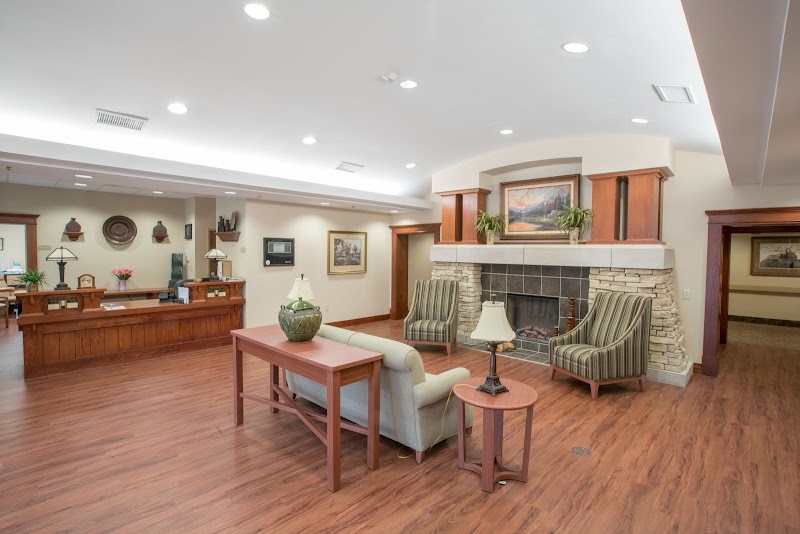
CMS assigns HOME AT HEARTHSTONE, THE an overall rating of 5 out of 5 stars, which is considered much above average nationally. Within Ohio, this rating places the facility higher than 99% of the state's 100 nursing homes. This rating reflects solid performance across the metrics CMS uses to evaluate nursing home quality.
How is Home At Hearthstone, The Staffed?

CMS rates HOME AT HEARTHSTONE, THE's staffing level at 2 out of 5 stars, which is below average compared to other nursing homes. Staff turnover is 40%, compared to the Ohio average of 46%. This relatively stable workforce can support continuity of care.

What Have Inspectors Found at Home At Hearthstone, The?

State health inspectors documented 17 deficiencies at HOME AT HEARTHSTONE, THE during 2019 to 2024. These included: 17 with potential for harm.
Who Owns and Operates Home At Hearthstone, The?

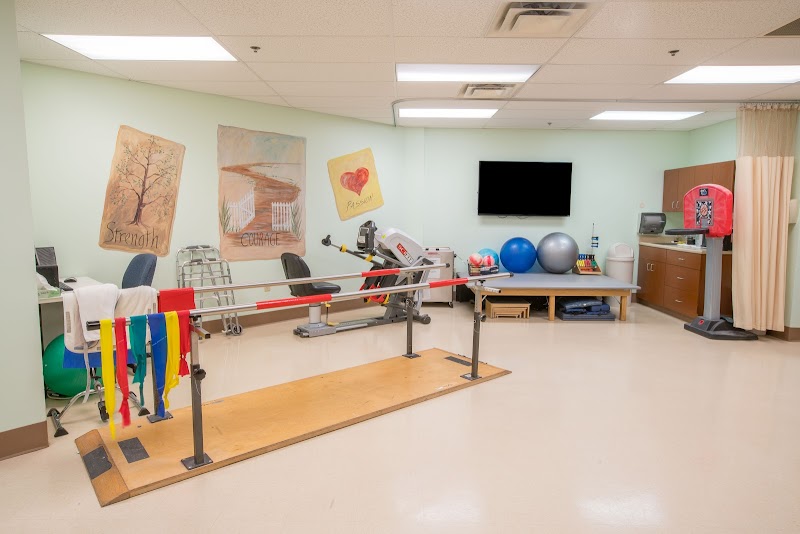
HOME AT HEARTHSTONE, THE is owned by a for-profit company. For-profit facilities operate as businesses with obligations to shareholders or private owners. The facility is operated by FOUNDATIONS HEALTH SOLUTIONS, a chain that manages multiple nursing homes. With 96 certified beds and approximately 88 residents (about 92% occupancy), it is a smaller facility located in CINCINNATI, Ohio.
How Does Home At Hearthstone, The Compare to Other Ohio Nursing Homes?

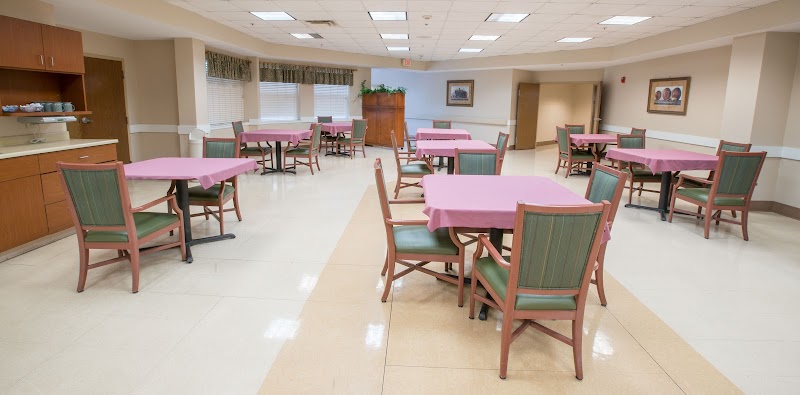
Compared to the 100 nursing homes in Ohio, HOME AT HEARTHSTONE, THE's overall rating (5 stars) is above the state average of 3.2, staff turnover (40%) is near the state average of 46%, and health inspection rating (4 stars) is above the national benchmark.

What Should Families Ask When Visiting Home At Hearthstone, The?

Based on this facility's data, families visiting should ask: "Can you walk me through typical staffing levels on day, evening, and night shifts?" "Can I visit during a mealtime to observe dining assistance and food quality?" "How do you handle medical emergencies, and what is your hospital transfer rate?" "Can I speak with family members of current residents about their experience?" These questions are particularly relevant given the below-average staffing rating.

Is Home At Hearthstone, The Safe?

Based on CMS inspection data, HOME AT HEARTHSTONE, THE has a clean safety record: no substantiated abuse findings (meaning no confirmed cases of resident harm), no Immediate Jeopardy citations (the most serious violation level indicating risk of serious injury or death), and is not on the Special Focus Facility watch list (a federal program monitoring the lowest-performing 1% of nursing homes). The facility has a 5-star overall rating and ranks #1 of 100 nursing homes in Ohio. While no facility is perfect, families should still ask about staff-to-resident ratios and recent inspection results during their visit.

Do Nurses at Home At Hearthstone, The Stick Around?

HOME AT HEARTHSTONE, THE has a staff turnover rate of 40%, which is about average for Ohio nursing homes (state average: 46%). Moderate turnover is common in nursing homes, but families should still ask about staff tenure and how the facility maintains care continuity when employees leave.

Was Home At Hearthstone, The Ever Fined?

HOME AT HEARTHSTONE, THE has no federal fines on record. CMS issues fines when nursing homes fail to meet care standards or don't correct problems found during inspections. The absence of fines suggests the facility has either maintained compliance or corrected any issues before penalties were assessed. This is a positive indicator, though families should still review recent inspection reports for the full picture.

Is Home At Hearthstone, The on Any Federal Watch List?

HOME AT HEARTHSTONE, THE is not on any federal watch list. The most significant is the Special Focus Facility (SFF) program, which identifies the bottom 1% of nursing homes nationally based on persistent, serious quality problems. Not being on this list means the facility has avoided the pattern of deficiencies that triggers enhanced federal oversight. This is a positive indicator, though families should still review the facility's inspection history directly.