HOME AT TAYLOR'S POINTE
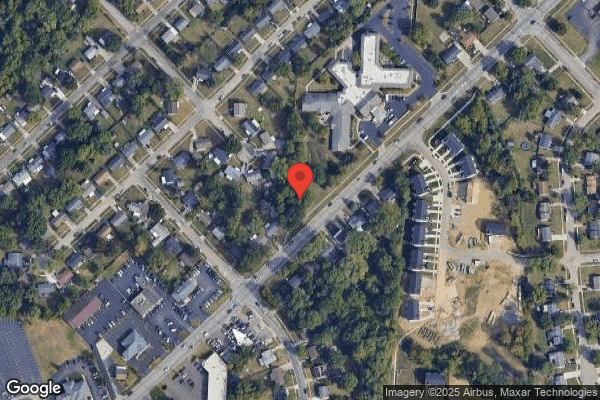
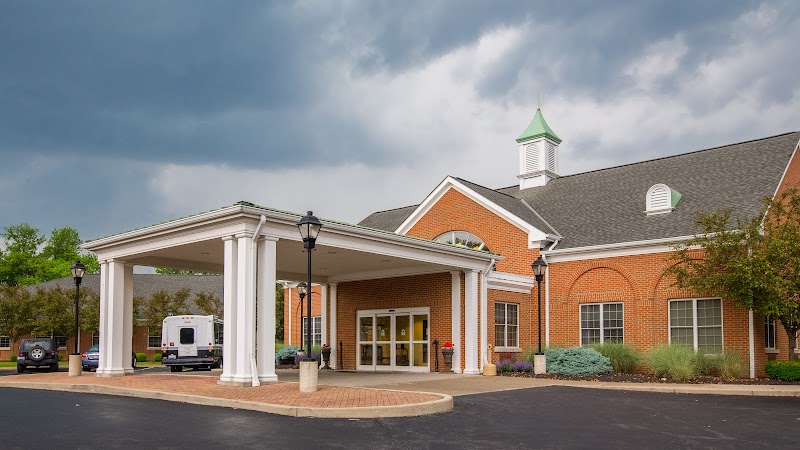
3464 SPRINGDALE ROAD, CINCINNATI, OH 45251 (513) 741-4888
For profit - Corporation 92 Beds FOUNDATIONS HEALTH SOLUTIONS Data: November 2025
Trust Grade
75/100
#275 of 913 in OH
Last Inspection: March 2025

Within standard 12-15 month inspection cycle. Federal law requires annual inspections.

Overview

The Home at Taylor's Pointe has a Trust Grade of B, which means it is a good choice but not the top tier among nursing homes. It ranks #275 out of 913 facilities in Ohio, placing it in the top half, and #25 out of 70 in Hamilton County, indicating that only a few local options are better. Unfortunately, the facility is experiencing a worsening trend, with the number of issues rising from one in 2023 to five in 2025. Staffing is a concern, receiving a low rating of 1 out of 5 stars, and while turnover is slightly below the state average at 48%, the lack of sufficient Registered Nurse coverage raises alarms, as they failed to have an RN scheduled on several days, affecting all residents. Specific incidents include a failure to hold required care conferences for residents and a lack of sanitation in the kitchen, which poses a risk of food contamination for those who rely on meals provided by the facility. Overall, while there are some strengths, such as a good health inspection rating and no fines, these weaknesses highlight areas that need attention for the well-being of residents.

Trust Score
B
75/100
In Ohio
#275/913
Top 30%
Safety Record
Low Risk
No red flags
Inspections
Getting Worse
1 → 5 violations
Staff Stability
⚠ Watch
48% turnover. Above average. Higher turnover means staff may not know residents' routines.
Penalties
✓ Good
No fines on record. Clean compliance history, better than most Ohio facilities.
Skilled Nurses
○ Average
Each resident gets 36 minutes of Registered Nurse (RN) attention daily — about average for Ohio. RNs are the most trained staff who monitor for health changes.
Violations
⚠ Watch
15 deficiencies on record. Higher than average. Multiple issues found across inspections.
★★★★☆
4.0
Overall Rating
★☆☆☆☆
1.0
Staff Levels
★★★★★
5.0
Care Quality
★★★★☆
4.0
Inspection Score
Stable
2023: 1 issues
2025: 5 issues

The Good

  • 5-Star Quality Measures · Strong clinical quality outcomes
  • Full Sprinkler Coverage · Fire safety systems throughout facility
  • No fines on record

Facility shows strength in quality measures, fire safety.

The Bad

Staff Turnover: 48%

Near Ohio avg (46%)

Higher turnover may affect care consistency

Chain: FOUNDATIONS HEALTH SOLUTIONS

Part of a multi-facility chain

Ask about local staffing decisions and management

The Ugly 15 deficiencies on record

Mar 2025 5 deficiencies
CONCERN (D) 📢 Someone Reported This

A family member, employee, or ombudsman was alarmed enough to file a formal complaint

Potential for Harm - no one hurt, but risky conditions existed

Resident Rights (Tag F0550)

Could have caused harm · This affected 1 resident

**NOTE- TERMS IN BRACKETS HAVE BEEN EDITED TO PROTECT CONFIDENTIALITY** Based on observations, staff interviews, and record reviews, the facility failed to ensure resident's had a dignified meal exper...

Read full inspector narrative →
**NOTE- TERMS IN BRACKETS HAVE BEEN EDITED TO PROTECT CONFIDENTIALITY** Based on observations, staff interviews, and record reviews, the facility failed to ensure resident's had a dignified meal experience in the dining room. This affected two (Residents #32 and #191) of 15 residents in the 300 memory care unit dining room. The facility census was 91. Findings Include: Record review of Resident #191 revealed the resident was admitted to the facility on [DATE]. Diagnoses included anxiety, dementia, multiple sclerosis, and psychotic disorder. Review of the Minimum Data Set (MDS) assessment dated [DATE] revealed Resident #191 had impaired cognition and required supervision with feeding assistance. Record review of Resident #32 revealed the resident was admitted to the facility on [DATE] . Diagnoses included cerebral infarction, aphasia, anxiety, depressive disorder, and dementia with behavioral disturbance. Review of the MDS assessment dated [DATE] revealed Resident #32 had impaired cognition. The resident received a regular, puree consistency diet. Record review of Resident #27 revealed the resident was admitted to the facility on [DATE]. Diagnoses included dementia with behavioral disturbance, anxiety, and mood disorder. Review of the MDS assessment dated [DATE] revealed Resident #27 had impaired cognition. The resident received a regular mechanical soft consistency diet. Observations on 03/19/25 at 12:12 P.M. revealed in the 300 memory care unit dining room, Resident #27 was seated in a wheelchair at a dining room table with Residents #32 and #191. Resident #27 was being fed the meal by Certified Nursing Assistant (CNA) #196. Observation on 03/19/25 at 12:30 P.M. revealed Resident #191 rocked back and forth in her wheelchair. Residents #191 and #32 had not received their lunch meal trays. CNA #178 attempted to calm Resident #191 by talking with her and told her the food was coming, which did not appear to calm Resident #191. Interview on 03/19/25 at 12:32 P.M. with CNA #178 verified Resident #191 appeared to be getting anxious by watching Resident #27 eat her lunch meal and Resident #27 should have been fed at a separate table so not to have Resident's #191 and #32 watch and become anxious. Observation on 03/19/25 at 12:40 P.M. revealed Resident #27 had completed her meal. At 12:44 P.M., Residents #191 and #32 received their lunch meal trays. Interview on 03/19/25 at 12:40 P.M. with Assistant Director of Nursing (ADON) #100 verified Resident #27 needed feeding assistance and received her meal first, then the other residents' received their meal trays. ADON #100 verified Resident #27 was fed while Residents #191 and #32 watched and became anxious. ADON #100 stated Residents #191 and #32 should have received their meals when Resident #27 received her meal. This deficiency represents non-compliance investigated under Complaint Numbers OH00153044 and OH00161555.
CONCERN (D)

Potential for Harm - no one hurt, but risky conditions existed

Unnecessary Medications (Tag F0759)

Could have caused harm · This affected 1 resident

**NOTE- TERMS IN BRACKETS HAVE BEEN EDITED TO PROTECT CONFIDENTIALITY** Based on observation, record review, staff interview, and facility policy review, the facility failed to ensure medications were...

Read full inspector narrative →
**NOTE- TERMS IN BRACKETS HAVE BEEN EDITED TO PROTECT CONFIDENTIALITY** Based on observation, record review, staff interview, and facility policy review, the facility failed to ensure medications were administered according to physician's order, resulting in a medication error rate rate which exceeded five percent (%). 35 opportunities were observed with four medication errors, resulting in a 11.43% error rate. This affected one (Resident #71) of four residents reviewed for medication administration. The facility census was 91. Findings include: Review of the medical record revealed Resident #71 was admitted to the facility on [DATE] with diagnoses of diabetes mellitus type II (DM), chronic obstructive pulmonary disease and hypertension. Review of the annual Minimum Data Set (MDS) assessment dated [DATE] revealed Resident #71 had intact cognition. Review of the physician orders revealed Resident #71 had the following orders: an order dated 02/07/25 for Novolog pen-injector 100 unit per milliliter (ml) (Insulin Aspart), inject 10 unit subcutaneously before meals for DM, hold for finger-stick blood sugar less than 150; an order dated 04/11/23 for Metoclopramide 10 milligrams (mg) give one tablet by mouth before meals and at bedtime for hiccups; an order dated 09/12/22 for Sucralfate one gram (gm), give one tablet by mouth before meals and at bedtime related to other symbolic dysfunctions; and an order dated 05/28/22 Simethicone tablet 80 mg, give one tablet by mouth before meals and at bedtime for gastro-esophageal reflux disease. Observation on 03/19/25 at 8:40 A.M. revealed Resident #71 had completed eating his breakfast meal in his room prior to receiving his morning medications. Observation of medication administration on 03/19/25 at 8:40 A.M. revealed Registered Nurse (RN) #164 administered Resident #71 four medications that had physician orders to be administered before eating breakfast. RN #164 administered Novolog insulin 10 units subcutaneously, Metoclopimide 10 mg by mouth, Sucralfate one gm by mouth, and Simethicone 80 mg by mouth. Interview on 03/19/25 at 8:50 A.M. with RN #164 verified the Novolog insulin, Metoclopramide, Sucralfate and Simethicone should have been administered before Resident #71 consumed his breakfast. Interview on 03/19/25 at 8:52 A.M. with Assistant Director of Nursing (ADON) #114 verified Resident #71 did not receive Novolog insulin, Metoclopramide, Sucralfate, and Simethicone per the physician order which stated to be administered before breakfast. Interview on 03/19/25 at 10:19 A.M. with the Director of Nursing (DON) verified nurses are to administer medications as ordered by the physician. She verified medications ordered to be administered before breakfast should be administered before the resident consumed breakfast. Review of the policy titled General Guidelines for Medication Administration dated 06/21/17 revealed medications will be administered by legally authorized and trained persons in accordance to applicable State, Local and Federal laws and consistent with accepted standards of practice.
CONCERN (D)

Potential for Harm - no one hurt, but risky conditions existed

Infection Control (Tag F0880)

Could have caused harm · This affected 1 resident

**NOTE- TERMS IN BRACKETS HAVE BEEN EDITED TO PROTECT CONFIDENTIALITY** Based on observations, staff interviews, review of facility policy, and record reviews, the facility failed to ensure hand sanit...

Read full inspector narrative →
**NOTE- TERMS IN BRACKETS HAVE BEEN EDITED TO PROTECT CONFIDENTIALITY** Based on observations, staff interviews, review of facility policy, and record reviews, the facility failed to ensure hand sanitation was performed during meal service. This affected three residents (#71, #85 and #61) observed during meal service. The facility census was 91. Findings include: 1. Record review of Resident #61 revealed the resident was admitted to the facility on [DATE]. Diagnoses included sepsis and ileostomy. Review of the Minimum Data Set (MDS) assessment dated [DATE] revealed Resident #61 had severely impaired cognition. The resident had a physician order for contact isolation. Observation on 03/19/25 at 8:40 A.M. revealed there was a sign on a Resident #61's room door. The signage revealed the resident was in contact precautions and everyone must clean their hands, including before entering and when leaving the room. Certified Nursing Assistant (CNA) #117 donned gloves and gown and entered Resident #61's room with the breakfast meal tray. CNA #117 was observed to assist the resident in bed and touched other items in the room to assist in positioning the resident in bed. CNA #117 doffed the gown and gloves and did not wash or hand sanitize her hands prior to or after leaving the room. Interview on 03/19/25 at 8:45 A.M. with CNA #117 verified she had assisted Resident #61 in bed and stated she should have performed hand hygiene. She verified she did not wash her hands or use hand sanitizer when she doffed the gloves when exiting Resident #61's room. Interview on 03/19/25 at 2:40 P.M. with the Director of Nursing (DON) verified the staff should hand sanitize prior to and after delivery of meal trays. Interview on 03/20/25 at 9:30 A.M. with Unit Nurse Manager #114 verified the CNAs should be performing hand hygiene after exiting resident's rooms with contact precautions, including Resident #61's room. 2. Observations on 03/19/25 at 8:33 A.M. revealed Certified Nursing Assistant (CNA) #123 delivered a breakfast tray to Resident #19. CNA #123 was observed to touch items and assist Resident #19 in bed. CNA #123 exited the room and did not wash or sanitize her hands. CNA #123 obtained Resident #71's meal tray. CNA #123 delivered and assisted Resident #71 with the meal tray. CNA #123 exited Resident #71's room and did not wash or sanitize her hands and proceeded to obtain Resident #85's meal tray. CNA #123 delivered the meal tray and assisted Resident #85 with the meal set up and touching items in the room. CNA #123 exited the room. CNA #123 did not perform hand sanitizing or hand washing between assisting the residents and delivery of meal trays to the residents. Interview on 03/19/25 at 8:35 A.M. with CNA #123 verified she had touched items in the rooms of Residents #19, #71, and #85 and had not performed hand sanitization prior to or after delivery of the meal trays to Residents #19, #71 and #85. CNA #123 verified she should have performed hand sanitation after touching items in a resident's room and delivery of meal trays. Interview on 03/19/25 at 2:40 P.M. with the Director of Nursing (DON) verified the staff should hand sanitize prior to and after delivery of meal trays. Review of the facility policy titled Infection Control Policy dated 2010 revealed all staff perform hand hygiene after handling contaminated objects.
CONCERN (E)

Potential for Harm - no one hurt, but risky conditions existed

Deficiency F0657 (Tag F0657)

Could have caused harm · This affected multiple residents

**NOTE- TERMS IN BRACKETS HAVE BEEN EDITED TO PROTECT CONFIDENTIALITY** Based on medical record review, resident and staff interviews, and policy review, the facility failed to ensure care conferences...

Read full inspector narrative →
**NOTE- TERMS IN BRACKETS HAVE BEEN EDITED TO PROTECT CONFIDENTIALITY** Based on medical record review, resident and staff interviews, and policy review, the facility failed to ensure care conferences were held quarterly for residents and their representatives. This affected five (Residents #5, #9, #50, #51, and #63) of five residents reviewed for care conferences. The facility census was 91. Findings include: 1. Review of the medical record revealed Resident #5 was admitted to the facility on [DATE] with diagnoses of chronic ischemic heart disease, hypertension, vascular dementia, diabetes mellitus type II, and morbid obesity. Review of the quarterly Minimum Data Set (MDS) assessment dated [DATE] revealed Resident #5 had no cognitive impairment and was always incontinent of bowel and bladder. Resident #5 required supervision with eating, moderate assistance with oral hygiene, dependent on staff for toileting, dressing and transfers and maximal assistance with bathing, personal hygiene and bed mobility. Review of the Care Conference Meeting Summary documents, as supplied by the Administrator, revealed Resident #5 did not have documented care conferences in the second quarter (April, May and June) and fourth quarter (October, November and December) of 2024. Interview on 03/20/25 at 9:50 A.M. with Resident #5 stated she could not remember the last time she had a care conference. Interview on 03/20/25 at 2:10 P.M. with Social Services Designee #132 verified the facility did not provide a care conference for Resident #95 in the second and fourth quarters of 2024. 2. Review of the medical record revealed Resident #9 was admitted to the facility on [DATE] with diagnoses of quadriplegia status-post motor vehicle accident, neuromuscular dysfunction of bladder, diabetes mellitus type II, major depressive disorder and moderate protein-calorie malnutrition. Review of the Minimum Data Set (MDS) assessment dated [DATE] revealed Resident #9 had intact cognition and had a suprapubic catheter and was always incontinent of bowel. The resident was dependent on staff for eating, oral and personal hygiene, toileting, bathing, dressing, bed mobility, and transfers. Review of the Care Conference Meeting Summary documents, as provided by the facility Administrator, revealed Resident #9 did not have documented care conferences in the first quarter (January, February and March) of 2024. Interview on 03/20/25 at 10:00 A.M. with Resident #9 stated they have no recollection of quarterly care conferences. Interview on 03/20/25 at 2:10 P.M. with Social Services Designee #132 verified the facility did not provide a care conference for Resident #9 in the first quarter of 2024. 3. Review of the medical record revealed Resident #50 was admitted to the facility on [DATE] with diagnoses of quadriplegia, end-stage renal disease with dependence on renal dialysis and neuromuscular dysfunction of bladder. Review of the quarterly Minimum Data Set (MDS) assessment dated [DATE] revealed Resident #50 had moderate cognitive impairment and had an indwelling urinary catheter and was always incontinent of bowel. The resident was dependent on staff for eating, oral and personal hygiene, toileting, bathing, dressing, bed mobility, and transfers. Review of the Care Conference Meeting Summary documents, as supplied by the Administrator, revealed Resident #50 did not have documented care conferences in the first quarter (January, February and March) and third quarter (July, August and September) of 2024. Interview on 03/20/25 at 2:10 P.M. with Social Services Designee #132 verified the facility did not provide a care conference for Resident #50 in the first and third quarters of 2024. 4. Review of the medical record revealed Resident #51 was admitted to the facility on [DATE] with diagnoses of dementia, major depressive disorder, anxiety disorder and diabetes mellitus type II. Review of the quarterly Minimum Data Set (MDS) assessment dated [DATE] revealed Resident #51 had intact cognition and was always continent of bowel and bladder. The resident required supervision with eating, oral and personal hygiene, toileting, dressing and transfers, moderate assistance with bathing and set up assistance with bed mobility. Review of the Care Conference Meeting Summary documents, as provided by the Administrator, revealed Resident #51 did not have documented care conferences in the first quarter (January, February and March), second quarter (April, May and June) and fourth quarter (October, November and December) of 2024. Interview on 03/20/25 at 10:10 A.M. with Resident #51 stated they have no recollection of the last care conference she had with the facility. Interview on 03/20/25 at 2:10 P.M. with Social Services Designee #132 verified the facility did not provide a care conference for Resident #9 in the first, second, and fourth quarters of 2024. 5. Review of the medical record revealed Resident #63 was admitted to the facility on [DATE] with diagnoses of bipolar disorder, diabetes mellitus type II, chronic obstructive pulmonary disease, post-traumatic stress disorder and anxiety. Review of the Minimum Data Set (MDS) quarterly assessment dated [DATE] revealed Resident #63 had intact cognition and was always continent of bowel and bladder. The resident required supervision with eating, oral and personal hygiene, toileting, dressing, bed mobility and transfers and moderate assistance with bathing. Review of the Care Conference Meeting Summary documents, as supplied by the Administrator, revealed Resident #63 did not have documented care conferences in the first quarter (January, February and March) and second quarter (April, May and June) of 2024. Interview on 03/20/25 at 10:10 A.M. with Resident #63 stated they have no recollection of the last care conference she had with the facility. Interview on 03/20/25 at 2:10 P.M. with Social Services Designee #132 verified the facility did not provide a care conference for Resident #9 in the first and second quarters of 2024. Review of the policy titled Care Conference, revised 03/20/24, revealed a purpose to provide the resident and, if applicable, the resident representative of the right to participate in the resident's plan of care in a manner that facilitates his/her participation. The facility's interdisciplinary team shall periodically review the resident's care plan and make necessary revisions based on the goals, preferences and needs of the resident.
CONCERN (E)

Potential for Harm - no one hurt, but risky conditions existed

Food Safety (Tag F0812)

Could have caused harm · This affected multiple residents

Based on observations, staff interviews, and facility policy review, the facility failed to maintain a sanitary kitchen to prevent cross contamination of food. This affected 81 residents who received ...

Read full inspector narrative →
Based on observations, staff interviews, and facility policy review, the facility failed to maintain a sanitary kitchen to prevent cross contamination of food. This affected 81 residents who received food from the kitchen. The facility identified 10 residents who do not receive food from the kitchen. The facility total census was 91. Findings include: 1. Observation and interview on 03/17/25 at 7:53 A.M. of the kitchen with Dietary Manager (DM) #140 revealed there were 15 individually packaged desserts, one opened beef base container, nine opened containers of liquids, and approximately 30 hard boiled eggs stored undated. There was a large tray of cooked sausage patties which were stored uncovered in the refrigerator. There was an opened undated container of jelly stored in the dry storage room with a label to refrigerate after opening. DM #140 verified the undated and uncovered food in the refrigerators and unrefrigerated items. 2. Observation on 03/19/25 from 7:30 A.M. through 8:15 A.M. revealed Dietary Manager (DM) #140 with approximately 20 rope-like strands of hair hanging out of DM #140's knitted cap he was wearing. The strands of hair were approximately six inches long that was hanging out of the knitted cap. DM #140 was assisting with breakfast food preparation. Interview on 03/19/25 at 8:15 A.M. with DM #140 verified his hair extended beyond the hair cap and was not contained. DM #140 verified all hair should be contained completely under the hair restraint. Interview on 03/20/25 at 9:55 A.M. with Registered Dietitian (RD) #695 verified all hair should be contained under the hair covering. 3. Observation on 03/19/25 at 9:10 A.M. on the 300 unit nursing station revealed the resident refrigerator had two insulated bags of food unlabeled. There were two bags of fast food unlabeled. There were two partially used and opened gallon containers of liquids which were undated. Interview on 03/19/25 at 9:10 A.M. with admission Director (AR) #190 verified the refrigerator was for storage of resident foods only and all foods should be labeled and dated. AR #190 stated the unlabeled insulated bags of foods were employee's food containers and should have been stored in the employee breakroom. AR #190 verified the two bags of foods were not labeled with a name or dated. The two gallons of liquid were undated with a opened date. 4. Observation on 03/19/25 at 9:17 A.M. on the 200 unit nursing station revealed the resident refrigerator had a sign all foods should be dated. There was a bag of foods labeled with a name but had no date. There was a Styrofoam container with no label of contents or a date. There were two opened gallon containers of liquids with no open dates. There was as partially used pitcher of liquids with no label or date. Interview on 03/19/25 at 9:17 A.M. with Social Service Designee (SSD) #700 verified the refrigerator was for storage of resident foods only and all foods should be labeled and dated. SSD #700 verified there were no dates on the open containers of liquids and no date on the bag of identified resident's food. Review of the facility policy titled Food Storage Labeling and Dating dated 2017 revealed all items must be dated after opening with an open and a use by date.
Nov 2023 1 deficiency
CONCERN (E) 📢 Someone Reported This

A family member, employee, or ombudsman was alarmed enough to file a formal complaint

Potential for Harm - no one hurt, but risky conditions existed

Infection Control (Tag F0880)

Could have caused harm · This affected multiple residents

**NOTE- TERMS IN BRACKETS HAVE BEEN EDITED TO PROTECT CONFIDENTIALITY** Based on observations, staff interviews, medical record review, review of guidance from the Centers for Disease Control and Prev...

Read full inspector narrative →
**NOTE- TERMS IN BRACKETS HAVE BEEN EDITED TO PROTECT CONFIDENTIALITY** Based on observations, staff interviews, medical record review, review of guidance from the Centers for Disease Control and Prevention (CDC), and review of the policy, the facility failed to implement effective and recommended infection source control practices to prevent the spread of Coronavirus 2019 (COVID-19). This affected four (#75, #77, #81, and #85) of four Residents who tested positive for COVID-19 and had the potential to affect all fourteen (#74, #75, #76, #77, #78, #79, #80, #81, #82, #83, #84, #85, #86, and #88) residents that resided on the unit. The facility census was 87. Findings included: 1. Review of the medical record for Resident #75 revealed an admission date of 11/29/22. Her diagnoses included Alzheimer's disease, anxiety disorder, major depressive disorder, COVID-19, and mood disorder. Review of the annual Minimum Data Set (MDS) assessment dated [DATE] revealed Resident #75 had impaired cognition as evidenced by a Brief Interview for Mental Status (BIMS) score of 99. This resident was assessed to require supervision with eating and transfers, dependent with toileting, bathing, and moderate assistance with dressing. Review of physician's order 10/26/23 revealed Resident #75 was ordered to maintain contact and droplet precautions every shift for 10 days for COVID -19. Room door may remain open as needed for supervision and as requested by resident for psychosocial or physical well-being. 2. Review of the medical record for Resident #77 revealed an admission date of 05/17/23. Her diagnoses included Alzheimer's disease, COVID-19, major depressive disorder, generalized anxiety disorder, and type two diabetes mellitus (DM II). Review of the quarterly Minimum Data Set (MDS) assessment dated [DATE] revealed Resident #77 had severe cognitive impairment as evidenced by a Brief Interview for Mental Status (BIMS) score of three. This resident was assessed to require two-person extensive assistance with transfers, toileting, and bathing, one-person extensive assistance with dressing, and one-person limited assistance with eating. Review of the physician order dated 10/26/23 revealed Resident #77 was ordered to maintain contact and droplet precautions every shift for 10 days for COVID -19. Room door may remain open as needed for supervision and as requested by resident for psychosocial or physical well-being. 3. Review of the medical record for Resident #81 revealed an admission date of 03/22/23. Diagnoses included frontal lobe function deficit following cerebral infarction, hemiplegia and hemiparesis affecting left non-dominant side, type two diabetes mellitus (DM II), and major depressive disorder. Review of the quarterly Minimum Data Set (MDS) assessment dated [DATE] revealed Resident #77 had intact cognition as evidenced by a Brief Interview for Mental Status (BIMS) score of 14. This resident was assessed to require set-up for eating, partial assistance with toileting, bathing, dressing, and transfers. Review of the physician order dated 10/31/23 revealed Resident #81 was ordered to maintain contact and droplet precautions every shift for 10 days for COVID -19. Room door may remain open as needed for supervision and as requested by resident for psychosocial or physical well-being. 4. Review of the medical record for Resident #85 revealed she was admitted to the facility on [DATE]. Her diagnoses included type two diabetes mellitus (DM II), chronic pulmonary edema, chronic obstructive pulmonary disease (COPD), and dementia. Review of the Quarterly Minimum Data Set (MDS) assessment dated [DATE] revealed Resident #85 had severe cognitive impairment as evidenced by a Brief Interview for Mental Status (BIMS) score of three. This resident was assessed to require supervision with transfers, dressing, eating, toileting, and bathing. Review of the nurse's progress notes, dated 10/25/2023, revealed Resident #85 tested positive for COVID-19. Observation during the tour of the unit revealed four Residents (#75, #77, #81, and #84) who tested positive for COVID-19 were housed in a room with four Residents (#76, #78, #80, #84) who tested negative for COVID-19. Interview on 10/31/23 at 10:32 A.M., with Infection Preventionist Nurse (IPN) #215, who was standing outside the glass doors looking into the dining room of Rooms #301-#309, confirmed a sign was hanging advising someone prior to entering until to don a gown, N95, gloves. IPN #215 stated the sign was hanging on the glass door and next to it was a container with gowns, gloves, N95, however, it was just up to remind visitors to wear PPE. Interview and observation on 10/31/23 at 10:33 A.M., with Licensed Practical Nurse (LPN) #189 as she stood at the nurse's cart outside the open dining room. LPN#189 confirmed she had a surgical mask with a N95 over top of it. LPN #189 confirmed Resident #85 tested positive for COVID-19 and was seated in the open dining room with her surgical mask down and coughing. LPN #189 confirmed two of the Residents #81, and #85 were COVID-19 positive and were escorted by staff to attend an activity with the following Residents (#76, #80, #85, and #86) who tested negative for COVID-19. Interview on 10/31/23 at 10:44 A.M., with Registered Nurse (RN) #211 stated she is going onto the unit now to fix it. RN #211 confirmed the staff escorted the two COVID-19 positive Residents # 88 and #80 out to activities in an open dining room with Residents (#76, #80, #85, #86). However, RN #211 confirmed the COVID-19 positive Residents should remain isolated in their room to prevent the spread of COVID-19. Review of the CDC guidelines for Interim Infection Prevention and Control Recommendations for Healthcare Personnel During the Coronavirus Disease 2019 (COVID-19) Pandemic, updated 05/08/23, revealed Place a patient with suspected or confirmed SARS-CoV-2 infection in a single-person room. The door should be kept closed (if safe to do so). Ideally, the patient should have a dedicated bathroom. If Cohorting, only patients with the same respiratory pathogen should be housed in the same room. MDRO colonization status and/or presence of other communicable disease should also be taken into consideration during the Cohorting process. Facilities could consider designating entire units within the facility, with dedicated HCP, to care for patients with SARS-CoV-2 infection when the number of patients with SARS-CoV-2 infection is high. Dedicated means that HCP are assigned to care only for these patients during their shifts. Dedicated units and/or HCP might not be feasible due to staffing crises or a small number of patients with SARS-CoV-2 infection. Limit transport and movement of the patient outside of the room to medically essential purposes. Communicate information about patients with suspected or confirmed SARS-CoV-2 infection to appropriate personnel before transferring them to other departments in the facility (e.g., radiology) and to other healthcare facilities. Review of the policy titled, COVID-19 Prevention, Response, and Reporting, dated 05/11/23, stated the facility will ensure that appropriate interventions are implemented to prevent the spread of COVID -19 infections. COVID-19 information will be reported through proper channels as per federal, state, and/or local health authority guidance. Further review of the policy confirmed, Residents with symptoms of COVID-19 should not be cohorted with residents with confirmed COVID-19 unless they have confirmed to have COVID-19 through testing. This deficiency represent the noncompliance discovered during the investigation of Master Complaint Number OH00147795 and Complaint Numbers OH00147744 and OH00146945.
Nov 2022 1 deficiency
CONCERN (F) 📢 Someone Reported This

A family member, employee, or ombudsman was alarmed enough to file a formal complaint

Potential for Harm - no one hurt, but risky conditions existed

Deficiency F0727 (Tag F0727)

Could have caused harm · This affected most or all residents

Based on review of facility documents and staff interview, the facility failed to ensure the services of a Registered Nurse (RN) for at least eight consecutive hours a day, seven days per week. This h...

Read full inspector narrative →
Based on review of facility documents and staff interview, the facility failed to ensure the services of a Registered Nurse (RN) for at least eight consecutive hours a day, seven days per week. This had the potential to affect all 83 residents residing in the facility. The census was 83. Findings include: Review of staffing schedules revealed the facility did not have an RN scheduled on the following dates: 10/16/22, 10/22/22, 10/29/22, 10/30/22. Interview on 11/12/22 at 2:40 P.M. with Assistant Administrator (AA) #100 confirmed the facility did not have RN working on the following dates: 10/16/22, 10/22/22, 10/29/22, 10/30/22. AA #100 confirmed the facility did not have a staffing policy. This deficiency represents non-compliance investigated under Complaint Number OH00137015.
Oct 2022 3 deficiencies
CONCERN (D)

Potential for Harm - no one hurt, but risky conditions existed

Deficiency F0688 (Tag F0688)

Could have caused harm · This affected 1 resident

**NOTE- TERMS IN BRACKETS HAVE BEEN EDITED TO PROTECT CONFIDENTIALITY** Based on medical record review, observations, staff and resident interview, and policy review, the facility failed to apply a re...

Read full inspector narrative →
**NOTE- TERMS IN BRACKETS HAVE BEEN EDITED TO PROTECT CONFIDENTIALITY** Based on medical record review, observations, staff and resident interview, and policy review, the facility failed to apply a resting hand splint per the plan of care. This affected one resident (#31) out of two residents reviewed for application of assistive devices. The facility census was 87. Findings included: Review of the medical record for Resident #31 revealed an admission date on 10/02/22. Diagnoses included chronic ischemic hypertension, heart disease, stenosis of carotid artery, iron deficiency anemia, gastroesophageal reflux disease, umbilical hernia, obesity, schizoaffective disorder, major depressive disorder, stroke, anxiety, contracture, osteoarthritis, and urinary tract infections. Review of the minimum data set (MDS) assessment dated [DATE] revealed Resident #31 had intact cognition. Resident #31 was not coded with rejections of care of behaviors. Resident #31 required extensive assistance for bed mobility, toilet use, and personal hygiene. Review of the plan of care for Resident #31 dated 12/17/21 revealed the resident required assistance with activities of daily living (ADL). Factors that place her at risk for decline and complications included decreased mobility, dementia with behaviors, left hemiplegia, following a stroke, incontinence, anemia, anxiety, depression, schizoaffective disorder, bipolar type, coronary artery disease, hypertension, osteoarthritis, and use of psychotropic medications. Resident's self-performance and assistance needed may fluctuate throughout the course of the day; self-performance and assistance needed may fluctuate related to disease processes. Interventions included a left hand carrot splint placed in morning and removed at night, resident can donn and doff independently, and required cues to encourage wearing of splint. Review of the physician orders for the month of September 2022 revealed Resident #31 had an order dated 09/28/22 for a left carrot splint in place in the morning and removed at night. The resident could donn and doff independently, required cues to wear splint. Observation on 09/26/22 at 10:19 A.M. of resident sitting in bed, revealed a contracted left hand where Resident #31's fingers were touching the palm of her hand. Interview on 09/26/22 at 10:19 A.M., with Resident #31 stated she had a stroke several years ago and was unable to fully open her left hand. Resident #31 states she was unable to use her hand at all. Resident #31 states she used to have a splint, but staff has not offered it to her to use for a long time. Further stated she does not even know where the splint was. Interview on 09/28/22 03:03 P.M., with the State Tested Nursing Assistant (STNA) #71 stated she had not attempted to place the splint on Resident #31 today and she was not sure where the splint was and would have to look for it. Interview on 09/28/22 at 3:19 P.M., with Registered Nurse (RN) #127 verified the splint was not in place at the time of observation. Review of facility policy titled Range of Motion, dated 08/2016 revealed number three states the nursing personnel may provide services needed to maintain or improve the resident's ability including splint/brace assistance.
CONCERN (D)

Potential for Harm - no one hurt, but risky conditions existed

Pharmacy Services (Tag F0755)

Could have caused harm · This affected 1 resident

**NOTE- TERMS IN BRACKETS HAVE BEEN EDITED TO PROTECT CONFIDENTIALITY** Based on medical record review, staff, resident, and pharmacist interview, observations, review of the quick reference guide for...

Read full inspector narrative →
**NOTE- TERMS IN BRACKETS HAVE BEEN EDITED TO PROTECT CONFIDENTIALITY** Based on medical record review, staff, resident, and pharmacist interview, observations, review of the quick reference guide for the fasting glucose monitoring system, and policy review, the facility failed to document a physician's order for a fasting glucose device on the medication administration record and document every fourteen days the need to change to subcutaneous sensor. This affected one resident (#47) out of two residents reviewed for medication administration documentation related to the application and monitoring of a fasting glucose monitoring system. The facility census was 87. Findings include: Medical review for Resident #47 revealed an admission dated on 01/31/22 with diagnoses including chronic obstructive pulmonary disease, depression, chronic bronchitis, iron deficiency anemia, bipolar disorder, osteoarthritis, chronic sinusitis, viral hepatitis C, hypertension, and type two diabetes. Review of the Minimum Data Set (MDS) dated [DATE] for Resident #47 revealed intact cognition. Resident #47 required extensive assistance for bed mobility and transfers. Resident #47 required supervision for eating and toilet use. Resident #47 received insulin during the look back period. Review of the plan of care for Resident #47 dated 03/20/22 revealed the resident was at risk for elevated blood glucose. Interventions included insulin as ordered, monitor blood sugars as ordered and rotate the injection sites. Review of the active physician's orders for Resident #47 revealed there was no order for the application of fasting glucose monitoring systems Review of the progress notes for Resident #47 dated 07/28/22 through 09/28/22 revealed there was no documentation related to the application of the fasting glucose monitoring system. Observation on 09/26/22 at 4:10 P.M. of Resident #47 revealed a glucose monitoring system attached to the right upper back arm. Interview on 09/26/22 at 4:10 P.M., Resident #47 stated the sensor fell off a few days ago and she advised the nurse of the incident. Resident #47 stated she went for three days without her glucose sensor before it was replaced. Resident #47 stated the nurses had to do blood sugar testing using my fingers until they got the sensor reordered from the pharmacy. Resident #47 states she has had the device in use since her admission to the facility. Interview on 09/28/22 at 11:48 A.M., with Registered Nurse (RN) #127 verified there were no orders regarding the free Style Libre blood glucose monitoring system and there should be. Review of the Freestyle Libre 2 quick reference guide dated 2018 through 2022 revealed the sensor will alarm when a replacement is needed, this will occur about every fourteen days. Review of the pharmacy label for Resident #47 on the box for the FreeStyle Libre 2 reader revealed an order date of 09/01/22. Interview on 09/28/22 at 12:16 P.M., with the Pharmacist #211 at the pharmacy utilized by the facility for Resident #47 verified the pharmacy had sent 16 glucose monitoring units to the facility for FreeStyle Libre 2 system for Resident #47. Interview on 09/28/22 at 12:30 P.M., with the Director of Nursing stated the facility was completing an audit to ensure that no other residents had the same situation. The DON verified the facility should have an order for the glucose monitoring system on the medication administration record and did not. Review of facility policy titled Medication Administration, dated 06/21/17 revealed when a new non medication order does not appear on the medication administration record the nurse should send a copy to the pharmacy to ensure it is in the pharmacy's system.
CONCERN (D)

Potential for Harm - no one hurt, but risky conditions existed

Deficiency F0761 (Tag F0761)

Could have caused harm · This affected 1 resident

**NOTE- TERMS IN BRACKETS HAVE BEEN EDITED TO PROTECT CONFIDENTIALITY** Based on medical record review, observation, staff and resident interview, and policy review, the facility failed to administer ...

Read full inspector narrative →
**NOTE- TERMS IN BRACKETS HAVE BEEN EDITED TO PROTECT CONFIDENTIALITY** Based on medical record review, observation, staff and resident interview, and policy review, the facility failed to administer medications under direct supervision. This affected one resident (#31) out of four residents reviewed for medication administration. The facility census was 87. Findings include: Review of the medical record for Resident #31 revealed an admission date on 10/02/22. Diagnoses included chronic ischemic hypertension, heart disease, stenosis of carotid artery, iron deficiency anemia, umbilical hernia, obesity, schizoaffective disorder, major depressive disorder, stroke, anxiety, contracture, osteoarthritis, and urinary tract infections. Review of the minimum data set (MDS) dated [DATE] for Resident #31 revealed intact cognition. Resident #31 required extensive assistance with bed mobility, and toilet use. Resident #31 required total assistance for transfers and supervision for eating. Review of the physician orders for Resident #31 for the month of September 2022 revealed an order for baclofen 5 milligrams (mg) three times a day for muscle spasms. Observation on 09/28/22 at 3:14 P.M. revealed Resident #31 lying on her bed with a medication administration cup on the bed side table in front of the resident. Inside the medication cup was one small white tablet. Corporate Registered Nurse (RN) #212 was also present at the time of the observation. No facility staff were present at the time of the observation. Interview on 09/28/22 at 3:19 P.M., with Resident #31 stated the nurse just brought the medication in for her and she had not taken it yet. Interview on 09/28/22 at 3:25 P.M., with Corporate RN #212 and RN #127 verified medication should not be left at the bedside unsupervised. The nurse should stay in the room until the medication was administered. RN #127 verified she had not waited until Resident #31 took the medication before leaving the room. Review of facility policy titled Medication Administration, dated 06/21/2017 revealed the nurse should remain with the resident while the medication is swallowed. Never leave a medication in a residents room without an order to do so.
Aug 2019 5 deficiencies
CONCERN (D)

Potential for Harm - no one hurt, but risky conditions existed

Deficiency F0657 (Tag F0657)

Could have caused harm · This affected 1 resident

**NOTE- TERMS IN BRACKETS HAVE BEEN EDITED TO PROTECT CONFIDENTIALITY** Based on medical record review, resident interview and staff interview, the facility failed to ensure residents had the opportun...

Read full inspector narrative →
**NOTE- TERMS IN BRACKETS HAVE BEEN EDITED TO PROTECT CONFIDENTIALITY** Based on medical record review, resident interview and staff interview, the facility failed to ensure residents had the opportunity to participate it the care planning process. This affected one (Resident #232) of three residents reviewed for care planning. The facility census was 82. Findings include: Review of Resident #232's medical record revealed an admission date of 07/05/19. Diagnoses included metabolic encephalopathy, urinary tract infection, weakness, malaise, contracture of muscle (multiple sites), end stage renal disease, anemia in chronic kidney disease, type two diabetes, mixed hyperlipidemia, and essential hypertension. Review of the admission Minimum Data Set (MDS) assessment dated [DATE] revealed the resident had moderate cognitive impairment and required extensive assistance to total dependence upon staff for activities of daily living. Review of the Social Service progress note dated 07/16/19 at 11:20 A.M. revealed a care conference was held on 07/12/19 and was attended by the resident's spouse and children. The progress notes contained no documentation that the resident was invited to, attended, or declined to attend the care conference to discuss his care. Review of the Interdisciplinary Team (IDT) Care Review Summary dated 07/12/19 revealed the signatures of attendees at Resident #232's care conference. The form contained the signatures of staff and the resident's family members. The signature page contained no documentation that the resident was invited to, attended, or declined to attend the care conference to discuss his care. Interview on 08/05/19 at 4:46 P.M., Resident #232 stated he has never been invited to or attended a care conference to discuss his care plan. Interview 08/07/19 at 3:40 P.M., Licensed Social Worker (LSW) #210 stated the care conference for Resident #232 on 07/12/19 was held in the conference room and stated he did not recall whether the resident attended. LSW #210 stated the IDT Plan of Care Review Summary Page contained the signatures of persons who attended the meeting. LSW #210 verified the medical record, including the progress notes and IDT Plan of Care Review Summary signature page, contained no documentation of the resident's invitation to, attendance at, or declination to attend the care conference held on 07/12/19.
CONCERN (D)

Potential for Harm - no one hurt, but risky conditions existed

Deficiency F0761 (Tag F0761)

Could have caused harm · This affected 1 resident

Based on medical record, observation, staff interview, review of medication product information, review of online drug reference, and review of facility policy, the facility failed to ensure expired e...

Read full inspector narrative →
Based on medical record, observation, staff interview, review of medication product information, review of online drug reference, and review of facility policy, the facility failed to ensure expired eye drops were not available for resident use. This affected one of three medications carts observed for expired medications and two (#29 and #57) of six residents the facility identified with orders for eye drops from the Maple High medication cart. The facility census was 82. Findings include: 1. Review of Resident #29's current physician's orders revealed an order dated 04/16/19 for Brimonidine 0.2%, instill one drop in both eyes three times a day for glaucoma. Observation 08/08/19 at 12:56 P.M. of the Maple High medication cart with Licensed Practical Nurse (LPN) #84 revealed an opened bottle of Brimonidine 0.2% ophthalmic drops labeled for Resident #29. The bottle contained a hand-written open date of 05/07/19 and the manufacturer's expiration date printed on the bottle was 12/2020. Interview at the time of the observation LPN #84 verified the eye drops were opened and had an open date of 05/07/19. LPN #84 was unable to state the expiration date for the opened bottle of eye drops. Interview on 08/08/19 at 1:13 P.M., the Director of Nursing (DON) was unable to verbalize the expiration date of the opened bottle of Brimonidine eye drops used for Resident #29. After placing a telephone call to the facility's contracted pharmacy for guidance, the DON reported that since the product information did not contain a duration for use, the opened bottle of Brimonidine Tartrate could be used until the manufacturer's expiration date listed on the bottle, which was 12/2020. Interview on 08/08/19 at 4:30 P.M. with Corporate Clinician #340 verified the manufacturer's product information provided by the facility for the above listed eye drop contained no storage parameters for the medication once opened and verified the open bottle had been in use for greater than 28 days in the absence of a manufacturer listed time frame for discarding eye drops after opening. Review of the manufacturer's product information provided by the facility for Brimonidine Tartrate Ophthalmic Solution 0.2% revealed no guidance for storage once the bottle was opened. Based on the open date written on the bottle, the eye drops had been open for 93 days-65 days past the 28-day standard of practice for opened multidose bottles of eye drops in the absence manufacturer listed time frames for discarding eye drops after opening. Review of the International Pharmacopeia, Seventh Edition, dated 2017 revealed multidose ophthalmic drop preparations may be used for up to four weeks after the container is initially opened. 2. Review of Resident #75's current physician's orders revealed an order dated 02/28/16 for Latanoprost 0.005% eye drops, instill one drop in both eyes at bedtime for glaucoma. Observation 08/08/19 at 12:56 P.M. of the Maple High medication cart with Licensed Practical Nurse (LPN) #84 revealed an opened bottle of Latanoprost Ophthalmic Solution 0.005% labeled for Resident #75. The bottle contained a hand-written open date of 05/02/19. At the time of the observation, LPN #84 verified the bottle was open and had a date of 05/02/19 on the bottle. LPN #84 was unable to state the expiration date for the open bottle of eye drops. Interview on 08/08/19 at 1:14 P.M., the DON stated the open bottle of Latanoprost should be discarded after six weeks. The DON verified the bottle was expired and instructed LPN #84 to discard the medicine. Review of the manufacturer's product information for Latanoprost ophthalmic drops provided by the facility revealed that once opened, the medicine may be stored at room temperature for six weeks. Based on the open date of 05/02/19 written on the bottle, the medicine had been opened for a total of 14 weeks, eight weeks past the expiration date recommended by the manufacturer. Review of the facility policy titled Medication Storage dated 06/21/17 revealed outdated, contaminated, or deteriorated medications are immediately removed from stock, disposed of according to procedures for medication destruction, and reordered from the Pharmacy, if replacements are needed.
CONCERN (D)

Potential for Harm - no one hurt, but risky conditions existed

Menu Adequacy (Tag F0803)

Could have caused harm · This affected 1 resident

**NOTE- TERMS IN BRACKETS HAVE BEEN EDITED TO PROTECT CONFIDENTIALITY** Based on medical record review, observation, and resident and staff interviews, the facility failed to ensure a residents diet w...

Read full inspector narrative →
**NOTE- TERMS IN BRACKETS HAVE BEEN EDITED TO PROTECT CONFIDENTIALITY** Based on medical record review, observation, and resident and staff interviews, the facility failed to ensure a residents diet was followed. This affected one (#27) of one resident reviewed for food preferences. Census was 82. Findings include: Review of the medical record revealed Resident #27 was admitted on [DATE]. Diagnoses included end stage renal disease, dysphagia oral phase, cognitive communication deficit, hypotension of hemodialysis, hyperkalemia, heart failure, and type 2 diabetes mellitus. Review of the annual Minimum Data Set (MDS) assessment dated [DATE] documented the resident had intact cognition for decisions. Further review of the MDS revealed Resident #27 required extensive assistance with one person assist for bed mobility, toileting and transfer. Review of nutrition assessment dated [DATE] revealed Resident #27 was on a low concentrated sweet diet. Interview on 08/06/19 at 10:08 A.M., revealed Resident #27 reported she was a diabetic. Resident #27 reported she received deserts with her meals and did not receive sugar free jelly or syrup with her breakfast meals. Interview on 08/06/19 at 12:30 P.M. Dietician (DT) #300 reported the facility gives diabetic residents sugar free jelly and syrup, half size portion of sweets, and if there was cake they would receive the same size piece but with no icing. Observation and interview on 08/06/19 at 12:40 P.M., revealed Resident #27 had a slice of coconut cream pie for lunch. DT #300 confirmed the pie was not sugar free or a half size portion. Observation on 08/07/19 at 9:15 A.M., revealed Resident #27 had eggs, coffee cake, milk and cereal on her breakfast tray. Resident #27 reported she did not eat her coffee cake. Interview on 08/07/19 at 9:30 A.M., DT #300 verified the coffee cake on the breakfast tray was not sugar free.
CONCERN (D)

Potential for Harm - no one hurt, but risky conditions existed

Deficiency F0919 (Tag F0919)

Could have caused harm · This affected 1 resident

**NOTE- TERMS IN BRACKETS HAVE BEEN EDITED TO PROTECT CONFIDENTIALITY** Based on medical record review, observation and staff interview, the facility failed to ensure a dependent resident's call light...

Read full inspector narrative →
**NOTE- TERMS IN BRACKETS HAVE BEEN EDITED TO PROTECT CONFIDENTIALITY** Based on medical record review, observation and staff interview, the facility failed to ensure a dependent resident's call light was functioning. This affected one (#34) of 24 residents reviewed for call light function. The facility census was 82. Findings include: Review of the medical record revealed Resident #34 was admitted on [DATE]. Diagnoses included muscle weakness, cognitive communication deficit, hypertension, hyperlipidemia, vascular dementia with behavioral disturbance, Alzheimer's disease, and chronic kidney disease. Review of the admission Minimum Data Set (MDS) assessment dated [DATE] revealed the resident had severely impaired cognition. The assessment documented the resident required extensive assistance for activities of daily living including one-person extensive assistance for bed mobility, dressing and toileting. Review of the care plan dated 02/15/19 revealed Resident #34 was to notify nursing of any complaints of pain or discomfort. Resident needed assistance with toileting. Observation on 08/05/19 at 11:20 A.M., revealed the resident's call light was not working when the button was pushed. Interview at the time of the observation, Licensed Practical Nurse (LPN) #88 verified the call light was not working. Interview on 08/07/19 at 5:30 P.M., Resident #34 reported no one had been in her room even thought she was pressing the call light. Observation on 08/07/19 at 5:35 P.M., revealed the call light was not functioning when the button was pushed. At the time of the observation, LPN #6 was interviewed and reported maintenance had previously fixed the call light. LPN #6 verified the call light was not working again and obtained the resident a bell. Follow up interview on 08/07/19 at 5:45 P.M., LPN #6 verified Resident #34 was capable of using the call light when she needed assistance.
CONCERN (E)

Potential for Harm - no one hurt, but risky conditions existed

Food Safety (Tag F0812)

Could have caused harm · This affected multiple residents

Based on observation, interview, and review of the state revised code (that the facility followed) the facility failed to ensure staff wore hairnets while serving meals. This had the potential to affe...

Read full inspector narrative →
Based on observation, interview, and review of the state revised code (that the facility followed) the facility failed to ensure staff wore hairnets while serving meals. This had the potential to affect all the residents in the facility who received food prepared in the kitchen. The facility identified four Residents (#8, #10, #58, and #61) who did not receive food by mouth. The census was 82. Findings include: During the initial tour of the kitchen on 08/05/19 at 8:15 A.M. revealed Dietary [NAME] (DC) #18 did not have a hair net and Dietary Supervisor (DS) #36's ponytail was hanging out of the hair net while serving breakfast on the trayline. Interview on 08/05/19 at 8:30 A.M., revealed staff DC #18 and DS #36 confirmed that they had not had their hair covered while serving breakfast. A follow up observation of the kitchen on 08/06/19 at 7:20 P.M., revealed DS #36 was scooping sherbet into bowls for the next day and DS #36 was not wearing a hairnet. Interview on 08/06/19 at 7:30 P.M., DS #36 indicated she was unaware she did not have a hairnet on while preparing desert for the next day. Interview on 08/07/19 at 12:05 P.M., Dietician (D) #300 reported staff were to wear hairnets while food was being served. D #300 reported the facility did not have a policy pertaining to dietary uniforms or procedures for wearing a hairnet; however, the facility followed Ohio Revised code 3717-1-02.3 Management and personnel: hygienic practices. Review of Ohio Revised code dated 03/01/19 indicated food employees shall effectively restrain hair by wearing hair restraints such as hats, hair coverings or nets, beard restraints, and clothing that covers body hair, that re designed and worn to effectively keep their hair from contacting exposed food; clean equipment, utensils or linens; or unwrapped single-service or single-use articles.
Understanding Severity Codes (click to expand)
Life-Threatening (Immediate Jeopardy)
J - Isolated K - Pattern L - Widespread
Actual Harm
G - Isolated H - Pattern I - Widespread
Potential for Harm
D - Isolated E - Pattern F - Widespread
No Harm (Minor)
A - Isolated B - Pattern C - Widespread

Questions to Ask on Your Visit

  • "Can I speak with families of current residents?"
  • "What's your RN coverage like on weekends and overnight?"

Our Honest Assessment

Strengths
  • • No major safety red flags. No abuse findings, life-threatening violations, or SFF status.
  • • No fines on record. Clean compliance history, better than most Ohio facilities.
Concerns
  • • 15 deficiencies on record. Higher than average. Multiple issues found across inspections.
Bottom line: Generally positive indicators. Standard due diligence and a personal visit recommended.

About This Facility

What is Home At Taylor'S Pointe's CMS Rating?

CMS assigns HOME AT TAYLOR'S POINTE an overall rating of 4 out of 5 stars, which is considered above average nationally. Within Ohio, this rating places the facility higher than 99% of the state's 100 nursing homes. This rating reflects solid performance across the metrics CMS uses to evaluate nursing home quality.
How is Home At Taylor'S Pointe Staffed?

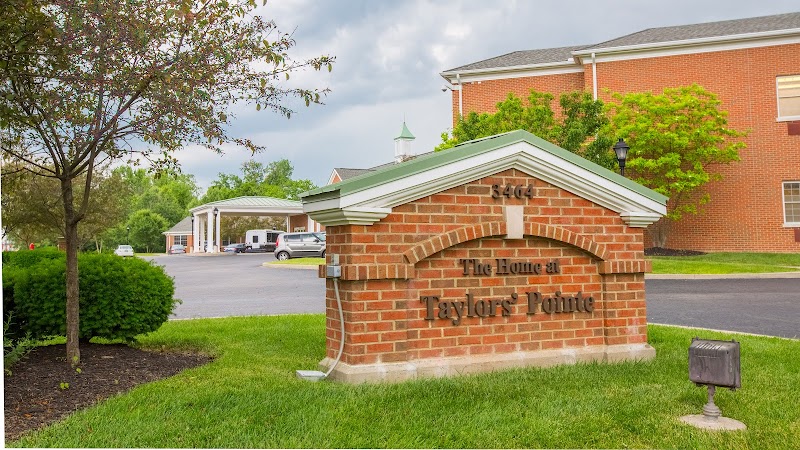
CMS rates HOME AT TAYLOR'S POINTE's staffing level at 1 out of 5 stars, which is much below average compared to other nursing homes. Staff turnover is 48%, compared to the Ohio average of 46%.

What Have Inspectors Found at Home At Taylor'S Pointe?

State health inspectors documented 15 deficiencies at HOME AT TAYLOR'S POINTE during 2019 to 2025. These included: 15 with potential for harm.
Who Owns and Operates Home At Taylor'S Pointe?

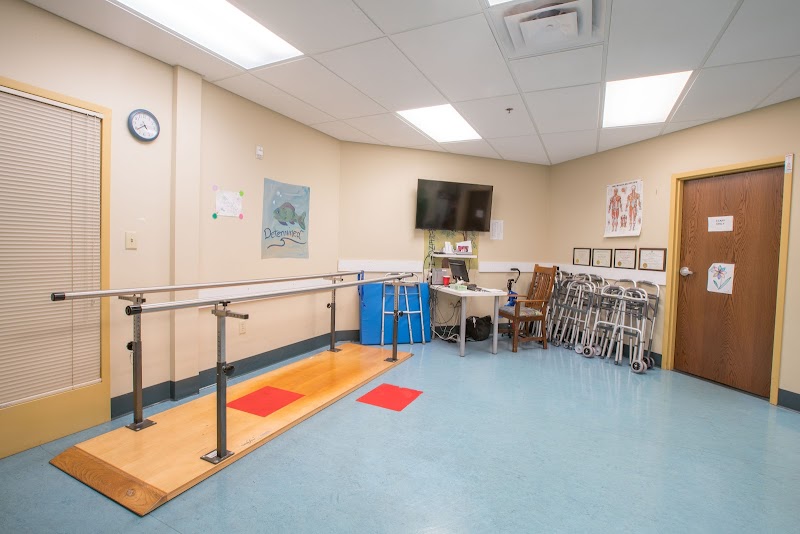
HOME AT TAYLOR'S POINTE is owned by a for-profit company. For-profit facilities operate as businesses with obligations to shareholders or private owners. The facility is operated by FOUNDATIONS HEALTH SOLUTIONS, a chain that manages multiple nursing homes. With 92 certified beds and approximately 86 residents (about 93% occupancy), it is a smaller facility located in CINCINNATI, Ohio.
How Does Home At Taylor'S Pointe Compare to Other Ohio Nursing Homes?

Compared to the 100 nursing homes in Ohio, HOME AT TAYLOR'S POINTE's overall rating (4 stars) is above the state average of 3.2, staff turnover (48%) is near the state average of 46%, and health inspection rating (4 stars) is above the national benchmark.

What Should Families Ask When Visiting Home At Taylor'S Pointe?

Based on this facility's data, families visiting should ask: "Can you walk me through typical staffing levels on day, evening, and night shifts?" "Can I visit during a mealtime to observe dining assistance and food quality?" "How do you handle medical emergencies, and what is your hospital transfer rate?" "Can I speak with family members of current residents about their experience?" These questions are particularly relevant given the below-average staffing rating.

Is Home At Taylor'S Pointe Safe?

Based on CMS inspection data, HOME AT TAYLOR'S POINTE has a clean safety record: no substantiated abuse findings (meaning no confirmed cases of resident harm), no Immediate Jeopardy citations (the most serious violation level indicating risk of serious injury or death), and is not on the Special Focus Facility watch list (a federal program monitoring the lowest-performing 1% of nursing homes). The facility has a 4-star overall rating and ranks #1 of 100 nursing homes in Ohio. While no facility is perfect, families should still ask about staff-to-resident ratios and recent inspection results during their visit.

Do Nurses at Home At Taylor'S Pointe Stick Around?

HOME AT TAYLOR'S POINTE has a staff turnover rate of 48%, which is about average for Ohio nursing homes (state average: 46%). Moderate turnover is common in nursing homes, but families should still ask about staff tenure and how the facility maintains care continuity when employees leave.

Was Home At Taylor'S Pointe Ever Fined?

HOME AT TAYLOR'S POINTE has no federal fines on record. CMS issues fines when nursing homes fail to meet care standards or don't correct problems found during inspections. The absence of fines suggests the facility has either maintained compliance or corrected any issues before penalties were assessed. This is a positive indicator, though families should still review recent inspection reports for the full picture.

Is Home At Taylor'S Pointe on Any Federal Watch List?

HOME AT TAYLOR'S POINTE is not on any federal watch list. The most significant is the Special Focus Facility (SFF) program, which identifies the bottom 1% of nursing homes nationally based on persistent, serious quality problems. Not being on this list means the facility has avoided the pattern of deficiencies that triggers enhanced federal oversight. This is a positive indicator, though families should still review the facility's inspection history directly.