IVY WOODS HEALTHCARE CENTER.
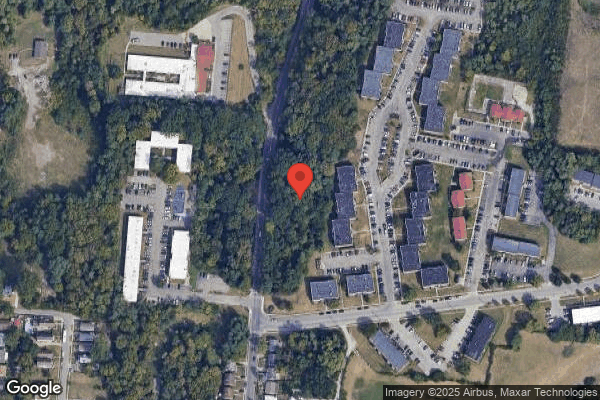

2025 WYOMING AVENUE, CINCINNATI, OH 45205 (513) 251-2557
For profit - Corporation 99 Beds COMMUNICARE HEALTH Data: November 2025
Trust Grade
53/100
#483 of 913 in OH
Last Inspection: October 2023

Over 2 years since last inspection. Current conditions may differ from available data.

Overview

Ivy Woods Healthcare Center has a Trust Grade of C, which means it is average and sits in the middle of the pack among nursing homes. In Ohio, it ranks #483 out of 913, putting it in the bottom half of facilities, and it's #40 out of 70 in Hamilton County, indicating that there are better local options. The facility is currently showing an improving trend, with issues decreasing from 19 in 2023 to just 1 in 2024. Staffing is a strength here, with a turnover rate of 34%, which is well below the Ohio average of 49%, although the staffing rating is still considered below average at 2 out of 5 stars. However, there are some concerning aspects. The home has incurred $14,528 in fines, which is average but still suggests some compliance issues. Notably, a serious incident involved a resident who did not receive necessary pain management for her burn wounds, leading to severe pain during wound care. Additionally, the medical director failed to attend required meetings aimed at improving the facility's quality of care, which has the potential to affect all residents. Overall, while there are strengths in staffing and a trend toward improvement, families should be aware of these serious concerns when considering Ivy Woods Healthcare Center for their loved ones.

Trust Score
C
53/100
In Ohio
#483/913
Bottom 48%
Safety Record
Moderate
Needs review
Inspections
Getting Better
19 → 1 violations
Staff Stability
○ Average
34% turnover. Near Ohio's 48% average. Typical for the industry.
Penalties
✓ Good
$14,528 in fines. Lower than most Ohio facilities. Relatively clean record.
Skilled Nurses
○ Average
Each resident gets 30 minutes of Registered Nurse (RN) attention daily — about average for Ohio. RNs are the most trained staff who monitor for health changes.
Violations
⚠ Watch
38 deficiencies on record. Higher than average. Multiple issues found across inspections.
★★★☆☆
3.0
Overall Rating
★★☆☆☆
2.0
Staff Levels
★★★★★
5.0
Care Quality
★★☆☆☆
2.0
Inspection Score
Stable
2023: 19 issues
2024: 1 issues

The Good

  • 5-Star Quality Measures · Strong clinical quality outcomes
  • Full Sprinkler Coverage · Fire safety systems throughout facility
  • No fines on record
  • Staff turnover below average (34%)

    14 points below Ohio average of 48%

Facility shows strength in quality measures, fire safety.

The Bad

3-Star Overall Rating

Near Ohio average (3.2)

Meets federal standards, typical of most facilities

Staff Turnover: 34%

12pts below Ohio avg (46%)

Typical for the industry

Federal Fines: $14,528

Below median ($33,413)

Minor penalties assessed

Chain: COMMUNICARE HEALTH

Part of a multi-facility chain

Ask about local staffing decisions and management

The Ugly 38 deficiencies on record

1 actual harm
Jun 2024 1 deficiency
CONCERN (D) 📢 Someone Reported This

A family member, employee, or ombudsman was alarmed enough to file a formal complaint

Potential for Harm - no one hurt, but risky conditions existed

Incontinence Care (Tag F0690)

Could have caused harm · This affected 1 resident

**NOTE- TERMS IN BRACKETS HAVE BEEN EDITED TO PROTECT CONFIDENTIALITY** Based on record review, observation, staff interview, and policy review, the facility failed to follow proper techniques while p...

Read full inspector narrative →
**NOTE- TERMS IN BRACKETS HAVE BEEN EDITED TO PROTECT CONFIDENTIALITY** Based on record review, observation, staff interview, and policy review, the facility failed to follow proper techniques while providing incontinence care. The affected one (#16) of the three residents reviewed for incontinence. The facility census was 90. Findings include: Review of the medical record for Resident #16 revealed the resident was admitted on [DATE]. Diagnosis included diabetes, dementia, anxiety, and dysphagia. Review of Resident #16's care plan dated 07/19/22, revealed the resident had bladder/bowel incontinence. Interventions included checking resident for incontinence, and wash, rinse, and dry perineum and change clothing as needed after incontinence episodes. Review of the Minimum Data Set (MDS) assessment dated [DATE], revealed Resident #16 had moderate cognitive deficits and required extensive assistance with all activities of daily living (ADLs). Observation of incontinence care for Resident #16 on 06/24/24 at 3:41 P.M. with State Testing Nursing Assistant (STNA) #20 revealed the resident was observed to be incontinent of urine and stool as STNA #20 removed the resident's incontinent brief. During care, STNA #20 was observed to clean the resident from back to front with stool. Interview at the same time with STNA #20 verified she wiped Resident #16 the wrong way, but it stated it was too hard to do the correct way. Review of the 2018 facility policy titled Perineal Care Male/Female, revealed to wash perineal area wiping from front to back and wash the rectal area thoroughly, wiping from the base of the labia towards and extending over the buttocks. This deficiency represents non-compliance investigated under Complaint Number OH00154279.
Nov 2023 2 deficiencies
CONCERN (D) 📢 Someone Reported This

A family member, employee, or ombudsman was alarmed enough to file a formal complaint

Potential for Harm - no one hurt, but risky conditions existed

Accident Prevention (Tag F0689)

Could have caused harm · This affected 1 resident

**NOTE- TERMS IN BRACKETS HAVE BEEN EDITED TO PROTECT CONFIDENTIALITY** Based on record review, staff interview, facility fall investigation review, and facility policy review, the facility failed to ...

Read full inspector narrative →
**NOTE- TERMS IN BRACKETS HAVE BEEN EDITED TO PROTECT CONFIDENTIALITY** Based on record review, staff interview, facility fall investigation review, and facility policy review, the facility failed to ensure appropriate care was provided to a resident to avoid a preventable fall and the facility failed provided to thoroughly investigate a resident's fall and implement interventions to prevent a similar incident. This affected one (#10) out of three residents (#10,#84, #85) reviewed for falls. The facility census was 85. Findings Include: Review of medical record for Resident #10 revealed the resident was admitted to the facility on [DATE]. Diagnoses included Alzheimer's disease, vascular dementia malignant neoplasm of rectum, diabetes mellitus, hypertension, aphasia, insomnia, and epilepsy. Review of physician's orders dated 08/22/23 for Resident #10, revealed the resident was to be transferred via Hoyer lift for all transfers. Review of the most recent Minimum Data Set (MDS) assessment 3.0 dated 10/01/23 for Resident #10, revealed the resident had severely impaired cognition. The assessment revealed Resident #10 required extensive assistance of two staff members with bed mobility and transfers. Review of the Plan of Care dated updated on 06/05/23 for Resident #10, revealed the resident had an activities of daily living (ADLs) self-care performance deficit and required assistance with ADLs due to dementia, hemiplegia, and contractures and weakness on the right side. The resident was dependent on two or more staff members for bed mobility and transfers. Review of the nurse's progress notes dated 10/24/23 at 5:20 A.M. for Resident #10 and authored by Licensed Practical Nurse (LPN) #274, revealed the resident was being assisted up by staff when the staff pulled resident, and he rolled past the staff member and rolled onto the floor on his left side parallel to the bed. The resident was assessed with no injuries and was assisted back into bed by three staff members and with the use of a gait belt. A call was made to the physician to report fall with no injuries. Review of the Situation Assessment Background Recommendation (SBAR) summary dated 10/24/23 at 5:55 A.M. for Resident #10 and authored by LPN #274, revealed resident had a change in condition related to a fall. The nursing recommendations indicated the resident should be a two-person transfer/assist. Review of a post fall evaluation/notification dated 10/24/23 at 7:30 A.M. and authored by Registered Nurse (RN)/Unit Manager (UM) #252, revealed the resident had a witnessed fall with no injuries. The resident was not transferred to the hospital, the physician and responsible party was notified and resident had no pain. Review of Fall Risk Observation Tool dated 10/24/23 at 3:37 P.M. for Resident #10, revealed the resident was a fall risk and required a total mechanical lift for all transfers due to unable to bear weight, unable to cooperate, limited in movement and heavy or obese. Review of an Interdisciplinary Team (IDT) note dated 10/24/23 at 3:41 P.M. authored by RN/UM #252, revealed Resident #10 had a witnessed fall on 10/24/23. Resident #10 was being provided care by CNA #246 when the resident was moved over too far causing CNA #246 to lower him to the floor in room. The root cause of the incident was poor judgement of surface area on mattress and the interventions included an Occupational Therapy (OT) assessment. Review of incident log dated 10/24/24 at 5:40 P.M., revealed Resident #10 had a fall and lowered to the ground by staff member. Review of the fall investigation revealed a document titled Telephone Interview 10/24/23 and authored by Director of Nursing (DON). The statement indicated Certified Nursing Assistant (CNA) #246 reported she was taking care of Resident #10 and during the morning rounds, she had to change the resident's sheets. CNA #246 reported that while the resident was on his left side (the resident's strong side), the resident started sliding out of the bed and onto the floor. CNA #246 reported she assisted the resident to the floor to prevent the resident from hitting his head. A second unknown STNA entered the room and CNA #246 left to get the nurse. CNA #246 reported after the nurse assessed the resident, the three staff members assisted the resident back in the bed. The investigation revealed no documented evidence of the resident's fall being thoroughly investigated and the appropriate interventions being implemented to prevent a similar incident. Review of the nurse's progress notes dated 10/26/23 at 2:04 P.M. for Resident #10, revealed the resident was noted with signs and symptoms of pain and swelling to the right knee. Resident #10 was assessed by Nurse Practitioner (NP) #501 and ordered an Xray of the resident's right knee and leg due to pain and swelling. Review of the nurse's progress notes on 10/27/23 at 6:50 P.M., revealed the x-ray revealed no acute fractures, dislocations were noted, and the surrounding soft tissues were normal, and results reviewed with physician. No new orders and resident's brother was updated. Interview on 11/07/23 at 4:01 P.M. with Nurse Practitioner (NP) #501 revealed she assessed Resident #10 on 10/26/23 which was two days after the fall. NP #501 stated the staff reported Resident #10 had low food intake and reports of pain in his right leg. NP #501 stated the right leg looked swollen and Resident #10 grimaced and pulled leg back when the right leg was touched. NP #501 stated the resident had an as needed (PRN) order for Tylenol (pain) in place and she ordered an order for an x-ray of the right knee. NP #501 confirmed she was not aware the staff failed to provide pain medication for Resident #10 at any time after his fall. Interview on 11/08/23 at 12:30 P.M. with the DON and Regional Clinical Nurse (RCN) #500 indicated Resident #10 had a witnessed fall and the facility determined the root cause analysis was poor judgement of the surface of the mattress while the staff was turning Resident #10. The DON and RCN #500 stated they were unable to say what this meant, and since RN/UM #252 wrote the root cause analysis, she could explain it better. The DON stated the facility does not get a statement from the on-duty nurses when a resident falls because the facility utilized the nurse's progress notes as the nurse's statement. The DON confirmed Resident #10's nursing progress notes revealed a third caregiver who assisted Resident #10 off the floor after the fall on 10/24/23, however the facility did not attempt to identify that staff member or obtain a witness statement from them. RCN #500 confirmed Resident #10 was dependent on two staff members for bed mobility and transfers. The DON verified CNA #246 was providing personal care to Resident #10 by herself when the resident fell out of his bed onto the floor on 10/24/23. Interview on 11/08/23 at 12:35 P.M. with the RN/UM # 252, revealed Resident #10's fall was due to poor judgement of the surface of the mattress while CNA #246 attempted to turn Resident #10 in the bed. RN/UM #252 stated CNA # 246 did not utilize the correct judgement of where Resident #10 was on the mattress during care, and this is why he rolled out of bed onto the floor. Interview on 11/08/23 at 8:01 A.M. with CNA# 246, revealed she provided personal care to Resident #10 and attempted to change his sheet on 10/24/23 when she rolled Resident #10 onto his weaker side, and he kept going and fell onto the floor. CNA #246 indicated she rolled the resident away from her and she was on the opposite side of the bed when Resident #10 fell onto the floor. CNA #246 confirmed she was the only staff member present during the incident. CNA#246 stated she got the nurse and another CNA, and they placed Resident #10 back into bed after lifting him from the floor. CNA #246 indicated the facility staff did not utilize a gait belt to get Resident #10 back into the bed. Review of the facility policy titled, Fall Prevention and Management, dated 06/01/22, revealed it is the policy of the facility to provide resident centered care that meets the psychosocial, physical, and emotional needs. The policy stated fall prevention and management is the process of identifying risk factors that can minimize the potential for falls and also a process to manage resident's care if a fall occurs. Further review of the policy revealed an investigation should include witness statements by having staff write a statement. The policy stated the fall interventions should be added to the care plan. This deficiency represents non-compliance investigated under Complaint Numbers OH00148209.
CONCERN (D) 📢 Someone Reported This

A family member, employee, or ombudsman was alarmed enough to file a formal complaint

Potential for Harm - no one hurt, but risky conditions existed

Deficiency F0697 (Tag F0697)

Could have caused harm · This affected 1 resident

**NOTE- TERMS IN BRACKETS HAVE BEEN EDITED TO PROTECT CONFIDENTIALITY** Based on record review, staff interview, review of facility fall investigation, review of facility policy, the facility failed t...

Read full inspector narrative →
**NOTE- TERMS IN BRACKETS HAVE BEEN EDITED TO PROTECT CONFIDENTIALITY** Based on record review, staff interview, review of facility fall investigation, review of facility policy, the facility failed to timely and adequately address a resident's complaints of pain following a fall. This affected one (#10) out of three residents reviewed for pain. The facility census was 85. Findings Include: Review of the medical record for Resident #10 revealed the resident was admitted to the facility on [DATE]. Diagnoses included Alzheimer's disease, vascular dementia malignant neoplasm of rectum, diabetes mellitus, hypertension, aphasia, insomnia, and epilepsy. Review of the physician's orders dated 12/17/21 for Resident #10, revealed the resident was to be monitored for pain twice day (each shift) and Tylenol (pain relief) 650 milligrams (mgs) every four hours as needed (PRN) for pain. On 08/22/23, an order for the resident to be transferred via Hoyer lift for all transfers. On 10/26/23, an order for the resident to have an x-ray completed on his right knee and leg due to pain and swelling. Review of the plan of care dated updated on 06/05/23 for Resident #10, revealed the resident had a risk for falls related to hemiplegia, an activities of daily living (ADLs) self-care performance deficit and was dependent on staff for ADLs due to dementia, hemiplegia, and contractures and weakness on the right side. The resident was dependent on two or more staff members for bed mobility and transfers. The care plan updated on 07/26/22, revealed Resident #10 had acute and chronic pain related to hemiplegia. Interventions included complete pain assessment with significant change and PRN, provide medications per orders and monitor for signs and symptoms of side effects and evaluated the effectiveness of medication. Review of the most recent Minimum Data Set (MDS) assessment 3.0 dated 10/01/23 for Resident #10, revealed the resident had severely impaired cognition. The assessment revealed Resident #10 required extensive assistance of two staff members with bed mobility and transfers. Review of the nurse's progress notes dated 10/24/23 at 5:20 A.M. for Resident #10 and authored by Licensed Practical Nurse (LPN) #274, revealed the resident was being assisted up by staff when the staff pulled resident, and he rolled past the staff member and rolled onto the floor on his left side parallel to the bed. The resident was assessed with no injuries and was assisted back into bed by three staff members and with the use of a gait belt. A call was made to the physician to report the fall with no injuries. Review of the Situation Assessment Background Recommendation (SBAR) summary dated 10/24/23 at 5:55 A.M. for Resident #10 and authored by LPN #274, revealed resident had a change in condition related to a fall. The nursing recommendations indicated the resident should be a two-person transfer/assist. Review of the post fall evaluation/notification dated 10/24/23 at 7:30 A.M. and authored by Registered Nurse (RN)/Unit Manager (UM) #252 revealed the resident had a witnessed fall with no injuries. The resident was not transferred to the hospital, the physician and responsible party were notified, and resident had no pain. Review of an Interdisciplinary Team (IDT) note dated 10/24/23 at 3:41 P.M. authored by RN/UM #252, revealed Resident #10 had a witnessed fall on 10/24/23. Resident #10 was being provided care by CNA#246 when the resident was moved over too far causing CNA #246 to lower him to the floor in room. The root cause of the incident was poor judgement of surface area on mattress and the interventions included an Occupational Therapy (OT) assessment. Review of the incident log dated 10/24/24 at 5:40 P.M., revealed Resident #10 had a fall and lowered to the ground by staff member. Review of the fall investigation revealed a document titled Telephone Interview 10/24/23 from Certified Nursing Assistant (CNA) #246 and authored by Director of Nursing (DON). CNA #246 reported she was taking care of Resident #10 and during the morning rounds, she had to change the resident's sheets. CNA #246 reported that while the resident was on his left side (the resident's strong side), the resident started sliding out of the bed and onto the floor. CNA #246 reported she assisted the resident to the floor to prevent the resident from hitting his head. A second unknown STNA entered the room and CNA #246 left to get the nurse. CNA #246 reported after the nurse assessed the resident, the three staff members assisted the resident back in the bed. The investigation revealed no documented evidence of the resident's fall being thoroughly investigated and the appropriate interventions being implemented to prevent a similar incident. Review of the SBAR summary dated 10/26/23 at 2:27 P.M. for Resident #10 revealed the resident had a change in condition. The resident had decreased and/or unable to eat and /or drink adequate amounts of food or fluids and other change in conditions. The summary indicated the Nurse Practitioner (NP) was in the facility and assessed the resident. The resident was assessed to have pain and an x-ray of his right knee and leg was ordered. Review of the nurse's progress notes on 10/27/23 at 6:50 P.M. revealed the x-ray revealed no acute fractures, dislocations, and the surrounding soft tissues were normal, and results reviewed with physician. No new orders and resident's brother was updated. Interview on 11/07/23 at 4:01 P.M. with Nurse Practitioner (NP) #501 revealed she assessed Resident #10 on 10/26/23 which was two days after the fall. NP #501 stated the staff reported Resident #10 had low food intake and reports of pain in his right leg. NP #501 stated the resident's right leg was swollen and the resident grimaced and pulled his leg back when the right leg was touched. NP #501 stated the resident already had a PRN order for Tylenol in place and she ordered an order for an x-ray of the right knee. NP #501 confirmed she was not aware the staff failed to provide any pain medications to Resident #10 after his fall. Review of the October and November 2023 Medication Administration Records (MARs) for Resident #10, revealed no documented evidence the resident was administered any of his PRN ordered Tylenol when the resident complained of pain. Review of the October and November 2023 Treatment Administration Records (TARs) for Resident #10, revealed the monitoring of resident's pain was recorded each shift; however, there were no assessments of the resident's pain to include any non-pharmacological interventions completed, pain intensity, pain location, the duration of the pain, and any aggravating or alleviating factors. Interview on 11/07/23 at 12:37 P.M. with the Director of Nursing (DON) confirmed Resident #10 had a witnessed fall on 10/24/23 when a staff member rolled the resident out of bed and onto the floor while performing personal care. The DON confirmed Resident #10 was recorded as having pain on 10/26/23 and Resident #10 did not receive any of his PRN pain medications. The DON stated the facility staff would have given Resident #10 pain medications if he had pain, however, Resident #10 did not have pain. The DON confirmed the nurse documented Resident #10 had signs and symptoms of pain on 10/26/23 two days after his fall. The DON stated that was because Resident #10's family visited on 10/26/23 and reported Resident #10 had pain. The DON indicated no one questioned the family regarding the reason they thought Resident #10 had pain and no staff assessed the resident for pain. The DON stated Resident #10 was assessed by the NP on 10/26/23 as having pain and swelling to his right leg and the NP ordered an x-ray. The DON indicated the nursing staff monitored Resident #10 for pain twice daily by looking for signs of pain such as grimacing and other non-verbal indicators due to Resident #10 being nonverbal. The DON verified there was no documented evidence that the resident's pain was assessed to include any non-pharmacological interventions completed, pain intensity, pain location, the duration, and aggravating or alleviating factors. Interview on 11/08/23 at 8:01 A.M. with CNA# 246, revealed she provided personal care to Resident #10 and attempted to change his sheet on 10/24/23 when she rolled Resident #10 onto his weaker side, and he kept going and fell onto the floor. CNA #246 indicated she rolled the resident away from her and she was on the opposite side of the bed when Resident #10 fell onto the floor. CNA #246 confirmed she was the only staff member present during the incident. CNA#246 stated she got the nurse and another CNA, and they placed Resident #10 back into bed after lifting him from the floor. CNA #246 indicated the facility staff did not utilize a gait belt to get Resident #10 back into the bed. Review of the facility policy titled, Pain Management Assessment, undated, revealed it was the policy of the facility to provide resident centered care that meets psychosocial, physical, and emotional needs of the residents. Further review of the policy revealed the clinician must accept the resident's report of pain. Review of the facility policy titled, Fall Prevention Management, dated 06/01/22, revealed the facility manages a Residents care after a fall. The policy stated after a Resident has a fall, the resident should be assessed for pain. This deficiency represents non-compliance investigated under Complaint Number OH00147503 and is an example of continued noncompliance from the survey dated 10/05/23.
Oct 2023 17 deficiencies 1 Harm
SERIOUS (G)

Actual Harm - a resident was hurt due to facility failures

Deficiency F0697 (Tag F0697)

A resident was harmed · This affected 1 resident

Based on record review, observation, resident interview, staff interview, and review of the facility policy, the facility failed to provide pain management interventions in accordance with the residen...

Read full inspector narrative →
Based on record review, observation, resident interview, staff interview, and review of the facility policy, the facility failed to provide pain management interventions in accordance with the resident's care plan. This resulted in Actual Harm to Resident #139 who had traumatic burn wounds to her bilateral lower extremities and was not medicated for pain prior to wound care which resulted in the resident exhibiting signs of severe pain. This affected one resident (#139) of three residents reviewed for pain management. The facility census was 90 residents. Findings include: Review of the medical record for Resident #139 revealed an admission date of 09/29/23 with diagnoses of cellulitis and open wounds of the lower legs. Review of an admission nursing progress note for Resident #139 dated 09/29/23, revealed the resident was alert and oriented and was able to make her needs known. Review of the care plan for Resident #139 dated 09/29/23, revealed the resident had complaints of acute/chronic pain and/or was at risk for pain. Interventions included the following: administer non-pharmacological interventions (repositioning, diversion activities, snacks and fluids, ice/heat, music therapy, relaxation techniques, imagery), complete a pain assessment on admission/re-admission, quarterly, significant change, and as needed, and follow the physician orders for complaint of pain. Review of the physician's orders for Resident #139 dated 09/29/23, revealed the resident was ordered to receive Tylenol 650 milligrams (mg) every six hours as needed (PRN) for pain. Resident #139 had no other pain medications ordered. Review of the physician's orders for Resident #139 dated 09/30/23, revealed the resident was ordered to have wounds to lower extremities cleansed with normal saline and patted dry, Santyl applied to wounds, Dakin's-soaked gauze applied, and wrapped with Kerlix gauze once daily. Review of the progress note for Resident #139 dated 10/03/23 and authored by nurse practitioner (NP) #104, revealed the resident had burn wounds to her lower legs related to a motorcycle accident. The left lower leg was a full thickness wound which measured 16 centimeters (cm) in length by 9 cm in width by 0.2 cm in depth. The wound contained slough tissue and had a scant amount of serosanguinous drainage. The right lower leg was a full thickness wound which measured 16 cm in length by 9 cm in width by 0.2 cm in depth. The wound contained slough tissue and had a scant amount of serosanguinous drainage. The resident's wound pain at rest was seven on a scale of one to 10 (zero being no pain and 10 being the worst pain.) NP #104 recommended the resident should receive pain medication prior to dressing changes as the wounds were quite tender with dressing removal. The primary provider should order and manage the pain medications. Observation of wound care on 10/03/23 at 12:55 P.M. per Registered Nurse (RN) #06 and NP #104 revealed as the nurse was removing the ace wrap covering the dressings to Resident #139's lower legs, she asked the resident if she was having any pain to her legs and the resident said the pain was a seven out of 10. Resident #139 confirmed she had not received any pain medication on 10/03/23. RN #06 told the resident she would try to be gentle. As RN #06 began removing the gauze from the old dressing it was stuck to the resident's skin and the resident cried out in pain and began cursing. The resident apologized for cursing but said when the nurse made contact with the wounds the pain increased to 10 out of 10 scale. As RN #06 continued the various steps in the dressing change such as cleansing the wound, applying Santyl, and applying the Dakin's gauze, the resident continued to curse and express extreme discomfort. NP #104 measured the resident's wounds after RN #06 removed the old dressings. Interview with RN #06 on 10/03/23 at 1:15 P.M., confirmed Resident #139 had not received any pain medication prior to the dressing change and the resident had Tylenol ordered for pain PRN. Interview with NP #104 on 10/03/23 at 1:17 P.M., confirmed this was the first time she had seen Resident #139's wounds, and she was going to recommend that resident receive pain medication prior to dressing changes and that the resident might need a stronger medication than Tylenol as the wounds were full thickness burn wounds, and resident showed signs of severe pain during the procedure. Interview with Resident #139 on 10/03/23 at 1:20 P.M., confirmed when she had her wound dressings changed in the hospital, they always gave her a pain pill before her dressing change to her legs and she did not know why they did not offer that in the facility. Resident #139 apologized again to the surveyor for cursing during the dressing change but said she could not help herself because it hurt so badly. Review of the October 2023 Medication Administration Record (MAR) for Resident #139 revealed the resident had not been administered any Tylenol on 10/03/23. Review of the undated facility policy titled Pain Management and Assessment revealed the facility must ensure that residents receive the treatment and care in accordance with professional standards of practice, the resident's comprehensive care plan, and the resident's choices, related to pain management. There was no objective test that could measure pain, and the clinician must accept the resident's report of pain. Factors such as activities, care, or treatment could precipitate or exacerbate pain.
CONCERN (D)

Potential for Harm - no one hurt, but risky conditions existed

Resident Rights (Tag F0550)

Could have caused harm · This affected 1 resident

Based on record review, observation, resident interview, and review of facility policy and documents the facility failed to ensure residents were treated with dignity and respect. This affected two re...

Read full inspector narrative →
Based on record review, observation, resident interview, and review of facility policy and documents the facility failed to ensure residents were treated with dignity and respect. This affected two residents (#28 and #81) of the 18 residents sampled. The facility census was 90 residents. Findings include: 1. Review of the medical record for Resident #28 revealed an admission date of 06/17/22 with diagnoses including encephalopathy, diabetes mellitus (DM), neuromuscular dysfunction of the bladder, and pressure ulcer of sacral region. Review of the Minimum Data Set (MDS) assessment 3.0 for Resident #28 dated 08/28/23, revealed the resident was cognitively impaired and required extensive assistance of two staff with activities of daily living (ADLs.) During a random observation on 10/02/23 at 9:49 A.M., revealed Housekeeper #105 passed by Resident #28's door and called out Hey, light skin. Resident #28 did not respond. Interview with Resident #28 on 10/02/23 at 9:50 A.M. confirmed Housekeeper #105 routinely addressed him in this manner, and he felt it was disrespectful. Resident #28 confirmed he usually responded to Housekeeper #105 in a joking manner and called her dark and lovely whenever she called him light skin. Resident #28 confirmed he had been dealing with people making comments about his skin color since childhood and he had just given up on trying to get people to stop talking to him this way. Resident #28 confirmed he wanted to be called by his first name or by mister followed by his surname and he did not want staff or anyone to make remarks about his skin color. Interview with Housekeeper #105 on 10/02/23 at 9:59 A.M. confirmed she had called out, Hey, light skin, to Resident #28 as she passed by his room. Housekeeper #105 confirmed she usually referred to Resident #28 in this manner, and she presumed it didn't bother him, because he would often respond by calling her dark and lovely. Interview with the Administrator on 10/02/23 at 10:10 A.M. confirmed she was not aware Housekeeper #105 referred to Resident #28 by anything other than his name. Administrator confirmed Resident #28 had not reported any concerns regarding Housekeeper #105. Surveyor relayed to the Administrator the observation of the interaction between Housekeeper #105 and Resident #28 and the interviews obtained both with resident and employee. Administrator confirmed Housekeeper #105's conduct did not sound appropriate and she would address the concern immediately. Review of facility document titled Professionalism In-Service for Housekeeper #105 presented by Corporate Housekeeping Supervisor (CHS) #106 dated 10/02/23 revealed Housekeeper #105 had signed the document which defined unprofessional behavior as discourteous, racist, rude, uncouth communication. Employees were expected to communicate with residents in a respectful manner. Interview with CHS #106 on 10/03/23 at 12:26 P.M. confirmed Housekeeper #105 told her she usually called Resident #28 light skin and he would often respond by calling her dark and lovely. CHS #106 confirmed she gave Housekeeper #105 an in-service on professionalism on 10/02/23. Review of the facility policy titled Resident Rights revealed residents will be treated with dignity and respect. Staff will speak respectfully to residents. 2. Review of the medical record for Resident #81 revealed an admission date of 09/06/23 with diagnoses including atherosclerosis, cocaine use, hypertension (HTN), malignant neoplasm of the esophagus, dysphagia, and anemia. Review of the MDS assessment for Resident #81 dated 09/15/23, revealed the resident was cognitively intact and required supervision and set up help of one staff with ADLs. Review of the facility document titled Concern Form dated 09/18/23 for Resident #81, revealed the resident was upset that his clothing was marked with permanent marker and his last name showed through his lighter items of clothing. Further review of the concern form revealed the items would be replaced by the facility, but the resident expressed he wanted identical items, and the facility was unable to find the same items. Observation on 10/02/23 at 12:38 P.M. revealed Resident #81 had seven shirts hanging in his closet, and the resident's last name could be read through the clothing. Interview with Resident #81 on 10/02/23 at 12:38 P.M., confirmed the facility staff took his clothes down to the laundry and wrote his last name in each article of clothing using a black permanent marker. Resident #81 confirmed he was embarrassed to wear the seven lighter-colored shirts because his name showed through, and he thought it looked undignified. Interview with Laundry Supervisor (LS) #103 on 10/03/23 at 2:56 P.M., confirmed the laundry aides had written Resident #81's name on all of his clothing upon admission with a permanent marker and the name was visible on the lighter colored items. LS #103 confirmed he had heard Resident #81 was upset that his name showed through his clothing. Review of the facility policy titled Personal Clothing dated 06/2016 revealed all clothing must be labeled in a manner that is both practical and respects the dignity of the resident.
CONCERN (D)

Potential for Harm - no one hurt, but risky conditions existed

Deficiency F0558 (Tag F0558)

Could have caused harm · This affected 1 resident

**NOTE- TERMS IN BRACKETS HAVE BEEN EDITED TO PROTECT CONFIDENTIALITY** Based on record review, observation, resident interview, and staff interview the facility failed to ensure residents had appropr...

Read full inspector narrative →
**NOTE- TERMS IN BRACKETS HAVE BEEN EDITED TO PROTECT CONFIDENTIALITY** Based on record review, observation, resident interview, and staff interview the facility failed to ensure residents had appropriate bedding and mobility devices to accommodate resident needs. This affected one resident (#140) of 18 residents sampled. The facility census was 90 residents. Findings include: Review of the medical record for Resident #140 revealed an admission date of 09/29/23 with diagnoses including sepsis, cellulitis, metabolic encephalopathy, chronic obstructive pulmonary disease (COPD), morbid obesity, hypertension (HTN), acute respiratory failure (ARF) with hypoxia. Review of the admission weight record for Resident #140 dated 09/29/23 revealed the resident weighed 350 pounds and was 71 inches tall. Review of an admission note for Resident #140 dated 09/29/23, revealed the resident had bilateral wounds to the lower extremities and his legs were wrapped. Review of a nurse progress note for Resident #140 dated 09/30/23, revealed the resident was up in a wheelchair, and he required assistance of two staff to transfer from bed to chair. Observation of Resident #140 on 10/02/23 at 9:50 A.M., revealed the resident was lying in bed with a standard sized mattress. The bed did not appear to be large enough to accommodate the resident's height and weight. There was a bariatric wheelchair without footrests in the resident's room. Interview with Resident #140 on 10/03/23 at 9:50 A.M. confirmed he was admitted on [DATE] from the hospital and he required a bariatric bed. Resident #140 confirmed the bed provided by the facility was too small and was very uncomfortable for him. Resident #140 confirmed the facility staff told him they had ordered a bariatric bed for him, but it hadn't arrived yet. Resident #140 confirmed he had wounds to both lower extremities and he wanted to be able to use the wheelchair for long distances such as going to the smoke area or the dining room, but the wheelchair didn't have footrests. Resident #140 confirmed he needed footrests when being pushed in the wheelchair due to his lower extremity wounds. Interview with Maintenance Director (MD) #69 on 10/03/23 at 2:51 P.M. confirmed Resident #140 was admitted on [DATE] and the facility did not have a bariatric bed available. MD #69 confirmed the facility ordered a bariatric bed for Resident #140 which had arrived in the afternoon of 10/03/23. MD #69 confirmed the facility had ordered footrests for Resident #140's wheelchair, but they had not arrived yet.
CONCERN (D)

Potential for Harm - no one hurt, but risky conditions existed

Deficiency F0578 (Tag F0578)

Could have caused harm · This affected 1 resident

**NOTE- TERMS IN BRACKETS HAVE BEEN EDITED TO PROTECT CONFIDENTIALITY** 2. Review of the medical record for Resident #21 revealed the resident was admitted to the facility on [DATE] with the following...

Read full inspector narrative →
**NOTE- TERMS IN BRACKETS HAVE BEEN EDITED TO PROTECT CONFIDENTIALITY** 2. Review of the medical record for Resident #21 revealed the resident was admitted to the facility on [DATE] with the following diagnoses: encephalopathy, rhabdomyolysis, pressure right heel, right hip, atrial fibrillation, disease, and schizoaffective disorder. Review of the code status documents dated 08/01/23 for Resident #21 and provided by Social Service Designee, (SSD) #43, revealed the document was signed on 08/01/23 by the physician and the code status was a DNRCC. Review of the quarterly MDS assessment dated [DATE] revealed the resident had intact cognition evidenced by a Brief Interview for Mental Status (BIMS) score of 13. Review of the care plan dated 09/11/23 for Resident #21, revealed there was a DNR code status and no further specific orders regarding the code status. Interventions included to be the code status to be reviewed quarterly and as needed and to obtain medical order for code status. Review of the physician orders dated 08/02/23 for Resident #21, revealed a code status order of DNR and no other specific direction for the code status. Interview on 10/05/23 at 2:30 P.M. with SSD #43 verified Resident #21's code status order did not have the complete code status needed for staff to reference during an emergency. The signed code status was not available in the electronic medical chart for staff reference. Review of the undated facility policy titled Advanced Directives revealed each resident should have an advanced directive; copies will be made and placed on the hard chart medical record as well as communicated to the staff. Based on record review, staff interview, and review of the facility policy the facility failed to ensure residents had their advanced directives /code status noted in the medical record. This affected two residents (#28 and #21) of the four residents sampled for advanced directives. The facility census was 90 residents. Findings include: 1. Review of the medical record for Resident #28 revealed an admission date of 06/17/22 with diagnoses including encephalopathy, diabetes mellitus (DM), neuromuscular dysfunction of the bladder, and pressure ulcer of sacral region. Review of the Minimum Data Set (MDS) assessment for Resident #28 dated 08/28/23 revealed the resident was cognitively impaired and required extensive assistance of two staff with activities of daily living (ADLs.) Review of the hospital note for Resident #28 dated 06/17/22 revealed resident's code status was Do Not Resuscitate Comfort Care (DNRCC). Review of the care plan for Resident #28 dated 06/28/22 revealed the resident's code status was DNRCC. Interventions included the following: code status will be established at time of admission/readmission and will be reviewed quarterly and as needed, obtain copies of advanced directives from resident / resident representative to have on file, obtain medical provider order for code status, and obtain the state specific form regarding code status. Review of the physician orders for Resident #28 dated 12/02/22 revealed an order which indicated the resident's code status was Do Not Resuscitate (DNR.) There was no additional information included in the order regarding whether the resident was a DNRCC or DNRCC-Arrest. Observation of Resident #28's paper medical record on 10/02/23 at 1:55 P.M. revealed the record did not contain a copy of his advanced directives, or the state of Ohio DNR form signed by the physician to indicate whether residents was a DNRCC or DNRCC-Arrest. Interview on 10/02/23 at 1:55 P.M. with Licensed Practical Nurse (LPN) #115 confirmed Resident #28's electronic medical record indicated he was a DNR, but the record did not indicate if he was a DNRCC or DNRCC-Arrest. LPN #115 confirmed Resident #28's hard medical chart did not include a copy of his advanced directives, the state of Ohio DNR form signed by the physician to indicate whether residents was a DNRCC or DNRCC-Arrest. Interview on 10/02/23 at 2:38 P.M. with Social Worker (SW) #43 confirmed the facility could not locate the advanced directives and the state of Ohio form for Resident #28 but his hospital note dated 06/17/22 indicated the resident was a DNRCC-Arrest. SW #43 confirmed the facility needed to get clarification from the resident and the physician regarding resident's correct code status.
CONCERN (D)

Potential for Harm - no one hurt, but risky conditions existed

Deficiency F0583 (Tag F0583)

Could have caused harm · This affected 1 resident

Based on record review, observation, resident interview, staff interview, and review of facility policy, the facility failed to ensure staff honored the residents' right to privacy by failing to knock...

Read full inspector narrative →
Based on record review, observation, resident interview, staff interview, and review of facility policy, the facility failed to ensure staff honored the residents' right to privacy by failing to knock prior to entering the resident's room and the resident's bathroom. This affected two residents (#09 and #140) of 18 residents sampled. The facility census was 90 residents. Findings include: Review of the medical record for Resident #09 revealed an admission date of 03/08/17 with a diagnosis of peripheral vascular disease (PVD), diabetes mellitus (DM), alcoholic cirrhosis of the liver, and unspecified dementia without behavioral disturbance. Review of the Minimum Data Set (MDS) assessment for Resident #09 dated 08/16/23 revealed the resident was cognitively intact and required limited assistance of one staff with activities of daily living. Review of the medical record for Resident #140 revealed an admission date of 09/29/23 with diagnoses including sepsis, cellulitis, metabolic encephalopathy, chronic obstructive pulmonary disease (COPD), morbid obesity, hypertension (HTN), acute respiratory failure (ARF) with hypoxia. Interview on 10/03/23 at 9:50 A.M. of Resident #140 confirmed staff did not always knock prior to entering his room especially if the door was open. Observation on 10/03/23 at 9:54 A.M. revealed State Tested Nursing Assistant (STNA) #17 entered Resident #140's room without knocking and walked to the other side of the room and retrieved a bag of linen off the nightstand of Resident #140's roommate who was not in the room. Surveyor was standing in the room interviewing Resident #140 when STNA #17 entered the room. The door to the room was open per the resident's preference. Surveyor questioned STNA #17 regarding why she didn't knock prior to entering, and STNA #17 walked back to the door and knocked on it. Then STNA #17 opened the door of Resident #140's bathroom without knocking. Resident #140's room shared a bathroom with the adjoining room which was Resident #09's room. Resident #09 had his pants down and was sitting on the commode when STNA #17 opened the bathroom door without knocking. STNA #17 shut the bathroom door without saying anything and then asked Resident #140 if she could get his weight later. Resident #140 said yes. STNA #17 then exited Resident #140's room. Interview on 10/03/23 at 10:00 A.M. of STNA #17 confirmed she did not knock prior to entering Resident #140's room and wait to be invited into the room nor did she knock prior to opening the bathroom door to Resident #140's room. STNA #17 confirmed Resident #09 was sitting on the commode with his pants down when she opened the bathroom door without knocking. Review of the facility policy titled Resident Rights undated revealed staff will knock before entering a resident's room.
CONCERN (D)

Potential for Harm - no one hurt, but risky conditions existed

Safe Environment (Tag F0584)

Could have caused harm · This affected 1 resident

Based on record review, observation, resident interview, and staff interview the facility failed to ensure resident room furnishings were in good repair and properly functional. This affected two resi...

Read full inspector narrative →
Based on record review, observation, resident interview, and staff interview the facility failed to ensure resident room furnishings were in good repair and properly functional. This affected two residents (#18 and #06) of 18 residents sampled. The facility census was 90 residents. Findings include: 1. Review of the medical record for Resident #81 revealed an admission date of 09/06/23 with diagnoses including atherosclerotic, cocaine use, hypertension (HTN), malignant neoplasm of the esophagus, dysphagia, and anemia. Review of the Minimum Data Set (MDS) assessment 3.0 for Resident #81 dated 09/15/23 revealed the resident was cognitively intact and required supervision and set up help of one staff with activities of daily living (ADLs.) Observation of Resident #81's room on 10/03/23 at 12:41 P.M. revealed the resident's foot board was broken and had a jagged edge exposed approximately one foot in length. Resident #81's closet door had a hole in it which measured approximately three inches in diameter and the electrical outlet in the resident's bathroom was non-functional. Interview of Resident #81 on 10/03/23 at 12:41 P.M., confirmed the foot board was broken when he was admitted , and the hole was in the closet door upon admission. Resident #81 confirmed the electrical outlet had not been working since he was admitted , and he was unable to use his electric razor in the bathroom in front of the mirror. Observation of Resident #81's room on 10/03/23 at 1:28 P.M. with Maintenance Director (MD) #69, confirmed he had not received any recent work orders for Resident #81's room. MD #69 confirmed Resident #81's foot board had a jagged edge exposed and should be replaced. MD #69 confirmed the hole in Resident #81's closet door should be repaired. MD #69 confirmed Resident #81's outlet was nonfunctional and should be repaired. 2. Review of the medical record for Resident #06 revealed an admission date of 02/08/21 with a diagnosis of dementia without behavioral disturbance. Review of the MDS assessment for Resident #06 dated 07/12/23, revealed the resident was cognitively intact and required supervision with ADLs. Observation of Resident #06's room on 10/03/23 at 7:23 A.M. with Licensed Practical Nurse (LPN) #56, revealed the cover of resident's mattress was peeling and had multiple tears in it. Interview with Resident #06 on 10/03/23 at 7:23 A.M., confirmed she had the same mattress for years and it had multiple tears in the cover, and there was diffuse peeling observed to the surface of the mattress. Interview with LPN #56 on 10/03/23 at 7:24 A.M., confirmed Resident #06's mattress was peeling and probably should be replaced. Interview with MD #69 on 10/03/23 at 2:51 P.M. confirmed Resident #06's mattress was in a state of disrepair and should be replaced. MD #69 confirmed he had not received any recent work orders regarding Resident #06's mattress.
CONCERN (D)

Potential for Harm - no one hurt, but risky conditions existed

Abuse Prevention Policies (Tag F0607)

Could have caused harm · This affected 1 resident

Based on record review, observation, resident interview, review of the facility's Self-Reported Incidents (SRIs) and review of facility policy and documents the facility failed to ensure the facility'...

Read full inspector narrative →
Based on record review, observation, resident interview, review of the facility's Self-Reported Incidents (SRIs) and review of facility policy and documents the facility failed to ensure the facility's abuse policy was implemented when allegations of abuse were initiated by residents. This affected one resident (#28) of the one resident reviewed for abuse. The facility census was 90 residents. Findings include: Review of the medical record for Resident #28 revealed an admission date of 06/17/22 with diagnoses including encephalopathy, diabetes mellitus (DM), neuromuscular dysfunction of the bladder, and pressure ulcer of sacral region. Review of the Minimum Data Set (MDS) assessment 3.0 for Resident #28 dated 08/28/23, revealed the resident was cognitively impaired and required extensive assistance of two staff with activities of daily living (ADLs.) Observation on 10/02/23 at 9:49 A.M. revealed Housekeeper #105 passed by Resident #28's room and called out Hey, light skin. Resident #28 did not respond. Interview with Resident #28 on 10/02/23 at 9:50 A.M. confirmed Housekeeper #105 routinely addressed him in this manner, and he felt it was disrespectful. Resident #28 confirmed he usually responded to Housekeeper #105 in a joking manner and called her dark and lovely whenever she called him light skin. Resident #28 confirmed he had been dealing with people making comments about his skin color since childhood and he had just given up on trying to get people to stop talking to him this way. Resident #28 confirmed he wanted to be called by his first name or by mister followed by his surname and he did not want staff or anyone to make remarks about his skin color. Interview with Housekeeper #105 on 10/02/23 at 9:59 A.M. confirmed she had called out, Hey, light skin, to Resident #28 as she passed by his room. Housekeeper #105 confirmed she usually referred to Resident #28 in this manner, and she presumed it didn't bother him, because he would often respond by calling her dark and lovely. Interview with the Administrator on 10/02/23 at 10:10 A.M., confirmed she was not aware Housekeeper #105 referred to Resident #28 by anything other than his name. Administrator confirmed Resident #28 had not reported any concerns regarding Housekeeper #105. The surveyor relayed to the Administrator the observation of the interaction between Housekeeper #105 and Resident #28 and the interviews obtained both with resident and Housekeeper #105. The Administrator confirmed Housekeeper #105's conduct did not sound appropriate and she would address the concern immediately. Review of a facility document titled Professionalism In-Service for Housekeeper #105 and presented by Corporate Housekeeping Supervisor (CHS) #106 dated 10/02/23, revealed Housekeeper #105 signed the document which defined unprofessional behavior as discourteous, racist, rude, uncouth communication. Employees were expected to communicate with residents in a respectful manner. The document revealed no documented evidence Housekeeper #105 was suspended pending an abuse investigation. Observation of Housekeeper #105 on 10/03/23 at 7:10 A.M. revealed Housekeeper #105 was mopping the floor in an area accessible to residents. Interview with Housekeeper #105 at the same time confirmed she was not suspended during the abuse investigation for Resident #28. Interview with the Administrator on 10/03/23 at 12:16 P.M., confirmed she had spoken to Resident #28 on 10/02/23 in the afternoon about his interaction with Housekeeper #105 on the morning of 10/02/23. The Administrator confirmed Resident #28 told her Housekeeper #105 had called out to him in the hallway, Hey, light skin, on 10/02/23. The Administrator confirmed Resident #28 said he usually called Housekeeper #105 dark and lovely whenever she called him light skin, and that Housekeeper #105 frequently called him light skin. The Administrator confirmed Resident #28 told her he was okay with Housekeeper #105. The Administrator confirmed she did not speak directly with Housekeeper #105, but CHS #106 gave Housekeeper #106 an in-service on professionalism. Interview with CHS #106 on 10/03/23 at 12:26 P.M., confirmed Housekeeper #105 told her she usually called Resident #28 light skin and he would often respond by calling her dark and lovely. CHS #106 confirmed she gave Housekeeper #105 an in-service on professionalism on 10/02/23. CHS #106 also confirmed Housekeeper #105 was not suspended during the investigation of the abuse allegations. Review of the facility's SRI (239825) initiated on 10/03/23 at 3:09 P.M. and titled Verbal Abuse, revealed Resident #28 was upset by the interaction with Housekeeper #105 in the morning of 10/02/23. Further review of the SRI revealed upon initial interview on 10/02/23, the resident was not bothered by the interaction and the housekeeper was educated in professionalism. On 10/03/23 Resident #28 was re-interviewed and reported he was upset by the interaction with Housekeeper #105. Housekeeper #105 was interviewed and suspended pending an investigation. The SRI was still being investigated during the survey. Interview with the Administrator on 10/04/23 at 10:37 A.M., confirmed the Surveyor informed her of the interaction between Resident #28 and Housekeeper #105 which occurred on the morning of 10/02/23. The Administrator confirmed she did not interview Resident #28 regarding the interaction until the afternoon on 10/02/23 and at that time he told her he was okay with Housekeeper #105. The Administrator confirmed she returned to interview Resident #28 a second time in the afternoon of 10/03/23 and at that time he told the Administrator that he was upset by Housekeeper #105's conduct. The Administrator confirmed Housekeeper #105 was not suspended until 10/03/23 in the afternoon but the alleged verbal abuse occurred in the morning of 10/02/23. The Administrator confirmed Housekeeper #105 worked her entire shift on 10/02/23 and most of the day on 10/03/23 before being suspended as she was the Alleged Perpetrator (AP) in SRI (239825). The Administrator confirmed the facility's policy required for APs involved in abuse allegations to be suspended from working with residents during the course of the investigation to protect residents from possible further abuse. The Administrator confirmed the facility did not properly implement their abuse policy. Review of the undated facility policy titled Ohio Abuse, Neglect, and Misappropriation revealed the facility would put measures in place to prevent other abuse incidents from occurring during the course of an abuse investigation. In the event a staff member has been accused of possible abuse, the staff member will be interviewed by the Administrator and escorted immediately from the facility. The staff member will be suspended by the Executive Director or designee, pending the outcome of the investigation of the incident.
CONCERN (D)

Potential for Harm - no one hurt, but risky conditions existed

Investigate Abuse (Tag F0610)

Could have caused harm · This affected 1 resident

Based on record review, observation, resident interview, review of facility's Self-Reported Incident (SRI) and review of facility policy and documents the facility failed to prevent further potential ...

Read full inspector narrative →
Based on record review, observation, resident interview, review of facility's Self-Reported Incident (SRI) and review of facility policy and documents the facility failed to prevent further potential abuse while an abuse allegation investigation was in progress. This affected one resident (#28) of one resident reviewed for abuse. The facility census was 90 residents. Findings include: Review of the medical record for Resident #28 revealed an admission date of 06/17/22 with diagnoses including encephalopathy, diabetes mellitus (DM), neuromuscular dysfunction of the bladder, and pressure ulcer of sacral region. Review of the Minimum Data Set (MDS) assessment 3.0 for Resident #28 dated 08/28/23, revealed the resident was cognitively impaired and required extensive assistance of two staff with activities of daily living (ADLs.) During a random observation on 10/02/23 at 9:49 A.M., revealed Housekeeper #105 passed by Resident #29's room and called out Hey, light skin. Resident #28 did not respond. Interview with Resident #28 on 10/02/23 at 9:50 A.M., confirmed Housekeeper #105 routinely addressed him in this manner, and he felt it was disrespectful. Resident #28 confirmed he usually responded to Housekeeper #105 in a joking manner and called her dark and lovely whenever she called him light skin. Resident #28 confirmed he had been dealing with people making comments about his skin color since childhood and he had just given up on trying to get people to stop talking to him this way. Resident #28 confirmed he wanted to be called by his first name or by mister followed by his surname and he did not want staff or anyone to make remarks about his skin color. Interview with Housekeeper #105 on 10/02/23 at 9:59 A.M. confirmed she had called out, Hey, light skin, to Resident #28 as she passed by his room. Housekeeper #105 confirmed she usually referred to Resident #28 in this manner, and she presumed it didn't bother him, because he would often respond by calling her dark and lovely. Interview with the Administrator on 10/02/23 at 10:10 A.M., confirmed she was not aware Housekeeper #105 referred to Resident #28 by anything other than his name. Administrator confirmed Resident #28 had not reported any concerns regarding Housekeeper #105. The surveyor relayed to the Administrator the observation of the interaction between Housekeeper #105 and Resident #28 and the interviews obtained both with resident and Housekeeper #105. The Administrator confirmed Housekeeper #105's conduct did not sound appropriate and she would address the concern immediately. Review of a facility document titled Professionalism In-Service for Housekeeper #105 and presented by Corporate Housekeeping Supervisor (CHS) #106 dated 10/02/23, revealed Housekeeper #105 signed the document which defined unprofessional behavior as discourteous, racist, rude, uncouth communication. Employees were expected to communicate with residents in a respectful manner. The document revealed no documented evidence Housekeeper #105 was suspended pending the outcome of the abuse investigation. Observation of Housekeeper #105 on 10/03/23 at 7:10 A.M. revealed Housekeeper #105 was mopping the floor in an area accessible to residents. Interview with Housekeeper #105 at the same time confirmed she was not suspended during the abuse investigation for Resident #28. Interview with the Administrator on 10/03/23 at 12:16 P.M., confirmed she had spoken to Resident #28 on 10/02/23 in the afternoon about his interaction with Housekeeper #105 on the morning of 10/02/23. The Administrator confirmed Resident #28 told her Housekeeper #105 had called out to him in the hallway, Hey, light skin, on 10/02/23. The Administrator confirmed Resident #28 said he usually called Housekeeper #105 dark and lovely whenever she called him light skin, and that Housekeeper #105 frequently called him light skin. The Administrator confirmed Resident #28 told her he was okay with Housekeeper #105. The Administrator confirmed she did not speak directly with Housekeeper #105, but CHS #106 gave Housekeeper #106 an in-service on professionalism. Interview with CHS #106 on 10/03/23 at 12:26 P.M., confirmed Housekeeper #105 told her she usually called Resident #28 light skin and he would often respond by calling her dark and lovely. CHS #106 confirmed she gave Housekeeper #105 an in-service on professionalism on 10/02/23. CHS #106 also confirmed Housekeeper #105 was not suspended during the investigation of the abuse allegations. Review of the facility's SRI (239825) initiated on 10/03/23 at 3:09 P.M. and titled Verbal Abuse, revealed Resident #28 was upset by the interaction with Housekeeper #105 in the morning of 10/02/23. Further review of the SRI revealed upon initial interview on 10/02/23, the resident was not bothered by the interaction and the housekeeper was educated in professionalism. On 10/03/23 Resident #28 was re-interviewed and reported he was upset by the interaction with Housekeeper #105. Housekeeper #105 was interviewed and suspended pending an investigation. The SRI was still being investigated during the survey. Interview with the Administrator on 10/04/23 at 10:37 A.M., confirmed the Surveyor informed her of the interaction between Resident #28 and Housekeeper #105 which occurred on the morning of 10/02/23. The Administrator confirmed she did not interview Resident #28 regarding the interaction until the afternoon on 10/02/23 and at that time he told her he was okay with Housekeeper #105. The Administrator confirmed she returned to interview Resident #28 a second time in the afternoon of 10/03/23 and at that time he told the Administrator that he was upset by Housekeeper #105's conduct. The Administrator confirmed Housekeeper #105 was not suspended until 10/03/23 in the afternoon but the alleged verbal abuse occurred in the morning of 10/02/23. The Administrator confirmed Housekeeper #105 worked her entire shift on 10/02/23 and most of the day on 10/03/23 before being suspended as she was the Alleged Perpetrator (AP) in SRI (239825). The Administrator noted APs involved in abuse allegations were to be suspended from working with residents during the course of the investigation to protect residents from possible further abuse. Review of the undated facility policy titled Ohio Abuse, Neglect, and Misappropriation revealed the facility would put measures in place to prevent other abuse incidents from occurring during the course of an abuse investigation. In the event a staff member has been accused of possible abuse, the staff member will be interviewed by the Administrator and escorted immediately from the facility. The staff member will be suspended by the Executive Director or designee, pending the outcome of the investigation of the incident.
CONCERN (D)

Potential for Harm - no one hurt, but risky conditions existed

Transfer Notice (Tag F0623)

Could have caused harm · This affected 1 resident

**NOTE- TERMS IN BRACKETS HAVE BEEN EDITED TO PROTECT CONFIDENTIALITY** Based on record review and interviews, the facility failed to ensure the Ombudsman was notified when residents were discharged t...

Read full inspector narrative →
**NOTE- TERMS IN BRACKETS HAVE BEEN EDITED TO PROTECT CONFIDENTIALITY** Based on record review and interviews, the facility failed to ensure the Ombudsman was notified when residents were discharged to the hospital. This affected three residents (#36, #70, and #85) out of three residents reviewed for discharges. The facility census was 90. Findings include: 1. Review of the medical record for Resident #36 revealed an admission date of 02/22/23. Diagnoses included congestive heart failure (CHF), bipolar disorder, generalized anxiety disorder, and depression. Review of the Minimum Data Set (MDS) assessment 3.0 dated 08/17/23 for Resident #36, revealed the resident had moderate cognitive impairment as evidenced by a Brief Interview for Mental Status (BIMS) score of 12. Review of the medical record for Resident #36, revealed the resident was sent to the hospital and admitted on [DATE] with no documented the Ombudsman was notified. Interview with the Administrator on 10/04/23 at 2:18 P.M., revealed notification to the Ombudsman had not been completed for Resident #36's discharge to the hospital. 2. Review of the medical record for Resident #70 revealed an admission date of 05/13/23. Diagnoses included acute respiratory failure with hypoxia, type two diabetes mellitus (DM II), tracheostomy, colostomy status, and hypertensive heart disease. Review of the MDS assessment dated [DATE] for Resident #70, revealed the resident had moderate cognitive impairment as evidenced by a BIMS score of 12. Review of the medical record for Resident #36, revealed the resident was sent out to the hospital and admitted on [DATE], 07/29/23, and 08/08/23 with no documented evidence the Ombudsman was notified. Interview with the Administrator on 10/04/23 at 2:18 P.M. revealed notification to the Ombudsman had not been completed for Resident #70's discharges to the hospital. 3. Record review for former Resident #85 revealed the resident was admitted to the facility on [DATE] and discharged to hospital on [DATE]. Diagnoses included malignant neoplasm of lung, respiratory failure, bone cancer, malnutrition, atrial fibrillation, and osteoporosis. Review of the MDS assessment dated [DATE] for Resident #85, revealed the resident had impaired cognition evidenced by a BIMS score of 0. Interview with Social Service Designee, (SSD) #43 on 10/05/23 at 2:30 P.M. verified former Resident #85 was discharged to the hospital on [DATE] and the Ombudsman had not been contacted regarding discharge status. SSD #43 stated former Resident #85's discharge status should have been reported to the Ombudsman at the end of the month of August 2023.
CONCERN (D)

Potential for Harm - no one hurt, but risky conditions existed

ADL Care (Tag F0677)

Could have caused harm · This affected 1 resident

Based on observation, interview, and policy review, the facility failed to ensure residents' fingernails were timed and clean. This affected one resident (#239) of three residents reviewed for activit...

Read full inspector narrative →
Based on observation, interview, and policy review, the facility failed to ensure residents' fingernails were timed and clean. This affected one resident (#239) of three residents reviewed for activities of daily living (ADLs). The facility census was 90. Findings include: Review of the medical record for Resident #239 revealed an admission date of 08/01/23. Diagnoses included paranoid schizophrenia, type two diabetes mellitus (DM II), antisocial personality disorder, and schizoaffective disorder. Review of the admission Minimum Data Set (MDS) assessment 3.0 dated 08/09/23 for Resident #239, revealed the resident had intact cognition as evidenced by a Brief Interview for Mental Status (BIMS) score of 13. This resident was assessed to require one-person extensive assistance with dressing, eating, toileting, personal hygiene, and bathing. Observation of Resident #239 on 10/02/23 at 3:40 P.M. revealed the resident was lying in bed. Resident #239's fingernails were observed to extend approximately a quarter of an inch to a half an inch beyond his fingertips and were yellow in color with jagged edges. Further observation revealed the underside of Resident #239's fingernails were coated in a dark brown substance. Interview with Resident #239 on 10/02/23 at 3:40 P.M. revealed he asked a staff member earlier to cut his nails and said she would be back, but she had not returned. Observation of Resident #239 on 10/03/23 at 3:10 P.M. revealed the resident's fingernails had still not been trimmed or cleaned. Interview with State Tested Nurse's Aide (STNA) #30 on 10/03/23 at 3:17 P.M. verified Resident #239's fingernails were long and jagged and needed to be cut and soaked. Review of the facility policy titled, Routine Resident Care, revealed the facility was to provide routine daily care by a certified nursing assistant with specialized training in rehabilitation/restorative care under the supervision of a licensed nurse including body position, adequate fluid, and nutritional intake, assisting with activities of daily living, and dignity.
CONCERN (D)

Potential for Harm - no one hurt, but risky conditions existed

Drug Regimen Review (Tag F0756)

Could have caused harm · This affected 1 resident

Based on medical record review, staff interview, and review of the facility policy, the facility failed to ensure a timely physician response to the monthly pharmacist drug regimen reviews. This affec...

Read full inspector narrative →
Based on medical record review, staff interview, and review of the facility policy, the facility failed to ensure a timely physician response to the monthly pharmacist drug regimen reviews. This affected one resident (#28) of five residents reviewed for medications. The facility census was 90 residents. Findings include: Review of the medical record for Resident #28 revealed an admission date of 06/17/22 with diagnoses including encephalopathy, diabetes mellitus (DM), neuromuscular dysfunction of the bladder, and pressure ulcer of sacral region. Review of the physician's orders dated 07/14/23 for Resident #28, revealed the resident was ordered to have the following laboratory (labs) tests drawn: complete blood count (CBC), comprehensive metabolic panel (CMP), thyroid stimulating hormone (TSH), fasting lipids, and hemoglobin A1C. Review of the pharmacist's recommendations dated 08/03/23 for Resident #28, revealed the resident had a physician's order on 07/14/23 to have labs completed which included CBC, CMP, TSH, fasting lipids, and hemoglobin A1C, but the lab results were not in the chart and had not been addressed by the physician. The physician had not responded to the pharmacist's recommendations. Review of the Minimum Data Set (MDS) assessment for Resident #28 dated 08/28/23, revealed the resident was cognitively impaired and required extensive assistance of two staff with activities of daily living (ADLs.) Review of the pharmacist recommendations dated 09/05/23 for Resident #28, revealed this was a repeat recommendation from 08/03/23. The resident had a physician's order on 07/14/23 to have labs completed which included CBC, CMP, TSH, A1C and fasting lipids but the lab results were not in the chart and had not been addressed by the physician. The physician had not responded to the pharmacist's recommendation. Interview with Regional Nurse (RN) #116 on 10/03/23 at 3:50 P.M. confirmed the physician had not responded to the pharmacist's recommendations on 08/03/23 and 09/05/23. Review of the facility policy titled Medication Regimen Review dated 02/28/23 revealed the Consultant Pharmacist (CP) would conduct a monthly medication regimen review for each resident in the facility. Any medication irregularities noted by the CP during the monthly review would be documented in a separate written report. The Director of Nursing (DON)/designee would be responsible for addressing all medication irregularity reports with the attending physician or non-physician practitioner. The CP should review the reports with the DON each month.
CONCERN (D)

Potential for Harm - no one hurt, but risky conditions existed

Laboratory Services (Tag F0770)

Could have caused harm · This affected 1 resident

Based on medical record review, staff interview, and review of the facility policy, the facility failed to ensure laboratory (labs) tests were completed in a timely manner as ordered by the physician....

Read full inspector narrative →
Based on medical record review, staff interview, and review of the facility policy, the facility failed to ensure laboratory (labs) tests were completed in a timely manner as ordered by the physician. This affected one resident (#28) of 18 residents sampled. The facility census was 90 residents. Findings include: Review of the medical record for Resident #28 revealed an admission date of 06/17/22 with diagnoses including encephalopathy, diabetes mellitus (DM), neuromuscular dysfunction of the bladder, and pressure ulcer of sacral region. Review of the Minimum Data Set (MDS) assessment 3.0 for Resident #28 dated 08/28/23, revealed the resident was cognitively impaired and required extensive assistance of two staff with activities of daily living (ADLs.) Review of the physician's orders dated 07/14/23 for Resident #28, revealed the resident was ordered to have the following labs completed: complete blood count (CBC), comprehensive metabolic panel (CMP), thyroid stimulating hormone (TSH), fasting lipids, and hemoglobin A1C. Review of the medical record for Resident #28 revealed the labs ordered by the physician on 07/14/23, CBC, CMP, TSH, fasting lipids, and hemoglobin A1C, were not obtained until 09/12/23. The record did not include a rationale for the delay in obtaining the labs as ordered by the physician. Interview with Regional Nurse (RN) #116 on 10/03/23 at 3:50 P.M. confirmed the labs ordered on 07/14/23 for Resident #28 were not completed until 09/12/23. RN #116 was unsure why the labs were not obtained in a timely manner. Review of the undated facility policy titled Laboratory and Radiological Services and Results Reporting revealed the facility was responsible for the timeliness of laboratory services ordered by the physician or practitioner regardless of whether the services are provided by the facility or by an outside source.
CONCERN (D)

Potential for Harm - no one hurt, but risky conditions existed

Dental Services (Tag F0791)

Could have caused harm · This affected 1 resident

Based on medical review, observation, resident interview, and staff interview, and review of the facility policy the facility failed to ensure residents received routine dental services. This affected...

Read full inspector narrative →
Based on medical review, observation, resident interview, and staff interview, and review of the facility policy the facility failed to ensure residents received routine dental services. This affected one resident (#28) of 18 residents sampled. The facility census was 90. Findings include: Review of the medical record for Resident #28 revealed an admission date of 06/17/22 with diagnoses including encephalopathy, diabetes mellitus (DM), neuromuscular dysfunction of the bladder, and pressure ulcer of sacral region. Review of the physician's order for Resident #28 dated 11/10/22, revealed the resident may have a dental consult. Review of the Minimum Data Set (MDS) assessment 3.0 for Resident #28 dated 08/28/23 revealed the resident was cognitively impaired and required extensive assistance of two staff with activities of daily living (ADLs.) Observation of Resident #28 on 10/02/23 at 9:55 A.M. revealed the resident had a chipped upper front tooth. Interview with Resident #28 on 10/02/23 at 9:55 A.M. confirmed he had a chipped upper front tooth which was not painful, but it bothered him, and he thought the tooth might need to be removed. Resident #28 confirmed he had not been offered an opportunity to see the dentist since his admission to the facility. Interview with Regional Nurse (RN) #116 on 10/03/23 at 3:50 P.M. confirmed Resident #28 had a physician's order which indicated he could have a dental consult, but the resident had not bee seen by a dentist since his admission to the facility. Review of undated facility policy Dental Servicesrevealed dental and oral health could impact the physical as well as the mental/emotional and psychological health of a resident. Poor dentition and/or poor oral health may impact nutritional and weight loss status. Routine dental services per the facility policy meant an annual inspection of the oral cavity for signs of disease, diagnosis of dental disease, dental radiographs as needed, dental cleaning, fillings, and smoothing of broken teeth.
CONCERN (E)

Potential for Harm - no one hurt, but risky conditions existed

Menu Adequacy (Tag F0803)

Could have caused harm · This affected multiple residents

Based on record review, observations, staff interviews, review of resident's diet lists, and review of facility policy, the facility failed to provide menus as planned by a Registered Dietitian (RD). ...

Read full inspector narrative →
Based on record review, observations, staff interviews, review of resident's diet lists, and review of facility policy, the facility failed to provide menus as planned by a Registered Dietitian (RD). This affected 13 Residents (#11, #62, #61, #60, #17, #12, #22, #35, #14, #78, #40, #69, and #06) of the 13 residents observed in the main dining room. The facility also failed to provide appropriate substitutions to residents. This affected four residents (70, # 53, #38 and #07) of the four residents identified by the facility as receiving puree diets. The facility census was 90. Findings Include: 1. Observation of the initial dining service in the main dining room on 10/04/23 from 12:00 P.M. through 12:30 P.M. revealed all 13 residents (#11, #62, #61, #60, #17, #12, #22, #35, #14, #78, #40, #69 and #06) received a four ounce (one-half cup) serving of salad. Review of the menu spreadsheet dated 10/04/23 revealed residents on regular diet, 2-gram sodium diet, carbohydrate-controlled diet and dysphagia advanced diets were ordered to receive eight ounces (one cup) of salad during the lunch meal service. Review of a facility document titled Resident Diet Listing revealed residents (#11, #62, #61, #60, #17, #12, #22, #35, #14, #78, #40, #69 and #06) were listed as being ordered to receive eight ounces (one cup) of salad. Observation and interview on 10/04/23 at 12:30 P.M with Diet Manger, (DM) #55 verified the salad portion served to the 13 residents in the dining room was a four-ounce serving of salad and should have been an eight-ounce portion. The DM #55 stated the serving bowl used for the residents in the dining was a four-ounce bowl instead of an eight-ounce bowl. 2. Observation of the lunch tray line service on 10/04/23 from 12:00 P.M. through 12:30 P.M revealed residents (#70, # 53, #38 and #07) received pudding. The facility identified four residents (#70, # 53, #38 and #07) who were ordered to receive puree consistency diets. Review of the menu spreadsheet dated 10/04/23, revealed the four residents on puree diets should have received puree mandarin oranges. Review of the substitution log dated 10/04/23 revealed no entry of a substitution for puree mandarin oranges. Interview on 10/04/23 at 12:30 P.M. with DM #55, verified the residents with a puree order received pudding instead of the planned menu of puree mandarin oranges. DM #55 verified the mandarin oranges should have been prepared as per the puree mandarin orange recipe. DM #55 verified the puree mandarin orange recipe was not available for the cook to prepare. DM #55 stated the substitution had not been approved by the RD or recorded on the substitution log. Interview with RD #110 on 10/05/23 at 10:4 A.M., verified all meals are to be provided as listed on the menu and all substitutions were to be approved by the RD and must be listed on the substitution log. RD #110 verified she had not been contacted on 10/04/23 regarding a substitution of pudding for the mandarin oranges. RD #110 stated the puree mandarin oranges should have been prepared for the residents receiving puree diets and stated the pudding was not a like substitution for mandarin oranges. Review of the undated facility policy titled Menus revealed menus will be served as written, and the RD approves the menus. A substitution log would be maintained.
CONCERN (E)

Potential for Harm - no one hurt, but risky conditions existed

Food Safety (Tag F0812)

Could have caused harm · This affected multiple residents

Based on record review, observation and staff interview, the facility failed to store, prepare, distribute, and serve foods in accordance with professional standards for food service safety. This had ...

Read full inspector narrative →
Based on record review, observation and staff interview, the facility failed to store, prepare, distribute, and serve foods in accordance with professional standards for food service safety. This had the potential to affect 89 residents who received food from the kitchen. The facility census was 90. Findings include: 1. Observations of the kitchen on 10/02/23 from 9:05 A.M. through 12:30 P.M. revealed the following: a. There was a trash can under the preparation (prep) sink that had no lid and was full of food debris and trash. b. The 100-A, 100-B, 200-A, and 200-B unit meal delivery carts were noted to have a large buildup of brownish food debris in the corners and sticky substances on the interior cart racks where meal trays were being stored during delivery. During lunch meal service, staff were observed placing the resident's food tray in the dirty carts and the trays being delivered were observed touching the soiled areas of the food carts racks. c. Numerous ceiling tiles directly above the stove were soiled with brownish substances which appeared to be from splatters. d. Two air vents above the dish machine area where clean dishes had exited the dishwasher were noted to have a build-up of black fuzz around the vents and on the ceiling. e. There was a three-foot-long area of black, wet substance consistent with the appearance of mold along the dish machine dish rack table and the caulking seal was missing along the strip. f. There was a large build-up of brownish looking substance on the pipes and along the floor under the three- compartment sink. g. An unsecured electrical wire was hanging from the ceiling and identified by the kitchen staff as being the main electrical power source for the steam table had dark fuzzy substance on the cord and hanging from the cord. The electric cord was hanging directly over one side of the steam table where lunch was being served from. Interview with Dietary Manager (DM) #55 on 10/05/23 at 11:50 A.M., verified the observations of the kitchen on 10/02/23. The DM #55 stated the Cleaning Schedule form was to be completed by staff daily and once a week for areas of delivery carts cleaning, dishwasher area, floors, and sinks. The DM #55 was unable to show documentation of any cleaning records or when the kitchen areas were last cleaned. 2. Observation of the 200-unit refrigerator on 10/05/23 at 12:00 P.M. revealed a sign posted on the exterior part of the refrigerator which noted the refrigerator was only for the residents use and all resident foods were to be labeled and dated, and foods were to be discarded after seven days. Observation of the refrigerator included a container of food unlabeled and undated, unrecognizable food dated 09/27/23, food appeared to be some type of meat unlabeled and undated, two resident named foods undated, and an opened 64-ounce juice container undated and a pizza box containing pizza unlabeled and undated. Interview at the same time with Licensed Practical Nurse, (LPN) #33, verified the resident refrigerator was only to be used by residents and indicated all foods must be labeled and dated. LPN #33 verified the contents of the refrigerator. LPN #33 indicated the refrigerator was used for all 89 residents who received from the kitchen. Review of the undated facility policy titled Environment, the Dining Service Director will ensure the kitchen is maintained in a clean and sanitary manner including floors, ceilings, sanitizing equipment, and food contact surfaces. The Director will ensure a routine cleaning schedule is in place for all cooking equipment, food storage areas and surfaces. All trash will be contained in cover containers. Review of the undated facility policy titled Storage of Resident Food, revealed refrigerators will be monitored daily and containers will be dated, and food discarded when no longer safe.
CONCERN (E)

Potential for Harm - no one hurt, but risky conditions existed

Room Equipment (Tag F0908)

Could have caused harm · This affected multiple residents

Based on observation and interview, the facility failed to maintain essential kitchen equipment in a safe and sanitary condition. This affected all 89 residents who received meals from the kitchen. Th...

Read full inspector narrative →
Based on observation and interview, the facility failed to maintain essential kitchen equipment in a safe and sanitary condition. This affected all 89 residents who received meals from the kitchen. The facility total census was 90. Findings include: Observation of the kitchen on 10/04/23 at 12:00 P.M., revealed the steam table had electrical wires in three sections hanging two inches below the back covering. There was an on/off switch inside the lower cabinet and all four temperature control knobs were missing. The steam team table had a brownish, sticky substance covering most of the steam table. Continued observation revealed the renal diet ravioli appeared to be dry and sticking to the steam table pan. Interview with [NAME] #64 on 10/04/23 at 12:45 P.M. verified food dries out quickly on the steam table as the temperature knobs are not available to control the steam temperature. She verified the ravioli was dry and stuck to the pan, making it less palatable. Interview with the Diet Manager (DM) #55 on 10/04/23 at 12:50 P.M. verified the hanging wires should not be exposed and should be up under the steam table panel. The DM #55 stated the control knobs had been missing for years and an on/off switch was installed. The on/off switch had the steam table on high temperature at all times or turned off. There were no controls to permit warming of the food at various temperatures. The DM #55 verified the steam table had baked on, non-cleanable substance and it was so old, it could not be cleaned. There were no manufacture directions available to review the replacement of the control knobs or cleaning instructions. DM #55 indicated there was no facility policy for maintaining essential kitchen equipment.
CONCERN (F)

Potential for Harm - no one hurt, but risky conditions existed

Deficiency F0868 (Tag F0868)

Could have caused harm · This affected most or all residents

Based on record review and staff interview, the facility failed to have the Medical Director in attendance at the Quality Assurance and Performance Improvement (QAPI) meetings. This had potential to a...

Read full inspector narrative →
Based on record review and staff interview, the facility failed to have the Medical Director in attendance at the Quality Assurance and Performance Improvement (QAPI) meetings. This had potential to affect all 90 residents who resided in the facility. Findings include: Review of the QAPI quarterly meetings sign-in sheets dated 10/22/22, 01/15/23, 04/19/23 and 08/09/23, revealed no documented evidence the Medical Director attended the meetings. Interview with the Administrator on 10/05/23 at 2:32 P.M. verified the Medical Director did not attend the QAPI meetings on 10/22/22, 01/15/23, 04/19/23 and 08/09/23. The Administrator reported the Medical Director was required to attend all the QAPI Meetings as part of the required attendees.
Feb 2020 10 deficiencies
CONCERN (D)

Potential for Harm - no one hurt, but risky conditions existed

Resident Rights (Tag F0550)

Could have caused harm · This affected 1 resident

Based upon record review, observation, staff interview, and review of facility policy, the facility failed to provide a dignified resident dining experience. This affected one (Resident #56) of 18 res...

Read full inspector narrative →
Based upon record review, observation, staff interview, and review of facility policy, the facility failed to provide a dignified resident dining experience. This affected one (Resident #56) of 18 residents sampled. The census was 78. Findings include: Review of the medical record for Resident #56 revealed an admission date of 01/09/20. Diagnoses included hemiplegia and hemiparesis following cerebrovascular disease, cerebral palsy, and Alzheimer's disease. Review of the Minimum Data Set (MDS) assessment, dated 02/05/20, revealed Resident #56 was cognitively impaired and required extensive assistance of one staff with eating. Observation on 02/18/20 at 12:47 P.M. revealed State Tested Nursing Assistant (STNA) #30 fed Resident #56 his lunch meal in his room with the door open. Resident #56 was sitting up in bed, and STNA #30 was standing over resident while feeding him. Interview on 02/18/20 at 12:59 P.M. with STNA #30 confirmed she stood over Resident #56 for the entirety of the lunch meal while feeding resident. STNA #30 further confirmed she stood for the entire meal because it was her preference to do so. Review of facility policy titled Assistance with Meals, dated July 2017, revealed residents who cannot feed themselves will be fed with attention to dignity which included not standing over residents while assisting them with meals.
CONCERN (D)

Potential for Harm - no one hurt, but risky conditions existed

Deficiency F0578 (Tag F0578)

Could have caused harm · This affected 1 resident

Based upon record review, staff interview, and review of facility policy, the facility failed to accurately document the code status for one (Resident #56) of 18 residents sampled. The census was 78. ...

Read full inspector narrative →
Based upon record review, staff interview, and review of facility policy, the facility failed to accurately document the code status for one (Resident #56) of 18 residents sampled. The census was 78. Findings include: Review of the medical record for Resident #56 revealed an admission date of 01/09/20. Diagnoses included hemiplegia and hemiparesis following cerebrovascular disease, cerebral palsy, and Alzheimer's disease. Review of the Minimum Data Set (MDS) assessment, dated 02/05/20, revealed Resident #56 was cognitively impaired. Review of the medical record for Resident #56 revealed a form signed by the resident's attending physician indicating resident's code status was Do Not Resuscitate Comfort Care (DNRCC)-Arrest. Review of dashboard of the electronic medical record (EMR) for Resident #56 revealed resident's code status was listed as DNRCC. Review of the current physician orders in the EMR for Resident #56 revealed resident's code status was listed as DNRCC. Interview on 02/19/20 at 9:15 A.M. with Registered Nurse (RN) #22 confirmed Resident #56's correct code status was DNRCC Arrest, and the dashboard of the EMR and the current physician orders did not reflect the resident's correct code status. RN #22 further confirmed the dashboard of the EMR, the current physician orders, and any signed DNR forms in the paper chart should all match to prevent confusion in an emergency. Review of facility policy titled Advance Directives/Care Planning, dated December 2016, revealed the facility would communicate resident preferences regarding advanced directives including code status to the staff.
CONCERN (D)

Potential for Harm - no one hurt, but risky conditions existed

Safe Environment (Tag F0584)

Could have caused harm · This affected 1 resident

Based upon record review, observation, resident interview, and staff interview, the facility failed to maintain a homelike environment by storing wheelchairs and geri chairs in the room of one (#5) of...

Read full inspector narrative →
Based upon record review, observation, resident interview, and staff interview, the facility failed to maintain a homelike environment by storing wheelchairs and geri chairs in the room of one (#5) of 18 residents sampled. The census was 78. Findings include: Review of the medical record for Resident #5 revealed an admission date of 05/12/18. Diagnoses included hemiplegia and vascular dementia with behavioral disturbance. Review of the Minimum Data Set (MDS) for Resident #5 dated 02/05/20 revealed resident was cognitively impaired, required extensive assistance with activities of daily living, and used a wheelchair for mobility. Observation on 02/18/20 at 10:00 A.M. of Resident #5's room revealed two wheelchairs in the room to the left of his bed and a geri chair in front of the bathroom door. Observation on 02/18/20 at 12:57 P.M. of Resident #5's room revealed two wheelchairs in the room to the left of his bed and a geri chair in front of the bathroom door. Interview on 02/18/20 at 12:59 P.M. with Resident #5 confirmed one of the two wheelchairs in his room belonged to him, but the other wheelchair and the geri chair were not his and they had been in his room all day. Interview on 02/18/20 at 1:02 P.M. with State Tested Nursing Assistant (STNA) #66 confirmed one of the wheelchairs in Resident #5's room belonged to another resident who resided across the hall and the geri chair was not assigned to a specific resident. STNA #66 further confirmed the wheelchair and geri chair were stored in Resident #5's room for staff convenience. Observation on 02/19/20 at 8:00 A.M. of Resident #5's room revealed two wheelchairs to the left of his bed. Interview on 02/19/20 at 8:05 A.M. with Licensed Practical Nurse (LPN) #71 confirmed one of the wheelchairs in Resident #5's room belonged to another resident who resided across the hall. LPN #71 further confirmed the extra wheelchair was stored in Resident #5's room because he did not have a roommate and had more space in his room for storage.
CONCERN (D)

Potential for Harm - no one hurt, but risky conditions existed

Deficiency F0604 (Tag F0604)

Could have caused harm · This affected 1 resident

**NOTE- TERMS IN BRACKETS HAVE BEEN EDITED TO PROTECT CONFIDENTIALITY** Based on record review, observation, resident interview, and staff interview, the facility failed to ensure a Wander Guard restr...

Read full inspector narrative →
**NOTE- TERMS IN BRACKETS HAVE BEEN EDITED TO PROTECT CONFIDENTIALITY** Based on record review, observation, resident interview, and staff interview, the facility failed to ensure a Wander Guard restraining device was not used in the absence of wandering behaviors for one (#45) of two residents reviewed for restraints. The facility census was 78. Findings include: Review of the medical record revealed Resident #45 was admitted to the facility on [DATE] and readmitted on [DATE]. Diagnoses included altered mental status, legionella pneumonia, schizophrenia, schizoaffective disorder, bipolar disorder, major depressive disorder, hypertension, and anemia, Review of the quarterly Minimum Data Set (MDS) assessment, dated 02/12/2020, revealed Resident #45 was cognitively intact. The resident required supervision and set up only for bed mobility, transfers, dressing, toileting, personal hygiene and bathing. Resident #45 was independent in eating and required supervision only for toileting. Review of the elopement risk assessment, dated 06/29/19, identified Resident #45 as a low risk for wandering due to independent ambulation and taking antipsychotics. Review of the physician orders dated 07/01/19 revealed a order for a Wander Guard bracelet to the left ankle , check function and placement each shift. Review of the elopement risk/wanderer care plan, initiated 07/09/2019 and revised 02/12/2020, revealed a goal for Resident #45 to not leave the facility unattended. Interventions included to monitor for exit seeking behavior and apply Wander Guard to the left ankle. Review of the elopement risk assessment, dated 08/09/2019, identified Resident #45 to be a moderate risk for elopement. Risk were identified due to recent changes in room, medication change, surgery, caregiver or staff change and readmission within the last month. Review of the elopement risk assessment, dated 09/28/19, identified Resident #45 as being a low risk for wandering and taking antipsychotic. Review of the elopement risk assessment, dated 02/19/202, identified Resident #45 as being a moderate risk for elopement due to independent mobility, early dementia and taking antipsychotics. Review of the medical record from 06/29/19 though 02/20/20 did not identify any exit seeking behaviors. Interview on 02/18/2020 at 10:00 A.M., Resident #45 voiced she felt like she was in jail. She stated she had to wear a bracelet on her leg. She came here after having pneumonia and being weak. She needed therapy upon admission and can now care for herself. She did not know why she had to wear the Wander Guard bracelet as she said she was not going to runaway. She had no where to go since she no longer had her apartment. Observation on 02/18/2020 at 10:00 A.M. revealed Resident #45 to have a Wander Guard bracelet to the left ankle. Interview on 02/20/2020 at 9:30 A.M., Licensed Practical Nurse (LPN) # 31 revealed she has cared for Resident #45 since her admission to the facility. She has never seen Resident #45 try to exit the the building. She use to wander frequently in the halls, walk up to the exit door, look outside, and then walk away. She did not try to open the door and she has not done this in a while. Interview on 02/20/2020 at 9:46 A.M., with State Tested Nurse Aide (STNA) #78 revealed she has not seen Resident #45 open the exit doors. When her ex-husband and sons come to visit she will walk them to the door. Watch them leave and then she returns to her room or the dining area.
CONCERN (D)

Potential for Harm - no one hurt, but risky conditions existed

Assessment Accuracy (Tag F0641)

Could have caused harm · This affected 1 resident

Based upon record review, observation, and staff interview, the facility failed to accurately code the presence of side rail usage on the bed of one (#38) of two residents reviewed for restraints. The...

Read full inspector narrative →
Based upon record review, observation, and staff interview, the facility failed to accurately code the presence of side rail usage on the bed of one (#38) of two residents reviewed for restraints. The census was 78. Findings include: Review of the medical record for Resident #36 revealed an admission date of 01/16/19 with a diagnosis of Alzheimer's disease. Review of hospice admission orders dated 09/12/19, revealed Resident #36 was admitted to hospice with a diagnosis of end stage Alzheimer's disease and an order for the hospice company to provide a bed with bilateral half side rails for the resident. Review of the Minimum Data Set (MDS) assessment, dated 12/17/19, revealed Resident #36 was cognitively impaired and required extensive assistance of two staff with bed mobility. Section P for the presence of side rails was coded as not used. Observation on 02/18/20 at 1:07 P.M. of Resident #36's bed revealed it had bilateral half side rails to the upper half of his bed. The bed had a sticker to the frame indicating it was the property of the hospice company. Interview on 02/19/20 at 12:30 P.M. with Licensed Practical Nurse #71 and Hospice Registered Nurse (RN) #127 confirmed resident was provided a new bed with bilateral half side rails on 09/12/19 upon his admission to hospice, and it had been in place since that time. Interview on 02/19/20 at 2:30 P.M. with the Director of Nursing (DON) confirmed Resident #38 had bilateral side rails to his bed since 09/12/19 and the MDS for dated 12/17/19 was coded inaccurately regarding the presence of side rails to the resident's bed.
CONCERN (D)

Potential for Harm - no one hurt, but risky conditions existed

Deficiency F0660 (Tag F0660)

Could have caused harm · This affected 1 resident

**NOTE- TERMS IN BRACKETS HAVE BEEN EDITED TO PROTECT CONFIDENTIALITY** Based on record review, resident interview, and staff interview the facility failed to develop a plan to reflect the discharge g...

Read full inspector narrative →
**NOTE- TERMS IN BRACKETS HAVE BEEN EDITED TO PROTECT CONFIDENTIALITY** Based on record review, resident interview, and staff interview the facility failed to develop a plan to reflect the discharge goals for one (#45) of two residents reviewed for discharge. The facility census was 78. Findings include: Review of the medical record revealed Resident #45 was admitted to the facility on [DATE] and readmitted on [DATE]. Diagnoses included altered mental status, legionella pneumonia, schizophrenia, schizoaffective disorder, bipolar disorder, major depressive disorder, hypertension, and anemia, Review of the quarterly Minimum Data Set (MDS) assessment, dated 02/12/2020, revealed Resident #45 was cognitively intact. The resident required supervision and set up only for bed mobility, transfers, dressing, toileting, personal hygiene and bathing. Resident #45 was independent in eating and required supervision only for toileting. Under section Q0500B does the resident desire to talk to someone about the possibility of leaving the facility and returning to the community to live it was coded Yes. Q0500B was also coded Yes on prior MDS assessments completed on 07/06/19, 10/01/19 and 01/01/20. Review of the hospital Social Workers documentation, dated 06/26/2019, revealed Resident #45 only needed less then a 30 day convalescent stay in a skilled nursing facility. Review of the discharge care plan, initiated 07/01/2019 and revised on 02/12/20, revealed Resident #45 was appropriate for long term care due to Resident #45 was unable to care for herself in the community due to failure to thrive. Interventions included monitor care needs, report any changes the the physician and Social Services to support the resident and family in desires to remain in the facility. Review of 12/17/19 psychiatrist documentation revealed Resident #45 was alert, pleasant, engaging and calm. No agitation was noted. She was much more organized in her thoughts. She denied hallucinations and was doing well on current regimen. Review of the Administrator's documentation, dated 01/14/2020, revealed the resident expressed wishes to be able to return to the community, but at this time the resident needs a legal guardian and there were no plans for the resident to return to the community until after guardianship hearing. Review of the 02/18/2020 psychiatrist documentation revealed Resident #45 was alert, oriented to three spheres, and pleasant with no agitation or restlessness. Her speech was clear and logical. She reported no hallucinations or delusional thoughts. She was preoccupied with wanting to live on her own and wants to start living in assisted living. She informed the psychiatrist she had contacted the Ombudsman but has not heard anything. Interview on 02/18/2020 at 10:00 AM. Resident #45 shared she had became ill in June 2019 which required her to be admitted to the hospital for pneumonia. After receiving treatment in the hospital for the pneumonia it was decided she needed to go to a nursing home to get stronger. She never agreed to stay here permanently. Before going in the hospital she lived in her own apartment, shopped for groceries herself and did her own banking. She stated she just wants her life back. On 01/27/2020 a meeting was held which the Ombudsman attended, as well as facility staff. In the meeting she told them she wanted to go back to her apartment. It was decided during the meeting she should go to an assisted living facility instead. She is agreeable to an assisted living. Since the meeting no one has spoken to her about moving to a assisted living facility. Interview on 02/18/2020 at 2:00 P.M., the Administrator revealed the facility was aware of Resident #45 wanting to return to the community but the facility has not planned for the residents return to the community.
CONCERN (D)

Potential for Harm - no one hurt, but risky conditions existed

Deficiency F0700 (Tag F0700)

Could have caused harm · This affected 1 resident

Based on record review, observation, resident interview, staff interview, and review of facility policy, the facility failed to assess the need for the use of bilateral half side rails on the bed of o...

Read full inspector narrative →
Based on record review, observation, resident interview, staff interview, and review of facility policy, the facility failed to assess the need for the use of bilateral half side rails on the bed of one (Resident #38) of two residents reviewed for restraints. The census was 78. Findings include: Review of the medical record for Resident #38 revealed and admission date of 01/16/19 with a diagnosis of Alzheimer's disease. Review of side rail assessment for Resident #38 dated 01/16/19 revealed resident did not use side rails and resident had not expressed a desire to have side rails on his bed. Review of hospice admission orders for Resident #38 dated 09/12/19 revealed the resident was admitted to hospice with a diagnosis of end stage Alzheimer's disease and an order for the hospice company to provide a bed with bilateral half side rails for the resident. Review of the Minimum Data Set (MDS) assessment for Resident #38 dated 12/17/19 revealed resident was cognitively impaired and required extensive assistance of two staff with bed mobility. The MDS failed to code the presence of the side rails in Section P. Review of the physician orders for Resident #38 dated 01/28/20 revealed an order for resident to have bilateral half side rails to his bed to assist with bed mobility and to check placement every shift. Review of the care plan for Resident #38, updated 02/13/20, revealed the resident had a self-care deficit which fluctuated related to Alzheimer's dementia, generalized weakness, spinal stenosis, and confusion at times. Interventions included resident could have bilateral half side rails to assist with bed mobility. The record contained no assessment indicating the need for the use of the bilateral half side rails. Observation on 02/18/20 at 1:07 P.M. of Resident #38's bed revealed it had bilateral half side rails to the upper half of the bed, and the bed had a sticker to the frame indicating it was the property of the hospice company. Interview on 02/18/20 at 1:07 P.M. with Resident #38 confirmed the bilateral half side rails had been on his bed since sometime in 2019 and he did not use them, nor did he have a preference regarding their presence on his bed. Interview on 02/19/20 at 12:30 P.M. with Licensed Practical Nurse #71 and Hospice Registered Nurse (RN) #127 confirmed Resident #38 was provided a new bed with bilateral half side rails on 09/12/19 upon his admission to hospice and it had been in place since that time. Interview on 02/19/20 at 2:30 P.M. with the Director of Nursing (DON) confirmed Resident #38 had bilateral side rails to his bed since 09/12/19 and facility had not completed an assessment of the appropriateness of side rails prior to their implementation nor had the facility assessed Resident #38 for the use of side rails since that time. Review of facility policy titled Bed Safety, dated December 2007, revealed prior to the use of side rails there would be an interdisciplinary assessment of the resident and side rails would be used only as needed to manage a medical symptom or condition or to help a resident reposition in bed and no other reasonable alternative could be identified. Further review of policy revealed before using side rails the staff would inform the resident and resident's representative of the potential hazards associated with side rails.
CONCERN (D)

Potential for Harm - no one hurt, but risky conditions existed

Medication Errors (Tag F0758)

Could have caused harm · This affected 1 resident

Based on record review, staff interview, and review of the facility policy, the facility failed to attempt gradual dose reduction (GDR) or document clinical contraindications to GDR for an antipsychot...

Read full inspector narrative →
Based on record review, staff interview, and review of the facility policy, the facility failed to attempt gradual dose reduction (GDR) or document clinical contraindications to GDR for an antipsychotic medication, and failed to document behaviors necessitating the need for the use of an antipsychotic medication for one (Resident #5) of six residents reviewed for unnecessary medications. The census was 78. Findings include: Review of the medical record for Resident #5 revealed an admission date of 05/12/18 with a diagnosis of vascular dementia with behavioral disturbance. Review of the physician orders for Resident #5 revealed an order dated 07/06/18 for the antipsychotic Seroquel 25 milligrams (mg) to be administered twice daily for treatment of vascular dementia with behavioral disturbance. Review of the Minimum Data Set (MDS) assessments dated 02/15/19, 05/21/19, 08/12/19, 11/06/19, and 02/05/20 revealed Resident #5 was cognitively impaired, had received an antipsychotic medication for seven days during the reference period, no dosage reduction of the antipsychotic had been attempted, and the physician had not documented a dosage reduction as clinically contraindicated. Review of the Medication Administration Record (MAR) for Resident #5 for February 2019 through February 2020 revealed the resident received routine Seroquel twice a day during this time frame with no attempted dosage reduction. Further review of the MARs revealed they did not include tracking of resident behaviors or documentation of non-pharmacological interventions offered. Review of the care plan for Resident #5 dated 02/05/20 revealed resident was at risk for side effects related to antipsychotic medication use. Interventions included the following: monitor and record the occurrence of target behavior symptoms (agitation and resistance to care), consult with pharmacy and physician to consider dosage reduction when clinically appropriate at least once quarterly, discuss with resident, family and physician the ongoing need for the medication, monitor and record potential side effects related to medication including unsteady gait, tardive dyskinesia, extrapyramidal symptoms (EPS) such as (shuffling gait, rigid muscles, shaking), frequent falls, refusal to eat, difficulty swallowing, dry mouth, depression, suicidal ideations, social isolation, blurred vision, diarrhea, fatigue, insomnia, loss of appetite, weight loss, muscle cramps nausea, vomiting, review behavioral interventions and alternate therapies attempted and evaluate their effectiveness. Review of the nurse progress notes for Resident #5 dated 12/01/19 through 02/21/20 revealed notes were silent regarding resident behavioral symptoms. Review of outpatient psychiatrist note for Resident #5 dated 02/05/19 revealed the facility reported the resident's behaviors were stable and seemed to have intermittent agitation and combativeness due to dementia but none requiring pharmacologic intervention. Review of the consultant pharmacist report dated 06/14/19 revealed the pharmacist recommendation in which Resident #5 had received Seroquel 25 mg twice daily since 07/06/18 and a dosage reduction should be considered to determine the minimal effective dose. Further review of the report revealed the report had not been signed or addressed by the physician. The nurse had written on 07/01/19 she spoke with outpatient psychiatrist on the phone who indicated resident had been seen on 06/14/19 and the resident's dose of Seroquel was appropriate. Review of the outpatient psychiatrist note for Resident #5 dated 06/14/19 revealed resident was stable and had intermittent episodes of agitation with none requiring pharmacologic intervention. Review of outpatient psychiatrist note for Resident #5 dated 08/21/19 revealed the facility reported Resident #5 had not exhibited aggressive behaviors in months and facility should use behavioral interventions and redirection to assist with managing behaviors. Interview on 02/21/20 at 11:00 A.M. with the Director of Nursing (DON) confirmed a dosage reduction of Resident #5's Seroquel had not been attempted since it was ordered 07/06/18 nor had it been documented as clinically contraindicated. DON further confirmed Resident #5's record did not include tracking of target behaviors or documentation of non-pharmacological measures attempted to manage resident behavior. Review of the facility policy titled Antipsychotic Medications, dated December 2016, revealed antipsychotic medications would be considered for residents with dementia but only after medical, physical, functional, psychological, emotional psychiatric, social and environmental causes of behavioral symptoms had been identified and addressed. Further review of the policy revealed antipsychotic medications would be prescribed at the lowest possible dosage for the shortest period of time and would be subject to gradual dose reduction and re-review.
CONCERN (D)

Potential for Harm - no one hurt, but risky conditions existed

Infection Control (Tag F0880)

Could have caused harm · This affected 1 resident

Based on record review, observation, resident interview, staff interview, and review of facility policy, the facility failed to ensure respiratory equipment was cleaned for one (Resident #38) of two r...

Read full inspector narrative →
Based on record review, observation, resident interview, staff interview, and review of facility policy, the facility failed to ensure respiratory equipment was cleaned for one (Resident #38) of two residents reviewed for respiratory care. The census was 78. Findings include: Review of the medical record for Resident #38 revealed and admission date of 01/16/19 with a diagnosis of Alzheimer's disease. Review of the Minimum Data Set (MDS) assessment, dated 12/17/19, revealed Resident #38 was cognitively impaired and required extensive assistance of two staff with activities of daily living. Review of the physician orders for Resident #38 revealed an order dated 01/21/19 for resident to have a continuous positive airway pressure (CPAP) applied every night. Review of physician orders for Resident #38 revealed an order dated 02/19/20 for resident's CPAP tubing mask to be cleaned every week on Wednesday. Review of Medication Administration Record (MAR) for January 2020 and February 2020 revealed there was no documentation of cleaning of resident's CPAP mask until 02/19/20. Observation on 02/18/20 at 1:07 P.M. revealed CPAP mask was dirty and had debris inside of it. Interview on 02/18/20 at 1:07 P.M. with Resident #38 confirmed he was not sure when and if his CPAP mask was cleaned. Interview on 02/18/20 at 1:09 P.M. with Licensed Practical Nurse (LPN) #42 confirmed Resident #38's CPAP mask was dirty, and she was unsure when it had been cleaned last. Interview with the Director of Nursing (DON) on 02/19/20 at 12:45 P.M. confirmed Resident #38 did not have order for cleaning his CPAP until 02/19/20 and CPAP masks should be cleaned weekly and as needed. Review of the facility policy titled CPAP Support, dated March 2015, revealed CPAP devices should be cleaned once weekly and as needed.
CONCERN (F)

Potential for Harm - no one hurt, but risky conditions existed

Food Safety (Tag F0812)

Could have caused harm · This affected most or all residents

Based on observation, staff interview, and review of facility policy, the facility failed to ensure food was stored and prepared in a clean environment, failed to ensure food items were dated and labe...

Read full inspector narrative →
Based on observation, staff interview, and review of facility policy, the facility failed to ensure food was stored and prepared in a clean environment, failed to ensure food items were dated and labeled as to the day they were opened, and failed to discard expired food items. This involved all 78 residents in the facility who received food from the kitchen. Findings include: 1. Observation on 02/18/20 at 8:40 A.M. during the initial tour of the kitchen with [NAME] #93 revealed [NAME] #93 was standing at the prep table with a cell phone in her hand which she placed in her pocket when surveyor entered the kitchen. A cell phone was sitting on the corner of the prep table. The dry storage had a plastic bag of hamburger buns with no expiration date which had been ripped open exposing the buns to air. The dry storage had an open jug of liquid butter and an open jug of hot sauce which had not been dated upon opening. The walk-in refrigerator had two pitchers of orange juice, one pitcher of milk, one pitcher of fruit punch, two pitchers of apple juice, none of which were dated or labeled. The walk-in refrigerator had a large bag of shredded cheese which had been ripped open exposing the cheese to air. The walk-in refrigerator had two plastic bags of shredded cabbage, one with an expiration date of 02/15/20 and one with an expiration date of 02/08/20, four containers of yogurt with an expiration date of 02/15/20, and two large packages of ground beef with an expiration date of 02/17/20. The walk-in freezer had a plastic bag of unlabeled and undated breaded fish filets which did not include an expiration date. The walk-in freezer had a plastic bag of unlabeled and undated ribs which did not include an expiration date. The walk-in freezer had a plastic bag of unlabeled and undated cinnamon sticks which did not include an expiration date with the bag ripped exposing the food to air. Interview on 02/18/20 at 8:40 A.M. with [NAME] #93 confirmed cell phones should not to be used in the food preparation area. Interview on 02/18/20 at 8:41 A.M. with Dietary Aide #57 confirmed the cell phone on the prep table was hers and cell phone should not be in the food preparation area. Interview on 02/18/20 at 9:00 A.M. with [NAME] #93 confirmed all the concerns observed during the initial kitchen tour. [NAME] #93 further confirmed all food containers should be labeled to indicate the contents, large containers of food should be dated upon opening, food should be stored in a manner to prevent exposure to air, and expired food should be discarded. Review of facility policy titled Food Receiving and Storage, dated 10/2017, revealed all foods stored in the refrigerator and freezer would be covered, labeled and dated with a use by date. Further review of the policy revealed dry foods would be labeled and dated with a use by date. Review of policy titled Cellular Telephones undated revealed cell phones are prohibited in resident care areas. 2. Observation on 02/19/20 at 11:30 A.M. revealed a metal, two shelf table at the end of the steam table with a bent second shelf. The shelf was rusted. Sitting on the shelf were six large plastic containers holding various condiments. Under the two compartment sink was a fan with the blades and grill soiled with dirt and dust. On top of a metal shelf near the dishwasher was a fan with soiled and dusty blades and grill. A metal rack, containing 18 cookie sheets was observed to have a large amount of dried baked on food and grease. The range had dried greasy food splatters on the front and top of it. The outside of the two ovens doors had a dried greasy food splatters. The toaster was observed to have a brown greasy build up on the exterior and interior surface. Interview on 02/19/20 at 11:30 A.M. the Dietary Manager was present and verified the observations.
Jan 2019 8 deficiencies
CONCERN (D)

Potential for Harm - no one hurt, but risky conditions existed

Resident Rights (Tag F0550)

Could have caused harm · This affected 1 resident

**NOTE- TERMS IN BRACKETS HAVE BEEN EDITED TO PROTECT CONFIDENTIALITY** Based on medical record review, disciplinary action report review, witness statement review, interviews, and policy review the f...

Read full inspector narrative →
**NOTE- TERMS IN BRACKETS HAVE BEEN EDITED TO PROTECT CONFIDENTIALITY** Based on medical record review, disciplinary action report review, witness statement review, interviews, and policy review the facility failed to ensure a State Tested Nurse Aide (STNA) treated a resident with dignity and respect. This affected one (Resident #56) of two residents reviewed for dignity. The facility census was 95. Findings include: Record review revealed Resident #56 was admitted to the facility on [DATE] with the following diagnoses; type two diabetes mellitus without complications, urinary incontinence, edema, cataracts, cardiac pacemaker, heart failure, gastro esophageal reflux disease, venous insufficiency, hyperlipidemia, major depressive disorder, hypertensive chronic kidney disease and hemiplegia and hemiparesis. Review of Resident #56's quarterly Minimum Data Sets (MDS) assessment dated [DATE] revealed the resident had severe cognitive impairment and require extensive assistance with bed mobility, transfers, dressing, toileting and personal hygiene. Resident #56 was also independent with eating. Review of a form titled Report of Disciplinary Action for STNA #111 dated 09/27/18 revealed the employee made comments to a resident that were inappropriate in nature. The report was signed by STNA #111, the Director of Nursing (DON) and the Administrator. Review of Dietary Technician #54's witness statement dated 09/27/18 revealed she overhead STNA #111 talking to Resident #56. Per the witness statement, STNA #111 stated to Resident #56, I wasn't talking to you sir, if I was I would have said Mr. D. Resident #56 then told STNA #111, F*ck you. STNA then replied, What did you say, sir? The resident again stated, F*ck you and the STNA replied back to Resident #56, Well you need to be able to do that and when was the last time you did that anyway. Review of Activities Director #110's witness statement dated 09/27/18 revealed she overhead STNA #111 talking to Resident #56 in the hallway. Resident #56 asked STNA #111 what she said and STNA #111 reported she was not taking to him. Resident #56 stated, F*ck you to STNA #111. STNA #111 then asked Resident #56 what he said and Resident #56 repeated F*ck you. STNA then stated, Well you need to be able to do that and when was the last time you did that anyway? Review of Resident #56's statement dated 09/27/18 revealed the Director of Nursing (DON) interviewed Resident #56 on 09/28/18, the day after the incident. Resident #56's statement revealed STNA #111 told him that she was not talking to him. Resident #56 reported he told STNA #111, F*ck you and then repeated to tell her, F*ck you again after she asked what he said. Resident #56 then reported STNA #111 told him, you need to be able to do that. Resident #56 stated that he told STNA #111, I'll show you. Interview with the Administrator and the DON on 01/07/19 at 5:47 P.M. revealed the Administrator and the DON were made aware of an inappropriate conversation that occurred between Resident #56 and STNA #111 on 09/27/18. The DON reported STNA #111 and Resident #56 were joking back and forth when STNA #111 made an inappropriate comment regarding the last time Resident #56 had a sexual encounter. The DON reported she interviewed Resident #56 and he was not upset by the comment. The DON stated Resident #56 told STNA #111 that he would show her in a joking manner after STNA #111 made the comment to Resident #56. The DON reported she did not report the incident as an Self-Reported Incident (SRI) due to the comments being made in a joking manner instead of in an abusive manner. Interview with Resident #56 on 01/09/19 at 2:41 P.M. revealed resident to report no instances of being verbally abused, disrespected or treated in an undignified manner by the staff at the facility. Interview with Dietary Technician #54 on 01/09/19 at 2:34 P.M. revealed STNA #111 and Resident #56 were talking back and forth in a joking manner on 09/27/18. Dietary Technician #54 reported she became concerned because STNA #111 made an inappropriate comment to Resident #56 regarding the last time he had a sexual encounter. Dietary Technician #54 reported she went out in the hallway to speak to STNA #111 about the comment and found STNA #111 to be walking down the hallway. Dietary Technician #54 stated she reported the incident to the Administrator. Dietary Technician #54 reported the comment was not verbally abusive towards Resident #54 due to Resident #56 and STNA #111 making comments back and forth in a joking manner. Interview with Activities Director #110 on 01/10/19 at 9:30 A.M. revealed she was in the office on 09/27/18 when she heard STNA #111 and Resident #56 talking to each other. Activities Director #110 reported Resident #56 was agitated on that date. Activities Director #110 stated she became concerned after STNA #111 made a comment about Resident #56's last sexual encounter. Activities Director #110 stated she went out into the hallway after the comment was made to address the situation and STNA #111 and Resident #56 had already left the hallway. Activities Director #110 reported she did not feel the comment that STNA #111 made to Resident #56 about his last sexual encounter was appropriate, but she did not feel it was abusive due to the comment being made in a joking manner. Interview with STNA #111 on 01/10/19 at 10:31 A.M. revealed she and Resident #56 were joking back and forth due to her having a good rapport with the resident. STNA #111 reported Resident #56 stated, F*ck you and she said, now when is the last time you did that. STNA #111 reported Resident #56 told her that he was going to show her something. STNA #111 then told the resident, You go on back down the hallway and they both laughed. Review of the facility's Quality of Life-Dignity policy dated August 2009 revealed residents should be treated with dignity and respect at all times. The policy also reported staff shall speak respectfully to residents at all times.
CONCERN (D)

Potential for Harm - no one hurt, but risky conditions existed

Transfer Notice (Tag F0623)

Could have caused harm · This affected 1 resident

**NOTE- TERMS IN BRACKETS HAVE BEEN EDITED TO PROTECT CONFIDENTIALITY** Based on record review, interviews, and policy review the facility failed to provide a copy of the notification of transfer or d...

Read full inspector narrative →
**NOTE- TERMS IN BRACKETS HAVE BEEN EDITED TO PROTECT CONFIDENTIALITY** Based on record review, interviews, and policy review the facility failed to provide a copy of the notification of transfer or discharge to the Ombudsman for residents that discharged to the hospital. This affected two (#24 and #39) of three residents reviewed for discharge notification. The facility census was 95. Findings include: 1. Record review revealed Resident #24 was admitted to the facility on [DATE] with the following diagnoses; schizophrenia, alcohol use, major depressive disorder, seizures, hypertension, low back pain, carcinoma of colon and chronic obstructive pulmonary disease. Review of Resident #24's 14-day Medicare Minimum Data Set (MDS) assessment dated [DATE] revealed the resident was cognitively intact and required supervision with bed mobility, transfers, dressing, toileting and personal hygiene. Resident #24 was also independent with eating. Further review of Resident #24's record revealed the resident was discharged to the hospital on [DATE] for the removal of a gastrointestinal mass. Resident #24 was reported to readmit to the facility from the hospital on [DATE]. Review of a list of names that was faxed to the Ombudsman's office on 11/01/18 revealed Resident #24's discharge was not reported to the Ombudsman. The list was discharges that occurred from 10/01/18 to 10/31/18. Interview on 01/08/19 at 3:51 P.M. with Corporate Nurse #300 verified the Ombudsman was not notified of Resident #24's discharge to the hospital on [DATE]. Corporate Nurse #300 reported the list of discharges sent to the Ombudsman from 10/01/18 to 10/31/18 was printed incorrectly and did not include Resident #24's discharge. 2. Record review revealed Resident #39 was admitted to the facility on [DATE] with the following diagnoses; acute cholecystitis, rheumatoid arthritis, hypothyroidism, hypertension, low back pain, gastro esophageal reflux disease, asthma, symbolic dysfunctions, type two diabetes mellitus, major depressive disorder and chronic obstructive pulmonary disease. Review of Resident #39's quarterly MDS assessment dated [DATE] revealed the resident was moderately cognitively impaired and required limited assistance with transfers, and toileting. Resident #39 was also independent with bed mobility, dressing and eating and required supervision with personal hygiene. Further review of Resident #39's record revealed the resident was discharged to the hospital on [DATE] for knee surgery. Resident was reported to readmit to the facility from the hospital on [DATE]. Review of a list of names that was faxed to the Ombudsman's office on 10/02/18 revealed Resident #39's discharge was not reported to the Ombudsman. The list of discharges occurred from 09/01/18 to 09/30/18. Interview on 01/08/19 at 3:51 P.M. with Corporate Nurse #300 verified the Ombudsman was not notified of Resident #39's discharge to the hospital on [DATE]. Corporate Nurse #300 reported the list of discharges sent to the Ombudsman from 09/01/18 to 09/30/18 was printed incorrectly and did not include Resident #39's discharge. Review of the facility's Transfer or Discharge Notice policy dated December 2016 revealed the Long Term Care Ombudsman will receive a copy of the resident's discharge or transfer notice within 30 days of discharge.
CONCERN (D)

Potential for Harm - no one hurt, but risky conditions existed

Deficiency F0646 (Tag F0646)

Could have caused harm · This affected 1 resident

**NOTE- TERMS IN BRACKETS HAVE BEEN EDITED TO PROTECT CONFIDENTIALITY** Based on record review, and staff interview, the facility failed notify the state mental health authority or submit a significan...

Read full inspector narrative →
**NOTE- TERMS IN BRACKETS HAVE BEEN EDITED TO PROTECT CONFIDENTIALITY** Based on record review, and staff interview, the facility failed notify the state mental health authority or submit a significant change pre-admission screening and resident review (PASARR) for residents with a mental illness that had a significant change in their physical health. This affected two (#4 and #24) of two residents reviewed for significant change PASARR. The facility census was 95. Findings include: 1. Record review revealed Resident #4 was admitted to the facility on [DATE] with the following diagnoses; dementia without behavioral disturbance, major depressive disorder, anxiety disorder, psychotic disorder with hallucinations due to known physiological condition, atrial fibrillation, sciatica, low back pain, allergic rhinitis, glaucoma, atherosclerotic heart disease, osteoarthritis, essential hypertension, mild cognitive impairment, hypertensive chronic kidney disease with stage five chronic kidney disease or end stage renal disease. Review of Resident #4's significant change Minimum Data Sets (MDS) assessment dated [DATE] revealed the resident was cognitively intact and required extensive assistance with bed mobility, dressing and toileting. Resident #4 also required total dependence with transfers, limited assistance with personal hygiene and supervision with eating. Review of Resident #4's PASARR dated 05/06/12 revealed the PASARR was obtained upon Resident #4's admission to the facility. Resident #4's medical record did not contain a significant change PASARR after his significant change on 10/02/18. Further review of Resident #4's record revealed the resident was admitted to counseling services on 11/16/18 and was receiving ongoing counseling services related to depression with psychotic features. Further review of Resident #4's record reveled resident was seen by Psychiatrist #310. Progress note from Psychiatrist #310 on 12/21/18 revealed the resident was seen for depression Interview on 01/08/19 at 3:51 P.M. with Corporate Nurse #300 verified the state mental health agency was not notified and a significant change PASARR was not completed upon Resident #4's significant change on 10/02/18. Corporate Nurse #300 reported Resident #4 had a significant change on 10/02/18 due to a significant weight loss, increased incontinence and increased need for assistance with activities of daily living (ADLs). 2. Record review revealed Resident #24 was admitted to the facility on [DATE] with the following diagnoses; schizophrenia, alcohol use, major depressive disorder, seizures, hypertension, low back pain, carcinoma of colon and chronic obstructive pulmonary disease. Review of Resident #24's significant change (MDS) assessment dated [DATE] revealed the resident was cognitively intact and required supervision with bed mobility, transfers, dressing, and personal hygiene. Resident #24 was also independent with eating and required extensive assistance with toileting. Review of Resident #24's PASARR dated 04/04/17 revealed the PASARR was obtained upon Resident #24's admission to the facility. Resident #24's record did not contain a significant change PASARR after his significant change on 10/01/18. Interview on 01/08/19 at 3:51 P.M. with Corporate Nurse #300 verified the state mental health agency was not notified and a significant change PASARR was not completed upon Resident #24's significant change on 10/01/18. Corporate Nurse #300 reported Resident #24 had a significant change on 10/02/18 due to a new colostomy, increased incontinence and increased need for assistance with activities of daily living (ADLs).
CONCERN (D)

Potential for Harm - no one hurt, but risky conditions existed

Respiratory Care (Tag F0695)

Could have caused harm · This affected 1 resident

**NOTE- TERMS IN BRACKETS HAVE BEEN EDITED TO PROTECT CONFIDENTIALITY** Based on record review, observation, interview, and review of facility policy, the facility failed to ensure cautionary and safe...

Read full inspector narrative →
**NOTE- TERMS IN BRACKETS HAVE BEEN EDITED TO PROTECT CONFIDENTIALITY** Based on record review, observation, interview, and review of facility policy, the facility failed to ensure cautionary and safety signs were posted outside a resident's room where oxygen was in use. This affected one (#89) of 21 residents the facility identified as using oxygen. The facility census was 95. Findings include: Resident #89 was admitted on [DATE] with diagnoses including paraplegia, anemia, diabetes mellitus, hypertension, and osteomyelitis of vertebra, sacral, and sacrococcygeal region. Review of the quarterly Minimum Data Set (MDS) assessment dated [DATE] documented the resident had intact cognition, required supervision for eating and extensive assist to total dependence for activities of daily living. Review of the current physician orders revealed the resident had an order dated 01/06/18 for oxygen at 2 liters and to keep oxygen saturation above 90 percent as needed for shortness of breath. Interview on 01/07/19 at 8:40 A.M., the Administrator stated the facility was not a non-smoking facility and permitted residents to smoke in designated areas. Observation on 01/07/19 at 11:11 A.M. revealed Resident #89 in bed. An oxygen concentrator was on and running at 2 liters in the resident's room. There was not a no smoking/oxygen in use signage on or near the entrance to the resident's room. Interview on 01/07/19 at 11:14 A.M., Licensed Practical Nurse (LPN) #62 stated resident's who used oxygen were to have a sign on the entrance to the door. LPN #62 verified an oxygen concentrator was on in the resident's room, and that there was no cautionary or safety sign on the entrance to the resident's room. LPN #62 stated the oxygen order was initiated over the weekend and staff probably forgot to place the sign on the door. Review of the facility policy titled, Oxygen Administration dated October 2018 revealed the purpose of the procedure was to provide guidelines for safe oxygen administration and the facility was to place an Oxygen in Use sign on the outside of the room entrance door.
CONCERN (D)

Potential for Harm - no one hurt, but risky conditions existed

Pharmacy Services (Tag F0755)

Could have caused harm · This affected 1 resident

**NOTE- TERMS IN BRACKETS HAVE BEEN EDITED TO PROTECT CONFIDENTIALITY** Based on record review, observation, and staff interviews the facility failed to ensure one residents' eye drop medication was a...

Read full inspector narrative →
**NOTE- TERMS IN BRACKETS HAVE BEEN EDITED TO PROTECT CONFIDENTIALITY** Based on record review, observation, and staff interviews the facility failed to ensure one residents' eye drop medication was administered in accordance with physician orders. This affected one (#87) of three residents sampled who received eye drop medication. The facility identified 12 residents who received physician ordered eye drop medications. The facility census was 95 residents. Findings include: Resident #87 was admitted to the facility on [DATE] with diagnoses of anemia, heart failure, hypertension, peripheral vascular disease, non-Alzheimer's dementia and hemiplegia. Review of Resident #87's quarterly Minimum Data Set assessment dated [DATE] revealed he had moderate cognitive impairment and required extensive assistance with bed mobility, transfers, dressing, toilet use and personal hygiene. Review of the ophthalmologist consult report dated 12/13/18 revealed he recommended Resident #87 receive Brimonidine Tartrate Solution 0.2% twice a day to his left eye (OS) for glaucoma. Review of the 12/2018 Medication Administration Record (MAR) documented the resident received one drop of Brimonidine Tartrate Solution 0.2% twice a day OS on 12/13/18. The MAR indicated the resident received one drop twice a day in his right eye (OD) from 12/14/18 to 01/08/18. On 01/09/19 at 9:30 A.M. an observation was made as Licensed Practical Nurse (LPN) #37 prepared to administer an eye drop to Resident #87. LPN #37 indicated she was going to administer one drop of Brimonidine Tartrate Solution 0.2% to the residents' OD. When she showed the bottle to the surveyor, the label indicated this eye drop was for the OS. LPN #37 was questioned as to which eye was the correct eye for the medication administration. The nurse did not know so she held the medication and checked with the Director of Nursing (DON). The MAR identified the eye drop should be administered to the OD and the label on the bottle documented the medication was for the OS. On 01/09/19 at 2:15 P.M. an interview with the DON revealed the medication should have been administered to the OS. She stated LPN #107 had changed the MAR for the resident to receive the Brimonidine Tartrate Solution 0.2% to the OD. The DON further explained on 12/13/18 the physician wrote to administer Brimonidine Tartrate Solution 0.2% twice a day OS on a consult report. The DON verified OS was an abbreviation for the left eye. The resident had a cyst on his right eye and LPN #107 thought this medication was supposed to be for the OD so she changed the MAR. The DON stated Resident #87 probably received the Brimonidine Tartrate Solution 0.2% eye drop medication to the wrong eye since 12/14/18. On 01/09/19 at 2:39 P.M. a telephone interview was conducted with LPN #107. LPN #107 said the resident went out for an eye appointment for a cyst to OD. The physician ordered Brimonidine Tartrate Solution 0.2% twice a day OS for glaucoma. The nurse reviewed the consult order and thought OS stood for the right eye so she changed the MAR to administer the eye drop medication to the right eye. The nurse was unaware that OS indicated the left eye.
CONCERN (D)

Potential for Harm - no one hurt, but risky conditions existed

Deficiency F0757 (Tag F0757)

Could have caused harm · This affected 1 resident

**NOTE- TERMS IN BRACKETS HAVE BEEN EDITED TO PROTECT CONFIDENTIALITY** Based on record review, interview and policy review the facility failed to ensure an as needed pain medication was not given in ...

Read full inspector narrative →
**NOTE- TERMS IN BRACKETS HAVE BEEN EDITED TO PROTECT CONFIDENTIALITY** Based on record review, interview and policy review the facility failed to ensure an as needed pain medication was not given in an excessive duration, without adequate monitoring and without indication for use. This affected one (#39) of five residents reviewed for unnecessary medications. The facility census was 95. Findings include: Record review revealed Resident #39 was admitted to the facility on [DATE] with the following diagnoses; acute cholecystitis, rheumatoid arthritis, hypothyroidism, hypertension, low back pain, gastro esophageal reflux disease, asthma, symbolic dysfunctions, type two diabetes mellitus, major depressive disorder and chronic obstructive pulmonary disease. Review of Resident #39's quarterly Minimum Data Set (MDS) assessment dated [DATE] revealed the resident was moderately cognitively impaired and required limited assistance with transfers, and toileting. Resident #39 was also independent with bed mobility, dressing and eating and required supervision with personal hygiene. Resident #39 was listed as having frequent pain with no instances with pain interfering with her sleep or activities. Further review of Resident #39's record revealed the resident was discharged to the hospital on [DATE] for knee surgery. Resident was reported to readmit to the facility on [DATE]. Review of Resident #39's orders revealed the resident was ordered Percocet 5-325 milligrams (mg) one tablet for pain rated one to five and two tablets for pain rated six to ten on 09/20/18 following her knee surgery on 09/19/18. Resident #39's Percocet 5-325 mg one tablet for moderate pain and two tablets for severe pain was continued for seven days on 09/27/18. Review of Physician #502's progress note dated 10/01/18 revealed Resident #39 appeared comfortable with no complaints. Physician #502's progress note reported resident was on short term oxycodone for her knee replacement. Physician #502's progress note indicated medications were reviewed and orders were signed and written. Resident #39 was ordered to continue her Percocet 5-325 mg by mouth every four hours for pain for a pain rating more than seven on 10/04/18. Resident #39 was also ordered to follow up with Orthopedic Surgeon #500 in three weeks. Review of the physician to facility communication form dated 10/04/18 revealed Resident #39 followed up with Orthopedic Surgeon #500's office on this date and Resident #39's x-rays and incisions were good. Resident #39 was reported to follow up in six weeks. The form did not contain any information regarding Resident 39's medications. The form was signed by Orthopedic Surgeon #500. Resident was ordered Percocet 5-325 mg by mouth every four hours as needed for severe pain on 10/19/18. Resident #39's Percocet 5-325 mg was decreased to Percocet 5-325 mg by mouth every six hours as needed for pain on 11/01/18. Review of the physician to facility communication form dated 11/01/18 revealed Resident #39 followed up with Orthopedic Surgeon #500's office on this date and Resident #39's wound was healed. Resident #39 was reported to follow up in six weeks. The form did not contain any information regarding Resident 39's medications. The form was signed by Orthopedic Surgeon #500. Review of Physician #502's progress note dated 11/05/18 revealed Resident #39 to appear comfortable with no new complaints. Resident #39 reported that she felt her knee was improving during the assessment. Physician #502's progress note reported resident to be on short term oxycodone for her knee replacement. Physician #502's progress note stated medications were reviewed and orders were signed and written. Review of Resident #39's progress notes from 12/01/18 to 01/10/19 revealed no documentation of pain or non-pharmaceutical interventions attempted with the resident prior to giving her as needed Percocet. Review of Resident #39's Medication Administration Report (MAR) from 12/01/18 to 12/31/18 revealed the resident obtained four doses of her Percocet Tablet 5-325 mg on 12/08/18, 12/10/18, 12/12/18, 12/14/18, 12/15/18, 12/22/18 and 12/26/18. Further review of the MAR from 12/01/18 to 12/31/18 revealed the resident received three doses of her Percocet on 12/01/18, 12/03/18, 12/04/18, 12/05/18, 12/06/18, 12/07/18, 12/11/18, 12/13/18, 12/17/18, 12/18/18, 12/19/18, 12/20/18, 12/21/18, 12/23/18, 12/24/18, 12/27/18, 12/28/18, 12/29/18 and 12/31/18. Resident #39 received two doses of her Percocet on 12/02/18, 12/09/18, 12/16/18, 12/25/18 and 12/30/18. Resident #39 did not have any days listed on the MAR where she received less than two doses of the Percocet. Review of Resident #39's pain flow administration record from 12/01/18 to 12/31/18 revealed there was no documentation of pain for the as needed pain medication, no documentation of non-pharmaceutical interventions completed and no documented outcome of Resident #39's as needed pain medication was listed on the pain flow administration record from 12/01/18 to 12/31/18. Review of Physician #502's progress note dated 12/03/18 revealed Resident #39 appeared comfortable with no new complaints. Physician #502's progress note reported resident was on short term oxycodone for her knee replacement. Physician #502's progress note indicated medications were reviewed and orders were signed and written. Review of Physician #502's progress note dated 01/07/19 revealed Resident #39 appeared comfortable with no complaints of increased pain. Physician #502's progress note reported resident was on short term oxycodone for her knee replacement. Physician #502's progress note indicated medications were reviewed and orders were signed and written. Review of Resident #39's MAR from 01/01/19 to 01/10/19 revealed the resident obtained all four doses of her Percocet on 01/02/19. Further review of the MAR from 01/01/19 to 01/10/19 revealed the resident received three doses of her Percocet on 01/01/19, 01/04/19, 01/05/19, 01/06/19, 01/07/19, 01/08/19 and 01/09/19. Resident #39 received two doses of her Percocet on 01/03/19. Resident #39 received one dose of her Percocet on 01/10/19. Resident #39 did not have any days listed on the MAR from 01/01/19 to 01/10/19 where she received less than one dose of her Percocet. Review of Resident #39's pain flow administration record from 01/01/19 to 01/10/19 revealed there to be no documentation of pain for as needed pain medication, no documentation of non-pharmaceutical interventions completed and no documented outcome of Resident #39's as needed pain medication to be listed on the pain flow administration record from 01/01/19 to 01/10/19. Interview with Resident #39 on 01/07/19 at 10:04 A.M. revealed the resident denied having pain. Interview with Licensed Practical Nurse (LPN) #78 on 01/10/19 at 10:26 A.M. revealed Resident #39 had routine pain. LPN #78 stated Resident #39 received as needed pain medication for her pain. LPN #78 reported Resident #39 reported her pain to be a three out of 10 on this date and that she was given her as needed pain medication this morning. LPN #78 reported resident had severe pain at times. LPN #78 reported he would attempt to do imagery with Resident #39 but would provide her with the as needed pain medication if it was available. Follow up interview with Resident #39 on 01/10/19 at 10:28 A.M. reported she did not have any pain on this date. Resident reported she had a little bit of pain on 01/09/19. Resident #39 reported she received her pain medications on 01/09/19 but was not provided any other interventions for per pain on 01/09/19. Telephone interview with Nurse Practitioner (NP) #501 on 01/10/19 at 11:06 A.M. revealed NP #501 worked at Orthopedic Surgeon #500's office. NP #501 reported all patients of Orthopedic Surgeon #500 were taken off their post operation pain medication within three months of their surgery. NP #501 confirmed that Resident #39 had surgery on 09/19/18 and verified that Resident #39 should not have been receiving her Percocet after 12/19/18 per Orthopedic Surgeon #500's practice for the use of pain medication after surgery. NP #501 reported Resident #39 had not been seen in Orthopedic Surgeon #500's office since 11/01/18. NP #501 reported she spoke with Assistant Director of Nursing (ADON) #11 on 11/01/18 and informed the facility to start to wean Resident #39 off her as needed Percocet. Interview with the Director of Nursing (DON) on 01/10/19 at 11:10 A.M. revealed Resident #39 had knee surgery on 09/19/18. The DON reported Resident #39 had been prescribed Percocet Tablet since her follow up appointment with Orthopedic Surgeon #500 on 11/01/18. The DON reported Resident #39 had another follow up appointment with Orthopedic Surgeon #500 on 12/17/18 but she refused to go to the appointment. The DON confirmed Resident #39 was receiving her as needed Percocet on a daily basis from 12/01/18 to 01/10/18 with the medication being given four times in 24 hours on eight days, three times in 24 hours on 26 days, two times in 24 hours on five days and one time in 24 hours on one day. The DON confirmed Resident #39's pain flow administration record from 12/01/18 to 01/10/19 revealed there was no documentation of pain for as needed pain medication, no documentation of non-pharmaceutical interventions completed and no documented outcome of Resident #39's as needed pain medication to be listed on the pain flow administration records from 12/01/18 to 01/10/19. The DON also verified there was no documentation in the progress notes regarding Resident #39 having pain or non-pharmaceutical interventions attempted for Resident #39's pain. The DON verified Orthopedic Surgeon #500 was not contacted and notified that Resident #39 was being given her as needed Percocet daily from 12/01/18 to 01/10/18 with the medication being given multiple times per day. The DON also verified no one from the facility followed up with Orthopedic Surgeon #500's office regarding Resident #39's as needed pain medication after Resident #39 refused to go to her appointment on 12/17/18. Interview with ADON #11 on 01/10/19 at 2:10 P.M. revealed she spoke with Orthopedic Surgeon #500's office on 11/01/18. ADON #11 reported Orthopedic Surgeon #500's office had ordered the Percocet was reduced to Percocet Tablet 5-325 mg by mouth every 6 hours for severe pain. ADON #11 stated she felt Orthopedic Surgeon #500 was going to discontinue the Percocet at Resident #39's appointment on 12/17/18 but the resident refused to go to the appointment. ADON #11 reported Orthopedic Surgeon #500 was contacted by the facility on 01/10/19 and Resident #39's Percocet was discontinued on this date. Review of the facility's Pain Assessment and Management policy dated March 2015 revealed non-pharmacological interventions may be appropriate alone or in conjunction with medication. The policy also revealed the response to interventions, the underlying causes and adverse consequences of pain will be assessed. The policy also stated prolonged unrelieved pain will be reported to the physician.
CONCERN (D)

Potential for Harm - no one hurt, but risky conditions existed

Infection Control (Tag F0880)

Could have caused harm · This affected 1 resident

**NOTE- TERMS IN BRACKETS HAVE BEEN EDITED TO PROTECT CONFIDENTIALITY** Based on record review, observation, staff interview, and review of facility policy, the facility failed to follow principles of...

Read full inspector narrative →
**NOTE- TERMS IN BRACKETS HAVE BEEN EDITED TO PROTECT CONFIDENTIALITY** Based on record review, observation, staff interview, and review of facility policy, the facility failed to follow principles of infection control when performing wound care. This affected one (#9) of two residents reviewed for wound care. The facility census was 95. Findings include: Review of the medical record revealed Resident #9 was admitted on [DATE]. Diagnoses included diabetes mellitus with diabetic neuropathy, dysphagia, peripheral vascular disease, venous insufficiency, anemia, chronic kidney disease, and urinary incontinence. Review of the quarterly Minimum Data Set (MDS) assessment dated [DATE] revealed the resident had severely impaired cognition. The resident required extensive assistance to total dependence upon staff for activities of daily living (ADLs), was always incontinent of bowel and bladder, was at risk for pressure ulcers, and had moisture associated skin damage. Review of the current physician's orders revealed the resident had wound care orders for lidocaine viscous to coccyx/buttocks openings prior to dressing changes every day and night; silver sulfadiazine (SSD) (a topical antibacterial medication) to sacral area after cleaning with normal saline, cover with dry dressing every day shift for moisture associated skin damage (MASD), and Calmoseptine to buttocks and peri area every day and night shift for preventive measure. Observation of wound care on 01/09/19 at 10:01 A.M. revealed Registered Nurse (RN) #34 performed the ordered treatment to Resident #9's sacral area. RN #34 was observed to have a plastic trash bag tied to the treatment cart. RN #34 washed hands, removed the soiled dressing, placed it into the trash bag, removed gloves, and washed hands again before applying new, clean gloves. RN #34 applied the ordered SSD to the resident's wound and then used her gloved hands to widen the opening of the trash bag before discarding the contaminated items in it. RN #34 did not remove the gloves nor perform hand hygiene after handling the trash bag containing the soiled items. Using the gloved hands, RN #34 scooped the prepared Calmoseptine ointment from a medicine cup and applied it on the resident's open wound. At the time of the observation, RN #34 and the Director of Nursing (DON) verified RN #34's gloves were contaminated after handling the trash bag, and that RN #34 used contaminated gloves to apply the prescribed ointment to the resident's open wound. Review of the facility policy titled, Handwashing/Hand Hygiene dated 08/2015 revealed the facility considers hand hygiene the primary means to prevent the spread of infections, and that hand hygiene should be performed after handling used dressings and contaminated equipment.
CONCERN (F)

Potential for Harm - no one hurt, but risky conditions existed

Food Safety (Tag F0812)

Could have caused harm · This affected most or all residents

Based on observation, staff interview, review of cleaning schedule and policy review, the facility failed to ensure food items were maintained in a manner to prevent and protect food against contamina...

Read full inspector narrative →
Based on observation, staff interview, review of cleaning schedule and policy review, the facility failed to ensure food items were maintained in a manner to prevent and protect food against contamination and spoilage. This affected all residents residing in the facility. The facility census was 95. Findings include: Observation of the facility's kitchen on 01/07/19 at 9:15 A.M. revealed there was a plastic spoon and food debris on the floor of the walk-in freezer. The walk-in freezer also contained two unlabeled and undated breakfast casseroles that were located in disposable aluminum pans. Observation of the walk-in refrigerator revealed a plastic container of fruit that was not labeled or dated and a box of donuts that were not covered or dated. Interview with Dietary Manager #103 at the time of the observation verified the above findings. Dietary Manager #103 reported the walk-in freezer was swept on Mondays and Thursdays. Dietary Manager #103 reported the uncovered and undated donuts in the refrigerator were not from breakfast service on 01/07/19 and were previously used on 01/06/19. Interview with Assistant Director of Nursing (ADON) #11 on 01/09/19 at 11:30 A.M. revealed the facility does not have any residents that receive no food by mouth. Review of the undated kitchen cleaning schedule revealed the freezer will be swept one time per week. Review of the facility's Food Receiving and Storage policy dated October 2017 revealed food services and other designated staff will maintain clean food storage areas at all times. Further review of the policy revealed all foods stored in the refrigerator or freezer will be covered, labeled and dated.
Understanding Severity Codes (click to expand)
Life-Threatening (Immediate Jeopardy)
J - Isolated K - Pattern L - Widespread
Actual Harm
G - Isolated H - Pattern I - Widespread
Potential for Harm
D - Isolated E - Pattern F - Widespread
No Harm (Minor)
A - Isolated B - Pattern C - Widespread

Questions to Ask on Your Visit

  • "Can I speak with families of current residents?"
  • "What's your RN coverage like on weekends and overnight?"

Our Honest Assessment

Strengths
  • • 34% turnover. Below Ohio's 48% average. Good staff retention means consistent care.
Concerns
  • • 38 deficiencies on record, including 1 serious (caused harm) violation. Ask about corrective actions taken.
  • • $14,528 in fines. Above average for Ohio. Some compliance problems on record.
  • • Grade C (53/100). Below average facility with significant concerns.
Bottom line: Mixed indicators with Trust Score of 53/100. Visit in person and ask pointed questions.

About This Facility

What is Ivy Woods Healthcare Center.'s CMS Rating?

CMS assigns IVY WOODS HEALTHCARE CENTER. an overall rating of 3 out of 5 stars, which is considered average nationally. Within Ohio, this rating places the facility higher than 0% of the state's 100 nursing homes. This mid-range rating indicates the facility meets federal standards but may have areas for improvement.

How is Ivy Woods Healthcare Center. Staffed?

CMS rates IVY WOODS HEALTHCARE CENTER.'s staffing level at 2 out of 5 stars, which is below average compared to other nursing homes. Staff turnover is 34%, compared to the Ohio average of 46%. This relatively stable workforce can support continuity of care.

What Have Inspectors Found at Ivy Woods Healthcare Center.?

State health inspectors documented 38 deficiencies at IVY WOODS HEALTHCARE CENTER. during 2019 to 2024. These included: 1 that caused actual resident harm and 37 with potential for harm. Deficiencies causing actual harm indicate documented cases where residents experienced negative health consequences.

Who Owns and Operates Ivy Woods Healthcare Center.?

IVY WOODS HEALTHCARE CENTER. is owned by a for-profit company. For-profit facilities operate as businesses with obligations to shareholders or private owners. The facility is operated by COMMUNICARE HEALTH, a chain that manages multiple nursing homes. With 99 certified beds and approximately 91 residents (about 92% occupancy), it is a smaller facility located in CINCINNATI, Ohio.

How Does Ivy Woods Healthcare Center. Compare to Other Ohio Nursing Homes?

Compared to the 100 nursing homes in Ohio, IVY WOODS HEALTHCARE CENTER.'s overall rating (3 stars) is below the state average of 3.2, staff turnover (34%) is significantly lower than the state average of 46%, and health inspection rating (2 stars) is below the national benchmark.

What Should Families Ask When Visiting Ivy Woods Healthcare Center.?

Based on this facility's data, families visiting should ask: "Can you walk me through typical staffing levels on day, evening, and night shifts?" "Can I visit during a mealtime to observe dining assistance and food quality?" "How do you handle medical emergencies, and what is your hospital transfer rate?" "Can I speak with family members of current residents about their experience?" These questions are particularly relevant given the below-average staffing rating.

Is Ivy Woods Healthcare Center. Safe?

Based on CMS inspection data, IVY WOODS HEALTHCARE CENTER. has a clean safety record: no substantiated abuse findings (meaning no confirmed cases of resident harm), no Immediate Jeopardy citations (the most serious violation level indicating risk of serious injury or death), and is not on the Special Focus Facility watch list (a federal program monitoring the lowest-performing 1% of nursing homes). The facility has a 3-star overall rating and ranks #100 of 100 nursing homes in Ohio. While no facility is perfect, families should still ask about staff-to-resident ratios and recent inspection results during their visit.

Do Nurses at Ivy Woods Healthcare Center. Stick Around?

IVY WOODS HEALTHCARE CENTER. has a staff turnover rate of 34%, which is about average for Ohio nursing homes (state average: 46%). Moderate turnover is common in nursing homes, but families should still ask about staff tenure and how the facility maintains care continuity when employees leave.

Was Ivy Woods Healthcare Center. Ever Fined?

IVY WOODS HEALTHCARE CENTER. has been fined $14,528 across 1 penalty action. This is below the Ohio average of $33,224. While any fine indicates a compliance issue, fines under $50,000 are relatively common and typically reflect isolated problems that were subsequently corrected. Families should ask what specific issues led to these fines and confirm they've been resolved.

Is Ivy Woods Healthcare Center. on Any Federal Watch List?

IVY WOODS HEALTHCARE CENTER. is not on any federal watch list. The most significant is the Special Focus Facility (SFF) program, which identifies the bottom 1% of nursing homes nationally based on persistent, serious quality problems. Not being on this list means the facility has avoided the pattern of deficiencies that triggers enhanced federal oversight. This is a positive indicator, though families should still review the facility's inspection history directly.