KENWOOD TERRACE HEALTHCARE CENTER
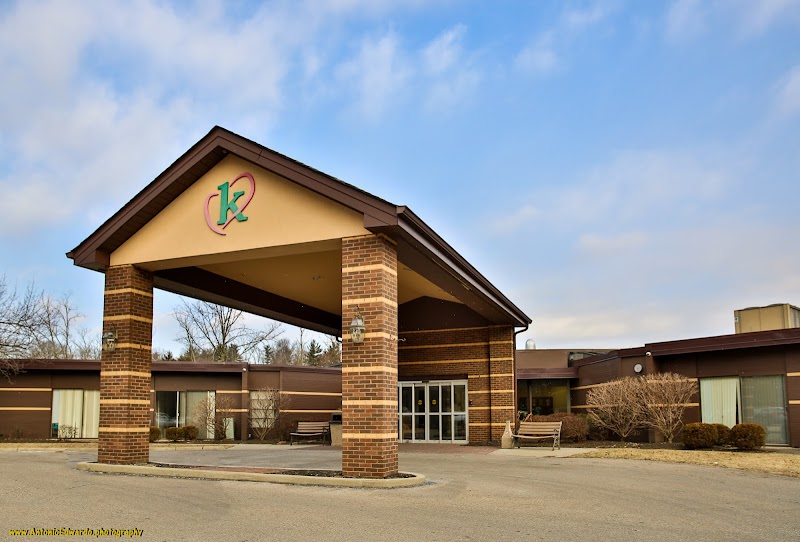
7450 KELLER ROAD, CINCINNATI, OH 45243 (513) 793-2255
For profit - Corporation 132 Beds COMMUNICARE HEALTH Data: November 2025 1 Immediate Jeopardy citation
Trust Grade
33/100
#706 of 913 in OH
Last Inspection: February 2025

Within standard 12-15 month inspection cycle. Federal law requires annual inspections.

Overview

Kenwood Terrace Healthcare Center has received a Trust Grade of F, indicating significant concerns and a poor overall quality of care. It ranks #706 out of 913 nursing facilities in Ohio, placing it in the bottom half statewide and #55 out of 70 in Hamilton County, meaning there are many better options nearby. The facility's performance is worsening, with the number of issues increasing from 8 in 2024 to 9 in 2025. Staffing is a weakness, rated at 1 out of 5 stars, with a turnover rate of 53%, which is on par with the state average but still concerning. There have been critical incidents, such as a staff member roughly handling a resident and causing bruises, as well as failures in food safety practices that could potentially affect all residents. While the facility has not incurred any fines, the serious issues highlighted raise significant red flags for families considering this home for their loved ones.

Trust Score
F
33/100
In Ohio
#706/913
Bottom 23%
Safety Record
High Risk
Review needed
Inspections
Getting Worse
8 → 9 violations
Staff Stability
⚠ Watch
53% turnover. Above average. Higher turnover means staff may not know residents' routines.
Penalties
✓ Good
No fines on record. Clean compliance history, better than most Ohio facilities.
Skilled Nurses
○ Average
Each resident gets 30 minutes of Registered Nurse (RN) attention daily — about average for Ohio. RNs are the most trained staff who monitor for health changes.
Violations
⚠ Watch
52 deficiencies on record. Higher than average. Multiple issues found across inspections.
★★☆☆☆
2.0
Overall Rating
★☆☆☆☆
1.0
Staff Levels
★★★★★
5.0
Care Quality
★★☆☆☆
2.0
Inspection Score
Stable
2024: 8 issues
2025: 9 issues

The Good

  • 5-Star Quality Measures · Strong clinical quality outcomes
  • Full Sprinkler Coverage · Fire safety systems throughout facility
  • No fines on record

Facility shows strength in quality measures, fire safety.

The Bad

2-Star Overall Rating

Below Ohio average (3.2)

Below average - review inspection findings carefully

Staff Turnover: 53%

Near Ohio avg (46%)

Higher turnover may affect care consistency

Chain: COMMUNICARE HEALTH

Part of a multi-facility chain

Ask about local staffing decisions and management

The Ugly 52 deficiencies on record

1 life-threatening 1 actual harm
Jun 2025 1 deficiency
CONCERN (E) 📢 Someone Reported This

A family member, employee, or ombudsman was alarmed enough to file a formal complaint

Potential for Harm - no one hurt, but risky conditions existed

Safe Environment (Tag F0921)

Could have caused harm · This affected multiple residents

**NOTE- TERMS IN BRACKETS HAVE BEEN EDITED TO PROTECT CONFIDENTIALITY** Based on observation, interviews, and review of facility water temperatures, the facility failed to maintain a comfortable hot w...

Read full inspector narrative →
**NOTE- TERMS IN BRACKETS HAVE BEEN EDITED TO PROTECT CONFIDENTIALITY** Based on observation, interviews, and review of facility water temperatures, the facility failed to maintain a comfortable hot water supply to ensure a comfortable environment. This affected four (#33, #34, #43 and #52) out of four residents review for hot water temperatures and had the potential to affect 59 (#1, #2, #3, #4, #5, #6, #7, #8, #9, #10, #11, #12, #13, #14, #15, #16, #17, #18, #19, #20, #21, #22, #23, #24, #25, #26, #27, #28, #29, #30, #31, #32, #33, #34, #35, #36, #37, #38, #39, #40, #41, #42, #43, #44, #45, #46, #47, #48, #49, #50, #51, #52, #53, #54, #55, #56, #57, #58 and #59) residents residing on the 100, 200, 300, 400, 500 and part of the 600 hallway. The facility census was 79. Findings include: Observation of random hot water faucet temperatures on 06/20/25 at 9:30 A.M. revealed the following temperatures: empty resident room [ROOM NUMBER] was 95 degrees F (F), empty resident room [ROOM NUMBER] was 97 degrees F, Resident #33 and #34's room was 99 degrees F, Resident #43's room was 102 degrees F, Resident #52's room was 102 degrees F and empty resident room [ROOM NUMBER] was 98 degrees F. All hot water temperatures were taken and verified by the Administrator at the time of the observation. Interview with the Administrator and Director of Nursing (DON) on 06/20/25 at 10:00 A.M. revealed the facility had a problem with hot water temperatures that had affected 59 (#1, #2, #3, #4, #5, #6, #7, #8, #9, #10, #11, #12, #13, #14, #15, #16, #17, #18, #19, #20, #21, #22, #23, #24, #25, #26, #27, #28, #29, #30, #31, #32, #33, #34, #35, #36, #37, #38, #39, #40, #41, #42, #43, #44, #45, #46, #47, #48, #49, #50, #51, #52, #53, #54, #55, #56, #57, #58 and #59) who resided on the the 100, 200, 300, 400, 500, and part of the 600 hall up to room [ROOM NUMBER]. Both stated they were having trouble with the mixing valves and a company had been out on 06/13/25 per the invoice. The Administrator and DON stated there have been resident complaints in the past and not recent. The Administrator and DON confirmed the expectation is that hot water temperatures would be maintained between 105-120 degrees F to ensure they are comfortable and the Administrator verified the affected rooms were not at the appropriate temperature range of 105-120 degrees Fahrenheit per regulations. The Administrator also verified the facility has no record of the water temperature logs for May and June 2025. Review of water temperature logs on 06/20/25 at 10:45 A.M. revealed random water temperature monitoring had not been completed by the maintenance department for the months of May 2025 and June 2025. This deficiency represents non-compliance investigated under Complaint Number OH00166126.
May 2025 1 deficiency
CONCERN (D) 📢 Someone Reported This

A family member, employee, or ombudsman was alarmed enough to file a formal complaint

Potential for Harm - no one hurt, but risky conditions existed

Accident Prevention (Tag F0689)

Could have caused harm · This affected 1 resident

Based on closed medical record review, observations, mechanical lift users manual, and interviews, the facility failed to properly maintain and inspect mechanical lifts to prevent injuries for residen...

Read full inspector narrative →
Based on closed medical record review, observations, mechanical lift users manual, and interviews, the facility failed to properly maintain and inspect mechanical lifts to prevent injuries for residents being transported. This affected one resident (Resident #46) out of four reviewed that required the use of mechanical lifts. The facility census was 78. Findings include: Review of the closed medical record for Resident #46 revealed an admission date of 05/16/24. Diagnoses included cardiomegaly, congestive heart failure, dysphagia, morbid obesity, hypertension, atrial fibrillation, gout, peripheral vascular disease, osteoarthritis, muscle weakness, chronic venous ulcers, low back pain, and cervical stenosis. Review of the quarterly Minimum Data Set (MDS) assessment, dated 04/14/25, revealed the resident had intact cognition. The resident was dependent on staff for bed mobility, transfers, ambulation. Review of physician orders revealed this resident was to be a two-person mechanical lift for all transfers, bathing, and incontinence. Review of the nurses notes dated 04/30/25 at 5:01 P.M. revealed this resident was being transferred by a mechanical lift by two staff when the lift tilted to the right, and the sling bar swung and struck the resident on the forehead. The resident was noted with moderate swelling to his forehead above the nose. The resident voiced no complaints at the time, with all neurological checks being completed with no adverse findings. Review of the nurses notes dated 04/30/25 through 05/10/25 revealed no concerns, complaints, or adverse effects noted from the incident that occurred on 04/30/25. There were no concerns with the ability to properly feed himself. This resident was still able to operate his wheelchair on a daily basis to have lunch with his wife on another hall while he was a resident. Review of progress note dated 05/10/25 revealed Resident #46 had complaints of numbness to bilateral hands and felt like his kidneys were shutting down as this has happened in the past and he knew what it felt like. Review of hospital note dated 05/10/25 revealed Resident #46 was admitted with cervical stenosis, multilevel Degenerative Joint Disease, and central cord syndrome (spinal cord injury). Interview with the Director of Nursing and the Administrator on 05/21/25 at 1:45 P.M. revealed the specific lift that was used on 04/30/25 was an Invacare Reliant 450/600 electric panel lift. Both stated after the incident, it was placed out of service until an inspection had taken place by the Maintenance Director. Both stated that upon inspection, it was determined that a mechanical strut had broken on the lift, which caused the floor legs to fold back in and tilt the lift during the incident. Interviews with Certified Nursing Assistants #585 and #590 on 05/21/25 at 2:10 P.M. revealed Resident #46 was being transferred to his wheelchair on 04/30/25 when the lift suddenly tilted forward and to the right, pinning one of them under it. Both stated that the sling bar had swung back and struck the resident on the forehead. The resident did not complain of anything at the time, only checking to see if they were both alright. No complaints of hand numbness or tingling following this incident. Review of the Invacare Reliant 450/600 battery power mechanical lift Users Manual on 05/21/25 at 11:00 A.M. revealed on page 13, all mechanical parts must be inspected at least every six months to determine any extent of wear and tear. If any metal contacts or parts are visibly worn, it must be replaced immediately before use. Interview with Physician #998 on 05/21/25 at 4:45 P.M. verified he had performed surgery on Resident #46 on 05/14/25. He verified this resident had chronic cervical stenosis, and the accident may have had an impact however, he would have needed surgery eventually regardless. Review of mechanical lift inspections could not be provided by the facility as none had been completed for each lift in service. Interview with Certified Nurse Practitioner #999 on 05/22/25 at 11:05 A.M. revealed she had seen Resident #46 via Telehealth appointment after he had requested to go to the hospital. She verified the resident had stated complaints for flank pain and kidney pain as he knows what that feels like. She then provided staff an order to send the resident to the emergency room per request. Interview with the Administrator and Director of Nursing on 05/22/25 at 12:00 P.M. verified they could not provide any evidence that the mechanical lifts had been properly inspected and routine maintenance was completed. This deficiency represents non-compliance under Complaint Number OH00165705.
Feb 2025 7 deficiencies
CONCERN (D) 📢 Someone Reported This

A family member, employee, or ombudsman was alarmed enough to file a formal complaint

Potential for Harm - no one hurt, but risky conditions existed

Deficiency F0561 (Tag F0561)

Could have caused harm · This affected 1 resident

**NOTE- TERMS IN BRACKETS HAVE BEEN EDITED TO PROTECT CONFIDENTIALITY** Based on medical record review and resident and staff interview, the facility failed to promote and honor a resident's choice fo...

Read full inspector narrative →
**NOTE- TERMS IN BRACKETS HAVE BEEN EDITED TO PROTECT CONFIDENTIALITY** Based on medical record review and resident and staff interview, the facility failed to promote and honor a resident's choice for bathing. This affected one (#21) of two residents reviewed for activities of daily living (ADLs). The facility census was 82. Findings include: Review of Resident #21's medical record revealed the resident was admitted to the facility on [DATE]. Diagnoses included hemiplegia and hemiparesis, thrombocytopenia purpura, chronic kidney disease stage II, hypertension, chronic pain syndrome, osteoarthritis, diverticulosis, gastro-esophageal reflux, vascular dementia, hyperlipidemia, and visual disturbance. Review of Resident #21's admission Minimum Data Set (MDS) assessment dated [DATE] and the annual MDS assessment dated [DATE] revealed the choice of bathing options was very important to the resident. Review of the most recent MDS assessment dated [DATE] revealed Resident #21 was cognitively intact. Review of Resident #21's shower sheets for December 2024, January 2025, and February 2025 revealed the resident received only four showers between 12/-6/24 and February 2025. Further review revealed the resident received bed baths 13 times in that same time period, and three shower sheets dated 01/03/25, 01/20/25, and 01/17/25 were not completed and did not identify what type of bathing was provided. Review of a social services note dated 01/02/25 at 12:28 P.M. revealed Social Worker (SW) #125 and the Executive Director (ED) met with Resident #21 to discuss the shower schedule and any other concerns SW #125 and the ED encouraged the resident to use the appropriate pathways if she did not feel she was getting the care she needed which started by letting the nursing staff know and then calling the front desk to get in contact with the Director of Nursing (DON), the ED or social worker at the time of need so Resident #21 was ensured to get the care requested. Interview with Resident #21 on 02/10/25 at 8:37 P.M. revealed she has not received regular baths or showers. Resident #21 revealed she wanted to consistently receive showers two times weekly. Resident #21 revealed staff gave her bed baths despite her requests for showers. Follow up interview with Resident #21 on 02/12/25 at 10:37 A.M. confirmed she rarely received showers and was mostly given bed baths. Resident #21 stated her bathing days are on Tuesday and Saturday and verified she preferred getting showers over bed baths because she does not feel they get her clean enough. Interview with Certified Nurse Aide (CNA) #532 on 02/12/25 at 9:18 A.M. confirmed Resident #21 received showers on occasion but mostly received bed baths. This deficiency represents non-compliance investigated under Complaint Number OH00161944.
CONCERN (D)

Potential for Harm - no one hurt, but risky conditions existed

MDS Data Transmission (Tag F0640)

Could have caused harm · This affected 1 resident

**NOTE- TERMS IN BRACKETS HAVE BEEN EDITED TO PROTECT CONFIDENTIALITY** Based on medical record review and staff interview, the facility failed to complete discharge Minimum Data Set (MDS) assessments...

Read full inspector narrative →
**NOTE- TERMS IN BRACKETS HAVE BEEN EDITED TO PROTECT CONFIDENTIALITY** Based on medical record review and staff interview, the facility failed to complete discharge Minimum Data Set (MDS) assessments in a timely manner. This affected two (#63 and #82) of three residents reviewed for resident assessments. The facility census was 82. Findings include: 1. Review of Resident #63's medical record revealed the resident was admitted to the facility on [DATE] and discharged to home on [DATE]. Diagnoses included chronic obstructive pulmonary disease, urinary tract infections, malignant neoplasm of the larynx, pulmonary insufficiency, acute kidney failure, protein-calorie malnutrition, gastronomy, adult failure to thrive, dysphagia, and muscle weakness. Review of the quarterly Minimum Data Set (MDS) assessment dated [DATE] revealed Resident #63 had intact cognition with no behavior symptoms. Review of the medical record revealed Resident #63 discharged from the facility on 10/09/24 to home with proper discharge. Further review revealed a discharge MDS assessment was not completed and was overdue. 2. Review of Resident #82's medical record revealed the resident was admitted to the facility on [DATE] and discharged to home on [DATE]. Diagnoses included spinal fusion, bacteremia, thyroid disorder, sleep apnea, dysphagia, hypoxemia, gastronomy, muscle weakness, gastro-esophageal reflux disease, and cognitive communication deficit. Review of the quarterly MDS assessment dated [DATE] revealed Resident #82 had intact cognition with no behavior symptoms. Review of the medical record revealed Resident #82 discharged from the facility on 10/23/24 to home with proper discharge. Further review revealed a discharge MDS assessment was not completed and was overdue. Interview with MDS Nurse #495 on 02/12/25 at 11:30 A.M. verified discharge MDS assessments were not completed timely for Resident #63 and Resident #82.
CONCERN (D)

Potential for Harm - no one hurt, but risky conditions existed

Deficiency F0657 (Tag F0657)

Could have caused harm · This affected 1 resident

**NOTE- TERMS IN BRACKETS HAVE BEEN EDITED TO PROTECT CONFIDENTIALITY** Based on medical record review, resident and staff interviews, and policy review, the facility failed to ensure care conferences...

Read full inspector narrative →
**NOTE- TERMS IN BRACKETS HAVE BEEN EDITED TO PROTECT CONFIDENTIALITY** Based on medical record review, resident and staff interviews, and policy review, the facility failed to ensure care conferences were held as required for residents and their representatives. This affected two (#12 and #38) of three residents reviewed for care conferences. The facility census was 82. Findings include: 1. Review of the medical record revealed Resident #12 was admitted to the facility on [DATE] with diagnoses of end stage renal disease (ESRD) with dependence on hemodialysis, diabetes mellitus type II, cerebrovascular accident (CVA) with left (dominate) side hemiplegia/hemiparesis, congestive heart failure (CHF), and dysphagia. Review of the quarterly Minimum Data Set (MDS) assessment dated [DATE] revealed Resident #12 had no cognitive impairment and was frequently incontinent of bowel and bladder. The resident required set up assistance for eating, maximal assistance for oral hygiene and bed mobility, and was dependent for personal hygiene, toileting, bathing, dressing and transfers. Review of the documentation provided by the Regional Director of Clinical Operations #3030 revealed Resident #12 or her representative were offered care conferences in the third quarter (July, August, and September) and attended on 08/23/24. There was no documented evidence that a care conference was offered or completed with the resident/representative for the second quarter (April, May or June) or fourth quarter (October, November or December) of 2024. Interview on 02/13/25 at 8:30 A.M. with Resident #12 revealed no knowledge of the facility discussing her care with her at any time. Interview on 02/13/25 at 9:55 A.M. with RDCO #3030 verified the facility had no documentation that a care conference was conducted with Resident #12 or her representative during the second quarter (April, May, or June) and fourth quarter (October, November, or December) of 2024. 2. Review of the medical record revealed Resident #38 was admitted to the facility on [DATE] with diagnoses of chronic obstructive pulmonary disease (COPD), hypertensive heart and chronic kidney disease, atrial fibrillation, diabetes mellitus type II, obstructive and reflux uropathy, and metabolic encephalopathy. Review of the annual MDS assessment dated [DATE] revealed Resident #38 had moderate cognitive impairment, had an indwelling urinary catheter, and was always incontinent of bowel. The resident was dependent for eating, oral and personal hygiene, toileting, bathing, dressing, bed mobility, and transfers. Review of the documentation provided by the RDCO #3030 revealed Resident #38 or his representative were offered care conferences in the third (July, August, and September) and fourth (October, November, and December) quarters of 2024 and attended on 09/18/24 and 12/18/24. There was no documented evidence that a care conference was offered or completed with the resident or the resident's representative for the first quarter (January, February, or March) and second quarter (March, April, or May) of 2024. Interview on 02/13/25 at 9:55 A.M. with RDCO #3030 verified the facility had no documentation that a care conference was conducted with Resident #38 or his representative during the first quarter (January, February, or March) and second quarter (April, May, or June) of 2024. Review of the undated policy titled, Plan of Care Overview, revealed residents/representatives will be informed of their Plan of Care (POC) in the most understandable manner possible. Residents/representatives will be offered opportunities to voice their view. The facility will review care plans quarterly and/or with significant changes in care and will support the residents right to participate in treatment and care planning. Care plan documents will be maintained in electronic form or paper form and attendees will sign and date care plan meeting agendas/documents.
CONCERN (D)

Potential for Harm - no one hurt, but risky conditions existed

Medication Errors (Tag F0758)

Could have caused harm · This affected 1 resident

**NOTE- TERMS IN BRACKETS HAVE BEEN EDITED TO PROTECT CONFIDENTIALITY** Based on medical record review and staff interviews, the facility failed to ensure residents were administered antipsychotic med...

Read full inspector narrative →
**NOTE- TERMS IN BRACKETS HAVE BEEN EDITED TO PROTECT CONFIDENTIALITY** Based on medical record review and staff interviews, the facility failed to ensure residents were administered antipsychotic medications for appropriate indications. This affected two (#84 and #241) of the five residents reviewed for unnecessary medications. The facility census was 82. Findings include: 1. Record review for Resident #241 revealed the resident was admitted to the facility on [DATE] and had diagnoses which included end stage renal disease, gout, and anemia. There were no diagnoses with indications for use of an antipsychotic medication in the medical record. Review of the quarterly Minimum Data Set (MDS) assessment, dated 11/06/24, revealed Resident #241 was assessed to have intact cognition. Review of the active physicians order dated 01/27/25 revealed Resident #241 was to be administered 25 milligrams (mg) of Seroquel (an antipsychotic medication) once a day in the mornings. There were no indication for the use of the medication present. Interview with Divisional Director of Clinical Operations (DDCO) #850 on 02/13/25 at 10:49 A.M. confirmed Resident #241 received Seroquel without adequate indications for use. 2. Review of the medical record revealed Resident #84 was admitted to the facility on [DATE] with diagnoses of Alzheimer's dementia, cerebrovascular accident (CVA) with right (dominant) side hemiplegia/hemiparesis, and diabetes mellitus type II. Review of the MDS admission assessment dated [DATE] revealed Resident #84 had severe cognitive impairment and was frequently incontinent of bowel and bladder. Review of physician orders revealed an order dated 11/30/24 for Resident #84 to be administered the antipsychotic olanzapine five (5) mg with instructions to give one tablet by mouth at bedtime for insomnia. Review of the medication administration record (MAR) for December 2024, January 2025, and February 2025 revealed Resident #84 was administered olanzapine 5 mg as ordered. Interview on 02/13/25 at 12:15 P.M. with the Director of Nursing verified Resident #84 did not have an appropriate diagnosis indicated for use of olanzapine.
CONCERN (D)

Potential for Harm - no one hurt, but risky conditions existed

Deficiency F0773 (Tag F0773)

Could have caused harm · This affected 1 resident

Based on medical record review, staff interview, review of a facility policy, the facility failed to a physician was notified promptly of a critical laboratory value. This affected one (#16) of three ...

Read full inspector narrative →
Based on medical record review, staff interview, review of a facility policy, the facility failed to a physician was notified promptly of a critical laboratory value. This affected one (#16) of three residents reviewed for change in condition. The facility census was 82. Findings include: Review of Resident #16's medical record revealed an admission date of 03/22/23 with diagnoses of diabetes mellitus type II with diabetic polyneuropathy, chronic obstructive pulmonary disease (acute) with lower respiratory infection, and muscle weakness (generalized). Review of the admission Minimum Data Set (MDS) assessment, dated 11/04/2024, revealed Resident #16 had moderate impairment in cognition. Review of a Telehealth notification note dated 07/15/24 (6:00 P.M.) revealed Resident #16 felt lightheaded and dizzy after going out to smoke. The resident's vital signs and blood sugar were checked at that time. Orders were placed to obtain a complete blood count (CBC) and comprehensive metabolic panel (CMP) laboratory work. The laboratory work was completed on 07/16/24 at 7:46 A.M. and results were reported on 07/16/24 at 6:22 P.M. Review of Resident #16's laboratory results revealed the resident had a critically low blood sugar level. Review of the progress note date 07/17/24 at 12:21 P.M. revealed the Medical Director was notified of Resident #16's critical laboratory results from 07/16/24. A new order was received for the resident to have fasting blood sugar checked every morning at 6:00 A.M. and at bedtime. Further review of Resident #16's medical record revealed no evidence of a physician being notified of the critically low blood sugar level on 07/26/24 at 6:22 P.M. until the Medical Director was notified on 07/24/24 at 12:21 P.M. Interview with the Director of Nursing (DON) on 02/12/25 at 3:15 P.M. verified there was no documentation of a physician being promptly notified of Resident #16's critical laboratory value on 07/16/24. Review of the undated facility policy titled, Critical Laboratory Value Management, revealed when critical values are obtained in any method, the nurse will place a call to the ordering physician and will document the time, the number called, and to whom a message was given. The resident/representative will also be contacted for changes in condition, if applicable.
CONCERN (D)

Potential for Harm - no one hurt, but risky conditions existed

Deficiency F0790 (Tag F0790)

Could have caused harm · This affected 1 resident

**NOTE- TERMS IN BRACKETS HAVE BEEN EDITED TO PROTECT CONFIDENTIALITY** Based on observation, resident and staff interview, and medical record review, the facility failed to ensure residents were prov...

Read full inspector narrative →
**NOTE- TERMS IN BRACKETS HAVE BEEN EDITED TO PROTECT CONFIDENTIALITY** Based on observation, resident and staff interview, and medical record review, the facility failed to ensure residents were provided with prompt and appropriate dental services upon the discovery of a resident with missing dentures. This affected one (#62) of six residents reviewed for personal property. The facility census was 82. Findings include: Review of Resident #62's medical record revealed the resident was admitted to the facility on [DATE]. Diagnoses included schizoaffective bipolar disorder, depression, dysphagia, extrapyramidal and movement disorder, cognitive communication disorder, difficult ambulation, muscle weakness, dementia, gastro-esophageal reflux disease, and hyperlipidemia. Review of the quarterly Minimum Data Set (MDS) assessment dated [DATE] revealed Resident #62 had minimal cognitive impairments with no behavior symptoms. Review of Resident #62's medical record contained no item inventory list upon admission to determine if the resident had full set of dentures upon arrival to the facility. Review of dental notes revealed Resident #62 was last seen by a dental provider on 10/22/24 as a follow up. Further review revealed the dental assessments provided no proposed treatment for missing lower dentures. Review of dietary progress notes documented on 12/20/24 at 1:54 P.M. revealed Resident #62 reported occasional difficulty chewing tough or hard foods due to long-term absence of bottom dentures. Further review of Resident #62's medical record revealed no document evidence of the facility arranging for dental services at least as far back as 12/20/24 when it was revealed in the dietary progress notes the resident reported absence of bottom dentures to staff. Interview and observation with Resident #62 on 02/10/25 at 7:49 P.M. revealed the resident had missing bottom dentures and was only wearing top dentures. The resident did not know what happened to the bottom dentures and could not rule out someone taking them. Follow up interview and observation of Resident #62 on 02/13/25 at 10:39 A.M. revealed she was admitted to the facility with both upper and lower dentures and could not remember when the dentures went missing but staff were unable to find them. Resident #62 further denied pain or weight loss as a result of the missing dentures. Observation of Resident #62 at that time revealed the resident did not have bottom dentures. Interview with Regional Director of Clinical Services #3030 on 02/13/25 at 9:45 A.M. verified the facility could not provide any further documentation in regards to Resident #62 having missing dentures or arranging for dental services once staff were informed the dentures were missing.
CONCERN (F)

Potential for Harm - no one hurt, but risky conditions existed

Food Safety (Tag F0812)

Could have caused harm · This affected most or all residents

Based on observation, staff interview, and review of the facility policy, the facility failed to ensure food was stored in a safe manner and failed to ensure kitchen equipment was kept in a clean and ...

Read full inspector narrative →
Based on observation, staff interview, and review of the facility policy, the facility failed to ensure food was stored in a safe manner and failed to ensure kitchen equipment was kept in a clean and sanitary manner. This had the potential to affect all 82 residents residing in the facility. The facility census was 82. Findings include: Observation on 02/10/25 at 6:45 P.M. of the facility kitchen revealed the walk-in refrigerator contained marinara sauce and two whipped toppings without expiration dates. The freezer had opened cauliflower without an expiration date. Observation of the pantry revealed open raisin bran, toasted oats, marshmallows, and cornbread without an expiration date. On the spice shelf above the preparation station was a container of oregano with an expiration date of 09/28/23. Observation of the kitchen dry storage area on 02/10/25 at 6:50 P.M. revealed cans of mandarin oranges and pumpkin that were severely dented and placed on the shelf indicated for facility use. Further observation at 7:01 P.M. revealed a large amount of debris with a strong odor in the microwave. Interview on 02/10/25 with Executive Chef (EC) #10 between 6:45 P.M. and 7:01 P.M. confirmed the aforementioned food items were not properly dated, verified the dented cans in dry storage, and confirmed the appearance of the microwave. EC #10 stated dented cans were supposed to go on the bottom shelf to be sent back and not on the shelves to be used and stated the microwave was supposed to be cleaned once a shift. Review of the facility policy titled, Food Preparation-Food Storage, dated 08/20/18, revealed all food should be stored in a sealed container and should be labeled and dated.
Nov 2024 4 deficiencies
CONCERN (D) 📢 Someone Reported This

A family member, employee, or ombudsman was alarmed enough to file a formal complaint

Potential for Harm - no one hurt, but risky conditions existed

Comprehensive Care Plan (Tag F0656)

Could have caused harm · This affected 1 resident

**NOTE- TERMS IN BRACKETS HAVE BEEN EDITED TO PROTECT CONFIDENTIALITY** Based on resident and staff interview, observation, record review, and policy review, the facility failed to develop comprehensi...

Read full inspector narrative →
**NOTE- TERMS IN BRACKETS HAVE BEEN EDITED TO PROTECT CONFIDENTIALITY** Based on resident and staff interview, observation, record review, and policy review, the facility failed to develop comprehensive care plans for pain management to include indwelling medical devices. This affected one (Resident #69) of ten residents reviewed for care plans. The facility census was 87. Findings include: Review of the medical record revealed Resident #69 was admitted to the facility on [DATE]. Diagnoses included type II diabetes mellitus, chronic kidney disease, obesity, and non-pressure chronic ulcer of the let hell and mid-foot. Review of the most recent Minimum Data Set (MDS) 3.0 assessment dated [DATE] revealed Resident #69 was cognitively intact, had no behaviors, did not reject care, and did not wander. Review of the hospitals' After Visit Summary dated 05/21/24 revealed Resident #69 had a Past Surgical History including thoracic laminectomy with paddle lead and rechargeable battery in left hip performed 03/14/22. Review of the care plan dated 05/09/24 revealed Resident #69 had complaints of acute and chronic pain and was at risk for pain. Interventions included administering nonpharmacological interventions for pain, complete pain assessments routinely and as needed, and follow physician orders for complaints of pain. There were no information and instructions on how to care for an implanted spinal cord stimulator Observation on 11/19/24 at 1:02 P.M. revealed Resident #69 had a spinal cord adapter with a blue cord and paddle visible in his room among personal items stored on top of a nightstand located adjacent to the wall in the right corner of the room. During an interview on 11/19/24 at 1:02 P.M., Resident #69 stated he had three separate back surgeries and had an implanted spinal cord stimulator which he recharged with an adapter himself. Due to back pain, he was unable to tolerate lying in bed and was advised by his surgeon to sleep in his recliner chair. Resident #69 stated he had told nursing staff he was unable to tolerate being in the bed and preferred to sleep in the recliner chair. During an interview on 11/19/24 at 3:17 P.M., the Director of Nursing (DON) stated if a resident had a spinal cord stimulator on admission, the facility would contact the provider for instructions on how to care for it. The device would be included in a care plan for implantable devices or pain management. The DON verified Resident #69's care plan did not include information about an implanted spinal cord stimulator. During an interview on 11/19/24 at 3:50 P.M., Licensed Practical Nurse #168 stated she completed the care plans for every resident after admission. LPN #168 stated she reviewed hospital documents provided on admission or researched recent hospital stays if she had access to determine resident care needs. LPN #168 stated she interviewed residents upon admission for mental status and to address mental health needs. LPN #168 verified Resident #168 was not care-planned for a spinal cord stimulator because she was unaware that Resident #168 had it. Review of the undated policy titled Plan of Care Overview revealed the facility provided a resident-centered care plan to meet the psychosocial, physical , and emotional needs and concerns of residents. This deficiency represents noncompliance investigated under Complaint Number OH00159893.
CONCERN (D) 📢 Someone Reported This

A family member, employee, or ombudsman was alarmed enough to file a formal complaint

Potential for Harm - no one hurt, but risky conditions existed

Deficiency F0761 (Tag F0761)

Could have caused harm · This affected 1 resident

Based on observation, staff interview, medical record review, and policy review, the facility failed to ensure medications were stored in appropriate containers in the medication cart. This had the po...

Read full inspector narrative →
Based on observation, staff interview, medical record review, and policy review, the facility failed to ensure medications were stored in appropriate containers in the medication cart. This had the potential to affect three (Residents #59, #61, and #62) of three residents prescribed iron on the 500-Hall. The facility census was 87. Findings include: Review of the medical record revealed Resident #59 had physician orders for ferrous sulfate 325 milligrams (mg) by mouth twice daily with meals for anemia. Review of the medical record revealed Resident #61 had physician orders for ferrous sulfate 325 mg by mouth in the morning with breakfast for anemia. Review of the medical record revealed Resident #62 had physician orders for ferrous sulfate 325 mg by mouth once daily with breakfast for anemia. Observation on 11/18/2024 at 10:17 A.M. revealed the 500-Hall medication cart had an unlabeled plastic medication cup containing multiple green round tablets. During an interview on 11/18/24 at 10:17 A.M., Licensed Practical Nurse (LPN) #162 verified the cup full of green pills she identified as iron were not labeled and were not appropriately stored in the medication cart. Review of the policy titled Storage of Medications dated 08/2020 revealed medications and biologicals were stored safely, securely, and properly according to manufacturer recommendations. This was an incidental finding discovered during the course of the complaint investigation.
CONCERN (D) 📢 Someone Reported This

A family member, employee, or ombudsman was alarmed enough to file a formal complaint

Potential for Harm - no one hurt, but risky conditions existed

Food Safety (Tag F0812)

Could have caused harm · This affected 1 resident

Based on observation, staff interview, and policy review, the facility failed to ensure staff prepared food in a sanitary manner. This affected one (Resident #3) of one resident reviewed during tray l...

Read full inspector narrative →
Based on observation, staff interview, and policy review, the facility failed to ensure staff prepared food in a sanitary manner. This affected one (Resident #3) of one resident reviewed during tray line service. The facility census was 87. Findings include: Observation on 11/18/24 at 12:32 P.M. revealed Dietary Manager #142 touched two hamburger buns with bare hands during lunch meal preparation. During an interview on 11/18/24 at 12:55 P.M., Dietary Manager #142 verified she had used her bare hands to open hamburger buns while preparing Resident #3's lunch tray. Dietary Manager #142 acknowledged she was not supposed to touch food with her bare hands. Review of the policy titled Food Preparation dated 09/2017 revealed all staff used serving utensils appropriately to prevent cross contamination. This was an incidental finding discovered during the course of the complaint investigation.
CONCERN (D) 📢 Someone Reported This

A family member, employee, or ombudsman was alarmed enough to file a formal complaint

Potential for Harm - no one hurt, but risky conditions existed

Infection Control (Tag F0880)

Could have caused harm · This affected 1 resident

**NOTE- TERMS IN BRACKETS HAVE BEEN EDITED TO PROTECT CONFIDENTIALITY** Based on observations, interviews, medical record review, and policy review, the facility failed to implement appropriate infect...

Read full inspector narrative →
**NOTE- TERMS IN BRACKETS HAVE BEEN EDITED TO PROTECT CONFIDENTIALITY** Based on observations, interviews, medical record review, and policy review, the facility failed to implement appropriate infection prevention procedures during medication administration. This affected two (Residents #63 and #79) of five residents reviewed for medication administration. The facility census was 87. Findings include: 1. Review of the medical record revealed Resident #79 was admitted to the facility on [DATE]. Diagnoses included major depressive disorder and mixed hyperlipidemia. Review of the most recent Minimum Data Set (MDS) assessment dated [DATE] revealed the resident had moderately impaired cognition, had no behaviors, did not wander, and did not reject care. Resident #79 had physician's orders for routine morning medications including Amlodipine (treats high blood pressure) 10 milligrams (mg) by mouth once daily and Galantamine (treats dementia) eight mg by mouth once daily. Observation of medication administration on 11/18/24 at 9:36 A.M. revealed while preparing medications for administration, Registered Nurse (RN) #136 popped Resident #79's Amlodipine from the pill card into her bare hand before dropping the pill into the medication cup and picked up Galantamine eight mg with her bare hand and placed it in the medication cup after the pill had dropped onto the top of the medication cart. During an interview on 11/18/24 at 9:48 A.M., RN #136 confirmed she had touched Resident #79's Amlodipine and Galantamine medications with her bare hands. 2. Review of the medical record revealed Resident #63 was admitted to the facility on [DATE]. Diagnoses included chronic diastolic congestive heart failure, major depressive disorder, generalized anxiety disorder, and stage III chronic kidney disease. Review of the most recent Minimum Data Set (MDS) assessment dated [DATE] revealed Resident #63 had severely impaired cognition, had no behaviors, did not wander, and did not reject care. Resident #63 had physician orders for routine morning medications including Namenda (treats Alzheimer's disease) 10 milligrams (mg) by mouth once daily, Zoloft (antidepressant) 100 mg by mouth once daily, Acetaminophen (treats minor pain and aches) 325 mg by mouth three times daily, and Cyanocobalamin (vitamin) 1,000 micrograms (mcg) by mouth once daily. Observation of medication administration on 11/18/24 at 9:59 A.M. revealed while preparing medications for administration, Registered Nurse (RN) #228 popped Resident #63's Namenda 10 mg and Zoloft 100 mg medications from the pill card into her bare hand before dropping the pills into the mediation cup and used bare fingers to fish out Acetaminophen 325 mg and Cyanocobalamin 1,000 mcg pills from house stock bottles. During an interview on 11/18/24 at 10:05 A.M., RN #228 confirmed while preparing Resident #63's morning medications, she had touched multiple medications with her bare hands and stated she did not normally do that. Review of the undated policy titled Medication Administration revealed licensed medical professionals do not touch medication during administration and discard dropped medications. This was an incidental finding discovered during the course of the complaint investigation.
Oct 2024 2 deficiencies
CONCERN (D) 📢 Someone Reported This

A family member, employee, or ombudsman was alarmed enough to file a formal complaint

Potential for Harm - no one hurt, but risky conditions existed

Deficiency F0569 (Tag F0569)

Could have caused harm · This affected 1 resident

**NOTE- TERMS IN BRACKETS HAVE BEEN EDITED TO PROTECT CONFIDENTIALITY** Based on record review, interview, and policy review, the facility failed to notify residents of Medicaid account balances. This...

Read full inspector narrative →
**NOTE- TERMS IN BRACKETS HAVE BEEN EDITED TO PROTECT CONFIDENTIALITY** Based on record review, interview, and policy review, the facility failed to notify residents of Medicaid account balances. This affected three residents (#28, #29 and #61) out of three residents reviewed for notification of Medicaid account balances. The facility census was 94. Findings include: 1. Review of the medical record revealed Resident #28 was admitted on [DATE] with diagnoses of schizoaffective disorder, alcohol use, unspecified psychosis, diabetes mellitus type II and chronic obstructive pulmonary disease. Review of the Minimum Data Set (MDS) quarterly assessment dated [DATE] revealed Resident #28 had intact cognition. Review of the Resident Fund Management Service (RFMS) Trial Balance report dated 10/03/24 revealed Resident #28 had a balance of $27,554.84. The current Supplemental Security Income (SSI) resource limit is $2,000.00. Interview on 10/03/24 at 2:20 P.M. with Resident #28 revealed he had not received a notification letter from the facility of being within $200 of the Social Security Income limit. 2. Review of the medical record revealed Resident #29 was admitted on [DATE] with diagnoses of combined systolic and diastolic congestive heart failure, unspecified dementia and hypertension. Review of the Minimum Data Set (MDS) quarterly assessment dated [DATE] revealed Resident #29 had intact cognition. Review of the Resident Fund Management Service (RFMS) Trial Balance report dated 10/03/24 revealed Resident #29 had a balance of $6,942.67. The current Supplemental Security Income (SSI) resource limit is $2,000.00. Interview on 10/03/24 at 2:30 P.M. with Resident #29 revealed he had not received a notification letter from the facility of being within $200 of the Social Security Income limit. 3. Review of the medical record revealed Resident #61 was admitted on [DATE] with diagnoses of schizoaffective disorder, malignant neoplasm of bladder and depression. Review of the Minimum Data Set (MDS) quarterly assessment dated [DATE] revealed Resident #61 had intact cognition. Review of the Resident Fund Management Service (RFMS) Trial Balance report dated 10/03/24 revealed Resident #61 had a balance of $16,775.66. The current Supplemental Security Income (SSI) resource limit is $2,000.00. Interview on 10/03/24 at 3:58 P.M. with Resident #61 revealed he had not received a notification letter from the facility of being within $200 of the Social Security Income limit. Interview on 10/03/24 at 2:55 P.M. with Business Office Manager (BOM) #1200 confirmed Residents #28, #29 and #61 were over the Supplemental Security Income (SSI) resource limit of $2,000 which could negatively impact their Medicaid eligibility, and that the facility did not make written or verbal notification to them when they were within $200 of being at the Supplemental Security Income (SSI) resource limit. As of 10/03/24, Resident #28's current RFMS balance was $27,554.84, Resident #29's current RFMS balance was $6,942.67 and Resident #61 was $16,775.66. Review of the Resident Trust Fund policy revised 10/19/17 revealed monthly, the facility shall issue a notification letter to any Medicaid resident with a trust fund balance within $200 of the Social Security Income (SSI) limit. This deficiency represents non-compliance investigated under Complaint Number OH00158460.
CONCERN (D) 📢 Someone Reported This

A family member, employee, or ombudsman was alarmed enough to file a formal complaint

Potential for Harm - no one hurt, but risky conditions existed

Grievances (Tag F0585)

Could have caused harm · This affected 1 resident

**NOTE- TERMS IN BRACKETS HAVE BEEN EDITED TO PROTECT CONFIDENTIALITY** Based on record review, interview and policy review, the facility failed to properly investigate grievances and provide a summar...

Read full inspector narrative →
**NOTE- TERMS IN BRACKETS HAVE BEEN EDITED TO PROTECT CONFIDENTIALITY** Based on record review, interview and policy review, the facility failed to properly investigate grievances and provide a summary of the findings to the resident or resident representative. This affected two residents (#55 and #8601) out of three residents reviewed for grievances. The facility census was 94. Findings include: 1. Review of the medical record revealed Resident #55 was admitted on [DATE] with diagnoses of schizoaffective disorder, depression, anxiety, diabetes mellitus type II, morbid obesity, chronic obstructive pulmonary disease and tracheostomy. Review of the Minimum Data Set (MDS) significant change assessment dated [DATE] revealed Resident #55 had moderate cognitive impairment and was always incontinent of bowel and bladder. The resident required set- up assistance with eating and oral hygiene, maximal assistance with bed mobility and was dependent for toileting, bathing, dressing, personal hygiene and transfers. Review of grievances/concerns revealed a concern was initiated on 09/30/24 by Resident #55's family member for care concerns attributed to State Tested Nurse Aide (STNA) #501 to Resident #55 on 09/28/24. Review of the staffing sheet for 09/28/24 revealed LPN #410 and STNA #501 had been assigned to Resident #55. Review of Resident #55's progress notes after this alleged incident did not reveal any behavioral changes in Resident #55. Interview on 10/07/24 at 9:22 A.M. with Resident #55's family member revealed on 09/28/24 Resident #55 allegedly heard STNA #501 telling LPN #410 You have to do something about her (Resident #55's) diarrhea. Phone interview on 10/07/24 at 9:22 A.M. with Resident #55's family member confirmed there is a camera with audio capability in Resident #55's room that is monitored by another family member. Allegedly, on 09/28/24, a STNA identified by the family member as STNA #501, was overheard by Resident #55 telling the nurse You need to do something about all of this diarrhea. The family member of Resident #55 confirmed a grievance/concern was filed with the facility on 09/30/24 and revealed there has been no communication from the facility regarding the investigation, findings and resolution of this concern. 2. Review of the medical record revealed Resident #8601 was admitted on [DATE] with diagnoses of right femur neck fracture, chronic obstructive pulmonary disease and depression. The resident discharged home with home health services on 09/21/24. Review of the Minimum Data Set (MDS) Medicare five-day assessment dated [DATE] revealed Resident #8601 had moderate cognitive impairment and was frequently incontinent of bowel and bladder. The resident required set up assistance for eating, moderate assistance for oral hygiene, maximal assistance for bed mobility and was dependent for toileting, bathing, dressing, personal hygiene and transfers. Review of grievances/concerns revealed a concern was initiated on 09/10/24 by Resident #8601's family member regarding care provided by STNA #500 to Resident #8601 on 09/09/24. Review of the staffing sheet for 09/09/24 revealed STNA #500 had been assigned to Resident #8601. Review of Resident #8601's progress notes after this alleged incident did not reveal any behavioral changes in Resident #8601. Phone interview on 10/07/24 at 9:06 A.M. with Resident #8601's family member revealed according to Resident #8601 an aide told her she should have used the restroom before she got in bed. The family member of Resident #8601 confirmed a concern was initiated on 09/10/24 and the family member requested a copy of the report and was told by the Administrator these go only to the State. The family member of Resident #8601 stated the results of the investigation were never provided. Interview on 10/07/24 at 1:18 P.M. with the Executive Director confirmed the facility failed, upon receiving a grievance/concern,to investigate the concern, complete a comprehensive written concern decision, inform the resident or the individual of the concern resolution and provide a written concern decision upon request. Review of the Resident Grievances policy and standard procedures reviewed 02/20/24 revealed upon receipt of an oral, written or anonymous grievance by a resident or another individual involved in resident care, the Grievance Official will take immediate action to prevent further violations of any resident right while the alleged violation is being investigated; will complete a timely investigation of the resident's grievance; will complete a written grievance decision that includes the date the grievance was received, a summary statement of the grievance, the steps taken to investigate the grievance, a summary of the pertinent findings or conclusions regarding the concerns, a statement as to whether the grievance was confirmed or not confirmed, any corrective action and the date the decision was issued. The Grievance Official will meet with the resident and inform the resident of the results of the investigation and how the resident's grievance was resolved or will be resolved. A copy of the written grievance decision will be provided to the resident or the individual reporting the grievance, upon request. This deficiency represents non-compliance investigated under Complaint Number OH00158349.
Jul 2024 1 deficiency
CONCERN (D) 📢 Someone Reported This

A family member, employee, or ombudsman was alarmed enough to file a formal complaint

Potential for Harm - no one hurt, but risky conditions existed

Deficiency F0761 (Tag F0761)

Could have caused harm · This affected 1 resident

**NOTE- TERMS IN BRACKETS HAVE BEEN EDITED TO PROTECT CONFIDENTIALITY** Based on medical record review, observations, interviews and policy review, the facility failed to ensure medications were secur...

Read full inspector narrative →
**NOTE- TERMS IN BRACKETS HAVE BEEN EDITED TO PROTECT CONFIDENTIALITY** Based on medical record review, observations, interviews and policy review, the facility failed to ensure medications were securely stored. This affected three (#56, #24 and #54) residents of three reviewed for medication storage. The facility census was 86. Findings include: Medical record review for Resident #56 revealed an admission date of 06/01/23 with diagnoses including but not limited to schizoaffective disorder, major depression, personality and behavioral disorder due to known physiological condition. Review of the quarterly MDS dated [DATE] revealed an intact cognition. Resident #56 requires supervision for eating, toileting, bed mobility and transfers. Review of the plan of care for Resident #56 dated 12/08/22 revealed resident uses psychotropic medication for diagnoses of schizophrenia. Interventions include aims testing, pharmacy consults, monitoring of adverse side effects, and consistent daily routines when possible. Review of the active physician orders for Resident #56 for July 2024 revealed an order dated 03/22/24 for Fluticasone Propionate (corticosteriod) 50 micrograms (mcg) suspension one spray in each nostril for allergies. Observation on 07/02/24 at 2:57 P.M. of unsecured pharmacy labeled Fluticasone Propionate in Resident #56 room sitting on his dresser. Interview on 07/02/24 at 2:59 P.M. with Licensed Practical Nurse (LPN) #301 verified the observation of the bottle of Fluticasone Propionate in Resident #56 room, stating that it should not have been left in the room. 2. Medical record review for Resident #24 revealed an admission on [DATE] with diagnoses including but not limited to hemiplegia, affecting left dominate side, hemiplegia and hemiparesis following a cerebral infarction, diabetes type two, acute kidney failure and bipolar disorder, wernicke's encephalopathy and anxiety. Review of the quarterly MDS assessment for Resident #24 dated 05/03/24 revealed resident had intact cognition. Resident #24 was independent with eating. Resident #24 required supervision for bed mobility, transfers and toileting. Review of the plan of care for Resident #24 revealed resident has history of Cerebral Vascular Accident (CVA) left side weakness limited range of motion in left hand with complaint of pain and hemiplegia. Interventions included administer medications as ordered, observe for adverse side effects and effectiveness. Review of the physician orders for the Month of July 2024 for Resident #24 did not include orders for Gabapentin (anticonvulsant) or Hydroxyzine (antihistamine). Observation on 07/02/24 at 1:57 P.M. of three medication bottles (one Gabapentin bottle and two Hydroxyzine bottles) all with medication capsules/tablets visible sitting on the dresser in Resident #24's room with prescriptions dated 03/28/24. Interview on 07/02/24 at 1:57 P.M. with Resident #24 stated his psychologist prescribes the medication for him (Gabapentin 600 milligrams and Hydroxyzine (antihistamines) daily and he keeps them in his room so he can take them when he needs them. Interview on 07/02/24 at 2:04 P.M. with the Director of Nursing (DON) verified Resident #24 should not have any prescription medications in his room and did not have any order in the medical record for the prescribed medication. 3. Review of the medical record for Resident #54 revealed an admission on [DATE] with diagnoses including but not limited to disorders of the vein, non pressure chronic ulcer of right ankle with unspecified severity. Review of the comprehensive MDS dated [DATE] for Resident #54 revealed an intact cognition. Resident #54 required set up assistance for eating, supervision for bed mobility and toileting. Resident #54 required moderate assistance for transfers. Resident #54 was coded with five venous ulcers. Review of the plan of care dated 05/16/24 for Resident #54 revealed resident had impaired skin integrity and at risk for pressure ulcer development related to weakness, fatigue, venous insufficiency, obesity and lymphoid. Resident #54 has current skin impairments on the left inner foot, left heel, right lower leg, right great toe and right ankle. Interventions include administer treatments as ordered by medical provider, complete skin at risk assessment as ordered, weekly skin checks and encourage resident to turn and reposition or assist as needed as resident allows Review of the active physicians order for Resident #54 revealed an order dated 06/18/24 for left inner foot, cleanse with normal saline, apply betadine to base of wound, secure with rolled gauze and ace bandage change daily. Observation on 07/02/24 at 3:30 P.M. of Resident #54's in room sink revealed a large bottle of betadine unsecured with a warning label to notify poison control if ingested. Interview on 07/02/24 at 3:42 P.M. with Registered Nurse (RN) #302 verified the bottle should have not been left in the residents room. Review of the facility policy titled Storage of Medications, dated 09/2018 stated medications and biologicals are stored safety, securely and properly. Additionally stated medication supply is accessible only to licensed nursing personnel, pharmacy personnel or staff members lawfully authorized to administer medications.
Mar 2024 1 deficiency
CONCERN (D) 📢 Someone Reported This

A family member, employee, or ombudsman was alarmed enough to file a formal complaint

Potential for Harm - no one hurt, but risky conditions existed

Deficiency F0806 (Tag F0806)

Could have caused harm · This affected 1 resident

**NOTE- TERMS IN BRACKETS HAVE BEEN EDITED TO PROTECT CONFIDENTIALITY** Based on record review, observation, and staff interviews, the facility failed to accommodate resident food preferences. This af...

Read full inspector narrative →
**NOTE- TERMS IN BRACKETS HAVE BEEN EDITED TO PROTECT CONFIDENTIALITY** Based on record review, observation, and staff interviews, the facility failed to accommodate resident food preferences. This affected one (#30) out of three residents reviewed for food preferences. The census was 89. Findings include: Review of the medical record for Resident #30 revealed he was admitted to the facility on [DATE]. Diagnoses included mild persistent asthma with acute exacerbation, congestive heart failure, hypertension, chronic viral hepatitis c, acute respiratory failure with hypoxia, gout, type two diabetes mellitus with other specified complication, hypokalemia, vitamin d deficiency, hypertensive urgency, chronic pain syndrome, major depressive disorder, and generalized anxiety disorder. Review of the quarterly Minimum Data Set (MDS) 3.0 assessment, dated 02/20/24, revealed Resident #30 had intact cognition evidenced by a Brief Interview for Mental Status (BIMS) score of 15. This resident was assessed to require setup assistance for eating and oral hygiene, and moderate assistance for toileting, bathing, dressing, personal hygiene, bed mobility, and transfer. Review of the facility assessment titled Diet History/Food Preferences, dated 01/29/24, revealed Resident #30 disliked peas. Observation on 03/06/24 at 12:26 P.M. of Resident #30's lunch revealed he was served meatloaf, cheesy potatoes, and peas. Interview on 03/06/24 at 12:29 P.M. with Registered Nurse (RN) #206 confirmed Resident #30 was served peas. Interview on 03/06/24 at 5:00 P.M. with the Director of Nursing (DON) confirmed the dietary assessment indicated Resident #30 disliked peas. This deficiency represents non-compliance investigated under Complaint Number OH00151191.
Dec 2023 2 deficiencies
CONCERN (D) 📢 Someone Reported This

A family member, employee, or ombudsman was alarmed enough to file a formal complaint

Potential for Harm - no one hurt, but risky conditions existed

Quality of Care (Tag F0684)

Could have caused harm · This affected 1 resident

**NOTE- TERMS IN BRACKETS HAVE BEEN EDITED TO PROTECT CONFIDENTIALITY** Based on medical record review, staff and resident interview, and policy review, the facility failed to ensure physician orders ...

Read full inspector narrative →
**NOTE- TERMS IN BRACKETS HAVE BEEN EDITED TO PROTECT CONFIDENTIALITY** Based on medical record review, staff and resident interview, and policy review, the facility failed to ensure physician orders were followed correctly. This affected one (#17) out of three residents reviewed for medications. The facility census was 100. Findings included: Review of the medical record for Resident #17 revealed an admission date of 05/19/23. Diagnoses included cerebrovascular attack (CVA/stroke) with hemiplegia affecting left dominant side, renal insufficiency, and non-Alzheimer's dementia. Review of the quarterly Minimum Data Set (MDS) assessment dated [DATE] for Resident #17, revealed the resident was cognitively intact. Her functional status was impairment of her upper and lower extremities, and she was independent for activities of daily living (ADLs). Review of the physician's orders dated 10/13/23 for Resident #17 revealed the resident ordered to have Metro Vaginal Gel one tube applied intravaginally at bedtime for bacterial vaginitis times six days. Review of the Medication Administration Records (MARs) dated 10/13/23, 10/14/23, and 10/15/23 which had a number 9' indicating to see the nurse's progress notes. Review of the nurse's progress notes for Resident #17 revealed no documented evidence resident received her Metro Vaginal Gel on 10/13/23, 10/14/23 and 10/15/23. Interview with Resident #17 on 12/06/23 at 9:11 A.M., revealed the Metro Vaginal Gel was not administered to her as ordered for the six days. Interview with the Director of Nursing (DON) on 12/06/23 at 3:30 P.M., confirmed the staff were late in giving Metro Vaginal Gel to Resident #17 and verified it was not given as ordered. This deficiency represents non-compliance investigated under Complaint Number OH00147673.
CONCERN (D) 📢 Someone Reported This

A family member, employee, or ombudsman was alarmed enough to file a formal complaint

Potential for Harm - no one hurt, but risky conditions existed

Pharmacy Services (Tag F0755)

Could have caused harm · This affected 1 resident

**NOTE- TERMS IN BRACKETS HAVE BEEN EDITED TO PROTECT CONFIDENTIALITY** Based on medical record review and staff and resident interviews, the facility failed to ensure their pharmacy services provided...

Read full inspector narrative →
**NOTE- TERMS IN BRACKETS HAVE BEEN EDITED TO PROTECT CONFIDENTIALITY** Based on medical record review and staff and resident interviews, the facility failed to ensure their pharmacy services provided resident's medication in a timely manner. This affected one (#17) out of three residents reviewed for medication administration. The census was 100. Findings included: Review of the medical record for Resident #17 revealed an admission date of 05/19/23. Diagnoses included cerebrovascular attack (CVA/stroke) with hemiplegia affecting left dominant side, renal insufficiency, and non-Alzheimer's dementia. Review of the quarterly Minimum Data Set (MDS) assessment dated [DATE] for Resident #17, revealed the resident was cognitively intact. Her functional status was impairment of her upper and lower extremities, and she was independent for activities of daily living (ADLs). Review of the physician's orders dated 10/13/23 for Resident #17 revealed the resident ordered to have Metro Vaginal Gel one tube applied intravaginally at bedtime for bacterial vaginitis times six days. Review of the Medication Administration Records (MARs) dated 10/13/23, 10/14/23, and 10/15/23 which had a number 9' indicating to see the nurse's progress notes. Review of the nurse's progress notes dated 10/13/23, 10/15/23 and 10/16/23 for Resident #17, revealed the nurses called the pharmacy to let them know the facility was waiting for Metro Vaginal Gel to be delivered to the facility. Interview with Resident #17 on 12/06/23 at 9:11 A.M. revealed the Metro Vaginal Gel was late getting to the facility from the pharmacy and missed doses. Interview with the Director of Nursing (DON) on 12/06/23 at 3:30 P.M. confirmed the pharmacy was late in filling the order for Resident #17's Metro Vaginal Gel. This deficiency represents non-compliance investigated under Complaint Number OH00147673.
Oct 2023 5 deficiencies
CONCERN (D) 📢 Someone Reported This

A family member, employee, or ombudsman was alarmed enough to file a formal complaint

Potential for Harm - no one hurt, but risky conditions existed

ADL Care (Tag F0677)

Could have caused harm · This affected 1 resident

Based on record review, resident and staff interviews, the facility failed to ensure residents who were unable to carry out activities of daily living, received the necessary services to perform them ...

Read full inspector narrative →
Based on record review, resident and staff interviews, the facility failed to ensure residents who were unable to carry out activities of daily living, received the necessary services to perform them when Resident #4 did not receive showers twice a week. This affected one (Resident #4) of three residents reviewed for showers. The facility census was 86. Findings include: Record review of Resident #4 revealed an admission date of 05/19/23 with pertinent diagnoses of: hemiplegia, muscle weakness, need for assistance with personal care, history of malignant neoplasm of kidney, hypertension, chronic kidney disease stage three, chronic pain syndrome, osteoarthritis of left and right knee, pan due to internal orthopedic prosthetic devices, visual disturbance, hyperlipidemia, vascular dementia, acquired absence of kidney, pulmonary embolism, diverticulosis of the large intestine, and gastroesophagel reflux disease. Review of the 07/18/23 quarterly Minimum Data Set (MDS) assessment revealed the resident was cognitively intact and required total dependence for transfer, toilet use, and bathing. The resident required extensive assistance for personal hygiene, eating, dressing, and bed mobility. The resident was always incontinent of bowel and bladder and uses a wheelchair to aid in mobility. Interview with Resident #4 on 10/16/23 at 5:25 P.M. revealed she has not been receiving showers twice a week like she is suppose to. Review of Resident #4 shower logs on 10/23/23 at 12:00 P.M. revealed there was no documented showers on 08/08/23, 08/11/23, 08/15/23, 09/01/23, 09/05/23, 09/08/23, 09/15/23, 09/19/23, 09/22/23, 09/26/29, and 10/06/23, and 10/10/23. Interview with the Director of Nursing (DON) on 10/23/23 at 12:03 P.M. verified there was no documented showers for Resident #4 on 08/08/23, 08/11/23, 08/15/23, 09/01/23, 09/05/23, 09/08/23, 09/15/23, 09/19/23, 09/22/23, 09/26/29, and 10/06/23, and 10/10/23. Interview with the DON on 10/23/23 at 12:05 P.M. revealed that Resident #4 should get two showers every week. This deficiency represents non-compliance investigated under Complaint Number OH00146330.
CONCERN (D) 📢 Someone Reported This

A family member, employee, or ombudsman was alarmed enough to file a formal complaint

Potential for Harm - no one hurt, but risky conditions existed

Unnecessary Medications (Tag F0759)

Could have caused harm · This affected 1 resident

Based on observation, staff interview, and record review the facility failed to ensure med error rate was less than 5% when Resident #55 and Resident #53 did not receive their medications as ordered. ...

Read full inspector narrative →
Based on observation, staff interview, and record review the facility failed to ensure med error rate was less than 5% when Resident #55 and Resident #53 did not receive their medications as ordered. This affected two (Resident #53, and #55) of four residents reviewed for medication administration. There was 29 opportunities for error with five errors for a 17.24% error rate. The facility census was 86. Findings include: 1. Record review of Resident #53 revealed an admission date of 07/08/21 with pertinent diagnoses of: unstable angina, chronic obstructive pulmonary disease, type two diabetes mellitus, chronic kidney disease, depression, hypertension, and heart failure. Review of a physicians order dated 10/03/23 revealed dapagliflozin propanediol tablet 10 milligram (mg)s give 10 mg by mouth in the morning for diabetes. Observation of a medication pass for Resident #53 on 10/19/23 at 9:30 A.M. revealed Licensed Practical Nurse (LPN) #10 passing medications including amlodipine 10 mgs, aspirin 81 milligrams, coreg 25 mgs, eliquis 5 mgs, lasix 20 mgs, pantoprazole 40 mgs, pravastatin 20 mgs, zoloft 50 mgs, and flomax 0.4 mgs. LPN #10 did not administer dapagliflozin propanediol tablet 10 mgs a medication for type two diabetes. Interview with LPN #10 on 10/19/23 at 10:17 A.M. verified she did not administer dapagliflozin propanediol tablet 10 mgs to Resident #53. 2. Record review of Resident #55 revealed an admission date of 04/11/23 with pertinent diagnoses of: congestive heart failure, overactive bladder, acute kidney failure, dementia, polyneuropathy, hypertension, and iron deficiency anemia. Review of a Physician Order on 10/19/23 revealed orders for aspirin chewable 81 mg give 81 mg by mouth in the morning for preventative dated 10/05/23, cholecalciferol 25 (vitamin d 3 supplement) micrograms (mcg) give one tablet by mouth in the morning for supplement dated 10/05/23, colace oral capsule 100 mg give one capsule in the morning for constipation dated 10/05/23, cyanocobalamin (vitamin B-12) 500 mcg one tablet by mouth in the morning for supplement dated 10/05/23 , and fluticasone propionate nasal suspension 50 mcg one spray in each nostril in the morning for allergies dated 10/05/23. Observation of LPN #15 on 10/19/23 at 9:07 A.M. revealed LPN #15 administered norvac 5 mgs, lasix 20 mgs, mybretriq 50 mgs, potassium chloride 10 milliequivalent, zoloft 25 mg, and ativan 0.5 mg. Interview with LPN #15 on 10/19/23 at 9:13 A.M. revealed she locked her medication cart and was going to administer the medications. LPN #15 verified all morning medications and stated she didn't give anything earlier. Observation on 10/19/23 at 9:15 A.M. revealed Resident #55 stated that she missing medications from being administered in the morning. Review of the electronic record on 10/19/23 at 9:20 A.M. revealed LPN #15 verified did not administer all Resident #55 morning medications including: aspirin chewable 81 mg, cholecalciferol 25 (vitamin d 3 supplement) micrograms, colace oral capsule 100 mg, cyanocobalamin (vitamin B-12) 500 mcg, and fluticasone propionate nasal suspension 50 mcg. This deficiency represents non-compliance investigated under Complaint Number OH00147481.
CONCERN (D) 📢 Someone Reported This

A family member, employee, or ombudsman was alarmed enough to file a formal complaint

Potential for Harm - no one hurt, but risky conditions existed

Deficiency F0760 (Tag F0760)

Could have caused harm · This affected 1 resident

Based on observation, staff interview, manufactures directions, and record review the facility failed to ensure they were free from significant medication errors when the nurse did not prime the insul...

Read full inspector narrative →
Based on observation, staff interview, manufactures directions, and record review the facility failed to ensure they were free from significant medication errors when the nurse did not prime the insulin pen prior to administering the dosage to Resident #34. This affected one (Resident #34) of four residents reviewed for medication administration. The facility census was 86. Findings include: Record review of Resident #34 revealed an admission date of 11/12/22 with pertinent diagnoses of: encounter for orthopedic aftercare, diabetes mellitus, end stage renal disease, hypertension, and heart failure. Review of the medical record revealed a physician order dated 08/30/23 for humalog sliding scale subcutaneously before meals and at bedtime for diabetes mellitus. Give 150-199 =2 units, 200-249= 4 units, 250-299= 6 units, 300-349= 8 units. Observation on 10/23/23 at 11:45 A.M. revealed Licensed Practical Nurse (LPN) #20 administering humalog Kwikpen insulin 6 units for Resident #34 blood sugar of 280. LPN #20 did not prime the insulin pen with two units prior to administering the insulin. LPN #20 verified she did not prime the insulin pen prior to administration. Review of the Humalog Kwikpen instructions for use web page on 10/23/23 revealed to prime before each injection. Priming your pen means removing the air from the needle and cartridge that may collect during normal use and ensures that the pen is working correctly. If you do not prime before each injection, you may get too much or too little insulin. To prime your pen, turn the dose knob to select two units. Hold your pen with the needle pointing up tap the cartridge holder gently to collect air bubbles at the top. Continue holding your pen with needle pointing up. Push the dose knob in until it stops, and 0 is seen in the dose window. Hold the dose knob in and count to five slowly. You should see insulin at the tip of the needle. If you do not see insulin, repeat priming steps no more than four times. If you still do not see insulin, change the needle and repeat priming steps. This deficiency represents non-compliance investigated under Complaint Number OH00147481.
CONCERN (D) 📢 Someone Reported This

A family member, employee, or ombudsman was alarmed enough to file a formal complaint

Potential for Harm - no one hurt, but risky conditions existed

Deficiency F0761 (Tag F0761)

Could have caused harm · This affected 1 resident

Based on observation, staff interview and record review the facility failed to store medications appropriately when Resident #47 had medications in her room and Resident #55 had medications and multip...

Read full inspector narrative →
Based on observation, staff interview and record review the facility failed to store medications appropriately when Resident #47 had medications in her room and Resident #55 had medications and multiple eye drops in her room. This affected two (Resident #47 and #55) of four reviewed for medication administration. The facility census was 86. Findings include: 1. Record review of Resident # 47 revealed an admission date of 10/09/23 with pertinent diagnoses of: chronic obstructive pulmonary disease, acute respiratory failure with hypoxia, malignant neoplasm, cerebral edema, atrial fibrillation, depression, and hypertension. Observation on 10/19/23 at 8:57 A.M. revealed there was a pill cup on her bedside table with three medications inside. Interview with Licensed Practical Nurse (LPN) #15 on 10/19/23 at 9:00 A.M. verified the pills were Keppra (seizure medication) 500 milligrams (mgs) , eliquis (blood thinner) 5 mg, and depakote (seizure medication) 125 mgs, in the medicine cup on Resident #47 bedside table. LPN #15 stated the pills must of been given on another shift but not taken by the resident. 2. Record review of Resident #55 revealed an admission date of 04/11/23 with pertinent diagnoses of: congestive heart failure, overactive bladder, acute kidney failure, dementia, polyneuropathy, hypertension, and iron deficiency anemia. Observation on 10/19/23 at 9:15 A.M. revealed there was multiple medications in Residents #55's room including: a bottle of vitamin C 1000 milligrams (mgs), a bottle of ibuprofen 200 mgs, ketorlac eye drops 0.5%, ofloxacin eye drops 0.3%, flarex eye drops 0.1%, and refresh eye drops. Interview with LPN #15 on 10/19/23 at 10:00 A.M. verified the medications were in residents room and there was no orders for the medications.
CONCERN (D) 📢 Someone Reported This

A family member, employee, or ombudsman was alarmed enough to file a formal complaint

Potential for Harm - no one hurt, but risky conditions existed

Infection Control (Tag F0880)

Could have caused harm · This affected 1 resident

Based on observation, staff interview, blood glucose machine reference manual, and record review the facility failed to failed to follow infection control procedures when they did not appropriately cl...

Read full inspector narrative →
Based on observation, staff interview, blood glucose machine reference manual, and record review the facility failed to failed to follow infection control procedures when they did not appropriately clean the blood glucose machine after use for Resident #34. This affected one (Resident #34) of four residents reviewed for medication administration. The facility identified five residents (Resident #1, #34, #46, #63, and #70) on the 600 hallway with blood sugar checks. The facility census was 86. Findings include: Record review of Resident #34 revealed an admission date of 11/12/22 with pertinent diagnoses of: encounter for orthopedic aftercare, diabetes mellitus, end stage renal disease, hypertension, and heart failure. Observation on 10/23/23 at 11:40 A.M. revealed Licensed Practical Nurse (LPN) #20 checking the blood sugar of Resident #34 and it was 280 deciliter (d/L). LPN #20 went and administered the insulin and cleaned the glucometer with an alcohol pad. LPN #30 stated that was the proper way to clean it and verified there was no bleach wipes in the cart to appropriately clean the glucometer. Review of the Assure Platinum blood glucose monitoring machine reference manual dated 12/01/14 revealed cleaning and disinfection that these wipes will not damage the meter after 3650 cycles if using these EPA approved wipes Dispatch Hospital Cleaner Disinfectant with Bleach, Clorox Healthcare Bleach Germicidal Wipes, Clorox Healthcare Hydrogen Peroxide Cleaner, Clinical Surface Wipes, EZ-Kill Disinfectant/ Deodorizing/Cleaning Wipes Micro-Kill Individual 3x 3 Wipe, Microdot Bleach Wipe, CaviWipes, Super Sani-Cloth' Germicidal Disposable Wipes, Sani-Cloth Bleach Germicidal Disposable Wipe, Sani Cloth AF Germicidal Disposable Wipes, and Accel TB Hydrogen Peroxide Cleaner/Disinfectant.
May 2023 1 deficiency
CONCERN (D) 📢 Someone Reported This

A family member, employee, or ombudsman was alarmed enough to file a formal complaint

Potential for Harm - no one hurt, but risky conditions existed

Incontinence Care (Tag F0690)

Could have caused harm · This affected 1 resident

**NOTE- TERMS IN BRACKETS HAVE BEEN EDITED TO PROTECT CONFIDENTIALITY** Based on record review, observation, staff interview, and policy review, the facility failed to provide the proper incontinence ...

Read full inspector narrative →
**NOTE- TERMS IN BRACKETS HAVE BEEN EDITED TO PROTECT CONFIDENTIALITY** Based on record review, observation, staff interview, and policy review, the facility failed to provide the proper incontinence care to a resident. This affected one (Resident #15) of three residents reviewed for incontinence care. The facility identified eight residents who were incontinent on the 400/500 units. The facility census was 72. Findings include: Record review for Resident #15 revealed Resident #15 was admitted on [DATE] with diagnosis including intracerebral hemorrhage, morbid obesity, respiratory failure, diabetes, anxiety, chronic kidney disease, depression, macular degeneration, glaucoma, and atrial fibrillation. Review of the admission Minimum Data Set (MDS) assessment dated [DATE] revealed Resident #15 had severe cognitive deficits, required extensive assistance from staff with toileting, and was incontinent of bladder. Observation and interview on 05/16/23 at 2:49 P.M. with State Tested Nursing Aide (STNA) #35 providing incontinence care to Resident #15 revealed STNA #35 wiped the resident's perineal area back to front. STNA #35 verified she wa not supposed to wipe back to front and the proper way to wipe was front to back. STNA #35 stated she was just nervous. Review of the Perineal Care Male and Female Policy (dated 04/20/17) revealed when providing perineal care to a female, with a soapy wet washcloth complete first stroke down on side of labial fold, fold cloth to clean area and wipe down the second side of labial fold, fold cloth to third clean area and wipe down to meatus. This deficiency represents non-compliance investigated under Complaint Number OH00142559.
Feb 2023 2 deficiencies
CONCERN (D) 📢 Someone Reported This

A family member, employee, or ombudsman was alarmed enough to file a formal complaint

Potential for Harm - no one hurt, but risky conditions existed

Pressure Ulcer Prevention (Tag F0686)

Could have caused harm · This affected 1 resident

**NOTE- TERMS IN BRACKETS HAVE BEEN EDITED TO PROTECT CONFIDENTIALITY** Based on observation, record review, policy review and staff interview, the facility failed to follow physician orders for the t...

Read full inspector narrative →
**NOTE- TERMS IN BRACKETS HAVE BEEN EDITED TO PROTECT CONFIDENTIALITY** Based on observation, record review, policy review and staff interview, the facility failed to follow physician orders for the treatment of a pressure ulcer for one (#63) out of three residents reviewed for pressure ulcers. The facility identified six current residents with pressure ulcers. The facility census was 71. Findings included: Review of the clinical record revealed Resident #63 was admitted to the facility on [DATE]. Diagnoses included heart failure, depression, iron deficiency anemia, malignant neoplasm of the prostate, severe protein-calorie malnutrition, adult failure to thrive, type II diabetes and chronic venous insufficiency. Review of the record revealed the resident had a pressure ulcer to the sacrum. Review of physician orders dated 02/07/23 revealed to cleanse the sacrum with normal saline, pat dry, apply collagen to the wound bed and cover with a border dressing daily. Observation on 02/14/23 at 12:40 P.M. with Licensed Practical Nurse (LPN) #90 of the treatment to Resident #63's pressure ulcer revealed she was observed cleansing the wound and placing collagen to the wound bed. She then covered it with a folded four by four gauze dry dressing. Interview at the time of the observation, LPN #90 stated the order was for the area to be covered with a dry dressing. Interview with the Director of Nursing (DON) on 02/14/23 at 4:20 P.M. verified the treatment was not done per orders. The DON stated LPN #90 told her the wound was covered by a folded four by four gauze instead of border foam. Review of facility policy titled Pressure Ulcer Prevention, High Risk updated 04/20/17, revealed the facility was to monitor for consistent implementation of interventions. This was non-compliance related to Master Complaint Number OH00139761 and Complaint Number OH00139620.
CONCERN (E) 📢 Someone Reported This

A family member, employee, or ombudsman was alarmed enough to file a formal complaint

Potential for Harm - no one hurt, but risky conditions existed

Food Safety (Tag F0812)

Could have caused harm · This affected multiple residents

Based on observation, record review and staff interview, the facility failed to ensure resident food items were stored in a manner to prevent the spread of food borne illness. This affected 28 (#37, #...

Read full inspector narrative →
Based on observation, record review and staff interview, the facility failed to ensure resident food items were stored in a manner to prevent the spread of food borne illness. This affected 28 (#37, #38, #39, #40, #41, #42, #43, #44, #45, #46, #47, #48, #49, #50, #51, #52, #53, #54, #55, #56, #58, #59, #60, #61, #63, #64, #65, #66) residents that resided on the D wing of the facility. The facility census was 71. Findings include: Observation of the D wing nourishment refrigerator on 02/13/23 at 9:00 A.M. revealed the temperature of the refrigerator to be 42 degrees Fahrenheit (F). There was a large brown spill in the bottom of the refrigerator. Further observation of the refrigerator revealed one carton of two percent milk with an expiration date of 02/05/23, a container of tapioca pudding with an expiration date of 12/23/22, two rice puddings with an expiration date of 02/12/23 and two individually wrapped sandwiches with no dates on them. Interview with the Administrator on 02/13/23 at 9:00 A.M. verified there was a large brown spill on the bottom of the D wing refrigerator and the temperature of 42 degrees F. The Administrator also verified the expired and undated food items present in the refrigerator. Review of the facility's policy titled Environment, revised September 2017, revealed all food preparation areas, food service areas and dining areas will be maintained in a clean and sanitary condition. The facility identified 28 (#37, #38, #39, #40, #41, #42, #43, #44, #45, #46, #47, #48, #49, #50, #51, #52, #53, #54, #55, #56, #58, #59, #60, #61, #63, #64, #65, #66) residents that resided on the D wing. This represents non compliance for Complaint Number OH00139620.
May 2022 15 deficiencies
CONCERN (D)

Potential for Harm - no one hurt, but risky conditions existed

Deficiency F0561 (Tag F0561)

Could have caused harm · This affected 1 resident

**NOTE- TERMS IN BRACKETS HAVE BEEN EDITED TO PROTECT CONFIDENTIALITY** Based on record review, observation, resident interview, staff interview, and review of the facility's policy, the facility fail...

Read full inspector narrative →
**NOTE- TERMS IN BRACKETS HAVE BEEN EDITED TO PROTECT CONFIDENTIALITY** Based on record review, observation, resident interview, staff interview, and review of the facility's policy, the facility failed to offer a resident a choice in method of bathing. This affected three (Residents #2, #47, and #419) of three residents reviewed for choices. The facility identified 65 residents who required staff assistance or were dependent on staff with bathing. The facility census was 68. Findings include: 1. Review of the medical record for Resident #47 revealed an admission date of 12/09/21 with a diagnosis of paraplegia. Review of the Minimum Data Set (MDS) assessment dated [DATE] revealed Resident #47 was cognitively intact, was coded negative for behavioral symptoms including refusal of care and was totally dependent on the assistance of staff with bathing. Review of the MDS assessment section F, dated 12/15/21, revealed Resident #47 considered it somewhat important to be able to choose between a tub bath, shower, bed bath, or sponge bath. Review of the care plan dated 01/28/22 revealed Resident #47 had an activities of daily living (ADL) self-care performance deficit and required extensive assistance with ADLs related to paraplegia. Interventions included staff should use stand lift for transfers into the shower chair as tolerated. Review of the undated [NAME] undated revealed Resident #47 should be bathed according to the resident's choice and staff should use stand lift for transferring resident into the shower chair. Review of the bathing records from 04/14/22 to 04/27/22 revealed Resident #47 received a bed bath on 04/21/22. Resident #47 did not receive showers during this time frame. Observation on 04/26/22 at 9:58 A.M. of Resident #47's room revealed it was equipped with a functioning walk-in private accessible shower. Interview on 04/26/22 at 9:58 A.M. with Resident #47 confirmed staff had not offered him a shower in the past two weeks. Resident #47 confirmed he was offered a bed bath regularly, but staff told him they did have time to give him a shower per his preference. Interview on 04/27/22 at 9:58 A.M. with the Director of Nursing (DON) confirmed Resident #47 had no contraindications to receiving showers as his method of bathing. The DON confirmed Residents #47 did not receive showers per his preference for the time period of 04/14/22 through 04/27/22. 2. Review of the medical record for Resident #419 revealed an admission date of 04/13/22 with a diagnosis of diabetes mellitus and status post below the knee amputation (BKA). Review of the MDS assessment in progress dated 04/13/22 revealed Resident #419 was cognitively intact. Review of the care plan dated 04/14/22 revealed Resident #419 had an ADL self-care performance deficit related to recent BKA. Interventions included for staff to provide assistance with bathing. Review of the undated [NAME] undated revealed Resident #419 should be bathed per her choice and resident required extensive assistance with bathing. Review of the bathing records from 04/14/22 to 04/27/22 revealed Resident #419 received a bed bath given on 04/15/22, 04/19/22, 04/21/22, and 04/25/22. Resident #419 did not receive showers during this time frame. Observation on 04/26/22 at 9:41 A.M. of Resident #419's room revealed it was equipped with a functioning walk-in private accessible shower. Interview on 04/26/22 at 9:41 A.M. with Resident #419 stated staff had not offered her a shower since admission to the facility. Resident #419 confirmed she was offered a bed bath regularly, but staff told her they did have time to give her a shower per her preference. Interview on 04/27/22 at 9:58 A.M. with the Director of Nursing (DON) confirmed Resident #419 had no contraindications to receiving showers as her method of bathing. The DON confirmed Resident #419 did not receive showers per her preference for the time period of 04/14/22 through 04/27/22. 3. Review of the medical record for Resident #2 revealed an admission date of 09/25/00. Diagnoses included schizoaffective disorder, epilepsy, seizures, and vascular dementia with behavioral disturbance. Review of the quarterly Minimum Data Set (MDS) assessment, dated 04/06/22, revealed Resident #2 had moderate cognitive impairment. Review of the plan of care dated 05/10/16 revealed the resident was at risk for Activities of Daily Living (ADLs) due to epilepsy, anemia, hypoxic brain injury, and ataxia. Interventions included to provide sponge bath when a full bath or shower cannot be tolerated; use short, simple instructions such: as hold your washcloth in your hand, put soap on your washcloth, wash your face, to promote independence, and allow time for task completion. Review of the task for bathing in the past 30 days from 03/31/22 to 04/26/22 revealed Resident #2 received a shower two times in the last 30 days on 04/05/22 and 04/23/22. Resident #2 received bed baths on 03/31/22, 04/09/22, 04/12/22, 04/14/22 and 04/21/22. Interview on 04/25/22 at 7:00 P.M. with Resident #2 reported her shower days were scheduled for Tuesdays and Fridays. Resident #2 reported she prefers showers instead of bed baths. Resident #2 reported she likes her hair washed but it does not happen when she receives bed baths. Resident #2 stated she reported it to staff and made the comment that staffing was mostly agency staff. Interview on 04/28/22 at 10:20 A.M. with State Tested Nursing Assistant (STNA) #420 reported she gave a complete bed bath. STNA #420 denied washing Resident #2's hair and denied being aware of resident preferring showers instead of bed baths. Interview on 04/28/22 at 11:30 A.M. with the DON revealed the DON was not aware of Resident #2's preferences of showers instead of bed baths. The DON reported she has just started working in the facility but will look into the matter. Review of the facility's policy titled Personal Bathing and Shower, dated 05/30/19, revealed residents have right to choose type of bathing including shower, bed bath or tub bath.
CONCERN (D)

Potential for Harm - no one hurt, but risky conditions existed

Deficiency F0582 (Tag F0582)

Could have caused harm · This affected 1 resident

Based on record review and staff interview, the facility failed to ensure the residents were informed in writing of being cut from Medicare services. This affected two (Residents #117 and #118) of thr...

Read full inspector narrative →
Based on record review and staff interview, the facility failed to ensure the residents were informed in writing of being cut from Medicare services. This affected two (Residents #117 and #118) of three residents reviewed for beneficiary notice. The facility census was 68. Findings include: A review for beneficiary notices for Resident #117 and Resident #118, who were identified as residents discharged from a Medicare covered Part A stay with benefit days remaining, was conducted. Resident #117 was discharged on 02/12/22 and Resident #118 was discharged on 03/07/22. They did not receive a beneficiary notice regarding being cut from Medicare services. An interview was conducted with the Business Office Manager #820 on 04/28/22 at 12:55 P.M. She verified there were no cut letters provided for Residents #117 and #118.
CONCERN (D)

Potential for Harm - no one hurt, but risky conditions existed

Transfer Notice (Tag F0623)

Could have caused harm · This affected 1 resident

**NOTE- TERMS IN BRACKETS HAVE BEEN EDITED TO PROTECT CONFIDENTIALITY** Based on record review and staff interview, the facility failed to ensure the residents who discharged to the hospital received ...

Read full inspector narrative →
**NOTE- TERMS IN BRACKETS HAVE BEEN EDITED TO PROTECT CONFIDENTIALITY** Based on record review and staff interview, the facility failed to ensure the residents who discharged to the hospital received a transfer/discharge notice. This affected two (Residents #8 and #68) of two residents reviewed for hospitalization. The facility census was 68. Findings include: 1. Review of Resident #8's medical record revealed Resident #8 was admitted to the facility on [DATE]. Diagnoses included end stage renal disease and vascular dementia without behavioral disturbance. Review of the annual Minimum Data Set (MDS) assessment dated [DATE] revealed Resident #8 had moderate cognitive impairment. Review of the medical record revealed on 03/31/22, Resident #8 was sent to the emergency room for treatment and evaluation after indicating he was not feeling well. He was admitted to the hospital for a pacer placement. There was no evidence Resident #8's legal guardian was notified in writing of Resident #8's transfer to the hospital. 2. Review of Resident #68's medical record revealed Resident #68 was admitted to the facility on [DATE]. Diagnoses included bilateral primary osteoarthritis of the knee, type II diabetes and presence of a right artificial knee joint. Review of the Medicare five-day Minimum Data Set (MDS) assessment dated [DATE] revealed Resident #68's cognition and functional status was not assessed due to being in the facility a short amount of time. Review of the medical record revealed on 03/01/22, Resident #68 had complaints of pain and she went to the Emergency Room. Resident #68 was admitted to the hospital on [DATE]. There was no evidence Resident #68 and/or Resident #68's legal guardian was notified in writing of Resident #8's transfer to the hospital. Interview with the Business Office Manager on 04/28/22 at 11:00 A.M. reported she was not familiar with a transfer/discharge notification and had not given one to the residents or representatives. Interview with the Regional Director of Operations #990 on 04/28/22 at 3:00 P.M. verified Residents #8 and #68 were not given a transfer/discharge notice.
CONCERN (D)

Potential for Harm - no one hurt, but risky conditions existed

Deficiency F0657 (Tag F0657)

Could have caused harm · This affected 1 resident

**NOTE- TERMS IN BRACKETS HAVE BEEN EDITED TO PROTECT CONFIDENTIALITY** 2. Review of the medical record for Resident #12 revealed an admission date of 10/29/20. Diagnoses included atherosclerotic hear...

Read full inspector narrative →
**NOTE- TERMS IN BRACKETS HAVE BEEN EDITED TO PROTECT CONFIDENTIALITY** 2. Review of the medical record for Resident #12 revealed an admission date of 10/29/20. Diagnoses included atherosclerotic heart disease of native coronary artery without angina pectoris, spinal stenosis, cervical region, bipolar disorder, hypertension, Barrette's esophagus without dysplasia, dysphagia oropharyngeal phase, insomnia, vascular dementia with behavioral disturbance, gastro-esophageal reflux disease without esophagitis, and history of falling. Review of the quarterly Minimum Data Set (MDS) 3.0 assessment dated [DATE] revealed Resident #12 was severely cognitively impaired. Review of the Social Services notes dated from 10/29/20 to 02/03/21 revealed no indication of responsible party being invited to care conferences. Interview with Resident #12's family member on 04/26/22 11:02 A.M. reported she has never been invited to care conferences. Interview on 04/28/22 at 9:51 A.M. with Social Services Designee(SSD) #380 reported she started with facility February 2022 and Resident #12 has a care conference with family on 04/29/22. SSD #380 reported she documents all care conferences in the resident's electronic medical chart. SSD #380 was unable to find documentation that family was invited to care conferences since Resident #12 was admitted . Interview with MDS Coordinator #410 on 04/29/22 at 9:39 A.M. revealed care conferences were to be held at least once every three months. Based on record review, family interview, and staff interview, the facility failed to ensure a care conference was provided for the residents and/or family member. This affected two (Residents #12 and #51) of three residents reviewed for care planning. The facility census was 68. Findings include: 1. Review of Resident #51's medical record revealed Resident #51 was admitted to the facility on [DATE]. Her diagnoses included heart failure, dementia with behavioral disturbance, major depressive disorder severe with psychotic symptoms, anxiety disorder, hypertension, primary generalized osteoarthritis, major depressive disorder, peripheral vascular disease, dysphagia, hypertensive retinopathy, hyperlipidemia, anemia, dysthymic disorder, scoliosis, Alzheimer's disease, dementia without behavioral disturbance, urge incontinence, open angle with borderline findings, history of falling, cardiomegaly, psychosis, age-related osteoporosis, muscle weakness, mild intellectual disabilities, hypokalemia, and insomnia. Review of the annual Minimum Data Set (MDS) assessment dated [DATE] revealed Resident #51 had severe cognitive impairment and required extensive assist of one staff for bed mobility, transfer, locomotion, dressing, and personal hygiene. She did not walk. She needed limited assist of one staff for eating. She was totally dependent on one staff for toilet use and bathing. Review of the medical record revealed there were no notes related to any care conferences held for Resident #51. A request to facility staff was made for documentation of any care conferences, but they were not provided. Interview with Director of Social Services #380 on 04/28/22 at 2:25 P.M. verified she could not find any evidence of any care conference was held for Resident #51.
CONCERN (D)

Potential for Harm - no one hurt, but risky conditions existed

Quality of Care (Tag F0684)

Could have caused harm · This affected 1 resident

**NOTE- TERMS IN BRACKETS HAVE BEEN EDITED TO PROTECT CONFIDENTIALITY** Based on staff interviews, medical record review, review of the hospice contract, and review of the facility's policy, the facil...

Read full inspector narrative →
**NOTE- TERMS IN BRACKETS HAVE BEEN EDITED TO PROTECT CONFIDENTIALITY** Based on staff interviews, medical record review, review of the hospice contract, and review of the facility's policy, the facility failed to coordinate hospice services with the facility for Resident #14. This affected one (#14) of one resident reviewed for hospice services. The facility identified five residents receiving hospice care. The facility census was 68. Findings include: Review of Resident #14's medical record revealed the resident was admitted to the facility on [DATE]. Diagnoses for Resident #14 included congestive heart failure, chronic kidney disease, and chronic embolism. Review of the Minimum Data Set (MDS) assessment dated [DATE] revealed Resident #14 had impaired cognition. Review of the physician orders dated 01/13/22 revealed Resident #14 had a new physician order for hospice services. Review of the plan of care, dated 01/20/22, revealed Resident #14 was identified to receive hospice services. The interventions included to coordinate facility care with the hospice provider. Review of Resident #14's hospice contract, dated September 2021, revealed resident assessments will be documented in a mutually agreed upon section of the facility's medical records Subsequent review of the medical record revealed there no evidence of hospice provider documentation in Resident #14's medical record. There was no hospice provider binder located at the nursing station consisting of Resident #14's hospice provider documentation. Interview on 04/28/22 at 9:30 A.M. with the Director of Nursing (DON) revealed no knowledge of how the facility care givers were informed of hospice care giver responsibilities with hospice residents. The DON stated there was no documentation in the facility medical records of residents receiving hospice to coordinate care. Interview on 04/28/22 at 12:27 P.M. with Licensed Practical Nurse (LPN) #770 verified visiting hospice staff provide only verbal reporting after providing care for Resident #14. LPN #770 was unaware of how to access written hospice care and care planning documentation. Interview on 04/28/22 at 9:30 A.M. with the Director of Social Services (DSS) #380 verified Resident #14 was admitted on [DATE]. DSS #380 verified Resident #14 had not had a care conference from admission through 04/29/22 to ensure hospice coordination of care with the facility staff. Review of the policy titled Coordination of Care for Hospice Services dated 02/23/18, revealed the facility clinical team will coordinate services and care with the hospice team for comfort, care, and therapeutic measures as appropriate. The facility will invite the hospice coordinator to attend resident care planning meetings.
CONCERN (D)

Potential for Harm - no one hurt, but risky conditions existed

Pressure Ulcer Prevention (Tag F0686)

Could have caused harm · This affected 1 resident

**NOTE- TERMS IN BRACKETS HAVE BEEN EDITED TO PROTECT CONFIDENTIALITY** Based on record review, observation, staff interview, review of the facility's policy, and review of a professional wound care r...

Read full inspector narrative →
**NOTE- TERMS IN BRACKETS HAVE BEEN EDITED TO PROTECT CONFIDENTIALITY** Based on record review, observation, staff interview, review of the facility's policy, and review of a professional wound care resource, the facility failed to ensure preventative devices were in place to prevent further skin breakdown as ordered by the physician. This affected one (Resident #15) of nine facility-identified residents with pressure ulcers. The facility census was 68. Findings include: Review of the medical record for Resident #15 revealed an admission date of 10/08/21 with a diagnosis of cerebral infarction. Review of the physician orders dated 10/08/21 revealed an order for Resident #15 to have Sage boots (heel protectors) on at all times as tolerated. Review of the Minimum Data Set (MDS) assessment dated [DATE] revealed Resident #15 was severely cognitively impaired and required extensive assistance of one to two staff with activities of daily living (ADLs.) Review of the care plan, last updated on 01/22/22, revealed Resident #15 had impaired skin integrity and had been admitted with pressure ulcers and was at risk for further altered skin integrity related to incontinence, weakness, decreased mobility, and edema. Interventions included to administer treatments as ordered by the medical provider and apply Sage boots to bilateral lower extremities for prevention. Review of the wound assessment for Resident #15 dated 03/29/22 revealed staff identified a left foot ulcer which measured 1.86 centimeters (cm) in length by 2.17 cm in width and 0.1 cm in depth. Treatment ordered was to apply skin prep and leave open to air. Review of the nurse practitioner (NP) wound visit report dated 04/19/22 revealed Resident #15 had blister to his left anterior foot which was acquired in the facility and was first noted on 03/29/22. The ulcer had moderate amount of serosanguinous drainage and measured 1.65 cm in length by 1.18 cm in width and 0.1 cm in depth. Review of the physician orders for Resident #15 revealed an order dated 04/13/22 to cleanse the area to Resident #15's left foot with normal saline, pat dry, apply Medihoney with calcium alginate over wound bed and secure with dry clean dressing once daily for wound care. Review of the undated [NAME] (the nurse aides list of duties per the resident's plan of care) for Resident #15 revealed it was silent regarding application of Sage boots. Observation of Resident #15 on 04/27/22 at 9:38 A.M. revealed the resident was not wearing Sage boots and they were not observed in the resident's room. Interview on 04/27/22 at 9:38 A.M. with Licensed Practical Nurse (LPN) #330 confirmed Resident #15 had a physician's order to wear Sage boots to his bilateral lower extremities at all times. LPN #330 further confirmed Resident #15 was not wearing Sage boots and she did not see them in his room. LPN #330 confirmed Resident #15's nurse aide was supposed to apply his Sage boots, but she didn't know who his nurse aide was. Observation and interview on 04/27/22 at 9:43 A.M. with State Tested Nursing Assistant (STNA) #220 revealed Resident #15 was not wearing his Sage boots and STNA found the boots in his closet but did not apply them. STNA #220 confirmed Resident #15 was not wearing Sage boots and stated she wasn't sure when he was supposed to wear them. STNA #220 confirmed the Sage boots were in the resident's closet. Observation on wound care for Resident #15 on 04/27/22 at 11:19 A.M. by LPN #110 revealed Resident #15 was not wearing Sage boots and they remained in his closet. LPN #110 performed treatment as ordered for wound over bony prominence of resident's left medial foot. Resident had a shallow open area which was approximately the size of a dime with a scant amount of serosanguinous drainage observed on the old dressing. Further observation revealed LPN #110 applied the Sage boots to resident's feet following the completion of the treatment. Resident #15 tolerated the application and wearing the Sage boots well. Interview on 04/27/22 at 11:30 A.M. with LPN #110 confirmed the area to Resident #15's foot should be classified as a stage two pressure ulcer (partial thickness loss of dermis presenting as a shallow open ulcer with a red-pink wound bed without slough) and verified Resident #15 did not resist application of the Sage boots. Interview on 04/27/22 at 2:07 P.M. with Nurse Practitioner (NP) #115 revealed the nurse did not have advance certification in wound care but specialized in family practice. NP #115 further confirmed she visualized Resident #15's ulcer on 03/29/22, the day the wound to his foot was first identified. NP #115 confirmed the wound presented as an intact blood blister with no signs of deep pressure tissue injury (DPTI) surrounding the blister, so she did not stage or classify the wound as a pressure ulcer. NP #115 confirmed the blister had opened and when she examined the resident on 04/19/22 the ulcer presented as an open wound with minimal drainage. Review of the facility's policy titled Skin Care and Wound Management Overview, dated 05/30/19 revealed the facility would develop a care plan to address risk factors for development of pressure ulcers and would implement interventions recommended by the physician. Review of the Pocket Guide to Pressure Ulcers 4th edition dated 2017 page 26 revealed a serum filled or ruptured blister without signs of DPTI in the skin around the blister pressure injury should be classified as a stage two pressure ulcer. This deficiency substantiates Complaint Number OH00114992.
CONCERN (D)

Potential for Harm - no one hurt, but risky conditions existed

Deficiency F0688 (Tag F0688)

Could have caused harm · This affected 1 resident

**NOTE- TERMS IN BRACKETS HAVE BEEN EDITED TO PROTECT CONFIDENTIALITY** Based on record review, observation, resident interview, staff interview, and review of the facility's policy, the facility fail...

Read full inspector narrative →
**NOTE- TERMS IN BRACKETS HAVE BEEN EDITED TO PROTECT CONFIDENTIALITY** Based on record review, observation, resident interview, staff interview, and review of the facility's policy, the facility failed to implement treatment measures and devices to prevent and minimize the risk of further contractures. This affected one (Resident #15) of two residents reviewed for contractures. The facility identified five residents with contractures. The facility census was 68. Findings include: Review of the medical record for Resident #15 revealed an admission date of 10/08/21 with a diagnosis of cerebral infarction. Review of the admission Minimum Data Set (MDS) assessment, section V, dated 09/26/21 revealed Resident #15 had a activity of daily livings (ADL) functional rehabilitation potential and had contractures. Review of the MDS assessment dated [DATE] revealed Resident #15 was severely cognitively impaired, required extensive assistance of one to two staff with ADLs, and had functional impairment on both sides to his upper and lower extremities on both sides. Review of the physical therapy note dated 03/24/22 for Resident #15 revealed physical therapist (PT) educated staff to perform passive range of motion (PROM) to bilateral extremities (BLE) throughout the day to help maintain his BLE joint integrity. Review of the undated PROM exercise sheet for Resident #15 titled PROM Exercises for the Leg and Foot revealed the following exercises should be performed: five repetitions daily at a minimum: hip bending movement, leg movement in and out, bending foot down movement, bending foot up stretch, moving foot in and out. At the top of the typed information, there was handwriting which noted the resident's first and last name and that the exercises could be performed several times a day. Review of the care plan initiated on 09/26/21 revealed it was silent regarding Resident #15's contractures and PROM exercise sheet. Review of the undated [NAME] (the nurse aides duties per the resident's plan of care) for Resident #15 revealed it was silent regarding care and treatment for contractures. Review of the April 2022 monthly physician's orders for Resident #15 revealed there were no orders for care and treatment of contractures such as PROM. Review of the April 2022 Treatment Administration Record (TAR) revealed it was silent regarding PROM exercises for Resident #15. Observation of Resident #15 on 04/27/22 at 9:38 A.M. revealed the resident had contractures to his upper and lower extremities on both sides. Interview on 04/27/22 at 9:38 A.M. with Licensed Practical Nurse (LPN) #330 confirmed Resident #15 had contractures on both sides to his upper and lower extremities and confirmed Resident #15 did not have physician orders for PROM. LPN #330 further confirmed she was unsure if staff performed PROM for Resident #15 except for what occurred spontaneously as part of provision of care. Interview on 04/27/22 at 9:43 A.M. with State Tested Nursing Assistant (STNA) #220 confirmed Resident #15's [NAME] did not have instructions regarding PROM, and they did not perform exercises for him. Interview on 04/27/22 at 11:10 A.M. with Physical Therapist (PT) #250 confirmed after discharging Resident #15 from therapy on 03/24/22, Resident #15 was to continue receiving PROM two to three times per day. PT #250 confirmed he trained some of the aides and resident's family member and left an exercise worksheet in resident's room to assist staff/family with knowing which exercises were needed. PT #250 confirmed Resident #15 was no longer on therapy caseload and stated he was unsure how the nursing department tracked completion of the recommended PROM exercises. Review of the policy titled Restorative Program, dated 05/30/19, revealed the facility would offer PROM (movement of a joint through the range of motion with no effort from the patient) based upon therapy evaluation and recommendations. Treatment options included provision of PROM and/or splinting which should be documented in the resident's care plan would document in care plan presence of contractures and interventions required to promote mobility.
CONCERN (D)

Potential for Harm - no one hurt, but risky conditions existed

Tube Feeding (Tag F0693)

Could have caused harm · This affected 1 resident

**NOTE- TERMS IN BRACKETS HAVE BEEN EDITED TO PROTECT CONFIDENTIALITY** Based on review of the facility's policy, staff interview, and record review, the facility failed to provide tube feeding equipm...

Read full inspector narrative →
**NOTE- TERMS IN BRACKETS HAVE BEEN EDITED TO PROTECT CONFIDENTIALITY** Based on review of the facility's policy, staff interview, and record review, the facility failed to provide tube feeding equipment required for tube feeding administration for Resident #366 upon admission. This resulted in Resident #366's hospitalization. This affected one (Resident #366) of one resident reviewed for tube feeding administration. The facility identified two residents who receive tube feeding. The facility census was 68. Findings include: Review of Resident #366's medical record revealed the resident was admitted to the facility on [DATE]. Diagnoses included encephalopathy, Crohn disease, and protein calorie malnutrition. Review of the Minimum Data Set (MDS) assessment, dated 04/17/22, revealed Resident #366 had impaired cognition. Review of the hospital discharge physician orders, dated 04/17/22, revealed Resident #366 had orders for continuous tube feeding from the hospital. Review of nurse's notes dated 04/17/22 at 6:33 P.M. revealed Resident #366 was admitted to the facility. On 04/17/22 at 10:51 P.M., the nursing note revealed a physician order for continuous tube feeding as the nutritional and hydration source. There was no tube feeding pump to administer the tube feeling and hydration. On 04/17/22 at 11:31 P.M., the nurse was unable to find an alternative for continuous tube feeding so Resident #366 was sent to the hospital. Review of the nursing noted dated 04/18/22 at 2:44 P.M. revealed Resident #366 re-admitted to the facility from the hospital with physician orders for bolus tube feeding. Interview on 04/28/22 at 9:44 A.M. with the Director of Nursing (DON) verified Resident #366 was admitted from the hospital on [DATE] with continuous tube feeding orders. The facility nurse contacted the physician for a formula interchange and the need for a bolus feeding conversion, as the facility did not have a tube feeding pump to administer a continuous tube feeding. The DON verified the physician orders for Resident #366 and sent to the hospital to receive continuous tube feeding as ordered. The DON verified Resident #366 discharged to the hospital on [DATE] and returned to the facility on [DATE]. The DON verified the Registered Dietitian was not contacted for a tube feeding formula and bolus conversion until 04/18/22. Review of the facility's policy titled General Enteral Feeding Guideline, dated 08/12/16, revealed a physician is required to order the tube feeding and the licensed nurse will administer the nutritional feeding.
CONCERN (D)

Potential for Harm - no one hurt, but risky conditions existed

Respiratory Care (Tag F0695)

Could have caused harm · This affected 1 resident

**NOTE- TERMS IN BRACKETS HAVE BEEN EDITED TO PROTECT CONFIDENTIALITY** Based on observation, staff interview, review of the facility's policy, and record review, the facility failed to date oxygen tu...

Read full inspector narrative →
**NOTE- TERMS IN BRACKETS HAVE BEEN EDITED TO PROTECT CONFIDENTIALITY** Based on observation, staff interview, review of the facility's policy, and record review, the facility failed to date oxygen tubing per physician orders for Resident #48. This affected one (#48) of nine residents reviewed for oxygen administration. The facility identified 15 residents receiving respiratory treatments. The facility census was 68. Findings include: Review of Resident #48's medical record revealed the resident was admitted to the facility on [DATE] with diagnoses including cerebrovascular disease and bradycardia. Review of the Minimum Data Set (MDS) assessment dated [DATE] revealed Resident #48 had impaired cognition. Review of the physician orders revealed Resident #48 required oxygen as needed via nasal cannula to maintain saturation greater than 90% and to change out oxygen tubing and cannula and label with date and initials every night shift every Sunday. Observation on 04/26/22 at 11:39 A.M. of Resident #48's oxygen concentration at bedside revealed the oxygen tubing was dated 03/14/22. Interview on 04/26/22 at 3:42 PM with Licensed Practical Nurse, (LPN) #770 verified Resident #48's oxygen tubing was dated 03/14/22. LPN #770 stated the oxygen tubing should have been change weekly by night shift nurses. Review of the facility's policy titled Oxygen Medical Gas Use, dated 12/21/18, revealed oxygen will be ordered by a physician and will be monitored by licensed personnel for use.
CONCERN (D)

Potential for Harm - no one hurt, but risky conditions existed

Deficiency F0698 (Tag F0698)

Could have caused harm · This affected 1 resident

**NOTE- TERMS IN BRACKETS HAVE BEEN EDITED TO PROTECT CONFIDENTIALITY** Based on record review, resident and staff interview, observation, and review of the facility's policy, the facility failed to m...

Read full inspector narrative →
**NOTE- TERMS IN BRACKETS HAVE BEEN EDITED TO PROTECT CONFIDENTIALITY** Based on record review, resident and staff interview, observation, and review of the facility's policy, the facility failed to maintain a physician-ordered fluid restriction for a resident dependent on hemodialysis. This affected one (Resident #59) of one resident reviewed for dialysis. The facility-identified one resident (#59) who was dialysis with a fluid restriction. The facility census was 68. Findings include: Review of the medical record for Resident #59 revealed an admission date of 03/12/22 with a diagnosis of end stage renal disease (ESRD.) Review of the Minimum Data Set (MDS) assessment dated [DATE] revealed Resident #59 was cognitively impaired and required extensive assistance of one staff with activities of daily living (ADLs). Review of the dietary progress note for Resident #59 dated 03/30/22 revealed dialysis clinic recommended a fluid restrictions for Resident #59 of 1,500 milliliters (ml) per day. The registered dietitian (RD) notified the nurse practitioner (NP), Director of Nursing (DON) and the Unit Manager (UM) of the recommendations. Review of the April 2022 monthly physician orders for Resident #59 revealed an order dated 04/04/22 for resident to have a 1,500 ml per day daily fluid restriction with 240 ml delivered per meal, 120 ml per med pass, 180 ml per resident choice for a total of 1,500 ml in total. Review of the dietary progress note dated 04/25/22 revealed Resident #59 continued to receive a 1,500 ml fluid restriction. Further review of the note revealed the dialysis clinic RD reported large fluid gains between dialysis treatments. Review of the intake records for Resident #59 revealed there was no fluid intake recorded for 04/16/22, 04/17/22, 04/20/22, 04/22/22, 04/23/22, 04/24/22, and 04/26/22. Review of the April 2022 Medication Administration Record (MAR) and Treatment Administration Record (TAR) for Resident #59 revealed there was no monitoring of fluid intake. Review of the care plan dated 04/06/22 revealed Resident #59 presented with potential for nutrition and hydration risk related to multiple diagnoses including ESRD with dependence on routine dialysis and the resident benefited from fluid restriction. Interventions included the following: honor food/fluid preferences as possible, monitor food/fluid intake, and serve diet as ordered. Observation on 04/27/22 at 8:28 A.M. of Resident #59 revealed the resident had a full pitcher of water, an open 16 ounce can of Pepsi, and three empty cups. Interview on 04/27/22 at 8:28 A.M. with Resident #59 confirmed she was not aware she had a physician's order for a fluid restriction. Interview on 04/27/22 at 12:20 P.M. with State Tested Nursing Assistant (STNA) #220 stated Resident #59 was not on a fluid restriction. Observation on 04/27/22 at 12:57 P.M. of Resident #59 revealed the resident's lunch tray was delivered and the tray ticket indicated resident was on a fluid restriction and tray included 240 milliliters (ml) of lemonade. Interview on 04/27/22 at 12:57 P.M. with Resident #59 confirmed her tray ticket said fluid restriction but she thought it was a mistake and said again she had not been told she was supposed to be on a fluid restriction. Interview on 04/27/22 12:58 P.M. with Licensed Practical Nurse (LPN) #330 stated Resident #59 was not on a fluid restriction. Interview on 04/27/22 at 2:39 P.M. with Registered Dietitian (RD) #120 confirmed Resident #59 had a doctor's order dated 04/04/22 for a fluid restriction of 1,500 ml per day. RD #120 further confirmed she was in the facility two days a week and she had not received any reports from nursing regarding any problems with the resident's compliance with the physician-ordered fluid restriction. Interview on 04/27/22 at 3:07 P.M. with Culinary Director (CD) #105 confirmed Resident #59 was on a fluid restriction and was supposed to receive 240 ml at each meal per the kitchen. Interview on 04/28/22 at 3:45 P.M. with the Administrator confirmed the facility had not consistently monitored resident's compliance with the fluid restriction ordered by the physician. Review of the facility's policy titled Hemodialysis Care and Monitoring, dated 05/28/19, revealed residents on dialysis may have orders for volume (fluid) restrictions and if so, the facility would establish a method to communicate the dietary restrictions to all departments. This deficiency substantiates Complaint Number OH00114992.
CONCERN (D)

Potential for Harm - no one hurt, but risky conditions existed

Medication Errors (Tag F0758)

Could have caused harm · This affected 1 resident

**NOTE- TERMS IN BRACKETS HAVE BEEN EDITED TO PROTECT CONFIDENTIALITY** Based on record review, staff interview, and review of the facility's policy, the facility failed to implement an appropriate st...

Read full inspector narrative →
**NOTE- TERMS IN BRACKETS HAVE BEEN EDITED TO PROTECT CONFIDENTIALITY** Based on record review, staff interview, and review of the facility's policy, the facility failed to implement an appropriate stop date for as needed anti-anxiety medication and failed to offer non-pharmacological medications prior to administration of as needed anti-anxiety medications. This affected one (Resident #64) of five residents reviewed for unnecessary medications. The facility identified eight residents with orders for anti-anxiety medications. The facility census was 68. Findings include: Review of the medical record for Resident #64 revealed an admission date of 03/16/22 with diagnoses including fracture of the femur, dementia, and anxiety disorder. Review of the Minimum Data Set (MDS) assessment dated [DATE] revealed Resident #64 was cognitively impaired and required extensive assistance of one staff with activities of daily living. Review of the care plan dated 03/23/22 revealed Resident #64 received anti-anxiety medication and could become restless and anxious when alone. Interventions included the following: enjoys signing, enjoys being pushed in her wheelchair on the unit, engage with her by holding her hand, consult with pharmacy/medical provider to consider dosage reduction when clinically appropriate, maintain consistent daily routine when possible, observe for side effects of anti-anxiety medications, i.e. dystonia, torticollis, anticholinergic symptoms (dry mouth, blurred vision, constipation, urinary retention, hypotension, sedation, drowsiness, increased falls, dizziness), cardiac abnormalities (tachycardia, bradycardia, irregular heart rate), anxiety, agitation, blurred vision, sweating, rashes, headache, weakness, hang over effects, nausea, depression, hallucinations, aggressive behavior, provide anti-anxiety medication per medical provider's order, provide calm environment, and limit over stimulation. Review of the pharmacist's recommendation for Resident #64 revealed the facility needed to have a stop date for as needed anti-anxiety medication. Review of the physician's orders for Resident #64 revealed an order dated 03/21/22 for hydroxyzine to be given every eight hours as needed for anxiety. The order had no stop date or indication for duration. On 04/18/22, there was a new order given for hydroxyzine every eight hours for 14 days. Review of the March 2022 Medication Administration Record (MAR) revealed Resident #64 received hydroxyzine on the following dates/times without documentation of non-pharmacological interventions attempted prior to administration: on 03/21/22 at 3:45 P.M., 03/22/22 at 9:24 A.M., 03/24/22 at 10:04 P.M., 03/25/22 at 2:18 P.M., 03/29/22 at 7:59 A.M., 03/29/22 at 4:59 P.M., and 03/30/22 at 7:54 A.M. Review of the April 2022 MAR for Resident #64 revealed resident received hydroxyzine on 04/20/22 without documentation of non-pharmacological interventions attempted prior to administration. Interview on 04/27/22 at 9:58 A.M. with the Director of Nursing (DON) confirmed Resident #64 had an order for hydroxyzine initiated on 03/21/22 with no stop date until 04/18/22. The DON further confirmed staff had no evidence of attempted nonpharmacological interventions prior to administration of hydroxyzine in March and April 2022. Review of the facility's policy titled Medication Management, dated August 2020, revealed non-pharmacological interventions are considered before initiating a new medication.
CONCERN (D)

Potential for Harm - no one hurt, but risky conditions existed

Deficiency F0807 (Tag F0807)

Could have caused harm · This affected 1 resident

Based on observations, review of the medical record, and staff interviews, the facility failed to ensure residents received liquids according to their physician orders. This affected one (Resident #12...

Read full inspector narrative →
Based on observations, review of the medical record, and staff interviews, the facility failed to ensure residents received liquids according to their physician orders. This affected one (Resident #12) of four residents reviewed for nutrition. The facility identified two residents on thickened liquids. The facility census was 68. Findings include: Review of the medical record for Resident #12 revealed an admission date of 10/29/20. Diagnoses included Barrette's esophagus without dysplasia, dysphagia oropharyngeal phase, and vascular dementia with behavioral disturbance. Review of the quarterly Minimum Data Set (MDS) assessment, dated 01/14/22, revealed Resident #12 had severe cognitive impairment. Resident #12 required supervision with eating. Review of the physician orders, dated 04/21/22, revealed Resident #12's diet was to be downgraded to mechanical soft with nectar thickened liquids. Observation on 04/26/22 at 10:55 A.M. revealed Resident #12's breakfast meal tray was sitting on the bedside table. Resident #12's meal ticket read nectar thick. Resident #12's orange juice and milk was a thin consistency and was not nectar thick. Interview on 04/26/22 at 11:17 A.M. with Licensed Practical Nurse (LPN) #911 verified Resident #12's liquids were not nectar thick. Interview on 04/26/22 at 12:10 P.M. with Speech Therapist (ST) #590, revealed he was working with Resident #12 in the morning during breakfast. ST #590 reported he monitored Resident #12's swallowing difficulties with the thin liquids and forgot to take out the tray when left the room. ST #590 reported Resident #12 liquids were to be nectar thickened. Observation on 04/26/22 at 12:35 P.M. with LPN #911 revealed Resident #12's meal tray had fruit punch drink that was nectar thick and a half filled cup of water with a straw in it and it was not nectar thick. LPN #911 verified the water was not thickened to nectar consistency. Interview on 04/27/22 at 9:10 A.M. with ST #590 verified the water should not have been there without nectar thick in it.
CONCERN (D)

Potential for Harm - no one hurt, but risky conditions existed

Infection Control (Tag F0880)

Could have caused harm · This affected 1 resident

**NOTE- TERMS IN BRACKETS HAVE BEEN EDITED TO PROTECT CONFIDENTIALITY** Based on record review, observation, staff interview, review of the facility's policy, and review of online resources per the Ce...

Read full inspector narrative →
**NOTE- TERMS IN BRACKETS HAVE BEEN EDITED TO PROTECT CONFIDENTIALITY** Based on record review, observation, staff interview, review of the facility's policy, and review of online resources per the Centers for Disease Control and Prevention (CDC), the facility failed to ensure staff wore facemasks covering their nose, mouth, and chin in resident areas and within close proximity to residents in order to help prevent the spread of Coronavirus (COVID-19). This affected two (Residents #47 and #64) of 68 residents in the facility. The facility census was 68. Findings include: 1. Review of the medical record for Resident #64 revealed an admission date of 03/16/22 with diagnoses including fracture of the femur, dementia, and anxiety disorder. Review of the Minimum Data Set (MDS) assessment dated [DATE] revealed Resident #64 was cognitively impaired and required extensive assistance of one staff with activities of daily living (ADL). Observation on 04/25/22 at 6:15 P.M. revealed Receptionist #730 was seated at the front desk which was accessible to residents and greeted the survey team upon entrance without wearing a mask. Further observation revealed Receptionist #730 found a mask in her purse, she don a mask while the team completed screening procedures related to COVID-19. After the team screened in, Receptionist #730 pulled mask below her chin and continued working answering the phone. At 6:20 P.M., Receptionist #730 greeted Resident #64. Resident #64 was seated in a wheelchair and was not wearing a mask. A visitor wearing a facemask was pushing Resident #64 in her wheelchair. The visitor stopped at the front desk and spoke to Receptionist #730. During the conversation, Resident #64 was within six feet from the receptionist whose mask was below her chin the entire time. Interview on 04/25/22 at 6:25 P.M. with Receptionist #730 stated she had a hard time wearing a mask because she was hard of hearing and confirmed after she donned a mask, she pulled it below her chin while talking on the phone and speaking to the visitor and Resident #64. 2. Review of the medical record for Resident #47 revealed an admission date of 12/09/21 with a diagnosis of paraplegia. Review of the Minimum Data Set (MDS) assessment for Resident #47 dated 03/17/22 revealed Resident #47 was cognitively intact and required extensive assistance of one to two staff with ADLs. Observation on 04/26/22 at 2:43 P.M. revealed Receptionist #210 was seated at the front desk and was wearing a facemask pulled below her chin and was speaking to Resident #47 who was not wearing a mask at a distance of less than six feet. Interview on 04/26/22 at 2:50 P.M. with Receptionist #210 confirmed she had pulled her mask below her chin while speaking to Resident #47. Interview on 04/28/22 at 3:45 P.M. with the Administrator confirmed all staff in all departments were required to wear a facemask which covered their nose, mouth, and chin while in resident areas. Review of the online resource per the CDC dated 02/02/22 titled Interim Infection Prevention and Control Recommendations for Healthcare Personnel During the Coronavirus Disease 2019 (COVID-19) Pandemic at https://www.cdc.gov/coronavirus/2019-ncov/hcp/infection-control-recommendations.html revealed CDC's COVID-19 Community Levels recommendations do not apply in healthcare settings, such as hospitals and nursing homes. Healthcare settings should implement source control measures which refers to the use of respirators or well-fitting facemasks to cover a person's mouth and nose to prevent spread of respiratory secretions. Regardless of vaccination status staff should wear source control when they are in areas of the healthcare facility where they could encounter patients (e.g., cafeteria, common halls/corridors), when they are breathing, talking, sneezing, or coughing. Review of the facility's policy titled Use of Personal Protective Equipment (PPE) While in the Facility, dated 03/02/22, revealed employees must wear a surgical mask at all times, and this included all departments.
CONCERN (E)

Potential for Harm - no one hurt, but risky conditions existed

Safe Environment (Tag F0584)

Could have caused harm · This affected multiple residents

Based on observations, and resident and staff interviews, the facility failed to provide a safe, clean comfortable and homelike environment. This affected four (Residents #2, #12, #21, and #52) of 18 ...

Read full inspector narrative →
Based on observations, and resident and staff interviews, the facility failed to provide a safe, clean comfortable and homelike environment. This affected four (Residents #2, #12, #21, and #52) of 18 residents reviewed for a homelike environment. The facility census was 68. Findings include: Interview and observation on 04/25/22 at 7:29 P.M. with Resident #2 reported there was a dark brown/black mold looking substance at the bottom of her toilet on the floor and her closet door was broken. Observations revealed Resident #2's closet door was broken and the bottom of the toilet had black looking substance around the base of toilet. Resident #2 stated the closet door and has been in disrepair for a long time. Interview and observations on 04/25/22 at 7:40 P.M. revealed Resident #52's bathroom light makes loud noises when turned on. The bathroom was positioned in front of his bed. Resident #52 reported the sound becomes a problem when his roommate gets up in the middle of the night and turns on the light. Resident #52 stated the issue has been reported. Observation and interview on 04/26/22 at 11:00 A.M. revealed Resident #12 had vertical blinds missing to the patio door. The family member reported the missing blinds due to no privacy. Interview and observation with Resident #21 on 04/26/22 12:40 P.M. revealed the carpets on the 100 hall on both sides were heavily soiled. Observations also revealed wall paper coming off the walls. Resident #21 stated the carpet had been soiled and stained for a long time. Interview on 04/28/22 at 10:15 A.M. with Housekeeping Manager (HM) #910 reported the padding underneath the carpet was old and it causes the stains to reappear. HM #910 reported the facility has been unable to clean it without stains resurfacing. Interview with Maintenance Supervisor (MS) #240 on 04/28/22 at 12:21 P.M. verified the above observations in Resident #2, #12, #21, and #52' rooms. MS #240 stated he was not aware of the areas in disrepair.
CONCERN (F)

Potential for Harm - no one hurt, but risky conditions existed

Food Safety (Tag F0812)

Could have caused harm · This affected most or all residents

Based on observation, staff interview, and review of the facility's policy, the facility failed to maintain a sanitary kitchen and acceptable food storage practices. This had the potential to affect 6...

Read full inspector narrative →
Based on observation, staff interview, and review of the facility's policy, the facility failed to maintain a sanitary kitchen and acceptable food storage practices. This had the potential to affect 67 residents who received food from the kitchen. The facility census was 68. Findings include: Tour of kitchen on 04/25/22 at 6:35 P.M. revealed in the walk-in refrigerator, there was meat in a container, and vegetables in a container unlabeled and dated 04/03/22. There were tomatoes in a box with gray furry substance with the box dated 02/24/22. In the walk-in refrigerator and in the under counter refrigerator, there were nine unopened and one open half gallon carton of lactose free milk with expiration date of 04/20/22. There were 10 unlabeled and undated individual portioned wrapped pieces of meat in the undercounter refrigerator. Interview on 04/25/22 at 6:40 P.M. with [NAME] #230 verified the food should have been labeled and dated and expired food should have discarded. Observation on 04/26/22 at 12:30 P.M. with Dietary Manager #610 revealed Unit 400 clean utility room's ice machine had a black, slimy appearing substance on the interior ice bin dispenser. There were three unlabeled and undated food containers in the resident refrigerator. There was no refrigerator temperature log for monitoring refrigerator and freezer temperatures. Interview on 04/26/22 at 12:30 P.M. with Dietary Manager #610 verified the food should be labeled, and dated, and the ice machine needed cleaned. Observation on 04/27/22 at 11:30 A.M. of the kitchen revealed in the large bulk sugar storage container, the food scoop was stored directly on top of the open sugar. The ice machine scoop was lying horizontally on a nearby table without drainage. The scoop was noted to be wet. Interview on 04/27/22 at 11:45 A.M. with Regional Dietary Manager #105 verified the bulk sugar container sugar scoop should be stored in the container and not touching the sugar. The ice machine scoop should be stored vertically to drain excess water. Review of the facility's policy titled Ice Machine Cleaning, dated 04/20/17, revealed the ice machine should be clean inside and outside. Review of the facility's policy titled Storage of Resident Food, dated 01/19/17, revealed staff will date and identify resident food containers when brought into the facility. Review of the facility's policy titled Food Storage: Dry Goods, dated September 2017, revealed all dry goods will be appropriately stored and inspected by the Dining Service Director to ensure foods are not contaminated.
Apr 2019 10 deficiencies 1 IJ
CRITICAL (J)

Immediate Jeopardy (IJ) - the most serious Medicare violation

Free from Abuse/Neglect (Tag F0600)

Someone could have died · This affected 1 resident

**NOTE- TERMS IN BRACKETS HAVE BEEN EDITED TO PROTECT CONFIDENTIALITY** 2. Review of the medical record for Resident #55 revealed an admission date of 02/20/19. Diagnoses included major depressive dis...

Read full inspector narrative →
**NOTE- TERMS IN BRACKETS HAVE BEEN EDITED TO PROTECT CONFIDENTIALITY** 2. Review of the medical record for Resident #55 revealed an admission date of 02/20/19. Diagnoses included major depressive disorder, Multiple Sclerosis (MS) weakness, and a stroke. Review of the quarterly MDS assessment, dated on 02/20/19 revealed the resident had minimal cognitive impairments and required extensive assistance of two with her care. Review of a SRI dated on 03/15/19 revealed Resident #55 reported to the Director of Nursing (DON) STNA #120 pulled her by her arm and leg when turning her. Resident # 55 noted bruises on her arms. Resident #55 also revealed STNA #120 yelled at her. The facility substantiated the SRI. Review of a statement in the facility investigation provided by LPN #121 noted Resident #55 told the LPN she would have bruises in the morning on 03/14/19 due to the way STNA #120 turned her and was rough and called her names. Review of the written statement by Registered Nurse (RN) #115 revealed on the morning of 03/15/19 at 8:00 A.M. Resident #55 reported STNA #120 was yelling at her and was rough leaving bruises on her arms. Resident #55 told RN #115 she was awake and shaking in her bed the rest of the night afraid STNA #120 would return. Observations of Resident #55 on 04/01/19 at 3:00 P.M. revealed the resident was in her room sitting in her wheel chair. The resident was alert and oriented and agreed to the interview. Resident #55 noted she had small yellow bruises on her right arm. Interview with Resident #55 on 04/01/19 at 3:00 P.M. revealed on the night of 03/14/19 STNA #120, pulled her by her arm and leg yanking the resident over to her side. STNA #120 then began to verbally abuse the resident. Resident #55 noted the STNA called her fat and told her she was ugly. The resident stated it made her feel so degraded and worthless. Resident #55 said she was trying very hard to lose some weight and had been feeling good about her progress. Resident #55 was tearful during the interview. The resident said for the rest of the night she lay awake shaking and would not put her call light on until the next morning when she was sure STNA #120 was gone. The resident said she was relieved STNA #120 would not be back. Interview on 04/04/19 at 10:00 A.M. with the Director of Nursing (DON) revealed LPN #121 did not report the allegation of abuse the night of 03/14/19. The DON was not informed of the allegation until the morning of 03/15/19. The DON also confirmed the SRI involving STNA #120 abusing Resident #55 was substantiated. Review of the Abuse Policy dated on 08/16/19 revealed the facility does not condone abuse by any one of any kind. Any individual observing an incident of abuse must immediately report to a member of the management immediately. Abuse is defined as willful infliction of injury, unreasonable confinement , intimidation, punishment, resulting in physical harm, pain, or mental anguish. This deficiency substantiates Master Complaint Number OH00103564 and Complaint Number OH00103353. Based on medical record review, review of hospital records, review of a facility Self-Reported Incident (SRI), review of staff time card punches, observations, review of the facility abuse policy, and interviews with staff, residents, and a police detective, the facility failed to implement their abuse policy when one State Tested Nurse Aide (STNA) neglected to report that he had dropped a resident during an improper transfer, and one additional STNA who was aware the resident had been dropped also neglected to report the incident. This resulted in Immediate Jeopardy and serious life-threatening injuries when Resident #40 experienced increased pain and suffering due to the delayed identification of the extent of the injuries sustained by the resident during the improper transfer. Resident #40 was then transferred to the emergency room of a local hospital where she was found to have acute fractures to both the left and right distal femurs, and remote right pubic rami fractures. This resulted in Immediate Jeopardy for one (#40) of five residents reviewed for abuse and neglect. Additionally, the facility failed to ensure one (#55) out of five residents reviewed were free from verbal abuse by a staff member that was not Immediate Jeopardy. The facility census was 78. On 04/04/19 at 2:37 P.M., the Licensed Nursing Home Administrator (LNHA), Director of Nursing (DON), and Corporate Director of Nursing (CDON) #150 were notified Immediate Jeopardy began on 03/21/19 at approximately 7:15 P.M., when STNA #123 dropped Resident #40 during an improper transfer and then neglected to report he had dropped the resident. The resident complained of increased pain to both knees on 03/21/19, 03/22/19, and 03/23/19 without notification of the resident's physician until 03/24/19. Resident #40 was then transferred to the emergency room on [DATE] where she was found to have acute fractures to both the left and right distal femurs, and remote right pubic rami fractures and subsequently required hospitalization. The Immediate Jeopardy was removed on 03/26/19 when the facility suspended STNA #123 and #127 and interviewed and/or assessed all residents on STNA #123's assignment (300 Hall) to ascertain if any improper transfer occurred or injury had been sustained as a result of care delivered by the nurse aide, or any other staff person, and the facility implemented the following corrective actions: • On 03/24/19, the DON notified the Medical Director to discuss the resident's current medical condition. • On 03/24/19, the facility initiated an investigation into the root cause of Resident #40's injuries by interviewing nursing staff and obtaining written statements. The facility continued interviewing all nursing staff who had contact with Resident #40 prior to 03/24/19 to ascertain the source of the injuries. • On 03/25/19, the DON and Doctor of Physical Therapy (DPT) #203 began in-servicing STNA's on abuse, transfers, incident reporting, and cooperating with an investigation. The in-services were completed on 03/25/19. • On 03/25/19, the DON and DPT #203 began audits of transfers that included return demonstration from nursing staff. The audits have been completed daily Monday through Friday and will be continued daily Monday through Friday for three weeks, then weekly for three weeks, and then monthly for three months. • On 03/25/19, the Clinical Reimbursement Specialist, Registered Nurse (RN) #247 audited all resident's comprehensive care plans for transfer status. • On 03/26/19, the DON and CDON #150 audited all resident care cards ([NAME]) and care plans to ensure the proper transfer status was reflected on the care plan. • On 03/26/19, licensed nurses were in-serviced by the DON regarding notification of the physician with all resident accidents, incidents, and changes in condition. The in-services were completed on 03/26/19. • On 03/26/19, the CDON #150 met with the Medical Director and reviewed the status of the facility's investigation into Resident #40's injuries and the plan of action. A facility SRI was submitted to the state survey agency on 03/26/19 identifying Resident #40's femur fractures as injuries of unknown origin. • On 03/26/18 a detective from the County Sherriff's office (Detective #163) arrived at the facility and initiated an investigation into the source or Resident #40's injuries. The Sherriff's office was contacted by the resident's family. • On 03/28/19, the LNHA and the DON initiated audits related to abuse/neglect. The audits have been completed daily Monday through Friday and will continue daily Monday through Friday for three weeks, then weekly for three weeks, then monthly for three months. • On 04/02/19, STNA #123 and STNA#127 were terminated from the facility at the conclusion of Detective #163's investigation. • On 04/03/19 and 04/04/19, STNAs #08, #73, #83, #84, #51, #69, #74, and #58 were interviewed to ascertain if they had received in-service education regarding the facility's abuse policy, abuse/neglect reporting procedures and incident reporting, safe transferring of residents, reviewing care cards ([NAME]) and if they had been observed performing transfers. All staff interviewed reported they had been educated regarding the aforementioned topics and had been observed by either the DON or DPT #203 while they were transferring residents. • On 04/04/19, STNAs #73, #84, #83, #69, and #51 were observed transferring residents from one surface to another and competently performed the transfers consistent with the respective resident's written plan of care. • On 04/04/19, Licensed Practical Nurses (LPN) #99, #109, #94, #93, #96, and #97 were interviewed to ascertain if they had received in-service education and training on notification of change in resident's condition, incident reporting, abuse/neglect reporting procedures and incident reporting. All nurses interviewed communicated they had received in-service education regarding the aforementioned topics and were able to verbalize what was learned. • During the survey, three (#07, #70 and #10) additional residents were reviewed for abuse and neglect. No concerns were identified. Although the Immediate Jeopardy was removed, the facility remained out of compliance at Severity Level 2 (no actual harm with potential for more than minimal harm that is not Immediate Jeopardy) as the facility is still in the process of implementing their corrective action plan and monitoring to ensure on-going compliance. Findings include: 1. Review of Resident #40's medical record revealed the resident was admitted to the facility on [DATE], and recently readmitted from the hospital on [DATE]. Diagnoses include unspecified multiple injuries, unspecified fracture of lower end of right femur, initial encounter for closed fracture, pain in left leg, pain in right leg, unsteadiness on feet, atherosclerotic heart disease, atrial fibrillation, hypertension, osteoarthritis, and vascular dementia without behavioral disturbance. Review of a quarterly Minimum Data Set (MDS) assessment dated [DATE] revealed Resident #40 had good memory and recall as the resident had a 15 out of 15 on the Brief Interview for Mental Status (BIMS). Further review of the MDS revealed the resident required physical assistance of two staff persons for bed mobility, transferring, and toilet use. Resident #40 did not walk and was assessed as having no fall since the prior assessment. The resident received routine opioid medication daily. Review of the Resident #40's current comprehensive plan of care revealed a care plan dated 10/11/16 indicating the resident was at high risk for falls related to balance deficits, cognitive deficits, deconditioning and fall history. The fall care plan documented staff have been educated on appropriate transfer techniques following instructions on [NAME] for transfer status. Further review of a care plan titled Activities of Daily Living (ADL) self-care deficit which fluctuates related to deconditioning/muscle weakness, fatigue dated 10/11/16 revealed Resident #40 requires extensive to dependent assistance of two staff members for toileting and transfers via a mechanical (Hoyer) lift and two staff members as tolerated. Further review of a [NAME] with a print date of 03/27/19 revealed Resident #40 required extensive to dependent assistance of two staff members for transfers. Review of Resident #40's physician's orders, prior to 03/25/19, revealed the resident had orders to receive Tramadol (opioid medication) 50 milligrams (mg) one time a day for generalized pain, and an additional 50 mg of Tramadol every six hours as needed for pain. In addition, the resident had orders to received acetaminophen 500 mg every eight hours as needed for pain. Review of Resident #40's nursing progress notes revealed on 03/22/19 at 4:33 P.M., LPN #93 documented the resident was administered 50 mg of Tramadol for complaints of bilateral lower extremity pain. LPN #93 documented there was no injury noted. The resident denied falling or injury with impact to her bilateral lower extremities; the resident had a shower during the evening on 03/21/19. LPN #93 noted repositioning was ineffective, passive range of motion was refused and fluids increase was ineffective. LPN #93 further documented arthritis was a chronic issue for the resident, that the resident's left knee was enlarged slightly more than the resident's other knee with no bruising noted. The resident had no complaints of pain upon palpation, no redness, or warmth to the extremity. On 03/22/19 at 11:42 P.M., LPN #113 documented she administered 500 mg of acetaminophen to the resident for complaints of pain to her bilateral lower extremities, not relieved by rest or repositioning. On 03/23/19 at 3:53 P.M., LPN #99 documented she administered 50 mg of Tramadol, as needed, to the resident for pain as Resident #40 was crying, stating she was having pain in her knees. On 03/24/19 at 11:13 A.M., LPN #99 documented she auscultated Resident #40's lung sounds due to the resident experiencing shortness of breath and weakness and rhonchi (abnormal lung sound) was noted to the right lower lobe of the lung. Resident #40 also complained of severe knee pain to bilateral knees. Resident #40's knees were swollen. Resident #40's color was slightly yellow. Resident #40 was very weak and can be incoherent at times. Resident #40 was afebrile, and vital signs were within normal limits. LPN #99 further documented she called Resident #40's physician to ask for STAT (immediate) x-rays and laboratory tests. The on-call physician ordered a chest x-ray and x-rays to both the resident's knees. Resident #40's family member was also notified. On 03/24/19 at 11:34 A.M., LPN #99 documented Resident #40 stated she fell to the floor in her room a few days ago and hit her knees. Resident #40 complained of severe knee pain to both knees and her knees are swollen. When this nurse started shift yesterday (on 03/23/19), the night shift nurse stated Resident #40 was in bed all day Friday 03/22/19 due to knee pain. The night shift nurse also stated Resident #40 had bilateral knee pain on Friday, 03/22/19 shift. Resident #40 complained of knee pain yesterday (on 03/23/19) as well. It is to be noted the resident has a diagnosis of dementia and being confused at times. Review of Resident #40's March 2019 Medication Administration Record (MAR) revealed the resident began having documented episodes of increased, sustained pain during the evening of 03/21/19 through the time she was discharged to the hospital on [DATE]. The resident's pain was rated by nurses, either by verbalization by the resident or signs/symptoms of pain on a scale of one through 10, with 10 being the worst pain imaginable. On 03/21/19 at 8:00 A.M., the resident's pain was rated at zero, on 03/21/18 at 10:04 P.M. the resident's pain was rated as a four, on 03/22/19 at 4:33 P.M. the resident's pain was rated at eight, on 03/22/19 at 9:42 P.M. the resident's pain was rated at seven, on 03/23/19 at 8:00 A.M. the resident's pain was rated at seven, on 03/23/19 at 3:53 P.M. the resident's pain was rated at six, on 03/23/19 at 7:25 P.M. the resident's pain was rated at six, on 03/24/19 at 8:00 A.M. the resident's pain was rated at six, and on 03/24/19 at 12:43 P.M. the resident's pain was rated at eight. Review of Resident #40's nursing progress notes, and MAR, failed to reveal any documentation Resident #40's physician was notified of the increased complaints of pain, and continued complaints of pain, until 03/24/19 at 11:34 A.M. Further review of the nursing progress notes revealed on 03/24/19 at 7:19 P.M., LPN #99 documented the x-ray results of Resident #40's knees revealed the resident had acute distal femur fractures. The physician was notified, and an order was received to send the resident to the hospital. The resident was picked up on 03/24/19 at approximately 5:00 P.M. and taken to a local hospital for evaluation. The resident was then admitted to the hospital. Review of hospital records dated 03/24/19 revealed Resident #40 had a fall at the skilled nursing facility. Further review revealed the hospital obtained x-rays of both lower extremities and Resident #40 was found to have an acute fracture of the distal femur, right pubic rami fractures, and an acute fracture of the left distal femur with subluxation and angulation. Resident #40 was subsequently hospitalized for pain relief, orthopedic consult, deep vein thrombosis prophylaxis, placement of an indwelling catheter and to check cardiac status. Resident #40 remained hospitalized until 03/29/19. Review of a facility SRI dated 03/26/19 revealed Resident #40 was found to have bilateral femur fractures on 03/24/19. The SRI, completed by the DON and Licensed Nursing Home Administrator (LNHA), indicated Resident #40 had bilateral femur fractures confirmed through an x-ray. Resident #40 stated she had fallen; however, the facility was unable to confirm a fall through the initial investigation and is now considering this an SRI related to an injury of unknown origin. The SRI further documented the police were notified and on 03/28/19 the facility was notified by a police detective that they did an interview with STNA #123 and he admitted to dropping the resident on 03/21/19 during transfer to the shower chair before the shower occurred. STNA #123 acknowledged that the resident had pain during his shift Friday 03/22/19. He also denies telling LPN #107 about the incident as he had previously stated. Resident #40 received continued routine and as needed medications from Thursday, 03/21/19 at 10:00 P.M. through Sunday, 03/24/19. The facility has concluded STNA #123 will be terminated due to failure to report an incident, failure to cooperate with a facility investigation and negligence. Additionally, the facility has concluded that STNA #127 will be terminated due to failure to cooperate with a facility investigation, failure to report an incident and negligence. Both employees (STNAs #123 and #127) remain suspended as of 03/29/19 and will be terminated once the police detective notifies the facility that they have completed their interviews. LPN #107 remains suspended as of 03/29/19 pending her being questioned by the police detective. The SRI was substantiated. An interview was conducted with the LNHA, the DON, and CDON #150 on 04/03/19 at 3:14 P.M. regarding the SRI and their investigation into Resident #40's injuries. The DON reported through the investigation it was determined STNA #123 dropped Resident #40 while transferring her from her bed to a shower chair for an evening shower on 03/21/19, sometime between 7:00 P.M. and 7:15 P.M. at the start of his shift. The DON reported STNA #123 transferred Resident #40 by himself; however, the DON stated Resident #40 required two staff for safe transferring. The DON reported STNA #123 did not report to any staff member or nurse that he had dropped the resident, with the exception of STNA #127 who was getting ready to leave her day shift on 03/21/19. Both STNA #123 and STNA #127 failed to report Resident #40 was dropped during the transfer. CDON #150 communicated that both STNA #123 and STNA #127 were interviewed more than once by the facility and denied any knowledge of Resident #40 falling or being dropped. She stated STNA #123 admitted to dropping Resident #40 to a detective from the county Sherriff's office (Detective #163) during an interview on 03/28/19. CDON #150 shared that finally during STNA #127's third interview, the nurse aide admitted that she was told by STNA #123 on 03/21/19 that he dropped the resident during a transfer. Both STNA #123 and #127 were suspended by the facility on 03/26/19, due to inconsistencies during their second interview regarding Resident #40 and how her injuries may have occurred, and with what was observed on facility cameras the night of the incident. CDON #150 stated both STNA #123 and #127 were being terminated as Detective #163 had concluded his investigation. The facility provided all documentation of the investigation into Resident #40's leg fractures including interviews and statements from nursing staff who worked with the resident from 03/21/19 through 03/24/19. Review of time card punches for STNA #123 revealed the nurse aide continued to care for Resident #40 throughout the night shift (7:00 P.M. through 7:00 A.M.) on 03/21/19 into 03/22/19, and during the night shift on 03/22/19 into 03/23/19, without reporting to nurses or administrative staff that he had dropped the resident. Review of time card punches for STNA #127 revealed the nurse aide continued to work with the resident during the day shift (7:00 A.M. through 7:00 P.M.) on 03/22/19 without reporting to nurses or administrative staff of her knowledge that Resident #40 had been dropped by STNA #123. Resident #40 was observed, and interviewed on 04/02/19 at 6:26 P.M. The resident was resting in bed. During the observation, Resident #40 was observed with braces/splints to the lower extremities. Resident #40 was asked if she could tell this surveyor about how her legs were broken. Resident #40 stated first that she was not sure how her legs were broke, then stated she was getting out of bed and was under the impression that someone gave me a push. Resident #40 then stated her injuries occurred because there were supposed to be two people helping her and I had only one helping. Resident #40 stated the incident happened at night; however, could not recall what staff person was assisting her when it happened, or specifically if it was a man or woman. Resident #40 stated she has not been out of bed since her legs were broken, and that the pain medicine was helping and denied being in pain at that time. An interview was conducted with Detective #163 on 04/04/19 at 9:36 A.M. regarding the investigation into the source of Resident #40's injuries. He reported he could not disclose all the details of the investigation/interviews as the case was still ongoing. Detective #163 was able to share he interviewed STNA #123 on 03/28/19 and the nurse aide admitted to dropping the resident, and at first stated he had told a nurse, then admitted to the detective that he did not tell a nurse. Detective #163 reported STNA #123 admitted to him that the resident was experiencing pain when he worked with her that night on 03/21/19, and during the next night shift on 03/22/19. Detective #163 also reported he interviewed STNA #127 who also stated the resident was experiencing significant pain when she provided incontinence care on 03/22/19 and told the nurse the resident was having knee pain, but affirmed she did not communicate to the nurse that she knew why the resident was having increased pain. An interview with LPN #99 was conducted on 04/04/19 at 10:04 A.M. regarding Resident #40's leg fractures and to ascertain why the resident's physician was not notified regarding the residents increased complaints of pain, and reports of falling/being dropped prior to 03/24/19. LPN #99 stated STNA #69 reported to her on Saturday, 03/22/19, the resident was having knee pain. LPN #99 shared she physically assessed Resident #40's knees/legs. LPN #99 reported Resident #40's entire legs were not swollen or out of alignment. She reported the resident was alert with confusion at times and didn't really rate her pain using a numerical scale, but she assessed the resident's pain based on observations of the resident, and her verbal expressions of pain. LPN #99 stated on Saturday, 03/22/19, the resident asked to call her daughter, so she dialed the number for her and she spoke with her daughter. She communicated Resident #40's daughter then called her and stated to LPN #99 the resident was reporting that she had been dropped on her knees, and then said that she knew her mother could be confused, and LPN #99 told the daughter she did not have any reports of the resident having fallen, been dropped, or having any injuries. When asked why she did not report to Administrative staff that Resident #40 was saying she had been dropped, LPN #99 stated she did not think it was necessary to report as the claim came from the daughter who did not believe that it had occurred. LPN #99 was then queried as to when the determination was made to contact Resident #40's physician and notify administrative staff regarding the resident's report of being dropped. She stated on Sunday, 03/24/19, STNA #69 called her to come talk with Resident #40 during breakfast so the resident could tell her what she had told STNA#69. LPN #99 stated the resident told STNA #69 and herself that she had been dropped but was confused about when it happened stating something like the day before, the day before yesterday. She communicated the resident reported she thought it was a man who dropped her but was not certain. LPN #99 stated the resident did appear to have swelling in both knees at that time. She reported she called the DON after the resident told her she had been dropped and also called the resident's physician. LPN #99 reported the physician ordered x-rays of both legs on 03/24/19, both legs were positive for fracture, and the resident was then sent out to the hospital for evaluation. An interview was conducted with Receptionist #21 on 04/04/19 at 10:48 A.M. regarding Resident #40's injuries. Receptionist #21 reported she was familiar with the resident and spoke with her daily when she was up. Receptionist #21 stated Resident #40 was not out to the dining area, or reception area, all day on Friday, 03/22/19 or Saturday morning, 03/23/19. She presumed she was in bed. Receptionist #21 reported Resident #40's daughter was in and wanted the resident to get up, and she did come out in the afternoon before the scheduled entertainment arrived. Receptionist #21 communicated that was when Resident #40 told her that her legs were absolutely killing her. Receptionist #21 stated she gently rolled up her pants, as they were loose fitting, and observed the resident's knees were huge and swollen. Receptionist #21 stated she asked the resident how her knees got like that and the resident was not able to exactly state how it happened, but her exact words were that she was dropped. Receptionist #21 stated the resident did state to her it was a male aide, that he did not mean to hurt her, and was confused as to when it exactly happened. Receptionist #21 stated she thought for sure Resident #40's daughter would have known about it, and would have been notified. Receptionist #21 communicated she reported what Resident #40 said to her to the nurse who was caring for her that day, and described LPN #99. She stated she also told the Administrator on the following Monday. The facility policy and procedure titled Reporting Abuse to Facility Management and revised on 08/16/16 was reviewed. The review revealed the policy statement specified it was the responsibility of our employees, facility consultants, attending physicians, family members, visitors, etcetera to immediately report any incident or suspected incident of neglect or resident abuse including injuries of unknown source and theft and/or misappropriation of resident property to facility management. Additionally, the facility policy and procedure titled Reporting/Investigation Resident Accidents/Incidents and revised 08/16/16 revealed the policy statement specified that all accidents/incidents involving residents must be immediately reported to the Administrator and the DON. In addition, all person's witnessing an accident or incident involving a resident must immediately report such information to their department supervisor.
SERIOUS (G)

Actual Harm - a resident was hurt due to facility failures

Accident Prevention (Tag F0689)

A resident was harmed · This affected 1 resident

**NOTE- TERMS IN BRACKETS HAVE BEEN EDITED TO PROTECT CONFIDENTIALITY** 2. Review of the record for Resident #29 revealed she was initially admitted to the facility on [DATE] with a re-admission on [D...

Read full inspector narrative →
**NOTE- TERMS IN BRACKETS HAVE BEEN EDITED TO PROTECT CONFIDENTIALITY** 2. Review of the record for Resident #29 revealed she was initially admitted to the facility on [DATE] with a re-admission on [DATE]. Diagnoses included dementia with behavioral disturbance, hypertension, peripheral vascular disease, congestive heart failure, asthma, non-pressure chronic ulcer of left lower leg, chronic kidney disease-stage 3, lymphedema, osteoarthritis, gastro-esophageal reflux disease, type 2 diabetes, obesity, venous insufficiency, anxiety disorder, fibromyalgia. Review of the MDS for Resident #29 revealed her Brief Interview of Mental Status score was seven indicating severe cognitive impairment, she was independent with eating and required extensive assistance with Activities of Daily Living (ADL's), bed mobility and transfers with a two-person assist required for transfers. Review of the progress notes for Resident #29 revealed LPN #98 documented a note on 12/20/18 that she received a call from the front desk receptionist to come outside and assist Resident #29. The nurse went to the front entrance and noted Resident #29 lying on her back on the ramp of the ambulance. The ambulance driver and Resident #29's daughter stated the wheelchair flipped back in the truck and the resident slid backwards and fell out of the truck onto the ramp with the resident hitting her head. Resident #29 was complaining of head, arm, and left foot pain. The Supervisor and Director of Nursing were notified and nine-one-one (911) was called. An ambulance transferred the resident to the hospital emergency room. The doctor was made aware. An additional note this same date documented Resident #29 was admitted to the hospital with multiple rib fractures. Review of the hospital records for the incident date of 12/20/18 for Resident #29 revealed the resident had pain in her head and chest after a fall and was found to have fractured ribs. She was admitted for observation. A Computed Tomography (CT) scan of her head was negative, and X-rays showed fractures of the anterolateral 5th and 6th rib on the left side. The primary encounter diagnosis was closed fracture of multiple ribs. Review of a progress note dated 01/30/19 revealed Resident #29 was receiving Physical Therapy and Occupational Therapy for rib fractures and muscle weakness after a fall with transport services. Review of the Fall with Major Injury Investigation Form dated 12/20/18 at 4:30 P.M. revealed Resident #29 fell in the parking lot and the Nurse Practitioner #293 was notified. The incident was described as Resident #29 tipping out of her wheelchair and out of the ambulance and was noted to be lying on her back behind the ambulance. The incident happened in the parking lot of the facility when she was coming back from an appointment. Employees of the facility were called to the area after the incident. The lift on the ambulance was not working properly and the driver called the company to get it fixed. The driver had unhooked both residents in the van and then the lift didn't work for Resident #29. Resident #29 was admitted to the hospital with multiple rib fractures. Further review of the statement by the ambulette driver revealed she forgot to raise the lift after removing another person who was in the path of Resident #29 causing Resident #29 to fall back out of the van onto the ramp and the ground. During an interview with the Director of Nursing (DON) and Corporate Registered Nurse #150 on 04/04/19 at 9:08 A.M., revealed on 12/20/18 Resident #29 was returning to the facility from a doctor's appointment with her daughter following in her car. The receptionist contacted nursing to assist the resident and two nurses (LPN #92 and RN #350) and the DON responded. The DON stated the resident was on the ground on her back in her wheelchair when staff went out to assist. He reported they covered her to keep her warm and called 911. The DON stated they did not move the resident as they were concerned she had a back or head injury based on the way she was laying on the ground on her back. The DON stated 911 was called, Resident #29 was transported to the hospital and it was determined she had several broken ribs. The DON reported the ambulette driver wrote a statement and had not returned to the facility since. He stated the ambulette company did not provide them with their internal investigation. During an interview with Registered Nurse (RN) #155 on 04/04/19 at 10:18 A.M., revealed he responded when Resident #29 was injured on 12/20/18. He reported he was called out by the receptionist and found Resident #29 behind the van in her wheelchair on her back laying on the van lift that was on the ground. He reported her vitals were taken but she was not moved due to the possibility of injury. He reported 911 was immediately called and the resident was transported to the hospital. He stated Resident #29 was complaining of pain in her side. He reported he did not witness her fall, but it was his understanding the van driver was trying to get the resident out of the van and as the lift was already down, Resident #29 kept going out of the van onto the ground. During an interview with Receptionist #21 on 04/04/19 at 10:41 A.M. she stated on 12/20/18 she witnessed the van driver standing on the ground by the van with the lift down. She reported the driver was backing Resident #29's wheelchair toward the back of the van when the chair flipped off the end and landed on the lift that was laying on the ground. She stated she immediately called for nursing assistance for the resident. During an interview with Resident #29's daughter on 04/04/19 at 12:11 P.M., she stated she observed the fall. She reported the van driver was on the ground, the gate was down and the lever that holds a wheelchair in place until it can be placed on the lift was not down so Resident #29's wheelchair rolled out backward onto the lift that was on the ground before the van driver could get the lift back up. She reported the van driver had already gotten another resident out of the van which is why the lift was down. Resident #29's daughter stated her mother complained of pain in her head and ended up with fractured ribs. She reported 911 was called and Resident #29 was sent to the hospital and a CT scan and x-rays were completed to ensure there were no head or back injuries. She stated the nursing home staff came out immediately, assessed her vitals, but did not move her. She stated they offered comfort in the form of a blanket for the cold and a sheet cover to keep her out of the rain and reassured her until the squad came. During an interview with Resident #29 on 04/04/19 at 1:20 P.M. she stated someone was supposed to be helping her get out of the van and they did it wrong and she fell. She stated her head hurt when she fell, and she had broken ribs from the fall. During an interview with the Corporate Registered Nurse #150 on 04/04/19 at 4:30 P.M., she stated the facility did not have a contract in place with the ambulette service. During an interview with the Director of the Ambulette Company #295 on 04/05/19 at 2:35 P.M., revealed the driver of the ambulette who was involved in the incident on 12/20/18 had put in her resignation on 12/12/18 with her last date of service as 12/20/18. She stated as it was the drivers last day, she returned to their facility, completed a statement and left. She reported a more formal investigation was not able to be completed due to the driver no longer working for them or being available. She stated the information she received was the driver had two people on the van, forgot to put the lift back up after removing the first person, and the resident fell out of the truck onto the ground. This deficiency substantiates Master Complaint Number OH00103564. Based on medical record review, review of hospital documentation, review of a facility Self-Reported Incident (SRI), review of facility investigations, review of written statements, observations, staff, resident, detective and ambulette personnel interviews and policy review, the facility failed to provide adequate supervision and/or assistance for each resident to ensure their safety. This resulted in actual harm to two residents (#40, #29) who both sustained multiple fractures when being transferred. Resident #40 sustained bilateral distal femur fractures when transferred from bed to a shower chair without appropriate assistance and Resident #29 sustained multiple rib fractures while being transferred off an ambulette without adequate supervision at the entrance to the facility. This affected two (#40 and #29) out of five residents were reviewed for accidents. The facility census was 78. Findings include: 1. Review of Resident #40's medical record revealed the resident was admitted to the facility on [DATE], and recently readmitted from the hospital on [DATE]. Diagnoses include unspecified multiple injuries, unspecified fracture of lower end of right femur, initial encounter for closed fracture, pain in left leg, pain in right leg, unsteadiness on feet, atherosclerotic heart disease, atrial fibrillation, hypertension, osteoarthritis, and vascular dementia without behavioral disturbance. Review of a quarterly Minimum Data Set (MDS) assessment dated [DATE] revealed Resident #40 had good memory and recall as the resident had a 15 out of 15 on the Brief Interview for Mental Status (BIMS). Further review of the MDS revealed the resident required physical assistance of two staff persons for bed mobility, transferring, and toilet use. Resident #40 did not walk and was assessed as having no fall since the prior assessment. The resident received routine opioid medication daily. Review of the Resident #40's current comprehensive plan of care revealed a care plan dated 10/11/16 indicating the resident was at high risk for falls related to balance deficits, cognitive deficits, deconditioning and fall history. The fall care plan documented staff have been educated on appropriate transfer techniques following instructions on [NAME] for transfer status. Further review of a care plan titled Activities of Daily Living (ADL) self-care deficit which fluctuates related to deconditioning/muscle weakness, fatigue dated 10/11/16 revealed Resident #40 requires extensive to dependent assistance of two staff members for toileting and transfers via a mechanical (Hoyer) lift and two staff members as tolerated. Further review of a [NAME] with a print date of 03/27/19 revealed Resident #40 required extensive to dependent assistance of two staff members for transfers. Review of Resident #40's physician's orders, prior to 03/25/19, revealed the resident had orders to receive Tramadol (opioid medication) 50 milligrams (mg) one time a day for generalized pain, and an additional 50 mg of Tramadol every six hours as needed for pain. In addition, the resident had orders to received acetaminophen 500 mg every eight hours as needed for pain. Review of Resident #40's nursing progress notes revealed on 03/22/19 at 4:33 P.M., Licensed Practical Nurse (LPN) #93 documented the resident was administered 50 mg of Tramadol for complaints of bilateral lower extremity pain. LPN #93 documented there was no injury noted. The resident denied falling or injury with impact to her bilateral lower extremities; the resident had a shower during the evening on 03/21/19. LPN #93 noted repositioning was ineffective, passive range of motion was refused and fluids increase was ineffective. LPN #93 further documented arthritis was a chronic issue for the resident, that the resident's left knee was enlarged slightly more than the resident's other knee with no bruising noted. The resident had no complaints of pain upon palpation, no redness, or warmth to the extremity. On 03/22/19 at 11:42 P.M., LPN #113 documented she administered 500 mg of acetaminophen to the resident for complaints of pain to her bilateral lower extremities, not relieved by rest or repositioning. On 03/23/19 at 3:53 P.M., LPN #99 documented she administered 50 mg of Tramadol, as needed, to the resident for pain as Resident #40 was crying, stating she was having pain in her knees. On 03/24/19 at 11:13 A.M., LPN #99 documented she auscultated Resident #40's lung sounds due to the resident experiencing shortness of breath and weakness and rhonchi (abnormal lung sound) was noted to the right lower lobe of the lung. Resident #40 also complained of severe knee pain to bilateral knees. Resident #40's knees were swollen. Resident #40's color was slightly yellow. Resident #40 was very weak and can be incoherent at times. Resident #40 was afebrile, and vital signs were within normal limits. LPN #99 further documented she called Resident #40's physician to ask for STAT (immediate) x-rays and laboratory tests. The on-call physician ordered a chest x-ray and x-rays to both the resident's knees. Resident #40's family member was also notified. On 03/24/19 at 11:34 A.M., LPN #99 documented Resident #40 stated she fell to the floor in her room a few days ago and hit her knees. Resident #40 complained of severe knee pain to both knees and her knees are swollen. When this nurse started shift yesterday (on 03/23/19), the night shift nurse stated Resident #40 was in bed all day Friday 03/22/19 due to knee pain. The night shift nurse also stated Resident #40 had bilateral knee pain on Friday, 03/22/19 shift. Resident #40 complained of knee pain yesterday (on 03/23/19) as well. It is to be noted the resident has a diagnosis of dementia and being confused at times. Review of Resident #40's March 2019 Medication Administration Record (MAR) revealed the resident began having documented episodes of increased, sustained pain during the evening of 03/21/19 through the time she was discharged to the hospital on [DATE]. The resident's pain was rated by nurses, either by verbalization by the resident or signs/symptoms of pain on a scale of one through 10, with 10 being the worst pain imaginable. On 03/21/19 at 8:00 A.M., the resident's pain was rated at zero, on 03/21/18 at 10:04 P.M. the resident's pain was rated as a four, on 03/22/19 at 4:33 P.M. the resident's pain was rated at eight, on 03/22/19 at 9:42 P.M. the resident's pain was rated at seven, on 03/23/19 at 8:00 A.M. the resident's pain was rated at seven, on 03/23/19 at 3:53 P.M. the resident's pain was rated at six, on 03/23/19 at 7:25 P.M. the resident's pain was rated at six, on 03/24/19 at 8:00 A.M. the resident's pain was rated at six, and on 03/24/19 at 12:43 P.M. the resident's pain was rated at eight. Review of Resident #40's nursing progress notes, and MAR, failed to reveal any documentation Resident #40's physician was notified of the increased complaints of pain, and continued complaints of pain, until 03/24/19 at 11:34 A.M. Further review of the nursing progress notes revealed on 03/24/19 at 7:19 P.M., LPN #99 documented the x-ray results of Resident #40's knees revealed the resident had acute distal femur fractures. The physician was notified, and an order was received to send the resident to the hospital. The resident was picked up on 03/24/19 at approximately 5:00 P.M. and taken to a local hospital for evaluation. The resident was then admitted to the hospital. Review of hospital records dated 03/24/19 revealed Resident #40 had a fall at the skilled nursing facility. Further review revealed the hospital obtained x-rays of both lower extremities and Resident #40 was found to have an acute fracture of the distal femur, right pubic rami fractures, and an acute fracture of the left distal femur with subluxation and angulation. Resident #40 was subsequently hospitalized for pain relief, orthopedic consult, deep vein thrombosis prophylaxis, placement of an indwelling catheter and to check cardiac status. Resident #40 remained hospitalized until 03/29/19. Review of a facility SRI dated 03/26/19 revealed Resident #40 was found to have bilateral femur fractures on 03/24/19. The SRI, completed by the DON and Licensed Nursing Home Administrator (LNHA), indicated Resident #40 had bilateral femur fractures confirmed through an x-ray. Resident #40 stated she had fallen; however, the facility was unable to confirm a fall through the initial investigation and is now considering this an SRI related to an injury of unknown origin. The SRI further documented the police were notified and on 03/28/19 the facility was notified by a police detective that they did an interview with STNA #123 and he admitted to dropping the resident on 03/21/19 during transfer to the shower chair before the shower occurred. STNA #123 acknowledged that the resident had pain during his shift Friday 03/22/19. He also denies telling LPN #107 about the incident as he had previously stated. Resident #40 received continued routine and as needed medications from Thursday, 03/21/19 at 10:00 P.M. through Sunday, 03/24/19. The facility has concluded STNA #123 will be terminated due to failure to report an incident, failure to cooperate with a facility investigation and negligence. Additionally, the facility has concluded that STNA #127 will be terminated due to failure to cooperate with a facility investigation, failure to report an incident and negligence. Both employees (STNAs #123 and #127) remain suspended as of 03/29/19 and will be terminated once the police detective notifies the facility that they have completed their interviews. LPN #107 remains suspended as of 03/29/19 pending her being questioned by the police detective. The SRI was substantiated. An interview was conducted with the LNHA, the DON, and CDON #150 on 04/03/19 at 3:14 P.M. regarding the SRI and their investigation into Resident #40's injuries. The DON reported through the investigation it was determined STNA #123 dropped Resident #40 while transferring her from her bed to a shower chair for an evening shower on 03/21/19, sometime between 7:00 P.M. and 7:15 P.M. at the start of his shift. The DON reported STNA #123 transferred Resident #40 by himself; however, the DON stated Resident #40 required two staff for safe transferring. The DON reported STNA #123 did not report to any staff member or nurse that he had dropped the resident, with the exception of STNA #127 who was getting ready to leave her day shift on 03/21/19. Both STNA #123 and STNA #127 failed to report Resident #40 was dropped during the transfer. CDON #150 communicated that both STNA #123 and STNA #127 were interviewed more than once by the facility and denied any knowledge of Resident #40 falling or being dropped. She stated STNA #123 admitted to dropping Resident #40 to a detective from the county Sheriff's office (Detective #163) during an interview on 03/28/19. CDON #150 shared that finally during STNA #127's third interview, the nurse aide admitted that she was told by STNA #123 on 03/21/19 that he dropped the resident during a transfer. Both STNA #123 and #127 were suspended by the facility on 03/26/19, due to inconsistencies during their second interview regarding Resident #40 and how her injuries may have occurred, and with what was observed on facility cameras the night of the incident. CDON #150 stated both STNA #123 and #127 were being terminated as Detective #163 had concluded his investigation. The facility provided all documentation of the investigation into Resident #40's leg fractures including interviews and statements from nursing staff who worked with the resident from 03/21/19 through 03/24/19. Resident #40 was observed, and interviewed on 04/02/19 at 6:26 P.M. The resident was resting in bed. During the observation, Resident #40 was observed with braces/splints to the lower extremities. Resident #40 was asked if she could tell this surveyor about how her legs were broken. Resident #40 stated first that she was not sure how her legs were broke, then stated she was getting out of bed and was under the impression that someone gave me a push. Resident #40 then stated her injuries occurred because there were supposed to be two people helping her and I had only one helping. Resident #40 stated the incident happened at night; however, could not recall what staff person was assisting her when it happened, or specifically if it was a man or woman. Resident #40 stated she has not been out of bed since her legs were broken, and that the pain medicine was helping and denied being in pain at that time. An interview was conducted with Detective #163 on 04/04/19 at 9:36 A.M. regarding the investigation into the source of Resident #40's injuries. He reported he could not disclose all the details of the investigation/interviews as the case was still ongoing. Detective #163 was able to share he interviewed STNA #123 on 03/28/19 and the nurse aide admitted to dropping the resident, and at first stated he had told a nurse, then admitted to the detective that he did not tell a nurse. Detective #163 reported STNA #123 admitted to him that the resident was experiencing pain when he worked with her that night on 03/21/19, and during the next night shift on 03/22/19. Detective #163 also reported he interviewed STNA #127 who also stated the resident was experiencing significant pain when she provided incontinence care on 03/22/19 and told the nurse the resident was having knee pain, but affirmed she did not communicate to the nurse that she knew why the resident was having increased pain. An interview with LPN #99 was conducted on 04/04/19 at 10:04 A.M. regarding Resident #40's leg fractures and to ascertain why the resident's physician was not notified regarding the residents increased complaints of pain, and reports of falling/being dropped prior to 03/24/19. LPN #99 stated STNA #69 reported to her on Saturday, 03/22/19, the resident was having knee pain. LPN #99 shared she physically assessed Resident #40's knees/legs. LPN #99 reported Resident #40's entire legs were not swollen or out of alignment. She reported the resident was alert with confusion at times and didn't really rate her pain using a numerical scale, but she assessed the resident's pain based on observations of the resident, and her verbal expressions of pain. LPN #99 stated on Saturday, 03/22/19, the resident asked to call her daughter, so she dialed the number for her and she spoke with her daughter. She communicated Resident #40's daughter then called her and stated to LPN #99 the resident was reporting that she had been dropped on her knees, and then said that she knew her mother could be confused, and LPN #99 told the daughter she did not have any reports of the resident having fallen, been dropped, or having any injuries. When asked why she did not report to Administrative staff that Resident #40 was saying she had been dropped, LPN #99 stated she did not think it was necessary to report as the claim came from the daughter who did not believe that it had occurred. LPN #99 was then queried as to when the determination was made to contact Resident #40's physician and notify administrative staff regarding the resident's report of being dropped. She stated on Sunday, 03/24/19, STNA #69 called her to come talk with Resident #40 during breakfast so the resident could tell her what she had told STNA#69. LPN #99 stated the resident told STNA #69 and herself that she had been dropped but was confused about when it happened stating something like the day before, the day before yesterday. She communicated the resident reported she thought it was a man who dropped her but was not certain. LPN #99 stated the resident did appear to have swelling in both knees at that time. She reported she called the DON after the resident told her she had been dropped and also called the resident's physician. LPN #99 reported the physician ordered x-rays of both legs on 03/24/19, both legs were positive for fracture, and the resident was then sent out to the hospital for evaluation. An interview was conducted with Receptionist #21 on 04/04/19 at 10:48 A.M. regarding Resident #40's injuries. Receptionist #21 reported she was familiar with the resident and spoke with her daily when she was up. Receptionist #21 stated Resident #40 was not out to the dining area, or reception area, all day on Friday, 03/22/19 or Saturday morning, 03/23/19. She presumed she was in bed. Receptionist #21 reported Resident #40's daughter was in and wanted the resident to get up, and she did come out in the afternoon before the scheduled entertainment arrived. Receptionist #21 communicated that was when Resident #40 told her that her legs were absolutely killing her. Receptionist #21 stated she gently rolled up her pants, as they were loose fitting, and observed the resident's knees were huge and swollen. Receptionist #21 stated she asked the resident how her knees got like that and the resident was not able to exactly state how it happened, but her exact words were that she was dropped. Receptionist #21 stated the resident did state to her it was a male aide, that he did not mean to hurt her, and was confused as to when it exactly happened. Receptionist #21 stated she thought for sure Resident #40's daughter would have known about it, and would have been notified. Receptionist #21 communicated she reported what Resident #40 said to her to the nurse who was caring for her that day, and described LPN #99. She stated she also told the Administrator on the following Monday. The facility policy titled Safe Lifting and Movement of Residents was reviewed. The policy statement included the following language: In order to protect the safety and well-being of staff and residents, and to promote quality care, this facility uses appropriate techniques and devices to lift and move residents. The policy interpretation and implementation section specified that nursing staff, in conjunction with the rehabilitation staff, shall assess individual residents' needs for transfer assistance on an ongoing basis. Staff will document resident transferring and lifting needs in the care plan.
CONCERN (D)

Potential for Harm - no one hurt, but risky conditions existed

Deficiency F0567 (Tag F0567)

Could have caused harm · This affected 1 resident

**NOTE- TERMS IN BRACKETS HAVE BEEN EDITED TO PROTECT CONFIDENTIALITY** Based on staff interview and records review, the facility failed to obtain resident or Power of Attorney signatures to manage re...

Read full inspector narrative →
**NOTE- TERMS IN BRACKETS HAVE BEEN EDITED TO PROTECT CONFIDENTIALITY** Based on staff interview and records review, the facility failed to obtain resident or Power of Attorney signatures to manage resident funds. This affected three (#29, #40 and #138) of six residents reviewed. The facility identified 47 residents whose funds are managed by the facility. The census was 78. Findings include: During review of the records for resident funds there was no signed authorization for Resident #29, Resident #40 and Resident #138. Two residents (Resident #29 and Resident #40) currently had funds in accounts being managed by the facility. Resident #138 was deceased and the facility was in the process of disbursing her funds. During an interview with the Administrator on [DATE] at 2:50 P.M., she verified there were no signed authorizations for these residents and stated she was not sure why signatures were missing.
CONCERN (D)

Potential for Harm - no one hurt, but risky conditions existed

Notification of Changes (Tag F0580)

Could have caused harm · This affected 1 resident

**NOTE- TERMS IN BRACKETS HAVE BEEN EDITED TO PROTECT CONFIDENTIALITY** Based on medical record review, review of a facility Self-Reported Incident (SRI), staff, resident, and detective interviews and...

Read full inspector narrative →
**NOTE- TERMS IN BRACKETS HAVE BEEN EDITED TO PROTECT CONFIDENTIALITY** Based on medical record review, review of a facility Self-Reported Incident (SRI), staff, resident, and detective interviews and police review, the facility failed to ensure that each resident's physician was notified when a significant change occurred in their physical status. This involved one (#40) of five residents reviewed for abuse and neglect. The facility census was 78. Findings include: Resident #40 was admitted to the facility on [DATE], and recently readmitted from the hospital on [DATE]. Diagnoses include unspecified multiple injuries, unspecified fracture of lower end of right femur, initial encounter for closed fracture, pain in left leg, pain in right leg, unsteadiness on feet, atherosclerotic heard disease, atrial fibrillation, hypertension, osteoarthritis, and vascular dementia without behavioral disturbance. The facility completed a quarterly minimum data set assessment (MDS 3.0) of Resident #40's current physical and cognitive functional status dated 01/22/19. The facility identified the resident as having good memory and recall, and requiring the physical assistance of two staff persons for bed mobility, transferring, and toilet use. Resident #40 did not walk and was assessed as having no fall since the prior assessment. The resident received routine opioid medication daily. Review of the resident's comprehensive plan of care at the time the 01/22/19 assessment was completed revealed the resident required extensive to dependent assistance of two staff members for transferring from one surface to another. Review of Resident #40's physician's orders, prior to 03/25/19, revealed the resident had ordered to receive 50 milligrams (mgs) of an opioid medication (Tramadol) one time a day for generalized pain, and an additional 50 mgs of Tramadol every six hours as needed for pain. In addition, the resident had orders to received acetaminophen 500 mgs every eight hours as needed for pain. Review of a facility SRI received on 03/26/19 revealed the resident was found to have bilateral femur fractures on 3/24/19. The SRI, completed by the Director of Nursing (DON) and Licensed Nursing Home Administrator (LNHA), specified that Resident #40 stated she had fallen, and was unable to confirm that she had fallen through investigation and was not reporting the resident's injuries as being of unknown origin. An interview was conducted with the LNHA, the DON, and Corporate Director of Nursing (CDON) #150 on 04/03/19 at 3:14 P.M. regarding the SRI and their investigation into the injuries to Resident #40. The DON reported that through investigation it was determined that State Tested Nursing Assistant (STNA) #123 dropped Resident #40 while transferring her from her bed to a shower chair for an evening shower on 03/21/19, sometime between 7:00 P.M. and 7:15 P.M. at the start of his shift. He reported that STNA #123 transferred the resident himself, and Resident #40 required two staff for safely transferring. The DON reported that STNA #123 did not report to any staff member or nurse that he had dropped the resident, with the exception of STNA #127 who was getting ready to leave her day shift on 03/21/19. Both STNA #123 and STNA #127 failed to report the resident was dropped. CDON #150 communicated that both STNA #123 and STNA #127 were interviewed more than once by the facility and denied any knowledge of the resident falling or being dropped. She stated that STNA #123 admitted to dropping the resident to a detective from the county Sheriff's office (Detective #163) during an interview on 03/28/19. CDON #150 shared that finally during STNA #127's third interview, the nurse aide admitted that she was told by STNA #123 on 03/21/19 that he dropped the resident during a transfer. Both STNA #123 and #127 were suspended by the facility on 03/26/19, due to inconsistencies during their second interviews regarding Resident #40 and how her injuries may have occurred, and with what was observed on facility cameras the night of the incident. CDON #150 stated that both STNA #123 and #127 were being terminated as Detective #163 had concluded his investigation. The facility provided all documentation of the investigation into Resident #40's leg fractures including interviews and statements from nursing staff who worked with the resident from 03/21/19 through 03/24/19. Review of time card punches for STNA #123 revealed the nurse aide continued to care for Resident #40 throughout the night shift of duty (7:00 P.M. through 7:00 A.M.) on 03/21/19 into 03/22/19, and during the night shift of duty 03/22/19 into 03/23/19, without ever reporting to nurses or administrative staff that he had dropped the resident. Review of time card punches for STNA #127 revealed the nurse aide continued to work with the resident during the day shift of duty (7:00 A.M. through 7:00 P.M.) on 03/22/19 without ever reporting to nurses or administrative staff the resident had been dropped by STNA #123. Resident #40 was observed, and interviewed on 04/02/19 at 6:26 P.M. The resident was resting in bed, and was asked if she could tell this surveyor about how her legs were broken. Resident #40 stated first that she was not sure how her legs were broke, then stated she was getting out of bed and was under the impression that someone gave her a push. Resident #40 stated her injuries occurred because there were supposed to be two people helping her and I had only one helping. Resident #40 was able to state it happened at night, but could not recall what staff person was assisting her when it happened, or specifically if it was a man or woman. She stated she has not been out of bed since her legs were broken, and that the pain medicine was helping and denied being in pain at that time. The resident reported she now has braces on both her legs and that they were helping with pain, but they were annoying. Review of Resident #40's medical record revealed the following nursing progress notes: On 03/22/19 for 4:33 P.M. Licensed Practical Nurse (LPN) noted that 50 mg of Tramadol was administered to the resident for complaints of bilateral lower extremity pain. LPN #93 documented that there was no injury noted. The resident denied falling or injury with impact to her bilateral lower extremities; the resident had a shower during the evening on 03/21/19. LPN #93 noted that repositioning was ineffective, passive range of motion was refused, fluids increased was ineffective, that arthritis was a chronic issues for the resident, that the resident's left knee was enlarged slightly more than the resident keen with no bruising noted. The resident had no complaints of pain upon palpation, no redness, or warmth to the extremity. On 03/22/19 at 11:42 P.M. LPN #113 noted that she administered 500 mg of acetaminophen to the resident for complaints of pain to her bilateral lower extremities not relieved by rest of repositioning. On 03/23/19 at 3:53 P.M. LPN #99 noted that she administered 50 mg of Tramadol, as needed, to the resident for pain as Resident #40 was crying, stating she was having pain in her knees. On 03/24/19 at 11:13 A.M. LPN #99 documented this nurse auscultated lung sounds of resident due to resident experiencing shortness of breath and weakness. Rhonchi (abnormal lung sound) was noted to right lower lobe of lung. Resident also complaining of severe knee pain to bilateral knees. Knees swollen. Resident's colors was slightly yellow. Resident very weak and can be incoherent at times. Afebrile, and vital signs within normal limits. Call the resident's physician to ask for STAT (immediate) x-rays and laboratory tests. The on-call physician ordered a chest x-ray and x-rays to both the resident's knees. The resident's involved family member was also notified. On 03/24/19 at 11:34 A.M. LPN #99 noted that resident stating she fell to the floor in her room a few days ago and hit her knees. Resident complaining of severe knee pain to both knees. Knees are swollen. When this nurse started shift yesterday on 03/23/19, the night shift nurse stated the resident was in bed all day Friday, 03/22/19 due to knee pain. The night shift nurse also stated that resident had bilateral knee pain on Friday, 03/22/19 shift. Resident complaint of knee pain yesterday on 03/23/19 as well. It is to be noted the resident has a diagnosis of dementia and being confused at times. Review of Resident #40's March 2019 medication administration record (MAR) revealed the resident began having documented episode of increased, sustained pain during the evening of 03/21/19 through the time she was discharged to the hospital on [DATE]. The resident's pain was rated by nurses, either by verbalization by the resident or signs/symptoms of pain on a scale of one through 10, with 10 being the worst pain imaginable. On 03/21/19 at 8:00 A.M. the resident's pain was rated at zero, on 03/21/18 at 10:04 P.M. the resident's pain was rated as a four, on 03/22/19 at 4:33 P.M. the resident's pain was rated at eight, on 03/22/19 at 9:42 P.M. the resident's pain was rated at seven, on 03/23/19 at 8:00 A.M. the resident's pain was rated at seven, on 03/23/19 at 3:53 P.M. the resident's pain was rated at six, on 03/23/19 at 7:25 P.M. the resident's pain was rated at six, on 03/24/19 at 8:00 A.M. the resident's pain was rated at six, and on 03/24/19 at 12:43 P.M. the resident's pain was rated at eight. Review of Resident #40's nursing progress notes, and MAR, failed to reveal any documentation that the resident's physician was notified of the increased complaints of pain, and continued complaints of pain, until 03/24/19 at 11:34 A.M. On 03/24/19 at 7:19 P.M., LPN #99 documented in Resident #40's medical record that the x-ray results of the resident's knees revealed the resident had acute distal femur fractures. The physician was notified, and an order was received to send the resident to the hospital. The resident was picked up about 5:00 P.M. on 03/24/19 and taken to a local hospital for evaluation. The resident was then admitted to the hospital. Review of hospital records dated 03/24/19 revealed the resident had x-rays of both lower extremities and was found to have an acute fracture of the distal femur, right pubic rami fractures, and an acute fracture of the left distal femur with subluxation and angulation. An interview was conducted with Detective #163 on 04/04/19 at 9:36 A.M. regarding the investigation into the source of Resident #40's injuries. He reported he could not disclose all details of the investigation/interviews as the case was still ongoing. Detective #163 was able to shared that he interviewed STNA #123 on 03/28/19 and the nurse aide admitted to dropping the resident, and at first stated he had told a nurse, then admitted to the detective that he did not tell an nurse. Detective #163 reported that STNA #123 admitted to him that the resident was experiencing pain when he worked with her that night on 03/21/19, and during the next night shift on 03/22/19. Detective #163 also reported that he interviewed STNA #127 who also stated the resident was experiencing significant pain when she provided incontinence care on 03/22/19 and told the nurse the resident was having knee pain, but affirmed she did not communicate to the nurse that she knew why the resident was having increased pain. An interview was conducted with LPN #99 on 04/04/19 at 10:04 A.M. regarding Resident #40's leg fractures and to ascertain why the resident's physician was not notified regarding the residents increased complaints of pain, and reports of falling/being dropped prior to 03/24/19. She stated that STNA #69 reported to her on Saturday 03/22/19 the resident was having knee pain. LPN #99 shared that she physically assessed the resident's knees/legs and that her whole legs were not swollen or out of alignment. She reported the resident was alert with confusion at times, and didn't really rate her pain using a numerical scale, but she assessed the resident's pain based on observations of the resident, and her verbal expressions of pain. LPN #99 stated on Saturday 03/22/19 the resident asked to call her daughter, so she dialed the number for her and she spoke with her daughter. She communicated the resident's daughter then called her and stated to LPN #99 the resident was reporting that she had been dropped on her knees, and then said that she knew her mother could be confused, and LPN #99 told the daughter she did not have any reports of the resident having fallen, been dropped, or having any injuries. When asked why she did not report to Administrative staff that Resident #40 was saying she had been dropped, LPN #99 stated she did not think it was necessary to report as the claim came from the daughter who did not believe it had occurred. LPN #99 was then queried as to when the determination was made to contact the resident's physician and notify administrative staff regarding the resident's report of being dropped. She stated on Sunday, 03/24/19 STNA #69 called her to come talk with Resident #40 during breakfast so the resident could tell her what she had told STNA#69. LPN #99 stated the resident told STNA#69 and herself that she had been dropped but was confused about when it happened stating something like the day before, the day before yesterday. She communicated the resident reported she thought it was a man who dropped her but was not certain. LPN #99 stated the resident did appear to have swelling in both knees at that time. She reported she called the DON after the resident told her she had been dropped and also called the resident's physician. LPN #99 reported the physician ordered x-rays of both legs on 03/24/19, both legs were positive for fracture, and the resident was then sent out to the hospital for evaluation. An interview was conducted with Receptionist #21 on 04/04/19 at 10:48 A.M. regarding Resident #40's injuries. Receptionist #21 reported she was familiar with the resident and spoke with her daily when she was up. Receptionist #21 stated Resident #40 was not out to the dining area, or reception area, all day on Friday 03/22/19, or Saturday morning 03/23/19. She presumed she was in bed. Receptionist #21 reported the resident's daughter was in and wanted the resident to get up, and she did come out in the afternoon before the scheduled entertainment arrived. She communicated that was when Resident #40 told her that her legs were absolutely killing her. Receptionist #21 stated she gently rolled up her pants, as they were loose fitting, and observed the resident's knees were huge and swollen. She shared she asked the resident how her knees got like that and the resident was not able to exactly state how it happened, but her exact words were that she was dropped. Receptionist #21 stated the resident did state to her it was a male aide, that he did not mean to hurt her, and was confused as to exactly when the incident happened. She thought for sure the resident's daughter would have known about it, and would have been notified. Receptionist #21 communicated she reported what Resident #40 said to her to the nurse who was caring for her that day, and described LPN #99. She stated she also told the Administrator on the following Monday. An interview was conducted with the DON on 04/03/19 at 4:36 P.M. after reviewing the facility's SRI investigation, witness statements, and Resident #40's medical record. The DON was queried why the resident's physician was not notified, at a minimum, on 03/23/19 when the resident first was stating that she had been dropped, and was also complaining continually of knee pain. The DON stated that based on the information reviewed, Resident #40's physician should have been notified regarding the resident's change in status related to increased pain levels in her knees and reports by the resident on 03/23/19 that she had been dropped. The facility's policy and procedure titled Change in a Resident's Condition or Status was reviewed. The policy interpretation and implementation section specified that the nurse will notify the resident's Attending Physician or physician on call when there has been an accident or incident involving the resident, discovery of injuries of an unknown source, and when there has been an change in the resident's physical condition. This deficiency substantiates Complaint Number OH00103564 and Complaint Number OH00103353.
CONCERN (D)

Potential for Harm - no one hurt, but risky conditions existed

Deficiency F0582 (Tag F0582)

Could have caused harm · This affected 1 resident

**NOTE- TERMS IN BRACKETS HAVE BEEN EDITED TO PROTECT CONFIDENTIALITY** Based on medical record review, staff interview and policy review, the facility failed to ensure a resident that was discharged ...

Read full inspector narrative →
**NOTE- TERMS IN BRACKETS HAVE BEEN EDITED TO PROTECT CONFIDENTIALITY** Based on medical record review, staff interview and policy review, the facility failed to ensure a resident that was discharged from Medicare Part A services was notified of the potential liability for payment. This affected one (#327) of three residents reviewed for beneficiary notices. The facility census was 78. Findings include: Record review of Resident #327's chart revealed resident was admitted to the facility on [DATE] with the following diagnoses: displaced intertrochanteric fracture of right femur, long term use of anticoagulants, essential primary hypertension, age related osteoporosis with current pathological fracture, history of falling, acute kidney failure, muscle weakness, dysphagia and chronic kidney disease. Further review of Resident #327's chart revealed resident discharged from the facility on 03/05/19. Review of Resident #327's chart revealed resident was admitted to Medicare Part A skilled services on 12/20/18 and had a last covered day of skilled services on 01/06/19. Further review of Resident #327's chart revealed resident's representative was informed of the Notice of Medicare Non-Coverage (NOMNC) on 01/04/19. Resident #327's chart did not include a Skilled Nursing Facility Advance Beneficiary Notice of Non-coverage (SNF ABN) to inform the resident of the potential liability for payment. Interview with the Administrator on 04/04/19 at 11:39 A.M. verified a SNF ABN to inform the resident of the potential liability for payment was not completed upon Resident #327's discharge from skilled services on 01/06/19. The Administrator also confirmed Resident #327 remained in the facility after her discharge from skilled services until 03/05/19. Review of the facility's Beneficiary Protection Notification policy dated March 2014 revealed the facility will provide the resident or the responsible party with the required beneficiary protection notification in accordance with recognized standards and laws.
CONCERN (D)

Potential for Harm - no one hurt, but risky conditions existed

Report Alleged Abuse (Tag F0609)

Could have caused harm · This affected 1 resident

**NOTE- TERMS IN BRACKETS HAVE BEEN EDITED TO PROTECT CONFIDENTIALITY** 2. Review of the medical record for Resident #55 revealed an admission date of 02/20/19. Diagnoses included major depressive dis...

Read full inspector narrative →
**NOTE- TERMS IN BRACKETS HAVE BEEN EDITED TO PROTECT CONFIDENTIALITY** 2. Review of the medical record for Resident #55 revealed an admission date of 02/20/19. Diagnoses included major depressive disorder, Multiple Sclerosis (MS) weakness, and a stroke. Review of the quarterly MDS assessment, dated on 02/20/19 revealed the resident had minimal cognitive impairments and required extensive assistance of two with her care. Review of a SRI dated on 03/15/19 revealed Resident #55 reported to the Director of Nursing (DON) STNA #120 pulled her by her arm and leg when turning her. Resident #55 noted bruises on her arms. Resident #55 also revealed STNA #120 yelled at her. The facility substantiated the SRI. Review of a statement in the facility investigation provided by LPN #121 noted Resident #55 told the LPN she had bruises in the morning on 03/14/19 due to the way STNA #120 turned her and was rough and called her names. Review of the written statement by Registered Nurse (RN) #115 revealed on the morning of 03/15/19 at 8:00 A.M. Resident #55 reported STNA #120 was yelling at her and was rough leaving bruises on her arms. Resident #55 told RN #115 she was awake and shaking in her bed the rest of the night afraid STNA #120 would return. Observations of Resident #55 on 04/01/19 at 3:00 P.M. revealed the resident was in her room sitting in her wheel chair. The resident was alert and oriented and agreed to the interview. Resident # 55 noted she had small yellow bruises on her right arm. Interview with Resident #55 on 04/01/19 at 3:00 P.M. revealed on the night of 03/14/19 STNA #120 pulled her by her arm and leg yanking the resident over to her side. STNA #120 then began to verbally abuse the resident. Resident #55 noted the STNA called her fat and told her she was ugly. The resident stated it made her feel so degraded and worthless. Resident #55 said she was trying very hard to lose some weight and had been feeling good about her progress. Resident #55 was tearful during the interview. The resident said for the rest of the night she lay awake shaking and would not put her call light on until the next morning when she was sure STNA #120 was gone. The resident said she was relieved STNA #120 would not be back. Interview on 04/04/19 at 10:00 A.M. with the Director of Nursing (DON) revealed LPN #121 did not immediately report the abuse allegation the night of 03/14/19. The DON was not informed until the morning of 03/15/19. Review of the Abuse Policy dated on 08/16/19 revealed the facility does not condone abuse by any one of any kind. Any individual observing an incident of abuse must immediately report to a member of the management immediately. Abuse is defined as willful infliction of injury, unreasonable confinement, intimidation, punishment, resulting in physical harm, pain, or mental anguish. This deficiency substantiates Master Complaint Number OH00103564 and Complaint Number OH00103353. Based on medical record review, observations, review of facility Self-Reported Incident (SRI)/investigations, staff, resident, and detective interviews and policy review, the facility staff failed to immediately report allegations of abuse, neglect, or mistreatment to the Administration. This affected two (#40 and #55) out of five residents reviewed for abuse and neglect. The facility census was 78. Findings include: 1. Review of Resident #40's medical record revealed the resident was admitted to the facility on [DATE], and recently readmitted from the hospital on [DATE]. Diagnoses include unspecified multiple injuries, unspecified fracture of lower end of right femur, initial encounter for closed fracture, pain in left leg, pain in right leg, unsteadiness on feet, atherosclerotic heart disease, atrial fibrillation, hypertension, osteoarthritis, and vascular dementia without behavioral disturbance. Review of a quarterly Minimum Data Set (MDS) assessment dated [DATE] revealed Resident #40 had good memory and recall as the resident had a 15 out of 15 on the Brief Interview for Mental Status (BIMS). Further review of the MDS revealed the resident required physical assistance of two staff persons for bed mobility, transferring, and toilet use. Resident #40 did not walk and was assessed as having no fall since the prior assessment. The resident received routine opioid medication daily. Review of the Resident #40's current comprehensive plan of care revealed a care plan dated 10/11/16 indicating the resident was at high risk for falls related to balance deficits, cognitive deficits, deconditioning and fall history. The fall care plan documented staff have been educated on appropriate transfer techniques following instructions on [NAME] for transfer status. Further review of a care plan titled Activities of Daily Living (ADL) self-care deficit which fluctuates related to deconditioning/muscle weakness, fatigue dated 10/11/16 revealed Resident #40 requires extensive to dependent assistance of two staff members for toileting and transfers via a mechanical (Hoyer) lift and two staff members as tolerated. Further review of a [NAME] with a print date of 03/27/19 revealed Resident #40 required extensive to dependent assistance of two staff members for transfers. Review of Resident #40's physician's orders, prior to 03/25/19, revealed the resident had orders to receive Tramadol (opioid medication) 50 milligrams (mg) one time a day for generalized pain, and an additional 50 mg of Tramadol every six hours as needed for pain. In addition, the resident had orders to received acetaminophen 500 mg every eight hours as needed for pain. Review of Resident #40's nursing progress notes revealed on 03/22/19 at 4:33 P.M., LPN #93 documented the resident was administered 50 mg of Tramadol for complaints of bilateral lower extremity pain. LPN #93 documented there was no injury noted. The resident denied falling or injury with impact to her bilateral lower extremities; the resident had a shower during the evening on 03/21/19. LPN #93 noted repositioning was ineffective, passive range of motion was refused and fluids increase was ineffective. LPN #93 further documented arthritis was a chronic issue for the resident, that the resident's left knee was enlarged slightly more than the resident's other knee with no bruising noted. The resident had no complaints of pain upon palpation, no redness, or warmth to the extremity. On 03/22/19 at 11:42 P.M., LPN #113 documented she administered 500 mg of acetaminophen to the resident for complaints of pain to her bilateral lower extremities, not relieved by rest or repositioning. On 03/23/19 at 3:53 P.M., LPN #99 documented she administered 50 mg of Tramadol, as needed, to the resident for pain as Resident #40 was crying, stating she was having pain in her knees. On 03/24/19 at 11:13 A.M., LPN #99 documented she auscultated Resident #40's lung sounds due to the resident experiencing shortness of breath and weakness and rhonchi (abnormal lung sound) was noted to the right lower lobe of the lung. Resident #40 also complained of severe knee pain to bilateral knees. Resident #40's knees were swollen. Resident #40's color was slightly yellow. Resident #40 was very weak and can be incoherent at times. Resident #40 was afebrile, and vital signs were within normal limits. LPN #99 further documented she called Resident #40's physician to ask for STAT (immediate) x-rays and laboratory tests. The on-call physician ordered a chest x-ray and x-rays to both the resident's knees. Resident #40's family member was also notified. On 03/24/19 at 11:34 A.M., LPN #99 documented Resident #40 stated she fell to the floor in her room a few days ago and hit her knees. Resident #40 complained of severe knee pain to both knees and her knees are swollen. When this nurse started shift yesterday (on 03/23/19), the night shift nurse stated Resident #40 was in bed all day Friday 03/22/19 due to knee pain. The night shift nurse also stated Resident #40 had bilateral knee pain on Friday, 03/22/19 shift. Resident #40 complained of knee pain yesterday (on 03/23/19) as well. It is to be noted the resident has a diagnosis of dementia and being confused at times. Review of Resident #40's March 2019 Medication Administration Record (MAR) revealed the resident began having documented episodes of increased, sustained pain during the evening of 03/21/19 through the time she was discharged to the hospital on [DATE]. The resident's pain was rated by nurses, either by verbalization by the resident or signs/symptoms of pain on a scale of one through 10, with 10 being the worst pain imaginable. On 03/21/19 at 8:00 A.M., the resident's pain was rated at zero, on 03/21/18 at 10:04 P.M. the resident's pain was rated as a four, on 03/22/19 at 4:33 P.M. the resident's pain was rated at eight, on 03/22/19 at 9:42 P.M. the resident's pain was rated at seven, on 03/23/19 at 8:00 A.M. the resident's pain was rated at seven, on 03/23/19 at 3:53 P.M. the resident's pain was rated at six, on 03/23/19 at 7:25 P.M. the resident's pain was rated at six, on 03/24/19 at 8:00 A.M. the resident's pain was rated at six, and on 03/24/19 at 12:43 P.M. the resident's pain was rated at eight. Review of Resident #40's nursing progress notes, and MAR, failed to reveal any documentation Resident #40's physician was notified of the increased complaints of pain, and continued complaints of pain, until 03/24/19 at 11:34 A.M. Further review of the nursing progress notes revealed on 03/24/19 at 7:19 P.M., LPN #99 documented the x-ray results of Resident #40's knees revealed the resident had acute distal femur fractures. The physician was notified, and an order was received to send the resident to the hospital. The resident was picked up on 03/24/19 at approximately 5:00 P.M. and taken to a local hospital for evaluation. The resident was then admitted to the hospital. Review of hospital records dated 03/24/19 revealed Resident #40 had a fall at the skilled nursing facility. Further review revealed the hospital obtained x-rays of both lower extremities and Resident #40 was found to have an acute fracture of the distal femur, right pubic rami fractures, and an acute fracture of the left distal femur with subluxation and angulation. Resident #40 was subsequently hospitalized for pain relief, orthopedic consult, deep vein thrombosis prophylaxis, placement of an indwelling catheter and to check cardiac status. Resident #40 remained hospitalized until 03/29/19. Review of a facility SRI dated 03/26/19 revealed Resident #40 was found to have bilateral femur fractures on 03/24/19. The SRI, completed by the DON and Licensed Nursing Home Administrator (LNHA), indicated Resident #40 had bilateral femur fractures confirmed through an x-ray. Resident #40 stated she had fallen; however, the facility was unable to confirm a fall through the initial investigation and is now considering this an SRI related to an injury of unknown origin. The SRI further documented the police were notified and on 03/28/19 the facility was notified by a police detective that they did an interview with STNA #123 and he admitted to dropping the resident on 03/21/19 during transfer to the shower chair before the shower occurred. STNA #123 acknowledged that the resident had pain during his shift Friday 03/22/19. He also denies telling LPN #107 about the incident as he had previously stated. Resident #40 received continued routine and as needed medications from Thursday, 03/21/19 at 10:00 P.M. through Sunday, 03/24/19. The facility has concluded STNA #123 will be terminated due to failure to report an incident, failure to cooperate with a facility investigation and negligence. Additionally, the facility has concluded that STNA #127 will be terminated due to failure to cooperate with a facility investigation, failure to report an incident and negligence. Both employees (STNAs #123 and #127) remain suspended as of 03/29/19 and will be terminated once the police detective notifies the facility that they have completed their interviews. LPN #107 remains suspended as of 03/29/19 pending her being questioned by the police detective. The SRI was substantiated. An interview was conducted with the LNHA, the DON, and CDON #150 on 04/03/19 at 3:14 P.M. regarding the SRI and their investigation into Resident #40's injuries. The DON reported through the investigation it was determined STNA #123 dropped Resident #40 while transferring her from her bed to a shower chair for an evening shower on 03/21/19, sometime between 7:00 P.M. and 7:15 P.M. at the start of his shift. The DON reported STNA #123 transferred Resident #40 by himself; however, the DON stated Resident #40 required two staff for safe transferring. The DON reported STNA #123 did not report to any staff member or nurse that he had dropped the resident, with the exception of STNA #127 who was getting ready to leave her day shift on 03/21/19. Both STNA #123 and STNA #127 failed to report Resident #40 was dropped during the transfer. CDON #150 communicated that both STNA #123 and STNA #127 were interviewed more than once by the facility and denied any knowledge of Resident #40 falling or being dropped. She stated STNA #123 admitted to dropping Resident #40 to a detective from the county Sheriff's office (Detective #163) during an interview on 03/28/19. CDON #150 shared that finally during STNA #127's third interview, the nurse aide admitted that she was told by STNA #123 on 03/21/19 that he dropped the resident during a transfer. Both STNA #123 and #127 were suspended by the facility on 03/26/19, due to inconsistencies during their second interview regarding Resident #40 and how her injuries may have occurred, and with what was observed on facility cameras the night of the incident. CDON #150 stated both STNA #123 and #127 were being terminated as Detective #163 had concluded his investigation. The facility provided all documentation of the investigation into Resident #40's leg fractures including interviews and statements from nursing staff who worked with the resident from 03/21/19 through 03/24/19. Review of time card punches for STNA #123 revealed the nurse aide continued to care for Resident #40 throughout the night shift (7:00 P.M. through 7:00 A.M.) on 03/21/19 into 03/22/19, and during the night shift on 03/22/19 into 03/23/19, without reporting to nurses or administrative staff that he had dropped the resident. Review of time card punches for STNA #127 revealed the nurse aide continued to work with the resident during the day shift (7:00 A.M. through 7:00 P.M.) on 03/22/19 without reporting to nurses or administrative staff of her knowledge that Resident #40 had been dropped by STNA #123. Resident #40 was observed, and interviewed on 04/02/19 at 6:26 P.M. The resident was resting in bed. During the observation, Resident #40 was observed with braces/splints to the lower extremities. Resident #40 was asked if she could tell this surveyor about how her legs were broken. Resident #40 stated first that she was not sure how her legs were broke, then stated she was getting out of bed and was under the impression that someone gave me a push. Resident #40 then stated her injuries occurred because there were supposed to be two people helping her and I had only one helping. Resident #40 stated the incident happened at night; however, could not recall what staff person was assisting her when it happened, or specifically if it was a man or woman. Resident #40 stated she has not been out of bed since her legs were broken, and that the pain medicine was helping and denied being in pain at that time. An interview was conducted with Detective #163 on 04/04/19 at 9:36 A.M. regarding the investigation into the source of Resident #40's injuries. He reported he could not disclose all the details of the investigation/interviews as the case was still ongoing. Detective #163 was able to share he interviewed STNA #123 on 03/28/19 and the nurse aide admitted to dropping the resident, and at first stated he had told a nurse, then admitted to the detective that he did not tell a nurse. Detective #163 reported STNA #123 admitted to him that the resident was experiencing pain when he worked with her that night on 03/21/19, and during the next night shift on 03/22/19. Detective #163 also reported he interviewed STNA #127 who also stated the resident was experiencing significant pain when she provided incontinence care on 03/22/19 and told the nurse the resident was having knee pain, but affirmed she did not communicate to the nurse that she knew why the resident was having increased pain. An interview with LPN #99 was conducted on 04/04/19 at 10:04 A.M. regarding Resident #40's leg fractures and to ascertain why the resident's physician was not notified regarding the residents increased complaints of pain, and reports of falling/being dropped prior to 03/24/19. LPN #99 stated STNA #69 reported to her on Saturday, 03/22/19, the resident was having knee pain. LPN #99 shared she physically assessed Resident #40's knees/legs. LPN #99 reported Resident #40's entire legs were not swollen or out of alignment. She reported the resident was alert with confusion at times and didn't really rate her pain using a numerical scale, but she assessed the resident's pain based on observations of the resident, and her verbal expressions of pain. LPN #99 stated on Saturday, 03/22/19, the resident asked to call her daughter, so she dialed the number for her and she spoke with her daughter. She communicated Resident #40's daughter then called her and stated to LPN #99 the resident was reporting that she had been dropped on her knees, and then said that she knew her mother could be confused, and LPN #99 told the daughter she did not have any reports of the resident having fallen, been dropped, or having any injuries. When asked why she did not report to Administrative staff that Resident #40 was saying she had been dropped, LPN #99 stated she did not think it was necessary to report as the claim came from the daughter who did not believe that it had occurred. LPN #99 was then queried as to when the determination was made to contact Resident #40's physician and notify administrative staff regarding the resident's report of being dropped. She stated on Sunday, 03/24/19, STNA #69 called her to come talk with Resident #40 during breakfast so the resident could tell her what she had told STNA#69. LPN #99 stated the resident told STNA #69 and herself that she had been dropped but was confused about when it happened stating something like the day before, the day before yesterday. She communicated the resident reported she thought it was a man who dropped her but was not certain. LPN #99 stated the resident did appear to have swelling in both knees at that time. She reported she called the DON after the resident told her she had been dropped and also called the resident's physician. LPN #99 reported the physician ordered x-rays of both legs on 03/24/19, both legs were positive for fracture, and the resident was then sent out to the hospital for evaluation. An interview was conducted with Receptionist #21 on 04/04/19 at 10:48 A.M. regarding Resident #40's injuries. Receptionist #21 reported she was familiar with the resident and spoke with her daily when she was up. Receptionist #21 stated Resident #40 was not out to the dining area, or reception area, all day on Friday, 03/22/19 or Saturday morning, 03/23/19. She presumed she was in bed. Receptionist #21 reported Resident #40's daughter was in and wanted the resident to get up, and she did come out in the afternoon before the scheduled entertainment arrived. Receptionist #21 communicated that was when Resident #40 told her that her legs were absolutely killing her. Receptionist #21 stated she gently rolled up her pants, as they were loose fitting, and observed the resident's knees were huge and swollen. Receptionist #21 stated she asked the resident how her knees got like that and the resident was not able to exactly state how it happened, but her exact words were that she was dropped. Receptionist #21 stated the resident did state to her it was a male aide, that he did not mean to hurt her, and was confused as to when it exactly happened. Receptionist #21 stated she thought for sure Resident #40's daughter would have known about it, and would have been notified. Receptionist #21 communicated she reported what Resident #40 said to her to the nurse who was caring for her that day, and described LPN #99. She stated she also told the Administrator on the following Monday. The facility policy and procedure titled Reporting Abuse to Facility Management and revised on 08/16/16 was reviewed. The review revealed the policy statement specified it was the responsibility of our employees, facility consultants, attending physicians, family members, visitors, etcetera to immediately report any incident or suspected incident of neglect or resident abuse including injuries of unknown source and theft and/or misappropriation of resident property to facility management. Additionally, the facility policy and procedure titled Reporting/Investigation Resident Accidents/Incidents and revised 08/16/16 revealed the policy statement specified that all accidents/incidents involving residents must be immediately reported to the Administrator and the DON. In addition, all person's witnessing and accident or incident involving a resident must immediately report such information to their department supervisor.
CONCERN (D)

Potential for Harm - no one hurt, but risky conditions existed

Transfer Notice (Tag F0623)

Could have caused harm · This affected 1 resident

**NOTE- TERMS IN BRACKETS HAVE BEEN EDITED TO PROTECT CONFIDENTIALITY** Based on medical record review and staff interview, the facility failed to ensure a written notice including reasons for transfe...

Read full inspector narrative →
**NOTE- TERMS IN BRACKETS HAVE BEEN EDITED TO PROTECT CONFIDENTIALITY** Based on medical record review and staff interview, the facility failed to ensure a written notice including reasons for transfer/discharge and appeal rights was provided to the resident, resident's representative, and ombudsman prior to transfer/discharge. This affected two (#52 and #77) of two Residents reviewed for hospitalization. The facility census was 78. Findings include: 1. Medical record review revealed Resident #52 was admitted to the facility on [DATE] with a re-entry date of 06/04/18. Diagnosis included metabolic encephalopathy, chronic kidney disease, and dementia with behavioral disturbance. Review of significant change minimum data set (MDS) assessment dated [DATE] revealed moderately impaired cognitive skills for daily decision making and extensive assistance was required with bed mobility, transfers, eating, toileting, and personal hygiene. Further medical record review revealed Resident #52 was discharged to the hospital from [DATE] to 02/21/19. A written notice explaining reasons for transfer to the hospital was unable to be located in the medical record. Interview on 04/04/19 at 1:35 P.M. with the Administrator reported Resident #52's hospitalization did not show up on a report and as a result the ombudsman was not notified about the discharge. The Administrator acknowledged Resident #52 nor the residents representative were not provided with a written notice of reasons for hospitalization. 2. Resident #77 was admitted to the facility on [DATE] with diagnoses including gastrointestinal hemorrhage, melena, cachexia, dysphagia, chronic myeloid leukemia, osteoporosis, intestinal malabsorption, abnormal weight loss, disorder of kidney, and chronic pain. Review of Resident #77's nursing progress notes revealed an entry by Licensed Practical Nurse (LPN) #98 on 02/27/19 at 5:19 P.M. which documented the resident was having trouble breathing, her vital signs were taken, and the resident's physician was notified. The resident's physician ordered to send the resident to the emergency department of a local hospital for treatment related to increased respirations and shortness of breath. LPN #77 contacted emergency services, the family was made aware, and the resident was transported to the hospital. On 02/27/19 the facility complete a discharge minimum data set (MDS 3.0) indicating the resident was discharged from the facility on 02/27/19, and return to the facility was not anticipated. An interview was conducted with the Administrator on 4/03/19 to ascertain if Resident #77 or their representative, and the Ombudsman had been provided with the required discharge notice to explaining the reason for the resident's discharge and how to appeal the discharge is they chose. The Administrator reported the facility did send the Ombudsman a notice regarding Resident #77's discharge, and provided documentation for review. However, the Administrator reported that the facility did not send out a discharge notice with all required elements, including the reason for the discharge and how to appeal the discharge to the resident/representative.
CONCERN (D)

Potential for Harm - no one hurt, but risky conditions existed

MDS Data Transmission (Tag F0640)

Could have caused harm · This affected 1 resident

**NOTE- TERMS IN BRACKETS HAVE BEEN EDITED TO PROTECT CONFIDENTIALITY** Based on medical record review, staff interview and policy review, the facility failed to ensure a discharge Minimum Data Sets (...

Read full inspector narrative →
**NOTE- TERMS IN BRACKETS HAVE BEEN EDITED TO PROTECT CONFIDENTIALITY** Based on medical record review, staff interview and policy review, the facility failed to ensure a discharge Minimum Data Sets (MDS) assessments were transmitted to Centers for Medicare and Medicaid Services (CMS) system. This affected one (#2) out of one resident reviewed for resident assessment. The facility census was 78. Findings include: Record review revealed Resident #2 was admitted to the facility on [DATE]. Diagnoses include wedge compression fracture of first vertebra, other abnormalities of gait and mobility, adult failure to thrive, muscle weakness, anxiety disorder, low back pain, hypertension, constipation and dementia with behavioral disturbance. Resident #2 discharged from the facility to the hospital on [DATE]. Review of Resident #2's discharge Minimum Data Sets (MDS) assessment dated [DATE] revealed the resident to be cognitively impaired and require extensive assistance with bed mobility, transfers, dressing, toileting and personal hygiene. Resident #2 also required supervision with eating during the 11/09/18 MDS. Further review of Resident #2's discharge MDS dated [DATE] revealed the MDS was not transmitted to the CMS system. Interview with the MDS Nurse #46 on 04/04/19 at 10:01 A.M. verified Resident #2's discharge MDS dated [DATE] was not transmitted to the CMS system. Review of the facility's Electronic Transmission of the MDS policy dated September 2010 revealed all MDS assessments should be completed and transmitted to CMS.
CONCERN (E)

Potential for Harm - no one hurt, but risky conditions existed

Menu Adequacy (Tag F0803)

Could have caused harm · This affected multiple residents

Based on observation, review of the planned menus approved by the Registered Dietitian (RD), and staff interview, the facility failed to follow the planned menus for pureed and mechanically soft diets...

Read full inspector narrative →
Based on observation, review of the planned menus approved by the Registered Dietitian (RD), and staff interview, the facility failed to follow the planned menus for pureed and mechanically soft diets. This had the potential to affect 13 of 13 residents on pureed or mechanically soft diets (#50, #5, #70, #75, #65, #13, #57, #20, #18, #76, #35, #133, and #62). The facility census was 78. Findings include: Food preparation and service for the evening meal on 04/02/19 was observed beginning at 4:00 P.M. with Dietary Manager (DM) #43. Dietary Staff (DS) #35 had prepared the evening meal and was getting ready to serve assemble resident meal trays. The steam table was set up and the food temperatures had been taken and all were in acceptable range. At 4:32 P.M. DS #35 started tray assembly and the portion sizes of each menu items being served was verified with DS #35. Observation of the mechanically soft food and pureed food revealed that DS #35 was serving a #10 scoop, or approximately three ounces, each of pureed polish sausage, pureed peas, and mechanically soft (chopped) polish sausage. Review of the planned menu, approved by the RD, at 4:45 P.M. revealed that residents on mechanically soft diets were to receive a six ounce portion of mechanically soft polish sausage, two #10 scoops of pureed polish sausage, and a #8 (four ounce) scoop of mashed potatoes. On 04/02/19 at 4:48 P.M. DM #43 was asked to verify the portion sizes DS #35 was using to serve the pureed and mechanically soft diets, and compare it to the planned menu with the surveyor. DM #43 affirmed that DS #35 was not following the planned menu for pureed and mechanically soft diets, and was under serving the pureed and mechanically soft polish sausage, as well as the mashed potatoes. DM #43 then began replacing the wrong portioning utensils with the portioning utensils that matched the planned menu. The facility confirmed this had the potential to affect 13 of 13 residents on pureed or mechanically soft diets (#50, #5, #70, #75, #65, #13, #57, #20, #18, #76, #35, #133, and #62).
CONCERN (E)

Potential for Harm - no one hurt, but risky conditions existed

Safe Environment (Tag F0921)

Could have caused harm · This affected multiple residents

Based on observation and staff interview the facility failed to ensure walls, floors, and ceilings were maintained in good condition. This affected 22 Residents (#3, #6, #11, #12, #17, #18, #19, #20, ...

Read full inspector narrative →
Based on observation and staff interview the facility failed to ensure walls, floors, and ceilings were maintained in good condition. This affected 22 Residents (#3, #6, #11, #12, #17, #18, #19, #20, #26, #32, #35, #36, #42, #44, #45, #52, #57, #63, #64, #66, #68, #73) residing on the 300 hall. The facility census was 78. Findings include: Observation on 04/01/19 from 11:58 A.M. to 12:12 P.M. of the 300 unit revealed the bottom of Resident #52's bathroom wall, in front of the toilet, was crumbling onto the floor. An approximate one foot piece of baseboard had detached from the wall and was on the floor next to the toilet. There was a large brown water stain to Residents #18 and #19's bathroom ceiling. The carpet throughout the 300 hall had numerous black stains and brown discoloration from high traffic. The hallways did not have any baseboards and had deep scrapes on the bottom two inches of the surrounding hall walls. In the common area, directly in front of the television, a light fixture had been removed leaving a hole in the ceiling. Surrounding the hole was a large water stain with a round bubble of peeling ceiling hanging down below the ceiling height. A tour of the 300 unit on 04/04/19 at 1:57 P.M. with Maintenance (MTN) #5 reported the 300 hall did not have any baseboards for unknown reasons and reported the hall walls were scratched by mechanical devices. The water stain to the ceiling of Residents #18 and #19's bathroom was the result of condensation from the chilled water lines. MTN #5 reported a piece of kick board had detached from the wall in Resident #52's bathroom which resulted in plaster being removed from the wall and acknowledged the bathroom wall baseboard was also detached. MTN #5 acknowledged the carpet had stains, was old and worn with visible high traffic areas. MTN #5 reported the hole in the ceiling, in the common area in front of the television, was from a leak in the heating and cooling system which required replacing a pipe in the ceiling across the entire room to repair. It had dripped onto the floor and pulled the textured ceiling which caused the brown stain and peeling. The facility confirmed this had the potential to affect 22 Residents (#3, #6, #11, #12, #17, #18, #19, #20, #26, #32, #35, #36, #42, #44, #45, #52, #57, #63, #64, #66, #68, #73) residing on the 300 hall.
Understanding Severity Codes (click to expand)
Life-Threatening (Immediate Jeopardy)
J - Isolated K - Pattern L - Widespread
Actual Harm
G - Isolated H - Pattern I - Widespread
Potential for Harm
D - Isolated E - Pattern F - Widespread
No Harm (Minor)
A - Isolated B - Pattern C - Widespread

Questions to Ask on Your Visit

  • "What changes have you made since the serious inspection findings?"
  • "Can I speak with families of current residents?"
  • "What's your RN coverage like on weekends and overnight?"

Our Honest Assessment

Strengths
  • • No fines on record. Clean compliance history, better than most Ohio facilities.
Concerns
  • • Multiple safety concerns identified: 1 life-threatening violation(s), 1 harm violation(s), Payment denial on record. Review inspection reports carefully.
  • • 52 deficiencies on record, including 1 critical (life-threatening) violation. These warrant careful review before choosing this facility.
  • • Grade F (33/100). Below average facility with significant concerns.
Bottom line: Trust Score of 33/100 indicates significant concerns. Thoroughly evaluate alternatives.

About This Facility

What is Kenwood Terrace Healthcare Center's CMS Rating?

CMS assigns KENWOOD TERRACE HEALTHCARE CENTER an overall rating of 2 out of 5 stars, which is considered below average nationally. Within Ohio, this rating places the facility higher than 0% of the state's 100 nursing homes. A rating at this level reflects concerns identified through health inspections, staffing assessments, or quality measures that families should carefully consider.
How is Kenwood Terrace Healthcare Center Staffed?

CMS rates KENWOOD TERRACE HEALTHCARE CENTER's staffing level at 1 out of 5 stars, which is much below average compared to other nursing homes. Staff turnover is 53%, compared to the Ohio average of 46%. RN turnover specifically is 57%, which is notably high. RNs provide skilled clinical oversight, so turnover in this role can affect medical care quality.

What Have Inspectors Found at Kenwood Terrace Healthcare Center?

State health inspectors documented 52 deficiencies at KENWOOD TERRACE HEALTHCARE CENTER during 2019 to 2025. These included: 1 Immediate Jeopardy (the most serious level, indicating potential for serious harm or death), 1 that caused actual resident harm, and 50 with potential for harm. Immediate Jeopardy findings are rare and represent the most serious regulatory concerns. They require immediate corrective action.
Who Owns and Operates Kenwood Terrace Healthcare Center?

KENWOOD TERRACE HEALTHCARE CENTER is owned by a for-profit company. For-profit facilities operate as businesses with obligations to shareholders or private owners. The facility is operated by COMMUNICARE HEALTH, a chain that manages multiple nursing homes. With 132 certified beds and approximately 77 residents (about 58% occupancy), it is a mid-sized facility located in CINCINNATI, Ohio.

How Does Kenwood Terrace Healthcare Center Compare to Other Ohio Nursing Homes?

Compared to the 100 nursing homes in Ohio, KENWOOD TERRACE HEALTHCARE CENTER's overall rating (2 stars) is below the state average of 3.2, staff turnover (53%) is near the state average of 46%, and health inspection rating (2 stars) is below the national benchmark.

What Should Families Ask When Visiting Kenwood Terrace Healthcare Center?

Based on this facility's data, families visiting should ask: "What changes have been made since the serious inspection findings, and how are you preventing similar issues?" "Can you walk me through typical staffing levels on day, evening, and night shifts?" "Can I visit during a mealtime to observe dining assistance and food quality?" "How do you handle medical emergencies, and what is your hospital transfer rate?" These questions are particularly relevant given the facility's Immediate Jeopardy citations and the below-average staffing rating.

Is Kenwood Terrace Healthcare Center Safe?

Based on CMS inspection data, KENWOOD TERRACE HEALTHCARE CENTER has documented safety concerns. Inspectors have issued 1 Immediate Jeopardy citation (the most serious violation level indicating risk of serious injury or death). The facility has a 2-star overall rating and ranks #100 of 100 nursing homes in Ohio. Families considering this facility should ask detailed questions about what corrective actions have been taken since these incidents.

Do Nurses at Kenwood Terrace Healthcare Center Stick Around?

KENWOOD TERRACE HEALTHCARE CENTER has a staff turnover rate of 53%, which is 7 percentage points above the Ohio average of 46%. Moderate turnover is common in nursing homes, but families should still ask about staff tenure and how the facility maintains care continuity when employees leave.

Was Kenwood Terrace Healthcare Center Ever Fined?

KENWOOD TERRACE HEALTHCARE CENTER has no federal fines on record. CMS issues fines when nursing homes fail to meet care standards or don't correct problems found during inspections. The absence of fines suggests the facility has either maintained compliance or corrected any issues before penalties were assessed. This is a positive indicator, though families should still review recent inspection reports for the full picture.

Is Kenwood Terrace Healthcare Center on Any Federal Watch List?

KENWOOD TERRACE HEALTHCARE CENTER is not on any federal watch list. The most significant is the Special Focus Facility (SFF) program, which identifies the bottom 1% of nursing homes nationally based on persistent, serious quality problems. Not being on this list means the facility has avoided the pattern of deficiencies that triggers enhanced federal oversight. This is a positive indicator, though families should still review the facility's inspection history directly.