LAKERIDGE VILLA HEALTH CARE CENTER
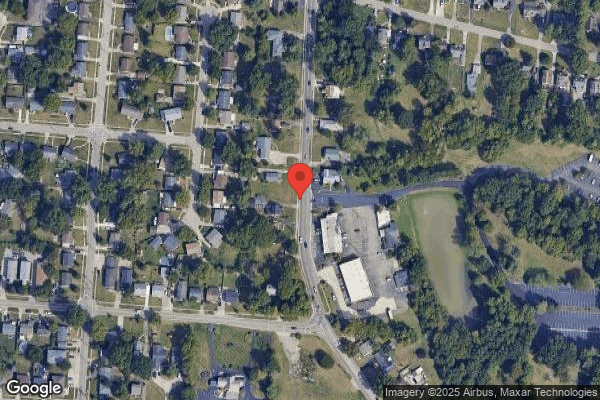
7220 PIPPIN RD, CINCINNATI, OH 45239 (513) 729-2300
For profit - Limited Liability company 99 Beds CARECORE HEALTH Data: November 2025
Trust Grade
45/100
#710 of 913 in OH
Last Inspection: March 2025

Within standard 12-15 month inspection cycle. Federal law requires annual inspections.

Overview

Lakeridge Villa Health Care Center has received a Trust Grade of D, indicating below-average performance with some significant concerns. It ranks #710 out of 913 facilities in Ohio and #56 out of 70 in Hamilton County, placing it in the bottom half overall. The facility is worsening, with issues increasing from 4 in 2024 to 9 in 2025, and staffing is a notable weakness, receiving only 1 out of 5 stars, with a high turnover rate of 66%. Although there have been no fines reported, which is a positive aspect, the facility has less RN coverage than 99% of Ohio facilities, which raises concerns about resident care. Specific incidents include failures in food service, such as not following dietary menus and maintaining kitchen sanitation, which puts all residents at risk for foodborne illness and inadequate nutrition. Overall, families should weigh these strengths and weaknesses carefully when considering this facility for their loved ones.

Trust Score
D
45/100
In Ohio
#710/913
Bottom 23%
Safety Record
Low Risk
No red flags
Inspections
Getting Worse
4 → 9 violations
Staff Stability
⚠ Watch
66% turnover. Above average. Higher turnover means staff may not know residents' routines.
Penalties
✓ Good
No fines on record. Clean compliance history, better than most Ohio facilities.
Skilled Nurses
⚠ Watch
Each resident gets only 8 minutes of Registered Nurse (RN) attention daily — below average for Ohio. Fewer RN minutes means fewer trained eyes watching for problems.
Violations
⚠ Watch
41 deficiencies on record. Higher than average. Multiple issues found across inspections.
★★☆☆☆
2.0
Overall Rating
★☆☆☆☆
1.0
Staff Levels
★★★★★
5.0
Care Quality
★★☆☆☆
2.0
Inspection Score
Stable
2024: 4 issues
2025: 9 issues

The Good

  • 5-Star Quality Measures · Strong clinical quality outcomes
  • Full Sprinkler Coverage · Fire safety systems throughout facility
  • No fines on record

Facility shows strength in quality measures, fire safety.

The Bad

2-Star Overall Rating

Below Ohio average (3.2)

Below average - review inspection findings carefully

Staff Turnover: 66%

20pts above Ohio avg (46%)

Frequent staff changes - ask about care continuity

Chain: CARECORE HEALTH

Part of a multi-facility chain

Ask about local staffing decisions and management

Staff turnover is elevated (66%)

18 points above Ohio average of 48%

The Ugly 41 deficiencies on record

Mar 2025 9 deficiencies
CONCERN (D)

Potential for Harm - no one hurt, but risky conditions existed

Deficiency F0576 (Tag F0576)

Could have caused harm · This affected 1 resident

Based on medical record review, resident interview, observation, staff interview, review of the facility policy review, the facility failed to ensure residents were able to have private phone conversa...

Read full inspector narrative →
Based on medical record review, resident interview, observation, staff interview, review of the facility policy review, the facility failed to ensure residents were able to have private phone conversations. This affected two (Residents #5 and #83) of 18 residents sampled for communication. The facility census was 90 residents. Findings include: 1. Review of the medical record for Resident # 5 revealed an admission date of 04/19/23 with diagnoses including heart failure, chronic obstructive pulmonary disease (COPD), morbid obesity, type two diabetes, and paranoid schizophrenia. Review of the Minimum Data Set (MDS) assessment for Resident #5 dated 01/03/25 revealed the resident had moderately impaired cognition. 2. Review of the medical record for Resident # 83 revealed an admission date of 10/03/24 with diagnoses including quadriplegia, incomplete paraplegia, neuromuscular dysfunction of the bladder, adjustments disorder with mixed anxiety and depressed mood, and osteomyelitis. Review of the MDS assessment for Resident #83 dated 11/27/24 revealed the resident was cognitively intact. Interview on 03/03/25 at 10:17 A.M. with Resident #83 confirmed he did not have a phone in his room or a cell phone and had to make all phone calls using the phone at the nurses' station. Resident #83 confirmed using the phone at the nurses' station made him very uncomfortable because there was no privacy, and everyone around could hear his conversation. Interview on 03/03/25 at 2:07 P.M. with Resident #5 confirmed she was unable to have a private conversation on the phone because she had to use the phone at the nurses' station. Resident #5 stated she had reported to staff that this made her very uncomfortable, but nurses told the phone at the nurses' station was the only phone available to the residents. Observation 03/05/25 at 3:43 P.M. revealed the first-floor nurses' station had one telephone at the corner of the station sitting on a ledge that was approximately waist high. Licensed Practical Nurses (LPNs) #38 and #39 were seated behind the nurses' station. Interview on 03/05/25 at 3:44 P.M. with LPNs #38 and #39 confirmed the phone in the first-floor nurses' station was the only phone available to staff and residents at the station. LPN #38 and #39 confirmed when residents were making telephone calls from the phone at the nurses' station, they could hear details of the residents' phone conversations. Further interview confirmed if the situation were reversed, they would not feel comfortable making personal calls from the phone at the nurses' station. LPNs #38 and #39 confirmed they had received complaints from multiple residents including Residents #5 and #83 regarding lack of privacy during telephone conversations. Observation on 03/06/25 at 11:10 A.M. revealed Resident #5 was sitting in front of the nurses' station talking on the facility phone with two nurses and multiple residents nearby. Resident #5 was easily overheard vocalizing her feelings about her day and care received. Review of policy titled Dignity dated February 2021 revealed staff promoted, maintained, and protected resident privacy.
CONCERN (D)

Potential for Harm - no one hurt, but risky conditions existed

Notification of Changes (Tag F0580)

Could have caused harm · This affected 1 resident

Based on medical record review, staff interview, and review of the facility policy, the facility failed to notify resident representatives of a change in condition. This affected one (Resident #87) of...

Read full inspector narrative →
Based on medical record review, staff interview, and review of the facility policy, the facility failed to notify resident representatives of a change in condition. This affected one (Resident #87) of two residents reviewed for change in condition. The facility census was 90 residents. Findings include: Review of the closed medical record for Resident #87 revealed an admission date of 07/25/11 with diagnoses including Parkinson's Disease, dementia without behavioral disturbance, and schizoaffective disorder. Review of the Minimum Data Set (MDS) assessment for Resident #87 dated 11/07/24 revealed the resident #87 had severely impaired cognition and required staff assistance with activities of daily living (ADLs.) Review of the progress note for Resident #87 dated 01/05/25 revealed the resident had remained in bed for the last two days, refused food, and had minimal fluid intake. The note did not include documentation the resident's guardian had been informed of the change in condition. Interview on 03/06/25 at 11:04 A.M. with the Director of Nursing (DON) confirmed the facility staff had discussed a hospice referral for Resident #87 due to the resident's change in condition, but they did not feel Resident #87 was appropriate yet. The DON confirmed the facility's plan was to obtain labs, but then the resident declined rapidly and passed away. The DON confirmed there was no documentation of notification to Resident #87's guardian regarding the resident's change in condition. Review of the policy titled Change in a Resident's Condition or Status revised February 2021 revealed the facility would promptly notify the resident's representative of changes in the resident's medical condition or status.
CONCERN (D)

Potential for Harm - no one hurt, but risky conditions existed

Assessment Accuracy (Tag F0641)

Could have caused harm · This affected 1 resident

**NOTE- TERMS IN BRACKETS HAVE BEEN EDITED TO PROTECT CONFIDENTIALITY** Based on medical record review, resident interview, staff interview, and review of the facility policy, the facility staff faile...

Read full inspector narrative →
**NOTE- TERMS IN BRACKETS HAVE BEEN EDITED TO PROTECT CONFIDENTIALITY** Based on medical record review, resident interview, staff interview, and review of the facility policy, the facility staff failed to ensure the accuracy of comprehensive resident assessments. This affected one (Resident #55) of four residents reviewed for comprehensive assessments. The facility had a census of 90 residents. Findings include: Review of the medical record for Resident #55 revealed an admission date of 08/10/24 with diagnoses including end stage renal disease, diabetes, and chronic pulmonary obstructive disease (COPD) Review of the Minimum Data Set (MDS) assessment for Resident #55 dated 01/23/25 revealed the resident required substantial to maximum assistance with toileting, bathing, and upper and lower body dressing. Interview on 03/03/25 at 4:30 P.M. with Resident #55 confirmed he was independent with toileting, bathing, and dressing. Resident #55 further confirmed he had experienced occasional episodes of weakness and fatigue following dialysis and the staff monitored showers if taken after dialysis but never provided hands-on care. Interview on 03/03/25 at 4:35 P.M with Certified Nursing Assistant (CNA) #16 confirmed Resident #55 was independent with toileting, bathing, and dressing. Interview 03/03/25 at 4:52 P.M. with Licensed Practical Nurse (LPN) #38 confirmed Resident #55 was independent with toileting, bathing and dressing and had been so siince admission on [DATE]. LPN #38 further confirmed Resident #55's MDS dated [DATE] was not accurate regarding the resident's functional status and abilities. Review of the facility policy titled Resident Assessments dated March 2022 revealed all persons who had completed any portion of the MDS must sign a form attesting to the accuracy of the information.
CONCERN (D)

Potential for Harm - no one hurt, but risky conditions existed

Deficiency F0657 (Tag F0657)

Could have caused harm · This affected 1 resident

Based on medical record review, observation, resident interview, staff interview, and review of the facility policy, the facility failed to appropriately revise care plans. This affected one (Resident...

Read full inspector narrative →
Based on medical record review, observation, resident interview, staff interview, and review of the facility policy, the facility failed to appropriately revise care plans. This affected one (Resident #85) of three residents sampled for smoking. The facility census was 90 residents. Findings include: Review of the medical record for Resident # 85 revealed an admission date of 01/09/25 with diagnoses including rheumatoid arthritis, unspecified mental disorder, and cognitive communication deficit. Review of the smoking safety evaluation for Resident #85 dated 01/09/25 revealed the resident was able to hold, light, and extinguish a cigarette safely. Review of care plan for Resident #85 dated 01/15/25 revealed the resident had a potential for injury related to smoking cigarettes. Interventions included the following: complete smoking assessments quarterly and with significant change, observe clothing daily for burn holes, secure cigarettes and lighters at the nurses' station, staff to check room regularly for cigarettes and lighters. Review of smoking safety evaluation for Resident #85 dated 01/15/25 revealed the resident had balance problems, had limited range of motion in arms/hands, and followed the facility's smoking policy. Observation on 03/03/25 at 11:16 A.M. revealed Resident #85 had a box of menthol in the pocket of his jacket hanging in his room. Interview on 03/03/25 at 11:17 A.M. with Resident #85 confirmed he was an independent smoker and was permitted to keep his cigarettes and lighter in his coat pocket and could go out to smoke anytime he wanted to do so. Interview on 03/05/25 at 11:19 AM with the Administrator confirmed residents who were deemed safe were permitted to keep smoking supplies on their person and in their rooms, unless otherwise care planned. Interview on 03/05/25 at 12:02 P.M. with the Director of Nursing (DON) confirmed the former Administrator wanted all resident smoking supplies to be kept at the in the nurses' station regardless of the resident's ability to safely smoke independently. The DON confirmed Resident # 85 was independent with smoking and was able to keep his smoking supplies in his room. The DON further confirmed Resident #85's care plan had not been updated to reflect the new policy that independent smokers were able to keep smoking supplies in their rooms. Review of the facility policy titled Smoking undated revealed residents who were deemed unsafe were not permitted to hold smoking materials on their person or in their room. Review of the facility policy titled Care Plan Revisions Upon Status Change dated 2024 revealed care plans were modified as needed by the MDS Coordinator or other designated staff member. .
CONCERN (D)

Potential for Harm - no one hurt, but risky conditions existed

Deficiency F0760 (Tag F0760)

Could have caused harm · This affected 1 resident

Based on medical record review, observation, staff interview, and review of the facility policy, the facility failed to ensure residents were free from significant medication errors. This affected one...

Read full inspector narrative →
Based on medical record review, observation, staff interview, and review of the facility policy, the facility failed to ensure residents were free from significant medication errors. This affected one (Resident #53) of five residents observed for medication administration. The facility census was 90 residents. Findings include: Review the medical record for Resident #53 revealed an admission date of 10/04/21 with diagnoses including encephalopathy, depression, anxiety, acute kidney failure, urine retention, and alcohol abuse. Review of the Minimum Data Set (MDS) assessment for Resident #53 dated 02/07/25 revealed the resident had no cognitive deficits and required minimal assistance with activities of daily living (ADLs). Review of the physician's orders for Resident #53 revealed an order dated 08/24/24 for Lexapro 15 milligrams (mg) one time per day. Observation of medication administration for Resident #53 on 03/05/25 at 8:21 A.M. per Licensed Practical Nurse (LPN) #38 revealed the nurse administered Lexapro 7.5 mg to the resident. Interview on 03/05/25 at 11:52 A.M. with LPN #38 confirmed Resident #53's Lexapro order was for 15 mg daily and she had given the wrong dose on 03/05/25 and every day she had worked in January and February 2025. LPN #38 confirmed she had made the same medication error with Resident #53's Lexapro dose on 23 days in January and February 2025. Review of the staffing schedule dated 01/01/25 to 02/28/25 revealed LPN #38 worked on the following 23 days and administered medications to Resident #53: 01/03/25, 01/06/25, 01/08/25, 01/11/25, 01/12/25, 01/17/25, 01/17/25, 01/20/25, 01/29/25, 01/31/25, 02/03/25, 02/08/25, 02/09/25, 02/10/25, 02/12/23/25, 02/26/25, 02/27/25, 02/28/25. Review of the facility policy titled Administering Medications dated April 2019 revealed medications should be administered in a safe and timely manner, and as prescribed.
CONCERN (D)

Potential for Harm - no one hurt, but risky conditions existed

Deficiency F0800 (Tag F0800)

Could have caused harm · This affected 1 resident

Based on medical record review, observation, resident interview, and staff interview the facility failed to provide resident diets in accordance with the physician's orders and resident preference. Th...

Read full inspector narrative →
Based on medical record review, observation, resident interview, and staff interview the facility failed to provide resident diets in accordance with the physician's orders and resident preference. This affected one (Resident #192) of five residents reviewed for food. The facility census was 90 residents. Findings include: Review of the medical record for Resident #192 revealed an admission date of 02/19/25 with diagnoses including diabetes, mild intellectual disability, and bilateral below the knee amputations. Review of the physician's orders for Resident #192 revealed an order dated 02/27/25 for the resident to receive double portions of food due to weight loss. Review of meal ticket dated for Resident #192 dated 03/03/25 revealed the resident was to receive double portions of country chicken and dumplings, peas and carrots, cornbread, and cake. Interview on 03/03/25 at 10:09 A.M. with Resident #192 confirmed he was supposed to be getting double portions on his trays, but he only received small portions, and it was not enough food for him. Observation of Resident #192's dinner tray on 03/03/25 at 4:42 P.M. revealed the tray did not have double portions of any food item. Interviews on 03/03/25 at 4:42 P.M. with Certified Nursing Assistants (CNAs) #05 and #11 confirmed Resident #192 only received single portions at dinner on 03/03/25.
CONCERN (D)

Potential for Harm - no one hurt, but risky conditions existed

Food Safety (Tag F0812)

Could have caused harm · This affected 1 resident

Based on medical record review, observation, staff interview and review of the facility policy, the facility failed to ensure staff properly secured their hair while serving resident meals. This affec...

Read full inspector narrative →
Based on medical record review, observation, staff interview and review of the facility policy, the facility failed to ensure staff properly secured their hair while serving resident meals. This affected two (Residents #70 and #1) of 17 residents observed for meal service. The facility census was 90 residents. Findings include: Review of the medical record for Resident #70 revealed an admission date of 11/15/23 with diagnoses including dementia, congestive heart failure, and chronic kidney disease. Review of the medical record for Resident #1 revealed an admission date of 02/01/25 with diagnoses including dementia, diabetes mellitus type two, osteoarthritis, and peripheral vascular disease. Observation on 03/05/25 at 5:17 P.M. revealed Licensed Practical Nurse (LPN) #30 was serving meal trays to Residents #70 and #1. LPN #30 had long hair which was unsecured and falling into the residents' meal trays. Interview on 03/05/25 at 5:32 P.M. with LPN #30 confirmed her long hair was unsecured and had fallen onto the plates of Residents #70 and #1. Review of facility policy titled Preventing Foodborne Illness - Employee Hygiene and Sanitary Practices undated revealed all employees who served food would be trained in safe food handling practices prior to serving food to residents. Hair nets or caps must be worn to keep hair from coming in contact with residents' food.
CONCERN (D)

Potential for Harm - no one hurt, but risky conditions existed

Medical Records (Tag F0842)

Could have caused harm · This affected 1 resident

Based on medical review, observation, staff interview, and review of the facility policy, the facility failed to ensure nurses properly documented administration of narcotic medications. This affected...

Read full inspector narrative →
Based on medical review, observation, staff interview, and review of the facility policy, the facility failed to ensure nurses properly documented administration of narcotic medications. This affected three Residents (#14, #32, and #67) of three residents reviewed for medication reconciliation. The facility census was 90 residents. Findings include: 1.Review of the medical record for Resident #14 revealed an admission date of 08/12/13 with diagnoses including right femur fracture, malnutrition, personality disorder, and anxiety. Review of the controlled substance count sheet for Resident #14 revealed there were three doses of Tramadol remaining. Observation on 03/05/25 at 11:04 A.M. with Licensed Practical Nurse (LPN) #30 revealed there were only two doses of Resident #14's Tramadol in the cart. Interview on 03/05/25 at 11:04 A.M. with LPN #30 confirmed she had given a dose of Tramadol to Resident #14 earlier in the day on 03/05/25 but had not documented administration of the medication. 2.Review of the medical record for Resident #32 revealed an admission date of 12/5/23 with diagnoses including cerebral infarction, aphasia, anxiety, dementia, and depression. Review of the controlled substance count sheet for Resident #32 revealed there were 12 doses of Ativan remaining. Observation on 03/05/25 at 11:05 A.M. with LPN #30 revealed there were only 11 doses of Resident #32's Ativan in the cart. Interview on 03/05/25 at 11:05 A.M. with LPN #30 confirmed she had given a dose of Ativan to Resident #32 earlier in the day on 03/05/25 but had not documented administration of the medication. 3.Review of the medical record for Resident #67 revealed Resident #67 an admission date of 12/02/22 with diagnoses including cirrhosis, asthma, respiratory disorders, and depression. Review of the controlled substance count sheet for Resident #67 revealed there were 40 doses of Ativan remaining. Observation on 03/05/25 at 11:06 A.M. with LPN #30 revealed there were only 39 doses of Resident #67's Ativan in the cart. Interview on 03/05/25 at 11:06 A.M. with LPN #30 confirmed she had given a dose of Ativan to Resident #67 earlier in the day on 03/05/25 but had not documented administration of the medication. Review of the facility policy titled Storage of Medications dated November 2020 revealed when the nurse should document medication administration in the resident's medical record at the time of administration.
CONCERN (D)

Potential for Harm - no one hurt, but risky conditions existed

Infection Control (Tag F0880)

Could have caused harm · This affected 1 resident

Based on medical record review, observation, staff interview, and review of the facility policy, the facility failed to ensure staff donned appropriate personal protective equipment (PPE) when providi...

Read full inspector narrative →
Based on medical record review, observation, staff interview, and review of the facility policy, the facility failed to ensure staff donned appropriate personal protective equipment (PPE) when providing direct care to residents in enhanced barrier precautions (EBP). This affected one (Resident #83) of three residents observed for EBP. The facility census was 90 residents. Findings include: Review of the medical record for Resident #83 revealed an admission date of on 10/03/24 with diagnoses including unspecified quadriplegia, incomplete paraplegia, neuromuscular dysfunction of the bladder, and osteomyelitis. Review of care plan for Resident #83 dated 10/07/24 revealed the resident was in EBP due to active wounds, indwelling catheter, and colostomy. Interventions include to educate the resident and family on use of EBP and proper PPE and to post EBP signage on the resident's door. Review of the Minimum Data Set (MDS) assessment for Resident #83 dated 11/27/24 revealed the resident was cognitively intact. Review of care plan for Resident #83 dated 12/09/24 revealed the resident had an indwelling catheter related to diagnosis of neurogenic bladder. Observation on 03/05/25 at 5:04 P.M. of catheter care for Resident #83 per Certified Nursing Assistants (CNAs) #115 and #20 revealed the aides entered the resident's room wearing face masks and donned clean gloves. Neither aide donned a gown before transferring the resident from the chair to the bed using a Hoyer lift, removing the resident's pants, emptying the resident's catheter bag, performing catheter care, and placing a clean brief on the resident. Interview on 03/05/25 at 5:20 P.M. with CNA #115 confirmed neither she nor CNA #20 donned a gown prior to providing direct care to Resident #83 who was on EBP. Review of the facility policy titled Enhanced Barrier Precautions dated August 2022 revealed employees should don gowns when providing care to a resident on EBP.
Sept 2024 1 deficiency
CONCERN (D) 📢 Someone Reported This

A family member, employee, or ombudsman was alarmed enough to file a formal complaint

Potential for Harm - no one hurt, but risky conditions existed

Accident Prevention (Tag F0689)

Could have caused harm · This affected 1 resident

Based on observation, medical record review, policy review, resident interview, and staff interviews, the facility failed to ensure adequate supervision was provided to maintain safety and prevent pot...

Read full inspector narrative →
Based on observation, medical record review, policy review, resident interview, and staff interviews, the facility failed to ensure adequate supervision was provided to maintain safety and prevent potential injury during smoke breaks for one (#02) of seven sampled residents. The facility further failed to ensure staff completed a smoking safety evaluation for one (#01) of seven sampled residents. The faciliy census was 91. Findings included: 1. Review of Resident #01's medical record revealed an admission date of 08/02/24. Resident #01's diagnoses included: end stage renal disease, dependence on renal dialysis, diabetes, chronic obstructive pulmonary disease (COPD), depression, anxiety, obstructive sleep apnea, congestive heart failure, heart attack, and stroke. Review of the admission Minimum Data Set (MDS) assessment, with an Assessment Reference Date (ARD) of 08/07/24, revealed Resident #01 had a Brief Interview for Mental Status (BIMS) score of 12, which indicated the resident had moderate cognitive impairment. The MDS revealed Resident #01 used tobacco during the assessment period. Review of care plans revealed Resident #01's care plans did not include a focus area or interventions related to smoking. Review of Resident #1's medical record revealed no evidence to indicate the facility assessed the resident and determined any restrictions on smoking based on observation or completion of a smoking assessment as required per facility policy. Interview on 09/18/2024 at 2:15 P.M., with Resident #01 stated they smoked outside of the designated smoking times and smoked at the front of the facility. Resident #01 stated someone from the activities department told the resident the facility needed to put something up about smoking in the resident's room. Resident #01 stated the resident told staff, that the resident would smoke whenever the resident wanted. Resident #01 stated no one had spoken with the resident about a smoking assessment or smoking during designated times. Interview on 09/19/2024 at 11:07 A.M., with State Tested Nurse Aide (STNA) #1 stated she observed Resident #01 smoking. 2. Review of Resident #02's medical record revealed an admission date of 10/16/23. Resident #02's diagnoses included: encephalopathy, epilepsy, nicotine dependence, major depressive disorder, and insomnia. Review of quarterly MDS assessment, with an ARD of 07/17/24, revealed Resident #02 had a BIMS score of 13, which indicated the resident had intact cognition. According to the MDS, the resident did not use tobacco during the assessment period. Review of Resident #02's care plan included a focus area initiated on 10/23/23, indicating the resident was a smoker and required supervision due to poor decision making and judgement and for the safety of the resident and others. The care plan revealed the resident had a history of noncompliance with the smoking policy. Per the care plan, the resident's family had been educated that the resident was unable to keep cigarettes and/or a lighter and that the facility was required to hold the items and supervise the resident while smoking. According to the care plan, the resident remained non-compliant with the smoking policy and became increasingly agitated and aggressive when staff attempted to redirect the resident, which led to a history of staff calling the police. Interventions initiated on 10/23/23 directed staff to supervise all smoking activities; keep the resident's smoking materials in a safe, secure area; make the resident's legal representative, friends, and other visitors aware of the facility's smoking policy; monitor the resident's room for any prohibited materials and report to the nurse; re-educate the resident on the facility's smoking policy; ensure a smoking apron was utilized; remind the resident of the smoking schedule and distribute cigarettes appropriately; and supervise smoking in designated areas only. The care plan did not specify the frequency at which staff should monitor the resident's room for prohibited materials. Review of Resident #02's admission Smoking Safety Evaluation, dated 12/22/23, revealed supervision would be required for all residents during designated smoking times. Review of Resident #2's quarterly Smoking Safety Evaluation, completed 03/12/24, revealed supervision would be required for all residents during designated smoking times. Observation on 09/18/24 at 8:26 A.M., revealed a metal ashtray was observed on a concrete ledge at the front doorway of the facility. There were approximately 15 cigarette butts in the ashtray and ashes were observed along the concrete wall. Interview on 09/18/24 at 8:38 A.M., with the Director of Nursing (DON), indicated there was a dedicated smoking area in the back of the building, but some residents wandered to the front to smoke. The DON indicated there was a designated smoking room on the second floor of the building for the residents on the secured unit. Interview on 09/18/24 at 8:50 A.M., with the DON stated the ashtray was placed on the ledge at the front door so that Resident #02 would not throw cigarette butts on the ground. Interview on 09/18/24 at 11:05 A.M., with State Tested Nurse Aide (STNA) #01 indicated she was aware that Resident #02 who had been smoking at the front of the facility. STNA #01 indicated when that occurred, staff tried to redirect the resident. Interview on 09/18/24 at 1:44 P.M., with Licensed Practical Nurse (LPN) #04 indicated Resident #02 was non-compliant with the designated smoking times. Observation on 09/18/24 at 3:04 P.M., revealed Resident #02 was sitting on the ledge, under the covered driveway, near the front entrance of the facility. The resident had a cigarette, lighter, and a small metal ashtray sitting on the ledge beside them. The resident proceeded to smoke while not wearing a smoking apron and with no staff supervision. Interview on 09/19/24 at 9:07 A.M., with Assistant Director of Nursing (ADON) #05 indicated Resident #02 required redirection and staff had to take the resident's smoking materials and lock them up. ADON #05 indicated the resident had a lot of visitors and was unsure whether family members were bringing smoking materials to the resident. ADON #05 indicated the ability to take smoking materials from the resident depended on the resident's mood. She stated if she was not able to redirect the resident, she waited outside with the resident until they were finished smoking. Interview on 09/19/24 at 9:39 A.M., with Activity Aide (AA) #02 stated Resident #02 smoked during designated smoking times, but the resident had their own cigarette and lighter and refused to wear an apron. AA #02 stated she notified nursing staff of the resident's refusals, but she was not sure what they did with the information. AA #02 also stated she felt Resident #02 was a safe smoker and had never seen the resident drop any ashes on themselves or burn themselves. Interview on 09/19/24 at 9:55 A.M., the Administrator stated Resident #02 was very independent and when addressing the resident's non-compliance, he felt they had to be careful. The Administrator stated he felt giving the resident a 30-day discharge would escalate the situation and confronting the resident each time they violated a rule would only make the situation worse. The Administrator stated there had been discussions about allowing independent smokers to be able to smoke on their own, and from what he observed of Resident #2 everyday, the resident was a safe smoker. The Administrator stated he had never seen any burn holes in the resident's clothing or burns on the resident's body. Interview on 09/19/24 at 10:17 A.M., with LPN #06 stated she observed Resident #02 smoking at the front and back of the facility, unsupervised, but the resident never appeared unsafe. LPN #06 revealed she had never seen the resident drop ashes or burn themselves. Interview on 09/19/24 at 10:51 A.M., with the Social Service Director (SSD) indicated she witnessed Resident #02 be noncompliant with designated smoking times and designated areas for smoking. The SSD stated the facility tried to redirect the resident each time and she had taken the resident's smoking materials. The SSD indicated she had never observed the resident being an unsafe smoker. Interview on 09/20/24 at 9:10 A.M., Resident #02 stated they used to turn over cigarettes to the facility staff, but now they keep their own cigarette and lighter. Resident #02 indicated the facility tried to make them follow the rules, but they did not have to take orders from staff and would smoke whenever they wanted. Interview on 09/20/24 at 3:18 P.M., with the DON and Administrator, the Administrator stated the facility wanted everyone to abide by facility policy, but this was the residents' home and if they were not doing something egregious, they tried to work with the resident by educating them and going over the policy. Review of the undated policy titled Resident Smoking/Use of Electronic Cigarette Policy, revealed, this facility shall establish and maintain safe resident smoking/use of electronic cigarette practices. The policy specified, No resident shall hold on their person or in their room; cigarettes, cigars, tobacco, lighters, matches or electronic cigarettes. Per the policy. The staff shall consult with the Attending Physician and the Director of Nursing Services to determine any restrictions on a resident's smoking/use of electronic cigarettes based on observation and completion of Smoking Assessments. - Any smoking/use of electronic cigarette-related restrictions and concerns shall be noted on the care plan, including the ramifications if Smoking/Use of Electronic Cigarette Policy is not followed. All personnel caring for the resident shall be alerted to any potential issues. Per the policy, All residents shall wear a smoking apron while smoking; it is the responsibility of the staff to secure and remove apron, as necessary. Residents who refuse to wear a smoking apron will not be provided smoking/electronic cigarette supplies.
May 2024 3 deficiencies
CONCERN (F) 📢 Someone Reported This

A family member, employee, or ombudsman was alarmed enough to file a formal complaint

Potential for Harm - no one hurt, but risky conditions existed

Menu Adequacy (Tag F0803)

Could have caused harm · This affected most or all residents

Based on review of the menu, review of the substitution log, observation, staff interview, and policy review, the facility failed to ensure the menu was followed. This affected all 90 residents who re...

Read full inspector narrative →
Based on review of the menu, review of the substitution log, observation, staff interview, and policy review, the facility failed to ensure the menu was followed. This affected all 90 residents who received meals from the kitchen. Resident #13 received no food by mouth. The facility census was 91. Findings include: Review of the breakfast menu, dated 05/06/24, revealed residents on a regular diet were to be served six ounces of hot or cold cereal, a number sixteen scoop or two ounces of cheesy scrambled eggs, and one slice of toast. Residents on a mechanical diet were to be served six ounces of hot or cold cereal, a number sixteen scoop or two ounces of cheesy scrambled eggs, and one slice of toast. Residents on a pureed diet were to be served six ounces of pureed cereal, a number sixteen scoop or two ounces of pureed cheesy scrambled eggs, and a number sixteen scoop or two ounces of pureed toast. Review of the substitution log from 02/23/24 to 05/06/24 revealed English muffins as a substitution for toast was not on the substitution log. Observation of Dietary Manager (DM) #68 serving meals on 05/06/24 at 8:18 A.M. revealed DM #68 served residents on a regular diet six ounces (oz) of oatmeal, a number ten scoop of eggs, two sausage links and a whole English muffin. DM #68 served residents on a mechanical diet six oz of oatmeal, a number ten scoop of eggs, a number eight scoop of mechanical sausage and a whole English muffin. DM #68 served residents on a pureed diet six oz of oatmeal, a number ten scoop of pureed eggs, a number eight scoop of pureed sausage and a number eight scoop of pureed bread. Interview with DM #68 on 05/06/24 at 8:18 A.M. verified DM #68 served residents on a regular diet six oz of oatmeal, a number ten scoop of eggs, two sausage links and a whole English muffin. The interview verified DM #68 served residents on a mechanical diet six oz of oatmeal, a number ten scoop of eggs, a number eight scoop of mechanical sausage and a whole English muffin. Additionally, the interview verified DM #68 served residents on a pureed diet six oz of oatmeal, a number ten scoop of pureed eggs, a number eight scoop of pureed sausage and a number eight scoop of pureed bread. DM #68 stated he did not have the correct scoop sizes for the regular eggs, mechanical eggs, pureed eggs, and pureed bread because he was missing the correct scoops sizes and had to order them. The interview verified the number ten scoop size was a different portion size than the number sixteen scoop size. DM #68 also reported sausage was not on the menu, but he liked to add a different protein to the daily menu because the menu from the company did not have a lot of variety for protein at breakfast besides eggs. Observation of tray line on 05/06/24 at 8:45 A.M. revealed DM #68 was serving a full English muffin with two halves to residents that were on mechanical diets and regular diets. Part of the way through tray line, DM #68 started to serve one half or one slice of a English muffin to residents. Resident #52, #53, #54, #56, #57, #58, #59, #62, #63 and #88 were observed to receive only one half or one slice of an English muffin. Interview with DM #68 on 05/06/24 at 8:45 A.M. verified DM #68 served one half or one slice of an English muffin to Residents #52, #53, #54, #56, #57, #58, #59, #62, #63 and #88. DM #68 stated he stopped serving a whole or two halves of an English muffin because he thought he was going to run out of English muffins. DM #68 stated he was going to give residents more eggs instead of a whole English muffin. Interview with the Director of Nursing (DON) on 05/06/24 at 10:57 A.M. verified English muffins were served instead of toast on 05/06/24, the English muffins were not listed on the substitution log, and there was no documentation that the dietitian was aware of the substitution. Review of the facility Substitutions policy, dated April 2007, revealed the food service manager in conjunction with the dietitian may make food substitutions as appropriate and necessary. All substitutions are noted on the menu and filed in accordance with established dietary policies.
CONCERN (F) 📢 Someone Reported This

A family member, employee, or ombudsman was alarmed enough to file a formal complaint

Potential for Harm - no one hurt, but risky conditions existed

Food Safety (Tag F0812)

Could have caused harm · This affected most or all residents

Based on observation, staff interview and policy review, the facility failed to ensure the kitchen was maintained in a sanitary manner and the dishwasher had the appropriate level of chemicals in orde...

Read full inspector narrative →
Based on observation, staff interview and policy review, the facility failed to ensure the kitchen was maintained in a sanitary manner and the dishwasher had the appropriate level of chemicals in order to prevent foodborne illness. This had the potential to affect all 90 residents who received meals from the kitchen. Resident #13 received no food by mouth. The facility census was 91. Findings include: 1. Observation of the kitchen on 05/06/24 at 8:15 A.M. revealed there were food debris built up in the oil and on the edges of the fryer. There was also food debris on the fryer basket and a brown splatter on the side of the fryer. There was brown water on the floor of the kitchen on the opposite side of the steam table where food was served during tray line. Interview with Dietary Manager (DM) #68 on 05/06/24 at 8:15 A.M. verified there was food debris built up in the oil, food basket and on the edges of the fryer. DM #68 also confirmed there was brown splatter on the side of the fryer and brown water on the floor of the kitchen on the opposite side of the steam table where food was served during tray line. 2. Observation of the facility's dishwasher on 05/06/24 at 9:15 A.M. revealed the dishwasher temperature was 125 degrees fahrenheit for the wash and rinse cycles. DM #68 was observed testing the chemical levels in the dishwasher and the dishwasher tested at zero parts per million (ppm). Dietary staff were observed actively running dishes in the dishwasher from 05/06/24 at 8:15 A.M. to 9:15 A.M. Interview with DM #68 on 05/06/24 at 9:15 A.M. verified the dishwasher temperature was 125 degrees fahrenheit for the wash and rinse cycles. DM #68 confirmed the dishwasher was a low temperature dishwasher and required chemicals to sanitize the dishes. DM #68 verified the dishwasher was running at zero ppm of chemical sanitizer and dietary staff were actively running dishes in the dishwasher on 05/06/24 from 8:15 A.M. to 9:15 A.M. Review of the Food Preparation and Service policy, dated November 2022, revealed all food service equipment and utensils will be sanitized according to current guidelines and manufacturer instructions. This deficiency represents non-compliance investigated under Complaint Number OH00152883.
MINOR (B) 📢 Someone Reported This

A family member, employee, or ombudsman was alarmed enough to file a formal complaint

Minor Issue - procedural, no safety impact

Resident Rights (Tag F0550)

Minor procedural issue · This affected multiple residents

Based on observation, staff interview and policy review, the facility failed to ensure residents were not provided plastic utensils with meals. This affected 46 residents (#47, #48, #49, #50, #51, #52...

Read full inspector narrative →
Based on observation, staff interview and policy review, the facility failed to ensure residents were not provided plastic utensils with meals. This affected 46 residents (#47, #48, #49, #50, #51, #52, #53, #54, #55, #56, #57, #58, #59, #60, #61, #62, #63, #64, #65, #66, #67, #68, #69, #70, #71, #72, #73, #74, #75, #76, #77, #78, #79, #80, #81, #82, #83, #84, #85, #86, #87, #88, #89, #90, #91, and #92) out of 90 residents in the facility who received meals from the kitchen. Resident #13 received no food by mouth. The facility census was 91. Findings include: Observation of tray line on 05/06/24 at 8:30 A.M. revealed the facility ran out of silverware and used plastic silverware for the residents who resided on the second floor. Interview with Dietary Aide (DA) #93 on 05/06/24 at 8:30 A.M. verified the facility ran out of silverware and they used plastic silverware for the residents who resided on the second floor. Review of the facility Disposable Dishes and Utensils policy, dated November 2007, revealed the facility will use single service items only in extenuating circumstances such as dish machine failure, individual resident needs and requests, or other documented reasons. This deficiency represents non-compliance investigated under Master Complaint Number OH00153346.
Jun 2023 1 deficiency
CONCERN (D) 📢 Someone Reported This

A family member, employee, or ombudsman was alarmed enough to file a formal complaint

Potential for Harm - no one hurt, but risky conditions existed

Deficiency F0760 (Tag F0760)

Could have caused harm · This affected 1 resident

**NOTE- TERMS IN BRACKETS HAVE BEEN EDITED TO PROTECT CONFIDENTIALITY** Based on medical record review, staff interview, and policy review, the facility failed to administer an anticoagulant medicatio...

Read full inspector narrative →
**NOTE- TERMS IN BRACKETS HAVE BEEN EDITED TO PROTECT CONFIDENTIALITY** Based on medical record review, staff interview, and policy review, the facility failed to administer an anticoagulant medication as ordered by the physician. This affected one (#4) of three residents reviewed for medication administration. The census was 94. Findings include: Review of Resident #4's medical record revealed an admission date of 11/09/22 with diagnoses including cerebral infarction, dysphagia, morbid obesity, aphasia, cystic fibrosis, respiratory failure, hemiplegia, insomnia, epilepsy, hypertension, and sleep apnea. Review of the quarterly Minimum Data Set (MDS) assessment dated [DATE] revealed Resident #4 had severe cognitive deficits, required total assistance with activities of daily living, and was frequently incontinent of bowel and bladder. Review of Resident #4's physician orders revealed an order dated 05/16/23 for Resident #4 to receive the anticoagulant Eliquis five (5) milligrams (mg) twice a day via gastrostomy tube (a surgically placed device that provides direct access to the stomach) with no stop date. Review of Resident #4's medication administration record (MAR) from 05/17/23 through 06/14/23 revealed no Eliquis was administered to the Resident #4. Interview on 06/14/23 at 3:50 P.M. with the Director of Nursing (DON) verified Resident #4 had not received Eliquis 5 mg twice a day from 05/17/23 through 06/14/23 as ordered. Review of the medication administration policy, dated April 2019, revealed medications are administered in accordance with the prescriber orders, including any time frames. This deficiency represents non-compliance investigated under Complaint Number OH0000142882.
Mar 2022 22 deficiencies
CONCERN (D)

Potential for Harm - no one hurt, but risky conditions existed

Deficiency F0578 (Tag F0578)

Could have caused harm · This affected 1 resident

**NOTE- TERMS IN BRACKETS HAVE BEEN EDITED TO PROTECT CONFIDENTIALITY** Based on medical record review, staff interview and review of the facility's policy, the failed to ensure when a resident formul...

Read full inspector narrative →
**NOTE- TERMS IN BRACKETS HAVE BEEN EDITED TO PROTECT CONFIDENTIALITY** Based on medical record review, staff interview and review of the facility's policy, the failed to ensure when a resident formulated an advanced directive, the resident's advanced directive was accurately recorded in all locations of the medical record to ensure the resident's wishes would be followed as directed in the event of an emergency. This affected three (Residents #26, #40 and #489) of 18 residents reviewed for advance directives. The facility census was 94. Findings include: 1. Review of the medical record for the Resident #26 revealed an admission date of 12/08/20. Diagnoses included Parkinson's disease, bradycardia, congestive heart failure, cardiomyopathy, atherosclerotic heart disease (ASHD), acute kidney disease, dementia, psychosis, hemiplegia, cardiomyopathy, contracture of left hand, cardiac implants, mental disorder, and moderate protein calorie malnutrition. Review of the Minimum Data Set (MDS) assessment dated [DATE] revealed Resident #26 was cognitively intact. Review of the plan of care revealed Resident #26's code status was listed as a do not resuscitate comfort care (DNR-CC) and advanced directive care planning was reviewed with resident/responsible party. Review of the medical record review of Resident #26's hard/paper chart at second floor nurse's station on 03/08/22 at 10:19 A.M. revealed an undated advanced directives form which indicated Resident #26 was a Full Code. Further review of the electronic medical record (EMR) for Resident #26 revealed a DNR-CC dated 04/20/21. Interview with Licensed Practical Nurse (LPN) #310 on 03/08/22 at 10:22 A.M. verified Resident #26's advanced directives in the EMR, and hard/paper chart at nurse's station did not match. LPN #310 stated she was not sure why the paper chart listed resident as a full code and the EMR showed resident a DNR-CC and her expectations would be the advanced directives were to match in both places in the event of an emergency. 2. Review of the medical record for the Resident #40 revealed an admission date of 04/30/21. Diagnoses included chronic respiratory failure, chronic obstructive pulmonary disease (COPD), diabetes mellitus and dementia. Review of the MDS assessment dated [DATE] revealed Resident #40 was cognitively intact. Review of the plan of care revealed Resident #40's code status was listed as a DNR-CC. Advanced Directive care planning was reviewed with resident/responsible party. Review of the medical record review of Resident #40's hard/paper chart at the second-floor nurse's station on 03/07/22 at 12:05 P.M. revealed an undated advanced directives form which indicated Resident #40 was a Full Code. Further review of the EMR for Resident #40 revealed a DNR-CC unsigned by the resident and unable to verify the date due to being written as 06/11/2. Interview with LPN #353 on 03/07/22 at 12:06 P.M. verified Resident #40's advanced directives in the EMR and hard/paper chart did not match. LPN #310 stated she was not sure why the paper chart and EMR did not match and her expectations would be the advanced directives were to match in both places in the event of an emergency. 3. Review of the medical record for Resident #489 revealed an admission date of 02/22/22. Diagnoses included central dislocation of right hip, chronic kidney disease, stage III, gout, alcohol dependence with alcohol-induced mood disorder, venous insufficiency, obesity, repeated falls, chronic diastolic, heart failure, mood disorder due to known physiological condition, sleep apnea, and delirium due to known Review of Resident #489's physician orders revealed an order dated 02/22/22 for a DNR (do not resuscitate) code status. Review of Resident #489's medical record revealed there was a blank DNR form, that was not signed by the resident or physician. Interview on 03/08/22 at 10:05 A.M. with LPN #302 verified Resident #489's chart did not contain a signed DNR form. Review of the undated facility policy titled Advance Directive revealed the advanced directives would be respected in accordance with the state law and facility policy. Policy indicated the facility would accurately and prominently display the advanced directives in the medical record.
CONCERN (D)

Potential for Harm - no one hurt, but risky conditions existed

Notification of Changes (Tag F0580)

Could have caused harm · This affected 1 resident

**NOTE- TERMS IN BRACKETS HAVE BEEN EDITED TO PROTECT CONFIDENTIALITY** Based on record review, staff interview, and review of the facility's policy, the facility failed to ensure staff notified the r...

Read full inspector narrative →
**NOTE- TERMS IN BRACKETS HAVE BEEN EDITED TO PROTECT CONFIDENTIALITY** Based on record review, staff interview, and review of the facility's policy, the facility failed to ensure staff notified the resident's representative of seizure activity and the resident's transfer to the hospital. This affected one (Resident #49) of three residents reviewed for notification of change in condition. The facility census was 94. Findings include: Review of the medical record for Resident #49 revealed an admission date of 07/20/21 with a diagnosis of seizure disorder. Review of the Minimum Data Set (MDS) assessment dated [DATE] revealed Resident #49 was cognitively impaired and required extensive assistance of one staff with activities of daily living (ADLs). Review of the face sheet for Resident #49 revealed Resident #49 had a family representative who was designated as her emergency contact. Review of the nursing progress note for Resident #49 dated 01/22/22 revealed Resident #49 had a seizure starting at 5:28 P.M. Resident #49 was sitting in her wheelchair and the nurse called 911 and Resident #49 was transferred to the hospital. The record was silent regarding notification of resident's representative of the seizure and transport to the hospital. Review of the nursing progress notes for Resident #49 dated 01/25/22 revealed the resident returned to the facility from the hospital. On 01/26/22, Resident #49 was sent to the hospital due to having multiple seizures within an hour. The record was silent regarding notification of resident's representative of seizures and transport to the hospital. Interview on 03/07/22 at 11:30 A.M. with Licensed Practical Nurse (LPN) #310 confirmed Resident #49's record was silent regarding resident representative notification of resident's seizures and transfers to the hospital. Review of the facility's policy titled Change in a Resident's Condition or Status, dated December 2018, revealed the facility would notify the resident representative of change in resident status including the decision to transfer the resident to the hospital. This deficiency substantiates Complaint Numbers OH00130906, OH00115048, OH00114269, OH00114137, and OH00111296.
CONCERN (D)

Potential for Harm - no one hurt, but risky conditions existed

Comprehensive Assessments (Tag F0636)

Could have caused harm · This affected 1 resident

Based on medical record review, staff interview, and policy review, the facility failed to ensure an admission Minimum Data Set (MDS) assessment was completed within 14 days of admission. This affecte...

Read full inspector narrative →
Based on medical record review, staff interview, and policy review, the facility failed to ensure an admission Minimum Data Set (MDS) assessment was completed within 14 days of admission. This affected three (#486, #487, and #489) of four residents reviewed for new admission to the facility. Findings include: 1. Review of the medical record for Resident #486 revealed an admission date of 02/24/22. Diagnoses included hemiplegia affecting right dominant side, gastro-esophageal reflux disease without esophagitis, essential hypertension, hypothyroidism, and hyperlipidemia. Review of the medical record revealed an admission MDS assessment had not yet been completed. Interview on 03/10/22 at 11:48 A.M. with Assistant Regional Director of Clinical Operations (ARDCO) #400 verified Resident #486's MDS assessment was not completed by the fourteenth day following her admission. 2. Review of the medical record of Resident #487 revealed an admission date of 02/17/22. Diagnoses included partial traumatic amputation of right great toe, essential hypertension, anxiety, disorder, post-traumatic stress disorder, diabetes mellitus, acquired absence of left toes, and major depressive disorder. Review of the MDS assessments revealed a comprehensive assessment was not yet completed. Interview on 03/09/22 at 11:44 A.M. with ARDCO #400 verified Resident #487's comprehensive MDS assessment was not completed by the fourteenth day following admission. 3. Review of the medical record of Resident #489 revealed an admission date of 02/22/22. Diagnoses included central dislocation of right hip, chronic kidney disease, stage III, alcohol dependence with alcohol-induced mood disorder, venous insufficiency, obesity, repeated falls, chronic diastolic, heart failure, mood disorder due to known physiological condition, sleep apnea, and delirium due to known physiological condition. Review of the MDS assessments revealed a comprehensive MDS assessment was not yet completed. Interview on 03/09/22 at 11:44 A.M., ARDCO #400 verified Resident #489's comprehensive MDS assessment was not completed by the fourteenth day following admission. Review of the facility's policy titled Comprehensive Assessments and the Care Delivery Process, dated 12/2016, revealed the MDS should be completed by the fourteenth day after admission.
CONCERN (D)

Potential for Harm - no one hurt, but risky conditions existed

ADL Care (Tag F0677)

Could have caused harm · This affected 1 resident

**NOTE- TERMS IN BRACKETS HAVE BEEN EDITED TO PROTECT CONFIDENTIALITY** Based on observations, medical record review, review of facility policy, resident interview, and staff interview, the facility f...

Read full inspector narrative →
**NOTE- TERMS IN BRACKETS HAVE BEEN EDITED TO PROTECT CONFIDENTIALITY** Based on observations, medical record review, review of facility policy, resident interview, and staff interview, the facility failed to ensure the resident's who required assistance from staff received assistance with personal hygiene. The facility failed to ensure the resident's fingernails were trimmed and clean and ensure female residents did not have facial hair. This affected three (#23, #71, and #72) of three residents reviewed for activities of daily living (ADL). The facility identified 91 residents who require assistance with one or more ADL tasks. The facility census was 94. Findings include: 1. Review of the medical record of Resident #72 revealed an admission date of 06/14/19. Diagnoses included cerebral infarction due to unspecified occlusion or stenosis of right anterior cerebral artery, morbid obesity, left hand contracture, and chronic obstructive pulmonary disease (COPD). Review of the quarterly Minimum Data Set (MDS) assessment dated [DATE] revealed Resident #72 had intact cognition. The resident did not exhibit any behaviors during the assessment period. Resident #72 was dependent on one person for personal hygiene. Observation and interview on 03/07/22 at 10:17 A.M. revealed there was hair on Resident #72's chin, approximately one-fourth inch. Resident #72 stated she does not like when she has chin hair and asks staff to shave it for her, however some staff will not help her with it. Subsequent observation on 03/08/22 at 4:16 P.M. revealed Resident #72 still had hair on her chin. Interview on 03/08/22 at 4:18 P.M. with Licensed Practical Nurse (LPN) #310 verified Resident #72 had hair on her chin, approximately one-fourth inch long, and needed to be shaved. LPN #310 stated the residents were supposed to be shaved on shower days. Observation and interview on 03/08/22 at 4:25 P.M. revealed Resident #72's finger nails were long, approximately one-fourth inch beyond the finger tip and dirty. Resident #72 stated she preferred to have her fingernails trimmed and clean. Interview on 03/08/22 at 4:27 P.M. with State Tested Nursing Assistant (STNA) #362 verified Resident #72's finger nails were long and dirty. Observation and interview on 03/09/22 at 8:43 A.M. revealed Resident #72 still had hair on her chin and fingernails had not been cut and remained dirty. Observation on 03/10/22 at 9:39 A.M. revealed Resident #72's chin had been shaved, however her fingernails were still long and dirty. 2. Review of the medical record for Resident #23 revealed an admission date of 04/15/99 with diagnoses including multiple sclerosis (MS) and diabetes mellitus (DM). Review of the care plan dated 06/01/18 revealed Resident #23 resident had DM and received insulin. Interventions included refer to podiatrist and/or nurse for nail care and to cut long nails. Review of the MDS assessment dated [DATE] revealed Resident #23 was cognitively impaired and was required extensive assistance of one to two staff with personal hygiene. Observation on 03/07/22 at 7:52 A.M. revealed Resident #23 had long (approximately one-fourth of an inch past the end of the fingers) fingernails with debris under them. Interview on 03/07/22 at 7:53 A.M. with State Tested Nursing Assistant (STNA) #327 confirmed Resident #23's fingernails were long and had debris under them. STNA #327 stated Resident #23 was diabetic so the STNAs were not permitted to trim the resident's nails. Interview on 03/07/22 at 8:00 A.M. with Licensed Practical Nurse (LPN) #425 confirmed Resident #23's nails were long and dirty. LPN #425 further confirmed she was agency, and she wasn't sure who was supposed to trim and clean resident's nails. Observation on 03/07/22 at 9:08 A.M. revealed Resident #23's fingernails remained long with debris under them. Interview on 03/07/22 at 9:08 A.M. with LPN #352 confirmed Resident #23's fingernails were long and needed to be trimmed and cleaned. LPN #352 stated Resident #23 was diabetic and nurses were supposed to clean and trim resident's fingernails as needed. Review of the facility policy titled Care of Fingernails and Toenails, dated February 2018, revealed the facility would keep resident nail beds cleaned and would keep nails trimmed to prevent infections. 3. Review of Resident #71's medical record revealed Resident #71 was admitted to the facility on [DATE]. Diagnoses included congestive heart failure, vascular dementia without behavioral disturbance, chronic pain and generalize anxiety disorder. Review of Resident #71's quarterly Minimum Data Set (MDS) assessment dated [DATE] revealed Resident #71 was cognitively intact and Resident #71 required extensive from staff with personal hygiene. Resident #71 also required one person physical assistance with bathing. Observation and interview with Resident #71 on 03/06/22 at 11:11 A.M. revealed Resident #71 was sitting in her wheelchair and was noted with approximately six hairs on her chin that were approximately one inch in length. Resident #71 stated she had never had her chin hairs shaved at the facility. Resident #71 reported she wanted her chin hairs shaved and she had her own razor. Subsequent observations of Resident #71 on 03/08/22 at 1:50 P.M. revealed Resident #71 to be sitting in her wheelchair and was noted with approximately six hairs on her chin that were approximately one inch in length. On 03/08/22 at 3:45 P.M., Resident #71 was laying in her bed. Resident #71 was noted with approximately six hairs on her chin that were approximately one inch in length. Interview with Licensed Practical Nurse (LPN) #310 on 03/08/22 at 3:45 P.M. verified Resident #71 had approximately six hairs on her chin that were approximately one inch in length. Observation of Resident #71 on 03/09/22 at 12:27 P.M. revealed Resident #71 was laying in her bed. Resident #71 was noted with approximately six hairs on her chin that were approximately one inch in length. Review of the facility's Shaving the Resident policy, dated February 2018, revealed the facility will shave residents to promote cleanliness and to provide skin care. The facility will document the date and time the procedure was performed and the reasons why and the interventions taken if the resident refused. Review of the facility's dignity policy dated February 2020 revealed residents will be groomed as they wish to be groomed including grooming of facial hair. This deficiency substantiates Complaint Number OH00130906 and OH00113149.
CONCERN (D)

Potential for Harm - no one hurt, but risky conditions existed

Quality of Care (Tag F0684)

Could have caused harm · This affected 1 resident

**NOTE- TERMS IN BRACKETS HAVE BEEN EDITED TO PROTECT CONFIDENTIALITY** Based on record review, observation, resident interview, staff interview, and review of the facility's policy, the facility fail...

Read full inspector narrative →
**NOTE- TERMS IN BRACKETS HAVE BEEN EDITED TO PROTECT CONFIDENTIALITY** Based on record review, observation, resident interview, staff interview, and review of the facility's policy, the facility failed to ensure the staff changed the resident's peripherally inserted central catheter (PICC) line dressings as ordered by the attending physician. This affected one (Resident #487) of one facility-identified residents with PICC lines. The facility census was 94. Findings include: Review of the medical record for Resident #487 revealed an admission date of 02/17/22 with a diagnosis of osteomyelitis. Review of the admitting physician orders for Resident #487 revealed an order to change the dressing to resident's PICC line weekly and as needed. Review of the Medication Administration Record (MAR) and Treatment Administration Record (TAR) from 02/17/22 to 03/06/22 for Resident #487 revealed the dressing change to resident's PICC line was not documented as being completed. Observation on 03/07/22 at 11:24 A.M. of Resident #487 revealed resident had a PICC line to her right arm with a dressing dated 02/25/22. Interview on 03/07/22 at 11:24 A.M. with Resident #487 confirmed the facility had not changed the PICC line dressing to her right arm. Resident #487 confirmed she was admitted with a PICC line from the hospital on [DATE] and her friend who was a nurse came in and brought in a dressing from her home and applied it to the PICC line on 02/25/22. Interview on 03/07/22 at 11:30 A.M. with Licensed Practical Nurse (LPN) #310 confirmed Resident #487 had a PICC line dressing on her arm dated 02/25/22 and the facility had not placed the dressing. Review of the facility's policy titled PICC, and Midline Dressing Changes, dated April 2016, revealed a PICC line dressing should be changed every five to seven days or if it is wet, not intact, or compromised in any way. This deficiency substantiates Complaint Number OH00130906.
CONCERN (D)

Potential for Harm - no one hurt, but risky conditions existed

Pressure Ulcer Prevention (Tag F0686)

Could have caused harm · This affected 1 resident

Based on record review, observation, staff interview, and review of the facility's policy, the facility failed to provide dressing changes to a pressure ulcer as ordered by the physician. This affecte...

Read full inspector narrative →
Based on record review, observation, staff interview, and review of the facility's policy, the facility failed to provide dressing changes to a pressure ulcer as ordered by the physician. This affected one (Resident #9) of four facility-identified residents with pressure ulcers. The facility census was 94. Findings include: Review of the medical record for Resident #9 revealed an admission date of 03/30/21 with a diagnosis of cerebral infarction. Review of the Minimum Data Set (MDS) assessment, dated 02/18/22, revealed Resident #9 was cognitively impaired and was totally dependent on staff for activities of daily living (ADLs). Review of the wound physician note for Resident #9 dated 03/02/22 revealed the resident had an unstageable pressure ulcer (slough and/or eschar: known but not stageable due to coverage of wound bed by slough and/or eschar) to his right heel which measured 2.3 centimeters (cm) by 2.7 centimeters. Review of the physician orders for Resident #9 revealed an order dated 03/03/22 to cleanse the pressure ulcer to the right heel with normal saline or sterile water, apply Medihoney to wound bed and cover with a clean dry dressing once daily at 5:00 P.M. and as needed. Review of the Treatment Administration Record (TAR) for Resident #9 revealed the treatment was signed off as completed for 03/04/22. Treatment was not documented as completed or refused for 03/05/22 and 03/06/22. Observation on 03/07/22 at 1:41 P.M. of Resident #9 revealed the resident had a dressing to his right heel which was dated 03/04/22. Interview on 03/07/22 at 1:41 P.M. with Licensed Practical Nurse (LPN) #353 confirmed the dressing in place to resident's right heel was clearly marked with the date 03/04/22. LPN #353 further confirmed Resident #9's record was silent regarding why treatment was not completed on 03/05/22 and 03/06/22. Review of the facility policy titled Pressure Ulcers Skin Breakdown Clinical Protocol, dated March 2014, revealed the physician would authorize orders for wound treatments to aid in wound healing.
CONCERN (D)

Potential for Harm - no one hurt, but risky conditions existed

Accident Prevention (Tag F0689)

Could have caused harm · This affected 1 resident

**NOTE- TERMS IN BRACKETS HAVE BEEN EDITED TO PROTECT CONFIDENTIALITY** Based on observations, record review, staff interviews, and review of the facility policy, the facility failed to conduct a thor...

Read full inspector narrative →
**NOTE- TERMS IN BRACKETS HAVE BEEN EDITED TO PROTECT CONFIDENTIALITY** Based on observations, record review, staff interviews, and review of the facility policy, the facility failed to conduct a thorough investigation of a resident's falls. The facility also failed to ensure a resident who was ordered bed rails, had the bed rails in place. This affected one (Resident #26) of two residents the facility identified as having bed rails ordered. This affected one (Resident #290) of five residents reviewed for accidents and falls. The facility census was 94. Findings include: 1. Review of the medical record for Resident #290 revealed an admission date of 03/03/22. Diagnoses included cerebral infarction. Review of the admission assessment for Resident #290 dated 03/03/22 revealed the resident was alert and oriented to person place and time with periods of confusion. Resident #290 required limited assistance of staff with activities of daily living (ADLs). Review of the fall risk assessment for Resident #290 dated 03/04/22 revealed resident was at high risk for falls. Review of the baseline care plan dated 03/04/22 revealed Resident #290 was at risk for falls due to cerebrovascular accident (CVA). Interventions included the following: to ensure basic needs were met, ensure call light was within reach, and ensure appropriate footwear was on. Review of the nursing progress note by Licensed Practical Nurse (LPN) #303 dated 03/04/22 revealed Resident #290 was noted to be sitting on the floor next to her bed with her legs stretched outward and her hands on her lap. The bed was in the lowest position and the wheelchair was at foot of the bed. Resident #290 stated that she was sitting on the side of the bed and slid off the edge to the floor. Review of the fall investigation for Resident #290 dated 03/04/22 completed by LPN #303 revealed it did not include a root cause analysis to determine the cause of the fall nor did it include investigation regarding whether or not care planned fall risk interventions were in place at the time of the fall. Review of the fall investigation revealed follow up intervention was to keep bed in lowest position. Review of the nursing progress note for Resident #290 by LPN #343 dated 03/06/22 revealed the nurse was notified that Resident #290 was sitting on the floor in her room and the resident was unable to account for details leading to placement on the floor and exhibited impaired cognition. Resident was sent to the hospital via 911 for evaluation. Review of the fall investigation for Resident #290 by LPN #343 dated 03/06/22 revealed it did not include a root cause analysis to determine the cause of the fall nor did it include investigation regarding whether or not care planned fall risk interventions and new intervention added following fall on 03/04/22 to keep bed in lowest position were in place. Review of the facility's incident log dated 12/10/21 through 03/10/22 revealed there were no falls listed for Resident #290. Interview on 03/15/22 at 10:00 A.M. with Corporate Director of Clinical Operations (CDCO) #410 confirmed Resident #290's falls on 03/04/22 and 03/06/22 were not included on the incident log because their investigations were not completed yet. CDCO #410 further confirmed the fall investigation for Resident #290 for the fall on 03/04/22 was completed solely by LPN #303 and it did not include a root cause analysis to determine the cause of the fall nor did it include information regarding whether the care planned fall risk interventions for Resident #290 were in place at the time of the fall. CDCO #410 confirmed the fall investigation for Resident #290 for the fall on 03/06/22 was completed solely by LPN #343 and it did not include a root cause analysis to determine the cause of the fall nor did it include information regarding whether the care planned fall risk interventions including the new intervention to keep bed in lowest position were in place at the time of the fall. Review of the facility's policy titled Managing Falls and Fall Risk, dated March 2018, revealed based on previous evaluations and current data, the staff will identify interventions related to the resident's specific risks and causes to try to prevent the resident from falling and to try to minimize complications from falling. If falling recurs despite initial interventions, staff will implement additional or different interventions, or indicate why the current approach remains relevant. 2. Review of the medical record for the Resident #26 revealed an admission date of 12/08/20. Diagnoses included Parkinson's disease, congestive heart failure (CHF), cardiomyopathy, atherosclerotic heart disease (ASHD), dementia, psychosis, hemiplegia, contracture of left hand, and mental disorder. Review of the Minimum Data Set (MDS) assessment dated [DATE] revealed Resident #26 was cognitively intact, had no behaviors, did not reject care, did not wander, was one person assist and required extensive and/or limited assistance with activities of daily livings (ADLs). Review of the physician's orders dated 12/15/20 revealed Resident #26 was ordered half side bed rails up on both sides by the resident's request to assist with bed mobility and to assist with turning and repositioning. Review of the plan of care dated 09/08/21 revealed Resident #26 had the potential for injuries/falls related to balance deficit, disease progression history of falls, and seizure disorder. Interventions included half side bed rails to enhance independence with bed mobility. Review of the most recent health side rail screen dated 12/16/21 revealed Resident #26 had weakness, balance deficit, used the bed rails to assist with bed mobility, improving balance, supporting self, entering, and exiting bed more safely, transferring, and to avoid rolling out of bed and both side rails were recommended. Observation and interview on 03/08/22 at 11:00 A.M. revealed Resident #26 lying in bed with no side rails on his bed. Resident #26 indicated he used to have bed rails but recently moved rooms and no longer had them. Resident #26 stated he used the bed rails for bed mobility, positioning, and getting up and down from bed. Interview with Licensed Practical Nurse (LPN) #352 on 03/08/22 at 11:05 A.M. verified Resident #26 was ordered to have bed rails. LPN #352 stated Resident #26 moved rooms on 02/23/22 and maintenance staff must have forgotten to move the bed rails to the resident's new room. Observations of Resident #26 on 03/08/22 at 4:25 P.M. revealed there were still no no bed rails on Resident #26's bed. Interview with LPN #352 on 03/08/22 at 5:30 P.M. verified Resident #26's bed rails were still not in place. LPN #352 stated she told administrative about the bed rails not being in place. Review of the facility policy titled Falls and Fall Risk, Managing, dated 08/01/16, revealed the staff would identify interventions related to the residents specific risk and causes to try to prevent the resident from falling and to try to minimize complications from falling. This deficiency substantiates Complaint Number OH00130910.
CONCERN (D)

Potential for Harm - no one hurt, but risky conditions existed

Tube Feeding (Tag F0693)

Could have caused harm · This affected 1 resident

Based on record review, observation, staff interview, and review of facility policy, the facility failed to ensure staff labeled and dated tube feeding solution and syringe used for tube feeding. This...

Read full inspector narrative →
Based on record review, observation, staff interview, and review of facility policy, the facility failed to ensure staff labeled and dated tube feeding solution and syringe used for tube feeding. This affected one (Resident #9) of four residents with tube feedings. The facility census was 94. Findings include: Review of the medical record for Resident #9 revealed an admission date of 03/30/21 with a diagnosis of cerebral infarction. Review of the tube feeding order for Resident #9 dated 12/04/21 revealed an order for Fiber Source 75 milliliters (ml) per hour continuous and flush with 150 ml of water every four hours. Observation on 03/07/22 at 1:41 P.M. of Resident #9 revealed a bag of tube feeding was infusing via tube feeding pump at 75 ml per hour and bag was not labeled regarding contents of tube feeding bag or date the tube feeding was hung. Further observation revealed the piston syringe used for medication administration via tube was at resident's bedside and was not dated when opened. Interview on 03/07/22 at 1:41 P.M. with Licensed Practical Nurse (LPN) #353 confirmed Resident #9's tube feeding was not labeled or dated and the syringe was not dated. LPN #353 further confirmed the tube feeding was infusing when she arrived at work on 03/07/22 at 7:00 A.M. and the undated syringe was at the bedside. LPN #353 confirmed nurses should label and date the tube feeding bag prior to hanging the bag and should date syringes upon opening. Review of the facility policy titled Enteral Feedings Safety Precautions, dated November 2018, revealed to prevent errors in administration the nurse should document type of formula, initials, date and time the formula was hung, and initial that the label was checked against the order. Further review of the policy revealed nurses should maintain strict aseptic technique at all times when working with enteral nutrition systems and formulas and should change administration sets every 24 hours.
CONCERN (D)

Potential for Harm - no one hurt, but risky conditions existed

Pharmacy Services (Tag F0755)

Could have caused harm · This affected 1 resident

Based on medical record review, resident interview, staff interview, and policy review, the facility failed to ensure residents received medications as prescribed by the physician. This affected one (...

Read full inspector narrative →
Based on medical record review, resident interview, staff interview, and policy review, the facility failed to ensure residents received medications as prescribed by the physician. This affected one (#486) of five resident reviewed for medications. The facility census was 94. Findings include: Review of the medical record for Resident #486 revealed an admission date of 02/24/22. Diagnoses included hemiplegia affecting right dominant side and gastro-esophageal reflux disease without esophagitis. Review of the Brief Interview for Mental Status (BIMS) score dated 02/25/22 revealed Resident #486 had intact cognition. Review of Resident #486 physician's orders, dated 03/04/22 at 5:55 A.M., revealed an order for Penicillin V Potassium tablet (antibiotic)-500 milligrams (mg) every six hours for infection for seven days. Review of the March 2022 medication administration record (MAR) revealed Resident #486 received the first dose of the antibiotic on 03/07/22 at 12:00 P.M. Interview on 03/07/22 at 8:19 A.M. with Resident #486 stated she obtained a script for an antibiotic for a tooth infection on 03/03/22, however she had not yet received any doses of the antibiotic. Observation and interview on 03/09/22 at 12:22 P.M. with the Assistant Regional Director of Clinical Operations (ARDCO) #400 provided the box of medication, which indicated the medication was delivered on 03/03/22. ARDCO #400 confirmed Resident #486 did not receive her antibiotic until three days after the medication was prescribed and delivered to the facility. Review of the facility policy titled Administering Medications, dated 04/2019, revealed medications are to be administered in accordance with prescriber orders, including any required time frame. This deficiency substantiates Complaint Numbers OH00130589 and OH00130910.
CONCERN (D)

Potential for Harm - no one hurt, but risky conditions existed

Deficiency F0760 (Tag F0760)

Could have caused harm · This affected 1 resident

**NOTE- TERMS IN BRACKETS HAVE BEEN EDITED TO PROTECT CONFIDENTIALITY** Based on record review, staff interview, and review of the facility's policy, the facility failed to ensure the resident's recei...

Read full inspector narrative →
**NOTE- TERMS IN BRACKETS HAVE BEEN EDITED TO PROTECT CONFIDENTIALITY** Based on record review, staff interview, and review of the facility's policy, the facility failed to ensure the resident's received their medications without any significant medication errors. Resident #442 did not receive his anti-seizure medication, Vimpat and Resident #290 did not receive her MS Contin (a strong prescription paid medication). This affected one (Resident #442) of three facility identified residents with orders for Vimpat and one (Resident #290) of one facility-identified residents with orders for MS Contin. The facility census was 94. Findings include: 1. Review of the medical record for Resident #442 revealed an admission date of 02/28/22 with a diagnosis of encephalopathy and acute respiratory failure with hypoxia. Review of Minimum Data Set (MDS) assessment for Resident #442 dated 03/02/22 revealed the resident had a death in the facility. Review of the admitting orders for Resident #442 dated 02/28/22 revealed an order for the anti-seizure medication, Vimpat, to be administered twice daily at 6:00 A.M. and 6:00 P.M. Review of the nursing progress note for Resident #442 dated 02/28/22 timed at 6:26 P.M. revealed Resident #442 was admitted to the facility. The nursing progress note dated 03/01/22 timed at 6:00 A.M. revealed Resident #442 did not receive Vimpat as ordered because it had not arrived from the pharmacy. Review of the February and March 2022 Medication Administration Records (MARs) for Resident #442 revealed Vimpat was not administered on 02/28/21 or 03/01/22. Interview on 03/09/22 at 4:57 P.M. with Corporate Director of Clinical Operations (CDCO) #410 confirmed Resident #442 did not receive Vimpat as ordered by the physician on 02/28/22 and 03/01/22. 2. Review of the medical record for Resident #290 revealed an admission date of 03/03/22 with diagnoses including cerebral infarction and cancer with metastases to the brain. There was a discharge from the facility on 03/06/22. Review of the admission assessment dated [DATE] revealed Resident #290 was alert and oriented to person place and time with periods of confusion. Resident #290 had severe generalized pain which included headaches and pain to her extremities which was chronic in nature over the past several years. Resident #290 was receiving radiation therapy for cancer which had metastasized (spread) to her brain. Resident had an order for MS Contin (morphine) twice daily routinely for pain. Review of the baseline care plan dated 03/04/22 revealed Resident #290 was at risk for pain related to cerebrovascular accident (CVA). Interventions included the following: administer analgesia as per orders, anticipate need for pain relief and respond in kind, administer medications as ordered and monitor for changes in condition. Review of the nursing progress notes for Resident #290 dated 03/03/22 through 03/06/22 revealed Resident #290's MS Contin was not available. Review of the controlled substance records for Resident #290 revealed Resident #290 did not receive any doses of MS Contin during her stay at the facility form 03/03/22 to 03/06/22. Review of the March 2022 Medication Admiration Record (MAR) for Resident #290 revealed there were no doses of MS Contin signed off as administered for Resident #290 for 03/03/22 through 03/06/22. Interview on 03/14/22 at 4:14 P.M. with Corporate Director of Clinical Operations (CDCO) #410 confirmed Resident #290 did not receive MS Contin as ordered by the physician on 02/28/22 from 03/03/22 to 03/06/22. Review of the facility's policy titled Administering Medications, dated April 2019, revealed medications would be administered in a safe and timely manner and as prescribed. This deficiency substantiates Complaint Numbers OH00130910 and OH00130589.
CONCERN (D)

Potential for Harm - no one hurt, but risky conditions existed

Dental Services (Tag F0791)

Could have caused harm · This affected 1 resident

**NOTE- TERMS IN BRACKETS HAVE BEEN EDITED TO PROTECT CONFIDENTIALITY** Based on review of facility policy, observation, record review, and resident and staff interview, the facility failed to ensure ...

Read full inspector narrative →
**NOTE- TERMS IN BRACKETS HAVE BEEN EDITED TO PROTECT CONFIDENTIALITY** Based on review of facility policy, observation, record review, and resident and staff interview, the facility failed to ensure a resident received routine dental services. This affected one (#6) of two residents reviewed for dental care. The facility census was 94. Findings include: Review of Resident #6's medical record revealed Resident #6 admitted to the facility on [DATE]. Diagnoses included schizoaffective disorder, major depressive disorder, fibromyalgia, and muscle weakness. Review of the quarterly Minimum Data Set (MDS) assessment dated [DATE] revealed Resident #6 was cognitively intact and Resident #6 required limited with personal hygiene. Resident #6 also required supervision with eating and Resident #6 had no mouth pain or difficulty chewing. Review of Resident #6's dental care plan dated 06/15/21 revealed Resident #6 had missing teeth and complained of trouble with chewing her food. Resident #6 would like her teeth pulled and to be fitted for dentures. Interventions included dental or oral exams yearly and as needed for any issues that arise. Review of Resident #6's medical record from 06/14/21 to 03/08/22 revealed Resident #6 had not received any dental services while at the facility. Observation and interview with Resident #6 on 03/07/22 at 2:46 P.M. revealed Resident #46 had missing teeth and teeth with a black substance on them on the top and bottom of her mouth. Resident #6 stated he had rotten and missing teeth. Resident #6 stated she needed to go to the dentist, but she had not seen the dentist since he had been to the facility. Interview on 03/09/22 at 10:20 A.M. with Regional Business Office Manager #405 verified Resident #6 did not have any dental visits since being admitted to the facility. Regional Business Office Manager #405 stated Resident #6 did not have a dental consent prior to 03/09/22. Review of the facility's dental services policy dated December 2016 revealed routine and emergency dental services are available to meet the resident's oral health services in accordance with the resident's assessment and care plan.
CONCERN (D)

Potential for Harm - no one hurt, but risky conditions existed

Deficiency F0805 (Tag F0805)

Could have caused harm · This affected 1 resident

**NOTE- TERMS IN BRACKETS HAVE BEEN EDITED TO PROTECT CONFIDENTIALITY** Based on observations, staff interviews, medical record review, and facility policy review, the facility failed to ensure the re...

Read full inspector narrative →
**NOTE- TERMS IN BRACKETS HAVE BEEN EDITED TO PROTECT CONFIDENTIALITY** Based on observations, staff interviews, medical record review, and facility policy review, the facility failed to ensure the resident was provided the correct diet as ordered. This affected one (Resident #26) of the 10 residents who was ordered a puree diet. The facility census was 94. Findings include: Review of the medical record for Resident #26 revealed an admission date of 12/08/20. Diagnoses included Parkinson's disease, dementia, cerebral vascular accident (CVA/stroke) with hemiplegia, and moderate protein calorie malnutrition. Review of the Minimum Data Set (MDS) assessment dated [DATE] revealed Resident #26 was cognitively intact, had no behaviors, and did not reject care. Review of the plan of care for Resident #26 revealed the resident had a swallowing impairment, had potential for aspiration, choking, swallowing difficulties and the resident had an alteration in completing required activities of daily living (ADLs). Interventions included to provide ordered puree diet/honey thick liquids. Review of the physician orders dated 01/20/21 revealed Resident #26 was ordered a no added salt pureed texture diet with honey thick liquid consistency for dysphagia. Review of the Speech Therapist (ST) Discharge summary dated [DATE] revealed Resident #26 had diagnosis of Parkinson's Disease and dysphagia oropharyngeal phase. Notes indicated the resident requested a diet upgrade but based on signs and symptoms of aspiration and recent barium swallow study results, the ST recommend puree/honey thick liquids. Notes indicated ST notified the Director of Nursing (DON) and Assistant Director of Nursing (ADON) regarding the resident's request and DON stated she would speak to the physician in order to determine if physician would change diet based on residents wishes as patient is his own person and had not been deem incompetent. Review of the nurse's progress notes for Resident #26 dated 02/26/21 revealed the resident had a barium swallowing appointment scheduled on 03/03/21. On 03/15/21, Resident #26 refused to go to the appointment for barium swallow. On 06/15/21, Resident #26 was scheduled for barium swallow on 06/16/21. The nurse's notes were silent for indication facility received the results of the barium swallow study from 06/16/21 or any nurses notes which indicated resident's purred diet was discontinued and resident was ordered a mechanical soft diet. Review of the dietary progress notes for Resident #26 dated 04/20/21, 06/23/21, 09/23/21, 10/28/21, and 11/10/21 indicated the resident was ordered no added salt, pureed with honey thick liquids diet. Review of the nutrition assessment by Registered Dietitian (RD) for Resident #26 dated 12/16/21 indicated the resident had a swallowing disorder, was ordered a no added salt, pureed, honey thick liquids. Review of the physician notes for Resident #26 dated 06/11/21 and 03/08/22 reveled no documented evidence the physician changed the diet. Observation of Resident #26's lunch tray being collected on 03/08/22 at 12:45 P.M. revealed the resident's meal ticket indicated Resident #26 was delivered and consumed a mechanical soft diet per ticket on tray. Observation of Resident #26's dinner tray delivered 03/08/22 at 5:26 P.M. by State Tested Nursing Aide (STNA) #327 revealed Resident #26 was delivered a mechanical soft diet tray which contained a ham sandwich, bag of potato regular chips, small package of two crackers, bowl of cheese puffs, bowl of pineapples, cup of potato soup, and juices. Resident #26 was observed seated in wheelchair and started eating soon as meal was delivered. Interview with Licensed Practical Nurse (LPN) #352 on 03/08/22 at 5:31 P.M. verified Resident #26 was delivered a mechanical soft tray with contents listed above. During review of the physician orders with LPN #352, she verified Resident #26 was ordered a puree diet due to dysphagia. LPN #352 stated resident's dinner tray was not even a mechanical soft with the bag of chips on the tray. LPN #352 stated she would have to fix Resident #26's tray. Observation revealed LPN #352 continued to allow Resident #26 to eat the delivered tray. Review of meal ticket dated 03/08/22 dinner revealed Resident#26 was delivered a mechanical soft diet. Ticket indicated Resident #26 was served baked potato soup, crackers, ground ham and cheese on a bun, cheese puffs, tropical fruit, milk, and beverage of choice. During an interview with Dietary Manager #306 on 03/09/22 at 11:04 A.M. indicated she was alerted to the diet yesterday and immediately changed the diet to a puree diet. Dietary Manager #306 indicated she was not sure why Resident #26 had been getting a mechanical soft and could not find any documentation to show the change from pureed diet. Dietary Manager #306 indicated if a resident has a diet change, the nursing staff was tasked with notifying the kitchen staff. Review of the undated policy titled Nutrition Assessment revealed a nutrition assessment would be conducted for impaired nutrition for each resident and once current conditions and risk factors for impaired nutrition were identified and analyzed, the individual care plans would be developed and implement which addressed or minimized to the extent possible the resident's risk for complications.
CONCERN (D)

Potential for Harm - no one hurt, but risky conditions existed

Medical Records (Tag F0842)

Could have caused harm · This affected 1 resident

Based on record review, staff interview, and review of the facility policy, the facility failed to ensure staff documented intravenous (IV) medications administered. This affected one (Resident #487) ...

Read full inspector narrative →
Based on record review, staff interview, and review of the facility policy, the facility failed to ensure staff documented intravenous (IV) medications administered. This affected one (Resident #487) of 19 residents reviewed for medical record accuracy. The facility census was 94. Findings include: Review of the medical record for Resident #487 revealed an admission date of 02/17/22 with a diagnosis of osteomyelitis. Review of the admitting physician orders, dated 02/17/22, revealed an order for Resident #487 to receive the intravenous (IV) antibiotic Ertapenem once daily until 03/24/22. Review of the February and March Medication Administration Records (MARs) for Resident #487 revealed the following daily doses of Ertapenem were not documented as given on the four following dates: 02/21/22, 02/26/22, 03/03/22, and 03/04/22. Interview on 03/08/22 at 4:17 P.M. with the Assistant Regional Director of Clinical Operations (ARDCO) #600 confirmed the doses of IV antibiotic for Resident #487 for 02/21/22, 02/26/22, 03/03/22, and 03/04/22 doses were not documented as completed. ARDCO #600 confirmed Licensed Practical Nurse (LPN) #302 administered these doses but did not document the administration in the MARs. Review of the policy titled Administering Medications, dated April 2019, revealed the individual administering the medication should initial the resident's MAR on the appropriate line after giving each medication and before administering the next one. An individual administering a medication should include the following information in the resident's record: the date and time the medication was administered, the dosage, the route of administration, the signature and title of the person administering the drug.
CONCERN (D)

Potential for Harm - no one hurt, but risky conditions existed

Deficiency F0919 (Tag F0919)

Could have caused harm · This affected 1 resident

**NOTE- TERMS IN BRACKETS HAVE BEEN EDITED TO PROTECT CONFIDENTIALITY** Based on record reviews, review of facility policy, observations, and staff interviews, the facility failed to ensure residents ...

Read full inspector narrative →
**NOTE- TERMS IN BRACKETS HAVE BEEN EDITED TO PROTECT CONFIDENTIALITY** Based on record reviews, review of facility policy, observations, and staff interviews, the facility failed to ensure residents had call lights. This affected two residents (#9 and #60) of 24 residents reviewed for call lights. The facility census was 94. Findings include: 1. Review of the Resident #60's medical record revealed Resident #60 admitted to the facility on [DATE]. Diagnoses included muscle weakness, vascular dementia with behavioral disturbance, contracture of the left hand and contracture of the left knee. Review of Resident #60's quarterly Minimum Data Set (MDS) assessment dated [DATE] revealed Resident #60 was severely cognitively impaired and Resident #60 required extensive assistance for bed mobility, dressing, and personal hygiene. Resident #60 required total dependence for transfers and toileting and limited assistance for eating. Review of the care plan for Resident #60 dated 02/09/22 revealed resident was at risk for falls. Interventions included to keep call light within reach and encourage Resident #60 to use the call light to ask for assistance. Observation on 03/07/22 at 11:03 A.M. of Resident #60 revealed the resident did not have a functioning call light in his room. Resident #60 had a wall panel for a call light but there was no call cord. Subsequent observation on 03/08/22 at 3:45 P.M. of Resident #60 revealed the resident did not have a functioning call light in his room. Resident #60 had a wall panel for a call light but there was no call cord. Interview with Licensed Practical Nurse (LPN) #310 on 03/08/22 at 3:45 P.M. verified Resident #60 did not have a functioning call light. LPN #310 confirmed Resident #60 was able to use the call light and she was going to give him a bell to use to call for assistance. 2. Review of the medical record for Resident #9 revealed an admission date of 03/30/21 with a diagnosis of cerebral infarction. Review of the MDS assessment dated [DATE] revealed Resident #9 was cognitively impaired and was totally dependent on staff for activities of daily living (ADLs). Review of the care plan for Resident #9 dated 04/05/21 revealed Resident #9 was at risk for falls that could lead to injury related to decline in mobility, self-performance deficit, right sided weakness due to recent cerebrovascular accident (CVA). Interventions included to keep call light within reach. Observation on 03/07/22 at 1:41 P.M. of Resident #9 revealed the resident did not have a functioning call light in his room. Resident #9 had a wall panel for a call light but there was no call cord. Interview on 03/07/22 at 1:41 P.M. with State Tested Nursing Assistant (STNA) #342 confirmed Resident #9 did not have a call cord in his room and she thought he had pulled it out of the wall panel a few weeks ago and they had decided not to replace it. Interview on 03/07/22 at 1:45 P.M. with Licensed Practical Nurse (LPN) #353 confirmed Resident #9 did not have a functioning call light in his room and she was not sure why it wasn't there. Interview on 03/07/22 at 1:48 P.M. with Housekeeping Supervisor (HS) #333 confirmed Resident #9 did not have a functioning call light in his room and she would ensure he got one. Subsequent observation on 03/08/22 at 9:20 A.M. of Resident #9 revealed the resident did not have a functioning call light in his room. Interview on 03/08/22 at 9:20 A.M. with LPN #310 confirmed Resident #9 did not have a functioning call light in his room and facility staff were evaluating him for use of sensor pad style call light. Interview on 03/08/22 at 3:50 P.M. with LPN #310 confirmed she tried to place a sensor pad style call cord for Resident #9 but it didn't fit into the call light panel properly so she was going to place a bell at resident's bedside until his call light could be replaced. Review of the policy titled Answering the Call Light, dated March 2021, revealed staff should be sure that the call light is plugged in and functioning at all times and should report all defective call lights to the nurse supervisor promptly.
CONCERN (D)

Potential for Harm - no one hurt, but risky conditions existed

Safe Environment (Tag F0921)

Could have caused harm · This affected 1 resident

**NOTE- TERMS IN BRACKETS HAVE BEEN EDITED TO PROTECT CONFIDENTIALITY** Based on review of the facility's policy, observation, record review, and staff interview, the facility failed to ensure a resid...

Read full inspector narrative →
**NOTE- TERMS IN BRACKETS HAVE BEEN EDITED TO PROTECT CONFIDENTIALITY** Based on review of the facility's policy, observation, record review, and staff interview, the facility failed to ensure a resident's oxygen tank was stored in a secured manner. This affected one (#71) of nine residents that used oxygen at the facility. The facility census was 94. Findings include: Review of Resident #71's medical record revealed Resident #71 admitted to the facility on [DATE]. Diagnoses included congestive heart failure, acute respiratory failure and vascular dementia without behavioral disturbance. Review of Resident #71's quarterly Minimum Data Set (MDS) assessment dated [DATE] revealed Resident #71 was cognitively intact and Resident #71 required extensive with dressing, toileting, bed mobility, transfers and personal hygiene. Resident #71 also required one person physical assistance with bathing. Review of Resident #71's physician order dated 06/01/21 revealed Resident #71 may be oxygen at two to three liters per minute per nasal cannula as needed to maintain oxygen saturation above 90 percent. Observations of Resident #71's room on 03/07/22 at 11:09 A.M. and on 03/08/22 at 3:45 P.M. revealed Resident #71 had an oxygen tank leaning against the wall in her room. The oxygen tank had a bag on it for strapping it to a wheelchair, but the tank was not secured to the wall or in an oxygen tank holder. Interview with Licensed Practical Nurse (LPN) #310 on 03/08/22 at 3:45 P.M. verified there was an oxygen tank leaning against the wall in Resident #71's room. LPN #310 confirmed Resident #71's oxygen tank was not secured properly. Review of the facility's fire safety and prevention policy, dated May 2011, revealed the facility should store oxygen cylinders in racks with chains, sturdy portable carts, or approved stands. The facility should never leave oxygen cylinders free standing, and the facility should not store oxygen cylinders in any resident room or living area.
CONCERN (E)

Potential for Harm - no one hurt, but risky conditions existed

Resident Rights (Tag F0550)

Could have caused harm · This affected multiple residents

**NOTE- TERMS IN BRACKETS HAVE BEEN EDITED TO PROTECT CONFIDENTIALITY** Based on review of the facility's policy, observation, record review and staff interview, the facility failed to residents were ...

Read full inspector narrative →
**NOTE- TERMS IN BRACKETS HAVE BEEN EDITED TO PROTECT CONFIDENTIALITY** Based on review of the facility's policy, observation, record review and staff interview, the facility failed to residents were treated in a dignified manner. This affected three (#8, #35, and #50) of four residents reviewed for dignity. The facility census was 94. Findings include: 1. Review of the Resident #50's medical record revealed Resident #50 admitted to the facility on [DATE]. Diagnoses included aphasia, altered mental status, unspecified dementia without behavioral disturbance, chronic obstructive pulmonary disease, schizoaffective disorder, and major depressive disorder. Review of Resident #50's quarterly Minimum Data Set (MDS) assessment dated [DATE] revealed the resident was severely cognitively impaired. Review of Resident #50's Medication Administration Record (MAR) for March 2022 revealed Resident #50 had a regular diet with mechanical soft texture and thickened liquids. Observations of Resident #50's room on 03/07/22 at 11:24 A.M. and on 03/08/22 at 3:45 P.M. revealed a sign on Resident #50's door that stated Please do not give Resident #50 anything to drink without thickener. Also she cannot have her bed flat. Please elevate her bed. Thank you Day shift Aide. The sign was noted to face into the facility's hallway when the door was shut. Interview with Licensed Practical Nurse (LPN) #310 on 03/08/22 at 3:45 P.M. verified there was a sign on Resident #50's door that stated Please do not give Resident #50 anything to drink without thickener. Also she cannot have her bed flat. Please elevate her bed. Thank you Day shift Aide. Review of the facility's dignity policy, dated February 2020, revealed staff will protect confidential clinical information including ensuring signs indicating the resident's clinical status or care needs are not openly posted in the resident's room. 2. Review of the Resident #35's medical record revealed Resident #35 was admitted to the facility on [DATE]. Diagnoses included Parkinson's disease, unspecified dementia without behavioral disturbance, Alzheimer's disease, schizoaffective disorder and mood disorder due to known physiological condition. Review of Resident #35's annual Minimum Data Set (MDS) assessment dated [DATE] revealed the resident was severely cognitively impaired and Resident #25 required supervision with eating. Observation of the facility on 03/07/22 at 8:29 A.M. revealed staff were passing trays on the first floor. Further observation of dining revealed a room tray was provided to Resident #65 but was not provided to Resident #35. Resident #35 and Resident #65 were roommates and were both eating in the same room. Resident #35 was observed asking State Tested Nurse Aide (STNA) #329 where her food was and STNA #329 stated her food was on the next cart. Observation of the facility on 03/07/22 at 8:42 A.M. revealed Resident #35 was walking in the hallway asking for her breakfast tray. STNA #329 was observed to tell Resident #35 that her food was on the next cart. Interview with STNA #329 on 03/07/22 at 8:44 A.M. verified Resident #35 and Resident #65 were roommates and Resident #65 had received her tray, but Resident #35's food was on a different cart despite them both eating in their room. Observation of the facility on 03/07/22 at 8:49 A.M. revealed Resident #35's tray arrived in her room. Review of the facility's dignity policy, dated February 2020, revealed residents will be treated with dignity and respect at all times. 3. Review of the medical record for Resident #8 revealed an admission date of 11/05/19. Diagnoses included urinary retention, cerebral vascular accident (CVA/stroke), acute kidney failure, benign prostatic hyperplasia (BPH) with lower urinary tract symptoms, dementia, hematuria, and muscle wasting. Review of the Minimum Data Set (MDS) assessment dated [DATE] revealed Resident #8 had severely impaired cognition, had no behaviors, did not reject care, and the resident was noted with an indwelling catheter. Review of the plan of care, dated 07/11/19, revealed Resident #8 had alteration in bladder control related to dementia, CVA, BPH and urinary retention, and the resident was at risk for complications related to indwelling suprapubic catheter. Interventions included to position catheter bag and tubing below the level of the bladder and away from entrance room door. The plan of care was silent for any notes about the catheter bag being covered. Review of the physician's orders dated 02/11/19 revealed Resident #8 was ordered to have supra pubic catheter site cleansed with normal saline and split gauze every shift. Observations of the common dining room during breakfast service on 03/07/22 at 8:52 A.M. revealed Resident #8 was situated at the dining room table in a wheelchair and alongside numerous other residents. Resident #8 resident had an indwelling catheter bag hanging from the rear of wheelchair and without being covered. Interview with State Tested Nurses Aide (STNA) #361 on 03/07/22 at 8:54 A.M. verified Resident #8 was seated in the common dining room with his catheter bag uncovered and attached to his wheelchair. STNA #361 stated Resident #8 should have had his catheter bag covered. Review of the facility's policy titled Quality of Life - Dignity, dated 12/01/20, revealed the resident shall be cared for in a manner that promotes and enhances well-being, level of satisfaction with life, feeling of self-worth and self esteem and residents are treated with dignity at all times. Notes also indicated demeaning practices and standards of care that compromise dignity was prohibited and staff are expected to promote dignity and assist residents with keeping urinary catheter bags covered. This deficiency substantiates Complaint Number OH00114269.
CONCERN (E)

Potential for Harm - no one hurt, but risky conditions existed

Safe Environment (Tag F0584)

Could have caused harm · This affected multiple residents

Based on observation, staff interview, resident interview, and review of facility policy and documents, the facility failed to ensure resident rooms and common areas on the second floor of the facilit...

Read full inspector narrative →
Based on observation, staff interview, resident interview, and review of facility policy and documents, the facility failed to ensure resident rooms and common areas on the second floor of the facility were clean and sanitary. This affected Residents #10, #23, #26, #55, #62, and #77. This had potential to affect all 44 residents who resided on the second floor. The facility census was 94. Findings include: Observation on 03/07/22 at 8:02 A.M. revealed the floors in the hallways and common areas on the second floor has visible debris, stains, and were sticky throughout. The trash receptacles in the dining area where residents were seated and awaiting breakfast were overflowing with waste which was spilling onto the floor. Interview on 03/07/22 at 8:02 A.M. with Licensed Practical Nurse (LPN) #353 confirmed the floors in the hallways and the dining area were dirty and needed to be cleaned and the trash was overflowing. LPN #353 confirmed she didn't think they had housekeeping staff over the weekend. Interview on 03/07/22 at 8:07 A.M. with Floor Technician (FT) #334 confirmed he worked Monday through Friday and there was not currently a floor tech available on the weekends. FT #334 confirmed the floors on the second floor including the hallways and dining area were dirty and had not been swept and mopped since he did them on Friday. FT #334 confirmed the trash cans in the dining room were overflowing and needed to be emptied. Interview on 03/07/22 at 8:10 A.M. with Resident #62 stated the floors in the hallway and the dining room were dirty and no one had been in over the weekend to clean them. Interview on 03/07/22 at 8:17 A.M. with Housekeeper #356 confirmed the floor technicians swept and mopped the hallways and common areas and emptied trash in the common areas and the housekeepers cleaned individual resident rooms. Housekeeper #356 confirmed the floor on the second floor in the hallways and dining area was dirty and needed to be swept and mopped as soon as possible. Housekeeper #356 confirmed the trash receptacles in the second-floor dining room were overflowing and needed to be emptied. Review of the facility housekeeping scheduled for 02/28/22 through 03/06/22 revealed there was no floor technician scheduled for the weekend dates of 03/04/22 and 03/05/22. During observations of the second floor resident rooms on 03/07/22 beginning at 8:28 A.M. revealed the following: a. Resident #10's room and bathroom had unknown sticky substance throughout the floor. The bathroom had dried stool throughout the inside of the toilet, toilet seat appeared to have stool on it, unknown dark substance in the floor around the toilet and floor was littered with paper and what appeared to be food particles. Interview with Resident #10 at same time, indicated the room had not been cleaned for a few days. b. Residents #26 and #77's room had sticky substance throughout the floor, alcohol pads, trash, and food particles/crumbs throughout the floor. Interview with State Tested Nursing Aide (STNA) #361 verified the room's condition. STNA #361 stated she did not know when resident's rooms were last cleaned. c. Resident #55's room had sticky substance throughout the floor and trash on the floor. Resident #55 indicated the room had not been cleaned in a while. d. Resident #23's bed frame had dark dried substance which appeared to be dried crusted food throughout the side of the bed frame which was closest to the door. Observation at same time revealed STNA #361 donned gloves, sprayed, scraped, and cleaned the substance off of the bed. Interview with STNA #361 at same time verified the bed frame had dried food throughout the bed frame. Interview with Housekeeping Aide #356 on 03/07/22 at 9:15 A.M. indicated she was the housekeeper on duty over the weekend and was not able to clean the second floor. Housekeeping Aide #356 verified the Resident #10, #26, #77, #55, and #23's room conditions. Housekeeping Aide #356 indicated she was tasked with cleaning resident rooms and stated her expectations would be for each resident to have their rooms cleaned daily. Review of the undated facility document titled Housekeeper's Checklist revealed staff should make sure the dining room is swept and mopped. This deficiency substantiates Complaint Numbers OH00113672 and OH00130906.
CONCERN (E)

Potential for Harm - no one hurt, but risky conditions existed

Drug Regimen Review (Tag F0756)

Could have caused harm · This affected multiple residents

**NOTE- TERMS IN BRACKETS HAVE BEEN EDITED TO PROTECT CONFIDENTIALITY** Based on record review, review of facility policy, and staff interview, the facility failed to ensure a resident's pharmacy reco...

Read full inspector narrative →
**NOTE- TERMS IN BRACKETS HAVE BEEN EDITED TO PROTECT CONFIDENTIALITY** Based on record review, review of facility policy, and staff interview, the facility failed to ensure a resident's pharmacy recommendations were addressed in a timely manner. This affected five (#26, #40, #49, #53, and #71) of five residents reviewed for unnecessary medications. The facility census was 94. Findings include: 1. Review of the Resident #71's medical record revealed Resident #71 was admitted to the facility on [DATE] with diagnoses including vascular dementia without behavioral disturbance, major depressive disorder, and generalized anxiety disorder. Review of the quarterly Minimum Data Set (MDS) assessment dated [DATE] revealed Resident #71 was cognitively intact. Review of Resident #71's pharmacy recommendation dated 01/08/22 revealed Resident #71 was on Buspirone 10 milligrams (mg) twice a day for depression and Sertraline 50 milligrams daily for depression. The pharmacy recommendation stated a dose evaluation was due per regulations and to please evaluate the continued need and consider a dose reduction or document. Resident #71's Sertraline was reduced to 25 mg per day. The pharmacy recommendation was signed by the physician 44 days later on 02/21/22. Review of Resident #71's pharmacy recommendation dated 01/08/22 revealed Resident #71 was prescribed Olanzapine 5.0 mg at bedtime for behaviors. The pharmacy recommendation stated to please evaluate for a gradual dose reduction (GDR). Further review of the pharmacy recommendation revealed a reduction was clinically contraindicated because Resident #71 was at high risk for decompensation. The pharmacy recommendation was signed by the Certified Nurse Practitioner (CNP) 44 days later on 02/21/22. Interview with Assistant Regional Director of Clinical Operations #400 on 03/09/22 at 12:45 P.M. verified Resident #71's pharmacy recommendations dated 01/08/22 were not addressed by the CNP or physician until 02/21/22. 2. Review of the record for Resident #53 revealed he was admitted to the facility on [DATE]. Diagnoses included unspecified psychosis and dementia with behavioral disturbance. Review of his quarterly MDS assessment dated [DATE] revealed Resident #53 had short and long term memory loss and was severely impaired for daily daily decision making. Review of Resident #53's pharmacist recommendation dated 08/25/21 revealed a recommendation for a reduction of Risperdal. The recommendation was signed as contraindicated as a reduction may cause psychiatric instability by the CNP approximately three months later on 11/22/21. During an interview with the Corporate Business Office Manager (CBOM) #405 on 03/09/22 at 3:45 P.M., he verified the recommendation was not signed timely. He stated the psychiatric doctor in place at the time of the recommendation was not answering calls and emails and his services were terminated. The practitioner from the new practice then signed the recommendation when they started in November 2021. 3. Review of the medical record for the Resident #26 revealed an admission date of 12/08/20. Diagnoses included dementia and psychosis. Review of the MDS assessment dated [DATE] revealed Resident #26 was cognitively intact. Review of Resident #26's pharmacy recommendations dated 12/16/21 revealed the resident was on Trazodone 25 mg once a day at night for depression. The pharmacist recommended a dose evaluation and considered a GDR or document criteria if no dose reduction is elected. Response notes by CNP dated 01/15/22 indicated for Trazodone to be discontinued. The CNP addressed the same pharmacist recommendations again on 02/18/22 and indicated the CNP disagreed with the recommendations due to insomnia. Review of the physician orders for Resident #26, dated 08/04/21, revealed the resident was ordered Trazodone 25 mg at bedtime for depressive disorder. The Trazadone was not discontinued timely per the CNP note on 01/15/22 to discontinue the Trazodone. The Trazadone was not discontinued until 02/21/22. The CNP recommendations on 02/18/22 were not addressed by the facility to not discontinue the Trazodone. Interview with Assistant Regional Director of Clinical Operations #400 on 03/09/22 at 12:45 P.M. verified Resident #26's pharmacy recommendations dated 12/16/21 were addressed on 01/15/22 and CNP indicated for Trazodone to be discontinued. Assistant Regional Director of Clinical Operations #400 verified the CNP addressed the same pharmacist recommendations again on 02/18/22 and indicated CNP disagreed with recommendations due to insomnia. Assistant Regional Director of Clinical Operations #400 verified Resident #26's Trazodone was discontinued on 02/21/21. Assistant Regional Director of Clinical Operations #400 stated they were not sure why the discrepancy and delay in discontinuing of Trazodone. 4. Review of the medical record for the Resident #40 revealed an admission date of 08/30/21. Diagnoses included dementia. Review of the MDS assessment dated [DATE] revealed Resident #40 was cognitively intact. Review of Resident #40's pharmacy recommendations dated 09/27/21 revealed the resident was on Trazodone 50 mg once a day at night for dementia. The pharmacist recommended a dose evaluation and considered a GDR or document criteria if no dose reduction is elected. Response notes by CNP dated 11/22/21 indicated a GDR was clinically contraindicated due to persistent symptoms of anxiety. Interview with Assistant Regional Director of Clinical Operations #400 on 03/09/22 at 1:00 P.M. verified the CNP did not timely respond until two months to the pharmacy recommendations made on 09/27/21. 5. Review of the medical record for the Resident #49 revealed an admission date of 07/20/21. Diagnoses included anxiety, schizophrenia, and dementia. Review of the MDS assessment dated [DATE] revealed Resident #49 had severely impaired cognition. Review of the physician orders for Resident #49 dated 08/14/21 and discontinued on 02/10/22 revealed the resident was ordered Risperdal 0.5 mg twice daily for schizophrenia. Review of Resident #49's pharmacy recommendations dated 08/25/21 revealed the resident was on Risperdal 0.5 mg twice daily for schizophrenia. The pharmacist recommended a GDR evaluation and if no dose reduction is elected, document criteria. Response notes by CNP dated 11/22/21 indicated a GDR was clinically contraindicated due to potential cause for psychiatric instability. Interview with Assistant Regional Director of Clinical Operations #400 on 03/09/22 at 1:00 P.M. verified the CNP did not respond until three months later to the pharmacy recommendations made on 08/25/21. Review of the facility policy titled Antipsychotic Medication Use revealed the facility physician shall respond appropriately by changing, stopping problematic doses of medications, or clearly documenting why the benefits of the medication outweigh the risk or suspected confirmed adverse consequences.
CONCERN (E)

Potential for Harm - no one hurt, but risky conditions existed

Deficiency F0761 (Tag F0761)

Could have caused harm · This affected multiple residents

Based on observations, staff interviews, and review of the facility's policy, the facility failed to secure a medication room on the second floor. This had potential to affect all 44 residents who res...

Read full inspector narrative →
Based on observations, staff interviews, and review of the facility's policy, the facility failed to secure a medication room on the second floor. This had potential to affect all 44 residents who resided on the second floor. The facility also failed to ensure prescription medications were properly stored and labeled with dates. This affected eight residents (#23, #30, #40, #48, #51, #53, #58, and #77). The facility also failed to ensure medication carts were locked when unattended. This had the potential to affect all 50 residents who resided on the first floor. The facility censes was 94. Findings included: 1. During an observation of the second floor medication room on 03/07/22 at 8:00 A.M. with Licensed Practical Nurse (LPN) #353 revealed the door was unsecured. Further observation revealed a magnetic across the door lock assembly and paper stuffed in the door lock opening. Interview with Licensed Practical Nurse (LPN) #353 on 03/07/22 at 8:01 A.M. verified the medication door was unsecured. LPN #353 stated the door should always be secure and additionally stated the night shift normally leaves it unsecured. 2. During an observation of 200 Hall North medication cart on 03/08/22 at 4:30 P.M. with LPN #351 revealed the following: a. Resident #58 had a vial of Novolog (insulin) 100 unit/milliliter (mL) opened/dated 02/04/22. b. Resident #23 had a vial of Lantus (Insulin) 100 unit/mL opened and undated. c. Resident #23 had a vial of Novolog 100 unit/mL opened and undated. d. Resident #77 had a vial of Novolog 100 unit/mL opened and undated. e. Resident #77 had three Basaglar (insulin) KwikPen opened and undated. f. Resident #51 had a vial of Novolog 100 unit/mL opened and undated. Interview with LPN #351 immediately afterwards, verified the above information. LPN #351 stated medications should be dated when opened. 3. During an observation of 200 Hall South medication cart on 03/08/22 at 4:45 P.M. with LPN #353 revealed the following: a. Resident #40 had a Lantus pen 100 unit/mL opened and undated. b. Resident #40 had a Novolog 100 unit/mL pen opened and undated. c. Resident #40 had a Basaglar KwikPen 100 unit/mL opened and undated. d. Resident #30 had a bottle of Brimonidine solution (glaucoma) 0.2 percent opened and undated. e. Resident #30 had a bottle of Timolol Maleate (glaucoma) solution 0.5 percent opened and undated. f. Resident #30 had a bottle of Dorzolamide (glaucoma) Solution two percent opened and undated. g. Resident #53 had two bottles of Combigan (Brimonidine tartrate -Timolol solution) 0.2-05 percent opened and undated. h. Resident #53 had two bottles of Dorzolamide solution two percent opened and undated. i. Resident #48 had a bottle of Latanoprost solution 0.005 percent opened and undated. j. Resident #48 had a bottle of Combigan 0.2-0.5 percent opened and undated. k. Resident #48 had a bottle of Timolol Maleate solution 0.5 percent opened and undated. Interview with LPN #353 immediately afterwards, verified the above information. LPN #353 stated medications should be dated when opened. Review of the facility policy titled Storage of Medications, dated 04/01/17, revealed the facility shall store all drugs and biologicals in a safe, secure, and orderly manner. 4. Observation on 03/07/22 at 2:31 P.M., revealed a medication cart in front of the nurse's station on the facility's first floor. The medication cart was observed to be unlocked and the key to the medication cart was in the lock of the cart. Registered Nurse (RN) #415 and another unidentified staff member were observed seated behind the nurse's station working on their computers. Continued observation on 03/07/22 between 2:31 P.M. and 2:40 P.M. revealed the cart remained unlocked and unattended. Observation on 03/07/22 at 2:40 P.M. revealed an unidentified staff member take the keys from the medication cart, lock the cart, and give them to RN #415. Interview on 03/07/22 at 2:40 P.M. with RN #415 verified she had left the medication cart unlocked with the keys in the lock. RN #415 further verified the medication cart should be locked and the keys taken when walking away from the cart. Review of the facility policy titled Storage of Medications, dated 04/2007, revealed carts containing medications shall not be left unattended if open or otherwise potentially available to others, and only persons authorized to prepare and administer medications shall have access to the medication room, including any keys.
CONCERN (E)

Potential for Harm - no one hurt, but risky conditions existed

Deficiency F0807 (Tag F0807)

Could have caused harm · This affected multiple residents

Based on observation and staff interview, the facility failed to provide drinks per resident preference. This affected four residents (Resident #25, #62, #85, and #536) of 93 residents who received dr...

Read full inspector narrative →
Based on observation and staff interview, the facility failed to provide drinks per resident preference. This affected four residents (Resident #25, #62, #85, and #536) of 93 residents who received drinks with meals. The facility census was 94. Findings: An observation of breakfast trays being passed on 03/07/22 at 8:30 A.M. revealed coffee was not being served. Resident #25 was observed at 8:35 A.M. requesting coffee and was told by State Tested Nurse Aide (STNA) #342 there was no coffee available. At 8:48 A.M., Resident #62 also requested coffee. During an interview on 03/09/22 at 8:39 A.M., STNA #342 reported she had asked the kitchen for coffee for the resident's breakfast and was told they had run out. An observation on 03/07/22 at 12:17 P.M., revealed Resident #85 asked an unidentified staff member for coffee. The unidentified staff member stated there was no coffee available for the residents to have with their lunch meal. An interview on 03/07/22 at 1:58 P.M. with Resident #536 confirmed coffee was not available with the breakfast and lunch meal, and he was upset because he preferred to drink a cup of coffee at meals, especially at breakfast. During an interview on 03/09/22 at 2:21 P.M. with the Dietary Manager (DM) #306, she confirmed no coffee was served to residents for breakfast or lunch as 03/07/22 due to a shortage.
CONCERN (F)

Potential for Harm - no one hurt, but risky conditions existed

Food Safety (Tag F0812)

Could have caused harm · This affected most or all residents

Based on observation, record review and staff interview, the facility failed to ensure food items were stored in a sanitary manner, the ice machine was kept in a sanitary manner and food items were he...

Read full inspector narrative →
Based on observation, record review and staff interview, the facility failed to ensure food items were stored in a sanitary manner, the ice machine was kept in a sanitary manner and food items were held at the proper temperature. This affected all residents except Resident #9 that received no food by mouth. The facility census was 94. Findings include: Observation of the facility's ice machine located outside of the kitchen doors on 03/07/22 at 7:36 A.M. revealed there to be a brown and red substance on the white ledge on the inside of the ice machine. Further observation of the kitchen revealed [NAME] #347 took a paper towel and wiped the white ledge of the ice machine and the brown and red substance came off the inside of the ice machine and onto the paper towel. Interview with [NAME] #347 on 03/07/22 at 7:36 A.M. verified there was a brown and red substance on the inside of the ice machine. Observation of the kitchen on 03/08/22 at 4:45 P.M. revealed Dietary Manager #306 to take the temperature of the pureed soup on the tray line. The pureed soup was 120 degrees Fahrenheit (F). After taking the temperature of the soup, [NAME] #346 started to serve pureed diets eight ounces of pureed soup. Interview with Dietary Manager #306 on 03/08/22 at 4:45 P.M. verified the soup was 120 degrees F after she took the temperature of the soup a second time. Dietary Manager #306 stated she did not realize the soup was being held at 120 degrees F on the steam table and she had the pureed soup that was portioned out put back into the pan and placed into the oven to be heated up to temperature. Review of the facility's list of diets dated 03/10/22 revealed Resident #9 received no food by mouth. Review of the facility's food preparation and service policy dated April 2019 revealed the danger zone for food temperatures was between 41 and 135 degrees F. This temperature range promotes the rapid growth of pathogenic microorganisms that cause foodborne illness. Potentially hazardous foods include meats and milk. The longer the food remains in the danger zone the greater the risk for growth of harmful pathogens. Therefore, food must be maintained below 41 or above 135 degrees F. This deficiency substantiates Complaint Number OH00113672.
CONCERN (F)

Potential for Harm - no one hurt, but risky conditions existed

Infection Control (Tag F0880)

Could have caused harm · This affected most or all residents

**NOTE- TERMS IN BRACKETS HAVE BEEN EDITED TO PROTECT CONFIDENTIALITY** 3. During a continuous observation of breakfast trays service on 03/07/22 beginning at 8:32 A.M. revealed the breakfast food car...

Read full inspector narrative →
**NOTE- TERMS IN BRACKETS HAVE BEEN EDITED TO PROTECT CONFIDENTIALITY** 3. During a continuous observation of breakfast trays service on 03/07/22 beginning at 8:32 A.M. revealed the breakfast food cart was delivered to the second floor and State Tested Nurses Aide (STNA) #327 pushed the cart down the hallway. Observation revealed STNA #327 removed a tray for Resident #16, delivered and placed the tray on resident's bedside table. STNA #327 repositioned the bed side table over Resident #16, opened the milk carton, juice carton and jelly. STNA #327 exited resident's room, returned to the food cart and pushed the cart down the hallway and delivered a tray to Resident #83, repositioned the bed side table and opened the milk and juice. STNA #327 exited Resident #83's room, pushed the cart down the hallway and delivered a tray to Resident #75. STNA #327 continued with delivery of trays to Residents #55 and #57, then delivered a tray to Resident #536. STNA #327 was observed delivering and setting up all the trays without any hand hygiene observed. During continued observation at 8:43 A.M. revealed STNA #327 was standing at the food cart in the common dining area, used his right hand to wipe off sweat from his forehead and wiped his hands on his pants. Continued observation revealed STNA #327 wiped sweat off forehead again and wiped his hands on his pants. STNA #327 removed and delivered a tray to Resident #30 who was seated at the dining room table. Continued observation revealed STNA #327 picked up each piece of bread, used contaminated hands and buttered and returned the bread to resident's trays. Observations revealed STNA #327 never used any hand hygiene during the breakfast tray service. Interview with STNA #327 on 03/07/22 at 8:49 A.M. verified above findings and verified he did not complete any hand hygiene during the breakfast service of trays. STNA #327 additionally verified he wiped sweat off his forehead and buttered Resident #30's bread with his contaminated hands. STNA #327 stated he should have used hand hygiene throughout the breakfast service, but stated he forgot. This deficiency substantiates Complaint Numbers OH00114269, OH00114137, OH00113672, and OH00111296. Based on record review, observation, staff interview, review of Centers for Disease Control and Prevention (CDC) guidance and review of the facility's policy, the facility failed to perform proper hand hygiene during a dressing change for a pressure ulcer. This affected one (Resident #23) of four facility-identified residents with pressure ulcers. The facility also failed to implement quarantine precautions for Resident #486 which had the potential to affect all of the residents residing in the facility. The facility also failed to ensure staff performed appropriate hand hygiene while serving the resident meals which affected seven residents (Resident #16, #30, #55, #57, #75, #83, and #536). The facility census was 94. Findings include: 1. Review of the medical record for Resident #23 revealed an admission date of 04/15/99 with diagnoses including multiple sclerosis (MS) and diabetes mellitus (DM). Review of the Minimum Data Set (MDS) assessment dated [DATE] revealed Resident #23 was cognitively impaired and was required extensive assistance of one to two staff with personal hygiene. Review of the care plan for Resident #23 dated 06/01/18 revealed Resident #23 had DM and received insulin. Interventions included refer to podiatrist and/or nurse for nail care and to cut long nails. Review of the March 2022 monthly physician orders for Resident #23 revealed an order dated 02/27/22 to cleanse pressure ulcers to the resident's right and left buttocks with normal saline, apply Medihoney to wound bed and cover with clean dry dressing daily and as needed. Review of the wound grid for Resident #23 revealed resident had a stage II pressure ulcer (partial thickness loss of dermis presenting as a shallow open ulcer with a red-pink wound bed, without slough) to the right buttock measuring 1.5 centimeters (cm) by 0.5 cm by 0.5 cm in depth. Stage II pressure ulcer to the left buttock measured 1.5 cm by 2.0 cm by 0.5 cm in depth. Observation on 03/07/22 at 2:52 P.M. of Licensed Practical Nurse (LPN) #420 perform wound care for Resident #23 revealed LPN #420 washed her hands and donned gloves and removed the soiled dressings from the pressure ulcers to resident's right and left buttocks. LPN #420 then cleansed the wounds with wound cleanser (normal saline) in a spray bottle. While nurse was cleansing the wounds, Resident #23 began to have a bowel movement (BM). LPN #420 did not change gloves and perform hand hygiene. LPN #420 then applied Medihoney to wound by squirting a small amount from the tube onto the wound bed and then used her gloved finger, still wearing the same gloves donned prior to the procedure, and distributed the Medihoney to each wound bed. LPN #420 did not change gloves and perform hand hygiene. LPN #420 then applied a clean dry dressing to the right and left buttock wounds still wearing the same gloves donned prior to the procedure. LPN #420 then provided incontinence care and removed the small amount of BM from resident's perianal area and applied a clean incontinence brief. Interview on 03/07/22 at 3:10 P.M. with LPN #420 confirmed she did not provide incontinence care prior to performing dressing change and attempted instead to work around the BM Resident #23 was having during the procedure. LPN #420 confirmed she did not remove gloves and perform hand hygiene during the dressing change after she removed the soiled dressing and after she cleansed the wound. LPN #420 confirmed she used a contaminated gloved finger to distribute Medihoney to the resident's wound beds. Review of the policy titled Handwashing/Hand Hygiene, dated 2021, revealed the use of gloves did not replace hand washing/hand hygiene. Integration of glove use along with routine hand hygiene was recognized as the best practice for preventing healthcare-associated infections. Hand hygiene should be performed in the following instances which include: before handling clean or soiled dressings, gauze pads, etc. before moving from a contaminated body site to a clean body site during resident care; after contact with a resident's intact skin, after contact with blood or bodily fluids, after handling used dressings, contaminated equipment, etc., after contact with objects (e.g., medical equipment) in the immediate vicinity of the resident, after removing gloves. 2. Review of the medical record for Resident #486 revealed an admission date of 02/24/22. Diagnoses included hemiplegia affecting right dominant side, gastro-esophageal reflux disease without esophagitis, essential hypertension, hypothyroidism, and hyperlipidemia. Review of Resident #486's immunization record revealed Resident #486 refused the COVID-19 vaccination. Review of the Brief Interview for Mental Status (BIMS) assessment dated [DATE] revealed Resident #486 had intact cognition. Observation on 03/07/22 at 8:17 A.M. revealed no signs nor bin outside of Resident #486's room to indicate she was under any type of transmission-based precautions. Interview on 03/07/22 at 8:29 A.M. with LPN #310 stated Resident #486 was was under quarantine precautions related to being a new admission. LPN #310 further confirmed there were no signs nor bin containing PPE outside Resident #486's room to indicate the need for PPE upon entrance. LPN #310 further confirmed Resident #486 was not in her room at the time of the observation and should remain in the room while under transmission-based precautions. Observation on 03/07/22 at 8:43 A.M. revealed Resident #486 was observed walking on the first floor, near the dining room, not wearing a mask. Observation and interview on 03/07/22 at 10:26 A.M. with Resident #486 was observed in the hallway outside of her room without a mask. Resident #486 stated nobody had talked to her about the need for her to quarantine in her room because she was a new admission and not vaccinated. Observation on 03/08/22 at 4:13 P.M., revealed Resident #486 out in the hallway, not wearing a mask, and talking with an unidentified nurse. Review of the Centers for Disease Control and Prevention (CDC) guidance titled Interim Infection Prevention and Control Recommendations to Prevent SARS-CoV-2 Spread in Nursing Homes, last updated 02/02/22, revealed under 'Create a Plan for Managing New Admissions and Readmissions', in general, all residents who are not up to date with all recommended COVID-19 vaccine doses and are new admissions and readmissions should be placed in quarantine, even if they have a negative test upon admission. Review of the policy titled, Isolation-Categories of Transmission-Based Precautions, dated 10/2018, revealed, when a resident is placed on transmission-based precautions, appropriate notification is to be placed on the room entrance door so personnel and visitors are aware of the need for and the type of precaution. The signage is to inform staff of the CDC precaution (s), instructions for use of PPE, and/or instructions to see a nurse before entering.
Apr 2019 5 deficiencies
CONCERN (D)

Potential for Harm - no one hurt, but risky conditions existed

Abuse Prevention Policies (Tag F0607)

Could have caused harm · This affected 1 resident

**NOTE- TERMS IN BRACKETS HAVE BEEN EDITED TO PROTECT CONFIDENTIALITY** Based on medical record review, staff interviews and policy review, the facility failed to implement their abuse policy for a re...

Read full inspector narrative →
**NOTE- TERMS IN BRACKETS HAVE BEEN EDITED TO PROTECT CONFIDENTIALITY** Based on medical record review, staff interviews and policy review, the facility failed to implement their abuse policy for a resident with an injury of unknown origin. This affected one (Resident #68) of three residents reviewed for abuse. The facility census was 98. Findings include: Review of Resident #68's medical record revealed the resident was admitted to the facility on [DATE] with diagnoses including altered mental status, dementia in other diseases classified elsewhere without behavioral disturbance, peripheral vascular disease, essential hypertension, atherosclerotic heart disease of native coronary artery without angina pectoris, hypertensive chronic kidney disease, other abnormalities of gait and mobility, unsteadiness on feet, and other lack of coordination. Review of Resident #68's medical record indicated the resident had a fall on 02/23/19. The resident hit his left eye on the bottom of the bed and had left eye swelling and a small scratch. Resident #68 was started on neurological checks with no issues noted. Review of Resident #68's medical record revealed the resident was discharged to the hospital on [DATE] with a subdural hematoma. Resident #68's returned to the facility on [DATE]. Resident #68's medical record did not contain any additional information regarding the cause of the subdural hematoma. Review of Resident #68's hospital history and physical dated 03/14/19 revealed the resident had a subdural hematoma with a change in mental status. The record also stated there were no other gross neurological deficits and the subdural hematoma could be related to trauma due to it being less likely related to hypertension because Resident #68's vitals were normal in the emergency department. Review of Resident #68's quarterly Minimum Data Sets (MDS) assessment dated [DATE] revealed the resident to have severe cognitive impairment and require extensive assistance with bed mobility, dressing and personal hygiene. Resident #68 also required limited assistance with transfers, eating and toileting. Interview with Assistant Director of Nursing (ADON) #85 on 04/24/19 at 1:46 P.M., verified Resident #68 had not had any falls at the facility since 02/23/19. ADON #85 stated the resident had a change in condition and was lethargic on 03/13/19. As a result, Resident #68 was sent out to the hospital and was later diagnosed with a subdural hematoma while at the hospital. ADON #85 verified she was not aware of the cause of Resident #68's subdural hematoma that was identified at the hospital on [DATE]. Telephone interview with Physician #500 on 04/25/19 at 9:44 A.M. revealed Physician #500 could not be sure where Resident #68 obtained his subdural hematoma that was identified at the hospital on [DATE]. Physician #500 reported Resident #68 could have sustained the injury from his fall on 02/23/19, from hypertension or from another unknown cause. Review of the facility's self-reported incidents (SRIs) revealed there were no SRI completed for Resident #68's injury of unknown origin or subdural hematoma that was identified by the hospital on [DATE]. Interview with Corporate Registered Nurse (Corporate RN) #400 on 04/24/19 at 2:40 P.M., verified an SRI was not completed for the resident's subdural hematoma that was an injury of unknown origin identified by the hospital on [DATE]. Review of the facility's Abuse and Neglect policy dated March 2019 revealed all alleged violations involving abuse, neglect, exploitation or mistreatment including injuries of unknown source will be reported to the state licensing and certification agency within two hours if the alleged violation involves abuse or has resulted in serious bodily injury or within twenty four hours if the alleged violation does not involve abuse and has not resulted in serious bodily harm.
CONCERN (D)

Potential for Harm - no one hurt, but risky conditions existed

Report Alleged Abuse (Tag F0609)

Could have caused harm · This affected 1 resident

**NOTE- TERMS IN BRACKETS HAVE BEEN EDITED TO PROTECT CONFIDENTIALITY** Based on record review and staff interviews, the facility failed to ensure a resident's injury of unknown origin was reported to...

Read full inspector narrative →
**NOTE- TERMS IN BRACKETS HAVE BEEN EDITED TO PROTECT CONFIDENTIALITY** Based on record review and staff interviews, the facility failed to ensure a resident's injury of unknown origin was reported to the state survey agency. This affected one (Resident #68) of three residents reviewed for abuse. The facility census was 98. Findings include: Review of Resident #68's medical record revealed the resident was admitted to the facility on [DATE] with diagnoses including altered mental status, dementia in other diseases classified elsewhere without behavioral disturbance, peripheral vascular disease, essential hypertension, atherosclerotic heart disease of native coronary artery without angina pectoris, hypertensive chronic kidney disease, other abnormalities of gait and mobility, unsteadiness on feet, and other lack of coordination. Review of Resident #68's medical record indicated the resident had a fall on 02/23/19. The resident hit his left eye on the bottom of the bed and had left eye swelling and a small scratch. Resident #68 was started on neurological checks with no issues noted. Review of Resident #68's medical record revealed the resident was discharged to the hospital on [DATE] with a subdural hematoma. Resident #68's returned to the facility on [DATE]. Resident #68's medical record did not contain any additional information regarding the cause of the subdural hematoma. Review of Resident #68's hospital history and physical dated 03/14/19 revealed the resident had a subdural hematoma with a change in mental status. The record also stated there were no other gross neurological deficits and the subdural hematoma could be related to trauma due to it being less likely related to hypertension because Resident #68's vitals were normal in the emergency department. Review of Resident #68's quarterly Minimum Data Sets (MDS) assessment dated [DATE] revealed the resident to have severe cognitive impairment and require extensive assistance with bed mobility, dressing and personal hygiene. Resident #68 also required limited assistance with transfers, eating and toileting. Interview with Assistant Director of Nursing (ADON) #85 on 04/24/19 at 1:46 P.M., verified Resident #68 had not had any falls at the facility since 02/23/19. ADON #85 stated the resident had a change in condition and was lethargic on 03/13/19. As a result, Resident #68 was sent out to the hospital and was later diagnosed with a subdural hematoma while at the hospital. ADON #85 verified she was not aware of the cause of Resident #68's subdural hematoma that was identified at the hospital on [DATE]. Telephone interview with Physician #500 on 04/25/19 at 9:44 A.M. revealed Physician #500 could not be sure where Resident #68 obtained his subdural hematoma that was identified at the hospital on [DATE]. Physician #500 reported Resident #68 could have sustained the injury from his fall on 02/23/19, from hypertension or from another unknown cause. Review of the facility's self-reported incidents (SRIs) revealed there were no SRI completed for Resident #68's injury of unknown origin or subdural hematoma that was identified by the hospital on [DATE]. Interview with Corporate Registered Nurse (Corporate RN) #400 on 04/24/19 at 2:40 P.M., verified an SRI was not completed for the resident's subdural hematoma that was an injury of unknown origin identified by the hospital on [DATE]. Review of the facility's Abuse and Neglect policy dated March 2019 revealed all alleged violations involving abuse, neglect, exploitation or mistreatment including injuries of unknown source will be reported to the state licensing and certification agency within two hours if the alleged violation involves abuse or has resulted in serious bodily injury or within twenty four hours if the alleged violation does not involve abuse and has not resulted in serious bodily harm.
CONCERN (D)

Potential for Harm - no one hurt, but risky conditions existed

Deficiency F0645 (Tag F0645)

Could have caused harm · This affected 1 resident

**NOTE- TERMS IN BRACKETS HAVE BEEN EDITED TO PROTECT CONFIDENTIALITY** Based on record review and staff interview, the facility failed to complete pre-admission screening and resident review (PASARR)...

Read full inspector narrative →
**NOTE- TERMS IN BRACKETS HAVE BEEN EDITED TO PROTECT CONFIDENTIALITY** Based on record review and staff interview, the facility failed to complete pre-admission screening and resident review (PASARR) for a newly admitted resident. This affected one (Resident #17) of two residents reviewed for PASARR. The facility census was 98. Findings include: Record review revealed Resident #17 was admitted to the facility on [DATE] with the following diagnoses; toxic effect of keystones, other symbolic dysfunctions, other abnormalities of gait and mobility, end stage renal disease, dementia in other disease classified elsewhere with behavioral disturbance, mood disorder due to known physiological condition, legal blindness, impulse disorder, personal history of traumatic brain injury, type two diabetes mellitus with diabetic neuropathy, other chronic pain, weakness, hyperlipidemia, dementia in other disease classified elsewhere without behavioral disturbance, schizoaffective and unspecified atrial fibrillation. Review of Resident #17's quarterly Minimum Data Sets (MDS) assessment dated [DATE] revealed the resident to have moderate cognitive impairment and require limited assistance with bed mobility, transfers and personal hygiene. Resident #87 also required supervision with eating and extensive assistance with dressing and toileting on the 01/16/19 MDS. Review of Resident #17's chart reviewed resident did not have a PASARR in his chart. Interview with Admissions Director (AD) #2 on 04/23/19 at 7:53 A.M., verified the facility did not have a PASARR for Resident #17. AD #2 stated the resident transferred from another facility and that facility did not provide a PASARR but was able to provide a level or care indicating a PASARR was completed in the past. AD #2 was unable to provide any information regarding Resident #17's PASARR and did not know if he required specialized services.
CONCERN (D)

Potential for Harm - no one hurt, but risky conditions existed

Deficiency F0646 (Tag F0646)

Could have caused harm · This affected 1 resident

**NOTE- TERMS IN BRACKETS HAVE BEEN EDITED TO PROTECT CONFIDENTIALITY** Based on medical record review and staff interview, the facility failed to notify the state mental health authority with a signi...

Read full inspector narrative →
**NOTE- TERMS IN BRACKETS HAVE BEEN EDITED TO PROTECT CONFIDENTIALITY** Based on medical record review and staff interview, the facility failed to notify the state mental health authority with a significant change pre-admission screening and resident review (PASARR) for a resident that a had a psychiatric hospitalization. This affected one (Resident #87) of one resident reviewed for significant change PASARR. The facility census was 98. Findings include: Record review revealed Resident #87 was admitted to the facility on [DATE] with the following diagnoses; delirium due to known physiological condition, unspecified psychosis not due to a substance or known physiological condition, lymphangioma, hyperglycemia, major depressive disorder, multiple sclerosis, neoplasm of unspecified behavior of respiratory system, dissociative identify disorder, hyperlipidemia, other osteoporosis without current pathological fracture, other symbolic dysfunctions, dementia in other diseases classified elsewhere with behavioral disturbance and other lack of coordination. Review of Resident #87's PASARR dated 11/08/18 revealed the PASARR was obtained upon Resident #87's admission to the facility. Resident #87's PASARR dated 11/08/18 reported Resident #87 to have a serious mental illness but was appropriate for nursing home care without any specialized services. Review of Resident #87's progress notes revealed the resident had a psychiatric hospital admission for psychosis on 01/26/19. The resident was reported to return to the facility from the psychiatric hospital on [DATE]. Further review revealed Resident #87's medical record did not contain a significant change PASARR or notification to the state mental health authority upon Resident #87's psychiatric hospitalization on 01/26/19. Review of Resident #87's quarterly Minimum Data Sets (MDS) assessment dated [DATE] revealed the resident to have moderate cognitive impairment and require limited assistance with bed mobility, transfers, dressing, toileting and personal hygiene. Resident #87 also required supervision with eating. Interview with Registered Nurse (RN) #97 on 04/23/19 at 2:50 P.M. verified a notification to the state mental health authority or significant change PASARR was not completed upon Resident #87's psychiatric hospitalization on 01/26/19.
CONCERN (E)

Potential for Harm - no one hurt, but risky conditions existed

Deficiency F0625 (Tag F0625)

Could have caused harm · This affected multiple residents

**NOTE- TERMS IN BRACKETS HAVE BEEN EDITED TO PROTECT CONFIDENTIALITY** 3. Review of Resident #10's medical record revealed the resident was admitted on [DATE] with diagnoses including symbolic dysfun...

Read full inspector narrative →
**NOTE- TERMS IN BRACKETS HAVE BEEN EDITED TO PROTECT CONFIDENTIALITY** 3. Review of Resident #10's medical record revealed the resident was admitted on [DATE] with diagnoses including symbolic dysfunctions; cerebral infarction due to thrombosis of right cerebellar artery; recurrent depressive disorders; dementia with behavioral disturbance; and hemiplegia on left side. Review of progress notes dated 02/06/19 revealed Resident #10 was sent to a local emergency room and admitted with diagnoses including aggressive behaviors. Resident was admitted to hospital from [DATE] until 02/11/19. Review of untitled letter dated 02/11/19 revealed the resident received written notice of his remaining Medicaid days upon return to the facility with no evidence of bed hold letter being sent within 24 hours of resident's transfer to the hospital. Interview on 04/24/19 at 8:41 A.M. Corporate Registered Nurse (Corporate RN) #400 verified a written notice which specified the duration of the bed-hold policy was not given to Resident #10 within 24 hours of his hospitalization on 02/07/19. 4. Review of Resident #49's medical record revealed Resident # 49 was admitted on [DATE] with diagnoses including lack of coordination, muscle weakness, unspecified psychosis, bipolar disorder, dementia, personality disorder, and schizoaffective disorder, bipolar type. Review of progress notes dated 03/14/19 at 12:31 P.M., revealed Resident #49 was sent to a local hospital after reported instances of refusal of care, medications, and food and admitted for a urinary tract infection, sepsis, change in mental status and poor appetite. Resident #49 returned to the facility on [DATE]. The record was silent in regards to the bed hold policy being shared with resident or resident's representative. Review of untitled letter dated 04/03/19 revealed Resident #49 received notice of her remaining Medicaid days upon returning to the facility with no evidence of bed hold letter being sent within 24 hours of resident's transfer to the hospital on [DATE]. Interview on 04/24/19 at 8:41 A.M. Corporate Registered Nurse (Corporate RN) #400 verified a written notice which specified the duration of the bed-hold policy was not given to Resident #49 within 24 hours of her hospitalization on 03/14/19. 5. Review of Resident #83's medical record revealed the resident was admitted on [DATE] with diagnoses of epilepsy, conversion disorder with seizures of convulsions, psychosis, dementia, epilepsy, and non-traumatic acute subdural hemorrhage. Review of progress notes dated 02/01/19 revealed Resident #83 was sent to a local hospital after a five minute seizure on 02/01/19 and discharged back to the facility on 02/0 4/19. Review of untitled letter dated 02/04/19 revealed the resident received written notice of her remaining Medicaid days upon return to the facility with no evidence of bed hold letter being sent within 24 hours of resident's transfer to the hospital. Interview on 04/24/19 at 8:41 A.M. Corporate Registered Nurse (Corporate RN) #400 verified a written notice which specified the duration of the bed-hold policy was not given to Resident #83 within 24 hours of his hospitalization on 02/01/19. Based on record review and staff interview, the facility failed to ensure residents received written notice which specified the duration of the bed-hold policy upon hospitalization. This affected six (Resident #10, Resident #49, Resident #55, Resident #68, Resident #83 and Resident #87) of seven residents reviewed for discharge notification. The facility census was 98. Findings include: 1. Record review revealed Resident #68 was admitted to the facility on [DATE] with the following diagnoses; altered mental status, dementia in other diseases classified elsewhere without behavioral disturbance, peripheral vascular disease, essential hypertension, atherosclerotic heart disease of native coronary artery without angina pectoris, hypertensive chronic kidney disease, gastro esophageal reflux disease without esophagitis, dysphagia, primary osteoarthritis, hyperlipidemia polyneuropathy chronic angle closure glaucoma, non traumatic acute subdural hemorrhage, other abnormalities of gait and mobility, unsteadiness on feet, other lack of coordination, dysphagia, and sepsis. Review of Resident #68's medical record revealed the resident was discharged to the hospital on [DATE] with a subdural hematoma and returned to the facility on [DATE]. Resident #68 was also discharged to the hospital on [DATE] with sepsis and returned to the facility on [DATE]. Further review of Resident #68's chart revealed resident was given a bed hold notice for his 03/13/19 hospitalization on 03/19/19. Resident #68's was also given a bed hold notice for his 03/21/19 hospitalization on 03/25/19. Review of Resident #68's quarterly Minimum Data Sets (MDS) assessment dated [DATE] revealed the resident to have severe cognitive impairment and require extensive assistance with bed mobility, dressing and personal hygiene. Resident #68 also required limited assistance with transfers, eating and toileting on the 03/30/19 MDS. Interview with Corporate Registered Nurse (Corporate RN) #400 on 4/24/19 at 8:41 A.M. verified a written notice which specified the duration of the bed-hold policy was not given to Resident #68 within 24 hours of his hospitalizations on 03/13/19 and 03/25/19. Review of the facility's undated Return to facility and Bed Hold policy revealed the facility would provide the resident with the form necessary to hold the bed. 2. Record review revealed Resident #87 was admitted to the facility on [DATE] with the following diagnoses; delirium due to known physiological condition, unspecified psychosis not due to a substance or known physiological condition, lymphangioma, hyperglycemia, major depressive disorder, multiple sclerosis, neoplasm of unspecified behavior of respiratory system, dissociative identify disorder, hyperlipidemia, other osteoporosis without current pathological fracture, other symbolic dysfunctions, dementia in other diseases classified elsewhere with behavioral disturbance and other lack of coordination. Review of Resident #87's medical record revealed the resident was discharged to the hospital on [DATE] with psychosis. Resident #87 returned to the facility on [DATE]. Further review of Resident #87's chart revealed resident was given a bed hold notice for her 01/26/19 hospitalization on 02/05/19. Review of Resident #87's quarterly Minimum Data Sets (MDS) assessment dated [DATE] revealed the resident to have moderate cognitive impairment and require limited assistance with bed mobility, transfers, dressing, toileting and personal hygiene. Interview with Corporate Registered Nurse (Corporate RN) #400 on 4/24/19 at 8:41 A.M. verified a written notice which specified the duration of the bed-hold policy was not given to Resident #87 within 24 hours of her hospitalization on 01/26/19. Review of the facility's undated Return to facility and Bed Hold policy revealed the facility will provide the resident with the form necessary to hold the bed. 6. Review of Resident #55's medical record revealed the resident was admitted to the facility on [DATE] with diagnoses that included hypertension, anemia, heart failure, peripheral vascular disease, diabetes mellitus, seizure disorder, respiratory failure, dependence on renal dialysis and end stage renal disease. A review of Resident #55 quarterly Minimum Data Set (MDS) dated [DATE] revealed she had a moderate cognitive impairment and required limited assistance to extensive assistance of staff with activities of daily living. Review of Resident #55's medical record revealed the resident was sent out to the hospital on [DATE] at 7:30 A.M., after a change in condition following a fall. The resident returned from the hospital on [DATE] at 6:32 P.M. Interview with Corporate Registered Nurse (Corporate RN) #400 on 04/24/19 at 8:41 A.M. verified a written notice which specified the duration of the bed-hold policy was not given to Resident #55 within 24 hours of her hospitalization on 04/18/19. Review of the facility's undated Return to facility and Bed Hold policy (undated) was conducted. This policy instructed that in the event of transfer or discharge due to exhaustion of Medicaid bed hold days: the facility will notify the resident and residents' representative of the transfer and the the reason for the move in writing and in a language they understood.
Understanding Severity Codes (click to expand)
Life-Threatening (Immediate Jeopardy)
J - Isolated K - Pattern L - Widespread
Actual Harm
G - Isolated H - Pattern I - Widespread
Potential for Harm
D - Isolated E - Pattern F - Widespread
No Harm (Minor)
A - Isolated B - Pattern C - Widespread

Questions to Ask on Your Visit

  • "Why is there high staff turnover? How do you retain staff?"
  • "Can I speak with families of current residents?"
  • "What's your RN coverage like on weekends and overnight?"

Our Honest Assessment

Strengths
  • • No major safety red flags. No abuse findings, life-threatening violations, or SFF status.
  • • No fines on record. Clean compliance history, better than most Ohio facilities.
Concerns
  • • 41 deficiencies on record. Higher than average. Multiple issues found across inspections.
  • • Grade D (45/100). Below average facility with significant concerns.
  • • 66% turnover. Above average. Higher turnover means staff may not know residents' routines.
Bottom line: Trust Score of 45/100 indicates significant concerns. Thoroughly evaluate alternatives.

About This Facility

What is Lakeridge Villa Health's CMS Rating?

CMS assigns LAKERIDGE VILLA HEALTH CARE CENTER an overall rating of 2 out of 5 stars, which is considered below average nationally. Within Ohio, this rating places the facility higher than 0% of the state's 100 nursing homes. A rating at this level reflects concerns identified through health inspections, staffing assessments, or quality measures that families should carefully consider.
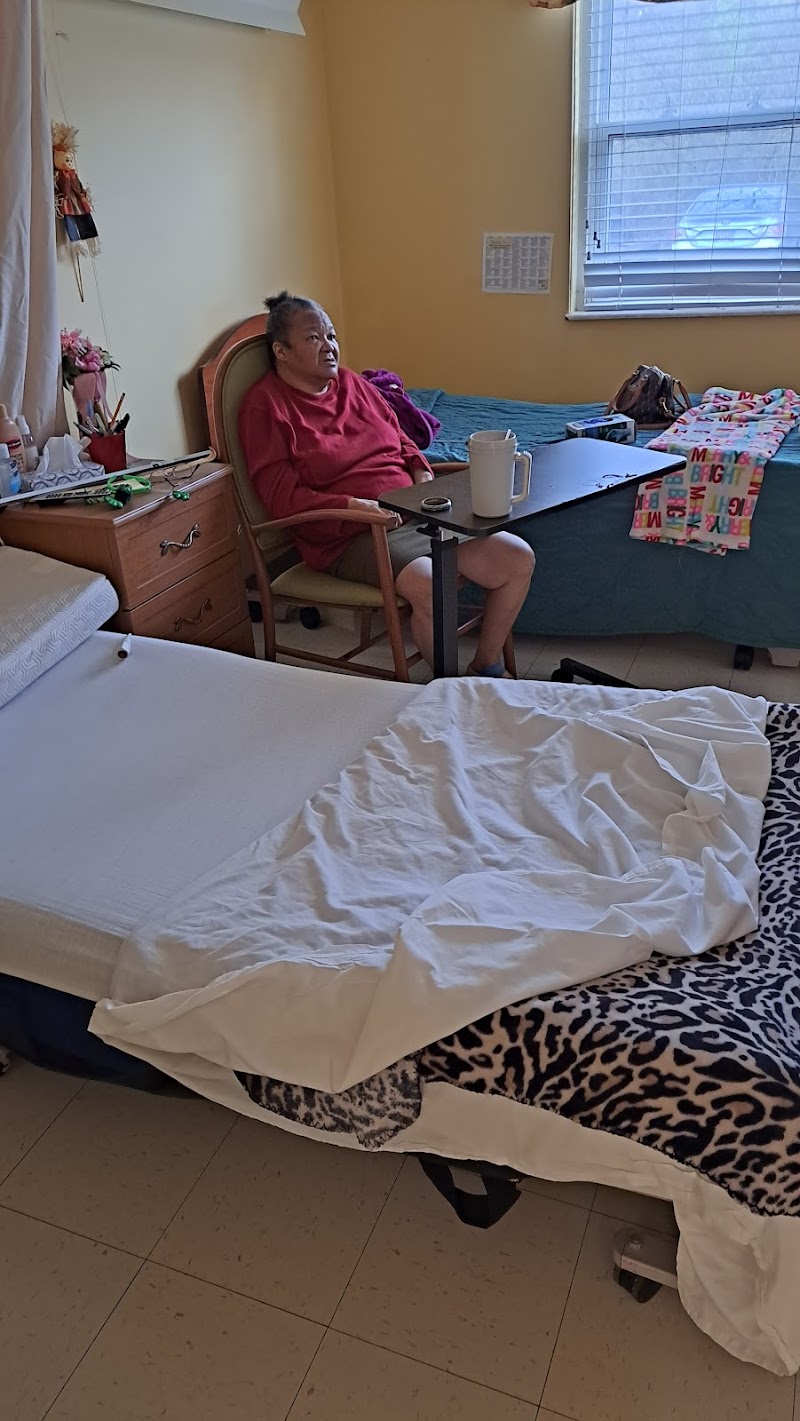
How is Lakeridge Villa Health Staffed?

CMS rates LAKERIDGE VILLA HEALTH CARE CENTER's staffing level at 1 out of 5 stars, which is much below average compared to other nursing homes. Staff turnover is 66%, which is 20 percentage points above the Ohio average of 46%. High turnover can affect care consistency as new staff learn residents' individual needs.

What Have Inspectors Found at Lakeridge Villa Health?

State health inspectors documented 41 deficiencies at LAKERIDGE VILLA HEALTH CARE CENTER during 2019 to 2025. These included: 40 with potential for harm and 1 minor or isolated issues.

Who Owns and Operates Lakeridge Villa Health?

LAKERIDGE VILLA HEALTH CARE CENTER is owned by a for-profit company. For-profit facilities operate as businesses with obligations to shareholders or private owners. The facility is operated by CARECORE HEALTH, a chain that manages multiple nursing homes. With 99 certified beds and approximately 92 residents (about 93% occupancy), it is a smaller facility located in CINCINNATI, Ohio.

How Does Lakeridge Villa Health Compare to Other Ohio Nursing Homes?

Compared to the 100 nursing homes in Ohio, LAKERIDGE VILLA HEALTH CARE CENTER's overall rating (2 stars) is below the state average of 3.2, staff turnover (66%) is significantly higher than the state average of 46%, and health inspection rating (2 stars) is below the national benchmark.

What Should Families Ask When Visiting Lakeridge Villa Health?

Based on this facility's data, families visiting should ask: "How do you ensure continuity of care given staff turnover, and what is your staff retention strategy?" "Can you walk me through typical staffing levels on day, evening, and night shifts?" "Can I visit during a mealtime to observe dining assistance and food quality?" "How do you handle medical emergencies, and what is your hospital transfer rate?" These questions are particularly relevant given the facility's high staff turnover rate and the below-average staffing rating.

Is Lakeridge Villa Health Safe?

Based on CMS inspection data, LAKERIDGE VILLA HEALTH CARE CENTER has a clean safety record: no substantiated abuse findings (meaning no confirmed cases of resident harm), no Immediate Jeopardy citations (the most serious violation level indicating risk of serious injury or death), and is not on the Special Focus Facility watch list (a federal program monitoring the lowest-performing 1% of nursing homes). The facility has a 2-star overall rating and ranks #100 of 100 nursing homes in Ohio. While no facility is perfect, families should still ask about staff-to-resident ratios and recent inspection results during their visit.

Do Nurses at Lakeridge Villa Health Stick Around?

Staff turnover at LAKERIDGE VILLA HEALTH CARE CENTER is high. At 66%, the facility is 20 percentage points above the Ohio average of 46%. High turnover means new staff may not know residents' individual needs, medications, or preferences. It can also be disorienting for residents, especially those with dementia who rely on familiar faces. Families should ask: What is causing the turnover? What retention programs are in place? How do you ensure care continuity during staff transitions?

Was Lakeridge Villa Health Ever Fined?

LAKERIDGE VILLA HEALTH CARE CENTER has no federal fines on record. CMS issues fines when nursing homes fail to meet care standards or don't correct problems found during inspections. The absence of fines suggests the facility has either maintained compliance or corrected any issues before penalties were assessed. This is a positive indicator, though families should still review recent inspection reports for the full picture.

Is Lakeridge Villa Health on Any Federal Watch List?

LAKERIDGE VILLA HEALTH CARE CENTER is not on any federal watch list. The most significant is the Special Focus Facility (SFF) program, which identifies the bottom 1% of nursing homes nationally based on persistent, serious quality problems. Not being on this list means the facility has avoided the pattern of deficiencies that triggers enhanced federal oversight. This is a positive indicator, though families should still review the facility's inspection history directly.