LIBERTY NURSING CENTER OF COLERAIN INC
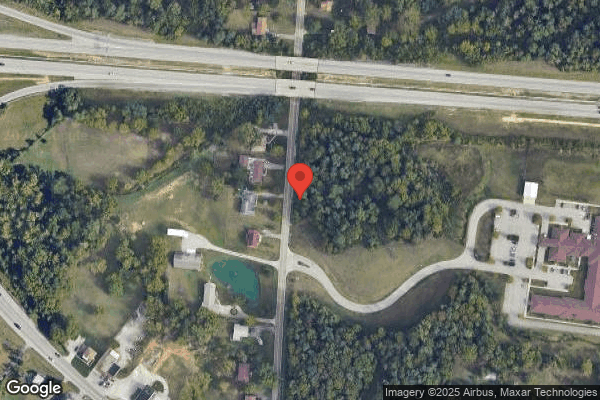
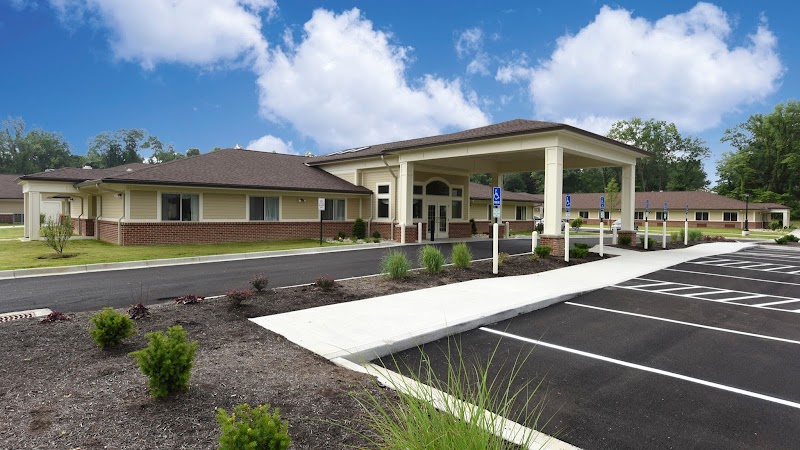
8440 LIVINGSTON ROAD, CINCINNATI, OH 45247 (513) 245-2100
For profit - Corporation 93 Beds Independent Data: November 2025
Trust Grade
5/100
#876 of 913 in OH
Last Inspection: February 2025

Within standard 12-15 month inspection cycle. Federal law requires annual inspections.

Overview

Liberty Nursing Center of Colerain Inc has received an F grade for trust, indicating significant concerns about the care provided. It ranks #876 out of 913 facilities in Ohio, placing it in the bottom half of all nursing homes in the state, and #67 out of 70 in Hamilton County, meaning there are very few local options that perform better. The facility's situation is worsening, with reported issues increasing from 1 in 2024 to 9 in 2025. Staffing is a concern as well, with a rating of 2 out of 5 stars and an alarming turnover rate of 81%, much higher than the state average of 49%. Additionally, the facility has incurred $58,711 in fines, indicating compliance problems, and has less RN coverage than 88% of Ohio facilities, which may affect the quality of care. Specific incidents reported include a serious failure to provide proper assistance during transport, resulting in a resident suffering a leg fracture, and inadequate treatment for pressure ulcers, leading to severe harm for another resident. While the facility has average quality measures, these serious issues highlight significant weaknesses that families should carefully consider.

Trust Score
F
5/100
In Ohio
#876/913
Bottom 5%
Safety Record
High Risk
Review needed
Inspections
Getting Worse
1 → 9 violations
Staff Stability
⚠ Watch
81% turnover. Very high, 33 points above average. Constant new faces learning your loved one's needs.
Penalties
⚠ Watch
$58,711 in fines. Higher than 92% of Ohio facilities. Major compliance failures.
Skilled Nurses
⚠ Watch
Each resident gets only 24 minutes of Registered Nurse (RN) attention daily — below average for Ohio. Fewer RN minutes means fewer trained eyes watching for problems.
Violations
⚠ Watch
43 deficiencies on record. Higher than average. Multiple issues found across inspections.
★☆☆☆☆
1.0
Overall Rating
★★☆☆☆
2.0
Staff Levels
★★★☆☆
3.0
Care Quality
★☆☆☆☆
1.0
Inspection Score
Stable
2024: 1 issues
2025: 9 issues

The Good

  • Full Sprinkler Coverage · Fire safety systems throughout facility
  • No fines on record

Facility shows strength in fire safety.

The Bad

1-Star Overall Rating

Below Ohio average (3.2)

Significant quality concerns identified by CMS

Staff Turnover: 81%

34pts above Ohio avg (46%)

Frequent staff changes - ask about care continuity

Federal Fines: $58,711

Above median ($33,413)

Moderate penalties - review what triggered them

Staff turnover is very high (81%)

33 points above Ohio average of 48%

The Ugly 43 deficiencies on record

3 actual harm
Aug 2025 6 deficiencies
CONCERN (D) 📢 Someone Reported This

A family member, employee, or ombudsman was alarmed enough to file a formal complaint

Potential for Harm - no one hurt, but risky conditions existed

Deficiency F0583 (Tag F0583)

Could have caused harm · This affected 1 resident

Based on medical record review, review of facility communication with outside entities, staff interview, and review of the facility policy, the facility failed to ensure confidentiality of residents' ...

Read full inspector narrative →
Based on medical record review, review of facility communication with outside entities, staff interview, and review of the facility policy, the facility failed to ensure confidentiality of residents' private health information. This affected one (Resident #82) of three residents reviewed for confidentiality. The facility census was 67 residents.Findings include: Review of the medical record for Resident #82 revealed an admission date of 04/29/21 with diagnoses including end stage renal disease, type two diabetes mellitus, and congestive heart failure and a discharge date of 05/14/25. Review of the Minimum Data Set (MDS) assessment Resident #82 revealed the resident had moderately impaired cognition and required supervision with activities of daily living (ADLs.) Review of a written facility communication regarding Resident #82 dated 06/12/25 to the Better Business Bureau (BBB) (a private, non-profit organization with no governmental authority) revealed the letter contained Resident #82's name, diagnoses, weights, prescribed medications, and additional confidential information. Interview on 08/21/25 at 1:28 P.M. with the Administrator confirmed the facility received communication via the mail from the BBB regarding a complaint about the facility made by Resident #82's family. The Administrator stated he spoke with the BBB representative who said the facility did not have to respond to the complaint. The Administrator confirmed he consulted the corporate office and was given direction to respond to the BBB regarding the complaint made by Resident #82's family. The Administrator stated he emailed the response to the BBB dated 06/12/25 and verified the response contained private health information about Resident #82. Review of the facility policy titled Confidentiality of Information and Personal Privacy dated October 2017 revealed the facility would safeguard the personal privacy of all resident personal and medical records and access to resident personal and medical records would be limited to authorized staff and business associates.This deficiency represents noncompliance investigated under Complaint OH00164348 (iQIES 1393019)
CONCERN (D) 📢 Someone Reported This

A family member, employee, or ombudsman was alarmed enough to file a formal complaint

Potential for Harm - no one hurt, but risky conditions existed

Comprehensive Care Plan (Tag F0656)

Could have caused harm · This affected 1 resident

**NOTE- TERMS IN BRACKETS HAVE BEEN EDITED TO PROTECT CONFIDENTIALITY** Based on medical record review, staff interview, and review of the facility policy, the facility failed to develop individualize...

Read full inspector narrative →
**NOTE- TERMS IN BRACKETS HAVE BEEN EDITED TO PROTECT CONFIDENTIALITY** Based on medical record review, staff interview, and review of the facility policy, the facility failed to develop individualized comprehensive resident care plans. This affected one (Resident #80) of 11 residents reviewed for care plans. The facility census was 67 residents.Findings include:Review of the medical record for Resident #80 revealed an admission date of 12/16/22 with diagnoses including end stage renal disease, diabetes mellitus type two, and chronic obstructive pulmonary disease and a discharge date of 08/02/25. Review of hospital records for Resident #80 dated 06/06/25 to 06/08/25 revealed an x-ray of the resident's left foot showed a fracture to the resident's left ankle. Orthopedics evaluated Resident #80, splinted the resident's left lower extremity, and scheduled the resident for follow-up with an orthopedist for 06/10/25. Review of physician's orders for Resident #80 dated 06/08/25 to 08/02/25 revealed there were no orders for care of the left foot nor for care of a splint to the left foot. Review of the care plan for Resident #80 revealed it did not include a care plan for the resident's left ankle fracture, a splint to the left foot, and care to be provided to the left foot. Review of Minimum Data Set (MDS) assessment for Resident #80 dated 07/16/25 revealed the resident was cognitively intact and required assistance with mobility and toileting. Interview on 08/19/25 at 3:05 P.M. with the Assistant Director of Nursing (ADON) confirmed Resident #80 had a splint on her left lower extremity upon return from the hospital on [DATE] but there were no orders or care plan in the resident's medical record that reflected the presence or care of the splint. Interview on 08/25/25 at 1:40 P.M. with Registered Nurse (RN) #300 confirmed Resident #80's care plan did not reflect the presence of the resident's left ankle fracture, the splint to the left foot, and/or care for the fracture. Review of the facility policy titled Medical Device Related Pressure Injury dated January 2018 revealed the use of medical devices should be reflected on the care plan, and if a device is not to be removed, then the orders should reflect that.This deficiency represents noncompliance investigated under Complaint Number OH00164348 (iQIES 1393019.)
CONCERN (D) 📢 Someone Reported This

A family member, employee, or ombudsman was alarmed enough to file a formal complaint

Potential for Harm - no one hurt, but risky conditions existed

ADL Care (Tag F0677)

Could have caused harm · This affected 1 resident

Based on medical record review and staff interview, the facility failed to ensure dependent residents received appropriate bathing assistance. This affected one (Resident #85) of three residents revie...

Read full inspector narrative →
Based on medical record review and staff interview, the facility failed to ensure dependent residents received appropriate bathing assistance. This affected one (Resident #85) of three residents reviewed for bathing assistance. The facility census was 67 residents. Findings include: Review of the medical record for Resident #85 revealed an admission date of 02/21/25 with diagnoses including an open wound of the abdominal wall with a discharge date of 05/22/25.Review of the Minimum Data Set (MDS) assessment for Resident #85 dated 03/14/25 revealed the resident had moderate cognitive impairment and required assistance with bathing, toileting, and dressing. Review of the care plan for Resident #85 dated 03/21/25 revealed the resident required assistance by staff with bathing/showers per schedule and as necessary and to provide a sponge bath when a full bath or shower could not be tolerated. Review of shower sheets for Resident #85 from 04/01/25 to 05/22/25 revealed the resident had four recorded baths on the following dates: 04/06/25, 04/12/25, 05/01/25, and 05/22/25. Interview on 08/26/25 at 3:00 P.M. with the Assistant Director of Nursing (ADON) confirmed there were only four shower/bath sheets completed for Resident #85. The ADON confirmed the expectation was residents would be offered at least two baths/showers per week as scheduled, which should have been 15 showers/baths during the reviewed time period.This deficiency represents noncompliance investigated under Complaint Number 2576092 and Complaint Number OH00166049 (iQIES 1393018) and Complaint Number OH00164348 (iQIES 1393019)
CONCERN (D) 📢 Someone Reported This

A family member, employee, or ombudsman was alarmed enough to file a formal complaint

Potential for Harm - no one hurt, but risky conditions existed

Quality of Care (Tag F0684)

Could have caused harm · This affected 1 resident

**NOTE- TERMS IN BRACKETS HAVE BEEN EDITED TO PROTECT CONFIDENTIALITY** Based on medical record review and staff interview, the facility failed to implement physician orders for fracture and splint ca...

Read full inspector narrative →
**NOTE- TERMS IN BRACKETS HAVE BEEN EDITED TO PROTECT CONFIDENTIALITY** Based on medical record review and staff interview, the facility failed to implement physician orders for fracture and splint care and failed to implement orders for wound care. This affected two Residents (#80, #82) of 11 residents reviewed for quality of care. The facility census was 67 residents.Findings include: 1.Review of the medical record for Resident #80 revealed an admission date of 12/16/22 with diagnoses including end stage renal disease, diabetes mellitus type two, and chronic obstructive pulmonary disease and a discharge date of 08/02/25 Review of hospital records for Resident #80 dated 06/06/25 to 06/08/25 revealed an x-ray of the resident’s left foot showed a fracture to the resident’s left ankle. Orthopedics evaluated Resident #80, splinted the resident’s left lower extremity, and scheduled the resident for follow-up with an orthopedist for 06/10/25. Review of physician’s orders for Resident #80 dated 06/08/25 to 08/02/25 revealed there were no orders for care of the left foot nor for care of a splint to the left foot. Review of the care plan for Resident #80 revealed it did not include a care plan for the resident’s left ankle fracture, a splint to the left foot, and care to be provided to the left foot. Review of Minimum Data Set (MDS) assessment for Resident #80 dated 07/16/25 revealed the resident was cognitively intact and required assistance with mobility and toileting. Interview on 08/19/25 at 3:05 P.M. with the Assistant Director of Nursing (ADON) verified Resident #80 returned from the hospital with a splint on her left lower extremity and no orders were present in her records at the facility to reflect the presence or care of the splint or leg. Interview on 08/25/25 at 1:40 P.M. with Registered Nurse (RN) #300 verified Resident #80’s physician orders did not include orders for a non-removable left leg splint. 2. Review of the medical record for Resident #82 revealed an admission date of 04/29/21 with diagnoses including end-stage renal disease, cerebral infarction, and type two diabetes mellitus and discharge date of 05/14/25. Review of the MDS assessment for Resident #82 dated 03/20/25 revealed the resident had moderately impaired cognition and required supervision with activities of daily living (ADLs.) Review of a hospital after visit summary for Resident #82 dated 03/26/25 revealed the resident visited the hospital for a wound check and was diagnosed with an ulcer to the right leg. Instructions included to apply a wet-to-dry dressing to the right lower leg and change every eight hours. Review of a nurse progress note for Resident #82 dated 03/26/25 revealed the resident returned from the hospital and the daughter informed staff the hospital wanted a wet-to-dry dressing changed every eight hours. The nurse documented there was handwriting on the after-visit summary, but no signature. The note did not include documentation of contact with the physician or hospital for order clarification. Review of the readmission physician’s orders for Resident #82 revealed they did not include orders for wound care for the ulcer to the right lower leg. Review of a nurse progress note for Resident #82 dated 03/27/25 revealed the resident went outside of the facility for a wound consult and received orders for wound care daily to the ulcer on the right lower leg which included the following: clean wound with normal saline, pack gauze coated with Medihoney into wound, cover with ABD pad, tape in place. Review of the physician’s orders for Resident #82 revealed the order from the wound clinic for the treatment to the resident’s right lower leg ulcer were not implemented until 03/29/25 at 7:00 P.M. Interview on 08/26/25 at 12:18 P.M. with Licensed Practical Nurse (LPN) #373 verified Resident #82 returned from the hospital on [DATE] with a non-pressure wound to the right lower leg. The orders in the hospital after visit summary for a wet to dry dressing were not implement. LPN #373 confirmed Resident #82 returned from a wound clinic on 03/27/25 with updated orders for wound care to the right lower leg ulcer which were not implemented until 03/29/25. This deficiency represents noncompliance investigated under Complaint Number 2576092 and Complaint Number OH00166049 (iQIES 1393018) and Complaint Number OH00165759 (iQIES 1393020) and Complaint Number OH00164258 (iQIES 1393015) and Complaint Number OH00164348 (iQIES 1393019)
CONCERN (D) 📢 Someone Reported This

A family member, employee, or ombudsman was alarmed enough to file a formal complaint

Potential for Harm - no one hurt, but risky conditions existed

Accident Prevention (Tag F0689)

Could have caused harm · This affected 1 resident

Based on medical record review, staff interview, and review of the facility policy, the facility failed to ensure falls were investigated in a timely manner. This affected two (Residents #82 and #84) ...

Read full inspector narrative →
Based on medical record review, staff interview, and review of the facility policy, the facility failed to ensure falls were investigated in a timely manner. This affected two (Residents #82 and #84) of four residents reviewed for falls. The facility census was 67 residents.Findings include:1.Review of the medical record for Resident #84 revealed an admission date of 02/28/25 with diagnoses including convulsions, dementia, and bipolar disorder and a discharge date of 06/04/25. Review of the Minimum Data Set (MDS) assessment for Resident #84 dated 04/20/25 revealed the resident had moderate cognitive impairment. Review of the document titled unwitnessed fall for Resident #84 dated 06/01/25 at 10:20 P.M. revealed the resident was found on the floor next to the bed and was unable to give a description of how she fell. The resident was taken to a local hospital for evaluation. Review of the medical record for Resident #84 revealed it did not include a fall investigation for the resident’s fall on 06/01/25. Interview on 08/19/25 at 2:39 P.M. with the Assistant Director of Nursing (ADON) confirmed the facility had no record of an interdisciplinary team (IDT) fall investigation regarding Resident #84’s fall on 06/01/25. The ADON verified that the facility should complete an investigation including a root cause analysis of each resident fall and should determine actions to prevent recurrence. 2. Review of the medical record for Resident #82 revealed an admission date of 04/29/21 with diagnoses including end-stage renal disease, cerebral infarction, and type 2 diabetes mellitus and a discharge date of 05/14/25. Review of the fall risk assessment for Resident #82 dated 02/10/25 revealed the resident was at moderate risk for falls. Review of the MDS assessment for Resident #82 dated 03/20/25 revealed the resident had moderately impaired cognition and required supervision with activities of daily living (ADLs). Review of a progress note for Resident #82 dated 04/08/25 revealed the resident was found on the floor in a sitting position. The resident stated she was trying to go to the restroom and fell down. The resident had no injuries. Review of an the fall investigation note for Resident #82 dated revealed the IDT met to discuss the resident’s fall on 04/08/25. The resident was noted attempting to go to the restroom and did not have any shoes or socks on at the time. A new intervention was implemented for non-skid socks during time of transfers.Review of a progress note for Resident #82 dated 04/15/25 revealed while waiting on transportation the resident went back to her room and fell sustaining a laceration and knot on her scalp. The nurse assessed Resident #82 and the resident was sent to the hospital via ambulance. Review of the medical record for Resident #82 revealed it did not include a fall investigation for the resident’s fall on 04/15/25. Interview on 08/26/25 at 3:50 P.M. with Licensed Practical Nurse (LPN) #373 confirmed the facility had not completed an investigation of Resident 82’s fall on 04/08/25 until 04/14/25 and the facility had not completed a fall investigation for the resident’s fall on 04/15/25. Review of the facility policy titled Falls-Clinical Protocol dated March 2018 revealed following a fall, the staff and the practitioner should begin to try and identify possible causes within 24 hours of the fall and, based on the assessment of the fall, staff and the physician will identify pertinent investigations to try to prevent subsequent falls and address the risks of clinically significant consequences of falling. This deficiency represents noncompliance investigated under Complaint Number OH00163748 (iQIES 1393014) and Complaint Number 2576092 and Complaint Number 2566204 and Complaint Number OH00166770 (iQIES 1393017) and Complaint Number OH00166404 (iQIES 1393016) and Complaint Number OH00165759 (iQIES 1393020) and Complaint Number OH00164258 (iQIES 1393015) and Complaint Number OH00164348 (iQIES 1393019).
CONCERN (F) 📢 Someone Reported This

A family member, employee, or ombudsman was alarmed enough to file a formal complaint

Potential for Harm - no one hurt, but risky conditions existed

Deficiency F0727 (Tag F0727)

Could have caused harm · This affected most or all residents

Based on staff interview and review of staff job descriptions, the facility failed to designate a dedicated Registered Nurse (RN) to serve as the full time Director of Nursing (DON.) This had the pote...

Read full inspector narrative →
Based on staff interview and review of staff job descriptions, the facility failed to designate a dedicated Registered Nurse (RN) to serve as the full time Director of Nursing (DON.) This had the potential to affect all of the residents residing in the facility. The facility census was 67 residents.Findings include: Interview on 08/19/25 at 9:30 A.M. with the Administrator confirmed the Director of Nursing (DON) was on medical leave and had not been working in the facility since 07/22/25. The Administrator confirmed the facility designated Registered Nurse (RN)#300 who was the facility's sole Minimum Data Set (MDS) nurse to also serve as the interim DON. Interview at 08/21/25 at 9:16 A.M. with Social Services Director (SSD) #339 confirmed RN #300 was the facility's full time MDS Nurse who was also responsible for maintaining the care plans for all of the residents in the facility. Interview on 08/21/25 08/21/25 at 12:42 P.M. with the Assistant Director of Nursing (ADON) stated the DON had a medical emergency and had been unable to work since 07/22/5.The ADON verified the facility had designated RN #300 to serve as the acting DON while still performing full-time MDS duties. The ADON verified RN #300 was the facility's only MDS nurse.Interview on 08/25/25 at 1:40 P.M. with RN #300 confirmed she was the facility's only MDS Nurse. RN #300 verified the facility had designated her to be the acting DON during the DON's absence, but she already had a full-time position with the facility as the MDS nurse. Review of the job description for the DON revealed the DON's primary purpose was planning, organizing, developing, and directing the day-to-day functions of the nursing department in accordance with rules, regulations, and guidelines that govern the long-term care facility and ensuring that all nursing personnel are following their respective job descriptions.
Feb 2025 3 deficiencies
CONCERN (D)

Potential for Harm - no one hurt, but risky conditions existed

Deficiency F0578 (Tag F0578)

Could have caused harm · This affected 1 resident

**NOTE- TERMS IN BRACKETS HAVE BEEN EDITED TO PROTECT CONFIDENTIALITY** Based on record review, staff interview, and policy review, the facility failed to ensure resident records were updated to refle...

Read full inspector narrative →
**NOTE- TERMS IN BRACKETS HAVE BEEN EDITED TO PROTECT CONFIDENTIALITY** Based on record review, staff interview, and policy review, the facility failed to ensure resident records were updated to reflect a change in their advance directives. This affected one Resident (#52) of the eight residents reviewed for advance directives. The facility census was 66. Findings include: Review of the medical record for Resident #52 revealed an admission date of 10/29/24. Diagnoses included quadriplegia, cerebral infarction, congestive heart failure (CHF), paroxysmal atrial fibrillation, unspecified severe protein-calorie malnutrition, chronic obstructive pulmonary disease (COPD), anemia, insomnia, and anxiety disorder. Review of the quarterly Minimum Data Set (MDS) assessment dated [DATE], revealed Resident #52 had moderately impaired cognition. Resident #52 was assessed to be dependent on staff for eating, oral hygiene, toileting, bathing, dressing, personal hygiene, bed mobility, and transfer. Review of the physician orders in the electronic medical record (EMR) for Resident #52 dated 12/27/24 revealed the resident was to be a full code. Review of the completed Do Not Resuscitate (DNR) form dated 01/29/25, revealed Resident #52 had an advance directive of DNR Comfort Care - Arrest (DNR-CCA). Interview on 02/12/25 at 10:27 A.M. with Assistant Director of Nursing (ADON) #42, revealed she updated Resident #52's advance directive to reflect the DNR order. ADON #42 stated the hospice provider uploaded the DNR form into Resident #52's medical record, and the facility was unaware the change in advance directive had occurred. Review of the policy titled Advance Directives, revised 12/2016, revealed information about whether or not the resident has executed an advance directive shall be displayed prominently in the medical record.
CONCERN (D)

Potential for Harm - no one hurt, but risky conditions existed

Deficiency F0698 (Tag F0698)

Could have caused harm · This affected 1 resident

**NOTE- TERMS IN BRACKETS HAVE BEEN EDITED TO PROTECT CONFIDENTIALITY** Based on record review and staff interview, the facility failed to routinely monitor the dialysis access site. This affected one...

Read full inspector narrative →
**NOTE- TERMS IN BRACKETS HAVE BEEN EDITED TO PROTECT CONFIDENTIALITY** Based on record review and staff interview, the facility failed to routinely monitor the dialysis access site. This affected one Resident (#15) of two residents reviewed for dialysis. The facility census was 66. Findings include: Review of the medical record for Resident #15 revealed an admission date of 03/02/23. Diagnoses included end stage renal disease (ESRD), type two diabetes mellitus with diabetic chronic kidney disease, dependent on renal dialysis, chronic pain syndrome, hypertension, anorexia, hyperkalemia, depression, and unspecified dementia, unspecified severity, with agitation. Review of the annual Minimum Data Set (MDS) assessment dated [DATE], revealed Resident #15 had moderately impaired cognition. Resident #15 was assessed to require supervision for oral hygiene, toileting, personal hygiene, and transfer, substantial/maximal assistance for bathing, and bed mobility, was independent for eating, and dependent on staff for dressing. Review of the plan of care dated 03/03/23, revealed Resident #15 required hemodialysis related to ESRD. Interventions included: encourage the resident to go for the scheduled dialysis appointments, check and change dressing daily at access site and document, monitor for dry skin and apply lotion as needed, monitor intake and output, monitor laboratory results (labs) and report to the doctor as needed, and monitor vital signs and notify doctor of significant abnormalities. Review of the active February 2025 physician orders for Resident #15, revealed no current order for routine monitoring of the dialysis site. Interview on 02/12/25 at 5:10 P.M. with Assistant Director of Nursing (ADON) #42, verified no documentation of routine monitoring of Resident #15's dialysis access site.
CONCERN (F)

Potential for Harm - no one hurt, but risky conditions existed

Food Safety (Tag F0812)

Could have caused harm · This affected most or all residents

**NOTE- TERMS IN BRACKETS HAVE BEEN EDITED TO PROTECT CONFIDENTIALITY** Based on observations, staff interviews, and policy review, the facility failed to properly label and store food as well as ensu...

Read full inspector narrative →
**NOTE- TERMS IN BRACKETS HAVE BEEN EDITED TO PROTECT CONFIDENTIALITY** Based on observations, staff interviews, and policy review, the facility failed to properly label and store food as well as ensure expired products were disposed of. This had the potential to affect all residents in the facility except for Residents #12, #18, and #165 that were identified by the facility as having a diet of nothing by mouth. The facility census was 66. Findings include: Observations of the kitchen's walk-in refrigerator on 02/10/25 from 6:33 P.M. to 6:40 P.M., revealed half of a ham in a plastic zip lock bag that was not dated, shredded lettuce wrapped in plastic wrap undated, tomato soup in a storage container undated,, a metal container filled with small plastic cups with lids that contained shredded cheese that were undated, a carton of [NAME] slaw undated, and green bell peppers wrapped in plastic wrap that were undated. There was a gallon of milk with an expiration date of 02/08/25. Interview on 02/10/25 at 6:40 P.M. with Dietary Staff #48, verified the undated items as well as the expired milk. Observations of the kitchen's walk-in refrigerator on 02/10/25 at 6:42 P.M. of the walk-in freezer in the kitchen revealed a box of beef patty fritters that were opened, and the plastic bag containing the fritters were open and not dated. A box of veal patties was also opened, and the plastic bag with the patties had not been properly secured or dated. Interview at the time of the observation with Dietary Staff #48 verified the findings. Review of the undated policy titled Refrigerated Storage, revealed refrigerated items shall bear a label indicating the product name and date (month, day, and year) product was received, used, or first opened. Review of the undated policy titled Date Marking revealed all food shall be used or discarded on or before their manufacturer's use by date.
Jul 2024 1 deficiency
CONCERN (D) 📢 Someone Reported This

A family member, employee, or ombudsman was alarmed enough to file a formal complaint

Potential for Harm - no one hurt, but risky conditions existed

Infection Control (Tag F0880)

Could have caused harm · This affected 1 resident

THE FOLLOWING DEFICIENCY REPRESENTS AN INCIDENT OF PAST NON-COMPLIANCE THAT WAS SUBSEQUENTLY CORRECTED PRIOR TO THIS SURVEY. Based on review of the facility incident report, staff interviews and polic...

Read full inspector narrative →
THE FOLLOWING DEFICIENCY REPRESENTS AN INCIDENT OF PAST NON-COMPLIANCE THAT WAS SUBSEQUENTLY CORRECTED PRIOR TO THIS SURVEY. Based on review of the facility incident report, staff interviews and policy review, the facility failed to ensure staff appropriately disposed of an insulin needle after use. This had the potential to affect one (#70) out of three residents reviewed for infection control. The facility census was 61. Findings include: Review of the facility incident report dated 05/05/24 revealed while State Tested Nursing Assistant (STNA) #44 was emptying the trash can in Resident #70 bathroom when she was stuck by a hypodermic insulin needle. The investigation noted the facility was unsure who threw the needle away or who the needle was used on prior to being disposed of in Resident #70's bathroom. Interview with the Director of Nursing (DON) on 07/08/24 at 2:00 P.M. revealed an investigation ensued and all staff were educated to prevent any further incidents following STNA #44's needle stick on 05/05/24. The DON confirmed Resident #70 does not have orders for insulin or injections so the needle in the bathroom trash can did not belong to this resident. The DON further noted the facility could not identify who put the needle in the trash can and could not identify which resident it was used for prior to it being placed in Resident #70's trash can. The DON confirmed needles are to be properly disposed of in sharps containers. Review of the Infection Control Policy undated for disposal of sharp materials revealed no sharps should be thrown in the trash. Sharps should not be capped and placed in the sharps containers. As a result of the incident, the facility took the following actions to correct the deficient practice by 05/12/24: • On 05/05/24, the facility immediately began an investigation regarding the used needle found in Resident #70's room. • On 05/05/24, all sharps containers were checked and replaced if needed by the DON and Infection Preventionist #14. • On 05/05/24, the DON and Infection Preventionist #14 started all staff education regarding proper disposal of needles, sharps and hazardous waste. The education was completed on 05/12/24. • On 05/05/24, DON and Infection Control Preventionist # 14 began trash monitoring which continued daily through 05/12/24 with no further incidents. • Observations of nurses during medication passes on 07/01/24 and 07/08/24 revealed sharps containers on each medication cart. The sharps containers were not over flowing. Staff were observed appropriately disposing of needles in sharps containers. This deficiency represents non-compliance investigated under Complaint Number OH00154496.
Oct 2023 1 deficiency
CONCERN (D) 📢 Someone Reported This

A family member, employee, or ombudsman was alarmed enough to file a formal complaint

Potential for Harm - no one hurt, but risky conditions existed

Accident Prevention (Tag F0689)

Could have caused harm · This affected 1 resident

**NOTE- TERMS IN BRACKETS HAVE BEEN EDITED TO PROTECT CONFIDENTIALITY** Based on medical record review, staff interview and policy review, the facility failed to ensure a resident was provided with ap...

Read full inspector narrative →
**NOTE- TERMS IN BRACKETS HAVE BEEN EDITED TO PROTECT CONFIDENTIALITY** Based on medical record review, staff interview and policy review, the facility failed to ensure a resident was provided with appropriate assistance and supervision during bed mobility which resulted in the resident having an avoidable fall from the bed. This affected one (#23) out of four residents reviewed for accidents. Facility census was 61. Findings Include: Review of Resident #23's medical record revealed the resident was admitted to the facility on [DATE]. Diagnoses include chronic obstructive pulmonary disease, mood disorder, dementia, unsteady feet, and lack of coordination. Review of the comprehensive Minimum Data Set, (MDS) assessment dated [DATE] revealed Resident #23 had severely impaired cognition and was required total staff assistance for bed mobility, transfers, locomotion, dressing, toileting and personal hygiene. Review of plan of care for Resident #23 dated 08/07/23 revealed the resident required total care. Review of Resident #23 plan of care revealed there was an update on 09/21/23 which instructed staff to use two assist for bed mobility. Review of nursing progress note dated 09/17/23 at 1:00 A.M. revealed the State Tested Nurse Aide, (STNA) #50 reported to Registered Nurse, (RN) #56 that Resident #23 fell in his/her room. RN #56 found Resident #23 on the floor between the window and the bed, with the resident head at the foot of the bed. Resident #23 was alert and able to speak. Resident #23 complained of pain on left side of the head and body. Blood was noted under left side of face. The emergency squad transported Resident #23 to the hospital at 1:20 A.M. Resident #23's guardian and Director of Nursing, (DON) were notified. On 09/17/23 at 5:00 A.M., Resident #23 returned from the hospital with a band-aid over superficial laceration measuring 0.5 centimeters by 0.5 centimeters (cm) by (x) 0.1 cm on the left zygoma, (cheekbone). There was no bleeding and no other injuries. Review of hospital records dated 09/17/23 at 2:00 A.M. revealed the Resident #23 arrived at the emergency room with a head laceration from a fall. Resident #23 was alert and had dried blood to the left anterior forehead. Wound care was completed, and the resident departed the emergency room at 3:56 A.M. There were no follow-up orders. Review of the Interdisciplinary Team documentation of 09/18/23 at 12:03 P.M., revealed the fall follow up investigation revealed the STNA #50 informed the RN #56 of the Resident #23 fall. STNA #50 reported the resident was rolled on her side in bed, when STNA #50 stepped away a few feet to the sink to obtain a towel Resident #23 rolled out of the bed onto the floor. The new intervention was to require a two person assist and STNA education. Review of skin assessment dated [DATE] revealed Nurse Practitioner, (NP) #100 assessed Resident #23 left brow laceration as dry and measured 0.5 cm x 0.5 cm x 0.1 cm. Review of physician orders dated 09/19/23 to 10/03/23 revealed Resident #23 an order to treat head laceration with betadine daily and leave open to air daily. There was an order for two people to assistance with care dated 09/20/23. Interview on 10/16/23 at 12:35 P.M. the Director of Nursing, (DON) verified on 09/17/23 at 1:00 A.M. STNA #50 was providing care to Resident #23 in bed. STNA #50 rolled the resident onto the resident's side. STNA #50 walked into the bathroom, approximately 10 feet from the resident's bed, and Resident #23 rolled onto the floor, sustaining a laceration to the left eye. The DON stated RN #56 was notified, completed an assessment and Resident #23 was sent to the emergency room at 1:20 A.M. The DON stated Resident #23 return to the facility at 5:00 A.M. with a wound measuring 0.5 cm x 0.5 cm x 0.1 cm above the left eye. There was a first aid treatment the wound. The wound was healed on 10/03/23. The DON verified STNA #50 should not have left Resident #23 unattended while the resident was rolled his/her left side. Review of facility policy titled, Bath, Bed, dated March 2021, revealed the staff are to place all supplies at the bedside so they can easily be reached. This deficiency represents non-compliance investigated under Master Complaint Number OH00146660 and Complaint Number OH00146536.
Jul 2023 4 deficiencies 1 Harm
SERIOUS (G) 📢 Someone Reported This

A family member, employee, or ombudsman was alarmed enough to file a formal complaint

Actual Harm - a resident was hurt due to facility failures

Accident Prevention (Tag F0689)

A resident was harmed · This affected 1 resident

**NOTE- TERMS IN BRACKETS HAVE BEEN EDITED TO PROTECT CONFIDENTIALITY** Based on observation, medical record review, review of facility policy, review of hospital records, review of facility investiga...

Read full inspector narrative →
**NOTE- TERMS IN BRACKETS HAVE BEEN EDITED TO PROTECT CONFIDENTIALITY** Based on observation, medical record review, review of facility policy, review of hospital records, review of facility investigation, review of employee personnel files and staff and resident interview, the facility failed to ensure Resident #29 was provided adequate assistance and the use of required footrests during transport to prevent an avoidable injury. This resulted in Actual harm on 06/27/23 when Occupational Therapist (OT) #700 was transporting the resident in a wheelchair without proper footrests being in place. During the transport, the resident's right leg fell to the ground and went under the wheelchair. The resident complained of pain and was noted to have swelling to the area. An x-ray, obtained on 06/28/23 (a day after the incident) revealed the resident had a closed displaced fracture of the medial malleolus of the right tibia. This affected one resident (#29) of three residents reviewed for accidents. The facility census was 63. Findings include: Review of the medical record for Resident #29's revealed an admission date of 09/30/22. Resident #29 had diagnoses including multiple sclerosis (MS), morbid obesity due to excess calories, difficulty in walking, muscle weakness, and other symbolic dysfunctions. Review of the care plan for Resident #29 dated 10/02/22, revealed the resident had limited physical mobility related to MS and muscle weakness. Interventions included the resident used a wheelchair and was totally dependent on staff for locomotion. Review of a facility document titled Certificate of Medical Necessity dated 10/31/22 for Resident #29, revealed the resident had history of MS, impaired coordination, inability to complete mobility and contracture to right knee with impaired ability to self-propel. The document revealed the resident required a customized wheelchair. Resident #29 required elevated leg rests due to increased edema in the bilateral lower extremity, and she was unable to bend her right knee past 10 degrees due to knee contracture. Therefore, the document indicated the resident must keep her right leg straight at all times and in order to get right leg off the ground, the facility must use an elevated leg rest. The resident's leg had to be off the ground in order for her to be able to self-propel. The resident was ordered an Access Tilt in Space wheelchair through Sunrise medical. The customized wheelchair was equipped with reclining back, elevated leg rests due to resident's 10-degree right knee flexion and a larger back gap. The document was signed by Physician #901. Review of the quarterly Minimum Data Set (MDS) 3.0 assessment dated [DATE] for Resident #29 revealed the resident was cognitively intact. The assessment revealed Resident #29 required total dependence of two (staff) for transfers and extensive assistance of one (staff) for locomotion. Review of the occupational therapy evaluation dated 06/26/23 for Resident #29, revealed the resident was being seen with goals to increase activity tolerance for functional activities of choice, improve ability to wheel at least 50 feet, make two turns once seated in the wheelchair, safely self-propel her wheelchair in her room and to safely negotiate obstacles while self-propelling her wheelchair. Resident #29 was dependent for safely wheeling at least 50 feet and making two turns, required substantial or maximum assistance for self-propelling her wheelchair in her room and negotiating obstacles while self-propelling her wheelchair. Review of the controlled drug record dated 06/27/23 for Resident #29, revealed the resident was given Tramadol 50 milligrams (mg) one tablet by mouth for pain on 06/27/23 at 6:00 P.M. Review of a progress note dated 06/27/23 at 6:40 P.M. for Resident #29, revealed the resident was being transferred in her wheelchair by the therapist when the resident's right foot got caught under the wheelchair. Resident #29 complained of pain being a five out of ten (zero was no pain and 10 was severe pain) and pain medication (over the counter Tylenol) was administered. The note revealed Resident #29's range of motion was at baseline. Review of an undated Occupational Therapist (OT) #700's witness statement revealed on 06/27/23, OT #700 was pushing Resident #29 down the hall in her wheelchair and Resident #29 was holding her legs up because her legs have trouble bending enough to use the leg rests. While moving down the hallway, Resident #29 dropped her legs without warning and her right leg twisted under the chair. OT #700 immediately backed the chair up and brought her leg in front of her. OT #700 got her footrests and elevated both legs as best she could and returned Resident #29 to her room. OT #700 was delayed in speaking to the nurse immediately about the incident but spoke with her within approximately a half an hour. Review of a progress note dated 06/28/23 at 9:24 A.M. for Resident #29, revealed the facility notified the nurse practitioner (NP) of Resident #29's right foot being swollen and painful post a wheelchair incident on 06/27/23. A new order was obtained for an x-ray. Review of an imaging report dated 06/28/23 for Resident #29, revealed the resident had an acute appearing medial malleoli fracture with soft tissue swelling. Review of a progress note dated 06/29/23 at 8:39 A.M. for Resident #29, revealed the facility notified the NP of the right foot x-ray results and obtained orders for Resident #29 to be treated. Resident #29 was transferred to the hospital for further evaluation and treatment of her right ankle per Resident #29 and her family's request. The NP, Resident #29 and the resident's family were made aware of the new orders, and all were in agreement with plan of care. Review of a progress note dated 06/29/23 at 12:55 P.M. for Resident #29, revealed the wheelchair company was to come in to assess the wheelchair. Review of a progress note dated 06/29/23 at 7:17 P.M. for Resident #29, revealed the resident returned to the facility by stretcher and a fracture was noted to Resident #29's right foot. Oxycodone 5/325 (narcotic /pain) milligrams (mgs) one to two tablets by mouth every six hours as need for five days was ordered and a follow up appointment with the orthopedic surgeon was ordered as soon as possible. Review of a progress note dated 06/29/23 at 12:43 P.M. for Resident #29, revealed the interdisciplinary team (IDT) met regarding the incident. Upon investigation, the IDT found that Resident #29 was being wheeled in a wheelchair by therapist (identified as Occupational Therapist #700) to the therapy room. During wheelchair transportation, Resident #29 said to the therapist that her foot was caught under wheelchair. Resident #29 stated the therapist did not hear her and was still pushing her when resident yelled out that her foot hurt. The therapist then stopped pushing resident. Resident #29's foot was adjusted. The nurse assessed the resident, range of motion was initiated, and a pain assessment performed with a score of a four to five out of ten. Pain medication was given, and ice was offered but Resident #29 declined as she stated she was always cold and cold hurts. Resident #29 was put to bed and the foot of bed was elevated. Staff education was provided an x-ray was obtained. Review of the hospital records dated 06/29/23 for Resident #29, revealed the resident presented to the emergency room for evaluation of right leg, ankle, and foot pain. Resident #29 stated that she was wheelchair bound with a history of MS. Resident #29 was doing physical therapy and her foot got caught in the wheelchair and she heard a pop and had pain. Resident #29 had an x-ray of her ankle done on 06/28/23 and it showed a fracture. Resident #29 stated she was having some significant pain. An x-ray was taken and showed a non-displaced or minimally displaced fracture of the medial malleolus of the right ankle. Resident #29 was diagnosed with a closed displaced fracture of the medial malleolus of right tibia. Resident #29 was placed in an ace wrap and an air cast, was given a prescription for Oxycodone for pain control and ordered to schedule an appointment with orthopedic as soon as possible. Review of RN #902's disciplinary notice dated 06/29/23, revealed the nurse failed to follow proper procedures by not notifying the physician of an acute physical change or incident involving a resident and the family was not notified. Review of Registered Nurse (RN) #902's witness statement dated 06/29/23, revealed while RN #902 was doing rounds on 06/27/23, Resident #29 called her into her room and asked her if the therapist told her what happened. RN #902 stated no and Resident #29 proceeded to tell her that while she was being wheeled to therapy in her wheelchair by the therapist, her right foot got caught under the wheelchair and the therapist did not know and kept wheeling. The resident then yelled for the therapist to stop, and the therapist then rolled her back to her room. RN #902 told Resident #29 she did not hear anything from the therapist and that she would reach out. The resident was still sitting in her chair. She raised her foot up and down and flexed back and forth and it was not red or swollen but was tender. RN #902 administered as needed pain medication and Resident #29 refused ice because of her arthritis. RN #902 asked the resident if she felt like she needed an x-ray and the resident stated no. RN #902 told Resident #29 she would get an x-ray if it was still bothersome when she came back to work on 06/28/23. As she went back to the nursing station, she saw the therapist in the hallway asked if she had something to say to her because Resident #29 told her what happened. The therapist stated I'm sorry, I forgot to tell you her foot was caught in her wheel underneath it. I meant to tell you. RN #902 proceeded to chart the situation and she was due back the next day. RN #902 gave report to the night shift nurse and the next morning the unit manager ordered the x-ray. Review of a physician order dated 06/30/23 for Resident #29, revealed the resident had an order to follow up with orthopedics on 07/24/23 at 8:30 A.M. Review of OT #700's verbal warning disciplinary action form dated 06/30/23 revealed OT #700 failed to report the incident with Resident #29 immediately to nursing staff and OT #700 failed to use foot pedals when transporting residents at all times. Interview on 07/03/23 at 10:56 A.M. with OT #700, revealed she was wheeling Resident #29 down the hallway and Resident #29 was holding both of her legs up in the air. OT #700 stated the leg and footrests were not on the wheelchair due to Resident #29's legs not fitting properly on her current leg and footrests. OT #700 stated Resident #29 dropped her legs unexpectedly while she was pushing her down the hall and Resident #29's right leg and foot got caught and twisted in the wheelchair. Interview on 07/03/23 at 11:00 A.M with Therapy Manager #900, revealed Resident #29 had a specialized wheelchair, and she was aware that her legs did not fit on the wheelchair leg and footrests appropriately prior the incident due to her knee not bending. Therapy Manager #900 stated the wheelchair company was scheduled to come and look at the wheelchair since the incident occurred. Interview on 07/03/23 at 11:29 A.M. with Resident #29, revealed the resident broke her right ankle and stated the therapist was pushing her wheelchair on the way to therapy. Resident #29 reported she had her right leg up on her left leg because the right leg did not work well, and the right leg fell off the left leg and went under the wheelchair. Resident #29 stated she did not have leg and footrests on her wheelchair at the time of the incident because her legs did not stay on them correctly. Resident #29 reported she wanted to use the leg and footrests on her wheelchair. Observation at the same time, revealed Resident #29's customized wheelchair being stored in her room with two leg rests sitting on the wheelchair. Interview on 07/03/23 at 3:48 P.M. with the Director of Nursing (DON), revealed OT #700 was pushing Resident #29 down the hallway on 06/27/23 at an unknown time when the resident stated ouch. The DON reported OT #700 did not hear the resident and Resident #29 yelled out again and OT #700 stopped. The DON stated Resident #29's foot was twisted under the wheelchair. The DON reported OT #700 returned Resident #29 to her room and did not notify the nurse. Resident #29 was talking about the incident to another resident and RN #902 overheard them talking about the incident. The nurse assessed the resident for pain on 06/27/23 and Resident #29 had no initial signs of swelling and was given as needed pain medication. The DON stated RN #902 told Resident #29 that she would contact the doctor the next day if her foot hurt. The DON reported RN #902 did not contact the doctor, family, or management on 06/27/23 regarding the incident which was against the facility's policy. The DON stated management found that RN #902 charted about the 06/27/23 incident on 06/28/23 and the family and physician were contacted based upon that progress note. The DON reported Resident #29 was ordered an x-ray on 06/28/23 and the results came back on 06/29/23 and found Resident #29 had an ankle fracture. Resident #29's family and physician were notified on 06/29/23 and Resident #29 was sent to the hospital for evaluation. The DON stated RN #902 was terminated for failing to notify the physician or family of the incident on 06/27/23 involving Resident #29 and OT #700 was written up for failing to notify the nurse and pushing Resident #29 in a wheelchair without the leg and footrests. The DON reported the facility educated therapy staff on change in condition, but the facility did not educate any other staff on the use of leg and footrests. The DON also stated the facility did not evaluate all resident wheelchairs for leg and footrests or proper functioning. Telephone interview on 07/05/23 at 12:07 P.M. with RN #902, revealed she was doing her rounds on 06/27/23 at around 5:30 P.M. or 6:00 P.M. when Resident #29 told her about the injury. Resident #29 told RN #902 that she was being pushed in a wheelchair by the therapist when her foot went underneath it because she did not have foot or leg rests on her wheelchair and the therapist was not aware until she told her to stop. RN #902 stated the therapist never reported the incident to her. RN #902 reported she assessed Resident #29's foot and found that it was not red or swollen but Resident #29 stated it was slightly painful. RN #902 reported that she provided Resident #29 an as needed Tramadol (narcotic/pain) and informed the night shift nurse of the incident. RN #902 stated she did not notify the family or doctor. RN #902 reported she found the therapist about 10 minutes after she spoke with Resident #29 and the therapist stated that Resident #29's foot got tangled in the wheelchair when she was taking her to therapy in her wheelchair. Telephone interview on 07/05/23 at 12:21 P.M. with OT #700, revealed the incident occurred between 12:30 P.M. and 1:00 P.M. on 06/27/23 and she did not observe Resident #29's leg or foot tangled under her wheelchair because she backed the wheelchair up after she felt resistance and the resident yelled out. OT #700 stated she notified the nurse approximately 30 minutes after the incident and she returned Resident #29 to her room instead of doing therapy with her. OT #700 reported she got Resident #29's leg and footrests from her room to transport Resident #29 back to her room, but Resident #29's right leg did not fit on the foot plate properly due to her knee not bending so she propped it up on the foot plate. Review of OT #700's personnel file revealed OT #700 was hired by the therapy company at the facility on 11/08/21 and was educated on accident prevention on 09/20/22. Review of the facilities in service on reporting acute physical and mental changes of incidents dated 06/29/23 revealed therapy staff including OT# 700 were educated on reporting changes. Review of the facility's change in condition policy dated February 2021, revealed the facility will notify the resident, his or her attending physician and the resident representative of changes in the resident's medical condition. This deficiency represents non-compliance investigated under Complaint Number OH00143879.
CONCERN (D) 📢 Someone Reported This

A family member, employee, or ombudsman was alarmed enough to file a formal complaint

Potential for Harm - no one hurt, but risky conditions existed

Notification of Changes (Tag F0580)

Could have caused harm · This affected 1 resident

**NOTE- TERMS IN BRACKETS HAVE BEEN EDITED TO PROTECT CONFIDENTIALITY** Based on record review, staff interview, and policy review, the facility failed to notify the physician and resident's represent...

Read full inspector narrative →
**NOTE- TERMS IN BRACKETS HAVE BEEN EDITED TO PROTECT CONFIDENTIALITY** Based on record review, staff interview, and policy review, the facility failed to notify the physician and resident's representatives when resident had a change of condition. This affected one resident (#29) out of three residents reviewed. The facility census was 63. Findings include: Review of the medical record for Resident #29's revealed an admission date of 09/30/22. Resident #29 had diagnoses including multiple sclerosis (MS), morbid obesity due to excess calories, difficulty in walking, muscle weakness, and other symbolic dysfunctions. Review of the care plan for Resident #29 dated 10/02/22, revealed the resident had limited physical mobility related to MS and muscle weakness. Interventions included the resident used a wheelchair and was totally dependent on staff for locomotion. Review of the quarterly Minimum Data Set (MDS) 3.0 assessment dated [DATE] for Resident #29 revealed the resident was cognitively intact. The assessment revealed Resident #29 required total dependence of two (staff) for transfers and extensive assistance of one (staff) for locomotion. Review of a progress note dated 06/27/23 at 6:40 P.M. for Resident #29, revealed the resident was being transferred in her wheelchair by the therapist when the resident's right foot got caught under the wheelchair. Resident #29 complained of pain being a five out of ten (zero was no pain and 10 was severe pain) and pain medication (over the counter Tylenol) was administered. The note revealed Resident #29's range of motion was at baseline. The progress note revealed no documented evidence the resident's representative, or the physician was contacted. Review of an undated Occupational Therapist (OT) #700's witness statement revealed on 06/27/23, OT #700 was pushing Resident #29 down the hall in her wheelchair and Resident #29 was holding her legs up because her legs have trouble bending enough to use the leg rests. While moving down the hallway, Resident #29 dropped her legs without warning and her right leg twisted under the chair. OT #700 immediately backed the chair up and brought her leg in front of her. OT #700 got her footrests and elevated both legs as best she could and returned Resident #29 to her room. OT #700 was delayed in speaking to the nurse immediately about the incident but spoke with her within approximately a half an hour. Review of a progress note dated 06/28/23 at 9:24 A.M. for Resident #29, revealed the facility notified the nurse practitioner (NP) of Resident #29's right foot being swollen and painful post a wheelchair incident on 06/27/23. A new order was obtained for an x-ray. Review of Resident #29's imaging report dated 06/28/23 revealed Resident #29 had an acute appearing medial malleoli fracture with soft tissue swelling. Review of Registered Nurse (RN) #902's witness statement dated 06/29/23, revealed while RN #902 was doing rounds on 06/27/23, Resident #29 called her into her room and asked her if the therapist told her what happened. RN #902 stated no and Resident #29 proceeded to tell her that while she was being wheeled to therapy in her wheelchair by the therapist, her right foot got caught under the wheelchair and the therapist did not know and kept wheeling. The resident then yelled for the therapist to stop, and the therapist then rolled her back to her room. RN #902 told Resident #29 she did not hear anything from the therapist and that she would reach out. The resident was still sitting in her chair. She raised her foot up and down and flexed back and forth and it was not red or swollen but was tender. RN #902 administered as needed pain medication and Resident #29 refused ice because of her arthritis. RN #902 asked the resident if she felt like she needed an x-ray and the resident stated no. RN #902 told Resident #29 she would get an x-ray if it was still bothersome when she came back to work on 06/28/23. As she went back to the nursing station, she saw the therapist in the hallway asked if she had something to say to her because Resident #29 told her what happened. The therapist stated I'm sorry, I forgot to tell you her foot was caught in her wheel underneath it. I meant to tell you. RN #902 proceeded to chart the situation and she was due back the next day. RN #902 gave report to the night shift nurse and the next morning the unit manager ordered the x-ray. Review of RN #902's disciplinary notice dated 06/29/23 revealed the nurse failed to follow proper procedures by not notifying the physician of an acute physical change or incident involving a resident and the family was not notified. Corrective action included immediate termination due to the nurse being aware of proper procedures of notifying the physician and family of acute changes in resident's the mental and physical status. Interview on 07/03/23 at 10:56 A.M. with OT #700, revealed she was wheeling Resident #29 down the hallway and Resident #29 was holding both of her legs up in the air. OT #700 stated the leg and footrests were not on the wheelchair due to Resident #29's legs not fitting properly on her current leg and footrests. OT #700 stated Resident #29 dropped her legs unexpectedly while she was pushing her down the hall and Resident #29's right leg and foot got caught and twisted in the wheelchair. Interview on 07/03/23 at 11:29 A.M. with Resident #29, revealed the resident broke her right ankle and stated the therapist was pushing her wheelchair on the way to therapy. Resident #29 reported she had her right leg up on her left leg because the right leg did not work well, and the right leg fell off the left leg and went under the wheelchair. Resident #29 stated she did not have leg and footrests on her wheelchair at the time of the incident because her legs did not stay on them correctly. Interview on 07/03/23 at 3:48 P.M. with the Director of Nursing (DON), revealed OT #700 was pushing Resident #29 down the hallway on 06/27/23 at an unknown time when the resident stated ouch. The DON reported OT #700 did not hear the resident and Resident #29 yelled out again and OT #700 stopped. The DON stated Resident #29's foot was twisted under the wheelchair. The DON reported OT #700 returned Resident #29 to her room and did not notify the nurse. Resident #29 was talking about the incident to another resident and RN #902 overheard them talking about the incident. The nurse assessed the resident for pain on 06/27/23 and Resident #29 had no initial signs of swelling and was given as needed pain medication. The DON stated RN #902 told Resident #29 that she would contact the doctor the next day if her foot hurt. The DON verified RN #902 did not contact the doctor, family, or management on 06/27/23 regarding the incident which was against the facility's policy. The DON stated management found that RN #902 charted about the 06/27/23 incident on 06/28/23 and the family and physician were contacted based upon that progress note. Telephone interview on 07/05/23 at 12:07 P.M. with RN #902, revealed she was doing her rounds on 06/27/23 at around 5:30 P.M. or 6:00 P.M. when Resident #29 told her about the injury. Resident #29 told RN #902 that she was being pushed in a wheelchair by the therapist when her foot went underneath it because she did not have foot or leg rests on her wheelchair and the therapist was not aware until she told her to stop. RN #902 stated the therapist never reported the incident to her. RN #902 reported she assessed Resident #29's foot and found that it was not red or swollen but Resident #29 stated it was slightly painful. RN #902 reported that she provided Resident #29 an as needed Tramadol (narcotic/pain) and informed the night shift nurse of the incident. RN #902 stated she did not notify the family or doctor. RN #902 reported she found the therapist about 10 minutes after she spoke with Resident #29 and the therapist stated that Resident #29's foot got tangled in the wheelchair when she was taking her to therapy in her wheelchair. Telephone interview on 07/05/23 at 12:21 P.M. with OT #700, revealed the incident occurred between 12:30 P.M. and 1:00 P.M. on 06/27/23 and she did not observe Resident #29's leg or foot tangled under her wheelchair because she backed the wheelchair up after she felt resistance and the resident yelled out. OT #700 stated she notified the nurse approximately 30 minutes after the incident and she returned Resident #29 to her room instead of doing therapy with her. Review of the facility's change in condition policy dated February 2021 revealed the facility will notify the resident, his or her attending physician and the resident representative of changes in the resident's medical condition. This deficiency represents non-compliance investigated under Complaint Number OH00143879.
CONCERN (E) 📢 Someone Reported This

A family member, employee, or ombudsman was alarmed enough to file a formal complaint

Potential for Harm - no one hurt, but risky conditions existed

Deficiency F0804 (Tag F0804)

Could have caused harm · This affected multiple residents

Based on observations, interviews, record review, and policy review, the facility failed to ensure residents received food that was palatable and appetizing to them and which met their nutritional rec...

Read full inspector narrative →
Based on observations, interviews, record review, and policy review, the facility failed to ensure residents received food that was palatable and appetizing to them and which met their nutritional recommendations. This affected 15 residents (#1, #3, #4, #5, #18, #20, #33, #34, #35, #38, #48, #50, #55, #59, and #60) who received food on the 200-unit. The facility census was 63. Findings include: Review of the resident council meeting minutes dated 05/16/23 revealed residents stated the food was coming out cold. Review of the resident council meeting minutes dated 06/20/23 revealed the temperature of the food was cold. Observation of the facility's kitchen on 07/03/23 at 8:14 A.M. revealed Dietary Staff #05 to be serving resident meal trays from items that were held on top of the stove in the kitchen. Observation of Dietary Staff #05 taking the temperature of the food items revealed the boiled eggs were 95 degrees Fahrenheit, the bacon was 99.5 degrees Fahrenheit, the sausage links were 122.5 degrees Fahrenheit, the mechanical sausage was 110.5 degrees Fahrenheit, and the grits were 107.9 degrees Fahrenheit. Dietary Staff #05 continued to serve the food items that were held in between 41 degrees Fahrenheit and 135 degrees Fahrenheit without taking the temperature of the food items again. Interview at the same time with Dietary Staff #05, verified the temperatures of the food being held. Dietary Staff #05 also verified she continued to serve the food items without taking the temperatures again while they were in the danger zone. Observations on 07/03/23 at 8:42 A.M. revealed a test tray left the kitchen on the 200-unit cart. All resident trays were retrieved from the meal cart on 07/03/23 at 8:56 A.M. The test tray revealed the scrambled eggs were 111 degrees Fahrenheit, the sausage was 103.5 degrees Fahrenheit, and the oatmeal was 107.5 degrees Fahrenheit and food items were cold to taste. Interview with Dietary Staff #13 and interim Dietary Manager #800 at the same time verified the scrambled eggs, sausage and oatmeal were not palatable and were served below the 135 degrees Fahrenheit holding temperature prior to leaving the kitchen. Interview on 07/03/23 at 11:26 A.M. with Resident #04 revealed the food was cold at times. Interview on 07/03/23 at 11:35 A.M. with Resident #38 revealed meals were often served cold. Review of the facility's undated food temperatures policy revealed all hot items must be cooked to the appropriate internal temperatures and be held and served at a temperature of at least 135 degrees Fahrenheit. Hot food items may not fall below 135 degrees Fahrenheit after cooking unless it is an item which is to be rapidly cooled to 41 degrees Fahrenheit and reheated to at least 135 degrees Fahrenheit. Review of the facility's undated dining experience policy revealed the facility will provide nourishing, palatable and attractive meals that meet the daily nutritional needs and are served at a safe and appetizing temperature. This deficiency represents non-compliance investigated under Complaint Number OH00143586.
CONCERN (E) 📢 Someone Reported This

A family member, employee, or ombudsman was alarmed enough to file a formal complaint

Potential for Harm - no one hurt, but risky conditions existed

Food Safety (Tag F0812)

Could have caused harm · This affected multiple residents

Based on observation, interview and review of facility policy, the facility failed to ensure the food thermometer was properly sanitized while obtaining food temperatures. This had the potential to af...

Read full inspector narrative →
Based on observation, interview and review of facility policy, the facility failed to ensure the food thermometer was properly sanitized while obtaining food temperatures. This had the potential to affect 61 of 63 residents of the facility, excluding residents (#06 and #21) who the facility identified as receiving no food by mouth (NPO). The facility census was 63. Findings include: Observation of the facility's kitchen on 07/03/23 at 8:14 A.M. revealed Dietary Staff #05 to be serving resident meal trays from items that were held on top of the stove in the kitchen. Dietary Staff #05 was observed to put the temperature probe in the boiled eggs that were 95 degrees Fahrenheit and then put the temperature probe in the bacon that was 99.5 degrees Fahrenheit without sanitizing the temperature probe. Dietary Staff #05 was then asked if she had any wipes to sanitize her temperature probe and Dietary Staff #05 continued to wipe the temperature probe on a white washcloth that had a brown color on it that was sitting on the kitchen preparation table prior to placing it in the scrambled eggs. The sausage links were 122.5 degrees Fahrenheit, and the mechanical sausage was 110. 5 degrees Fahrenheit which were observed to be mixed in the same container. Interview at the same time with Dietary Staff #05, verified the temperatures of the food being held. Dietary Staff #05 also verified she did not sanitize her temperature probe between the boiled eggs the bacon it. Dietary Staff #05 also verified she wiped the temperature probe on a white washcloth that had a brown color on it that was sitting on the kitchen preparation table prior to placing it in the scrambled eggs. Review of the facility's undated taking accurate temperatures policy revealed thermometers should be sanitized according to the manufacture instructions. In between uses at one meal, an alcohol swab may be used to sanitize the thermometer. This deficiency represents non-compliance investigated under Complaint Number OH00143586.
Dec 2022 24 deficiencies 2 Harm
SERIOUS (G)

Actual Harm - a resident was hurt due to facility failures

Pressure Ulcer Prevention (Tag F0686)

A resident was harmed · This affected 1 resident

Based on record review, observation, staff interviews, review of facility policy, and review of guidelines from the National Pressure Ulcer Advisory Panel (NPUAP), the facility failed to ensure physic...

Read full inspector narrative →
Based on record review, observation, staff interviews, review of facility policy, and review of guidelines from the National Pressure Ulcer Advisory Panel (NPUAP), the facility failed to ensure physician-ordered and/or care planned interventions were implemented for the treatment of pressure ulcers, failed to thoroughly assess a resident's skin and failed to identify a resident's pressure ulcers until they had already reached an advanced stage. This resulted in Actual Harm to Resident #34 who was admitted to the facility without pressure ulcers and developed two avoidable unstageable pressure ulcers to the left foot. This affected one (#34) of three residents reviewed for pressure ulcers. The facility census was 68. Findings include: Review of the medical record for Resident #34 revealed an admission date of 09/25/17 with a diagnoses including cerebral infarction, dementia, and diabetes mellitus (DM). Review of the Minimum Data Set (MDS) for Resident #34 dated 10/27/22 revealed the resident was cognitively impaired and required extensive assistance of one to two staff with activities of daily living (ADL's). Review of the pressure ulcer risk assessment for Resident #34 dated 04/12/22 revealed the resident was at moderate risk for the development of pressure ulcers. Review of the care plan for Resident #34 updated 11/25/22 revealed the resident was at risk for pressure related ulcers due to insulin-controlled diabetes, hemiparesis, limited mobility, dependence on staff for repositioning and turning, and urinary incontinence. Resident #34 had a diagnosis of expressive aphasia and was not able to indicate her need for repositioning. Resident #34 developed a deep tissue injury (DTI) to the underside of her left first metatarsal and the underside of her left great toe which was first identified on 11/15/22. Interventions included the following: soft preventative boots on as tolerated by resident (added 11/25/222), treat areas as ordered by wound nurse practitioner (NP), encourage/assist to shift weight in wheelchair frequently, turn and reposition often and as needed, administer medications as ordered, monitor/document for side effects and effectiveness, administer treatments as ordered and monitor for effectiveness, apply lotion to dry skin areas after bathing, do not massage over bony prominence's and use mild cleansers for peri-care/washing, treat pain as per orders prior to treatment/turning etc. to ensure the resident's comfort, pressure relieving mattress. Review of the weekly skin observation tool for Resident #34 dated 10/25/22 revealed the resident had no new areas of skin impairment. Review of the medical record for Resident #34 revealed there were no weekly skin observations conducted between 10/25/22 and 11/15/22. Review of the wound NP note for Resident #34 dated 11/15/22 revealed on 11/01/22 the facility reported no new open areas for resident. Resident #34 had an unstageable pressure ulcer to her left great toe which measured 2.5 centimeters (cm) in length by 1.5 cm in width by 0.1 cm in depth and an unstageable pressure ulcer to her left foot which measured 2.0 cm in 1.5 width by 0.1 cm in depth. Offloading boots were recommended to promote healing. Review of the facility pressure ulcer assessment for Resident #34 dated 11/16/22 revealed the resident developed a pressure ulcer to her left toe which was classified as a suspected deep tissue injury (DTI) and measured 2.5 centimeters (cm) in length by 1.5 cm in width by 0.1 cm in depth and a pressure ulcer to her left foot which was also classified as a suspected DTI which measured 2.0 cm in 1.5 width by 0.1 cm in depth. Treatment plan included skin prep as ordered to the areas and to offload resident's heels. Review of the November 2022 monthly physician orders for Resident #34 revealed orders dated 11/25/22 for staff to apply skin prep to areas to left foot once per shift and an order for resident to have pressure preventative boots on her feet at all times. Review of the November 2022 Treatment Administration Record (TAR) for Resident #34 revealed the skin prep treatments to resident's left foot were not documented as administered until 11/25/22. The heel boots were not documented as applied until 11/25/22. Observation on 11/28/22 at 10:47 A.M. of Resident #34 revealed the resident was in bed and her heel boots were sitting on the dresser and were not on resident's feet. Interview on 11/28/22 at 10:53 A.M. with State Tested Nursing Assistant (STNA) #480 confirmed Resident #34 did not have heel boots on her feet. STNA #480 confirmed she was not Resident #34's aide. Interview on 11/28/22 at 10:54 A.M. of Licensed Practical Nurse (LPN) #180 confirmed Resident #34 did not have heel boots on her feet and she was supposed to have them on at all times. LPN #180 confirmed she thought STNA #490 was the aide for Resident #34 and suggested surveyor interview STNA #490 regarding resident's heel boots. Interview on 11/28/22 at 11:01 A.M. with STNA #490 confirmed she was not the aide for Resident #34 and had not provided any care for her on 11/28/22 and had not been in her room. Interview on 11/28/22 at 11:02 A.M. with LPN #180 and STNA #480 confirmed there was a misunderstanding regarding the schedule, and STNA #480 was the assigned aide for Resident #34. STNA #480 confirmed she had been working since 7:00 A.M. on 11/28/22. STNA #480 stated she provided incontinence care to Resident #34 at approximately 7:15 A.M. and delivered her breakfast tray but she had not applied resident's heel protectors because she was not the resident's assigned aide. Interview on 11/28/22 11:42 A.M. with Registered Nurse (RN) #540 confirmed Resident #34 had pressure ulcers to her left foot and left great toe which were first identified on 11/15/22. RN #540 confirmed resident had a physician's order to wear the heel boots at all times as tolerated. RN #540 confirmed resident was unable to don and doff the boots per self. Observation on 11/29/22 at 8:34 A.M. of Resident #34 revealed the resident was in bed and her heel boots were sitting on the dresser and were not on resident's feet. Interview on 11/29/22 at 8:34 A.M. of STNA #500 confirmed Resident #34 was in bed and her heel boots were sitting on the dresser and were not on the resident's feet. STNA #500 confirmed she was her aide for the day and had started work at approximately 7:00 A.M. and she had not attempted to don the boots to resident's feet. Interview on 11/29/22 2:38 P.M. with wound NP #811 confirmed Resident #34 had developed two unstageable pressure ulcers to her left foot approximately two weeks prior. NP #811 confirmed Resident #34 dug her heels into her mattress due to contracture's to the lower extremities. NP #811 confirmed Resident #34 should have heel boots on at all times. Observation of wound care on 11/29/22 at 4:08 P.M. for Resident #34 per RN #540 and LPN #814 revealed the resident was resting in bed with her heel boots in place. Observation revealed RN #540 measured a wound to the underside of Resident #34's left great toe which measured 2.0 cm in lengthy by 1.0 cm in width. RN #540 then measured a wound to the underside of Resident #34's left metatarsal which measured 1.5 cm in length by 1.5 in width. There was no depth to the wounds and both wound beds were reddish-brown in color. RN #540 applied skin prep to Resident #34's wounds. Interview on 12/01/22 at 7:59 A.M. with RN #540 confirmed the facility nurses should conduct a weekly skin assessment and document the results in the residents' electronic medical record. RN #540 confirmed the facility had not conducted Resident #34's weekly skin assessments from 10/25/22 until 11/16/22. RN #540 confirmed the skin assessment on 10/25/22 revealed Resident #34 had no new open areas, and the next subsequent skin assessment was not conducted until 11/16/22 and the resident was found to have developed two pressure ulcers to her left foot. RN #540 confirmed the treatment order for skin prep and the order for heel boots were not initiated until 11/25/22. Review of the facility policy titled Wound, and Skin Prevention Program dated January 2018 revealed a weekly skin assessment should be done by the charge nurse and any skin issues identified should be assessed and a treatment plan should be initiated. Further review of the policy revealed recognizing the need for wound and skin preventative care was everyone's responsibility including STNA's. Review of the NPUAP guidelines dated 2014 pages 70-71 at https://npiap.com/general/custom.asp?page=2014Guidelines revealed facilities should educate health professionals on how to undertake a comprehensive skin assessment that includes the techniques for identifying blanching response, localized heat, edema, and induration. Further review of the guidelines revealed ongoing assessment of the skin was necessary in order to detect early signs of pressure damage. Visual assessment for erythema (redness of the skin) was the first component of every skin inspection. Skin redness and tissue edema resulting from capillary occlusion was a response to pressure, especially over bony prominence's. Staff should conduct a head-to-toe assessment with particular focus on skin overlying bony prominence's including the sacrum, ischial tuberosities, greater trochanters and heels and each time the patient was repositioned was an opportunity to conduct a brief skin assessment. Review of the NPUAP guidelines dated 2014 page 115 revealed ideally, heels should be free of all pressure, a state sometimes called floating heels. Pressure can be relieved by elevating the lower leg and calf from the mattress by placing a pillow under the lower legs, or by using a heel suspension device that floats the heel. Consequently, the pressure will instead spread to the lower legs, and the heels will no longer be subjected to pressure.
SERIOUS (G)

Actual Harm - a resident was hurt due to facility failures

Deficiency F0697 (Tag F0697)

A resident was harmed · This affected 1 resident

Based on record review, observations, staff interview, review of facility policy, review of guidelines from the National Pressure Ulcer Advisory Panel (NPUAP), and review of an online resources regard...

Read full inspector narrative →
Based on record review, observations, staff interview, review of facility policy, review of guidelines from the National Pressure Ulcer Advisory Panel (NPUAP), and review of an online resources regarding pain in dementia residents, the facility failed to provide pain management interventions in accordance with the resident's care plan. This resulted in Actual Harm to Resident #34 who had acute fractures to her right distal tibia/fibula and two unstageable pressure ulcers to her left foot and the resident was not medicated for pain prior to wound care which resulted in the resident exhibiting signs of severe pain. This affected one (#34) of one residents reviewed for pain management. The facility census was 68. Findings include: Review of the medical record for Resident #34 revealed an admission date of 09/25/17 with a diagnoses including cerebral infarction, dementia, and diabetes mellitus (DM.) Review of the Minimum Data Set (MDS) for Resident #34 dated 10/27/22 revealed resident was cognitively impaired and required extensive assistance of one to two staff with activities of daily living (ADL's). Review of the care plan for Resident #34 dated 12/27/21 revealed the resident was on pain medication therapy related to chronic pain and contracture's. Interventions included the following: administer analgesic medications as ordered by physician, monitor/document side effects and effectiveness every shift, review for pain medication efficacy, assess whether pain intensity is acceptable to resident or if change in regimen is required, report/consult physician as needed to obtain desired outcome. Review of the care plan for Resident #34 updated 11/25/22 revealed the resident was at risk for pressure related ulcers due to insulin-controlled diabetes, hemiparesis, limited mobility, dependence on staff for repositioning and turning, and urinary incontinence. Resident #34 had a diagnosis of expressive aphasia and was not able to indicate her need for repositioning. Resident #34 developed a deep tissue injury (DTI) to the underside of her left first metatarsal and the underside of her left great toe which was first identified on 11/15/22. Interventions included the following: administer medications as ordered, monitor/document for side effects and effectiveness, administer treatments as ordered and monitor for effectiveness, treat pain as per orders prior to treatment/turning etc. to ensure the resident's comfort. Review of nurse progress note for Resident #34 dated 11/15/22 revealed the aide notified the nurse the resident had a bruise to the right inner foot. Nurse assessed Resident #34 and noted the resident's right ankle and foot were swollen. The attending physician was notified and gave an order for an x-ray to the right foot. Review of nurse progress note for Resident #34 dated 11/15/22 revealed the x-ray to the right foot indicated acute distal tibia/fibula fractures were noted. Review of x-ray report for Resident #34 dated 11/15/22 revealed there were distal tibia/fibula fractures to the right ankle with slight malalignment, soft tissue swelling, and joint space narrowing. Review of the November 2022 monthly physician orders for Resident #34 revealed orders dated 11/08/22 for resident to receive MS Contin tablets twice daily routinely for pain and morphine sulfate (liquid concentrate) every four hours as needed for pain. Review of the November 2022 Medication Administration Record (MAR) for Resident #34 revealed the resident was offered routine MS Contin on 11/29/22 at 8:00 A.M. but refused the medication. Further review of the MAR revealed Resident #34 did not receive any as needed doses of morphine sulfate liquid on 11/29/22 prior to wound care. Reviewed of the controlled substance sheets for Resident #34 for MS Contin tablets and morphine sulfate liquid revealed the resident did not receive these medications on 11/29/22 prior to wound care. Observation of wound care on 11/29/22 at 4:08 P.M. for Resident #34 per Registered Nurse (RN) #540 and Licensed Practical Nurse (LPN) #814 revealed the resident cried out in pain when nurses repositioned the resident in the bed prior to wound care to her left foot. RN #540 and LPN #814 did not conduct an assessment of Resident #34's pain and assured the resident they would perform treatment as quickly as possible. Resident #34 cried and moaned continuously as staff removed heel protectors, measured wounds to left foot, applied wound treatment, and reapplied heel protectors. Tears were noted running down Resident #34's face during care. Interview on 12/01/22 at 4:20 P.M. with RN #540 confirmed Resident #34 was not able to rate her pain using a numerical scale but the facility rated her pain based on an observation of her objective symptoms including breathing, negative vocalization, facial expression, body language, and consolability consistent with the Pain Assessment in Advanced Dementia (PAINAD) scale. RN #540 confirmed Resident #34's pain during the treatment administration was severe and rated it as a seven to 10 on a scale of zero to 10 with 10 being the worst pain. RN #540 further confirmed Resident #34 had increased pain due to a fracture to her right ankle which was identified on 11/15/22 and pressure ulcers to her left foot which were identified on 11/16/22. RN #540 confirmed she did not assess Resident #34's pain prior to wound care, nor did she offer her pain medication or other interventions prior to wound care. RN #540 confirmed she was aware Resident #34 was in severe pain during wound care, but she continued to provide care and tried to work quickly because the resident was in pain. Interview on 12/01/22 at 4:22 P.M. with LPN #180 confirmed Resident #34 was not able to rate her pain using a numerical scale. LPN #180 confirmed Resident #34 had refused her routine dose of MS Contin at 8:00 A.M. on 12/01/22, and she had not observed the resident exhibiting any signs of pain during random observations of the resident throughout the day. LPN #180 confirmed Resident #34 had not received any pain medication on 12/01/22 prior to wound care at 4:08 P.M. Review of the facility policy titled Pain Clinical Protocol dated March 2018 revealed staff would use a consistent approach and a standardized pain assessment instrument appropriate to the resident's cognitive level. The nursing staff would identify any situations or interventions where an increase in the resident's pain may be anticipated, for example, wound care, ambulation, or repositioning. Review of the NPUAP guidelines dated 2014 page 161 at https://npiap.com/general/custom.asp?page=2014Guidelines in the section regarding Pain Management for Residents with Pressure Ulcers revealed staff should organize care delivery to ensure that it is coordinated with pain medication administration and that minimal interruptions follow. Set priorities for treatment. Pain management includes performing care after administration of pain medication to minimize pain experienced and interruptions to comfort for the individual. Review of online resource at https://www.mdapp.co/pain-assessment-in-advanced-dementia-painad-scale-calculator-550/ revealed the Pain Assessment in Advanced Dementia Scale (PAINAD) scale was a reliable tool for pain evaluation in dementia patients. The original study defines scores between zero and 10, where zero means no pain and 10 means severe pain. The scale administrator is asked to observe the patient for five minutes, either at rest, during a relaxing activity, during caregiving activities or administration of pain medication. PAINAD items include descriptions of breathing (independent of vocalization), negative vocalization, facial expression, body language, and consolability.
CONCERN (D)

Potential for Harm - no one hurt, but risky conditions existed

Deficiency F0561 (Tag F0561)

Could have caused harm · This affected 1 resident

**NOTE- TERMS IN BRACKETS HAVE BEEN EDITED TO PROTECT CONFIDENTIALITY** Based on record review, observations, resident and staff interviews, and review of the facility policy, the facility failed to e...

Read full inspector narrative →
**NOTE- TERMS IN BRACKETS HAVE BEEN EDITED TO PROTECT CONFIDENTIALITY** Based on record review, observations, resident and staff interviews, and review of the facility policy, the facility failed to ensure residents were bathed and assisted with getting out of bed per their preference. This affected two (#36 and #325) of two residents reviewed for choices. The census was 68. Findings include: 1. Review of the medical record for Resident #325 revealed an admission date of 11/14/22 with a diagnosis of aftercare following joint replacement surgery. Review of the Minimum Data Set (MDS) for Resident #325 dated 11/21/22 revealed resident was cognitively intact and required physical assistance of one staff with bathing. Resident #325 was coded as negative for rejection of care and under section F resident was coded as very important when interviewed regarding how important it was to choose between a tub bath, shower, bed bath, or sponge bath. Review of the care plan for Resident #325 dated 11/15/22 revealed the resident had an activities of daily living (ADL) self-care performance deficit related to activity intolerance, impaired balance, limited mobility, musculoskeletal impairment, and pain to the right hip. Interventions included the resident required assistance by staff with bathing/showering per bath schedule and as necessary. Review of the facility shower and bathing records for November 2022 revealed there were no shower sheets for Resident #325 Interview on 11/28/22 at 2:06 P.M. with Resident #325 confirmed she preferred to take a shower as opposed to a bed bath and she preferred to shower every other day. Resident #325 confirmed she had only received one shower since her admission on [DATE] and it was provided by the therapy department. Resident #325 confirmed she had not been offered a shower by the nursing staff since her admission. Interview on 11/29/22 at 12:17 P.M. with Licensed Practical Nurse (LPN) #335 confirmed the facility had no shower sheets or evidence of bathing per preference for Resident #325. 2. Review of the medical record for Resident #36 revealed an admission date of 10/17/22 with a diagnosis of adult hypertrophic pyloric stenosis. Review of the MDS for Resident #36 dated 10/24/22 revealed resident was cognitively intact and required physical assistance of one staff with bathing and extensive assistance of two staff with transfers. Resident #36 was coded as negative for rejection of care and under section F resident was coded as very important when interviewed regarding how important it was to choose between a tub bath, shower, bed bath, or sponge bath. Review of the care plan for Resident #36 dated resident had an ADL self-care performance deficit related to muscle weakness, need for assistance with personal care, difficulty in walking, and spondylosis with radiculopathy. Interventions included the following: provide sponge bath when a full bath or shower cannot be tolerated, the resident requires assistance by staff with bathing/showering per bath schedule and as necessary, staff to assist with transfers and dressing. Review of the facility shower records for October and November 2022 revealed Resident #36 had showers on 10/25/22 and 11/23/22. The sheets did not indicate the bathing method provided. Observation on 11/28/22 at 11:14 A.M. of Resident #36 revealed resident was in bed and was wearing a nightgown. There was a recliner in the room next to the resident's bed. Interview on 11/28/22 at 11:14 A.M. with Resident #36 confirmed she was in bed, and no one had offered her to get her out of bed. Resident #36 confirmed the facility staff had not offered to get her out of bed since she had been admitted on [DATE] and her preference was to get up in her recliner daily. Resident #36 confirmed she had received two bed baths since her admission to the facility. Resident #36 confirmed her preference was to receive showers, but no one had offered her a shower since she had been admitted . Interview on 11/28/22 at 11:31 A.M. with State Tested Nursing Assistant (STNA) #480 confirmed Resident #36 was still in bed and she had not gotten her up because she did not think resident was allowed to get out of bed. STNA #480 confirmed the facility gave resident bed baths instead of showers because she was not allowed to get out of bed. Observation on 11/28/22 at 1:53 P.M. of Resident #36 revealed resident was in bed. Interview on 11/28/22 at 1:53 P.M. of Resident #36 confirmed she wanted to get out of bed, and no one had offered to get her out of bed that day. Observation on 11/29/22 at 12:05 P.M. of Resident #36 revealed the resident was in bed wearing the same nightgown from 11/28/22. Interview on 11/29/22 at 12:05 P.M. of Resident #36 confirmed she wanted to get out of bed, and no one had offered to get her out of bed that day. Resident #36 confirmed she was wearing the same nightgown from 11/28/22, and no one had offered to change it per her preference. Interview on 11/29/22 at 12:05 P.M. with STNA #500 confirmed she had not assisted Resident #36 with getting out of bed because she had heard resident was not allowed to get out of bed. STNA #500 further confirmed resident received bed baths instead of showers because she was not allowed to get out of bed. Interview on 11/29/22 at 12:27 P.M. with LPN #335 confirmed Resident #36 had no clinical contraindication to getting out of bed or to having a shower. LPN #335 further confirmed the facility had two bath sheets for Resident #36 since her admission on [DATE] and neither sheet indicated the type of bath provided. LPN #335 confirmed the aides should offer to get Resident #36 out of bed daily, change clothing, and offer choice of bathing method per resident preference. Review of the facility policy titled Shower/Tub Bath dated February 2018 revealed the facility would provide baths and showers to residents in order to promote cleanliness, provide comfort to the resident and to observe the condition of the resident's skin.
CONCERN (D)

Potential for Harm - no one hurt, but risky conditions existed

Safe Environment (Tag F0584)

Could have caused harm · This affected 1 resident

Based on observations and resident and staff interview, the facility failed to maintain a clean and sanitary environment. This affected one (#71) of one residents reviewed for the physical environment...

Read full inspector narrative →
Based on observations and resident and staff interview, the facility failed to maintain a clean and sanitary environment. This affected one (#71) of one residents reviewed for the physical environment. The facility census was 68. Findings include: Observation on 11/28/22 at 9:39 A.M. revealed Resident #71 lying in bed. A large area, approximately two feet by one foot, of an unidentified dried tan substance below the tube feeding pole was identified directly next to the bed. Interview on 11/28/22 at 10:08 A.M., State Tested Nursing Assistant (STNA) #200 verified the large area of unidentified dried tan substance on the floor next to Resident #71 and it needed to be cleaned. Interview on 11/30/22 at 9:21 A.M., Resident #71 stated, that floor is still a mess. It has been that way for a good while. I think that cord (from the tube feeding pump) is cemented into it. Observations on 11/29/22 at 8:18 A.M., 11/30/22 at 8:06 A.M. and 12/01/22 at 3:09 P.M., the large area of unidentified tan substance remained on the floor near Resident #71's bed.
CONCERN (D)

Potential for Harm - no one hurt, but risky conditions existed

Report Alleged Abuse (Tag F0609)

Could have caused harm · This affected 1 resident

Based on record review, review of the facility incident log, review of facility self-reported incidents (SRI's), staff interview, and review of the facility policy, the facility failed to report an in...

Read full inspector narrative →
Based on record review, review of the facility incident log, review of facility self-reported incidents (SRI's), staff interview, and review of the facility policy, the facility failed to report an injury of unknown origin to the Ohio Department of Health (ODH). This affected one (#34) of two residents reviewed for abuse. The census was 68. Findings include: Review of the medical record for Resident #34 revealed an admission date of 09/25/17 with a diagnoses including cerebral infarction, dementia, and diabetes mellitus (DM). Review of the Minimum Data Set (MDS) for Resident #34 dated 10/27/22 revealed resident was cognitively impaired and required extensive assistance of one to two staff with activities of daily living (ADL's). Review of nurse progress note for Resident #34 dated 11/15/22 revealed the aide notified the nurse resident had a bruise to the right inner foot. Nurse assessed resident and noted resident's right ankle and foot were swollen. The attending physician was notified and gave an order for an x-ray to the right foot. Review of nurse progress note for Resident #34 dated 11/15/22 revealed the x-ray to the right foot indicated acute distal tibia/fibula fractures were noted. Review of x-ray report for Resident #34 dated 11/15/22 revealed there were distal tibia/fibula fractures to the right ankle with slight malalignment, soft tissue swelling, and joint space narrowing. Review of the facility incident log for November 2022 revealed there were no falls or incidents involving Resident #34. Review of the log indicated Resident #34 had an injury of unknown origin on 11/15/22. Review of the facility SRI's dated 11/01/22 through 11/29/22 revealed there were no SRI's submitted regarding Resident #34. Interview on 11/29/22 at 11:51 A.M. with the Administrator confirmed she was aware Resident #34 had a fracture to her right ankle noted on 11/15/22. Administrator confirmed she was not aware how the fracture occurred, and the Director of Nursing (DON) investigated the fracture. Interview on 11/29/22 at 11:53 A.M. with the DON confirmed Resident #34 was noted by the therapy staff on 11/15/22 to have bruising and swelling to her right foot. DON confirmed Resident #34 was unable to explain how the fracture occurred due to cognitive deficits. DON confirmed the facility had not conducted an investigation to determine how the fracture occurred and had not reported the fracture as an injury of unknown source to ODH. Review of the facility policy titled Abuse, Mistreatment, Neglect, Injuries of Unknown Source, and Misappropriation of Resident Property undated revealed the facility would report injuries of unknown source to ODH. The policy defined injury of unknown source as an injury in which the source of the injury was not observed by any person and could not be explained by the resident and the injury was suspicious because of the extent of the injury.
CONCERN (D)

Potential for Harm - no one hurt, but risky conditions existed

Investigate Abuse (Tag F0610)

Could have caused harm · This affected 1 resident

Based on record review, review of the facility incident log, review of facility self-reported incidents (SRI's), staff interview, and review of the facility policy, the facility failed to investigate ...

Read full inspector narrative →
Based on record review, review of the facility incident log, review of facility self-reported incidents (SRI's), staff interview, and review of the facility policy, the facility failed to investigate an injury of unknown source. This affected one (#34) of two residents reviewed for abuse. The census was 68. Findings include: Review of the medical record for Resident #34 revealed an admission date of 09/25/17 with a diagnosis of cerebral infarction, dementia, and diabetes mellitus (DM.) Review of the Minimum Data Set (MDS) for Resident #34 dated 10/27/22 revealed resident was cognitively impaired and required extensive assistance of one to two staff with activities of daily living (ADL's.) Review of nurse progress note for Resident #34 dated 11/15/22 revealed the aide notified the nurse resident had a bruise to the right inner foot. Nurse assessed resident and noted resident's right ankle and foot were swollen. The attending physician was notified and gave an order for an x-ray to the right foot. Review of nurse progress note for Resident #34 dated 11/15/22 revealed the x-ray to the right foot indicated acute distal tibia/fibula fractures were noted. Review of x-ray report for Resident #34 dated 11/15/22 revealed there were distal tibia/fibula fractures to the right ankle with slight malalignment, soft tissue swelling, and joint space narrowing. Review of the facility incident log for November 2022 revealed there were no falls or incidents involving Resident #34. Review of the log indicated Resident #34 had an injury of unknown origin on 11/15/22. Review of the facility SRI's dated 11/01/22 through 11/29/22 revealed there were no SRI's submitted regarding Resident #34. Interview on 11/29/22 at 11:51 A.M. with the Administrator confirmed she was aware Resident #34 had a fracture to her right ankle noted on 11/15/22. Administrator confirmed she was not aware how the fracture occurred, and the Director of Nursing (DON) had investigated the fracture. Interview on 11/29/22 at 11:53 A.M. with the DON confirmed Resident #34 was noted by the therapy staff on 11/15/22 to have bruising and swelling to her right foot. DON confirmed Resident #34 was unable to explain how the fracture occurred due to cognitive deficits. DON confirmed the facility had not conducted an investigation to determine how the fracture occurred. Review of the facility policy titled Abuse, Mistreatment, Neglect, Injuries of Unknown Source, and Misappropriation of Resident Property undated revealed the facility would investigate injuries of unknown source. The policy defined injury of unknown source as an injury in which the source of the injury was not observed by any person and could not be explained by the resident and the injury was suspicious because of the extent of the injury. The investigation should include staff interviews. If there were no direct witnesses, then the interviews may be expanded to cover all employees on the unit, or, as appropriate, the shift. For injuries of unknown source, the investigation will generally involve talking with both the shift on duty when the injury was discovered and prior shifts as well. After completion of the investigation, all of the evidence should be analyzed, and the Administrator (or his/her designee) should make a determination regarding whether the allegation or suspicion is substantiated, and, for injuries of unknown source, a determination regarding the probable source of the Injury.
CONCERN (D)

Potential for Harm - no one hurt, but risky conditions existed

Deficiency F0625 (Tag F0625)

Could have caused harm · This affected 1 resident

**NOTE- TERMS IN BRACKETS HAVE BEEN EDITED TO PROTECT CONFIDENTIALITY** Based on record review, staff interview and facility policy review, the facility failed to provide residents with notification o...

Read full inspector narrative →
**NOTE- TERMS IN BRACKETS HAVE BEEN EDITED TO PROTECT CONFIDENTIALITY** Based on record review, staff interview and facility policy review, the facility failed to provide residents with notification of the bed hold policy when the resident was transferred/discharged to the hospital. This affected two (#09 and #61) out of two residents reviewed for bed hold notification. The facility census was 68. Findings include: 1. Record review for Resident #09 revealed she was admitted to the facility on [DATE]. Diagnoses included chronic obstructive coronary pulmonary disease (COPD), congestive heart failure, atrial fibrillation, hypertensive heart disease, diabetes mellitus two, anemia, acute kidney failure, obesity, essential primary hypertension, osteoarthritis, and insomnia. Review of Resident #09 quarterly minimum data set (MDS) assessment, dated 10/23/22, revealed she had mildly impaired cognition. Further review of the MDS assessment revealed she required extensive assistance with most activities of daily living including bed mobility, dressing, toilet use, and personal hygiene. She was totally dependent on staff with bed mobility. Review of the nursing progress notes revealed Resident #09 discharged to the hospital on [DATE] and returned to the facility on [DATE]. Further review of Resident #09's medical record revealed there was no evidence the resident was provided with the bed hold policy. 2. Resident #61 admitted to the facility on [DATE]. Diagnoses included alcohol induced dementia, chronic obstructive pulmonary disease, seizures, psychosis, major depressive disorder, hypertensive heart disease, essential primary hypertension, dysphasia, and anxiety disorder. Review of the quarterly MDS assessment dated , 09/30/22, revealed Resident #61 had impaired cognition. Further review of the MDS assessment revealed he required supervision from staff with transfers, bed mobility, dressing, and personal hygiene. Review of the nursing progress notes for Resident #61 revealed he was discharged from the facility on 07/29/22 and returned to the facility on [DATE]. Further review of Resident #61's medical record revealed there was no evidence the resident was provided with the bed hold policy. Interview on 12/01/22 at 8:45 A.M. with Business Office Manager (BOM) #115 revealed she unable to provide verification of notification of bed hold policy when Resident #09 and #61 were transferred/discharged to the hospital. Review of the facility policy titled, Bed Hold and Leave of Absence Policy, undated, revealed he facility provides information to the resident at admission regarding it's bed hold and leave of absence policy. At the time of transfer to a hospital or therapeutic leave, the facility will inform the resident and/or representative of the number of bed hold days remaining if the resident participates in the Medicaid program. All other residents will indicate at the time of admission whether they will pay for a bed hold in the event of a hospital transfer or therapeutic leave.
CONCERN (D)

Potential for Harm - no one hurt, but risky conditions existed

Deficiency F0657 (Tag F0657)

Could have caused harm · This affected 1 resident

**NOTE- TERMS IN BRACKETS HAVE BEEN EDITED TO PROTECT CONFIDENTIALITY** 3. Review of the medical record of Resident #71 revealed an admission date of 10/10/22. Diagnoses included acute and chronic res...

Read full inspector narrative →
**NOTE- TERMS IN BRACKETS HAVE BEEN EDITED TO PROTECT CONFIDENTIALITY** 3. Review of the medical record of Resident #71 revealed an admission date of 10/10/22. Diagnoses included acute and chronic respiratory failure with hypoxia, systemic lupus erythematosus, severe protein-calorie malnutrition, oropharyngeal dysphagia, encephalopathy, chronic systolic heart failure, anemia, hypothyroidism, unspecified mood disorder, gastro-esophageal reflux disease without esophagitis, and personal history of transient ischemic attack and cerebral infarction. Review of the comprehensive MDS assessment dated [DATE] revealed the resident had moderately impaired cognition. The resident required extensive assistance of two staff for bed mobility, transfers, and toileting. The resident was dependent on staff for feeding. The resident had no pressure ulcers and was assessed as at risk for pressure ulcers. Review of physician orders revealed an order dated 11/08/22 for Resident #71 to receive a Regular diet, pureed texture, thin consistency. Further review of physician orders revealed orders dated 10/11/22-11/08/22 for the resident to be NPO. Review of the plan of care dated 10/11/22 revealed the resident was to be NPO (nothing by mouth). Interview on 12/01/22 at 9:33 A.M., Registered Dietitian (RD) #813 verified Resident #71's care plan did not reflect the diet upgrade from NPO to pureed on 11/08/22. RD #813 stated Resident #71's care plan should have been updated when the diet was upgraded on 11/08/22. Based on record review, resident and staff interviews and policy review, the facility failed to ensure residents were offered the opportunity to participate in their care planning via care conferences. This affected two (#2 and #50) of three residents reviewed for care planning. Additionally, the facility also failed to ensure resident care plans were updated with changes in condition. This affected one (#71) of three residents reviewed for care planning. The census was 68. Findings include: 1. Review of the medical record for Resident #50 revealed an admission date of 01/17/20 with diagnoses including diabetes mellitus (DM), congestive heart failure (CHF), and chronic kidney disease (CKD.) Review of the Minimum Data Set (MDS) for Resident #50 dated 10/04/22 revealed resident was cognitively intact and required supervision and set up help with activities of daily living (ADL's.) Further record review for Resident #50 revealed there was no evidence of a care conference in the past 12 months. Interview on 11/28/22 at 1:40 P.M. of Resident #50 confirmed he had not been invited to a care conference in a long time, and it was his preference to be involved with his care planning. Interview on 11/29/22 at 3:04 P.M. with the Administrator confirmed the facility had no record of a care conference for Resident #50 in the past 12 months. Administrator confirmed the facility should conduct care conferences upon admission and at least quarterly thereafter. Administrator confirmed residents and/or their representatives should be invited to care conferences. 2. Review of Resident #2's medical record revealed an admission date of 03/13/17. admission diagnoses included cerebrovascular disease, morbid obesity, diabetes, chronic obstructive pulmonary disease, chronic kidney disease, atrial fibrillation, depression, and macular degeneration. Review of Resident #2's MDS dated [DATE] revealed a Brief Interview Mental Status (BIMS) of 15 out of 15. Review of the MDS revealed Resident #2 required extensive one-person assistance for bed mobility, transfers, dressing, toileting and personal hygiene. The MDS revealed Resident #2 required supervision with set-up help for eating. Further review of section N revealed the resident received insulin, antidepressants, hypnotics, anticoagulants, diuretics and opioid's. Review of Resident #2's plan of care dated 10/25/22 revealed the resident was dependent on staff for emotional, physical, cognitive, well-being. Review of Resident #2's medical record revealed the last care conference was 07/15/21. Review of the Care Conference note revealed the care conference was completed with the resident, nursing, and the social service. The document revealed the resident did not want anyone else to attend her meeting. The document revealed the resident signed the care conference attendance form. Interview on 11/28/22 at 11:17 A.M. with Resident #2 stated he has not been involved in care conference meetings. Interview with Administrator on 11/30/22 at 10:04 A.M. confirmed the facility was not able to provide documentation of a recent care conference for Resident #2 since the 07/15/21 care conference. Review of the facility policy titled Comprehensive Person-Centered Care Planning dated 11/2022 revealed the facility encouraged residents to participate in their treatment. Care conferences would be conducted within three business days of admission and at least quarterly thereafter. Residents were encouraged to attend care conferences and stay actively engaged in the care planning process.
CONCERN (D)

Potential for Harm - no one hurt, but risky conditions existed

Deficiency F0658 (Tag F0658)

Could have caused harm · This affected 1 resident

Based on record review, observation, staff interview, physician and nurse practitioner (NP) interview, and review of the facility policy, the facility failed to ensure a resident with a fracture was e...

Read full inspector narrative →
Based on record review, observation, staff interview, physician and nurse practitioner (NP) interview, and review of the facility policy, the facility failed to ensure a resident with a fracture was examined in a timely manner by a physician or provider. This affected one (34) of two residents reviewed for abuse concerns. The census was 68. Findings include: Review of the medical record for Resident #34 revealed an admission date of 09/25/17 with a diagnoses including cerebral infarction, dementia, and diabetes mellitus (DM.) Review of the Minimum Data Set (MDS) for Resident #34 dated 10/27/22 revealed resident was cognitively impaired and required extensive assistance of one to two staff with activities of daily living (ADL's.) Review of the care plan for Resident #34 dated 10/22/22 revealed resident was admitted to hospice for a terminal diagnosis of protein calorie malnutrition. Review of nurse progress note for Resident #34 dated 11/15/22 revealed the aide notified the nurse resident had a bruise to the right inner foot. Nurse assessed resident and noted resident's right ankle and foot were swollen. The attending physician was notified and gave an order for an x-ray to the right foot. Review of nurse progress note for Resident #34 dated 11/15/22 revealed the x-ray to the right foot indicated acute distal tibia/fibula fractures were noted. Review of x-ray report for Resident #34 dated 11/15/22 revealed there were distal tibia/fibula fractures to the right ankle with slight malalignment, soft tissue swelling, and joint space narrowing. Review of a transcript of the text messaging service the facility used to communicate with physicians and providers such as NP's revealed the facility notified NP #810 that x-ray to resident's right ankle showed acute distal tibia/fibula fractures. The text response from NP #810 read, Isn't she hospice? Contact them to see how they wanna proceed? Review of progress note for Resident #34 per Hospice Registered Nurse (RN) #815 dated 11/15/22 revealed hospice received a call from the facility asking them to evaluate the resident because her right foot was bruised and swollen, and the facility was not sure what could have happened. Hospice nurse recommended the facility contact the resident's attending physician for a possible x-ray. Review of progress note for Resident #34 per Hospice RN #816 dated 11/15/22 revealed the resident was not making eye contact and was crying and yelling. Hospice nurse spoke with resident's representative regarding the x-ray results which showed an acute fracture to the right ankle. Resident #34's representative requested the resident be kept comfortable and should not be sent to the hospital related to the fracture. Review of progress note for Resident #34 per Hospice RN #816 dated 11/21/22 revealed the resident was combative when vital signs were attempted. Resident #34 was tearful when asked about pain to her right ankle and ankle presented with swelling and bruising. Review of exam note per NP #810 dated 11/30/22 revealed NP was notified by the facility nurse on 11/15/22 that the resident had an acute fractures to the right distal tibia and fibula. Hospice was notified of the fracture on 11/15/22 and they gave no new orders to treat the fracture. Due to Resident #34 being on hospice no further orders were given on 11/15/22. Observation of wound care for Resident #34 on 11/29/22 at 4:08 P.M. per Registered Nurse (RN) #540 and Licensed Practical Nurses (LPN) #814 revealed resident cried out in pain when her feet were repositioned. Resident #34's right ankle was swollen and bruised. Interview on 11/30/22 at 10:51 A.M. with the Administrator confirmed Resident #34 had not been examined by her attending physician, Medical Doctor (MD) #808 or NP #810 since the fracture to the resident's right ankle was identified on 11/15/22. Administrator further confirmed Resident #34 was on hospice and had been examined by a RN with hospice but had not been examined by a hospice physician or NP regarding her acute injury. Interview on 11/20/22 at 12:06 P.M. with MD #808 confirmed he was notified by NP #810 that Resident #34 had a fracture to her right ankle. MD #808 confirmed he was in the facility on 11/28/22 but he did not examine Resident #34. MD #808 further confirmed he did not give any orders or recommendations for care, treatment, or management of the fracture. Interview on 12/01/22 at 10:13 A.M. with NP #810 confirmed she was notified of Resident #34's fracture on 11/15/22 and she did not give any orders or recommendations for care, treatment, or management of the fracture. NP #810 further confirmed she did not examine Resident #34 until 11/30/22. Review of the facility policy titled Hospice Program dated July 2017 revealed it is the responsibility of the hospice to manage the resident's care as it relates to the terminal illness and related conditions. It was the responsibility of the facility to coordinate care with hospice in the event of a significant change in the resident's physical status and clinical complications which suggested a need to alter the plan of care. Review of the facility policy titled Physician Services dated 11/2022 revealed supervising the medical care of the resident includes participating in the residents assessments and care planning, monitoring changes in residents medical status, and providing consultation or treatment when contacted by the facility, prescribing medications and therapy, ordering a resident transfer to a hospital, conducting required routine visits or delegating to and supervising follow-up visits by a nurse practitioner.
CONCERN (D)

Potential for Harm - no one hurt, but risky conditions existed

ADL Care (Tag F0677)

Could have caused harm · This affected 1 resident

Based on record review, observations, resident and staff interviews, and review of the facility policy, the facility failed to provide nail care for dependent residents. This affected two (#34 and 36)...

Read full inspector narrative →
Based on record review, observations, resident and staff interviews, and review of the facility policy, the facility failed to provide nail care for dependent residents. This affected two (#34 and 36) of three residents reviewed for activities of daily living (ADL) care. The census was 68. Findings include: 1. Review of the medical record for Resident #34 revealed an admission date of 09/25/17 with a diagnoses including cerebral infarction, dementia, and diabetes mellitus (DM). Review of the Minimum Data Set (MDS) for Resident #34 dated 10/27/22 revealed resident was cognitively impaired and required extensive assistance of one to two staff with activities of daily living (ADL's). Review of the care plan for Resident #34 dated 12/27/21 revealed resident was dependent on staff for most of her ADL's due to left hemiparesis after cerebrovascular accident (CVA) and severely impaired cognition. Interventions included to check nail length and trim and clean on bath day and as necessary, report any changes to the nurse. Review of medical record for Resident #34 revealed resident was last seen by the podiatrist for nail care on 07/18/22. Observation on 11/28/22 at 10:47 A.M. of Resident #34 revealed the toenail to resident's left great toe was long, approximately one quarter inch beyond the end of the toe and had jagged edges. Interview on 11/28/22 at 10:54 A.M. Licensed Practical Nurse (LPN) #180 confirmed the toenail to Resident #34's left great toe was long and had a jagged edge and needed to be trimmed. LPN #180 confirmed resident's toenails should be trimmed by the podiatrist and she had not been seen since July 2022. 2. Review of the medical record for Resident #36 revealed an admission date of 10/17/22 with a diagnosis of adult hypertrophic pyloric stenosis. Review of the MDS for Resident #36 dated 10/24/22 revealed resident was cognitively intact and required extensive assistance of one staff with personal hygiene. Review of the care plan for Resident #36 dated resident had an ADL self-care performance deficit related to muscle weakness, need for assistance with personal care, difficulty in walking, and spondylosis with radiculopathy. Interventions included the following: the resident requires assistance by staff with personal hygiene and oral care, check nail length and trim and clean on bath day and as necessary, report any changes to the nurse. Review of the facility shower records for October and November 2022 revealed Resident #36 had showers on 10/25/22 and 11/23/22. The sheets did not indicate nail care was provided. Observation on 11/28/22 at 11:14 A.M. of Resident #36 revealed resident was in bed and her fingernails were long (extending approximately one-quarter inch beyond the end of the finger. Resident #36's nails had visible brown debris underneath them. Interview on 11/28/22 at 11:14 A.M. with Resident #36 confirmed her nails needed to be cleaned and trimmed and she was not able to do this for herself. Interview on 11/28/22 at 11:31 A.M. with State Tested Nursing Assistant (STNA) #480 confirmed Resident #36's nails were long and needed to be trimmed. STNA #480 confirmed nail care should have been done when resident received a bath. Review of the facility policy titled Care of Fingernails and Toenails dated February 2018 revealed the facility would ensure residents' nail beds were cleaned and nails were trimmed in order to prevent infections.
CONCERN (D)

Potential for Harm - no one hurt, but risky conditions existed

Quality of Care (Tag F0684)

Could have caused harm · This affected 1 resident

Based on record review, observation, resident and staff interviews, and review of the facility policy, the facility failed ensure care was provided per the physician's orders. This affected two (#5 an...

Read full inspector narrative →
Based on record review, observation, resident and staff interviews, and review of the facility policy, the facility failed ensure care was provided per the physician's orders. This affected two (#5 and #235) of 18 residents sampled. The census was 68. Findings include: 1. Review of the medical record for Resident #5 revealed an admission date of 06/17/19 with diagnosis of Parkinson's disease. Review of the Minimum Data Set (MDS) for Resident #5 dated 10/21/22 revealed resident was cognitively impaired and required extensive assistance of one staff with activities of daily living (ADL's.) Review of orthopedic surgeon visit note for Resident #5 dated 10/04/22 revealed the resident had sustained a fracture to her right wrist during a fall. The surgeon immobilized the wrist in a brace because he did not feel resident would tolerate wearing a cast well. Further review of the note revealed the resident should wear the brace at all times and could remove the brace when showering. Review of physician's orders for Resident #5 revealed an order dated 10/13/22 for the resident to wear a brace to right wrist at all times; may remove when showering. Review of the October and November Treatment Administration Record (TAR) for Resident #5 revealed the order for the right wrist brace was not signed off as applied and/or in place. Observation on 11/28/22 at 2:25 P.M. revealed Resident #5 was resting in bed and was not wearing a brace to her right wrist. Interview on 11/28/22 at 2:25 P.M. of Licensed Practical Nurse (LPN) #180 confirmed resident was not wearing a brace to her right wrist, and she wasn't sure where the brace was. Observation on 11/29/22 at 8:00 A.M. revealed Resident #5 was up in a wheelchair in the dining room and was not wearing a brace to her right wrist. Interview on 11/29/22 at 8:00 A.M. of State Tested Nursing Assistant (STNA) #500 confirmed resident was not wearing a brace to her right wrist, and she wasn't sure where the brace was. Observation on 11/29/22 at 12:10 P.M. with LPN #335 revealed Resident #5 was not in her room. There was a brace sitting on top of resident's refrigerator in her room. Interview on 11/29/22 at 12:10 P.M. with LPN #335 confirmed Resident #5 had a physician's order from the orthopedic surgeon to wear a right wrist brace at all times except when showering. LPN #335 confirmed the brace on top of the Resident #5's refrigerator was the brace provided at the orthopedic visit on 10/04/22. LPN #335 further confirmed Resident #5's TAR did not include documentation of the application of the wrist brace. LPN #335 confirmed Resident #5 was unable to don or doff the brace per self. 2. Review of the medical record for Resident #325 revealed an admission date of 11/14/22 with a diagnosis of aftercare following joint replacement surgery. Review of the MDS for Resident #325 dated 11/21/22 revealed the resident was cognitively intact and required extensive assistance of one staff with ADL's. Interview on 11/28/22 at 2:12 P.M. with Resident #325 confirmed she had a rash on her buttocks which caused her to itch. Resident #325 confirmed the gave her some type of cream for it which helped but then when she asked for it again the staff told her they had to get it approved by the doctor. Further review of November 2022 physician orders for Resident #325 revealed an order dated 11/16/22 for Nystatin cream apply to bilateral buttocks topically every shift for rash and excoriation. Review of the November 2022 TAR and Medication Administration Record (MAR) revealed it did not include documentation of administration of topical Nystatin cream. Review of skin assessment for Resident #325 dated 11/28/22 revealed resident had a rash to her bilateral buttocks. Observation on 11/29/22 at 12:19 P.M. with LPN #335 revealed the treatment cart for the unit where Resident #325 did not have Nystatin cream for resident. Interview on 11/29/22 at 12:19 P.M. of LPN #335 confirmed Nystatin cream should have been ordered from the pharmacy for Resident #325 when the order was initiated on 11/16/22. LPN 335 confirmed Nystatin cream was not available for application for Resident #325. LPN #335 further confirmed Resident #325's November 2022 MAR and TAR did not include documentation of application of Nystatin cream as ordered. Review of the facility policy titled Pressure Ulcers/Skin Breakdown dated April 2018 revealed the nurse should describe and document/report administration of current skin treatments.
CONCERN (D)

Potential for Harm - no one hurt, but risky conditions existed

Accident Prevention (Tag F0689)

Could have caused harm · This affected 1 resident

**NOTE- TERMS IN BRACKETS HAVE BEEN EDITED TO PROTECT CONFIDENTIALITY** 3. Record review for Resident #61 revealed he admitted to the facility on [DATE]. Diagnoses included alcohol induced dementia, c...

Read full inspector narrative →
**NOTE- TERMS IN BRACKETS HAVE BEEN EDITED TO PROTECT CONFIDENTIALITY** 3. Record review for Resident #61 revealed he admitted to the facility on [DATE]. Diagnoses included alcohol induced dementia, chronic obstructive pulmonary disease, seizures, psychosis, major depressive disorder, hypertensive heart disease, essential primary hypertension, dysphasia, and anxiety disorder. Review of the quarterly Minimum Data Set (MDS) assessment dated , 09/30/22, revealed Resident #61 had impaired cognition. Further review of the MDS assessment revealed he required supervision from staff with transfers, bed mobility, dressing, and personal hygiene. Review of the Wandering Risk assessment completed upon entry to the facility revealed Resident # 61 scored a 12, High Risk to Wander. Review of Resident #61's care plan's revealed a care plan for, has impaired cognitive function/dementia or impaired thought processes related to alcohol/drug abuse, dated 06/16/21. However, the intervention listed was, wander guard to left ankle, dated 08/02/2022 Review of the nursing progress notes for Resident #61, dated 07/29/22 revealed he was found outside the facility by a visitor. Further review of the nurse's notes revealed the resident health his head at the time of the fall. Resident #61 was discharged to the hospital for evaluation. Review of the nursing progress notes revealed Resident #61 was readmitted to the hospital following the fall on 08/01/22. Review of the nursing notes for 08/01/22 revealed a Registered Nurse (RN) applied a wanderguard to the left ankle of Resident #61. Resident #61 stated, it will not be on for long. Nurse's charting on 08/02/22 (late entry dated 08/03/22) revealed Resident #61 cut the wanderguard off the ankle. The wanderguard was placed on Resident #61's wheelchair under the seat for resident's safety related to poor safety awareness. Interview and observation on 11/29/22 at 10:54 A.M. with Licensed Practical Nurse (LPN) #814 confirmed Resident #61 did not have a wanderguard on the wheelchair of Resident #61. LPN #814 lifted the cushion of Resident #61 and confirmed there was no wanderguard. Interview on 11/29/22 at 10:55 A.M. confirmed LPN #807 stated she has been signing off on Resident #61 having his wanderguard in place on his chair without verifying it was actually in place Interview on 11/30/22 at 3:01 P.M. with Regional Nurse (RN) #815 revealed she does not understand why she would have completed an investigation into Resident #61's elopement because the Resident #61 was able to obtain the code and punch the code in and go outside. RN #815 stated he would leave the facility with his guardian/sister. RN #815 confirmed the nursing notes confirmed an elopement had occurred on 07/29/22. RN #815 stated she gathered nursing statements from the date of the elopement. RN #815 stated she was able to surmise the incident happened sometime on 07/29/22 between 2:00 P.M. and 3:00 P.M. However, she did not have any other information regarding Resident #61's elopement. Follow up interview on 11/30/22 at 3:30 P.M. with LPN #814 revealed she found the wanderguard on Resident #61's wheelchair connected on the bottom of the chair. LPN #814 stated she overlooked the wanderguard on 11/29/22 at 10:55 A.M. LPN #814 stated she has to confess that she has been signing off on Resident #61's wanderguard being in place when in reality she has had no idea if it is there or not. Interview on 11/30/22 at 3:36 P.M. with Resident #61 stated he wanted to leave the facility on 07/29/22 because everyone that lives at the facility is old. Resident #61 confirmed he is able to walk without the assistance of the wheelchair as long as he is able to hold onto something. Interview on 11/30/22 at 3:45 P.M. with occupational Therapist (OT) #800 confirmed Resident #61 is able to walk with the assistance of holding onto something. OT #800 confirmed Resident #61 walked with her in therapy with the use of a gait belt and walker. OT #800 stated he walks with stand by guard assist. Review of the facility policy titled, Wandering and Elopements, dated March 2019, revealed the facility will identify residents who are al risk of unsafe wandering and strive to prevent harm while maintaining the least restrictive environment for residents. Based on record review, observations, staff and resident interviews, and policy review, the facility failed to ensure medications were secured and stored safely. This had the potential to affect three residents (#45, #53, and #35) who resided on the facility's Blue unit that are cognitively impaired and independently mobile. Additionally, the facility also failed to ensure a resident at risk for elopement did not elope from the facility. This affected one (#61) out of one resident reviewed for elopement. The facility census was 68. Findings include: 1. Observation on 11/30/22 at 8:15 A.M. revealed a large bag of medications from the pharmacy underneath the counter at the Blue unit nurse station. Interview on 11/30/22 at 8:37 A.M., the Director of Nursing (DON) verified the large bag of medications from the pharmacy was underneath the counter, unlocked. The DON confirmed the medications should be locked inside the medication room. 2. Observation on 11/30/22 at 9:23 A.M., on the Blue unit, revealed a medication cart in the hallway, unlocked, with keys on top of the cart. The cart contained a package of medications for Resident #15 and a bottle of stool softener. The cart was not attended by a nurse. Interview on 11/30/22 at 9:23 A.M., Licensed Practical Nurse (LPN) #814 verified she left medications on the top of the cart, unsecured, with the keys on top, and the cart unlocked when she left the cart unattended and entered a resident's room. LPN #814 further affirmed the cart was not in her sight at the time of the surveyor's observation. The facility identified three residents (#45, #53, and #35) who resided on the facility's Blue unit that are cognitively impaired and independently mobile and that could potentially access unsecured medications. Review of the facility policy titled, Storage of Medications, dated 11/2020 revealed drugs and biologicals used in the facility are stored in locked compartments. Only persons authorized to prepare and administer medications have access to locked medications. Compartments containing drugs and biologicals are locked when not in use. Unlocked medication carts are not left unattended.
CONCERN (D)

Potential for Harm - no one hurt, but risky conditions existed

Tube Feeding (Tag F0693)

Could have caused harm · This affected 1 resident

**NOTE- TERMS IN BRACKETS HAVE BEEN EDITED TO PROTECT CONFIDENTIALITY** Based on medical record review, observations staff interviews, and policy review, the facility failed to ensure weights were obt...

Read full inspector narrative →
**NOTE- TERMS IN BRACKETS HAVE BEEN EDITED TO PROTECT CONFIDENTIALITY** Based on medical record review, observations staff interviews, and policy review, the facility failed to ensure weights were obtained as ordered and according to the facility policy. Additionally, the facility also failed to ensure tube feeding was labeled and a syringe was replaced timely. This affected two (#71 and #36) of two residents reviewed for tube feeding. The facility census was 68. Findings include: 1. Review of the medical record of Resident #71 revealed an admission date of 10/10/22. Diagnoses included acute and chronic respiratory failure with hypoxia, systemic lupus erythematosus, severe protein-calorie malnutrition, oropharyngeal dysphagia, encephalopathy, chronic systolic heart failure, anemia, hypothyroidism, unspecified mood disorder, gastro-esophageal reflux disease without esophagitis, and personal history of transient ischemic attack and cerebral infarction. Review of the comprehensive MDS assessment dated [DATE] revealed the resident had moderately impaired cognition. The resident required extensive assistance of two staff for bed mobility, transfers, and toileting. The resident was dependent on staff for feeding. Review of an order dated 11/09/22 revealed the resident was to be weighed weekly every Monday. Further review of Resident #71's orders revealed the resident received nutrition via a tube feeding. Review of weights revealed a struck out weight on 10/11/22 of 138.1 pounds and a weight on 11/02/22 of 126.8 pounds. No additional weights were located in the resident's medical record. Review of a progress note dated 11/07/22 revealed Registered Dietitian (RD) #813 noted hospital weights were in the 120's and Resident #71's initial admission weight may be inaccurate. Interview on 12/01/22 at 9:33 A.M., RD #813 verified Resident #71 was supposed to be weighed weekly and had not been weighed as ordered. RD #813 confirmed Resident #71 had only been weighed twice since admission. RD #813 stated, since Resident #71 was receiving enteral feeding and transitioning to an oral diet, she should be weighed more frequently. RD #813 verified a reweight was not obtained after 11/02/22, which suggested a possible 11.3 pound loss from the previous weight. RD #813 confirmed Resident #71 received nutrition via a tube feeding. Review of the facility policy titled, Weight and Height Protocol, dated 11/2017, revealed residents are weighed within 24 hours of admission and weekly three times thereafter to establish a baseline of four weights. If there is a five pound or greater difference from the previous weight, the resident will be reweighed the next day. 2. Review of the medical record for Resident #36 revealed an admission date of 10/17/22 with a diagnosis of adult hypertrophic pyloric stenosis. Review of the MDS for Resident #36 dated 10/24/22 revealed the resident was cognitively intact and required physical assistance of one staff with activities of daily living (ADL's). Review of the November 2022 monthly physician orders for Resident #36 revealed an order dated 11/17/22 for resident to have a continuous tube feeding per pump with Jevity 1.5 infusing at 45 milliliters per hour and an order dated 11/17/22 to flush the tube with 100 ml of water every six hours. Observation on 11/28/22 at 11:20 A.M. of Resident #36 revealed the resident had a gastrostomy tube and bag of tube feeding was infusing per pump at 45 ml per hour. The bag was not labeled regarding its contents. There was a syringe at Resident #36's bedside which was open and dated 11/27/22. Interview on 11/28/22 11:44 A.M. with Registered Nurse (RN) #540 confirmed Resident #36's tube feeding was running at 45 ml per hour but the bag was not labeled regarding the contents of the tube feeding. RN #540 further confirmed the syringe at resident's bedside was open and dated for 11/27/22. RN #540 confirmed the syringe was used for flushing the g-tube and instilling medications and should be changed daily. Review of the facility policy titled Enteral Nutrition dated November 2018 revealed the facility nurses would ensure enteral nutrition was carried out per physician order.
CONCERN (D)

Potential for Harm - no one hurt, but risky conditions existed

Respiratory Care (Tag F0695)

Could have caused harm · This affected 1 resident

**NOTE- TERMS IN BRACKETS HAVE BEEN EDITED TO PROTECT CONFIDENTIALITY** 2. Review of the medical record of Resident #20 revealed an admission date of 01/17/18. Diagnoses included chronic systolic (con...

Read full inspector narrative →
**NOTE- TERMS IN BRACKETS HAVE BEEN EDITED TO PROTECT CONFIDENTIALITY** 2. Review of the medical record of Resident #20 revealed an admission date of 01/17/18. Diagnoses included chronic systolic (congestive) heart failure, schizoaffective disorder, major depressive disorder, chronic venous hypertension with inflammation of bilateral lower extremity, paroxysmal atrial fibrillation, chronic obstructive pulmonary disease, hemiplegia and hemiparesis following cerebrovascular disease, dementia with behavioral disturbance, mild protein-calorie malnutrition, and acute and chronic respiratory failure with hypoxia. Review of the quarterly MDS assessment dated [DATE] revealed the resident had severely impaired cognition. Resident #20 required extensive assistance of one staff for bed mobility and toileting and did not transfer during the assessment period. Resident #20 was dependent on one staff for eating. Review of physician's orders revealed an order dated 12/10/20 for oxygen (O2) at two liters per minute via nasal cannula PRN (as needed). Check O2 saturations (sats) every shift and PRN as indicated. Observation on 11/28/22 at 10:44 A.M. revealed Resident #20 lying in bed, wearing oxygen via a concentrator. The tubing did not have a date. Interview on 11/28/22 at 10:51 A.M., LPN #814 verified Resident #20's oxygen tubing was not dated. LPN #814 affirmed oxygen tubing should be dated with the date the tubing was changed. 3. Review of the medical record of Resident #29 revealed an admission date of 07/14/18. Diagnoses included chronic diastolic heart failure, chronic obstructive pulmonary disease, hypertensive heart disease, venous insufficiency, obstructive sleep apnea, chronic respiratory failure with hypoxia, and dependence on supplemental oxygen. Review of the quarterly MDS assessment dated [DATE] revealed Resident #29 had intact cognition. The resident was independent with bed mobility, transfers, eating, and toileting. Resident #29 utilized oxygen during the assessment period. Review of current physician's orders revealed an order dated 11/14/20 to apply O2 to keep sats greater than 90% (may titrate). Observation on 11/28/22 at 11:02 A.M. revealed Resident #29 seated in her recliner in her room. Resident #29 was wearing her oxygen and the tubing connected to the concentrator was not dated. Interview on 11/28/22 at 11:03 A.M. LPN #814 verified Resident #29's oxygen tubing was not dated. Based on record review, observation, resident and staff interview, and review of the facility policy, the facility failed to administer oxygen in accordance with a physician's order. This affected one (#36) of eight residents reviewed with orders for oxygen. Additionally, the facility also failed to ensure oxygen tubing was dated upon application. This affected three (#20, #29 and #36) of eight residents reviewed with orders for oxygen. The census was 68. Findings include: 1. Review of the medical record for Resident #36 revealed an admission date of 10/17/22 with a diagnosis of adult hypertrophic pyloric stenosis. Review of the Minimum Data Set (MDS) for Resident #36 dated 10/24/22 revealed the resident was cognitively intact and required extensive assistance of one staff with activities of daily living (ADL's). Review of the care plan for Resident #36 revealed it did not include documentation of oxygen therapy for the resident. Review of the physician orders for Resident #36 revealed there were no orders for oxygen therapy. Review of the progress note for Resident #36 dated 11/11/22 revealed the resident returned from the hospital with no new orders. Hospital nurse reported that Resident #36 complained of difficulty breathing and had an oxygen saturation level of 90 percent (%) on room air. The hospital gave her oxygen at two LPM which increased her oxygen saturation level to 94%. Review of vital sign records for Resident #36 revealed the resident's oxygen saturation level was checked on the following dates while resident was receiving oxygen via NC: 11/12/22, 11/19/22, 11/24/22. Observation on 11/28/22 at 11:14 A.M. of Resident #36 revealed had and oxygen concentrator at her bedside and was receiving two liters per minute (LPM) of oxygen per nasal cannula (NC). The oxygen tubing was not dated. Interview on 11/28/22 at 11:14 A.M. with Resident #36 confirmed she had started receiving oxygen a couple weeks ago and she was now receiving it all the time. Resident #36 confirmed she was unsure what the LPM of oxygen was supposed to be and she was unsure when the tubing had been changed last. Interview on 11/28/22 at 11:24 A.M. with Licensed Practical Nurse (LPN) #180 confirmed Resident #36 had oxygen infusing at two LPM per NC. LPN #180 confirmed Resident #36's oxygen tubing was not labeled and she was unsure when it had been changed last. LPN #180 confirmed she was unsure what level of oxygen was ordered for the resident. Interview on 12/01/22 at 8:23 A.M. per Registered Nurse (RN) #540 confirmed Resident #36 had received oxygen intermittently since her return from the hospital on [DATE]. RN #540 confirmed the facility did not have a physician's order for oxygen administration for Resident #36. Review of the facility policy titled Oxygen Administration dated October 2010 revealed the nurse should verify there was a physician's order for oxygen administration before administering oxygen. Further review of the policy revealed the facility would ensure safe oxygen administration for residents.
CONCERN (D)

Potential for Harm - no one hurt, but risky conditions existed

Medication Errors (Tag F0758)

Could have caused harm · This affected 1 resident

**NOTE- TERMS IN BRACKETS HAVE BEEN EDITED TO PROTECT CONFIDENTIALITY** 2. Review of the medical record of Resident #11 revealed an admission date of 04/16/22. Diagnoses included Alzheimer's disease, ...

Read full inspector narrative →
**NOTE- TERMS IN BRACKETS HAVE BEEN EDITED TO PROTECT CONFIDENTIALITY** 2. Review of the medical record of Resident #11 revealed an admission date of 04/16/22. Diagnoses included Alzheimer's disease, morbid obesity, heart failure, acute and chronic respiratory failure with hypoxia, bradycardia, altered mental status, hypothyroidism, auditory hallucinations, hallucinations, cardiomegaly, chronic atrial fibrillation, unspecified anxiety disorder, adjustment disorder, major depressive disorder, gout, chronic diastolic heart failure, dementia, chronic obstructive pulmonary disease, type 2 diabetes mellitus, chronic kidney disease, hyperlipidemia, and essential hypertension. Review of the quarterly MDS assessment dated [DATE] revealed the resident had intact cognition. The resident required extensive assistance of two staff for bed mobility, supervision for transfers and toileting, and was independent with eating. Review of a physician order dated 04/16/22-04/19/22 revealed an order for olanzapine five mg-give five mg (milligrams) by mouth at bedtime related to hallucinations. Review of a physician order dated 04/19/22-05/24/22 revealed an order for olanzapine tablet 2.5 mg-give one tablet by mouth at bedtime for psychotic disorder related to psychotic disorder related to auditory hallucinations and hallucinations unspecified. Complete antipsychotic monitor documentation and quarterly AIMS test. Review of physician orders revealed orders dated 10/28/22 to 11/21/22 for quetiapine fumarate tablet 25 mg (milligrams)-give one tablet by mouth at bedtime for hallucination/sleep disturbance delusions. Complete antipsychotic monitor documentation and quarterly AIMS test. Review of physician orders dated 11/21/22 revealed order for Risperidone tablet 0.25 mg-give one tablet by mouth at bedtime for psychosis add and document anti psychotic monitor and quarterly AIMS test. Review of the medical record of Resident #11 revealed no evidence of an AIMS being completed since admission. Interview on 12/01/22 at 11:20 AM, Regional Nurse #812 verified Resident #11 did not have any AIMS assessments completed for Resident #11. Regional Nurse #812 stated AIMS should be done every six months. Review of the facility policy titled, Antipsychotic Medication Use, dated 12/2016, revealed nursing staff should monitor for report neurologic side effects and adverse consequences of antipsychotic medications to the attending physician, including akathisa, dystonia, extrapyramidal effects, akinesia, or tardive dyskinesia, stroke, or TIA (transient ischemic attack). Based on record review, staff interview and policy review, the facility failed to ensure residents were free from unnecessary psychotropic drugs by failing to appropriately monitor side effects of psychotropic medications. This affected two (#8 and #11) of six residents reviewed for unnecessary medications. The facility census was 68. Findings include: 1. Review of Resident #8's medical record revealed an admission date of 10/23/19. admission diagnoses included diabetes, chronic kidney disease, schizophrenia, arthritis, major depressive disorder, anxiety disorder, fracture of medial malleolus of the left tibia, Alzheimer's disease, heart failure, and peripheral venous insufficiency. Review of Resident #8's Minimum Data Set (MDS) dated [DATE] revealed a Brief Interview Mental Status (BIMS) of 10 out of 15. Review of the MDS revealed the resident required extensive one-person assistance for bed mobility, transfer, dressing, toileting, and personal hygiene. Resident #8 was independent with set-up for eating. Review of Resident #8's plan of care dated 11/14/22 revealed the resident used antipsychotic medications. Interventions included to monitor for side effects of the medication. Review of Resident #8's physician orders dated 11/21/22 revealed Olanzapine (antipsychotic) tablet 2.5 milligram. Directions included to give one tablet by mouth at bedtime for psychotic disorder. Directions included to monitor documentation and quarterly Abnormal Involuntary Movement Scale (AIMS). Review of Resident #8's medical record revealed the resident had previously been on Ability from 04/09/21 through 10/28/22. Review of Resident #8's medical record revealed the most recent AIMS was completed on 05/18/20. Interview on 12/01/22 at 11:20 A.M. with Regional Nurse Consultant #812 and Registered Nurse #813 confirmed no AIMS had been completed for Resident #8 since 05/18/20.
CONCERN (D)

Potential for Harm - no one hurt, but risky conditions existed

Unnecessary Medications (Tag F0759)

Could have caused harm · This affected 1 resident

Based on record review, observation, staff interview, and review of the facility policy, the facility failed to ensure medications were administered as physician ordered resulting in two medication er...

Read full inspector narrative →
Based on record review, observation, staff interview, and review of the facility policy, the facility failed to ensure medications were administered as physician ordered resulting in two medication errors out of 34 errors or a 5.8 percent (%) medication error rate. This affected two (#19 and #31) of four residents observed for medication administration. The census was 65. Findings include: 1. Review of the medical record for Resident #31 revealed an admission date of 12/23/20 with a diagnoses including chronic obstructive pulmonary disease (COPD), acute respiratory failure, and anxiety disorder. Review of the Minimum Data Set (MDS) for Resident #31 dated 12/31/22 revealed resident was cognitively intact and required supervision with activities of daily living (ADL's). Review of the January 2023 monthly physician orders revealed an order dated 06/03/21 for Fosamax 70 milligram (mg) tablet to be given once every seven days for osteoporosis. Observation on 01/12/23 at 9:10 A.M. of medication administration per Licensed Practical Nurse (LPN) #841 for Resident #31 revealed Fosamax was not available for administration and was due to be administered on 01/12/23. Interview on 01/12/23 at 9:10 A.M. with LPN #841 confirmed Fosamax was not available for administration as ordered for Resident #31. 2. Review of the medical record for Resident #19 revealed an admission date of 02/17/22 with a diagnoses including COPD and emphysema. Review of the MDS for Resident #19 dated 01/01/23 revealed resident was cognitively intact and required extensive assistance of one staff with ADL's. Review of the January 2023 monthly physician orders revealed an order dated 02/18/22 for Spiriva inhaler once daily. Review of the care plan for Resident #19 dated 02/18/22 revealed the resident had emphysema/COPD. Interventions included the following: give aerosol or bronchodilator's as ordered, monitor/document any side effects and effectiveness, monitor and document and report any signs of respiratory infection. Observation on 01/12/23 at 9:15 A.M. of medication administration per LPN #841 for Resident #19 revealed Spiriva inhaler was not available for administration. Interview on 01/1223 at 9:15 A.M. per LPN #841 confirmed Spiriva inhaler was not available for administration as ordered for Resident #19. Review of the facility policy titled Medication Administration dated July 2022 revealed medications should be administered as ordered by the prescriber.
CONCERN (D)

Potential for Harm - no one hurt, but risky conditions existed

Deficiency F0760 (Tag F0760)

Could have caused harm · This affected 1 resident

**NOTE- TERMS IN BRACKETS HAVE BEEN EDITED TO PROTECT CONFIDENTIALITY** Based on record review, staff interview and policy review, the facility failed to administer intravenous antibiotics as physicia...

Read full inspector narrative →
**NOTE- TERMS IN BRACKETS HAVE BEEN EDITED TO PROTECT CONFIDENTIALITY** Based on record review, staff interview and policy review, the facility failed to administer intravenous antibiotics as physician orders for the treatment of a urinary tract infection (UTI) resulting in significant medication errors. This affected one (#21) of six residents reviewed for medications administration. The facility census was 68. Findings include: Review of Resident #21's medical record revealed an admission date of 06/28/18. admission diagnoses included pneumonitis, urinary tract infection, protein-calorie malnutrition, dysphagia following a cerebral infarction, anoxic brain damage, aphasia, dysphagia, and sepsis. Review of Resident #21's Minimum Data Set (MDS) dated [DATE] revealed a Brief Interview Mental Status unable to be completed. Review of the MDS revealed the resident required extensive one-person assistance for bed mobility, dressing, and personal hygiene. The resident required total one-person assistance for eating and toileting. Review of Resident #21's plan of care dated 11/10/22 revealed the resident was at risk for infection related to suprapubic catheter, neurogenic bladder, and obstructive uropathy. Interventions to monitor for signs and symptoms of UTI. Review of the physician order dated 10/29/22 revealed Vancomycin HCI solution. Directions included to use one milliliter per hour (ml/hr) IV two times a day for urinary tract infection (UTI) for 10 days. Review of the physician order dated 11/02/22 revealed the 10/29/22 Vancomycin HCI order was discontinued. A new order dated 11/02/22 revealed Vancomycin HCI Solution. Directions included to use 1.5 gram intravenously two times a day for 10 days for UTI. Review of Resident #21's Medication Administration Record (MAR) revealed the Vancomycin was not documented as administered on the following six days: 10/31/22 for the 6:00 A.M. dose, 11/03/22 for the 6:00 P.M. dose, 11/05/22 for the 6:00 A.M. dose, 11/07/22 for the 6:00 A.M. dose, 11/09/22 for the 6:00 A.M. dose, and on 11/11/22 for the 6:00 P.M. dose. Interview on 11/30/22 at 11:22 A.M. with the Director of Nursing (DON) confirmed the missing documentation on Resident #21's MAR regarding the administration of IV Vancomycin. The DON revealed she was able to see three of the missed doses were signed off on another screen in the electronic charting. The DON provided a letter from the electronic charting provider which indicated medications signed off after a shift was over, the MAR would not reflect the medication was administered. Lengthy review and discussion of all scheduled doses revealed three doses of the IJ Vancomycin on 10/31/22, 11/03/22 and 11/11/22 could note be confirmed by the DON as administered. The DON confirmed the MAR revealed six doses were not administered. Interview on 12/01/22 at 1:45 P.M. with the Regional Nurse Consultant #812 confirmed Resident #21's MAR revealed the IV Vancomycin was not administered for six doses. Review of the facility policy titled, Infection Control: Antibiotic Use Protocols, dated 11/2022 did not address the administration of the antibiotics.
CONCERN (D)

Potential for Harm - no one hurt, but risky conditions existed

Deficiency F0761 (Tag F0761)

Could have caused harm · This affected 1 resident

**NOTE- TERMS IN BRACKETS HAVE BEEN EDITED TO PROTECT CONFIDENTIALITY** 3. Record review for Resident #09 revealed she was admitted to the facility on [DATE]. Diagnoses included chronic obstructive co...

Read full inspector narrative →
**NOTE- TERMS IN BRACKETS HAVE BEEN EDITED TO PROTECT CONFIDENTIALITY** 3. Record review for Resident #09 revealed she was admitted to the facility on [DATE]. Diagnoses included chronic obstructive coronary pulmonary disease (COPD), congestive heart failure, atrial fibrillation, hypertensive heart disease, diabetes mellitus two, anemia, acute kidney failure, obesity, essential primary hypertension, osteoarthritis, and insomnia. Review of Resident #09 quarterly minimum data set (MDS) assessment, dated 10/23/22, revealed she had mildly impaired cognition. Further review of the MDS assessment revealed Resident #09 required extensive assistance with most activities of daily living including bed mobility, dressing, toilet use, and personal hygiene. Resident #09 was totally dependent on staff with bed mobility. Review of Resident #09's physician orders revealed an order for Spiriva handlhaler capsule 18 microgram (mcg) two puff inhale orally in the morning for COPD use one capsule-may take two puffs, and Dulera (Mometasone Furo-Fonnoterol Furn Aerosol) 100-5 mcg/actuator (act) one puff inhale orally two times a day for COPD Rinse and spit after each use. Further review of Resident #09's medical record revealed there was no order and/or no assessment regarding self-administration of medications. Observation on 11/28/22 at 10:51 A.M. revealed Resident #09 was lying in bed and watching television with her bedside table next to her. Resident #09 had two medications lying on top of the bedside table. Resident #09 confirmed the medications belonged to her. Interview on 11/28/22 at 10: 53 A.M. interview with Licensed Practical Nurse (LPN) #170 confirmed the medication lying on the bedside table of Resident #09's room. LPN #170 confirmed the medication included, Spiriva handlhaler capsule 18 mcg two puff inhale orally in the morning for COPD use one capsule-may take two puffs, and dulera 100-5 mcg/five mg inhaler. LPN #170 confirmed the medication should not be stored at Resident #170's bedside and is required to be administered by a nurse. LPN #170 confirmed the medication should be locked at the nurse medication cart. Review of the facility policy titled Storage of Medications, dated 11/2020 revealed the facility stores all drugs and biologicals in a safe, secure and orderly manner. Based on medical record review, observation, staff interview, and policy review, the facility failed to ensure medications were properly secured, properly discarded and/or properly labeled. This affected three (#225, #9 and one one unknown resident) residents whose medication were left either unsecured, not properly labeled and not properly discarded. The facility census was 68. Findings include: 1. Review of discharged Resident #225 revealed an admission date of 02/07/20. admission diagnoses included acute posthemorrhagic anemia, gastrointestinal hemorrhage, congestive heart failure, atrial fibrillation, protein calorie malnutrition, dementia, and psychotic disorder. Further review revealed the resident expired in the facility on 11/11/22. Review of Resident #225's Minimum Data Set (MDS) dated revealed the resident required extensive two-person assistance for bed mobility, transfers, dressing, and toileting. The resident required extensive one-person assistance for personal hygiene. The resident required supervision with set-up for eating. Review of the physician's orders dated 09/12/22 revealed Dextrose Sodium Chloride Solution with directions to inject sixty milliliters per hour subcutaneously for electrolyte replacement for four administrations until finished. Observation and interview on 11/29/22 at 4:40 P.M. of the medication storage room on the 400 hall with the Director of Nursing (DON) revealed two 1,000 milliliter (ml) Dextrose Sodium Chloride Solution bags in the storage area for intravenous solutions. The two bags had been opened from the protective wrap and labeled with Resident #225's name and an expiration date of 10/21/22. 2. Observation on 11/29/22 4:45 P.M. of the Blue #2 medication cart with the DON revealed an opened NovoLog flex pen prefilled syringe with no name and no opened date. Interview on 11/29/22 at 4:46 P.M. with the DON revealed the facility's expectation was expired medications or supplies are to be discarded. The DON confirmed the insulin found in the medication cart did not have a resident's name or an opened date on the flex pen. The DON confirmed the facility expectation was all multi-use insulin or pens are to be labeled with a name and an opened date.
CONCERN (D)

Potential for Harm - no one hurt, but risky conditions existed

Deficiency F0804 (Tag F0804)

Could have caused harm · This affected 1 resident

Based on observations, staff interview, dietary spreadsheet review, recipe review, and policy review, the facility failed to ensure recipes were followed when preparing pureed foods and also failed to...

Read full inspector narrative →
Based on observations, staff interview, dietary spreadsheet review, recipe review, and policy review, the facility failed to ensure recipes were followed when preparing pureed foods and also failed to ensure proper consistency of pureed foods in an effort to ensure pureed food items were palatable. This had the potential to affect three (#12, #33, and #71) of 68 residents who received a pureed diet. The facility census was 68. Findings include: 1. Observation and interview on 11/29/22 at 11:57 A.M. revealed Dietary Staff (DS) #290 place lettuce and ranch dressing into a food processor. DS #290 stated she was preparing pureed salad for the three (#12, #33, and #71) residents on pureed diets. When queried, DS #290 stated she did not measure the lettuce before placing it in the food processor and, instead, just used what was left after preparing bowls of salad for residents on regular diets. DS #290 was unable to say how much ranch dressing was added to the food processor. DS #290 pulsed the lettuce and ranch dressing and poured the contents into three bowls. The contents were observed to be liquidy and runny. When queried on desired consistency, DS #290 stated she prepared pureed foods so they were not too thick but not too runny. DS #290 verified the pureed salad had a liquid consistency and she did not use a recipe to prepare it. Interview on 11/29/22 at 12:37 P.M., Dietary Supervisor #375 verified the spreadsheet for the lunch meal indicated residents on a pureed diet were to receive pureed green beans, not pureed salad. Interview on 11/29/22 at 4:38 P.M., Dietary Supervisor #375 stated there was no recipe for pureed salad because the residents on a pureed diet were supposed to receive pureed green beans. The facility confirmed there are three (#12, #33, and #71) residents who receive pureed diets. 2. Observation and interview on 11/29/22 at 12:12 P.M. revealed DS #290 add six two-ounce scoops of diced chicken into the food processor. DS #290 stated she was preparing chicken for the three (#12, #33, and #71) residents on pureed diets. DS #290 then added three two-ounce scoops of sauce into the food processor, two of the scoops were level, one of the scoops was approximately three-quarters full. Interview at the same time, DS #290 verified she did not use three full scoops of sauce and stated she did not want the chicken to be too liquidy. DS #290 then pulsed the food processor until the proper consistency was achieved. DS #290 utilized a two ounce scoop and scooped the chicken contents of the food processor into three bowls, approximately two scoops in each bowl. Some of the scoops were heaping, and some of the scoops contained less than two ounces. DS #290 stated she scooped the contents into each bowl and made equal contents into each bowl to make sure each bowl was full. DS #290 stated she was not sure of the size of the bowl. Review of the recipe for pureed baked chicken revealed baked chicken should be added to the food processor, then add prepared broth (water and base) and process until smooth in texture. 3. Observation and interview on 11/29/22 at 12:29 P.M. revealed DS #290 dump a small pan of fettuccine noodles into a food processor for the three (#12, #33, and #71) residents who receive a pureed diet. When queried, DS #290 stated she did not know the amount of noodles she used. DS #290 then added water directly from the faucet into the food processor, with the noodles. When queried, DS #290 stated she added just a little bit of water and was unable to say how much water was added. DS #290 then pulsed the contents to the desired consistency and scraped the contents, utilizing a two-ounce scoop, one scoop into each bowl, each scoop of different fullness. When queried, DS #290 stated she did not know what amount of noodles was to be provided for each serving. Review of the recipe for pureed noodles revealed pureed noodles should be added to the food processor, then add milk and butter or margarine and process until smooth in texture. Review of the recipe for chicken fettuccine [NAME] revealed one-fourth (1/4) cup of [NAME] sauce and two ounces of chicken should be served over a half cup of fettuccine. Review of the facility policy titled, Mechanically Altered Diets, undated, revealed pureed foods were defined as homogenous and cohesive foods without lumps, not sticky and liquid must not separate from solid. Food shall be pudding-like. Texture cannot be sucked through a straw, drank from a cup, and does not require chewing.
CONCERN (F)

Potential for Harm - no one hurt, but risky conditions existed

Deficiency F0727 (Tag F0727)

Could have caused harm · This affected most or all residents

Based on record review, staff interview and facility policy review, the facility failed to utilize the services of a registered nurse (RN) for at least eight hours a day, seven days a week as required...

Read full inspector narrative →
Based on record review, staff interview and facility policy review, the facility failed to utilize the services of a registered nurse (RN) for at least eight hours a day, seven days a week as required. This had the potential to affect all 68 residents residing at the facility. The facility census was 68. Finding include: Review of the of the facility staff schedules and time card punches for the month of November 2022 revealed the facility failed to have an RN scheduled on 11/13/22. Interview on 12/01/22 at 9:25 A.M. with the Administrator confirmed the facility failed to meet the requirement of providing RN nurse coverage for at least eight hours in the facility on 11/13/22. The Administrator confirmed the facility provided zero hours of RN coverage on 11/13/22 which had the potential to affect all residents residing in the facility. Review of the facility policy titled, Departmental Supervision, dated 2001, revealed an RN is scheduled daily for no less than eight hours a day.
CONCERN (F)

Potential for Harm - no one hurt, but risky conditions existed

Menu Adequacy (Tag F0803)

Could have caused harm · This affected most or all residents

Based on observations, staff interview, dietary spreadsheet review, and recipe review, the facility failed to ensure consistent portion sizes were served to residents and the facility failed to serve ...

Read full inspector narrative →
Based on observations, staff interview, dietary spreadsheet review, and recipe review, the facility failed to ensure consistent portion sizes were served to residents and the facility failed to serve foods as planned on dietary spreadsheets. This had the potential to affect 66 of 66 residents residing in the facility who receive their meals from the kitchen, the facility identified two (#21 and #22) residents who did not receive food from the kitchen. The facility census was 68. Findings include: 1. Observation and interview on 11/29/22 at 11:57 A.M. revealed Dietary Staff (DS) #290 revealed the dietary staff was placing lettuce and ranch dressing into a food processor. DS #290 stated she was preparing pureed salad for the residents who receive pureed diets instead of regular salads for the lunch meal. Interview on 11/29/22 at 12:35 P.M., Dietary Supervisor #375 stated residents on pureed diets always receive pureed salads when salads are on the menu. Further review of the daily menu spreadsheet revealed residents on a pureed diet would receive pureed green beans for the lunch meal. Interview on 11/29/22 at 12:37 P.M., Dietary Supervisor #375 verified the spread sheet for the meal indicated residents on a pureed diet were to receive pureed green beans, not pureed salad. Interview on 11/29/22 at 4:38 P.M., Dietary Supervisor #375 verified residents on a pureed diet did not receive pureed green beans at the lunch meal and were provided with pureed salad. The facility confirmed there are three (#12, #33, and #71) residents who receive pureed diets. 2. Observation and interview on 11/29/22 at 12:12 P.M. revealed DS #290 add six two-ounce scoops of diced chicken into the food processor. DS #290 stated she was preparing chicken for the three (#12, #33, and #71) residents on pureed diets. DS #290 then added three two-ounce scoops of sauce into the food processor, two of the scoops were level, one of the scoops was approximately three-quarters full. Interview at the same time, DS #290 verified she did not use three full scoops of sauce and stated she did not want the chicken to be too liquidy. DS #290 then pulsed the food processor until the proper consistency was achieved. DS #290 utilized a two ounce scoop and scooped the chicken contents of the food processor into three bowls, approximately two scoops in each bowl. Some of the scoops were heaping, and some of the scoops contained less than two ounces. DS #290 stated she scooped the contents into each bowl and made equal contents into each bowl to make sure each bowl was full. DS #290 stated she was not sure of the size of the bowl. 3. Observation and interview on 11/29/22 at 12:29 P.M. revealed DS #290 dump a small pan of fettuccine noodles into a food processor. DS #290 stated she was preparing the fettuccine noodles for the three (#12, #33, and #71) residents on pureed diets. When queried, DS #290 stated she did not know the amount of noodles she used. DS #290 then added water directly from the faucet into the food processor, with the noodles. When queried, DS #290 stated she added just a little bit of water and was unable to say how much water was added. DS #290 then pulsed the contents to the desired consistency and scraped the contents, utilizing a two-ounce scoop, one scoop into each bowl, each scoop of different fullness. When queried, DS #290 stated she did not know what amount of noodles was to be provided for each serving. Review of the recipe for chicken fettuccine [NAME] revealed each serving contained a half cup of fettuccine noodles. 4. Observation on 11/29/22 at 12:40 P.M. revealed DS #290 placed six plates along the counter of the steam table and began plating a meal of chicken fettuccine Alfredo. Utilizing a four ounce scoop, DS #290 then scooped fettuccine noodles onto each plate. Observation revealed the first plate scooped received a heaping amount of noodles, which filled the entire plate, and each plate after that received progressively fewer noodles. The sixth plate contained a small amount of noodles, covering approximately half of the plate, and not heaping. Interview on 11/29/22 at 12:45 P.M., DS #290 verified the six plates contained very different portions of noodles. DS #290 stated one resident (#58) was supposed to receive double portions. Observation on 11/29/22 at 12:52 P.M. revealed DS #290 prepare four additional plates, all of which contained a heaping scoop of fettuccine noodles, which covered the entire plate. The facility confirmed all but two (#21 and #22) residents receive their meals from the kitchen. Review of the recipe for chicken fettuccine [NAME] revealed one-fourth (1/4) cup of [NAME] sauce and two ounces of chicken should be served over a half cup of fettuccine.
CONCERN (F)

Potential for Harm - no one hurt, but risky conditions existed

Food Safety (Tag F0812)

Could have caused harm · This affected most or all residents

Based on observation, staff interview, and policy review, the facility failed to ensure staff wore hairnets properly while preparing food. This had the potential to all 66 residents who eat their meal...

Read full inspector narrative →
Based on observation, staff interview, and policy review, the facility failed to ensure staff wore hairnets properly while preparing food. This had the potential to all 66 residents who eat their meals from the facility kitchen. The facility identified two residents (#21 and #22) who did not receive food from the kitchen. The facility census was 68. Findings include: 1. Observation and interview on 11/28/22 at 8:48 A.M. revealed Dietary Staff (DS) #365 in the kitchen food preparation areas preparing the lunch meal. DS #365 was wearing a bouffant cap over her head with long braids hanging out, approximately eight inches beyond the bouffant cap. Interview at the same time, DS #365 stated she put the bouffant cap on that morning when she came to work but didn't put the braids within the cap because they wouldn't fit. 2. Observation on 11/29/22 at 11:48 A.M. revealed DS #295 preparing pureed cake in the food processor. DS #295 was wearing a bouffant cap, however approximately five inches of her bangs across her forehead were not covered by the bouffant cap. Interview on 11/29/22 at 11:51 A.M., DS #295 verified her bangs were not tucked into the bouffant cap. DS #295 stated she was not aware her bangs were not contained within the cap. Review of the facility policy titled Preventing Foodborne Illness-Employee Hygiene and Sanitary Practices, dated 10/2017 revealed hair nets and/or caps must be worn to keep hair from contacting exposed food, clean equipment, utensils, and linens.
CONCERN (F)

Potential for Harm - no one hurt, but risky conditions existed

Infection Control (Tag F0880)

Could have caused harm · This affected most or all residents

**NOTE- TERMS IN BRACKETS HAVE BEEN EDITED TO PROTECT CONFIDENTIALITY** Based on observation, record review, staff interview, and policy review, the facility failed to ensure personal protective equip...

Read full inspector narrative →
**NOTE- TERMS IN BRACKETS HAVE BEEN EDITED TO PROTECT CONFIDENTIALITY** Based on observation, record review, staff interview, and policy review, the facility failed to ensure personal protective equipment (PPE) was worn in a COVID positive resident room and ensure contact precautions were in place for potentially positive symptomatic COVID 19 residents'. This had the potential to affect all 68 residents residing in the facility. In addition, the facility failed to ensure staff practiced proper hand hygiene during meal tray pass. This affected 10 residents (#19, #31, #35, #36 #37, #39, #45, #50, #52, and #54) out of 38 residents who resided on the Blue Hall. The facility census was 68. Findings include; 1. Record review for Resident #275 revealed an admission date of 11/17/22. Diagnoses included Coronavirus 2019 (COVID-19), pneumonia, chronic obstructive pulmonary disease, diabetes mellitus type II, acute and chronic respiratory failure, hypoxia, generalized anxiety disorder, major depressive disorder, insomnia, hyperkalemia, chronic kidney disease, and essential primary hypertension. Record review revealed the resident tested positive at the hospital with a test on 11/12/22 and confirmed test on 11/14/22. Review of the progress notes revealed Resident #275 was alert and oriented. The resident required assistance from staff with bed mobility. Resident #275 required assistance with personal hygiene and toilet use. Observation on 11/28/22 at 12:24 P.M., revealed State Tested Nurse Aide (STNA) #490 walked into Resident #275's room with her surgical mask below her nose, a pair of glasses on, and a lunch tray in her hand. The STNA #490 walked past the isolation cart with personal protective equipment (PPE) including, eye protection, an N95 mask, hospital gowns, and gloves, and past the sign notification hanging on Resident #275's door. STNA #490 exited Resident #275's room with her surgical mask below her nose and her glasses on. STNA #490 verified she walked into Resident #275's room and stated she knew Resident #275 was COVID 19 positive but it did not matter because she was vaccinated. The STNA #490 verified she was required to put on proper PPE, however, she had not. Interview on 11/28/22 at 12:32 P.M., with the Licensed Practical Nurse (LPN) #170 verified Resident #275 remained in contact isolation because he was COVID 19 positive and remained symptomatic. 2. Record review for Resident #60 revealed she was admitted to the facility on [DATE]. Diagnoses included acute kidney failure, acute respiratory failure with hypoxia, diabetes mellitus, malignant neoplasm of transverse colon, hypertensive heart disease, hypokalemia, anemia, and anxiety disorder. Review of the quarterly minimum data set (MDS) assessment dated [DATE] for Resident #60 revealed she was cognitively intact. The resident required limited supervision from staff with bed mobility, toilet use, and personal hygiene. Interview on 11/28/22 at 10:53 A.M., with the LPN #170 revealed Resident #60 was not feeling well. LPN #170 said she wanted to inform the surveyor, as the facility was waiting on permission from the physician to move forward with COVID 19 testing. LPN #170 verified the resident was not in contact isolation precautions even though she was symptomatic. Interview on 11/30/22 at 8:06 A.M., with the Regional Nurse (RN) #815 confirmed the facility should have placed Resident #60 in isolation precautions related to her COVID 19 symptoms until further testing could be completed. Review of the facility policy titled COVID 19 Policy Admission, dated 10/2022 Residents who are COVID positive will be placed in COVID isolation for a total of 10 days and released from isolation after 10 days and asymptomatic. 3. Observation on 11/28/22 at 12:28 P.M., revealed State Tested Nursing Assistant (STNA) #480 arrived on the Blue Hall unit and began passing the trays on the cart. At 12:29 P.M. STNA #480 took Resident #37's meal tray into his room. She cut resident's meat and salted his food per resident request. At 12:30 P.M. STNA #480 took Resident #39's tray into his room and set it on his overbed table and exited the room. At 12:31 P.M. STNA #480 took Resident #54's tray into his room and set it on his overbed table and exited the room. At 12:32 P.M. STNA #480 took Resident #31's tray into her room and set the tray on her overbed table and exited the room. At 12:33 P.M. STNA #480 took Resident #19's tray into her room and set the tray on her overbed table and exited the room. At 12:34 P.M. STNA #480 took resident #35's tray into her room, repositioned the resident in bed, cut and salted the resident's food per her request and exited the room. At 12:35 P.M. STNA #480 took Resident #36's tray into her room, repositioned the resident in bed, uncovered her tray and exited the room. At 12:42 P.M. STNA #480 took the tray into Resident #05's room and set it on the nightstand. STNA #480 tried to awaken the resident for the meal and repositioned her, but the resident was sleepy, and the aide told Resident #05 she would return later to assist her with the meal. At 12:36 P.M. STNA #480 took tray into Resident #325's room and set the tray on her overbed table and exited the room. At 12:38 P.M. STNA #480 took the tray into Resident #52's room and uncovered the tray, cut up the resident's meat, and exited the room. At 12:40 P.M. STNA #480 took the tray into Resident #45's room and uncovered the tray, cut the resident's meat, salted his food, added cream to his coffee, and exited the room. At 12:45 P.M. STNA #480 went into Resident #05's room, raised up the head of the resident's bed, assisted with repositioning resident, uncovered the resident's food, cut the resident's meat, and prepared to feed Resident #05. STNA #480 had not washed or sanitized her hands at any time during the meal tray pass to resident rooms. Interview on 11/28/22 at 12:46 P.M., with STNA #480 verified she had not washed or sanitized her hands between passing trays to resident rooms from 12:29 P.M. to 12:45 P.M. Interview on 12/01/22 at 7:59 A.M., with Registered Nurse (RN) #540, the facility's Infection Preventionist (IP) verified staff should wash or sanitize their hands between residents when passing meal trays from room to room especially if they are handling resident's food or assisting with repositioning residents. Review of the facility policy titled Handwashing Hand Hygiene, dated August 2019 revealed the facility considered hand hygiene to be the primary means to prevent the spread of infections. Hands should be washed or sanitized in the following situations: before and after direct contact with residents, before and after eating or handling food, before and after assisting a resident with meals, after contact with objects in the immediate vicinity of the resident.
MINOR (C)

Minor Issue - procedural, no safety impact

Deficiency F0888 (Tag F0888)

Minor procedural issue · This affected most or all residents

Based on the unprecedented global pandemic that resulted in the Presidential declaration of a State of National Emergency dated 03/13/20, review of Centers for Medicare and Medicaid Services (CMS) mem...

Read full inspector narrative →
Based on the unprecedented global pandemic that resulted in the Presidential declaration of a State of National Emergency dated 03/13/20, review of Centers for Medicare and Medicaid Services (CMS) memorandum QSO-23-02-ALL, review of the staff COVID-19 vaccination list, review of the staffing schedules, review of the facility policy, and staff interview, the facility failed to ensure their employee COVID-19 vaccination rate was 100%. This had the potential to affect all 68 residents who resided in the facility. The census was 68. Findings include: Review of the undated facility staff COVID-19 vaccination list revealed the facility had a total of 89 employees. There were 63 employees fully vaccinated for COVID-19 and 24 employees who had been granted a medical or religious exemption. However, there were two employees dietary aide (DA) #295, and state tested nurse aide (STNA) #210 who had received only one dose of the COVID-19 vaccination on 02/14/22. The facility staff COVID-19 vaccination status rate was 97.8%. Review of the facility staffing schedules documented DA #295 worked in the facility kitchen on 11/29/22. STNA # 210 worked as an STNA providing care to the residents at the facility on 11/28/22. Interview on 11/30/22 at 11:05 A.M., with the human resource manager (HRM) #350 verified DA #295 and STNA #210 both received the first COVID -19 vaccination dose on 02/14/22. The HRM #350 verified neither employee had received the required second dose of the vaccination. The HRM #350 verified neither employee had a religious or medical exemption in place. The HRM #350 verified DA #295 worked in the facility kitchen on 11/29/22 and STNA #210 provided care to the facility residents on 11/28/22. Review of the facility policy titled, COVID 19 vaccination Policy religious exemption, dated 12/2021 Liberty Nursing facilities respect the government-wide policy that requires all Federal employees as defined in 5 U.S.C. § 2105 to be vaccinated against COVID-19, with exceptions only as required by law. Employees and the ancillary staff involved in the care of the residents are entitled an exception from the vaccination requirement if they have a religious objection or medical exemption from a physician. Review of Centers for Medicare & Medicaid Services (CMS) memorandum, QSO-23-02-ALL regarding COVID-19 health care staff vaccination, revised 10/26/22 revealed CMS expects all providers' and suppliers' staff to have received the appropriate number of doses of the primary vaccine series unless exempted as required by law, or delayed as recommended by CDC. Facility staff vaccination rates under 100% constitute noncompliance under the rule.
Aug 2019 4 deficiencies
CONCERN (D)

Potential for Harm - no one hurt, but risky conditions existed

MDS Data Transmission (Tag F0640)

Could have caused harm · This affected 1 resident

**NOTE- TERMS IN BRACKETS HAVE BEEN EDITED TO PROTECT CONFIDENTIALITY** Based on medical record review, Centers for Medicaid and Medicare Services (CMS) Submission Report review, policy review and sta...

Read full inspector narrative →
**NOTE- TERMS IN BRACKETS HAVE BEEN EDITED TO PROTECT CONFIDENTIALITY** Based on medical record review, Centers for Medicaid and Medicare Services (CMS) Submission Report review, policy review and staff interview, the facility failed to submit the annual Minimum Data Set (MDS) assessment within the 14 days after completion of assessments. This affected two Residents (#1 and #2) out of two reviewed for resident assessment. The facility census was 71. Findings include: 1. Review of the medical record for Resident #2 revealed an admission date of 07/13/18, with diagnoses including methicillin resistant staphylococcus aureus (mrsa) infection, sepsis, cellulitis, urinary tract infection, metabolic encephalopathy, gastro-esophageal reflux disease, neuromuscular dysfunction of bladder, diabetes, morbid obesity, depression, restless legs syndrome, obstructive sleep apnea, hypertension, congestive heart failure, chronic obstructive pulmonary disease, osteoarthritis, chronic gout, acute kidney failure, altered mental status, and enterocolitis. Review of the Annual MDS dated [DATE] revealed Resident #2 has no cognitive deficits, requires supervision with activities of daily living (adl), is frequently incontinent of bladder, and always continent of bowel. Review of CMS Submission Report dated 08/21/19 revealed that Resident's #2 target date was 07/18/19 and was submitted late on 08/21/19 at 9:01 A.M. Interview on 08/27/19 at 8:55 A.M. with Registered Nurse (RN) #30 verified that the MDS was submitted more than 14 days late. 2. Review of the medical record for Resident #1 revealed an admission date of 11/27/17, with diagnoses including Parkinson disease, hypercholesterolemia, gastro-esophageal reflux disease, osteoporosis, vitamin D deficiency, hypertension, constipation, muscle weakness, wedge compression fracture, Alzheimer's, depression, left hip fracture, and open-angle glaucoma. Review of Annual MDS dated [DATE] revealed Resident #1 has mild cognitive deficits, requires extensive assist with most adl's, is frequently incontinent of bladder, and occasionally incontinent of bowel. Review of the CMS Submission Report date 08/27/19 revealed that Resident's #1 target date was 07/16/19 and was submitted late on 08/27/19 at 9:11 P.M. Interview on 08/27/19 at 9:48 A.M. with RN #30 verified that the MDS was submitted more than 14 days late. Review of the policy titled Resident Assessment Policy, dated 10/2016, revealed within seven days after completing all types of the MDS 3.0 assessments, the assessment data will be encoded for electronic transmittal to CMS Quality Improvement and Evaluation System (QIES) Assessment Submission and Processing (ASAP) system. Required MDS records are those assessments and tracking records that are mandated under OBRA and SNF PPS. Assessments that are completed for purposes other than OBRA and SNF PPS reasons are not to be submitted, e.g., private insurance, including but not limited to Medicare Advantage Plans.
CONCERN (D)

Potential for Harm - no one hurt, but risky conditions existed

Assessment Accuracy (Tag F0641)

Could have caused harm · This affected 1 resident

**NOTE- TERMS IN BRACKETS HAVE BEEN EDITED TO PROTECT CONFIDENTIALITY** Based on record review and staff interview, the facility failed to ensure medications were accurate on the minimum data set (MDS...

Read full inspector narrative →
**NOTE- TERMS IN BRACKETS HAVE BEEN EDITED TO PROTECT CONFIDENTIALITY** Based on record review and staff interview, the facility failed to ensure medications were accurate on the minimum data set (MDS) assessment. This affected one (#34) of five residents reviewed for unnecessary medications. The facility census was 71. Findings include: Medical record review revealed Resident #34 was admitted to the facility on [DATE] with a readmission date of 07/06/18. Diagnosis included chronic obstructive pulmonary disease, congestive heart failure, and dementia. Review of annual MDS assessment dated [DATE] revealed Resident #34 received a diuretic medication for seven days and an antibiotic for three days during the seven day assessment reference dates, 08/10/19 through 08/16/19. Review of Resident #34's medication administration record (MAR) for August 2019 revealed Resident #34 received furosemide, a diuretic medication, 40 milligrams (mg) by mouth daily 08/10/19 through 08/15/19 for a total of six days and did not receive any antibiotic medication 08/10/19 through 08/16/19. Interview on 08/28/19 at 3:09 P.M. with Registered Nurse (RN) #30 reported Resident #34 only received a diuretic medication for six days and did not receive any antibiotic medication 08/10/19 through 08/16/19. The medications were inaccurately assessed and recorded on the MDS assessment dated [DATE].
CONCERN (D)

Potential for Harm - no one hurt, but risky conditions existed

Pharmacy Services (Tag F0755)

Could have caused harm · This affected 1 resident

Based on observation, policy review and staff interview, the facility failed to reconcile narcotics at the time of administration. This affected one (#42) of six residents observed during medication a...

Read full inspector narrative →
Based on observation, policy review and staff interview, the facility failed to reconcile narcotics at the time of administration. This affected one (#42) of six residents observed during medication administration. The facility census was 71. Findings include: Observation on 08/27/19 at 4:46 P.M., with Registered Nurse (RN) #15 of the Blue Hall Medication Cart #1 revealed on Resident #42's tramadol 50 milligrams (mg) narcotic sheet showed total of 22 pills. However, when the sheet was matched to the sleeve of pills there were only 21 tramadol 50 mg actually present. Interview on 08/27/19 during observation with RN #15 verified she had given the tramadol around approximately 2:00 P.M. and forgot to sign it out, at the time she administrated it. Review of the policy titled Controlled Drug Reconciliation Policy dated 11/2017, revealed controlled medications are stored under double lock, and counted at each change of shift by two nurses who sign the change of shift log verifying the count was correct and transferring responsibility. Removal of a controlled medication is recorded on a controlled medication reconciliation sheet (countdown sheet), and in the residents' medication administration record.
CONCERN (D)

Potential for Harm - no one hurt, but risky conditions existed

Medication Errors (Tag F0758)

Could have caused harm · This affected 1 resident

**NOTE- TERMS IN BRACKETS HAVE BEEN EDITED TO PROTECT CONFIDENTIALITY** Based on medical record review, policy review and staff interview, the facility failed to have a stop date for the use of as nee...

Read full inspector narrative →
**NOTE- TERMS IN BRACKETS HAVE BEEN EDITED TO PROTECT CONFIDENTIALITY** Based on medical record review, policy review and staff interview, the facility failed to have a stop date for the use of as needed (prn) psychotropic medication. This affected one (#62) of five residents reviewed for unnecessary medications. The facility identified 45 residents currently receiving psychotropic medications. The facility census was 71. Findings include: Review of the medical record for Resident #62 revealed an admission date of 08/10/16, with diagnoses including cerebral infarction, hypertension, hyperlipidemia, coronary artery disease, myocardial infarction, vitamin D deficiency, urinary tract infection, benign prostatic hyperplasia, cardiac defibrillator, low back pain, angina, hypercholesterolemia, ischemic optic neuropathy, heart failure, lung disorders, shortness of breath, chronic obstructive pulmonary disease, spinal stenosis, pneumonia, metabolic encephalopathy, respiratory failure, idiopathic hypotension, diabetes, heart failure, chronic pain, depression, mood disorder, and dementia with behavioral disturbances. Review of the Quarterly Minimum Data Set (MDS) dated [DATE] revealed Resident #62 has severe cognitive deficits, requires extensive assistance with activities of daily living and is always incontinent of bowel and bladder. Review of physician order dated 07/26/18 revealed ativan 0.5 milligrams (mg) every four hours as needed for anxiety with no stop date present. Review of the medication administration sheets for July/August 2019 revealed resident received ativan 0.5 mg on the following dates: July 27, 28, 30 and 31, and August 2, 3, 8, 10, 12, 13, 14, 16, 18, 19, 20, 21 and 22. Interview on 08/27/19 at approximately 2:30 P.M., with Licensed Practical Nurse #94, verified there was no stop date for the order ativan 0.5 mg every four hours as needed for anxiety. Review of the policy titled Unnecessary Drugs Policy dated 06/21/1017, revealed the facility will comply with all Federal, State, and Local regulations regarding unnecessary drugs.
Understanding Severity Codes (click to expand)
Life-Threatening (Immediate Jeopardy)
J - Isolated K - Pattern L - Widespread
Actual Harm
G - Isolated H - Pattern I - Widespread
Potential for Harm
D - Isolated E - Pattern F - Widespread
No Harm (Minor)
A - Isolated B - Pattern C - Widespread

Questions to Ask on Your Visit

  • "Why is there high staff turnover? How do you retain staff?"
  • "Can I speak with families of current residents?"
  • "What's your RN coverage like on weekends and overnight?"

Our Honest Assessment

Strengths
  • • Licensed and certified facility. Meets minimum state requirements.
Concerns
  • • Multiple safety concerns identified: 3 harm violation(s), $58,711 in fines, Payment denial on record. Review inspection reports carefully.
  • • 43 deficiencies on record, including 3 serious (caused harm) violations. Ask about corrective actions taken.
  • • $58,711 in fines. Extremely high, among the most fined facilities in Ohio. Major compliance failures.
  • • Grade F (5/100). Below average facility with significant concerns.
Bottom line: Trust Score of 5/100 indicates significant concerns. Thoroughly evaluate alternatives.

About This Facility

What is Liberty Nursing Center Of Colerain Inc's CMS Rating?

CMS assigns LIBERTY NURSING CENTER OF COLERAIN INC an overall rating of 1 out of 5 stars, which is considered much below average nationally. Within Ohio, this rating places the facility higher than 0% of the state's 100 nursing homes. A rating at this level reflects concerns identified through health inspections, staffing assessments, or quality measures that families should carefully consider.
How is Liberty Nursing Center Of Colerain Inc Staffed?

CMS rates LIBERTY NURSING CENTER OF COLERAIN INC's staffing level at 2 out of 5 stars, which is below average compared to other nursing homes. Staff turnover is 81%, which is 34 percentage points above the Ohio average of 46%. High turnover can affect care consistency as new staff learn residents' individual needs. RN turnover specifically is 75%, which is notably high. RNs provide skilled clinical oversight, so turnover in this role can affect medical care quality.

What Have Inspectors Found at Liberty Nursing Center Of Colerain Inc?

State health inspectors documented 43 deficiencies at LIBERTY NURSING CENTER OF COLERAIN INC during 2019 to 2025. These included: 3 that caused actual resident harm, 39 with potential for harm, and 1 minor or isolated issues. Deficiencies causing actual harm indicate documented cases where residents experienced negative health consequences.
Who Owns and Operates Liberty Nursing Center Of Colerain Inc?

LIBERTY NURSING CENTER OF COLERAIN INC is owned by a for-profit company. For-profit facilities operate as businesses with obligations to shareholders or private owners. The facility operates independently rather than as part of a larger chain. With 93 certified beds and approximately 62 residents (about 67% occupancy), it is a smaller facility located in CINCINNATI, Ohio.

How Does Liberty Nursing Center Of Colerain Inc Compare to Other Ohio Nursing Homes?

Compared to the 100 nursing homes in Ohio, LIBERTY NURSING CENTER OF COLERAIN INC's overall rating (1 stars) is below the state average of 3.2, staff turnover (81%) is significantly higher than the state average of 46%, and health inspection rating (1 stars) is much below the national benchmark.

What Should Families Ask When Visiting Liberty Nursing Center Of Colerain Inc?

Based on this facility's data, families visiting should ask: "How do you ensure continuity of care given staff turnover, and what is your staff retention strategy?" "Can you walk me through typical staffing levels on day, evening, and night shifts?" "Can I visit during a mealtime to observe dining assistance and food quality?" "How do you handle medical emergencies, and what is your hospital transfer rate?" These questions are particularly relevant given the facility's high staff turnover rate and the below-average staffing rating.

Is Liberty Nursing Center Of Colerain Inc Safe?

Based on CMS inspection data, LIBERTY NURSING CENTER OF COLERAIN INC has a clean safety record: no substantiated abuse findings (meaning no confirmed cases of resident harm), no Immediate Jeopardy citations (the most serious violation level indicating risk of serious injury or death), and is not on the Special Focus Facility watch list (a federal program monitoring the lowest-performing 1% of nursing homes). The facility has a 1-star overall rating and ranks #100 of 100 nursing homes in Ohio. While no facility is perfect, families should still ask about staff-to-resident ratios and recent inspection results during their visit.

Do Nurses at Liberty Nursing Center Of Colerain Inc Stick Around?

Staff turnover at LIBERTY NURSING CENTER OF COLERAIN INC is high. At 81%, the facility is 34 percentage points above the Ohio average of 46%. Registered Nurse turnover is particularly concerning at 75%. RNs handle complex medical decisions and coordinate care — frequent RN changes can directly impact care quality. High turnover means new staff may not know residents' individual needs, medications, or preferences. It can also be disorienting for residents, especially those with dementia who rely on familiar faces. Families should ask: What is causing the turnover? What retention programs are in place? How do you ensure care continuity during staff transitions?

Was Liberty Nursing Center Of Colerain Inc Ever Fined?

LIBERTY NURSING CENTER OF COLERAIN INC has been fined $58,711 across 2 penalty actions. This is above the Ohio average of $33,666. Fines in this range indicate compliance issues significant enough for CMS to impose meaningful financial consequences. Common causes include delayed correction of deficiencies, repeat violations, or care failures affecting resident safety. Families should ask facility leadership what changes have been made since these penalties.

Is Liberty Nursing Center Of Colerain Inc on Any Federal Watch List?

LIBERTY NURSING CENTER OF COLERAIN INC is not on any federal watch list. The most significant is the Special Focus Facility (SFF) program, which identifies the bottom 1% of nursing homes nationally based on persistent, serious quality problems. Not being on this list means the facility has avoided the pattern of deficiencies that triggers enhanced federal oversight. This is a positive indicator, though families should still review the facility's inspection history directly.