LINCOLN CRAWFORD CARE CENTER
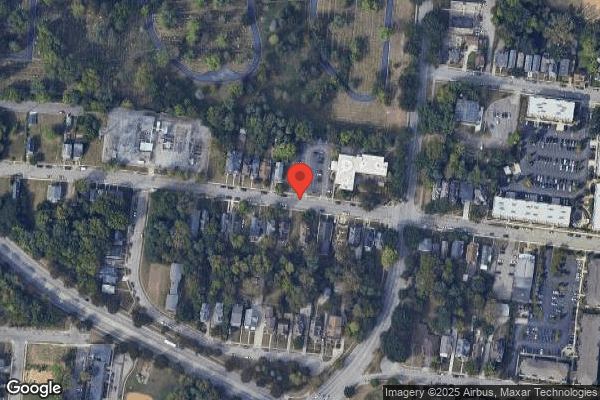
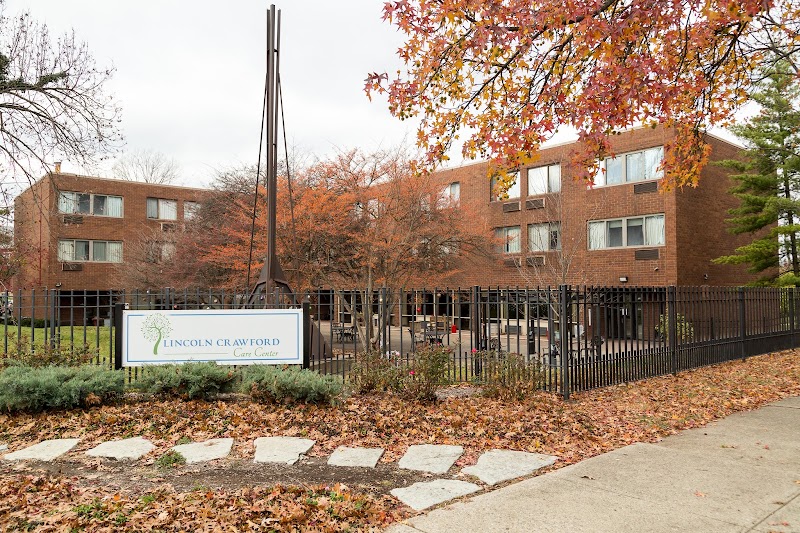
1346 LINCOLN AVENUE, CINCINNATI, OH 45206 (513) 861-2044
For profit - Limited Liability company 96 Beds CCH HEALTHCARE Data: November 2025
Trust Grade
70/100
#104 of 913 in OH
Last Inspection: March 2024

Within standard 12-15 month inspection cycle. Federal law requires annual inspections.

Overview

Lincoln Crawford Care Center in Cincinnati, Ohio, has received a Trust Grade of B, indicating it is a good facility but not without its challenges. It ranks #104 out of 913 facilities in Ohio, placing it in the top half, and #8 out of 70 in Hamilton County, meaning there are only seven local options that are better. The facility is improving; it has seen a decrease in issues from seven in 2024 to just one in 2025. Staffing is a mixed bag, with a rating of 2/5 stars and a turnover rate of 56%, which is higher than the state average. While there have been no fines, which is a positive sign, some concerning incidents were noted, including a failure to treat a resident’s pressure ulcer properly, leading to harm, and cleanliness issues in shower rooms that posed potential health risks. Overall, while Lincoln Crawford Care Center has strengths in its quality measures and recent improvements, families should weigh these against its staffing challenges and past incidents.

Trust Score
B
70/100
In Ohio
#104/913
Top 11%
Safety Record
Moderate
Needs review
Inspections
Getting Better
7 → 1 violations
Staff Stability
⚠ Watch
56% turnover. Above average. Higher turnover means staff may not know residents' routines.
Penalties
✓ Good
No fines on record. Clean compliance history, better than most Ohio facilities.
Skilled Nurses
○ Average
Each resident gets 31 minutes of Registered Nurse (RN) attention daily — about average for Ohio. RNs are the most trained staff who monitor for health changes.
Violations
⚠ Watch
30 deficiencies on record. Higher than average. Multiple issues found across inspections.
★★★★★
5.0
Overall Rating
★★☆☆☆
2.0
Staff Levels
★★★★★
5.0
Care Quality
★★★★☆
4.0
Inspection Score
Stable
2024: 7 issues
2025: 1 issues

The Good

  • 5-Star Quality Measures · Strong clinical quality outcomes
  • Full Sprinkler Coverage · Fire safety systems throughout facility
  • No fines on record

Facility shows strength in quality measures, fire safety.

The Bad

Staff Turnover: 56%

Near Ohio avg (46%)

Frequent staff changes - ask about care continuity

Chain: CCH HEALTHCARE

Part of a multi-facility chain

Ask about local staffing decisions and management

Staff turnover is elevated (56%)

8 points above Ohio average of 48%

The Ugly 30 deficiencies on record

1 actual harm
Aug 2025 1 deficiency
CONCERN (E) 📢 Someone Reported This

A family member, employee, or ombudsman was alarmed enough to file a formal complaint

Potential for Harm - no one hurt, but risky conditions existed

Safe Environment (Tag F0584)

Could have caused harm · This affected multiple residents

Based on observation, interview, and facility policy review, the facility failed to ensure 1 (300 hall) of 2 shower rooms were maintained in a clean condition. Findings included:An undated facility po...

Read full inspector narrative →
Based on observation, interview, and facility policy review, the facility failed to ensure 1 (300 hall) of 2 shower rooms were maintained in a clean condition. Findings included:An undated facility policy titled, Bathrooms revealed 1. Bathrooms, including showers, whirlpools, century baths, commodes, etc., will be cleaned daily in accordance with our established procedures.An observation on 08/04/2025 at 1:54 PM revealed the 300 hall shower room had pieces of cotton from a wound dressing on the shower floor in stall #1, the floor throughout the entire shower room appeared with a thick brown grime substance on the tiles, a large shower chair with a broken seat which exposed a jagged and sharp appearance along the inner ring, a shower bench/riser with dirty areas and white substance in spots on the seat and rusty metal legs, and multiple open and unlabeled bottles of body wash, peri-wash, and deodorant. The shower nozzle from the shower head was hanging in the downward position to the floor and thick black hair covering all the drains in the three shower stalls. A toilet located in the common area with no curtain for privacy contained feces and thick brownish rings in the inside of the toilet bowl and a hand washing sink that contained a rust color rings in the basin of the sink with a large puddle of water in the floor between the toilet and the sink. An observation and interview with the Administrator present on 08/05/2025 at 4:13 AM revealed the 300 hall shower room remained in the same appearance as the above observation from the day prior. The Administrator acknowledged there should not have been a cotton dressing on the floor in the stalls, he stated the toilet should have been cleaned and feces should not remain in the toilet. He stated the broken chair should be taken out of use and not remain in the shower room. He also verified there should not be water standing in the floor and the sink should have been cleaned from the brown substance in the sink basin. He stated he would expect the shower room to be cleaned by the nursing department and sanitized at all times for bathing to be a good experience for each resident during their use. An observation and interview were conducted with the Housekeeping Director (HD) on 08/08/2025 at 10:56 AM. The HD observed and revealed the 300 hall shower room was to be cleaned by the housekeeper assigned to the 300 hall odd numbered rooms. She stated the shower room was to be cleaned daily by the assigned housekeeper. The HD acknowledged the floor was dirty and stated the floors should be mopped and the drains checked daily, although she stated housekeeping was not responsible for removing hair from the clogged drain and she was unsure who was responsible for that portion of drain checks. She stated the water standing in the floor was from the sink or toilet leaking which caused the puddle to reform each time it was mopped. During an interview on 08/08/2025 at 10:56 AM, the Director of Nursing (DON) indicated she would expect the shower rooms to be cleaned by the aides after each resident use by picking up the personal items used and tidying up the area, then housekeeping was to mop and sanitize the rest of the shower room at least one to two times per day. This deficiency represents non-compliance investigated under Complaint Number 1348402 (OH00167337) and 1348400 (OH00166666).
Aug 2024 3 deficiencies
CONCERN (D) 📢 Someone Reported This

A family member, employee, or ombudsman was alarmed enough to file a formal complaint

Potential for Harm - no one hurt, but risky conditions existed

Resident Rights (Tag F0550)

Could have caused harm · This affected 1 resident

**NOTE- TERMS IN BRACKETS HAVE BEEN EDITED TO PROTECT CONFIDENTIALITY** Based on record review, resident and staff interview the facility failed to treat one (#48) of three reviewed in a dignified man...

Read full inspector narrative →
**NOTE- TERMS IN BRACKETS HAVE BEEN EDITED TO PROTECT CONFIDENTIALITY** Based on record review, resident and staff interview the facility failed to treat one (#48) of three reviewed in a dignified manner. The facility census was 85. Findings Included: Review of the medical record revealed Resident #48 was admitted [DATE]. Diagnoses included vascular dementia, type two diabetes, and lumbago with sciatica. Review of the minimum data set (MDS) dated [DATE] revealed Resident #48 had a Brief Interview of Mental Status score of 08 that indicated the resident was cognitively impaired. Review of email dated 08/05/24 written by the Administrator revealed he had spoken to the Dietician #204 with the referencing an encounter with Resident #48. The Dietician stated she had realized what she had said, was very sorry and that the phrase was her common refrain when giving a banana to her grand kids. Dietician #204 was extremely remorseful, almost to the point of tears. Administrator stated that he comfortably says that she had no negative intention or connotation with her comment. Interview on 08/26/24 at 10:10 A.M. with Dietician #204 revealed Resident #48 who was sitting in gathering room off the elevator had stated he would like a snack. Dietician #204 stated she went to kitchen and got Resident # 48 a banana to give him. Dietician # 204 confirmed she approached Resident # 48 and said does the monkey wanted a banana and handed the banana to the resident. Dietician # 204 stated she meant nothing by this, and felt horrible, but this was something she had said to her grand kids and meant no harm from saying this. Dietician # 204 stated she had told the Administrator what had happened and explained she had not meant harm. Interview on 08/26/24 at 11:08 A.M. with Cooperate Administrator (CA) #277 who stated that she did speak with Administrator who was not at the facility on this day and verified Dietician #204 had come to him right away to explain the situation and felt bad. CA #277 stated that the Administrator revealed the Assistant Director of Nursing (ADON) #261 had investigated the incident and interview the staff. Review of facility State Tested Nursing Assistant (STNA) interview completed by the facility dated 08/26/24 revealed STNA #296 stated she was on the elevator on 08/05/24 around 11:30 A.M. when Dietician #204 had got on the elevator with a banana. Dietician #204 had asked STNA #296 if she had seen Resident #48, which STNA #296 had directed to location in dinning room. STNA #296 stated when elevator door open Dietician #204 had approached Resident #48 and peeled back the banana to hand Resident #48. STNA #296 stated Dietician #204 said to Resident #48 I have a banana for the monkey. STNA #296 stated Dietician #204 handed Resident #48 the banana. STNA #296 stated she told the ADON #261 right away of the concern. STNA #296 stated Resident #48 had a confused disappointed look on his face. Interview on 08/26/24 at 12:58 P.M. with Resident #48 the resident stated no staff call him names, or disrespect him in any manner at the facility. Resident #48 stated this included management and Dietician #204. Resident #48 stated he had no concerns related to allegation of abuse. Interview on 08/27/24 at 2:23 P.M. with ADON #261 stated that STNA #296 reported to her Dietician #204, make a comment to Resident #48 like hears the banana for my monkey. ADON #261 stated she had notified human resources and the Administrator who had then spoke to the Dietician #204. Dietician #204 had stated no harm was meant by the phrase. Interview on 08/27/24 at 3:02 P.M. with STNA #296 who stated she had seen Dietician #204 walk over to Resident #48, who was a black man, hears the banana for my monkey. STNA #296 no person should be called an animal. STNA #296 stated that the Dietician #204 was unprofessional when calling Resident #48 an animal. No staff should ever do this. STNA #296 stated the facility had lost her written statement that was given on 08/05/24. STNA #296 confirmed that facility had just got a written statement from her yesterday. STNA #296 stated the facility did not investigate this concern. Interview on 08/27/24 at 3:27 P.M. with the Administrator revealed he was told about the incident on 08/05/24 by the ADON and had a written statement regarding the incident on 08/05/24. Administrator stated he only had spoken to Dietician #204, and any other staff verbally. Review of the facility document titled Resident Rights undated revealed that the resident had rights by federal and state laws guarantee of certain basic rights to all residents of this facility. These rights included resident(s) to be treated with respect, kindness, and dignity. This deficiency represents non-compliance investigated under Complaint Number OH00156603.
CONCERN (D) 📢 Someone Reported This

A family member, employee, or ombudsman was alarmed enough to file a formal complaint

Potential for Harm - no one hurt, but risky conditions existed

Pressure Ulcer Prevention (Tag F0686)

Could have caused harm · This affected 1 resident

**NOTE- TERMS IN BRACKETS HAVE BEEN EDITED TO PROTECT CONFIDENTIALITY** Based on observation, record review, interview, and facility policy review, the facility failed to ensure a wound treatment was ...

Read full inspector narrative →
**NOTE- TERMS IN BRACKETS HAVE BEEN EDITED TO PROTECT CONFIDENTIALITY** Based on observation, record review, interview, and facility policy review, the facility failed to ensure a wound treatment was completed as ordered. This affected one resident (#81) of three residents reviewed. The facility census was 85. Findings Included: Review of the medical record revealed Resident #81 admitted on [DATE]. Diagnoses included chronic osteomyelitis right ankle and foot, and diabetes mellitus. Review of the minimum data set assessment (MDS) dated [DATE] revealed Resident #81 was cognitively intact with a Brief Interview of Mental Status score of 15. Review of physician order dated 08/14/24 revealed right heel wound care was ordered as follows: cleanse with normal saline and pat dry. Apply betadine and let air dry, apply calcium alginate with silver to the wound bed, cover with abdominal dressing, then wrap with Kerlix and apply ace wrap to right foot every day. Interview on 08/26/24 at 9:50 A.M. with Resident #81 revealed his dressing to his right heel had not been changed in a couple of days. Observation of wound care for Resident #81 on 08/26/24 at 1:55 P.M. performed by Licensed Practical Nurse (LPN) #246 revealed the nurse removed the dressing on the resident which was observed to be a blue hydrofera sponge and not the ordered calcium alginate with silver to the wound bed, the dressing was covered with an abdominal dressing and Kerlix. The dressing that was removed was not dated. LPN #246 removed the old dressing and dressed Resident #81's wound as ordered. Interview with LPN #246 confirmed the wound treatment that was removed was the not the ordered treatment for Resident #81. Interview on 08/26/24 at 2:59 P.M. via telephone with LPN #339 revealed she had not completed the treatment to Resident #81's right heel on 08/25/24 as ordered. LPN #339 stated it was her first time working at the facility and she had a long medication pass and did not have time to perform the treatment. LPN #339 stated she was unable to perform Resident #81's treatment and but she did sign off the treatment in the treatment record as if it was completed. Interview on 08/26/24 at 3:15 P.M. with Director of Nursing (DON) verified it was not acceptable to not complete treatments as order by physician. Review of facility policy titled Wound Care dated 10/2010 revealed that the purpose of this procedure was to provide guidelines for the care of wounds by licensed nursing staff to promote healing. Verify that there was a physician's order for the procedure. Assemble the equipment and supplies as needed, dressing materials for wound, disposable clothes as indicated, antiseptic, and personal protective equipment that included gowns, gloves, and mask as needed. Wash and dry hands thoroughly. Place gloves on to remove tape and dressing. Pull gloves over dressing and discard into appropriate receptacle. Wash and dry hands thoroughly. Put on gloves. Clean or irrigate the wound. Dress the wound and apply directly to wound area. [NAME] tape with initials, time, and date and apply to the dressing. This deficiency represents non-compliance investigated under Complaint Number OH00156403.
CONCERN (D) 📢 Someone Reported This

A family member, employee, or ombudsman was alarmed enough to file a formal complaint

Potential for Harm - no one hurt, but risky conditions existed

Infection Control (Tag F0880)

Could have caused harm · This affected 1 resident

**NOTE- TERMS IN BRACKETS HAVE BEEN EDITED TO PROTECT CONFIDENTIALITY** Based on observation, interview, and facility policy review, the facility failed to ensure enhanced barrier precautions were imp...

Read full inspector narrative →
**NOTE- TERMS IN BRACKETS HAVE BEEN EDITED TO PROTECT CONFIDENTIALITY** Based on observation, interview, and facility policy review, the facility failed to ensure enhanced barrier precautions were implemented and the facility failed to complete hand hygiene during wound care. This affected one resident (#81) of three residents reviewed. The facility census was 85. Findings Included: Review of the medical record revealed Resident #81 admitted to the facility on [DATE]. Diagnoses included chronic osteomyelitis right ankle and foot, and diabetes mellitus. Review of the minimum data set assessment (MDS) dated [DATE] revealed that Resident #81 was cognitively intact with a Brief Interview of Mental Status score of 15. Review of physician order dated 08/14/24 revealed that Resident #81 treatment for the right heel was as follows: cleanse with normal saline and pat dry. Apply betadine, let air dry, apply calcium alginate with silver to wound bed, cover with an abdominal dressing, [NAME] with Kerlix and apply ace wrap to right foot every day. Interview on 08/26/24 at 9:50 A.M. with Resident #81 stated his dressing had not been changed to his right heel in a couple of days. Observation of wound care for Resident #81 on 08/26/24 at 1:55 P.M. performed by Licensed Practical Nurse (LPN) #246 who was wearing gloves as her only personal protective equipment (PPE), revealed the nurse removed the dressing on the resident which was observed to be a blue hydrofera sponge and not the ordered calcium alginate with silver to the wound bed, the dressing was covered with an abdominal dressing and Kerlix. The dressing that was removed was not dated. After LPN #246 removed the the old dressing the nurse was observed to doff her gloves which revealed another pair of gloves on her hands under the gloves she had just removed. The nurse proceeded to clean Resident #81's right heel then doffed the gloves on her hands and don new gloves without performing hand hygiene. LPN #246 completed the wound dressing as ordered. Interview with LPN #246 confirmed the wound dressing that was removed was the not the ordered treatment. LPN #246 confirmed she did not perform hand hygiene during the wound treatment, and the nurse confirmed gloves were the only PPE she wore while providing the wound care to Resident #81 and not the required personal protective equipment for a resident in enhanced barrier precautions. Interview on 08/26/24 at 3:15 P.M. with Director of Nursing (DON) verified it was not acceptable to not wear the correct personal protective equipment required during wound care and to not perform hand hygiene. Review of facility policy titled Wound Care dated 10/2010 revealed that the purpose of this procedure was to provide guidelines for the care of wounds by licensed nursing staff to promote healing. Verify that there was a physician's order for the procedure. Assemble the equipment and supplies as needed including dressing materials for wound, disposable clothes as indicated, antiseptic, and personal protective equipment that included gowns, gloves, and mask as needed. Wash and dry hands thoroughly. Place gloves on to remove tape and dressing. Pull gloves over dressing and discard into appropriate receptacle. Wash and dry hands thoroughly. Put on gloves. Clean or irrigate the wound. Dress the wound and apply directly to wound area. [NAME] tape with initials, time, and date and apply to the dressing. Review of the facility policy titled Enhanced Barrier Precautions dated 08/2022 revealed enhanced barrier precautions are used as an infection prevention and control intervention to reduce the spread of multi-drug-resistant organisms (MDROs) to residents. Residents who were high contact resident care activities that required the use of gown and gloves for enhance barrier precautions include dressing, bathing, transferring, providing hygiene, changing linens, changing briefs or assisting with toileting, device care or use like central line, feeding tube, and wound care. Review of the facility policy titled Handwashing or Hand Hygiene dated 10/2023 revealed that indications for hand hygiene are as followed: for immediately before touching a resident, before performing an aseptic task, after contact with blood, body fluids, or contaminated surfaces, after touching a resident, after touching resident's environment, before moving from work on a soiled body site to a clean body site on the same resident, and immediately after glove removal.
May 2024 1 deficiency
CONCERN (D) 📢 Someone Reported This

A family member, employee, or ombudsman was alarmed enough to file a formal complaint

Potential for Harm - no one hurt, but risky conditions existed

Incontinence Care (Tag F0690)

Could have caused harm · This affected 1 resident

**NOTE- TERMS IN BRACKETS HAVE BEEN EDITED TO PROTECT CONFIDENTIALITY** Based on medical record review, staff interview, observations, and policy review, the facility failed to appropriate treatment a...

Read full inspector narrative →
**NOTE- TERMS IN BRACKETS HAVE BEEN EDITED TO PROTECT CONFIDENTIALITY** Based on medical record review, staff interview, observations, and policy review, the facility failed to appropriate treatment and services for care of a resident who was incontinent of bowel and had a indwelling urinary catheter. This affected one (#45) of three residents reviewed for incontinence and catheter care. The facility identified there were 48 residents who were incontinent of bowel and five residents with indwelling catheters. Findings include: Medical record review for Resident #45 revealed an admission date of 06/26/23. Diagnoses included chronic obstructive pulmonary disease, coronary artery disease, peripheral vascular disease, contractures to his bilateral lower extremities, and neurogenic bladder. Review of the care plan dated 08/16/23 revealed Resident #45 was at risk for developing complications secondary to having bowel incontinence and having an indwelling urinary catheter. Review of the quarterly Minimum Data Set (MDS) assessment dated [DATE] revealed Resident #45 was cognitively intact. Resident #45 required substantial/maximal assistance from staff for toileting. Observation of incontinence care for Resident #45 on 05/08/24 at 9:17 A.M. revealed State Tested Nursing Assistant (STNA) #100 revealed she placed on a gown, mask and gloves and proceeded to go through a drawer looking for wipes. She proceeded to remove the brief and used wipes to wipe the scrotum and the resident's bottom with the wipes and kept taking wipes out of the package because she kept removing feces and bloody drainage from a rash. She continued with a soapy cloth and wiped the resident clean and dried him. She proceeded to the front of him and took the tubing connector of the catheter that drained the urine down to the bag and cleaned it. She didn't clean around the penis, or the tubing coming out of the penis and never changed her gloves through the entire process. Interview with the STNA #100 on 05/08/24 at 10:00 A.M. revealed she performed indwelling catheter care and incontinence care for Resident #45 during the observation and confirmed she didn't change her gloves from dirty to clean, clean the penis or clean the tubing coming out of the penis. She said this wasn't her normal practice. Review of the policy titled Perineal Care dated 10/01/20 revealed the purposes of this procedure are to provide cleanliness and comfort to the resident, to prevent infections and skin irritation, and to observe the resident's skin condition. For a male resident: a. Wet washcloth and apply soap or skin cleansing agent. b. Wash perineal area starting with urethra and working outward. (Note: If the resident has an indwelling catheter, gently wash the juncture of the tubing from the urethra down the catheter about three inches. Gently rinse and dry the area.) (1) Retract foreskin of the uncircumcised male. (2) Wash and rinse urethral area using a circular motion. (3) Continue to wash the perineal area including the penis, scrotum and inner thighs. Do not reuse the same washcloth or water to clean the urethra. c. Thoroughly rinse perineal area in same order, using fresh water and clean washcloth. (Note: If the resident has an indwelling catheter, hold the tubing to one side and support the tubing against the leg to avoid traction or unnecessary movement of the catheter.) d. Gently dry perineum following same sequence. e. Reposition foreskin of uncircumcised male. f. Instruct or assist the resident to turn on his side with his upper leg slightly bent, if able. g. Rinse washcloth and apply soap or skin cleansing agent. h. Wash and rinse the rectal area thoroughly, including the area under the scrotum, the anus, and the buttocks. i. Dry area thoroughly. 11. Discard disposable items into designated containers. 12. Remove gloves and discard into a container. Wash and dry your hands thoroughly. Review of the policy titled Catheter Care-Urinary dated 09/01/14 revealed for a male resident: use a washcloth with warm water and soap to cleanse around the meatus. Cleanse the glans using circular strokes from the meatus outward. Change the position of the washcloth with each cleansing stroke. With a clean washcloth, rinse with warm water using the above technique. Return foreskin to normal position. Use a clean washcloth with warm water and soap to cleanse and rinse the catheter from insertion site to a proximately four inches outward. This deficiency represents non-compliance investigated under Complaint Number OH00152397.
Mar 2024 3 deficiencies
CONCERN (D)

Potential for Harm - no one hurt, but risky conditions existed

PASARR Coordination (Tag F0644)

Could have caused harm · This affected 1 resident

**NOTE- TERMS IN BRACKETS HAVE BEEN EDITED TO PROTECT CONFIDENTIALITY** Based on record review, staff interview, and policy review, the facility failed to accurately complete an updated pre-admission ...

Read full inspector narrative →
**NOTE- TERMS IN BRACKETS HAVE BEEN EDITED TO PROTECT CONFIDENTIALITY** Based on record review, staff interview, and policy review, the facility failed to accurately complete an updated pre-admission screening and resident review (PASARR) for residents with a diagnosis change. This affected one (#27) of three residents reviewed for PASARR. The facility census was 83. Findings include: 1. Review of the medical record for Resident #27 revealed an admission date of 08/05/19. Diagnoses included progressive multifocal leukoencephalopathy (PML), parkinson's disease, major depressive disorder, bipolar disorder, anxiety disorder, and schizoaffective disorder. Review of the Quarterly Minimum Data Set (MDS) assessment dated [DATE] revealed Resident #27 had moderate cognitive impairment as evidenced by a Brief Interview for Mental Status (BIMS) score of 10. This resident was assessed to require supervision with toileting and transfers, and partial assistance with bathing and dressing. Review of the physician order dated 03/15/24 revealed Resident #27 was ordered Risperdal 0.5 milligrams (mg), give one tablet by mouth two times a day for depression. Review of the physician order dated 03/15/24 revealed Resident #27 was ordered Zoloft 50 mg, give one tablet by mouth one time a day for depression. Review of the PASARR dated 09/04/19 for Resident #27 was the most current PASARR. The PASARR was not updated after new mental health diagnoses. Interview on 03/20/24 at 3:39 P.M., with the Administrator verified Resident #27's PASARR was not updated after a diagnosis change. Review of the policy titled, Admissions - From Other Healthcare Facilities, dated March 2017, revealed residents from other healthcare facilities may be admitted upon receipt of appropriate documentation including the PASARR.
CONCERN (D)

Potential for Harm - no one hurt, but risky conditions existed

Deficiency F0657 (Tag F0657)

Could have caused harm · This affected 1 resident

**NOTE- TERMS IN BRACKETS HAVE BEEN EDITED TO PROTECT CONFIDENTIALITY** Based on review of the medical record, staff interviews, and policy review, the facility failed to complete care conferences as ...

Read full inspector narrative →
**NOTE- TERMS IN BRACKETS HAVE BEEN EDITED TO PROTECT CONFIDENTIALITY** Based on review of the medical record, staff interviews, and policy review, the facility failed to complete care conferences as required. This affected two residents (#27 and #58) of 24 residents reviewed. The facility census was 83. Findings include: 1. Review of the medical record for Resident #27 revealed an admission date of 08/05/19. Diagnoses included progressive multifocal leukoencephalopathy (PML), parkinson's disease, major depressive disorder, bipolar disorder, anxiety disorder, and schizoaffective disorder. Review of the Quarterly Minimum Data Set (MDS) assessment dated [DATE] revealed Resident #27 had moderate cognitive impairment as evidenced by a Brief Interview for Mental Status (BIMS) score of 10. This resident was assessed to require supervision with toileting and transfers, and partial assistance with bathing and dressing. Review of the medical record for Resident #27 revealed a care conference had been completed on 07/12/23, 01/04/24, and 02/28/24 for the last 12 months. Interview on 03/21/24 at 10:44 A.M., with Social Services Director (SSD) #23 verified Resident #27 did not have regular quarterly care conferences for the last 12 months. 2. Review of the medical record for Resident #58 revealed an admission date of 01/29/21. Diagnoses included sepsis, hypertension, hemiplegia and hemiparesis following cerebral infarction affecting left non-dominant side. Review of the Quarterly Minimum Data Set (MDS) assessment dated [DATE] revealed Resident #58 had moderate cognitive impairment as evidenced by a Brief Interview for Mental Status (BIMS) score of eight. This resident was assessed to require setup for eating, supervision with toileting and dressing, substantial assistance with bathing, and partial assistance with transfers. Review of the medical record for Resident #58 revealed a care conference had been completed on 09/25/23, 02/09/24, and 02/24/24 for the last 12 months. Interview on 03/21/24 at 10:39 A.M. with SSD #23 verified Resident #58 did not have regular quarterly care conferences for the last 12 months. Review of the policy titled, Care Planning - Interdisciplinary Team, dated March 2022, revealed the interdisciplinary team was responsible for the development of resident care plans. Care plan meetings were scheduled at the best time of the day for the resident and family when possible.
CONCERN (D)

Potential for Harm - no one hurt, but risky conditions existed

Safe Environment (Tag F0921)

Could have caused harm · This affected 1 resident

**NOTE- TERMS IN BRACKETS HAVE BEEN EDITED TO PROTECT CONFIDENTIALITY** Based on observations, medical record review, staff interviews, and policy review, the facility failed to ensure a safe, clean, ...

Read full inspector narrative →
**NOTE- TERMS IN BRACKETS HAVE BEEN EDITED TO PROTECT CONFIDENTIALITY** Based on observations, medical record review, staff interviews, and policy review, the facility failed to ensure a safe, clean, and home-like environment. This affected two (#2 and #27) of 24 residents reviewed for environment. The facility census was 83. Findings include: 1. Review of the medical record for Resident #2 revealed she was admitted to the facility on [DATE]. Diagnoses included type two diabetes mellitus with other diabetic kidney complication, other sequelae of cerebral infarction, chronic kidney disease stage three, schizophrenia, morbid obesity due to excess calories, major depressive disorder, neuromuscular dysfunction of bladder, chronic obstructive pulmonary disease, cerebral ischemia, hyperlipidemia, and dysphagia following cerebral infarction. Review of the quarterly Minimum Data Set (MDS) assessment, dated 01/11/24, revealed this resident had severely impaired cognition. This resident was assessed to require moderate assistance with eating and oral hygiene, maximal assistance with bed mobility, and was dependent on staff for dressing, personal hygiene, transfer, toileting, and bathing. Observation on 03/21/24 at 11:50 A.M., revealed there was a vertical gash with missing drywall and chipped paint in the wall near the baseboard behind the head of Resident #2's bed, which was visible when standing next to the bed. Interview on 03/21/24 at 12:00 P.M., with Licensed Practical Nurse (LPN) #11 confirmed the gash in the wall in Resident #2's room. 2. Review of the medical record for Resident #27 revealed an admission date of 08/05/19. Diagnoses included progressive multifocal leukoencephalopathy (PML), parkinson's disease, major depressive disorder, bipolar disorder, anxiety disorder, and schizoaffective disorder. Review of the Quarterly Minimum Data Set (MDS) assessment dated [DATE] revealed Resident #27 had moderate cognitive impairment as evidenced by a Brief Interview for Mental Status (BIMS) score of 10. This resident was assessed to require supervision with toileting and transfers, and partial assistance with bathing and dressing. Observations throughout the annual survey (03/18/24 - 03/21/24) revealed Resident #27's bed sheets had scattered brown substance at the head of the bed. Observations throughout the annual survey (03/18/24 - 03/21/24) revealed Resident #27's wall behind her bed had scattered brownish-orange substance on the wall and the overhead light. The substance was scattered from the head of the bed to the foot of the bed. Interview on 03/21/24 at 11:44 A.M., with State Tested Nurses Aide (STNA) #33 verified the sheets were soiled and the wall and overhead light had a substance scattered on the wall and light. Review of the policy titled, Quality of Life - Homelike Environment, dated May 2017, revealed resident were provided with a safe, clean, comfortable and homelike environment and encouraged to use their personal belongings to the extent possible.
Dec 2023 3 deficiencies
CONCERN (E) 📢 Someone Reported This

A family member, employee, or ombudsman was alarmed enough to file a formal complaint

Potential for Harm - no one hurt, but risky conditions existed

Deficiency F0694 (Tag F0694)

Could have caused harm · This affected multiple residents

**NOTE- TERMS IN BRACKETS HAVE BEEN EDITED TO PROTECT CONFIDENTIALITY** THE FOLLOWING DEFICIENCY REPRESENTS AN INCIDENT OF PAST NON-COMPLIANCE THAT WAS SUBSEQUENTLY CORRECTED PRIOR TO THIS SURVEY. Bas...

Read full inspector narrative →
**NOTE- TERMS IN BRACKETS HAVE BEEN EDITED TO PROTECT CONFIDENTIALITY** THE FOLLOWING DEFICIENCY REPRESENTS AN INCIDENT OF PAST NON-COMPLIANCE THAT WAS SUBSEQUENTLY CORRECTED PRIOR TO THIS SURVEY. Based on record review, review of the State of Ohio Board of Pharmacy Terminal Distributor Licensure of Prescriber Practices, and staff interviews, the facility failed to ensure medications administered Intravenously (IV) were obtained from a source with a Terminal Distributor of Dangerous Drugs (TDDD) license (which allows a business entity to purchase, possess, and/or distribute dangerous drugs at a specific location) specific to the State of Ohio. This deficiency affected four (Residents #13, #22, #72, and #80) out of four residents reviewed for IV medication administration. This also affected 11 current residents (Residents #1, #3, #4, #8, #14, #37, #71, #75, #76, #87, and #90) and 16 discharged residents (Residents #100, #101, #102, #103, #104, #105, #106, #107, #108, #109, #110, #111, #112, #113, #114, and #115) that were identified by the facility as having received IV medication from the unlicensed source. The census was 90. Findings include: 1. Review of the medical record for Resident #13 revealed he was admitted to the facility on [DATE]. Diagnoses included chronic obstructive pulmonary disease, major depressive disorder, hyperlipidemia, obesity, and diabetes mellitus due to underlying condition with diabetic neuropathy. Review of the quarterly Minimum Data Set (MDS) 3.0 assessment, dated 05/17/23, revealed Resident #13 had moderately impaired cognition evidenced by a Brief Interview for Mental Status (BIMS) score of 15. The resident was assessed to require limited assistance for bed mobility, transfers, dressing, and toilet use as well as supervision for personal hygiene and eating. Review of the plan of care revised on 08/17/23 revealed the resident was at nutritional risk related to diagnoses of diabetes mellitus, chronic obstructive pulmonary disease, hyperlipidemia, and depression. The resident was also at risk for dehydration related to diuretic use. Interventions included monitoring intakes, labs, weights and skin assessments, and observing signs/symptoms of dehydration. Review of the physician orders dated 06/05/23, 07/18/23, 08/15/23, and 09/19/23 revealed orders for nutrition Agency #700 IV therapy infusion one time (500 milliliters (ml)) 0.9 % normal saline at 500 ml/hour (total additive volume 27.4 ml) with vitamin c 5 grams (gm), B complex, {[NAME] 200 milligrams (mg), Rib 4 mg, Nia 200 mg, Dex 4 mg, Pyr 4 mg, B5 250 mg, Methyl 2 mg, Magnesium Chloride 1000 mg, Calcium Chloride 200 mg, Zinc 10 mg, Glutamine 150 mg, Arg 500 mg, [NAME] 150 mg, [NAME] 250 mg, Cit 250 mg, and BCAA 2 ml}. 2. Review of the medical record for Resident #22 revealed she was admitted to the facility on [DATE]. Diagnoses included renovascular hypertension, other cerebral infarction, psychotic disorder with delusions due to known physiological condition, major depressive disorder, vascular dementia unspecified severity with other behavioral disturbance, anorexia, generalized anxiety disorder, nutritional anemia, chronic kidney disease stage three, atherosclerosis of renal artery, mixed hyperlipidemia, renal osteodystrophy, and unspecified severe protein-calorie malnutrition. Review of the quarterly Minimum Data Set (MDS) 3.0 assessment, dated 04/03/23, revealed Resident #22 had moderately impaired cognition evidenced by a Brief Interview for Mental Status (BIMS) score of 11. The resident was assessed to require extensive assistance for bed mobility, transfer, dressing, and toilet use, limited assistance for personal hygiene, and supervision for eating. Review of the plan of care revised on 08/29/23 revealed the resident was at risk for decline in nutritional status due to diagnoses of protein-calorie malnutrition, chronic kidney disease stage three, hyperlipidemia, anemia, and metabolic encephalopathy. Interventions included house supplements, monitoring intakes, labs, weights and skin assessments, vitamins and minerals as ordered, and observe for signs/symptoms of dehydration. Review of the physician orders dated 06/05/23, 07/18/23, 08/15/23, and 09/19/23 revealed orders for nutrition Agency #700 IV therapy infusion one time (500 milliliters (ml)) 0.9 % normal saline at 500 ml/hour (total additive volume 27.4 ml) with vitamin c 5 grams (gm), B complex, {[NAME] 200 milligrams (mg), Rib 4 mg, Nia 200 mg, Dex 4 mg, Pyr 4 mg, B5 250 mg, Methyl 2 mg, Magnesium Chloride 1000 mg, Calcium Chloride 200 mg, Zinc 10 mg, Glutamine 150 mg, Arg 500 mg, [NAME] 150 mg, [NAME] 250 mg, Cit 250 mg, and BCAA 2 ml}. 3. Review of the medical record for Resident #72 revealed he was admitted to the facility on [DATE]. Diagnoses included hemiplegia and hemiparesis following cerebral infarction affecting right dominant side, other sequelae of cerebral infarction, major depressive disorder, morbid (severe) obesity due to excess calories, cardiomyopathy, anemia, hyperlipidemia, vitamin d deficiency, and congestive heart failure. Review of the quarterly Minimum Data Set (MDS) 3.0 assessment, dated 04/07/23, revealed Resident #72 had moderately impaired cognition evidenced by a Brief Interview for Mental Status (BIMS) score of 11. This resident was assessed to require extensive assistance for bed mobility, transfer, dressing, and toilet use as well as supervision for personal hygiene and eating. Review of the plan of care revised on 10/17/23 revealed the resident was at risk for decline in nutritional status due to congestive heart failure, anemia, obesity, vitamin d deficiency, and prediabetes. The resident was also at risk for dehydration related to diuretic therapy. Interventions included house supplements, monitoring intakes, labs, weights and skin assessments, and observing for signs/symptoms of dehydration. Review of the physician orders dated 06/05/23, 07/18/23, 08/15/23, and 09/19/23 revealed orders for Agency #700 IV therapy infusion one time 500 ml 0.9% normal saline at 500 ml/hour (total additive volume 30.4 ml) with vitamin c 5 gm, B complex, {{[NAME] 200 milligrams (mg), Rib 4 mg, Nia 200 mg, Dex 4 mg, Pyr 4 mg, B5 250 mg, Methyl 2 mg, Biotin 20 mg, Magnesium Chloride 1000 mg, Calcium Glutamine 200 mg, Zinc 10 mg, Glutamine 150 mg, Arg 500 mg, [NAME] 50 mg, [NAME] 250 mg, Cit 250 mg, [NAME] 100 mg, and Gly 100 mg}. 4. Review of the medical record for Resident #80 revealed she was admitted to the facility on [DATE]. Diagnoses included hemiplegia and hemiparesis following cerebral infarction affecting left non-dominant side, major depressive disorder, unspecified convulsions, other specified anemias, mixed hyperlipidemia, and chronic obstructive pulmonary disease. Review of the annual Minimum Data Set (MDS) 3.0 assessment, dated 05/25/23, revealed Resident #80 had severely impaired cognition evidenced by a Brief Interview for Mental Status (BIMS) score of 04. This resident was assessed to require extensive assistance for bed mobility, transfer, dressing, and eating, and was totally dependent on staff for toilet use and personal hygiene. Review of the plan of care revised on 09/19/23 revealed the resident was at nutritional/hydration risk due to diagnoses of hypertension, hyperlipidemia, cerebrovascular accident, and anemia. Interventions included monitoring intakes, labs, skin assessments and weights, and observing for signs/symptoms of dehydration. Review of the physician order dated 06/05/23 revealed an order for Agency #700 IV therapy infusion one time 500 ml 0.9% normal saline at 500 ml/hour (total additive volume 30.4 ml) with vitamin c 5 gm, B complex, {{[NAME] 200 milligrams (mg), Rib 4 mg, Nia 200 mg, Dex 4 mg, Pyr 4 mg, B5 250 mg, Methyl 2 mg, Biotin 20 mg, Magnesium Chloride 1000 mg, Calcium Glutamine 200 mg, Zinc 10 mg, Glutamine 150 mg, Arg 500 mg, [NAME] 50 mg, [NAME] 250 mg, Cit 250 mg, [NAME] 100 mg, and Gly 100 mg}. Interview with Representative #405 for the ancillary provider (Agency #700) stated they did not have a State of Ohio TDDD licensure. He stated they were a Medical Entity, with a Medical Director licensed in the State of Ohio. Every other state in which they provided services did not require a special TDDD license and after about three months of providing services in the Ohio area, they learned Ohio was an exception. He stated they applied for the license and were told they could continue providing services, license approval would take days. He stated an audit was conducted, and the Board of Pharmacy reported them. Simultaneously, the group had decided to stop providing services in Ohio unrelated to the licensure concerns. They rescinded their application for licensure. He stated they provided five specialized infusions that could be specialized based on resident needs. The intervention was created a couple of years ago and found to be beneficial for residents with chronic urinary tract infections (UTI), residents who did not eat or drink well, and/or weight loss concerns. He stated they presented the program to facility ownership. Interview on 12/06/23 at 11:45 A.M. with the Administrator revealed the facility's corporate staff arranged the services with Agency #700. The Administrator stated he was unaware the provider lacked a TDDD license for the State of Ohio. Interview on 12/06/23 at 11:48 A.M. with the Director of Nursing (DON) revealed corporate notified the facility that services from Agency #700 would no longer be utilized but provided no further information. The DON stated she was unaware the provider lacked a TDDD license for the State of Ohio. The DON verified the above listed residents received the IV medications and denied any residents experienced any adverse outcomes. Review of the State of Ohio Terminal Distributor Licensure of Prescriber Practices https://www.pharmacy.ohio.gov/, dated 08/24/23, revealed a TDDD license allows a business entity to purchase, possess, and/or distribute dangerous drugs at specific locations. Terminal distributors of dangerous drugs include, but are not limited to, hospitals, pharmacies, Emergency Medical Services (EMS) organizations, laboratories, nursing homes, and prescriber practices. Distribution includes the administration of drugs on-site to patients as well as providing medications to patients to take away from the facility for later use. Dangerous drugs are defined in the Ohio Revised Code as any drug that meets any of the following: 1. Requires a subscription; 2. Bears on the label a Federal Legend (Rx Only or Caution: Federal law prohibits dispensing without a prescription); 3. Is intended for injection into the human body; or 4. Any drug that is a biological product as defined in section 3715.01 of the Revised Code. Ohio Revised Code (ORC) 4729.51 states that no licensed manufacturer, outsourcing facility, third-party logistics provider, repackager, or wholesale distributor shall sell dangerous drugs to anyone other than the following: (1) a licensed terminal distributor of dangerous drugs; (2) Any person exempt from licensure as a terminal distributor of dangerous drugs under section 4729.541 of the Revised Code (3) a licensed manufacturer, outsourcing facility, third-party logistics provider, repackager, or wholesale distributor; or (4) A terminal distributor, manufacturer, outsourcing facility, third-party logistics provider, repackager, or wholesale distributor that is located in another state, is not engaged in the sale of dangerous drugs within this state, and is actively licensed to engage in the sale of dangerous drugs by the state in which the distributor conducts business. In general, the exemptions to Ohio's TDDD licensure requirements do not apply if the prescriber practice is engaged in drug compounding. Compounding is defined as the preparation, mixing, assembling, packaging, and labeling of one or more drugs. Compounding includes the combining, admixing, diluting, reconstituting, or otherwise altering of a drug or bulk drug substance. The deficient practice was corrected on 11/20/23 when the facility implemented the following corrective actions: • By 09/19/23, Agency #700 infusions were no longer being utilized. • By 11/20/23, all residents that received Agency #700's infusions were assessed with no negative outcomes noted. • By 11/20/23, education was provided to Corporate Staff, the Administrator, DON, and Medical Director related to utilizing providers with proper credentials. • By 11/20/23, all contracted suppliers were reviewed for appropriate credentials and will be reviewed annually moving forward. • Interview on 12/06/23 at 1:33 P.M. with the Administrator and DON confirmed education was received regarding TDDD licenses and only using providers with appropriate credentials. This deficiency represents non-compliance investigated under Complaint Number OH00148171.
CONCERN (E) 📢 Someone Reported This

A family member, employee, or ombudsman was alarmed enough to file a formal complaint

Potential for Harm - no one hurt, but risky conditions existed

Pharmacy Services (Tag F0755)

Could have caused harm · This affected multiple residents

**NOTE- TERMS IN BRACKETS HAVE BEEN EDITED TO PROTECT CONFIDENTIALITY** THE FOLLOWING DEFICIENCY REPRESENTS AN INCIDENT OF PAST NON-COMPLIANCE THAT WAS SUBSEQUENTLY CORRECTED PRIOR TO THIS SURVEY. Bas...

Read full inspector narrative →
**NOTE- TERMS IN BRACKETS HAVE BEEN EDITED TO PROTECT CONFIDENTIALITY** THE FOLLOWING DEFICIENCY REPRESENTS AN INCIDENT OF PAST NON-COMPLIANCE THAT WAS SUBSEQUENTLY CORRECTED PRIOR TO THIS SURVEY. Based on record review, review of the State of Ohio Board of Pharmacy Terminal Distributor Licensure of Prescriber Practices, and staff interviews, the facility failed to ensure medications were obtained from a source with a Terminal Distributor of Dangerous Drugs (TDDD) license (which allows a business entity to purchase, possess, and/or distribute dangerous drugs at a specific location) specific to the State of Ohio. This deficiency affected four (Residents #13, #22, #72, and #80) out of four residents that were reviewed for medications administered by a contracted ancillary provider. This also affected 11 current residents (Residents #1, #3, #4, #8, #14, #37, #71, #75, #76, #87, and #90) and 16 discharged residents (Residents #100, #101, #102, #103, #104, #105, #106, #107, #108, #109, #110, #111, #112, #113, #114, and #115) that were identified by the facility as having received medication from the unlicensed source. The census was 90. Findings include: 1. Review of the medical record for Resident #13 revealed he was admitted to the facility on [DATE]. Diagnoses included chronic obstructive pulmonary disease, major depressive disorder, hyperlipidemia, obesity, and diabetes mellitus due to underlying condition with diabetic neuropathy. Review of the quarterly Minimum Data Set (MDS) 3.0 assessment, dated 05/17/23, revealed Resident #13 had moderately impaired cognition evidenced by a Brief Interview for Mental Status (BIMS) score of 15. This resident was assessed to require limited assistance for bed mobility, transfer, dressing, and toilet use as well as supervision for personal hygiene and eating. Review of the plan of care revised on 08/17/23 revealed the resident was at nutritional risk related to diagnoses of diabetes mellitus, chronic obstructive pulmonary disease, hyperlipidemia, and depression. The resident was also at risk for dehydration related to diuretic use. Interventions included monitoring intakes, labs, weights and skin assessments, and observing signs/symptoms of dehydration. Review of the physician orders dated 06/05/23, 07/18/23, 08/15/23, and 09/19/23 revealed orders for nutrition Agency #700 IV therapy infusion one time (500 milliliters (ml)) 0.9 % normal saline at 500 ml/hour (total additive volume 27.4 ml) with vitamin c 5 grams (gm), B complex, {[NAME] 200 milligrams (mg), Rib 4 mg, Nia 200 mg, Dex 4 mg, Pyr 4 mg, B5 250 mg, Methyl 2 mg, Magnesium Chloride 1000 mg, Calcium Chloride 200 mg, Zinc 10 mg, Glutamine 150 mg, Arg 500 mg, [NAME] 150 mg, [NAME] 250 mg, Cit 250 mg, and BCAA 2 ml}. 2. Review of the medical record for Resident #22 revealed she was admitted to the facility on [DATE]. Diagnoses included renovascular hypertension, other cerebral infarction, psychotic disorder with delusions due to known physiological condition, major depressive disorder, vascular dementia unspecified severity with other behavioral disturbance, anorexia, generalized anxiety disorder, nutritional anemia, chronic kidney disease stage three, atherosclerosis of renal artery, mixed hyperlipidemia, renal osteodystrophy, and unspecified severe protein-calorie malnutrition. Review of the quarterly Minimum Data Set (MDS) 3.0 assessment, dated 04/03/23, revealed Resident #22 had moderately impaired cognition evidenced by a Brief Interview for Mental Status (BIMS) score of 11. This resident was assessed to require extensive assistance for bed mobility, transfer, dressing, and toilet use, limited assistance for personal hygiene, and supervision for eating. Review of the plan of care revised on 08/29/23 revealed the resident was at risk for decline in nutritional status due to diagnoses of protein-calorie malnutrition, chronic kidney disease stage three, hyperlipidemia, anemia, and metabolic encephalopathy. Interventions included house supplements, monitoring intakes, labs, weights and skin assessments, vitamins and minerals as ordered, and observe for signs/symptoms of dehydration. Review of the physician orders dated 06/05/23, 07/18/23, 08/15/23, and 09/19/23 revealed orders for nutrition Agency #700 IV therapy infusion one time (500 milliliters (ml)) 0.9 % normal saline at 500 ml/hour (total additive volume 27.4 ml) with vitamin c 5 grams (gm), B complex, {[NAME] 200 milligrams (mg), Rib 4 mg, Nia 200 mg, Dex 4 mg, Pyr 4 mg, B5 250 mg, Methyl 2 mg, Magnesium Chloride 1000 mg, Calcium Chloride 200 mg, Zinc 10 mg, Glutamine 150 mg, Arg 500 mg, [NAME] 150 mg, [NAME] 250 mg, Cit 250 mg, and BCAA 2 ml}. 3. Review of the medical record for Resident #72 revealed he was admitted to the facility on [DATE]. Diagnoses included hemiplegia and hemiparesis following cerebral infarction affecting right dominant side, other sequelae of cerebral infarction, major depressive disorder, morbid (severe) obesity due to excess calories, cardiomyopathy, anemia, hyperlipidemia, vitamin d deficiency, and congestive heart failure. Review of the quarterly Minimum Data Set (MDS) 3.0 assessment, dated 04/07/23, revealed Resident #72 had moderately impaired cognition evidenced by a Brief Interview for Mental Status (BIMS) score of 11. This resident was assessed to require extensive assistance for bed mobility, transfer, dressing, and toilet use as well as supervision for personal hygiene and eating. Review of the plan of care revised on 10/17/23 revealed the resident was at risk for decline in nutritional status due to congestive heart failure, anemia, obesity, vitamin d deficiency, and prediabetes. The resident was also at risk for dehydration related to diuretic therapy. Interventions included house supplements, monitoring intakes, labs, weights and skin assessments, and observing for signs/symptoms of dehydration. Review of the physician orders dated 06/05/23, 07/18/23, 08/15/23, and 09/19/23 revealed orders for Agency #700 IV therapy infusion one time 500 ml 0.9% normal saline at 500 ml/hour (total additive volume 30.4 ml) with vitamin c 5 gm, B complex, {{[NAME] 200 milligrams (mg), Rib 4 mg, Nia 200 mg, Dex 4 mg, Pyr 4 mg, B5 250 mg, Methyl 2 mg, Biotin 20 mg, Magnesium Chloride 1000 mg, Calcium Glutamine 200 mg, Zinc 10 mg, Glutamine 150 mg, Arg 500 mg, [NAME] 50 mg, [NAME] 250 mg, Cit 250 mg, [NAME] 100 mg, and Gly 100 mg}. 4. Review of the medical record for Resident #80 revealed she was admitted to the facility on [DATE]. Diagnoses included hemiplegia and hemiparesis following cerebral infarction affecting left non-dominant side, major depressive disorder, unspecified convulsions, other specified anemias, mixed hyperlipidemia, and chronic obstructive pulmonary disease. Review of the annual Minimum Data Set (MDS) 3.0 assessment, dated 05/25/23, revealed Resident #80 had severely impaired cognition evidenced by a Brief Interview for Mental Status (BIMS) score of 04. This resident was assessed to require extensive assistance for bed mobility, transfer, dressing, and eating, and was totally dependent on staff for toilet use and personal hygiene. Review of the plan of care revised on 09/19/23 revealed the resident was at nutritional/hydration risk due to diagnoses of hypertension, hyperlipidemia, cerebrovascular accident, and anemia. Interventions included monitoring intakes, labs, skin assessments and weights, and observing for signs/symptoms of dehydration. Review of the physician order dated 06/05/23 revealed an order for Agency #700 IV therapy infusion one time 500 ml 0.9% normal saline at 500 ml/hour (total additive volume 30.4 ml) with vitamin c 5 gm, B complex, {{[NAME] 200 milligrams (mg), Rib 4 mg, Nia 200 mg, Dex 4 mg, Pyr 4 mg, B5 250 mg, Methyl 2 mg, Biotin 20 mg, Magnesium Chloride 1000 mg, Calcium Glutamine 200 mg, Zinc 10 mg, Glutamine 150 mg, Arg 500 mg, [NAME] 50 mg, [NAME] 250 mg, Cit 250 mg, [NAME] 100 mg, and Gly 100 mg}. Interview with Representative #405 for the ancillary provider (Agency #700) stated they did not have State of Ohio TDDD licensure. He stated they were a Medical Entity, with a Medical Director licensed in the State of Ohio. Every other state in which they provided services did not require a special TDDD license and after about three months of providing services in the Ohio area, they learned Ohio was an exception. He stated they applied for the license and were told they could continue providing services, license approval would take days. He stated an audit was conducted, and the Board of Pharmacy reported them. Simultaneously, the group had decided to stop providing services in Ohio unrelated to the licensure concerns. They rescinded their application for licensure. He stated they provided five specialized infusions that could be specialized based on resident needs. The intervention was created a couple of years ago and found to be beneficial for residents with chronic urinary tract infections (UTI), residents who did not eat or drink well, and/or weight loss concerns. He stated they presented the program to facility ownership. Interview on 12/06/23 at 11:45 A.M. with the Administrator revealed the facility's corporate staff arranged the services with Agency #700. The Administrator stated he was unaware the provider lacked a TDDD license for the State of Ohio to provide medications. Interview on 12/06/23 at 11:48 A.M. with the Director of Nursing (DON) revealed corporate notified the facility that services from Agency #700 would no longer be utilized but provided no further information. The DON stated she was unaware the provider lacked a TDDD license for the State of Ohio to supply medications. The DON verified the above listed residents received the medications and denied any residents experienced any adverse outcomes. Review of the State of Ohio Terminal Distributor Licensure of Prescriber Practices https://www.pharmacy.ohio.gov/, dated 08/24/23, revealed a TDDD license allows a business entity to purchase, possess, and/or distribute dangerous drugs at specific locations. Terminal distributors of dangerous drugs include, but are not limited to, hospitals, pharmacies, Emergency Medical Services (EMS) organizations, laboratories, nursing homes, and prescriber practices. Distribution includes the administration of drugs on-site to patients as well as providing medications to patients to take away from the facility for later use. Dangerous drugs are defined in the Ohio Revised Code as any drug that meets any of the following: 1. Requires a subscription; 2. Bears on the label a Federal Legend (Rx Only or Caution: Federal law prohibits dispensing without a prescription); 3. Is intended for injection into the human body; or 4. Any drug that is a biological product as defined in section 3715.01 of the Revised Code. Ohio Revised Code (ORC) 4729.51 states that no licensed manufacturer, outsourcing facility, third-party logistics provider, repackager, or wholesale distributor shall sell dangerous drugs to anyone other than the following: (1) a licensed terminal distributor of dangerous drugs; (2) Any person exempt from licensure as a terminal distributor of dangerous drugs under section 4729.541 of the Revised Code (3) a licensed manufacturer, outsourcing facility, third-party logistics provider, repackager, or wholesale distributor; or (4) A terminal distributor, manufacturer, outsourcing facility, third-party logistics provider, repackager, or wholesale distributor that is located in another state, is not engaged in the sale of dangerous drugs within this state, and is actively licensed to engage in the sale of dangerous drugs by the state in which the distributor conducts business. In general, the exemptions to Ohio's TDDD licensure requirements do not apply if the prescriber practice is engaged in drug compounding. Compounding is defined as the preparation, mixing, assembling, packaging, and labeling of one or more drugs. Compounding includes the combining, admixing, diluting, reconstituting, or otherwise altering of a drug or bulk drug substance. The deficient practice was corrected on 11/20/23 when the facility implemented the following corrective actions: • By 09/19/23, Agency #700 infusions were no longer being utilized. • By 11/20/23, all residents that received Agency #700's infusions were assessed with no negative outcomes noted. • By 11/20/23, education was provided to Corporate Staff, the Administrator, DON, and Medical Director related to utilizing providers with proper credentials. • By 11/20/23, all contracted suppliers were reviewed for appropriate credentials and will be reviewed annually moving forward. • Interview on 12/06/23 at 1:33 P.M. with the Administrator and DON confirmed education was received regarding TDDD licenses and only using providers with appropriate credentials. This deficiency represents non-compliance investigated under Complaint Number OH00148171.
CONCERN (E) 📢 Someone Reported This

A family member, employee, or ombudsman was alarmed enough to file a formal complaint

Potential for Harm - no one hurt, but risky conditions existed

Deficiency F0837 (Tag F0837)

Could have caused harm · This affected multiple residents

**NOTE- TERMS IN BRACKETS HAVE BEEN EDITED TO PROTECT CONFIDENTIALITY** THE FOLLOWING DEFICIENCY REPRESENTS AN INCIDENT OF PAST NON-COMPLIANCE THAT WAS SUBSEQUENTLY CORRECTED PRIOR TO THIS SURVEY. Bas...

Read full inspector narrative →
**NOTE- TERMS IN BRACKETS HAVE BEEN EDITED TO PROTECT CONFIDENTIALITY** THE FOLLOWING DEFICIENCY REPRESENTS AN INCIDENT OF PAST NON-COMPLIANCE THAT WAS SUBSEQUENTLY CORRECTED PRIOR TO THIS SURVEY. Based on record review, review of the State of Ohio Board of Pharmacy Terminal Distributor Licensure of Prescriber Practices, staff interviews, and review of the facility policy, the facility failed to ensure a contracted entity had appropriate State of Ohio required credentials for provision of services for residents. This deficiency affected four (Residents #13, #22, #72, and #80) out of four residents that were reviewed for medications administered by a contracted ancillary provider. This also affected 11 current residents (Residents #1, #3, #4, #8, #14, #37, #71, #75, #76, #87, and #90) and 16 discharged residents (Residents #100, #101, #102, #103, #104, #105, #106, #107, #108, #109, #110, #111, #112, #113, #114, and #115) that were identified by the facility as having received medication from the unlicensed source. The census was 90. Findings include: 1. Review of the medical record for Resident #13 revealed he was admitted to the facility on [DATE]. Diagnoses included chronic obstructive pulmonary disease, major depressive disorder, hyperlipidemia, obesity, and diabetes mellitus due to underlying condition with diabetic neuropathy. Review of the quarterly Minimum Data Set (MDS) 3.0 assessment, dated 05/17/23, revealed Resident #13 had moderately impaired cognition evidenced by a Brief Interview for Mental Status (BIMS) score of 15. This resident was assessed to require limited assistance for bed mobility, transfer, dressing, and toilet use as well as supervision for personal hygiene and eating. Review of the plan of care revised on 08/17/23 revealed the resident was at nutritional risk related to diagnoses of diabetes mellitus, chronic obstructive pulmonary disease, hyperlipidemia, and depression. The resident was also at risk for dehydration related to diuretic use. Interventions included monitoring intakes, labs, weights and skin assessments, and observing signs/symptoms of dehydration. Review of the physician orders dated 06/05/23, 07/18/23, 08/15/23, and 09/19/23 revealed orders for nutrition Agency #700 IV therapy infusion one time (500 milliliters (ml)) 0.9 % normal saline at 500 ml/hour (total additive volume 27.4 ml) with vitamin c 5 grams (gm), B complex, {[NAME] 200 milligrams (mg), Rib 4 mg, Nia 200 mg, Dex 4 mg, Pyr 4 mg, B5 250 mg, Methyl 2 mg, Magnesium Chloride 1000 mg, Calcium Chloride 200 mg, Zinc 10 mg, Glutamine 150 mg, Arg 500 mg, [NAME] 150 mg, [NAME] 250 mg, Cit 250 mg, and BCAA 2 ml}. 2. Review of the medical record for Resident #22 revealed she was admitted to the facility on [DATE]. Diagnoses included renovascular hypertension, other cerebral infarction, psychotic disorder with delusions due to known physiological condition, major depressive disorder, vascular dementia unspecified severity with other behavioral disturbance, anorexia, generalized anxiety disorder, nutritional anemia, chronic kidney disease stage three, atherosclerosis of renal artery, mixed hyperlipidemia, renal osteodystrophy, and unspecified severe protein-calorie malnutrition. Review of the quarterly Minimum Data Set (MDS) 3.0 assessment, dated 04/03/23, revealed Resident #22 had moderately impaired cognition evidenced by a Brief Interview for Mental Status (BIMS) score of 11. This resident was assessed to require extensive assistance for bed mobility, transfer, dressing, and toilet use, limited assistance for personal hygiene, and supervision for eating. Review of the plan of care revised on 08/29/23 revealed the resident was at risk for decline in nutritional status due to diagnoses of protein-calorie malnutrition, chronic kidney disease stage three, hyperlipidemia, anemia, and metabolic encephalopathy. Interventions included house supplements, monitoring intakes, labs, weights and skin assessments, vitamins and minerals as ordered, and observe for signs/symptoms of dehydration. Review of the physician orders dated 06/05/23, 07/18/23, 08/15/23, and 09/19/23 revealed orders for nutrition Agency #700 IV therapy infusion one time (500 milliliters (ml)) 0.9 % normal saline at 500 ml/hour (total additive volume 27.4 ml) with vitamin c 5 grams (gm), B complex, {[NAME] 200 milligrams (mg), Rib 4 mg, Nia 200 mg, Dex 4 mg, Pyr 4 mg, B5 250 mg, Methyl 2 mg, Magnesium Chloride 1000 mg, Calcium Chloride 200 mg, Zinc 10 mg, Glutamine 150 mg, Arg 500 mg, [NAME] 150 mg, [NAME] 250 mg, Cit 250 mg, and BCAA 2 ml}. 3. Review of the medical record for Resident #72 revealed he was admitted to the facility on [DATE]. Diagnoses included hemiplegia and hemiparesis following cerebral infarction affecting right dominant side, other sequelae of cerebral infarction, major depressive disorder, morbid (severe) obesity due to excess calories, cardiomyopathy, anemia, hyperlipidemia, vitamin d deficiency, and congestive heart failure. Review of the quarterly Minimum Data Set (MDS) 3.0 assessment, dated 04/07/23, revealed Resident #72 had moderately impaired cognition evidenced by a Brief Interview for Mental Status (BIMS) score of 11. This resident was assessed to require extensive assistance for bed mobility, transfer, dressing, and toilet use as well as supervision for personal hygiene and eating. Review of the plan of care revised on 10/17/23 revealed the resident was at risk for decline in nutritional status due to congestive heart failure, anemia, obesity, vitamin d deficiency, and prediabetes. The resident was also at risk for dehydration related to diuretic therapy. Interventions included house supplements, monitoring intakes, labs, weights and skin assessments, and observing for signs/symptoms of dehydration. Review of the physician orders dated 06/05/23, 07/18/23, 08/15/23, and 09/19/23 revealed orders for Agency #700 IV therapy infusion one time 500 ml 0.9% normal saline at 500 ml/hour (total additive volume 30.4 ml) with vitamin c 5 gm, B complex, {{[NAME] 200 milligrams (mg), Rib 4 mg, Nia 200 mg, Dex 4 mg, Pyr 4 mg, B5 250 mg, Methyl 2 mg, Biotin 20 mg, Magnesium Chloride 1000 mg, Calcium Glutamine 200 mg, Zinc 10 mg, Glutamine 150 mg, Arg 500 mg, [NAME] 50 mg, [NAME] 250 mg, Cit 250 mg, [NAME] 100 mg, and Gly 100 mg}. 4. Review of the medical record for Resident #80 revealed she was admitted to the facility on [DATE]. Diagnoses included hemiplegia and hemiparesis following cerebral infarction affecting left non-dominant side, major depressive disorder, unspecified convulsions, other specified anemias, mixed hyperlipidemia, and chronic obstructive pulmonary disease. Review of the annual Minimum Data Set (MDS) 3.0 assessment, dated 05/25/23, revealed Resident #80 had severely impaired cognition evidenced by a Brief Interview for Mental Status (BIMS) score of 04. This resident was assessed to require extensive assistance for bed mobility, transfer, dressing, and eating, and was totally dependent on staff for toilet use and personal hygiene. Review of the plan of care revised on 09/19/23 revealed the resident was at nutritional/hydration risk due to diagnoses of hypertension, hyperlipidemia, cerebrovascular accident, and anemia. Interventions included monitoring intakes, labs, skin assessments and weights, and observing for signs/symptoms of dehydration. Review of the physician order dated 06/05/23 revealed an order for Agency #700 IV therapy infusion one time 500 ml 0.9% normal saline at 500 ml/hour (total additive volume 30.4 ml) with vitamin c 5 gm, B complex, {{[NAME] 200 milligrams (mg), Rib 4 mg, Nia 200 mg, Dex 4 mg, Pyr 4 mg, B5 250 mg, Methyl 2 mg, Biotin 20 mg, Magnesium Chloride 1000 mg, Calcium Glutamine 200 mg, Zinc 10 mg, Glutamine 150 mg, Arg 500 mg, [NAME] 50 mg, [NAME] 250 mg, Cit 250 mg, [NAME] 100 mg, and Gly 100 mg}. Interview with Representative #405 for the ancillary provider (Agency #700) stated they did not have State of Ohio TDDD licensure. He stated they were a Medical Entity, with a Medical Director licensed in the State of Ohio. Every other state in which they provided services did not require a special TDDD license and after about three months of providing services in the Ohio area, they learned Ohio was an exception. He stated they applied for the license and were told they could continue providing services, license approval would take days. He stated an audit was conducted, and the Board of Pharmacy reported them. Simultaneously, the group had decided to stop providing services in Ohio unrelated to the licensure concerns. They rescinded their application for licensure. He stated they provided five specialized infusions that could be specialized based on resident needs. The intervention was created a couple of years ago and found to be beneficial for residents with chronic urinary tract infections (UTI), residents who did not eat or drink well, and/or weight loss concerns. He stated they presented the program to facility ownership. Interview on 12/06/23 at 11:45 A.M. with the Administrator revealed the facility's corporate staff arranged the services with Agency #700. The Administrator stated he was unaware the provider lacked a TDDD license for the State of Ohio to provide medications. Interview on 12/06/23 at 11:48 A.M. with the Director of Nursing (DON) revealed corporate notified the facility that services from Agency #700 IV would no longer be utilized but provided no further information. The DON stated she was unaware the provider lacked a TDDD license for the State of Ohio to supply medications. The DON verified the above listed residents received the medications and denied any residents experienced any adverse outcomes. Review of the State of Ohio Terminal Distributor Licensure of Prescriber Practices https://www.pharmacy.ohio.gov/, dated 08/24/23, revealed a TDDD license allows a business entity to purchase, possess, and/or distribute dangerous drugs at specific locations. Terminal distributors of dangerous drugs include, but are not limited to, hospitals, pharmacies, Emergency Medical Services (EMS) organizations, laboratories, nursing homes, and prescriber practices. Distribution includes the administration of drugs on-site to patients as well as providing medications to patients to take away from the facility for later use. Dangerous drugs are defined in the Ohio Revised Code as any drug that meets any of the following: 1. Requires a subscription; 2. Bears on the label a Federal Legend (Rx Only or Caution: Federal law prohibits dispensing without a prescription); 3. Is intended for injection into the human body; or 4. Any drug that is a biological product as defined in section 3715.01 of the Revised Code. Ohio Revised Code (ORC) 4729.51 states that no licensed manufacturer, outsourcing facility, third-party logistics provider, repackager, or wholesale distributor shall sell dangerous drugs to anyone other than the following: (1) a licensed terminal distributor of dangerous drugs; (2) Any person exempt from licensure as a terminal distributor of dangerous drugs under section 4729.541 of the Revised Code (3) a licensed manufacturer, outsourcing facility, third-party logistics provider, repackager, or wholesale distributor; or (4) A terminal distributor, manufacturer, outsourcing facility, third-party logistics provider, repackager, or wholesale distributor that is located in another state, is not engaged in the sale of dangerous drugs within this state, and is actively licensed to engage in the sale of dangerous drugs by the state in which the distributor conducts business. In general, the exemptions to Ohio's TDDD licensure requirements do not apply if the prescriber practice is engaged in drug compounding. Compounding is defined as the preparation, mixing, assembling, packaging, and labeling of one or more drugs. Compounding includes the combining, admixing, diluting, reconstituting, or otherwise altering of a drug or bulk drug substance. Review of the facility policy titled Administrative Management (Governing Board), revised 04/2011, revealed the governing board was responsible for the management and operation of the facility. The deficient practice was corrected on 11/20/23 when the facility implemented the following corrective actions: • By 09/19/23, Agency #700 IV infusions were no longer being utilized. • By 11/20/23, all residents that received Agency #700's IV infusions were assessed with no negative outcomes noted. • By 11/20/23, education was provided to Corporate Staff, the Administrator, DON, and Medical Director related to utilizing providers with proper credentials. • By 11/20/23, all contracted suppliers were reviewed for appropriate credentials and will be reviewed annually moving forward. • Interview on 12/06/23 at 1:33 P.M. with the Administrator and DON confirmed education was received regarding TDDD licenses and only using providers with appropriate credentials. This deficiency represents non-compliance investigated under Complaint Number OH00148171.
Dec 2022 2 deficiencies
CONCERN (D) 📢 Someone Reported This

A family member, employee, or ombudsman was alarmed enough to file a formal complaint

Potential for Harm - no one hurt, but risky conditions existed

Pharmacy Services (Tag F0755)

Could have caused harm · This affected 1 resident

Based on record review, resident and staff interviews, and review of the facility policy, the facility failed to ensure resident medications were available for administration as ordered. This affected...

Read full inspector narrative →
Based on record review, resident and staff interviews, and review of the facility policy, the facility failed to ensure resident medications were available for administration as ordered. This affected two (#25 and #40) of three residents reviewed for medication administration. The census was 85. Findings include: 1. Review of the medical record for Resident #25 revealed an admission date of 02/12/20 with diagnoses including acute congestive heart failure (CHF), hypertension (HTN), intervertebral disc degeneration, diabetes mellitus (DM), ischemic cardiomyopathy, atherosclerotic heart disease, generalized anxiety disorder, and radiculopathy. Review of the care plan for Resident #25 dated 04/14/20 revealed the resident had a diagnosis of anxiety disorder. Interventions included the following: administer medications as ordered, monitor/document for side effects and effectiveness, anticipate and meet the resident's needs, caregivers to provide opportunity for positive interaction, attention. Review of the Minimum Data Set (MDS) assessment for Resident #25 dated 11/07/22 revealed resident was cognitively intact and was independent with activities of daily living (ADL's). Further review of the December 2022 monthly physician orders for Resident #25 revealed an order dated 01/09/22 for the resident to receive Xanax routinely at bedtime once daily for treatment of generalized anxiety disorder. Review of the progress note for Resident #25 dated 11/27/22 revealed the facility was pending a script for the resident's Xanax. Review of the controlled substance sheets for Resident #25's Xanax revealed doses for 11/26/22 and 11/27/22 were not documented as administered. Review of the emergency box records revealed a dose of Xanax was pulled on 11/26/22 for administration to Resident #25. Interview on 12/09/22 at 9:28 A.M. with Resident #25 confirmed the facility did not renew the prescription for his routine Xanax in November of 2022 and on at least one or two nights he did not receive his routine dose of Xanax which caused him undue anxiety and nervousness. Interview on 12/09/22 at 12:15 P.M. with Registered Nurse (RN) #130 confirmed routine doses of Xanax for Resident #25 were not documented as administered on 11/26/22 and 11/27/22. RN #130 further confirmed she would check the emergency box supply to determine if any doses were pulled from the emergency supply for Resident #25. Interview on 12/09/22 at 3:00 P.M. with RN #130 confirmed the facility pulled a dose of Xanax from the emergency supply for Resident #25 on 11/26/22 but confirmed the facility had no documentation the resident received a dose of Xanax on 11/27/22. 2. Review of the medical record for Resident #40 revealed an admission date of 08/01/20 with a diagnosis of unspecified intracranial injury. Review of the care plan for Resident #40 dated 10/20/22 revealed resident was at risk for developing complications secondary to being on pain medication therapy related to disease process. Interventions included the following: administer medications as ordered, ask physician to review medication if side effects persist, monitor respiratory rate, depth, and effort after administration of pain medications, monitor for altered mental status, anxiety, constipation, depression, dizziness, lack of appetite, nausea, vomiting, pruritus, respiratory distress, sedation, urinary retention. observe for adverse reactions with every interaction with the resident, monitor for increased risk for falls. Review of the MDS assessment for Resident #40 dated 11/16/22 revealed the resident was cognitively impaired and required extensive assistance of one staff with ADL's. Further review of the December 2022 monthly physician orders for Resident #40 revealed an order dated 01/25/22 for the resident to receive Tramadol routinely twice daily for pain. Review of the progress notes for Resident #40 dated 12/02/22 and 12/03/22 revealed the resident's Tramadol was not available for administration. Review of the controlled substance sheets for Resident #40's Tramadol revealed doses for 12/02/22 at 9:00 A.M. and at 9:00 P.M., 12/03/22 at 9:00 A.M. and 9:00 P.M. and 12/04/22 at 9:00 A.M. were not documented as administered. Review of the emergency box records revealed there were no doses of Tramadol pulled for Resident #40 from 12/02/22 to 12/04/22. Interview on 12/09/22 at 12:15 P.M. with RN #130 confirmed routine doses of Tramadol for Resident #40 were not documented as administered on 12/02/22 at 9:00 A.M. and at 9:00 P.M., 12/03/22 at 9:00 A.M. and 9:00 P.M. and 12/04/22 at 9:00 A.M. RN #130 further confirmed she would check the emergency box supply to determine if any doses were pulled from the emergency supply for Resident #40. Interview on 12/09/22 at 3:00 P.M. with RN #130 confirmed the facility had not pulled any doses of Tramadol from the emergency supply for Resident #40 on 12/02/22 through 12/04/22. Review of the facility policy titled administering medications dated April 2019 revealed medications are administered in a safe and timely manner, and as prescribed. This deficiency represents non-compliance investigated under Complaint Number OH00137890.
CONCERN (D) 📢 Someone Reported This

A family member, employee, or ombudsman was alarmed enough to file a formal complaint

Potential for Harm - no one hurt, but risky conditions existed

Deficiency F0761 (Tag F0761)

Could have caused harm · This affected 1 resident

Based on record review, observation, staff interview, and review of the facility policy, the facility failed to ensure medications were prepared/stored in a safe manner and per professional standards ...

Read full inspector narrative →
Based on record review, observation, staff interview, and review of the facility policy, the facility failed to ensure medications were prepared/stored in a safe manner and per professional standards of care. This affected two (#40 and #42) of seven residents reviewed for medications. The census was 85. Findings include: 1. Review of the medical record for Resident #40 revealed an admission date of 08/01/20 with a diagnosis of unspecified intracranial injury. Review of the Minimum Data Set (MDS) assessment for Resident #40 dated 11/16/22 revealed the resident was cognitively impaired and required extensive assistance of one staff with activities of daily living (ADL's). Review of the December 2022 monthly physician orders for Resident #40 revealed orders for Tramadol 50 milligram (mg) tablet per gastrostomy tube at 9:00 A.M. and Ativan one mg per g-tube at 9:00 A.M. 2. Review of the medical record for Resident #42 revealed and admission date of 01/28/15 with a diagnosis of multiple sclerosis (MS). Review of the MDS assessment for Resident #42 dated 11/22/22 revealed the resident was cognitively impaired and was totally dependent on the assistance of one to two staff with ADL's. Review of the December 2022 monthly physician orders for Resident #42 revealed orders for Tramadol 50 mg tablet per gastrostomy tube at 9:00 A.M. Observation on 12/09/22 at 8:39 A.M. with Licensed Practical Nurse (LPN) #100 revealed there were approximately 25 plastic cups on top of the Third Floor Even medication cart. The cups had residents' first names written on them with marker. A cup with Resident #40's first name contained three pills, and a cup with Resident #42's first name contained one pill. LPN #110 was standing at the cart with the plastic cups when the surveyor approached nurse for an interview. Interview on 12/09/22 at 8:39 A.M. with LPN #110 confirmed she had labeled plastic cups with the first names of all her assigned residents on the Third Floor Even cart. LPN #110 further confirmed she had pulled medications for Resident #40 which included: Tramadol 50 mg, Ativan one mg, and Claritin 10 mg. LPN #110 confirmed Resident #40 did not have an order for Claritin. LPN #110 confirmed she then pulled medication for Resident #42 which included Tramadol 50 mg. LPN #110 confirmed she had not signed out the controlled substance medications, Tramadol and Ativan, upon removing them from the compartment in the cart for medication storage. Observation on 12/09/22 at 8:43 A.M. with LPN #110 revealed nurse took the empty plastic cups and the cups containing medications for Residents #40 and #42 and placed them in the top drawer of the cart. LPN #100 then left the floor. Further observation revealed LPN #110 administered medications to Residents #43 at 8:43 A.M., to Resident #45 at 8:48 A.M., to Resident #46 at 8:54 A.M., to Resident #50 at 9:05 A.M. for a total of 28 medication opportunities. Interview on 12/09/22 at 9:10 A.M. with LPN #110 confirmed her usual practice in administering medications was to label cups with all the resident's names on them and then to pull all the controlled substances for administration for all the residents on the assignment first and then she would add in the other non-controlled substance medications as she went from room to room to administer medications. Interview on 12/09/22 at 10:19 A.M. with LPN #100 confirmed LPN #110 had preset medications for Residents #40 and #42 and this included controlled substance medications. LPN #100 confirmed nurses should not preset medications to help prevent medication errors. LPN #100 confirmed medications should be given for one resident at a time before going on to the next resident. LPN #100 confirmed controlled substances needed to be signed out when removed from storage and should be administered as opposed to being repackaged and stored in top drawer of the cart. Interview on 12/09/22 at 10:55 A.M. with Registered Nurse (RN) #130, the facility Assistant Director of Nursing (ADON) confirmed she had head about LPN #110 improperly handling (presetting) and improperly storing controlled substance medications. RN #130 confirmed the facility would provide corrective education for LPN #110 because she had violated the facility policies. Review of the facility policy titled Administering Medications dated April 2019 revealed the individual administering the medication initials the resident's Medication Administration Record (MAR) on the appropriate line after giving each medication and before administering the next ones. Medications are administered in a safe and timely manner, and as prescribed. Review of the facility policy titled Storage of Medications dated April 2019 revealed the facility stores all drugs and biological's in a safe, secure, and orderly manner. Drugs and biological's are stored in the packaging, containers or other dispensing systems in which they are received. Only the issuing pharmacy is authorized to transfer medications between containers. Review of the facility policy titled Controlled Substances undated revealed controlled substances must be stored in the medication room in a locked container, separate from containers for any non-controlled medications. This container must remain locked at all times, except when it is accessed to obtain medications for residents. This deficiency is based on incidental findings discovered during the course of this complaint investigation.
Mar 2020 1 deficiency
CONCERN (D)

Potential for Harm - no one hurt, but risky conditions existed

Respiratory Care (Tag F0695)

Could have caused harm · This affected 1 resident

Based on medical record review, observation, staff interviews and facility policy review the facility failed to store respiratory equipment in a clean and sanitary manner. This affected one (Resident ...

Read full inspector narrative →
Based on medical record review, observation, staff interviews and facility policy review the facility failed to store respiratory equipment in a clean and sanitary manner. This affected one (Resident #29) of one resident reviewed for respiratory care. The census was 83. Findings include: Review of the medical record for Resident #29 revealed an admission date of 04/30/15 with diagnoses including cerebral infarction, chronic obstructive pulmonary disease (COPD) and essential hypertension. Review of the annual Minimum Data Set (MDS) assessment, dated 01/01/20, revealed the resident had impaired cognition and required total dependence for all activities of daily living. (ADLs) Review of the physician orders dated 11/11/19 revealed the resident had an order for Ipratropium-Albuterol Solution (a medication used to treat or prevent bronchospasms in people with obstructive airway disease) one vial inhale orally every six hours as needed. Observation on 03/02/20 at 12:16 P.M. and at 12:32 P.M. revealed respiratory tubing with the mouthpiece attached used for nebulizer treatment (a treatment used for asthma or other respiratory treatments where medication is turned into a fine mist that residents can inhale through a facemask or mouthpiece) was draped across the trash can. Interview on 03/02/20 at 12:32 P.M. with Licensed Practical Nurse (LPN) #91 confirmed the respiratory tubing with mouthpiece attached was draped across the resident's trash can. Review of facility policy titled Administering Medications through a Small Volume (Handheld) Nebulizer, revision date of 10/2010, revealed nebulizer equipment was to be rinsed and disinfected and placed on a paper towel to dry and place in a plastic bag when dry. .
Jan 2019 16 deficiencies 1 Harm
SERIOUS (G)

Actual Harm - a resident was hurt due to facility failures

Pressure Ulcer Prevention (Tag F0686)

A resident was harmed · This affected 1 resident

**NOTE- TERMS IN BRACKETS HAVE BEEN EDITED TO PROTECT CONFIDENTIALITY** Based on record review, observation, staff interview, and review of facility policy and procedure for pressure ulcers/skin break...

Read full inspector narrative →
**NOTE- TERMS IN BRACKETS HAVE BEEN EDITED TO PROTECT CONFIDENTIALITY** Based on record review, observation, staff interview, and review of facility policy and procedure for pressure ulcers/skin breakdown, and review of hospital discharge records, the facility failed to ensure one resident received necessary treatment and services to promote healing of an existing pressure ulcer. This resulted in actual harm to Resident (#45) when she was readmitted from the hospital with a Stage three pressure ulcer. The facility failed to implement orders for 11 days and failed to thoroughly assess the pressure ulcer for 20 days. The pressure ulcer increased in stage to an unstageable. This affected one Resident (#45) of six reviewed for pressure ulcers. The facility identified six residents with pressure ulcers. The facility census was 85. Findings include: Resident #45 was originally admitted to the facility in May of 2018 and readmitted from the hospital on [DATE]. Diagnoses including but not limited to cerebral palsy, developmental disorder of scholastic skills, diabetes mellitus, personality disorder, major depressive disorder, iron deficiency anemia, and non-psychotic mental disorder. Review of Resident #45's most recent Minimum Data Set (MDS) assessment dated [DATE] was reviewed revealed the resident had good memory and recall skills, and required extensive assistant of one to two staff persons to complete all activities of daily living (ADL's). She was dependent for bed mobility and transferring from one surface to another. Resident #45 did not walk, and used a wheel chair for mobility in and out of her room. The resident was assessed as having no unhealed pressure sores. Review of Resident #45's hospital discharge records, including the continuity of care (COC) form, dated 11/22/18 revealed the resident was admitted to the facility on [DATE] with a Stage 3 pressure ulcer to her right ischium. The measurement of the pressure ulcer to the right ischium at discharge was documented as being 5.0 centimeters (cm) in length by 1.0 cm in width, and the depth was unable to determine. The documented treatment to the pressure area at the time of discharge was as follows: cleanse wound with normal saline every three days. Place Medihoney (debriding ointment) to wound bed. Place border foam dressing as secondary dressing. Change dressing every three days and as needed. Expect increase in drainage on dressing with use of debriding ointment. Review of Resident #45's nursing progress notes on re-admission from the hospital dated 11/22/18 at 5:45 P.M. and completed by Registered Nurse (RN) #509 revealed the resident arrived from the hospital with an open area to her left knee and upper right posterior thigh, both were covered with a dry and intact dressing. Review of Resident #45's nursing re-admission assessment dated [DATE] identified the presence of a pressure ulcer to the resident's right gluteal fold. There was no other assessment of the pressure ulcer i.e. size and depth, presence of exudates or necrotic tissue, or any other information regarding the pressure ulcer or a prescribed treatment. There were no new orders evident in the resident's medical records to indicate the resident's was receiving the hospital prescribed pressure ulcer treatment, or any other treatment at the time of re-admission. Review of Resident #45's nursing progress notes from 11/22/18 through 12/03/18 failed to reveal any documentation of physician notification of the resident having a pressure ulcer to her right ischium. The only evidence of notification was a physician's order written on 12/03/18 for a treatment for the pressure ulcer. Review of Resident #45's nursing progress notes dated 12/03/18 revealed the resident's physician ordered to cleanse the open area to the right gluteal fold with normal saline, apply calcium alginate to the area and dressing every night shift for wound care. The telephone order was confirmed by Licensed Practical Nurse (LPN) #504. Review of Resident #45's nursing progress notes revealed an entry by the wound care nurse, LPN #504 on 12/12/18. LPN #504 documented she was altered by a nurse that Resident #45 had an open area to her right buttock. She noted the Wound Physician was present for rounds this date and assessed the area with LPN #504 present. LPN #504 documented there was an unstageable pressure injury to the resident's right ischial tuberosity. The resident stated she did not know the area was there, and that it started bothering her earlier today. LPN #504 documented the Wound Physician would follow the resident weekly for wound management, new orders were initiated, and new orders were also received for a low air loss mattress, and several laboratory tests. She noted the resident's primary care physician and family were also made aware. LPN #504 also documented she alerted therapy to evaluate Resident #504's wheelchair positioning as the resident preferred to be up in her wheelchair all day and for all meals, to ensure proper positioning in the wheel chair. Review of Wound Physician's progress notes for Resident #45 dated 12/12/18 revealed physician assessment of the pressure ulcer. The physician documented the pressure ulcer stage as unstageable (depth obscured) with measurements and description as follows: 5.5 centimeters (cm) in length by 3.1 cm in width. The physician described the wound bed composition as 15% granulation, 15% slough, and 70% eschar. He noted the wound onset date as 11/23/18. Review of Resident #45's nursing progress notes dated 12/27/18 and completed by LPN #504 revealed the resident was not seen by the wound Physician yesterday (12/26/18) due to being at therapy at the time he was here. She documented she assessed the pressure ulcer and noted an increase in the measurement to the wound with slough/eschar covering with a small amount of granulation at the edges. LPN #504 noted the wound had moist and boggy slough, and it was currently being treated with Santyl (a debriding ointment). She noted there was no drainage noted to the previous dressing, and there was a slight odor. On 01/22/19, at 3:00 P.M., at completion of an interview with Resident #45 it was observed the control box for the resident's specialty low air loss mattress (for pressure ulcer prevention/improvement) was making a beeping noise. RN #509 was asked to come to the resident's room to check the control box. RN #509 looked at the control panel and stated the bed firmness was set for someone that was 300 pounds. She stated the control panel was to be set for the resident's weight, she would check her current weight and set it accordingly. Review of Resident #45's medical record revealed the resident stood five feet six inches tall and weighed 132 pounds. On 01/24/19 at 1:57 P.M. LPN #504 was observed to perform the physician ordered treatment to Resident #45's pressure ulcer. There was a low air loss mattress to the bed. The resident was positioned on her left side, and her right ischium was cleansed with normal saline. Observation of the pressure sore revealed an approximate two inch diameter unstageable pressure sore of which 50% of the wound was covered with tan slough. There was some odor from the wound, but no other signs or symptoms of infection. LPN #504 applied skin prep around the wound, a debriding ointment was applied to the wound bed, and the wound covered with moistened saline gauze followed by a wound pad. The resident was observed to be comfortable throughout the procedure. An interview was conducted with LPN #504 on 01/24/19 at 2:31 P.M. regarding Resident #45's pressure ulcer and when it was first noted. She explained nursing staff were originally identified the location as the right gluteal fold on 11/22/18, as the electronic health record did not include right ischial tuberosity as an option when identifying the location of the wound. LPN #504 reported the resident's pressure ulcer on her right ischial tuberosity was present when she was readmitted to the facility after a hospitalization on 11/22/18. She reported the pressure ulcer was not measured or thoroughly assessed until 12/12/18 when she was made aware and the Wound Physician saw the resident. LPN #504 reported the procedure was to observe and measure the pressure ulcer weekly which was not done until 12/12/18. A follow-up interview was conducted with LPN #504 on 01/24/19 at 3:08 P.M. regarding when the pressure ulcer to the resident's right ischium was first treated and the attending physician notified of the presence of Resident #45's pressure ulcer. She reported that LPN #614 did contact the resident's physician for a treatment order on 12/03/18, but again affirmed there was no documentation to support the resident's physician was notified regarding the presence of the pressure ulcer or a pressure ulcer treatment in place until 12/03/18. LPN #504 when queried again regarding when thorough assessment and documentation of the resident's pressure ulcer occurred she reported that it was not until 12/12/18. When queried as to why it took so long between discovering an open area, alerting the physician, and obtaining a treatment, LPN #504 reported there had recently been a transition away from her doing all the pressure ulcer dressing changes. She stated now staff nurses were performing wound treatments on their own residents, and conjectured that when this occurred some nurses might have been under the assumption that she (LPN #504) was still obtaining and performing all wound care treatments, which was not the case. The facility's policy and procedure titled Pressure Ulcers/Skin Breakdown-Clinical Protocol was requested and reviewed. Review of the assessment and recognition section of the procedure specified in reference to assessing pressure ulcers, that the nurse shall describe and document full assessment of the pressure sore including location, stage, length, width, depth and the presence of exudates or necrotic tissue. In addition, the nurse was to completed a assessment of the resident's pain, mobility status, current treatments, support surfaces, and all active diagnoses. The procedure specified that staff will examine the skin of a new admission for ulcerations or alterations in skin within two hours of admission. The physician will assist the staff to determine etiology and characteristics of the skin alteration.
CONCERN (D)

Potential for Harm - no one hurt, but risky conditions existed

Deficiency F0558 (Tag F0558)

Could have caused harm · This affected 1 resident

**NOTE- TERMS IN BRACKETS HAVE BEEN EDITED TO PROTECT CONFIDENTIALITY** Based on record review, observation, and staff and resident interview, the facility failed to ensure one resident was supplied w...

Read full inspector narrative →
**NOTE- TERMS IN BRACKETS HAVE BEEN EDITED TO PROTECT CONFIDENTIALITY** Based on record review, observation, and staff and resident interview, the facility failed to ensure one resident was supplied with a call light that she was able to operate, due to her physical condition, in order to summons help/assistance from staff when needed. This affected one Resident (#45) of two reviewed for accommodation of needs. The facility census was 85. Findings include: Resident #45 was admitted to the facility in May of 2018 with diagnoses including but not limited to cerebral palsy, developmental disorder of scholastic skills, diabetes mellitus, personality disorder, major depressive disorder, iron deficiency anemia, and non-psychotic mental disorder. Review of Resident #45's most recent Minimum Data Set (MDS) assessment dated [DATE] revealed the resident had good memory and recall skills, and required the extensive assistant of one to two staff persons to complete all activities of daily living (ADL's). The resident was assessed as having limitation in range of motion for one side of her upper and lower extremities. However based on direct observation of the resident on 01/22/19 and 01/23/19 Resident #45 had significant limitations in range of motion for both hands and fingers. Review of Resident #45's current MDS [NAME] report, for State Tested Nurse Aides (STNA)to use when providing care, revealed the resident was identified as having limitations in range of motion of upper and lower extremities. The STNA care card identified the resident as being dependent for all ADL's. Review of #45's current comprehensive plan of care revealed a plan of care to address the resident's self-care deficit related to impaired balance, limited mobility, muscle weakness and cerebral palsy. The goal was for the resident to maintain/improve her current level of function in ADL activities, and remain free from decline in physical function. One of the interventions to assist the resident in meeting the goal was to encourage the resident to use the call bell for assistance. Resident #45 was observed and interviewed resting in bed on 01/22/19 at 2:20 P.M. The resident was observed with significant/severe contractures of the fingers of both hands but was able to move her arms. She affirmed she had contractures, was not able to use her hands, and that staff applied splints to both of her hands at night. When asked if she was able to use the call light, she reported it was difficult due to the condition of her hands/fingers, and that it required her to push a button. Resident #45 was asked to demonstrate if she could use her call light, and she was not able to press the button on the call light due to her contractures. She stated she yells out for nursing staff when she needs something, as she cannot use the call light. When asked if she had ever been offered a pressure sensitive/pressure pad type call light to use she stated she had not. The roommate of Resident #45, who was present at the time, Resident #53, interjected that she used her own call light to call nursing staff for Resident #45 as the resident was not able to use the call light on her own. The problem of Resident #45 not being able to operate her call light, although understanding what the call light was for and having a care plan to use the call light, was shared with Licensed Practical Nurse (LPN), Regional Clinical Director (RCD) #629 during the afternoon of 01/23/19. On 01/23/19 at 5:28 P.M., RCD #629 reported to the surveyor the facility had done a whole house audit for residents' ability to use the call light. She affirmed Resident #45 reported to the management team that she could use her call light but that it was very difficult to do so. RCD #629 reported that Resident #45's call light was replaced with a pressure sensitive pad type call light, as well as for two other residents. On 01/23/19 at 5:56 P.M. Resident #45 was in her room being fed supper by STNA #612. There was a pressure sensitive pad type call light lying on the resident's chest. The resident stated that the new call light was good. The STNA stated she was explaining to the resident on how to use it. Resident #45 was then asked if she could demonstrate how to use the new call light pad. The resident easily activated the call light by lifting her arm and touching the call light pad with her contracted hand. STNA #45 affirmed the resident was able to use the new call light pad.
CONCERN (D)

Potential for Harm - no one hurt, but risky conditions existed

Deficiency F0567 (Tag F0567)

Could have caused harm · This affected 1 resident

Based on record review and interview the facility failed to ensure written authorizations were received to manager personal funds. This affected one (#2) of five residents reviewed for personal funds....

Read full inspector narrative →
Based on record review and interview the facility failed to ensure written authorizations were received to manager personal funds. This affected one (#2) of five residents reviewed for personal funds. The facility identified 37 residents whom had personal funds managed by the facility. The census was 85. Findings include: Review of an untitled and undated form signed by Resident #2 had a boxed checked which indicated the resident declined assistance with the management of resident's personal funds. The form was witnessed by facility authorized agent #90. Review of funds balance report for active resident accounts as of 01/22/19 revealed Resident #2 had an account balance of $44.03. Interview on 01/24/19 at 3:17 P.M. with Regional [NAME] President (RVP) #95 reported Resident #2 did not have a signed authorization for management of personal funds as Resident #2 did not have a check directly deposited into the account. RVP #95 verified Resident #2 did have money in an account which was managed by the facility without a signed authorization for the facility to manage these funds.
CONCERN (D)

Potential for Harm - no one hurt, but risky conditions existed

Deficiency F0582 (Tag F0582)

Could have caused harm · This affected 1 resident

**NOTE- TERMS IN BRACKETS HAVE BEEN EDITED TO PROTECT CONFIDENTIALITY** Based on record review and interview the facility failed to ensure residents that were discharged from Medicare Part A services ...

Read full inspector narrative →
**NOTE- TERMS IN BRACKETS HAVE BEEN EDITED TO PROTECT CONFIDENTIALITY** Based on record review and interview the facility failed to ensure residents that were discharged from Medicare Part A services were notified of the potential liability for payment. This affected two (#33 and #282) of three residents reviewed for beneficiary notices. The facility census was 85. Findings include: 1. Record review of Resident #33's medical record revealed resident was admitted to the facility on [DATE] with the following diagnoses; hemiplegia and hemiparesis following unspecified cerebrovascular disease affecting unspecified side, muscle wasting and atrophy, other lack of coordination, muscle weakness, acute embolism and thrombosis of axillary vein, cerebral infarction due to embolism of other cerebral artery, aphasia, hypotension, and major depressive disorder. Review of Resident #33's significant change Minimum Data Sets (MDS) assessment dated [DATE] revealed the resident had moderate cognitive impairment and required extensive assistance with bed mobility and eating. Resident #33 also required total dependence with transfers, dressing, toileting and personal hygiene. Further review of Resident #33's medical record revealed the resident was admitted to Medicare Part A skilled services on 10/11/18 and had a last covered day of skilled services on 10/31/18. Further review revealed the resident's representative was informed of and signed the Notice of Medicare Non-Coverage (NOMNC) on 09/28/18. Resident #33's medical record also included a Skilled Nursing Facility Advance Beneficiary Notice of Non-coverage (SNF ABN) that was signed by Resident #33's resident representative on 10/28/18. The SNF ABN did not include the care provided, the reason Medicare may not pay for the care and the estimated cost of the care. Interview with Regional Clinical Director #629 on 01/24/19 at 8:04 A.M. verified Resident #33's SNF ABN that was signed by the resident's representative on 10/28/18 did not include the care provided, the reason Medicare may not pay for the care and the estimated cost of the care. Follow up interview with Regional Clinical Director #629 on 01/24/19 at 4:34 P.M. revealed the facility did not have a policy on providing SNF ABNs. 2. Record review of Resident #282's medical record revealed the resident was admitted to the facility on [DATE] with the following diagnoses; type two diabetes mellitus without complications, dementia in other classified elsewhere without behavioral disturbance, major depressive disorder, unspecified glaucoma, essential hypertension, tobacco use, localized swelling of a mass and lump of the head. Review of Resident #282's admission MDS assessment dated [DATE] revealed the resident was cognitively intact and required extensive assistance with bed mobility, transfers, dressing and toileting. Resident #282 also required supervision with eating and limited assistance with personal hygiene. Further review of Resident #282's medical record revealed the resident was admitted to Medicare Part A skilled services on 10/25/18 and had a last covered day of skilled services on 01/01/19. Further review revealed the resident was informed of and signed the NOMNC on 12/28/18. Resident #282's medical record did not include a SNF ABN to inform the resident of the potential liability for payment. Resident #282's was discharged from the facility on 01/04/19 and the resident privately paid for his services at the facility after he was discharged from part A services on 01/01/19 until he discharged from the facility on 01/04/19. Interview with Regional Clinical Director #629 on 01/24/19 at 8:04 A.M. verified Resident #282 did not receive a SNF ABN upon discharge from Medicare Part A services on 01/01/19. Follow up interview with Regional Clinical Director #629 on 01/24/19 at 4:34 P.M. revealed the facility did not have a policy on providing SNF ABNs.
CONCERN (D)

Potential for Harm - no one hurt, but risky conditions existed

Safe Environment (Tag F0584)

Could have caused harm · This affected 1 resident

**NOTE- TERMS IN BRACKETS HAVE BEEN EDITED TO PROTECT CONFIDENTIALITY** Based on record review, interview and policy review, the facility failed to ensure residents were provided with reasonable care ...

Read full inspector narrative →
**NOTE- TERMS IN BRACKETS HAVE BEEN EDITED TO PROTECT CONFIDENTIALITY** Based on record review, interview and policy review, the facility failed to ensure residents were provided with reasonable care and protection of their property from loss. The affected one Resident (#80) out of two reviewed for personal property. The facility census was 85. Findings include: Record review of Resident #80's medical record revealed the resident was admitted to the facility on [DATE] with the following diagnoses; presence of right artificial knee joint, chronic obstructive pulmonary disease, arthropathy, asthma, atherosclerotic heart disease of native coronary artery without angina pectoris, major depressive disorder, type two diabetes without complications, hyperlipidemia, essential hypertension, obesity and cerebral infarction. Review of Resident #80's quarterly Minimum Data Sets (MDS) assessment dated [DATE] revealed the resident was cognitively intact and required extensive assistance with transfers, bed mobility, dressing, personal hygiene and toileting. Resident #80 also required supervision with eating. Review of Resident #80's progress notes from 12/01/18 to 01/22/19 revealed no information regarding missing items. Interview with Resident #80 on 01/22/19 at 10:04 A.M. revealed the resident was missing clothing. Interview with Social Services Designee (SSD) #562 on 01/23/19 at 3:52 P.M. revealed SSD #562 initially stated Resident #80 had not reported any missing items. SSD #562 later reported Resident #80 had reported missing pajamas during the Resident Council meeting on 01/22/19. SSD #562 called the laundry to inform them of Resident #80's missing pajamas. SSD #562 stated she tracked missing items using a missing items binder. Review of the missing items binder with SSD #562 revealed missing items in the binder to be from 2016. There were no missing items in the missing items binder since 01/01/18. SSD #562 was unable to provide any recent missing items forms in the binder. SSD #562 stated she had additional missing items forms on her desk, but she was unable to locate them. After attempting to find the papers on her desk, SSD #562 stated she had a list of missing items on her computer. Review of the list on SSD #562's computer revealed only one missing item to be on a Microsoft Word document on her computer. SSD #562 was unable to provide documentation regarding Resident #80's missing clothing and the follow up completed to protect the resident from loss of her clothing. Interview with Regional Clinical Director #629 on 01/24/19 at 10:14 A.M. verified the facility did not have an up to date tracking system to protect resident's property from loss. Review of the facility's Lost and Found policy dated January 2008 revealed lost and found records will be maintained for a period of one year. The policy also reported all missing items will be reported to the Department of Nursing Services.
CONCERN (D)

Potential for Harm - no one hurt, but risky conditions existed

Comprehensive Assessments (Tag F0636)

Could have caused harm · This affected 1 resident

**NOTE- TERMS IN BRACKETS HAVE BEEN EDITED TO PROTECT CONFIDENTIALITY** Based on record review, observation, staff interview, and review of facility policy and procedure for pressure ulcers/skin break...

Read full inspector narrative →
**NOTE- TERMS IN BRACKETS HAVE BEEN EDITED TO PROTECT CONFIDENTIALITY** Based on record review, observation, staff interview, and review of facility policy and procedure for pressure ulcers/skin breakdown the facility failed to conduct a timely and thorough assessment of one resident's pressure ulcer when first discovered. This affected one Resident (#45) of six reviewed for pressure ulcers. The facility identified six residents with pressure ulcers. The facility census was 85. Findings include: Resident #45 was originally admitted to the facility in May of 2018 and readmitted from the hospital on [DATE]. Diagnoses including but not limited to cerebral palsy, developmental disorder of scholastic skills, diabetes mellitus, personality disorder, major depressive disorder, iron deficiency anemia, and non-psychotic mental disorder. Review of Resident #45's most recent Minimum Data Set (MDS) assessment dated [DATE] was reviewed revealed the resident had good memory and recall skills, and required extensive assistant of one to two staff persons to complete all activities of daily living (ADL's). She was dependent for bed mobility and transferring from one surface to another. Resident #45 did not walk, and used a wheel chair for mobility in and out of her room. The resident was assessed as having no unhealed pressure ulcers. Review of Resident #45's nursing readmission assessment dated [DATE] identified the presence of a pressure ulcer to the resident's right gluteal fold. There was no other assessment of the pressure ulcer i.e. size and depth, presence of exudates or necrotic tissue, or any other information regarding the pressure ulcer or prescribed treatment. Review of Resident #45's nursing progress notes revealed an entry by the wound care nurse, LPN #504 on 12/12/18. LPN #504 documented she was alerted by a nurse that Resident #45 had an open area to her right buttock. She noted the Wound Physician was present for rounds this date and assessed the area with LPN #504 present. LPN #504 documented there was an unstageable pressure injury to the resident's right ischial tuberosity. The resident stated she did not know the area was there, and that it started bothering her earlier today. LPN #504 documented the Wound Physician would follow the resident weekly for wound management, new orders were initiated, and new orders were also received for a low air loss mattress, and several laboratory tests. She noted the resident's primary care physician and family were also made aware. LPN #504 also documented she alerted therapy to evaluate Resident #504's wheelchair positioning as the resident preferred to be up in her wheelchair all day and for all meals, to ensure proper positioning in the wheel chair. Review of Wound Physician's progress notes for Resident #45 dated 12/12/18 revealed physician assessment of the pressure ulcer. The physician documented the pressure ulcer stage as unstageable (depth obscured) with measurements and description as follows: 5.5 centimeters (cm) in length by 3.1 cm in width. The physician described the wound bed composition as 15% granulation, 15% slough, and 70% eschar. He noted the wound onset date as 11/23/18. On 01/24/19 at 1:57 P.M. LPN #504 was observed to perform the physician ordered treatment to Resident #45's pressure sore. There was a low air loss mattress to the bed. The resident was positioned on her left side, and her right ischium was cleansed with normal saline. Observation of the pressure sore revealed an approximate two inch diameter unstageable pressure ulcer of which 50% of the wound was covered with tan slough. There was some odor from the wound, but no other signs or symptoms of infection. LPN #504 then applied skin prep around the wound, a debriding ointment was applied to the wound bed, and the wound covered with moistened saline gauze followed by a wound pad. The resident was observed to be comfortable throughout the procedure. An interview was conducted with LPN #504 on 01/24/19 at 2:31 P.M. regarding Resident #54's pressure ulcer and when it was first noted. She explained that staff were originally identifying the location as right gluteal fold 11/22/18, as the electronic health record did not included right ishial tuberosity as an option when identifying the location of the wound. LPN #504 reported the resident's pressure ulcer on her right ischial tuberosity was present when she was readmitted to the facility after a hospitalization on 11/22/18. She reported the pressure ulcer was not measured or thoroughly assessed until 12/12/18 when she was made aware and the Wound Physician saw the resident. LPN #504 reported the procedure is to observe and measure the pressure ulcer weekly which was not done until 12/12/19. A follow-up interview was conducted with LPN #504 on 01/24/19 at 3:08 P.M. regarding when the pressure ulcer to the resident's right ischium was first treated and the attending physician notified of the presence of Resident #45's pressure ulcer. She reported that LPN #614 did contact the resident's physician for a treatment order on 12/03/18, but again affirmed there was no documentation to support the resident's physician was notified regarding the presence of the pressure ulcer or a pressure ulcer treatment in place until 12/03/18. LPN #504 when queried again regarding when thorough assessment and documentation of the resident's pressure ulcer occurred she reported that it was not until 12/12/18. The facility's policy and procedure titled Pressure Ulcers/Skin Breakdown-Clinical Protocol was requested and reviewed. Review of the assessment and recognition section of the procedure specified in reference to assessing pressure ulcers, that the nurse shall describe and document full assessment of the pressure sore including location, stage, length, width, depth and the presence of exudates or necrotic tissue. In addition, the nurse was to completed a assessment of the resident's pain, mobility status, current treatments, support surfaces, and all active diagnoses. The procedure specified that staff will examine the skin of a new admission for ulcerations or alterations in skin within two hours of admission. The physician will assist the staff to determine etiology and characteristics of the skin alteration.
CONCERN (D)

Potential for Harm - no one hurt, but risky conditions existed

Assessment Accuracy (Tag F0641)

Could have caused harm · This affected 1 resident

**NOTE- TERMS IN BRACKETS HAVE BEEN EDITED TO PROTECT CONFIDENTIALITY** Based on record review and staff interviews the facility failed to accurately assess two Residents (#16 and #45) with pressure u...

Read full inspector narrative →
**NOTE- TERMS IN BRACKETS HAVE BEEN EDITED TO PROTECT CONFIDENTIALITY** Based on record review and staff interviews the facility failed to accurately assess two Residents (#16 and #45) with pressure ulcers and one Resident (#54) with a diagnosis of end stage renal disease on the Minimum Data Set Assessments (MDS). This affected three Residents (#16, #45 and #54) of 19 residents reviewed. The resident census was 85. Findings include: 1. Resident #16 was readmitted to the facility on [DATE] with diagnoses of stroke, anxiety, chronic lung disease, respiratory failure, persistent vegetative state, tracheostomy, gastrostomy, acidosis and encephalopathy. Review of Resident #16's quarterly Minimum Data Set (MDS) dated [DATE] revealed Resident #16 was comatose, and was totally dependent on staff for his activities of daily living. The resident had an indwelling urinary catheter and was incontinent of bowel movements. The resident did not have any pressure ulcers. On 01/24/19 at 8:15 A.M. an observation was made as Licensed Practical Nurse (LPN) #504, Assistant Director of Nursing (ADON) #69 and State Tested Nursing Assistant (STNA) #503 provided care during a pressure ulcer dressing change. The dressing was removed, the pressure ulcer was cleansed with soap and water, barrier cream and skin prep were applied to the pressure ulcer. It measured 10.5 centimeter (cm) by 5.2 cm and the depth was unable to be determined. LPN #504 said the wound was unstageable, no eschar was noted, 50% - 60% slough, and 40% granulation. The wound bed was discolored and red. LPN followed principles of infection control while changing the dressing. On 01/24/19 at 8:30 A.M. during an interview with Regional Clinical Director (RCD) #629 she verified Resident #16's pressure ulcer was not on the 10/24/18 quarterly MDS. On 01/24/19 at 10:16 A.M. during an interview with LPN #572 she stated she missed the pressure ulcer on the quarterly 10/24/18 MDS Assessment. On 01/24/19 at 10:40 A.M. RCD #629 provided evidence Resident #16 had a Stage IV sacrum pressure ulcer at the time of the quarterly 10/24/18 MDS assessment. 2. Review of Resident #54's medical record revealed she was admitted to the facility on [DATE]. Resident #54 had diagnoses of anemia, heart failure, hypertension, diabetes mellitus, anxiety, depression, chronic lung disease and atherosclerotic heart disease. Review of Resident #54's five day MDS dated [DATE] revealed her cognition was intact and she required supervision to extensive assistance with her activities of daily living. The resident was receiving dialysis services three times a week. Further review of MDS assessments dated 12/04/18, 12/11/18, 12/24/18 and 01/09/19 were silent for a diagnosis to support the need for dialysis services Resident #54 was receiving. On 01/24/19 at 11:24 A.M. an interview was conducted with LPN #572 and she verified the resident had a diagnosis of end stage renal disease which was not listed on any of past four MDS assessments. 3. Resident #45 was admitted to the facility in May of 2018 with diagnoses including but not limited to cerebral palsy, developmental disorder of scholastic skills, diabetes mellitus, personality disorder, major depressive disorder, iron deficiency anemia, and non-psychotic mental disorder. Review of Resident #45's most recent MDS assessment dated [DATE] revealed the resident had good memory and recall skills, and required the extensive assistant of one to two staff persons to complete all activities of daily living (ADL's). The resident was assessed as having no pressure sores. Review of Resident #45's nursing progress notes revealed an entry by the wound care nurse, Licensed Practical Nurse (LPN) #504 on 12/12/18. LPN #504 documented that she was alerted by a nurse that Resident #45 had an open area to her right buttock. She noted that the Wound physician was present for rounds this date and assessed the area with LPN #504 present. LPN #504 documented there was an unstageable pressure injury to the resident's right ischial tuberosity. The resident stated she did not know the area was there, and that it started bothering her earlier today. LPN #504 documented the Wound physician would follow the resident weekly for wound management, new orders were initiated, and new orders were also received for a low air loss mattress, and several laboratory tests. She noted the resident's primary care physician and family were also made aware. LPN #504 also documented she alerted therapy to evaluate Resident #504's wheelchair positioning as the resident preferred to be up in her wheelchair all day and for all meals, to ensure proper positioning in the wheel chair. On 01/24/19 at 1:57 P.M. LPN #504 was observed to perform the physician ordered treatment to Resident #45's pressure ulcer. There was a low air loss mattress to the bed. The resident was positioned on her left side, and her right ischium was cleansed with normal saline. Observation of the pressure ulcer revealed an approximate two inch diameter unstageable pressure ulcer of which 50% of the wound was covered with tan slough. There was some odor from the wound, but no other signs or symptoms of infection. LPN #504 applied skin prep around the wound, a debriding ointment was applied to the wound bed, and the wound covered with moistened saline gauze followed by a wound pad. The resident was observed to be comfortable throughout the procedure. An interview was conducted with LPN #504 on 01/24/19 at 2:31 P.M. regarding Resident #45's pressure ulcer and when it was first noted. LPN #504 reported the resident's pressure ulcer on her right ischial tuberosity was present when she was readmitted to the facility after a hospitalization on 11/22/19. She reported the pressure ulcer was not measured until 12/12/18. Further review of Resident #45's MDS assessment revealed that a correction to the 12/20/19 quarterly MDS was made on 01/24/19. The corrected MDS for 12/20/18 assessed the resident as having an unhealed pressure ulcer that was unstageable. An interview was conducted with RCD #629 on 01/24/19 at 12:49 P.M. regarding the correction to the 12/20/18 MDS, and if the originally submitted MDS for 12/20/18 was inaccurate regarding pressure ulcers. RCD #629 affirmed the 12/20/18 quarterly MDS did fail to identify the residents unstageable pressure ulcer which was first evident on 11/22/18.
CONCERN (D)

Potential for Harm - no one hurt, but risky conditions existed

ADL Care (Tag F0677)

Could have caused harm · This affected 1 resident

**NOTE- TERMS IN BRACKETS HAVE BEEN EDITED TO PROTECT CONFIDENTIALITY** Based on medical record review, observation, and staff and resident interview, the facility failed to ensure that one resident w...

Read full inspector narrative →
**NOTE- TERMS IN BRACKETS HAVE BEEN EDITED TO PROTECT CONFIDENTIALITY** Based on medical record review, observation, and staff and resident interview, the facility failed to ensure that one resident who was unable to carry out activities of daily living (ADL) received the necessary services to maintain good grooming. This affected one Resident (#45) of one reviewed for ADL's out of a total facility census of 85. Findings include: Resident #45 was admitted to the facility in May of 2018 with diagnoses including but not limited to cerebral palsy, developmental disorder of scholastic skills, diabetes mellitus, personality disorder, major depressive disorder, iron deficiency anemia, and non-psychotic mental disorder. Review of Resident #45's most recent Minimum Data Set (MDS) assessment dated [DATE] revealed the resident had good memory and recall skills, and required the extensive assistant of one to two staff persons to complete all ADL's. The resident was assessed as having limitation in range of motion for one side of her upper and lower extremities. In actuality, based on direct observation of the resident on 01/22/19 and 01/23/10 revealed Resident #45 had significant limitations in range of motion for both hands and fingers. Review of Resident #45's current MDS [NAME] report, for State Tested Nurse Aides (STNA) to use when providing care, the resident was identified as having limitations in range of motion of upper and lower extremities. The STNA care card identified the resident as being dependent for all ADL's. Review of #45's current comprehensive plan of care revealed a plan of care to address the resident's self-care deficit related to impaired balance, limited mobility, muscle weakness and cerebral palsy. The goal was for the resident to maintain/improve her current level of function in ADL activities, and remain free from decline in physical function. One of the interventions to assist the resident in meeting the goal was check nail length (fingernail/toenail) and trim and clean on bath day and as necessary and report any changes to the nurse. Resident #45 was observed and interviewed resting in bed on 01/22/19 at 2:45 P.M. The resident was observed with significant/severe contractures of the fingers of both hands but was able to move her arms. She affirmed she had contractures, was not able to use her hands, and that staff applied splints to both of her hands at night. Observation of the resident's fingernails revealed they were extremely long and rested on the base of the palms of her contracted hands, and were nearly digging into the palm of her right hand. There was some nail polish to the nails, but the majority had wore or peeled off. The resident affirmed her nails needed to be trimmed, but could not recall the last time they were trimmed. An interview was conducted with Licensed Practical Nurse (LPN) #570 on 01/23/19 at 11:28 A.M. regarding who was responsible for providing residents with nail care and trimming. She reported that nail care/trimming was supposed to be provided weekly by STNA's during one of the resident's showers. On 01/23/19 at 11:49 A.M. Resident #45 was observed sitting up in her specialized wheel chair in the unit lounge/dining room. The resident's nails were still very long and nearly digging into the palm of her hand, she affirmed her nails needed to be trimmed. On 01/23/19 at 5:56 P.M. the resident was observed in her room being fed by STNA #612. After the resident had finished her supper STNA #612 was asked to observed the resident's nails with the surveyor; with the resident's permission. STNA #612 affirmed the resident's nails were very long, and that the resident had contractures of both hands, and was dependent on staff for nail care. STNA #612 was queried as to who was responsible for checking and trimming resident's nails on a routine basis. She reported that resident's finger nails were supposed to be checked and trimmed with showers/baths, and that she always checks to see if the resident was diabetic before trimming, as if they were diabetic the nurse needed to trim their nails. STNA #612 then went to check with LPN #570 who instructed the nurse aide only to file the resident's nails as she was diabetic.
CONCERN (D)

Potential for Harm - no one hurt, but risky conditions existed

Accident Prevention (Tag F0689)

Could have caused harm · This affected 1 resident

**NOTE- TERMS IN BRACKETS HAVE BEEN EDITED TO PROTECT CONFIDENTIALITY** Based on record review, observation, interview and review of facility policy the facility failed to ensure residents that smoked...

Read full inspector narrative →
**NOTE- TERMS IN BRACKETS HAVE BEEN EDITED TO PROTECT CONFIDENTIALITY** Based on record review, observation, interview and review of facility policy the facility failed to ensure residents that smoked received adequate supervision. This affected two Residents (#25 and #79) of two reviewed for smoking. The facility census was 85. Findings include: 1. Record review of Resident #25's chart revealed the resident was admitted to the facility on [DATE] with the following diagnoses; major depressive disorder, schizophrenia, essential hypertension, glaucoma, type two diabetes mellitus without complications, personal history of traumatic brain injury, gastro esophageal reflux disease without esophagitis, chronic obstructive pulmonary disease, hyperlipidemia, chronic viral hepatitis C, alcohol dependence, cocaine use, vitamin D deficiency, motorcycle driver injured in collision with care, pick up trick or van in traffic accident, vitreous hemorrhage, other symbolic dysfunctions, abnormalities of gait and mobility, muscle weakness, cannabis abuse in remission and intentional self-harm by smoking, fire and flames. Review of Resident #25's quarterly Minimum Data Sets (MDS) assessment dated [DATE] revealed the resident was cognitively intact and required supervision with bed mobility, transfers, dressing, eating, toileting and personal hygiene. Review of Resident #25's smoking safety evaluation dated 05/07/18 revealed the resident was not assessed for smoking due to the resident did not smoking. Review of Resident #25's care plans revealed the resident did not have a care plan for smoking. Review of the facility's undated list of smokers revealed Resident #25 was not on the list of residents that smoked at the facility. Interview with Resident #25 on 01/22/19 at 1:24 P.M. revealed the resident smoked in designated smoking areas at the facility. Observation of Resident #25 on 01/22/19 at 3:50 P.M. revealed the resident was seated in the chapel with a cigarette behind his ear. Observation of Resident #25 on 01/24/19 at 7:25 A.M. revealed the resident was seated on the bench in the front of the facility smoking without supervision. Interview with Regional Clinical Director (RCD) #629 on 01/24/19 at 7:28 A.M. verified Resident #25 was smoking outside of the facility without supervision. RCD #629 confirmed the resident did not have a care plan for smoking and was not assessed for smoking due to him reporting that he did not smoke when he was admitted to the facility. 2. Resident #74 was admitted to the facility in June of 2018 with diagnoses listed in his medical record including chronic respiratory failure major depressive disorder, end stage renal disease, below knee amputation of left leg, hypertension, peripheral vascular disease, gastric ulcer, and gastro-espophageal reflux disease. Review of Resident #74's most recent MDS assessment dated [DATE] revealed the resident was alert with mild memory and recall problems and required limited to extensive assistance by one staff to complete most activities of daily living. The resident used a wheel chair for mobility which he propelled throughout the facility himself. Review of a Smoking Safety Evaluation dated 12/04/18 revealed the resident was alert with his short and long term memory intact. The assessment indicated the resident did smoke in designated areas, but did not return smoking material for storage. The assessment concluded that supervised smoking was required for the resident's safety. The assessment was blank at the section where the determination to initiate or revise the resident's plan of care was made. Review of the residents comprehensive plan of care failed to reveal any plan of care for the resident related to safe smoking. Review of Resident #74's nursing progress notes revealed an incident on 01/16/19 in which the resident was caught smoking in his room. LPN #614 documented on 01/16/19 at 1:16 A.M. the resident was smoking in his room, he stated it was only the butt, and it was explained to the resident he was not to smoke in his room. LPN #614 made the nursing supervisor aware. Review of Resident #74's nursing progress notes revealed an entry by the Director of Nursing (DON) on 01/16/19 at 3:26 P.M. The DON documented that she spoke with the resident about smoking in his room, that he allowed the DON to search his room per protocol, and there was no evidence of cigarettes noted. The resident turned over a lighter to her. The DON noted she explained the smoking policy to the resident and gave him a smoking contract. The resident agreed to the contract. Review of a behavior agreement dated 01/16/19 between Resident #74 and the facility was reviewed. In the contract the resident agreed to keep all smoking supplies with the nursing staff at all times, agreed to follow the supervised smoking times, and agreed to follow the smoking policy (which was attached). On 01/22/19 at 12:30 P.M. Resident #74 was observed outside the facility, just outside the sliding glass doors where the vending machines were located. He was between the entrance to the facility and the designated covered smoking area. The resident was sharing a cigarette with Resident #26. Resident #26 would take a turn smoking the cigarette, then hold the cigarette up to Resident #74's mouth so he could smoke. The process was repeated several times. Resident #74 did appear to have some limitations using his hands. Review of the posted smoking times revealed that 12:30 P.M. was not a scheduled smoking time. No staff were present outside when the observation was made. On 01/22/19 at 4:20 P.M. a follow-up interview was conducted with Resident #74 regarding sharing a cigarette outside with another resident earlier in the day. Resident #74 affirmed he was sharing a cigarette with a friend of his who was also a resident, and reported he did not have any cigarettes right now. When asked what the smoking policy was he reported that residents were not allowed to smoke in their room and that they were to smoke outside, and there were ashtrays to use. The resident denied that he had to be supervised when he smoked. When directly asked if he has ever dropped a cigarette on himself he reported he had. Observations of Resident #74 smoking unsupervised outside with Resident #26 on 01/22/19 were shared with RCD #629 on 01/22/19 at 5:28 P.M. She affirmed Resident #74 and #26 were to be supervised when smoking. RCD #624 also affirmed Resident #74's 12/04/18 smoking assessment was not completed, and that no plan of care regarding safe smoking and/or smoking non-compliance had been developed for the resident. Review of the facility's undated resident smoking policy revealed all smoking material should be stored in a secured area near the nurses station. The policy also reported residents are permitted to smoke only when under the direct supervision of staff or a designee. Further review of the policy revealed resident will be evaluation for smoking assistance upon admission and quarterly and residents will have their care plans updated.
CONCERN (D)

Potential for Harm - no one hurt, but risky conditions existed

Deficiency F0761 (Tag F0761)

Could have caused harm · This affected 1 resident

**NOTE- TERMS IN BRACKETS HAVE BEEN EDITED TO PROTECT CONFIDENTIALITY** Based on observations, staff interview and policy review the facility failed to store residents' insulin flex pens in a manner t...

Read full inspector narrative →
**NOTE- TERMS IN BRACKETS HAVE BEEN EDITED TO PROTECT CONFIDENTIALITY** Based on observations, staff interview and policy review the facility failed to store residents' insulin flex pens in a manner that protected its efficacy. This affected four Residents (#25, #47, #71 and #382)of four observed. The facility identified 17(#3, #11, #17, #18, #21, #22, #23, #29, #41, #45, #46, #60, #65, #66, #71, #80, and #385) other residents as receiving insulin injections. The resident census was 85. Findings include: 1. Resident #25 was admitted to the facility on [DATE] with diagnoses of hypertension, viral hepatitis, diabetes mellitus, traumatic brain injury, depression, schizophrenia and chronic lung disease. A review of the residents' quarterly Minimum Data Set (MDS) assessment dated [DATE] revealed his cognition was intact and he required supervision with his activities of daily living. Resident #25 had a physician order to inject 35 units of Insulin Glargine Solution with the pen-injector subcutaneously every night shift related to Type Two diabetes mellitus without complications. On 01/24/19 at 12:25 P.M. an observation of an undated insulin flex pen belonging to Resident #25 was made, it was almost empty. At the time of the observation, Licensed Practical Nurse (LPN) #619 verified the insulin flex pen was not dated as to when it was opened. 2. Resident #47 was admitted to the facility on [DATE] with diagnoses of hypertension, neurogenic bladder, diabetes mellitus, stroke, depression, schizophrenia and chronic lung disease. A review of the residents' quarterly MDS dated [DATE] revealed she had a moderate cognitive impairment and required extensive to dependence on staff with activities of daily living. Resident #47 had a physician order to inject 10 units of Insulin Glargine Solution with the pen-injector subcutaneously every night shift related to Type Two diabetes mellitus with other diabetic kidney complications. On 01/24/19 at 12:25 P.M. an observation of an undated insulin flex pen belonging to Resident #47 was made, it was half full. At the time of the observation, LPN #619 verified the insulin flex pen was not dated as to when it was opened. 3. Resident #382 was admitted to the facility on [DATE] with diagnoses of diabetes mellitus, end stage renal disease and congestive heart failure. A review of the residents' MDS dated [DATE] revealed she had a modified independence for decision making skills and required supervision with activities of daily living. Resident #382 had a physician order to inject five units of Insulin Glargine Solution with the pen-injector subcutaneously two times a day related to Type One diabetes mellitus with diabetic autonomic polyneuropathy. On 01/24/19 at 12:25 P.M. an observation of an unopened insulin flex pen belonging to Resident #382 was made. The label on the bag containing the flex pen instructed to refrigerate till opened. At the time of the observation, LPN #619 verified the insulin flex pen should have been refrigerated. 4. Resident #71 was admitted to the facility on [DATE] with diagnoses of heart failure, hypertension, diabetes mellitus, stroke, hemiplegia, depression and heart failure. A review of the residents quarterly MDS dated [DATE] revealed her cognition was intact and required limited to extensive assistance from staff for her activities of daily living. Resident #71 had a physician order to inject 10 units of Lantus Solo Star Solution via the pen-injector subcutaneously at bedtime related to Type Two diabetes mellitus with hyperglycemia. On 01/24/19 at 12:25 P.M. an observation of an unopened insulin flex pen belonging to Resident #71 was made. The label on the bag containing the flex pen instructed to refrigerate till opened. At the time of the observation, LPN #619 verified the insulin flex pen should have been refrigerated. A review of the facility policy for Lantus insulin flex pen (undated) instructed the insulin was not to be administered 28 days after opening the prefilled pen. A review of the policy for Storage of Medication dated 09/18 was conducted. This policy instructed insulin products should be stored in the refrigerator until opened. Also, note the date on the label for insulin vials and pens when first used.
CONCERN (D)

Potential for Harm - no one hurt, but risky conditions existed

Dental Services (Tag F0791)

Could have caused harm · This affected 1 resident

**NOTE- TERMS IN BRACKETS HAVE BEEN EDITED TO PROTECT CONFIDENTIALITY** Based on record review, observation, and staff and resident interview, the facility failed to assist in providing one resident r...

Read full inspector narrative →
**NOTE- TERMS IN BRACKETS HAVE BEEN EDITED TO PROTECT CONFIDENTIALITY** Based on record review, observation, and staff and resident interview, the facility failed to assist in providing one resident receiving Medicaid benefits with routine dental services. This affected one Resident (#74) of two reviewed for dental services. The facility census was 85. Findings include: Resident #74 was admitted to the facility in June of 2018 with diagnoses listed in his medical record including chronic respiratory failure major depressive disorder, end stage renal disease, below knee amputation of left leg, hypertension, peripheral vascular disease, gastric ulcer, and gastro-espophageal reflux disease. The resident's pay source was listed as a Medicaid insurance provider. Review of Resident #74's most recent Minimum Data Set (MDS) assessment dated [DATE] revealed the resident was alert with mild memory and recall problems and required limited to extensive assistance by one staff to complete most activities of daily living including personal hygiene. The resident was assessed as having no oral or dental problems during the assessment period. Review of Resident #74's admission MDS assessment dated [DATE] identified the resident was having obvious likely cavity and/or broken natural teeth. The oral/dental care area was triggered and a care area assessment completed indicating the resident was at risk for dental issues and the problem would be care planned. Review of Resident #74's current physician orders revealed an order specifying that the resident may be seen for vision, dental, podiatry, and audiology. Review of an ancillary services consent form revealed Resident #74 signed consent for ancillary services although the form was not dated and the desired services not specified; general consent was given via his signature. The physician signed the form on 07/18/18. The form indicated by signing consent that the following services would be provided: audiology, dental, optometry, and podiatry. Review of Resident #74's social services documentation and progress notes, and review of consultation reports failed to reveal any documented evidence the resident had been seen by the dentist since admission to the facility. There were consultations in the medical record for the resident from audiology and optometry since his admission to the facility. An interview was conducted with Resident #74 on 01/22/19 at 4:11 P.M. regarding his dental status and weather or not he had seen a dentist since he was admitted to the facility. He opened his mouth and showed this surveyor he had several missing top front teeth. Resident #74 also explained that he needed a wisdom tooth pulled and he had told staff. He reported he wanted to see the dentist but had not since he had been admitted to the facility. An interview was conducted with Social Services Designee (SSD) #562 on 01/23/19 at 2:37 P.M. to ascertain if arrangements had ever been made for Resident #74 to see the dentist. She reported the contracted dentist had been in to see residents in July of 2018 and most recently on 12/10/18. SSD #562 checked her records and was unable to find any documentation to support Resident #74 had ever seen the dentist since admission to the facility, or had ever been on a list to see the dentist. She reported she was not aware of the resident's concerns regarding wanting to see the dentist. An interview was conducted with Regional Consultant Director (RCD) #629 on 01/24/19 at 8:42 A.M. regarding Resident #74's lack of dental services, and his concerns regarding a wisdom tooth that needed pulled. She shared the resident signed a consent form although he did not indicate on the form which ancillary services he wanted, but confirmed he did receive services from an audiologist and optometrist on-site, and the resident did have physician orders stating that he could see the dentist. RCD #629 confirmed that dental services had not been provided to Resident #74 since his admission to the facility.
CONCERN (D)

Potential for Harm - no one hurt, but risky conditions existed

Medical Records (Tag F0842)

Could have caused harm · This affected 1 resident

**NOTE- TERMS IN BRACKETS HAVE BEEN EDITED TO PROTECT CONFIDENTIALITY** Based on record review and interviews, the facility failed to ensure medical records contained a complete and accurate Treatment...

Read full inspector narrative →
**NOTE- TERMS IN BRACKETS HAVE BEEN EDITED TO PROTECT CONFIDENTIALITY** Based on record review and interviews, the facility failed to ensure medical records contained a complete and accurate Treatment Administration Record (TAR). This affected one (#63) of 19 residents reviewed for accuracy of medical records. The facility census was 85. Findings include: Record review of Resident #63's chart revealed the resident was admitted to the facility on [DATE] with the following diagnoses; pain in leg, cellulitis of right lower limb, gastro esophageal reflux disease without esophagitis, essential hypertension, iron deficiency, lymphedema, morbid obesity due to excess calories, sarcoidosis, supraventricular tachycardia, sepsis, sleep apnea and anemia. Review of Resident #63's admission Minimum Data Sets (MDS) assessment dated [DATE] revealed the resident was cognitively intact and required extensive assistance with transfers, bed mobility and dressing. Resident #63 also required limited assistance with personal hygiene and supervision with eating. Further review of the MDS revealed the resident had one venous or arterial ulcer. Review of Resident #63's TAR from 12/26/18 to 12/31/18 revealed the resident had a treatment in place that included cleansing the right lower leg wounds with mild soap and water and to pat dry every 12 hours. The treatment also indicated to apply silver alginate to open wound beds and cover with dry dressing and to apply house lotion skin on both legs and wrap both legs with kerlix and ace wrap from toes to knees for compression. Resident was also to elevate legs as tolerated every night for wound care edema. Further review of the TAR revealed there was no documentation of the treatment being completed or refused on first shift on 12/27/18, on third shift on 12/27/18, on third shift on 12/28/18, on third shift on 12/20/18 and on first shift on 12/31/18. Review of Resident #63's TAR from 01/01/19 to 01/23/19 revealed the resident was ordered a tubi grip to the left leg with the treatment being on in the morning and off in at night two times a day for edema. Further review of the TAR revealed Resident #63's TAR did not have any documentation of the treatment being completed or refused on first shift on 01/19/19. Review of Resident #63's wound evaluation dated 01/23/19 revealed the resident had an unstageable vascular wound to his right lower leg. Interview with the Director of Nursing (DON) on 01/24/19 at 2:58 P.M. verified Resident #63 had a treatment in place on the 12/26/18 to 12/31/18 TAR that included cleansing the right lower leg wounds with mild soap and water and to pat dry every 12 hours. The treatment also reported to apply silver alginate to open wound beds and cover with dry dressing and to apply house lotion to the skin on both legs and wrap both legs with kerlix and ace wrap from toes to knees for compression. Resident was also to elevate as tolerated every night for shift wound care edema. The DON also confirmed the residents TAR was not documented as completed on first shift on 12/27/18, on third shift on 12/27/18, on third shift on 12/28/18, on third shift on 12/20/18 and on first shift on 12/31/18. The DON stated the treatment was completed or refused on first shift on 12/27/18, on third shift on 12/27/18, on third shift on 12/28/18, on third shift on 12/20/18 and on first shift on 12/31/18. The DON also verified Resident #63 had an order for a tubi grip to the left leg with the treatment being on in the morning and off in at night two times a day for edema. The DON confirmed Resident #63's TAR did not have any documentation of the treatment being completed or refused on first shift on 01/19/19. The DON reported the treatment was completed but it was not documented on the TAR.
CONCERN (D)

Potential for Harm - no one hurt, but risky conditions existed

Smoking Policies (Tag F0926)

Could have caused harm · This affected 1 resident

**NOTE- TERMS IN BRACKETS HAVE BEEN EDITED TO PROTECT CONFIDENTIALITY** Based on record review, observation, interview and policy review, the facility failed to implement their smoking policy in regar...

Read full inspector narrative →
**NOTE- TERMS IN BRACKETS HAVE BEEN EDITED TO PROTECT CONFIDENTIALITY** Based on record review, observation, interview and policy review, the facility failed to implement their smoking policy in regards to supervising residents with smoking and smoking materials. The affected two Resident's (#25 and #74) of two reviewed for smoking. The facility census was 85. Findings include: 1. Record review of Resident #25's chart revealed the resident was admitted to the facility on [DATE] with the following diagnoses; major depressive disorder, schizophrenia, essential hypertension, glaucoma, type two diabetes mellitus without complications, personal history of traumatic brain injury, gastro esophageal reflux disease without esophagitis, chronic obstructive pulmonary disease, hyperlipidemia, chronic viral hepatitis C, alcohol dependence, cocaine use, vitamin D deficiency, motorcycle driver injured in collision with care, pick up trick or van in traffic accident, vitreous hemorrhage, other symbolic dysfunctions, abnormalities of gait and mobility, muscle weakness, cannabis abuse in remission and intentional self-harm by smoking, fire and flames. Review of Resident #25's quarterly Minimum Data Sets (MDS) assessment dated [DATE] revealed the resident was cognitively intact and required supervision with bed mobility, transfers, dressing, eating, toileting and personal hygiene. Review of Resident #25's smoking safety evaluation dated 05/07/18 revealed the resident was not assessed for smoking due to the resident did not smoking. Review of Resident #25's care plans revealed the resident did not have a care plan for smoking. Review of the facility's undated list of smokers revealed Resident #25 was not on the list of residents that smoked at the facility. Interview with Resident #25 on 01/22/19 at 1:24 P.M. revealed the resident smoked in designated smoking areas at the facility. Observation of Resident #25 on 01/22/19 at 3:50 P.M. revealed the resident was seated in the chapel with a cigarette behind his ear. Observation of Resident #25 on 01/24/19 at 7:25 A.M. revealed the resident was seated on the bench in the front of the facility smoking without supervision. Interview with Regional Clinical Director (RCD) #629 on 01/24/19 at 7:28 A.M. verified Resident #25 was smoking outside of the facility without supervision. RCD #629 confirmed the resident did not have a care plan for smoking and was not assessed for smoking due to him reporting that he did not smoke when he was admitted to the facility. RCD #629 confirmed the facility policy was not being followed. 2. Resident #74 was admitted to the facility in June of 2018 with diagnoses listed in his medical record including chronic respiratory failure major depressive disorder, end stage renal disease, below knee amputation of left leg, hypertension, peripheral vascular disease, gastric ulcer, and gastro-espophageal reflux disease. Review of Resident #74's most recent MDS assessment dated [DATE] revealed the resident was alert with mild memory and recall problems and required limited to extensive assistance by one staff to complete most activities of daily living. The resident used a wheel chair for mobility which he propelled throughout the facility himself. Review of a Smoking Safety Evaluation dated 12/04/18 revealed the resident was alert with his short and long term memory intact. The assessment indicated the resident did smoke in designated areas, but did not return smoking material for storage. The assessment concluded that supervised smoking was required for the resident's safety. The assessment was blank at the section where the determination to initiate or revise the resident's plan of care was made. Review of the residents comprehensive plan of care failed to reveal any plan of care for the resident related to safe smoking. Review of Resident #74's nursing progress notes revealed an incident on 01/16/19 in which the resident was caught smoking in his room. LPN #614 documented on 01/16/19 at 1:16 A.M. the resident was smoking in his room, he stated it was only the butt, and it was explained to the resident he was not to smoke in his room. LPN #614 made the nursing supervisor aware. Review of Resident #74's nursing progress notes revealed an entry by the Director of Nursing (DON) on 01/16/19 at 3:26 P.M. The DON documented that she spoke with the resident about smoking in his room, that he allowed the DON to search his room per protocol, and there was no evidence of cigarettes noted. The resident turned over a lighter to her. The DON noted she explained the smoking policy to the resident and gave him a smoking contract. The resident agreed to the contract. Review of a behavior agreement dated 01/16/19 between Resident #74 and the facility was reviewed. In the contract the resident agreed to keep all smoking supplies with the nursing staff at all times, agreed to follow the supervised smoking times, and agreed to follow the smoking policy (which was attached). On 01/22/19 at 12:30 P.M. Resident #74 was observed outside the facility, just outside the sliding glass doors where the vending machines were located. He was between the entrance to the facility and the designated covered smoking area. The resident was sharing a cigarette with Resident #26. Resident #26 would take a turn smoking the cigarette, then hold the cigarette up to Resident #74's mouth so he could smoke. The process was repeated several times. Resident #74 did appear to have some limitations using his hands. Review of the posted smoking times revealed that 12:30 P.M. was not a scheduled smoking time. No staff were present outside when the observation was made. On 01/22/19 at 4:20 P.M. a follow-up interview was conducted with Resident #74 regarding sharing a cigarette outside with another resident earlier in the day. Resident #74 affirmed he was sharing a cigarette with a friend of his who was also a resident, and reported he did not have any cigarettes right now. When asked what the smoking policy was he reported that residents were not allowed to smoke in their room and that they were to smoke outside, and there were ashtrays to use. The resident denied that he had to be supervised when he smoked. When directly asked if he has ever dropped a cigarette on himself he reported he had. Observations of Resident #74 smoking unsupervised outside with Resident #26 on 01/22/19 were shared with RCD #629 on 01/22/19 at 5:28 P.M. She affirmed Resident #74 and #26 were to be supervised when smoking. RCD #624 also affirmed Resident #74's 12/04/18 smoking assessment was not completed, and that no plan of care regarding safe smoking and/or smoking non-compliance had been developed for the resident. RCD #629 confirmed the facility policy was not being followed. Review of the facility's undated resident smoking policy revealed all smoking material should be stored in a secured area near the nurses station. The policy also reported residents are permitted to smoke only when under the direct supervision of staff or a designee. Further review of the policy revealed resident will be evaluation for smoking assistance upon admission and quarterly and residents will have their care plans updated. 2
CONCERN (E)

Potential for Harm - no one hurt, but risky conditions existed

Transfer Notice (Tag F0623)

Could have caused harm · This affected multiple residents

**NOTE- TERMS IN BRACKETS HAVE BEEN EDITED TO PROTECT CONFIDENTIALITY** Based on record review and interviews the facility failed to provide residents, their representatives, and the ombudsman in writ...

Read full inspector narrative →
**NOTE- TERMS IN BRACKETS HAVE BEEN EDITED TO PROTECT CONFIDENTIALITY** Based on record review and interviews the facility failed to provide residents, their representatives, and the ombudsman in writing with the reasons residents were hospitalized . This affected five (#45, #47, #54, #74, and #81) of five residents reviewed for hospitalizations. The facility census was 85. Findings include: 1. Resident #47 was admitted on [DATE] with diagnosis included chest pain; non-ST Elevation myocardial infarction (NSTEMI), transient ischemic attack (TIA) and cerebral infarction, atherosclerosis of other coronary artery bypass graft, generalized intra-abdominal and pelvic swelling, mass and lump, localized swelling, hypertension, chronic kidney disease stage three, cocaine abuse, schizophrenia, type two diabetes mellitus, morbid obesity due to excess calories, atherosclerotic heart disease, chronic obstructive pulmonary disease, cerebral ischemia, cerebral infarction, and dysphagia following cerebral infarction. Review of a quarterly Minimum Data Set (MDS) dated [DATE] revealed the resident was moderately cognitively impaired. Resident #47 required extensive assistance of two persons for bed mobility; transfer between surfaces; toileting; and bathing. She was totally dependent on one person for locomotion on and off the unit. Resident #47 required extensive assistance of one person for dressing; eating; and personal hygiene. Resident #47 had no skin breakdown with appropriate pressure relief devices in place. Further review of the medical record review revealed the resident was sent to the hospital on [DATE] at the resident's son's request due to increased confusion. There was no evidence the Ombudsmen was notified in writing of the residents hospitalization. In an interview on 01/24/19 at 9:18 A.M., Regional Clinical Director (RCD) #629 verified the Ombudsman was not notified in writing regarding Resident #47's hospitalization. She stated no documentation could be found. 2. Resident #81 was admitted on [DATE] with admitting diagnosis including chronic kidney disease stage three; dysphagia; NSTEMI peripheral vascular disease, cerebral infarction; dementia in other diseases classified elsewhere, hypertension, gout; diastolic (congestive) heart failure, and osteoarthritis. Review of quarterly MDS dated [DATE] revealed the resident was cognitively intact. The resident required extensive assistance of two persons for bed mobility. The resident required extensive one person assist for transfers between surfaces; toileting; and bathing. The resident required limited assistance of one person for walking in room and corridor; and dressing. The resident required supervision and setup only for locomotion on and off unit; eating; and personal hygiene. Review of a progress note dated 12/14/18 revealed Resident #81 was sent to the hospital. There was no evidence the Ombudsmen was notified in writing of the residents hospitalization. In an interview on 01/24/19 at 9:18 A.M., RCD #629 verified the Ombudsman was not notified in writing regarding Resident #81's hospitalization. She stated no documentation could be found. 3. Review of Resident #54's medical record revealed she was admitted to the facility on [DATE]. Resident #54 had diagnoses of anemia, heart failure, hypertension, diabetes mellitus, anxiety, depression, chronic lung disease and atherosclerotic heart disease. Resident #54 cognition was intact and she required supervision to extensive assistance with her activities of daily living. Review of a progress noted dated 12/27/18 at 9:03 A.M. revealed the resident was noted unresponsive. Vital signs were blood pressure 97/62, pulse 80, respiratory rate 14, temperature 97.6 degrees Fahrenheit, oxygen saturation 95% on room air and a fingerstick blood sugar result of 30. One milligram (mg) of Glucagon was administered intramuscularly and Emergency Medical Technicians (EMT) responded before blood sugar was retaken. The resident was taken to the hospital and report was called into the emergency room. There was no evidence the Ombudsmen was notified in writing of the residents hospitalization. On 01/24/19 at 9:24 A.M. during an interview with RCD #629 affirmed there was no evidence the facility had provided the resident with a transfer notice or notification of the Ombudsman. She said this was the responsibility of the Administrator. 4. Resident #45 was admitted to the facility in May of 2018 with diagnoses including but not limited to cerebral palsy, developmental disorder of scholastic skills, diabetes mellitus, personality disorder, major depressive disorder, iron deficiency anemia, and non-psychotic mental disorder. Review of Resident #45's nursing progress notes revealed the resident had been sent out to the hospital three times in the past three months on the following dates: 11/08/18 and returned on 11/10/18; 11/18/18 and returned on 11/22/18; 01/16/19 and returned 01/17/19 without being admitted . Review of Resident #45's nursing progress notes and social services progress notes, and review of the electronic and paper medical record failed to reveal any indication or documentation the following information was provided to the resident and the resident's representative, or to the Office of the State Long-Term Care Ombudsman: the reason for the transfer/discharge, the effective date of the transfer/discharge, the location to which the resident was being transferred, a statement of the resident's appeal right, and the name, address and telephone number of the Office of the State Long-Term Care Ombudsman. An interview was conducted with Resident #45 on 01/22/19 at 2:31 P.M. to ascertain if she had been sent out to the hospital unexpectedly recently. She reported she had been out to the hospital a couple of times recently due to problems with her stomach, most recently about a week or so ago. An interview was conducted with RCD #629 on 01/24/19 at 9:23 A.M. to ascertain if this information had been provided to the resident, their representative, and the Ombudsman as required for each of the Resident #45's transfers to the hospital. On 01/24/19 at 10:25 A.M. RCD #629 reported she did not have any documented evidence to support the local Ombudsman's office was notified of the resident's hospital transfers. On 01/24/19 at 4:10 P.M. RCD #629 reported she did not have any evidence to support the resident/resident's sponsor was provided with all required transfer/discharge notifications or information as required related to hospital transfers. 5. Resident #74 was admitted to the facility in June of 2018 with diagnoses listed in his medical record including chronic respiratory failure major depressive disorder, end stage renal disease, below knee amputation of left leg, hypertension, peripheral vascular disease, gastric ulcer, and gastro-espophageal reflux disease. Review of Resident #74's nursing progress notes revealed the resident had been sent out to the hospital on [DATE] for altered mental status, and did not return to the facility until 12/03/18. Review of Resident #74's nursing progress notes and social services progress notes, and review of the electronic and paper medical record failed to revealed any indication or documentation that the following information was provided to the resident and the resident's representative, and the Office of the State Long-Term Care Ombudsman: the reason for the transfer/discharge, the effective date of the transfer/discharge, the location to which the resident was being transferred, a statement of the resident's appeal right, and the name, address and telephone number of the Office of the State Long-Term Care Ombudsman. An interview was conducted with RCD #629 on 01/24/19 at 9:23 A.M. to ascertain if this information had been provided to the resident, their representative, and the Ombudsman as required for when Resident #74 was transferred/discharged to the hospital. On 01/24/19 at 10:25 A.M. RCD #629 reported that she did not have any documented evidence to support the local Ombudsman's office was notified of the resident's hospital transfer. On 01/24/19 at 4:10 P.M. RCD #629 reported that she did not have any evidence to support the resident/resident's sponsor was provided with all transfer/discharge notifications or information as required related to his hospital transfer.
CONCERN (E)

Potential for Harm - no one hurt, but risky conditions existed

Comprehensive Care Plan (Tag F0656)

Could have caused harm · This affected multiple residents

**NOTE- TERMS IN BRACKETS HAVE BEEN EDITED TO PROTECT CONFIDENTIALITY** 6. Resident #43 was originally admitted on [DATE] and readmitted on [DATE]) with diagnosis including sequelae of cerebral infarc...

Read full inspector narrative →
**NOTE- TERMS IN BRACKETS HAVE BEEN EDITED TO PROTECT CONFIDENTIALITY** 6. Resident #43 was originally admitted on [DATE] and readmitted on [DATE]) with diagnosis including sequelae of cerebral infarction, herpesviral, unspecified mood (affective) disorder, streptococcal sepsis, respiratory failure, promyelocytic leukemia, chronic gout, chronic pain, and hypertension. His quarterly MDS dated [DATE] revealed the resident required extensive assistance of one person in bed mobility, transferring between surfaces, and toileting. The resident required limited assistance of one person for personal hygiene and bathing. He required set up supervision for walking in room and corridor, locomotion on and off the unit, and eating. Resident #43 had four vascular and/or arterial wounds without infection. Review of the resident's physician's orders revealed the resident was receiving Vancomycin Hydrochloride (HCl) solution 50 mg/milliliter (ml), 2.5 ml given orally four times a day for Clostridium difficile (C. diff) until 02/09/19. Further review of Resident #43's record revealed no care plan in place for his infectious disease process. Interview on 01/22/19 at 10:14 A.M.,Registered Nurse (RN) #509 verified Resident #43 was in contact precautions for C. diff infection. Interview on 01/24/19 at 7:50 A.M., RCD #629 verified these was no infection control care plan for C. diff for Resident #43. 7. Resident #382 was originally admitted on [DATE], with readmission on [DATE]. Diagnosis included end stage renal disease, type one diabetes mellitus with hyperglycemia, type one diabetes mellitus with diabetic autonomic (poly)neuropathy, hypoglycemia, nonspecific elevation of levels of transaminase and lactic acid dehydrogenase, chronic systolic (congestive) heart failure, acute osteomyelitis, hypo-osmolality and hyponatremia, chronic kidney disease, dependence on renal dialysis, acute respiratory failure with hypoxia, hypertension, and atrial fibrillation. Review of admission MDS dated [DATE] revealed the resident was cognitively intact. The resident required setup supervision for bed mobility, transfers between surfaces, walking in room and corridors, locomotion on and off the unit, dressing, eating, toilet use, personal hygiene, and bathing. Review of physician's orders dated 01/15/29 revealed Resident #382 received Vancomycin HCl Solution 50 mg/ml, give 2.5 ml by mouth every 6 hours for prophylaxis. Physician order dated 01/23/19 revealed Vancomycin HCl Solution 50 mg/ml, give 2.5 ml by mouth every 6 hours for C. diff for 7 Days. Further review of the medical record revealed no are plan in place for infectious disease process. Interview on 01/22/19 at 10:14 A.M., RN #509 verified Resident #382 was in contact precautions for C. diff infection. Interview on 01/24/19 at 7:50 A.M.,RCD #629 verified these was no infection control care plan for C. diff for Resident #382. Review of the facility's comprehensive care plans policy dated September 2010 revealed each resident's comprehensive care plan is designed to incorporate identified problem areas. Based on record review, observation, interview and policy review, the facility failed to ensure residents had care plans developed and implemented. This affected seven (#17, #25, #43, #53, #74, #80 and #382) of 19 residents reviewed for care planning. The facility census was 85. Findings include: 1. Record review of Resident #25's record revealed the resident was admitted to the facility on [DATE] with the following diagnoses; major depressive disorder, schizophrenia, essential hypertension, glaucoma, type two diabetes mellitus without complications, personal history of traumatic brain injury, gastro esophageal reflux disease without esophagitis, chronic obstructive pulmonary disease, hyperlipidemia, chronic viral hepatitis C, alcohol dependence, cocaine use, vitamin D deficiency, motorcycle driver injured in collision with care, pick up trick or van in traffic accident, vitreous hemorrhage, other symbolic dysfunctions, abnormalities of gait and mobility, muscle weakness, cannabis abuse in remission and intentional self-harm by smoking, fire and flames. Review of Resident #25's quarterly Minimum Data Sets (MDS) assessment dated [DATE] revealed the resident was cognitively intact and required supervision with bed mobility, transfers, dressing, eating, toileting and personal hygiene. Review of Resident #25's smoking safety evaluation dated 05/07/18 revealed the resident was not assessed for smoking due to resident did not smoke. Review of Resident #25's care plans revealed the resident did not have a care plan for smoking. Review of the facility's undated list of smokers revealed Resident #25 was not on the list of residents that smoked at the facility. Interview with Resident #25 on 01/22/19 at 1:24 P.M. revealed the resident smoked in designated smoking areas at the facility. Observation of Resident #25 on 01/22/19 at 3:50 P.M. revealed there resident was seated in the chapel with a cigarette behind his ear. Observation of Resident #25 on 01/24/19 at 7:25 A.M. revealed the resident was seated on the bench in the front of the facility smoking without supervision. Interview with Regional Clinical Director (RCD) #629 on 01/24/19 at 7:28 A.M. verified Resident #25 was smoking outside of the facility without supervision. RCD #629 confirmed the resident did not have a care plan for smoking and was not assessed for smoking due to him reporting that he did not smoke when he was admitted to the facility. Review of the facility's undated resident smoking policy revealed all smoking material should be stored in a secured area near the nurse's station. The policy also reported residents are permitted to smoke only when under the direct supervision of staff or a designee. Further review of the policy revealed resident will be evaluation for smoking assistance upon admission and quarterly and residents will have their care plans updated accordingly. 2. Record review of Resident #80's record revealed the resident was admitted to the facility on [DATE] with the following diagnoses; presence of right artificial knee joint, chronic obstructive pulmonary disease, arthropathy, asthma, atherosclerotic heart disease of native coronary artery without angina pectoris, major depressive disorder, type two diabetes without complications, hyperlipidemia, essential hypertension, obesity and cerebral infarction. Review of Resident #80's quarterly MDS assessment dated on 01/03/19 revealed the resident was cognitively intact and required extensive assistance with transfers, bed mobility, dressing, personal hygiene and toileting. Resident #80 also required supervision with eating. Resident #80 was not reported to have broken or loosely fitting full or partial dentures. Review of Resident #80's diet history assessment dated [DATE] revealed the resident did not have any difficulty chewing. Resident #80 was also reported not to have her own teeth. Review of Resident #80's care plans revealed resident had a care plan initiated for dentures on 01/22/19. Interview with Resident #80 on 01/22/19 at 9:57 A.M. revealed the resident wore dentures. Resident #80 reported her bottom dentures were currently broken. Interview with RCD #629 on 01/24/19 at 9:25 A.M. verified there was not a dental care plan for Resident #80's dentures initiated until 01/22/19. 3. Record review of Resident #17's record revealed the resident was admitted to the facility on [DATE] with the following diagnoses; cerebral infarction due to thrombosis of left middle cerebral artery, type two diabetes mellitus with other specified complication, obesity, sepsis, essential hypertension, [NAME] disease, cerebral infarction, dysphagia, major depressive disorder muscle weakness and generalized anxiety disorder. Review of Resident #17's quarterly MDS assessment dated [DATE] revealed the resident was cognitively intact and required extensive assistance with transfers, bed mobility, dressing, eating and toileting. Resident #17 also required supervision with personal hygiene. Resident #17's MDS revealed the resident did not have a feeding tube. Review of Resident #17's orders revealed the resident was ordered polyethylene glycol powder 17 grams by gastrointestinal tube every shift for constipation on 03/26/18. Resident #17 was also ordered [NAME] 8.6 milligrams (mg) two tablets by mouth at bedtime for constipation on 08/28/18, bisacodyl laxative suppository insert one suppository rectally every 48 hours as needed for constipation on 02/09/18 and milk of magnesia suspension 1200 mg or 15 milliliters (ml) give 30 ml by mouth every 24 hours as needed for constipation on 02/09/18. Review of Resident #17's care plans on 01/22/19 revealed there was no care plan for constipation. Interview with Resident #17 on 01/22/19 at 9:42 A.M. revealed the resident had constipation at times. Interview with RCD #629 on 01/24/19 at 8:55 A.M. verified Resident #17 did not have a care plan for constipation until 01/23/19. Interview with the Director of Nursing (DON) on 01/24/19 at 12:56 P.M. verified Resident #17 was currently ordered polyethylene glycol powder 17 grams by gastrointestinal tube every shift for constipation. The DON confirmed Resident #17 did not have an gastrointestinal tube. 4. Resident #74 was admitted to the facility in June of 2018 with diagnoses listed in his medical record including chronic respiratory failure major depressive disorder, end stage renal disease, below knee amputation of left leg, hypertension, peripheral vascular disease, gastric ulcer, and gastro-espophageal reflux disease. The resident's pay source was listed as a Medicaid insurance provider. Review of Resident #74's admission Minimum Data Set (MDS) assessment dated [DATE] identified the resident was having obvious likely cavity and/or broken natural teeth. The oral/dental care area was triggered and a care area assessment completed indicating the resident was at risk for dental issues and the problem would be care planned. Review of Resident #74's most recent MDS assessment dated [DATE] revealed the resident was alert with mild memory and recall problems and required limited to extensive assistance by one staff to complete most activities of daily living including personal hygiene. The resident was assessed as having no oral or dental problems during the assessment period. The facility completed a Smoking Safety Evaluation for Resident #74 dated 12/04/18. Review of the 12/04/18 smoking evaluation revealed the resident was alert with his short and long term memory in tact. The assessment indicated the resident did smoke in designated areas, but did not return smoking material for storage. The assessment concluded that supervised smoking was required for the resident's safety. The assessment was blank at the section where the determination to initiate or revise the resident's plan of care was made. Review of the residents comprehensive plan of care failed to reveal any plan of care for the resident related to safe smoking. Review of Resident #74's nursing progress notes revealed an incident on 01/16/19 in which the resident was caught smoking in his room. LPN #614 documented on 01/16/19 at 1:16 A.M. the resident was smoking in his room, he stated it was only the butt of the cigarette, and it was explained to the resident he was not to smoke in his room. LPN #614 made the nursing supervisor aware. Review of Resident #74's nursing progress notes revealed an entry by the Director of Nursing (DON) on 01/16/19 at 3:26 P.M. The DON documented she spoke with the resident about smoking in his room, he allowed the DON to search his room per protocol, and there was no evidence of cigarettes noted. The resident turned over a lighter to her. The DON noted she explained the smoking policy to the resident and gave him a smoking contract. The resident agreed to the contract. Review of a behavior agreement dated 01/16/19 between Resident #74 and the facility revealed the resident agreed to keep all smoking supplies with the nursing staff at all times, agreed to follow the supervised smoking times, and agreed to follow the smoking policy (which was attached). On 01/22/19 at 12:30 P.M. Resident #74 was observed outside the facility, just outside the sliding glass doors where the vending machines were located. He was between the entrance to the facility and the designated covered smoking area. The resident was sharing a cigarette with Resident #26. Resident #26 would take a turn smoking the cigarette, then hold the cigarette up to Resident #74's mouth so he could smoke. The process was repeated several times. Resident #74 did appear to have some limitations using his hands. Review of the posted smoking times revealed that 12:30 P.M. was not a scheduled smoking time. No staff were present outside when the observation was made. An interview was conducted with Resident #74 on 01/22/19 at 4:11 P.M. regarding his dental status and weather or not he had seen a dentist since he was admitted to the facility. He opened his mouth and showed this surveyor he had several missing top front teeth. Resident #74 also explained he needed a wisdom tooth pulled and he had told staff. He reported he wanted to see the dentist but had not since he had been admitted to the facility. On 01/22/19 at 4:20 P.M. a follow-up interview was conducted with Resident #74 regarding sharing a cigarette outside with another resident earlier in the day. Resident #74 affirmed he was sharing a cigarette with a friend of his who was also a resident, and reported he did not have any cigarettes right now. When asked what the smoking policy was he reported that residents are not allowed to smoke in their room and that if they smoke outside, there were ashtrays to use. The resident denied that he had to be supervised when he smoked. When directly asked if he has ever dropped a cigarette on himself he reported he had. On 01/24/19 at 10:13 A.M., Resident #74's comprehensive plan of care was reviewed with MDS Coordinator, LPN #572. LPN #572 affirmed the resident's comprehensive plan of care did not include a plan of care to address the resident's assessed dental problems, or a plan of care to address safe smoking or non-compliance with smoking policies. 5. Resident #53 was admitted to the facility in October of 2017 with diagnoses including chronic obstructive pulmonary disease, chronic kidney disease, morbid obesity, atrial fibrillation, chronic gout, heart failure, insomnia, edema, major depressive disorder, hypertension, and diabetes mellitus type 2. The facility completed a quarterly MDS assessment of Resident #53's cognitive and physical functional status dated 12/24/18. Review of the 12/24/18 assessment revealed the resident was identified as having good memory and recall, and required limited assistance to complete activities of daily living. Review of Resident #53's physician ordered medications revealed the resident was receiving melatonin (a natural hormone) 3 mg at time of sleep, and an anti-depressant (Trazadone) for sleep induction. The resident also had an order for lorazepam (an anti-anxiety medication) as needed for anxiety. Review of Resident #53's comprehensive plan of care was reviewed and failed to reveal a comprehensive plan of care to address the resident's problem with insomnia, and use of sleep induction medication. Resident #53's comprehensive plan of care was reviewed with MDS Coordinator, LPN #572 on 01/24/19 at 2:02 P.M., and LPN #572 was interviewed. She reviewed the plan of care with the surveyor and affirmed no plan of care was developed in regard to the resident's problem/diagnoses of insomnia. An interview was conducted with Resident #53 on 01/24/19 at 2:13 P.M. regarding her sleep pattern, and if she had insomnia. The resident reported she had difficulty sleeping frequently and stated all she got to help her sleep was melatonin, which she could get at a grocery store. Resident #53 was not aware she also had orders for Trazadone. She also reported if she really got anxious/agitated and couldn't sleep she would take lorazepam to help her sleep, but only once in a while.
CONCERN (E)

Potential for Harm - no one hurt, but risky conditions existed

Safe Environment (Tag F0921)

Could have caused harm · This affected multiple residents

**NOTE- TERMS IN BRACKETS HAVE BEEN EDITED TO PROTECT CONFIDENTIALITY** Based on observation and staff interview, the facility failed to ensure each resident's bed room and bathroom were maintained in...

Read full inspector narrative →
**NOTE- TERMS IN BRACKETS HAVE BEEN EDITED TO PROTECT CONFIDENTIALITY** Based on observation and staff interview, the facility failed to ensure each resident's bed room and bathroom were maintained in a clean, orderly and sanitary manner. The deficit practice affected 8 Residents (#3, #23, #38, #45, #49, #53, #73, #131) out of a total facility census of 85. Findings include: A tour of the facility was conducted with Housekeeping & Laundry Director (HLD) #622 and Maintenance Director (MD) #550 on 01/23/19 beginning at at 1:57 P.M., and the following was observed: a) In the semi-private bedroom room occupied by Residents #45 and #53 there was water damage on the wall above the residents' heating and air conditioning unit as well as what appeared to be patches of mold/mildew. There were two 2 to 3 inch gouges holes in the vinyl floor covering one next to each resident's bed. There were multiple large areas of scraped paint and dried on splatters of unknown matter on the wall next to the bed by the door. The residents' bathroom, within the bed room, there were white bath towels which were discolored lying on the floor underneath the back of the toilet. There were multiple areas of paint scraped from the wall above the grab rail, located about the toilet paper dispensers. The exhaust vent grill was heavily soiled with an accumulation of thick gray dust. During interview with Residents #45 and #53 on 01/22/19 at 2:23 P.M., Resident #45 affirmed the wall next to her bed needed to be fixed/painted, and Resident #53 shared the towels on the floor behind the toilet were there because the toilet leaked. b) In the semi-private room occupied by Residents #131 and #73 the floor was soiled and gritty and littered with bits or food and debris. The cove base along the wall near the bed by the door was peeling away from the wall. There were multiple splatters of dried on unidentified matter on the wall in the bathroom. c) In the semi-private room occupied by Residents #23 and #38 there was water damage evident in the wall above the residents' heating and cooling unit. There was a visibly heavy accumulation of dust and [NAME] covering the cove base in the residents' bathroom. d) In the semi-private room occupied by Residents #3 and #49 there were multiple large areas of paint scraped off the wall next to the bed by the door. HLD #622 and MD #550 affirmed the aforementioned findings while touring with the surveyor. HLD #622 reported Quality Assurance rounds were made all day long to follow-up and ensure that housekeeping staff are completing their duties as assigned. However, she affirmed that she had not observed the lack of thorough cleaning in the specified rooms. MD #550 reported that maintenance needs were supposed to be documented in the maintenance request log on each floor, so that maintenance staff could make the needed repairs. The maintenance logs were reviewed with MD #550 at the conclusion of the tour, and he affirmed the maintenance needs noted while touring with the surveyor were not addressed in the maintenance log.
Understanding Severity Codes (click to expand)
Life-Threatening (Immediate Jeopardy)
J - Isolated K - Pattern L - Widespread
Actual Harm
G - Isolated H - Pattern I - Widespread
Potential for Harm
D - Isolated E - Pattern F - Widespread
No Harm (Minor)
A - Isolated B - Pattern C - Widespread

Questions to Ask on Your Visit

  • "Why is there high staff turnover? How do you retain staff?"
  • "Can I speak with families of current residents?"
  • "What's your RN coverage like on weekends and overnight?"

Our Honest Assessment

Strengths
  • • No fines on record. Clean compliance history, better than most Ohio facilities.
Concerns
  • • 30 deficiencies on record, including 1 serious (caused harm) violation. Ask about corrective actions taken.
  • • 56% turnover. Above average. Higher turnover means staff may not know residents' routines.
Bottom line: Mixed indicators with Trust Score of 70/100. Visit in person and ask pointed questions.

About This Facility

What is Lincoln Crawford's CMS Rating?

CMS assigns LINCOLN CRAWFORD CARE CENTER an overall rating of 5 out of 5 stars, which is considered much above average nationally. Within Ohio, this rating places the facility higher than 99% of the state's 100 nursing homes. This rating reflects solid performance across the metrics CMS uses to evaluate nursing home quality.
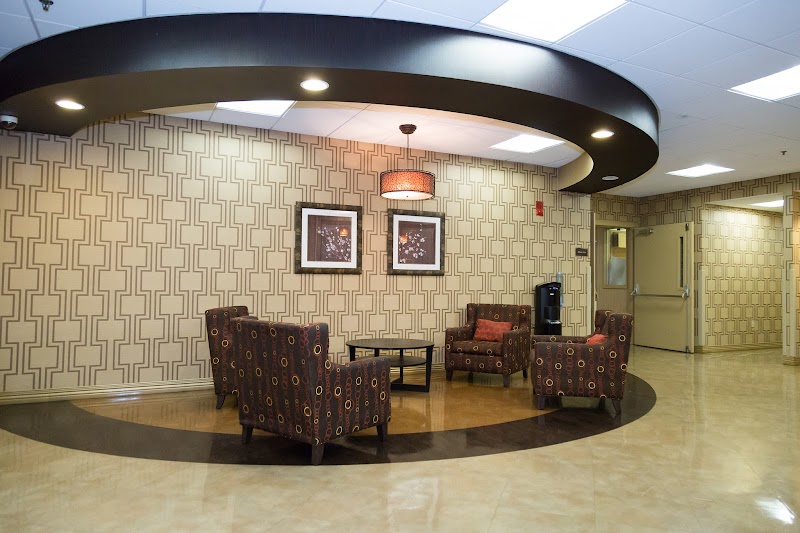
How is Lincoln Crawford Staffed?

CMS rates LINCOLN CRAWFORD CARE CENTER's staffing level at 2 out of 5 stars, which is below average compared to other nursing homes. Staff turnover is 56%, which is 10 percentage points above the Ohio average of 46%. High turnover can affect care consistency as new staff learn residents' individual needs.

What Have Inspectors Found at Lincoln Crawford?

State health inspectors documented 30 deficiencies at LINCOLN CRAWFORD CARE CENTER during 2019 to 2025. These included: 1 that caused actual resident harm and 29 with potential for harm. Deficiencies causing actual harm indicate documented cases where residents experienced negative health consequences.
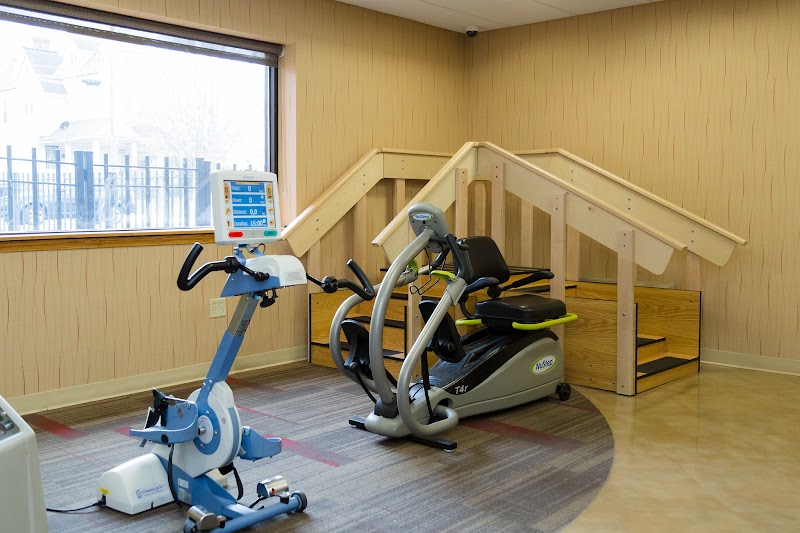
Who Owns and Operates Lincoln Crawford?

LINCOLN CRAWFORD CARE CENTER is owned by a for-profit company. For-profit facilities operate as businesses with obligations to shareholders or private owners. The facility is operated by CCH HEALTHCARE, a chain that manages multiple nursing homes. With 96 certified beds and approximately 82 residents (about 85% occupancy), it is a smaller facility located in CINCINNATI, Ohio.
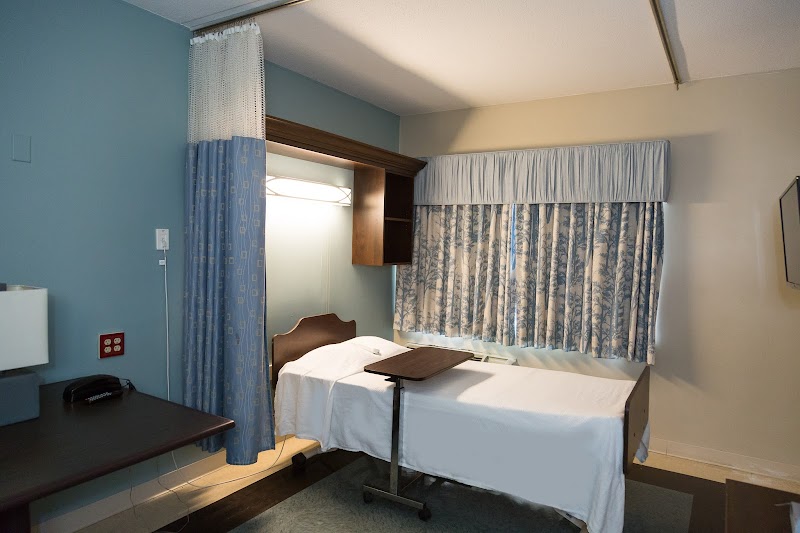
How Does Lincoln Crawford Compare to Other Ohio Nursing Homes?

Compared to the 100 nursing homes in Ohio, LINCOLN CRAWFORD CARE CENTER's overall rating (5 stars) is above the state average of 3.2, staff turnover (56%) is near the state average of 46%, and health inspection rating (4 stars) is above the national benchmark.

What Should Families Ask When Visiting Lincoln Crawford?

Based on this facility's data, families visiting should ask: "How do you ensure continuity of care given staff turnover, and what is your staff retention strategy?" "Can you walk me through typical staffing levels on day, evening, and night shifts?" "Can I visit during a mealtime to observe dining assistance and food quality?" "How do you handle medical emergencies, and what is your hospital transfer rate?" These questions are particularly relevant given the facility's high staff turnover rate and the below-average staffing rating.

Is Lincoln Crawford Safe?

Based on CMS inspection data, LINCOLN CRAWFORD CARE CENTER has a clean safety record: no substantiated abuse findings (meaning no confirmed cases of resident harm), no Immediate Jeopardy citations (the most serious violation level indicating risk of serious injury or death), and is not on the Special Focus Facility watch list (a federal program monitoring the lowest-performing 1% of nursing homes). The facility has a 5-star overall rating and ranks #1 of 100 nursing homes in Ohio. While no facility is perfect, families should still ask about staff-to-resident ratios and recent inspection results during their visit.

Do Nurses at Lincoln Crawford Stick Around?

Staff turnover at LINCOLN CRAWFORD CARE CENTER is high. At 56%, the facility is 10 percentage points above the Ohio average of 46%. High turnover means new staff may not know residents' individual needs, medications, or preferences. It can also be disorienting for residents, especially those with dementia who rely on familiar faces. Families should ask: What is causing the turnover? What retention programs are in place? How do you ensure care continuity during staff transitions?

Was Lincoln Crawford Ever Fined?

LINCOLN CRAWFORD CARE CENTER has no federal fines on record. CMS issues fines when nursing homes fail to meet care standards or don't correct problems found during inspections. The absence of fines suggests the facility has either maintained compliance or corrected any issues before penalties were assessed. This is a positive indicator, though families should still review recent inspection reports for the full picture.

Is Lincoln Crawford on Any Federal Watch List?

LINCOLN CRAWFORD CARE CENTER is not on any federal watch list. The most significant is the Special Focus Facility (SFF) program, which identifies the bottom 1% of nursing homes nationally based on persistent, serious quality problems. Not being on this list means the facility has avoided the pattern of deficiencies that triggers enhanced federal oversight. This is a positive indicator, though families should still review the facility's inspection history directly.