MADEIRA HEALTHCARE CENTER
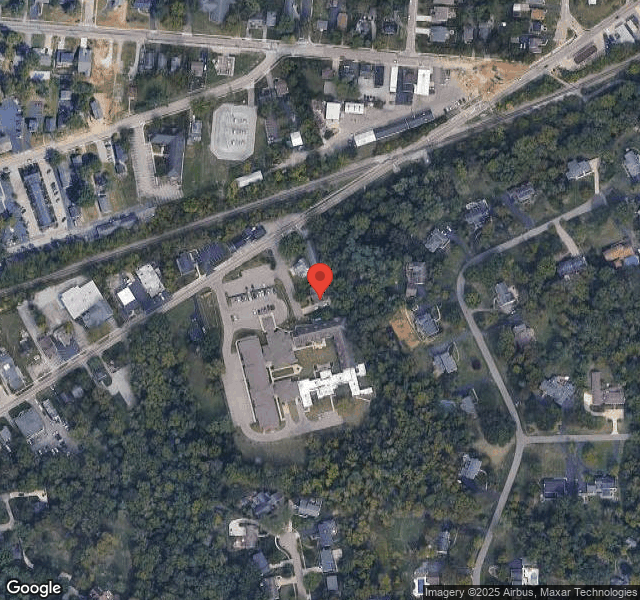
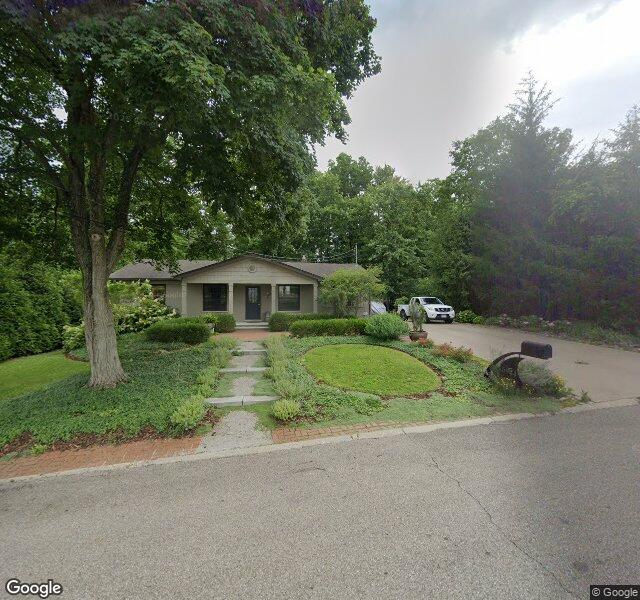
6940 STIEGLER LANE, CINCINNATI, OH 45243 (513) 561-6400
For profit - Corporation 98 Beds COMMUNICARE HEALTH Data: November 2025 1 Immediate Jeopardy citation
Trust Grade
38/100
#498 of 913 in OH
Last Inspection: March 2025

Within standard 12-15 month inspection cycle. Federal law requires annual inspections.

Overview

Madeira Healthcare Center has received a Trust Grade of F, indicating significant concerns about the quality of care provided. It ranks #498 out of 913 nursing homes in Ohio, placing it in the bottom half of facilities statewide, and #41 out of 70 in Hamilton County, meaning only a few local options are better. The facility is experiencing a worsening trend, with issues increasing from 1 in 2024 to 5 in 2025. While staffing is rated average with a turnover rate of 61%, which is concerning compared to the state average of 49%, the center has average RN coverage, meaning they have a standard level of registered nurse presence to monitor care. However, the facility has been fined $26,551, which is higher than 76% of Ohio nursing homes and suggests ongoing compliance issues. Specific incidents raise serious alarms, including one case where a cognitively impaired resident eloped from the facility, leaving staff unaware for two hours before being located by police. Additionally, the facility failed to ensure food safety practices, leading to the potential spread of foodborne illness, and trash cans in food preparation areas were not covered, posing further health risks. Overall, while there are some strengths, the significant concerns regarding safety and compliance make this facility a troubling choice for families seeking care for their loved ones.

Trust Score
F
38/100
In Ohio
#498/913
Bottom 46%
Safety Record
High Risk
Review needed
Inspections
Getting Worse
1 → 5 violations
Staff Stability
⚠ Watch
61% turnover. Above average. Higher turnover means staff may not know residents' routines.
Penalties
✓ Good
$26,551 in fines. Lower than most Ohio facilities. Relatively clean record.
Skilled Nurses
○ Average
Each resident gets 41 minutes of Registered Nurse (RN) attention daily — about average for Ohio. RNs are the most trained staff who monitor for health changes.
Violations
⚠ Watch
36 deficiencies on record. Higher than average. Multiple issues found across inspections.
★★★☆☆
3.0
Overall Rating
★★★☆☆
3.0
Staff Levels
★★★★★
5.0
Care Quality
★★☆☆☆
2.0
Inspection Score
Stable
2024: 1 issues
2025: 5 issues

The Good

  • 5-Star Quality Measures · Strong clinical quality outcomes
  • Full Sprinkler Coverage · Fire safety systems throughout facility
  • No fines on record

Facility shows strength in quality measures, fire safety.

The Bad

3-Star Overall Rating

Near Ohio average (3.2)

Meets federal standards, typical of most facilities

Staff Turnover: 61%

15pts above Ohio avg (46%)

Frequent staff changes - ask about care continuity

Federal Fines: $26,551

Below median ($33,413)

Moderate penalties - review what triggered them

Chain: COMMUNICARE HEALTH

Part of a multi-facility chain

Ask about local staffing decisions and management

Staff turnover is elevated (61%)

13 points above Ohio average of 48%

The Ugly 36 deficiencies on record

1 life-threatening
Mar 2025 2 deficiencies
CONCERN (D)

Potential for Harm - no one hurt, but risky conditions existed

Food Safety (Tag F0812)

Could have caused harm · This affected 1 resident

**NOTE- TERMS IN BRACKETS HAVE BEEN EDITED TO PROTECT CONFIDENTIALITY** Based on observation, staff interviews, and policy review, the facility failed to prevent food contamination. This affected one ...

Read full inspector narrative →
**NOTE- TERMS IN BRACKETS HAVE BEEN EDITED TO PROTECT CONFIDENTIALITY** Based on observation, staff interviews, and policy review, the facility failed to prevent food contamination. This affected one (Resident #7) of two residents observed being fed in the dining room. The facility census was 82. Findings include: Review of the medical record revealed Resident #7 was admitted to the facility on [DATE] with diagnoses of multiple sclerosis, dysphagia, morbid obesity and major depressive disorder. Review of the Minimum Data Set (MDS) quarterly assessment dated [DATE] revealed Resident #7 had moderate cognitive impairment and was always incontinent of bowel and had a urostomy. The resident was dependent for eating, oral and personal hygiene, toileting, bathing, dressing, bed mobility and transfers. Observation on 03/24/25 at 1:02 P.M. of the lunch meal service revealed Resident #7 was being fed by Certified Nursing Assistant (CNA) #8. On the resident's plate was a cheese quesadilla, mashed potatoes and mixed vegetables. During the observation, CNA #7 used his bare fingers to tear off a bite sized piece of the quesadilla and then proceeded to stick it with a fork, add some sour cream and place it in the resident's mouth. Interview on 03/24/25 at 1:03 P.M. with CNA #8 verified he used his bare fingers to tear off a bite sized piece of the cheese quesadilla and feed it to Resident #7. Interview on 03/24/25 at 2:12 P.M. with the Regional Director of Clinical Operations #200 verified staff should not handle resident's food with their bare fingers. Review of the policy titled, Meal Distribution, revised 02/23, revealed proper food handling techniques to prevent contamination will be used for point of service dining.
CONCERN (E)

Potential for Harm - no one hurt, but risky conditions existed

Deficiency F0657 (Tag F0657)

Could have caused harm · This affected multiple residents

**NOTE- TERMS IN BRACKETS HAVE BEEN EDITED TO PROTECT CONFIDENTIALITY** 2. Review of records for Resident #2 revealed an admission date of 12/16/22 with diagnoses including end stage renal disease, he...

Read full inspector narrative →
**NOTE- TERMS IN BRACKETS HAVE BEEN EDITED TO PROTECT CONFIDENTIALITY** 2. Review of records for Resident #2 revealed an admission date of 12/16/22 with diagnoses including end stage renal disease, heart transplant, kidney transplant, and Alzheimer's Disease. Review of MDS dated [DATE] revealed Resident #2 had severe cognitive impairment and required assistance with activities of daily living (ADLs). Review of progress notes revealed no documentation of care conferences being performed. Interview on 03/25/25 at 1:42 P.M. Regional Director of Clinical Operations (RDCO) #200 verified the lack of documentation for care conferences as required. 3. Review of records for Resident #7 revealed an admission date of 05/27/21 with diagnoses including multiple sclerosis (MS), extended spectrum beta lactamase (ESBL) resistance, and contracture of hand. \ Review of MDS dated [DATE] revealed Resident #7 had some cognitive impairment. Further review of the medical record revealed care conferences documented on 05/03/22 and 02/09/23, no care conferences were documented for 2024 or 2025. Interview on 03/25/25 at 1:42 P.M. Regional Director of Clinical Operations (RDCO) #200 verified the lack of documentation for care conferences as required. 4. Review of Resident #33's records revealed an admission date of 11/30/21 with diagnoses including cerebral infarction, type two diabetes (DM2), and end stage renal disease. Review of MDS dated [DATE] revealed Resident #33 had significant cognitive impairment and required assistance with activities of daily living (ADLs). Review of progress notes revealed one documented care conference dated 07/30/24. Interview on 03/25/25 at 1:42 P.M. RDCO #200 verified the lack of documentation for care conferences as required. 5. Review of records for Resident #63 revealed an admission date of 07/28/22 with diagnoses including schizophrenia and suicidal ideation. Review of MDS dated [DATE] revealed Resident #63 was cognitively intact and required assistance with ADLs. Review of progress notes revealed care conferences on 08/24/22 and 04/17/24. Interview on 03/25/25 at 1:42 P.M. RDCO #200 verified the lack of documentation for care conferences being performed as required. Based on record reviews, interviews, and policy review, the facility failed to conduct quarterly care conferences. This affected eight (#2, #7, #9, #22, #33, #39, #60, and #63) out of eight residents reviewed for care planning. The facility census was 82. Findings include: 1. Review of the medical record for Resident #39 revealed an admission date of 03/10/22. Diagnoses included Alzheimer's Disease, depression, anxiety disorder, hyperlipidemia, and obsessive-compulsive disorder. Review of the quarterly Minimum Data Set (MDS) assessment dated [DATE] revealed Resident #39 had intact cognition. Resident #39 was assessed to require setup assistance for eating, oral hygiene, toileting, bathing, dressing, personal hygiene, and bed mobility, and supervision for transfer. Review of the care conference forms revealed care conferences were held for Resident #39 on 01/24/24 and 06/19/24. Review of the progress notes from 08/01/24 to 03/26/25 revealed no documentation related to care conferences held for Resident #39. Interview on 03/26/25 at 3:55 P.M. with Regional Director of Clinical Operations (RDCO) #200 verified the last documented care conference for Resident #39 was 06/19/24. 6. Review of the medical record revealed Resident #9 was admitted to the facility on [DATE] with diagnoses of non-infective gastroenteritis and colitis, end-stage renal disease with dependence on renal dialysis, diabetes mellitus type II, cerebral infarction with right (dominant side) hemiparesis and hemiplegia, kidney transplant status and the need for assistance with personal care. Review of the MDS assessment dated [DATE] revealed Resident #9 had intact cognition and was always incontinent of bowel and bladder. The resident required supervision with eating and oral and personal hygiene, was dependent for toileting, bathing and dressing and maximal assistance with bed mobility and transfers. Review of the medical record revealed no documentation the facility completed an initial care conference with Resident #9 and/or the resident's representative. Interview on 03/26/25 at 12:34 with Resident #9 revealed no knowledge of the facility completing an initial care conference with her. Interview on 03/26/25 at 2:12 P.M. with the Regional Director of Clinical Operations #200 revealed she could not locate documentation the facility completed an initial care conference with Resident #9. Interview on 03/26/25 at 4:16 P.M. with Social Services Director #36 verified an initial care conference was not held with Resident #9. 7. Review of the medical record revealed Resident #22 was admitted to the facility on [DATE] with diagnoses of end-stage renal disease with dependence on renal dialysis, diabetes mellitus type II, gas gangrene and hypertension. Review of the MDS quarterly assessment dated [DATE] revealed Resident #22 had intact cognition and was frequently incontinent of bowel and bladder. The resident required set up assistance with eating, supervision with oral hygiene and bed mobility, maximal assistance with toileting, bathing, dressing and personal hygiene and dependent for transfers. Review of the medical record revealed no documentation the facility completed care conferences with Resident #22 in the first (January, February and March), second (April, May and June), third (July, August and September) and fourth (October, November and December) quarters of 2024. Interview on 03/26/25 at 2:12 P.M. with the Regional Director of Clinical Operations #200 revealed she could not locate documentation the facility completed care conferences with Resident #9 in the first (January, February and March), second (April, May and June), third (July, August and September) and fourth (October, November and December) quarters of 2024. Interview on 03/26/25 at 4:16 P.M. with Social Services Director #26 verified the facility had no documentation of care conferences for Resident #22 in the first (January, February and March), second (April, May and June), third (July, August and September) or fourth (October, November and December) quarters of 2024. 8. Review of the medical record revealed Resident #60 was admitted to the facility on [DATE] with diagnoses of Down syndrome, anoxic brain damage, tracheostomy, gastrostomy and cerebrovascular disease with right (dominant side) hemiplegia and hemiparesis. Review of the MDS quarterly assessment dated [DATE] revealed Resident #60 had severe cognitive impairment and was always incontinent of bowel and bladder. The resident was dependent for eating (gastrostomy tube), oral and personal hygiene, toileting, bathing, dressing, bed mobility and transfers. Review of the medical record revealed no documentation the facility completed care conferences with Resident #60 in the first (January, February and March), second (April, May and June), third (July, August and September) and fourth (October, November and December) quarters of 2024. Interview on 03/26/25 at 2:12 P.M. with the Regional Director of Clinical Operations #200 revealed she could not locate documentation the facility completed care conferences with Resident #60 in the first (January, February and March), second (April, May and June), third (July, August and September) and fourth (October, November and December) quarters of 2024. Interview on 03/26/25 at 4:16 P.M. with Social Services Director #26 verified the facility had no documentation of care conferences for Resident #60 in the first (January, February and March), second (April, May and June), third (July, August and September) or fourth (October, November and December) quarters of 2024. Review of the policy titled, Plan of Care Overview, dated 2017, revealed residents/representatives will be informed of their plan of care in the most understandable manner possible; that residents/representatives will be offered opportunities to voice their view; and that residents/representatives will have the right to participate in the development and implementation of his/her own plan of care. Additionally, the facility will review care plans quarterly and/or with significant changes in care and schedule the meeting to accommodate a resident's representative that may include conference calls, video conference sessions or live sessions.
Jan 2025 3 deficiencies
CONCERN (D) 📢 Someone Reported This

A family member, employee, or ombudsman was alarmed enough to file a formal complaint

Potential for Harm - no one hurt, but risky conditions existed

Resident Rights (Tag F0550)

Could have caused harm · This affected 1 resident

**NOTE- TERMS IN BRACKETS HAVE BEEN EDITED TO PROTECT CONFIDENTIALITY** Based on medical record review, observation, staff interview, and review of a facility policy, the facility failed to ensure res...

Read full inspector narrative →
**NOTE- TERMS IN BRACKETS HAVE BEEN EDITED TO PROTECT CONFIDENTIALITY** Based on medical record review, observation, staff interview, and review of a facility policy, the facility failed to ensure residents were treated with dignity and respect during incontinence care by protecting a resident's private space. This affected one (#19) of three residents reviewed for dignity. The census was 87. Findings include: Review of the medical record revealed Resident #19 was admitted to the facility on [DATE] with diagnoses of intracerebral hemorrhage, hemiplegia and hemiparesis, morbid (severe) obesity, encephalopathy, and depression. Review of the quarterly Minimum Data Set (MDS) assessment dated [DATE] revealed Resident #19 was cognitively intact and was always incontinent of bowel and bladder. The resident required set up assistance for eating, was dependent for dressing, and required maximal assistance for oral and personal hygiene, toileting, bathing, bed mobility, and transfers. Observation on 01/22/25 from 11:20 A.M to 11:50 A.M. revealed Resident #19 was receiving incontinence care while in bed from Certified Nurse Aide (CNA) #575 with Licensed Practical Nurse (LPN) Unit Manager #405 providing stand-by assistance. Continued observation revealed Resident #19's body was partially exposed and CNA #575 was actively providing incontinence care when LPN #425 opened to door to Resident #19's room and entered without knocking or asking permission to enter the room. Resident #19 resided in a private room with no privacy curtain; therefore, the door to the resident's bedroom was the only privacy barrier. Interview on 01/22/25 at 3:04 P.M. with LPN Unit Manager #405 verified LPN #425 did not knock and ask permission before entering the room of Resident #19. Review of the undated policy titled, Resident Rights, revealed care for residents will be provided in a safe and respectful manner that includes care in a private setting, as appropriate. When providing care, staff will knock before entering the resident's room if the door was closed. If there was no answer, the staff member will knock a second time before entering and announce the entrance into the room. This deficiency represents an incidental finding discovered during the course of this complaint investigation.
CONCERN (D) 📢 Someone Reported This

A family member, employee, or ombudsman was alarmed enough to file a formal complaint

Potential for Harm - no one hurt, but risky conditions existed

Pressure Ulcer Prevention (Tag F0686)

Could have caused harm · This affected 1 resident

**NOTE- TERMS IN BRACKETS HAVE BEEN EDITED TO PROTECT CONFIDENTIALITY** Based on medical record review, review of hospital documentation, staff interview, and policy review, the facility failed to tim...

Read full inspector narrative →
**NOTE- TERMS IN BRACKETS HAVE BEEN EDITED TO PROTECT CONFIDENTIALITY** Based on medical record review, review of hospital documentation, staff interview, and policy review, the facility failed to timely implement pressure ulcer prevention interventions as ordered. This affected one (#002) of three residents reviewed for wounds. The facility census was 87. Findings include: Review of the medical record revealed Resident #002 was admitted to the facility on [DATE], after being hospitalized from [DATE] to 12/13/24, with diagnoses of traumatic brain injury (TBI), multiple sclerosis, Huntington's disease, chronic kidney disease stage III, acute kidney injury, lupus, cirrhosis, hypertension, anemia, and hyperlipidemia. The resident was discharged on 12/24/24. Review of the Minimum Data Set (MDS) admission assessment dated [DATE] revealed Resident #002 had severe cognitive impairment, no range of motion impairments, and was always incontinent of bowel and bladder. The resident required total assistance with eating, oral and personal hygiene, toileting, bathing, dressing, bed mobility and transfers. The resident was identified with a stage I (non-blanchable erythema of intact skin) and a stage II (partial-thickness skin loss with exposed dermis) pressure ulcers on admission. Review of hospital discharge orders dated 12/13/24 revealed Resident #002 was ordered to have a low air loss mattress and heel lift boots. Review of the assessment to predict pressure ulcer development dated 12/13/24 revealed Resident #002 was at high risk for the development of pressure ulcers. Review of the admission nursing assessment dated [DATE] revealed Resident #002 had identified skin integrity impairments including moisture associated skin damage (MASD) to the groin, bruising to the chest and bilateral upper and lower extremities, redness on the buttocks, and scabs to the left upper extremity and right chest. Review of the December 2024 treatment administration record (TAR) revealed no documentation Resident #002 had a low loss air mattress from admission on [DATE] to discharge on [DATE] and no documentation of heel protector devices implemented until 12/17/24. Review of skin and wound notes dated 12/17/24 at 7:34 P.M., written by Wound Care Nurse Practitioner (WCNP) #900 revealed Resident #002 had a stage II pressure injury to the right heel measuring 7.0 centimeters (cm) long by 4.0 cm wide by 0.10 cm deep. The wound base was 100 percent (%) epithelial tissue with the peri-wound intact and no odors. Further review revealed recommendations were to cleanse the wound with wound cleanser, apply skin prep, and leave open to air, and ongoing pressure reduction and turning and repositioning precautions per protocol including pressure reduction to the heels and all bony prominences. All prevention measures were discussed with the staff and staff were to float the resident's heels while in bed with use of heel boots. Interview on 01/23/25 at 11:24 A.M. with (WCNP) #900 revealed she did not know Resident #002 had a right heel pressure wound prior to seeing her on 12/17/24. WCNP #900 stated Resident #002's right heel was identified as a facility acquired pressure ulcer. She described the wound to the right heel as being a fully intact blister, filled with a clear fluid that she categorized as a stage II pressure ulcer. WCNP #900 stated a wound such as that would occur in just one to two days, and had it initiated as a deep tissue injury the blister would have been filled with a blood-tinged fluid. WCNP #900 stated she did not recall seeing any skin recommendations from the hospital and could not recall if the resident had a low air loss mattress in place. WCNP #900 stated she was not aware of the discharge orders from the hospital on [DATE] and she made the recommendation for the resident to have heel protectors on 12/17/24. Interview on 01/23/25 at 3:20 P.M. with Regional Director of Clinical Operations #3030 verified there was no documentation that Resident #002 had a low air loss mattress in place from 12/13/24 to 12/24/24 and heel protectors were not documented as placed on the resident until 12/17/24. Review of the undated facility policy titled, Skin Care and Wound Management, revealed the facility strives to prevent skin impairment and to promote the healing of existing wounds. This deficiency represents non-compliance investigated under Complaint Number OH00161160.
CONCERN (D) 📢 Someone Reported This

A family member, employee, or ombudsman was alarmed enough to file a formal complaint

Potential for Harm - no one hurt, but risky conditions existed

Infection Control (Tag F0880)

Could have caused harm · This affected 1 resident

**NOTE- TERMS IN BRACKETS HAVE BEEN EDITED TO PROTECT CONFIDENTIALITY** Based on medical record review, observation, and staff interview, the facility failed to maintain adequate infection control pra...

Read full inspector narrative →
**NOTE- TERMS IN BRACKETS HAVE BEEN EDITED TO PROTECT CONFIDENTIALITY** Based on medical record review, observation, and staff interview, the facility failed to maintain adequate infection control practices during incontinence care. This affected one (#19) of one residents observed for incontinence care. The facility census was 87. Findings include: Review of the medical record revealed Resident #19 was admitted to the facility on [DATE] with diagnoses of intracerebral hemorrhage, hemiplegia and hemiparesis, morbid (severe) obesity, encephalopathy, and depression. Review of the quarterly Minimum Data Set (MDS) assessment dated [DATE] revealed Resident #19 was cognitively intact and was always incontinent of bowel and bladder. The resident required set up assistance for eating, was dependent for dressing, and required maximal assistance for oral and personal hygiene, toileting, bathing, bed mobility, and transfers. Observation on 01/22/25 from 11:20 A.M to 11:50 A.M. revealed Resident #19 was receiving incontinence care while in bed from Certified Nurse Aide (CNA) #575 while Licensed Practical Nurse (LPN) Unit Manager #405 provided stand-by assistance. Resident #19 was noted to be incontinent of bowel and bladder. Continued observation revealed, after cleaning, rinsing, and drying Resident #19, CNA #575 did not change her soiled gloves and touched the resident's clean incontinence brief, clean linens, clean gown, head pillow, call light cord, and bed control cord. Interview on 01/22/25 at 2:55 P.M. with CNA #575 verified she did not change her gloves after completing incontinence care. Interview on 01/22/25 at 3:04 P.M. with LPN Unit Manager #405 verified CNA #575 should have changed her gloves after completing incontinence care on Resident #19 and before touching the resident's clean incontinence brief, gown, bed linens, pillow, call light cord, and bed control cord. This deficiency represents non-compliance investigated under Master Complaint Number OH00161670.
Dec 2024 1 deficiency 1 IJ
CRITICAL (J) 📢 Someone Reported This

A family member, employee, or ombudsman was alarmed enough to file a formal complaint

Immediate Jeopardy (IJ) - the most serious Medicare violation

Accident Prevention (Tag F0689)

Someone could have died · This affected 1 resident

**NOTE- TERMS IN BRACKETS HAVE BEEN EDITED TO PROTECT CONFIDENTIALITY** Based on observation, medical record review, staff interviews, review of a police report, and review of the facility policy, the...

Read full inspector narrative →
**NOTE- TERMS IN BRACKETS HAVE BEEN EDITED TO PROTECT CONFIDENTIALITY** Based on observation, medical record review, staff interviews, review of a police report, and review of the facility policy, the facility failed to provide adequate supervision and implement timely interventions for exit-seeking behaviors for Resident #37, who was cognitively impaired, had a history of wandering and exit seeking behavior and who resided in a secured unit, to prevent his elopement from the facility without staff knowledge. This resulted in Immediate Jeopardy and the potential for serious life-threatening harm, injuries, and/or death on [DATE] when Resident #37 left the secured unit, got in a car in the parking lot which had the keys inside and drove approximately 8.2 miles away from the facility. Resident #37 was missing from the facility for approximately two hours before staff were notified the resident had been located by the police and would be returned to the facility. This affected one (Resident #37) of three residents reviewed for elopement risk. The facility identified 21 residents (#25, #26, #27, #28, #29, #30, #32, #33, #35, #36, #37 #39, #40, #41, #42, #44, #46, #47, #48, #49 and #51) on the secured unit who were at risk for elopement. Additionally, the facility identified nine residents (#01, #02, #05, #08, #10, #15, #17, #19, #21) residing in the unsecured area of the facility who were at risk for elopement. The total facility census was 93 residents. On [DATE] at 3:25 P.M., the Administrator, the Director of Nursing (DON), and Divisional Director of Clinical Operations (DDCO) #200 were notified Immediate Jeopardy began on [DATE] at 6:00 P.M. when Resident #37 eloped from the facility without staff knowledge. On [DATE] at approximately 7:30 P.M., Certified Nurse Aide (CNA) #166 discovered Resident #37 was not present on the secured unit when completing her rounds and reported the missing resident to Licensed Practical Nurse (LPN) #181. Staff completed a search of the unit and checked the logs to ensure the resident had not been signed out. As the staff were beginning to expand the search for Resident #37, they received a call from the police notifying them the resident had been located and would be returned to the facility. The Immediate Jeopardy was removed on [DATE] when the facility implemented the following corrective actions: • On [DATE] at approximately 5:45 P.M., Resident #37 was observed on the secure unit as his dinner tray was retrieved. • On [DATE] at approximately 6:00 P.M., a visitor who was visiting her father reported her car had been stolen from the front parking lot of the nursing home. • On [DATE] at approximately 7:30 P.M., CNA #166 was completing her rounds, was not able to find Resident #37, notified LPN #181 and a search was conducted of the secured unit. A head count revealed 93 residents were present out of 94 with Resident #37 unable to be located. • On [DATE] at approximately 8:00 P.M., LPN #181 was notified the police had located Resident #37 and would return him to the facility. • On [DATE] at approximately 8:10 P.M., the nurses on each unit conducted a head count of all residents in the facility. All residents except for Resident #37 were in the facility. Staff checked the doors on the memory care unit and verified the doors were securely locked and the keypads were in working order. Staff checked all windows and found them all intact with no broken windows. • On [DATE] at 8:10 P.M., Clinical Manager (CM) #146 notified Resident #37's family of the situation. Immediately after, the physician was notified with no new orders obtained. • On [DATE] at 8:15 P.M., the DON provided verbal education on elopement to all staff working in the facility via telephone. • On [DATE] at 8:25 P.M., Resident #37 returned to the facility and was placed immediately on one-on-one supervision. LPN #181 completed a physical assessment of Resident #37 with no adverse findings. The nurse notified Resident #37's family and physician of the assessment with no new orders recommended by the physician. • On [DATE] at 9:00 P.M., the DON began reassessing residents for wandering/elopement risk. The facility identified 21 residents (#25, #26, #27, #28, #29, #30, #32, #33, #35, #36, #37 #39, #40, #41, #42, #44, #46, #47, #48, #49 and #51) on the secured unit who were at risk for elopement. Additionally, the facility identified nine residents (#01, #02, #05, #08, #10, #15, #17, #19, #21) residing in the unsecured area of the facility who were at risk for elopement. • On [DATE] at 7:00 A.M., Maintenance Director #106 completed an audit/evaluation of all egress doors in the building with no adverse findings. The code to the stairwell exiting to the front parking lot from the secured memory care unit was changed. • On [DATE] at 8:00 A.M., the DON and the Administrator began educating all staff regarding elopement policies, procedures and prevention. • On [DATE] at 8:05 A.M., Director of Social Services (DSS) #114 completed a new Brief Interview of Mental Status (BIMS) evaluation for Resident #37. The resident scored two out of 15 possible points which indicated severe cognitive impairment. • On [DATE] at 10:00 A.M., the Interdisciplinary Team (IDT) met and conducted a Quality Assurance and Performance Improvement (QAPI) review with Medical Director (MD) #205, Nurse Practitioner (NP) #112, and Psychiatric NP #216 present. The team reviewed Resident #37's care plan, orders and medical history and determined the resident should remain on one-on-one supervision with no new orders recommended. • On [DATE] at 10:30 A.M., Clinical Manager (CM) #125 completed a Wanderguard audit with no adverse findings. The facility identified three residents (#01, #17 and #21) residing on the unsecured area of the facility with orders for Wanderguards. • On [DATE] at 11:00 A.M., the Administrator audited the elopement binder with preliminary findings from the wandering/elopement risk assessments and determined no changes were needed. • On [DATE] at 1:00 P.M., the DON and Unit Manager (UM) #190 completed wandering and elopement risk assessments. They held a meeting with Minimum Data Set Nurse (MDS Nurse) #107 regarding care planning. The IDT reviewed care plans for all like residents and agreed upon interventions. • On [DATE] at 2:45 P.M., the Administrator posted signs on the entry doors indicating visitors should not leave cars running unattended in parking lot. • On [DATE] at 3:45 P.M., MDS Nurse #107 completed a review and updated all of the care plans for residents identified to be at risk for elopement. • On [DATE] at 4:00 P.M., the Administrator reviewed the elopement binders again to verify all resident information was updated and current. • On [DATE] at 4:50 P.M., the facility conducted an elopement drill during mealtime. No concerns were observed during or after the completion of the drill. • On [DATE] at 7:15 P.M., the Administrator and the DON completed all staff re-education on elopement policies, procedures and prevention for all staff in facility with signatures obtained. The facility does not use agency staff and there were no staff on leave at the time of the incident involving Resident #37. • Beginning [DATE], to monitor for ongoing compliance, the DON or ED will conduct elopement drills twice weekly on random shifts for four weeks, and then monthly. • On [DATE] at 9:30 A.M., the DON and the Administrator reported to the QAPI committee findings related to compliance. The QAPI committee consisted of the Administrator the DON, Registered Dietitian (RD) #220, DSS #114, MDS Nurse #107, Therapy Director (TD) #224, MD #205, NP #215, and Psych NP #216. • Beginning [DATE], the Administrator, the DON and department leaders will complete random audits of at least five staff per day to determine comprehension of elopement policies, procedures and prevention techniques. • Beginning [DATE], Maintenance Director #106 and/or designee will complete daily audits of the secured doors in the facility to ensure proper functioning and security. Daily audits will continue for at least 90 days and then be referred to the facility QAPI team to review for further monitoring recommendations. • On [DATE] at 10:00 A.M., the IDT met to review Resident #37's need for ongoing one-on-one observation with MD #205 present. The IDT agreed to continue one-on-one observation for the resident. • Interviews on [DATE] between the hours of 11:16 A.M. and 11:42 A.M. with Registered Nurse (RN) #148 and CNAs #147 and #169 and on [DATE] between the hours of 9:40 A.M. and 1:00 P.M. with LPN #181 and CNA #166 confirmed they were educated and verbalized knowledge of the facility's elopement policies and procedures and guidelines for monitoring residents who have been placed on one-on-one supervision. • On [DATE] at 4:15 P.M., Maintenance Director #106 changed the remaining two door codes to the stairwells and the elevator code for the secured unit. The facility will change the door codes monthly moving forward. • Resident #37 was placed on immediate one-on-one observation and will be reviewed by the facility IDT/QAPI team weekly to determine appropriate interventions. • On [DATE] the surveyor completed review of the medical records for Residents #41 and #47 identified as elopement risks and revealed no concerns related to actual elopement from the facility, elopement risk assessments were current and accurate, and care plans were initiated and updated with appropriate interventions to prevent elopement. Although the Immediate Jeopardy was removed on [DATE], the facility remained out of compliance at Severity Level 2 (no actual harm with potential for more than minimal harm that is not Immediate Jeopardy) as the facility had not changed the door codes on all of the doors and is still in the process of implementing their corrective action plan and monitoring to ensure ongoing compliance. Findings include: Review of the medical record for Resident #37 revealed an admission date of [DATE] with diagnoses including dementia, insomnia, hypertension, personal history of traumatic brain injury, congestive heart failure, anxiety disorder, and malignant neoplasm of prostate. Review of the quarterly Minimum Data Set (MDS) assessment for Resident #37 dated [DATE] revealed the resident had severe cognitive impairment and was independently mobile without an assistive device. Review of the wandering observation tool for Resident #37 dated [DATE] revealed the resident had a history of wandering and the resident's family reported he might try to leave. Further review of the tool revealed Resident #37 was not accepting of his current living arrangements and expressed a desire to leave the facility. Resident #37 had no history of elopement but wandered without a sense of purpose and had the additional risk factor of dementia and poor safety awareness and was determined to be at risk of elopement. Review of the care plan for Resident #27 dated [DATE] revealed the resident wandered the unit looking for an exit to get home, had agitation, was restless and exit-seeking and was at risk for elopement and noted to exit seek by pushing on doors and trying to get onto the elevator. Interventions included the following: one-on-one observation, assess and meet needs, assist to call family when exit seeking or if the resident is not easily redirected, educate the resident and representative on the need for secured unit, involve the resident in listening to music, attending activities and getting a snack, increased supervision when ambulating in the hallways, and place identifying information in the elopement book. Interview on [DATE] at 3:15 P.M. with the Administrator and the DON confirmed Resident #37 lived on the secured unit and had been living at home with his wife, went to the hospital and was admitted from the hospital to the facility's secured unit which had three stairwell doors and one elevator which required codes to get out. Further interview confirmed Resident #37 eloped from the facility without staff knowledge on [DATE] and was returned hours later by police. The facility was unable to determine how the resident exited the facility, but they suspected he might have gone down the stairwell door to the left of the nurses' station. They did not think he had exited the unit via the elevator because he would have had to walk past the reception desk which was attended by staff to go out the front door. They stated they did not think the resident was cognitively capable of memorizing the code and surmised the resident pushed buttons and somehow entered the correct code which they characterized as being an easy code (1245). Further interview confirmed an aide discovered Resident #37 was missing from the unit on [DATE] at approximately 7:30 P.M. Staff began to search for Resident #37 without success and the staff were preparing to expand their search at 8:00 P.M. when the facility was notified the police had located the resident and would bring him back to the facility. The Administrator and DON reported they thought Resident #37 had left around 6:00 P.M. as an aide had last seen the resident around 5:45 P.M. as she was picking up his dinner tray. At 6:00 P.M., a family member of another resident reported they had their car stolen from the facility ' s front parking lot. Police found Resident #37 in the visitor's car which had been reported stolen and the resident was approximately 8.2 miles from the facility on a busy road. Observation on [DATE] at 9:45 A.M. revealed two of the stairwell doors opened using the same code,1245, which had been the code at the time of Resident #37's elopement. Further observation revealed the door at the bottom of the stairwell opened to the outside and allowed egress with no additional code required or an alarm to the door. Interview on [DATE] at 10:38 A.M. with Maintenance Director #106 confirmed he was notified of Resident #37's [DATE] elopement on the morning of [DATE]. Maintenance Director #106 confirmed the elevator and three stairwells to the unit all had codes to prevent residents from exiting, but on [DATE] he only changed the code to one of the stairwells and had left the elevator code and two of the stairwell codes unchanged. Interviews on [DATE] between the hours or 11:16 A.M. and 11:42 A.M. with Registered Nurse (RN)#148 and CNAs #147 and #169 confirmed Resident #37 had not seemed agitated or actively exit-seeking prior to leaving the building on [DATE] but had been displaying his usual level of wandering. They reported last seeing him around 5:45 P.M. when gathering dinner trays. Interview on [DATE] at 9:40 A.M. with LPN #181 confirmed she was notified by CNA #166 at around 7:30 P.M. that Resident #37 was not present on the unit. They searched the unit and as CNA #166 was coming back from checking if Resident #37 had been signed out, they received notification that the police had located the resident and were bringing him back to the facility. LPN #181 stated she assessed Resident #37, and he had no injuries. Interview on [DATE] at 12:10 P.M. with the Administrator confirmed following Resident #37 ' s elopement on [DATE] it was her understanding and intent that Maintenance Director #106 would change the codes to all three stairwells and the elevator on the secured unit as the facility was unsure how Resident #37 had been able to exit the facility without staff knowledge or supervision on [DATE]. The Administrator confirmed awareness that Maintenance Director #106 had only changed the code on [DATE] to the stairwell to the left of the nurses' station. Interview on [DATE] at 1:00 P.M. with CNA #166 confirmed she was doing rounds at approximately 7:15 P.M. on [DATE] when she noted Resident #37 was not present. As she was coming back upstairs from checking the front desk sign out log, another staff reported the police had located Resident #37 and would return him to the facility. She stated when Resident #37 returned, he was assessed with no injury and was laughing and stated the police had caught him stealing his father's car. Observations on [DATE] and [DATE] revealed Resident #37 was in his room and was on droplet isolation due to COVID -19 and also remained on one-on-one supervision with no wandering or exit seeking behavior exhibited. Review of a police report from the city in which the facility was situated dated [DATE] revealed an unlocked vehicle with the keys inside parked in front of the facility on [DATE] was reported stolen. The owner of the vehicle had last seen the car parked in front of the facility on [DATE] at 5:20 P.M. and at 6:05 P.M. the car was gone. Local police found the vehicle at an address which was 8.2 miles away. The vehicle was equipped with a device which allowed police to turn off the vehicle remotely rendering it undrivable and thus preventing a possible crash. The device also enabled police to locate the vehicle and Resident #37 to bring him back to the facility. Review of the facility policy titled Elopement Prevention and Management, undated, revealed elopement was defined as a resident leaving the premises or safe area without authorization and necessary supervision putting them at risk. The procedure entailed identifying residents who were at risk for elopement and what factors might contribute to their elopement. The facility would develop and document individualized interventions to manage resident risk factors and modify interventions as needed. In the event a resident eloped, the facility would announce a resident was missing, form a search team and search all areas of the facility, then the grounds and broaden the search until the resident was found. The facility would notify law enforcement as needed to assist with the search. This deficiency represents noncompliance investigated under Complaint Number OH00159871.
Dec 2022 3 deficiencies
CONCERN (D) 📢 Someone Reported This

A family member, employee, or ombudsman was alarmed enough to file a formal complaint

Potential for Harm - no one hurt, but risky conditions existed

Pressure Ulcer Prevention (Tag F0686)

Could have caused harm · This affected 1 resident

**NOTE- TERMS IN BRACKETS HAVE BEEN EDITED TO PROTECT CONFIDENTIALITY** Based on record review, observation, staff interview, review of the facility's policy, and review of an online wound resource by...

Read full inspector narrative →
**NOTE- TERMS IN BRACKETS HAVE BEEN EDITED TO PROTECT CONFIDENTIALITY** Based on record review, observation, staff interview, review of the facility's policy, and review of an online wound resource by the National Pressure Ulcer Advisory Panel (NPUAP), the facility failed to ensure pressure ulcer prevention interventions were in place as ordered and in accordance with the resident's plan of care. This affected one (Resident #15) of three residents reviewed for pressure ulcers. The facility identified six residents with pressure ulcers. The facility census was 90. Findings include: Review of the medical record for Resident #15 revealed an admission date of 05/20/21 with diagnoses including multiple sclerosis (MS) and atherosclerotic heart disease. Review of the Minimum Data Set (MDS) assessment dated [DATE] revealed Resident #15 was cognitively impaired and was totally dependent on the assistance of one to two staff with activities of daily living (ADLs.) Resident #15 was coded as negative for behaviors including rejection of care. Resident #15 was coded as at risk for the development of pressure ulcers and was coded for the presence of two stage IV pressure ulcers (Full thickness tissue loss with exposed bone, tendon or muscle. Slough or eschar may be present on some parts of the wound bed.) not present upon admission. Review of the pressure ulcer risk assessment dated [DATE] revealed Resident #15 was at high risk for the development of pressure ulcers. Review of the care plan dated 12/06/22 revealed Resident #15 had the potential for impaired skin integrity related to diagnosis of MS, left hand contracture, hypercholesterolemia, dysphagia, neurogenic bladder, depression, obesity, cataracts, coronary artery disease, resident is total assist with her ADLs, the resident has a urostomy, incontinent of bowel, and has stage IV pressure ulcers to sacrum and left ischium and a deep tissue injury (DTI) to her right great toe. Interventions included the following: administer treatments as ordered and monitor for effectiveness, assess/record/monitor wound healing, assess and document status of wound perimeter, wound bed and healing progress, report improvements and declines to the physician, assist with repositioning, assist with toileting, provide incontinence care as needed, encourage and assist the resident to keep heels off of the bed, heel boots to bilateral lower extremities, encourage the resident to turn and reposition, and a low air loss mattress to bed. Review of December 2022 monthly physician orders for Resident #15 revealed an order dated 11/18/22 for bilateral heel boots in place at all times as tolerated and an order dated 12/02/22 to elevate bilateral heels at all times on soft pillow as tolerated. Review of the December 2022 Treatment Administration Record (TAR) for Resident #15 revealed the orders for bilateral heel boots and elevating heels on a soft pillow were signed off as completed. Review of the wound nurse practitioner's (NP) notes dated 12/01/22 revealed Resident #15 had a stage IV pressure ulcer to her sacrum which was acquired in the facility and measured 2.11 centimeters in length by 1.39 cm width by 0.8 cm in depth, and a stage IV pressure ulcer to her left ischial tuberosity which was acquired in the facility and measured 3.07 cm in length by 1.57 cm in width by 1.0 cm in depth, and a deep tissue injury-unstageable pressure ulcer to her right great toe which was 100 percent (%) slough and eschar to the wound bed which measured 1.50 cm in length by 1.62 in width. The NP note indicated part of the treatment plan was for staff to float the resident's heels. Review of the staff assignment sheet for Resident #15 revealed it did not include information regarding heel boots for resident and/or elevating the heels on pillows. Review of the online [NAME] for Resident #15 revealed it included the following interventions: encourage and assist the resident to keep heels off of the bed, and encourage the resident to turn and reposition. Observation and interview on 12/08/22 at 9:36 A.M. with State Tested Nursing Assistant (STNA) #525 revealed Resident #15 was in bed and her heel boots were not in place. Resident #15's heels were resting directly on the mattress. STNA #525 found the heel boots in the resident's closet. STNA #525 confirmed Resident #15's heels were resting directly on the mattress and Resident #15 was not wearing heel boots. STNA #525 confirmed she had been at the facility since 7:00 A.M. and she had not attempted to put the heel boots on the resident or elevate her heels. STNA #525 confirmed she was not aware Resident #15 had an order for heel boots and the staff assignment sheet she was provided by the facility did not mention any pressure prevention devices. STNA #525 confirmed the heel boots were in the resident's closet. Interview on 12/08/22 at 11:08 A.M. with Licensed Practical Nurse (LPN) #485 confirmed Resident #15 had an order for heel boots on at all times as tolerated and to elevate heels on pillows when in bed. Review of the facility's policy titled Pressure Ulcer Prevention: High Risk, dated 04/20/17, revealed the facility should develop a care plan for pressure ulcer prevention. If a resident was at high risk the following interventions were indicated: position with pillows/support devices to assist in maintaining position and comfort, protect/elevate elbows and heels as indicated Review of the NPUAP guidelines dated 2014 page 115 revealed ideally, heels should be free of all pressure, a state sometimes called floating heels. Pressure can be relieved by elevating the lower leg and calf from the mattress by placing a pillow under the lower legs, or by using a heel suspension device that floats the heel. Consequently, the pressure will instead spread to the lower legs, and the heels will no longer be subjected to pressure. This deficiency represents non-compliance investigated under Complaint Number OH0137357.
CONCERN (D) 📢 Someone Reported This

A family member, employee, or ombudsman was alarmed enough to file a formal complaint

Potential for Harm - no one hurt, but risky conditions existed

Deficiency F0757 (Tag F0757)

Could have caused harm · This affected 1 resident

**NOTE- TERMS IN BRACKETS HAVE BEEN EDITED TO PROTECT CONFIDENTIALITY** Based on record review, observation, staff interview, review of the facility policy, and review of an online medication resource...

Read full inspector narrative →
**NOTE- TERMS IN BRACKETS HAVE BEEN EDITED TO PROTECT CONFIDENTIALITY** Based on record review, observation, staff interview, review of the facility policy, and review of an online medication resource, the facility failed to ensure residents were appropriately monitored prior to medication administration. This affected one (Resident #41) of three residents reviewed for medications. The facility census was 90. Findings include: Review of the medical record for Resident #41 revealed an admission date of 09/08/22 with diagnoses including encephalopathy, atrial fibrillation, and cerebral amyloid angiopathy. Review of the Minimum Data Set (MDS) assessment dated [DATE] revealed Resident #41 was cognitively intact. Review of the care plan dated 07/14/22 revealed Resident #41 had altered cardiovascular status, paroxysmal atrial fibrillation. Interventions included the following: to administer medications per medical provider's orders, observe for side effects and effectiveness, report abnormal findings to medical provider, monitor vital signs, and report abnormal findings to physician. Review of the December 2022 monthly physician orders for Resident #41 revealed an order dated 09/08/22 for Digoxin (treats heart failure and abnormal heart rhythm) give one 125 microgram (mcg) tablet by mouth in morning. Observation on 12/08/22 at 9:05 A.M. revealed Licensed Practical Nurse (LPN) #325 administered a 125 mcg Digoxin tablet to Resident #41. LPN #325 did not check resident's pulse prior to administration. Interview on 12/08/22 at 9:11 A.M. with LPN #325 confirmed she had not checked Resident #41's pulse prior to Digoxin administration, nor had she checked his pulse or other vital signs at any time during the shift on 12/08/22. LPN #325 confirmed she didn't check the resident's pulse because there was no physician's order to do so. Interview on 12/08/22 at 1:20 P.M. with the Director of Nursing (DON) confirmed the resident's pulse should be monitored prior to administration of Digoxin. Review of the [NAME] Drug Guide on 12/08/22 and online medication reference on 12/08/22 at https://nursing.unboundmedicine.com/nursingcentral/view/[NAME]-Drug-Guide/51218/all/digoxin revealed the nurse should monitor apical pulse for one full minute before administering Digoxin. Nurse should withhold the dose and notify health care professional if pulse rate is less than 60 beats per minute and should also notify health care professional promptly of any significant changes in rate, rhythm, or quality of pulse. Review of the facility's policy titled Medication Administration, dated 01/05/22 revealed the facility will ensure staff administer medications safely and as prescribed. This deficiency represents non-compliance investigated under Complaint Number OH0136862.
CONCERN (D) 📢 Someone Reported This

A family member, employee, or ombudsman was alarmed enough to file a formal complaint

Potential for Harm - no one hurt, but risky conditions existed

Infection Control (Tag F0880)

Could have caused harm · This affected 1 resident

**NOTE- TERMS IN BRACKETS HAVE BEEN EDITED TO PROTECT CONFIDENTIALITY** Based on record review, observation, staff interview, and review of the facility policy, the facility failed to ensure wound car...

Read full inspector narrative →
**NOTE- TERMS IN BRACKETS HAVE BEEN EDITED TO PROTECT CONFIDENTIALITY** Based on record review, observation, staff interview, and review of the facility policy, the facility failed to ensure wound care was provided in a sanitary manner. This affected one (Resident #15) of three residents reviewed for pressure ulcers. The facility identified six residents with pressure ulcers. The facility census was 90. Findings include: Review of the medical record for Resident #15 revealed an admission date of 05/20/21. Diagnoses including multiple sclerosis (MS) and atherosclerotic heart disease. Review of the Minimum Data Set (MDS) assessment dated [DATE] revealed Resident #15 was cognitively impaired and was totally dependent on the assistance of one to two staff with activities of daily living (ADLs). Resident was coded as negative for behaviors including rejection of care. Resident was coded as at risk for the development of pressure ulcers and was coded for the presence of two stage IV pressure ulcers (Full thickness tissue loss with exposed bone, tendon or muscle. Slough or eschar may be present on some parts of the wound bed.) not present upon admission. Review of the pressure ulcer risk assessment dated [DATE] revealed Resident #15 was at high risk for the development of pressure ulcers. Review of the care plan dated 12/06/22 revealed Resident #15 had the potential for impaired skin integrity related to diagnosis of MS, neurogenic bladder, depression, obesity, the resident was total assist with her ADL's, resident has a urostomy, incontinent of bowel, and has stage IV pressure ulcers to sacrum and left ischium and a deep tissue injury (DTI) to her right great toe. Interventions included the following: to administer treatments as ordered and monitor for effectiveness, assess/record/monitor wound healing, wound bed and healing progress, assist with toileting, and provide incontinence care as needed. Review of December 2022 monthly physician orders for Resident #15 revealed an orders dated 11/29/22 to cleanse the sacral and left ischium wound with normal saline, apply Medihoney fluffed gauze, and cover with dry dressing. Review of the wound nurse practitioner's (NP) notes dated 12/01/22 revealed Resident #15 had a stage IV pressure ulcer to her sacrum which was acquired in the facility and measured 2.11 centimeters (cm) in length by 1.39 cm width by 0.8 cm in depth and a stage IV pressure ulcer to her left ischial tuberosity which was acquired in the facility and measured 3.07 cm in length by 1.57 cm in width by 1.0 cm in depth. Observation on 12/08/22 at 11:09 A.M. of wound care for Resident #15 per Licensed Practical Nurse (LPN) #185 with State Tested Nursing Assistant (STNA) #525 revealed LPN #185 and STNA #525 positioned Resident #15 on her side in the bed with STNA #525 holding and supporting the resident in place. Resident #15 was noted to have been incontinent of a large amount of soft unformed dark stool. LPN #185 began to remove the stool from resident's buttocks using wipes. There was an intact dressing to resident's sacrum dated 12/07/22 and intact dressing to resident's left ischium. While there was still a moderate amount of stool remaining, LPN #185 removed the intact dressings to the resident's sacrum and ischium and then continued wiping away the stool. Interview on 12/08/22 at 11:47 A.M. with LPN #185 confirmed the dressings to Resident #15's sacrum and left ischium were intact when she began removing stool from resident's buttocks using wipes. LPN #185 confirmed she removed the dressings to the resident's sacrum and ischium while there was still a moderate amount of soft unformed stool present to the resident's buttocks. LPN #185 confirmed there was a potential for resident's wounds to come in contact with stool, so she tried to wipe away from the wounds as she finished incontinence care. LPN #185 confirmed she hadn't thought of the potential for introducing stool into the wound until she had already removed the intact dressings dated 12/07/22. LPN #185 confirmed she should have completed incontinence care, washed her hands, and donned clean gloves before removing the intact dressings dated 12/07/22. Review of the facility's procedure titled Competency: Simple Wound Dressing Change, undated, revealed once the dressing is removed the staff should avoid sneezing or talking while the wound is exposed to minimize the risk of infection. This deficiency represents non-compliance investigated under Complaint Number OH0137357.
Apr 2022 20 deficiencies
CONCERN (D)

Potential for Harm - no one hurt, but risky conditions existed

Resident Rights (Tag F0550)

Could have caused harm · This affected 1 resident

**NOTE- TERMS IN BRACKETS HAVE BEEN EDITED TO PROTECT CONFIDENTIALITY** Based on medical record review, observation, staff interview, and review of facility policy, the facility failed to ensure resid...

Read full inspector narrative →
**NOTE- TERMS IN BRACKETS HAVE BEEN EDITED TO PROTECT CONFIDENTIALITY** Based on medical record review, observation, staff interview, and review of facility policy, the facility failed to ensure residents were served meals in a dignified manner. This affected one (Resident #47) out of 74 residents in the facility who receive meals from the kitchen. The facility identified one resident (#50) who did not receive meals from the kitchen. The census was 75. Findings include: Review of the medical record for Resident #47 revealed an admission date of 02/01/22 with a diagnosis of epilepsy. Review of Resident #47's Minimum Data Set assessment dated [DATE] revealed Resident #47 was cognitively impaired, and required supervision and set up help with eating. Observation on 03/28/22 at 12:26 P.M. revealed Resident #47 was sitting in the common area with Resident #31 and Resident #182. Resident #31 and Resident #182 were seated with overbed tables in front of them in preparation for the lunch meal. There was no table or surface to serve Resident #47's meal tray. Further observation revealed State Tested Nursing Assistant (STNA) #657 served a meal tray to Resident #31 and Resident #182 and then began delivering trays from the top of the meal cart to the bottom of the meal cart and did not give a meal tray to Resident #47. Observation on 03/28/22 at 12:43 P.M. revealed Resident #31 and Resident #182 were almost finished with their meals and Resident #47 had not been served his meal. Resident #182 told STNA #657, Resident #47 had not received his meal yet. Interview on 03/28/22 at 12:43 P.M with Resident #47 confirmed he was hungry. Resident #47 stated he hoped staff brought him his lunch soon. Interview on 03/28/22 at 12:43 P.M. with STNA #657 confirmed she was working her way from the top of the meal cart to the bottom, and was delivering trays in the order they were presented. STNA #657 confirmed Resident #47's tray was the last one on the meal cart and she needed to find an overbed table before she could serve his meal. Observation on 03/28/22 at 12:46 P.M. revealed STNA #658 placed an overbed table in front of Resident #47 and served Resident #47's lunch meal. STNA #658 then collected the empty trays from Resident #31 and Resident #182 who had completed their meals by the time Resident #47 was served. Review of the facility policy titled Resident Rights, dated 05/30/19, revealed staff would provide care and treatment in a respectful and dignified manner. This deficiency substantiates Complaint Number OH00113136.
CONCERN (D)

Potential for Harm - no one hurt, but risky conditions existed

Deficiency F0578 (Tag F0578)

Could have caused harm · This affected 1 resident

**NOTE- TERMS IN BRACKETS HAVE BEEN EDITED TO PROTECT CONFIDENTIALITY** 2. Review of the medical record for Resident #1 revealed an admission date of [DATE] with diagnoses including end stage renal di...

Read full inspector narrative →
**NOTE- TERMS IN BRACKETS HAVE BEEN EDITED TO PROTECT CONFIDENTIALITY** 2. Review of the medical record for Resident #1 revealed an admission date of [DATE] with diagnoses including end stage renal disease, diabetes mellitus, chronic obstructive pulmonary disease (COPD), systolic heart failure, and chronic ischemic heart disease. Review of the MDS assessment dated [DATE] revealed Resident #1 was cognitively intact. Review of Resident #1's advanced directives revealed Resident #1 signed a State of Ohio Do Not Resuscitate (DNR) form indicating that she wanted to be a DNR Comfort Care. There was no physician's signature or date. Review of Resident #1's physician orders revealed an order entered as DNR. Interview on [DATE] at 2:58 P.M. with RDCS #656 verified Resident #1's DNR form was not completed by a physician and the code status order in the electronic medical record was incorrectly documented. 3. Review of the medical record for Resident #38 revealed an admission date of [DATE] with a diagnosis of spina bifida. Review of the MDS assessment for Resident #38 dated [DATE] revealed Resident #38 was cognitively intact. Review the medical record for Resident #38 revealed there was a red sheet of paper in a sheet protector in the front of her chart that read DNRCC Do Not Resuscitate Comfort Care. Review of the medical record for Resident #38 revealed there was a state DNRCC form dated [DATE] in the front of the chart signed by the physician but it was not signed by the resident. Review of the care plan for Resident #38 dated [DATE] revealed Resident #38 had a DNRCC code status and had the ability to make health care decisions. Review of the nurse progress notes for Resident #38 dated [DATE] through [DATE] revealed the record was silent regarding discussion of code status preference with Resident #38. Review of the nurse progress note for Resident #38 dated [DATE] at 4:27 P.M. revealed staff spoke with Resident #38 who confirmed she wanted to be a full code. The physician was notified and Resident #38's code status was changed to full code. Interview on [DATE] at 10:36 A.M. with Resident #38 confirmed she was a full code status and wanted cardiopulmonary resuscitation (CPR) to be initiated in the event her heart stopped. Interview on [DATE] at 4:00 P.M. with Regional Director of Clinical Services (RDCS) #656 confirmed Resident #38's record indicated she was a DNRCC for her code status but was silent for a discussion of Resident #38's preference regarding code status. RDCS #656 further confirmed the DNRCC form was not signed by Resident #38. Review of the facility policy titled General Code Status, dated [DATE], revealed the resident's code status would be noted in the electronic medical records that serve as a source of information to the facility staff for the proper response by the staff for treatment in the event the resident's heart ceases and/or respirations cease, whether by natural or unnatural means. Further review of the policy revealed the resident, and the resident representative would guide decisions regarding code status. Based on record review, staff interview, and resident interview, the facility failed to ensure resident advanced directives included the required signatures and followed the wishes of the residents. This affected three residents (#1, #38, #72) of eighteen residents reviewed for advanced directives. The facility census was 75. Findings included: 1. Review of Resident #72's medical record revealed an admission date of [DATE] and a readmission date of [DATE]. Resident #72's diagnoses included congestive heart failure, adult failure to thrive, hypertension, presence of cardiac pacemaker, and depression. Review of Resident #72's Minimum Data Set (MDS) assessment dated [DATE] revealed Resident #72 had severe cognitive impairment. Review of Resident #72's plan of care dated [DATE] revealed Resident #72 was a Do Not Resuscitate Comfort Care (DNRCC) code status. The interventions included to obtain medical provider order for code status, obtain copies to have on file, and review the code status quarterly and as needed. Review of Resident #72's electronic medical record physician orders dated [DATE] revealed a Do Not Resuscitate Comfort Care Arrest order (DNRCCA). Review of Resident #72's paper/hard medical chart revealed an undated and unsigned Do Not Resuscitate Ohio Comfort Care (DNR) order. The order included Resident #72's name and date of birth and the name of the physician. The form identified Resident #72 had a DNRCCA code status. Interview on [DATE] at 12:58 P.M. with Regional Director of Clinical Services (RDCS) #656 confirmed Resident #72's DNRCCA did not have the required physician signature.
CONCERN (D)

Potential for Harm - no one hurt, but risky conditions existed

Transfer Notice (Tag F0623)

Could have caused harm · This affected 1 resident

**NOTE- TERMS IN BRACKETS HAVE BEEN EDITED TO PROTECT CONFIDENTIALITY** Based on medical record review and staff interview, the facility failed to ensure the ombudsman was notified of resident dischar...

Read full inspector narrative →
**NOTE- TERMS IN BRACKETS HAVE BEEN EDITED TO PROTECT CONFIDENTIALITY** Based on medical record review and staff interview, the facility failed to ensure the ombudsman was notified of resident discharges. This affected three (Resident #25, #50, and #83) of three residents reviewed for hospitalization. The facility census was 75. Findings include: 1. Review of the medical record for Resident #83 revealed an admission date of 01/11/22. Resident #83 discharged from the facility on 02/15/22 and did not return. Diagnoses included malignant neoplasm of bronchus or lung, atrial flutter, type two diabetes mellitus with hyperglycemia, essential hypertension, and hyperlipidemia. Review of the comprehensive Minimum Data Set (MDS) assessment dated [DATE] revealed Resident #83 had intact cognition. Review of the medical record for Resident #83 revealed no evidence of the ombudsman having been notified of Resident #83's discharge. Interview on 03/30/22 at 3:39 P.M. with Social Worker (SW) #633 revealed he was aware of the need to notify the ombudsman of discharges, however he was unsure who was supposed to complete that notification. SW #633 further verified the ombudsman was not notified of Resident #83's discharge. 3. Review of medical record for Resident #25 revealed an admission date of 01/20/22 with diagnoses including acute pulmonary edema, end stage renal disease, type two diabetes mellitus, severe protein-calorie malnutrition, pressure ulcer or right buttock stage two, pressure ulcer of right heel, stage two, pressure ulcer of left heel stage two, dementia without behavioral disturbance, dependence on renal dialysis, and schizoaffective disorder. Review of the MDS assessment dated [DATE] revealed Resident #25 was cognitively intact. Resident #25 was sent to the hospital on [DATE], 02/25/22, 03/03/22, 03/16/22, and 03/22/22. Review of the medical record for Resident #25 revealed no evidence the Ombudsman was notified of Resident #25's transfers to the hospital on [DATE], 02/25/22, 03/03/22, 03/16/22, and 03/22/22. Interview on 03/31/22 at 11:20 A.M. with SW #633 verified the Ombudsman had not been notified for hospitalizations to his knowledge. 2. Review of the medical record for Resident #50 revealed an admission date of 12/15/21 with diagnoses which included but were not limited to Alzheimer's disease, hypoglycemia, gastrointestinal hemorrhage, adult failure to thrive, respiratory failure, neuromuscular dysfunction of bladder, hypertension, type two diabetes, dysphagia, covid-19, chronic kidney disease, anemia, extended spectrum beta lactamase resistance and dysphagia. Review of the quarterly Minimum Data Set (MDS) dated [DATE] for Resident #50 revealed an impaired cognition. Review of Resident #50's physician orders for the month of February 2022 revealed an order dated 02/12/22 to transfer Resident #50 to the hospital for evaluation. Review of the nurses' progress notes dated 02/12/22 to 02/13/22 for Resident #50 revealed they were silent for evidence that the facility notified the Long Term Care (LTC) Ombudsmen of Resident #50's transfer to the hospital on [DATE]. Interview on 03/31/22 at 11:30 A.M. with SW #633 revealed no one had been notifying the Ombudsman of transfer/discharges. SW #633 verified the LTC Ombudsmen was not notified when Resident #50 was transferred to the hospital.
CONCERN (D)

Potential for Harm - no one hurt, but risky conditions existed

Deficiency F0625 (Tag F0625)

Could have caused harm · This affected 1 resident

**NOTE- TERMS IN BRACKETS HAVE BEEN EDITED TO PROTECT CONFIDENTIALITY** Based on medical record review and staff interview, the facility failed to ensure the resident and/or resident representative wa...

Read full inspector narrative →
**NOTE- TERMS IN BRACKETS HAVE BEEN EDITED TO PROTECT CONFIDENTIALITY** Based on medical record review and staff interview, the facility failed to ensure the resident and/or resident representative was notified of the facility's bed hold policy in writing upon transfer to the hospital. This affected three (Resident #25, #50, and #83) of three residents reviewed for hospitalization. The facility census was 75. Findings include: 1. Review of the medical record for Resident #83 revealed an admission date of 01/11/22. Resident #83 discharged from the facility to the hospital on [DATE] and did not return. Resident #83 had diagnoses including malignant neoplasm of bronchus or lung, atrial flutter, type two diabetes mellitus with hyperglycemia, essential hypertension, and hyperlipidemia. Review of the comprehensive Minimum Data Set (MDS) assessment dated [DATE], revealed Resident #83 had intact cognition. Review of Resident #83's medical record revealed no evidence of Resident #83 nor Resident #83's representative having been notified of the facility bed hold policy in writing upon transferring to the hospital. Review of an email from the Administrator dated 03/30/22 at 11:49 A.M. confirmed there were no notifications made regarding bed hold for Resident #83 upon transfer to the hospital. 3. Review of medical record for Resident #25 revealed an admission date of 01/20/22 with diagnoses including acute pulmonary edema, end stage renal disease, type two diabetes mellitus (DM2), severe protein-calorie malnutrition, pressure ulcer or right buttock stage two, pressure ulcer of right heel, stage two, pressure ulcer of left heel stage two, dementia without behavioral disturbance, dependence on renal dialysis, and schizoaffective disorder. Review of Resident #25's MDS assessment dated [DATE] revealed Resident #25 was cognitively intact and was sent to the hospital on [DATE], 02/25/22, 03/03/22, 03/16/22, and 03/22/22. Interview on 03/31/22 at 11:35 A.M. with Registered Nurse (RN) #656 verified no bed hold notices were sent with residents when they were sent to the hospital. 2. Review of the medical record for Resident #50 revealed an admission date of 12/15/21 with diagnoses which included but were not limited to Alzheimer's disease, hypoglycemia, gastrointestinal hemorrhage, adult failure to thrive, respiratory failure, neuromuscular dysfunction of bladder, hypertension, type two diabetes, dysphagia, covid-19, chronic kidney disease, anemia, extended spectrum beta lactamase resistance and dysphagia. Review of the quarterly MDS assessment dated [DATE] revealed Resident #50 had impaired cognition. Review of Resident #50's physician orders for the month of February 2022 revealed an order dated 02/12/22 for Resident #50 to go to the hospital for evaluation of health care status. Review of Resident #50's progress notes dated 02/12/22 through 02/28/22 revealed they were silent regarding the facility providing written information to the resident and/or resident representative regarding the bed hold policy. Interview on 03/30/22 at 2:10 P.M. with Social Worker (SW) #633 revealed nurses are supposed to complete the bed hold notification for residents who leave in a emergency situation. Interview on 03/31/22 at 3:20 P.M. with the Regional Director of Clinical Services #656 verified a bed hold notification was not given to Resident #50 as it should have been when Resident #50 was sent to the hospital on [DATE]. Review of facility policy titled Bed Hold Policy and Procedure, undated, revealed the Admissions Director or designee will notify the resident and/or responsible party of the days available under their Medicaid benefits or the private pay cost associated with holding the bed will be explained, within 24 hours of the patient leaving the facility, or the following business day if the patient leaves on the weekend or a holiday.
CONCERN (D)

Potential for Harm - no one hurt, but risky conditions existed

Deficiency F0657 (Tag F0657)

Could have caused harm · This affected 1 resident

**NOTE- TERMS IN BRACKETS HAVE BEEN EDITED TO PROTECT CONFIDENTIALITY** Based on medical record review, staff interviews, observations and review of the facility policy, the facility failed to conduct...

Read full inspector narrative →
**NOTE- TERMS IN BRACKETS HAVE BEEN EDITED TO PROTECT CONFIDENTIALITY** Based on medical record review, staff interviews, observations and review of the facility policy, the facility failed to conduct care planning conferences. This affected one (Resident #10) of three residents reviewed for care planning. The facility census is 75. Findings included: Medical record review for Resident #10 revealed an admission on [DATE] with diagnoses which included but were not limited to post traumatic osteoarthritis, hypertension, and overactive bladder. Review of Resident #10's quarterly Minimum Data Set assessment dated [DATE] revealed Resident #10 had intact cognition. Review of the progress notes for Resident #10 dated 12/25/21 to 03/30/22 revealed they were silent for any documentation the resident and/or resident representative was given advance notice for a care conference appointment. Further review of progress notes for Resident #10 revealed they were silent for a care conference meeting. Interview with Social Worker (SW) #633 on 03/29/22 at 10:25 A.M. verified no care conferences have been planned or conducted for Resident #10 since admission. Review of facility policy titled Plan of Care Overview, undated, revealed the facility will review the plan of care and schedule meetings with the resident or resident representative to colborate care and services.
CONCERN (D)

Potential for Harm - no one hurt, but risky conditions existed

ADL Care (Tag F0677)

Could have caused harm · This affected 1 resident

**NOTE- TERMS IN BRACKETS HAVE BEEN EDITED TO PROTECT CONFIDENTIALITY** 2. Review of the medical record for Resident #70 revealed an admission date of 01/20/22. Diagnoses included adult failure to thr...

Read full inspector narrative →
**NOTE- TERMS IN BRACKETS HAVE BEEN EDITED TO PROTECT CONFIDENTIALITY** 2. Review of the medical record for Resident #70 revealed an admission date of 01/20/22. Diagnoses included adult failure to thrive, cognitive communication deficit, need for assistance with personal care, and weakness. Review of the Resident #70's quarterly MDS asssessment revealed Resident #70 had severely impaired cognition and did not exhibit any behaviors during the assessment period. Review of Resident #70's care plan dated 03/11/22 revealed the resident had an ADL self-care performance deficit related to adult failure to thrive. Interventions included to provide limited assistance with grooming, bathing, and hygiene. Observation on 03/28/22 at 9:24 A.M. revealed Resident #70 resting in bed. Resident #70's fingernails were observed to extend approximately half of an inch beyond the finger tip. Concurrent interview with Resident #70 revealed he wanted his fingernails cut. Observation on 03/29/22 at 8:34 A.M. revealed Resident #70 walking on the unit with a walker. The resident's fingernails were observed to still be long. Observation on 03/30/22 at 9:24 A.M. revealed Resident #70 resting in bed awake. Resident #70's fingernails remained uncut. Concurrent interview with Resident #70 revaled he wanted his fingernails cut. Interview on 03/30/22 at 9:24 A.M., with Certified Nursing Assistant (CNA) #607 verified Resident #70's finger nails were long and did not appear to have been trimmed anytime recently. CNA #607 stated resident fingernails are to be cut/trimmed on shower days and stated Resident #70 was not known to resist care. Observation on 03/31/22 at 8:47 A.M. revealed Resident #70 was ambulating in his room. Resident #70's finger nails remained long and untrimmed. 3. Review of the medical record for Resident #38 revealed an admission date of 02/01/22 with a diagnosis of spina bifida. Review of Resident #38's MDS assessment dated [DATE] revealed Resident #38 was cognitively intact and was totally dependent on assistance of staff for bed mobility, transfers, and hygiene. Review of the care plan for Resident #38 dated 02/22/22 revealed Resident #38 had an ADL self-care performance deficit related to diagnosis of spina bifida. Review of Resident #38's facility bathing records for 02/28/22 through 03/28/22 revealed the facility had no record of bathing provided to Resident #38 during this time frame. The facility also had no records of refusals of bathing from Resident #38. Observation on 03/28/22 at 10:36 A.M. of Resident #38 revealed Resident #38's hair appeared unwashed and Resident #38's fingernails were painted with nail polish and approximately half of the polish had chipped and worn off. A few of the Resident #38's fingernails were jagged and uneven on the ends. Interview on 03/28/22 at 10:36 A.M. with Resident #38 confirmed staff gave her bed baths most of the time but they had not washed her hair in at least three weeks. Resident #38 confirmed the last time staff washed her hair they transferred her into her wheelchair and took her to a large bathroom and washed her hair at the sink. Resident #38 further confirmed staff had painted and trimmed her nails approximately a month ago and no one had offered to provide nail care since then. Interview on 03/28/22 at 10:46 A.M. with Licensed Practical Nurse (LPN) #636 confirmed Resident #38's hair appeared unwashed and her nails had chipped polish with several of the nails appearing jagged and in need of a trim. Interview on 03/31/22 at 9:47 A.M. with Regional Director of Clinical Services (RDCS) #656 confirmed the facility had no records of baths or nail care for Resident #38, or Resident #38's hair being washed. Review of the facility policy titled Nail and Hair Hygiene Services, dated 05/30/19, revealed hair shampooing would be completed on an as-needed basis but no less than weekly. Routine care also included nail hygiene services including routine trimming, cleaning and filing. Routine nail hygiene and hair hygiene could be performed in conjunction with bathing or performed separately. This deficiency represents ongoing noncompliance from the survey dated 03/02/22. Based on medical record review, observation, resident interview, staff interview, and review of facility policy, the facility failed to provide activities of daily living (ADL) assistance to dependent residents. This affected three residents (#38, #50, and #70) of three residents reviewed for ADLs. The census was 75. Findings include: 1. Review of the medical record for Resident #50 revealed an admission date of 12/15/21 with diagnoses which included but were not limited to Alzheimer's disease, adult failure to thrive, respiratory failure, neuromuscular dysfunction of bladder, and dysphagia. Review of Resident #50's quarterly Minimum Data Set (MDS) assessment dated [DATE] revealed Resident #50 had impaired cognition. Resident #50 had no behaviors coded during the assessment period. Resident #50 required total assistance with two staff members for bed mobility, transfers, eating, and toileting. Review of the plan of care for Resident #50 dated 01/07/22 with revisions on 03/02/22 revealed Resident #50 had an activity of daily living (ADL) deficit and required assistance. Interventions included total assistance with hygiene. Review of the nurse progress notes for Resident #50 dated 02/19/22 through 03/30/22 revealed the notes were silent regarding refusal of shower and/or refusal of resident to have his nails cleaned. Review of Resident #50's bathing records for the month of March 2022 revealed the records were silent regarding trimming and cleaning of Resident #50's nails. Observation on 03/28/22 at 9:58 A.M. revealed Resident #50 was laying in bed with hands crossed above the sheets. Resident #50's fingernails were observed to extend approximately half of an inch beyond the finger tip with jagged edges. All of the nails had a unknown black material under the nail. Interview on 03/28/22 at 10:06 A.M. with Regional Director of Clinical Services (RDCS) #656 verified all of Resident #50's nails on both hands had an unknown black material under the nails. The interview further revealed nail care should be completed on shower days by the State Tested Nurse Aide (STNA).
CONCERN (D)

Potential for Harm - no one hurt, but risky conditions existed

Quality of Care (Tag F0684)

Could have caused harm · This affected 1 resident

**NOTE- TERMS IN BRACKETS HAVE BEEN EDITED TO PROTECT CONFIDENTIALITY** Based on medical record review and staff interviews, the facility failed to complete weekly skin assessments as ordered by the p...

Read full inspector narrative →
**NOTE- TERMS IN BRACKETS HAVE BEEN EDITED TO PROTECT CONFIDENTIALITY** Based on medical record review and staff interviews, the facility failed to complete weekly skin assessments as ordered by the physician. This affected two (Resident #36 and #75) of nineteen residents reviewed for skin assessments. The facility census was 75. 1. Review of the medical record for Resident #36 revealed an admission date of 01/04/19. Resident #36's medical diagnoses included cerebral palsy, diabetes mellitus, respiratory failure, history of traumatic brain injury, mood disorder, and major depressive disorder. Review of Resident #36's Quarterly Minimum Data Set (MDS) assessment dated [DATE] revealed Resident #36 was severely cognitive impaired. Resident #36 required total two-person physical assist for bed mobility, transfers, toilet use, and personal hygiene, and required total dependence one-person physical assist for dressing and bathing. Review of Resident #36's plan of care dated 02/20/22 revealed Resident #36 was at risk for developing a pressure ulcer related to deconditioned and muscle weakness, limited mobility, limited range of motion, contractures of bilateral hands, decreased range of motion to bilateral lower extremities, bowel and bladder incontinence, cognitive and communication impairment; all secondary to cerebral palsy, history of traumatic brain injury, and being dependent of staff. History of pressure ulcers to left foot, heels, sacrum, and dry skin to bilateral upper and lower extremities. Interventions included weekly skin assessment, assist to shift weight in geri-chair, routinely administer treatments as ordered and monitor for effectiveness, and assist resident to turn and reposition every two hours and as needed. Review of Resident #36's physician order dated 01/04/19 revealed to complete a weekly skin assessment every Monday on night shift. Review of weekly skin assessments for Resident #36 revealed skin assessments were not completed on 11/15/21, 11/29/21, 12/13/21, 12/27/21, 01/10/22, 01/24/22, 01/31/22, 02/07/22, 02/21/22, 02/28/22, 03/07/22, 03/14/22, 03/21/22, and 03/28/22. Interview on 03/29/22 at 9:25 A.M. with Regional Director of Clinical Services (RDCS) #656 revealed the weekly skin observation or weekly skin assessment should have been done weekly and should be in Resident #36's electronic chart. RDCS #656 verified skin assessments were missing in Resident #36's chart. 2. Review of Resident #75's medical record revealed an admission date of 02/18/22 with diagnoses of local infection of the skin and subcutaneous tissue, acute kidney failure, diabetes mellitus type two with foot ulcer, schizoaffective disorder, and acute on chronic diastolic heart failure. Review of Resident #75's MDS assessment dated [DATE] revealed Resident #75 was cognitively intact and required extensive to total dependence of for all activities of daily living, except eating, which she required setup and supervision. Review of Resident #75's physician orders dated 02/18/22 revealed to complete weekly skin assessments and documentation was to be completed on the Weekly Skin Assessment. Review of Resident #75's Weekly Skin Check Assessments revealed only one assessment was completed and it was completed on 03/11/22. Interview on 03/31/22 at 11:35 A.M. with Registered Nurse (RN) #656 verified the Weekly Skin Assessments were not completed for Resident #75. This deficiency substantiates Complaint Number OH00113136.
CONCERN (D)

Potential for Harm - no one hurt, but risky conditions existed

Deficiency F0685 (Tag F0685)

Could have caused harm · This affected 1 resident

Based on record review, observation, resident interview, and staff interview, the facility failed to arrange for vision and hearing services. This affected one (Resident #51) of three residents review...

Read full inspector narrative →
Based on record review, observation, resident interview, and staff interview, the facility failed to arrange for vision and hearing services. This affected one (Resident #51) of three residents reviewed for communication and sensory needs. The census was 75. Findings include: Review of the medical record for Resident #51 revealed an admission date of 11/26/21 with diagnoses including end stage renal disease (ESRD) and diabetes mellitus (DM). Review of the Minimum Data Set (MDS) assessment for Resident #51 dated 02/16/22 revealed Resident #51 was cognitively impaired and required extensive assistance of one staff with activities of daily living (ADLs). Further review of the MDS for Resident #51 revealed it was coded negative for Resident #51 wearing eyeglasses. Review of the March 2022 monthly physician orders for Resident #51 dated 02/02/22 revealed an order for Resident #51 to have an optometry or ophthalmology consult. Observation on 03/28/22 at 2:42 P.M. of Resident #51 revealed Resident #51 was wearing prescription glasses. Interview on 03/28/22 at 2:42 P.M. with Resident #51 confirmed he had prescription glasses when he was admitted to the facility, and it had been years since he had an eye exam. Resident #51 further confirmed he felt his vision was deteriorating and he thought his eyeglasses needed to be adjusted to better correct his vision Interview on 03/30/22 at 3:38 P.M. with Social Worker (SW) #633 confirmed Resident #51 did have a consent for optometry or ophthalmology services and the facility had a contract with a mobile provider for vision services but they had not arranged for Resident #51 to be seen. Review of the contract between mobile care provider and the facility dated and signed 07/01/21 revealed the provider offered optometry services and other on-site ancillary services to improve the quality of care and the quality of living for the residents of the facility. Further review of the contract revealed the facility would be responsible for providing information on residents requiring services and would obtain physician orders for needed services.
CONCERN (D)

Potential for Harm - no one hurt, but risky conditions existed

Deficiency F0688 (Tag F0688)

Could have caused harm · This affected 1 resident

Based on medical record review, observation, resident interview, and staff interview, the facility failed to order and implement a hand splint as documented for a resident with impaired range of motio...

Read full inspector narrative →
Based on medical record review, observation, resident interview, and staff interview, the facility failed to order and implement a hand splint as documented for a resident with impaired range of motion. This affected one (Resident #38) of two residents reviewed for positioning and mobility. The census was 75. Findings include: Review of the medical record for Resident #38 revealed an original admission date of 09/10/20 with a diagnosis of spina bifida. Review of the Minimum Data Set (MDS) for Resident #38 dated 02/16/22 revealed Resident #38 was cognitively intact and was totally dependent on assistance of staff with bed mobility, transfer, and hygiene. Review of the care plan for Resident #38 dated 02/22/22 revealed it was silent regarding the use of a hand splint. Review of the nurse progress notes for Resident #38 dated 07/01/21 through 03/28/22 revealed the notes were silent regarding the use of a hand splint for Resident #38. Review of the Resident #38's Treatment Administration Record (TAR) for March 2022 revealed it did not include the use of a hand splint. Review of an occupational therapy (OT) evaluation for Resident #38 dated 10/26/21 revealed Resident #38 was not picked up for therapy due to functioning at baseline and skilled OT services were not indicated. Further review revealed the Resident #38's range of motion (ROM) to the left upper extremity was impaired. Review of the OT evaluation for Resident #38 dated 10/26/21 revealed a hand splint was found in Resident #38's room and there were no orders for carryover regarding the use of the splint. Further review of the evaluation revealed Resident #38 had documented physical impairments and associated functional deficits and was at risk for contracture(s) and decreased skin integrity. The evaluation further revealed OT would obtain a new order for the splint to be worn to Resident #38's left hand as needed for left hand pain support. Observation of Resident #38 on 03/28/22 at 10:55 A.M. revealed Resident #38 was in bed and had a left-hand splint in her room which was out of her reach. Interview with Resident #38 on 03/28/22 at 10:55 A.M. confirmed Resident #38 had a left-hand splint in her room which was given to her by therapy to help prevent her contracture. Resident #38 confirmed she was unable to don and doff the splint by herself and no one had offered to put the splint on her for at least a month. Interview on 03/28/22 at 11:00 A.M. with Licensed Practical Nurse (LPN) #636 confirmed there was a hand splint in Resident #38's room, but the facility had no orders for it, nor did they have a wearing schedule and/or information regarding the splint. Interview on 03/30/22 at 10:34 A.M. with Physical Therapist (PT) #660 revealed the facility had changed ownership in July 2021 and she thought Resident #38 had received the hand splint from the prior therapy company but there were no orders or instructions for carryover. PT #660 further revealed the therapy staff would evaluate Resident #38 for the use of the splint.
CONCERN (D)

Potential for Harm - no one hurt, but risky conditions existed

Accident Prevention (Tag F0689)

Could have caused harm · This affected 1 resident

**NOTE- TERMS IN BRACKETS HAVE BEEN EDITED TO PROTECT CONFIDENTIALITY** Based on record review, observation, staff interview, and review of facility policy the facility failed to ensure fall preventio...

Read full inspector narrative →
**NOTE- TERMS IN BRACKETS HAVE BEEN EDITED TO PROTECT CONFIDENTIALITY** Based on record review, observation, staff interview, and review of facility policy the facility failed to ensure fall prevention interventions were implemented according to evaluations and the care plan. This affected two (Resident #41 and #72) of five residents reviewed for accidents. The census was 75. Findings include: 1. Review of the medical record for Resident #41 revealed an admission date of 05/13/21 with a diagnosis of acute respiratory failure (ARF). Review of the Minimum Data Set (MDS) for Resident #41 dated 02/09/22 revealed Resident #41 was cognitively impaired and required extensive assistance of two staff with activities of daily living (ADL). Review of the care plan for Resident #41 dated 02/22/22 revealed Resident #41 was at risk for falls related to diagnoses including, vascular dementia with behaviors, metabolic encephalopathy, depression, schizophrenia, and epilepsy. Interventions included anticipate Resident #41's needs and assist with positioning. Review of occupational therapy (OT) evaluation for Resident #41 dated 02/14/22 revealed Resident #41 had a custom wheelchair and the therapist trained staff on the use of brakes, tilt in space feature, and the use of leg rests in order to maximize Resident #41's safety within the facility and reduce risk for falls. Observation on 03/28/22 at 12:56 P.M. revealed State Tested Nursing Assistant (STNA) #657 pushed Resident #41 in his wheelchair from the common area down the hall to his room. The wheelchair's footrests were not on the wheelchair. As Resident #41 was being propelled down the hall, STNA #657 directed Resident #41 several times to hold his feet up, but Resident #41 repeatedly planted his feet on the floor and at one point almost fell forward out of chair. Further observation revealed STNA #657 found Resident #41's wheelchair footrests in his room, put them on the wheelchair, and positioned Resident #41's feet on top of the footrests after discussion with the state surveyor. Interview on 03/28/22 at 12:58 P.M. with STNA #657 revealed this was her first time in the facility and she didn't know the residents. STNA #657 confirmed she told Resident #41 to lift his feet up while she propelled him down the hall in his wheelchair because she was afraid of him falling forward out of wheelchair. STNA #657 further confirmed she didn't think of putting footrests on the wheelchair until after discussion with the state surveyor. Interview on 03/30/22 at 9:49 P.M. with Physical Therapist (PT) #660 confirmed Resident #41 should have footrests placed on his wheelchair for safety to prevent falls and injury when he is being wheeled down the hallway. Review of facility policy titled Fall Prevention and Management, dated 05/25/21, revealed the facility would assess residents at risk for falls and therapy would screen the resident to assist with identification of potential ADL issues and to also assist with identification of how a resident can transfer and make recommendations for equipment. 2. Review of Resident #72's medical record revealed an original admission date of 12/15/18 and a readmission date of 03/22/20. Resident #72's admission diagnoses included congestive heart failure, adult failure to thrive, hypertension, presence of cardiac pacemaker, and depression. Review of Resident #72's MDS assessment dated [DATE] revealed Resident #72 had severe cognitive impairment. The MDS revealed Resident #72 required extensive one-person assistance for transfers, bed mobility, dressing, toileting, and personal hygiene. Review of Resident #72's plan of care dated 03/25/22 revealed the resident was at risk for falls related to weakness and congestive heart failure. Interventions included anti-roll back on chairs, anticipate the resident's needs, assist with repositioning, assist with toileting, assure proper positioning, encourage toileting in advance of need, pressure sensitive alarm in chair (initiated on 03/23/22), and proactively promote comfort. Review of Resident #72's progress note dated 02/25/22 entered by Registered Nurse (RN) #636 revealed Resident #72 was noted in the restroom trying to transfer herself from the wheelchair to the toilet resulting in a fall. The nurse heard Resident #72 yelling for help and when the writer entered the restroom, Resident #72 was on the bathroom floor lying on her right side with right arm under her upper torso and left arm across her left side and both legs bent in a slight fetal position. Resident #72 was assessed by RN #636 and had some skin tears to the right hand and had reopened an old area to the right side of her forehead. Observation on 03/29/22 at 1:28 P.M. revealed Resident #72 sitting up in her wheelchair by the nursing station. Resident #72 was observed with a four by four bandage across the right forehead. Observation of the resident sitting in her wheelchair did not reveal a chair alarm. Interview on 03/29/22 at 1:29 P.M. with State Assisted Nursing Assistant (STNA) #651 and RN #636 confirmed Resident #72 did not have the alarm in her wheelchair as per the resident's plan of care. Interview on 03/29/22 at 2:30 P.M. with the Regional Director of Clinical Services (RDCS) #656 revealed Resident #72 was sitting in her wheelchair on 02/25/22 when she stood and attempted to take herself to the bathroom and fell. RDCS #656 confirmed the new intervention was a sensitive alarm in chair and was initiated on 03/23/22. Review of the facility policy titled, Fall Prevention and Management, dated 05/25/21, revealed the Interdisciplinary Team should review the fall and interventions should be put into place. This deficiency substantiates Complaint Number OH00110788.
CONCERN (D)

Potential for Harm - no one hurt, but risky conditions existed

Respiratory Care (Tag F0695)

Could have caused harm · This affected 1 resident

**NOTE- TERMS IN BRACKETS HAVE BEEN EDITED TO PROTECT CONFIDENTIALITY** Based on medical record review, resident interview, staff interview, and review of facility policy, the facility failed to ensur...

Read full inspector narrative →
**NOTE- TERMS IN BRACKETS HAVE BEEN EDITED TO PROTECT CONFIDENTIALITY** Based on medical record review, resident interview, staff interview, and review of facility policy, the facility failed to ensure resident oxygen tubing was dated as well as ensure handheld nebulizer (HHN) machines and continuous positive airway pressure (CPAP) machines in resident rooms had physician orders for use. This affected two (Residents #21 and #40) of two residents reviewed for respiratory care. The census was 75. Findings include: 1. Review of the medical record for Resident #40 revealed an admission date of 01/05/22 with a diagnosis of malignant neoplasm of the lung. Review of the Minimum Data Set (MDS) assessment for Resident #40 dated 02/09/22 revealed Resident #40 was cognitively impaired and required extensive assistance of two staff with activities of daily living (ADLs). Review of the March 2022 monthly physician orders for Resident #40 revealed an order dated 01/06/22 for resident to receive oxygen two liters per minute (LPM) continuously per nasal cannula (NC) as well as an order dated 03/29/22 to change oxygen tubing every week and as needed. There were no physician orders for an HHN. Review of the care plan for Resident #40 dated 01/26/22 revealed Resident #40 had an alteration in respiratory status due to nocturnal hypoxia. Interventions included oxygen therapy as ordered and change tubing per facility policy. Review of the care plan revealed it was silent regarding the use of an HHN. Observation on 03/29/22 at 10:22 A.M. of Resident #40 revealed Resident #40 was receiving oxygen at two LPM per NC. The oxygen tubing was not dated. Further observation revealed there was a HHN machine with undated tubing and mask attached. Interview on 03/29/22 at 10:22 A.M. of Resident #40 confirmed her oxygen tubing was supposed to be changed once per week but it hadn't been changed in several weeks. Resident #40 further confirmed the HHN machine with undated tubing was not hers and it had been in the room when she moved into the facility. Interview on 03/29/22 at 10:33 A.M. with Licensed Practical Nurse (LPN) #636 confirmed Resident #40's oxygen tubing was not dated and she was unsure when it had been changed last. LPN #636 further confirmed Resident #40 did not have an order for an HHN machine and she thought the device was in the room from the previous resident who lived there. Review of the facility policy titled Oxygen-Medical Gas Use, dated 05/30/19, revealed oxygen therapy will be provided to residents in a safe manner. 2. Medical record review for Resident #21 revealed an admission date of 11/02/21 with diagnoses including but not limited to open wound right and left lower leg, obesity, necrotizing fasciitis, depression, obstructive sleep apnea, mental disorder, and osteoarthritis. Review of the quarterly MDS dated [DATE] for Resident #21 revealed an intact cognition. Resident #21 required extensive assistance for bed mobility, transfers, and toileting. Review of the plan of care dated 11/19/21 for Resident #21 revealed it was silent for the use of a CPAP machine. Review of active physician orders for Resident #21 revealed they were silent for orders related to the use of a CPAP machine. Review of progress notes for Resident #21 dated 11/12/21 revealed Resident #32's medical record was reviewed for the comprehensive MDS. The documentation revealed diagnoses included obstructive sleep apnea. Review of the after visit summary from the hospital dated 11/07/21 through 11/11/21 revealed Resident #21 was treated for wounds to the leg, surgical interventions, and antibiotic treatment. The document reflected the diagnosis of obstructive sleep apnea. The after visit summary identified the use of a CPAP when sleeping and the device was from home. Observation on 03/28/22 at 10:11 A.M. revealed Resident #21 laying in bed with a CPAP machine sitting on the stand beside the bed. Interview on 03/28/22 at 10:11 A.M. with Resident #21 revealed the CPAP was brought to the facility from the hospital. Resident #21 stated she has been using it for about three years. Resident #21 further stated she had not used it since her arrival at the facility in November. Resident #21 stated staff here do not offer it to her or assist her with application. Interview on 03/29/22 at 2:55 P.M. with Registered Nurse #901 verified there were no current orders for a CPAP for Resident #21. Interview on 03/30/22 at 2:45 P.M. with Regional Director of Clinical Services (RDCS) #656 verified Resident #21 did not have any orders for a CPAP machine. The interview further revealed the physician had been notified for orders and they have been added to her medical record.
CONCERN (D)

Potential for Harm - no one hurt, but risky conditions existed

Deficiency F0697 (Tag F0697)

Could have caused harm · This affected 1 resident

Based on medical record review, resident interview, staff interview, and review of facility policy, the facility failed to ensure residents received effective pain management and staff adequately asse...

Read full inspector narrative →
Based on medical record review, resident interview, staff interview, and review of facility policy, the facility failed to ensure residents received effective pain management and staff adequately assessed residents for pain. This affected one (Resident #40) of five residents reviewed for unnecessary medications. The census was 75. Findings include: Review of the medical record for Resident #40 revealed an admission date of 01/05/22 with a diagnosis of diabetes mellitus. Review of the Minimum Data Set for Resident #40 dated 02/09/22 revealed Resident #40 was cognitively impaired and required extensive assistance of two staff with activities of daily living (ADLs). Review of the care plan for Resident #40 dated 02/22/22 revealed Resident #40 had complaints of acute/chronic pain. Interventions included to provide medication per orders, monitor for side effects, evaluate effectiveness of medication, and observe for pain every shift. Review of the March 2022 monthly physician order for Resident #40 revealed an order dated 01/07/22 for Norco four times per day routinely for pain. Review of the March 2022 Medication Administration Record (MAR) for Resident #40 revealed Resident #40 did not receive Norco from 03/19/22 through 03/24/22 for a total of 24 missed doses. Review of the MAR revealed on the dates and times in which Resident #40 received Norco there was a pain level documented, prior to administration, of zero to 10 with zero being the absence of pain and 10 being the worse pain possible. The MAR did not have a pain level documented for 03/19/22 through 03/24/22. Further review of the MAR revealed Resident #40 had an order for as needed Tylenol to be given for pain. Review of controlled substance sheet for Norco for Resident #40 revealed Resident #40 did not receive Norco from 03/19/22 through 03/24/22 for a total of 24 missed doses. Review of the nurse progress notes for Resident #40 dated 03/19/22 through 03/24/22 revealed the notes were silent regarding Resident #40's pain level, nonpharmacological interventions provided to assist while the resident was out of pain medication, or other pain medications offered. The notes revealed Resident #40's Norco was not available for administration. Interview on 03/28/22 at 9:52 A.M. with Resident #40 confirmed she had chronic back pain and she had received pain medication as ordered except for earlier in the month when they ran out of her Norco. Resident #40 confirmed nurses did not assess her for pain except when they were getting ready to give her a Norco. Resident #40 stated she received as needed Tylenol during the time frame when her Norco was unavailable and her pain was tolerable. Interview on 03/31/22 at 4:30 P.M. with Regional Director of Clinical Services (RDCS) #656 confirmed Resident #40 did not receive Norco for pain as ordered by the physician from 03/19/22 through 03/24/22 and her medical record did not include assessment of resident's pain during this time frame. Review of the facility policy titled Pain Management and Assessment, dated 05/29/19, revealed the facility would ensure staff assessed and documented resident pain levels and non-pharmacologic measures attempted and the resident response. This deficiency substantiates Complaint Number OH00113136.
CONCERN (D)

Potential for Harm - no one hurt, but risky conditions existed

Pharmacy Services (Tag F0755)

Could have caused harm · This affected 1 resident

**NOTE- TERMS IN BRACKETS HAVE BEEN EDITED TO PROTECT CONFIDENTIALITY** 4. Review of the medical record for Resident #82 revealed an admission date of 03/04/22 at approximately 3:00 P.M. Resident #82 ...

Read full inspector narrative →
**NOTE- TERMS IN BRACKETS HAVE BEEN EDITED TO PROTECT CONFIDENTIALITY** 4. Review of the medical record for Resident #82 revealed an admission date of 03/04/22 at approximately 3:00 P.M. Resident #82 discharged from the facility on 03/05/22 at approximately 12:00 P.M. Diagnoses included dementia with behavioral disturbance, difficulty in walking, type one diabetes mellitus, anxiety disorder, and weakness. Review of a nursing progress note dated 03/05/22 at 12:29 P.M. revealed Resident #82's son arrived at the facility and informed staff he was taking Resident #82 home. The nurse informed the son that Resident #82 admitted the day prior and none of her medications had arrived yet and would probably not be delivered until later in the evening. Review of the medication administration record (MAR) for March 2022 revealed Resident #82 had orders for the following routine medications: amlodipine besylate (antihypertensive) daily at 8:00 A.M., atorvastatin calcium (antihyperlipidemic) daily at 9:00 P.M., clopidogrel bisulfate (anticoagulant) daily at 6:00 P.M., insulin glargine (antidiabetic) daily at 6:00 P.M., lorazepam (antianxiety) daily at 8:00 A.M., losartan potassium (antihypertensive) daily at 8:00 A.M., metoprolol succinate (antihypertensive) daily at 8:00 A.M., trazodone (antidepressant) at 6:00 P.M., clonidine (antihypertensive) twice daily at 7:30 A.M. and 4:00 P.M., metformin (antidiabetic) twice daily at 7:30 A.M. and 4:00 P.M., pantoprazole (a drug used to relieve heartburn) twice daily at 7:30 A.M. and 4:00 P.M perphenazine (antipsychotic) twice daily at 7:30 A.M. and 4:00 P.M., and insulin lispro (antidiabetic) three times daily at 8:00 A.M., 12:00 P.M. and 5:00 P.M. Further review of the MAR revealed none of the medications listed were administered at any time while the resident was in the facility. Review of progress notes dated 03/04/22 at 3:57 P.M. through 03/05/22 at 8:36 A.M. revealed no documentation regarding Resident #82's medications not being administered. Review of progress notes dated 03/05/22 at 9:28 A.M. through 9:31 A.M. revealed Resident #82's medications were not administered due to awaiting pharmacy. Interview on 03/30/22 at 11:03 A.M., with RDCS #656 verified there was no evidence of Resident #82's medications being administered. RDCS #656 further stated the medications should have been pulled from the the emergency medication supply. Review of the facility policy titled, Medication Administration, dated 12/14/17, revealed medication was to be administered as prescribed by the provider. Further review of the policy revealed medications that are withheld or not given will be documented. 3. Review of the March 2022 monthly physician orders for Resident #40 revealed an order dated 01/07/22 for Norco four times per day routinely for pain. Review of the nurse progress notes for Resident #40 dated 03/19/22 through 03/24/22 revealed Norco was not available for administration. Review of the March 2022 Medication Administration Record (MAR) for Resident #20 revealed resident did not receive Norco from 03/19/22 through 03/24/22 Review of controlled substance sheet for Norco for Resident #40 revealed resident did not receive Norco from 03/19/22 through 03/24/22 Interview on 03/28/22 at 9:52 A.M. with Resident #40 confirmed she had chronic back pain and she had received pain medication as ordered except for earlier in the month when they ran out of her medication. Interview on 03/31/22 at 4:30 P.M. with Regional Director of Clinical Services (RDCS) #656 confirmed Resident #40 did not receive Norco for pain as ordered by the physician from 03/19/22 through 03/24/22. 2. Medical record review for Resident #10 revealed an admission date of 12/25/21 with diagnoses that included but were not limited to post traumatic osteoarthritis, hypertension and overactive bladder. Review of the comprehensive MDS assessment for Resident #10 revealed Resident #10 had intact cognition. Review of the plan of care for Resident #10 dated 01/09/22 revealed Resident #10 had complaints of acute and chronic pain related to osteoarthitis. Interventions included administer non pharmacologial interventions, complete pain assessment with readmission and quarterly, observe for pain every shift, and provide pain medications as ordered. Review of the physician's orders for Resident #10 revealed an order dated 03/02/22 for lidocaine patch 1.8 percent apply to right knee topically every 12 hours for pain, on in morning and off at bedtime. Review of the Medication Administration Record (MAR) for the month of March for Resident #10 revealed the resident did not recieve the lidocaine patches on 03/03/22, 03/04/22, 03/28/22, 03/29/22, and 03/30/22. Observation on 03/28/22 at 9:54 A.M. of Resident #10 revealed the resident ambulated to the doorway and asked for a patch for the knee. Interview on 03/28/22 at 11:15 A.M. with Licensed Practical Nurse (LPN) #902 verified the lidocaine patches were not available and were ordered from the pharmacy. Interview on 03/29/22 at 2:19 P.M. with RN #901 verified the lidocaine patches for Resident #10 were ordered from the pharmacy. RN #901 verified the lidocaine patches were not in the residents room for self administration. Interview on 03/30/22 at 11:25 A.M. with Registered Nurse (RN) #903 verified the lidocaine patch was not available for administration and was ordered from the pharmacy. Interview on 03/31/22 at 4:43 P.M. with Regional Director of Clinical Services (RDCS) #656 verified the lidocaine patches were not applied for the last three days for Resident #10 according to the medication administration record. Based on observation, medical record review, and staff interview, the facility failed to ensure lidocaine patches (local anesthetic medication) were available for administration. This affected two residents (#10 and #40) of seven residents (#10, #14, #37, #31, #40, #43, and #79) who receive Lidocaine patches at the facility. Additionally, the facility failed to ensure Norco (pain medication) was available for administration. This affected one resident (#40) of five residents (#40, #25, #68, #19, and #30) who received Norco at the facility. Finally, the facility failed to ensure resident medications were available upon admission to the facility. This affected one (#82) of one resident reviewed for discharge. The facility census was 75. Findings included: Review of Resident #40's medical record revealed an admission date of 01/05/22. admission diagnoses included sepsis, morbid obesity, diabetes, chronic atrial fibrillation, anxiety, intervertebral disc degeneration, and malignant neoplasm of unspecified part of left lung. Review of Resident #40s quarterly Minimum Data Set (MDS) assessment dated [DATE] revealed Resident #40 had cognitive impairment. Further review of the MDS revealed the resident received scheduled pain medications and as-needed pain medications or occasional pain. Review of Resident #40's plan of care dated 03/25/22 revealed the resident had complaints of acute and chronic pain related to cervical and lumbar disc degeneration, and adenocarcinoma. Interventions included to provide pain medications as ordered. Review of Resident #40's physician orders dated 01/05/22 revealed an order for Aspercreme Lidocaine Patch four percent to be applied to back topically every morning at 9:00 A.M. and removed every evening at 9:00 P.M. Observation on 03/30/22 at 8:04 A.M. of the facility's medication administration pass with Agency Registered Nurse (RN) #699 revealed Resident #40's aspercreme lidocaine four percent patch was unavailable for administration. Review of Resident #40's Medication Administration Record (MAR) for 03/30/22 indicated to see nurse's note. Review of Resident #40's progress note entered by RN #699 dated 03/30/22 at 11:31 A.M. revealed the Resident #40's Aspercreme Lidocaine four percent was on backorder and was not available. Interview on 03/30/22 at 11:33 A.M. with RN #699 confirmed Resident #40 did not receive her Aspercreme Lidocaine four percent patch as ordered. RN #699 confirmed the medication was backordered and was not available.
CONCERN (D)

Potential for Harm - no one hurt, but risky conditions existed

Medication Errors (Tag F0758)

Could have caused harm · This affected 1 resident

**NOTE- TERMS IN BRACKETS HAVE BEEN EDITED TO PROTECT CONFIDENTIALITY** Based on medical record review, staff interview, and policy review, the facility failed to ensure appropriate indications for th...

Read full inspector narrative →
**NOTE- TERMS IN BRACKETS HAVE BEEN EDITED TO PROTECT CONFIDENTIALITY** Based on medical record review, staff interview, and policy review, the facility failed to ensure appropriate indications for the use of antipsychotic medications as well as complete appropriate monitoring after starting an antipsychotic medication. This affected two (#08 and #36) of five residents reviewed for unnecessary medications. The facility census was 75. Findings include: 1. Review of the medical record of Resident #08 revealed an admission date of 04/26/20. Diagnoses included type two diabetes mellitus, acute kidney failure, neuromuscular dysfunction of bladder, major depressive disorder, insomina, peripheral vascular diseases, generalized anxiety disorder, alzheimer's disease, dementia without behavioral disturbance, gastro-esophageal reflux disease, and benign prostatic hyperplasia. Review of the comprehensive Minimum Data Set (MDS) assessment dated [DATE] revealed Resident #08 had severely impaired cognition. The resident did not exhibit behaviors during the assessment period. Review of Resident #08's physician orders revealed an order dated 04/02/21 for Seroquel (an antipsychotic medication) 25 milligrams (mg) daily for agitation. Interview on 03/30/22 at 4:32 P.M., with the Director of Nursing (DON) confirmed agitation was not an appropriate diagnosis for the use of Seroquel. 2. Review of the medical record of Resident #36 revealed an admission date of 01/10/22. Diagnoses included dementia without behavioral disturbance, disorientation, type two diabetes mellitus, unspecified mood (affective) disorder, unspecified disorder of adult personality and behavior, chronic atrial fibrillation, hyperlipidemia, and anxiety disorder. Review of the quarterly MDS assessment dated [DATE] revealed Resident #36 had severely impaired cognition. Resident #36 exhibited delusions and other behavior symptoms not directed towards others one to three days during the assessment period. Review of Resident #36's physician orders revealed an order dated 01/13/22 for Risperdal (antipsychotic medication) 0.5 mg twice per day for anxiety. Review of the plan of care dated 01/30/22 revealed the resident utilized anti-psychotic medication. Interventions included to complete AIMS (Abnormal Involuntary Movement Scale) test per company process. Review of the medical record revealed no evidence of an AIMS being completed for Resident #36. Interview on 03/30/22 at 4:32 P.M., with the DON verified anxiety was not an appropriate indication for the administration of Risperdal. The DON further verified there had not been an AIMS completed since Resident #36 started taking Risperdal. Interview on 03/31/22 at 10:29 A.M., with Regional Director of Clinical Services #656 revealed there was no written policy for conducting AIMS, however the consulting pharmacist informed her that an AIMS should be completed within 1-2 weeks of starting a new antipsychotic medication. Review of the facility policy titled, Antipsychotic Second Clinical Review, dated 03/01/19, revealed residents will not receive antipsychotic medications which are not clinically indicated to treat a specific condition.
CONCERN (D)

Potential for Harm - no one hurt, but risky conditions existed

Deficiency F0760 (Tag F0760)

Could have caused harm · This affected 1 resident

**NOTE- TERMS IN BRACKETS HAVE BEEN EDITED TO PROTECT CONFIDENTIALITY** 2. Review of the medical record of Resident #82 revealed an admission date of 03/04/22 at approximately 3:00 P.M. The resident d...

Read full inspector narrative →
**NOTE- TERMS IN BRACKETS HAVE BEEN EDITED TO PROTECT CONFIDENTIALITY** 2. Review of the medical record of Resident #82 revealed an admission date of 03/04/22 at approximately 3:00 P.M. The resident discharged from the facility on 03/05/22 at approximately 12:00 P.M. Diagnoses included dementia with behavioral disturbance, difficulty in walking, type one diabetes mellitus, anxiety disorder, and weakness. Review of a nursing progress note dated 03/05/22 at 12:29 P.M. revealed Resident #82's son arrived at the facility and informed staff he was taking Resident #82 home. The nurse informed the son that Resident #82 admitted the day prior and none of her medications had arrived yet and would probably not be delivered until later in the evening. Review of the medication administration record (MAR) for March 2022 revealed Resident #82 had orders for the following routine medications: insulin glargine daily at 6:00 P.M., and insulin lispro three times daily at 8:00 A.M., 12:00 P.M. and 5:00 P.M. Further review of the MAR revealed none of the medications listed were administered. Review of Resident #82's progress notes dated 03/04/22 at 3:57 P.M. through 03/05/22 at 8:36 A.M. revealed no documentation regarding medications not being administered. Review of Resident #82's progress notes dated 03/05/22 at 9:28 A.M. through 9:31 A.M. revealed medications were not administered due to awaiting pharmacy. Interview on 03/30/22 at 11:03 A.M., with Regional Director of Clinical Services (RDCS) #656 verified there was no evidence of Resident #82's medications having been provided. RDCS #656 further stated the medications should have been pulled from the the emergency medication supply. Based on record review, staff interview, and review of facility policy the facility failed to residents were free from significant medication errors. This affected two (Residents #40 and #82) of 14 facility-identified residents with orders for insulin. Additionally, this affected one (Resident #50) out of 75 residents in the facility who did not have a contraindication or allergy and could potentially receive tuberculin testing solution. The census was 75. Findings include: 1. Review of the medical record for Resident #40 revealed an admission date of 01/05/22 with a diagnosis of diabetes mellitus (DM). Review of the Minimum Data Set (MDS) assessment for Resident #40 dated 02/09/22 revealed Resident #40 was cognitively impaired and required extensive assistance of two staff with activities of daily living (ADLs). Review of the care plan for Resident #40 dated 01/26/22 revealed Resident #40 had DM. Interventions included to observe for signs and symptoms of hypo/hyperglycemia and administer insulin as ordered. Review of the March 2022 monthly physician orders for Resident #40 revealed an order dated 01/05/22 for Resident #40 to receive insulin routinely at bedtime for treatment of DM. The order did not include parameters for withholding the medication. Review of nurse progress notes for Resident #40 dated 03/06/22 revealed Resident #40's blood sugar was 145 and insulin dose at bedtime was withheld per nursing judgment. Review of nurse progress notes for Resident #40 dated 03/10/22 revealed Resident #40's blood sugar was 177 and insulin dose at bedtime was withheld per nursing judgment. Review of nurse progress notes for Resident #40 dated 03/11/22 revealed Resident #40's blood sugar was 136 and insulin dose at bedtime was withheld per nursing judgment. Review of nurse progress notes for Resident #40 dated 03/14/22 revealed Resident #40's blood sugar was 159 and insulin dose at bedtime was withheld per nursing judgment. Review of nurse progress notes for Resident #40 dated 03/15/22 revealed Resident #40's blood sugar was 138 and insulin dose at bedtime was withheld per nursing judgment. Review of nurse progress notes for Resident #40 dated 03/16/22 revealed Resident #40's blood sugar was 147 and insulin dose at bedtime was withheld per nursing judgment. Review of nurse progress notes for Resident #40 dated 03/24/22 revealed Resident #40's blood sugar was 110 and insulin dose at bedtime was withheld per nursing judgment. Review of nurse progress notes for Resident #40 dated 03/25/22 revealed Resident #40's blood sugar was 118 and insulin dose at bedtime was withheld per nursing judgment. Review of nurse progress notes for Resident #40 dated 03/28/22 revealed Resident #40's blood sugar was 113 and insulin dose at bedtime was withheld per nursing judgment. Interview on 03/31/22 at 4:30 P.M. with Regional Director of Clinical Services (RDCS) #656 confirmed Resident #40's evening dose of long-acting insulin was withheld on the following dates without parameters, a physician order, or notification from the physician to do so: 03/06/22, 03/10/22, 03/11/22, 03/14/22, 03/16/22, 03/24/22, 03/25/22, 03/28/22. 3. Medical record review for Resident #50 revealed an admission on [DATE] with diagnoses that included but were not limited to Alzheimer's disease, adult failure to thrive, respiratory failure, neuromuscular dysfunction of bladder, type two diabetes, and dysphagia. Review of the quarterly MDS assessment dated [DATE] for Resident #50 revealed Resident #50 had impaired cognition. Review of the plan of care for Resident #50 dated 01/17/22 revealed the resident had a communication problem related to non traumatic brain injury, and sometimes understands and sometimes understood. Interventions included allow adequate time to respond, repeat as necessary, face the resident when speaking, ask yes or no questions. Review of the physician's orders for Resident #50 revealed an order dated 12/30/21 for tuberculin purified protein fraction (PPD), inject 0.1 milliliter intradermally one time a day for rule out of tuberculosis with a discontinued date of 03/09/22. Review of the Medication Administration Record (MAR) for Resident #50 for January 2022 revealed the resident received the tuberculin PPD on 01/02/22, 01/04/22, 01/05/22, 01/08/22, 01/10/22, 01/13/22, 01/14/22, 01/15/22, 01/17/22, 01/18/22, 01/19/22, 01/20/22, 01/21/22, 01/23/22, 01/24/22, 01/25/22, 01/26/22, 01/27/22, 01/28/22, 01/29/22, 01/30/22, and 01/31/22. Review of the Medication Administration Record (MAR) for Resident #50 for February 2022 revealed the resident received the tuberculin PPD on 02/01/22, 02/4/22, 02/05/22, 02/06/22, 02/07/22, 02/08/22, 02/09/22, 02/10/22, 02/17/22, 02/18/22, 02/20/22 02/22/22, 02/25/22, and 02/27/22. Review of the Medication Administration Record (MAR) for Resident #50 for March 2022 revealed the resident received the tuberculin PPD on 03/01/22 and 03/03/22. Observation on 02/28/22 at 12:10 P.M. of Resident #50 revealed Resident #50 was resing in bed with eyes closed and appeared to be sleeping. Resident #50 was clean and without odor. Resident #50 was dressed in appropriate clothing for the season. Interview on 03/31/22 at 11:25 A.M. with Licensed Practical Nurse (LPN) #637 revealed she was unable to count how many times Resident #50 received the tuberculin injections. LPN #637 further stated she gave it multiple times before she realized there was an error and it was discontinued. LPN #637 stated other nurses were unable to see what had been given the day before and it just continued for months. Interview on 03/31/22 at 8:55 A.M. with RDCS #636 verified the MAR for Resident #50 was signed with multiple injections related to the TB exposure protocol. RDCS #636 further stated a medication error was initiated at that time. Review of online medscape reference revealed before administration of Aplisol, located at https://reference.medscape.com/drug/aplisol-tubersol-tuberculin-purified-protein-derivative-343175#5, revealed to review the patient's history with respect to possible immediate-type hypersensitivity to the product, determination of previous use of the agent, and the presence of any contraindication to the test. Review of the facility policy titled Medication Administration, dated 12/14/17, revealed medication was to be administered as prescribed by the provider. Further review of the policy revealed medications that are withheld or not given will be documented. This deficiency represents ongoing noncompliance from the survey dated 03/02/22.
CONCERN (D)

Potential for Harm - no one hurt, but risky conditions existed

Infection Control (Tag F0880)

Could have caused harm · This affected 1 resident

**NOTE- TERMS IN BRACKETS HAVE BEEN EDITED TO PROTECT CONFIDENTIALITY** Based on observation, staff interview, and medical record review the facility failed to ensure urinary catheter drainage bags we...

Read full inspector narrative →
**NOTE- TERMS IN BRACKETS HAVE BEEN EDITED TO PROTECT CONFIDENTIALITY** Based on observation, staff interview, and medical record review the facility failed to ensure urinary catheter drainage bags were not stored directly on the floor. This affected one (Resident #50) of seven facility identified residents with urinary catheters. The census was 75. Findings Include: Medical record review for Resident #50 revealed an admission on [DATE] with diagnoses that included but were not limited to Alzheimer's disease, neuromuscular dysfunction of bladder, type two diabetes, and chronic kidney disease. Review of the quarterly Minimum Data Set (MDS) assessment dated [DATE] for Resident #50 revealed Resident #50 had impaired cognition. No behaviors were coded during the assessment period. Resident #50 had an indwelling urinary catheter. Review of the plan of care for Resident #50 dated 01/17/22 revealed Resident #50 had an indwelling catheter due to neurogenic bladder. Interventions included change catheter per orders, observe for pain and discomfort related to catheter, provide catheter care every shift, notify physician if no urinary output of if urine has an abnormal color consistency or odor, and the resident had a 16 french 10 cubic centimeter indwelling catheter. Position the catheter bag and tubing below the level of the bladder and provide privacy bag and secure catheter to the leg with security device. Review of the physician orders for the month of March 2022 for Resident #50 revealed an order dated 12/15/21 to change foley catheter 16 french/10 milliliter balloon and bag every month and as needed every night shift. Observation on 03/28/22 at 12:10 P.M. of Resident #50 laying in bed with the catheter bag hanging on the bed frame. The bottom of the catheter bag was resting on the floor. Interview on 03/28/22 at 12:19 P.M. with Regional Director of Clinical Services (RDCS) #656 verified Resident #50's catheter bag was resting on the floor and it should not have been. This deficiency represents ongoing noncompliance from the survey dated 03/02/22.
CONCERN (E)

Potential for Harm - no one hurt, but risky conditions existed

Deficiency F0761 (Tag F0761)

Could have caused harm · This affected multiple residents

**NOTE- TERMS IN BRACKETS HAVE BEEN EDITED TO PROTECT CONFIDENTIALITY** 4. Medical record review for Resident #21 revealed an admission on [DATE] with diagnoses including but not limited to open wound...

Read full inspector narrative →
**NOTE- TERMS IN BRACKETS HAVE BEEN EDITED TO PROTECT CONFIDENTIALITY** 4. Medical record review for Resident #21 revealed an admission on [DATE] with diagnoses including but not limited to open wound right and left lower leg, obesity, necrotizing fasciitis, depression, non pressure chronic ulcer lower leg, obstructive sleep apnea, mental disorder, and osteoarthritis. Review of the quarterly MDS assessment dated [DATE] for Resident #21 revealed an intact cognition. Review of the plan of care for Resident #21 dated [DATE] revealed Resident #21 had impaired skin integrity, or was at risk for altered skin integrity due to open wound to right and left lower leg related to necrotizing fascitits. Interventions included administer medications as ordered, monitor for side effects and effectiveness, administer treatments as ordered by medical provider, apply barrier creams post incontinent episodes, assist with repositioning, assist with toileting, bilateral assist bars, and educate resident on need for turning and repositioning. Review of the physician orders for Resident #21 revealed an order dated [DATE] to cleanse Left and right leg posterior wound with Dakins, pat dry, apply silver alginate, cover with abdominal dressing, and secure with kling wrap, wrap with ace wrap from toes to knees. Change daily and as needed. Observation on [DATE] at 10:11 A.M. in Resident #21's room revealed a bottle of opened unsecured Dakins solution on the shelf above the refrigerator. The label on the Dakins solution stated to keep out of reach of children and notifiy poison control if injested. Interview on [DATE] at 10:30 A.M. with Registered Nurse (RN) #901 verified the bottle of Dakins solution was in Resident #21's room and should not have been. RN #901 further stated the solution should be in the treatment cart. 5. Medical record review for Resident #10 revealed an admission on [DATE] with diagnoses that include but not limited to post traumatic osteoarthritis, hypertension, and overactive bladder. Review of the comprehensive MDS assessment for Resident #10 revealed an intact cognition. Review of the plan of care for Resident #10 revealed it was silent for self administration of medication . Review of the medication administration record for Resident #10 revealed orders for clopidogrel Bisulfate tablet 75 milligrams (mg) one tablet one time a day for blood clot prevention, Losartan potassium 25 mg one tablet by mouth every day for hypertension, and oxybutynin chloride extended release five mg tablet one time a day for bladder spasms. Observation on [DATE] at 10:20 A.M. revealed Resident #10 and Resident #10's room revealed a clear medication administration cup with three pills in it sitting on a shelf on top of a prescription bottle. One pill was green, one was beige, and one was white. Further observation revealed a bottle of prescription medications labeled vesicare, a second bottle of medications labeled plavix, and a topical nail solution was noted on a shelf beside the bed. Additionally, all prescription bottles had visible medication in them. Interview on [DATE] at 10:35 A.M. with Licensed Practical Nurse (LPN) #622 revealed Resident #10 should not have any medications in her room unsecured. LPN #622 removed all observations medication from Resident #10's room. Review of the facility policy titled Medicaion Storage, dated 09/2018, revealed potentially harmful substances should be clearly identified and stored in a locked area. Additionally medicaion should be stored in a secured area. Based on medical record review, observation, and staff interview, the facility failed to ensure the safe storage of drugs and biologicals. This affected three residents (#5, #7, and #51) of twenty-two residents (#40, #27, #7, #11, #67, #73, #41, #38, #69, #77, #51, #37, #31, #34, #45, #47, #39, #72, #49, #5, #80, and #182) who receive medications from the first-floor medication cart. Additionally, this affected two residents (#10 and #21) out of 18 residents reviewed for medications left at bedside. The faciity census was 75. Findings include: 1. Review of Resident #5's medical record revealed an admission date of [DATE]. admission diagnoses included chronic obstructive pulmonary disease (COPD), anemia, and cerebral infarction. Review of Resident #5's Minimum Data Set (MDS) assessment dated [DATE] revealed the resident was cognitively intact. Review of Resident #5's plan of care dated [DATE] revealed the resident had a self-care deficit related to encephalopathy. Interventions included to administer medications and observe for side effects and effectiveness. Review of Resident #5's Medication Administration Record (MAR) revealed the resident's 9:00 A.M. medications included the following: aspirin enteric coated 81 milligram (mg.), Colace (stool softener) 100 mg., folic acid (vitamin supplement) one mg., multi-vitamin, pantoprazole (proton pump inhibitor) 40 mg., Plavix (antiplatelet) 75 mg., thiamine (vitamin supplement) 100 mg., doxycycline (antibiotic)100 mg., guaifenesin (used to relieve chest congestion) extended release (ER) 600 mg., and Detrol (used to treat overactive bladder) two mg. 2. Review of Resident #7's medical record revealed an admission date of [DATE]. admission diagnoses included congestive heart failure, chronic obstructive pulmonary disease, acute kidney failure, and necrosis of unspecified bone. Review of Resident #7's MDS assessment dated [DATE] revealed the resident was cognitively intact. Review of Resident #7's plan of care dated [DATE] revealed Resident #7 had a self-care deficit and required the nurse to administer her medications. Review of Resident #7's Medication Administration Record (MAR) revealed the resident's 9:00 A.M. medications included the following: Atorvastatin (used to treat high cholesterol and triglycerides) 20 milligram (mg.), Calcitriol (vitamin supplement) 0.25 micrograms (mcg.), Calcium-Vitamin D 500-125 mg., Cholecalciferol (vitamin supplement) 25mg., Cyanocobalamin (vitamin supplement) 500 mcg., escitalopram (used to treat depression and anxiety) 10 mg., Folic acid 400 mcg., Gabapentin (anticonvulsant) 100 mg., Prednisone (steriod) five mg., Protonix (proton pump inhibitor) 40 mg., carvedilol (beta blocker) 25 mg., Procardia (used to treat high blood pressure and chest pain) XL 30 mg., hydralazine (used to treat high blood pressure) 25 mg., and Tylenol 1000 mg. Observation and interview on [DATE] at 10:22 A.M. with the Director of Nursing (DON) of the first-floor medication cart revealed there were two unlabeled medicine cups with multiple pills in each cup observed in the top drawer of the medication cart. The DON confirmed the unlabeled medications are not to be stored in the medication cart. The DON confirmed two unlabeled medication cups were observed in the top drawer of the medication cart. Interview on [DATE] at 10:30 A.M. with Registered Nurse (RN) #699 confirmed the two unlabeled medication cups belonged to Resident #5 and #7. RN #699 revealed Resident #5 wanted the medications left at bedside and was told that she could not comply with the resident's request. RN #699 revealed Resident #7 requested to receive their medication after breakfast. RN #699 stated she had not been back to administer either resident's medication. RN #699 confirmed the medications in the med cups were the resident's 9:00 A.M. medications. RN #699 confirmed the medications cups were unlabeled. 3. Review of Resident #51's medical record revealed an admission date of [DATE]. admission diagnoses included diabetes with foot ulcer, end-stage renal disease, and atherosclerotic heart disease. Review of Resident #51's MDS dated [DATE] revealed the resident had severe cognitive deficit. Review of Resident #51' plan of care dated [DATE] revealed the resident had diabetes. Interventions included to administer medication per the physician orders. Review of Resident #51's physician orders dated [DATE] revealed Lantus Glargine 100 units/milliliter (ml.), inject 15 units subcutaneously at bedtime for diabetes. Observation and interview on [DATE] at 10:22 A.M. with the Director of Nursing (DON) of the first-floor medication cart revealed Resident #51's multi-vial of Lantus Glargine 100 units/ml. vial with an opened date of [DATE]. The DON confirmed the insulin was expired and should have been removed from the medication cart and discarded twenty-eight days after opening. The DON confirmed the improper storage of expired insulin in the medication cart.
CONCERN (E)

Potential for Harm - no one hurt, but risky conditions existed

Dental Services (Tag F0791)

Could have caused harm · This affected multiple residents

**NOTE- TERMS IN BRACKETS HAVE BEEN EDITED TO PROTECT CONFIDENTIALITY** Based on medical record review, observation, resident interview, staff interview, and review of facility contracts, the facility...

Read full inspector narrative →
**NOTE- TERMS IN BRACKETS HAVE BEEN EDITED TO PROTECT CONFIDENTIALITY** Based on medical record review, observation, resident interview, staff interview, and review of facility contracts, the facility failed to arrange for dental services for six (#10, #21, #38, #40, #50, and #51) of seven residents reviewed for dental care. The census was 75. Findings include: 1. Review of the medical record for Resident #38 revealed an original admission date of 09/10/20 with a diagnosis of spina bifida. Review of the Minimum Data Set (MDS) assessment for Resident #38 dated 02/16/22 revealed Resident #38 was cognitively intact. Review of the March 2022 monthly physician orders for Resident #38 revealed an order dated 02/04/22 for Resident #38 to have a dental consult. Observation on 03/28/22 at 10:43 A.M. of Resident #38 revealed Resident #38 had natural teeth. Interview on 03/28/22 at 10:43 A.M. with Resident #38 confirmed she had not seen a dentist since she was admitted to the facility, that no one had offered her a dental visit, and that she would like to have regular dental visits in order to preserve her natural teeth. 2. Review of the medical record for Resident #40 revealed an admission date of 01/05/22 with a diagnosis of diabetes mellitus (DM). Review of the MDS assessment for Resident #40 dated 02/09/22 revealed Resident #40 was cognitively impaired and required extensive assistance of two staff with activities of daily living (ADLs). Review of the March 2022 monthly physician orders for Resident #40 revealed an order dated 01/05/22 for Resident #40 to have a dental consult. Review of care plan for Resident #40 dated 01/26/22 revealed Resident #40 had oral/dental problems related to history of poor oral hygiene, obvious broken or cavity teeth. Interventions included the following: dental consult as needed, observe for signs or symptoms of infection: abscess, swelling, fever, pain, redness, observe for signs and symptoms of oral/dental problems: pain, debris, cracked lips or bleeding, missing teeth, loose broken decayed teeth, observe for weight loss secondary to dental issues. Review of the nurse progress note for Resident #40 dated 02/22/22 and quarterly MDS note dated 03/17/22 revealed Resident #40 had obviously broken teeth or teeth with cavities. Observation on 03/28/22 at 9:52 A.M. of Resident #40 revealed Resident #40 had natural teeth. Interview on 03/28/22 at 9:52 A.M. with Resident #40 confirmed she had not seen a dentist since she was admitted to the facility, that no one had offered her a dental visit, and that she would like to see the dentist soon because she was experiencing a mild occasional toothache and she wanted to catch it before it turned into something bad. 3. Review of the medical record for Resident #51 revealed an admission date of 11/26/21 with diagnoses including end stage renal disease (ESRD) and DM. Review of the MDS assessment for Resident #51 dated 02/16/22 revealed Resident #51 was cognitively impaired. Review of the March 2022 monthly physician orders for Resident #51 dated 02/02/22 revealed an order for Resident #51 to have a dental consult. Observation on 03/28/22 at 2:42 P.M. of Resident #51 revealed the resident had natural teeth with some missing teeth. Interview on 03/28/22 at 2:42 P.M. with Resident #51 confirmed he had some missing teeth for which he had partial dentures, but they didn't fit anymore so he couldn't wear them. Resident #51 confirmed he had not seen a dentist since his admission to the facility, no one had offered him a dental appointment and he wanted to see if his partial dentures could be adjusted. Interview on 03/30/22 at 3:38 P.M. with Social Worker (SW) #633 confirmed Residents #38, #40, and #51, did not have consents for a dental consult, the facility had a contract with a mobile provider for dental services, but they had not arranged for the residents to be seen. Review of the contract between the mobile care provider and the facility dated and signed 07/01/21, revealed the provider offered dental services and other on-site ancillary services to improve the quality of care and the quality of living for the residents of the facility. Further review of the contract revealed the facility would be responsible for providing information on residents requiring services and would obtain physician orders for needed services. 4. Medical record review for Resident #10 revealed an admission on [DATE] with diagnoses that included but were not limited to post traumatic osteoarthritis, hypertension, and overactive bladder. Review of the comprehensive Minimum Data Set for Resident #10 dated 01/03/22 revealed Resident #10 had an intact cognition. Resident #10 was coded as no mouth pain, broken or ill fitting dentures. Review of the plan of care for Resident #10 dated 01/09/22 revealed it was silent for dental services. Review of the progress notes for Resident #10 from 12/25/21 through 03/30/21 revealed they were silent for any dental services. Review of the physician's orders for Resident #10 revealed an order dated 12/25/21 for consults: podiatry, dental, optometry or ophthalmology. Observation on 03/28/22 at 9:54 A.M. of Resident #10 revealed Resident #10 was alert, well groomed, and had plaque buildup visible on teeth. Interview on 03/30/22 at 4:03 P.M. with SW #633 verified the facility does not have dental services for all residents established. SW #633 stated they are currently in the process of having a company evaluate all of the residents for dental care. SW #633 verified Resident #10 did not have a consent for dental services at that time. 5. Medical record review for Resident #21 revealed an admission on [DATE] with diagnoses including but not limited to open wound right and left lower leg, obesity, necrotizing fasciitis, depression, non pressure chronic ulcer lower leg, obstructive sleep apnea, mental disorder, and osteoarthritis. Review of the quarterly MDS assessment dated [DATE] for Resident #21 revealed Resident #21 had an intact cognition. Resident #21 was assessed for mouth or facial pain or discomfort without issues. Resident #21 was coded as no mouth pain, broken or ill fitting dentures. Review of the plan of care dated 11/19/21 for Resident #21 revealed Resident #21 had a self care performance deficit related to need for assistance with personnel care. Interventions included Resident #21 required extensive assist with personal hygiene. Review of the physician's orders for Resident #21 revealed an order dated 11/03/21 for consults: podiatry, dental, optometry or ophthalmology. Observation on 03/28/22 at 10:11 A.M. of Resident #21's teeth revealed plaque build up on both the upper and lower natural teeth. Interview on 03/29/22 at 11:40 A.M. with Resident #21 revealed she is due for her routine dental cleaning and would like to have it completed soon. Interview on 03/29/22 at 3:00 P.M. with Registered Nurse (RN) #901 revealed the social worker is the staff member that assists with dental appointments. Interview on 03/30/22 at 11:40 A.M. with SW #633 revealed he was unaware of the need for Resident #21 to have her teeth cleaned. SW #633 stated they have a new company being established and all residents that are eligible for dental will be placed on the list for evaluations. SW #633 verified there is not a consent for treatment for Resident #21. 6. Medical record review for Resident #50 revealed an admission on [DATE] with diagnoses that included but were not limited to Alzheimer's disease, adult failure to thrive, respiratory failure, type two diabetes, chronic kidney disease, and dysphagia. Review of the quarterly MDS assessment dated [DATE] for Resident #50 revealed Resident #50 had impaired cognition. No behaviors were coded during the assessment period. Review of the plan of care for Resident #50 dated 01/17/22 revealed it was silent for dental care. Review of the physician's orders for Resident #50 revealed an order dated 12/15/21 for consults: podiatry, dental, optometry or ophthalmology. Observation on 03/29/22 at 9:56 A.M. of Resident #50's teeth revealed plaque build up was noted on both the upper and lower natural teeth. Interview on 03/30/22 at 11:40 A.M. with SW #633 revealed he was unaware of the need for Resident #50 to have her teeth cleaned. SW #633 stated they have a new company being established and all residents that are eligible for dental will be placed on the list for evaluations. SW #633 verified there was not a consent for treatment for Resident #50. Interview on 03/30/22 at 2:10 P.M. with State Tested Nurse Aide (STNA) #613 revealed Resident #50 was dependent on staff for dental care and stated she has not be able to clean his mouth completely. Resident #50 would [NAME] his mouth shut at times.
CONCERN (F)

Potential for Harm - no one hurt, but risky conditions existed

Food Safety (Tag F0812)

Could have caused harm · This affected most or all residents

Based on observation, staff interview, and policy review, the facility failed to ensure food was prepared, stored, and served in a manner to prevent the spread of foodborne illness. This had the poten...

Read full inspector narrative →
Based on observation, staff interview, and policy review, the facility failed to ensure food was prepared, stored, and served in a manner to prevent the spread of foodborne illness. This had the potential to affect 74 out of 75 residents. The facility identified one resident (#50) who received nothing by mouth and did not receive food from the kitchen. The facility census was 75. Findings include: 1. Observation on 03/28/22 at 9:52 A.M. of the walk-in refrigerator revealed a tray containing seven small plastic containers with covers. The containers contained yellow jello with marshmallows and had 3/12 on the lid. Culinary Director (CD) #631 was present at the time of the observation and verified the cups were dated 3/12 and stated the cups were prepared on 03/12/22 and should have been thrown out after five days (03/17/22). 2. Observation on 03/28/22 at 11:48 A.M. revealed [NAME] #624 was wearing gloves, entered the walk-in refrigerator and exited with a tomato, onion, and lettuce. [NAME] #624 took a knife and sliced the tomato and onion, and tore the lettuce, then stacked the lettuce, tomato, and onion with his gloved hand, and carried the vegetables back to the trayline. [NAME] #624 then reached into a bag of buns, retrieved a bun with his gloved hand, placed the bun on a plate, reached into the container of hamburger patties, and picked up a hamburger patty with his gloved hand, placed it on the bun, unwrapped a slice of cheese with his gloved hand, and placed the cheese on top of the hamburger patty. Interview on 03/28/22 at 11:52 A.M., with [NAME] #624 verified he did not change his gloves after exiting the walk-in refrigerator and handled the foods with the same gloved hand. 3. Observations on 03/28/22 between 11:53 A.M. and 11:56 A.M. revealed [NAME] #624 preparing plates on the tray line. [NAME] #624 scooped mechanically altered fish onto a plate. [NAME] #624 then began a new plate, utilized a gloved hand to place fish and cornbread onto the plates. [NAME] #624 was observed to rest his left gloved hand on the edge of the electric plate warmer after preparing approximately three plates, then continued to prepare additional plates, scooping pureed foods onto plates, and placing fish and cornbread onto plates utilizing the same gloved hand. Observation on 03/28/22 at 12:19 P.M. revealed [NAME] #624 reach toward his face and adjust his glasses with a gloved hand. [NAME] #624 proceeded to prepare two additional plates by placing fish and cornbread onto the plates with the same gloved hand. Interview on 03/28/22 at 12:36 P.M., with [NAME] #624 confirmed he did not use any tongs throughout the meal service and touched potentially contaminated surfaces with a gloved hand and then touched the food with the same gloved hand. [NAME] #624 stated he does not typically use tongs because he wears gloves. 4. Observation on 03/28/22 at 11:59 A.M. revealed [NAME] #624 applied new gloves, took two slices of bread and a slice of cheese over to the grill. [NAME] #624 turned a knob on the grill with his gloved hand, and then took the bread and cheese with his gloved hand and placed them into a pan to make a grilled cheese. Interview on 03/28/22 at 12:01 P.M., with [NAME] #624 verified he handled the food items after touching a potentially contaminated surface (knob) without changing his gloves. Review of the facility policy titled, Food: Preparation, dated 09/2017, revealed all staff will practice proper hand washing techniques and glove use and all staff will use serving utensils appropriately to prevent cross contamination.
CONCERN (F)

Potential for Harm - no one hurt, but risky conditions existed

Garbage Disposal (Tag F0814)

Could have caused harm · This affected most or all residents

Based on observation and staff interview, the facility failed to ensure trash cans in the food preparation area were covered. This had the potential to affect all 74 residents who receive meals from t...

Read full inspector narrative →
Based on observation and staff interview, the facility failed to ensure trash cans in the food preparation area were covered. This had the potential to affect all 74 residents who receive meals from the kitchen. The facility identified one resident (#50) who received nothing by mouth and did not receive food from the kitchen. The facility census was 75. Findings include: Observation on 03/28/22 at 8:18 A.M. revealed an uncovered trash can on wheels next to the counter, which contained the meat slicer. Observation on 03/28/22 at 11:45 A.M. revealed an uncovered trash can on wheels sitting directly next to a counter containing a tray of small cups of portioned cake. Interview on 03/28/22 at 11:47 A.M., with Culinary Director (CD) #631 verified there were no covers on the trash cans in the food preparation area.
Apr 2019 7 deficiencies
CONCERN (D)

Potential for Harm - no one hurt, but risky conditions existed

Resident Rights (Tag F0550)

Could have caused harm · This affected 1 resident

Based on record review, staff and resident interview, and review of facility policy, the facility failed to treat a resident with dignity and respect when he attempted to contact the kitchen to make f...

Read full inspector narrative →
Based on record review, staff and resident interview, and review of facility policy, the facility failed to treat a resident with dignity and respect when he attempted to contact the kitchen to make food choices and was hung up on three times. This affected one Resident #8 of 24 resident's reviewed for dignity during the initial pool sample of the annual survey. The facility census was 63. Findings include: During interview with Resident #8 on 04/22/19 at 11:08 A.M. and again on 04/25/19 at 9:05 A.M., the resident stated on Sunday 04/21/19, he called the kitchen around 5:30 P.M. to see why the menu was changed and why he didn't get what he ordered for dinner. The resident stated earlier that day he was told by staff that dinner consisted of roast beef and he received sausage instead, and he didn't get the vegetable soup he requested. Resident #8 stated the first time he called, a male answered the phone and hung up on him. He stated he called right back and the same male answered the phone again, Resident #8 stated he said also, and the man hung up on him again. Resident #8 stated he then waited five minutes, called back again, a female answered the phone this time, and all he said was why and she hung up on him for the third time. Resident #8 stated he had never been so disrespected in his life. Resident #8 stated he spoke with Dietary Supervisor (DS) #38 regarding the situation. During interviews with DS #38 on 04/24/19 at 1:47 P.M. and again at 5:39 P.M. DS #38 stated Resident #8 left him a message on his phone 04/21/19 stating he called the kitchen and was hung up on three times. DS #38 stated he looked into the situation and Dietary Worker (DW) #30 and #32 were both working that evening. DS #38 stated when he spoke with DW #32 he stated Resident #8 called the kitchen and was upset and yelling and cursed at him on the phone so he hung up on him. Then when Resident #8 called back, DW #32 stated he was yelling again, so he hung up on him again. Then when Resident #8 called a third time, DW #30 answered the phone and DW #32 told her to hang up on him again, and she did. Telephone interview conducted on 04/24/19 at 5:07 P.M. DW #32 stated he was working in the kitchen the night Resident #8 called. DW #32 stated when Resident #8 called, he answered the phone, and the resident was upset and yelling and cursing, so he hung up on him. Review of the facility policy titled Federal Resident Rights and Facility Responsibilities, undated, revealed the facility would abide by all resident rights, including but not limited to, treating each resident with respect and dignity in a manner that promotes quality of life and recognizes individuality.
CONCERN (D)

Potential for Harm - no one hurt, but risky conditions existed

Safe Environment (Tag F0584)

Could have caused harm · This affected 1 resident

Based on observation, and interview, the facility failed to serve food to residents in a homelike environment. This directly affected two (Residents #13 and #53) and had the potential to affect all 14...

Read full inspector narrative →
Based on observation, and interview, the facility failed to serve food to residents in a homelike environment. This directly affected two (Residents #13 and #53) and had the potential to affect all 14 residents present at the time of the observation. The facility census was 63. Findings include: The main dining room on Plaza 1 was observed during the lunch time meal on 04/22/19. There were 14 residents present. All 14 residents were served their food and beverage items on trays, the trays placed directly in front of the residents, and the food and beverages not removed from the tray. Resident #13 eating at a table my himself was observed removing the menu items from the tray and placing them on the table in front of where he was going to sit. In the process he dropped his bowl of tossed salad on the floor. An interview was conducted with Resident #13 on 04/22/19 at 12:32 P.M. regarding his food being served on trays. He stated that they usually place the food on the table, but not always, and he preferred to have it served on the table. Resident #53 eating lunch in the Plaza 1 dining room was interviewed during the lunch time meal on 04/22/19 at 12:29 P.M. The resident's food was served on a tray and placed in front of her. When asked if her food was typically served on a tray, or directly on the table, she reported that sometimes they serve it on the trays and sometimes they take it off; but she preferred it off the tray. An interview was conducted with Dietary Supervisor (DS) #38 on 04/24/19 at 2:10 P.M. regarding dining services, and if was facility procedure to served resident's food on a tray or placed on the table for the resident. He stated the facility's policy did not specify that resident's food and beverages were to be placed on the table for the residents, that the expectation was that all food and beverage items would be removed from the tray and placed on the table for the residents.
CONCERN (D)

Potential for Harm - no one hurt, but risky conditions existed

Assessment Accuracy (Tag F0641)

Could have caused harm · This affected 1 resident

**NOTE- TERMS IN BRACKETS HAVE BEEN EDITED TO PROTECT CONFIDENTIALITY** Based on observation, record review, and staff interview, the facility failed to accurately assess one resident's contractures w...

Read full inspector narrative →
**NOTE- TERMS IN BRACKETS HAVE BEEN EDITED TO PROTECT CONFIDENTIALITY** Based on observation, record review, and staff interview, the facility failed to accurately assess one resident's contractures with subsequent limitations in range of motion. This involved one(Resident #33) of three residents reviewed for positioning and mobility. The facility census was 63. Findings include: Resident #33 was admitted to the facility on [DATE] with diagnoses including altered mental status, cerebral infarction, dysphagia, metabolic encephalopathy, aphasia, age-related physical debility, and diabetes mellitus. The facility completed a Medicare 30 day minimum data set (MDS) assessment of Resident #33's cognitive and physical functional status dated 04/09/19. The 04/09/19 assessment identified the resident as have short and long term memory problems, severely impaired cognitive sills, and requiring the physical assistance of one to two staff persons to complete all activities of daily living including eating. The resident was assessed as having no limitations in range of motion of the upper or lower extremities. Resident #33 was observed in her room on 04/23/19 at 10:11 A.M. The resident had significant contractures of her left hip, left knee, left shoulder, left elbow, and left hand. There were no splinting devices present. An interview was conducted with Therapy Manager, Doctor of Physical Therapy (DPT) #219 on 04/24/19 regarding Resident #33's contractures. She reported the resident was admitted to the facility with a history of having a stroke. DPT #219 confirmed the resident had contractures of her left upper and lower extremities. She stated the resident did not tolerate any therapy to her left lower extremity that she resisted and moaned. DPT #219 stated the resident did have contractures of her left hip, left knee, and left ankle, and that she would check with Occupation Therapy (OT) regarding the upper extremity contractures. On 04/24/19 at 3:37 P.M. a follow-up interview was conducted with DPT #219 regarding Resident #33's upper extremity contractures. She stated that she did review OT documentation and confirmed the resident did have contractures of the left shoulder, left elbow, left wrist and left hand. On 04/24/19 at 3:09 P.M. Registered Nurse (RN) #2 reviewed the assessment and affirmed the assessment identified the resident as having no limitation in range of motion. RN #2 observed the resident ad that time and stated the resident did have contractures of her left upper and left lower extremity.
CONCERN (D)

Potential for Harm - no one hurt, but risky conditions existed

ADL Care (Tag F0677)

Could have caused harm · This affected 1 resident

**NOTE- TERMS IN BRACKETS HAVE BEEN EDITED TO PROTECT CONFIDENTIALITY** Based on observation, medical record review, and staff interview, the facility failed to ensure that residents who were unable t...

Read full inspector narrative →
**NOTE- TERMS IN BRACKETS HAVE BEEN EDITED TO PROTECT CONFIDENTIALITY** Based on observation, medical record review, and staff interview, the facility failed to ensure that residents who were unable to feed themselves reviewed the necessary services to maintain good nutrition. This affected two (Residents #18 and #33) of six residents reviewed for nutrition. The facility census was 63. Findings include: 1. Resident #18 was admitted to the facility on [DATE] with diagnoses including Alzheimer's disease, chronic pain, insomnia, depressive episodes, schizophrenia, and dysphagia. The quarterly minimum data set assessment (MDS) dated [DATE] identified the resident as having poor short and long term memory, severely impaired cognitive skills, and requiring the physical assistance of one staff person to eat. On 04/22/19 at 1:16 P.M. State Tested Nurse Aide (STNA) #102 finish passing trays on one section of rooms on Plaza 1 including Resident #18's room. On 04/22/19 at 1:28 P.M. Resident #18 was observed lying in a low bed with her meal tray covered and out of reach on an over bed table in the high position. The individual bowls of food were uncovered and the silverware unwrapped. At 1:32 P.M. STNA #102 walked into the resident's room and stated she was going to try to feed the resident as she needed help. STNA #102 affirmed the resident's food was covered, not set-up for the resident and was not within the resident's reach. STNA #102 then uncovered the food, which had been sitting at the bedside for 16 minutes, and started feeding the resident. On 04/24/19, at 2:49 P.M., an interview was conducted with Registered Dietitian (RD) #59 regarding Resident #18's self-feeding ability. She stated the residents ability to feed herself has declined over the past few weeks and now requires more assistance to maintain good nutrition. 2. Resident #33 was admitted to the facility on [DATE] with diagnoses including altered mental status, cerebral infarction, dysphagia, metabolic encephalopathy, aphasia, age-related physical debility, and diabetes mellitus. The 30 day minimum data set (MDS) assessment dated [DATE] assessment identified the resident as have short and long term memory problems, severely impaired cognitive sills, and requiring the physical assistance of one to two staff persons to complete all activities of daily living including eating. The resident received the majority of her nutrition and fluids via a gastrostomy feeding tube, and also received a mechanically altered diet. The assessment identified the resident as having weight loss since admission and not being on a prescribed weight-loss regimen. Review of Resident #33's current comprehensive plan of care identified the resident as having an self-performance deficit related to activities of daily living and was dependent on staff assistance to eat solid food. On 04/22/19, at 1:24 P.M., Resident #33 was observed in her room in a geriatric recliner with a meal tray in front of her. The resident was positioned with her body twisted to the left (her weak side), and her tray was positioned to her right side which she was able to use. However, the tray was not in front of her, and no one was in the room at the time the observation was made assisting the resident with eating. The resident was drinking some water from a cup with a straw but could not see where to set it down and was placing the bottom of the cup in her pureed food. After a couple minutes Licensed Practical Nurse (LPN) #83 entered the room and helped the resident set the cup down and stated they were working on trying to re-introduce solid foods to the resident. On 04/23/19 at 5:50 P.M Resident #33 was observed lying in bed with the head of the bed elevated approximately 30 to 40 degrees. The resident's meal tray was uncovered and set up on an over bed table and had been positioned at eye level with the resident. Resident #33 was not in a position where she could see what was on her tray. The resident was yelling help me nurse. There were no staff in the room with the resident at the time. On 04/23/19 at 5:53 P.M., STNA #56 walked into the resident room. STNA #56 confirmed the resident's meal tray was at eye level. STNA #56 was asked if the resident's fed herself or was spoon fed by staff. STNA #56 stated the resident had a tube feeding and really didn't eat much. STNA #56 then asked the resident if she wanted fed and the resident stated yes and nodded in the affirmative. STNA #56 began feeding the resident pureed lasagna and the resident was opening her mouth to take the spoon. The resident then consumed a few bites of the lasagna and a few ounces of fluid with the assistance of STNA #56.
CONCERN (D)

Potential for Harm - no one hurt, but risky conditions existed

Deficiency F0909 (Tag F0909)

Could have caused harm · This affected 1 resident

**NOTE- TERMS IN BRACKETS HAVE BEEN EDITED TO PROTECT CONFIDENTIALITY** Based on observation, record review, and staff interview, the facility failed to ensure bed rails continued to be safe and appro...

Read full inspector narrative →
**NOTE- TERMS IN BRACKETS HAVE BEEN EDITED TO PROTECT CONFIDENTIALITY** Based on observation, record review, and staff interview, the facility failed to ensure bed rails continued to be safe and appropriate to use when a new specialty mattress overlay was applied to the mattress. This affected one (Resident #18) of two residents reviewed for accidents. The facility census was 63. Findings include: Resident #18 was admitted to the facility on [DATE] with diagnoses including Alzheimer's disease, chronic pain, insomnia, depressive episodes, schizophrenia, and dysphagia. The quarterly minimum data set assessment (MDS) dated [DATE] identified the resident as having poor short and long term memory, severely impaired cognitive skills, and requiring the physical assistance of one to two staff persons for bed mobility, transferring, and walking in her room and corridor. Resident #18 had two falls since the prior MDS assessment without serious injury. Review of Resident #18's current physician's orders revealed an order for bilateral assist bars while in bed for assistance with turning and repositioning. The order was dated 11/06/18. The assessment for Resident #18's side rail/transfer bars, dated 11/06/18, specified that the space between the device and the mattress was not more than one inch on either side. Review of Resident #18's nursing progress notes dated 04/17/19 at 4:03 P.M. by Licensed Practical Nurse (LPN) #87 documented new treatment orders were received to apply Aquaphor to both the resident's feet every shift for dry skin, pain abrasions to the top of her right foot with betadine, and paint the blister on the resident's right outer heel with betadine until resolved. The nurse noted there was a new intervention to float the resident's heels at all times while she was in bed, low air loss mattress with bolsters ordered via the Director of Nursing (DON) at this time. At 6:10 P.M. LPN #87 documented the resident's low air loss mattress with bolsters was delivered and installed by the mattress provided this shift. She documented the mattress appeared to be functioning without difficulty at this time. The resident was tolerating without difficulty. On 04/23/19 at 9:10 A.M. the resident's low air loss mattress overlay was observed. There appeared to be a substantial gap between the bolsters on the mattress and the grab bars that were installed on the bed frame. The resident was not in the bed at the time. On 04/23/19 at 1:35 P.M. an interview was conducted with LPN #83 regarding the resident's behaviors and if she had ever attempted to get out of bed unassisted. She reported the resident's bed is kept in the low position, that she did have a history of putting her legs over the edge of bed and trying to stand, but due to her recent bout of pneumonia she did not have the strength to get up on her own at this time. On 04/23/19 at 1:38 P.M. Maintenance Supervisor (MS) #4 measured the and verified there was a gap between the bolster and the grab bars measuring three and a half inches, and the new overlay did not fit snugly against the grab rails. However, it was evident the low air loss overlay mattress was not secured to the existing mattress and was easily shifted around the bed, and was not strapped down at the head of the bed. Subsequently, there was space between the low air loss bolsters and the existing grab bars that did not exist until the overlay was placed on the bed. MS #4 was asked if it was acceptable to use grab bars with the low air loss overlay, and he reported he was unsure. Manufacture's information and recommendations for the low air loss mattress overly were requested. On 04/23/19 at 3:44 P.M. Resident #18 was observed resident quietly in bed, with the bed in the low position. The low air loss mattress overlay and grab bars remained in place. The resident was not making any attempt to exit the bed. On 04/23/19 at 5:07 P.M. an interview was conducted with DON #3 regarding Resident #18's low air loss mattress overlay and the new space created between the bolsters on the overlay and the grab bars. DON #3 shared the low air loss mattress overlay was added to the resident's bed on 04/17/19, and affirmed there was no reassessment of the use of the grab rails with the bolstered low air loss mattress overlay related to resident safety. At that time DON #3 provided manufacture's information regarding the bolstered low air loss overlay. Review of the manufacturer's recommendations revealed no mention of the use of grab bars or bed rails with the low air loss overlay. On 04/23/19 at 5:30 P.M. DON #3 reported that she called the supplier for the low air loss overlay and a representative was coming out to the facility to evaluate Resident #18's bed on 04/24/19. She stated the in the interim she decide to have the grab rails removed from the bed that evening, stating she only used them when staff were assisting her in and out of the bed. On 04/24/19 at 9:54 A.M. the resident was resting in bed with the low air loss overlay mattress in place, and the grab rails had been removed from the bed frame. On 04/24/19 at 5:41 P.M. Resident #18's bed was observed while she was up for supper. The bolstered low air loss overlay now fit snuggly against the mattress and the bolsters stayed in place.
CONCERN (E)

Potential for Harm - no one hurt, but risky conditions existed

Deficiency F0569 (Tag F0569)

Could have caused harm · This affected multiple residents

**NOTE- TERMS IN BRACKETS HAVE BEEN EDITED TO PROTECT CONFIDENTIALITY** Based on record review and interview, the facility failed to convey funds of residents upon discharge(discharge/death/eviction)....

Read full inspector narrative →
**NOTE- TERMS IN BRACKETS HAVE BEEN EDITED TO PROTECT CONFIDENTIALITY** Based on record review and interview, the facility failed to convey funds of residents upon discharge(discharge/death/eviction). This affected 20 (Residents #101, #102, #103. #104, #105, #106, #107, #108, #109, #110, #112, #116, #120, #121, #122, #124, #125, #126, #129, and #130) of 30 residents who discharged from the facility with remaining funds in their accounts. The facility census was 63. Findings include: Review of medical record and facility funds record reviews revealed Resident #101 was admitted to the facility on [DATE], discharged [DATE], with a remaining balance in the funds account of $134.24 Review of the medical record and facility funds records reviews revealed Resident #102 was admitted to the facility on [DATE], discharged on [DATE], with a remaining balance in the funds account of $85.00. Review of the medical record and facility funds records reviews revealed Resident #103 was admitted to the facility on [DATE], discharged on [DATE], with a remaining balance in the funds account of $1,489.21. Review of the medical record and facility funds records reviews revealed Resident #104 was admitted to the facility on [DATE], discharged on [DATE], with a remaining balance in the funds account of $51.00. Review of the medical record and facility funds records reviews revealed Resident #105 was admitted to the facility on [DATE], discharged on [DATE], with a remaining balance in the funds account of $12.00. Review of the medical record and facility funds records reviews revealed Resident #106 was admitted to the facility on [DATE], discharged on [DATE], with a remaining balance in the funds account of $50.00. Review of the medical record and facility funds records reviews revealed Resident #107 was admitted to the facility on [DATE], discharged on [DATE], with a remaining balance in the funds account of $100.00. Review of the medical record and facility funds records reviews revealed Resident #108 was admitted to the facility on [DATE], discharged on [DATE], with a remaining balance in the funds account of $25.00. Review of the medical record and facility funds records reviews revealed Resident #109 was admitted to the facility on [DATE], discharged on [DATE], with a remaining balance in the funds account of $20.00. Review of the medical record and facility funds records reviews revealed Resident #110 was admitted to the facility on [DATE], discharged on [DATE], with a remaining balance in the funds account of $11.00. Review of the medical record and facility funds records reviews revealed Resident #112 was admitted to the facility on [DATE], discharged on [DATE], with a remaining balance in the funds account of $15.00. Review of the medical record and facility funds records reviews revealed Resident #116 was admitted to the facility on [DATE], discharged on [DATE], with a remaining balance in the funds account of $33.00. Review of the medical record and facility funds records reviews revealed Resident #120 was admitted to the facility on [DATE], discharged on [DATE], with a remaining balance in the funds account of $388.01. Review of the medical record and facility funds records reviews revealed Resident #121 was admitted to the facility on [DATE], discharged on [DATE], with a remaining balance in the funds account of $150.00. Review of the medical record and facility funds records reviews revealed Resident #122 was admitted to the facility on [DATE], discharged on [DATE], with a remaining balance in the funds account of $22.29. Review of the medical record and facility funds records reviews revealed Resident #124 was admitted to the facility on [DATE], discharged on [DATE], with a remaining balance in the funds account of $126.00. Review of the medical record and facility funds records reviews revealed Resident #125 was admitted to the facility on [DATE], discharged on [DATE], with a remaining balance in the funds account of $500.04. Review of the medical record and facility funds records reviews revealed Resident #126 was admitted to the facility on [DATE], discharged on [DATE], with a remaining balance in the funds account of $50.00. Review of the medical record and facility funds records reviews revealed Resident #129 was admitted to the facility on [DATE], discharged on [DATE], with a remaining balance in the funds account of $2,222.24. Review of the medical record and facility funds records reviews revealed Resident #130 was admitted to the facility on [DATE], discharged on [DATE], with a remaining balance in the funds account of $361.71. Interview conducted on [DATE] at 1:37 P.M. the Administrator verified all closed accounts had not been conveyed when residents discharged /died/evicted the facility. Administrator stated he thought the corporate office was taking care of the disbursements, and they were not.
CONCERN (F)

Potential for Harm - no one hurt, but risky conditions existed

Infection Control (Tag F0880)

Could have caused harm · This affected most or all residents

Based on record review and staff interviews, the facility failed to have a complete water management plan to monitor for the risk, growth, and spread of Legionella. This had the potential to affect al...

Read full inspector narrative →
Based on record review and staff interviews, the facility failed to have a complete water management plan to monitor for the risk, growth, and spread of Legionella. This had the potential to affect all 63 residents residing in the facility. Findings include: Review of the facility's Legionella plan revealed no water line tracking and/or tracking for high risk areas including but not limited to dead leg areas, ice machines, and/or tubs. The facility maintained no physical controls, temperature management including acceptable ranges for control measures, no disinfectant level controls, no visual inspection monitoring, no environmental testing for pathogens, and/or no documented results of the testing and/or corrective actions taken when control limits are not maintained. Interview conducted on 04/25/19 at 11:20 A.M. the Maintenance Supervisor (MS) #4 stated he had never received any training related to Legionella prevention in the facility. Interview conducted on 04/25/19 at 11:43 A.M. Corporate Director of Nursing (DON) #3 stated she was over the Legionella prevention for the facility. DON #3 stated there is no facility specifications that show hot spots for dead leg areas, ice machine, and/or tubs. DON #3 verified there was no noted controls for monitoring temperatures, and/or no verification of visual inspections, environmental testing, documented results, and/or corrective actions to take when limits are not maintained.
Understanding Severity Codes (click to expand)
Life-Threatening (Immediate Jeopardy)
J - Isolated K - Pattern L - Widespread
Actual Harm
G - Isolated H - Pattern I - Widespread
Potential for Harm
D - Isolated E - Pattern F - Widespread
No Harm (Minor)
A - Isolated B - Pattern C - Widespread

Questions to Ask on Your Visit

  • "What changes have you made since the serious inspection findings?"
  • "Why is there high staff turnover? How do you retain staff?"
  • "Can I speak with families of current residents?"
  • "What's your RN coverage like on weekends and overnight?"

Our Honest Assessment

Strengths
  • • Licensed and certified facility. Meets minimum state requirements.
Concerns
  • • Multiple safety concerns identified: 1 life-threatening violation(s), $26,551 in fines. Review inspection reports carefully.
  • • 36 deficiencies on record, including 1 critical (life-threatening) violation. These warrant careful review before choosing this facility.
  • • $26,551 in fines. Higher than 94% of Ohio facilities, suggesting repeated compliance issues.
  • • Grade F (38/100). Below average facility with significant concerns.
Bottom line: Trust Score of 38/100 indicates significant concerns. Thoroughly evaluate alternatives.

About This Facility

What is Madeira Healthcare Center's CMS Rating?

CMS assigns MADEIRA HEALTHCARE CENTER an overall rating of 3 out of 5 stars, which is considered average nationally. Within Ohio, this rating places the facility higher than 0% of the state's 100 nursing homes. This mid-range rating indicates the facility meets federal standards but may have areas for improvement.

How is Madeira Healthcare Center Staffed?

CMS rates MADEIRA HEALTHCARE CENTER's staffing level at 3 out of 5 stars, which is average compared to other nursing homes. Staff turnover is 61%, which is 15 percentage points above the Ohio average of 46%. High turnover can affect care consistency as new staff learn residents' individual needs.

What Have Inspectors Found at Madeira Healthcare Center?

State health inspectors documented 36 deficiencies at MADEIRA HEALTHCARE CENTER during 2019 to 2025. These included: 1 Immediate Jeopardy (the most serious level, indicating potential for serious harm or death) and 35 with potential for harm. Immediate Jeopardy findings are rare and represent the most serious regulatory concerns. They require immediate corrective action.

Who Owns and Operates Madeira Healthcare Center?

MADEIRA HEALTHCARE CENTER is owned by a for-profit company. For-profit facilities operate as businesses with obligations to shareholders or private owners. The facility is operated by COMMUNICARE HEALTH, a chain that manages multiple nursing homes. With 98 certified beds and approximately 84 residents (about 86% occupancy), it is a smaller facility located in CINCINNATI, Ohio.

How Does Madeira Healthcare Center Compare to Other Ohio Nursing Homes?

Compared to the 100 nursing homes in Ohio, MADEIRA HEALTHCARE CENTER's overall rating (3 stars) is below the state average of 3.2, staff turnover (61%) is significantly higher than the state average of 46%, and health inspection rating (2 stars) is below the national benchmark.

What Should Families Ask When Visiting Madeira Healthcare Center?

Based on this facility's data, families visiting should ask: "What changes have been made since the serious inspection findings, and how are you preventing similar issues?" "How do you ensure continuity of care given staff turnover, and what is your staff retention strategy?" "Can I visit during a mealtime to observe dining assistance and food quality?" "How do you handle medical emergencies, and what is your hospital transfer rate?" These questions are particularly relevant given the facility's Immediate Jeopardy citations and the facility's high staff turnover rate.

Is Madeira Healthcare Center Safe?

Based on CMS inspection data, MADEIRA HEALTHCARE CENTER has documented safety concerns. Inspectors have issued 1 Immediate Jeopardy citation (the most serious violation level indicating risk of serious injury or death). The facility has a 3-star overall rating and ranks #100 of 100 nursing homes in Ohio. Families considering this facility should ask detailed questions about what corrective actions have been taken since these incidents.

Do Nurses at Madeira Healthcare Center Stick Around?

Staff turnover at MADEIRA HEALTHCARE CENTER is high. At 61%, the facility is 15 percentage points above the Ohio average of 46%. High turnover means new staff may not know residents' individual needs, medications, or preferences. It can also be disorienting for residents, especially those with dementia who rely on familiar faces. Families should ask: What is causing the turnover? What retention programs are in place? How do you ensure care continuity during staff transitions?

Was Madeira Healthcare Center Ever Fined?

MADEIRA HEALTHCARE CENTER has been fined $26,551 across 2 penalty actions. This is below the Ohio average of $33,344. While any fine indicates a compliance issue, fines under $50,000 are relatively common and typically reflect isolated problems that were subsequently corrected. Families should ask what specific issues led to these fines and confirm they've been resolved.

Is Madeira Healthcare Center on Any Federal Watch List?

MADEIRA HEALTHCARE CENTER is not on any federal watch list. The most significant is the Special Focus Facility (SFF) program, which identifies the bottom 1% of nursing homes nationally based on persistent, serious quality problems. Not being on this list means the facility has avoided the pattern of deficiencies that triggers enhanced federal oversight. This is a positive indicator, though families should still review the facility's inspection history directly.