MARJORIE P LEE RETIREMENT COMMUNITY
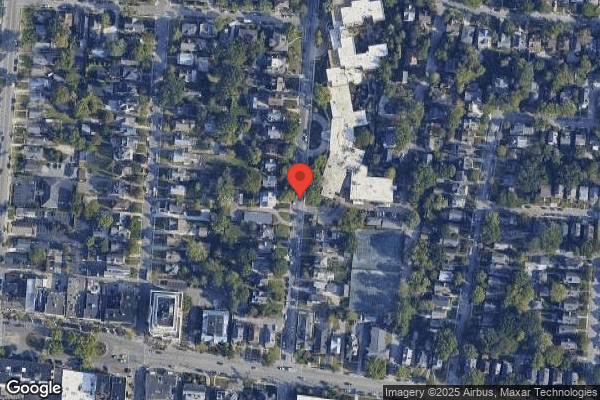
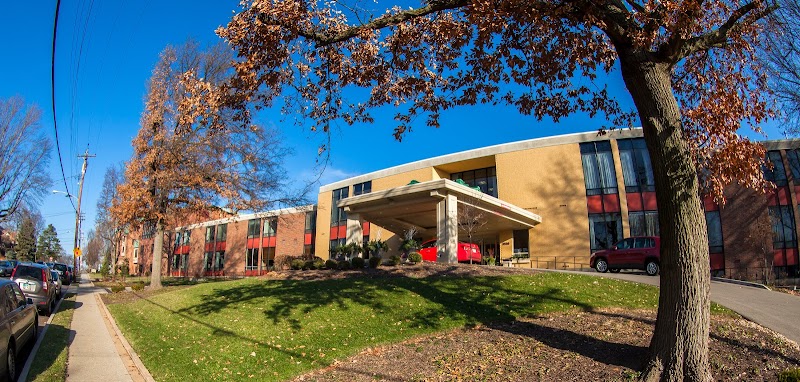
3550 SHAW AVENUE, CINCINNATI, OH 45208 (513) 871-2090
Non profit - Corporation 88 Beds EPISCOPAL RETIREMENT HOMES, INC. Data: November 2025
Trust Grade
85/100
#110 of 913 in OH
Last Inspection: July 2023

Over 2 years since last inspection. Current conditions may differ from available data.

Overview

Marjorie P Lee Retirement Community has a Trust Grade of B+, which means it is above average and recommended for families considering care options. It ranks #110 out of 913 nursing homes in Ohio, placing it in the top half of facilities in the state, and #10 out of 70 in Hamilton County, indicating that only nine local options are better. The facility's trend is stable, with one issue reported in both 2023 and 2025, suggesting consistent performance. Staffing is a strong point, rated 5 out of 5 stars with a turnover rate of 35%, significantly lower than the state average of 49%. While there are no fines recorded, which is positive, there have been some concerning incidents. For example, a resident suffered a left hip fracture after being improperly positioned during personal care, highlighting a serious oversight in care. Additionally, the facility has faced issues with food safety and communication regarding Medicare services, which affected multiple residents. Overall, Marjorie P Lee Retirement Community has strengths in staffing and overall care quality, but families should be aware of these specific incidents that indicate areas needing improvement.

Trust Score
B+
85/100
In Ohio
#110/913
Top 12%
Safety Record
Moderate
Needs review
Inspections
Holding Steady
1 → 1 violations
Staff Stability
○ Average
35% turnover. Near Ohio's 48% average. Typical for the industry.
Penalties
✓ Good
No fines on record. Clean compliance history, better than most Ohio facilities.
Skilled Nurses
✓ Good
Each resident gets 53 minutes of Registered Nurse (RN) attention daily — more than average for Ohio. RNs are trained to catch health problems early.
Violations
○ Average
8 deficiencies on record. Average for a facility this size. Mostly minor or procedural issues.
★★★★★
5.0
Overall Rating
★★★★★
5.0
Staff Levels
★★★★☆
4.0
Care Quality
★★★★☆
4.0
Inspection Score
Stable
2023: 1 issues
2025: 1 issues

The Good

  • 5-Star Staffing Rating · Excellent nurse staffing levels
  • 4-Star Quality Measures · Strong clinical quality outcomes
  • Full Sprinkler Coverage · Fire safety systems throughout facility
  • No fines on record
  • Staff turnover below average (35%)

    13 points below Ohio average of 48%

Facility shows strength in staffing levels, quality measures, fire safety.

The Bad

Staff Turnover: 35%

11pts below Ohio avg (46%)

Typical for the industry

Chain: EPISCOPAL RETIREMENT HOMES, INC.

Part of a multi-facility chain

Ask about local staffing decisions and management

The Ugly 8 deficiencies on record

1 actual harm
Apr 2025 1 deficiency 1 Harm
SERIOUS (G) 📢 Someone Reported This

A family member, employee, or ombudsman was alarmed enough to file a formal complaint

Actual Harm - a resident was hurt due to facility failures

Accident Prevention (Tag F0689)

A resident was harmed · This affected 1 resident

**NOTE- TERMS IN BRACKETS HAVE BEEN EDITED TO PROTECT CONFIDENTIALITY** Based on medical record review, review of the facility incident report, review of Root Cause Analysis report, hospital record re...

Read full inspector narrative →
**NOTE- TERMS IN BRACKETS HAVE BEEN EDITED TO PROTECT CONFIDENTIALITY** Based on medical record review, review of the facility incident report, review of Root Cause Analysis report, hospital record review, resident, visitor, and staff interviews, review of personnel file, and policy review, the facility failed to ensure a resident was positioned safely during personal care. This resulted in Actual Harm to Resident #10 on 02/16/25 when Certified Nursing Assistant (CNA) #150 did not position Resident #10 correctly while providing personal care in bed and did not call for assistance prior to moving the bed when the resident was in a compromised position resulting in Resident #10 sustaining a left hip fracture, a small scalp laceration to the front top of her head, an abrasion to the right forearm, and a bruise with eye bleed to the left eye. This affected one (Resident #10) of three residents reviewed for falls. The facility census was 73. Findings include: Review of the medical record revealed Resident #10 was admitted to the facility on [DATE]. Diagnoses included fracture of unspecified part of the neck of the left femur, vascular dementia, injury of the head, hemiplegia affecting the left non-dominant side, and acute on chronic diastolic heart failure. Review of the most recent Minimum Data Set (MDS) 3.0 assessment dated [DATE] revealed Resident #10 had severely impaired cognition, had no behaviors, did not reject care, and did not wander. Resident #10 was dependent on staff for activities of daily living (ADL) care and required transfers with a mechanical lift. Review of the care plan dated 04/03/25 revealed Resident #10 was at risk for falls due to history of cerebral infarction with left-sided hemiplegia, need for assistance, and recent admission from a different facility. Resident #10 had a fall on 02/16/25. Interventions included two-person assistance with transfers and turning/repositioning in bed status post fall on 02/16/25. Resident #10 returned from the hospital on [DATE] with a fracture of unspecified part of neck of left femur, subsequent encounter for closed fracture with routine healing. Interventions included bolsters to bed (placed 02/24/25), provide toileting as needed, evaluate the need for positioning alarms, provide increased supervision according to needs, assess and treat orthostatic hypotension, and comprehensive medication review for polypharmacy and medications that increase fall risk. Review of the progress note dated 02/16/25 at 12:52 P.M. revealed CNA #150 reported at 10:10 A.M. that Resident #10 fell out of bed. Resident #10 was lying on the floor, diagonally in room, head towards window and feet towards the bathroom, and pillow under her head. CNA #150 stated he was in the process of turning her toward the wall to place the brief under her when she slipped between the bed and the wall. CNA #150 stated the bed was locked, he moved her left foot over her right when she began to slip, and he lowered her down the best he could. Resident #10 was noted with a small 1.0-centimeter (cm) abrasion to top of the head, bleeding a small amount of bright red blood, and an intact abrasion to right forearm. Four staff members assisted Resident #10 with a Hoyer lift after placing brief on her. Neuro checks were initiated. Resident #10 had a small blood vessel in the left eye (at 5 o'clock compared to pupil), was noted to be bleeding from a small scalp wound, and had a bruise noted to be coming out under and outer to left eyelid. The nurse notified the management staff and family. The on-call provider was called and gave orders to send out to emergency room (ER) for computed tomography (CT) scan due to Resident #10 was on the blood thinner, Eliquis. Resident#10 left the facility to go to the ER at 11:55 A.M. Review of hospital documentation revealed general examination on 02/16/25 at 3:15 P.M. showed mild swelling of the left thigh and hip with minimal shortening of the left lower extremity noted. X-ray imaging showed displaced fracture of the left femoral neck. Review of the facility's investigation dated 02/18/25 at 1:52 P.M. revealed Nurse Manager #132 concluded Resident #10 was dependent on staff for assistance with care and transfers. CNA #150 provided care to Resident #10 while she was in bed on a low air loss mattress. The bed was locked and was at waist level for CNA#150 to properly provide care. CNA #150 rolled Resident #10 over towards the wall when the resident's legs began to slide off the edge of the bed. CNA #150 attempted to pull the resident over by her legs but was unsuccessful. CNA #150 then unlocked the bed to move it away from the wall so he could get in to assist the resident, but that caused the resident to fall off the bed and onto the floor. Review of CNA #150's witness statement dated 02/18/25 revealed he rolled Resident #10 over in the bed towards the wall. Resident #10 had her right hand holding the rail and a pillow under her left hand. CNA #150 stated her leg was crossed over the other leg, and her leg was falling off the bed. At this time, the resident's face was against the handrail. CNA #150 stated he tried to pull the resident over with her legs but was unable to. CNA #150 did not want to pull on her upper body/shoulder due to a previous injury. CNA #150 stated when he couldn't get her pulled over by the legs, he then went to the foot of the bed, unlocked the bed, and moved it over to be able to assist her. When CNA #150 moved the bed, the resident's bottom half of her body started to fall onto the floor. CNA #150 stated he intervened by grabbing her upper body, protecting her head, and lowering her the rest of the way to the floor. CNA #150 stated he assisted the resident in lying on the floor and placed a pillow under her head. CNA #150 then went to get help. Review of the document titled ERS Critical Incidences Root Cause Analysis 2025 dated 02/26/15 revealed in summary: CNA #150 informed the nurse at approximately 10:10 A.M. that Resident #10 had fallen out of bed. Resident #10 was noted to be laying on the floor, diagonally in room, head towards window and feet towards bathroom, with pillows under her head supporting her. CNA #150 stated he was in the process of turning her toward the wall to place the brief under her when she slipped between the bed and the wall. CNA #150 stated the bed was locked, he moved her left foot over her right when she began to slip, and he lowered her down the best he could. The nurse notified management and family. The on-call provider was called and gave orders to send out to ER for CT scan due to Resident #10 being on a blood thinner, Eliquis. Resident#10 left the facility to go to the ER at 11:55 A.M. The hospital performed a whole-body scan and discovered a fracture on the left-hip. An additional review of Timeline and Causal Factor Chart revealed CNA #150 was performing morning care with Resident #10 in bed. CNA #150 turned resident onto her right side towards the wall. The bed was locked. Resident #10's legs began to fall off the bed. CNA #150 unlocked the bed to get to the resident. While moving the bed, the resident's lower torso fell off the bed, due to gravity. CNA #150 then lowered her upper torso onto floor and notified the nurse that resident was on the floor. It was noted that CNA #150 did not position the resident correctly prior to turning, and CNA #150 did not call for assistance in a compromising situation but attempted to address on his own. The root cause of the fall was assessed to be human error: the CNA did not position Resident #10 correctly while providing personal care in bed, did not follow procedure, and did not call for assistance prior to moving the bed when the resident was in a compromised position. Review of the personnel file revealed CNA #150 was hired on 08/23/22 and was terminated on 03/24/25. Review of the Corrective Counseling notice dated 03/24/25 revealed CNA#150 was terminated on 03/24/25 related to meal documentation discrepancies and for putting the health and wellbeing of Resident #10 in jeopardy on 02/16/25 after failing to provide proper positioning in bed while providing care and failing to call for assistance resulting in a fall with injury to the resident. During an interview on 04/04/25 at 10:42 A.M., the Director of Nursing (DON) stated Resident #10 was sent to the hospital after a fall on 02/16/25 to be evaluated for a bleeding scalp laceration because she was on blood thinners. The hospital informed the facility Resident #10 had a hip fracture. The facility completed an incident report and root cause analysis which indicated the fall was caused by human error. CNA #150 had not positioned Resident #10 appropriately prior to turning her in bed and failed to call for assistance before unlocking the bed. When Resident #10 started to slide out, CNA #150 attempted to get between the bed and the wall to assist with lowering her to the floor. As Resident #10 went down, Resident #10 scraped her head on the arm rail and had a small abrasion that was bleeding. After the fall incident with Resident #10 on 02/16/25, the DON stated no other residents were assessed for fall interventions; no other audits were completed except the facility audited to ensure the bolsters were in place on Resident #10's bed when Resident #10 returned from the hospital; All nursing staff were educated about proper positioning of the resident in bed during care with return demonstration. During concurrent interviews on 04/04/25 at 2:10 P.M., Resident #10 stated she was ok and indicated she was still having pain related to the fall. A family friend at bedside stated that since the fall, Resident #10 has increased pain, had become less communicative, and had increased memory lapses. The visitor stated prior to the fall; the family was looking forward to bringing the resident home but were no longer sure due to increased care needs related to the fall. Review of the policy titled Fall Prevention and Management Protocol dated 02/23/21 revealed residents were assessed for risk factor for falling and the interdisciplinary team developed a plan for services to reduce the resident's risk for falls. This deficiency represents noncompliance investigated under Complaint Number OH00162748.
Oct 2018 7 deficiencies
CONCERN (D)

Potential for Harm - no one hurt, but risky conditions existed

Deficiency F0582 (Tag F0582)

Could have caused harm · This affected 1 resident

**NOTE- TERMS IN BRACKETS HAVE BEEN EDITED TO PROTECT CONFIDENTIALITY** Based on record review and staff interview, the facility failed to ensure residents were provided with the required beneficiary ...

Read full inspector narrative →
**NOTE- TERMS IN BRACKETS HAVE BEEN EDITED TO PROTECT CONFIDENTIALITY** Based on record review and staff interview, the facility failed to ensure residents were provided with the required beneficiary notice in writing and in advance of discontinuing skilled Medicare part A services. This affected three (10, #21, and #207) of three residents reviewed for beneficiary protection notification. The facility census was 48. Findings include: 1. Review of Resident #10's medical record revealed the resident was admitted to the facility on [DATE] and continued to reside in the facility after Medicare Part A skilled services were discontinued. A Notice of Medicare Non-Coverage (NOMNC) indicated skilled Part A services would end on 07/18/18. The notice contained hand-written documentation that a verbal notification of discontinuation of services was provided to the resident's representative on 07/16/18. Neither the record nor the notice contained any evidence that a written notice was ever provided to the resident's representative. In addition, the medical record contained an Advanced Beneficiary Notice signed by the resident's representative and dated 07/19/18, indicating no advanced notice of discontinuation of Part A skilled services was provided. Interview on 10/10/18 at 3:03 P.M. with Discharge Planner (DP) #129 verified the resident remained in the facility after Part A skilled services were discontinued, that the medical record contained no evidence that the NOMNC was delivered in writing to the resident's representative, and that the Advanced Beneficiary Notice was signed by the resident's representative the day after skilled services ended, providing no advanced notice discontinuation of services. 2. Review of Resident #21's medical record revealed the resident was admitted to the facility on [DATE] and continued to reside in the facility after Medicare Part A skilled services were discontinued. The resident's record contained a NOMNC signed by the resident dated 09/17/18. The resident's record contained no evidence that the facility provided the resident or resident's representative with a written Skilled Nursing Facility Advanced Beneficiary Notice (SNFABN) letter. Interview on 10/10/18 at 3:03 P.M. with DP #129 verified the resident remained in the facility after Part A skilled services were discontinued and that the medical record contained no evidence that a written SNFABN was provided to the resident or representative. 3. Review of Resident #207's closed medical record revealed the resident was admitted to the facility on [DATE] and was discharged to home on [DATE]. A NOMNC letter indicated skilled Part A services would end on 09/15/18. The NOMNC letter contained hand-written documentation that a verbal notification of discontinuation of services was provided to the resident's representative on 09/13/18. The medical record contained no evidence that a written notice was ever provided to the resident's representative. Interview on 10/10/18 at 3:03 P.M. with DP #129 verified the resident discharged to home on [DATE] and that the medical record contained no evidence that a NOMNC letter was ever provided in writing to the resident or resident's representative.
CONCERN (D)

Potential for Harm - no one hurt, but risky conditions existed

Deficiency F0711 (Tag F0711)

Could have caused harm · This affected 1 resident

**NOTE- TERMS IN BRACKETS HAVE BEEN EDITED TO PROTECT CONFIDENTIALITY** Based on record review and interview the facility failed to ensure the physician reviewed and accurately documented a resident's...

Read full inspector narrative →
**NOTE- TERMS IN BRACKETS HAVE BEEN EDITED TO PROTECT CONFIDENTIALITY** Based on record review and interview the facility failed to ensure the physician reviewed and accurately documented a resident's medications in the physician's progress notes. This affected one (#6) of six residents selected for medication review. The facility census was 48. Findings include: Record review revealed Resident #6 was admitted to the facility on [DATE] with the following diagnoses; type 2 diabetes, hypothyroidism, dementia without behavioral disturbance, hypercholesterolemia, Vitamin D deficiency, elevated white blood cell count, altered mental status, abnormal glucose, polyuria, cerebral infarction, constipation and hypertension. Review of Resident #6's quarterly Minimum Data Sets (MDSs) assessment dated [DATE] revealed the resident was cognitively impaired. Further review of Resident #6's MDS revealed the resident required supervision with bed mobility, transfers, dressing, eating and toileting and limited assistance with personal hygiene. Review of Resident #6's physician's orders revealed resident's Celexa was discontinued on 02/13/18. Resident's Celexa 5 milligrams (mg) daily was reinstated on 02/14/18. Review of Resident #6's progress notes revealed Resident #6's Celexa 5 mg daily was reinstated on 02/14/18 per the request of the resident's family. Review of Resident #6's physician's progress note dated 02/13/18 revealed resident's Selective Serotonin Reuptake Inhibitor (SSRI) or Celexa was decreased with no significant changes. The physician's progress note also reported the medication would be discontinued as a trial on 02/13/18. Review of Resident #6's physician's progress note dated 03/06/18 revealed resident's SSRI or Celexa was discontinued and the resident's mood was good. Review of Resident #6's physician's progress note dated 04/03/18 revealed resident's SSRI or Celexa was discontinued with no significant changes. Review of Resident #6's physician's progress note dated 05/08/18 revealed resident's SSRI or Celexa was discontinued with no changes. Review of Resident #6's physician's progress note dated 06/05/18 revealed resident's SSRI or Celexa was discontinued and resident's mood was good. Review of Resident #6's physician's progress note dated 08/07/18 revealed resident's SSRI or Celexa was discontinued months ago with no changes in resident's mood. Interview on 10/10/18 at 4:24 P.M. with the Director of Nursing (DON) verified Resident #6's SSRI or Celexa was discontinued on 02/13/18 and reinstated 02/14/18 per the family's request. The DON verified Resident #6's physician continued to document Resident #6's SSRI or Celexa was discontinued in the physician's progress notes dated 02/13/18, 03/06/18, 04/03/18, 05/08/18, 06/05/18 and 08/07/18,despite the medication being reinstated on 02/14/18.
CONCERN (D)

Potential for Harm - no one hurt, but risky conditions existed

Pharmacy Services (Tag F0755)

Could have caused harm · This affected 1 resident

**NOTE- TERMS IN BRACKETS HAVE BEEN EDITED TO PROTECT CONFIDENTIALITY** Based on record review, observation, interviews and policy review, the facility failed to ensure a resident's anti-coagulant med...

Read full inspector narrative →
**NOTE- TERMS IN BRACKETS HAVE BEEN EDITED TO PROTECT CONFIDENTIALITY** Based on record review, observation, interviews and policy review, the facility failed to ensure a resident's anti-coagulant medication was provided without a lapse in receiving the medication. This affected one (#11) of six residents reviewed for unnecessary medications. The facility census was 48. Findings include: Record review revealed Resident #11 was admitted to the facility on [DATE] with the following diagnoses; pulmonary embolism, age related osteoporosis, essential primary hypertension, hyperlipidemia, osteoarthritis, megaloblastic anemias, dementia with behavioral disturbance, shortness of breath, chest pain, and edema. Review of Resident #11's admission Minimum Data Sets (MDS) assessment dated [DATE] revealed the resident had moderate cognitive impairment. Further review of the MDS revealed the resident required extensive assistance with bed mobility, transfers, dressing, and eating and total dependence with toileting and personal hygiene. Review of Resident 11's physician's orders revealed resident was ordered Eliquis (anti-coagulant) five milligram (mg) one tablet by mouth two times daily for pulmonary embolism. Review of Resident #11's Medication Administration Report (MAR) revealed the resident was not given his Eliquis five mg one tablet by mouth two times daily for pulmonary embolism on 10/02/18 at 9:00 P.M., 10/03/18 at 9:00 P.M., 10/04/18 at 900 A.M., 10/05/18 at 900 A.M. and 9:00 P.M., 10/06/18 at 9:00 P.M., 10/07/18 at 9:00 A.M. and 9:00 P.M., 10/08/18 at 9:00 A.M. and 10/09/18 at 9:00 A.M. Review of Resident #11's progress notes from 09/30/18 to 10/10/18 revealed no documentation regarding resident's Eliquis being out or any attempts to fill the medication. Interview on 10/09/18 at 3:38 P.M. with Resident #11's resident representative revealed the resident did not have his medication for five days due to the facility being unable to fill the medication at her pharmacy of choice. Observation of Resident #11's medication drawer on 10/10/18 at 5:00 P.M. revealed the resident had a bottle of Eliquis from Resident #11's pharmacy of choice dated 10/07/18. Interview with Registered Nurse (RN) #77 at the time of the observation verified the finding of the Eliquis bottle from Resident #11's pharmacy of choice dated 10/07/18. Interview with RN #77 on 10/11/18 at 8:34 A.M. verified Resident #11 did not have his Eliquis from 10/02/18 to 10/07/18 due to the medication not being at the facility. RN #77 reported the facility received notice on 09/28/18 from Resident #11's pharmacy of choice that an order was needed to refill the Eliquis. RN #77 reported the facility reached out to Physician #188 on 09/28/18, but the physician did not respond. RN #77 stated Resident #11 ran out of the Eliquis on 10/02/18. RN #77 stated Nurse Practitioner #189 was notified Resident #11 was out of Eliquis on 10/07/18 due to Physician #188 not responding to the request for an order. RN #77 reported NP #189 was able to call in a prescription on 10/07/18. RN #77 confirmed Resident #11's resident representative was able to pick up the resident's medication from his pharmacy of choice on 10/07/18. RN #77 also verified two Medication Aides (#36 and #145) reported they administered Resident #11's Eliquis 5 mg during the period of time the resident did not have Eliquis in the facility. RN #77 also stated Resident #11's Eliquis was not pulled from the emergency box. RN #77 reported the facility was investigating how the Resident #11's Eliquis 5 mg was given on 10/03/18 at 9:00 A.M., 10/04/18 at 9:00 P.M. and on 10/06/18 at 9:00 A.M. since the resident did not have any Eliquis in the facility. RN #77 also reported he did not know why Resident #11 did not receive his Eliquis on 10/08/18 at 9:00 P.M. and on 10/09/18 at 900 A.M. since the medication was back in the facility at that time. Interview with Medication Aide #145 on 10/11/18 at 12:13 P.M. revealed he did not remember giving Resident #11 his Eliquis 5 mg 10/04/18 at 9:00 P.M. and on 10/06/18 at 9:00 A.M Medication Aide #145 reported he was aware of a period of time that Resident #11 did not have his Eliquis in stock. Interview with Medication Aide #36 on 10/11/18 at 12:26 P.M., revealed she administered the resident's Eliquis on 10/03/18 at 9:00 A.M Phone interview with Physician #188's office on 10/11/18 at 12:32 P.M. revealed the physician was out of the office until 10/21/18. Phone interview with Physician #190 on 10/11/18 at 12:39 P.M. revealed he was unable to determine how Resident #11 could have been affected by not receiving his Eliquis from 10/02/18 to 10/07/18. Physician #190 reported he was not aware of any current serious impact to Resident #11 due to him not receiving his Eliquis. Physician #190 reported the possibility of the resident having a clot or issue as a result of him not taking his Eliquis was dependent on his family history and other factors that could have caused the first clot. Interview with the Director of Nursing (DON) on 10/11/18 at 3:30 P.M. reported the facility did not have a medication administration policy that addressed the accuracy of the MAR or refilling and maintaining resident medications. The DON reported the facility's pharmacy had a procedure for maintaining resident medications, but it did not relate to Resident #11 due to resident was using his pharmacy of choice. Review of the facility's Medication Administration Scheduling policy dated 01/01/09 revealed no information regarding accuracy of the MAR or refilling and maintaining resident medications.
CONCERN (D)

Potential for Harm - no one hurt, but risky conditions existed

Medication Errors (Tag F0758)

Could have caused harm · This affected 1 resident

**NOTE- TERMS IN BRACKETS HAVE BEEN EDITED TO PROTECT CONFIDENTIALITY** Based on medical record review and staff interview, the facility failed to ensure psychotropic medications ordered on an as need...

Read full inspector narrative →
**NOTE- TERMS IN BRACKETS HAVE BEEN EDITED TO PROTECT CONFIDENTIALITY** Based on medical record review and staff interview, the facility failed to ensure psychotropic medications ordered on an as needed basis were not prescribed for an indefinite period of time. This affected one (#193) of six residents reviewed for unnecessary medications. The facility census was 48. Resident # 193 was admitted to the facility on [DATE]. Diagnoses included fracture of cervical vertebrae, intervertebral disc degeneration, congestive heart failure, major depressive disorder, anxiety disorder, chronic pain, spondylolisthesis lumbar region, displaced fracture of second cervical vertebra, and generalized anxiety disorder, Review of the comprehensive admission Minimum Data Set (MDS) assessment dated [DATE] revealed the resident was cognitively intact. The assessment documented the resident required extensive assistance for activities of daily living (ADLs) but required only limited assistance for eating. The assessment documented the resident received a hypnotic medication for seven days of the assessment period. Review of the admission physician's order sheet dated 09/2018 documented an order for Ambien five milligrams (mg) one tab by mouth as needed at bedtime for insomnia. There was no stop date included with the order. Review of the History and Physical signed and dated by the resident's physician on 09/23/18 did not address the resident's nightly use of Ambien. Review of the Medication Administration Records for 09/2018 and 10/2018 revealed the resident received the Ambien dose every night from 09/18/18 through 10/11/18, indicating 23 consecutive doses administered. Interview on 10/11/18 at 10:36 A.M. with Registered Nurse (RN) #92 verified the Ambien was ordered 09/18/18 for as needed use, had no stop date, the History and Physical signed by the physician on 09/23/18 contained to rationale to continue the medication beyond the 14 day time duration limit, and that the resident received the medication every night since admission.
CONCERN (D)

Potential for Harm - no one hurt, but risky conditions existed

Deficiency F0760 (Tag F0760)

Could have caused harm · This affected 1 resident

**NOTE- TERMS IN BRACKETS HAVE BEEN EDITED TO PROTECT CONFIDENTIALITY** Based on record review, observation, interviews, and review of policy the facility failed to ensure a resident prescribed an ant...

Read full inspector narrative →
**NOTE- TERMS IN BRACKETS HAVE BEEN EDITED TO PROTECT CONFIDENTIALITY** Based on record review, observation, interviews, and review of policy the facility failed to ensure a resident prescribed an anti-coagulant was free of significant medication errors. The resident missed 10 doses. This affected one (#11) of six residents reviewed for unnecessary medication review. The facility census was 48. Findings include: Record review revealed Resident #11 was admitted to the facility on [DATE] with the following diagnoses; pulmonary embolism, age related osteoporosis, essential primary hypertension, hyperlipidemia, osteoarthritis, megaloblastic anemias, dementia with behavioral disturbance, shortness of breath, chest pain, and edema. Review of Resident #11's admission Minimum Data Sets (MDS) assessment dated [DATE] revealed the resident had moderate cognitive impairment. Further review of the MDS revealed the resident required extensive assistance with bed mobility, transfers, dressing, and eating and total dependence with toileting and personal hygiene. Review of Resident 11's physician's orders revealed resident was ordered Eliquis (anti-coagulant) five milligram (mg) one tablet by mouth two times daily for pulmonary embolism. Review of Resident #11's Medication Administration Report (MAR) revealed the resident was not given his Eliquis five mg one tablet by mouth two times daily for pulmonary embolism on 10/02/18 at 9:00 P.M., 10/03/18 at 9:00 P.M., 10/04/18 at 900 A.M., 10/05/18 at 900 A.M. and 9:00 P.M., 10/06/18 at 9:00 P.M., 10/07/18 at 9:00 A.M. and 9:00 P.M., 10/08/18 at 9:00 A.M. and 10/09/18 at 9:00 A.M. Review of Resident #11's progress notes from 09/30/18 to 10/10/18 revealed no documentation regarding resident's Eliquis being out or any attempts to fill the medication. Interview on 10/09/18 at 3:38 P.M. with Resident #11's resident representative revealed the resident did not have his medication for five days due to the facility being unable to fill the medication at her pharmacy of choice. Observation of Resident #11's medication drawer on 10/10/18 at 5:00 P.M. revealed the resident had a bottle of Eliquis from Resident #11's pharmacy of choice dated 10/07/18. Interview with Registered Nurse (RN) #77 at the time of the observation verified the finding of the Eliquis bottle from Resident #11's pharmacy of choice dated 10/07/18. Interview with RN #77 on 10/11/18 at 8:34 A.M. verified Resident #11 did not have his Eliquis from 10/02/18 to 10/07/18 due to the medication not being at the facility. RN #77 reported the facility received notice on 09/28/18 from Resident #11's pharmacy of choice that an order was needed to refill the Eliquis. RN #77 reported the facility reached out to Physician #188 on 09/28/18, but the physician did not respond. RN #77 stated Resident #11 ran out of the Eliquis on 10/02/18. RN #77 stated Nurse Practitioner #189 was notified Resident #11 was out of Eliquis on 10/07/18 due to Physician #188 not responding to the request for an order. RN #77 reported NP #189 was able to call in a prescription on 10/07/18. RN #77 confirmed Resident #11's resident representative was able to pick up the resident's medication from his pharmacy of choice on 10/07/18. RN #77 also verified two Medication Aides (#36 and #145) reported they administered Resident #11's Eliquis 5 mg during the period of time the resident did not have Eliquis in the facility. RN #77 also stated Resident #11's Eliquis was not pulled from the emergency box. RN #77 reported the facility was investigating how the Resident #11's Eliquis 5 mg was given on 10/03/18 at 9:00 A.M., 10/04/18 at 9:00 P.M. and on 10/06/18 at 9:00 A.M. since the resident did not have any Eliquis in the facility. RN #77 also reported he did not know why Resident #11 did not receive his Eliquis on 10/08/18 at 9:00 P.M. and on 10/09/18 at 900 A.M. since the medication was back in the facility at that time. Interview with Medication Aide #145 on 10/11/18 at 12:13 P.M. revealed he did not remember giving Resident #11 his Eliquis 5 mg 10/04/18 at 9:00 P.M. and on 10/06/18 at 9:00 A.M Medication Aide #145 reported he was aware of a period of time that Resident #11 did not have his Eliquis in stock. Interview with Medication Aide #36 on 10/11/18 at 12:26 P.M., revealed she administered the resident's Eliquis on 10/03/18 at 9:00 A.M Phone interview with Physician #188's office on 10/11/18 at 12:32 P.M. revealed the physician was out of the office until 10/21/18. Phone interview with Physician #190 on 10/11/18 at 12:39 P.M. revealed he was unable to determine how Resident #11 could have been affected by not receiving his Eliquis from 10/02/18 to 10/07/18. Physician #190 reported he was not aware of any current serious impact to Resident #11 due to him not receiving his Eliquis. Physician #190 reported the possibility of the resident having a clot or issue as a result of him not taking his Eliquis was dependent on his family history and other factors that could have caused the first clot. Interview with the Director of Nursing (DON) on 10/11/18 at 3:30 P.M. reported the facility did not have a medication administration policy that addressed the accuracy of the MAR or refilling and maintaining resident medications. The DON reported the facility's pharmacy had a procedure for maintaining resident medications, but it did not relate to Resident #11 due to resident was using his pharmacy of choice. Review of the facility's Medication Administration Scheduling policy dated 01/01/09 revealed no information regarding accuracy of the MAR or refilling and maintaining resident medications.
CONCERN (D)

Potential for Harm - no one hurt, but risky conditions existed

Medical Records (Tag F0842)

Could have caused harm · This affected 1 resident

**NOTE- TERMS IN BRACKETS HAVE BEEN EDITED TO PROTECT CONFIDENTIALITY** Based on record review, interviews and policy review the facility failed to ensure a resident's code status and a resident's med...

Read full inspector narrative →
**NOTE- TERMS IN BRACKETS HAVE BEEN EDITED TO PROTECT CONFIDENTIALITY** Based on record review, interviews and policy review the facility failed to ensure a resident's code status and a resident's medication administration record were accurate in the medical record. This affected two (#11 and #195) of 12 residents reviewed for accuracy of records. The facility census was 48. Findings include: 1. Record review revealed Resident #11 was admitted to the facility on [DATE] with the following diagnoses; pulmonary embolism, age related osteoporosis, essential primary hypertension, hyperlipidemia, osteoarthritis, megaloblastic anemias, dementia with behavioral disturbance, shortness of breath, chest pain, and edema. Review of Resident #11's admission Minimum Data Sets (MDS) assessment dated [DATE] revealed the resident had moderate cognitive impairment. Further review of the MDS revealed the resident required extensive assistance with bed mobility, transfers, dressing, and eating and total dependence with toileting and personal hygiene. Review of Resident 11's physician's orders revealed resident was ordered Eliquis (anti-coagulant) five milligram (mg) one tablet by mouth two times daily for pulmonary embolism. Review of Resident #11's Medication Administration Report (MAR) revealed the resident was not given his Eliquis five mg one tablet by mouth two times daily for pulmonary embolism on 10/02/18 at 9:00 P.M., 10/03/18 at 9:00 P.M., 10/04/18 at 900 A.M., 10/05/18 at 900 A.M. and 9:00 P.M., 10/06/18 at 9:00 P.M., 10/07/18 at 9:00 A.M. and 9:00 P.M., 10/08/18 at 9:00 A.M. and 10/09/18 at 9:00 A.M. Review of Resident #11's progress notes from 09/30/18 to 10/10/18 revealed no documentation regarding resident's Eliquis being out or any attempts to fill the medication. Interview on 10/09/18 at 3:38 P.M. with Resident #11's resident representative revealed the resident did not have his medication for five days due to the facility being unable to fill the medication at her pharmacy of choice. Observation of Resident #11's medication drawer on 10/10/18 at 5:00 P.M. revealed the resident had a bottle of Eliquis from Resident #11's pharmacy of choice dated 10/07/18. Interview with Registered Nurse (RN) #77 at the time of the observation verified the finding of the Eliquis bottle from Resident #11's pharmacy of choice dated 10/07/18. Interview with RN #77 on 10/11/18 at 8:34 A.M. verified Resident #11 did not have his Eliquis from 10/02/18 to 10/07/18 due to the medication not being at the facility. RN #77 reported the facility received notice on 09/28/18 from Resident #11's pharmacy of choice that an order was needed to refill the Eliquis. RN #77 reported the facility reached out to Physician #188 on 09/28/18, but the physician did not respond. RN #77 stated Resident #11 ran out of the Eliquis on 10/02/18. RN #77 stated Nurse Practitioner #189 was notified Resident #11 was out of Eliquis on 10/07/18 due to Physician #188 not responding to the request for an order. RN #77 reported NP #189 was able to call in a prescription on 10/07/18. RN #77 confirmed Resident #11's resident representative was able to pick up the resident's medication from his pharmacy of choice on 10/07/18. RN #77 also verified two Medication Aides (#36 and #145) reported they administered Resident #11's Eliquis 5 mg during the period of time the resident did not have Eliquis in the facility. RN #77 also stated Resident #11's Eliquis was not pulled from the emergency box. RN #77 reported the facility was investigating how the Resident #11's Eliquis 5 mg was given on 10/03/18 at 9:00 A.M., 10/04/18 at 9:00 P.M. and on 10/06/18 at 9:00 A.M. since the resident did not have any Eliquis in the facility. RN #77 also reported he did not know why Resident #11 did not receive his Eliquis on 10/08/18 at 9:00 P.M. and on 10/09/18 at 900 A.M. since the medication was back in the facility at that time. Interview with Medication Aide #145 on 10/11/18 at 12:13 P.M. revealed he did not remember giving Resident #11 his Eliquis 5 mg 10/04/18 at 9:00 P.M. and on 10/06/18 at 9:00 A.M Medication Aide #145 reported he was aware of a period of time that Resident #11 did not have his Eliquis in stock. Interview with Medication Aide #36 on 10/11/18 at 12:26 P.M., revealed she administered the resident's Eliquis on 10/03/18 at 9:00 A.M Phone interview with Physician #188's office on 10/11/18 at 12:32 P.M. revealed the physician was out of the office until 10/21/18. Phone interview with Physician #190 on 10/11/18 at 12:39 P.M. revealed he was unable to determine how Resident #11 could have been affected by not receiving his Eliquis from 10/02/18 to 10/07/18. Physician #190 reported he was not aware of any current serious impact to Resident #11 due to him not receiving his Eliquis. Physician #190 reported the possibility of the resident having a clot or issue as a result of him not taking his Eliquis was dependent on his family history and other factors that could have caused the first clot. Interview with the Director of Nursing (DON) on 10/11/18 at 3:30 P.M. reported the facility did not have a medication administration policy that addressed the accuracy of the MAR or refilling and maintaining resident medications. The DON reported the facility's pharmacy had a procedure for maintaining resident medications, but it did not relate to Resident #11 due to resident was using his pharmacy of choice. Review of the facility's Medication Administration Scheduling policy dated 01/01/09 revealed no information regarding accuracy of the MAR or refilling and maintaining resident medications. 2. Review of Resident #195's medical record revealed the resident was originally admitted on [DATE] and had a re-entry date of 10/08/18. Diagnoses included melena, sick sinus syndrome, essential hypertension, heart disease, rheumatic tricuspid insufficiency, non-rheumatic mitral valve insufficiency, non-rheumatic aortic valve insufficiency, dyspnea, hyperlipidemia, cardiac pacemaker, and paroxysmal atrial fibrillation. On 10/09/18 at 6:20 P.M. during review of Resident #195's medical record revealed the code status in the electronic chart was Do Not Resuscitate Comfort Care-Arrest (DNRCC-Arrest). Review of the code status in the paper chart on 10/09/18 at 6:20 P.M. listed the code status as DNRCC-Arrest on the Physician's Order Sheet dated 10/08/18. The chart also contained a red sticker on the spine of the paper chart indicating the resident's code status as DNRCC-Arrest. Neither the electronic chart nor paper chart contained an Ohio DNR identification form signed by the resident or the physician. On 10/10/18, review of the progress notes dated 10/10/18 at 9:43 A.M. revealed a late entry for 10/09/18 at 8:00 A.M. The entry documented the resident had been a DNRCC-Arrest in the hospital and had verbalized uncertainty about continuing the DNRCC-Arrest code status. The note indicated the Form was left to be completed due to resident not being sure if she wanted to still be a DNRCC-Arrest and wanted to wait until her family came in for a visit. Writer stated okay and was educated that staff would have to treat her as a full code in the event that she went into cardiac arrest. Resident verbalized understanding. Review of a telephone order dated 10/09/18 at 6:30 P.M. revealed an order which documented, Change code status to Full Code. On 10/10/18 at 9:59 A.M., review of the electronic health record still listed the resident's code status as DNRCC-Arrest, despite the telephone order in the paper chart dated 10/09/18 at 6:30 P.M. to change the code status to Full Code and the documented conversation with the resident on 10/09/18 at 8:00 A.M. to treat the resident as a full code. Interview on 10/09/18 at 6:20 P.M. with Unit Coordinator (UC) #29 and the director of nursing (DON) verified the resident's paper chart contained a red sticker on the spine label to indicate a DNRCC-Arrest status and that the electronic health record and printed Physician's Order Sheet dated 10/08/18 listed the resident's code status as DNRCC-Arrest. Both UC #29 and the DON verified the chart did not contain an Ohio DNR form signed by the resident or physician. Interview on 10/10/18 at 9:59 A.M., RN #92 stated when the resident was admitted , the resident voiced uncertainty about maintaining the DNRCC-Arrest code status, so the Ohio DNR identification form was not signed by the resident and was not in the chart. RN #92 verified the paper chart contained a telephone order dated 10/09/18 at 6:30 P.M. to change the code status to full code, but stated the date and time on the order was mistakenly documented incorrectly, as the order to change the code status to full code was not actually obtained and written in the paper chart until the morning of 10/10/18 by RN #92. RN #92 verified the code status designation in the electronic health record still contained the DNRCC-Arrest designation at the time of this interview.
CONCERN (F)

Potential for Harm - no one hurt, but risky conditions existed

Food Safety (Tag F0812)

Could have caused harm · This affected most or all residents

Based on observation, interview, review of the Ohio Food Code and policy review, the facility failed to ensure hair nets were worn and food items were maintained in a manner to prevent and protect foo...

Read full inspector narrative →
Based on observation, interview, review of the Ohio Food Code and policy review, the facility failed to ensure hair nets were worn and food items were maintained in a manner to prevent and protect food against contamination and spoilage. This affected all residents residing in the facility. The facility census was 48. Findings include: Observation of the kitchen on 10/09/18 at 10:00 A.M. revealed a carton of half and half to be open without a lid on it located in the reach in refrigerator, an undated pan of olives that were covered with plastic wrap in the reach in refrigerator, an undated plate of cream cheese that was covered with plastic wrap in the reach in refrigerator, a bottle of Worcestershire sauce that was open without a lid sitting on a shelf in the kitchen and three boxes of opened undated scrambled eggs box mixes in the walk in refrigerator. Interview with Dining Services Supervisor #64 at the time of the observation verified the above findings. Observation of the walk-in freezer in the basement on 10/09/18 at 10:10 A.M. revealed a tub of ice cream with a smashed in lid exposing the ice cream. Interview with Dining Services Supervisor #7 at the time of the observation verified the above finding. Observation of the kitchen on 10/10/18 at 11:53 A.M. revealed staff members including Housekeeper #75, Housekeeper #78, Housekeeper #115, Housekeeper #144, and Housekeeper #178 to enter the kitchen without hair nets. Housekeeper #78 and Housekeeper #144 were observed to come around the back of the salad bar located in the kitchen to get items from the salad bar without using hair nets. Housekeeper #144 and Housekeeper #178 were also observed to go back towards the cooking area when exiting the kitchen. Staff members were also observed removing and placing plastic covers on the food items in the salad bar without gloves. Interview with [NAME] #105 at the time of the observation verified the finding of the staff members not having hair nets in the kitchen. [NAME] #105 reported staff members go into the kitchen to get on the elevator located in the kitchen across from the cooking area. [NAME] #105 also reported the salad bar in the kitchen was used for residents. Interview with Dining Services Supervisor #64 on 10/10/18 at 12:00 P.M. verified staff members were in the kitchen without hair nets. Dining Services Supervisor #64 also verified staff members were removing and placing plastic covers on the food in the salad bar without gloves. Interview with Dining Services Manager #166 on 10/10/18 at 2:40 P.M. revealed the facility did not have a policy on food storage or the use of hair nets. Dining Services Manager #166 reported the facility practices are based on the 2016 version of the Ohio Food Code. Review of a list of diets in the facility revealed the facility did not have any residents that were no food by mouth (NPO). Review of the 2016 version of the Ohio Food Code revealed food employees should effectively restrain hair or wear hair restrains and food should be kept in covered containers or wrappings. Review of the facility's Labeling and Dating policy dated 03/13/03 revealed all food items will be marked with the date they were opened or prepared.
Understanding Severity Codes (click to expand)
Life-Threatening (Immediate Jeopardy)
J - Isolated K - Pattern L - Widespread
Actual Harm
G - Isolated H - Pattern I - Widespread
Potential for Harm
D - Isolated E - Pattern F - Widespread
No Harm (Minor)
A - Isolated B - Pattern C - Widespread

Questions to Ask on Your Visit

  • "Can I speak with families of current residents?"
  • "What's your RN coverage like on weekends and overnight?"

Our Honest Assessment

Strengths
  • • Grade B+ (85/100). Above average facility, better than most options in Ohio.
  • • No fines on record. Clean compliance history, better than most Ohio facilities.
  • • 35% turnover. Below Ohio's 48% average. Good staff retention means consistent care.
Concerns
  • • 8 deficiencies on record, including 1 serious (caused harm) violation. Ask about corrective actions taken.
Bottom line: Generally positive indicators. Standard due diligence and a personal visit recommended.

About This Facility

What is Marjorie P Lee Retirement Community's CMS Rating?

CMS assigns MARJORIE P LEE RETIREMENT COMMUNITY an overall rating of 5 out of 5 stars, which is considered much above average nationally. Within Ohio, this rating places the facility higher than 99% of the state's 100 nursing homes. This rating reflects solid performance across the metrics CMS uses to evaluate nursing home quality.
How is Marjorie P Lee Retirement Community Staffed?

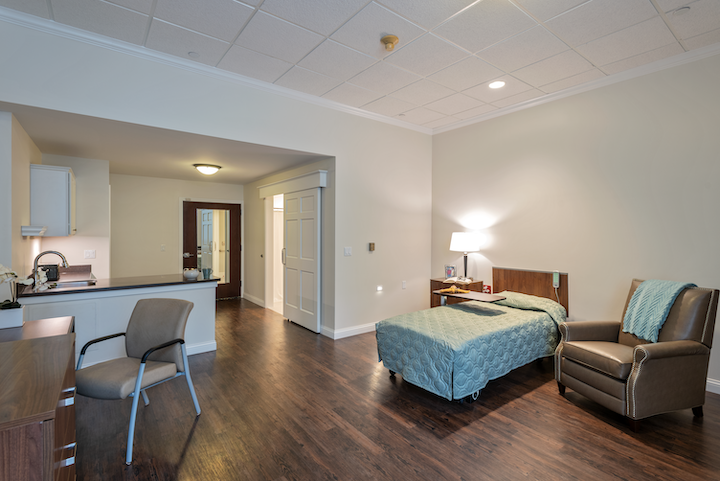
CMS rates MARJORIE P LEE RETIREMENT COMMUNITY's staffing level at 5 out of 5 stars, which is much above average compared to other nursing homes. Staff turnover is 35%, compared to the Ohio average of 46%. This relatively stable workforce can support continuity of care.

What Have Inspectors Found at Marjorie P Lee Retirement Community?

State health inspectors documented 8 deficiencies at MARJORIE P LEE RETIREMENT COMMUNITY during 2018 to 2025. These included: 1 that caused actual resident harm and 7 with potential for harm. Deficiencies causing actual harm indicate documented cases where residents experienced negative health consequences.
Who Owns and Operates Marjorie P Lee Retirement Community?

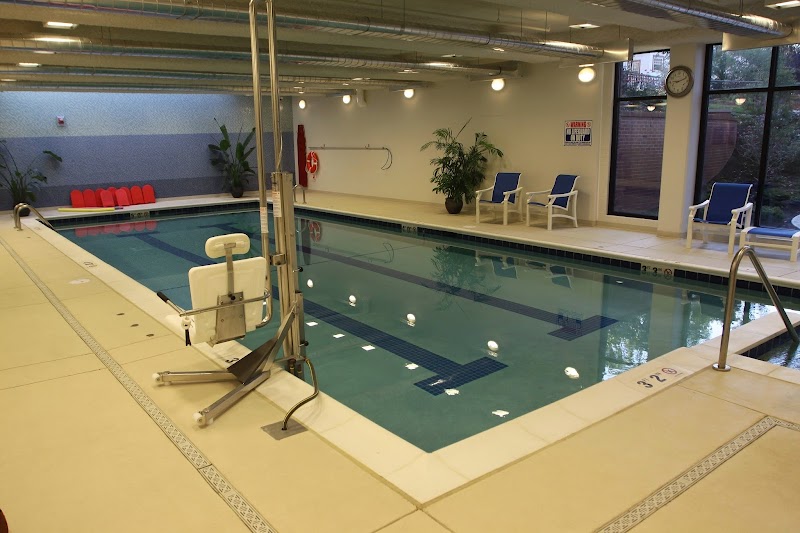
MARJORIE P LEE RETIREMENT COMMUNITY is owned by a non-profit organization. Non-profit facilities reinvest revenue into operations rather than distributing to shareholders. The facility is operated by EPISCOPAL RETIREMENT HOMES, INC., a chain that manages multiple nursing homes. With 88 certified beds and approximately 73 residents (about 83% occupancy), it is a smaller facility located in CINCINNATI, Ohio.
How Does Marjorie P Lee Retirement Community Compare to Other Ohio Nursing Homes?

Compared to the 100 nursing homes in Ohio, MARJORIE P LEE RETIREMENT COMMUNITY's overall rating (5 stars) is above the state average of 3.2, staff turnover (35%) is significantly lower than the state average of 46%, and health inspection rating (4 stars) is above the national benchmark.

What Should Families Ask When Visiting Marjorie P Lee Retirement Community?

Based on this facility's data, families visiting should ask: "Can I visit during a mealtime to observe dining assistance and food quality?" "How do you handle medical emergencies, and what is your hospital transfer rate?" "Can I speak with family members of current residents about their experience?"

Is Marjorie P Lee Retirement Community Safe?

Based on CMS inspection data, MARJORIE P LEE RETIREMENT COMMUNITY has a clean safety record: no substantiated abuse findings (meaning no confirmed cases of resident harm), no Immediate Jeopardy citations (the most serious violation level indicating risk of serious injury or death), and is not on the Special Focus Facility watch list (a federal program monitoring the lowest-performing 1% of nursing homes). The facility has a 5-star overall rating and ranks #1 of 100 nursing homes in Ohio. While no facility is perfect, families should still ask about staff-to-resident ratios and recent inspection results during their visit.

Do Nurses at Marjorie P Lee Retirement Community Stick Around?

MARJORIE P LEE RETIREMENT COMMUNITY has a staff turnover rate of 35%, which is about average for Ohio nursing homes (state average: 46%). Moderate turnover is common in nursing homes, but families should still ask about staff tenure and how the facility maintains care continuity when employees leave.

Was Marjorie P Lee Retirement Community Ever Fined?

MARJORIE P LEE RETIREMENT COMMUNITY has no federal fines on record. CMS issues fines when nursing homes fail to meet care standards or don't correct problems found during inspections. The absence of fines suggests the facility has either maintained compliance or corrected any issues before penalties were assessed. This is a positive indicator, though families should still review recent inspection reports for the full picture.

Is Marjorie P Lee Retirement Community on Any Federal Watch List?

MARJORIE P LEE RETIREMENT COMMUNITY is not on any federal watch list. The most significant is the Special Focus Facility (SFF) program, which identifies the bottom 1% of nursing homes nationally based on persistent, serious quality problems. Not being on this list means the facility has avoided the pattern of deficiencies that triggers enhanced federal oversight. This is a positive indicator, though families should still review the facility's inspection history directly.