MONTGOMERY CARE CENTER
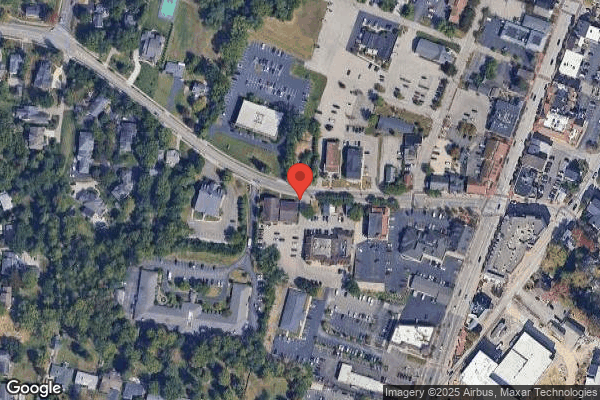
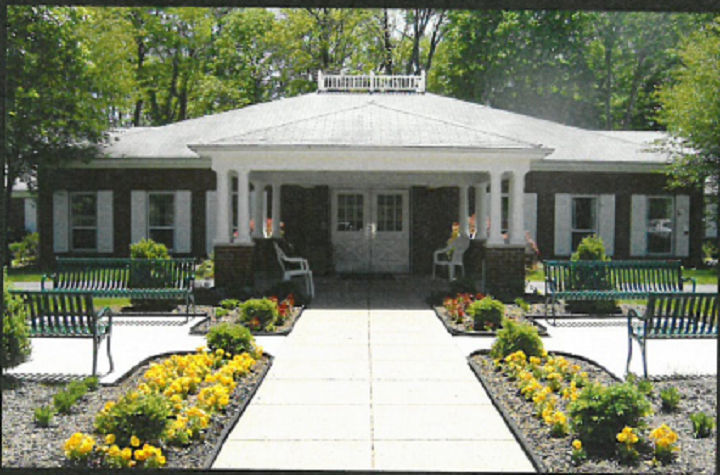
7777 COOPER ROAD, CINCINNATI, OH 45242 (513) 793-5092
For profit - Limited Liability company 99 Beds CARECORE HEALTH Data: November 2025
Trust Grade
35/100
#739 of 913 in OH
Last Inspection: December 2024

Within standard 12-15 month inspection cycle. Federal law requires annual inspections.

Overview

Montgomery Care Center in Cincinnati has a Trust Grade of F, indicating significant concerns about the facility's quality of care. It ranks #739 out of 913 nursing homes in Ohio, placing it in the bottom half, and #57 out of 70 in Hamilton County, meaning there are many better options nearby. The facility's performance is stable, with 8 issues noted in both 2022 and 2024. Staffing is a significant weakness, rated only 1 out of 5 stars, with a high turnover rate of 80%, which is concerning compared to the state average of 49%. Although there have been no fines reported, which is a positive aspect, the facility has faced serious concerns, including failing to ensure safe food storage and preparation, and not providing necessary podiatry care for residents.

Trust Score
F
35/100
In Ohio
#739/913
Bottom 20%
Safety Record
Moderate
Needs review
Inspections
Holding Steady
8 → 8 violations
Staff Stability
⚠ Watch
80% turnover. Very high, 32 points above average. Constant new faces learning your loved one's needs.
Penalties
✓ Good
No fines on record. Clean compliance history, better than most Ohio facilities.
Skilled Nurses
⚠ Watch
Each resident gets only 11 minutes of Registered Nurse (RN) attention daily — below average for Ohio. Fewer RN minutes means fewer trained eyes watching for problems.
Violations
⚠ Watch
27 deficiencies on record. Higher than average. Multiple issues found across inspections.
★★☆☆☆
2.0
Overall Rating
★☆☆☆☆
1.0
Staff Levels
★★★★☆
4.0
Care Quality
★★★☆☆
3.0
Inspection Score
Stable
2022: 8 issues
2024: 8 issues

The Good

  • 4-Star Quality Measures · Strong clinical quality outcomes
  • Full Sprinkler Coverage · Fire safety systems throughout facility
  • No fines on record

Facility shows strength in quality measures, fire safety.

The Bad

2-Star Overall Rating

Below Ohio average (3.2)

Below average - review inspection findings carefully

Staff Turnover: 80%

33pts above Ohio avg (46%)

Frequent staff changes - ask about care continuity

Chain: CARECORE HEALTH

Part of a multi-facility chain

Ask about local staffing decisions and management

Staff turnover is very high (80%)

32 points above Ohio average of 48%

The Ugly 27 deficiencies on record

1 actual harm
Dec 2024 7 deficiencies
CONCERN (D)

Potential for Harm - no one hurt, but risky conditions existed

Deficiency F0567 (Tag F0567)

Could have caused harm · This affected 1 resident

**NOTE- TERMS IN BRACKETS HAVE BEEN EDITED TO PROTECT CONFIDENTIALITY** Based on record review, staff interview, and policy review, the facility failed to obtain authorization to manage resident funds...

Read full inspector narrative →
**NOTE- TERMS IN BRACKETS HAVE BEEN EDITED TO PROTECT CONFIDENTIALITY** Based on record review, staff interview, and policy review, the facility failed to obtain authorization to manage resident funds. This affected two (#23 and #34) out of five residents reviewed for resident funds. The facility census was 60. Findings include: 1) Review of the medical record for Resident #23 revealed an admission date of 07/24/23. Diagnoses included flaccid hemiplegia affecting left non-dominant side, chronic obstructive pulmonary disease, type two diabetes mellitus without complications, hemiplegia and hemiparesis following cerebral infarction affecting unspecified side, anemia, major depressive disorder, atherosclerotic heart disease of native coronary artery with other forms of angina pectoris, hyperlipidemia, anxiety disorder, vascular dementia, chronic kidney disease stage three, atrial fibrillation, congestive heart failure, iron deficiency, fibromyalgia, cerebral edema, and vitamin d deficiency. Review of the quarterly Minimum Data Set (MDS) assessment dated [DATE] revealed Resident #23 was cognitively intact. Review of the resident funds records for Resident #23 revealed no authorization signed by the resident or the resident's representative for the facility to manage their personal funds. 2) Review of the medical record for Resident #34 revealed an admission date of 07/27/22. Diagnoses included dysphagia following cerebral infarction, hemiplegia unspecified affecting right dominant side, vitamin deficiency, anemia, mixed hyperlipidemia, congestive heart failure, major depressive disorder, and sleep apnea. Review of the quarterly MDS assessment dated [DATE] revealed Resident #34 was cognitively intact. Review of the resident funds records for Resident #34 revealed no authorization signed by the resident or the resident's representative for the facility to manage their personal funds. Interview on 12/18/24 at 3:09 P.M. with the Administrator verified no signed authorizations to manage resident funds for Residents #23 and #34. The Administrator stated the facility was the representative payee for both residents and had not obtained authorization from the residents or their representatives. Review of the policy titled Deposit of Residents' Personal Funds, revised 03/2021, revealed a copy of the resident's or representative's authorization designating the facility as the agency to manage the resident's funds is filed in the resident's financial record.
CONCERN (D)

Potential for Harm - no one hurt, but risky conditions existed

Assessment Accuracy (Tag F0641)

Could have caused harm · This affected 1 resident

Based on record review, staff interview, and policy review, the facility failed to ensure accuracy of assessments related to hearing. This affected one (#03) of one resident reviewed for communication...

Read full inspector narrative →
Based on record review, staff interview, and policy review, the facility failed to ensure accuracy of assessments related to hearing. This affected one (#03) of one resident reviewed for communication. The facility census was 60. Findings include: Review of the medical record for Resident #03 revealed an admission date of 01/24/24. Diagnoses included unspecified sequelae of unspecified cerebrovascular disease, cerebral infarction due to unspecified occlusion or stenosis of unspecified cerebral artery, hypothyroidism, spastic hemiplegia affecting unspecified side, hemiplegia and hemiparesis following unspecified cerebrovascular disease affecting unspecified side, major depressive disorder, localized edema, rhabdomyolysis, syncope and collapse, acute kidney failure, neuromuscular dysfunction of bladder, pure hypercholesterolemia, hypertension, and dysphagia. Review of the Minimum Data Set (MDS) assessments dated 01/30/24, 05/01/24 and 11/01/24, revealed Resident #03 was cognitively intact, had minimal difficulty with hearing and used hearing aids. Interview on 12/17/24 at 8:56 A.M. with Resident #03 revealed he had difficulty hearing and reported he was waiting on hearing aids. Resident #03 was observed to have trouble with hearing during the interview. Interview on 12/19/24 at 11:50 A.M. with Social Service Designee (SSD) #105 revealed Resident #03 had not utilized hearing aids while at the facility. Interview on 12/19/24 at 1:48 P.M. with MDS Coordinator/ Registered Nurse (RN) #175 revealed it was noted in Resident #03's record that he used hearing aids, which transferred over to the MDS and continued to populate on additional assessments. Review of the policy titled Certifying Accuracy of the Resident Assessment, revised 11/2019, revealed the information captured on the assessment reflects the status of the resident during the observation or look-back period for that assessment.
CONCERN (D)

Potential for Harm - no one hurt, but risky conditions existed

Deficiency F0657 (Tag F0657)

Could have caused harm · This affected 1 resident

**NOTE- TERMS IN BRACKETS HAVE BEEN EDITED TO PROTECT CONFIDENTIALITY** Based on review of the medical record, staff interviews, and policy review, the facility failed to ensure care conferences were ...

Read full inspector narrative →
**NOTE- TERMS IN BRACKETS HAVE BEEN EDITED TO PROTECT CONFIDENTIALITY** Based on review of the medical record, staff interviews, and policy review, the facility failed to ensure care conferences were completed quarterly for residents. This affected two (#14 and #20) of three residents reviewed for care conferences. The facility census was 60. Findings include: 1) Review of the medical record revealed Resident #20 was admitted to the facility on [DATE]. Diagnoses include cerebral infarction with dominant left side hemiplegia and hemiparesis, vascular dementia and chronic kidney disease. Review of the Minimum Data Set (MDS) quarterly assessment dated [DATE], revealed Resident #20 had moderately impaired cognition. Review of the documentation provided by the Administrator revealed Resident #20 was offered care conferences in the first quarter (January, February and March 2024) and second quarter (April, May and June 2024) of 2024; however, the resident declined the need. A care conference was conducted for Resident #20 in the fourth quarter (October, November and December 2024) on 10/10/24 with Social Services Designee (SSD) #105 and Licensed Practical Nurse (LPN) #400. There was no documented evidence a care conference was offered or completed with the resident for the third quarter (July, August or September 2024). The Administrator verified Resident #20 did not have or was offered a care conference for the third quarter. Interview on 12/19/24 at 2:41 P.M. with SSD #105 verified the documentation provided by the Administrator was accurate and that the facility had not offered or conducted a care conference for Resident #20 in the third quarter of 2024. 2) Review of the medical record for Resident #14 revealed an admission date of 10/18/22. Diagnoses included chronic obstructive pulmonary disease (COPD), major depressive disorder, and type two diabetes. Review of the most recent MDS assessment dated [DATE], revealed Resident #14 had intact cognition as evidenced by a Brief Interview for Mental Status (BIMS) score of 15. Review of the medical record revealed Resident #14 received a care conference on 10/12/23, 04/24/24, and 11/29/24. Review of the progress note dated 07/12/24 at 2:25 P.M. revealed Resident #14 declined the need for care conference at this time. Interview on 12/18/24 at 2:50 P.M. with SSD #105 verified Resident #14 did not receive a care conference in the first quarter of 2024. Review of the facility policy titled, Care Conference Procedure, dated 02/01/18 revealed the facility would meet with residents and/or their legal representative for a care conference to discuss resident care at designated times through resident's stay. A care conference shall be held at the earliest convenient time for residents and/or their legal representative after admission to facility, quarterly, prior to discharge, and as requested by facility, resident, and/or their legal representative.
CONCERN (D)

Potential for Harm - no one hurt, but risky conditions existed

Deficiency F0685 (Tag F0685)

Could have caused harm · This affected 1 resident

**NOTE- TERMS IN BRACKETS HAVE BEEN EDITED TO PROTECT CONFIDENTIALITY** Based on record review, staff and resident interviews, and policy review, the facility failed to timely arrange for audiology se...

Read full inspector narrative →
**NOTE- TERMS IN BRACKETS HAVE BEEN EDITED TO PROTECT CONFIDENTIALITY** Based on record review, staff and resident interviews, and policy review, the facility failed to timely arrange for audiology services. This affected one (#03) of the one resident reviewed for communication. The facility census was 60. Findings include: Review of the medical record for Resident #03 revealed an admission date of 01/24/24. Diagnoses included unspecified sequelae of unspecified cerebrovascular disease, cerebral infarction due to unspecified occlusion or stenosis of unspecified cerebral artery, hypothyroidism, spastic hemiplegia affecting unspecified side, hemiplegia and hemiparesis following unspecified cerebrovascular disease affecting unspecified side, major depressive disorder, localized edema, rhabdomyolysis, syncope and collapse, acute kidney failure, neuromuscular dysfunction of bladder, pure hypercholesterolemia, hypertension, and dysphagia. Review of the quarterly Minimum Data Set (MDS) assessment dated [DATE], revealed Resident #03 was cognitively intact. The assessment also indicated Resident #03 had minimal difficulty with hearing and used hearing aids. Review of the assessment titled Care Conference Quarterly, for Resident #03 dated 02/05/24, revealed the resident needed to be seen by the audiologist. Review of the assessment titled Care Conference Quarterly, for Resident #03 dated 07/09/24, revealed the resident's power of attorney (POA) wanted the resident added to the audiology list. Review of the facility document titled Not Seen Visit Report dated 07/30/24 revealed Resident #03 was listed as a no show to the treatment area to see the audiologist. Review of an electronic mail communication dated 12/04/24 revealed Resident #03's brother sent a request for Resident #03 to be assessed for hearing aids. Interview on 12/17/24 at 8:56 A.M. with Resident #03 revealed he had difficulty hearing and reported he was waiting on hearing aids. Resident #03 was observed to have trouble with hearing during the interview. Interview on 12/19/24 at 11:50 A.M. with Social Service Designee (SSD) #105 revealed the audiologist was last at the facility on 08/29/24. SSD #105 verified Resident #03 has not been seen by the audiologist and stated the audiologist was unable to see every resident on the list and another visit was supposed to be scheduled soon after. SSD #105 reported the next audiology visit was scheduled for January 2025. Review of the policy titled Specialized Rehabilitation Services, revised 12/2009, revealed the facility provided specialized rehabilitative services by qualified professionals, including audiology.
CONCERN (D)

Potential for Harm - no one hurt, but risky conditions existed

Respiratory Care (Tag F0695)

Could have caused harm · This affected 1 resident

**NOTE- TERMS IN BRACKETS HAVE BEEN EDITED TO PROTECT CONFIDENTIALITY** Based on review of the medical record, observations, interviews, and policy review, the facility failed to timely change oxygen ...

Read full inspector narrative →
**NOTE- TERMS IN BRACKETS HAVE BEEN EDITED TO PROTECT CONFIDENTIALITY** Based on review of the medical record, observations, interviews, and policy review, the facility failed to timely change oxygen tubing per physician orders. This affected one (#14) resident of six residents with oxygen therapy. The facility census was 60. Findings include: Review of the medical record for Resident #14 revealed an admission date of 10/18/22. Diagnoses included chronic obstructive pulmonary disease (COPD), major depressive disorder, and type two diabetes. Review of the care plan dated 11/01/22, revealed Resident #14 had oxygen therapy related to asthma, COPD, and shortness of breath (SOB). Interventions included check oxygen saturation as needed for SOB, encourage or assist with ambulation as indicated, and give medications as ordered by physician. Review of the physician order dated 06/27/24, revealed Resident #14 was ordered may use supplemental oxygen as needed (PRN) two liters per minute (LPM) via nasal cannula every shift for maintaining oxygen saturation greater than 90 percent (%) as tolerated. Review of the Annual Minimum Data Set (MDS) assessment dated [DATE], revealed Resident #14 had intact cognition as evidenced by a Brief Interview for Mental Status (BIMS) score of 15. Review of the physician order dated 11/07/24, revealed Resident #14 was ordered to change and date oxygen and nebulizer tubing weekly on Tuesday night shift. Observation on 12/16/24 at 10:04 A.M., revealed Resident #14's oxygen tubing was dated 11/13/24 and appeared dirty in appearance. Observation on 12/17/24 at 2:43 P.M., revealed Resident #14's oxygen tubing was dated 11/13/24 and appeared dirty in appearance. Interview on 12/17/24 at 2:45 P.M. with Licensed Practical Nurse (LPN) #251, verified oxygen tubing was dated 11/13/24 and appeared dirty in appearance. Review of the facility policy titled, Oxygen Administration, dated 2001 revealed the purpose of the procedure was to provide guidelines for safe oxygen administration. Staff verified there was a physician's order for the procedure and review the physician's orders for facility protocol for oxygen administration. Staff to assemble the equipment and supplies as needed.
CONCERN (E)

Potential for Harm - no one hurt, but risky conditions existed

Deficiency F0687 (Tag F0687)

Could have caused harm · This affected multiple residents

**NOTE- TERMS IN BRACKETS HAVE BEEN EDITED TO PROTECT CONFIDENTIALITY** Based on observation, record review, and staff and resident interviews, the facility failed to ensure residents received routine...

Read full inspector narrative →
**NOTE- TERMS IN BRACKETS HAVE BEEN EDITED TO PROTECT CONFIDENTIALITY** Based on observation, record review, and staff and resident interviews, the facility failed to ensure residents received routine podiatry care. This affected four (Residents #20, #21, #2 and #14) of the four residents reviewed for podiatry services. The facility census was 60. Findings include: 1) Review of the medical record revealed Resident #20 was admitted to the facility on [DATE] with diagnoses of cerebral infarction with dominant left side hemiplegia and hemiparesis, vascular dementia and chronic kidney disease. Review of the Minimum Data Set (MDS) quarterly assessment dated [DATE] revealed Resident #20 had moderately impaired cognition, range of motion impairment on left upper and lower extremities and was frequently incontinent of bowel and bladder. Review of Resident #20's Activities of Daily Living (ADL) care plan dated 12/12/24 revealed Resident #20 had a self-care performance deficit. Interventions included total assistance with personal hygiene daily and as needed. Observation of wound treatment for Resident #20 on 12/17/24 at 2:15 P.M. with Licensed Practical Nurse (LPN) #400 revealed all ten of Resident #20's toenails were grossly overgrown with some curling back under the toes. Interview with LPN #400 at time of observation verified Resident #20's toenails needed to be cut. LPN #400 stated Resident #20 would be placed on the podiatry list. Interview on 12/18/24 at 2:40 P.M. with Resident #20 verified he would like his toenails to be cut. Interview on 12/18/24 at 2:50 P.M. with the Director of Nursing (DON) verified Resident #20's toenails needed cut and the resident is not diabetic. The DON revealed she was not aware of the condition of the resident's toenails and the facility staff should have provided the ADL care. Follow up interview with the DON revealed the facility does not have the equipment needed to cut the resident's toenails in their current condition and that it would have to be completed by a podiatrist. 2) Review of the medical record revealed Resident #21 was admitted to the facility on [DATE] with diagnoses of multiple sclerosis, dysphagia, epilepsy, neurogenic bladder, paraplegia and unspecified dementia. Review of the MDS quarterly assessment dated [DATE] revealed Resident #21 had moderate cognitive impairment. Review of Resident #21's ADL care plan dated 12/07/24 revealed Resident #21 had a self-care performance deficit. Interventions included total assistance with personal hygiene daily and as needed. Observation of Resident #21 on 12/18/24 at 4:18 P.M. revealed the resident was alert and able to respond with appropriate answers to questions. The resident had contractures in both lower extremities and the toenails on both feet were grossly overgrown, jagged and in need of nail care. Interview with Resident #21 at the same time, revealed he would like his toenails cut. Interview on 12/18/24 at 4:33 P.M. with the DON verified Resident #21's toenails were grossly overgrown, jagged and in need of nail care. 3) Review of the medical record for Resident #02 revealed an admission date of 06/10/22. Diagnoses included multiple sclerosis (MS), neuromuscular dysfunction of bladder, and major depressive disorder. Review of the care plan dated 01/15/24 revealed Resident #02 had an ADL self-care performance deficit related to multiple sclerosis and pain. Interventions included substantial assistance with hygiene and bathing, skin inspection with care, and explain all procedures and tasks before starting. Review of the MDS assessment dated [DATE] revealed Resident #02 had intact cognition as evidenced by a Brief Interview for Mental Status (BIMS) score of 15. Observation on 12/18/24 at 3:19 P.M. revealed Resident #02's toenails on the right foot were overgrown, about a quarter of an inch in length and big toenail on left foot was about a quarter of an inch and jagged. Interview on 12/18/24 at 3:21 P.M. with DON verified Resident #02's toenails were overgrown and needed cut. 4) Review of the medical record for Resident #14 revealed an admission date of 10/18/22. Diagnoses included chronic obstructive pulmonary disease (COPD), congestive heart failure (CHF), major depressive disorder, and type two diabetes. Review of the podiatry notes dated 08/04/23 revealed Resident #14 was to be seen again by podiatry in two to three months. Review of the care plan dated 03/13/24 revealed Resident #14 had an activity of daily living (ADL) self-care performance deficit related to asthma, COPD, CHF, and history of falls. Interventions included partial assistance with hygiene, explain all procedures or tasks before starting, and physical therapy and occupational therapy evaluation and treatment per physician orders. Review of the MDS assessment dated [DATE] revealed Resident #14 had intact cognition as evidenced by a BIMS score of 15. Review of the medical record revealed no current records of podiatry notes. Observation on 12/17/24 at 2:39 P.M. revealed Resident #14's toenails were overgrown about a quarter of an inch and jagged. Skin on feet was extremely dry and flaking. Interview on 12/17/24 at 2:40 P.M. with Resident #14 revealed her toenails got caught on her socks and caused her discomfort. Interview on 12/17/24 at 2:50 P.M. with Licensed Practical Nurse (LPN) #451 verified toenails were overgrown and jagged for Resident #14. LPN #451 also verified the resident's feet had dry skin. Review of the facility policy titled, Care of Fingernails/Toenails, dated 02/18, revealed the purposes of this procedure are to clean the nail bed, to keep nails trimmed, and to prevent infection. General guidelines stated nail care included daily cleaning and regular trimming and unless otherwise permitted, do not trim the nails of diabetic residents or residents with circulatory impairments and stop and report to the nurse supervisor if there is evidence of ingrown nails, infections, pain, or if nails are too hard or too thick to cut with ease.
CONCERN (E)

Potential for Harm - no one hurt, but risky conditions existed

Deficiency F0761 (Tag F0761)

Could have caused harm · This affected multiple residents

**NOTE- TERMS IN BRACKETS HAVE BEEN EDITED TO PROTECT CONFIDENTIALITY** Based on review of the medical record, observation, interviews, and policy review, the facility failed to ensure eye drops were ...

Read full inspector narrative →
**NOTE- TERMS IN BRACKETS HAVE BEEN EDITED TO PROTECT CONFIDENTIALITY** Based on review of the medical record, observation, interviews, and policy review, the facility failed to ensure eye drops were labeled with open date. This affected two (#06 and #19) of the 14 residents with ordered eye drops. The facility also failed to timely dispose of narcotics for residents who were no longer in the facility. This affected two (#213 and #214) residents of the nine residents with narcotics. The facility census was 60. Findings include: 1) Review of the medical record for Resident #06 revealed an admission date of 12/29/21. Diagnoses included glaucoma, Alzheimer's disease, and type two diabetes mellitus (DM II). Review of the physician order dated 02/24/22 revealed Resident #06 was ordered Brimonidine Tartrate 0.2 percent solution, instill one drop in both eyes three times a day related to glaucoma. Review of the Quarterly Minimum Data Set (MDS) assessment dated [DATE] revealed Resident #06 had severe cognitive impairment as evidenced by a Brief Interview for Mental Status (BIMS) score of five. Observation of the medication cart on 12/19/24 at 10:39 A.M., revealed Resident #06's Brimonidine eye drops were opened without a date. Interview on 12/19/24 at 10:40 A.M. with Licensed Practical Nurse (LPN) #400 verified Resident #06's eye drops were opened and not labeled with open date. 2) Review of the medical record for Resident #19 revealed an admission date of 09/16/19. Diagnoses included glaucoma, major depressive disorder, heart failure, and type two diabetes mellitus (DM II). Review of the physician order dated 03/17/22 revealed Resident #19 was ordered Dorzolamide-HCl-Timolol Mal Solution 22.3-6.8 milligrams (mg) per milliliter (ml), instill one drop in both eyes two times a day related to glaucoma. Review of the MDS assessment dated [DATE] revealed Resident #19 had intact cognition as evidenced by a BIMS score of 15. Observation of the medication cart on 12/19/24 at 10:06 A.M. revealed Dorzolamide-HCl-Timolol Mal Solution 22.3-6.8 mg/ml did not have an open date on the bottle. Interview on 12/19/24 at 10:07 A.M. with Registered Nurse (RN) #185 verified there was no open date on Resident #19's eye drops Dorzolamide-HCl-Timolol Mal Solution 22.3-6.8 mg/ml. 3) Review of the medical record for Resident #213 revealed an admission date of 06/28/23 with a discharge date of 10/19/24. Diagnoses included major depressive disorder, alcohol abuse with intoxication, insomnia, chronic obstructive pulmonary disease (COPD), and acute kidney failure. Review of the physician order dated 07/19/24 with a discontinue date of 07/19/24 revealed Resident #213 was ordered Restoril 30 mg, give one capsule by mouth at bedtime related to insomnia. Review of the MDS assessment dated [DATE] revealed Resident #213 had intact cognition as evidenced by a BIMS score of 15. Observation of the medication cart on 12/19/24 at 10:12 A.M. revealed Resident #213's Restoril 15 mg was in the narcotic box inside the medication cart. Interview on 12/19/24 at 10:13 A.M. with RN #185 verified Resident #213 was not a current resident in the facility and the resident's Restoril was still being stored in the medication cart. 4) Review of the medical record for Resident #214 revealed an admission date of 12/11/24 with a discharge date of 12/16/24. Diagnoses included traumatic subdural hemorrhage, type two diabetes mellitus (DM II), and major depressive disorder. Review of the physician order dated 12/11/24 revealed Resident #214 was ordered Lorazepam 0.5 mg, give 0.5 mg by mouth every four hours as needed (PRN) for anxiety. Review of the physician order dated 12/13/24 revealed Resident #214 was ordered Lorazepam 0.5 mg, give one mg by mouth every two hours PRN for anxiety. Review of the physician order dated 12/13/24 revealed Resident #214 was ordered Morphine Sulfate oral solution 100 mg / five ml, give 0.5 ml by mouth every two hours PRN for severe pain. Observation of the medication cart on 12/19/24 at 10:16 A.M. revealed Resident #214 had Lorazepam 0.5 mg, Lorazepam 1 mg, and Morphine sulfate in the narcotic box inside the medication cart. Interview on 12/19/24 at 10:18 A.M. with RN #185 verified Resident #214 was not a current resident in the facility. Interview on 12/19/24 at 12:14 P.M. with the Director of Nursing (DON) verified nurses should be notifying the unit manager when residents discharge from the facility to dispose of narcotics. Review of the facility policy titled, Discarding and Destroying Medication, dated 2001 revealed all unused controlled substances were retained in a securely locked area with restricted access until disposed of. Schedule two, three, and four controlled substances were disposed of in accordance with state regulations and federal guidelines regarding disposition of non-hazardous medications.
Jun 2024 1 deficiency
CONCERN (D) 📢 Someone Reported This

A family member, employee, or ombudsman was alarmed enough to file a formal complaint

Potential for Harm - no one hurt, but risky conditions existed

Safe Environment (Tag F0584)

Could have caused harm · This affected 1 resident

**NOTE- TERMS IN BRACKETS HAVE BEEN EDITED TO PROTECT CONFIDENTIALITY** Based on medical record review, observation, resident and staff interview, and review of the facility policy, the facility faile...

Read full inspector narrative →
**NOTE- TERMS IN BRACKETS HAVE BEEN EDITED TO PROTECT CONFIDENTIALITY** Based on medical record review, observation, resident and staff interview, and review of the facility policy, the facility failed to keep a resident's room clean and sanitary. This affected one (Resident #12) of three residents reviewed for environment. The facility census was 57. Findings include: Review of the medical record for Resident #12 revealed an admission date 03/21/24. Diagnosis included anxiety disorder. Review of the Minimum Data Set (MDS) assessment dated [DATE] revealed Resident #12 was cognitively intact. Interview on 06/20/24 at 10:35 A.M. with Resident #12 stated the housekeeping staff does not wipe down the furniture in her room. Resident #12 stated they do not sweep under her bed, or corners in the room. Resident #12 stated she took out her own trash from her room because it does not get taken care of. Resident #12 stated her toilet was disgusting, dirty, smells, and had urine ring around the toilet. Observation on 06/20/24 at 10:40 A.M. with Resident #12's room revealed all three of her bedroom walls, and around her air conditioner wall unit was dirty with an unknown black substance, dirt, food particles, and hair balls. Resident #12's bathroom floor was dirty with dirt particles and unknown particles on the floor. Resident #12 had a urine ring around her toilet base. The bathroom trash can had dirt and spots under and around the trash can. Resident #12's floor had scattered unknown black spots on her floor. Observations on 06/20/24 from 11:58 A.M. through 12:10 P.M. with Housekeeping Aide (HKA) #289 revealed she was cleaning Resident #12's room with blinds closed and lights out. HKA #289 opened the blinds at the window and cleaned Resident #12's end table around personal items, and half the bedside table which was part with no personal items. At 12:09 P.M., HKA #289 stated she was almost done cleaning Resident #12's room. Interview on 06/20/24 at 12:09 P.M. with HKA #289 verified she was mopping Resident #12's room a second time. HKA #289 verified she only mopped the main areas and pathways to the room. HKA #289 stated she did not mop under the walker, trash can, or bed. HKA #289 stated she did miss the areas that had dirt and food particles that were against the walls, under the bed, around the air conditioner wall unit, around the end table, around at the bedside table, or in the bathroom. HKA #289 confirmed there was dirt pile (in a pile of dirt that was approximately six inch in diameter in room when sweeping). HKA #289 also confirmed the hairball, urine ring around the toilet, and dirt and spots in the bathroom. HKA #289 stated she did not do the best job on Resident #12's room and could have done better. HKA #289 verified that she only wiped down half the bedside table, and around the personal items, and the end table around the personal items. HKA #289 stated Resident #12 was particular and did not want her to touch her personal items. HKA #289 verified on the bedside table there was dust, dirt, and unclean on the side with her personal items. Interview on 06/20/24 at 12:50 P.M. with Floor Technician (FT) #242 stated he also cleaned the resident rooms. FT #242 stated he would move the small items off the bed side table, and end table to perform a better job in wiping down residents most used items. FT #242 stated the unknown black substance around the air conditioner wall unit had glue that was covered in dirt that was hard to get off the floor. FT #242 stated there was black scuff marks all over Resident #12's room possibly from Resident #12's wheelchair. FT #242 stated Resident #12 was not that particular, to move her personal items to clean areas in the room. FT #242 stated he moved trash cans, walkers, and sweep under resident's beds and furniture to do light cleaning. Review of the facility's undated policy titled Cleaning and Disinfection of Environmental Surfaces revealed non-critical surfaces included bed rails, some food utensils, bedside tables, furniture, and floors. Environmental surfaces will be disinfected (or cleaned) on a regular basis (daily, three times a week, and when surfaces are visibly soiled. Horizontal surfaces will be dusted regularly using clean clothes moistened with an Environmental Protection Agency (EPA)-registered disinfectant (or detergent). Review of the facility policy titled Standard Precautions, dated December 2007, revealed staff should ensure that environmental surfaces, beds, bedside equipment, and other frequently touched surfaces are appropriately cleaned. This deficiency represents non-compliance investigated under Complaint Number OH00154206.
Mar 2022 8 deficiencies
CONCERN (D)

Potential for Harm - no one hurt, but risky conditions existed

Resident Rights (Tag F0550)

Could have caused harm · This affected 1 resident

Based on record review, observation, staff interview and review of the facility's policy, the facility failed to treat residents with respect and dignity. This affected two (Resident #29 and #34) of 1...

Read full inspector narrative →
Based on record review, observation, staff interview and review of the facility's policy, the facility failed to treat residents with respect and dignity. This affected two (Resident #29 and #34) of 18 residents reviewed for dignity and respect. The facility census was 70. Findings include: 1. Review of the medical record for Resident #29, revealed an admission date of 12/02/21. Diagnoses included Parkinson's disease, schizophrenia, epilepsy, and lack of coordination. Review of the Minimum Data Set (MDS) assessment, dated 12/21/21, revealed Resident #29 was cognitively intact and required extensive or limited assistance with activities of daily livings (ADLs). Review of the activities interview for daily and activity preferences dated 05/27/20 revealed Resident #29 noted doing things in groups of people was very important to him. Observation of the group activities on 02/16/22 at 3:15 P.M. revealed 11 residents were in a group activity located in the [NAME] common area. During the observation, Activities Director (AD) #06 very loudly stated you don't talk to me that way to Resident #29. AD #06 was standing at the back/side of Resident #29 who was seated in a wheelchair. AD #06 abruptly grabbed the rear handles on Resident #29's wheelchair and pushed the resident from activities and down the hallway of the west front area. Observation immediately afterwards revealed AD #06 returned the common group activity without Resident #29. Observation at 3:29 P.M. revealed AD #06 exited the group activity and assisted Resident #29 back in the group activity area. Interview with AD #06 on 02/16/22 at 3:30 P.M. initially indicated she had removed Resident #29 because he was arguing with another resident. AD #06 did not state the other's resident name and indicated Resident #29 had told her (AD #05) To go to expletive so she removed him from the activity. AD #06 indicated Resident #29 had verbal behaviors. AD #06 verified the above observation and stated Resident #29 should not have been removed from the activities and she should not have said the comment to Resident #29. 2. Review of Resident #34's medical record revealed an admission date of 08/29/19. Diagnoses included cerebral infarction, anxiety disorder, muscle weakness, depression, drug induced dyskinesia, and bipolar disorder. Review of the Minimum Data Set (MDS) assessment, dated 12/31/21, revealed Resident #34 had mild impaired cognition and required limited one-person assistance for toileting and dressing. The resident was always continent of bowel and bladder. Review of Resident #34's plan of care dated 02/16/22 revealed the plan was silent for goals or interventions related to assistance with activities of daily living. Observation on 02/17/22 at 8:37 A.M. revealed Resident #34 was propelling himself in his wheelchair in the hallway going toward the administrative offices. The resident was wearing light grey jogging pants and the pants appeared saturated from his knees to his waist. Observation and interview on 02/17/22 at 9:35 A.M. revealed Resident #34 was sitting in his wheelchair in the hallway by his room with signs of incontinence. The resident's light grey jogging pants remained saturated from below the knee up to urine stains on his pink, button-up shirt. Interview with the Resident #34 revealed he had wet himself this morning and was not able to change because he did not have any clothes. Continued observation from 9:35 A.M. until 10:13 A.M. of Resident #34's room revealed the resident's entry door was open and the resident's bathroom door was open and Resident #34 could be seen from the hallway through the bathroom door standing at the sink without any clothes on. There were no staff observed assisting the resident or checking on the resident. Observation on 02/17/22 at 10:13 A.M. revealed Resident #34 put on his bathroom call light. Observation revealed at 10:14 A.M., State Tested Nursing Assistant (STNA) #50 entered the room. STNA #50 left the resident's room and returned to the room with gloves and bags. Interview on 02/17/22 at 10:25 A.M. with STNA #66 confirmed she was aware of Resident #34's incontinence earlier in the morning. STNA #66 stated she spoke to Resident #34 around 7:30 A.M. and encouraged him to return to his room and to change his clothes. STNA #66 stated Resident #34 told her he did not have any clothes to change into. STNA #66 confirmed she had not looked for any clothing for Resident #34. Interview and observation at 10:35 A.M. with Resident #34 revealed he had on clean dry clothing. The resident's wet and soiled clothing remained on the floor of the bathroom and on the floor in front of his bed. When the resident was asked if the STNA had assisted him, the resident replied, he cleaned himself up. The resident confirmed the STNA #50 found a pair of pants and a shirt in his drawer. Resident #34 stated he had an accident (bowel incontinence) and had to put on the call light to get help to clean up the mess from the incontinence. Observation of the resident's bathroom revealed the resident's wet clothing remained on the floor of the bathroom and on the floor in front of the resident's bed. Further observation revealed there was fecal matter/smears all over the toilet seat. Interview on 02/17/22 at 10:37 A.M. with STNA #50, revealed she was sitting at the nursing station and confirmed she had answered Resident #34's call light. STNA #50 stated the resident had bowel incontinence in the bathroom and needed help with cleaning up the mess. STNA #50 stated Resident #34 was independent and did not require her help to get cleaned up or get dressed. STNA #50 stated it was responsibility of the STNAs to clean the bathroom. STNA #50 was informed of the current condition of the resident's bathroom toilet seat. Interview on 01/17/22 at 1:21 P.M. with the Director of Nursing (DON) revealed she had observed Resident #34 at 7:20 A.M. and he was not incontinent at that time. The DON revealed Resident #34 was independent. Review of the resident's Minimum Data Set with the DON revealed Resident #34 required limited assistance with one-person assist for toileting and dressing. Review of Resident #34's plan of care with the DON confirmed the plan was silent for goals and interventions related to the resident's assistance with toileting, dressing or activities of daily living. The DON confirmed dignity and respect concerns were identified. Review of the facility's policy titled Quality of Life - Dignity, dated 09/01/18, revealed each resident shall be cared for in a manner that promotes and enhances quality of life, dignity, respect, and individuality. This deficiency substantiates Complaint Numbers OH00114244, OH00112586, and OH00111693.
CONCERN (D)

Potential for Harm - no one hurt, but risky conditions existed

Deficiency F0578 (Tag F0578)

Could have caused harm · This affected 1 resident

**NOTE- TERMS IN BRACKETS HAVE BEEN EDITED TO PROTECT CONFIDENTIALITY** Based on medical record review, staff interview, and policy review, the facility failed to ensure advance directives were accura...

Read full inspector narrative →
**NOTE- TERMS IN BRACKETS HAVE BEEN EDITED TO PROTECT CONFIDENTIALITY** Based on medical record review, staff interview, and policy review, the facility failed to ensure advance directives were accurate. This affected two (#53 and #325) of 18 residents reviewed for advance directives. The facility census was 70. Findings include: 1. Review of the medical record for Resident #53 revealed an admission date of 05/07/19. Diagnoses included chronic obstructive pulmonary disease, hemiplegia, type two diabetes mellitus without complications, transient cerebral ischemic attack, peripheral vascular disease, epilepsy, chronic pain syndrome, and muscle weakness. Review of the quarterly Minimum Data Set (MDS) 3.0 assessment, dated 01/11/22, revealed Resident #53 had moderately impaired cognition. Review of the current physician orders in the electronic health record revealed an order for do not resuscitate comfort care (DNRCC), dated 04/22/21. Review of the plan of care, revised 06/09/21, revealed the resident had a code status of DNRCC. Review of the resident's paper health record revealed a do not resuscitate form that indicated the resident had a code status of DNRCC that was not signed by a physician. The form had the words 'Full Code' written on it as well. Interview on 02/17/22 at 9:05 A.M. with the Administrator confirmed the discrepancy regarding the code status for Resident #53. Review of the facility's policy titled Advance Directives, revised 12/2016, revealed the plan of care for each resident will be consistent with his or her documented treatment preferences and/or advance directive. 2. Review of medical record revealed Resident #325 was admitted to the facility on [DATE]. Diagnoses included type two diabetes mellitus, amputation of right leg above the knee, congestive heart failure, peripheral vascular disease, chronic ischemic heart disease, transient ischemic attack, atherosclerotic heart disease, coronary angioplasty implant and graft, cerebral infarction, and old myocardial infarction. Review of the physician order, dated 02/09/22, revealed Resident #325 had an order for do not resuscitate comfort care arrest (DNRCC-Arrest). Review of the paper form for the advance directives for Resident #323 revealed the form was not completed by the attending physician with the residents' consent at the time of admission. Interview on 02/17/22 at 9:48 A.M. with Licensed Practical Nurse (LPN) #49 confirmed the form should be completed when the resident was admitted to the facility. Review of the facility's policy titled Advance Directives, dated 12/2016, revealed upon admission information about whether or not the resident has executed an advance directive shall be displayed prominently in the medical record.
CONCERN (D)

Potential for Harm - no one hurt, but risky conditions existed

Deficiency F0660 (Tag F0660)

Could have caused harm · This affected 1 resident

Based on medical record review, review of the facility's policy, and staff interview, the facility failed to complete a discharge care plan for a resident. This affected one (Resident #324) of three r...

Read full inspector narrative →
Based on medical record review, review of the facility's policy, and staff interview, the facility failed to complete a discharge care plan for a resident. This affected one (Resident #324) of three residents reviewed for discharge care planning. The facility census was 70. Findings Include: Record review for Resident #324 revealed an admission date of 01/27/22. Diagnoses included Coronavirus 19 (COVID-19), diabetes mellitus type II, local infection of the skin and subcutaneous tissue, gangrene, cutaneous abscess of right foot, essential primary hypertension, hyperlipidemia, obesity, methicillin susceptible staphylococcus aureus, and major depressive disorder. Review of the admission Minimum Data Set (MDS) assessment, dated 02/03/22, revealed Resident #324 had intact cognition. Review of the Resident #324's care plans revealed he did not have a care plan in place regarding discharge planning. Interview on 02/15/22 at 2:55 P.M. with MDS Nurse #26 confirmed Resident #324 did not have a discharge care plan in place. MDS Nurse #26 confirmed the discharge planning begins upon admission and was usually completed. Interview on 02/15/22 at 3:01 P.M. with the Social Worker (SW) #01 confirmed Resident #324 did not have a discharge care plan in place. SW #01 confirmed the discharge planning should be completed upon admission. Review of the facility's policy titled Care Plans, Comprehensive Person- Centered, dated December 2016, revealed, it will contain information regarding discharge planning. It stated it should include the resident's stated preference and potential for future discharge, including his or her desire to return to the community and any referrals to local agencies or other entities to support such desire.
CONCERN (D)

Potential for Harm - no one hurt, but risky conditions existed

Pharmacy Services (Tag F0755)

Could have caused harm · This affected 1 resident

Based on medical record review, staff interview, and review of the facility's policy, the facility failed to ensure medications were administered as ordered. This affected two (#53 and #324) of five r...

Read full inspector narrative →
Based on medical record review, staff interview, and review of the facility's policy, the facility failed to ensure medications were administered as ordered. This affected two (#53 and #324) of five residents reviewed for unnecessary medications. The facility census was 70. Findings include: 1. Record review for Resident #324 revealed an admission date of 01/27/22. His diagnoses included diabetes mellitus II, local infection of the skin and subcutaneous tissue, gangrene, cutaneous abscess of right foot, methicillin susceptible staphylococcus aureus, and major depressive disorder. Review of the Minimum Data Set (MDS) assessment, dated 02/03/22, revealed Resident #324 had intact cognition. Review of the Medication Administration Review (MAR) dated February 2022 revealed the following information regarding missed dosages of medication for Resident #324: • Ceftriaxone sodium solution reconstituted (antibiotic) two gram intravenously one time a day related to cutaneous abscess of right foot until 02/17/22. One dose was missed on 02/11/22. A note was written in the progress notes that Ceftriaxone sodium solution was unable to be administered due to medication was exhausted from the e-box and despite several attempts to refill it from the pharmacy. The pharmacy is not sending the medication to the facility. • Duloxetine HCl capsule delayed release sprinkle 60 milligrams (mg) one capsule by mouth one time a day for depression. It was not administered three times on 02/02/22, 02/04/22, and 2/07/22. • Flush intravenous (IV) catheter after antibiotic with 10 milliliter (ml) syringe of normal saline (NS) followed by five ml of Heparin Flush (used to flush out IV catheter, which helps prevent blockage in the tube after an IV infusion) every day. It was not administered on three days on 02/06/22, 02/09/22, and 02/11/22. It was marked at unavailable. • Trulicity Solution Pen-injector 0.75 mg/ 0.5 ml inject 0.5 ml subcutaneously one time a day every Thursday related to Type II diabetes mellitus with diabetic polyneuropathy. It was not administered on 02/03/22. Interview on 02/15/22 at 04:00 P.M. with the Unit Manager Nurse (UMN) #29 confirmed if a nurse did not write a progress note in Resident #324's chart regarding a missed medication then they nurse must have gotten busy and forgot to administer the medication. UMN #29 confirmed there was no note or information regarding Resident #324 missing medications of Duloxetine, Heparin Flush or Trulicity. UMN #29 stated the facility continues to have ongoing issues with pharmacy. UMN #29 stated the facility ordered Resident #324's antibiotic however the pharmacy did not deliver it. UMN #29 stated the facility exhausted their supply of the medication. UMN #29 stated the facility nurses should have documented notifying the physician and family regarding the missed doses of medications. UMN #29 confirmed Resident t #324 did not receive the antibiotic as physician ordered. 2. Record review for Resident #53 revealed an admission date of 05/07/19. Diagnoses included chronic obstructive pulmonary disease, peripheral vascular disease, contracture of left wrist, and chronic pain syndrome. Review of the quarterly Minimum Data Set (MDS) 3.0 assessment, dated 01/11/22, revealed Resident #53 had moderately impaired cognition. Review of the current physician orders revealed an order for Tramadol HCI tablet 50 milligrams that indicated one tablet was to be given by mouth four times a day related to chronic pain. Review of the Medication Administration Record (MAR) for 02/2022 revealed on 02/19/22 for the 9:00 P.M. dose, the MAR indicated other/see nurse notes. Review of the nursing progress notes dated 02/19/22 revealed the medication was unavailable. Registered Nurse (RN) #150 received an authorization code to obtain the medication from the automated medication dispensing system at the facility but there was not another nurse with access to the system, so the medication was unable to be pulled. Interview on 02/24/22 at 2:15 P.M. with RN #150 verified Resident #53 did not receive the Tramadol as ordered. She stated she had access to the system, but two nurses with access were required to verify a narcotic. She reported no other nurses were working at the time to access to the system. Review of the facility's policy titled Documentation of Medication Administration, dated 07/01/2019, revealed the facility shall maintain administration record to document all medications administered. Section F of the policy stated, Reason(s) why a medication was withheld, not administered, or refused (as applicable). This deficiency substantiates Complaint Numbers OH00114487, OH00114244, and OH00111693.
CONCERN (D)

Potential for Harm - no one hurt, but risky conditions existed

Deficiency F0804 (Tag F0804)

Could have caused harm · This affected 1 resident

Based on observation, staff interviews, record review, and review of the facility's policy, the facility failed to provide food that was served at a safe and appetizing temperature. This had the poten...

Read full inspector narrative →
Based on observation, staff interviews, record review, and review of the facility's policy, the facility failed to provide food that was served at a safe and appetizing temperature. This had the potential to affect the two residents (#18 and #426) who were on a pureed diet. The facility census was 70. Findings included: During observations of the lunch pre-service food temperatures on 02/16/22 at 11:28 A.M. revealed [NAME] #22 checked the puree chicken and recorded a holding temperature of 108 degrees Fahrenheit (F) on the Daily Food Temp Log. Review of the completed temperature log with [NAME] #22, immediately as she completed temperature checks, [NAME] #22 confirmed she received and recorded the temperature of 108 degrees F for the puree chicken. [NAME] #22 stated Residents #18 and #426 were only two residents on a puree diet. During continued observations of the kitchen and follow-up interview with [NAME] #22 on 02/16/22 at 12:20 P.M. and review of the lunch temperature logs, the log appeared to have been changed to show the chicken was 188 degrees F. [NAME] #22 again confirmed the puree chicken was 108 degrees F when she checked it at 11:28 A.M. and did not change the log. During an observation of food service on 02/16/22 at 12:22 P.M. revealed the food cart with Resident #18's tray had exited the kitchen. Dietary Manager (DM) #23 and Registered Dietitian (RD) #101 walked with the trays as they were being delivered. RD #101 indicated at minimum, the holding temperature should have been 135 degrees F. Observation of the puree chicken directly before the meal was going to be delivered to Resident #18 with DM #23 revealed the puree chicken was 110 degrees F. Surveyor mentioned the recorded 108-degree temperature F in the kitchen by [NAME] #22, and RD #101 indicated that was not appropriate. DM #23 removed the tray for Resident #18 and returned to the kitchen to reheat the food. During an interview with RD #101 on 02/16/22 at 12:45 P.M. indicated [NAME] #22 should have addressed the 108 temperatures F before allowing the puree chicken to leave the kitchen. RD #101 verified the puree chicken was under the appropriate temperatures to be served. Review of the facility's policy titled Preventing Foodborne Illness-Food Handling, dated 07/01/14, revealed food will be stored, handled and served so that the risk of Foodborne illness is minimalized. This deficiency substantiates Complaint Numbers OH00113809, OH00113354, OH00114126, and OH00114244.
CONCERN (D)

Potential for Harm - no one hurt, but risky conditions existed

Deficiency F0806 (Tag F0806)

Could have caused harm · This affected 1 resident

**NOTE- TERMS IN BRACKETS HAVE BEEN EDITED TO PROTECT CONFIDENTIALITY** Based on record review, review of the facility's policy, observations and resident and staff interviews, the facility failed to ...

Read full inspector narrative →
**NOTE- TERMS IN BRACKETS HAVE BEEN EDITED TO PROTECT CONFIDENTIALITY** Based on record review, review of the facility's policy, observations and resident and staff interviews, the facility failed to a resident received the appropriate diet for her food allergy. This affected one (#322) of 18 residents reviewed for food quality. The facility census was 70. Findings include: Review of Resident #322's medical record revealed the resident was admitted to the facility on [DATE]. Diagnoses included celiac disease. Allergies listed included gluten. Review of the physician orders, dated 02/06/22, revealed a diet order for a heart healthy (cardiac) diet, regular texture, thin consistency. Observations on 02/14/22 at 12:20 P.M. revealed a Styrofoam food container on a tray for Resident #322. A piece of toast was sticking out of the container. Interview on 02/14/22 at 12:24 P.M. with Resident #322 stated she couldn't eat a lot of the food that was served to her. She stated the kitchen provides the incorrect diet to her and explained she was gluten intolerant. She stated the kitchen has been serving her pancakes, waffles, and pasta. Observations on 02/15/22 at 8:50 A.M. revealed Resident #322 had a breakfast tray on her over the bed table. The resident was eating scrambled eggs, bacon, and rice cereal. Two biscuits were on the residents' plate. Interview on 02/16/22 at 3:32 P.M. with Registered Dietitian (RD) #101 verified Resident #322 was on a gluten free diet and presented the meal ticket for Resident #322 showing the diet as gluten free with no bread, pasta or rolls. RD #101 stated the facility did not have gluten free biscuits, pasta, or bread. Review of the facility's policy titled Tray Identification, dated 04/200,7 revealed the Food Service Manager or supervisor would check trays for correct diets before the food carts were transported to their designated areas. This deficiency substantiates Complaint Number OH00114244.
CONCERN (E)

Potential for Harm - no one hurt, but risky conditions existed

Safe Environment (Tag F0584)

Could have caused harm · This affected multiple residents

Based on observations, resident and staff interviews, review of the facilities policy, the facility failed to provide a safe, clean comfortable and homelike environment. This affected five (Residents ...

Read full inspector narrative →
Based on observations, resident and staff interviews, review of the facilities policy, the facility failed to provide a safe, clean comfortable and homelike environment. This affected five (Residents #05, #38, #41, #422, and #423) of 18 residents reviewed for a homelike environment. The facility census was 70. Findings include: During interview with Residents #05 and #41 on 02/15/22 at 4:01 P.M. revealed the long wall where the resident's dressers and televisions were located revealed there were large areas of the drywall damaged. Observations also revealed the wall where the window was located had numerous damaged areas of drywall and the wall behind the resident's bed had large areas of damaged drywall. Resident #41 stated the walls had been in disrepair for long time. During observation of Residents #422 and #423's room on 02/15/22 at 4:30 P.M. revealed large areas of mold on the window blinds and the toilet was unsecured from the flange and moved side to side. The window blinds were directly over the heating air condition (HVAC) unit in the wall. Both residents were ambulatory and independent with toileting. During observation of Residents #38's room on 02/15/22 at 4:40 P.M. revealed the toilet was unsecured from the flange and moved side to side. Resident was independently mobile with toileting. During an interview with Maintenance Director #71 on 02/17/22 at 3:50 P.M. verified the above observations in Resident #05, #41, #422, #423, and #38's rooms. Maintenance Director #71 stated he was not aware of the areas in disrepair. Review of the facility's policy titled Maintenance Service, dated 12/01/09, revealed maintenance services shall be provided to all areas of the building, grounds and equipment. Functions of maintenance personnel included ensuring the building was in compliance with current federal, state and local laws regulations and guidelines and maintaining the building in good repair and free from hazards. This deficiency substantiates Complaint Numbers OH00115652, OH00114126, OH00113809, OH00113354, OH00112586 and OH00111693.
CONCERN (F)

Potential for Harm - no one hurt, but risky conditions existed

Food Safety (Tag F0812)

Could have caused harm · This affected most or all residents

Based on observation, staff interviews, record review, and review of the facility policies, the facility failed to ensure that food was stored, prepared, and served in accordance with professional sta...

Read full inspector narrative →
Based on observation, staff interviews, record review, and review of the facility policies, the facility failed to ensure that food was stored, prepared, and served in accordance with professional standards for food service safety. This had the potential to affect 69 of 70 residents residing in the facility, excluding Resident #50 who received enteral feedings and nothing by mouth. Findings include: 1. An initial tour of the kitchen was conducted on 02/14/22 at 9:45 A.M. with [NAME] #22. While touring the kitchen, the following was observed: 1a. The free-standing walk-in freezer located outside of the building with [NAME] #22 felt very warm and observation revealed a non-functioning thermometer sitting on the shelf. Continued observation revealed the ice cream was completely liquefied, the tater tots, French fries and all vegetables were very soft to touch. [NAME] #22 stated she last got something from the freezer at 5:45 A.M. and everything seemed to be working normally. [NAME] #22 verified the freezer was not working, non-functioning thermometer and numerous food items were thawed and liquefied. 1b. The common ice machine located in the common area and directly outside the kitchen and available for any resident to retrieve ice had a significant amount of mold accumulation on the upper inside area of the hopper where the ice was dispensed into reservoir. [NAME] #22 verified the presence of the mold and [NAME] #22 stated she was not sure who was responsible for cleaning the machine and when the last cleaning was completed. 1c. The facility was equipped with a high temperature dish machine with manufacturer's minimum wash recommendations at 150 degrees Fahrenheit (F) and rinse operating temperatures of 180 degrees F. The dishwasher log for February 2022 was blank for any dishwasher temperatures being recorded. [NAME] #22 verified there were no recorded temperatures for dishwasher and stated she was not sure who tested the dishwasher temperatures. 1d. The kitchen had three empty buckets used for sanitizing food preparation and contact surfaces which were stacked inside each other and on a shelf. [NAME] #22 stated the facility did not use the sanitizer buckets and kitchen used a spray bottle of mixed bleach to clean. [NAME] #22 stated she did not know how the kitchen tested the solution. 2. A follow-up tour of the central kitchen was conducted on 02/15/22 at 3:10 P.M. While touring the kitchen the following was observed: 2a. The three-sink cleaning/disinfecting system revealed the sanitized section was filled with a clear liquid. Interview with Dietary Aid (DA) #21 indicated the kitchen staff used the sanitized section of the sink to clean items not able be run through the dishwasher. DA #21 stated the kitchen did not have any testing strips to test the chemical in the three-sink cleaning/disinfecting system. Further observations of the form hanging above the sink titled Sanitizer Log -2022 revealed the last date recorded on the form was 02/06/22 and completed by DA #21. DA #21 stated the facility was out of sanitizer to put in the sink so he filled the sink with plain water to rinse the dishes. DA #21 verified the kitchen had been out of sanitizer since 02/06/22 and verified the log was absent for testing the sanitizer levels since 02/06/22. 2b. The kitchen had one sanitizer bucket sitting on a shelf with clear liquids and DA #21 stated Dietary Manager (DM) #23 had made up the sanitizer bucket earlier in morning. DA #21 stated the sanitizer bucket was made up with bleach and water. DA #21 stated the kitchen used spray bottles of bleach to clean the kitchen. DA #21 stated the facility had no way of testing the bleach mixture solution and followed no formula for making up the solutions. DA #21 stated he just added some bleach and water to bottle. Observation at the same time with DA #21 revealed the solution in spray bottles and bucket had no odor of bleach. When asked to observe the bleach he used, DA #21 stated he did not have any bleach in the kitchen. Interview with DM #23 at same time indicated she made up the bucket with bleach and water when she arrived around 6:00 A.M. DM #23 confirmed the facility still had no sanitizer solution for sinks or the sanitizer buckets. DM #23 stated the Sanitizer solution was still on order and should be delivered on 02/16/22. During an interview with the Administrator on 02/15/22 at 3:30 P.M. indicated she was not aware the kitchen did not have any sanitizer. Interview with Infection Preventionist (IP) /Licensed Practical Nurse (LPN) #30 on 02/15/22 at 4:00 P.M. indicated she was never instructed the kitchen was out of sanitizer. LPN #30 stated her expectations indicated being notified if/when the kitchen was out of sanitizer to monitor for any gastrointestinal issues (GI) related to food borne illness. LPN #30 denied any knowledge of GI related issues in the facility. Subsequent interview with DM #23 on 02/16/22 at 10:00 A.M. indicated the facility had not received the shipment of sanitizer. DM #23 further stated she had not notified the Administrator, Director of Nursing (DON) and/or or the IP/ LPN #30 when the kitchen ran out of sanitizer. DM #23 stated she only instructed the Maintenance Director so he could order more. DM #23 stated she was not aware she had to notify the nursing staff and stated she did not understand why she needed to notify them. Subsequent interview with the Administrator on 02/16/22 at 10:30 A.M. indicated she did not address the kitchen not having sanitizer but would address it immediately. 3. A follow-up tour of the kitchen was conducted on 02/16/22 at 11:28 A.M. While touring the kitchen, the following was observed: 3a. There continued to be no sanitizer solution for the kitchen and the kitchen was still using bleach and water solution with no way to test the solution and/or a formula for mixing the solution in a spray bottle and sanitizer buckets. Interview with DM #23 at same time verified the facility had not received the shipment for the sanitizer solution. 3b. Observation of meal preparation, service, and tray assembly on 02/16/21 beginning at 11:45 A.M. revealed food temperature logs for 02/10/22 through 02/14/22 were blank. [NAME] #22 verified there were no recorded temperature checks for the foods being served. 3c. During preparation of delivery of trays, DA #18 was putting the food trays with drinks inside an open rolling cart and once completed, DA #18 pushed the cart from the kitchen and when the door to the kitchen opened, the air/pressure pushed numerous meal tickets off the resident's food trays and on to the floor. DA #18 and Registered Dietitian (RD) #101 started sorting and putting the meal tickets back on the food trays by lifting the plates and putting the tickets under the plates. Once completed with sorting out the meal tickets, DA #18 stated the trays were ready for delivery. DA #18 exited the kitchen and pushed the food cart to the East section of the facility. RD #101 walked to the East section of the facility and when DA #18 delivered trays. Directly before staff started pulling the trays from the cart, the surveyor intervened due to the infection control issue from the meal tickets falling on the floor, RD #101 confirmed it was an infection control issue from the meal tickets falling on the floor. RD #101 instructed DA #18 to return the trays to the kitchen. RD #101 and DA #18 verified the infection control issue. DA #18 stated the facility had clear plastic covers to put over the open cart during delivery but forgot due to being in a hurry. 4. Continued observation of kitchen on 02/16/22 at 12:30 P.M. reveled numerous new bottles of food service grade industrial cleaner bottles. Interview with DM #23 at the same time indicated the Administrator purchased the pre-mixed cleaning solutions until the bulk sanitizer was delivered. Interview with DM #23 on 02/16/22 at 1:05 P.M. revealed her expectations were for the dishwasher temperature logs be completed and food should be checked for appropriate temperatures at every meal service and recorded. Surveyor asked DM #23 for copies of food temperature logs from 02/10/22 through 02/14/22. At 1:09 P.M., the surveyor entered the kitchen to ask DM #23 a question and observed DA #21 and [NAME] #22 standing with the temperature log book and DA #21 holding a pen and writing on the log dated 02/11/22. DA #21 stated he was just looking at them but when the surveyor reviewed the logs, 02/10/22 and 02/11/22 had been filled in with temperatures. Surveyor questioned DA #21 if he had filled in the logs and DA #21 stated he did not despite observing him writing on the 02/11/22 log and already having the blank logs verified by the staff. Interview with DM #23 at same time indicated she only instructed [NAME] #22 to make a copy of the logs since it was her responsibility. Interview with RD #101 on 02/16/22 at 1:10 P.M. indicated food temperatures should be completed and logged at each meal service. Review of the facility's list of residents who were nothing by mouth (NPO) revealed Resident #50 was NPO. Review of the facility's policy titled Sanitization, dated 10/01/08, revealed the food service area shall be maintained in a clean and sanitary manner. All equipment, food contact surfaces and utensil shall be washed to remove or completely loosen soils by using the manual or mechanical mean necessary and sanitized using hot water and/or chemical sanitizing solutions. Sanitizing of environmental surfaces must be performed with on the following solutions: 50-100 parts per million (ppm) of chlorine solution, 150-200 ppm quaternary ammonium compound (QAC) or 12.5 ppm iodine solution. Ice machines will be drained, cleaned, and sanitized per manufacturers instructions. Food service staff would be responsible for cleanliness of the kitchen. Review of the facility's policy titled Preventing Foodborne Illness - Food Handling, dated 07/01/14, revealed food would be stored, prepared handled and served so that the risk of foodborne illness was minimized. All food service equipment and utensils will be sanitized according to the current guidelines and manufactures recommendations. Review of the facility's policy titled Preventing Foodborne Illness-Employee Hygiene and Sanitary Practices, dated 10/01/17, revealed food and nutrition employee would follow appropriate hygiene and sanitary procedures to prevent he spread of foodborne illness.
Mar 2019 11 deficiencies 1 Harm
SERIOUS (G)

Actual Harm - a resident was hurt due to facility failures

Accident Prevention (Tag F0689)

A resident was harmed · This affected 1 resident

**NOTE- TERMS IN BRACKETS HAVE BEEN EDITED TO PROTECT CONFIDENTIALITY** 3. Review of Resident #4's medical record revealed an admission date of 08/09/18. Diagnoses included chronic atrial fibrillation...

Read full inspector narrative →
**NOTE- TERMS IN BRACKETS HAVE BEEN EDITED TO PROTECT CONFIDENTIALITY** 3. Review of Resident #4's medical record revealed an admission date of 08/09/18. Diagnoses included chronic atrial fibrillation, type two diabetes with diabetic neuropathy and alcoholic liver disease. Review of the admission MDS assessment, dated 08/16/18, revealed the resident had no cognitive impairment and was independent to supervision for most activities of daily living (ADLs). Review of the resident's smoking assessment, dated 08/16/18, revealed the resident could smoke independently. Observation and interview on 03/04/19 at 10:45 A.M. with Resident #4 stated she keeps her cigarettes and lighters with her because when she leaves them at the nurses' station desk they disappear. Resident #4 pulled a red pack of cigarettes from her coat pocket with a lighter. Resident #4 stated she smokes when she wants and that her sister buys cigarettes and brings them in to her. Interview on 03/06/19 at 2:10 P.M. with the Director of Nursing (DON) revealed the residents keeping smoking materials at bedside was an ongoing challenge. The DON verified that by policy, residents were not to keep smoking materials at bedside, and must keep them at the nurse's station. The DON denied anyone reporting missing cigarettes when kept at nurse's station. Interview on 03/06/19 at 2:15 P.M. with the Administrator verified the policy states smoking materials were to be kept at the nurse's station and not at the bedside and denied that anyone reported missing cigarettes. Interview on 03/06/19 at 2:20 P.M. with Social Worker (SW) #109 verified the policy and stated the facility had just received locking bags to keep smoking materials in for each resident. SW #109 stated she would have the master key for each bag and the independent smokers would have their key. Review of the facility's policy titled Supervised and Independent Resident Smoking Policy, dated 02/01/19, revealed the facility shall establish and maintain safe resident smoking practices. It stated no resident shall hold on their person or in the room. This included cigarettes and lighters. Based on record review, resident and staff interview, observation, and policy review, the facility failed to conduct an assessment to identify fall risk factors, implement interventions to prevent falls and failed to conduct a thorough fall investigation and a post-fall risk assessment for Resident #279. This resulted in actual harm for Resident #279 when the resident fell from her bed resulting in a laceration to her nose, which required emergent care and sutures. This affected one (#279) of one resident reviewed for falls. The facility also failed to ensure the environment was free of hazards and adequate supervision was provided for two residents. This affected two (Resident #4 and #33) of two residents reviewed for smoking. This had the potential to affect 25 residents the facility identified as residents who smoked. The facility census was 81. Findings include: 1. Review of Resident #279's record revealed the resident was admitted to the facility on [DATE]. Diagnoses included sepsis, diabetes mellitus, chronic kidney disease, dementia, pressure ulcer of sacral region, and hypertension. Review of the Minimum Data Set (MDS) assessment, dated 03/07/19, revealed the resident was cognitively impaired and was totally dependent on two persons assistance for bed mobility. Review of the nurse's progress note, dated 03/01/19, revealed Resident #279 was found on the floor in her room next to her bed on 03/01/19 at 7:58 P.M. The resident was noted to have a laceration to her nose and there was blood on the resident's face and on the floor and the resident was sent to the hospital emergency room. Another nurse's progress note, dated 03/02/19, revealed Resident #279 returned to the facility from the hospital at 1:40 A.M. with sutures to a laceration on her nose. Review of the hospital record for Resident #279, dated 03/01/19, revealed the resident was evaluated for a fall that had occurred at the facility, the resident received sutures to her nose related to the fall and was sent back to the facility with discharge instructions for the resident to have her sutures removed in five to seven days. Review of physician orders, dated 03/02/19, revealed an order to clean the laceration to resident's nose with mild soap and water one time a day after the first two days and then to apply antibiotic ointment after each cleaning and leave open to air until the area was healed. There was also an order, dated 03/02/19, for a bariatric bed to allow room for increased safety when turning. Further review of the resident's record revealed it did not include a fall risk assessment upon admission or post-fall on 03/01/19. Review of the resident's fall care plan, dated 03/07/19, revealed the resident had an actual fall with injury on 03/01/19, a laceration to her nose with sutures. Interventions included providing the resident with a wide bed with a bariatric mattress for turning and positioning when in in bed. Review of the facility fall investigation for Resident #279 revealed the facility determined the root cause of the resident's fall on 03/01/19 to be that there did not seem to be enough room in bed for the resident to turn and that there was a safety risk of turning too far beyond edge of bed. Observation of Resident #279 on 03/12/19 at 10:13 A.M. revealed the resident was resting in a wide bed with a bariatric mattress. Resident had sutures to the top of her nose. Interview with Licensed Practical Nurse (LPN) #129 on 03/12/19 at 4:17 P.M. confirmed the nurse had found resident on the floor next to her bed with a laceration to her nose on 03/01/19 at approximately 7:58 P.M. The LPN further confirmed she assessed the resident and sent her to the hospital for evaluation. The LPN confirmed Resident #279 returned to the facility on [DATE] at approximately 1:40 A.M. with sutures to her nose. Interview with Director of Nursing (DON) on 03/12/19 at 11:47 A.M. confirmed the facility had not conducted a fall risk assessment to identify risk factors to prevent falls upon admission for Resident #279. The DON further confirmed the facility did not conduct a fall risk assessment following Resident #279's fall on 03/01/19. Further interview with the DON on 03/12/19 at 12:43 P.M. confirmed the facility's post fall investigation for Resident #279 following resident's fall on 03/01/19 did not include interviews with staff who had cared for resident prior to her being found on the floor on 03/01/19 at 7:58 P.M. Review of the facility's policy titled Assessing Falls and Their Causes, dated January 2019, revealed residents must be assessed upon admission and regularly afterward for potential risk of falls and that all falls should be thoroughly investigated. 2. Review of Resident #33's record revealed he was admitted to the facility on [DATE]. Diagnoses included disorders of lung, dementia with behavioral disturbance, phobic anxiety disorders, chronic kidney disease, alcohol dependence in remission, heat syncope, muscle weakness, and wasting and atrophy. Review of the quarterly Minimum Data Set (MDS) assessment, dated 02/20/19, revealed the resident had severe cognitive impairment and he required supervision with dressing and personal hygiene and was independent with eating, toileting, bed mobility and transfers. A review of the care plan for Resident #33 revealed he had the potential for injury related to smoking and the facility was to secure his cigarettes and lighter at the nurse's station. Review of the smoking assessment, dated 11/14/18, documented the need for supervision during smoking, the use of a smoking apron and the need for the facility to store his lighter and cigarettes. During an interview with the Director of Nursing on 03/06/19 at 2:18 P.M., she verified the smoking supplies for all residents per policy should be kept at the nursing station. During an interview with the Administrator on 03/06/19 at 2:20 P.M., she verified the smoking supplies for all residents per policy should be kept at the nursing station. During an observation and interview with Resident #33 on 03/06/19 at 3:12 P.M., he stated he kept his smoking supplies on him and smoked when he wanted without staff supervision. He produced a pack of cigarettes and lighter from his coat pocket. He was wearing his coat at the time of the interview. During an observation and interview with Corporate Registered Nurse (RN) #64 on 03/06/19 at 3:55 P.M., revealed an observation of Resident #33's room and verified Resident #33 had cigarettes and lighter in his possession. RN #64 further verified Resident #33's had severe cognitive impairments, his care plan documented he needed to keep his supplies at the nursing station and the resident's smoking assessment documented he required supervision and a smoking apron to smoke.
CONCERN (D)

Potential for Harm - no one hurt, but risky conditions existed

Deficiency F0583 (Tag F0583)

Could have caused harm · This affected 1 resident

Based on observation, staff interviews, and record reviews, the facility failed to protect the health information of residents. This affected one resident (#40) of 81 residents observed during the ann...

Read full inspector narrative →
Based on observation, staff interviews, and record reviews, the facility failed to protect the health information of residents. This affected one resident (#40) of 81 residents observed during the annual survey. Findings include: Observation on 03/07/19 at 8:26 A.M. revealed the laptop on top of the east wing medication cart for the far hallway was open and the medical record for Resident #40 was visible and accessible. Resident #40's photograph was located in the top left corner of the laptop and his medication administration record was exposed. There were three residents in the dining area of the east wing, and several residents ambulating in the hallway near the medication cart. Interview on 03/07/19 at 8:30 A.M. with Activity Director (AD) #122 verified that the laptop was open on the medication cart and Resident #40's photograph and electronic health record (EHR) were visible and accessible. Interview on 03/07/19 at 8:35 A.M. with Licensed Practical Nurse (LPN) #126 verified she was the nurse assigned to that medication cart and that she had accessed Resident #40's EHR on the laptop and left it open and accessible to other persons. LPN #126 stated she had worked at the facility 30 to 40 times and was aware of the privacy policies of the facility. Interview on 03/07/19 at 8:45 A.M. with Regional Clinical Coordinator (RCC) #64 verified Resident #40's EHR was open and accessible to other persons and education would be provided for the staff by the end of the day.
CONCERN (D)

Potential for Harm - no one hurt, but risky conditions existed

Deficiency F0625 (Tag F0625)

Could have caused harm · This affected 1 resident

**NOTE- TERMS IN BRACKETS HAVE BEEN EDITED TO PROTECT CONFIDENTIALITY** Based on record review, review of facility policy and staff interview, the facility failed to provide a bed hold notice to two (...

Read full inspector narrative →
**NOTE- TERMS IN BRACKETS HAVE BEEN EDITED TO PROTECT CONFIDENTIALITY** Based on record review, review of facility policy and staff interview, the facility failed to provide a bed hold notice to two (Resident #34 and #74) of four residents reviewed for hospitalization. This had the potential to affect all 81 residents residing in the facility. Findings include: 1. Review of the record for Resident #34 revealed she was admitted to the facility on [DATE]. Diagnoses included chronic obstructive pulmonary disease, congestive heart failure and chronic respiratory failure. Review of the admission Minimum Data Set (MDS) assessment, dated 01/07/19, revealed the resident had moderate cognitive impairment. Review of the progress notes for Resident #34 revealed she was sent to the hospital on [DATE] due to chest pain and shortness of breath and returned to the facility on [DATE]. The resident's record was silent for any bed hold notice to the resident and/or resident's representative. During an interview with Corporate Registered Nurse #64 on 03/07/19 at 1:05 P.M., he verified no bed hold notice was given to Resident #34. 2. Review of the medical record revealed Resident #74 was admitted to the facility on [DATE]. Diagnoses included end stage renal disease, coronary atherosclerosis due to calcified coronary lesion and chronic kidney disease. Review of the progress note, dated 01/24/19, revealed Resident #74 was transferred to the hospital per ambulance and per order of physician due to increasing abdominal pain. There was no evidence the resident or family were notified of the facility's bed hold notice and return policy, when the resident was transferred to the hospital. Review of the progress note, dated 02/25/19, revealed the night shift nurse was contacted by the hospital concerning Resident #74 being admitted to the hospital for gallstones and hypomagnesemia. There was no evidence the resident or family were notified of the facility's bed hold notice and return policy, when the resident was transferred to the hospital. Interview on 03/07/19 at 2:45 P.M. with Director of Social Services #109 confirmed the facility had not send out a bed hold notice and return policy to Resident #74 when the resident were transferred to the hospital on [DATE] and 02/25/19. Review of the facility's undated bed hold policy revealed the policy was to inform the resident or their legal representative after leaving the facility for hospitalization of the bed hold policy and notification.
CONCERN (D)

Potential for Harm - no one hurt, but risky conditions existed

Comprehensive Care Plan (Tag F0656)

Could have caused harm · This affected 1 resident

**NOTE- TERMS IN BRACKETS HAVE BEEN EDITED TO PROTECT CONFIDENTIALITY** Based on record review and staff interview, the facility failed to develop a comprehensive resident-centered care plan for Resid...

Read full inspector narrative →
**NOTE- TERMS IN BRACKETS HAVE BEEN EDITED TO PROTECT CONFIDENTIALITY** Based on record review and staff interview, the facility failed to develop a comprehensive resident-centered care plan for Residents #11. This affected one (Resident #11) of 18 residents whose care plans were reviewed. The facility census was 81. Findings include: Record review of Resident #11 revealed he was admitted initially to the facility on [DATE] with recent readmission of 12/05/18. Diagnoses included glaucoma and type two diabetes mellitus. Review of the Minimum Data Set (MDS) assessment, dated 12/13/18, revealed the resident was cognitively intact and the resident had adequate vision. Review of physician orders revealed the resident was receiving Latanoprost 0.005% eye drops for glaucoma. Review of Resident #11's care plan revealed it was silent to resident's glaucoma and eye drops related medications for glaucoma. Interview on 03/07/19 at 8:18 A.M. with Regional Clinical Consultant (RCC) #64 verified the resident's care plan was not person centered and does not reflect that he has glaucoma.
CONCERN (D)

Potential for Harm - no one hurt, but risky conditions existed

Deficiency F0657 (Tag F0657)

Could have caused harm · This affected 1 resident

**NOTE- TERMS IN BRACKETS HAVE BEEN EDITED TO PROTECT CONFIDENTIALITY** Based on record review and staff interview, the facility failed to timely revise the care plan for Resident #279 following a fal...

Read full inspector narrative →
**NOTE- TERMS IN BRACKETS HAVE BEEN EDITED TO PROTECT CONFIDENTIALITY** Based on record review and staff interview, the facility failed to timely revise the care plan for Resident #279 following a fall. This affected one (Resident #279) of one resident reviewed for falls. The facility census was 81. Findings include: Review of the record for Resident #279 revealed she was admitted to the facility on [DATE]. Diagnoses included sepsis, chronic kidney disease and urinary tract infection. Review of the admission Minimum Data Set (MDS) assessment, dated 03/07/19, revealed she was severely impaired in decision making and was totally dependent on staff for bed mobility and transfers. Review of the nurse's progress note, dated 03/02/19, revealed Resident #279 was found on the floor in her room next to her bed on 03/01/19 at 7:58 P.M. The resident was noted to have a laceration to her nose and there was blood on the resident's face and on the floor and the resident was sent to the hospital emergency room. Another nurse's progress note, dated 03/02/19, revealed Resident #279 returned to the facility from the hospital at 1:40 A.M. with sutures to a laceration on her nose. Review of physician orders, dated 03/02/19, revealed the resident to have a bariatric bed to allow room for increased safety when turning. Review of the resident's care plan revealed a fall care plan was initiated on 03/07/19, six days after a fall with injury occurred on 03/01/19. During an interview with the Administrator on 03/11/19 at 11:41 A.M., she verified the fall care plan for Resident #279 was not initiated until 03/07/19, six days after her fall with injury on 03/01/19.
CONCERN (D)

Potential for Harm - no one hurt, but risky conditions existed

Quality of Care (Tag F0684)

Could have caused harm · This affected 1 resident

**NOTE- TERMS IN BRACKETS HAVE BEEN EDITED TO PROTECT CONFIDENTIALITY** Based on record review, observation and staff interview, the facility failed to follow the hospital discharge instructions for r...

Read full inspector narrative →
**NOTE- TERMS IN BRACKETS HAVE BEEN EDITED TO PROTECT CONFIDENTIALITY** Based on record review, observation and staff interview, the facility failed to follow the hospital discharge instructions for removing sutures. This affected one (Resident #279) of one resident reviewed for falls. The facility census was 81. Findings include: Review of Resident #279's record revealed the resident was admitted to the facility on [DATE]. Diagnoses included sepsis, diabetes mellitus, chronic kidney disease, dementia, and hypertension. Review of the Minimum Data Set (MDS) assessment, dated 03/07/19, revealed the resident was cognitively impaired and was totally dependent on two persons assistance for bed mobility. Review of the nurse's progress note, dated 03/02/19, revealed Resident #279 was found on the floor in her room next to her bed on 03/01/19 at 7:58 P.M. The resident was noted to have a laceration to her nose and there was blood on the resident's face and on the floor and the resident was sent to the hospital emergency room. Another nurse's progress note, dated 03/02/19, revealed Resident #279 returned to the facility from the hospital at 1:40 A.M. with sutures to a laceration on her nose. Review of the hospital record for Resident #279, dated 03/01/19, revealed the resident was evaluated for a fall that had occurred at the facility, the resident received sutures to her nose related to the fall and was sent back to the facility with discharge instructions for the resident to have her sutures removed in five to seven days. Review of physician orders, dated 03/02/19, revealed an order to clean the laceration to resident's nose with mild soap and water one time a day after the first two days and then to apply antibiotic ointment after each cleaning and leave open to air until the area was healed. Observation of Resident #279 on 03/12/19 at 10:13 A.M. revealed the resident was resting in a wide bed and had sutures to the top of her nose. Interview with Licensed Practical Nurse (LPN) #129 on 03/12/19 at 4:17 P.M. confirmed Resident #279 returned to the facility on [DATE] at approximately 1:40 A.M. with sutures to her nose. Nurse #129 stated she thought the sutures to resident's nose were dissolvable. Interview with Director of Nursing (DON) on 03/12/19 at 4:11 P.M. confirmed the facility had not followed the hospital discharge instructions to remove the sutures to Resident #279's nose within five to seven days following resident's fall on 03/01/19. Further interview with the DON on 03/12/19 at 5:10 P.M. confirmed the facility had removed sutures to Resident #279's nose at approximately 5:00 P.M. on 03/12/19.
CONCERN (D)

Potential for Harm - no one hurt, but risky conditions existed

Dental Services (Tag F0791)

Could have caused harm · This affected 1 resident

Based on resident and staff interviews and record reviews, the facility failed to ensure routine dental care and dentures were provided for residents. This affected one (Resident #47) of one residents...

Read full inspector narrative →
Based on resident and staff interviews and record reviews, the facility failed to ensure routine dental care and dentures were provided for residents. This affected one (Resident #47) of one residents reviewed for dental. The facility census was 81. Findings include: Review of the medical record for Resident #47 revealed an admission date of 02/12/18. Diagnoses included chronic kidney disease, vascular dementia and dementia. Review of the annual Minimum Data Set (MDS) assessment, dated 07/10/1,9 revealed the resident had moderate cognitive impairment with behaviors of inattention, disorganized thinking, altered level of consciousness and there were no dental issues coded positively within the assessment for Resident #47. Review of Resident #47's physician orders, for 02/2019, revealed an order for a dental consult as necessary. Review of Resident #47's care plan, dated 02/12/18, revealed a focus of potential for or altered dental status related to poor oral hygiene with interventions of assistance with oral care as needed, notification of charge nurse of any chewing problems or complaints of oral discomfort, consultation with dentist/orthodontist if needed/requested by resident/family/physician, administration of medications as ordered, notification of physician/family of any dental problems noted, oral assessment as needed, and assessment for oral pain as necessary. Review of Resident #47's progress notes on 05/14/18 at 7:28 A.M. revealed a social service note regarding dental hygiene visit on 05/11/18 in which adult prophylaxis was performed which included toothette swab. The note also stated Resident #47 was edentulous and was waiting on dentures. Interview on 03/04/19 at 2:59 P.M. with Resident #47 stated he had no teeth and wanted dentures. Interview on 03/05/19 at 11:17 A.M. with Social Worker (SW) #109 stated she did not know Resident #47 wanted dentures. Further interview on 03/06/19 at 2:36 P.M. with SW #109 revealed the previous dental company was supposed to deliver dentures to Resident #47 after the visit on 05/14/18 and verified Resident #47 had never received his dentures. SW #109 stated the company provided dental services at that time closed down in 11/2018. SW #109 stated the previous dental company did not bill correctly, didn't show up when they said they were going to be at facility, and it took one resident six months to get their dentures. SW #109 stated a new dental company will be at the facility on 03/25/19 and Resident #47 was already placed on the list to be seen for dentures.
CONCERN (E)

Potential for Harm - no one hurt, but risky conditions existed

Resident Rights (Tag F0550)

Could have caused harm · This affected multiple residents

**NOTE- TERMS IN BRACKETS HAVE BEEN EDITED TO PROTECT CONFIDENTIALITY** Based on record review, observations, and staff interviews, the facility failed to ensure cognitive impaired residents were trea...

Read full inspector narrative →
**NOTE- TERMS IN BRACKETS HAVE BEEN EDITED TO PROTECT CONFIDENTIALITY** Based on record review, observations, and staff interviews, the facility failed to ensure cognitive impaired residents were treated in a dignified manner while assisting them with eating their lunch. This affected five (Resident #14, #21, #27, #50 and #65) of seven residents observed during lunch in the westside dining room. The facility census was 81. Findings include: 1. Review of medical record revealed Resident #14 was admitted to the facility on [DATE]. Diagnoses included heart failure and cerebrovascular accident transient. Review of the annual Minimum Data Set (MDS) assessment, dated 12/15/18, revealed Resident #14 had severely impaired cognitive deficits and required total dependence with activities of daily living. Review of medical record revealed Resident #21 was admitted to the facility on [DATE]. Diagnoses included dementia and depression. Review of the quarterly MDS assessment, dated 01/01/19, revealed Resident #21 had moderately impaired cognitive deficits and required extensive assistance with activities of daily living. Review of medical record revealed Resident #27 was admitted to the facility on [DATE]. Diagnoses included arthritis and dementia. Review of the quarterly MDS assessment, dated 01/05/19, revealed Resident #27 had moderately impaired cognitive deficits and required supervision with activities of daily living. Review of medical record revealed Resident #50 was admitted to the facility on [DATE]. Diagnoses included dementia, Parkinson's Disease, seizure disorder, anxiety and depression. Review of the quarterly MDS assessment, dated 01/19/19, revealed Resident #50 had severely impaired cognitive deficits and required extensive assistance with activities of daily living. Observations on 03/04/19 at 12:12 P.M., revealed State Tested Nurse Aide (STNA) #14 placed a food tray in front of Resident #27 as Resident #14, #21 and #50 sat at the table. Trays were delivered to other residents sitting in the dining room before delivering food trays to Resident #14, #21 and #50 whom sat with Resident #27. Resident #27 waited to eat her meal until Resident #14, #21 and #50 received their meal. At 12:26 P.M., revealed Residents #14, #21 and #50 received their meals. Interview on 03/04/19 at 12:26 P.M., revealed STNA #14 verified the findings. 2. Observation on 03/04/19 at 12:28 P.M., revealed STNA #14 was standing in between Resident #14 and Resident #50. STNA #14 was feeding the both of the residents while standing. STNA #14 confirmed the finding at the time of observation. 3. Review of medical record revealed Resident #65 was admitted to the facility on [DATE]. Diagnoses included anxiety and depression. Review of the quarterly MDS assessment, dated 01/31/19, revealed Resident #65 had moderately impaired cognitive deficits and required total dependence for activities of daily living. Observation on 03/05/19 at 12:15 P.M., revealed Resident #65 was sitting in the dining room waiting on her lunch meal tray. There was a food tray sitting three feet across from Resident #65 and there was no one sitting at the empty table. Resident #27 was eating her meal and sitting at the table with Resident #65. Further observation on 03/05/19 at 12:50 P.M., revealed STNA #37 realized the tray sitting at the empty table belonged to Resident #65. STNA #37 gave tray to Resident #65. Surveyor requested meal tray food temperatures to be taken. The puree pork chops were at 125 Fahrenheit (F) and the milk was at 50 F. Interview on 03/05/19 at 1:00 P.M., revealed Dietary Manager (DM) #80 reported the tray has been sitting out for more than a half of hour and food was not at appropriate temperature. DM #80 warmed the food for Resident #65 and gave her another milk out of the refrigerator.
CONCERN (E)

Potential for Harm - no one hurt, but risky conditions existed

Safe Environment (Tag F0584)

Could have caused harm · This affected multiple residents

Based on observations and resident and staff interviews, the facility failed to maintain resident's room environment in a clean, sanitary and comfortable manner. This affected five (Resident #29, #34,...

Read full inspector narrative →
Based on observations and resident and staff interviews, the facility failed to maintain resident's room environment in a clean, sanitary and comfortable manner. This affected five (Resident #29, #34, #37, #53 and #231) of the 24 residents interviewed for environment. The facility census was 81. Findings include: 1. On 03/04/19 at 3:49 P.M., an observation of Resident #29 and #37's bathroom revealed the bathroom floors were sticky, underneath the toilet lid, towards the back was not clean, and a hole was observed on the wall in the resident's room between the two televisions. 2. On 03/04/19 at 4:51 P.M., an observation of Resident #34's bathroom revealed the bathroom toilet was stained with a brown ring around the inside of the toilet bowl. Interview on 03/04/19 at 5:00 P.M., revealed Resident #34 reported she hated the look of the toilet. She stated a person should not have to live like this. 3. On 03/04/19 at 6:18 P.M., an observation of Resident #231's room revealed the room was not swept and mopped. The trash can have no liner in it and Resident #231 was spitting in the trash can because she said the facility ran out of tissue. There was a box of empty tissue on resident's bed side table. 4. On 03/05/19 at 11:45 A.M., revealed Resident #53's light in the entrance of the room was not working. Interview on 03/07/19 at 3:30 P.M., revealed Housekeeping Director (HD) #93 verified Resident #29 and #37's bathroom needed cleaned and the whole in the wall in their room. The HD verified Resident #34's stained toilet, Resident #231's floors needed cleaned, there was no liner in the trash can and there was an empty box of tissues. The HD verified Resident #53's light in the room was not working. She reported there were no work orders received for the residents rooms.
CONCERN (E)

Potential for Harm - no one hurt, but risky conditions existed

Deficiency F0761 (Tag F0761)

Could have caused harm · This affected multiple residents

Based on observation, interviews, and facility policy review, the facility failed to ensure open vials of medication were properly labeled. This had the potential to affect 34 residents residing on th...

Read full inspector narrative →
Based on observation, interviews, and facility policy review, the facility failed to ensure open vials of medication were properly labeled. This had the potential to affect 34 residents residing on the east wing. The facility census was 81. Findings include: Observation on 03/07/19 at 8:17 A.M. of the east wing medication room's medication refrigerator revealed two open vials of Sequiris Influenza vaccine with an expiration date of 06/30/19 which were not labeled with the date they were opened. In an interview on 03/07/19 at 8:17 A.M., Licensed Practical Nurse (LPN) #112 verified the two open vials of influenza vaccine were not labeled with the date they were opened. In an interview on 03/07/19 at 8:30 A.M., Regional Clinical Coordinator (RCC) #64 verified the two open vials of influenza vaccine were not labeled with the date they were opened and the facility policy stated to date them with the date opened. Review of the facility policy, titled Storage of Medications, dated 12/2018, revealed it did not address the labeling of opened medications.
CONCERN (E)

Potential for Harm - no one hurt, but risky conditions existed

Infection Control (Tag F0880)

Could have caused harm · This affected multiple residents

Based on observations, review of facility policy, review of manufacturer guidelines and staff interviews, the facility also failed to ensure glucometers used for multiple residents were sanitized prop...

Read full inspector narrative →
Based on observations, review of facility policy, review of manufacturer guidelines and staff interviews, the facility also failed to ensure glucometers used for multiple residents were sanitized properly. This had the potential to affect 18 (#3, #8, #11, #31, #34, #35, #39, #44, #49, #59, #63, #64, #70, #71, #72, #73, #74, and #378) of 81 residents within the facility who required the use of a glucometer. Findings include: Observation on 03/05/19 at 7:36 A.M. of Licensed Practical Nurse (LPN) #1 revealed LPN #1 laid a glove box and a basket containing gauze pads, alcohol swabs, and lancets directly on Resident #3's bed. Upon obtaining Resident #3's blood sugar result, LPN #1 laid the contaminated glucometer in the basket with the clean glucometer supplies. LPN #1 then proceeded to Resident #13's room without washing or sanitizing her hands and without sanitizing the glucometer and proceeded to setup the materials to obtain Resident #13's blood sugar. With surveyor intervention, the LPN #1 was stopped from proceeding with the collection and asked LPN #1 to step outside the room. LPN #1 verified she did not sanitize the glucometer between residents and did not wash or sanitize her hands. LPN #1 stated She normally would sanitize the glucometer with sanitary wipes. She also stated the facility policy for cleaning glucometers between resident use, was to use the sanitary wipes in between residents and to clean her hands. LPN #1 stated the basket of clean glucometer supplies would have to be discarded because she had laid the glucometer in the basket. Interview on 03/05/19 at 8:00 A.M. of LPN #120 revealed her statement that she has worked previous shifts at the facility and her statement that she cleans the glucometers using alcohol swabs between resident use because it is a disinfectant. LPN #120 stated she was not aware of what the facility policy was regarding the cleaning of glucometers in between resident use. Observation on 03/05/19 at 8:05 A.M. of nursing students revealed cleaning of glucometer between residents with alcohol swabs. Interview on 03/05/19 at 8:07 A.M. of Nursing Instructor #110 stated this was her first term teaching students at this facility. NI #110 verified a sanitary wipe should be used to clean the glucometers between resident use but the facility was unable to locate any containers of sanitary wipes today. NI #110 stated she had talked to several nurses at the facility about the lack of sanitary wipes and proper sanitization of the glucometers. Interview on 03/05/19 at 8:15 A.M. with LPN #121 revealed sometimes there were wipes to clean the glucometers but verified there were times when the facility has not had sanitary wipes and has used alcohol swabs in the past. Interview on 03/05/19 at 9:00 A.M. with the Administrator and RCC #64 verified the glucometers should be cleaned according to policy and manufacturer's instructions and that cleaning the glucometers with alcohol pads was inappropriate. Observation on 03/05/19 at 10:00 A.M. of the central supply storage room on the west hall revealed eight containers of Sani-Wipes. Review of the facility's list of residents who utilize the facility's glucometers revealed Resident #3, #8, #11, #31, #34, #35, #39, #44, #49, #59, #63, #64, #70, #71, #72, #73, #74, and #378 utilized the glucometers. Review of the undated facility policy, Policy and Procedure for Cleaning Glucometers, revealed the statement, all glucometers will be cleaned and disinfected using Clorox Bleach Wipes, Clorox Bleach Germicidal Wipes, Hydro Peroxide Wipes, Cavi Wipes, Super Sani Clothe Wipes, or equivalent. All glucometers that will be shared by multiple patients will be thoroughly wiped with disinfectant and allowed to air dry after every use and between every patient. Use a fresh wipe each time you clean a glucometer. Wipe all surfaces, top, bottom, and sides, avoiding the results window and electrical connection. Review of the Arkray manufacturer's instructions titled, Cleaning and Disinfecting Blood Glucose Meters, dated 10/14/10 revealed the statement, it was Arkray's policy to advise healthcare professionals to clean and disinfect blood glucose meters between each resident test to avoid cross contamination issues. Cleaning and disinfecting can be completed by using a commercially available EPA-registered disinfectant detergent or germicide wipe. To use a wipe, remove from container and follow product label instructions to disinfect the meter. Take extreme care not to get liquid in the test strip and key code ports of the meter.
Understanding Severity Codes (click to expand)
Life-Threatening (Immediate Jeopardy)
J - Isolated K - Pattern L - Widespread
Actual Harm
G - Isolated H - Pattern I - Widespread
Potential for Harm
D - Isolated E - Pattern F - Widespread
No Harm (Minor)
A - Isolated B - Pattern C - Widespread

Questions to Ask on Your Visit

  • "Why is there high staff turnover? How do you retain staff?"
  • "Can I speak with families of current residents?"
  • "What's your RN coverage like on weekends and overnight?"

Our Honest Assessment

Strengths
  • • No fines on record. Clean compliance history, better than most Ohio facilities.
Concerns
  • • 27 deficiencies on record, including 1 serious (caused harm) violation. Ask about corrective actions taken.
  • • Grade F (35/100). Below average facility with significant concerns.
  • • 80% turnover. Very high, 32 points above average. Constant new faces learning your loved one's needs.
Bottom line: Trust Score of 35/100 indicates significant concerns. Thoroughly evaluate alternatives.

About This Facility

What is Montgomery's CMS Rating?

CMS assigns MONTGOMERY CARE CENTER an overall rating of 2 out of 5 stars, which is considered below average nationally. Within Ohio, this rating places the facility higher than 0% of the state's 100 nursing homes. A rating at this level reflects concerns identified through health inspections, staffing assessments, or quality measures that families should carefully consider.
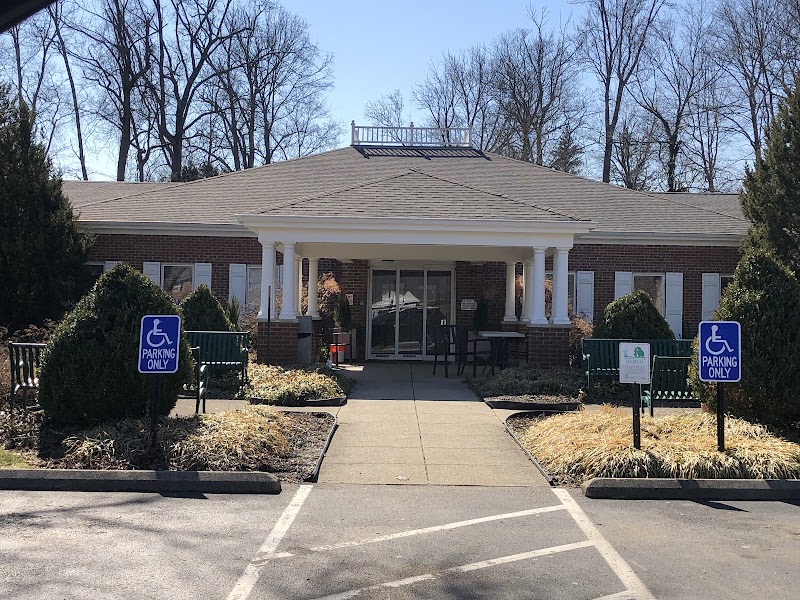
How is Montgomery Staffed?

CMS rates MONTGOMERY CARE CENTER's staffing level at 1 out of 5 stars, which is much below average compared to other nursing homes. Staff turnover is 80%, which is 33 percentage points above the Ohio average of 46%. High turnover can affect care consistency as new staff learn residents' individual needs. RN turnover specifically is 60%, which is notably high. RNs provide skilled clinical oversight, so turnover in this role can affect medical care quality.

What Have Inspectors Found at Montgomery?

State health inspectors documented 27 deficiencies at MONTGOMERY CARE CENTER during 2019 to 2024. These included: 1 that caused actual resident harm and 26 with potential for harm. Deficiencies causing actual harm indicate documented cases where residents experienced negative health consequences.
Who Owns and Operates Montgomery?

MONTGOMERY CARE CENTER is owned by a for-profit company. For-profit facilities operate as businesses with obligations to shareholders or private owners. The facility is operated by CARECORE HEALTH, a chain that manages multiple nursing homes. With 99 certified beds and approximately 66 residents (about 67% occupancy), it is a smaller facility located in CINCINNATI, Ohio.
How Does Montgomery Compare to Other Ohio Nursing Homes?

Compared to the 100 nursing homes in Ohio, MONTGOMERY CARE CENTER's overall rating (2 stars) is below the state average of 3.2, staff turnover (80%) is significantly higher than the state average of 46%, and health inspection rating (3 stars) is at the national benchmark.

What Should Families Ask When Visiting Montgomery?

Based on this facility's data, families visiting should ask: "How do you ensure continuity of care given staff turnover, and what is your staff retention strategy?" "Can you walk me through typical staffing levels on day, evening, and night shifts?" "Can I visit during a mealtime to observe dining assistance and food quality?" "How do you handle medical emergencies, and what is your hospital transfer rate?" These questions are particularly relevant given the facility's high staff turnover rate and the below-average staffing rating.

Is Montgomery Safe?

Based on CMS inspection data, MONTGOMERY CARE CENTER has a clean safety record: no substantiated abuse findings (meaning no confirmed cases of resident harm), no Immediate Jeopardy citations (the most serious violation level indicating risk of serious injury or death), and is not on the Special Focus Facility watch list (a federal program monitoring the lowest-performing 1% of nursing homes). The facility has a 2-star overall rating and ranks #100 of 100 nursing homes in Ohio. While no facility is perfect, families should still ask about staff-to-resident ratios and recent inspection results during their visit.

Do Nurses at Montgomery Stick Around?

Staff turnover at MONTGOMERY CARE CENTER is high. At 80%, the facility is 33 percentage points above the Ohio average of 46%. Registered Nurse turnover is particularly concerning at 60%. RNs handle complex medical decisions and coordinate care — frequent RN changes can directly impact care quality. High turnover means new staff may not know residents' individual needs, medications, or preferences. It can also be disorienting for residents, especially those with dementia who rely on familiar faces. Families should ask: What is causing the turnover? What retention programs are in place? How do you ensure care continuity during staff transitions?

Was Montgomery Ever Fined?

MONTGOMERY CARE CENTER has no federal fines on record. CMS issues fines when nursing homes fail to meet care standards or don't correct problems found during inspections. The absence of fines suggests the facility has either maintained compliance or corrected any issues before penalties were assessed. This is a positive indicator, though families should still review recent inspection reports for the full picture.

Is Montgomery on Any Federal Watch List?

MONTGOMERY CARE CENTER is not on any federal watch list. The most significant is the Special Focus Facility (SFF) program, which identifies the bottom 1% of nursing homes nationally based on persistent, serious quality problems. Not being on this list means the facility has avoided the pattern of deficiencies that triggers enhanced federal oversight. This is a positive indicator, though families should still review the facility's inspection history directly.