MOUNT WASHINGTON CARE CENTER
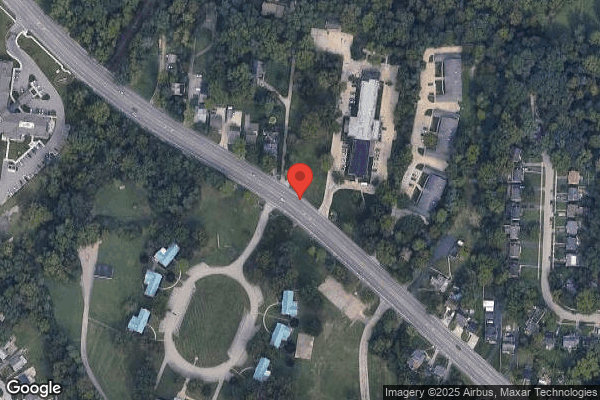

6900 BEECHMONT AVENUE, CINCINNATI, OH 45230 (513) 231-4561
For profit - Corporation 129 Beds NURSING CARE MANAGEMENT OF AMERICA Data: November 2025
Trust Grade
50/100
#510 of 913 in OH
Last Inspection: March 2025

Within standard 12-15 month inspection cycle. Federal law requires annual inspections.

Overview

Mount Washington Care Center in Cincinnati has a Trust Grade of C, which means it is average and sits in the middle of the pack regarding quality. The facility ranks #510 out of 913 in Ohio, placing it in the bottom half, and #42 out of 70 in Hamilton County, indicating only one local option is better. Unfortunately, the trend is worsening, with issues increasing from 4 in 2024 to 12 in 2025. Staffing is a concern, rated at 2 out of 5 stars, with a turnover rate of 57%, which is on par with the state average but may affect continuity of care. While the center has not incurred any fines, there are serious concerns, including a failure to manage a resident's pain after a fall that resulted in a fracture and inadequate monitoring of medication storage temperatures, impacting all residents. Overall, while there are strengths, such as no fines and a high quality measures rating, families should be aware of the significant issues and trend toward decline.

Trust Score
C
50/100
In Ohio
#510/913
Bottom 45%
Safety Record
Moderate
Needs review
Inspections
Getting Worse
4 → 12 violations
Staff Stability
⚠ Watch
57% turnover. Above average. Higher turnover means staff may not know residents' routines.
Penalties
✓ Good
No fines on record. Clean compliance history, better than most Ohio facilities.
Skilled Nurses
○ Average
Each resident gets 35 minutes of Registered Nurse (RN) attention daily — about average for Ohio. RNs are the most trained staff who monitor for health changes.
Violations
⚠ Watch
39 deficiencies on record. Higher than average. Multiple issues found across inspections.
★★★☆☆
3.0
Overall Rating
★★☆☆☆
2.0
Staff Levels
★★★★★
5.0
Care Quality
★★☆☆☆
2.0
Inspection Score
Stable
2024: 4 issues
2025: 12 issues

The Good

  • 5-Star Quality Measures · Strong clinical quality outcomes
  • Full Sprinkler Coverage · Fire safety systems throughout facility
  • No fines on record

Facility shows strength in quality measures, fire safety.

The Bad

3-Star Overall Rating

Near Ohio average (3.2)

Meets federal standards, typical of most facilities

Staff Turnover: 57%

10pts above Ohio avg (46%)

Frequent staff changes - ask about care continuity

Chain: NURSING CARE MANAGEMENT OF AMERICA

Part of a multi-facility chain

Ask about local staffing decisions and management

Staff turnover is elevated (57%)

9 points above Ohio average of 48%

The Ugly 39 deficiencies on record

1 actual harm
Aug 2025 1 deficiency
CONCERN (D) 📢 Someone Reported This

A family member, employee, or ombudsman was alarmed enough to file a formal complaint

Potential for Harm - no one hurt, but risky conditions existed

Respiratory Care (Tag F0695)

Could have caused harm · This affected 1 resident

**NOTE- TERMS IN BRACKETS HAVE BEEN EDITED TO PROTECT CONFIDENTIALITY** Based on medical record review, staff interview, and review of the facility policy, the facility failed to ensure implementation...

Read full inspector narrative →
**NOTE- TERMS IN BRACKETS HAVE BEEN EDITED TO PROTECT CONFIDENTIALITY** Based on medical record review, staff interview, and review of the facility policy, the facility failed to ensure implementation of physician orders for appropriate respiratory care. This affected one (Resident #71) of three residents reviewed for respiratory care and services. The facility census was 70 residents. Findings include:Review of medical record revealed for Resident #71 revealed an admission date of 07/26/25 with diagnoses including acute respiratory failure, tracheostomy, pneumonia, intracerebral hemorrhage, and functional quadriplegia. Review of the baseline care plan for Resident #71 dated 07/26/25 revealed resident was severely cognitively impaired, was dependent for all care, had a feeding tube for nutrition, and was a full code. Review of a progress note for Resident #71 dated 07/26/25 revealed the note did not include documentation of physician's orders for tracheostomy care or oxygen administration. Review of the admitting physician's orders for Resident #71 dated 07/26/25 revealed they did not include orders for tracheostomy care or oxygen administration. Review of the Treatment Administration Record (TAR) for Resident #71 dated July 2025 revealed it did not include orders for oxygen administration or tracheostomy care. Interview on 08/12/25 at 11:33 A.M. with the Director of Nursing (DON) confirmed there were no orders for tracheostomy care or oxygen administration for Resident #71 upon admission to the facility on [DATE]. The DON further confirmed Resident #71 was sent to the hospital on [DATE] and was admitted with respiratory distress. The DON confirmed the facility staff relied on nursing judgment for the administration of oxygen and tracheostomy care for Resident #71.Interview on 08/12/25 at 1:44 P.M. with Licensed Practical Nurse (LPN) #109 confirmed Resident #71 was admitted to the facility on [DATE] from a subacute care hospital with a tracheostomy in place. The discharge orders from the hospital did not include orders for tracheostomy care or oxygen administration. LPN #109 confirmed when Resident #71 arrived at the facility the resident was receiving oxygen and he continued to administer oxygen at four liters per minute (LPM), but the nurse did not receive or implement orders for tracheostomy care or oxygen administration. LPN #109 confirmed when he came to work on 07/27/25, Resident #71 was experiencing respiratory distress and had an oxygen saturation level of 68 percent (%). LPN #109 called the physician who told the nurse to increase the resident's oxygen flow rate and call 911. LPN #109 confirmed he increased Resident #71's oxygen from four LPM to seven LPM, and the resident's oxygen saturation rate was 76% when the emergency medical technicians arrived to take the resident to the hospital. LPN #109 confirmed he relied on nursing judgment to determine the LPM of oxygen for Resident #71. Review of the facility policy titled Tracheostomy Care dated 2024 revealed tracheostomy care would be provided according to the physician's orders and in accordance with professional standards of practice with a general consideration to provide tracheostomy care at least twice daily. This deficiency represents noncompliance investigated under Complaint Number 2584605.
Mar 2025 11 deficiencies 1 Harm
SERIOUS (G)

Actual Harm - a resident was hurt due to facility failures

Deficiency F0697 (Tag F0697)

A resident was harmed · This affected 1 resident

**NOTE- TERMS IN BRACKETS HAVE BEEN EDITED TO PROTECT CONFIDENTIALITY** Based on record review, review of a fall investigation, review of hospital records, staff interviews, and facility policy review...

Read full inspector narrative →
**NOTE- TERMS IN BRACKETS HAVE BEEN EDITED TO PROTECT CONFIDENTIALITY** Based on record review, review of a fall investigation, review of hospital records, staff interviews, and facility policy review, the facility failed to effectively manage one Resident's (#56) pain following an unwitnessed fall on 08/15/24, which subsequently resulted in a left subcapital femoral neck fracture. Actual harm occurred on 08/15/24 around 11:15 P.M. when Resident #56 had an unwitnessed fall in her room and reported left leg and knee pain to Licensed Practical Nurse (LPN) #212 and LPN #213. Resident #56 received one as needed (PRN) Tylenol but no documentation was completed on the medication administration record (MAR). The resident verbally yelled out and had facial grimacing and refused to get out of bed related to continued pain and discomfort in her left leg. The On-call Nurse Practitioner (NP) #214 ordered Resident 56 to receive a left knee x-ray and an ice pack for pain. Resident #56 did not receive any additional pain medications or non-pharmacological pain interventions until the resident arrived at the hospital on [DATE] at 6:34 P.M. (approximately 19 hours after the fall occurred) with left leg pain. A computed tomography (CT) scan of Resident #56's left leg pain revealed Resident #56 sustained an acute traumatic mildly impacted subcapital left femoral neck fracture and required a surgical intervention to repair the fracture. This affected one Resident (#56) of the 25 residents assessed for pain. The facility census was 80. Findings include: Review of the medical record for Resident #56 revealed an admission date of 07/08/24. Diagnoses included major depressive disorder, fracture of left femur, generalized anxiety disorder (GAD), and atrial fibrillation. Review of a physician order for Resident #56 dated 07/08/24, revealed the resident was ordered Tylenol 325 milligrams (mg), give two tablets by mouth every four hours as needed (PRN) for general discomfort. Review of a fall risk assessment for Resident #56 dated 07/08/24, revealed the resident was at risk for falls. Review of the most recent pain assessment for Resident #56 dated 07/22/24, revealed the resident had not been in any pain in the last five days. Review of a Neurological (neuro) checklist dated 08/15/24, revealed Resident #56 expressed pain at a six out of 10 scale (a pain scale where zero is no pain and 10 is severe pain) and the resident also showed nonverbal signs of pain including grimacing and withdraws to the left knee/leg. Review of the fall investigation dated 08/15/24 at 11:15 P.M., revealed Resident #56 was observed sitting on the floor with legs stretched out. Resident #56 attempted to transfer and ambulate self. Resident #56 fell due to weakness, poor safety awareness, and did not use call light. Intervention was to ask Resident #56 before going to bed if she wanted her television on or off and offer the television remote. No statements were collected from the resident or staff. Review of the August 2024 Medication Administration Record (MAR) for Resident #56, revealed no documented evidence that the resident received any pain medications after the fall on 08/15/24. A non-pharmacological intervention (ice pack) was attempted for Resident #56 but refused. Review of the pain levels listed on the MAR on 08/15/24 and 08/16/24 for Resident #56 revealed no pain levels were documented. Review of a progress note for Resident #56 dated 08/16/24 at 6:48 A.M., revealed around 11:15 P.M. (on 08/15/24), the resident was observed on the floor directly on her bottom with legs stretched out in front. Resident #56 reported she was trying to turn off the television. An assessment, vital signs, and neuro checks were initiated. Resident #56 was lifted from the floor by three staff members and placed into bed. NP #214 was notified and gave orders for the resident to have an x-ray of her left knee, and an ice pack applied to the resident's left knee. The guardian and on-call supervisor were notified. PRN Tylenol was given for pain. Review of a progress note for Resident #56 dated 08/16/24 at 12:30 P.M., revealed the Interdisciplinary Team (IDT) met regarding Resident #56's fall. Upon investigation, the resident attempted to self-transfer and ambulate to turn off the television and fell. Resident #56 did not use the remote on the bedside table and did not call for assistance. Resident #56 was confused, had weaknesses, and poor safety awareness. An assessment was completed immediately after the fall and the resident complained of left knee pain. Range of motion was within normal limits for right leg and bilateral arms. Review of a progress note for Resident #56 dated 08/16/24 at 3:19 P.M., revealed the x-ray results for the resident's left knee were negative. Resident #56 continued to complain of pain and discomfort. A new order received for a stat x-ray of the resident's left hip, femur, and tibia/fibula. Review of a progress note for Resident #56 dated 08/16/24 at 3:30 P.M., revealed the x-ray service was unable to get a good x-ray of left hip/femur due to the resident moving and hollering out in pain upon movement. Review of a progress note for Resident #56 dated 08/16/24 at 5:40 P.M., revealed the resident continued to yell out and had facial grimacing. Resident #56 ate very little breakfast and laid in her bed all day, not wanting to get up due to the pain and discomfort she was experiencing in her left leg. Resident #56 refused lunch and dinner. The X-ray Technologist came to get an x-ray of the resident's left hip but was unable to get a good picture even with staff assistance because Resident #56 was not able to hold still due to her pain. Resident #56 was sent out to the emergency room (ER) for evaluation to rule out injury of left leg per Resident #56's daughter's request. Review of the hospital records for Resident #56 dated 08/16/24, revealed Resident #56 arrived at the hospital at 6:34 P.M. complaining of pain after a fall on 08/15/24. Per the Nursing Home report, Resident #56 fell last night when attempting to ambulate to the bathroom. Resident #56 was complaining of left leg pain and the x-rays at the Nursing Home were apparently negative. The Nursing Home reports Resident #56 continued to complain of pain, therefore they sent her to the hospital. The Nursing Home staff was unaware if Resident #56 hit her head, but the resident is on an anticoagulant. Resident #56 was unable to perform left straight leg raise and had tenderness with palpation of the left hip. A Computerized Tomography (CT) scan revealed the resident had an acute traumatic mildly impacted subcapital left femoral neck fracture. The orthopedics were notified, and preoperative laboratory tests (labs) were completed, and Resident #56 had a left hip hemiarthroplasty (a surgical procedure that replaces the ball portion of the hip joint with a metal prosthesis) to repair the femur fracture. Resident #56 was discharged from the hospital on [DATE]. Review of the care plan for Resident #56 revised on 08/16/24, revealed Resident #56 had a left hip closed bone fracture related to a fall. Interventions included administering pain, anti-inflammatory medications as ordered, handle gently when moving or positioning, monitor, document, and report as needed edema, bruising, loss of sensation distal to fracture, and use ice to affected area as needed. Review of the most recent Minimum Data Set (MDS) assessment dated [DATE], revealed Resident #56 had severe cognitive impairment as evidenced by a Brief Interview for Mental Status (BIMS) score of five. This resident required set-up assistance with activities of daily living (ADL). Attempted interviews with LPN #212 on 02/26/25 at 10:08 A.M. and 11:17 A.M. during the survey were unsuccessful. The staff member involved in the incident was not employed at the facility at the time of the survey and calls to LPN #212 were never returned. Interview with Certified Nursing Assistant (CNA) #148 on 02/26/25 at 10:09 A.M., who was tasked with caring for Resident #56 on 08/15/24, revealed she was sitting in the hallway across from Resident #56 when she heard a loud commotion. CNA #148 reported Resident #56 was on the floor on her bottom between her bed and the dresser. CNA #148 stated Resident #56 was complaining of pain to her left leg/knee. CNA #148 reported this information to Licensed Practical Nurse (LPN) #212. CNA #148 stated she did not help lift Resident #56 back into bed because she did not feel comfortable moving her with the amount of pain she was in. CNA #148 explained Resident #56 was in pain throughout the rest of the shift and did not want to get out of bed related to pain. CNA #148 reported these findings to LPN #212. Attempted interviews with LPN #213 on 02/26/25 at 10:12 A.M. and 11:15 A.M. during the survey were unsuccessful. The staff member involved in the incident was not employed at the facility at the time of the survey and calls to LPN #213 were never returned. Interview with Director of Nursing (DON) on 02/27/25 at 10:50 A.M., verified Resident #56 had an unwitnessed fall on 08/15/24. The DON stated the nurse charted a PRN Tylenol on 08/16/24 at 6:48 A.M. via the progress note; however, the Tylenol was not documented on the MAR as being administered. The DON verified Resident #56 had expressed multiple signs of pain after the fall and there was no documentation of pain medications given to Resident #56 before the resident was sent out to the hospital on [DATE] after 6:00 P.M. The DON verified a stat x-ray was unsuccessful because Resident #56 was unable to sit still related to pain. The DON also stated she could not provide an explanation on why the nurses did not treat Resident #56's pain, but that's part of the reasons why these nurses were no longer employed at the facility. Review of the facility policy titled, Pain Assessment and Management, revised in March 2020, revealed the purposes of this procedure were to help the staff identify pain in the resident, and to develop interventions that were consistent with the resident's goals and needs and that address the underlying causes of pain. Pain Management was defined as the process of alleviating the resident's pain to a level that is acceptable to the resident and is based on his or her clinical condition and established treatment goals. Acute pain should be assessed every 30 to 60 minutes after the onset and reassessed as indicated until relief was obtained. Ask the resident if he/she was experiencing pain. Be aware the resident may avoid the term pain and use other descriptors such as throbbing, aching, hurting, cramping, numbness or tingling. Review the medication administration record to determine how often the individual requests and receive as needed pain medication, and to what extent the administered medications relieve the resident's pain.
CONCERN (D)

Potential for Harm - no one hurt, but risky conditions existed

Resident Rights (Tag F0550)

Could have caused harm · This affected 1 resident

**NOTE- TERMS IN BRACKETS HAVE BEEN EDITED TO PROTECT CONFIDENTIALITY** Based on observation, staff interviews and record review, the facility failed to serve meals to all residents in the dining room...

Read full inspector narrative →
**NOTE- TERMS IN BRACKETS HAVE BEEN EDITED TO PROTECT CONFIDENTIALITY** Based on observation, staff interviews and record review, the facility failed to serve meals to all residents in the dining room in a timely manner. This affected two Residents (#65 and #71) of the three residents dependent on staff in the 200-unit dining room. The facility census was 80. Findings Include: 1) Review of medical record for Resident #65, revealed the resident was admitted to the facility on [DATE]. Diagnoses for Resident #65 include dementia, cerebral infarction, hemiplegia, dysphagia, anxiety disorder, restlessness and agitation. Review of the Minimum Data Set, (MDS) comprehensive assessment dated [DATE], revealed the resident had severely impaired cognition and was dependent on staff for meal assistance. The resident received a regular puree diet. 2) Review of the medical record for Resident #71 revealed the resident was admitted to the facility on [DATE]. Diagnoses for Resident # 71 include hemiplegia, dysphagia, restlessness and agitation. Review of the MDS comprehensive assessment dated [DATE], revealed the resident had severely impaired cognition and the resident required set up meal assistance. The resident received a regular mechanically altered diet. Observation on 02/26/25 at 12:33 P.M., revealed in the 200-unit Main Dining Room, Resident #65 in a tilting wheelchair in a corner area of the dining room within 10 feet of approximately 15 residents seated at dining room tables. The 15 residents had been served and were consuming their lunch meals. Resident #65's lunch meal was at her table at 12:33 P.M. and the resident appeared anxious with body movements in the tilting wheelchair. Resident #65 was not assisted by Certified Nursing Assistant, (CNA) #195 until 12:54 P.M. Observation on 02/26/25 at 12:33 P.M., revealed Resident#71 was seated at the dining room table with approximately 15 residents who were served and were consuming their lunch meal at 12:33 P.M. Resident #71 did not receive his lunch meal tray until 12:51 P.M. Interview on 02/26/25 at 12:51 P.M. with CNA #178 revealed Resident #71's meal tray was sent to the 100 unit instead of the 200 unit and meal tray had been misrouted daily for nearly two weeks. STNA #178 verified Resident #71 waited for nearly 20 minutes while other residents consumed their meal in front of him. CNA #178 verified that all residents should be served meals at the same time. Interview on 02/26/25 at 12:51 P.M. with Registered Dietitian, (RD) #300 verified Resident #65 and #71 should have received their meal tray and provided assistance with the lunch meal tray when the other 15 residents received their meal tray. Interview on 02/26/25 at 12:54 P.M. with CNA #195, verified Resident #65's meal was delivered and was on the table in front of her for over twenty minutes. CNA # 195 stated there were two CNAs available to feed the three residents who required meal assistance. CNA #195 stated Resident #65 becomes anxious when waiting for assistance.
CONCERN (D)

Potential for Harm - no one hurt, but risky conditions existed

Transfer Notice (Tag F0623)

Could have caused harm · This affected 1 resident

**NOTE- TERMS IN BRACKETS HAVE BEEN EDITED TO PROTECT CONFIDENTIALITY** 2) Review of the medical record revealed Resident #58 was admitted to the facility on [DATE]. Diagnoses included cerebral infarc...

Read full inspector narrative →
**NOTE- TERMS IN BRACKETS HAVE BEEN EDITED TO PROTECT CONFIDENTIALITY** 2) Review of the medical record revealed Resident #58 was admitted to the facility on [DATE]. Diagnoses included cerebral infarction with hemiplegia, dysphagia, chronic obstructive pulmonary disease (COPD), diabetes mellitus and malnutrition. The resident was discharged to the hospital on the date of 08/19/24. Review of records provided by the facility, revealed no documented evidence the Ombudsman was notified of Resident #58's discharge to the hospital on the date of 08/19/24. Interview on 02/26/25 03:26 P.M. with SSD #106, verified the Ombudsmen had not been notified of resident discharges and admissions to the hospitals since April 2024. SSD #106 verified there should have been notification to the Ombudsmen when Residents #42 and #58 were discharged to the hospital from the facility. Review of the facility policy titled, Transfer or Discharge Notice, revised March 2021 revealed residents and/or representatives were notified in writing, and in a language and format they understand, at least 30 days prior to a transfer or discharge. A copy of the notice was sent to the Office of the State Long-Term Care Ombudsman at the same time as the notice of transfer or discharge was provided to the resident and representative. Based on interview and record review, the facility failed to notify the Ombudsman when residents were transferred or discharged from the facility. This affected two Residents (#42 and #58) of the two residents reviewed for Ombudsman notification. The facility total census was 80. Findings Include: 1) Review of the medical record for Resident #42 revealed an admission date of 08/18/21. Diagnoses included pneumonia, type two diabetes mellitus (DM II), acute respiratory failure with hypoxia, and major depressive disorder. Review of the Quarterly Minimum Data Set (MDS) assessment dated [DATE], revealed Resident #42 had moderate cognitive impairment as evidenced by a Brief Interview for Mental Status (BIMS) score of nine. This resident was assessed to require setup with eating, partial assistance with toileting and transfers, and supervision with bathing and dressing. Review of the medical record revealed Resident #42 was sent to the hospital and admitted on the following dates: 08/10/24, 08/24/24, and 09/16/24 with no documentation of notification to the Ombudsman. Review of records provided by the facility, revealed no evidence the Ombudsman was notified of Resident #42's discharges to the hospital on the dates of 08/10/24, 08/18/21, and 09/16/24. Interview on 02/26/25 at 3:26 P.M. with Social Services Director (SSD) #106, verified the Ombudsman had not been notified of hospitalizations and/or discharges since April 2024.
CONCERN (D)

Potential for Harm - no one hurt, but risky conditions existed

Quality of Care (Tag F0684)

Could have caused harm · This affected 1 resident

**NOTE- TERMS IN BRACKETS HAVE BEEN EDITED TO PROTECT CONFIDENTIALITY** Based on observations, medical record review and staff interviews, the facility failed to ensure residents who were at risk for ...

Read full inspector narrative →
**NOTE- TERMS IN BRACKETS HAVE BEEN EDITED TO PROTECT CONFIDENTIALITY** Based on observations, medical record review and staff interviews, the facility failed to ensure residents who were at risk for skin breakdown, had interventions implemented to prevent skin breakdown. This affected one Resident (#23) of the three residents reviewed for pressure ulcers. The facility census was 80. Findings include: Record review of Resident #23 revealed the resident was admitted to the facility on [DATE]. Diagnoses for Resident #23 include hemiplegia, aphasia, dementia, dysphagia, and malnutrition. Review of a physician order for Resident #23 dated 12/04/24, revealed the resident was ordered to wear heel lift boots to bilateral extremities when in bed for prevention of skin breakdown. Review of the Minimum Data Set, (MDS) comprehensive assessment for Resident #23 dated 12/31/24, revealed the resident had severely impaired cognition and was dependent on staff for activities of daily living (ADS). Review of a therapy note for Resident #23 dated 12/31/24, revealed the resident should have a pillow under the right flexed knee and should have heel lift boots on the feet for prevention of skin breakdown. Resident #23 tolerated the positioning pillow and the heel lift boots. Review of the February 2025 Medication Administration Record (MAR) for Resident #23, revealed no documented refusals of heel lift boots or positioning pillows. Observations on 02/24/25 at 9:22 A.M., revealed Resident #23 had no positioning pillows or heel protection boots in place. Interview with Licensed Practical Nurse (LPN) #177 on 02/24/25 at 9:22 A.M. verified Resident #23's right knee was contracted and lying on top of the left leg. LPN #177 verified there were no positioning pillows between right knee and no heel lift boots in place. Observations on 02/25/25 at 3:47 P.M., revealed Resident #23 had no positioning pillows or heel protection boots in place. Observations on 02/27/25 at 9:01 A.M.,, revealed Resident #23 had no positioning pillows or heel protection boots in place. Interview with LPN #126 on 02/27/25 at 9:32 A.M., verified Resident #23 did not have any positioning pillows or heel lift boots in place. LPN #126 verified the resident should have the pillow between the right knee to the left leg and heel lift boots to prevent skin breakdown. Interview with the Director of Nursing (DON) on 02/27/25 at P.M., revealed Resident #23 should have had the heel lift boots as orders and position pillows to prevent skin breakdown.
CONCERN (D)

Potential for Harm - no one hurt, but risky conditions existed

Deficiency F0692 (Tag F0692)

Could have caused harm · This affected 1 resident

**NOTE- TERMS IN BRACKETS HAVE BEEN EDITED TO PROTECT CONFIDENTIALITY** Based on record review, observations, staff interviews, review of hospital records, and policy review, the facility failed to pr...

Read full inspector narrative →
**NOTE- TERMS IN BRACKETS HAVE BEEN EDITED TO PROTECT CONFIDENTIALITY** Based on record review, observations, staff interviews, review of hospital records, and policy review, the facility failed to provide adequate hydration for a dependent resident. This affected one Resident (#17) of the residents reviewed for hydration. The facility also failed to adequately monitor residents weight loss/gain, notify the physician and implement interventions. This affected two Residents (#10 and #73) of the four residents reviewed for nutrition. The facility census was 80. Findings include: 1) Review of the medical record for Resident #17 revealed an admission date of 06/18/16. Diagnoses included Alzheimer's disease, type two diabetes mellitus, paranoid schizophrenia, and major depressive disorder. Review of the annual Minimum Data Set (MDS) assessment dated [DATE], revealed Resident #17 was unable to complete a Brief Interview for Mental Status (BIMS) because he was rarely/never understood. Resident #17 was dependent on staff with eating, toileting, bathing, dressing, and transfers. Review of the hospital records dated 02/23/25, revealed Resident #17 was admitted related to urinary tract infection (UTI), acute encephalopathy, and acute kidney injury on chronic kidney disease stage three, likely due to poor oral intake. Observation on 02/24/25 at 2:05 P.M., revealed Resident #17's water pitcher was sitting on end table of the adjacent wall and not within his reach. Interview on 02/24/25 at 2:06 P.M. with Resident #17's wife, revealed she filled his water pitcher up every day before she left the facility and reported it was in the same spot and completely full when she returned the next day. Observation on 02/25/25 at 3:36 P.M., revealed Resident #17's water pitcher was sitting on end table of the adjacent wall and not within his reach. Observation on 02/26/25 at 1:59 P.M., revealed Resident #17's water pitcher was sitting on end table of the adjacent wall and not within his reach. Interview on 02/26/25 at 3:54 P.M. with Certified Nursing Assistant (CNA) #166, verified Resident #17's water pitcher was out of reach, and fluids had not been offered during the interaction. Observation on 02/27/25 at 10:03 A.M., revealed Resident #17's water pitcher was sitting on end table of the adjacent wall and not within his reach. Review of the facility titled, Hydration - Clinical Protocol, revised in September 2017 revealed the physician and staff would help define the individual's current hydration status. The staff, with the physician's input, would identify and report to the physician individuals with signs and symptoms or lab test results that might reflect existing fluid and electrolyte imbalance. 2) Review of the medical record revealed Resident #10 was admitted to the facility on [DATE]. Diagnoses included multiple sclerosis (MS), urinary tract infection, chronic osteomyelitis, severe sepsis with septic shock, bacterial infection and nicotine dependence. Review of comparative graph of Resident #10's weights over a period from 03/14/24 to 02/23/25, revealed an unplanned weight gain of 36.81 percent from 184.2 pounds (lbs.) on 03/14/24 (admission) to 252 lbs on 02/23/25. Review of the plan of care dated 03/16/24, revealed Resident #10 had a focus area for being at a moderate to severe nutritional risk, with a goal to have no significant weight changes. The interventions included Boost (nutritional supplement) 237 milliliters (ml) three times a day (resident is refusing) initiated on 03/16/24 and revised on 09/02/24; Juven (nutritional supplement) one packet initiated on 12/05/24 and discontinued on 01/07/25; large portions of protein for all meals initiated on 11/18/24 and discontinued on 01/07/25; and Prostat (protein supplement) advanced wound care (AWC) 30 ml two times a day initiated 03/16/24. Review of a nutrition progress note for Resident #10 dated 03/16/24 and authored by Registered Dietitian (RD) #695, revealed Resident #10 was admitted for rehabilitation after hospitalization due to osteomyelitis (bone infection) in the left fibula. The resident stated his usual body weight was 180 lbs. The resident's weight was 184.2 lbs and a body mass index (BMI) of 25.0, which indicated a normal status for his height per the BMI parameters. The resident was on a regular diet with thin liquids, Boost plus supplement 237 milliliters (ml) three times a day and Prostat AWC supplement 30 ml two times a day. The resident's skin was impaired with multiple wounds and laboratory findings were altered. The resident appeared hydrated per a visual assessment. The resident was at moderate nutritional risk and will be monitored for change in status and reentry into nutrition care. The ideal body weight for the resident was 166 lbs. plus or minus 10 percent. The resident feeds himself with set up assistance. The current diet offerings per day (with supplements): 2200 -2400 kilocalorie (kcal)/95 -105 grams (gms) of protein. His estimated needs per day are: 2479 kcal/100 gms protein. Review of a nutrition progress note dated 04/10/24 and authored by RD #695, revealed Resident #10 had been requesting seconds for breakfast & lunch and would serve him large portions for breakfast and lunch. Review of a nutrition progress note dated 11/11/24 and authored by RD #695, revealed Resident #10 recently returned from the hospital following treatment for a urinary tract infection. The resident's weight on 11/09/24 was 248.1 lbs. This was a significant weight gain of 69 lbs. The accuracy of the weight was questioned and alerted nursing to his weight gain. Review of a nutrition progress note dated 11/25/24 and authored RD #695, revealed Resident #10 weighed 235.6 lbs. on 11/18/24. This would represent a significant weight loss in 30 days. The resident ate 75 to 100 percent of most meals. The resident stated he was getting plenty to eat and wanted no additional food/supplements at this time. Nursing was alerted to his weight fluctuations. Review of the progress notes for Resident #10 from 12/16/24 to 02/12/25, revealed no documentation the physician was notified of the resident's 20.63 percent weight loss between 12/16/24 and 02/12/25. Review of the MDS annual assessment dated [DATE], revealed Resident #10 had no cognitive deficits and had a suprapubic catheter and colostomy. The resident required set-up assistance for eating. Section K (Swallowing/Nutritional Status), dated 03/20/24 revealed Resident #10 was six feet tall and weighed 184 lbs. On 06/18/24, assessments revealed Resident #10 weighed 181 lbs. On 09/18/24, assessments revealed Resident #10 weighed 178 lbs. On 10/25/24, assessments revealed Resident #10 weighed 179 lbs. On 11/08/24, assessments revealed Resident #10 weighed 248 lbs. and on 02/17/25, Resident #10 weighed 252 lbs. Review of a nutrition progress note dated 01/07/25 and authored by RD #695, revealed Resident #10 weighed 239.1 lbs. on 01/05/25, which represented a significant weight gain for 180 days. The resident's BMI was now 32.4 which indicated an obese status for his height per BMI parameters. The resident is on a regular diet with regular texture and thin liquids, and receives Prostat AWC 30 ml two times a day, Juven one packet every day and double portions of protein for all meals. The resident's skin impairments were healed. The resident appeared hydrated at visual assessment. Juven was discontinued and double portions of protein for all meals. The mini nutritional assessment (MNA) was at 13, which indicated normal nutritional status. The resident is at a moderate nutritional risk and will continue with the current plan of care/clinical course. Review of Resident #10's weights, revealed on 01/01/25 the resident weighed 186.6 lbs. and on 02/27/25 the resident weighed 175 lbs. This represented a 6.22 percent weight loss. Review of a nutrition progress note dated 02/23/25 and authored by RD #695, revealed Resident #10 weighed 252 lbs. on 02/20/25 which represented a significant weight gain for 180 days. The resident was currently being treated for a urinary tract infection. The resident remains on a regular diet with thin liquids and Prostat AWC 30 ml two times a day. The resident appeared hydrated per a visual assessment. The MNA was at 12, which indicated normal nutritional status. Nursing was alerted to the resident's weight gain and will continue with the current plan of care/clinical course. Interview with RD #695 via Phone on 02/27/25 at 1:48 P.M., revealed she was only a consultant, and she had asked for a reweight and alerted nursing to the resident's weight gain. RD #695 thought the weight gain was due to the weight of the resident's wheelchair being added to the resident's body weight. When surveyor mentioned the resident's weight on 02/20/25 was also 252 pounds and was obtained using the Hoyer lift scale, she responded by saying this was a nursing problem. Review of Resident #10's weights, revealed on 02/27/25 the resident weighed 175 lbs. The weights recorded on 02/12/25 and 02/15/25 were documented on 02/27/25 as being incorrect by RD #695 and Registered Nurse (RN) #181. Interview with the Director of Nursing (DON) on 02/27/25 at 2:34 P.M., verified Resident #10's significant weight gain between 10/04/24 and 11/04/24 but could offer any insight as to how and why the resident had a 40.63 percent weight gain in a 30-day period or of specifics as to how the facility responded to the resident's weight gain. The DON also verified the physician had not been made aware of the resident's significant weight gain. 3) Review of the medical record revealed Resident #73 was admitted to the facility on [DATE]. Diagnoses included peripheral vascular disease, abdominal aortic aneurysm, malignant neoplasm of right renal pelvis, chronic kidney disease stage III and diabetes mellitus type II. Review of the plan of care dated 12/16/24, revealed Resident #73 was at a moderate nutritional risk secondary to diagnoses of diabetes mellitus, peripheral vascular disease, hypertension, hyperlipidemia and chronic kidney disease stage III. Interventions included Boost 237 ml two times a day, monitor laboratory finds (labs), intakes, weights, skin assessments, ordered a no added salt, no concentrated sugars, regular texture, thin liquid diet, observe for signs and symptoms of dehydration and difficulties with chewing/swallowing and Prostat 30 ml daily. Review of the documented weights for Resident #73, revealed the resident weighed 189 lbs. on 12/16/24 and 150 lbs. on 02/12/25. This represented a 20.63 percent weight loss in 60 days. The weight on 02/15/25 was documented as obtained using a standing scale. A re-weight on 02/15/25 confirmed the weight of 150 lbs. and was documented as obtained using a mechanical lift scale. Review of a nutrition progress note dated 12/19/24 and authored by RD #695, revealed Resident #73 was admitted for rehabilitation after hospitalization due to left lower extremity graft thrombectomy. The resident's BMI was 26.4 which indicated the resident was overweight. It was recommended the resident receive Prostat 30 ml and Boost 237 ml daily. The MNA indicated the resident was at risk for malnutrition. Review of the MDS five-day assessment dated [DATE], revealed Resident #73 had moderate cognitive impairment and was occasionally incontinent of bowel and bladder. The resident required set-up assistance for eating. Review of a nutrition progress note dated 12/23/24 and authored by RD #695, revealed Resident #73 weighed 180 lbs. on 12/22/24. RD #696 questioned the accuracy of the admission weight. The resident's Boost will be increased to 237 ml two times a day. This dietary progress note was the most recent dietary note for Resident #73. Interview via phone with RD #696 on 02/27/25 at 1:48 P.M., verified Resident #73 was not assessed and there were no dietary progress notes for the resident between 12/23/24 and 02/27/25. Interview with DON on 02/27/25 at 2:04 P.M., revealed there is a weekly meeting with RD #695 where residents with weight loss/gain are discussed. There was a risk meeting on 02/19/25 and Resident #73 was not discussed. Review of the policy titled, Nutrition (Impaired)/Unplanned Weight Loss, revised 09/17, revealed the nursing staff will monitor and document the weight and dietary intake of residents in a format which permits comparison over time. The staff will report to the physician significant weight gains or losses or any abrupt or persistent change from baseline appetite or food intake. The physician will review medical causes of weight gain, anorexia and weight loss before ordering interventions.
CONCERN (D)

Potential for Harm - no one hurt, but risky conditions existed

Deficiency F0761 (Tag F0761)

Could have caused harm · This affected 1 resident

**NOTE- TERMS IN BRACKETS HAVE BEEN EDITED TO PROTECT CONFIDENTIALITY** Based on observatoin, medical record review, staff interviews, and review of the facility policy, the facility failed to ensure ...

Read full inspector narrative →
**NOTE- TERMS IN BRACKETS HAVE BEEN EDITED TO PROTECT CONFIDENTIALITY** Based on observatoin, medical record review, staff interviews, and review of the facility policy, the facility failed to ensure insulin vials were properly labeled and stored. This affected four Residents (#09, #30, #41 and #49) of the 17 residents with medications stored in the two-center medication cart. The facility census was 80. Findings include: 1) Review of the medical record revealed Resident #09 was admitted to the facility on [DATE]. Diagnoses of diabetes mellitus type 1 with diabetic polyneuropathy, hypertension, chronic kidney disease state III and moderate protein-calorie malnutrition. Review of the Minimum Data Set (MDS) annual assessment dated [DATE] revealed Resident #09 had severe cognitive impairment and was dependent on staff for medications. Review of a physician order for Resident #09 dated 04/05/25 revealed the resident was ordered to receive Novolog (Aspart fast acting insulin) 100 Unit/milliliter (mL) dated 04/05/24 per sliding scale according to the resident's blood sugar readings. Review of the February 2025 Medication Administration Record (MAR) revealed Resident #09 received Novolog insulin one to three times daily from 02/01/25 through 02/25/25. 2) Review of the medical record revealed Resident #30 was admitted to the facility on [DATE]. Diagnoses of diabetes mellitus type 2 with ketoacidosis, encephalopathy, adult failure to thrive and sepsis. Review of the Minimum Data Set (MDS) quarterly assessment dated [DATE] revealed Resident #30 had moderate cognitive impairment and was dependent on staff for medications. Review of physician orders for Resident #30 dated 09/14/24 revealed the resident was ordered to receive Humalog (Lispro fast acting insulin) 100 Unit/mL per sliding scale according to the resident's blood sugar readings. A physician order dated 09/24/24 revealed the resident was ordered eight units of Lantus glargine at bedtime for diabetes mellitus. Review of the February MAR revealed Resident #30 received Humalog insulin one to two times daily from 02/01/25 through 02/25/25 and Lantus daily from 02/01/25 through 02/25/25. 3) Review of the medical record revealed Resident #41 was admitted to the facility on [DATE] Diagnoses included diabetes mellitus type 2 with circulatory complications, necrotizing fasciitis, morbid obesity and chronic kidney disease. Review of the MDS quarterly assessment dated [DATE], revealed Resident #41 had no cognitive impairment and was dependent on staff for medications. Review of a physician order dated 08/30/24 for Resident #41 revealed the resident was ordered Lantus glargine 15 units at bedtime for diabetes mellitus. A physician order dated 08/30/24 revealed the resident was ordered Novolog 100 Unit/mL per sliding scale according to the resident's blood sugar readings. Review of the February 2025 MAR revealed Resident #41 received Lantus insulin daily from 02/01/25 through 02/25/25; and sporadic doses of Novolog in December 2024, sporadic doses in January 2025 and no documented doses in February. 4) Review of the medical record revealed Resident #49 was admitted to the facility on [DATE]. Diagnoses included diabetes mellitus type 2 with polyneuropathy, cerebral infarction, sepsis and moderate protein-calorie malnutrition. Review of the MDS quarterly assessment dated [DATE] revealed Resident #49 had severe cognitive impairment and was dependent on staff for medications. Review of a physician order dated 12/02/24 revealed the resident was ordered d 12/02/24 for Humalog 100 Unit/mL per sliding scale according to the resident's blood sugar readings. Review of the February 2025 MAR for Resident #49 revealed the resident Humalog insulin one to three doses daily from 02/01/25 through 02/15/24. Observation of the two-center medication cart on 02/26/25 at 9:10 A.M. with LPN #55 revealed Resident #09's Novolog insulin vial was opened on 01/22/25. Resident #30's Lantus glargine insulin vial was opened 01/03/25 and Resident #30's Humalog insulin was opened 11/13/24. Resident #41's Lantus insulin was opened without an open date and Resident #41's Novolog insulin was opened on 11/13/24. Resident #49's Humalog insulin was opened 01/14/25. Interview with LPN #155 on 02/26/25 at 9:20 A.M. verified insulin vials should be dated when opened and that Resident #30 had Lantus insulin with an opened date of 01/03/25 and a Lispro insulin opened date of 11/13/24; Resident #41 had Lantus insulin that was in the medication cart and was not dated and a Novolog insulin opened date of 11/13/24; Resident #09 had Novolog insulin opened date of 01/22/25; and Resident #49 had Humalog insulin dated 01/14/25. Interview with Consulting Pharmacist #199 on 02/26/15 at 12:46 P.M. revealed Lispro insulin, Humalog insulin, Novolog insulin and Lantus insulin had 28-day expirations after being opened or removed from refrigeration. Review of document titled, Expiration Guidelines for Insulin Products, written by the facility's pharmacy provider, revealed insulin products are to be labeled with the date opened when taken from the refrigerator or put in the medication cart; and to discard and reorder insulin at least three (3) days before expiration or patient runs out. The expiration for Lispro (Humalog) insulin was 28 days; Aspart (Novolog) insulin 28 days; and Glargine (Lantus) 28 days after opened. Review of the policy titled, Storage of Medications, revised 11/20, revealed that drug containers that have missing, incomplete, improper, or incorrect labels are returned to the pharmacy for proper labeling before storing. Discontinued, outdated, or deteriorated drugs or biologicals are returned to the dispensing pharmacy or destroyed.
CONCERN (D)

Potential for Harm - no one hurt, but risky conditions existed

Deficiency F0790 (Tag F0790)

Could have caused harm · This affected 1 resident

**NOTE- TERMS IN BRACKETS HAVE BEEN EDITED TO PROTECT CONFIDENTIALITY** Based on observation, staff interview and record review, the facility failed to provide timely dental care services. This affect...

Read full inspector narrative →
**NOTE- TERMS IN BRACKETS HAVE BEEN EDITED TO PROTECT CONFIDENTIALITY** Based on observation, staff interview and record review, the facility failed to provide timely dental care services. This affected one Resident (#58) of one resident reviewed for dental services. The facility total census was 80. Findings Include: Record review of Resident #58 revealed the resident was admitted to the facility on [DATE] and discharged to the hospital on [DATE]. Diagnoses included hemiplegia, cerebral infarction, dysphagia, chronic obstruction pulmonary disease, diabetes, and malnutrition. Review of a physician order dated 09/01/23, revealed the resident may see dental services as needed. Review of a care conference dated 12/04/24, revealed Resident #58 requested a dental appointment to have dentures repaired. There was no documented evidence that the resident had a dental appointment since admission of 09/01/23. Review of Dental Service Contract dated 12/16/24, revealed Resident #58's Power of Attorney, (POA) signed an authorization for the resident to have dental services. Review of the Minimum Data Set (MDS) comprehensive assessment dated [DATE], revealed Resident #58 had intact cognition and was dependent on staff for Activities of Daily Living (ADLS). Observation on 02/24/25 at 9:30 A.M., revealed Resident #58 had no natural teeth and no dentures in place. Interview with Resident #58 on 02/24/25 at 9:30 A.M., revealed the resident had all of his teeth extracted several years ago. The resident stated he had dentures, but they needed repaired. The resident stated he would like to eat the pleasure foods, as ordered, but does not like the puree consistency required for not having dentures. The resident stated if he had dentures he would enjoy the food. He also stated the thought he would look better if he had his dentures. The resident stated he had not seen a dentist since his admission on [DATE]. Interview with Licensed Practical Nurse, (LPN) #104 on 02/27/25 at 10:52 A.M., verified there was no documentation Resident #58 had been seen by a dentist since admission on [DATE]. LPN #104 was unaware of any dental appointment currently set up or knowledge of previous dental appointments being made for Resident #58. Interview with Social Services Designee #106 on 02/27/25 at 2:04 P.M., revealed the facility had delayed dental services due to appointment complications since the resident's admission on [DATE]. SSD #106 stated during the care conference on 12/04/24, Resident #58 repeated his request for dental services. SSD #106 verified paperwork for the contract dental services had been signed by the POA, and the resident had a physician order for dental services. SSD #106 verified there was no documentation Resident #58 had dental services provided since admission and there had been no contracted dental services set up since.
CONCERN (D)

Potential for Harm - no one hurt, but risky conditions existed

Infection Control (Tag F0880)

Could have caused harm · This affected 1 resident

**NOTE- TERMS IN BRACKETS HAVE BEEN EDITED TO PROTECT CONFIDENTIALITY** Based on review of the medical record, observations, staff interviews, review of online resources from the Centers for Disease C...

Read full inspector narrative →
**NOTE- TERMS IN BRACKETS HAVE BEEN EDITED TO PROTECT CONFIDENTIALITY** Based on review of the medical record, observations, staff interviews, review of online resources from the Centers for Disease Control (CDC), and policy review, the facility failed to provide appropriate infection control measures while performing incontinence care and failed to ensure enhanced barrier precautions (EBPs) were implemented and followed according to guidelines. This affected one Resident (#17) of the 17 residents reviewed for incontinence care and being on EBPs. The facility census was 80. Findings include: Review of the medical record for Resident #17 revealed an admission date of 06/18/16. Diagnoses included Alzheimer's disease, type two diabetes mellitus, paranoid schizophrenia, and major depressive disorder. Review of the Annual Minimum Data Set (MDS) assessment dated [DATE], revealed Resident #17 was unable to complete a Brief Interview for Mental Status (BIMS) because he was rarely/never understood. This resident was dependent on staff for activities of daily living (ADLs). Review of the hospital records dated 02/22/25, revealed Resident #17 was admitted to the hospital for a urinary tract infection (UTI). Resident #17 had a history of frequent UTI's with extended spectrum beta-lactamase (ESBL). Observation on 02/27/25 at 10:01 A.M., revealed incontinence care was provided to Resident #17 by Certified Nursing Assistant (CNA) #103. Hand hygiene was not performed prior applying gloves. After gathering supplies, CNA #103 placed clean linens on bedside table without cleaning the bedside table. CNA #103 performed incontinence care on Resident #17 with those linens. Observation revealed CNA #103 only wore gloves during the incontinence care. Observation revealed no signage on the door or within the resident's room, indicating Resident #17 was to be in EBPs. Interview on 02/27/25 at 10:07 A.M. with CNA #103, verified she did not perform hand hygiene prior to applying gloves. CNA #103 also verified she put clean linens on the bedside table without cleaning it and then used those linens while providing incontinence care. CNA #103 verified she only used gloves to provide incontinence care to Resident #17 and wasn't aware she needed to wear any additional personal protective equipment (PPE). Interview on 02/27/25 at 10:43 A.M. with the Director of Nursing (DON), verified Resident #17 was not in EBPs and there were no active orders for the resident to be in EBPs Interview on 02/27/25 at 11:27 A.M. with Registered Nurse (RN) #181, verified Resident #17 had ESBL which was considered a Multi Drug Resistant Organism (MDRO), and Resident #17 should be in EBPs. Review of the February 2025 active physician orders for Resident #17, revealed he was not ordered to be in EBPs. Review of the facility policy titled, Hand Hygiene, dated 2023, revealed all staff were to perform proper hand hygiene procedures to prevent the spread of infection to other personnel, residents, and visitors. The use of gloves does not replace hand hygiene. If your task requires gloves, perform hand hygiene prior to donning gloves, and immediately removing gloves. Review of CDC website at (https://www.cdc.gov/long-term-care-facilities/hcp/prevent-mdro/faqs.html) dated 06/28/24, revealed infection control management of MDROs in healthcare settings revealed MDRO's were defined as microorganisms, predominantly bacteria, that were resistant to one or more classes of antimicrobial agents. ESBL was considered a MDRO and was resistant to multiple classes of antimicrobial agents. EBPs are an infection control intervention designed to reduce transmission of MDROs in nursing homes. EBPs precautions involve gown and glove use during high-contact resident care activities for residents known to be colonized or infected with a MDRO as well as those at increased risk of MDRO acquisition (e.g., residents with wounds or indwelling medical devices). Review of the facility policy titled, Enhanced Barrier Precautions, undated, revealed it was the policy of the facility to implement enhanced barrier precautions for the prevention of transmission of multi-drug-resistant organisms. Enhanced barrier precautions referred to an infection control intervention designed to reduce transmission of multi-drug-resistant organisms that employed targeted gown and glove use during high contact resident care activities.
CONCERN (E)

Potential for Harm - no one hurt, but risky conditions existed

Deficiency F0657 (Tag F0657)

Could have caused harm · This affected multiple residents

**NOTE- TERMS IN BRACKETS HAVE BEEN EDITED TO PROTECT CONFIDENTIALITY** 5).Review of the medical record for Resident #36 revealed an admission date of 02/03/23. Diagnoses included hemiplegia and hemip...

Read full inspector narrative →
**NOTE- TERMS IN BRACKETS HAVE BEEN EDITED TO PROTECT CONFIDENTIALITY** 5).Review of the medical record for Resident #36 revealed an admission date of 02/03/23. Diagnoses included hemiplegia and hemiparesis following cerebral infarction affecting right dominant side, depression, and chronic respiratory failure with hypoxia. Review of the MDS assessment dated [DATE], revealed Resident #36 had intact cognition as evidenced by a BIMS score of 14. Review of the medical record for care conferences for the last 12 months revealed Resident #36 had a care conference on 04/15/24 and 10/09/24. 6) Review of the medical record for Resident #42 revealed an admission date of 08/18/21. Diagnoses included pneumonia, type two diabetes mellitus, acute respiratory failure with hypoxia, and major depressive disorder. Review of the MDS assessment dated [DATE], revealed Resident #42 had moderate cognitive impairment as evidenced by a BIMS score of nine. Review of the medical record for care conferences for the last 12 months revealed Resident #42 had a care conference on 08/23/24 and 10/01/24. 7) Review of the medical record for Resident #56 revealed an admission date of 07/08/24. Diagnoses included major depressive disorder, fracture of left femur, generalized anxiety disorder (GAD), and atrial fibrillation. Review of the MDS assessment dated [DATE], revealed Resident #56 had severe cognitive impairment as evidenced by a BIMS score of five. Review of the medical record for care conferences for the last 12 months revealed Resident #56 had a care conference on 07/11/24 and 01/31/25. Interview on 02/26/25 at 3:20 P.M. with SSD #106, revealed care conferences should be quarterly. SSD #106 verified Residents #36, #42 and #56 had not received care conferences quarterly as required. Review of the policy titled, Care Planning-Resident Participation, dated 08/24, revealed the facility supports the resident's right to be informed of, and participate in, his or her planning and treatment (implementation of care). The facility will discuss the plan of care with the resident and/or resident representative at regularly scheduled care plan conferences, and allow them to see the care plan, initially, and at routine intervals, and after significant changes. Based on medical record review, resident and staff interviews, and policy review, the facility failed to ensure care conferences were held as required for residents and their representatives. This affected seven Residents (#02, #10, #17, #35, #36, #42 and #56) of the seven residents reviewed for care conferences. The facility census was 80. Findings include: 1) Review of the medical record revealed Resident #02 was admitted to the facility on [DATE]. Diagnoses included osteoarthritis of right knee, diabetes mellitus, Stage IV pressure ulcer (sacrum). Review of the Minimum Data Set (MDS) quarterly assessment dated [DATE], revealed Resident #02 had no cognitive impairment. Review of a Care Conference Meeting Summary documents with the Administrator, revealed Resident #02 did not have documented care conferences in the first quarter (January, February and March) and third quarter (July, August and September) of 2024. The only care conference meetings that were documented for 2024 were held on 05/09/24 and 12/12/24. 2) Review of the medical record revealed Resident #10 was admitted to the facility on [DATE]. Diagnoses included multiple sclerosis (MS), urinary tract infection, chronic osteomyelitis, severe sepsis with septic shock, bacterial infection and nicotine dependence. Review of the MDS annual assessment dated [DATE], revealed Resident #10 had no cognitive deficits and had a suprapubic catheter and colostomy. Review of Care Conference Meeting Summary documents with the Administrator, revealed Resident #10 did not have documented care conferences in the first quarter (January, February and March) and third quarter (July, August and September) of 2024. The only care conference meetings that were documented for 2024 were held on 06/25/24 and 11/06/24. 3) Review of the medical record for Resident #17 revealed an admission date of 06/18/16. Diagnoses included Alzheimer's disease, type two diabetes mellitus, paranoid schizophrenia, and major depressive disorder. Review of the Annual MDS assessment dated [DATE], revealed Resident #17 was unable to complete a Brief Interview for Mental Status (BIMS) because he was rarely/never understood. Review of the medical record for care conferences for the last 12 months revealed Resident #17 received a care conference on 05/28/24, 08/13/24, and 01/09/25. Interview on 02/26/25 at 3:20 P.M. with Social Services Director (SSD) #106 revealed care conferences should be held quarterly. SSD #106 verified Resident #17 had not received care conferences quarterly as required. 4) Review of the medical record revealed Resident #35 was admitted to the facility on [DATE]. Diagnoses include cerebral infarction with right (dominant) side hemiplegia and hemiparesis, unspecified dementia and methicillin-resistant staphylococcus aureus (MRSA). Review of the MDS quarterly assessment dated [DATE], revealed Resident #35 had moderate cognitive impairment. Review of Care Conference Meeting Summary documents with Administrator, revealed Resident #35 did not have documented care conferences in the first quarter (January, February and March), second quarter (April, May and June) and third quarter (July, August and September) of 2024. The only care conference meeting that was documented for 2024 was held on 11/18/24. Interview on 02/26/25 at 3:31 P.M. with the SSD #106, verified Resident #35 had one care conference in 2024 (11/18/24); verified Resident #02 had two care conferences in 2024 (05/09/24 and 12/12/24); and verified Resident #10 had two care conferences in 2024 (06/25/24 and 11/06/24).
CONCERN (E)

Potential for Harm - no one hurt, but risky conditions existed

Accident Prevention (Tag F0689)

Could have caused harm · This affected multiple residents

**NOTE- TERMS IN BRACKETS HAVE BEEN EDITED TO PROTECT CONFIDENTIALITY** Based on observation, staff interview and record review, the facility failed to utilize the correct transfer lifting sling for t...

Read full inspector narrative →
**NOTE- TERMS IN BRACKETS HAVE BEEN EDITED TO PROTECT CONFIDENTIALITY** Based on observation, staff interview and record review, the facility failed to utilize the correct transfer lifting sling for the mechanical lift, as listed in the manufacture directions. This affected one Resident (#22) but had the potential to affect 13 additional Residents (#17, #10, #15, #1, #66, #76, #233, #25, #40, #58, #23, #231 and #63) who the facility identified as being dependent on staff for transfer via mechanical lift. The facility also failed to properly assess/evaluate residents for safe smoking practices. This affected two Residents (#10 and #33) of the two residents identified as being smokers. The facility census was 80. Findings Include: 1) Review of the medical record for Resident #22 revealed the resident was admitted to the facility on [DATE]. Diagnoses for Resident #22 include multiple sclerosis, left above knee amputation, muscle weakness, peripheral vascular disease, gout, and neuromuscular dysfunction of bladder. Review of a physician order dated 12/19/23 for Resident #22, revealed the resident was ordered to be transferred via a mechanical lift for all transfers. Review of the Minimum Data Set (MDS) comprehensive assessment dated [DATE], revealed the resident had intact cognition and was dependent on staff for transfers via mechanical lift. Observation of a mechanical lift/Hoyer transfer for Resident #22 on 02/25/25 at 3:40 P.M., revealed Certified Nursing Assistants (CNAs) #103 and #127 placed all four loops of a Proactive mechanical lift transfer sling into two attachment points on the bar of a Handicare mechanical lift. CNAs #103 and #127 transferred Resident #22 from a wheelchair to the bed using the Handicare mechanical lift. Interview with CNAs #103 and #127 immediately afterwards, revealed they were unsure which transfer sling was supposed to be used with a Handicare mechanical lift. CNAs #103 and #127 verified they used a transfer sling labeled for a Proactive mechanical lift and there were no Handicare mechanical lift transfer slings in the facility. Observation of the storage area for the mechanical lift transfer slings on 02/25/25 at 3:50 P.M. with CNA #143, revealed only Proactive mechanical lift transfer slings were on hand to be used. Observation revealed no there were no Handicare mechanical lift transfer slings on hand and there were four transfer slings with no manufacture labels or instruction for use. Interview at the same time with CNA #143, verified there were no Handicare mechanical lift transfer slings on hand in the facility. CNA #143 stated Proactive mechanical lift transfer slings were used for showers and they were also used with the Handicare mechanical lifts. CNA #143 indicated he was unable to identify the four unlabeled transfer slings brand and stated the staff used all the slings from the storage area. Interview with CNA #142 on 02/27/25 from 9:25 A.M. through 9:35 A.M., verified there were no Handicare mechanical lift transfer slings on hand in the facility. CNA #142 indicated she had no knowledge of a specific transfer sling having to be used with the mechanical lifts and she just grabbed any sling that was available. Interview on 02/27/25 at 3:13 P.M. with the Director of Nursing (DON), revealed the Proactive mechanical lift transfer slings were universal and could be used on the Handicare mechanical lifts. The DON verified there was no documentation provided in Handicare mechanical lift manufacture instructions of allowance of any universal transfer slings. Interview with Proactive Representative #600 on 03/03/25 9:35 A.M., revealed the Proactive mechanical lift transfer slings were not universal and they were only to be used with their mechanical lifts. Proactive Representative #600 stated he would not advise using their slings on the Handicare mechanical lifts because their mechanical lifts utilized a different attachment set-up for the patient. Review of the Handicare mechanical lift/Hoyer manufacture instructions (related to Model EVA400EE being utilized in the facility), revealed their transfer slings were to be used with their brand. Handicare mechanical lifts had one bar with two attachment points and contained no chains or S type hooks for attaching the transfer slings to the mechanical lifts. The instructions indicated there was no allowance for the use of any universal transfer slings. Review of the Proactive mechanical lift transfer sling instructions provided by the facility, revealed the Proactive mechanical lift transfer sling instructions were to be used for their lifts which included two attachment points bar and utilized chains and S type hooks to allow positioning adjustments to be made by selecting different links. Instructions for use included a chain-link with the red markings connected to the cradle, and attachment at the shoulder level of the patient and there was an attachment of chains at the patient's legs. There was an S type hook to be inserted through the metal sleeve from the patient side of the sling out, to avoid injuring the patient. Review of facility policy titled, Using a Mechanical Lifting Machine, dated 2017, revealed the general principles of the policy is not a substitute for manufacturer's instructions. Lift and design and operation vary across manufacturers. Staff must be trained and demonstrate competencies using specific machines utilized in the facility. 2) Review of the medical record for Resident #10, revealed the resident was admitted to the facility on [DATE]. Diagnoses included multiple sclerosis (MS), urinary tract infection, chronic osteomyelitis, severe sepsis with septic shock, bacterial infection and nicotine dependence. Review of the MDS annual assessment dated [DATE], revealed Resident #10 had no cognitive deficits. Review of the medical record revealed Resident #10 did not have any documented evidence a Safe Smoking Evaluation was ever completed. Interview with Resident #10 on 02/25/25 at 8:40 A.M., revealed he smokes on a regular basis, usually in the late afternoon, and he was observed to have his smoking materials in his possession. 3) Review of the medical record revealed Resident #33 was admitted to the facility on [DATE]. Diagnoses included lumbar disc degeneration, morbid obesity, psychotic disorder with delusions, unspecified dementia and diabetes mellitus. Review of the MDS quarterly assessment 12/30/24, revealed Resident #33 no cognitive impairment. Review of the medical record for Resident #33, revealed the most recent Safe Smoking Evaluation was completed on 04/02/24. Interview with Licensed Practical Nurse (LPN) #117 on 02/26/25 at 7:49 A.M., verified Residents #10 and #33 are smokers. Interview with the Director of Nursing (DON) on 02/27/25 at 10:59 A.M., verified Resident #10 had never been evaluated for safe smoking, and the last time Resident #33 was assessed for safe smoking was 04/02/24. The DON verified residents identified to smoke were to be assessed/evaluated on a quarterly basis. Review of documentation provided by the facility, identified Residents #10 and #33 as being the only residents in the facility who smoked. Review of the policy titled, Smoking Policy-Residents, dated 2001, revealed the resident will be evaluated on admission to determine if she is she is a smoker or non-smoker and the evaluation will include the current level of tobacco consumption, method of tobacco consumption (traditional cigarettes, electronic cigarettes, pipe, etc.), desire to quit smoking, and the ability to smoke safely with or without supervision (per a completed Safe Smoking Evaluation). A resident's ability to smoke safely will be re-evaluated quarterly, upon a significant change (physical or cognitive) and as determined by staff.
CONCERN (E)

Potential for Harm - no one hurt, but risky conditions existed

Food Safety (Tag F0812)

Could have caused harm · This affected multiple residents

Based on observation, staff interviews and record review, the facility failed to maintain a sanitary kitchen to prevent cross contamination of food. This affected 78 Residents who received food from t...

Read full inspector narrative →
Based on observation, staff interviews and record review, the facility failed to maintain a sanitary kitchen to prevent cross contamination of food. This affected 78 Residents who received food from the kitchen. The faciity identified two residents who did not receive any food from the kitchen. The facility total census was 80. Findings Include: Observation on 02/24/25 at 8:50 A.M., revealed there was a gray material blowing off of the grill of the wall fan blowing towards a table where foods were being prepared by [NAME] #180. In the dry food storage area, there were three bags of open, undated and unlabeled foods. There was an outputting air vent, three feet from foods being cooked on the stove, with a heavy buildup of grayish debris. Above the stove, the exhaust vents were noted with gray debris hanging over foods cooking on the stove. There were approximately 30 large unopened food cans in a storage rack with no date of delivery. In the walk-in refrigerator, there was an opened cottage cheese container with an expiration date of 02/17/25. Interview on 02/24/25 at 8:55 A.M., the Registered Dietitian, (RD) #695 verified the kitchen storage area did not have labeling to ensure foods were sealed, dated and rotated to ensure safe food practices. The RD #695 verified the fans, and inputting and exhaust vents needed to be cleaned. Observation on 02/25/25 at 8:15 A.M., revealed [NAME] #180 picked up a food plate, then a utensil, then touched the counter, with gloved hands. With the same gloved hands, the [NAME] #180 picked up bacon and toast put on residents' breakfast plate. [NAME] #180 then touched the counter, the oven door, and dish rack, and then returned to pick up bacon and serve onto residents' meal plate. [NAME] #180 did not change gloves, use food utensils for the toast or bacon or perform hand hygiene during the meal service. Interview on 02/26/25 8:18 AM [NAME] #180 verified she did not change her gloves or perform hand hygiene between touching non-food items and food items. [NAME] #180 verified she should have used utensils to serve the bacon and toast. Observation on 02/25/25 at 11:43 A.M., revealed [NAME] # 150 and Diet Aid #135 did not have beard coverings to cover facial hair. [NAME] #150 had 10 to 20 one half inch wide by six-inch-long hair strands surrounding the head and extending beyond the hairnet on the top of [NAME] #150's head. [NAME] #150 was preparing food for the lunch meal and Diet Aid #135 was storing clean dishes. Interview on 02/25/25 at 11:43 A.M. [NAME] #150 and Diet Aid #135 verified they should have beard coverings, and the hair net should cover the entire head of hair. Observation on 02/26/25 at 11:14 A.M., revealed [NAME] #180 was preparing puree foods using a rotary blender. [NAME] #180 disassembled the blender blade from the blender bowl into the dishwasher with gloved hands. [NAME] #180 touched the dishwasher area while awaiting the dishwashing completion. [NAME] #180 reassembled the clean food blade into the clean blender bowl with the same gloved hands. Interview on 02/26/25 at 11:53 A.M., [NAME] #180 verified she did not change gloves or perform hand sanitation between disassembling the puree blender blade from the blender bowl and then reassembling the clean blade into the clean blender bowl. Interview on 02/26/25 at 11:53 A.M., RD #300 verified the staff must have hair and beards covered and gloves must be changed from the dirty side of dishwashing to the clean side of dishwashing. Review of facility policies entitled, Food Safety, Food Storage, Personal Hygiene, and Dish Machine, dated 2021, revealed food passed expiration date should be discarded. Foods in unmarked containers should be marked with the current date the food was stored. Foods will be stored to keep foods safe and to prevent contamination. Employees will wear hair restraints and beards must be retrained using beard covers. The person loading dirty dishes will not handle clean dishes unless the hands are washed thoroughly before moving from dirty to clean.
Jan 2024 4 deficiencies
CONCERN (D) 📢 Someone Reported This

A family member, employee, or ombudsman was alarmed enough to file a formal complaint

Potential for Harm - no one hurt, but risky conditions existed

Notification of Changes (Tag F0580)

Could have caused harm · This affected 1 resident

**NOTE- TERMS IN BRACKETS HAVE BEEN EDITED TO PROTECT CONFIDENTIALITY** Based on medical record review, interview with the physician, and review of the facility policy, the facility failed to timely n...

Read full inspector narrative →
**NOTE- TERMS IN BRACKETS HAVE BEEN EDITED TO PROTECT CONFIDENTIALITY** Based on medical record review, interview with the physician, and review of the facility policy, the facility failed to timely notify the physician when Resident #78 had abnormal vital signs during the time Resident #78 was exhibiting a change in condition and being treated for an infection. This affected one (Resident #78) of three residents reviewed for change in condition. Findings include: Review of the medical record revealed Resident #78 was re-admitted to the facility on [DATE]. Diagnoses included cholecystitis, severe protein-calorie malnutrition, vascular dementia, and urine retention. Review of the Minimum Data Set (MDS) assessment dated [DATE] revealed Resident #78 was severely cognitively impaired. Review of the plan of care dated 11/21/23 revealed Resident #78 was at risk for activity of daily living and self-care performance deficit related to intolerance, dementia, and fatigue. Interventions included to obtain and record all vital signs per orders and as needed, and report changes from usual to physician. Review of the progress note dated 11/29/23 documented by Unit Manager (UM) #225 revealed at 4:00 P.M., the resident's temperature was 101.3 Fahrenheit (F). The physician was notified to have new order to obtain STAT complete blood count (CBC), basic metabolic panel (BMP), UA and culture and sensitivity if indicated. Rocephin one gram intramuscular (IM) every day for seven days for fever/urinary tract infection. The progress note dated 11/29/23 documented by UM #225 revealed a new order to obtain for vital signs every shift while on antibiotic therapy. Review of the vital signs for Resident #78 revealed the following the resident's oxygen saturation on 11/29/23 at 9:40 A.M. was 92% on room air; on 11/30/23 at 7:15 A.M. was 91% on room air; on 11/30/23 at 5:51 P.M. was 90% on room air; and on 12/01/23 at 6:53 A.M. was 91% on room air. Further review of the medical record revealed the physician was not made aware of Resident #78's oxygen saturations being 90 and 91 on 11/30/23. There was no physician orders for supplement oxygen and no notes that supplemental oxygen was administered to Resident #78. Review of the progress note dated 12/01/23 at 10:30 A.M. revealed Resident #78 was not responding to sternum rub, calling resident by name, increase respirations 48, blood pressure 93/64, oxygen saturation was 86% room air, temperature was 99.5, and Resident #78 slightly opening his eyes. LPN #227 sent a message to physician with new orders to send to emergency room. The progress note dated 12/01/23 revealed the hospital notified the facility that Resident #78 was admitted to the hospital with septic shock. Interview on 01/04/24 at 12:52 P.M. with Medical Director #440 stated UM #225 had called her and gave her information about Resident #78 and was not eating, or drinking, and had lethargy on 11/29/23. MD #440 stated she wanted the facility to push fluids. MD #440 stated she did not get notified on 11/30/23 when Resident #78's oxygen saturation was 90-91% room air. MD #440 said oxygen supplementation would have been ordered for Resident #78. MD #440 stated she expected the facility staff to notify her of abnormal vital signs. Review of the facility policy titled Notification of Changes, dated 2023, revealed the purpose of the policy was to ensure the facility promptly informs the resident, consults the resident's physician, and notified, consistent with his or her authority, the resident's representative when there was a change requiring notification. This deficiency represents non-compliance investigated under Complaint Number OH00148872.
CONCERN (D) 📢 Someone Reported This

A family member, employee, or ombudsman was alarmed enough to file a formal complaint

Potential for Harm - no one hurt, but risky conditions existed

Accident Prevention (Tag F0689)

Could have caused harm · This affected 1 resident

**NOTE- TERMS IN BRACKETS HAVE BEEN EDITED TO PROTECT CONFIDENTIALITY** Based on staff interview, record review, and review of the facility's policy, the facility failed to investigate resident falls ...

Read full inspector narrative →
**NOTE- TERMS IN BRACKETS HAVE BEEN EDITED TO PROTECT CONFIDENTIALITY** Based on staff interview, record review, and review of the facility's policy, the facility failed to investigate resident falls and determine the root cause of the resident's falls. This affected three (#25, #82, and #86) of three residents reviewed for falls. The facility census was 82. Findings include: 1. Review of the closed medical record revealed Resident #86 had an admission date on [DATE]. Resident #86 discharged from the facility on [DATE]. Diagnoses included hypertension and systolic congestive heart failure. Review of the Minimum Data Set (MDS) assessment dated [DATE] revealed Resident #86 was moderately cognitively impaired. Review of the plan of care dated [DATE] revealed Resident #86 was at risk for falls related to confusion, gait and balance problems, hypotension, poor communication, and comprehension and unawareness of safety needs. Interventions included non-skid socks as tolerated and ensure the resident was wearing appropriate non-skids in bed. Review of the fall risk tool dated [DATE] revealed Resident #86 was at a high fall risk with the score of 16.0. Resident #86 had daily incontinence and needed assistance, had a wheelchair with balance issues, and needed transfer assistance. Review of the facility's fall and incident log dated from [DATE] through [DATE] revealed Resident #86 fell on [DATE] and [DATE]. Interview on [DATE] at 4:40 P.M. with the Director of Nursing (DON) verified there was no fall investigation or root cause analysis for Resident #86's falls on [DATE] and [DATE]. 2. Review of the closed medical record for Resident #82 revealed an admission date [DATE]. Resident #82 expired in the facility on [DATE]. Diagnoses included severe protein calorie malnutrition, vascular dementia with severe agitation, and anxiety disorder. Review of the Minimum Data Set (MDS) assessment dated [DATE] revealed Resident #82 was severely cognitively impaired. Review of the plan of care dated [DATE] revealed Resident #82 was at risk for falls related to confusion and gait and balance problems. Interventions included personal items within reach, call light in reach, encourage activities, follow fall protocol, continue interventions on the at-risk plan, declutter room, encourager resident to be out of bed, collaborate with hospice, and medication review as needed. Review of the fall risk tool dated [DATE] revealed Resident #82 had a score of 14 which indicated the resident was at a high risk for falling. Resident #82 had moderate vision impairment, cognitive level was severely impaired, and had a wheelchair with balances issues and needing transfer assistance. Review of the fall and incident log dated from [DATE] through [DATE] revealed Resident #82 fell on [DATE], [DATE], [DATE], and [DATE]. Interview on [DATE] at 4:40 P.M. with the Director of Nursing (DON) verified there was no fall investigation or root cause analysis for Resident #82's falls on [DATE], [DATE], [DATE], and [DATE]. 3. Review of the medical record for Resident #25 revealed an admission date [DATE]. Diagnoses included adult failure to thrive, disorder of bladder, type two diabetes mellitus, and atrial fibrillation. Review of the Minimum Data Set (MDS) assessment dated [DATE] revealed Resident #25 was severely cognitively impaired. Review of the plan of care dated [DATE] revealed Resident #25 was at risk for falling related to decreased mobility, decreased cognition, decreased communication and resident fell out of wheelchair related to having pillow in seat on [DATE]. Interventions included dycem in wheelchair, offer to assist with toileting, bed to be in lowest position, keep resident in common area while up in wheelchair, monitor wheelchair for pillows, offer to assist with toileting after meals, visual signs in room to call for help with transfers, anticipate resident's needs, ensure the resident was wearing non-skid footwear, and call light in reach. Review of the fall risk tool dated [DATE] revealed Resident #25 had a fall score of 21 which indicated the resident was at a high risk for falling. Resident #25 had moderate vision impairment, cognitively moderately impaired and not following safety needs, and daily incontinence. Review of the fall and incident log dated from [DATE] through [DATE] revealed Resident #25 fell on [DATE], [DATE], [DATE], [DATE], and [DATE]. Interview on [DATE] at 4:40 P.M. with the Director of Nursing (DON) verified there was no fall investigation or root cause analysis for Resident #25's falls on [DATE], [DATE], and [DATE]. Review of the facility policy titled Falls-Clinical Protocol, dated 03/2018, revealed the physician will help identify individuals with history of falls and risk factors for falling. Nurse shall assess, perform vitals, document, and report injury, observe for change in condition or level of consciousness, neurological status, pain, frequency, and number of falls since last physician visit, precipitating factors on details how fall occurred, all current medications and active diagnosis. This deficiency represents non-compliance investigated under Complaint Number OH00149067 and Complaint Number OH00149419.
CONCERN (D) 📢 Someone Reported This

A family member, employee, or ombudsman was alarmed enough to file a formal complaint

Potential for Harm - no one hurt, but risky conditions existed

Incontinence Care (Tag F0690)

Could have caused harm · This affected 1 resident

**NOTE- TERMS IN BRACKETS HAVE BEEN EDITED TO PROTECT CONFIDENTIALITY** Based on staff interviews, observation, record review, and review of the facility policy, the facility failed to provide timely ...

Read full inspector narrative →
**NOTE- TERMS IN BRACKETS HAVE BEEN EDITED TO PROTECT CONFIDENTIALITY** Based on staff interviews, observation, record review, and review of the facility policy, the facility failed to provide timely incontinence care for a resident. This affected one (Resident #80) of three residents reviewed for incontinence care. The facility census was 82. Findings include: Review of Resident #80's medical record revealed an admission date of 12/10/21. Diagnoses included dementia severity, anxiety disorder, and atherosclerotic heart disease. Review of the Minimum Data Set (MDS) assessment dated [DATE] revealed Resident #80 was severely cognitively impaired. Resident #80 required substantial maximum assistance from staff for toileting. Review of the plan of care dated 12/01/23 revealed Resident #80 was at risk for incontinence and wearing disposable briefs, required and received assistance with toileting and incontinence care, and was at increased risk for skin breakdown and urinary tract infections. Interventions included to monitor and document signs and symptoms of urinary tract infection and to notify the physician of symptoms burning, blood-tinged urine, cloudiness, no output, deepening of urine color, increased pulse, increased temperature, urine odor, change in behaviors, and change in eating problems. Staff to check four times for incontinence per shift and as required for incontinence, wash and rinse perineum. Apply barrier cream. Change clothing as needed after incontinence episodes. Observation on 01/02/24 at 3:35 P.M. revealed Nurse Aide (NA) #802 and NA #444 laid Resident #80 down in her bed and began to provide incontinence care to Resident #80. Resident #80 had a large wet stain on her bottom through her pants. Resident #80 had a incontinent brief on that had an odor, severely saturated in urine with bowel movement up the front in peri area. Resident #80 had redness all on peri area, leg creases, and bottom. Interview on 01/02/24 at 3:45 P.M. with NA #444 confirmed the large wet spot-on Residents #80 pants, odor, severe urine saturation, and bowel movement that was encrusted in the peri area. NA #444 and NA #802 confirmed Resident #80 was not their assignment for that day (01/02/24) and they did not provide incontinence care during their shift until 3:35 P.M. NA #444 stated they were told to help NA #399 because she was trying to give care to other residents on her floor. Interview on 01/02/24 at 3:48 P.M. with Licensed Practical Nurse (LPN) #227 verified Resident #80's skin on her bottom, peri area, and leg creases were red. Interview on 01/02/24 at 3:50 P.M. with NA #602 stated she did not check and change Resident #80 because the resident was not on her assignment for that day (01/02/24). Interview on 01/02/24 at 4:00 P.M. with NA #399 stated her original assignment was to be the shower aide but got pulled to the floor to work as a nurse aide. NA #399 verified she did not provide incontinence care to Resident #80 that day (01/02/24). NA #399 stated Resident #80 was already up and dressed for the day when she began her shift at 8:00 A.M. Interviews on 01/02/24 at 4:05 P.M. with NA #204, at 4:10 P.M. with NA #44, at 4:15 P.M. with NA #815, and at 4:43 P.M. with NA #305 stated they did not change or provide incontinence care to Resident #80. Interview on 01/02/24 at 4:35 P.M. with NA #300 stated she had dressed and provided care to Resident #80 at 6:20 A.M. this morning (01/02/24) before she left at 7:00 A.M. Subsequent review of the wound physician progress note and physician orders dated 01/02/24 revealed Wound Nurse Practitioner (WNP) #311 stated Resident #80 was assessed today due to skin issue. Resident #80 seen as nurse request of report of redness to buttocks area. WNP #311 stated incontinence associated dermatitis. WNP #311 stated to start Calmoseptine cream to be applied after periods of incontinence every shift and as needed every shift for blanchable redness. The physician order dated 01/02/24 revealed Resident #80 had an order for Calmoseptine cream applied after periods of incontinence every shift and as needed. Review of the facility policy titled Activities of Daily Living, Supporting, dated 03/2018, revealed residents will be provided with care, treatment, and services as appropriate to maintain or improve their ability to carry out activities of daily living. Appropriate care and services will be provided for residents who are unable to carry out the activity of daily living independently. This deficiency represents non-compliance investigated under Complaint Number OH00148872 and Complaint Number OH00149419.
MINOR (C) 📢 Someone Reported This

A family member, employee, or ombudsman was alarmed enough to file a formal complaint

Minor Issue - procedural, no safety impact

Social Worker (Tag F0850)

Minor procedural issue · This affected most or all residents

Based on staff interview and record review, the facility failed to have a full time qualified social worker for a facility with more than 120 beds. This had the potential to affect all 82 residents re...

Read full inspector narrative →
Based on staff interview and record review, the facility failed to have a full time qualified social worker for a facility with more than 120 beds. This had the potential to affect all 82 residents residing in the facility. Findings include: Review of the facility's demographics revealed the facility was certified for 129 beds. Review of the former social worker's employee file revealed the Director of Social Services #575 last day worked was 11/21/23. Interview on 01/02/24 at 10:56 A.M. with the Director of Nursing (DON) verified the facility did not have a full time qualified social worker. The DON stated the current Administrator was off on personal leave and unable to be reached. This deficiency represents non-compliance investigated under Complaint Number OH00149067.
Oct 2023 2 deficiencies
CONCERN (D) 📢 Someone Reported This

A family member, employee, or ombudsman was alarmed enough to file a formal complaint

Potential for Harm - no one hurt, but risky conditions existed

Transfer Requirements (Tag F0622)

Could have caused harm · This affected 1 resident

Based on medical record review and staff interview, the facility failed to coordinate care with the home health agency to ensure a smooth and safe resident discharge. This affected one (#90) of three ...

Read full inspector narrative →
Based on medical record review and staff interview, the facility failed to coordinate care with the home health agency to ensure a smooth and safe resident discharge. This affected one (#90) of three residents reviewed for discharge planning. The facility census was 89. Findings include: Review of the medical record for Resident #90 revealed an admission date of 09/21/23, with diagnoses including chronic osteomyelitis, atherosclerotic heart disease, presence of cardiac pacemaker, atrial fibrillation, epilepsy, anxiety disorder, and major depressive disorder. Review of the Minimum Data Set (MDS) for Resident #90 dated 10/06/23 revealed resident was discharged to home with a return not anticipated. Review of MDS revealed resident was cognitively intact and required supervision and touching assistance with activities of daily living. Review of the discharge paperwork for Resident #90 with home health services revealed the resident was discharged with an order dated 09/21/2, for Vancomycin once daily via intravenous (IV) for 36 days and an order for a Vancomycin level to be drawn every Friday. The paperwork did not include when Resident #90 last received a dose of IV Vancomycin or her most recent Vancomycin level laboratory results. Interview on 10/16/23 at 1:52 P.M., with Registered Nurse (RN) #123 confirmed she was the nurse who discharged resident on 10/06/23. RN #123 confirmed she was unable to send IV Vancomycin because she was awaiting the vancomycin level results and the pharmacy would not send the medication without the results. RN #123 confirmed she asked the resident to wait until they had this information and could order the Vancomycin, but the resident was anxious to leave and told the nurse she would follow up with her home health nurse about continuing the Vancomycin. RN #123 further confirmed she did not notify the home health agency regarding the pending Vancomycin laboratory results and that Vancomycin and IV supplies were not sent home with resident upon discharge. RN #123 confirmed the discharge paperwork did not include information regarding Resident #90's most recent dose of Vancomycin received. This deficiency represents non-compliance investigated under Complaint Number OH00147320.
MINOR (C) 📢 Someone Reported This

A family member, employee, or ombudsman was alarmed enough to file a formal complaint

Minor Issue - procedural, no safety impact

Deficiency F0727 (Tag F0727)

Minor procedural issue · This affected most or all residents

Based on record review and staff interview, the facility failed to ensure a Registered Nurse was working at least 8 hours a day. This had the potential to affect all 89 residents. The census was 89. F...

Read full inspector narrative →
Based on record review and staff interview, the facility failed to ensure a Registered Nurse was working at least 8 hours a day. This had the potential to affect all 89 residents. The census was 89. Findings: Review of the staff schedule for 10/08/23 through 10/14/23 revealed on Saturday 10/14/23 there was not a Registered Nurse (RN) working for at least 8 hours on this date. Interview on 10/16/23 at 3:06 P.M. with the Director of Nursing verified there was no RN working on 10/14/23. This deficiency represents non-compliance investigated under Complaint Number OH00147089.
Feb 2023 1 deficiency
CONCERN (D) 📢 Someone Reported This

A family member, employee, or ombudsman was alarmed enough to file a formal complaint

Potential for Harm - no one hurt, but risky conditions existed

Incontinence Care (Tag F0690)

Could have caused harm · This affected 1 resident

**NOTE- TERMS IN BRACKETS HAVE BEEN EDITED TO PROTECT CONFIDENTIALITY** Based on medical record review, staff interviews, and review of facility policy, the facility failed to obtain a urinalysis (uri...

Read full inspector narrative →
**NOTE- TERMS IN BRACKETS HAVE BEEN EDITED TO PROTECT CONFIDENTIALITY** Based on medical record review, staff interviews, and review of facility policy, the facility failed to obtain a urinalysis (urine test for infections) in a timely manner resulting in a delay of care for resident with a urinary tract infection (UTI). This affected one resident (#90) out of three residents reviewed for change in condition. The facility census was 78. Findings included: Review of the medical record for Resident #90 revealed an admission date of 09/01/22. Diagnoses included fracture of left femur, history of Coronavirus (COVID-19), venous insufficiency, hypotension, and hyperlipidemia. Review of the quarterly Minimum Data Set (MDS) assessment for Resident #90, dated 07/20/22, revealed the resident had intact cognition. The resident had a brief interview for mental status (BIMS) score of 15. Resident #90 required extensive assistance for all activities of daily living (ADLs). The resident had no hallucinations, delusions, or rejection of care noted. Resident #90 was assessed as occasionally incontinent of bowel and bladder. Review of the plan of care for Resident #90 dated 08/16/22, revealed the resident was frequently incontinent of urine which increases the risk of skin breakdown and urinary tract infections. Interventions included monitoring/documenting signs/symptoms of UTI, checking the resident four times per shift, and perineal care with each incontinent episode. Review of the nursing notes dated 01/04/23 for Resident #90 revealed the resident had a discharge coming from his penis. Review of the physician orders dated 01/04/23 for Resident #90 revealed an order for a urinalysis related to penile discharge. Review of the medical record for Resident #90 revealed a urinalysis was not collected by the facility until 01/12/23 and sent to the lab. Review of the laboratory (lab) work dated 01/15/23 for Resident #90 revealed the resident was positive for an UTI showing three different organisms identified in the urine including Escherichia coli (E.coli). Review of the same lab work for Resident #90 revealed the urinalysis resulted and reported to the facility on [DATE] at 1:15 P.M. and was not reported to the physician until 01/17/23. Review of the physician orders dated 01/18/23 for Resident #90 revealed resident was ordered Augmentin (antibiotic) 875-125 milligrams twice daily for seven days. Interview on 01/30/23 at 3:00 P.M. with the Director of Nursing (DON), confirmed that there was a nursing note written on 01/04/23 for Resident #90 stating that he was having penile discharge. The DON confirmed the facility obtained a physician's order to check the urine of Resident #90 on 01/04/23 but did not obtain the urine and send it to the lab until 01/12/23. When the urine resulted on 01/15/23, the DON confirmed the facility staff did not notify the physician of the positive urinalysis results until 01/17/23 and then started the antibiotic for the infection on 01/18/23. The DON stated the facility should have obtained the urinalysis for the resident quicker and reported the results of the urinalysis sooner to the physician. Review of facility policy titled Urine Sample Collection, undated, revealed the facility did not implement the policy regarding the allegation. The facility is to Notify physician of results, and file results in the resident's medical record. This deficiency represents non-compliance investigated under Complaint Number OH00138987.
Dec 2022 2 deficiencies
CONCERN (D) 📢 Someone Reported This

A family member, employee, or ombudsman was alarmed enough to file a formal complaint

Potential for Harm - no one hurt, but risky conditions existed

Quality of Care (Tag F0684)

Could have caused harm · This affected 1 resident

**NOTE- TERMS IN BRACKETS HAVE BEEN EDITED TO PROTECT CONFIDENTIALITY** Based on record review and staff and physician interviews, the facility failed to ensure residents had medical appointments sche...

Read full inspector narrative →
**NOTE- TERMS IN BRACKETS HAVE BEEN EDITED TO PROTECT CONFIDENTIALITY** Based on record review and staff and physician interviews, the facility failed to ensure residents had medical appointments scheduled timely, and that the appointments were attended by the resident. This affected one (#91) out of three residents reviewed for medical appointments. The facility census was 85. Findings include: Review of the closed medical record for Resident #91 revealed she was admitted to the facility on [DATE] and discharged on 11/09/22. Diagnoses included acute and subacute endocarditis, severe sepsis with septic shock, type two diabetes mellitus without complication, hyperlipidemia, and chronic kidney disease. Review of the admission Minimum Data Set (MDS) 3.0 assessment, dated 09/28/22, revealed Resident #91 had intact cognition evidenced by a Brief Interview for Mental Status (BIMS) score of 15. Resident #91 was assessed to require extensive assistance for bed mobility, dressing, toileting, and personal hygiene, supervision for eating, and was totally dependent on staff for transfer. Review of Resident #91's discontinued physician orders revealed an order dated 09/21/22 for follow-up with Physician #650 in three to four weeks, another order dated 10/04/22 and revised 10/17/22 for appointment with Physician #650 on 10/19/22, an additional order dated 10/17/22 for an appointment with Physician #650 on 11/03/22, and an order dated 10/17/22 and revised 11/09/22 for an appointment with Physician #650 on 11/09/22. Further medical record review for Resident #91 revealed there was no documented evidence that the resident went to an appointment with Physician #650 on 10/19/22 or 11/03/22. Interview on 12/15/22 at 1:04 P.M. via phone with Physician #650 revealed he met Resident #91 when she was in the hospital around 09/13/22. Physician #650 stated he first saw Resident #91 since her hospitalization on 11/09/22. Physician #650 reported Resident #91 was supposed to follow-up in four weeks but that did not occur. Physician #650 expressed Resident #91's appointments on 10/19/22 and 11/03/22 had been canceled. Physician #650 confirmed he was treating Resident #91 for a bacterial infection and endocarditis. Interview on 12/15/22 at 3:27 P.M. via phone with the Administrator revealed transportation was not available for Resident #91's appointment on 10/19/22. The Administrator confirmed Resident #91 did not attend an appointment with Physician #650 on 10/19/22 or 11/03/22. This deficiency represents non-compliance investigated under Complaint Numbers OH00137835 and OH00137603.
CONCERN (E) 📢 Someone Reported This

A family member, employee, or ombudsman was alarmed enough to file a formal complaint

Potential for Harm - no one hurt, but risky conditions existed

ADL Care (Tag F0677)

Could have caused harm · This affected multiple residents

**NOTE- TERMS IN BRACKETS HAVE BEEN EDITED TO PROTECT CONFIDENTIALITY** Based on record review, and staff interviews, the facility failed to provide dependent residents with perineal care and bathing ...

Read full inspector narrative →
**NOTE- TERMS IN BRACKETS HAVE BEEN EDITED TO PROTECT CONFIDENTIALITY** Based on record review, and staff interviews, the facility failed to provide dependent residents with perineal care and bathing assistance. This affected four (#15, #39, #79 and #93) out of six residents reviewed for assistance with activities of daily living (ADL's). The facility census was 85. Findings include: 1. Review of the medical record for Resident #15 revealed he was admitted to the facility on [DATE]. Diagnoses included other pulmonary embolism without acute cor pulmonale, acute respiratory failure with hypoxia, vitamin B12 deficiency anemia, major depressive disorder, acute kidney failure, hyperlipidemia, obesity, and mild-protein calorie malnutrition. Review of the annual Minimum Data Set (MDS) 3.0 assessment, dated 09/27/22, revealed Resident #15 had severely impaired cognition evidenced by a Brief Interview for Mental Status (BIMS) score of three. Resident #15 was assessed to require extensive assistance for bed mobility, toileting, and personal hygiene as well as limited assistance for eating, dressing, and transfer. Review of the facility forms titled NURSE AIDE BATH SHEET revealed Resident #15 last had documented baths on 11/12/22 and 11/22/22. 2. Review of the medical record for Resident #39 revealed he was admitted to the facility on [DATE]. Diagnoses included type two diabetes mellitus with ketoacidosis without coma, chronic obstructive pulmonary disease, major depressive disorder, complete traumatic amputation at level between elbow and wrist, left arm, subsequent encounter, and hyperlipidemia. Review of the admission MDS 3.0 assessment, dated 10/03/22, revealed Resident #39 had intact cognition evidenced by a BIMS score of 13. Resident #39 was assessed to require limited assistance for personal hygiene and dressing, supervision for bed mobility, eating, and toileting, and was independent for transfer. Review of the facility forms titled NURSE AIDE BATH SHEET revealed Resident #39 last had documented baths on 11/28/22 and 12/08/22. 3. Review of the medical record for Resident #79 revealed he was admitted to the facility on [DATE]. Diagnoses included acute kidney failure, anxiety disorder, paranoid schizophrenia, hypokalemia, Alzheimer's Disease, type two diabetes mellitus with hyperglycemia, atherosclerotic heart disease of native coronary artery with unspecified angina pectoris, obstructive sleep apnea, hyperlipidemia, and major depressive disorder. Review of the quarterly MDS 3.0 assessment, dated 10/06/22, revealed Resident #79 had severely impaired cognition evidenced by a BIMS score of two. Resident #79 was assessed to require extensive assistance for bed mobility, transfer, dressing, toileting, and personal hygiene as well as supervision for eating. Review of the facility forms titled NURSE AIDE BATH SHEET revealed Resident #79 last had documented baths on 11/21/22 and 12/07/22. Interview on 12/14/22 at 2:52 P.M. with the Director of Nursing (DON) confirmed Resident #15, #39 and #79 required assistance with bathing/showering. The DON confirmed the shower documentation provided for Residents #15, #39, and #79 was the only documentation the facility had related to recent bathing assistance. The DON confirmed Resident #15, #39 and #79 did not receive regular baths/showers according to the documentation. 4. Review of the medical record for Resident #93 revealed an admission date of 08/25/22. Resident #93 was discharged on 10/19/22 to another nursing facility. Diagnoses included hemiplegia and hemiparesis following a stroke affecting the left side, hypertension, hyperlipidemia, hypothyroidism, depression, gastrointestinal bleed, hiatal hernia, and transient ischemic attack. Review of the comprehensive MDS 3.0 assessment, dated 09/01/22 for Resident #93, revealed the resident had impaired cognition. Resident #93 required extensive assistance of two staff for bed mobility, transfers, toileting. Resident #93 was identified to be incontinent of bowel and bladder. Review of the plan of care dated 09/07/22 revealed the resident was incontinent of bladder and wears disposable brief. Resident #93 always requires and receives assist with toileting and incontinence care. This increases her risk for skin breakdown and urinary tract infections. Interventions include encourage fluids as tolerated, check four times per shift and as required for incontinence, wash, rinse, and dry perineum, apply barrier cream, change clothing as needed after incontinent episodes. Review of the electronic health record documentation for toileting and personal hygiene for Resident #93 dated 10/04/22/22 through 10/19/22 revealed there was no charting or only partial charted completed for the following days and shifts on 10/04/22, 10/05/22, 10/06/22, 10/07/22, 10/08/22, 10/09/22, 10/10/22, 10/11/22, 10/12/22, 10/13/22, 10/14/22, 10/15/22, 10/16/22, 10/17/22, 10/18/22, and 10/19/22. Interview on 12/14/22 at 3:15 P.M. with the DON verified the electronic health record for toileting and personal hygiene for Resident #93 was not completed as it should have been. The DON further verified there was no other documentation to verify personal hygiene including toileting was provided as per the plan of care. This deficiency represents non-compliance investigated under Complaint Numbers OH00136398 and OH00136061.
Feb 2022 15 deficiencies
CONCERN (D)

Potential for Harm - no one hurt, but risky conditions existed

Resident Rights (Tag F0550)

Could have caused harm · This affected 1 resident

Based on medical record review, staff interview and resident interview, observation and policy review, the facility failed to ensure residents had appropriate clothing to wear. This affected one resid...

Read full inspector narrative →
Based on medical record review, staff interview and resident interview, observation and policy review, the facility failed to ensure residents had appropriate clothing to wear. This affected one resident (#434) of three residents (#09, #78, and #434) reviewed for dignity. The facility census was 84. Findings include: Review of the medical record for Resident #434 revealed an admission date of 01/14/22. Diagnoses included displaced comminuted fracture of shaft of right femur, subsequent encounter for closed fracture with routine healing, unspecified fracture of right lower leg, subsequent encounter for closed fracture with routine healing, benign prostatic hyperplasia with lower urinary tract symptoms, morbid obesity due to excess calories, obstructive sleep apnea and hypertension. Review of the admission Minimum Data Set (MDS) assessment, dated 01/21/22 revealed Resident #434 had intact cognition. The resident required limited assistance for bed mobility, total dependence for transfer, extensive assistance for dressing, personal hygiene, and toilet use and supervision for eating. Observation on 01/27/22 at 12:06 P.M. revealed Resident #434 was wearing a hospital gown. Interview on 01/27/22 at 12:07 P.M., with Resident #434 revealed staff gave him the hospital gown to wear. He reported he had limited clothing at the facility. Interview on 01/27/22 at 12:11 P.M., with Licensed Practical Nurse (LPN) #123 verified Resident #434 had on a hospital gown. Review of the facility policy titled Dignity Policy, revised 02/2021, revealed each resident shall be cared for in a manner that promotes and enhances his or her sense of well-being, level of satisfaction with life, and feelings of self-worth and self-esteem.
CONCERN (D)

Potential for Harm - no one hurt, but risky conditions existed

Deficiency F0578 (Tag F0578)

Could have caused harm · This affected 1 resident

**NOTE- TERMS IN BRACKETS HAVE BEEN EDITED TO PROTECT CONFIDENTIALITY** Based on medical record review, staff interview and policy review the facility failed to ensure resident advance directives were...

Read full inspector narrative →
**NOTE- TERMS IN BRACKETS HAVE BEEN EDITED TO PROTECT CONFIDENTIALITY** Based on medical record review, staff interview and policy review the facility failed to ensure resident advance directives were accurate. This affected one resident (#02) of three residents (#02, #09 and #49) reviewed for advance directives. The facility census was 84. Findings include: Review of the medical record for Resident #02 revealed an admission date of 02/19/21. Diagnoses included pulmonary embolism, cognitive communication deficit, other cerebral infarction due to occlusion or stenosis of small artery, chronic obstructive pulmonary disease, hypertensive encephalopathy, atrial fibrillation, and insomnia. Review of the quarterly Minimum Data Set (MDS) assessment dated [DATE] revealed Resident #02 had moderate impaired cognition. The resident required extensive assistance for bed mobility, transfer, dressing, toilet use, personal hygiene and supervision for eating. Review of the electronic health record revealed the resident had an order for a Full Code status dated 02/19/21. Review of the paper chart revealed the resident had a Do Not Resuscitate Comfort Care-Arrest order dated 03/31/21. Interview on 01/26/22 at 5:23 P.M., with Licensed Practical Nurse (LPN) #118 confirmed the discrepancy regarding Resident #02's code status. Review of the facility policy titled Mt. [NAME] Care Center Advance Directives, revised 12/2016, revealed the plan of care for each resident will be consistent with his or her documented treatment preferences and/or advance directive.
CONCERN (D)

Potential for Harm - no one hurt, but risky conditions existed

Safe Environment (Tag F0584)

Could have caused harm · This affected 1 resident

Based on observation, staff and family interview, and policy review the facility failed to maintain resident room environment in a clean, sanitary and comfortable manner. This affected three residents...

Read full inspector narrative →
Based on observation, staff and family interview, and policy review the facility failed to maintain resident room environment in a clean, sanitary and comfortable manner. This affected three residents (#07, #25 and #48) of eight residents who resided in the seven rooms observed. The facility census was 84. Findings include: Observation on 01/24/22 at 11:36 A.M., revealed Resident #25's floors was covered with debris, loose straw wrappings, dead flower leaves and wipes. Interview on 01/24/22 at 11:45 A.M., revealed Resident #25 reported she has not had her room cleaned in a few days. Observation on 01/24/22 at 11:56 A.M., revealed Resident #07's floors were stained, and paper was on the floor. Resident #07 was unable to answer interview questions. Observation on 01/24/22 at 12:00 P.M., revealed Resident #48's floors were dirty with debris and the bedside table was stained. Interview on 01/24/22 at 12:02 P.M., revealed Resident #48's family member reported staff mopped over the dirty floors and they do not clean the bed side tables. Interview on 01/24/22 at 12:28 P.M., revealed Housekeeper (HK) #26 stated the facility was short staff for housekeepers. HK #26 verified findings of Resident (#07, #25 and #48's) rooms were not clean. HK #26 reported a new housekeeper was scheduled for Resident (#07, #25 and 48) rooms. Interview on 01/24/22 at 12:36 P.M., revealed HK #21 was the new housekeeper and reported the facility was short staffed, and she had over 20 rooms to complete. HK #21 reported she was assigned to Resident (#07, #25 and #48's) rooms and but had not started on those rooms yet. HK #21 reported she was new and it was her first time doing housekeeping. Observation on 01/25/22 at 10:48 A.M., revealed Resident #25's room had similar debris on floor and dead poinsettia leaves on the floor. Interview on 01/25/22 at 11:36 A.M., revealed Housekeeping and Laundry Supervisor (HKS) #07 revealed, housekeepers clean about 18 to 20 rooms a day. She was trying to hire more staff. HKS #07 verified Residents (#25 and #48's) room being dirty. Review of the Environmental Service Check List undated revealed floors should be mopped and checked daily. The housekeeper should dust, clean chairs, furniture, night stands and dressers. This deficiency substantiates Complaint Number OH00129093, Complaint Number OH00129099 and Complaint Number OH00110816.
CONCERN (D)

Potential for Harm - no one hurt, but risky conditions existed

Deficiency F0645 (Tag F0645)

Could have caused harm · This affected 1 resident

**NOTE- TERMS IN BRACKETS HAVE BEEN EDITED TO PROTECT CONFIDENTIALITY** Based on record review, interview and policy review the facility failed to ensure a valid Pre-admission Screen and Resident Revi...

Read full inspector narrative →
**NOTE- TERMS IN BRACKETS HAVE BEEN EDITED TO PROTECT CONFIDENTIALITY** Based on record review, interview and policy review the facility failed to ensure a valid Pre-admission Screen and Resident Review (PASRR) was in place. This affected one resident (#382) out of three residents (#68, #70, and #382 residents reviewed for PASRR status. The facility census was 84. Findings include: Record review revealed Resident #382 was admitted to the facility on [DATE]. Her diagnoses included cerebral infarction, anemia, pulmonary edema, acute embolism, chronic obstructive pulmonary disease, major depressive disorder, COVID-19, essential primary hypertension, and cognitive communication deficit. Review of the Minimum Data Sheet (MDS) 5-day assessment, dated 12/20/21, revealed Resident #382 required limited assistance from staff with bed mobility, transfers, dressing and extensive assistance from staff with e. Resident #382 was independent with eating. Review of the medical record revealed no evidence a new PASRR was submitted for approval to the State agency following the expiration of the hospital exemption form for Resident #382, dated 12/15/21. Interview on 01/24/22 at 3:00 P.M. with Social Services Director (SSD) #04 confirmed a PASRR was not requested for Resident #382 following the expiration of her hospital exemption dated 12/15/21. SW #04 revealed the facility failed to complete a PASRR review for Resident #382. Review of the facility policy for PASRR titled, admission Policy, dated 03/19, revealed the facility failed to implement their policy. The Policy stated under #9 section a., The facility conducts a Level I PASARR screen for all potential admissions, regardless of payer source, to determine if the individual meets the criteria for a MD, ID, or RD.
CONCERN (D)

Potential for Harm - no one hurt, but risky conditions existed

Deficiency F0655 (Tag F0655)

Could have caused harm · This affected 1 resident

**NOTE- TERMS IN BRACKETS HAVE BEEN EDITED TO PROTECT CONFIDENTIALITY** Based on record review, interview, and policy review the facility failed to develop a baseline care plan for residents. This aff...

Read full inspector narrative →
**NOTE- TERMS IN BRACKETS HAVE BEEN EDITED TO PROTECT CONFIDENTIALITY** Based on record review, interview, and policy review the facility failed to develop a baseline care plan for residents. This affected two residents (#68 and #382) of three residents reviewed for baseline care plans. The facility census was 84. Findings include: 1. Review of the medical record for resident #68 admitted to the facility on [DATE]. Diagnoses included, non-displaced fracture of medial malleolus of right tibia, Covid 2019 (Covid 19), gastro-esophageal reflux disease, major depressive disorder, essential primary hypertension, hypothyroidism, and type 2 diabetes mellitus. Review of the Minimum Data Set (MDS) admission assessment for Resident #68 dated 12/28/21 revealed the resident had moderately impaired cognition. Resident #68 required limited assistance from staff for bed mobility, however, he required extensive assistance from staff with toilet use, personal hygiene. Resident #68 required supervision from staff with eating and he was totally dependent on staff with bathing. Further review of the medical record for Resident #68 revealed the facility failed to implement a baseline plan of care. 2. Record review revealed Resident #382 was admitted to the facility on [DATE]. Diagnoses included cerebral infarction, anemia, anemia, acute pulmonary edema, essential primary hypertension, acute embolism, chronic obstructive pulmonary disease, major depressive disorder, Covid-19, and cognitive communication deficit. Review of the Minimum Data Sheet (MDS) five day assessment dated [DATE] revealed Resident #382 required limited assistance from staff with bed mobility, transfers, dressing and extensive assistance from staff with. Resident #382 was independent with eating and required no assistance from staff. Review of the baseline care plan for Resident #382 revealed the facility failed to implement a baseline care plan for her. Interview on 01/26/22 at 10:52 A.M., with the Minimum Data Set (MDS) Nurse #11 confirmed the facility failed to implement a baseline care plan for Resident #68 and Resident #382. Review of the facility policy title, Care Center Care Plans - Baseline, dated 12/16 revealed the policy stated, A baseline plan of care to meet the resident's immediate needs shall be developed for each resident within forty-eight (48) hours of admission.
CONCERN (D)

Potential for Harm - no one hurt, but risky conditions existed

Quality of Care (Tag F0684)

Could have caused harm · This affected 1 resident

**NOTE- TERMS IN BRACKETS HAVE BEEN EDITED TO PROTECT CONFIDENTIALITY** Based on medical record review, staff and resident interview and observations the facility failed to ensure residents received s...

Read full inspector narrative →
**NOTE- TERMS IN BRACKETS HAVE BEEN EDITED TO PROTECT CONFIDENTIALITY** Based on medical record review, staff and resident interview and observations the facility failed to ensure residents received specialized range of motion appliances as ordered by the physician. This affected two residents (#43 and #37) of two residents reviewed for splints and palm protector placement. The facility census was 84. Findings include: 1. Medical record review for Resident #37 revealed an admission on [DATE]. Diagnoses included stroke with hemiplegia and hemiparesis, contractures, communication deficit, hypertension, and convulsions. Review of the quarterly Minimum Data Set (MDS) assessment dated [DATE] for Resident #37 revealed impaired cognition. Resident #37 required extensive assistance for bed mobility and toilet use from one staff member, total assistance for transfers and supervision for eating. Resident #37 had functional limitations in range of motion on one side. Resident #37 was last treated by physical therapy on 08/21/19. Review of the plan of care for Resident #37 revealed resident had an Activities of Daily Living (ADL) self-care performance deficit related to activity intolerance, disease process (stroke), fatigue and paralysis on the left side. Interventions include Resident #37 required two care givers at all times to provide care, resident needs extensive assist for turning and repositioning, dependent for dressing, dependent for eating, resident is not toileted, check four times per shift, check and change as needed, resident was to wear a hand roll, splint on the left hand for eight hours while sitting in a wheelchair to facilitate increased joint integrity. Review of the active physician's orders for Resident #37 revealed an order dated 08/21/19 for patient to wear hand roll splint on left hand for eight hours while sitting in wheelchair to facilitate increase joint integrity, nurse to check the skin for irritation. Review of the treatment administration record (TAR) for Resident #37 for the month of January 2022 revealed an order dated 08/21/19 for patient to wear hand roll splint on left hand for eight hours while sitting in wheelchair to facilitate increase joint integrity, nurse to check skin for irritation. The TAR revealed 01/26/22 was the only date signed off as completed by the nurse. Observation on 01/26/22 at 10:05 A.M. of Resident #37 revealed resident in bed with a red holiday shirt on and an incontinent brief. Resident was moving around in the bed repositioning a blanket around her. Resident #37 hair was uncombed, and she had food debris on her clothing. The splint was not in place on her left hand. Observation on 01/26/22 at 12:15 P.M. of Resident #37 revealed Resident #37 in bed with same red holiday shirt on, food debris remained on the shirt just under the shirt neckline. Resident #37 continued to have an incontinent brief on moving extremities around a blanket in bed. The splint was not in place. Interview on 1/26/22 at 4:44 P.M. Agency STNA #131 verified the splint was not in place and verified she was unable to locate the brace for Resident #37. Interview on 01/26/22 at 4:49 P.M. with Resident #37 stated no one has been in her room to care for her all day. Interview on 01/26/22 at 4:59 P.M. with the Assistant Director of Nursing (ADON) #09 stated staff is checking with laundry to see if the splint may have been sent to laundry. The ADON #09 verified Resident #37 did not have the splint on at this time. 2. Medical record review for Resident #43 revealed an admission on [DATE]. Diagnoses included chronic kidney disease, dementia without behaviors, fracture of left femur, multiple fractures of ribs, acute respiratory failure, hypertension, epilepsy, hemiplegia, and hemiparesis following stroke, osteoarthritis of right hand, and esophageal obstruction. Review of the quarterly Minimum Data Set (MDS) assessment dated [DATE] revealed Resident #43 had impaired cognition. Resident #43 required extensive assistance for bed mobility, toilet use and transfers occurred only once or twice during the look back period. Resident #43 was able to eat with supervision. Resident #43 had functional limitations in bilateral extremities. Review of the plan of care for Resident #43 dated 06/04/21 without revisions revealed resident has decreased activity of daily living (ADL) related to stroke with left sided hemiparesis, dementia, and decreased mobility. Interventions include staff extensive assistance for bed mobility, dressing, personal hygiene, transfers, personal hygiene, and resident to wear left palm protector daily when awake. Review of the physician orders for Resident #43 revealed an order dated 07/29/20 for patient to wear left palm protectors daily while awake, monitor for signs and symptoms of redness, and discomfort every shift. Review of the treatment administration record dated January 2022 for Resident #43 revealed an order for patient to wear left palm protectors daily while awake, monitor for signs and symptoms of redness, and discomfort every shift. Further review revealed 01/26/22 was the only date signed off as completed by the nurse. Observation on 01/26/22 at 10:05 A.M. of Resident #43 revealed resident in bed with hospital gown on. Resident was asleep. The palm protector was not in place to her left hand. Observation on 01/26/22 at 12:15 P.M. of Resident #43 revealed Resident #37 in bed, awake and no palm protector was in place on her left hand. Observation on 01/26/22 at 4:26 P.M. of Resident #43 revealed Resident #37 was in bed awake and no palm protector was in place on her left hand. Interview on 01/26/22 at 4:44 P.M. Agency STNA #131 verified the palm protector was not in place and she was unable to locate the palm protector for Resident #43 in her room. Interview on 01/26/22 at 4:59 P.M. with the ADON #09 stated staff was checking with laundry to see if the splint may have been sent to laundry. The ADON #09 verified Resident #43 did not have the palm protector on at this time and it was not available for application.
CONCERN (D)

Potential for Harm - no one hurt, but risky conditions existed

Deficiency F0694 (Tag F0694)

Could have caused harm · This affected 1 resident

**NOTE- TERMS IN BRACKETS HAVE BEEN EDITED TO PROTECT CONFIDENTIALITY** Based on medical record review, staff and resident interview, observation and review of the incident report the facility failed ...

Read full inspector narrative →
**NOTE- TERMS IN BRACKETS HAVE BEEN EDITED TO PROTECT CONFIDENTIALITY** Based on medical record review, staff and resident interview, observation and review of the incident report the facility failed to ensure an intravenous (IV) catheter was initiated on the correct resident. This affected one resident (#50) of two residents reviewed for intravenous fluid. The facility census was 84. Findings include: 1. Medical record review for Resident #50 revealed an admission date on 12/19/19. Diagnoses included hemiplegia and hemiparesis following a stroke, type two diabetes, high blood pressure, depression, and convulsions. Review of the most recent quarterly Minimum Data Set (MDS) assessment dated [DATE] for Resident #50 revealed intact cognition. Resident #50 required extensive assistance with bed mobility, toilet use and transfers occurred once or twice during the assessment period. Review of the plan of care for Resident #50 had no plan related for IV fluid administration. Review of the active physician's orders for the month of January 2022 had no orders for any IV fluid administration. Review of the multi-disciplinary progress notes for Resident #50 dated 12/06/21 through 01/09/22 had no documentation related to the insertion of an IV initiated in error. Interview on 01/27/22 at 10:45 A.M. with Resident #50 verified Registered Nurse (RN) #79 started an IV on 01/26/22. Resident #50 told the nurse that she had the wrong patient and he was told he was delusional and that happens when a person was dehydrated. Resident #50 stated they had fluid hanging with a machine that was attached to the IV at the time of the insertion. Resident #50 stated he was anxious because he was not sure what kind of medicine they were pumping into his belly. Resident #50 stated it was not long before the nurse returned to his room and removed the IV telling him it was for someone else down the hall. Observation on 01/27/22 at 10:50 A.M. of Resident #50's lower left abdominal area revealed a small red discoloration with a soft red scab. Observation on 01/27/22 at 10:58 A.M. of a beeping IV pump administering sodium Chloride 0.45 percent solution for Resident #31. Interview on 01/27/22 at 10:55 A.M. with the Assistant Director of Nursing (ADON) #09 verified the IV for the clysis solution was started on the wrong resident. The ADON #09 stated she had a call out to the nurse, RN #79 for investigational purposes. Interview on 01/27/22 at 1:50 P.M. with the Director of Nursing (DON) verified the IV was started on the wrong resident. Review of the facility incident report dated 01/26/22 at 7:00 A.M. revealed Resident #50 was accidentally stuck with a clysis needle. RN #79 failed to check if she was administering IV fluids to the right resident. The needle was pulled before the resident received any fluids. Two nurses stated he had not received any fluids. Resident #50 statement revealed he was stuck with a needle for no reason. RN #79 was instructed to check orders before starting fluids on all residents.
CONCERN (D)

Potential for Harm - no one hurt, but risky conditions existed

Deficiency F0757 (Tag F0757)

Could have caused harm · This affected 1 resident

**NOTE- TERMS IN BRACKETS HAVE BEEN EDITED TO PROTECT CONFIDENTIALITY** Based on medical record review, staff interview and observations the facility failed to monitor for adverse side effects for res...

Read full inspector narrative →
**NOTE- TERMS IN BRACKETS HAVE BEEN EDITED TO PROTECT CONFIDENTIALITY** Based on medical record review, staff interview and observations the facility failed to monitor for adverse side effects for residents receiving psychotropic medications. This affected one resident (#57) of five residents reviewed for unnecessary medication. The facility census is 84. Findings include: Medical record review for Resident #57 revealed an admission date on 01/01/20. Diagnoses included type two diabetes, metabolic encephalopathy, stage three kidney disease, dry eye syndrome, anxiety disorder, polyarthritis, depression, hypothyroidism, osteoporosis, history of mental and behavioral disorders. Review of the significant change Minimum Data Set (MDS) dated [DATE] for Resident #57 revealed intact cognition. Resident #57 required extensive assistance for bed mobility, transfers, eating and toilet use. Resident #57 received antianxiety medication (two days out of seven days during the assessment period) and antipsychotic medications daily during the assessment period. Review of the plan of care for Resident #57 dated 12/06/21 revealed Resident #57 was at risk for exhibiting side effects of psychotropic medication related to the use of antipsychotic medication. Routine ability ordered for anxiety. Interventions include collaboration with hospice, monitor document and report as needed any adverse side effects, administer medication as ordered, consult with pharmacy to consider dose reduction when clinically appropriate, and discuss with physician, family the ongoing need for use of medication. Review of the active physician's orders for Resident #57 revealed an order for Ativan (antianxiety) tablet 0.5 milligrams (mg) give one tablet by mouth every 6 hours as needed for agitation/anxiety dated 12/11/21, Cymbalta capsule delayed release particles 20 mg (Antidepressant) give one capsule by mouth one time a day for depression dated 12/10/21, and Abilify (antipsychotic) tablet 10 mg give 10 mg by mouth one time a day for to use with Cymbalta for anxiety dated 02/18/21, Review of the medication administration record (MAR) for the month of November 2021, December 2021, and January 2022 for Resident #57 revealed no monitoring for adverse side effects related to the use of psychotropic medications. Review of the treatment administration record (TAR) for the month of January 2022 for Resident #57 revealed there was no monitoring for adverse side effects related to the use of psychotropic medications. Review of the progress notes for Resident #57 dated 11/16/21 through 01/31/22 had no documentation related to the monitoring for adverse side effects of psychotropic medications. Observation on 01/26/22 at 1:26 P.M. revealed resident was resting in bed with eyes closed without signs and symptoms of distress. Interview with Director of Nursing on 01/26/22 at 3:29 P.M. verified the facility was not monitoring for adverse side effects related to the administration of psychotropic medications and they should have been.
CONCERN (D)

Potential for Harm - no one hurt, but risky conditions existed

Medication Errors (Tag F0758)

Could have caused harm · This affected 1 resident

**NOTE- TERMS IN BRACKETS HAVE BEEN EDITED TO PROTECT CONFIDENTIALITY** Based on medical record review, staff interview and observations the facility failed to ensure residents receiving as needed psy...

Read full inspector narrative →
**NOTE- TERMS IN BRACKETS HAVE BEEN EDITED TO PROTECT CONFIDENTIALITY** Based on medical record review, staff interview and observations the facility failed to ensure residents receiving as needed psychotropic medications was limited to 14 days and not continued unless the prescribing physician evaluated the appropriateness of the medication. This affected one resident (#57) of five residents reviewed for unnecessary medication. The facility census is 84. Findings include: Medical record review for Resident #57 revealed an admission date on 01/01/20. Diagnoses included type two diabetes, metabolic encephalopathy, stage three kidney disease, dry eye syndrome, anxiety disorder, polyarthritis, depression, hypothyroidism, osteoporosis, history of mental and behavioral disorders. Review of the significant change Minimum Data Set (MDS) dated [DATE] for Resident #57 revealed an intact cognition. Resident #57 required extensive assistance for bed mobility, transfers, eating and toilet use. Resident #57 received antianxiety medications during the assessment period. Review of the plan of care for Resident #57 dated 12/06/21 revealed resident was at risk for exhibiting side effects of psychotropic medication related to the use of antipsychotic medication. Routine ability ordered for anxiety. Interventions include collaboration with hospice, monitor document and report as needed any adverse side effects, administer medication as ordered, consult with pharmacy to consider dose reduction when clinically appropriate, and discuss with physician, family the ongoing need for use of medication. Review of the active physician's orders for Resident #57 revealed an order for Ativan tablet 0.5 MG (antianxiety) give one tablet by mouth every six hours as needed for Agitation/Anxiety dated 12/11/21. Review of the physician progress notes dated 12/13/21 had no documented specific condition regarding the use of Ativan, or the reevaluation of the medication to determine the need for the extended time frame. Review of the medication administration record (MAR) for the month of January 2022 for Resident #57 revealed Ativan 0.5 mg was administered on 01/02/22, 01/12/22, 01/13,22, 01/21/22 and 01/28/22. Review of the progress notes for Resident #57 dated 01/01/22 through 01/31/22 had no documentation related to the need/request for Ativan 0.5 mg related to agitation or anxiety. Review of the pharmacy recommendations for Resident #57, stored in the Director of Nursing's office, and not in the medical record dated 12/31/21 revealed Resident #57 currently had an order for Ativan every six hours as needed for anxiety/agitation. Request was made to the physician to evaluate the need for this order at this time and if considered necessary add a duration of 14 days. If considered appropriate to have a greater than 14 days, please document rational in the medical record and indicate the desired duration of the as needed order. Further review of the pharmacy recommendation revealed handwritten notes by an unidentified provider to add six months as she was hospice and needed for unpredictable/intermittent anxiety. Additionally, the provider had not dated the added documentation to the pharmacy request. Observation on 01/26/22 at 1:26 P.M. revealed resident was resting in bed with eyes closed without signs and symptoms of distress. Interview with Director of Nursing on 01/26/22 at 3:24 P.M. verified the physician had not included a 14-day limit to Ativan initially. The DON further verified her monthly visit note did not include the rationale needed to support the extended time frame for the six-month duration of the Ativan's initial order.
CONCERN (D)

Potential for Harm - no one hurt, but risky conditions existed

Deficiency F0804 (Tag F0804)

Could have caused harm · This affected 1 resident

**NOTE- TERMS IN BRACKETS HAVE BEEN EDITED TO PROTECT CONFIDENTIALITY** Based on medical record review, staff interview, observations, and policy review the facility failed to ensure staff was availab...

Read full inspector narrative →
**NOTE- TERMS IN BRACKETS HAVE BEEN EDITED TO PROTECT CONFIDENTIALITY** Based on medical record review, staff interview, observations, and policy review the facility failed to ensure staff was available to assist dependent residents with eating after meals trays were delivered to resident rooms. This affected one resident (#36) of four reviewed for dependent residents requiring meal assistance. The facility census was 84. Findings include: Medical record review for Resident #36 revealed an admission on [DATE]. Diagnoses included Alzheimer's disease, anxiety, hypertension, allergic rhinitis, gastroesophageal reflux disease, pulmonary fibrosis, stroke, malignant neoplasm of brain, major depressive disorder, malignant neoplasm of lungs, carcinoma of male genital organs and dementia with behavioral disturbances. Review of the quarterly Minimum Data Set (MDS) assessment dated [DATE] revealed Resident #36 had impaired cognition. Resident #36 required extensive assistance from two staff members for bed mobility. Resident #36 required extensive assistance for eating from one staff member. Review of the plan of care for Resident #36 revealed the resident was at moderate nutritional risk due to diagnoses of weakness, dementia with diagnoses of Alzheimer's, hypertension pulmonary fibrosis and brain cancer. Resident fed self with set up assistance. Interventions include ensure pudding as ordered, Remeron (antidepressant) as ordered, monitor/document/report as needed any signs and symptoms of dysphagia, pocketing, chocking, coughing, drooling, holding in food in mouth and refusing to eat, weights as ordered, laboratory tests as ordered and administer medications as ordered. Review of the active physician orders for Resident #36 revealed an order for Remeron 15 mg by mouth at bedtime for mood and sleep dated 09/22/2020 and an order dated 09/22/20 for regular diet, pureed texture and nectar consistency liquids. Review of the electronic health record weights and vital signs tab revealed Resident #36 weight was 156.4 pounds on 01/12/22. Further review of weights revealed weight was 156.8 pounds on 12/01/21, the weight was 156.5 pounds on 11/17/21, and the weight was 148.1 pounds on 10/15/21. Review of the facility State Tested Nursing Assistant (STNA) documentation for Resident #36 revealed documentation dated on 01/15/22, 01/16/22, 01/21/22, 01/23/22, and 01/24/22 required extensive to total assist with meal consumption. Review of the facility's STNA document for Resident #36 revealed the resident ate between 25 percent to 100 percent of meals documented on 01/13/22, 01/15/22, 01/16/22, 01/24/22, and 01/25/22. Observation on 01/24/22 12:35 P.M. revealed Resident #36 had a covered meal tray sitting at the bedside without staff assisting the resident and out of reach of the resident. Continuous observation on 01/24/22 at 12:35 P.M. to 12:52 P.M. revealed Registered Nurse (RN) #79 entered Resident #36's room and began feeding resident. Resident #36 was not questioned regarding the appropriate food temperatures prior to eating. Observation on 01/24/22 at 12:58 P.M. Registered Dietician #129 checked the temperature of mashed potatoes revealed a temperature of 90 degrees Fahrenheit (F). The temperature of the pureed grilled cheese revealed a temperature of 80 degrees F. Registered Dietician verified the temperatures were too low stating they were not an at risk food. Registered Dietician #129 instructed RN #79 to reheat the food before continuing to feed resident.
CONCERN (D)

Potential for Harm - no one hurt, but risky conditions existed

Deficiency F0806 (Tag F0806)

Could have caused harm · This affected 1 resident

**NOTE- TERMS IN BRACKETS HAVE BEEN EDITED TO PROTECT CONFIDENTIALITY** Based on medical record review, observation, staff interview and policy review the facility failed to ensure a resident food pre...

Read full inspector narrative →
**NOTE- TERMS IN BRACKETS HAVE BEEN EDITED TO PROTECT CONFIDENTIALITY** Based on medical record review, observation, staff interview and policy review the facility failed to ensure a resident food preferences were accommodated. This affected one resident (#15) of three residents reviewed for meal preferences. The facility census was 84. Findings include: Review of Resident #15's medical record revealed an admission date of 11/17/21. Diagnoses included hypertensive heart disease without heart failure, insomnia, hypertension, anxiety, hearing loss, major depressive disorder, disorder of bone density and structure, hypothyroidism, atrial fibrillation and nonexudative age-related macular degeneration and bilateral, early dry stage. Review of the quarterly Minimum Data Set (MDS) assessment dated [DATE] revealed Resident #15 had intact cognition. No rejection of care and the resident required supervision for eating. Observation on 01/24/22 at 12:22 P.M., revealed Resident #15's lunch meal was served and included a grilled cheese sandwich, tomato soup, potato chips, pickle chips, fruit cocktail and milk. Review of the dietary tray card revealed the resident had a standing order of eight ounces of hot chocolate. There was no hot chocolate on meal tray. Interview on 01/24/22 at 12:24 P.M., the State Tested Nursing Assistant (STNA) #85 reported Resident #15 was supposed to have hot chocolate with every meal. STNA #85 reported whom ever gave him his meal should have given him hot chocolate too as listed on the dietary tray card. STNA #85 verified there was no hot chocolate on his meal tray. Interviewed on 01/26/22 at 11:10 A.M., the Dietary Aide (DA) #39 reported standing orders means the food/drink item was required at every meal. Interviewed on 01/26/22 at 11:21 A.M., Diet Technician (DT) #86 verified standing orders are meal preferences and residents are supposed to have it served at every meal. Reviewed facility policy titled Mt. [NAME] Resident Food Preferences revised July 2017 revealed individual food preferences will be assessed upon admission and communicated to the interdisciplinary team.
CONCERN (D)

Potential for Harm - no one hurt, but risky conditions existed

Deficiency F0808 (Tag F0808)

Could have caused harm · This affected 1 resident

**NOTE- TERMS IN BRACKETS HAVE BEEN EDITED TO PROTECT CONFIDENTIALITY** Based on medical record review, observation and staff interview the facility failed to provide each resident with a therapeutic ...

Read full inspector narrative →
**NOTE- TERMS IN BRACKETS HAVE BEEN EDITED TO PROTECT CONFIDENTIALITY** Based on medical record review, observation and staff interview the facility failed to provide each resident with a therapeutic diet as ordered by their physician. This affected one resident (#54) of three residents reviewed for nutrition. Findings include: Review of Resident #54's medical record revealed the resident was admitted on [DATE]. Diagnoses included major depressive disorder, muscle weakness, unspecified dementia without behavioral disturbance, type two diabetes mellitus without complications, and gastro-esophageal reflux disease without esophagitis. Review of the quarterly minimum data set assessment (MDS) of the resident dated 12/16/21 revealed Resident #54 had severe cognitive impairment and required extensive assistance of one staff for bed mobility and transfer and required supervision for eating. No rejection of care noted. Review of the physician's orders revealed Resident #54 had an order for a Health Nutritional Shake (HNS) daily at lunch due to weight loss. Review of the resident's current comprehensive plan of care revealed a problem/need of being at nutritional risk. Interventions included to setup and assist with meals, and a HNS 120 milliliters (ml) once daily. Review of the monthly weights revealed Resident #54 had gradually added weight as ordered. Resident #54's weight was 153.2 pounds (lbs.) on 10/12/21 and on 01/13/22 he weighed 154.6 lbs. Resident #54 gained 1.4 lbs. in three months. Observation on 01/24/22 at 12:18 P.M., revealed Resident #54's lunch meal consisted of a grilled sandwich, tomato soup, potato chips, pickle chips, fruit cocktail and milk. Resident #54 was eating his meal. There was no HNS located on the tray. Observation on 01/24/22 at 12:22 P.M., revealed Resident #54's lunch meal ticket had standing orders of four fluid ounces of HNS. Resident #54 did not have the HNS with his lunch meal. Interview on 01/24/22 at 12:24 P.M., the State Tested Nursing Assistant (STNA) #85 reported Resident #54 was supposed to have four fluid ounces of the HNS with the lunch meal. STNA #85 gave Resident #54 a Health Nutritional Shake and verified it was not on the tray. Interviewed on 01/26/22 at 11:10 A.M., the Dietary Aide (DA) #39 reported standing orders means the food/liquid was required at every meal. Interview on 01/26/22 at 11:21 A.M., the Diet Technician (DT) #86 confirmed a physician order for Resident #54 to have Health Nutritional Shake with every meal. The order was written 10/27/21. DT #86 reported, It was a dietary error due to the dietary aides are responsible for plating from the meal ticket. DT #86 reported dietary services are down in numbers with six workers out including the dietary manager. She added the department had been pulling employees from other departments to assist in dietary. This deficiency substantiates Complaint Number OH00129099.
CONCERN (E)

Potential for Harm - no one hurt, but risky conditions existed

ADL Care (Tag F0677)

Could have caused harm · This affected multiple residents

**NOTE- TERMS IN BRACKETS HAVE BEEN EDITED TO PROTECT CONFIDENTIALITY** 3. Review of the medical record for Resident #09 revealed a re-admission date of 08/24/21. Diagnoses included Parkinson's Diseas...

Read full inspector narrative →
**NOTE- TERMS IN BRACKETS HAVE BEEN EDITED TO PROTECT CONFIDENTIALITY** 3. Review of the medical record for Resident #09 revealed a re-admission date of 08/24/21. Diagnoses included Parkinson's Disease, dysphagia, cardiac arrhythmia, sleep disorder not due to a substance or known physiological condition, cognitive communication deficit, hypertension, psychotic disorder with hallucinations due to known physiological condition, weakness, dementia in other diseases classified elsewhere without behavioral disturbance, other abnormalities of gait and mobility, orthostatic hypotension, major depressive disorder, and mixed hyperlipidemia. Review of the quarterly Minimum Data Set (MDS) assessment dated [DATE] revealed Resident #09 had severely impaired cognition. This resident required extensive assistance for bed mobility, transfer, dressing, eating, toilet use and personal hygiene. Review of the plan of care dated 08/31/21 revealed Resident #09 required assistance with feeding at all meals. Interventions included allow adequate time for meals, reheat foods/fluids if necessary, ensure that the resident is sitting in a comfortable upright position for all meals, provide a clean environment, ensure bedside table is clean and at the appropriate height, sit down at eye level with the resident, explain you are going to help them eat their meal, and tell them what is on the plate for each meal. Observation on 01/27/22 at 12:13 P.M. revealed Resident #09 was observed eating lunch alone without any staff present. Interview on 01/27/22 at 12:14 P.M., with the Director of Nursing revealed Resident #09 required some assistance with eating but was not confident about the level of assistance she required. He confirmed she was eating alone without the assistance from staff. Review of the facility policy titled Assistance with Meals, revised 07/2017, revealed residents shall receive assistance with meals in a manner that meets the individual needs of each resident. Based on medical record review, staff, resident and family interview, observations, review of the staffing schedules for room assignments and policy review the facility failed to ensure residents received care and services according to the plan of care. This affected five residents (#09, #16, #37, #43 and #48) of six reviewed for activities of daily living (ADL). The facility census was 84. Findings include: 1. Medical record review for Resident #37 revealed an admission date of 09/01/2019. Diagnoses included stroke with hemiplegia and hemiparesis, contractures, communication deficit, hypertension, and convulsions. Review of the quarterly Minimum Data Set (MDS) assessment dated [DATE] for Resident #37 revealed impaired cognition. Resident #37 required extensive assistance for bed mobility and toilet use from one staff member, total assistance for transfers and supervision for eating. Resident #37 was assessed as always incontinent of bowel and bladder. Resident was last treated by physical therapy on 08/21/19. Review of the plan of care for revealed Resident #37 had an ADL self-care performance deficit related to activity intolerance, disease process (stroke), fatigue and paralysis on the left side. Interventions included two care givers at all times to provide care, the resident needed extensive assistance for turning and repositioning, was dependent for dressing, was dependent for eating, and the resident was checked four times per shift, change and give incontinence care as requested and needed. Resident #37 had bladder incontinence. Interventions included monitor and document signs and symptoms of urinary tract infections, check and change as needed, wash, rinse and dry perineum and change clothing as needed. Observation on 01/26/22 at 10:05 A.M. revealed Resident #37 was in bed with a red holiday shirt on and an incontinent brief. Resident was moving around in the bed repositioning a blanket around her. Resident #37's hair was uncombed, and she had food debris on her clothing. There was no splint in place on her left hand. The call light was attached to the left side rail. Observation on 01/26/22 at 12:15 P.M. revealed Resident #37 was in bed with the same red holiday shirt on, food debris remained on the shirt just under the shirt neckline. Resident #37 had an incontinent brief on and was moving extremities around a blanket in the bed. The call light was attached to the left side rail. Observation on 01/26/22 at 4:26 P.M. revealed Resident #37's lunch tray was on the floor in between the two beds occupying the room. The remaining food in the dishes was spilled out onto the floor. Cups were laying on the floor with liquids spilled onto the area. Resident #37 was observed wearing the same red holiday shirt. Additional food stains present on Resident #37's shirt in addition to the stains present just under the neckline from earlier observations. Observation on 01/26/22 at 4:28 P.M. of STNA #131 enter Resident #37's room and began to pick up food tray from floor. Interview on 01/26/22 at 4:31 P.M., with Licensed Practical Nurse (LPN) #130 stated she would have to check the schedule for sure as there were multiple schedule changes. LPN #130 stated State Tested Nursing Assistant (STNA) #131 was assigned to the room of Resident #37. LPN #130 stated she was last in the room to administer medication for Resident #37 at approximately 9:00 A.M. Interview on 1/26/22 at 4:44 P.M., in the room of Resident #37 the Agency STNA #131 stated she received the assignment for Resident #37 at 4:30 P.M. when she returned from her lunch break. She said this was the second notification of the schedule being changed. STNA #131 verified the resident was awake and had no splint device on. STNA #131 verified Resident #37 was wet through the incontinent pad, through the bed protector and on the sheet underneath her. STNA #131 stated she changed everything and washed up Resident #37. STNA #131 stated the facility changed the assignments all the time due to staff coming and leaving at nonscheduled hours. STNA #131 stated the supervisor gave her an assignment and she wrote it down on a piece of paper at 7:00 A.M., and on this assigned rooms had not included Resident #37's room. STNA #131 verified she had not provided Resident #37 with any care prior to this time. Interview on 01/26/22 at 4:59 P.M., with the Assistant Director of Nursing (ADON) #09 stated there seemed to be some confusion on STNA #131's assignment. The ADON #09 verified there was three different changes to the schedule. Interview on 01/26/22 at 5:04 P.M., with the Director of Nursing (DON) verified there was no documentation of toilet use, bathing, or meal consumption for Resident #37 in the electronic health record for 01/26/22. Interview on 01/26/2022 at 5:09 P.M., with STNA #54 who assisted with the care of Resident #37 stated the resident was incontinent of urine and stool. STNA #54 verified she removed the holiday shirt and it had food stains on the front of it. Interview on 01/26/22 at 5:28 P.M., with Agency STNA #133 stated she came in at 11:00 A.M. and was not assigned to Resident #37. STNA #133 verified she had not provided any care for Resident #37 during the day. STNA #133 stated the last schedule change occurred at approximately 11:00 when she arrived at the facility. Interview on 01/26/22 at 5:36 P.M. with Agency STNA #134 stated the room assignments had been changed at 8:00 A.M. when two scheduled STNA did not show up for work, another schedule change occurred at 11:00 when STNA #133 arrived at the facility. STNA #134 stated they started the day with six STNA scheduled and went to four at 8:00 A.M., then at 11:00 A.M. there was five STNA's. STNA #134 stated at 3:00 P.M. there was another schedule change and we had four STNA's on the second floor to care for sixty-three residents. STNA #134 verified that she had not provided any care for Resident #37 on 01/26/22. Interview on 01/26/22 at 5:47 P.M., with Agency STNA #135 at 5:47 P.M., verified she had not provided any care to Resident #37 at any time on her shift. Additionally stated staff got their assignment and had to change at approximately 8:00 A.M. because of staff not showing up. It happened a lot at this facility and we must check the assignment all the time because it changed so often. Review of the facility schedule dated 01/26/22, version one (shift 7:00 A.M. to 7:00 P.M.), revealed STNA #131 was not assigned to Resident #37. Further review of the schedules taped to the nursing station desk revealed version two (shift 7:00 A.M. to 7:00 P.M.) revealed STNA #131 was not assigned to Resident #37's room. Additional review of version three schedule located on the nursing station revealed STNA #131 was reassigned to Resident #37. There were no times located on the facility updated schedules where assignments were revised or added indicating when the schedule change was effective. 2. Medical record review for Resident #43 revealed an admission on [DATE]. Diagnoses included chronic kidney disease, dementia without behaviors, fracture of left femur, multiple fractures of ribs, acute respiratory failure, hypertension, epilepsy, hemiplegia, and hemiparesis following stroke, osteoarthritis of right hand, and esophageal obstruction. Review of the quarterly Minimum Data Set (MDS) assessment dated [DATE] revealed Resident #43 had impaired cognition. Resident #43 required extensive assistance for bed mobility, toilet use and transfers occurred only once or twice during the period. Resident #43 was able to eat with supervision. Resident #43 was always incontinent of bowel and bladder. No behaviors were documented on the assessment. Review of the plan of care for Resident #43 revealed resident has decreased activity of daily living (ADL) related to stroke with left sided hemiparesis, dementia, and decreased mobility. Interventions included staff extensive assistance for bed mobility, dressing, transfers and personal hygiene. Resident #43 was incontinent and wore disposable briefs. Interventions included monitor for sign and symptoms of infection, encourage fluids as tolerated, check resident four times per shift and as needed for incontinence, wash, rinse, and dry perineum and apply barrier cream as needed and change as needed. Observation on 01/26/22 at 10:05 A.M. revealed Resident #43 was asleep in bed wearing a hospital gown. Resident #43 had uncombed hair and food debris (crusts of bread) in her bed. There was no palm protector in place to her left hand. Observation on 01/26/22 at 12:15 P.M. revealed Resident #43 was in bed wearing a hospital gown, hair was uncombed and food debris (crusts of bread) remained in her bed. Observation on 01/26/22 at 4:26 P.M., revealed Resident #43's lunch tray was on the floor in between the two beds occupying the room. The remaining food in the dishes and spilled out onto the floor. Cups were laying on the floor with liquids spilled onto the area. Resident #43 was observed wearing a hospital gown and crusts of bread were in the bed. Interview on 1/26/22 at 4:44 P.M., in the room of Resident #43 the Agency STNA #131 stated she received the assignment for Resident #43 at 4:30 P.M. when she returned from her lunch break. She said this was the second notification of the schedule being changed. STNA #131 verified the resident was awake and had no palm protector on. STNA #131 verified Resident #43 was wet through the incontinent pad, through the bed protector and on the sheet underneath her. STNA #131 stated she changed everything and washed up Resident #43. STNA #131 stated the facility changed the assignments all the time due to staff coming and leaving at nonscheduled hours. STNA #131 stated the supervisor gave her an assignment and she wrote it down on a piece of paper at 7:00 A.M., and on this assigned rooms had not included Resident #43's room. STNA #131 verified she had not provided Resident #43 with any care prior to this time. Interview on 01/26/22 at 4:59 P.M. with the Assistant Director of Nursing (ADON) #09 stated there seems to be come confusion as to what STNA #131 assignment was. The ADON #09 verified there was three different assignment changes to the schedule on 01/26/22. Interview on 01/26/22 at 5:04 P.M. with the Director of Nursing (DON) verified there was not any documentation of toilet use, bathing, or meal consumption for Resident #43 in the electronic health record for 01/26/22. Review of the facility schedule dated 01/26/22, version one (shift 7:00 A.M. to 7:00 P.M.), revealed STNA #131 was not assigned to Resident #43. Further review of the schedules taped to the nursing station desk revealed version two (shift 7:00 A.M. to 7:00 P.M.) revealed STNA #131 was not assigned to Resident #43. Additional review of version three schedule located on the nursing station revealed STNA #131 was reassigned to Resident #43. Review of the facility schedules revealed no documented time was added to any of the versions indicating when the schedule change was effective. Interview with Agency STNA #133 at 5:28 P.M. stated she came in at 11:00 A.M. and was not assigned to Resident #43. Further verified she had not provided any care for Resident #43 during her assigned shift on 01/26/22. STNA #133 stated the last schedule change occurred at approximately 11:00 A.M., when she arrived at the facility. Interview on 01/26/22 at 5:36 P.M. with Agency STNA #134 stated the room assignments had been changed at 8:00 A.M. when two scheduled STNA did not show up for work, another schedule change occurred at 11:00 when STNA #133 arrived at the facility. STNA #134 verified that she had not provided any care for Resident #43 on 01/26/22. Interview on 01/26/22 at 5:47 P.M., with Agency STNA #135 verified she had not provided any care to Resident #43 at any time during her shift on 01/26/22. 4. Review of the medical record for resident #16 revealed an admission date of 08/18/21. Diagnoses included the need for assistance with personal care, age related physical debility. Review of the quarterly Minimum data set (MDS) assessment dated [DATE] revealed the resident had impaired cognition and required limited one person assistance with bathing and personal hygiene. Review of the resident's care plan dated 08/25/21 revealed Resident #16 had a self-care deficit related to confusion and limited mobility. Interventions included, provide sponge bath when a full bath or shower is refused or can not be tolerated. The resident required assistance by staff with bathing/showering. Review of the residents' shower/bath schedule revealed the resident was scheduled for showers/baths twice a week on Wednesday and Saturdays. Review of the Nurse Aide Bath Sheets dated from 12/22/21 through 1/22/22 revealed Resident #16 had received four showers on 12/22/21, 12/25/21, 01/12/22, and 01/22/22. On 01/25/22 at 12:15 P.M., during an interview the DON confirmed the resident was not receiving assistance with her showers as scheduled. On 01/25/22 at 1:29 P.M., during an interview Resident #16 revealed she required assistance from staff to take showers. The resident stated she was scheduled for showers twice a week on Wednesdays and Saturdays and usually only gets one shower a week. 5. Review of Resident #48's medical record revealed an admission date of 06/20/16. Diagnoses included acute kidney failure, actinic keratosis, muscle weakness, dysphagia oropharyngeal phase, anxiety disorder, paranoid schizophrenia, altered mental status, cough, shortness of breath and traumatic brain injury. Review of the Minimum Data Set (MDS) quarterly assessment dated [DATE] revealed Resident #48 had severe cognitive impairment and required two persons plus physical assistance for bathing. Review of Resident #48's electronic health record documented no exact days which were scheduled for showers. Review of the shower records dated January 2022 revealed showers were documented as completed on 01/01/22, 01/08/22, 01/09/22 and 01/16/22. Review of Resident #48's progress notes dated January 2022 revealed no documented evidence showers were refused. Interview on 01/24/22 at 11:59 A.M., a family member stated Resident #48 was supposed to receive showers on Monday, Wednesday and Friday mornings but showers had not been occurring on this schedule. Interview on 01/27/22 at 4:01 P.M., the Assistant Director of Nursing (ADON) #09 reported Resident #48 was scheduled for showers on Tuesdays and Fridays. The ADON #09 reported State Tested Nursing Assistants (STNAs) documented the showers in their charting and then placed information on the shower sheets. The ADON #09 denied having any shower sheets and was unable to verify findings due to a computer malfunction. The ADON #09 referred surveyor to STNA #51 who can assist with verifying findings of showers being given. Interview on 01/27/22 at 4:30 P.M., revealed STNA #51 reviewed shower sheets on the computer and verified Resident #48 has not been receiving showers as scheduled. This deficiency substantiates allegations in Master Complaint Number OH00129592.
CONCERN (E)

Potential for Harm - no one hurt, but risky conditions existed

Deficiency F0761 (Tag F0761)

Could have caused harm · This affected multiple residents

**NOTE- TERMS IN BRACKETS HAVE BEEN EDITED TO PROTECT CONFIDENTIALITY** Based on medical record review, observation, staff and resident interview and policy review. The facility failed to ensure medic...

Read full inspector narrative →
**NOTE- TERMS IN BRACKETS HAVE BEEN EDITED TO PROTECT CONFIDENTIALITY** Based on medical record review, observation, staff and resident interview and policy review. The facility failed to ensure medications were safely stored. This affected five residents (#08, #56, #58, #70 and #382) out of five residents reviewed. The facility census was 84. 1. Review of the medical record for Resident #70 he admitted to the facility on [DATE]. His diagnosis included essential primary hypertension, hyperlipidemia, anemia, arthritis, pressure ulcer of the left heel, and COVID-19. Review of the Minimum Data Set (MDS) assessment for Resident #70 dated 12/23/21 revealed he had intact cognition. Resident #70 was independent with eating and did not require any assistance from staff. Review of the Medication Administration Record (MAR) dated January 2022 revealed Resident #70 was ordered the following morning medications: ferrous sulfate (iron supplement) 365 mg , folic acid (a supplement) tablet one mg, lactobacillus (probiotic) capsule, senna (a medication for constipation) two tablets, thiamine (a vitamin supplement) HC1 Tablet 100 mg, tums (antacid) tablet 500mg, Vitamin D3 25 mcg 2 tablets, Zinc (supplement) tablet 50 mg, apixaban (a blood thinner) tablet 2.5 mg, Gabapentin (a nerve pain medication) 100 mg, metoprolol tartrate (antihypertensive medication) 25 mg, mucinex (expectorant) tablet 600 mg, Vitamin C tablet 500 mg, Dicyclomine HC1 (antispasmodic medication) 10 mg, and midodrine HC1 (treats low blood pressure) tablet five mg. Observation on 01/25/22 at 09:17 A.M. revealed Resident #70 was lying in bed and watching television with his overbed table across the bed. A medicine cup containing three pills was observed on the over bed table. Resident #70 stated he was slow taking his morning medications because of the number of pills he was prescribed to take each morning. Resident #70 stated the three pills located in the cup on his bedside table were the remainder of his morning medications. Interview on 01/25/22 at 09:29 A.M. with Licensed Practical Nurse (LPN) #69 confirmed the pills in the medication cup at the bedside of Resident #70. LPN#69 stated the pills at the beside were apixaban 2.5mg and Vitamin D3 25 mcg three tablets. LPN#69 confirmed she failed to ensure Resident #70 consumed his morning medications. 2. Record review revealed Resident #382 was admitted to the facility on [DATE]. Her diagnoses included cerebral infarction, anemia, anemia, acute pulmonary edema, essential primary hypertension, acute embolism, chronic obstructive pulmonary disease, major depressive disorder, COVID-19, and cognitive communication deficit. Review of the MDS assessment dated [DATE] revealed Resident #382 was independent with eating and required no assistance from staff. Review of the MAR dated January 2022 revealed Resident #328 was ordered the following morning medications: amlodipine (high blood pressure medication) 5mg, duloxetine HCl (antidepressant medication) 30 mg, fluconazole (antifungal medication) 100 mg, folic acid (a supplement) two tablets, lactobacillus capsule, latanoprost (for glaucoma) emulsion 5% instill one drop in both eyes one time a day, oxybutynin (treats overactive bladder), magnesium oxide (a supplement) tablet 400mg, vitamin D3 25 mcg 2 tablets per day, zinc tablet 50 mg, ensure plus, ferrous sulfate 325 mg one tablet, pregabalin (treats nerve and muscle pain) 75 mg, and vitamin C 500 mg twp tablets. Observation on 01/24/22 at 12:17 P.M. observed Resident #382 lying in bed with oxygen on and watching television. Observed a bottle of eye drops on Resident #382's bedside table and next to the bottle of eye drops was a cup of what appeared to be a protein shake and a medicine cup with 10 pills inside. Interview on 11/24/22 at 12;30 P.M., with the Assistant Director of Nursing (ADON) #09 confirmed she left the cup bottle of eye drops and cup of multiple pills at the bedside of Resident #382. ADON#09 confirmed the medication left on the bedside table next to Resident #382 and failed to ensure they were administered. ADON#09 confirmed the eye drops latanoprost emulsion 5%), the ensure drink and the following pills were left on Resident #382's bedside table, Amlodipine 5mg, folic acid 2 tablets, vitamin c 500 mg 2 tablets, vitamin d3 25 mcg 2 tablets, zinc tablet 50 mg, pregabalin 75 mg, and oxybutynin. 3. Medical record review for Resident #58 revealed an admission on [DATE]. Diagnoses included heart failure, insomnia, hypertension, and hypothyroidism. Review of the most recent Minimum Data Set (MDS) dated [DATE] revealed Resident #58 had impaired cognition. Resident #58 required limited assist with bed mobility, and supervision for transfers, eating and toilet use. Review of the plan of care dated 11/19/21 for Resident #58 revealed resident has decreased cognition at times related to decreased communication and forgetfulness. Interventions include introduce self when entering the room, monitor for changes in cognition, administer medication as ordered. Review of the active physician's orders for Resident #58 had no orders for medications to be kept at bedside and there was no order for Tums antacid. Observation on 01/26/22 at 11:00 A.M. of Resident #58 room revealed a large bottle of tums antacids without a pharmacy label. Interview on 01/26/22 at 11:06 A.M. with Licensed Practical Nurse (LPN) #130 verified Resident #58 should not have medications in his room and did not have an order for Tums antacids. 4. Medical record review for resident #56 revealed an admission date on 08/23/16. Diagnoses included Chronic heart failure, chronic kidney disease, urinary tract infection, osteoarthritis of right shoulder, osteoarthritis, urinary incontinence, malignant neoplasm of left female breast, anemia, idiopathy pulmonary fibrosis, hyperlipidemia, Peripheral Vascular Disease, major depressive disorder shortness of breath. Review of the quarterly Minimum Data set (MDS) revealed Resident #56 had intact cognition. Resident #56 required extensive assist with bed mobility, dressing, toilet use, and personal hygiene. Review of the plan of care for Resident #56 dated 08/23/19 with revision on 06/21/21 revealed resident has shortness of breath and was now a patient of hospice due to congestive heart failure. Interventions include monitor and document breathing patterns, position resident for optimal breathing patterns, and monitor and report breathing abnormalities. Review of the active physician orders for Resident #56 revealed an order for Albuterol sulfate nebulization solution 0.63 milligrams per three milliliters. Observation on 01/24/22 at 12:03 P.M. of Resident #56 revealed a packet containing Albuterol sulfate nebulization solution 0.63 milligrams per three milliliters on the bedside table within reach of the resident. Interview on 01/24/22 at 12:25 P.M., with Registered Nurse (RN) #79 stated she left the medication in Resident #56's room that morning. RN #79 stated Resident #56 had no orders for medication to be kept at the bedside. 5. Medical record review for Resident #08 revealed an admission on [DATE]. Diagnoses included malnutrition, dementia, Alzheimer's disease, and macular degeneration. Review of the most recent quarterly Minimum Data Set (MDS) assessment revealed Resident #08 had severely impaired cognition. Resident #08 required extensive assist for bed mobility, transfers, toilet use occurred only once or twice during the assessment period. Resident #08 received applications of ointments or medications to areas other than feet. Review of the plan of care for Resident #08 dated 02/07/2020 with revisions on 07/26/21 revealed resident has potential for pressure ulcer development related to disease process Alzheimer's dementia and history of pressure ulcers. Interventions include apply dressing and medications prophylactic to healed pressure areas per MD orders pressure reducing mattress and wheelchair cushions, administer treatments as ordered. Review of the active physician's orders for Resident #08 had no documented orders related to antifungal powder at the bedside. Observation on 01/24/22 at 12:34 P.M. revealed Resident #08 was sitting in a wheelchair in her room. Further observation revealed a bottle of antifungal powder with miconazole on a small dresser within reach of Resident #08. Interview on 01/24/22 at 12:44 P.M. with RN #79 revealed Resident #08 had no orders for antifungal powder and verified it should not be unsecured in the resident's room.
CONCERN (F)

Potential for Harm - no one hurt, but risky conditions existed

Food Safety (Tag F0812)

Could have caused harm · This affected most or all residents

**NOTE- TERMS IN BRACKETS HAVE BEEN EDITED TO PROTECT CONFIDENTIALITY** Based on observation, interviews, and policy review the facility failed to ensure refrigerator temperatures were checked routine...

Read full inspector narrative →
**NOTE- TERMS IN BRACKETS HAVE BEEN EDITED TO PROTECT CONFIDENTIALITY** Based on observation, interviews, and policy review the facility failed to ensure refrigerator temperatures were checked routinely, specifically refrigerators holding medications. Additionally, failed to ensure residents' refrigerated foods were properly labeled. This affected all 84 residents who reside in the facility. The facility census was 84. Findings include: Observation on 01/27/22 at 9:24 A.M., revealed medicine storage room refrigerator on first floor had no monthly temperature log. Two thermometers were in the refrigerator with prescribed medications. The temperature in the refrigerator was appropriate at this time, but no monthly temperature log was present. Interview on 01/27/22 at 9:35 P.M., revealed Licensed Practical Nurse (LPN) #85 reported she was not sure who was responsible for keeping medicine refrigerator temperatures and had no knowledge of monthly temperature log sheet. LPN #85 verified there was no monthly temperature log to document daily temperatures. Observation on 01/27/22 at 10:34 A.M., revealed the second floor medicine storage revealed the monthly temperature log had four dates noted on 01/01/22, 01/08/22, 01/09/22 and 01/15/22. There were three [NAME] Light beers with no name and a box of Stouffers Chicken Fettuccine and Meat Loaf Classic with a resident's name listed but no date. Interview on 01/27/22 at 10:50 A.M., revealed Registered Nurse (RN) #09, reported night shift nursing supervisors are responsible for cleaning out the refrigerators. RN #09 also reported both shift supervisors are responsible for making sure monthly temperature logs are filled out daily. Review of facility policy titled Mt [NAME] Policy for Foods Brought by Family/Visitors, dated 09/06/17 revealed foods that must be kept under refrigeration must be labeled with the resident's name, room number and date. Food items will be stored in the refrigerator. Foods will be discarded after 72 hours. This deficiency substantiates Complaint Number OH00129093.
Apr 2019 3 deficiencies
CONCERN (D)

Potential for Harm - no one hurt, but risky conditions existed

Deficiency F0578 (Tag F0578)

Could have caused harm · This affected 1 resident

**NOTE- TERMS IN BRACKETS HAVE BEEN EDITED TO PROTECT CONFIDENTIALITY** Based on medical record review, staff and resident interview and policy review, the facility failed to ensure when a resident fo...

Read full inspector narrative →
**NOTE- TERMS IN BRACKETS HAVE BEEN EDITED TO PROTECT CONFIDENTIALITY** Based on medical record review, staff and resident interview and policy review, the facility failed to ensure when a resident formulated an advanced directive, the information regarding the advanced directive was accurate in all areas where advanced directive information was included in the medical record. This affected one (#107) out of 24 residents reviewed for Advanced Directives. The facility census was 123. Findings include: Review of Resident #107's medical record revealed the resident was admitted to the facility in August of 2012 with current diagnoses including pneumonia, sepsis, peptic ulcer perforation, chronic kidney disease, diabetes mellitus type 2, acute gastritis with bleeding, major depressive disorder, and personality disorder. The facility completed an annual minimum data set assessment (MDS) of Resident #107's cognitive status on 04/04/19. The 04/04/19 assessment identified the resident as having good memory and recall, and good cognitive skills for daily decision making. Review of Resident #107's electronic medical record revealed the resident was sent out to the hospital 08/16/18, and returned to the facility on [DATE]. The resident's current advance directive status listed in the electronic medical record was Full Code. Review of Resident #107's current physician's orders revealed an order for the resident's advance directive to be Full Code, effective 08/31/18. Review of Resident #107's hard chart (paper medical record) on 04/15/19 revealed documents under the tab labeled advanced directives specifying the resident's advanced directive was Do not resuscitate, comfort care (DNRCC). The form was signed by the resident herself and the nurse practitioner on 07/13/16. On 04/15/19 at 6:14 P.M. Unit manager, Registered Nurse (RN) #42 was asked to review Resident #107's hard chart and advanced directives readily available to staff. RN #42 confirmed the resident's advance directive in the hard chart included a DNRCC document signed by the resident dated 07/13/16, as well as a green sticker on the inside, front cover indicating the resident was also a Full Code. RN #42 then checked the resident's electronic health record and reported the resident had orders for a Full Code when she returned from the hospital in August of 2018, and removed the DNRCC paper work from the hard chart. On 04/16/19 at 12:35 P.M., Resident #107 was asked if she had any advanced directive and if so what she had chosen. She stated that she had requested to be a Full Code. A follow-up interview was conducted with RN #42 on 04/17/19 at 3:52 P.M. regarding the discrepancy between Resident #107's advanced directive information present in the electronic health record and the hard chart. She stated when an order is written, or a resident makes an choice regarding an advance directive, the order is written and added to the electronic health record. RN #42 stated then a sticker consistent with the advanced directive is added to the inside cover of the hard chart, and if a DNR the paper work usually signed by the resident and their physician is added to the hard chart. When asked where staff if supposed to check first in an emergency, she stated that the hard chart was faster in an emergent situation. The facility's policy and procedure titled Advance Directives, revised on 11/2017 was requested and reviewed. The policy specified the facility would recognize an individual's right under state law to make decision concerning medical care, including the right to accept or refuse medical or surgical treatment and the right to formulate Advance Directives
CONCERN (D)

Potential for Harm - no one hurt, but risky conditions existed

Comprehensive Care Plan (Tag F0656)

Could have caused harm · This affected 1 resident

Based on observation, medical record review, and staff interview, the facility failed to implement one resident's plan of care to prevent potential elopement from the facility. This affected one (#20)...

Read full inspector narrative →
Based on observation, medical record review, and staff interview, the facility failed to implement one resident's plan of care to prevent potential elopement from the facility. This affected one (#20) out of two resident reviewed for Accidents. The facility census was 123. Findings include: Review of Resident #20's medical record revealed the resident was admitted to the facility in September of 2016 with current diagnoses including Parkinson's disease, unspecified dementia with behavioral disturbance, repeated falls, difficulty in walking, major depressive disorder, and degenerative diseases of the nervous system. The facility completed a quarterly minimum data set (MDS) assessment of the resident's cognitive and physical functional status dated 03/04/19. The 03/04/19 assessment identified the resident as having moderately impaired cognitive skills, behavioral symptoms not directed towards others, required limited assistance to transfer, and was able to self-propel her wheel chair with supervision and oversight. Resident #20 was observed propelling herself about in her room, and on the first floor on the facility to and from the dining room over three days of survey. Review of Resident #20's current comprehensive plan of care revealed a care plan to address the resident's problem/need related to having impaired cognitive function/dementia or impaired through processes related to placement of deep brain stimulator and Parkinson's. The goal was for the resident to be able to communicate basic needs on a daily basis, and to maintain her current level of functioning through the review date of 07/15/19. Interventions included but were not limited to applying a security transmitter for wandering (wander guard) to the resident's wheel chair, and to check the placement and the function of the wander guard every shift. Review of the Resident #20's nursing progress notes revealed an entry by Registered Nurse (RN) #46 on 03/02/19 at 8:27 A.M. RN #46 documented the resident was up in her wheel chair and noted going towards the back door stating she was going to go home to start my life over. The nurse documented the resident was easily redirected to the dining room, and a new order was obtained to apply a wander guard to the resident's wheel chair. RN #46 documented the wander guard was applied and was functional at that time. On 03/02/19, RN #46 completed an elopement risk assessment for Resident #20. RN #46 noted on the assessment that a wander guard was applied to the resident's wheel chair today. The resident was verbalizing she was going home to start her life over, and was observed by staff going to the door twice. Resident #20's treatment record was requested from the DON and reviewed. The treatment record, printed at 9:13 A.M., indicated that Licensed Practical Nurse (LPN) #22 had marked on the electronic record that he had already checked the placement and function of the wander guard to the wheel chair for the 04/17/18 first shift of duty; 7:00 A.M. to 7:00 P.M. An interview was conducted with LPN #22 on 04/17/19 at 3:09 P.M. regarding any attempt by the resident to leave the facility. He confirmed the resident is up and does move about the facility on her own, but had never observed the resident attempting to leave or stating she was going to leave. On 04/17/19 at 3:25 P.M. a follow-up interview was conducted with LPN #22 regarding Resident #20's wander guard i.e. security transmitter. When asked if the residents had a wander guard device. LPN #22 stated he was unsure and went to check the resident and reported he did not find one. The LPN #22 then went with the surveyor to look at the resident's chair. There was a wander guard device affixed to the lower frame of the resident's wheel chair. LPN #22 was then asked how he checked the wander guard device to make sure it was functioning he did not reply but stated he would find out. LPN #22 then returned and reported to the surveyor on 04/17/19 at 3:34 P.M. that there were two ways to check the wander guard devices for proper function. He stated that one way was for to roll the resident close to a door equipped with a wander guard receiver i.e. the front door, and use the portable device. When asked how he had checked off that he had checked Resident #20's wander guard device for placement and function already today, if he did not know one was there or how to check it, he smiled and said he was going to today. On 04/17/19 at 3:43 P.M. LPN #22 reported to the surveyor that the wander guard transmitter/receiver device was just to check the doors equipped with the wander guard devices for function, that to test a resident's wander guard device for function you have to take the resident near a door equipped with a wander guard. On 04/17/19 5:22 P.M. LPN #22 checked Resident #20's wander guard security transmitter. He asked the resident if it was okay to wheel her near the front door on the way to the main dining room. As Resident #20 approached the set of front doors an alarm sounded and the doors latched. Observation of the facility's door security devices revealed that first floor two exit access doors, the front doors/main entrance and the exit door from the dining room, were equipped with wander guard security receivers.
CONCERN (D)

Potential for Harm - no one hurt, but risky conditions existed

Accident Prevention (Tag F0689)

Could have caused harm · This affected 1 resident

Based on observation, medical record review, and staff interview, the facility failed to implement one resident's plan of care to prevent potential elopement from the facility. This affected one (#20)...

Read full inspector narrative →
Based on observation, medical record review, and staff interview, the facility failed to implement one resident's plan of care to prevent potential elopement from the facility. This affected one (#20) out of two resident reviewed for Accidents. The facility census was 123. Findings include: Review of Resident #20's medical record revealed the resident was admitted to the facility in September of 2016 with current diagnoses including Parkinson's disease, unspecified dementia with behavioral disturbance, repeated falls, difficulty in walking, major depressive disorder, and degenerative diseases of the nervous system. The facility completed a quarterly minimum data set (MDS) assessment of the resident's cognitive and physical functional status dated 03/04/19. The 03/04/19 assessment identified the resident as having moderately impaired cognitive skills, behavioral symptoms not directed towards others, required limited assistance to transfer, and was able to self-propel her wheel chair with supervision and oversight. Resident #20 was observed propelling herself about in her room, and on the first floor on the facility to and from the dining room over three days of survey. Review of Resident #20's current comprehensive plan of care revealed a care plan to address the resident's problem/need related to having impaired cognitive function/dementia or impaired through processes related to placement of deep brain stimulator and Parkinson's. The goal was for the resident to be able to communicate basic needs on a daily basis, and to maintain her current level of functioning through the review date of 07/15/19. Interventions included but were not limited to applying a security transmitter for wandering (wander guard) to the resident's wheel chair, and to check the placement and the function of the wander guard every shift. Review of the Resident #20's nursing progress notes revealed an entry by Registered Nurse (RN) #46 on 03/02/19 at 8:27 A.M. RN #46 documented the resident was up in her wheel chair and noted going towards the back door stating she was going to go home to start my life over. The nurse documented the resident was easily redirected to the dining room, and a new order was obtained to apply a wander guard to the resident's wheel chair. RN #46 documented the wander guard was applied and was functional at that time. On 03/02/19, RN #46 completed an elopement risk assessment for Resident #20. RN #46 noted on the assessment that a wander guard was applied to the resident's wheel chair today. The resident was verbalizing she was going home to start her life over, and was observed by staff going to the door twice. Resident #20's treatment record was requested from the DON and reviewed. The treatment record, printed at 9:13 A.M., indicated that Licensed Practical Nurse (LPN) #22 had marked on the electronic record that he had already checked the placement and function of the wander guard to the wheel chair for the 04/17/18 first shift of duty; 7:00 A.M. to 7:00 P.M. An interview was conducted with LPN #22 on 04/17/19 at 3:09 P.M. regarding any attempt by the resident to leave the facility. He confirmed the resident is up and does move about the facility on her own, but had never observed the resident attempting to leave or stating she was going to leave. On 04/17/19 at 3:25 P.M. a follow-up interview was conducted with LPN #22 regarding Resident #20's wander guard i.e. security transmitter. When asked if the residents had a wander guard device. LPN #22 stated he was unsure and went to check the resident and reported he did not find one. The LPN #22 then went with the surveyor to look at the resident's chair. There was a wander guard device affixed to the lower frame of the resident's wheel chair. LPN #22 was then asked how he checked the wander guard device to make sure it was functioning he did not reply but stated he would find out. LPN #22 then returned and reported to the surveyor on 04/17/19 at 3:34 P.M. that there were two ways to check the wander guard devices for proper function. He stated that one way was for to roll the resident close to a door equipped with a wander guard receiver i.e. the front door, and use the portable device. When asked how he had checked off that he had checked Resident #20's wander guard device for placement and function already today, if he did not know one was there or how to check it, he smiled and said he was going to today. On 04/17/19 at 3:43 P.M. LPN #22 reported to the surveyor that the wander guard transmitter/receiver device was just to check the doors equipped with the wander guard devices for function, that to test a resident's wander guard device for function you have to take the resident near a door equipped with a wander guard. On 04/17/19 5:22 P.M. LPN #22 checked Resident #20's wander guard security transmitter. He asked the resident if it was okay to wheel her near the front door on the way to the main dining room. As Resident #20 approached the set of front doors an alarm sounded and the doors latched. Observation of the facility's door security devices revealed that first floor two exit access doors, the front doors/main entrance and the exit door from the dining room, were equipped with wander guard security receivers.
Understanding Severity Codes (click to expand)
Life-Threatening (Immediate Jeopardy)
J - Isolated K - Pattern L - Widespread
Actual Harm
G - Isolated H - Pattern I - Widespread
Potential for Harm
D - Isolated E - Pattern F - Widespread
No Harm (Minor)
A - Isolated B - Pattern C - Widespread

Questions to Ask on Your Visit

  • "Why is there high staff turnover? How do you retain staff?"
  • "Can I speak with families of current residents?"
  • "What's your RN coverage like on weekends and overnight?"

Our Honest Assessment

Strengths
  • • No fines on record. Clean compliance history, better than most Ohio facilities.
Concerns
  • • 39 deficiencies on record, including 1 serious (caused harm) violation. Ask about corrective actions taken.
  • • Grade C (50/100). Below average facility with significant concerns.
  • • 57% turnover. Above average. Higher turnover means staff may not know residents' routines.
Bottom line: Mixed indicators with Trust Score of 50/100. Visit in person and ask pointed questions.

About This Facility

What is Mount Washington's CMS Rating?

CMS assigns MOUNT WASHINGTON CARE CENTER an overall rating of 3 out of 5 stars, which is considered average nationally. Within Ohio, this rating places the facility higher than 0% of the state's 100 nursing homes. This mid-range rating indicates the facility meets federal standards but may have areas for improvement.
How is Mount Washington Staffed?

CMS rates MOUNT WASHINGTON CARE CENTER's staffing level at 2 out of 5 stars, which is below average compared to other nursing homes. Staff turnover is 57%, which is 10 percentage points above the Ohio average of 46%. High turnover can affect care consistency as new staff learn residents' individual needs.

What Have Inspectors Found at Mount Washington?

State health inspectors documented 39 deficiencies at MOUNT WASHINGTON CARE CENTER during 2019 to 2025. These included: 1 that caused actual resident harm, 36 with potential for harm, and 2 minor or isolated issues. Deficiencies causing actual harm indicate documented cases where residents experienced negative health consequences.
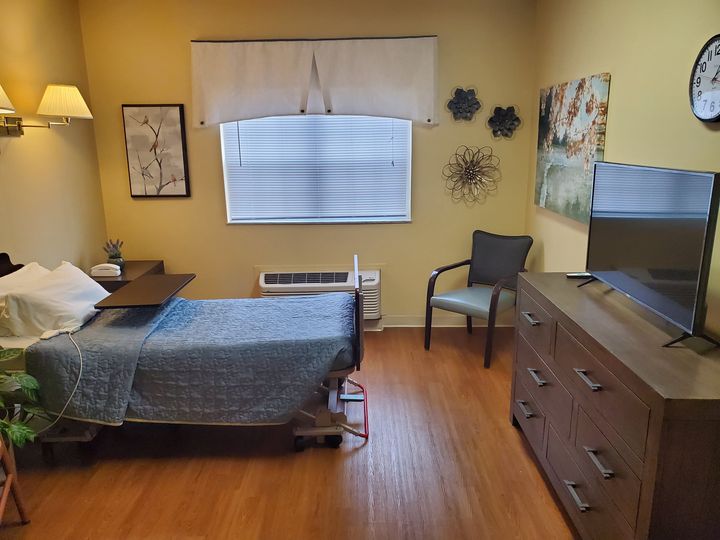
Who Owns and Operates Mount Washington?

MOUNT WASHINGTON CARE CENTER is owned by a for-profit company. For-profit facilities operate as businesses with obligations to shareholders or private owners. The facility is operated by NURSING CARE MANAGEMENT OF AMERICA, a chain that manages multiple nursing homes. With 129 certified beds and approximately 78 residents (about 60% occupancy), it is a mid-sized facility located in CINCINNATI, Ohio.

How Does Mount Washington Compare to Other Ohio Nursing Homes?

Compared to the 100 nursing homes in Ohio, MOUNT WASHINGTON CARE CENTER's overall rating (3 stars) is below the state average of 3.2, staff turnover (57%) is significantly higher than the state average of 46%, and health inspection rating (2 stars) is below the national benchmark.

What Should Families Ask When Visiting Mount Washington?

Based on this facility's data, families visiting should ask: "How do you ensure continuity of care given staff turnover, and what is your staff retention strategy?" "Can you walk me through typical staffing levels on day, evening, and night shifts?" "Can I visit during a mealtime to observe dining assistance and food quality?" "How do you handle medical emergencies, and what is your hospital transfer rate?" These questions are particularly relevant given the facility's high staff turnover rate and the below-average staffing rating.

Is Mount Washington Safe?

Based on CMS inspection data, MOUNT WASHINGTON CARE CENTER has a clean safety record: no substantiated abuse findings (meaning no confirmed cases of resident harm), no Immediate Jeopardy citations (the most serious violation level indicating risk of serious injury or death), and is not on the Special Focus Facility watch list (a federal program monitoring the lowest-performing 1% of nursing homes). The facility has a 3-star overall rating and ranks #100 of 100 nursing homes in Ohio. While no facility is perfect, families should still ask about staff-to-resident ratios and recent inspection results during their visit.

Do Nurses at Mount Washington Stick Around?

Staff turnover at MOUNT WASHINGTON CARE CENTER is high. At 57%, the facility is 10 percentage points above the Ohio average of 46%. High turnover means new staff may not know residents' individual needs, medications, or preferences. It can also be disorienting for residents, especially those with dementia who rely on familiar faces. Families should ask: What is causing the turnover? What retention programs are in place? How do you ensure care continuity during staff transitions?

Was Mount Washington Ever Fined?

MOUNT WASHINGTON CARE CENTER has no federal fines on record. CMS issues fines when nursing homes fail to meet care standards or don't correct problems found during inspections. The absence of fines suggests the facility has either maintained compliance or corrected any issues before penalties were assessed. This is a positive indicator, though families should still review recent inspection reports for the full picture.

Is Mount Washington on Any Federal Watch List?

MOUNT WASHINGTON CARE CENTER is not on any federal watch list. The most significant is the Special Focus Facility (SFF) program, which identifies the bottom 1% of nursing homes nationally based on persistent, serious quality problems. Not being on this list means the facility has avoided the pattern of deficiencies that triggers enhanced federal oversight. This is a positive indicator, though families should still review the facility's inspection history directly.