MT AIRY GARDENS REHABILITATION AND NURSING CENTER
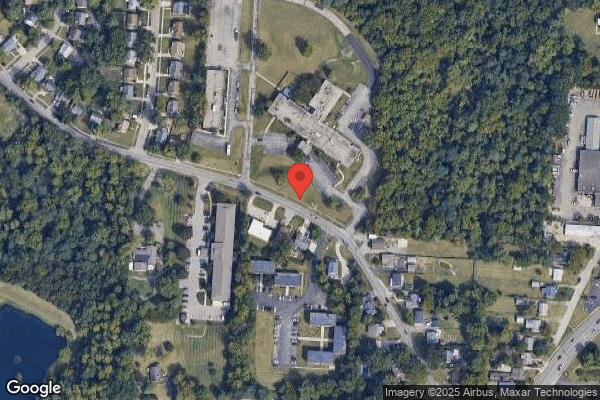
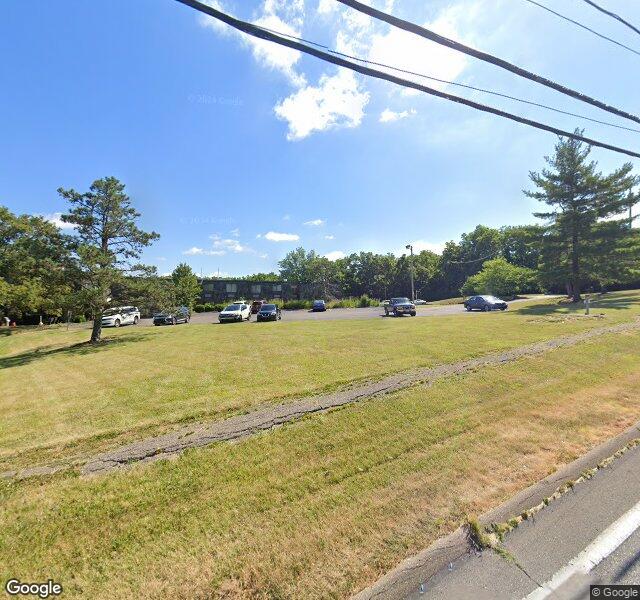
2250 BANNING ROAD, CINCINNATI, OH 45239 (513) 591-0400
For profit - Corporation 99 Beds Independent Data: November 2025 1 Immediate Jeopardy citation
Trust Grade
21/100
#886 of 913 in OH
Last Inspection: February 2025

Within standard 12-15 month inspection cycle. Federal law requires annual inspections.

Overview

MT Airy Gardens Rehabilitation and Nursing Center has received a Trust Grade of F, indicating significant concerns about the facility's care quality. It ranks #886 out of 913 nursing homes in Ohio, placing it in the bottom half of facilities in the state, and #69 out of 70 in Hamilton County, meaning there is only one local option rated worse. The facility is worsening, with issues increasing from 7 in 2024 to 16 in 2025, and staff turnover is high at 68%, significantly above the state average of 49%. While RN coverage is average, the staffing rating is below average at 2 out of 5 stars, suggesting potential challenges in consistent resident care. Specific incidents include a resident smoking in a no-smoking area, which violates safety protocols, and failures in serving appropriate food portion sizes and properly storing food, raising concerns about both health and safety for the residents.

Trust Score
F
21/100
In Ohio
#886/913
Bottom 3%
Safety Record
High Risk
Review needed
Inspections
Getting Worse
7 → 16 violations
Staff Stability
⚠ Watch
68% turnover. Above average. Higher turnover means staff may not know residents' routines.
Penalties
✓ Good
$10,039 in fines. Lower than most Ohio facilities. Relatively clean record.
Skilled Nurses
○ Average
Each resident gets 32 minutes of Registered Nurse (RN) attention daily — about average for Ohio. RNs are the most trained staff who monitor for health changes.
Violations
⚠ Watch
79 deficiencies on record. Higher than average. Multiple issues found across inspections.
★☆☆☆☆
1.0
Overall Rating
★★☆☆☆
2.0
Staff Levels
★★★☆☆
3.0
Care Quality
★☆☆☆☆
1.0
Inspection Score
Stable
2024: 7 issues
2025: 16 issues

The Good

  • Full Sprinkler Coverage · Fire safety systems throughout facility
  • No fines on record

Facility shows strength in fire safety.

The Bad

1-Star Overall Rating

Below Ohio average (3.2)

Significant quality concerns identified by CMS

Staff Turnover: 68%

22pts above Ohio avg (46%)

Frequent staff changes - ask about care continuity

Federal Fines: $10,039

Below median ($33,413)

Minor penalties assessed

Staff turnover is elevated (68%)

20 points above Ohio average of 48%

The Ugly 79 deficiencies on record

1 life-threatening
Sept 2025 2 deficiencies
CONCERN (E) 📢 Someone Reported This

A family member, employee, or ombudsman was alarmed enough to file a formal complaint

Potential for Harm - no one hurt, but risky conditions existed

Food Safety (Tag F0812)

Could have caused harm · This affected multiple residents

Based on observation and staff interview, the facility failed to maintain a clean and sanitary kitchen. This affected all residents except for three residents (#31, #57 and #66) who were identified by...

Read full inspector narrative →
Based on observation and staff interview, the facility failed to maintain a clean and sanitary kitchen. This affected all residents except for three residents (#31, #57 and #66) who were identified by the facility as not receiving any food from the kitchen. The facility census was 91.Findings include:Observation of the kitchen on 09/08/25 at 8:20 A.M. revealed a sticky substance on the floor at the entrance to the kitchen, chipped and peeling floor by the walls of the kitchen, a brown substance on the floor under the dishwasher and along the walls of the kitchen, brown debris in two black rubber mats, an uncovered pipe with standing water and a rag in the pipe near the dishwasher, and a second pipe with standing brown water near the dishwasher. Concurrent interview with the Administrator verified the findings. This violation represents non-compliance investigated under Complaint Number 2580547.
CONCERN (E) 📢 Someone Reported This

A family member, employee, or ombudsman was alarmed enough to file a formal complaint

Potential for Harm - no one hurt, but risky conditions existed

Deficiency F0925 (Tag F0925)

Could have caused harm · This affected multiple residents

Based on observation, staff interview, and review of facility policy, the facility failed to ensure the kitchen was free of pests. This affected all residents except for three residents (#31, #57 and ...

Read full inspector narrative →
Based on observation, staff interview, and review of facility policy, the facility failed to ensure the kitchen was free of pests. This affected all residents except for three residents (#31, #57 and #66) who were identified by the facility as receiving no food from the kitchen. The facility census was 91.Findings include: Observation of the kitchen on 09/08/25 at 8:20 A.M. revealed there were multiple gnats around the dishwasher and trash cans in the kitchen. Concurrent interview with the Administrator verified the gnats around the dishwasher and garbage cans.Interview with Dietary Aide (DA) #174 on 09/08/25 at 8:26 A.M. verified there were multiple gnats around the dishwasher and trash cans in the kitchen. DA #174 stated the facility had experienced an issue with gnats for several weeks.Review of the facility's undated pest control program policy revealed the facility would maintain an effective pest control program that eradicated and contained common household pests.This violation represents non-compliance investigated under Complaint Number 2580547.
Feb 2025 14 deficiencies
CONCERN (D)

Potential for Harm - no one hurt, but risky conditions existed

Resident Rights (Tag F0550)

Could have caused harm · This affected 1 resident

Based on medical record review, observation, staff interview and review of the facility policy, the facility failed to ensure catheter bags were covered. This affected two (Residents #235 and #236) of...

Read full inspector narrative →
Based on medical record review, observation, staff interview and review of the facility policy, the facility failed to ensure catheter bags were covered. This affected two (Residents #235 and #236) of three residents reviewed for catheters. The facility census was 77. Findings include: 1. Review of the medical record for Resident #235 revealed an admission date of 04/14/22 with diagnoses including metabolic encephalopathy, diabetes mellitus type two, and chronic kidney disease. Review of the Minimum Data Set (MDS) assessment for Resident #235 dated 02/10/25 revealed the resident had severe cognitive impairment, was always incontinent of bowel, had an indwelling foley catheter, and was dependent on staff assistance with activities of daily living (ADLs.) Review of the physician's orders for Resident #235 revealed an order dated 08/03/23 for staff to change the indwelling catheter and drainage bag as needed for leakage or blockage. Observation on 02/19/25 at 9:55 A.M. revealed Resident #235 was in his room, and his catheter bag was full of urine which was visible from the hallway. Resident #235's catheter bag was not covered with a dignity bag. Interview on 02/19/25 at 9:57 A.M. with Registered Nurse (RN)#315 confirmed Resident #235's catheter bag was not covered with a dignity bag and confirmed catheter bags should be covered. 2. Review of the medical record for Resident #236 revealed an admission date of 01/23/25 with diagnoses of other complications of incontinent external stoma of urinary tract, chronic kidney disease stage, and cerebral infarction. Review of the MDS assessment for Resident #236 dated 01/30/25 revealed the resident was cognitively intact, was continent of bowel, had a nephrostomy tube, and required staff assistance with ADLs. Review of the plan of care for Resident #236 dated 01/24/25 revealed the resident had altered urinary elimination with an intervention to ensure a privacy bag covered the nephrostomy bag at all times. Observation on 02/19/25 revealed Resident #236 had the nephrostomy tube in place with a leg bag pinned to the outside of his pajama pants. The leg bag had visible urine in it and was not covered with a dignity bag. Interview on 02/19/25 at 10:05 A.M. with Licensed Practical Nurse (LPN) #500 confirmed Resident #236's nephrostomy bag was not covered with a dignity bag and confirmed catheter bags should be covered. Review of the policy titled Catheter Care, dated 2024 revealed the facility staff would ensure residents with indwelling catheters received appropriate care to maintain resident dignity and privacy when indwelling catheters were in use. Privacy bags would be available and catheter drainage bags would be covered at all times while in use.
CONCERN (D)

Potential for Harm - no one hurt, but risky conditions existed

Safe Environment (Tag F0584)

Could have caused harm · This affected 1 resident

Based on medical record review, observation, staff interview, resident interview, and review of the facility policy, the facility failed to ensure a safe, clean and homelike environment. This affected...

Read full inspector narrative →
Based on medical record review, observation, staff interview, resident interview, and review of the facility policy, the facility failed to ensure a safe, clean and homelike environment. This affected one (Residents #59) of four residents reviewed for physician environment and had the potential to affect two (Residents #27 and #238) of seven residents residing on the Heritage nursing unit. The facility census was 77 residents. Findings include: 1. Review of the medical record for Resident #59 revealed an admission date of 04/25/24 with diagnoses including lupus, epilepsy, and hypertension Review of the Minimum Data Set (MDS) assessment for Resident #59 dated 01/07/25 revealed the resident was cognitively intact and required supervision with activities of daily living (ADLs.) Observation on 02/18/25 at 10:25 A.M. revealed the wall by Resident #59's bathroom door had a missing section of cove base. The sink in the room was not properly secured and was able to be moved in all directions. There was a wide gap with no grout between the countertop and backsplash. The wall between the closet and sink had exposed drywall and needed to be patched and painted. There was an extra cable wire laying on the floor by the door. Interview on 02/18/25 at 10:25 A.M. with Resident #59 confirmed he was not pleased with the missing cove base, the condition of the sink and countertop area, and the extra cable wire on the floor in his room. Resident #59 was unable to recall if he had reported these concerns. Interview on 02/20/25 from 12:55 P.M. with Housekeeping Director (HD) #341 confirmed the physical environment concerns in Resident #59's room. 2. Observation of the shower room on the Heritage nursing unit revealed the shower room ceiling had damaged drywall that was peeling and in need of repair/replacement and painting. Interview on 02/20/25 at 1:09 P.M. with HD #341 confirmed the Heritage nursing unit shower room ceiling had damaged drywall that was peeling and in need of repair/replacement and painting. Interview on 02/20/25 at 1:20 P.M. with Registered Nurse (RN) #316 confirmed Residents #27 and #238 were the only resident of the seven residents residing on the Heritage nursing unit who had the ability to use the shower room. Review of the policy titled Resident Rights dated 2024 revealed the resident had a right to a safe, clean, comfortable and homelike environment, including but not limited to receiving treatment and support for daily living safely.
CONCERN (D)

Potential for Harm - no one hurt, but risky conditions existed

Assessment Accuracy (Tag F0641)

Could have caused harm · This affected 1 resident

**NOTE- TERMS IN BRACKETS HAVE BEEN EDITED TO PROTECT CONFIDENTIALITY** Based on medical record review, observation, and staff interview, the facility failed to ensure Minimum Data Set (MDS) assessmen...

Read full inspector narrative →
**NOTE- TERMS IN BRACKETS HAVE BEEN EDITED TO PROTECT CONFIDENTIALITY** Based on medical record review, observation, and staff interview, the facility failed to ensure Minimum Data Set (MDS) assessments were completed accurately. This affected three (Residents #77, #8, #51) of four residents reviewed for MDS assessment accuracy. The facility census was 77 resident. Finding include: 1. Review of the medical record for Resident #77 revealed an admission on [DATE] with diagnoses including atherosclerosis, urinary tract infections, asthma, and diabetes mellitus. Review of the admission MDS assessment for Resident #77 dated 08/01/24 revealed the resident was cognitively intact and required staff assistance with activities of daily living (ADLs.) Review of the medical record for Resident #77 revealed an entry MDS assessment was completed on 07/25/24, a discharge return anticipated assessment was completed on 07/29/24, and a comprehensive assessment with an assessment reference date (ARD) of 08/01/24 was completed and transmitted. Interview on 02/19/25 at 2:17 P.M. with Minimum Data Coordinator Registered Nurse (RN) #311 confirmed the comprehensive MDS assessment was dated 08/01/24 after Resident #77 had discharged from the facility. RN #311 confirmed the discharge MDS should have been changed to reflect a five-day assessment, and the nurse would deactivate the inaccurate MDS that was submitted for Resident #77 on 08/01/24. 2. Review of the medical record for Resident #8 revealed an admission on [DATE] with diagnoses including dementia with behavioral disturbances and psychotic disorders with delusions. Review of the annual MDS assessment for Resident #8 revealed the resident was cognitively impaired and required set up with ADLs. Review of the plan of care for Resident #8 revealed resident was admitted to hospice services on 01/29/24. Interventions include assess advance directive upon admission, quarterly annually and with significant change. Review of the physician's orders for Resident #8 revealed an order dated 01/29/24 for the resident to be admitted to hospice. Review of the fall investigation for Resident #8 dated 03/19/24 revealed the resident was found in the room on the floor after an attempted self-transfer without injury. Review of the MDS assessment for Resident #8 dated 04/30/24 revealed the assessment did not reflect the resident's fall on 03/19/24 and did not reflect the resident's admission to hospice. Review of the MDS assessment for Resident #8 dated 07/31/24 revealed the assessment did not reflect the resident's admission to hospice. Interview on 02/20/25 at 2:45 P.M. with Registered Nurse (RN) #311 confirmed the MDS assessment for Resident #8 dated 04/30/24 was not accurate as it did not include the fall that occurred on 03/19/24 or that the resident was receiving hospice services. RN #311 confirmed the MDS assessment for Resident #8 dated 07/31/24 was not accurate as it was not coded to reflect the hospice services provided for the resident. 3. Review of the medical record for Resident #51 revealed an admission date of 09/10/22 with diagnoses including cerebral infarction with non-dominant (left) side hemiplegia and hemiparesis, diabetes mellitus type two, chronic kidney disease, and depression. Review of the MDS assessment for Resident #51 dated 02/09/25 revealed the resident moderately cognitively impaired and required staff assistances with ADLs. The assessment did not reflect contractures or limitations in the resident's range of motion. Observation on 02/18/25 at 10:33 A.M. revealed Resident #51's left hand was contracted. Observation on 02/20/25 at 3:57 P.M. with Rehab Director (RD) #363 revealed RD #363 found a left-hand splint in the resident's belongings on the sink counter. Interview on 02/20/25 at 3:57 P.M. with RD #363 confirmed she had been unaware Resident #51 had a contracture of his left hand. Interview on 02/20/25 at 4:00 P.M. with RN #311 confirmed the MDS assessment for Resident #51 dated 02/09/25 was inaccurate as it did not reflect contractures or limitations in the resident's range of motion. Interview on 02/20/25 at 4:10 P.M. with RD #363 confirmed Resident #51 had received therapy treatment for a left-hand contracture in September 2024.
CONCERN (D)

Potential for Harm - no one hurt, but risky conditions existed

Deficiency F0646 (Tag F0646)

Could have caused harm · This affected 1 resident

Based on medical record review and staff interview, the facility failed to ensure completion of significant change Preadmission Screening and Resident Reviews (PASARRs.) This affected one (Resident #2...

Read full inspector narrative →
Based on medical record review and staff interview, the facility failed to ensure completion of significant change Preadmission Screening and Resident Reviews (PASARRs.) This affected one (Resident #28) of two residents reviewed for PASARR status. The facility census was 77 residents. Findings include: Review of the medical record for Resident #28 revealed an admission date of 03/04/20 with diagnoses including hemiplegia and hemiparesis following cerebral infarction, hypertension, congestive heart failure, unspecified dementia, and schizophrenia. Review of the physician's orders for Resident #28 revealed an order dated 07/18/24 for admission to hospice. Review of the medical record for Resident #28 revealed the facility completed a significant change Minimum Data Set (MDS) assessment for the resident due to admission to hospice on 07/18/24. Review of the medical record for Resident #28 revealed the facility did not complete an update PASARR for the resident following the resident's hospice admission. Interview on 02/20/25 at 11:11 A.M. with Social Services Director (SSD) #353 confirmed the facility had not completed an updated PASARR for Resident #28 following the resident's admission to hospice and the facility should have completed a new PASARR on 07/18/24 when the resident received the new order to admit to hospice services.
CONCERN (D)

Potential for Harm - no one hurt, but risky conditions existed

Deficiency F0657 (Tag F0657)

Could have caused harm · This affected 1 resident

Based on medical record review and staff interview, the facility failed to ensure care plans were updated to accurately reflect resident health care status. This affected one (Resident #72) of three r...

Read full inspector narrative →
Based on medical record review and staff interview, the facility failed to ensure care plans were updated to accurately reflect resident health care status. This affected one (Resident #72) of three residents reviewed for care plans. The facility census was 77 residents. Findings include: Review of the medical record for Resident #72 revealed an admission date of 09/25/24 with diagnoses including schizophrenia, subdural hemorrhage, traumatic brain injury, gastrostomy (g-tube) status and dislocation of right acromioclavicular joint. Review of the physician's orders for Resident #72 revealed orders dated 09/25/24 to flush the g-tube with thirty cubic centimeters (cc) of water every shift to maintain patency and orders for a regular diet, regular texture with thin liquids. Review of the plan of care for Resident #72 dated 09/26/24 revealed the resident required tube feeding related to dysphagia with interventions including the following: assess feeding tube placement, patency, and residual every shift and before and after administration of any fluids or medications, check for tube placement and gastric contents/residual volume per facility protocol and record, hold feed if greater than 100-200 cubic centimeters (cc) aspirate, discuss with resident/family/caregivers any concerns about tube feeding, advantages, disadvantages, potential complications, does not like food related activities as it is upsetting to see others eating, head of bed elevated 45 degrees during and thirty minutes after tube feed, medication administration: may cocktail medications and administer via g-tube, monitor intake and output every shift, monitor lung sounds every shift and as needed, monitor for coughing, shortness of breath , choking, labored respirations, monitor/document/report to physician as needed tube dysfunction or malfunction, distension, tenderness, constipation or fecal impaction, diarrhea, nausea/vomiting, and needs assistance/supervision/cueing with tube feeding and water flushes, registered dietician to monitor caloric intake, estimate needs, make recommendations for changes to tube feeding as needed. Review of the progress note for Resident #72 dated 12/02/24 per Nurse Practitioner (NP) #505 revealed the resident was no longer using the g-tube and the NP recommended discontinuation of the tube. Review of the progress note for Resident #72 dated 01/02/25 per NP #500 revealed the resident requested to have the g-tube removed and was scheduled for an outpatient procedure to remove the tube. Review of the Minimum Data Set (MDS) assessment for Resident dated 01/02/25 for Resident #72 revealed resident had impaired cognition and was independent in eating, toileting, bed mobility and transfers. Dietary administration via g-tube was not coded during the assessment period. Interview on 02/19/25 at 4:38 P.M. with Registered Nurse (RN) #311 confirmed Resident #72's care plan was not updated with the removal of the g-tube and Resident #72's care plan was not accurate as the resident never used the g-tube for nutritional support. RN #311 confirmed Resident #72 was on a regular diet and able to consume meals orally. Interview on 02/20/25 at 2:46 P.M. with NP #505 confirmed the g-tube for Resident #72 was never used for nutritional support.
CONCERN (D)

Potential for Harm - no one hurt, but risky conditions existed

Quality of Care (Tag F0684)

Could have caused harm · This affected 1 resident

**NOTE- TERMS IN BRACKETS HAVE BEEN EDITED TO PROTECT CONFIDENTIALITY** Based on medical record review observations, staff interviews and policy review, the facility failed to ensure timely suture rem...

Read full inspector narrative →
**NOTE- TERMS IN BRACKETS HAVE BEEN EDITED TO PROTECT CONFIDENTIALITY** Based on medical record review observations, staff interviews and policy review, the facility failed to ensure timely suture removal. This affected one Resident (#73) of the one resident reviewed for facial lacerations. The facility census was 77. Findings included: Review of the medical record for Resident #73 revealed an admission date of 12/02/24 with diagnoses including but not limited to history of physical injury and trauma, traumatic brain injury and altered mental status. Review of the plan of care for Resident #73 revealed resident at risk for falls related to balance problems, poor communication and comprehensive, and traumatic brain injury. Interventions include to anticipate and meet needs, follow facility fall protocol and notify physician and power of attorney (POA) of falls. Review of the most recent Minimum Data Set (MDS) assessment for Resident #73 revealed the resident was cognitively impaired. Review of the hospital Discharge summary dated [DATE] revealed Resident #73 fell while at the hospital due to gastrostomy (g-tube) displacement sustaining a two-centimeter laceration to the right eyebrow. The discharge summary revealed no orders for suture removal. Review of the physician's orders for Resident #73 revealed an order dated 01/24/24 to monitor sutures to right eyebrow two times a day and there was no additional order for the sutures to be removed. Observation of Resident #73 on 02/18/25 at 10:45 A.M., revealed resident lying in bed. Observation of sutures to area of right eyebrow without sign or symptoms of infections. Interview with Resident #73 at the same time revealed she received the suture from a fall. Resident #73 was unable to provide date of fall or additional details of fall. Interview with Licensed Practical Nurse (LPN) #359 on 02/19/25 at 10:00 A.M., verified Resident #73 went to the hospital after she pulled her g-tube out. LPN #359 stated the resident fell from a stretcher while she was in the emergency room and returned with sutures in place. LPN #359 verified the resident had sutures still in place over her right eyebrow and verified there was not an order for the resident's sutures to be removed. Interview with Assistant Director of Nursing (ADON) #316 on 02/19/25 at 10:57 A.M., revealed the Wound Nurse Practitioner (WNP) was following Resident #73 for a sacral wound but was not following the resident for the wound with sutures. ADON #316 stated sutures should be removed after seven to ten days. ADON #316 verified Resident #73 had sutures in place and the facility did not have any orders to remove them.
CONCERN (D)

Potential for Harm - no one hurt, but risky conditions existed

Deficiency F0688 (Tag F0688)

Could have caused harm · This affected 1 resident

**NOTE- TERMS IN BRACKETS HAVE BEEN EDITED TO PROTECT CONFIDENTIALITY** Based on medical record review, observation, staff interview, and resident interview, the facility failed to ensure residents re...

Read full inspector narrative →
**NOTE- TERMS IN BRACKETS HAVE BEEN EDITED TO PROTECT CONFIDENTIALITY** Based on medical record review, observation, staff interview, and resident interview, the facility failed to ensure residents received care and services for management of contractures and impaired mobility. This affected three (Residents #9, #72, #51) of three residents reviewed for range of motion services. The facility census was 77 residents. Findings include: 1. Review of the medical record for Resident #9 revealed an admission on [DATE] with diagnosis including peripheral vascular disease, diabetes mellitus, traumatic brain injury, and schizophrenia. Review of the Minimum Data Set (MDS) assessment for Resident #9 dated 12/25/24 for Resident #9 revealed the resident had impaired cognition and required supervision with activities of daily living (ADLs). Review of the care plan for Resident #9 dated 11/22/22 revealed the resident had an ADL self-care performance deficit related to cardiovascular disease. Interventions included staff to apply a left-hand resting hand orthotic as ordered. Review of the physician's orders for Resident #9 revealed an order dated 04/05/22 for the resident to wear left resting hand orthotic for six to eight hours as tolerated in order to promote skin joint integrity. The order also included instructions for staff to monitor skin integrity and document refusals every shift. Observation on 02/18/25 at 10:51 A.M. revealed Resident #9 was lying in bed without a brace on left hand. Observation on 02/19/25 at 10:10 A.M. revealed Resident #9 was lying in bed without a brace on left hand. Interview on 02/20/25 at 12:20 P.M. with Certified Nursing Assistant (CNA) # 323 and CNA #325 confirmed Resident #9 had not had a brace on all day. CNA #325 confirmed she had never placed a brace to Resident #9 's left hand. CNA #323 and CNA #325 confirmed they were unable to locate a brace for Resident #9. Interview on 02/20/25 at 12:40 P.M. with the Administrator confirmed Resident #9 was resting in bed and did not have the brace applied as ordered to left hand. Administrator further the nurse had documented Resident #9's skin was checked as ordered on 02/20/25. Interview on 02/20/25 at 12:40 P.M. with Resident #9 revealed the resident shook her head in a yes motion when asked if she wanted to have the splint applied. 2. Review of the medical record for Resident #72 revealed an admission date of 09/25/24 with diagnoses including traumatic subdural hemorrhage, traumatic brain injury, cervical fracture, dislocation of right acromioclavicular joint and injury in motor vehicle accident. Review of the MDS assessment for Resident #72 dated 01/02/25 revealed the resident had moderately impaired cognition, required supervision with ADLs, and was coded as having no functional limitation to the bilateral upper extremities. Review of the plan of care for Resident #72 revealed the resident had an alteration in musculoskeletal status related to fractures from a motor vehicle accident. Interventions included the following: anticipate needs, encourage gentle range of motion daily two times a day morning and evening, see physical treatment plan. Review of the physician's progress note for Resident #72 dated 11/07/24 revealed the resident complained about soreness to his right shoulder and was currently working with physical therapy. The physician referred Resident #72 to orthopedics for a right shoulder evaluation. Review of the physician's orders for Resident #72 revealed an order dated 11/22/24 for staff to encourage the resident to apply a sling to his right arm and shoulder every shift. Review of the physician's progress note for Resident #72 dated 12/02/24 revealed the resident continued to complain about discomfort to his right shoulder and was working with physical therapy. Review of the physical therapy evaluation for Resident #72 dated 12/05/24 revealed the resident's right upper extremity range of motion was impaired and the resident presented with limited strength and range of motion needed for safe mobility. Review of the Medication Administration (MAR) for Resident #72 dated February 2025 revealed facility nurses initialed the order to encourage resident to apply sling to right arm and shoulder every shift with no documented refusals. Observation on 02/18/25 at 11:40 A.M. revealed Resident #72 was ambulating in his room and was not wearing a sling. Observation on 02/19/25 at 9:40 A.M. of revealed Resident #72 was ambulating in his room and was not wearing a sling. Observation on 02/20/25 at 10:19 A.M. revealed Resident #72 was sitting in his room and was not wearing a sling. Observation on 02/20/25 at 10:22 A.M. with CNA #323 revealed the aide searched for Resident #72's sling but was unable to locate it. Interview on 02/20/25 at 10:22 A.M. with CNA #323 confirmed she had never seen Resident #72 wear a sling and she routinely cared for the resident. CNA #323 further confirmed Resident #72 went out of the facility with a family member and did not wear a sling. Interview on 02/20/25 at 11:45 A.M. with CNA #329 confirmed Resident #72 did not have a sling present in his room and the aide could not remember when the resident was seen wearing a sling. Interview on 02/20/25 at 12:10 P.M. with Licensed Practical Nurse (LPN) #303 confirmed Resident #72 did not have a sling on when he left with his family member, and staff were unable to locate a sling in the resident's room. Interview on 02/20/25 at 12:50 P.M. with the Administrator confirmed Resident #72 did have a sling at one point but staff were unable to locate it. 3. Review of the medical record for Resident #51 revealed an admission date of 09/10/22 with diagnoses including cerebral infarction with non-dominant (left) side hemiplegia and hemiparesis, diabetes mellitus type two, chronic kidney disease, and depression. Review of the MDS assessment for Resident #51 dated 02/09/25 revealed the resident moderately cognitively impaired and required staff assistance with ADLs. The assessment did not reflect contractures or limitations in the resident's range of motion. Review of the medical record for Resident #51 revealed neither the resident's care plan nor the diagnosis list included contractures. Observation on 02/18/25 at 10:33 A.M. revealed Resident #51's left hand was contracted. Observation on 02/20/25 at 3:57 P.M. with Rehab Director (RD) #363 revealed RD #363 found a left-hand splint in the resident's belongings on the sink counter. Interview on 02/20/25 at 3:57 P.M. with RD #363 confirmed she had been unaware Resident #51 had a contracture of his left hand. Interview on 02/20/25 at 4:00 P.M. with RN #311 confirmed the MDS assessment for Resident #51 dated 02/09/25 was inaccurate as it did not reflect contractures or limitations in the resident's range of motion. Interview on 02/20/25 at 4:10 P.M. with RD #363 confirmed Resident #51 had received therapy treatment for a left-hand contracture in September 2024.
CONCERN (D)

Potential for Harm - no one hurt, but risky conditions existed

Deficiency F0692 (Tag F0692)

Could have caused harm · This affected 1 resident

**NOTE- TERMS IN BRACKETS HAVE BEEN EDITED TO PROTECT CONFIDENTIALITY** Based on medical record review, observation and staff interviews, the facility failed to ensure residents had fluids available a...

Read full inspector narrative →
**NOTE- TERMS IN BRACKETS HAVE BEEN EDITED TO PROTECT CONFIDENTIALITY** Based on medical record review, observation and staff interviews, the facility failed to ensure residents had fluids available at bedside. This affected one Resident (#08) reviewed for hydration. The facility census was 77. Findings include Medical record for Resident #08 revealed an admission on [DATE] with diagnoses including but not limited to dementia with behavioral disturbances and psychotic disorders with delusions. Review of the plan of care for Resident #08 revealed the resident is currently on hospice with diagnoses of moderate protein-calorie malnutrition. Interventions include to provide and serve diet as ordered, monitor and report any signs and symptoms of pocketing, drooling, multiple attempts with swallowing and refusing to eat. Resident #08 received a mechanically altered diet with regular liquids. Review of the physician order for Resident #08 dated 08/02/23 revealed an order for regular diet, mechanical soft texture and thin liquids consistency. Review of the nutritional assessment for Resident #08 dated 06/21/24 revealed no swallowing concerns. Review of the annual Minimum Data Set (MDS) assessment dated [DATE] for Resident #08 revealed an impaired cognition. Resident #08 is set up assistance for eating, toileting, transfers and bed mobility. Resident #08 was coded with incontinence of the bowel and bladder. Observation of Resident #08 on 02/18/25 at 11:09 A.M., revealed the resident lying in bed with family at bedside. No water pitcher or cup with water at bedside. Additional observation of surrounding area revealed fluids in her room for consumption. Observation of Resident #08 on 02/19/25 at 7:35 A.M., revealed the resident lying in bed with bedside table next to bed. No fluids were available for Resident #08. Interview with Certified Nursing Assistant (CNA) #329 on 02/20/25 at 9:59 A.M., revealed Resident #08 did not have water pitcher in her room because she has a history of throwing it at staff or taking it to other resident's rooms. CNA #329 stated Resident #329 was able to drink independently. Observation of Resident #08's room on 02/20/25 at 11:00 A.M. with Director of Nursing (DON) revealed Resident #08 did not have any fluids available for consumption and she should have. Interview with Resident #08 on 02/20/25 at 11:00 A.M. with Director of Nursing (DON), revealed the resident was lying in bed without any fluids available to drink. Resident #08 was questioned if she was thirsty and if she would like something to drink and the resident responded yes, what do you have. Interview with Administrator on 02/20/25 at 11:42 A.M, verified Resident #08 should have water available in her room at all times. The Administrator stated she was unaware staff was not providing fluids for Resident #08 related to behaviors Interview on 02/20/25 at 3:15 P.M. with Nurse Practitioner (NP) #500 stated there was no medical reason for Resident #08 to not have water at the bedside. NP #500 verified Resident #08 was currently on regular liquids and no laboratory tests were obtained regarding hydration due to hospice services in place. Request for policy related to hydration was requested during the survey and not provided for review.
CONCERN (D)

Potential for Harm - no one hurt, but risky conditions existed

Deficiency F0757 (Tag F0757)

Could have caused harm · This affected 1 resident

**NOTE- TERMS IN BRACKETS HAVE BEEN EDITED TO PROTECT CONFIDENTIALITY** 3) Review of the medical record of Resident #06 revealed an admission date of 01/05/22. Diagnoses included dementia with agitati...

Read full inspector narrative →
**NOTE- TERMS IN BRACKETS HAVE BEEN EDITED TO PROTECT CONFIDENTIALITY** 3) Review of the medical record of Resident #06 revealed an admission date of 01/05/22. Diagnoses included dementia with agitation, memory deficit following cerebrovascular disease, type 1 diabetes, history of traumatic brain injury, post-traumatic stress disorder, unspecified convulsions, anxiety, depression, violent behavior, and mood disorder. Review of the physician orders for Resident #06 revealed an order dated 12/23/24 to check laboratory results (labs), including a Depakote level. The frequency of the need for the labs was not specified. Further review of physician orders revealed orders dated 01/07/22 for Depakote tablet Delayed Release (DR) 500 milligrams (mg) twice per day for unspecified convulsions and 08/01/24 for Rexulti (atypical antipsychotic) Oral Tablet two mg one time a day for dementia with agitation. Review of the quarterly MDS assessment for Resident #06 dated 01/24/25, revealed the resident had intact cognition. The resident required set-up assistance with eating, supervision for oral hygiene, toileting, bathing, dressing, bed mobility, and transfers. Review of the medical record for Resident #06, revealed no documented evidence of a Depakote level (or valproic acid level) being obtained as ordered. Review of the medical record for Resident #06, revealed the most recent AIMS was completed on 06/28/24. Interview on 02/20/25 at 2:00 P.M., Licensed Practical Nurse (LPN) #359 verified the most recent AIMS completed for Resident #06 was on 06/28/24. LPN #359 stated AIMS should be completed quarterly for residents taking antipsychotic medications. LPN #359 further verified there was no evidence in the medical record of a Depakote/valproic acid level being obtained as ordered. Interview on 02/20/25 at 2:05 P.M., LPN #303 revealed she called the lab and there were no Depakote/valproic acid results available at any time for Resident #06. Interview on 02/20/25 at 2:35 P.M., the Director of Nursing (DON) verified Resident #06 did not have any Depakote/valproic acid results completed in the facility since Resident #06 started taking the medication 01/07/22. The DON stated Depakote/valproic acid levels should be checked every six months and stated the facility did not have a policy regarding the use of Depakote. Interview on 02/20/25 at 2:42 P.M., Nurse Practitioner (NP) #505 stated, when a resident takes Depakote, he expected Depakote/valproic acid levels to be monitored twice per year. Review of the facility policy titled, Use of Psychotropic Medication, dated 03/2025), revealed the resident's response to the medications should be monitored and documented. Residents who receive antipsychotic medication will have an Abnormal Involuntary Movement Scale (AIMS) test performed on admission, quarterly, with a significant change in condition, change in antipsychotic medication, and as needed. Based on medical record review, staff interview and policy review, the facility failed to ensure timely monitoring of adverse side effects of psychoactive medications. This affected three Residents (#08, #72, and #06) of the five resident reviewed for unnecessary medications. The facility census was 77. Findings include 1) Medical record for Resident #08 revealed an admission on [DATE] with diagnoses including but not limited to dementia with behavioral disturbances and psychotic disorders with delusions. Review of the plan of care dated 08/15/18 for Resident #08, revealed the resident takes psychoactive medication related to psychotic disorder. Interventions include administering medication as ordered, monitoring, documenting and report adverse side effects of psychotropic medications. Review of the active physician orders for Resident #08 revealed an order dated 04/17/23 for Seroquel (antipsychotic) tablet 25 milligram (mg) by mouth three times a day. Review of the facility assessment tab in the electronic health record (EHR) for Resident #08 revealed an abnormal involuntary movement (AIMS) (a rating scale used to assess the severity of involuntary movements; particularly tardive dyskinesia) was last completed on 06/19/24. Additional review of assessment tab revealed only one AIMS assessment was completed in 2024 and no AIMS assessments were completed in January or February of 2025. Review of the annual Minimum Data Set (MDS) assessment dated [DATE] for Resident #08 revealed an impaired cognition. Resident #08 was coded as receiving antipsychotic and antidepressants medications during the assessment period. Interview on 02/20/25 at 3:30 P.M. with MDS Coordinator #316, verified the AIMS assessment should be completed with the annual and quarterly assessments. MDS Coordinator #316 verified the assessments were not completed for the MDS completed on 04/30/25, 07/31/25, 10/31/25 and 01/29/25 and they should have been. 2) Medical record review for Resident #72 revealed an admission on [DATE] with diagnoses including schizophrenia, subdural hemorrhage, traumatic brain injury and fracture of cervical vertebra. Review of the Medication administration record (MAR) for Resident #72, revealed an order for Invega Sustenna (atypical antipsychotic) Intramuscular Suspension Prefilled Syringe 117 MG/0.75 milliliter (ml) Inject one dose intramuscularly one time a day every 30 days dated 10/10/2024. Review of the quarterly MDS assessment dated [DATE] for Resident #72, revealed the resident had an impaired cognition. Resident #72 was independent in eating, toileting, bed mobility and transfers Review of the plan of care for Resident #72, revealed the resident is at risk for adverse effects and complications related to the use of psychotropic medications. Interventions include administering medications as ordered, monitoring and document for side effects and effectiveness, completing an AIMS every six months and as warranted and consulting with pharmacy, physician to consider dosage reduction when clinically appropriate. Review of the facility assessment tab in the electronic health record for Resident #72, revealed no documented evidence of any assessment for AIMS completed for the resident. Interview on 02/20/25 at 3:25 P.M. with the Director of Nursing (DON) verified the AIMS test was not completed on admission and should have been.
CONCERN (D)

Potential for Harm - no one hurt, but risky conditions existed

Deficiency F0761 (Tag F0761)

Could have caused harm · This affected 1 resident

**NOTE- TERMS IN BRACKETS HAVE BEEN EDITED TO PROTECT CONFIDENTIALITY** Based on medical record review, observation and staff interviews, the facility failed to ensure medications were stored in accor...

Read full inspector narrative →
**NOTE- TERMS IN BRACKETS HAVE BEEN EDITED TO PROTECT CONFIDENTIALITY** Based on medical record review, observation and staff interviews, the facility failed to ensure medications were stored in accordance with professional standards. This affected one Resident (#237) of four resident reviewed for medication administration. The facility was 77. Findings include: Review of the medical record revealed Resident #237 was admitted to the facility on [DATE] with diagnoses of acute respiratory failure with hypoxia, tracheostomy, metabolic encephalopathy, diabetes mellitus type II, schizophrenia, bipolar disorder, opioid dependence and congestive heart failure. Review of the admission Minimum Data Set (MDS) assessment for Resident #237 dated 02/18/25 was not completed at the time of the survey. Review of the plan of care for Resident #237 was incomplete due to recent admission. Review of the physician orders for the month of February 2025 for Resident #237 revealed an order dated 02/12/25 for Lidocaine external patch 5 percent apply to affected area topically in the evening for pain. Review of the Medication Administration Record (MAR) for February 2025 for Resident #237 revealed the lidocaine patch was applied as ordered on 02/19/25 at 6:00 P.M. Observation on 02/20/25 at 9:01 A.M. of medication administration for Resident #237 with Licensed Practical Nurse (LPN) #303 and Assistant Director of Nursing (ADON) #316 revealed LPN #303 entered the resident's room with the prepared medications. Resident #237 requested LPN #303 to apply a Lidocaine patch that was observed laying on her bedside table. The Lidocaine patch was not dated and still had the protective backing adhered to one side (adhesive side) of the patch. Resident #237 stated the nurse came into her room last night (02/19/25) and did not apply the patch to her lower back as ordered. LPN #303 verified Resident #237 did not have the patch on as ordered and patch should not have been left in the room unsupervised. A request for a facility policy related to medication administration was made during the survey and not provided for review.
CONCERN (D)

Potential for Harm - no one hurt, but risky conditions existed

Deficiency F0849 (Tag F0849)

Could have caused harm · This affected 1 resident

**NOTE- TERMS IN BRACKETS HAVE BEEN EDITED TO PROTECT CONFIDENTIALITY** Based on medical record review, staff interview, review of hospice plan of care and hospice contract, the facility failed to joi...

Read full inspector narrative →
**NOTE- TERMS IN BRACKETS HAVE BEEN EDITED TO PROTECT CONFIDENTIALITY** Based on medical record review, staff interview, review of hospice plan of care and hospice contract, the facility failed to jointly collaborate to develop a comprehensive plan of care that identified services to be provided by both providers. This affected one Resident (#08) of two reviewed for hospice services. The facility census was 77. Findings include: Medical record for Resident #08 revealed an admission on [DATE] with diagnoses including but not limited to dementia with behavioral disturbances and psychotic disorders with delusions. Review of the plan of care for Resident #08 revealed resident has an advanced directive do not resuscitate comfort care (DNR-CC) order dated 02/02/2020 with a revision date of 01/30/2024. Resident #08 is currently on hospice with diagnoses of moderate protein-calorie malnutrition. Interventions included to provide and serve diet as ordered, monitor and report any signs and symptoms of pocketing, drooling, multiple attempts with swallowing and refusing to eat. Resident #08 received a mechanically altered diet with regular liquids. Review of the facility and hospice agency contract dated 01/17/2024, revealed under coordination of services facility will ensure resident's written plan of care includes the most recent hospice plan of care with descriptions of services provided by both parties. Review of the hospice agency plan of care for Resident #08 dated 11/24/24, revealed hospice services would include skilled nursing visits one to two times a week for nine weeks, an aide two times a week for nine weeks, a Chaplin and a Licensed Social Worker (LSW) as needed. Additionally, the hospice agency would provide a bedside table, hospital bed, pressure relieving mattress with bolsters, and side rails. The hospice plan of care did not indicate any collaboration with facility staff in determining services to be provided. Review of the Care Conference Form dated 12/20/24 for Resident #08 revealed no documentation of hospice staff participating in the care conference meeting. Review of the annual Minimum Data Set (MDS) assessment dated [DATE] for Resident #08, revealed an impaired cognition. Resident #08 received hospice services during the assessment period. Observation on 02/18/25 at 11:09 A.M. of Resident #08 revealed resident lying in bed with family at bedside. Interview on 02/20/25 at 9:59 A.M. with Certified Nursing Assistant (CNA) #329 stated Resident #08 has a hospice aide at times, but there is not a schedule for the facility staff to know when they will be here and what care they will provide to the resident. Interview on 02/20/25 at 11:42 A.M with the Administrator, verified the facility has attempted to contact the hospice agency for schedule of hospice staff and services without success. The Administrator verified multiple messages have been left for the hospice agency without return contact. Interview on 02/20/25 at 12:05 P.M. with Facility's Social Service Director (SSD) #353, verified there has not been any collaboration between the facility and the hospice agency in the development of the care plan for Resident #08. SSD #353 verified a recent care conference was held on 12/20/24 and hospice staff did not participate. SSD #353 stated they were notified of the planned meeting via phone message. Interview on 02/20/25 at 2:45 P.M. with MDS Coordinator / Registered Nurse (RN) #311, verified the facility plan of care did not contain information related services hospice would be providing for Resident #08. RN #311 verified the participating hospice agency did not participate in the development of a plan of care. A request for a policy related to the development of the plan of care was requested during the survey and not provided for review.
CONCERN (D)

Potential for Harm - no one hurt, but risky conditions existed

Deficiency F0914 (Tag F0914)

Could have caused harm · This affected 1 resident

Based on medical record review, observation, staff interview, and review of the facility policy, the facility failed to ensure the resident bedrooms provided full visual privacy. This affected one (Re...

Read full inspector narrative →
Based on medical record review, observation, staff interview, and review of the facility policy, the facility failed to ensure the resident bedrooms provided full visual privacy. This affected one (Residents #8) of four residents reviewed for physical environment. The facility census was 77 residents. Findings include: Review of the medical record for Resident #8 revealed an admission date of 08/03/18 with diagnoses including Alzheimer's dementia, psychotic disorder with delusions, and depressive disorder. Review of the Minimum Data Set (MDS) assessment for Resident #8 dated 01/29/25 revealed the resident had severe cognitive impairment and was dependent on staff assistance with activities of daily living (ADLs). Observation on 02/18/25 at 12:29 P.M. revealed Resident #8's room window overlooked the facility parking area, and the window curtains were of a material which permitted observation from the parking lot into the resident's room. In addition, the window curtains were ripped and torn. There was no privacy curtain in the room even though privacy curtain tracking was in place. Interview on 02/20/25 at 12:50 P.M. with Housekeeping Director #341 confirmed the window curtains in Resident #8's room did not allow for visual privacy for the resident, and there was no privacy curtain in place in the resident's room. Review of the policy titled Resident Rights dated 2024 revealed the resident had a right to personal privacy in living accommodations.
CONCERN (F)

Potential for Harm - no one hurt, but risky conditions existed

Menu Adequacy (Tag F0803)

Could have caused harm · This affected most or all residents

Based on observation, staff interview, review of a scoop size chart, and review of dietary spreadsheets, the the facility failed to ensure appropriate portion sizes were served. This had the potential...

Read full inspector narrative →
Based on observation, staff interview, review of a scoop size chart, and review of dietary spreadsheets, the the facility failed to ensure appropriate portion sizes were served. This had the potential to affect all 77 residents in the facility. The facility census was 77. Findings include: Observation on 02/19/25 at 11:50 A.M. revealed Dietary [NAME] (DC) #378 was utilizing a green handled scoop for serving macaroni and cheese on the lunch trayline. When queried, DC #378 was unable to say what size scoop she was using for the macaroni and cheese. Review of the dietary spreadsheet for the 2024-2025 fall/winter menus for Wednesday of week two, revealed macaroni and cheese was to be a 4 ounce (oz) serving. Review of the Portion Control Chart, as provided by the facility, revealed a green-handled scoop provided 2 and 2/3 oz and a dark gray handled scoop provided 4 oz. Interview on 02/19/25 at 12:14 P.M., Dietary Director (DD) #371 verified DC #378 was using a green-handled scoop, which provided 2 and 2/3 oz, when the spreadsheet for the meal called for a 4 oz serving, which would have required the use of a dark gray scoop.
CONCERN (F)

Potential for Harm - no one hurt, but risky conditions existed

Food Safety (Tag F0812)

Could have caused harm · This affected most or all residents

Based on observation, staff interview, and policy review, the facility failed to store and handle food in a manner to prevent the potential spread of foodborne illness. This had the potential to affec...

Read full inspector narrative →
Based on observation, staff interview, and policy review, the facility failed to store and handle food in a manner to prevent the potential spread of foodborne illness. This had the potential to affect all 77 residents in the facility. The facility census was 77. Findings include: 1) Observation of the dry storage area in the kitchen on 02/18/25 at 9:50 A.M., with Dietary Director (DD) #371, revealed a jar of grape jelly, approximately half full, with no open date, and a jug of barbeque sauce, approximately half full and with no open date. Manufacturer labels on both the jelly and barbeque sauce indicated the products needed to be refrigerated after opening. Interview at the same time with DD #371, verified the jelly and barbeque sauce were opened, partially used, not dated, and should have been refrigerated once opened. 2) Observation of the walk-in cooler on 02/18/25 at 9:52 A.M., revealed a plastic crate of milk cartons stored directly on the floor. Interview at the same time with DD #371 verified the milk was stored directly on the floor. 3) Observation of the walk-in freezer on 02/18/25 at 9:54 A.M. revealed a box of cheese stored directly on the floor. Interview at the same time with DD #371 verified the cheese was stored directly on the floor. 4) Observation on 02/18/25 at 9:58 A.M. revealed Dietary Aid (DA) #354 utilizing the dishwasher for cleaning dishes following the breakfast meal. Upon surveyor request, DA #354 obtained a container of sanitizer test strips and placed a test strip in the machine. Further observation revealed the container of the sanitizer test strips had an expiration date of 10/01/24. Interview at the same time with DA #354, verified the test strips had expired 10/01/24. 5) Observation on 02/19/25 at 9:11 A.M. revealed two jars of grape jelly on a shelf in the food preparation area. One jar was approximately 1/8 full and not dated. The second jar was approximately 1/2 full and dated 11/27/24. The labels on both jars of jelly indicated the need to refrigerate after opening. Interview at the same time, DD #371 verified the two jars of jelly were opened, partially used, and not refrigerated. 6) Observation on 02/19/25 at 10:09 A.M. revealed Dietary [NAME] (DC) #378 retrieved a pan of green beans from the stove, walked to the sink in the food preparation area, and hold the pan against the inside of the sink to drain the green beans. DC #378 then took the drained green beans and added them to the Robo-coup to begin the pureeing process. Interview at the same time, DC #378 verified she drained the green beans against the inside of the sink. DC #378 stated she wipes the sink out daily, and verified the green beans touched the surface of the sink while being drained. Interview on 02/19/25 at 10:13 A.M., Dietary Director (DD) #371 verified draining the green beans against the inside of the sink is not considered a sanitary practice. 7) Observation of the first-floor nourishment room on 02/20/25 at 12:49 P.M. revealed the following: a) a plastic jar of applesauce, approximately 1/8 remaining, which was coated with a blue and fuzzy substance, and was not labeled or dated. b) a bottle of chocolate syrup, opened but not labeled or dated. c) a bottle of coffee creamer, labeled with a resident's name and dated January 2025. d) approximately 20 meat and cheese sandwiches, individually wrapped in a non-sealable sandwich bags with no label or date. e) a one-liter plastic bottle of orange soda, approximately 1/3 full, which was not labeled nor dated. f) a sandwich, wrapped in plastic wrap, containing the numbers 105 on it with no date. g) a slice of pie on a styrofoam plate, covered in plastic wrap, with no label or date. h) a bottle of Starbucks pumpkin spice latte iced espresso, opened with a manufacturer's expiration date of 12/28/24, not labeled or dated. i) an open bottle of caramel sauce with no label or date. j) a can of whipped cream with no lid and no label or date. k) a cardboard to-go container containing two slices of bread and a bag of Cheetos, which was not labeled or dated. l) a plastic grocery bag containing a salad and fruit, which was not labeled or dated. m) a carton of 2% milk, unopened, dated 01/25/25, and bulging. n) an open can of Dr. Pepper, approximately half full, not labeled or dated. Interview at the same time with Receptionist #507, verified the plastic jar of applesauce was coated with a blue and fuzzy substance and not labeled or dated. Observation, following verification of the applesauce, Receptionist #507 took the jar of applesauce left the nourishment room and was unable to be located. Observation at the same time revealed a sign, posted on the outside of the refrigerator door, which stated, Label and Date all foods, including resident's food! All unlabeled food will be discarded! Food will be discarded after this time period: sealed beverages and sealed foods-expiration date of 7 days, resident foods (opened)-3 days, frozen foods-30 days. Interview on 02/20/25 at 12:58 P.M., the Administrator verified the remaining contents of the refrigerator. The Administrator further verified all contents of refrigerators should be labeled, dated, and discarded as instructed on the aforementioned sign on the refrigerator. 8) Observation of the second-floor nourishment room refrigerator on 02/20/25 at 1:02 P.M., revealed a half gallon of whole milk, with an expiration date of 02/18/25, partially used, with label or open date, four plastic grocery bags containing miscellaneous food items, none contained a label or date, and a clear plastic pitcher, dated 02/16 with a small amount of red liquid contents remaining on the bottom. Further observation revealed the outside door of the refrigerator had the same sign posted as was present on the first-floor nourishment room. Interview at the same time, Licensed Practical Nurse (LPN) #359 verified the contents of the refrigerator and verified all items should be labeled, dated, and discarded following expiration. Review of the facility policy titled, Food Storage, dated 2023, revealed food would be stored at appropriate temperatures and by methods designed to prevent contamination or cross contamination. Food should be stored a minimum of six inches above the floor. All foods should be stored off the floor in refrigerators and freezers. Leftover food should be stored in covered containers or wrapped carefully and securely and clearly labeled and dated before being refrigerated. Leftover food must be used within seven days or discarded. All foods should be labeled, dated, and routinely monitored to ensure foods will be consumed or discarded by their use-by dates. Review of the facility policy titled, Food Brought in from Outside Sources and Personal Food Storage, dated 2023, revealed foods and beverages brought in from outside sources that require refrigeration should be labeled with the resident's name and date. Unlabeled/undated food (s) whose date is outside the facility policy for food storage (usually seven days) can be disposed of by staff.
Aug 2024 1 deficiency
CONCERN (E) 📢 Someone Reported This

A family member, employee, or ombudsman was alarmed enough to file a formal complaint

Potential for Harm - no one hurt, but risky conditions existed

Safe Environment (Tag F0584)

Could have caused harm · This affected multiple residents

**NOTE- TERMS IN BRACKETS HAVE BEEN EDITED TO PROTECT CONFIDENTIALITY** Based on observation, family interview, and staff interview, the facility failed to ensure residents had a safe, clean, comforta...

Read full inspector narrative →
**NOTE- TERMS IN BRACKETS HAVE BEEN EDITED TO PROTECT CONFIDENTIALITY** Based on observation, family interview, and staff interview, the facility failed to ensure residents had a safe, clean, comfortable environment. This affected one (Resident #8608) and eight additional residents (#29, #30, #4, #5, #10,#11, #14 and #15) of nine residents' rooms observed. The facility census was 81. Findings include: Review of the medical record revealed Resident #8608 was admitted on [DATE] with diagnoses of paranoid schizophrenia, cerebral infarction with right sided hemiplegia and hemiparesis, anemia and congestive heart failure. The resident discharged to the hospital on [DATE] and bed hold was discontinued on 08/04/24. Review of the Minimum Data Set (MDS) discharge return anticipated assessment dated [DATE] revealed Resident #8608 had severe cognitive impairment and was frequently incontinent of bowel and bladder. The resident required set up assistance for eating and was dependent for all other activities of daily living which included oral and personal hygiene, toileting, bathing, dressing bed mobility and transfers. Review of the August 2024 Grievance/Concern Log revealed on 08/01/24, the family of Resident #8608 registered a concern about an area of exposed drywall potentially harboring mold and creating an unsafe living environment. Observation during the initial tour on 08/12/24 from 9:10 A.M. to 10:35 A.M. revealed the following concerns: • In Resident #8608's room there was wallpaper above the Heating, Ventilation and Air Conditioning (HVAC) unit and below the window peeled back exposing dry wall which was black in color. • In Resident #29 and Resident #30's room the privacy curtain for the bed near the window was torn and not hanging properly. • In unoccupied room [ROOM NUMBER] the wallpaper seams were peeling and ceiling tile was missing in the toilet stall. • In Resident #4 and #5's room there was brown material resembling feces all over the toilet bowl. • In Resident #10 and #11's room the bathroom ceiling tile had a large brown ring stain. • In Resident #14 and #15's room the wallpaper was peeling in the bathroom. Interview on 08/12/24 at 10:20 A.M. with State Tested Nursing Assistant (STNA) #500 confirmed the discolored drywall in Resident #8608's room above the HVAC unit and below the window and stated it had been in this condition for approximately two weeks. Interview on 08/12/24 at 1:00 P.M. with Administrator #100 verified the above observations. This deficiency represents non-compliance investigated under Complaint Number OH00156431 and OH00155848.
Jun 2024 1 deficiency
CONCERN (D) 📢 Someone Reported This

A family member, employee, or ombudsman was alarmed enough to file a formal complaint

Potential for Harm - no one hurt, but risky conditions existed

Deficiency F0760 (Tag F0760)

Could have caused harm · This affected 1 resident

**NOTE- TERMS IN BRACKETS HAVE BEEN EDITED TO PROTECT CONFIDENTIALITY** Based on record review, hospital record review, staff interview, and policy review, revealed the facility failed to ensure resid...

Read full inspector narrative →
**NOTE- TERMS IN BRACKETS HAVE BEEN EDITED TO PROTECT CONFIDENTIALITY** Based on record review, hospital record review, staff interview, and policy review, revealed the facility failed to ensure residents medications were ordered and administered following a hospital discharge resulting in a significant medication error. This affected one (#11) of three Residents (#11, #12, and #13) reviewed of use of anti-coagulants. The facility census was 83. Findings include: Review of Resident #11's closed medical record revealed the resident was admitted to the facility on [DATE] Diagnoses included myocardial infarction (heart attack) with cardiac and vascular implants (stents), history of transient ischemic attacks (TIAs), human immunodeficiency virus (HIV), and cerebrovascular disease. Resident #11 was discharged to a local hospital on [DATE]. Review of the Discharge Return Anticipated Minimum Data Set (MDS) assessment dated [DATE], revealed Resident #11 had cognitive deficits and required set up assistance with activities of daily living (ADLs). Review of Resident #11's Hospital After Visit Summary (AVS) dated 05/21/24, revealed the resident was ordered to start taking the following new medications: Ticagrelor 90 milligrams (mgs) (anti-coagulant) twice daily. ferrous sulfate 325 mgs (iron supplement) daily, and metoprolol succinate 25 mgs Extended Release (ER) (anti-hypertensive) daily. Review of Resident #11's progress note dated 05/21/24 and authored by Licensed Practical Nurse (LPN) #42, revealed the resident returned to the facility from the hospital at 3:05 P.M. Resident #11's vital signs were within normal limits (WNL) with no concerns at this time. Resident #11's family was notified of the residents returning to the facility. Review of Resident #11's May and June 2024 Medication Administration Record (MAR) revealed the ferrous sulfate 325 mg, metoprolol 25 mg ER, and Ticagrelor 90mg were not listed on the MAR as being administered. Review of Resident #11's May and June 2024 physician orders, revealed ferrous sulfate 325 mg, metoprolol 25 mg extended release, and ticagrelor 90mg were never ordered upon readmission to the facility on [DATE]. Review of Resident #11's progress note dated 06/01/24, revealed the resident was complaining of shortness of breath and vitals were as follows: blood pressure (BP) 134/65 millimeters of mercury (mm/Hg), temperature 98.1 degrees Fahrenheit, pulse 177 beats per minute, and respirations 24 breaths per minute. Resident #11 was placed on a non-breather oxygen mask and 10 Liters Per Minute (LPM) of oxygen was administered. The pulse oxygen saturation increased to 85 percent (%) (normal 95-100 %). Nine-one-one (911) was called to transfer the resident to the hospital. The Medical Director (MD) and Power-of-Attorney (POA) were notified. Review of a Nursing Policy/Procedure Manual Medication Incident Report, dated 06/02/24, revealed Resident #11 had medications that were not implemented from a hospital discharge on [DATE]. Review of Employee Progressive Disciplinary Report, dated 06/03/24 ,revealed LPN #24 was terminated for substandard work including failing to audit hospital paperwork that resulted in a medication error. Interview on 06/11/24 at 10:57 A.M. with the Director of Nursing (DON) verified former LPN #42 did not check the physician orders for Resident #11 when he returned from the hospital on [DATE] and the resident's ferrous sulfate 325 mg, metoprolol ER 25 mg, and Ticagrelor 90mg was never started. The DON stated the LPN #42 was disciplined and ultimately terminated due to failure to do a proper readmission for Resident #11 that resulted in the significant medication error. Interview on 06/12/24 at 10:15 A.M. Medical Director (MD) #35 reported he was never informed of the medication error involving Resident #11 because he was on vacation when it happened. MD #35 stated Resident #11 was declining in health due to strokes, non-compliance with care and had suffered cognitive decline causing him to be on the memory care locked unit. MD #35 indicated that he was not aware that Resident #11 had been re-admitted to the hospital on [DATE] because he was still on vacation. An additional interview on 06/12/24 at 10:30 A.M. with the DON, reveled the Assisted Director of Nursing (ADON) #34 called her on 06/02/24 to inform her that Registered Nurse (RN) #31 and LPN #32 received a call from the hospital to reconcile the resident's current medications and to question why ferrous sulfate 325 mg, metoprolol ER 25 mg, and Ticagrelor were not listed on the transfer list of medications. The DON stated that is when the facility discovered the medication error had occurred. Interview on 06/12/24 at 10:38 A.M. with ADON #34, revealed she received a phone call on 06/02/24 from RN #31 stating the hospital called her to reconcile the resident's medications when she discovered orders for Resident #11 were never transcribed upon being re-admitted on [DATE]. ADON #34 stated she informed the DON, and an investigation was initiated. Interview on 06/12/24 at 10:45 A.M. with LPN #32, revealed after Resident #11 was admitted to the hospital, an unknown staff member called the facility to find out if Resident #11 was taking the Ticagrelor, metoprolol and ferrous sulfate which was ordered when he was discharged on 05/21/24 since it was not listed on his current medication list sent with the resident to the hospital. LPN #32 stated she pulled Resident #11's chart and there were no hospital discharge orders or physician orders for the Ticagrelor, metoprolol 25 mg, and iron and no pharmacy records which showed the medications had been ordered. LPN #32 stated she and RN #31 looked around the nurse's station for the 05/21/24 discharge orders and they were found between a bunch of folders and paperwork on the nurse's desk. Interview on 06/12/24 at 11:20 A.M. with RN #31, revealed the hospital called when Resident #11 was admitted reconciling the resident's medications. RN #31 stated the Ticagrelor, metoprolol and ferrous sulfate were not on the physician order sheet. RN #31 stated the nurse never transcribed the new orders from the hospital discharge when Resident #11 was readmitted to the facility on [DATE]. RN #31 stated after learning of the medications not being started, she started searching the nurse's station and found the envelope with the orders between folders and other paperwork where no one would have thought to look. Review of the undated facility policy titled Administering Medications, revealed medications must be administered in accordance with the physician orders, including any required time frames. This deficiency represents non-compliance investigated under Complaint Number OH00154602.
May 2024 4 deficiencies 1 IJ
CRITICAL (J) 📢 Someone Reported This

A family member, employee, or ombudsman was alarmed enough to file a formal complaint

Immediate Jeopardy (IJ) - the most serious Medicare violation

Accident Prevention (Tag F0689)

Someone could have died · This affected 1 resident

**NOTE- TERMS IN BRACKETS HAVE BEEN EDITED TO PROTECT CONFIDENTIALITY** 2) Record review for Resident #40 revealed the resident was admitted to the facility on [DATE] and had diagnoses including epile...

Read full inspector narrative →
**NOTE- TERMS IN BRACKETS HAVE BEEN EDITED TO PROTECT CONFIDENTIALITY** 2) Record review for Resident #40 revealed the resident was admitted to the facility on [DATE] and had diagnoses including epilepsy, hemiplegia affecting the right dominant side, dementia, and tobacco use. Review of the quarterly MDS assessment, dated 04/26/24, revealed the resident was assessed to have moderately impaired cognition. Review of the care plan, most recently revised on 02/15/24, revealed Resident #40 had the potential for injury related to smoking and was non-compliant with supervised smoking. Interventions included providing smoking aprons for use during supervised smoking. Review of the facility's Smoking-Safety Screen, dated 01/18/24, revealed Resident #40 was assessed to be safe to smoke with supervision. Observation on 05/15/24 at 10:35 A.M. revealed Resident #40 was sitting in a chair less than 10 feet away from the facility entrance smoking a cigarette. Hanging above the resident's head was a sign which read No Smoking. The resident was observed to finish his cigarette and throw the cigarette butt onto the ground in front of him as there was not a cigarette butt receptacle available to throw it into. The resident was not wearing a smoking apron and no staff had been outside monitoring the resident. Interview with the DON at the time of the observation on 05/15/24 at 10:35 A.M. verified Resident #40 was sitting outside smoking a cigarette without staff supervision and was not wearing a smoking apron. The DON additionally verified the area was not a designated smoking area. 3) Record review for Resident #32 revealed the resident was admitted to the facility on [DATE] and had diagnoses including multiple sclerosis, chronic obstructive pulmonary disorder, and tobacco use. Review of the admission MDS assessment, dated 04/18/24, revealed Resident #32 was assessed to have intact cognition. Review of the care plan, dated 04/15/24, revealed Resident #32 had a potential for injury related to smoking and could smoke with supervision. Interventions included assessing and monitoring the resident's ability to smoke safely. Review of the assessments for Resident #32 revealed a safe smoking assessment had not been completed. Observation on 05/14/24 at 4:00 P.M. revealed Resident #32, Resident #33, and Resident #68 were sitting less than 10 feet away from the facility entrance smoking a cigarette. Hanging above the residents' heads was a sign which read No Smoking. The residents were observed to finish their cigarettes and throw the cigarette butts onto the ground in front of them as there was not a cigarette butt receptacle available to throw them into. No staff were outside monitoring the residents while they were smoking. Observation on 05/15/24 at 8:15 A.M. revealed Resident #32 was sitting in a wheelchair less than 10 feet away from the facility entrance smoking a cigarette. Hanging above the resident's head was a sign which read No Smoking. The resident was observed to finish his cigarette and throw the cigarette butt onto the ground in front of him as there was not a cigarette butt receptacle available to throw it into. No staff were outside monitoring the resident while he was smoking. Interview with the DON on 05/15/24 at 10:35 A.M. verified Resident #32 and several other residents frequently sat outside within 10 feet of the facility smoking cigarettes without staff supervision. The DON additionally verified the area was not a designated smoking area. 4) Record review for Resident #68 revealed the resident was admitted to the facility on [DATE] and had diagnoses including angina, chronic obstructive pulmonary disease, and nicotine dependence. Review of the quarterly MDS assessment, dated 02/28/24, revealed the resident was assessed to have mildly impaired cognition. Review of the care plan, most recently revised on 10/30/23, revealed Resident #68 was a smoker. Interventions included to notify the charge nurse immediately if it was suspected the resident had violated the smoking policy. Review of the facility's Smoking-Safety Screen, dated 01/24/24, revealed Resident #68 could smoke with staff supervision. Observation on 05/14/24 at 4:00 P.M. revealed Resident #32, Resident #33, and Resident #68 were sitting less than 10 feet away from the facility entrance smoking a cigarette. Hanging above the residents' heads was a sign which read No Smoking. The residents were observed to finish their cigarettes and throw the cigarette butts onto the ground in front of them as there was not a cigarette butt receptacle available to throw them into. No staff were outside monitoring the residents while they were smoking. Interview with the DON on 05/15/24 at 10:35 A.M. verified Resident #68 and several other residents frequently sat outside within 10 feet of the facility smoking cigarettes without staff supervision. The DON additionally verified the area was not a designated smoking area. 5) Record review for Resident #33 revealed the resident was admitted to the facility on [DATE] and had diagnoses including weakness, glaucoma, and peripheral vascular disease. Review of the admission MDS assessment, dated 03/15/24, revealed the resident was assessed to have intact cognition. Review of the care plan, dated 03/11/24, revealed Resident #33 had a history of smoking in the community and was an independent smoker. Interventions included to complete the smoking evaluation and encourage compliance. Review of the assessments for Resident #33 revealed a safe smoking assessment had not been completed. Observation on 05/14/24 at 4:00 P.M. revealed Resident #32, Resident #33, and Resident #68 were sitting less than 10 feet away from the facility entrance smoking a cigarette. Hanging above the residents' heads was a sign which read No Smoking. The residents were observed to finish their cigarettes and throw the cigarette butts onto the ground in front of them as there was not a cigarette butt receptacle available to throw them into. No staff were outside monitoring the residents while they were smoking. Interview with the DON on 05/15/24 at 10:35 A.M. verified Resident #33 and several other residents frequently sat outside within 10 feet of the facility smoking cigarettes without staff supervision. The DON additionally verified the area was not a designated smoking area. Review of the facility policy titled Smoking, revised 01/02/24, revealed residents will be evaluated upon admission and routinely to determine if he or she is able to smoke safely with or without supervision (per smoking assessment). Residents who require supervision shall always have the supervision of a staff member, family member, visitor, or volunteer worker while smoking. Designated smoking times will be provided for residents that require supervision. Smoking is only permitted in designated smoking areas. Appropriate containers and receptacles must be available in smoking areas. Residents who do not require supervision with smoking do not have to adhere to designated smoking times but must smoke in designated areas only. This deficiency represents non-compliance investigated under Complaint Number OH00153627. Based on observations, review of medical record reviews, interviews with resident and facility staff, and review of facility policy, the facility failed to ensure staff provided adequate supervision to prevent a resident, who had been previously assessed as being at high risk of elopement, from leaving the facility unsupervised. This resulted in Immediate Jeopardy when one resident (#26) was placed at potential risk for serious life-threatening harm and/or injury when he eloped from the facility without staff knowledge. Resident #26 was missing for an unknown amount of time and was found by an off-duty employee approximately 0.1 miles from the facility ambulating with a wheeled walker in the middle of a busy, heavily trafficked street, and cars were having to swerve around the resident to avoid hitting him. This affected one (#26) of three residents reviewed for risk of elopement. The facility identified 16 current residents (#03, #04, #05, #06, #07, #08, #11, #12, #13, #14, #16, #19, #21, #22, #23 and #26) at risk for elopement. Additionally, the facility failed to provide adequate supervision and ensure residents smoked only in the designated smoking areas which placed residents at risk for the potential for more than minimal harm that was not Immediate Jeopardy. This affected four (#32, #33, #40, and #68) of four residents reviewed for smoking. The facility identified 44 residents who smoke. The facility census was 88. On 05/14/24 at 12:07 P.M., Director of Operations (DOO) #01, DOO #02, the Administrator, and the Director of Nursing (DON) were notified that Immediate Jeopardy began on 04/20/24 at an undocumented time when Resident #26 exited the facility without staff knowledge. Resident #26 was previously assessed as being at high risk for elopement on 08/30/23 and 09/14/23. The facility did not have a care plan in place for the resident being at a high risk for elopement nor interventions in place to prevent elopement. On 04/20/24 at an undocumented time, Resident # 26 was found by Housekeeper #970 who was driving near the facility and was not working at the time and identified the individual as a resident of the facility. Resident #26 was located about one-tenth of a mile from the facility and was walking in the street with his walker and cars were having to swerve around the resident to avoid hitting him. The facility staff were unaware Resident #26 was missing until Housekeeper #970 notified them that the resident was outside in the middle of the street. Resident #26 was returned to the facility by an unknown staff member with no physical injuries observed. The facility did not document in the medical record Resident #26's elopement on 04/20/24 and did not complete an investigation into Resident #26's elopement because the facility did not consider this incident an elopement. On 04/22/24, Resident #26 was moved into the secured unit of the facility. The Immediate Jeopardy was removed on 05/15/24 when the facility implemented the following corrective actions: • On 04/20/24 at approximately 8:00 P.M., Resident #26 was redirected by an employee to return to the facility after leaving the facility to go to the local gas station. Facility staff assisted Resident #26 to return to the facility with no indication of negative effects. • On 04/22/24, Certified Nurse Practitioner (CNP) #91 assessed Resident #26 with no negative findings. • On 04/22/24, the DON completed the Secured Unit Screening and Resident #26 was moved to the secured unit. • On 05/13/24, DOO #01 educated the DON and Administrator on the definition of elopement. • On 05/13/24, the Administrator and DON completed elopement in-services to all staff in-person, by telephone, and by text notification. Education included whom to notify and how to identify if an elopement had occurred. Agency staff will be provided with a copy of the education, and it will be in the assignment binder that the agency staff report to for each shift. • On 05/13/24, the Administrator began investigating Resident #26's elopement on 04/20/24. It was discovered that Resident #26 met qualifications for placement on the secured unit on 09/14/23 when Resident #26 was assessed to be at a high risk of elopement, but the resident was not moved to the unit until 04/22/24. Root cause analysis indicates the system failure was an Elopement Risk Assessment was completed with no follow up action. • On 05/13/24, the DON and designee completed audits of all 88 residents for Elopement Risk with no negative findings. No additional residents were impacted by the Elopement Risk Assessments. All 16 high-risk residents were appropriately located on the secured unit. All high-risk residents had care plans reviewed to ensure elopement risk was included. Care plans were revised to reflect changes for Residents #04, #13, #14, #21, and #26. • On 05/13/24, the Administrator provided verbal education to the DON, and two unit managers [Registered Nurse (RN) #345 and Licensed Practical Nurse (LPN) #165] on identifying high elopement risk residents and the appropriate placement of exit-seeking individuals onto the secured unit as applicable. • On 05/13/24, Minimum Data Set (MDS) Nurse #340 initiated a care plan for Resident #26. The care plan included that Resident #26 was an elopement risk/wanderer with an intervention of placement on a secured unit. Other interventions included identifying the pattern of wandering: divert as needed and intervene as appropriate. • On 05/14/24, the facility held an ad hoc Quality Assurance Performance Improvement (QAPI) meeting with Medical Director #90, the Administrator, DOO #01, DOO #02, and the DON. The long-term care Ombudsman was also notified of the Immediate Jeopardy situation involving Resident #26. • On 05/15/24, the DON or designee completed education to the nursing staff regarding Elopement Risk assessments and their completion/accuracy to ensure all nursing staff are knowledgeable. • Beginning 05/15/24, the Administrator or designee will complete weekly audits for four weeks for elopement risk assessments for all admissions, readmissions, and any resident with a change in condition. Although the Immediate Jeopardy was removed on 05/15/24, the facility remained out of compliance at Severity Level 2 (no actual harm with potential for more than minimal harm that is not Immediate Jeopardy) as the facility is still in the process of implementing their corrective action plan and monitoring to ensure on-going compliance. Findings include: 1) Review of the medical record for Resident #26 revealed an initial admission date of 07/12/23. Resident #26 had diagnoses including dementia, altered mental status, cognitive communication deficits, and high blood pressure. Review of the elopement risk assessment, dated 07/12/23, revealed Resident #26 had an incomplete elopement risk assessment upon admission to the facility. Review of the elopement risk assessment completed on 08/30/23 and 09/14/23 reflected a score of 11, indicating the resident was at a high risk for elopement. Both assessments reflected Resident #26 had poor decision-making skills and poor safety awareness. Review of the quarterly MDS assessment, dated 04/01/24, revealed Resident #26 had moderate cognitive impairment, and required supervision from staff with ambulation and personal care. Review of the care plan, dated 07/12/23 through 05/13/24, revealed there was no care plan in place for Resident #26 for elopement or interventions to prevent elopement. Review of the nursing notes revealed no recollection or documentation providing information on the events of 04/20/24. Review of the census record revealed Resident #26 was transferred to the secured memory care unit on 04/22/24. Review of CNP #91's assessment dated [DATE] revealed no negative findings as a result of Resident #26's elopement. Review of the Secured Unit Screening dated 04/22/24 revealed Resident #26 was assessed to be appropriate for the secured locked unit. Review of the social service progress notes from 05/02/24 revealed a late entry note was created for 04/22/24 which documented Social Services Director #200 called to speak with the niece of Resident #26 to discuss future placement of the resident on the secure unit. The niece agreed and will come to the facility to visit. Resident #26 was made aware of future placement in the secured unit; agrees and presents with excitement regarding possible change. A request to review the facility's investigation on 05/13/24 revealed the facility did not complete an investigation following Resident #26's elopement on 04/20/24. On 05/13/24 at 12:45 P.M., an observation and interview with Resident #26 revealed the resident was walking up and down the hallway on the secured unit. Resident #26 was self-ambulating with the use of a wheeled walker. Resident #26 stated that he knew he messed up when he went outside a few weeks ago to go to the store, which he thought was around 04/20/24. Resident #26 stated he was now completely locked up because of it. On 05/13/24 at 1:20 P.M., an interview with the Administrator and the DON verified Resident #26 often left the facility prior to 04/20/24 without incident. The Administrator and DON verified the resident was at risk for elopement per the elopement risk assessments completed on 08/30/23 and 09/14/23 and would often exit the front doors to sit outside. The Administrator and DON verified Resident #26 had walked away from the facility on 04/20/24, without staff knowledge, and stated he was trying to go to the store. The DON stated has never eloped from the facility and was placed on the locked unit after an agreement with the guardian. The DON stated Resident #26 was trying to go to the store which he had never done before. The DON verified the facility did not complete an investigation into Resident #26's elopement and explained the facility did not consider it an elopement. The DON verified Resident #26 had impaired cognition, was off the facility property, and found in the middle of the road. On 05/13/24 at 2:15 P.M., an interview with Social Services Director #140 revealed Resident #26 was identified by another staff member walking into oncoming traffic near a four-way intersection on 04/20/24. She verified Resident #26 was placed on the secured unit on 04/22/24 following the incident two days earlier. She verified the niece of the resident was notified of the move on 04/22/24. On 05/13/24 at 2:30 P.M., telephone interview with Housekeeper #970 revealed he had identified Resident #26 as he was ambulating on the main road in front of the facility with his wheeled walker. Housekeeper #970 stated the resident was about 0.1 miles from the facility walking in the middle of the road with vehicles swerving around him. Housekeeper #970 stated he had yelled at the resident to get out of the road and drove to the facility to alert nursing staff that the resident had left the facility grounds. On 05/14/24 at 9:45 A.M., an interview with LPN #79 revealed she was working on the first floor and was not assigned to provide care to Resident #26 on 04/20/24. LPN #79 stated Housekeeper #970 had entered the building on 04/20/24 and reported Resident #26 was ambulating in the middle of the road into oncoming traffic. LPN #79 stated she went up to the second floor where the resident resided and the staff were not aware Resident #26 had even left the floor. LPN #79 verified this was not a very safe situation for this resident. LPN #79 stated an unknown staff member brought Resident #26 back to the facility and escorted him to the second floor. She then stated the resident was placed on the secured unit on 04/22/24 following these events. On 05/14/24 at 10:00 A.M., an interview with the DON verified she was not sure who the nurse on duty was for Resident #26 on 04/20/24. She verified there has been no elopement care plan since the resident was identified as an elopement risk on 08/30/23 and 09/14/23. The DON also verified the facility did not have any type of policy to define or prevent elopement.
CONCERN (D) 📢 Someone Reported This

A family member, employee, or ombudsman was alarmed enough to file a formal complaint

Potential for Harm - no one hurt, but risky conditions existed

Notification of Changes (Tag F0580)

Could have caused harm · This affected 1 resident

Based on medical record review, review of the facility policy, and staff interview, the facility failed to timely notify the resident's representative of a resident's elopement from the facility. This...

Read full inspector narrative →
Based on medical record review, review of the facility policy, and staff interview, the facility failed to timely notify the resident's representative of a resident's elopement from the facility. This affected one (Resident #26) of three residents reviewed for notification of change. The facility census was 88. Findings include: Review of the medical record for Resident #26 revealed an initial admission date of 07/12/23. Resident #26 had diagnoses including dementia, altered mental status, cognitive communication deficits, and high blood pressure. Review of the quarterly Minimum Data Set (MDS) assessment, dated 04/01/24, revealed Resident #26 had moderate cognitive impairment. Review of the nursing notes revealed no recollection or documentation providing information on the events of 04/20/24. Review of the social service progress notes from 05/02/24 revealed a late entry note was created for 04/22/24 which documented Social Services Director #200 called to speak with the niece of Resident #26 to discuss future placement of the resident on the secure unit. This was two days after Resident #26's elopement. On 05/13/24 at 2:30 P.M., telephone interview with Housekeeper #970 revealed he had identified Resident #26 as he was ambulating on the main road in front of the facility with his wheeled walker. Housekeeper #970 stated the resident was about 0.1 miles from the facility walking in the middle of the road with vehicles swerving around him. Housekeeper #970 stated he had yelled at the resident to get out of the road and drove to the facility to alert nursing staff that the resident had left the facility grounds. On 05/14/24 at 9:45 A.M., an interview with LPN #79 revealed she was working on the first floor and was not assigned to provide care to Resident #26 on 04/20/24. LPN #79 stated Housekeeper #970 had entered the building on 04/20/24 and reported Resident #26 was ambulating in the middle of the road into oncoming traffic. LPN #79 stated she went up to the second floor where the resident resided and the staff were not aware Resident #26 had even left the floor. LPN #79 stated an unknown staff member brought Resident #26 back to the facility and escorted him to the second floor. Interview with the Director of Nursing on 05/15/24 at 8:45 A.M. verified the facility should have notified the Resident #26's representative regarding Resident #26's elopement on 04/20/24, and verified this was not done until two days later on 04/22/24. Review of the facility's undated policy titled Change in Condition Policy revealed the facility shall notify the resident, his or her Attending Physician, and representative of changes in the resident's medical/mental condition and/or status. The Nurse Supervisor/Charge Nurse will notify the resident's Attending Physician when there has been an accident or incident involving the resident. The Nurse Supervisor/Charge Nurse will notify the resident's family or representative when the resident is involved in any accident or incident that results in an injury including injuries of an unknown source. This deficiency represents non-compliance investigated under Complaint Number OH00153627.
CONCERN (E) 📢 Someone Reported This

A family member, employee, or ombudsman was alarmed enough to file a formal complaint

Potential for Harm - no one hurt, but risky conditions existed

Safe Environment (Tag F0921)

Could have caused harm · This affected multiple residents

Based on observations, staff interviews, resident interviews, record review, and review of the facility policy, the facility failed to ensure the elevators were maintained in good working order and fa...

Read full inspector narrative →
Based on observations, staff interviews, resident interviews, record review, and review of the facility policy, the facility failed to ensure the elevators were maintained in good working order and failed to ensure cigarette butts were disposed of in appropriate containers. This had the potential to affect all residents residing in the facility except the 27 residents who resided on the secured unit of the facility. The facility census was 89. Findings include: 1. Observation on 05/13/24 at 10:00 A.M. revealed there were numerous cigarette butts lying on the ground in front of the facility entrance doors. Observation on 05/14/24 at 8:00 A.M. revealed there continued to be numerous cigarette butts lying on the ground in front of the facility entrance doors, in the mulch across from the facility entrance doors, and in the rocks located beside the facility entrance doors. Observation on 05/14/24 at 4:00 P.M. revealed there were three residents sitting outside within ten feet of the facility entrance doors smoking cigarettes. When finished with the cigarettes, the residents disposed of the cigarette butts on the ground as there was not a receptacle to place them in. Numerous cigarette butts continued to be observed on the ground in front of the facility entrance doors, in the mulch across from the facility entrance doors, and in the rocks located by the facility entrance doors. Observation on 05/15/24 at 8:15 A.M. revealed one resident sitting outside within ten feet of the facility entrance doors smoking a cigarette. When finished with the cigarette, the resident disposed of the cigarette butt on the ground as there was not a receptacle to place it in. Numerous cigarette butts continued to be observed on the ground in front of the facility entrance doors, in the mulch across from the facility entrance doors, and in the rocks located by the facility entrance doors. Observation and interview with the Director of Nursing (DON) on 05/15/24 at 10:35 A.M. confirmed there were numerous cigarette butts located on the ground in front of the facility entrance doors, in the mulch across from the facility entrance doors, and in the rocks located by the facility entrance doors. The DON additionally confirmed the area was not a designated smoking area and contained a sign which read No Smoking but residents continued to sit outside smoking cigarettes and threw the cigarette butts on the ground. Review of the facility policy titled Smoking, revised 01/02/24, revealed smoking was only permitted in designated smoking areas and appropriate containers and receptacles must be available in smoking areas. 2. Observation on 05/13/24 at 11:10 A.M. revealed there were two elevators located next to each other inside the facility. The elevator on the right had a sign indicating the elevator was out of order. The elevator on the left was observed to be in service. Observation on 05/13/24 at 4:00 P.M. revealed the elevator on the right continued to have a sign indicating it was out of order. The button for the elevator on the left was pressed and the doors opened. After entering the elevator and pressing the button containing the number two the elevator proceeded to move up to the second floor but the doors would not open. After approximately 30 seconds, the elevator was felt to be moving back down and the doors opened to the first floor. Interview with State Tested Nursing Assistant (STNA) #189 on 05/14/24 at 12:29 P.M. confirmed the elevators located in the facility were frequently out of order or not working properly. Interview with Resident #68 on 05/14/24 at 12:48 P.M. confirmed the elevators in the facility were frequently out of order or not working properly. Telephone interview with Ombudsman #500 on 05/14/24 at 3:39 P.M. confirmed the facility frequently had complaints regarding the elevators not functioning properly which included complaints made by the local Fire Chief. Interview with the DON on 05/14/24 at 4:30 P.M. confirmed one elevator was currently out of service and the second elevator did not always open on the second floor to allow people to get off prior to going back down to the first floor. Observation and interview with the DON on 05/15/24 at 10:45 A.M. confirmed while taking the elevator from the first floor up to the second floor the elevator stopped on the second floor but the doors would not open. The elevator then proceeded back to the first floor and the doors opened. Interview with the Administrator on 05/16/24 at 10:45 A.M. confirmed one elevator was out of order and the other elevator was not functioning properly despite multiple repairs being done. Interview with the DON on 05/16/24 at 11:05 A.M. confirmed the facility did not have a policy pertaining to elevator maintenance. Review of the Resident Council Meeting minutes, dated 04/25/24, revealed documented concerns of the elevators not being in good, working order. This deficiency represents non-compliance investigated under Master Complaint Number OH00153836, Complaint Number OH00153830, Complaint Number OH00153679, and Complaint Number OH00153493.
MINOR (B) 📢 Someone Reported This

A family member, employee, or ombudsman was alarmed enough to file a formal complaint

Minor Issue - procedural, no safety impact

Deficiency F0657 (Tag F0657)

Minor procedural issue · This affected multiple residents

**NOTE- TERMS IN BRACKETS HAVE BEEN EDITED TO PROTECT CONFIDENTIALITY** Based on record review, review of the facility policy, and staff interviews, the facility failed to ensure there was an interdis...

Read full inspector narrative →
**NOTE- TERMS IN BRACKETS HAVE BEEN EDITED TO PROTECT CONFIDENTIALITY** Based on record review, review of the facility policy, and staff interviews, the facility failed to ensure there was an interdisciplinary team for the resident's care conference meetings. This affected four residents (Residents #5, #7, #26, and #67) of four residents reviewed for care planning and care conferences. The facility census was 88. Findings include: 1. Record review of Resident #5 revealed the resident was admitted to the facility on [DATE]. Diagnoses included seizures, convulsions, muscle weakness, peripheral vascular disease, depression, and dementia. Review of the Minimum Data Set (MDS) assessment dated [DATE] revealed Resident #5 had severe cognitive impairments. Review of the care conference notes dated 03/27/24 revealed only two staff participants during the completion of this care conference. Social Services Director (SSD) #200 and MDS Nurse #340 attended the care conference. Interview with SSD #200 on 05/16/24 at 12:15 P.M. verified care conferences should be held with all members of the interdisciplinary team, and this was not completed for Resident #5 on 03/27/24. 2. Record review of Resident #7 revealed the resident was admitted to the facility on [DATE]. Diagnoses included hypertension, dementia, anxiety, and depression. Review of the Minimum Data Set (MDS) assessment dated [DATE] revealed Resident #7 had severe cognitive impairments. Review of the care conference notes dated 05/02/24 revealed only two staff participants during the completion of this care conference. There was no documentation indicating if the resident representative was invited to attend the care care. Social Services Director (SSD) #200 and a Licensed Practical Nurse (unidentifiable name) attended the care conference. Interview with SSD #200 on 05/16/24 at 12:15 P.M. verified care conferences should be held with all members of the interdisciplinary team, and this was not completed for Resident #7 on 05/02/24. 3. Record review of Resident #26 revealed the resident was admitted to the facility on [DATE]. Diagnoses included cerebrovascular disease, altered mental status, anemia, and Karposi sarcoma. Review of the Minimum Data Set (MDS) assessment dated [DATE] revealed Resident #26 had moderate cognitive impairments. Review of the care conference notes dated 01/29/24 revealed Social Services Director (SSD) #200 was the only staff participant during the completion of Resident #26's care conference. Interview with SSD #200 on 05/16/24 at 12:15 P.M. verified care conferences should be held with all members of the interdisciplinary team, and this was not completed for Resident #26 on 01/29/24. SSD #200 verified she was the only staff member in attendance. 4. Record review of Resident #67 revealed Resident #67 was admitted to the facility on [DATE]. Diagnoses included metabolic encephalopathy, atrial fibrillation, dementia, cerebrovascular accident, dysphagia, and anemia. Review of the Minimum Data Set(MDS) assessment completed on 05/02/24 revealed Resident #67 had minimal cognitive impairments. Review of the care conference notes dated 01/20/24 revealed Social Services Director (SSD) #200 was the only staff participant during the completion of Resident #67's care conference Interview with SSD #200 on 05/16/24 at 12:15 P.M. verified care conferences should be held with all members of the interdisciplinary team, and this was not completed for Resident #67 on 01/20/24. SSD #200 verified she was the only staff member in attendance. Review of the facility policy titled Care Planning-Interdisciplinary Team, with a revision date of December 2008, revealed the care plan is to be based on each resident's comprehensive assessment and is developed by the entire Interdisciplinary team. This deficiency represents noncompliance under Complaint Number OH00153627.
Feb 2024 1 deficiency
CONCERN (E) 📢 Someone Reported This

A family member, employee, or ombudsman was alarmed enough to file a formal complaint

Potential for Harm - no one hurt, but risky conditions existed

Safe Environment (Tag F0921)

Could have caused harm · This affected multiple residents

**NOTE- TERMS IN BRACKETS HAVE BEEN EDITED TO PROTECT CONFIDENTIALITY** Based on observation, interview, and record review the facility failed to have handrail tightly and properly attached to walls. ...

Read full inspector narrative →
**NOTE- TERMS IN BRACKETS HAVE BEEN EDITED TO PROTECT CONFIDENTIALITY** Based on observation, interview, and record review the facility failed to have handrail tightly and properly attached to walls. This had the potential to affect 58 Residents (#1, #2, #3, #4, #5, #6, #7, #32, #33, #34, #35, #36, #37, #38, #39, #40, #41, #42, #43, #44, #45, #46, #47, #48, #49, #50, #51, #52, #53, #54, #55, #56, #57 #58, #59, #60, #61, #62, #63, #64, #65, #66, #67, #68, #69, #70, #71, #72, #73, #74, #75, #76, #77, #78, #79, #80, #81, and #81) identified by the facility as being independently mobile. The facility census was 74. Findings include: Observations of the facility on 02/08/24 from 11:00 A.M. to 11:30 A.M. with the Administrator revealed the handrails were loose and/or missing pieces in the following areas: • Near rooms 116, 126, 200, 117, 222, 203, 204, 219, 200, 225, and 235. • The area between rooms [ROOM NUMBERS], between rooms [ROOM NUMBERS], between rooms [ROOM NUMBERS], between rooms [ROOM NUMBERS], between rooms [ROOM NUMBERS], and between rooms [ROOM NUMBERS]. • Near the medication supply room, the elevator and the nurse's station. An interview with the Administrator at the same time of discovery verified the handrails were either loose and/or missing pieces. Review of the Maintenance Service Policy (03/2016) revealed the Maintenance Department is responsible for maintaining the building, grounds, and equipment in a safe and operable manner at all times. This deficiency represents non-compliance investigated under Complaint Number OH00150368 and Complaint Number OH00150125.
Nov 2023 3 deficiencies
CONCERN (D) 📢 Someone Reported This

A family member, employee, or ombudsman was alarmed enough to file a formal complaint

Potential for Harm - no one hurt, but risky conditions existed

Deficiency F0624 (Tag F0624)

Could have caused harm · This affected 1 resident

**NOTE- TERMS IN BRACKETS HAVE BEEN EDITED TO PROTECT CONFIDENTIALITY** Based on record review, staff interview, and review of the facility policy, the facility failed to provide adequate preparation ...

Read full inspector narrative →
**NOTE- TERMS IN BRACKETS HAVE BEEN EDITED TO PROTECT CONFIDENTIALITY** Based on record review, staff interview, and review of the facility policy, the facility failed to provide adequate preparation for resident transfer/discharge from the facility. This affected one resident (Resident #70) out of three residents reviewed for transfers and discharges. The facility census was 74. Findings include: Review of the medical record for Resident #70 revealed the resident was admitted on [DATE] with diagnoses including cerebral palsy, diabetes mellitus, bipolar disorder, schizophrenia, and hypertension. Review of the Minimum Data Set (MDS) assessment for Resident #70 dated 09/29/23 revealed the resident was cognitively intact and able to make her needs known. Review of nursing and social services notes for Resident #79 revealed they did not include documentation of the resident's request to transfer to another facility. Interview on 11/19/23 at 1:00 P.M. with the Director of Nursing (DON) confirmed Resident #70 had requested a transfer to a specific facility in the last two weeks. Interview with the DON confirmed the facility staff had made a referral to the requested facility, but the request was denied due to the resident had previously left the facility against medical advice twice. Interview with the DON confirmed social services should be able to provide a record of the transfer requested and the result. Interview on 11/19/23 at 3:00 P.M. with Social Services Director (SSD) #400 confirmed she had placed a call to the requested facility of Resident #70 on or around 11/12/23 or 11/13/23. SSD #400 further confirmed the requested facility declined to accept Resident #70 for admission as they had turned the facility into a drug rehabilitation facility. Further interview with SSD #400 confirmed she was unable to provide documentation of transfer and discharge planning for Resident #70. Review of the facility policy titled Documentation of Transfers/Discharges dated December 2008 revealed all documentation concerning the transfer or discharge of a resident must be recorded in the resident's medical record. This deficiency represents non-compliance investigated under Complaint Number OH00147963.
CONCERN (E) 📢 Someone Reported This

A family member, employee, or ombudsman was alarmed enough to file a formal complaint

Potential for Harm - no one hurt, but risky conditions existed

Accident Prevention (Tag F0689)

Could have caused harm · This affected multiple residents

Based on observation and staff interview the facility failed to ensure the resident care environment was free of accident hazards. This had the potential to affect the 21 residents (#1, #2, #3, #4, #5...

Read full inspector narrative →
Based on observation and staff interview the facility failed to ensure the resident care environment was free of accident hazards. This had the potential to affect the 21 residents (#1, #2, #3, #4, #5, #6, #7, #8, #9, #10, #11, #12, #13, #14, #15, #16, #17, #18, #19, #20, and #21) who resided on the secured dementia unit and were identified by the facility as being confused and able to ambulate or propel themselves independently. The facility census was 74. Findings include: Observation on 11/19/23 at 11:00 A.M. on the secured dementia unit of the facility revealed there was a portable space heater approximately three feet long and six inches tall on the floor with the cord taped to the floor and wall of Resident #1's room. The portable spaced heater was plugged into the outlet in the wall and was turned on with heat being put out into the room. There was a warning printed on the top of the portable space heater which read Caution - high temperatures, keep electrical cords, drapes and other furnishings away from the heater. Fire hazard, do not operate without feet attached. Observation on 11/19/23 at 11:15 A.M. on the secured dementia unit of the facility revealed there was a portable space heater approximately three foot long and six inches tall sitting on the floor in between the door to the room and resident's bed in Resident #2's room. The portable space heater was plugged into the outlet in the wall and was turned on with heat being put out into the room. There was a warning printed on the top of the portable space heater which read Caution - high temperatures, keep electrical cords, drapes and other furnishings away from the heater. Fire hazard, do not operate without feet attached. Interview on 11/19/23 at 11:25 A.M. with Licensed Practical Nurse (LPN) #200 confirmed portable space heaters had been in use Resident #1 and #2's rooms for approximately two weeks due to the heaters in the rooms being broken. Observation on 11/19/23 at 11:27 A.M. revealed a plastic spray bottle which was over half full of liquid was located in the top right cabinet in the dining room of the secured dementia unit and the cabinet was not locked. The word bleach was written on the bottle in black marker. There were eight residents present in the dining room at the time of the observation with no staff members present in the room. Interview on 11/19/23 at 12:05 P.M. with the Director of Nursing (DON), Maintenance Director #500, and Housekeeping Director #600 confirmed there was a plastic spray bottle containing a clear liquid labeled with the word bleach in the unlocked kitchenette cabinet in the dining room of the secured dementia unit. Interview confirmed the substance in bottle was presumed to be bleach and should be secured in a locked cabinet. Further interview confirmed there were portable space heaters in use for Residents #1 and #2 due to the heaters in the rooms not working. Interview on 11/19/23 at 2:15 P.M. with the DON confirmed all 21 residents residing on the secured dementia unit were able to ambulate or propel themselves independently in their wheelchairs and were at risk for potential burns related to the use of portable space heaters in resident rooms. This deficiency represents non-compliance investigated under Complaint Numbers OH00148343, OH00148048, and OH00147693.
CONCERN (E) 📢 Someone Reported This

A family member, employee, or ombudsman was alarmed enough to file a formal complaint

Potential for Harm - no one hurt, but risky conditions existed

Safe Environment (Tag F0921)

Could have caused harm · This affected multiple residents

Based on observations, staff interviews, and review of facility policies, the facility failed to ensure resident rooms and common areas were clean and well-maintained. This had the potential to affect...

Read full inspector narrative →
Based on observations, staff interviews, and review of facility policies, the facility failed to ensure resident rooms and common areas were clean and well-maintained. This had the potential to affect the 21 residents (#1, #2, #3, #4, #5, #6. #7, #8, #9, #10, #11, #12, #13, #14, #15, #16, #17, #18, #19, #20, and #21) who resided on the secured dementia unit. The facility census was 74. Findings include: Observation on 11/19/23 at 11:00 A.M. revealed there was dried, red juice on the floor in Resident #1's room. The closet doors were broken and hanging off the tracks. The toilet handle was broken and hanging down. The toilet seat was broken off and lying on the floor beside the toilet. The bathroom light switch cover was missing. Interview on 11/19/23 at 11:25 A.M. with Licensed Practical Nurse (LPN) #200 confirmed the maintenance and cleanliness concerns observed in Resident #1's room. Observation on 11/19/23 at 11:27 A.M. revealed the dining room floor in the secured dementia unit had black stains across the majority of the floor. The kitchenette located in the dining room had several cabinet doors which were broken and hanging loose and several of the drawers were broken. Interview on 11/19/23 at 12:05 P.M. with the Director of Nursing (DON), Maintenance Director (MD) #500, and Housekeeping Director (HD) #600 confirmed the dining room floor of the secured dementia unit were covered in a black substance and needed to be stripped. Further interview confirmed the cabinet doors and drawers on the kitchenette were broken and were in need of repair. Observation on 11/19/23 at 1:55 P.M. revealed the wallpaper in the two hallways of the secured dementia unit was missing, torn, or peeling off in places. There were also areas in which the walls had been patched but were still in need of being painted. There were also tiles in the right rear corner of the shower stall in the shower room on the secured dementia unit which were loose and sticking out from the wall. Interview on 11/19/23 at 1:55 P.M. with the DON and MD #500 confirmed the concerns regarding the torn and missing wallpaper in the hallways, the patched areas on the wall in need of paint, and the loose tiles in the shower room. Review of the facility policy titled Maintenance Service revised 12/2009 revealed the maintenance department was responsible for maintaining the building, grounds, and equipment in a safe and operable manner at all times. Review of the facility policy titled Cleaning and Disinfecting Resident's Rooms undated, revealed housekeeping surfaces (example floors, tabletops) would be cleaned on a regular basis, when spills occurred, and when these surfaces were visibly soiled. This deficiency represents non-compliance investigated under Complaint Numbers OH00148343, OH00148048, and OH00147693.
Jun 2023 6 deficiencies
CONCERN (D) 📢 Someone Reported This

A family member, employee, or ombudsman was alarmed enough to file a formal complaint

Potential for Harm - no one hurt, but risky conditions existed

Deficiency F0657 (Tag F0657)

Could have caused harm · This affected 1 resident

Based on record reviews, resident interviews, staff interviews, and review of the facility policy, the facility failed to ensure residents had regular care conferences. This affected two resident (#22...

Read full inspector narrative →
Based on record reviews, resident interviews, staff interviews, and review of the facility policy, the facility failed to ensure residents had regular care conferences. This affected two resident (#22 and #63) of three residents reviewed for resident rights. The census was 67. Findings include: 1. Review of the medical record for Resident #22 revealed an admission date of 01/22/22 with diagnoses including acute congestive heart failure (CHF), chronic obstructive pulmonary disease (COPD), dementia with behavioral disturbance, coronary atherosclerosis, and malignant neoplasm of bladder. Review of the Minimum Data Set (MDS) assessment for Resident #22 dated 04/23/23, revealed the resident was cognitively impaired and required supervision with activities of daily living (ADLs.) Review of the medical record for Resident #22, revealed the facility had not held a care conference for the resident in the past 12 months. Interview with Resident #22 on 06/05/22 at 12:22 P.M. confirmed the facility did not meet with him regularly to discuss his care. Resident #22 confirmed he had not had a care conference in over a year. 2. Review of the medical record for Resident #63 revealed an admission date of 05/24/19 with diagnoses including end stage renal disease (ESRD), vascular dementia without behavioral disturbance, COPD, and hypertension. Review of the MDS assessment for Resident #63 dated 05/05/23, revealed the resident was cognitively impaired and required limited assistance of one staff with ADLs. Review of the medical record for Resident #63 revealed the most recent care conference found was noted on a hard copy care conference form dated 07/2022. Interview with Resident #63 on 06/05/23 at 12:17 P.M. confirmed the facility did not meet with him regularly to discuss his care. Resident #63 confirmed he had not had a care conference since the summer of the prior year. Interview on 06/06/23 at 11:10 A.M. with Social Worker (SW) #505 confirmed the facility's policy was to hold care conferences upon admission, quarterly, and upon a significant change in status. The facility invited the resident and/or resident's representative to provide an opportunity for participation in the care planning process and to discuss any concerns or suggestions regarding the resident's care. SW #505 confirmed the facility documented care conferences held in the resident's medical record. Interview on 06/06/23 at 1:56 P.M. with SW #505 confirmed the most recent care conference for Resident #22 was dated 05/04/22 and the most recent care conference for Resident #63 was dated 07/2022. Review of the facility titled Care Planning Interdisciplinary Team dated March 2022 revealed the resident, resident's family and/or resident's legal representative are encouraged to participate in the development of and revisions to the resident's care plan. Care plan meetings are scheduled at the best time of the day for the resident and family when possible. This deficiency represents non-compliance investigated under Complaint Number OH00142641.
CONCERN (D) 📢 Someone Reported This

A family member, employee, or ombudsman was alarmed enough to file a formal complaint

Potential for Harm - no one hurt, but risky conditions existed

Quality of Care (Tag F0684)

Could have caused harm · This affected 1 resident

Based on record review, staff interviews, review of facility policy, and review of online resources, the facility failed to perform appropriate assessment following a resident fall with a head injury....

Read full inspector narrative →
Based on record review, staff interviews, review of facility policy, and review of online resources, the facility failed to perform appropriate assessment following a resident fall with a head injury. This affected one resident (#48) of three residents reviewed for falls. The facility census was 67. Findings include: Review of the medical record for Resident #48 revealed an admission date of 03/04/20 with diagnoses including, but not limited to, hemiplegia and hemiparesis following cerebral infarction, dysphagia, dementia with behavioral disturbance, and schizophrenia. Review of the Minimum Data Set (MDS) assessment for Resident #48 dated 04/05/23, revealed resident was cognitively impaired and was totally dependent upon the assistance of one staff with bed mobility and transfer. Review of the care plan for Resident #48 dated 05/20/23 revealed the resident was at risk for bleeding, bruising, and abnormal laboratory (labs) related to the use of the anticoagulant medication, Eliquis. Interventions included monitor resident for bruising and bleeding. Review of the nurse's progress note for Resident #48 dated 03/22/23 and timed at 3:53 P.M. revealed the resident had an unwitnessed fall from her wheelchair and was found lying on the floor with her left arm underneath her. The resident's face was red, and she complained of shoulder and leg pain. The resident was sent to the hospital for evaluation. Review of the nurse's progress note for Resident #48 dated 03/23/23 timed at 4:50 A.M. revealed resident returned from the hospital with no injuries and no new orders. Review of the hospital notes for Resident #48 dated 03/22/23 revealed the resident was evaluated for a fall from her wheelchair with head trauma and was treated for a diagnosis of closed head injury. Review of the computerized tomography (CT) scan of the brain revealed it was negative for hemorrhages. Further review of the notes revealed a closed head injury was caused when the head was hit hard, and the patient should be monitored closely following the head trauma for increased symptoms. Review of the medical record for Resident #48 revealed no documented evidence the resident had ongoing neurological (neuro) checks of resident's neurological status following her fall with closed head injury dated 03/22/23. Review of the fall investigation for Resident #48 dated 03/22/23, revealed the resident had received an anticoagulant in the eight hours preceding her fall. Interview on 06/07/23 at 12:55 P.M. with the Director of Nursing (DON) confirmed Resident #48 was on the blood thinner, Eliquis and experienced a fall from her wheelchair in which she hit her head. DON confirmed the facility did not implement neuro check sheets for the resident following her fall. DON confirmed the facility did not have a written policy for neuro checks but confirmed they were completed on paper for residents with unwitnessed falls or falls where a resident hit their head. Review of the facility policy titled Falls and Fall Risk Managing dated December 2007 revealed the staff, with the physician's guidance, will follow up on any fall with associated injury until the resident is stable and delayed complications such as late fracture or subdural hematoma have been ruled out or resolved. Delayed complications such as late fractures a d major bruising may occur hours or several days after a fall, while signs of subdural hematomas or other intracranial bleeding could occur up to several weeks after a fall. Review of online resource Medscape on 06/08/23 (https://reference.medscape.com/drug/eliquis-apixaban-999805#5) revealed the medication Eliquis could cause increased the risk of bleeding and could cause serious, potentially fatal, bleeding. This deficiency represents non-compliance investigated under Complaint Number OH00143257.
CONCERN (D) 📢 Someone Reported This

A family member, employee, or ombudsman was alarmed enough to file a formal complaint

Potential for Harm - no one hurt, but risky conditions existed

Pharmacy Services (Tag F0755)

Could have caused harm · This affected 1 resident

Based on record review, resident interview, staff interviews, and review of the facility policy, the facility failed to ensure a resident's medications were available for administration as ordered by ...

Read full inspector narrative →
Based on record review, resident interview, staff interviews, and review of the facility policy, the facility failed to ensure a resident's medications were available for administration as ordered by the physician. This affected one resident (#64) of three residents reviewed for medication administration. The facility census was 67. Findings include: Review of the medical record for Resident #64 revealed an admission date of 04/07/23 with diagnoses including chronic obstructive pulmonary disease (COPD), hypertension, and glaucoma. Review of the Minimum Data Set (MDS) assessment for Resident #64 dated 04/14/23 revealed the resident was cognitively intact and required limited assistance of one staff with activities of daily living (ADLs.) Review of the physician orders for Resident #64 dated 04/07/23, revealed the resident was ordered to receive Morphine sulfate (narcotic pain) 30 milligrams (mgs) extended release (ER) tablet three times daily (10:00 A.M., 3:00 P.M. and 10:00 P.M.) routinely for pain. Review of the care plan for Resident #64 dated 05/04/23, revealed the resident was on pain medication therapy related to terminal COPD. Interventions included the following: Administer analgesic medications as ordered by physician, monitor/document side effects and effectiveness every shift, monitor, document, report adverse reactions to medications. Review of the nurse progress note for Resident #64 dated 06/03/23 timed at 11:42 P.M., revealed the resident's Morphine was not administered due to the medication not being available. Review of the June 2023 Medication Administration Record (MAR) for Resident #64 revealed the following routine doses of Morphine for resident were not given: 06/03/23 at 10:00 P.M., 06/04/23 at 10:00 A.M., 3:00 P.M., and 10:00 P.M., 06/05/23 at 3:00 P.M. Review of the controlled substance records for Resident #64's Morphine revealed the resident did not receive the following doses: 06/03/23 at 10:00 P.M., 06/04/23 at 10:00 A.M., 3:00 P.M., and 10:00 P.M., and 06/05/23 at 3:00 P.M. There is no documented evidence, the resident received any doses of morphine from the facility's E-box. Review of the nurse progress notes for Resident #64 dated 06/04/23 timed at 10:05 A.M. and 2:15 P.M., revealed the resident's Morphine was not administered due to the medication not being available. Review of the nurse progress note for Resident #64 dated 06/04/23 timed at 5:43 P.M., revealed the resident's Morphine was not administered due to the medication not being available. Further review of the note revealed the nurse called the pharmacy, and they gave the nurse permission to pull the Morphine from the facility's emergency box (E-box). Nurse noted this information would be passed on to the next nurse. Review of the nurse progress note for Resident #64 dated 06/05/23 timed at 3:23 P.M., revealed the resident's Morphine was not administered due to the medication not being available. Interview with Resident #64 on 06/07/23 at 8:40 A.M. confirmed the facility ran out of his Morphine for a few days earlier in the month of June 2023 and he was very frustrated because he experienced daily generalized pain related to his COPD. Resident #64 confirmed he was able to still function due to the pain, but it made life more difficult when he got off his regular pain medication regime and he felt he had to just suffer through it. Interview on 06/07/23 at 12:55 P.M. with the Director of Nursing (DON) confirmed Resident #64 did not received the following routine doses of morphine as ordered by the physician: 06/03/23 at 10:00 P.M., 06/04/23 at 10:00 A.M., 3:00 P.M., and 10:00 P.M., and 06/05/23 at 3:00 P.M. DON also confirmed Resident #64 did not receive any doses of Morphine from the facility's E- box. Review of the facility policy titled Administering Medications dated December 2012 revealed medications shall be administered in a safe and timely manner, and as prescribed. This deficiency represents non-compliance investigated under Complaint Numbers OH00143479 and OH00143257.
CONCERN (D) 📢 Someone Reported This

A family member, employee, or ombudsman was alarmed enough to file a formal complaint

Potential for Harm - no one hurt, but risky conditions existed

Deficiency F0761 (Tag F0761)

Could have caused harm · This affected 1 resident

Based on observations, staff interviews, and review of the facility policy, the facility failed to ensure resident's medications were locked and secured. This had the potential to affect 19 residents ...

Read full inspector narrative →
Based on observations, staff interviews, and review of the facility policy, the facility failed to ensure resident's medications were locked and secured. This had the potential to affect 19 residents (#17, #18, #20, #21, #23, #25, #32, #33, #35, #36, #37, #40, #44, #46, #48, #51, #60, #63, #66) who the facility identified as being cognitively impaired and independently mobile residents who resided on the second floor. The facility census was 67. Findings include: Observation on 06/06/23 at 8:00 A.M. revealed the door to the second-floor medication storage room was propped open with a garbage can. The medication room contained prescription resident medications and over the counter resident medications too numerous to count. There were no staff in attendance. Several residents were in close proximity to the medication room. Interview on 06/06/23 at 8:07 A.M. with Licensed Practical Nurse (LPN) #475 confirmed the door to the second-floor medication room was propped open with no staff in attendance. LPN #475 confirmed the medication room was accessible to residents and the room contained hundreds of prescription medications and over the counter medications. LPN #475 confirmed she was unsure who had propped the door open, and it should be closed and locked at all times. Observation on 06/07/23 at 8:21 A.M. revealed the medication cart was parked outside the nurse's station on the second floor. The cart was unlocked and unattended by staff. Several residents were in close proximity to the unlocked cart. Interview on 06/07/23 at 8:23 A.M. with LPN #235 confirmed she had left the medication cart unlocked and unattended, and the medication cart should be locked at all times when not attended by the nurse. Interview with the Director of Nursing (DON) on 06/07/23 at 12:55 P.M. revealed there were 19 cognitively impaired residents on the second floor. Review of the facility policy titled Storage of Meds dated April 2007 revealed the facility shall store all drugs and biologicals in a safe, secure, and orderly manner.
CONCERN (D) 📢 Someone Reported This

A family member, employee, or ombudsman was alarmed enough to file a formal complaint

Potential for Harm - no one hurt, but risky conditions existed

Deficiency F0804 (Tag F0804)

Could have caused harm · This affected 1 resident

Based on observations, record review, review of tray tickets, resident interview, staff interview, and review of the facility policy, the facility failed to ensure residents received food that was pal...

Read full inspector narrative →
Based on observations, record review, review of tray tickets, resident interview, staff interview, and review of the facility policy, the facility failed to ensure residents received food that was palatable and appetizing to them and which met their nutritional recommendations. This affected one resident (#56) of three residents reviewed for food and nutrition services. The facility census was 67. Findings include: Review of the medical record for Resident #56 revealed an admission date of 09/29/22 with diagnoses including chronic obstructive pulmonary disease (COPD) and osteoporosis. Review of the Minimum Data Set (MDS) assessment for Resident #56 dated 03/31/23 revealed the resident was cognitively intact and required supervision with activities of daily living (ADLs.) Review of the care plan for Resident #56 dated 03/24/23, revealed the resident was at risk for impaired nutritional status related to diagnoses including COPD, osteoporosis, dysphagia, history of bariatric surgery, and low body mass index (BMI) of 19. Resident #56 had specific food preferences and did not like and/or accept traditional nutritional supplements. Interventions included the following: honor resident's food preferences, resident liked yogurt and did not like Ensure supplements, provide diet as ordered, document percentage consumed at meals, provide routine oral care, implement dietitian recommendations to discontinue Ensure supplement per resident's preference, and as resident is at risk of malnutrition, provide one-half cup of yogurt with breakfast. Review of nurse progress note for Resident #56 dated 03/27/23, revealed the facility Registered Dietitian (RD) recommended the Ensure supplement for Resident #56 to be discontinued and the RD recommended for resident to receive one half cup of yogurt at breakfast. Review of the RD progress note for Resident #56 dated 03/27/23 revealed the resident was at risk for malnutrition and did not like the Ensure supplements she had been offered. RD recommended discontinuing the Ensure supplement and providing the resident with one half cup of yogurt at breakfast. Review of the tray ticket for Resident #56 dated 06/06/23, revealed resident was ordered to receive a regular diet and should be given a yogurt with breakfast. Observation on 06/06/23 at 8:18 A.M. with Licensed Practical Nurse (LPN) #475, revealed Resident #56 was eating breakfast in her room. She did not have yogurt on her breakfast tray. Resident #56 had a folded tortilla which appeared to contain scrambled eggs. The tortilla was cut in half, so the contents were visible. Resident #56 had not eaten the tortilla with eggs. Interview on 06/06/23 at 8:18 A.M. with Resident #56 confirmed she had not received yogurt on her tray, and she liked to eat yogurt and would eat some if it were provided. Resident #56 further confirmed the tortilla with eggs was not palatable to her, because the tortilla was cold, and the eggs contained no cheese or seasoning. Resident #56 confirmed the breakfast entree was bland and non-appetizing and she would not eat it. Interview on 06/06/23 at 8:28 A.M. with LPN #475 confirmed Resident #56's tray ticket indicated she was to receive yogurt at breakfast, and the resident was not provided with yogurt. LPN #475 further confirmed resident did not consume the tortilla with egg, and that resident said she did not like it. LPN #475 confirmed the kitchen was responsible for sending the yogurt to the resident on the tray, and she was not aware if the facility offered any alternate selections if residents didn't like the meal that was consumed. Interview on 06/06/23 at 9:49 A.M. with Resident #56 confirmed she was not provided yogurt with breakfast, and no one had offered her an alternative to the tortilla and egg sandwich which she found to be unpalatable. Interview on 06/06/23 at 11:53 A.M. with [NAME] #170 confirmed she did not always follow a recipe when preparing the meals. [NAME] #170 confirmed she did not use cheese when making the breakfast tortilla with eggs on 06/06/23. Interview on 06/06/23 at 11:53 A.M. with Dietary Manager (DM) #175 confirmed Resident #56 was supposed to receive yogurt on her breakfast tray, and dietary aides should follow the tray tickets when sending meals up to the resident floor. Interview on 06/06/23 at 12:55 P.M. with the Director of Nursing (DON) confirmed Resident #56 was underweight and at nutritional risk. DON confirmed resident was supposed to receive yogurt at breakfast as recommended by the RD. DON confirmed if resident did not like the entree being served, nursing staff should offer an alternative selection to the resident. Review of the menu for breakfast on 06/06/23 revealed the entree was an egg sandwich. Review of the facility recipe for an egg sandwich, revealed the sandwich ingredients included a sourdough English muffin, margarine, scrambled eggs, American cheese, and Canadian bacon. The egg sandwich was to be baked in a 350-degree oven until the cheese was melted and the muffin was toasted. Review of the facility alternative breakfast menu undated revealed it included the following alternative selections: boiled eggs, grits, turkey sausage, yogurt, fresh fruit, pudding, choice of juice/milk. Review of the facility policy titled Assistance with Meals dated March 2022 residents shall receive assistance with meals in a manner that meets the individual nutritional needs of each resident. This deficiency represents non-compliance investigated under Complaint Number OH00142641.
CONCERN (E) 📢 Someone Reported This

A family member, employee, or ombudsman was alarmed enough to file a formal complaint

Potential for Harm - no one hurt, but risky conditions existed

Safe Environment (Tag F0584)

Could have caused harm · This affected multiple residents

Based on record review, observations, resident interview, staff interviews, and review of the facility policy, the facility failed to ensure comfortable noise levels in the common area of the building...

Read full inspector narrative →
Based on record review, observations, resident interview, staff interviews, and review of the facility policy, the facility failed to ensure comfortable noise levels in the common area of the building. This affected three (Residents #20, #39, and #64) of three residents reviewed for noise levels. The facility also failed to ensure resident rooms were maintained in a clean and sanitary manner. This affected one (Resident #65) of three residents reviewed for physical environment. The facility census was 67. Findings include: 1. Review of the medical record for Resident #20 revealed an admission date of 11/21/22 with diagnoses including peripheral vascular disease and hypertension (HTN.) Review of the Minimum Data Set (MDS) assessment for Resident #20 dated 05/13/23, revealed the resident had mild cognitive impairment and required supervision with activities of daily living (ADLs.) Review of the medical record for Resident #39 revealed an admission date of 05/03/19 with diagnoses including diabetes mellitus (DM), dysphagia, and dementia without behavioral disturbance. Review of the MDS for Resident #39 dated 04/28/23, revealed the resident was cognitively intact and required extensive assistance of two staff with ADLs. Review of the medical record for Resident #64 revealed an admission date of 04/07/23 with diagnoses including chronic obstructive pulmonary disease, HTN, and glaucoma. Review of the MDS for Resident #64 dated 04/14/23, revealed the resident was cognitively intact and required extensive assistance of one staff with ADLs. Observations on the first-floor common area on 06/05/23 from 2:21 P.M. to 2:48 P.M. revealed a loud beeping sound in the hallway. Observations revealed the beeping was audible throughout the entire first floor. Interview on 06/05/23 at 2:21 P.M. with the Director of Nursing (DON) confirmed the beeping sound was related to lawn care staff working around the facility and was not able to be shut off. Observation on 06/05/23 at 2:31 P.M. revealed Residents #20, #39, and #64 were sitting in their wheelchairs in the first-floor common area socializing. The beeping sound continued loudly as they sat there. Lawn care workers were observed working on the grounds in front of the facility. Interviews on 06/05/23 at 2:31 P.M. with Residents #20, #39, and #64 confirmed the alarm had been sounding for approximately 10 minutes since they had been sitting together in the common area. Interview confirmed the alarm was distracting and made it difficult for residents to converse. Interviews confirmed the alarm sounded every time the facility's lawn care company was at the facility and it would be a while before the beeping stopped. Interview on 06/05/23 at 2:32 P.M. with the Administrator confirmed the beeping sound was related to the lawn care staff working around the facility and was not able to be shut off. Interview on 06/05/23 at 2:33 P.M. with State Tested Nursing Assistant (STNA) #460 confirmed the alarms went off every time the lawn care company came to work at the facility, and it was no use trying to shut off the alarms because they would just go off again every time one of the lawn care workers went through the gate. Interview on 06/05/23 at 2:39 P.M. with Maintenance Director (MD) #345 confirmed the facility employed an outside company to care for the lawn of the facility. MD #345 confirmed the outside company was not allowed to have the code to the gate to the courtyard and they were setting the alarm off every time they entered and exited the gate in the course of carrying out their lawn care duties. MD #345 confirmed the facility had not assigned anyone to assist the lawn company personnel with entering and exiting the courtyard gate so that the alarm wouldn't keep going off. The facility did not have a policy regarding noise levels. 2. Review of the medical record for Resident #65 revealed an admission date of 06/04/18 with diagnoses including schizoaffective disorder, chronic kidney disease (CKD), diabetes mellitus (DM), chronic obstructive pulmonary disease (COPD), and atrial fibrillation. Review of the MDS for Resident #65 dated 05/24/23 revealed resident was cognitively intact and required limited assistance with ADLs. Observation on 06/05/23 at 11:49 A.M. of Resident #65's room revealed the resident's floor had debris, stains, and sticky spots on the tile and did not appear to have been swept or mopped recently. The commode in the bathroom had dried yellow stains on the inside of the bowel and on the seat. There was a bed side commode in the resident's room which was full of urine. Interview on 06/05/23 at 11:49 A.M. of Resident #65 confirmed her floor had not been swept and mopped in several days nor had her commode been cleaned. Resident #65 confirmed she used the bedside commode when she needed to urinate, and the staff emptied the contents from the bed side commode into the commode in the bathroom. Resident #65 confirmed no one had been in to clean the commode in the bathroom for several days. Resident #65 confirmed staff had not emptied her bedside commode since the previous day. Interview on 06/05/23 at 12:10 P.M. with Housekeeping and Laundry Supervisor (HLS) #205 confirmed resident rooms should be swept and mopped daily and commodes should be cleaned and sanitized daily. HLS #205 confirmed the aides were supposed to empty the bedside commode, and resident's bedside commode was full of urine. HLS #205 confirmed Resident #65's floor was dirty and in need of sweeping and mopping and she was unsure when this had last been done. HLS #205 confirmed commode in bathroom had dried urine stains on it, and she was unsure when it had last been cleaned and sanitized. Review of the undated facility policy titled Housekeeping Daily Checklist, revealed daily housekeeping duties included sweep and mop entire room, pull furniture away from the wall, do not mop without sweeping first, clean and sanitize bathrooms. This deficiency represents non-compliance investigated under Complaint Numbers OH00143257, OH00143217 and OH00142641
Apr 2023 1 deficiency
CONCERN (D) 📢 Someone Reported This

A family member, employee, or ombudsman was alarmed enough to file a formal complaint

Potential for Harm - no one hurt, but risky conditions existed

Incontinence Care (Tag F0690)

Could have caused harm · This affected 1 resident

**NOTE- TERMS IN BRACKETS HAVE BEEN EDITED TO PROTECT CONFIDENTIALITY** Based on record review, observation, staff interview, review of hospital records, and review of the facility policy, the facilit...

Read full inspector narrative →
**NOTE- TERMS IN BRACKETS HAVE BEEN EDITED TO PROTECT CONFIDENTIALITY** Based on record review, observation, staff interview, review of hospital records, and review of the facility policy, the facility failed to ensure staff performed proper urinary catheter care for Resident #62. This affected one resident (#62) of three residents reviewed for catheter care. The facility identified two in-house residents with indwelling urinary catheters. The facility census was 63. Findings include: Review of the medical record for Resident #62 revealed an admission date of 12/07/21 with diagnoses including the following: paranoid schizophrenia, hemiplegia and hemiparesis following cerebral infarction, neuromuscular dysfunction of the bladder, hypertension (HTN), and obstructive and reflux uropathy. Review of the care plan for Resident #62 dated 01/18/23 revealed resident had an indwelling catheter due to neuromuscular dysfunction of bladder and obstructive uropathy. Interventions included the following: monitor and document intake and output as per facility policy, monitor for signs and symptoms of discomfort on urination and frequency, monitor/document for pain/discomfort due to catheter, monitor/record/report to physician signs and symptoms of urinary tract infection (UTI): pain, burning, blood tinged urine, cloudiness, no output, deepening of urine color, increased pulse, increased temp, urinary frequency, foul smelling urine, fever, chills, altered mental status, change in behavior, change in eating patterns. Review of the Minimum Data Set (MDS) assessment for Resident #62 dated 04/06/23, revealed the resident was cognitively impaired and required extensive assistance with activities of daily living (ADLs.) Review of the hospital discharge summary for Resident #62 revealed resident was admitted to the hospital on [DATE] with a diagnosis including complicated UTI and ESBL (extended spectrum beta-lactamase) producing bacterial infection. Resident's UTI was treated with intravenous (IV) antibiotics, and she was readmitted to the facility on [DATE]. Review of the active April 2023 monthly physician orders dated 04/14/23 for Resident #62, revealed the resident was ordered to have indwelling Foley catheter maintained for neurogenic bladder change as needed (PRN) for obstruction and provide catheter care every shift. Interview on 04/28/23 at 9:31 A.M. with the Director of Nursing (DON), confirmed Resident #62 had an indwelling urinary catheter due to diagnosis of neurogenic bladder and resident was prone to frequent UTIs with her most recent UTI occurring on 04/10/23 and resulting an inpatient hospital stay. Observation on 04/28/23 at 10:25 A.M. with State Tested Nursing Assistant (STNA) #335, revealed Resident #62 was in bed and was wearing dress slacks with a button and zipper. The resident's pants were unbuttoned and unzipped, and she was wearing an incontinence brief. Her Foley catheter bag was attached to the bed frame and was resting directly on the floor. The bed was in the lowest possible position. After an interview with surveyor, STNA #335 raised the bed so that the urinary catheter drainage bag was no longer touching the ground. Interview with STNA #335 immediately following this observation, confirmed Resident #62's urinary catheter drainage bag was touching the ground, so she raised the bed. Observation on 04/28/23 at 10:27 A.M. revealed Licensed Practical Nurses (LPNs) (#470 and #505) entered Resident #62's room to assist. LPN #505 stood near the doorway. LPN #470 stood on the right side of the bed next to the surveyor and STNA #335 performed catheter care on the left side of resident's bed. STNA #335 emptied the catheter drainage bag into a graduate and dumped the urine in the commode. STNA#335 then took the catheter drainage bag and stuffed it into the bottom of resident's right pant leg and pushed the bag up the resident's leg toward her bladder and then when she reached the top of the resident's pant leg, she handed the drainage bag to LPN #470 who held the bag in midair above resident's bladder. Then STNA #335 pulled resident's pants down to her ankles. A small amount of fresh urine was now in the drainage bag. After discussion with the surveyor, LPN #470 handed the drainage bag back to STNA #335, and she placed the bag at the foot of the bed and continued with catheter care. Interview on 04/28/23 at 10:30 A.M. with STNA #335, confirmed she had pushed the catheter drainage bag up towards resident's bladder through resident's pant leg and handed bag to LPN #70 which resulted in the bag being positioned above the resident's bladder. STNA #335 confirmed this was her typical practice. Interview on 04/28/23 at 10:31 A.M. with LPN #470 confirmed STNA #335 could have left the catheter bag in proper position, below resident's bladder and gently removed resident's pants. LPN #470 further confirmed as she had the catheter drainage bag in her hands in midair above resident's bladder that this was not a good practice because it put the resident at increased risk for UTIs. LPN #470 confirmed the catheter drainage bag should be positioned below the bladder at all times to prevent possible backflow of urine. Review of the facility policy titled Urinary Catheter Care dated September 2014 revealed the purpose of catheter care was to prevent catheter associated urinary tract infections. The staff should ensure the catheter tubing and drainage bag are kept off the floor. The drainage bag must be held or positioned lower than the bladder at all times to prevent the urine in the tubing and the drainage bag from flowing back into the urinary bladder. This deficiency represents non-compliance investigated under Complaint Number OH00141985.
Mar 2023 1 deficiency
CONCERN (F) 📢 Someone Reported This

A family member, employee, or ombudsman was alarmed enough to file a formal complaint

Potential for Harm - no one hurt, but risky conditions existed

Food Safety (Tag F0812)

Could have caused harm · This affected most or all residents

Based on observation, staff interview, policy review and review of the temperature logs, the facility failed to ensure the kitchen sanitation was maintained. In addition, the facility failed to ensure...

Read full inspector narrative →
Based on observation, staff interview, policy review and review of the temperature logs, the facility failed to ensure the kitchen sanitation was maintained. In addition, the facility failed to ensure food and dishwashing temperature logs were maintained. This had the potential to affect all 67 residents who received food from the kitchen. The facility census was 67. Findings include: Observation and interview on 02/15/23 at 10:54 A.M. revealed a uncovered trash can was next to the sanitizer. The storage bins for the clean ladles, scoops, and spatulas were dirty. The Dietary [NAME] (DC) #23 said she had not been able to clean the utensil bin in a week. There was sewage backing up on the floor and the drain had water in it. When staff used the dishwasher, the water backed up in the sewage drain and dispensed water on the floor. The three-sink compartment water drained on the floor. The hood over the dishwasher was not clean it had water stains smeared on the top and on the sides. There were unknown brown particle pieces under the dishwasher. The prep table was dirty with stains and food particles on it. The flour bin lid was heavily soiled with black and brown stains. The DC #23 verified the above findings at the time of the observations. Interview on 02/15/23 at 11:04 A.M., the DC #16 reported staff was in between dietary managers and there had not been a cleaning schedule. The DC #16 started cleaning the dish machine at this time and verified the findings on and under the dishwasher. Interview on 02/15/23 at 11:17 A.M., revealed the Interim Dietary Manager (IDM) #24 reported the dietary staff had a cleaning schedule, but no one could find it. The IDM #24 reported in the last two months there had been two dietary managers. The IDM #24 reported she was helping until 03/13/23. Review of the dishwasher temperature logs dated from 02/01/23 to 02/15/23 revealed there were missing temperatures on 02/10/23, 02/11/23, 02/12/23, and 02/13/23 and no dinner temperatures logged on from 02/07/23 through 02/14/23. The IDM #24 verified the lack of documented dishwasher temperatures on the log. Review of the food temperature logs dated from 02/13/23 through 02/15/23 revealed no dinner temperatures were recorded on 02/13/23 and 02/14/23. The IDM #24 verified the missing dinner food temperatures. Review of the policy titled Sanitation/Infection Control, undated revealed Section One a. The Dietary Manager is responsible for supervising all sanitation. Section Three h. A clean department is essential for good sanitation. The department includes the equipment, materials that are used, floors, walls, cleaning is important when considering new equipment purchases. Section Four f. All cooking equipment, door seals, and surfaces of grills, burners and ovens are wiped off daily and thoroughly cleaned regularly. Section Five c. Once weekly, storage shelves are cleaned thoroughly, as are tables,chairs, dish machines, knife guard, counter, janitor ' s closets, all drawers, refrigerators, freezers and flatware containers. Dishes & cups are soaked for stain removal. Garbage and refuse are disposed of properly. Containers are in good condition and waste is properly contained in covered dumpster or compactors. Review of the policy titled Food Temperatures, undated revealed the temperature will be taken and recorded for all items at all meals. Record temperatures on extended menus. This deficiency represent non-compliance discovered in Complaint Number OH00140255.
Feb 2023 1 deficiency
CONCERN (D) 📢 Someone Reported This

A family member, employee, or ombudsman was alarmed enough to file a formal complaint

Potential for Harm - no one hurt, but risky conditions existed

Investigate Abuse (Tag F0610)

Could have caused harm · This affected 1 resident

**NOTE- TERMS IN BRACKETS HAVE BEEN EDITED TO PROTECT CONFIDENTIALITY** Based on record review, staff interview, review of Self-Reported Incidents (SRIs) and review of facility policy, the facility fa...

Read full inspector narrative →
**NOTE- TERMS IN BRACKETS HAVE BEEN EDITED TO PROTECT CONFIDENTIALITY** Based on record review, staff interview, review of Self-Reported Incidents (SRIs) and review of facility policy, the facility failed to ensure an allegation of neglect was thoroughly investigation. This affected one resident (#74) out of three residents reviewed for abuse and neglect. Facility census was 67. Findings included: Review of the clinical record revealed Resident #74 was admitted to the facility on [DATE] and discharged on 01/02/23. Her diagnoses included dementia, Coronavirus (COVID-19), hemiplegia and hemiparesis following cerebral infarction (stroke) affecting her left non-dominant side, diabetes type two, chronic obstructive pulmonary disease (COPD), syphilis, arthropathy, generalized anxiety disorder, major depressive disorder, adult failure to thrive, and hypertension. Review of the admission Minimum Data Set (MDS) assessment dated [DATE], revealed Resident #74 had intact cognition. Review of the SRI (#230802) created on 01/05/23 and completed on 01/12/23, revealed the facility was notified on 01/05/23 by the hospital that Resident #74's daughter made an allegation of neglect. SRI indicated on 01/02/23, the resident was sent to the hospital after staff noticed a change in resident's condition. SRI notes indicated the nurse noticed resident had slowed speech, but face was symmetrical. Notes indicated the nurse contacted the medical doctor and obtained an order to send resident to the emergency room. Notes indicated the nurse called the emergency medical technicians (EMTs) and they arrived with a stroke team (specialized team for patients/resident with signs and symptoms of stroke) and notes indicated the resident did not have any active signs or symptoms of a cerebrovascular accident (CVA/stroke) and EMTs transferred Resident #74 to the hospital of family's choice. Notes indicated the facility was not able to interview the resident due to being in the hospital. Notes indicated the facility called the resident's daughter and was not able to make contact. SRI indicated the facility unsubstantiated the allegation due to lack of evidence for abuse neglect. During an interview on 02/03/23 at 5:09 P.M. with Licensed Practical Nurse (LPN) #164, revealed on 01/02/23 a therapy staff member came to the nurse's desk and reported Resident #74 seemed a little bit off during the therapy visit earlier in the day. During review of the facility's investigation on 02/03/23 at 5:00 P.M. with Administrator, revealed the investigation file only contained one witness statement from LPN #164. Administrator verified only one witness statement was obtained. Review of the facility policy entitled Abuse, Neglect, Exploitation, and Misappropriation of Resident Property revised 10/27/17 revealed once the Administrator and Ohio Department of Health (ODH) were notified, an investigation of the allegation violation would be conducted. Under the section addressing investigation protocol it stated the person investigating the incident should generally take the following actions: Interview the resident, the accused, and all witnesses. Witnesses generally include anyone who: witnessed or heard the incident; came in close contact with the resident the day of the incident; and employees who worked closely with the accused employee and/or alleged victim the day of the incident. This is an incidental finding identified during investigation for Master Complaint Number OH00139888.
Jan 2023 2 deficiencies
CONCERN (D) 📢 Someone Reported This

A family member, employee, or ombudsman was alarmed enough to file a formal complaint

Potential for Harm - no one hurt, but risky conditions existed

Incontinence Care (Tag F0690)

Could have caused harm · This affected 1 resident

Based on medical record review and staff interview, the facility failed to ensure catheter care was completed as ordered. This affected one resident (#45) out of three residents reviewed for infection...

Read full inspector narrative →
Based on medical record review and staff interview, the facility failed to ensure catheter care was completed as ordered. This affected one resident (#45) out of three residents reviewed for infections. The facility census was 64. Findings include: Review of the medical record for Resident #45 revealed an admission date of 12/07/21. Resident #45's diagnoses included seizures, hemiparesis, hemiplegia, and neuromuscular dysfunction of the bladder. Review of the annual Minimum Data Set (MDS) assessment for Resident #45, dated 10/11/22, revealed the resident was cognitively impaired. Resident #45 had no rejection of care noted on the assessment. Resident #45 required extensive assistance from staff for all activities of daily living (ADLs) except for eating (supervision). The assessment indicated Resident #45 had an indwelling urinary catheter. Review of the plan of care for Resident #45, dated 12/07/21, revealed the resident had an indwelling catheter related to neuromuscular dysfunction of the bladder. Interventions included monitoring intake and output per facility policy, monitoring for pain/discomfort due to catheter, and monitoring for signs/symptoms of a urinary tract infection. Review of the physician orders for Resident #45 in November 2022 and December 2022 revealed an order for catheter care to be provided to Resident #45 every shift. Review of the Treatment Administration Record for Resident #45 dated November 2022 and December 2022 revealed Resident #45 was not provided catheter care on thirteen shifts which included 11/08/22 in the morning, 11/09/22 in the morning, 11/10/22 in the evening, 11/12/22 in the morning, 11/13/22 in the morning, 11/14/22 in the morning, 11/15/22 in the morning, 11/19/22 in the morning, 11/26/22 in the evening, 11/27/22 in the evening, 11/29/22 in the evening, 12/03/22 in the evening, and 12/04/22 in the evening. Interview on 01/18/23 at 1:00 P.M. with the Director of Nursing confirmed the facility staff had not provided catheter care to Resident #45 on the dates listed above in November 2022 and December 2022. Interviews on 01/18/23 between 10:30 A.M. to 3:00 P.M. with Licensed Practical Nurse (LPN) #132 and LPN #144 revealed the nurse aides are supposed to complete catheter care and it is the reponsibility of the nurse to ensure catheter care was completed as ordered. This deficiency represents non-compliance investigated under Complaint Number OH00139002.
CONCERN (D) 📢 Someone Reported This

A family member, employee, or ombudsman was alarmed enough to file a formal complaint

Potential for Harm - no one hurt, but risky conditions existed

Pharmacy Services (Tag F0755)

Could have caused harm · This affected 1 resident

**NOTE- TERMS IN BRACKETS HAVE BEEN EDITED TO PROTECT CONFIDENTIALITY** Based on medical record review and staff interview, the facility failed to ensure antibiotic medications were administered as or...

Read full inspector narrative →
**NOTE- TERMS IN BRACKETS HAVE BEEN EDITED TO PROTECT CONFIDENTIALITY** Based on medical record review and staff interview, the facility failed to ensure antibiotic medications were administered as ordered. This affected one (Resident #45) out of three residents reviewed for antibiotic use. The facility census was 64. Findings include: Review of the medical record for Resident #45 revealed she was admitted to the facility on [DATE]. Resident #45's diagnoses which included but were not limited to neuromuscular dysfunction of bladder, hydronephrosis with renal and ureteral calculous obstruction, and obstructive and reflux uropathy. Review of the annual Minimum Data Set (MDS) assessment, dated 10/11/22, revealed Resident #45 was rarely/never understood. Review of the progress note, dated 12/19/22, revealed Resident #45's daughter called and reported the resident had foul smelling urine. Staff observed Resident #45's foley bag which contained cloudy urine and the physician was notified. Review of the nursing note for Resident #45, dated 12/19/22 at 4:33 P.M., revealed the resident had a new order to obtain a urinalysis culture and sensitivity (UA C&S). Review of the nursing notes for Resident #45, dated 12/23/22, revealed the final urinalysis results were received and sent to the doctor. Resident #45 was noted to have a urinary tract infection and extended-spectrum beta-lactamases in her urine. The doctor ordered an antibiotic (ertapenem) one gram intramuscularly daily for seven days. Review of the progress note, dated 12/23/22, revealed the final urinalysis results were sent to the physician with a new order to start ertapenem (antibiotic medication) one gram intramuscularly for seven days. Review of Resident #45's physician orders revealed an order for ertapenem sodium injection solution reconstituted one gram that was revised on 12/23/22 with a start date of 12/25/22. Review of Resident #45's Medication Administration Record (MAR) for 12/23/22 through 12/31/22 revealed ertapenem was not administered until 12/25/22 and was not administered on 12/23/22 or 12/24/22. Interview on 01/12/23 at 11:49 A.M. with the Director of Nursing (DON) confirmed Resident #45's ertapenem was not started timely and was not administered as ordered. The DON stated the incident was treated as a medication error. The DON stated the nurse was a new nurse and when she received the order for the ertapenem, she put the start date of the order for two days later (12/25/22) to give the pharmacy time to deliver the medication without utilizing the supply of medications the facility had on hand. This deficiency represents non-compliance investigated under Complaint Number OH00139002.
May 2021 19 deficiencies
CONCERN (D)

Potential for Harm - no one hurt, but risky conditions existed

Deficiency F0578 (Tag F0578)

Could have caused harm · This affected 1 resident

**NOTE- TERMS IN BRACKETS HAVE BEEN EDITED TO PROTECT CONFIDENTIALITY** Based on medical record review and staff interview, the facility failed to ensure a resident's advanced directive was accurately...

Read full inspector narrative →
**NOTE- TERMS IN BRACKETS HAVE BEEN EDITED TO PROTECT CONFIDENTIALITY** Based on medical record review and staff interview, the facility failed to ensure a resident's advanced directive was accurately recorded in all locations of the medical record to ensure the resident's wishes would be followed as directed in the event of an emergency. This affected two (#17and #65) of two residents reviewed for advanced directives. The facility census was 63. Findings include: Review of Resident #17's medical record revealed an admission date of 01/10/13, with diagnoses including: peripheral vascular disease, moderate protein calorie malnutrition, hypertension, alcohol dependence with alcohol-induced persisting dementia, and major depressive disorder. Review of a quarterly minimum data set assessment of the resident dated 04/01/21 revealed the resident had severe cognitive impairments, and was dependent on staff assist in completion of all activities of daily living other than eating. Review of the resident's physician's order in the electronic health record (EHR) revealed an order for the resident's advanced directive which indicated the resident/representative had chosen Do Not Resuscitate Comfort Care (DNRCC) protocol be activate in the event of a medical emergency. Review of the resident's paper medical records revealed a DNR identification form which was signed by the resident's physician on 01/30/13 and the resident's representative on 04/08/16 specifying the resident/representative's advanced directive choice of Do Not Resuscitate Comfort Care - Arrest (DNRCC-Arrest) in the event the resident experience respiratory or cardiac arrest. Review of the resident's 04/28/21 care conference notes revealed Social Services Director (SSD) #405 indicated the resident's advanced directives would remain the same, and Full resuscitation was marked. Review of the resident current plan of care, with a target dated of 06/28/21, revealed the resident's Advanced Directive was identified as DNRCC. Interview with the Director of Nursing (DON) on 05/04/21 at 3:39 P.M. and 4:01 P.M. confirmed the resident's EHR specified the resident had an Advanced Directive of DNRCC while the paper medical record specified DNRCC-Arrest, and stated she was unsure how that happened. She stated the order in the EHR should be DNRCC-Arrest consistent with the DNR identification form in the paper medical record. The DON reported that the admitting nurse is to enter the Advanced Directive status into the EHR known at that time, or it is added as soon as the status is know and signed documents are received. The DON verified the medical record was not consistent with a code status for the resident. 2. Review of the medical record revealed Resident #65 was admitted to the facility on [DATE]. Diagnoses included sepsis, osteomyelitis of vertebra, encephalopathy, autistic disorder, hemiplegia, expressive language disorder, major depressive disorder, hyperlipidemia, hypertension and peripheral vascular disease. Review of the significant change Minimum Data Sets (MDSs) assessment dated [DATE] revealed the resident was severely cognitively impaired and required extensive assistance with bed mobility, dressing and eating. Resident #65 also required total assistance with transfers, toileting, and personal hygiene. Review of the progress note dated 03/01/21 at 12:50 P.M. revealed Resident #65 passed away at the facility on 03/01/21. Review of the code status revealed Resident #65 was ordered to be a do not resuscitate comfort care (DNRCC) on 01/26/21. Review of the care plan dated 11/20/19 revealed Resident #65 was a full code. Further review of Resident #65's care plan revealed the care plan was canceled on 03/02/21. Interview with the DON on 05/06/21 at 1:37 P.M. verified Resident #65's code status was incorrect on his care plan from 01/26/21 until 03/01/21.
CONCERN (D)

Potential for Harm - no one hurt, but risky conditions existed

Transfer Requirements (Tag F0622)

Could have caused harm · This affected 1 resident

Based on medical record review, staff interview, and review of facility documents, the facility failed to ensure the resident's physician documented reasons for resident discharge from the facility in...

Read full inspector narrative →
Based on medical record review, staff interview, and review of facility documents, the facility failed to ensure the resident's physician documented reasons for resident discharge from the facility in the medical record. This affected one (#169) of four residents reviewed for discharge. The census was 63. Findings include: Review of the medical record for Resident #169 revealed an admission date of 05/04/13 with a diagnosis of hemiplegia and a discharge date of 06/11/20. Review of the Minimum Data Set (MDS) for Resident #169 dated 04/15/21 revealed resident was cognitively intact and required supervision with activities of daily living. Review of the MDS for Resident #169 dated 06/11/20 revealed resident was discharged with a return not anticipated. Review of the care plan for Resident #169 updated 03/09/20 revealed resident did not show potential for discharge and goal was for resident to have needs met at the facility. Review of the 30-day discharge notice for Resident #169 dated 05/21/20 revealed resident was notified of his upcoming involuntary discharge from the facility by 06/21/20 due to the health of other individuals in the facility would otherwise be endangered. Review of the nurse progress note for Resident #169 dated 06/11/20 revealed resident was discharged to another facility. Review of the medical record for Resident #169 including nurses' notes, social service notes, and physician progress notes revealed the record was silent regarding the reasons for Resident #169's involuntary discharge. Interview on 05/05/21 at 5:11 P.M. with the Administrator confirmed Resident #169 was discharged because of going into other residents' rooms and not complying with social distancing requirements during the Coronavirus (COVID-19) pandemic. Administrator further confirmed Resident #169's medical record was silent regarding the necessity for resident's discharge from the facility.
CONCERN (D)

Potential for Harm - no one hurt, but risky conditions existed

Assessment Accuracy (Tag F0641)

Could have caused harm · This affected 1 resident

**NOTE- TERMS IN BRACKETS HAVE BEEN EDITED TO PROTECT CONFIDENTIALITY** Based on record review and staff interview, the facility failed to ensure resident assessments included accurate resident body w...

Read full inspector narrative →
**NOTE- TERMS IN BRACKETS HAVE BEEN EDITED TO PROTECT CONFIDENTIALITY** Based on record review and staff interview, the facility failed to ensure resident assessments included accurate resident body weights. This affected one (#55) of five residents investigated for nutrition. The census was 63. Findings include: Review Resident #55's medical record revealed an admission date of 02/19/21 and a diagnosis of cerebral infarction. Review of preadmission hospital records for Resident #55 dated 02/06/21 revealed resident weighed 145 pounds. Review of the Minimum Data Set (MDS) assessment for Resident #55 dated 02/23/21 revealed the resident was cognitively impaired and required extensive assistance with two staff with activities of daily living (ADLs) and weighed 174 pounds. Review of the MDS for Resident #55 dated 03/05/21 revealed weighed 175 pounds. Review of the MDS for Resident #55 dated 03/12/21 revealed weighed 174 pounds. Review of the MDS for Resident #55 dated 04/23/21 revealed weighed 139 pounds. Review of the facility weight records for Resident #55 revealed a weight of 175 pounds for 03/01/21 that had been struck out, a weight dated 04/17/21 of 139 pounds, a weight dated 04/23/21 of 137.8 pounds, and a weight dated 04/30/21 of 137.2 pounds. Interview on 05/05/21 at 2:20 P.M. with the Director of Nursing (DON) confirmed the MDS dated [DATE], 03/05/21, and 03/12/21 were not accurate and did not reflect resident's actual weight. DON further confirmed the weight of 175 pounds entered in the weight record for Resident #55 for 03/01/21 had been determined to be entered in error and was therefore struck out.
CONCERN (D)

Potential for Harm - no one hurt, but risky conditions existed

Deficiency F0646 (Tag F0646)

Could have caused harm · This affected 1 resident

**NOTE- TERMS IN BRACKETS HAVE BEEN EDITED TO PROTECT CONFIDENTIALITY** Based on medical record review and staff interviews, the facility failed notify the state mental health authority when a residen...

Read full inspector narrative →
**NOTE- TERMS IN BRACKETS HAVE BEEN EDITED TO PROTECT CONFIDENTIALITY** Based on medical record review and staff interviews, the facility failed notify the state mental health authority when a resident with a mental illness had a change of condition and was admitted to hospice. This affected one (#9) of two residents reviewed for significant change Pre-admission Screening and Resident Review (PASARR). The facility census was 63. Findings include: Review of Resident #9's medical record revealed an admission date of 08/21/18, with diagnoses including: bipolar disorder, end stage renal disease, dependence on renal dialysis, unspecified dementia without behavioral disturbance, chronic obstructive pulmonary disease, and muscle weakness. Review of Resident #9's significant change Minimum Data Sets (MDS) assessment dated [DATE] revealed resident to be cognitively impaired and required extensive assistance with bed mobility, dressing, transfers, toileting, and personal hygiene. Resident #9 also required supervision with eating on the 04/01/21 MDS. Review of Resident #9's hospice admission paperwork dated 04/10/21 revealed Resident #9 was admitted to hospice on 04/10/21 for intrahepatic bile duct carcinoma, Coronavirus (COVID-19), congestive heart failure and end stage renal disease. Review of Resident #9's PASARR dated 01/30/19 revealed Resident #9 had a diagnosis of a personality disorder and required ongoing case management from a mental health agency. Further review of Resident #9's chart revealed there to be no significant change PASARR or notification to the state mental health authority of Resident #9's significant change in condition when he was admitted to hospice on 04/10/21. Interview with Social Services Director (SSD) #405 on 05/06/21 at 1:51 P.M., verified Resident #9 did not have a significant change PASARR or notification to the state mental health authority of Resident #9's significant change in condition when he was admitted to hospice on 04/10/21.
CONCERN (D)

Potential for Harm - no one hurt, but risky conditions existed

ADL Care (Tag F0677)

Could have caused harm · This affected 1 resident

**NOTE- TERMS IN BRACKETS HAVE BEEN EDITED TO PROTECT CONFIDENTIALITY** Based on observations, record review, and staff interview, the facility failed to provide assistance to a resident who was depen...

Read full inspector narrative →
**NOTE- TERMS IN BRACKETS HAVE BEEN EDITED TO PROTECT CONFIDENTIALITY** Based on observations, record review, and staff interview, the facility failed to provide assistance to a resident who was dependent on staff for grooming and dressing. This affected one (#57) of three residents reviewed for activities of daily living. The facility census was 63. Findings include: Review of Resident #57's medical record revealed an admission date of 08/03/18, with medical diagnoses including: dementia with behavioral disturbance, psychotic disorder with delusions due to known physiological condition, and Alzheimer's Disease. Review of the resident's quarterly Minimum Data Set (MDS) assessment dated [DATE] revealed the resident was dependent on one staff member to provide bathing and occasionally incontinent of bladder and always continent of bowels. No behaviors toward others occurring and no rejection of care. Review of Resident #57's care plan, dated 03/22/21, revealed a goal of Activities of Daily Living (ADL) will be met daily. Care plan dated 03/22/21 focus was on Resident #57's self-care performance deficit related to dementia. The goals are resident will be clean, well groomed, and will have no decline from admission. Resident will have her ADL needs met daily. Interventions included assisting with daily hygiene, grooming, and dressing. Dressing requires supervision and set up help by staff to dress. For personal hygiene to encourage resident to do as much for self as able, set up bath items and put out clothes as needed. Review nurses' progress notes from 01/03/21 to 05/04/21 revealed no refusals of care. Observation on 05/03/21 at 9:58 A.M., revealed Resident #57 was lying in bed with stained gray shirt and blue sweatpants. Resident #57's appeared not groomed and hair was uncombed. There was no clothes observed in the closets or dressers. Observation on 05/03/21 2:15 P.M., revealed Resident #57 was sitting in chair in room watching television with same stained gray shirt and blue pants turned inside out with tag facing everyone. Resident #57's hair was uncombed. Interview on 05/03/21 at 2:45 P.M., revealed Certified Nursing Assistant, (CNA) #310 confirmed findings and stated Resident #57 was not on his assignment and he will inform her aide when she returns from her break. Observation on 05/04/21 at 8:28 A.M., revealed Resident #57 was standing in front of nurses' station with same stained gray sweatshirt and blue sweatpants turned inside out, hair remained uncombed. Interview on 05/04/21 at 12:25 P.M., revealed Licensed Practical Nurse (LPN) #355 (Unit Manager Memory Care) stated residents are to be groomed daily and if they refused then it should be documented. LPN #355 confirmed no refusals of care. LPN #255 verified Resident #57's hair was uncombed, shirt stained and his pants were inside out. This deficiency substantiates Complaint Number OH00110536.
CONCERN (D)

Potential for Harm - no one hurt, but risky conditions existed

Deficiency F0688 (Tag F0688)

Could have caused harm · This affected 1 resident

**NOTE- TERMS IN BRACKETS HAVE BEEN EDITED TO PROTECT CONFIDENTIALITY** 2. Review of Resident #52' medical record revealed an admission date of 12/19/05 with diagnoses including other specified intrac...

Read full inspector narrative →
**NOTE- TERMS IN BRACKETS HAVE BEEN EDITED TO PROTECT CONFIDENTIALITY** 2. Review of Resident #52' medical record revealed an admission date of 12/19/05 with diagnoses including other specified intracranial injury with loss of consciousness, hemiplegia affecting left side, chronic respiratory failure, persistent vegetative state, and a contracture. Review of the MDS assessment, dated 03/09/21, revealed Resident #52 was in a comatose state and totally dependent for all activities of daily living, including bed mobility and positioning. Review of the care plan revealed Resident #52 was at risk for pain or generalized discomfort related to admitted with bilateral arm contractures and left lower leg and foot contracture, traumatic brain injury with cerebral hemorrhage, due to trauma motor vehicle accident 2003. Interventions included to apply palmar splints to bilateral hands per order. Review of the physician's orders, dated 03/04/20, revealed the resident to wear palmar guard splint on both hands daily seven days a week for more than eight hours accept for bathing. Nursing to check the skin integrity prior to application and upon removal of splint as tolerated. Observations on 05/03/21 at 12:57 P.M. revealed Resident #52 had no hand splints on bilateral hands. On 05/03/21 at 3:29 P.M., Resident #52 had no hand splint on her right hand, and her left hand was not able to be observed because it was under the sheet. Observation at 05/05/21 at 9:30 A.M. revealed Resident #52 had a rolled wash cloth in her right hand and nothing in her left hand. Interview on 05/05/21 at 9:30 A.M. with Licensed Practical Nurse (LPN) #740 stated she wasn't certain if Resident #52 still had palm protectors, but she used to have them. LPN #740 verified Resident #52 had a wash cloth roll in her right hand and nothing in her left hand. Interview on 05/05/21 at 2:09 P.M. with State Tested Nursing Assistant (STNA) #475 stated Resident #52 had [NAME] splints when she took care of the resident because her nails would cause skin breakdown in her palms, but she hadn't been assigned to her in a while. Review of the facility's policy titled Resident Mobility and Range of Motion, dated 07/2017, specified that resident's with limited range of motion will receive treatment and services to increase and/or prevent a further decrease in ROM. Based on observation, record review, staff interview, and review of the facility's policy, the facility failed to ensure each resident with a limited range of motion received appropriate treatment and services, including the use of splinting devices, to increase their range of motion and/or to prevent decline. This affected two residents (#33 and #52) of five residents reviewed for limited range of motion. The facility identified 16 residents with contractures. The facility census was 63. Findings include: 1. Review of Resident #33's medical record revealed the resident was admitted to the facility on [DATE] with diagnoses including vascular dementia with behavioral disturbance, bipolar disorder, hemiplegia, major depressive disorder, muscle weakness, peripheral vascular disease, and rheumatoid arthritis. Review of the quarterly Minimum Data Set (MDS) assessment, dated 01/29/21, revealed the resident had severe cognitive impairments, and was required extensive to total assistance from staff to complete all activities of daily living. The resident was also assessed as having functional limitations in her upper and lower extremity on one side. Review of the resident's occupational therapy (OT) Discharge summary, dated [DATE] revealed the resident had received OT services from 01/14/21 through 02/19/21. Review of the resident's goals during the treatment period revealed a goal for the resident to wear a palmar guard for up to four hours with minimal signs or symptoms of redness, swelling, discomfort, or pain. The resident met the goal and was noted on discharge from OT to be able to wear the palmar guard on her left hand for greater than eight hours. The skilled interventions received during therapy included left upper extremity passive range of motion, and splinting/orthotic schedule in order to facilitate participation with out of bed activities and promote food skin integrity on contracted hands. The occupational therapist discharging the resident from OT recommended the resident continue wearing the palmar guard for up to four hours daily. Review of the resident's current physician orders revealed there were no current orders any splinting devices. Review of the resident's current plan of care revealed there was no plan to address the resident's functional limitations in her range of motion (ROM) including any splinting devices. Intermittent observations of the resident on 05/03/21 at 10:26 A.M., 12:33 P.M., and 5:46 P.M. revealed the resident appeared to have a severe contracture of the left hand. The resident's hand was observed without any splinting device, or other device to prevent decline in her ROM and/or protect her skin. On 05/04/21 at 9:57 A.M., the resident was observed in her room with no splinting or protective device for the left hand. State Tested Nurse Aide (STNA) #730 stated she did not know if the resident had any splinting or protective devices and verified it was not in the resident's plan of care to wear one, then the STNA checked the resident's drawers and found a soft sheep's wool type palm splint/protector. When the resident was asked if she had a splint, she nodded yes and pointed to her left hand. On 05/04/21 at 10:27 A.M., STNA #730 was observed applying the soft palm protector to the resident's left hand. The fingernails of the residents left hand were very long, and her thumbnail long and jagged. STNA #730 affirmed it appeared the fingernails of the resident's left hand had not been cut for some time. She proceeded to apply the left hand palm splint/protector, and the resident nodded in the affirmative when asked if the palm splint/protector was comfortable. Interview with the Director of Rehabilitation, Certified Occupational Therapy Aide (COTA) #810 on 05/04/21 at 2:24 P.M. revealed the resident had received OT and was discharged on 02/19/21. She stated the resident met the goal to wear the left hand splint for up to four hours daily, and exceeded the goal wearing the hand splint for greater than eight hours. COTA #810 stated the discharge occupational therapy notes of 02/19/21 specified discharge recommendations for the resident to wear the hand splint (palmar guard) for up to four hours daily. Interview with STNA #625 on 05/04/21 at 2:55 P.M. revealed he was familiar with the resident and had been assigned to care for her on 05/03/21. The STNA was unsure if the resident was to wear a splint or other protective device for her contracted left hand. STNA #625 reported that there should be a care plan if the resident wore a splint, then stated she wore a splint on her leg, but was unaware of any splint for her left hand. A follow-up interview was conducted with COTA #810 on 05/06/21 at 10:30 A.M. with COTA #810 reported that typically if a therapist makes a recommendation on discharge, a physician order was obtained regarding the recommendation e.g. use of a splint, and the recommendation should be care planned after the order was obtained. She stated she became Director of Therapy starting 02/22/21 and did not know what happened to the order for the resident's discharge recommendations regarding the splint at that time.
CONCERN (D)

Potential for Harm - no one hurt, but risky conditions existed

Deficiency F0698 (Tag F0698)

Could have caused harm · This affected 1 resident

Based on record review, observation, staff interview, and review of the facility's policy, the facility failed to appropriately monitor a resident's dialysis access site. This affected one (Resident #...

Read full inspector narrative →
Based on record review, observation, staff interview, and review of the facility's policy, the facility failed to appropriately monitor a resident's dialysis access site. This affected one (Resident #3) of one resident reviewed for dialysis. The facility identified three residents receiving dialysis services. The facility census was 63. Findings include: Review of the medical record for Resident #3 revealed an admission date of 05/24/19 with a diagnosis of end stage renal disease (ESRD). Review of the Minimum Data Set (MDS) assessment, dated 04/01/21, revealed the resident was cognitively impaired. Review of the physician's order, dated 05/28/19, revealed the staff should monitor dialysis site to the left upper arm. There was no physician order to monitor the new site to the resident's right arm that was placed May 2020. Review of the nursing progress note, dated 05/05/20, revealed the resident needed to have a new dialysis access site created via a graft to his right arm. Further review of the note revealed the resident was to have new site to right arm created on 05/13/20. Review of the office visit note per the dialysis access center, dated 05/13/20, revealed the resident had a new dialysis access site/graft placed to his right upper arm. Review of the care plan, dated 03/09/21, revealed the resident had ESRD and required hemodialysis at an outpatient dialysis clinic three times weekly. Interventions included staff should monitor/document/report as needed any signs and symptoms of infection to dialysis access site (left upper arm) redness, swelling, warmth or drainage. There was nothing mentioned in the care plan about the right upper arm. Review of the Treatment Administration Record (TAR), dated May 2021, revealed the staff signed off dialysis site observation to the left upper arm every shift and as needed. The TAR revealed it was silent regarding observation and monitoring of dialysis access site to Resident #3's right upper arm. Observation on 05/05/21 at 1:54 P.M. revealed the resident had an old non-functioning dialysis access site to his left arm and a functioning dialysis access site to his right upper arm. Interview on 05/05/21 at 2:00 P.M. with Licensed Practical Nurse (LPN) #695 confirmed the dialysis access site to resident's left upper arm was not functional. LPN #695 further confirmed the dialysis access to Resident #3's right upper arm was created on 05/13/20, was functioning properly. The LPN verified the facility had no evidence of staff routinely checking and monitoring the dialysis site to the right arm. Review of the facility's policy titled Hemodialysis Access Care, dated September 2010, revealed the nursing staff should check for signs of infection (warmth, redness, tenderness or edema) at the dialysis access site when performing routine care and at regular intervals. The nursing staff should check the patency of the site at regular intervals by palpating the site to feel the ''thrill, or use a stethoscope to hear the whoosh or bruit of blood through the access site.
CONCERN (D)

Potential for Harm - no one hurt, but risky conditions existed

Pharmacy Services (Tag F0755)

Could have caused harm · This affected 1 resident

**NOTE- TERMS IN BRACKETS HAVE BEEN EDITED TO PROTECT CONFIDENTIALITY** 2. Review of the medical record revealed Resident #52 was admitted to the facility on [DATE]. Diagnoses included other specified...

Read full inspector narrative →
**NOTE- TERMS IN BRACKETS HAVE BEEN EDITED TO PROTECT CONFIDENTIALITY** 2. Review of the medical record revealed Resident #52 was admitted to the facility on [DATE]. Diagnoses included other specified intracranial injury with loss of consciousness, hemiplegia affecting left side, chronic respiratory failure, persistent vegetative state, tracheostomy status, gastrostomy status, epilepsy, convulsions, pneumonia, and Covid-19. Review of the MDS assessment dated [DATE] revealed the resident was in a comatose state and totally dependent for all activities of daily living, including bed mobility and positioning. Review of the physicians order dated 10/13/20 revealed Dilantin (anti-seizure medication) suspension eight milliliters (ml) via Gastrostomy-Tube (g-tube) was ordered two times a day related to unspecified convulsions. Review of the care plan revealed Resident #52 was on anticonvulsant therapy to treat seizure disorder due to traumatic brain injury with cerebral hemorrhage and was at risk for adverse effects. Interventions included to follow the physician orders. Review of the MAR dated 04/2021 revealed medications were not documented as given, specifically including Dilantin morning doses on 04/09/21, 04/12/21, 04/12/21, 04/13/21, 04/14/21, 04/22/21, 04/23/21, 04/26/21, and 04/27/21, and evening doses on 04/02/21 and 04/15/21. Keppra morning doses included 04/02/21, 04/03/21, 04/06/21, 04/11/21, 04/16/21, and 04/17/21, and evening doses on 04/01/21, 04/09/21, 04/12/21, 04/13/21, 04/15/21, 04/16/21, 04/22/21, 04/23/21, 04/25/21, 04/26/21, and 04/28/21. Review of the progress notes revealed no further information related to missed medications or refusals. Review of the monthly laboratory tests dated April 2021 revealed the Dilantin level was 6.1 micrograms per milliliter (mcg/mL) where therapeutic range is 10.0 to 20.0 mcg/mL. Interview on 05/05/21 4:02 P.M., LPN #695 verified the missed documentation on the above dates on the MAR. Telephone interview on 05/14/21 at 11:45 A.M., Physician #400 revealed no changes were made to the Dilantin doses due to the levels as other laboratory values were being monitored. Physician #400 verified the resident was not having seizures and the only time the resident had them was with an illness. This deficiency substantiates Complaint OH00110536 and OH00115420. Based on record review, staff interview, and review of facility policy, the facility failed to administer medications as ordered by the physician. This affected two (Residents #169 and #52) of 26 residents sampled. The census was 63. Findings include: 1. Review of the medical record for Resident #169 revealed an admission date of 05/04/13 with a diagnosis of hemiplegia and a discharge date of 06/11/20. Review of the Minimum Data Set (MDS) for Resident #169 dated 04/15/21 revealed resident was cognitively intact and required supervision with activities of daily living. Review of the May 2020 Medication Administration Record (MAR) for Resident #169 revealed the resident did not receive his 6:00 P.M. dose on 05/02/20, 05/07/20, 05/21/20, 05/26/20 of the following medications: Flomax (a medication to improve urination), Keppra (an anti-epileptic medication), Norvasc (a blood pressure medication), metoprolol (a blood pressure medication). Review of the nurse progress notes for Resident #169 dated 05/02/20 through 05/26/20 revealed the notes had no documentation regarding the refusal of medications and/or a rationale for the medications not documented as administered. Interview on 05/06/21 at 1:13 P.M. with Licensed Practical Nurse (LPN) #695 verified Resident #169's MAR for May 2020 did not include documentation of administration of the 6:00 P.M. dose on 05/02/20, 05/07/20, 05/21/20, 05/26/20 of the following medications: Flomax, Keppra, Norvasc, metoprolol. Review of policy titled Administering Medications dated December 2012 revealed medications would be administered in a safe and timely manner, and as prescribed.
CONCERN (D)

Potential for Harm - no one hurt, but risky conditions existed

Deficiency F0757 (Tag F0757)

Could have caused harm · This affected 1 resident

**NOTE- TERMS IN BRACKETS HAVE BEEN EDITED TO PROTECT CONFIDENTIALITY** 2. Review of the medical record revealed Resident #52 was admitted to the facility on [DATE]. Diagnoses included other specified...

Read full inspector narrative →
**NOTE- TERMS IN BRACKETS HAVE BEEN EDITED TO PROTECT CONFIDENTIALITY** 2. Review of the medical record revealed Resident #52 was admitted to the facility on [DATE]. Diagnoses included other specified intracranial injury with loss of consciousness, hemiplegia affecting left side, persistent vegetative state, gastrostomy status, epilepsy, convulsions, and Covid-19. Review of the physicians order dated 10/13/20 revealed Dilantin (anti-seizure medication) suspension eight milliliters (ml) via Gastrostomy-Tube (g-tube) was ordered two times a day related to unspecified convulsions. An order on 01/01/20 revealed to obtain a Dilantin level every month. Review of the care plan revealed Resident #52 was on anticonvulsant therapy to treat seizure disorder due to traumatic brain injury with cerebral hemorrhage and was at risk for adverse effects. Interventions included to follow the physician orders. Review of the laboratory results from 10/01/20 to 05/03/21 revealed Dilantin levels were not drawn in 12/2020, 01/2021, and 02/2021. Review of the levels for 03/2021 and 04/2021 revealed the levels were drawn and were subtherapeutic. Interview on 05/06/21 at 11:25 A.M. Licensed Practical Nurse #695 verified that the facility did not acquire Dilantin levels in 12/2020, 01/2021, and 02/2021. Interview on 05/14/21 at 11:45 A.M., the Physician #400 who returned the message revealed he had been aware of her lower levels and would not increase her Dilantin due to lower albumin levels. He also said she only had a seizure when she was ill. This deficiency substantiates allegations in Complaint Number OH00115420. Based on medical record review, review of the hospital records, staff interview, review of online medication resource Medscape, and policy review, the facility failed to appropriately monitor residents for the administration of anticoagulant and anti-seizure medication. This affected two residents (#55 and #52) of six residents reviewed for unnecessary medications. The census was 63. Findings include: Review of the medical record for Resident #55 revealed an admission date of 02/19/21 and a diagnosis of cerebral infarction. Review of the MDS for Resident #55 dated 03/05/21 revealed the resident was cognitively impaired and required extensive assistance with two staff with activities of daily living (ADLs). Review of the hospital continuity of care form dated 02/19/21 for Resident #55 revealed the resident was to receive Coumadin three milligram (mg) tablet once per day. Review of admission physician orders for Resident #55 dated 02/19/21 revealed an order for Coumadin three mg once daily. Review of admission note for Resident #55 dated 02/20/21 revealed the resident was on bleeding precautions due to receiving Coumadin therapy and Prothrombin time and International Normalized Ratio (PT/INR) labs would be collected routinely. Review of the attending physician progress note for Resident #55 dated 02/22/21 revealed resident target INR level should fall between two and three in conjunction with Coumadin administration. Review of the February 2021 Treatment Administration Record (TAR) for Resident #55 revealed it did not include orders for PT/INR collection. Review of nurse progress notes for Resident #55 revealed resident was out of the facility from 02/23/21 through 02/26/21 and notes did not include any documentation of attempted PT/INR lab draws for resident Review of the facility laboratory records revealed no evidence to support a PT/INR lab was drawn during the month of February 2021. Review of the Medication Administration Record (MAR) for Resident #55 revealed the resident received Coumadin three mg on 02/19/21 through 02/22/21 and was in the hospital and out of the facility on 02/23/21 through 02/26/21. Review of MAR for 02/27/21 and 02/28/21 revealed the resident received a total of eight milligrams of Coumadin on these dates, a three mg tablet, and a five mg tablet each day. Review of the care plan for Coumadin dated 03/10/21 revealed resident was at risk for bleeding related to anticoagulant therapy. Interventions included the following: monitor for increased bruising, monitor for signs and symptoms of bleeding (bleeding gums after brushing teeth, nosebleed, blood in stool), monitor lab values (PT/INR) as ordered. Interview on 05/06/21 at 5:00 P.M. with the Director of Nursing (DON) verified Resident #55 received anticoagulant therapy however, there was no PT/INR drawn during the month of February 2021. Review of the medication information titled Medscape Guidelines 2020 revealed Coumadin was an anticoagulant. Under the black box warning it indicated Coumadin could cause major or fatal bleeding and risk factors for bleeding included high intensity of anticoagulation (INR greater than 4), and a patient age of sixty-five years or older. Regular INR monitoring of INR should be performed on all treated patients; those at high risk for bleeding may benefit from more frequent INR monitoring, careful dose adjustment to desired INR and a shorter duration of therapy is recommended if possible. Review of the facility policy titled Anticoagulation Clinical Protocol dated September 2012 revealed the physician will order appropriate lab testing to monitor anticoagulant therapy and staff should use a Coumadin flow sheet or comparable monitoring tool to follow trends in anticoagulant dosage and response.
CONCERN (D)

Potential for Harm - no one hurt, but risky conditions existed

Medication Errors (Tag F0758)

Could have caused harm · This affected 1 resident

**NOTE- TERMS IN BRACKETS HAVE BEEN EDITED TO PROTECT CONFIDENTIALITY** Based on medical record review, staff interview, review of the online medication resource Medscape, and policy review the facili...

Read full inspector narrative →
**NOTE- TERMS IN BRACKETS HAVE BEEN EDITED TO PROTECT CONFIDENTIALITY** Based on medical record review, staff interview, review of the online medication resource Medscape, and policy review the facility failed to ensure the use of antipsychotic medications appropriately. This affected two residents (#55 and #64) of six residents reviewed for unnecessary medications. The census was 63. Findings include: 1. Review of the medical record for Resident #55 revealed an admission date of 02/19/21 and a diagnosis of cerebral infarction. Review of the face sheet for Resident #55 revealed resident was [AGE] years of age. Review of the Minimum Data Set (MDS) dated [DATE] revealed the resident was cognitively impaired, required extensive assistance with two staff with activities of daily living (ADLs), was coded negative for the presence of behavioral symptoms, received antipsychotic medication on seven out of seven days during the review period, and was not coded for any psychiatric diagnoses. Review of the May 2021 physician orders for Resident #55 revealed an order for the antipsychotic medication Thorazine dated 02/27/21 for a behavior disorder and an order dated 04/27/21 for the antipsychotic medication Seroquel. Further review of the physician orders for Resident #55 revealed the resident had an order for Seroquel 25 milligrams (mg) every eight hours dated 02/27/21 and the medication was increased on 04/27/21 to 50 mg every eight hours for aphasia. Review of the pharmacist's recommendation dated 03/12/21 revealed Resident #55 was admitted to facility with an order for Seroquel for management of mood and this was not an approved indication for continued use of the medication. Review of the attending physician progress notes dated 02/22/21 and 04/05/21 revealed the notes had no documentation regarding indication for the use of the antipsychotic medications Thorazine and Seroquel for Resident #55. Review of psychiatric nurse practitioner (NP) note dated 04/27/21 revealed an initial exam was completed on 04/27/21 and was asked to see the resident due to increased agitation and aggression during care. Further review of the note revealed the resident was nonverbal due to aphasia and added a diagnosis of mood disorder due to known physiological condition with mixed features. Review of the Medication Administration Records (MARs) for Resident #55 dated February 2021, March 2021, April 2021, and May 2021 revealed the resident received Thorazine and Seroquel routinely. Interview on 05/06/21 at 5:00 P.M. with the Director of Nursing (DON) confirmed Resident #55 had received Thorazine and Seroquel routinely since 02/27/21 and had no appropriate medical diagnosis or condition to justify the use of the antipsychotic medication. Review of the facility policy titled Antipsychotic Medication Use dated December 2016 revealed residents will only receive antipsychotic medications when necessary to treat specific conditions for which they are indicated and effective. Further review of the policy revealed diagnoses alone did not warrant the use of antipsychotic medication. Antipsychotic medications would generally only be considered if the following conditions were met: the behavioral symptoms presented a danger to the resident or others; AND: the symptoms are identified as being due to mania or psychosis (such as auditory, visual, or other hallucinations; delusions, paranoia or grandiosity. Review of the online resource Medscape revealed Seroquel and Thorazine included black box warnings indicating each medication placed elderly patients with dementia related psychosis at increased risk of mortality and neither medication was not approved for the treatment of patients with dementia-related psychosis. 2. Review of the medical record for Resident #64 revealed an admission date of 01/31/20 with a diagnosis of Alzheimer's disease. Review of the face sheet for Resident #64 revealed resident was [AGE] years of age. Review of the May 2021 monthly physician orders for Resident #64 revealed an order dated 09/20/20 for as needed Haldol for agitation. The order had not included a stop date. Interview on 05/05/21 at 4:00 P.M., with the DON verified Resident #64 had an order for as needed Haldol since 09/20/20 with no stop date. Review of the online resource Medscape revealed Haldol had a black box warning indicating the medication placed elderly patients with dementia related psychosis at increased risk of mortality and neither medication was not approved for the treatment of patients with dementia-related psychosis. Review of the facility policy titled Antipsychotic Medication Use dated December 2016 revealed the need to continue as needed orders for psychotropic medications beyond 14 days requires that the practitioner document the rationale for the extended order. The duration (stop date) of the as needed order will be indicated in the order.
CONCERN (D)

Potential for Harm - no one hurt, but risky conditions existed

Deficiency F0760 (Tag F0760)

Could have caused harm · This affected 1 resident

**NOTE- TERMS IN BRACKETS HAVE BEEN EDITED TO PROTECT CONFIDENTIALITY** Based on medical record review, review of the hospital records, staff interview, review of online medication resource Medscape, ...

Read full inspector narrative →
**NOTE- TERMS IN BRACKETS HAVE BEEN EDITED TO PROTECT CONFIDENTIALITY** Based on medical record review, review of the hospital records, staff interview, review of online medication resource Medscape, and policy review, the facility failed to administer anticoagulant medication as ordered by the physician resulting in a significant medication error. This affected one resident (#55) of six residents reviewed for unnecessary medications. The census was 63. Findings include: Review of the medical record for Resident #55 revealed an admission date of 02/19/21 and a diagnosis of cerebral infarction. Review of the MDS for Resident #55 dated 03/05/21 revealed the resident was cognitively impaired and required extensive assistance with two staff with activities of daily living (ADLs). Review of the hospital continuity of care form dated 02/19/21 for Resident #55 revealed the resident was to receive Coumadin three milligram (mg) tablet once per day. Review of admission physician orders for Resident #55 dated 02/19/21 revealed an order for Coumadin three mg once daily. Review of admission note for Resident #55 dated 02/20/21 revealed the resident was on bleeding precautions due to receiving Coumadin therapy and Prothrombin time and International Normalized Ratio (PT/INR) labs would be collected routinely. Review of the attending physician progress note for Resident #55 dated 02/22/21 revealed resident target INR level should fall between two and three in conjunction with Coumadin administration. Review of the February 2021 Treatment Administration Record (TAR) for Resident #55 revealed it did not include orders for PT/INR collection. Review of nurse progress notes for Resident #55 revealed resident was out of the facility from 02/23/21 through 02/26/21 and notes did not include any documentation of attempted PT/INR lab draws for resident. Review of the facility lab records revealed the resident had no PT/INR lab drawn during the month of February 2021. Review of hospital readmission orders for Resident #55 dated 02/26/21 revealed the resident should continue a three mg daily dose of Coumadin. Review of the Medication Administration Record (MAR) for Resident #55 revealed the resident received Coumadin three mg on 02/19/21 through 02/22/21 and was in the hospital and out of the facility on 02/23/21 through 02/26/21. Review of MAR for 02/27/21 and 02/28/21 revealed the resident received a total of eight milligrams of Coumadin on these dates, a three mg tablet, and a five mg tablet each day. Review of the care plan for Coumadin dated 03/10/21 revealed resident was at risk for bleeding related to anticoagulant therapy. Interventions included the following: monitor for increased bruising, monitor for signs and symptoms of bleeding (bleeding gums after brushing teeth, nosebleed, blood in stool), monitor lab values (PT/INR) as ordered. Review of the PT/INR dated 03/01/21 revealed the resident's INR was elevated at a level of 6.4. Interview on 05/06/21 at 5:00 P.M., with the Director of Nursing (DON) verified Resident #55 received a total of eight mg of Coumadin on 02/27/21 and 02/28/21 ( a three mg tablet and a five mg tablet each day) and the physician order upon return from the hospital on [DATE] was for the resident to continue on Coumadin three mg daily. The DON verified the five mg Coumadin dose was transcribed to Resident #55's MAR in error. Review of the medication information titled Medscape Guidelines 2020 revealed Coumadin was an anticoagulant. Under the black box warning it indicated Coumadin could cause major or fatal bleeding and risk factors for bleeding included high intensity of anticoagulation (INR greater than 4), and a patient age of sixty-five years or older. Regular INR monitoring of INR should be performed on all treated patients; those at high risk for bleeding may benefit from more frequent INR monitoring, careful dose adjustment to desired INR and a shorter duration of therapy is recommended if possible. Review of the facility policy titled Anticoagulation Clinical Protocol dated September 2012 revealed the physician will order appropriate lab testing to monitor anticoagulant therapy and staff should use a Coumadin flow sheet or comparable monitoring tool to follow trends in anticoagulant dosage and response. Review of policy titled Administering Medications dated December 2012 revealed medications would be administered in a safe and timely manner, and as prescribed.
CONCERN (D)

Potential for Harm - no one hurt, but risky conditions existed

Deficiency F0800 (Tag F0800)

Could have caused harm · This affected 1 resident

**NOTE- TERMS IN BRACKETS HAVE BEEN EDITED TO PROTECT CONFIDENTIALITY** Based on record review, observation, resident interview, staff interview, and review of facility documents and policy, the facil...

Read full inspector narrative →
**NOTE- TERMS IN BRACKETS HAVE BEEN EDITED TO PROTECT CONFIDENTIALITY** Based on record review, observation, resident interview, staff interview, and review of facility documents and policy, the facility failed to provide resident with a snack when he went to outpatient dialysis treatments. This affected one resident (#3) of one reviewed for dialysis. The census was 63. Findings include: Review of the medical record revealed Resident #03 was admitted to the facility on [DATE]. Diagnosis included end stage renal disease (ESRD). Review of the Minimum Data Set (MDS) for Resident #03 revealed resident was cognitively impaired and required supervision with activities of daily living (ADLs). Review of the physician order for Resident #03 dated 05/28/19 revealed the resident attended dialysis three times weekly on Tuesday, Thursday, and Saturday. Review of the care plan for Resident #03 dated 10/30/20 revealed resident was at nutritional risk related to ESRD and required hemodialysis three times weekly and was underweight. Interventions included the facility would provide the resident a peanut butter and jelly sandwich on dialysis days. Review of the facility document titled Lunch Dialysis List updated 05/03/21 revealed Resident #03 was scheduled to receive a lunch on Monday, Wednesday, and Friday. Interview on 05/05/21 at 1:54 P.M. with Resident #03 revealed the facility used to send a peanut butter and jelly sandwich with him when he went to dialysis however, he had not received it for the past several weeks. Interview on 05/05/21 at 5:00 P.M. with Dietary Manager (DM) #700 verified Resident #03 was on the list to receive a lunch (peanut butter and jelly sandwich) to take to dialysis on Monday, Wednesday, and Friday. The DM #700 verified he was not aware Resident #03's dialysis days were Tuesday, Thursday, and Saturday and this would explain why the resident said he had not received his lunch on dialysis days. Review of the facility policy titled Facility Nutrition Program dated April 2007 revealed the facility dietitian would assess the nutritional needs and risks of the residents and would help the facility ensure that it provided meals and other appropriate nutritional interventions.
CONCERN (D)

Potential for Harm - no one hurt, but risky conditions existed

Medical Records (Tag F0842)

Could have caused harm · This affected 1 resident

**NOTE- TERMS IN BRACKETS HAVE BEEN EDITED TO PROTECT CONFIDENTIALITY** 2. Review of the medical record for Resident #65 revealed an admission date of 07/21/20 with a diagnosis of morbid obesity. The ...

Read full inspector narrative →
**NOTE- TERMS IN BRACKETS HAVE BEEN EDITED TO PROTECT CONFIDENTIALITY** 2. Review of the medical record for Resident #65 revealed an admission date of 07/21/20 with a diagnosis of morbid obesity. The resident was discharged from the facility on 02/10/21. Review of the Minimum Data Set (MDS) assessment, dated 12/31/20, revealed the resident was cognitively intact and required extensive assistance of two staff with activities of daily living (ADLs.) Review of the care plan for Resident #65 dated 09/19/19 revealed the resident had a wound to her right thigh due to maceration. Interventions included staff should administer treatments as ordered and monitor for effectiveness. Review of the physician orders for February 2021 revealed an order dated 01/29/21 to cleanse upper right quadricep wound with normal saline, apply calcium alginate and bordered gauze every shift. Review of the Treatment Administration Record (TAR) for Resident #65 for February 2021 revealed resident had an order to cleanse upper right quadricep wound with normal saline, apply calcium alginate and bordered gauze every shift. Further review of the TAR revealed emptying the wound treatment was not documented as completed on the 7:00 A.M. to 7:00 P.M. shift on the following dates: 02/01/21, 02/02/21, 02/03/21, 02/04/21, 02/05/21, and 02/08/21. Review of the nurse progress notes for Resident #65 dated 02/01/21 through 02/08/21 revealed the notes were silent regarding any refusals of treatment or a rationale as to why treatment was not provided. Interview on 05/06/21 at 1:13 P.M. with Licensed Practical Nurse (LPN) #695 confirmed Resident #65's February 2021 treatment record did not include documentation of wound care as ordered by the physician for the following dates: 02/01/21, 02/02/21, 02/03/21, 02/04/21, 02/05/21, and 02/08/21. 4. Review of the medical record revealed Resident #169 was admitted to the facility on [DATE]. Diagnoses included hemiplegia and a discharge date of 06/11/20. Review of the Minimum Data Set (MDS) assessment, dated 04/15/21, revealed resident was cognitively intact and required supervision with activities of daily living. Review of the Treatment Administration Record (TAR) dated May 2021 revealed an order dated 05/06/20 to cleanse left forehead wound with normal saline, apply triple antibiotic ointment and cover with band aid daily. Further review of the TAR for Resident #169 revealed the treatment was not documented as completed on the following dates: 05/06/20, 05/20/20, 05/26/20. Review of the nurse progress notes for Resident #169 dated 05/06/20 through 05/26/20 revealed notes had no documentation regarding any refusals of treatment or a rationale as to why treatment was not provided. Interview on 05/06/21 at 1:13 P.M. with Licensed Practical Nurse (LPN) #695 confirmed Resident #169's treatment record for May 2020 did not include documentation of wound care as ordered by the physician for the following dates: 05/06/20, 05/20/20, and 05/26/20. Review of the facility's policy titled Wound Care, dated October 2010, revealed the facility staff would provide wound care to promote wound healing and the nurse would document all wound care provided and would documents and notify the supervisor and the physician if wound care was refused. This deficiency substantiates Complaint Number OH00110536. Based on medical record review, observation, review of the dietary tray card, and staff interview, the facility failed to ensure that each resident's medical record contained accurately documented information regarding nutritional supplements ordered and provided, skin care documented, and care planned advanced directive information. This affected three (#33 and #169) residents of 26 resident records reviewed. Findings include: 1. Resident #33 was admitted to the facility on [DATE] with diagnoses including vascular dementia with behavioral disturbance, bipolar disorder, hemiplegia, major depressive disorder, muscle weakness, peripheral vascular disease, diabetes mellitus type 2, rheumatoid arthritis, hypertension, and heart failure. Review of a quarterly minimum data set assessment completed for the resident dated 01/29/21 revealed the resident had severe cognitive impairment, and required extensive to total assistance of staff to completed all activities of daily living. Review of the resident's physician orders revealed orders for the resident to receive a house shake daily for supplement starting 09/11/20, and a nutritional treat (a frozen nutritional supplement) two times a day for supplement related to weight loss and variable oral intake starting on 11/11/20. Observation of the resident on 05/03/21 at 12:33 P.M. revealed the resident was being spoon fed by State Tested Nurse Aide (STNA) #625. The resident had a 4 ounce carton of health shake on her tray, however no frozen nutritional treat. STNA #625 verified the contents of the resident's tray. Observation of the resident during additional meals on 05/03/21 at 5:46 P.M. revealed the resident had not received a health shake, or any other supplement, which was verified by STNA #623. On 05/04/21 at 9:54 A.M. the resident was sitting up in her wheel chair and was finishing her breakfast with assistance by STNA #730. The resident was consuming a health shake at that time. Review of the resident's tray card during the meal periods observed revealed the tray card specified the resident was to get a health shake supplement each meal, and did not include any mention of the frozen nutritional treat supplement. Review of the resident's May 2021 Medication Administration Record (MAR) for May 2021 revealed that nursing staff were documenting the resident was receiving and accepting the frozen nutritional treat twice daily at 12:00 P.M. and 5:00 P.M., and the house supplement once daily at 5:00 P.M. However, the resident was not receiving the frozen nutritional treat as ordered. Interview with Dietary Supervisor (DS) #700 on 05/06/21 at 11:02 A.M. revealed that on receipt of a physician order he adds the supplement into the dietary computer system so the ordered supplement shows up on the resident's tray card, for the specified meal/time frame. DS #700 then provided the Resident #33's tray card and verified the tray card specified the resident was to receive a health shake at each meal. There was no mention of the frozen nutritional treat on the card. Interview with RD #805 on 05/06/21 at 11:37 A.M. revealed the resident was supposed to be receiving the health shake supplement once daily at bedtime, and the frozen nutritional treat supplement at lunch and supper. RD #805 was made aware that this was not occurring per observation of the resident at meal time, and per review of the resident's tray card. Follow-up interview with DS #700 again on 05/06/21, at 3:10 P.M., revealed he did not have the physician orders for the resident to receive the health shake one time a day, and the frozen nutritional treat supplement, and could not state how long the resident was not getting the correct supplements per physician order. DS #700 provided a dietary communication form dated 05/06/21 which had the correct nutritional supplement orders and was signed by the physician on that date.
CONCERN (D)

Potential for Harm - no one hurt, but risky conditions existed

Deficiency F0919 (Tag F0919)

Could have caused harm · This affected 1 resident

**NOTE- TERMS IN BRACKETS HAVE BEEN EDITED TO PROTECT CONFIDENTIALITY** Based on medical record review, observation, and interview the facility failed to ensure a resident had a working call light. Th...

Read full inspector narrative →
**NOTE- TERMS IN BRACKETS HAVE BEEN EDITED TO PROTECT CONFIDENTIALITY** Based on medical record review, observation, and interview the facility failed to ensure a resident had a working call light. This affected one (#215) of 26 residents reviewed. The facility census was Findings include: Review of the medical record revealed Resident #215 was admitted to the facility on [DATE]. Diagnoses included heart failure and dementia. Review of Minimum Data Set (MDS) dated [DATE] revealed the resident had severe cognitive impairment and required extensive assistance for all activities of daily living except eating, which he only required supervision of one person. Observation on 05/03/21 at 10:05 A.M. revealed Resident #215 was yelling for help from his room. At 10:15 A.M., Resident #215 turned the call light on however, the light on the outside of the door would not light up. Interview on 05/03/21 at 10:20 A.M., State Tested Nursing Assistant (STNA) #365 verified the call light over Resident #215's door was not working. Interview on 05/05/21 at 9:10 A.M., STNA #730 verified the call light outside of Resident #215's room was still not working.
CONCERN (E)

Potential for Harm - no one hurt, but risky conditions existed

Deficiency F0558 (Tag F0558)

Could have caused harm · This affected multiple residents

3. Review of Resident #55's medical record revealed an admission date of 02/19/21 and a diagnosis of cerebral infarction. Review of the MDS for Resident #55 dated 03/05/21 revealed resident was cognit...

Read full inspector narrative →
3. Review of Resident #55's medical record revealed an admission date of 02/19/21 and a diagnosis of cerebral infarction. Review of the MDS for Resident #55 dated 03/05/21 revealed resident was cognitively impaired and required extensive assistance with two staff with activities of daily living (ADLs). Observation on 05/03/21 at 1:30 P.M., revealed Resident #55's call light cord did not have a clip to attach it to the resident's bed. Further observation revealed resident was lying on top of his call light which had been wedged underneath an incontinence pad. The call light was not accessible to resident. Interview on 05/03/21 at 1:30 P.M., with LPN #525 confirmed Resident #55's call light cord did not have a clip to attach it to the resident's bed. Interview with LPN #525 confirmed resident was lying on top of his call light which had been wedged underneath an incontinence pad and the call light was not accessible to resident. 4. Review of Resident #167's medical record revealed an admission date of 03/31/21 with a diagnosis of Down's syndrome. Review of the MDS for Resident #167 dated 04/07/21 revealed the resident was cognitively impaired and required extensive assistance of two staff with ADLs. Review of the care plan for Resident #167 dated 04/01/21 revealed resident was at risk for falls related to Down's syndrome, seizures, and metabolic encephalopathy. Interventions included to keep the resident's call light within reach. Observation on 05/03/21 at 1:00 P.M., revealed Resident #167 was sitting in her wheelchair with the call light cord tied in a knot to the seat of her wheelchair and the call light was not accessible to the resident. Interview on 05/03/21 at 1:00 P.M., with State Tested Nursing Assistant (STNA) #650 confirmed Resident #167's call cord was tied to wheelchair and was not accessible to the resident. Review of the facility policy titled Answering the Call Light dated October 2010, revealed when the resident was in bed or confined to a chair be sure the call light is within easy reach of the resident. 5. Review of Resident #57's medical record revealed an admission date of 08/03/18, with medical diagnoses which included dementia and Alzheimer's Disease. Review of the resident's quarterly Minimum Data Set (MDS) assessment, dated 03/17/21, revealed the resident was severely cognitively impaired. The resident's vision was impaired and corrected lenses were used. Resident has a history of falls. Review of the care plan, dated 03/22/21, revealed the resident has impaired visual function due to the need to wear bifocals. Staff was to ensure the resident was wearing glasses which were clean free from scratches and in good repair. Resident was at risk for falls related to medication and dementia. Resident was at risk for falls related to confusion psychoactive drug use, unaware of safety needs, vision problems, and fracture right hip. Observation on 05/03/21 at 10:00 A.M. revealed Resident #57 sitting in a chair with no eyeglasses on her face. Interview on 05/03/21 at 10:05 A.M. with Resident #57 reported she needs her glasses. Resident #57 stated she cannot find her glasses. Observation on 05/03/21 at 2:15 P.M. revealed Resident #57 was sitting in chair in room watching television with no glasses on her face. Interview on 05/03/21 at 2:45 P.M. with Certified Nursing Assistant, (CNA) # 310 reported Resident #57 was not on his assignment and will inform her aide of the concern regarding the resident not wearing her glasses. Observation on 05/04/21 at 8:28 A.M. of Resident #57 revealed she was standing in front of nurses' station with no glasses on her face. Observation on 05/05/21 at 8:01 A.M. revealed Resident #57 had no glasses on her face. Interview on 05/05/21 at 8:45 A.M. with State Tested Nursing Assistant (STNA) #325 confirmed Resident #57 wears eyeglasses but forgot to put them on after combing Resident #57's hair. STNA #325 reported she does not know where resident's eyeglasses were located. STNA searched the resident's room for eyeglasses. STNA #325 stated she will consult with Licensed Practical Nurse (LPN) #585. Interview on 05/05/21 at 8:50 A.M. with LPN #585 stated Resident #57 misplaced them and staff has been unable to find them. LPN #585 reported she will contact the physician to place an order for another pair of glasses. Interview on 05/05/21 at 9:00 A.M. with the Director of Nursing (DON) reported she was not aware of eyeglasses missing and will check into it. Interview on 05/05/21 at 9:05 A.M. with STNA #325 reported the glasses were found at the nurses' station and Resident #57 was wearing them. Based on observations, medical record reviews, staff and resident interview, and review of facility policy, the facility failed to ensure residents received services to accommodate needs and preferences related to room arrangements allowing access to their environment independently, for accessing their call lights when needed and access to their eyeglasses. This affected five (#12, #18, #55, #57, and #165) of five reviewed for accommodation of needs. The facility census was 63. Findings include: 1. Review of Resident #12's medical record revealed an admission date of 01/03/11, with diagnoses including: hemiplegia and hemiparesis following following cerebral vascular disease affecting left non-dominant side, epilepsy, chronic pain, anxiety disorder, contracture left upper arm, contracture left hand, and primary generalized osteoarthritis. Review of a quarterly Minimum Data Set (MDS) assessment of the resident dated 04/01/21 revealed the resident had good memory and recall, and required the extensive assistance of staff to completed activities of daily living with the exception of eating. The resident was assessed as having limitation in range of motion on one side in both the upper and lower extremity. Observation of the resident during interview on 05/03/21 at 4:35 P.M., revealed the resident was able to mobilize her self about her room, and in and out of the bathroom independently with her right hand and right foot. The resident stated she would like her bed moved over toward the middle of the room so she can get around her bed to the other side where her chest of drawers and vanity were located. There appeared to be only a couple of feet between the residents furniture and the left side of the resident's bed. She also shared when she uses the toilet independently and the call light pull cord is located on the left side of the toilet, and she does not have use of her left hand. The resident explained that she has nearly fallen off the toilet on a couple occasions while trying to reach across and use her right hand to pull the call light cord. Observations on 05/06/21 at 9:44 A.M., with Unit Manager, Licensed Practical Nurse (LPN) #695 viewed the resident's room with the surveyor. She verified there was only about two to two and a half feet between the left side of the resident's bed and the furniture she had on that side of the bed. LPN #695 confirmed the opening was no greater than the width of the resident's wheel chair, excluding the resident having to use her right arm/hand to propel herself. Resident #57 stated in the presence of LPN #695 that it was rough trying to get on the side of the bed where her furniture was and that it was too congested. The resident stated she told the Administrator and he moved her bed once towards the middle of the room, then night shift staff moved it back. 2. Review of Resident #18's medical record revealed an admission date of 03/28/16, with diagnoses including: cerebral vascular disease, hemiplegia, aphasia, diabetes mellitus, muscle weakness, and non-traumatic subarachnoid hemorrhage. Review of a MDS assessment for the resident completed 01/01/21 revealed the resident had good memory and recall, and required the extensive assistance of one staff person to completed activities of daily living with the exception of eating. The resident was assessed as having limitation in range of motion on one side in both the upper and lower extremity, but was able to wheel her manual wheel chair once seated. Interview with the resident on 05/04/21 at 10:12 A.M., revealed she had difficulty getting her chair around the bottom of her roommates bed to get out of the room. She explained the wheel chair barely fit and rubbed against the doors, walls, and the roommate's bed. Observations on 05/06/21 at 9:50 A.M., with Unit Manager, Licensed Practical Nurse (LPN) #695 viewed the resident's room with the surveyor. Resident #18 stated in front of LPN #695 that she had difficulty getting around the foot of her roommate's bed, which was near the door. The resident explained that she can't do it by herself, but could wheel herself out of the room if there was more space between the foot of the roommate's bed and the wall. She states she has to have a staff person help her. Observation of the opening revealed both the opening at the foot of the roommates bed and the width of the wheel chair appeared nearly the same. LPN #695 verified this would not allow for the resident to easily propel herself out of her room using either her one functional hand, or her feet. The wall and bathroom at the foot of the roommate's bed was heavily marred with scrapes apparently caused by Resident #18 trying to get out of the room. Interview with LPN #445 on 05/06/21 at 3:47 P.M., revealed the nurse was familiar with the resident, and stated the resident was able to propel herself about the facility after being seated, and set-up, without staff assistance, She stated the resident was able to move about the corridors and use the elevator to go downstairs on her own.
CONCERN (E)

Potential for Harm - no one hurt, but risky conditions existed

Deficiency F0679 (Tag F0679)

Could have caused harm · This affected multiple residents

**NOTE- TERMS IN BRACKETS HAVE BEEN EDITED TO PROTECT CONFIDENTIALITY** Based on observations, medical record reviews, staff interviews, activity calendar review and policy review, the facility failed...

Read full inspector narrative →
**NOTE- TERMS IN BRACKETS HAVE BEEN EDITED TO PROTECT CONFIDENTIALITY** Based on observations, medical record reviews, staff interviews, activity calendar review and policy review, the facility failed to ensure activities were provided for cognitively impaired residents. This affected four (#19, #27, #46, and #57) of six residents on the unit reviewed for activities during the annual survey. The facility identified 24 residents residing on the unit. The facility census was 63. Findings included: 1. Review of Resident #19's medical record revealed an admission date of 02/27/18, with diagnoses of type 2 diabetes mellitus and hypertension. Review of the quarterly Minimum Data Set (MDS) assessment dated [DATE], revealed Resident #19 was moderately impaired. Functional status was supervision from staff for bed mobility and transfers. Review of the Care Plan, dated 04/21/21, revealed he was at risk for decreased activity involvement secondary to Coronavirus restrictions. Interventions were to complete an activity assessment on resident if confined for more than 2-3 days to ensure psychosocial needs are being met with activities. Interventions were to ensure that the activities the resident attending are compatible with physical and mental capabilities; compatible with known interests and preferences; compatible with individual needs and abilities; and age appropriate. Provide the resident with materials for individual activities as desired. The resident likes the following independent activities: reading, word book games, solo card play, listening to music and watching TV and movies. Review of the resident's activity participation form dated 04/01/21 through 05/06/21 revealed it was silent for any resident participation. Review of the progress notes during this time frame revealed they were silent for any activities for the resident. Observation of Resident #19 on 05/03/21 at 9:30 A.M., 10:00 A.M., 11:30 A.M., 2:00 P.M., and 3:00 P.M., revealed the resident was sitting in chair with television on and he had clothes on bed as if he was ironing them. There were not any interactions with resident from activity staff. Interview on 05/03/21 at 12:05 P.M., revealed State Tested Nursing Assistant (STNA) #365 reported he was coming back to the dementia unit after lunch. Continued interview on 05/03/21 at 12:15 P.M., revealed STNA #365 reported he is a new employee and the activity director was on vacation. STNA #365 stated he was coming back on the unit to do some bowling with the residents. Interview on 05/03/21 at 2:30 P.M., revealed Licensed Practical Nurse (LPN) #525 reported no one from activities came to the unit until 2:15 P.M. and they passed out afternoon snacks. LPN #525 verified no morning activities were conducted as scheduled at 9:30 A.M., 10:00 A.M., 11:30 A.M., and 2:00 P.M. The monthly calendar was scheduled active games at 2:00 P.M., not snack time. Observation on 05/04/21 at 9:45 A.M., revealed no activities offered as scheduled. Observation on 05/04/21 at 10:06 A.M., revealed no activities offered as scheduled. Observation on 05/04/21 at 10:13 A.M., revealed no activities offered as scheduled. Observation on 05/04/21 at 10:50 A.M., revealed STNA #365 was playing Corn Hole and [NAME] Bag toss with Residents (#4, #7, #41, #43, #53, and #64). Interview on 05/04/21 at 10:54 A.M., revealed STNA #365 reported he was told to play games with residents and the residents love to play corn hole and [NAME] bag toss. STNA #365 was not familiar with Residents (#19, #27, #46, and #57). Observations on 05/04/21 from 2:30 P.M. through 3:00 P.M., revealed no activities offered as scheduled. Further observation on 05/04/21 at 9:30 A.M., 10:00 A.M., and 3:00 P.M., revealed resident was sitting in chair sleeping with television on. There were no observations of activities on the unit nor any staff encouraging activities from 05/03/21 to and morning/afternoon of 05/04/21. 2. Review of Resident #27's medical record revealed an admission date of 08/21/19, with diagnosis included vascular dementia. Review of the quarterly MDS assessment dated [DATE], revealed Resident #27 was severely cognitively impaired. Functional status was total dependent from staff for bed mobility, transfers and eating. Review of the care plan dated 04/26/21 revealed a diagnosis of dementia. At risk for social isolation. Resident enjoys rapping, music, spiritual/religious. Bingo, parties/socials, cooking, visiting restaurants, crafts, movies, nail care, pets/animals, and occasional community outings. Interventions encourage group participation. Interventions were encouraging group participation and one on one visits one to two times per week. Review MDS -Section F: Preferences for Routine and Activities dated 10/07/19 states very important to listen to music and somewhat important to participate in religious services or practices. Review of the resident's activity participation from 04/01/21 through 05/06/21 revealed it was silent for any resident participation. Review of the progress notes during this time frame revealed they were silent for any activities for the resident. Observation of Resident #27 on 05/03/21 at 9:35 A.M., 10:05 A.M., 11:35 A.M., 2:05 P.M., and 3:05 P.M., revealed the resident was sitting in chair in her room with no television. There were not any interactions with resident from activity staff. Further observation on 05/04/21 at 9:35 A.M., 10:05 A.M., and 3:05 P.M., revealed resident was lying in bed with no television. There were not any observations of activities on the unit nor any encouragement of activities on 05/03/21 and morning/afternoon of 05/04/21. 3. Review of Resident #46's medical record revealed an admission date of 02/24/21, with diagnoses including: Parkinson's Disease, fall history, dementia, altered mental status and acute kidney failure. Review of the quarterly MDS assessment dated [DATE], revealed Resident #46 was cognitively intact. Resident's balance and walking was not steady, only able to stabilize with staff assistance. Resident used a walker. Review of the care plan dated 03/10/21, revealed resident is at risk for decreased activity involvement related to in room activities at this time secondary to preventative COVID-19 measures. Interventions included one on one activities as needed. Complete an activity assessment on resident if confined for more than 2-3 days to ensure psychosocial needs are being met with activities. Review Activity Interview for Daily Activity Preferences dated 02/27/21 likes reading newspapers, books and magazines, enjoys doing things in groups, listening to music and keeping up with the news. Review of the resident's activity participation from 04/01/21 through 05/06/21 revealed it was silent for any resident participation. Review of the progress notes during this time frame revealed they were silent for any activities for the resident. Observation of Resident #46 on 05/03/21 at 9:30 A.M., 10:00 A.M., 11:30 A.M., 2:00 P.M., and 3:00 P.M., revealed the resident was sitting in chair with television on. There were not any interactions with resident from activity staff. Further observation on 05/04/21 at 9:30 A.M., 10:00 A.M., and 3:00 P.M., revealed the resident was sitting in chair with television on talking to himself. There were no observations of activities on the unit nor any encouragement of activities on 05/03/21 and no continuous activities as scheduled on the monthly calendar dated 05/04/21. 4. Review of Resident #57's medical record revealed an admission date of 08/03/18 with diagnoses including: dementia, psychotic disorder, and Alzheimer's Disease. Review of the quarterly MDS assessment dated [DATE], revealed Resident #57 was severely impaired. Functional status was supervision from staff for bed mobility and transfers. Resident usually makes self-understood and usually understand others. No impairment. Impaired vision with corrective lenses. Review of the care plan dated 03/22/21 revealed resident is at risk for decreased activity involvement secondary to Coronavirus restrictions. Interventions included one on one activities as needed. Complete an activity assessment on resident if confined for more than 2-3 days to ensure psychosocial needs are being met with activities. Review Activities- Quarterly/Annual Participation Review dated 05/01/21 likes word games, active games, dancing, musical, party socials and family visitations and sensory stimulation activities. Review of the resident's activity participation from 04/01/21 through 05/06/21 revealed it was silent for any resident participation. Review of the progress notes during this time frame revealed they were silent for any activities for the resident. Observation of Resident #57 on 05/03/21 at 9:30 A.M., 10:00 A.M., 11:30 A.M., 2:00 P.M., and 3:00 P.M., revealed the resident was sitting in chair or lying in bed with television on. There were not any interactions with resident from activity staff. Further observation on 05/04/21 at 9:30 A.M., 10:00 A.M., and 3:00 P.M., revealed resident was lying in bed sleeping or sitting in chair with television on talking to herself. There were no observations of activities on the unit nor any encouragement of activities on 05/03/21 and no continuous activities as scheduled on the monthly calendar dated 05/04/21. Interview on 05/05/21 at 4:30 P.M., with Activity Aide (AA) #665 reported she is a new to the department and was told to do activities with residents on the Arcadia Unit. AA #665 reported she facilitated activities today with residents from 10:30 A.M. through 12:00 P.M. AA #665 reported of playing bingo, corn holes and talking. AA #665 denied using May 2021 monthly calendar for residents' activities. AA #665 was not aware of a calendar and reported the Ministry with Elder [NAME] held every Tuesday at 3:00 P.M. was canceled and has not been in the facility for a while. AA #665 verified Residents (#19, #27, #46, and #57) did not participate with activities. No activity assessment was created for Residents (#19, #27, #46, and #57) since they missed two to three days of activities. AA #665 verified she placed the wrong date on participation sheet. It was dated for 05/04/21. Review on 05/05/21 at 4:50 P.M., revealed the participation sheet for Residents (#7, #26, #43, #53, #59, #60, and #64) attended activities. The sheet does not tell what activity was provided nor the time it was given. AA #665 had yesterday's date on the participation sheet. Review of the monthly activities calendar for May 2021 revealed on 05/03/21, scheduled activities included: 9:30 A.M.-Visits with Me; at 10:00 A.M.- Morning social; at 11:30 A.M.-Guess Who, What, When or Where?; at 2:00 P.M.- Active games; and at 3:00 P.M.-Room Cart. On 05/04/21, scheduled activities included: at 9:30 A.M.- Touch-N-Sense; at 10:00 A.M., Morning Social, at 2:30 P.M., Music, refreshments and manis; at 3:00 P.M.- Ministry with Elder [NAME]; and at 3:00 P.M.-Room cart. Review of facility's policy and procedure titled Activities, revised December 2006, revealed if a resident be considered to lack sufficient decision making capacity, mental incompetence, or physical capacity to participate in Activity and Social Service Programs, the Activities or Social Services Staff will document the reasons for any limitations in the resident's medical (chart). The Attending Physician may also be asked to document the physical or medical basis for such limitations or restrictions. Activities will be scheduled periodically during the day, as well as during evenings, weekends, and holidays.
CONCERN (E)

Potential for Harm - no one hurt, but risky conditions existed

Accident Prevention (Tag F0689)

Could have caused harm · This affected multiple residents

**NOTE- TERMS IN BRACKETS HAVE BEEN EDITED TO PROTECT CONFIDENTIALITY** 4. Review of the medical record for Resident #169 revealed an admission date of 05/04/13 with a diagnosis of hemiplegia. The res...

Read full inspector narrative →
**NOTE- TERMS IN BRACKETS HAVE BEEN EDITED TO PROTECT CONFIDENTIALITY** 4. Review of the medical record for Resident #169 revealed an admission date of 05/04/13 with a diagnosis of hemiplegia. The resident was discharged from the facility on 06/11/20. Review of the Minimum Data Set (MDS) assessment, dated 04/15/21 revealed resident was cognitively intact and required supervision with activities of daily living. Review of the care plan, dated 03/09/20, revealed the resident was a fall risk due to disease process, cerebrovascular accident with right sided weakness, unsteady gait, falls asleep in his wheelchair while praying, and vascular dementia. Interventions included to encourage and assist as needed to wear proper and non-slip footwear, Increase supervision while in bed, encourage to pray while lying in bed, increase supervision while in shower room, may have non-skid strips to floor beside resident bed. Review of the fall risk assessment, dated 01/09/20, revealed the resident was at high risk for falling. Review of the nurse progress notes, dated 04/19/20, revealed the resident was found lying face down with his head on the floor with his right arm pinned under him. The resident was bleeding from the right side of his head and blood and emesis were noted on the floor. Resident was sent to the hospital via 911 for an evaluation. Review of the medical record from 04/19/20 to 05/05/21, revealed it did not include a follow up investigation regarding the root cause of the fall and/or interventions to prevent recurrence. Interview on 05/06/21 at 1:27 P.M. with the Director of Nursing (DON) confirmed the facility did not complete a post-fall investigation for Resident #169's fall on 04/19/20. 5. Review of the medical record for Resident #170 revealed an admission date of 06/29/20 with a diagnosis of hemiplegia. Review of the MDS assessment, dated 07/06/20, revealed the resident was cognitively impaired and required extensive assistance of two staff with activities of daily living (ADLs). Review of the fall risk assessment, dated 06/29/20, revealed the resident was at risk for falling. Review of the nurse progress note, dated 07/11/20, revealed the resident was found sitting on the floor and stated she hit the back of her head and her head was hurting. Review of the medical record for Resident #169, dated 07/11/20 through 05/05/21, revealed it did not include a follow up investigation regarding the root cause of the fall and/or interventions to prevent recurrence. Interview on 05/06/21 at 1:27 P.M. with the Director of Nursing (DON) confirmed the facility did not complete a post-fall investigation for Resident #170's fall on 07/11/20. Review of the facility's policy titled Falls and Fall Risk, Managing, dated December 2007, revealed based on previous evaluations and current data, the staff would identify interventions related to the resident's specific risks and causes to try to prevent the resident from falling and to try to minimize complications from falling. Further review of the policy revealed if falling occurred despite initial interventions, staff would implement additional or different interventions, or indicate why the current approach remained relevant. This deficiency substantiates Complaint Number OH00114613. Based on observation, medical reocrd review, staff and resident interview, review of the water temperature logs, and review of the facility's policy, the facility failed to ensure the resident environment was free of accident hazards, including maintaining hot water temperatures was within the recommended range, ensure a resident at high risk for aspiration was supervised during meals and resident's falls were investigated. This affected two (Resident #12 and #32) of 24 residents reviewed for accident hazards, one (Resident #33) of one resident reviewed for supervision of meals, and two (Resident #70 and #169) of four residents reviewed for falls. The facility census was 63. Findings include: 1. On 05/03/21 at 5:47 P.M., an observation of the hot water temperature at Resident #12's hand sink was found to be 125 degrees Fahrenheit (F). Interview with the resident stated she adjusted the water temperature herself and denied any problems with the hot water. 2. On 05/03/21 at 5:50 P.M., an observation of the water temperature at Resident #32's hand sink was 125 F. The resident stated he adjusted the water temperature himself, and denied any problems with the hot water. On 05/03/21 at 5:53 P.M., an interview with Maintenance Director (MD) #315 was made aware of the water temperatures in excess of 120 F in Resident #12 and #32's rooms. MD #315 went to get his thermometer to take water temperatures. On 05/03/21 at 5:54 P.M., an observation of MD #315, using a digital infra-red thermometer, took the temperature of the water at the hand sink in unoccupied room [ROOM NUMBER]. MD #315's infra-red thermometer, which only recorded a surface temperature displayed 123 F, while the surveyor's thermometer displayed 125 F. On 05/03/21 at 6:00 P.M., the water temperature in Resident #12's room was taken at the hand sink was taken with MD #315, and he confirmed a hot water temperature of 125 F. MD #315 immediately left the room to drain off the hot water heater tanks, and turned down the hot water heaters. MD #315 stated he would continue to monitor the water temperatures throughout the evening with a different type of thermometer that recorded the internal temperature of the water, versus the surface temperature, to ensure they were below 120 F before leaving the facility. Interview with MD #315 on 05/04/21 at 8:25 A.M. revealed he had not been using the correct thermometer to take the water temperatures, using the infra-red surface thermometer versus a standard thermometer that takes an internal temperature. MD #315 stated after discovery of the water temperatures in excess of 120 F the evening of 05/03/21, he immediately drained off the hot water heater tanks, and adjusted the temperature of the hot water heaters so the hot water distributed to resident areas did not exceed 120 F. He stated he then checked the hot water temperatures in all resident rooms and the water temperatures ranged from 115 F to 119 F. Review of the facility's hot water temperature logs for the months of March 2021 and April 2021 revealed hot water temperatures were taken weekly at the facility in random resident rooms on the both the first and second floor of the facility. The temperature logs revealed all hot water temperatures taken were recorded as being less than 120 F. Review of the facility's policy titled Safety of Water Temperatures, last revised in 12/2009, specified that water heaters that service resident rooms, bathrooms, common areas, and tub/shower areas shall be set to temperatures of no more than 120 F, or the maximum allowable temperature per state regulation. 3. Review of Resident #33's medical record revealed the resident was admitted to the facility on [DATE] with diagnoses including vascular dementia with behavioral disturbance, bipolar disorder, hemiplegia, muscle weakness, diabetes mellitus type two, and rheumatoid arthritis. Review of the quarterly Minimum Data Set (MDS) assessment, dated 01/29/21, revealed the resident had severe cognitive impairments and was required extensive to total assistance of staff to eat. Review of the resident's physician orders, dated 08/19/20, revealed an order for an enhanced diet, puree texture with thin liquids. Under the directions section of the order, the physician specified the resident was to be fully assisted during feeding, high aspiration risk related to vascular dementia with behavioral disturbance. Review of the resident's speech therapy Discharge summary, dated [DATE], revealed the therapist completing the discharge summary documented the resident continued to be at high risk for aspiration. The therapist noted the resident required assistance with feeding as needed due to fatigue. The speech therapist's recommended level of supervision for oral intake on discharge from therapy was distant supervision. Observation of Resident #33 on 05/04/21 at 9:54 A.M. revealed the resident was up and dressed sitting in her wheel chair with her over bed table in front of her. On the over bed table was a bowl of oatmeal, a health shake, and a carton of milk. The resident was attempting to feed herself with difficulty, as she appeared to have arthritis in the right hand which she was using to attempt to feed herself. On 05/04/21 at 10:03 A.M., State Tested Nursing Aide (STNA) #730, assigned to care for the resident, returned to the room to provide feeding assistance to the resident. She stated the resident was able to feed herself some days, and the resident was doing well this morning so she let her continue. Interview with Unit Manager, Licensed Practical Nurse (LPN) #695 on 05/11/21 at 10:00 A.M. confirmed there was an order for the resident to be full assistance with meals due to aspiration risk. She communicated that the order was put in by speech therapy after the resident had a modified barium swallow. LPN #695 verified based on the physician order, the resident should not have been left to finish her meal on her own the morning of 05/04/21, and should have been supervised. She reported the resident has not had any incidents of aspirating or choking on food or liquids since discharge from speech therapy.
CONCERN (E)

Potential for Harm - no one hurt, but risky conditions existed

Food Safety (Tag F0812)

Could have caused harm · This affected multiple residents

Based on observation, staff interview, and policy review the facility failed to ensure the food was stored and prepared under sanitary conditions consistent with professional standards for food servic...

Read full inspector narrative →
Based on observation, staff interview, and policy review the facility failed to ensure the food was stored and prepared under sanitary conditions consistent with professional standards for food service safety. This had the potential to affect all 61 residents who received meals from the kitchen. The facility identified two residents (#52 and #63) who received enteral feedings only. The facility census was 63. Findings include: A tour of the central kitchen was completed on 05/03/21 beginning at 8:46 A.M. While touring the kitchen the following was observed: a) In the dry storage room there was a large bag of flour opened with a Styrofoam bowl in the the flour apparently used for scooping the flour out of the bag. In addition, there was a large opened box of rice on a shelf with a scooping device down in the rice. This was verified by Dietary Supervisor (DS) #700 while touring with the surveyor. b) In the dry storage room there was a four pound jar of grape jelly located on a shelf that had been opened and partially used. The label on the jelly specified to refrigerate the jelly after opening. This was verified by DS #700. c) In the dry storage room there were three gallons of expired ranch dressing located on the shelf; two had use by dates of 02/01/21, and one had a use by date of 01/11/21. There were also two gallons of heavy mayonnaise which had use by dates of 03/01/21. The DS #700 verified that the aforementioned gallons of ranch dressing and heavy mayonnaise were expired and stated they would be disposed of. d) The commercial can opener blade was soiled with an accumulation of dried on debris and metal shavings. The DS #700 verified the condition of the can opener blade. e) A 12 inch by 20 inch pan of meatballs, a 12 inch by 20 inch pan of mixed vegetables, and a 12 inch by 6 inch pan of cooked mixed vegetables were sitting out in the kitchen uncovered until 9:02 A.M. while staff were assembling breakfast trays. The [NAME] #385 verified the food was sitting out in the preparation area while she and the staff were assembling breakfast trays and stated that she worked on preparing lunch in between serving breakfast trays. f) In the walk-in refrigerator there was an unlabeled, undated 12 inch by 6 inch pan of pureed meat. The [NAME] #385 verified the pureed meat product was unlabeled, and undated and disposed of it. g) In the walk-in refrigerator there were five quarts of expired buttermilk. One quart was dated 04/19/21, while the other four were dated 05/03/21. In addition, there was a gallon of ranch dressing open in the refrigerator with a use by date of 02/01/21. This was verified by DS #700. h) In the walk-in refrigerator there was what appeared to be a half used bag of meatballs, and a half used bag of chicken nuggets. There was no label on the frozen food items clearly identifying the contents of the bags or when they were received, opened, or when they were to be used by. The DS #700 verified the open bags of frozen food was not labeled or dated. i) In the reach-in refrigerator there was an open carton of thickened apple juice with a use by date of 03/03/21, and an open carton of thickened orange juice with a use by date of 04/21/21. Both cartons of thickened liquids specified the products were to be used within seven days of opening. The DS #700 verified the specified thickened beverages were expired, and were not dated as to when the beverages had been opened. 2) A tour of the resident snack/nourishment refrigerators on the first and second floors of the facility was completed with the DS #700 on 05/03/21 a 3:21 P.M. Observation of the first floor refrigerator revealed a carton of thickened water that was opened, and the date it was opened was not evident on the carton. The directions on the carton specified the thickened water product was to be used within seven days of opening. Observation of the second floor refrigerator revealed a carton of thawed a nutritional health shake, with no thaw date evident on the carton. The directions on the carton specified that to use the health shake within 14 days of thawing. The DS #700 verified the aforementioned findings while touring with the surveyor. This deficiency substantiates Complaint Number OH00110536.
CONCERN (F)

Potential for Harm - no one hurt, but risky conditions existed

Infection Control (Tag F0880)

Could have caused harm · This affected most or all residents

**NOTE- TERMS IN BRACKETS HAVE BEEN EDITED TO PROTECT CONFIDENTIALITY** Based on record review, observation, staff interview, review of hospital record, review of the facility policy, and review of th...

Read full inspector narrative →
**NOTE- TERMS IN BRACKETS HAVE BEEN EDITED TO PROTECT CONFIDENTIALITY** Based on record review, observation, staff interview, review of hospital record, review of the facility policy, and review of the online resources the facility failed to implement COVID-19 isolation precautions during resident smoke breaks for Resident #315 which had the potential to affect four residents (#04, #35, #59, #60). The facility failed to perform proper hand hygiene during meal tray pass which had the potential to affect the 24 residents residing on the dementia unit. Also, the facility failed to implement their tuberculosis (TB) control plan for four newly hired employees (Dietary #380, State Tested Nursing Assistant (STNA) #530, Licensed Practical Nurse (LPN) #605 and STNA #640) of nine newly hired employees since the last annual reviewed for having two-step tuberculin skin tests (TSTs). This had the potential to affect all residents residing in the facility. In addition, the facility failed to implement transmission based precautions for two newly admitted residents which had the potential to affect all 39 residents residing on the second floor. The facility census was 63. Findings include: 1. Review of the medical record for Resident #315 revealed an admission date of 04/20/21 with a diagnosis of diabetes mellitus (DM). Review of the Minimum Data Set (MDS) for Resident #315 dated 04/27/21 revealed resident was cognitively intact and required supervision and set up help with activities of daily living (ADLs). Review of the immunization record for Resident #315 revealed the resident had not received any doses of the Coronavirus (COVID-19) vaccine. Review of the hospital record for Resident #315 dated 04/20/21 revealed resident was hospitalized from [DATE] through 04/20/21 prior to admission for treatment of DM. Review of the care plan for Resident #315 dated 04/20/21 revealed the resident would have preventative measures in place to reduce their risk for exposure to the coronavirus related to increased susceptibility to illness, risk for exposure to COVID-19. Interventions included the following: all new admissions would be quarantined for 14 days in their room, no group activities. Observation on 05/03/21 at 10:35 A.M. revealed Resident #315 had a cart of personal protective equipment outside his room. Further observation revealed the resident was not in his room and the resident was observed in the smoke area. Resident #315 was smoking a cigarette, was not masked, and was within six feet of the following residents who were also smoking and unmasked: Residents #04, #35, #59, #60. Interview on 05/03/21 at 10:40 A.M., with Licensed Practical Nurse (LPN) # 525 confirmed Resident #315 was supposed to be on COVID-19 isolation due to his recent hospitalization. LPN #525 further confirmed Resident #315 was in the smoke area and was not socially distanced from Residents #04, #35, #59, and #60. Interview on 05/04/21 at 2:45 P.M. with the Administrator confirmed Resident #315 had not been vaccinated for COVID-19 and should be in COVID-19 isolation for 14 days from his admission date of 04/20/21. Review of the facility policy titled Coronavirus (COVID-19) Policy and Procedure dated 03/03/20 revealed all new residents would be kept in a protective area for a two-week period and utilize full personal protective equipment (PPE) precautions and the facility would follow state and federal guidelines to minimize the spread of COVID-19 in the facility. 2. Observation on 05/03/21 at 12:12 P.M. of lunch tray pass revealed State Tested Nursing Assistant (STNA) #630 was delivering and setting up meal trays in resident rooms which including cutting up food, opening packaging and repositioning residents. STNA #630 did not wash or sanitize her hands in between resident rooms and after resident contact. Interview on 05/03/21 at 12:21 P.M. with STNA #630 confirmed she had not washed or sanitized hands in between resident rooms and after resident contact. Review of the facility policy titled Coronavirus (COVID-19) Policy and Procedure dated 03/03/20 revealed staff would perform hand hygiene frequently, including before and after all resident contact and hygiene in healthcare setting would be performed by washing with soap and water or using alcohol -based hand rubs. 3. Observation on 05/03/21 at 12:15 P.M., revealed STNA # 310 served lunch to residents in their rooms on the dementia unit. STNA #310 was not washing hands or using hand sanitizer as he entered room to room. Interview on 05/03/21 at 12:30 P.M., STNA #310 verified he had not washed or sanitized his hands as he delivered meal trays from room to room 4. Review of Dietary #380's personnel file revealed Dietary #380 was hired on 02/14/21. Further review of Dietary #380's personnel file revealed there to be no two-step tuberculin skin test (TST) in her personnel file. Review of STNA #530's personnel file revealed STNA #530 was hired on 04/19/18. STNA #530 had a first step of her TST on 04/16/19 that was read on 04/18/19. Further review of STNA #530's personnel file revealed STNA #530 had not received a second step TST. Review of LPN #605's personnel file revealed LPN #605 was hired on 08/02/18. LPN #605 had a first step TST on 08/02/18 that was read on 08/04/18. Further review of LPN #605's personnel file revealed LPN #605 did not receive a second step TST. Review of STNA #640's personnel file revealed STNA #640 was hired on 06/11/20. STNA #640 had a first step TST on 06/11/20 that was read on 06/13/20. Further review of STNA #640's personnel file revealed STNA #640 did not receive a second step TST. Email communication with the Administration on 05/06/21 at 1:36 P.M. verified the facility had no documentation that Dietary #380, STNA #530, LPN #605 and STNA #640 received two step TST upon being hired to the facility. Review of the facility's undated employee screening for tuberculosis policy revealed the facility will administer a two-step TST to all newly hired employees. 5. Resident #266 was admitted to the facility on [DATE] from home with diagnoses including hemiplegia and hemiparesis following cerebral infarction, repeated falls, and major depressive disorder. There was no documentation in the resident's record regarding wether or not the resident ever had Covid-19. The resident had a Covid-19 test on 04/16/21, prior to admission to the facility, which was negative. Review of the resident's immunization records failed to reveal any documentation/evidence to support the resident had received one or both doses of a Covid-19 vaccine. Observation of Resident #266's room on 05/03/21 failed to reveal any notices on the resident's door, or outside the room, regarding the resident being in transmission based precautions (TBP). Staff entering the room on 05/03/21, including STNA #625, were not wearing any personal protective equipment (PPE) with the exception of a surgical/procedural mask and gloves when needed. 6. Resident #61 was readmitted to the facility on [DATE] from an acute care hospital with diagnoses including rheumatoid arthritis, chronic kidney disease, epilepsy, transient ischemic attack, dementia, unspecified convulsions, and Covid-19 on 01/14/21. The resident had a Covid-19 test on 04/28/21 in the hospital which was negative, prior to admission to readmission to the facility. Review of the resident's immunization records failed to reveal any documentation/evidence to support the resident had received one or both doses of a Covid-19 vaccine. Resident #61 was observed to have a roommate, Resident #58, who was continually in and out of the room. The roommate's bed was positioned well over six feet from Resident #61. Observation of Resident #61's room on 05/03/21 failed to reveal any noticed on the resident's door, or outside the room, regarding the resident being in TBP. Staff entering the room on 05/03/21, including STNA #475 who spoon fed the resident her lunch, were not wearing any PPE with the exception of a surgical/procedural mask and gloves when needed. There was an isolation cart observed in the corridor where Resident #266 and #61's rooms were located, but not directly outside their doors. On 05/04/21 at 3:08 P.M. signs were then observed on the room doors of Residents #266 and #61 specifying the resident's were in TBP, contact and droplet precautions, and instructions as to what PPE was to be worn when caring for either of the residents. In addition, there were isolation carts in the corridor near each of the resident's room doors. Interview with the DON on 05/04/21 at 3:43 P.M. verified that no signs alerting staff and others that Residents #266 and #61 were in quarantine, and TBP were to be used including contact/droplet precautions when providing care, until 05/04/21. The DON stated the residents were in quarantine and that staff caring for the residents should have been wearing gowns, gloves, N95 face masks, and eye protection (goggles/face shield). She stated she realized that all staff may not know the resident's were in quarantine, and the signs on the door alerting staff were put up about 11:00 A.M. - 12:00 P.M. on 05/04/21. The DON reported the facility tried to move Resident #58 out of the room with #61 but she continued to go in and out of the room, so Resident #61 was just moved to a private room on 05/04/21. She stated the facility attempted to moved Resident #58 to a different room on 05/03/21, but due to her cognitive limitations continued to enter the room. The DON reported that Resident #58 was fully vaccinated. Review of the facility's infection control policy regarding new admissions and Covid-19 quarantine revised on 03/31/21 revealed the following language: all unvaccinated new resident will be kept on 14 day quarantine using Transmission Based precautions. Fully vaccinated residents are not required to quarantine per guidance unless prolonged exposure to Covid-19 has occurred. Current CDC Guidance for Nursing Homes updated 03/29/21 New Admissions and Residents who Leave the Facility Create a Plan for Managing New Admissions and Readmissions Residents with confirmed SARS-CoV-2 infection who have not met criteria for discontinuation of Transmission-Based Precautions should be placed in the designated COVID-19 care unit. In general, all other new admissions and readmissions should be placed in a 14-day quarantine, even if they have a negative test upon admission. Exceptions include residents within 3 months of a SARS-CoV-2 infection and fully vaccinated residents as described in CDC's Updated Healthcare Infection Prevention and Control Recommendations in Response to COVID-19 Vaccination. Facilities located in areas with minimal to no community transmission might elect to use a risk-based approach for determining which residents require quarantine upon admission. Decisions should be based on whether the resident had close contact with someone with SARS-CoV-2 infection while outside the facility and if there was consistent adherence to IPC practices in healthcare settings, during transportation, or in the community prior to admission.
Mar 2019 23 deficiencies
CONCERN (D)

Potential for Harm - no one hurt, but risky conditions existed

Resident Rights (Tag F0550)

Could have caused harm · This affected 1 resident

**NOTE- TERMS IN BRACKETS HAVE BEEN EDITED TO PROTECT CONFIDENTIALITY** Based on medical interview, observation, resident and staff interview and facility policy review the facility failed to ensure a...

Read full inspector narrative →
**NOTE- TERMS IN BRACKETS HAVE BEEN EDITED TO PROTECT CONFIDENTIALITY** Based on medical interview, observation, resident and staff interview and facility policy review the facility failed to ensure a resident was treated in a dignified manner in regards to leaving a hospital bracelet on. This affected one Resident (#67) of one reviewed for dignity. The facility census was 87. Findings include: Review of the medical record revealed Resident #67 was admitted to the facility on [DATE] with the following diagnoses; non traumatic subarachnoid hemorrhage, acquired absence of other organs, unspecified intracranial injury with loss of consciousness of unspecified duration, other acquired deformity of head, major depressive disorder, gastro-esophageal reflux disease without esophagitis, hypertension, neurovascular disease, brief psychotic disorder, pedestrian injured in unspecified traffic accident, pulmonary embolism, cocaine abuse and peripheral vascular disease. Review of Resident #67's quarterly Minimum Data Sets (MDS) assessment dated [DATE] revealed the resident was cognitively intact and required extensive assistance with bed mobility, transfers, dressing, toileting and personal hygiene. Resident #67 also required supervision with eating. Review of Resident #67's progress notes dated 02/01/19 revealed the resident went out for a computed tomography (CT) scan. Observation on 03/04/19 at 9:23 A.M. revealed the resident was wearing a white hospital identification bracelet with her name and date of birth on it. The identification bracelet indicated the resident was admitted to the hospital on [DATE]. Interview with Resident #67 at the time of the observation revealed the resident obtained the hospital bracelet when she went out of the facility to the hospital for a CT scan. Resident #67 stated she wanted the bracelet removed, but staff had not removed it. Observation of Resident #67 on 03/06/19 at 9:48 A.M. revealed the resident was still wearing a white hospital identification bracelet. Observation of Resident #67 on 03/07/19 at 7:35 A.M. revealed the resident was still wearing a white hospital identification bracelet. Interview with State Tested Nurse Aide (STNA) #300 on 03/07/19 at the time of the observation verified Resident #67 was wearing a white hospital identification bracelet that had her name, date of birth and hospital admission date of 02/01/19 on it. STNA #300 stated she needed to remove Resident #67's hospital bracelet but she did not have scissors. Review of the facility's Dignity policy dated August 2009 revealed each resident would be cared for in manner that promotes and enhances quality of life, dignity, respect and individuality.
CONCERN (D)

Potential for Harm - no one hurt, but risky conditions existed

Deficiency F0569 (Tag F0569)

Could have caused harm · This affected 1 resident

**NOTE- TERMS IN BRACKETS HAVE BEEN EDITED TO PROTECT CONFIDENTIALITY** Based on medical record review, resident fund account review and staff interview, the facility failed to notify Medicaid residen...

Read full inspector narrative →
**NOTE- TERMS IN BRACKETS HAVE BEEN EDITED TO PROTECT CONFIDENTIALITY** Based on medical record review, resident fund account review and staff interview, the facility failed to notify Medicaid residents when the amount in their resident's funds account reached 200 dollars of the eligibility limit. This affected two (#29 and #75) of five residents reviewed for resident funds accounts. The facility census was 87 Findings include: 1. Review of the medical record revealed Resident #29 was admitted to the facility on [DATE] with the following diagnoses; altered mental status, dysphagia, protein calorie malnutrition, personal history of traumatic brain injury, psychosis, acute respiratory failure with hypoxia, essential hypertension, acute and subacute endocarditis, gastrostomy status, chronic kidney disease, muscle weakness, anemia, atherosclerotic heart disease of native coronary artery without angina pectoris and dementia without behavioral disturbance. Review of Resident #29's quarterly Minimum Data Sets (MDS) assessment dated [DATE] revealed the resident had severe cognitive impairment and required extensive assistance with bed mobility, dressing, toileting and personal hygiene. Resident #29 also required total dependence with transfers and eating. Further review of the medical record revealed Resident #29 received Medicaid benefits. Review of Resident #29's personal funds account revealed the resident had an ending quarterly balance of $2187.92 on 12/31/18. Further review the personal funds account revealed the resident had been over the $2000 Medicaid eligibility limit since 08/03/18. Resident #29's personal funds account did not have any notifications that the resident's funds account reached 200 dollars of the eligibility limit prior to the surveyor requesting account information on 03/05/19. 2. Review of the medical record review revealed Resident #75 was admitted to the facility on [DATE] with the following diagnoses; hemiplegia and hemiparesis, anterior displaced fracture of sternal end of left clavicle, muscle weakness, feeding difficulties, mild cognitive impairment, unspecified voice and resonance disorder, difficulty in walking, chronic obstructive pulmonary disease, heart failure, hypothyroidism, gastro esophageal reflux disease, essential hypertension, cerebrovascular disease, peripheral vascular disease, hyperlipidemia and other specified arthritis. Review of Resident #75's quarterly MDS assessment dated [DATE] revealed the resident was cognitively intact and required total dependence with bed mobility, transfers, toileting and personal hygiene. Resident #75 required extensive assistance with dressing and eating. Further review of Resident #75's medical record revealed the resident received Medicaid benefits. Review of Resident #75's personal funds account revealed the resident had an ending quarterly balance of $2837.28 on 12/31/18. Further review of Resident #75's personal funds account revealed the resident had been over the $2000 Medicaid eligibility limit since 04/02/18. Resident #75's personal funds account did not have any notifications that the resident's funds account reached 200 dollars of the eligibility limit prior to the surveyor requesting account information on 03/05/19. Interview with Fiscal Office #3 on 03/05/19 at 4:15 P.M. verified Resident's #29 and #75 did not have any notifications that the resident's funds account reached 200 dollars of the eligibility limit. Fiscal Office #3 confirmed Resident's #29 and #75 were over the $2000 Medicaid eligibility limit. Interview with the Administrator on 03/07/19 at 9:33 A.M. revealed the facility did not have a policy regarding the facility notifying Medicaid residents when the amount of in their resident's funds account reached 200 dollars of the eligibility limit.
CONCERN (D)

Potential for Harm - no one hurt, but risky conditions existed

Notification of Changes (Tag F0580)

Could have caused harm · This affected 1 resident

**NOTE- TERMS IN BRACKETS HAVE BEEN EDITED TO PROTECT CONFIDENTIALITY** Based on medical record review, hospital record review, observation, staff interview and facility policy review, the facility fa...

Read full inspector narrative →
**NOTE- TERMS IN BRACKETS HAVE BEEN EDITED TO PROTECT CONFIDENTIALITY** Based on medical record review, hospital record review, observation, staff interview and facility policy review, the facility failed to notify each resident's physician when there was a significant weight loss and a need to alter nutrition interventions. This affected one Resident (#65) of five reviewed for nutrition. The facility census was 87. Findings include: Review of the medical record revealed Resident #65 was admitted to the facility on [DATE] with diagnoses including vascular dementia with behavioral disturbance, pneumonia, diabetes mellitus type 3, old myocardial infarction, cerebral infarction, hypertension, conversion disorder with seizures and convulsion, weakness, bipolar disorder, dysphagia following cerebral infarction, and encounter for attention to gastrostomy. Review of the minimum data set (MDS) dated [DATE] identified the resident as having short term and long term memory problems, severely impaired cognitive skills, and requiring the physical assistance of one to two staff persons to complete all activities of daily living. The resident was assessed as having and being treated for healing Stage III and an unstageable pressure ulcer. Resident #65 was not on an oral diet, and received all food and fluids via a gastrostomy tube. He was identified as having significant weight loss, and was not on a prescribed weight loss regimen. The resident was receiving speech therapy services for communication deficits and dysphagia at the time of survey. Further review of Resident #65's medical record revealed the resident was on a mechanically soft diet when first admitted in September of 2018, but also had a gastrostomy tube (GT) in place that was not in use. The resident was sent out to the hospital on [DATE] with respiratory symptoms and diagnosed by hospital physicians as having systolic congestive heart failure, aspiration pneumonia, and oropharyngeal dysphagia. In the hospital the old GT was removed, and a new GT was inserted. The resident was readmitted to the facility on [DATE] receiving all food and fluids via GT. Further review of Resident #65's medical record and hospital records revealed the resident was out to the hospital on four different occasion in December of 2018 for significant changes in his medical condition as follows: sent and returned on 12/03/18; sent out on 12/08/18 and returned to the facility on [DATE]; sent out on 12/17/18 and returned to the facility on [DATE]; sent out on 12/24/18 and returned to the facility on [DATE]. Review of Resident #65's weight history revealed the resident weighed 198.2 pounds on 12/04/18, and on 01/03/19 only weighed 172 pounds. The resident experienced a significant 26.2 pound weight loss in 30 days. There was no weight of the resident evident for 12/31/18 when the resident was readmitted . There were two different heights listed in the medical record as 71 and 75 inches. Review of Resident #65's nursing progress notes, physician progress notes, and weight/nutrition progress notes failed to reveal any mention of the resident's 26.2 pound weight loss until 01/09/19. Review of Resident #65's physician's orders revealed an order dated 01/09/19 for the resident to receive an enteral formula via GT which yielded 1.2 calories per milliliter (ml) to be given in a 500 ml bolus three times a day (totaling 1,500 mls per day). The resident was also receiving 30 mls of a protein supplement via GT twice daily, and 200 mls of water flush every four hours. The order had been changed from the previous order on 12/31/18 for the resident to receive 440 mls of the 1.2 calories per ml enteral formula via bolus three times a day (totaling 1,320 mls per day). On 01/09/19 Registered Dietitian (RD) #134 documented the resident was received nothing by mouth, was previously receiving an enteral formula which yielded 1.2 calories per ml (Glucerna 1.2) 440 ml bolus three times a day, but due to significant weight loss (13.2%) will increase this to Glucerna 1.2 500 ml bolus three times a day to provide 1800 calories, 90 grams of protein, 1207 ml of free water with a 200 ml flush every four hours. RD #134 calculated the new GT feeding recommendation versus his assessed needs and determined the recommended increase in enteral formula met his needs. Resident #65 was observed on 03/06/19 at 3:45 P.M. visiting with a family member in the unit dining/activity room. The resident was seated in a specialty wheel chair for comfort, and appeared very tall, and slender. He had good grooming and hygiene, his response to greetings and conversation was limited, and he kept his eyes closed during this observation. On 03/07/19 at 8:22 A.M. RD #134 was queried if there was any specific policy or procedure the facility had in place regarding when a physician would be notified of a resident's weight loss. She reported no awareness of a specific policy but shared that if for instance a resident did have a five pound weight loss over a couple days, or any trend that was concerning, a resident's physician would be notified. On 03/07/19 at 1:13 P.M. RD #134 was reinterviewed to determine if she had been notified of Resident #65's 26.2 pound weight loss on 01/03/19 when it was first discovered. She reported that she had not been notified regarding the significant weight loss, and was unaware if the resident's physician had been notified of the resident's weight loss on 01/03/19. RD #134 shared she discovered the resident's weight loss when reviewing residents' monthly weights on 01/09/19. The physician was then notified, and then the amount of enteral formula Resident #65 was receiving was increased. On 03/07/19 at 1:22 P.M. an interview was conducted with Resident #65's unit manager, Licensed Practical Nurse (LPN) #31 regarding the resident's weight loss and when the physician was notified. She reviewed the resident's medical record and reported she could not find any evidence to support Resident #65's physician was notified on 01/03/19 of the resident's significant weight change, and affirmed his enteral formula was not increased until 01/09/19. She confirmed the physician should have been notified on 01/03/19 of the weight change. The facility policy titled Change in a Resident's Condition or Status was reviewed. The policy specified that the nurse will notify the resident's attending physician when there has been a significant change in the resident's physical/emotional/mental condition. The policy also specified that except in medical emergencies, notification would be mane within 24 hours of a change occurring in the resident's medical/mental condition or status. The nurse would also record in the resident's medical information relative to changes in the resident's medical/mental condition or status.
CONCERN (D)

Potential for Harm - no one hurt, but risky conditions existed

Safe Environment (Tag F0584)

Could have caused harm · This affected 1 resident

**NOTE- TERMS IN BRACKETS HAVE BEEN EDITED TO PROTECT CONFIDENTIALITY** Based on medical record review, observation and resident and staff interview, the facility failed to ensure the heat in a reside...

Read full inspector narrative →
**NOTE- TERMS IN BRACKETS HAVE BEEN EDITED TO PROTECT CONFIDENTIALITY** Based on medical record review, observation and resident and staff interview, the facility failed to ensure the heat in a resident's room was working and the temperature was maintained to provide comfort to the resident. This affected one Resident (#51) of 24 residents reviewed for comfortable room temperatures. The facility census was 87. Findings include: Review of the medical record revealed Resident #51 was admitted to the facility on [DATE] with the following diagnoses; diabetes mellitus due to underlying condition with diabetic neuropathy, malignant neoplasm of the bladder, hypertension, symbolic dysfunctions, difficulty in walking, unspecified focal traumatic brain injury without loss of consciousness, hyperlipidemia and intestinal malabsorption. Review of Resident #51's quarterly Minimum Data Sets (MDS) assessment dated [DATE] revealed the resident was cognitively intact and required limited assistance with bed mobility, toileting and personal hygiene. Resident #51 also required supervision with eating, dressing and transfers. Observation of Resident #51's room on 03/04/19 at 3:13 P.M. revealed the resident's room felt cool in regards to the temperature. Interview with Resident #51 at the time of the observation revealed the resident had reported his heat was not working and that he felt his room was cold. Resident #51 also stated he had to keep the door to his room open in order to get heat in his room. He stated he had reported his concerns to staff that the heat in his room was not working over the weekend. Observation of Resident #51's room on 03/05/19 at 7:23 A.M. revealed the heat was not working. Interview with Resident #51 at the time of the observation revealed the resident felt his room was cold due to his heater not working. Resident #51 stated he had to keep his door open due to the heating not working in his room. Interview with Licensed Practical Nurse (LPN) #32 on 03/05/19 at 7:25 A.M. revealed she was informed of Resident #51's heat not working overnight and she put the information in the maintenance book. Interview with Maintenance Aide #97 on 03/05/19 at 7:30 A.M. verified Resident #51's heat was not working. Maintenance Aide #97 reported Resident #51's heat was probably not working due to the heater being turned up to 90 degrees Fahrenheit (F). Maintenance Aide #97 stated the system automatically turns itself off due to a fire hazard when it is turned up to 90 degrees F. Observation of Maintenance Director #98 on 03/05/19 at 7:35 A.M. revealed the temperature of the room was 67 degrees F on the outside wall and 74 degrees F near the location in which Resident #51 was sitting. Observation of Resident #51's heater in his room on 03/05/19 at 7:41 A.M. revealed the unit to be blowing out cold air. Maintenance Director #98 was observed to hit the heating unit and the unit started to blow hot air again. Interview with Maintenance Director #98 on 03/05/19 at 7:41 A.M. revealed the facility had ordered new heating units but they had not arrived at the facility. Maintenance Director #98 stated he would switch out Resident #51's heater with the unit in his office. Maintenance Director #98 also verified Resident #51's room was 67 degrees F on the outside wall and 74 degrees Fahrenheit near the location in which Resident #51 was sitting. Review of the facility's Homelike Environment policy dated May 2017 revealed the facility shall maintain comfortable and safe temperatures within 71 degrees to 81 degrees Fahrenheit.
CONCERN (D)

Potential for Harm - no one hurt, but risky conditions existed

Transfer Notice (Tag F0623)

Could have caused harm · This affected 1 resident

**NOTE- TERMS IN BRACKETS HAVE BEEN EDITED TO PROTECT CONFIDENTIALITY** Based on medical record review, staff interviews, and facility policy review the facility failed to notify the ombudsman of disc...

Read full inspector narrative →
**NOTE- TERMS IN BRACKETS HAVE BEEN EDITED TO PROTECT CONFIDENTIALITY** Based on medical record review, staff interviews, and facility policy review the facility failed to notify the ombudsman of discharges from the facility. This affected three Resident's (#24, #62 and #65) of five residents reviewed for discharge notification. The facility census was 87. Findings include: 1. Review of the medial record revealed Resident #24 was admitted to the facility on [DATE] with the following diagnoses; hemiplegia and hemiparesis following unspecified cerebrovascular disease affecting left non-dominant side, muscle spasm, chronic pain, generalized osteoarthritis, personal history of malignant neoplasm of breast, contracture, major depressive disorder, cognitive communication deficit, allergic rhinitis, gastro esophageal reflux disease without esophagitis, epilepsy, dysphagia, cerebrovascular disease, muscle weakness, biliary acute pancreatitis with infected necrosis and hyperlipidemia. Review of Resident #24's quarterly Minimum Data Sets (MDS) assessment dated [DATE] revealed the resident was cognitively intact and required total dependence with bed mobility, transfers, dressing, and toileting. Resident #24 also required supervision with personal hygiene and eating. Further review of Resident #24's medical record revealed the resident was discharged to the hospital on [DATE] with pancreatitis and was readmitted to the facility on [DATE]. The medical record contained no evidence that the Office of the State Long Term Care Ombudsman was notified in writing of the resident's hospitalization. 2. Review of the medical record revealed Resident #62 was admitted to the facility on [DATE] with the following diagnoses; chronic kidney disease, paraplegia, pressure ulcer of other site, colostomy status, neuromuscular dysfunction of bladder, cardiac arrhythmia, pyoderma, disorder kidney and ureter, gastro esophageal reflux disease without esophagitis, acquired absence of unspecified leg above knee, anemia and end stage renal disease. Review of Resident #62's annual MDS assessment dated [DATE] revealed the resident was cognitively intact and required supervision with bed mobility, transfers, dressing, eating, toileting and personal hygiene. Further review of Resident #62's medical record revealed the resident was discharged to the hospital on [DATE] with lethargy and was readmitted to the facility on [DATE]. Resident #62 also discharged to the hospital on on 01/26/19 with sepsis and was readmitted to the facility on [DATE]. The medical record contained no evidence that the Office of the State Long Term Care Ombudsman was notified in writing of the resident's hospitalizations on 12/21/18 and on 01/26/19. Interview with Social Services Director (SSD) #93 on 03/06/19 at 11:36 A.M. verified the facility did not notify the Office of the State Long Term Care Ombudsman of Resident #24 and #62's hospitalization. Social Services Director #93 stated she was not aware the Office of the State Long Term Care Ombudsman had to be notified of resident hospitalizations. 3. Review of the medical record revealed Resident #65 was admitted to the facility on [DATE] with diagnoses including vascular dementia with behavioral disturbance, pneumonia, diabetes mellitus, old myocardial infarction, cerebral infarction, hypertension, conversion disorder with seizures and convulsion, weakness, bipolar disorder, dysphagia following cerebral infarction, and encounter for attention to gastrostomy. Review of the MDS dated [DATE] revealed the resident as having short term and long term memory problems, severely impaired cognitive skills, and requiring the physical assistance of one to two staff persons to complete all activities of daily living. The resident was assessed as having and being treated for healing stage III and an unstageable pressure ulcer. Resident #65 was not on an oral diet, and received all food and fluids via a gastrostomy tube. He was identified as having significant weight loss, and was not on a prescribed weight loss regimen. The resident was receiving speech therapy services for communication deficits and dysphagia at the time of survey. Further review of Resident #65's medical record revealed the resident had been out to the hospital on four different occasion in December of 2018 for significant changes in his medical condition as follows: sent and returned on 12/03/18; sent out on 12/08/18 and returned to the facility on [DATE]; sent out on 12/17/18 and returned to the facility on [DATE]; sent out on 12/24/18 and returned to the facility on [DATE]. Review of Resident #65's social services progress notes failed to revealed any documentation that the resident or his involved family member was provided with written notice regarding the reason for the transfer to the hospital, appeal notices, or that a copy was sent to the Office of the State Long-Term Care Ombudsman regarding the four hospital transfers. An interview was conducted with SSD #93 on 03/07/19 at 3:18 P.M. to ascertain if she had provided written notice to Resident #65 and/or his family representative regarding the reason for his transfers to the hospital, required appeal information, notification of the State Long-Term Care Ombudsman regarding the transfers. She reported she was not aware of the requirements related to providing written notice and appeal information for when a resident transfers to the hospital, or notification of the Ombudsman's office. She affirmed neither Resident #65 nor his family representative had not been provided with any written information as to the reason the resident was transferred, appeal rights, and the Ombudsman had not been notified of the multiple hospital transfers. Review of the facility's Transfer or Discharge Notice policy dated December 2016 revealed a copy of the transfer and discharge notice will be sent to the Office of the State Long Term Ombudsman.
CONCERN (D)

Potential for Harm - no one hurt, but risky conditions existed

Assessment Accuracy (Tag F0641)

Could have caused harm · This affected 1 resident

**NOTE- TERMS IN BRACKETS HAVE BEEN EDITED TO PROTECT CONFIDENTIALITY** Based on medial record review, observation, and resident and staff interview, the facility failed to ensure resident medications...

Read full inspector narrative →
**NOTE- TERMS IN BRACKETS HAVE BEEN EDITED TO PROTECT CONFIDENTIALITY** Based on medial record review, observation, and resident and staff interview, the facility failed to ensure resident medications and mobility statuses were accurately coded on the Minimum Data Set (MDS) assessment. This affected two Resident's (#8 and #68) of 18 residents reviewed for accuracy of assessments. The facility census was 87. Findings include: 1. Review of the medical record revealed Resident #8 was admitted to the facility on [DATE] with the following diagnoses; hypovolemia, atrial fibrillation, cerebral infarction, weakness, fall, hemiplegia and hemiparesis, mixed hyperlipidemia, major depressive disorder, collapsed vertebra, wedge compression fracture of first lumbar vertebra, low back pain and hypertension. Review of Resident #8's quarterly Minimum Data Set (MDS) assessment dated [DATE] revealed the resident was cognitively intact and required extensive assistance with bed mobility, dressing, toileting and personal hygiene. Resident #8 also required supervision with eating and total dependence with transfers. The resident received one opioid and no anti-depressants during the review period. Review of Resident #8's Medication Administrator Record from 02/12/19 to 02/18/19 revealed the resident was prescribed and received an anti-depressant, Celexa 20 milligrams (mgs) one time a day for major depressive disorder. Further review of the MAR revealed the resident did not receive any opioids from 02/12/19 to 02/18/19. Interview with Registered Nurse (RN) #6 on 03/06/19 at 9:31 A.M. verified Resident #8's opioid and anti-depressants use were inaccurately coded on the 02/18/19 MDS. RN #6 confirmed Resident #8 did not receive any opioids during the 02/18/19 MDS review period and Resident #8 received an anti-depressant daily during the 02/18/19 MDS review period. 2. Review of the medical record revealed Resident #68 was admitted to the facility on [DATE] with diagnoses including chronic obstructive pulmonary disease, atrial fibrillation, cardiac arrhythmia, hypertension, peripheral vascular disease, vascular dementia with behavioral disturbance, and major depressive disorder. Review of the MDS dated [DATE] identified the resident as being able to walk in his room with supervision and set-up help, and walk in the corridor with the physical assistance of one staff person. The assessment also indicated the resident was unsteady when moving from seated to standing position. Review of physical therapy progress notes for the resident for the certification period of 08/17/18 through 09/15/18 failed to reveal any therapeutic interventions of the resident being equipped with prosthesis or ambulation training. Review of Resident #68's physician progress notes dated 09/26/18 revealed the resident's past surgical history, prior to admission, included status post left below the knee amputation and right above the knee amputation. Resident #68 was observed and interview on 03/04/19 at 3:34 P.M. The resident had amputations of the right leg above the knee, and of the left leg below the knee. The resident shared he only used a wheel chair for mobility, and was able to transfer himself in and out of his chair and on and off the toilet. He did not walk with a prosthesis. There was no prosthesis evident in his room. On 03/06/19 at 10:30 A.M. Resident #69's 02/01/19 assessment was reviewed with RN #6, who was the nurse responsible for overseeing the completion of the MDS 3.0 assessments. RN #6 reviewed the assessment with the surveyor and affirmed the assessment was inaccurate regarding the resident's ability to walk in his room and corridor, and move from a seated to standing position.
CONCERN (D)

Potential for Harm - no one hurt, but risky conditions existed

Comprehensive Care Plan (Tag F0656)

Could have caused harm · This affected 1 resident

**NOTE- TERMS IN BRACKETS HAVE BEEN EDITED TO PROTECT CONFIDENTIALITY** Based on medical record review, shower documentation review, and resident and staff interviews, the facility failed to ensure a ...

Read full inspector narrative →
**NOTE- TERMS IN BRACKETS HAVE BEEN EDITED TO PROTECT CONFIDENTIALITY** Based on medical record review, shower documentation review, and resident and staff interviews, the facility failed to ensure a comprehensive care plan was implemented for resident bathing and skin care needs. This affected two Resident's (#24 and #32) of 18 residents reviewed for care planning. The facility census was 87. Findings include: 1. Review of the medical record revealed Resident #24 was admitted to the facility on [DATE] with the following diagnoses; gastro esophageal reflux disease without esophagitis, epilepsy, dysphagia, major depressive disorder, chronic pain., hemiplegia and hemiparesis, muscle spasm, muscle weakness, contracture cerebrovascular disease, primary generalized osteoarthritis, personal history of malignant neoplasm of breast, allergic rhinitis, hyperlipidemia and biliary acute pancreatitis with infected necrosis. Review of Resident #24's quarterly Minimum Data Set (MDS) assessment dated [DATE] revealed the resident was cognitively intact and required total dependence with bed mobility, transfers, dressing, and toileting. Resident #24 also required supervision with personal hygiene and eating. Further review of the MDS revealed the resident required total dependence with a one plus person assistance for bathing. Review of Resident #24's care plan revealed resident the resident was dependent on staff for bathing. Review of Resident #24's shower documentation from 02/08/19 to 03/02/19 revealed the resident was to receive a bath on Wednesday and Saturday nights. Resident #24 was bathed on 02/20/19. The shower documentation indicated not applicable and did not indicate a bath was given on 02/13/19, 02/16/19, 02/23/19, 02/27/19 and 03/02/19. Resident #24 was reported to be unavailable on 02/08/19. The record did not indicate Resident #24 was not given or offered a shower between 02/08/19 and 02/20/19. Resident #24's record also did not indicate Resident #28 was given or offered a shower between 02/20/19 and 03/02/19. Interview with Resident #24 on 03/04/19 at 10:15 A.M. revealed she had not received any recent showers due to a lack of staff. Resident #24 reported she did not get any showers over the weekend due to the facility being short staffed. Interview with the Director of Nursing (DON) on 03/06/19 at 5:09 P.M. verified Resident #24's shower documentation indicated Resident #28 was not given or offered a shower between 02/08/19 and 02/20/19. The DON also confirmed Resident #24's shower documentation did not indicate Resident #28 was given or offered a shower between 02/20/19 and 03/02/19. The DON stated she did not have any additional information regarding Resident #24's showers from 02/08/19 to 03/02/19. The DON also verified Resident #24's care plan was not implemented for resident's dependence on staff for bathing. 2. Review of the medical record revealed Resident #32 was admitted to the facility in March of 2014 with current diagnoses including dementia without behavioral disturbance, cerebral infarction, hyperlipidemia, hypertension, hemiplegia, anemia, expressive language disorder, and other specified disorder of bone density and structure. Review of the MDS dated [DATE] identified the resident as having short and long term memory problems, severely impairer cognitive skills, and requiring the physical assistance of at least one staff person for all activities of daily living. The resident had limitations in her range of motion on one side both upper and lower extremities. She used a wheel chair for mobility. Review of the resident's current comprehensive plan of care revised on 02/20/19 revealed a plan of care related to the resident's impairment to skin integrity. The plan of care identified the resident as having fragile skin. The goals was for the resident to have no complications related to skin injury through 05/06/19. The interventions included but were not limited to keeping the resident's skin clean and dry, and using lotion on her dry skin. Review of Resident #32's current physician's orders revealed an order for lotion/moisturizer to be applied to both the resident's lower extremities every shift. The ordered did not include application of the lotion on both the resident's upper extremities. Resident #32 was observed lying in bed on 03/04/19 at 5:34 P.M. The resident's arms appeared excessively dry and scaly with flaking skin, with a few scattered scabs. Resident #32 was observed on 03/06/19 at 9:02 A.M. sitting at a dining room table finishing breakfast. The resident was observed to have very flaky dry skin. The white flakes of skin were shedding onto her pants, and was very substantial. An interview was conducted with State Tested Nurse Aide (STNA) #54 on 03/06/19 at 9:24 A.M. regarding the resident's dry skin on her arms and what the resident's care plan was for her dry skin. STNA #54 stated that she also saw the resident's arm and affirmed the skin on her arms was very dry and flaking. She stated that she just applied lotion to her skin during showers and was not aware of any special ointment or lotion ordered for the resident, and that she did apply petroleum jelly to the resident's arms one time and that seemed to help. An interview was conducted with the unit manager for Resident #32, Licensed Practical Nurse (LPN) #31 on 03/06/19 at 10:00 A.M. regarding the resident's extremely dry skin on her arms. She affirmed the resident did have dry scaly skin, and checked the resident's orders and stated she did not have orders for any lotion/ointment to her arms. LPN #31 stated she had to contact the resident's physician for another reason and would ask for a new order for the resident's dry arms. Review of Resident #32's physician's order revealed a new order dated 03/06/19 for an ammonium lactate lotion (a lotion used to treat dry scaly skin) to be applied to both upper extremities every shift.
CONCERN (D)

Potential for Harm - no one hurt, but risky conditions existed

Deficiency F0657 (Tag F0657)

Could have caused harm · This affected 1 resident

**NOTE- TERMS IN BRACKETS HAVE BEEN EDITED TO PROTECT CONFIDENTIALITY** Based on medical record review, observation, and resident and staff interview, the facility failed to ensure resident bathing an...

Read full inspector narrative →
**NOTE- TERMS IN BRACKETS HAVE BEEN EDITED TO PROTECT CONFIDENTIALITY** Based on medical record review, observation, and resident and staff interview, the facility failed to ensure resident bathing and nutritional care plans were reviewed and revised. This affected two Resident's (# 65 and #78) of 18 residents reviewed for care planning. The facility census was 87. Findings include: 1. Review of the medical record review revealed Resident #78 was admitted to the facility on [DATE] with the following diagnoses; hypothyroidism, secondary hypertension, pain, change in bowel habit, nausea, migraine without aura, major depressive disorder and allergy unspecified. Review of Resident #78's quarterly Minimum Data Set (MDS) assessment dated [DATE] revealed the resident had moderate cognitive impairment and required extensive assistance with bed mobility and transfers. Resident #78 also required total dependence with personal hygiene, toileting and dressing and supervision with eating. Further review of the MDS revealed the resident required total dependence with a two plus person assistance for bathing. Review of Resident #78's care plan revealed the resident required set up of bath items. Resident #78's care plan did not include any additional information regarding resident requiring total dependence with two-person assistance for bathing. Interview with Resident #78 on 03/04/19 at 9:17 A.M. revealed the resident was not getting her showers regularly. Resident #78 reported staff told her that they were unable to give her showers due to them being short staffed. Interview with the Director of Nursing (DON) on 03/06/19 at 5:09 P.M. verified Resident #78's bathing care plan was not revised to show the resident required total dependence instead of set up assistance only with bathing. 2. Review of the medical record revealed Resident #65 was admitted to the facility on [DATE] with diagnoses including vascular dementia with behavioral disturbance, pneumonia, diabetes mellitus, old myocardial infarction, cerebral infarction, hypertension, conversion disorder with seizures and convulsion, weakness, bipolar disorder, dysphagia following cerebral infarction, and encounter for attention to gastrostomy. Review of the MDS dated [DATE] identified the resident as having short term and long term memory problems, severely impaired cognitive skills, and requiring the physical assistance of one to two staff persons to complete all activities of daily living. The resident was assessed as having and being treated for healing stage III and an unstageable pressure ulcer. Resident #65 was not on an oral diet, and received all food and fluids via a gastrostomy tube. He was identified as having significant weight loss, and was not on a prescribed weight loss regimen. The resident was receiving speech therapy services for communication deficits and dysphagia at the time of survey. Further review of Resident #65's medical record revealed the resident was on a mechanically soft diet when first admitted in September of 2018, but also had a gastrostomy tube (GT) in place that was not in use. The resident was sent out to the hospital on [DATE] with respiratory symptoms and diagnosed by hospital physicians as having systolic congestive heart failure, aspiration pneumonia, and oropharyngeal dysphagia. In the hospital the old GT was removed, and a new GT inserted. The resident was readmitted to the facility on [DATE] receiving all food and fluids via GT. Review of Resident #65's physician's orders revealed an order dated 01/09/19 for the resident to receive an enteral formula via GT which yielded 1.2 calories per milliliter (ml) to be given in a 500 mls bolus three times a day (totaling 1,500 mls per day). The resident was also receiving 30 mls of a protein supplement via GT twice daily, and 200 mls of water flush every four hours. The order had been changed from the previous order on 12/31/18 for the resident to receive 440 mls of the 1.2 calories per ml enteral formula via bolus three times a day (totaling 1,320 mls per day). On 01/09/19 Registered Dietitian (RD) #134 documented the resident was to received nothing by mouth, was previously receiving an enteral formula which yielded 1.2 calories per ml (Glucerna 1.2) 440 ml bolus three times a day, but due to significant weight loss (13.2%) will increase this to Glucerna 1.2 500 ml bolus three times a day to provide 1800 calories, 90 grams of protein, 1207 ml of free water with a 200 ml flush every four hours. RD #134 calculated the new GT feeding recommendation versus his assessed needs and determined the recommended increase in enteral formula met his needs. Review of Resident #65's comprehensive plan of care revealed a care plan developed for the resident being at risk for nutrition problems due to diagnoses of cerebral vascular accident, arteriosclerotic heart disease, hypertension, diabetes mellitus, bipolar disorder, and history of dysphagia with dependence on tube feeding and at risk for weight and lab fluctuations. The care plan was reviewed and revised on 02/26/19 with a target date of 04/01/19. The goals for the resident included consuming at least 75% of at least 203 meals daily. The interventions included to monitor/document/report as needed any signs or symptoms of dysphagia included pocketing, choking, coughing, drooling, holding food in mouth, several attempts at swallowing, refusing to eat, or appears concerned during meals. Resident #65 was observed on 03/06/19 at 3:45 P.M. visiting with a family member in the unit dining/activity room. The resident was seated in a specialty wheel chair for comfort, and appeared very tall, and slender. He had good grooming and hygiene, his response to greetings and conversation was limited, and kept his eyes closed during this observation. The nutrition plan of care was reviewed with the Resident's Unit Manger, Licensed Practical Nurse (LPN) #31 on 03/07/19 at 1:22 P.M. LPN #31 reviewed the care plan and affirmed the resident received nothing by mouth (NPO) and the care plan did not reflect the resident's current NPO status.
CONCERN (D)

Potential for Harm - no one hurt, but risky conditions existed

ADL Care (Tag F0677)

Could have caused harm · This affected 1 resident

**NOTE- TERMS IN BRACKETS HAVE BEEN EDITED TO PROTECT CONFIDENTIALITY** Based on medical record review, shower documentation review, resident and staff interview, and facility policy review the facili...

Read full inspector narrative →
**NOTE- TERMS IN BRACKETS HAVE BEEN EDITED TO PROTECT CONFIDENTIALITY** Based on medical record review, shower documentation review, resident and staff interview, and facility policy review the facility failed to ensure residents were provided adequate assistance with activities of daily living (ADL) related to bathing. This affected three Resident's #24, #25 and #78 of three reviewed for ADL's. The facility census was 87. Findings include: 1. Review of the medical record revealed Resident #24's was admitted to the facility on [DATE] with the following diagnoses; gastro esophageal reflux disease without esophagitis, epilepsy, dysphagia, major depressive disorder, chronic pain., hemiplegia and hemiparesis, muscle spasm, muscle weakness, contracture cerebrovascular disease, primary generalized osteoarthritis, personal history of malignant neoplasm of breast, allergic rhinitis, hyperlipidemia and biliary acute pancreatitis with infected necrosis. Review of Resident #24's quarterly Minimum Data Set (MDS) assessment dated [DATE] revealed the resident was cognitively intact and required total dependence with bed mobility, transfers, dressing, and toileting. Resident #24 also required supervision with personal hygiene and eating. Further review of the MDS revealed the resident required total dependence with a one plus person assistance for bathing. Review of Resident #24's care plan revealed resident is dependent on staff for bathing. Review of Resident #24's shower documentation from 02/08/19 to 03/02/19 revealed the resident was to receive a bath on Wednesday and Saturday nights. Resident #24 was bathed on 02/20/19. The shower documentation indicated not applicable and did not indicate a bath was given on 02/13/19, 02/16/19, 02/23/19, 02/27/19 and 03/02/19. Resident #24 was reported to be unavailable on 02/08/19. The record did not indicate Resident #24 was given or offered a shower between 02/08/19 and 02/20/19. Resident #24's record also did not indicate Resident #28 was given or offered a shower between 02/20/19 and 03/02/19. Interview with Resident #24 on 03/04/19 at 10:15 A.M. revealed she had not received any recent showers due to a lack of staff. Resident #24 reported she did not get any showers over the weekend due to the facility being short staffed. Interview with the Director of Nursing (DON) on 03/06/19 at 5:09 P.M. verified Resident #24's shower documentation indicated Resident #28 was not given or offered a shower between 02/08/19 and 02/20/19. The DON also confirmed Resident #24's shower documentation did not indicate Resident #28 was given or offered a shower between 02/20/19 and 03/02/19. The DON stated she did not have any additional information regarding Resident #24's showers from 02/08/19 to 03/02/19. 2. Review of the medical record revealed Resident #78 was admitted to the facility on [DATE] with the following diagnoses; hypothyroidism, secondary hypertension, pain, change in bowel habit, nausea, migraine without aura, major depressive disorder and allergy unspecified. Review of Resident #78's quarterly MDS assessment dated [DATE] revealed the resident had moderate cognitive impairment and required extensive assistance with bed mobility and transfers. Resident #78 also required total dependence with personal hygiene, toileting and dressing and supervision with eating. Further review of the MDS revealed the resident required total dependence with a two plus person assistance for bathing. Review of Resident #78's care plan revealed the resident required set up of bath items. Resident #78's care plan did not include any additional information regarding resident requiring total dependence with two-person assistance for bathing. Review of Resident #78's shower documentation from 02/05/19 to 03/03/19 revealed the resident was to receive a bath on Wednesday and Saturday nights. Resident #78 was bathed on 02/05/19, 02/07/19, 02/08/19, 02/10/19, 02/12/19, 02/17/19, 02/28/19 and 03/03/19. The shower documentation indicated not applicable and did not indicate a bath was given on 02/06/19, 02/11/19, 02/21/19 and 02/24/19. Resident #78 refused a shower on 02/24/19. The record did not indicate Resident #78 was given or offered a shower from 02/17/19 to 02/24/19. Resident #78's shower documentation also did not indicate that the resident was given or offered a shower on 02/27/19 or on 03/02/19 when her showers were scheduled. Interview with Resident #78 on 03/04/19 at 9:17 A.M. revealed the resident was not getting her showers regularly. Resident #78 reported staff told her that they were unable to give her showers due to them being short staffed. Interview with the DON on 03/06/19 at 5:09 P.M. verified Resident #78's shower documentation indicated, not applicable and did not indicate a bath was given on 02/06/19, 02/11/19, 02/21/19 and 02/24/19. The DON also verified Resident #78 was not given or offered a shower from 02/17/19 to 02/24/19 and Resident #78's shower documentation also did not indicate that resident was given or offered a shower on 02/27/19 or on 03/02/19 when her showers were scheduled. The DON reported she was unable to provide any additional documentation that Resident #78's showers were completed. 3. Review of the medical record revealed Resident #25 was admitted on [DATE]. Diagnoses included chronic kidney disease, schizoaffective disorder, diabetes mellitus, morbid obesity, antisocial personality disorder, diabetic neuropathy, conversion disorder, chronic obstructive pulmonary disease, delusional disorders, heart failure, mastopathy of unspecified breast, chronic respiratory failure with hypoxia, bipolar disorder. Review of the quarterly MDS assessment dated [DATE] revealed the had intact cognition, displayed no verbal or physical behavioral symptoms or rejection of care, and required supervision for ADL's, including one-person physical assistance for bathing. Review of Resident #25's shower documentation provided by the facility from the electronic health record for 02/2019 revealed the resident was scheduled for showers on Mondays and Thursdays on the 7:00 P.M. to 7:00 A.M. shift. The documentation revealed the resident last had a shower on Monday 02/11/19, and showers scheduled for 02/14/19, 02/19/19, 02/22/19, and 02/28/19 were documented as NA. The documentation revealed the resident had a bed bath on 02/13/19 and did not have another bed bath until nearly two weeks later on 02/24/19. Review of the medical record progress notes for 02/2019 revealed no documentation that the resident received assistance with or refused showers from 02/11/19 through 02/28/19. Interview on 03/04/19 at 5:52 P.M., Resident #25 stated he/she required assistance with showers and had not received them regularly because the facility did not have enough staff. Interview on 03/07/19 at 1:33 P.M., the DON stated residents were to receive showers twice a week unless otherwise noted. Further interview on 03/07/19 at 2:16 P.M., the DON stated NA on Resident #25's shower sheets meant the shower did not occur, and verified Resident #25's shower sheets documented showers were not provided on 02/14/19, 02/19/19, 02/22/19, or 02/28/19. Review of the facility's Showers and Tub Bath policy dated October 2010 revealed the date and time that showers are performed should be documented in the medical record.
CONCERN (D)

Potential for Harm - no one hurt, but risky conditions existed

Quality of Care (Tag F0684)

Could have caused harm · This affected 1 resident

**NOTE- TERMS IN BRACKETS HAVE BEEN EDITED TO PROTECT CONFIDENTIALITY** 2. Review of the medical record revealed Resident #29 was admitted to the facility on [DATE] with the following diagnoses; alter...

Read full inspector narrative →
**NOTE- TERMS IN BRACKETS HAVE BEEN EDITED TO PROTECT CONFIDENTIALITY** 2. Review of the medical record revealed Resident #29 was admitted to the facility on [DATE] with the following diagnoses; altered mental status, dysphagia, protein calorie malnutrition, personal history of traumatic brain injury, psychosis, acute respiratory failure with hypoxia, essential hypertension, acute and subacute endocarditis, gastrostomy status, chronic kidney disease, muscle weakness, anemia, atherosclerotic heart disease of native coronary artery without angina pectoris and dementia without behavioral disturbance. Review of Resident #29's quarterly MDS assessment dated [DATE] revealed the resident had severe cognitive impairment and required extensive assistance with bed mobility, dressing, toileting and personal hygiene. Resident #29 also required total dependence with transfers and eating. Observation of Resident #29 on 03/04/19 at 11:34 A.M. revealed the resident was seating in her wheelchair in the hallway on the second floor by the nurse's station. Resident #29 was observed to have her left leg on a foot rest. Resident #29's wheelchair did not have a foot rest on the right side and Resident #29's right leg was observed to be dangling above the floor. Observation of Resident #29 on 03/06/19 at 9:45 A.M. revealed the resident was seating in her wheelchair in the hallway on the second floor by the nurse's station. Resident #29 was observed to have a left foot rest attached to her wheelchair but her left leg was dangling above the floor and was not positioned on the foot rest. Resident #29's wheelchair did not have a foot rest on the right side and Resident #29's right leg was observed to be dangling above the floor. Observation of Resident #29 on 03/07/19 at 7:24 A.M. revealed the resident was seating in her wheelchair in the hallway on the second floor by the nurse's station. Resident #29 was observed to have a left foot rest attached to her wheelchair with the foot rest flipped upward. Resident #29's left leg was dangling above the floor due to the foot rest not being in position for the resident. Resident #29's wheelchair did not have a foot rest on the right side and Resident #29's right leg was observed to be dangling above the floor. Interview with LPN #21 at the time of the observation verified Resident #29 did not have a foot rest on the right side of her wheelchair. LPN #21 also confirmed both of Resident #29's legs were dangling above the floor due to resident not having a foot rest on the right side of her wheelchair and resident's foot rest being flipped upward on the left side of her wheelchair. LPN #21 stated she was unable to find a right foot rest for Resident #29's wheelchair. Interview with the Administrator on 03/07/19 at 9:33 A.M. revealed the facility was attempting to locate Resident #29's wheelchair evaluation. The facility was unable to provide a policy regarding wheelchair positioning. Based on medical record review, observation, and staff interviews, the facility failed to ensure each resident received adequate care for an existing skin condition, and for proper positioning when seated in a wheel chair. This affected two Residents (#29 and #32) of 22 residents reviewed for quality of care. The facility census was 87. Findings include: 1. Review of the medical record revealed Resident #32 was admitted to the facility in March of 2014 with current diagnoses including dementia without behavioral disturbance, cerebral infarction, hyperlipidemia, hypertension, hemiplegia, anemia, expressive language disorder, and other specified disorder of bone density and structure. Review of the minimum data set assessment (MDS) dated [DATE] identified the resident as having short and long term memory problems, severely impairer cognitive skills, and requiring the physical assistance of at least one staff person for all activities of daily living. the resident had limitations in her range of motion on one side both upper and lower extremities. She used a wheel chair for mobility. Review of the resident's current comprehensive plan of care revised on 02/20/19 revealed a plan of care related to the resident's impairment to skin integrity. The plan of care identified the resident as having fragile skin. The goals was for the resident to have no complications related to skin injury through 05/06/19. The interventions included but were not limited to keeping the resident's skin clean and dry, and using lotion on her dry skin. Review of Resident #32's current physician's orders revealed an order for lotion/moisturizer to be applied to both the resident's lower extremities every shift. The order did not include application of the lotion on both the resident's upper extremities. Resident #32 was observed lying in bed on 03/04/19 at 5:34 P.M. The resident's arms appeared excessively dry and scaly with flaking skin, with a few scattered scabs. Resident #32 was observed on 03/06/19 at 9:02 A.M. sitting at a dining room table finishing breakfast. The resident was observed to have very flaky dry skin. The white flakes of skin were shedding onto her pants, and was very substantial. An interview was conducted with State Tested Nurse Aide (STNA) #54 on 03/06/19 at 9:24 A.M. regarding the resident's dry skin on her arms and what the resident's care plan was for her dry skin. STNA #54 stated that she also saw the resident's arms and affirmed the skin on her arms was very dry and flaking. She stated that she just applied lotion to her skin during showers and was not aware of any special ointment or lotion ordered for the resident, and that she did apply petroleum jelly to the resident's arms one time and that seemed to help. An interview was conducted with the unit manager for Resident #32, Licensed Practical Nurse (LPN) #31 on 03/06/19 at 10:00 A.M. regarding the resident's extremely dry skin on her arms. She affirmed the resident did have dry scaly skin, and checked the resident's orders and stated she did not have orders for any lotion/ointment to her arms. LPN #31 stated she had to contact the resident's physician for another reason and would ask for a new order for the resident's dry arms. Review of Resident #32's physician's order revealed a new order dated 03/06/19 for an ammonium lactate lotion (a lotion used to treat dry scaly skin) to be applied to both upper extremities every shift.
CONCERN (D)

Potential for Harm - no one hurt, but risky conditions existed

Deficiency F0692 (Tag F0692)

Could have caused harm · This affected 1 resident

**NOTE- TERMS IN BRACKETS HAVE BEEN EDITED TO PROTECT CONFIDENTIALITY** Based on medical record review, observation, and staff interview, the facility failed to ensure each resident received timely in...

Read full inspector narrative →
**NOTE- TERMS IN BRACKETS HAVE BEEN EDITED TO PROTECT CONFIDENTIALITY** Based on medical record review, observation, and staff interview, the facility failed to ensure each resident received timely interventions to address significant weight loss and maintain acceptable parameters of nutritional status. This involved one Resident (#65) of five residents reviewed for nutrition. The facility census was 87 Findings include: Review of the medical record revealed Resident #65 was admitted to the facility on [DATE] with diagnoses including vascular dementia with behavioral disturbance, pneumonia, diabetes mellitus type 3, old myocardial infarction, cerebral infarction, hypertension, conversion disorder with seizures and convulsion, weakness, bipolar disorder, dysphagia following cerebral infarction, and encounter for attention to gastrostomy. Review of the minimum data set (MDS) dated [DATE] identified the resident as having short term and long term memory problems, severely impaired cognitive skills, and requiring the physical assistance of one to two staff persons to complete all activities of daily living. The resident was assessed as having and being treated for healing Stage III and an unstageable pressure ulcer. Resident #65 was not on an oral diet, and received all food and fluids via a gastrostomy tube. He was identified as having significant weight loss, and was not on a prescribed weight loss regimen. The resident was receiving speech therapy services for communication deficits and dysphagia at the time of survey. Further review of Resident #65's medical record revealed the resident was on a mechanically soft diet when first admitted in September of 2018, but also had a gastrostomy tube (GT) in place that was not in use. The resident was sent out to the hospital on [DATE] with respiratory symptoms and diagnosed by hospital physicians as having systolic congestive heart failure, aspiration pneumonia, and oropharyngeal dysphagia. In the hospital the old GT was removed, and a new GT was inserted. The resident was readmitted to the facility on [DATE] receiving all food and fluids via GT. Further review of Resident #65's medical record and hospital records revealed the resident was out to the hospital on four different occasion in December of 2018 for significant changes in his medical condition as follows: sent and returned on 12/03/18; sent out on 12/08/18 and returned to the facility on [DATE]; sent out on 12/17/18 and returned to the facility on [DATE]; sent out on 12/24/18 and returned to the facility on [DATE]. Review of Resident #65's weight history revealed the resident weighed 198.2 pounds on 12/04/18, and on 01/03/19 only weighed 172 pounds. The resident experienced a significant 26.2 pound weight loss in 30 days. There was no weight of the resident evident for 12/31/18 when the resident was readmitted . There were two different heights listed in the medical record as 71 and 75 inches. Review of Resident #65's nursing progress notes, physician progress notes, and weight/nutrition progress notes failed to reveal any mention of the resident's 26.2 pound weight loss until 01/09/19. Review of Resident #65's physician's orders revealed an order dated 01/09/19 for the resident to receive an enteral formula via GT which yielded 1.2 calories per milliliter (ml) to be given in a 500 ml bolus three times a day (totaling 1,500 mls per day). The resident was also receiving 30 mls of a protein supplement via GT twice daily, and 200 mls of water flush every four hours. The order had been changed from the previous order on 12/31/18 for the resident to receive 440 mls of the 1.2 calories per ml enteral formula via bolus three times a day (totaling 1,320 mls per day). On 01/09/19 Registered Dietitian (RD) #134 documented the resident was received nothing by mouth, was previously receiving an enteral formula which yielded 1.2 calories per ml (Glucerna 1.2) 440 ml bolus three times a day, but due to significant weight loss (13.2%) will increase this to Glucerna 1.2 500 ml bolus three times a day to provide 1800 calories, 90 grams of protein, 1207 ml of free water with a 200 ml flush every four hours. RD #134 calculated the new GT feeding recommendation versus his assessed needs and determined the recommended increase in enteral formula met his needs. Resident #65 was observed on 03/06/19 at 3:45 P.M. visiting with a family member in the unit dining/activity room. The resident was seated in a specialty wheel chair for comfort, and appeared very tall, and slender. He had good grooming and hygiene, his response to greetings and conversation was limited, and he kept his eyes closed during this observation. On 03/07/19 at 8:22 A.M. RD #134 was queried if there was any specific policy or procedure the facility had in place regarding when a physician would be notified of a resident's weight loss. She reported no awareness of a specific policy but shared that if for instance a resident did have a five pound weight loss over a couple days, or any trend that was concerning, a resident's physician would be notified. On 03/07/19 at 1:13 P.M. RD #134 was reinterviewed to determine if she had been notified of Resident #65's 26.2 pound weight loss on 01/03/19 when it was first discovered. She reported that she had not been notified regarding the significant weight loss, and was unaware if the resident's physician had been notified of the resident's weight loss on 01/03/19. RD #134 shared she discovered the resident's weight loss when reviewing residents' monthly weights on 01/09/19. The physician was then notified, and then the amount of enteral formula Resident #65 was receiving was increased. On 03/07/19 at 1:22 P.M. an interview was conducted with Resident #65's unit manager, Licensed Practical Nurse (LPN) #31 regarding the resident's weight loss. She affirmed his enteral formula was not increased until 01/09/19.
CONCERN (D)

Potential for Harm - no one hurt, but risky conditions existed

Respiratory Care (Tag F0695)

Could have caused harm · This affected 1 resident

**NOTE- TERMS IN BRACKETS HAVE BEEN EDITED TO PROTECT CONFIDENTIALITY** Based on medical record review, observation, staff interview, review of employee files, review of staff inservice records, revie...

Read full inspector narrative →
**NOTE- TERMS IN BRACKETS HAVE BEEN EDITED TO PROTECT CONFIDENTIALITY** Based on medical record review, observation, staff interview, review of employee files, review of staff inservice records, review of facility policy, and review of Centers for Disease Control (CDC) guidelines the facility failed to ensure a resident's tracheostomy care was performed in a manner consistent with professional standards and that appropriate signage was posted on the doors of resident's rooms where oxygen was stored or in use in a facility that permits smoking on the premises. This affected one (#7) of one resident the facility identified as requiring tracheostomy care and two (#25 and #233) of eight residents the facility identified as using oxygen. The facility census was 87. Findings include: 1. Review of the medical record revealed Resident #7 was admitted [DATE] with diagnoses including including chronic respiratory failure, osteoporosis with pathological fracture, gastrostomy, tracheostomy, effusion of unspecified knee, joint contracture, chronic obstructive pulmonary disease, asthma, heart failure, kidney failure, anemia, hemiplegia left side, aphasia, dysphagia, diabetes mellitus with diabetic neuropathy, specified cardiac arrhythmias, and persistent vegetative state. Review of the quarterly Minimum Data Set (MDS) dated [DATE] documented the resident was in a persistent vegetative state, was totally dependent upon two persons for activities of daily living (ADL's), had a tracheostomy, and required the use of oxygen. Review of the care plan with revised date of 12/10/18 revealed Resident #7 had respiratory impairment with tracheostomy due to history of respiratory failure and had a history of chronic respiratory infections/pneumonias. Interventions included to provide trach care per protocol and to change the inner cannula, trach collar, oxygen tubing, nebulizer equipment, [NAME] & circuit tubing per order and as needed. Review of Resident #7's current physician's orders revealed an order to provide trach care and change the trach inner cannula daily and as needed. Interview on 03/06/19 at 9:20 A.M., Licensed Practical Nurse (LPN) #45 stated she had worked at the facility for approximately six months. She indicated upon hire she received a walk through about Resident #7's trach care. She further indicated trach inservice consisted of a unit manager providing information on how to change the inner cannula and trach tubing. Observation on 03/06/19 at 9:44 A.M. revealed LPN #45 provided trach care to Resident #7. After washing hands and applying clean gloves, LPN #45 suctioned the resident using a closed suctioning system. LPN #45 removed the gloves, washed hands, and applied new, clean gloves. LPN #45 removed the resident's inner cannula, removed gloves, and washed hands. LPN #45 applied clean (non-sterile) gloves from a glove box holder in the resident's room and inserted a new, disposable inner cannula into the resident's tracheostomy, then removed the gloves and washed hands. At the time of the observation, LPN #45 verified clean (non-sterile) gloves were used to insert the new inner cannula. LPN #45 stated she was not aware of whether sterile or clean gloves should be used to change the resident's inner cannula. Interview on 03/06/19 at 10:08 A.M., the Director of Nursing (DON) stated she believed the trach inner cannula should be changed using sterile technique, but would check the facility policy. Interview on 03/07/19 at 10:01 A.M., the DON and Administrator stated an inservice was provided to nursing staff by a respiratory therapist in 12/2018. The DON voiced unawareness of whether staff were instructed to use sterile or clean technique when changing the inner trach tube. Review of LPN #45's personnel file revealed a hire date of 09/27/18. The file contained no documentation of inservice education regarding how to provide tracheostomy care, including how to change the tracheostomy inner cannula or emergency measures. Review of an inservice training record dated 12/28/19 revealed a one-hour inservice was provided by a respiratory therapist with primary objectives to include trach site cleaning, trach change procedure, proper suctioning technique, and proper equipment setup and use. The training record sign-in sheet contained no staff names/signatures to indicate attendance at the inservice. Review of the facility's Tracheostomy Care policy dated 08/2013 revealed sterile gloves must be used during aseptic procedures and aseptic technique must be used during reusable or disposable tracheostomy tube changes. Review of CDC's guidelines for Preventing Healthcare Associated Pneumonia, 2003 revealed to use aseptic technique when performing tracheostomy care. 2. Review of the medical record revealed Resident #25 was admitted on [DATE]. Diagnoses included chronic kidney disease, diabetes mellitus, morbid obesity, chronic obstructive pulmonary disease (COPD), heart failure, and chronic respiratory failure with hypoxia. Review of the quarterly MDS assessment dated [DATE] revealed the resident had intact cognition, diagnoses COPD and respiratory failure, and the resident's use of oxygen. Review of the physician's orders dated 02/2019 documented an order for oxygen at two liters per nasal cannula to keep oxygen saturation greater than 90 percent every shift for shortness of breath related to COPD. Observation on 03/04/19 at 5:47 P.M. revealed the resident in his/her room wearing a nasal cannula connected to a running oxygen concentrator and a portable oxygen tank placed in a storage holder. There was no cautionary or safety signage on or near the resident's door to indicate oxygen was in use. LPN #25 verified the finding at the time of the observation and stated there was supposed to be a no smoking/oxygen in use sign outside the resident's door. 3. Review of the medical record revealed Resident #233 was admitted on [DATE] with diagnoses including acute kidney failure, heart failure, hypertension, disorders of the lung, acute bronchitis, and shortness of breath. Review of the admission MDS assessment dated [DATE] revealed the resident had intact cognition and required two-person extensive assistance to total dependence on staff for ADL's. The assessment documented the resident's diagnosis of COPD and that the resident used oxygen while at the facility. Review of the 02/2019 physician's orders revealed an order dated 02/08/19 for oxygen to be delivered at four liters per minute via nasal cannula every shift for shortness of breath. Interview on 03/04/19 at 8:58 A.M. with the administrator revealed the facility permits smoking in designated areas on the premises. Observation on 03/04/19 at 5:33 P.M. revealed an oxygen concentrator in the resident's room. There was no signage on the entrance to the room to indicate oxygen was stored or in use. Interview at the time of the observation, LPN #25 stated a no smoking/oxygen in use sign should be on the doors of residents who have oxygen concentrators and tanks in their rooms. LPN #25 verified there was no signage on Resident #233's door and stated she would place one on the door. Review of the facility's Oxygen Administration policy dated 10/2010 revealed equipment and supplies necessary for administering oxygen included No Smoking/Oxygen in Use signs.
CONCERN (D)

Potential for Harm - no one hurt, but risky conditions existed

Deficiency F0725 (Tag F0725)

Could have caused harm · This affected 1 resident

**NOTE- TERMS IN BRACKETS HAVE BEEN EDITED TO PROTECT CONFIDENTIALITY** Based on medical record review and staff interview, the facility failed to ensure the facility had sufficient staff to perform b...

Read full inspector narrative →
**NOTE- TERMS IN BRACKETS HAVE BEEN EDITED TO PROTECT CONFIDENTIALITY** Based on medical record review and staff interview, the facility failed to ensure the facility had sufficient staff to perform bathing services. This affected three Resident's (#24, #25 and #78) of 18 residents reviewed for staffing. The facility census was 87. Findings include: 1. Review of the medical record revealed Resident #24's was admitted to the facility on [DATE] with the following diagnoses; gastro esophageal reflux disease without esophagitis, epilepsy, dysphagia, major depressive disorder, chronic pain., hemiplegia and hemiparesis, muscle spasm, muscle weakness, contracture cerebrovascular disease, primary generalized osteoarthritis, personal history of malignant neoplasm of breast, allergic rhinitis, hyperlipidemia and biliary acute pancreatitis with infected necrosis. Review of Resident #24's quarterly Minimum Data Set (MDS) assessment dated [DATE] revealed the resident was cognitively intact and required total dependence with bed mobility, transfers, dressing, and toileting. Resident #24 also required supervision with personal hygiene and eating. Further review of the MDS revealed the resident required total dependence with a one plus person assistance for bathing. Review of Resident #24's care plan revealed resident is dependent on staff for bathing. Review of Resident #24's shower documentation from 02/08/19 to 03/02/19 revealed the resident was to receive a bath on Wednesday and Saturday nights. Resident #24 was bathed on 02/20/19. The shower documentation indicated not applicable and did not indicate a bath was given on 02/13/19, 02/16/19, 02/23/19, 02/27/19 and 03/02/19. Resident #24 was reported to be unavailable on 02/08/19. The record did not indicate Resident #24 was given or offered a shower between 02/08/19 and 02/20/19. Resident #24's record also did not indicate Resident #28 was given or offered a shower between 02/20/19 and 03/02/19. Interview with Resident #24 on 03/04/19 at 10:15 A.M. revealed she had not received any recent showers due to a lack of staff. Resident #24 reported she did not get any showers over the weekend due to the facility being short staffed. Interview with the Director of Nursing (DON) on 03/06/19 at 5:09 P.M. verified Resident #24's shower documentation indicated Resident #28 was not given or offered a shower between 02/08/19 and 02/20/19. The DON also confirmed Resident #24's shower documentation did not indicate Resident #28 was given or offered a shower between 02/20/19 and 03/02/19. The DON stated she did not have any additional information regarding Resident #24's showers from 02/08/19 to 03/02/19. 2. Review of the medical record revealed Resident #78 was admitted to the facility on [DATE] with the following diagnoses; hypothyroidism, secondary hypertension, pain, change in bowel habit, nausea, migraine without aura, major depressive disorder and allergy unspecified. Review of Resident #78's quarterly MDS assessment dated [DATE] revealed the resident had moderate cognitive impairment and required extensive assistance with bed mobility and transfers. Resident #78 also required total dependence with personal hygiene, toileting and dressing and supervision with eating. Further review of the MDS revealed the resident required total dependence with a two plus person assistance for bathing. Review of Resident #78's care plan revealed the resident required set up of bath items. Resident #78's care plan did not include any additional information regarding resident requiring total dependence with two-person assistance for bathing. Review of Resident #78's shower documentation from 02/05/19 to 03/03/19 revealed the resident was to receive a bath on Wednesday and Saturday nights. Resident #78 was bathed on 02/05/19, 02/07/19, 02/08/19, 02/10/19, 02/12/19, 02/17/19, 02/28/19 and 03/03/19. The shower documentation indicated not applicable and did not indicate a bath was given on 02/06/19, 02/11/19, 02/21/19 and 02/24/19. Resident #78 refused a shower on 02/24/19. The record did not indicate Resident #78 was given or offered a shower from 02/17/19 to 02/24/19. Resident #78's shower documentation also did not indicate that the resident was given or offered a shower on 02/27/19 or on 03/02/19 when her showers were scheduled. Interview with Resident #78 on 03/04/19 at 9:17 A.M. revealed the resident was not getting her showers regularly. Resident #78 reported staff told her that they were unable to give her showers due to them being short staffed. Interview with the DON on 03/06/19 at 5:09 P.M. verified Resident #78's shower documentation indicated, not applicable and did not indicate a bath was given on 02/06/19, 02/11/19, 02/21/19 and 02/24/19. The DON also verified Resident #78 was not given or offered a shower from 02/17/19 to 02/24/19 and Resident #78's shower documentation also did not indicate that resident was given or offered a shower on 02/27/19 or on 03/02/19 when her showers were scheduled. The DON reported she was unable to provide any additional documentation that Resident #78's showers were completed. 3. Review of the medical record revealed Resident #25 was admitted on [DATE]. Diagnoses included chronic kidney disease, schizoaffective disorder, diabetes mellitus, morbid obesity, antisocial personality disorder, diabetic neuropathy, conversion disorder, chronic obstructive pulmonary disease, delusional disorders, heart failure, mastopathy of unspecified breast, chronic respiratory failure with hypoxia, bipolar disorder. Review of the quarterly MDS assessment dated [DATE] revealed the had intact cognition, displayed no verbal or physical behavioral symptoms or rejection of care, and required supervision for ADL's, including one-person physical assistance for bathing. Review of Resident #25's shower documentation provided by the facility from the electronic health record for 02/2019 revealed the resident was scheduled for showers on Mondays and Thursdays on the 7:00 P.M. to 7:00 A.M. shift. The documentation revealed the resident last had a shower on Monday 02/11/19, and showers scheduled for 02/14/19, 02/19/19, 02/22/19, and 02/28/19 were documented as NA. The documentation revealed the resident had a bed bath on 02/13/19 and did not have another bed bath until nearly two weeks later on 02/24/19. Review of the medical record progress notes for 02/2019 revealed no documentation that the resident received assistance with or refused showers from 02/11/19 through 02/28/19. Interview on 03/04/19 at 5:52 P.M., Resident #25 stated he/she required assistance with showers and had not received them regularly because the facility did not have enough staff. Interview on 03/07/19 at 1:33 P.M., the DON stated residents were to receive showers twice a week unless otherwise noted. Further interview on 03/07/19 at 2:16 P.M., the DON stated NA on Resident #25's shower sheets meant the shower did not occur, and verified Resident #25's shower sheets documented showers were not provided on 02/14/19, 02/19/19, 02/22/19, or 02/28/19. Review of the facility's Showers and Tub Bath policy dated October 2010 revealed the date and time that showers are performed should be documented in the medical record.
CONCERN (D)

Potential for Harm - no one hurt, but risky conditions existed

Deficiency F0726 (Tag F0726)

Could have caused harm · This affected 1 resident

**NOTE- TERMS IN BRACKETS HAVE BEEN EDITED TO PROTECT CONFIDENTIALITY** Based on medical record review, observation, staff interview, review of employee files, review of staff inservice records, revie...

Read full inspector narrative →
**NOTE- TERMS IN BRACKETS HAVE BEEN EDITED TO PROTECT CONFIDENTIALITY** Based on medical record review, observation, staff interview, review of employee files, review of staff inservice records, review of facility policy, and review of Center for Disease Control (CDC) guidelines the facility failed to ensure a resident's tracheostomy care was performed in a manner consistent with professional standards. This affected one (#7) of one resident the facility identified as requiring tracheostomy care. The facility census was 87. Findings include: Review of the medical record revealed Resident #7 was admitted [DATE] with diagnoses including including chronic respiratory failure, osteoporosis with pathological fracture, gastrostomy, tracheostomy, effusion of unspecified knee, joint contracture, chronic obstructive pulmonary disease, asthma, heart failure, kidney failure, anemia, hemiplegia left side, aphasia, dysphagia, diabetes mellitus with diabetic neuropathy, specified cardiac arrhythmias, and persistent vegetative state. Review of the quarterly Minimum Data Set (MDS) dated [DATE] documented the resident was in a persistent vegetative state, was totally dependent upon two persons for activities of daily living (ADL's), had a tracheostomy, and required the use of oxygen. Review of the care plan with revised date of 12/10/18 revealed Resident #7 had respiratory impairment with tracheostomy due to history of respiratory failure and had a history of chronic respiratory infections/pneumonias. Interventions included to provide trach care per protocol and to change the inner cannula, trach collar, oxygen tubing, nebulizer equipment, [NAME] & circuit tubing per order and as needed. Review of Resident #7's current physician's orders revealed an order to provide trach care and change the trach inner cannula daily and as needed. Interview on 03/06/19 at 9:20 A.M., Licensed Practical Nurse (LPN) #45 stated she had worked at the facility for approximately six months. She indicated upon hire she received a walk through about Resident #7's trach care. She further indicated trach inservice consisted of a unit manager providing information on how to change the inner cannula and trach tubing. Observation on 03/06/19 at 9:44 A.M. revealed LPN #45 provided trach care to Resident #7. After washing hands and applying clean gloves, LPN #45 suctioned the resident using a closed suctioning system. LPN #45 removed the gloves, washed hands, and applied new, clean gloves. LPN #45 removed the resident's inner cannula, removed gloves, and washed hands. LPN #45 applied clean (non-sterile) gloves from a glove box holder in the resident's room and inserted a new, disposable inner cannula into the resident's tracheostomy, then removed the gloves and washed hands. At the time of the observation, LPN #45 verified clean (non-sterile) gloves were used to insert the new inner cannula. LPN #45 stated she was not aware of whether sterile or clean gloves should be used to change the resident's inner cannula. Interview on 03/06/19 at 10:08 A.M., the Director of Nursing (DON) stated she believed the trach inner cannula should be changed using sterile technique, but would check the facility policy. Interview on 03/07/19 at 10:01 A.M., the DON and Administrator stated an inservice was provided to nursing staff by a respiratory therapist in 12/2018. The DON voiced unawareness of whether staff were instructed to use sterile or clean technique when changing the inner trach tube. Review of LPN #45's personnel file revealed a hire date of 09/27/18. The file contained no documentation of inservice education regarding how to provide tracheostomy care, including how to change the tracheostomy inner cannula or emergency measures. Review of an inservice training record dated 12/28/19 revealed a one-hour inservice was provided by a respiratory therapist with primary objectives to include trach site cleaning, trach change procedure, proper suctioning technique, and proper equipment setup and use. The training record sign-in sheet contained no staff names/signatures to indicate attendance at the inservice. Review of the facility's Tracheostomy Care policy dated 08/2013 revealed sterile gloves must be used during aseptic procedures and aseptic technique must be used during reusable or disposable tracheostomy tube changes. Review of CDC's guidelines for Preventing Healthcare Associated Pneumonia, 2003 revealed to use aseptic technique when performing tracheostomy care.
CONCERN (D)

Potential for Harm - no one hurt, but risky conditions existed

Deficiency F0757 (Tag F0757)

Could have caused harm · This affected 1 resident

**NOTE- TERMS IN BRACKETS HAVE BEEN EDITED TO PROTECT CONFIDENTIALITY** Based on medical record review and staff interview, the facility failed to ensure staff attempted non pharmacological interventi...

Read full inspector narrative →
**NOTE- TERMS IN BRACKETS HAVE BEEN EDITED TO PROTECT CONFIDENTIALITY** Based on medical record review and staff interview, the facility failed to ensure staff attempted non pharmacological interventions prior to the administration of a pain medication. This affected one Resident (#8) of six reviewed for unnecessary medications. The facility census was 87. Findings include: Review of the medical record revealed Resident #8 was admitted to the facility on [DATE] with the following diagnoses; hypovolemia, atrial fibrillation, cerebral infarction, weakness, fall, hemiplegia and hemiparesis, mixed hyperlipidemia, major depressive disorder, collapsed vertebra, wedge compression fracture of first lumbar vertebra, low back pain and hypertension. Review of Resident #8's quarterly Minimum Data Set (MDS) assessment dated [DATE] revealed the resident was cognitively intact and required extensive assistance with bed mobility, dressing, toileting and personal hygiene. Resident #8 also required supervision with eating and total dependence with transfers. Per the MDS the resident received one opioid and no anti-depressants during the review period. Review of Resident #8's current physician orders revealed the resident was prescribed Tramadol 50 milligrams (mg) every six hours as needed for pain. Review of Resident #8's Medication Administration Record (MAR) from 01/01/19 to 03/05/19 revealed the resident was given her Tramadol 50 mg on 01/10/19, 01/26/19, 02/06/19, 02/19/19, 02/24/19, 02/26/19, 03/01/19 and 03/04/19. Resident #8's MAR did not provide any documentation of non-pharmacological interventions prior to the administration of the Tramadol. Review of Resident #8's progress notes revealed no documentation of non-pharmacological interventions prior to the administration of the Tramadol on the above dates. Interview with the Director or Nursing (DON) on 03/06/19 at 12:26 P.M. verified the facility did not have documentation of non-pharmaceutical interventions being used prior to Resident #8's as needed Tramadol being given for pain on the above dates.
CONCERN (D)

Potential for Harm - no one hurt, but risky conditions existed

Medication Errors (Tag F0758)

Could have caused harm · This affected 1 resident

**NOTE- TERMS IN BRACKETS HAVE BEEN EDITED TO PROTECT CONFIDENTIALITY** 2. Medical record review revealed Resident #54 revealed an admission date of 12/21/17 with diagnoses including vascular dementia...

Read full inspector narrative →
**NOTE- TERMS IN BRACKETS HAVE BEEN EDITED TO PROTECT CONFIDENTIALITY** 2. Medical record review revealed Resident #54 revealed an admission date of 12/21/17 with diagnoses including vascular dementia with behavioral disturbance, mood disorder, and depression. Review of the MDS for Resident #54 dated 01/10/19 revealed the resident was cognitively impaired and required staff supervision with activities of daily living. Review of the care plan for Resident #54 dated 05/08/18 revealed the resident was at risk for adverse effects related to the use of antipsychotic medication. Interventions included Abnormal Involuntary Movement Scale (AIMS) testing per facility guidelines. Review of physician orders for March 2019 for Resident #54 revealed an order dated 06/14/18 for the antipsychotic medication, seroquel, to be administered daily. Review of the MAR for Resident #54 for February 2019 revealed the resident was documented for daily administration of seroquel. Further review of the medical record revealed no AIMS tests had been completed for Resident #54. Interview with LPN #45 on 03/06/19 at 3:45 P.M. confirmed Resident #54's record did not include AIMS testing. LPN #54 further confirmed that AIMS testing should be done for residents receiving antipsychotic medication. Review of facility policy titled Behavioral Assessment, Intervention, and Monitoring dated December 2016 revealed the facility would monitor residents receiving anti-psychotic medication for the presence of abnormal involuntary movements. Based on medical record review, observation, and staff interview, the facility failed to ensure resident's receiving psychotropic medications had adequate indications for use, and received monitoring for possible side effects. This affected two Residents (#54 and #70) of seven residents reviewed for unnecessary medications. The facility census was 87. Findings include: 1. Review of the medical record revealed Resident #70 was admitted to the facility on [DATE] with current diagnoses of major depressive disorder recurrent moderate, dementia without behavior disturbance, gastro-esophageal reflux disease, glaucoma, hyperlipidemia, diabetes mellitus, and alcohol abuse. Review of a quarterly minimum data set (MDS) assessment dated [DATE] identified the resident as having significant memory and recall problems, but without hallucinations, delusions, or behaviors. The resident required the physical assistance of at least one nursing staff person to complete all activities of daily living with the exception of eating which she was able to do on her own with supervision. Resident #70 was identified as receiving an anti-psychotic an anti-anxiety medication daily. a. Review of Resident #70's current physician's orders and medication administration records (MAR) for February 2019 and March 2019 revealed the resident was receiving an anti-psychotic medication (Risperdal) 0.25 milligrams (mg) in the morning and 0.5 mg at bedtime for agitation related to major depressive disorder. Further review revealed the resident's physician ordered to discontinue the anti-depressant medication (sertraline) on 02/19/19. The anti-depressant medication order specified that is had been ordered for unspecified dementia without behavioral disturbance. Review of Resident #70's medication regimen reviews (MMR) revealed a recommendation by the Registered pharmacist (RPH) to consider an attempted dose reduction or trial discontinuation of the anti-depressant agent sertraline. The resident's physician noted on the MMR that he agreed with the recommendation and documented to discontinue the sertraline on 12/19/18. Review of the resident's February 2019 MAR revealed the sertraline was not discontinued for the resident as ordered by the physician on 12/19/18, until 02/19/19. On 03/06/19 at 12:08 P.M. the 02/06/19 MMR for Resident #70, signed by the physician on 12/19/18 ordering to discontinue the anti-depressant medication sertraline, was reviewed with Licensed Practical Nurse (LPN) #17. LPN #17 reviewed the MMR, the current physician's orders, and the February 2019 MAR and affirmed the resident continued to receive the sertraline through 02/18/19. b. Review of Resident #70's current comprehensive plan of care revealed an plan of care to address the resident's use of anti-psychotic medication. The goal was for the resident to be free of any side effects from the use of the medication through 05/24/19. Interventions included but were not limited to, administer the medication as ordered by the physician and to monitor for side effects and effectiveness every shift. The plan of care did not specify what target behaviors the anti-psychotic medication was being given for. Review of Resident #70's nursing progress notes, nursing assessments, and medication and treatment records failed to reveal any documented incidents of the resident's having any psychotic agitated behaviors in the past several months. On 09/06/18 a nurse did document in the resident's nursing progress note that the resident was in an aggressive mood using profanity when she asked the resident to get her finger stick (for blood glucose monitoring), the resident stating she was allowed to refuse if she wanted to. Review of Resident #70's MMRs revealed a recommendation by the RPH on 02/06/19 to consider an attempted dose reduction or trial discontinuation of the anti-psychotic medication Risperdal. The RPH documented the last reduction of the anti-psychotic medication was successful. On 02/26/19 the resident's physician documented on the MMR that he disagreed with the recommendation as the resident had periods of psychotic agitated behavior. An interview was conducted with Resident #70's unit manager, LPN #31 on 03/06/19 at 12:30 P.M. regarding the 02/06/19 recommendation for a gradual dose reduction of the anti-psychotic medication and the physician's response on 02/26/19 not to discontinue the medication due to the resident having psychotic agitated behavior. LPN #31 was asked to provide documentation and monitoring of the resident's behavior which warranted continued use of the anti-psychotic medication. She reported the resident did have periods of verbal aggression, and on occasion physical aggression towards others, but had been without problem behavior lately. LPN #31 reported that behavior should be tracked/recorded in the nursing progress notes, but the facility did not have any formal procedure for tracking resident behaviors to monitor increases or decreases in behaviors of concern. Resident #70 was observed up in the unit dining room on 03/06/19 at 8:58 A.M., and on 03/07/19 at 8:37 A.M. The resident was noted to be alert to self with dementia, but able to communicate wants/needs well. The resident was not observed exhibiting any significant agitated behaviors at these observations, but did on occasion use profanity when speaking and made several requests for coffee. An interview was conducted with LPN #22 on 03/06/19 at 2:20 P.M. LPN #22 was assigned to care for Resident #70, and was queried if the resident had any behaviors. She reported the resident would curse at you if you came to provide care for her quickly or unexpectedly, or if she felt she was being ignored. LPN #22 shared that the resident's behaviors were mostly directed towards staff but not severe, and she would document the resident's behaviors in the progress notes if she were to have a severe/significant behavioral episode. A follow-up interview was conducted with unit manager, LPN #31 on 03/07/19 at 9:23 A.M. regarding Resident #70's behavior and if she was able to locate any evidence of behavior monitoring. She affirmed there was nothing documented in the medical record regarding the resident having verbal of physical aggression since the September 2019 nursing progress note, and stated the resident did have an episode about a month ago but could not find that is was documented.
CONCERN (D)

Potential for Harm - no one hurt, but risky conditions existed

Deficiency F0761 (Tag F0761)

Could have caused harm · This affected 1 resident

**NOTE- TERMS IN BRACKETS HAVE BEEN EDITED TO PROTECT CONFIDENTIALITY** Based on observation, staff interview, review of list of residents and review of the facility's medication storage policy, the f...

Read full inspector narrative →
**NOTE- TERMS IN BRACKETS HAVE BEEN EDITED TO PROTECT CONFIDENTIALITY** Based on observation, staff interview, review of list of residents and review of the facility's medication storage policy, the facility failed to ensure a resident's medications were given and stored in a secured manner. This affected one Resident (#14) who was observed with loose medications in his room. The facility identified two Residents (#12 and #54) as being cognitively impaired and independently mobile residents on the second floor. The facility census was 87. Findings include: Review of the medical record for Resident #14 revealed the resident was admitted on [DATE]. Diagnosis included hypertension, diabetes mellitus, dementia, hyperlipidemia, manic schizophrenia, and asthma. Review of the Minimum Data Set (MDS) dated [DATE] revealed the resident had severe impaired cognition. During observation of medication administration on 03/06/19 at 9:17 A.M. with Licensed Practical Nurse (LPN) #34, revealed various loose medications inside a residents room. When LPN #34 entered residents room to administer the medications, Resident #14 stated he didn't want his Symbicort inhaler. Resident #14 further stated he had an inhaler inside his top drawer of the bedside table. LPN #34 opened the top drawer of Resident #14's bedside table which revealed a Symbicort inhaler inside a box with the residents name affixed to box and six small clear plastic cups with various medications inside them. LPN #34 removed the cups of medications from the room. During interviews on 03/06/19 at 9:30 A.M. with LPN's #17 and #34, verified the following medication which were inside the drawer: Four Vitamin B-1 100 milligram (mg) tablets, two Bentyl (for intestinal spasms) 10 mg capsules, six Prozac (for depression) 20 mg capsules, four Folic Acid (vitamin) 1 mg tablets, five Tylenol (for pain) 500 mg tablets, six Trazodone (for depression and sleep) 150 mg tablets, four Thera M vitamin tablets and one Symbicort (for asthma) inhaler. LPN's #17 and #34 also verified that Resident #14 required all his medications to be administered by the nursing staff. Review of list of residents who were cognitively impaired and independently mobile and resided on the second floor revealed only two Residents (#12 and #54) were. Review of Administration Medications Policy dated 12/01/18, revealed medications shall be administered in a safe and timely manner and as prescribed.
CONCERN (D)

Potential for Harm - no one hurt, but risky conditions existed

Medical Records (Tag F0842)

Could have caused harm · This affected 1 resident

**NOTE- TERMS IN BRACKETS HAVE BEEN EDITED TO PROTECT CONFIDENTIALITY** Based on medical record review and staff interview, the facility failed to ensure a resident's Medication Administration Record ...

Read full inspector narrative →
**NOTE- TERMS IN BRACKETS HAVE BEEN EDITED TO PROTECT CONFIDENTIALITY** Based on medical record review and staff interview, the facility failed to ensure a resident's Medication Administration Record (MAR), Treatment Administration Record (TAR) and dialysis documentation was complete and accurate in his medical record. This affected one Resident (#62) of 18 residents reviewed for complete and accurate medical records. The facility census was 87. Findings include: Review of the medical record revealed Resident #62 was admitted to the facility on [DATE] with the following diagnoses; chronic kidney disease, paraplegia, pressure ulcer of other site, colostomy status, neuromuscular dysfunction of bladder, cardiac arrhythmia, pyoderma, disorder of kidney and ureter, gastro esophageal reflux disease without esophagitis and acquired absence of unspecified leg above knee. Review of the annual Minimum Data Set (MDS) assessment dated [DATE] revealed the resident was cognitively intact and required supervision with bed mobility, transfers, eating, dressing, toileting and personal hygiene. Resident #62 was also was reported to receive dialysis. Further review of Resident #62's medical record revealed the resident had documentation from his dialysis provider in his record from 07/26/18, 08/29/18, 09/01/18, 09/28/18, 10/20/18, 11/20/18, and 02/14/19. Resident #62 did not have any documented communication between his dialysis provider and the facility from 11/20/18 to 02/14/19 or from 02/14/19 to 03/05/19. Interview with Licensed Practical Nurse (LPN) Manager #17 on 03/07/19 at 11:20 A.M. verified she did not have any additional dialysis documentation for Resident #62 besides the information dated 07/26/18, 08/29/18, 09/01/18, 09/28/18, 10/20/18, 11/20/18, and 02/14/19. Review of Resident #62's Medication Administration Record (MAR) and Treatment Administrator Record (TAR) from 02/01/19 to 03/05/19 revealed the resident had blanks for the following medications and treatments indicating that there was no information on whether or not the medications or treatments were given; dialysis on 03/02/19, urine output on 03/01/19, Meropenem 500 milligrams (mgs) intravenously for infection on 02/23/19, pantoprazole sodium tablet 40 mgs for acid reflux and reno caps 1 mg on 02/05/19, behavior monitoring on day shift on 02/05/19, 02/08/19 and 02/21/19 and on night shift on 02/23/19, pain assessments on day shift on 02/05/19 and on 02/21/19 and on night shift on 02/23/19, Lactobacillus capsule for constipation on 02/21/19 and central line flushes on day shift on 02/08/19, 02/13/19, 03/31/19, 02/25/19 and 02/27/19 and on night shift on 02/23/19. Interview with the Director of Nursing (DON) on 03/06/19 at 5:09 P.M. verified resident to have blanks on the MAR and TAR as noted above. The DON stated the facility did not have any additional documentation showing the treatments or medications had been given.
CONCERN (D)

Potential for Harm - no one hurt, but risky conditions existed

Infection Control (Tag F0880)

Could have caused harm · This affected 1 resident

**NOTE- TERMS IN BRACKETS HAVE BEEN EDITED TO PROTECT CONFIDENTIALITY** 2. During observation of the 200-hall shower room on 02/05/19 at 2:37 P.M., revealed six used blue disposable razors lying on to...

Read full inspector narrative →
**NOTE- TERMS IN BRACKETS HAVE BEEN EDITED TO PROTECT CONFIDENTIALITY** 2. During observation of the 200-hall shower room on 02/05/19 at 2:37 P.M., revealed six used blue disposable razors lying on top of the glove holder bin. Further observation revealed a plastic holder affixed to the wall, there was no sharps container bin in the plastic holder. At the bottom of the holder were numerous used disposable blue razors. During an interview with LPN #29 on 02/05/19 at 2:38 P.M., verified the six used blue disposable razors lying on top of the glove holder bin. LPN # 29 also verified numerous used disposable razors unsecured in the bottom of the plastic bin affixed to the wall where the sharps container should be located. Review of census for the second floor the facility identified eight Residents (#14, #18, #27, #51, #53, #58, #60 and #284) as being independent with showers on the second floor. According to facility's policy titled Infection control policy and procedure manual dated 08/01/18, revealed the facility's infection control policies and practice are intended to facilitate maintaining a safe, sanitary and comfortable environment and to help prevent and manage transmission of diseases and infections. Based on medical record review, observation, staff interview, review of facility policy, review of Centers for Disease Control guidelines and review of facility census of the second floor the facility failed to ensure a resident's tracheostomy care was performed in a manner to limit the risk of infection. This affected one (#7) of one resident the facility identified as requiring tracheostomy care. The facility also failed to secure and dispose of used disposable razors in a manner that promoted infection control. This had the potential to affect eight Residents (#14, #18, #27, #51, #53, #58, #60 and #284) whom the facility identified as being independent with showers on the second floor. The facility census was 87. Findings include: 1. Review of the medical record revealed Resident #7 was admitted [DATE] with diagnoses including including chronic respiratory failure, osteoporosis with pathological fracture, gastrostomy, tracheostomy, effusion of unspecified knee, joint contracture, chronic obstructive pulmonary disease, asthma, heart failure, kidney failure, anemia, hemiplegia left side, aphasia, dysphagia, diabetes mellitus with diabetic neuropathy, specified cardiac arrhythmias, and persistent vegetative state. Review of the quarterly Minimum Data Set (MDS) dated [DATE] documented the resident was in a persistent vegetative state, was totally dependent upon two persons for activities of daily living (ADL's), had a tracheostomy, and required the use of oxygen. Review of the care plan with revised date of 12/10/18 revealed Resident #7 had respiratory impairment with tracheostomy due to history of respiratory failure and had a history of chronic respiratory infections/pneumonias. Interventions included to provide trach care per protocol and to change the inner cannula, trach collar, oxygen tubing, nebulizer equipment, [NAME] & circuit tubing per order and as needed. Review of Resident #7's current physician's orders revealed an order to provide trach care and change the trach inner cannula daily and as needed. Interview on 03/06/19 at 9:20 A.M., Licensed Practical Nurse (LPN) #45 stated she had worked at the facility for approximately six months. She indicated upon hire she received a walk through about Resident #7's trach care. She further indicated trach inservice consisted of a unit manager providing information on how to change the inner cannula and trach tubing. Observation on 03/06/19 at 9:44 A.M. revealed LPN #45 provided trach care to Resident #7. After washing hands and applying clean gloves, LPN #45 suctioned the resident using a closed suctioning system. LPN #45 removed the gloves, washed hands, and applied new, clean gloves. LPN #45 removed the resident's inner cannula, removed gloves, and washed hands. LPN #45 applied clean (non-sterile) gloves from a glove box holder in the resident's room and inserted a new, disposable inner cannula into the resident's tracheostomy, then removed the gloves and washed hands. At the time of the observation, LPN #45 verified clean (non-sterile) gloves were used to insert the new inner cannula. LPN #45 stated she was not aware of whether sterile or clean gloves should be used to change the resident's inner cannula. Interview on 03/06/19 at 10:08 A.M., the Director of Nursing (DON) stated she believed the trach inner cannula should be changed using sterile technique, but would check the facility policy. Interview on 03/07/19 at 10:01 A.M., the DON and Administrator stated an inservice was provided to nursing staff by a respiratory therapist in 12/2018. The DON voiced unawareness of whether staff were instructed to use sterile or clean technique when changing the inner trach tube. Review of LPN #45's personnel file revealed a hire date of 09/27/18. The file contained no documentation of inservice education regarding how to provide tracheostomy care, including how to change the tracheostomy inner cannula or emergency measures. Review of an inservice training record dated 12/28/19 revealed a one-hour inservice was provided by a respiratory therapist with primary objectives to include trach site cleaning, trach change procedure, proper suctioning technique, and proper equipment setup and use. The training record sign-in sheet contained no staff names/signatures to indicate attendance at the inservice. Review of the facility's Tracheostomy Care policy dated 08/2013 revealed sterile gloves must be used during aseptic procedures and aseptic technique must be used during reusable or disposable tracheostomy tube changes. Review of CDC's guidelines for Preventing Healthcare Associated Pneumonia, 2003 revealed to use aseptic technique when performing tracheostomy care.
CONCERN (D)

Potential for Harm - no one hurt, but risky conditions existed

Deficiency F0919 (Tag F0919)

Could have caused harm · This affected 1 resident

**NOTE- TERMS IN BRACKETS HAVE BEEN EDITED TO PROTECT CONFIDENTIALITY** Based on medical record review, observation and resident and staff interview, the facility failed to ensure resident's call ligh...

Read full inspector narrative →
**NOTE- TERMS IN BRACKETS HAVE BEEN EDITED TO PROTECT CONFIDENTIALITY** Based on medical record review, observation and resident and staff interview, the facility failed to ensure resident's call lights were functioning to allow residents them to call staff for assistance. This affected one (#235) of 24 residents reviewed for call light function. The facility census was 87. Findings include: Review of the medical record revealed Resident #235 was admitted on [DATE] with diagnoses including cerebrovascular vascular disease, fracture of right tibia legal blindness, muscle wasting, and need for assistance with personal care. Review of the admission Minimum Data Set (MDS) assessment dated [DATE] revealed the resident had intact cognition. The assessment documented the resident was dependent on staff for activities of daily living including one-person extensive assistance for bed mobility, dressing, and toilet use; and required two-person extensive assistance for transfers. Review of the care plan dated 02/06/19 revealed Resident #235 had a self-care deficit related to fracture of the right tibia and visual impairment. Interventions included to provide assistance with ambulation, bed mobility, toileting, and transfers. Observation on 03/04/19 at 3:32 P.M. revealed Resident #235 calling out for help. The resident stated he wanted to get into bed. The surveyor encouraged the resident to use his call light that was clipped to his/her shirt to request staff assistance. The resident stated he/she could not use it. Closer observation revealed the call light was broken, as there was only a hole in the top of the call light where the button should have been in order to activate it. Interview on 03/04/19 at 3:34 P.M. with State Tested Nursing Assistant (STNA) #81 verified the call light had no button push in order to activate the call light and stated it did not work. STNA #81 stated Resident #235 was capable of using the call light to call staff for help.
CONCERN (E)

Potential for Harm - no one hurt, but risky conditions existed

Drug Regimen Review (Tag F0756)

Could have caused harm · This affected multiple residents

**NOTE- TERMS IN BRACKETS HAVE BEEN EDITED TO PROTECT CONFIDENTIALITY** 2. Review of the medical record for Resident #18 revealed an admission date of 07/20/18. Diagnoses included dementia, alcohol de...

Read full inspector narrative →
**NOTE- TERMS IN BRACKETS HAVE BEEN EDITED TO PROTECT CONFIDENTIALITY** 2. Review of the medical record for Resident #18 revealed an admission date of 07/20/18. Diagnoses included dementia, alcohol dependence with delirium, depressive disorders and sepsis. Review of the quarterly MDS assessment dated [DATE], revealed the resident was cognitively intact and the resident required supervision for all activities of daily living. Review of the monthly pharmacist drug regimen review, revealed Resident #18 had none for the months of February, March, April, May, June, July, August and September of 2018. 3. Review of the medical record for the Resident #52 revealed an admission date of 07/26/18. Diagnoses included sickle-cell disease, urinary tract infection, acute cystitis, unspecified symbolic dysfunctions, contracture, dysphagia, anxiety, osteoarthritis, diabetes, hypothyroidism, major depressive disorder, schizoaffective disorder, hypertension, dementia, end stage renal disease and glaucoma. Review of the quarterly MDS assessment, dated 01/09/19, revealed the resident had impaired cognition and the resident required extensive assistance for bed mobility, transferring, locomotion, dressing, toileting, personal hygiene and resident required supervision for eating. Resident #52 was frequently incontinent to bowel and bladder. Review of the monthly pharmacist drug regimen review revealed Resident #52 had no monthly pharmacist drug regimen review for the months of February, March, April, May, June, July, August and September of 2018. Interview on 03/06/19 at 3:00 P.M. the DON verified there were no monthly pharmacist drug regimen reviews for February, March, April, May, June, July, August and September of 2018. The DON stated the facility switched pharmacies in October 2018 and there were no records located prior to October 2018. Based on medical record review and staff interview, the facility failed to ensure drug regimen reviews were completed monthly and addressed by the attending physician in a timely manner. This affected five Resident's (#8, #18, #25, #52 and #54) of six residents reviewed for unnecessary medications. The facility census was 87. Findings include: 1. Review of the medical record revealed Resident #8 was admitted to the facility on [DATE] with the following diagnoses; hypovolemia, atrial fibrillation, cerebral infarction, weakness, fall, hemiplegia and hemiparesis, mixed hyperlipidemia, major depressive disorder, collapsed vertebra, wedge compression fracture of first lumbar vertebra, low back pain and hypertension. Review of Resident #8's quarterly Minimum Data Set (MDS) assessment dated [DATE] revealed the resident was cognitively intact and required extensive assistance with bed mobility, dressing, toileting and personal hygiene. Resident #8 also required supervision with eating and total dependence with transfers. Further review of the MDS revealed Resident #8 received one opioid and no anti-depressants during the review period. Review of Resident #8's current physician orders revealed resident was prescribed Tramadol 50 milligrams (mgs) every six hours as needed for pain. Review of Resident #8's drug regimen review printed on 02/06/19 revealed Resident #8's as needed Tramadol 50 mgs was not used in the past 30 days. The drug regimen review recommended Resident #8's physician evaluate if the as needed Tramadol could be discontinued. Further review of the drug regimen review revealed Resident #8's attending physician did not sign or indicate whether or not he agreed or disagreed with the drug regimen review. Resident #8's drug regimen review also included a physician order attached to it that indicated Resident #8's attending physician wrote a follow up prescription for Tramadol 50 mg every six hours as needed for pain on 03/04/19. Review of Resident #8's progress notes revealed no information regarding resident's attending physician evaluating resident's as needed Tramadol 50 mg for discontinuation. Interview with the Director or Nursing (DON) on 03/06/19 at 12:26 P.M. verified Resident #8's drug regimen review printed on 02/06/19 was not signed by the physician and it did not indicate whether Resident #8's attending physician agreed or disagreed with the recommendation. The DON also confirmed that there was not any documentation that Resident #8's physician addressed the pharmacy recommendation until Resident #8's physician wrote a follow up order for Resident #8 to continue her as needed Tramadol 50 mg. The DON stated that the facility did not have a system in place for tracking drug regimen reviews when the previous DON was at the facility. The DON stated that after the previous DON left the facility, the interim DON had all of the pharmacy reviews printed on 02/06/19 and the facility did not know when the drug regimen review was actually recommended prior to 02/06/19. 5. Review of the medical record for Resident #54 revealed an admission date of 12/21/17 with diagnoses including vascular dementia with behavioral disturbance, mood disorder, and depression. Review of the MDS dated [DATE] revealed the resident was cognitively impaired and required staff supervision with activities of daily living. Review of progress note for Resident #54 dated 11/14/18 revealed the consultant pharmacist had reviewed the resident's medication regimen and made a recommendation to the attending physician. Further review of the medical record for Resident #54 revealed the record was silent regarding attending physician's response to the pharmacist recommendation made on 11/14/18. Interview with the DON on 03/06/19 at 4:35 P.M. confirmed the facility had no evidence that the attending physician had reviewed the pharmacist's recommendation dated 11/14/18 for Resident #54. 4. Review of the medical record revealed Resident #25 was admitted on [DATE]. Diagnoses included chronic kidney disease, schizoaffective disorder, diabetes mellitus, morbid obesity, antisocial personality disorder, diabetic neuropathy, conversion disorder, chronic obstructive pulmonary disease, delusional disorders, heart failure, mastopathy of unspecified breast, chronic respiratory failure with hypoxia, bipolar disorder. Review of the quarterly MDS assessment dated [DATE] revealed the resident had intact cognition, displayed no verbal or physical behavioral symptoms or rejection of care, and required supervision for activities of daily living (ADL's). Further review of Resident#25's medical record revealed the pharmacist conducted monthly regimen reviews from 10/2018 through 02/2019. The medical record contained no evidence that the pharmacist reviewed the resident's drug regimen from admission [DATE] through 09/2018. Interview on 03/06/19 at 5:11 PM, the DON verified the medical record contained no evidence that the pharmacist reviewed the resident's regimen prior to 10/2018. The DON stated the facility was unable to provide evidence of monthly regimen reviews (MRRs) prior to 10/2018 for any of the residents because the facility switched pharmacies.
CONCERN (F)

Potential for Harm - no one hurt, but risky conditions existed

Deficiency F0730 (Tag F0730)

Could have caused harm · This affected most or all residents

Based on personnel file review, education record review and staff interview, the facility failed to ensure adequate nurse aide in-servicing was provided based on performance review. This had the poten...

Read full inspector narrative →
Based on personnel file review, education record review and staff interview, the facility failed to ensure adequate nurse aide in-servicing was provided based on performance review. This had the potential to affect all 87 residents residing in the facility. Findings include: Review of personnel file for State Tested Nursing Assistant (STNA) #10 revealed a hire date of 01/30/04. Further review of the personnel file for STNA #10 revealed the employee had a satisfactory annual performance review on 02/01/19. Review of the education records for STNA #10 revealed the employee had only one hour of in-service education in a 12 month period from February 2018 through February 2019. Interview with Human Resources Director #227 on 03/06/19 at 1:54 P.M. confirmed STNA #10 had only one hour of in-service education in a 12 month period from February 2018 through February 2019.
MINOR (C)

Minor Issue - procedural, no safety impact

Deficiency F0868 (Tag F0868)

Minor procedural issue · This affected most or all residents

Based on review of quality assessment and assurance (QAA) sign in sheets and staff interview, the facility failed to ensure the QAA committee met at least quarterly at the facility and consisted of th...

Read full inspector narrative →
Based on review of quality assessment and assurance (QAA) sign in sheets and staff interview, the facility failed to ensure the QAA committee met at least quarterly at the facility and consisted of the required members. This had the potential to affect all 87 residents residing in the facility. The facility census was 87. Findings include: Review of the facility's QAA committee sign-in sheets revealed meetings were held on 03/27/18 and 06/29/18 that did not contain the signature of the medial director or designee. There was no other documentation that a QAA meeting was held until 11/30/18, and the sign-in sheet did not contain the signature of the facility's administrator. Interview on 03/05/19 at 4:00 P.M., the Administrator verified there was no documented evidence of a QAA meeting held between 06/29/18 and 11/30/18, and verified the sign-in sheets dated 03/27/18, 06/29/18, and 11/30/18 did not have the required members as noted above.
Understanding Severity Codes (click to expand)
Life-Threatening (Immediate Jeopardy)
J - Isolated K - Pattern L - Widespread
Actual Harm
G - Isolated H - Pattern I - Widespread
Potential for Harm
D - Isolated E - Pattern F - Widespread
No Harm (Minor)
A - Isolated B - Pattern C - Widespread

Questions to Ask on Your Visit

  • "What changes have you made since the serious inspection findings?"
  • "Why is there high staff turnover? How do you retain staff?"
  • "Can I speak with families of current residents?"
  • "What's your RN coverage like on weekends and overnight?"

Our Honest Assessment

Strengths
  • • Licensed and certified facility. Meets minimum state requirements.
Concerns
  • • Multiple safety concerns identified: 1 life-threatening violation(s). Review inspection reports carefully.
  • • 79 deficiencies on record, including 1 critical (life-threatening) violation. These warrant careful review before choosing this facility.
  • • $10,039 in fines. Above average for Ohio. Some compliance problems on record.
  • • Grade F (21/100). Below average facility with significant concerns.
Bottom line: Trust Score of 21/100 indicates significant concerns. Thoroughly evaluate alternatives.

About This Facility

What is Mt Airy Gardens Rehabilitation And Nursing Center's CMS Rating?

CMS assigns MT AIRY GARDENS REHABILITATION AND NURSING CENTER an overall rating of 1 out of 5 stars, which is considered much below average nationally. Within Ohio, this rating places the facility higher than 0% of the state's 100 nursing homes. A rating at this level reflects concerns identified through health inspections, staffing assessments, or quality measures that families should carefully consider.

How is Mt Airy Gardens Rehabilitation And Nursing Center Staffed?

CMS rates MT AIRY GARDENS REHABILITATION AND NURSING CENTER's staffing level at 2 out of 5 stars, which is below average compared to other nursing homes. Staff turnover is 68%, which is 22 percentage points above the Ohio average of 46%. High turnover can affect care consistency as new staff learn residents' individual needs.

What Have Inspectors Found at Mt Airy Gardens Rehabilitation And Nursing Center?

State health inspectors documented 79 deficiencies at MT AIRY GARDENS REHABILITATION AND NURSING CENTER during 2019 to 2025. These included: 1 Immediate Jeopardy (the most serious level, indicating potential for serious harm or death), 76 with potential for harm, and 2 minor or isolated issues. Immediate Jeopardy findings are rare and represent the most serious regulatory concerns. They require immediate corrective action.

Who Owns and Operates Mt Airy Gardens Rehabilitation And Nursing Center?

MT AIRY GARDENS REHABILITATION AND NURSING CENTER is owned by a for-profit company. For-profit facilities operate as businesses with obligations to shareholders or private owners. The facility operates independently rather than as part of a larger chain. With 99 certified beds and approximately 89 residents (about 90% occupancy), it is a smaller facility located in CINCINNATI, Ohio.

How Does Mt Airy Gardens Rehabilitation And Nursing Center Compare to Other Ohio Nursing Homes?

Compared to the 100 nursing homes in Ohio, MT AIRY GARDENS REHABILITATION AND NURSING CENTER's overall rating (1 stars) is below the state average of 3.2, staff turnover (68%) is significantly higher than the state average of 46%, and health inspection rating (1 stars) is much below the national benchmark.

What Should Families Ask When Visiting Mt Airy Gardens Rehabilitation And Nursing Center?

Based on this facility's data, families visiting should ask: "What changes have been made since the serious inspection findings, and how are you preventing similar issues?" "How do you ensure continuity of care given staff turnover, and what is your staff retention strategy?" "Can you walk me through typical staffing levels on day, evening, and night shifts?" "Can I visit during a mealtime to observe dining assistance and food quality?" These questions are particularly relevant given the facility's Immediate Jeopardy citations, the facility's high staff turnover rate, and the below-average staffing rating.

Is Mt Airy Gardens Rehabilitation And Nursing Center Safe?

Based on CMS inspection data, MT AIRY GARDENS REHABILITATION AND NURSING CENTER has documented safety concerns. Inspectors have issued 1 Immediate Jeopardy citation (the most serious violation level indicating risk of serious injury or death). The facility has a 1-star overall rating and ranks #100 of 100 nursing homes in Ohio. Families considering this facility should ask detailed questions about what corrective actions have been taken since these incidents.

Do Nurses at Mt Airy Gardens Rehabilitation And Nursing Center Stick Around?

Staff turnover at MT AIRY GARDENS REHABILITATION AND NURSING CENTER is high. At 68%, the facility is 22 percentage points above the Ohio average of 46%. High turnover means new staff may not know residents' individual needs, medications, or preferences. It can also be disorienting for residents, especially those with dementia who rely on familiar faces. Families should ask: What is causing the turnover? What retention programs are in place? How do you ensure care continuity during staff transitions?

Was Mt Airy Gardens Rehabilitation And Nursing Center Ever Fined?

MT AIRY GARDENS REHABILITATION AND NURSING CENTER has been fined $10,039 across 1 penalty action. This is below the Ohio average of $33,179. While any fine indicates a compliance issue, fines under $50,000 are relatively common and typically reflect isolated problems that were subsequently corrected. Families should ask what specific issues led to these fines and confirm they've been resolved.

Is Mt Airy Gardens Rehabilitation And Nursing Center on Any Federal Watch List?

MT AIRY GARDENS REHABILITATION AND NURSING CENTER is not on any federal watch list. The most significant is the Special Focus Facility (SFF) program, which identifies the bottom 1% of nursing homes nationally based on persistent, serious quality problems. Not being on this list means the facility has avoided the pattern of deficiencies that triggers enhanced federal oversight. This is a positive indicator, though families should still review the facility's inspection history directly.