MT HEALTHY CHRISTIAN HOME
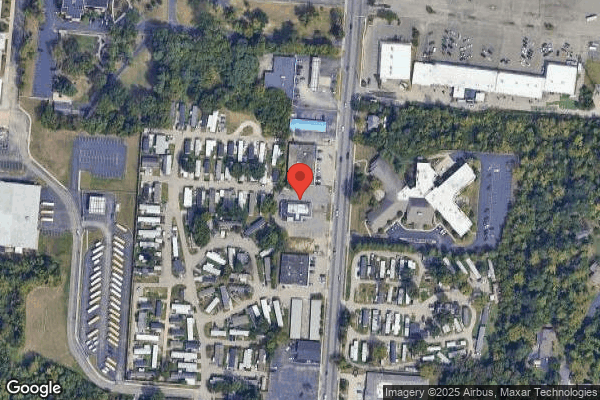

8097 HAMILTON AVENUE, CINCINNATI, OH 45231 (513) 931-5000
Non profit - Corporation 75 Beds Independent Data: November 2025
Trust Grade
80/100
#118 of 913 in OH
Last Inspection: October 2024

Within standard 12-15 month inspection cycle. Federal law requires annual inspections.

Overview

MT Healthy Christian Home in Cincinnati, Ohio has a Trust Grade of B+, indicating it is recommended and above average compared to other facilities. It ranks #118 out of 913 in the state, placing it in the top half, and #12 out of 70 in Hamilton County, meaning only 11 local options are better. The facility is improving, with a decrease in issues from three in 2021 to one in 2024. Staffing is rated at 4 out of 5 stars with a turnover rate of 56%, which is average for the area, suggesting some stability among staff. On the downside, there was a serious incident where a resident fell and sustained significant injuries due to inadequate supervision during care, and there have been concerns about hand hygiene practices among staff during meal service. However, the facility has no fines on record, which is a positive indicator of compliance. Overall, while there are areas that need attention, MT Healthy Christian Home has strengths in its ratings and is on a positive trajectory.

Trust Score
B+
80/100
In Ohio
#118/913
Top 12%
Safety Record
Moderate
Needs review
Inspections
Getting Better
3 → 1 violations
Staff Stability
⚠ Watch
56% turnover. Above average. Higher turnover means staff may not know residents' routines.
Penalties
✓ Good
No fines on record. Clean compliance history, better than most Ohio facilities.
Skilled Nurses
✓ Good
Each resident gets 43 minutes of Registered Nurse (RN) attention daily — more than average for Ohio. RNs are trained to catch health problems early.
Violations
○ Average
7 deficiencies on record. Average for a facility this size. Mostly minor or procedural issues.
★★★★★
5.0
Overall Rating
★★★★☆
4.0
Staff Levels
★★★★☆
4.0
Care Quality
★★★★★
5.0
Inspection Score
Stable
2021: 3 issues
2024: 1 issues

The Good

  • 4-Star Staffing Rating · Above-average nurse staffing levels
  • 4-Star Quality Measures · Strong clinical quality outcomes
  • Full Sprinkler Coverage · Fire safety systems throughout facility
  • No fines on record

Facility shows strength in staffing levels, quality measures, fire safety.

The Bad

Staff Turnover: 56%

Near Ohio avg (46%)

Frequent staff changes - ask about care continuity

Staff turnover is elevated (56%)

8 points above Ohio average of 48%

The Ugly 7 deficiencies on record

1 actual harm
Apr 2024 1 deficiency 1 Harm
SERIOUS (G) 📢 Someone Reported This

A family member, employee, or ombudsman was alarmed enough to file a formal complaint

Actual Harm - a resident was hurt due to facility failures

Accident Prevention (Tag F0689)

A resident was harmed · This affected 1 resident

Based on record review, observation, staff interview, and review of the facility policy, the facility failed to provide adequate supervision to prevent falls with injury. This resulted in Actual Harm ...

Read full inspector narrative →
Based on record review, observation, staff interview, and review of the facility policy, the facility failed to provide adequate supervision to prevent falls with injury. This resulted in Actual Harm to dependent Resident #20 when a staff member who was providing incontinence care to the resident without additional staff assistance turned away from the resident to discard cleaning materials and the resident fell from the bed. Resident #20 sustained the following injuries from the fall from the bed: a scalp laceration which required repair with sutures, a sternal fracture, a fracture of the left clavicle, a fracture of the second rib on the left side, a closed fracture of the spinous process of the thoracic vertebra and the transverse process of the lumbar vertebra. This affected one (Resident #20) of three residents reviewed for falls. The facility census was 66. Findings include: Review of the medical record for Resident #20 revealed an admission date of 02/02/19 with diagnoses including type two diabetes, hypertensive chronic kidney disease, dysphagia, cerebrovascular disease, vascular dementia, psychotic disorder with delusions, osteoporosis, anemia, atherosclerotic heart disease, gastro-esophageal reflux disease, osteoarthritis, glaucoma, hypertension and cardiomyopathy. Review of the Minimum Data Set (MDS) assessment for Resident #20 dated 02/07/24 revealed the resident was moderately cognitively impaired and was dependent on staff assistance for all activities of daily living (ADLs) including toileting and bed mobility for which she required the assistance of two staff. Review of the care plan for Resident #20 dated 02/08/24 revealed the resident was at risk for falls and/or fall related injury related to wheelchair use, history of fall related injury, impaired vision, incontinence, medication use, required use of a mechanical lift with transfers and had diagnoses of polyarthritis, dementia, severe depression, and psychosis. The resident was dependent on staff and Hoyer lift for transfers. Interventions included the following: Dycem to wheelchair under Roho cushion, use Hoyer lift for all transfers, monitor, anticipate and intervene for fall risk factors, place call light within reach, encourage call light use and answer promptly, provide environmental adaptations as appropriate, and assist with and monitor positioning. Review of the care plan for Resident #20 dated 02/08/24 revealed the resident had an ADL self-care deficit and required total assistance of one to two staff with incontinence needs. The care plan was updated on 03/20/24 to indicate the resident required two staff for incontinence care. Review of the fall risk assessment for Resident #20 dated 03/10/24 revealed the resident was at moderate risk for falls and took medications and had diagnoses which contributed to her fall risk. The residents' risk factors also included wheelchair use and disorientation. Review of the progress note for Resident #20 dated 03/20/24 timed at 6:58 P.M. revealed the aide notified the nurse that the resident was on the floor on her left side next to the bed with a moderate amount of blood noted on the floor. The nurse called 911 to transport the resident to the hospital. Review of the fall investigative summary for Resident #20 dated 03/20/24 revealed during peri-care the resident changed the position of her body causing her to roll from the bed. State Tested Nurse Aide (STNA) #98 attempted to intervene but was unable stop the resident from falling out of bed. Staff assessed Resident #20 for injury and called 911. Staff applied pressure to the resident's head laceration while awaiting transfer to the hospital. Resident #20 returned with a head laceration and multiple fractures. New interventions for Resident #20 were staff to ensure the resident was a two-person assist for peri care, and her low air loss mattress was replaced with a standard pressure reduction mattress. Review of the progress note for Resident #20 dated 03/21/24 timed at 1:52 P.M. revealed the interdisciplinary team (IDT) met to discuss the resident's fall. The IDT determined the root cause of the fall was the change to the resident's weight distribution on the low air loss mattress when the resident changed positions during peri-care. The new interventions were replacing the mattress and ensuring two people assisted the resident with peri-care. Review of the hospital notes for Resident #20 dated 03/21/24 revealed the resident fell from the bed and sustained a scalp laceration repaired with sutures, a sternal fracture, a fracture of the left clavicle, a fracture of the second rib on the left side, a closed fracture of the spinous process of the thoracic vertebra and of the transverse process of the lumbar vertebra. Review of the progress note for Resident #20 dated 03/21/24 timed at 4:06 P.M. revealed the resident returned to the facility with a laceration with sutures to the left side of her forehead, edema to the left side of her face, bruising to her right arm and a sling on her left arm for clavicle fracture support. Observation on 04/04/24 at 11:35 A.M. of Resident #20 revealed the resident was lying on a standard mattress and had bruising to the entire left side of her face from her forehead and extending to her neck. The bruising was brown and green in color and appeared to be fading. There was evidence of a laceration to the resident's head which appeared as a dark circle to the left side of the resident's forehead. Resident #20 was wearing a sling on her left arm and was unable to be interviewed due to cognitive impairment. Interview on 04/04/24 at 2:10 P.M. with STNA #98 confirmed she was doing a routine check and change for Resident #20 on 03/20/24. STNA #98 was holding onto the resident with one hand and giving peri care with the other hand. STNA #98 confirmed she turned slightly to dispose of the wipe while still keeping one hand on Resident #20 and felt Resident #20 start to slip. STNA #98 confirmed she tried to intervene and keep Resident #20 from falling out of bed, but she was unable to prevent the fall. STNA #98 confirmed after Resident #20 slipped to the floor she noted blood coming from the resident's head, so she called for the nurse who assessed the resident and sent her to the hospital via 911. STNA #98 further confirmed Resident #20 was supposed to be a two person assist for checks and changes, but they were short of help that day and the care was provided at the shift change, so she completed the task on her own. STNA #98 further confirmed she felt the resident's weight shift on the low air loss mattress contributed to the fall and the facility got the resident a standard mattress after the fall. Interviews on 04/04/24 at 4:40 P.M. with STNA #38 and at 4:50 P.M. with STNA #67 confirmed if a resident had been determined to be dependent for toileting and incontinence care, two staff should provide assistance, and the care should never be completed with just one aide. Interview on 04/04/24 at 5:00 P.M. with the Administrator and the Director of Nursing (DON) confirmed Resident #20 had a fall from the bed on 03/20/24 which occurred when STNA #98 was providing incontinence care to the resident by herself without the assistance of an additional STNA. The Administrator and the DON confirmed Resident #20 sustained the following injuries as a direct result of the fall from the bed on 03/20/24: a scalp laceration which required repair with sutures, a sternal fracture, a fracture of the left clavicle, a fracture of the second rib on the left side, a closed fracture of the spinous process of the thoracic vertebra and the transverse process of the lumbar vertebra. Further interview confirmed the facility's IDT met on 03/21/24 and made the decision to replace Resident #20's low air loss mattress with a standard mattress and to update the resident's care plan to indicate Resident #20 required the assistance of two staff with incontinence care. Interview confirmed prior to Resident #20's fall on 03/20/24 the resident's care plan indicated the resident required the assistance of one to two staff with incontinence care and left it up to the judgment of the STNAs performing the care to determine if one or two staff should be used. Review of the policy titled Falls (undated) revealed the nurse and the physician would identify residents with a history of falls and risk factors for falling. The nurse would complete a fall risk assessment for each resident, and the staff, and the physician would identify pertinent interventions to prevent falls. This deficiency represents noncompliance investigated under Complaint Number OH00152423.
Oct 2021 3 deficiencies
CONCERN (D)

Potential for Harm - no one hurt, but risky conditions existed

Quality of Care (Tag F0684)

Could have caused harm · This affected 1 resident

**NOTE- TERMS IN BRACKETS HAVE BEEN EDITED TO PROTECT CONFIDENTIALITY** Based on record review, observation and interview, the facility failed to ensure a dependent resident's wheelchair was equipped ...

Read full inspector narrative →
**NOTE- TERMS IN BRACKETS HAVE BEEN EDITED TO PROTECT CONFIDENTIALITY** Based on record review, observation and interview, the facility failed to ensure a dependent resident's wheelchair was equipped with a calf board and foot rests. This affected one (Resident #2) of three residents reviewed for activities of daily living assistance. The census was 63. Findings include: Review of the medical record revealed Resident #2 was admitted to the facility on [DATE] with diagnoses including dementia without behavioral disturbance and osteoarthritis. Review of the minimum date set assessment dated [DATE] revealed Resident #2 had moderately impaired cognition, and required extensive assistance with bed mobility, transfers and locomotion. Review of care plan dated 09/30/2021 revealed Resident #2 had an ADL self-care performance deficit related to weakness, pain due to osteoarthritis and leg contractures. She required a calf board to the wheelchair due to the leg contractures. During observation on 10/12/21 at 11:04 A.M. revealed Resident #2 was seated in her wheelchair with no foot pedals or calf board. The resident's legs were dangling from the wheelchair with no support. During observation on 10/13/2021 at 2:03 P.M. Resident #2 was seated in the 4 North dining room in her wheelchair. The wheelchair had the calf board folded beneath the seat of the wheelchair. The resident's legs were not supported. During interview on 10/13/2021 at 2:04 P.M., Registered Nurse (RN) #133 and the Director of Nursing (DON)verified the calf board was folded under the seat of the wheelchair and not supporting Resident #2's legs. During interview on 10/14/21 at 9:01 A.M., the DON stated Resident #2 did not use foot pedals on her wheelchair, and the calf board was not applied correctly to the wheelchair.
CONCERN (D)

Potential for Harm - no one hurt, but risky conditions existed

Deficiency F0685 (Tag F0685)

Could have caused harm · This affected 1 resident

Based on record review, observation, interview and policy review, the facility failed to ensure residents were assisted with placement of hearing aids. This affected one (Resident #34) of three reside...

Read full inspector narrative →
Based on record review, observation, interview and policy review, the facility failed to ensure residents were assisted with placement of hearing aids. This affected one (Resident #34) of three residents reviewed for hearing impairment. The census was 63. Findings include: Review of the medical record for Resident #34 revealed an admission date of 01/26/21 with a diagnosis of acute congestive heart failure. Review of the Minimum Data Set (MDS) for Resident #34 dated 08/24/21 revealed the resident was cognitively intact and required extensive assistance of two staff with activities of daily living (ADL). She had a communication impairment and required the use of bilateral hearing aids to hear adequately. Review of the care plan dated 02/03/21 revealed resident had a communication impairment and required bilateral hearing aids to hear adequately. Interventions included the following: assist to wear hearing aids daily, maintain hearing aids in good working order, keep clean and replace batteries as needed, arrange for maintenance as needed. Review of the nurse aide assignment sheet for Resident #34 dated 10/13/21 revealed resident wore bilateral hearing aids. During observation on 10/13/21 at 11:15 A.M., Resident #34 revealed resident was not wearing hearing aids and exhibited difficulty hearing. During interview on 10/13/21 at 11:15 A.M., Resident #34 stated she was not wearing her hearing aids and was having difficulty hearing. She said her hearing aids were in her nightstand and staff were supposed to assist her with putting them in her ears when she woke up. During interview on 10/13/21 at 11:26 A.M., State Tested Nursing Assistant (STNA) #198 confirmed Resident #34 was not wearing hearing aids and was exhibiting difficultly hearing without them. STNA #198 confirmed the nurse aide assignment sheet for the resident said she was to wear bilateral hearing aids, but she thought the nurse was responsible for assisting resident with hearing aids. During interview on 10/13/21 at 11:27 A.M., Licensed Practical Nurse (LPN) #202 confirmed Resident #34 wore hearing aids, which she kept in her nightstand. LPN #202 stated she thought the resident managed her hearing aids independently and did not require staff assistance with them. During observation on 10/13/21 at 11:28 A.M. with LPN #202, a check of the resident's nightstand revealed one hearing aid was in the nightstand in a box and the other hearing aid was missing. Review of the facility policy titled Care of Hearing Aids, undated, revealed staff should review residents care plan to assess needs of the resident regarding hearing aids, assess resident's knowledge of operating the hearing aid, and should notify supervisor if hearing aid is lost or damaged.
CONCERN (E)

Potential for Harm - no one hurt, but risky conditions existed

Infection Control (Tag F0880)

Could have caused harm · This affected multiple residents

3. During observation on 10/12/21 at 12:43 P.M., STNA #250 served food to Resident #14 in the 4 North dining room, served a tray to Resident #28 in the resident's room, and served at tray to Resident ...

Read full inspector narrative →
3. During observation on 10/12/21 at 12:43 P.M., STNA #250 served food to Resident #14 in the 4 North dining room, served a tray to Resident #28 in the resident's room, and served at tray to Resident # 3 in the residents room and did not perform hand hygiene between trays. During interview on 10/12/21 at 12:46 P.M., STNA #250 confirmed she did not wash or sanitize hands between delivering meal trays to Residents #3, #14, and #28. Based on observation, staff interview, review of facility policy, and review of online resources per the Centers for Disease Control (CDC) and the Centers for Medicare and Medicaid Services (CMS) the facility failed to ensure staff wore appropriate personal protective equipment (PPE) to prevent the spread of Coronavirus (COVID-19). This had the potential to affect 13 (Residents #4, #7, #10, #20, #21, #25, #31, #32, #34, #41, #44, #53 and #54)residing on the Five South Unit; and failed to ensure staff practiced appropriate hand hygiene during meal service. This affected three (Residents #3, #14 and #28) of 18 residents observed for meal service on the Four North Unit. The census was 63. Findings include: 1. During observation on 10/12/21 at 11:30 A.M., State Tested Nursing Assistant (STNA) #98 was eating in the resident lounge area and was not wearing PPE. During interview on 10/12/21 at 11:30 A.M., STNA #98 confirmed she was not wearing PPE and was eating while in the resident area. During interview on 10/14/21 at 11:37 A.M., the Director of Nursing (DON) confirmed staff should wear a surgical mask and eye protection in resident at all times. Review of the facility policy titled COVID-19 Infection Control, undated, revealed staff should wear face masks and eye protection in resident areas. Review of an online resource from the CDC (https://www.cdc.gov/Coronavirus/2019-ncov/hcp/long-term-care-strategies.html) revealed the following guidance regarding facemasks: ensure all healthcare care personnel (HCP) wear a facemask while in the facility. 2. During observation on 10/13/21 at 8:58 A.M., STNA #189 revealed she was working in a resident area providing direct resident care and was not wearing proper eye protection. STNA #189 was wearing prescription eyeglasses with side pieces (eye glass wings). During interview on 10/13/21 at 8:58 A.M., STNA #189 confirmed she had brought the eye glass wings from home and thought they were a substitute for eye protection provided by the facility. During interview on 10/14/21 at 11:37 A.M., the DON confirmed staff should currently wear a face shield or goggles as eye protection in resident areas. Review of the facility policy titled COVID-19 Infection Control undated revealed staff should wear eye protection that covers the front and sides of the face. Review of an online resource from CMS titled COVID-19 Nursing Home data at https://data.cms.gov/stories/s/COVID-19-Nursing-Home-Data-Test-Positivity-Rates/q5r5-gjyu/ revealed the county in which the facility was situated was experiencing a moderate spread of COVID 19 with a positivity rate of 9.8 percent (%) for the week ending in 10/05/21. A review of an online resource per the CDC and NIOSH at https://www.cdc.gov/niosh/topics/eye/eye-infectious.html revealed prescription eyeglasses are not considered eye protection and while the use of prescription safety glasses with side protection are available, they do not provide protection against splashes or droplets as goggles and/or face shields do.
Mar 2019 3 deficiencies
CONCERN (D)

Potential for Harm - no one hurt, but risky conditions existed

Resident Rights (Tag F0550)

Could have caused harm · This affected 1 resident

**NOTE- TERMS IN BRACKETS HAVE BEEN EDITED TO PROTECT CONFIDENTIALITY** Based on observations, record review, review of facility policy and staff interviews, the facility failed to ensure staff provid...

Read full inspector narrative →
**NOTE- TERMS IN BRACKETS HAVE BEEN EDITED TO PROTECT CONFIDENTIALITY** Based on observations, record review, review of facility policy and staff interviews, the facility failed to ensure staff provided a dignified dining experience while feeding Resident #56 during meal time. This affected one (#56) of four residents who were total dependent for assistance in eating on the fifth floor. The facility census was 69. Findings include: Medical record review revealed Resident #56 was admitted to the facility on [DATE]. Diagnoses included Alzheimer's Disease, major depressive disorder, anxiety disorder, dementia, macular degeneration, adult failure to thrive and pain. Review of the quarterly Minimum Data Set (MDS) assessment, dated 11/05/18, revealed Resident #56 was severely impaired and required extensive assistance with two people assistance for Activities of Daily Living (ADL). Resident #56 was unable to make daily decisions, had unclear speech, rarely understood others and vision was highly impaired. Observations on 03/12/19 at 5:55 P.M., revealed State Tested Nursing Assistant (STNA) #91 was texting on personal cell phone while feeding Resident #56 in bed. Interview on 03/12/19 at 6:00 P.M., revealed STNA #91 verified she was using her personal cell phone while feeding Resident #56 in bed and she reported she was not allowed to use personal cell phone while working with residents. Interview on 03/13/19 at 11:00 A.M., revealed the Administrator reported possession and use of personal electronic devices were prohibited and each employee signed a contract acknowledging the policy. Reviewed STNA #91 contract for not using personal electronic devices was signed on 02/05/19 by STNA #91. Reviewed policy titled, Social Media and Personal Electronic Device Policy dated 10/07/16 stated, Possession of cellular phones, tablets, other electronic recording devices, camera phones and push-to-talk phones within Christian Village Communities facilities is prohibited with the following approved exception; employees may keep their devices in a locker within the building and may use their devices only during designated break and meal times and in employee break areas or other designated areas.
CONCERN (E)

Potential for Harm - no one hurt, but risky conditions existed

Deficiency F0761 (Tag F0761)

Could have caused harm · This affected multiple residents

Based on observation, staff interview, pharmacy Recommended Minimum Medication Storage Parameters, and Aplisol manufacturing recommendations for storage, the facility failed to properly store, label, ...

Read full inspector narrative →
Based on observation, staff interview, pharmacy Recommended Minimum Medication Storage Parameters, and Aplisol manufacturing recommendations for storage, the facility failed to properly store, label, and dispose open vials of medications. This had the potential to affect 22 new admissions within the last 30 days. The facility census was 69. Findings include: Observation on 03/13/19 at 10:30 A.M. with Licensed Practical Nurse (LPN) #90 of the fifth floor medication room revealed an open vial of Aplisol (tuberculin PPD) with no open date on label. Interview on 03/13/19 at 10:33 A.M. with LPN #90 verified that the vial of Aplisol was open and did not know the date it was opened. Observation on 03/13/19 at 10:46 A.M. with Registered Nurse (RN) #144 of the Rehab floor medication room revealed an open vial of Aplisol in the refrigerator with no date on the label. Interview on 03/13/19 at 10:49 A.M. with RN #144 verified that there was no date on the vial of Aplisol and was not aware of when it was opened. Review of the pharmacy Recommended Minimum Medication Storage Parameters (dated 03/31/17) revealed store in the refrigerator at 36-46 degrees Fahrenheit. Protect from light. Date when opened and discard unused portion in 30 days. Review of the Aplisol manufacturers recommendations for storage, revealed vials in use for more than 30 days should be discarded due to possible oxidation and degradation which may affect potency.
MINOR (C)

Minor Issue - procedural, no safety impact

Deficiency F0577 (Tag F0577)

Minor procedural issue · This affected most or all residents

Based on observations and staff interview, the facility failed to display the Ohio Department of Health survey results, where residents and visitors could visibly access them. This had the potential t...

Read full inspector narrative →
Based on observations and staff interview, the facility failed to display the Ohio Department of Health survey results, where residents and visitors could visibly access them. This had the potential to affect all 69 residents residing in the facility. Findings include: A tour of the fourth and fifth floor of the facility on 03/11/19 at 7:00 P.M., revealed the Survey Results were not readily accessible to residents or visitors without having to ask for them. No sign was posted to identify where the survey results were located. On 03/12/19 at 4:13 P.M., during the resident council meeting, Residents #7, #10, #20, #25, #44 and #52 reported they were unaware of the posting of the Ohio Department of Health survey results. Observation on 03/12/19 at 5:00 P.M., revealed first floor, fourth floor and fifth floor showed no signs posted to identify where survey results were located. On 03/12/19 at 6:30 P.M., interview with Activities Director (AD) #77 revealed the State Survey Results were on first floor but only had 2016 results. AD #77 verified that residents and visitors on all three floors did not have access to state survey results for the past three years. AD #77 reported the facility was painting and decorating and perhaps forgot to repost survey results on each floor.
Understanding Severity Codes (click to expand)
Life-Threatening (Immediate Jeopardy)
J - Isolated K - Pattern L - Widespread
Actual Harm
G - Isolated H - Pattern I - Widespread
Potential for Harm
D - Isolated E - Pattern F - Widespread
No Harm (Minor)
A - Isolated B - Pattern C - Widespread

Questions to Ask on Your Visit

  • "Why is there high staff turnover? How do you retain staff?"
  • "Can I speak with families of current residents?"
  • "What's your RN coverage like on weekends and overnight?"

Our Honest Assessment

Strengths
  • • Grade B+ (80/100). Above average facility, better than most options in Ohio.
  • • No fines on record. Clean compliance history, better than most Ohio facilities.
Concerns
  • • 7 deficiencies on record, including 1 serious (caused harm) violation. Ask about corrective actions taken.
  • • 56% turnover. Above average. Higher turnover means staff may not know residents' routines.
Bottom line: Generally positive indicators. Standard due diligence and a personal visit recommended.

About This Facility

What is Mt Healthy Christian Home's CMS Rating?

CMS assigns MT HEALTHY CHRISTIAN HOME an overall rating of 5 out of 5 stars, which is considered much above average nationally. Within Ohio, this rating places the facility higher than 99% of the state's 100 nursing homes. This rating reflects solid performance across the metrics CMS uses to evaluate nursing home quality.
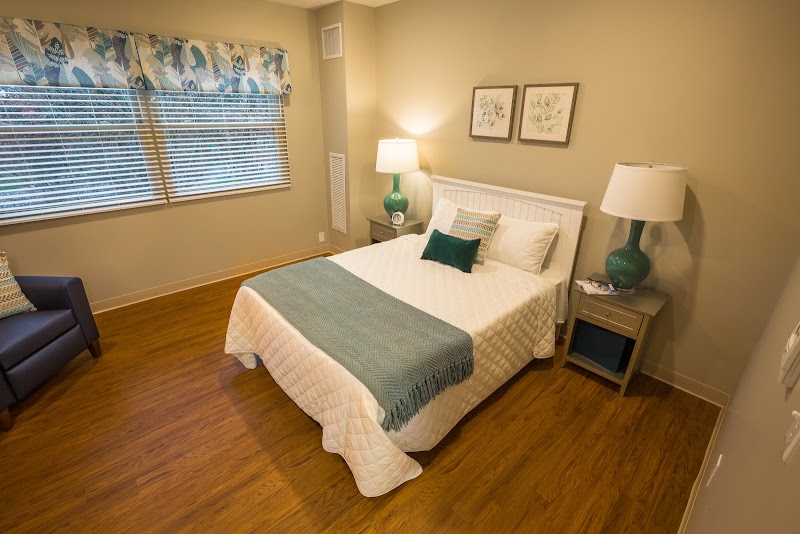
How is Mt Healthy Christian Home Staffed?

CMS rates MT HEALTHY CHRISTIAN HOME's staffing level at 4 out of 5 stars, which is above average compared to other nursing homes. Staff turnover is 56%, which is 10 percentage points above the Ohio average of 46%. High turnover can affect care consistency as new staff learn residents' individual needs.

What Have Inspectors Found at Mt Healthy Christian Home?

State health inspectors documented 7 deficiencies at MT HEALTHY CHRISTIAN HOME during 2019 to 2024. These included: 1 that caused actual resident harm, 5 with potential for harm, and 1 minor or isolated issues. Deficiencies causing actual harm indicate documented cases where residents experienced negative health consequences.
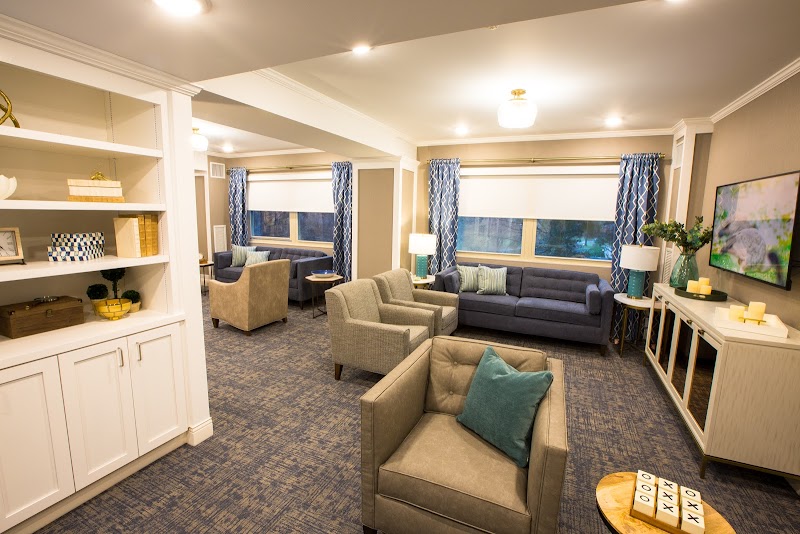
Who Owns and Operates Mt Healthy Christian Home?

MT HEALTHY CHRISTIAN HOME is owned by a non-profit organization. Non-profit facilities reinvest revenue into operations rather than distributing to shareholders. The facility operates independently rather than as part of a larger chain. With 75 certified beds and approximately 67 residents (about 89% occupancy), it is a smaller facility located in CINCINNATI, Ohio.
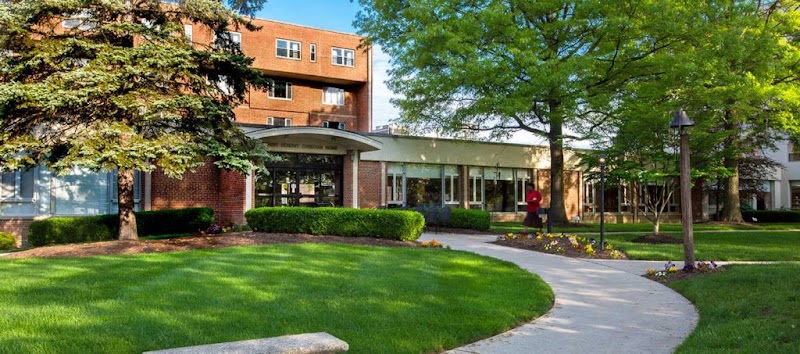
How Does Mt Healthy Christian Home Compare to Other Ohio Nursing Homes?

Compared to the 100 nursing homes in Ohio, MT HEALTHY CHRISTIAN HOME's overall rating (5 stars) is above the state average of 3.2, staff turnover (56%) is near the state average of 46%, and health inspection rating (5 stars) is much above the national benchmark.

What Should Families Ask When Visiting Mt Healthy Christian Home?

Based on this facility's data, families visiting should ask: "How do you ensure continuity of care given staff turnover, and what is your staff retention strategy?" "Can I visit during a mealtime to observe dining assistance and food quality?" "How do you handle medical emergencies, and what is your hospital transfer rate?" "Can I speak with family members of current residents about their experience?" These questions are particularly relevant given the facility's high staff turnover rate.

Is Mt Healthy Christian Home Safe?

Based on CMS inspection data, MT HEALTHY CHRISTIAN HOME has a clean safety record: no substantiated abuse findings (meaning no confirmed cases of resident harm), no Immediate Jeopardy citations (the most serious violation level indicating risk of serious injury or death), and is not on the Special Focus Facility watch list (a federal program monitoring the lowest-performing 1% of nursing homes). The facility has a 5-star overall rating and ranks #1 of 100 nursing homes in Ohio. While no facility is perfect, families should still ask about staff-to-resident ratios and recent inspection results during their visit.

Do Nurses at Mt Healthy Christian Home Stick Around?

Staff turnover at MT HEALTHY CHRISTIAN HOME is high. At 56%, the facility is 10 percentage points above the Ohio average of 46%. High turnover means new staff may not know residents' individual needs, medications, or preferences. It can also be disorienting for residents, especially those with dementia who rely on familiar faces. Families should ask: What is causing the turnover? What retention programs are in place? How do you ensure care continuity during staff transitions?

Was Mt Healthy Christian Home Ever Fined?

MT HEALTHY CHRISTIAN HOME has no federal fines on record. CMS issues fines when nursing homes fail to meet care standards or don't correct problems found during inspections. The absence of fines suggests the facility has either maintained compliance or corrected any issues before penalties were assessed. This is a positive indicator, though families should still review recent inspection reports for the full picture.

Is Mt Healthy Christian Home on Any Federal Watch List?

MT HEALTHY CHRISTIAN HOME is not on any federal watch list. The most significant is the Special Focus Facility (SFF) program, which identifies the bottom 1% of nursing homes nationally based on persistent, serious quality problems. Not being on this list means the facility has avoided the pattern of deficiencies that triggers enhanced federal oversight. This is a positive indicator, though families should still review the facility's inspection history directly.