NORWOOD TOWERS POST-ACUTE
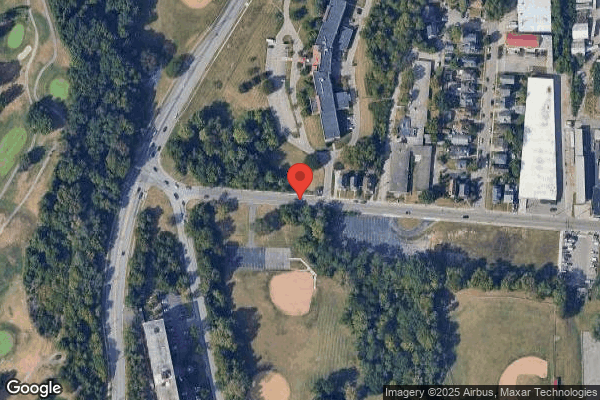
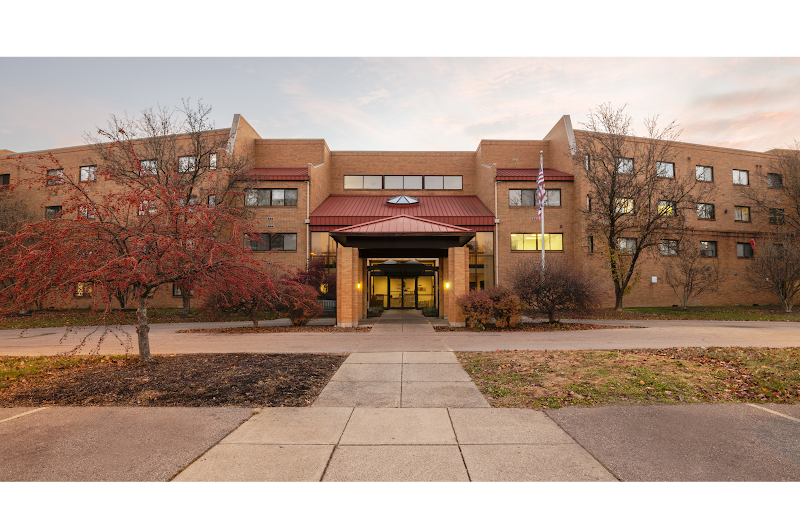
1500 SHERMAN AVENUE, CINCINNATI, OH 45212 (513) 631-6800
For profit - Limited Liability company 120 Beds PACS GROUP Data: November 2025
Trust Grade
68/100
#305 of 913 in OH
Last Inspection: June 2024

Within standard 12-15 month inspection cycle. Federal law requires annual inspections.

Overview

Norwood Towers Post-Acute has a Trust Grade of C+, indicating it is slightly above average but still has room for improvement. It ranks #305 out of 913 facilities in Ohio, placing it in the top half, and #26 out of 70 in Hamilton County, meaning only a few local options are better. However, the facility's trend is worsening, with issues increasing from 1 in 2023 to 4 in 2024. Staffing is a concern, with a low rating of 1 out of 5 stars; despite a 0% turnover rate, which is good, the facility has less registered nurse coverage than 78% of Ohio facilities. The facility has faced $15,000 in fines, which is average, but there have been significant concerns such as failing to provide necessary isolation protocols for a newly admitted resident and not maintaining a clean and safe environment, which potentially impacts all residents.

Trust Score
C+
68/100
In Ohio
#305/913
Top 33%
Safety Record
Low Risk
No red flags
Inspections
Getting Worse
1 → 4 violations
Staff Stability
○ Average
Turnover data not reported for this facility.
Penalties
⚠ Watch
$15,000 in fines. Higher than 76% of Ohio facilities, suggesting repeated compliance issues.
Skilled Nurses
⚠ Watch
Each resident gets only 23 minutes of Registered Nurse (RN) attention daily — below average for Ohio. Fewer RN minutes means fewer trained eyes watching for problems.
Violations
⚠ Watch
33 deficiencies on record. Higher than average. Multiple issues found across inspections.
★★★★☆
4.0
Overall Rating
★☆☆☆☆
1.0
Staff Levels
★★★★★
5.0
Care Quality
★★★★☆
4.0
Inspection Score
Stable
2023: 1 issues
2024: 4 issues

The Good

  • 5-Star Quality Measures · Strong clinical quality outcomes
  • Full Sprinkler Coverage · Fire safety systems throughout facility
  • No fines on record

Facility shows strength in quality measures, fire safety.

The Bad

Federal Fines: $15,000

Below median ($33,413)

Minor penalties assessed

Chain: PACS GROUP

Part of a multi-facility chain

Ask about local staffing decisions and management

The Ugly 33 deficiencies on record

Jun 2024 4 deficiencies
CONCERN (D)

Potential for Harm - no one hurt, but risky conditions existed

ADL Care (Tag F0677)

Could have caused harm · This affected 1 resident

**NOTE- TERMS IN BRACKETS HAVE BEEN EDITED TO PROTECT CONFIDENTIALITY** Based on observations, resident and staff interviews, medical record review, and policy review, the facility failed to ensure a ...

Read full inspector narrative →
**NOTE- TERMS IN BRACKETS HAVE BEEN EDITED TO PROTECT CONFIDENTIALITY** Based on observations, resident and staff interviews, medical record review, and policy review, the facility failed to ensure a resident who was dependent on staff for personal hygiene received adequate nail care. This affected one (Resident #78) of six residents reviewed for activities of daily living (ADLs). The facility census was 110. Findings include: Review of the medical record for Resident #78 revealed an admission date of 05/30/23. Diagnoses included hemiplegia and hemiparesis following cerebral infarction, type II diabetes mellitus, anxiety, schizophrenia, and major depressive disorder. Review of the Minimum Data Set (MDS) assessment dated [DATE] revealed Resident #78 had intact cognition and was dependent on staff for personal hygiene. Resident #78 did not refuse care during the assessment period. Review of the care plan dated 06/01/23 revealed Resident #78 had an ADL self-care performance deficit related to activity intolerance, disease process, fatigue, hemiplegia, impaired balance, and stroke. Interventions included to trim or clip nails weekly and as needed. Review of the medical record dated 06/01/24 through 06/23/24 revealed no documentation of Resident #78 refusing care. Observation and interview on 06/24/24 at 10:41 A.M. revealed Resident #78 had long fingernails, extending approximately three-fourth inches beyond the fingertip. Some fingernails had unidentifiable brown debris below the fingernail. Resident #78 stated his fingernails were long and he would like to have them trimmed. Interview on 06/24/24 at 10:43 A.M. with the Director of Nursing (DON) confirmed Resident #78's fingernails were long and needed to be trimmed. The DON further stated Resident #78 refused staff assistance with care. Observation and interview on 06/25/24 at 10:20 A.M. revealed Resident #78's fingernails remained long, untrimmed, and dirty underneath. Resident #78 stated nobody had offered to trim his fingernails and he still wanted them trimmed. Resident #78 denied refusing to have his nails trimmed. Observation on 06/27/24 at 9:59 A.M. revealed Resident #78's fingernails remained long, untrimmed, and dirty. Interview on 06/27/24 at 11:32 A.M. with State Tested Nursing Assistant (STNA) #604 stated Resident #78 did not refuse care. STNA #604 stated Resident #78 was diabetic, so she asks the nurse to cut his fingernails. Interview on 06/27/24 at 11:33 A.M. with Licensed Practical Nurse (LPN) #504 confirmed Resident #78's fingernails should be cut by the nurse since he was diabetic. LPN #504 further stated Resident #78 does not refuse care. Review of the facility policy titled Activities of Daily Living, Supporting, dated 03/2018, revealed appropriate care and services will be provided for residents who are unable to care out ADLs independently, with the consent of the resident and in accordance with the plan of care, including appropriate support and assistance with items including nail care.
CONCERN (D)

Potential for Harm - no one hurt, but risky conditions existed

Drug Regimen Review (Tag F0756)

Could have caused harm · This affected 1 resident

**NOTE- TERMS IN BRACKETS HAVE BEEN EDITED TO PROTECT CONFIDENTIALITY** 2. Review of the medical record for Resident #16 revealed an admission date of 02/26/21. Diagnoses included insomnia, low back p...

Read full inspector narrative →
**NOTE- TERMS IN BRACKETS HAVE BEEN EDITED TO PROTECT CONFIDENTIALITY** 2. Review of the medical record for Resident #16 revealed an admission date of 02/26/21. Diagnoses included insomnia, low back pain, paranoid schizophrenia, and anxiety. Review of the Minimum Data Set (MDS) assessment dated [DATE] revealed Resident #16 was cognitively intact. Review of the pharmacy recommendation dated 12/22/23 revealed Resident #16 had the following pertinent medication order for Ibuprofen 600 milligrams (mg) by mouth one time a day every other day for headache. If appropriate would you trial a discontinuation of Ibuprofen. The physician agreed on 12/27/23. Review of the physician orders from 12/27/23 to 06/26/24 revealed the Ibuprofen 600 mg was never discontinued for a trial period. Review of the pharmacy recommendations dated 02/19/24 revealed Benadryl allergy oral tablet give two tablets by mouth at bedtime for sleep. Please consider alternative medication for sleep. The physician agreed on 02/23/24. The pharmacy recommendation dated 04/29/24 revealed in February a recommendation was made to consider an alternative to using Benadryl for sleep for this resident. The prescriber agreed (see recommendation sheet) but the resident still has an active order for Benadryl for sleep in the electronic medical record. Please follow up. The physician agreed. Review of the physician orders from 02/19/24 to 05/11/24 revealed Benadryl was never discontinued and Resident #16 was administered Benadryl routinely. On 05/12/24, Benadryl was discontinued. Interview on 06/27/24 at 10:44 A.M. with Regional Registered Nurse (RRN) #790 verified the physician initially agreed to the discontinuation of the ibuprofen on 12/27/23 but upon speaking with the resident, the physician changed her mind. RRN #790 verified the physician did not document this anywhere in Resident #16's medical record. RRN #790 verified the physician agreed to discontinue the Benadryl on 02/23/24 and 04/29/24 but the Benadryl was not discontinued until 05/12/24. Based on medical record review and staff interview, the facility failed to timely act on pharmacy recommendations. This affected two (Residents #16 and #32) of five residents reviewed for unnecessary medications. The facility census was 110. Findings include: 1. Review of the medical record for Resident #32 revealed an admission date of 07/06/23. Diagnosis included migraine. Review of the document titled Note to Attending Physician/Prescriber dated 02/19/24 revealed a recommendation to include the phrase a maximum daily dose of 30 milligrams (mg) per 24 hours be added to the order for Rizatriptan Benzoate 10 mg tablet for migraine and give 10 mg by mouth every two as needed for migraine. May repeat after original dose in two hours as needed. The option of agree was indicated and the document was signed on 02/23/24. Review of the medication administration record (MAR) and physician orders from 02/23/24 to 06/25/24 revealed the phrase a maximum daily dose of 30 milligrams (mg) per 24 hours had not been added to Resident #32's physician orders and MAR for Rizatriptan Benzoate. Review of the document titled Note to Attending Physician/Prescriber dated 05/29/24 revealed the order for Diclofenac gel (treats pain and other symptoms of arthritis) does not have an amount to be applied. The document included a request to add the amount to be administered. The document indicated the Family Nurse Practitioner had agreed and was signed on 05/29/24. Review of the second document titled Note to Attending Physician/Prescriber dated 05/29/24 revealed Resident #32 was receiving pain medications. Meloxicam 7.5 mg every 12 hours as needed for pain and Oxycodone 5.0 mg every eight hours as needed for severe pain. Neither of the medications had a pain scale to identify the level of pain indicating which pain medication should be administered. Review of the MAR and physician orders from 05/29/24 to 06/25/24 revealed there was no dosage amount for Diclofenac gel and there was no pain level to identify which pain medication should be administered for Resident #32. Interview on 06/26/24 at 1:49 P.M. with Regional Registered Nurse (RRN) #790 verified the pharmacy recommendations were not followed through for Resident #32.
CONCERN (E)

Potential for Harm - no one hurt, but risky conditions existed

Accident Prevention (Tag F0689)

Could have caused harm · This affected multiple residents

**NOTE- TERMS IN BRACKETS HAVE BEEN EDITED TO PROTECT CONFIDENTIALITY** Based on observations, resident and staff interviews, medical record review, and review of the facility policy, the facility fai...

Read full inspector narrative →
**NOTE- TERMS IN BRACKETS HAVE BEEN EDITED TO PROTECT CONFIDENTIALITY** Based on observations, resident and staff interviews, medical record review, and review of the facility policy, the facility failed to ensure medications were not left at the bedside in a secured memory care unit. This affected one (Resident #9) of two residents reviewed for accidents. The facility identified 27 residents (#6, #10, #12, #13, #17, #20, #21, #23, #26, #30, #33, #37, #40, #44, #45, #52, #58, #66, #67, #72, #73, #81, #92, #93, #97, #99, and #100) who were cognitively impaired and independently mobile on the secured unit. The facility census was 110. Findings include: Review of the medical record for Resident #9 revealed an admission date of 05/30/23. Diagnoses included convulsions, schizoaffective disorder, mood disorder, vascular dementia, major depressive disorder, personal history of traumatic brain injury, and hypertension. Review of the Minimum Data Set (MDS) assessment dated [DATE] revealed Resident #9 was cognitively intact. Resident #9 required supervision/touching assistance for activities of daily living. Review of the medication administration record (MAR) dated 06/24/24 revealed the following medications were due at 9:00 A.M. and signed out as administered by Licensed Practical Nurse (LPN) #614: Aspirin 81 milligrams (mg), Cymbalta 30 mg (depression), oxybutynin chloride ER (bladder) 5.0 mg, primidone 50 mg (tremors), divalproex 750 mg (convulsions), lovaza one gm (fish oil) give two capsules, metformin 500 mg (diabetes), Seroquel 25 mg (schizoaffective disorder) one half tablet, and multivitamin (supplement). Review of the nursing note dated 06/24/24 at 11:20 A.M. revealed Resident #9 was given morning medication and was observed by writer putting medication in his mouth and grabbing his water bottle. About 15 minutes passed and the medication technician observed medications on the resident's table. Resident #9 apparently pocketed the medications in his cheek and put back in medication cup on bedside table after the nurse left the room. Observation on 06/24/24 at 10:33 A.M. revealed Resident #9 had medications at the bedside. Resident #9 was not in the room. 10-11 pills were observed in the medication cup. Roommate was also not in the room. Subsequent observation on 06/24/24 at 10:36 A.M. revealed the medications observed in the medication cup did not appear to have been taken. Medications were dry and intact as well as no liquid noted in the medication cup. Interview on 06/24/24 at 10:36 A.M. with Med Tech (MT) #700 verified medications were on the bedside table for Resident #9. MT #700 stated the resident went to activities. MT #700 took the medication cup from the room to the medication cart. Interview on 06/25/24 at 2:03 P.M. with LPN #614 verified she gave Resident #9 his medications on 06/24/24. LPN #614 stated Resident #9 usually takes his medications with his water bottles and pops the pills in his mouth. LPN #614 stated she witnessed the resident put his medications in his mouth. Interview on 06/26/24 at 7:52 A.M. with Resident #9 stated he takes his medications when they bring them to him. Resident #9 stated the nurses sometimes leave his medications on his table. Resident #9 denied ever pocketing or spitting out his medications. Resident #9 stated he just always takes them. Review of the facility policy titled Administering Medications dated April 2019 revealed only persons licensed or permitted by this state to prepare, administer, and document the administration of medications may do so. Medications are administered within one hour of their prescribed time, unless otherwise specified. The individual administering the medication initials the resident's MAR on the appropriate line after giving each medication shall initial and circle the MAR space
CONCERN (E)

Potential for Harm - no one hurt, but risky conditions existed

Deficiency F0761 (Tag F0761)

Could have caused harm · This affected multiple residents

Based on observation, staff interview, and policy review, the facility failed to ensure medications were stored in a proper and safe manner. This had the potential to affect all residents in the facil...

Read full inspector narrative →
Based on observation, staff interview, and policy review, the facility failed to ensure medications were stored in a proper and safe manner. This had the potential to affect all residents in the facility except the 40 residents residing on the secure unit. The facility census was 110. Findings include: 1. Observation of the medication storage room on the third floor of the facility on 06/26/24 at 2:46 P.M. with Licensed Practical Nurse (LPN) #526 revealed the door was unlocked and accessible to anyone. The medication storage room had the following expired medications: two bottles of aspirin 81 milligrams (mg) with expiration date of 01/2024, a bottle of Senna plus with expiration date of 06/2024, but written in black ink on the bottle was 04/06/23. The inner seal had been removed. A bottle of stool softeners with expiration date of 08/2023. The room designated as the nurse's station on the third floor was unable to be locked. LPN #526 retrieved a grey plastic bag of medications from under the desk. The bag held numerous daily medication packs for the residents on the third floor for the next days doses. LPN #526 verified the door could not be locked and there were times no staff were in the room. LPN #526 verified the expired medications in the storage room. 2. Observation on 06/26/24 at 3:15 P.M. along with LPN #504 revealed a room on the lower level of the facility identified as central supply. The room was unlocked and contained numerous bottles of over-the-counter medications including aspirin 81 mg, aspirin 325 mg, acetaminophen 250 mg, stool softener 100 mg, and vitamins. LPN #504 verified the over-the-counter medications were stored in a unlocked room. Review of the policy titled Storage of Medications revealed drugs and biological used in the facility are stored in locked compartments.
May 2023 1 deficiency
CONCERN (D) 📢 Someone Reported This

A family member, employee, or ombudsman was alarmed enough to file a formal complaint

Potential for Harm - no one hurt, but risky conditions existed

Incontinence Care (Tag F0690)

Could have caused harm · This affected 1 resident

Based on record review, interview, observations, and review of the facility policy, the facility failed to perform timely incontinence care. This affected one resident (#47) out of three residents rev...

Read full inspector narrative →
Based on record review, interview, observations, and review of the facility policy, the facility failed to perform timely incontinence care. This affected one resident (#47) out of three residents reviewed for incontinence care. The facility census was 83. Findings Include: Review of medical record for Resident #47 revealed an admission date 08/04/22. Diagnoses included, but not limited to, traumatic subarachnoid hemorrhage, lack of coordination, cognitive communication deficit, and schizoaffective disorder. Review of the Minimum Data Set (MDS) assessment 3.0 dated 05/08/23 for Resident #47, revealed the resident was severely cognitively impaired. Resident #47 was totally dependent on staff or required extensive two-person physical assist for all activities of daily living (ADLs). Review of the plan of care dated 05/08/23 for Resident #47, revealed the resident was at risk for bladder incontinence related to activity intolerance, disease process, impaired mobility, and physical limitations. Interventions included check the resident every two hours during the day and every four hours during the night hours and as required for incontinence care. Observation of incontinence care for Resident #47 on 05/24/23 at 9:44 A.M. with State Tested Nursing Assistant (STNA) #115, revealed the resident's incontinence brief was heavy saturated with strong odor urine odor. When STNA #115 took off the incontinence brief, dark yellow urine leaked out of the incontinent brief and on to the incontinent pad situated underneath Resident #47. Interview on 05/24/23 at 9:50 A.M. with STNA #115 verified Residents #47's incontinent brief was saturated with dark yellow urine and had a strong urine odor. STNA #115 stated she started her shift at 7:10 A.M. and had not had a chance to check on Resident #47 until now. Review of undated facility policy titled Urinary Incontinence, Clinical Protocol revealed based on assessment of the category and causes of incontinence, the staff will provide scheduled toileting, prompted voiding, or other interventions to try to improve the individual's continence. This deficiency represents non-compliance investigated under Complaint Number OH00141975.
Dec 2022 1 deficiency
CONCERN (E) 📢 Someone Reported This

A family member, employee, or ombudsman was alarmed enough to file a formal complaint

Potential for Harm - no one hurt, but risky conditions existed

Infection Control (Tag F0880)

Could have caused harm · This affected multiple residents

**NOTE- TERMS IN BRACKETS HAVE BEEN EDITED TO PROTECT CONFIDENTIALITY** Based on the unprecedented global pandemic that resulted in the Presidential declaration of a State of National Emergency dated ...

Read full inspector narrative →
**NOTE- TERMS IN BRACKETS HAVE BEEN EDITED TO PROTECT CONFIDENTIALITY** Based on the unprecedented global pandemic that resulted in the Presidential declaration of a State of National Emergency dated 03/13/20, review of Centers for Disease Control and Prevention (CDC) guidelines, review of the facility's Coronavirus (COVID-19) positivity log, review of the infection control policies, observations, staff interview, interview with the local health department (LHD), review of the clinical census, and medical record review, the facility failed to implement effective infection control practices to prevent the spread of COVID-19. The facility cohorted COVID positive and negative Residents in the same room, failed to use isolation signage and ensure staff utilized appropriate personal protective equipment (PPE) for rooms where Transmission-Based Precautions had been implemented. The lack of effective infection control practices affected 13 residents (#15, #16, #35, #36, #37, #38, #39, #40, #68, #71, #72, #81, and #82). The facility census was 83. Findings include: a.) Review of the medical record for Resident #82 revealed she was admitted to the facility on [DATE]. Diagnoses included chronic obstructive pulmonary disease, type one diabetes mellitus without complications, paranoid schizophrenia, posterior reversible encephalopathy syndrome, and COVID-19. Review of the annual Minimum Data Set (MDS) 3.0 assessment dated [DATE] revealed Resident #82 had severely impaired cognition evidenced by a Brief Interview for Mental Status (BIMS) score of 07. The resident required extensive assistance for toilet use, limited assistance for dressing and personal hygiene, and was independent for bed mobility, transfer, and eating. Review of the progress note dated 11/23/22 revealed Resident #82 tested positive for COVID-19 on this date. Review of the facility's COVID-19 positivity log revealed Resident #82 tested positive for COVID-19 on 11/23/22. b.) Review of the medical record for Resident #81 revealed she was admitted to the facility on [DATE]. Diagnoses included aphasia following cerebral infarction, protein-calorie malnutrition, other seizures, rhabdomyolysis, disorganized schizophrenia, bipolar disorder, current episode depressed, mild or moderate severity, obstructive and reflux uropathy, chronic kidney disease, stage three, peripheral vascular disease, and hyperlipidemia. Review of the annual MDS 3.0 assessment dated [DATE] revealed Resident #81 had severely impaired cognition evidenced by a BIMS score of 00. The resident required limited assistance for personal hygiene, supervision for dressing, and was independent for bed mobility, transfer, eating, and toilet use. Review of the Clinical Census for Residents #81 and #82 revealed the residents had remained in the same room since Resident #82 tested positive for COVID-19 on 11/23/22. Review of the progress note dated 11/25/22 revealed Resident #81 tested positive for COVID-19. Review of the physician order dated 11/26/22 revealed an order for droplet precautions related to COVID-19 every shift for ten days. Review of the facility's COVID-19 positivity log revealed Resident #81 tested positive for COVID-19 on 11/26/22. Observation on 12/01/22 at 2:31 P.M. revealed Residents #81 and #82 were cohorted in the same room with no isolation signs or carts with PPE present outside the door, which was verified by State Tested Nursing Assistant (STNA) #05 during an interview at the time of the observation. a.) Review of the medical record for Resident #72 revealed she was admitted to the facility on [DATE]. Diagnoses included fibromyalgia, morbid (severe) obesity due to excess calories, rheumatoid arthritis, hyperlipidemia, depression, overactive bladder, other intervertebral disc degeneration lumbar region, COVID-19, and anxiety disorder. Review of the quarterly MDS 3.0 assessment dated [DATE] revealed Resident #72 had intact cognition evidenced by a BIMS score of 15. The resident required limited assistance for personal hygiene, supervision for dressing, and was independent for bed mobility, transfer, eating, and toilet use. Review of the progress note dated 11/27/22 revealed Resident #72 tested positive for COVID-19. Review of the facility's COVID-19 positivity log revealed Resident #72 tested positive for COVID-19 on 11/27/22. Review of the physician order dated 12/01/22 revealed an order for isolation with droplet precautions due to COVID every shift for ten days. b.) Review of the medical record for Resident #71 revealed he was admitted to the facility on [DATE]. Diagnoses included chronic combined systolic (congestive) and diastolic (congestive) heart failure, cellulitis of right lower limb, varicose veins of right lower extremity with ulcer of ankle, non-pressure chronic ulcer of other part of right foot with severity, other specified disorders of veins, iron deficiency anemia, lymphedema, not elsewhere classified, unspecified protein-calorie malnutrition, morbid (severe) obesity due to excess calories, peripheral vascular disease, atrial fibrillation, anxiety disorder, COVID-19, cardiomegaly, gout, hyperlipidemia, atherosclerotic heart disease of native coronary artery without angina pectoris, and obstructive sleep apnea. Review of the significant change MDS 3.0 assessment dated [DATE] revealed Resident #71 had intact cognition evidenced by a BIMS score of 15. This resident required extensive assistance for bed mobility, transfer, dressing, toilet use, and personal hygiene as well as supervision for eating. Review of the progress notes from 11/27/22 through 12/01/22 revealed no documentation regarding offer of a room move for Resident #71 after his wife and roommate tested positive for COVID-19 on 11/27/22. Review of the Clinical Census for Residents #71 and #72 revealed the residents had remained in the same room since Resident #72 tested positive for COVID-19 on 11/27/22. On 11/29/22 at 4:41 P.M., an interview was conducted with Resident #71 in his room with Resident #72 (Resident #71's wife) present regarding a complaint investigation that was not related to infection control prior to having knowledge of Resident #72's positive COVID-19 status. There were no isolation signs or a cart with PPE to indicate any of the residents residing in the room were on precautions at the time of the interview with Resident #71 on 11/29/22. Review of the progress note dated 12/01/22 revealed Resident #71 tested positive for COVID-19. Review of the facility's COVID-19 positivity log revealed Resident #71 tested positive for COVID-19 on 12/01/22. Observation on 12/01/22 at 2:55 P.M. revealed Residents #71 and #72 were cohorted together with no isolation sign or cart with PPE posted outside their door, which was verified during an interview at the time of the observation with ADON #100. a.) Review of the medical record for Resident #35 revealed he was admitted to the facility on [DATE]. Diagnoses included COVID-19, congestive heart failure, unspecified-protein-calorie malnutrition, type two diabetes mellitus without complications, chronic obstructive pulmonary disease, depression, hyperlipidemia, atherosclerotic heart disease of native coronary artery without angina pectoris, sleep apnea, mononeuropathy, chronic kidney disease, stage two, polyneuropathy, other pulmonary embolism without acute or pulmonale, and spondylosis without myelopathy or radiculopathy, lumbosacral region. Review of the five-day MDS 3.0 assessment dated [DATE] revealed Resident #35 had intact cognition evidenced by a BIMS score of 15. The resident required limited assistance for personal hygiene and dressing, supervision for bed mobility and toilet use, and was independent for transfer and eating. Review of the progress note dated 11/29/22 revealed Resident #35 tested positive for COVID-19. Review of the physician orders dated 11/29/22 revealed an order for isolation with droplet precautions every shift related to COVID-19 until 12/08/22. Review of the facility's COVID-19 positivity log revealed Resident #35 tested positive for COVID-19 on 11/29/22. b.) Review of the medical record for Resident #36 revealed he was admitted to the facility on [DATE]. Diagnoses included hemiplegia, affecting left non-dominant side, dysphagia following cerebral infarction, encounter for attention to gastrostomy, chronic obstructive pulmonary disease, dysarthria and anarthria, paranoid schizophrenia, hyperlipidemia, Vitamin B deficiency, Vitamin D deficiency, peripheral vascular disease, sequelae of cerebral infarction, vascular dementia, without behavioral disturbance, psychotic disturbance, mood disturbance, and anxiety, aphasia following cerebral infarction, emphysema, and congestive heart failure. Review of the quarterly MDS 3.0 assessment dated [DATE] revealed Resident #36 had moderately impaired cognition evidenced by a BIMS score of 08. The resident required extensive assistance for bed mobility, dressing, toilet use, and personal hygiene, and was totally dependent on staff for eating and transfer. Review of the progress note dated 11/29/22 revealed Resident #36 tested negative for COVID-19. Review of the Clinical Census for Residents #35 and #36 revealed the residents remained in the same room since Resident #35 tested positive for COVID-19 on 11/29/22. Review of the physician orders dated 12/01/22 revealed an order for isolation with droplet precautions due to COVID exposure every shift for ten days. Observation on 12/01/22 at 2:49 P.M. revealed Residents #35 and #36 were cohorted together with no isolation sign or cart with PPE outside of their door, which was verified during an interview at the time of the observation with STNA #10. a.) Review of the medical record for Resident #38 revealed she was re-admitted to the facility on [DATE]. Diagnoses included COVID-19, dysphagia following cerebral infarction, protein-calorie malnutrition, type two diabetes mellitus without complications, hemiplegia and hemiparesis following cerebrovascular disease affecting side, hypertension, major depressive disorder, atherosclerotic heart disease of native coronary artery without angina pectoris, hyperlipidemia, contracture, right elbow, cerebral infarction, and hypokalemia. Review of the five-day MDS 3.0 assessment dated [DATE] revealed Resident #38 had moderately impaired cognition evidenced by a BIMS score of 12. The resident required extensive assistance for bed mobility, transfer, dressing, toilet use, and personal hygiene as well as supervision for eating. Review of the physician orders dated 11/29/22 revealed an order for isolation with droplet precautions for ten days due to COVID positive. Review of the progress note dated 11/29/22 revealed Resident #38 tested positive for COVID-19 and isolation precautions were in place. Review of the facility's COVID-19 positivity log revealed Resident #38 tested positive for COVID-19 on 11/29/22. b.) Review of the medical record for Resident #37 revealed she was admitted to the facility on [DATE]. Diagnoses included quadriplegia, respiratory failure with hypoxia, asthma, type two diabetes mellitus without complications, aphasia following cerebral infarction, protein-calorie malnutrition, cerebral infarction, muscle wasting and atrophy, hyperkalemia, other pulmonary embolism without acute or pulmonale, and convulsions. Review of the quarterly MDS 3.0 assessment dated [DATE] revealed Resident #37 had severely impaired cognition evidenced by a BIMS score of 00. The resident required total dependence on staff for bed mobility, transfer, dressing, eating, toilet use, and personal hygiene. Review of the progress note dated 11/29/22 revealed Resident #37 was tested for COVID-19 on this date and the results were negative. Review of the Clinical Census for Residents #37 and #38 revealed the residents remained cohorted since 11/29/22 when Resident #38 tested positive for COVID-19. Review of the physician orders dated 12/01/22 revealed an order for isolation with droplet precautions due to COVID exposure every shift for ten days. Observation on 12/01/22 at 12:37 P.M. revealed Residents #37 and #38 were cohorted in the same room with no isolation sign or cart with PPE outside of their door. Interview on 12/01/22 at 12:38 P.M., with Licensed Practical Nurse (LPN) #15 verified Residents #37 and #38 were cohorted together and there was no isolation sign or cart with PPE outside of their door. LPN #15 inquired if Residents #37 and #38 had COVID-19 and indicated she did not know their COVID-19 status. a.) Review of the medical record for Resident #16 revealed he was admitted to the facility on [DATE]. Diagnoses included transient cerebral ischemic attack, Vitamin-D deficiency, hypertension, other seizures, Behcet ' s Disease, COVID-19, hemiplegia, and hemiparesis following cerebral infarction affecting left non-dominant side, and pseudobulbar affect. Review of the quarterly MDS 3.0 assessment dated [DATE] revealed Resident #16 had intact cognition evidenced by a BIMS score of 14. The resident required limited assistance for transfer, dressing, toilet use, and personal hygiene as well as supervision for eating and bed mobility. Review of the progress note dated 11/29/22 revealed Resident #16 tested positive for COVID-19 and isolation put in place. Review of the physician orders dated 12/01/22 revealed an order for isolation with droplet precautions due to COVID every shift for ten days. Review of the facility's COVID-19 positivity log revealed Resident #16 tested positive for COVID-19 on 11/29/22. b.) Review of the medical record for Resident #15 revealed he was admitted to the facility on [DATE]. Diagnoses included cerebral infarction due to embolism, protein-calorie malnutrition, hyperlipidemia, atherosclerotic heart disease of native coronary artery with angina pectoris, old myocardial infarction, spinal stenosis, hypertension, insomnia, and major depressive disorder. Review of the quarterly MDS 3.0 assessment dated [DATE] revealed Resident #15 had intact cognition evidenced by a BIMS score of 15. The resident required extensive assistance for personal hygiene, dressing, and transfer, limited assistance for bed mobility and toilet use, and supervision for eating. Review of the progress note dated 11/29/22 revealed Resident #15 tested negative for COVID-19. Review of the Clinical Census for Residents #15 and #16 revealed the residents were cohorted together since Resident #16 tested positive for COVID-19 on 11/29/22. Observation on 12/01/22 at 1:00 P.M. revealed STNA #10 and Certified Occupational Therapy Assistant (COTA) #30 were observed in the room of Residents #15 and #16 prior to the surveyor's knowledge of their COVID status. STNA #10 was observed wearing only an N95 mask, and COTA #30 was observed wearing an N95 mask and eye protection. Interview on 12/01/22 at 1:05 P.M., with STNA #10 verified she was only wearing an N95 mask and no eye protection. Observation on 12/01/22 at 2:53 P.M. revealed Residents #15 and #16 were cohorted together without an isolation sign or cart with PPE outside of the door. STNA #20 verified Residents #15 and #16 were in the same room and there was no isolation sign or cart with PPE outside of the door during an interview at the time of the observation. Interview on 12/02/22 at 2:08 P.M., with COTA #30 verified she was only wearing an N95 mask and eye protection. COTA #30 reported she was providing therapy to Resident #15 and was advised by her manager she did not have to wear a gown and gloves if she was just doing exercises. a.) Review of the medical record for Resident #40 revealed she was admitted to the facility on [DATE]. Diagnoses included Guillain-Barre Syndrome, traumatic arthropathy left hip, hypothyroidism, and COVID-19. Review of the quarterly MDS 3.0 assessment dated [DATE] revealed Resident #40 had moderately impaired cognition evidenced by a BIMS score of 09. The resident required extensive assistance for bed mobility, personal hygiene, toilet use, and dressing, limited assistance with eating, and was totally dependent on staff for transfer. Review of the physician orders dated 11/29/22 revealed an order for isolation with droplet precautions every shift for ten days. Review of the progress note dated 11/29/22 revealed Resident #40 tested positive for COVID-19. Review of the facility's COVID-19 positivity log revealed Resident #40 tested positive for COVID-19 on 11/29/22. b.) Review of the medical record for Resident #39 revealed she was admitted to the facility on [DATE]. Diagnoses included schizophrenia, protein-calorie malnutrition, type one diabetes mellitus without complications, anxiety disorder, hypothyroidism, hyperlipidemia, other idiopathic peripheral autonomic neuropathy, obesity due to excess calories, and anemia. Review of the annual MDS 3.0 assessment dated [DATE] revealed Resident #39 had severely impaired cognition evidenced by a BIMS score of 05. The resident required extensive assistance for bed mobility, transfer, dressing, toilet use, and personal hygiene as well as supervision for eating. Review of the progress note dated 11/29/22 revealed Resident #39 tested negative for COVID-19. Review of the Clinical Census for Residents #39 and #40 revealed the residents remained cohorted since Resident #40 tested positive for COVID-19 on 11/29/22. Observation on 12/01/22 at 2:50 P.M. revealed Residents #39 and #40 were cohorted in the same room with no isolation sign or cart with PPE outside of the door, which was verified during an interview with STNA #10 at the time of the observation. Review of the medical record for Resident #68 revealed he was admitted to the facility on [DATE]. Diagnoses included dementia without behavioral disturbance, psychotic disturbance, mood disturbance, and anxiety, Parkinson's Disease, right-bundle-branch block, supraventricular tachycardia, cerebrovascular disease, mixed hyperlipidemia, sick sinus syndrome, benign prostatic hyperplasia with lower urinary tract symptoms, hypothyroidism, bilateral primary osteoarthritis of hip, anxiety disorder, chronic kidney disease stage two, congestive heart failure, cardiac arrhythmias, COVID-19, and metabolic encephalopathy. Review of the quarterly MDS 3.0 assessment dated [DATE] revealed Resident #68 had intact cognition evidenced by a BIMS score of 15. The resident required limited assistance for bed mobility, transfer, dressing, toilet use, and personal hygiene as well as supervision for eating. Review of the physician orders dated 12/01/22 revealed an order for isolation with droplet precautions due to COVID every shift for ten days. Review of the progress note dated 12/01/22 revealed Resident #68 had tested positive for COVID-19. Observation on 12/02/22 at 1:36 P.M. revealed STNA #25 entered the room of Resident #68 with only an N95 mask and eye protection on. There was a sign on the door that indicated to see nurse before entering the room and a cart with PPE beside the door. Interview on 12/02/22 at 1:37 P.M. with STNA #25 verified she had entered the room with only an N95 mask and eye protection on. STNA #25 reported this was her first day at the facility. STNA #25 stated she had not noticed the sign, was not sure what the sign meant, and did not know the COVID status of the residents in the building. Interview on 12/01/22 at 3:17 P.M. with the DON revealed the facility was cohorting COVID-19 positive and negative residents due to the latest CDC guidelines and lack of available beds as most of the beds at the facility were full. The DON stated the facility was trying to limit exposure to COVID-19 by not moving residents around, and cohorted the COVID-19 negative residents with the COVID-19 positive residents as the negative residents had already been exposed to COVID-19. Telephone interview on 12/02/22 at 8:53 A.M., with the LHD's Director of Nursing (DON) #650 revealed the LHD had been in contact with the facility regarding their recent COVID-19 outbreak. The DON #650 stated the facility had not inquired about resident placement and were advised by the LHD to follow the guidelines the facility puts in place. The DON #650 stated it would not be recommended to cohort COVID-19 positive and negative residents together. Review of the facility policy titled Isolation - Initiating Transmission-Based Precautions, revised 08/2019 revealed when transmission-based precautions are implemented, the Infection Preventionist, or their designee determines the notification on the room entrance door for personnel and visitors to be aware of the need for and the type of precautions, and the signage informs the staff of the type of CDC precaution(s), instructions for use of PPE, and/or instructions to see a nurse before entering the room. Further review of the policy revealed the Infection Preventionist, or their designee is also responsible for ensuring that PPE, including gloves, gowns, and masks are maintained outside the resident ' s room so that anyone entering the room can apply the appropriate equipment. Review of the facility policy titled Coronavirus Disease (COVID-19) - Identification and Management of Ill Residents, revised 07/2020 revealed residents with known or suspected COVID-19 are cared for using all recommended PPE, including an N95 or higher-level respirator (or facemask if respirators are not available), eye protection, gloves, and gown. Further review of the policy revealed residents who may have been exposed to someone with COVID-19 are monitored closely and not placed with unexposed residents until 10 days after exposure or until status of COVID-19 is determined. Review of the CDC guidance titled Interim Infection Prevention and Control Recommendations for Healthcare Personnel During the Coronavirus Disease 2019 (COVID-19) Pandemic, revised 09/23/22, at https://www.cdc.gov/coronavirus/2019-ncov/hcp/infection-control-recommendations.html, revealed under the section of recommended infection prevention and control (IPC) practices when caring for a patient with suspected or confirmed SARS-CoV-2 infection: Patients that met criteria for empiric Transmission-Based Precautions based on having had close contact with someone with SARS-CoV-2 infection should not be cohorted with patients confirmed to have SARS-CoV-2 infection. The CDC recommendations were to place a patient with suspected or confirmed SARS-CoV-2 infection in a single-person room and only patients with the same respiratory pathogen should be cohorted in the same room. Further review of the above CDC guidance revealed healthcare personnel that enter the room of a patient with suspected or confirmed SARS-CoV-2 infection should follow standard precautions and use a NIOSH-approved particulate respirator with N95 filters or higher, gown, gloves, and eye protection, such as goggles or a face shield that covers the front and sides of the face.
May 2021 11 deficiencies
CONCERN (D)

Potential for Harm - no one hurt, but risky conditions existed

Deficiency F0578 (Tag F0578)

Could have caused harm · This affected 1 resident

**NOTE- TERMS IN BRACKETS HAVE BEEN EDITED TO PROTECT CONFIDENTIALITY** Based on medical record review, staff interview, and facility policy review, the facility failed to ensure when a resident formu...

Read full inspector narrative →
**NOTE- TERMS IN BRACKETS HAVE BEEN EDITED TO PROTECT CONFIDENTIALITY** Based on medical record review, staff interview, and facility policy review, the facility failed to ensure when a resident formulated an advanced directive it was accurately recorded in all locations of the medical record to ensure the resident's wishes would be followed as directed in the event of an emergency. This affected one resident (#68) of one reviewed for Advanced Directives. The facility census was 75. Findings include: Medical record review revealed Resident #68 was admitted to the facility on [DATE] with diagnoses including schizophrenia, diabetes mellitus type 1, anxiety disorder, anemia, neuropathy, and obesity. Review of Resident #68's five day Minimum Data Set (MDS) dated [DATE] revealed the resident was cognitively intact. Review of Resident #68's current physician orders in the electronic health record (EHR) revealed an order for the resident to be Full code. Review of the hard paper record for Resident #68 revealed no evidence of the designation of the resident's code status on the front of the record, or under the advanced directive tab. Interview with the Director of Nursing (DON), and the Assistant Director of Nursing (ADON), Licensed Practical Nurse (LPN) #27 on 05/19/21 at 3:02 P.M. revealed each resident's advanced directive was to be part of the physician's orders, and the advanced directive was supposed to be in both the EHR and the hard paper record kept on the units. On 05/19/21 at 3:29 P.M. Resident #68's hard paper record was observed with Social Services Designee (SSD) #101. SSD #101 affirmed the resident's code status was not evident on the outside or inside of the record. Review of the facility policy and procedure titled :Advance Directives revised on 12/2016 revealed advanced directives would be respected in accordance with state law and information about whether or not the resident has executed an advance directive shall be displayed prominently in the medical record. This is an example of continued non-compliance from the Complaint survey of 05/03/21.
CONCERN (D)

Potential for Harm - no one hurt, but risky conditions existed

Comprehensive Care Plan (Tag F0656)

Could have caused harm · This affected 1 resident

**NOTE- TERMS IN BRACKETS HAVE BEEN EDITED TO PROTECT CONFIDENTIALITY** 3. Medical record review for Resident #29 revealed an admission date of 03/20/20 with diagnoses including schizoaffective disord...

Read full inspector narrative →
**NOTE- TERMS IN BRACKETS HAVE BEEN EDITED TO PROTECT CONFIDENTIALITY** 3. Medical record review for Resident #29 revealed an admission date of 03/20/20 with diagnoses including schizoaffective disorder, bipolar, anxiety and communication deficit. It was noted the resident resided on a secure unit. Review of Resident #29's progress note dated 04/20/20 at 6:45 P.M. revealed the resident had an isolated elopement incident with no injury while he was receiving care on the COVID 19 unit. He was transferred to the secured unit on 05/04/20 to reduce the elopement risk. Review of Resident #29's current care plan revealed the resident was an elopement risk, was exit seeking and talked about leaving. There was no mention the resident resided on a secured unit since 05/04/20. Interview on 05/24/21 at 10:37 A.M. with LPN #27 verified the resident's care plan did not mention he resided on a secured unit. Based on medical record review, observation, staff and resident interview, the facility failed to develop and/or implement a comprehensive plan of care for each resident for assessed problems/needs relating to urinary incontinence, activities of daily living (ADLs), contractures, and the need to reside on a secured unit. This affected three residents (#68, #7, #29) of 31 reviewed for care plans. The facility census was 75. Findings include: 1. Medical record review revealed Resident #68 was admitted to the facility on [DATE] with diagnoses including schizophrenia, diabetes mellitus type 1, anxiety disorder, anemia, neuropathy, and obesity. Review of Resident #68's admission incontinent assessment completed on 02/22/21 revealed the resident as being incontinence of urine at night time only, both urge and stress mixed incontinence, and that the resident had some incontinence and wore a pull up brief at night. Review Resident #68's care area assessment (CAA) dated 03/04/21 revealed the resident as being incontinent of bowel and bladder and needing assistance with all toileting and personal hygiene and to proceed with care planning for urinary incontinence. Review of Resident #68's Minimum Data Set (MDS) assessment dated [DATE] revealed the resident required the limited assistance of one staff person for bed mobility, transfer, walking in her room, dressing, personal hygiene, and toileting. The resident was assessed as being only occasionally incontinent of urine. Review of Resident #68's current comprehensive plan of care for urinary incontinence revealed a problem need of stress, functional, mixed bladder incontinence initiated on 02/23/21. There was no goal for the plan of care, and the only interventions was as follows: The resident uses disposable briefs. Change ( no frequency specified) and as needed, and incontinent products at night only. In addition, review of Resident #68's assessed care need of needing assistance with ADLs due to increased altered mental status due to diagnoses of schizophrenia, recent hospitalization and muscle weakness was identified in the care plan. However, there was no goals for the resident, and the only intervention listed was transfer the resident with the assist of one. Review Resident #68's State Tested Nursing Assistant's (STNAs) tracking of urinary incontinence in the electronic health record (EHR) revealed 30 days prior to, and including 05/19/21, the resident had documented episodes of incontinence on all but four days; 04/25/21, 04/28/21, 05/06/21, and 05/10/21. Observation of Resident #68 on 05/19/21 at 9:37 A.M. revealed the resident was in her room dressed in street clothing. The resident and the room smelled of urine. Interview with STNA #51 on 05/18/21 at 4:49 P.M. revealed she was familiar with Resident #68 and routinely cared for her. STNA #51 affirmed the resident smelled of urine, and the resident would lay in bed or sit in her chair and wet. She revealed the resident would sometimes not let you assist in cleaning her up and would get angry when you attempted to help her. 2. Medical record review revealed Resident #7 was admitted to the facility on [DATE] with diagnoses including chronic respiratory failure, intracranial injury, quadriplegia, spastic hemiplegia affecting left dominant side, contracture left hand, and major depressive disorder. Review of Resident #7's physician's orders dated 06/20/18 revealed the resident to wear a left elbow extension splint for three to five hours in the evening as tolerated every night shift, and an order dated 06/20/18 revised on 04/25/19 for the resident to wear a left resting hand splint (RHS) for three to five hours in the morning. Review of an annual MDS assessment for Resident #7 dated 02/11/21 revealed the resident was totally dependent on staff for all ADLs. He was assessed as having functional limitations in both his left and right upper and lower extremities. Review of Resident #7's current comprehensive plan of care revealed failed to reveal any mention of the schedule for use of the resident's RHS or elbow extender, or for any refusals to wear the elbow extender/ brace. Observation of the resident on 05/17/21 at 3:44 P.M. revealed the resident appeared to have a contracture of the wrist/hand/fingers of the left hand, and was not wearing any splint or device to his left hand or elbow. During an interview with Resident #7 on 05/17/21 at 5:13 P.M., the resident was able to nod in the affirmative that he had a splint for his hand, and nodded in the negative that it was applied daily. The resident was not wearing a RHS or elbow extender at that time. Interview with STNA #95, on 05/18/21 at 9:36 A.M., revealed Resident #7 did not wear any splints or braces. Interview with STNA #51 on 05/18/21 at 4:30 P.M., and 4:52 P.M., revealed per her observations it had been months/years since Resident #7 wore the RHS/elbow extender due to refusals. Interview with LPN #91 on 05/18/21 at 4:35 P.M. affirmed Resident #7 did have RHS and an elbow extender for his left hand and left elbow, however he would not leave them on. LPN #91 stated the resident would only leave them on for about 10 minutes if you could get them on. She explained he was able to removed the RHS with his right hand. Interview with the Assistant Director of Nursing (ADON) Licensed Practical Nurse (LPN) #27 and the Director of Nursing (DON) on 05/24/21 at 11:15 A.M. affirmed there was no plan of care developed specific to the resident's contractures which addressed the use of the elbow extender and RHS, or for the resident's refusals to use the devices. She shared the splint was mentioned under the care plan for skin, but was not specific to the resident's contractures.
CONCERN (D)

Potential for Harm - no one hurt, but risky conditions existed

Deficiency F0688 (Tag F0688)

Could have caused harm · This affected 1 resident

**NOTE- TERMS IN BRACKETS HAVE BEEN EDITED TO PROTECT CONFIDENTIALITY** Based on medical record review, observation, and staff interview, the facility failed to ensure a resident with a limited range ...

Read full inspector narrative →
**NOTE- TERMS IN BRACKETS HAVE BEEN EDITED TO PROTECT CONFIDENTIALITY** Based on medical record review, observation, and staff interview, the facility failed to ensure a resident with a limited range of motion received appropriate treatment and services, including splinting, to improve and/or prevent further decline in range of motion (ROM). This affected one resident (#7) of one reviewed for ROM. The facility census was 75. Findings include: Medical record review revealed Resident #7 was admitted to the facility on [DATE] with diagnoses including chronic respiratory failure, intracranial injury, quadriplegia, spastic hemiplegia affecting left dominant side, contracture left hand, and muscle wasting. Review of the annual Minimum Data Set (MDS) assessment dated [DATE] revealed Resident #7 had moderately impaired cognitive skills. He was non verbal, however able to make his basic needs known via gestures/nodding. The resident was totally dependent on staff for all activities of daily living. He was assessed as having functional limitations in both his left and right upper and lower extremities. Review of Resident #7's physician's orders revealed an order dated 06/20/18 for the resident to wear a left elbow extension splint for three to five hours in the evening, as tolerated, every night shift. An order dated 06/20/18, revised on 04/25/19 revealed an order for the resident to wear a left resting hand splint (RHS) for three to five hours in the morning. Observation of Resident #7 on 05/17/21 at 3:44 P.M. revealed the resident appeared to have a contracture of the wrist/hand/fingers of the left hand, and was not wearing any splint or device to his left hand or elbow. During an interview with Resident #7 on 05/17/21 at 5:13 P.M., the resident was able to nod in the affirmative that he had a splint for his hand, and nodded in the negative that it was applied daily. The resident was not wearing a RHS or elbow extender at that time. During an interview with Resident #7 on 05/18/21 at 9:33 A.M. the resident nodded in the negative when asked if staff had applied his elbow splint during the evening the night before. The resident was not wearing a RHS or elbow extender at that time. During interview with State Tested Nursing Assistant (STNA) #95, on 05/18/21 at 9:36 A.M., revealed Resident #7 did not wear any splints or braces. Interview with Therapy Program Manager, Certified Occupational Therapy Assistant (COTA) #97 on 05/18/21 at 11:15 A.M. revealed she was not aware of Resident #7 having any splints/braces to his upper or lower extremities. She revealed she had never observed the resident wearing splints. Interview with STNA #51 on 05/18/21 at 4:30 P.M., and 4:52 P.M., revealed per her observations it had been months/years since Resident #7 wore the RHS/elbow extender due to refusals. STNA #51 stated the resident did not like them and was able to take them off with his right hand. Interview with Licensed Practical Nurse (LPN) #91 on 05/18/21 at 4:35 P.M. affirmed Resident #7 did have a RHS and an elbow extender for his left hand and left elbow, however he would not leave them on. She revealed he was able to removed the RHS with his right hand. On 05/18/21 at 4:58 P.M. LPN #91 found Resident #7's left elbow extender which was found in his closet. The LPN was unable to find the left RHS. Review of Resident #7's Treatment Administration Record (TAR) for May 2021 revealed nurses were checking off on the TAR the resident was wearing the left elbow extender daily during the night shift of duty with no refusals noted. The TAR also reflected the left RHS was applied per order daily through the day shift of 05/18/21. Follow-up interview with LPN #91 on 05/20/21 at 2:28 P.M. affirmed the use of the splints for Resident #7 had been being marked off on the TAR documenting they had been applied as ordered. However, affirmed the resident's RHS still had not been located.
CONCERN (D)

Potential for Harm - no one hurt, but risky conditions existed

Deficiency F0730 (Tag F0730)

Could have caused harm · This affected 1 resident

Based on review of the personnel files and staff interview, the facility failed to provide annual performance evaluations and 12 hours of inservice education for two State Tested Nursing Assistants (S...

Read full inspector narrative →
Based on review of the personnel files and staff interview, the facility failed to provide annual performance evaluations and 12 hours of inservice education for two State Tested Nursing Assistants (STNAs) of four reviewed. The facility census was 75. Findings include: Review of the personnel file for STNA #3 who was hired on 01/20/16 and STNA #17 hired 12/18/13 revealed there was no evidence of an annual evaluation since 01/14/19. Additionally, the STNAs had no evidence of inservice training or education since 01/01/20. Interview with Administrator In Training (AIT) #200 on 05/24/21 at 4:45 P.M. verified STNA #3 and #17 had no evidence of an annual evaluation since 01/14/19. The AIT further verified there was no record STNAs completed inservice training to meet the 12 hour annual requirement since 01/01/20.
CONCERN (D)

Potential for Harm - no one hurt, but risky conditions existed

Deficiency F0740 (Tag F0740)

Could have caused harm · This affected 1 resident

**NOTE- TERMS IN BRACKETS HAVE BEEN EDITED TO PROTECT CONFIDENTIALITY** Based on medical record review, observation, and staff interview, the facility failed to ensure a resident received the necessar...

Read full inspector narrative →
**NOTE- TERMS IN BRACKETS HAVE BEEN EDITED TO PROTECT CONFIDENTIALITY** Based on medical record review, observation, and staff interview, the facility failed to ensure a resident received the necessary behavioral health care and services to maintain their highest practicable mental and psychosocial well being. This affected one resident (#68) of one reviewed for behavioral health. The facility census was 75. Findings include: Medical record review revealed Resident #68 was admitted to the facility on [DATE] with diagnoses including schizophrenia, diabetes mellitus type 1, anxiety disorder, anemia, and neuropathy. The resident had resided in the adjoining Residential Care Facility (RCF) prior to being admitted to the facility. Review of an initial psychiatry visit for Resident #68 dated 11/24/20, while she was a resident of the RCF, revealed the psychiatrist who visited with the resident documented the resident had fixed non bizarre delusional beliefs concerning her marriage to a doctor who runs the facility. The psychiatrist diagnosed the resident with delusional disorder, and recommended to continue current medications and to follow-up with the resident in four to six weeks. Review of Resident #68's Minimum Data Set (MDS) assessment dated [DATE] revealed the resident had intact cognition and had no behaviors. Review of Resident #68's current physician's orders revealed an order for 300 milligrams (mg) of Quetiapine Fumarate daily for schizophrenia, and 50 mg of Trazadone at bedtime for depression. The physician also ordered on 02/23/21 for psychiatric/psychological care as needed. Review of Resident #68's interdisciplinary progress notes dated 04/22/21 revealed an entry by Social Services Designee (SSD). SSD #101 documented she spoke with the resident about ongoing behavior towards staff and her roommate. She noted the resident had been using racial slurs and being disrespectful. SSD #101 documented she informed the resident the behavior would not be tolerated by the facility, and the resident needed to respect staff and other residents. She noted the resident reported understanding of the conversation and apologized to her current roommate. SSD #101 documented she would follow-up with staff to ensure the resident's behavior did not continue. Review of Resident #68's nursing progress notes dated 05/06/21 at 10:26 P.M. by Licensed Practical Nurse (LPN) #26 revealed the resident was cursing at staff. Review Resident #68's nursing progress notes dated 05/07/21 at 1:57 A.M. by LPN #26 revealed the resident was refusing to allow staff to provide personal care and assist the resident to bed. LPN #26 documented the resident was calling staff names, like idiot, and yelling so she was left to calm down. An attempt to interview Resident #68 was made on 05/18/21 at 10:45 A.M. The resident appeared angry when questioned, was impatient, and did not want to be interviewed. The room smelled strongly of urine. Interview with State Tested Nurse Aide (STNA) #51 on 05/18/21 at 4:49 P.M. revealed she was familiar with Resident #68 and routinely care for her. STNA #51 affirmed the resident smelled of urine. She stated when you offered to assist in changing her and cleaning her up she could sometimes get very mean and racist. The STNA revealed she had reported the resident's behaviors to the nurse. STNA #51 revealed when the resident was first admitted to the facility she was nice as could be, however since then her behaviors have gotten worse. Interview with SSD #101 on 05/19/21 at 3:17 P.M. affirmed she had a conversation Resident #68 regarding her being disrespectful to her roommate and staff, and did not think there was any reason at that time to make a referral for psychiatric/psychological services. She stated she was informed by staff the resident's behavior was just a matter of being disrespectful. Interview with LPN #83, on 05/24/21, at 2:28 P.M. revealed Resident #68 did have behaviors of screaming out. She revealed the resident would get agitated when she had a roommate and staff were assisting the roommate and not her. The LPN revealed just this morning the resident was delusional, stating to STNA #95 that her husband left her for STNA #95. LPN #83 confirmed the resident was not on the list to see the psychiatrist. LPN #83, and LPN #33 who was present at the time of the interview, both confirmed the resident's behaviors had been about gone about three months. Interview with LPN #33 on 05/21/21, at 2:36 P.M., revealed she had also cared for Resident #68 when she lived in the adjoining RCF. She revealed the resident had these type of behaviors when living in the RCF, prior to admission to the nursing facility. LPN #33 stated the resident often had delusional thoughts about relationships.
CONCERN (E)

Potential for Harm - no one hurt, but risky conditions existed

Deficiency F0565 (Tag F0565)

Could have caused harm · This affected multiple residents

Based on review of Resident Council Meeting notes, resident interview, review of response forms, and staff interview, the facility failed to provide specific and appropriate resolution to resident con...

Read full inspector narrative →
Based on review of Resident Council Meeting notes, resident interview, review of response forms, and staff interview, the facility failed to provide specific and appropriate resolution to resident concerns expressed during the meetings. The had the potential to affect 12 residents (#63, #41, #70, #54, #122, #30, #34, #60, #44, #23, #35 and #41) who attended the meetings in 2021. The facility census was 75 residents. Findings include: Review of the Resident Council meetings conducted in 2021 and response forms revealed: -On 01/20/21 resident #63 requested more activities. Residents #41 and #70 had concerns about the food quality and variety. There was no evidence of a response to address the resident's concerns. -On 2/18/21 resident #122 had complaints about her meals, wanted more activity crafts and did not like the way staff talked to her. Resident #34 had some missing clothing in the laundry and would like some different snacks. Resident #30 had clothing missing in the laundry. The response to this meeting revealed menu ideas were brainstormed and labeling ideas for clothing was discussed with no specific resolution to the resident's concerns or any follow up. -On 03/29/21 an unnamed resident had a concern about a dirty bathroom. Unnamed residents had concerns about aides ignoring them. The Council Response form following the meeting revealed the concerns were taken to the department to resolve. There was a note that staff ensured residents were treated with respect and dignity or it would be reported to Administration. There was no specific resolutions the the resident's concerns or any follow up. -On 04/27/21 an unnamed resident requested different snacks. Residents wanted to know how to obtain their money. There was no response form to address the resident's concerns. -On 05/04/21 an unnamed resident had concerns about activity frequency and snack options. The Council Response form revealed the activity director would provide appropriative activities and dietary was notified of snack options. There was no specific resolutions to the resident's concerns or any follow up noted. During the resident group meeting conducted on 05/20/21 at 11:03 A.M. with residents (#63, #41, #70, #54, #122, #30, #34, #60, #44, #23, #35 and #41) revealed Resident #63 had requested back in the January 2021 meeting to have more activities he enjoyed such as arts and crafts, outings and virtual bowling. The resident revealed no response had been received from facility staff regarding his request. Interview with the Administrator In Training (AIT) #200 on 05/24/21 at 9:30 A.M. verified there was no evidence of specific resolution or follow up to the resident concerns expressed during the 2021 meetings. AIT #200 stated he was not aware of the residents who had concerns about how staff were treating and talking to them from the 02/18/21 and 03/29/21 meetings. Activity Director #81 was called on the phone and could not name the residents who had concerns about how staff were treating and talking to them from the 02/18/21 and 03/29/21 meetings.
CONCERN (E)

Potential for Harm - no one hurt, but risky conditions existed

Deficiency F0570 (Tag F0570)

Could have caused harm · This affected multiple residents

Based on review of the facility's surety bond, review of the resident personal fund trust account balance, and staff interview, the facility failed to ensure the amount of the resident funds surety bo...

Read full inspector narrative →
Based on review of the facility's surety bond, review of the resident personal fund trust account balance, and staff interview, the facility failed to ensure the amount of the resident funds surety bond was sufficient to assure the security of the amount of the resident's funds deposited with the facility. This had the potential to affect all 54 residents (#35, #59, #03, #17, #21, #45, #48, #53, #05, #54, #47, #04, #38, #32, #44, #46, #50, #06, #27, #63, #57, #40, #25, #60, #26, #58, #61, #10, #41, #09, #30, #19, #16, #62, #68, #28, #64, #07, #322, #18, #66, #55, #42, #67, #29, #69, #33, #11, #13, #20, #08, #71, #31, and #02) who had authorized the facility to manage their personal funds. The facility census was 75. Findings include: Review of Resident personal funds with Business Office Manager (BOM) #75 on 05/24/21 at 11:26 A.M. revealed there was a solitary trust account for both the residents of the nursing facility and the adjoining licensed residential care facility. The total amount of the resident funds being managed as of 05/18/21 was $241,214.57. Review of the facility's resident funds surety bond effective 09/01/19 revealed the surety bond was in the sum of $170,000.00. At the time of the review of Resident funds, BOM #75 affirmed the facility's current resident fund surety bond was for an amount that was not sufficient to cover the current resident funds trust account.
CONCERN (E)

Potential for Harm - no one hurt, but risky conditions existed

Safe Environment (Tag F0584)

Could have caused harm · This affected multiple residents

Based on observation, staff interview, resident interview, and review of facility policy, the facility failed to provide each resident with housekeeping and/or maintenance services necessary to mainta...

Read full inspector narrative →
Based on observation, staff interview, resident interview, and review of facility policy, the facility failed to provide each resident with housekeeping and/or maintenance services necessary to maintain a sanitary and orderly environment to ensure protection of one resident's personal belongings from loss. This affected 12 residents (#7, #68, #59, #30, #27, #28, #67, #29, #47, #14, #71, and #32) of 12 residents reviewed for environment. The facility census was 75. Findings include: 1. A tour of the first floor of the facility was conducted with Maintenance Director (MD) #08 on 05/19/21 at 11:13 A.M. While touring the first floor the following was observed: a) In the private room occupied by Resident #7 revealed a substantial accumulation of dust, dirt, paper and plastic debris on the floor behind and to the left and right of the head of the resident's bed. There were what appeared to be numerous dried on splashes of liquid debris on the walls to the left and right of the resident's television, and on the wall where the window was. The frame and padding of the resident's recliner/wheel chair was soiled with an accumulation of dried on liquids spills, dust and debris. 2. In the room occupied by resident #68 the wall where the window was, to the left of the resident's bed, was damaged. There was an approximately eight inch by 11 inch area where the paint and top surface of the wall had been scraped off. Chunks of chalky dry wall was crumbling and falling out of the wall. There also was a three inch by eight inch area where the top layer of paint and dry wall had been scraped off the wall. The top of the resident's chest of drawers around the top of was chipped and exposing the rough particle board below. 3. In the room occupied by Residents #59 and #30, there was a eight inch by four inch square cut out of the wall above the toilet in their bathroom. Above the opening was a large screw sticking out of the wall. The pipes behind the wall were visible. MD #08 shared there was an access panel that was supposed to be covering the opening. 4. In the room occupied by Residents #27 and #28 there was an approximately five inch by eight inch hole in the dry wall behind the door to the room. Chunks of dry wall were crumbling out of the wall. MD #08 stated the hole had been repaired once, and it must have been caused by staff, as neither resident in the room were likely able to have caused the hole. 5. Observation of the corridor across from the first floor nursing station and activity/television room revealed areas the cove base was missing off the base of the walls, exposing the stripped top layer of dry wall where the cove base had been. 6. In the large first floor activity/television room there were two large tan colored vinyl, high back arm chairs. The seat cushions of both chairs were damaged with splits and tears, which would not allow for the chairs to be thoroughly cleaned and sanitized. Interview with MD #08 affirmed the above observations at the time of the tour. 7. A tour of the second floor of the facility was conducted on 05/19/21 at 11:35 A.M. with Licensed Practical Nurse (LPN) #83 and revealed the following: a) There was an approximately 14 inch by 20 inch glass panel missing from the vision panels in the lower half of the corridor wall near the door to the nursing station. There was a piece of cardboard filling the hole left by the glass. LPN #83 stated the glass panel/window had been missing for months. b) Resident #67 was in his wheel chair eating in the unit dining room. His wheel chair was heavily soiled with an accumulation of dried on food/liquid debris and dirt. The top, back of the back rest of the wheel chair was ripped. c) In the room occupied by Residents #29 and #47, there was an accumulation of what appeared to be dried on food and liquids spills on the wall where the window was located. In the bathroom, within the room, there were tiles missing and tiles falling off the bottom of the wall to the left of the toilet. d) Resident #14 was observed sitting in the corridor in her wheel chair. The wheel chair was heavily soiled with an accumulation of food and debris. e) In the room occupied by Resident #64 the resident's bed frame was soiled with a heavy accumulation of dried on black debris and food/liquids debris and spills. The mattress the resident was lying on was exposed and also observed with food debris and liquid spills. There was a large orange/brown colored water stain on the ceiling above the resident's bed. f) In the room occupied by #71 and #32 there was a cracked double duplex outlet cover next to Resident #71's bed. The outlet cover was broken and exposing the junction box below. There was dried on tan/brown splashes all long the wall adjacent to the resident's beds. The head rest of Resident #71's wheel chair was ripped, and the frame of the chair was soiled and in need of cleaning. g) In the open common area in front of the nursing station/office there was a black vinyl chair with a bent frame, and the seat cover was damaged with pieces of vinyl missing. LPN #83 affirmed the aforementioned observations and the needed cleaning and repairs while touring with the surveyor. This deficiency substantiates Complaint Number OH00113236 and OH111512.
CONCERN (E)

Potential for Harm - no one hurt, but risky conditions existed

Deficiency F0625 (Tag F0625)

Could have caused harm · This affected multiple residents

**NOTE- TERMS IN BRACKETS HAVE BEEN EDITED TO PROTECT CONFIDENTIALITY** Based on medical record reviews, staff interview, resident interview, and facility policy review, the facility failed to provide...

Read full inspector narrative →
**NOTE- TERMS IN BRACKETS HAVE BEEN EDITED TO PROTECT CONFIDENTIALITY** Based on medical record reviews, staff interview, resident interview, and facility policy review, the facility failed to provide bed hold notices for residents sent to the hospital. This affected five residents (#6, #7, #75, #122, and #322) of seven reviewed for bed hold notifications. The facility census was 75. Findings include: 1. Medical record review revealed Resident #6 was admitted to the facility on [DATE] with diagnoses including chronic respiratory failure, tracheostomy, and anoxic brain damage. The record revealed Resident #6 was transferred to the hospital on [DATE] and 04/30/21. There was no evidence the resident or resident's representative was given a bed hold notice on either date of being transferred to the hospital. 2. Medical record review revealed Resident #322 was admitted to the facility originally on 12/01/17, with diagnoses including Covid-19, Chronic Obstructive Pulmonary Disease (COPD), end stage renal disease, stage 5, and heart failure. Further review of Resident #322's medical record revealed the resident was transferred to the hospital on [DATE], 09/16/20, 01/02/21, 01/20/21, and 02/04/21. There was no evidence the resident or the resident's representative was given a bed hold notice. Interview on 05/20/21 at 1:16 P.M. with Registered Nurse (RN) #96 revealed prior to 05/20/20 the facility was not providing bed hold notices. 3. Medical record review revealed Resident #7 was admitted to the facility on [DATE] with diagnoses including chronic respiratory failure, intracranial injury, and quadriplegia. Further review of Resident #7's medical record revealed the resident was sent out to the hospital on [DATE] for an evaluation regarding tracheostomy issues. There was no evidence the facility provided the resident, or the resident's family/representative with the required information related to the bed hold policy, bed hold days remaining, or information regarding return to the facility. Interview on 05/20/21 at 1:16 P.M. with RN #96 revealed the facility had not been sending out bed hold notice information with/to the resident or their family/representative when they were transferred to the hospital. 4. Medical record review revealed Resident #75 was admitted to the facility on [DATE] with diagnoses including cerebrovascular disease, bipolar disorder, and diabetes mellitus type 2. The resident was discharged to the hospital on [DATE] and did not return. Review of of the resident nursing progress notes dated 11/04/20 revealed the resident was lethargic and hard to arouse. The resident was sent to the hospital for an evaluation. There was no evidence the resident, or resident's family/representative was provided with the required information related to the bed hold policy, bed hold days remaining, or information regarding return to the facility. Interview on 05/20/21 at 1:16 P.M. with RN #96 revealed the facility had not been sending out bed hold notice information with/to the resident or their family/representative when they were transferred to the hospital. 5. Medical record review revealed Resident #122 was originally admitted to the facility on [DATE], and readmitted to the facility on [DATE] after being hospitalized . The resident's diagnoses included chronic obstructive pulmonary disease, and depressive episodes. The resident was responsible for herself. Review of the resident's nursing progress note dated 03/15/21 at 2:41 P.M. revealed the resident was sent to the hospital due to hypoxia. There was no evidence the resident was provided with the required information related to the bed hold policy, bed hold days remaining, or information regarding return to the facility. Interview on 05/20/21 at 1:16 P.M. with RN #96 revealed the facility had not been sending out bed hold notice information with/to the resident or their family/representative when they were transferred to the hospital. Review of facility policy titled Bed-Holds and Returns revised 03/2017, revealed prior to transfers and therapeutics leaves, residents or resident representatives would be inform in writing of the bed-hold and return policy. The procedure specified that prior to transfer, written information would be given to the resident and the resident's representative that explained in detail: the rights and limitations of the resident regarding bed-holds; the reserve bed payment policy as indicated by the state plan (medicaid residents); the facility per diem rate required to hold a bed (non-Medicaid residents) or to hold a bed beyond the state bed-hold period (Medicaid residents); and the details of the transfer
CONCERN (E)

Potential for Harm - no one hurt, but risky conditions existed

Medication Errors (Tag F0758)

Could have caused harm · This affected multiple residents

**NOTE- TERMS IN BRACKETS HAVE BEEN EDITED TO PROTECT CONFIDENTIALITY** Based on medical record review, review of Pharmacy Consultation Reports, and staff interview, the facility failed to act upon ph...

Read full inspector narrative →
**NOTE- TERMS IN BRACKETS HAVE BEEN EDITED TO PROTECT CONFIDENTIALITY** Based on medical record review, review of Pharmacy Consultation Reports, and staff interview, the facility failed to act upon pharmacy recommendations for the gradual dose reduction (GDR) and discontinuation of anxiety medications. This affected three residents (#16, #32, and #42) of five reviewed for unnecessary medications. The facility census was 75. Findings include: 1. Medical record review revealed Resident #16 was admitted to the facility on [DATE] with diagnoses including acute kidney failure, altered mental status, dementia, anxiety, and and psychosis. Review of Resident #16's physician orders dated 07/08/20 revealed an order for Ativan 0.5 milligrams (mg) every 12 hours as needed, for severe agitation related to unspecified dementia with behavioral disturbance. Review of repeated Pharmacy Consultation Report dated 07/15/20, 09/02/20, 11/27/20, 02/18/21, and 04/14/21, revealed to please discontinue as needed Ativan. If medication cannot be discontinued at this time, current regulations require that the prescriber document the indication for use, the intended duration of therapy, and the rationale for the extended time period. There was no evidence in the medical record the recommendations were acted on by the physician. 2. Medical record review revealed Resident #32 was admitted on to the facility on [DATE] with diagnoses including Alzheimer's disease, dysphagia, and psychosis. Review of Resident #32's physician order dated 04/10/19 revealed to administer Perphenazine (anti-psychotic) 2 mg daily. Review of repeated Pharmacy Consultation Reports dated 05/12/20, 12/16/20, 03/18/21, revealed Resident #32 had received Perphenazine 2 mg daily for psychosis since 04/19. Resident #32 was noted to be hospice, however to please attempt a GDR while concurrently monitoring for re-emergence of target behaviors and/or withdrawal symptoms. There was no evidence the pharmacy recommendations were acted on by the physician. 3. Medical record review revealed Resident #42 was admitted to the facility on [DATE] with diagnoses including diabetes, Alzheimer's, polyneuropathy, hypertension, hyperlipidemia, irritable bowel syndrome, nonmedicinal substance allergy status, and depression. Review of physician order dated 02/27/20 for Resident #42 revealed an order for Abilify (anti-psychotic) 2.5 mg daily, then the Abilify was increased on 03/06/20 to 5 mg of Ability daily. Review of Resident #42's repeated Pharmacy Consultation Report dated 09/17/20, 02/18/21, 04/14/20 revealed Resident #42 had received Abilify 5 mg daily for major depressive disorder since 03/20. For the initial attempt at GDR, please reduce Ability to 4 mg daily while monitoring for re-emergence of target behaviors and/or withdrawal symptoms. Please respond promptly to assure facility compliance with Federal regulations. There was no evidence the repeated pharmacy recommendations were acted on by the physician. Interview on 05/20/21 at 1:35 P.M. with Registered Nurse (RN) #96 verified the above findings. RN #96 verified there was no evidence the pharmacy recommendations were acted on.
CONCERN (F)

Potential for Harm - no one hurt, but risky conditions existed

Infection Control (Tag F0880)

Could have caused harm · This affected most or all residents

**NOTE- TERMS IN BRACKETS HAVE BEEN EDITED TO PROTECT CONFIDENTIALITY** 2. Medical record review revealed Resident #323 was admitted to the facility on [DATE]. Diagnoses included pleural effusion, atr...

Read full inspector narrative →
**NOTE- TERMS IN BRACKETS HAVE BEEN EDITED TO PROTECT CONFIDENTIALITY** 2. Medical record review revealed Resident #323 was admitted to the facility on [DATE]. Diagnoses included pleural effusion, atrial fibrillation, adult failure to thrive, and malignant neoplasm of unspecified part of bronchus or lung. Review of the physician's order revealed an order written 05/17/21 for prophylactic isolation for 14 days to monitor for Covid-19 due to recent admission. Isolation period was to end on 05/28/21. Observation on 05/17/21 at 10:00 A.M. revealed Resident #323 was noted to have a sign on the door that stated to see the nurse prior to entering, no isolation cart was noted outside the resident's room nor inside the door. There was no sign to indicate the necessary use for PPE. LPN #20 verified the presence of the the sign, verified the resident was in quarantine for admission, and verified there was no isolation cart in the hallway with PPE to use. 3. Medical record review revealed Resident #324 was admitted to the facility on [DATE] with diagnoses of acute and chronic respiratory failure with hypoxia. Review of the physician's orders dated 05/20/21 revealed Resident #324 was to be placed in prophylactic isolation until 05/26/21. Observation on 05/17/21 at 10:00 A.M. revealed Resident #324 was noted to have a sign on the door that stated to see the nurse prior to entering, no isolation cart was noted outside the resident's room nor inside the door. There was no sign to indicate the necessary use for PPE. LPN #20 verified the presence of the the sign, verified the resident was in quarantine for admission, and verified there was no isolation cart in the hallway with PPE to use. 4. Medical record review revealed Resident #326 was admitted to the facility on [DATE] with the diagnosis of quadriplegia. Review of physician's orders dated 05/20/21 revealed an order for the resident to be in prophylactic isolation for 14 days to monitor for Covid-19 due to recent admission. Isolation period to end on 05/25/21. Observation on 05/17/21 at 10:00 A.M. revealed Resident #326 was noted to have a sign on the door that stated to see the nurse prior to entering, no isolation cart was noted outside the resident's room nor inside the door. There was no sign to indicate the necessary use for PPE. LPN #20 verified the presence of the the sign, verified the resident was in quarantine for admission, and verified there was no isolation cart in the hallway with PPE to use. Review of the policy titled Coronavirus disease (Covid-19) - Infection Prevention and Control Measures, dated 04/2020, revealed For a resident whose Covid 19 status is unknown or a new admission - a. Staff wear gloves, isolation gown, eye protection and an N95 or higher-level respirator. And c. 1. In general, all other new admissions and readmissions should be placed in a 14-day quarantine. 5. Observation on 05/17/21 at 03:16 P.M. revealed AA #22 was playing cards at a table with a surgical mask pulled down below her chin. Sitting around the same table playing cards with no masks were Residents #12, #14, #58 and #46 two to three feet apart from each other. At the time of the observation AA #22 verified her mask did not cover her mouth and nose, and the above residents were not wearing masks. 6. Observation on 05/20/21 at approximately 4:30 P.M. of residents smoking revealed 15 residents (#03, #04, #13, #16, #19, #21, #25, #45, #47, #50, #53, #55, #58, #64, and #67)smoking without social distancing. At the time of the observation State Tested Nursing Assistant (STNA) #17 verified the residents in the smoking area were not socially distanced at least six feet apart. Review of an online resource from the Center for Disease Control (CDC) at https://www.cdc.gov/coronavirus/2019-nCo revealed any person entering a room with a resident on contact/droplet isolation should clean their hands, don gloves/gowns, and make sure their eyes, nose and mouth were fully covered with a mask BEFORE entering the room. Quarantine was used to keep residents who were potentially exposed to COVID-19 away from others. Quarantine prevented the spread of COVID 19 that can occur before a person realized they were ill or infected with the virus without feeling symptoms. Residents in quarantine should stay in their rooms, separate themselves at least six feet from others and wear a mask as much as possible. The CDC information posted in the facility revealed the mask completely covered the nose and face. To prevent the spread of COVID 19 residents must be socially distanced at least six feet apart. Review of the facility policy titled Coronavirus Disease (COVID 19) Infection Prevention dated 04/20 revealed under 2c that appropriate use of personal protective equipment (PPE) was strictly required for standard precautions. This deficiency substantiates allegations contained in Complaint Control Numbers OH00112394, OH00112035, OH00111767 and OH00111512. Based on observation, medical record review, staff interview, review of facility policy, and review of Centers for Disease Control (CDC) guidelines, the facility failed to ensure newly admitted residents were quarantined when indicated and proper precautions implemented, as well as not ensuring personal protective equipment (PPE) was readily available. Additionally, the facility failed to ensure residents were encouraged to remain socially distant during activities and smoking to prevent the potential spread of Covid-19. This had the potential to affect all 75 residents of the facility. Findings include: 1. Review of the medical record revealed Resident #125 was admitted to the facility on [DATE]. Diagnoses included urinary tract infection, paranoid schizophrenia, schizoaffective disorder, and major depressive disorder. Review of immunization records for Resident #125 failed to reveal if the resident had received the Covid-19 vaccine. Review of Resident #125's physician's orders revealed no evidence the need to quarantine/isolate until 05/17/21. On 05/17/21 the resident's physician order revealed the resident be placed in prophylactic isolation for 14 days to monitor for Covid-19 due to being a recent admission, and the isolation period to end on 05/26/21. Observation of Resident #125 on 05/19/21 at 9:30 A.M. revealed the resident was following a group of residents on the first floor who smoked out the exit door to the smoking area. Initially the resident was not wearing a mask, then an Activity Assistant (AA) #22 instructed the resident to keep his mask on until he got outside to smoke. The resident was observed smoking outside with the other residents. Observation of Resident #125 on 05/19/21 at 2:47 P.M. revealed the resident was sitting in his wheel chair in the corridor across from the first floor nursing station. The resident had a mask positioned completely under his chin, it was not covering his mouth or nose. Interview with the Assistant Director of Nursing (ADON), Licensed Practical Nurse (LPN) #27 on 05/19/21 at 2:51 P.M. revealed new admissions were to undergo a prophylactic 14 day quarantine for Covid-19. LPN #27 further reported if a quarantined resident wanted to smoke the facility would encourage smoking cessation, and try to keep the resident in their room. Registered Nurse (RN) #29 and the Director of Nursing (DON) who were both present at the time of the interview revealed in the past nursing staff have taken the quarantined residents out a different door and let them smoke independently of the regular smoking group. The DON verified at this time the procedure would be to offer a patch for smoking cessation, or take the resident to smoke separately from other residents. Observation on 05/19/21 at 3:28 P.M. revealed Resident #125 was sitting in his wheel chair outside of his room in the corridor. The resident had mask positioned under his chin, and not covering his mouth or nose. At the time of the observation, Social Services Designee (SSD) #101 verified the resident was out of his room, and not properly wearing a mask. Interview with LPN #91 on 05/19/21 at 5:05 P.M. revealed she was not aware of any written procedure to follow for resident's in a 14 day quarantine for Covid-19. She stated staff just knew they were to try to keep them in their rooms as much as possible. Observation of staff distributing meal trays during the evening meal on 05/19/21 at 5:12 P.M. revealed RN #40 walking into and out of the room occupied by Resident #125 and his roommate Resident #124, who were both in quarantine to deliver Resident #124's meal tray. RN #40 had not donned any PPE, other than the surgical mask she was wearing. She gave the resident his tray, sanitized her hands, then re-entered the room without any PPE shortly afterwards to deliver a cup of juice to Resident #124. The nurse used hand sanitizer when exiting the room each time. However, she had not donned any PPE when entering the room on either occasion. RN #40 verified the above findings at the time of the observation.
Mar 2019 16 deficiencies
CONCERN (D)

Potential for Harm - no one hurt, but risky conditions existed

Deficiency F0582 (Tag F0582)

Could have caused harm · This affected 1 resident

Based on facility record review and staff interview, the facility failed to provide the required Notice of Medical Non-Coverage (NOMNC) and Denial Letter/Advance Beneficiary Notice (ABN) when resident...

Read full inspector narrative →
Based on facility record review and staff interview, the facility failed to provide the required Notice of Medical Non-Coverage (NOMNC) and Denial Letter/Advance Beneficiary Notice (ABN) when residents, receiving Medicare Part A, were discharged from services with skilled days remaining and remained in the facility. This affected two Resident's (#60 and #232) of three reviewed for Beneficiary Notices during the annual survey. The facility census was 75. Findings include: Review of the facility completed Beneficiary Notice Form revealed Resident's (#60 and #232) were both discharged from Medicare Part A services on 09/26/18 with skilled days remaining and remained in the facility. Further review of the facility records were silent of verification either resident was provided the required NOMNC and ABN notices prior to being cut from services. Interview conducted on 03/07/19 at 11:08 A.M. Social Services Supervisor(SSS) #133 verified both Resident's (#60 and #232) were cut from Medicare Part A services and remained in the facility. SSS #133 stated the facility was unable to provide verification either resident received the NOMNC and/or ABN/Denial Letter before services were discontinued.
CONCERN (D)

Potential for Harm - no one hurt, but risky conditions existed

Transfer Notice (Tag F0623)

Could have caused harm · This affected 1 resident

**NOTE- TERMS IN BRACKETS HAVE BEEN EDITED TO PROTECT CONFIDENTIALITY** Based on record review, and interview, the facility failed to provide notices to the Ombudsman after a resident's transfer to th...

Read full inspector narrative →
**NOTE- TERMS IN BRACKETS HAVE BEEN EDITED TO PROTECT CONFIDENTIALITY** Based on record review, and interview, the facility failed to provide notices to the Ombudsman after a resident's transfer to the hospitals. This affected two Residents (#28 and #79) out of two reviewed for hospitalization. The facility census was 75. Findings include: 1. A chart review completed revealed Resident #28 was admitted to the facility on [DATE] with diagnosis including a displaced intertrochanteric left hip, dementia, muscle weakness, gait abnormalities, dysphasia, osteoporosis, paranoid schizophrenia, syncope/collapse, constipation, anemia, gastro esophageal reflux disease, hypertension, anxiety, arthropathy, and dementia. Review of the Significant Change Minimum Data Set (MDS) dated [DATE] revealed severe cognitive deficits, requires extensive assist with locomotion, bed mobility, transfers, toileting, personal hygiene, limited assist, always incontinent bladder, and frequently incontinent of bowel. Review of care plan dated 02/27/19 revealed that Resident #28 is at risk for pain related to limited mobility, as evidenced by recent surgical procedure to repair fractured femur. Review of nursing note dated 02/12/2019 per charge nurse at the local emergency room, Resident #28 has been admitted for closed displaced fracture of left femur. Interview on 03/05/19 at 1:00 P.M. with the Director of Nursing (DON) reported Resident #28 was complaining of pain since January 31, 2019 and they had x-rays taken on 01/31/19 revealed no fractures were present; however, Resident #28 had continued to have complaints of pain and more x-rays were taken on 02/05/19 with no evidence of fracture, a doppler was also performed on left leg with negative results. Resident #28 with continued complaints of pain, and a CAT scan which did reveal the left femur fracture on 02/12/19 and Resident #28 was sent to a local emergency room for evaluation and treatment. There was no evidence in the medical record the Ombudsman was notified regarding Resident #28's hospitalization 2. A chart review revealed Resident #79 was admitted to the facility on [DATE] with diagnosis including sepsis, cellulitis of abdominal wall, obesity, congestive heart failure, diabetes, disorientation, bilateral lower extremities cellulitis and buttocks, pulmonary hypertension, cognitive communication deficit, chronic respiratory failure, sleep apnea, hyperlipidemia, anemia, hypertension, osteoarthritis, muscle weakness, urinary tract infection, and respiratory disorders. Resident #79 was discharged to hospital on [DATE]. Discharge Return not Anticipated MDS dated [DATE] revealed that Resident #79 had no cognitive deficits, required extensive assistance with activities of daily living, and always incontinent of bowel and bladder. Review of nursing notes dated 01/26/19 revealed Resident #79 vital signs were blood pressure 94/73, pulse 113, respirations 18, temperature 101.2 axillary, and oxygen saturation of 89% on room air. Physician notified and a new order to send Resident #78 out to hospital. There was no evidence in the medical record the Ombudsman was notified regarding Resident #79's hospitalization. Interview on 03/07/19 11:11 A. M. with the Social Services Designee (SSD) #133 verified that she could not find any evidence for notification of discharge reported to the Ombudsman for Resident #28 and #79.
CONCERN (D)

Potential for Harm - no one hurt, but risky conditions existed

Deficiency F0637 (Tag F0637)

Could have caused harm · This affected 1 resident

**NOTE- TERMS IN BRACKETS HAVE BEEN EDITED TO PROTECT CONFIDENTIALITY** Based on record review, observation and staff interviews, the facility failed to conduct a Significant Change Minimum Data Set (...

Read full inspector narrative →
**NOTE- TERMS IN BRACKETS HAVE BEEN EDITED TO PROTECT CONFIDENTIALITY** Based on record review, observation and staff interviews, the facility failed to conduct a Significant Change Minimum Data Set (MDS) assessment in a timely manner for one resident with declines in mood, incontinence, and activities of daily living. This affected one resident (#70) of 18 residents sampled in Stage Two of the survey. The resident census was 75. Findings include: Resident #74 was admitted to the facility on [DATE]. Diagnoses include anemia, hypertension, diabetes mellitus, other fracture, non-Alzheimer's dementia, chronic kidney disease. A review of quarterly 10/17/18 Minimum Data Set (MDS) Assessment revealed she had a severe cognitive impairment and was dependent on two staff with bed mobility, transfers, limited assistance of one for eating, dependent on two staff for toilet use and dependence of two staff with total dependence. A review of the MDS of 10/17/18 revealed her Brief Interview of Mental Status (BIMS) was five which indicated a severe cognitive impairment. The resident was 63 inches tall and weighed 120 pounds. Her mood severity score was three. She answered no to these questions: little interest or pleasure in doing things, feeling down, depressed or hopeless, trouble falling or staying asleep or sleeping too much, poor appetite or overeating, feeling bad about herself, trouble concentrating on things, such as reading the newspaper or watching television. Resident #74 required the extensive assistance of two staff with bed mobility, transfer, toilet use and required dependence on one staff with locomotion on and off the unit, dressing and personal hygiene. She required supervision with setup help only with eating. The resident was frequently incontinent of bowel and bladder continence. Resident #74 was not steady and only able to stabilize with staff assistance with moving from seating to standing position, moving on and off toilet and surface to surface transfer. She did not have any impairment in the upper and lower extremities. Further review of a quarterly MDS dated [DATE] was conducted. Her BIMS was four points which indicated a severe cognitive impairment. A review of her Mood Severity Score was 15. The resident answered yes with questions of: little interest or pleasure in doing things, feeling down, depressed or hopeless, trouble falling asleep or staying asleep or sleeping too much, feeling tired or having little energy, poor appetite or trouble concentrating on things, such as reading the newspaper or watching television, moving or speaking so slowly that other people could have noticed. Or the opposite - being so fidgety or restless that she had been moving around a lot more than usual. Resident #74 was dependent on one staff physical assistance with bed mobility, transfer, toilet use and personal hygiene. She required limited assistance with one person physical assist with eating. The resident was dependent on one person physical assist with locomotion on and off the unit and dressing. The resident was always incontinent with bowel and bladder functions. Activity did not occur with moving from seated to standing position, walking, turning around and facing the opposite direction while walking. The resident was not steady, only able to stabilize with staff assistance with moving on and off the toilet and surface to surface transfer. The resident had impairment on both sides of her upper and lower extremities. On 03/05/19 at 3:37 P.M. an interview was conducted with Registered Nurse (RN) #119. RN #119 said the staff was coding residents who were transferred with a lift as extensive assist and the resident was really dependent. On 03/06/19 at 10:38 A.M. an interview with RN #119 was conducted. During the interview, it was shared the resident had declined in her activities of daily living from the MDS of 10/17/19 compared to the MDS of 02/01/19. RN #119 stated a significant change MDS assessment was not completed as she did not consider this a significant change from the MDS dated [DATE] and 02/01/19. On 03/07/19 at 2:25 P.M. an interview was conducted with Licensed Practical Nurse (LPN) #83. LPN #83 said the resident was dependent on two staff for her activities of daily living. On 03/07/19 at 2:30 P.M. State Tested Nurse Aide (STNA) #114 stated the resident was totally dependent with care with the exception of eating. On 03/07/19 from 3:01 P.M. to 3:17 P.M. an observation was made as Resident #74 was transferred from the chair to the bed. It took two staff to transfer her to the bed. The resident was dependent on two staff to transfer her to the bed from the chair. The resident was completely undressed with complete assistance, and needed complete assistance of two staff with bed mobility. STNA #114 reported they had to cut up her food, open her containers, and ensure that resident was close enough and the resident would feed herself.
CONCERN (D)

Potential for Harm - no one hurt, but risky conditions existed

Deficiency F0645 (Tag F0645)

Could have caused harm · This affected 1 resident

**NOTE- TERMS IN BRACKETS HAVE BEEN EDITED TO PROTECT CONFIDENTIALITY** Based on record review and staff interviews, the facility failed to conduct a Level One Preadmission Screening Resident Review P...

Read full inspector narrative →
**NOTE- TERMS IN BRACKETS HAVE BEEN EDITED TO PROTECT CONFIDENTIALITY** Based on record review and staff interviews, the facility failed to conduct a Level One Preadmission Screening Resident Review PASARR on one Resident (#70) in a timely manner. This affected one Resident (#70) of five residents sampled for PASARR. The resident census was 75. Findings include: Resident #70 was admitted to the facility on [DATE] with diagnoses of anemia, heart failure, hypertension, obstructive uropathy, hyperlipidemia, stroke, psychotic disorder, atherosclerotic heart disease and unspecified mood (affective) disorder. A review of Resident #70 quarterly Minimum Data Set (MDS) assessment dated [DATE] revealed he had a severe cognitive impairment and he was independent with his activities of daily living. A review of Resident #70 plan of care documented he was at risk for psychosocial well-being problems related to disease process. The goal was the resident would utilize effective coping mechanisms as evidenced by increased interaction with others and increased attendance at some activities or social situations. Pertinent interventions included allowing the resident time to answer questions and to verbalize feelings, perceptions and fears whenever the conversation leads to feelings or resident displays/voices need to talk to someone. Review of Resident #70's medical record revealed no evidence of a PASARR being completed prior to admission. On 03/06/19 at 1:15 P.M. the Director of Nursing (DON) verified a Level One PASARR should have been done prior to the residents' admission. On 03/07/19 at 12:50 P.M. Social Services Supervisor (SSS) #133 stated the Level One PASARR was not completed until today when she submitted the Level One assessment. During this survey, the Administrator was made aware that the Level One Assessment was not completed until today.
CONCERN (D)

Potential for Harm - no one hurt, but risky conditions existed

Deficiency F0657 (Tag F0657)

Could have caused harm · This affected 1 resident

**NOTE- TERMS IN BRACKETS HAVE BEEN EDITED TO PROTECT CONFIDENTIALITY** Based on record review and staff and resident interviews, the facility failed to offer care planning conferences to involve resi...

Read full inspector narrative →
**NOTE- TERMS IN BRACKETS HAVE BEEN EDITED TO PROTECT CONFIDENTIALITY** Based on record review and staff and resident interviews, the facility failed to offer care planning conferences to involve residents and families in the care planning process. This affected two (#56 and #71) out three Residents reviewed for quarterly care conferences. The facility census was 75. Findings include: 1. A chart review revealed Resident #56 was admitted on [DATE], with diagnosis including osteomyelitis, hypertension, end stage renal disease, gangrene, peripheral vascular disease, diabetes, muscle weakness, cognitive communication deficit, hemorrhoids, enterocolitis, anemia, and hyperlipidemia. Review of the Quarterly Minimum Data Set (MDS) dated [DATE] revealed that Resident #56 has no cognitive deficits, requires extensive assistance with activities of daily living (ADL), and is frequently incontinent of bowel/bladder. Further record review revealed no evidence of any care conferences. Interview on 03/04/19 at 3:23 P.M. Resident #56 reported that she has not had a care conference since she was admitted . Interview on 03/07/19 at 3:22 P.M. with Social Service Designee (SSD) #133 verified that there has not been any care conference with Resident #56 since her admission. 2. Review of the medical record revealed Resident #71 was admitted to the facility on [DATE] with diagnoses including schizophrenia, hypertension, muscle weakness, morbid obesity, heart failure, anxiety disorder, type two diabetes, anemia, major depressive disorder, and asthma. Further review of the medical record was silent of verification of the residents having a quarterly care conference. Review of the Significant Change Care Plan dated 01/29/19 revealed in Section A-Identification Information revealed the resident was not currently considered by the state level II Preadmission Screening and Resident Review (PASARR) to have serious mental illness and/or intellectual disability. Review of Section C-Cognitive Patterns revealed the resident was cognitively intact. Review of Section E-Behaviors revealed the resident had rejection of care behaviors noted one to three days during the look back period. Review of Section G-Functional Assessment revealed the resident required extensive two-person assistance for bed mobility, transfer, toileting, extensive one-person assistance with walking, locomotion, dressing, supervision and setup for eating, and limited one person assistance with personal hygiene. Review of Section H- Bowel and Bladder revealed the resident was occasionally incontinent of bowel and bladder. Interview conducted on 03/04/19 at 2:58 P.M. Resident #71 stated she had not had a care conference or care plan review in about eight months. Interview conducted on 03/07/19 at 11:08 A.M. Social Services Supervisor (SSS) #133 stated she is the one who does and schedules care conferences in the facility. SSS #133 stated she is new to the position and is still catching up on things. SSS #133 stated the last care for Resident #71 was in 04/18.
CONCERN (D)

Potential for Harm - no one hurt, but risky conditions existed

Deficiency F0685 (Tag F0685)

Could have caused harm · This affected 1 resident

**NOTE- TERMS IN BRACKETS HAVE BEEN EDITED TO PROTECT CONFIDENTIALITY** Based on medical record review, staff and resident interviews, and review of facility policy, the facility failed to provided vi...

Read full inspector narrative →
**NOTE- TERMS IN BRACKETS HAVE BEEN EDITED TO PROTECT CONFIDENTIALITY** Based on medical record review, staff and resident interviews, and review of facility policy, the facility failed to provided vision services to residents. This affected two (#21 and #77) of two residents reviewed for vision services during the investigation stage of the annual survey. The facility census was 75. Findings include: 1. Review of the medical record revealed Resident #21 readmitted to the facility 12/14/18 with diagnoses including acute respiratory failure with hypercapnia, amnesia, cognitive communication deficit, muscle weakness, cellulitis, chronic congestive heart failure, chronic pain, major depressive disorder, social exclusion and rejection, hypothyroidism, and morbid severe obesity. Review of the quarterly Minimum Data Set (MDS) dated [DATE] revealed the resident was cognitively intact. Review of Section B- Hearing, Speech, and Vision revealed the resident was able to see in adequate areas with adequate lighting with corrective lenses. Review of Section E- Behaviors revealed the resident had no behaviors noted during the look back period. Review of Section G-Functional status revealed the resident required extensive two-person assistance with bed mobility, transfer, walking, locomotion, dressing, toileting, personal hygiene, and supervision with eating. Review of Section K- Swallowing/Nutritional Status revealed the resident had no noted swallowing issues, no significant weight loss/gain, and resident was noted as having therapeutic diet ordered. Review of Section L-Oral/Dental Status revealed the resident had no dental concerns noted. Review of Section M-Skin Conditions revealed the resident had no noted pressure injuries, however was at risk for pressure, and was noted with moisture associated skin damage with pressure treatments consisting of pressure reducing device for bed and chair, and application of ointments/medication. Review of Physician Orders dated 12/14/18 revealed the resident may see ophthalmology (eye doctor) services as needed. Review of Social Services Progress Note dated 12/20/18 revealed Resident #21 had a care conference and was requesting to be put on the list to be seen by optometry services. Progress note documented Social Services would bring the consent back for services, to have it signed by the resident. Interview conducted on 03/05/19 at 10:28 A.M. Resident #21 stated he had been in and out of the facility for almost a year, and he has requested to see Optometrist services since his admission and has not seen anyone yet. Resident #21 stated he would like updated glasses. 2. Review of the medical record revealed Resident #77 was admitted to the facility 12/30/14 with diagnoses including spastic hemiplegia affecting left non-dominant side, cerebral infarction, muscle weakness, type two diabetes, muscle wasting and atrophy, cerebrovascular disease, anxiety disorder, chronic pain, constipation, unspecified asthma, mood disorder due to known physiological condition, hypothyroidism, shortness of breath, major depressive disorder, nausea, unspecified psychosis not due to substance or known physiological condition, other schizophrenia, and emphysema. Further review of the medical record was silent of verification of the resident being seen by Optometry services. Review of the quarterly Minimum Data Set(MDS) dated [DATE] revealed the resident was cognitively intact. Review of Section B- Vision revealed the resident vision was adequate with corrective lenses. Review of Section E-Behaviors revealed the resident had hallucination, delusions, and rejection of care behaviors noted during the look back period. Review of section G- Functional Status revealed the resident required total two-person assistance with bed mobility, transfer, locomotion, toileting, personal hygiene, total one-person assistance with dressing, supervision and one person assistance with eating, and walking did not occur. Review of Section H-Bladder and Bowel revealed the resident was always incontinent of bowel and bladder. Review of Section K- revealed the resident had no know significant weight loss or gain noted during the look back period. Review of Section L-Dental revealed revealed no dental concerns noted. Review of Section N-Medications revealed the resident received insulin injections, antipsychotics, antianxiety, anticoagulants, and opioids seven of the seven days during the look back. Interview conducted on 03/04/19 at 10:49 A.M. Resident #77 stated she has needed to see the eye doctor to get some new eye glasses, and hasn't been able to see anyone. Interview conducted on 03/07/19 at 11:08 A.M. Social Services Supervisor (SSS) #133 stated she schedules services for dental and vision services, and both the dentist and eye doctor were in the facility in 02/19 to see residents. SSS #133 stated Resident #21 had not ben seen for services due to he just signed the consent form, after the dentist and eye doctor had already come to the facility. SSS #133 verified the progress note documented on 12/20/18 that the resident requested to be seen by services and was supposed to be provided the consent at that time. SSS #133 stated she was new to the Social Services position and the old social worker must have dropped the ball or having the consent signed and the residents seen for services. SSS #133 stated she was unable to provide any verification Resident #77 had been offered and/or has been seen by Optometry Services. Review of the facility policy Vision/Hearing Services dated 02/15 revealed the facility will assist residents in obtaining routine and prompt vision care, and the social services department will work to assist and coordinate services.
CONCERN (D)

Potential for Harm - no one hurt, but risky conditions existed

Incontinence Care (Tag F0690)

Could have caused harm · This affected 1 resident

**NOTE- TERMS IN BRACKETS HAVE BEEN EDITED TO PROTECT CONFIDENTIALITY** Based on record review, observation, staff interview, and policy review, the facility failed to use appropriate technique while ...

Read full inspector narrative →
**NOTE- TERMS IN BRACKETS HAVE BEEN EDITED TO PROTECT CONFIDENTIALITY** Based on record review, observation, staff interview, and policy review, the facility failed to use appropriate technique while performing incontinence care. This affected one (#74) out of one resident observed for incontinence care. The facility census was 75. Findings include: A chart review revealed Resident #74 was admitted on [DATE] with diagnoses including anemia, hypertension, diabetes mellitus, other fracture, non-Alzheimer's dementia, chronic kidney disease. Review of the Quarterly Minimum Data Set, dated [DATE] revealed Resident #74 had a severe cognitive impairment and was dependent on two staff with bed mobility, transfers, limited assistance of one for eating, dependent on two staff for toilet use and dependence of two staff with total dependence. An observation on 03/06/19 from 3:01 P.M. to 3:17 P.M. with two State Tested Nursing Assistants (STNA) #114 and #120 revealed while providing incontinence care to Resident #74 it was noted that STNA #120 wiped the buttock area with stool and moved the rag towards the vaginal area instead of away from the vaginal area. Interview on 03/06/19 at 3:17 P.M. with STNA's #114 and #120 verified STNA #120 wiped the buttocks the wrong way while providing incontinence care. Review of the Nursing Procedure Manual for Perineal Care dated 04/2013, revealed to clean, rinse, and dry the anal area, starting at the posterior vaginal opening and wiping from front to back.
CONCERN (D)

Potential for Harm - no one hurt, but risky conditions existed

Deficiency F0697 (Tag F0697)

Could have caused harm · This affected 1 resident

**NOTE- TERMS IN BRACKETS HAVE BEEN EDITED TO PROTECT CONFIDENTIALITY** Based on record review and staff, physician and resident interviews, the facility failed to ensure one Residents' (#60) narcotic...

Read full inspector narrative →
**NOTE- TERMS IN BRACKETS HAVE BEEN EDITED TO PROTECT CONFIDENTIALITY** Based on record review and staff, physician and resident interviews, the facility failed to ensure one Residents' (#60) narcotic pain medication was available for administration. This occurred when Resident #60 missed 11 doses of narcotic pain medication over three days in 02/19. This affected one resident (#60) of six residents sampled for medication administration. The resident census was 75. Findings include: Resident #60 was admitted to the facility on [DATE] with diagnoses of anemia, hypertension, diabetes mellitus, other fracture, anxiety, depression and unspecified mood disorder. A review of Resident #60 quarterly Minimum Data Set (MDS) assessment dated [DATE] revealed her cognition was intact and she required supervision of one staff with bed mobility, transfer required supervision of one staff, supervision with eating and supervision with one staff for toilet use. A review of Resident #60 physician orders revealed 15 milligrams (mg) of Oxycodone (narcotic pain medication) was to be administered three times a day for pain. Also, Tylenol 500 mg was to be given three times a day for pain and 650 mg of Tylenol could be administered every four hours as needed for pain. A review of the Pain Evaluation Form dated 01/03/19 at 7:19 P.M. was conducted. The resident had generalized pain that was moderate in intensity. Resident #60 described the pain as achy and was related to arthritis and a back injury. A review of the care plan for pain revealed the resident reported generalized pain with complaint of pain all over. The resident takes medications routinely - opioid non-narcotic analgesic. On 02/22/19 at 12:34 A.M. a Health Status Note Late Entry documented the writer was unable to give Oxycodone (narcotic pain medication) due to resident being out of medication. When asked if any pain was present resident stated a little and requested and received Tylenol per PRN (as needed) order. Tylenol was effective. On 02/22/19 at 1:52 P.M. Health Status Note Late Entry documented the resident didn't received Oxycodone as the medication was out. A call was made to the physician. Pharmacy made writer aware that resident needs a new script. Resident aware, no complaint of pain and did receive schedule Tylenol. On 02/25/19 at 6:37 P.M. a Health Status Note documented the residents' Oxycodone 15 mg IR noted and was not available. This nurse called pharmacy and spoke with pharmacy technician who stated she needed a script. This nurse then called Physician #250 and spoke with Physician Assistant (PA) to get a script faxed. Script faxed to facility and, this nurse re-faxed script to pharmacy and spoke with pharmacy technician to STAT (immediate) the order. Resident made aware. On 03/05/19 at 5:18 P.M. an interview was conducted with Registered Nurse (RN) #87. She said the physician had not signed a prescription for Oxycodone so the resident had missed 11 doses of Oxycodone from 02/22/19 to 02/25/19. On 03/06/19 at 5:41 P.M. an interview was conducted with RN #87 and the Director of Nursing (DON). The DON stated the resident missed 11 doses of Oxycodone. The resident missed three doses of the medication on 02/22/19, three doses on 02/23/19, three doses on 02/24/19 and two doses on 02/25/19 for a total of eleven doses. The residents' pain level was assessed and she received Tylenol 500 mg three times a day as scheduled. She received three doses on 02/23/19, 02/24/19 and 02/25/19 of PRN Tylenol 325 mg for three doses; every four hours as needed. The facility assessed her pain. The DON said the resident needed a script from the physician for the Oxycodone. The nurses sent the order over and did not realize they needed a script. The physician was notified on 02/22/19 at 1:52 P.M. and pharmacy was made aware. On 02/23/19 at 7:05 P.M. the nursing progress note documented a call was out to physician. On 02/24/19 Physician #250 was notified. On 02/25/19 Physician #250 and PA were notified. The DON said when the nurses re-ordered a narcotic, the nurses put a sticker on the form and faxed the pharmacy or they could call the Pharmacy. The last delivery of Oxycodone was on 02/11/19. These nurses said the resident did not demonstrate any signs of pain and she was receiving Tylenol routine and Tylenol PRN (as needed) during this time period. On 03/06/19 at 6:12 P.M. Licensed Practical Nurse (LPN) #122 said she was off three days and was not working when the medication was not available. When she gave her 9:00 A.M. medications on 02/25/19, the resident said the pain was a nine or a 10 on a scale of one to 10 with 10 being the worst pain. However, she documented the highest pain level documented on the medication Administration Record was a seven. She said at that time the resident had facial grimacing which the nurse took as signs of pain. On 03/07/19 at 11:52 A.M. a telephone interview was conducted with Physician #250 who stated usually the pharmacy notified him 14 days in advance of the need to write a script for the narcotic. The physician stated he was not aware of the issue that caused the resident to miss 11 doses of her narcotic. He said the residents' pain was controlled and she was not exhibiting any signs or symptoms of withdrawal. On 03/07/19 at 12:00 P.M. an interview was conducted with Resident #60. Resident #60 said she had ran out of her medication over the last week. Resident #60 said her pain was generalized and in her back.
CONCERN (D)

Potential for Harm - no one hurt, but risky conditions existed

Dental Services (Tag F0791)

Could have caused harm · This affected 1 resident

**NOTE- TERMS IN BRACKETS HAVE BEEN EDITED TO PROTECT CONFIDENTIALITY** Based on medical record review, staff, resident and dentist office receptionist interviews, and review of facility policy, the f...

Read full inspector narrative →
**NOTE- TERMS IN BRACKETS HAVE BEEN EDITED TO PROTECT CONFIDENTIALITY** Based on medical record review, staff, resident and dentist office receptionist interviews, and review of facility policy, the facility failed to provided dental services to residents. This affected two Resident's (#21 and #77) of two residents reviewed for dental services during the investigation stage of the annual survey. The facility census was 75. Findings include: 1. Review of the medical record revealed Resident #21 was readmitted to the facility 12/14/18 with diagnoses including acute respiratory failure with hypercapnia, amnesia, cognitive communication deficit, muscle weakness, cellulitis, chronic congestive heart failure, chronic pain, major depressive disorder, social exclusion and rejection, hypothyroidism, and morbid severe obesity. Review of the quarterly Minimum Data Set (MDS) dated [DATE] revealed the resident was cognitively intact. Review of Section B- Hearing, Speech, and Vision revealed the resident was able to see in adequate areas with adequate lighting with corrective lenses. Review of Section E- Behaviors revealed the resident had no behaviors noted during the look back period. Review of Section G-Functional status revealed the resident required extensive two-person assistance with bed mobility, transfer, walking, locomotion, dressing, toileting, personal hygiene, and supervision with eating. Review of Section K- Swallowing/Nutritional Status revealed the resident had no noted swallowing issues, no significant weight loss/gain, and resident was noted as having therapeutic diet ordered. Review of Section L-Oral/Dental Status revealed the resident had no dental concerns noted. Review of Section M-Skin Conditions revealed the resident had no noted pressure injuries, however was at risk for pressure, and was noted with moisture associated skin damage with pressure treatments consisting of pressure reducing device for bed and chair, and application of ointments/medication. Review of Social Services Progress Note dated 12/20/18 revealed Resident #21 had a care conference and was requesting to be put on the list to be seen by dental services. Progress note documented Social Services would bring the consent back for services, to have it signed by the resident. Interview conducted on 03/05/19 at 10:28 A.M. Resident #21 stated he had been in and out of the facility for almost a year, and he has requested to see Dental services since his admission and has not seen anyone yet. 2. Review of the medical record revealed Resident #77 was admitted to the facility 12/30/14 with diagnoses including spastic hemiplegia affecting left non-dominant side, cerebral infarction, muscle weakness, type two diabetes, muscle wasting and atrophy, cerebrovascular disease, anxiety disorder, chronic pain, constipation, unspecified asthma, mood disorder due to known physiological condition, hypothyroidism, shortness of breath, major depressive disorder, nausea, unspecified psychosis not due to substance or known physiological condition, other schizophrenia, and emphysema. Review of the quarterly Minimum Data Set(MDS) dated [DATE] revealed the resident was cognitively intact. Review of Section B- Vision revealed the resident vision was adequate with corrective lenses. Review of Section E-Behaviors revealed the resident had hallucination, delusions, and rejection of care behaviors noted during the look back period. Review of section G- Functional Status revealed the resident required total two-person assistance with bed mobility, transfer, locomotion, toileting, personal hygiene, total one-person assistance with dressing, supervision and one person assistance with eating, and walking did not occur. Review of Section H-Bladder and Bowel revealed the resident was always incontinent of bowel and bladder. Review of Section K- revealed the resident had no know significant weight loss or gain noted during the look back period. Review of Section L-Dental revealed revealed no dental concerns noted. Review of Section N-Medications revealed the resident received insulin injections, antipsychotics, antianxiety, anticoagulants, and opioids seven of the seven days during the look back. Review of Physician Orders dated 01/09/19 revealed an order for Orajel (oral pain relive) as needed for tooth/gum discomfort. Review of Nursing Progress Notes revealed on 01/09/19 the residents had complaints of mouth pain and there was a physician order obtained for Orajel. Also, Social Service note documented obtaining an appointment for a local dentist services for 01/16/19 at 1:00 P.M. Further review of the medical record was silent of verification that the resident attended the appointment. Interview conducted on 03/04/19 at 10:49 A.M. Resident #77 stated she has had some mouth pain about a month or so ago and requested to see the Dentist, and hasn't been able to see anyone. Telephone interview conducted on 03/07/19 at 8:40 A.M. the local dental office Receptionist #199, where Resident #77 had an appointment, stated the resident was scheduled for an appointment and did not show up. Interview conducted on 03/07/19 at 11:08 A.M. Social Services Supervisor(SSS) #133 stated she schedules services for dental and vision services, and both the dentist and eye doctor were in the facility in 02/19 to see residents. SSS #133 stated Resident #21 had not been seen for services due to he just signed the consent form, after the dentist and eye doctor had already come to the facility. SSS #133 verified the progress note documented on 12/20/18 that the resident requested to be seen by services and was supposed to be provided the consent at that time. SSS #133 stated she was new to the Social Services position and the old social worker must have dropped the ball or having the consent signed and the residents seen for services. SSS #133 stated she was unable to provide any verification Resident #77 had been seen by Dental Services and/or attended her appointment. Review of the facility policy Dental Services dated 02/15 revealed the facility will assist residents in obtaining routine and emergency dental care, and the social services department will work to assist and coordinate services.
CONCERN (D)

Potential for Harm - no one hurt, but risky conditions existed

Deficiency F0919 (Tag F0919)

Could have caused harm · This affected 1 resident

**NOTE- TERMS IN BRACKETS HAVE BEEN EDITED TO PROTECT CONFIDENTIALITY** Based on observation and staff interview, the facility failed to have functional call lights in all the resident rooms. This aff...

Read full inspector narrative →
**NOTE- TERMS IN BRACKETS HAVE BEEN EDITED TO PROTECT CONFIDENTIALITY** Based on observation and staff interview, the facility failed to have functional call lights in all the resident rooms. This affected two Rooms (132 Door, & 135 Window) out of five resident rooms observed for functional call lights. The facility census was 75. Findings include: An observations on 03/05/19 from 8:52 A.M. to 9:15 A.M. revealed two rooms (132 door, & 135 window) out of five rooms observed with inoperative call light, room [ROOM NUMBER]'s call light was inoperable, and room [ROOM NUMBER] Window's call light attached to itself at the wall out of reach, with no push button to push for assistance. Interview on 03/05/19 at 9:15 with Registered Nurse (RN) #14 verified that the call lights in room [ROOM NUMBER], and 135 were not functioning properly and the residents residing in these rooms are capable of using the call light to call for assistance.
CONCERN (E)

Potential for Harm - no one hurt, but risky conditions existed

Deficiency F0567 (Tag F0567)

Could have caused harm · This affected multiple residents

Based on staff interview and facility record review, the facility failed to provide proper authorization to manage resident funds. This affected four (#41, #58, #77, and #231) of five residents review...

Read full inspector narrative →
Based on staff interview and facility record review, the facility failed to provide proper authorization to manage resident funds. This affected four (#41, #58, #77, and #231) of five residents reviewed for authorizations. The facility identified 45 Residents with funds accounts. The facility census was 75. Findings include: Review of the resident funds authorizations revealed Resident #231's resident funds authorization had not been witnessed, Resident's (#58, and #77) authorizations were witnessed by Admissions Director (AD) #5, and Resident #41's authorization was witnessed by Activities #96. Interview conducted on 03/06/19 at 10:56 A.M. Business Officer Manager (BOM) #39 verified Resident #231's funds authorization had not been witnessed, and Resident's (#41, #58, and #77) authorizations were all witnessed by staff. BOM #39 also verified resident only have access to funds in their accounts Monday through Friday 1:00 P.M. to 4:00 P.M.
CONCERN (E)

Potential for Harm - no one hurt, but risky conditions existed

Deficiency F0569 (Tag F0569)

Could have caused harm · This affected multiple residents

**NOTE- TERMS IN BRACKETS HAVE BEEN EDITED TO PROTECT CONFIDENTIALITY** Based on facility records review, staff interview and review of facility policy, the facility failed to provide notification of ...

Read full inspector narrative →
**NOTE- TERMS IN BRACKETS HAVE BEEN EDITED TO PROTECT CONFIDENTIALITY** Based on facility records review, staff interview and review of facility policy, the facility failed to provide notification of spend-down for resident funds over the $2000 limit, also the facility failed to convey funds of resident closed accounts within the required 30 day limit. This affected two Residents (#58 and #228) of five reviewed for spend-down notification, and also affected seven, Resident's (#53, #231, #235, #236, #237, #238, an #239), of 11 accounts the facility noted as closed with funds not conveyed within the required 30 days. The facility identified 45 Residents with funds accounts. This facility census was 75. Findings include: 1. Review of facility funds conducted on 03/06/19 revealed as of 03/04/19 Resident #58 had a balance of $4,194.08 and Resident #228 had a balance of $2844.04. Interview conducted on 03/06/19 at 10:56 A.M. Business Office Manager (BOM) #39 verified both Resident's (#58 and #228) received Medicaid benefits, and were over the $2000 notification of spend-down amount. BOM #39 stated the resident's had not received the required notification of spend-down. BOM #39 stated she was aware the resident's should have received the notification, however she was new to the position. 2. Review of facility's closed account revealed Resident #53 was discharged [DATE], Resident #231 discharged [DATE], Resident #235 discharged [DATE], Resident #236 discharged [DATE], Resident #237 discharged [DATE], Resident #238 discharged [DATE], and Resident #239 discharged [DATE]. Further reviewed of the facility closed resident accounts revealed a check dated 02/26/19 in the amount of $19,977.85 to the Attorney General. Interview conducted on 03/06/19 at 10:56 A.M. BOM #39 verified all of the resident accounts had been closed out on 02/26/19 and the funds check was written and still needed to be returned to the state. BOM #39 stated she was aware the funds should be returned within 30 days however she was new to the facility and was trying to fix the accounts. BOM #39 confirmed this affected Resident #53, #231, #235, #236, #237, #238 and #239. Review of the facility policy titled Resident Trust Fund revealed resident accounts must be closed within 30-days of discharge. Also, on open accounts for residents receiving medicaid benefits, the facility will send out a letter when an account is within $200.00 of exceeding the maximum limit, notifying the resident/responsible party that the current balance is approaching.
CONCERN (E)

Potential for Harm - no one hurt, but risky conditions existed

Comprehensive Care Plan (Tag F0656)

Could have caused harm · This affected multiple residents

**NOTE- TERMS IN BRACKETS HAVE BEEN EDITED TO PROTECT CONFIDENTIALITY** Based on medical record review and staff and resident interviews, the facility failed to initiate comprehensive person-centered ...

Read full inspector narrative →
**NOTE- TERMS IN BRACKETS HAVE BEEN EDITED TO PROTECT CONFIDENTIALITY** Based on medical record review and staff and resident interviews, the facility failed to initiate comprehensive person-centered care plans regarding residents overall care needs. This affected four (#1, #12, #21, and #77) of 19 residents reviewed during the investigation stage of the annual survey. The facility census was 75. Findings include: 1. A chart review revealed Resident #1 was admitted [DATE] with a re-entry on 09/28/17 with diagnosis including chronic kidney disease, muscle weakness, chronic obstructive pulmonary disease, heart failure, venous insufficiency, atrial flutter, spondylosis without myelopathy, poly neuropathy, peripheral vascular disease, cellulitis, pneumonia, symbolic dysfunctions, abnormal gait, respiratory failure with hypoxia, epilepsy, mild intellectual disabilities, hypertensive retinopathy, vitamin D deficiency, vascular myelopathies, anemias, hypercholesterolemia, hypertension, morbid obesity, and polyosteoarthritis. Review of the Quarterly Minimum Data Set, dated [DATE] revealed Resident #1 has moderate cognitive deficits, requires extensive assist with activities of daily living with the exception of personal hygiene being total dependence, and is occasionally incontinent with bowel and bladder. Review of physician order dated 11/02/18 revealed that Resident #1 may be admitted to Hospice care. Further review of physician order dated 01/11/19 revealed that Resident #1 was admitted to Hospice care for hypertensive heart disease on 12/30/18. Review of care plans for Resident #1 revealed no care plan for hospice care. Interview on 03/07/19 at 10:55 A.M. with Registered Nurse (RN) #87 verified there was no care plan developed for Resident #1 hospice care. 2. Review of the medical record revealed Resident #12 was admitted to the facility 02/31/13 with diagnoses including chronic respiratory failure, spastic hemiplegia affecting left dominant side, quadriplegia, left hand contracture, major depressive disorder, tracheostomy status, muscle wasting and atrophy, muscle spasm, driver injured in collision with other motor vehicles in traffic accident, and gastrostomy. Further review of the medical record was silent of a care plan for Resident #12's tracheostomy. Review of the quarterly Minimum Data Set (MDS) dated [DATE] revealed Resident #12 was moderately cognitively impaired with no behaviors. Review of Section G-Functional Status revealed the resident required total dependence with bed mobility, transfer, locomotion, dressing, eating, toileting, personal hygiene, and walking did not occur. Review of Section K- Swallowing and Nutrition Status revealed the resident receives 3.51% or more total calories through parentral or tube feeding. Review f Section O-Special Treatments, Procedures and Program revealed the resident received oxygen, suctioning, and tracheostomy care. Interview conducted on 03/07/19 at 8:48 A.M. Director of Nursing (DON) #84 stated she would expect Resident #12 to have a care plan related to his tracheostomy and personal care and services provided for it. DON #84 verified Resident #12's medical record was silent of such care plan. 3. Review of the medical record revealed Resident #21 was admitted [DATE], readmitted [DATE], with diagnoses including acute respiratory failure with hypercapnia, amnesia, cognitive communication deficit, muscle weakness, cellulitis, chronic congestive heart failure, chronic pain, major depressive disorder, social exclusion and rejection, hypothyroidism, and morbid severe obesity. Review of the quarterly Minimum Data Set (MDS) dated [DATE] revealed the resident was cognitively intact. Review of Section B- Hearing, Speech, and Vision revealed the resident was able to see in adequate areas with adequate lighting with corrective lenses. Review of Section E- Behaviors revealed the resident had no behaviors noted during the look back period. Review of Section G-Functional status revealed the resident required extensive two-person assistance with bed mobility, transfer, walking, locomotion, dressing, toileting, personal hygiene, and supervision with eating. Review of Section K- Swallowing/Nutritional Status revealed the resident had no noted swallowing issues, no significant weight loss/gain, and resident was noted as having therapeutic diet ordered. Review of Section L-Oral/Dental Status revealed the resident had no dental concerns noted. Review of Section M-Skin Conditions revealed the resident had no noted pressure injuries, however was at risk for pressure, and was noted with moisture associated skin damage with pressure treatments consisting of pressure reducing device for bed and chair, and application of ointments/medication. Interview conducted on 03/05/19 at 10:28 A.M. Resident #21 stated he has been in and out of the facility for almost a year, and has requested to see the Dentist and Optometrist since his admission. Resident #21 stated he would like updated glasses and to have his teeth cleaned. Further review of the medical record was silent of verification of a care plan for Resident #21's use of corrective lenses for his vision. Interview conducted on 03/07/19 at 12:15 P.M. DON #84 verified Resident #21's medical record was silent of care plans for Resident #21's vision and/or dental. 4. Review of the medical record revealed Resident #77 was admitted to the facility 12/30/14 with diagnoses including spastic hemiplegia affecting left non-dominant side, cerebral infarction, muscle weakness, type two diabetes, muscle wasting and atrophy, cardiovascular disease, anxiety disorder, chronic pain, constipation, unspecified asthma, mood disorder due to known physiological condition, hypothyroidism, shortness of breath, major depressive disorder, nausea, nonmedical substance allergy status, unspecified psychosis not due to substance or known physiological condition, other schizophrenia, and emphysema. Review of the quarterly Minimum Data Set (MDS) dated [DATE] revealed the resident was cognitively intact. Review of Section B- Vision revealed the resident vision was adequate with corrective lenses. Review of Section E-Behaviors revealed the resident had hallucination, delusions, and rejection of care behaviors noted during the look back period. Review of section G- Functional Status revealed the resident required total two-person assistance with bed mobility, transfer, locomotion, toileting, personal hygiene, total one-person assistance with dressing, supervision and one person assistance with eating, and walking did not occur. Review of Section H-Bladder and Bowel revealed the resident was always incontinent of bowel and bladder. Review of Section K- revealed the resident had no know significant weight loss or gain noted during the look back period. Review of Section L-Dental revealed revealed no dental concerns noted. Review of Section N-Medications revealed the resident received insulin injections, antipsychotics, antianxiety, anticoagulants, and opioids seven of the seven days during the look back. Interview conducted on 03/04/19 at 10:49 A.M. Resident #77 stated she has needed to see the eye doctor to get some new eye glasses, and hasn't been able to see them. Resident #77 stated she also had some dental pain and requested to see the Dentist and also has not been able to see them. Review of the medical record revealed a physician order dated 01/09/19 for Orajel Gel (oral pain relief) to be provided as needed for tooth/gum discomfort. However, review of the comprehensive care plan revealed there was no care plan regarding the residents vision or dental needs. Interview conducted on 03/07/19 at 12:15 P.M. DON #84 verified Resident #77's medical record was silent of care plans for vision and/or dental needs and/or services provided.
CONCERN (E)

Potential for Harm - no one hurt, but risky conditions existed

Deficiency F0761 (Tag F0761)

Could have caused harm · This affected multiple residents

**NOTE- TERMS IN BRACKETS HAVE BEEN EDITED TO PROTECT CONFIDENTIALITY** Based on observation, staff interview, and policy review the facility failed to properly store and label medications. This had h...

Read full inspector narrative →
**NOTE- TERMS IN BRACKETS HAVE BEEN EDITED TO PROTECT CONFIDENTIALITY** Based on observation, staff interview, and policy review the facility failed to properly store and label medications. This had he potential to affect four Residents (#29, #30, #48, & #62) receiving insulin on the second floor and the potential to affect one Resident (#52) identified by the facility as receiving Lantus from the south medication cart on the first floor. The facility census was 75. Findings include: 1. An observation on [DATE] at 9:05 A.M. of the even medication cart on the second floor with Registered Nurse (RN) #14 revealed a Novolog insulin kwik pen for Resident #30 and a basaglar kwik pen insulin for Resident #29 were not dated when opened. An interview on [DATE] at 9:07 A.M. with RN #14 verified that the insulin pens were not dated and should have been. 2. An observation on [DATE] at 9:18 A.M. of the odd medication cart on the second floor with Licensed Practical Nurse (LPN) #83 revealed a Novolog quick pen for Resident #48 was opened on [DATE] and should have been discarded as expired on [DATE] and a basaglar kwik pen insulin for Resident #29 was not dated when opened. An interview on [DATE] at 9:20 A.M. with LPN #83 verified that Resident's #48 insulin pen should have been discarded, and that there was no date of open on Resident's #29 basaglar insulin pen. 3. An observation on [DATE] at 9:25 A.M. of the south cart on the first floor with LPN #122 revealed a Lantus solar insulin pen with no open date and no resident name on pen. An interview on [DATE] at 9:27 A.M. with LPN #122 verified that she did not know who the pen belonged to and that there was no open date on the pen. During the survey, the facility identified this had the potential to affect Resident #52, who is the only resident who receives Lantus in this area/from this medication cart. Review of the Preparation and General Guidelines for Vials and Ampules of Injectable Medications (dated 08/2014) revealed the date opened and this triggered expiration dated are both important to be recorded on multi-dose vials on the vial label or an accessory label affixed for that purpose. At a minimum, the date must be recorded.
CONCERN (F)

Potential for Harm - no one hurt, but risky conditions existed

Deficiency F0838 (Tag F0838)

Could have caused harm · This affected most or all residents

Based on record review, and interview the facility failed to have an up-to-date facility assessment. This had the potential to affect all 75 residents residing in the facility. The facility census was...

Read full inspector narrative →
Based on record review, and interview the facility failed to have an up-to-date facility assessment. This had the potential to affect all 75 residents residing in the facility. The facility census was 75. Findings include: Review of the facility assessment provided by Regional Registered Nurse (RN) #210 revealed the only assessment provided to the surveyor team was dated from 10/31/16 to 10/31/17. Interview on 03/07/19 at 11:00 A.M. with the Administrator verified that was all he had for the facility assessment. Interview on 03/07/19 at approximately 4:00 P.M. with Regional RN #210 verified that was the only facility assessment that could be found that was on file. The facility confirmed this had the potential to affect all 75 residents.
CONCERN (F)

Potential for Harm - no one hurt, but risky conditions existed

Safe Environment (Tag F0921)

Could have caused harm · This affected most or all residents

Based on observation and staff interview, the facility failed to maintain a clean, safe, homelike environment for residents. This had the potential to affect all 75 residents residing in the facility....

Read full inspector narrative →
Based on observation and staff interview, the facility failed to maintain a clean, safe, homelike environment for residents. This had the potential to affect all 75 residents residing in the facility. Facility census was 75. Findings include: Observations of the facility conducted from 03/04/19 through 03/07/19 revealed in the first and second floors common areas had large areas of scuffed up walls, missing paint exposing drywall, missing corner trim exposing metal, and holes in the walls around the residents chairs. Staff interview and observation conducted on 03/07/19 at 10:45 A.M. with Maintenance Supervisor(MS) #49 revealed he is notified of repairs though staff notification and observation. MS #49 verified areas in both the the first and second floor common areas as needing drywall repairs, painted and some corners fixed. MS #49 stated he was aware of the repairs needing to be completed, he just has not been able to get it to everything yet. The facility confirmed this had the potential to affect all 75 residents residing in the facility.
Understanding Severity Codes (click to expand)
Life-Threatening (Immediate Jeopardy)
J - Isolated K - Pattern L - Widespread
Actual Harm
G - Isolated H - Pattern I - Widespread
Potential for Harm
D - Isolated E - Pattern F - Widespread
No Harm (Minor)
A - Isolated B - Pattern C - Widespread

Questions to Ask on Your Visit

  • "Can I speak with families of current residents?"
  • "What's your RN coverage like on weekends and overnight?"

Our Honest Assessment

Strengths
  • • No major safety red flags. No abuse findings, life-threatening violations, or SFF status.
Concerns
  • • 33 deficiencies on record. Higher than average. Multiple issues found across inspections.
  • • $15,000 in fines. Above average for Ohio. Some compliance problems on record.
Bottom line: Mixed indicators with Trust Score of 68/100. Visit in person and ask pointed questions.

About This Facility

What is Norwood Towers Post-Acute's CMS Rating?

CMS assigns NORWOOD TOWERS POST-ACUTE an overall rating of 4 out of 5 stars, which is considered above average nationally. Within Ohio, this rating places the facility higher than 99% of the state's 100 nursing homes. This rating reflects solid performance across the metrics CMS uses to evaluate nursing home quality.
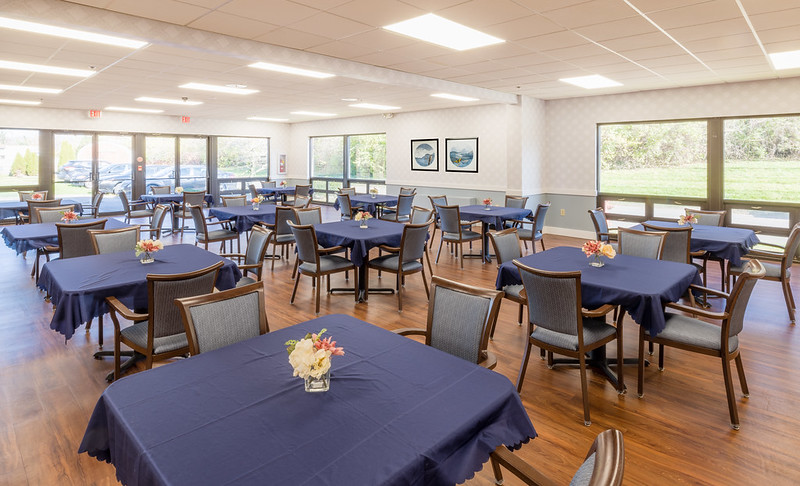
How is Norwood Towers Post-Acute Staffed?

CMS rates NORWOOD TOWERS POST-ACUTE's staffing level at 1 out of 5 stars, which is much below average compared to other nursing homes.

What Have Inspectors Found at Norwood Towers Post-Acute?

State health inspectors documented 33 deficiencies at NORWOOD TOWERS POST-ACUTE during 2019 to 2024. These included: 33 with potential for harm.
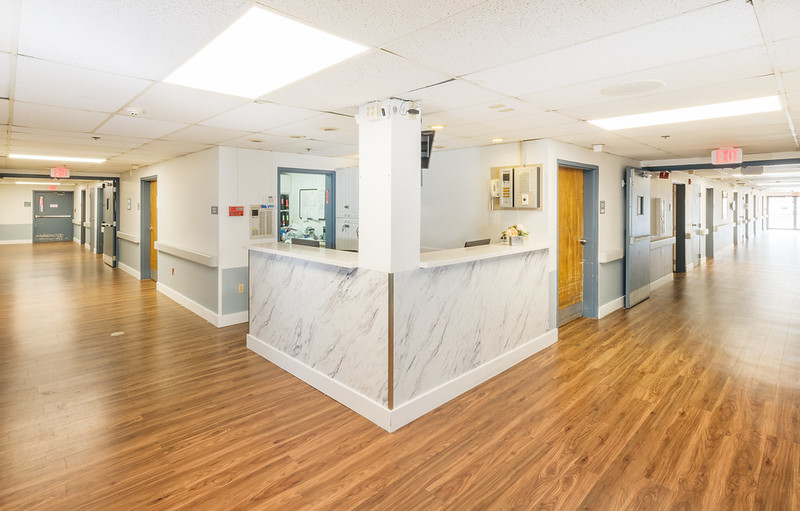
Who Owns and Operates Norwood Towers Post-Acute?

NORWOOD TOWERS POST-ACUTE is owned by a for-profit company. For-profit facilities operate as businesses with obligations to shareholders or private owners. The facility is operated by PACS GROUP, a chain that manages multiple nursing homes. With 120 certified beds and approximately 105 residents (about 88% occupancy), it is a mid-sized facility located in CINCINNATI, Ohio.

How Does Norwood Towers Post-Acute Compare to Other Ohio Nursing Homes?

Compared to the 100 nursing homes in Ohio, NORWOOD TOWERS POST-ACUTE's overall rating (4 stars) is above the state average of 3.2 and health inspection rating (4 stars) is above the national benchmark.

What Should Families Ask When Visiting Norwood Towers Post-Acute?

Based on this facility's data, families visiting should ask: "Can you walk me through typical staffing levels on day, evening, and night shifts?" "Can I visit during a mealtime to observe dining assistance and food quality?" "How do you handle medical emergencies, and what is your hospital transfer rate?" "Can I speak with family members of current residents about their experience?" These questions are particularly relevant given the below-average staffing rating.

Is Norwood Towers Post-Acute Safe?

Based on CMS inspection data, NORWOOD TOWERS POST-ACUTE has a clean safety record: no substantiated abuse findings (meaning no confirmed cases of resident harm), no Immediate Jeopardy citations (the most serious violation level indicating risk of serious injury or death), and is not on the Special Focus Facility watch list (a federal program monitoring the lowest-performing 1% of nursing homes). The facility has a 4-star overall rating and ranks #1 of 100 nursing homes in Ohio. While no facility is perfect, families should still ask about staff-to-resident ratios and recent inspection results during their visit.

Do Nurses at Norwood Towers Post-Acute Stick Around?

NORWOOD TOWERS POST-ACUTE has not reported staff turnover data to CMS. Staff turnover matters because consistent caregivers learn residents' individual needs, medications, and preferences. When staff frequently change, this institutional knowledge is lost. Families should ask the facility directly about their staff retention rates and average employee tenure.

Was Norwood Towers Post-Acute Ever Fined?

NORWOOD TOWERS POST-ACUTE has been fined $15,000 across 1 penalty action. This is below the Ohio average of $33,229. While any fine indicates a compliance issue, fines under $50,000 are relatively common and typically reflect isolated problems that were subsequently corrected. Families should ask what specific issues led to these fines and confirm they've been resolved.

Is Norwood Towers Post-Acute on Any Federal Watch List?

NORWOOD TOWERS POST-ACUTE is not on any federal watch list. The most significant is the Special Focus Facility (SFF) program, which identifies the bottom 1% of nursing homes nationally based on persistent, serious quality problems. Not being on this list means the facility has avoided the pattern of deficiencies that triggers enhanced federal oversight. This is a positive indicator, though families should still review the facility's inspection history directly.