PARKVIEW NORTHWEST HEALTHCARE CENTER
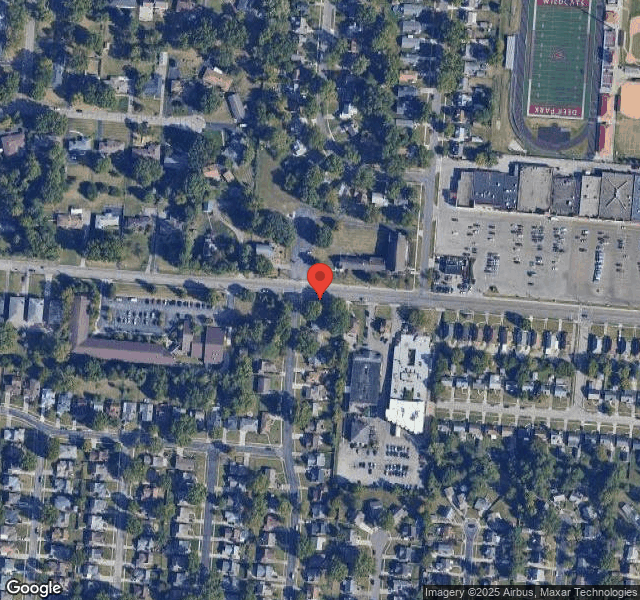
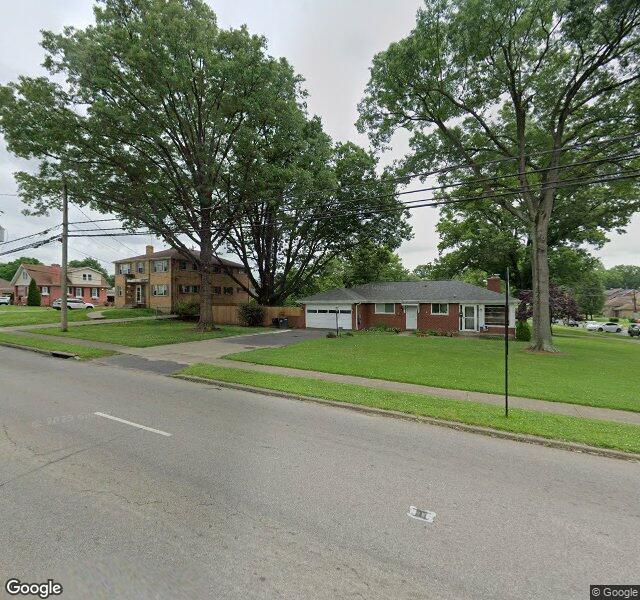
3875 EAST GALBRAITH ROAD, CINCINNATI, OH 45236 (513) 793-5222
For profit - Corporation 73 Beds COMMUNICARE HEALTH Data: November 2025 2 Immediate Jeopardy citations
Trust Grade
31/100
#530 of 913 in OH
Last Inspection: September 2024

Within standard 12-15 month inspection cycle. Federal law requires annual inspections.

Overview

Parkview Northwest Healthcare Center has received a Trust Grade of F, indicating significant concerns about the quality of care provided. It ranks #530 out of 913 facilities in Ohio, placing it in the bottom half, and #43 out of 70 in Hamilton County, meaning only a few local options are potentially better. While the facility's performance is improving, reducing issues from seven in 2023 to two in 2024, it still has a concerning history, including $45,503 in fines, which is higher than 85% of Ohio facilities. Staffing is rated at 2 out of 5 stars, with a 51% turnover rate, which is average, though the facility has good RN coverage, exceeding 76% of state facilities. Specific incidents include a critical failure to supervise residents with exit-seeking behaviors, leading to dangerous situations where residents eloped from the facility without staff knowledge, highlighting serious safety concerns despite some strengths in quality measures.

Trust Score
F
31/100
In Ohio
#530/913
Bottom 42%
Safety Record
High Risk
Review needed
Inspections
Getting Better
7 → 2 violations
Staff Stability
⚠ Watch
51% turnover. Above average. Higher turnover means staff may not know residents' routines.
Penalties
⚠ Watch
$45,503 in fines. Higher than 78% of Ohio facilities, suggesting repeated compliance issues.
Skilled Nurses
○ Average
Each resident gets 39 minutes of Registered Nurse (RN) attention daily — about average for Ohio. RNs are the most trained staff who monitor for health changes.
Violations
⚠ Watch
42 deficiencies on record. Higher than average. Multiple issues found across inspections.
★★★☆☆
3.0
Overall Rating
★★☆☆☆
2.0
Staff Levels
★★★★★
5.0
Care Quality
★★☆☆☆
2.0
Inspection Score
Stable
2023: 7 issues
2024: 2 issues

The Good

  • 5-Star Quality Measures · Strong clinical quality outcomes
  • Full Sprinkler Coverage · Fire safety systems throughout facility
  • No fines on record

Facility shows strength in quality measures, fire safety.

The Bad

3-Star Overall Rating

Near Ohio average (3.2)

Meets federal standards, typical of most facilities

Staff Turnover: 51%

Near Ohio avg (46%)

Higher turnover may affect care consistency

Federal Fines: $45,503

Above median ($33,413)

Moderate penalties - review what triggered them

Chain: COMMUNICARE HEALTH

Part of a multi-facility chain

Ask about local staffing decisions and management

The Ugly 42 deficiencies on record

2 life-threatening
Sept 2024 1 deficiency
CONCERN (D)

Potential for Harm - no one hurt, but risky conditions existed

PASARR Coordination (Tag F0644)

Could have caused harm · This affected 1 resident

Based on record review, staff interview and review of the facility policy, the facility failed to ensure a preadmission screening and resident review (PASARR) Level II was completed after a significan...

Read full inspector narrative →
Based on record review, staff interview and review of the facility policy, the facility failed to ensure a preadmission screening and resident review (PASARR) Level II was completed after a significant change in resident status. This affected one (Resident #14) of two residents reviewed for PASARRs. The facility census was 46 residents. Findings include: Review of the medical record for Resident #14 revealed an admission date of 08/12/22 with diagnoses including obstructive and reflux uropathy, benign prostatic hypertrophy, gastro-esophageal reflux disease and insomnia. Review of the Minimum Data Set (MDS) assessment for Resident #14 dated 07/20/24 revealed the resident had intact cognition and required set up with activities of daily living (ADLs.) Review of the diagnosis list for Resident #14 revealed the resident had a new diagnosis of schizoaffective disorder, bipolar type added on 07/03/24 by the facility. Review of the PASARR for Resident #14 dated 03/22/21 revealed the resident was ruled out of the PASARR population because dementia was likely to be the primary focus of behavioral health treatment. Further review of the PASARR revealed the following diagnoses were ruled out while the resident was in the hospital prior to admission to the facility: bipolar disorder, depression with psychotic features, schizoaffective disorder. Interview on 09/11/24 at 11:40 A.M. with Social Worker (SW) #365 confirmed the facility should have completed a resident review and initiated a Level II PASARR for Resident #14 when the resident was diagnosed with schizoaffective disorder on 07/03/24. Review of the facility policy titled PASARR dated 01/01/20 revealed a new PASARR was to be completed any time there was a change of condition of a resident currently in a nursing facility and a change in the individual's current diagnoses, mental health treatment, functional capacity, or behavior such that, as a result of the change, the individual who did not previously have indications of a serious mental illness developed such indications.
May 2024 1 deficiency 1 IJ
CRITICAL (J) 📢 Someone Reported This

A family member, employee, or ombudsman was alarmed enough to file a formal complaint

Immediate Jeopardy (IJ) - the most serious Medicare violation

Accident Prevention (Tag F0689)

Someone could have died · This affected 1 resident

**NOTE- TERMS IN BRACKETS HAVE BEEN EDITED TO PROTECT CONFIDENTIALITY** Based on observations, medical record review, staff interview, review of the facility's investigation, review of the witness st...

Read full inspector narrative →
**NOTE- TERMS IN BRACKETS HAVE BEEN EDITED TO PROTECT CONFIDENTIALITY** Based on observations, medical record review, staff interview, review of the facility's investigation, review of the witness statements, review of the facilities self-reported incidents (SRIs), review of an emergency medical services (EMS) report, review of hospital records, review of emergency room (ER) notes, review of the local weather report, and review of a facility policy, the facility failed to provide adequate supervision and implement timely interventions for exit-seeking behaviors for Resident #39, who was cognitively impaired, had a history of recent exit-seeking behaviors, and who resided in a secured unit, to prevent his elopement from the facility without staff knowledge. This resulted in Immediate Jeopardy and the potential for serious life-threatening harm, injuries, and/or death on [DATE] when Resident #39 broke the window in his room using a fire extinguisher and later returned to the room and exited the secured building by jumping out of the second story window, approximately 13 feet from the ground level. Resident #39 was missing from the facility for approximately 12 hours before staff found the resident being cared for by police and EMS six miles from the facility. This affected one (#39) of three residents reviewed for elopement risk. The facility identified twenty-seven residents (#01, #03, #04, #05, #08, #09, #10, #11, #12, #14, #15, #16, #18, #24, #25, #27, #33, #34, #36, #38, #40, #43, #44, #44, #45, #46, and #47) at risk for elopement on the secured unit. The facility census was 47. On [DATE] at 3:46 P.M., the Administrator, the Director of Nursing (DON), Regional Director of Clinical Services (RDCS) #314, and Regional Director of Operations (RDO) #315, were notified Immediate Jeopardy began on [DATE] at 6:30 A.M., when Resident #39 eloped from the facility, without staff knowledge due to the failure of the facility to provide adequate supervision. On [DATE] at 6:30 A.M., State Tested Nursing Assistant (STNA) #300 discovered Resident #39 had broken out his room window with a fire extinguisher and reported it to Licensed Practical Nurse (LPN) #220. Staff then moved Resident #39 from his room to the common area. LPN #220 who was assigned to monitor Resident #39, allowed the resident to return to the room with the broken window and then left the resident's room to check on another resident. LPN #220 was aware the resident broke his window and had STNAs take him and roommate to the dining room. At 6:45 A.M., in an interview with LPN #220, she stated she observed the resident returning to his room and he refused to leave the room. LPN #220 was observing him from the door when she left to care for another resident leaving the resident unsupervised and by himself in his room. On [DATE] at 7:30 A.M., STNA # 265 could not locate Resident #39. Staff looked out Resident #39's broken window and saw the following items on the ground below: a pillow, unused gloves, wipes, a flat sheet, and a bedspread. On [DATE] at approximately 7:40 P.M., STNA #265 was off duty and observed Resident #39 with the police and EMS personnel in a heavily trafficked area approximately six miles away from the facility. Resident #39 was taken to the hospital for evaluation. The Immediate Jeopardy was removed on [DATE] when the facility implemented the following corrective actions: • On [DATE] at 6:30 A.M., LPN #220 was informed the window in Resident #39's room was broken. At 7:00 A.M., LPN #220 was stationed outside the resident's room to supervise and ensure the safety of Resident #39 and to prevent re-entrance and access to the resident's room. At 7:25 A.M., LPN #220 stationed outside of the resident's room responded to another resident screaming and went to check on the resident. • On [DATE] At 7:30 A.M., STNA #265 checked the resident's room for the resident and noted him missing. Resident #39 was believed to have exited through the broken second floor window and landed 13 feet below on the exterior ground which consisted of grass and concrete and was unsecured. On the ground there was a pillow, unused gloves, wipes, a flat bed sheet and a bed spread. A head count was conducted immediately and there was a total of 45 residents present in-house out of a census of 47 (there was one resident on a Leave of Absence (LOA) with family and Resident #39 was unaccounted for). • On [DATE] at 7:30 A.M., upon discovering the Resident #39 could not be located, STNAs #218, #217, #312, #265 and LPN # 251 began searching the facility. • On [DATE] at 7:30 A.M., all other windows were checked by STNAs #216 and #312 and validated as being secured, and all exits/entrances were validated as being secured by STNA # 218. • On [DATE] at 7:45 A.M., STNAs #218 and #312 searched the perimeter of the facility until 8:10 A.M. • On [DATE] at approximately 8:00 A.M., LPN #293 notified the local Police Department Resident #39 was missing. Resident #39's Guardian, Psychiatric (Psych) Physician #316 and Medical Director (MD) #317 were notified by LPN #251. • On [DATE] at 8:00 A.M., Maintenance Technician (MT) #318 arrived at the facility. • On [DATE] at 8:10 A.M., the DON and Administrator were notified that Resident #39 could not be located. LPN #293 was placed on door watch outside of Resident #39's room to ensure the resident's room was not entered due to the broken window where she remained until the window was fixed around 10:12 A.M. by MT #318. • On [DATE] at approximately 9:00 A.M., the DON, Business Office Manager (BOM) #207, Therapy Manager #258, Activities Director (AD) #305, MT #318, Administrator, RDO #315, Minimum Data Set (MDS) Coordinator #256 and Social Services Designee (SSD) #271 arrived at the facility and conducted an additional neighboring community search to locate the missing resident. • On [DATE] at 9:30 A.M., calls were made to all local hospitals by SSD #271 and Resident #39 was not located. • On [DATE] at approximately 10:12 A.M., the Administrator conducted a second audit of all door alarms and the elevator keypads to check for proper function and locking mechanism. No concerns were identified. • On [DATE] at approximately 10:15 A.M., MT #318 conducted a second window audit to ensure all windows were secured and in proper function. There were no concerns identified. • On [DATE] at 12:00 P.M., the DON and RDO #315 reviewed/completed wandering observation tools for each resident. No new residents were identified as an elopement risk. • On [DATE] at 12:30 P.M., MDS Coordinator #256 reviewed/updated all care plans to identify residents who were at risk for wandering and elopement. No new residents identified. • On [DATE] at approximately 1:00 P.M., the DON reviewed the elopement binder, the elopement policy, pictures, and face sheets of all at risk residents and no corrections were needed. • On [DATE] at 2:30 P.M., the search for Resident #39 was concluded by the facility staff. • On [DATE] at 3:00 P.M., the DON and Administrator initiated education on elopement management with all facility staff. There were 108 educated out of 108 total staff and completed by 9:00 P.M. and the facility utilized no agency staff. All 108 staff were educated electronically and any staff member not present was instructed to sign off on the education prior to the next scheduled shift. • On [DATE] at approximately 3:30 P.M., education was provided to the Administrator by RDO #315 on elopement management and elopement prevention. • On [DATE] at approximately 3:30 P.M., education was provided to the Administrator and DON by RDO #315 on management of potential risks and hazards to prevent accidents that include but not limited to safeguarding identified risks/hazards to avoid exposure to residents. • On [DATE] at approximately 3:30 P.M., education was provided to the Administrator and DON by RDO #315 on supervision of residents when known risks or hazards are identified that include but not limited to one-on-one (1:1) supervision. • On [DATE] at approximately 7:40 P.M., Resident #39 was located in a neighboring community six miles away by STNA #265 who was heading home and familiar with the area. STNA #265 observed the resident with the police and EMS. STNA #265 notified the DON Resident #39 had been located. • On [DATE] at 7:55 P.M., RDO #315 was notified by the Administrator that Resident #39 had been located by STNA #265. • On [DATE] at 8:08 P.M., an unknown Dispatcher at the local Police Department (PD) called the Administrator to provide an update on the status of Resident #39. The PD Dispatcher was instructed to have EMS transport Resident #39 to the local hospital for a psychological evaluation. • On [DATE] at 8:12 P.M., Resident's #39's Guardian was notified by the DON and Administrator Resident #39 had been located and was being transported to the local hospital for a medical and psychological evaluation. • On [DATE] at approximately 8:14 P.M., Psych Physician #316 was updated by the Administrator and DON on the status of the resident being transitioned to the hospital's Psychiatric Unit. Psych Physician #316 reported the hospital would evaluate the resident and determine if he was appropriate for a 72-hour hold (psychiatric admission). • On [DATE] at 8:25 P.M., an unknown ER Nurse at the local hospital called and spoke with the Administrator and DON and informed them Resident #39 would be assessed psychologically and medically. • On [DATE] at 8:59 P.M., Medical Director #317 was updated on Resident #39's status by the Administrator. • On [DATE] at 9:00 A.M., the DON and Administrator reported to the Quality Assurance Performance Improvement (QAPI) committee the findings related to compliance. The QAPI committee consists of the Administrator, DON, SSD #271, RD #252, BOM #207, MDS Coordinator #256, RDO #315, Therapy Manager #258, and MD #317 (via telephone). • On [DATE] at approximately 3:15 P.M., the DON called the local hospital for an update on Resident #39. The hospital noted Resident #39 was assessed, and no new discoveries or diagnoses were determined, thus the resident was set for discharge back to the facility at 5:00 P.M. • On [DATE] at 5:32 P.M., an elopement drill was conducted by the DON and Administrator. No issues were identified. • On [DATE] at 6:02 P.M., Resident #39 returned to the facility. The resident's Guardian and MD #317 were notified of the resident's return with no new orders given. • On [DATE] at 6:02 P.M., Resident #39 was immediately placed on 1:1 observation and will remain until determined by the Interdisciplinary Team (IDT) and MD #317 that 1:1 observation was no longer required. All staff were educated on expectations of the resident being on 1:1 observation by the DON and Administrator. • On [DATE] at 6:29 P.M., an admission assessment was completed (including skin, pain, and a Braden Scale) on Resident #39. A care conference with the facility's IDT and Resident #39's Guardian/mother was scheduled for [DATE] at 12:45 P.M. • Beginning [DATE], to monitor for ongoing compliance, elopement drills will be completed twice weekly for four weeks, then monthly. The drills will be conducted by the DON or Administrator on day shifts and night shifts. • On [DATE] at 12:45 P.M., A 72-hour care conference was held with the facility's IDT which included SSD #271, DON, Administrator, Therapy Manager #258, MD #317, RDO #315, Registered Dietitian (RD) #252, BOM #275 and Resident #39's Guardian/mother. The Guardian was okay with the new interventions of a room move, 1:1 observation, and a psychiatric consultation. A Brief Interview Mental Status (BIMS) assessment was completed on Resident #39 and noted to be a 12 which indicated the resident was cognitively intact. Resident #39's care plan was updated to show the resident eloped and new interventions include 1:1 observation, educate the resident to speak with staff if he would like to take a walk outside, provide diversionary activities, notify the physician of behavior changes, and offer additional snacks and hydration. • On [DATE] 3:30 P.M., Resident #39's room change was conducted. Resident remains on 1:1 observation close to the nurse's station. • On [DATE], the surveyor completed review of the medical records for residents (#03, #09, #24, and #38) identified as elopement risks and revealed no concerns related to actual elopement from the facility, elopement risk assessments were current and accurate, and care plans were initiated and updated with appropriate interventions to prevent elopement. • On [DATE] from 11:00 A.M. to 12:30 P.M. and on [DATE] from 12:00 P.M. to 3:36 P.M., interviews with STNAs #216, #265, #218, Registered Nurse (RN) #210, LPNs #220 and #293, Central Supply (CS) #282, AD #215, and Activities Assistant (AA) #321, revealed all staff were educated and verbalized knowledge of the facility's elopement policies and procedures and guidelines for monitoring residents who have been placed on 1:1 supervision. Although the Immediate Jeopardy was removed on [DATE], the facility remained out of compliance at Severity Level 2 (no actual harm with potential for more than minimal harm that is not Immediate Jeopardy) as the facility is still in the process of implementing their corrective action plan and monitoring to ensure on-going compliance. Findings include: Review of the medical record for Resident #39 revealed an admission date of [DATE] with diagnoses including schizoaffective disorder, Tourette's disorder, schizophrenia, dementia, bipolar disorder, seizures, suicidality, myocardial infarction, attention deficit hyperactivity disorder (ADHD) combined type, and history of falling. Review of a Guardianship Order dated [DATE] for Resident #39 revealed the resident was assigned a guardianship due to being incompetent, and a mental disability related to schizoaffective disorder and schizophrenia. Review of the physician's order dated [DATE] for Resident #39 revealed the resident was ordered to be admitted to a secured unit. Review of a Wandering Tool Evaluation dated [DATE] for Resident #39 revealed the resident had a past history of wandering, elopement attempts, had expressed anxiety/apprehension to leave the facility, the family/responsible party voiced concerns that would indicate the resident may have wandering tendencies or try to leave, and the resident wandered without sense of purpose, i.e., confused, may enter others rooms and explore belongings. The assessment identified Resident #39 as being at risk for elopement or unsafe wandering. A follow- up evaluation was completed on [DATE] which revealed Resident #39 remained at risk for elopement and unsafe wandering. Review of the care plan dated [DATE] and revised on [DATE] for Resident #39, revealed the resident resided on a secured unit related to elopement risk, and poor cognition. Interventions included educate the resident/resident's representative of the need for a secured unit to maintain the resident's safety, notify the medical provider/resident's representative of any behavior changes, provide diversionary activities as needed and redirect when appropriate. Review of a progress note dated [DATE] at 1:04 P.M. for Resident #39, revealed the resident was seen by laundry staff trying to remove the ceiling tiles as an escape route. The resident was redirected and accompanied to the dining room for lunch. The vital signs were within normal limits, the resident denied pain, the skin was intact, and the resident was calm. Fifteen (15)-minute checks were initiated, and Resident #39 remained on 15-minute checks from [DATE] until [DATE]. Review of the quarterly MDS assessment dated [DATE] for Resident #39 revealed the resident was cognitively impaired and required supervision for activities of daily living (ADLs). Resident #39 was assessed to have the presence of wandering behaviors. Review of a progress note dated [DATE] at 8:45 A.M. for Resident #39 revealed at approximately 7:30 A.M., Resident #39 was noted to not be in his room. The Physician, DON, the resident's Guardian, and the local police were notified. Review of the EMS run report dated [DATE] revealed EMS was dispatched at 7:37 P.M. for unknown problem/person down. The report indicated the patient (Resident #39) broke out of a long care facility this morning. He has a history of mental health. There are no medical issues that he was complaining of and needs transportation back to the facility. Cincinnati Police Department (CPD) notified and responded to transport patient. The patient was turned over to law enforcement. Review of a progress note dated [DATE] at 9:00 P.M. for Resident #39 revealed the resident was located by a staff member (identified as STNA #265) earlier this evening. The police responded and EMS. The resident was transported to a psychiatric hospital for a psychological and medical evaluation. The resident was placed on 72-hour hold and the resident's Guardian was notified. The Facility Psychiatrist #316, Medical Director #317, the RDCO# 314, and RDO #315 were notified. The residents room change will be initiated prior to returning to the facility. Review of the hospital ER notes dated [DATE] at 9:40 P.M. for Resident #39 revealed the resident presented to the ER for foot pain after going missing from a nursing home. The notes revealed the nursing home found evidence that the resident had broken a window out and jumped out of the second story window around 7:30 A.M. The resident was reported to have a shuffled gait; however, refused to participate in the medical care team's examination. The resident did not express discomfort with palpation of the extremities or examination of the spine and due to history, imagining was ordered to rule out trauma. The resident had various imaging studies which were all negative for any acute fractures or abnormalities. Resident #39 was medically cleared, diagnosed with fall, schizophrenia with acute exacerbation, discharged from the ER on [DATE] at 6:08 A.M. and immediately re-admitted to psychiatry unit at the same hospital. The psychiatry notes indicated the resident was well known to the psychiatry team and the resident was originally placed in a Skilled Nursing Facility (SNF) due to injuries he sustained after breaking out a window at home and jumping. The resident received comprehensive psychiatric evaluation and therapeutic management in accordance Psychiatric Emergency Services (PES) guidelines for dangerous behavior while he was at his SNF. Resident #39 was monitored for 10 hours and discharged back to the SNF at 5:32 P.M. with no new orders. Review of STNA #306's written statement dated [DATE], revealed she had clocked out and was about to leave when someone said they couldn't find Resident #39 for his breakfast tray. They started looking for the resident and she stayed and waited. Review of LPN #220's undated written statement revealed the resident was walking around and acting usual. The resident didn't say or do anything unusual. Review of STNA #300's undated written statement revealed the resident was pacing until about 4:00 A.M. The resident went to his room and STNA #300 saw the window was broken and told the nurse. They checked it out and told the DON. STNA #300 helped clean up the glass. Review of SSD #271's written statement dated [DATE], revealed she called area hospitals searching for the resident and the resident was not located. SSD #271 drove around with BOM #275, and the resident was not located. Review of STNA #265's written statement dated [DATE] revealed when she arrived at work at 7:02 A.M., she was informed Resident #39 was on 15-minute checks. STNA #265 went into the resident's room at 7:15 A.M. to check on the resident and the resident was lying in bed and when she went back to check on the resident, the resident was not in the room. They all went out to check. Review of STNA #265's additional written statement dated [DATE], revealed she was heading home after work when she was driving and saw EMS who was with Resident #39. STNA #265 pulled over to let them know that Resident #39 had escaped from the facility where she worked at. STNA #265 called the DON to let her know the resident was found. Review of STNA #208's written statement dated [DATE], revealed she worked on [DATE] and noticed the window was broken along with STNA #300. During rounds, she took Resident #39 and his roommate to the dining room at 6:30 A.M. and when she left at 7:00 A.M., they were still there. Interview with the DON on [DATE] at 10:00 A.M., revealed the resident was originally admitted to the facility on [DATE] post hospitalization related to the resident jumping out of an apartment building window and fracturing both feet. The DON verified the resident was observed trying to remove ceiling tiles on [DATE] as an escape attempt and the resident was placed on fifteen-minute checks. Interview with STNA #208 on [DATE] at 1:05 P.M., revealed she was assigned to care for Resident #39 on [DATE] during the night shift (7:00 P.M. to 7:00 A.M.). STNA #208 stated during her rounds at 6:30 A.M., she discovered the window in the resident's room was broken and she reported it to LPN # 220. STNA #208 stated she did not hear glass breaking during her shift and could not be certain when the window was broken. STNA #208 stated she was instructed by the LPN #220 to remove the resident and his roommate from the room, so she placed Resident #39 and his roommate in the dining room and sat with the residents until the end of her shift at 7:00 A.M. STNA #208 stated LPN #220 was standing in the hallway near Resident #39's room to make sure no other residents entered the room as she took the residents to the dining room. Interview with LPN #220 on [DATE] at 1:32 P.M., revealed she was assigned as Resident #39's nurse on [DATE] during the night shift and into the morning of [DATE]. LPN #220 stated she was informed by STNA #208 of the broken glass in the resident's room and instructed the STNA to move the resident and his roommate to the dining room and stay with them. LPN #220 stated she did not hear breaking of any glass in the resident's room during the shift and could not be certain when the glass was broken. LPN #220 stated STNA #300 assisted her with cleaning up the glass and she remained in the hallway near Resident #39's room. LPN #220 stated at approximately 6:45 A.M. she saw Resident #39 return to his room and the resident refused to leave his room. LPN #220 stated she left the facility at approximately 7:15 A.M. when the day shift nurse, LPN #293, arrived. Interview with STNA #265 on [DATE] at 1:37 P.M., revealed she was assigned to care for Resident #39 on [DATE] during the day shift (7:00 A.M. to 7:00 P.M.). STNA #265 stated Resident #39 was on 15-minute checks and she was informed the resident's room window was broken earlier in the morning but never informed the resident was not supposed to be in his room or be on 1:1 observation. STNA #265 stated she checked on the resident at 7:15 A.M. and he was lying in his bed, and she did not want to disturb him and when she checked on him again at 7:30 A.M. the resident was not in his room. STNA #265 stated she looked out the resident's window and saw a pillow and some bed linens lying on the ground and the gate was open. STNA #265 stated she immediately informed LPN #293 and all staff started searching for the resident. STNA #265 stated after her shift at 7:00 P.M., she decided to search the neighboring community because she had heard the resident talk about the area. STNA #265 stated at approximately 7:40 P.M. she located Resident #39 with EMS and notified the Administrator. STNA #265 stated the resident was dressed in hoodie, jeans, and tennis shoes. STNA #265 left when the resident was transported to the hospital. Interview with LPN #293 on [DATE] at 1:44 P.M., revealed she was assigned to care for Resident #39 on [DATE] during the day shift. LPN #293 stated she was informed by LPN #220 that Resident #39's room window had been broken out. LPN # 293 stated she was getting report from the previous shift and did not see the resident and at 7:30 A.M., STNA #265 informed her the resident was not in his room and when she looked out the window, she saw a pillow and blankets and assumed the resident had eloped through the broken window. LPN #293 stated she initiated a head count which ended at approximately 8:15 A.M. and Resident #39 was not in the facility. LPN #293 stated she closed the door to the resident's room and stayed by the door from 8:15 A.M. until 10:12 A.M. when MT #318 repaired the window. Observation of Resident #39 on [DATE] at 1:57 P.M., revealed the resident was on a 1:1 observation by RN #210. Interview with Resident #39 at the same time, revealed the resident reported he couldn't remember what happened on [DATE] but stated he wanted to leave the facility. Telephone interview with the Administrator on [DATE] at 3:33 P.M., revealed on [DATE] at 8:00 A.M., LPN #293 notified the local police Resident #39 was missing and the police put out a statewide be on the lookout ([NAME]). The Administrator stated she was contacted by the local police on [DATE] at 8:08 P.M., that the resident had been found and asked if she wanted him held at the police station or returned to the facility. The Administrator instructed the police to take him to the hospital for a psychiatric and medical evaluation. The Administrator stated a fire extinguisher was found on the floor of the resident's room and the facility had determined he used the fire extinguisher to break the window. The Administrator stated after the resident returned to the facility on [DATE], she interviewed the resident and he stated he used the fire extinguisher to break the window and jumped out of the window because he wanted to go home. Review of the online weather report at the website https://www.wunderground.com/history/daily/us/oh/cincinnati/KCVG/date/2024-4-21 revealed the air temperature on [DATE] at 7:52 A.M. was 39 degrees Fahrenheit, there was no precipitation, and the wind speed was approximately twelve miles per hour. Review of the facility's undated policy titled, Elopement Management revealed failure to provide adequate supervision for cognitively impaired residents who leave the facility or safe area and are unaccounted for is considered an elopement. This deficiency represents non-compliance investigated under Complaint Number OH00153232.
Jul 2023 1 deficiency 1 IJ
CRITICAL (J) 📢 Someone Reported This

A family member, employee, or ombudsman was alarmed enough to file a formal complaint

Immediate Jeopardy (IJ) - the most serious Medicare violation

Accident Prevention (Tag F0689)

Someone could have died · This affected 1 resident

**NOTE- TERMS IN BRACKETS HAVE BEEN EDITED TO PROTECT CONFIDENTIALITY** Based on observations, medical record review, staff interview, review of the facilities investigation, review of the facilities ...

Read full inspector narrative →
**NOTE- TERMS IN BRACKETS HAVE BEEN EDITED TO PROTECT CONFIDENTIALITY** Based on observations, medical record review, staff interview, review of the facilities investigation, review of the facilities self-reported incidents (SRIs), review of guardianship documents, review of a police report, and review of a facility policy, the facility failed to provide adequate supervision to prevent the elopement of Resident #100, who had impaired cognition, assessed with exit seeking behaviors and resided in a secured behavioral building. This resulted in Immediate Jeopardy and the potential for serious life-threatening harm, injuries, and/or death on [DATE] when Resident #100 eloped from the facility without staff knowledge. The lack of adequate supervision and timely response to interventions resulted in Resident #100 exiting the secured building at an unknown time. Resident #100 was discovered missing from the facility at 6:30 P.M. during nursing rounds and Resident #100 was discovered by fire department personnel at 7:10 P.M. when the resident walked into an apparatus bay of the local fire department which was 1.1 miles from the facility and located in a congested, highly trafficked area. This affected one resident (#100) of three residents assessed at risk for elopement in the facility. The facility census was 46. On [DATE] at 1:36 P.M., the Administrator, Regional Director of Clinical Operations (RDCO) #801, and Licensed Practical Nurse (LPN) #17 were notified Immediate Jeopardy began on [DATE] at 6:30 P.M., when Resident #100 was not provided adequate supervision and eloped from the facility, without staff knowledge. On [DATE] at 7:10 P.M., the resident was found by the fire department personnel when the resident walked into an apparatus bay of the local fire department which was 1.1 miles away and located in a congested, highly trafficked area. The fire department personnel called the local police department who responded to the fire department and transported Resident #100 back to the facility at 7:15 P.M. Observation of the facility's front door on [DATE] at 2:22 P.M. with the Administrator, revealed the front door was left unalarmed and was able to be opened with no delayed egress while there were no staff present in the area watching the door. The Administrator stated she was not aware the door was left unalarmed and verified the door was able to open without the delayed egress. The Administrator was observed to ask the nurse at the nurse's desk if she had been watching the door and the nurse stated she had no knowledge that the door was unlocked, and it was not alarmed. No other staff were in the vicinity and no staff members identified themselves as watching the door as the Administrator was attempting to find out who was watching the door while maintenance staff had the front door alarm and delayed egress turned off and were not in the vicinity of the door. Interview with the Administrator at the same time verified the front door was left unalarmed and was able to open with no delayed egress. The Administrator also verified the door was not being watched by staff and maintenance staff were not present at the door. The Immediate Jeopardy was removed [DATE] when the facility implemented the following corrective actions: • On [DATE] at 6:30 P.M., LPN #17 ensured all residents were accounted for. • On [DATE] at 6:45 P.M., LPN #17 completed an audit to ensure all windows and doors were secured and functioning properly. • On [DATE] at 7:15 P.M., Resident #100 was returned to the facility and immediately had a head-to-toe assessment, a pain assessment, and a wandering assessment completed by former Director of Nursing (DON) #800. • On [DATE] at 7:15 P.M., Resident #100 was placed on one-on-one (1:1) supervision for 24 hours. • On [DATE] at 7:25 P.M., LPN #17 notified Physician #200 and new orders were written for Tylenol (over the counter pain) and Aloe Vera lotion. • On [DATE] at 7:52 P.M., LPN #17 notified Resident #100's guardian. • On [DATE] at 9:00 P.M., Former DON #800 and LPN #17 completed wandering and elopement assessments on all residents and no new residents were identified with elopement risks. • On [DATE] at 9:00 P.M., two-hour safety checks were initiated for all residents and continued until [DATE]. • On [DATE] at 9:00 P.M., RDCO #810 educated the Executive Director regarding elopement risks, secure access monitoring upon exit and entrance, and elopement prevention. • On [DATE] at 9:09 P.M., Executive Director initiated education for all staff including Bridgeway (agency staff) on elopement risks, secure access monitoring upon exit and entrance, and elopement prevention. This education was completed on [DATE] at 9:00 A.M. • On [DATE] at 9:30 P.M., LPN #17 reviewed and updated Resident #100's care plan to include wandering interventions to provide activities, asses for hunger, thirst and toileting needs when wondering. • On [DATE], former DON #800/Designee initiated elopement drills twice weekly for two weeks, then weekly for two weeks. • On [DATE] at 10:53 A.M., LPN #09 completed pain and Braden Scale skin assessments for Resident #100. • On [DATE] at 11:00 A.M., the Executive Director removed the high back chairs from the front door area as an extra security measure due to Resident #100 sitting in the chairs. • On [DATE] at 2:03 P.M., Therapy Manager #812 completed a Brief Interview for Mental Status (BIMS) assessment on Resident #100. • On [DATE] at 5:30 P.M., Maintenance Technician #814 changed all door and elevator codes. • On [DATE] at 11:00 A.M., Former DON #800 reported to the Quality Assurance and Performance Improvement (QAPI) committee the findings related to compliance. The QAPI committee consisted of former Administrator #817, Registered Dietitian (RD) #816, Licensed Social Worker (LSW) #812, Social Services Designee #818, Physician #200, and Registered Nurse (RN) #808. • On [DATE] between 4:30 A.M. and 2:25 P.M., LPN #17, RN #809, STNAs #01, #02, #04, and #08 verified they were educated on resident elopement and wandering as well as responding to resident alarms. All staff members interviewed were knowledgeable of the content of each education provided by the facility. • On [DATE] at 2:45 P.M., LPN #17 ensured all residents were accounted for. • On [DATE] at 3:00 P.M., LPN #17 and RDCO #801 educated all staff on ensuring exit doors were closed and secured prior to walking away and that secured doors required monitoring by staff if the door was not able to be secured. • On [DATE] at 3:10 P.M., Facilities Manager #809 and Maintenance Director #810 fixed the front door and ensured it was in good working order. • On [DATE] at 3:30 P.M. and [DATE] at 1:00 P.M., LPN #17 and RDCO #801 completed an audit to ensure all windows and doors were secured and functioning properly. • On [DATE] at 9:00 A.M., LPN #17 and RDCO #801 completed an audit of all residents at risk for elopement, reviewed the facility elopement binder for accuracy and all resident's care plans were reviewed. • On [DATE] at 10:00 AM., Administrator in Training (AIT) #815 reported to the Ad hoc QAPI committee the findings related to compliance audits. • On [DATE], surveyor completed review of the medical records for residents (#01, #11 and #20) identified as elopement risks and revealed no concerns related to actual elopement from the facility, elopement risk assessments were current and accurate, and care plans were initiated and updated with appropriate interventions to prevent elopement. • On [DATE], to monitor ongoing compliance, Executive Director/designee will complete elopement drills twice weekly for two weeks, then once per week for two weeks. • On [DATE], to monitor ongoing compliance, Maintenance Director #810 will complete an audit to ensure all windows and doors are locked and secured. Audits will be completed five times per week for two weeks, then three times per week for two weeks, then weekly for two weeks. • On [DATE], Maintenance Director #810/Designee will change the door codes and elevator codes every 30 days. Although the Immediate Jeopardy was removed on [DATE], the facility remained out of compliance at Severity Level 2 (no actual harm with potential for more than minimal harm that is not Immediate Jeopardy) as the facility was in the process of implementing their corrective action plan and monitoring to ensure on-going compliance. Findings include: Review of the medical record for Resident #100, revealed an admission date of [DATE] with diagnoses including dementia, mild intellectual disabilities (ID), schizoaffective disorder bipolar type, chronic obstructive pulmonary disease (COPD), epilepsy, and major depressive disorder. Resident #100 was discharged to another skilled nursing facility on [DATE]. Review of a guardianship order dated [DATE] for Resident #100, revealed the resident was assigned a guardianship due to mental disability related to dementia and schizoaffective disorder. Review of the physician's order dated [DATE] for Resident #100, revealed the resident was ordered to be admitted to a secured unit. Review of the progress note dated [DATE] for Resident #100, revealed Emergency Medical Services (EMS) called the facility asking about Resident #100 and stated the resident had called 911 and EMS was on their way to check out the resident. EMS was told that Resident #100 was fine, and the nurse saw him about 10 minutes ago. The nurse went to check on the resident and the resident was noted walking out of his room. The resident was asked if he called EMS and he stated yeah, I am getting out of here. Resident #100 denied any concerns and no distress was noted. Resident stated I want a pop. I know I am not supposed to call 911 but I want a coke. The last time the officer told me I could go to jail for calling too much. The nurse reminded Resident #100 that 911 was for emergencies. Review of the secured unit care plan dated [DATE] for Resident #100, revealed the resident required a secured unit for behaviors and poor cognition. Interventions included evaluate the need for a secured unit, obtain consent for the resident from resident representative, obtain a medical provider order to include the diagnosis and exhibited behaviors, notify the medical provider and resident representative of behavioral changes, provide diversionary activities as needed and redirect resident when appropriate. Review of the wandering observation tool dated [DATE] for Resident #100, revealed the resident had a history of wandering. Review of the significant change Minimum Data Set (MDS) assessment dated [DATE] for Resident #100, revealed the resident was moderately cognitively impaired, and Resident #100 required limited assistance with transfers, and toileting. Resident #100 required supervision with bed mobility, dressing, eating, and personal hygiene. Review of the secured unit follow up review assessment dated [DATE] for Resident #100, revealed the resident was agitated at times and wanted to leave and would tell staff he wanted to leave. Resident #100 also called 911 occasionally and was anxious at times. Review of the progress note dated [DATE] at 7:52 P.M. for Resident #100, revealed the resident's guardian and brother were made aware of Resident #100's unauthorized leave of absence and Resident #100's return to the facility. Review of the progress note dated [DATE] at 7:52 P.M. for Resident #100, revealed the resident left on an unauthorized leave of absence and was found at the fire station without concern. Policy and procedure were followed. Review of the police report dated [DATE], revealed the police were dispatched to the facility on [DATE] at 6:42 P.M. and arrived at the facility at 6:48 P.M. to take a report for a missing resident. Upon arrival, police met with an employee (unknown) that was waiting outside for police. After speaking with the employee, it was determined that the individual was missing from the secured part of the facility. Staff told police he was last seen at 1:30 P.M. Police gathered all the information to be able to enter him as an endangered missing person and left the scene to look for the individual. As police were entering the individual as a missing person, the fire station called at approximately 7:10 P.M. to report that a person walked into their fire house and stated he was from the facility's address. Police responded and it was the missing individual. The firehouse was a little over a mile away from the facility. Police returned the resident to the facility and to the care of the nurses. Review of the wandering observation tool dated [DATE] for Resident #100, revealed the resident had a history of wandering, had not accepted current living arrangements, the resident had expressed anxiety and apprehension to leave the facility, the resident had a history of elopement, the resident wandered without a sense of purpose and the resident had psychiatric issues. Review of LPN #802's written statement dated [DATE], revealed she last saw Resident #100 in the hall during lunch by his room around 12:30 P.M. Review of LPN #17's written statement dated [DATE], revealed she sat outside with the residents during a smoke break at 11:15 A.M. Review of STNA #803's written statement dated [DATE], revealed the last time she saw Resident #100 was in his room at 4:30 P.M. or 5:00 P.M. when the nurse administered his medications. Review of LPN #804's undated written statement, revealed she came to work on [DATE] at 2:15 P.M. She started her medication pass around 4:15 P.M. Resident #100 received medication around 4:30 P.M and she finished her medication pass around 6:15 P.M. LPN #804 got prepared for her report for the next shift and making eye contact with all of the residents when she noticed Resident #100 was missing. She contacted nursing staff and they immediately started looking for the resident. She called Resident #100's guardian and his brother, and they looked for the resident inside and outside of the building. Review of STNA #805's written statement dated [DATE], revealed she saw Resident #100 at about 4:45 P.M. in his room in his bed. Review of STNA #01's written statement dated [DATE], revealed she saw Resident #100 around 1:30 P.M. Review of STNA #11's written statement dated [DATE], revealed she saw Resident #100 at dinner time when she was passing the trays and he was laying in his bed at 5:30 P.M. Review of STNA #806's written statement dated [DATE], revealed she last saw Resident #100 at 3:15 P.M. Review of LPN #17's undated written statement revealed the temperature was 78 degrees Fahrenheit outside on [DATE] and it was somewhat cloudy due to overcast. It was not raining. Resident #100 was wearing jeans, a black T-shirt, socks, and shoes. He was dressed appropriately. Review of the facility's in-service dated [DATE], revealed staff were educated on elopement, ensuring all doors close and lock when exiting and no one follows. Staff were also educated on ensuring the elevator door closes completely when exiting. Division of Facilities Manager #809 was not listed as being educated on [DATE] and Maintenance Director #810 was not employed by the facility on [DATE]. No maintenance staff were listed as being educated on elopements. Review of the facilities SRIs from [DATE] to [DATE], revealed there were no SRIs filed in regard to any elopements from the facility. Review of the progress note dated [DATE] for Resident #100, revealed the resident discharged to another skilled nursing facility. Review of Maintenance Director #810's employment orientation education dated [DATE], revealed Maintenance Director #810 was educated that staff must ensure that all exit doors are completely closed, and the lock is engaged prior to exiting the facility and when entering the facility. Interview on [DATE] at 4:21 A.M. with STNA #02, revealed he was not present on the date of Resident #100's elopement but stated Resident #100 would make comments that he wanted to leave and go home prior to the elopement incident. Telephone interview on [DATE] at 8:43 A.M. with Resident #100's guardian, revealed Resident #100 was never authorized to go out of the facility unsupervised as he has poor safety awareness and the intellectual ability of an eight- to ten-year-old. Resident #100's guardian stated that Resident #100 eloped from the facility a few weeks ago and was found by the police at the fire department. Resident #100's guardian stated the facility notified her in the late afternoon that Resident #100 was missing from the facility, and they stated they did not know how long he had been gone. Resident #100's guardian stated the facility also notified Resident #100's brother prior to calling her and the facility did not know how he got out of the facility. Resident #100's guardian reported the facility reported that Resident #100 had a history of sitting by the door and watching the door and he likely got out from watching the doors. Resident #100's guardian stated Resident #100 had a history of attempting to leave the facility and had previously eloped from prior facilities. Resident #100's guardian reported the facility was aware of Resident #100's elopement history. Telephone interview on [DATE] at 9:52 A.M. with Police Officer #807, revealed he got a call on [DATE] at 6:42 P.M. from the facility and he responded to the call. Police Officer #807 stated staff were outside looking for Resident #100 when he arrived at the facility, and he went inside to the nurse's station. Police Officer #807 reported staff were not able to tell him when he was last seen but one staff member reported Resident #100 was last seen at 1:30 P.M. Police Officer #807 stated he asked facility staff members questions related to when Resident #100 was last seen and information about him and how he eloped several times and the responses were not consistent. Police Officer #807 reported he left and went to the shopping center across the street from the facility to search for the resident and then went back to the police department to enter Resident #100's information into their missing person systems. Police Officer #807 stated the fire department called him at 7:10 PM. and reported they had a person there that said he walked away from a nursing home. The fire house was located at 7050 Blue Ash Road Cincinnati OH 45236 which was over a mile away from the facility. Police Officer #807 stated he could not remember exactly what Resident #100 was wearing and he took Resident #100 back to the facility at 7:15 P.M. Interview on [DATE] at 10:37 A.M. with STNA #01, revealed the STNA worked on the day Resident #100 eloped from the facility, but she could not remember the time or the details. STNA #01 stated that someone told her Resident #100 eloped from the facility but could not remember who told her or what time it was but stated it might have been around dinner time. STNA #01 stated staff started looking for Resident #100 and she was not sure how he got back at the facility or what time he arrived back at the facility. Telephone interview on [DATE] at 12:48 P.M. with STNA #11, revealed the facility noticed Resident #100 was missing but she was not sure who noticed that Resident #100 was missing. STNA #11 stated she was told by another staff member that Resident #100 was missing, and they started searching the resident rooms and looking outside for Resident #100. STNA #11 stated she was not sure who called the police, when Resident #100 returned to the facility or where Resident #100 was found. Telephone interview on [DATE] at 1:13 P.M. with RN #808, revealed she did not know what time Resident #100 was last seen or when he went missing. RN #808 stated she could not remember any details of the event. RN #808 then called back on [DATE] at 1:20 P.M. and stated staff noticed Resident #100 missing at an unknown time and a head count was completed. RN #808 stated the physician and guardian were notified and Resident #100 returned to the facility at 7:15 P.M. and was not too far from the facility. Interview on [DATE] at 1:47 P.M. with the Administrator, revealed the Administrator was not the acting Administrator at the time when Resident #100 eloped from the facility on [DATE]. The Administrator stated Resident #100 was last seen at 5:30 P.M. by STNA #11 and LPN #804 noticed Resident #100 missing at 6:30 P.M. The Administrator reported staff searched all the resident rooms twice and then they went outside and checked the neighboring facility and the perimeter of the building. The Administrator stated the police were also called and the former Administrator and former DON #800 were notified. The Administrator reported the police came and the resident was assisted back to the facility by police approximately 45 minutes after he was found. The Administrator stated she was not sure where he was found as she was not working at the facility at the time of the incident but later reported he was found at the fire department. The Administrator reported the resident was wearing jeans, a black T-shirt, socks, and shoes and it was 78-degree Fahrenheit outside on [DATE]. The Administrator stated Resident #100 had a guardian and it was an unauthorized leave of absence. The Administrator stated the facility was not sure how Resident #100 got out of the facility but stated he could have followed a family member out of the building. The Administrator stated Resident #100 did not have any injuries and staff started doing resident checks every two hours, and elopement drills on [DATE]. The Administrator reported the doors and windows were checked on [DATE] and were functioning properly and the door codes were changed on [DATE]. The Administrator stated the door codes are now changed every thirty days and family are not given the codes. Observation of the facility's front door alarm on [DATE] at 1:59 P.M. with the Administrator, revealed the door was not alarming and would not open. Interview with the Administrator at the same time verified the front door was not alarming and would not open. Administrator stated she would call maintenance. Observation of the facility's front door on [DATE] at 2:22 P.M. with the Administrator, revealed the front door was left unalarmed and was able to be opened with no delayed egress while there were no staff present in the area watching the door. The Administrator stated she was not aware the door was left unalarmed and verified the door was able to open without the delayed egress. The Administrator was observed to ask the nurse at the nurse's desk if she had been watching the door and the nurse stated she had no knowledge that the door was unlocked, and it was not alarmed. No other staff were in the vicinity and no staff members identified themselves as watching the door as the Administrator was attempting to find out who was watching the door while maintenance staff had the front door alarm and delayed egress turned off and were not in the vicinity of the door. Interview with the Administrator at the same time verified the front door was left unalarmed and was able to open with no delayed egress. The Administrator also verified the door was not being watched by staff and maintenance staff were not present at the door. Telephone interview on [DATE] at 2:25 P.M. with Former DON #800, revealed she no longer worked at the facility but was in meetings at the neighboring skilled nursing facility on [DATE] when Resident #100 eloped from the facility. Former DON #800 stated that she walked over to get her stuff to go home, and the staff told her that they could not find Resident #100. Former DON #800 stated she was not sure what time it was, but staff searched the facility, and the Administrator was notified. The police were called but she was not sure who called the police and Resident #100 was later found at the fire department. Former DON #800 stated that she was not sure when Resident #100 was last seen, and stated staff recollections of events were very inconsistent. Review of LPN #17's undated witness statement, revealed the front door was fixed and was fully functioning on [DATE] at 3:10 P.M. Review of Division of Facilities Manager #809's education dated [DATE], revealed Division of Facilities Manager #809 was educated to ensure all exit doors are closed and secured prior to walking away and all exit doors require monitoring if not secured. Review of Maintenance Director #810's education dated [DATE], revealed Maintenance Director #810 was educated to ensure all exit doors are closed and secured prior to walking away and all exit doors require monitoring if not secured. Telephone interview on [DATE] at 8:58 A.M. with Firefighter/Emergency Medical Technician (EMT) #811, revealed he was working at the fire department on [DATE] when Resident #100 walked into the bay and asked if anyone was looking for him. Firefighter/EMT #811 stated that Resident #100 was wearing a black shirt, jeans, and shoes and that he was familiar with Resident #100 and knew he resided at the facility and had a history of dementia or cognitive impairment. Firefighter/EMT #811 stated the police were contacted by the fire department. Telephone interview on [DATE] at 12:53 P.M with LPN #804, revealed she was not sure when Resident #100 went missing but thought it was around 4:00 P.M. LPN #804 stated she was not sure how long Resident #100 was gone but thought it was a couple of hours. LPN #804 stated she did not know when she last saw Resident #100. LPN #804 stated she was not sure who noticed Resident #100 missing but staff started to search for him once they noticed he was missing. LPN #804 stated she was not sure who called the police. Telephone interview on [DATE] at 1:00 P.M. with LPN #802, revealed she was working at the facility on [DATE] when Resident #100 eloped from the facility. LPN #802 reported she was not sure what time she last saw Resident #100 but reported he went missing around 6:00 P.M. LPN #802 stated they checked all the rooms and then walked to the facility next door (a sister facility on the same campus) to search there. LPN #802 stated she was not sure who contacted the police and stated the police brought Resident #100 back to the facility around 7:30 P.M. and reported that Resident #100 was found at the fire station. LPN #802 stated Resident #100 was wearing a jacket with a shirt under it and long pants, but she could not recall if he was wearing shoes. LPN #802 reported she was not sure how long Resident #100 was gone or how he got out of the facility. Interview on [DATE] at 1:10 P.M. with LPN #17, revealed the front door was fixed on [DATE] at 3:10 P.M. LPN #17 stated she was in her office and watched Division of Facilities Manager #809 and Maintenance Director #810 leave the small hallway where the front door was located and walk down the hallway, but they never told her they were leaving the door unalarmed and unlocked without a delayed egress. LPN #17 stated Division of Facilities Manager #809 and Maintenance Director #810 were educated on leaving doors unalarmed and without a delayed egress without telling staff on [DATE]. Interview on [DATE] at 1:12 P.M with Division of Facilities Manager #809 and Maintenance Director #810, revealed the facility's front door was not functioning properly on [DATE] due to a sensor contact issue. Division of Facilities Manager #809 stated he and Maintenance Director #810 were working on the door on [DATE] and they left to go get tools. Division of Facilities Manager #809 reported they told LPN #17 to watch the door. Interview on [DATE] at 1:21 P.M. with LPN #17, revealed she was working in the skilled nursing facility next door on [DATE] when former DON #800 notified her that Resident #100 was missing. LPN #17 stated staff could not find Resident #100 and stated she was not sure what time it was but thought it was around 6:30 P.M. LPN #17 stated she met former DON #800 outside, and they notified the physician, guardian and Resident #100's brother. LPN #17 stated she was not sure who contacted the police and stated they continued searching for Resident #100 as staff had already done a head count of all residents. LPN #17 reported they continued to search for the resident and the police brought him back, but she was not sure where Resident #100 was located. Interview on [DATE] at 2:53 P.M. with the Administrator and LPN #17, verified Division of Facilities Manager #809 was not educated on elopements until [DATE] and Maintenance Director #810 was educated on elopements upon hire on [DATE] and on [DATE]. Email correspondence on [DATE] at 3:46 P.M. with LPN #17, verified Division of Facilities Manager #809 was covering the maintenance needs at the facility from [DATE] until [DATE] after Maintenance Technician #814 left the faciity on [DATE] and prior to Maintenance Director #810's employment at the facility. Review of the facility's undated elopement management policy revealed an elopement is defined as when a resident leaves the premises or a safe area without authorization or the necessary supervision. The facility is to immediately initiate procedures to locate any resident or patient that is unaccounted for. Notification of appropriate parties will comply with state and federal regulations. Following the location of the involved resident, the facility leadership will review prevention systems to identify performance opportunities. Failure to provide adequate supervision for cognitively impaired residents who leave the facility or safe areas and are unaccounted for is considered an elopement. Review of the facility's undated abuse, neglect and misappropriation policy revealed alleged violations of neglect, exploitation, misappropriation of resident property or mistreatment that do not result in serious bodily injury must be reported no later than 24 hours. The self-report will be made to the state survey agency if appropriate. This deficiency represents non-compliance investigated under Complaint Number OH00144202.
May 2023 3 deficiencies
CONCERN (D) 📢 Someone Reported This

A family member, employee, or ombudsman was alarmed enough to file a formal complaint

Potential for Harm - no one hurt, but risky conditions existed

Notification of Changes (Tag F0580)

Could have caused harm · This affected 1 resident

Based on medical record review, staff interview, and policy review, the facility failed to ensure the physician was notified when antibiotic medication was not available for multiple administrations. ...

Read full inspector narrative →
Based on medical record review, staff interview, and policy review, the facility failed to ensure the physician was notified when antibiotic medication was not available for multiple administrations. This affected one (Resident #50) out of four residents reviewed for notifications. The facility census was 47. Findings include: Review of the medical record for Resident #50 revealed an admission date of 02/15/23 and a discharge date of 04/07/23. Resident #50's diagnoses included Parkinson's disease, type two diabetes, and unspecified Alzheimer's disease. Review of the most recent Minimum Data Set (MDS) 3.0 assessment, dated 02/22/23, revealed Resident #50 had severely impaired cognition. Review of Resident #50's physician orders revealed an order, dated 04/05/23, for Rocephin (antibiotic) one gram solution, inject one gram intramuscularly daily in the afternoon. Review of Resident #50's progress notes revealed on 04/05/23 at 4:13 P.M. Rocephin one gram solution was not administered to Resident #50 because it was on order. Review of the Medication Administration Record, dated April 2023, revealed Resident #50 did not receive any doses of the Rocephin one gram solution on 04/05/23 and 04/06/23. Review of Resident #50's medical record revealed no documentation regarding the physician having been notified that Resident #50's Rocephin one gram solution was not available or administered. Interview on 05/15/23 at 5:40 P.M. with the Former Director of Nursing #25 verified Resident #50's Rocephin one gram solution was not available in the facility emergency drug supply and there was no evidence of the physician having been notified the Rocephin was not available or administered to Resident #50. Review of the policy titled Notification of Change in Condition, undated, revealed circumstances which required notification included circumstances that required the need to alter treatment.
CONCERN (D) 📢 Someone Reported This

A family member, employee, or ombudsman was alarmed enough to file a formal complaint

Potential for Harm - no one hurt, but risky conditions existed

Deficiency F0760 (Tag F0760)

Could have caused harm · This affected 1 resident

Based on medical record review, staff interview, and policy review, the facility failed to ensure residents were free from significant medication errors. This affected one (Resident #50) out of four r...

Read full inspector narrative →
Based on medical record review, staff interview, and policy review, the facility failed to ensure residents were free from significant medication errors. This affected one (Resident #50) out of four residents reviewed for medication administration. The facility census was 47. Findings include: Review of the medical record for Resident #50 revealed an admission date of 02/15/23 and a discharge date of 04/07/23. Resident #50's diagnoses included Parkinson's disease, type two diabetes, and unspecified Alzheimer's disease. Review of the most recent Minimum Data Set (MDS) 3.0 assessment, dated 02/22/23, revealed Resident #50 had severely impaired cognition. Review of Resident #50's physician orders revealed an order, dated 04/05/23, for Rocephin (antibiotic) one gram solution, inject one gram intramuscularly daily in the afternoon. Review of Resident #50's progress notes revealed on 04/05/23 at 4:13 P.M. the Rocephin one gram solution was not administered to Resident #50 because it was on order. Review of the Medication Administration Record, dated April 2023, revealed Resident #50 did not receive any doses of the Rocephin one gram solution on 04/05/23 and 04/06/23. Interview on 05/15/23 at 5:40 P.M. with the Former Director of Nursing #25 verified Resident #50's Rocephin one gram solution was not available in the facility emergency drug supply, and there was no evidence the medication was administered to Resident #50 as ordered. Review of policy titled Medication Administration, undated, revealed medications were administered as prescribed by the provider. Medications that were not given were documented, and critical medications were followed up with physician contact. This deficiency represents non-compliance investigated under Complaint Number OH00141815 and is an example of continued noncompliance from the survey dated 03/30/23.
CONCERN (E) 📢 Someone Reported This

A family member, employee, or ombudsman was alarmed enough to file a formal complaint

Potential for Harm - no one hurt, but risky conditions existed

Safe Environment (Tag F0584)

Could have caused harm · This affected multiple residents

Based on medical record review, observation, staff interview, and policy review, the facility failed to ensure resident bathrooms were maintained in a clean and sanitary manner. This affected four (Re...

Read full inspector narrative →
Based on medical record review, observation, staff interview, and policy review, the facility failed to ensure resident bathrooms were maintained in a clean and sanitary manner. This affected four (Residents #16, #17, #18, and #19) of seven residents reviewed for a sanitary environment. The facility census was 47. Findings include: 1. Review of the medical record for Resident #16 revealed an admission date of 02/01/22. Diagnoses included unspecified dementia, Wernicke's encephalopathy, and unspecified conduct disorder. Review of the most recent Minimum Data Set (MDS) 3.0 assessment, dated 05/04/23, revealed Resident #16 had severely impaired cognition. Resident #16 required supervision assistance for toileting. 2. Review of the medical record for Resident #17 revealed an admission date of 03/20/22. Diagnoses included Parkinson's disease, unspecified dementia, and unspecified schizophrenia. Review of the most recent MDS 3.0 assessment, dated 04/07/23, revealed Resident #17 had both long and short term memory problems. Resident #17 required extensive assistance for toileting. 3. Review of the medical record for Resident #18 revealed an admission date of 01/24/22. Diagnoses included unspecified schizoaffective disorder. Review of the most recent MDS 3.0 assessment, dated 05/06/23, revealed Resident #18 had severely impaired cognition and required supervision assistance for toileting. 4. Review of the medical record for Resident #19 revealed an admission date of 08/20/21. Diagnoses included but were not limited to schizoaffective disorder bipolar type, type two diabetes, and unspecified dementia. Review of the most recent MDS 3.0 assessment, dated 04/05/23, revealed Resident #19 was cognitively intact and was independent with toileting. Observation on 05/15/23 at 3:49 P.M. revealed the bathroom shared by Residents #16, #17, #18, and #19 had the toilet seat up, a pile of brown substance at the base of the seat/tank, and a pile of paper towels covered in a brown substance on the floor in the corner beside the toilet. Interview on 05/15/23 at 3:49 P.M. with State Tested Nurse Aide (STNA) #185 verified the commode in the shared bathroom had feces and piles of feces-soiled paper towels on the floor. STNA #185 stated housekeepers had left for the day and the nursing staff was responsible to clean the unit as needed. Observation on 05/15/23 at 4:55 P.M. revealed the bathroom shared by Residents #16, #17, #18, and #19 still had a pile of brown substance at the base of the seat/tank, and a pile of paper towels covered in a brown substance on the floor in the corner beside the toilet. Interview on 05/15/23 at 4:55 P.M. with STNA #101 verified the bathroom was not clean. STNA #101 stated she was not notified that the bathroom was dirty, and stated it was the responsibility of the nursing staff to clean the unit as needed after housekeepers had left for the day. Review of policy titled Resident Rights, undated, revealed residents were treated with dignity including providing a sanitary environment and attending to needs in a timely fashion. This deficiency represents non-compliance investigated under Complaint Numbers OH00142659 and OH00141815.
Mar 2023 3 deficiencies
CONCERN (D) 📢 Someone Reported This

A family member, employee, or ombudsman was alarmed enough to file a formal complaint

Potential for Harm - no one hurt, but risky conditions existed

Unnecessary Medications (Tag F0759)

Could have caused harm · This affected 1 resident

**NOTE- TERMS IN BRACKETS HAVE BEEN EDITED TO PROTECT CONFIDENTIALITY** Based on medical record review, observations, and staff interviews, the facility failed to ensure medication error rates did not...

Read full inspector narrative →
**NOTE- TERMS IN BRACKETS HAVE BEEN EDITED TO PROTECT CONFIDENTIALITY** Based on medical record review, observations, and staff interviews, the facility failed to ensure medication error rates did not exceed five percent (%). Medication error rate was 20.0 percent (%). This affected one resident (#1) out of three residents observed for medication administration. The facility census was 46. Findings include: Review of medical record for Resident #1 revealed the resident was admitted on [DATE]. Diagnosis included, but not limited to, epilepsy, hypertension, schizophrenia, coronary artery disease, antisocial personality disorder, chronic obstructive pulmonary disease (COPD), angina, anxiety, bipolar disorder, peripheral vascular disease, and chronic pain. Review of the Quarterly Minimum Data Set (MDS) assessment dated [DATE] revealed Resident #1 was cognitively intact. Review of the active March 2023 physician orders for Resident #1, revealed the resident was ordered to receive Geodon 80 milligrams (mg) (antipsychotic) twice daily at 8:00 A.M. and 4:00 P.M., Cogentin 1 mg (antipsychotic/anti-tremor) one tablet daily at 9:00 A.M., Tegretol 200 mg (antiseizure) three times daily at 9:00 A.M. 1:00 P.M. and 9:00 P.M., Clonidine 0.2 mg (blood pressure) twice daily at 9:00 A.M. and 9:00 P.M., Ferrous Sulfate 325 mg (iron supplement) twice daily at 9:00 A.M. and 9:00 P.M., Haldol 10 mg (antipsychotic) twice daily at 9:00 A.M. and 9:00 P.M., Fluticasone-Salmeterol Aerosol powder 250-50 micrograms (mcg) inhaler one puff twice daily at 8:00 A.M. and 9:00 P.M., Protonix 40 mg (proton pump inhibitor) daily at 9:00 A.M., Phenobarbital 64.8 mg (anti-seizure) three times daily at 9:00 A.M., 1:00 P.M. and 900 P.M., Senna 8.6 mg two tabs (laxative) two tablets daily at 9:00 A.M., Toprol XL extended release (ER) 25 mg (blood pressure) daily at 8:00 A.M., Norvasc 10 mg (blood pressure) daily at 8:00 A.M., Hydralazine 100 mg (blood pressure) four times daily at 8:00 A.M, 12:00 P.M. 6:00 P.M. and 9:00 P.M., Losartan 100 mg (blood pressure) daily at 8:00 A.M., and Keppra 1,000mg (anti-seizure) daily at 8:00 A.M. and 1,500 mg nightly. An observation of medication administration on 03/02/23 at 7:50 A.M. with Licensed Practical Nurse (LPN) #38 revealed the LPN prepared the following medications for Resident #1. Geodon 80 mg, Cogentin 1 mg, Tegretol 200 mg, Clonidine 0.2 mg, Ferrous Sulfate 325 mg, Haldol 10 mg, Protonix 40 mg, Phenobarbital 64.8 mg, senna 8.6 mg two tabs and a Fluticasone inhaler. During continued observation of medication administration and directly before LPN #38 was about to administer medications to Resident #1, LPN #38 was asked to stop the medication administration to verify the medications in the cup. LPN #38 verified the medications in cup. During medication reconciliation with LPN #38, she verified she had omitted the following medications: Toprol 25 mg, Norvasc 10 mg, Hydralazine 100 mg, Losartan 100 mg, and Keppra 1,000 mg. During a follow up interview on 03/02/23 at 10:54 A.M. with LPN #38, verified she omitted Resident #1's Toprol 25 mg, Norvasc 10 mg, Hydralazine 100 mg, Losartan 100 mg, and Keppra 1,000 mg during morning medication administration. Review of an undated facility policy titled Medication Administration revealed medications shall be administered as prescribed by the provider safely and in a timely manner. This deficiency represents non-compliance investigated under Complaint Number OH00140248.
CONCERN (D) 📢 Someone Reported This

A family member, employee, or ombudsman was alarmed enough to file a formal complaint

Potential for Harm - no one hurt, but risky conditions existed

Deficiency F0760 (Tag F0760)

Could have caused harm · This affected 1 resident

**NOTE- TERMS IN BRACKETS HAVE BEEN EDITED TO PROTECT CONFIDENTIALITY** Based on medical record review, observations, staff interviews, and policy review, the facility failed to ensure a residents ant...

Read full inspector narrative →
**NOTE- TERMS IN BRACKETS HAVE BEEN EDITED TO PROTECT CONFIDENTIALITY** Based on medical record review, observations, staff interviews, and policy review, the facility failed to ensure a residents antiseizure medication was administered resulting in a significant medication error. This affected one resident (#1) out of four residents observed for medication administration. The facility census was 46. Findings include: Review of medical record for Resident #1 revealed the resident was admitted on [DATE]. Diagnosis included, but not limited to, epilepsy, hypertension, schizophrenia, coronary artery disease, antisocial personality disorder, chronic obstructive pulmonary disease (COPD), angina, anxiety, bipolar disorder, peripheral vascular disease, and chronic pain. Review of the Quarterly Minimum Data Set (MDS) assessment dated [DATE] revealed Resident #1 was cognitively intact. Review of the active March 2023 physician orders for Resident #1 revealed the resident was ordered to receive Keppra 1,000 milligrams (mg) in the morning and 1,500 mg nightly for seizures. Observation of the medication administration on 03/02/23 at 7:50 A.M. with Licensed Practical Nurse (LPN) #38, revealed the LPN prepared the following medications for Resident #1: Geodon (antipsychotic) 80 mg, Cogentin (antipsychotic) 1 mg, Tegretol (antiseizure) 200 mg, Clonidine (blood pressure) 0.2 mg, Ferrous Sulfate (iron supplement) 325 mg, Haldol (antipsychotic) 10 mg, Protonix (reduce stomach acid) 40 mg, Phenobarbital (antiseizure) 64.8 mg, Senna (laxative) 8.6 mg two tabs and a Fluticasone inhaler (respiratory). During continued observation of medication administration and directly before LPN #38 was about to administer medications to Resident #1, LPN #38 was asked to stop the medication administration to verify the medications in the cup. LPN #38 verified the medications in cup. During medication reconciliation with LPN #38, she verified she had omitted the following medications: Toprol 25 mg, Norvasc 10 mg, Hydralazine 100 mg, Losartan 100 mg, and Keppra 1,000 mg. During a follow up interview on 03/02/23 at 10:54 A.M. with LPN #38, verified she omitted Resident #1's Keppra 1,000 mg during the morning medication administration. Review of an undated facility policy titled Medication Administration revealed medications shall be administered as prescribed by the provider safely and in a timely manner. This deficiency represents non-compliance investigated under Complaint Number OH00140248.
CONCERN (E) 📢 Someone Reported This

A family member, employee, or ombudsman was alarmed enough to file a formal complaint

Potential for Harm - no one hurt, but risky conditions existed

Deficiency F0919 (Tag F0919)

Could have caused harm · This affected multiple residents

**NOTE- TERMS IN BRACKETS HAVE BEEN EDITED TO PROTECT CONFIDENTIALITY** Based on medical record review, observations, staff interviews, and policy review, the facility failed to have functioning call ...

Read full inspector narrative →
**NOTE- TERMS IN BRACKETS HAVE BEEN EDITED TO PROTECT CONFIDENTIALITY** Based on medical record review, observations, staff interviews, and policy review, the facility failed to have functioning call lights in resident's room. This affected seven residents (#3, #5, #6, #7, #8, #10, and #22) out of the six rooms observed for functioning call lights. The facility census was 46. Finding include: Review of medical record for Resident #3 revealed the resident was admitted on [DATE] with diagnosis including schizoaffective disorder, hypertension, hypothyroidism, chronic pain, obesity, delusional disorder, impulsiveness, paranoid personality disorder, dyspepsia, violent behaviors, insomnia, and brachial plexus disorders. Review of the Quarterly Minimum Data Set (MDS) assessment dated [DATE], revealed Resident #3 had moderately impaired cognition. Review of medical record for Resident #5 revealed the resident was admitted on [DATE] with diagnosis including schizophrenia, depression, psychosis, anxiety, and bipolar. Review of the MDS assessment dated [DATE], revealed Resident #5 was cognitively intact. Review of medical record for Resident #6 revealed the resident was admitted on [DATE] with diagnosis including paraplegia, depression, anxiety, chronic pain, pressure ulcers, hepatitis B, and contact dermatitis. Review of the MDS assessment dated [DATE], revealed Resident #6 was cognitively intact. Review of medical record for Resident #7 revealed the resident was admitted on [DATE] with diagnosis including schizophrenia, asthma, hernia, bulimia nervosa, bipolar, psychosis, chest pain, intellectual disabilities, and antisocial behavior. Review of the MDS assessment dated [DATE], revealed Resident #7 was cognitively intact. Review of medical record for Resident #8 revealed the resident was admitted on [DATE] with diagnosis including Parkinson's disease, chronic obstructive pulmonary disease, diabetes, schizophrenia, hypertension, and dysphagia. Review of the MDS assessment dated [DATE], revealed Resident #8 had moderately impaired cognition. intact. Review of medical record for Resident #10 revealed the resident was admitted on [DATE] with diagnosis including schizophrenia, intellectual disabilities, slurred speech, schizoaffective disorder, bipolar, insomnia, sexual disorders, anxiety, and impulse disorder. Review of the MDS assessment dated [DATE], revealed Resident #10 was cognitively intact. Review of medical record for Resident #22 revealed the resident was admitted on [DATE] with diagnosis including atrial fibrillation, psychosis, hypotension, dementia, liver disease, alcohol use, traumatic brain injury, and joint pain. Review of the MDS assessment dated [DATE], revealed Resident #22 was cognitively intact. During observations on 03/02/23 at 9:55 A.M. with State Tested Nursing Assistant (STNA) #40 revealed room [ROOM NUMBER] with two residents (#10 and #22), room [ROOM NUMBER] with two residents (#3 and #7), and room [ROOM NUMBER] with one resident (#5), the resident's call lights were not functioning. Additionally, in room [ROOM NUMBER], Resident #6's bathroom call light was not functioning, and in room [ROOM NUMBER], with Resident #8, there was no call light for resident to use. Interview at same time with STNA #40, verified the above findings. Review of the undated Maintenance Work Request System Policy revealed corrective maintenance can be defined as those actions required to restore equipment, buildings, and grounds to normal condition and operation. This represents non-compliance investigated under Complaint Number OH00140248.
Aug 2021 19 deficiencies
CONCERN (D)

Potential for Harm - no one hurt, but risky conditions existed

Deficiency F0558 (Tag F0558)

Could have caused harm · This affected 1 resident

**NOTE- TERMS IN BRACKETS HAVE BEEN EDITED TO PROTECT CONFIDENTIALITY** 2. Medical record review revealed Resident #172 was admitted to the facility on [DATE] with diagnoses including unspecified deme...

Read full inspector narrative →
**NOTE- TERMS IN BRACKETS HAVE BEEN EDITED TO PROTECT CONFIDENTIALITY** 2. Medical record review revealed Resident #172 was admitted to the facility on [DATE] with diagnoses including unspecified dementia with behavioral disturbance, nicotine dependence, opioid dependence, anxiety disorder, major depressive disorder, insomnia, gastro esophageal reflux disease without esophagitis, essential hypertension, other symbolic dysfunctions, alcohol abuse and alcohol dependence with alcohol induced persisting dementia. Review of Resident #172's MDS assessments revealed no MDS had been completed due to Resident #172 being newly admitted to the facility. Review of Resident #172's cognition care plan dated 08/23/21 revealed Resident #172 was cognitively impaired due to dementia. Interventions included administer medications as needed, communicate with resident, discuss concerns about confusion with the resident, encourage the resident to be involved in decision making, keep the resident's routine as consistent as possible and observe and report any changes in cognition to the medical provider. Review of Resident #172's activities of daily living care plan dated 08/23/21 revealed Resident #172 had an activities of daily living performance deficit that required assistance with activities of daily living. Interventions included supervision with toileting, limited assistance with bathing, limited assistance with dressing, supervision assistance with ambulation, supervision assistance with eating, supervision assistance with hygiene and supervision assistance with transfers. Review of Resident #172's fall risk care plan dated 08/23/21 revealed Resident #172 was at risk for falls. Interventions included assess risk for falls at admission, place call bell within reach, remind resident to call for assistance and ensure resident's room was free of hazards. Observation of Resident #172's room on 08/23/21 at 10:52 A.M. revealed Resident #172 was lying in bed. Resident #172's call light was not in reach and was located on top of the light on the other side of the curtain that separated the room. Observation of Resident #172's room on 08/24/21 at 8:44 A.M. revealed Resident #172 was lying in bed. Resident #172's call light was not in reach and was located on top of the light on the other side of the curtain that separated the room. Observation of Resident #172's room on 08/25/21 at 8:59 A.M. revealed Resident #172 was lying in bed. Resident #172's call light was not in reach and was located on top of the light on the other side of the curtain that separated the room. Interview with the Administrator on 08/25/21 at 8:59 A.M. verified Resident #172's call light was not in reach. Based on medical record review, observation, staff and resident interview, and review of facility policy the facility failed to ensure residents have call lights in reach. This affected two (#4 and #172) of 13 residents sampled for call lights. The census was 27. Findings include: 1. Review of the medical record for Resident #4 revealed resident was admitted on [DATE] with a diagnosis of early onset Alzheimer's disease. Review of the Minimum Data Set (MDS) assessment for Resident #4 dated 05/10/21 revealed resident was cognitively impaired and was totally dependent on assistance of one to two staff with activities of daily living (ADL's). Review of the care plan for Resident #4 dated 12/29/20 revealed resident is at risk for falls related to gait/balance problems, incontinence, psychoactive drug use, unaware of safety needs, and vision/hearing problems. Interventions included to be sure the resident's call light is within reach and encourage the resident to use it for assistance as needed. Observation on 08/23/21 at 9:38 A.M. of Resident #4 revealed resident had a functioning call light which had been placed adjacent to resident's dresser across the room from resident and out of resident's reach. Interview on 08/23/21 at 9:38 A.M. with State Tested Nursing Assistant (STNA) #104 confirmed Resident #4's call light was placed adjacent to resident's dresser across the room from resident and out of resident's reach. Observation on 08/25/21 at 8:59 A.M. of Resident #21 revealed resident had a functioning call light which had been placed adjacent to resident's dresser across the room from resident and out of resident's reach. Interview on 08/25/21 at 8:59 A.M. with STNA #21 confirmed Resident #4's call light was placed adjacent to resident's dresser across the room from resident and out of resident's reach. Review of facility policy titled Call Lights dated 09/10/20 revealed call lights/signaling devices will be within a resident's reach at all times.
CONCERN (D)

Potential for Harm - no one hurt, but risky conditions existed

Deficiency F0578 (Tag F0578)

Could have caused harm · This affected 1 resident

Based on record review, staff interview, and review of facility policy, the facility failed to ensure the resident's medical record was updated regarding a residents code status. This affected one (#1...

Read full inspector narrative →
Based on record review, staff interview, and review of facility policy, the facility failed to ensure the resident's medical record was updated regarding a residents code status. This affected one (#17) of 13 residents sampled. The census was 27. Findings include: Review of the medical record for Resident #17 revealed an admission date of 04/14/21 with diagnoses including dementia with behavioral disturbance, unspecified psychosis, and mood disorder. Review of the Minimum Data Set (MDS) assessment for Resident #17 dated 07/22/21 revealed resident was cognitively impaired and required supervision and set up help of one staff with activities of daily living. Review of the care plan for Resident #17 revealed it was silent regarding code status for resident. Review of the August 2021 monthly physician orders in the electronic medical record (EMR) for Resident #17 revealed an order dated 07/01/21 for resident's code status to be do not resuscitate comfort care (DNRCC). Review of the paper medical record, hard chart for Resident #17 revealed it did not include a DNRCC form or any documentation reflecting resident's code status. Interview on 08/24/21 at 11:15 A.M. with Licensed Practical Nurse (LPN) #16 confirmed she was not sure what Resident #17's code status was and she would need to look in the chart to answer the question. LPN #16 further confirmed Resident #17's chart did not include a DNRCC form or any documentation reflecting the resident's code status. Review of the facility policy titled OHIO DNR Comfort Care and DNRCC Arrest dated 05/28/19 revealed the facility would ensure a DNRCC form signed by the attending physician or other authorized medical professional would be placed in the resident's medical record. The form was used for all healthcare providers in the state of Ohio and provided directions for a standardized protocol for care to be implemented in the event of cardiac or respiratory arrest.
CONCERN (D)

Potential for Harm - no one hurt, but risky conditions existed

Assessment Accuracy (Tag F0641)

Could have caused harm · This affected 1 resident

**NOTE- TERMS IN BRACKETS HAVE BEEN EDITED TO PROTECT CONFIDENTIALITY** Based on medical record review, observations, resident and staff interview, and review of the Resident Assessment Instrument (RA...

Read full inspector narrative →
**NOTE- TERMS IN BRACKETS HAVE BEEN EDITED TO PROTECT CONFIDENTIALITY** Based on medical record review, observations, resident and staff interview, and review of the Resident Assessment Instrument (RAI) manual, the facility failed to ensure the Minimum Data Set (MDS) assessment was accurate regarding dental status. This affected two (#4 and #17) of 13 residents sampled. The census was 27. Findings include: 1. Review of the medical record for Resident #4 revealed an admission date of 11/28/20 with a diagnosis of Alzheimer's disease. Review of the comprehensive MDS assessment for Resident #4 dated 12/05/20 revealed resident was not coded accurately regarding dental status and was not coded as edentulous (having no natural teeth). Review of the care area assessment worksheets for Resident #4 revealed resident did not trigger for care planning related to dental care. Review of the care plan for Resident #4 revealed it contained no documentation regarding dental care. Observation on 08/23/21 at 8:39 A.M. of Resident #4 revealed resident was edentulous. Interview on 08/23/21 at 8:39 A.M. with State Tested Nursing Assistant (STNA) #104 confirmed Resident #4 was edentulous. Resident #4 was not interviewable. Observation on 08/25/21 at 9:26 A.M. with Licensed Practical Nurse (LPN) #103 revealed Resident #4 was edentulous. Interview on 08/23/21 at 9:26 A.M. with LPN #103 confirmed Resident #4 was edentulous and his MDS assessment dated [DATE] was coded inaccurately related to dental status. 2. Review of the medical record for Resident #17 revealed an admission date of 04/14/21 with diagnoses including dementia with behavioral disturbance, unspecified psychosis, and mood disorder. Review of the MDS assessment for Resident #17 dated 04/21/21 revealed resident was cognitively intact and required supervision and set up help of one staff with activities of daily living. Further review of MDS revealed resident was not coded accurately regarding dental status and was not coded as edentulous. Review of the care area assessment worksheets for Resident #17 revealed resident did not trigger for care planning related to dental care. Review of the care plan for Resident #17 revealed it contained no documentation regarding dental care. Observation on 08/23/21 at 10:55 A.M. of Resident #17 revealed resident was edentulous. Interview on 08/23/21 at 10:55 A.M. with Resident #17 confirmed he was edentulous. Observation on 08/25/21 at 9:28 A.M. with LPN #103 revealed Resident #17 was edentulous. Interview on 08/23/21 at 9:28 A.M. with LPN #103 confirmed Resident #17 was edentulous and his MDS dated [DATE] was coded inaccurately related to dental status. Review of the RAI manual dated October 2019 pages L-1 through L-3 revealed edentulous was defined as having no natural permanent teeth in the mouth, complete tooth loss. Further review revealed the assessor should check MDS question check question L0200B, no natural teeth or tooth fragment(s) (edentulous): if the resident was edentulous and lacked all natural teeth or parts of teeth. The assessor should perform a physical examination of the residents oral cavity. The rationale for the item's inclusion as part of the MDS assessment was as follows: poor oral health has a negative impact on quality of life, overall health, and nutritional status. Assessment could identify periodontal disease that could contribute to or cause systemic diseases and conditions, such as aspiration, malnutrition, pneumonia, endocarditis, and poor control of diabetes.
CONCERN (D)

Potential for Harm - no one hurt, but risky conditions existed

Deficiency F0645 (Tag F0645)

Could have caused harm · This affected 1 resident

Based on record review, staff interview, the facility failed to ensure the resident's medical record included a Level II Preadmission Screening and Resident Review (PASARR) prior to admission to the f...

Read full inspector narrative →
Based on record review, staff interview, the facility failed to ensure the resident's medical record included a Level II Preadmission Screening and Resident Review (PASARR) prior to admission to the facility. This affected one (#17) of 13 residents sampled. The census was 27. Findings include: Review of the medical record for Resident #17 revealed an admission date of 04/14/21 with diagnoses including dementia with behavioral disturbance, unspecified psychosis, and mood disorder. Review of the Minimum Data Set (MDS) assessment for Resident #17 dated 07/22/21 revealed resident was cognitively impaired and required supervision and set up help of one staff with activities of daily living. Review of the medical record for Resident #17 revealed it did not include a Level II PASARR screen prior to admission. Interview on 08/25/21 at 9:00 A.M. with Regional Registered Nurse (RN) #99 confirmed the facility did not have evidence of completion of a Level II PASARR prior to admission for Resident #17. RN #99 confirmed Resident #17 had a diagnoses of psychosis which would require a Level II PASARR.
CONCERN (D)

Potential for Harm - no one hurt, but risky conditions existed

Comprehensive Care Plan (Tag F0656)

Could have caused harm · This affected 1 resident

**NOTE- TERMS IN BRACKETS HAVE BEEN EDITED TO PROTECT CONFIDENTIALITY** 4. Record review for Resident #19 revealed this resident was admitted to the facility on [DATE] with the following diagnoses: ac...

Read full inspector narrative →
**NOTE- TERMS IN BRACKETS HAVE BEEN EDITED TO PROTECT CONFIDENTIALITY** 4. Record review for Resident #19 revealed this resident was admitted to the facility on [DATE] with the following diagnoses: acute duodenal ulcer without hemorrhage or perforation, unspecified severe protein-calorie malnutrition, confusional arousals, other psychoactive substance abuse, dysphagia, adult failure to thrive, bipolar disorder, diabetes mellitus, acute hepatitis C and hypertension. Review of the quarterly MDS assessment, dated 07/23/21, revealed this resident had minimal cognitive impairment evidenced by a Brief Interview for Mental Status (BIMS) assessment score of 13. This resident was assessed to require supervision for bed mobility, transfers, and toileting. Review of the care plan for Resident #19 revealed it contained no information regarding dental care. Observation on 08/23/21 at 11:29 A.M. revealed Resident #19 had multiple teeth which were broken off at the gumline and rotted. Interview with Resident #19 on 08/23/21 revealed his teeth were rotted and needed pulled but had yet to see a dentist. Interview on 08/25/21 at 9:28 A.M. with LPN #103 revealed the care plan for Resident #19 contained no information regarding dental care. Observation on 08/25/21 at 9:38 A.M. with LPN #16 revealed Resident #19 had multiple teeth which were broken off at the gumline and rotted. Interview with LPN #16 on 08/25/21 at 9:38 A.M. verified Resident #19 had multiple teeth which were broken off at the gumline and rotted. Based on record review, observation, resident and staff interview, and review of facility policy, the facility failed to ensure resident care plans reflected resident dental status and/or elopement risk and residing in a secured unit. This affected three (#4, #17 and #19) of 13 residents sampled. The census was 27. Findings include: 1. Review of the medical record for Resident #4 revealed an admission date of 11/28/20 with a diagnosis of Alzheimer's disease. Review of the comprehensive Minimum Data Set (MDS) assessment for Resident #4 dated 12/05/20 revealed resident was not coded accurately regarding dental status and was not coded as edentulous (having no natural teeth). Review of the care area assessment worksheets for Resident #4 revealed resident did not trigger for care planning related to dental care. Review of the care plan for Resident #4 revealed it contained no documentation regarding dental care. Observation on 08/23/21 at 8:39 A.M. of Resident #4 revealed resident was edentulous. Interview on 08/23/21 at 8:39 A.M. with State Tested Nursing Assistant (STNA) #104 confirmed Resident #4 was edentulous. Resident #4 was not interviewable. Observation on 08/25/21 at 9:26 A.M. with Licensed Practical Nurse (LPN) #103 revealed Resident #4 was edentulous. Interview on 08/23/21 at 9:26 A.M. with LPN #103 confirmed Resident #4 was edentulous, his MDS dated [DATE] was coded inaccurately related to dental status, and his care plan contained no information or interventions regarding dental care. 2. Review of the medical record for Resident #17 revealed an admission date of 04/14/21 with diagnoses including dementia with behavioral disturbance, unspecified psychosis, and mood disorder. Review of the MDS assessment for Resident #17 dated 04/21/21 revealed resident was cognitively intact and required supervision and set up help of one staff with activities of daily living. Further review of MDS revealed resident was not coded accurately regarding dental status and was not coded as edentulous. Review of the care area assessment worksheets for Resident #17 revealed resident did not trigger for care planning related to dental care. Review of the care plan for Resident #17 revealed it contained no information regarding dental care. Observation on 08/23/21 at 10:55 A.M. of Resident #17 revealed resident was edentulous. Interview on 08/23/21 at 10:55 A.M. with Resident #17 confirmed he was edentulous. Observation on 08/25/21 at 9:28 A.M. with Licensed Practical Nurse (LPN) #103 revealed Resident #17 was edentulous. Interview on 08/23/21 at 9:28 A.M. with LPN #103 confirmed Resident #17 was edentulous, his MDS dated [DATE] was coded inaccurately related to dental status, and his care plan was silent regarding dental care. 3. Review of the elopement risk assessment for Resident #17 dated 04/14/21 revealed resident was at high risk for elopement. Review of the care plan for Resident #17 revealed it contained no information regarding the resident being at an elopement risk and/or need for resident to reside on a secured unit. Review of the August 2021 monthly physician orders for Resident #17 revealed they contained no information regarding resident rationale for residing on a secured unit. Review of guardianship letter for Resident #17 dated 08/26/20 revealed resident had been adjudicated incompetent and a legal guardian was assigned as his medical decision maker. Review of psychiatric nurse practitioner (NP) progress note for Resident #17 dated 06/24/21 revealed resident was attempting to manipulate the legal guardian and staff to allow him to leave the facility and resident was perseverating on leaving the facility. Observation on 08/23/21 at 10:55 A.M. of Resident #17 revealed resident was residing on a secured unit. Interview on 08/23/21 at 10:55 A.M. with Resident #17 confirmed he resided on a secured unit and he felt it was unnecessary, but the judge had decided he needed to be there. Interview on 08/25/21 at 9:00 A.M. with Regional Registered Nurse (RN) #99 confirmed the facility had no written policy or criteria for admission to the secured unit. Interview on 08/25/21 at 9:21 A.M. with LPN #103 confirmed Resident #17's care plan contained no information regarding the residents elopement risk and rationale for residing in a secured unit.
CONCERN (D)

Potential for Harm - no one hurt, but risky conditions existed

Deficiency F0661 (Tag F0661)

Could have caused harm · This affected 1 resident

**NOTE- TERMS IN BRACKETS HAVE BEEN EDITED TO PROTECT CONFIDENTIALITY** Based on medical record review, staff interview and policy review, the facility failed to complete a recapitulation of a dischar...

Read full inspector narrative →
**NOTE- TERMS IN BRACKETS HAVE BEEN EDITED TO PROTECT CONFIDENTIALITY** Based on medical record review, staff interview and policy review, the facility failed to complete a recapitulation of a discharged resident's stay. This affected one (#23) out of three residents reviewed for closed records. The facility census was 27. Findings include: Medical record review revealed Resident #23 was admitted to the facility on [DATE] with diagnoses including displaced bicondylar fracture of right tibia, other fracture of upper and lower end of right fibula, fracture of nasal bones, anterior dislocation of left humerus, encounter for other orthopedic aftercare, acute pain due to trauma, pulmonary embolism, and alcohol abuse. Further review of Resident #23's discharge record revealed Resident #23 discharged home on [DATE]. Review of Resident #23's discharge Minimum Data Set (MDS) assessment dated [DATE] revealed the resident to be cognitively intact and required supervision with bed mobility, transfers, dressing, toileting, personal hygiene and eating. Review of the discharge planning review assessment dated [DATE] revealed Resident #23 expected to be discharged to community. Resident #23 was to be discharged with home health care. Further review of the discharge planning review assessment revealed the assessment did not include any diagnoses, information regarding Resident #23's course of illness, medications, treatments, therapy, pertinent labs, radiology, and consultation results. Review of Resident #23's medical record from 01/19/21 to 06/30/21 revealed Resident #23 did not have a recapitulation of Resident #23's stay that included information regarding Resident #23's course of illness, Resident #23's medications, Resident #23's treatment, Resident #23's therapy progress or Resident #23's pertinent labs, radiology, and consultation results. Interview with Director of Social Services #11 on 08/24/21 at 12:59 P.M. verified Resident #23 discharged home on [DATE]. Director of Social Services #11 verified the facility could not find Resident #23's recapitulation of his stay that included information regarding regarding Resident #23's course of illness, medications, treatments, therapy, pertinent labs, radiology, and consultation results. Review of the transfer and discharge policy dated 03/10/17 revealed the facility will develop a discharge summary that includes a summary of the resident's stay with diagnoses, course of treatment, course of therapy and pertinent labs, radiology, and consultation results.
CONCERN (D)

Potential for Harm - no one hurt, but risky conditions existed

Deficiency F0679 (Tag F0679)

Could have caused harm · This affected 1 resident

**NOTE- TERMS IN BRACKETS HAVE BEEN EDITED TO PROTECT CONFIDENTIALITY** Based on medical record review, observations, resident and staff interview, and review of facility documents, the facility faile...

Read full inspector narrative →
**NOTE- TERMS IN BRACKETS HAVE BEEN EDITED TO PROTECT CONFIDENTIALITY** Based on medical record review, observations, resident and staff interview, and review of facility documents, the facility failed to offer activity programming per the activity calendar. This affected one (#17) of one residents reviewed for activities. The census was 27. Findings include: Review of the medical record for Resident #17 revealed an admission date of 04/14/21 with diagnoses including dementia with behavioral disturbance, unspecified psychosis, and mood disorder. Review of the Minimum Data Set (MDS) assessment for Resident #17 dated 04/21/21 revealed resident was cognitively intact and required supervision and set up help of one staff with activities of daily living. Review of section F of the MDS dated [DATE] revealed Resident #17 considered the following activities to be very important: to have books, newspaper, and magazines, to listen to music he likes, to be around animals such as pets, to do things with groups of people, to do his favorite activities, to go outside when weather is good, to participate in religious services. Review of the care plan for Resident #17 dated 04/16/21 revealed resident was dependent on staff for meeting emotional, intellectual, physical, and social needs related to cognitive deficits. Goal was for resident to attend/participate in activities of choice three to five times weekly. Interventions included the following: assist with arranging community activities, arrange transportation, encourage ongoing family involvement, invite the resident's family to attend special events, activities, meals, resident will attend /participate in small group on Thursday to help with agitation, and some of his behavioral issues, Staff will encourage resident to attend or participate in activities daily, staff will assist resident with small projects to do such as cook outs, putting things up, and helping others in need, staff will provide a monthly calendar for resident to look over to see what activities are being offered, staff will transfer or show resident where activities are being held at as needed. Observation on 08/23/21 at 10:51 A.M. of Resident #17 revealed resident was in his room watching television. Interview on 08/23/21 at 10:51 A.M. with Resident #17 confirmed the only activities they had at the facility were smoking and watching television. Observation of the posted activity calendar for 08/23/21 revealed the following activities were scheduled: 10:00 A.M. Coffee Social, 11:00 Let's Get Physical, 2:30 P.M. Residents' Choice. Observation on 08/23/21 at 10:00 A.M., 11:00 A.M., and 2:30 P.M. of the common area/activity area revealed there were no activities taking place. Interview on 08/23/21 at 3:15 P.M. with Licensed Practical Nurse (LPN) #16 confirmed there was no activity staff scheduled in the facility for 08/23/21 and no scheduled activities took place. Interview on 08/23/21 at 3:55 P.M. with Activity Director (AD) #1 confirmed there was no activity staff scheduled to work in the facility on 08/23/21 and the scheduled activities did not occur. AD #1 further confirmed the activity assistant had worked the weekend and Monday, 08/23/21 was his day off.
CONCERN (D)

Potential for Harm - no one hurt, but risky conditions existed

Deficiency F0700 (Tag F0700)

Could have caused harm · This affected 1 resident

Based on medical record review, observation, staff interview, review of facility policy, and review of the Resident Assessment Instrument (RAI) manual, the facility failed to ensure bed rails were use...

Read full inspector narrative →
Based on medical record review, observation, staff interview, review of facility policy, and review of the Resident Assessment Instrument (RAI) manual, the facility failed to ensure bed rails were used appropriately. This affected one (#4) of two facility-identified residents with rails to their beds. The census was 27. Findings include: Review of the medical record for Resident #4 revealed an admission date of 11/28/20 with a diagnosis of Alzheimer's disease with behavioral disturbance. Review of the Minimum Data Set (MDS) assessment for Resident #4 dated 05/10/21 revealed resident was cognitively impaired, totally dependent on the assistance of two staff with bed mobility and is coded negative for the use of bed rails. Review of the side rail assessment for Resident #4 dated 11/28/20 revealed resident did not use the device to turn from side to side, resident did not express a desire to use the device, device is not in use due to a medical diagnosis. Further review of the medical record revealed the facility had not completed a reassessment regarding side rail use for the resident. Review of the care plan for Resident #4 revealed it contained no documentation regarding the use of bed rails. Review of the medical record for Resident #4 revealed it contained no documentation regarding informed consent from resident's representative for use of half side rails. Review of physician orders for Resident #4 for August 2021 revealed there was no physician's order for use of half side rails. Review of the care plan for Resident #4 dated 04/23/21 revealed resident had potential/actual impairment to skin integrity of the related to fragile skin. Interventions included use caution during transfers and bed mobility to prevent striking arms, legs, and hands against any sharp or hard surface. Observation on 08/23/21 at 9:35 A.M. of Resident #4 revealed resident had half side rails to both sides of his bed. Resident #4 was not interviewable. Interview on 08/23 21 at 9:36 A.M. with State Tested Nursing Assistant (STNA) #104 confirmed Resident #4 had half side rails in place to both sides of his bed. STNA #104 confirmed resident did not use the half side rails during care. Interview on 08/25/21 at 9:21 A.M. with Licensed Practical Nurse (LPN) #103 confirmed Resident #4 had half side rails in place to both sides of his bed and the facility had not conducted a current assessment regarding the use of side rails for Resident #4. Review of the facility policy titled Side Rail Assessment and Consent dated 05/30/19 revealed because side rails have been implicated in injury up to and including death from entrapment and strangulation, a thorough assessment and consent will be obtained prior to the routine use of side rails to be used as assistive and/or transfer devices and not as a restraint. Review of MDS manual dated October 2019 page P-5 revealed for residents who have no voluntary movement, the staff need to determine if there is an appropriate use of bed rails. Bed rails may create a visual barrier and deter physical contact from others. Some residents have no ability to carry out voluntary movements, yet they exhibit involuntary movements. Involuntary movements, resident weight, and gravity's effects may lead to the resident's body shifting toward the edge of the bed. When bed rails are used in these cases, the resident could be at risk for entrapment. For this type of resident, clinical evaluation of alternatives (e.g., a concave mattress to keep the resident from going over the edge of the bed), coupled with frequent monitoring of the resident's position, should be considered. While the bed rails may not constitute a physical restraint, they may affect the resident's quality of life and create an accident hazard.
CONCERN (D)

Potential for Harm - no one hurt, but risky conditions existed

Deficiency F0810 (Tag F0810)

Could have caused harm · This affected 1 resident

**NOTE- TERMS IN BRACKETS HAVE BEEN EDITED TO PROTECT CONFIDENTIALITY** Based on medical record review, observations and staff interview, the facility failed to ensure residents have adaptive feeding ...

Read full inspector narrative →
**NOTE- TERMS IN BRACKETS HAVE BEEN EDITED TO PROTECT CONFIDENTIALITY** Based on medical record review, observations and staff interview, the facility failed to ensure residents have adaptive feeding equipment in place per the physician orders. This affected one (#4) of one residents with adaptive devices for eating. The census was 27. Findings include: Review of the medical record for Resident #4 revealed resident was admitted on [DATE] with a diagnosis of early onset Alzheimer's disease. Review of the Minimum Data Set (MDS) assessment for Resident #4 dated 05/10/21 revealed resident was cognitively impaired and was totally dependent on assistance of one staff with eating. Review of physician orders for Resident #4 revealed an order dated 12/17/20 for resident to utilize a sippy cup with all liquids. Review of nurse progress note for Resident #4 dated 12/17/20 revealed resident's representative was notified of new physician's order for resident to utilize a sippy cup with liquids. Review of the care plan for Resident #4 dated 05/07/21 revealed resident was at risk for impaired nutrition status due to end stage Alzheimer's diagnosis, texture modified diet and total feeding dependence, history of weight loss and decreased intakes. Interventions included to utilize adaptive equipment per order. Review of the tray ticket for Resident #4 for breakfast on 08/23/21 and 08/25/21 revealed resident was supposed to have a sippy cup with meals. Observation of the breakfast meal on 08/23/21 at 9:42 A.M. of Resident #4 revealed resident was served a plastic cup of orange juice and a plastic cup of water. There was no sippy cup on the tray. Further observation revealed State Tested Nursing Assistant (STNA) #104 assisted resident with the meal without using the sippy cup. Interview on 08/23/21 at 9:50 A.M. with STNA #104 confirmed Resident #4 did not have a sippy cup on his breakfast tray. Observation of the breakfast meal on 08/25/21 at 8:59 A.M. of Resident #4 revealed resident was served orange juice and water and had two sippy cups on the tray. Interview on 08/23/21 at 8:59 A.M. with STNA #21 confirmed Resident #4 had a sippy cup on his breakfast tray and he was supposed to have one per the doctor's order.
CONCERN (D)

Potential for Harm - no one hurt, but risky conditions existed

Medical Records (Tag F0842)

Could have caused harm · This affected 1 resident

Based on record review, observation, resident interview, and staff interview, the facility failed to accurately document the dental status for two residents (#19 and #242) of the five residents review...

Read full inspector narrative →
Based on record review, observation, resident interview, and staff interview, the facility failed to accurately document the dental status for two residents (#19 and #242) of the five residents reviewed for dental concerns. The facility census was 27. Findings include: 1. Review of the medical record for Resident #19 revealed an admission date of 06/19/21 with diagnoses to include severe protein-calorie malnutrtion, dysphagia, adult failure to thrive, and bipolar disorder. Review of the quarterly Minimum Data Set (MDS) assessment, dated 07/23/21, revealed this resident was cognitively intact and required supervision with set-up assistance for bed mobility, toileting, transfers, and eating. Review of the facility admission Assessment and Baseline Care Plan, dated 06/19/21, revealed Resident #19 was edentulous and did not have any broken or carious teeth. Review of the care plan for Resident #19 revealed it was silent regarding dental care. Observation of Resident #19 on 08/23/21 at 11:29 A.M. revealed Resident #19 had multiple teeth which were broken near the gum line and rotted. Interview with Resident #19 on 08/23/21 revealed his teeth were rotted and needed pulled but had not seen a dentist. Observation on 08/25/21 at 9:38 A.M. with Licensed Practical Nurse (LPN) #16 revealed Resident #19 had multiple teeth which were broken near the gum line and rotted. Interview with LPN #16 on 08/25/21 at 9:38 A.M., verified Resident #19 had multiple teeth which were broken off near the gum line and rotted. LPN #16 verified the admission Assessment and Baseline Care Plan for Resident #19, dated 06/19/21, was inaccurate and indicated Resident #19 was edentulous and did not have broken or carious teeth. 2. Review of the medical record for Resident #272 revealed an admission date of 08/19/21 with diagnoses including bipolar disorder, abnormal weight loss, and gastrointestinal hemorrhage. Review of the facility admission Assessment and Baseline Care Plan, dated 08/19/21, revealed Resident #272 was documented as having natural teeth. Observation of Resident #272 on 08/25/21 at 10:35 A.M. with LPN #16 revealed Resident #272 was edentulous and had no natural teeth or tooth fragments in his mouth. Interview with LPN #16 on 08/25/21 at 10:35 A.M. verified Resident #272 was edentulous and had no natural teeth or tooth fragments. LPN #16 verified the admission Assessment and Baseline Care Plan, dated 08/19/21, was inaccurate and indicated Resident #272 had natural teeth.
CONCERN (D)

Potential for Harm - no one hurt, but risky conditions existed

Deficiency F0919 (Tag F0919)

Could have caused harm · This affected 1 resident

Based on observation, record review and staff interview, the facility failed to ensure a resident call light was functioning. This affected one (Resident #173) out of 16 residents reviewed for call li...

Read full inspector narrative →
Based on observation, record review and staff interview, the facility failed to ensure a resident call light was functioning. This affected one (Resident #173) out of 16 residents reviewed for call lights. The facility census was 27. Findings include: Review of the medical record for Resident #173 revealed an admission date of 08/09/21 with diagnoses including dysphagia, weakness, type two diabetes mellitus, and chronic kidney disease. Review of Resident #173's admission initial evaluation dated 08/09/21 revealed Resident #173 was alert and cognitively intact. Review of Resident #173's activities of daily living care plan dated 08/11/21 revealed Resident #173 required assistance with activities of daily living. Interventions include place call light within reach, extensive assistance with ambulation, extensive assistance with bathing, extensive assistance with bed mobility, extensive assistance with dressing, extensive assistance with hygiene, extensive assistance with toileting, extensive assistance with transfers and supervision with eating. Observation of Resident #173's room on 08/23/21 at 10:19 A.M. revealed Resident #173's call light was in reach but was not functioning. Observation of Resident #173's room on 08/24/21 at 11:39 A.M. revealed Resident #173's call light was in reach but was not functioning. Observation of Resident #173's room on 08/25/21 at 8:59 A.M. revealed Resident #173's call light was in reach but was not functioning. Interview with the Administrator on 08/25/21 at 8:59 A.M. verified Resident #173's call light was not functioning.
CONCERN (E)

Potential for Harm - no one hurt, but risky conditions existed

Pharmacy Services (Tag F0755)

Could have caused harm · This affected multiple residents

Based on record review, observation, staff interview and review of facility policy, the facility failed to ensure controlled substance medications were properly counted. This had the potential to affe...

Read full inspector narrative →
Based on record review, observation, staff interview and review of facility policy, the facility failed to ensure controlled substance medications were properly counted. This had the potential to affect five (#10, #19, #122, #172, #273) of five residents with controlled substances being stored in Cart 2. The census was 27. Findings include: 1. Review of the controlled substance count sheet for Cart 2 revealed the nurse had not signed the count sheet at the beginning of her shift, 7:00 A.M. on 08/23/21. Interview on 08/23/21 at 3:14 P.M. with Licensed Practical Nurse (LPN) #16 confirmed she had not signed the count sheet for the controlled substances at the beginning of her shift on 08/23/21. 2. Review of the medical record for Resident #122 revealed an admission date of 01/19/21 with a diagnosis of encounter for orthopedic aftercare and a discharge date of 06/30/21. Review of the physician orders for Resident #122 revealed an order dated 05/12/21 for oxycodone five milligrams. Review of the controlled substance record for Resident #122 revealed resident had six oxycodone tablets remaining. Observation on 08/23/21 at 3:15 P.M. of the controlled substance storage for Resident #122 revealed there was a card of oxycodone for resident with six tablets remaining. Interview on 08/23/21 at 3:15 P.M. with Licensed Practical Nurse (LPN) #16 confirmed there was a controlled substance sheet for Resident #122's oxycodone indicating six tablets remained and the controlled substance storage in Cart 2 included a card with six oxycodone tablets for Resident #122. LPN #16 confirmed Resident #122 was discharged from the facility in June 2021 but his oxycodone had not been removed from Cart 2. The facility confirmed there are five (#10, #19, #122, #172, #273) residents with controlled substances being stored in Cart 2. Review of the facility policy titled Medication Controlled Drugs and Security dated 07/25/18 revealed the controlled drug record must be signed by the nurse coming on duty and going off duty to verify that the count of all controlled drugs is correct after the count has been completed. Further review of the policy revealed when the prescribed drug was discontinued or the resident discharged , the container and the control sheet must be removed for drug destruction within five (5) days.
CONCERN (E)

Potential for Harm - no one hurt, but risky conditions existed

Drug Regimen Review (Tag F0756)

Could have caused harm · This affected multiple residents

**NOTE- TERMS IN BRACKETS HAVE BEEN EDITED TO PROTECT CONFIDENTIALITY** 6. Record review for Resident #10 revealed an admission date of 05/19/21 with the following diagnoses: type two diabetes mellitu...

Read full inspector narrative →
**NOTE- TERMS IN BRACKETS HAVE BEEN EDITED TO PROTECT CONFIDENTIALITY** 6. Record review for Resident #10 revealed an admission date of 05/19/21 with the following diagnoses: type two diabetes mellitus, dementia, COVID-19, atrial fibrillation, depression, anxiety, and suicidal ideation's. This resident had allergies to Mirtazapine and Penicillin. Review of the admission MDS assessment, dated 05/26/21, revealed this resident had moderately impaired cognition evidenced by a Brief Interview for Mental Status (BIMS) assessment score of nine. This resident was assessed to require supervision with set-up assistance for bed mobility, transfers, and toileting. Review of the August 2021 MAR for Resident #10 revealed an order for Ativan every 12 hours as needed. Further review of the MAR revealed Resident #10 had received an as needed dose of the Ativan on 08/03/21. Review of the pharmacy recommendation for Resident #17 for July 2021 revealed resident had an as needed order for Ativan for anxiety and recommendations were to reassess the resident and determine if the order should be updated or discontinued. Further review of the pharmacy recommendation revealed it had not been reviewed by the physician or prescriber. Interview on 08/25/21 at 9:00 A.M. with Regional RN #99 confirmed the July 2021 pharmacy recommendations for Resident #10 regarding Ativan had not been reviewed or addressed by the physician. Review of facility policy titled Medication Regimen Review dated 09/23/19 revealed the resident's attending physician must document in the medical record that the identified irregularity has been reviewed, and what, if any action has been taken to address it. 5. Medical record review revealed Resident #5 was admitted to the facility on [DATE] with diagnoses including Coronavirus Disease 2019 (COVID-19), cerebral infarction due to unspecified occlusion or stenosis of unspecified cerebral artery, type two diabetes mellitus without complications, major depressive disorder, moderate protein calorie malnutrition, anxiety disorder and heart failure. Review of Resident #5's quarterly MDS assessment dated [DATE] revealed the resident to be severely cognitively impaired and required extensive with transfers, bed mobility, dressing, toileting, and personal hygiene. Resident #5 also required supervision with eating. Resident #5 was reported to be on a routine antipsychotic, antianxiety, antidepressant and anticoagulant. Review of Resident #5's care plan dated 12/30/19 revealed Resident #5 had potential side effects of psychotropic medications due to antianxiety use, antidepressant use and antipsychotic use. Interventions included administer psychotropic medications as ordered, monitor side effects, approach in a non judgmental manner, assess for boredom, assess for pain, call light in reach and consult with the pharmacy and the physician to consider dosage reduction when clinically appropriate. Review of Resident #5's physician orders dated 08/24/21 revealed Resident #5 was prescribed Zoloft 100 milligrams (mg) give one tablet by mouth one time a day for major depressive disorder on 03/29/20, Zyprexa five mg give one tablet by mouth at bedtime for anxiety disorder on 02/11/20, Depakote tablet delayed release 250 mg give one tablet by mouth every morning and bedtime related to anxiety disorder on 01/09/20, and buspirone 15 mg give one tablet by mouth three times a day for anxiety disorder on 05/07/21. Review of Resident #5's chart from 08/23/20 to 08/23/21 revealed there were no monthly regimen reviews in Resident #5's chart. Interview with Regional RN #99 on 08/24/21 at 3:08 P.M. verified Resident #5 did not have monthly regimen reviews from 08/23/20 to 08/23/21. Review of the facility's medication regimen review policy dated 09/23/19 revealed the consultant pharmacist shall conduct a monthly medication regimen review for each resident in the facility. The Director of Nursing (DON) or designee will be responsible for addressing all medication irregularity reports with the attending physicians in a manner that meets the needs of the resident. Based on record review, staff interview, and review of facility policy, the facility failed to ensure a pharmacist completed a monthly drug regimen review as required and failed to ensure pharmacist recommendations were reviewed and acted upon in a timely manner by the physician. This affected six (#4, #5, #10, #16, #17 and #20) of six residents reviewed for unnecessary medications. The census was 27. Findings include: 1. Review of the medical record for Resident #4 revealed resident was admitted on [DATE] with a diagnosis of early onset Alzheimer's disease. Review of the Minimum Data Set (MDS) assessment for Resident #4 dated 05/10/21 revealed resident was cognitively impaired and was totally dependent on assistance of one to two staff with activities of daily living (ADL's). Review of August 2021 Medication Administration Record (MAR) for Resident #4 revealed resident had an order dated 12/01/20 for Ativan as needed every four hours for agitation and an order dated 03/28/21 for Keflex 500 mg three times daily. Further review of MAR revealed resident received as needed doses of Ativan on 08/08/21 and 08/18/21 and resident received routine Keflex as ordered. Review of the pharmacy recommendation for Resident #4 for July 2021 revealed resident was ordered Ativan one milligram (mg) every four hours as needed for agitation. Further review recommendation revealed this was an order for an as needed psychotropic medication without a stop date and the State Operations Manual (SOM) required an assessment to continue an as needed psychotropic medication beyond 14 days. Recommendations included the following: prescriber to reassess the as needed psychotropic order, prescribe to update the order to include the duration and rationale for extending the order, consider if discontinuing the Ativan order was appropriate. Further review of the pharmacy recommendation revealed it had not been reviewed by the physician or prescriber. Review of the pharmacy recommendation for Resident #4 for July 2021 revealed resident had an order for Keflex 500 mg three times daily since March. Recommendation was for prescriber to re-evaluate the use of Keflex and consider discontinuing or if medication was to be continued to update indication of use. Further review of the pharmacy recommendation revealed it had not been reviewed by the physician or prescriber. Interview on 08/25/21 at 9:00 A.M. with Regional Registered Nurse (RN) #99 confirmed the July 2021 pharmacy recommendations for Resident #4 regarding Ativan and Keflex had not been reviewed or addressed by the physician. 2. Review of the medical record for Resident #17 revealed an admission date of 04/14/21 with diagnoses including dementia with behavioral disturbance, unspecified psychosis, and mood disorder. Review of the MDS assessment for Resident #17 dated 07/22/21 revealed resident was cognitively impaired and required supervision and set up help of one staff with activities of daily living. Review of the August 2021 MAR for Resident # 17 revealed an order dated 04/14/21 for Ativan as needed at bedtime. Review of the pharmacy recommendation for Resident #17 for July 2021 revealed resident had an as needed order for Ativan for anxiety and recommendations were to reassess the resident and determine if the order should be updated or discontinued. Further review of the pharmacy recommendation revealed it had not been reviewed by the physician or prescriber. Interview on 08/25/21 at 9:00 A.M. with Regional RN #99 confirmed the July 2021 pharmacy recommendations for Resident #17 regarding Ativan had not been reviewed or addressed by the physician. Review of facility policy titled Medication Regimen Review dated 09/23/19 revealed the resident's attending physician must document in the medical record that the identified irregularity has been reviewed, and what, if any action has been taken to address it. 3. Review of the medical record for Resident #16 revealed an admission date of 03/23/21 with diagnosis including depressive disorder with psychotic symptoms, mood disorder, unspecified psychosis and bipolar disorder. Review of the quarterly MDS assessment dated [DATE] revealed the resident was cognitively intact and received antipsychotic and antidepressant medications. Review of the physician orders for 08/21 revealed Resident #16 was taking Risperidone one milligram (mg) by mouth daily for mood disorder, Venlafaxine Hydrochloride extended release 75 mg by mouth-take three tablets to equal 225 mg-daily for mood disorder and Lithium Carbonate extended release 300 mg by mouth every 12 hours for mood disorder. Review of the 07/21 pharmacy recommendations and note to the attending physician/prescriber revealed the pharmacy recommended obtaining a Lithium level now and every three months, a basic metabolic panel every every three moths, and a thyroid-stimulating hormone level every six months. The recommendations were not reviewed or signed by the physician. Interview with the Regional RN #99 on 08/25/21 at 9:54 A.M. confirmed the pharmacy recommendations for Resident #16 were not acted upon by the physician. 4. Review of the medical record for Resident #20 revealed an admission date of 06/02/21 with diagnosis including anoxic brain damage, cardiac arrest and depression. Review of the quarterly MDS assessment dated [DATE] revealed the resident was cognitively impaired with symptoms of depression and received antidepressant medication. Review of the physician orders for 08/21 revealed Resident #20 was taking Bupropion Hydrochloride 75 mg by mouth two times daily for major depressive disorder, Depakote extended release 250 mg by mouth three times daily for psychosis, Sertrailne Hydrochloride 100 mg by mouth daily for major depressive disorder and Trazadone Hydrochloride 50 mg by mouth at bedtime for insomnia. Review of the 07/21 pharmacy recommendations and note to attending physician/prescriber revealed the pharmacy stated the resident currently had an active order for Depakote 250 mg three times daily for psychosis. However, psychosis was not listed as a current medical diagnosis. The recommendations were not reviewed or signed by the physician. Interview with the Regional RN on 08/25/21 at 9:54 A.M. confirmed the pharmacy recommendations for Resident #20 was not acted upon by the physician.
CONCERN (E)

Potential for Harm - no one hurt, but risky conditions existed

Medication Errors (Tag F0758)

Could have caused harm · This affected multiple residents

**NOTE- TERMS IN BRACKETS HAVE BEEN EDITED TO PROTECT CONFIDENTIALITY** 6. Review of the medical record for Resident #10 revealed an admission date of 05/19/21 with the following diagnoses: type two d...

Read full inspector narrative →
**NOTE- TERMS IN BRACKETS HAVE BEEN EDITED TO PROTECT CONFIDENTIALITY** 6. Review of the medical record for Resident #10 revealed an admission date of 05/19/21 with the following diagnoses: type two diabetes mellitus, dementia, COVID-19, atrial fibrillation, depression, anxiety, and suicidal ideation's. Review of the admission MDS assessment for Resident #10 revealed this resident had moderately impaired cognition evidenced by a BIMS score of nine. This resident was assessed to require supervision and set-up assistance for transfers, bed mobility, and toileting. Review of the August 2021 MAR for Resident #10 revealed an order dated 05/19/21 for Ativan every 12 hours as needed. Resident #10's Ativan order did not contain a stop date. Interview on 08/23/21 at 3:20 P.M. with LPN #16 confirmed Resident #10's Ativan order did not include a stop date. 5. Medical record review revealed Resident #5 was admitted to the facility on [DATE] with diagnoses including Coronavirus Disease 2019 (COVID-19), cerebral infarction due to unspecified occlusion or stenosis of unspecified cerebral artery, type two diabetes mellitus without complications, major depressive disorder, moderate protein calorie malnutrition, anxiety disorder and heart failure. Review of Resident #5's quarterly MDS assessment dated [DATE] revealed the resident to be severely cognitively impaired and required extensive with transfers, bed mobility, dressing, toileting, and personal hygiene. Resident #5 also required supervision with eating. Resident #5 was reported to be on a routine antipsychotic, antianxiety, antidepressant and anticoagulant. Review of Resident #5's care plan dated 12/30/19 revealed Resident #5 had potential side effects of psychotropic medications due to antianxiety use, antidepressant use and antipsychotic use. Interventions included administer psychotropic medications as ordered, monitor side effects, approach in a non judgmental manner, assess for boredom, assess for pain, call light in reach and consult with the pharmacy and the physician to consider dosage reduction when clinically appropriate. Review of Resident #5's physician orders dated 08/24/21 revealed Resident #5 was prescribed Zoloft 100 milligrams (mg) give one tablet by mouth one time a day for major depressive disorder on 03/29/20, Zyprexa five mg give one tablet by mouth at bedtime for anxiety disorder on 02/11/20, Depakote tablet delayed release 250 mg give one tablet by mouth every morning and bedtime related to anxiety disorder on 01/09/20, and buspirone 15 mg give one tablet by mouth three times a day for anxiety disorder on 05/07/21. Review of Resident #5's chart from 08/23/20 to 08/23/21 revealed there were no monthly regimen reviews in Resident #5's chart. There was also no indication that Resident #5's medications were contraindicated. Review of Resident #5's physician's visits dated 07/22/20, 09/27/20, 11/17/20, 01/20/21, 03/21/21, and 05/18/21 revealed there were no gradual dose reductions or documentation of contraindications of a gradual dose reduction for Resident #5's Zoloft 100 milligrams (mg) give one tablet by mouth one time a day for major depressive disorder on 03/29/20, Zyprexa five mg give one tablet by mouth at bedtime for anxiety disorder on 02/11/20, Depakote tablet delayed release 250 mg give one tablet by mouth every morning and bedtime related to anxiety disorder on 01/09/20, and buspirone 15 mg give one tablet by mouth three times a day for anxiety disorder on 05/07/21. Interview with Director of Social Services #11 on 08/24/21 at 12:59 P.M. reported Resident #5 had not received any psychiatric services from 08/23/20 to 08/24/21. Interview with Regional Registered Nurse (RN) #99 on 08/25/21 at 9:54 A.M. verified Resident #5 did not have any contraindications or gradual dose reductions for his Zoloft 100 milligrams (mg) give one tablet by mouth one time a day for major depressive disorder on 03/29/20, Zyprexa five mg give one tablet by mouth at bedtime for anxiety disorder on 02/11/20, Depakote tablet delayed release 250 mg give one tablet by mouth every morning and bedtime related to anxiety disorder on 01/09/20, and buspirone 15 mg give one tablet by mouth three times a day for anxiety disorder on 05/07/21. Based on medical record review, staff interview, review of online resource Medscape, and review of facility policy, the facility failed to ensure as needed psychotropic medications had a stop date, antipsychotic medications were given for appropriate indication, gradual dose reduction (GDR) was addressed as appropriate for antipsychotic medication and failed to obtain appropriate laboratory testing for psychotropic medications. This affected six (#4, #5, #10, #16, #17, and #72) of six residents reviewed for unnecessary medications. The census was 27. Findings include: 1. Review of the medical record for Resident #4 revealed resident was admitted on [DATE] with a diagnosis of early onset Alzheimer's disease. Review of the Minimum Data Set (MDS) assessment for Resident #4 dated 05/10/21 revealed resident was cognitively impaired and was totally dependent on assistance of one to two staff with activities of daily living (ADL's). Review of the August 2021 physician orders for Resident #4 revealed an order dated 12/01/20 for resident to receive Seroquel, an antipsychotic medication on a routine basis. Further review of the record for Resident #4 revealed an order dated 08/10/21 for Resident #4 to receive an additional routine antipsychotic medication, Haldol. Review of the nurse progress notes for Resident #4 dated 08/01/21 through 08/25/21 revealed the notes contained no documentation regarding any behavioral symptoms or indications for the use of antipsychotic medications. Review of the diagnosis list for Resident #4 revealed resident did not have an appropriate diagnosis to justify the use of antipsychotic medication. Review of the August 2021 physician orders for Resident #4 revealed an order dated 12/01/20 for resident to receive an as needed Ativan with no stop date or duration for the order. Interview on 08/23/21 at 3:20 P.M. with Licensed Practical Nurse (LPN) #16 confirmed there was no indication for Resident #4 to receive antipsychotic medications and Resident #4's Ativan order did not include a stop date. Review of the online resource Medscape revealed Haldol and Seroquel had black box warnings indicating the medication placed elderly patients with dementia related psychosis at increased risk of mortality and neither medication was not approved for the treatment of patients with dementia-related psychosis. Review of the facility policy titled Medication Management dated 08/2020 revealed when a resident received medications from the same class or with similar therapeutic benefits (duplicate therapy), the clinical rationale and benefit should be documented in the resident's active record. 2. Review of the medical record for Resident #17 revealed an admission date of 04/14/21 with diagnoses including dementia with behavioral disturbance, unspecified psychosis, and mood disorder. Review of the MDS assessment for Resident #17 dated 07/22/21 revealed resident was cognitively impaired and required supervision and set up help of one staff with activities of daily living. Review of the August 2021 MAR for Resident # 17 revealed an order dated 04/14/21 for Ativan as needed at bedtime. Interview on 08/23/21 at 3:20 P.M. with Licensed Practical Nurse (LPN) #16 confirmed Resident #17's Ativan order did not include a stop date. 4. Review of the medical record for Resident #16 revealed an admission date of 03/23/21 with diagnosis including depressive disorder with psychotic symptoms, mood disorder, unspecified psychosis and bipolar disorder. Review of the quarterly Minimum Data Set 3.0 (MDS) dated [DATE] revealed the resident was cognitively intact and received antipsychotic and antidepressant medications. Review of the physician orders for 08/21 revealed Resident #16 was taking Lithium Carbonate extended release 300 mg by mouth every 12 hours for mood disorder. Review of the 07/21 pharmacy recommendations and note to the attending physician/prescriber revealed the pharmacy recommended obtaining a Lithium level now and every three months, a basic metabolic panel every every three moths, and a thyroid-stimulating hormone level every six months. The recommendations were not reviewed or signed by the physician. Review of the laboratory test results for Resident #16 revealed no laboratory studies were completed to monitor the Lithium level. Interview with the Regional Nurse #99 on 08/25/21 at 9:54 A.M. confirmed there was not a Lithium level obtained for Resident #16 since his admission on [DATE]. 3. Review of Resident #72 medical record revealed an admission order of 07/29/21. Diagnoses included bipolar, and anxiety. Review of the most recent five-day MDS assessment revealed Resident #72 was cognitively impaired. Review of the physicians orders dated on 07/29/21 and 08/01/21 revealed an order for an antianxiety medication (Ativan) 0.5 mg (milligrams) to be given every six hours as needed. The medication did not have a stop date. Review of the 08/21 Medication Administration Record (MAR) revealed the resident received one dose on 08/22/21. Observations of Resident #72 on 08/23/21 and 08/24/21 at random times noted the resident was usually in the dining room with his head on the table asleep. Interview with Registered Nurse #99 on 08/24/21 at 4:30 P.M. verified there was no stop date for the medication, and it should not have went through without clarification for a stop date.
CONCERN (E)

Potential for Harm - no one hurt, but risky conditions existed

Deficiency F0761 (Tag F0761)

Could have caused harm · This affected multiple residents

**NOTE- TERMS IN BRACKETS HAVE BEEN EDITED TO PROTECT CONFIDENTIALITY** Based on observation, staff interview, review of facility policy, and review of manufacturer's recommendation, the facility fail...

Read full inspector narrative →
**NOTE- TERMS IN BRACKETS HAVE BEEN EDITED TO PROTECT CONFIDENTIALITY** Based on observation, staff interview, review of facility policy, and review of manufacturer's recommendation, the facility failed to ensure tuberculosis (TB) testing solution was dated upon opening. This had the potential to affect all residents residing in the facility except for Resident #18 who was identified by the facility as being allergic to TB testing solution. The census was 27. Findings include: Observation on [DATE] at 3:10 P.M. with Licensed Practical Nurse (LPN) #16 revealed there were two open undated vials of TB testing solution being stored in the medication refrigerator. Interview on [DATE] at 3:10 P.M. with LPN #16 confirmed there were two open undated vials of TB testing solution being stored in the medication refrigerator. LPN #16 confirmed TB testing solution should be dated upon opening and discarded when expired. The facility confirmed this could potentially affect all the residents residing in the facility except Resident #18 who is allergic to the TB testing solution. Review of the facility policy titled Storage of Medications dated 08/20202 revealed certain medications including multiple dose injectable vials required an expiration date shorter than the manufacturer's expiration date once opened to ensure medication purity and potency. Review of manufacturer's recommendations for TB testing solution dated [DATE] revealed vials in use more than 30 days should be discarded due to possible oxidation and degradation which may affect potency.
CONCERN (E)

Potential for Harm - no one hurt, but risky conditions existed

Deficiency F0883 (Tag F0883)

Could have caused harm · This affected multiple residents

**NOTE- TERMS IN BRACKETS HAVE BEEN EDITED TO PROTECT CONFIDENTIALITY** Based on record review and staff interview, the facility failed to ensure residents and/or resident representatives were provide...

Read full inspector narrative →
**NOTE- TERMS IN BRACKETS HAVE BEEN EDITED TO PROTECT CONFIDENTIALITY** Based on record review and staff interview, the facility failed to ensure residents and/or resident representatives were provided education regarding the benefits and potential side effects of the influenza immunization and pneumococcal immunization. Additionally, the facility failed to ensure residents either received the influenza immunization and pneumococcal immunization or did not receive the influenza immunization and pneumococcal immunization due to medical contraindications or refusal. This affected five (#4, #5, #13, #14, and #17) out of five residents reviewed for immunizations. The facility census was 27. Findings include: 1. Review of the medical record for Resident #4 revealed an admission date of 11/28/20 with diagnoses including Alzheimer's disease with early onset, delirium due to known physiological condition, and type two diabetes mellitus with unspecified complications. Review of Resident #4's quarterly Minimum Data Set (MDS) assessment dated [DATE] revealed the resident was severely cognitively impaired and required total dependence with eating, transfers, bed mobility, dressing, toileting, and personal hygiene. Review of Resident #4's immunization history dated 08/24/21 revealed there was no documentation that Resident #4 received a influenza or pneumococcal immunization. Review of Resident #4's medical record dated 08/24/21 revealed there were no influenza or pneumococcal immunization education, or consents located in Resident #4's chart. Further review of Resident #4's chart revealed there was no indication whether Resident #4 received the influenza immunization and pneumococcal immunization or did not receive the influenza immunization and pneumococcal immunization due to medical contraindications or refusal. 2. Review of the medical record for Resident #5 revealed an admission date of 12/23/19 with diagnoses including coronavirus (COVID19), diabetes mellitus type two without complications, and heart failure. Review of Resident #5's quarterly Minimum Data Set (MDS) assessment dated [DATE] revealed the resident was severely cognitively impaired and required extensive with transfers, bed mobility, dressing, toileting, and personal hygiene. Review of Resident #5's immunization history dated 08/24/21 revealed Resident #5 was not eligible for the influenza immunization and Resident #5 refused the pneumococcal immunization. Review of Resident #5's medical record dated 08/24/21 revealed there were no influenza or pneumococcal education or consent forms located in Resident #5's chart. Resident #5's chart did not include the reason Resident #5 was not eligible for the influenza immunization. 3. Review of the medical record for Resident #13 revealed an admission date of 08/30/16 with diagnoses including type two diabetes mellitus, major depressive disorder, and schizophrenia Review of Resident #13's quarterly Minimum Data Set (MDS) assessment dated [DATE] revealed the resident was cognitively intact and required supervision with eating, transfers and bed mobility. Resident #13 also required limited assistance with dressing, toileting, and personal hygiene. Review of Resident #13's immunization history dated 08/24/21 revealed Resident #13 received his influenza vaccine at the facility on 11/16/20 and his pneumovax vaccine on 12/20/16. Review of Resident #13's medical record dated 08/24/21 revealed there were no influenza or pneumococcal immunization education or consent forms located in Resident #13's chart. 4. Review of the medical record for Resident #14 revealed an admission date of 09/26/16 with diagnoses including emphysema, asthma, and Huntington's disease. Review of Resident #14's annual Minimum Data Set (MDS) assessment dated [DATE] revealed the resident was severely cognitively impaired and required supervision with eating, transfers, bed mobility, and personal hygiene. Resident #14 required limited assistance with dressing and toileting. Review of Resident #14's immunization history dated 08/24/21 revealed Resident #14 received his influenza immunization on 11/16/20 and Resident #14 refused the pneumovax immunization. Review of Resident #14's medical record dated 08/24/21 revealed there were no influenza or pneumococcal immunization education or consents forms located in Resident #14's chart. 5. Review of the medical record for Resident #17 revealed an admission date of 04/14/21 with diagnoses including dementia in other diseases classified elsewhere with behavioral disturbance, mood disorder due to known physiological condition, and disorder of thyroid. Review of Resident #17's quarterly Minimum Data Set (MDS) assessment dated [DATE] revealed the resident was cognitively intact and required supervision with eating, transfers, bed mobility, dressing, toileting, and personal hygiene. Review of Resident #17's immunization history dated 08/24/21 revealed there was no documentation that Resident #17 received an influenza or pneumococcal immunization. Review of Resident #17's medical record revealed there were no influenza or pneumococcal immunization education or consent forms located in Resident #17's chart. Further review of Resident #17's chart revealed there was no indication whether Resident #17 received the influenza immunization and pneumococcal immunization or did not receive the influenza immunization and pneumococcal immunization due to medical contraindications or refusal. Interview with Regional Registered Nurse (RN) #99 on 08/25/21 at 9:54 A.M. verified Resident #4, #5, #13, #14 and #17 did not have any influenza or pneumococcal immunization education, or consents. RN #99 also verified there was no indication either Resident #4 or #17 received the influenza immunization and pneumococcal immunization or did not receive the influenza immunization and pneumococcal immunization due to medical contraindications or refusal. Review of the facility policy titled Resident Pneumococcal Vaccine, dated 04/20/17, revealed residents in the facility will be offered education regarding pneumococcal pneumonia and residents in the facility will be offered the pneumococcal vaccine unless medically contraindicated. Review of the facility policy titled Resident Influenza Vaccine, dated 01/14/21, revealed the facility will document that the resident received the influenza immunization, or the resident did not receive the influenza vaccine due to medical contraindication or refusal. The facility will also document that the resident and resident representative received education prior to the immunization.
CONCERN (F)

Potential for Harm - no one hurt, but risky conditions existed

Deficiency F0727 (Tag F0727)

Could have caused harm · This affected most or all residents

Based on review of the nursing staffing schedules, staff interviews and review of the staff roster, the facility failed to have a Registered Nurse (RN) in the facility for at least eight hours a day, ...

Read full inspector narrative →
Based on review of the nursing staffing schedules, staff interviews and review of the staff roster, the facility failed to have a Registered Nurse (RN) in the facility for at least eight hours a day, seven days a week and failed to have a full time Director of Nursing (DON) employed at the facility. This had the potential to affect all 27 residents residing at the facility. Facility census was 27. Findings include: 1. Review of the facility nurse staffing schedules for 08/21/21 and 08/22/21 revealed there was not an RN scheduled to work in the facility. Interview with RN #100 on 08/25/21 at 11:00 A.M. verified there was not an RN present in the facility on 08/21/21 or 08/22/21. 2. Interview with the DON on 08/25/21 at 11:20 A.M. revealed she was the DON for the facility as well as the facility located next door and was the only DON employed at both facilities. The DON stated she worked approximately 50 hours per week and split the time between the two facilities. Review of the facility staff roster revealed the DON was the only RN employed as a DON at the facility.
CONCERN (F)

Potential for Harm - no one hurt, but risky conditions existed

Infection Control (Tag F0880)

Could have caused harm · This affected most or all residents

2. Review of the medical record for Resident #172 revealed an admission date of 08/20/21 with diagnoses including unspecified dementia with behavioral disturbance, nicotine dependence, opioid dependen...

Read full inspector narrative →
2. Review of the medical record for Resident #172 revealed an admission date of 08/20/21 with diagnoses including unspecified dementia with behavioral disturbance, nicotine dependence, opioid dependence, anxiety disorder, major depressive disorder, insomnia, gastro esophageal reflux disease without esophagitis, essential hypertension, other symbolic dysfunctions, alcohol abuse and alcohol dependence with alcohol induced persisting dementia. Review of Resident #172's coronavirus (COVID19) care plan dated 08/23/21, revealed Resident #172 was at risk for COVID19 related to potential exposure with his recent hospitalization and admission from the community. Interventions included droplet isolation precautions per physician's orders, determine appropriate barriers to apply based on isolation precautions, arrange supplies and equipment in resident's room, and explain the purpose of isolation and precautions necessary to the resident and family. Review of Resident #172's droplet precautions care plan dated 08/24/21, revealed Resident #172 was on droplet precautions. Interventions included implement droplet isolation precautions, explain the purpose for isolation, and arrange supplies and equipment. Review of Resident #172's physicians order dated 08/21/21 revealed Resident #172 was ordered to be in droplet precautions. Observation of Resident #172's room on 08/23/21 at 10:05 A.M. revealed State Tested Nurse Aide (STNA) #13 was getting items out of Resident #172's dresser and collected Resident #172's finished breakfast tray. Resident #172 was in his bed at the time of the observation. STNA #13 was observed wearing a surgical mask but was not wearing gloves or an isolation gown. There was no signage observed on Resident #172's door but Resident #172 was observed to have a set of drawers with personal protective equipment (PPE) outside of his room. Interview with STNA #13 on 08/23/21 at 10:05 A.M., verified she wore only a surgical mask into Resident #172's room, and she collected Resident #172's finished breakfast tray without donning gloves or an isolation gown. STNA #13 verified Resident #172 was on droplet precautions but did not have any droplet precautions signage on his door. Observation of Resident #172's room on 08/23/21 at 10:10 A.M. revealed Licensed Practical Nurse (LPN) #102 and Registered Nurse (RN) #15 were placing droplet precautions signage on the inside and outside of Resident #172's room. LPN #102 was observed to enter Resident #173's room and was observed to hang a droplet precautions sign on the wall inside of his room while only wearing a surgical mask. LPN #102 was not wearing an N-95 respirator, isolation gown, or gloves. Resident #172 was observed in his room at the time of the observation. Interview with LPN #102 and RN #15 on 08/23/21 at 10:10 A.M. verified they were hanging droplet precautions signage inside and outside Resident #172's room. LPN #102 verified she entered Resident #172's room and hung a droplet precautions sign on the wall while only wearing a surgical mask. LPN #102 verified she was not wearing a N-95 respirator, gloves, or an isolation gown. Observation of Resident #172 on 08/23/21 at 10:49 A.M., revealed Housekeeper #101 was cleaning Resident #172's room while only wearing gloves and a surgical mask. Resident #172 was observed to be present in the room at the time of the observation. Interview with Housekeeper #101 on 08/23/21 at 10:49 A.M. verified she was in Resident #172's room while only wearing a surgical mask and gloves. Housekeeper #101 verified she was not wearing an N-95 respirator or an isolation gown. Review of the facility's policy titled Criteria for COVID-19 isolation, dated 04/05/21, revealed all new admissions who are not fully vaccinated will be on the at risk unit and will have appropriate signage on or around their resident room door. An N-95 and eye protection will be required when working in the general area of the unit and full personal protective equipment (PPE) will be required when entering a resident room. Full PPE consists of an N95 respirator, face shield, isolation gown, and gloves. Based on observation, staff interview, review of online resources per the Centers for Disease Control (CDC) and the Center for Medicare and Medicaid Studies (CMS), and review of facility policy, the facility failed to ensure staff wore eye protection in resident areas. This had the potential to affect all residents residing in the facility. The facility failed to ensure staff wore appropriate personal protective equipment (PPE) which affected one (Resident #172) of one facility-identified residents on transmission based precautions. The facility also failed to properly sanitize blood glucose meters which affected one (Resident #173) out of two facility-identified residents with physician orders for finger stick blood sugar testing. The census was 27. Findings include: 1. Observation on 08/23/21 at 8:10 A.M. of Licensed Practical Nurse (LPN) #16, at 8:15 A.M. of State Tested Nursing Assistant (STNA) #104, and at 8:20 A.M. of STNA #13, revealed staff were working in resident care areas and were not wearing eye protection. Interviews on 08/23/21 at 8:10 A.M. of LPN #16 at 8:15 A.M. of State Tested Nursing Assistant (STNA) #104, and at 8:20 A.M. of STNA #13 confirmed they were working in resident care areas and were not wearing eye protection. Interview on 08/25/21 at 11:20 A.M. with Registered Nurse (RN) #100, the facility's Infection Preventionist (IP), confirmed eye protection was required if the facility was in outbreak mode. The interview further revealed she was not aware the county positivity rate had any bearing on the facility's requirement for staff to wear eye protection in resident areas. Interview on 08/25/21 at 11:21 A.M. with Regional RN #99, confirmed the county in which the facility was situated was experiencing a moderate spread of COVID-19 positivity and staff were required to wear eye protection in resident care areas. Review of facility policy titled Criteria for COVID-19 Isolation, dated 06/22/21, revealed eye protection is not required in the resident units if the county positivity rate was less than 5 percent (%). Review of an online resource from CMS titled COVID-19 Nursing Home Data found at https://data.cms.gov/stories/s/COVID-19-Nursing-Home-Data-Test-Positivity-Rates/q5r5-gjyu/ revealed the county in which the facility was situated was experiencing a moderate spread of COVID 19 with a positivity rate of 8.8% for the week ending in 08/17/21. Review of an online resource from the CDC titled Infection Control Guidance for Healthcare Professionals about Coronavirus (COVID-19) found at https://www.cdc.gov/coronavirus/2019-ncov/hcp/infection-control.html revealed the use of eye protection in healthcare facilities is recommended in areas with moderate to substantial community transmission and staff should don eye protection (i.e., goggles or a face shield that covers the front and sides of the face) upon entry to the patient room or care area. 3. An observation of the medication administration with Licensed Practical Nurse (LPN) #16 on 08/23/21 at 7:50 A.M., revealed LPN #16 obtained Resident #173's blood glucose. LPN #16 placed the glucometer on the bedside table without a barrier. After obtaining the blood glucose level, LPN #116 cleaned the glucometer with an alcohol wipe and placed it on top of the medication cart. An interview with LPN #116 at 8:01 A.M. confirmed that she did not use a barrier to lay the glucometer on the bedside table. LPN #116 also confirmed that the alcohol wipe used to clean the glucometer was not an acceptable cleaning agent for glucometer and was not the policy/procedure. Review of the facility policy titled Cleaning and Disinfection of Glucose Meter, revised on 10/08/18, revealed that one glucose meter may be in use while the other meter was undergoing disinfection with the high-level antimicrobial wipe for wet-contact time per the manufactures recommendation. The suggested method to obtain proper disinfection times for wet-contact is to wrap the machine in the wipe ensuring that all surfaces remain wet during contact time period. Place the wrapped meter in a clean cup on the med cart for the appropriate length of time and allow the meter to air dry prior to use.
MINOR (C)

Minor Issue - procedural, no safety impact

Deficiency F0574 (Tag F0574)

Minor procedural issue · This affected most or all residents

Based on observation and resident and staff interview the facility failed to ensure residents were provided the information needed to contact the Ohio Department of Health (ODH), the state survey agen...

Read full inspector narrative →
Based on observation and resident and staff interview the facility failed to ensure residents were provided the information needed to contact the Ohio Department of Health (ODH), the state survey agency. This had the potential to affect all residents residing in the facility. The census was 27. Findings include: Observation on 08/24/21 at 11:25 A.M. with Activity Director (AD) #1 revealed the facility did not have information posted for residents regarding how to contact the ODH. Interview on 08/24/21 at 11:00 A.M. with Residents #2, #3, #11, and #20 confirmed the facility had not provided information on how to formally complain to and/or contact ODH. Interview on 08/24/21 at 11:25 A.M. with AD #1 confirmed the facility had not provided or posted information to the residents on how to formally complain to and/or contact ODH.
Feb 2019 14 deficiencies
CONCERN (D)

Potential for Harm - no one hurt, but risky conditions existed

Notification of Changes (Tag F0580)

Could have caused harm · This affected 1 resident

**NOTE- TERMS IN BRACKETS HAVE BEEN EDITED TO PROTECT CONFIDENTIALITY** Based on medical record review, staff and resident interview, and review of the facility policy, the facility failed to notify t...

Read full inspector narrative →
**NOTE- TERMS IN BRACKETS HAVE BEEN EDITED TO PROTECT CONFIDENTIALITY** Based on medical record review, staff and resident interview, and review of the facility policy, the facility failed to notify the physician of lab refusals for a resident. This affected one Resident (#29) of five reviewed for unnecessary medications during the investigation phase of the annual survey. The facility census was 40. Findings include: Review of the medical record revealed Resident #29 was admitted to the facility on [DATE] with diagnoses including diabetes mellitus with diabetic neuropathy, major depressive disorder, hypertension, heart disease, gastroesophageal reflux (GERD), diarrhea, anemia, end stage renal disease, and anxiety disorder. Review of the quarterly Minimum Data Set (MDS) dated [DATE] revealed the resident was cognitively intact with rejection of care behaviors noted one to three days during the look back period. Review of Section G- Functional status revealed the resident required extensive two-person assistance with bed mobility, transfer, toileting, extensive one-person assistance for locomotion, personal hygiene, limited one-person assistance with dressing, and supervision with set up for eating. Review of Section N-medications revealed the resident received antidepressants, hypnotics, and opioids seven of the seven days during the look back period, no antipsychotics provided. Review of Resident #29's physician orders revealed laboratory orders dated 08/09/18 for complete blood count (CBC), renal, hemoglobin A1C(diabetes) and cholesterol to be drawn every three months. Review of Resident #29's lab reports dated 08/10/18, 11/08/18, and 02/07/19 revealed the resident refused lab work and for the facility to inform the resident's physician of the refusal. Further review of the medical record was silent of verification the labs were completed as ordered, the physician was notified of the residents refusal of the lab draws, and/or a other attempts/arrangements were made to obtain to labs. Interview conducted on 02/20/19 at 9:30 A.M., Resident #29 stated she goes out the facility three days a week to hemodialysis and if labs needed to be taken they could take them there. Interview conducted on 02/21/19 at 2:23 P.M., the Director of Nursing (DON) stated she would expect staff to notify the physician of Resident #29's refusals of lab draws and request an order to coordinate care with dialysis for labs to be drawn with her other labs. The DON verified Resident #29 had other labs done frequently at dialysis, however the facility was unable to provided verification of the physician ordered labs that were completed, physician was notified of refusal, and/or other arrangements/attempts were obtained to have labs done as ordered. Review of the facility policy titled Change in a Resident's Condition or Status dated 05/2017 revealed the nurse will notify the residents physician if there is a need to alter the resident's medical treatment and/or refusal of treatment two or more times.
CONCERN (D)

Potential for Harm - no one hurt, but risky conditions existed

Abuse Prevention Policies (Tag F0607)

Could have caused harm · This affected 1 resident

**NOTE- TERMS IN BRACKETS HAVE BEEN EDITED TO PROTECT CONFIDENTIALITY** Based on review of medical record, observations, staff interview, review of facility incident log and review of facility policy ...

Read full inspector narrative →
**NOTE- TERMS IN BRACKETS HAVE BEEN EDITED TO PROTECT CONFIDENTIALITY** Based on review of medical record, observations, staff interview, review of facility incident log and review of facility policy the facility failed to implement their policies and procedures for residents with injuries of unknown origin. The facility failed to investigate and report to the state agency. This affected one Resident (#22) of one reviewed for accidents. Total census was 40. Findings include: Review of the medical record for Resident #22, revealed an admission date of 08/30/16. Diagnoses included schizophrenia, anxiety, major depressive disorder, dementia, drug induced subacute dyskinesia, obesity, muscle weakness, lack of coordination, bipolar, diabetes mellitus and hypertension. Review of the quarterly Minimum Data Set (MDS) assessment, dated 01/08/19, revealed the resident was cognitively intact. The resident required extensive assistance for bed mobility, transfer, locomotion off unit, dressing and personal hygiene. Resident #22 required supervision for walking, locomotion on unit and eating. Resident #22 was dependent for bathing. Review of a smoking assessment dated [DATE], indicated the resident was not able to state the hazards of smoking. The resident was to be supervised during scheduled smoke breaks and a staff member would light the cigarettes for the resident. Review of plan of care for Resident #22 dated 11/30/18, revealed the resident was a smoker and he would follow the facilities smoking policy. Interventions included facility shall provide safe smoking equipment such as smoke stick, filter and a smoking apron. Plan of care also noted the resident was designated as an impaired smoker who needed observation and constant supervision while smoking. Review of alteration in skin document dated 01/09/19, indicated Resident #22 had blisters on his index and middle fingers on his left hand and middle finger on his right hand. Review of the physicians orders dated 01/09/19, revealed orders to apply skin prep to the left hand index and middle fingers and middle finger of right hand twice daily until healed. Review of progress notes dated 01/09/19 at 7:44 P.M., revealed the resident had blisters on his left index and left middle fingers and the middle finger of right hand. New orders were received to apply skin prep twice daily until healed. Progress notes indicated the physician and guardian were made aware. Record review of physician visit notes dated 01/11/19 revealed the notes were silent for any blisters or lesions on the resident's fingers. Review of the most recent smoking assessment dated [DATE], indicated the resident was not able to state the hazards of smoking. The resident was to be supervised during scheduled smoke breaks and staff member would light cigarettes for the resident. Record review of physician visit notes dated 02/08/19 revealed the notes were silent for any blisters or lesions on the resident's fingers. Observation on 02/19/19 at 11:00 A.M., revealed Resident #22 lying in bed with two round approximately one-half inch holes with blackened edges in the thigh area of his pants. Observation on 02/19/19 at 11:35 A.M., revealed Resident #22 in the courtyard with a smoking apron on and filter for cigarette in place. Further observations revealed the resident had lesions on his left index finger and left middle finger both at the same location of the fingers. Interview on 02/20/19 at 2:04 P.M. with the Director of Nursing (DON), verified Resident #22 had blisters to his fingers. The DON further stated she was not aware of how the blisters appeared on the residents fingers. The DON further stated the facilities wound nurse had not completed an evaluation on the residents blisters due to the blisters were not being opened. Follow up interview on 02/20/19 at 3:15 P.M. with the DON, verified the facility did not complete an investigation or submit a Self Reported Incident (SRI) for Resident #22's injuries of unknown origin. The DON also verified the facility abuse & neglect policy indicated injuries of unknown origin shall be promptly and thoroughly investigated and reported to the Ohio Department of Health. Interview on 02/20/19 at 4:37 P.M. with Licensed Practical Nurse (LPN) #60, stated he had not seen Resident #22 for any skin issues on his fingers. LPN #60 further stated he was not aware Resident #22 had any blisters on his fingers. LPN #60 further stated he would normally see a resident if they had blisters from an unknown source. Observation on 02/21/19 at 1:18 P.M. of LPN #27, revealed the residents left hand was washed with soap and water, patted dry and LPN #27 applied skin prep via wipes to the lesions on the left index and left middle fingers. Resident #27's lesions were noted as being red with no drainage. Resident #22 refused to allow LPN #27 to measure the lesions. Interview with LPN #27 at the time of the observation verified the lesions were red with no active drainage. LPN #27 stated the left middle finger lesion was approximately 1.0 centimeter (cm) x 0.5 cm and the lesion on the left index finger was approximately 0.5 cm x 0.5 cm. Review of incident log from 11/19/18 to 02/19/19, revealed Resident #22 was not on the log for any new skin issue or incidents. Review of facility policy dated 08/16/16 titled Abuse & Neglect, indicated all reports of resident abuse, neglect and injuries of unknown origin shall be promptly and thoroughly investigated by facility management. The policy also indicated the person in charge of the investigation or the Administrator will immediately submit a SRI.
CONCERN (D)

Potential for Harm - no one hurt, but risky conditions existed

Report Alleged Abuse (Tag F0609)

Could have caused harm · This affected 1 resident

**NOTE- TERMS IN BRACKETS HAVE BEEN EDITED TO PROTECT CONFIDENTIALITY** Based on review of medical record, observations, staff interview, review of facility incident log and review of facility policy ...

Read full inspector narrative →
**NOTE- TERMS IN BRACKETS HAVE BEEN EDITED TO PROTECT CONFIDENTIALITY** Based on review of medical record, observations, staff interview, review of facility incident log and review of facility policy the facility failed to ensure an injury of unknown origin was reported to the state agency. This affected one Resident (#22) of one reviewed for accidents. Total census was 40. Findings include: Review of the medical record for Resident #22, revealed an admission date of 08/30/16. Diagnoses included schizophrenia, anxiety, major depressive disorder, dementia, drug induced subacute dyskinesia, obesity, muscle weakness, lack of coordination, bipolar, diabetes mellitus and hypertension. Review of the quarterly Minimum Data Set (MDS) assessment, dated 01/08/19, revealed the resident was cognitively intact. The resident required extensive assistance for bed mobility, transfer, locomotion off unit, dressing and personal hygiene. Resident #22 required supervision for walking, locomotion on unit and eating. Resident #22 was dependent for bathing. Review of a smoking assessment dated [DATE], indicated the resident was not able to state the hazards of smoking. The resident was to be supervised during scheduled smoke breaks and a staff member would light the cigarettes for the resident. Review of plan of care for Resident #22 dated 11/30/18, revealed the resident was a smoker and he would follow the facilities smoking policy. Interventions included facility shall provide safe smoking equipment such as smoke stick, filter and a smoking apron. Plan of care also noted the resident was designated as an impaired smoker who needed observation and constant supervision while smoking. Review of alteration in skin document dated 01/09/19, indicated Resident #22 had blisters on his index and middle fingers on his left hand and middle finger on his right hand. Review of the physicians orders dated 01/09/19, revealed orders to apply skin prep to the left hand index and middle fingers and middle finger of right hand twice daily until healed. Review of progress notes dated 01/09/19 at 7:44 P.M., revealed the resident had blisters on his left index and left middle fingers and the middle finger of right hand. New orders were received to apply skin prep twice daily until healed. Progress notes indicated the physician and guardian were made aware. Record review of physician visit notes dated 01/11/19 revealed the notes were silent for any blisters or lesions on the resident's fingers. Review of the most recent smoking assessment dated [DATE], indicated the resident was not able to state the hazards of smoking. The resident was to be supervised during scheduled smoke breaks and staff member would light cigarettes for the resident. Record review of physician visit notes dated 02/08/19 revealed the notes were silent for any blisters or lesions on the resident's fingers. Observation on 02/19/19 at 11:00 A.M., revealed Resident #22 lying in bed with two round approximately one-half inch holes with blackened edges in the thigh area of his pants. Observation on 02/19/19 at 11:35 A.M., revealed Resident #22 in the courtyard with a smoking apron on and filter for cigarette in place. Further observations revealed the resident had lesions on his left index finger and left middle finger both at the same location of the fingers. Interview on 02/20/19 at 2:04 P.M. with the Director of Nursing (DON), verified Resident #22 had blisters to his fingers. The DON further stated she was not aware of how the blisters appeared on the residents fingers. The DON further stated the facilities wound nurse had not completed an evaluation on the residents blisters due to the blisters were not being opened. Follow up interview on 02/20/19 at 3:15 P.M. with the DON, verified the facility did not complete an investigation or submit a Self Reported Incident (SRI) for Resident #22's injuries of unknown origin. The DON also verified the facility abuse & neglect policy indicated injuries of unknown origin shall be promptly and thoroughly investigated and reported to the Ohio Department of Health. Interview on 02/20/19 at 4:37 P.M. with Licensed Practical Nurse (LPN) #60, stated he had not seen Resident #22 for any skin issues on his fingers. LPN #60 further stated he was not aware Resident #22 had any blisters on his fingers. LPN #60 further stated he would normally see a resident if they had blisters from an unknown source. Observation on 02/21/19 at 1:18 P.M. of LPN #27, revealed the residents left hand was washed with soap and water, patted dry and LPN #27 applied skin prep via wipes to the lesions on the left index and left middle fingers. Resident #27's lesions were noted as being red with no drainage. Resident #22 refused to allow LPN #27 to measure the lesions. Interview with LPN #27 at the time of the observation verified the lesions were red with no active drainage. LPN #27 stated the left middle finger lesion was approximately 1.0 centimeter (cm) x 0.5 cm and the lesion on the left index finger was approximately 0.5 cm x 0.5 cm. Review of incident log from 11/19/18 to 02/19/19, revealed Resident #22 was not on the log for any new skin issue or incidents. Review of facility policy dated 08/16/16 titled Abuse & Neglect, indicated all reports of resident abuse, neglect and injuries of unknown origin shall be promptly and thoroughly investigated by facility management. The policy also indicated the person in charge of the investigation or the Administrator will immediately submit a SRI.
CONCERN (D)

Potential for Harm - no one hurt, but risky conditions existed

Investigate Abuse (Tag F0610)

Could have caused harm · This affected 1 resident

**NOTE- TERMS IN BRACKETS HAVE BEEN EDITED TO PROTECT CONFIDENTIALITY** Based on review of medical record, observations, staff interview, review of facility incident log and review of facility policy ...

Read full inspector narrative →
**NOTE- TERMS IN BRACKETS HAVE BEEN EDITED TO PROTECT CONFIDENTIALITY** Based on review of medical record, observations, staff interview, review of facility incident log and review of facility policy the facility failed to ensure an injury of unknown origin was investigated. This affected one Resident (#22) of one reviewed for accidents. Total census was 40. Findings include: Review of the medical record for Resident #22, revealed an admission date of 08/30/16. Diagnoses included schizophrenia, anxiety, major depressive disorder, dementia, drug induced subacute dyskinesia, obesity, muscle weakness, lack of coordination, bipolar, diabetes mellitus and hypertension. Review of the quarterly Minimum Data Set (MDS) assessment, dated 01/08/19, revealed the resident was cognitively intact. The resident required extensive assistance for bed mobility, transfer, locomotion off unit, dressing and personal hygiene. Resident #22 required supervision for walking, locomotion on unit and eating. Resident #22 was dependent for bathing. Review of a smoking assessment dated [DATE], indicated the resident was not able to state the hazards of smoking. The resident was to be supervised during scheduled smoke breaks and a staff member would light the cigarettes for the resident. Review of plan of care for Resident #22 dated 11/30/18, revealed the resident was a smoker and he would follow the facilities smoking policy. Interventions included facility shall provide safe smoking equipment such as smoke stick, filter and a smoking apron. Plan of care also noted the resident was designated as an impaired smoker who needed observation and constant supervision while smoking. Review of alteration in skin document dated 01/09/19, indicated Resident #22 had blisters on his index and middle fingers on his left hand and middle finger on his right hand. Review of the physicians orders dated 01/09/19, revealed orders to apply skin prep to the left hand index and middle fingers and middle finger of right hand twice daily until healed. Review of progress notes dated 01/09/19 at 7:44 P.M., revealed the resident had blisters on his left index and left middle fingers and the middle finger of right hand. New orders were received to apply skin prep twice daily until healed. Progress notes indicated the physician and guardian were made aware. Record review of physician visit notes dated 01/11/19 revealed the notes were silent for any blisters or lesions on the resident's fingers. Review of the most recent smoking assessment dated [DATE], indicated the resident was not able to state the hazards of smoking. The resident was to be supervised during scheduled smoke breaks and staff member would light cigarettes for the resident. Record review of physician visit notes dated 02/08/19 revealed the notes were silent for any blisters or lesions on the resident's fingers. Observation on 02/19/19 at 11:00 A.M., revealed Resident #22 lying in bed with two round approximately one-half inch holes with blackened edges in the thigh area of his pants. Observation on 02/19/19 at 11:35 A.M., revealed Resident #22 in the courtyard with a smoking apron on and filter for cigarette in place. Further observations revealed the resident had lesions on his left index finger and left middle finger both at the same location of the fingers. Interview on 02/20/19 at 2:04 P.M. with the Director of Nursing (DON), verified Resident #22 had blisters to his fingers. The DON further stated she was not aware of how the blisters appeared on the residents fingers. The DON further stated the facilities wound nurse had not completed an evaluation on the residents blisters due to the blisters were not being opened. Follow up interview on 02/20/19 at 3:15 P.M. with the DON, verified the facility did not complete an investigation or submit a Self Reported Incident (SRI) for Resident #22's injuries of unknown origin. The DON also verified the facility abuse & neglect policy indicated injuries of unknown origin shall be promptly and thoroughly investigated and reported to the Ohio Department of Health. Interview on 02/20/19 at 4:37 P.M. with Licensed Practical Nurse (LPN) #60, stated he had not seen Resident #22 for any skin issues on his fingers. LPN #60 further stated he was not aware Resident #22 had any blisters on his fingers. LPN #60 further stated he would normally see a resident if they had blisters from an unknown source. Observation on 02/21/19 at 1:18 P.M. of LPN #27, revealed the residents left hand was washed with soap and water, patted dry and LPN #27 applied skin prep via wipes to the lesions on the left index and left middle fingers. Resident #27's lesions were noted as being red with no drainage. Resident #22 refused to allow LPN #27 to measure the lesions. Interview with LPN #27 at the time of the observation verified the lesions were red with no active drainage. LPN #27 stated the left middle finger lesion was approximately 1.0 centimeter (cm) x 0.5 cm and the lesion on the left index finger was approximately 0.5 cm x 0.5 cm. Review of incident log from 11/19/18 to 02/19/19, revealed Resident #22 was not on the log for any new skin issue or incidents. Review of facility policy dated 08/16/16 titled Abuse & Neglect, indicated all reports of resident abuse, neglect and injuries of unknown origin shall be promptly and thoroughly investigated by facility management. The policy also indicated the person in charge of the investigation or the Administrator will immediately submit a SRI.
CONCERN (D)

Potential for Harm - no one hurt, but risky conditions existed

Transfer Notice (Tag F0623)

Could have caused harm · This affected 1 resident

**NOTE- TERMS IN BRACKETS HAVE BEEN EDITED TO PROTECT CONFIDENTIALITY** Based on medical record review, staff interview, and facility policy review the facility failed to notify the Ombudsman of a res...

Read full inspector narrative →
**NOTE- TERMS IN BRACKETS HAVE BEEN EDITED TO PROTECT CONFIDENTIALITY** Based on medical record review, staff interview, and facility policy review the facility failed to notify the Ombudsman of a residents' discharge. This affected one (#20) of two residents reviewed for hospitalization. The facility census was 40 residents. Findings include: Review of Resident #20's medical record revealed the resident was admitted to the facility on [DATE] with diagnoses that included hypertension, seizure disorder, manic depression, anxiety, psychotic disorder, schizophrenia and ileostomy. Review of Resident #20's quarterly Minimum Data Set (MDS) assessment dated [DATE] revealed he was severely impaired for cognitive daily decision making skills and required supervision to extensive assistance of staff with his activities of daily living. Further review of the medical record revealed Resident #20 was discharged to the hospital on [DATE], 11/11/18 and 12/18/18. The facility provided the resident with bed hold notice but did not notify the Ombudsman of the discharges On 02/20/19 at 9:42 A.M. during an interview with the Director of Nursing (DON), she affirmed the facility had notified the resident's responsible party of the discharges but they had not notified the Ombudsman when the resident was discharged to the hospital. The DON verified the facility policy on Transfer or Discharge did not instruct the staff to notify the Ombudsman when a resident was discharged . She said time got away from them and they were currently in the process of updating their policy. Review of the facility's policy entitled Transfer or Discharge, Preparing a Resident revealed when a resident was scheduled for transfer or discharge, the business office will notify nursing services of the transfer or discharge so that the appropriate procedures could be implemented.
CONCERN (D)

Potential for Harm - no one hurt, but risky conditions existed

Deficiency F0655 (Tag F0655)

Could have caused harm · This affected 1 resident

**NOTE- TERMS IN BRACKETS HAVE BEEN EDITED TO PROTECT CONFIDENTIALITY** Based on medical record review and staff interview, the facility failed to develop baseline care plan within the required 48 hou...

Read full inspector narrative →
**NOTE- TERMS IN BRACKETS HAVE BEEN EDITED TO PROTECT CONFIDENTIALITY** Based on medical record review and staff interview, the facility failed to develop baseline care plan within the required 48 hour of admission. This affected one Resident (#29) of 13 reviewed during the investigation phase of the annual survey. The facility census was 40. Findings include: Review of the medical record revealed Resident #29 was admitted to the facility on [DATE] with diagnoses including diabetes mellitus with diabetic neuropathy, major depressive disorder, hypertension, heart disease, gastroesphageal reflux (GERD), diarrhea, anemia, end stage renal disease, and anxiety disorder. Review of the admission Minimum Data Set (MDS) dated [DATE] revealed the resident was cognitively intact. Review of Section G- Functional Assessment revealed Resident #29 required extensive two-person assistance with bed mobility, transfer, toileting, extensive one-person assistance with personal hygiene, locomotion, dressing, and supervision setup with eating. Review of Section O-Special Treatments revealed Resident #29 required Dialysis. Review of Resident #29's admission Assessment and Baseline Care Plan dated 05/09/18 revealed Section N- Medication/Community Coordination including medications, monitoring, medication reconciliation, and community coordination-dialysis services/information assessment was not completed. Interview conducted on 02/21/19 at 2:36 P.M. with Corporate MDS Registered Nurse (RN) #115 verified admission care plans for Resident #29's dialysis and medication Section N were not completed. RN #115 stated all sections should be completed on resident admission, and the facility was unable to provide any other 48 hour care plans for Resident #29 related to her admission medications and/or dialysis treatments/services.
CONCERN (D)

Potential for Harm - no one hurt, but risky conditions existed

Deficiency F0657 (Tag F0657)

Could have caused harm · This affected 1 resident

**NOTE- TERMS IN BRACKETS HAVE BEEN EDITED TO PROTECT CONFIDENTIALITY** Based on medical record review, staff and resident interviews, and review of facility policy, the facility failed to provide car...

Read full inspector narrative →
**NOTE- TERMS IN BRACKETS HAVE BEEN EDITED TO PROTECT CONFIDENTIALITY** Based on medical record review, staff and resident interviews, and review of facility policy, the facility failed to provide care conference/care planning quarterly for residents. This affected one Resident (#39) of one reviewed for care conferences/care planning during the investigation phase of the annual survey. The facility census was 40. Findings include: Review of the medical record revealed Resident #39 was admitted to the facility on [DATE] with diagnoses including type two diabetes, major depressive disorder, osteoarthritis, cerebral infarction, hemiplegia of left side, and muscle weakness. Review of the quarterly Minimum Data Set(MDS) dated [DATE] revealed the resident was cognitively intact, with no behaviors noted. Review of Section G-Functional Status revealed the resident required extensive two-person assistance with bed mobility, toileting, transfer, extensive one-person assistance with walking, locomotion, dressing, personal hygiene, and supervision and setup with eating. Review of section K- Swallowing/Nutritional Status revealed the resident had no swallowing concerns, and no unplanned weight loss or weight gain noted during the look back period. Further review of the medical record revealed Resident #39's last documented care conference was held on 08/09/18, without noted attendance by the physician and/or physician representative. Interview conducted on 02/19/19 at 11:47 A.M., Resident #39 stated he had not had a care conference with the interdisciplinary team, since his admission. Interview conducted on 02/20/19 at 3:28 P.M. with Social Worker (SW) #84 verified the last documented care conference was held in 08/2018. SW #84 stated she tried to get the dietitian, activities, social services, and nursing staff present for quarterly care conferences, however the physician and/or physician representative rarely attended, only if requested. Review of the facility policy titled Care Plans, Comprehensive Person-Centered dated 12/2016 revealed the interdisciplinary team, consisting of the attending physician, registered nurse who has responsibility for the resident, nurse aide who has responsibility for the resident, member of food and nutrition services, resident and resident legal representative, and other appropriate staff, will review and update the care plan at least quarterly. The resident has the right to refuse to participate, and such refusals will be documented in the resident's clinical record.
CONCERN (D)

Potential for Harm - no one hurt, but risky conditions existed

Accident Prevention (Tag F0689)

Could have caused harm · This affected 1 resident

**NOTE- TERMS IN BRACKETS HAVE BEEN EDITED TO PROTECT CONFIDENTIALITY** Based on observation, staff interview, review of resident list and review of facility policy the facility failed to ensure the r...

Read full inspector narrative →
**NOTE- TERMS IN BRACKETS HAVE BEEN EDITED TO PROTECT CONFIDENTIALITY** Based on observation, staff interview, review of resident list and review of facility policy the facility failed to ensure the residents environment was free from accident hazards. This affected one room (12) of 15 rooms on the secured lower level. room [ROOM NUMBER] had exposed wires. The facility identified 14 Residents (#3, #5, #8, #11, #15, #17, #18, #20, #22, #27, #36, #37, #38 and #190) as being cognitively impaired and ambulatory who resided on the secured lower level. Total census of facility was 40. Findings include: Observation on 02/21/19 at 10:25 AM, revealed exposed and uncapped wires sticking out from underneath the affixed heating unit located inside room. 12. Interview on 02/21/19 at 10:55 A.M. with Maintenance Director # 56, verified there were exposed, uncapped wires sticking out from underneath the affixed heating unit in room [ROOM NUMBER]. Review of resident list identified 14 Residents (#3, #5, #8, #11, #15, #17, #18, #20, #22, #27, #36, #37, #38 and #190) as being cognitively impaired and ambulatory who resided on the secured lower level Review of an undated policy/procedure titled Departmental (Maintenance) - work order, revealed the facility staff shall document routine maintenance needs on a work order form and place requests in the work order book. Further review of policy/procedure revealed the Maintenance staff will review the work order book on each unit daily and log the repairs.
CONCERN (D)

Potential for Harm - no one hurt, but risky conditions existed

Pharmacy Services (Tag F0755)

Could have caused harm · This affected 1 resident

Based on observation, staff interview, review of the narcotic logs, and review of facility policy, the facility failed to ensure a nurse documented in the narcotic log in a timely manner after adminis...

Read full inspector narrative →
Based on observation, staff interview, review of the narcotic logs, and review of facility policy, the facility failed to ensure a nurse documented in the narcotic log in a timely manner after administration of a narcotic. The facility also failed to ensure administration of a narcotic when it was signed out of the narcotic log. This affected two (#25 and #26) of 24 residents the facility identified as receiving medications from the medication cart on floor two. The facility census was 40. Findings include: Observation of the Team 1 and Team 2 medication carts on the second floor and staff interview with Registered Nurse (RN) #21 was conducted on 02/20/19 at 3:58 P.M. At the time of the observation a review of the narcotic logs revealed Resident #25's Alprazolam (anxiety medication) 0.5 milligram (mg) count sheet noted a count of nine tablets however there were only eight tablets noted in the packet. RN #21 stated he provided Resident #25 the alprazolam at 12:20 P.M. and forgot to sign it out on the narcotic log. RN #21 then signed the medication out on the log. Further review of the narcotic logs revealed Resident #26's Norco(pain medication) 5/325 mg documented 14 tablets left in the package, however observation of the package container revealed there were actually 15 tablets noted. RN #21 stated he must of signed out the medication and failed to pull it and provide it to the resident. RN #21 stated he would inform the Director of Nursing (DON) and the residents physician the medication was not provided. RN #21 stated he was supposed to sign the narcotic's out when he took them out to provide the medication to the resident. RN #21 verified he did not sight the medications out as required. Interview conducted on 02/21/19 at 1:53 P.M., Corporate Director of Nursing (CDON) #57 stated she would expect staff to sign narcotic's out when that take them out to provide them to the resident. Review of the policy titled Documentation of Medication Administration dated 04/2007 revealed administration of medication must be documented immediately after (never before) it is given.
CONCERN (D)

Potential for Harm - no one hurt, but risky conditions existed

Deficiency F0761 (Tag F0761)

Could have caused harm · This affected 1 resident

Based on medical record review, observation, staff interview, and review of facility policy, the facility failed to remove/dispose of discontinued medication. This affected one of three medication car...

Read full inspector narrative →
Based on medical record review, observation, staff interview, and review of facility policy, the facility failed to remove/dispose of discontinued medication. This affected one of three medication carts observed during the annual survey. This directly affected one Resident (#16) who had expired medications in the medication cart. The facility census was 40. Findings include: Review of Resident #16's medical record revealed a physician order dated 12/09/18 for Risperdal Solution, two times a day for dementia/behaviors mix with food or drink. Further review revealed the Risperdal Solution was discontinued on 12/26/18. Observation of the Team 2 medication cart on the second floor and staff interview with Registered Nurse (RN) #21 was conducted on 02/20/19 at 3:58 P.M. Observation revealed a bottle of liquid Risperdal Solution (antipsychotic) that belonged to Resident #16, noted in the side drawer of the medication cart. RN #21 stated the medication was discontinued and needed to be removed from the medication cart. Interview conducted on 02/21/19 at 1:53 P.M. Corporate Director of Nursing (CDON) #57 stated discontinued medications should be pulled from the medication cart within five days and either destroyed or returned to the pharmacy. Review of the facility policy Discontinued Medications dated 04/2007 revealed the facility staff shall destroy discontinued medication or shall return them to the dispensing pharmacy.
CONCERN (E)

Potential for Harm - no one hurt, but risky conditions existed

Safe Environment (Tag F0584)

Could have caused harm · This affected multiple residents

**NOTE- TERMS IN BRACKETS HAVE BEEN EDITED TO PROTECT CONFIDENTIALITY** 2. Observation on 02/21/19 at 10:25 A.M., of room [ROOM NUMBER] revealed there were holes and cracks in the drywall by the affix...

Read full inspector narrative →
**NOTE- TERMS IN BRACKETS HAVE BEEN EDITED TO PROTECT CONFIDENTIALITY** 2. Observation on 02/21/19 at 10:25 A.M., of room [ROOM NUMBER] revealed there were holes and cracks in the drywall by the affixed heating unit, and by the wall behind the residents bed. The base board was missing on the wall by the bathroom. Interview on 02/21/19 at 11:40 A.M. with MD #56, verified room [ROOM NUMBER] had holes and cracks in the drywall by the affixed heating unit, and the wall behind the residents bed. MD #56 also verified the base board was missing on the wall by the bathroom. MD #56 stated he wasn't aware of the rooms being in disrepair with the holes and cracks in the drywall and the base board missing on wall by the bathroom. MD #56 further stated when repairs were needed, facility staff would put work orders in the maintenance log kept at the nurses station. MD #56 stated maintenance was to check the rooms daily when they came in to facility. 3. Observation on 02/21/19 at 11:44 A.M. of room [ROOM NUMBER], revealed the window blinds had water stains on the cords Further observation revealed a black substance on two different spots on the blinds. Interview at the time of the observation with MD #56, verified the blinds had water stains on the cords and there was a black substance on the blinds. Review of the resident census revealed six Residents (#1, #4, #20, #21, #22 and #190) resided in the above rooms. Review of an undated policy/procedure titled Departmental (Maintenance) - work order, revealed the facility staff shall document routine maintenance needs on a work order form and place requests in the work order book. Maintenance staff will review the work order book on each unit daily and log the repair. Based on observation, staff interview, review of the resident census and review of facility policy the facility failed to maintain residents rooms in a clean and sanitary manner. Holes were noted on the walls with exposing dry wall and wood, and window blinds were dirty. This affected three rooms (7, 12 and 13) of 15 rooms on the lower level. The facility identified six Resident's (#1, #4, #20, #21, #22 and #190) who resided in the affected rooms. The facility census was 40. Findings include: 1. Observation and interview conducted on 02/20/19 at 11:21 A.M. Licensed Practical Nurse (LPN) #26 verified the wall in room [ROOM NUMBER] next to the bathroom had a quarter edge and dry wall missing, exposing the wood. LPN #26 verified there was noted patch work completed on the wall that appeared to be done sometime ago due to the patch work had new holes and scuff marks noted. LPN #26 stated she was unsure how long the holes had been on the walls and/or when the patch work was completed. Observation and interview conducted on 02/21/19 at 11:35 A.M., Maintenance Director(MD) #56 stated when repairs were needed, staff would put work orders in the maintenance log at the nurses station. MD #56 stated he was not made aware of the holes in the wall of room [ROOM NUMBER]. MD #56 verified the drywall in the room appeared to be repaired and not repainted, however he was unsure of when the repairs were conducted. MD #56 verified the repair work had since obtained scuff marks and new holes in it, the corner trim was missing, and more holes were noted in the wall exposing the wood underneath.
CONCERN (E)

Potential for Harm - no one hurt, but risky conditions existed

Safe Environment (Tag F0921)

Could have caused harm · This affected multiple residents

Based on observation, staff interview, review of census list and review of facility policy the facility failed to maintain the canopy over the courtyard on the lower level. This had the potential to a...

Read full inspector narrative →
Based on observation, staff interview, review of census list and review of facility policy the facility failed to maintain the canopy over the courtyard on the lower level. This had the potential to affect 16 residents (#1, #3, #4, #5, #8, #11, #15, #17, #18, #20, #22, #27, #36, #37, # 38 and #190) who resided on the secured unit and used the courtyard. Total census of the facility was 40. Observation on 02/19/19 at 11:32 A.M. of the lower level courtyard attached to the secured unit, revealed the canopy was in disrepair. Further observation revealed several holes in the canopy and a large area where the canopy was completely separated from the frame and hanging down. Interview on 02/21/19 at 11:10 A.M. with the Director of Nursing (DON), verified the canopy over the courtyard had several holes in it and a large area where the canopy was separated from the frame and hanging down. Review of census list revealed 16 residents (#1, #3, #4, #5, #8, #11, #15, #17, #18, #20, #22, #27, #36, #37, # 38 and #190) resided on the secured unit. Review of an undated policy/procedure titled Departmental (Maintenance) - work order, revealed the facility staff shall document routine maintenance needs on a work order form and place requests in the work order book. Maintenance staff will review the work order book on each unit daily and log the repair.
CONCERN (F)

Potential for Harm - no one hurt, but risky conditions existed

Deficiency F0801 (Tag F0801)

Could have caused harm · This affected most or all residents

Based on review of Safe Serve and staff interview the facility failed to have any dietary staff certified in food service management and safety. This had the potential to affect all residents in the f...

Read full inspector narrative →
Based on review of Safe Serve and staff interview the facility failed to have any dietary staff certified in food service management and safety. This had the potential to affect all residents in the facility. The facility census was 40. Findings include: Review of documentation of certification for dietary staff revealed Registered Dietician (RD) #1 was Safe Serv Level Two certified. During an interview with RD #1 on 02/20/19 at 11:18 A.M., she verified she held a Safe Serv Level Two certification and was in the facility on Wednesdays and Thursdays. At the same time, Dietary Manager (DM) #1 stated he was scheduled for the January class for Safe Serv Level 2 but it was canceled due to the weather. DM #1 stated he was scheduled for the class on 04/23/19. He further verified currently none of the facility dietary staff have Safe Serv Level One or Level Two certification. During an interview with DM #1 on 02/21/19 at 9:26 A.M., he stated he had an Associate degree in Culinary Arts obtained from a local Technical College in 2000 and documentation was requested. On 02/21/19 at 10:12 A.M DM #1 reported he did not have an Associate degree but rather a certification in Culinary Arts.
MINOR (C)

Minor Issue - procedural, no safety impact

Deficiency F0727 (Tag F0727)

Minor procedural issue · This affected most or all residents

Based on review of nursing staffing schedules and staff interview the facility failed to have Registered Nursing (RN) services eight consecutive hours a day seven days a week. This had the potential t...

Read full inspector narrative →
Based on review of nursing staffing schedules and staff interview the facility failed to have Registered Nursing (RN) services eight consecutive hours a day seven days a week. This had the potential to affect all residents in the facility. The facility census was 40. Findings include: Review of the nursing staffing schedules from 01/19/19 through 02/19/19 revealed there was no RN scheduled for the following dates: 01/19/19, 01/20/19, 02/02/19, 02/03/19, 02/16/19 and 02/17/19. During an interview with the Director of Nursing (DON) on 02/21/19 at 9:48 A.M., she verified only one floor nurse on staff was a RN. The DON stated she would pop in on the weekends at times to complete checks but generally she and the Assistant Director of Nursing (ADON) generally only worked during the weekdays. The DON reported she and the ADON switch off every other weekend for on call but were not present in the building. The DON verified every other weekend on there is no RN scheduled. She also verified they do not have a waiver to allow for no RN coverage.
Understanding Severity Codes (click to expand)
Life-Threatening (Immediate Jeopardy)
J - Isolated K - Pattern L - Widespread
Actual Harm
G - Isolated H - Pattern I - Widespread
Potential for Harm
D - Isolated E - Pattern F - Widespread
No Harm (Minor)
A - Isolated B - Pattern C - Widespread

Questions to Ask on Your Visit

  • "What changes have you made since the serious inspection findings?"
  • "Can I speak with families of current residents?"
  • "What's your RN coverage like on weekends and overnight?"

Our Honest Assessment

Strengths
  • • Licensed and certified facility. Meets minimum state requirements.
Concerns
  • • Multiple safety concerns identified: 2 life-threatening violation(s), $45,503 in fines. Review inspection reports carefully.
  • • 42 deficiencies on record, including 2 critical (life-threatening) violations. These warrant careful review before choosing this facility.
  • • $45,503 in fines. Higher than 94% of Ohio facilities, suggesting repeated compliance issues.
  • • Grade F (31/100). Below average facility with significant concerns.
Bottom line: Trust Score of 31/100 indicates significant concerns. Thoroughly evaluate alternatives.

About This Facility

What is Parkview Northwest Healthcare Center's CMS Rating?

CMS assigns PARKVIEW NORTHWEST HEALTHCARE CENTER an overall rating of 3 out of 5 stars, which is considered average nationally. Within Ohio, this rating places the facility higher than 0% of the state's 100 nursing homes. This mid-range rating indicates the facility meets federal standards but may have areas for improvement.

How is Parkview Northwest Healthcare Center Staffed?

CMS rates PARKVIEW NORTHWEST HEALTHCARE CENTER's staffing level at 2 out of 5 stars, which is below average compared to other nursing homes. Staff turnover is 51%, compared to the Ohio average of 46%.

What Have Inspectors Found at Parkview Northwest Healthcare Center?

State health inspectors documented 42 deficiencies at PARKVIEW NORTHWEST HEALTHCARE CENTER during 2019 to 2024. These included: 2 Immediate Jeopardy (the most serious level, indicating potential for serious harm or death), 38 with potential for harm, and 2 minor or isolated issues. Immediate Jeopardy findings are rare and represent the most serious regulatory concerns. They require immediate corrective action.

Who Owns and Operates Parkview Northwest Healthcare Center?

PARKVIEW NORTHWEST HEALTHCARE CENTER is owned by a for-profit company. For-profit facilities operate as businesses with obligations to shareholders or private owners. The facility is operated by COMMUNICARE HEALTH, a chain that manages multiple nursing homes. With 73 certified beds and approximately 45 residents (about 62% occupancy), it is a smaller facility located in CINCINNATI, Ohio.

How Does Parkview Northwest Healthcare Center Compare to Other Ohio Nursing Homes?

Compared to the 100 nursing homes in Ohio, PARKVIEW NORTHWEST HEALTHCARE CENTER's overall rating (3 stars) is below the state average of 3.2, staff turnover (51%) is near the state average of 46%, and health inspection rating (2 stars) is below the national benchmark.

What Should Families Ask When Visiting Parkview Northwest Healthcare Center?

Based on this facility's data, families visiting should ask: "What changes have been made since the serious inspection findings, and how are you preventing similar issues?" "Can you walk me through typical staffing levels on day, evening, and night shifts?" "Can I visit during a mealtime to observe dining assistance and food quality?" "How do you handle medical emergencies, and what is your hospital transfer rate?" These questions are particularly relevant given the facility's Immediate Jeopardy citations and the below-average staffing rating.

Is Parkview Northwest Healthcare Center Safe?

Based on CMS inspection data, PARKVIEW NORTHWEST HEALTHCARE CENTER has documented safety concerns. Inspectors have issued 2 Immediate Jeopardy citations (the most serious violation level indicating risk of serious injury or death). The facility has a 3-star overall rating and ranks #100 of 100 nursing homes in Ohio. Families considering this facility should ask detailed questions about what corrective actions have been taken since these incidents.

Do Nurses at Parkview Northwest Healthcare Center Stick Around?

PARKVIEW NORTHWEST HEALTHCARE CENTER has a staff turnover rate of 51%, which is 5 percentage points above the Ohio average of 46%. Moderate turnover is common in nursing homes, but families should still ask about staff tenure and how the facility maintains care continuity when employees leave.

Was Parkview Northwest Healthcare Center Ever Fined?

PARKVIEW NORTHWEST HEALTHCARE CENTER has been fined $45,503 across 2 penalty actions. The Ohio average is $33,534. While any fine indicates a compliance issue, fines under $50,000 are relatively common and typically reflect isolated problems that were subsequently corrected. Families should ask what specific issues led to these fines and confirm they've been resolved.

Is Parkview Northwest Healthcare Center on Any Federal Watch List?

PARKVIEW NORTHWEST HEALTHCARE CENTER is not on any federal watch list. The most significant is the Special Focus Facility (SFF) program, which identifies the bottom 1% of nursing homes nationally based on persistent, serious quality problems. Not being on this list means the facility has avoided the pattern of deficiencies that triggers enhanced federal oversight. This is a positive indicator, though families should still review the facility's inspection history directly.