PLEASANT RIDGE HEALTHCARE CENTER
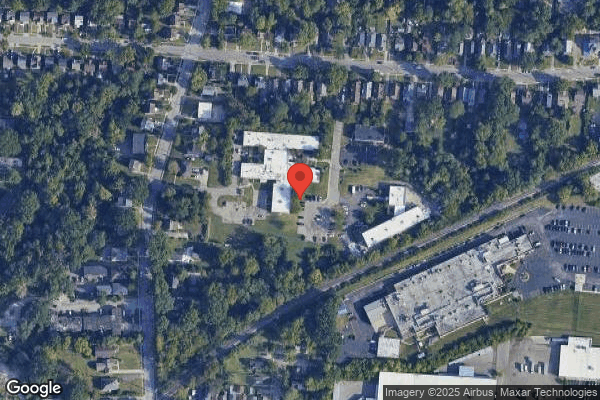
5501 VERULAM, CINCINNATI, OH 45213 (513) 631-1310
For profit - Corporation 99 Beds COMMUNICARE HEALTH Data: November 2025 1 Immediate Jeopardy citation
Trust Grade
23/100
#762 of 913 in OH
Last Inspection: August 2023

Over 2 years since last inspection. Current conditions may differ from available data.

Overview

Pleasant Ridge Healthcare Center has received a Trust Grade of F, indicating significant concerns about the facility's quality of care. It ranks #762 out of 913 facilities in Ohio, placing it in the bottom half statewide, and #58 out of 70 in Hamilton County, suggesting that only a few local options are better. The facility's trend is stable, with 62 issues consistently reported over the last two years. While staffing received a rating of 3 out of 5 stars, indicating average levels, the staff turnover rate of 49% aligns with the Ohio average. However, fines totaling $82,686, which are higher than 88% of Ohio facilities, raise red flags about compliance. Additionally, there are serious concerns regarding the care provided. A critical incident involved a resident being physically abused by staff, while another serious finding indicated a resident suffered significant weight loss due to lack of nutritional monitoring. Other concerns included improper food storage practices that could lead to foodborne illness for all residents. Overall, while there are some strengths in staffing, the numerous deficiencies and severe incidents are alarming and warrant careful consideration for families researching this nursing home.

Trust Score
F
23/100
In Ohio
#762/913
Bottom 17%
Safety Record
High Risk
Review needed
Inspections
Holding Steady
3 → 3 violations
Staff Stability
⚠ Watch
49% turnover. Above average. Higher turnover means staff may not know residents' routines.
Penalties
✓ Good
$82,686 in fines. Lower than most Ohio facilities. Relatively clean record.
Skilled Nurses
○ Average
Each resident gets 35 minutes of Registered Nurse (RN) attention daily — about average for Ohio. RNs are the most trained staff who monitor for health changes.
Violations
⚠ Watch
62 deficiencies on record. Higher than average. Multiple issues found across inspections.
★★☆☆☆
2.0
Overall Rating
★★★☆☆
3.0
Staff Levels
★★★★★
5.0
Care Quality
★☆☆☆☆
1.0
Inspection Score
Stable
2024: 3 issues
2025: 3 issues

The Good

  • 5-Star Quality Measures · Strong clinical quality outcomes
  • Full Sprinkler Coverage · Fire safety systems throughout facility
  • No fines on record

Facility shows strength in quality measures, fire safety.

The Bad

2-Star Overall Rating

Below Ohio average (3.2)

Below average - review inspection findings carefully

Staff Turnover: 49%

Near Ohio avg (46%)

Higher turnover may affect care consistency

Federal Fines: $82,686

Well above median ($33,413)

Moderate penalties - review what triggered them

Chain: COMMUNICARE HEALTH

Part of a multi-facility chain

Ask about local staffing decisions and management

The Ugly 62 deficiencies on record

1 life-threatening 1 actual harm
Jul 2025 1 deficiency
CONCERN (D) 📢 Someone Reported This

A family member, employee, or ombudsman was alarmed enough to file a formal complaint

Potential for Harm - no one hurt, but risky conditions existed

Report Alleged Abuse (Tag F0609)

Could have caused harm · This affected 1 resident

**NOTE- TERMS IN BRACKETS HAVE BEEN EDITED TO PROTECT CONFIDENTIALITY** Based on interview, observation, record review, and policy review, the facility failed to report concerns of injuries of unknown...

Read full inspector narrative →
**NOTE- TERMS IN BRACKETS HAVE BEEN EDITED TO PROTECT CONFIDENTIALITY** Based on interview, observation, record review, and policy review, the facility failed to report concerns of injuries of unknown origin to the state agency in a timely manner. This affected one (Resident #12) of seven residents sampled for abuse. The facility census was 75. Findings include:Review of the medical record revealed Resident #12 was admitted to the facility on [DATE]. Diagnoses included unspecified dementia, atherosclerotic heart disease, legal blindness, and chronic pain syndrome. Review of the most recent Minimum Data Set (MDS) assessment, dated 06/04/25, revealed the resident had severely impaired cognition, had no behaviors, did not reject care, and did not wander. Resident #12 was dependent on staff for all ADL care. Review of progress note dated 05/29/25 at 10:45 AM revealed Resident #12 had a swollen right knee that was warm and painful to touch. Nursing staff notified the provider and received orders for a STAT X-ray of the right knee, Tylenol 1000 milligrams (mg) by mouth now, and topical Voltaren 1 percent gel as needed for pain. The nurse administered Tylenol 1000 mg for pain. Review of the Radiology Results Report dated 05/29/25 at 11:44 AM revealed Resident #12 had a three-view X-ray performed on the right knee on 05/29/25 at 11:12 AM. Results showed acute nondisplaced oblique fractures proximal tib-fib, joint effusion, moderate tricompartmental osteoarthritic change, decreased, mineralization, and scattered vascular calcifications. Review of progress note dated 05/31/25 at 3:57 P.M. revealed Resident #12 had an X-ray result showing right knee fracture and had a new order to send to the hospital. Review of facility investigation dated 05/31/25 revealed the facility interviewed staff involved with Resident #12 patient care on 0/5/29/25. Nursing assistants stated they noticed Resident #12 grimaced and moaned as if in pain during incontinence care but denied any indications that injury had occurred during care. The aides notified the nurse who assessed the patient and noted her right knee was swollen and warm to the touch. The nurse notified the on-call provider and set up a tele-health visit via video. The provider noted swelling and possible displacement of the right knee and ordered imaging. The imaging was completed within the hour; however, the results were not reported to the provider until 05/31/25 when the ADON accessed the results through the electronic record. During an interview on 07/14/25 at 1:56 P.M. Regional Clinical Director #99 stated the immediately began an investigation due to the extent of Resident #12's injuries, but it was decided not to file a self reported incident for injury of unknown origin because the provider deemed the injury to be idiopathic. Review of policy titled Ohio Abuse, Neglect, and Misappropriation dated 10/04/24 revealed an injury was classified as an injury of unknown origin when the source of the injury was not observed by any person, the source of the injury could not be explained by the resident, and the injury was suspicious because of the extent of the injury. Accurate and timely reporting of incidents, both alleged and substantiated, were sent to officials in accordance with the state law. This is an incidental deficiency discovered during the course of this complaint investigation.
May 2025 2 deficiencies
CONCERN (D) 📢 Someone Reported This

A family member, employee, or ombudsman was alarmed enough to file a formal complaint

Potential for Harm - no one hurt, but risky conditions existed

Safe Environment (Tag F0584)

Could have caused harm · This affected 1 resident

**NOTE- TERMS IN BRACKETS HAVE BEEN EDITED TO PROTECT CONFIDENTIALITY** Based on observation, record review, resident interview, staff interview and facility policy review, the facility failed to ensu...

Read full inspector narrative →
**NOTE- TERMS IN BRACKETS HAVE BEEN EDITED TO PROTECT CONFIDENTIALITY** Based on observation, record review, resident interview, staff interview and facility policy review, the facility failed to ensure a resident was provided with a comfortable environment when the air conditioning unit was not maintained in working order. This affected one (#65) of four residents reviewed for environment. The facility census was 82. Findings included: Review of the admission record for Resident #65 with admission date of 02/20/25 and diagnoses including [NAME] fascial fibromatosis and paroxysmal atrial fibrillation. Review of the quarterly Minimum Data Set (MDS) assessment, with an Assessment Reference Date (ARD) of 04/22/25, revealed Resident #65 had a Brief Interview for Mental Status (BIMS) score of 15, which indicated the resident had intact cognition. Interview on 05/26/25 at 11:07 A.M., with Resident #65 stated the air conditioning (AC) unit in their room did not work correctly. Resident #65 stated the room would get hot on warm days. Resident #65 stated they had informed staff, and the Director of Maintenance (DOM) had come to their room and agreed the unit was blowing warm air. Observation on 05/29/25 at 11:10 A.M., of the AC unit in Resident #65's room, revealed the AC unit did not blow cool air. The AC unit was turned on to the lowest setting. After it ran for a few seconds, the AC unit was turned to level 8 and the AC unit still did not blow cool air. Interview on 05/29/25 at 11:11 A.M., with Resident #65 stated the DOM had informed them the day prior that the AC unit would be replaced. Observation on 05/29/25 at 2:16 P.M., with the DOM tested the AC unit in Resident #65's room and confirmed the unit was not blowing cold air and that the unit needed to be replaced. The DOM stated he did not recall speaking with Resident #65 about the AC unit; however, he may have forgotten and did not come back and look at the unit. At 2:18 P.M., Resident #65 entered the room and stated they had spoken with the DOM about the AC unit a couple of weeks prior. Interview on 05/30/25 at 2:07 P.M., with the Director of Nursing (DON) stated the expectation was when equipment was broken, a work order would be initiated, and the equipment should be fixed or replaced immediately, depending on the type of equipment. The DON said they were unaware of any complaints of non-working AC units in the hall where Resident #65 resided. Interview on 05/29/25 at 3:36 P.M., with the Executive Director (ED) stated the temperatures in the facility were a high priority. The ED stated when there were complaints of AC units were not working; the facility ensured the residents were comfortable and offered a fan or room change until the AC unit could be repaired or replaced. Review of the undated policy titled, Resident Rights, indicated it is the policy of this facility to provide resident centered care that meets the psychosocial, physical and emotional needs and concerns of the residents. This deficiency represents noncompliance investigated under Complaint Number OH00164412.
CONCERN (D) 📢 Someone Reported This

A family member, employee, or ombudsman was alarmed enough to file a formal complaint

Potential for Harm - no one hurt, but risky conditions existed

Accident Prevention (Tag F0689)

Could have caused harm · This affected 1 resident

**NOTE- TERMS IN BRACKETS HAVE BEEN EDITED TO PROTECT CONFIDENTIALITY** Based on record review, staff interview, and policy review, the facility failed to identify a potential elopement and take actio...

Read full inspector narrative →
**NOTE- TERMS IN BRACKETS HAVE BEEN EDITED TO PROTECT CONFIDENTIALITY** Based on record review, staff interview, and policy review, the facility failed to identify a potential elopement and take action for finding a resident, when a resident's empty wheelchair was found on the facility curb in the rain. This affected one (#34) of one resident reviewed for potential elopement. The facility census was 82. Findings included: Review of the medical record revealed Resident #34 was admitted on [DATE] with diagnoses including peripheral vascular disease, manic depression, and psychotic disorder. Review of the discharge Minimum Data Set (MDS) assessment, dated 09/09/24, revealed Resident #34 had independent cognitive skills for daily decision-making and had no short-term memory problems per a staff assessment of mental status (SAMS). The MDS indicated the resident utilized a manual wheelchair for mobility and independently mobilized the wheelchair 150 feet in a corridor or similar space. Review of the quarterly MDS, dated [DATE], revealed Resident #34 had a Brief Interview for Mental Status (BIMS) score of 14, which indicated the resident had intact cognition. The MDS indicated the resident utilized a wheelchair for mobility and required staff assistance to mobilize the wheelchair 150 feet in a corridor or similar space. Review of Resident #34's Care Plan Report included a focus area, revised on 12/12/24, that indicated the resident was known to leave the building without signing out despite provided education. Interventions directed staff to encourage the resident to maintain as much independence and control/decision making as possible and praise any indication of progress with behaviors. Review of nursing Progress Note, dated 09/30/24 at 7:05 PM, revealed Resident #34 left the facility without notifying staff or signing out at approximately 2:45 P.M. that day. Per the note, the resident's (empty) wheelchair was discovered on a facility curb while it was raining outside. The note indicated staff brought the wheelchair inside the facility and notified the Executive Director (ED) and Resident #34's guardian. Per the note, the resident returned to the facility that day at 6:25 P.M. as a passenger in another resident's vehicle. The note revealed staff notified the driving resident of the dangers of having other residents in the vehicle with them. The note indicated staff assisted Resident #34 out of the vehicle and into the facility. Per the note, Resident #34 refused an assessment of their vital signs and expressed a desire to leave the facility again to see a family member. Review of physician Progress Note, dated 09/30/24 at 7:00 P.M., revealed a physician was notified that Resident #34 left the facility without signing out or notifying anyone and returned with no apparent injuries. The Progress Note further indicated the facility ED was aware. Interview on 05/28/25 at 1:02 P.M., with Certified Nurse Aide (CNA) #10 stated they had not previously known Resident #34 to leave the facility without notification. CNA #10 stated if a resident was not in their room, they would notify the nurse and then begin looking for the resident in the facility. CNA #10 stated residents were to sign out when they left the building. Interview on 05/28/25 at 1:15 P.M., with Licensed Practical Nurse (LPN) #11 stated if they identified a resident who was missing, they would search the building grounds and call the ED and the Director of Nursing. LPN #11 stated they would also check to see if the resident had signed out. Interview on 05/28/25 at 3:42 P.M., with the ED stated she remembered calling Resident #34's guardian after the incident wherein the resident did not notify staff they were leaving the facility. The ED stated they reminded Resident #34 to sign out before and after the incident in question. The ED stated that, on the day of the incident in question, it was raining outside, and staff identified a wheelchair belonging to Resident #34 was on the curb of the property. The ED stated Resident #34 was unable to walk. The ED stated she expected a resident to sign out if leaving the facility and, if a resident was unaccounted for, she expected the elopement process to be initiated. Interview on 05/30/25 at 12:29 P.M., with the ED stated she expected residents to sign out if they were leaving the property and for the facility to have no elopements. Review of the undated policy titled Elopement Prevention and Management Overview, indicated, Elopement is defined as when a resident/patient leaves the premises or a safe area without authorization and/or any necessary supervision and places the resident at risk for harm or injury. A situation in which a resident with decision-making capacity leaves the facility intentionally would generally not be considered an elopement unless the facility is unaware of the resident's departure and/or whereabouts. This deficiency represents non-compliance investigated under Complaint Number OH00164628.
Oct 2024 2 deficiencies
CONCERN (D) 📢 Someone Reported This

A family member, employee, or ombudsman was alarmed enough to file a formal complaint

Potential for Harm - no one hurt, but risky conditions existed

Quality of Care (Tag F0684)

Could have caused harm · This affected 1 resident

**NOTE- TERMS IN BRACKETS HAVE BEEN EDITED TO PROTECT CONFIDENTIALITY** Based on record review, staff interviews, and policy review, the facility failed to ensure residents were free from delay of car...

Read full inspector narrative →
**NOTE- TERMS IN BRACKETS HAVE BEEN EDITED TO PROTECT CONFIDENTIALITY** Based on record review, staff interviews, and policy review, the facility failed to ensure residents were free from delay of care and treatments as ordered by physicians. This affected one (#69) resident of three reviewed for quality of care. The facility census was 77. Findings include: Review of the medical record for Resident #69 revealed an admission date of 07/22/24. Diagnoses included sepsis with methicillin resistant staphylococcus aureus (MRSA), chronic obstructive pulmonary disease (COPD), and hepatitis C, and Review of the Quarterly Minimum Data Set (MDS) assessment dated [DATE] revealed Resident #69 had moderate cognitive impairment as evidenced by a Brief Interview for Mental Status (BIMS) score of 12. Section O (special treatments, procedures, and programs) revealed Resident #69 had intravenous (IV) medications. Review of the Continuity of Care (COC) (hospital discharge paperwork) dated 07/22/24 revealed Resident #69 was to continue Daptomycin (antibiotic) 500 milligrams (mg) IV via peripheral inserted central catheter (PICC) every 24 hours through 08/29/24, Teflaro (Antibiotic) 600 mg IV every eight hours through 08/29/24, get weekly laboratory (labs) tests on Mondays for basal metabolic panel (BMP), complete blood count (CBC) with differential, and liver function tests (LFTs) and fax all laboratory (lab) results to the Infectious Disease (ID) specialist's office. The resident was to follow up with the ID specialist in three to four weeks and the facility was to call the ID specialist's office with any questions or concerns. Review of a physician order dated 07/22/24 revealed Resident #69 was ordered Teflaro Solution Reconstituted 600 mg IV every eight hours for seven days. Review of the physician order dated 07/23/24 revealed Resident #69 was ordered Daptomycin solution reconstituted 500 mg IV one time a day for seven days. Review of a nurse practitioner (NP) note dated 07/27/24 revealed Resident #69 was admitted to the facility with MRSA bacteremia and would order labs. Medications were reviewed, the resident had a PICC line in his right bicep and was to continue IV antibiotics as directed and follow up with ID specialist as directed. Review of the medication administration record (MAR) dated July 2024 revealed Resident #69 missed six out of the 22 physician ordered doses of Teflaro and five out of seven physician ordered doses of Daptomycin. Review of the medical record from July and August 2024 for Resident #69 with the Director of Nursing (DON) revealed no physician order to discontinue the PICC line and no documentation of when the resident's PICC line was removed and by whom. Interview with the DON on 10/03/24 at 12:45 P.M., verified the resident's PICC line was removed without a physician order and the resident missed the doses of his antibiotics. Review of a progress note from the ID specialist's office dated 08/28/24 revealed Resident #69 arrived at the appointment with no PICC line in place, and the resident was unsure when it was removed or if he had been receiving IV antibiotics. The Orders were placed for Daptomycin and Teflaro to be continued through 08/29/24. The office had not received any out-patient monitoring of labs from his nursing facility. The nursing facility was contacted and learned that Resident #69 had not received any IV antibiotics since 08/01/24 when he had an emergency room (ER) visit for a fall. The ID specialist's office was not contacted, and it was unclear why the PICC line was removed. New orders for STAT (right now or immediately) blood cultures needed drawn, PICC line placement, restart Daptomycin 500 mg IV via PICC daily for six weeks, Teflaro 600 mg every eight hours for six weeks, monitor weekly labs (BMP, CBC with diff, and LFTs) and send to the ID specialist's office, an abdominal ultrasound (US) with elastography, and follow-up in three weeks. Review of the progress note from the ID specialist's office dated 08/30/24 at 9:46 A.M. revealed an outreach was made to the facility's DON regarding the plan of care for Resident #69 with no answer. Review of the progress note from the ID specialist's office dated 08/30/24 at 2:15 P.M. revealed an outreach was made to the facility and spoke with the DON. Verbal orders were given to the DON for STAT blood cultures, PICC placement, Daptomycin 500 mg IV via PICC daily for six weeks, and Teflaro 600 mg every eight hours for six weeks. The DON verbalized understanding. Review of the progress note from the ID specialist's office dated 08/30/24 at 4:38 P.M. revealed an outreach was made to the facility, which revealed the physician's orders had not been placed for Resident #69. Review of the progress note from the ID specialist's office dated 09/05/24 at 4:47 P.M. revealed no blood cultures had been received with several outreach attempts to the facility with no answer. Review of the progress note from the ID specialist's office dated 09/06/24 at 4:00 P.M. revealed an outreach was made to the facility, which revealed blood cultures were not collected for Resident #69. Review of the progress note from ID specialist's office dated 09/09/24 at 2:39 P.M. revealed an outreach was made to the DON and she indicated blood cultures were collected but the results were not in yet. DON indicated the IV antibiotics had not been started yet related to not having the blood culture results. Review of the progress note from ID specialist's office dated 09/09/24 at 3:55 P.M. revealed an outreach was made to the DON. Verbal orders were given for PICC placement and to start dual IV antibiotics (Daptomycin and Teflaro). The DON verified and assured the specialist's office this would happen as soon as possible. Review of the progress note from ID specialist's office dated 09/10/24 at 4:53 P.M. revealed an outreach was made to the facility where they revealed Resident #69's PICC had just been placed and was awaiting an X-ray confirmation. Review of the MAR dated September 2024 revealed Resident #69 missed six doses of Teflaro and three doses of Daptomycin. Review of the MAR dated October 2024 revealed Resident #69 missed three additional doses of Daptomycin. Interview on 10/03/24 at 10:30 A.M. with Registered Nurse (RN) #35 from the ID specialist's office revealed Resident #69's antibiotics should have been continued through 08/29/24 and not have never been stopped in July. RN #35 revealed Resident #69 was seen in their office on 08/28/24, where they learned the resident had not continued his two IV antibiotics and his PICC line had been removed without a physician's order. RN #35 revealed communication between the nursing facility and their office had been a nightmare. RN #35 also stated the facility was not following orders per the physician in a timely manner. Interview on 10/03/24 at 11:29 A.M. with Regional Corporate Nurse (RCN) #36 verified there was a delay of care to Resident #69 related to orders received from his 08/28/24 ID specialist appointment because the orders were not initiated until 09/09/24. RCN #36 also verified it was the nursing staff's responsibility to follow up with outside providers within 24-48 hours if paperwork was not returned with the resident. Interview on 10/03/24 at 12:06 P.M. with the DON revealed Resident #69's IV antibiotics were not started in September because she was informed by the ID specialist's office that the blood cultures had to be drawn first. The DON reported there were issues with getting the STAT labs completed. Review of the facility policy titled, Physician Orders, dated 10/08/24 revealed the purpose of the policy was to provide orders as determined by the licensee's scope of practice. The provider may write the order in the medical record or may enter an electronic order. The nurse that received the physician order will be responsible for executing the order or providing for the safe hand-off to the next nurse. This deficiency represents non-compliance investigated under Complaint Number OH00157798.
CONCERN (D) 📢 Someone Reported This

A family member, employee, or ombudsman was alarmed enough to file a formal complaint

Potential for Harm - no one hurt, but risky conditions existed

Deficiency F0760 (Tag F0760)

Could have caused harm · This affected 1 resident

**NOTE- TERMS IN BRACKETS HAVE BEEN EDITED TO PROTECT CONFIDENTIALITY** Review of the medical record, staff interviews, observations, and policy review, the facility failed to ensure residents were fr...

Read full inspector narrative →
**NOTE- TERMS IN BRACKETS HAVE BEEN EDITED TO PROTECT CONFIDENTIALITY** Review of the medical record, staff interviews, observations, and policy review, the facility failed to ensure residents were free from significant medication errors. This affected one (#69) of three residents reviewed for medication administration. The facility census was 77. Findings include: Review of the medical record for Resident #69 revealed an admission date of 07/22/24. Diagnoses included sepsis with methicillin resistant staphylococcus aureus (MRSA), chronic obstructive pulmonary disease (COPD), chronic hepatitis C, and emphysema. Review of the Quarterly Minimum Data Set (MDS) assessment dated [DATE] revealed Resident #69 had moderate cognitive impairment as evidenced by a Brief Interview for Mental Status (BIMS) score of 12. Review of section O (special treatments, procedures, and programs) revealed Resident #69 had intravenous (IV) medications. Review of the physician order dated 07/22/24 revealed Resident #69 was ordered Teflaro (antibiotic) IV Solution Reconstituted 600 milligrams (mg), use 600 mg IV every eight hours for seven days. Review of the pharmacy delivery manifest dated 07/23/24 at 8:03 P.M. revealed Resident #69 had six doses of Teflaro delivered and four doses Daptomycin delivered. Review of the physician order dated 07/23/24 revealed Resident #69 was ordered Daptomycin IV solution reconstituted 500 mg, use 500 mg IV one time a day for seven days. Review of the pharmacy delivery manifest dated 07/24/24 at 6:59 P.M. revealed Resident #69 had six doses of Teflaro delivered. Review of the pharmacy delivery manifest dated 07/26/24 at 8:15 P.M. revealed Resident #69 had three doses of Daptomycin delivered. Review of the pharmacy delivery manifest dated 07/27/24 at 8:42 A.M. revealed Resident #69 had nine doses of Teflaro delivered. Review of the medication administration record (MAR) dated July 2024 revealed Resident #69 missed six out of 22 doses of Teflaro on 07/22/24, 07/23/24, and 07/24/24 morning and afternoon dose. Resident #69 missed five out of seven doses of Daptomycin on 07/23/24, 07/24/24, 07/25/24, 07/26/24, and 07/27/24. Review of the physician order dated 09/09/24 revealed Resident #69 was ordered Daptomycin IV solution reconstituted 500 mg, use 500 mg IV every 24 hours until 10/21/24. Review of the pharmacy delivery manifest dated 09/10/24 at 9:13 A.M. revealed Resident #69 had four doses of Daptomycin delivered Review of the pharmacy delivery manifest dated 09/14/24 at 9:08 A.M. revealed Resident #69 had three doses of Daptomycin delivered. Review of the pharmacy delivery manifest dated 09/16/24 at 8:29 P.M. revealed Resident #69 had two doses of Daptomycin delivered. Review of the pharmacy delivery manifest dated 09/19/24 at 9:20 A.M. revealed Resident #69 had three doses of Daptomycin delivered. Review of the MAR dated September 2024 revealed Resident #69 missed three doses of Daptomycin on 09/09/24, 09/10/24, and 09/30/24. Interview on 10/02/24 at 2:32 P.M. with Pharmacist #60 revealed the delivery of Resident #69's IV antibiotics for the month of July and September. Pharmacist #60 reported there was a mess up on their end regarding Daptomycin order, which caused the facility to not receive any more doses after 09/19/24. Pharmacist #60 reported the person who processed the refills on 09/19/24 accidentally put the end date as 09/21/24 instead of 10/21/24. Interview on 10/02/24 at 3:49 P.M. with Registered Nurse (RN) #30 verified Daptomycin was still an active order, but the facility did not have this medication available and had not outreached to the pharmacy to inquire where the medications were. Observation on 10/02/24 at 3:50 P.M. revealed the medication stock room had no IV Daptomycin available for Resident #69. Interview on 10/03/24 at 11:29 A.M. with Regional Corporate Nurse (RCN) #36 verified missed doses in July 2024 for IV antibiotics and verified missed doses in September. Review of the facility policy titled, Medication Administration, revealed the purpose of the policy was to provide guidelines for general medication administration to be provided by personnel recognized as legally able to administer. Staff administer medication only as prescribed by the provider. Licensed or authorized personnel may administer prescribed medication. This deficiency represents non-compliance investigated under Complaint Number OH00157798.
Apr 2024 1 deficiency
CONCERN (D) 📢 Someone Reported This

A family member, employee, or ombudsman was alarmed enough to file a formal complaint

Potential for Harm - no one hurt, but risky conditions existed

Deficiency F0761 (Tag F0761)

Could have caused harm · This affected 1 resident

Based on medical record review, observation, resident interview, staff interviews, and review of the facility policy, the facility failed to ensure appropriate storage of residents' medications. This ...

Read full inspector narrative →
Based on medical record review, observation, resident interview, staff interviews, and review of the facility policy, the facility failed to ensure appropriate storage of residents' medications. This affected one (Resident #28) of 11 residents reviewed for environmental concerns. The facility census was 71 residents. Findings include: Review of the medical record for Resident #28 revealed an admission date of 04/24/23 with diagnoses including fibromyalgia, personality disorder, and hypertension. Review of the quarterly Minimum Data Set (MDS) assessment for Resident #28 revealed the resident was mildly cognitively impaired. Observation on 04/23/24 at 10:55 A.M. revealed Resident #28 was alone in the room and there was a plastic medication cup with two pills on the residents over the bed table. Interview on 04/23/24 at 10:55 A.M. with Resident #28 confirmed the resident was unsure where the medications had come from, what they were, how long they had been there, or if they were his. Interviews on 04/23/24 at 11:00 A.M. with Licensed Practical Nurses (LPNs) #350 and LPN #570 confirmed there was a plastic cup of medication lying on the over the bed table in Resident #28's room which should not have been left unattended by staff. Review of the facility policy titled Medication Administration undated revealed medications were never to be left unattended. This deficiency represents noncompliance investigated under Complaint Number OH00152673.
Dec 2023 7 deficiencies
CONCERN (D) 📢 Someone Reported This

A family member, employee, or ombudsman was alarmed enough to file a formal complaint

Potential for Harm - no one hurt, but risky conditions existed

Deficiency F0558 (Tag F0558)

Could have caused harm · This affected 1 resident

**NOTE- TERMS IN BRACKETS HAVE BEEN EDITED TO PROTECT CONFIDENTIALITY** Based on observation, resident and staff interview, medical record review, and policy review, the facility failed to ensure a re...

Read full inspector narrative →
**NOTE- TERMS IN BRACKETS HAVE BEEN EDITED TO PROTECT CONFIDENTIALITY** Based on observation, resident and staff interview, medical record review, and policy review, the facility failed to ensure a resident's preference for showers were honored. This affected one (Resident #6) of one resident reviewed for preferences. The facility census was 76. Findings include: Medical record review for Resident #6 revealed an admission date of 07/28/23. Diagnoses included quadriplegic from a traumatic spinal cord dysfunction, pressure ulcer to sacral region on admission, and neurogenic bladder. Review of the quarterly Minimum Data Set (MDS) assessment dated [DATE] revealed Resident #6 was cognitively intact and was dependent on staffing for bathing. Review of the bathing records for Resident #6 from 10/01/23 through 12/12/23 revealed Resident #6 received all bed baths. Resident #6 did not receive a shower during this time. Interview with Resident #6 on 12/11/23 at 11:05 A.M. revealed he has asked everyone to get a shower including State Tested Nursing Aide (STNA) #145 a couple of days ago. STNA #145 told him the facility doesn't have the right equipment to give him showers. He stated he gets bed baths only. Interview with STNA #145 on 12/11/23 at 2:40 P.M. confirmed Resident #6 had asked her to give him a shower, but she gave him a bed bath instead. STNA #145 confirmed she didn't provide Resident #6 his preference of a shower for his bathing. Review of the facility's undated policy titled Resident Rights revealed to respect resident's choice and attend to needs in a timely fashion. This was an incidental finding during the complaint investigation.
CONCERN (D) 📢 Someone Reported This

A family member, employee, or ombudsman was alarmed enough to file a formal complaint

Potential for Harm - no one hurt, but risky conditions existed

ADL Care (Tag F0677)

Could have caused harm · This affected 1 resident

**NOTE- TERMS IN BRACKETS HAVE BEEN EDITED TO PROTECT CONFIDENTIALITY** Based on medical record review, observations, staff and resident interviews, and policy review, the facility failed to ensure ba...

Read full inspector narrative →
**NOTE- TERMS IN BRACKETS HAVE BEEN EDITED TO PROTECT CONFIDENTIALITY** Based on medical record review, observations, staff and resident interviews, and policy review, the facility failed to ensure bathing and personal hygiene were provided to residents who dependent on staff for assistance with activities of daily living (ADL). This affected two (Residents #6 and #77) of three residents reviewed for ADL care. The facility census was 76. Findings include: 1. Medical record review for Resident #6 revealed an admission date of 07/28/23. Diagnoses included quadriplegic from a traumatic spinal cord dysfunction, pressure ulcer to sacral region on admission, and neurogenic bladder. Review of the quarterly Minimum Data Set (MDS) assessment dated [DATE] revealed Resident #6 was cognitively intact. His functional status was impairment on upper and lower extremities. He was dependent on staff for bathing. Review of the bathing records for Resident #6 from 10/01/23 through 12/12/23 revealed out of 20 opportunities for bathing, he received 12 bed baths. Review of the care plan dated 12/01/23 revealed Resident #6 had an activities of daily living deficit and required assistance for bathing with up to two-person assistance. Interview and observation with Resident #6 on 12/11/23 at 11:05 A.M. revealed he received bed baths, but not on a regular basis. He said they don't wash under his bandage on his left hand, don't wash his feet, and staff hasn't trimmed or cleaned his nails. In between his fingers on both hands were dry, scaly, and dirty. His nails were long and had a dark substance under them. His toes were dry, scaly and dirty. Interview with Licensed Practical Nurse (LPN) #160 on 12/12/23 at 1:03 P.M. confirmed the nails, fingers and toes were dirty and needed some attention. LPN #160 stated the staff were supposed to be doing this during his bathing. 2. Closed medical record review for Resident #77 revealed an admission on [DATE]. Diagnoses included obstructive uropathy, bipolar disorder, and Schizophrenia. Review of the admission Minimum Data Set (MDS) assessment dated [DATE] revealed Resident #77 was cognitively intact. His functional status was impairment on upper and lower extremities. Resident #77 was dependent on staff bathing. Review of the care plan dated 11/08/23 revealed Resident #77 was dependent for bathing. Review of the bathing records for Resident #77 revealed from 11/08/23 through 11/22/23, the resident received four bed baths. Resident #77 missed three baths on on 11/10/23, 11/17/23, and 11/20/23. The documentation was marked non-applicable (NA) on 11/10/23, 11/17/23, and 11/20/23. Interview with the Regional Director of Clinical Services (RDCS) #200 on 12/12/23 at 2:00 P.M. revealed she tried to call some of the staff who either didn't documented the bathing or placed a NA for non-applicable in the box for Resident #6 and #77, but was unsuccessful in reaching the staff. RDCS #200 verified if it wasn't documented, it wasn't completed for the bathing. Review of the facility's undated policy titled Routine Resident Care revealed their policy was to provide routine daily care by a certified nursing assistant under the supervision of a licensed nurse bathing. Review of the facility's undated policy titled Nail and Hair Hygiene Services revealed it is the policy of this facility to promote resident centered care by attending to the physical emotional, social, and spiritual needs and honor resident lifestyle preferences while in the care of this facility. This facility will provide routine care for the resident for hygienic purposes and for the routine care also includes nail hygiene services including routine trimming, cleaning and filing. Routine nail hygiene may be performed in conjunction with bathing or performed separately. This deficiency represents non-compliance investigated under Complaint Number OH00148560.
CONCERN (D) 📢 Someone Reported This

A family member, employee, or ombudsman was alarmed enough to file a formal complaint

Potential for Harm - no one hurt, but risky conditions existed

Pressure Ulcer Prevention (Tag F0686)

Could have caused harm · This affected 1 resident

**NOTE- TERMS IN BRACKETS HAVE BEEN EDITED TO PROTECT CONFIDENTIALITY** Based on observation, medical record review, staff and resident interview, and policy review, the facility failed to follow the ...

Read full inspector narrative →
**NOTE- TERMS IN BRACKETS HAVE BEEN EDITED TO PROTECT CONFIDENTIALITY** Based on observation, medical record review, staff and resident interview, and policy review, the facility failed to follow the physician's orders for treatment of a resident's pressure ulcers. This affected one (#6) of three residents reviewed for pressure ulcers. The facility identified there were three residents with pressure ulcers residing in the facility. The facility census was 76. Findings include: Medical record review for Resident #6 revealed an admission date of 07/28/23. Diagnoses included quadriplegic from a traumatic spinal cord dysfunction, pressure ulcer to sacral region on admission, and neurogenic bladder. Review of the quarterly Minimum Data Set (MDS) assessment dated [DATE] revealed Resident #6 was cognitively intact. Resident #6 was dependent on staff for bed mobility and transfers. Resident #6 had four stage III pressure ulcers (Full thickness tissue loss. Subcutaneous fat may be visible but bone, tendon or muscle is not exposed), and three of them were present upon admission. Resident #6 also had one stage IV pressure ulcer (Full thickness tissue loss with exposed bone, tendon, or muscle.) that was present upon admission and one unstageable pressure ulcer (Slough and/or eschar: known but not stageable due to coverage of wound bed by slough and/or eschar) that wasn't present upon admission. Review of the care plan dated 12/01/23 revealed Resident #6 has impaired skin integrity with five pressure wounds and three skin tears due to incontinence, poor mobility, with diagnoses of quadriplegia and poor nutritional intake. Interventions included to encourage and assist the resident to turn and reposition every two hours and to provide appropriate off-loading cushion. Review of the physician orders for Resident #6 dated 12/02/23 revealed an order to turn and reposition Resident #6 every two hours as tolerated. There was also a physician order to place moon boots on Resident #6 when in and out of bed as tolerated. Interview and observation with Resident #6 on 12/11/23 at 11:05 A.M. revealed the staff don't turn him like they were supposed to, and they don't place his moon boots on him either. He stated his moon boots had not been on him since he came back from the hospital. Resident #6 was observed in bed without his moon boots on. The boots were observed up on the top shelf of the closet. Observations on 12/11/23 from 11:10 A.M. to 1:30 P.M. revealed there was staff who went into Resident #6's room, but there was no staff who turned and repositioned Resident #6 and staff did not place his moon boots on Resident #6's feet. Interview with State Tested Nursing Aide (STNA) #145 on 12/11/23 at 1:36 P.M. revealed she came into work at 7:00 A.M. and didn't have time to turn Resident #6. STNA #145 stated she didn't know Resident #6 was supposed to be turned every two hours and verified Resident #6 was dependent on staff for turning and repositioning. Observation and interview with Resident #6 on 12/12/23 at 1:02 P.M. revealed the resident didn't have his moon boots on. Licensed Practical Nurse (LPN) #160 on 12/12/23 at 1:03 P.M. confirmed Resident #6 didn't have his moon boots on. Observation of dressing changes to Resident #6's pressure ulcers on 12/12/23 at 1:08 P.M. with Licensed Practical Nurse (LPN) #160 revealed she double gloved her hands, sprayed wound cleanser on the bandages of the one area of the left buttock and lower back region and removed the bandages and didn't clean with a clean gauze. LPN #160 removed her gloves and placed a set of new gloves on her hands and continued to place moistened Dakin's gauze to the left buttock and upper back region. LPN #160 changed her gloves and applied abdominal pad over the wounds. LPN #160 continued with the left hip ulcer and removed the bandage and sprayed wound cleanser on the wound and didn't clean the wound. LPN #160 applied Dakin's moistened gauze to this wound and removed her gloves and went to the bathroom to wash her hands. Interview with the LPN #160 on 12/12/23 at 2:24 P.M. stated she was told she could wash her hands at the beginning of a dressing change and at the end of it. LPN #160 verified she didn't wash her hands after hands were contaminated. LPN #160 verified she did not follow the physician orders to clean the wounds with normal saline. LPN #160 verified she should not have double gloved her hands. Interview with the Director of Nursing (DON) on 12/12/23 at 2:33 P.M. revealed the expectation of the nurse would be to cleanse the wound with the normal saline per physician order and to wash her hands from dirty to clean no matter how many times it would take. The DON verified the nurse should have not double gloved her hands. Review of the facility's undated policy titled Skin Care and Wound Management revealed to communicate risk factors and interventions to the care giving team. Review of the facility's policy titled Standard Precautions, dated 04/01/17, revealed practicing hand hygiene is a simple but effective way to prevent the spread of infections by breaking the chain of infection. Proper cleaning of hands can prevent the spread of germs, including those that are resistant to antibiotics and are becoming resistant to antibiotics. This facility will adhere to Centers for Diseace Control and Prevention (CDC) guidelines and recommendations for hand hygiene unless otherwise explicitly stated. When hands are not visibly soiled, alcohol-based hand sanitizers are the preferred method for cleaning hands in this healthcare setting. Use soap and water method for cleaning hands when hands are visibly dirty or soiled or known or suspected exposure to Clostridium difficile (C.difl) or norovirus, if the facility is experiencing an outbreak, before eating and after using a restroom (CDC, 2016). For all other times, alcohol based hand sanitizers are recommended by the Centers for Disease Control and Prevention in the healthcare setting. When hands move from a contaminated body site to a clean body site during patient care including dressing changes. This deficiency represents non-compliance investigated under Complaint Number OH00148905.
CONCERN (D) 📢 Someone Reported This

A family member, employee, or ombudsman was alarmed enough to file a formal complaint

Potential for Harm - no one hurt, but risky conditions existed

Incontinence Care (Tag F0690)

Could have caused harm · This affected 1 resident

**NOTE- TERMS IN BRACKETS HAVE BEEN EDITED TO PROTECT CONFIDENTIALITY** Based on observation, medical record review, staff interview, and policy review, the facility failed to ensure catheter care and...

Read full inspector narrative →
**NOTE- TERMS IN BRACKETS HAVE BEEN EDITED TO PROTECT CONFIDENTIALITY** Based on observation, medical record review, staff interview, and policy review, the facility failed to ensure catheter care and incontinence care was provided correctly to a resident. This affected one (#6) of three residents reviewed for catheter care and one (#6) of one resident reviewed for incontinence care. The facility identified there were four residents who required catheter care. The facility census was 76. Findings include: Medical record review for Resident #6 revealed an admission date of 07/28/23. Diagnoses included quadriplegic from a traumatic spinal cord dysfunction, pressure ulcer to sacral region on admission, and neurogenic bladder. Review of the quarterly Minimum Data Set (MDS) assessment dated [DATE] revealed Resident #6 was cognitively intact. Resident #6 was dependent on staff for toileting and had an indwelling catheter. Observation on 12/13/23 at 10:04 A.M. revealed State Tested Nursing Aide (STNA) #79 was providing incontinence care to Resident #6. STNA #79 took a wet washcloth and wiped from under the scrotum up across the top of the scrotum. As STNA #79 was wiping upwards, there was stool on the washcloth. STNA #79 continued to fold the washcloth and wipe upwards and continued to find stool on the cloth. STNA #79 didn't wash the penis or the scrotum. She didn't rinse or dry the area. Further observation of catheter care revealed STNA #79 removed a bloody four by four bandage from around of the insertion site of the suprapubic catheter. STNA #79 didn't wipe the tubing from the insertion site pulling upward and she didn't clean around the insertion site. Interview with STNA #79 on 12/13/23 at 10:20 A.M. confirmed she didn't perform the incontinence care properly and it wasn't her practice to perform the care in this manner. STNA #79 stated she didn't know how to clean the supra/pubic catheter because it wasn't done for the residents. Review of the facility's undated policy titled Catheter Care revealed catheter care is to be performed at least twice daily on residents that have indwelling catheters, for as long as the catheter is in place. The policy revealed to don gloves, expose the area only, observing for dignity and warmth. Obtain clean, wet washcloth with warm soap and water, securely grasp the catheter tubing nearest the opening to prevent movement or accidental dislodgement. Clean around catheter just above entrance and wipe in an upward motion to clean the tubing. This deficiency represents non-compliance investigated under Complaint Number OH00148560.
CONCERN (D) 📢 Someone Reported This

A family member, employee, or ombudsman was alarmed enough to file a formal complaint

Potential for Harm - no one hurt, but risky conditions existed

Deficiency F0697 (Tag F0697)

Could have caused harm · This affected 1 resident

**NOTE- TERMS IN BRACKETS HAVE BEEN EDITED TO PROTECT CONFIDENTIALITY** Based on observation, medical record review, staff and resident interview, the facility failed to ensure a resident's pain was m...

Read full inspector narrative →
**NOTE- TERMS IN BRACKETS HAVE BEEN EDITED TO PROTECT CONFIDENTIALITY** Based on observation, medical record review, staff and resident interview, the facility failed to ensure a resident's pain was managed. This affected one (#26) of one resident reviewed for pain. The facility census was 76. Findings include: Medical record review for Resident #26 revealed an admission date of 11/07/22. Diagnoses included cerebrovascular attack with paralysis, diabetes mellitus, and arthritis. Review of the annual Minimum Data Set (MDS) assessment dated [DATE] revealed Resident #26 was cognitively intact. Review of the physician's order dated 12/22/22 revealed Buralbital-APAP-Caffeine (also known as Fioricet) oral tablet 50-325-40 milligram (mg) to give one tablet every six hours as needed for migraine headache. Review of the care plan dated 05/03/23 revealed Resident #26 has complaints of acute and chronic pain. Interventions were to observe for pain every shift, provided medication per orders, and monitor for side effects. Review of the progress notes dated 12/03/23 through 12/11/23, revealed the Fioricet had not been administered to Resident #26 and there wasn't any evidence the Fioricet was reordered either. Review of a note written on 12/12/23 at 8:22 A.M. revealed Resident #26 complained about a headache and was given 650 mg of Tylenol. A follow up note written on 12/12/23 at 9:43 A.M. revealed Resident #26 rated his pain level score at a ten, 10/10 (zero was no pain and 10 was the most severe pain) and Tylenol was ineffective. At 11:30 A.M., the physician discontinued the Fioricet and ordered Excedrin 250-250-65 mg to take two tablets every 24-hours for migraine headache. This was administered to the resident at 1:03 P.M. and at 2:29 P.M., Resident #26 said he felt like the Excedrin was working and rated his pain at a eight out of a ten. At 5:27 P.M., the physician reordered the Fioricet 50-325-40 mg to administer one tablet every six hours as needed for migraine headache to start on 12/13/23. Observation on 12/12/23 at 8:00 A.M. revealed Resident #26 was asking for his Fioricet for his migraine headache. The nurse said she put in the order on 12/11/23 for the medication and she would check to see if it was in the facility yet. She administered a 500 milligram (mg) Tylenol for his headache. Interview with Resident #26 on 12/11/23 at 8:23 A.M. revealed he has asked for his migraine medication for one to two weeks now and the facility hasn't received it yet. Resident #26 stated he has a headache when he wakes up in the morning and when he goes to bed in the evening. He rated his pain at a seven out of a 10 pain scale. Interview with Licensed Practical Nurse (LPN) #152 on 12/12/23 at 8:25 A.M. revealed she sent in a script on 12/11/23, but had not received the medication from the pharmacy yet and hopefully the medication would come in on the next delivery today. She confirmed there wasn't any evidence she re-ordered the medication on 12/11/23. This deficiency represents non-compliance investigated under Complaint Number OH00148560.
CONCERN (D) 📢 Someone Reported This

A family member, employee, or ombudsman was alarmed enough to file a formal complaint

Potential for Harm - no one hurt, but risky conditions existed

Deficiency F0807 (Tag F0807)

Could have caused harm · This affected 1 resident

**NOTE- TERMS IN BRACKETS HAVE BEEN EDITED TO PROTECT CONFIDENTIALITY** Based on observation, medical record review, and resident and staff interview, the facility failed to ensure drinks were availab...

Read full inspector narrative →
**NOTE- TERMS IN BRACKETS HAVE BEEN EDITED TO PROTECT CONFIDENTIALITY** Based on observation, medical record review, and resident and staff interview, the facility failed to ensure drinks were available on the meal trays for the residents. This affected two (#6 and #15) of two residents reviewed for meals. The facility census was 76. Findings include: 1. Medical record review for Resident #6 revealed an admission date of 07/28/23. Diagnoses included quadriplegic from a traumatic spinal cord dysfunction and neurogenic bladder. Review of the quarterly Minimum Data Set (MDS) assessment dated [DATE] revealed Resident #6 was cognitively intact and he was dependent on staff for eating. Interview with Resident #6 on 12/11/23 at 11:05 A.M. revealed the kitchen runs out of juices and coffee at the end of his hall due to it being the last hall in the facility to get served for meals. Observation of the lunch meal service on 12/11/23 at 1:15 P.M. revealed Resident #6's hall was the last to be served. The lunch was delivered to the resident's room at 1:25 P.M. and there wasn't coffee or juice on Resident #6's meal tray. Interview with State Tested Nursing Aide (STNA) #145 on 12/11/23 at 1:36 P.M. confirmed there wasn't anymore coffee or juice to give to Resident #6 so she gave Resident #6 water. STNA #145 confirmed she didn't check with the kitchen to see if there was more coffee or juice available. 2. Medical record review for Resident #15 revealed an admission date of 05/25/23. Diagnoses included neurological condition. Review of the quarterly MDS assessment dated [DATE] revealed Resident #15 was cognitively intact and he was able to feed himself. Interview with Resident #15 on 12/11/23 at 11:05 A.M. revealed his room was at the end of the hall and the last hall served for meals. He stated there were times when the staff run out of coffee and juice to serve to them. Observation of the lunch meal service on 12/11/23 at 1:25 P.M. revealed Resident #15's hall was the last to be served. The lunch was delivered to the resident's room at 1:25 P.M. and there wasn't coffee or juice on Resident #15's meal tray. Interview with STNA #145 on 12/11/23 at 1:36 P.M. confirmed there wasn't anymore coffee or juice to give to Resident #15 so she gave Resident #15 water. STNA #145 confirmed she didn't check with the kitchen to see if there was more coffee or juice available. This was an incidental finding during the course of the complaint investigation.
MINOR (B) 📢 Someone Reported This

A family member, employee, or ombudsman was alarmed enough to file a formal complaint

Minor Issue - procedural, no safety impact

Deficiency F0804 (Tag F0804)

Minor procedural issue · This affected multiple residents

Based on observation and review of a test tray, staff and resident interview, and policy review, the facility failed to ensure the coffee was served hot and was at the proper temperature. This affecte...

Read full inspector narrative →
Based on observation and review of a test tray, staff and resident interview, and policy review, the facility failed to ensure the coffee was served hot and was at the proper temperature. This affected two (#6 and #15) of two residents reviewed for meals and had the potential to affect other residents who drink coffee. The facility census was 76. Findings include: Interviews with Resident #6 and #15 on 12/11/23 at 11:05 A.M. revealed the coffee was cold when it was served to them. Review of the last tray from the kitchen on 12/13/23 at 9:00 A.M. after all of the trays were delivered revealed the coffee temperature was 114 degree Fahrenheit (F) and it tasted lukewarm. Interview with Dietary Manager #74 on 12/13/23 at 9:10 A.M. confirmed the coffee was at 114 degrees F. Review of the facility policy titled Food Preparation, dated 09/01/17, revealed all foods will be held at appropriate temperatures, greater than 135° F for hot holding, and less than 41°F for cold food holding. This deficiency represents non-compliance investigated under Complaint Number OH00148560.
Aug 2023 21 deficiencies 1 Harm
SERIOUS (G)

Actual Harm - a resident was hurt due to facility failures

Deficiency F0692 (Tag F0692)

A resident was harmed · This affected 1 resident

Based on record review, observation, resident interview, and staff interview, the facility failed to monitor and identify residents with weight loss and failed to ensure appropriate nutritional interv...

Read full inspector narrative →
Based on record review, observation, resident interview, and staff interview, the facility failed to monitor and identify residents with weight loss and failed to ensure appropriate nutritional interventions were recommended and implemented to prevent severe weight loss. This resulted in Actual Harm when Resident #67, with a with a diagnosis of failure to thrive (FTT) and was at nutritional risk related to a body mass index (BMI) (A measure of body fat based on height and weight) of 19.5 was not weighed from 04/08/23 through 07/04/23. There was a lack of nutritional interventions and Resident #67's weight was not monitored while Resident #67 had decreased meal intakes from 04/08/23 to 07/04/23. Subsequently on 07/05/23, Resident #67's weight was obtained at 102.3 pounds which was a severe weight loss of 29.7 pounds or 22.5 percent (%). This affected one resident (#67) of four residents reviewed for nutrition. The facility census was 86. Findings include: Review of the medical record for Resident #67 revealed an admission date of 01/04/22 with diagnoses including FTT, congestive heart failure (CHF), metabolic encephalopathy, osteomyelitis, chronic pulmonary edema, diabetes mellitus (DM), and atherosclerotic heart disease. Review of the weight record for Resident #67 dated 04/07/23, revealed the resident weighed 132 pounds. There was no documented evidence of any weights being recorded from 04/07/23 to 07/04/23. There were no notations of Resident #67 refusing to be weighed during this time. Review of a nutrition progress note for Resident #67 dated 04/27/23, revealed the resident's current body weight was 132 pounds and the resident's intakes had been low from 25 to 50 percent. There were no new diet recommendations. Review of the nutrition progress note for Resident #67 dated 05/26/23, revealed the resident's current body weight was 132 pounds based on the weight obtained on 04/07/23. There were no recommendations to prevent weight loss. Review of the care plan for Resident #67 updated 05/26/23, revealed the resident had the potential for altered nutrition status/nutrition related problems due to significant weight loss, chewing and swallowing issues including dysphagia and FTT. Interventions included the following: family providing additional food in room to assist resident in meeting calorie needs, identify resident food/ beverage preferences, monitor meal intake, notify medical provider and resident representative of unplanned significant weight changes, nutrition related medications per order, nutritional consult on admission, quarterly, and as needed, offer substitutions if provided meal is declined, provide meals per diet order, and obtain weight per facility order. There was no refusal of care plan related to weights. Review of the nutrition progress note for Resident #67 dated 06/22/23, revealed the resident's current body weight was 132 pounds based on the weight obtained on 04/07/23. There were no recommendations to prevent weight loss. Review of the weight record for Resident #67 dated 07/05/23, revealed the resident weighed 102.3 pounds which indicated a 29.7-pound weight loss (22.5 percent) since the last recorded weight on 04/07/23. Review of the nutrition progress notes for Resident #67 dated 07/07/23 authored by Registered Dietitian (RD) #525, revealed the resident's weight on 07/05/23 was 102.3 pounds and the resident's BMI was 15.1 (underweight.) RD #525 made a recommendation for Ensure plus supplement twice daily to prevent further weight loss. Review of the Minimum Data Set (MDS) assessment 3.0 for Resident #67 dated 07/12/23, revealed the resident was cognitively impaired and required supervision and set up help with eating. The resident was assessed as being 69 inches tall, 102 pounds and coded positive for unplanned weight loss. The resident was assessed as not rejecting any care. Observation of Resident #67 on 08/07/23 at 2:29 P.M., revealed the resident was very thin in appearance and was edentulous. Interview with Resident #67 on 08/07/23 at 2:29 P.M., revealed the resident confirmed he had lost weight recently. The resident confirmed he was not able to eat everything he wanted to eat due to being edentulous and he was awaiting new dentures. Interview with the Director of Nursing (DON) on 08/09/23 at 2:39 P.M., confirmed Resident #67 was edentulous and was awaiting dentures through the facility's dentist. The DON confirmed resident's weight was 132 pounds on 04/07/23. The DON further confirmed all residents should be weighed at least monthly unless there is an order to do otherwise. The DON confirmed the facility did not obtain a monthly weight for Resident #67 in May or June of 2023 and when he was weighed on 07/05/23 his weight was 102.3 pounds which showed a 29.7-pound weight loss. The DON confirmed the facility had no documentation regarding refusals of weight for Resident #67. The DON indicated the facility did not have a policy regarding weight loss or obtaining weights. The DON indicated the facility had no policy on weights or obtaining weights and /or weight loss. Review of email correspondences from the Regional Director of Clinical Operations (RDCO) #510 dated 08/15/23 at 9:40 A.M. and 08/16/23 at 7:02 A.M., indicated the facility did not have a weight loss policy. Interview with RD #525 on 08/10/23 at 11:10 A.M. confirmed the residents should be weighed upon admission, then weekly for four weeks, then monthly thereafter unless ordered more frequently. RD #525 confirmed Resident #67 was weighed on 04/07/23 at 132 pounds and was underweight. RD #525 confirmed the facility did not obtain weights for May and June 2023 and the previous RD based the resident's nutritional assessment on the weight obtained 04/07/23. RD #525 confirmed the facility did not implement interventions to prevent a severe weight loss of 22.5 percent for Resident #67 from 04/07/23 to 07/05/23. Review of the facilities undated timeline for Resident #67, revealed Resident #67 had a diagnosis of adult failure to thrive, CHF, convulsions, and Diabetes. A weight was recorded on 04/07/23 at 132.0 pounds. On 04/27/23, the Dietitian offered supplements and the resident refused. From 05/19/23 to 05/26/23, the resident was on an antibiotic and had decreased appetite. From 06/29/23 to 07/06/23, the resident was on an antibiotic and had a decreased appetite. On 07/05/23, the resident weighed 102.3 pounds and on 08/14/23, ensure for resident was increased to four times daily. The timeline revealed no documented evidence the resident refused to be weighed from 04/07/23 and 07/05/23.
CONCERN (D)

Potential for Harm - no one hurt, but risky conditions existed

Deficiency F0561 (Tag F0561)

Could have caused harm · This affected 1 resident

**NOTE- TERMS IN BRACKETS HAVE BEEN EDITED TO PROTECT CONFIDENTIALITY** Based on observation, resident interview, staff interview, and policy review, the facility failed to honor a resident's request ...

Read full inspector narrative →
**NOTE- TERMS IN BRACKETS HAVE BEEN EDITED TO PROTECT CONFIDENTIALITY** Based on observation, resident interview, staff interview, and policy review, the facility failed to honor a resident's request to get out of bed to smoke. This affected one resident (#25) of three residents reviewed for choices. The facility census was 86. Findings include: Review of the medical record for Resident #25 revealed an admission date of 05/05/23. The resident transferred to the hospital on [DATE] and was readmitted to the facility on [DATE]. Diagnoses included vascular dementia, hemiplegia and hemiparesis following cerebral infarction, affecting left non-dominant side, cerebrovascular disease, chronic obstructive pulmonary disease (COPD), congestive heart failure, paraplegia, pulmonary hypertension, and chronic respiratory failure with hypoxia. Review of the quarterly Minimum Data Set (MDS) assessment 3.0 dated 07/25/23, revealed the resident had intact cognition. The resident was assessed as not exhibiting behaviors during the assessment period. The resident required extensive assistance of two staff for bed mobility and transfers. Review of the Smoking Assessments dated 05/07/23 and 08/07/23, revealed the resident required supervision for smoking and was aware of the risks of the use of nicotine. Review of the Activities of Daily Living (ADL) task charting dated 08/07/23, revealed there was no charting to indicate Resident #25 was transferred nor was assisted with locomotion on or off the unit. Review of ADL task charting for 08/06/23 revealed transfers and assistance with locomotion on and off the unit were coded as the activity did not occur. Observation and interview on 08/07/23 at 3:20 P.M., Resident #25 was observed lying in bed. The resident stated she was frustrated because the staff informed her, they could not get her out of bed because there was no Hoyer pad available. The resident stated she wanted to go outside and smoke and had not been able to do so in the last three days. Interview on 08/07/23 at 3:31 P.M., Licensed Practical Nurse (LPN) #500 stated she was trying to keep Resident #25 in bed because she was trying to keep Resident #25 from smoking because she had just returned from the hospital for hypoxia, and she was trying to help the resident get her strength up. LPN #500 stated she was not aware of the Hoyer pads being unavailable. Review of the facility policy titled, Routine Resident Care, undated, revealed the facility would honor the resident's lifestyle preferences while in the care of the facility, and all aspects of care would be observed and documented.
CONCERN (D)

Potential for Harm - no one hurt, but risky conditions existed

Deficiency F0578 (Tag F0578)

Could have caused harm · This affected 1 resident

Based on medical record review, staff interview, and policy review, the facility failed to ensure an accurate code status was in the medical records. This affected two residents (#03 and #67) of the 1...

Read full inspector narrative →
Based on medical record review, staff interview, and policy review, the facility failed to ensure an accurate code status was in the medical records. This affected two residents (#03 and #67) of the 18 residents reviewed for advance directives. The facility census was 86. Findings include: 1) Review of the medical record of Resident #03 revealed an admission date of 05/20/22. Diagnoses included Parkinson's disease and essential hypertension. Further review of the medical record revealed no signed Do Not Resuscitate (DNR) was able to be located. Review of the care plan dated 06/01/23 for Resident #03, revealed the resident was a DNR code status. Review of the quarterly Minimum Data Set (MDS) assessment 3.0 dated 06/07/23 revealed the resident had intact cognition. The resident did not reject care during the assessment period. The resident required extensive assistance of one staff for personal hygiene. Review of a physician's order dated 08/07/23 revealed an order for the resident to be a DNR. No additional information was noted in the order. Further review of physician orders revealed an order dated 05/20/22 and discontinued 08/02/23 for the resident to be a DNR. Interview on 08/08/23 at 12:31 P.M., Licensed Practical Nurse (LPN) #500, verified the code status order for Resident #03 was incomplete and did not include whether the resident was DNR comfort care (CC) or DNR comfort care-arrest (CCA). LPN #500 further verified there was evidence of a signed DNR in the resident's chart. Interview on 08/08/23 at 3:15 P.M., Regional Nurse (RN) #510 stated the original discontinuation of the order on 08/02/23 was a mistake and was corrected 08/07/23. RN #510 further verified there was no evidence of a signed advance directive in the resident's chart at the time of the medical record review. 2) Review of the medical record for Resident #67 revealed an admission date of 01/04/22 with diagnoses including metabolic encephalopathy, osteomyelitis, chronic pulmonary edema, diabetes mellitus (DM), atherosclerotic heart disease, congestive heart failure (CHF), and adult failure to thrive (FTT.) Further review of the medical record for Resident #67 revealed the hard chart for resident located in the nurse's station contained an undated sheet placed under the advanced directive tab which indicated resident's code status was a full code. The medical record did not contain any other forms regarding the resident's code status. Review of a code status form for Resident #67 dated 03/06/23 and signed by the physician, revealed the resident's code status was DNR-CC-Arrest. Review of the physician's order for Resident #67 dated 03/10/23 revealed resident's code status was DNRCC-Arrest. Review of the nurse practitioner (NP) provider note for Resident #67 dated 04/08/23, revealed the resident's code status was DNRCC-Arrest. Review of the care plan for Resident #67 dated 05/08/23 revealed the resident had code status of Do Not Resuscitate Comfort Care Arrest. Interventions included the following: code status will be established at time of admission/re-admission. and reviewed quarterly and as needed, obtain copies of advanced directives from resident/resident representative to have on file, obtain medical provider order for code status, obtain the state specific form regarding code status. Review of the MDS for Resident #67 dated 07/12/23, revealed the resident was cognitively impaired and required extensive assistance of one to two staff with activities of daily living (ADLs.) Interview on 08/08/23 at 10:07 A.M. with LPN #345 confirmed the form located in Resident #67's hard chart indicated resident's code status was full code. LPN #345 confirmed the resident's chart did not include a state of Ohio DNRCC-Arrest form so he would be presumed to be a full code. Interview on 08/08/23 at 10:56 A.M. with the Director of Nursing (DON) confirmed resident's correct code status was DNRCC-Arrest and his state form indicating his code status was not available in his chart. Interview and observation on 08/09/23 at 3:12 P.M. with the DON confirmed the facility had located Resident #67's signed DNRCC-Arrest form dated 03/06/23 and it should have been placed under the advanced directive tab of the chart. Review of the undated facility policy titled Advanced Directives revealed should the resident have an advanced directive; copies would be made and placed on the hard chart medical record and should be communicated to the staff.
CONCERN (D)

Potential for Harm - no one hurt, but risky conditions existed

Deficiency F0582 (Tag F0582)

Could have caused harm · This affected 1 resident

Based on record review, resident interview, and staff interview, the facility failed to provide required Notification of Medicare Non-Coverage (NOMNC) to two Residents (#48 and #65) of the three resid...

Read full inspector narrative →
Based on record review, resident interview, and staff interview, the facility failed to provide required Notification of Medicare Non-Coverage (NOMNC) to two Residents (#48 and #65) of the three residents reviewed for notification to Medicare beneficiaries. The facility census was 86. Findings include: 1) Review of the medical record for Resident #48 revealed an admission date of 01/17/23 with diagnoses including paraplegia and pyogenic arthritis. Review of the Minimum Data Set (MDS) assessment 3.0 for Resident #48 dated 07/11/23 revealed resident was cognitively intact and required extensive assistance with activities of daily living. Review of the form completed by the facility titled Skilled Nursing Facility (SNF) Beneficiary Notice Review revealed Resident #48 had Medicare Part-A service episode starting on 06/13/23 and was discharged from Medicare Part-A services on 07/25/23 with Medicare days remaining. Further review of the form revealed the facility did not provide Resident #48 with Center for Medicare Medicaid Services (CMS) Form SNF Advanced Beneficiary Notice nor CMS Form Expedited Review Notice -NOMNC due to the facility not having a social worker. 2) Review of the medical record for Resident #65 revealed an admission date of 04/13/23 with diagnoses including chronic kidney disease (CKD) depression, osteoarthritis, and hypothyroidism. Review of the MDS assessment 3.0 for Resident #65 dated 06/30/23 revealed the resident was cognitively intact and required supervision with ADLs. Review of the form completed by the facility titled SNF Beneficiary Notice Review revealed Resident #48 had Medicare Part-A service episode starting on 04/13/23 and was discharged from Medicare Part-A services on 06/29/23 with Medicare days remaining. Further review of the form revealed the facility did not provide Resident #65 with a SNF Advanced Beneficiary Notice nor Expedited Review Notice -NOMNC due to the facility not having a social worker. Interview on 08/09/23 at 9:08 A.M. with Resident #65 revealed the resident was discharged from therapy and her Medicare part-A services were stopped in June 2023 but she did not receive anything in writing. Resident #65 confirmed she believed she could have benefited from more therapy and wished she had been given the opportunity to appeal the decision. Interview on 08/10/23 at 1:43 P.M. with the Administrator confirmed Residents (#48 and #65) did not receive required notices regarding Medicare non-coverage due to the facility not having a social worker to perform the tasks.
CONCERN (D)

Potential for Harm - no one hurt, but risky conditions existed

Transfer Notice (Tag F0623)

Could have caused harm · This affected 1 resident

**NOTE- TERMS IN BRACKETS HAVE BEEN EDITED TO PROTECT CONFIDENTIALITY** 2) Review of the medical record for Resident #88 revealed an admission date of 03/21/23 and a discharge date of 07/05/23. Diagno...

Read full inspector narrative →
**NOTE- TERMS IN BRACKETS HAVE BEEN EDITED TO PROTECT CONFIDENTIALITY** 2) Review of the medical record for Resident #88 revealed an admission date of 03/21/23 and a discharge date of 07/05/23. Diagnoses included chronic viral hepatitis-C, panic disorder, altered mental status, and opioid dependence. Review of the MDS assessment 3.0 dated 06/22/23 revealed the resident had intact cognition as evidenced by a Brief Interview for Mental Status (BIMS) score of 13. Review of the transfer form dated 06/30/23 for Resident #88, revealed the resident went out to the hospital for a change in condition. Review of the medical record for Resident #88, revealed there was no documentation for a notification of the Ombudsmen related to hospitalization transfer. Interview on 08/09/23 04:02 P.M. with RDCO #510, verified there was no documentation regarding notification of the Ombudsmen related to hospitalization Based on medical record review and staff interview, the facility failed to ensure the Ombudsman was notified when residents were transferred to the hospital. This affected two Residents (#48 and #88) of two residents reviewed for hospitalization. The facility census was 86. Findings include: 1) Review of the medical record of Resident #48 revealed an admission date of 01/17/23. Diagnoses included paraplegia, moderate protein-calorie malnutrition, osteomyelitis of vertebra, sacral, and sacrococcygeal region, generalized anxiety disorder, schizophrenia, major depressive d/o, post-traumatic stress disorder, psychosis, and cachexia. Review of the 5-day Minimum Data Set (MDS) assessment 3.0 dated 07/11/23 revealed the resident had intact cognition. Review of the medical record for Resident #48 revealed the resident discharged to the hospital on [DATE] and readmitted to the facility on [DATE]. There was no documentation to indicate the ombudsman was notified of the resident's transfer. Interview on 08/10/23 at 9:19 A.M., Regional Director of Clinical Operations (RDCO) #510, verified the Ombudsman was not notified of Resident #48's transfer to the hospital and stated the notification was not completed because the facility did not have a social worker. Review of the medical record revealed the resident discharged to the hospital on [DATE] and readmitted to the facility on [DATE]. There was no documentation to indicate the ombudsman was notified of th resident's discharge. Interview on 08/10/23 at 9:19 A.M., RN #510 verified the Ombudsman was not notified of Resident #48's transfer to the hospital and stated the notification was not completed because the facility did not have a social worker.
CONCERN (D)

Potential for Harm - no one hurt, but risky conditions existed

PASARR Coordination (Tag F0644)

Could have caused harm · This affected 1 resident

Based on medical record review and staff interview, the facility failed to ensure a Preadmission Screening and Resident Review (PASARR) was completed correctly. This affected one resident (#26) of one...

Read full inspector narrative →
Based on medical record review and staff interview, the facility failed to ensure a Preadmission Screening and Resident Review (PASARR) was completed correctly. This affected one resident (#26) of one resident reviewed for PASARRs. The facility census was 86. Findings include: Review of the medical record of Resident #26 revealed an admission date of 01/31/23. Diagnoses included cerebral infarction, psychotic disorder with delusions, cocaine abuse, schizophrenia, and bipolar disorder. Review of the quarterly Minimum Data Set (MDS) assessment 3.0 dated 06/07/23 revealed the resident had moderately impaired cognition. The resident exhibited one to three days of verbal behavioral symptoms directed towards others during the assessment period. The resident required limited assistance of one staff for bed mobility, extensive assistance of two for transfers, extensive assist of one for toileting, and supervision for eating. Review of the Preadmission Screening and Resident Review identification screen dated 03/03/23, revealed the resident was reassessed due to an expiring hospital exemption. Under section E, indications of serious mental illness, boxes were checked for mood disorders and other psychotic disorders. The box for schizophrenia was not checked. Interview on 08/09/23 at 3:54 P.M., Registered Nurse (RN) #510 verified Resident #26's PASARR was not completed accurately as it did not include Resident #26's diagnosis of schizophrenia.
CONCERN (D)

Potential for Harm - no one hurt, but risky conditions existed

Comprehensive Care Plan (Tag F0656)

Could have caused harm · This affected 1 resident

Based on record review, interviews, and policy review, the facility failed to develop a comprehensive care plan. This affected one resident (#41) of the 11 residents reviewed for care plans. The facil...

Read full inspector narrative →
Based on record review, interviews, and policy review, the facility failed to develop a comprehensive care plan. This affected one resident (#41) of the 11 residents reviewed for care plans. The facility census was 86. Findings include: Review of the medical record for Resident #41 revealed an admission date of 05/21/23. Diagnoses included Guillian-Barre syndrome, atrial fibrillation, type two diabetes mellitus (DM II), depression, chronic kidney disease, and hypertension. Review of the Quarterly Minimum Data Set (MDS) assessment 3.0 dated 07/17/23 revealed Resident #41 had intact cognition as evidenced by a Brief Interview for Mental Status (BIMS) score of 15. This resident was assessed to require independent with transfers, dressing, eating, toileting, and bathing. Review of the medical record for Resident #41 revealed the facility did not complete a comprehensive care plan based on the resident's needs including diabetes and psychotropic medications. Interview on 08/10/23 at 11:03 A.M. with Regional Director of Clinical Operations (RDCO) #510 verified Resident #41 did not have an accurate comprehensive care plan completed. Review of the facility policy titled, Plan of Care Overview, revealed the care plan was a written treatment provided for a resident that was resident-centered and provided for optimal personalized care. Residents and their representatives had the right to participate in the development and implementation of his/her own plan of care.
CONCERN (D)

Potential for Harm - no one hurt, but risky conditions existed

Deficiency F0661 (Tag F0661)

Could have caused harm · This affected 1 resident

Based on record review and staff interview the facility failed to complete a discharge summary of recapitulation of resident's stay for two residents (#49 and #87) of three residents sampled for disch...

Read full inspector narrative →
Based on record review and staff interview the facility failed to complete a discharge summary of recapitulation of resident's stay for two residents (#49 and #87) of three residents sampled for discharge rights. The facility census was 86. Findings include: 1) Review of the medical record for Resident #49 revealed an admission date of 02/09/23 with diagnoses including cerebral infarction, viral hepatitis, chronic obstructive pulmonary disease (COPD), diabetes mellitus (DM), hypertension (HTN), and depression. Review of the Minimum Data Set (MDS) assessment 3.0 for Resident #49 dated 05/26/23 revealed resident was cognitively intact and was independent with activities of daily living (ADLs.) Further review of the MDS for Resident #87 dated 07/28/23, revealed the resident was discharged with a return not anticipated. Review of a nurse's progress note dated 07/28/23 for Resident #49, revealed the resident was discharged from the facility and received education of self-administration of medications. Review of the medical record for Resident #49 revealed it did not include a discharge summary and recapitulation of stay for the resident. 2) Review of the medical record for Resident #87 revealed an admission date of 06/20/23 with diagnoses including cerebral infarction, fracture right tibia, atrial fibrillation, viral hepatitis, congestive heart failure (CHF), and hypertension. Review of the MDS for Resident #87 dated 06/20/23 revealed the resident was cognitively impaired and required extensive assistance of one to two staff with ADLs. Further review of the MDS for Resident #87 dated 07/08/23, revealed the resident was discharged with a return not anticipated. Review of a nurse's progress note dated 07/08/23 for Resident #87, revealed the resident was discharged from the facility against medical advice (AMA) and was transported to her home per family. The nurse notified the physician of resident's discharge. Review the AMA form dated 07/28/23 for Resident #87, revealed the form was signed by the resident and her representative at 4:25 P.M. Review of the medical record for Resident #87 revealed it did not include a discharge summary and recapitulation of stay for resident. Interview on 08/09/23 at 2:39 P.M. with the Director of Nursing (DON) confirmed Resident #49's and #87's records did not include a discharge summary and/or recapitulation of stay. The DON confirmed this should be completed for all residents upon discharge.
CONCERN (D)

Potential for Harm - no one hurt, but risky conditions existed

ADL Care (Tag F0677)

Could have caused harm · This affected 1 resident

**NOTE- TERMS IN BRACKETS HAVE BEEN EDITED TO PROTECT CONFIDENTIALITY** Based on observation, medical record review, staff interview, and policy review, the facility failed to ensure resident's finger...

Read full inspector narrative →
**NOTE- TERMS IN BRACKETS HAVE BEEN EDITED TO PROTECT CONFIDENTIALITY** Based on observation, medical record review, staff interview, and policy review, the facility failed to ensure resident's fingernails were trimmed and clean. This affected two residents (#03 and #61) of four residents reviewed for Activities of Daily Living (ADLs.) The facility census was 86. Findings include: 1) Review of the medical record of Resident #03 revealed an admission date of 05/20/22. Diagnoses included Parkinson's disease and essential hypertension. Review of the quarterly Minimum Data Set (MDS) assessment 3.0 dated 06/07/23 revealed the resident had intact cognition. The resident did not reject care during the assessment period and the resident required extensive assistance of one staff for personal hygiene. Observation on 08/07/23 at 12:24 P.M. revealed Resident #03 was lying in bed. Resident #03's fingernails were observed to extend approximately a half inch beyond his fingertips. Further observation revealed the underside of Resident #03's fingernails was coated in a brown substance. Interview on 08/07/23 at 12:24 P.M., Resident #03 stated he kept asking staff to clip his fingernails and they had not done so. Interview on 08/07/23 at 12:32 P.M., Licensed Practical Nurse (LPN) #505 verified Resident #03's fingernails were long and had a brown substance below and needed to be cut and soaked. 2) Review of the medical record of Resident #61 revealed an admission date of 12/22/22. Diagnoses included malignant neoplasm of prostate, essential hypertension, benign prostatic hyperplasia, depression, anxiety, dementia with behavioral disturbance, and syncope and collapse. Review of the quarterly MDS assessment dated [DATE] revealed the resident had severely impaired cognition. The resident did not reject care during the assessment period and the resident was independent after setup with personal hygiene. Observation on 08/07/23 at 11:41 A.M. revealed Resident #61 sitting at the edge of his bed. Resident #61's fingernails were observed to extend approximately a half inch beyond his fingertip. Interview on 08/07/23 at 11:41 A.M., Resident #61 stated he did not like his fingernails to be that long and stated he had asked staff to help him with clipping his fingernails, which had been that way for about two weeks. Interview on 08/07/23 at 12:22 P.M., LPN #500 verified Resident #61's fingernails were long and needed to be clipped. Interview on 08/10/23 at 1:41 P.M., LPN #265 stated Resident #61 was not capable of clipping his own fingernails. LPN #265 further stated the resident had a history of cutting off his Wanderguard with anything he can get at, including fingernail clippers. Review of the undated facility policy titled, Routine Resident Care, revealed residents are provided with routine daily care by a certified nursing assistant, including assisting with activities of daily living.
CONCERN (D)

Potential for Harm - no one hurt, but risky conditions existed

Deficiency F0688 (Tag F0688)

Could have caused harm · This affected 1 resident

Based on record review, observation, and staff interview, the facility failed to ensure splints were applied as ordered. This affected one resident (#47) of two residents reviewed for splints/contract...

Read full inspector narrative →
Based on record review, observation, and staff interview, the facility failed to ensure splints were applied as ordered. This affected one resident (#47) of two residents reviewed for splints/contracture management. The facility identified six residents with contractures. The facility census was 86. Findings include: Review of the medical record for Resident #47 revealed an admission date of 06/18/20 with diagnoses including cerebral infarction (stroke), hemiplegia and hemiparesis, hypertension (HTN), vascular dementia, and major depressive disorder. Review of occupational therapy (OT) discharge note for Resident #47 dated 07/31/21, revealed the resident had a goal to tolerate appropriate positioning device to the right upper extremity (RUE) to reduce further contracture and had progressed in therapy to tolerating eight hours of wearing time per day with no complaints of pain. Review of the physician's order for Resident #47 dated 12/06/21, revealed an order for resident to have RUE resting hand splint donned each day for three to four hours at a time in order to maintain range of motion (ROM) gains made following discharge from therapy services and continue to inhibit contracture formation overtime. Thorough skin integrity checks to be performed with donning/doffing. Review of the care plan for Resident #47 updated 11/01/22, revealed the resident was at neurological risk. Resident #47 had a cerebral vascular accident (CVA) affecting his right side with hemiplegia, communication (unclear speech, hypophonia), strength, balance. Goal was for resident to be free from signs and symptoms of complications of CVA including contractures. Interventions included the following: activity as tolerated, out of bed in chair if tolerated, give medications as ordered by the physician, monitor/document side effects and effectiveness, monitor/document mobility status, if resident is presenting with problems or paralysis, obtain order for physical therapy and occupational therapy to evaluate and treat, monitor/document residents abilities for activities of daily living (ADLs) and assist resident as needed, encourage resident to do what he/she is capable of doing for self, monitor/document/report as needed for neurological deficits: level of consciousness, visual function changes, aphasia, dizziness, weakness, restlessness, range of motion exercises several times a day. Review of the Minimum Data Set (MDS) assessment 3.0 for Resident #47 dated 07/13/23, revealed resident was cognitively impaired, required extensive assistance of one to two staff with ADLs, and had impaired range of motion to one side of the upper extremities. Review of the July and August 2023 Treatment Administration Record (TAR) for Resident #47, revealed the records did not include documentation regarding the use of the RUE splint for the resident. Observations of Resident #47 on 08/07/23 at 9:52 A.M. and 08/08/23 at 2:00 P.M. revealed the resident's right hand was contracted, and there was no splint in place. Interview on 08/08/23 at 2:00 P.M. with State Tested Nursing Assistant (STNA) #215 confirmed resident's right hand was contracted, he was not wearing splint, and she didn't think he had orders to wear a splint. Observation of Resident #47 on 08/09/23 at 12:30 PM., revealed the resident was not wearing a splint. Interview on 08/09/23 at 12:30 P.M. with STNA #445 confirmed Resident #47's right hand was very contracted and he was supposed to wear the splint for three to fours at a time throughout the day as tolerated. STNA #445 confirmed she had taken the splint off to give resident a shower and she forgot to put it back on. STNA #445 confirmed staff did not document donning or doffing of the splint. Observation of Resident #47 on 08/10/23 at 9:08 A.M. revealed the resident was wearing a right-hand splint and was tolerating it well. Interview on 08/10/23 at 9:08 A.M. with Licensed Practical Nurse (LPN) #230 confirmed Resident #47 had a contracture of his right hand and had orders to wear a splint for three to four hours at a time throughout the day. LPN #230 confirmed the facility did not document application of the splint and she was unsure how often he actually wore the splint. Interview on 08/10/23 at 9:20 A.M. with LPN #345 confirmed Resident #47 had a current active physician's order for the RUE splint but the facility was not documenting application of the splint, so she was unsure if the order was being followed or not. Interview on 08/10/23 at 3:00 P.M. with Regional Director of Clinical Operations (RDCO) #510 confirmed the facility did not have a policy regarding contracture management and/or the use of splints.
CONCERN (D)

Potential for Harm - no one hurt, but risky conditions existed

Accident Prevention (Tag F0689)

Could have caused harm · This affected 1 resident

Based on record review, staff interviews, review of fall investigations, and policy review, the facility failed to conduct a thorough fall investigation. This affected two residents (#41 and #48) resi...

Read full inspector narrative →
Based on record review, staff interviews, review of fall investigations, and policy review, the facility failed to conduct a thorough fall investigation. This affected two residents (#41 and #48) residents reviewed for falls. The facility census was 86. Findings include: 1) Review of the medical record for Resident #41 revealed an admission date of 05/21/23. Diagnoses included Guillian-Barre syndrome, atrial fibrillation, diabetes mellitus (DM), depression, chronic kidney disease, and hypertension. Review of the Quarterly Minimum Data Set (MDS) assessment 3.0 dated 07/17/23 revealed Resident #41 had intact cognition as evidenced by a Brief Interview for Mental Status (BIMS) score of 15. This resident was assessed to be independent with transfers, dressing, eating, toileting, and bathing. Review of the progress note dated 06/01/23 at 1:32 P.M. revealed Resident #41 had an unwitnessed fall in the shower room. Staff responded to a call light in the shower room where Resident #41 was lying on the floor complaining of right hip and head pain. An assessment was completed. Emergency services were called, and Resident #44 was transported to the hospital to be evaluated. Review of the progress note dated 06/21/23 at 10:27 P.M. revealed Resident #41 returned from the hospital with no new orders. Resident #41 was educated on calling for help when showering and to sit in shower seat while showering. Resident #41 voiced understanding. Review of the fall investigation date 06/21/23 for Resident #41 revealed the only documentation completed for the fall investigation were witness statements completed by two staff members. Interview on 08/10/23 at 2:45 P.M. with the Regional Director of Clinical Operations (RDCO) #510 verified the fall investigation for Resident #41 was incomplete and not a thorough investigation. 2) Review of the medical record of Resident #48 revealed an admission date of 01/17/23. Diagnoses included paraplegia, moderate protein-calorie malnutrition, osteomyelitis of vertebra, sacral, and sacrococcygeal region, generalized anxiety disorder, schizophrenia, major depressive disorder, post-traumatic stress disorder, psychosis, and cachexia. Review of the 5-day MDS assessment 3.0 for Resident #48 dated 07/11/23 revealed the resident had intact cognition. The resident did not exhibit behaviors during the assessment period. The resident required extensive assistance of one for bed mobility, transfers, and toileting and was independent with eating. Review of the Fall Risk Observation assessment tool for Resident #48 dated 07/13/23, revealed the resident was at risk for falls. Review of the nursing progress note for Resident #48 dated 04/23/23 at 10:33 P.M., revealed the nurse was passing medications and heard the resident yelling out. Upon arrival to the room, the resident was lying on the floor next to the restroom door with the wheelchair next to him. The resident was assessed for injuries. The resident denied hitting his head. The resident's vital signs were obtained, the resident was assisted back to bed, and neurological assessments were initiated. Review of the documents supplied upon request (08/10/23) of the fall investigation dated 04/23/23, revealed neurological (neuro) checks and an incident checklist were completed. There was no additional information regarding a root-cause analysis nor circumstances of the fall. Review of a progress note dated 07/27/23 at 12:45 P.M. (a late entry dated 08/09/23, after a fall investigation had been requested) revealed a staff member reported the resident was lying on the ground in front of the building and the nurse went to assess. The resident stated part of his wheelchair was in the street and the other on the sidewalk. The resident was alert and oriented and denied hitting his head. The resident was assessed and assisted back into the wheelchair. While escorting the resident back into the building for further assessment, the resident appeared to roll his head. Vital signs were obtained, though the resident's blood pressure was unable to be obtained. The resident was assisted into bed. The Nurse Practitioner (NP) assessed the resident, and the resident was sent to the hospital for evaluation. Review of the NP progress note dated 07/27/23, revealed the resident was found outside on the ground after reportedly rolling off the curb and falling out of his motorized scooter. Per nursing staff, the resident was diaphoretic but alert and disoriented. The resident was taken back to his room where he became unresponsive with a pulse for approximately 2-3 minutes with cyanotic lips and hypotension. Emergency Medical Services (EMS) was called. The NP arrived to the room and the resident was starting to wake up and hit himself in the head with his right arm. The resident's behavior was erratic, and he could not stop talking to answer any of their questions. The resident denied the use of illicit drugs. EMS arrived and took the resident to the hospital for further evaluation. Review of the documents supplied upon request (08/10/23) of the fall investigation dated 07/27/23 revealed neuro checks and employee statements were completed. There was not additional information regarding a root-cause analysis nor circumstances of the fall. Interview on 08/10/23 at 2:45 P.M., RDCO #510 verified documents supplied were not indicative of a thorough fall investigation. RDCO #510 stated the information supplied to surveyors was all that was available. Review of the facility policy titled, Fall Prevention and Management, dated 06/01/22, revealed, following a fall, the resident should be assessed, an investigation should begin, a post-fall intervention implemented, family and physician should be notified, documentation completed, followed by an interdisciplinary team (IDT) review, in which all information regarding the fall is reviewed, and a root cause investigation discussed. A progress note of the discussion should be placed in the chart and the Interdisciplinary Team (IDT) should review Risk Watch to assure all information is complete and accurate.
CONCERN (D)

Potential for Harm - no one hurt, but risky conditions existed

Pharmacy Services (Tag F0755)

Could have caused harm · This affected 1 resident

Based on record review, interviews, and policy review, the facility failed to have medications available for medication administration of scheduled medications. This affected one resident (#41) of the...

Read full inspector narrative →
Based on record review, interviews, and policy review, the facility failed to have medications available for medication administration of scheduled medications. This affected one resident (#41) of the five residents reviewed for unnecessary medications. The facility census was 86. Findings include: Review of the medical record for Resident #41 revealed an admission date of 05/21/23. Diagnoses included Guillian-Barre syndrome, atrial fibrillation, type two diabetes mellitus (DM II), depression, chronic kidney disease, and hypertension. Review of the Quarterly Minimum Data Set (MDS) assessment 3.0 dated 07/17/23 revealed Resident #41 had intact cognition as evidenced by a Brief Interview for Mental Status (BIMS) score of 15. This resident was assessed to require independent with transfers, dressing, eating, toileting, and bathing. Review of the physician order dated 05/21/23 revealed Resident #41 was ordered Lyrica oral capsule 100 milligrams (mg), give one capsule by mouth every eight hours for pain. Review of the progress note dated 07/19/23 at 1:39 A.M. revealed Lyrica was not administered to Resident #41 related to pending pharmacy delivery. Review of the progress note dated 07/20/23 at 3:02 P.M. revealed Lyrica was not administered to Resident #41 related to pending pharmacy delivery. Review of the progress note dated 07/21/23 at 5:39 A.M. revealed Lyrica was not administered to Resident #41 related to pending pharmacy delivery. Review of the progress note dated 08/05/23 at 1:31 P.M. revealed Lyrica was not administered to Resident #41 related to pending delivery. Review of the progress note dated 08/07/23 at 1:52 P.M. revealed Lyrica was not administered to Resident #41 related to medication not available. Review of the medication administration record (MAR) dated July 2023 revealed Resident #41 did not receive Lyrica 100 mg capsule for five doses related to the medication was not available. Review of the medication administration record (MAR) dated August 2023 revealed Resident #41 did not receive Lyrica 100 mg capsule for six doses related to the medication was not available. Review of the controlled substance logs (daily log and accountability for narcotic administration) for Resident #41's Lyrica 100 mg medication revealed the facility did not have the documentation from 07/16/23 through 08/07/23 regarding the medication administration. Interview on 08/10/23 at 9:47 A.M. with Resident #41 revealed he had missed doses of Lyrica related to the facility not having the medication. Review of an undated facility policy titled Medication Administration revealed the facility would provide resident centered care that meets the psychosocial, physical, and emotional needs and concerns of the residents and the facility would administer medications as ordered by the provider.
CONCERN (D)

Potential for Harm - no one hurt, but risky conditions existed

Deficiency F0760 (Tag F0760)

Could have caused harm · This affected 1 resident

Based on medical record review, staff interview, and review of the facility policy, the facility failed to ensure residents were free from significant medication errors. This affected one resident (#2...

Read full inspector narrative →
Based on medical record review, staff interview, and review of the facility policy, the facility failed to ensure residents were free from significant medication errors. This affected one resident (#27) of five residents reviewed for unnecessary medications. The facility census was 86. Findings include: Review of the medical record of Resident #27 revealed an admission date of 03/22/23. Diagnoses included cerebral infarction, hemiplegia and hemiparesis, atrial fibrillation, essential hypertension (HTN), oropharyngeal dysphagia, and depression. Review of the quarterly Minimum Data Set (MDS) assessment 3.0 for Resident #27 dated 07/05/23, revealed the resident had intact cognition. The resident was not assessed as having any behaviors during the assessment period. The resident was independent with bed mobility and required supervision for transfers, eating, and toileting. Review of the physician orders for Resident #27 dated 03/23/23, revealed the resident was ordered to receive Metoprolol tartrate oral tablet 100 milligram (mg) tablet every morning (9:00 A.M.) and at bedtime (9:00 P.M.) for HTN, and hold for SBP (systolic blood pressure) less than 120 or heart rate less than 60 (normal 60-100). Review of the July 2023 medication administration record (MAR) revealed, on 07/21/23 at the 9:00 P.M. administration time, Resident #27 had a documented blood pressure of 117/68 and heart rate of 55. The Metoprolol Tartrate 100 mg was documented as being administered. On 07/23/23 at the 9:00 A.M. administration time, Resident #27 had a documented blood pressure of 118/68 and Metoprolol Tartrate 100 mg was documented as being administered. On 07/28/23 at the 9:00 P.M. administration time, Resident #27 had a documented blood pressure of 114/71, and the Metoprolol Tartrate was documented as being administered. Interview on 08/10/23 at 11:05 A.M., Regional Director of Clinical Operations (RDCO) #510 verified Resident #27 was documented as receiving Metoprolol Tartrate despite blood pressure and/or heart rate being outside of the parameters on 07/21/23, 07/23/23, and 07/28/23. Review of the facility policy titled, Medication Administration, undated, revealed medications will be administered only as prescribed by the provider.
CONCERN (D) 📢 Someone Reported This

A family member, employee, or ombudsman was alarmed enough to file a formal complaint

Potential for Harm - no one hurt, but risky conditions existed

Dental Services (Tag F0791)

Could have caused harm · This affected 1 resident

**NOTE- TERMS IN BRACKETS HAVE BEEN EDITED TO PROTECT CONFIDENTIALITY** Based on record review, observation, resident interview, staff interview, and review of the facility policy, the facility failed...

Read full inspector narrative →
**NOTE- TERMS IN BRACKETS HAVE BEEN EDITED TO PROTECT CONFIDENTIALITY** Based on record review, observation, resident interview, staff interview, and review of the facility policy, the facility failed to arrange for resident dental services. This affected two residents (#24 and #49) of six residents reviewed for dental services. The facility census was 89. Findings include: 1) Review of the medical record for Resident #24 revealed an admission date of 05/18/19 with diagnoses including chronic obstructive pulmonary disease (COPD), diabetes mellitus (DM), atherosclerotic heart disease, atrial fibrillation, anxiety disorder, polyosteoarthritis, hyperlipidemia, and hypertension (HTN.) Review of the Minimum Data Set (MDS) assessment 3.0 for Resident #24 dated 06/04/23, revealed the resident was cognitively impaired and required extensive assistance of one staff with activities of daily living (ADLs.) Review of physician's orders for Resident #24, revealed an order dated 05/17/19 for resident to be seen by the dentist. Review of the care plan for Resident #24 updated 11/01/22, revealed the resident was at risk for oral/dental health problems and needed assistance and set up for oral care. The resident was edentulous (without teeth) and wanted full upper and lower dentures because she had trouble chewing. Interventions included the following: diet as ordered, consult with dietitian and change if chewing/swallowing problems are noted, monitor for any difficulties with chewing/swallowing, monitor for proper fit and placement of dentures, use denture adhesive as needed, monitor/document/report as needed any signs and symptoms of oral/dental problems needing attention, offer and encourage fluids, and set up/assist with oral/dentures care as needed due to no natural teeth. Review of the dentist visit note for Resident #24 dated 11/16/22, revealed resident was examined and was noted to be edentulous and denied mouth pain. The note did not include documentation regarding dentures. Review of the annual Minimum Data Set (MDS) for Resident #24 dated 03/04/23 revealed resident was coded as being edentulous. Review of the MDS dated [DATE] revealed resident was cognitively impaired and required extensive assistance of one staff with activities of daily living (ADLs.) Observation of Resident #24 on 08/07/23 at 11:29 A.M. revealed the resident was edentulous. Interview with Resident #24 on 08/07/23 at 11:29 A.M. confirmed the resident did not have teeth and had never been offered dentures. Resident #24 confirmed she did not remember being seen by the facility dentist and she would like to have dentures. Interview on 08/09/23 at 2:00 P.M. with Regional Director of Clinical Operations (RDCO) #510 confirmed Resident #24 was edentulous and wanted to receive dentures. RDCO #510 confirmed Resident #24 was last seen by the facility dentist on 11/16/22 and the dentist's note did not include documentation regarding dentures for resident. RDCO #510 confirmed she was unsure why dentist note did not include documentation regarding dentures. Interview on 08/10/23 at 10:55 A.M. of RDCO #510 confirmed she called the dentist and asked why the dentist note for Resident #24 dated 11/16/22 did not include documentation regarding dentures. RDCO #510 confirmed the dentist said resident never requested dentures, so he did not offer them. RDCO #510 confirmed Resident #24 was cognitively impaired and the facility social worker was responsible for coordinating care with the dentist. 2) Review of the medical record for Resident #49 revealed an admission date of 05/20/22 with diagnoses including cerebral infarction, viral hepatitis, COPD, DM, HTN, and depression. Review of the care plan for Resident #49 dated 05/26/22 revealed the resident had oral/dental problems related to the resident being edentulous. Interventions included the following: dental consult as needed, observe for signs and symptoms of infection: abscess, swelling, fever, pain, redness, observe for weight loss secondary to dental issues. Review of the MDS for Resident #49 dated 05/26/23 revealed the resident was cognitively intact and was independent with activities of daily living ADLs. Review of the medical record for Resident #49 revealed it did not include documentation of dental visits for resident. Interview on 08/10/23 at 2:00 P.M. with the Administrator confirmed Resident #49 was edentulous and was admitted without dentures. The Administrator confirmed Resident #49 was not seen by the facility dentist or any dentist during his stay at the facility. Review of the facility policy titled Dental Services undated revealed the facility would assist the resident in obtaining routine dental services and obtaining services to meet the needs of each resident. This deficiency represents non-compliance investigated under Complaint Number OH00144856.
CONCERN (D)

Potential for Harm - no one hurt, but risky conditions existed

Menu Adequacy (Tag F0803)

Could have caused harm · This affected 1 resident

**NOTE- TERMS IN BRACKETS HAVE BEEN EDITED TO PROTECT CONFIDENTIALITY** Based on record review, staff interviews, and policy review, the facility failed to provide double portions as ordered. This aff...

Read full inspector narrative →
**NOTE- TERMS IN BRACKETS HAVE BEEN EDITED TO PROTECT CONFIDENTIALITY** Based on record review, staff interviews, and policy review, the facility failed to provide double portions as ordered. This affected one resident (#81) of the 22 residents reviewed for diet orders. The facility census was 86. Findings include: Review of the medical record for Resident #81 revealed an admission date of 04/07/23. Diagnoses included displaced intertrochanteric fracture of left femur, DM II, major depressive disorder, osteomyelitis, and HTN. Review of the quarterly Minimum Data Set (MDS) assessment dated [DATE] Resident #81 had intact cognition as evidenced by a Brief Interview for Mental Status (BIMS) score of 14. This resident was assessed to require supervision with transfers, dressing, eating, toileting, and bathing. Review of the care plan dated 04/26/23 revealed Resident #81 had diabetes and was insulin dependent. Interventions included to administer insulin injections per orders and rotate sites. Staff to administer medications per physician orders. Staff to offer bedtime snacks. Staff to provide diet as ordered and offer substitutes per preference. Review of the physician order dated 07/18/23 revealed Resident #81 was ordered a regular diet, dysphagia advance texture, thin liquids consistency, and double portions. Observation on 08/09/23 at 1:45 P.M. of lunch tray served to Resident #81, which revealed Resident #81 did not receive double portions. Interview on 08/09/23 at 1:48 P.M. with State Tested Nurse's Aide (STNA) #470 verified Resident #81 did not receive double portions for lunch. Interview on 08/09/23 at 3:31 P.M. with Culinary Director #285 verified Resident #81 was to receive double portions for all meals. Culinary Director #285 confirmed Resident #81 should have received a double portion of ravioli and four pieces of garlic bread, which he did not.
CONCERN (D)

Potential for Harm - no one hurt, but risky conditions existed

Medical Records (Tag F0842)

Could have caused harm · This affected 1 resident

**NOTE- TERMS IN BRACKETS HAVE BEEN EDITED TO PROTECT CONFIDENTIALITY** Based on record review, interviews, and policy review, the facility failed to maintain a controlled substance record. This affec...

Read full inspector narrative →
**NOTE- TERMS IN BRACKETS HAVE BEEN EDITED TO PROTECT CONFIDENTIALITY** Based on record review, interviews, and policy review, the facility failed to maintain a controlled substance record. This affected one resident (#41) reviewed for medication administration. The facility census was 86. Findings include: Review of the medical record for Resident #41 revealed an admission date of 05/21/23. Diagnoses included Guillian-Barre syndrome, atrial fibrillation, type two diabetes mellitus (DM II), depression, chronic kidney disease, and hypertension. Review of the Quarterly Minimum Data Set (MDS) assessment dated [DATE] revealed Resident #41 had intact cognition as evidenced by a Brief Interview for Mental Status (BIMS) score of 15. This resident was assessed to require independent with transfers, dressing, eating, toileting, and bathing. Review of the physician order dated 05/21/23 revealed Resident #41 was ordered Lyrica oral capsule 100 milligrams (mg), give one capsule by mouth every eight hours for pain. Review of the medication administration record (MAR) dated July 2023 revealed Resident #41 did not receive Lyrica 100 mg capsule for five doses related to the medication was not available. Review of the medication administration record (MAR) dated August 2023 revealed Resident #41 did not receive Lyrica 100 mg capsule for six doses related to the medication was not available. Review of the controlled substance logs (daily log and accountability for narcotic administration) for Resident #41's Lyrica 100 mg medication revealed the facility did not have the documentation from 07/16/23 through 08/07/23 regarding the medication administration. Interview on 08/10/23 at 3:04 P.M. with Regional Director of Clinical Operations (RDCO) #510 verified the facility could not provide controlled substance record to verify if Resident #41 had received his prescribed medications as ordered.
CONCERN (E)

Potential for Harm - no one hurt, but risky conditions existed

Deficiency F0655 (Tag F0655)

Could have caused harm · This affected multiple residents

**NOTE- TERMS IN BRACKETS HAVE BEEN EDITED TO PROTECT CONFIDENTIALITY** 5) Review of the medical record for Resident #41 revealed an admission date of 05/21/23. Diagnoses included Guillian-Barre syndr...

Read full inspector narrative →
**NOTE- TERMS IN BRACKETS HAVE BEEN EDITED TO PROTECT CONFIDENTIALITY** 5) Review of the medical record for Resident #41 revealed an admission date of 05/21/23. Diagnoses included Guillian-Barre syndrome, atrial fibrillation, type two diabetes mellitus (DM II), depression, chronic kidney disease, and hypertension. Review of the Quarterly MDS assessment dated [DATE], revealed Resident #41 had intact cognition as evidenced by a Brief Interview for Mental Status (BIMS) score of 15. This resident was assessed to require independent with transfers, dressing, eating, toileting, and bathing. Review of the admission initial evaluation dated 05/21/23 revealed the 48-hour baseline care plan was not completed until 06/27/23. 6) Review of the medical record for Resident #243 revealed an admission date of 07/28/23. Diagnoses included quadriplegia, major depressive disorder, pressure ulcer of sacral region, and neuromuscular dysfunction of the bladder. Review of the MDS assessment dated [DATE] revealed Resident #243 had intact cognition as evidenced by a BIMS score of 15. This resident was assessed to require two-person total dependence with transfers, one-person extensive assistance with dressing and eating, and one-person total dependence with toileting and bathing. Review of the medical record for Resident #243 revealed he did not have an initial admission evaluation completed including the 48-hour baseline care plan. 7) Review of the medical record for Resident #244 revealed an admission date of 07/31/23. Diagnoses included acute right ankle osteomyelitis, paraplegia, third degree burn on right foot, and stage four pressure ulcer of right buttock. Review of the admission MDS assessment dated [DATE] revealed Resident #244 had intact cognition as evidenced by a BIMS score of 15. This resident was assessed to require supervision with transfers, dressing, eating, and toileting, and independent with bathing. Review of the medical record for Resident #244 revealed the 48-hour baseline care plan was not completed. Interview on 08/10/23 at 11:03 A.M. with Regional Director of Clinical Operations (RDCO) #510, verified Resident #26, #27, #41, #61, #89, #243, and #244's baseline care plans had not completed within 48 hours. Based on medical record review, staff interview, and policy review, the facility failed to ensure a baseline care plan was completed within 48 hours of admission. This affected eight residents (#41, #243, #26, #244, #27, #89, #61, and #140) of the eleven residents reviewed for baseline care plans. The facility census was 86. Findings include: 1) Review of the medical record of Resident #26 revealed an admission date of 01/31/23. Diagnoses included cerebral infarction, psychotic disorder with delusions, cocaine abuse, schizophrenia, and bipolar disorder. Review of the quarterly [NAME] Data Set (MDS) assessment 3.0 dated 06/07/23 revealed the resident had moderately impaired cognition. The resident exhibited one to three days of verbal behavioral symptoms directed towards others during the assessment period. The resident required limited assistance of one staff for bed mobility, extensive assistance of two for transfers, extensive assist of one for toileting, and supervision for eating. Review of the admission Initial Evaluation dated 01/31/23 revealed the assessment was locked on 07/13/23. Further review of the assessment revealed the 48-hour baseline care plan was not completed until 07/13/23. 2) Review of the medical record of Resident #27 revealed an admission date of 03/22/23. Diagnoses included cerebral infarction, hemiplegia and hemiparesis, atrial fibrillation, essential hypertension, oropharyngeal dysphagia, and depression. Review of the quarterly MDS assessment 3.0 dated 07/05/23 revealed the resident had intact cognition. The resident was not assessed as having any behaviors during the assessment period. The resident was independent with bed mobility and required supervision for transfers, eating, and toileting. Review of the admission Initial Evaluation dated 03/23/23 and locked on 07/11/23 revealed the 48-hour baseline care plan was not completed until 07/11/23. 3) Review of the medical record of Resident #61 revealed an admission date of 12/22/22. Diagnoses included malignant neoplasm of prostate, essential hypertension, benign prostatic hyperplasia, depression, anxiety, dementia with behavioral disturbance, and syncope and collapse. Review of the quarterly MDS assessment 3.0 dated 07/14/23 revealed the resident had severely impaired cognition. The resident did not refuse care during the assessment period. The resident was independent after setup with personal hygiene. Review of the admission Initial Evaluation dated 12/22/22 revealed the assessment was incomplete and the 48-hour baseline care plan was incomplete. 4. Review of the medical record of Resident #89 revealed an admission date of 12/31/22. The resident passed away in the facility on 05/10/23. Diagnoses included acute respiratory failure with hypoxia, chronic systolic heart failure, cardiomyopathy, acute ischemic heart disease, chronic obstructive pulmonary disease, myocardial infarction (heart attack), and obesity. Review of the quarterly MDS assessment 3.0 dated 04/15/23 revealed the resident had severely impaired cognition. The resident was independent with all activities of daily living. Review of the admission Initial Evaluation dated 12/31/22 revealed the 48-hour baseline care plan was not completed. 8) Review of the medical record for Resident #140 revealed an admission date of 07/11/23 with diagnoses including hemiplegia affecting left non-dominant side, traumatic subdural hemorrhage with loss of consciousness, cerebral infarction, viral hepatitis, malignant neoplasm of ovary, human immunodeficiency virus (HIV), and psychoactive substance abuse. Review of the MDS for Resident #140 dated 07/24/23 revealed resident was cognitively intact and required extensive assistance of one to two staff with ADLs. Review of the admission evaluation/baseline care plan for Resident #140 dated 07/11/23 revealed the baseline care plan section had not been completed and/or signed by resident/resident representative and staff. Interview on 08/09/23 at 2:38 P.M. with the Director of nursing (DON) confirmed the facility had not completed a baseline care plan for Resident #140. Review of the undated facility policy titled Care Plan Overview revealed the facility would provide a copy of the baseline care plan to the resident and their representative.
CONCERN (E)

Potential for Harm - no one hurt, but risky conditions existed

Deficiency F0657 (Tag F0657)

Could have caused harm · This affected multiple residents

4) Review of the medical record for Resident #41 revealed an admission date of 05/21/23. Diagnoses included Guillian-Barre syndrome, atrial fibrillation, DM, depression, chronic kidney disease, and hy...

Read full inspector narrative →
4) Review of the medical record for Resident #41 revealed an admission date of 05/21/23. Diagnoses included Guillian-Barre syndrome, atrial fibrillation, DM, depression, chronic kidney disease, and hypertension. Review of the Quarterly MDS assessment 3.0 dated 07/17/23 revealed Resident #41 had intact cognition as evidenced by a Brief Interview for Mental Status (BIMS) score of 15. This resident was assessed to require independent with transfers, dressing, eating, toileting, and bathing. Review of the medical record for Resident #41 for care conferences revealed there was no documentation of care conferences provided by the facility. Interview with RDCO #510 on 08/09/23 at 2:02 P.M. confirmed there were no care conferences or documentation to confirm Resident #41 had a care conference completed since admission. Based on record review, staff interview, and review of the facility policy, the facility failed to provide care conferences to residents/resident representatives to discuss the resident's care plan. This affected four residents (#24, #41, #44, and #67) of the 20 residents sampled. The facility census was 86. Findings include: 1) Review of the medical record for Resident #24 revealed an admission date of 05/18/19 with diagnoses including chronic obstructive pulmonary disease (COPD), diabetes mellitus (DM), atherosclerotic heart disease, atrial fibrillation, anxiety disorder, polyosteoarthritis, hyperlipidemia, and hypertension (HTN.) Review of the Minimum Data Set (MDS) assessment 3.0 for Resident #24 dated 06/04/23 revealed the resident was cognitively impaired and required extensive assistance of one staff with activities of daily living (ADLs.) Review of the medical record for Resident #24 revealed it did not include documentation of care conferences for the resident from August 2022 to August 2023. Interview with Resident #24 on 08/07/23 at 11:29 A.M. confirmed the facility did not offer regular care conferences for her to offer input and discussion of her plan of care. Interview with Regional Director of Clinical Operations (RDCO) #510 on 08/09/23 at 2:00 P.M., confirmed the facility had not held care conferences for Resident #24 from August 2022 to August 2023. 2) Review of the medical record for Resident #44 revealed an admission date of 11/29/22 with diagnoses including cerebral infarction (stoke), hemiplegia, and hemiparesis, right and left above the knee amputation, and atherosclerotic heart disease. Review of the MDS assessment 3.0 for Resident #44 dated 04/26/23 revealed the resident was cognitively intact and required supervision with ADLs. Review of the medical record for Resident #44 revealed it did not include documentation of care conferences for resident from November 2022 to August 2023. Interview of Resident #44 on 08/08/23 at 8:53 A.M., confirmed he had never been invited to a care conference since his admission to the facility and he knew the facility was supposed to have regular conferences so he could discuss his care concerns. Interview with RDCO #510 on 08/09/23 at 2:00 P.M., confirmed the facility had not held care conferences for Resident #44 from November 2022 to August 2023. 3) Review of the medical record for Resident #67 revealed an admission date of 01/04/22 with diagnoses including metabolic encephalopathy, osteomyelitis, chronic pulmonary edema, DM, atherosclerotic heart disease, congestive heart failure (CHF), and adult failure to thrive (FTT.) Review of the MDS assessment 3.0 for Resident #67 dated 07/12/23 revealed resident was cognitively impaired and required extensive assistance of one to two staff with ADLs. Review of the medical record for Resident #67 revealed it did not include documentation of care conferences for resident from August 2022 to August 2023. Interview with Resident #67 on 08/07/23 at 2:30 P.M. confirmed he did not recall having a care conference since his admission to the facility. Interview with RDCO #510 on 08/09/23 at 2:00 P.M. confirmed the facility had not held care conferences for Resident #67 from August 2022 to August 2023. RDCO #510 further confirmed care conferences should be held upon admission, quarterly, with a significant change in resident status, and upon resident/resident representative request.
CONCERN (E)

Potential for Harm - no one hurt, but risky conditions existed

Deficiency F0680 (Tag F0680)

Could have caused harm · This affected multiple residents

Based on review of personnel files, staff interview, and review of job descriptions, the facility failed to ensure the services of a qualified Activity Director (AD). This had the potential to affect ...

Read full inspector narrative →
Based on review of personnel files, staff interview, and review of job descriptions, the facility failed to ensure the services of a qualified Activity Director (AD). This had the potential to affect all residents residing in the facility with the exception of the 42 residents (#1, #3, #5, #7, #9, #11, #13, #15, #21, #22, #23, #26, #30, #31, #32, #34, #35, #39, #40, #41, #42, #44, #47, #50 #52, #61, #62, #64, #67, #68, #71, #72, #73, #75,#80, #84,#140, #240, #241, #243, #243, #244) who the facility identified as not participating in any facility led activities. The facility census was 86. Findings include: Review of personnel record for Interim AD #145, revealed the employee changed positions from that of Activity Assistant (AA) on 05/20/23 to the AD. Review of personnel record for AD #145 revealed employee did not meet the qualifications required of an AD. Interview on 08/09/23 at 9:35 A.M. of Interim AD #145 confirmed she was asked to fill in as Interim AD when the former AD left employment in May 2023. Interim AD #145 confirmed she did not meet the qualifications required of an AD. Interview on 08/10/23 at 1:43 P.M. with the Administrator confirmed the facility had not had a qualified AD since 05/22/23 Administrator confirmed AD #145 had worked as an AA and started as the facility AD on 05/23/23. Administrator confirmed AD #145 did not meet the qualifications to be an AD. Review of the job description titled Activities Director June 2019 revealed the AD would establish and activity program of a wide variety for the residents, enhancing the resident's wellness in harmony with the overall plan of care. The AD should have a bachelor's degree in therapeutic recreation or related field or completion of a 90-hour course for activity professionals and continuing education.
CONCERN (E)

Potential for Harm - no one hurt, but risky conditions existed

Deficiency F0745 (Tag F0745)

Could have caused harm · This affected multiple residents

**NOTE- TERMS IN BRACKETS HAVE BEEN EDITED TO PROTECT CONFIDENTIALITY** Based on record review, observation, resident interview, staff interview, review of the facility policy, and review of Social Wo...

Read full inspector narrative →
**NOTE- TERMS IN BRACKETS HAVE BEEN EDITED TO PROTECT CONFIDENTIALITY** Based on record review, observation, resident interview, staff interview, review of the facility policy, and review of Social Worker (SW) job description, the facility failed to provide medically related social services including provision of written notification of Medicare non-coverage to residents, notification to the Ombudsman of resident transfers to the hospital, arrangement of care conferences, and arranging for the provision of dental services. This affected two residents (#48 and #65) of three residents reviewed for notice of Medicare non-coverage (NOMNC), two (Residents #48 and #88) of two residents reviewed for Ombudsman notification of resident transfers to the hospital, four (Residents #24, #41, #44, and #67) of four residents reviewed for care conference, and two (Residents #24 and #49) of four residents reviewed for dental services. The facility census was 86. Findings include: 1) Review of the medical record for Resident #48 revealed an admission date of 01/17/23 with diagnoses including paraplegia and pyogenic arthritis. Review of the Minimum Data Set (MDS) assessment 3.0 for Resident #48 dated 07/11/23 revealed resident was cognitively intact and required extensive assistance with activities of daily living (ADLS.) Review of the form completed by the facility titled Skilled Nursing Facility (SNF) Beneficiary Notice Review revealed Resident #48 had Medicare Part A service episode starting on 06/13/23 and was discharged from Medicare Part A services on 07/25/23 with Medicare days remaining. Further review of the form revealed the facility did not provide Resident #48 with CMS Form 10055 nor with CMS Form 10123, NOMNC, due to the facility did not have a social worker. Review of the medical record for Resident #65 revealed an admission date of 04/13/23 with diagnoses including chronic kidney disease (CKD) depression, osteoarthritis, and hypothyroidism. Review of the MDS assessment for Resident #65 dated 06/30/23, revealed the resident was cognitively intact and required supervision with ADLs. Review of the form completed by the facility titled SNF Beneficiary Notice Review revealed Resident #48 had Medicare Part A service episode starting on 04/13/23 and was discharged from Medicare Part A services on 06/29/23 with Medicare days remaining. Further review of the form revealed the facility did not provide Resident #65 with CMS Form 10055 nor with CMS Form 10123, NOMNC, due to the facility not having a social worker. Interview on 08/09/23 at 9:08 A.M. with Resident #65 revealed resident was discharged from therapy and her Medicare part A services were stopped in June 2023 but she did not receive anything in writing. Resident #65 confirmed she believed she could have benefited from more therapy and wished she had been given the opportunity to appeal the decision. Interview on 08/10/23 at 1:43 P.M. with the Administrator, confirmed Residents #48 and #65 did not receive required notices regarding Medicare non-coverage due to the facility not having a social worker to perform the task. 2) Review of the medical record of Resident #48 revealed an admission date of 01/17/23. Diagnoses included paraplegia, moderate protein-calorie malnutrition, osteomyelitis of vertebra, sacral, and sacrococcygeal region, generalized anxiety disorder, schizophrenia, major depressive d/o, post-traumatic stress disorder, psychosis, and cachexia. Review of the 5-day MDS assessment 3.0 dated 07/11/23 revealed the resident had intact cognition. The resident did not exhibit behaviors during the assessment period. The resident required extensive assistance of one for bed mobility, transfers, and toileting and was independent with eating. Review of the medical record for Resident #48 revealed the resident discharged to the hospital on [DATE] and readmitted to the facility on [DATE]. There was no documentation to indicate the ombudsman was notified of the resident's discharge. Interview on 08/10/23 at 9:19 A.M., Regional Director of Clinical Operations (RDCO) #510 verified the ombudsman was not notified of Resident #48's transfer to the hospital and stated the notification was not completed because the facility did not have a social worker. Review of the medical record for Resident #88 revealed an admission date of 03/21/23 and a discharge date of 07/05/23. Diagnoses included chronic viral hepatitis-C, Chronic Obstructive Pulmonary Disease (COPD), panic disorder, altered mental status, and opioid dependence. Review of the MDS assessment 3.0 for Resident #88 dated 06/22/23 revealed the resident had intact cognition as evidenced by a Brief Interview for Mental Status (BIMS) score of 13. This resident was assessed to require one-person limited assistance with transfers, independent with dressing, eating, toileting, and supervision with bathing. Review of the transfer form for Resident #88 dated 06/30/23, revealed the resident went out to the hospital per a change in condition. Review of the medical record for Resident #88 revealed there was no documentation for a notification of the Ombudsmen related to the hospitalization. Interview on 08/09/23 04:02 PM with RDCO #510 verified there was no documentation regarding notification of the Ombudsman related to Resident #88's hospitalization because the facility did not have a social worker. 3) Review of the medical record for Resident #24 revealed an admission date of 05/18/19 with diagnoses including chronic obstructive pulmonary disease (COPD), diabetes mellitus (DM), atherosclerotic heart disease, atrial fibrillation, anxiety disorder, polyosteoarthritis, hyperlipidemia, and hypertension (HTN.) Review of the Minimum Data Set (MDS) for Resident #24 dated 06/04/23 revealed resident was cognitively impaired and required extensive assistance of one staff with ADLs. Review of the medical record for Resident #24 revealed it did not include documentation of care conferences for resident from August 2022 to August 2023. Interview on 08/07/23 at 11:29 A.M. of Resident #24 confirmed the facility did not offer regular care conferences for her to offer input and discussion of her plan of care. Interview on 08/09/23 at 2:00 P.M. with Registered Nurse (RN) #510 confirmed the facility had not held care conferences for Resident #24 from August 2022 to August 2023. Review of the medical record for Resident #44 revealed an admission date of 11/29/22 with diagnoses including cerebral infarction, hemiplegia, and hemiparesis, right and left above the knee amputation, and atherosclerotic heart disease. Review of the MDS for Resident #44 dated 04/26/23 revealed resident was cognitively intact and required supervision with ADLs. Review of the medical record for Resident #44 revealed it did not include documentation of care conferences for resident from November 2022 to August 2023. Interview on 08/08/23 at 8:53 A.M. with Resident #44 confirmed he had never been invited to a care conference since his admission to the facility and he knew the facility was supposed to have regular conferences so he could discuss his care concerns. Interview on 08/09/23 at 2:00 P.M. with RDCO #510 confirmed the facility had not held care conferences for Resident #44 from November 2022 to August 2023. Review of the medical record for Resident #67 revealed an admission date of 01/04/22 with diagnoses including metabolic encephalopathy, osteomyelitis, chronic pulmonary edema, DM, atherosclerotic heart disease, congestive heart failure, and adult failure to thrive. Review of the MDS for Resident #67 dated 07/12/23 revealed resident was cognitively impaired and required extensive assistance of one to two staff with ADLs. Review of the medical record for Resident #67 revealed it did not include documentation of care conferences for resident from August 2022 to August 2023. Interview on 08/07/23 at 2:30 P.M. with Resident #67 confirmed he did not recall having a care conference since his admission to the facility. Interview on 08/09/23 at 2:00 P.M. with RDCO #510 confirmed the facility had not held care conferences for Resident #67 from August 2022 to August 2023. RDCO #510 further confirmed care conferences should be held upon admission, quarterly, with a significant change in resident status, and upon resident/resident representative request. Review of the medical record for Resident #41 revealed an admission date of 05/21/23. Diagnoses included Guillian-Barre syndrome, atrial fibrillation, DM, depression, chronic kidney disease, and hypertension. Review of the MDS assessment 3.0 dated 07/17/23 revealed Resident #41 had intact cognition. This resident was assessed to require independent with transfers, dressing, eating, toileting, and bathing. Review of the medical record for Resident #41 for care conferences revealed there was no documentation of care conferences provided by the facility. Interview on 08/09/23 at 2:02 P.M. with RDCO #510 confirmed there were no care conferences or documentation to confirm Resident #41 had a care conference completed since admission. Interview on 08/10/23 at 1:43 P.M. with the Administrator confirmed the facility had not arranged care conferences as required (upon admission, quarterly, significant change, and resident/representative request) because they did not have a social worker. 4) Review of the medical record for Resident #24 revealed an admission date of 05/18/19 with diagnoses including chronic obstructive pulmonary disease, DM, atherosclerotic heart disease, atrial fibrillation, anxiety disorder, polyosteoarthritis, hyperlipidemia, and hypertension. Review of the MDS for Resident #24 dated 06/04/23 revealed resident was cognitively impaired and required extensive assistance of one staff with ADLs. Review of physician's orders for Resident #24 revealed an order dated 05/17/19 for resident to be seen by the dentist. Review of the care plan for Resident #24 updated 11/01/22, revealed the resident was at risk for oral/dental health problems and needed assistance and set up for oral care. The resident was edentulous and wanted full upper and lower dentures because she had trouble chewing. Interventions included the following: diet as ordered, consult with dietitian and change if chewing/swallowing problems are noted, monitor for any difficulties with chewing/swallowing, monitor for proper fit and placement of dentures, use denture adhesive as needed, monitor/document/report as needed any signs and symptoms of oral/dental problems needing attention, offer and encourage fluids, set up/assist with oral/dentures care as needed due to no natural teeth. Review of dentist visit note for Resident #24 dated 11/16/22, revealed the resident was examined and was noted to be edentulous and denied mouth pain. The note did not include documentation regarding any dentures. Review of the annual MDS for Resident #24 dated 03/04/23, revealed the resident was assessed as being edentulous. Further review of the MDS 06/04/23 revealed the resident was cognitively impaired and required extensive assistance of one staff with activities of daily living (ADLs.) Observation of Resident #24 on 08/07/23 at 11:29 A.M., revealed the resident was edentulous. Interview with Resident #24 on 08/07/23 at 11:29 A.M. confirmed the resident did not have teeth and had never been offered dentures. Resident #24 confirmed she did not remember being seen by the facility dentist and she would like to have dentures. Interview on 08/09/23 at 2:00 P.M. with RDCO #510 confirmed Resident #24 was edentulous and wanted to receive dentures. RDCO #510 confirmed Resident #24 was last seen by the facility dentist on 11/16/22 and the dentist's note did not include documentation regarding dentures for resident. RDCO #510 confirmed she was unsure why dentist note did not include documentation regarding dentures. Interview on 08/10/23 at 10:55 A.M. of RDCO #510 confirmed she called the dentist and asked why the dentist note for Resident #24 dated 11/16/22 did not include documentation regarding dentures. RDCO #510 confirmed the dentist said the resident never requested dentures, so he did not offer them. RDCO #510 confirmed Resident #24 was cognitively impaired and the facility social worker was responsible for coordinating care with the dentist. Review of the medical record for Resident #49 revealed an admission date of 05/20/22 with diagnoses including cerebral infarction, viral hepatitis, chronic obstructive pulmonary disease, DM, hypertension, and depression. Review of the care plan for Resident #49 dated 05/26/22 revealed resident had oral/dental problems related to resident was edentulous. Interventions included the following: dental consult as needed, observe for signs and symptoms of infection: abscess, swelling, fever, pain, redness, observe for weight loss secondary to dental issues. Review of the MDS for Resident #49 dated 05/26/23 revealed the resident was cognitively intact and was independent with activities of daily living ADLs. Review of the medical record for Resident #49 revealed it did not include documentation of dental visits for resident. Interview on 08/10/23 at 2:00 P.M. with the Administrator confirmed Resident #49 was edentulous and was admitted without dentures. Administrator confirmed Resident #49 was not seen by the facility dentist or any dentist during his stay at the facility. Review of the facility policy titled Dental Services undated revealed the facility would assist the resident in obtaining routine dental services and obtaining services to meet the needs of each resident. Review of the job description titled Social Services Director dated June 2019 revealed the position of Social Service Director provides planning, assessing, coordinating and implementation of services to enhance each resident's social and psychosocial well-being and assure that care standards are met, and the highest degree of quality resident care is provided at all times. The position must function as both a team member, team leader, and supervisor to ensure that work is accomplished, and quality care is delivered, supporting team members, and leading the way in celebrating team successes. While focusing on delivering quality care, the position must also manage the resources within their control and assist others in managing resources.
CONCERN (F)

Potential for Harm - no one hurt, but risky conditions existed

Food Safety (Tag F0812)

Could have caused harm · This affected most or all residents

Based on observation, staff interview, and policy review, the facility failed to ensure foods were stored in a manner to prevent the potential spread of foodborne illness. This had the potential to af...

Read full inspector narrative →
Based on observation, staff interview, and policy review, the facility failed to ensure foods were stored in a manner to prevent the potential spread of foodborne illness. This had the potential to affect all 86 residents in the facility. Findings include: Observation on 08/07/23 at 9:25 A.M. of the facility's walk-in cooler revealed two unlabeled metal pans covered in foil. Culinary Director (CD) #285 present at the time of the observation and identified one pan as pureed eggs and the other as pureed sausage. CD #285 verified neither pan was labeled or dated and stated all foods should be labeled and dated. Observation on 08/07/23 at 9:27 A.M. of the facility's walk-in freezer revealed the following: a. Two boxes of shakes stored directly on the floor. b. A bag of corn open and not sealed nor dated. c. A bag of hamburger patties open and not sealed nor dated. d. A bag of cheese omelets open and not sealed nor dated. e. A plastic pitcher of unidentifiable yellow frozen substance without a label nor date. Interview at the time of the observations, CD #285 verified the two boxes of shakes stored directly on the floor and affirmed no food should ever be stored directly on the floor, the open and unlabeled bags of corn, hamburger patties, and cheese omelets, and the plastic pitcher of an unidentifiable yellow frozen substance without a label or date. CD #285 stated all opened foods should be labeled and dated and further stated she was unsure what the yellow frozen substance was. Review of the facility policy titled, Food Storage: Cold Foods, dated 04/2018, revealed all food items will be stored six inches above the floor and all foods will be stored wrapped or in covered containers, labeled, and dated.
May 2023 3 deficiencies
CONCERN (D) 📢 Someone Reported This

A family member, employee, or ombudsman was alarmed enough to file a formal complaint

Potential for Harm - no one hurt, but risky conditions existed

Deficiency F0561 (Tag F0561)

Could have caused harm · This affected 1 resident

**NOTE- TERMS IN BRACKETS HAVE BEEN EDITED TO PROTECT CONFIDENTIALITY** Based on record review, resident interview, staff interview, and review of the facility policy, the facility failed to provide s...

Read full inspector narrative →
**NOTE- TERMS IN BRACKETS HAVE BEEN EDITED TO PROTECT CONFIDENTIALITY** Based on record review, resident interview, staff interview, and review of the facility policy, the facility failed to provide showers per resident preference. This affected one (Resident #73) of three residents reviewed for personal hygiene and bathing. The facility census was 86. Findings include: Review of the medical record for Resident #73 revealed an admission date of 03/24/23 with diagnoses including fracture of left tibia, bipolar disorder, schizophrenia, and anxiety disorder. Review of the Minimum Data Set (MDS) assessment dated [DATE] revealed Resident #73 was cognitively impaired and required extensive assistance of one staff with personal hygiene and was totally dependent on staff assistance with bathing. Resident was coded negative for the presence of behavioral symptoms including rejection of care. Review of the care plan dated 03/24/23 revealed Resident #73 had an activities of daily living (ADL) self-care performance deficit and required assistance with ADLs. Interventions included the following: assistance required with ADLs may fluctuate based on time-of-day, mood, pain, or fatigue, adjust and document as indicated, report significant changes to charge nurse, identify tasks/events that cause frustration. provide assistance as needed, observe and anticipate resident's needs: thirst, food, body positioning, pain, toileting needs, place call light within reach, remind resident to call for assistance if cognitively intact, resident has poor safety awareness, praise all efforts at self-care. Review of the bathing records for Resident #73 for the previous 04/04/23 to 05/04/23 revealed resident did not receive a shower twice weekly as per her preference. Staff provided Resident #73 with a shower on 04/14/23, and she did not receive her next shower until 04/21/23. Staff provided Resident #73 with a shower on 04/24/23, and she did not receive her next shower until 05/01/23. Review of the nurse progress notes for Resident #73 dated 04/04/23 to 05/04/23 revealed there was no documentation of refusal of care or rationale for not providing twice weekly showers to the resident. Interview on 05/04/23 at 11:14 A.M. with Resident #73 confirmed the resident's preference was for staff to assist her with a shower twice weekly, and her shower days were Monday and Friday. Resident #73 confirmed that she often received only one shower per week. Interview on 05/04/23 at 11:20 A.M. with Registered Nurse (RN) #420 confirmed Resident #73 was supposed to receive showers twice weekly on Monday and Friday. RN #420 confirmed Resident #73 required staff assistance with showers and did not have a behavior of refusing showers. Interview on 05/04/23 at 3:40 P.M. with the Administrator confirmed Resident #73's bathing records did not show the resident was bathed twice weekly. Review of the facility's undated policy titled Routine Resident Care revealed routine resident care was defined as care that was not necessarily medically or clinically based but necessary for quality of life promoting dignity and independence as appropriate. Routine resident care included assisting with bathing. This deficiency represents non-compliance investigated under Complaint Number OH00142159.
CONCERN (D) 📢 Someone Reported This

A family member, employee, or ombudsman was alarmed enough to file a formal complaint

Potential for Harm - no one hurt, but risky conditions existed

Safe Environment (Tag F0584)

Could have caused harm · This affected 1 resident

Based on record review, observation, family and resident interview, staff interview, and review of the facility policy, the facility failed to ensure a clean and comfortable environment for residents....

Read full inspector narrative →
Based on record review, observation, family and resident interview, staff interview, and review of the facility policy, the facility failed to ensure a clean and comfortable environment for residents. This affected one (Resident #72) of three residents sampled for dignity and respect. The facility census was 86. Findings include: Review of the medical record for Resident #72 revealed an admission date of 04/10/23 with diagnoses including diabetes mellitus (DM), schizoaffective disorder, and chronic obstructive pulmonary disease (COPD). Review of the Minimum Data Set (MDS) assessment for Resident #72 dated 04/17/23 revealed the resident was cognitively intact, was coded negative for the presence of behavioral symptoms including rejection of care and required supervision and set up help of staff with activities of daily living (ADLs.) Observation and interview on 05/04/23 at 11:17 A.M. of Resident #72's room revealed in the center of resident's bed sheets there was a large area, approximately 12 inches by four inches in diameter, of a dried brown substance on the sheets. Resident #72 was out of bed and ambulating throughout the room. Resident #72 stated he had diarrhea sometime in the middle of the night, early morning hours on 05/04/23. Resident #72 confirmed he told the staff and asked them to change his sheets and they said they would do so, but no one had been in to change his bed linens. Interview on 05/04/23 at 11:18 A.M. with Resident #73, resident's roommate and spouse confirmed Resident #72 had diarrhea during the night and the stain on his sheets was dried feces. Resident #73 confirmed staff said they would come in and change his bed linens, but they hadn't done so. Interview on 05/04/23 at 11:20 A.M. with Registered Nurse (RN) #420 confirmed there was a large brown stain in the center of Resident #72's bed linens which appeared to be dried feces. RN #420 confirmed she was unaware of this concern, and she would send someone in to change his linens. Review of the facility policy titled Infection Control Practices for Laundry and Linens, dated 02/24/22, revealed employees will handle linens in a way that cleans and sanitizes the laundry to reduce and prevent the spread of infectious microorganisms. Review of the facility's undated policy titled Routine Resident Care revealed routine resident care was defined as care that was not necessarily medically or clinically based but necessary for quality of life promoting dignity and independence as appropriate. Routine resident care included providing care for incontinence and personal care needs. This is an incidental finding discovered during the course of this complaint investigation.
CONCERN (D) 📢 Someone Reported This

A family member, employee, or ombudsman was alarmed enough to file a formal complaint

Potential for Harm - no one hurt, but risky conditions existed

ADL Care (Tag F0677)

Could have caused harm · This affected 1 resident

**NOTE- TERMS IN BRACKETS HAVE BEEN EDITED TO PROTECT CONFIDENTIALITY** Based on record review, observation, resident interview, staff interview, and review of the facility policy, the facility failed...

Read full inspector narrative →
**NOTE- TERMS IN BRACKETS HAVE BEEN EDITED TO PROTECT CONFIDENTIALITY** Based on record review, observation, resident interview, staff interview, and review of the facility policy, the facility failed to assist residents who required assistance with personal hygiene with the removal of unwanted facial hair. This affected one (Resident #73) of three residents reviewed for personal hygiene and bathing. The facility census was 86. Findings include: Review of the medical record for Resident #73 revealed an admission date of 03/24/23 with diagnoses including fracture of left tibia, bipolar disorder, schizophrenia, and anxiety disorder. Review of the Minimum Data Set (MDS) assessment dated [DATE] revealed Resident #73 was cognitively impaired and required extensive assistance of one staff with personal hygiene and was totally dependent on staff assistance with bathing. Review of the care plan dated 03/24/23 revealed Resident #73 had an activities of daily living (ADL) self-care performance deficit and required assistance with ADLs. Interventions included the following: assistance required with ADLs may fluctuate based on time-of-day, mood, pain, or fatigue, adjust and document as indicated, report significant changes to charge nurse, identify tasks/events that cause frustration. provide assistance as needed, observe and anticipate resident's needs: thirst, food, body positioning, pain, toileting needs, place call light within reach, remind resident to call for assistance if cognitively intact, resident has poor safety awareness, and praise all efforts at self-care. Review of the bathing records for Resident #73 revealed Resident #73 received her last shower on 05/01/23. Review of the nurse progress note for Resident #73 dated 05/04/23 at 11:38 A.M. revealed the resident told nurse she wanted a shower later today and wanted her chin hairs to be shaved because they were irritating for her. Observation and interview on 05/04/23 at 11:14 A.M. of Resident #73 revealed the resident had multiple long white hairs growing from her chin which were approximately one fourth of an inch long. Resident #73 stated she had long hairs growing from her chin which she found irritating and uncomfortable, and she didn't like the way they looked. Resident #73 stated she was embarrassed about the chin hairs, and no one had offered to shave them or otherwise assist her with removing them. Interview on 05/04/23 at 11:20 A.M. with Registered Nurse (RN) #420 confirmed Resident #73 had long hairs growing from her chin which the resident was unable to remove per self. Review of the facility's undated policy titled Routine Resident Care revealed routine resident care was defined as care that was not necessarily medically or clinically based but necessary for quality of life promoting dignity and independence as appropriate. Routine resident care included assisting with personal care. This deficiency represents non-compliance investigated under Complaint Number OH00142159.
Apr 2023 5 deficiencies
CONCERN (D) 📢 Someone Reported This

A family member, employee, or ombudsman was alarmed enough to file a formal complaint

Potential for Harm - no one hurt, but risky conditions existed

Free from Abuse/Neglect (Tag F0600)

Could have caused harm · This affected 1 resident

**NOTE- TERMS IN BRACKETS HAVE BEEN EDITED TO PROTECT CONFIDENTIALITY** Based on medical record review, resident and staff interview, observation, review of the facility's Self-Reported Incidents (SRI...

Read full inspector narrative →
**NOTE- TERMS IN BRACKETS HAVE BEEN EDITED TO PROTECT CONFIDENTIALITY** Based on medical record review, resident and staff interview, observation, review of the facility's Self-Reported Incidents (SRIs), and review of the facility's abuse policy, the facility failed ensure residents were free from resident-to-resident physical abuse. This affected two (#59 and #74) of three residents reviewed for abuse. The facility census was 83. Findings include: 1. Review of the Resident #74's medical record revealed Resident #74 was admitted to the facility on [DATE]. Diagnoses included type two diabetes mellitus without complications, and generalized anxiety disorder. Review of Resident #74's admission Minimum Set (MDS) assessment dated [DATE] revealed Resident #74 was cognitively intact, and Resident #74 required supervision with bed mobility and transfers. Review of Resident #74's progress note dated 03/13/23 revealed another resident (Resident #68) was attempting to get to his room while Resident #74 and others were in the hallway. The other resident became impatient and tried to rush past others in the hallway. In the process, the other resident's electric wheelchair bumped this resident's wheelchair. Review of Resident #68's medical record revealed Resident #68 was admitted to the facility on [DATE]. Diagnoses included complete traumatic amputation at level between right hip and knee, and complete traumatic amputation at level between left hip and knee. Review of Resident #68's discharge MDS assessment dated [DATE] revealed Resident #68 was cognitively intact, and Resident #68 required supervision with assistance with bed mobility and transfers. Review of Resident #68's progress note dated 03/13/23 revealed Resident #68 had a verbal altercation using profane language. The residents were threatening each other, and Resident #68 became impatient while the other resident (Resident #74) was ambulating with a wheelchair. The witness stated Resident #68 attempted to run over the other resident (#74) with his electric wheelchair. Review of the self-reported incident (SRI) dated 03/14/23 revealed Resident #74 alleged Resident #68 hit him with his wheelchair. Resident #68 was coming down the hallway in his electric wheelchair and Resident #74 was going down the hallway in his wheelchair. Resident #68 became agitated because he could not get around Resident #74 and the residents had a verbal altercation. Resident #68 then 'rammed' his wheelchair into Resident #74's wheelchair. The residents were immediately separated by staff and Resident #68 was put on a one-on-one supervision. The residents were immediately assessed, and no injuries were noted. On 03/14/23, Resident #74 went to the Administrator and reported he wanted to call the police regarding the incident because he felt that it was abuse and wanted Resident #68's wheelchair taken away. Review of State Tested Nursing Assistant (STNA) #19's witness statement dated 03/12/23 revealed Resident #74 and Resident #68 were arguing at the nurse's station and Resident #68 kept riding up on Resident #74 real fast as if he was trying to hit him with his electric wheelchair. Every time Resident #74 said something, Resident #68 would roll up on him very fast and it looked as if he was trying to purposely hit him with the chair. Review of STNA #803's written statement dated 03/12/23 revealed Resident #68 became irritated at Resident #74 for taking too long to move out of the way so he could get to his room. Resident #68 started cursing and Resident #74 started cursing back. They started threatening each other and Resident #68 was trying to run Resident #74 over with his wheelchair and Resident #74 was blocking him with the treatment cart after a few minutes another State Tested Nurse Aide (STNA) came to help and settled them both down. Review of Resident #74's occurrence report dated 03/12/23 revealed Resident #74 had no injuries and Resident #74's physician was notified. The incident report stated two residents were arguing around the nurse's station and one resident with an electric wheelchair was observed hitting Resident #74's wheelchair. Staff separated the two residents to prevent any physical abuse. Review of Resident #68's occurrence report dated 03/12/23 at 2:15 P.M. revealed Resident #68 had no injuries and Resident #68's physician was notified. The incident report stated two residents were in a verbal altercation that led to Resident #68 attempting to run into the other resident's wheelchair with his electric wheelchair. The physician was made aware, and the DON was notified. Resident #68 lost patience and became irate with the other resident when he could not get to his room. Resident #68 denied trying to run over Resident #74 with this electric wheelchair. Telephone interview on 04/05/23 at 1:18 P.M. with STNA #803 revealed Resident #74 was going down the hallway backwards on 03/12/23 and Resident #68 made a comment that it would take an hour to get around him in the hallway. STNA #803 stated Resident #74 and Resident #68 started to argue and Resident #68 hit Resident #74's wheelchair with his electric wheelchair multiple times and Resident #74 attempted to hide behind a treatment cart in order to keep Resident #68 from hitting him with his electric wheelchair but Resident #68 continued to ram the treatment cart with his electric wheelchair until another staff member showed up to assist STNA #803. Interview with Resident #74 on 04/03/23 at 10:02 P.M. revealed Resident #68 got mad at him in the hallway on 03/12/23 and he ran into the side of his wheelchair with his electric wheelchair. Resident #74 stated he had to put a medication cart between him and Resident #68 due to Resident #68 attempting to ram him with his electric wheelchair eight times on purpose. Resident #74 reported that he also used a wooden chair to block Resident #74 on the date of that incident. Interview on 04/04/23 at 11:45 A.M. with Therapy Director #807 revealed she evaluated Resident #68's electric wheelchair use after the incident with his wheelchair on 03/12/23 and Resident #68 passed his evaluation. Therapy Director #807 stated she felt Resident #68's history of hitting other residents with his electric wheelchair was behavioral. 2. Review of Resident #59's medical record revealed Resident #59 was admitted to the facility on [DATE]. Diagnoses included paraplegia, major depressive disorder, schizoaffective disorder, and post-traumatic stress disorder. Review of the MDS assessment dated [DATE] revealed Resident #59 was cognitively intact, and Resident #59 required supervision with bed mobility and transfers. Further review of Resident #68's progress note dated 03/30/23 revealed Resident #68 was witnessed in the back of the smoking area saying racial slurs to another resident. Resident #68 then became angry and aggressively rammed his electric wheelchair into Resident #59's legs multiple times. Resident #74 then tried to stop Resident #68 and Resident #68 began ramming his electric wheelchair into Resident #74's legs. Staff members intervened and Resident #68 rolled away. Shortly after, Resident #68 confronted Resident #59 again and began smacking him in the face multiple times. The Administrator intervened. Resident #68 rolled down the street to the store. One-on-one supervision was immediately assigned for when the resident returned. The progress note dated 03/30/23 revealed Resident #68 was escorted to the psychiatric facility per physician orders. Review of the SRI dated 03/30/23 revealed staff witnessed Resident #68 stating racial slurs to Resident #74 and #59. Residents #74 and #59 became upset and yelled at Resident #68. Resident #74 then began hitting Resident #74 and #59's legs with his wheelchair. Review of STNA #19's witness statement dated 03/30/23 revealed STNA #19 witnessed Resident #68 roll up on Resident #59 with his power chair. They began to argue, and Resident #68 ran over Resident #59's left leg with his power chair. Resident #59 said to stop hitting his leg with the chair and Resident #68 then hit him with it again. Resident #68 then rolled up on Resident #74 and was trying to push his chair with his power wheelchair. Resident #74 got up and they had words. Interview with Resident #74 on 04/03/23 at 10:02 P.M. revealed Resident #68 attempted to run over him with the wheelchair again on 03/30/23 due to the facility not taking away Resident #68's wheelchair. Interview with Resident #59 on 04/03/23 at 3:50 P.M. revealed Resident #59 did not want to talk about the incident with Resident #68 but stated Resident #68 rammed him and other people purposely with his electric wheelchair. Interview on 04/04/23 at 11:05 A.M. with STNA #19 revealed she witnessed Resident #68 purposely try to run over other residents with his electric wheelchair on two occasions. STNA #19 stated she heard arguing on 03/12/23 and walked over to the 200 nurse's station and saw Resident #68 hitting Resident #74 with his electric wheelchair multiple times. STNA #19 stated she then got between the residents. STNA #19 stated she was outside in the smoking area on 03/30/23 and heard residents arguing. Resident #68 then started to run over Resident #59's left leg with his electric wheelchair. Resident #59 told him to stop, and Resident #68 responded by saying what if I do not. STNA #19 stated Resident #68 then started to run over Resident #74's legs with his wheelchair and reported Resident #68 used his wheelchair as a weapon. Interview and observation with Resident #68 on 04/04/23 at 1:12 P.M. revealed Resident #68 denied hitting any residents with his electric wheelchair. Resident #68 was riding his electric wheelchair throughout the facility. Review of the facility's undated abuse, neglect and misappropriation policy revealed the facility will prevent the abuse, mistreatment, or neglect of residents. This deficiency represents non-compliance investigated under Complaint Number OH00141361. This is an example of continued non-compliance from the survey dated 03/06/23.
CONCERN (D) 📢 Someone Reported This

A family member, employee, or ombudsman was alarmed enough to file a formal complaint

Potential for Harm - no one hurt, but risky conditions existed

Smoking Policies (Tag F0926)

Could have caused harm · This affected 1 resident

**NOTE- TERMS IN BRACKETS HAVE BEEN EDITED TO PROTECT CONFIDENTIALITY** Based on observation, staff interview, review of the facility policy, and record review, the facility failed to ensure residents...

Read full inspector narrative →
**NOTE- TERMS IN BRACKETS HAVE BEEN EDITED TO PROTECT CONFIDENTIALITY** Based on observation, staff interview, review of the facility policy, and record review, the facility failed to ensure residents kept their smoking materials stored by staff when the residents were not smoking according to the facility's smoking policy. This affected three (#37, #55 and #59) of three residents reviewed for smoking. The facility identified 31 residents who smoked at the facility. The facility census was 83. Findings include: 1. Review of Resident #59's medical record revealed Resident #59 was admitted to the facility on [DATE]. Diagnoses included paraplegia, major depressive disorder, schizoaffective disorder, and post-traumatic stress disorder. Review of the discharge Minimum Set (MDS) assessment dated [DATE] revealed Resident #59 was cognitively intact, and Resident #59 required supervision with bed mobility and personal hygiene. Review of Resident #59's smoking assessment dated [DATE] revealed Resident #59 was an independent smoker. Observation of Resident #59 on 04/05/23 at 2:17 P.M. revealed Resident #59 was sitting in his wheelchair in the lobby with a cigarette behind his ear. Interview with the Director of Nursing (DON) on 04/05/23 at 2:17 P.M. verified Resident #59 had a cigarette behind his ear and nursing staff were to keep all resident smoking materials secured when residents were not smoking. 2. Review of Resident #55's medical record revealed Resident #55 was admitted to the facility on [DATE]. Diagnoses included bipolar disorder, cannabis abuse and schizoaffective disorder. Review of the quarterly MDS assessment dated [DATE] revealed Resident #55 was cognitively intact, and Resident #55 required supervision with bed mobility and personal hygiene. Review of Resident #55's smoking assessment dated [DATE] revealed Resident #55 was an independent smoker. Observation of Resident #55 on 04/05/23 at 2:25 P.M. revealed Resident #55 was in the dining room with a cigarette in her mouth. Resident #55 also had a lighter that she got out of her bag. Interview with the DON on 04/05/23 at 2:17 P.M. verified Resident #55 had a cigarette, and a lighter and nursing staff were to keep all resident smoking materials secured when residents were not smoking. 3. Review of Resident #37's medical record revealed Resident #37 was admitted to the facility on [DATE]. Diagnoses included cocaine abuse, delusional disorder, schizoaffective disorder, alcohol abuse, bipolar disorder, and major depressive disorder. Review of the quarterly MDS assessment dated [DATE] revealed Resident #37 was cognitively intact, and Resident #37 required extensive assistance from staff with bed mobility and personal hygiene. Review of Resident #37's smoking assessment dated [DATE] revealed Resident #37 required one-on-one assistance with smoking. Observation of Resident #37 on 04/05/23 at 2:30 P.M. revealed Resident #37 was in the hallway next to the 100 nurses station with a cigarette behind his ear. Interview with the DON on 04/05/23 at 2:17 P.M. verified Resident #37 had a cigarette and nursing staff were to keep all resident smoking materials secured when residents were not smoking. Review of the facility's resident smoking policy dated 09/20/22 revealed residents will be assessed by the interdisciplinary team and designated as independent or supervised. The facility will secure smoking materials in a locked area when not in use by the resident for both independent and supervised smokers. Smoking materials will be returned to facility staff upon the completion of smoking. This was an incidental finding during the course of the complaint investigation.
CONCERN (F) 📢 Someone Reported This

A family member, employee, or ombudsman was alarmed enough to file a formal complaint

Potential for Harm - no one hurt, but risky conditions existed

Food Safety (Tag F0812)

Could have caused harm · This affected most or all residents

**NOTE- TERMS IN BRACKETS HAVE BEEN EDITED TO PROTECT CONFIDENTIALITY** Based on observations, staff interview, review of the facility policy, and record review, the facility failed to ensure the kitc...

Read full inspector narrative →
**NOTE- TERMS IN BRACKETS HAVE BEEN EDITED TO PROTECT CONFIDENTIALITY** Based on observations, staff interview, review of the facility policy, and record review, the facility failed to ensure the kitchen, and kitchen equipment were maintained in a sanitary manner. This had the potential to affect all residents in the facility except Resident #29 that was listed as no food by mouth. The facility census was 83. Findings include: Observation of the facility's kitchen on 04/04/23 at 8:23 A.M. revealed there were two juice nozzles with a brown substance observed inside the juice machine cap and nozzle. There were also five dirty dinner trays from 04/03/23 in the dish room and a dirty mop head next to the stove. There was brown build up on the side of the dishwasher that Dietary Manager #801 was observed to be able to scrub off. There was also a yellow and green substance on the floor below the dishwasher, pipes of the dishwasher and on the floor next to the dishwasher. Observation of the walk in refrigerator revealed an expired gallon of whole milk dated 03/30/23. Observation of the dishwasher revealed the dishwasher was 120 degrees Fahrenheit on the wash and rinse with the sanitizer solution read zero parts per million. Observation of inside the ice machine in the kitchen revealed a pink and brown substance on the ledge of the ice machine where the ice falls. Observation of the floor in the kitchen revealed the floor to have a visible brown substance on the floor throughout the kitchen. Interview with Dietary Manager #801 on 04/04/23 at 8:23 A.M. verified there was a brown substance inside the juice machine cap and nozzle that she identified as mold and there was five dirty trays from dinner on 04/03/23 in the dish room. Dietary Manager #801 also confirmed there was a dirty mop head next to the stove and there was a brown stance built up on the side of the dishwasher that she was able to scrub off. Dietary Manager #801 verified there was a yellow and green substance on the dishwasher pipes, floor below the dishwasher and the floor next to the dishwasher. Dietary Manager #801 also verified there was an expired gallon of milk dated 03/30/23 in the walk in refrigerator. Dietary Manager #801 confirmed the dishwasher was running with no sanitizer or sanitizer at zero parts per million and that there was a pink and brown substance on the ledge of the ice machine. Dietary Manager #801 verified the brown substance throughout the kitchen floor and stated the floor was approximately [AGE] years old and had not been stripped and cleaned in over one year. Review of the facility's food equipment policy dated September 2017 revealed all food service equipment will be clean, sanitary and in proper working order. Review of the facility's dishwasher service call dated 04/05/23 revealed the facility had a cracked sanitizer dishwasher line and the line was replaced. Review of a list of residents who had physician orders to not receive food by mouth dated 04/05/23 revealed Resident #29 was listed as being no food by mouth. This was an incidental finding during the course of the complaint investigation.
CONCERN (F) 📢 Someone Reported This

A family member, employee, or ombudsman was alarmed enough to file a formal complaint

Potential for Harm - no one hurt, but risky conditions existed

Deficiency F0925 (Tag F0925)

Could have caused harm · This affected most or all residents

Based on observations, staff interview, and record review, the facility failed to maintain an effective pest control program for flies in the kitchen. This had the potential to affect all residents in...

Read full inspector narrative →
Based on observations, staff interview, and record review, the facility failed to maintain an effective pest control program for flies in the kitchen. This had the potential to affect all residents in the facility except Resident #29 that was listed as no food by mouth. The facility census was 83. Findings include: Observation of the facility's kitchen on 04/04/23 at 8:23 A.M. revealed there were two juice nozzles that were still connected to the juice machine in a pitcher of water with two fruit flies floating on top. Observation of the kitchen revealed fruit flies to be flying in the dish room, in the room with the juice machine and in the kitchen next to the steam table. Interview with Dietary Manager #801 on 04/04/23 at 8:23 A.M. verified the facility had fruit flies in the facility for a long time and stated they attempted to get rid of the flies, but they would routinely come back due to the facility being unable to find the nest. Review of the facility's pest control records from 12/21/22 to 03/30/23 revealed general pest control services were provided on 01/09/23, 02/13/23, 02/27/23, 03/27/23 and 03/30/23. Further review of the pest control services from 03/27/23 revealed the kitchen was very dirty and the baseboards needed replaced around the dish tank. There were dirty dishes all over under the tank. The pest control records did not report any services specific to fruit flies. Review of the pest control policy dated 09/15/21 revealed the facility will sprayed by pest control services. Review of a list of no food by mouth residents dated 04/05/23 revealed Resident #29 was listed as being no food by mouth. This deficiency represents non-compliance investigated under Complaint Number OH00140915 and OH00141361.
MINOR (B) 📢 Someone Reported This

A family member, employee, or ombudsman was alarmed enough to file a formal complaint

Minor Issue - procedural, no safety impact

Deficiency F0567 (Tag F0567)

Minor procedural issue · This affected multiple residents

Based on resident and staff interview, review of the facility policy, and record review, the facility failed ensure residents had written authorizations for the facility to manage their personal funds...

Read full inspector narrative →
Based on resident and staff interview, review of the facility policy, and record review, the facility failed ensure residents had written authorizations for the facility to manage their personal funds accounts and failed to ensure deposited funds were available for residents at all times. This affected two (#06 and #59) of four residents reviewed for personal funds. The facility identified 46 residents who had resident funds accounts. The facility census was 83. Findings include: 1. Review of Resident #06's resident funds account balance dated 04/03/23 revealed Resident #06 had $1,297.25 in her resident funds account. Review of Resident #06's resident funds authorization dated 03/30/23 revealed the resident funds authorization was not signed by the resident or representative and the only signature present was the Administrator's signature. Interview on 04/04/23 at 12:20 P.M. with Regional Director of Clinical Operations #800 verified Resident #06 did not have a resident funds account authorization signed by the resident or responsible party. 2. Review of Resident #59's resident funds account balance dated 04/03/23 revealed Resident #59 had $30.09 in his resident funds account. Review of Resident #59's resident funds authorization dated 07/29/22 revealed the resident funds authorization was not signed by the resident or representative and the only signature present was the Administrator's signature. Interview on 04/04/23 at 12:20 P.M. with Regional Director of Clinical Operations #800 verified Resident #59 did not have a resident funds account authorization signed by the resident or responsible party. Review of the facility's resident trust fund policy dated 09/15/21 revealed the facility must receive a completed authorization to maintain resident funds. 3. Interview on 04/03/23 at 4:29 P.M. with Receptionist #27 revealed Receptionist #27 was the only staff member that provided residents with funds from their accounts. Receptionist #27 stated she only worked on Monday to Friday and residents did not have access to their funds on the weekends. Interview on 04/05/23 at 12:32 P.M. with Regional Director of Clinical Operations #800 verified the facility did not maintain a petty cash account and residents could only get money from their resident funds accounts on Monday to Friday from 9:00 A.M. to 5:00 P.M. Interview on 04/05/23 at 1:12 P.M. with Resident #68 revealed there was no way to get any money from resident funds accounts on the weekends. Review of the facility's resident trust fund policy dated 09/15/21 revealed resident trust fund petty cash was maintained in a safe or other secure cabinet in a secured location. Banking hours at the facility were 9:00 A.M. to 5:00 P.M. Monday to Friday. This deficiency represents non-compliance investigated under Complaint Number OH00140915.
Mar 2023 2 deficiencies 1 IJ
CRITICAL (J) 📢 Someone Reported This

A family member, employee, or ombudsman was alarmed enough to file a formal complaint

Immediate Jeopardy (IJ) - the most serious Medicare violation

Free from Abuse/Neglect (Tag F0600)

Someone could have died · This affected 1 resident

**NOTE- TERMS IN BRACKETS HAVE BEEN EDITED TO PROTECT CONFIDENTIALITY** Based on medical record review, review of a Self-Reported Incident (SRI), review of witness statements, review of employee corre...

Read full inspector narrative →
**NOTE- TERMS IN BRACKETS HAVE BEEN EDITED TO PROTECT CONFIDENTIALITY** Based on medical record review, review of a Self-Reported Incident (SRI), review of witness statements, review of employee corrective action forms, staff interviews, and review of the facility abuse policy, the facility failed to ensure Resident #58 was free from physical abuse by facility staff. This resulted in Immediate Jeopardy and the potential for serious physical and/or psychosocial harm on 02/05/23 at approximately 3:30 P.M., when Resident #58, who was cognitively impaired and was exhibiting signs of agitation and aggression, was physically abused by facility staff. Licensed Practical Nurse (LPN) #200 and State Tested Nursing Assistant (STNA) #400 were observed and video recorded to physically pull Resident #58 by his arms on the ground. Resident #58 attempted to kick at staff and LPN #200 kicked Resident #58 in the back. The incident was witnessed by Activity Aide #600 and LPN #800. Activity Aide #600 video recorded the incident; however, neither Activity Aide #600 nor LPN #800 immediately reported the incident. On 02/07/23, Activity Aide #600 sent the video to Dietary Aide #16 who then reported the incident to management staff. This affected one resident (#58) of three residents reviewed for abuse. The facility census was 73. On 02/23/23 at 3:34 P.M., the Director of Nursing (DON), and Regional Director of Clinical Operations (RDCO) #140 were notified Immediate Jeopardy began on 02/05/23 at approximately 3:30 P.M. when LPN #200 and STNA #400 were observed and video recorded to physically pull Resident #58 by his arms on the ground, and LPN #200 kicked Resident #58 in the back. The Immediate Jeopardy was removed on 02/24/23 when the facility implemented the following corrective actions: • On 02/07/23, the DON and Social Services Director #28 interviewed all residents in the facility on abuse. Any resident that could not be interviewed due to cognition, had a head-to-toe skin assessment completed. These interviews and skin assessments were completed on 02/07/23 without any reports or signs of abuse. • On 02/07/23, all staff were interviewed on abuse by the DON and Executive Director (ED) #190 and no staff members were aware of any incidents of abuse that had not been reported or any additional incidents involving LPN #200 and STNA #400. • On 02/07/23, RDCO #140 reviewed the care plans of all behavioral residents to ensure the care plans included the resident behaviors and interventions. All of the care plans were found to be appropriate. • Starting on 02/07/23, all relevant agency staff who worked between 02/07/23 and 02/23/23 as well as all facility staff were educated by the DON and ED #190 regarding the Abuse, Neglect, and Misappropriation Policy which included the immediate notification of the DON and ED #190 of all forms of abuse, known or suspected. This was completed on 02/23/23. • Starting on 02/07/23, all relevant agency staff who worked between 02/07/23 and 02/23/23 as well as all facility staff were educated by the DON and ED #190 regarding the prohibition of cell phone use in resident care units, photography, and videography in the facility. This was completed on 02/23/23. • Starting on 02/07/23, all licensed nurses including agency nurses, STNA's, and the therapy department staff were educated by the DON and ED #190 on the use of gait belts for resident transfers. This was completed on 02/23/23. • Starting on 02/07/23, all licensed nurses and STNA's as well as agency nurses who worked between 02/07/23 and 02/23/23 were educated by the DON and ED #190 on the [NAME] (plan of care) to obtain information and interventions for residents. This was completed on 02/23/23. • On 02/07/23 and 02/08/23, education sessions were completed on abuse, de-escalation, and immediate reporting for all facility and agency staff working on 02/07/23 and 02/08/23. These were presented by Director of Behavioral Programming (DBP) #160. Future sessions will be presented by DBP #160 on abuse, de-escalation, and immediate reporting in order to ensure all facility staff receive the education. • Binders were created by ED #190 for all new agency staff which includes the Abuse, Neglect, and Misappropriation Policy, reporting requirements, the Use of Electronics policy, [NAME] information and the Gait Belt policy. These binders were placed at each nurse's station with a sign-off sheet for all new agency staff when they begin their shift. • The DON/Designee will conduct abuse interviews with three residents and three staff twice a week for four weeks, two residents and two staff twice weekly for four weeks, and one resident and one staff twice weekly for four weeks. • All variances will be corrected upon discovery, and additional training/follow-up will be provided as deemed necessary. The DON/Designee will bring the results of the audits to the monthly Quality Assurance and Performance Improvement (QAPI) meeting. The results of the audit will be reported, reviewed, and trended for a minimum of six months, then randomly thereafter for further recommendations. • Interviews on 02/22/23 from 12:35 P.M. to 12:55 P.M. with Receptionist #120, STNA #80, and STNA #108 revealed they had all recently had training on abuse and cell phone use. STNA #80 and STNA #108 had additional training on the [NAME] and use of gait belts. • Observations on 02/23/23 from 10:00 A.M. to 6:00 P.M. revealed no concerns related to abuse. Staff were observed providing care in a kind and appropriate manner. No residents were observed to be treated in an abusive or undignified manner. Although the Immediate Jeopardy was removed on 02/24/23, the facility remains out of compliance at Severity Level 2 (no actual harm with potential for more than minimal harm that is not Immediate Jeopardy) as the facility is still in the process of implementing their corrective action plan and monitoring to ensure on-going compliance. Findings include: Review of the medical record for Resident #58 revealed Resident #58 was admitted to the facility on [DATE]. Resident #58's diagnoses included down syndrome, post-traumatic stress disorder, dementia, and major depressive disorder. Review of Resident #58's plan of care, initiated on 06/07/22 and revised on 02/08/23, revealed Resident #58 had behaviors related to diagnoses of down syndrome and dementia evidenced by putting himself down on the floor, being physically aggressive towards staff, asking staff and residents for money to purchase soda and snacks, attempting to take change from the activity room, and wandering in the rooms of others. Interventions included approach and speak in a calm manner, behavioral health consults as needed, communicate with resident and resident representative regarding behaviors and treatment, encourage support by family/resident representatives, encourage the resident to express feelings, encourage the resident to participate in activities of choice, encourage the resident to maintain as much independence and control as possible, honor Resident #58's preferred choices, intervene as necessary to protect the rights and safety of others, minimize the potential for disruptive behaviors by offering tasks that divert attention, monitor behavioral episodes and attempt to determine underlying causes, and praise any indication of progress in behaviors. Review of the quarterly Minimum Data Set (MDS) 3.0 assessment, dated 01/27/23, revealed Resident #58 had severely impaired cognition. Resident #58 was assessed to require limited assistance for personal hygiene, toilet use, and dressing as well as supervision for bed mobility, transfer, and eating. Review of the facility assessment titled Weekly Skin Check, dated 02/07/23, revealed Resident #58 was assessed for injuries. Resident #58 was noted to have discoloration on both of his lower extremities. The assessment indicated Resident #58 wore high tube socks at times and had experienced episodes of edema. Resident #58's socks were noted to have made an imprint due to swelling. The skin assessment revealed no other areas were identified on Resident #58. Review of Resident #58's progress note, dated 02/07/23, revealed staff were informed of an incident involving Resident #58 and two staff members that were being unkind to resident. The note indicated ED #190 and Nurse Practitioner (NP) #180 were notified. Review of Resident #58's progress note, dated 02/07/23, revealed Resident #58 was assessed by NP #180. The note indicated Resident #58 had been grabbed by the shoulders by two facility staff (later identified as LPN #200 and STNA #400) that brought him down to the ground where he landed on his buttocks. The note also revealed Resident #58 reported pain with palpation located on his shoulders as well as his hips, but Resident #58 had no signs of bruising or lacerations to his torso or buttocks. Resident #58 had appropriate range of motion in all extremities and denied any pain associated with movement. Further review of the progress note revealed that x-rays would be ordered for the bilateral shoulders and hips, lumbar spine, coccyx, and head due to Resident #58's reported pain. Review of the SRI, dated 02/07/23, revealed the allegation of abuse involving Resident #58 and facility staff was verified by evidence and was substantiated. The SRI indicated ED #190 and the DON were notified on 02/07/23 of an incident involving Resident #58 which had occurred on 02/05/23 around 3:30 P.M. after Resident #58 became agitated. Further review of the SRI revealed LPN #200 and STNA #400 pulled Resident #58 by his arms and continued to pull him as he resisted. Resident #58 began kicking at the staff, and then LPN #200 kicked Resident #58. Resident #58 was assessed once the facility was aware of the incident with no issues noted. Resident #58 had x-rays ordered with no injuries identified. LPN #200 and STNA #400 were suspended and then terminated along with Activity Aide #600 and LPN #800, who had witnessed the incident. Review of the witness statement from LPN #200 revealed it was obtained via phone on 02/07/23 by ED #190. The statement indicated LPN #200 denied staff had pulled Resident #58 across the floor and/or kicked Resident #58. Further review of the statement revealed when LPN #200 was informed by ED #190 there was video of the incident, LPN #200 became silent and did not provide any additional information. Review of the witness statement from STNA #400 revealed it was obtained via phone on 02/07/23 by ED #190. The statement indicated Resident #58 became agitated, so staff let him be. Further review of the statement revealed when STNA #400 was informed by ED #190 there was video of the incident, STNA #400 stated staff were trying to get Resident #58 off the floor, but no staff dragged or kicked Resident #58. STNA #400 expressed staff had pulled Resident #58 to a wheelchair. Review of the written witness statement from Activity Aide #600, dated 02/07/23, revealed on 02/05/23 around 3:30 P.M., Resident #58 became aggressive. Activity Aide #600 wrote two staff members (later identified as LPN #200 and STNA #400) pulled Resident #58 by his arms and he dropped to his knees. The statement then indicated the staff (LPN #200 and STNA #400) started pulling Resident #58 on the ground when he began to kick, and the nurse (LPN #200) kicked him back. Per the statement, Resident #58 was pulled down the hall and the staff (LPN #200 and STNA #400) started acting as though they were tasering Resident #58 with a phone. According to the statement, another nurse (LPN #800) arrived, and the staff (LPN #200, STNA #400, and LPN #800) attempted to get Resident #58 into a wheelchair, which he pushed himself out of, so the staff (LPN #200, STNA #400, and LPN #800) left him alone. Review of the witness statement from LPN #800 revealed it was obtained via phone on 02/07/23 by ED #190. The statement indicated Resident #58 was agitated about not being able to get a soda, so staff (later identified as LPN #200, STNA #400, and LPN #800) attempted to get Resident #58 off the floor and into a wheelchair. Further review of the statement revealed Resident #58 slid out of the wheelchair, which prompted staff to leave him alone at that time. Review of the written witness statement from Dietary Aide #16, dated 02/08/23, revealed Dietary Aide #16 received video of the incident on 02/07/23 and informed his direct supervisor, Dietary Manager #24. Review of Resident #58's progress note, dated 02/08/23, revealed therapy informed staff that Resident #58 had complained of pain in his lower legs and was noted to have bruises and cuts on both of his lower legs. The note indicated Resident #58 was reassessed and had mild circumferential bruising noted on mid pretibial legs with a small abrasion on the right leg that measured 0.1 centimeters (cm) by three cm, which was noted to be mostly healed. Further review of the note also revealed Resident #58 wore a wander guard bracelet on the right leg, which was believed to have possibly contributed to the abrasion. The note revealed x-rays of the bilateral pretibial and feet were ordered for Resident #58. Review of Resident #58's progress note, dated 02/09/23, revealed Resident #58's x-ray results were reviewed by Nurse Practitioner (NP) #180. The note indicated Resident #58's x-ray results revealed no acute fractures or dislocations. Review of the four Employee Corrective Action Forms, dated 02/13/23, revealed LPN #200, STNA #400, Activity Aide #600, and LPN #800, were all terminated because of the incident on 02/05/23 involving Resident #58. Interview on 02/22/23 at 12:14 P.M. via phone with LPN #200 revealed she was helping an aide remove Resident #58 from the vending machine area as Resident #58 was hitting the soda machine, hitting staff, and shaking tables. LPN #200 stated staff did not drag Resident #58 but were trying to get him off the floor. LPN #200 denied that any staff hit or kicked Resident #58. Interview on 02/22/23 at 1:11 P.M. with RDCO #140 revealed an investigation was conducted once ED #190 and the DON became aware of the incident on 02/07/23. RDCO #140 stated a dietary aide (later identified as Dietary Aide #16) received video of the incident and informed his supervisor (Dietary Manager #24), and the supervisor (Dietary Manager #24) informed the DON. RDCO #140 expressed Resident #58 was assessed from head-to-toe and received x-rays with no issues noted. RDCO #140 stated all residents were interviewed and residents that were unable to be interviewed received a head-to-toe assessment. RDCO #140 indicated staff were educated and the employees involved were terminated as well as reported to the board of nursing and the nurse aide registry. Interview on 02/22/23 at 1:30 P.M. with Dietary Aide #16 revealed he received the video of the incident from Activity Aide #600 and informed his supervisor (Dietary Manager #24). Interview on 02/22/23 at 1:32 P.M. with Dietary Manager #24 revealed Dietary Aide #16 informed her of the video, which she immediately shared with the DON. Interview on 02/22/23 at 1:39 P.M. with RDCO #140 revealed LPN #200 and STNA #400 were terminated due to abusive conduct towards Resident #58. RDCO #140 expressed Activity Aide #600 was terminated due to witnessing but not reporting abuse as well as violating Resident #58's privacy by recording the incident. RDCO #140 reported LPN #800 was terminated due to witnessing but not reporting abuse. Interview on 02/22/23 at 2:20 P.M. with the DON revealed she was informed of the incident on 02/07/23 by Dietary Manager #24, and immediately notified ED #190 and Human Resources #170 of the incident. Interview on 02/22/23 at 2:54 P.M. with ED #190 revealed the video recorded by Activity Aide #600 showed two staff pulling Resident #58 by his arms on the floor. ED #190 indicated Resident #58 was kicking at the staff and LPN #200 kicked him in the back. ED #190 stated LPN #200 and STNA #400 were the two staff that were seen dragging Resident #58. LPN #800 was present during the incident but was not in the video. Interview on 02/22/23 at 4:25 P.M. via phone with Activity Aide #600 revealed Resident #58 was throwing a fit due to not being able to get a diet coke from the vending machine. Activity Aide #600 stated Resident #58 began hitting and kicking LPN #200 and STNA #400. Activity Aide #600 indicated Resident #58 was pulled down the hall by his arms and the nurse (LPN #200) kicked Resident #58 in the lower back. Activity Aide #600 confirmed she recorded the incident and shared it with Dietary Aide #16. Review of the undated facility policy titled, Abuse, Neglect & Misappropriation, revealed the policy defined abuse as the willful infliction of injury, unreasonable confinement, intimidation, or punishment with resulting physical harm, pain, or mental anguish. Further review of the policy revealed it was the intent of the facility to prevent abuse and guide staff on how to manage allegations of abuse. This deficiency represents non-compliance investigated under Self-Reported Incident Complaint Number OH00140359 and Complaint Number OH00140237.
CONCERN (D) 📢 Someone Reported This

A family member, employee, or ombudsman was alarmed enough to file a formal complaint

Potential for Harm - no one hurt, but risky conditions existed

Report Alleged Abuse (Tag F0609)

Could have caused harm · This affected 1 resident

**NOTE- TERMS IN BRACKETS HAVE BEEN EDITED TO PROTECT CONFIDENTIALITY** Based on medical record review, review of a Self-Reported Incident (SRI), review of witness statements, staff interview, and pol...

Read full inspector narrative →
**NOTE- TERMS IN BRACKETS HAVE BEEN EDITED TO PROTECT CONFIDENTIALITY** Based on medical record review, review of a Self-Reported Incident (SRI), review of witness statements, staff interview, and policy review, the facility failed to timely report an allegation of physical abuse. This affected one resident (#58) out of three residents reviewed for abuse. The facility census was 73. Findings include: Review of the medical record for Resident #58 revealed he was admitted to the facility on [DATE]. Resident #58's diagnoses included down syndrome, post-traumatic stress disorder, dementia, and major depressive disorder. Review of the quarterly Minimum Data Set (MDS) 3.0 assessment, dated 01/27/23, revealed Resident #58 had severely impaired cognition. Resident #58 was assessed to require limited assistance for personal hygiene, toilet use, and dressing as well as supervision for bed mobility, transfer, and eating. Review of Resident #58's progress note, dated 02/07/23, revealed staff were informed of an incident involving Resident #58 and two staff members that were being unkind to resident. The note indicated Executive Director (ED) #190 and Nurse Practitioner (NP) #180 were notified. Review of the SRI, dated 02/07/23, revealed the allegation of abuse involving Resident #58 and facility staff was verified by evidence and was substantiated. The SRI indicated ED #190 and the DON were notified on 02/07/23 of an incident involving Resident #58 which had occurred on 02/05/23 around 3:30 P.M. after Resident #58 became agitated. Further review of the SRI revealed Licensed Practical Nurse (LPN) #200 and State Tested Nurse Aide (STNA) #400 pulled Resident #58 by his arms and continued to pull him as he resisted. Resident #58 began kicking at the staff, and then LPN #200 kicked Resident #58. Resident #58 was assessed once the facility was aware of the incident with no issues noted. Resident #58 had x-rays ordered with no injuries identified. LPN #200 and STNA #400 were suspended and then terminated along with Activity Aide #600 and LPN #800, who had witnessed the incident. Review of the witness statement from LPN #200 revealed it was obtained via phone on 02/07/23 by ED #190. The statement indicated LPN #200 denied staff had pulled Resident #58 across the floor and/or kicked Resident #58. Further review of the statement revealed when LPN #200 was informed by ED #190 there was video of the incident, LPN #200 became silent and did not provide any additional information. Review of the witness statement from STNA #400 revealed it was obtained via phone on 02/07/23 by ED #190. The statement indicated Resident #58 became agitated, so staff let him be. Further review of the statement revealed when STNA #400 was informed by ED #190 there was video of the incident, STNA #400 stated staff were trying to get Resident #58 off the floor, but no staff dragged or kicked Resident #58. STNA #400 expressed staff had pulled Resident #58 to a wheelchair. Review of the written witness statement from Activity Aide #600, dated 02/07/23, revealed on 02/05/23 around 3:30 P.M., Resident #58 became aggressive. Activity Aide #600 wrote two staff members (later identified as LPN #200 and STNA #400) pulled Resident #58 by his arms and he dropped to his knees. The statement then indicated the staff (LPN #200 and STNA #400) started pulling Resident #58 on the ground when he began to kick, and the nurse (LPN #200) kicked him back. Per the statement, Resident #58 was pulled down the hall and the staff (LPN #200 and STNA #400) started acting as though they were tasering Resident #58 with a phone. According to the statement, another nurse (LPN #800) arrived, and the staff (LPN #200, STNA #400, and LPN #800) attempted to get Resident #58 into a wheelchair, which he pushed himself out of, so the staff (LPN #200, STNA #400, and LPN #800) left him alone. Review of the witness statement from LPN #800 revealed it was obtained via phone on 02/07/23 by ED #190. The statement indicated Resident #58 was agitated about not being able to get a soda, so staff (later identified as LPN #200, STNA #400, and LPN #800) attempted to get Resident #58 off the floor and into a wheelchair. Further review of the statement revealed Resident #58 slid out of the wheelchair, which prompted staff to leave him alone at that time. Review of the written witness statement from Dietary Aide #16, dated 02/08/23, revealed Dietary Aide #16 received video of the incident on 02/07/23 and informed his direct supervisor, Dietary Manager #24. Interview on 02/22/23 at 1:39 P.M. with Regional Director of Clinical Operations (RDCO) #140 revealed Activity Aide #600 was terminated due to witnessing but not reporting abuse as well as violating Resident #58's privacy by recording the incident. RDCO #140 reported LPN #800 was terminated due to witnessing but not reporting abuse. Interview on 02/22/23 at 2:20 P.M. with the DON revealed she was informed of the incident on 02/07/23 by Dietary Manager #24, and immediately notified ED #190 and Human Resources #170 of the incident. Interview on 02/22/23 at 2:54 P.M. with ED #190 revealed the video recorded by Activity Aide #600 showed two staff pulling Resident #58 by his arms on the floor. ED #190 indicated Resident #58 was kicking at the staff and LPN #200 kicked him in the back. ED #190 stated LPN #200 and STNA #400 were the two staff that were seen dragging Resident #58. LPN #800 was present during the incident but was not in the video. ED #190 revealed the incident occurred on 02/05/23 but was not reported to her or the DON until 02/07/23. Review of the undated facility policy titled Abuse, Neglect & Misappropriation revealed the policy defined abuse as willful infliction of injury, unreasonable confinement, intimidation, or punishment with resulting physical harm, pain, or mental anguish. Further review of the policy revealed allegations must be reported immediately, and for alleged violations that do not result in serious bodily injury, the facility must report the allegation no later than 24 hours. This deficiency represents non-compliance investigated under Self-Reported Incident Complaint Number OH00140359.
Dec 2022 1 deficiency
CONCERN (D) 📢 Someone Reported This

A family member, employee, or ombudsman was alarmed enough to file a formal complaint

Potential for Harm - no one hurt, but risky conditions existed

Deficiency F0806 (Tag F0806)

Could have caused harm · This affected 1 resident

**NOTE- TERMS IN BRACKETS HAVE BEEN EDITED TO PROTECT CONFIDENTIALITY** Based on observation, staff and resident interviews, review of the facility policy, and record review, the facility failed to pr...

Read full inspector narrative →
**NOTE- TERMS IN BRACKETS HAVE BEEN EDITED TO PROTECT CONFIDENTIALITY** Based on observation, staff and resident interviews, review of the facility policy, and record review, the facility failed to provide meals to residents to accommodate the resident's food allergies. This affected one (Resident #70) of three residents reviewed for food allergies. The facility identified five residents with food allergies. The facility census was 70. Findings include: Review of Resident #70's medical record revealed the resident was admitted to the facility on [DATE]. Diagnoses included cerebral palsy, schizophrenia, dementia, hemiplegia, acute respiratory failure, gastroesophageal reflux disease, and Parkinson's disease. Review of the Minimum Data Set (MDS) assessment dated [DATE] revealed Resident #70 had intact cognition and was receiving a regular diet. Review of the physician orders revealed Resident #70 had food allergies listed as egg, milk, and rice. Observation of meal tickets with Dietary Manager (DM) #138 on 12/01/22 at 8:15 A.M. revealed Resident #70's meal ticket stated the resident had a food allergy of egg, milk and rice with oatmeal listed on the meal ticket. Observation on 12/01/22 at 8:43 A.M. revealed Resident #70 received oatmeal made with milk and received milk on her meal tray. Interview on 12/01/22 at 9:32 A.M. with Resident #70 stated she was allergic to eggs, milk, and rice. She stated since she had been admitted on [DATE], she had received several meals which had eggs and milk on the tray and receives oatmeal each breakfast. She stated she did not eat eggs or drink the milk. She had told the staff of the inaccuracies. Interviews on 12/01/22 from 9:45 A.M. through 9:49 A.M. with State Tested Nurse Aide (STNA) #150 and #120 verified Resident #70 was served milk by the STNA and should have not received milk due to a food allergy. STNA #120 stated the STNA do not always read the meal ticket to ensure the served foods were accurate. Interview on 12/01/22 at 10:00 A.M. with DM #138 verified Resident #70 received oatmeal, prepared with heavy cream and milk, at each breakfast meal. Interview on 12/01/22 at 12:50 P.M. with the Director of Nursing (DON) stated the STNA should review the meal ticket for foods allergies and provide foods listed on the meal ticket. Review of a policy titled Meal Distribution, dated September 2017, revealed all meals will be assembled in accordance with the individualized diet order and preferences. The nursing staff will be responsible for verifying meal accuracy to residents. This deficiency represents non-compliance investigated under Complaint Numbers OH00137360 and OH00137728.
Oct 2019 9 deficiencies
CONCERN (D)

Potential for Harm - no one hurt, but risky conditions existed

Resident Rights (Tag F0550)

Could have caused harm · This affected 1 resident

**NOTE- TERMS IN BRACKETS HAVE BEEN EDITED TO PROTECT CONFIDENTIALITY** Based on observation, record review and interview, the facility failed to ensure residents were treated in a dignified manner wh...

Read full inspector narrative →
**NOTE- TERMS IN BRACKETS HAVE BEEN EDITED TO PROTECT CONFIDENTIALITY** Based on observation, record review and interview, the facility failed to ensure residents were treated in a dignified manner while being assisted with eating and when being served in the dining room. This affected three (Residents #57, #29 and #15) of six residents reviewed for dignity. The facility census was 80. Findings include: 1. Record review revealed Resident #57's quarterly Minimum Data Set (MDS) assessment dated [DATE] revealed the resident to be severely cognitively impaired and require extensive assistance with eating. Observation of the main dining room on 10/07/19 at 11:49 A.M. revealed Stated Tested Nurse Aide (STNA) #62 standing over Resident #57 feeding him. 2. Record review revealed Resident #15's quarterly MDS assessment dated [DATE] revealed the resident was severely cognitively impaired and require extensive assistance with eating. Observation of the main dining room on 10/08/19 at 12:27 P.M. revealed STNA #88 standing over Resident #15 feeding her. 3. Record review revealed Resident #29's quarterly MDS assessment dated [DATE] revealed the resident was severely cognitively impaired and require extensive assistance with eating. During observation on 10/09/19 from 8:30 A.M. until 8:47 A.M., Resident #29 was in the dining room at a table with another resident. She was seated in a recliner wheelchair facing parallel to the table with a cup of juice beside her, but no food. Another resident was seated across from Resident #29 at the same table. He had a plate full of food and was eating independently. During interview on 10/09/19 at 8:47 A.M., the Director of Nursing (DON) verified Resident #29 was seated at a table without food and required assistance for eating. Observation of the main dining room on 10/08/19 at 12:27 P.M. revealed STNA #700 standing over Resident #29 feeding her. Interview with Corporate Registered Nurse (CRN) #500 on 10/08/19 at 12:27 P.M. verified the STNA's were standing over the residents while feeding them. Review of the facility policy titled Assistance with Meals, dated July 2017, revealed residents who cannot feed themselves will be fed with attention to safety, comfort and dignity. Staff will not stand over residents while assisting them with meals. This deficiency substantiates complaint number OH00107135.
CONCERN (D)

Potential for Harm - no one hurt, but risky conditions existed

Abuse Prevention Policies (Tag F0607)

Could have caused harm · This affected 1 resident

**NOTE- TERMS IN BRACKETS HAVE BEEN EDITED TO PROTECT CONFIDENTIALITY** Based on interview, observation and record review, the facility failed to report an allegation of physical abuse as dictated by ...

Read full inspector narrative →
**NOTE- TERMS IN BRACKETS HAVE BEEN EDITED TO PROTECT CONFIDENTIALITY** Based on interview, observation and record review, the facility failed to report an allegation of physical abuse as dictated by their policy. This affected one (Resident #32) of one resident reviewed for abuse. The facility census was 80. Findings include: Review of Resident #32's record revealed an admission date of 03/29/16 with diagnoses including dementia without behavioral disturbance, delusions, hallucinations and paranoia. Review of the quarterly Minimum Data Set (MDS) assessment dated [DATE] revealed the resident had moderate cognitive impairment, hallucinations, delusions and exhibited verbal behaviors directed at others Review of the initial psychiatric evaluation dated 08/15/19 revealed resident was evaluated for mood, medication, psychosis, and paranoia. She had a long history of mental illness, some agitation, mood swings, some delusions and hallucinations and some paranoia. During interview on 10/07/19 at 9:30 A.M. Resident #32 stated that Registered Nurse (RN) #29 became angry with her when she wouldn't take her pills. She stated that he pushed her up against the wall with his hand on her throat in her bed and forced her to take the medication. She also stated everyone could see what happened and that they all knew. Resident #32 was uncertain as to when this occurred, she thought it might have been a Sunday. During observation at the time of the interview, the resident had no visible signs of injury. During interview on 10/07/19 at 10:25 A.M., the Director of Nursing (DON) stated that the facility did not submit a self-reported incident (SRI) as the facility's investigation indicated that there was no evidence of abuse on the day it was reported to have happened. The DON stated that she did not interview any other residents in regards to possible abuse. Review of the facility's policy titled Abuse & Neglect, dated July 2016, revealed the person in charge of the investigation will complete the Ohio Department of Health Immediate Self-Reported Incident. The individual conducting the investigation will at minimum: . interview staff members on all shifts who have had contact with the resident during the period of the alleged incident, the resident's roommate, and other residents to whom the accused employee provided care or services.
CONCERN (D)

Potential for Harm - no one hurt, but risky conditions existed

Report Alleged Abuse (Tag F0609)

Could have caused harm · This affected 1 resident

**NOTE- TERMS IN BRACKETS HAVE BEEN EDITED TO PROTECT CONFIDENTIALITY** Based on interview, observation and record review, the facility failed to report an allegation of abuse to the State Agency. Thi...

Read full inspector narrative →
**NOTE- TERMS IN BRACKETS HAVE BEEN EDITED TO PROTECT CONFIDENTIALITY** Based on interview, observation and record review, the facility failed to report an allegation of abuse to the State Agency. This affected one (Resident #32) of one resident reviewed for abuse. The facility census was 80. Findings include: Review of Resident #32's record revealed an admission date of 03/29/16 with diagnoses including dementia without behavioral disturbance, delusions, hallucinations and paranoia. Review of the quarterly Minimum Data Set (MDS) assessment dated [DATE] revealed the resident had moderate cognitive impairment, hallucinations, delusions and exhibited verbal behaviors directed at others Review of the initial psychiatric evaluation dated 08/15/19 revealed resident was evaluated for mood, medication, psychosis, and paranoia. She had a long history of mental illness, some agitation, mood swings, some delusions and hallucinations and some paranoia. During interview on 10/07/19 at 9:30 A.M. Resident #32 stated that Registered Nurse (RN) #29 became angry with her when she wouldn't take her pills. She stated that he pushed her up against the wall with his hand on her throat in her bed and forced her to take the medication. She also stated everyone could see what happened and that they all knew. Resident #32 was uncertain as to when this occurred, she thought it might have been a Sunday. During observation at the time of the interview, the resident had no visible signs of injury. During interview on 10/07/19 at 10:25 A.M. Director of Nursing (DON) stated that the facility did not submit a self-reported incident (SRI) to the State Agency, as the facility's investigation indicated that there was no evidence of abuse on the day it was reported to have happened. Review of the facility policy titled Abuse & Neglect, dated July 2016, revealed the person in charge of the investigation will complete the Ohio Department of Health Immediate Self-Reported Incident. The individual conducting the investigation will at minimum: . interview staff members on all shifts who have had contact with the resident during the period of the alleged incident, the resident's roommate, and other residents to whom the accused employee provided care or services.
CONCERN (D)

Potential for Harm - no one hurt, but risky conditions existed

Investigate Abuse (Tag F0610)

Could have caused harm · This affected 1 resident

**NOTE- TERMS IN BRACKETS HAVE BEEN EDITED TO PROTECT CONFIDENTIALITY** Based on interview, observation, and record review the facility failed to ensure an allegation of abuse was thoroughly investiga...

Read full inspector narrative →
**NOTE- TERMS IN BRACKETS HAVE BEEN EDITED TO PROTECT CONFIDENTIALITY** Based on interview, observation, and record review the facility failed to ensure an allegation of abuse was thoroughly investigated. This affected one (Resident #32) of one resident reviewed for abuse. The facility census was 80. Findings include: Review of Resident #32's record revealed an admission date of 03/29/16 with diagnoses including dementia without behavioral disturbance, delusions, hallucinations and paranoia. Review of the quarterly Minimum Data Set (MDS) assessment dated [DATE] revealed the resident had moderate cognitive impairment, hallucinations, delusions and exhibited verbal behaviors directed at others Review of the initial psychiatric evaluation dated 08/15/19 revealed resident was evaluated for mood, medication, psychosis, and paranoia. She had a long history of mental illness, some agitation, mood swings, some delusions and hallucinations and some paranoia. During interview on 10/07/19 at 9:30 A.M. Resident #32 stated that Registered Nurse (RN) #29 became angry with her when she wouldn't take her pills. She stated that he pushed her up against the wall with his hand on her throat in her bed and forced her to take the medication. She also stated everyone could see what happened and that they all knew. Resident #32 was uncertain as to when this occurred, she thought it might have been a Sunday. During observation at the time of the interview, the resident had no visible signs of injury. Interview on 10/07/19 at 10:25 A.M. Director of Nursing (DON) stated that the facility did not submit a self-reported incident (SRI), perform a thorough investigation, nor did the facility report their findings to the appropriate agencies. Review of the facility policy titled Abuse & Neglect, dated July 2016, revealed the person in charge of the investigation will complete the Ohio Department of Health Immediate Self-Reported Incident. The individual conducting the investigation will at minimum: . interview staff members on all shifts who have had contact with the resident during the period of the alleged incident, the resident's roommate, and other residents to whom the accused employee provided care or services.
CONCERN (D)

Potential for Harm - no one hurt, but risky conditions existed

Comprehensive Care Plan (Tag F0656)

Could have caused harm · This affected 1 resident

**NOTE- TERMS IN BRACKETS HAVE BEEN EDITED TO PROTECT CONFIDENTIALITY** Based on observation, record review and interview, the facility failed to ensure staff intervened when a resident exhibited agit...

Read full inspector narrative →
**NOTE- TERMS IN BRACKETS HAVE BEEN EDITED TO PROTECT CONFIDENTIALITY** Based on observation, record review and interview, the facility failed to ensure staff intervened when a resident exhibited agitated behavior. This affected two (Residents #10 and #20) of 20 residents reviewed for implementation of care plans. The facility census was 80. Record review revealed Resident #10 had diagnoses including anxiety disorder, vascular dementia with behavioral disturbance and mood disorder. Review of the quarterly Minimum Data Set (MDS) assessment dated [DATE] revealed the resident was severely cognitively impaired. Record review revealed Resident #20 had diagnoses including dementia, Alzheimer's disease and delusional disorder. Review of the quarterly MDS assessment dated [DATE] revealed the resident was severely cognitively impaired. Review of Resident #20's behavior care plan, dated 09/30/14, revealed the resident was verbally and physically aggressive. Interventions were for staff to intervene before agitation escalates when the resident becomes agitated and to guide the resident away from the source of distress. Observation of the main dining room on 10/08/19 at 12:27 P.M. revealed Resident #10 and Resident #20 were sitting at tables directly across from each other. Resident #20 was agitated and continually told Resident #10 to come on while motioning towards her with her hands. Resident #20 stated that she was going to slap Resident #10. Licensed Practical Nurse (LPN) #52 and State Tested Nursing Assistants (STNA) #36, #60, #82, #88, #600 and #700 were in the dining room during the incident. None of the staff attempted to intervene or guide Resident #20 away from the situation. Interview with Corporate Registered Nurse (CRN) #500 verified no staff intervened during the incident as documented on the plan of care.
CONCERN (D)

Potential for Harm - no one hurt, but risky conditions existed

Accident Prevention (Tag F0689)

Could have caused harm · This affected 1 resident

**NOTE- TERMS IN BRACKETS HAVE BEEN EDITED TO PROTECT CONFIDENTIALITY** Based on record review and interview, the facility failed to ensure a resident received the assistance of two State Tested Nursi...

Read full inspector narrative →
**NOTE- TERMS IN BRACKETS HAVE BEEN EDITED TO PROTECT CONFIDENTIALITY** Based on record review and interview, the facility failed to ensure a resident received the assistance of two State Tested Nursing Assistants (STNA) during care, which resulted in an avoidable fall from the bed. This affected one (Resident #38) of three residents reviewed for falls. The facility census was 80. Findings include: Record review revealed Resident #38 was admitted to the facility on [DATE] with diagnoses including hemiparesis following an intracranial hemorrhage affecting the left side. Review of the plan of care for activities of daily living, dated 03/20/19, documented the resident required extensive assistance to turn left in bed and was dependent to turn right in bed. Resident #38 was also dependent with the assistance of two staff to reposition in bed. The resident was able to use a grab bar when turning to the left side. Review of the quarterly Minimum Data Set (MDS) assessment dated [DATE] revealed the resident was cognitively intact and require extensive physical assistance of two staff for bed mobility. The resident required total assistance of two staff for transfers. Review of Resident #38's progress notes dated 08/17/19 revealed the resident slid out of bed while a STNA was providing care. The resident was assessed and had a knot on the back of her head. She was sent out to the hospital and returned on the same date. Review of the investigation of the fall, dated 08/20/19, revealed the resident fell on [DATE]. The resident slid from the left side of the bed onto the floor while an STNA was providing activities of daily living and incontinence care. Resident #38 had the grab bar in place and was on a low air loss mattress. Resident #38 was sent to the hospital because she hit her head. The intervention was to replace her low air loss mattress with a standard pressure reduction mattress and for two STNA's to provide perineal care. Review of Resident #28's hospital summary dated 08/17/19 revealed resident was seen at the hospital after a fall was diagnosed with a traumatic cephalohematoma. The resident returned to the facility with Tylenol 500 milligrams (mgs) take every six hours as needed for pain. Interview with Corporate Registered Nurse (CRN) #500 on 10/10/19 at 10:18 A.M. verified Resident #38 required two staff for bed mobility and only one STNA was providing care at the time of the fall.
CONCERN (E)

Potential for Harm - no one hurt, but risky conditions existed

Infection Control (Tag F0880)

Could have caused harm · This affected multiple residents

Based on observation, staff interview, policy review and manufacturer's recommendation review, the facility failed to ensure a blood glucose machine was properly disinfected between resident use. This...

Read full inspector narrative →
Based on observation, staff interview, policy review and manufacturer's recommendation review, the facility failed to ensure a blood glucose machine was properly disinfected between resident use. This affected one (Resident #75) of three residents reviewed for medication administration and had the potential to affect four (Residents #14, #18, #48 and #76) who had fingerstick blood sugar monitored on the 300 hall. The facility identified 28 residents in the facility with physician orders for fingerstick blood sugar monitoring. The facility census was 80. Findings include: Observation of medication administration on 10/09/19 at 8:08 A.M. revealed Licensed Practical Nurse (LPN) #48 used a blood glucose machine to obtain a fingerstick blood sugar for Resident #48. At 8:27 A.M. revealed LPN #47 donned gloves and prepared to prick the finger of Resident #75. LPN #47 was stopped and stated during interview at that time the blood glucose machine was not cleaned in between resident use. LPN #47 stated typically the blood glucose machine was not cleaned until after morning use of all residents. Proper cleaning wipes were not available on the medication cart and were located in the nursing station. Review of facility policy titled Obtaining a Fingerstick Glucose Level, revised October 2011, revealed a disinfected blood glucose meter was required for the procedure. Clean and disinfect reusable equipment between uses according to the manufacturer's instructions and current infection control standards of practice. Review of Blood Glucose Monitoring System Operations and Procedures Manual revealed users need to adhere to Standard Precautions when handling or using the device. All parts of the glucose monitoring system should be considered potentially infectious and area capable of transmitting blood-borne pathogens between patients and healthcare professionals. The meter should be disinfected after use on each patient. When used for testing multiple patients the meter must be cleaned/disinfected after use on each patient.
CONCERN (F)

Potential for Harm - no one hurt, but risky conditions existed

Safe Environment (Tag F0921)

Could have caused harm · This affected most or all residents

**NOTE- TERMS IN BRACKETS HAVE BEEN EDITED TO PROTECT CONFIDENTIALITY** Based on observation and interview, the facility failed to ensure the roof was maintained in a safe and functional manner to pre...

Read full inspector narrative →
**NOTE- TERMS IN BRACKETS HAVE BEEN EDITED TO PROTECT CONFIDENTIALITY** Based on observation and interview, the facility failed to ensure the roof was maintained in a safe and functional manner to prevent water leaks. This affected all 80 residents at the facility. Findings include: Interview on 10/10/19 at 7:49 A.M. with Licensed Practical Nurse (LPN) #39 revealed the roof leaked throughout the building during rain. It always leaked near the 100 hall vending machines and in the hallways. Buckets were placed to catch the water leaks. Other random roof leaks were located throughout the facility during time of rain. During interview on 10/10/19 at 9:11 A.M., Resident #21 reported there were a couple of roof leaks but none had leaked directly on him. During interview on 10/10/19 at 10:08 A.M., State Tested Nursing Assistant (STNA) #60 reported the roof leaked every now and then. During interview on 10/10/19 at 10:23 A.M., STNA #62 reported during time of rain, the roof leaked throughout the building including in the dining room. Observation on 10/10/19 at 12:08 P.M. during a facility tour with maintenance (MTN) #102 revealed one brown water stained ceiling tile in the hallway, directly outside of the Director of Nursing (DON) office. Interview with MTN #102, at the time of the observation, reported the stained ceiling tile was a result of a roof water leak near the sky light. At 12:14 P.M., a ceiling tile was observed missing in the hall near room [ROOM NUMBER]. Interview with MTN #102, at the time of the observation, reported a roof leak near the air conditioning unit on the roof was patched and the ceiling tile was left out to ensure the patch was effective. Three water stained ceiling tiles were observed on the 300 hall, directly outside the therapy entrance door. Four water stained ceiling tiles were observed outside the entrance to the dining room, between rooms [ROOM NUMBERS], in the 200 hall. One two foot by four foot ceiling tile in the dining room had a large brown water stain which MTN #102 reported was from a roof leak next to the air conditioning unit on the roof. On the 100 hall, there were two brown water stained ceiling tiles in the hall near the nursing station, seven brown water stained ceiling tiles between rooms 102 to 104 with one bowed ceiling tile, seven brown water stained ceiling tiles between rooms 125 to 127 with one bowed ceiling tile, and brown discoloration to the ceiling light fixture and three ceiling tiles from water leaks in the 100 hall vending machine area. Interview with MTN #102 confirmed all ceiling observations and reported the roof was old and had been leaking for months. Attempts were made to patch the leaks but the roof was sloped which made it difficult to locate the exact entry point of the water. This deficiency substantiates Complaint Numbers OH00107705 and OH00107623.
CONCERN (F)

Potential for Harm - no one hurt, but risky conditions existed

Deficiency F0925 (Tag F0925)

Could have caused harm · This affected most or all residents

**NOTE- TERMS IN BRACKETS HAVE BEEN EDITED TO PROTECT CONFIDENTIALITY** Based on observation, interview and record review, the facility failed to ensure an effective pest control program was maintaine...

Read full inspector narrative →
**NOTE- TERMS IN BRACKETS HAVE BEEN EDITED TO PROTECT CONFIDENTIALITY** Based on observation, interview and record review, the facility failed to ensure an effective pest control program was maintained to eradicate mice. This affected all 80 residents at the facility. Findings include: Record review revealed a nursing progress note dated 08/08/19 at 12:36 A.M. that documented Resident #32 was seated in the hallway and refused to go into her room and stated there were at least two mice in the room. During interview on 10/10/19 at 7:40 A.M., Resident #74 reported there were two mice in her room the other day, one went into the closet and the resident wasn't sure what happened to the other one. A man came into the room and caught the mouse in the closet in a bag and placed a glue board behind the door. Resident #74 also reported a mouse was seen near the bathroom door. During interview on 10/10/19 at 7:49 A.M., Licensed Practical Nurse (LPN) #39 reported two to three mice had been observed, at least one a day for the past three days. The mice had been running in and out of resident rooms and also seen in the shower room. Maintenance and administration had been informed about the mice. Interview on 10/10/19 at 12:08 P.M., during a facility tour, with maintenance staff (MTN) #102 reported mice had been observed in the facility over the past couple of weeks, since colder weather. The pest control service company placed glue boards and four to five mice had been captured in the 100 hall vending area and in resident room [ROOM NUMBER], behind the dresser. Glue boards were checked twice daily, disposed of catch, the pest control company was notified, and supplied additional glue boards. Observation of glue boards in place, at the time of the interview with MTN #102, revealed three glue boards in the 100 hall vending area, one glue board in room [ROOM NUMBER], and one glue board in room [ROOM NUMBER]. One glue board, located near the windows in the 100 hall vending area, had crickets stuck to it but none of the glue boards had any mice. MTN #102 reported the glue boards were placed along the wall as mice traveled close to the walls, not out in the open. Interview on 10/10/19 at 1:03 P.M. with the pest control service company reported an increase of mice entering the building was related to outside temperatures falling below 50 degrees Fahrenheit. The mice entry point into the building, which could be as small as the size of a nickel, would need to be located and plugged to prevent the mice entering the building. In health care facilities, glue boards were utilized inside to trap the mice. Bait boxes could be placed outside the facility at an additional cost. Review of pest control service records revealed initial service was provided by the new company on 09/17/19. On 09/27/19, service was provided and areas inspected for rodent activity. Upon inspection, no visible rodent activity or droppings were observed. Three glue boards were placed in area where sighting occurred to monitor and/or capture rodents. On 10/04/19, glue boards were placed in room [ROOM NUMBER] where rodent activity was reported. Glue boards in vending area revealed three mice were captured. Mice were disposed and glue boards were replaced in the vending area of the 100 hall. A total of three glue boards were placed. This deficiency substantiates Complaint Numbers OH00107972, OH107705 and OH00107623.
Aug 2018 8 deficiencies
CONCERN (D)

Potential for Harm - no one hurt, but risky conditions existed

Deficiency F0569 (Tag F0569)

Could have caused harm · This affected 1 resident

Based on review of resident fund accounts, review of facility policy and staff interview, revealed the facility failed to notify three (#38, #23 and #10) resident when they were within $200.00 of thei...

Read full inspector narrative →
Based on review of resident fund accounts, review of facility policy and staff interview, revealed the facility failed to notify three (#38, #23 and #10) resident when they were within $200.00 of their Social Security Income resource limit. This affected three (#38, #23 and #10) of six residents reviewed for resident fund accounts. The resident census was 73. Findings include: Review of the resident fund accounts on 09/30/18 at 11:00 A.M., revealed Resident #38 was receiving Medicaid benefits and had a balance of $2,287.19; Resident #23 was receiving Medicaid benefits and had a balance of $2,147.43; and Resident #10 was receiving Medicaid benefits and had a balance of $2,040.89. Interview with Administrator at the time of review stated he was responsible for sending the spend down letter to the resident and or responsible parties. The Administrator stated he had overlooked this and had not sent out the spend down letters as required. Review of the undated facility policy titled, Resident Funds Account, revealed the facility would notify a resident and/or their responsible party in writing when the amount reached $200.00 less than the resource limit.
CONCERN (D)

Potential for Harm - no one hurt, but risky conditions existed

Notification of Changes (Tag F0580)

Could have caused harm · This affected 1 resident

**NOTE- TERMS IN BRACKETS HAVE BEEN EDITED TO PROTECT CONFIDENTIALITY** Based on record review, review of facility policy, review of package insert for medications and staff interview, the facility fa...

Read full inspector narrative →
**NOTE- TERMS IN BRACKETS HAVE BEEN EDITED TO PROTECT CONFIDENTIALITY** Based on record review, review of facility policy, review of package insert for medications and staff interview, the facility failed to ensure the physician was notified regarding an antibiotic medication not being available and also when a resident received medication after drinking wine. This affected two (#1 and #32) of 18 residents reviewed for notification. The facility census was 73. Findings included: 1. Review of the record for Resident #1 revealed the resident was admitted to the facility on [DATE]. Diagnoses included paroxysmal atrial fibrillation, hypertensive heart disease with heart failure, congestive heart failure, coronary artery disease, presence of aortocoronary bypass graft, diabetes type two, hyperlipidemia, lymphedema, Crohn's disease, mild cognitive impairment and tremor. Review of the quarterly Minimum Data Set (MDS) assessment completed 08/14/18, revealed a Brief Interview for Mental Status (BIMS) score of 14, indicating he was cognitively intact. He received an antidepressant seven days, a hypnotic two days, a diuretic for seven days and opioid for five days. Review of Resident #1's Medication Administration Record (MAR), revealed he had orders for Guaifenesin syrup 100 milligrams (mg) per five milliliters (ml), Lorazepam 0.5 mg by mouth every four hours as needed for anxiety, restlessness, or shortness of breath, and Morphine Sulfate (concentrate) 20 mg/ml give 10 mg by mouth every four hours as needed for severe pain. He received the medications on 08/25/18 at 10:23 P.M. Further review of the nurses notes revealed on 08/25/18 at 11:11 P.M., Registered Nurse (RN) #23 walked into Resident #1's room to check his vital signs. Upon entering the room, the resident was noted with a bottle wine in his hand. It was half gone and the resident was drinking directly from the bottle. The resident then asked for his medications that included Morphine Sulfate, Lorazepam and cough syrup and the nurse indicated he would bring them to him. The nurse brought the medications and gave them to the resident. The note revealed the Director of Nursing (DON) was notified, and a call was placed to the resident's physician. A second nurse and RN #23 went into the resident's room to obtain the bottle and the resident continued to empty the contents of the bottle and gave the bottle to the second nurse. Review of the nurses note dated 08/25/18 at 11:31 P.M., indicated the nurse received a return call from the physician and new order was received to hold the resident's Morphine sulfate and Lorazepam until the resident became sober. Telephone interview with RN #23 on 08/29/18 at 4:55 P.M., indicated the resident asked for cough syrup, Lorazepam and morphine. He said he saw him drinking and was demanding his medications. The nurse revealed he gave the resident the medications and then spoke with the DON afterward. She indicated he could have held the medication and called the physician. Telephone interview with the physician on 08/30/18 at 2:59 P.M., revealed she indicated RN #23 did not let her know he had administered cough medication, Ativan and Lorazepam to Resident #1 before he talked to her. She indicated the order she had given was to hold the resident's narcotics until he was no longer intoxicated, which could have been up to 24 hours. She indicated if she was aware the resident had been given the medication, she would have had him monitored more frequently. Further telephone interview with RN #23 on 08/30/18 at 3:36 P.M., indicated he let the physician know Resident #1 took his narcotics on a regular basis, but did not let her know he received them after he was drinking. Interview with the DON on 08/29/18 at 3:47 P.M., indicated the nurse was educated due to him calling the DON and physician after the resident's medication was administered. She indicated she would have expected the nurse to call the physician prior to giving the medications. Review of Resident #1's Medication Administration Record (MAR), revealed he had orders for Guaifenesin syrup 100 milligrams (mg) per five milliliters (ml), Lorazepam 0.5 mg by mouth every four hours as needed for anxiety, restlessness, or shortness of breath, and Morphine Sulfate (concentrate) 20 mg/ml give 10 mg by mouth every four hours as needed for severe pain. He received the medications on 08/25/18 at 10:23 P.M. 2. Review of the record for Resident #32 revealed the resident was admitted to the facility on [DATE]. Diagnoses included peripheral vascular disease, obstructive uropathy, schizophrenia, pseudomonas, allergic bronchopulmonary aspergillosis, chronic obstructive pulmonary disease, causalgia (RSD) of left lower limb, stroke and morbid obesity related to excessive calories. Review of the physician orders for Resident #32 revealed Voriconazole Tablet (antibiotic), 200 milligrams (mg) every 12 hours, was to be given for an infection of bronchopulmonary aspergillosis. Review of Resident #32's Medication Administration Record (MAR), revealed the medication was not available for the resident on 08/15/18 and 08/16/18. Review of nurses notes dated 8/15/18 at 9:57 P.M., revealed the antibiotic was not available and was reordered. On 08/29/18 at 5:51 P.M., a telephone interview was conducted with Licensed Practical Nurse (LPN) #22. LPN #22 verified she had not notified the physician when the antibiotic medication was not available on 08/15/18 and 08/16/18. Review of the undated facility policy titled, Unavailable Medications, revealed medications used by residents in the nursing facility may be unavailable for dispensing from the pharmacy on occasion. This situation may be due to the pharmacy being temporarily out of stock of a particular product. The facility must make every effort to ensure the medications were available to meet the needs of each resident. The nursing staff shall notify the attending physician of the situation and explain the circumstances, expected availability and optional therapy(ies) that were available.
CONCERN (D)

Potential for Harm - no one hurt, but risky conditions existed

Deficiency F0657 (Tag F0657)

Could have caused harm · This affected 1 resident

**NOTE- TERMS IN BRACKETS HAVE BEEN EDITED TO PROTECT CONFIDENTIALITY** Based on staff interview and record review, the facility failed to ensure one resident was invited to participate in care confer...

Read full inspector narrative →
**NOTE- TERMS IN BRACKETS HAVE BEEN EDITED TO PROTECT CONFIDENTIALITY** Based on staff interview and record review, the facility failed to ensure one resident was invited to participate in care conferences in order to make decisions regarding his care. This affected one (#23) of two residents reviewed for care plans. The facility census was 73. Findings include: Review of the record for Resident #23 revealed he was admitted to the facility on [DATE]. Diagnosis included bipolar disorder, heart failure, and cerebral infarction. Review of quarterly minimum data set (MDS) assessment dated [DATE], revealed the resident was cognitively intact and made his own decisions, required supervision with dressing and personal hygiene, and was independent with all other activities of daily living (ADL's). Review of the care conference summary's to discuss person centered goals for use in the development of the overall plan of care, revealed care conferences were conducted on 02/27/18 and 05/15/18, with the guardian in attendance. Resident #23 was documented as not being in attendance but the space to record the reason the resident was not in attendance was blank. Interview on 08/27/18 at 5:01 P.M. with Resident #23, reported he was not invited to care conferences or included in decisions about his care. The facility spoke to his guardian and determined needed care, but nobody told him anything. Interview on 08/30/18 at 3:15 P.M. with Corporate Registered Nurse (CRN) #113, verified Resident #23 was not in attendance at the care conferences conducted on 02/27/18 and 05/15/18, for unknown reasons.
CONCERN (D)

Potential for Harm - no one hurt, but risky conditions existed

Accident Prevention (Tag F0689)

Could have caused harm · This affected 1 resident

**NOTE- TERMS IN BRACKETS HAVE BEEN EDITED TO PROTECT CONFIDENTIALITY** Based on observations, staff interview, record review, and review of Oxygen Administration Policy, the facility failed to ensure...

Read full inspector narrative →
**NOTE- TERMS IN BRACKETS HAVE BEEN EDITED TO PROTECT CONFIDENTIALITY** Based on observations, staff interview, record review, and review of Oxygen Administration Policy, the facility failed to ensure medications were secured and oxygen signs were posted. This affected one (#50) of three residents reviewed for respiratory care and had the potential to affect eight (#24, #36, #38, #48, #53, #56, #61, #274) independently mobile, cognitively impaired residents on the 100 wing. The facility identified nine residents who were receiving oxygen. The resident census was 73. Findings include: 1. Observations on 08/29/18 at 11:43 A.M., during a tour of the facility with Director of Maintenance (DM) #12 and Corporate Maintenance Director (CMD) #115, revealed the door to the medication room behind the 100 hall nurses station was ajar. No staff were present in the medication room or at the nurses station. Inside the medication room, on the counter, were boxes of unit dose medications including Risperidone, Divalproex, and Levothyroxine. CMD #115 verified the medication room was unlocked and medications were lying on the counter. CMD #115 went and got Corporate Registered Nurse (CRN) #113. CRN #113 came to the 100 wing medication room, verified the door was unlocked, unattended, and the aforementioned medications were lying on the counter. CRN #113 reported the medication room door should have been locked and secured the door. No residents were observed within the vicinity of the 100 nurses station or medication room at the time of the observation. The facility identified eight (#24, #36, #38, #48, #53, #56, #61, #274) independently mobile, cognitively impaired residents on the 100 wing. 2. Review of the record revealed Resident #50 was admitted to the facility on [DATE]. Diagnoses included acute and chronic respiratory failure with hypoxia and chronic obstructive pulmonary disease. Review of the 30 day minimum data set (MDS) assessment dated [DATE], revealed intact cognitive skills for daily decision making, limited assistance was required with personal hygiene, and supervision was required with all other activities of daily living (ADL's). Review of the physician orders dated 08/21/18, revealed oxygen at five liters per minute as needed to keep oxygen saturation levels above 92 percent (%). Observation on 08/27/18 at 12:21 P.M., revealed oxygen in Resident #50's room without any oxygen sign posted upon entrance to the room. Interview on 08/29/18 at 2:33 P.M. with Resident #50, reported he last utilized oxygen on 08/28/18. Interview on 08/29/18 at 4:02 P.M. with Licensed Practical Nurse (LPN) #27, verified there wasn't any oxygen sign posted to indicate oxygen was in Resident #50's room. Review of facility Oxygen Administration Policy revealed an Oxygen in Use sign was to be placed on the outside of the room entrance door and in a designated place on or over the resident's bed.
CONCERN (D)

Potential for Harm - no one hurt, but risky conditions existed

Respiratory Care (Tag F0695)

Could have caused harm · This affected 1 resident

**NOTE- TERMS IN BRACKETS HAVE BEEN EDITED TO PROTECT CONFIDENTIALITY** Based on observations, staff interview, and record review, the facility failed to ensure oxygen therapy supplies were dated and ...

Read full inspector narrative →
**NOTE- TERMS IN BRACKETS HAVE BEEN EDITED TO PROTECT CONFIDENTIALITY** Based on observations, staff interview, and record review, the facility failed to ensure oxygen therapy supplies were dated and changed weekly. This affected one (#50) of three residents reviewed for respiratory care. The facility identified nine (#2, #7, #8, #26, #32, #44, #47, #71, #122) resident who receiving oxygen . The facility census was 73. Findings include: Review of the record for Resident #50 revealed he was admitted to the facility on [DATE]. Diagnoses included acute and chronic respiratory failure with hypoxia and chronic obstructive pulmonary disease. Review of the 30 day minimum data set (MDS) assessment dated [DATE], revealed intact cognitive skills for daily decision making, limited assistance was required with personal hygiene, and supervision was required with all other activities of daily living (ADL's). Resident #50 received oxygen and tracheostomy care. Review of the physician orders dated 08/21/18, revealed oxygen at five liters per minute as needed to keep oxygen saturation levels above 92 percent (%). Observation on 08/27/18 at 12:21 P.M., revealed Resident #50's oxygen tubing and mask were undated. Observation on 08/29/18 at 2:33 P.M. of tracheostomy care provided to Resident #50 by Licensed Practical Nurse (LPN) #27, revealed the oxygen concentrator and tubing at the bedside. LPN #27 verified the tubing wasn't dated, reported the tubing should be dated and was changed by night shift, and was unsure when the tubing was last changed. Interview with Resident #50 at the time of the observation, reported he had last utilized the oxygen on 08/28/18 with staff assistance, and reported most of the time the staff changed the oxygen tubing weekly. Interview on 08/30/18 at 12:07 P.M. with the Director of Nursing (DON), reported the facility did not have a policy on changing of oxygen tubing but reported the standards of practice was oxygen tubing was changed weekly. The DON reported the changing of oxygen tubing was not documented in the record and there wasn't a need to date the tubing as all oxygen tubing was changed every Wednesday throughout the facility.
CONCERN (D)

Potential for Harm - no one hurt, but risky conditions existed

Pharmacy Services (Tag F0755)

Could have caused harm · This affected 1 resident

**NOTE- TERMS IN BRACKETS HAVE BEEN EDITED TO PROTECT CONFIDENTIALITY** Based on record review and staff interview, the facility failed to ensure one residents antibiotic was available from the pharma...

Read full inspector narrative →
**NOTE- TERMS IN BRACKETS HAVE BEEN EDITED TO PROTECT CONFIDENTIALITY** Based on record review and staff interview, the facility failed to ensure one residents antibiotic was available from the pharmacy as ordered by the physician. This affected one (#32) of six residents reviewed for medication administration. The facility census was 73. Findings include: Review of the record for Resident #32 revealed the resident was admitted to the facility on [DATE]. Diagnoses included peripheral vascular disease, obstructive uropathy, schizophrenia, pseudomonas, allergic bronchopulmonary aspergillosis, chronic obstructive pulmonary disease, causalgia (RSD) of left lower limb, stroke and morbid obesity related to excessive calories. Review of the physician orders for Resident #32 revealed Voriconazole Tablet (antibiotic), 200 milligrams (mg) every 12 hours, was to be given for an infection of bronchopulmonary aspergillosis. Review of Resident #32's Medication Administration Record (MAR), revealed the medication was not available for the resident on 08/15/18 and 08/16/18. Review of nurses notes dated 8/15/18 and 08/16/18, revealed the antibiotic was not available and was reordered. On 08/29/18 at 5:08 P.M., an interview with the Director of Nursing (DON) revealed this medication was re-ordered on 08/13/18 and came in on 08/16/18. The DON indicated the pharmacy stated the medication was expensive and was not readily available. On 08/29/18 at 5:51 P.M., a telephone interview was conducted with Licensed Practical Nurse (LPN) #22. LPN #22 verified the medication was not available when she was going to administer it on 08/15/18 and 08/16/18. She stated refills from the pharmacy always took longer and sometimes they were only partially filled.
CONCERN (D)

Potential for Harm - no one hurt, but risky conditions existed

Drug Regimen Review (Tag F0756)

Could have caused harm · This affected 1 resident

**NOTE- TERMS IN BRACKETS HAVE BEEN EDITED TO PROTECT CONFIDENTIALITY** Based on record reviews and staff interview, the facility failed to ensure pharmacy recommendation were addressed timely. This a...

Read full inspector narrative →
**NOTE- TERMS IN BRACKETS HAVE BEEN EDITED TO PROTECT CONFIDENTIALITY** Based on record reviews and staff interview, the facility failed to ensure pharmacy recommendation were addressed timely. This affected one resident (#1) out of five residents reviewed for unnecessary medication. The facility census was 73. Findings include: Record review revealed Resident #1 was admitted to the facility on [DATE]. His diagnoses included paroxysmal atrial fibrillation, hypertensive heart disease with heart failure, congestive heart failure, coronary artery disease, presence of aortocoronary bypass graft, diabetes type two, hyperlipidemia, lymphedema, Crohn's disease, mild cognitive impairment and tremor. He had a quarterly Minimum Data Set (MDS) assessment completed on 08/14/18 and was noted to be cognitively intact. He received an antidepressant seven days, a hypnotic two days, a diuretic for seven days and opioid for five days. Review of the pharmacy recommendation dated 06/13/18 revealed his orders for Lorazepam (anti-anxiety) 0.5 milligrams (mg) being given every four hours as needed, and Temazepam (sedative) 15 mg at bedtime as needed. It was noted there was a limitation to the duration of medications given as needed. The recommendation was either to make them routine or to discontinue the medication. The recommendation was accepted, however was not addressed until 08/27/18. The Temazepam was discontinued on 08/27/18 and the Lorazepam was changed to routine on 08/27/18. Interview with the Director of Nursing (DON) on 8/30/18 at 4:08 P.M., revealed it was her expectation the recommendation should have been addressed more timely.
CONCERN (E)

Potential for Harm - no one hurt, but risky conditions existed

Deficiency F0761 (Tag F0761)

Could have caused harm · This affected multiple residents

**NOTE- TERMS IN BRACKETS HAVE BEEN EDITED TO PROTECT CONFIDENTIALITY** Based on observations, staff interview, record reviews, and review of drug manufacturer storage instructions, the facility faile...

Read full inspector narrative →
**NOTE- TERMS IN BRACKETS HAVE BEEN EDITED TO PROTECT CONFIDENTIALITY** Based on observations, staff interview, record reviews, and review of drug manufacturer storage instructions, the facility failed to ensure medications were properly labeled and secured. This affected two (#8 and #17) residents and had the potential to affect an additional eight (#2, #7, #30, #33, #44, #52, #63, #66) resident's who received insulin on the 200 and 300 wing. The facility census was 73. Findings include: 1. Observations on [DATE] at 10:44 A.M., of the 300 wing medication cart, revealed one Lantus SoloStar insulin prefilled pen with Resident #8's last name written in black marker. The insulin pen didn't not include a pharmacy label with the residents name, prescription information, or date dispensed. The pen did not include an opened date. Interview at the time of the observation with Licensed Practical Nurse (LPN) #45, verified the Lantus SoloStar insulin pen did not contain a pharmacy label or an opened date. LPN #45 reported there were two other residents (#2 and #52) who received insulin from the 300 Wing medication cart. Review of Lantus manufacturer storage information revealed a SoloStar prefilled pen stored at room temperature expired in 28 days. 2. Observations on [DATE] at 11:05 A.M., of the 200 wing medication cart with LPN #31, revealed one Basaglar insulin KwikPen dated opened on [DATE]. The KwikPen did not contain a pharmacy label or resident's name. LPN #31 identified seven (#7, #17, #30, #33, #44, #63, #66) residents who received insulin from the 200 wing medication cart, however, reported Resident #17 was the only resident prescribed Basaglar insulin. Record review revealed Resident #17 had a physician order dated [DATE], for Basaglar KwikPen insulin 80 units subcutaneous every night.
Understanding Severity Codes (click to expand)
Life-Threatening (Immediate Jeopardy)
J - Isolated K - Pattern L - Widespread
Actual Harm
G - Isolated H - Pattern I - Widespread
Potential for Harm
D - Isolated E - Pattern F - Widespread
No Harm (Minor)
A - Isolated B - Pattern C - Widespread

Questions to Ask on Your Visit

  • "What changes have you made since the serious inspection findings?"
  • "Can I speak with families of current residents?"
  • "What's your RN coverage like on weekends and overnight?"

Our Honest Assessment

Strengths
  • • Licensed and certified facility. Meets minimum state requirements.
Concerns
  • • Multiple safety concerns identified: 1 life-threatening violation(s), 1 harm violation(s), $82,686 in fines, Payment denial on record. Review inspection reports carefully.
  • • 62 deficiencies on record, including 1 critical (life-threatening) violation. These warrant careful review before choosing this facility.
  • • $82,686 in fines. Extremely high, among the most fined facilities in Ohio. Major compliance failures.
  • • Grade F (23/100). Below average facility with significant concerns.
Bottom line: Trust Score of 23/100 indicates significant concerns. Thoroughly evaluate alternatives.

About This Facility

What is Pleasant Ridge Healthcare Center's CMS Rating?

CMS assigns PLEASANT RIDGE HEALTHCARE CENTER an overall rating of 2 out of 5 stars, which is considered below average nationally. Within Ohio, this rating places the facility higher than 0% of the state's 100 nursing homes. A rating at this level reflects concerns identified through health inspections, staffing assessments, or quality measures that families should carefully consider.

How is Pleasant Ridge Healthcare Center Staffed?

CMS rates PLEASANT RIDGE HEALTHCARE CENTER's staffing level at 3 out of 5 stars, which is average compared to other nursing homes. Staff turnover is 49%, compared to the Ohio average of 46%.

What Have Inspectors Found at Pleasant Ridge Healthcare Center?

State health inspectors documented 62 deficiencies at PLEASANT RIDGE HEALTHCARE CENTER during 2018 to 2025. These included: 1 Immediate Jeopardy (the most serious level, indicating potential for serious harm or death), 1 that caused actual resident harm, 58 with potential for harm, and 2 minor or isolated issues. Immediate Jeopardy findings are rare and represent the most serious regulatory concerns. They require immediate corrective action.

Who Owns and Operates Pleasant Ridge Healthcare Center?

PLEASANT RIDGE HEALTHCARE CENTER is owned by a for-profit company. For-profit facilities operate as businesses with obligations to shareholders or private owners. The facility is operated by COMMUNICARE HEALTH, a chain that manages multiple nursing homes. With 99 certified beds and approximately 78 residents (about 79% occupancy), it is a smaller facility located in CINCINNATI, Ohio.

How Does Pleasant Ridge Healthcare Center Compare to Other Ohio Nursing Homes?

Compared to the 100 nursing homes in Ohio, PLEASANT RIDGE HEALTHCARE CENTER's overall rating (2 stars) is below the state average of 3.2, staff turnover (49%) is near the state average of 46%, and health inspection rating (1 stars) is much below the national benchmark.

What Should Families Ask When Visiting Pleasant Ridge Healthcare Center?

Based on this facility's data, families visiting should ask: "What changes have been made since the serious inspection findings, and how are you preventing similar issues?" "Can I visit during a mealtime to observe dining assistance and food quality?" "How do you handle medical emergencies, and what is your hospital transfer rate?" "Can I speak with family members of current residents about their experience?" These questions are particularly relevant given the facility's Immediate Jeopardy citations.

Is Pleasant Ridge Healthcare Center Safe?

Based on CMS inspection data, PLEASANT RIDGE HEALTHCARE CENTER has documented safety concerns. Inspectors have issued 1 Immediate Jeopardy citation (the most serious violation level indicating risk of serious injury or death). The facility has a 2-star overall rating and ranks #100 of 100 nursing homes in Ohio. Families considering this facility should ask detailed questions about what corrective actions have been taken since these incidents.

Do Nurses at Pleasant Ridge Healthcare Center Stick Around?

PLEASANT RIDGE HEALTHCARE CENTER has a staff turnover rate of 49%, which is about average for Ohio nursing homes (state average: 46%). Moderate turnover is common in nursing homes, but families should still ask about staff tenure and how the facility maintains care continuity when employees leave.

Was Pleasant Ridge Healthcare Center Ever Fined?

PLEASANT RIDGE HEALTHCARE CENTER has been fined $82,686 across 2 penalty actions. This is above the Ohio average of $33,906. Fines in this range indicate compliance issues significant enough for CMS to impose meaningful financial consequences. Common causes include delayed correction of deficiencies, repeat violations, or care failures affecting resident safety. Families should ask facility leadership what changes have been made since these penalties.

Is Pleasant Ridge Healthcare Center on Any Federal Watch List?

PLEASANT RIDGE HEALTHCARE CENTER is not on any federal watch list. The most significant is the Special Focus Facility (SFF) program, which identifies the bottom 1% of nursing homes nationally based on persistent, serious quality problems. Not being on this list means the facility has avoided the pattern of deficiencies that triggers enhanced federal oversight. This is a positive indicator, though families should still review the facility's inspection history directly.