SANCTUARY POINTE NURSING & REHABILITATION CENTER
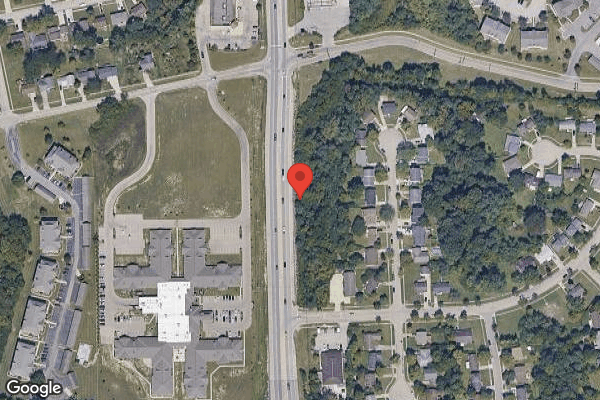
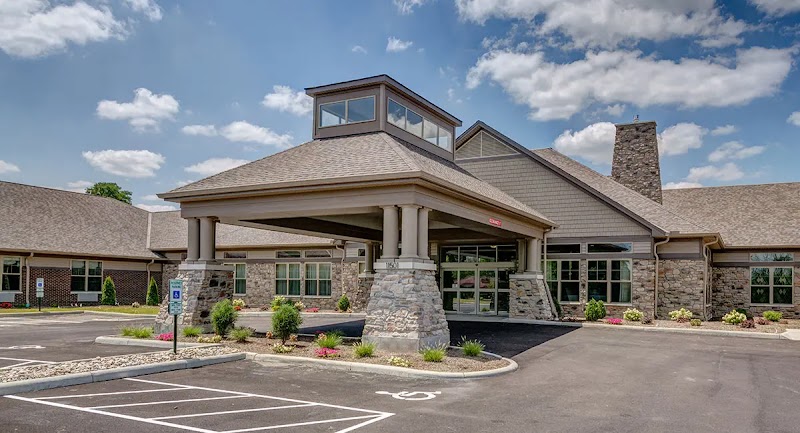
11501 HAMILTON AVENUE, CINCINNATI, OH 45231 (513) 648-7000
For profit - Limited Liability company 124 Beds CARING PLACE HEALTHCARE GROUP Data: November 2025
Trust Grade
70/100
#334 of 913 in OH
Last Inspection: April 2024

Within standard 12-15 month inspection cycle. Federal law requires annual inspections.

Overview

Sanctuary Pointe Nursing & Rehabilitation Center has a Trust Grade of B, indicating it is a good choice among nursing homes. It ranks #334 out of 913 facilities in Ohio, placing it in the top half, and #27 out of 70 in Hamilton County, meaning only a few local options are better. The facility is improving, having reduced its issues from 13 in 2023 to just 3 in 2024. However, staffing is a weakness, with a rating of 2 out of 5 stars and a turnover rate of 51%, which is average but still concerning. Notably, there were incidents including improper food storage practices and a failure to report a suspected scabies outbreak, which could have affected many residents, highlighting areas that need attention despite the facility's strengths in overall quality measures.

Trust Score
B
70/100
In Ohio
#334/913
Top 36%
Safety Record
Low Risk
No red flags
Inspections
Getting Better
13 → 3 violations
Staff Stability
⚠ Watch
51% turnover. Above average. Higher turnover means staff may not know residents' routines.
Penalties
✓ Good
No fines on record. Clean compliance history, better than most Ohio facilities.
Skilled Nurses
⚠ Watch
Each resident gets only 26 minutes of Registered Nurse (RN) attention daily — below average for Ohio. Fewer RN minutes means fewer trained eyes watching for problems.
Violations
⚠ Watch
33 deficiencies on record. Higher than average. Multiple issues found across inspections.
★★★★☆
4.0
Overall Rating
★★☆☆☆
2.0
Staff Levels
★★★★★
5.0
Care Quality
★★★☆☆
3.0
Inspection Score
Stable
2023: 13 issues
2024: 3 issues

The Good

  • 5-Star Quality Measures · Strong clinical quality outcomes
  • Full Sprinkler Coverage · Fire safety systems throughout facility
  • No fines on record

Facility shows strength in quality measures, fire safety.

The Bad

Staff Turnover: 51%

Near Ohio avg (46%)

Higher turnover may affect care consistency

Chain: CARING PLACE HEALTHCARE GROUP

Part of a multi-facility chain

Ask about local staffing decisions and management

The Ugly 33 deficiencies on record

Apr 2024 3 deficiencies
CONCERN (D)

Potential for Harm - no one hurt, but risky conditions existed

Laboratory Services (Tag F0770)

Could have caused harm · This affected 1 resident

**NOTE- TERMS IN BRACKETS HAVE BEEN EDITED TO PROTECT CONFIDENTIALITY** Based on medical record review, staff interviews and policy review, the facility failed to ensure blood work was completed as or...

Read full inspector narrative →
**NOTE- TERMS IN BRACKETS HAVE BEEN EDITED TO PROTECT CONFIDENTIALITY** Based on medical record review, staff interviews and policy review, the facility failed to ensure blood work was completed as ordered. This affected two (#23 and #88) out of five residents reviewed for laboratory services. Facility census was 114. Findings include: 1. Review of the medical record for Resident #23 revealed an admission date of 02/02/21. Diagnoses included dementia, peripheral vascular disease (PVD), psychosis, atrial fibrillation, anxiety disorder, and major depressive disorder. Review of the Quarterly Minimum Data Set (MDS) assessment dated [DATE] revealed Resident #23 had intact cognition as evidenced by a Brief Interview for Mental Status (BIMS) score of 13. This resident was assessed to require supervision with eating, dependent with toileting, bathing, dressing, and transfers. Review of the physician order dated 10/13/23 revealed Resident #23 was ordered to obtain complete blood count (CBC), complete metabolic panel (CMP), thyroid stimulating hormone (TSH), Fasting Lipid Panel (FLP), creatine kinase (CK), A1C, Vitamin D, Folate, and Vitamin B12 every four months. Review of the laboratory work order dated 10/17/23 revealed Resident #23 received the blood work ordered by the physician. Further review of Resident #23's laboratory work revealed the facility did not obtain the ordered laboratory work as ordered in February 2024. Interview on 04/24/24 at 12:43 P.M. with the Director of Nursing (DON) revealed Resident #23 had labs drawn on 10/17/23 and the order was for the resident to receive the blood work every four months. The DON confirmed the facility did not obtain Resident #23's labs in February 2024 as ordered. 2. Review of the medical record for Resident #88 on 04/24/24 revealed she was admitted to the facility on [DATE] with a diagnosis of benign neoplasm of meninges, diabetes type II, major depressive disorder, hypertensive retinopathy, and repeated falls. Review of the Resident #88's MDS assessment dated [DATE] revealed the resident had intact cognition. Review of the physician orders dated 10/18/23 revealed laboratory work (complete blood count, comprehensive metabolic panel, and hemoglobin A1C to be completed every four months on the 18th. Review of the laboratory work orders revealed the facility failed to complete the blood work in February 2024 as ordered. Interview with the Administrator on 04/24/24 at 11:58 A.M. revealed the facility is changing laboratory companies next month and the blood work was missed in February 2024 for Resident #88. Review of the facility policy titled, Laboratory Testing dated 01/09/21 revealed physician ordered laboratory testing will be completed timely and results will be communicated to the physician.
CONCERN (E)

Potential for Harm - no one hurt, but risky conditions existed

Deficiency F0761 (Tag F0761)

Could have caused harm · This affected multiple residents

**NOTE- TERMS IN BRACKETS HAVE BEEN EDITED TO PROTECT CONFIDENTIALITY** Based on medical record review, observations, staff interviews and review of facility policy, the facility failed to ensure medi...

Read full inspector narrative →
**NOTE- TERMS IN BRACKETS HAVE BEEN EDITED TO PROTECT CONFIDENTIALITY** Based on medical record review, observations, staff interviews and review of facility policy, the facility failed to ensure medications were discarded after their expiration date. This affected one (#59) of three residents observed for medication administration and also affected four (#1, #38, #72, and #368) of 30 residents who received medication from the 200 hall medication cart. The facility census was 114. Findings include: 1. Review of the medical record for Resident #59 revealed an admission date of [DATE]. Diagnoses included type two diabetes mellitus (DM II), Alzheimer's disease, and atrial fibrillation. Review of the physician order dated [DATE] revealed Resident #59 was ordered Novolog Solution 100 unit/milliliter (ml), inject per sliding scale subcutaneously two times a day for diabetes. Observation on [DATE] at 2:48 P.M. of medication cart on 400 hall revealed Resident #59's Novolog vial was opened on [DATE], indicating the insulin was expired. Interview on [DATE] at 2:53 P.M. with Licensed Practical Nurse (LPN) #138 verified Resident #59's insulin was expired. 2. Review of the medical record for Resident #72 revealed an admission date of [DATE]. Diagnoses included hemiplegia and hemiparesis following cerebral infarction affecting right dominant side, traumatic subarachnoid hemorrhage without loss of consciousness. Review of the physician order dated [DATE] revealed Resident #72 was ordered Pro-stat one time a day for nutrition support, preventative measure 30 milliliters (ml) via PEG tube daily. Observation on [DATE] at 3:14 P.M. of medication cart on 200 hall revealed Resident #72 was given over-the-counter Pro-stat that had expired on [DATE]. Interview on [DATE] at 3:17 P.M. with LPN #128 verified Resident #72's Pro-stat was expired and needed to be discarded. 3. Review of the medical record for Resident #368 revealed an admission date of [DATE]. Diagnoses congestive heart failure (CHF), type two diabetes mellitus (DM II), and peripheral vascular disease (PVD). Review of the physician order dated [DATE] revealed Resident #368 was ordered Pro-stat 30 milliliters (ml) two times a day for low pre-albumin level. Observation on [DATE] at 3:21 P.M. of medication cart on 300 hall revealed Resident #368 was given over-the-counter Pro-stat that had expired on [DATE]. Interview on [DATE] at 3:24 P.M. with Registered Nurse (RN) #74 verified Resident #368's Pro-stat was expired and needed to be discarded. 4. Review of the medical record for Resident #1 revealed an admission date of [DATE]. Diagnoses included congestive heart failure (CHF), atrial fibrillation, type two diabetes mellitus (DM II), and moderate-protein calorie malnutrition. Review of the physician order dated [DATE] revealed Resident #1 was ordered Pro-stat 30 milliliters (ml) twice a day for low pre-albumin level. Observation on [DATE] at 3:25 P.M. of medication cart on 300 hall revealed Resident #1 was given over-the-counter Pro-stat that had expired on [DATE]. Interview on [DATE] at 3:26 P.M. with RN #74 verified Resident #1's Pro-stat was expired and needed to be discarded. 5. Review of the medical record for Resident #38 revealed an admission date of [DATE]. Diagnoses included chronic obstructive pulmonary disease (COPD), osteoporosis, emphysema, and anxiety disorder. Review of the physician order dated [DATE] revealed Resident #38 was ordered Fish Oil Capsule 1000 milligrams (mg), give one capsule by mouth one time a day for supplement. Observation on [DATE] at 3:27 P.M. of medication cart on 300 hall revealed Resident #38 was given over-the-counter Fish Oil 1,000 mg that had expired in [DATE]. Interview on [DATE] at 3:28 P.M. with RN #74 verified Resident #38's Fish Oil was expired and needed to be discarded. Review of the facility policy titled, Medication Storage, dated [DATE] revealed medications and biological's were stored safely, securely, and properly, following manufacturer's recommendations or those of the supplier. Outdated, contaminated, or deteriorated medications and those in containers that were cracked, soiled, or without secure closures were immediately removed from stock, disposed of according to procedures for medication disposal and reordered from the pharmacy, if a current order existed.
CONCERN (F)

Potential for Harm - no one hurt, but risky conditions existed

Food Safety (Tag F0812)

Could have caused harm · This affected most or all residents

Based on observations, staff interviews and policy review, the facility failed to store, prepare, distribute, and serve foods in a sanitary manner and in accordance with the facility policies. This ha...

Read full inspector narrative →
Based on observations, staff interviews and policy review, the facility failed to store, prepare, distribute, and serve foods in a sanitary manner and in accordance with the facility policies. This had the potential to affect all 114 residents who received food from the kitchen. Facility census was 114. Findings include: 1. Observations of the facility kitchen on 04/22/24 8:20 A.M., revealed the following areas of concern: a. There was no temperature log of the dishwasher temperatures for the month of April 2024 through the past six months. b. The ice machine, which provided ice to the entire facility, had a pink wet substance on the inside of the ice storage bin which was touching the ice. c. In the walk-in refrigerator, there was no thermometer, and eight bags of undated and unlabeled food. There was a container of opened coleslaw with expiration date of 04/14/24. There were 22 wrapped plates of unlabeled and undated food. The refrigerator temperature log for April 2024 had no daily entry past 04/22/24. d. The walk-in freezer temperature log for April 2024 had no daily entry past 04/22/24. e. In the dry food storage area, there were six boxes of rice with expiration date of April 2022. There were two opened, undated, bottles of vinegar and cooking wine. There was an unlabeled bulk container of dry food. f. The food temperature log, used to ensure food temperatures were safe for meal service, was not completed for multiple dates and meals in April 2024. This included dates, but limited to, lunch and dinner meals of 04/04/24, 04/06/24, 04/08/24, 04,09/24, 04/14/24, 04/15/24, and 04/22/24. Interview on 04/22/24 at 8:30 A.M. with Dietary Manager, (DM) # 300 verified the observations of the kitchen on 04/22/24. DM #300 stated he was an interim DM as the previous DM had vacated the position two weeks ago. The facility confirmed all 114 residents receive their meals/food from the kitchen. 2. Observation on 04/24/24 at 9:30 A.M. revealed [NAME] #60, put pieces of chicken into the blender with gloved hands. [NAME] #60 pureed the chicken, and put the chicken into holding container, by touching the blender, the counter, and serving container with gloved hands. [NAME] #60 proceeded to put more chicken in the blender with the same gloved hands, touching the blender, counter and serving container. [NAME] #60 took the blender container to the dishwasher and reassembled the blender, by inserting the clean service blade of the blender, with the same gloved hands. Vegetables were added, by [NAME] #60 touching some of the vegetables, to the service blade of the blender with the same gloved hands. [NAME] #60 added bread to the vegetables with the same gloved hands and proceeded to puree the vegetables. The observations revealed [NAME] #60 did not change gloves or perform hand hygiene at any time of the food pureeing process. Interview on 04/24/24 at 10:24 [NAME] #60 verified he had not changed his gloves and/or did not perform hand hygiene during the entire process of pureeing the chicken and vegetables. [NAME] #60 verified he should have changed gloves between touching the chicken, touching the bread, and in between reassembling the blender blade. 3. Observations of the kitchen on 04/24/24 at 12:14 P.M. revealed the following areas of concern: a. There were orange, pink and black wet substances, consistent with the appearance of mold, on the walls behind and around the dishwasher and under drain table. b. The floor drains of the three-compartment sink, in the dish room, had orange and black set substances, consistent with the appearance of mold and food debris. c. The stove top had a black, wet buildup of debris under and around the eight stove burners. d. The walls near the pan storage racks had brown dried drips of debris consistent with food spatters. e. The sanitation bucket, used for sanitation of food prep surfaces, tested at 50 parts per million, (PPM) by DM #300. DM #300 stated the sanitation bucket had not been emptied and refilled with sanitizer since the early morning of 04/24/24. Interview on 04/24/24 at 12:14 P.M. DM #300 verified the dish room area, floor drain and walls need cleaned. DM #300 verified the sanitation bucket tested at 50 PPM, should have been changed after each meal and should have tested at 200 PPM. DM #300 verified there were no cleaning schedules for April 2024 and no previous cleaning schedules were provided. 4. Observations of on 04/24/24 at 12:47 P.M. through 1:15 P.M. revealed the following areas of concern: a. The Unit 100 resident designated refrigerator did not have temperature log for April 2024. There was a insulated lunch box unlabeled and undated stored in the refrigerator. b. The Unit 400 resident designated refrigerator had a plate of food, unlabeled and undated. Interview on 04/24/24 at 12:50 P.M., State Tested Nurse Aide, (STNA) #275 identified the lunch box in Unit 100 resident refrigerator and verified the employees are not permitted to store personal food items in the resident designated refrigerator. Interview on 04/24/24 at 1:15 P.M. Maintenance Director, (MD) #190 verified the employees are not to store personal food items in the resident designated refrigerators and all food items are to be labeled and dated. MD #190 verified all refrigerators should have a daily temperature log to ensure the refrigerator is holding stored foods at a safe temperature. MD #190 verified the ice machine is to be cleaned monthly, including removal any pink substance from inside the ice bin. MD #190 further verified the pink, orange and black substances on the walls around the dish machine and in the floor drain, were consistent with the appearance of mold. MD #190 stated the dish machine hood had not been removing the steam appropriately from the dish machine room. Review of undated facility policy titled, Facility Walk-in and Resident Refrigerator, revealed temperatures will be logged daily in resident refrigerator, and no staff food will be co-mingled with resident foods. Review of facility policy titled, Storage and Dispensing of Ice, dated 2023, revealed the ice dispenser will be cleaned and sanitized inside of the machine at least monthly. Review of facility policy titled, Employee Hygiene for Food Safety, dated 2023, revealed all employees will use utensils to handle food, and will use disposable single use gloves. Hands must be washed prior to using gloves and after removing gloves. Avoid touching items while preparing food. Review of facility policy titled, Food Storage, dated 2021, revealed leftovers will be labeled, dated and used within three days. The DM will review the temperature logs daily. Review of facility policy titled, Equipment Temperature Logs, dated 2021, revealed the dish machine temperatures are taken and recorded with each meal and monitored by the DM. Copies are maintained in the dietary department. Review of facility policy titled, Sanitation Standards: Equipment and Kitchen, dated 2021, revealed the dietary department will establish and maintain standards for sanitation with systematic cleaning and sanitizing procedures to ensure sanitation of equipment, storage areas and work areas are routinely cleaned.
Dec 2023 2 deficiencies
CONCERN (D) 📢 Someone Reported This

A family member, employee, or ombudsman was alarmed enough to file a formal complaint

Potential for Harm - no one hurt, but risky conditions existed

Notification of Changes (Tag F0580)

Could have caused harm · This affected 1 resident

**NOTE- TERMS IN BRACKETS HAVE BEEN EDITED TO PROTECT CONFIDENTIALITY** Based on medical record review, staff and physician interviews, and review of facility policy, the facility failed to notify a p...

Read full inspector narrative →
**NOTE- TERMS IN BRACKETS HAVE BEEN EDITED TO PROTECT CONFIDENTIALITY** Based on medical record review, staff and physician interviews, and review of facility policy, the facility failed to notify a physician of a resident's change in condition. This affected one (#110) of three residents reviewed for death. The census was 108. Findings include: Review of Resident #110's closed medical record revealed an admission date of [DATE]. Diagnoses included diverticulosis, hypertension, atrial fibrillation, carotid stenosis, congestive heart failure, and chronic obstructive pulmonary disease. Resident #110 passed away in the facility on [DATE]. Review of a quarterly Minimum Data Set (MDS) assessment dated [DATE] revealed Resident #110 had severe cognitive impairment and was receiving Hospice services. Review of progress notes dated [DATE] at 10:41 A.M. revealed Resident #110's oxygen (O2) level was at 79 percent (%) on four liters upon waking. A breathing treatment was administered. Supervisor and Hospice were notified of the low O2 level. Review of progress notes dated [DATE] at 4:33 P.M. revealed Resident #110's Granddaughter was notified. Hospice nurse was in to see Resident #110. Hospice recommendations were STAT (urgent) chest X-ray and breathing treatment routinely every four hours. Order was faxed to physician and were awaiting a response. Review of a calender revealed [DATE] was a Sunday. Review of progress notes dated [DATE] at 5:49 A.M. revealed Resident #110 expired at 5:40 A.M. Director of Nursing (DON) and physician were made aware. Further review of Resident #110's closed medical record revealed no documentation was found of Resident #110's physician being notified of Resident #110's low O2 level on [DATE]. During an interview on [DATE] at 2:00 P.M. Registered Nurse (RN) #150 stated Resident #110 was out in the common area for breakfast and lunch on [DATE]. Resident #110's oxygen levels dropping on [DATE] was an acute change in health status. During a phone interview on [DATE] at 3:51 P.M. Physician #200 stated faxes to this office on weekends would not be addressed until Monday. Physician #200 stated an on-call physician service was used on weekends and he would not be called directly. An on-call physician would be called. During an interview on [DATE] at 4:41 P.M. the Administrator confirmed the Hospice recommendation of a STAT chest X-ray was faxed to the physicians office. The Administrator confirmed the fax was sent on Sunday, [DATE] and would not be have been addressed until Monday, [DATE]. The Administrator confirmed Resident #110's physician was not called regarding her significant change in condition on [DATE]. Review of the facility's policy titled Change in Resident Condition, Family and Physician Notification dated [DATE] revealed the physician and responsible party will be notified in a timely manner regarding any significant change in a resident's physical, mental, or psychosocial status (which warrants an alteration in treatment, possible transfer to an acute care setting, or discharge from the facility) regardless of code status. The nurse will notify the resident, the resident's attending physician and responsible party when there has been a significant change in the resident's physical, emotional or psychosocial status. A significant changes are defined as a decline or deterioration in health, mental or psychosocial status in either life-threatening situations or clinical complications. This deficiency represents non-compliance investigated under Complaint Number OH00148377.
CONCERN (D) 📢 Someone Reported This

A family member, employee, or ombudsman was alarmed enough to file a formal complaint

Potential for Harm - no one hurt, but risky conditions existed

Deficiency F0849 (Tag F0849)

Could have caused harm · This affected 1 resident

**NOTE- TERMS IN BRACKETS HAVE BEEN EDITED TO PROTECT CONFIDENTIALITY** Based on medical record review, staff and physician interviews and policy review, the facility failed to coordinate hospice care...

Read full inspector narrative →
**NOTE- TERMS IN BRACKETS HAVE BEEN EDITED TO PROTECT CONFIDENTIALITY** Based on medical record review, staff and physician interviews and policy review, the facility failed to coordinate hospice care to ensure hospice recommendations were timely implemented. This affected one (#110) of three residents reviewed for death. The census was 108. Findings include: Review of Resident #110's closed medical record revealed an admission date of [DATE]. Diagnoses included diverticulosis, hypertension, atrial fibrillation, carotid stenosis, congestive heart failure, and chronic obstructive pulmonary disease. Resident #110 passed away in the facility on [DATE]. Review of a quarterly Minimum Data Set (MDS) assessment dated [DATE] revealed Resident #110 had severe cognitive impairment and was receiving Hospice services. Review of progress notes dated [DATE] at 10:41 A.M. revealed Resident #110's oxygen (O2) level was ar 79 percent (%) on four liters upon waking. A breathing treatment was administered. Supervisor and Hospice were notified of the low O2 level. Review of progress notes dated [DATE] at 4:33 P.M. revealed Resident #110's Granddaughter was notified. Hospice nurse was in to see Resident #110. Hospice recommendations were STAT (urgent) chest X-ray and breathing treatment routinely every four hours. Order was faxed to physician and were awaiting a response. Review of a calender revealed [DATE] was a Sunday. Review of progress notes dated [DATE] at 5:49 A.M. revealed Resident #110 expired at 5:40 A.M. Director of Nursing (DON) and physician were made aware. Further review of Resident #110's closed medical record revealed no documentation of a chest X-ray being completed before Resident #110's death on [DATE]. No documentation was found of Resident #110's physician being notified of Resident #110's low O2 level or the Hospice recommendations on [DATE]. During a phone interview on [DATE] at 3:51 P.M. Physician #200 stated faxes to this office on weekends would not be addressed until Monday. Physician #200 stated an on-call physician service was used on weekends and he would not be called directly. An on-call physician would be called. During an interview on [DATE] at 4:41 P.M. the Administrator confirmed the Hospice recommendation of a STAT chest X-ray was faxed to the physicians office. The Administrator confirmed the fax was sent on Sunday, [DATE] and would not be have been addressed until Monday, [DATE]. The Administrator confirmed the physician was not called on [DATE]. Review of a facility policy titled Hospice Services, Coordination, revised [DATE] revealed when a resident chooses to receive hospice care and services, the facility will coordinate and provide care in cooperation with hospice staff in order to promote the resident ' s highest practicable physical, mental, and psychosocial well-being. The facility and hospice provider will coordinate a plan of care and will implement interventions in accordance with the resident ' s needs, goals, and recognized standards of practice in consultation with the resident ' s attending physician/practitioner and resident ' s representative, to the extent possible. This deficiency represents non-compliance investigated under Complaint Number OH00148377.
Aug 2023 1 deficiency
CONCERN (D) 📢 Someone Reported This

A family member, employee, or ombudsman was alarmed enough to file a formal complaint

Potential for Harm - no one hurt, but risky conditions existed

Respiratory Care (Tag F0695)

Could have caused harm · This affected 1 resident

**NOTE- TERMS IN BRACKETS HAVE BEEN EDITED TO PROTECT CONFIDENTIALITY** Based on medical record review, observation, staff interview, and policy review, the facility failed to ensure oxygen was admini...

Read full inspector narrative →
**NOTE- TERMS IN BRACKETS HAVE BEEN EDITED TO PROTECT CONFIDENTIALITY** Based on medical record review, observation, staff interview, and policy review, the facility failed to ensure oxygen was administered as ordered. This affected three Residents (#11, #12, and #13) out of four residents reviewed for working oxygen concentrators. The census was 108. Findings include: 1. Review of Resident #11's medical record revealed Resident #11 was admitted on [DATE] with diagnoses including congested heart failure, acute kidney failure, and chronic respiratory failure. Review of the Discharge Return Anticipated Minimum Data Set (MDS) assessment, dated 07/19/23, revealed Resident #11 had moderate cognitive deficits and required extensive assistance with activities of daily living (adl). Review of Resident #11's care plan, dated 07/13/23, revealed Resident #11 had oxygen therapy related to congestive heart failure and respiratory failure with interventions to monitor for respiratory distress and to give medicine as ordered by the physician. Review of Resident #11's physician order, dated 07/31/23, revealed an order for oxygen at two liters per minute via nasal cannula continuously due to shortness of breath. Observation on 08/02/23 at 9:37 A.M. during medication administration revealed Resident #11's oxygen concentrator was set to four liters per minute. Observation on 08/02/23 at 11:53 A.M. revealed Resident #11's oxygen concentrator was set to four liters per minute. Interview on 08/02/23 at 11:54 A.M. with Licensed Practical Nurse (LPN) #20 verified Resident #11's physician order was for two liters per minute and reported that Resident #11's oxygen concentrator was on the wrong setting. 2. Review of Resident #12's medical record revealed Resident #12 was admitted on [DATE] with diagnoses including chronic obstructive pulmonary disease (COPD), congestive heart failure, sleep apnea, asthma, and respiratory disorders. Review of Resident #12's Annual MDS assessment, dated 07/11/23, revealed Resident #14 was cognitively intact and required extensive assistance with adls. Review of Resident #12's care plan, dated 03/16/18, revealed Resident #12 had oxygen therapy related to diagnosis with interventions which included oxygen settings: Resident #12 had oxygen via nasal cannula at three and half liters continuously. Keep oxygen saturation greater than 92%. Resident #12 used continuous positive airway pressure (CPAP) during night hours and call Resident #12's daughter if at any hour Resident #12 declines the oxygen mask. Review of Resident #12's physician order, dated 08/30/22, revealed an order for Resident #12 to receive oxygen at three and a half liters per minute via nasal cannula continuously due to shortness of breath. Observation on 08/02/23 at 12:10 P.M. of Resident #12's oxygen concentrator revealed it was set to four and a half liters per minute. Interview on 08/02/23 at 12:18 P.M. with LPN #21 verified Resident #12's concentrator was set to four and a half liters per minute and should be set to three and a half liters per minute. 3. Review of Resident #13's medical record revealed Resident #13 was admitted on [DATE] with diagnoses including COPD, respiratory disorders, and cerebrovascular disease. Review of Resident #13's Significant Change MDS assessment, dated 07/19/23, revealed Resident #13 had severe cognitive impairment and required extensive assistance with adls. Review of Resident #13's care plan, dated 06/26/23, revealed Resident #13 had altered respiratory status and difficulty breathing related to episodes of shortness of breath with exertion or when lying flat. Resident #13 had continuous oxygen therapy and remained at risk for associated complications and fluctuations with care needs related to progression of COPD and respiratory disorders. Interventions included to provide oxygen as ordered. Review of Resident #13's physician order, dated 05/30/23, revealed an order for Resident #13 to receive continuous oxygen at two and a half liters per minute. Observation on 08/02/23 at 12:25 P.M. of Resident #13's oxygen concentrator revealed it was set to four liters per minute. Interview on 08/02/23 during observation with LPN #21 verified Resident #13's oxygen concentrator was set on four liters per minute and it should have been set to two and a half liters per minute. Review of the Oxygen Administration Policy, dated 02/28/20, revealed oxygen therapy can be initiated as a nursing judgement, if the resident's condition warrants, until notification to the physician is made and the order is obtained, otherwise, oxygen therapy is administered to the resident upon the written order of a licensed physician. This deficiency represents non-compliance investigated under Complaint Number OH00144713.
Apr 2023 10 deficiencies
CONCERN (D) 📢 Someone Reported This

A family member, employee, or ombudsman was alarmed enough to file a formal complaint

Potential for Harm - no one hurt, but risky conditions existed

Resident Rights (Tag F0550)

Could have caused harm · This affected 1 resident

Based on record review, observation, resident and staff interview, and review of the facility policy, the facility failed to ensure a dignified dining experience for residents. This affected one (#35)...

Read full inspector narrative →
Based on record review, observation, resident and staff interview, and review of the facility policy, the facility failed to ensure a dignified dining experience for residents. This affected one (#35) of three residents reviewed for dignity. The facility census was 105. Findings include: Review of the medical record for Resident #35 revealed an admission date of 07/22/21 with diagnoses including multiple sclerosis and dementia without behavioral disturbance. Review of the Minimum Data Set (MDS) for Resident #35 dated 03/13/23 revealed the resident was cognitively intact and required supervision with activities of daily living (ADL's). Review of the medical record for Resident #38 revealed an admission date of 02/09/23 with a diagnosis of diabetes mellitus (DM.) Review of the MDS for Resident #38 dated 03/13/23 revealed resident was cognitively intact and required extensive assistance of one staff with ADL's. Review of the April 2023 monthly physician orders for Resident #38 revealed an order dated 02/27/23 for resident to receive insulin at meals based on a sliding scale. Observation on 04/04/23 at 8:22 A.M. revealed Resident #35 was seated directly across the table from Resident #38 and both residents were eating breakfast. Licensed Practical Nurse (LPN) #875 told Resident #38 she needed to check her blood sugar to determine if resident needed insulin per the sliding scale order. Resident #38 consented to have her blood sugar taken at the breakfast table. LPN #875 did not obtain consent from Resident #35 who was eating at the same table and was at a distance of approximately three feet from Resident #38. Resident #38 placed her right hand on the breakfast table and the nurse stuck her middle finger with a lancet which produced a large drop of blood which nurse pulled into the glucometer and got a reading of 119. Resident #35 gasped when she saw the blood and said it hurt her just to see that, and she was glad she didn't have to get stuck with a needle. LPN #875 cleaned Resident #38's finger off and left the table. Interview on 04/04/23 at 8:40 A.M. with LPN #875 confirmed she obtained consent from Resident #38 to have her blood sugar taken at the table but she had not asked Resident #35, resident's tablemate how she felt about the procedure occurring at the breakfast table. Interview on 04/04/23 at 8:45 A.M. with Resident #35 confirmed she would prefer not to have to see blood or see people getting stuck with needles, especially while she is eating her breakfast. Interview on 04/04/23 at 2:32 P.M. with the Director of Nursing (DON) confirmed nurses should obtain permission from all residents at the table before checking blood sugars during mealtime. Review of the facility policy titled Dignity dated 01/26/21 revealed the facility would ensure that each resident was cared for in a manner that promotes and enhances quality of life, dignity, respect and individuality. This deficiency represents non-compliance investigated under Complaint Number OH00141229.
CONCERN (D) 📢 Someone Reported This

A family member, employee, or ombudsman was alarmed enough to file a formal complaint

Potential for Harm - no one hurt, but risky conditions existed

Deficiency F0562 (Tag F0562)

Could have caused harm · This affected 1 resident

Based on record review, observation and resident representative and staff interview, the facility failed to ensure immediate access to residents. This affected one (#33) of three residents reviewed fo...

Read full inspector narrative →
Based on record review, observation and resident representative and staff interview, the facility failed to ensure immediate access to residents. This affected one (#33) of three residents reviewed for resident rights. The facility census was 105. Findings include: Review of the medical record for Resident #33 revealed an admission date of 05/06/22 with diagnoses including traumatic subarachnoid hemorrhage, diffuse traumatic brain injury, epilepsy, major depressive disorder, and osteomyelitis. Review of the Minimum Data Set (MDS) for Resident #33 dated 02/08/23 revealed resident was cognitively impaired and required extensive assistance with activities of daily living (ADL's.) Interview on 04/04/23 at 1:12 P.M. with Resident #33's representative confirmed the facility did not always respond to phone calls including requests to access the resident/facility after hours in a timely manner. Observation on 04/05/23 at 5:46 A.M. revealed the front entrance to the facility was locked and there was a typed sign posted on the door which indicated the door was locked from 8:00 P.M. to 8:00 A.M. and to gain entrance to the facility the visitor had to call and request entrance. There were two local phone numbers posted. One was the main number for the facility, and the other number was for a call phone. Surveyor called the facility's main number at 5:48 A.M. and the phone rang multiple times but there was no answer. Surveyor called the cell phone number at 5:52 A.M. and the phone rang multiple times and then a voicemail greeting indicated the number had a voice mail box which had not been set up yet. Surveyor called the facility's main number at 5:52 A.M. and the phone rang multiple times with no answer. Surveyor called the cell phone number again at 5:54 A.M. with no response. Surveyor called the Administrator's cell phone (which was not posted) at 5:55 A.M., and the Administrator answered. Surveyor requested access to the facility, and the Administrator said she would reach out to staff in the building and have someone unlock the door so surveyor could access the facility. Observation revealed State Tested Nursing Assistance (STNA) #495 unlocked the front door and permitted Surveyor to enter the facility at 6:03 A.M. Interview on 04/05/23 at 6:03 A.M. with STNA #495 confirmed the cell phone number posted on the front door was for the supervisor's cell phone and there was no nursing supervisor on duty at the moment. Interview on 04/05/23 at 1:30 P.M. with the Administrator confirmed representatives of the State and resident representatives should be permitted immediate access to the residents. Administrator apologized for the delay the Surveyor experienced in gaining entry to the facility. Administrator confirmed they kept the building locked from 8:00 P.M. to 8:00 A.M. for security reasons and provided the main number so visitors could call to request access and the supervisor's cell phone number was also provided as a backup option. This deficiency represents non-compliance investigated under Complaint Number OH00140514.
CONCERN (D) 📢 Someone Reported This

A family member, employee, or ombudsman was alarmed enough to file a formal complaint

Potential for Harm - no one hurt, but risky conditions existed

Notification of Changes (Tag F0580)

Could have caused harm · This affected 1 resident

**NOTE- TERMS IN BRACKETS HAVE BEEN EDITED TO PROTECT CONFIDENTIALITY** Based on record review, observation, resident representative and staff interview, and review of the facility policy, the facilit...

Read full inspector narrative →
**NOTE- TERMS IN BRACKETS HAVE BEEN EDITED TO PROTECT CONFIDENTIALITY** Based on record review, observation, resident representative and staff interview, and review of the facility policy, the facility failed to ensure resident representatives were notified promptly of changes in resident's condition. This affected one (#33) of three residents reviewed for resident rights. The facility census was 105. Findings include: Review of the medical record for Resident #33 revealed an admission date of 05/06/22 with diagnoses including traumatic subarachnoid hemorrhage, diffuse traumatic brain injury, epilepsy, major depressive disorder, and osteomyelitis. Review of the Minimum Data Set (MDS) for Resident #33 dated 02/08/23 revealed resident was cognitively impaired and required extensive assistance with activities of daily living (ADL's). Review of the April 2023 monthly physician orders for Resident #33 revealed an order dated 02/07/23 for resident to receive Isosource via feeding tube from 6:00 P.M. to 6:00 A.M. daily, an order dated 02/07/23 for resident to receive a bolus tube feeding of one 250 milliliter (ml) container of Isosource at 1:00 P.M. daily, and an order dated 12/26/22 for resident to receive gabapentin three times daily at 6:00 A.M., 1:00 P.M. and 6:00 P.M. Review of the April 2023 Medication Administration Record (MAR) for Resident #33 revealed the Isosource nocturnal tube feeding for 04/02/23 to 04/03/23 , the 1:00 P.M. bolus feeding of Isosource for 04/03/23, and the 1:00 P.M. dose of gabapentin were signed off as ordered. Review of the nurse progress note for Resident #33 dated 04/03/23 timed at 5:44 P.M. per Licensed Practical Nurse (LPN) #590 revealed resident's gastrostomy (g-tube) needed to be replaced and staff were not able to give med's or bolus tube feeding without it coming out the other side. Review of the nurse progress note for Resident #33 dated 04/04/23 timed at 6:32 A.M. revealed resident returned to facility from an emergency room visit for malfunctioning of g-tube. The resident's feeding tube was changed at the hospital and resident's tube was intact and functional. Review of hospital notes for Resident #33 dated 04/04/23 timed at 6:28 P.M. revealed resident arrived at the hospital via squad and presented with problems with his feeding tube. Resident #33 reported his feeding tube had been leaking since last night and the end cap of the tube was missing. Resident #33 was unsure what happened to the tube. Hospital replaced resident's g-tube and confirmed placement via x-ray, and the resident was returned to the facility on [DATE] at 5:23 A.M. Interview on 04/04/23 at 1:11 P.M. with Resident #33 and resident's representative confirmed he wanted his representative to be notified promptly of all changes in his care. Interview on 04/04/23 at 1:12 P.M. with Resident #33's representative confirmed the resident's gastrostomy tube had malfunctioned on 04/03/23 in the early morning hours and she was not notified in a timely manner of the resident's change in condition. Resident #33's representative confirmed the facility should notify her of all changes in condition and she learned of problem with resident's g-tube on 04/03/23 at approximately 6:00 P.M. when she came to visit the resident and the staff was getting ready to send him out to the hospital to have the tube replaced. Resident #33's representative confirmed the nurse told her resident had not received his afternoon tube feeding or his afternoon dose of gabapentin because the tube was non-functioning. Interview on 04/05/23 at 9:13 A.M. with LPN #590 confirmed when she arrived at the facility on 04/03/23 at approximately 7:00 A.M. the night shift agency nurse told her Resident #33's g-tube was not functioning properly and his tube had been leaking all night. When LPN #590 went in to assess the resident at approximately 7:15 A.M. the nocturnal tube feeding was disconnected and there was a piece broken off the g-tube. LPN #590 confirmed she asked the supervisor if they could send the resident out to the hospital to have his tube replaced but supervisor told her to wait because she was going to try to figure out a way to repair the tube with replacement parts. LPN #590 confirmed they were not able to repair the tube and she tried to give resident a bolus feeding at 1:00 P.M. but it didn't work-the tube feeding would not go into the tube. LPN #590 confirmed she did not give the 1:00 P.M. dose of gabapentin. LPN #590 confirmed Resident #33's representative arrived to visit on 04/03/23 at approximately 6:00 P.M. which was at the same time the supervisor informed her the attending physician had given an order for resident to go to the hospital to have his g-tube replaced. LPN #590 confirmed Resident #33's representative expressed concern that no one had informed her Resident #33's g-tube had been non-functional since the nightshift on 04/03/23. LPN #590 confirmed the facility did notify Resident #33's representative in a timely manner that his feeding tube was non-functional and resident was unable to receive tube feeding and medications. Review of the facility policy titled Change of Resident Condition, Physician and Family Notification dated 01/2021 revealed the resident's responsible party will be notified in a timely manner regarding any significant change in status which warrants an alteration in treatment and possible transfer to an acute care setting. This deficiency represents non-compliance investigated under Complaint Number OH00141716.
CONCERN (D) 📢 Someone Reported This

A family member, employee, or ombudsman was alarmed enough to file a formal complaint

Potential for Harm - no one hurt, but risky conditions existed

Tube Feeding (Tag F0693)

Could have caused harm · This affected 1 resident

**NOTE- TERMS IN BRACKETS HAVE BEEN EDITED TO PROTECT CONFIDENTIALITY** Based on record review, observation, resident representative and staff interview, and review of the facility policy, the facilit...

Read full inspector narrative →
**NOTE- TERMS IN BRACKETS HAVE BEEN EDITED TO PROTECT CONFIDENTIALITY** Based on record review, observation, resident representative and staff interview, and review of the facility policy, the facility failed to ensure proper care and functioning of gastrostomy tubes (g-tubes.) This affected one (#33) of three residents reviewed for tube feedings. The facility census was 105. Findings include: Review of the medical record for Resident #33 revealed an admission date of 05/06/22 with diagnoses including traumatic subarachnoid hemorrhage, diffuse traumatic brain injury, epilepsy, major depressive disorder, and osteomyelitis. Review of the Minimum Data Set (MDS) for Resident #33 dated 02/08/23 revealed resident was cognitively impaired and required extensive assistance with activities of daily living (ADL's). Review of the care plan for Resident #33 dated 10/12/22 revealed resident had a percutaneous endoscopic gastrostomy (PEG) tube for enteral feeding related to dysphagia. Resident #33 has had to go to the emergency room to have tube replaced. Resident #33 had a history of pulling and tugging on the tube. and jamming the tip of the tube. Interventions included: abdominal binder if needed and as tolerated by resident, monitor tube feeding tolerance and document any gastrointestinal issues, provide tube feeding per orders, administer medications as ordered, monitor/document for side effects and effectiveness, provide local care to the g-tube site and monitor for any signs of infection Review of the April 2023 monthly physician orders for Resident #33 revealed an order dated 02/07/23 for the resident to receive Isosource via feeding tube from 6:00 P.M. to 6:00 A.M. daily, an order dated 02/07/23 for resident to receive a bolus tube feeding of one 250 milliliter (ml) container of Isosource at 1:00 P.M. daily, and an order dated 12/26/22 for resident to receive gabapentin three times daily at 6:00 A.M., 1:00 P.M. and 6:00 P.M. Review of the April 2023 Medication Administration Record (MAR) for Resident #33 revealed the Isosource nocturnal tube feeding for 04/02/23 to 04/03/23 , the 1:00 P.M. bolus feeding of Isosource for 04/03/23, and the 1:00 P.M. dose of gabapentin were signed off as ordered. Review of the nurse progress note for Resident #33 dated 04/03/23 timed at 5:44 P.M. per Licensed Practical Nurse (LPN) #590 revealed the resident's gastrostomy (g-tube) needed to be replaced and staff were not able to give med's or bolus tube feeding without it coming out the other side. Review of the nurse progress note for Resident #33 dated 04/04/23 timed at 6:32 A.M. revealed resident returned to facility from an emergency room visit for malfunctioning of g-tube. The resident's feeding tube was changed at the hospital and resident's tube was intact and functional. Review of hospital notes for Resident #33 dated 04/04/23 timed at 6:28 P.M. revealed the resident arrived at the hospital via squad and presented with problems with his feeding tube. Resident #33 reported his feeding tube had been leaking since last night and the end cap of the tube was missing. Resident #33 was unsure what happened to the tube. Hospital replaced resident's g-tube and confirmed placement via x-ray, and the resident was returned to the facility on [DATE] at 5:23 A.M. Observation on 04/04/23 at 1:11 P.M. of Resident #33 revealed #33 resident was resting in his room with his representative at the bedside and his feeding tube was in place and intact. The tube was not hooked up to a tube feeding at the time of the observation. Interview on 04/04/23 at 1:11 P.M. with Resident #33 and resident's representative confirmed he wanted his representative to be included in discussions regarding his care. Resident #33 confirmed he had his g-tube replaced at the hospital the night before and the new tube was functioning properly. Interview on 04/04/23 at 1:12 P.M. with Resident #33's representative confirmed the resident's gastrostomy tube had malfunctioned on 04/03/23 in the early morning hours and she learned of problem with resident's g-tube on 04/03/23 at approximately 6:00 P.M. when she came to visit the resident and the staff was getting ready to send him out to the hospital to have the tube replaced. Resident #33's representative confirmed the nurse told her the resident had not received his afternoon tube feeding or his afternoon dose of gabapentin because the tube was non-functioning. Resident #33 representative confirmed prior to going to the hospital on [DATE] the caps were broken off the tube and it was covered with a plastic glove to keep stomach contacts from leaking out. Interview on 04/05/23 at 9:13 A.M. with LPN #590 confirmed when she arrived at the facility on 04/03/23 at approximately 7:00 A.M. the night shift agency nurse told her Resident #33's g-tube was not functioning properly and his tube had been leaking all night. When LPN #590 went in to assess the resident at approximately 7:15 A.M. the nocturnal tube feeding was disconnected and there was a piece broken off the g-tube. LPN #590 confirmed she asked the supervisor if they could send the resident out to the hospital to have his tube replaced but supervisor told her to wait because she was going to try to figure out a way to repair the tube with replacement parts. LPN #590 confirmed they were not able to repair the tube and she tried to give the resident a bolus feeding at 1:00 P.M. but it didn't work-the tube feeding would not go into the tube. LPN #590 confirmed she did not give the 1:00 P.M. dose of gabapentin. LPN #590 confirmed she placed a plastic glove over Resident #33's g-tube to keep stomach contents from leaking out. LPN #590 confirmed at approximately 6:00 P.M. on 04/03/23 the supervisor informed her the attending physician had given an order for resident to go to the hospital to have his g-tube replaced. Resident #33 was transported to the hospital via 911. Review of the facility policy titled Enteral Feeding Dated 02/28/20 enteral feedings will be provided according to physician's orders to assist the resident in meeting daily nutritional intake requirements. This deficiency represents non-compliance investigated under Complaint Number OH00141716.
CONCERN (D) 📢 Someone Reported This

A family member, employee, or ombudsman was alarmed enough to file a formal complaint

Potential for Harm - no one hurt, but risky conditions existed

Deficiency F0697 (Tag F0697)

Could have caused harm · This affected 1 resident

Based on record review and staff interview, the facility failed to ensure resident's pain was appropriately managed. This affected one (#106) of three residents reviewed for pain management. The facil...

Read full inspector narrative →
Based on record review and staff interview, the facility failed to ensure resident's pain was appropriately managed. This affected one (#106) of three residents reviewed for pain management. The facility census was 105. Findings include: Review of the medical record for Resident #106 revealed an admission date of 11/29/22 with a diagnosis of aftercare following joint replacement surgery, presence of right knee artificial joint, unilateral primary osteoarthritis (OA). Review of the Minimum Data Set (MDS) for Resident #106 dated 12/03/22 revealed the resident was cognitively intact and required extensive assistance with activities of daily living (ADL's). Review of the MDS revealed the resident was coded for almost constant pain which was rated as eight on a scale of one to 10 with 10 being the worst pain. Review of the hospital continuity of care form for Resident #106 dated 11/29/22 revealed resident received oxycodone for pain on 11/29/22 at 10:12 A.M. before leaving the hospital to travel by ambulance to the facility. Resident #106 had a right total knee replacement on 11/28/22. Review of the admission nursing assessment for Resident #106 dated 11/29/22 timed at 11:53 A.M. revealed the resident complained of right knee pain which she rated as eight on a scale of one to 10. Review of the November 2022 admission orders for Resident #106 dated 11/29/22 revealed an order for oxycodone five milligrams (mg) every four hours as needed for pain. Review of the orders revealed there were no other orders for pain medication or non-pharmacological measures to be given for pain. Review of the emergency box controlled substance sheet for Resident #106 dated 11/29/22 revealed a five mg dose of oxycodone was pulled from the emergency supply for Resident #106 at 3:25 P.M. Review of the care plan for Resident #106 dated 11/30/22 revealed the resident was at risk for pain due to joint replacement surgery and generalized discomfort. Resident #106 remains at risk for fluctuations and potential for adverse effects related to medication therapy. Interventions included the following: administer analgesia as ordered, evaluate the effectiveness of pain interventions, review for compliance, alleviating of symptoms, dosing schedules and resident satisfaction with results, impact on functional ability and impact on cognition, monitor/document for side effects/adverse effects of pain medication, observe for constipation, urinary retention, new onset or increased agitation, restlessness, confusion, hallucinations, sedation, respiratory distress, dysphoria, nausea, vomiting, pruritus, dizziness and falls. Report occurrences to the physician, ask physician to review medication if side effects/adverse effects persist, offer and implement non-drug interventions to help manage pain/discomfort including food/drink, rest, and repositioning; monitor for effectiveness. Review of the November 2022 Medication Administration Record (MAR) for Resident #106 revealed pain scaled completed for resident for dayshift on 11/29/22 was for resident pain of a level eight on a scale of one to 10. Pain level on evening shift for 11/29/22 was a level nine on a scale of one to 10. Resident received oxycodone on 11/29/22 at 3:25 P.M. and 9:51 P.M. Resident #106 had no other pain medications ordered and MAR did not include nonpharmacological interventions for pain. Review of the November 2022 Treatment Administration Record (TAR) for Resident #106 revealed the TAR did not include nonpharmacological interventions for pain. Review of the nurse progress note for Resident #106 dated 11/29/22 timed at 12:49 P.M. revealed the nurse verified the admitting orders with the attending physician with no changes from the hospital continuity of care form. Orders were faxed to pharmacy at this time. There was no documentation in the nurses' notes of nonpharmacological interventions for pain. Interview on 04/05/23 at 8:00 A.M. with Registered Nurse (RN) #500 confirmed she was the admitting nurse when Resident #106 arrived to the facility from the hospital following a right total knee replacement on 11/29/22 at approximately 11:53 A.M. RN #500 confirmed she assessed resident's pain to her right knee immediately upon resident's arrival to the facility, and resident reported her pain was eight on a scale of one to 10. RN #500 confirmed the facility called the doctor to verify resident's admitting orders but did not report the high pain level to the doctor and/or request additional options for pain management. RN #500 confirmed there was a delay in being able to pull oxycodone from the emergency supply because they had to wait until the pharmacy gave the authorization to pull the medication. RN #500 confirmed Resident #106 received oxycodone at 3:25 P.M. but did not receive anything else for pain sooner, including non-pharmacological interventions, because nothing else was ordered. Interview on 04/05/23 at 1:18 P.M. with the Administrator confirmed the facility did not have a pain management policy, and the facility assessed residents for pain on a daily basis and managed pain based on input from the attending physician and based on physician orders. This deficiency represents non-compliance investigated under Complaint Number OH00141072.
CONCERN (D) 📢 Someone Reported This

A family member, employee, or ombudsman was alarmed enough to file a formal complaint

Potential for Harm - no one hurt, but risky conditions existed

Pharmacy Services (Tag F0755)

Could have caused harm · This affected 1 resident

**NOTE- TERMS IN BRACKETS HAVE BEEN EDITED TO PROTECT CONFIDENTIALITY** Based on record review, observation, resident representative and staff interview, and review of the facility policy, the facilit...

Read full inspector narrative →
**NOTE- TERMS IN BRACKETS HAVE BEEN EDITED TO PROTECT CONFIDENTIALITY** Based on record review, observation, resident representative and staff interview, and review of the facility policy, the facility failed to ensure residents received medications as ordered by the physician. This affected one (#33) of three residents reviewed for medications The facility census was 105. Findings include: Review of the medical record for Resident #33 revealed an admission date of 05/06/22 with diagnoses including traumatic subarachnoid hemorrhage, diffuse traumatic brain injury, epilepsy, major depressive disorder, and osteomyelitis. Review of the Minimum Data Set (MDS) for Resident #33 dated 02/08/23 revealed the resident was cognitively impaired and required extensive assistance with activities of daily living (ADL's). Review of the care plan for Resident #33 dated 05/11/22 revealed the resident has chronic back pain with right side sciatica, and bilateral lower extremity contracture's. Interventions included the following: administer analgesia (medication) as per orders. Give one half hour before treatments or care, monitor and document the side effects of the medication. Review of the care plan for Resident #33 dated 10/12/22 revealed the resident had a percutaneous endoscopic gastrostomy (PEG) tube for enteral feeding related to dysphagia. Resident #33 has had to go to the emergency room to have tube replaced. Resident #33 had a history of pulling and tugging on the tube and jamming the tip of the tube. Interventions included the following: abdominal binder if needed and as tolerated by resident, monitor tube feeding tolerance and document any gastrointestinal issues, provide tube feeding per orders, administer medications as ordered, monitor/document for side effects and effectiveness, provide local care to the g-tube site and monitor for any signs of infection Review of the April 2023 monthly physician orders for Resident #33 revealed an order dated 12/26/22 for the resident to receive gabapentin three times daily at 6:00 A.M., 1:00 P.M. and 6:00 P.M. for low back pain. Review of the April 2023 Medication Administration Record (MAR) for Resident #33 revealed the 1:00 P.M. dose of gabapentin was signed off as administered. Review of the nurse progress note for Resident #33 dated 04/03/23 timed at 5:44 P.M. per Licensed Practical Nurse (LPN) #590 revealed resident's gastrostomy (g-tube) needed to be replaced and staff were not able to give med's or bolus tube feeding without it coming out the other side. Review of the nurse progress note for Resident #33 dated 04/04/23 timed at 6:32 A.M. revealed the resident returned to facility from an emergency room visit for malfunctioning of g-tube. The resident's feeding tube was changed at the hospital and resident's tube was intact and functional. Review of hospital notes for Resident #33 dated 04/04/23 timed at 6:28 P.M. revealed the resident arrived at the hospital via squad and presented with problems with his feeding tube. Resident #33 reported his feeding tube had been leaking since last night and the end cap of the tube was missing. Resident #33 was unsure what happened to the tube. Hospital replaced resident's g-tube and confirmed placement via x-ray, and the resident was returned to the facility on [DATE] at 5:23 A.M. Observation on 04/04/23 at 1:11 P.M. of Resident #33 revealed resident was resting in his room with his representative at the bedside and his feeding tube was in place and intact. The tube was not hooked up to a tube feeding at the time of the observation. Interview on 04/04/23 at 1:11 P.M. with Resident #33 and resident's representative confirmed he wanted his representative to be included in discussions regarding his care. Resident #33 confirmed he had his g-tube replaced at the hospital the night before and the new tube was functioning properly and the nurse did not administer his 1:00 P.M. dose of gabapentin on 04/04/23 because his g-tube wasn't working. Interview on 04/04/23 at 1:12 P.M. with Resident #33's representative confirmed the resident's gastrostomy tube had malfunctioned on 04/03/23 in the early morning hours and she learned of problem with resident's g-tube on 04/03/23 at approximately 6:00 P.M. when she came to visit the resident and the staff was getting ready to send him out to the hospital to have the tube replaced. Resident #33's representative confirmed the nurse told her the resident had not received his afternoon dose of gabapentin because the tube was non-functioning. Resident #33's representative confirmed prior to going to the hospital on [DATE] the caps were broken off the tube and it was covered with a plastic glove to keep stomach contacts from leaking out. Interview on 04/05/23 at 9:13 A.M. with LPN #590 confirmed when she arrived at the facility on 04/03/23 at approximately 7:00 A.M. the night shift agency nurse told her Resident #33's g-tube was not functioning properly and his tube had been leaking all night. When LPN #590 went in to assess the resident at approximately 7:15 A.M. the nocturnal tube feeding was disconnected and there was a piece broken off the g-tube. LPN #590 confirmed she asked the supervisor if they could send the resident out to the hospital to have his tube replaced but supervisor told her to wait because she was going to try to figure out a way to repair the tube with replacement parts. LPN #590 confirmed they were not able to repair the tube and she tried to give resident a bolus feeding at 1:00 P.M. but it didn't work-the tube feeding would not go into the tube. LPN #590 confirmed she did not give the 1:00 P.M. dose of gabapentin. LPN #590 confirmed she placed a plastic glove over Resident #33's g-tube to keep stomach contents from leaking out. LPN #590 confirmed at approximately 6:00 P.M. on 04/03/23 the supervisor informed her the attending physician had given an order for resident to go to the hospital to have his g-tube replaced. Resident #33 was transported to the hospital via 911. Review of the facility policy titled Medication Administration dated 02/05/20 revealed licensed nurses would administer med's in a safe and effective manner and as ordered. This deficiency represents non-compliance investigated under Complaint Numbers OH00141716, OH00141229 and OH00141072.
CONCERN (D) 📢 Someone Reported This

A family member, employee, or ombudsman was alarmed enough to file a formal complaint

Potential for Harm - no one hurt, but risky conditions existed

Deficiency F0757 (Tag F0757)

Could have caused harm · This affected 1 resident

**NOTE- TERMS IN BRACKETS HAVE BEEN EDITED TO PROTECT CONFIDENTIALITY** Based on record review, staff interview, review of the facility policy, and review of an online medication resource, the facilit...

Read full inspector narrative →
**NOTE- TERMS IN BRACKETS HAVE BEEN EDITED TO PROTECT CONFIDENTIALITY** Based on record review, staff interview, review of the facility policy, and review of an online medication resource, the facility failed to ensure appropriate monitoring in conjunction with administration of the anticoagulant, Coumadin. This affected one (#36) of three residents reviewed for Coumadin administration. The facility census was 105. Findings include: Review of the medical record for Resident #36 revealed an admission date of 07/15/21 with diagnoses including cerebral infarction and vascular dementia. Review of the Minimum Data Set (MDS) for Resident #36 dated 02/19/23 revealed resident was cognitively intact and required limited assistance of one staff with activities of daily living (ADL's). Review of the care plan for Resident #36 dated 03/06/23 revealed resident was on anticoagulant therapy related to history of cerebrovascular accident (CVA). Interventions included the following: antidote is Vitamin K, have on hand for emergencies, daily skin inspection, report abnormalities to the nurse, labs as ordered, report abnormal lab results to the physician, monitor/document/report to physician as needed signs and symptoms of anticoagulant complications: blood tinged or frank blood in urine, black tarry stools, dark or bright red blood in stools, sudden severe headaches, nausea, vomiting, diarrhea, muscle joint pain, lethargy, bruising, blurred vision, shortness of breath, loss of appetite, sudden changes in mental status, significant or sudden changes in vital signs. Review of the April 2023 monthly physician orders for Resident #36 revealed an order dated 11/29/22 for the resident to take Coumadin seven milligrams (mg) at bedtime daily due to presence of automatic implantable cardiac defibrillator and an order dated 11/13/22 for a Prothrombin Time/International Normalized Ratio (PT/INR) every two weeks on Mondays. Review of the PT/INR lab results for Resident #36 revealed lab dated 02/20/23 results were PT=23.8, INR=2.1. Lab results dated 03/30/23 were PT=25.4, INR=2.3. Lab results dated 04/03/23 were PT=35, INR=3.2. There were no PT/INR results for Monday, 03/06/23. Review of the nurse progress note for Resident #36 dated 04/05/23 timed at 3:15 P.M. per Licensed Practical Nurse (LPN) #800 revealed nurse faxed the high INR results for 04/03/23 to Nurse Practitioner (NP) #885 in the evening on 04/03/23. Review of the fax cover sheets for communication of high INR results for Resident #36 revealed lab results were faxed on 04/03/23 at 5:18 P.M., 6:04 P.M., and 8:00 P.M. Review of the April 2023 Medication Administration Record (MAR) for Resident #26 revealed resident received seven mg of Coumadin on 04/04/23 at bedtime and the most recent INR result at the time of administration was recorded in the MAR as 2.3. Review of nurse progress note for Resident #36 dated 04/05/23 timed at 2:16 P.M. per Corporate Nurse (CN) #880 revealed resident's attending physician was notified of the high INR results for resident dated 04/03/23 which had not been addressed. Physician gave an order for a stat PT/INR and to hold Coumadin until results are received. Physician also noted if nurses are unable to reach the nurse practitioner (NP) they should call the attending physician or the facility medical director. Review of nurse progress note for Resident #36 dated 04/05/23 timed at 6:25 P.M. revealed the nurse was contacted by lab that blood that was drawn today for PT/INR was hemolyzed. Nurse contacted NP #885 and she gave an order to redraw blood in the morning on 04/06/23. Review of the nurse progress note for Resident #36 dated 04/06/23 timed at 9:37 A.M. revealed lab had not come out yet to draw blood for PT/INR for resident. Interview on 04/05/23 at 12:35 P.M. with CN #880 confirmed Resident #36 should have had a PT/INR drawn on 03/06/23 per physician's routine order but this did not occur due to an oversight/error. CN #880 confirmed PT/INR drawn on 04/03/23 for Resident #36 was high with an INR at 3.2. CN #880 confirmed there was no documentation of physician notification of the abnormal lab results. CN #880 confirmed Resident #36's April 2023 MAR indicates Coumadin was administered at 9:00 P.M. on 04/04/23 and the INR recorded at the time of administration was 2.3 which was the INR result from 03/20/23, not 04/03/23. Interview on 04/05/23 at 1:16 P.M. with CN #880 confirmed she notified the attending physician of Resident #36's high INR result on 04/03/23. CN #880 confirmed she notified the physician that agency LPN #890 administered seven mg of Coumadin to resident at 9:00 P.M. on 04/03/23. Physician gave order for the resident to have a stat PT/INR drawn and to hold Coumadin until results were received. Physician said if NP did not respond, staff should call him or the facility Medical Director. CN #880 confirmed she spoke with the nurse supervisor on 04/03/23, LPN #800 who confirmed she had faxed the high PT/INR results to NP #885 three times on 04/03/23 but did not receive a response. Interview on 04/06/23 at 12:43 P.M. with LPN #800 confirmed she faxed the high PT/INR results to NP #885 three times on 04/03/23 between 5:00 P.M. and 8:00 P.M. but she did not get a response. LPN #800 confirmed she did not document the high INR in Resident #36's record until 04/05/23. LPN #800 confirmed she verbally told the agency nurse to wait to give the Coumadin until they heard back from the doctor, but she did not document any of this. Review of the facility policy titled Coumadin Administration dated 01/26/21 revealed Coumadin will be administered by licensed nurses and laboratory monitoring will be completed and dosage adjustments will be made according to physician's order. Review of online resource Medscape at https://reference.medscape.com/drug/coumadin-jantoven-warfarin-342182#5 revealed Coumadin had a black box warning, because the medication could cause major or fatal bleeding particularly with a higher dose resulting in a higher INR. Risk factors for bleeding include high intensity of anticoagulation (INR greater than four), age [AGE] years or older, highly variable INR's, history of gastrointestinal bleeding, hypertension, cerebrovascular disease, serious heart disease, anemia, malignancy, trauma, renal insufficiency, concomitant drugs, and long duration of Coumadin therapy. Regular monitoring of INR should be performed on all treated patients, and those at high risk of bleeding may benefit from more frequent INR monitoring. Careful dose adjustment to desired INR's should be made. Patients should be instructed about prevention measures to minimize the risk of bleeding and to immediately report any signs or symptoms of bleeding to their physician. This deficiency represents non-compliance investigated under Complaint Number OH00141072.
CONCERN (D) 📢 Someone Reported This

A family member, employee, or ombudsman was alarmed enough to file a formal complaint

Potential for Harm - no one hurt, but risky conditions existed

Deficiency F0761 (Tag F0761)

Could have caused harm · This affected 1 resident

Based on record review, observation, staff interview, and review of the facility policy, the facility failed to ensure medications were not left unattended. This affected two (#36 and #38) of four res...

Read full inspector narrative →
Based on record review, observation, staff interview, and review of the facility policy, the facility failed to ensure medications were not left unattended. This affected two (#36 and #38) of four residents observed for medication administration. The census was 105. Findings include: 1. Review of the medical record for Resident #38 revealed an admission date of 02/9/23 with a diagnosis of diabetes mellitus (DM). Review of the Minimum Data Set (MDS) for Resident #38 dated 03/13/23 revealed resident was cognitively intact and required extensive assistance of one staff with activities of daily living (ADL's). Review of the April 2023 monthly physician orders for Resident #38 revealed an order dated 02/27/23 for resident to receive Miralax 17 grams mixed in water once daily. Observation of medication administration on 04/04/23 at 8:30 A.M. in the dining room revealed Licensed Practical Nurse (LPN) #875 administered resident's oral tablet medications in a plastic cup and gave resident a cup of water mixed with the dose of Miralax to wash down the tablets. Resident #38 swallowed the tablets and still had approximately half a cup of water and Miralax remaining. LPN #875 left the dining room leaving the medication unattended and went back to the medication cart which was in the hallway. LPN #875 did not stay to ensure the entire resident consumed the entire dose of Miralax. 2. Review of the medical record for Resident #36 revealed an admission date of 07/15/21 with diagnoses including cerebral infarction and vascular dementia. Review of the MDS for Resident #36 dated 02/19/23 revealed resident was cognitively intact and required limited assistance of one staff with ADL's. Review of the April 2023 monthly physician orders for Resident #38 revealed an order dated 12/26/22 for resident to receive Miralax 17 grams mixed in water once daily. Observation of medication administration on 04/04/23 at 8:34 A.M. inside Resident #36's room revealed LPN #875 administered resident's oral tablet medications in a plastic cup and gave resident a cup of water mixed with the dose of Miralax to wash down the tablets. Resident #36 swallowed the tablets and still had approximately half a cup of water and Miralax remaining. LPN #875 left the resident's room leaving the medication unattended and went back to the medication cart. LPN #875 did not stay to ensure the entire resident consumed the entire dose of Miralax. Interview on 04/04/23 at 8:40 A.M. of LPN #875 confirmed Residents #36 and #38 did not have orders to self-administer Miralax. LPN #875 confirmed she did not observe Residents #36 and #38 to ensure the entire dose of Miralax was consumed. Interview on 04/04/23 at 2:32 P.M. with the Director of Nursing (DON) confirmed nurses should not leave medications unattended and should stay with the resident to ensure the entire dose of medication is consumed. Review of the facility policy titled Medication Storage dated 02/25/20 revealed medications are stored safely, securely, and properly. Review of the facility policy titled Medication Administration dated 02/05/20 revealed nurses should administer med's in a safe and effective manner, and the medication cart is locked at all times unless in use and under the direct observation of the medication nurse. This deficiency is based on incidental findings discovered during the course of this complaint investigation.
CONCERN (D) 📢 Someone Reported This

A family member, employee, or ombudsman was alarmed enough to file a formal complaint

Potential for Harm - no one hurt, but risky conditions existed

Laboratory Services (Tag F0770)

Could have caused harm · This affected 1 resident

Based on record review, staff interview and review of the facility policy, the facility failed to ensure lab tests were obtained as ordered. This affected one (#36) of three residents reviewed for lab...

Read full inspector narrative →
Based on record review, staff interview and review of the facility policy, the facility failed to ensure lab tests were obtained as ordered. This affected one (#36) of three residents reviewed for laboratory testing. The facility census was 105. Findings include: Review of the medical record for Resident #36 revealed an admission date of 07/15/21 with diagnoses including cerebral infarction and vascular dementia. Review of the Minimum Data Set (MDS) for Resident #36 dated 02/19/23 revealed resident was cognitively intact and required limited assistance of one staff with activities of daily living (ADL's). Review of the care plan for Resident #36 dated 03/06/23 revealed resident was on anticoagulant therapy related to history of cerebrovascular accident (CVA). Interventions included the following: antidote is Vitamin K, have on hand for emergencies, daily skin inspection, report abnormalities to the nurse, labs as ordered, report abnormal lab results to the physician, monitor/document/report to physician as needed signs and symptoms of anticoagulant complications: blood tinged or frank blood in urine, black tarry stools, dark or bright red blood in stools, sudden severe headaches, nausea, vomiting, diarrhea, muscle joint pain, lethargy, bruising, blurred vision, shortness of breath, loss of appetite, sudden changes in mental status, significant or sudden changes in vital signs. Review of the April 2023 monthly physician orders for Resident #36 revealed an order dated 11/29/22 for resident to take Coumadin seven milligrams (mg) at bedtime daily due to presence of automatic implantable cardiac defibrillator and an order dated 11/13/22 for a Prothrombin Time/International Normalized Ratio (PT/INR) every two weeks on Mondays. Review of the PT/INR lab results for Resident #36 revealed lab dated 02/20/23 results were PT=23.8, INR=2.1. Lab results dated 03/30/23 were PT=25.4, INR=2.3. Lab results dated 04/03/23 were PT=35, INR=3.2. There were no PT/INR results for Monday, 03/06/23. Interview on 04/05/23 at 12:35 P.M. with Corporate Nurse (CN) #880 confirmed Resident #36 should have had a PT/INR drawn on 03/06/23 per physician's routine order but this did not occur due to an oversight/error. Review of the facility policy titled Coumadin Administration dated 01/26/21 revealed Coumadin will be administered by licensed nurses and laboratory monitoring will be completed and dosage adjustments will be made according to physician's order. This deficiency represents non-compliance investigated under Complaint Number OH00141072.
CONCERN (D) 📢 Someone Reported This

A family member, employee, or ombudsman was alarmed enough to file a formal complaint

Potential for Harm - no one hurt, but risky conditions existed

Medical Records (Tag F0842)

Could have caused harm · This affected 1 resident

Based on record review, staff interview and review of the facility policy, the facility failed to ensure residents' medical record included significant clinical information regarding changes in condit...

Read full inspector narrative →
Based on record review, staff interview and review of the facility policy, the facility failed to ensure residents' medical record included significant clinical information regarding changes in condition. This affected one (#36) of three residents reviewed for medical records. The facility identified three residents with orders for Coumadin. The facility census was 105. Findings include: Review of the medical record for Resident #36 revealed an admission date of 07/15/21 with diagnoses including cerebral infarction and vascular dementia. Review of the Minimum Data Set (MDS) for Resident #36 dated 02/19/23 revealed resident was cognitively intact and required limited assistance of one staff with activities of daily living (ADL's). Review of the care plan for Resident #36 dated 03/06/23 revealed resident was on anticoagulant therapy related to history of cerebrovascular accident (CVA). Interventions included the following: antidote is Vitamin K, have on hand for emergencies, daily skin inspection, report abnormalities to the nurse, labs as ordered, report abnormal lab results to the physician, monitor/document/report to physician as needed signs and symptoms of anticoagulant complications: blood tinged or frank blood in urine, black tarry stools, dark or bright red blood in stools, sudden severe headaches, nausea, vomiting, diarrhea, muscle joint pain, lethargy, bruising , blurred vision, shortness of breath, loss of appetite, sudden changes in mental status, significant or sudden changes in vital signs. Review of the April 2023 monthly physician orders for Resident #36 revealed an order dated 11/29/22 for resident to take Coumadin seven milligrams (mg) at bedtime daily due to presence of automatic implantable cardiac defibrillator and an order dated 11/13/22 for a Prothrombin Time/International Normalized Ratio (PT/INR) every two weeks on Mondays. Review of the PT/INR lab results for Resident #36 revealed lab dated 02/20/23 results were PT=23.8, INR=2.1. Lab results dated 03/30/23 were PT=25.4, INR=2.3. Lab results dated 04/03/23 were PT=35, INR=3.2. There were no PT/INR results for Monday, 03/06/23. Review of the April 2023 Medication Administration Record (MAR) for Resident #26 revealed resident received seven mg of Coumadin on 04/04/23 at bedtime and the most recent INR result at the time of administration was recorded in the MAR as 2.3. Review of nurse progress note for Resident #36 dated 04/05/23 timed at 2:16 P.M. per Corporate Nurse (CN) #880 revealed resident's attending physician was notified of the high INR results for resident dated 04/03/23 which had not been addressed. Physician gave an order for a stat PT/INR and to hold Coumadin until results are received. Physician also noted if nurses are unable to reach the nurse practitioner (NP) they should call the attending physician or the facility medical director. Interview on 04/05/23 at 12:35 P.M. with CN #880 confirmed PT/INR drawn on 04/03/23 for Resident #36 was high with an INR at 3.2. CN #880 confirmed there was no documentation of physician notification of the abnormal lab results. CN #880 confirmed Resident #36's April 2023 MAR indicates Coumadin was administered at 9:00 P.M. on 04/04/23 and the INR recorded at the time of administration was 2.3 which was the INR result from 03/20/23, not 04/03/23. Interview on 04/05/23 at 1:16 P.M. with CN #880 confirmed she notified the attending physician of Resident #36's high INR result on 04/03/23. CN #880 confirmed she notified the physician that agency LPN #890 administered seven mg of Coumadin to resident at 9:00 P.M. on 04/03/23. Physician gave order for resident to have a stat PT/INR drawn and to hold Coumadin until results were received. Physician said if NP did not respond, staff should call him or the facility Medical Director. CN #880 confirmed she spoke with the nurse supervisor for 04/03/23, LPN #800 who confirmed she had faxed the high PT/INR results to NP #885 three times on 04/03/23 but did not receive a response. CN #880 confirmed Resident #36's medical record did not include documentation of NP notification of the abnormal lab results dated 04/03/23. Interview on 04/06/23 at 12:43 P.M. with LPN #800 confirmed she faxed the high PT/INR results to NP #885 three times on 04/03/23 between 5:00 P.M. and 8:00 P.M. but she did not get a response. LPN #800 confirmed she did not document the high INR in Resident #36's record until 04/05/23. LPN #800 confirmed she verbally told the agency nurse to wait to give the Coumadin until they heard back from the doctor, but she did not document any of this in the medical record on 04/03/23. Review of the facility policy titled Change of Resident Condition, Physician and Family Notification dated 01/2021 revealed the nurse would document in the resident's medical record information relative to the changes in the resident including assessment and notification of changes. This deficiency represents non-compliance investigated under Complaint Numbers OH00141072 and OH00140514.
Mar 2020 8 deficiencies
CONCERN (D)

Potential for Harm - no one hurt, but risky conditions existed

Notification of Changes (Tag F0580)

Could have caused harm · This affected 1 resident

**NOTE- TERMS IN BRACKETS HAVE BEEN EDITED TO PROTECT CONFIDENTIALITY** Based on medical record review, staff interview, and policy review, the facility failed to notify the physician when a resident ...

Read full inspector narrative →
**NOTE- TERMS IN BRACKETS HAVE BEEN EDITED TO PROTECT CONFIDENTIALITY** Based on medical record review, staff interview, and policy review, the facility failed to notify the physician when a resident had to wait for transportation to the hospital emergency room. This affected one (#6) out of 31 residents sampled during the annual survey. Facility census was 103. Findings include: Review of the medical record for Resident #6 revealed an admission date of 05/16/18. Diagnoses include cerebral infarction, hypertension, acute respiratory infection, dementia, severe protein calorie malnutrition, dysphagia oropharyngeal phase, and depression. Review of the quarterly Minimum Data Set (MDS) assessment dated [DATE] revealed Resident #6's cognition was severely impaired. Review of Resident #6's nursing notes dated 01/07/20 revealed a note which revealed the facility nurse practitioner had seen and examined Resident #6, ordered an antibiotic for the resident, intravenous fluids, orders for labs to be drawn on the morning of 01/08/20 and an order for oxygen via nasal cannula due to the diagnosis of an upper respiratory infection. Further review of Resident #6's nursing notes dated 01/08/20 at 2:14 P.M. revealed the resident's responsible party was notified of a new order to send Resident #6 out to the local hospital for a computerized topography (CT) due to altered mental status. Continued review of Resident #6's nursing notes dated 01/08/20 at 2:16 P.M. revealed the nurse practitioner was notified of abnormal lab values and at 3:10 P.M. contacted a local ambulance company for transport and was notified their first available pick up time for Resident #6 was 7:30 P.M. The nursing staff called report to the local hospital and the resident's responsible party was notified. Further review of Resident #6's nursing notes dated 01/08/20 at 3:41 P.M. revealed an order was given for a chest x-ray with two views and vitals signs every eight hours was given and the resident's responsible party was notified. Further review of Resident #6's nursing notes dated 01/08/20 at 10:40 P.M. revealed the facility had called the local ambulance company at 10:00 P.M. inquiring about the status of the pick up for Resident #6 to the local emergency room and was informed the previous dispatcher failed to schedule the pick up and the next available time 01/09/20 at 1:30 A.M. The facility contacted Resident #6's responsible party who informed the facility they couldn't get to the hospital at that hour in the morning and requested the facility move the CT to 7:00 A.M. on the morning of 01/09/20. The facility called the local ambulance company and moved the CT scan for Resident #6. Review of Resident #6's nursing note on 01/08/20 at 10:58 P.M. revealed the resident was noted with congestion and bright yellow drainage from her nose. Her blood pressure was noted as 190/82, pulse was 58 beats per minute, respirations were 16 and her oxygen saturation was noted as 98% on two liters of oxygen via nasal cannula. Resident #6's nursing notes revealed on 01/08/20 at 11:50 P.M. the physician was notified of abnormal lab results and gave another order to send the resident to the local emergency room for a CT scan. On 01/08/20 at 11:55 P.M. the results of Resident #6's chest x-ray came back which revealed frontal and lateral views of the chest compared with 03/04/19. Now seen mild central pulmonary venous fullness. No facial consolidation or effusion. No pneumothorax. Stable enlargement of the cardiac silhouette size. Aortic calcifications. Thoracic spondylosis. Impressions: 1. Central pulmonary venous congestion without overt pulmonary edema. 2. No focal pneumonia evident. Review of Resident #6's transfer discharge letter revealed the resident was sent out of the facility due to the resident's physician determined she required medical evaluation at the local hospital. Resident #6's documented blood pressure was documented as 196/81. Review of the local hospital admission paperwork dated 01/08/20 revealed Resident #6's admitting diagnoses were urinary tract infection, acute metabolic encephalopathy, hypertension (high blood pressure) and gastroesophageal reflux disease. Interview on 03/10/20 at 10:44 with Licensed Practical Nurse (LPN) #200 revealed depending on the situation for a change in condition of a resident if the facility had called the local ambulance company and the company stated they were going to be two or three hours late she would notify the Director of Nursing (DON) and notify the physician to get an order to send the resident out via nine-one-one (911). LPN #200 stated it was expected to document the notification of the physician and family in progress notes. Interview on 03/11/20 at 11:44 A.M. with the DON revealed she expected her staff to assess the resident, notify the physician, get an order to send the resident out, obtain transport if it was a 911 or true emergency. The DON further explained the staff could call a local transport company if the physician was ok with that and they could schedule that as well. The DON stated that depended on the resident's condition and what was going on. The DON further explained the staff were to notify the family and call report to the hospital and it was the facility expectation to document everything in a progress note. Interview on 03/11/20 at 11:55 A.M. with the DON verified it was her expectation that the staff should have called the physician and notified him that there was a delay in Resident #6's transportation and the nursing staff should have asked to send the resident out. The DON verified the nursing staff failed to do that. Review of the facility policy titled Change of Resident Condition, Family and Physician Notification, undated revealed, if a residents physical, mental or psychosocial condition has significantly changed, call attending physician, and report changes and nursing observations as soon as is feasibly possible depending upon circumstances.
CONCERN (D)

Potential for Harm - no one hurt, but risky conditions existed

Assessment Accuracy (Tag F0641)

Could have caused harm · This affected 1 resident

**NOTE- TERMS IN BRACKETS HAVE BEEN EDITED TO PROTECT CONFIDENTIALITY** Based on medical record review, staff interview and review of the Resident Assessment Instrument (RAI) 3.0 manual, the facility ...

Read full inspector narrative →
**NOTE- TERMS IN BRACKETS HAVE BEEN EDITED TO PROTECT CONFIDENTIALITY** Based on medical record review, staff interview and review of the Resident Assessment Instrument (RAI) 3.0 manual, the facility failed to code a resident's minimum data set (MDS) assessment accurately to reflect the resident's prognosis. This affected one (#62) of one resident's reviewed for hospice services. The total facility census was 103. Findings include: Review of Resident #62's medical record revealed resident was admitted on [DATE]. Diagnoses include metabolic encephalopathy, mixed incontinence, tremor, osteoarthritis, zoster without complications, weakness, type two diabetes mellitus, hypertension, and dementia. Review of the resident physician orders revealed the resident was admitted to hospice services on 07/20/19. Review of Resident #62's quarterly minimum data set (MDS) dated [DATE] revealed the resident was coded under section J1400 as no, and section O0100-Special Treatment, Procedures and Programs; K-Hospice- as yes for receiving hospice services. Further review of question J1400 revealed the question was regarding the resident's prognosis and asks Does the resident have a condition or chronic disease that may result in a life expectancy of less than 6 months? (Requires physician documentation). Review of Resident #62's historic MDS's revealed section J1400 was coded no on MDS' dated 11/01/19, and 08/01/19 when the resident was receiving hospice services. During an interview with MDS Nurse #558 on 03/11/20 at 9:10 A.M. verified Resident #62 was receiving hospice services since July of 2019 and the nurse stated the facility codes J 1400 yes if the physician documents in the medical record the resident has a life expectancy of less than six months life expectancy. MDS Nurse #558 confirmed all Resident #62's MDS assessments since hospice services were ordered on 07/20/19 were coded no for J1400. Review of the RAI 3.0 Manual revealed to coding instructions for J1400: Code 0 or No: if the medical record does not contain physician documentation that the resident is terminally ill and the resident is not receiving hospice services; Code 1 or Yes: if the medical record includes physician documentation: 1) that the resident is terminally ill; or 2) the resident is receiving hospice services.
CONCERN (D)

Potential for Harm - no one hurt, but risky conditions existed

Quality of Care (Tag F0684)

Could have caused harm · This affected 1 resident

**NOTE- TERMS IN BRACKETS HAVE BEEN EDITED TO PROTECT CONFIDENTIALITY** 2. Review of the medical record for the Resident #55, revealed an admission date of 10/11/19. Diagnoses include congestive heart...

Read full inspector narrative →
**NOTE- TERMS IN BRACKETS HAVE BEEN EDITED TO PROTECT CONFIDENTIALITY** 2. Review of the medical record for the Resident #55, revealed an admission date of 10/11/19. Diagnoses include congestive heart failure (CHF), atherosclerotic heart disease, bradycardia, chest pain, chronic kidney disease, diabetes mellitus (DM), hemiplegia, bipolar, cerebral infarction (stroke), severe morbid obesity, obstructive sleep apnea and supraventricular tachycardia (SVT). Review of the quarterly MDS 3.0 assessment, dated 01/18/20, revealed the resident was cognitively intact, had no behaviors, did not reject care, and did not wander. Resident was a one-person physical assist, required extensive or limited assistance for activities for daily living (ADL's), was occasionally incontinent to urine and always incontinent to bowel. Review of a plan of care dated 10/12/19 indicated Resident #55 was at risk for altered cardiovascular status related to CHF, arrhythmia, hypertension, history of myocardial infarction, and on diuretic therapy. Interventions included administer medications as ordered, daily weights and monitor for pedal edema. Physician orders for Resident #55 dated 01/30/20 revealed resident was to be weighed daily before breakfast. Physician orders for Resident #55 dated 02/18/20 indicated if resident had weight increase of three pounds or more in one day or five pound in one week, resident was to receive as needed (PRN) Torsemide (water pill) 10 milligram (mg) one time a day for weight gain. Review of daily weights for Resident #55 from 02/01/20 to present revealed no evidence resident was weighed on 02/01/20, 02/02/20, 02/10/20, 02/12/20, 02/13/20, 02/21/20, 02/26/20, 02/27/20, 03/04/20, 03/10/20 and 03/11/20. Review of advanced provider noted notes dated 02/18/20 revealed resident was assessed for a weight gain and PRN Torsemide 10 mg was ordered for weight gain. Review of March 2019 MAR for Resident #55 revealed there was no documentation or any indication the resident received PRN Torsemide on 03/03/20 when a five-pound weight gain was discovered and on 03/07/20 when a three-pound weight gain was discovered. Review of nurse's progress notes for Resident #55 revealed there was no documentation or any indication the resident was weighed on 02/01/20, 02/02/20, 02/10/20, 02/12/20, 02/13/20, 02/21/20, 02/26/20, 02/27/20, 03/04/20, 03/10/20 and 03/11/20. Nurses progress notes contained no documentation regarding any indication resident received PRN Torsemide 10 mg on 03/03/20 and 03/07/20. Interview with Director of Nursing on 03/12/20 at 12:00 P.M. verified there was no evidence Resident #55 was weighed on 02/01/20, 02/02/20, 02/10/20, 02/12/20, 02/13/20, 02/21/20, 02/26/20, 02/27/20, 03/04/20, 03/10/20 and 03/11/20. DON also verified there was no evidence Resident #55 received PRN Torsemide 10 mg on 03/03/20 and 03/07/20 when a weight gain was discovered. Based on medical record review and staff interview, the facility failed to follow physician's orders regarding monitoring resident's weights and/or implementing as needed medications as physician ordered related to a residents weight. This affected two (#54 and #55) out of 31 residents reviewed during the annual survey. Facility census was 103. Findings include: 1. Review of the medical record for Resident #54 revealed an admission date of 10/11/19. Diagnoses include displaced fracture of sixth cervical vertebra, congestive heart failure, atrial fibrillation, peripheral vascular disease and venous insufficiency. Review of the resident's quarterly Minimum Data Set (MDS) assessment dated [DATE] revealed Resident #54's cognitive was moderately impaired. Review of Resident #54's current physician orders revealed an order for daily weights before breakfast and to notify the physician if a three pound weight gain in one day or five or more pounds in a week related to congestive heart failure. Review of Resident #54's February and March Medication Administration Records (MAR) and Resident #54's weight records revealed Resident #54 was missing weight entries on the following dates: 02/01/20, 02/09/20, 02/10/20, 02/15/20 through 02/21/20, 02/24/20, 02/27/20, 02/29/20, 03/05/20 and 03/06/20. Interview on 03/12/20 at 10:35 A.M. with the Director of Nursing (DON) verified Resident #54's February and March 2020 MAR and medical record contained gaps regarding monitoring his weights and the staff were not weighing Resident #54 according to the physician orders.
CONCERN (D)

Potential for Harm - no one hurt, but risky conditions existed

Deficiency F0685 (Tag F0685)

Could have caused harm · This affected 1 resident

**NOTE- TERMS IN BRACKETS HAVE BEEN EDITED TO PROTECT CONFIDENTIALITY** Based on medical record review, and staff and resident interviews, the facility failed to provide timely care and services regar...

Read full inspector narrative →
**NOTE- TERMS IN BRACKETS HAVE BEEN EDITED TO PROTECT CONFIDENTIALITY** Based on medical record review, and staff and resident interviews, the facility failed to provide timely care and services regarding audiology recommendations. This affected one (#75) of one residents reviewed for communication-sensory services. Facility census was 103. Findings include: Review of Resident #75 medical record revealed the resident was admitted to the facility on [DATE]. Diagnoses include sprain of ligament of left ankle, vascular dementia with behavioral disturbances, arthritis, hypertension, hyperlipidemia, weakness, dry eye syndrome, and age related osteoporosis with out pathological fracture. Resident #75 medical record contained a signed consent for treatment for the audiologist dated 01/31/20 Review of admission minimum data set (MDS) dated [DATE] revealed the resident is cognitively intact with a brief interview of mental status score of 14 out of 15, the resident had no hallucinations, delusions, or behaviors. The resident required extensive assist for toileting, dressing, transfers, bed mobility, limited for hygiene, and supervision for eating. The resident is coded as being occasionally incontinent of urine and frequently incontinent of bowel. The resident received seven days of antipsychotic and antidepressant medications. Review of progress notes revealed on 02/12/20 at 11:53 A.M. the social services noted resident was seen by the ear nurse practitioner on 02/11/20. Record review revealed no audiology progress notes. Review of the medical record revealed there was no audiology consult note in the medical record. During an interview with Licensed Practical Nurse LPN #555 on 03/10/20 confirmed there was no audiology progress note in the resident medical record. During an interview with Resident #75 on 03/09/20 at 11:26 A.M. revealed the resident was seen by audiology when he/she came into the facility and had one ear cleaned out and the other could not be cleaned. Resident #75 further stated he/she was to have drops put in the ear but that has not happened yet and the resident stated by the time he/she gets the drops he/she will probably be deaf. During an interview with Social Services Director (SSD) #557 on 03/09/20 at approximately 3:00 P.M. revealed the audiologist nurse practitioner was at the facility on 02/11/20, the audiologist last visited the facility on 02/25/20. SSD #557 verified the progress notes from the audiologist visits should be in the resident hard medical record kept on the hall. During an interview with the Director of Nursing on 03/11/20 at 7:43 A.M. confirmed the audiologist progress note was not in Resident #75's medical record and the nursing staff was unaware of the recommendation made on 02/11/20. The DON provided the audiology note at this time and the note was reviewed with the DON revealed Resident #75 was seen by the audiologist on 02/11/20 and the note revealed the resident had ear fullness and the symptoms are reported as severe. The note documented Resident #75 wants wax removed at the visit. The wax removal was noted to be successful for the left ear, but the procedure was documented as incomplete in the right ear. The plan included: right ear unable to clear ear obstruction at this visit, if no contraindication (no history of tympanic membrane rupture, ear surgeries, or trauma and with primary care physician approval,) would recommend Debrox five drops (gtts) twice daily for three days in the right eat then a gentle warm water rinse on the fourth day or defer to the primary care physician for treatment of choice prior to our next visit. Attempt re-treat in one to three months. The DON stated the progress note was provided to him/her from the SSD #557 on 03/10/20. The DON verified Resident #75 had not received the recommended Debrox treatment as nursing was not aware of the recommendation until 03/10/20, and at that time the resident received an order from the physician to have the Debrox drops initiated. During an interview with SSD #557 on 03/11/20 at 9:21 A.M. revealed the SSD scans the audiology notes into their computer and then gives them to the unit manager. SSD #557 states he/she did not know if the notes were on the resident chart or not prior to 03/10/20.
CONCERN (D)

Potential for Harm - no one hurt, but risky conditions existed

Tube Feeding (Tag F0693)

Could have caused harm · This affected 1 resident

Based on medical record review, observations, staff interview, and policy review, the facility failed to ensure residents head of bed (HOB) was at or greater than 30 degrees during a bolus gastrostomy...

Read full inspector narrative →
Based on medical record review, observations, staff interview, and policy review, the facility failed to ensure residents head of bed (HOB) was at or greater than 30 degrees during a bolus gastrostomy tube (G-Tube) feeding administration and facility failed to ensure resident had a gauze covering her stoma for a G-Tube. This affected one (#4) of the 15 residents reviewed during the survey. Facility census was 103. Findings include: Review of the medical record for the Resident #4, revealed an admission date of 11/17/27. Diagnoses included cerebral vascular accident (CVA), dysphagia, hypertension, conjunctivitis, osteoarthritis, congestive heart failure (CHF), diabetes mellitus (DM), and G-tube. Review of the most recent Minimum Data Set (MDS) 3.0 assessment, dated 02/26/29, revealed the resident had moderately impaired cognition, had no behaviors, did not reject care, and did not wander. Resident was a two-person physical assist, dependent for eating, and dependent or required extensive assistance for activities of daily living (ADL's). Review of plan of care for Resident #4 dated 11/27/17 revealed resident required tube feeding (TF) related to dysphagia, swallowing problems and resident had a G-tube. Interventions included elevated head of bed (HOB) 30 to 45 degrees during and thirty minutes after TF; provide local care to G-tube site as ordered and monitor for signs and symptoms of infection. Review of physician orders for Resident #4 dated 12/24/19 revealed keep head of the bed elevated at least 30 degrees. Physicians orders dated 01/16/20 revealed resident was to receive bolus feed of Diabetisource 250 milliliters (ml) twice daily at 11:00 A.M. and 4:00 P.M. and a 40 ml water flush before and after bolus. Physician orders dated 02/12/20 indicated the resident was to have nothing by mouth (NPO). Physician orders dated 02/13/20 revealed resident was to received G-tube Care every shift per protocol. Observation of Resident #4 being transferred from a wheelchair by State Tested Nurses Aide (STNA) #33 and RN #280 on 03/11/20 at 11:08 A.M. and placed resident in her bed with the HOB in a flat position. Observation of bolus feeding via G-tube for Resident #4 on 03/11/20 at 11:15 A.M. by Registered Nurse (RN) #280 revealed resident was lying in bed with HOB in the flat position. Observation revealed RN #280 flushed the G-tube with 40 ml of water and administered approximately half of the 250 ml carton of Diabetisource when resident complained of being uncomfortable in the bed. RN #280 used the hand control for bed to elevate the HOB slightly but still well below 30 degrees, completed the bolus feed and administered a 40 ml water flush with HOB below 30 degrees. Observation of bolus feeding also revealed no evidence of a dressing covering resident's G-tube stoma site. Interview with RN #280 on 03/11/20 at 11:25 A.M. verified Residents #4's HOB was below 30 degrees when she administered the bolus feeding of Diabetisource and water flush before and after. RN #280 stated the HOB should have been at 30 degrees or more during enteral bolus feeding. RN #280 also verified there was no dressing was in place over resident's stoma. RN #280 stated she recently assumed care for resident due to a nurse going home sick. Review of undated policy titled Enteral Feeding reveled enteral feedings will be provided according to physician's orders to assist the resident in meeting daily nutritional intake requirements. Policy also revealed the residents HOB was to be placed at 30 degrees or higher.
CONCERN (D)

Potential for Harm - no one hurt, but risky conditions existed

Pharmacy Services (Tag F0755)

Could have caused harm · This affected 1 resident

Based on observation and staff interview, the facility failed to timely remove and dispose of discontinued controlled narcotics being stored in the medication carts. This affected two (#60 and #355) r...

Read full inspector narrative →
Based on observation and staff interview, the facility failed to timely remove and dispose of discontinued controlled narcotics being stored in the medication carts. This affected two (#60 and #355) residents out of four medication storage areas observed during the survey. Facility census was 103. Findings include: 1. Observation of the 300-B hall medication storage cart with Licensed Practical Nurse (LPN) #230 on 03/11/20 at 8:56 A.M. revealed two discontinued Fentanyl (Scheduled II controlled narcotic pain patches) 50 micrograms (mcg)/hour (hr) for Resident #60 in the locked narcotic bin. Interview with LPN #230 on 03/11/20 at 8:57 A.M. verified the two discontinued controlled Fentanyl patches for Resident #60 were discontinued on 01/15/20. LPN #230 stated Registered Nurse (RN) #250 and the Director of Nursing (DON) were supposed to remove the discontinued controlled medications on a weekly basis. 2. Observation of 100-B hall medication storage cart with LPN #100 on 03/11/20 at 9:15 A.M. revealed two discontinued Oxycodone (Scheduled II controlled pain medication) five milligram (mg) cards for Resident #355 in the locked narcotic bin. Observation revealed 59 tablets of Oxycodone five mg remained in the storage bin for Resident #355 and the last recorded administration was noted on 01/19/20. Interview with LPN #100 on 03/11/20 at 9:16 A.M. verified the discontinued Oxycodone five mg for Resident #355 being stored in the medication cart. LPN #100 stated Resident #355 was discharged on 02/20/19 and family was supposed to come back and get it on 02/21/20. LPN #100 stated Oxycodone five mg card should have been removed by RN #250 and DON. Interview with RN #250 on 03/11/20 at 9:41 A.M. verified the discontinued controlled medications for Residents (#60 and #355) were being stored in the medication carts. RN #250 stated discontinued controlled medications should be removed from the medication carts within one week.
CONCERN (E)

Potential for Harm - no one hurt, but risky conditions existed

Deficiency F0761 (Tag F0761)

Could have caused harm · This affected multiple residents

**NOTE- TERMS IN BRACKETS HAVE BEEN EDITED TO PROTECT CONFIDENTIALITY** Based on observation and staff interview, the facility failed to discard discontinued controlled narcotics and discard an opened...

Read full inspector narrative →
**NOTE- TERMS IN BRACKETS HAVE BEEN EDITED TO PROTECT CONFIDENTIALITY** Based on observation and staff interview, the facility failed to discard discontinued controlled narcotics and discard an opened influenza (flu) vaccine after it expired. This affected one out of four medication storage areas observed during the survey and had the potential to affect four (#1, #17, #22 and #104) residents on 100 hallway who could potentially receive the expired flu vaccine. Facility census was 103. Findings include: Observation of 100 hall medication storage room refrigerator on [DATE] at 9:12 A.M. with RN #50 revealed one multi vial flu vaccine dated [DATE]. Interview with RN #50 on [DATE] at 9:13 A.M. verified the multi vial flu vaccine was opened and dated [DATE] being stored inside the refrigerator. RN #50 stated the multi vial flu vaccine should have discarded 28 days after it was opened. RN #50 confirmed this had the potential to affect four (#1, #17, #22 and #104) residents on 100 hallway who could potentially receive the expired flu vaccine.
CONCERN (F)

Potential for Harm - no one hurt, but risky conditions existed

Infection Control (Tag F0880)

Could have caused harm · This affected most or all residents

Based on medical record review, interviews with a local health department Epidemiologist and facility staff, review of the Ohio Department of Health Infection Disease Control Manual and review of the ...

Read full inspector narrative →
Based on medical record review, interviews with a local health department Epidemiologist and facility staff, review of the Ohio Department of Health Infection Disease Control Manual and review of the Ohio Administrative Code (OAC), the facility failed to report an outbreak of suspected scabies to local and state health departments. This affected five (#6, #25, #40, #54, and #306) of five residents reviewed and had the potential to affect all 103 residents residing in the facility. The facility in-house census was 103. Findings include: 1. Review of the medical record for the Resident #25, revealed an admission date of 09/24/19. Diagnoses include anemia, cellulitis, chronic kidney disease, chronic obstructive pulmonary disease (COPD), chronic respiratory failure, hypertension, metabolic encephalopathy, neuromuscular dysfunction of bladder, dementia without behavioral disturbances and osteoarthritis. Review of the most recent Minimum Data Set (MDS) 3.0 assessment, dated 12/31/19, revealed the resident was cognitively intact, had no behaviors, did not reject care, and did not wander. Resident was a one-person physical assist and required supervision for activities of daily living (ADL's). Review of physician orders for Resident #25 dated 02/27/20 revealed resident was ordered Permethrin Cream (Insecticide) five percent (%) one time for Scabies, apply topically, leave in place for eight hours, then shower off and repeat in seven days. Physician orders dated 02/28/20 revealed resident was to be in contact isolation due to scabies. Physician orders dated 03/06/20 revealed resident was ordered Permethrin Cream five % one time for Scabies, apply topically, leave in Place for eight hours and then Shower off. Review of advanced provider notes for Resident #25 dated 02/27/20 revealed resident was assessed to have an acute scabies outbreak. Physician orders also revealed resident was ordered Permethrin cream and to be repeated in one week, be in contact isolation, dermatology to be consulted, Vistaril (anti-itch) ordered for itching and notes indicated resident's orders were discussed with nursing staff. Review of nurse's progress notes from 02/27/20 through 03/10/20 revealed resident was in contact isolation for scabies. Further review of the February and March 2020 Medication Administration Record (MAR) for Resident #25 revealed resident was treated with Permethrin Cream five percent as ordered on 02/28/20 and on 03/06/20. Interview with Director of Nursing (DON) on 03/12/20 at 12:10 P.M. verified Resident #25 was in contact isolation for scabies from 02/27/20 through 03/10/20 and verified resident was treated for scabies on 02/28/20 and 03/06/20. 2. Review of the medical record for the Resident #40, revealed an admission date of 03/22/17. Diagnoses include hypertension (HTN), diabetes mellitus (DM), acute kidney disease, chronic obstructive pulmonary disease (COPD), major depressive disorder, and muscle weakness. Review of the most recent Minimum Data Set (MDS) 3.0 assessment, dated 01/08/20, revealed the resident was cognitively intact, had no behaviors, did not reject care, and did not wander. Resident required supervision for ADL's. Review of nurse's progress notes for Resident #40 dated 03/05/20 revealed resident was ordered Permethrin cream and resident was to be in contact isolation for skin rash. Review of physician orders for Resident #40 dated 03/06/20 revealed resident was ordered Permethrin Cream five percent one time for Scabies, apply topically, leave in place for eight to 14 hours, then shower off. Physician orders dated 03/05/20 revealed resident was to be in contact isolation. Review of MAR for Resident #40 revealed resident was treated with Permethrin Cream five percent as ordered on 03/06/20. Interview with DON on 03/12/20 at 12:12 P.M. verified Resident #40 was in contact isolation for scabies and was treated for scabies on 03/06/20. 3. Review of the medical record for Resident #6 revealed an admission date of 05/16/18. Diagnoses include cerebral infarction, hypertension, acute respiratory infection, dementia, and depression. Review of the quarterly MDS assessment, dated 01/09/20, revealed the resident had severe cognitive impairment. Further review of the MAR for Resident #6 revealed the resident was treated with Permethrin Cream five percent on 03/07/20 apply to entire body topically one time only for suspected scabies for one day leave in place for eight hours, then shower off. Repeat in seven days. Review of the nurse's progress notes for Resident #6 dated 03/06/20 revealed the resident was ordered Permethrin cream and the resident was in contact isolation and treated for suspected scabies. 4. Review of the medical record for Resident #54 revealed an admission date of 10/11/19. Diagnoses include other displaced fracture of sixth cervical vertebra, congestive heart failure, atrial fibrillation, peripheral vascular disease and venous insufficiency. Review of the quarterly MDS assessment, dated 01/18/20, revealed the resident had moderate cognitive impairment. Further review of the MAR for Resident #54 revealed the resident was treated with Permethrin Cream five percent on 03/06/20 apply to entire body topically one time only for suspected scabies for one day leave in place for eight hours, then shower off. Repeat in seven days. Review of the nurse's progress notes for Resident #54 dated 03/05/20 revealed the resident was ordered Permethrin cream and the resident was in contact isolation and treated for suspected scabies. 5. Review of the medical record for Resident #306 revealed an admission date of 02/21/20. Diagnoses include encephalopathy, conversion disorder with seizures, hepatic failure, and Alzheimer's disease. Review of the five-day admission MDS assessment, dated 02/28/20, revealed the resident had severe cognitive impairment. Further review of the MAR for Resident #306 revealed the resident was treated with Permethrin Cream five percent on 03/06/20 apply to entire body topically one time only for suspected scabies for one day leave in place for eight hours, then shower off. Repeat in seven days. Review of the nurse's progress notes for Resident #306 dated 03/05/20 revealed the resident was ordered Permethrin cream and the resident was in contact isolation and treated for suspected scabies. During a phone interview on 03/09/20 at 1:23 P.M. the local county health department Epidemiologist #1000 stated health facilities are expected to reported two or more cases of suspected scabies skin infections. Epidemiologist #1000 confirmed the facility had not reported any reportable diseases in the last 30 to 60 days. Interview on 03/11/20 at 1:25 P.M. with Registered Nurse (RN) #650 who stated the facility collectively discussed the situation related to the treatment of the five residents for suspected scabies but since the facility was not certain and the facility nurse practitioner was not 100% certain of the diagnoses the facility did discuss calling the local health department to notify them of the treatment of five (#25, #40, #6, #54 and #306) residents for suspected scabies but not did call to report. The facility confirmed the failure to report the outbreak to the local health department had the potential to affect all 103 residents residing in the facility. Review of the ODH's Infection Disease Control Manual dated May 2015 and the OAC Chapter 3701-3 revealed that scabies is considered a Class C reportable infectious disease. Outbreaks, unusual incidents, or epidemics should be reported by the end of the next business day.
Feb 2019 9 deficiencies
CONCERN (D)

Potential for Harm - no one hurt, but risky conditions existed

Deficiency F0567 (Tag F0567)

Could have caused harm · This affected 1 resident

**NOTE- TERMS IN BRACKETS HAVE BEEN EDITED TO PROTECT CONFIDENTIALITY** Based on record review, review of resident funds, staff interview, and facility policy review, the facility failed to obtain a w...

Read full inspector narrative →
**NOTE- TERMS IN BRACKETS HAVE BEEN EDITED TO PROTECT CONFIDENTIALITY** Based on record review, review of resident funds, staff interview, and facility policy review, the facility failed to obtain a written authorization to manage a resident's funds. This affected one (#32) of five residents reviewed for personal funds. The facility identified 79 residents residing in the facility that had resident funds accounts in the facility. The facility census was 111. Findings include: Record review revealed Resident #32 was admitted to the facility on [DATE] with diagnose including Parkinson's disease, type two diabetes mellitus, and dementia without behavioral disturbance. Review of the quarterly Minimum Data Sets (MDS) assessment dated [DATE] revealed the resident had severe cognitive impairment. Review of Resident #32's personal funds account revealed resident had a current account at the faciliy. Further review of Resident #32's personal funds account revealed there was no evidence the facility was given authorization to manage the resident's funds. Interview with Business Office Manager (BOM) #300 on 02/06/19 at 5:13 P.M., verified Resident #32 had an open personal funds account at the facility. Business Office #300 confirmed Resident #32 did not have a signed authorization to manage funds at the facility. Review of the facility's undated Resident Funds policy, revealed the facility will manage, safeguard and account for personal funds deposited with the facility upon written authorization by the resident or authorized representative.
CONCERN (D)

Potential for Harm - no one hurt, but risky conditions existed

Notification of Changes (Tag F0580)

Could have caused harm · This affected 1 resident

**NOTE- TERMS IN BRACKETS HAVE BEEN EDITED TO PROTECT CONFIDENTIALITY** Based on medical record review, observation, staff interview, review of facility policy, and review of information from the Nati...

Read full inspector narrative →
**NOTE- TERMS IN BRACKETS HAVE BEEN EDITED TO PROTECT CONFIDENTIALITY** Based on medical record review, observation, staff interview, review of facility policy, and review of information from the National Pressure Ulcer Advisory Panel (NPUSP), the facility failed to ensure an advanced provider was notified about an unstageable pressure ulcer. This affected one ( #71) of four residents reviewed for pressure ulcers. The facility identified four residents with pressure ulcers. The facility census was 111. Findings include: Medical record review revealed Resident #71 was admitted to the facility on [DATE] with a reentry date of 02/03/19. Diagnoses included atrial fibrillation, heart disease, respiratory failure, diabetes with foot ulcer, chronic pain, visual loss, unstageable pressure ulcer of the back, left and right buttocks. Review of wound care specialist initial assessment dated [DATE] revealed Resident #71 had an unstageable pressure ulcer to the lower mid back which measured 1.2 centimeters (cm) by 0.7 cm by 0.1 cm. The tissue was necrotic with 26-50 percent (%) slough. Treatment order was to cleanse with normal saline, apply Santyl, and cover with dry dressing. Resident #71 also had an unstageable pressure ulcer to the right buttock, a diabetic ulcer to the right lateral heel, an arterial/venous ulcer to the right calf and left stump. Review of Resident #71's wound care specialist assessment dated [DATE] revealed the pressure ulcer on the lower mid back was resolved with fragile scar tissue present. The plan was to cover the fragile scar tissue with a foam border gauze twice weekly. Review of five day minimum data set (MDS) assessment dated [DATE] revealed Resident #71 had moderately impaired cognitive skills. Resident #71 was noted with one unstageable pressure ulcer present upon admission/entry or reentry and two venous/arterial ulcers. Review of nursing progress note dated 02/03/19 at 8:00 P.M., revealed Resident #71 was readmitted to the facility in stable condition from the hospital with diagnosis of head laceration status post fall. Head-to-toe assessment was completed. Resident #71 complained of chronic back pain of an eight on a scale from zero to ten, with ten being the most severe. Pain medication was administered and effective. Review of admit/readmit documentation dated 02/03/19 at 8:00 P.M., revealed Resident #71 had open areas to the lower back, right ankle, right heel, right and left buttocks. Review of the care plan revised 02/04/19 revealed Resident #71 had actual impairment to the skin related to wounds including a pressure ulcers to the lower mid back which resolved on 01/21/19, the right buttocks which resolved on 02/04/19, left buttocks which resolved on 01/07/19, diabetic ulcer to the right lateral heel, skin tear to top of head, vascular ulcers to the right lateral stump which resolved on 01/28/19 and right lateral lower leg. Interventions included to monitor and document location, size, and treatment of skin injury, report abnormalities, failure to heal, signs and symptoms of infection, maceration, to medical doctor. Review of physician orders dated 02/04/19 revealed treatment orders were obtained for the head laceration, right buttocks, right lateral lower leg and heel. No treatment order was obtained for the lower mid back. Review of wound care specialist assessment dated [DATE] revealed the diabetic ulcer to the right lateral heel had improved, the pressure ulcer to the right buttocks was resolved with fragile scar tissue, and the ulcer on the left stump remained resolved with fragile scar tissue. A arterial/venous ulcer remained on the right calf. There was no evidence the area to Resident #71's lower mid back was assessed. Observation and interview with Resident #71 on 02/04/19 at 4:17 P.M., revealed the resident kept repositioning in his/herself in bed. Resident #71 reported severe back pain related to a wound. Observation of the resident's back revealed an approximate two inch square dressing dated 02/04/19 to the resident's lower middle back. Review of Treatment Administration Record (TAR) for February revealed treatment to lower mid back was not initiated until 02/06/19. Observation on 02/06/19 at 7:35 A.M., of wound treatments to Resident #71 by Licensed Practical Nurse (LPN) #16 revealed an abrasion to the head, and vascular wounds to the right lower outer leg and right lateral heel. Upon request by the surveyor, the resident's back was assessed which revealed an undated four inch dressing in place to the lower middle back. Upon removal of the dressing, a small amount of tan drainage was observed on the dressing and a dime sized open area with a wound bed covered in slough was observed to the middle of the resident's back. LPN #16, whom completed wound treatments at the facility, denied any knowledge of where the dressing came from. LPN #16 reported rounds were made with the wound specialist on 02/04/19 at which time Resident #71 was assessed, however they didn't look at the resident's back. Observation on 02/06/19 at 10:14 A.M., of the assessment and treatment to the lower middle back of Resident #71 by LPN #16 revealed a 0.9 cm by 0.9 cm by 0.1 cm unstageable pressure ulcer with 75 % yellow slough. The wound was cleansed with normal saline and a foam border dressing was applied. Interview on 02/06/19 at 1:46 P.M., with LPN #16 reported the nurse assessed Resident #71 upon readmission to the facility on [DATE], following a hospitalization, and documented an open area to the resident's back, applied a border foam dressing, however failed to notify the physician to obtain orders to initiate a treatment. Review of facility undated Pressure Ulcers policy, revealed all skin abnormalities would be assessed by charge nurse and treatment would be put into place per standing orders if needed. Treatment would be initiated, and notification was to be made to the responsible party and medical doctor. Wound Care Treatments included for a potential pressure injury unstageable (depth unknown due to slough, eschar or wound appeared as purple/maroon or blood filled blister on a bony prominence) if intact epithelial tissue (skin) on bony prominence-skin prep or betadine twice daily and leave open to air. There were no standing orders listed for a open potential pressure injury unstageable. Review of information from NPUSP a pressure injury was localized damage to the skin and underlying soft tissue usually over a bony prominence or related to a medical or other device. The injury could present as intact skin or an open ulcer and may be painful. The injury occurs a as result of intense and/or prolonged pressure or pressure in combination with shear. An unstageable pressure injury was obscured full-thickness skin and tissue loss in which the extent of tissue damage within the ulcer cannot be confirmed because it is obscured by slough or eschar, dead tissue.
CONCERN (D)

Potential for Harm - no one hurt, but risky conditions existed

Quality of Care (Tag F0684)

Could have caused harm · This affected 1 resident

**NOTE- TERMS IN BRACKETS HAVE BEEN EDITED TO PROTECT CONFIDENTIALITY** Based on medical record review, observation, and staff interview, the facility failed to ensure a resident received treatments a...

Read full inspector narrative →
**NOTE- TERMS IN BRACKETS HAVE BEEN EDITED TO PROTECT CONFIDENTIALITY** Based on medical record review, observation, and staff interview, the facility failed to ensure a resident received treatments as ordered for congestive heart failure (CHF). This affected one resident (#202) of three reviewed for edema. The facility census was 111. Findings include: Medical record review revealed Resident #202 was admitted to the facility on [DATE] with diagnoses including CHF, localized edema, altered mental status, high blood pressure, and adult failure to thrive. Review of the 14 day Minimum Data Set (MDS) assessment dated [DATE] revealed the resident had intact cognitive skills. Review of Resident #202's physician order dated 01/18/19 revealed Torsemide, a diuretic medication, 60 milligrams (mg) daily by mouth for high blood pressure. On 01/23/19, Torsemide was increased to 100 mg daily for CHF. On 01/25/19 daily weights were ordered and to administer Zaroxolyn, a diuretic medication, 5 mg every 24 hours as needed for weights above 230 pounds. Give Zaroxolyn 30 minutes after administration of Torsemide. Review of care plan initiated 02/01/19 revealed Resident #202 was on diuretic therapy related to bilateral lower extremity edema secondary to CHF and high blood pressure. Interventions included administer medication as ordered. Review of Resident #202's Medication Administration Record (MAR) for January 2019 and February 2019 revealed weights were obtained daily 01/25/19 through 02/04/19 and were between 236 pounds and 240 pounds. Zaroxolyn was only documented as being administered once on 01/28/19 for a weight of 240 pounds. All other spaces for administration of Zaroxolyn on the MAR's were blank. Observation on 02/04/19 at 2:31 P.M., revealed Resident #202 was in bed with compression wraps in place to both lower legs. Edema was observed to both ankles and feet. Resident #202 was confused and unable to answer simple questions. The family was present at the bedside and reported Resident #202 had recently declined due to an acute illness. Review of nursing progress note dated 02/05/19 at 11:45 P.M., revealed Resident #202 was transported to the hospital per physician order for obstructive jaundice and admitted with diagnosis of CHF. Interview on 02/07/19 at 7:54 A.M., with the Director of Nursing (DON) confirmed Resident #202 did not receive Zaroxolyn as ordered for CHF when weights were in excess of 230 pounds. The DON revealed the order had been entered into the electronic health record as, as needed, and therefore did not trigger the need for administration when weights were beyond the ordered parameter.
CONCERN (E)

Potential for Harm - no one hurt, but risky conditions existed

Deficiency F0570 (Tag F0570)

Could have caused harm · This affected multiple residents

Based on review of the facility's surety bond, reviewed of resident accounts, and staff interview, the facility failed to ensure their surety bond assured the security of all residents funds being man...

Read full inspector narrative →
Based on review of the facility's surety bond, reviewed of resident accounts, and staff interview, the facility failed to ensure their surety bond assured the security of all residents funds being managed by the facility. This affected 79 (#3, #4, #6, #8, #9, #11, #12, #15, #16, #17, #18, #19, #20, #21, #23, #24, #25, #26, #27, #28, #29, #30, #32, #33, #36, #37, #38, #39, #40, #41, #43, #44, #45, #46, #47, #52, #54, #55, #58, #59, #60, #61, #63, #65, #66, #67, #68, #70, #72, #73, #78, #79, #80, #81, #85, #86, #87, #88, #91, #93, #94, #95, #98, #99, #304, #305, #306, #307, #308, #309, #310, #311, #312, #313, #314, #315, #316 and #317) of 111 residents residing at the facility who were identified as having personal funds accounts being managed by the facility. Findings include: Review of the facility's surety bond dated 10/24/18 revealed the facility had a surety bond to cover a limit of $10,000.00. The surety bond was good from 11/01/18 to 11/01/19. Review a list of personal fund accounts at the facility dated 02/06/19 revealed the facility managed 79 residents (#3, #4, #6, #8, #9, #11, #12, #15, #16, #17, #18, #19, #20, #21, #23, #24, #25, #26, #27, #28, #29, #30, #32, #33, #36, #37, #38, #39, #40, #41, #43, #44, #45, #46, #47, #52, #54, #55, #58, #59, #60, #61, #63, #65, #66, #67, #68, #70, #72, #73, #78, #79, #80, #81, #85, #86, #87, #88, #91, #93, #94, #95, #98, #99, #304, #305, #306, #307, #308, #309, #310, #311, #312, #313, #314, #315, #316 and #317) personal funds. The balance of those accounts was $13,112.48. Interview with the Administrator on 02/07/19 at 11:30 A.M., confirmed the facility had a surety bond in effect from 11/01/18 through 11/01/19 to cover $10,000.00. After surveyor intervention the facility had the surety bond updated on 02/07/19 to cover $15,000.00, which was back dated to provide coverage from 11/01/18 to 11/01/19.
CONCERN (E)

Potential for Harm - no one hurt, but risky conditions existed

Pressure Ulcer Prevention (Tag F0686)

Could have caused harm · This affected multiple residents

**NOTE- TERMS IN BRACKETS HAVE BEEN EDITED TO PROTECT CONFIDENTIALITY** 2. Review of Resident #76's medical record revealed an admission date to the facility on [DATE] with diagnoses including gastroe...

Read full inspector narrative →
**NOTE- TERMS IN BRACKETS HAVE BEEN EDITED TO PROTECT CONFIDENTIALITY** 2. Review of Resident #76's medical record revealed an admission date to the facility on [DATE] with diagnoses including gastroesophageal reflux disease (GERD), and deep vein thrombosis (blood clot). A 14-day MDS assessment dated [DATE] indicated the resident was cognitively intact. Review of Resident #76's admission screening form dated 01/02/19 revealed the resident's skin was intact. Review of pressure sore risk tool dated 01/02/19 revealed the resident was at high risk for skin breakdown. Review of Resident #76's care plan dated 01/03/19 revealed Resident #76 was at risk for skin breakdown related to limited mobility, incontinence, blood clots in both legs, thin frail skin, impaired balance, and weakness. The goal was for the resident's skin to remain intact. Interventions included - assess skin (head to toe) every week, monitoring turning and repositioning, assist with skin care, minimize pressure, use pillow for positioning, monitor position when in bed, cue, prompt, assist to change position two to four times per shift, educate resident on need to change positions. Interview on 02/05/19 at 1:50 P.M., with Resident #76 reported no pain except to both heels. The resident was observed with edema to both feet and ankles, and the resident was wearing tubi-grips (compression stockings) and non-skid socks. Interview on 02/05/19 at 1:59 P.M., with Licensed Practical Nurse (LPN) #98 revealed he was unaware of Resident #76 wearing tubi-grips and unaware of her complaints of heel pain. Observation on 02/06/19 at 8:40 A.M., of skin treatment completed by LPN #16 revealed Resident #76's heels revealed on the left heel a 0.5 x 1.0 centimeter (cm) non-blanchable le area, and deep purple in color. LPN #16 stated it appeared to be a deep tissue injury. Interview on 02/06/19 at 10:15 A.M.,with the Director of Nursing (DON) revealed LPN #98 received a written discipline due to not assessing Resident #76's heels, not obtaining wound orders, and not completing the wound referral form for Resident #76 when he was made aware of the resident's heel pain on 02/05/19. The DON revealed LPN #98 should have assessed Resident #76's heels when he learned of her complaint of pain and then followed the facility policy. Review of facility undated Pressure Ulcers policy, revealed all skin abnormalities would be assessed by charge nurse and treatment would be put into place per standing orders if needed. Treatment would be initiated, and notification was to be made to the responsible party and medical doctor. Wound Care Treatments included for a potential pressure injury unstageable (depth unknown due to slough, eschar or wound appeared as purple/maroon or blood filled blister on a bony prominence) if intact epithelial tissue (skin) on bony prominence-skin prep or betadine twice daily and leave open to air. There were no standing orders listed for a open potential pressure injury unstageable. Review of information from NPUAP a pressure injury was localized damage to the skin and underlying soft tissue usually over a bony prominence or related to a medical or other device. The injury could present as intact skin or an open ulcer and may be painful. The injury occurs a as result of intense and/or prolonged pressure or pressure in combination with shear. An unstageable pressure injury was obscured full-thickness skin and tissue loss in which the extent of tissue damage within the ulcer cannot be confirmed because it is obscured by slough or eschar, dead tissue. Based on medical record review, observation, staff interview, review of facility policy, and review of information from the National Pressure Ulcer Advisory Panel (NPUAP), the facility failed to ensure pressure ulcers were assessed and treatments were initiated timely. This affected two ( #71 and #76) of four residents reviewed for pressure ulcers. The facility identified four residents with pressure ulcers. The facility census was 111. Findings include: 1. Medical record review revealed Resident #71 was admitted to the facility on [DATE] with a reentry date of 02/03/19. Diagnoses included atrial fibrillation, heart disease, respiratory failure, diabetes with foot ulcer, chronic pain, visual loss, unstageable pressure ulcer of the back, left and right buttocks. Review of wound care specialist initial assessment dated [DATE] revealed Resident #71 had an unstageable pressure ulcer to the lower mid back which measured 1.2 centimeters (cm) by 0.7 cm by 0.1 cm. The tissue was necrotic with 26-50 percent (%) slough. Treatment order was to cleanse with normal saline, apply Santyl, and cover with dry dressing. Resident #71 also had an unstageable pressure ulcer to the right buttock, a diabetic ulcer to the right lateral heel, an arterial/venous ulcer to the right calf and left stump. Review of Resident #71's wound care specialist assessment dated [DATE] revealed the pressure ulcer on the lower mid back was resolved with fragile scar tissue present. The plan was to cover the fragile scar tissue with a foam border gauze twice weekly. Review of five day minimum data set (MDS) assessment dated [DATE] revealed Resident #71 had moderately impaired cognitive skills. Resident #71 was noted with one unstageable pressure ulcer present upon admission/entry or reentry and two venous/arterial ulcers. Review of nursing progress note dated 02/03/19 at 8:00 P.M., revealed Resident #71 was readmitted to the facility in stable condition from the hospital with diagnosis of head laceration status post fall. Head-to-toe assessment was completed. Resident #71 complained of chronic back pain of an eight on a scale from zero to ten, with ten being the most severe. Pain medication was administered and effective. Review of admit/readmit documentation dated 02/03/19 at 8:00 P.M., revealed Resident #71 had open areas to the lower back, right ankle, right heel, right and left buttocks. Review of the care plan revised 02/04/19 revealed Resident #71 had actual impairment to the skin related to wounds including a pressure ulcers to the lower mid back which resolved on 01/21/19, the right buttocks which resolved on 02/04/19, left buttocks which resolved on 01/07/19, diabetic ulcer to the right lateral heel, skin tear to top of head, vascular ulcers to the right lateral stump which resolved on 01/28/19 and right lateral lower leg. Interventions included to monitor and document location, size, and treatment of skin injury, report abnormalities, failure to heal, signs and symptoms of infection, maceration, to medical doctor. Review of physician orders dated 02/04/19 revealed treatment orders were obtained for the head laceration, right buttocks, right lateral lower leg and heel. No treatment order was obtained for the lower mid back. Review of wound care specialist assessment dated [DATE] revealed the diabetic ulcer to the right lateral heel had improved, the pressure ulcer to the right buttocks was resolved with fragile scar tissue, and the ulcer on the left stump remained resolved with fragile scar tissue. A arterial/venous ulcer remained on the right calf. There was no evidence the area to Resident #71's lower mid back was assessed. Observation and interview with Resident #71 on 02/04/19 at 4:17 P.M., revealed the resident kept repositioning in his/herself in bed. Resident #71 reported severe back pain related to a wound. Observation of the resident's back revealed an approximate two inch square dressing dated 02/04/19 to the resident's lower middle back. Review of Treatment Administration Record (TAR) for February revealed treatment to lower mid back was not initiated until 02/06/19. Observation on 02/06/19 at 7:35 A.M., of wound treatments to Resident #71 by Licensed Practical Nurse (LPN) #16 revealed an abrasion to the head, and vascular wounds to the right lower outer leg and right lateral heel. Upon request by the surveyor, the resident's back was assessed which revealed an undated four inch dressing in place to the lower middle back. Upon removal of the dressing, a small amount of tan drainage was observed on the dressing and a dime sized open area with a wound bed covered in slough was observed to the middle of the resident's back. LPN #16, whom completed wound treatments at the facility, denied any knowledge of where the dressing came from. LPN #16 reported rounds were made with the wound specialist on 02/04/19 at which time Resident #71 was assessed, however they didn't look at the resident's back. Observation on 02/06/19 at 10:14 A.M., of the assessment and treatment to the lower middle back of Resident #71 by LPN #16 revealed a 0.9 cm by 0.9 cm by 0.1 cm unstageable pressure ulcer with 75 % yellow slough. The wound was cleansed with normal saline and a foam border dressing was applied. Interview on 02/06/19 at 1:46 P.M., with LPN #16 reported the nurse assessed Resident #71 upon readmission to the facility on [DATE], following a hospitalization, and documented an open area to the resident's back, applied a border foam dressing, however failed to notify the physician to obtain orders to initiate a treatment.
CONCERN (E)

Potential for Harm - no one hurt, but risky conditions existed

Accident Prevention (Tag F0689)

Could have caused harm · This affected multiple residents

**NOTE- TERMS IN BRACKETS HAVE BEEN EDITED TO PROTECT CONFIDENTIALITY** Based on medical record review, observation, staff interview, resident interview, and facility policy review, the facility faile...

Read full inspector narrative →
**NOTE- TERMS IN BRACKETS HAVE BEEN EDITED TO PROTECT CONFIDENTIALITY** Based on medical record review, observation, staff interview, resident interview, and facility policy review, the facility failed to ensure fall interventions were in place and the environment was maintained in a safe manner by keeping medications secured. This affected one (#71) of two residents reviewed for accidents and had the potential to affect 20 (#14, #16, #17, #26, #27, #29, #31, #34, #35, #41, #45, #54, #55, #59, #70, #72, #78, #86, #87, #98) cognitively impaired and independently mobile residents identified by the facility on the secure memory unit. The facility census was 111. Findings include: 1. Medical record review revealed Resident #71 was admitted to the facility on [DATE] with a reentry date of 02/03/19. Diagnosis included atrial fibrillation, heart disease, respiratory failure, diabetes with foot ulcer, trochanteric bursitis, chronic pain, visual loss, unstageable pressure ulcer of the back, left and right buttocks. Review of five day minimum data set (MDS) assessment dated [DATE] revealed the resident had moderately impaired cognitive skills for daily decision making, extensive assistance was required with bed mobility, transfers, toileting, personal hygiene, limited assistance with eating, and a walker, wheelchair, or limb prosthesis were utilized for mobility. Review of care plan initiated 02/01/19 revealed Resident #71 had an actual fall on 01/30/19 without injury and another fall on 01/31/19 with an injury to the top of the head. Interventions included to assess toileting needs as needed, remove bedside commode, and provide resident with urinal. Review of nursing progress occurrence note dated 01/30/19 at 3:32 A.M., revealed Resident #71 had an unwitnessed fall. Resident #71 went to the bathroom per self, with the use of walker, without requesting assistance and fell. The resident was assessed and without injuries, however the resident's oxygen saturation level was 84 percent (%). Oxygen was administered and oxygen level improved to 98%. The resident was educated to request assistance with all transfers. On 01/31/19 at 12:45 A.M., Resident #71 was observed on the floor between the bed and night stand with a bleeding scalp. Resident #71 was transported to the hospital for evaluation. On 01/31/19 at 2:54 P.M., an occurrence note revealed after discussion with interdisciplinary team and therapy, a new intervention was implemented to remove the bedside commode and provide the resident with a urinal. Interview on 02/04/19 at 4:24 P.M., with Resident #71 reported he/she was hospitalized recently due to uncontrolled bleeding to the head following a fall. Observation at the time of the interview revealed a bedside commode by the wall next to the bed. Interview on 02/05/19 at 5:19 P.M., with Registered Nurse (RN) #28 reported after Resident #71 fell on [DATE], therapy was consulted and the new intervention was to remove the bedside commode and provide Resident #71 with a urinal to discourage self transfers. Observation of Resident #71's bedroom, immediately following the interview, revealed a bedside commode by the wall, beside the bed. RN #28 verified the bedside commode remained next to Resident #71's bed and reported therapy had previously been instructed to remove the bedside commode. 2. Observation on 02/05/19 at 6:05 P.M., on the secure memory care unit revealed an unlocked medication cart on the wall near the common area. Activities #137 was on the other side of the common area, towards the patio, playing cards with a group of five residents at a table and State Tested Nursing Assistants (STNAs) #51 and #64 were in and out of the common area transporting residents back from the dining room. No nurse was visible on the unit. Two independently mobile residents, without use of assistive devices, ambulated past the unlocked medication cart and Resident #70, independently propelled in a wheelchair, to the hall side of the medication cart, out of the view of staff, and placed an empty plastic cup on top of the medication cart. At approximately 6:08 P.M., Licensed Practical Nurse (LPN) #12 returned to the medication cart and acknowledge the medication cart was left unlocked without direct supervision. LPN #12 reported he/she was down the hall assisting a resident in a bedroom, and was out of sight of the unsecured medication cart. Review of Medication Storage facility policy, revised August 2014 revealed medications were to be stored safely, securely, and properly. The medication supply was only accessible to licensed nursing personnel, pharmacy personnel, or staff members lawfully authorized to administer medications. Medication rooms, carts, and medication supplies are locked when not attended by persons with authorized access. Review of memory care guidelines revealed the unit was a self-contained unit for all stages of dementia. Residents on the unit had met a variety of criteria including a diagnosis of dementia, an assessment indicating they might be at risk to elope, and/or a pattern of behaviors that might indicate the individual would benefit from a setting with more personalized, one-on-one care.
CONCERN (E)

Potential for Harm - no one hurt, but risky conditions existed

Deficiency F0761 (Tag F0761)

Could have caused harm · This affected multiple residents

Based on medical record review, observation, staff interview, drug manufacturer information, and pharmacy instructions, the facility failed to ensure expired medications were discarded, were labeled, ...

Read full inspector narrative →
Based on medical record review, observation, staff interview, drug manufacturer information, and pharmacy instructions, the facility failed to ensure expired medications were discarded, were labeled, and stored properly. This affected three (#38, #53, #56) of 29 residents on the 300 unit. The facility census was 111. Findings include: 1. Medical record review revealed Resident #38 had a physician order dated 02/25/17 for Latanoprost Solution 0.005 %, install one drop in both eye at bedtime for dry eyes. Observation on 02/07/19 at 10:50 A.M., of the 300 A medication cart with Licensed Practical Nurse (LPN) #96 revealed Latanoprost 0.005 percent (%) eye drops for Resident #38 was dated opened on 12/12/18. Interview with LPN #96 at the time of the observation verified the bottle was opened on 12/12/18 and reported Resident #38 received the medication routinely on a daily basis. Review of Latanoprost ophthalmic solution package insert revealed once a bottle was opened for use, it may be stored at room temperature for six weeks. 2. Review of Resident #53's Medication Administration Record (MAR) revealed Resident #53 received two units of Humalog insulin on 01/25/19 at 12:00 P.M. Further review of the 300 A medication cart on 02/07/19 at 10:50 A.M. with LPN #96 revealed a Humalog insulin 100 units/milliliter (ml) kwikpen for Resident #53 dated as opened on 12/23/18. Interview with LPN #96, at the time of the observation, verified the Humalog kwikpen was opened on 12/23/18. LPN #96 reported Resident #53 only received this insulin for sliding blood sugar coverage and was unsure how often Resident #53 required coverage. Review of Humalog insulin manufacturer instructions revealed to discard the in use Humalog pen after 28 days, even if it still had insulin left in it. 3. Continued review of the 300 A medication cart on 02/07/19 at 10:50 A.M., with LPN #96 revealed one unopened, undated Victoza 18 milligrams (mg) per three ml pen for Resident #56, stored in the cart. Interview with LPN #96, at the time of the observation, reported the pen must have been delivered during the night by pharmacy and had been placed in the medication cart instead of the refrigerator. Resident #56's medications were on the 300 B cart and LPN #96 reported there was an open Victoza pen being utilized for Resident #56 on that cart. Review of Victoza medication guides provided by pharmacy revealed store unopened Victoza in refrigerator. Once used or stored at room temperature, it must be discarded after 30 days as storage at room temperature shortens the expiration date.
CONCERN (E)

Potential for Harm - no one hurt, but risky conditions existed

Food Safety (Tag F0812)

Could have caused harm · This affected multiple residents

Based on observations, staff interview, and facility policy review, the facility failed to ensure bins of flour and sugar in the kitchen, food and drink items in the nourishment refrigerators were mai...

Read full inspector narrative →
Based on observations, staff interview, and facility policy review, the facility failed to ensure bins of flour and sugar in the kitchen, food and drink items in the nourishment refrigerators were maintained in a manner to prevent and protect food against contamination and spoilage. This affected all but two (#49 and #303) residents residing in the facility identified by staff as being no food by mouth (NPO). The facility census was 111. Findings include: Observation and interview with Dietary Manager (DM) #32 of the kitchen on 02/04/19 at 8:59 A.M., revealed there to be a scoop in a bin of flour and a scoop in a bin of sugar. Interview with DM #32 at the time of the observation verified there were scoops in the flour and sugar bin. Observation and interview with DM #32 of the nourishment refrigerator on the 100 unit on 02/04/19 at 9:10 A.M., revealed one frozen water with a broken seal, which was not dated or labeled, three freezer burned hot dogs in a sandwich bag which were not dated or labeled, a frozen half consumed orange sports drink which was not dated or labeled, and three honey thickened cranberry juices which expired on 01/02/19. DM #32 confirmed the above observations. Observation and interview with DM #32 of the nourishment refrigerator on the 200 unit on 02/04/19 at 9:13 A.M., revealed one honey thickened cranberry juice with an expiration date of 01/02/19, two pieces of pumpkin pie which were individual wrapped with no date and an open water which was not labeled or dated. Interview with DM #32 at the time of the observation confirmed the above findings. Observation and interview with DM #32 of the nourishment refrigerator on the 400 unit on 02/04/19 at 9:15 A.M., revealed two honey thickened cranberry juice with an expiration date of 01/02/19, three frozen waters with broken seals which were not dated or labeled, and a salad which was covered with two plates and were not dated or labeled. Interview with DM #32 at the time of the observation verified the above findings. Review of the facility's undated handling and storage of refrigerator food products policy revealed all leftovers should be labeled, dated and used within seven days. Review of the facility's undated food storage refrigerators in nourishment rooms policy revealed all food that is stored in the refrigerators should be dated and labeled. The policy also revealed outdated or unlabeled items should be removed while stocking the refrigerators. Review of the undated facility's undated kitchen storage and cleaning policy revealed all scoops should be stored outside of storage bins.
CONCERN (F)

Potential for Harm - no one hurt, but risky conditions existed

Infection Control (Tag F0880)

Could have caused harm · This affected most or all residents

Based on Legionella records, staff interviews, review of the facility's Legionella management plan, and facility policy review, the facility failed to implement their Legionella Management Plan. This ...

Read full inspector narrative →
Based on Legionella records, staff interviews, review of the facility's Legionella management plan, and facility policy review, the facility failed to implement their Legionella Management Plan. This had the potential to affect all 111 residents residing in the facility. Findings include: Review of annual backflow test report dated 04/09/18 revealed water temperature logs with performance weekly on 01/08/18 through 03/19/18, 05/29/18 through 06/18/18, then 12/03/18 through 02/4/19. The report revealed housekeeping staff were to flush toilets and run water x two minutes in all empty rooms. Interview on 02/07/19 at 10:21 A.M., with Maintenance Staff (MS) #167 revealed he did not monitor the cold water temperatures annually, or flush the bottom drain valve quarterly per plan. He revealed he was unaware of the plan stating need to. The MS #167 reported he was unable to assess the chlorine as indicated in the plan since he did not have the equipment needed. He also acknowledged the water temperatures were not documented weekly from 03/19/18 through 05/29/18, nor from 06/18/18 through 12/03/18. Interview on 02/07/19 at 2:25 P.M., with Licensed Nursing Home Administrator (LNHA) verified she did not have any further documentation for the facility management plan. Review of Appendix B Legionella Management Plan revealed the following tasks- record tank and distal point temperatures quarterly, monitor cold water temperatures at entries annually/summer, record free chlorine residual monthly, flush and drain all outlets that are used less then weekly- weekly, inspect faucets and showerheads for presence of scales, slimes, and other deposits semi-annually, conduct backflow preventer inspection/testing annually, assure timely change-out of filtration elements on drinking fountains and ice machines per manufacturer. Review of the facility policy titled Infectious Disease-Legionnaires Disease, dated 10/08/17, revealed, after long-term control measures have been implemented, the facility must develop, and regularly reevaluate an environmental surveillance plan for Legionella (routine water monitoring) along with their plan for active care surveillance.
Understanding Severity Codes (click to expand)
Life-Threatening (Immediate Jeopardy)
J - Isolated K - Pattern L - Widespread
Actual Harm
G - Isolated H - Pattern I - Widespread
Potential for Harm
D - Isolated E - Pattern F - Widespread
No Harm (Minor)
A - Isolated B - Pattern C - Widespread

Questions to Ask on Your Visit

  • "Can I speak with families of current residents?"
  • "What's your RN coverage like on weekends and overnight?"

Our Honest Assessment

Strengths
  • • No major safety red flags. No abuse findings, life-threatening violations, or SFF status.
  • • No fines on record. Clean compliance history, better than most Ohio facilities.
Concerns
  • • 33 deficiencies on record. Higher than average. Multiple issues found across inspections.
Bottom line: Mixed indicators with Trust Score of 70/100. Visit in person and ask pointed questions.

About This Facility

What is Sanctuary Pointe Nursing & Rehabilitation Center's CMS Rating?

CMS assigns SANCTUARY POINTE NURSING & REHABILITATION CENTER an overall rating of 4 out of 5 stars, which is considered above average nationally. Within Ohio, this rating places the facility higher than 99% of the state's 100 nursing homes. This rating reflects solid performance across the metrics CMS uses to evaluate nursing home quality.
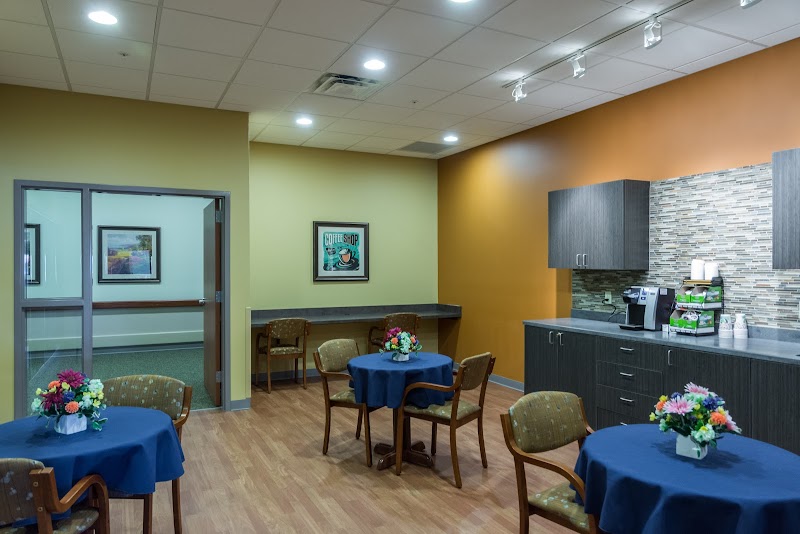
How is Sanctuary Pointe Nursing & Rehabilitation Center Staffed?

CMS rates SANCTUARY POINTE NURSING & REHABILITATION CENTER's staffing level at 2 out of 5 stars, which is below average compared to other nursing homes. Staff turnover is 51%, compared to the Ohio average of 46%.

What Have Inspectors Found at Sanctuary Pointe Nursing & Rehabilitation Center?

State health inspectors documented 33 deficiencies at SANCTUARY POINTE NURSING & REHABILITATION CENTER during 2019 to 2024. These included: 33 with potential for harm.
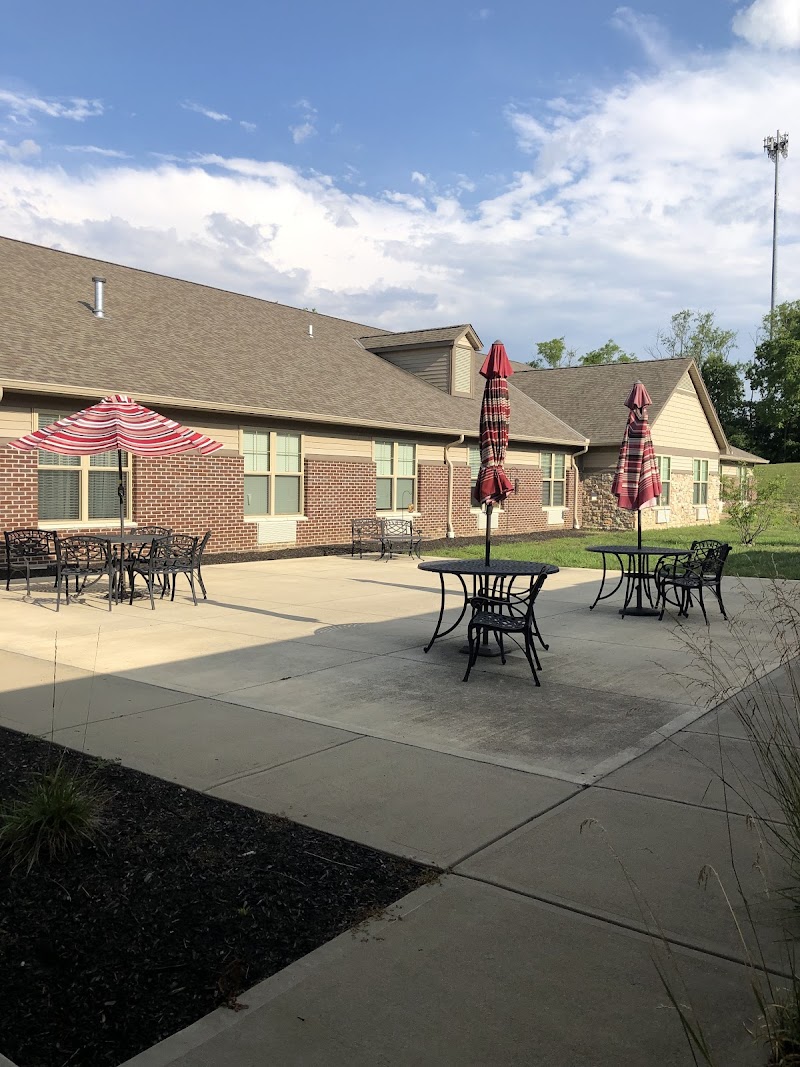
Who Owns and Operates Sanctuary Pointe Nursing & Rehabilitation Center?

SANCTUARY POINTE NURSING & REHABILITATION CENTER is owned by a for-profit company. For-profit facilities operate as businesses with obligations to shareholders or private owners. The facility is operated by CARING PLACE HEALTHCARE GROUP, a chain that manages multiple nursing homes. With 124 certified beds and approximately 110 residents (about 89% occupancy), it is a mid-sized facility located in CINCINNATI, Ohio.

How Does Sanctuary Pointe Nursing & Rehabilitation Center Compare to Other Ohio Nursing Homes?

Compared to the 100 nursing homes in Ohio, SANCTUARY POINTE NURSING & REHABILITATION CENTER's overall rating (4 stars) is above the state average of 3.2, staff turnover (51%) is near the state average of 46%, and health inspection rating (3 stars) is at the national benchmark.

What Should Families Ask When Visiting Sanctuary Pointe Nursing & Rehabilitation Center?

Based on this facility's data, families visiting should ask: "Can you walk me through typical staffing levels on day, evening, and night shifts?" "Can I visit during a mealtime to observe dining assistance and food quality?" "How do you handle medical emergencies, and what is your hospital transfer rate?" "Can I speak with family members of current residents about their experience?" These questions are particularly relevant given the below-average staffing rating.

Is Sanctuary Pointe Nursing & Rehabilitation Center Safe?

Based on CMS inspection data, SANCTUARY POINTE NURSING & REHABILITATION CENTER has a clean safety record: no substantiated abuse findings (meaning no confirmed cases of resident harm), no Immediate Jeopardy citations (the most serious violation level indicating risk of serious injury or death), and is not on the Special Focus Facility watch list (a federal program monitoring the lowest-performing 1% of nursing homes). The facility has a 4-star overall rating and ranks #1 of 100 nursing homes in Ohio. While no facility is perfect, families should still ask about staff-to-resident ratios and recent inspection results during their visit.

Do Nurses at Sanctuary Pointe Nursing & Rehabilitation Center Stick Around?

SANCTUARY POINTE NURSING & REHABILITATION CENTER has a staff turnover rate of 51%, which is about average for Ohio nursing homes (state average: 46%). Moderate turnover is common in nursing homes, but families should still ask about staff tenure and how the facility maintains care continuity when employees leave.

Was Sanctuary Pointe Nursing & Rehabilitation Center Ever Fined?

SANCTUARY POINTE NURSING & REHABILITATION CENTER has no federal fines on record. CMS issues fines when nursing homes fail to meet care standards or don't correct problems found during inspections. The absence of fines suggests the facility has either maintained compliance or corrected any issues before penalties were assessed. This is a positive indicator, though families should still review recent inspection reports for the full picture.

Is Sanctuary Pointe Nursing & Rehabilitation Center on Any Federal Watch List?

SANCTUARY POINTE NURSING & REHABILITATION CENTER is not on any federal watch list. The most significant is the Special Focus Facility (SFF) program, which identifies the bottom 1% of nursing homes nationally based on persistent, serious quality problems. Not being on this list means the facility has avoided the pattern of deficiencies that triggers enhanced federal oversight. This is a positive indicator, though families should still review the facility's inspection history directly.