SCARLET OAKS NURSING AND REHABILITATION CENTER
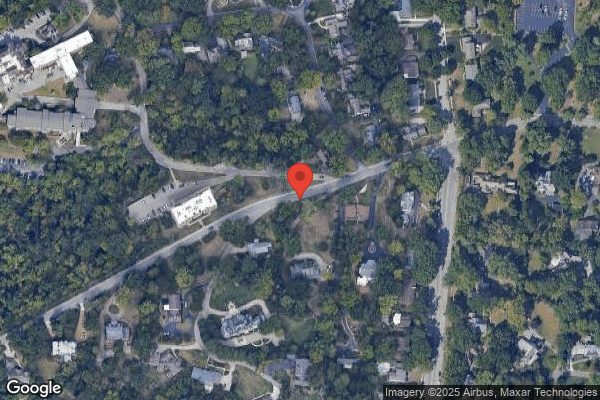
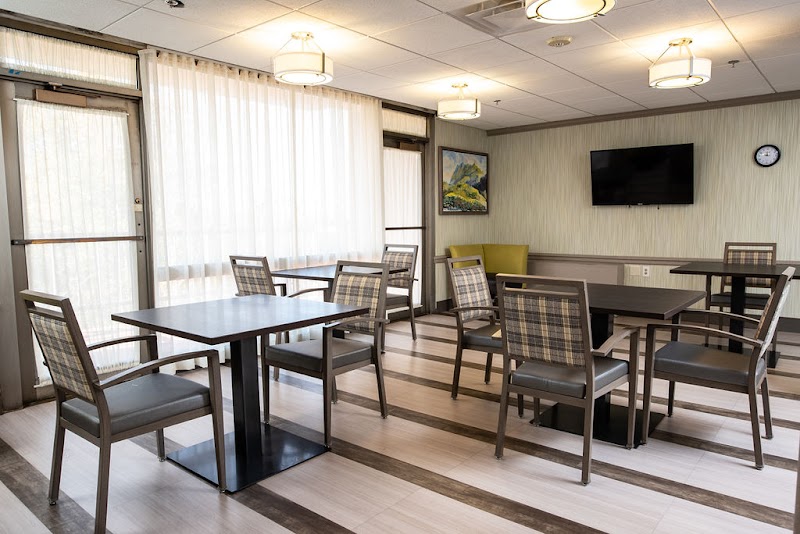
440 LAFAYETTE AVENUE, CINCINNATI, OH 45220 (513) 861-0400
For profit - Limited Liability company 70 Beds CCH HEALTHCARE Data: November 2025
Trust Grade
38/100
#772 of 913 in OH
Last Inspection: January 2025

Within standard 12-15 month inspection cycle. Federal law requires annual inspections.

Overview

Scarlet Oaks Nursing and Rehabilitation Center has received a Trust Grade of F, which indicates significant concerns about the quality of care provided. Ranking #772 out of 913 facilities in Ohio places it in the bottom half, and #59 out of 70 in Hamilton County means there are only a few better options nearby. The facility's performance is worsening, with issues doubling from 4 in 2024 to 8 in 2025. Staffing is a weakness, with a rating of 2 out of 5 stars and a turnover rate of 63%, which is concerning since it is higher than the state average of 49%. There were serious incidents noted, including a resident developing an unstageable pressure ulcer due to inadequate skin assessments and treatments, and failures to ensure food safety standards that could potentially affect all residents. Overall, while the quality measures received a good rating of 4 out of 5 stars, the high number of concerns and deteriorating trend indicate that families should approach with caution.

Trust Score
F
38/100
In Ohio
#772/913
Bottom 16%
Safety Record
Moderate
Needs review
Inspections
Getting Worse
4 → 8 violations
Staff Stability
⚠ Watch
63% turnover. Above average. Higher turnover means staff may not know residents' routines.
Penalties
○ Average
$11,638 in fines. Higher than 56% of Ohio facilities. Some compliance issues.
Skilled Nurses
○ Average
Each resident gets 38 minutes of Registered Nurse (RN) attention daily — about average for Ohio. RNs are the most trained staff who monitor for health changes.
Violations
⚠ Watch
33 deficiencies on record. Higher than average. Multiple issues found across inspections.
★★☆☆☆
2.0
Overall Rating
★★☆☆☆
2.0
Staff Levels
★★★★☆
4.0
Care Quality
★★☆☆☆
2.0
Inspection Score
Stable
2024: 4 issues
2025: 8 issues

The Good

  • 4-Star Quality Measures · Strong clinical quality outcomes
  • Full Sprinkler Coverage · Fire safety systems throughout facility
  • No fines on record

Facility shows strength in quality measures, fire safety.

The Bad

2-Star Overall Rating

Below Ohio average (3.2)

Below average - review inspection findings carefully

Staff Turnover: 63%

17pts above Ohio avg (46%)

Frequent staff changes - ask about care continuity

Federal Fines: $11,638

Below median ($33,413)

Minor penalties assessed

Chain: CCH HEALTHCARE

Part of a multi-facility chain

Ask about local staffing decisions and management

Staff turnover is elevated (63%)

15 points above Ohio average of 48%

The Ugly 33 deficiencies on record

1 actual harm
Jan 2025 8 deficiencies
CONCERN (D)

Potential for Harm - no one hurt, but risky conditions existed

Deficiency F0578 (Tag F0578)

Could have caused harm · This affected 1 resident

**NOTE- TERMS IN BRACKETS HAVE BEEN EDITED TO PROTECT CONFIDENTIALITY** Based on record review, staff interview and policy review, the facility failed to inform and provide written information regardi...

Read full inspector narrative →
**NOTE- TERMS IN BRACKETS HAVE BEEN EDITED TO PROTECT CONFIDENTIALITY** Based on record review, staff interview and policy review, the facility failed to inform and provide written information regarding the resident's right to formulate an advance directive. This affected three (#16, #51, and #63) of three residents reviewed for advanced directives. The facility census was 65. Findings included: 1. Review of the admission record revealed Resident #51 was admitted on [DATE]. Resident #51 had a medical history that included diagnoses of chronic respiratory failure, atrial fibrillation, tracheostomy status, malignant neoplasm of the prostate, and type 2 diabetes mellitus. Review of the quarterly Minimum Data Set (MDS), with an Assessment Reference Date (ARD) of [DATE], revealed Resident #51 had a Brief Interview for Mental Status (BIMS) score of 9, which indicated the resident had moderate cognitive impairment. The MDS indicated the resident was dependent on staff for all activities of daily living (ADLs). Review of Resident #51's care plan included a focus area revised on [DATE], indicating the resident was at risk for alteration in code status and was a DO NOT RESUSCITATE, DNR-CC, [do not resuscitate - comfort care]. Interventions directed staff to advocate for the resident's end-of-life preferences to ensure advanced directives were implemented in accordance with the resident's wishes (revised on [DATE]); to allow extra time for the resident to discuss feelings regarding advanced directives (revised on [DATE]); arrange visits from clergy and social services at the resident's request (revised on [DATE]); check for vital signs (revised on [DATE]); effectively communicate DNR wishes by placing it in the front of the chart or when the resident must be transferred outside of the facility (revised on [DATE]); if the DNR decision poses an ethical conflict for staff, reassign duties as needed and assign caregivers who are capable of advocating on behalf of the resident's wishes (revised on [DATE]); and provide comfort measure and symptom palliation to allow the dying process to occur as comfortably as possible (revised on [DATE]). Review of Resident #51's Order Summary Report with active physician orders as of [DATE] contained an order dated [DATE] for DNR-CC. Review of the DNR Order Form, dated [DATE], revealed Resident #51 had chosen the code status option of DNR Comfort Care to be effective immediately. Continued review of Resident #51's medical record revealed there was no advanced directive available for review or an acknowledgment that information had been provided to the resident regarding their right to formulate an advanced directive if they wished. Interview on [DATE] at 1:27 P.M., with the Director of Nursing (DON) stated she believed advanced directives were discussed in the initial care conference, and Social Services was the person to speak to. Interview on [DATE] at 1:39 P.M., with the Social Services Director (SSD) stated no form was provided to families to fill out regarding information about advanced directives. She stated she did not discuss that information with the residents or their families. SSD stated she asked the resident or family what they wanted their code status to be while they were there, then the facility would get an order and complete the DNR form if needed. She stated she documented the information regarding their choice to be a full code or DNR in the progress notes. Interview on [DATE] at 9:37 A.M., with the SSD stated she did not offer information to the residents or families about advanced directives, only code status. Interview on [DATE] at 12:35 P.M., with the Admissions Director (AD) stated the facility did not offer to assist residents or their families with creating advanced directives if they did not have them nor explain what they were. The AD stated there was no documentation of the resident's choice to have or not have advanced directives. The AD stated she somewhat knew the difference between advanced directives and code status and that it was a clinical thing, like social services. Interview on [DATE] at 2:44 P.M., with the DON stated, I don't know the difference between code status and advanced directives. DON stated the facility had gone through multiple social service personnel recently, and there were areas of the program that were lacking. Interview on [DATE] at 4:08 P.M., with the Administrator stated her expectation was for staff to discuss code status with the residents and families initially, and information regarding advanced directives would be provided at their 72-hour care conference going forward, as well as the offer to assist them as needed. 2. Review of the admission record revealed Resident #63 was admitted on [DATE]. Resident #63 had a medical history including diagnoses of acute respiratory failure with hypoxia, convulsions, and a personal history of traumatic brain injury. Review of the admission Minimum Data Set (MDS), with an Assessment Reference Date (ARD) of [DATE], revealed Resident #63 had a Brief Interview for Mental Status (BIMS) score of 0, which indicated the resident had severe cognitive impairment. The MDS indicated the resident was dependent on staff for all activities of daily living (ADLs). Review of Resident #63's care plan included a focus area revised on [DATE] that indicated the resident was at risk for alteration in code status, and the resident was a FULL CODE. Interventions directed staff to allow extra time for the resident to discuss their feelings regarding the Full Code Status (initiated on [DATE]); call 911 immediately (initiated on [DATE]); effectively communicate FULL CODE STATUS wishes by placing in the front of the chart and/or when resident must be transferred outside the facility (initiated on [DATE]); intercede rapidly and begin immediate resuscitative efforts utilizing all life-sustaining measure available if the resident's heart stops beating or the resident stops breathing, such as CPR (cardio-pulmonary resuscitation), oxygen administration, and defibrillation (initiated on [DATE]); notify family or guardian of the resident's condition promptly (initiated on [DATE]); and obtain vital signs and notify the physician promptly (initiated on [DATE]). Review of Resident #63's Order Summary report with active physician orders as of [DATE] contained an order dated [DATE] for Full Code (CPR). Continued review of Resident #63's medical record revealed there was no advanced directive available for review or an acknowledgment that information had been provided to the resident regarding their right to formulate an advanced directive if they wished. Interview on [DATE] at 1:27 P.M., with the Director of Nursing (DON) stated she believed advanced directives were discussed in the initial care conference, and Social Services was the person to speak to. Interview on [DATE] at 1:39 P.M., with the Social Services Director (SSD) stated no form was provided to families to fill out regarding information about advanced directives. She stated she did not discuss that information with the residents or their families. SSD stated she asked the resident or family what they wanted their code status to be while they were there, then the facility would get an order and complete the DNR form if needed. She stated she documented the information regarding their choice to be a full code or DNR in the progress notes. Interview on [DATE] at 9:37 A.M., with the SSD stated she did not offer information to the residents or families about advanced directives, only code status. Interview on [DATE] at 12:35 P.M., with the Admissions Director (AD) stated the facility did not offer to assist residents or their families with creating advanced directives if they did not have them nor explain what they were. The AD stated there was no documentation of the resident's choice to have or not have advanced directives. The AD stated she somewhat knew the difference between advanced directives and code status and that it was a clinical thing, like social services. Interview on [DATE] at 2:44 P.M., with the DON stated, I don't know the difference between code status and advanced directives. DON stated the facility had gone through multiple social service personnel recently, and there were areas of the program that were lacking. Interview on [DATE] at 4:08 P.M., with the Administrator stated her expectation was for staff to discuss code status with the residents and families initially, and information regarding advanced directives would be provided at their 72-hour care conference going forward, as well as the offer to assist them as needed. 3. Review of the admission record revealed Resident #16 admitted on [DATE]. Resident #16 had a medical history including diagnoses of nontraumatic intracranial hemorrhage, type 2 diabetes mellitus without complications, morbid (severe) obesity due to excess calories, aphasia following cerebral infarction, tracheostomy status, gastrostomy status, and dependence on respiratory ventilator status. Review of the admission Minimum Data Set (MDS), with an Assessment Reference Date (ARD) of [DATE], revealed Resident #16 had severe impairment in cognitive skills for daily decision making and had short-term and long-term memory problems per a Staff Assessment of Mental Status (SAMS). Review of Resident #16's care plans revealed a focus area initiated on [DATE], indicating the resident was at risk of alteration in code status and was a FULL CODE. Review of the Order Summary Report, with active physician orders as of [DATE], revealed Resident #16 had an order for Full Code (CPR [cardio-pulmonary resuscitation]) dated [DATE]. Review of the Progress Note dated [DATE] at 4:32 P.M., revealed the Social Service Director (SSD) wrote, resident code status was verified, resident is full code. Resident's chart, orders, and care plans all coincide. The Progress Note did not indicate that the SSD discussed with the resident or family if the resident had an advance directive. Interview on [DATE] at 1:39 P.M., with the Social Services Director (SSD) stated no form was provided to families to fill out regarding information about advanced directives. She stated she did not discuss that information with the residents or their families. She stated she asked the resident or family what they wanted their code status to be while they were there, then the facility would get an order and complete the DNR form if needed. She stated she documented the information regarding their choice to be a full code or DNR in the progress notes. Interview on [DATE] at 12:34 P.M.,with the Admissions Director (AD) stated she did not offer to help the new admissions with advanced directives; that was more social work. AD stated she somewhat understood the difference between code status and advanced directives, but that was why she did not do it; it was more clinical. Interview on [DATE] at 3:50 P.M., with the Administrator stated when they had a new admission, social services should be asking if they had an advance directive or if they wanted one. The Administrator stated staff should have a care conference to determine if the resident had advance directives or if they wanted one. The Administrator stated staff should be asking the residents quarterly after that. The Administrator stated they were supposed to have a 72-hour care conference and that should be when the residents were offered the advance directive. Review of the policy titled, Advance Directives, dated [DATE], revealed, the resident has the right to formulate an advance directive, including the right to accept or refuse medical or surgical treatment. The policy revealed, Determining Existence of Advance Directive 1. Prior to or upon admission of the resident, the social services director or designee inquires of the resident, his/her family members and/or his or her legal representative, about the existence of any written advance directives. 2. The resident or representative is provided with written information concerning the right to refuse medical or surgical treatment, and to formulate an advance directive if he or she chooses to do so. 3. Written information about the right to accept or refuse medical or surgical treatment, and the right to formulate an advance directive is provided in a manner that is easily understood by the resident of representative. The policy revealed, If the Resident Does not have an Advance Directive: 1. If the resident or representative indicates that he or she has not established advance directives, the facility staff will offer assistance in establishing advance directives. a. The resident or representative is given the option to accept or decline assistance, and care will not be contingent on either decision. b. Nursing staff will document in the medical record the offer to assist and the resident's decision to accept or decline assistance.
CONCERN (D) 📢 Someone Reported This

A family member, employee, or ombudsman was alarmed enough to file a formal complaint

Potential for Harm - no one hurt, but risky conditions existed

Report Alleged Abuse (Tag F0609)

Could have caused harm · This affected 1 resident

**NOTE- TERMS IN BRACKETS HAVE BEEN EDITED TO PROTECT CONFIDENTIALITY** Based on record review, staff interview, provider interview, email communication reviews and policy reviews, the facility failed...

Read full inspector narrative →
**NOTE- TERMS IN BRACKETS HAVE BEEN EDITED TO PROTECT CONFIDENTIALITY** Based on record review, staff interview, provider interview, email communication reviews and policy reviews, the facility failed to implement the policy to ensure a nurse practitioner (NP) immediately reported an allegation of abuse to facility management when made aware of the allegation, resulting in late reporting to the state agency by the facility. This affected one (#59) of three residents reviewed for abuse. The facility census was 65. Findings included: Review of the admission record revealed Resident #59 was admitted on [DATE]. Resident #59 had a medical history including diagnoses of chronic respiratory failure with hypoxia, epilepsy, tracheostomy status, gastrostomy status, dependence on respiratory (ventilator) status, and dependence on supplemental oxygen. Review of the quarterly Minimum Data Set assessment (MDS), with an Assessment Reference Date (ARD) of 12/04/24, revealed Resident #59 had a Brief Interview for Mental Status (BIMS) score of 12, which indicated the resident had moderate cognitive impairment. The MDS revealed the resident had no behaviors during the assessment period. The MDS revealed the resident had two or more falls with no injury since the prior assessment or reentry. Review of Resident #59's care plan included a focus area, initiated 06/06/24, indicated the resident was dependent on staff for meeting emotional, intellectual, physical and social needs related to cognitive deficits, disease process (ventilator dependency, tracheostomy status, aphasia, pulmonary fibrosis, chronic obstructive pulmonary disease, and pneumonia), and immobility and physical limits. The care plan also included a focus area, initiated on 07/29/24, that indicated the resident had a behavior problem and was at risk for falls and injuries related to overt behaviors. The focus area revealed the resident pulled at the ventilator circuit and held their breath at times, causing the ventilator alarm to sound. Review of an email dated 01/06/25 at 1:35 P.M., addressed from Nurse Practitioner (NP) #11 to the Assistant Director of Nursing (ADON), revealed, last week [Resident #59] complained to me about a night shift nurse being abusive. Per the email, Resident #59 reported when they fell out of bed, the nurse was verbally abusive to them, and had kicked them while they were on the floor and also pinched them. Per the email, the resident was unable to remember the nurse's name, but identified them as a male night shift nurse and reported that the nurse had been verbally abusive on several occasions and had also pinched them on several occasions. Review of the Self Reported Incident Form, dated 01/03/25, revealed the facility became aware of the abuse allegation on 01/03/25. Per the form, the date, time, and location of the occurrence was 01/03/25 at 12:00 P.M. in the resident's room. Interview on 01/23/25 at 1:41 P.M., via telephone, with NP #11 stated she was informed of the allegation of abuse reported by Resident #59 against a nurse on 12/31/24. She stated she did not believe that reporting the allegation was urgent at that moment because the resident said it occurred a couple weeks prior, and it had not happened since. NP #11 stated it was also a holiday, so there was no one around to whom to report the allegation. NP #11 stated, on 01/03/25, the resident remembered the name of the nurse (alleged perpetrator), and she reported the allegation to Registered Nurse #16 at that time. Review of an email confirmation titled, Immediate (24 Hour) Facility Reported Incident #255730, indicated the facility notified the state survey agency of the abuse allegation on 01/03/25 at 3:16 P.M., which was not in compliance with the required reporting timeframe for an abuse allegation received on 12/31/24. An email confirmation titled, Final Facility Reported Incident #255730 revealed the facility submitted the required 5-day investigation report to the state agency on 01/08/25, which was not compliant with the required timeframe for an abuse allegation received on 12/31/24. Interview on 01/23/25 at 3:50 P.M., with the Administrator stated she expected staff to report allegations of abuse immediately. The Administrator stated if the allegation involved physical abuse, the allegation should be reported to the state agency within two hours. The Administrator said she thought she had reported the allegation within two hours. The Administrator stated she was unaware Resident #59 had reported an allegation of abuse to NP #11 on 12/31/24. Review of the policy titled, Abuse, Neglect, Exploitation and Misappropriation - Reporting and Investigating, revised in 09/2022, revealed, If resident abuse, neglect, exploitation, misappropriation of resident property or injury of unknown or source is suspected, the suspicion must be reported immediately to the administrator and to other officials according to state law. The policy revealed, Immediately is defined as: Within two hours of an allegation involving abuse or result in serious bodily injury; or within 24 hours of an allegation that does not involve abuse or result in serious bodily injury. Review of the policy titled, Abuse and Neglect Protocol, dated 09/18/24, revealed, Employees, facility consultants and/or Attending Physicians must immediately report any suspected abuse or incidents of abuse to the Director of Nursing Services. In the absence of the Director of Nursing Services such reports may be made to the Nurse Supervisor on duty. This deficiency represents the non compliance investigated under Complaint Number OH00161750.
CONCERN (D)

Potential for Harm - no one hurt, but risky conditions existed

Deficiency F0637 (Tag F0637)

Could have caused harm · This affected 1 resident

Based on record review, staff interviews, Long-Term Care Facility Resident Assessment Instrument 3.0 User's Manual review, and policy review, the facility failed to identify and complete a Significant...

Read full inspector narrative →
Based on record review, staff interviews, Long-Term Care Facility Resident Assessment Instrument 3.0 User's Manual review, and policy review, the facility failed to identify and complete a Significant Change in Status Assessment (SCSA) when a resident was discharged from Hospice care. This affected one (#48) of 20 sampled residents reviewed. The facility census was 65. Findings included: Review of the admission record revealed Resident #48 was on 03/20/23. Resident #48 had a medication history including diagnoses of unspecified sequelae of nontraumatic intracerebral hemorrhage, vascular dementia with other behavioral disturbance, hemiplegia (partial paralysis) affecting the left nondominant side, dysarthria (difficulty speaking) following cerebral infarction (stroke), acute respiratory failure with hypoxia, tracheostomy status, and gastrostomy status. Review of the quarterly minimum data set (MDS) assessment, with an assessment reference date (ARD) of 10/23/24, revealed Resident #48 had a Brief Interview for Mental Status (BIMS) score of 3, which indicated the resident had severe cognitive impairment. The MDS indicated the resident was receiving hospice care within the last 14 days from the ARD. Review of Resident #48's care plan revealed a focus area initiated 06/03/24, that indicated the resident had the potential for/or decline in condition; receiving hospice services, met criteria with an admitting diagnosis of unspecified sequelae of nontraumatic intracerebral hemorrhage. The focus area listed the hospice service provider who was providing care to the resident. The focus area was revised on 01/20/25 and was marked as resolved. Review of Resident #48's clinical census revealed the resident had been receiving hospice services from 06/04/24 through 11/26/24. Review of Resident #48's Order Recap [Recapitulation] Report, for the timeframe from 01/01/24 through 01/23/25, revealed a physician order for May utilize services of hospice care to evaluate resident one time only for Hospice evaluation for 1 Day, with an order date of 04/25/24 and discontinuation date of 04/27/24. The Order Recap Report revealed a physician order for May utilize services of [Hospice Provider Name] hospice care for evaluation and care/treatment, with an order date of 05/10/24 and discontinuation date of 12/23/24. Review of a Resident #48's Progress Notes revealed a skin and wound note dated 11/25/24 at 5:12 P.M., that indicated the resident was under hospice care but was going to transition out of hospice care. The note revealed once Resident #48 was no longer under hospice, they recommended an appointment with a gastro-intestinal physician to evaluate the wound around the gastrostomy tube and discussed the plan of care with the wound nurse. Review of Resident #48's Progress Notes revealed Psychiatry Progress Note dated 11/27/24 at 12:59 A.M., indicated the resident did not respond when spoken to and staff said Resident #48 was no longer on hospice services as they felt the resident's current state was chronic. Review of Resident #48's Progress Notes revealed a skin and wound note, dated 12/04/24 at 3:15 P.M., indicated the resident was under hospice care but was now transitioned out of hospice care. Review of Resident #48's electronic health record revealed staff had not completed a SCSA within 14 days of the resident being discharged from hospice care. Interview on 01/23/25 at 11:58 AM, MDS Coordinator (MDSC) #7 stated she completed the MDS assessments and some of the care plans. MDSC #7 stated when identifying a SCSA, they would look at changes in ADLs, diagnoses that would impact functional abilities, being admitted to or discharged from hospice, and two areas of change under functional abilities. MDSC #7 stated she would complete an SCSA if a resident was discharged from hospice. MDSC #7 stated typically, it would be announced if a resident were being discharged from hospice in clinical meetings, or it would go out in an email to the interdisciplinary team. MDSC #7 stated the staff person who was notified of the discharge from hospice would send the email. MDSC #7 stated she was familiar with Resident #48. MDSC #7 stated the resident was discharged from hospice on 11/26/24, and she was not notified. MDSC #7 stated she was notified this week the resident was discharged from hospice after the survey team brought it to the facility's attention. Interview on 01/23/25 at 2:45 P.M., with the Director of Nursing (DON) stated she expected the MDS assessments to be completed and completed on time. The DON stated MDSC #7 needed to communicate with everyone to make sure everyone was completing MDS assessments like they should. The DON stated the MDS should reflect whatever was going on with the resident. She stated she expected a SCSA to be completed when a resident was discharged from hospice. Interview on 01/23/25 at 3:50 P.M., with the Administrator stated she expected staff to follow the policy, complete the MDS timely and she expected them to be accurate. She stated she expected a SCSA to be completed if a resident had a change in condition. Review of the policy titled, Resident Assessments, revised October 2023, revealed 1. OBRA [Omnibus Budget Reconciliation Act] -Required Assessments are federally mandated, and therefore, must be performed for all residents of Medicare and/or Medicaid certified nursing homes. OBRA assessments include: d Significant Change in Status Assessment (SCSA). The policy revealed, 5. The RAI [Resident Assessment Instrument] User's Manual (Chapter 2) provides detailed information on timing and submission of assessments. 6. The resident assessment coordinator is responsible for ensuring that the interdisciplinary team conducts timely appropriate resident assessments. Review of the Long-Term Care Facility Resident Assessment Instrument 3.0 User's Manual Version 1.19.1 October 2024, revealed, An SCSA is required to be performed when a resident is receiving hospice services and then decides to discontinue those services (known as revoking of hospice care). The ARD [Assessment Reference Date] must be within 14 days from one of the following: 1) the effective date of the hospice election revocation (which can be the same or later than the date of the hospice election revocation statement, but not earlier than); 2) the expiration date of the certification of terminal illness; or 3) the date of the physician's or medical director's order stating the resident is no longer terminally ill.
CONCERN (D)

Potential for Harm - no one hurt, but risky conditions existed

Comprehensive Care Plan (Tag F0656)

Could have caused harm · This affected 1 resident

**NOTE- TERMS IN BRACKETS HAVE BEEN EDITED TO PROTECT CONFIDENTIALITY** 3. Review of the admission record revealed Resident #60 was admitted on [DATE]. Resident #60 had a medical history including dia...

Read full inspector narrative →
**NOTE- TERMS IN BRACKETS HAVE BEEN EDITED TO PROTECT CONFIDENTIALITY** 3. Review of the admission record revealed Resident #60 was admitted on [DATE]. Resident #60 had a medical history including diagnoses of a nontraumatic subarachnoid hemorrhage and cognitive communication deficit. Review of the admission MDS, with an ARD of 11/07/2024, revealed Resident #60 had a Brief Interview for Mental Status (BIMS) score of 5, which indicated the resident had moderate cognitive impairment. The MDS indicated the resident was dependent on staff for all activities of daily living (ADLs). The MDS revealed the resident's preferred language was not English. Review of Resident #60's Progress Notes revealed an admission summary dated [DATE] at 2:59 P.M., indicated Resident #60 was unable to comprehend or speak English. The notes revealed family members had to answer all questions and provide the information needed for admission. Review of Resident #60's Progress Notes revealed a Psychiatry Progress Note dated 11/06/24 at 5:21 P.M., indicated it was hard for the physician to get a good medical history due to the resident's English being very broken and speech seems disrupted. Review of Resident #60's Progress Notes revealed a Psychiatry Initial Consult dated 11/13/24 at 12:59 A.M., that indicated the resident was only oriented to self and did not speak English. The notes revealed a family member had to call a translator to assist. Review of Resident #60's Progress Notes revealed a Psychiatry Progress Note dated 11/13/24 at 12:01 P.M., indicated Resident #60 had endorsed some abdominal discomfort, but due to the language barrier it was difficult to assess other symptoms. The note revealed the resident's speech patterns were not able to be determined due to the language barrier, broken English, and difficulty with speech. Review of Resident #60's Progress Notes revealed a Psychiatry Progress Note dated 11/20/24 at 7:28 P.M., indicated Communication remains difficult with [him/her] due to the language barrier. Review of Resident #60's care revealed no focus area addressing the language barrier identified upon admission or interventions provided to assist the staff and resident in communicating effectively. Interview on 01/23/25 at 2:53 P.M., with the Director of Nursing (DON) stated the care plan process was driven from the MDS. The DON stated difficulty communicating related to a language barrier should be care planned, and care plans should be updated frequently in the daily clinical meeting or at least quarterly with the MDS. Interview on 01/23/25 at 11:59 A.M., with MDS Coordinator (MDSC) #7 stated she created resident care plans through the MDS process. She stated care plans were reviewed quarterly with the MDS, at a daily clinical meeting, and at the weekly utilization review meeting, in which new orders and items that were discontinued were added or removed from resident care plans. MDSC #7 stated communication issues regarding language barriers should be care planned but she thinks they were not. She stated that if she did not do a thorough review of the care plans, they did not get revised; and if they were not revised, residents could potentially not receive accurate care. 4. Review of admission record revealed Resident #63 was admitted on [DATE]. Resident #63 had a medical history that included acute respiratory failure with hypoxia, a stage 3 pressure ulcer of the sacral region, convulsions, and a personal history of traumatic brain injury. Review of the admission MDS, with an ARD of 12/20/24, revealed Resident #63 had a Brief Interview for Mental Status (BIMS) score of 0, which indicated the resident had severe cognitive impairment. The MDS indicated the resident was dependent on staff for all activities of daily living (ADLs). The MDS revealed the resident had three stage 3 pressure ulcers, two unstageable pressure ulcers, and two deep tissue injuries (DTIs) upon admission. Review of Resident #63's Order Summary Report with active physician orders as of 01/21/25 revealed the following orders: Apply betadine to open area on left ankle, leave open to air every shift (start date 01/02/25); Cleanse darkened area, deep tissue injury (DTI) on left heel with normal saline, pat dry, apply betadine to the site, and leave open to air every shift (start date 12/26/24); Cleanse open site located on right elbow with normal saline, pat dry, apply Xerofoam (a non-adherent, occlusive dressing) to the wound bed as the primary dressing and secure in place with border gauze every shift (start date 12/19/24); Cleanse open site located on sacrum with normal saline, pat dry, apply medical grade honey as the primary dressing followed by calcium alginate, secure in place with a border gauze every day shift (start date 01/09/25); Cleanse open site on right lateral foot with normal saline, pat dry, apply Xerofoam to the wound bed as the primary dressing and secure in place with a border gauze every day shift (start date 12/19/24); and Cleanse open site on right scapula with normal saline, pat dry, apply Xerofoam gauze to the wound bed as the primary dressing and secure in place with border gauze (start date 12/27/2024). Review of Resident #63's Progress Notes revealed a skin and wound note dated 01/08/25 indicated the resident had a stage 3 pressure ulcer to their left lateral ankle, a DTI to their left heel, a stage 3 pressure ulcer to their right lateral foot, a stage 3 pressure ulcer to their right elbow, an unstageable pressure ulcer to their sacrum, and a stage 3 pressure ulcer to their right scapula (shoulder blade). Review of Resident #63's care plan included a focus area revised on 12/13/24 that indicated the resident had a pressure ulcer on their sacrum. Interventions directed staff to administer medications as ordered (initiated 12/13/24); administer treatments as ordered and monitor effectiveness (initiated 12/13/24); educate the resident/family/caregivers on the causes of skin breakdown (initiated 12/13/24); encourage small frequent position changes (initiated 12/13/24); and to follow facility policies and protocols for the prevention and treatment of skin breakdown (initiated 12/13/24). Further review revealed the care plan did not address Resident #63's stage 3 pressure ulcer to their left lateral ankle, a DTI to their left heel, a stage 3 pressure ulcer to their right lateral foot, a stage 3 pressure ulcer to their right elbow, and a stage 3 pressure ulcer to their right scapula. Interview on 01/23/25 at 11:59 A.M., MDSC #7 stated she created resident care plans through the MDS process. MDSC #7 stated care plans were reviewed quarterly with the MDS at a daily clinical meeting and at the weekly utilization review meeting, in which new orders and items that were discontinued were added or removed from resident care plans. MDSC #7 stated care plans were removed from a resident's chart during the clinical meetings and quarterly. MDSC #7 stated wound care plans were supposed to have wound locations individually spelled out on the care plan. MDSC #7 stated that if she did not do a thorough review of the care plans, they did not get revised; and if they were not revised, residents could potentially not receive accurate care. Interview on 01/23/25 at 2:57 P.M., with the Director of Nursing (DON) stated each wound should be listed individually on the care plan due to having individual treatment orders for each wound. She stated a clinical meeting was held every morning, in which they read all the nurses' notes from the previous 24 hours. She stated that if they were aware of changes, they fixed the care plans in that meeting. She stated her expectation was for the nurses to communicate with the management staff so that the care plans could be kept up to date and current. Review of the policy titled, Care Planning - Interdisciplinary Team, dated 10/10/22, revealed, 2. Comprehensive, person-centered care plans are based on resident assessments and developed by an interdisciplinary team (IDT). Review of the undated facility policy titled, Care Plans, Comprehensive Person-Centered, revealed A comprehensive, person-centered care plan that includes measurable objectives and timetables to meet the resident's physical, psychological and functional needs is developed and implemented for each resident. The policy revealed, 2. The care plan interventions are derived from a thorough analysis of the information gathered as part of the comprehensive assessment. The policy revealed, 8. The comprehensive, person-center care plan will: a. Include measurable objectives and timeframes; b. Describe the services that are to be furnished to attain or maintain the resident's highest practicable physical, mental, and psychosocial well-being; g. Incorporate identified problem areas; o. Reflect currently recognized standards of practice for problem areas and conditions. Review of the policy titled, Oxygen Administration, revised October 2010, revealed The purpose of this procedure is to provide guidelines for safe oxygen administration. The policy revealed, Review the resident's care plan to assess for any special needs of the resident. Review of an undated facility policy titled, Trauma Informed Care, revealed Social service and nursing staff are trained on trauma screening tool/assessment and how to identify triggers associated with re-traumatization. The policy revealed Trauma-informed care is culturally sensitive and person-sensitive. Based on observations, staff interviews, record reviews, and policy reviews, the facility failed to ensure comprehensive person-centered care plans were developed and implemented. This affected four (#6, #11, #60, and #63) of 20 sampled residents reviewed. The facility census was 65. Findings included: 1. Review of the admission record revealed Resident #6 was admitted on [DATE]. Resident #6 had a medical history including diagnosis of Alzheimer's disease. Review of the quarterly Minimum Data Set (MDS) assessment, with an Assessment Reference Date (ARD) of 10/10/24, revealed Resident #6 had a Brief Interview for Mental Status (BIMS) score of 11, which indicated moderate cognitive impairment. The MDS indicated the resident required partial to moderate assistance with all activities of daily living (ADLs). Review of Resident #6's care plan revealed no evidence of a focus, goal, or interventions related to the administration of oxygen therapy. Review of Resident #6's Order Summary Report, with active orders as of 01/20/25, revealed no evidence of a physician's order for supplemental oxygen administration. Observation on 01/20/25 at 12:39 P.M., revealed Resident #6 was receiving supplemental oxygen via nasal cannula, and the concentrator was set at 2 liters per minute (L/M). Observation on 01/21/25 at 12:37 P.M. revealed Resident #6 lying in bed and appearing to watch television. Resident #6's eyes were open, but the resident did not respond to verbal stimuli. Resident #6 was receiving supplemental oxygen, and the concentrator was set at 2 L/M. Interview on 01/21/25 at 12:58 P.M., with Licensed Practical Nurse (LPN) #2 confirmed Resident #6 was receiving oxygen therapy and had been on supplemental oxygen for a while. LPN #2 checked the resident's physician's orders and said she was unable to confirm when the oxygen therapy started. LPN #2 confirmed the use of supplemental oxygen should be reflected on the resident's care plan. Interview on 01/23/25 at 11:58 A.M., with MDS Coordinator (MDSC) #7 confirmed she was responsible for the development and revision of care plans. MDSC #7 stated care plan focus areas and interventions were based on the MDS and data retrieved from a facility checklist. MDSC #7 stated the facility checklist contained data such as diagnoses, behaviors, and medications that would also be added to the care plan. MDSC #7 confirmed care plans were reviewed in the daily IDT meeting and during the weekly utilization meeting; care plans were revised and updated at that time if needed. MDSC #7 stated focus areas were added to the care plan based on new orders. MDSC #7 stated she would expect a resident receiving supplemental to have interventions on the care plan that would direct care activities. Interview on 01/23/25 at 2:24 P.M., with the Director of Nursing (DON) stated her expectation was that the use of supplemental oxygen should be reflected on the resident's care plan. Interview on 01/23/25 at 3:50 P.M., with the Administrator confirmed it was her expectation that oxygen therapy be reflected on the resident's care plan. 2. Review of the admission record revealed Resident #11 was admitted on [DATE]. Resident #11 had a medical history including diagnosis of post-traumatic stress disorder (PTSD). Review of the quarterly MDS assessment, with an ARD of 11/29/24, revealed Resident #11 had a BIMS score of 10, which indicated the resident had moderate cognitive impairment. The MDS indicated the resident required supervision to moderate assistance with all activities of daily living (ADLs). The MDS revealed the resident had a diagnosis of PTSD. Review of Resident #11's care plan revealed no evidence of a focus, goal, or interventions related to their PTSD diagnosis. Review of Resident #11's Psychiatry Progress Note, dated 01/10/25, revealed the Chief Complaint/Reason for this Visit included a follow-up for PTSD. Observation on 01/21/25 at 12:34 P.M., Resident #11 was observed seated in their room and watching television, dressed, and groomed. An interview was attempted with the resident; however, the resident declined. Interview on 01/21/25 at 12:38 P.M., with Certified Nursing Assistant (CNA) #3 stated there were no issues with Resident #11's behavior. CNA #3 stated the resident was cooperative and mostly understood what was being asked. CNA #3 stated the resident liked to stay in their room but would occasionally come out to the day room and watch television. CNA #3 stated she was unaware the resident had a diagnosis of PTSD. Review of Resident #11's Brief Trauma Questionnaire, dated 03/06/24, revealed the resident was involved in a transportation accident, had been physically punished or beaten, assaulted with a weapon, pressured into unwanted sexual contact, experienced a life-threatening illness or injury, and witnessed someone being seriously injured or killed. Interview on 01/23/25 at 9:24 A.M., with the Social Service Director (SSD) confirmed she completed the trauma questionnaire and entered the data into the medical record. The SSD stated the trauma questionnaire was initiated when someone identified a need to her, such as a family trauma or an incident that had happened at the facility. The SSD stated the information gathered from the trauma questionnaire was discussed at the Interdisciplinary Team Meeting (IDT), which met every morning. The SSD stated she does not do care plans; and that Minimum Data Set Coordinator (MDSC), who also attended the morning IDT meeting, was responsible for the care plans. Interview on 01/23/25 at 11:58 A.M., with MDSC #7 confirmed she was responsible for the development and revision of care plans. MDSC #7 stated care plan focus areas and interventions were based on the MDS and data retrieved from a facility checklist. MDSC #7 stated the facility checklist contained data such as diagnoses, behaviors, and medications, which would also be added to the care plan. MDSC #7 confirmed that care plans were reviewed in the daily IDT meeting and during the weekly utilization meeting; care plans were revised and updated at that time if needed. MDSC #7 stated she was unfamiliar with PTSD and interventions, such as potential triggers; however, she would expect an active diagnosis of PTSD to be reflected on the care plan. Interview on 01/23/25 at 2:24 P.M., with the Director of Nursing (DON) stated her expectation was that residents with a diagnosis of PTSD should have that addressed on their care plan with interventions that are specific to the care the resident needs, such as what may trigger behaviors. Interview on 01/23/25 at 3:50 P.M., with the Administrator confirmed it was her expectation that the care plan reflects the needs of the resident.
CONCERN (D)

Potential for Harm - no one hurt, but risky conditions existed

Deficiency F0692 (Tag F0692)

Could have caused harm · This affected 1 resident

**NOTE- TERMS IN BRACKETS HAVE BEEN EDITED TO PROTECT CONFIDENTIALITY** Based on staff interview, record review, and policy review, the facility failed to ensure resident's who were at nutritional ris...

Read full inspector narrative →
**NOTE- TERMS IN BRACKETS HAVE BEEN EDITED TO PROTECT CONFIDENTIALITY** Based on staff interview, record review, and policy review, the facility failed to ensure resident's who were at nutritional risk had weights completed per policy. This affected two (#60 and #63) of three residents reviewed for nutrition. The facility census was 65. Findings included: 1. Review of the admission record revealed Resident #60 was admitted on [DATE]. Resident #60 had a medical history including diagnoses of a nontraumatic subarachnoid hemorrhage (brain bleed), dysphagia (difficulty swallowing), and gastrostomy status. Review of the admission Minimum Data Set (MDS), with an Assessment Reference Date (ARD) of 11/07/24, revealed Resident #60 had a Brief Interview for Mental Status (BIMS) score of 5, which indicated the resident had severe cognitive impairment. The MDS indicated the resident was dependent on staff for all activities of daily living (ADLs). The MDS revealed and a (-) dash was placed where the resident's height and weight were to be recorded, as there was no admission height or weight obtained. Review of Resident #60's care plan included a focus area initiated 11/11/24, that indicated the resident required a tube feeding related to dysphagia. Interventions directed staff to keep the head of the bed elevated at 45 degrees and to look for signs and symptoms of aspiration. The care plan revealed no interventions related to obtaining the resident's weight. Review of Resident #60's census list revealed the resident was admitted to the facility on [DATE], was discharged to the hospital on [DATE], and was readmitted to the facility on [DATE]. Review of Resident #60's Order Recap [Recapitulation] Report for the timeframe from 10/01/24 through 01/20/25 revealed there was no order for an admission weight or weekly weights for four weeks placed in the computer for Resident #60's initial admission on [DATE] or an order for a weight upon the resident's readmission on [DATE]. Further review of the Order Recap Report revealed an order for weekly weights one time a day, every Friday, with a start date of 12/13/24 and an end date of 12/17/24, and an order for weekly weights one time a day, every Friday, for four weeks, with a start date of 12/20/24 and an end date of 1/17/25. Review of Resident #60's Weight Summary revealed a weight of 175.5 pounds on 11/22/24, 174.8 pounds on 12/20/24, and 144.7 pounds on 01/10/25. Review of Resident #60's Medication Administration Record [MAR], for December 24 revealed a transcription of an order for weekly weights one time a day, every Friday, with a start date of 12/13/24 and a discontinuation date of 12/17/24. The MAR revealed staff had initialed the box dated 12/13/24 as completed; however, there was no weight present on the MAR. The MAR revealed a transcription of an order for weekly weights one time a day, every Friday for four weeks, with a start date of 12/20/24. The MAR revealed that staff documented that on 12/20/24 the resident weighted 174.8 and on 12/27/24 the resident weighted 174.8. Review of Resident #60's MAR for January 25 revealed a transcription of an order for weekly weights one time a day, every Friday for four weeks, with a start date of 12/20/24. The MAR revealed the box for 01/03/25 was not initialed as complete and no weight was recorded on the MAR. The MAR revealed staff initialed the box for 01/10/25 as completed, and a weight of 144.7 was recorded. Interview on 01/22/25 at 1:47 P.M., with the Director of Nursing (DON) stated the process was for a weight to be obtained on admission and weekly for four weeks after that. DON stated that however, she was constantly on them (the certified nursing assistants) to do the weights, and they did not always do them. She stated the weights were to be recorded in the weight/vitals section of the computer, and the staff had missed weighing Resident #60 on admission and for almost a month after admission. The DON stated Resident #60 was readmitted and again did not receive an admission weight or consistent weekly weights for four weeks. She was not made aware of the potential 30.1-pound weight loss recorded for the resident. Interview on 01/22/25 at 1:59 P.M., with the Assistant Director of Nursing (ADON) stated she did not know why Resident #60 had not had an admission weight, weekly weights, or a readmission weight completed. She stated that she had not been made aware of a potential 30.1-pound weight loss. She stated there had been issues getting weights at times, and she had to stay after the CNAs to get them done. Interview on 01/22/25 at 12:20 P.M., via telephone, with the Registered Dietician (RD) pulled up Resident #60's weight and said, Oh wow, [he/she] has lost a lot of weight since I last saw [him/her] and no one has let me know about this. The RD stated the facility was not good about getting weights on residents on admission or the following four weeks, which made her job more difficult. Interview on 01/23/25 at 10:25 A.M., with Licensed Practical Nurse (LPN) #14 stated she had put in the weight of 144.7-pounds for Resident #60 that was given to her by the CNA. She stated the CNAs obtained the weights and wrote them down for the nurses to enter into the computer. She stated she was just data inputting numbers and did not recognize the potential 30-pound weight loss, so she did not notify anyone. Interview on 01/23/25 at 1:46 P.M., with LPN #10 stated she had initialed the box for the weight on 12/13/24 to acknowledge it needed to be done, Like an FYI [for your information], but the CNAs were the ones that got the weights and put them in the computer. 2. Review of the admission record revealed Resident #63 was admitted on [DATE]. Resident #63 had a medical history including diagnoses of acute respiratory failure with hypoxia, stage 3 pressure ulcer of the sacrum, convulsions, and a personal history of traumatic brain injury. Review of the admission MDS, with an ARD of 12/20/24, revealed Resident #63 had a Brief Interview for Mental Status (BIMS) score of 0, which indicated the resident had severe cognitive impairment. The MDS indicated the resident was dependent on staff for all activities of daily living (ADLs) and had an admission weight of 107 pounds. Review of Resident #63's care plan included a focus area initiated on 12/18/24, that indicated the resident was at risk for a nutritional/fluid imbalance due to taking nothing by mouth, difficulty swallowing, having a feeding tube, multiple areas of altered skin integrity, a BMI (Basic Metabolic Index) that reflects an underweight status, altered labs, and poly pharmacy and the use of IV (intravenous) ATB (antibiotic therapy). Interventions directed staff to monitor, record, and report to the doctor as needed signs and symptoms of malnutrition, emaciation (cachexia), muscle wasting, significant weight loss: >(greater than) 5% in one month, >7.5% in three months, >10% in six months (initiated 12/19/24); monitor intake, weight, skin, labs, medication, diet tolerance and hydration status (initiated 12/19/24); inform POA (power of attorney) of significant weight changes (initiated 12/19/24); and to weigh at the same time of the day and record weekly weight for four weeks (initiated 12/19/24). Review of Resident #63's Order Recap [Recapitulation] Report for the timeframe from 12/01/24 through 01/21/25 revealed an order for weekly weights for four weeks, every Friday on dayshift, with a start date of 12/20/24 and end date of 01/17/25. Review of Resident #63's Weight Summary revealed a weight obtained by a Hoyer lift scale on 12/13/24 of 107 pounds. The Weight Summary revealed there were no other weights available for review. Review of Resident #63's Medication Administration Record [MAR], for December 24 revealed a transcription of an order for weekly weights for four weeks, every Friday on dayshift, with a start date of 12/20/24. The MAR revealed the box for 12/20/24 was left blank with no initial of completion and no weight recorded. The MAR revealed the staff had initialed the box for 12/27/24 as completed; however, there was no weight documented on the MAR. Review of Resident #63's Medication Administration Record for January 25 revealed a transcription of an order for weekly weights for four weeks, every Friday on dayshift, with a start date of 12/20/24. The MAR revealed staff initialed the boxes for 01/03/25 and 01/10/25 as completed; however, there were no weights documented on the MAR for either date. Interview on 01/23/25 at 10:45 A.M., with Licensed Practical Nurse (LPN) #9 stated that when she signed the MAR on 12/27/24, she was acknowledging there was supposed to be a weight done that day, and there was not a place to document the weight on the MAR. She stated the CNAs obtained the weights and put them into the facility's electronic health record themselves. Interview on 01/22/25 at 12:20 P.M., via telephone, with the Registered Dietician (RD) reviewed Resident #63's medical record and stated there had been no weight obtained since admission. She stated that she had reviewed her notes and had asked the facility to obtain weekly weights for four weeks more, and it had not occurred. The RD stated this was not a new occurrence, as she had to send emails to the Director of Nursing (DON), Assistant Director of Nursing (ADON), and the Diet Technician frequently to obtain weights and reweighs. She stated the facility was not good at following a standard practice for weight loss and reweighs. She stated that a diet technician usually sent her an email with weight losses for her to review on her next visit; however, without them weighing Resident #63 at all, the resident would not have shown up on the report for her to address. The RD stated that the facility not obtaining weights was an ongoing issue, and it had made her job difficult to do when not given the necessary information to make decisions regarding the resident's nutritional health. Interview on 01/22/25 at 1:59 P.M., with the ADON acknowledged Resident #63 had not been weighed since admission, and she was not aware why. She verified the resident's MAR was missing initials of completion for one date and had initials of completion for the other days; however, none of the designated days had weights recorded. Interview on 01/22/25 at 1:48 P.M., with the DON stated she was not familiar with Resident #63, as she had been away from work recently. She reviewed Resident #63's chart and stated no weekly weights had been obtained for the resident since admission, and the facility had been having problems getting the CNAs to put the weights into the computer. The DON stated there was not a weight variance meeting held weekly; however, a diet technician came in weekly to review weights and would address concerns. Interview on 01/23/25 at 3:02 P.M., with the DON stated her expectation was for all admissions to have admission weights completed and to follow the policy going forward for weekly weights for four weeks and then monthly after that. She stated that when the facility failed to weigh residents, there was the opportunity to miss a symptom like weight loss, which could be a sign of a larger underlying issue or a significant weight change. Review of the policy titled, Weight Assessment and Intervention, dated 9/30/24, revealed, Resident weights are monitored for undesirable or unintended weight loss or gain. The policy revealed, Weight Assessment 1. Residents are weighted upon admission and at intervals established by the Interdisciplinary team. 2. Weights are recorded in each unit's weight record chart and in the individual's medical record. 3. Any weight change of 5% [percent] or more since the last weight assessment is retaken the next day for confirmation. a. if the weight is verified, nursing will notify the dietician. The policy revealed, 5. The threshold for significant unplanned and undesired weight loss will be based on the following criteria [where percentage of body weight loss = (usual weight - actual weight)/ (usual weight) x 100]: a. 1 month - 5% weight loss is significant; greater than 5% is severe. b. 3 months - 7.5% weight loss is significant; greater than 7.5% is severe. c. 6 months - 10% weight loss is significant; greater than 10% is severe.
CONCERN (D)

Potential for Harm - no one hurt, but risky conditions existed

Respiratory Care (Tag F0695)

Could have caused harm · This affected 1 resident

**NOTE- TERMS IN BRACKETS HAVE BEEN EDITED TO PROTECT CONFIDENTIALITY** Based on observation, staff interview, record review, and policy review, the facility failed to ensure staff obtained physician'...

Read full inspector narrative →
**NOTE- TERMS IN BRACKETS HAVE BEEN EDITED TO PROTECT CONFIDENTIALITY** Based on observation, staff interview, record review, and policy review, the facility failed to ensure staff obtained physician's orders for the use of supplemental oxygen. This affected one (#6) of two residents reviewed for oxygen therapy. The facility census was 65. Findings included: Review of the admission record revealed Resident #6 was admitted on [DATE]. Resident #6 had a medical history including diagnosis of Alzheimer's disease. Review of the quarterly Minimum Data Set (MDS) assessment, with an Assessment Reference Date (ARD) of 10/10/24, revealed Resident #6 had a Brief Interview for Mental Status (BIMS) score of 11, which indicated moderate cognitive impairment. The MDS indicated the resident required partial to moderate assistance with all activities of daily living (ADLs). Review of Resident #6's care plan revealed no evidence of a focus, goal, or interventions related to the administration of oxygen therapy. Review of Resident #6's Order Summary Report, with active orders as of 01/20/25, revealed no evidence of a physician's order for supplemental oxygen administration. Observation on 01/20/25 at 12:39 P.M., revealed Resident #6 was receiving supplemental oxygen via nasal cannula, and the concentrator was set at 2 liters per minute (L/M). Observation on 01/21/25 at 12:37 P.M. revealed Resident #6 lying in bed and appearing to watch television. Resident #6's eyes were open, but the resident did not respond to verbal stimuli. Resident #6 was receiving supplemental oxygen, and the concentrator was set at 2 L/M. Interview on 01/21/25 at 12:58 P.M., with Licensed Practical Nurse (LPN) #2 confirmed Resident #6 was receiving oxygen therapy and had been on supplemental oxygen for a while. LPN #2 checked the resident's physician's orders and said she was unable to confirm when the oxygen therapy started. LPN #2 stated that when someone required supplemental oxygen, the process was to contact the physician and get an order. LPN #2 stated unless it was an emergency, supplemental oxygen should have a physician's order before it was administered to a resident. Interview on 01/23/25 at 2:24 P.M., with the Director of Nursing (DON) stated the process for supplemental oxygen administration was for the nurse to get an order from the physician before administering supplemental oxygen to a resident. The DON stated it was her expectation that residents receiving supplemental oxygen should have a physician's order documented in the record. Interview on 01/23/25 at 3:50 P.M., with the Administrator stated it was her expectation that residents receiving supplemental oxygen had an active physician's order. Review of the policy titled, Oxygen Administration, revised October 2010, revealed The purpose of this procedure is to provide guidelines for safe oxygen administration. The policy revealed, Preparation 1. Verify that there is a physician's order for this procedure. Review of the policy titled, Medication Orders, revised November 2014, revealed The purpose of this procedure is to establish uniform guidelines in the receiving and recording of medication orders. The policy revealed 3. Oxygen Orders - When recording orders for oxygen, specify the flow, route, and rationale.
CONCERN (D)

Potential for Harm - no one hurt, but risky conditions existed

Infection Control (Tag F0880)

Could have caused harm · This affected 1 resident

**NOTE- TERMS IN BRACKETS HAVE BEEN EDITED TO PROTECT CONFIDENTIALITY** Based on observation, staff interview, and record review, the facility failed to maintain appropriate infection control practice...

Read full inspector narrative →
**NOTE- TERMS IN BRACKETS HAVE BEEN EDITED TO PROTECT CONFIDENTIALITY** Based on observation, staff interview, and record review, the facility failed to maintain appropriate infection control practices while providing tracheostomy care. This affected one (#51) of one resident observed for tracheostomy care. The facility census was 65. Findings included: Review of the admission record revealed Resident #51 was admitted on [DATE]. Resident #51 had a medical history including diagnoses of chronic respiratory failure and tracheostomy status. Review of the quarterly Minimum Data Set (MDS), with an Assessment Reference Date (ARD) of 12/20/24, revealed Resident #51 had a Brief Interview for Mental Status (BIMS) score of 9, which indicated the resident had moderate cognitive impairment. The MDS indicated the resident was dependent on staff for all activities of daily living (ADLs) and received tracheostomy care while at the facility and within the last 14 days of the assessment period of the MDS. Review of Resident #51's care plan included a focus area initiated on 10/26/24, that indicated the resident had a tracheostomy related to impaired breathing mechanics. Interventions directed staff to ensure that tracheostomy ties were secured at all times (initiated 10/26/24), to monitor/document respiratory rate, depth, and quality (initiated 10/26/24), to suction as necessary (initiated 10/26/24), and to use universal precautions as appropriate (initiated 10/26/24). Review of Resident #51's Order Summary Report contained a physician order dated 11/29/24 for tracheostomy care every shift and as needed. Observation of tracheostomy care on 01/21/25 at 12:20 P.M., revealed Respiratory Therapist (RT) #19 was observed entering Resident #51's room. RT #19 put on a gown, mask, and gloves and gathered supplies to include: four vials of normal saline, a tracheostomy kit, multiple individually packaged 4 x 4 gauze pads, and a prepackaged #6 Shiley inner cannula and placed these items on the resident's bedside table. RT #19 did not clean the bedside table or place a barrier down on the bedside table prior to placing the items on the table. RT #19 then opened the sterile tracheostomy kit and placed the provided sterile barrier from inside the kit onto the bedside table as his sterile field. RT #19 then picked up the normal saline, 4 x 4 gauze pads, and prepackaged inner cannula from the contaminated bedside table and placed them onto the sterile barrier, contaminating his sterile field. RT #19 then removed the remaining contents of the tracheostomy kit and placed them onto the contaminated sterile field and filled one of the sections of the kit with normal saline from the vials. RT #19 then realized he had not secured a trash container, so he grabbed a nearby box of normal saline vials, opened Resident #51's two-drawer bedside stand, and poured the remaining vials into the drawer, and used the empty box (a non-absorbent and non-leak proof container) as his trashcan for the remainder of the care. RT #19 then donned sterile gloves, and with his left hand he removed Resident #51's tracheostomy cap, placed the cap on the sterile field, and removed the soiled split gauze dressing from around Resident #51's tracheostomy, throwing it away in the empty box. This made RT #19's left hand no longer sterile. RT #19 removed the disposable inner cannula from Resident #51's tracheostomy with his right hand and placed it in the empty box, making his right hand no longer sterile. While the inner cannula remained out, RT #19 used multiple 4 x 4 gauze pads and normal saline to clean around Resident #51's stoma, then dried around the stoma with a 4 x 4 gauze pad. Without performing hand hygiene or changing gloves, RT #19 opened the new, sterile inner cannula, and with dirty gloves, placed it in Resident #51's tracheostomy. RT #19 then placed a clean split gauze around the tracheostomy and replaced the cap from on the bedside table back over the tracheostomy. RT #19 then gathered up the remaining supplies and the trash box, threw them away, took off his personal protective equipment, and washed his hands to exit the room. Interview on 01/22/25 at 2:35 P.M., with RT #19 about the issue with infection control during tracheostomy care, RT #19 stated I do this every day, all day long, sometimes it all runs together. Interview on 01/23/25 at 3:10 P.M., with the Director of Nursing (DON) stated her expectation was that she wanted the respiratory therapists to perform tracheostomy care correctly. DON stated she wanted infection control to be done correctly, wanted clean and dirty to be kept separate, wanted gloves changed and hands washed between clean and dirty tasks and for staff to follow facility policy for tracheostomy care to prevent infection.
CONCERN (F)

Potential for Harm - no one hurt, but risky conditions existed

Food Safety (Tag F0812)

Could have caused harm · This affected most or all residents

Based on observation, staff interview, and policy review, the facility failed to ensure food was stored and served in accordance with professional standards for food safety. This deficient practice ha...

Read full inspector narrative →
Based on observation, staff interview, and policy review, the facility failed to ensure food was stored and served in accordance with professional standards for food safety. This deficient practice had the potential to affect all 65 residents who received food from the kitchen. The facility census was 65. Findings included: Observations, during initial tour of the kitchen, on 01/20/25 from 8:50 A.M. to 9:10 A.M., with the facility's Dietary Manager (DM) revealed the following: one 5-pound bag of frozen tater tots that was not in the original packaging and not labeled or dated with a use-by date in the walk-in freezer; one 16-ounce bag of broccoli that was not in the original package and was not labeled or dated with a use-by date in the walk-in freezer; one 5-pound container of peanut butter that was opened but not labeled with a date that was opened on the counter; and four 18-ounce containers of spices (one paprika, one garlic powder, one Italian seasoning, and one seasoned salt) that were opened but not labeled with a use-by date or the date they were opened that were noted on the shelf above the sink in the food preparation area. Observations in the kitchen on 01/21/25 at 10:45 A.M. with the DM revealed the following: four plastic bins of serving utensils that were uncovered with food crumbs and debris noted in the container with the utensils. Observations on 01/21/25 at 11:35 A.M., during observations of tray line/meal service, there were two male employees noted with facial hair that were not wearing beard restraints, and they were preparing plates of food for the residents. An interview with the DM, at the time of the observation, revealed he was unaware that staff needed to wear beard restraints because it had never been brought to his attention before. Interview on 01/22/25 at 10:04 A.M., with the DM stated he had been working at the facility for six years. He stated his role/responsibilities included managing the staff, ordering food, and ensuring staff knew what to do to avoid cross-contamination. He stated the facility policy was to label and date all food items with expiration dates but was unaware that items should be labeled with an opened date. Interview on 01/23/25 at 3:52 P.M., with the Administrator stated that she made weekly rounds in the kitchen. She stated the health department was at the facility about two months ago and they made them clean. She stated she expected the kitchen to be clean and policies to be followed to ensure food was served in a sanitary manner. Review of the policy titled, Food Receiving and Storage, revised October 2017, revealed Foods shall be received and stored in a manner that complies with safe food handling practices. The policy revealed 1. Food Services, or other designated staff, will maintain clean food storage areas at all times. The policy revealed, 8. All foods stored in the refrigerator or freezer will be covered, labeled and dated ('use by' date). Review of the policy titled, Food Preparation and Service, revised October 2017, revealed, Food and nutrition services employees shall prepare and serve food in a manner that complies with safe food handling practices. The policy revealed, 7. Food and nutrition services staff shall wear hair restraints (hair net, hat, beard restraint, etc. [et cetera; and so forth]) so that hair does not contact food.
Nov 2024 4 deficiencies
CONCERN (E) 📢 Someone Reported This

A family member, employee, or ombudsman was alarmed enough to file a formal complaint

Potential for Harm - no one hurt, but risky conditions existed

ADL Care (Tag F0677)

Could have caused harm · This affected multiple residents

**NOTE- TERMS IN BRACKETS HAVE BEEN EDITED TO PROTECT CONFIDENTIALITY** Based on observation, staff interviews and record review, the facility failed to ensure dependent residents were provided assist...

Read full inspector narrative →
**NOTE- TERMS IN BRACKETS HAVE BEEN EDITED TO PROTECT CONFIDENTIALITY** Based on observation, staff interviews and record review, the facility failed to ensure dependent residents were provided assistance with eating in a timely manner. This affected five (#35, #42 #47, #48, and #67) of the nine residents identified by the facility who required assistance with eating. The facility census was 62. Findings include: Review of Resident #42's medical record revealed Resident #42 was admitted to the facility on [DATE]. Diagnoses included cachexia, mass and lump in the neck, chronic obstructive pulmonary disease, heart failure, insomnia, male erectile dysfunction, hypertensive heart disease with heart and diverticulosis of large intestine without perforation or abscess without bleeding. Review of Resident #42 admission Minimum Data Set (MDS) assessment dated [DATE] revealed Resident #42 was severely cognitively impaired and dependent on staff for eating. Observation of the third floor on 11/18/24 at 11:59 A.M. revealed the meal trays arrived on the floor. Certified Nursing Assistant (CNA) #47 and CNA #57 started to pass trays. Observation of the third floor on 11/18/24 at 12:34 P.M. revealed five residents (#35, #42 #47, #48, and #67) had not received their room meal trays. Interview with CNA #47 on 11/18/24 at 12:34 P.M. revealed the third floor had seven Residents (#35, #42 #47, #48, #55, #56, and #67) who were dependent on staff for assistance with eating and reported that the facility had two CNAs on the third floor to assist with feeding the seven residents. CNA #47 reported the scheduler, medical records staff member and two nurses were supposed to assist with feeding residents on the third floor. Observation of the third floor on 11/18/24 at 12:51 P.M. revealed Resident #42's meal tray was still sitting on the meal cart. Interview with Licensed Practical Nurse (LPN) #37 and LPN #501 on 11/18/24 at 12:51 P.M. revealed both LPN #37 and LPN #501 had not assisted any residents with eating on 11/18/24. Both LPN #37 and LPN #501 reported that they were busy with medication pass and other nurse duties and were not able to feed the residents. LPN #501 reported the scheduler and medical records staff member were also unavailable to feed residents. LPN #501 verified Resident #42 had not received his meal or assistance with eating because the facility only had two CNAs to feed eight residents. Review of the facility's undated assistance with meals policy revealed residents shall receive assistance with meals in a manner that meets the individual needs of each resident. This deficiency represents non-compliance investigated under Complaint Number OH00159910.
CONCERN (E) 📢 Someone Reported This

A family member, employee, or ombudsman was alarmed enough to file a formal complaint

Potential for Harm - no one hurt, but risky conditions existed

Deficiency F0725 (Tag F0725)

Could have caused harm · This affected multiple residents

**NOTE- TERMS IN BRACKETS HAVE BEEN EDITED TO PROTECT CONFIDENTIALITY** Based on observation, staff interviews and record review, the facility failed to maintain adequate staff levels to ensure the re...

Read full inspector narrative →
**NOTE- TERMS IN BRACKETS HAVE BEEN EDITED TO PROTECT CONFIDENTIALITY** Based on observation, staff interviews and record review, the facility failed to maintain adequate staff levels to ensure the residents who required feeding assistance were timely provided with meals. This affected five (#35, #42 #47, #48, and #67) of the nine residents identified by the facility who required assistance with eating. The facility census was 62. Findings include: Review of Resident #42's medical record revealed Resident #42 was admitted to the facility on [DATE]. Diagnoses included cachexia, mass and lump in the neck, chronic obstructive pulmonary disease, heart failure, insomnia, male erectile dysfunction, hypertensive heart disease with heart and diverticulosis of large intestine without perforation or abscess without bleeding. Review of Resident #42 admission Minimum Data Set (MDS) assessment dated [DATE] revealed Resident #42 was severely cognitively impaired and dependent on staff for eating. Observation of the third floor on 11/18/24 at 11:59 A.M. revealed the meal trays arrived on the floor. Certified Nursing Assistant (CNA) #47 and CNA #57 started to pass trays. Observation of the third floor on 11/18/24 at 12:34 P.M. revealed five residents (#35, #42 #47, #48, and #67) had not received their room meal trays. Interview with CNA #47 on 11/18/24 at 12:34 P.M. revealed the third floor had seven Residents (#35, #42 #47, #48, #55, #56, and #67) who were dependent on staff for assistance with eating and reported that the facility had two CNAs on the third floor to assist with feeding the seven residents. CNA #47 reported the scheduler, medical records staff member and two nurses were supposed to assist with feeding residents on the third floor. Observation of the third floor on 11/18/24 at 12:51 P.M. revealed Resident #42's meal tray was still sitting on the meal cart. Interview with Licensed Practical Nurse (LPN) #37 and LPN #501 on 11/18/24 at 12:51 P.M. verified CAN #47 and CAN #57 were assigned to the floor. LPN #37 and LPN #501 stated they had not assisted any residents with eating. Both LPN #37 and LPN #501 reported that they were busy with medication administration and other nursing duties and were not able to feed the residents. LPN #501 reported the scheduler and medical records staff member were also unavailable to feed residents. LPN #501 verified Resident #42 had not received his meal or assistance with eating because the facility only had two CNAs to feed eight residents. Review of the daily staffing for 11/24/24, revealed CNA #47 and CNA #57 were the only CNAs assigned to the third floor. Review of the facility's undated assistance with meals policy revealed residents shall receive assistance with meals in a manner that meets the individual needs of each resident. This deficiency represents non-compliance investigated under Complaint Number OH00159910.
CONCERN (F) 📢 Someone Reported This

A family member, employee, or ombudsman was alarmed enough to file a formal complaint

Potential for Harm - no one hurt, but risky conditions existed

Infection Control (Tag F0880)

Could have caused harm · This affected most or all residents

**NOTE- TERMS IN BRACKETS HAVE BEEN EDITED TO PROTECT CONFIDENTIALITY** Based on observation, staff interviews and record review, the facility failed to ensure a handwashing sink with flowing water ha...

Read full inspector narrative →
**NOTE- TERMS IN BRACKETS HAVE BEEN EDITED TO PROTECT CONFIDENTIALITY** Based on observation, staff interviews and record review, the facility failed to ensure a handwashing sink with flowing water had a filter in place to prevent the spread of Legionella. This affected all 34 residents (#34, #35, #36, #37, #38, #39, #40, #41, #42, #43, #44, #45, #46, #47, #48, #49, #50, #51, #52, #53, #54. #55, #56, #57, #58, #59, #60, #61, #62, #63, #64, #65, #66 and #67) on the third floor but had the potential to affect all 62 residents who resided in the facility. The facility also failed to ensure there were handwashing stations in resident rooms who were in Enhanced Barrier Precautions (EBPs). This affected 24 residents (01, #02, #03, #04, #05, #06, #07, #08, #09, #10, #11, #12, #13, #14, #16, #19, #22, #23, #27, #29, #32, #33, #48, and #66) of the 24 residents who the facility identified as being in EBPs, but had the potential to affect all 62 residents who resided in the facility. The facility also failed to ensure outside a Laboratory Phlebotomist wore the appropriate personal protective equipment (PPE) when caring for a resident in EBPs related to Candida Auris (C. Auris) to prevent the spread of C. Auris. This affected one (#67) of the 24 residents reviewed for infection control. The facility census was 62. Findings include: 1) Review of Resident #11's medical record revealed the resident admitted to the facility on [DATE]. Diagnoses included respiratory failure with hypoxia, chronic embolism and thrombosis of unspecified vein, mild protein calorie malnutrition, anxiety disorder, other seizures, paraplegia, major depressive disorder, personal history of traumatic brain injury, tracheostomy status and chronic obstructive pulmonary disease. Review of Resident #11 quarterly Minimum Data Set (MDS) assessment dated [DATE] revealed Resident #11 was severely cognitively impaired. Review of Resident #11's progress note dated 10/19/24 revealed the resident was ordered a midline catheter (a thin, flexible tube inserted in a vein in the upper arm and ends near the shoulder to administer fluids or medications) be placed for intravenous (IV) antibiotics to treat C. Auris. A midline catheter could not be placed in house and the on-call nurse practitioner (NP) ordered Resident 11 to be sent to the hospital to receive treatment. Resident #11's responsible party was contacted. Resident #11 left the facility with no skin issues. Review of Resident #11's hospital records dated 10/28/24 revealed Resident #11 was admitted to the facility on [DATE]. Resident #11 tested positive for Legionella (type of serious pneumonia caused by a type of bacteria) on 10/20/24 and negative for Legionella five hours later on 10/21/24. The significance of the discordant serial Legionella urinary antigenic testing was listed as uncertain. Review of Resident #11's progress note dated 10/29/24 revealed Resident #11 returned to the facility at 2:55 P.M. by ambulance. Review of the facility's water sampling dated 10/30/24 revealed there was one positive Legionella water sample collected from Resident #02's room. The sample resulted on 11/11/24 and the positive water sample was on the same floor, but a different wing of Resident #11's room. The facility completed a second water sampling for Legionella on 11/11/24 and there were no new cases identified when the sampling was reported on 11/21/24. Review of an email correspondence from the Local Health Department (LHD) #600 to the Director of Nursing (DON), Administrator, Licensed Practical Nurse (LPN) #96 and Maintenance Director #55 on 11/05/24, revealed LHD #600 was in contact with the facility regarding a presumptive Legionella healthcare associated case in the facility. LHD #600 requested the facility follow steps including implementing water use restrictions throughout the facility or by using point of use filters. The filters should be installed within two to three days after the receipt of the email. The facility should communicate to staff and residents about the water restrictions and post signage near each fixture with a filter for people to contact maintenance if a filter is damaged or removed. Observation of the facility on 11/18/24 at 8:48 A.M., revealed there was a handwashing sink in the third-floor shower room without a filter in place. Further observation of the handwashing sink revealed the handwashing sink had running, unfiltered water with no sign indicating the water should not be used due to the Legionella case. Interview with Maintenance Assistant #79 on 11/18/24 at 8:48 A.M., verified the handwashing sink in the third-floor shower room was turned on, did not have a filter in place and did not have a sign indicating the water should not be used. Maintenance Assistant #79 stated the water to the handwashing sink in the third-floor shower room should have been turned off or had the appropriate filter for Legionella installed on it. Telephone interview with State Health Department Environmental Specialist (SHDES) #700 on 11/18/24 at 2:46 P.M., revealed the facility had a presumptive positive healthcare associated case of Legionella and the facility was informed that they should restrict water or use filters on the water sources. SHDES #700 stated he was not aware the facility had a handwashing sink with running water that did not have a filter on it in the third-floor shower room. 2) Review of the facility's undated list of 24 residents (01, #02, #03, #04, #05, #06, #07, #08, #09, #10, #11, #12, #13, #14, #16, #19, #22, #23, #27, #29, #32, #33, #48, and #66) who were in EBPs. Review of the facility's undated list of 12 residents (#01, #02, #03, #04, #05, #08, #11, #12, #14, #15, #19 and #13) with C. Auris and in EBPs located on the second floor of the facility. Observation of the facility on 11/18/24 at 8:48 A.M. revealed the water supply to the handwashing sinks in all of the resident's rooms were turned off. There was a gallon jug of water located on each of the resident's sink. Further observation of the facility revealed the all of the resident's toilets had running water to them. There was a filter for Legionella on a handwashing sink in the employee bathroom located on the second floor. There was a filter for Legionella on a handwashing sink in the employee bathroom located on the third floor and a handwashing sink with running water that did not have a filter located in the shower room. Interview with Maintenance Assistant #79 on 11/18/24 at 8:48 A.M., verified the facility had disconnected the water supply to all of the resident's handwashing sinks in rooms due to a Legionella case. Maintenance Assistant #79 stated the facility provided a gallon jug of water in each resident's room. Maintenance Assistant #79 stated the handwashing sink in the third-floor shower room was not supposed to be turned on because it did not have a filter on it. Maintenance Assistant #79 reported the facility only had one approved handwashing station on the second and third floors, which was located in the employee bathrooms on each floor. Interview with Regional Director of Operations (RDO) #800 on 11/18/24 at 11:04 A.M. revealed the facility only had two handwashing sinks with filters in place that were available for use for all residents and staff because the facility was told to restrict water or put filters on water sources by the local Health Department after the facility had a presumptive positive Legionella case. Telephone interview with LHD #650 on 11/18/24 at 2:24 P.M. revealed LHD #650 became involved with the facility after the facility had a positive C. Auris case on 09/21/24. LHD #650 stated the facility had four additional residents test positive for C. Auris on 10/09/24 and one additional resident test positive for C. Auris on 10/31/24 during point prevalence screening. LHD #650 reported she was aware of the presumptive positive Legionella case but stated that she believed the facility had installed point of use filters on all faucets. LHD #650 stated she was not aware that the facility had only one filtered handwashing station located in the employee bathroom on second floor and one filtered handwashing station located in the employee bathroom on the third floor. LHD #650 reported it was not appropriate for the facility to only have two handwashing stations with running water especially with the increased C. Auris cases. LHD #650 reported that gallon jugs of water being used in resident rooms would also not be appropriate for handwashing after caring for residents with C. Auris and it was not appropriate to only have one handwashing station on the same floor as 12 residents that were positive for C. Auris and in EBPs. Review of email correspondence from LHD #650 to LPN #96 dated 10/01/24, revealed LHD #650 sent documentation regarding implementation of personal protective equipment use in the nursing home to prevent the spread of Multi Drug Resistant Organisms (MDROs). LHD #650 also recommended the facility review their handwashing for the containment of C. Auris. Review of the Centers for Disease Control and Prevention (CDC) article titled preventing the spread of C Auris (https://www.cdc.gov/candidaauris/prevention/index.html#:~:text=auris%20can%20spread%20easily%20from,or%20ABHS%20is%20not%20available) dated 04/24/24 revealed C. Auris can spread easily from patients who are colonized or infected. Healthcare providers can help stop it from spreading with frequent hand cleaning with alcohol-based hand sanitizer and the use of soap and water if hands are soiled or alcohol-based hand sanitizer is not available. 3) Review of Resident #67's medical record revealed the resident was admitted to the facility on [DATE]. Diagnoses included vascular dementia, major depressive disorder, epilepsy, chronic kidney disease, type two diabetes mellitus without complications, aphasia, insomnia. The resident was moderately cognitively impaired. Review of Resident #67's medical chart from 09/19/23 to 11/09/24 revealed no documented evidence that the resident was positive for C. Auris or on EBP. Review of Resident #02's medical record revealed the resident was admitted to the facility on [DATE]. Diagnoses including anoxic brain damage, non-pressure chronic ulcer of right heel and midfoot with other specified severity, resistance to multiple antibiotics, acute respiratory failure, anxiety disorder and epilepsy. Resident #02 was severely cognitively impaired. Review of Resident #02's hospital records dated 02/29/24, revealed Resident #02 had a diagnosis of C. Auris with an onset date of 02/14/24. Review of Resident #02's physician order dated 11/06/24 revealed Resident #02 was ordered EBP related to C. Auris of the skin. Observation of Resident #02's room on 11/19/24 at 12:07 P.M. revealed Phlebotomist #500 was in Resident #02's room leaning over Resident #02 without a gown in place and drawing blood. Phlebotomist #500 was wearing gloves, but Phlebotomist #500's clothing was making direct contact with Resident #02, the resident's linen and bed as she was leaning over him. Resident #02's door had signs indicating EBP precautions and to see the nurse before entering. Further observation of Phlebotomist #500 revealed Phlebotomist #500 finished drawing Resident #02's blood, exited the room, removed her gloves and placed them in her bag. Phlebotomist #500 then put Resident #500's vial of blood in a plastic bag and placed it in the side of her bag. Phlebotomist #500 did not complete any hand hygiene. Phlebotomist #500 proceeded to the elevator, pressed the call button, and once inside, she entered the code to the elevator and pressed the third-floor button. Phlebotomist #500 got off on the third floor where there were no cases of C. Auris. Phlebotomist #500 walked to Resident # 67's room, donned gloves, leaned over Resident #67 to draw her blood while making contact with Resident #67, her linens and the bed. Interview with Phlebotomist #500 on 11/19/24 at 12:10 P.M. verified she saw the signage on Resident #02's door about being in EBP. Phlebotomist #500 verified she entered Resident 02's room, completed her lab procedure without wearing a gown. Phlebotomist #500 verified she then went to Resident #67's room and completed a lab procedure and without completing any hand hygiene after leaving Resident #02's room. Phlebotomist #500 stated she was aware that Resident #02 was in EBP but thought it would be fine to not wear a gown since she was only drawing the resident's blood. Review of the facility's enhanced barrier precautions policy dated August 2022 revealed Enhanced Barrier Precautions were utilized to prevent the spread of MDROs to residents. Enhanced barrier precautions employ targeted gown and glove use during home contact resident care activities. Gloves and a gown are applied prior to performing the high contact resident care activity. The PPE is changed before caring for another resident. Face protection may be used if there is also a risk of splashes or sprays. Examples of high contact resident care activities requiring gown and glove use for EBPs include dressing, bathing, transferring, providing hygiene, changing linens, changing briefs or assisting with toileting, device care or use which includes care of central lines, feeding tubes, tracheostomy and ventilator and wound care or any skin opening requiring a dressing. EBPs may be indicated for residents infected or colonized with C. Auris. Signs are posted on the door or wall outside the resident's room indicating the type of precautions and PPE required and PPE is available outside of the resident's room. This deficiency represents non-compliance investigated under Complaint Number OH00159925, OH00159910 and OH00159811.
CONCERN (F) 📢 Someone Reported This

A family member, employee, or ombudsman was alarmed enough to file a formal complaint

Potential for Harm - no one hurt, but risky conditions existed

Safe Environment (Tag F0921)

Could have caused harm · This affected most or all residents

Based on observation, staff interviews and record review, the facility failed to ensure water temperatures were maintained within an appropriate range. This affected all 62 residents who resided in th...

Read full inspector narrative →
Based on observation, staff interviews and record review, the facility failed to ensure water temperatures were maintained within an appropriate range. This affected all 62 residents who resided in the facility. Findings include: Observation of the facility on 11/18/24 at 8:48 A.M., revealed the water temperature of the only operational handwashing sink located in the third floor shower room was 84 degrees Fahrenheit. The water temperature of the only operational handwashing sink located in the second floor shower room was 91.6 degrees Fahrenheit. Interview with Maintenance Assistant #79 on 11/18/24 at 8:48 A.M. verified the water temperature of the handwashing sink in the third floor shower room was 84 degrees Fahrenheit and the water temperature of the handwashing sink in the second floor shower room was 91.6 degrees Fahrenheit. Review of the facility's safety of water temperatures policy dated December 2009 revealed water heaters that service resident rooms, bathrooms, common areas and shower areas shall be set to temperatures between 105 and 120 degrees Fahrenheit.
Aug 2023 2 deficiencies
CONCERN (D) 📢 Someone Reported This

A family member, employee, or ombudsman was alarmed enough to file a formal complaint

Potential for Harm - no one hurt, but risky conditions existed

Comprehensive Care Plan (Tag F0656)

Could have caused harm · This affected 1 resident

**NOTE- TERMS IN BRACKETS HAVE BEEN EDITED TO PROTECT CONFIDENTIALITY** Based on record review, staff interview, and policy review, the facility failed to have a comprehensive care plan in place for r...

Read full inspector narrative →
**NOTE- TERMS IN BRACKETS HAVE BEEN EDITED TO PROTECT CONFIDENTIALITY** Based on record review, staff interview, and policy review, the facility failed to have a comprehensive care plan in place for residents receiving tracheostomy care. This affected one (Resident #15) of three residents reviewed for care plans. The in-house facility census was 65. Findings include: Record review for Resident #15 revealed Resident #15 was admitted on [DATE] with diagnoses including hemiplegia/hemiparesis, tracheostomy, and acute and chronic respiratory failure. Resident #15 required total dependence with activities of daily living. Review of the care plan dated 08/24/23 revealed Resident #15 has a tracheostomy related to impaired breathing mechanics. Intervention dated 08/24/23 was to suction as necessary. There was no care plan for tracheostomy care prior to 08/24/23 and there were no other interventions for tracheostomy care. Interview on 08/24/23 at 3:40 P.M. with Regional Clinical Director #40 verified there was no care plan for tracheostomy care indicating Resident #15 needed to have excessive salivation cleaned more frequently and a care plan was created on 08/24/23. Review of the facility's Respiratory Therapy-Prevention of Infection policy (not dated) revealed to review the resident's care plan to assess for any special circumstances or precautions related to the resident. This deficiency represents non-compliance investigated under Complaint Number OH00145672 and Complaint Number OH00145287.
CONCERN (D) 📢 Someone Reported This

A family member, employee, or ombudsman was alarmed enough to file a formal complaint

Potential for Harm - no one hurt, but risky conditions existed

ADL Care (Tag F0677)

Could have caused harm · This affected 1 resident

**NOTE- TERMS IN BRACKETS HAVE BEEN EDITED TO PROTECT CONFIDENTIALITY** Based on record review, observation, staff interview, review of the facility investigation, and review of the facility policy, t...

Read full inspector narrative →
**NOTE- TERMS IN BRACKETS HAVE BEEN EDITED TO PROTECT CONFIDENTIALITY** Based on record review, observation, staff interview, review of the facility investigation, and review of the facility policy, the facility failed to ensure residents who were dependent on staff for bathing received adequate bathing to promote proper hygiene. This affected one (Resident #15) of three residents reviewed for activities of daily living (ADLs.) The facility census was 68. Findings include: Review of the medical record for Resident #15 revealed the resident was admitted on [DATE]. Diagnoses included hemiplegia/hemiparesis, tracheostomy, gastrostomy, encephalopathy, and acute and chronic respiratory failure. Review of the quarterly Minimum Data Set (MDS) assessment dated [DATE] revealed Resident #15 required total dependence with all ADLs. Review of the care plan dated 02/23/23 revealed Resident #15 had an ADL self-care performance deficit related to disease process. Resident #15 required staff assist to complete ADL tasks daily. Fluctuations were expected related to diagnosis. At risk for decline in physical function, activity intolerance, confusion, disease process, hemiplegia, and limited mobility due to stroke. Review of a nursing note dated 08/14/23 for Resident #15, revealed the Administrator, Assistant Director of Nursing (ADON) #30, and the nurse were notified that during care, Resident #15 was noted to have what appeared to be a maggot underneath her on the mattress. The Administrator instructed for Resident #15 to be bathed and have the mattress cleaned. The nurse and ADON #30 assessed Resident #15 and the resident was noted to have increased oral secretions with moist tracheostomy (trach) ties. Upon rolling Resident #15 over, what appeared to be maggots, were on the back of Resident #15's head in her hairline. There were no wounds noted to the back of the resident's head or the back of the neck. Staff assisted Resident #15 up to a chair and gave Resident #15 a shower and washed her hair. The nurse and ADON #30 assessed Resident #15 again with no signs and symptoms of maggots or open areas to back of head or neck. The nurse practitioner (NP) was notified of the situation and ordered the resident Atropine drops to decrease the oral secretions and assist with cutting down on the moisture. The resident's family was informed of the findings and the new orders. Review of the facility's timeline dated 08/15/23, revealed on 08/10/23 a bed bath was given to Resident #15 with no abnormalities noted. On 08/11/23, a skin assessment was completed on Resident #15 with no abnormalities noted. On 08/13/23, Resident #15 was given a bed bath with no abnormalities. On 08/14/23, the night shift nurse discovered a maggot on Resident #15's mattress and noted maggots to be on the right side of the resident's hair line. A skin assessment was completed, and a new area to right inner thigh was noted related to brief and no other skin issues noted. On 08/14/23, after the resident's shower, the trach ties were changed, and trach care was administered. On 08/14/23, a new order was obtained for Resident #15 to have atropine to assist with the increased oral secretions. On 08/14/23, a whole house audit and skin assessments were completed with no abnormalities noted. On 08/15/23, new orders were obtained to have trach ties changed to every shift instead of every three days. Review of a witness statement dated 08/15/23 and authored by State Tested Nursing Assistant (STNA) #32, revealed STNA #32 was the aide for Resident #15 on 08/13/23 from 7:00 A.M. to 7:00 P.M. STNA #32 gave Resident #15 a bed bath and there were no bugs were noted on Resident #15. Review of the witness statement dated 08/15/23 and authored by ADON #30, revealed she received a message from Licensed Practical Nurse (LPN) #33 on 08/14/23 which indicated as the staff rolled Resident #15 and maggots were found on the mattress. Review of a work order dated 08/15/23, revealed Resident #15's room was treated for flies. Review of the witness statement dated 08/16/23 and authored by LPN #31, revealed on Sunday 08/13/23, LPN #31 cared for Resident #15. Resident #15 appeared to be in the same condition that she typically was in, and the vital signs were within normal limits. LPN #31 reported that she had often seen small flies in the resident's room. All efforts to protect Resident #15 from the small flies had been made including a bed bath (according to the aide) and frequently drying the excessive saliva and mucus that Resident #15 tends to produce. Throughout the shift, LPN #31 did not notice any flies in her hair line or abnormalities in regards to her trach site. LPN #31 witnessed the aide provide care and a linen change to Resident #15's bed. Review of the physician order dated 08/17/23 for Resident #15, revealed the resident was ordered to receive a scopolamine transdermal patch every 72 hours one milligram (mg) for excessive secretions and remove per schedule. An interview with the Director of Nursing (DON) on 08/23/23 at 7:40 A.M. revealed she got a call on 08/14/23 around 6:30 A.M. from LPN #33, and reported the STNAs indicated when they were turning Resident #15, they found what appeared to be a maggot on the resident's mattress. The DON stated that she came into the facility to assess Resident #15 and found maggots in the resident's hairline. The DON stated they got Resident #15 into a chair and while waiting for the shower to be clear, they were removing the maggots from Resident #15's hair. The DON stated there were a fair number of maggots. The DON indicated after Resident #15 got her shower, she was re-assessed and there were no more maggots observed on Resident #15. Random observations of the facility on 08/23/23 and 08/24/23, revealed only one fly was noted in the stairwell, and no flies were noted on the resident's halls. Interview with STNA #35 on 08/24/23 at 6:33 A.M., revealed she was training an orientee on 08/13/23 during the night shift (7:00 P.M. to 7:00 A.M.) and they cared for Resident #15. STNA #35 stated they checked and changed Resident #15 every two hours along with repositioning Resident #15 and never seen any maggots all night, then on the last rounds at approximately 6:30 A.M. when they rolled the resident, they noticed maggots on the mattress and informed the nurse. Interview with LPN #33 on 08/24/23 at 6:37 A.M. revealed STNA #35 called her in to the resident's room and she saw approximately three maggots on the resident's mattress, so she reported it to the DON. LPN #33 stated she did not see any maggots during the 7:00 P.M. to 7:00 A.M. shift on 08/13/23 through 08/14/23. Interview with Maintenance Director #39 on 08/24/23 at 12:06 P.M., revealed the facility gets treated for pest control weekly; however, if there were identified issues, then they would be treated more often. Interview with STNA #38 on 08/24/23 at 1:08 P.M. revealed while they were waiting on the shower to be cleared, she was helping the DON remove the maggots from Resident #15's hairline and by the time they could get Resident #15 into the shower, there were just a couple of maggots left and they were removed when Resident #15's hair was washed. STNA #38 stated the maggots in the resident's hair could have been prevented by providing more thorough care. STNA #38 stated that house flies come in through a door downstairs, but their main pest problem were the gnats that were everywhere. Review of the facility policy titled Giving a Bed Bath (dated 10/2010), revealed staff were to wash the back from the hairline to the waist and to comb/brush resident's hair if he/she cannot do it. This deficiency represents non-compliance investigated under Complaint Number OH00145672 and Complaint Number OH00145287.
Jul 2023 2 deficiencies 1 Harm
SERIOUS (G) 📢 Someone Reported This

A family member, employee, or ombudsman was alarmed enough to file a formal complaint

Actual Harm - a resident was hurt due to facility failures

Pressure Ulcer Prevention (Tag F0686)

A resident was harmed · This affected 1 resident

**NOTE- TERMS IN BRACKETS HAVE BEEN EDITED TO PROTECT CONFIDENTIALITY** Based on record review, observation, staff interview, review of facility policy, and review of guidelines from the National Pres...

Read full inspector narrative →
**NOTE- TERMS IN BRACKETS HAVE BEEN EDITED TO PROTECT CONFIDENTIALITY** Based on record review, observation, staff interview, review of facility policy, and review of guidelines from the National Pressure Ulcer Advisory Panel (NPUAP), the facility failed to thoroughly assess the resident's skin and failed to timely identify a resident's pressure ulcer until it reached an advanced stage which resulted in actual harm to Resident #37 who was admitted to the facility without pressure ulcers and developed an unstageable pressure ulcer to the right heel. The facility also failed to ensure pressure ulcer treatments were administered per the physician's order which placed the resident at risk for more than potential harm that was not actual harm. This affected two (Residents #04 and #37) of three residents reviewed for pressure ulcers. The facility census was 67. Findings include: 1. Review of the medical record for Resident #37 revealed an admission date of 08/26/22 with diagnoses including unspecified dementia with mood disturbance, chronic kidney disease, diabetes mellitus (DM), and cardiomyopathy. Review of the pressure ulcer risk assessment date 04/18/23 for Resident #37, revealed resident was at risk for the development of pressure ulcers. Review of the Minimum Data Set (MDS) assessment date 04/28/23 for Resident #37, revealed the resident was cognitively impaired and required extensive assistance of one to two staff with activities of daily living (ADLs.) Resident was coded negative for the presence of pressure ulcers. Review of the weekly skin checks dated 05/05/23 and 05/13/23 for Resident #37, revealed there were no skin issues noted. Review of the care plan for Resident #37 updated 05/08/23, revealed the resident was at risk for impairment to skin integrity related to decline in mobility, dementia, muscle weakness, difficulty walking, cognitive communication deficit, and need for assistance with personal care. Interventions included the following: Braden scale assessment per protocol, educate resident/family/caregivers of causative factors and measures to prevent skin injury, encourage and assist the resident to turn and reposition every two hours or as tolerated, encourage good nutrition and hydration in order to promote healthier skin, follow facility protocols for treatment of injury, peri-care provided after each incontinent episode, and pressure redistributing mattress to bed. Review of the care plan for Resident #37 dated 05/17/23, revealed the resident had an unstageable pressure ulcer to the right heel. Interventions included the following: administer treatments as ordered and monitor for effectiveness, assist resident to reposition and/or turn at frequent intervals to provide pressure relief, educate the resident/family/caregivers as to causes of skin breakdown; including: transfer/positioning requirements; importance of taking care during ambulating/mobility, good nutrition and frequent repositioning, heel boots as tolerated, inform the resident/family/caregivers of any new area of skin breakdown, keep shoe off right foot until the area is resolved, monitor nutritional status, serve diet as ordered, monitor intake and record, provide incontinence care after each incontinent episode, or per established toileting plan, resident requires a pressure reducing mattress to bed, and weekly treatment documentation to include measurement of each area of skin breakdown's width, length, depth, type of tissue and exudate. Review of a nurse progress note date 05/17/23 for Resident #37 and authored by the Assistant Director of Nursing (ADON) /Licensed Practical Nurse (LPN) #125, revealed the nurse on the unit notified LPN #125 that the resident had an area to his right heel. LPN #125 assessed the resident and noted the resident was lying in bed with his legs crossed and his heel on the mattress. An area to the right heel was noted measuring 2.5 centimeters (cm) in length by 2.4 cm in width by 0.1 cm in depth. The wound bed was noted with eschar (necrotic tissue that develops over wounds) with peri wound pink in color. Surrounding skin was pink and tender to touch. No drainage or odor noted. Wound Nurse Practitioner (NP) #575 was notified and gave treatment orders for the resident's wound to be treated with Medihoney fluffed gauze to the wound bed and cover with foam border gauze. An order was also given to apply heel boots to the resident's bilateral feet as tolerated. Review of the wound assessment dated [DATE] for Resident #37, completed by LPN #125 revealed the resident had a facility- acquired unstageable right heel pressure which measured 2.5 cm in length by 2.4 cm in width by 0.1 cm in depth. The wound bed was 100 percent (%) eschar. Treatment orders included Medihoney fluffed gauze to wound bed and cover with foam border gauze and heel boots as tolerated. Review of the NP #575 visit note dated 05/23/23 for Resident #37, revealed the resident had a facility-acquired unstageable pressure ulcer first identified on 05/17/23 to the right heel which measured 2.5 cm in length by 2.5 cm in width by 0.1 cm in depth. The wound bed was 100% covered with slough. Review of the NP #575 visit note dated 07/06/23 for Resident #37, revealed the resident's right heel pressure ulcer now presented as a stage III pressure ulcer (full thickness tissue loss. Subcutaneous fat may be visible, but bone, tendon, or muscle is not exposed) which measured 1.5 cm in length by 1.0 cm in width by 0.1 cm in depth. The wound bed was 25-49% slough. Observation of wound care on 07/11/23 at 1:03 P.M. for Resident #37, with LPN #580, revealed the resident was resting on a pressure reduction mattress and was compliant with wearing heel protectors. Observation revealed the resident had a dime-sized pressure ulcer to his right heel with the wound bed partially covered with slough tissue. Interview with NP #575 on 07/12/23 at 9:32 A.M., confirmed Resident #37 had no prior pressure ulcers on the right heel prior to 05/17/23. NP #575 confirmed facility notified her on 05/17/23 of a pressure ulcer to the resident's right heel which she first assessed on 05/23/23 and determined it was an avoidable facility-acquired pressure ulcer which was unstageable due to the wound bed was 100% obscured by slough/eschar tissue. NP #575 confirmed the etiology of the ulcer to the right heel was due to pressure from being in bed and she had ordered heel protectors on 05/17/23 after staff had notified her of the pressure ulcer. NP #575 confirmed with thorough assessment the facility could have identified the pressure ulcer before it had reached an advanced stage and possibly could have prevented it from developing into an unstageable pressure ulcer. Interview on 07/12/23 at 10:19 A.M. with the Director of Nursing (DON), LPN #125, and Regional Nurse (RN) #585, confirmed Resident #37 had a skin check on 05/13/23 which showed no skin abnormalities. LPN #125 confirmed she observed the pressure ulcer to Resident #37's right heel on 05/17/23 and determined it was an unstageable pressure ulcer which was covered 100% in slough/eschar. Review of the facility policy titled Prevention of Pressure Ulcers Injuries dated July 2017 revealed nurses would assess skin weekly and would inspect the skin on a daily basis when performing and assisting with personal care and ADLs and would identify any signs of developing pressure injuries such as nonblanchable erythema and for darkly pigment individual signs such as changes in skin tone, temperature, and consistency. Skin inspection should include inspection of pressure points including the heels. Review of the NPUAP guidelines dated 2014 pages 70-71 at (https://npiap.com/general/custom.asp?page=2014Guidelines) revealed facilities should educate health professionals on how to undertake a comprehensive skin assessment that includes the techniques for identifying blanching response, localized heat, edema, and induration. Further review of the guidelines revealed ongoing assessment of the skin was necessary in order to detect early signs of pressure damage. Visual assessment for erythema (redness of the skin) was the first component of every skin inspection. Skin redness and tissue edema resulting from capillary occlusion was a response to pressure, especially over bony prominences. Staff should conduct a head-to-toe assessment with particular focus on skin overlying bony prominences including the sacrum, ischial tuberosities, greater trochanters and heels and each time the patient was repositioned was an opportunity to conduct a brief skin assessment. 2. Review of the medical record for Resident #04 revealed an admission date of 05/30/23 with diagnoses including acute respiratory failure with hypoxia, neuromuscular dysfunction of bladder, anxiety disorder, DM, and tracheostomy status. Review of the MDS assessment dated [DATE] for Resident #04, revealed the resident was cognitively impaired and required extensive assistance of one to two staff with ADLs. Review of the physician orders dated 06/13/23 for Resident #04, revealed the resident was ordered to have the left heel cleansed with wound cleanser, patted dry, calcium alginate applied to wound bed, then covered with an abdominal (ABD) pad and wrapped with Kerlix gauze every shift (twice daily). Review of the NP #575's wound visit note dated 07/06/23 for Resident #04, revealed the resident had a healing stage III pressure ulcer to the left heel which measured 1.0 cm in length by 1.8 cm in width by 1.0 cm in depth. Review of the nurse progress notes dated 07/09/23 for Resident #04, revealed the notes did not include any documentation of resident's refusal of treatment or any rationale for treatment to left heel not being completed as ordered. Review of the July 2023 Treatment Administration Record (TAR) for Resident #04 revealed the dayshift and nightshift treatments for 07/09/23 were not signed off as being completed. Observation of Resident #04 on 07/10/23 at 12:26 P.M. with RN #415, revealed the resident had a dressing to her left foot which was dated 07/08/23 and had a nurse's initials written on the dressing. Interview on 07/10/23 at 12:26 P.M. with RN #415, confirmed Resident #04 had a stage III pressure ulcer to her left heel and the treatment was ordered every shift. RN #415 confirmed the dressing on resident's left foot was dated 07/08/23 and had the initials of RN #410. RN #415 confirmed she was orienting RN #410 and had observed the nurse apply the dressing to Resident #04's left heel on 07/08/23. Interview on 07/12/23 at 10:19 A.M. with the DON, LPN #125, and RN #580, confirmed RN #415 had brought it to their attention on 07/10/23 that the Surveyor had observed an outdated dressing on Resident #04's foot. Interview confirmed the facility had investigated and determined the treatment for resident was not completed as ordered on 07/09/23. Review of the facility policy titled Wound Care dated October 2010 revealed the facility would ensure nurses provided wound care per physician's order. This deficiency represents non-compliance investigated under Complaint Number OH00143918.
CONCERN (D) 📢 Someone Reported This

A family member, employee, or ombudsman was alarmed enough to file a formal complaint

Potential for Harm - no one hurt, but risky conditions existed

Accident Prevention (Tag F0689)

Could have caused harm · This affected 1 resident

**NOTE- TERMS IN BRACKETS HAVE BEEN EDITED TO PROTECT CONFIDENTIALITY** Based on record review, staff interview, review of the facility fall investigation and review of the facility's policy, the faci...

Read full inspector narrative →
**NOTE- TERMS IN BRACKETS HAVE BEEN EDITED TO PROTECT CONFIDENTIALITY** Based on record review, staff interview, review of the facility fall investigation and review of the facility's policy, the facility failed to ensure care was provided per the president's plan of care in order to prevent falls with injury. This affected one resident (#32) of three residents reviewed for falls. The facility census was 67. Findings include: Review of the medical record for Resident #32 revealed an admission date of 04/24/23 with diagnoses including hemiplegia and hemiparesis following cerebral infarction, chronic kidney disease, coronary artery disease, diabetes mellitus, and acute and chronic respiratory failure with hypoxia. Review of the care plan for Resident #32 dated 02/22/23 revealed the resident had an activities of daily living (ADL) self-care deficit related to disease process. Resident required staff assistance to complete ADL tasks daily. Resident was at risk for a decline in function related to activity intolerance, confusion, disease process, hemiplegia, limited mobility, and stroke. Interventions included the following: resident was totally dependence on the assistance of two staff with toileting, resident required a mechanical lift for transfers with assistance of two staff for transfers. the resident was totally dependent on staff for repositioning and turning in bed every two hours, and as necessary. Review of the Minimum Data Set (MDS) assessment dated [DATE] for Resident #32, revealed the resident was cognitively impaired and was totally dependent on the assistance of two staff with bed mobility, transfer, and toilet use. Review of the fall risk assessment dated [DATE] for Resident #32, revealed the resident was at high risk for falls. Review of the nurse progress note dated 06/23/23 for Resident #32, revealed an State Tested Nursing Assistant (STNA) reported while providing peri-care to resident, the resident's leg slid off mattress resulting in the resident falling from the bed to the floor. The STNA (identified as STNA #455) reported he called for assistance, and the nurse assessed the resident, and the staff assisted the resident back into bed. There was swelling noted to the left eye and active bleeding above the eye. The nurse applied pressure to the bleeding area, 911 was called and the resident was transferred to the hospital for an evaluation. Review of the hospital notes dated 06/23/23 for Resident #32, revealed the resident had a computerized tomography (CT) scan of her head to rule out injury and neurosurgery was consulted to evaluate the resident. Resident #32 underwent laceration repair and returned to the facility. Review of the facility post fall investigation for Resident #32 dated 06/23/23, revealed the resident had a witnessed fall out of bed on 06/23/23 resulting in swelling and bleeding above the left eye. An aide reported he was providing peri-care to the resident by himself, and the resident fell off of low air loss mattress onto the floor. Contributing factor to fall included staff not having a second person for assistance and root cause of the fall was only having one person to assist with ADLs. Interventions to prevent recurrence was staff education. Review of facility form titled Teachable Moment dated 06/26/23, completed per Assistant Director of Nursing (ADON)/Licensed Practical Nurse (LPN) #125 to State Tested Nursing Assistant (STNA) #455 revealed the STNA was educated on asking for assistance for any resident that required a two-person assist. All residents with air mattresses or who have tracheostomies (trachs), or ventilators (vents) should be a two-person assist for all care. Review of the wound evaluation dated 06/28/23 for Resident #32, revealed the resident had a laceration to left eyebrow with steri-strips intact. Review of the wound nurse visit note dated 06/28/23 for Resident #32, revealed the resident had a laceration to the left eyebrow which measured 1.6 centimeters (cm.) The laceration was secured with steri-strips and staff were to leave laceration open to air and to monitor steri-strips until they fell off. Interview on 07/12/23 at 10:19 A.M. with the Director of Nursing (DON), LPN #125, and Regional Nurse (RN) #585, confirmed STNA #455 provided peri-care to Resident #32 by himself on 06/23/23 when resident fell out of bed sustaining a laceration to her left eyebrow. Interview confirmed Resident #32 was a two-person assist for toileting and bed mobility and the facility's investigation had determined the root cause of resident's fall was that the resident's care plan was not followed and only one staff (STNA #455) was assisting the resident when she fell out of bed. Interview confirmed Resident #32 was evaluated at the hospital following the fall and the CT scan to her head was negative for any injuries. Resident #32 sustained a laceration above her left eyebrow which was able to be secured with steri-strips. STNA #455 was provided with verbal education on following the resident's care plan regarding level of ADL assistance needed and also received written education on a Teachable Moment form regarding need for two-person assistance with care. Review of the facility policy titled Fall Risk Assessment dated December 2007, revealed the facility would assess residents for fall risk on admission, quarterly, and upon significant change. The facility would identify and address modifiable fall risk factors and interventions to minimize the consequences of risk factors that were not modifiable. Review of the facility policy titled Perineal Care dated October 2010, revealed prior to providing care staff should review the care plan to assess for any special needs of the resident. This deficiency represents non-compliance investigated under Complaint Numbers OH00144181, OH00143880, and OH00143792.
Dec 2022 3 deficiencies
CONCERN (D) 📢 Someone Reported This

A family member, employee, or ombudsman was alarmed enough to file a formal complaint

Potential for Harm - no one hurt, but risky conditions existed

Notification of Changes (Tag F0580)

Could have caused harm · This affected 1 resident

**NOTE- TERMS IN BRACKETS HAVE BEEN EDITED TO PROTECT CONFIDENTIALITY** Based on staff interview, record review, and policy review, the facility failed to timely notify resident representatives of new...

Read full inspector narrative →
**NOTE- TERMS IN BRACKETS HAVE BEEN EDITED TO PROTECT CONFIDENTIALITY** Based on staff interview, record review, and policy review, the facility failed to timely notify resident representatives of new physician orders. This affected one (Resident #21) of three residents reviewed for notification of change. The facility census was 64. Findings include: Review of the medical record for the Resident #21 revealed an admission date of 06/29/22. Diagnoses included COVID-19 (12/15/22), dependence on ventilator, stage III chronic kidney disease, and anoxic brain damage. Review of the Minimum Data Set (MDS) 3.0 assessment dated [DATE] revealed Resident #21 had severely impaired cognition. Review of the physician orders dated 12/17/22 revealed Resident #21 had a new order for intravenous (IV) antibiotic Zosyn 3.375 gram (gm) use 100 milliliter (ml) intravenously every eight hours for five days related to pseudomonas and streptococcus. The medical record was silent for the resident's representative being notified of the new order. During an interview on 12/29/22 at 10:27 A.M., the Director of Nursing (DON) verified there was no documentation in the medical record related to family notification of the new orders for the IV antibiotics on 12/17/22 . Review of the facility policy titled Change in a Resident's Condition or Status, dated May 2017, revealed a nurse would notify the resident representative if there was a change in room assignment or a change in mental, physical, or psychosocial status. This deficiency represents non-compliance investigated under Complaint Number OH00138659.
CONCERN (D) 📢 Someone Reported This

A family member, employee, or ombudsman was alarmed enough to file a formal complaint

Potential for Harm - no one hurt, but risky conditions existed

Respiratory Care (Tag F0695)

Could have caused harm · This affected 1 resident

**NOTE- TERMS IN BRACKETS HAVE BEEN EDITED TO PROTECT CONFIDENTIALITY** Based on staff interview, record review, policy review, and review of medical terminology definition, the facility failed to res...

Read full inspector narrative →
**NOTE- TERMS IN BRACKETS HAVE BEEN EDITED TO PROTECT CONFIDENTIALITY** Based on staff interview, record review, policy review, and review of medical terminology definition, the facility failed to respond timely to a change of condition. This affected one (Resident #21) of three residents reviewed for tracheostomy care. The facility census was 64. Findings include: Review of the medical record for Resident #21 revealed an admission date of 06/29/22. Diagnoses included COVID-19 (12/15/22), dependence on ventilator, heart failure, and anoxic brain damage. Review of the care plan dated 06/29/22 revealed Resident #21 was at risk for developing complications secondary to Tracheostomy related to impaired breathing mechanics. Interventions included to elevate the head of the bed/avoid lying flat, give humidified oxygen a prescribed, provide good oral care daily, and monitor/report signs of respiratory distress. Review of the Minimum Data Set (MDS) 3.0 assessment dated [DATE] revealed Resident #21 had severely impaired cognition, had self-directed behaviors, did not reject care, and did not wander. Review of the progress note dated 12/28/22 at 9:01 A.M. revealed Respiratory Therapist (RT) #83 found Resident #21 flat in the bed and she appeared to have aspirated small amount of tube feed. The tube feed was noted coming out of her trach. There was no additional follow up noted in the medical record until the following day on 12/29/22. Subsequent review of the progress note dated 12/29/22 at 8:29 A.M. revealed Licensed Practical Nurse (LPN) #71 received a verbal order for a stat chest x-ray. During an interview conducted on 12/29/22 at 11:53 A.M., RT #83 stated she told LPN #120 her suspicions that Resident #21 had aspirated tube feeding on 12/28/22, and it was the nurse's responsibility to notify the family and physician of the resident's changes in condition. During an interview on 12/29/22 at 12:01 P.M., LPN #120 stated RT #83 told her on 12/28/22 she had suctioned and repositioned Resident #21, but there was no mention of concerns for aspiration. LPN #120 stated she did not know if STAT x-ray had been scheduled as ordered. During an interview on 12/29/22 at 12:06 P.M., LPN #71 state she had reviewed progress notes before morning meeting on 12/29/22 and saw the note written on 12/28/22 at 9:01 A.M. about Resident #21 and a possible aspiration concerns. LPN #71 notified the Director of Nursing (DON) and Nurse Practitioner (who was in the building at that time), and got order for a stat chest x-ray, and reported the order to LPN #120 to schedule. LPN #71 verified the STAT x-ray had not been scheduled yet - four hours after the order had been received. Review of the policy titled Acute Changes In Condition - Clinical Protocol, dated March 2018, revealed direct-care staff were trained to recognize and report subtle but significant changes in the resident to the nurse. Nursing staff contacted the physician, the physician responded in a timely manner to order diagnostic tests and authorize appropriate treatments. Review of the Medical-Dictionary.thefreedisctionary.com defined STAT as referring to a diagnostic or therapeutic procedure that is to be performed immediately; Latin for statim, which means immediately. This was an incidental finding during the course of the complaint investigation.
CONCERN (D) 📢 Someone Reported This

A family member, employee, or ombudsman was alarmed enough to file a formal complaint

Potential for Harm - no one hurt, but risky conditions existed

Deficiency F0885 (Tag F0885)

Could have caused harm · This affected 1 resident

**NOTE- TERMS IN BRACKETS HAVE BEEN EDITED TO PROTECT CONFIDENTIALITY** Based on staff interview and record review, the facility failed to notify families of COVID-19 status in the building during an ...

Read full inspector narrative →
**NOTE- TERMS IN BRACKETS HAVE BEEN EDITED TO PROTECT CONFIDENTIALITY** Based on staff interview and record review, the facility failed to notify families of COVID-19 status in the building during an outbreak of COVID-19. This affected three (Residents #9, #16 and #21) of three residents reviewed for COVID-19 notification. The facility census was 64. Findings include: 1. Review of the medical record for Resident #9 revealed an admission date of 11/17/2022. Diagnoses included Alzheimer's disease. Review of the Minimum Data Set (MDS) 3.0 assessment dated [DATE] revealed Resident #9 had severely impaired cognition. Review of the progress notes revealed the Social Worker notified Resident #9's Power of Attorney (POA) that Resident #9 had tested positive for COVID-19 on 12/08/22, but there was no other documentation related to notification of facility COVID-19 outbreak status when the outbreak started on 12/06/22 with staff testing positive for COVID-19 or subsequent notifications as additional staff and residents tested positive. 2. Review of the medical record for Resident #16 revealed an admission date of 12/01/22. Diagnoses included schizoaffective disorder bipolar type. Review of the Minimum Data Set (MDS) 3.0 assessment dated [DATE] revealed Resident #16 had severely impaired cognition. Review of the medical record revealed Resident #16 had no documentation related to notification of facility COVID-19 outbreak status when the outbreak started on 12/06/22 with staff testing positive for COVID-19 or subsequent notifications as additional staff and residents tested positive. 3. Review of the medical record for Resident #21 revealed an admission date of 06/29/22. Diagnoses included COVID-19 (12/15/22) and anoxic brain damage. Review of the Minimum Data Set (MDS) 3.0 assessment dated [DATE] revealed Resident #21 had severely impaired cognition. Review of the medical record revealed Resident #21 had no documentation related to notification of facility COVID-19 outbreak status when the outbreak started on 12/06/22 with staff testing positive for COVID-19 or subsequent notifications as additional staff and residents tested positive. Review of the facility's timeline for COVID-19 outbreak revealed the outbreak started on 12/06/22 when Respiratory Therapist #83 and [NAME] #10 tested positive for COVID-19. The following timeline is when staff and residents tested positive for COVID-19: On 12/07/22, Business Office Manager #70 tested positive; On 12/08/22, Licensed Practical Nurse (LPN) #120 and Residents #9, #50, #51, #52, and #60 tested positive; On 12/11/22, Assistant Director of Nursing #75 tested positive; On 12/12/22, Residents #5, #13, #20, #22, #35, #59, and #63 tested positive. On 12/14/22, Residents #21, #39, and #54 tested positive; On 12/15/22, Resident #49 tested positive; and on 12/20/22, Registered Nurse #73 tested positive. During an interview on 12/29/22 at 12:52 P.M., the Administrator stated the facility notified all families at the beginning of an outbreak and did not provide additional general notification during the outbreak as additional staff and residents tested positive for COVID-19. Family members were notified as individual residents tested positive for COVID-19. The Administrator stated she was unaware she had to notify families of the COVID-19 status of the building with each subsequent positive test identified during outbreak. The facility did not provide a policy related to COVID-19 notification. This deficiency represents non-compliance investigated under Complaint Number OH00138659.
Nov 2022 3 deficiencies
CONCERN (D) 📢 Someone Reported This

A family member, employee, or ombudsman was alarmed enough to file a formal complaint

Potential for Harm - no one hurt, but risky conditions existed

Safe Environment (Tag F0584)

Could have caused harm · This affected 1 resident

Based on observation, resident interview, and staff interview, the facility failed to ensure resident equipment was maintained in a clean and sanitary manner. This affected one (#63) of three resident...

Read full inspector narrative →
Based on observation, resident interview, and staff interview, the facility failed to ensure resident equipment was maintained in a clean and sanitary manner. This affected one (#63) of three residents reviewed for physical environment. The facility census was 63. Findings include: Observation on 11/21/22 at 1:44 P.M. revealed Resident #63 laying in bed with a fan sitting on a chair directly next to the bed, in the on position and facing Resident #63. The front and back of the fan were caked in a thick fuzzy grey material. Interview on 11/21/22 at 1:44 P.M., Resident #63 stated the fan runs all the time and, Yeah, it's really dirty. Resident #63 could not recall the last time the fan was cleaned. Interview on 11/21/22 at 1:52 P.M., Registered Nurse (RN) #325 verified the front and back of the fan was caked in a thick fuzzy grey material. RN #325 further affirmed the fan needed to be cleaned. RN #325 stated she was unsure of how often fans should be cleaned. Observation on 11/22/22 at 11:58 A.M., the fan remained caked in a thick fuzzy grey material, in the on position, and facing directly on Resident #63. The deficiency is based on incidental findings discovered during the course of this complaint investigation.
CONCERN (D) 📢 Someone Reported This

A family member, employee, or ombudsman was alarmed enough to file a formal complaint

Potential for Harm - no one hurt, but risky conditions existed

Abuse Prevention Policies (Tag F0607)

Could have caused harm · This affected 1 resident

**NOTE- TERMS IN BRACKETS HAVE BEEN EDITED TO PROTECT CONFIDENTIALITY** Based on medical record review, resident interview, staff interview, and policy review, the facility failed to implement their p...

Read full inspector narrative →
**NOTE- TERMS IN BRACKETS HAVE BEEN EDITED TO PROTECT CONFIDENTIALITY** Based on medical record review, resident interview, staff interview, and policy review, the facility failed to implement their policy when a resident reported physical abuse. This impacted one (#63) of three residents reviewed for abuse. The facility census was 63. Findings Include: Review of the medical record of Resident #63 revealed an admission date of 12/01/20. Diagnoses included severe protein-calorie malnutrition, cerebral palsy, gastro-esophageal reflux disease, major depressive disorder, mood disorder, anxiety disorder, chronic pain syndrome, dysphagia, and history of covid-19. Review of the quarterly minimum data set assessment dated [DATE] revealed the resident had intact cognition. The resident required extensive assistance of one for bed mobility, eating, toileting, and personal hygiene. The resident was dependent on one staff for bathing. The resident was assessed as having a functional limitation in range of motion in all extremities. Interview on 11/22/22 at approximately 10:50 A.M., State Tested Nursing Assistant (STNA) #340 stated, on 11/20/22, Resident #63 told her an agency aid, STNA #380, who was present and working on the unit that day, hit her on her left shoulder. STNA #340 stated she immediately informed Registered Nurse (RN) #325 and RN #325 switched STNA #380's and STNA #340's assignments so STNA #380 was not assigned to Resident #63. STNA #340 stated STNA #380 worked the entire shift, until 7:00 P.M. Interview on 11/22/22 at 11:58 A.M., Resident #63 stated STNA #380 worked with her a few months prior and hit her on her left shoulder while trying to move her in bed. STNA #380 stated she did not tell anyone at that time, however STNA #380 came into her room one morning a few days prior and she told STNA #340 that STNA #380 hit her. Resident #63 stated she did not see STNA #380 again after telling STNA #340 she had been hit. Telephone interview on 11/22/22 at 11:28 A.M., RN #325 affirmed STNA #340 came to her the morning of 11/20/22 and informed her Resident #63 said STNA #380 had hit her. RN #325 stated she immediately went to talk to Resident #63, who said the last time STNA #380 took care of her, STNA #380 hit her. RN #325 stated Resident #63 told her it happened eight months ago. RN #325 stated she traded the STNA assignments so STNA #380 would not work with Resident #63 that day, however she did not tell anyone else about the allegation. Review of the facilities self reported incidents revealed no incident related to Resident #63's allegation. Interview on 11/22/22 at 11:34 A.M., the Administrator stated she had not become aware of Resident #63's allegation against STNA #380 until approximately fifteen minutes prior. Interview on 11/22/22 at 12:11 P.M., the Administrator verified RN #325 should have immediately informed her of Resident #63's allegation, however did not report anything to her nor the Director of Nursing. The Administrator further verified STNA #380 should have been removed from the building immediately and, instead, worked a full shift. Review of facility policy titled Abuse and Neglect Protocol, dated 06/13/21, revealed the Administrator or Director of Nursing must immediately be notified of suspected abuse. When an incident of abuse is suspected, the incident must be immediately reported to facility management regardless of the time lapse since the incident occurred. Employees of the facility who have been accused of resident abuse shall be suspended from duty until the results of the investigation have been reviewed by the Director of Nursing or Administrator. This deficiency represents non-compliance investigated under Complaint Number OH00136497.
CONCERN (D) 📢 Someone Reported This

A family member, employee, or ombudsman was alarmed enough to file a formal complaint

Potential for Harm - no one hurt, but risky conditions existed

Investigate Abuse (Tag F0610)

Could have caused harm · This affected 1 resident

**NOTE- TERMS IN BRACKETS HAVE BEEN EDITED TO PROTECT CONFIDENTIALITY** Based on medical record review, resident interview, staff interview, and policy review, the facility failed to timely investigat...

Read full inspector narrative →
**NOTE- TERMS IN BRACKETS HAVE BEEN EDITED TO PROTECT CONFIDENTIALITY** Based on medical record review, resident interview, staff interview, and policy review, the facility failed to timely investigate an allegation of abuse and failed to ensure resident safety following an allegation of physical abuse. This impacted one (#63) of three residents reviewed for abuse. The facility census was 63. Findings include: Review of the medical record of Resident #63 revealed an admission date of 12/01/20. Diagnoses included severe protein-calorie malnutrition, cerebral palsy, gastro-esophageal reflux disease, major depressive disorder, mood disorder, anxiety disorder, chronic pain syndrome, dysphagia, and history of covid-19. Review of the quarterly minimum data set assessment dated [DATE] revealed the resident had intact cognition. The resident required extensive assistance of one for bed mobility, eating, toileting, and personal hygiene. The resident was dependent on one staff for bathing. The resident was assessed as having a functional limitation in range of motion in all extremities. Interview on 11/22/22 at approximately 10:50 A.M., State Tested Nursing Assistant (STNA) #340 stated, on 11/20/22, Resident #63 told her an agency aid, STNA #380, who was present and working on the unit that day, hit her on her left shoulder. STNA #340 stated she immediately informed Registered Nurse (RN) #325 and RN #325 switched STNA #380's and STNA #340's assignments so STNA #380 was not assigned to Resident #63. STNA #340 stated STNA #380 worked the entire shift, until 7:00 P.M. Interview on 11/22/22 at 11:58 A.M., Resident #63 stated STNA #380 worked with her a few months prior and hit her on her left shoulder while trying to move her in bed. STNA #380 stated she did not tell anyone at that time, however STNA #380 came into her room one morning a few days prior and she told STNA #340 that STNA #380 hit her. Resident #63 stated she did not see STNA #380 again after telling STNA #340 she had been hit. Telephone interview on 11/22/22 at 11:28 A.M., RN #325 affirmed STNA #340 came to her the morning of 11/20/22 and informed her Resident #63 said STNA #380 had hit her. RN #325 stated she immediately went to talk to Resident #63, who said the last time STNA #380 took care of her, STNA #380 hit her. RN #325 stated Resident #63 told her it happened eight months ago. RN #325 stated she traded the STNA assignments so STNA #380 would not work with Resident #63 that day, however she did not tell anyone else about the allegation. Review of the facilities self reported incidents revealed no incident related to Resident #63's allegation. Interview on 11/22/22 at 11:34 A.M., the Administrator stated she had not become aware of Resident #63's allegation against STNA #380 until approximately fifteen minutes prior. Interview on 11/22/22 at 12:11 P.M., the Administrator verified RN #325 should have immediately informed her of Resident #63's allegation, however did not report anything to her nor the DON. The Administrator further verified STNA #380 should have been removed from the building immediately and, instead, worked a full shift. Review of facility policy titled Abuse and Neglect Protocol, dated 06/13/21, revealed the Administrator or Director of Nursing must immediately be notified of suspected abuse. When an incident of abuse is suspected, the incident must be immediately reported to facility management regardless of the time lapse since the incident occurred. Employees of the facility who have been accused of resident abuse shall be suspended from duty until the results of the investigation have been reviewed by the Director of Nursing or Administrator. This deficiency represents non-compliance investigated under Complaint Number OH00136497.
May 2022 5 deficiencies
CONCERN (D)

Potential for Harm - no one hurt, but risky conditions existed

ADL Care (Tag F0677)

Could have caused harm · This affected 1 resident

**NOTE- TERMS IN BRACKETS HAVE BEEN EDITED TO PROTECT CONFIDENTIALITY** Based on medical record review, resident interview, observation, staff interview, and review of facility policy, the facility fa...

Read full inspector narrative →
**NOTE- TERMS IN BRACKETS HAVE BEEN EDITED TO PROTECT CONFIDENTIALITY** Based on medical record review, resident interview, observation, staff interview, and review of facility policy, the facility failed to ensure a resident was assisted with nail care. This affected one resident (#35) out of five residents reviewed for assistance with Activities of Daily Living (ADL). The facility census was 62. Findings include: Review of the medical record revealed Resident #35 admitted to the facility on [DATE] with diagnoses including, chronic obstructive pulmonary disease (COPD), unspecified schizophrenia, hypertension, and rheumatoid arthritis. Review of the most recent Minimum Data Set (MDS) assessment dated [DATE] revealed Resident #35 had moderately impaired cognition, had no behaviors and did not reject care. Resident #35 was a one-person assist and required limited assistance with bed mobility, toileting, and personal hygiene, and supervision for transfers, locomotion, dressing, and eating. Review of the care plan dated 04/06/2022 revealed Resident #35 had an ADL self-care deficit related to COPD, rheumatoid arthritis, weakness, and fatigue. Interventions included assistance with bathing/showering including check nail length, trim and clean on bath days. Interview on 05/16/22 at 2:29 P.M. Resident #35 reported he was bothered by his long fingernails. Resident #35 added staff did not offer to cut or clean his fingernails. Observation on 05/16/22 at 2:29 A.M. revealed Resident #35's nails appeared extremely long, dirty and jagged on both hands. Observation on 05/18/22 from 12:44 P.M. to 1:14 P.M. revealed State Tested Nurse Aide (STNA) #460 assisted Resident #35 to the shower. Resident #35 stated someone was supposed to cut his fingernails and asked if the aide was going to change his sheets. STNA #460 told Resident #35 she had everything in the room to change the sheets after the shower but did not address his comment about his fingernails. STNA #460 assisted the resident with getting dressed, propelled Resident #35 back to his room and made his bed with clean sheets. STNA #460 did not provide nail care before she left the room. Interview on 05/18/22 at 1:14 P.M. STNA #460 stated she noticed Resident #35's nails were long and jagged. STNA #460 verified Resident #35 had mentioned his nails needing cut during his shower, and verified she did not cut them. When asked about when nail care was performed, STNA #460 stated she only cut nails if a resident asked. Review of policy titled, Care of Fingernail/Toenail, revised October 2010 revealed nails were cleaned daily and regularly kept trimmed and smooth to prevent both the resident from accidentally scratching/injuring skin and prevent infections.
CONCERN (D)

Potential for Harm - no one hurt, but risky conditions existed

Respiratory Care (Tag F0695)

Could have caused harm · This affected 1 resident

**NOTE- TERMS IN BRACKETS HAVE BEEN EDITED TO PROTECT CONFIDENTIALITY** Based on medical record review, observations, staff interview, and review of facility policy, the facility failed to ensure a re...

Read full inspector narrative →
**NOTE- TERMS IN BRACKETS HAVE BEEN EDITED TO PROTECT CONFIDENTIALITY** Based on medical record review, observations, staff interview, and review of facility policy, the facility failed to ensure a residents oxygen humidifier bottle contained water and was dated. This affected one resident (#35) of 16 residents identified as being on oxygen. The facility census was 62. Findings included: Review of the medical record for Resident #25 revealed an admission date of 12/30/17. Diagnosis included chronic obstructive pulmonary disease (COPD), muscle weakness, dysphagia, dementia, hemiplegia, and respiratory failure. Review of the most recent Minimum Data Set (MDS) assessment dated [DATE] revealed the resident was cognitively intact, had no behaviors, did not reject care, and required extensive assistance with activities of daily livings (ADLs). Further review revealed the resident received oxygen. Review of Resident #25's physician orders revealed an order dated 04/07/19 for oxygen via nasal cannula at two liters per minute (LPN). Further review of orders revealed an order dated 12/17/19 for Resident #25 to have her oxygen tubing changed weekly on Tuesdays. There were no orders regarding changing the humidifier bottle. Review of Resident #25's Medication Administration Record (MAR) and Treatment Administration Record (TAR) revealed no indication the humidified bottle was ordered to be changed. Observation on 05/16/22 at 11:03 A.M. revealed Resident #25 was sitting on the edge of her bed with oxygen being administered via a nasal cannula. Oxygen was hooked up to an empty and undated humidified water container. Interview on 05/17/22 at 11:08 A.M. Registered Nurse (RN) #330 verified the resident was ordered to be on humidified oxygen and the expectations was the humidifier container should be dated and should have water in it. RN #330 verified Resident #25's humidified water container was empty and undated. Review of facility policy titled, Oxygen Administration, dated 10/01/20, revealed the facility procedure was to provide guidelines for safe oxygen administration. The policy indicated the following supplies would be necessary wen resident was on oxygen: portable oxygen, nasal cannula or other mask, humidified bottle, no smoking sign, and regulator. Policy indicated steps in administering oxygen included periodically checking water level in humidifying jar.
CONCERN (D)

Potential for Harm - no one hurt, but risky conditions existed

Deficiency F0883 (Tag F0883)

Could have caused harm · This affected 1 resident

**NOTE- TERMS IN BRACKETS HAVE BEEN EDITED TO PROTECT CONFIDENTIALITY** Based on medical record review, staff interview, and review of facility policy, the facility failed to ensure residents were off...

Read full inspector narrative →
**NOTE- TERMS IN BRACKETS HAVE BEEN EDITED TO PROTECT CONFIDENTIALITY** Based on medical record review, staff interview, and review of facility policy, the facility failed to ensure residents were offered influenza vaccinations. Additionally, the facility failed to ensure pneumonia vaccinations were administered after obtaining representative consent. This affected two residents (#5 and #19) of five residents reviewed for immunizations. The facility census was 62. Findings include: 1. Review of the medical record revealed Resident #5 was admitted to the facility on [DATE] with diagnoses including hemiplegia, aphasia, dysphagia, hypothyroidism, and COVID-19. Review of document titled, Pneumococcal Polysaccharide Vaccine (PPSV23) Informed Consent, dated 01/21/2022, revealed Resident #5's representative signed consent for Resident #5 to receive a pneumonia vaccination at the facility. Consent for flu vaccination was blank and unsigned. Review of Medication Administration Records (MAR's) dated January 2022, February 2022, and March 2022 revealed Resident #5 had no physician order and did not receive a pneumonia vaccination. 2. Review of the medical record revealed Resident #19 admitted to the facility on [DATE] with diagnoses that included but were not limited to anoxic brain damage, unspecified epilepsy, chronic respiratory failure with hypoxia, and schizoaffective disorder-bipolar type. Review of document titled, Pneumococcal Conjugate Vaccine (PCV13) Informed Consent, dated 11/30/2021 revealed Resident #19 had representative signed consent to receive a pneumonia vaccination at the facility. Review of Medication Administration Records (MAR's) dated November 2021 and December 2021 revealed Resident #19 had no physician order and did not receive a pneumonia vaccination. Interview on 05/19/2022 at 12:20 P.M. the Director of Nursing (DON) verified Residents #5 and #19 had signed consent to receive pneumonia vaccination, and the facility did not administer pneumonia vaccinations to Resident #5 and #19. The DON verified the facility did not have signed consent, signed refusal of consent, did not administer influenza vaccination, and had no historical record that Resident #5 had received influenza vaccination for the current season prior to admission. Review of facility undated policy titled, Pneumococcal Vaccine, revealed residents were assessed upon admission for eligibility to receive Pneumococcal vaccine and if appropriate, the vaccine was administered within 30 days of admission. Review of facility undated policy titled Influenza Vaccine, revealed influenza vaccination was offered between October 1st and March 31 st each year, if eligible, and was offered to residents within five days of admission. A residents refusal for vaccination was documented on the consent form and filed in the medical record.
CONCERN (E)

Potential for Harm - no one hurt, but risky conditions existed

Deficiency F0761 (Tag F0761)

Could have caused harm · This affected multiple residents

Based on observation, staff interview, and review of facility policy, the facility failed to ensure medication carts were locked while unattended, dispose of expired medications, and store-controlled ...

Read full inspector narrative →
Based on observation, staff interview, and review of facility policy, the facility failed to ensure medication carts were locked while unattended, dispose of expired medications, and store-controlled medications in a separately locked, permanently affixed compartment in refrigerator. This had the potential to affect four residents (#17, #20, #26, and #55) of four residents reviewed for medication storage. The facility census was 62. Findings include: 1. Observation on 05/16/22 at 9:57 A.M. revealed the medication cart on the second floor was unlocked and unattended. Interview on 05/16/22 at 10:00 A.M. with Licensed Practical Nurse (LPN) #225 verified that the medication cart was unlocked with no staff present. Observation on 05/16/22 at 11:56 A.M. revealed a second medication cart was unlocked and left unattended. Interview on 05/16/22 at 11:58 A.M. with LPN #225 verified that the medication cart was unlocked and left unattended. 2. Observation on 05/17/22 at 10:36 A.M. of the third-floor medication cart, revealed the following: a lantus insulin pen expired 05/03/22, belonging to Resident #20, one bottle of ferric X150mg (iron) expired December 2021, one bottle of allergy relief tablets expired June 2021, one bottle of loperamide one milligram (mg) (anti-diarrheal) expired April 2022, one bottle of aspirin 325mg expired April 2021, one bottle of melatonin 1mg expired July 2020, one bottle of melatonin 1mg expired January 2021, and one bottle of fish oil gel tabs expired December 2021. The fish oil tabs were facility stock, which Resident #26 could have potentially been given, as he was prescibed to take fish oil. 3. Observation on 05/17/22 at approximately 10:36 A.M. of the medication room refrigerator, revealed one sheet of dronobinal 5mg (schedule II controlled anti-nausea) belonging to Resident #20, one sheet of dronobinal 2.5mg belonging to Resident #55, and five vials of ativan (schedule IV controlled anti-anxiety) belonging to Resident #17 laying on top of a removable tray. Interview on 05/17/22 during observation, LPN #270 verified the expired medications and controlled medications not stored properly. LPN #270 reported the expired medications should have been disposed of and the controlled medications should be locked in a box that could not be removed from the refrigerator. Review of facility policy titled, Storage of Medications Policy, dated 04/2019 revealed the following: unlocked medication carts are not left unattended; discontinued, outdated, or deteriorated drugs or biologicals are returned to the dispensing pharmacy or destroyed, and schedule II-V controlled medications are stored in separately locked, permanently affixed compartments.
CONCERN (E)

Potential for Harm - no one hurt, but risky conditions existed

Food Safety (Tag F0812)

Could have caused harm · This affected multiple residents

**NOTE- TERMS IN BRACKETS HAVE BEEN EDITED TO PROTECT CONFIDENTIALITY** Based on observations, staff and service contract interviews, review of facility polices, review of sanitation logs, the facilit...

Read full inspector narrative →
**NOTE- TERMS IN BRACKETS HAVE BEEN EDITED TO PROTECT CONFIDENTIALITY** Based on observations, staff and service contract interviews, review of facility polices, review of sanitation logs, the facility failed to ensure food was stored, prepared, distributed and served food in accordance with professional standards for food service safety. This had the potential to effect 55 of 62 residents of the facility, excluding Residents #56, #414, #19, #22, #04, #01 and #09) who facility identified as receiving enteral feedings and nothing by mouth (NPO). Facility census was 62. Findings included: 1. During initial observation of the kitchen on 05/16/22 beginning at 9:15 A.M. with Dietary Manager (DM) #500 revealed the following: • Observation of the walk-in refrigerator #2 revealed puddling water throughout the refrigerator, which was running out of the refrigerator and into the adjacent room's drain. Further observation of refrigerator #2 revealed large areas of blackish, fuzzy substance, consistent with the appearance of mold, built-up on the walls and floors, which was approximately six inches in width and extended down the entire length of the refrigerator wall. Observation of the wall outside of refrigerator #2, reveled a large area of blackish, fuzzy substance, consistent with the appearance of mold, built-up outside the refrigerator and extending down the exterior walls. DM #500 verified observations. • Observations of the kitchen floor revealed three drains bubbling and overflowing with water, which extended to large areas of the kitchen floor. Observation revealed staff were walking through puddles of water, which was splashing. DM #500 indicated water had been backing up in kitchen for a couple weeks and maintenance was aware of issue. DM #500 indicated there were several water leaks throughout the kitchen and maintenance was aware. • Observation revealed the facility utilized a chemical dishwashing machine. The require wash and rinse temperatures was 120 degrees, per manufacturers instructions. The chemical utilized to clean was chlorine. DM #500 tested the chemicals, which revealed results of zero parts per million (PPM). Observation of the testing strips utilized, revealed the strips were expired. Continued observation revealed the chemicals/sanitizer was not being pumped into the dishwasher, which DM #500 verified. DM #500 stated he would have the dishwasher serviced. Review of temperature/sanitizing logs revealed the dishwasher was last tested on [DATE], which revealed no concerns. DM #500 reported the facility replaced the dishwashers chlorine container two days ago and had not noticed the pump not working. Review of the three-sink compartment chemical log revealed the log was last dated in March 2019. DM #500 indicated the facility did not use the three-sink compartment and stated all dishes went through the dishwasher. • Observation of can opener affixed to the counter revealed numerous dried food particles and thick black discoloration buildup throughout the can opener. DM #500 verified observation. • Observation of the refrigerated salad bar revealed a broken, loose cover, no internal thermometer, and large areas of blackish, fuzzy substance, consistent with the appearance of mold, throughout. DM #500 verified observation. • Observation of the small reach-in refrigerator revealed three containers of opened and undated cottage cheese and numerous small individuals bowls of cottage cheese undated and covered with saran wrap. Further observation revealed puddled water in the bottom of the refrigerator and large areas of blackish, fuzzy substance, consistent with the appearance of mold, throughout the interior of the refrigerator. DM #500 verified observations. • Observation of the ice machine revealed areas of blackish, fuzzy substance, consistent with the appearance of mold, inside the hopper where ice was being stored. DM #500 verified and indicated maintenance was responsible for cleaning the ice machine. Interview on 05/16/22 at 10:03 A.M. Maintenance Director #23 verified drains in the kitchen were backed up and plumbers were not able to find the problem. Maintenance Director #23 reported he would have plumbers back out to evaluate. During subsequent observations of the kitchen on 05/16/22 at 3:30 P.M. revealed an outside contractor (Technician #300) evaluating the facility's dishwasher. Technician #300 reported when the chlorine was tested, the color on the sanitation strip was very clear, indicating the chlorine was bad. Technician #300 tested the dishwasher sanitization, which showed 0 PPM. The chlorine sanitizer was changed. It was also discovered the tubes from the sanitizer to the dishwasher would not allow the chlorine to pump to the machine, so the tubes were replaced. The facility was provided with new testing strips and observation of the sanitizer being tested revealed sanitation was in normal ranges of 50 PPM. 2. Observations on 05/18/22 beginning at 11:15 A.M. of tray line and food temperatures with DM #300 revealed the following: • Observation of the plate dispenser cart revealed numerous dried food particles throughout the top of the cart where clean plates were being stored. Plates being used were wet and numerous plates had dried food build-up. DM #300 reported the expectation was for dishes to be cleaned and dried prior to use. • Observation of Dietary Aide (DA) #514 plating the lunch meal revealed he donned gloves and was observed touching and repositioning the plate dispenser. DA #514 was also observed touching the tray line counter. While cutting meatloaf with a spatula, DA #514 then touched the meatloaf with his gloved hands, after touching the plate dispenser and counter. DA #514 did not removed his gloves and wash his hands prior to touching surfaces and proceeded to touch food that would be served to residents. DA #514 continued to reposition the meat loaf on plates to add additional food items. DM #500 verified observations. • DA #514 was observed cutting and plating a variety of sizes of meatloaf. Review of the menu revealed residents were to receive a four ounce piece of meatloaf. When asked how staff measured the meatloaf to ensure residents received the correct amount, DM #500 reported staff guessed because there was no scale to measure. Interview on 05/18/22 at 3:38 P.M. the Director of Nursing (DON) and Infection Preventionist #325 denied any knowledge of any gastrointestinal issues (GI) or other food borne related illness. Interview on 05/18/22 at 4:08 P.M. Registered Dietitian (RD) #605 reported she recently took over the facility and had only visited once. RD #605 was unaware the kitchen was not able to weigh out food for portions. RD #605 indicated her expectation was for food to be served at correct portion sizes. Review of work order dated 05/17/22 at 2:19 P.M. revealed the dishwasher chemical sanitation was at zero PPM. Notes indicated the technician replaced chemical sanitizer product due to previous one being, gassed off and not effective. Notes also indicated the technician replaced squeeze tube. Review of maintenance work orders dated 05/17/22 at 4:05 P.M. revealed the kitchen had water in the floor. Notes indicated outside contractor vacuumed lines, cleansed grease pit and water jetted drain lines. Review of facility policy titled, Food Preparation and Service, dated 10/01/17, revealed the facility would prepare and serve food in a manner that complies with safe food handling practices. The policy indicated food preparation staff would adhere to proper hygiene and sanitary practices to prevent the spread of food borne illness. Lastly, the policy indicated disposable gloves are single use items and shall be discarded after each use. Review of facility polity titled, Sanitization, dated 10/01/08, revealed the food service areas shall be maintained in a clean and sanitary manner. The policy indicated all utensils and equipment shall be kept clean and in good repair. The low temperature dishwashing chemical sanitization would have final rinse with 50 PPM hypochlorite (chlorine). The manual washing and sanitizing will employ a three-step process for washing, rinsing, and sanitizing by having a Chlorine 50 PPM for ten seconds.
Mar 2019 6 deficiencies
CONCERN (D)

Potential for Harm - no one hurt, but risky conditions existed

Deficiency F0582 (Tag F0582)

Could have caused harm · This affected 1 resident

**NOTE- TERMS IN BRACKETS HAVE BEEN EDITED TO PROTECT CONFIDENTIALITY** Based on record review, and staff interview, the facility failed to provide the Skilled Nursing Facility Advanced Beneficiary No...

Read full inspector narrative →
**NOTE- TERMS IN BRACKETS HAVE BEEN EDITED TO PROTECT CONFIDENTIALITY** Based on record review, and staff interview, the facility failed to provide the Skilled Nursing Facility Advanced Beneficiary Notice (SNF ABN) letter to resident when discharged from Medicare Part A Services. This affected two Residents (#19, & #21) out of three Residents reviewed for SNF Beneficiary Protection Notification Review. The facility census was 62. Findings include: 1. Review of Resident #19's medical record revealed the resident was admitted to the facility on [DATE]. Diagnoses include anemia, depression, hypertension, obstructive uropathy, history of urinary tract infections, diabetes mellitus and hyperlipidemia. Further review of SNF Beneficiary Protection Notification Review revealed the resident began Medicare Part A services on 12/18/19, the residents last cover day (LCD) was 01/11/19, the resident remained in the facility following the LCD and Resident #19 was not provided a SNF ABN letter when discharged from Medicare Part A services and transferred to nursing. 2. Review of Resident #21's medical record revealed the resident was admitted to the facility on [DATE]. Diagnoses include atrial fibrillation, hypertension, diabetes mellitus, hyperlipidemia, cerebral vascular accident, hemiplegia and seizure disorder. Further review of SNF Beneficiary Protection Notification Review revealed the resident began Medicare part A services on 11/05/18, the residents LCD was 12/22/18, the resident remained in the facility following the LCD and Resident #21 was not provided a SNF ABN letter when discharged from Medicare Part A services and transferred to nursing. Interview on 03/27/19 at 12:45 A.M. with Administrator verified that the SNF ABN letters were not provided to Residents (#19, & #21).
CONCERN (D)

Potential for Harm - no one hurt, but risky conditions existed

Deficiency F0694 (Tag F0694)

Could have caused harm · This affected 1 resident

Based on medical record review, staff interviews, review of personnel files, policy review and review of a job description, the facility failed to ensure licensed practical nurses (LPN) were intraveno...

Read full inspector narrative →
Based on medical record review, staff interviews, review of personnel files, policy review and review of a job description, the facility failed to ensure licensed practical nurses (LPN) were intravenously (IV) certified when providing medications through a peripherally inserted central catheter (PICC). This affected one (#34) out of two residents who receive medications administered via a PICC line. The facility identified two residents who receive medications administered via PICC line. Facility census was 62. Findings include: Review of the medical record for the Resident #34, revealed an admission date of 01/03/19. Diagnoses included but not limited to osteomyelitis, atrial fibrillation, heart failure, major depressive disorder, diabetes, gangrene and gastro esophageal reflux disease (GERD). Review of the quarterly Minimum Data Set (MDS) assessment, dated 01/28/19, revealed the resident was cognitively intact and the Brief Inventory of Mental Status (BIMS) score was 15. Resident required supervision only for all ADLs. Review of physician's orders for Resident #34 dated 03/05/19, revealed an order for Cefepime (antibiotic) two grams intravenously every 12 hours for 23 days. Physician orders also notes to infuse over 30 minutes. Review of March 2019 Medication Administration Records (MAR) for Resident #34, revealed LPN's that were not certified for IV administration, administered cefepime via a PICC line. LPN #144 administered medications via PICC line on 03/06/19, 03/07/19, 03/11/19, 03/12/19, 03/20/19 and 03/21/19. LPN #147 administered medications via PICC line on 03/07/19, 03/08/19, 03/22/19 and 03/25/19. Review of personnel records for LPN's #144 and #147, revealed an active license with Board of Nursing under State of Ohio and there was no disciplinary actions in files. Further review of board of nursing license verification website, LPN's #144 and #147 had an active LPN licensed. LPN's #144 and #147 had certifications for medications only. Interview with DON on 03/27/19 at 5:45 P.M., verified LPN's #144 #147 were not IV certified to administered medications via a PICC line. The DON also verified LPN #144 administered medications via PICC line on 03/06/19, 03/07/19, 03/11/19, 03/12/19, 03/20/19 and 03/21/19. DON verified LPN #147 administered medications via PICC line on 03/07/19, 03/08/19, 03/22/19 and 03/25/19. Review of an undated policy titled administering medications, revealed only persons licensed or permitted by this state to prepare, administer and document the administration of medications may do so. Review of LPN/Charge nurse job description revealed primary purpose of job position is to provide direct nursing care to the residents, and to supervise the day-to-day nursing activities performed by nursing assistants. Job description also indicated implement and maintain established nursing objectives and standards.
CONCERN (D)

Potential for Harm - no one hurt, but risky conditions existed

Medication Errors (Tag F0758)

Could have caused harm · This affected 1 resident

**NOTE- TERMS IN BRACKETS HAVE BEEN EDITED TO PROTECT CONFIDENTIALITY** 3. Review of the record for Resident #27 revealed she was admitted [DATE] with diagnoses to include ataxic gait, hypertension, t...

Read full inspector narrative →
**NOTE- TERMS IN BRACKETS HAVE BEEN EDITED TO PROTECT CONFIDENTIALITY** 3. Review of the record for Resident #27 revealed she was admitted [DATE] with diagnoses to include ataxic gait, hypertension, type 2 diabetes, hyperlipidemia, constipation, intervertebral disc degeneration of the lumbar region, schizoaffective disorder, anxiety disorder, recurrent depressive disorders, osteoarthritis, non-toxic thyroid nodule, vitamin B-12 deficiency anemia, insomnia, chronic kidney disease, hypertensive heart disease with heart failure, dementia with behavioral disturbance, atrial fibrillation and candidiasis. Review of her Minimum Data Set (MDS) quarterly dated 02/01/19 revealed her Brief Interview for Mental Status was not conducted and she was documented as severely impaired for decision making. Further review of her MDS revealed she required extensive assistance for eating, Activities of Daily Living (ADL's), bed mobility and transfers, Review of her current Physician's orders for March revealed an order for Ativan 0.5 milligrams every six hours as needed with a start date of 12/03/18. Review of the Medication Regimen Review dated 02/18/19 revealed the pharmacy recommended evaluating the current diagnosis, behaviors and usage patterns and evaluate the continued need for Ativan. The recommendation further revealed documentation residents should not receive an as needed (PRN) psychotropic medication unless the medication is necessary to treat a diagnosed specific condition and are limited to 14 days unless the physician believes it is appropriate to extend the order beyond 14 days and documents the rationale. Review of the Physician's response to this recommendation revealed he disagreed citing continued need. Review of the progress notes for Resident #27 revealed a note on 3/11/2019 documenting per pharmacy recommendations PRN Ativan should be reevaluated due to the medication being a psychotropic and only advised for approximately 14 days. Per the per Nurse Practitioner the recommendation was denied due to the physician extending the medication per his rationale. Review of the Medication Administration Record (MAR) for December through March revealed no dosages administered from December 3, 2018 through March 27, 2019. During an interview with the Director of Nursing on 03/27/19 at 4:35 P.M., she verified Resident #27 had an order for Ativan 0.5 milligrams as needed every six hours with a start date of 12/03/18 and no dosages given from 12/03/18 through 03/27/19. She further verified the pharmacy had recommended a review of the medication with the Physician documenting continued need despite the resident not receiving the medication for the past three months. Based on medical record review, and staff interview, the facility failed to ensure residents medication regimen was free from unnecessary medications regarding as needed orders for psychotropic medication that were not limited to 14 days. This affected three residents (#49, #36 and #27) out of five Residents reviewed for unnecessary medications. The facility census was 62. Findings include: 1. Review of Resident #49's medical record revealed the resident was admitted on [DATE] with diagnosis including heart failure, atrial fibrillation, pneumonia, acute kidney failure, hypertension, diabetes, hyperlipidemia, glaucoma, anemia, dysphagia, muscle weakness, insomnia, dementia, depression, aphasia, hypothyroidism, urinary tract infection, cerebral infarction, and ataxia. Review of Discharge Return Anticipated Minimum Data Set (MDS) dated [DATE] revealed Resident #49 has severely impaired cognitive skills, requires total dependence with all activities of daily living, and always incontinent of bowel and bladder. Review of physician order dated 03/25/19 revealed to give Seroquel 12.5 milligrams (mg) tablet eternally every 12 hours as needed (PRN) for anxiety, restlessness for six months. Further review physician order dated 02/15/19 revealed to give Seroquel 12.5 mg by mouth every 12 hours PRN for restlessness/anxiety. Order discontinued on 03/13/19. Interview on 03/26/17 at 4:00 P.M. with the Director of Nursing (DON) verified that the physician order was for PRN Seroquel 12.5 mg was for 60 days, however there was no stop date. 2. Review of Resident #36's medical record revealed the resident was admitted on [DATE] with diagnosis including schizophrenia, cerebral infarction, pneumonitis, viral hepatitis C, bipolar disorder, asthma, and cardiac arrhythmia. Review of the Medicare 60-Day MDS dated [DATE] revealed Resident #36 has severely impaired cognitive skills, total dependence with toileting, bed mobility, extensive assistance with transfers, dressing, personal hygiene, and is frequently incontinent of bowel and bladder. Review of physician order dated 01/26/19 to give Xanax 0.5 mg by mouth every four hours PRN for anxiety. Chart was silent of end date and documentation of need for Xanax 0.5 mg. Pharmacy Review Date 02/18/19 recommended a new order for PRN Xanax 0.5 mg every four hours PRN. The Medical Director replied on 03/07/19 disagree it was for Anxiety and to monitor. Interview on 03/26/17 at 4:00 P.M. with the DON verified there was no stop date for the order dated 01/26/19 for Xanax 0.5 mg every four hours PRN.
CONCERN (D)

Potential for Harm - no one hurt, but risky conditions existed

Unnecessary Medications (Tag F0759)

Could have caused harm · This affected 1 resident

**NOTE- TERMS IN BRACKETS HAVE BEEN EDITED TO PROTECT CONFIDENTIALITY** Based on medical record review, observation, staff interview and policy review, the facility failed to ensure residents were fre...

Read full inspector narrative →
**NOTE- TERMS IN BRACKETS HAVE BEEN EDITED TO PROTECT CONFIDENTIALITY** Based on medical record review, observation, staff interview and policy review, the facility failed to ensure residents were free from medication errors. This affected one (#49) resident out of three residents observed for medication administration or seven errors out of 31 opportunities or a 22.58 percent (%) medication error rate. The facility census was 62. Findings include: Review of Resident #49's medical record revealed the resident was admitted on [DATE] with diagnosis including heart failure, atrial fibrillation, pneumonia, acute kidney failure, hypertension, diabetes, hyperlipidemia, glaucoma, anemia, dysphagia, muscle weakness, insomnia, dementia, depression, aphasia, hypothyroidism, urinary tract infection, cerebral infarction, and ataxia. Review of Discharge Return Anticipated Minimum Data Set, dated [DATE] revealed Resident #49 has severely impaired cognitive skills, requires total dependence with all activities of daily living, and always incontinent of bowel and bladder. An observation on 03/26/19 at 9:48 A.M. with Licensed Practical Nurse (LPN) #156 revealed LPN #156 administered Eliquis 5 milligrams (mg), folic acid 1 mg, Lisinopril 10 mg, Metoprolol 75 mg, fluexine 2.5 mg, Gabapentin 12 milliliters (ml), and vitamin B12 1,000 micrograms by enteral tube (g-tube). During this administration LPN #156 did not flush between each medication, she poured one medication after another to administer. An interview on 03/26/19 at approximately 9:55 A.M. with LPN #156 verified that she did not flush between medications as she administered through Resident #49's g-tube. Review of the Administering Medications through an Enteral Tube (dated 03/2015) revealed: If administering more than once medication, flush with 15 ml (or prescribed amount) warm sterile purified water between medications.
CONCERN (D)

Potential for Harm - no one hurt, but risky conditions existed

Infection Control (Tag F0880)

Could have caused harm · This affected 1 resident

**NOTE- TERMS IN BRACKETS HAVE BEEN EDITED TO PROTECT CONFIDENTIALITY** 2. Review of the medical record for the Resident #19, revealed an admission date of 05/16/18. Diagnoses included but not limited...

Read full inspector narrative →
**NOTE- TERMS IN BRACKETS HAVE BEEN EDITED TO PROTECT CONFIDENTIALITY** 2. Review of the medical record for the Resident #19, revealed an admission date of 05/16/18. Diagnoses included but not limited to urinary tract infection, cellulitis, hypertension, major depressive disorder, symbolic dysfunctions, osteoarthritis, methicillin-resistant staphylococcus aureus (MRSA), cataract and diabetes. Review of the quarterly Minimum Data Set (MDS) assessment, dated 01/11/19, revealed the resident was cognitively intact and the Brief Inventory of Mental Status (BIMS) score was 15. Resident required extensive assistance for bed mobility, transfer, walking, toileting and personally hygiene. Resident required limited assistance for dressing and supervision for locomotion. MDS indicated resident had an indwelling catheter and was incontinent to bowel. Observation on 03/27/19 at 10:00 A.M., revealed Resident #19 lying in bed watching television with the bag to his indwelling catheter lying on the floor under his bed. Interview with Resident #19 on 03/27/19 at 10:01 A.M., stated he has been in bed all night and hasn't gotten out of bed this morning. Interview with Director of Nursing (DON) on 03/27/19 at 10:22 A.M., verified the urinary catheter bag was lying on the floor. DON noted the catheter bag should be inside the bag designed for catheter bags on the side of residents bed. Review of facilities policy titled Policies and Practices - Infection Control dated July 2014, revealed the facilities infection control policies and practices are intended to facilitate maintaining a safe, sanitary and comfortable environment and to help prevent and manage transmission of diseases and infections. Based on medical record review, observation, staff and resident interview, and policy review, the facility failed to use appropriate infection control techniques and procedures while performing fasting blood sugars, and regarding the placement of indwelling urinary (foley) catheters collection bags. This affected one (#34) out of three residents observed during medication pass and one (#19) out of two residents reviewed for urinary catheters. This had the potential to affect four Residents (#6, #21, #34, & #114) identified by facility as needing fasting blood sugars and the facility identified two Residents (#6, & #19) with catheters on the unit. The facility census was 62. Findings include: 1. An observation on 03/27/19 at 8:27 A.M. revealed Licensed Practical Nurse (LPN) #140 performed a fasting blood sugar on Resident #34. After LPN #140 performed the blood sugar check on Resident #34 she placed glucometer on the medication cart. At 8:50 A.M. LPN #140 placed the glucometer in the medication cart without cleaning/disinfecting the device. Additionally, after pricking the Resident #34's finger [NAME] #140 deposited the lancet into the trash bag. An interview on 03/27/19 at 8:50 A.M. with LPN #140 verified she placed the glucometer in cart and had forgotten to clean/disinfect the device. Interview on 03/27/19 at 11:23 A.M. with Unit Manager #133 and LPN #140 verified that LPN #140 threw the used lancet into the garbage and not the sharps container. Observation on 03/27/18 at 11:24 A.M. of medication cart A on the second floor revealed a used lancet in the open garbage container on the side of the cart. Interview on 03/27/19 at 11:24 A.M. with LPN #140 verified there was an used lancet on the top of the garbage container on the side of medication cart A on the second floor. The facility confirmed this had the potential to affect four Residents (#6, #21, #34, & #114) who receive blood sugar checks. Review of Obtaining a Finger stick Glucose Level Policy (dated 10/2011) revealed to clean and disinfect reusable equipment between uses according to the manufacturer's instructions and current infection control standards of practice, and to dispose of the lancet in the sharps disposal container.
CONCERN (F)

Potential for Harm - no one hurt, but risky conditions existed

Deficiency F0730 (Tag F0730)

Could have caused harm · This affected most or all residents

Based on personnel file review and staff interview, the facility failed to ensure a state tested nursing assistant (STNA) received 12 hours of annual in-services and an annual performance evaluation. ...

Read full inspector narrative →
Based on personnel file review and staff interview, the facility failed to ensure a state tested nursing assistant (STNA) received 12 hours of annual in-services and an annual performance evaluation. This affected one STNA (#30) of the four STNA's reviewed. This had the potential to affect all 62 residents residing in the facility. Facility census was 62. Findings include: Review of STNA #30's personnel file revealed the staff members date of hire was 10/05/16. Further review of STNA #30's personal filed revealed there was evidence of STNA #30 completing 12 hours of in-services annually. Additionally, STNA #30 also did not have an annual performance evaluation in file. Interview with Human Resources Coordinator on 03/28/19 at 2:36 P.M. verified STNA #30 did not have 12 hours of in-services and/or an annual performance evaluation. The facility confirmed this had the potential to affect all residents residing in the facility.
Understanding Severity Codes (click to expand)
Life-Threatening (Immediate Jeopardy)
J - Isolated K - Pattern L - Widespread
Actual Harm
G - Isolated H - Pattern I - Widespread
Potential for Harm
D - Isolated E - Pattern F - Widespread
No Harm (Minor)
A - Isolated B - Pattern C - Widespread

Questions to Ask on Your Visit

  • "Why is there high staff turnover? How do you retain staff?"
  • "Can I speak with families of current residents?"
  • "What's your RN coverage like on weekends and overnight?"

Our Honest Assessment

Strengths
  • • Licensed and certified facility. Meets minimum state requirements.
Concerns
  • • 33 deficiencies on record, including 1 serious (caused harm) violation. Ask about corrective actions taken.
  • • $11,638 in fines. Above average for Ohio. Some compliance problems on record.
  • • Grade F (38/100). Below average facility with significant concerns.
  • • 63% turnover. Above average. Higher turnover means staff may not know residents' routines.
Bottom line: Trust Score of 38/100 indicates significant concerns. Thoroughly evaluate alternatives.

About This Facility

What is Scarlet Oaks's CMS Rating?

CMS assigns SCARLET OAKS NURSING AND REHABILITATION CENTER an overall rating of 2 out of 5 stars, which is considered below average nationally. Within Ohio, this rating places the facility higher than 0% of the state's 100 nursing homes. A rating at this level reflects concerns identified through health inspections, staffing assessments, or quality measures that families should carefully consider.
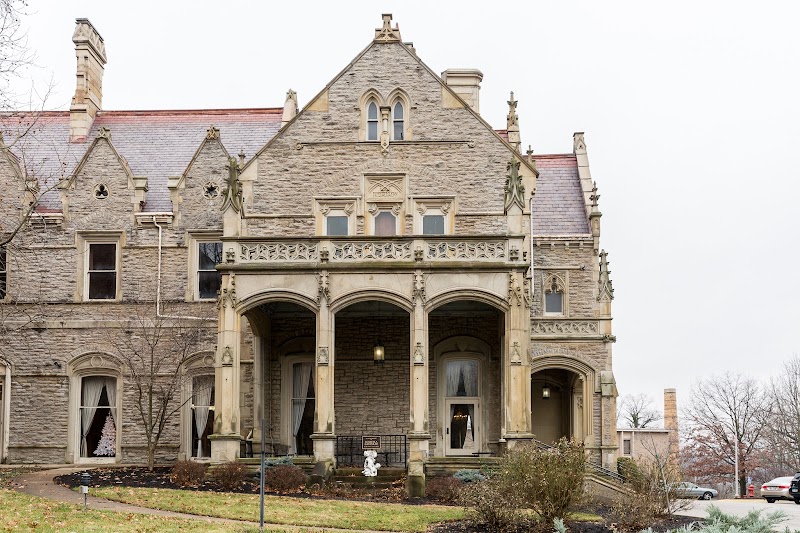
How is Scarlet Oaks Staffed?

CMS rates SCARLET OAKS NURSING AND REHABILITATION CENTER's staffing level at 2 out of 5 stars, which is below average compared to other nursing homes. Staff turnover is 63%, which is 17 percentage points above the Ohio average of 46%. High turnover can affect care consistency as new staff learn residents' individual needs.

What Have Inspectors Found at Scarlet Oaks?

State health inspectors documented 33 deficiencies at SCARLET OAKS NURSING AND REHABILITATION CENTER during 2019 to 2025. These included: 1 that caused actual resident harm and 32 with potential for harm. Deficiencies causing actual harm indicate documented cases where residents experienced negative health consequences.

Who Owns and Operates Scarlet Oaks?

SCARLET OAKS NURSING AND REHABILITATION CENTER is owned by a for-profit company. For-profit facilities operate as businesses with obligations to shareholders or private owners. The facility is operated by CCH HEALTHCARE, a chain that manages multiple nursing homes. With 70 certified beds and approximately 63 residents (about 90% occupancy), it is a smaller facility located in CINCINNATI, Ohio.

How Does Scarlet Oaks Compare to Other Ohio Nursing Homes?

Compared to the 100 nursing homes in Ohio, SCARLET OAKS NURSING AND REHABILITATION CENTER's overall rating (2 stars) is below the state average of 3.2, staff turnover (63%) is significantly higher than the state average of 46%, and health inspection rating (2 stars) is below the national benchmark.

What Should Families Ask When Visiting Scarlet Oaks?

Based on this facility's data, families visiting should ask: "How do you ensure continuity of care given staff turnover, and what is your staff retention strategy?" "Can you walk me through typical staffing levels on day, evening, and night shifts?" "Can I visit during a mealtime to observe dining assistance and food quality?" "How do you handle medical emergencies, and what is your hospital transfer rate?" These questions are particularly relevant given the facility's high staff turnover rate and the below-average staffing rating.

Is Scarlet Oaks Safe?

Based on CMS inspection data, SCARLET OAKS NURSING AND REHABILITATION CENTER has a clean safety record: no substantiated abuse findings (meaning no confirmed cases of resident harm), no Immediate Jeopardy citations (the most serious violation level indicating risk of serious injury or death), and is not on the Special Focus Facility watch list (a federal program monitoring the lowest-performing 1% of nursing homes). The facility has a 2-star overall rating and ranks #100 of 100 nursing homes in Ohio. While no facility is perfect, families should still ask about staff-to-resident ratios and recent inspection results during their visit.

Do Nurses at Scarlet Oaks Stick Around?

Staff turnover at SCARLET OAKS NURSING AND REHABILITATION CENTER is high. At 63%, the facility is 17 percentage points above the Ohio average of 46%. High turnover means new staff may not know residents' individual needs, medications, or preferences. It can also be disorienting for residents, especially those with dementia who rely on familiar faces. Families should ask: What is causing the turnover? What retention programs are in place? How do you ensure care continuity during staff transitions?

Was Scarlet Oaks Ever Fined?

SCARLET OAKS NURSING AND REHABILITATION CENTER has been fined $11,638 across 1 penalty action. This is below the Ohio average of $33,195. While any fine indicates a compliance issue, fines under $50,000 are relatively common and typically reflect isolated problems that were subsequently corrected. Families should ask what specific issues led to these fines and confirm they've been resolved.

Is Scarlet Oaks on Any Federal Watch List?

SCARLET OAKS NURSING AND REHABILITATION CENTER is not on any federal watch list. The most significant is the Special Focus Facility (SFF) program, which identifies the bottom 1% of nursing homes nationally based on persistent, serious quality problems. Not being on this list means the facility has avoided the pattern of deficiencies that triggers enhanced federal oversight. This is a positive indicator, though families should still review the facility's inspection history directly.