SEVEN ACRES SENIOR LIVING AT CLIFTON
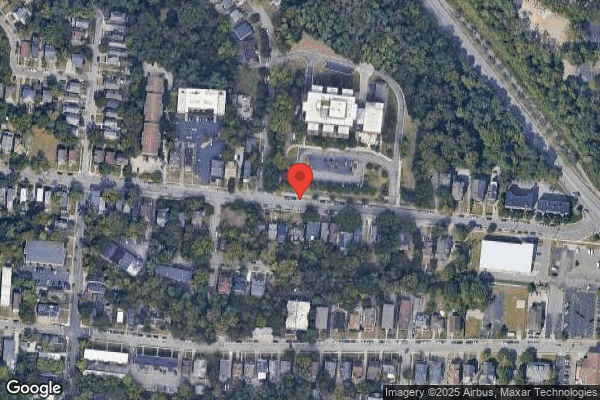
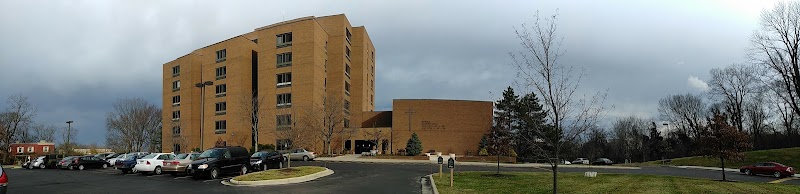
476 RIDDLE ROAD, CINCINNATI, OH 45220 (513) 281-8001
For profit - Limited Liability company 58 Beds Independent Data: November 2025
Trust Grade
60/100
#336 of 913 in OH
Last Inspection: June 2024

Within standard 12-15 month inspection cycle. Federal law requires annual inspections.

Overview

Seven Acres Senior Living at Clifton has a Trust Grade of C+, indicating it is decent and slightly above average compared to other facilities. It ranks #336 out of 913 in Ohio, placing it in the top half of state facilities, and #28 out of 70 in Hamilton County, meaning only a few local options are better. The facility is improving, having reduced its issues from 12 in 2024 to just 1 in 2025. Staffing is average with a 3/5 star rating and a turnover rate of 57%, which is similar to the state average. While there have been no fines recorded, there are some concerns; for example, one resident experienced severe pain during a dressing change due to a failure to manage pain properly, and there were gaps in verifying staff qualifications before hiring, which could potentially affect resident safety. On a positive note, the facility has a good quality rating of 5/5 stars, indicating high standards in care quality.

Trust Score
C+
60/100
In Ohio
#336/913
Top 36%
Safety Record
Moderate
Needs review
Inspections
Getting Better
12 → 1 violations
Staff Stability
⚠ Watch
57% turnover. Above average. Higher turnover means staff may not know residents' routines.
Penalties
✓ Good
No fines on record. Clean compliance history, better than most Ohio facilities.
Skilled Nurses
○ Average
Each resident gets 31 minutes of Registered Nurse (RN) attention daily — about average for Ohio. RNs are the most trained staff who monitor for health changes.
Violations
⚠ Watch
26 deficiencies on record. Higher than average. Multiple issues found across inspections.
★★★★☆
4.0
Overall Rating
★★★☆☆
3.0
Staff Levels
★★★★★
5.0
Care Quality
★★★☆☆
3.0
Inspection Score
Stable
2024: 12 issues
2025: 1 issues

The Good

  • 5-Star Quality Measures · Strong clinical quality outcomes
  • Full Sprinkler Coverage · Fire safety systems throughout facility
  • No fines on record

Facility shows strength in quality measures, fire safety.

The Bad

Staff Turnover: 57%

11pts above Ohio avg (46%)

Frequent staff changes - ask about care continuity

Staff turnover is elevated (57%)

9 points above Ohio average of 48%

The Ugly 26 deficiencies on record

1 actual harm
Sept 2025 1 deficiency
CONCERN (D) 📢 Someone Reported This

A family member, employee, or ombudsman was alarmed enough to file a formal complaint

Potential for Harm - no one hurt, but risky conditions existed

Report Alleged Abuse (Tag F0609)

Could have caused harm · This affected 1 resident

**NOTE- TERMS IN BRACKETS HAVE BEEN EDITED TO PROTECT CONFIDENTIALITY** Based on closed medical record review, interview, and facility policy review, the facility failed to report an injury of unknown...

Read full inspector narrative →
**NOTE- TERMS IN BRACKETS HAVE BEEN EDITED TO PROTECT CONFIDENTIALITY** Based on closed medical record review, interview, and facility policy review, the facility failed to report an injury of unknown origin to the Ohio Department of Health (ODH). This affected one resident (#1) of five residents reviewed. The facility census was 56 at the time of survey.Findings Include:Review of the closed medical record revealed Resident #1, was admitted to the facility on [DATE] and discharged on 09/13/2025. Diagnoses included Discitis (thoracic region), Osteomyelitis of vertebra, Hypertensive Heart Disease with Heart Failure, Type II Diabetes Mellitus, and Chronic Diastolic Heart Failure. Review of the most recent Minimum Data Set (MDS) 3.0 assessment dated [DATE] revealed the resident had a BIMS of 12 out of 15 indicating mild cognitive deficits, he had no behaviors, did not reject care, and did not wander. Resident #1 was incontinent of bowel and bladder. Resident #1 was a two-person physical assist, was dependent for bed mobility, transfers, dressing, toileting, and personal hygiene, and supervision with eating and locomotion. Review of physician orders dated August 2025 revealed resident received Lovenox ( anticoagulant medication) subcutaneously once a day for atrial fibrillation. Review of Resident #1's progress note dated 09/02/2025 revealed resident had a raised bruising lesion on his left lower leg that measured 11 centimeters (cm) by 7 cm width. It was described as mottled with shades of purple, black, and pinkish with irregular borders and swollen. The lesion was warm to touch. The surrounding skin was erythematous and swollen. Resident #1 can not recall when or how it happened. No known trauma reported. The physician was made aware and he was sent to the emergency room. Interview with DON on 09/15/2025 at 1:40 P.M. confirmed that Resident #1 did present with an injury of unknown origin on 09/02/2025 and was not reported to the Ohio Department of Health.Injuries of Unknown Origin: An injury should be classified as an injury of unknown source when both of the following conditions are met: The source of the injury was not observed by any person or the source of the the injury could not be explained by the resident; The injury is suspicious because of the extent of the injury or the location of the injury (e.g., the injury is located in an area not vulnerable to trauma) or the number of injuries observed at one particular point in time or the incidence of injuries over time.Facility policy further states that all staff will receive education about how to identify signs and symptoms of abuse. Residents will be monitored for possible signs of abuse. Symptoms that will be monitored include Suspicious or unexplained bruising. Investigation of injuries of Unknown Origin or Suspicious injuries: must be immediately investigated to rule out abuse: injuries include, but are not limited to, bruising of the inner thigh, chest, face, and breast, bruises of an unusual size, multiple unexplained bruises, and/or bruising in an area not typically vulnerable to trauma.This deficiency represents non-compliance investigated under Complaint Number 2613362.
Jun 2024 7 deficiencies
CONCERN (D)

Potential for Harm - no one hurt, but risky conditions existed

Deficiency F0655 (Tag F0655)

Could have caused harm · This affected 1 resident

**NOTE- TERMS IN BRACKETS HAVE BEEN EDITED TO PROTECT CONFIDENTIALITY** Based on review of the medical record and staff interview, the facility failed to complete a baseline care plan within 48 hours ...

Read full inspector narrative →
**NOTE- TERMS IN BRACKETS HAVE BEEN EDITED TO PROTECT CONFIDENTIALITY** Based on review of the medical record and staff interview, the facility failed to complete a baseline care plan within 48 hours after admission. This affected one (#14) of 15 residents reviewed for baseline care plans. The facility census was 51. Findings include: Review of the medical record for Resident #14 revealed an admission date of 05/30/24. Diagnoses included acute respiratory failure with hypoxia, pneumonia, dementia, and malignant neoplasm of prostate. Review of the admission Minimum Data Set (MDS) assessment dated [DATE] revealed Resident #14 had severe cognitive impairment as evidenced by a Brief Interview for Mental Status (BIMS) score of seven. The resident was assessed to require supervision with eating and transfers, and required partial assistance with toileting, bathing, and dressing. Review of the baseline care plan dated 05/30/24 revealed it was not completed for Resident #14. Interview on 06/24/24 at 9:55 A.M. with MDS Nurse #22 verified Resident #14's baseline care plan had not been completed.
CONCERN (D)

Potential for Harm - no one hurt, but risky conditions existed

ADL Care (Tag F0677)

Could have caused harm · This affected 1 resident

**NOTE- TERMS IN BRACKETS HAVE BEEN EDITED TO PROTECT CONFIDENTIALITY** Based on observation, medical record review, staff and resident interview, the facility failed to ensure residents were provided...

Read full inspector narrative →
**NOTE- TERMS IN BRACKETS HAVE BEEN EDITED TO PROTECT CONFIDENTIALITY** Based on observation, medical record review, staff and resident interview, the facility failed to ensure residents were provided with timely and adequate personal hygiene. This affected three (#6, #14, and #23) of four residents reviewed for activities of daily living (ADLs). The facility census was 51. Findings include: 1. Review of the medical record for Resident #6 revealed an admission date of 03/27/24. Diagnoses included chronic obstructive pulmonary disease (COPD), chronic kidney disease (CKD) stage four, and major depressive disorder. Review of the Minimum Data Set (MDS) assessment dated [DATE] revealed Resident #6 had moderate cognitive impairment as evidenced by a Brief Interview for Mental Status (BIMS) score of 10. The resident was assessed to require supervision with eating, substantial assistance with toileting, bathing, and dressing, and partial assistance with transfers. Review of the care plan dated 03/28/24 revealed Resident #6 had an ADLs self-care performance deficit related to impaired balance. Interventions included physical and occupational therapy and treatment per physician orders, staff to provide maximal assistance with personal hygiene, staff to explain all care to be rendered and cue Resident #6 to do the same if able, and staff encouragement to participate to the fullest extent possible with each interaction. Observations of Resident #6 throughout the annual survey at random times revealed Resident #6 had facial hair noted on her chin. Interview and observation on 06/25/24 at 1:45 P.M. with Resident #6 revealed she usually shaved her facial hair while at home but did not bring a razor with her to the facility. Resident #6 verified that staff had not asked her to shave the hair on her chin and she would like it to be shaved. Resident #6 had noticeable hair on her chin during the interview. Interview on 06/25/24 at 1:48 P.M. with State Tested Nurse Aide (STNA) #102 stated shaving should be completed for residents on shower days, and verified Resident #6 had facial hair noted on her chin. 2. Review of the medical record for Resident #14 revealed an admission date of 05/30/24. Diagnoses included acute respiratory failure with hypoxia, pneumonia, dementia, and malignant neoplasm of prostate. Review of the admission MDS assessment dated [DATE] revealed Resident #14 had severe cognitive impairment as evidenced by BIMS score of seven. The resident was assessed to require supervision with eating and transfers, and partial assistance with toileting, bathing, and dressing. Review of the care plan dated 05/30/24 revealed Resident #14 had an ADLs self-care performance deficit related to acute respiratory failure with hypoxia. Interventions included podiatry care as needed, staff encouragement to participate to the fullest extent possible with each interaction, staff to praise all efforts at self-care, staff to encourage to use call light for assistance, and staff to explain all care and cue participation. Observations throughout the annual survey at random times revealed Resident #14's fingernails extended approximately a quarter of an inch to half an inch beyond his fingertips and were yellow in color with jagged edges. Further observation revealed the underside of Resident #14's fingernails were coated in a dark brown substance. Interview and observation on 06/25/24 at 1:43 P.M. with Resident #14 revealed his fingernails were long with a built up substance under them. Resident #14 stated he had not been asked by staff to cut them and wanted them cut. Interview on 06/25/24 at 1:51 P.M. with STNA #102 verified residents' fingernails should be trimmed and maintained as needed. STNA #102 verified Resident #14's fingernails were long, jagged, and needed cut. 3. Review of the medical record for Resident #23 revealed an admission date of 03/26/24. Diagnoses included type two diabetes mellitus, CKD, depression, and atrial fibrillation. Review of the admission MDS assessment dated [DATE] revealed Resident #23 had severe cognitive impairment. The resident was assessed to require supervision with eating, substantial assistance with toileting, bathing, and dressing, and dependent with transfers. Review of the care plan dated 03/26/24 revealed Resident #23 had an ADLs self-care performance deficit related to metabolic encephalopathy and hemiplegia to the right side. Interventions included physical therapy (PT) and occupational therapy (OT) evaluation and treatment per orders, staff to explain all care and cue to do the same, staff to assist with hygiene and bed mobility, and staff to directly supervise all meals. Observations throughout the annual survey at random times revealed Resident #23's fingernails extended approximately a quarter of an inch to a half an inch beyond his fingertips. Interview and observation on 06/25/24 at 12:23 P.M. with Resident #23 revealed he wanted his fingernails trimmed and had not been asked by staff for them to be trimmed. Observation of Resident #23 during the interview revealed his fingernails remained untrimmed. Interview on 06/25/24 at 1:52 P.M. with STNA #102 verified Resident #23's fingernails were long and should be cut. STNA #102 reported nail trimming should be offered during hygiene.
CONCERN (D)

Potential for Harm - no one hurt, but risky conditions existed

Pressure Ulcer Prevention (Tag F0686)

Could have caused harm · This affected 1 resident

**NOTE- TERMS IN BRACKETS HAVE BEEN EDITED TO PROTECT CONFIDENTIALITY** Based on medical record review, staff interview, and review of a facility policy, the facility failed to appropriately assess pr...

Read full inspector narrative →
**NOTE- TERMS IN BRACKETS HAVE BEEN EDITED TO PROTECT CONFIDENTIALITY** Based on medical record review, staff interview, and review of a facility policy, the facility failed to appropriately assess pressure ulcers as required. This affected one (#51) of one resident reviewed for pressure ulcers. The facility census was 51. Findings include: Review of the medical record for Resident #51 revealed an admission of 04/01/24. Diagnoses included dementia, atrial fibrillation, type two diabetes mellitus, protein-calorie malnutrition, and malignant neoplasm of prostate. Review of the significant change Minimum Data Set (MDS) assessment dated [DATE] revealed Resident #51 had severe cognitive impairment as evidenced by a Brief Interview for Mental Status (BIMS) score of six. The resident was assessed to require supervision with eating, and was dependent with toileting, bathing, dressing, and transfers. Review of the care plan dated 05/15/24 revealed Resident #51 had a stage four pressure ulcer (full thickness skin and tissue loss) of the coccyx/sacrum related to impaired mobility, refusal of care, refusal to get out of bed, and impaired nutrition. Interventions included to administer medications as ordered, staff to administer treatments as ordered and monitor for effectiveness, staff to apply protective skin barrier sprays/ointments as ordered by physician, staff to assess, record, and monitor wound healing with wound care, and staff to encourage and assist with turning and repositioning every two hours. Review of a physician order dated 06/07/24 revealed Resident #51 was ordered for staff to cleanse the area to the sacrum with soap and water, apply betadine fluffed gauze followed by Calmoseptine buttered abdominal pad every morning and at bedtime for wound care with instructions to assess for pain prior to the dressing change. Review of a physician order dated 06/07/24 revealed Resident #51 was ordered weekly skin assessments every Monday evening for monitoring. Review of the weekly skin assessments revealed Resident #51 did not have a weekly skin assessment completed on 05/06/24, 06/14/24, and 06/21/24. Interview on 06/25/24 at 12:00 P.M. with Director of Nursing (DON) verified Resident #51's weekly skin assessments were not completed as ordered. Review of the facility policy titled, Pressure Ulcers/Skin Breakdown - Clinical Protocol, revealed the nursing staff would assess and document an individual's significant risk factors for developing pressure sores. The staff would review and modify the care plan as appropriate, especially when wounds were not healing as anticipated or new wounds developed despite existing interventions. The physician would authorize pertinent orders related to wound treatments, including wound cleansing and debridement approaches, dressing, and application of topical agents if indicated for type of skin alteration.
CONCERN (D)

Potential for Harm - no one hurt, but risky conditions existed

Accident Prevention (Tag F0689)

Could have caused harm · This affected 1 resident

**NOTE- TERMS IN BRACKETS HAVE BEEN EDITED TO PROTECT CONFIDENTIALITY** Based on medical record review, staff interview, and review of a facility policy, the facility failed to ensure resident fall ri...

Read full inspector narrative →
**NOTE- TERMS IN BRACKETS HAVE BEEN EDITED TO PROTECT CONFIDENTIALITY** Based on medical record review, staff interview, and review of a facility policy, the facility failed to ensure resident fall risks were assessed after falls to determine risk factors to the resident. This affected two (#23 and #27) of four residents reviewed for falls. The facility census was 51. Findings include: 1. Review of the medical record for Resident #23 revealed an admission date of 03/26/24. Diagnoses included type two diabetes mellitus, chronic kidney disease, depression, and atrial fibrillation. Review of the admission Minimum Data Set (MDS) assessment dated [DATE] revealed Resident #23 had severe cognitive impairment. The resident was assessed to require supervision with eating, and substantial assistance with toileting, bathing, and dressing, and dependent with transfers. Review of the care plan dated 03/26/24 revealed Resident #23 was at risk for falls related to deconditioning and gait/balance problems. Interventions included Dycem (non-slip device) to wheelchair to reduce risk for sliding out of the seat, staff to keep frequently used items within reach, staff to monitor positioning when up in wheelchair, staff to apply nonskid socks to be worn in bed, and staff will ensure the room was free of clutter and spills. Review of the medical record for Resident #14 revealed a fall risk assessment had not been completed after a fall on 04/03/24, 04/11/24, 04/20/24, and 05/10/24 to identify potential risk factors which contributed to the falls. Interview on 06/25/24 at 10:49 A.M. with MDS Nurse #22 verified she was only completing a fall risk assessment on residents when they were due for the admission or quarterly MDS assessments. Interview on 06/26/24 at 1:28 P.M. with the Director of Nursing (DON) verified Resident #23 had not had a fall risk assessment completed after multiple falls. 2. Review of Resident #27's medical record revealed the resident was admitted to the facility on [DATE]. Diagnoses included chronic obstructive pulmonary disease, heart disease, dementia, anxiety, malnutrition, and chronic constipation. Review of the MDS assessment dated [DATE] revealed Resident #27 had severely impaired cognition and required partial assistance to walk, was dependent on staff for transfers, and required partial assistance for eating. Further review of the the assessment revealed the resident had a history of falls prior to admission within the previous two to six months. Review of Resident #27's fall investigations revealed the resident fell on [DATE] in the lounge area, fell on [DATE] which required evaluation in the hospital, fell in the bathroom on 06/19/24, and fell from a reclining chair on 06/21/24 and 06/23/24. Further review of Resident #27's medical record revealed no fall risk assessments were completed following the resident's falls on 06/03/24, 06/09/24, 06/19/24, 06/21/24, or 06/23/24 to identify potential risk factors which contributed to the falls. Interview on 06/26/24 at 1:30 P.M. with the Director of Nursing (DON) verified there had been no fall risk assessments completed with Resident #27's falls on 06/03/24, 06/09/24, 06/19/24, 06/21/24, and 06/23/24. The DON stated fall risk assessments should be completed at admission, after each fall, quarterly, and if there was a significant change in clinical status. Review of an undated facility policy titled, Falls, revealed the facility will identify and evaluate the resident's specific fall risks to reduce the risk of falls.
CONCERN (D)

Potential for Harm - no one hurt, but risky conditions existed

Deficiency F0692 (Tag F0692)

Could have caused harm · This affected 1 resident

**NOTE- TERMS IN BRACKETS HAVE BEEN EDITED TO PROTECT CONFIDENTIALITY** Based on medical record review and staff interview, the facility failed to ensure nutritional assessments were completed and int...

Read full inspector narrative →
**NOTE- TERMS IN BRACKETS HAVE BEEN EDITED TO PROTECT CONFIDENTIALITY** Based on medical record review and staff interview, the facility failed to ensure nutritional assessments were completed and interventions were put into place timely for residents with significant weight loss and at risk for nutritional deficits. This affected two (#18 and #51) of four residents reviewed for nutrition. The facility census was 51. Findings include: 1. Review of Resident #18's medical record revealed the resident was readmitted to the facility on [DATE]. Diagnoses include malnutrition, heart failure, atrial fibrillation, congestive heart failure , peripheral neuropathy, anemia, thrombophilia, leukemia, and depression. Review of the comprehensive Minimum Data Set (MDS) assessment dated [DATE] revealed Resident #18 had intact cognition and required supervision for meal assistance. The resident received a no added salt diet and a supplement three times a day. Review of physician orders revealed weekly weights were ordered by the physician on 11/17/23. Review of the plan of care revealed Resident #18 was a nutritional risk due to being resistive to eating, refusing to eat, expressing weight loss behaviors, and congestive heart failure. Interventions included received a no added salt diet, provide nutritional supplements, and weight monitoring as ordered by the physician. Reviewed of the weight log revealed Resident #18 weighed 164 pounds on readmission on [DATE]. On 06/06/24, Resident #18 weighed 150 pounds. Review of a nutritional assessment dated [DATE] was completed by Registered Dietitian (RD) #106. The assessment revealed Resident #18 had a history of 15 percent (%) weight loss over the previous two months prior to admission, and a current weight of 165 pounds. The weight loss was assessed to be related to a diagnoses of depression and a recommendation was made for a no added salt diet due to congestive heart failure and edema. Further review of Resident #18's medical record between 11/13/23 through 06/25/24 revealed no further nutritional assessments or progress notes were completed. Interview on 06/25/24 at 1:22 P.M. with RD #106 verified she had not completed a nutritional assessment for Resident #18 since 11/23/23. RD #106 verified she should have completed a nutritional assessment every three months and after a significant change for Resident #18. RD #106 verified Resident #18 had a history of gradual weight loss and changes due to edema, leukemia diagnosis, and eating behaviors including low food intake. RD #106 stated she did not know Resident #18 had physician orders for weekly weight monitoring and verified she had not completed weekly weight monitoring and documentation. 2. Review of the medical record for Resident #51 revealed an admission of 04/01/24. Diagnoses included dementia, atrial fibrillation, type two diabetes mellitus, protein-calorie malnutrition, and malignant neoplasm of prostate. Review of the significant change MDS assessment dated [DATE] revealed Resident #51 had severe cognitive impairment as evidenced by a Brief Interview for Mental Status (BIMS) score of six. The resident was assessed to require supervision with eating, and was dependent with toileting, bathing, dressing, and transfers. Review of the care plan dated 04/02/24 revealed Resident #51 had a potential nutritional problem due to anorexia related to dementia, resistive to eating, and protein-calorie malnutrition. Interventions included to administer medications to stimulate appetite per physician order, administer vitamin and mineral supplements per orders, provide and serve diet as ordered and monitor intake and record every meal, registered dietician to evaluate and make diet change recommendations as needed, and provide and serve supplements as ordered. Review of the medical record for Resident #51 revealed the resident had a 6.97% weight loss over one month when the resident was noted as weighing 160.8 pounds on 04/12/24 and 149.6 pounds on 05/14/24. Review of Resident #51's physician orders revealed no interventions were implemented to address Resident #51's weight loss until 06/07/24. Interview on 06/25/24 at 2:02 P.M. with RD #106 revealed she was not made aware of Resident #51's weight loss and verified proper interventions were not put in place to address timely the resident's weight loss.
CONCERN (D)

Potential for Harm - no one hurt, but risky conditions existed

Infection Control (Tag F0880)

Could have caused harm · This affected 1 resident

**NOTE- TERMS IN BRACKETS HAVE BEEN EDITED TO PROTECT CONFIDENTIALITY** Based on observation, medical record review, and staff interview, the facility failed to perform adequate hand hygiene and provi...

Read full inspector narrative →
**NOTE- TERMS IN BRACKETS HAVE BEEN EDITED TO PROTECT CONFIDENTIALITY** Based on observation, medical record review, and staff interview, the facility failed to perform adequate hand hygiene and provide care in a manner to prevent potential contamination during wound and urinary catheter care. Additionally, the facility failed to ensure residents were placed on enhanced barrier precautions as required for residents with wounds and/or indwelling medical devices. This affected one (#51) resident of six residents reviewed for infection control measures. The facility census was 51. Findings include: Review of the medical record for Resident #51 revealed an admission date of 04/01/24. Diagnoses included dementia, atrial fibrillation, type two diabetes mellitus, protein-calorie malnutrition, and malignant neoplasm of prostate. Review of the significant change Minimum Data Set (MDS) assessment dated [DATE] revealed Resident #51 had severe cognitive impairment as evidenced by a Brief Interview for Mental Status (BIMS) score of six. The resident was assessed to require supervision with eating, and was dependent with toileting, bathing, dressing, and transfers. Review of the care plan dated 05/01/24 revealed Resident #51 had an indwelling urinary catheter related to obstructive uropathy and malignant neoplasm of the prostate. Interventions included to administer medications per physician orders, change drainage bag weekly and as needed, provide catheter care every shift with soap and water, check tubing for kinks each shift and with care, and monitor and document for pain and discomfort due to catheter. Review of the care plan dated 05/15/24 revealed Resident #51 had a stage four pressure ulcer (full-thickness skin and tissue loss) of the coccyx/sacrum related to impaired mobility, refusal of care, refusal to get out of bed, and impaired nutrition. Interventions included to administer medications as ordered, administer treatments as ordered and monitor for effectiveness, apply protective skin barrier sprays/ointments as ordered by physician, to assess, record, and monitor wound healing with wound care, and staff to encourage and assist with turning and repositioning every two hours. Review of a physician order dated 06/07/24 revealed Resident #51 was ordered for staff to cleanse the area to the sacrum with soap and water, apply betadine fluffed gauze followed by a Calmoseptine buttered abdominal pad every morning and at bedtime for wound care. Further review included instructions to assess for pain prior to the dressing change. Review of a physician order dated 06/07/24 revealed Resident #51 was ordered to have staff provide urinary catheter (Foley) care with soap and water every shift. Observation on 06/25/24 at 11:06 A.M. of wound care to Resident #51's coccyx completed by Licensed Practical Nurse (LPN) #56 revealed LPN #56 washed her hands and put on gloves prior to the dressing change. After removing the soiled dressing, LPN #56 removed her gloves but did not perform hand hygiene. LPN #56 put on a new pair of gloves and cleansed the wound bed. Observation on 06/25/24 at 11:18 A.M. of catheter care to Resident #51's urinary catheter performed by State Tested Nurse Aide (STNA) #39 revealed STNA #39 assisted LPN #56 with wound care prior to completing catheter care. STNA #39 did not remove gloves or perform hand hygiene before starting catheter care. During catheter care, STNA #39 cleaned the catheter tubing cleaning down and back to the urethra causing potential contamination. Observation during wound and catheter care on 06/25/24 between 11:06 A.M. and 11:18 A.M. revealed Resident #51 had no signs posted to indicated the resident was on enhanced barrier precautions. Interview on 06/25/24 at 11:28 A.M. with LPN #56 verified she did not perform hand hygiene when she removed her gloves after removing the old, soiled dressing from Resident #51's coccyx. Interview on 06/25/24 at 11:30 A.M. with STNA #39 verified she did not remove gloves or perform hand hygiene after assisting LPN #56 with wound care and beginning on Resident #51, and verified she failed to cleanse Resident #51's catheter tubing away from the urethra. Interview on 06/26/24 at 11:48 A.M. with the Director of Nursing (DON) verified Resident #51 should be in enhanced barrier precautions. The DON reported the facility did not currently have a policy for enhanced barrier precautions.
CONCERN (E)

Potential for Harm - no one hurt, but risky conditions existed

Deficiency F0883 (Tag F0883)

Could have caused harm · This affected multiple residents

Based on medical record review, staff interview, and policy review, the facility failed to ensure resident pneumococcal vaccinations were up to date. This affected five (#15, #17, #18, #19, and #37) o...

Read full inspector narrative →
Based on medical record review, staff interview, and policy review, the facility failed to ensure resident pneumococcal vaccinations were up to date. This affected five (#15, #17, #18, #19, and #37) of five residents reviewed for pneumococcal vaccinations. The facility census was 51. Findings include: 1. Review of the medical record for Resident #15 revealed an admission date of 11/21/17. Diagnoses included acute kidney failure, major depressive disorder, acute respiratory failure with hypoxia, and metabolic encephalopathy. Review of the medical record for Resident #15 revealed Pneumococcal vaccine Prevnar 13 was given on 07/21/15. Resident #15 should have received Prevnar 20 (PCV20) or Pneumovax 23 (PPSV23) one year after PCV13; however, there was no documentation either was given. 2. Review of the medical record for Resident #17 revealed an admission date of 08/21/17. Diagnoses included type two diabetes mellitus, chronic kidney disease stage three, and chronic obstructive pulmonary disease (COPD). Review of the medical record for Resident #17 revealed the resident refused a pneumococcal vaccine on 08/24/17. Resident #17 was not offered the pneumococcal vaccine since the refusal in 2017. 3. Review of the medical record for Resident #18 revealed an admission date of 08/30/22. Diagnoses included congestive heart failure (CHF), atrial fibrillation, chronic lymphocytic leukemia, and dementia. Review of the medical record for Resident #18 revealed Pneumococcal vaccine Prevnar 13 was given on 06/01/08. Resident #18 should have received Prevnar 20 (PCV20) or Pneumovax 23 (PPSV23) one year after PCV13; however, there was no documentation either was given. 4. Review of the medical record for Resident #19 revealed an admission date of 05/24/22. Diagnoses included CHF, type two diabetes mellitus, and bipolar disorder. Review of the medical record for Resident #19 revealed Pneumococcal vaccine Prevnar 13 was given on 10/10/21. Resident #19 should have received Prevnar 20 (PCV20) or Pneumovax 23 (PPSV23) one year after PCV13; however, there was no documentation either was given. 5. Review of the medical record for Resident #37 revealed an admission date of 08/17/23. Diagnoses included atrial fibrillation, chronic kidney disease stage three, and CHF. Review of the medical record for Resident #37 revealed Pneumococcal vaccine Prevnar 13 was given on 03/18/16. Resident #37 should have received Prevnar 20 (PCV20) or Pneumovax 23 (PPSV23) one year after PCV13; however, there was no documentation either was given Interview on 06/26/24 at 1:25 P.M. with the Director of Nursing (DON) verified Resident #15, Resident #17, Resident #18, Resident #19, and Resident #37 were not up to date for the pneumococcal vaccine. Review of the facility policy titled, Pneumococcal Vaccine, revealed the facility would offer residents and staff immunizations against pneumococcal disease in accordance with current Centers for Disease Control and Prevention (CDC) guidelines and recommendations. Each resident would be assessed for pneumococcal immunization upon admission.
May 2024 3 deficiencies
CONCERN (D) 📢 Someone Reported This

A family member, employee, or ombudsman was alarmed enough to file a formal complaint

Potential for Harm - no one hurt, but risky conditions existed

Deficiency F0697 (Tag F0697)

Could have caused harm · This affected 1 resident

**NOTE- TERMS IN BRACKETS HAVE BEEN EDITED TO PROTECT CONFIDENTIALITY** Based on interview and record review, the facility failed to ensure a resident's pain was addressed. This affected one resident ...

Read full inspector narrative →
**NOTE- TERMS IN BRACKETS HAVE BEEN EDITED TO PROTECT CONFIDENTIALITY** Based on interview and record review, the facility failed to ensure a resident's pain was addressed. This affected one resident (#29) of one resident reviewed for pain. The facility census was 52. Findings include: Review of the medical record revealed Resident #29 admitted to the facility on [DATE] with diagnoses including hypertensive heart disease with heart failure, pulmonary hypertension, congestive heart failure, type two diabetes mellitus with diabetic neuropathy, hyperlipidemia, bipolar disorder, gastro esophageal reflux disease without esophagitis, post traumatic stress disorder, anemia, asthma, restless legs syndrome, obstructive sleep apnea, and major depressive disorder. Review of Resident #29's annual Minimum Data Set (MDS) assessment dated [DATE] revealed the resident was cognitively intact. Resident #29 received opioid medication during the review period and rated her worst pain over the past five days as a four out of ten. Review of Resident #29's opioid medication care plan dated 04/08/24 revealed Resident #29 used opioid medication for treatment of chronic pain. Interventions included administer opioid medication as ordered by the physician and monitor for side effects and effectiveness, the physician to review medications for possible dose reduction and monitor, document, and report as needed any adverse reactions of medications. Review of Resident #29's pain care plan dated 03/19/24 revealed Resident #29 had chronic pain due to neuropathy, an old injury of the back from a fall, radiculopathy lumbosacral region, restless leg syndrome, arthropathy, diabetes mellitus neuropathy, and chronic headaches. Interventions included administer analgesia and medication for treatment of pain per orders, evaluate the effectiveness of pain interventions, monitor and document for side effects of pain medication, monitor and record pain characteristics and monitor and report to nurse any signs and symptoms of nonverbal pain. Review of Resident #29's physician order dated 05/26/23 and discontinued 04/22/24 revealed Resident #29 was ordered Oxycodone 10 milligrams (mg) give two tablets by mouth two times a day for pain and give two tablets by mouth every eight hours as needed for pain. Review of Resident #29's physician order dated 04/08/24 revealed Resident #29 was ordered Oxycodone 10 mg give two tablets by mouth two times a day for pain and give two tablets by mouth every eight hours as needed for pain. Review of Resident #29's physician order dated 03/09/23 revealed Resident #29 was ordered Lyrica 200 mg give by mouth three times a day for pain. Review of Resident #29's Medication Administration Record (MAR) from 04/01/24 to 4/30/24 revealed Resident #29's Oxycodone was not given on 04/05/24 at 6:00 A.M., 04/05/24 at 7:00 P.M., 04/06/24 at 6:00 A.M., 04/06/24 at 7:00 P.M., 04/07/24 at 6:00 A.M., 04/07/24 at 7:00 P.M., 04/08/24 at 6:00 A.M., 04/16/24 at 7:00 P.M., 04/18/24 at 7:00 P.M. and on 04/23/24 at 6:00 A.M. Resident #29's MAR listed her pain level as a seven on 04/06/24 at 7:00 P.M. and an ten on 04/08/24 at 6:00 A.M. when her pain medication was not given. Resident #29 did not receive any as needed Oxycodone on 04/05/24, 04/06/24, 04/07/24, 04/08/24, 04/16/24, 04/18/24 and on 04/23/24. Resident #29's Lyrica 200 mg was not given on 04/16/24 at 8:00 P.M., 04/18/24 at 8:00 P.M., 04/20/24 at 12:00 P.M., 04/21/24 at 8:00 A.M., 04/21/24 at 12:00 P.M., 04/21/24 at 8:00 P.M., 04/22/24 at 8:00 A.M., and on 04/22/24 at 12:00 P.M. Further review of the MAR revealed Resident #29's pain assessment was a zero on day shift, a four on evening shift and a five on night shift on 04/05/24, a zero for all three shifts on 04/06/24, a zero on day and evening shift and a ten on night shift on 04/07/24, a ten on day shift, a nine on evening shift and a zero on night shift on 04/08/24, a zero on day and evening shift on 04/16/24, a zero on day and evening shift on 04/18/24 and a seven on day shift and a zero on night shift on 04/23/24. Review of the facility's fax dated 04/03/23 revealed a request to refill Resident #29's Oxycodone was sent to Resident #29's physician. Review of Resident #29's progress note dated 04/06/24 revealed the facility was awaiting Resident #29's Oxycodone 10 mg from the pharmacy. Review of the facility's fax dated 04/07/24 revealed Resident #29 continued with pain complaints. Resident #29 needed Oxycodone refilled. Physician #950 sent back a response that stated, print script and I'll fill out. The facility sent another response to Physician #950 that stated the facility was unable to print a script at that time and asked if Physician #950 could call it in. Physician #950 sent another response that stated no and we don't do refills on the weekends, and I was in Friday. Review of Resident #29's progress note dated 04/07/24 revealed the pharmacy was unable to send Resident #29's Oxycodone and the physician was unable to call into the pharmacy and unable to send a prescription. A hard copy prescription was requested, and staff will fax in the morning. Review of Resident #29's progress note dated 04/07/24 revealed Resident #29's Oxycodone was on order and will be given upon arrival. Review of Resident #29's progress note dated 04/20/24 revealed the pharmacy was notified to send Resident #29's Lyrica. Review of Resident #29's progress note dated 04/21/24 revealed Resident #29's Lyrica was not available. Review of Resident #29's progress note dated 04/20/24 revealed the facility was awaiting Resident #29's Lyrica from the pharmacy. Observation of Resident #29 on 05/02/24 at 9:45 A.M. revealed Resident #29 was laying in her bed in her room. Resident #29 was clean and appropriately dressed. Interview with Resident #29 on 05/02/24 at 9:45 A.M. revealed Resident #29 did not receive her Oxycodone one weekend and her Lyrica on a different weekend due to her medications running out and the pharmacy being unable to refill her medication on the weekend. Resident #29 did not remember the dates she did not receive her Oxycodone or her Lyrica but reported she was in pain both weekends. Resident #29 reported she was given Tylenol for pain on both weekends but that did not help with her pain. Interview with the Director of Nursing (DON) on 05/02/24 at 3:15 P.M. verified Resident #29's Oxycodone 10 mg give two tablets by mouth two times a day for pain was not given on 04/05/24 at 6:00 A.M., 04/05/24 at 7:00 P.M., 04/06/24 at 6:00 A.M., 04/06/24 at 7:00 P.M., 04/07/24 at 6:00 A.M., 04/07/24 at 7:00 P.M., 04/08/24 at 6:00 A.M., 04/16/24 at 7:00 P.M., 04/18/24 at 7:00 P.M. and on 04/23/24 at 6:00 A.M. The DON also confirmed Resident #29's MAR listed her pain level as a seven on 04/06/24 at 7:00 P.M. and a ten on 04/08/24 at 6:00 A.M. when her pain medication was not given. The DON also verified Resident #29 did not receive any as needed Oxycodone on 04/05/24, 04/06/24, 04/07/24, 04/08/24, 04/16/24, 04/18/24 and on 04/23/24 due to the facility not having any Oxycodone in the emergency box and Resident #29 not having any Oxycodone in the facility because the as needed and routine Oxycodone was on the same medication card. The DON also confirmed Resident #29's Lyrica 200 mg give by mouth three times a day for pain was not given on 04/16/24 at 8:00 P.M., 04/18/24 at 8:00 P.M., 04/20/24 at 12:00 P.M., 04/21/24 at 8:00 A.M., 04/21/24 at 12:00 P.M., 04/21/24 at 8:00 P.M., 04/22/24 at 8:00 A.M., and on 04/22/24 at 12:00 P.M. The DON also confirmed Resident #29's pain assessment on the MAR on 04/05/24 was a zero on day shift, a four on evening shift and a five on night shift on 04/05/24, a zero for all three shifts on 04/06/24, a zero on day and evening shift and a ten on night shift on 04/07/24, a ten on day shift, a nine on evening shift and a zero on night shift on 04/08/24, a zero on day and evening shift on 04/16/24, a zero on day and evening shift on 04/18/24 and a seven on day shift and a zero on night shift on 04/23/24. The DON stated the facility had sent a refill request for Resident #29's Oxycodone to Physician #950 on 04/03/24 prior to Resident #29 running out of Oxycodone. The DON reported Resident #29's last Oxycodone was administered on 04/04/24 and Tylenol was administered on 04/05/25 and 04/06/24. The DON stated the facility sent faxes to Physician #950 on 04/07/24 and Physician #950 sent back a note stating that they would not refill Resident #29's Oxycodone on the weekends. The DON reported Resident #29's Lyrica refill request was sent to the pharmacy, but the pharmacy had an error and did not send the medication. Review of the pain assessment and management policy dated September 2021 revealed pharmacological interventions may be prescribed to manage pain. This deficiency represents non-compliance investigated under Complaint Number OH00152828 and OH00152846.
CONCERN (D) 📢 Someone Reported This

A family member, employee, or ombudsman was alarmed enough to file a formal complaint

Potential for Harm - no one hurt, but risky conditions existed

Deficiency F0760 (Tag F0760)

Could have caused harm · This affected 1 resident

**NOTE- TERMS IN BRACKETS HAVE BEEN EDITED TO PROTECT CONFIDENTIALITY** Based on observation, interview, and record review, the facility failed to ensure a resident's insulin pen was primed according ...

Read full inspector narrative →
**NOTE- TERMS IN BRACKETS HAVE BEEN EDITED TO PROTECT CONFIDENTIALITY** Based on observation, interview, and record review, the facility failed to ensure a resident's insulin pen was primed according to manufacturer guidelines resulting in a significant medication error. This affected one (Resident #8) of five residents observed for medication administration. The facility census was 52. Findings include: Review of the medical record for Resident #8 revealed an admission date of 11/09/19. Medical diagnoses included but were not limited to diabetes mellitus, [NAME] syndrome, dementia and heart failure. Review of Resident #8's quarterly Minimum Data Set (MDS) assessment dated [DATE] revealed a Brief Interview Mental Status (BIMS) score of 14 indicating intact cognition. Resident #8 required moderate assistance for toileting, transfers, and bed mobility. Review of the active physicians orders for Resident #8 revealed an order dated 03/20/24 for NovoLOG Injection Solution 100 unit/milliliters (ml) (Insulin Aspart), inject as per sliding scale: if 150 - 200 = 2 units; 201 - 250 = 4 units; 251 - 300 = 6 units; 301 - 350 = 8 units; 351 - 400 = 10 units, over 400 call the physician, subcutaneously before meals and at bedtime for diabetes mellitus. Observation on 05/08/24 at 11:50 A.M. of Registered Nurse #00 administering medications to Resident #8 revealed during the administration of 2 units of novolog injection solution, RN #00 took the cap off of the Novolog pen, swabbed the hub with alcohol, applied the needle but did not prime it before she turned the dial to 2. RN #00 verified she failed to prime the needle prior to drawing up the prescribed 2 units of insulin. Review of the manufacturer's instruction for Novolog insulin revealed step seven was to prime the pen by turning the dose selector to two units and while holding the pen up push and hold the green push button and ensure a drop of insulin appeared at the needle tip. This deficiency represents non-compliance investigated under Complaint Number OH00152846.
CONCERN (D) 📢 Someone Reported This

A family member, employee, or ombudsman was alarmed enough to file a formal complaint

Potential for Harm - no one hurt, but risky conditions existed

Infection Control (Tag F0880)

Could have caused harm · This affected 1 resident

**NOTE- TERMS IN BRACKETS HAVE BEEN EDITED TO PROTECT CONFIDENTIALITY** Based on medical record review, observation, and interviews, the facility failed to ensure nurses handled resident medications i...

Read full inspector narrative →
**NOTE- TERMS IN BRACKETS HAVE BEEN EDITED TO PROTECT CONFIDENTIALITY** Based on medical record review, observation, and interviews, the facility failed to ensure nurses handled resident medications in a sanitary manner. This affected two (Residents #3 #22) of five residents observed for medication administration. Facility census was 52. Findings include: 1. Review of the medical record for Resident #3 revealed an admission date of 01/27/23 with diagnoses including but not limited to dementia without behavioral disturbances, hypertension, wernicke's encephalopathy, anemia, and alcoholic cirrhosis. Review of the quarterly Minimum Data Set (MDS) assessment dated [DATE] for Resident #3 revealed intact cognition. Resident #3 was dependent for toileting and transfers, and required moderate assistance for bed mobility and transfers. Review of the active physicians orders for Resident #3 revealed an order for cranberry oral tablet give two tablets by mouth three times a day. Observation on 05/08/24 at 11:20 A.M. of medication administration with Registered Nurse (RN) #225 to Resident #3 revealed the nurse carried the large bottle of facility stock (medications used for multiple residents) cranberry tablets into the resident's room and placed the bottle on the dresser. Observations revealed the stock cranberry tablet bottle was placed on Resident #3's dresser without a barrier and without cleaning/disinfecting the surface where the stock medication bottle was placed. RN #225 opened the bottle and poured two tablets into a medication cup and replaced cap. RN #225 administered the medication to the resident and exited the room. RN #225 returned to the medication cart and placed the bottle of cranberry tablets into the medication cart along with other resident medications without cleaning/disinfecting the bottle. Interview on 05/08/24 at 11:31 A.M. with RN #225 verified she did not clean the multidose bottle of cranberry tablets before placing them back into the medication cart with the other over the counter medication bottles. 2. Medical record review for Resident #22 revealed an admission date of 06/26/18 with diagnoses including but not limited to Alzheimer disease, dementia, hypertension, hypothyroidism, hyperlipidemia, major depressive disorder, dorsalgia, macular degeneration, migraine, and anxiety. Review of the quarterly MDS assessment dated [DATE] for Resident #22 revealed an intact cognition. Resident #22 required supervision for eating, bed mobility and transfers. Resident #22 required moderate assistance for toileting. Review of the active physician orders for Resident #22 revealed the resident had the following medications scheduled for morning administration: Tylenol Oral Tablet 325 mg give two tablets by mouth two times a day, B-Complex oral tablet give one capsule by mouth one time a day, Senna Plus tablet 8.6-50 mg give 1 tablet by mouth one time a day, zinc tablet 50 mg give 50 mg by mouth two times a day, vitamin D capsule give 1000 units by mouth one time a day. Observation on 05/08/24 at 9:15 A.M. of RN #225 preparing medication for administration to Resident #22 revealed RN #225 carried facility stock bottles of B-complex, Senna Plus, Vitamin D, Tylenol and Zinc into the resident's room and set them on the bedside table without a barrier and without cleaning the bedside table. RN #225 then completed hand hygiene and donned gloves, poured prescribed medication from each bottle into a medication administration cup and offered it to the resident. RN #225 then completed hand hygiene and returned to the resident's bedside. RN #225 then placed the contaminated gloves she had removed prior to completing hand hygiene onto the top of the Tylenol multidose bottle. RN #225 donned gloves and administered the artificial tears eye drops into both eyes of Resident #22. RN #225 went to the residents bathroom and completed hand hygiene returning to the residents bedside with a second set of contaminated gloves. RN #225 retrieved the plastic cup that had contained water for the resident to take her medication with and put the second pair of gloves into the cup, picked up the contaminated gloves from the top of the Tylenol bottle and placed them in the cup. RN #225 then carried the five bottles in her left arm touching her uniform and returned to the medication cart. RN #225 then disposed of the cup with the gloves in it, and placed the bottles on the cart without cleaning/disinfecting them. RN #225 then placed all five bottles back into the medication cart with other resident medications without cleaning/disinfecting them. Interview on 05/08/24 at 9:30 A.M. with RN #225 stated she did not dispose of the gloves into the residents trash bin in the bathroom because there was nothing in the trash bin and she did not want to leave trash in the residents room. RN #225 verified she placed contaminated gloves on the top of the Tylenol bottle and should not have. Further verified she does not know the policy for the facility related to the multidose bottles being taken into residents rooms. Interview on 05/08/24 at 1:35 P.M. with Director of Nursing (DON) verified that multidose bottles of medication should not be carried into the residents rooms. Additionally, verified that gloves should be placed in to the appropriate trash receptacle in the resident bathroom when appropriate. Request for a policy related to medication administration related to multidose bottles was requested during the survey and was advised by the DON that the facility did not have a policy. The following deficiency is based on incidental findings discovered during the course of this complaint investigation.
Mar 2024 1 deficiency
CONCERN (D) 📢 Someone Reported This

A family member, employee, or ombudsman was alarmed enough to file a formal complaint

Potential for Harm - no one hurt, but risky conditions existed

Quality of Care (Tag F0684)

Could have caused harm · This affected 1 resident

Based on medical record, observation, staff interview, and review of the facility policy the facility failed to timely implement treatment orders for residents with skin breakdown. This affected one (...

Read full inspector narrative →
Based on medical record, observation, staff interview, and review of the facility policy the facility failed to timely implement treatment orders for residents with skin breakdown. This affected one (Resident #17) of three residents reviewed for skin breakdown. The facility census was 46. Findings include: Review of the medical record for Resident #17 revealed an admission date of 06/15/23 with diagnoses including dementia, chronic obstructive pulmonary disease (COPD), and major depressive disorder. Review of the Minimum Data Set (MDS) assessment for Resident #17 dated 12/22/23 revealed the resident had moderate cognitive impairment, required supervision with eating and was dependent on staff for toileting, bathing, and transfers. Review of the care plan for Resident #17 dated 02/07/24 revealed the resident had an arterial/ischemic ulcer between the right great toe and second toe. Interventions included the following: assess for pain and administer medications as ordered, staff to inspect feet daily and report any changes to the nurse, staff to monitor and document wound including size, depth, margins, and peri wound skin, staff to complete treatments per physician order, staff to keep feet clean and dry. Review of the wound assessment for Resident #17 dated 01/29/24 revealed the resident had an arterial ulcer on the right foot between the great toe and second toe. The ulcer measured 0.3 centimeters (cm) in length by 0.5 cm in width by 0.1 cm in depth. The plan was to apply Betadine moistened gauze between right great toe and second toe twice daily. Review of the physician order for Resident #17 dated 02/05/24 revealed an order to apply Betadine moistened and fluffed gauze to the ulcer between the right great and the second toe two times a day. Review of the physician order for Resident #17 dated 02/12/24 revealed an order to cleanse the area to great and second toe with soap and water, pat dry, apply Betadine fluffed gauze to ulcer between the right great toe and the second toe, and cover with gauze two times a day. Review of the January 2024 and February 2024 physician orders for Resident #17 revealed there was no treatment order initiated for the arterial ulcer between the resident's right great toe and second toe until 02/05/24. Review of the Treatment Administration Record (TAR) for Resident #17 dated February 2024 revealed the treatment order dated 02/05/24 was not documented in the TAR. There was no treatment documented for Resident #17's ulcer until 02/12/24. Observation of Resident #17 on 03/27/24 at 2:04 P.M. revealed the resident had an intact dressing to the arterial ulcer on the right foot. Interview on 03/28/24 at 10:23 A.M. with the Director of Nursing (DON) confirmed Resident #17's arterial ulcer was identified on 01/29/24 but a treatment order was not obtained until 02/05/24. Interview with the DON further confirmed that the treatment order dated 02/05/24 was not implemented, and the resident did not begin receiving treatment for the arterial ulcer until the order dated 02/12/24. Review of the facility policy titled Pressure Ulcers/Skin Breakdown -Clinical Protocol undated revealed the physician would authorize pertinent orders related to wound treatments, including would cleansing and debridement approaches, dressings, and applications of topical agents if indicated for type of skin alteration. This deficiency represents non-compliance investigated under Complaint Number OH00152219.
Mar 2024 1 deficiency
CONCERN (E) 📢 Someone Reported This

A family member, employee, or ombudsman was alarmed enough to file a formal complaint

Potential for Harm - no one hurt, but risky conditions existed

Menu Adequacy (Tag F0803)

Could have caused harm · This affected multiple residents

Based on observations, medical record review, staff interviews and spread sheet review, the facility failed to serve the correct amount of puree food texture portions as listed on the menu spreadsheet...

Read full inspector narrative →
Based on observations, medical record review, staff interviews and spread sheet review, the facility failed to serve the correct amount of puree food texture portions as listed on the menu spreadsheet. This affected four (#21, #35, #39 and #47) of four residents observed who required an ordered puree texture diet. The facility total census was 48. Findings include: Review of Residents #21, #35, #39 and #47's monthly March 2024 physician orders revealed the residents had physician orders for puree texture diets. Review of the lunch menu spreadsheet dated 03/07/24 revealed the puree texture diet should have received three ounces puree meat, four ounces of vegetable, and four ounces of starch. Review of the meal tickets of Residents #21, #35, #39 and #47 revealed no notation the residents preferred small food portions. Observation on 03/07/24 at 12:15 P.M., revealed Residents #21, #35, #39 and #47 were served by Diet Aides, (DA) #45 and #50, puree meat of two ounces, three ounces of vegetable and three ounces of starch. The serving utensils were not completely filled to an accurate measurement. There was no written food spreadsheet noted during the meal service. Interview on 03/07/24 at 12:17 P.M., of DA's #45 and #50 verified there was no written spreadsheet available for the staff to reference, and they knew what the food portions were supposed to be since they had worked at the facility so long. DA #50 verified she did not completely fill the serving utensils when measuring out the food, as some residents did not want that much food. DA #50 verified the meal ticket did not indicate small portions as a preference, but just knew the residents wanted less food. Interview on 03/07/24 at 12:40 P.M., Diet Manager (DM) # 40 verified the puree texture portions were incorrect for Residents #21, #35, #39 and #47 and the DA's #45 and #50 should have served the puree texture portions as listed on the menu spreadsheet. DM #40 verified there was no spreadsheet available for the staff to reference, and no serving portion chart available for portion control accuracy during the meal service. DM #40 confirmed the facility has spread sheets and staff were not utilizing them. Review of policy titled Portion Control, dated 2019, revealed the residents will receive the appropriate portions of food as outlined on the menu. Control at the point of service is necessary to assure accurate portion sizes are served. This deficiency represents non-compliance investigated under Complaint Number OH00151106.
Sept 2023 2 deficiencies
CONCERN (E) 📢 Someone Reported This

A family member, employee, or ombudsman was alarmed enough to file a formal complaint

Potential for Harm - no one hurt, but risky conditions existed

Accident Prevention (Tag F0689)

Could have caused harm · This affected multiple residents

**NOTE- TERMS IN BRACKETS HAVE BEEN EDITED TO PROTECT CONFIDENTIALITY** Based on record review, observations, staff interview, and review of the facility policy, the facility failed to ensure medicati...

Read full inspector narrative →
**NOTE- TERMS IN BRACKETS HAVE BEEN EDITED TO PROTECT CONFIDENTIALITY** Based on record review, observations, staff interview, and review of the facility policy, the facility failed to ensure medications were stored safely and not left unattended. This affected Resident #3 and had the potential to affect nine additional facility-identified residents (#2, #5, #8, #9, #17, #19, #20, #22, and #23) residing on the second floor who were cognitively impaired and independently mobile. The facility census was 49 residents. Findings include: Review of the medical record for Resident #3 revealed an admission date of 03/01/23 with diagnoses including dementia without behavioral disturbance, chronic kidney disease (CKD), peripheral vascular disease (PVD), osteoarthritis (OA), and cerebral infarction. Review of the Minimum Data Set (MDS) assessment dated [DATE] revealed Resident #3 was cognitively impaired and required limited assistance of one staff with activities of daily living (ADLs.) Review of the monthly physician orders for Resident #3 revealed orders dated 10/28/22 for multivitamin one tablet in the morning for constipation and Mirabegron one tablet in the morning for overactive bladder and an order dated 09/01/23 for senna one tablet in the morning for constipation. Review of the monthly physician orders for Resident #3 revealed there were no orders for resident to self-administer medications. Observations on 09/13/23 at 9:49 A.M. revealed Resident #3 and #8 were sitting next to one another in the common area and conversing. Licensed Practical Nurse (LPN) #755 was in the nurses' office working on the computer. LPN #755 was not observing Resident #3. On 09/13/23 at 9:59 A.M. revealed LPN #755 approached Resident #3 and told her she needed to take the pills from the resident if she wasn't going to take them. LPN #755 then took a plastic cup containing two pills out of the resident's hand and discarded the pills. LPN #755 then returned to the nurses' office and sat in front of the computer. Observation on 09/13/23 at 10:00 A.M. revealed State Tested Nursing Assistant (STNA) #920 approached Resident #3 and spoke to the resident and then came to nurses' office with a red tablet in her hand which she reported had been in Resident #3's hand. STNA #920 gave the pill to LPN #755 who then discarded the red tablet. Interview on 09/13/23 at 10:01 A.M. with STNA #920 confirmed she noticed Resident #3 had a red pill in her hand and when she asked the resident if she could take the pill to the nurse, the resident agreed. STNA #920 confirmed if she found medication unattended, she was supposed to report it to the nurse. Interview on 09/13/23 at 10:02 A.M. with LPN #755 confirmed she had given the following medications to Resident #3 on 09/13/23 at approximately 9:40 A.M. while the resident was sitting up in the common area: senna, mirabegron, and a multivitamin. LPN #755 confirmed she did not stay to ensure Resident #3 consumed the medications and she thought maybe if she gave the resident some space, she would take the medications. LPN #755 confirmed Resident #3 was cognitively impaired and did not have an order to self-administer medications. LPN #755 confirmed she typically would not leave medications unattended, but she thought it would be okay since the medications weren't narcotics. LPN #755 confirmed the red tablet retrieved by STNA #920 was a multivitamin and the cup she took from the resident at 9:59 A.M. contained senna and mirabegron. Interview on 09/13/23 at 10:30 A.M. with the Director of Nursing (DON) confirmed nurses should not leave medications unattended and should ensure medications were consumed by the resident during medication administration. On 09/13/23 at 2:30 P.M., the DON provided the survey with a facility-identified list of cognitively impaired independently mobile residents who reside on the second floor (#2, #5, #8, #9, #17, #19, #20, #22, and #23). Review of the facility's undated policy titled Administering Medications revealed medications shall be administered in a safe and timely manner, and as prescribed. Residents may self-administer their own medications only if the attending physician, in conjunction with the Interdisciplinary Care Planning Team, has determined that they have the decision-making capacity to do so safely. This deficiency represents non-compliance investigated under Complaint Number OH00146198 and represents ongoing noncompliance from the complaint survey exited 08/23/23.
CONCERN (E) 📢 Someone Reported This

A family member, employee, or ombudsman was alarmed enough to file a formal complaint

Potential for Harm - no one hurt, but risky conditions existed

Infection Control (Tag F0880)

Could have caused harm · This affected multiple residents

**NOTE- TERMS IN BRACKETS HAVE BEEN EDITED TO PROTECT CONFIDENTIALITY** Based on record review, observation, staff interview, and review of manufacturer's guidelines for glucometer use, the facility f...

Read full inspector narrative →
**NOTE- TERMS IN BRACKETS HAVE BEEN EDITED TO PROTECT CONFIDENTIALITY** Based on record review, observation, staff interview, and review of manufacturer's guidelines for glucometer use, the facility failed to ensure staff properly cleaned and disinfected glucometers after use. This affected Resident #45 and had the potential to affect 20 residents (#25, #26, #27, #28, #29, #30, #31, #33, #34, #35, #36, #37, #38, #39, #40, #42, #44, #47, #48, and #49) who the facility identified to receive blood glucose monitoring utilizing the same glucometer as Resident #45. Findings include: Review of the medical record for Resident #45 revealed an admission date of 05/24/23 with a diagnosis of diabetes mellitus (DM.) Review of the Minimum Data Set (MDS) assessment dated [DATE] revealed Resident #45 was cognitively intact. Review of the physician orders dated 07/17/23 revealed an order for Resident #45 to receive insulin per sliding scale at meals based upon results of blood sugar check. Observation on 09/12/23 at 11:33 A.M. revealed Licensed Practical Nurse (LPN) #775 checked Resident #45's blood sugar using the glucometer from the third-floor medication cart. After checking the blood sugar, the nurse set the contaminated glucometer directly on top of the medication cart and continued with medication administration. Interview on 09/12/23 at 11:50 A.M. with LPN #775 confirmed the glucometer should be cleaned and disinfected with a bleach wipe immediately after use, but she didn't have time for that, and she didn't have bleach wipes on her cart. Observation 09/12/23 at 11:50 A.M. revealed LPN #775 wiped the front of the glucometer for the third-floor medication cart with an alcohol prep pad and placed the glucometer back in the cart after discussion with the surveyor. Interview on 09/12/23 at 3:41 P.M. with the Director of Nursing (DON) confirmed nurses should clean and disinfect the glucometer immediately after use with a bleach wipe. Subsequent interview on 09/13/23 at 9:10 A.M. with the DON confirmed 20 residents (#25, #26, #27, #28, #29, #30, #31, #33, #34, #35, #36, #37, #38, #39, #40, #42, #44, #47, #48, and #49) receive blood glucose monitoring utilizing the same glucometer as Resident #45. Review of the undated manufacturer's instructions for the glucometer in use at the facility revealed the nurse should clean outside of blood glucose meter with soapy water or alcohol and should disinfect the meter with bleach wipes. The glucometer should be cleaned and disinfected between patient uses. This was an incidental finding during the course of the complaint investigation.
Aug 2023 3 deficiencies 1 Harm
SERIOUS (G) 📢 Someone Reported This

A family member, employee, or ombudsman was alarmed enough to file a formal complaint

Actual Harm - a resident was hurt due to facility failures

Deficiency F0697 (Tag F0697)

A resident was harmed · This affected 1 resident

Based on record review, observation, resident interview, staff interview, review of facility policy, and review of guidelines from the National Pressure Ulcer Advisory Panel (NPUAP), the facility fail...

Read full inspector narrative →
Based on record review, observation, resident interview, staff interview, review of facility policy, and review of guidelines from the National Pressure Ulcer Advisory Panel (NPUAP), the facility failed to ensure Resident #46's pain was managed during a dressing change to the residents Stage IV pressure ulcer (full-thickens loss of skin and tissue loss with exposed or directly palpable fascia, muscle tendon ligament, cartilage, or bone in the ulcer) on her sacrum. This resulted in Actual Harm to Resident #46 when the resident was not pre-medicated for pain prior to the wound care treatment which resulted in the resident exhibiting signs of severe pain and the nurse continued the wound treatment without addressing the resident's pain. This affected one resident (#46) of the three residents reviewed for pain management. The facility census was 50. Findings include: Review of the record for Resident #46 revealed an admission date of 10/08/21 with diagnoses of multiple sclerosis (MS), diabetes mellitus (DM), dementia without behavioral disturbance, mood disorder, chronic viral hepatitis B, and personality disorder. Review of the physician orders dated 10/08/21 for Resident #46, revealed the resident was ordered to receive Tylenol 500 milligram (mgs) every six hours as needed (PRN) for pain and Percocet (narcotic pain relief) 5-325 mg PRN every six hours for moderate to severe pain. Review of the significant change Minimum Data Set (MDS) assessment 3.0 for Resident #46 dated 08/13/23, revealed the resident was cognitively impaired and required extensive assistance of one to two staff with activities of daily living (ADLs.) Review of the wound Nurse Practitioner (NP) note for Resident #46 dated 08/21/23, revealed the resident had a large stage IV pressure ulcer over her sacrum which was unavoidable due to severe hypoalbuminemia which measured 6.5 centimeters (cm) in length by 1.0 cm by 3.0 cm, undermining with maximum distance of 2.0 cm. Osteomyelitis was suspected and the resident was being treated with Doxycycline (antibiotic). Review of the controlled substance sheets for Resident #46, revealed the last dose of PRN Percocet 5-325 mg administered to the resident, prior to wound care was recorded as being administered on 08/22/23 at 9:30 A.M. Review of the care plan for Resident #46 updated 08/22/23, revealed the resident had suspected osteomyelitis infection of the sacrum/coccyx. Interventions included the following: administer antibiotic as per physician orders, treatment as ordered, monitor for symptoms/complications of osteomyelitis such as: bone pain, excessive sweating, fever/chills, general discomfort/malaise, local swelling/redness/warmth, wound drainage/pus, and pain at site of infection. Observation of wound care for Resident #46 on 08/23/23 at 11:58 A.M. completed by Registered Nurse (RN) #910, revealed the nurse did not assess the resident's pain level prior to or during the would care dressing change. Resident #46 moaned while nurse was removing packing from the deep stage IV pressure ulcer on the resident's sacrum. RN #910 apologized to the resident for the pain. State Tested Nursing Assistant (STNA) #330 was assisting the nurse with positioning the resident during wound care. Resident #46 was on her right side and was facing STNA #330. When RN #910 cleansed the inside of the wound and began to pack the wound with Betadine-soaked gauze, the resident moaned more loudly and complained of pain. STNA #330 comforted the resident and told her to squeeze her hand. The Surveyor questioned the resident regarding her pain level and the resident said her pain was eight (pain scale where zero = none and 10 = severe). RN #910 then applied an abdominal (ABD) pad to cover the wound and asked the resident if she would like pain medication before continuing with wound care, and the resident confirmed she would like to have a dose of the Percocet. Continued observation of wound care revealed Resident #46 was not administered any medications for pain relief. Interview with RN #910 on 08/23/23 at 12:18 P.M. confirmed the last time Resident #46 had received any pain medication was on 08/22/23 at 9:30 A.M. RN #910 confirmed she had not assessed Resident #46 for pain prior to the wound dressing procedure. RN #910 confirmed Resident #46 should be assessed and offered pain medication prior to the dressing change to her stage IV pressure ulcer. Interview with Director of Nursing (DON) on 8/23/23 at 1:37 P.M. confirmed Resident #46 should be assessed for pain prior to and during wound care. DON indicated Resident #46 should have received pain medication approximately 45 minutes prior to the wound care procedure due to the severity of the resident's wound. Review of the controlled substance sheets for Resident #46 received on 08/25/23, revealed no documented evidence the resident was administered a PRN Percocet or Tylenol during the resident's dressing change to her stage IV sacral ulcer on 08/23/23. Review of the online resource NPUAP resource titled Prevention and Treatment of Pressure Ulcers: Clinical Practice Guideline at (https://npiap.com/general/custom.asp?page=2014Guidelines) downloaded on 08/23/23, revealed on page 144 that evidence suggests that individuals with Category/Stage IV pressure ulcers experience more pain than individuals with lower Category/Stage ulcers. Review of page 161 revealed staff should organize care delivery to ensure that it is coordinated with pain medication administration and that minimal interruptions follow. Pain management included performing care after administration of pain medication to minimize pain experienced and interruptions to comfort for the individual. Review of page 163 revealed staff should use adequate pain control measures, including additional dosing, prior to commencing wound care procedures as wound care procedures including wound manipulation, wound cleansing, debridement, and dressing changes are painful. This deficiency represents non-compliance investigated under Complaint Number OH00143101.
CONCERN (D) 📢 Someone Reported This

A family member, employee, or ombudsman was alarmed enough to file a formal complaint

Potential for Harm - no one hurt, but risky conditions existed

Pressure Ulcer Prevention (Tag F0686)

Could have caused harm · This affected 1 resident

**NOTE- TERMS IN BRACKETS HAVE BEEN EDITED TO PROTECT CONFIDENTIALITY** Based on record review, staff interview, review of the facility policy and review of online resource, guidelines from the Nation...

Read full inspector narrative →
**NOTE- TERMS IN BRACKETS HAVE BEEN EDITED TO PROTECT CONFIDENTIALITY** Based on record review, staff interview, review of the facility policy and review of online resource, guidelines from the National Pressure Ulcer Advisory Panel (NPUAP), the facility failed to properly assess residents for risk factors for developing pressure ulcers, failed to conduct an admission skin assessment, and failed to implement a care plan to prevent the development of pressure ulcers. This affected one resident (#08) of three residents reviewed for pressure ulcers. The facility identified three residents with pressure ulcers. The census was 50 residents. Findings include: Review of the medical record for Resident #08 revealed an admission date of 08/04/23 with diagnoses including malignant neoplasm of the colon, hypertension, and sciatica, and a discharge date of 08/22/23. Review of the admission assessment and baseline care plan for Resident #08 dated 08/04/23, revealed the assessment was incomplete and it did not include an assessment of the resident's skin, resident's risk factors for the development of pressure ulcers (Braden scale), and a baseline care to prevent pressure ulcers. Review of the care conference summary for Resident #08 dated 08/09/23, revealed the resident had a red area to his mid back, and the Director of Nursing (DON) was going to reach out to hospice to see if they could provide an air mattress for the resident. Review of the Minimum Data Set (MDS) assessment 3.0 for Resident #08 dated 08/10/23 revealed resident was cognitively impaired and required extensive assistance of one staff with activities of daily living (ADLs.) Review of the nurse's progress note for Resident #08 dated 08/10/23, revealed the nurse spoke with the hospice nurse who said hospice would be ordering a low air loss mattress for the resident which should arrive on 08/10/23. Review of the nurse's progress note for Resident #08 dated 08/11/23, revealed the nurse obtained an order to cleanse an open area to the resident's tailbone/upper coccyx with soap and water, pat dry, and apply Silvadene cream (topical antimicrobial) followed by Calmoseptine (skin barrier) twice daily and as needed. Review of the August 2023 Treatment Administration Record (TAR) for Resident #08 dated 08/14/23, revealed the treatment to the open area on resident's tailbone/upper coccyx was signed off as being administered. Review of the wound assessment for Resident #08 dated 08/14/23, revealed the resident had an unstageable pressure ulcer to the upper sacrum which measured 1.5 centimeters (cm) in length by 2.5 cm in width by 0.1 cm in depth with 50 percent (%) slough tissue noted to the wound bed. Resident #08 was admitted to the facility under hospice care and was at high risk for the development of pressure ulcers. Interview with DON on 08/23/23 at 9:01 A.M., confirmed Resident #08 was admitted on [DATE] and was receiving hospice services due to malignant neoplasm of the colon. The DON confirmed facility did not complete a skin assessment upon admission for the resident, the facility did not conduct a risk assessment for the potential for the development of pressure ulcers, and the facility did not initiate a baseline care plan regarding prevention of pressure ulcers for resident. The DON confirmed the facility did not put a care plan in place for resident's risk of skin breakdown until 08/16/23 which was after the resident had already developed a pressure ulcer which was first noted by staff on 08/11/23 and first staged by the wound nurse practitioner on 08/14/23. Review of the undated facility policy titled Pressure Ulcers Skin Breakdown Clinical Protocol revealed the nursing staff will assess and document an individual's significant risk factors for developing pressure sores and staff will examine the skin of a new admission for ulcerations or alterations in skin. Review of the undated facility policy titled Pressure Reducing and Relieving Devices revealed residents at risk for developing pressure ulcers should be placed on a redistribution support surface such as foam, gel, static air, alternating air, or air loss gel when lying in bed. The Braden scale is used to help determine the risk for developing pressure ulcers. Mattresses are chosen for the resident based on Braden Scale pressure ulcer risk. Review of the online resource NPUAP resource titled Prevention and Treatment of Pressure Ulcers: Clinical Practice Guideline at (https://npiap.com/general/custom.asp?page=2014Guidelines) downloaded on 08/23/23 revealed on page 48 that the facility should use a structured approach to risk assessment that is refined through the use of clinical judgment and informed by knowledge of relevant risk factors to assess residents' risk for the development of skin breakdown. For individuals at risk of pressure ulcers, the facility should conduct a comprehensive skin assessment as soon as possible but within eight hours of admission. This deficiency represents non-compliance investigated under Complaint Number OH00145623.
CONCERN (D) 📢 Someone Reported This

A family member, employee, or ombudsman was alarmed enough to file a formal complaint

Potential for Harm - no one hurt, but risky conditions existed

Accident Prevention (Tag F0689)

Could have caused harm · This affected 1 resident

**NOTE- TERMS IN BRACKETS HAVE BEEN EDITED TO PROTECT CONFIDENTIALITY** Based on record review, observation, resident interview, staff interview, review of facility incident log, and review of the fac...

Read full inspector narrative →
**NOTE- TERMS IN BRACKETS HAVE BEEN EDITED TO PROTECT CONFIDENTIALITY** Based on record review, observation, resident interview, staff interview, review of facility incident log, and review of the facility policy, the facility failed to investigate resident falls and implement interventions to prevent recurrence. This affected one resident (#38) of three residents reviewed for falls. The facility census was 50 residents. Findings include: Review of the medical record for Resident #38 revealed an admission date of 08/17/23 with diagnoses including hypertension, chronic kidney disease, and major depressive disorder. Review of the care plan dated 08/18/23 for Resident #38, revealed the resident was at risk for falls related to gait/balance problems. Interventions included the following: ensure that the resident is wearing appropriate footwear when ambulating or mobilizing in wheelchair, monitor for attempts to self-rise and periods of restlessness, non-skid socks to bed worn in bed, therapy evaluate and treat as ordered or as needed, be sure the resident's call light is within reach and encourage the resident to use it for assistance as needed, the resident needs prompt response to all requests for assistance, the resident needs a safe environment with even floors free from spills and/or clutter; adequate, glare-free light; a working and reachable call light, the bed in low position at night; handrails on walls, personal items within reach, educate the resident/family/caregivers about safety reminders and what to do if a fall occurs. Review of the nurse's progress note dated 08/21/23 timed at 12:54 A.M. for Resident #38, revealed the resident had a fall and complained of head pain and leg pain and was administered Tylenol (over the counter pain relief) with effectiveness. The notes did not include a description of how the fall occurred or any new interventions implemented to prevent reoccurrence. Review of neurological (neuro) flow sheet dated 08/21/23 for Resident #38, revealed neuro checks following the fall were within normal limits. Review of the facility's incident log revealed it did not include Resident #38's fall on 08/21/23. Observation of Resident #38 on 08/22/23 at 3:25 P.M., revealed the resident had bruising to her left-hand ring finger. Interview with Resident #38 on 08/22/23 at 3:25 P.M., confirmed she fell on [DATE] during the night when she tried to transfer herself from bed to chair. Resident #38 confirmed she hit her head and bruised her left-hand ring finger during the fall. Interview on 08/23/23 at 9:01 A.M. with the Director of Nursing (DON), confirmed the facility administration was not aware of Resident #38's fall on 08/21/23 and had not conducted a fall investigation. The DON confirmed Resident #38's record did not include a description of how the fall occurred. Review of the undated facility policy titled Falls, revealed staff will identify interventions related to the resident's specific risks and causes to try to prevent the resident from falling and to try to minimize complications from falling. This deficiency represents non-compliance investigated under Complaint Number OH00143101.
Apr 2021 3 deficiencies
CONCERN (D)

Potential for Harm - no one hurt, but risky conditions existed

Deficiency F0692 (Tag F0692)

Could have caused harm · This affected 1 resident

Based on observation, record review, interview and policy review, the facility failed to address a slow weight loss, failed to provide the appropriate diet and failed to ensure supervision was provide...

Read full inspector narrative →
Based on observation, record review, interview and policy review, the facility failed to address a slow weight loss, failed to provide the appropriate diet and failed to ensure supervision was provided during meals. This affected two (Residents #32 and #17) of six residents identified with significant weight loss. The facility census was 40. Findings include: Record review for Resident #32 revealed an admission date of 11/21/17. Medical diagnoses included muscle weakness, overactive bladder, and hypertension. Review of the care plans dated 12/31/19 revealed to provide companionship at mealtime to encourage nutritional intake Review of the weights for Resident #32 revealed on 10/13/20, the resident weighed 153 pounds; 11/09/20, 149 pounds; 12/05/20, 146 pounds; 01/12/21, 145 pounds; 02/04/21, 143 pounds; 03/05/21, 141 pounds; and 04/05/21, 138 pounds. Review of the quarterly Minimum Data Set (MDS) assessment, dated 04/09/21, revealed Resident #32 was severely cognitively impaired. She was able to feed herself. She was not on a prescribed weight loss program. Review of the dietician note, dated 04/10/21, revealed the resident exhibited a slow weight loss. The resident had lost 15 pounds in the past six months, which was significant loss of 10.1%. The current weight was still within a healthy range with Body Mass Index (BMI) at 22.9. The resident was currently eating 50 to 75 percent of her meals. The recommendation was to offer a supplement of choice if the resident eats less than 50 percent of meals and to start weekly weights for four weeks. Review of the medical record revealed no weekly weights had been obtained. Observation of the lunch meal on 04/27/21 at 12:00 P.M. revealed Resident #32 did not have a companion sitting at the table encouraging her to eat. During interview with Licensed Dietician (LD) #76 on 04/28/21 at 2:05 P.M. revealed she was not aware the weights weekly weren't obtained. 2. Medical record review for Resident #17 revealed an admission date of 06/04/19. Medical diagnoses included renal insufficiency, coronary artery disease, cerebrovascular attack and dementia. Review of quarterly MDS assessment, dated 03/11/21, revealed Resident #17 was severely cognitively impaired. He needed supervision for eating with one-person physical assistance. Review of care plan dated 04/09/21 revealed one to one supervision to encourage Resident #17 with meals. Review of physician orders dated 04/14/21 revealed a mechanical soft to pureed diet with mechanical soft texture, and thin consistency due to difficulty chewing. Observation of Resident #17 on 04/27/21 at 12:00 P.M. revealed he was sitting outside of the dining area alone. He was served grilled chicken that was cut up into bite size pieces. During interview on 04/27/21 at 12:21 P.M., Dietary Aide (DA) #36 stated Resident #17's chicken was not mechanical soft to pureed. The resident won't eat the food if it is mechanical soft or pureed so the chicken was fixed regular for him. She confirmed someone was supposed to be sitting with him assisting him with eating, but there was only two aides and they were helping someone else eat. Review of the facility policy titled Weight, Loss or Gain, dated 07/01/09 revealed residents will be weighed every week for four weeks upon admission and monthly thereafter. If a 5% weight loss is noted the resident will be weighed weekly for four weeks for closer monitoring. This is an example of continued non-compliance from the survey dated 03/29/21.
CONCERN (F)

Potential for Harm - no one hurt, but risky conditions existed

Employment Screening (Tag F0606)

Could have caused harm · This affected most or all residents

Based on personnel file review, interview and policy review, the facility failed to ensure staff were checked against the Nurse Aide Registry prior to employment. This had the potential to affect all ...

Read full inspector narrative →
Based on personnel file review, interview and policy review, the facility failed to ensure staff were checked against the Nurse Aide Registry prior to employment. This had the potential to affect all 40 residents residing in the facility. Findings include: Review of personnel records revealed no evidence of employees being checked against the State Nurse Aide Registry prior to employment for the following: Dietary Aide (DA) #92 hired on 08/13/19; DA #36 hired on 03/07/19; DA #94 hired on 10/13/20; DA #56 hired on 07/15/20; DA #51 hired on 08/19/20, DA #30 hired on 12/17/20; and DA #109 hired on 02/04/21. Receptionist #125 hired on 05/20/19; Receptionist #101 hired on 04/22/21; and Receptionist #100 hired on 02/18/21, Porter #70 hired on 05/13/20. Dishwasher #99 hired on 10/21/20. Activities Assistant #120 hired on 10/21/20. Scheduler #43 hired on 11/03/20. Business Office Manager (BOM) #23 hired on 09/28/20. Dietary Manager (DM) #89 hired on 04/06/21. Maintenance Specialist (MS) #119 hired on 03/31/21. Interview with the Human Resource Director (HRD) #3 on 04/28/21 at 7:28 A.M. revealed she was aware of the regulation to search the Nurse Aide Registry, but spoke with her Human Resource Consultant but was told not to search the nurse registry for all employees just State Tested Nursing Assistants. Review of policy titled Abuse, neglect, Mistreatment and Misappropriation of Resident Property, dated 04/01/17, revealed it was the policy of the facility to screen employees and volunteers prior to working with resident. Screening components include verification of references, certification and verification of license and criminal background check.
MINOR (B)

Minor Issue - procedural, no safety impact

Transfer Notice (Tag F0623)

Minor procedural issue · This affected multiple residents

**NOTE- TERMS IN BRACKETS HAVE BEEN EDITED TO PROTECT CONFIDENTIALITY** Based on record review and interview, the facility failed to notify the Ombudsman when a resident was transferred to the hospita...

Read full inspector narrative →
**NOTE- TERMS IN BRACKETS HAVE BEEN EDITED TO PROTECT CONFIDENTIALITY** Based on record review and interview, the facility failed to notify the Ombudsman when a resident was transferred to the hospital. This affected two (Residents #2 and #37) of four residents reviewed for hospitalizations. The in-house facility census was 40. Findings include: 1. Record review revealed Resident #2 was transferred to the hospital on [DATE] with a change in condition. Review of a nursing note dated 02/28/2021 at 11:51 P.M. revealed 911 was notified and Resident #2 was transported to lobby area where paramedics were awaiting. Resident #2 was assessed by medic and transported to hospital without incident. Power of Attorney notified. Bed hold notice given and signed. There was no evidence the Ombudsman was notified of the resident's transfer to the hospital. 2. Record review revealed Resident #37 was transferred to the hospital on [DATE]. Review of a nursing note dated 04/22/21 at 10:04 P.M. revealed Resident #37 left facility at 6:45 P.M. via 911. Bed hold notice given. There was no evidence the Ombudsman was notified of the resident's transfer to the hospital. During an interview on 04/28/21 at 11:43 A.M., Social Worker (SW) #48 stated she had not been notifying the Ombudsman about the transfer to the hospital for Resident #2 and #37. SW #28 stated she was unaware that Ombudsman was supposed to be notified.
Apr 2019 5 deficiencies
CONCERN (D)

Potential for Harm - no one hurt, but risky conditions existed

Abuse Prevention Policies (Tag F0607)

Could have caused harm · This affected 1 resident

**NOTE- TERMS IN BRACKETS HAVE BEEN EDITED TO PROTECT CONFIDENTIALITY** 2. Record review for Resident #21 revealed the resident was admitted to the facility on [DATE] with diagnoses including dementia...

Read full inspector narrative →
**NOTE- TERMS IN BRACKETS HAVE BEEN EDITED TO PROTECT CONFIDENTIALITY** 2. Record review for Resident #21 revealed the resident was admitted to the facility on [DATE] with diagnoses including dementia, Parkinson's disease, anxiety disorder, major depressive disorder, and abnormalities of gait and mobility. Review of the quarterly Minimum Data Set (MDS) assessment, dated 02/04/19, revealed the resident had intact cognition and required physical assistance of one to two persons for activities of daily living. Review of the Self Reported Incident (SRI) control number 165704, dated 12/18/18, revealed Resident #21 reported to the assigned nurse (Registered Nurse #308) on 12/13/18 that State Tested Nursing Assistant (STNA) #306 had been rough, was in too much of a hurry, and was aggressive when assisting the resident from the bathroom to the bed. Review of the facility's investigation documents revealed that on 12/17/18 at 4:17 P.M., Registered Nurse (RN) #308 reported an allegation of abuse via email to Human Resource Director (HRD) #500. The email statement documented that on 12/13/18 (four days earlier), Resident #21 informed RN #308 that STNA #306 aggressively pulled the resident's hands from the grab bar while providing care in the bathroom, pushed the resident into the bed, and spoke to the resident with hard, commanding tones. Further review of the facility's investigative file revealed the facility did not timely report an allegation of abuse, remove the alleged perpetrator immediately after the allegation of abuse and did not show a thorough investigation with the following details: on 12/17/18 at 4:43 P.M., HRD #500 reported the allegation to the Administrator and Social Worker (SW) #185 via email. Review of STNA #306's time punch detail dated 12/17/18 revealed the employee worked a full shift and did not clock out until 10:30 P.M., even though HRD #500's email documented knowledge of the abuse allegation at 4:43 P.M. The file contained no evidence of any investigative interviews with other staff or interviews/assessments of other residents regarding the abuse allegation. Interview on 04/11/19 at 1:07 P.M., the Administrator stated she was informed of the abuse allegation involving Resident #21 via email on 12/17/18, but she was not at work to receive the email until 12/18/18. The Administrator stated she immediately called STNA #306 on 12/18/19 and informed her of suspension pending investigation. The Administrator verified the allegation should have been reported by RN #308 four days earlier on 12/13/18 when the resident first reported it. The Administrator stated the investigation included interviewing Resident #21, STNA #306, and RN #308. The Administrator verified the facility did not interview any other residents about abuse or the care provided by STNA #306. Review of the facility policy titled Abuse, Neglect, Mistreatment and Misappropriation of Resident Property, dated 04/2017, stated employees must always report any abuse or suspicion of abuse immediately to the Administrator. The policy further revealed that to provide residents with a safe, protected environment during investigations, employees accused of alleged abuse will be immediately removed from the home and will remain removed pending the results of a thorough investigation; and the facility would examine, assess, and interview the resident and other residents potentially affected immediately to determine any injury and identify any immediate clinical interventions necessary. Based on policy review, review of facility self reported incidents (SRI) , medical record review, and staff interview, the facility to follow their abuse policy by not immediately reporting and thoroughly investigating allegations of abuse. This affected two (Resident #20 and #21) of four residents reviewed for abuse. The facility census was 52. Findings include: 1. Review of Resident #20's medical record revealed the resident was admitted to the facility on [DATE]. Diagnoses included depression, congestive heart failure, right femur fracture and rheumatoid arthritis. Review of the resident's Minimum Data Set assessment (MDS) assessment, dated 02/04/19, indicated the resident had moderate cognitive impairment for daily decision making. Review of the facility's self reported incident (SRI) control number 166484 indicated on 01/03/19 on two separate occasions, it was witnessed that the employee (State Tested Nursing Assistant #307) had a verbal confrontation with the resident. After many interviews with the resident and other employee witnesses, it was determined that the employee spoke in a very harsh tone and was inappropriate with the resident. The SRI's conclusion was the facility's investigation substantiated verbal abuse. Review of the written statement from State Tested Nursing Assistant (STNA) #213, dated 01/03/19, indicated the resident was in the hallway, yelling and saying she did not want STNA #307 taking care of her. She said STNA #307 was mean and nasty and that she was pulling on her. The resident told the Third Floor Supervisor #351 what was going on and and then the resident asked to speak to SW #185 so STNA #213 went to get SW #185. Review of Social Worker (SW) #185's statement indicated it was brought to SW #185's attention by a third floor STNA that the resident wanted to speak with social services related to an incident which happened before breakfast on 01/03/19. The resident stated that the STNA who took care of her in the morning was very mean and rude, grabbing on her and pushing her around. The resident stated that she had asked the STNA to stop and leave her alone but she would not do it. The resident told the STNA that she would report her. SW #185 notified the Administrator and took a written statement from the STNA who reported the incident to social services. Review of Occupational Therapist (OT)# 340's statement, dated 01/03/19, indicated after lunch, while near the elevator, OT #340 heard a loud commotion and looked around the corner to see STNA #307 and Resident #20 arguing. The resident stated , Get your hands off of me and STNA #307 was using an aggressive, almost bullying tone with the resident. So seeing that the resident was in distress and participating in a walk to dine program, OT #340 said to STNA #307, May I say something? STNA #307 yelled in response, I got this. OT #340 responded by informing STNA #307 that they were a team and needed to work together for the residents. STNA #307 responded by saying, I don't need any interruptions! Resident # 20 asked OT #340 to watch her walk to her room and OT #340 told her absolutely. Resident #20 was visibly upset by her interaction with STNA #307. Review of time punch cards indicated STNA #307 clocked out on 01/03/19 at 1:55 P.M. During an interview on 04/10/19 at 12:55 P.M. with Third Floor Supervisor (TFS) #351 stated Resident #20 was at breakfast and told TFS #351 she did not want her taking care of her. The resident stated stated she was mean to her. TFS #351 stated Resident #20 did not provide STNA #307's name but implied it was the aide that provided care to her that morning. TFS #351 asked the resident how the aide was mean to her and the resident stated she was just mean. TFS #351 stated she did not report it to the Administrator because TFS #351 took it as a grain of salt, because it was Resident #20 and because the resident never complained of anything physical, never complained of pushing or grabbing. TFS #351 stated she spoke to the aide who was taking care of the resident, STNA #307, and told her about the allegation. STNA #307 denied that she had been mean to Resident #20 and TFS #351 told STNA #307 to please be careful. During an interview on 04/10/19 at 1:05 P.M. with Social Worker #185, stated STNA #213 came to her and asked she could go up and talk to Resident #20 because she said STNA #307 was rude and pushed her around. SW #185 stated she was not sure of the exact time but it was around lunch time. SW #185 stated the resident told her the STNA #307 was rude and pushing her. SW #185 stated she then directly reported to the Administrator. During an interview on 04/10/19 at 1:20 P.M. with the Administrator verified the alleged incident of abuse made by Resident #20 at breakfast to TFS #351 had not been immediately reported to her and STNA #307 had not been suspended until after lunch when another staff member told her about the possible abuse. The Administrator stated she could not recall who had reported it to her but that as soon as it was reported to her STNA #307 was suspended. The Administrator further confirmed the facility substantiated abuse and STNA #307 was terminated.
CONCERN (D)

Potential for Harm - no one hurt, but risky conditions existed

Report Alleged Abuse (Tag F0609)

Could have caused harm · This affected 1 resident

**NOTE- TERMS IN BRACKETS HAVE BEEN EDITED TO PROTECT CONFIDENTIALITY** 2. Record review for Resident #21 revealed the resident was admitted to the facility on [DATE] with diagnoses including dementia...

Read full inspector narrative →
**NOTE- TERMS IN BRACKETS HAVE BEEN EDITED TO PROTECT CONFIDENTIALITY** 2. Record review for Resident #21 revealed the resident was admitted to the facility on [DATE] with diagnoses including dementia, Parkinson's disease, anxiety disorder, major depressive disorder, and abnormalities of gait and mobility. Review of the quarterly Minimum Data Set (MDS) assessment, dated 02/04/19, revealed the resident had intact cognition and required physical assistance of one to two persons for activities of daily living. Review of the Self Reported Incident (SRI) control number 165704, dated 12/18/18, revealed Resident #21 reported to the assigned nurse (Registered Nurse #308) on 12/13/18 that State Tested Nursing Assistant (STNA) #306 had been rough, was in too much of a hurry, and was aggressive when assisting the resident from the bathroom to the bed. Review of the facility's investigation documents revealed that on 12/17/18 at 4:17 P.M., Registered Nurse (RN) #308 reported an allegation of abuse via email to Human Resource Director (HRD) #500. The email statement documented that on 12/13/18 (four days earlier), Resident #21 informed RN #308 that STNA #306 aggressively pulled the resident's hands from the grab bar while providing care in the bathroom, pushed the resident into the bed, and spoke to the resident with hard, commanding tones. Further review of the facility's investigative file revealed the facility did not timely report an allegation of abuse, remove the alleged perpetrator immediately after the allegation of abuse and did not show a thorough investigation with the following details: on 12/17/18 at 4:43 P.M., HRD #500 reported the allegation to the Administrator and Social Worker (SW) #185 via email. Review of STNA #306's time punch detail dated 12/17/18 revealed the employee worked a full shift and did not clock out until 10:30 P.M., even though HRD #500's email documented knowledge of the abuse allegation at 4:43 P.M. The file contained no evidence of any investigative interviews with other staff or interviews/assessments of other residents regarding the abuse allegation. Interview on 04/11/19 at 1:07 P.M., the Administrator stated she was informed of the abuse allegation involving Resident #21 via email on 12/17/18, but she was not at work to receive the email until 12/18/18. The Administrator verified the allegation should have been reported by RN #308 four days earlier on 12/13/18 when the resident first reported it. Review of the facility policy titled Abuse, Neglect, Mistreatment and Misappropriation of Resident Property, dated 04/2017, stated employees must always report any abuse or suspicion of abuse immediately to the Administrator. The policy further revealed that to provide residents with a safe, protected environment during investigations, employees accused of alleged abuse will be immediately removed from the home and will remain removed pending the results of a thorough investigation. Based on policy review, review of facility self reported incidents (SRI), medical record review, and staff interview, the facility failed to immediately report allegations of abuse. This affected two (Resident #20 and #21) of four residents reviewed for abuse. The facility census was 52. Findings include: 1. Review of Resident #20's medical record revealed the resident was admitted to the facility on [DATE]. Diagnoses included depression, congestive heart failure, right femur fracture and rheumatoid arthritis. Review of the resident's Minimum Data Set assessment (MDS) assessment, dated 02/04/19, indicated the resident had moderate cognitive impairment for daily decision making. Review of the facility's self reported incident (SRI) control number 166484 indicated on 01/03/19 on two separate occasions, it was witnessed that the employee (State Tested Nursing Assistant #307) had a verbal confrontation with the resident. After many interviews with the resident and other employee witnesses, it was determined that the employee spoke in a very harsh tone and was inappropriate with the resident. The SRI's conclusion was the facility's investigation substantiated verbal abuse. Review of the written statement from State Tested Nursing Assistant (STNA) #213, dated 01/03/19, indicated the resident was in the hallway, yelling and saying she did not want STNA #307 taking care of her. She said STNA #307 was mean and nasty and that she was pulling on her. The resident told the Third Floor Supervisor #351 what was going on and and then the resident asked to speak to SW #185 so STNA #213 went to get SW #185. Review of Social Worker (SW) #185's statement indicated it was brought to SW #185's attention by a third floor STNA that the resident wanted to speak with social services related to an incident which happened before breakfast on 01/03/19. The resident stated that the STNA who took care of her in the morning was very mean and rude, grabbing on her and pushing her around. The resident stated that she had asked the STNA to stop and leave her alone but she would not do it. The resident told the STNA that she would report her. SW #185 notified the Administrator and took a written statement from the STNA who reported the incident to social services. Review of Occupational Therapist (OT)# 340's statement, dated 01/03/19, indicated after lunch, while near the elevator, OT #340 heard a loud commotion and looked around the corner to see STNA #307 and Resident #20 arguing. The resident stated , Get your hands off of me and STNA #307 was using an aggressive, almost bullying tone with the resident. So seeing that the resident was in distress and participating in a walk to dine program, OT #340 said to STNA #307, May I say something? STNA #307 yelled in response, I got this. OT #340 responded by informing STNA #307 that they were a team and needed to work together for the residents. STNA #307 responded by saying, I don't need any interruptions! Resident # 20 asked OT #340 to watch her walk to her room and OT #340 told her absolutely. Resident #20 was visibly upset by her interaction with STNA #307. Review of time punch cards indicated STNA #307 clocked out on 01/03/19 at 1:55 P.M. During an interview on 04/10/19 at 12:55 P.M. with Third Floor Supervisor (TFS) #351 stated Resident #20 was at breakfast and told TFS #351 she did not want her taking care of her. The resident stated stated she was mean to her. TFS #351 stated Resident #20 did not provide STNA #307's name but implied it was the aide that provided care to her that morning. TFS #351 asked the resident how the aide was mean to her and the resident stated she was just mean. TFS #351 stated she did not report it to the Administrator because TFS #351 took it as a grain of salt, because it was Resident #20 and because the resident never complained of anything physical, never complained of pushing or grabbing. TFS #351 stated she spoke to the aide who was taking care of the resident, STNA #307, and told her about the allegation. STNA #307 denied that she had been mean to Resident #20 and TFS #351 told STNA #307 to please be careful. During an interview on 04/10/19 at 1:05 P.M. with Social Worker #185, stated STNA #213 came to her and asked she could go up and talk to Resident #20 because she said STNA #307 was rude and pushed her around. SW #185 stated she was not sure of the exact time but it was around lunch time. SW #185 stated the resident told her the STNA #307 was rude and pushing her. SW #185 stated she then directly reported to the Administrator. During an interview on 04/10/19 at 2:00 P.M. with OT #340 stated after lunch on 01/03/19, she was was up on the floor. STNA #307 was walking Resident #20. STNA #307 had a very argumentative tone and STNA #307 was not following the walking program. OT #340 tried to intervene. STNA #307 was very unprofessional and basically told OT #340 to get out of the way. The resident asked OT #340 to stay with her. After the resident was walked the resident back to the room, OT #340 went down stairs and reported the incident to the Administrator. During an interview on 04/10/19 at 1:20 P.M. with the Administrator verified the alleged incident of abuse made by Resident #20 at breakfast to TFS #351 had not been immediately reported to her and STNA #307 had not been suspended until after lunch when another staff member told her about the possible abuse. The Administrator stated she could not recall who had reported it to her but that as soon as it was reported to her STNA #307 was suspended. The Administrator further confirmed the facility substantiated abuse and STNA #307 was terminated. .
CONCERN (D)

Potential for Harm - no one hurt, but risky conditions existed

Investigate Abuse (Tag F0610)

Could have caused harm · This affected 1 resident

**NOTE- TERMS IN BRACKETS HAVE BEEN EDITED TO PROTECT CONFIDENTIALITY** Based on staff interview, record review, policy review and review of facility's self-reported incidents (SRI), the facility fail...

Read full inspector narrative →
**NOTE- TERMS IN BRACKETS HAVE BEEN EDITED TO PROTECT CONFIDENTIALITY** Based on staff interview, record review, policy review and review of facility's self-reported incidents (SRI), the facility failed to conduct a thorough abuse investigation. This affected one (Resident #21) of four residents reviewed for abuse. The facility census 52. Findings include: Record review for Resident #21 revealed the resident was admitted to the facility on [DATE] with diagnoses including dementia, Parkinson's disease, anxiety disorder, major depressive disorder, and abnormalities of gait and mobility. Review of the quarterly Minimum Data Set (MDS) assessment, dated 02/04/19, revealed the resident had intact cognition and required physical assistance of one to two persons for activities of daily living. Review of the Self Reported Incident (SRI) control number 165704, dated 12/18/18, revealed Resident #21 reported to the assigned nurse (Registered Nurse #308) on 12/13/18 that State Tested Nursing Assistant (STNA) #306 had been rough, was in too much of a hurry, and was aggressive when assisting the resident from the bathroom to the bed. Review of the facility's investigation documents revealed that on 12/17/18 at 4:17 P.M., Registered Nurse (RN) #308 reported an allegation of abuse via email to Human Resource Director (HRD) #500. The email statement documented that on 12/13/18 (four days earlier), Resident #21 informed RN #308 that STNA #306 aggressively pulled the resident's hands from the grab bar while providing care in the bathroom, pushed the resident into the bed, and spoke to the resident with hard, commanding tones. Further review of the facility's investigative file revealed the facility did not conduct a thorough investigation. The investigative file contained no evidence of any investigative interviews with other staff or interviews/assessments of other residents regarding the abuse allegation. Interview on 04/11/19 at 1:07 P.M., the Administrator stated she was informed of the abuse allegation involving Resident #21 via email on 12/17/18, but she was not at work to receive the email until 12/18/18. The Administrator stated the investigation included interviewing Resident #21, STNA #306, and RN #308. The Administrator verified the facility did not interview any other residents about abuse or the care provided by STNA #306. Review of the facility policy titled Abuse, Neglect, Mistreatment and Misappropriation of Resident Property, dated 04/2017, stated that to provide residents with a safe, protected environment during investigations, employees accused of alleged abuse will be immediately removed from the home and will remain removed pending the results of a thorough investigation; and the facility would examine, assess, and interview the resident and other residents potentially affected immediately to determine any injury and identify any immediate clinical interventions necessary.
CONCERN (D)

Potential for Harm - no one hurt, but risky conditions existed

Deficiency F0761 (Tag F0761)

Could have caused harm · This affected 1 resident

Based on observation, staff interview, review of facility policy, and review of the Clinical Resource information sheet, the facility failed to ensure expired medications were not available for reside...

Read full inspector narrative →
Based on observation, staff interview, review of facility policy, and review of the Clinical Resource information sheet, the facility failed to ensure expired medications were not available for resident use. This affected two of three medication carts reviewed for expired medications. The facility identified three residents receiving insulin and one resident receiving oyster shell calcium with vitamin D. The facility census was 52. Findings include: 1. Observation on 04/09/19 at 5:48 P.M. revealed the second floor medication cart contained an open vial of Novolog insulin labeled for Resident #24. The vial contained a hand-written date indicating that it was opened on 02/28/19, indicating the vial had been opened 40 days. Licensed Practical Nurse (LPN) #126 verified the finding at the time of the observation and stated the medication should have been discarded after having been open for 28 days. 2. Observation on 04/10/19 at 9:08 A.M. revealed the third floor medication cart contained an opened stock bottle of oyster shell calcium 500 milligrams (mg.) with vitamin D 200 international units (I.U.) tablets. The bottle contained a manufacturer's expiration date of 01/2019. LPN #148 verified the finding at the time of the observation. LPN #128 stated the bottle should have been removed from the cart once it expired. Interview on 04/11/19 at 11:30 A.M., the Director of Nursing (DON) stated nurses were responsible for checking for and removing expired medications from the medication carts. The DON verified the facility should have discarded the opened vial of Novolog insulin after 28 days and removed the stock bottle of calcium supplements from the medication cart when the manufactures's expiration date was reached. Review of the facility's 07/2005 Medication Storage Policy revealed medications are to be checked for expiration dates per manufacturer guidelines and disposed of or returned to the pharmacy for credit. Review of the Clinical Resource, Comparison of Insulin information chart dated 12/2017 provided by the facility revealed Novolog insulin was stable for only 28 days.
CONCERN (F)

Potential for Harm - no one hurt, but risky conditions existed

Infection Control (Tag F0880)

Could have caused harm · This affected most or all residents

Based on record review, staff interview and review of the facility's Legionella policy, the facility failed to follow their plan for monitoring water temperatures for the prevention of Legionella. Thi...

Read full inspector narrative →
Based on record review, staff interview and review of the facility's Legionella policy, the facility failed to follow their plan for monitoring water temperatures for the prevention of Legionella. This had the potential to affect all 52 residents residing in the facility. Findings include: Review of the facility's temperature logs revealed there were no water temperatures recorded for the sentinel taps. Interview on 04/11/19 at 3:17 P.M. with Facilities Operations Director #227 verified that the facility was not following the Legionella temperature monitoring schedule outlined in the facility's policy. He stated no temperatures have been taken nor recorded. He also verified the policy stated that hot and cold water temperatures would be checked monthly. Review of the facility's Legionella policy, dated 09/2017, revealed the facility will check monthly the hot water temperatures at the clarifier and the sentinel taps and the cold water temperatures at the sentinel taps.
Understanding Severity Codes (click to expand)
Life-Threatening (Immediate Jeopardy)
J - Isolated K - Pattern L - Widespread
Actual Harm
G - Isolated H - Pattern I - Widespread
Potential for Harm
D - Isolated E - Pattern F - Widespread
No Harm (Minor)
A - Isolated B - Pattern C - Widespread

Questions to Ask on Your Visit

  • "Why is there high staff turnover? How do you retain staff?"
  • "Can I speak with families of current residents?"
  • "What's your RN coverage like on weekends and overnight?"

Our Honest Assessment

Strengths
  • • No fines on record. Clean compliance history, better than most Ohio facilities.
Concerns
  • • 26 deficiencies on record, including 1 serious (caused harm) violation. Ask about corrective actions taken.
  • • 57% turnover. Above average. Higher turnover means staff may not know residents' routines.
Bottom line: Mixed indicators with Trust Score of 60/100. Visit in person and ask pointed questions.

About This Facility

What is Seven Acres Senior Living At Clifton's CMS Rating?

CMS assigns SEVEN ACRES SENIOR LIVING AT CLIFTON an overall rating of 4 out of 5 stars, which is considered above average nationally. Within Ohio, this rating places the facility higher than 99% of the state's 100 nursing homes. This rating reflects solid performance across the metrics CMS uses to evaluate nursing home quality.
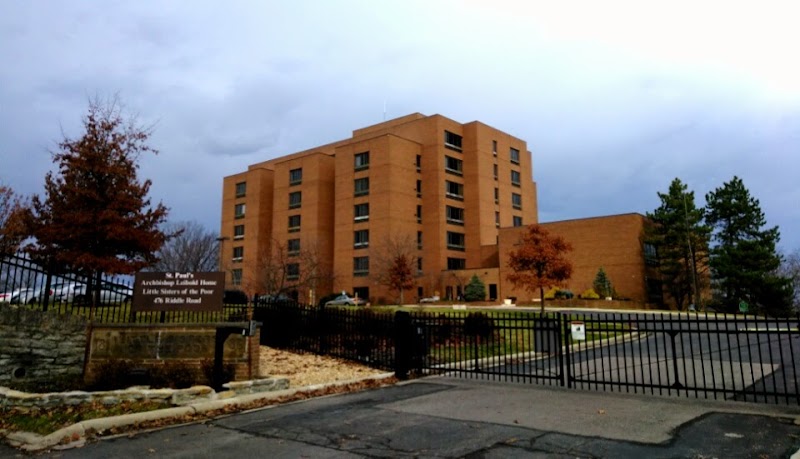
How is Seven Acres Senior Living At Clifton Staffed?

CMS rates SEVEN ACRES SENIOR LIVING AT CLIFTON's staffing level at 3 out of 5 stars, which is average compared to other nursing homes. Staff turnover is 57%, which is 11 percentage points above the Ohio average of 46%. High turnover can affect care consistency as new staff learn residents' individual needs.

What Have Inspectors Found at Seven Acres Senior Living At Clifton?

State health inspectors documented 26 deficiencies at SEVEN ACRES SENIOR LIVING AT CLIFTON during 2019 to 2025. These included: 1 that caused actual resident harm, 24 with potential for harm, and 1 minor or isolated issues. Deficiencies causing actual harm indicate documented cases where residents experienced negative health consequences.

Who Owns and Operates Seven Acres Senior Living At Clifton?

SEVEN ACRES SENIOR LIVING AT CLIFTON is owned by a for-profit company. For-profit facilities operate as businesses with obligations to shareholders or private owners. The facility operates independently rather than as part of a larger chain. With 58 certified beds and approximately 49 residents (about 84% occupancy), it is a smaller facility located in CINCINNATI, Ohio.

How Does Seven Acres Senior Living At Clifton Compare to Other Ohio Nursing Homes?

Compared to the 100 nursing homes in Ohio, SEVEN ACRES SENIOR LIVING AT CLIFTON's overall rating (4 stars) is above the state average of 3.2, staff turnover (57%) is significantly higher than the state average of 46%, and health inspection rating (3 stars) is at the national benchmark.

What Should Families Ask When Visiting Seven Acres Senior Living At Clifton?

Based on this facility's data, families visiting should ask: "How do you ensure continuity of care given staff turnover, and what is your staff retention strategy?" "Can I visit during a mealtime to observe dining assistance and food quality?" "How do you handle medical emergencies, and what is your hospital transfer rate?" "Can I speak with family members of current residents about their experience?" These questions are particularly relevant given the facility's high staff turnover rate.

Is Seven Acres Senior Living At Clifton Safe?

Based on CMS inspection data, SEVEN ACRES SENIOR LIVING AT CLIFTON has a clean safety record: no substantiated abuse findings (meaning no confirmed cases of resident harm), no Immediate Jeopardy citations (the most serious violation level indicating risk of serious injury or death), and is not on the Special Focus Facility watch list (a federal program monitoring the lowest-performing 1% of nursing homes). The facility has a 4-star overall rating and ranks #1 of 100 nursing homes in Ohio. While no facility is perfect, families should still ask about staff-to-resident ratios and recent inspection results during their visit.

Do Nurses at Seven Acres Senior Living At Clifton Stick Around?

Staff turnover at SEVEN ACRES SENIOR LIVING AT CLIFTON is high. At 57%, the facility is 11 percentage points above the Ohio average of 46%. High turnover means new staff may not know residents' individual needs, medications, or preferences. It can also be disorienting for residents, especially those with dementia who rely on familiar faces. Families should ask: What is causing the turnover? What retention programs are in place? How do you ensure care continuity during staff transitions?

Was Seven Acres Senior Living At Clifton Ever Fined?

SEVEN ACRES SENIOR LIVING AT CLIFTON has no federal fines on record. CMS issues fines when nursing homes fail to meet care standards or don't correct problems found during inspections. The absence of fines suggests the facility has either maintained compliance or corrected any issues before penalties were assessed. This is a positive indicator, though families should still review recent inspection reports for the full picture.

Is Seven Acres Senior Living At Clifton on Any Federal Watch List?

SEVEN ACRES SENIOR LIVING AT CLIFTON is not on any federal watch list. The most significant is the Special Focus Facility (SFF) program, which identifies the bottom 1% of nursing homes nationally based on persistent, serious quality problems. Not being on this list means the facility has avoided the pattern of deficiencies that triggers enhanced federal oversight. This is a positive indicator, though families should still review the facility's inspection history directly.