ST. THERESA CARE CENTER
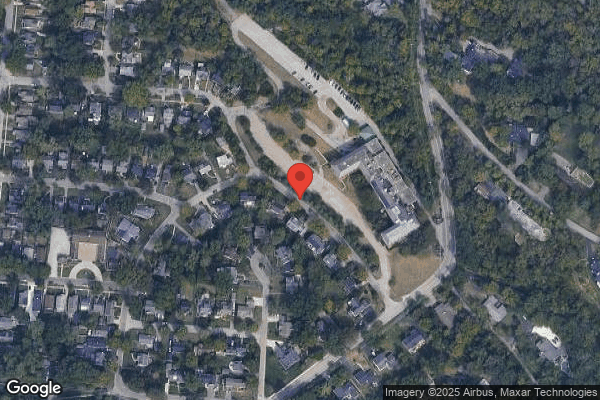
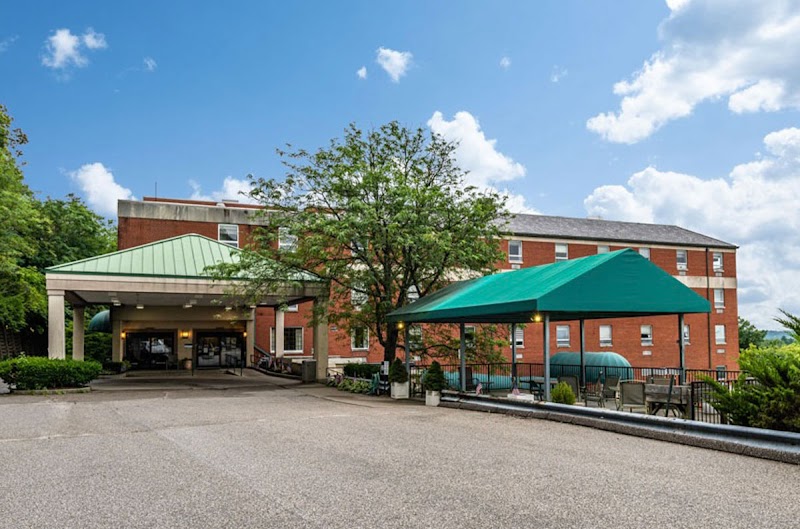
7010 ROWAN HILL DRIVE, CINCINNATI, OH 45227 (513) 271-7010
For profit - Corporation 99 Beds MATTISYAHU NUSSBAUM Data: November 2025
Trust Grade
55/100
#551 of 913 in OH
Last Inspection: May 2023

Over 2 years since last inspection. Current conditions may differ from available data.

Overview

St. Theresa Care Center in Cincinnati, Ohio, has a Trust Grade of C, which means it is average and falls in the middle of the pack compared to other nursing homes. It ranks #551 out of 913 facilities in Ohio, placing it in the bottom half, and #44 out of 70 in Hamilton County, indicating limited local competition. The facility is improving, having reduced its issues from 7 in 2024 to 3 in 2025. Staffing is a concern here, with a turnover rate of 64%, which is higher than the Ohio average of 49%, but it has no fines on record, a positive sign. Specific incidents include the failure to implement a water management plan, which could have posed a risk to residents, and issues with the dishwasher not functioning properly, potentially affecting meal sanitation for residents. Overall, while there are strengths, such as no fines, the high turnover and identified concerns should be carefully considered by families researching this facility.

Trust Score
C
55/100
In Ohio
#551/913
Bottom 40%
Safety Record
Low Risk
No red flags
Inspections
Getting Better
7 → 3 violations
Staff Stability
⚠ Watch
64% turnover. Above average. Higher turnover means staff may not know residents' routines.
Penalties
✓ Good
No fines on record. Clean compliance history, better than most Ohio facilities.
Skilled Nurses
○ Average
Each resident gets 38 minutes of Registered Nurse (RN) attention daily — about average for Ohio. RNs are the most trained staff who monitor for health changes.
Violations
⚠ Watch
37 deficiencies on record. Higher than average. Multiple issues found across inspections.
★★★☆☆
3.0
Overall Rating
★★★☆☆
3.0
Staff Levels
★★★☆☆
3.0
Care Quality
★★★☆☆
3.0
Inspection Score
Stable
2024: 7 issues
2025: 3 issues

The Good

  • Full Sprinkler Coverage · Fire safety systems throughout facility
  • No fines on record

Facility shows strength in fire safety.

The Bad

3-Star Overall Rating

Near Ohio average (3.2)

Meets federal standards, typical of most facilities

Staff Turnover: 64%

18pts above Ohio avg (46%)

Frequent staff changes - ask about care continuity

Chain: MATTISYAHU NUSSBAUM

Part of a multi-facility chain

Ask about local staffing decisions and management

Staff turnover is elevated (64%)

16 points above Ohio average of 48%

The Ugly 37 deficiencies on record

Jun 2025 3 deficiencies
CONCERN (D) 📢 Someone Reported This

A family member, employee, or ombudsman was alarmed enough to file a formal complaint

Potential for Harm - no one hurt, but risky conditions existed

Deficiency F0567 (Tag F0567)

Could have caused harm · This affected 1 resident

Based on resident and staff interviews, record review, and facility policy review, the facility failed to ensure the residents had had access to their personal funds outside of normal business hours a...

Read full inspector narrative →
Based on resident and staff interviews, record review, and facility policy review, the facility failed to ensure the residents had had access to their personal funds outside of normal business hours and on weekends. This affected one (Resident #9) of one resident reviewed for personal funds. Findings included: Review of Resident #9's admission record revealed Resident #9's admission date was 05/25/23. Review of the annual Minimum Data Set (MDS) assessment date 04/04/25 revealed Resident #9 had intact cognition. During an interview on 06/11/25 at 10:12 A.M., Business Office Manager #100 stated she believed residents went to the front desk during the week from 8:00 A.M. to 8:00 P.M. to request money from their personal funds from either Receptionist #12 or Receptionist #13. During an interview on 06/11/25 at 10:23 A.M., Receptionist #12 stated the hours the residents could receive money from their personal fund was Monday through Friday from 8:00 A.M. to 5:00 P.M. Receptionist #12 stated on the weekends, the residents knew they could not obtain any of their money. During an interview on 06/11/25 at 11:35 A.M., Resident #9 stated they used to have a problem with getting money with Former Administrator #140 and it typically took at least three days to get any of their requested money. Resident #9 stated they had not asked for money outside of business hours because they knew they could not get it if they wanted or needed it. During an interview on 06/13/25 at 11:22 A.M., the Administrator stated she expected the residents to have access to their personal funds seven days a week. Review of the facility policy titled Transactions Involving Resident Funds dated 07/01/23 revealed the Business Office Manager, or his/her designee, is responsible for providing residents with receipts for withdrawals and for requested or needed personal items when such funds are withdrawn from the resident's personal funds account managed by the facility. The policy did not address when residents should have access to their personal funds accounts or how personal funds were made available to residents after hours and on weekends. This deficiency represents non-compliance investigated under Complaint Number OH00162377.
CONCERN (D) 📢 Someone Reported This

A family member, employee, or ombudsman was alarmed enough to file a formal complaint

Potential for Harm - no one hurt, but risky conditions existed

Report Alleged Abuse (Tag F0609)

Could have caused harm · This affected 1 resident

**NOTE- TERMS IN BRACKETS HAVE BEEN EDITED TO PROTECT CONFIDENTIALITY** 2. Review of the Resident #176's medical record revealed an admission date of 05/21/25. Diagnoses included rheumatoid arthritis,...

Read full inspector narrative →
**NOTE- TERMS IN BRACKETS HAVE BEEN EDITED TO PROTECT CONFIDENTIALITY** 2. Review of the Resident #176's medical record revealed an admission date of 05/21/25. Diagnoses included rheumatoid arthritis, chronic pain syndrome, and fibromyalgia. The Minimum Data Set (MDS) assessment dated [DATE], revealed Resident #176 had intact cognition. Review of Resident #176's care plan revealed a focus area initiated 05/21/25, indicating the resident was at risk for alteration in their comfort related to generalized pain, discomfort, fibromyalgia, chronic pain, depression, and rheumatoid arthritis. Interventions directed staff to administer analgesia per orders and to anticipate the resident's need for pain relief and to respond immediately to any complaints of pain. Review of the SRI dated 05/27/25 revealed Resident #176's family expressed to hospital staff that a facility staff member was rough and verbally mean to the resident. The facility notified the State Survey Agency of the allegation of physical and emotional/verbal abuse on 05/27/25 at 3:59 P.M. During an interview on 06/10/25 at 2:50 P.M., the Director of Nursing (DON) stated when she assessed Resident #176's skin on 05/23/25, the resident reported that on the previous night shift, the staff were rough when they repositioned them. The DON stated she treated this allegation more like a grievance rather than an abuse allegation because she thought it was more related to resident care. The DON stated when Resident #176 was at the hospital a few days later, their family member voiced concerns to the hospital case manager related to abuse and care received in the facility on 05/23/25. Per the DON, once the hospital staff notified the facility of the abuse allegation on 05/27/25, the facility reported the allegation of abuse to the State Survey Agency. During a follow-up interview on 06/13/25 at 10:09 A.M., the DON stated she expected staff to report any allegation of abuse immediately. The DON stated she did not feel like Resident #176's concern of staff being too rough with them was an allegation of abuse because of the resident's history having pain. The DON thought it was more of a care concern and that staff needed to take their time when they repositioned the resident. During an interview on 06/13/25 at 10:34 A.M., the Administrator stated she expected all staff to report any allegations of abuse or neglect, then she had two hours to submit the initial report to the State Survey Agency. When Resident #176 reported to the DON that the night shift staff were rough with them, she followed up with the resident and addressed their concerns. The Administrator stated the resident used the key word rough but did not allege abuse the previous night, so they did not report the allegation. The Administrator stated that when the hospital notified her that Resident #176 alleged facility staff were physically rough with them, that was when they submitted the initial report to the State Survey Agency. Review of the facility policy titled Abuse, Neglect and Exploitation with a copyright date of 2025, indicated the facility will have written procedures that included reporting of all alleged violations to the Administrator, state agency, adult protective services and to all other required agencies within specified timeframes: a. Immediately, but not later than twp hours after the allegation is made, if the event that cause the allegation involve abuse or result in serious bodily injury, or b. Not later than 24 hours if the events that cause the allegation do not involve abuse and do not result in serious bodily injury. This deficiency represents non-compliance investigated under Complaint Numbers OH00166090, OH00164707, and OH00162351. Based on staff interview, record review, review of the facilities Self-Reported Incidents (SRI), and facility policy review, the facility failed to timely report allegations of physical and/or emotional abuse to the State Survey Agency. This affected three (Residents #7, #176, and #276) of five residents reviewed for abuse. The facility census was 80. Findings included: 1. Review of Resident #7's medical record revealed an admission date of 04/21/23. Diagnoses included Alzheimer's disease, dementia with agitation, dementia with psychotic disturbance, and cognitive communication deficit. The quarterly Minimum Data Set (MDS) assessment dated [DATE] revealed Resident #7 was independent in cognitive skills for daily decision making. Review of the Resident #7's progress notes, electronically signed by Licensed Practical Nurse (LPN) #5 and dated 03/04/25 at 7:38 A.M., indicated the resident was attacked by another resident (Resident #276) with an eye glass case on the right side of their head. Resident #7 was heard screaming and stated, I just got hit with eye glasses by this [man/woman] (Resident #276) standing next to me. Resident #7 was immediately assessed and no injury was noted, but the resident complained of pain to the right side of their head and as needed Tylenol (treats mild pain) was administered as requested. The physician, resident family, and management were made aware. Review of Resident #276's medical record revealed an admission date of 03/08/24 with a diagnosis of chronic obstructive pulmonary disease. The quarterly MDS assessment dated [DATE] revealed Resident #276 had severe cognitive impairment. The progress note, electronically signed by LPN #5 and dated 03/04/25 at 7:16 A.M., indicated Resident #276 walked to another resident (Resident #7) and attacked them with an eye glass case in the head. LPN #5 immediately assisted Resident #276 to a different location and educated the resident not to hit other residents with an eye glass case. The physician, resident family, and management were made aware. Review of the facility's SRI from 03/04/25 to 06/11/25 revealed the facility did not report the physical abuse allegation between Resident #276 and Resident #7 to the State Survey Agency. During an interview on 06/12/25 at 9:36 A.M., LPN #5 stated that on the day of the incident (03/04/25), Resident #7 sat in the television room and yelled at Resident #276. Resident #276 responded to Resident #7 by hitting them on their head with their eyeglasses case. LPN #5 stated she reported the incident to risk management immediately after the incident occurred. During an interview on 06/12/25 at 1:25 P.M., Former Administrator #140 stated he did remember the incident between Resident #276 and Resident #7. Former Administrator #140 stated Resident #7 was very territorial and always had to feel in charge. Former Administrator #140 stated he believed the incident had been reported to the State Survey Agency. During an interview on 06/12/25 at 10:38 A.M., the Administrator verified the facility had not submitted a facility-reported incident to the State Survey Agency following the incident between Resident #276 and Resident #7 on 03/04/2025. During an interview on 06/13/25 at 10:10 A.M., the Director of Nursing (DON) stated the management team was initially told that if two cognitively impaired residents did not know what they were doing and had an altercation, the facility could just separate the residents involved and do nothing further. The DON stated she learned any time there was a physical altercation between two residents even if the residents were cognitive impaired, the altercation had to be reported. The DON stated her expectation was any sort of perception of abuse by a staff member or resident-to-resident, no matter how big or small, the allegation would be reported immediately. During a follow-up interview on 06/13/25 at 10:36 A.M., the Administrator stated the time frame to report an allegation of abuse was immediately or within two hours.
CONCERN (D) 📢 Someone Reported This

A family member, employee, or ombudsman was alarmed enough to file a formal complaint

Potential for Harm - no one hurt, but risky conditions existed

Investigate Abuse (Tag F0610)

Could have caused harm · This affected 1 resident

**NOTE- TERMS IN BRACKETS HAVE BEEN EDITED TO PROTECT CONFIDENTIALITY** Based on staff interview, record review, review of Self-Reported Incidents (SRI) and time cards, and facility policy review, the...

Read full inspector narrative →
**NOTE- TERMS IN BRACKETS HAVE BEEN EDITED TO PROTECT CONFIDENTIALITY** Based on staff interview, record review, review of Self-Reported Incidents (SRI) and time cards, and facility policy review, the facility failed to immediately protect the resident(s) from the alleged perpetrator(s) when a resident reported an allegation of staff-to-resident physical abuse. This affected one (Resident #176) of five residents reviewed for abuse. Findings included: Review of the Resident #176's medical record revealed an admission date of 05/21/25. Diagnoses included rheumatoid arthritis, chronic pain syndrome, and fibromyalgia. The Minimum Data Set (MDS) assessment dated [DATE], revealed Resident #176 had intact cognition. Review of Resident #176's care plan revealed a focus area initiated 05/21/25, indicating the resident was at risk for alteration in their comfort related to generalized pain, discomfort, fibromyalgia, chronic pain, depression, and rheumatoid arthritis. Interventions directed staff to administer analgesia per orders and to anticipate the resident's need for pain relief and to respond immediately to any complaints of pain. Review of the SRI dated 05/27/25 revealed Resident #176's family expressed to hospital staff that a facility staff member was rough and verbally mean to the resident. Review of time cards for the timeframe 05/22/25 to 05/27/25 revealed Certified Nursing Assistant (CNA) #3 worked in the facility from 7:14 P.M. on 05/22/25 to 7:19 A.M., on 05/23/25, from 8:05 P.M. on 05/23/25 to 7:16 A.M. on 05/24/25, and from 6:51 P.M. on 05/24/25 to 7:00 A.M. on 05/25/25. Registered Nurse (RN) #4's time cards for the timeframe 05/22/25 to 05/27/25 revealed RN #4 worked in the facility from 6:55 P.M. on 05/22/25 to 7:21 A.M. on 05/23/25 and from 7:09 P.M. on 05/24/25 to 7:18 A.M. on 05/25/25. During an interview on 06/10/25 at 2:50 P.M., the Director of Nursing (DON) stated when she assessed Resident #176's skin on 05/23/25, the resident reported that on the previous night shift, the staff were rough when they repositioned them. The DON stated she treated this allegation more like a grievance rather than an abuse allegation because she thought it was more related to resident care. The DON stated when Resident #176 was at the hospital a few days later, their family member voiced concerns to the hospital case manager related to abuse and care received in the facility on 05/23/25. Per the DON, once the hospital staff notified the facility of the abuse allegation on 05/27/25, the facility reported the allegation of abuse to the State Survey Agency, suspended CNA #3 and RN #4 and began an investigation. During a follow-up interview on 06/13/25 at 10:09 A.M., the DON stated she expected staff to report any allegation of abuse immediately. The DON stated the facility should protect the resident following an allegation of abuse, and the facility should immediately suspend the alleged perpetrator pending investigation. The DON verified CNA #3 and RN #4 were not immediately suspended following the initial allegation on 05/23/25 but were suspended once the facility was notified by the hospital of the allegation on 05/27/25. The DON verified CNA #3 and RN #4 worked in the facility between 05/23/25 and 05/27/25 but did not work with Resident #176. During an interview on 06/13/25 at 10:34 A.M., the Administrator stated she expected all staff to report any allegations of abuse or neglect. When Resident #176 reported to the DON that the night shift staff were rough with them, she followed up with the resident and addressed their concerns. The Administrator stated the resident used the key word rough but did not allege abuse the previous night, so they did not report the allegation. The Administrator stated that when the hospital notified her that Resident #176 alleged facility staff were physically rough with them, that was when they suspended CNA #3 and RN #4 and started the investigation. Review of the facility policy titled Abuse, Neglect and Exploitation, with a copyright date of 2025, under Protection of Resident, the facility will make efforts to ensure all residents are protected from physical and psychosocial harm, as well as additional abuse, during and after the investigation. Examples include but are not limited to responding immediately to protect the alleged victim and integrity of the investigation and make room or staffing changes, if necessary, to protect the resident(s) from the alleged perpetrator. This deficiency represents non-compliance investigated under Complaint Numbers OH00166090 and OH00162351.
Jun 2024 1 deficiency
CONCERN (D) 📢 Someone Reported This

A family member, employee, or ombudsman was alarmed enough to file a formal complaint

Potential for Harm - no one hurt, but risky conditions existed

Infection Control (Tag F0880)

Could have caused harm · This affected 1 resident

**NOTE- TERMS IN BRACKETS HAVE BEEN EDITED TO PROTECT CONFIDENTIALITY** Based on record review, observation, staff interview, review of online resources from the Centers for Disease Control (CDC), and...

Read full inspector narrative →
**NOTE- TERMS IN BRACKETS HAVE BEEN EDITED TO PROTECT CONFIDENTIALITY** Based on record review, observation, staff interview, review of online resources from the Centers for Disease Control (CDC), and policy review, the facility failed to ensure staff utilized proper handwashing technique while completing wound care. This affected one (#15) of the three Residents (#13, #14, and #15) reviewed for wound care. The facility census was 65. Findings include: Review of the medical record for Resident #15 revealed the resident was admitted on [DATE]. Diagnoses included, but not limited to, Stage IV (full thickness tissue loss with exposed bone, tendon or muscle. Slough or eschar may be present on some parts of the wound bed) sacral decubitus ulcer, depression, pulmonary embolism, and osteomyelitis. Review of the Minimum Data Set (MDS) assessment dated [DATE], revealed Resident #15 had mild cognitive deficits and required extensive assistance with activities of daily living (ADLs). Review of the care plan dated 04/23/24, revealed Resident #15 had skin breakdown/open area to bilateral gluteal folds and the left fifth toe that was present upon admission. Review of physician orders dated 06/20/24 for Resident #15 revealed resident was ordered to have left buttock cleaned with normal saline or wound cleanser then pat dry. Apply moistened gauze with Dakin's one quarter strength every shift. Observation of wound care /dressing change on 06/30/24 from 10:00 A.M. to 10:19 A.M. for Resident #15 and being completed by Registered Nurse (RN) #31 and Licensed Practical Nurse (LPN) #30, revealed RN #31 removed the resident's incontinence brief and soiled dressings. RN #31 removed her soiled gloves and put on new gloves without sanitizing or washing her hands. RN #31 then cleansed the left buttock area with normal saline, applied Dakin's moistened gauze and covered it with a protective dressing. RN #31 then cleansed the right gluteal fold skin area with normal saline and applied a protective dressing. RN #31 did not wash or sanitize her hands when going from a work area of a soiled body part to a clean body site. Interview on 06/30/24 at 10:31 A.M. with LPN #55 verified that RN #31 did not wash or sanitize her hands when going from a soiled work area to a clean body site. Review of the undated New Hire Orientation on Handwashing guidelines revealed staff were to change gloves between tasks and procedures on the same resident. Review of online resources from CDC (https://www.cdc.gov/handhygiene/providers/guideline.html) dated 01/30/20, revealed healthcare personnel should complete hand hygiene before moving from a work area of a soiled body part to a clean body site on the same patient and healthcare personnel were to perform hand hygiene in accordance with the CDC recommendations.
Apr 2024 1 deficiency
CONCERN (F) 📢 Someone Reported This

A family member, employee, or ombudsman was alarmed enough to file a formal complaint

Potential for Harm - no one hurt, but risky conditions existed

Infection Control (Tag F0880)

Could have caused harm · This affected most or all residents

**NOTE- TERMS IN BRACKETS HAVE BEEN EDITED TO PROTECT CONFIDENTIALITY** Based on record review, observations, interviews with staff and Environmental Specialist, review of the facilities approved wate...

Read full inspector narrative →
**NOTE- TERMS IN BRACKETS HAVE BEEN EDITED TO PROTECT CONFIDENTIALITY** Based on record review, observations, interviews with staff and Environmental Specialist, review of the facilities approved water management plan and timeline and policy review, the facility failed to timely implement their approved water management plan to potentially prevent a Legionella outbreak. This affected one (#84) out of three residents reviewed for Legionella and had the potential to affect all 68 residents residing in the facility. The facility census was 68. Findings include: Review of the medical record for Resident #84 revealed the resident was originally admitted to the facility on [DATE] and was readmitted following a hospital stay on 10/24/23. Resident #84 left the faciity on [DATE], against medical advice. Diagnoses included diabetes mellitus, illicit drug use, history of respiratory failure, and pneumonia. Review of Resident #84's quarterly Minimum Data Set (MDS) assessment, dated 10/31/23, revealed the resident had intact cognition. Review of Resident #84's medical record revealed the resident went to the emergency room on [DATE] due to an issue that was not respiratory related and was admitted . Resident #84 was readmitted to the facility on [DATE]. Further review of the hospital documentation from the hospital stay from 10/12/23 to 10/24/23 revealed Resident #84 was diagnosed with Legionella pneumonia while at the hospital. Orders for treatment included an oral antibiotic. Review of Resident #84's nurses notes dated 10/24/23 revealed the hospital notes reflected the resident tested positive for Legionella while at the hospital. The facility called the facility physician, local health department and the Ohio Department of Health. Observation on 03/26/24 from 10:30 A.M. until 11:00 A.M. revealed 64 shower filters are in place throughout the facility. The observations revealed there were no sink filters noted. Interview on 03/26/24 at 11:00 A.M. with the Administrator revealed Resident #84 returned after a two week stay in the hospital and it was discovered the resident had a diagnoses of Legionella pneumonia. The Administrator stated the hospital did not inform the facility of Resident #84's positive Legionella test results. The Administrator stated Resident #84's Legionella test results were noted in the hospital records by the facility staff. The Administrator noted the facility immediately reported Resident #84's positive Legionella results to the local health department and the state agency. The facility began testing at the facility. The Administrator confirmed the facility submitted a plan to the Ohio Department of Health on 12/15/23 regarding the Legionella/water management plan. The Administrator confirmed there was a delay in installing filters on the showers per their Legionella/water management plan and these filters were not installed until 03/09/24. The Administrator further confirmed filters still have not been installed on the sinks per the approved water management plan. The Administrator confirmed no other residents have tested positive for Legionella. Interview with Environmental Specialist #202 via telephone on 03/26/24 at 1:45 P.M. revealed the facility water management plan was approved by the Ohio Department of Health and the Local Health Department (LHD) at the end of 12/23. Environmental Specialist #202 stated part of the facilities approved water management plan included installing filters on showers and sinks and as far as he knew none of the filters were in place. Environmental Specialist #202 stated the water should not be used in those areas if no filters are in place due to the risk of spreading Legionella. Review of the facility approved water management plan and timeline revealed testing for Legionella began on 11/01/23 and an outside consultant was hired. On 12/15/23, Ohio Department of Health approved the facility water management plan sent by the consultant. The approved water management plan indicated the facility was to put filters on showers and sinks in the positive areas. Shower heads were applied to sixty four showers on 03/09/24 which was three months after the recommendations. No filters were placed on the sinks and the staff and residents used the sinks. Filters were applied to the sinks on 04/04/24. Review of facility policy titled Water Management dated 05/17 revealed the facility will have a water management plan to reduce the risk of Legionella in the facility water system. The facility will work to inhibit microbial growth in building water systems that reduce the risk of growth and spread of Legionella and other opportunistic pathogens in water. This deficiency represents non-compliance investigated under Complaint Number OH00152311.
Feb 2024 1 deficiency
CONCERN (D) 📢 Someone Reported This

A family member, employee, or ombudsman was alarmed enough to file a formal complaint

Potential for Harm - no one hurt, but risky conditions existed

Deficiency F0745 (Tag F0745)

Could have caused harm · This affected 1 resident

**NOTE- TERMS IN BRACKETS HAVE BEEN EDITED TO PROTECT CONFIDENTIALITY** Based on medical record review, resident interview, and staff interview, the facility failed to ensure medical appointments were...

Read full inspector narrative →
**NOTE- TERMS IN BRACKETS HAVE BEEN EDITED TO PROTECT CONFIDENTIALITY** Based on medical record review, resident interview, and staff interview, the facility failed to ensure medical appointments were scheduled timely and transportation was arranged for medical appointments. This affected one (Resident #45) of three residents reviewed for medical appointments. The census was 69. Findings include: Review of Resident #45's medical record revealed Resident #45 was admitted to the facility on [DATE]. Resident #45's diagnoses included but were not limited to type two diabetes, asthma, anxiety disorder, heart failure, tachycardia, acute kidney failure, chest pain, encephalopathy, hypertension, hyperlipidemia, and cognitive communication deficit. Review of Resident #45's Minimum Data Set assessment, dated 01/11/24, revealed Resident #45 was cognitively intact. Review of Resident #45's progress note, dated 09/01/23, revealed social services scheduled a dental/oral surgery appointment for Resident #45 on 01/11/24. The progress note stated she communicated this information, but the note did not specifically state who she communicated this information to. Review of Resident #45's progress notes, dated 11/23/23 and 12/07/23, revealed Resident #45 was asked who his cardiologist was. He stated he did not have one, but he needed to have an exam/stress test prior to his oral surgery to ensure he could handle the procedure. On 12/07/23, the facility documented they would contact a cardiologist to schedule an appointment. There was no other documentation to support an appointment was made with the cardiologist and/or what the result of any communication with the cardiologist was. Review of Resident #45's physician orders, dated 09/01/24 to 01/11/24, revealed there were no physician orders related to Resident #45's oral surgery appointment which was scheduled for 01/11/24. Also, there was no documentation to support any cardiologist appointment was scheduled prior to the oral surgery which was scheduled for 01/11/24. Review of Resident #45's progress notes, dated 01/11/24, revealed the facility called the oral surgery center to confirm Resident #45 had an appointment that day, but also to reschedule the appointment for June 2024. Interview with Resident #45 on 02/02/24 at 11:30 A.M. revealed he knew his oral surgery appointment had been scheduled for 01/11/24. Resident #45 was frustrated that the facility did not schedule transportation for him to go to that appointment. He stated the facility did not know he had an appointment that day, even though it was scheduled. He revealed he needed/wanted to go to the appointment and now he has to wait five more months to have the oral surgery completed. Interview with the Director of Nursing (DON) on 02/02/24 at 2:05 P.M. confirmed Resident #45 had an oral surgery appointment scheduled for 01/11/24, but when that day arrived, no staff were aware of the appointment; so Resident #45 did not go to the appointment. The social worker who was working with him on the appointment, no longer worked in the facility and she did not communicate well enough about the appointment so the staff could be prepared for it. Interview with Licensed Practical Nurse (LPN) #105 on 02/02/24 at 2:50 P.M. revealed the facility staff did not know about Resident #45's oral surgery appointment on 01/11/24. She confirmed there was a progress note that confirmed the appointment was made by the previous social worker, but it was never communicated to the nursing staff and put into his physician orders. She confirmed the next available appointment was not until June 2024. She also confirmed there was no documentation to support the cardiologist was contacted prior to his scheduled appointment on 01/11/24, so even if he did go to his oral surgery appointment, she was not sure if the surgery could have occurred. This deficiency represents non-compliance investigated under Complaint Number OH00150210.
Jan 2024 4 deficiencies
CONCERN (D) 📢 Someone Reported This

A family member, employee, or ombudsman was alarmed enough to file a formal complaint

Potential for Harm - no one hurt, but risky conditions existed

Comprehensive Assessments (Tag F0636)

Could have caused harm · This affected 1 resident

Based on record review and staff interview, the facility failed to complete the comprehensive admission Minimum Data Set (MDS) assessment for Resident #12 within 14 days after admission. This affected...

Read full inspector narrative →
Based on record review and staff interview, the facility failed to complete the comprehensive admission Minimum Data Set (MDS) assessment for Resident #12 within 14 days after admission. This affected one (#12) out of five residents reviewed for MDS assessments. The facility census was 66. Findings include: Review of medical record for Resident #12 revealed an admission date of 12/11/23. Diagnoses included sequelae of cerebral infarction, burn of unspecified region and vascular dementia. Review of physician orders dated 01/01/24 revealed resident was to receive Eliquis five mg daily due to cerebral infarction, liquid protein two times daily to promote would healing, Silvadene external cream 1% - apply to right lateral thigh, apply adaptic, abdominal dressing and wrap with kerlix daily. Review of the baseline care plan dated 12/12/23 revealed Resident #12 had tested positive for COVID-19 and was at risk for further complications and potentially infecting others, would be free from complications related to infection through the review date and would be free of infection by the review date. Review of the facility Electronic Health Record (EHR) MDS tab for Resident #12 revealed a five day/comprehensive MDS was in progress, but was not completed within fourteen days of admission date of 12/11/23. There was not a completed five-day admission/comprehensive Minimum Data Set (MDS) assessment to review. Interview on 01/09/24 at 1:21 P.M. with Registered Nurse (RN)/MDS Coordinator #28 revealed Resident #12's five-day admission/comprehensive MDS assessment was not completed, within 14 days of admission as required by CMS. The interview with RN/MDS Coordinator #28 also revealed that the facilities expectation for completion of the five-day admission/comprehensive MDS is within 14 days of admission. Interview on 01/09/24 at 1:38 P.M. with the Administrator confirmed the five-day admission/comprehensive MDS assessment for Resident #12 was not complete as required by CMS, within 14 days of admission. The interview with the Administrator also confirmed the facility does not have a policy for MDS completion expectations but the expectation is within 14 days of admission. This deficiency is based on incidental findings discovered during the course of this complaint investigation.
CONCERN (D) 📢 Someone Reported This

A family member, employee, or ombudsman was alarmed enough to file a formal complaint

Potential for Harm - no one hurt, but risky conditions existed

Comprehensive Care Plan (Tag F0656)

Could have caused harm · This affected 1 resident

Based on record review and staff interview, the facility failed to develop a comprehensive person-centered care plan for Resident #12. This affected one (#12) out of five residents reviewed for care p...

Read full inspector narrative →
Based on record review and staff interview, the facility failed to develop a comprehensive person-centered care plan for Resident #12. This affected one (#12) out of five residents reviewed for care plans. The facility census was 66. Findings include: Review of medical record for Resident #12 revealed an admission date of 12/11/23. Diagnoses included sequelae of cerebral infarction, burn of unspecified region and vascular dementia. Review of physician orders dated 01/01/24 revealed resident was to receive Eliquis five mg daily due to cerebral infarction, liquid protein two times daily to promote wound healing, Silvadene external cream 1% - apply to right lateral thigh, apply adaptic, abdominal dressing and wrap with kerlix daily. Review of the baseline care plan dated 12/12/23 revealed Resident #12 had tested positive for COVID 19 and was at risk for further complications and potentially infecting others, would be free from complications related to infection through the review date and would be free of infection by the review date. There was no information in the baseline care plan dated 12/12/23 related to Resident #12 being on blood thinners and whether she was to remain in the facility long term. There was also no information on the care plan related to a burn injury, treatments, dementia or information related to guardianship or adult protective services being involved with resident's care. Further review of Resident #12's medical record revealed there was no evidence of a comprehensive care plan. Interview on 01/09/24 at 1:21 P.M. with Registered Nurse (RN)/MDS Coordinator #28 revealed Resident #12's comprehensive care plan was not complete as required by CMS, within 21 days from the date of admission. The interview with RN/MDS Coordinator #28 also revealed that the facility expectations for completion of the comprehensive care plan is within 21 days of admission. Interview with RN/MDS Coordinator #28 also confirmed pertinent diagnoses, physician orders, and PASRR information should be included in the care plan and verified. Interview on 01/09/24 at 1:38 P.M. with the Administrator confirmed the comprehensive care plan for Resident #12 was not complete with a completion due date of 12/31/23. The interview with the Administrator also confirmed the facility does not have a policy for care plan completion expectations but that the facilities expectations are within 21 days of admission. This deficiency is based on incidental findings discovered during the course of this complaint investigation.
CONCERN (E) 📢 Someone Reported This

A family member, employee, or ombudsman was alarmed enough to file a formal complaint

Potential for Harm - no one hurt, but risky conditions existed

Infection Control (Tag F0880)

Could have caused harm · This affected multiple residents

**NOTE- TERMS IN BRACKETS HAVE BEEN EDITED TO PROTECT CONFIDENTIALITY** Based on record review, observations, staff and resident interviews, and policy review, the facility failed to ensure appropriat...

Read full inspector narrative →
**NOTE- TERMS IN BRACKETS HAVE BEEN EDITED TO PROTECT CONFIDENTIALITY** Based on record review, observations, staff and resident interviews, and policy review, the facility failed to ensure appropriate personal protective equipment was used in an isolation room. This affected one (#53) out of three residents reviewed for infection control practices. This had the potential to affect 16 (#42, #43, #44, #45, #46, #47, #48, #49, #50, #51, #52, #54, #55, #56, #57, #58) residents residing on the 3rd floor South Unit floor. The facility census was 66. Findings include: Record review revealed Resident #53 was admitted to the facility on [DATE] with diagnosis of Clostridioides difficile (C-diff), anxiety, depression and dementia. Review of Resident #53 physician orders revealed an order dated 01/09/24 for Isolation: C-Diff. Review of lab results for Resident #53 revealed a positive result for Toxigenic C. difficile DNA with a collection date of 01/05/24 and a reported to facility date of 01/08/24. Review of nurse's progress note dated 01/09/24 8:48 A.M. revealed C-diff results positive for Resident #53, physician made aware, contact isolations in place, awaiting new order from physician. Interview on 01/09/24 at 12:38 P.M. with Resident #53 revealed he is not aware of being in isolation precautions but reports no concerns with infection control. Observation on 01/09/24 at 12:40 P.M. revealed State Tested Nursing Assistant (STNA) #51 was in Resident #53's room providing incontinence care to the resident without a gown on. A sign is on the door that reads Please see nurse prior to entering. On the door is a container with gloves available. Outside the door there is a small dresser that is empty. STNA #51 finished peri-care for Resident #53, placing the depends in a clear trash bag with gloves on bilateral hands and a surgical mask on Interview on 01/09/24 at 12:41 P.M. with STNA #51 confirmed she should wear gloves and a gown while in an isolation Resident #53's room who was positive C-Diff. Interview with STNA #51 also confirmed there were no gowns available to use outside of Resident #53's room. STNA #51 confirmed besides providing care for Resident #53 she is also responsible for caring for 16 (#42, #43, #44, #45, #46, #47, #48, #49, #50, #51, #52, #54, #55, #56, #57 and #58) residents who reside on the 3rd floor South Unit floor. Interview on 01/09/24 at 12:42 P.M. with Licensed Practical Nurse (LPN ) #105 revealed Resident #53 is in isolation for C-Diff, and that the staff need to wear gowns and gloves while in the room providing care. LPN #105 also confirmed there were not any gowns available for the staff to use when going into Resident #53's room. Interview on 01/09/24 at 3:35 P.M. with Administrator revealed in C-Diff isolation rooms staff should wear gloves and a gown while in room. Interview with the Administrator confirmed STNA #51 did not wear a gown while providing peri-care. Review of facility policy titled Isolation-Notices of Transmission-Based Precautions revised August 2019 revealed notices will be used to alert personnel and visitors of transmission-based precautions, while protecting the privacy of the resident. Review of the policy also revealed when transmission-based precautions are implemented, the Infection Preventionist (or designee) determines the appropriate notification to be placed on the room entrance door and on the front of the resident's chart so that personnel and visitors are aware of the need for and type of precautions. This deficiency is based on incidental findings discovered during the course of this complaint investigation.
CONCERN (F) 📢 Someone Reported This

A family member, employee, or ombudsman was alarmed enough to file a formal complaint

Potential for Harm - no one hurt, but risky conditions existed

Food Safety (Tag F0812)

Could have caused harm · This affected most or all residents

Based on observation and staff interview, the facility failed to ensure the dishwasher was properly functioning to ensure the proper sanitation of dishes. This had the potential to affect 65 out of 65...

Read full inspector narrative →
Based on observation and staff interview, the facility failed to ensure the dishwasher was properly functioning to ensure the proper sanitation of dishes. This had the potential to affect 65 out of 65 residents who receive their meals from the kitchen, the facility identified one (#62) resident that received no food by mouth/no meals from the kitchen. The facility census was 66. Findings include: Observation of the facility's dishwasher on 01/09/24 at 8:50 A.M. revealed the temperature of the facility's dishwasher was 120 degrees Fahrenheit (F) but the chemicals were zero parts per million (PPM). There was no chemical observed going through the tubing from the chemical tubes to the dishwasher. The dishwasher was not observed to have any leaks. Interview with Maintenance Director #73 on 01/09/24 at 8:50 A.M. verified the temperature of the facility's dishwasher was 120 degrees F and the chemicals were zero parts PPM. Maintenance Director #73 verified the chemical was not entering the dishwasher from the chemical tubs. Interview with the Administrator on 01/09/24 at 11:47 A.M. revealed the facility's dishwasher was leased and the facility did not have the manufacturer instructions. The Administrator verified the dishwasher was a low temperature dishwasher that required chemicals. The Administrator confirmed 65 out of 65 residents residing in the facility receive their meals from the kitchen and there was one (#62) resident that received no food by mouth/no meals from the kitchen. This deficiency represents non-compliance investigated under Complaint Number OH00149373.
May 2023 5 deficiencies
CONCERN (D)

Potential for Harm - no one hurt, but risky conditions existed

Deficiency F0569 (Tag F0569)

Could have caused harm · This affected 1 resident

**NOTE- TERMS IN BRACKETS HAVE BEEN EDITED TO PROTECT CONFIDENTIALITY** Based on staff interview, review of the facility policy, and record review, the facility failed to notify residents that the amo...

Read full inspector narrative →
**NOTE- TERMS IN BRACKETS HAVE BEEN EDITED TO PROTECT CONFIDENTIALITY** Based on staff interview, review of the facility policy, and record review, the facility failed to notify residents that the amount of funds in their accounts was 200 dollars less than the social security income resource limit and that the residents may lose eligibility for Medicaid or social security income. This affected three (#17, #19, and #31) of five residents reviewed for personal funds. The facility census was 56. Findings include: 1. Review of Resident #17's chart revealed Resident #17 admitted to the facility on [DATE]. Review of the annual Minimum Data Set (MDS) assessment dated [DATE] revealed Resident #17 was cognitively intact. Review of Resident #17's payer source information dated 05/16/23 revealed Resident #17 was on Medicaid from 01/01/20 to 05/03/23 and was changed to Medicare on 05/03/23 when he returned from a hospitalization. Review of Resident #17's account balance dated 05/16/23 revealed Resident #17 had a balance of $2,614.32 in his resident funds account. Review of Resident #17's quarterly statement from 03/02/23 to 05/05/23 revealed Resident #17's account was opened on 03/02/23 with a starting balance of $3,198.79 on 03/14/23. and an ending balance of $2,612.32 on 05/05/23. Review of Resident #17's notifications of spend down revealed no spend down notifications were issued from 03/02/23 until 05/15/23. Interview on 05/17/23 at 1:41 P.M. with Licensed Practical Nurse (LPN) #446 verified Resident #17 received Medicaid and the facility did not notify Resident #17 that the amount of funds in the account was 200 dollars less than the social security income resource limit and the residents may lose eligibility for Medicaid or social security income. 2. Review of Resident #19's chart revealed Resident #19 admitted to the facility on [DATE]. Review of the quarterly Minimum Data Set (MDS) assessment dated [DATE] revealed Resident #19 was cognitively intact. Review of Resident #19's payer source information dated 05/16/23 revealed Resident #19 received Medicaid. Review of Resident #19's account balance dated 05/16/23 revealed Resident #19 had a balance of $3,012.36 in her resident funds account. Review of Resident #19's quarterly statement from 03/02/23 to 05/01/23 revealed Resident #19's account was opened on 03/02/23 and she had an ending balance of $3,012.36 on 05/01/23 and a starting balance of $3,126.03 on 03/14/23. Review of Resident #19's notifications of spend down revealed no spend down notifications were issued from 03/02/23 until 05/15/23. Interview on 05/17/23 at 1:41 P.M. with Licensed Practical Nurse (LPN) #446 verified Resident #19 received Medicaid and the facility did not notify Resident #19 that the amount of funds in the account was 200 dollars less than the social security income resource limit and the residents may lose eligibility for Medicaid or social security income. 3. Review of Resident #31's chart revealed Resident #31 admitted to the facility on [DATE]. Review of the annual Minimum Data Set (MDS) assessment dated [DATE] revealed Resident #31 was severely cognitively impaired. Review of Resident #31's payer source information dated 05/17/23 revealed Resident #31 was on Medicaid. Review of Resident #31's account balance dated 05/16/23 revealed Resident #31 had a balance of $5,781.37 in her resident funds account. Review of Resident #31's quarterly statement from 03/02/23 to 05/03/23 revealed Resident #31's account was opened on 03/02/23 with starting balance of $5,663.31 on 03/14/23 and she had an ending balance of $2,228.00 on 05/03/23. Review of Resident #31's notifications of spend down revealed no spend down notifications were issued from 03/02/23 until 05/15/23. Interview on 05/17/23 at 1:41 P.M. with Licensed Practical Nurse (LPN) #446 verified Resident #31 received Medicaid and the facility did not notify Resident #31/financial representative that the amount of funds in the account was 200 dollars less than the social security income resource limit and the residents may lose eligibility for Medicaid or social security income. Review of the facility's resident trust statements, discharges and Medicaid eligibility policy, dated January 2018, revealed resident accounts must not be allowed to accumulate more than that required total Medicaid allowable amount for continuing Medicaid eligibility. Facility management must notify each resident who receives Medicaid benefits when the amount in the resident's account reaches 200 less than the supplemental security income limit.
CONCERN (D)

Potential for Harm - no one hurt, but risky conditions existed

Comprehensive Care Plan (Tag F0656)

Could have caused harm · This affected 1 resident

**NOTE- TERMS IN BRACKETS HAVE BEEN EDITED TO PROTECT CONFIDENTIALITY** 2. Review of Resident #43's medical record revealed Resident #43 was admitted to the facility on [DATE]. Diagnoses included rheu...

Read full inspector narrative →
**NOTE- TERMS IN BRACKETS HAVE BEEN EDITED TO PROTECT CONFIDENTIALITY** 2. Review of Resident #43's medical record revealed Resident #43 was admitted to the facility on [DATE]. Diagnoses included rheumatoid arthritis, major depressive disorder, and cognitive communication deficit disorder. Review of the quarterly Minimum Data Set (MDS) assessment dated [DATE] revealed Resident #43 was severely cognitively impaired. Resident #43 required extensive assistance with bed mobility, and transfers. Resident #47 required dependent with dressing, toileting, and personal hygiene, and supervision with eating. Review of Resident #43's care plan dated 05/03/23 revealed Resident #43 did not have an activities care plan at the time of admission or in place at the time of survey. Interview on 05/18/23 at 9:21 A.M. with the Director of Nursing (DON) verified Resident #43 did not have an activities care plan prior to 05/17/23. Review of the facility's comprehensive care plan policy dated 01/13/18 revealed the facility will develop a comprehensive care plan no more than seven days after the completion of the comprehensive assessment. The care planning process will include an assessment of the resident's strengths and needs. Based on medical record review, review of the facility policy, and staff interview, the facility failed to develop care plans for a resident's cognitive impairment, wandering, and activity needs. This affected two (#43 and #47) residents out of 17 residents reviewed for accuracy of assessments. The facility census was 56. Findings include: 1. Review of Resident #47's medical record revealed Resident #47 admitted to the facility on [DATE]. Diagnoses including dementia with psychotic disturbance. Review of the progress note dated 05/02/23 revealed Resident #47 was not found in his room at 9:30 P.M. and Resident #47 had made several attempts to leave his room and floor prior. Resident #47 stated he was going home. Staff later found Resident #47 on the first floor. Resident #47 was moved to the secured unit for the night. The progress note dated 05/03/23 revealed Resident #47's physician was in to see Resident #47 and a new order was added to place a wanderguard on the left ankle. Review of the physician order dated 05/03/23 revealed Resident #47 was to have a wanderguard to his left ankle and to check placement and functioning every shift. Review of the quarterly Minimum Data Set (MDS) assessment dated [DATE] revealed Resident #47 was severely cognitively impaired and Resident #47 was reported to wander. Review of the care plan on 05/16/23 revealed Resident #47 did not have a care plan related to his wandering or dementia. Review of the progress notes dated 05/06/23 revealed Resident #47 was noted wandering on the unit multiple times without his walker or wheelchair. On 05/11/23, Resident #47 became increasingly confused looking for his wife and could not remember where his room was located. On 05/11/23, Resident #47 wandered into another resident's room while social services was doing an evaluation. Interview on 05/18/23 at 9:21 A.M. with Registered Nurse (RN) MDS Coordinator #444 verified Resident #47 did not have a wandering or dementia care plan prior to 05/17/23.
CONCERN (D)

Potential for Harm - no one hurt, but risky conditions existed

Deficiency F0657 (Tag F0657)

Could have caused harm · This affected 1 resident

**NOTE- TERMS IN BRACKETS HAVE BEEN EDITED TO PROTECT CONFIDENTIALITY** 4. Review of the medical record for Resident #9 revealed an admission date of 07/27/19. Diagnoses included end stage renal disea...

Read full inspector narrative →
**NOTE- TERMS IN BRACKETS HAVE BEEN EDITED TO PROTECT CONFIDENTIALITY** 4. Review of the medical record for Resident #9 revealed an admission date of 07/27/19. Diagnoses included end stage renal disease, vascular dementia, metabolic encephalopathy, major depressive disorder, peripheral vascular disease, hypertension, type two diabetes mellitus, and hyperlipidemia. Review of the quarterly Minimum Data Set (MDS) assessment dated [DATE] revealed Resident #9 had intact cognition. Resident #9 required extensive assistance from staff with transfers, dressing, toileting, and bathing. Resident #9 was incontinent of bowel. Review of Resident #9's care conferences from 09/01/23 to 05/15/23 revealed Resident #9 had one care conference on 04/26/23. Interview with Resident #9 on 05/15/23 at 10:42 A.M. stated he had not been invited to participate in his care planning and he was unsure when or where it had taken place. Interview with Social Services Director (SSD) #418 on 05/17/23 at 2:27 P.M. verified Resident #9 only had one care conference completed on 04/26/23. SSD #418 stated she was doing care conferences as needed but recently started to do care conferences quarterly. Resident #9 was not participating in care planning and only his daughter was participating. Social services provided a hand written note, on plain white paper, without date or signature page of who attended or was invited. Review of the facility policy titled Care Planning - Interdisciplinary Team, dated September 2013, revealed a comprehensive care plan for each resident is developed within seven days of completion of the resident assessment (MDS). The resident, the resident's family, and/or the resident's legal representative/guardian or surrogate were encouraged to participate in the development of and revisions to the resident's care plan. Based on record review, resident and staff interviews, and policy review, the facility failed to complete quarterly care conferences for residents and family. This affected four (#9, #17, #21, and #35) of five residents reviewed for care plans. The facility census was 56. Findings include: 1. Review of the medical record for Resident #21 revealed an admission date of 11/02/15. Diagnoses included type two diabetes mellitus, schizoaffective disorder, convulsions, epilepsy, and major depressive disorder. Review of the quarterly Minimum Data Set (MDS) assessment dated [DATE] revealed Resident #21 had intact cognition. Resident #21 required supervision from staff with transfers and eating, one-person extensive assistance with dressing and toileting, and one-person total dependence with bathing. Review of the care conferences for the last 12 months for Resident #21 revealed she only had two care conferences completed on 11/04/22 and 01/03/23. Interview on 05/17/23 at 1:50 P.M. with Social Services Director (SSD) #418 verified Resident #21 only had two care conferences dated 11/04/22 and 01/03/23 for the last 12 months. Subsequent interview on 05/17/23 at 2:28 P.M. with SSD #418 revealed the care conferences were now being conducted quarterly, but previously, SSD #418 was only completing the care conferences as needed. 2. Review of Resident #17's medical record revealed Resident #17 was admitted to the facility on [DATE]. Diagnoses included type two diabetes mellitus without complications, major depressive disorder, muscle weakness, and dysphagia. Review of the annual Minimum Data Set (MDS) assessment dated [DATE] revealed Resident #17 was cognitively intact. Resident #17 required supervision from staff with transfers, dressing, eating, toileting, and personal hygiene. Resident #17 was independent with bed mobility. Review of Resident #17's care conferences from 11/15/22 to 05/18/23 revealed Resident #17 had one care conference completed on 01/04/23. Interview with Resident #17 on 05/15/23 at 10:54 A.M. revealed Resident #17 had not been invited to any care conferences and did not have the opportunity to participate in the development of his care plan. Interview with Social Services Director (SSD) #418 on 05/17/23 at 2:27 P.M. verified Resident #17 only had one care conference completed on 01/04/23. SSD #418 stated she was doing care conferences as needed but recently started to do care conferences quarterly. 3. Review of Resident #35's medical record revealed Resident #35 was admitted to the facility on [DATE]. Diagnoses included cerebrovascular disease, dysphagia, hypertension, end stage renal disease, irritable bowel syndrome with constipation, and diabetes mellitus. Review of the quarterly Minimum Data Set (MDS) assessment dated [DATE] revealed Resident #35 was cognitively intact. Resident #35 required supervision from staff with bed mobility, transfers, dressing, toileting, personal hygiene, and eating. Review of Resident #35's care conferences from 11/15/23 to 05/18/23 revealed Resident #35 did not have any care conferences completed. Interview with Resident #35 on 05/15/23 at 10:44 A.M. revealed Resident #35 had not been invited to any care conferences and did not have the opportunity to participate in the development of her care plan. Interview with Social Services Director (SSD) #418 on 05/17/23 at 2:27 P.M. verified Resident #35 did not have any care conferences from 11/15/23 to 05/18/23. SSD #418 stated she was doing care conferences as needed but recently started to do care conferences quarterly.
CONCERN (D)

Potential for Harm - no one hurt, but risky conditions existed

Tube Feeding (Tag F0693)

Could have caused harm · This affected 1 resident

**NOTE- TERMS IN BRACKETS HAVE BEEN EDITED TO PROTECT CONFIDENTIALITY** Based on record review, observations, staff interviews, and review of tube feed product and preparation guidance, the facility f...

Read full inspector narrative →
**NOTE- TERMS IN BRACKETS HAVE BEEN EDITED TO PROTECT CONFIDENTIALITY** Based on record review, observations, staff interviews, and review of tube feed product and preparation guidance, the facility failed to ensure a resident's tube feed formula was properly dated and stored prior to administration. This affected one (#38) of two residents reviewed for tube feeds. The facility census was 56. Findings include: Review of the medical record for Resident #38 revealed an admission date of 03/22/22. Diagnoses included cerebral infarction and aphasia. Review of the quarterly Minimum Data Set (MDS) assessment dated [DATE] revealed Resident #38 was not able to complete a Brief Interview for Mental Status (BIMS) because he was rarely/never understood. Review of the care plan dated 01/20/23 revealed Resident #38 had a nutritional problem related to dysphagia, cognitive communication deficit, aphasia, and unintended weight loss. Interventions included staff to administer water flush through g-tube as ordered. Staff to encourage to allow tube flush. Staff to provide and serve supplement/tube feed as ordered. Review of the physician order dated 12/27/22 revealed Resident #38 was ordered to flush g-tube with 240 milliliters (ml) water every six hours. The physician order dated 04/10/23 revealed Resident #38 was ordered TwoCal HN supplement 240 milliliters (ml) after meals through the percutaneous endoscopic gastrostomy (PEG) (provides nutritiona and hydration through tube to abdomen) related to dysphagia. Observation of the third floor north and south hallway kitchenette on 05/17/23 at 9:46 A.M. revealed the refrigerator was 52 degrees Fahrenheit, and there was a half empty undated bottle of TwoCal NH feeding tube formula that was half full. The bottle was not dated or labeled. Licensed Practical Nurse (LPN) #442 was observed to take the half empty bottle of Two Cal feeding tube formula and pour it into a cup and return the bottle to the refrigerator. Observation on 05/17/23 at 9:47 A.M. of administration of bolus tube feeding revealed LPN #442 proceeded to Resident #38's room and administered the bolus tube feed of TwoCal HN of 240 milliliters (ml) to Resident #38. Interview on 05/17/23 at 10:01 A.M. with Registered Nurse (RN) #422 verified the refrigerator in the third floor north and south hallway kitchenette was 52 degrees Fahrenheit, and there was an opened and undated bottle of TwoCal HN feeding tube formula in the refrigerator. Interview on 05/17/23 at 10:05 A.M. with LPN #442 verified she provided the opened and undated TwoCal HN formula that was in the third floor north and south hallway kitchenette to administer to Resident #38. Review of the product and preparation method for TwoCal HN found at https://www.abbottnutrition.com/our-products/twocal-hn revealed once the recloseable carton is opened, reclose, refrigerate and use within 48 hours.
MINOR (B)

Minor Issue - procedural, no safety impact

Assessment Accuracy (Tag F0641)

Minor procedural issue · This affected multiple residents

**NOTE- TERMS IN BRACKETS HAVE BEEN EDITED TO PROTECT CONFIDENTIALITY** 2. Review of the medical record for Resident #38 revealed an admission date of 03/22/22. Diagnoses included cerebral infarction ...

Read full inspector narrative →
**NOTE- TERMS IN BRACKETS HAVE BEEN EDITED TO PROTECT CONFIDENTIALITY** 2. Review of the medical record for Resident #38 revealed an admission date of 03/22/22. Diagnoses included cerebral infarction and epilepsy. Resident #38 was admitted to the facility with a percutaneous endoscopic gastrostomy (PEG) tube (allows nutrition and hydration through the PEG tube into abdomen). Review of the care plan dated 01/20/23 revealed Resident #38 had a nutritional problem related to dysphagia, cognitive communication deficit, aphasia, and unintended weight loss. Interventions included staff to administer water flush through g-tube as ordered. Staff to encourage to allow tube flush. Staff to provide and serve supplement/tube feed as ordered. Review of the quarterly Minimum Data Set (MDS) assessment dated [DATE] revealed Resident #38 was not coded for a feeding tube or abdominal (PEG) tube. Interview on 05/17/23 at 11:11 A.M. with MDS Coordinator #444 verified Resident #38's MDS assessment dated [DATE] was not coded correctly. The MDS assessment should have been coded with Resident #38 had a PEG tube. 3. Review of the medical record for Resident #52 revealed an admission date of 03/13/23 and a discharge date of 03/14/23. Diagnoses included acute respiratory failure with hypoxia and pneumonia. Review of the discharge Minimum Data Set (MDS) assessment dated [DATE] for Resident #52 revealed Resident #52 was discharged to an acute care hospital. Review of the medical record revealed Resident #52 was discharged home with spouse on 03/14/23 Interview on 05/17/23 at 1:40 P.M. with MDS Coordinator #444 verified Resident #52 was discharged home to the community and not to an acute hospital and verified the MDS assessment on 03/14/23 was inaccurate. Review of the facility policy titled, Certifying Accuracy of the Resident Assessment, dated November 2019 revealed any person completing a portion of the Minimum Data Set (MDS) must sign and certify the accuracy of that portion of the assessment. The information captured on the assessment reflected the status of the resident during the observation period for that assessment. Based on record review, review of the facility policy, and staff interview, the facility failed to ensure the resident's skin conditions, discharge locations, and feeding tubes were accurately coded on the Minimum Data Set (MDS) assessment. This affected three (#23, #38, and #52) of 17 residents reviewed for accuracy of assessments. The facility census was 56. Findings include: 1. Review of Resident #23's chart revealed Resident #23 admitted to the facility on [DATE] with diagnoses including muscle weakness and congestive heart failure. Review of Resident #23's physician order dated 04/17/23 revealed Resident #23 was ordered to cleanse the left labia, apply lotrisone cream to open area and cover with hydrocolloid twice a day and as needed for moisture associated skin damage (MASD). Review of Resident #23's quarterly Minimum Data Set (MDS) assessment dated [DATE] revealed the resident to be cognitively intact and Resident #23 had no MASD. Interview on 05/17/23 at 9:11 A.M. with Licensed Practical Nurse (LPN) #433 verified Resident #23 had MASD. Interview on 05/18/23 at 9:21 A.M. with Registered Nurse (RN) MDS Coordinator #444 verified Resident #23's MASD was not accurately coded on the MDS assessment on 04/19/23. Review of the facility's certifying accuracy of the resident assessment policy, dated November 2019, revealed the information captured on the assessment reflects the status of the resident during the observation period.
Mar 2023 1 deficiency
CONCERN (D) 📢 Someone Reported This

A family member, employee, or ombudsman was alarmed enough to file a formal complaint

Potential for Harm - no one hurt, but risky conditions existed

Accident Prevention (Tag F0689)

Could have caused harm · This affected 1 resident

**NOTE- TERMS IN BRACKETS HAVE BEEN EDITED TO PROTECT CONFIDENTIALITY** Based on medical record review, observation, staff interview, and policy review, the facility failed to ensure fall prevention i...

Read full inspector narrative →
**NOTE- TERMS IN BRACKETS HAVE BEEN EDITED TO PROTECT CONFIDENTIALITY** Based on medical record review, observation, staff interview, and policy review, the facility failed to ensure fall prevention interventions were implemented as planned. This affected one resident (#48) of three residents reviewed for falls. The facility census was 52. Findings include: Review of the medical record for Resident #48 revealed an admission date of 12/16/22. Diagnoses included dementia without behavioral disturbance, history of falling, and multiple vitamin deficiencies. Review of the Minimum Data Set (MDS) assessment dated [DATE] revealed the resident had moderately impaired cognition, had no behaviors, had not rejected care, and no wandering. Resident #48 was a one to two-person physical assistance of extensive assistance for bed mobility, dressing, toilet use, personal hygiene, and locomotion. Review of the care plan dated 12/20/22 revealed Resident #48 was at risk for falls related to a new environment. Interventions included on 02/23/23 keep the bed in the lowest position, a scoop mattress on 01/01/23, a room closer to nurse's station on 01/13/23, family adjusted hours for a private sitter on 01/13/23, team members encourage frequent rest breaks on 12/19/22, non-skid strips at the bedside on 02/17/23, a signage to remind the resident to use the call light on 12/28/22, a landing strip at the bedside on 02/23/23, assess for pain as needed on 12/20/22, use an appropriate-sized wheel chair on 12/20/22, have the call light/personal items within reach on 12/20/22, non-skid footwear on 12/20/22, a lit/clutter-free environment on 12/20/22, observe for side effects to medications on 12/20/22, therapy referrals as needed on 12/20/22, and offer/encourage to get up for all meals on 03/03/23. Observation and interview on 03/30/23 at 2:40 P.M. with the Director of Nursing (DON) revealed the current fall interventions for Resident #48 were not implemented including the non-skid strips to the floor, the landing mat, or the signage to use the call light. The DON searched Resident #48's room and verified the interventions were not in place and stated Resident #48 was moved to the room on 03/13/23. The facility ran out of the non-skid strips, and they were being ordered. Review of the policy titled Falls-Clinical Protocol, revised March 2018 revealed staff reviewed falls to identify pertinent interventions to prevent subsequent falls. Staff monitored interventions for effectiveness and documented the resident's response to fall interventions. This deficiency represents non-compliance investigated under Complaint Number OH00141299 and OH00140905.
Jan 2020 14 deficiencies
CONCERN (D)

Potential for Harm - no one hurt, but risky conditions existed

Resident Rights (Tag F0550)

Could have caused harm · This affected 1 resident

Based on record review, resident and staff interview, and review of facility policy, the facility failed to ensure a resident was afforded with dignity when staff failed to provide timely toileting as...

Read full inspector narrative →
Based on record review, resident and staff interview, and review of facility policy, the facility failed to ensure a resident was afforded with dignity when staff failed to provide timely toileting assistance during meal time. This affected one (#26) of 18 residents sampled during the survey. The census was 72. Findings include: Review of the medical record for Resident #26 revealed an admitted date of 10/16/19 with diagnoses which included osteomyelitis, diabetes, morbid obesity, and peripheral vascular disease. Review of the Minimum Data Set (MDS) for Resident #26 dated 10/23/19 revealed resident was cognitively intact, required extensive assistance of one staff with toilet use, and was always continent of bowel and bladder. Review of nurse progress note for Resident #26 dated 10/29/19 revealed resident was alert and oriented, able to make needs known and call for assistance when needed, was continent of bowel and bladder and used a bedpan when having a bowel movement. Review of care plan for Resident #26 dated 11/01/19 revealed resident had a self-care performance deficit related to limited mobility, vascular ulcers, lower extremity edema, and morbid obesity. Interventions included the following: Hoyer lift for transfers out of bed, requires extensive assist of one staff for toileting, assist with use of bedpan or bedside commode, encourage the resident to use bell to call for assistance. Review of care plan for Resident #26 dated 11/01/19 revealed resident was at risk for incontinence related to impaired mobility and physical limitations. Interventions included the following: keep urinal at bedside per resident preference, provide assistance when resident needs to use the bedpan, clean perineal area after any incontinent episodes. Interview on 01/06/20 at 11:11 A.M. with Resident #26 confirmed on several occasions in October 2019 when he was first admitted he was incontinent of stool because staff did not assist in putting him on the bedpan in a timely manner. Resident #26 confirmed staff told him they were passing meal trays, and he would have to wait until after the meal because they could not assist with personal care during meals. Interview on 01/08/29 at 8:17 A.M. with State Tested Nursing Assistant (STNA) #65 confirmed if a resident needs toileting assistance during meal time, she would tell the resident to wait until after the meal trays were passed out before she could assist. STNA #65 further confirmed Resident #26 was occasionally incontinent of stool during meal times in October 2019 because she could not assist with putting resident on bedpan because she was passing meal trays. STNA #65 confirmed she could not provide personal care during the tray pass as it was an infection control concern. Interview on 01/08/29 at 8:25 A.M. with Licensed Practical Nurse (LPN) #430 confirmed residents should not have to wait until after meal tray pass for assistance with toileting, and the nurse or another staff person should assist the resident if toileting assistance is needed during meal time. Review of facility policy titled Dining and Meal Service dated 01/01/17 revealed residents would be provided with proper hygiene prior to each meal.
CONCERN (D)

Potential for Harm - no one hurt, but risky conditions existed

Deficiency F0567 (Tag F0567)

Could have caused harm · This affected 1 resident

Based on medical record review, review of personal funds documentation, staff interview, and review of facility policy, the facility failed to obtain written authorization to manage resident personal ...

Read full inspector narrative →
Based on medical record review, review of personal funds documentation, staff interview, and review of facility policy, the facility failed to obtain written authorization to manage resident personal funds. This affected one (#53) of five residents reviewed for personal funds. The census was 72. Findings include: Review of medical record for Resident #53 revealed an admission date of 07/03/19 with a diagnosis of chronic obstructive pulmonary disease. Review of Minimum Data Set (MDS) for Resident #53 dated 12/25/19 revealed resident was cognitively intact. Review of facility resident trust account quarterly statement for Resident #53 dated 09/30/19 revealed resident had an account with the facility with a balance of approximately $1300. Review of the facility resident trust account records revealed the facility did not have written authorization from Resident #53 to manage her personal funds. Interview on 01/09/29 at 11:20 A.M. with Business Office Manager (BOM) #365 confirmed facility had not obtained authorization in writing to manage Resident #53's funds. Review of facility policy titled Resident Trust dated 09/20/17 revealed handling of resident trust accounts at a minimum should include authorization by resident to use and handle the funds.
CONCERN (D)

Potential for Harm - no one hurt, but risky conditions existed

Transfer Notice (Tag F0623)

Could have caused harm · This affected 1 resident

**NOTE- TERMS IN BRACKETS HAVE BEEN EDITED TO PROTECT CONFIDENTIALITY** Based on medical record review and staff interview, the facility failed to provide notification of transfer to the Ombudsman. Th...

Read full inspector narrative →
**NOTE- TERMS IN BRACKETS HAVE BEEN EDITED TO PROTECT CONFIDENTIALITY** Based on medical record review and staff interview, the facility failed to provide notification of transfer to the Ombudsman. This affected one (#57) of one reviewed for hospitalizations. The facility census was 72. Findings include: Review of Resident #57 medical record revealed the resident was admitted to the facility on [DATE]. Diagnoses include hyperlipidemia, encephalopathy, symbolic dysfunctions, mixed receptive expressive language disorder, dementia in other diseases classified, psychosis not due to substance or known, supraventricular tachycardia, Alzheimer's disease, hypercholesterolemia, insomnia, anxiety, epilepsy and major depressive disorder. Review Minimum Data Set (MDS) assessment for admission dated 12/06/19 documented the resident had a Brief Interview for Mental Status (BIMS) score of 99 indicating severe impaired cognition and extensive assistance required for activities of daily living (ADLs). Further review of the medical record revealed Resident #57 was transferred to the hospital on [DATE] due to altered mental status. Resident #57 did not return to the facility the same day. Resident #57's medical record contained no evidence the transfer notices were sent to the Office of the State Long Term Care (LTC) Ombudsman when the resident was transferred to the hospital. Interview on 01/09/20 at 10:42 A.M., revealed Social Services (SS) #425 reported she does not send out notices to Ombudsman but thinks the business office manager handles those notices. Interview on 01/09/20 at 10:45 A.M., revealed Business Office Manager (BOM) #365 reported she does not send out notices to Ombudsman but thinks social services handles those notices. Interview on 01/09/20 at 11:30 A.M., revealed the Administrator reported social services handles the Ombudsman notification when a resident is transferred to the hospital and hospitalized . The surveyor requested a policy from the Administrator but did not receive a policy for Transfer and Discharge Rights.
CONCERN (D)

Potential for Harm - no one hurt, but risky conditions existed

Assessment Accuracy (Tag F0641)

Could have caused harm · This affected 1 resident

**NOTE- TERMS IN BRACKETS HAVE BEEN EDITED TO PROTECT CONFIDENTIALITY** Based on record review, staff interview, and review of the Resident Assessment Instrument (RAI) Manual, the facility failed to e...

Read full inspector narrative →
**NOTE- TERMS IN BRACKETS HAVE BEEN EDITED TO PROTECT CONFIDENTIALITY** Based on record review, staff interview, and review of the Resident Assessment Instrument (RAI) Manual, the facility failed to ensure accuracy of resident assessments regarding discharge status. This affected one (#72) of two closed records reviewed. The census was 72. Findings include: Review of the closed medical record for Resident #72 revealed resident was admitted on [DATE] with a diagnosis of peritoneal abscess and was discharged on 11/28/19. Review of Minimum Data Set (MDS) for Resident #72 revealed resident was discharged with a return not anticipated to an acute care hospital. Review of nurse progress note and discharge summary for Resident #72 dated 11/28/19 revealed the resident was discharged to home in the community. Review of nurse progress notes for Resident #72 dated 06/24/19 through 11/28/19 revealed resident had no hospital transfers during his stay at the facility. Interview on 01/09/20 at 2:20 P.M. with Registered Nurse (RN) #15 confirmed the MDS dated [DATE] for Resident #72 had been submitted/accepted, and the MDS was erroneous regarding Resident #72's discharge. RN #15 confirmed Resident #72 was discharged to home in the community and had no hospitalization transfers and/or admissions during his stay at the facility. Review of Resident Assessment Instrument (RAI) Manual updated October 2019 Page X-6 revealed if incorrect information regarding a resident's discharge has been submitted, then the original assessment must be modified per the instructions in the Chapter 5 of the RAI Manual. Further review of the RAI Manual page five through nine revealed facilities should correct any errors necessary to ensure the information provided accurately reflects the resident's identification, location, overall clinical status, or payment status.
CONCERN (D)

Potential for Harm - no one hurt, but risky conditions existed

Comprehensive Care Plan (Tag F0656)

Could have caused harm · This affected 1 resident

**NOTE- TERMS IN BRACKETS HAVE BEEN EDITED TO PROTECT CONFIDENTIALITY** 2. Review of record for Resident #120 revealed an admission date of 12/20/19 with a diagnosis of congestive heart failure. Revi...

Read full inspector narrative →
**NOTE- TERMS IN BRACKETS HAVE BEEN EDITED TO PROTECT CONFIDENTIALITY** 2. Review of record for Resident #120 revealed an admission date of 12/20/19 with a diagnosis of congestive heart failure. Review of baseline care plan for Resident #120 initiated 12/20/19 revealed it did not contain information regarding resident's activity needs and preferences. Review of Minimum Data Set (MDS) for Resident #120 dated 12/27/19 revealed resident was cognitively impaired, required extensive assistance with activities of daily living (ADLs), and the following activities were somewhat important for resident: listening to music she liked, keeping up with the news, doing her favorite activities, and participating in religious services. Review of comprehensive care plan for Resident #120 initiated 12/23/19 revealed there was no care plan regarding the resident's activity needs and preferences. Review of medical record for Resident #120 revealed it did not include an activity or recreational assessment. Interview on 01/09/20 at 11:30 A.M. with the Director of Nursing (DON) confirmed Resident #120's record did not include an activity assessment and/or care plan. Based on observation, record review, and interview the facility failed to complete comprehensive care plans. This affected two (#65, & #120) out of 18 residents reviewed for care plans. Facility census was 72. Findings include: 1. Review of Resident #65's medical record revealed the resident was admitted to the facility on [DATE] with a re-entry on 07/01/19. Diagnoses including congenital malformations of the brain, epilepsy, hypomagnesemia, post traumatic seizures, anxiety, diabetes, hypertension, idiopathic gout, malignant neoplasm of the brain, and bladder cancer. Review of the Quarterly Minimum Data Set (MDS) dated [DATE] revealed Resident #65 has no cognitive deficits, requires only supervision with all activities of daily living, and is always continent of bowel and bladder. Review of care plans revealed there were no care plan present for Resident #65 regarding his discharge status or discharge plans. Interview on 01/09/2020 at approximately 12:30 P.M. with Social Service Designee #425 verified there was no discharge care plan for Resident #65.
CONCERN (D)

Potential for Harm - no one hurt, but risky conditions existed

ADL Care (Tag F0677)

Could have caused harm · This affected 1 resident

Based on medical record review, observation, resident and staff interview, and review of facility policy, the facility failed to provide activities of daily living (ADL) assistance to dependent reside...

Read full inspector narrative →
Based on medical record review, observation, resident and staff interview, and review of facility policy, the facility failed to provide activities of daily living (ADL) assistance to dependent residents. This affected one (#69) of three residents reviewed for ADLs. The census was 72. Findings include: Review of record for Resident #69 revealed an admission date of 07/31/19 with diagnoses which included diabetes, right below the knee amputation, and schizophrenia. Review of Minimum Data Set (MDS) for Resident #69 dated 12/27/19 revealed resident was cognitively intact, was coded as negative for rejection of care, and required extensive assistance of one staff with bathing and personal hygiene. Review of care plan for Resident #69 dated 03/13/19 revealed resident had a self-care performance deficit related to amputation of lower leg. Interventions included to assist with bathing as needed. Review of nurse progress notes for Resident #69 dated 12/01/19 through 01/06/20 revealed there was no documentation regarding refusal of shower and/or refusal of resident to have her hair washed. Review of bathing records for Resident #69 for the month of December 2019 and January 2020 revealed no documentation/records regarding washing of resident's hair. Observation of Resident #69 on 01/06/20 at 3:00 P.M. revealed the resident's hair was greasy and did not appear to have been washed recently. Interview on 01/06/20 at 3:04 P.M. with Resident #69 confirmed staff gave her a bed bath twice weekly, and she asked staff to assist with washing her hair but had not had her hair washed for several weeks. Resident #69 confirmed staff told her they did not have time to wash her hair. Interview on 01/06/20 at 3:41 P.M. Registered Nurse (RN) #45 confirmed Resident #69's hair was greasy and appeared to be unwashed. RN #45 could not confirm when Resident #69's hair had last been washed. Interview on 01/06/20 at 3:45 P.M. with State Tested Nursing Assistant (STNA) #405 confirmed Resident #69 preferred bed baths and staff would take her to the shower room in a wheelchair in order to wash her hair. STNA #405 could not confirm when Resident #69's hair had last been washed. Review of facility policy titled Bathing undated revealed staff should assist with hair care to promote resident's body image during the bath.
CONCERN (D)

Potential for Harm - no one hurt, but risky conditions existed

Quality of Care (Tag F0684)

Could have caused harm · This affected 1 resident

Based on medical record review, observation, resident and staff interview, and review of facility policy, the facility failed to change a resident's intravenous (IV) dressing as ordered by the attendi...

Read full inspector narrative →
Based on medical record review, observation, resident and staff interview, and review of facility policy, the facility failed to change a resident's intravenous (IV) dressing as ordered by the attending physician. This affected one (#69) of 18 residents sampled during the survey. The census was 72. Findings include: Review of record for Resident #69 revealed an admission date of 07/31/19 with diagnoses which included diabetes, right below the knee amputation, and schizophrenia. Review of Minimum Data Set (MDS) for Resident #69 dated 12/27/19 revealed resident was cognitively intact, was coded as negative for rejection of care, and required extensive assistance of one staff with activities of daily living. Review of physician orders for Resident #69 dated 12/05/19 revealed an order to change IV dressing to right upper chest weekly every Friday and as needed. Review of nurse progress note for Resident #69 dated 01/02/20 revealed IV dressing to resident's right upper chest was intact and due to be changed on 01/03/20. Review of nurse progress note for Resident #69 dated 01/03/20 revealed IV dressing to resident's right upper chest was intact. Review of the notes revealed there was no documentation regarding a dressing change scheduled for 01/03/20. Review of Treatment Administration Record (TAR) for January 2020 for Resident #69 revealed dressing change was not signed off as completed on 01/03/20. Observation on 01/06/20 at 1:27 P.M. of IV dressing to Resident #69's right upper chest revealed dressing was dated 12/27/19. Interview on 01/06/20 at 1:27 P.M. with Resident #69 confirmed the IV dressing to her right upper chest was changed on 12/27/19. Resident #69 confirmed the nurse told her they didn't change her dressing on 01/03/20 as scheduled because they didn't have the right dressing supplies. Interview and observation of Resident #69 on 01/06/20 at 1:57 P.M. with Registered Nurse (RN) # 230 confirmed the IV dressing to resident's right upper chest was dated 12/27/19, and dressing change scheduled for 01/03/20 was not signed off as completed. Review of facility policy undated titled Caring for Central Vascular Access Devices revealed the facility should provide insertion site care and change the transparent dressing to the insertion site every five to seven days and as needed.
CONCERN (D)

Potential for Harm - no one hurt, but risky conditions existed

Deficiency F0697 (Tag F0697)

Could have caused harm · This affected 1 resident

Based on medical record review, resident and staff interview, and review of facility policy, the facility failed to adequately treat and manage resident pain. This affected one (#26) of four residents...

Read full inspector narrative →
Based on medical record review, resident and staff interview, and review of facility policy, the facility failed to adequately treat and manage resident pain. This affected one (#26) of four residents reviewed for pain management. The census was 72. Findings include: Review of the medical record for Resident #26 revealed an admitted date of 10/16/19 with diagnoses which included osteomyelitis, diabetes, morbid obesity, and peripheral vascular disease. Review of the Minimum Data Set (MDS) for Resident #26 dated 10/23/19 revealed resident was cognitively intact and required extensive assistance of one staff with activities of daily living. Further review of the MDS revealed resident reported almost constant pain which made it difficult to sleep at night, and pain level over the last five days had been a level six on a scale from one to 10 with 10 being the worst pain. Review of care plan for Resident #26 dated 11/02/19 revealed resident had acute and chronic pain. Interventions included administer pain medication as ordered, anticipate the resident's need for pain relief and respond immediately to any complaint of pain, evaluate the effectiveness of pain interventions, monitor for pain and complete pain assessment as needed, notify physician if interventions are unsuccessful. Review of physician orders for Resident #26 dated 12/17/19 revealed resident's Percocet was reduced from every four hours daily to every six hours daily. Review of the December 2019 and January 2020 physician orders for Resident #26 revealed no orders for as needed pain medication. Review of physician progress note for Resident #26 dated 12/17/19 revealed resident was being treated for chronic pain syndrome with Percocet every four hours and gave an order to decrease the Percocet to every six hours. Review of December 2019 Medication Administration Record (MAR) for 12/01/19 through 12/16/19 for Resident #26 revealed Percocet was administered routinely every four hours, and record does not include an assessment of the resident's pain. Review of the December 2019 MAR for 12/17/19 through 12/31/19 for Resident #26 revealed Percocet was administered routinely every six hours, and pain was assessed prior to administration ranging from five to eight on a scale of one to 10. Review of the January 2020 MAR for 01/01/20 through 01/06/20 for Resident #26 revealed Percocet was administered routinely every six hours, and pain was assessed prior to administration ranging from six to eight on a scale of one to 10. Review of the nurse progress notes for Resident #26 dated 12/17/19 through 01/06/20 revealed there was no documentation regarding resident's elevated pain level and/or physician notification of the same. Interview with Resident #26 on 01/06/20 at 10:59 A.M. revealed resident reported his pain at the time of the interview as a five on a scale of one to 10. Interview with the resident further revealed the pain to his lower extremities and back was constant and it had gotten worse since the frequency of his Percocet was reduced on 12/17/19. Interview on 01/09/20 at 1:00 P.M. with the Director of Nursing (DON) confirmed the facility had not performed a pain scale assessment for Resident #26 prior to administration of Percocet from 12/01/19 through 12/16/19. DON further confirmed facility had not notified the physician of residents' elevated pain level, pain ranging from five to eight on a scale of one to 10 from 12/17/19 to 01/06/20. Review of the facility policy titled Pain Assessment undated revealed the facility would regularly assess resident pain using a numeric pain scale if possible and would notify the attending physician of the effectiveness of pain interventions, including medications.
CONCERN (D)

Potential for Harm - no one hurt, but risky conditions existed

Pharmacy Services (Tag F0755)

Could have caused harm · This affected 1 resident

Based on record review, resident interview, and staff interview, the facility failed to ensure resident medication was available for administration. This affected one (#69) of five residents reviewed ...

Read full inspector narrative →
Based on record review, resident interview, and staff interview, the facility failed to ensure resident medication was available for administration. This affected one (#69) of five residents reviewed for medications. The census was 72. Findings include: Review of record for Resident #69 revealed an admission date of 07/31/19 with diagnoses which included diabetes, right below the knee amputation, and schizophrenia. Review of Minimum Data Set (MDS) for Resident #69 dated 12/27/19 revealed resident was cognitively intact and required extensive assistance of one staff with activities of daily living (ADLs). Review of physician order dated 08/04/19 for Resident #69 revealed an order for Trulicity an injectable medication for diabetes to be administered once weekly. Review of Medication Administration Record (MAR) for Resident #69 revealed resident did not receive two of her weekly doses of Trulicity on 10/06/19 and 10/13/19. Review of nurse progress note for Resident #69 dated 10/06/19 revealed resident's Trulicity was not available for administration. Further review of note revealed the nurse tried to reorder the medication, and the pharmacy faxed a non-covered medication notification form to the facility which was placed in the Director of Nursing's (DON's) mailbox for approval for facility to cover the cost of the Trulicity. Review of nurse progress note for Resident #69 dated 10/13/19 revealed resident's Trulicity was not available for administration. Further review of note revealed the nurse called the pharmacy and was told they had not received a prior authorization form from the facility. Interview on 01/06/20 at 1:27 P.M. with Resident #69 confirmed she did receive Trulicity on 10/06/19 and 10/13/19. Interview on 01/07/20 at 4:00 P.M. with the DON confirmed Resident #69 did not receive Trulicity as ordered by the physician on 10/06/19 and 10/13/19 because the facility did not have it available for administration.
CONCERN (D)

Potential for Harm - no one hurt, but risky conditions existed

Deficiency F0757 (Tag F0757)

Could have caused harm · This affected 1 resident

Based on medical record review, staff interview, and review of facility policy the facility failed to ensure resident's were free from unnecessary medications when staff failed to monitor pain level f...

Read full inspector narrative →
Based on medical record review, staff interview, and review of facility policy the facility failed to ensure resident's were free from unnecessary medications when staff failed to monitor pain level for residents receiving opioid pain medications. This affected two (#44 and #26) of six residents reviewed for medications. The census was 72. Findings include: 1. Review of record for Resident #44 revealed an admission date of 04/04/19 with a diagnosis of osteoporosis. Review of Minimum Data Set (MDS) for Resident #44 dated 11/21/19 revealed resident was cognitively intact and required supervision with activities of daily living (ADLs). Further review of MDS revealed resident reported pain almost constantly with no effect on functioning, and pain was a level three on a scale of one to 10 at its worst. Review of care plan for Resident #44 dated 11/26/18 revealed resident was at risk for pain due to history of pain. Interventions included the following: administer pain medication as ordered, observe for pain/discomfort and perform pain assessment as needed, observe for worsening of resident's pain symptoms and report to physician. Review of physician orders for Resident #4 revealed an order dated 06/15/19 for Percocet every four hours. Review of Medication Administration Records (MAR) for Resident #44 for December 2019 and January 2019 revealed resident received Percocet every four hours as ordered. Further review of MAR's revealed the facility did not assess the resident's level of pain prior to administration of the Percocet. 2. Review of the medical record for Resident #26 revealed an admitted date of 10/16/19 with diagnoses which included osteomyelitis, diabetes, morbid obesity, and peripheral vascular disease. Review of the MDS for Resident #26 dated 10/23/19 revealed resident was cognitively intact and required extensive assistance of one staff with activities of daily living. Further review of the MDS revealed resident reported almost constant pain which made it difficult to sleep at night, and pain level over the last five days had been a level six on a scale from one to 10 with 10 being the worst pain. Review of care plan for Resident #26 dated 11/02/19 revealed resident had acute and chronic pain. Interventions included administer pain medication as ordered, anticipate the resident's need for pain relief and respond immediately to any complaint of pain, evaluate the effectiveness of pain interventions, monitor for pain and complete pain assessment as needed, notify physician if interventions are unsuccessful. Review of physician orders for Resident #26 dated 10/23/19 revealed an order for Percocet every four hours. Review of December 2019 Medication Administration Record (MAR) for 12/01/19 through 12/16/19 for Resident #26 revealed Percocet was administered routinely every four hours, and record does not include an assessment of the resident's pain. Interview on 01/09/20 at 1:00 P.M. with the Director of Nursing (DON) confirmed the facility had not performed a pain scale assessment for Resident #44 or for Resident #26 prior to administration of Percocet. Review of the facility policy titled Pain Assessment undated revealed the facility would regularly assess resident pain using a numeric pain scale if possible and would notify the attending physician of the effectiveness of pain interventions, including medications.
CONCERN (D)

Potential for Harm - no one hurt, but risky conditions existed

Dental Services (Tag F0791)

Could have caused harm · This affected 1 resident

Based on medical record review and resident and staff interview, the facility failed to arrange for routine dental services for residents. This affected one (#69) of 18 residents sampled during the su...

Read full inspector narrative →
Based on medical record review and resident and staff interview, the facility failed to arrange for routine dental services for residents. This affected one (#69) of 18 residents sampled during the survey. The census was 72. Findings include: Review of the medical record for Resident #69 revealed an admission date of 01/16/19 with a diagnoses which included diabetes, right below the knee amputation, and schizophrenia. Review of the Minimum Data Set (MDS) for Resident #69 dated 12/27/19 revealed resident was cognitively intact and required extensive assistance with activities of daily living. Review of the medical record for Resident #69 revealed a consent form to receive dental services from the facility in-house dentist was signed by the resident. Review of the medical record for Resident #69 revealed it did not include any dental progress notes for resident. Interview on 01/06/20 at 1:27 P.M. with Resident #69 confirmed she had requested to see the facility dentist on multiple occasions, but she had not seen a dentist during her staff at the facility. Interview on 01/08/20 at 1:00 P.M. with the Director of Nursing (DON) confirmed Resident #69 had not had a dental consult since her admission to the facility in January 2019.
CONCERN (D)

Potential for Harm - no one hurt, but risky conditions existed

Deficiency F0919 (Tag F0919)

Could have caused harm · This affected 1 resident

**NOTE- TERMS IN BRACKETS HAVE BEEN EDITED TO PROTECT CONFIDENTIALITY** Based on medical record review, observations, and resident and staff interview, the facility failed to have all call lights func...

Read full inspector narrative →
**NOTE- TERMS IN BRACKETS HAVE BEEN EDITED TO PROTECT CONFIDENTIALITY** Based on medical record review, observations, and resident and staff interview, the facility failed to have all call lights functioning properly. This affected one (#32) out of 18 residents reviewed and observed for the initial pool for functioning of the call light system. Facility census was 72. Findings include: Review of Resident #32's medical record revealed the resident was admitted to the facility on [DATE]. Diagnoses include dementia, obesity, pressure ulcer right heel, hypotension, fall history, peripheral vascular disease, mood disorder, traumatic brain injury, abnormal gait, anxiety, benign prostatic hyperplasia, dysphagia, depression, chronic obstructive pulmonary disease, muscle weakness, gastro-esophageal reflux disease, schizophrenia, and cognitive communication deficit. Review of the Annual Minimum Data Set, dated [DATE] revealed Resident #32 has severe cognitive deficits, requires total dependence with toileting, extensive assistance with personal hygiene, dressing, bed mobility, limited assistance with eating, has a catheter for bladder and is always incontinent of bowel. Observation on 01/06/20 at 10:44 A.M. revealed Resident #32 pressed call light to ask for something to drink. The observation and interview with Resident #32 revealed the call light was not working. Observation and interview on 01/07/20 at 4:05 P.M. with Maintenance Director #86 verified Resident #32's call light was not functioning properly.
CONCERN (E)

Potential for Harm - no one hurt, but risky conditions existed

Deficiency F0761 (Tag F0761)

Could have caused harm · This affected multiple residents

**NOTE- TERMS IN BRACKETS HAVE BEEN EDITED TO PROTECT CONFIDENTIALITY** Based on observation, staff interview, and policy review, the facility failed to label open medications properly, and remove exp...

Read full inspector narrative →
**NOTE- TERMS IN BRACKETS HAVE BEEN EDITED TO PROTECT CONFIDENTIALITY** Based on observation, staff interview, and policy review, the facility failed to label open medications properly, and remove expired medications from active medication drawers. This affected three medication storage areas observed during the survey and had the potential to affect one (#15) resident on the [NAME] unit, two (#31 and #170) residents on the [NAME] unit who were identified by the facility as a newly admitted and any other resident who could use a stock supply of expired medications. Facility census was 72. Findings include: 1. Observation on 01/07/12020 at 2:27 P.M. with Licensed Practical Nurse (LPN) #395 revealed one opened Lantus pen (insulin) open with no date when opened or when expires in the North [NAME] medication cart. Interview on 01/07/2020 at 2:33 P.M. with LPN #395 verified that the Lantus pen was not dated and should have an open date or expired date. LPN #395 confirmed the Lantus pen belonged to Resident #15. 2. Observation on 01/07/19 at 2:38 P.M. with LPN #320 revealed a bottle of fish oil gel capsules with expiration date of 11/2019 on the north medication cart, a bottle of nitroglycerin sublingual tablets with expiration date of 10/2019, and a open vial of tuberculin open and not dated in the medication refrigerator on the [NAME] unit. Interview on 01/07/2020 at 2:52 P.M. with LPN #320 verified the expired fish oil gel capsules, sublingual nitroglycerin tablets should have been disposed and taken out of the carts, and the open vial of tuberculin should have been dated when opened. LPN #320 identified there were two (#31 and #170) newly admitted residents on the [NAME] hall who would have received tuberculin from the opened and undated vial. Review of the Storage and Expiration of Medications, Biologicals, Syringes, and Needles Policy (dated 01/01/13) revealed; facility should destroy or return all discontinued, outdated/expired, or deteriorated medications or biologicals in accordance with Pharmacy return/destruction guidelines and other applicable law, and once any medication or biological package is opened, facility should follow manufacturer/supplier guidelines with respect to expiration dates for opened medications. Facility staff should record the date opened on the medication container when the medication has a shortened expiration date once opened.
MINOR (C)

Minor Issue - procedural, no safety impact

Deficiency F0577 (Tag F0577)

Minor procedural issue · This affected most or all residents

Based on observation and resident and staff interview, the facility failed to display the state agency survey results, where residents and visitors could visibly access them. This had the potential to...

Read full inspector narrative →
Based on observation and resident and staff interview, the facility failed to display the state agency survey results, where residents and visitors could visibly access them. This had the potential to affect all 72 residents residing in the facility. Facility censes 72. Findings include: A tour of the second and third floor of the facility on 01/06/20 at 3:00 P.M., revealed the state agency survey results were not readily accessible to residents or visitors without having to ask for them. Observations revealed there was no sign posted to identify where the results were located. Interview on 01/08/20 at 1:59 P.M., revealed five (#4, #15, #17, #44, #50 and #52) residents reported they were unaware of the posting of the state agency survey results. Observation on 01/08/20 at 3:05 P.M., revealed an empty space with Velcro on the wall next to the receptionist desk. Interview on 01/08/20 at 3:07 P.M., revealed social services (SS) #425 pointed out the survey results were placed where the Velcro was located. Receptionist staff (RS) #170 reported the book had fallen and she did not know what to do so she placed survey result book in the copier room. RS #170 denied requesting assistance from maintenance to place survey result book back on the wall. SS #425 verified residents and visitors on second and third floor did not have access to state survey results for the past three years. The facility confirmed this had the potential to affect all 72 residents residing in the facility.
Nov 2018 7 deficiencies
CONCERN (D)

Potential for Harm - no one hurt, but risky conditions existed

Deficiency F0567 (Tag F0567)

Could have caused harm · This affected 1 resident

Based on facility financial record review and staff interview, the facility failed to have authorizations to handle resident funds witnessed. This affected two Resident's (#27 and #31) of the five res...

Read full inspector narrative →
Based on facility financial record review and staff interview, the facility failed to have authorizations to handle resident funds witnessed. This affected two Resident's (#27 and #31) of the five residents reviewed for resident funds during the annual survey. The facility census was 75. Findings include: Review of facility financial records during the annual survey revealed the facility manages accounts for resident's including Resident (#27 and #31). During further review of the financial records revealed authorizations to manage the financial accounts for Resident's (#27 and #31) had no witness to authorization signatures noted Interview conducted on 11/29/18 with the Business Office Manager (BOM) #102 verified Resident's (#27 and/or #31) had witness to authorization signatures to manage resident funds. BOM #102 stated she thought authorization only needed witnessed if resident signed with and X to authorize.
CONCERN (D)

Potential for Harm - no one hurt, but risky conditions existed

Deficiency F0625 (Tag F0625)

Could have caused harm · This affected 1 resident

**NOTE- TERMS IN BRACKETS HAVE BEEN EDITED TO PROTECT CONFIDENTIALITY** Based on medical record review and staff interview, the facility failed to ensure residents were informed in writing of bed hold...

Read full inspector narrative →
**NOTE- TERMS IN BRACKETS HAVE BEEN EDITED TO PROTECT CONFIDENTIALITY** Based on medical record review and staff interview, the facility failed to ensure residents were informed in writing of bed hold days upon transfer to the hospital. This affected two (Residents #21 and #57) of two residents reviewed for hospitalization. The facility census was 75. Findings include: 1. Review of the medical record for Resident #21 revealed she was admitted [DATE] with diagnoses including dementia with behavioral disturbance, major depressive disorder, schizophrenia, allergic rhinitis, anemia, arthropathy, hereditary deficiency of clotting factors, diabetes, headache, hyperlipidemia, hypertension, acute sinusitis, obstructive sleep apnea, primary thrombophilia, aneurysm of pre-cerebral arteries and pain in right hip. Review of the quarterly Minimum Data Set (MDS) assessment dated [DATE] revealed her Brief Interview of Mental Status (BIMS) score was seven, which indicated severe cognitive impairment. Resident #21 required supervision with eating, bed mobility and transfers and limited assistance with Activities of Daily Living (ADL's). Review of her MDS dated [DATE] documented an unplanned discharge to the psychiatric hospital with return anticipated. Review of the hospital records for Resident #21 from 10/11/18 revealed she was admitted [DATE] and discharged [DATE] following psychiatric evaluation and treatment. During an interview with the Director of Clinical Operations (DCO) #37 on 11/28/18 at 11:00 A.M.,verified the facility had not provided a bed hold notice to Resident #21. 2. Review of Resident #57's medical record revealed the resident was admitted on [DATE] with diagnoses including sepsis, schizoid personality disorder, diabetes, muscle weakness, lack of coordination, flaccid hemiplegia, aphasia, dysphagia, cognitive communication deficit, speech disturbances, anemia, hypertension, osteomyelitis, embolism, cerebral infarction, hemiplegia, and pressure ulcer sacral stage four. Review of nursing note dated on 09/20/18 revealed that a nurse was trying to give something through the gastronomy tube to Resident #57 it was reported to be blocked. Staff tried to flush with water but continued to be unsuccessful. Doctor was contacted, and new order was given to send Resident #57 to be sent out to local hospital. Chart was silent for a notice for bed hold. Resident #57 was re-admitted to the facility on [DATE]. Review of the Quarterly MDS assessment dated [DATE] revealed Resident #57 had modified cognitive impairment, required total dependence with activities of daily living, catheter for urine, and was always incontinent of bowel. Interview on 11/28/18 at 11:01 A.M. with the DCO #37 verified that a bed hold notice was not given to Resident #57 when she was discharged to hospital on [DATE]. Review of the bed hold policy, (undated) revealed no information regarding providing residents with a bed hold notice when they are transferred or discharged to the hospital.
CONCERN (D)

Potential for Harm - no one hurt, but risky conditions existed

Assessment Accuracy (Tag F0641)

Could have caused harm · This affected 1 resident

**NOTE- TERMS IN BRACKETS HAVE BEEN EDITED TO PROTECT CONFIDENTIALITY** Based on medical record review and staff interview, the facility failed to accurately complete the Minimum Data Set(MDS) assessm...

Read full inspector narrative →
**NOTE- TERMS IN BRACKETS HAVE BEEN EDITED TO PROTECT CONFIDENTIALITY** Based on medical record review and staff interview, the facility failed to accurately complete the Minimum Data Set(MDS) assessments for residents. This affected two Resident's (#31 and #54) of five residents reviewed for accidents during the annual survey. The facility census was 75. Findings include: 1. Review of the medical record revealed Resident #31 was admitted to the facility 07/15/16 with diagnoses including dysphagia, Asperger's syndrome, anxiety disorder, sequelae of cerebral infarction, hemiplegia and hemiparesis affecting right side, hypertension, shortness of breath, type two diabetes, and major depressive disorder. Further review of the medical record revealed a progress note dated 09/08/18 at 2:15 P.M. documenting Resident #31 had a fall on 09/07/18 when she was found on the floor, lying on her left side, at her bathroom entrance. Review of the quarterly MDS assessment dated [DATE] revealed Resident #31 was mildly cognitively impaired, required extensive assistance of one person with bed mobility, transfers, locomotion, dressing, toileting, personal hygiene, and supervision with eating. Further review MDS revealed no documentation regarding Resident #31's fall. Interview conducted on 11/27/18 at 10:17 A.M., with Resident #31 revealed she had a fall about two months ago when she was trying to go to her bathroom. 2. Review of Resident #54's medical record revealed the resident was admitted to the facility on [DATE] with diagnoses including chronic pain, repeated falls, multiple sclerosis, major depressive disorder, and pressure ulcer stage three sacral region, pressure ulcer of right hip and right buttock unstageable. Review of the Post Fall incident report on 08/07/18 indicated Resident #54 was found on the floor. A fall assessment was completed and hoyer lift used to transfer the resident back to bed. Review of the quarterly MDS dated [DATE] revealed the resident's brief interview for mental status(BIMS) was not conducted due to the resident was rarely/never understood, and decision making was severely impaired. The resident was totally dependent with two person assist with bed mobility, and totally dependent one person assist with dressing, eating, toilet use, and personal hygiene, resident did not transfer, walk, or have locomotion. Further review of the MDS revealed there was no documentation regarding a fall for Resident #54 since admission. Interview conducted on 11/28/18 at 11:16 A.M., with Registered Nurse(RN)/MDS #24 verified both Resident's (#31 and #54) had falls that were not accurately recorded on the MDS assessments. RN/MDS #24 stated she must have missed the falls when she was completing the assessments for the residents and she would go back and make corrections.
CONCERN (D)

Potential for Harm - no one hurt, but risky conditions existed

Unnecessary Medications (Tag F0759)

Could have caused harm · This affected 1 resident

**NOTE- TERMS IN BRACKETS HAVE BEEN EDITED TO PROTECT CONFIDENTIALITY** Based on record review, observation and staff interview, the facility failed to keep the medication error rate under five percen...

Read full inspector narrative →
**NOTE- TERMS IN BRACKETS HAVE BEEN EDITED TO PROTECT CONFIDENTIALITY** Based on record review, observation and staff interview, the facility failed to keep the medication error rate under five percent (%). There were two errors out of 28 opportunities, for an error rate of 7.14%. This affected one (Resident #19) of three residents reviewed for medication administration. The facility census was 75. Findings include: Review of Resident #19's medical record revealed the resident was admitted on [DATE] with a readmission on [DATE]. Diagnoses included sepsis, congestive heart failure, chronic embolism and thrombosis of deep veins of right lower extremity, difficulty in walking, [NAME]-[NAME] syndrome, poly-osteoarthritis, diabetes, low vision of right eye category two, cataract, gastro-esophageal reflux disease, and dysphagia. Review of the Medicare 60-day Minimum Data Set, dated [DATE], revealed Resident #19 had no cognitive deficits, and required supervision and set up for eating and other activities of daily living. Observation on 11/28/18 at 8:57 A.M., with Licensed Practical Nurse (LPN) #12 administering medications to Resident #19 revealed two medications (Polyethylene Glycol 17 grams twice a day, and Certrizine HCL 10 milligrams daily) due at 9:00 A.M. and were not given. This resulted in a medication administration error rate of 7.14 percent. Interview on 11/28/18 at 10:26 A.M. with LPN #12 verified that Polyethylene Glycol 17 grams, and Certrizine HCL 10 milligrams were not given as ordered. LPN #12 verified that the medications were due at 9:00 A.M. and the medication window was one hour before to one hour after medications are due.
CONCERN (E)

Potential for Harm - no one hurt, but risky conditions existed

Deficiency F0582 (Tag F0582)

Could have caused harm · This affected multiple residents

**NOTE- TERMS IN BRACKETS HAVE BEEN EDITED TO PROTECT CONFIDENTIALITY** Based on medical record review, review of the Skilled Nursing Facility(SNF) Beneficiary Protection Notification Review, review o...

Read full inspector narrative →
**NOTE- TERMS IN BRACKETS HAVE BEEN EDITED TO PROTECT CONFIDENTIALITY** Based on medical record review, review of the Skilled Nursing Facility(SNF) Beneficiary Protection Notification Review, review of the Beneficiary Notices form, and staff interview, the facility failed to provide SNF Advance Beneficiary Notices(SNF ABN) and/or Denial Letters to residents when discharged from Medicare Part A services and remained in the facility. This affected three Resident's (#19, #20, and #26) of three reviewed for Beneficiary Notices of six the facility identified discharged from Medicare Part A services that remained in the facility, over the last six months. The facility census was 75. Findings include: 1. Review of the medical record revealed Resident #19 was admitted to the facility 08/04/15 and readmitted on [DATE] with diagnoses including sepsis, congestive heart failure, difficulty walking, and [NAME]-[NAME] syndrome. Review of the Beneficiary Notices form, completed by the facility, revealed Resident #19 was discharged from Medicare Part A services on 10/05/18 and remained in the facility. Review of the SNF Beneficiary Protection Notification Review form, completed by the facility, revealed Resident #19 was discharged from Medicare Part A services when benefit days were not exhausted and no SNFABN form was provided. 2. Review of the medical record revealed Resident #20 was admitted to the facility on [DATE] with diagnoses including contractures, dementia, schizophrenia, and urinary tract infections. Review of the Beneficiary Notices form, completed by the facility, revealed Resident #20 was discharged from Medicare Part A services on 06/11/18 and remained in the facility. Review of the SNF Beneficiary Protection Notification Review form, completed by the facility, revealed Resident #20 was discharged from Medicare Part A services when benefit days were not exhausted and no SNFABN form was provided. 3. Review of the medical record revealed Resident #26 was admitted to the facility on [DATE] with diagnoses including depression, dementia, hypertension, and Parkinson's disease. Review of the Beneficiary Notices form, completed by the facility, revealed Resident #26 was discharged from Medicare Part A services on 11/07/18 and remained in the facility. Review of the SNF Beneficiary Protection Notification Review form, completed by the facility, revealed Resident #26 was discharged from Medicare Part A services when benefit days were not exhausted and no SNFABN form was provided. Interview conducted on 11/29/18 at 2:09 P.M. the Administrator verified the Beneficiary Notice form and SNF Beneficiary Protection Notification Reviews were completed accurately, and no denial letter and/or SNF ABN forms were provided for Resident's (#19, #20, and/or #26) when facility initiated discharged from Medicare Part A services and remained in the facility.
CONCERN (E)

Potential for Harm - no one hurt, but risky conditions existed

Deficiency F0761 (Tag F0761)

Could have caused harm · This affected multiple residents

**NOTE- TERMS IN BRACKETS HAVE BEEN EDITED TO PROTECT CONFIDENTIALITY** Based on observation, staff interview, manufactures recommendations for Tuberculin Protein Derivative Diluted Aplisol and policy...

Read full inspector narrative →
**NOTE- TERMS IN BRACKETS HAVE BEEN EDITED TO PROTECT CONFIDENTIALITY** Based on observation, staff interview, manufactures recommendations for Tuberculin Protein Derivative Diluted Aplisol and policy review, the facility failed to properly store narcotic medications and failed to date open vials of medication. This had the potential to affect 26 Residents (#9, #10, #12, #15, #16, #17, #19, #24, #31, #40, #42, #49, #52, #54, #55, #56, #66, #68, #123, #127, #176, #224, #323, #400, #401, & #402) identified by the facility that were receiving narcotics, two Residents (#51, & #54) out of four Residents (#45, #51, #54, & #403) identified by the facility that had orders for Ativan Intensol Concentrate, and seven Residents (#70, #123, #124, #125, #126, #226, & #227) identified by the facility that had been admitted to the Transitional Care Unit (TCU) in the previous 30 days. Facility census was 75. Findings include: An observation conducted on 11/28/18 at 3:02 P.M. with Licensed Practical Nurse (LPN #41) on the TCU revealed that the emergency box of narcotics was not locked under a two-locked system, a bottle of Tuberculin Protein Derivative Diluted Aplisol was not dated, and lorazepam concentrate liquid stored in medication cart not dated when opened. Review of Liquid Control Substance Disposition Record for Resident #54 revealed the lorazepam concentrate liquids the first dose was given on 09/16/18, Review of the Liquid Control Substance Disposition Record for Resident #51 lorazepam concentrate liquid was delivered to the facility on [DATE]. An interview on 11/28/18 during observation with LPN #41 verified that that the emergency box of narcotics was not locked under a two-locked system, a bottle of Tuberculin Protein Derivative Diluted Aplisol was not dated, and lorazepam concentrate liquid was stored in medication cart and was not dated when opened. LPN #41 also verified the lorazepam concentrate liquid had been stored in the cart and not the refrigerator. Phone interview on 11/28/18 at 3:14 P.M. with Registered Pharmacist (#110) with local pharmacy supplier for facility reported that lorazepam concentrate liquid will remain stable for 30 days after removal from refrigerator. An observation conducted on 11/28/18 at 3:54 P.M. with LPN #11 on the Shananhan Unit verified the lorazepam concentrate liquid stored in medication cart was not dated. An interview on 11/28/18 during observation with LPN #11 verified the lorazepam concentrate liquid was stored in medication cart and was not dated. LPN #11 also verified that the lorazepam concentrate liquid had been stored in the cart and not the refrigerator. The facility identified 26 Residents (#9, #10, #12, #15, #16, #17, #19, #24, #31, #40, #42, #49, #52, #54, #55, #56, #66, #68, #123, #127, #176, #224, #323, #400, #401, & #402) that were receiving narcotics, two Residents (#51, & #54) out of four Residents (#45, #51, #54, & #403) identified by the facility that had orders for Ativan Intensol Concentrate, and seven Residents (#70, #123, #124, #125, #126, #226, & #227) identified by the facility that had been admitted to the Transitional Care Unit (TCU) in the previous 30 days Review of the Liquid Control Substance Disposition Record for Resident #51 lorazepam concentrate liquid was delivered to the facility on [DATE]. Review of the manufacturers recommendations for storage for Tuberculin Protein Derivative Diluted Aplisol, revealed vials in use for more than 30 days should be discarded due to possible oxidation and degradation which may affect potency. Review of the Storage and Expiration of Medications, Biologicals, Syringes and Needles Policy dated 01/01/13 revealed facility should store Scheduled II-V controlled substances are immediately placed into a secured storage area (safe, self-locked cabinet, or locked room in all cases in accordance with applicable law); facility should ensure that medications and biologicals have an expiration date on the label, and have not been retained longer than recommended by manufacturer or supplier guidelines.
CONCERN (F)

Potential for Harm - no one hurt, but risky conditions existed

QAPI Program (Tag F0867)

Could have caused harm · This affected most or all residents

Based on review of facility records and staff interview, the facility failed to participate in the required Quality Improvement Project. This had the potential to affect all 75 residents residing in t...

Read full inspector narrative →
Based on review of facility records and staff interview, the facility failed to participate in the required Quality Improvement Project. This had the potential to affect all 75 residents residing in the facility. Findings include: Review of facility records was silent of verification of participation in a Quality Improvement Project listed on the Department of Aging website. Interview conducted on 11/28/18 at 10:55 A.M. the Registered Nurse(RN)/Director of Clinical Operations #24 verified the facility was not participating in a required Quality Improvement Project through the area on aging. Interview conducted on 11/29/18 at 1:33 P.M. the Administrator stated she was aware of the requirement to participate in a Quality Improvement Project through the Area on Aging. The Administrator also verified the facility had not participated in required Quality Improvement Project.
Understanding Severity Codes (click to expand)
Life-Threatening (Immediate Jeopardy)
J - Isolated K - Pattern L - Widespread
Actual Harm
G - Isolated H - Pattern I - Widespread
Potential for Harm
D - Isolated E - Pattern F - Widespread
No Harm (Minor)
A - Isolated B - Pattern C - Widespread

Questions to Ask on Your Visit

  • "Why is there high staff turnover? How do you retain staff?"
  • "Can I speak with families of current residents?"
  • "What's your RN coverage like on weekends and overnight?"

Our Honest Assessment

Strengths
  • • No major safety red flags. No abuse findings, life-threatening violations, or SFF status.
  • • No fines on record. Clean compliance history, better than most Ohio facilities.
Concerns
  • • 37 deficiencies on record. Higher than average. Multiple issues found across inspections.
  • • Grade C (55/100). Below average facility with significant concerns.
  • • 64% turnover. Above average. Higher turnover means staff may not know residents' routines.
Bottom line: Mixed indicators with Trust Score of 55/100. Visit in person and ask pointed questions.

About This Facility

What is St. Theresa's CMS Rating?

CMS assigns ST. THERESA CARE CENTER an overall rating of 3 out of 5 stars, which is considered average nationally. Within Ohio, this rating places the facility higher than 0% of the state's 100 nursing homes. This mid-range rating indicates the facility meets federal standards but may have areas for improvement.

How is St. Theresa Staffed?

CMS rates ST. THERESA CARE CENTER's staffing level at 3 out of 5 stars, which is average compared to other nursing homes. Staff turnover is 64%, which is 18 percentage points above the Ohio average of 46%. High turnover can affect care consistency as new staff learn residents' individual needs. RN turnover specifically is 58%, which is notably high. RNs provide skilled clinical oversight, so turnover in this role can affect medical care quality.

What Have Inspectors Found at St. Theresa?

State health inspectors documented 37 deficiencies at ST. THERESA CARE CENTER during 2018 to 2025. These included: 35 with potential for harm and 2 minor or isolated issues.
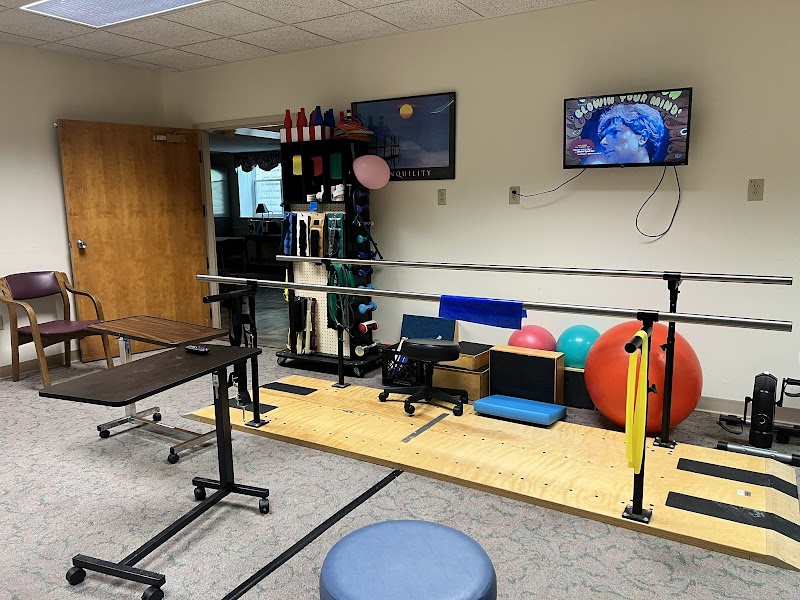
Who Owns and Operates St. Theresa?

ST. THERESA CARE CENTER is owned by a for-profit company. For-profit facilities operate as businesses with obligations to shareholders or private owners. The facility is operated by MATTISYAHU NUSSBAUM, a chain that manages multiple nursing homes. With 99 certified beds and approximately 75 residents (about 76% occupancy), it is a smaller facility located in CINCINNATI, Ohio.
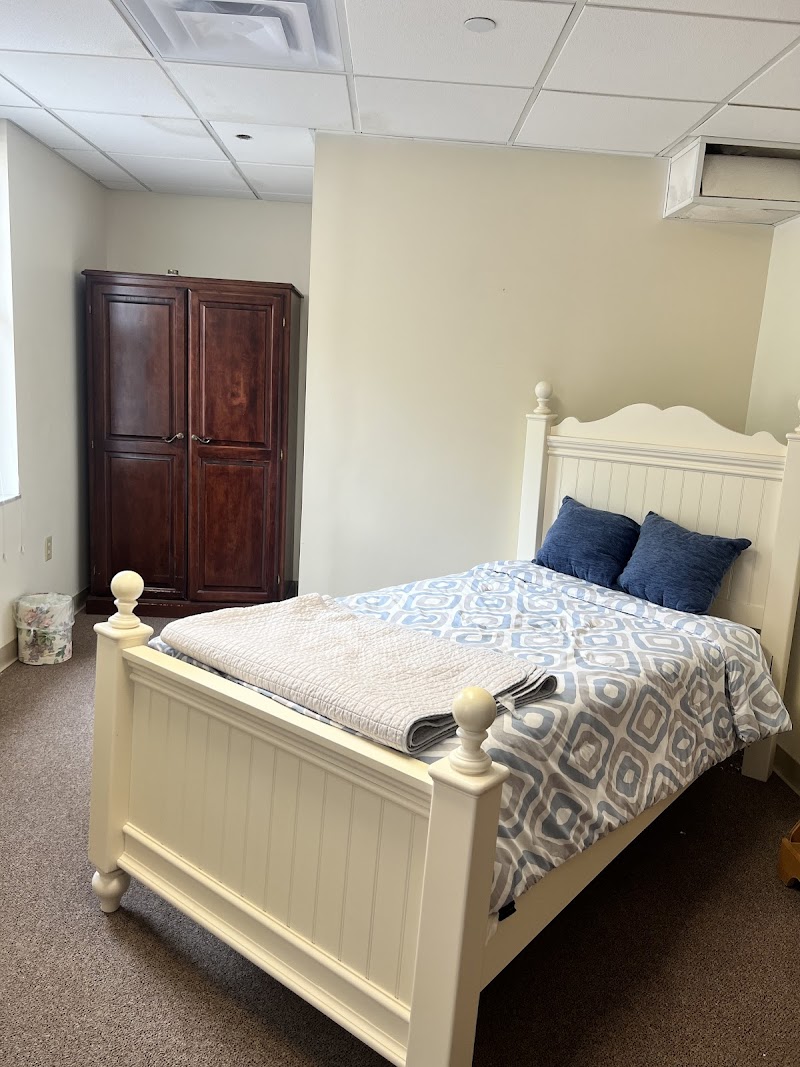
How Does St. Theresa Compare to Other Ohio Nursing Homes?

Compared to the 100 nursing homes in Ohio, ST. THERESA CARE CENTER's overall rating (3 stars) is below the state average of 3.2, staff turnover (64%) is significantly higher than the state average of 46%, and health inspection rating (3 stars) is at the national benchmark.

What Should Families Ask When Visiting St. Theresa?

Based on this facility's data, families visiting should ask: "How do you ensure continuity of care given staff turnover, and what is your staff retention strategy?" "Can I visit during a mealtime to observe dining assistance and food quality?" "How do you handle medical emergencies, and what is your hospital transfer rate?" "Can I speak with family members of current residents about their experience?" These questions are particularly relevant given the facility's high staff turnover rate.

Is St. Theresa Safe?

Based on CMS inspection data, ST. THERESA CARE CENTER has a clean safety record: no substantiated abuse findings (meaning no confirmed cases of resident harm), no Immediate Jeopardy citations (the most serious violation level indicating risk of serious injury or death), and is not on the Special Focus Facility watch list (a federal program monitoring the lowest-performing 1% of nursing homes). The facility has a 3-star overall rating and ranks #100 of 100 nursing homes in Ohio. While no facility is perfect, families should still ask about staff-to-resident ratios and recent inspection results during their visit.

Do Nurses at St. Theresa Stick Around?

Staff turnover at ST. THERESA CARE CENTER is high. At 64%, the facility is 18 percentage points above the Ohio average of 46%. Registered Nurse turnover is particularly concerning at 58%. RNs handle complex medical decisions and coordinate care — frequent RN changes can directly impact care quality. High turnover means new staff may not know residents' individual needs, medications, or preferences. It can also be disorienting for residents, especially those with dementia who rely on familiar faces. Families should ask: What is causing the turnover? What retention programs are in place? How do you ensure care continuity during staff transitions?

Was St. Theresa Ever Fined?

ST. THERESA CARE CENTER has no federal fines on record. CMS issues fines when nursing homes fail to meet care standards or don't correct problems found during inspections. The absence of fines suggests the facility has either maintained compliance or corrected any issues before penalties were assessed. This is a positive indicator, though families should still review recent inspection reports for the full picture.

Is St. Theresa on Any Federal Watch List?

ST. THERESA CARE CENTER is not on any federal watch list. The most significant is the Special Focus Facility (SFF) program, which identifies the bottom 1% of nursing homes nationally based on persistent, serious quality problems. Not being on this list means the facility has avoided the pattern of deficiencies that triggers enhanced federal oversight. This is a positive indicator, though families should still review the facility's inspection history directly.