TERRACE VIEW GARDENS
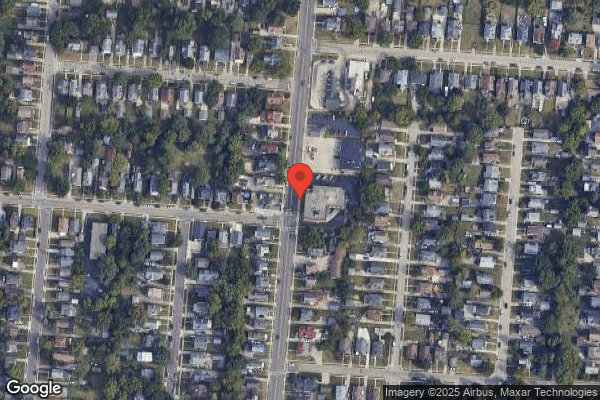
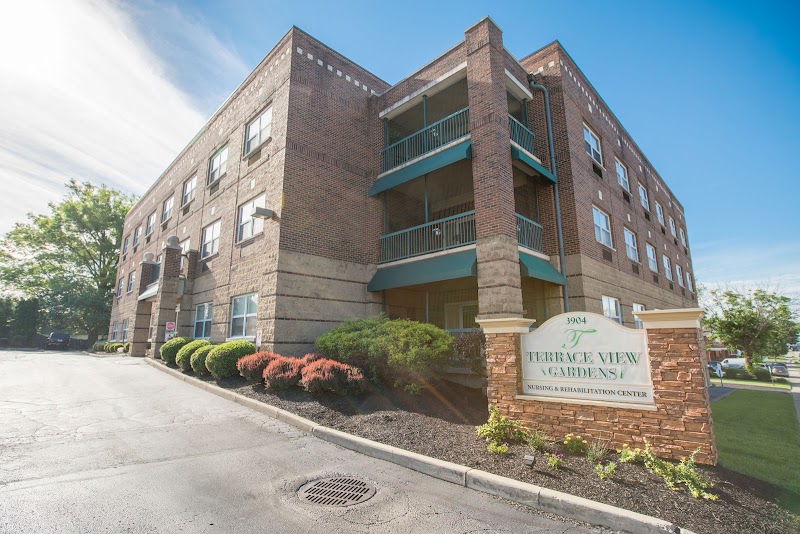
3904 NORTH BEND ROAD, CINCINNATI, OH 45211 (513) 481-2201
For profit - Corporation 82 Beds FOUNDATIONS HEALTH SOLUTIONS Data: November 2025
Trust Grade
85/100
#174 of 913 in OH
Last Inspection: April 2023

Over 2 years since last inspection. Current conditions may differ from available data.

Overview

Terrace View Gardens has received a Trust Grade of B+, indicating it is above average and recommended for potential residents. The facility ranks #174 out of 913 nursing homes in Ohio, placing it in the top half, and is #15 out of 70 in Hamilton County, meaning there are only 14 better options nearby. However, the trend is worsening, with the number of issues identified increasing from 1 in 2023 to 2 in 2025. Staffing is below average with a rating of 2 out of 5 stars and a turnover rate of 48%, which is slightly better than the Ohio average. Fortunately, the facility has no fines on record, which is a positive sign, and offers more RN coverage than many other facilities, ensuring that critical health issues are monitored closely. Despite these strengths, there are some weaknesses to consider. Specific incidents include a failure to maintain cleanliness in the dining area and resident rooms, affecting numerous residents, as well as a lack of ongoing activities to support residents' mental well-being, which could impact their quality of life. Additionally, issues were found with the proper labeling of insulin, which could lead to medication errors. Overall, while there are commendable aspects of Terrace View Gardens, families should weigh these concerns carefully when making a decision.

Trust Score
B+
85/100
In Ohio
#174/913
Top 19%
Safety Record
Low Risk
No red flags
Inspections
Getting Worse
1 → 2 violations
Staff Stability
⚠ Watch
48% turnover. Above average. Higher turnover means staff may not know residents' routines.
Penalties
✓ Good
No fines on record. Clean compliance history, better than most Ohio facilities.
Skilled Nurses
○ Average
Each resident gets 35 minutes of Registered Nurse (RN) attention daily — about average for Ohio. RNs are the most trained staff who monitor for health changes.
Violations
⚠ Watch
14 deficiencies on record. Higher than average. Multiple issues found across inspections.
★★★★★
5.0
Overall Rating
★★☆☆☆
2.0
Staff Levels
★★★★★
5.0
Care Quality
★★★★★
5.0
Inspection Score
Stable
2023: 1 issues
2025: 2 issues

The Good

  • 5-Star Quality Measures · Strong clinical quality outcomes
  • Full Sprinkler Coverage · Fire safety systems throughout facility
  • No fines on record

Facility shows strength in quality measures, fire safety.

The Bad

Staff Turnover: 48%

Near Ohio avg (46%)

Higher turnover may affect care consistency

Chain: FOUNDATIONS HEALTH SOLUTIONS

Part of a multi-facility chain

Ask about local staffing decisions and management

The Ugly 14 deficiencies on record

Jul 2025 1 deficiency
CONCERN (D) 📢 Someone Reported This

A family member, employee, or ombudsman was alarmed enough to file a formal complaint

Potential for Harm - no one hurt, but risky conditions existed

Infection Control (Tag F0880)

Could have caused harm · This affected 1 resident

**NOTE- TERMS IN BRACKETS HAVE BEEN EDITED TO PROTECT CONFIDENTIALITY** Based on observations, interviews, and facility policy review, the facility failed to ensure enhanced barrier precautions were f...

Read full inspector narrative →
**NOTE- TERMS IN BRACKETS HAVE BEEN EDITED TO PROTECT CONFIDENTIALITY** Based on observations, interviews, and facility policy review, the facility failed to ensure enhanced barrier precautions were followed during incontinence care. This affected one (#36) of three residents reviewed for incontinence care. The facility census was 72.Findings include:Review of the medical record for Resident #36 revealed an admission date of 04/24/25. Diagnoses included chronic kidney disease, depression, and transient ischemic attack (TIA).Review of the Five-day Medicare Minimum Data Set (MDS) assessment dated [DATE] revealed Resident #36 had intact cognition as evidenced by a Brief Interview for Mental Status (BIMS) score of 14. This resident was assessed to require supervision with eating, dependent with toileting, transfers, and dressing, and substantial assistance with bathing.Review of section H for bowel and bladder of the Five-Day Medicare MDS assessment dated [DATE] revealed Resident #36 was always incontinent of bowel and bladder.Review of the physician orders for Resident #36 revealed no orders for enhanced barrier precautions (EBP) even though Resident #36 had multiple wounds.Observation on 07/08/25 at 10:32 A.M. revealed incontinence care was completed by Certified Nursing Assistant (CNA) #154 to Resident #36. Resident #36 was in enhanced barrier precautions (EBP) related to multiple wounds. CNA #154 did not apply gown for EBP while providing care.Observation at 07/08/25 at 10:48 A.M. revealed wound care was completed by Licensed Practical Nurse (LPN) #164 to Resident #36 due to the wound being contaminated from bowel movement. LPN #164 did not apply a gown when completing wound care.Interview on 07/08/25 at 10:57 A.M. with CNA #154 verified she did not wear a gown during incontinence care on Resident #36.Interview on 07/08/25 at 11:02 A.M. with LPN #164 verified she did not wear a gown during wound care on Resident #36. Review of the enhanced barrier precautions best practice dated March 2024 revealed enhanced barrier precautions referred to the use of gown and gloves during high-contact care activities for residents with any of the following: infection or colonization with a targeted multi-drug resistant organism (MDRO), chronic wounds, and indwelling medical devices. Examples of high-contact resident care activities included dressing, bathing, transferring, providing hygiene, changing linens, changing briefs, and wound care.
Feb 2025 1 deficiency
CONCERN (D) 📢 Someone Reported This

A family member, employee, or ombudsman was alarmed enough to file a formal complaint

Potential for Harm - no one hurt, but risky conditions existed

Deficiency F0757 (Tag F0757)

Could have caused harm · This affected 1 resident

**NOTE- TERMS IN BRACKETS HAVE BEEN EDITED TO PROTECT CONFIDENTIALITY** Based on medical record review, staff interview, and review of a facility provided article, the facility failed to order and adm...

Read full inspector narrative →
**NOTE- TERMS IN BRACKETS HAVE BEEN EDITED TO PROTECT CONFIDENTIALITY** Based on medical record review, staff interview, and review of a facility provided article, the facility failed to order and administer medication with an adequate indication for use and in the presence of adverse effects. This affected one (#2) of three residents reviewed for medications. The facility census was 78. Findings include: Review of the medical record revealed Resident #2 was admitted on [DATE] with diagnoses that included cerebral infarction, attention-deficit/hyperactivity disorder (ADHD), anxiety disorder, congestive heart failure, and obstructive sleep apnea. Review of the admission Minimum Data Set (MDS) assessment dated [DATE] revealed Resident #2 had a Brief Interview for Mental Status (BIMS) score of 11 which indicated moderate cognitive impairment. Review of a physician order dated 12/29/24 revealed Resident #2 was ordered amphetamine-dextroamphetamine (Adderall), a central nervous system stimulant, 30 milligram (mg) with instructions to give one tablet by mouth once a day for sleep apnea for 30 days. Review of the December 2024 and January 2025 medication administration records (MARs) revealed Resident #2 was administered Adderall 30 mg at 9:00 P.M. from 12/29/24 until 01/14/25 with indication of use for sleep apnea. It was documented Resident #2 refused the scheduled Adderall the evening of 01/13/25. Further review of the December 2024 and January 2025 MARs revealed on 01/15/24 the administration time for Resident #2's Adderall was changed to 9:00 A.M. with an indication of use for sleep apnea. On 01/21/25, Resident #2's Adderall continued to be administered at 9:00 A.M. daily; however, the indication of use for the medication was changed to ADHD. Review of a physical therapy note dated 01/14/25 revealed Resident #2 was sitting in a wheelchair in the common area dozing off. Resident #2 indicated he did not get any sleep the previous night and he was given his Adderall at 8:00 P.M. Further review of the note revealed Resident #2 demonstrated increased fatigue resulting in frequent verbal cues to open his eyes. Interview on 02/01/25 at 9:05 A.M. with Resident #2 revealed he was not able to participate in therapy at times due to being weak and tired. An interview on 02/01/25 at 11:08 A.M. with the Administrator verified Resident #2 was administered Adderall in the evening, but after Resident #2's family expressed concerns about Adderall being administered in the evening, the time was changed to 9:00 A.M. The Administrator verified sleep apnea was the original indication of use when Resident #2 was ordered Adderall on 12/29/24. The Administrator stated she spoke with the doctor and sleep apnea was an uncommon indication for Adderall, but it could be used for sleep apnea. The Administrator verified the indication for use was changed to ADHD when Resident #2's family requested the stimulant medication not be administered in the evening. An interview on 02/01/25 at 11:45 A.M. with Pharmacist #106 stated Adderall was a stimulant, verified the medication should not be administered in the evening, and confirmed sleep apnea was not an indication for use of Adderall. Interview on 02/01/25 at 12:22 P.M. with Occupational Therapist (OT) #103 and Physical Therapy Assistant (PTA) #104 revealed Resident #2 reported being tired, and exhibited exhaustion, activity intolerance, and did not want to get out of bed for therapy. The staff members reported these symptoms were reported to Resident #2's nurse. On 02/03/25 at 12:30 P.M., Medical Doctor (MD) #107 provided an article titled, Stimulants and Sleep, located at, https://www.news-medical.net/health/Stimulants-and-Sleep.aspx. Review of the article revealed stimulants are substances that have an effect on the central nervous system and body, leading to increased alertness and difficulty in getting to sleep. Attention-deficit/hyperactivity disorder (ADHD) is linked to symptoms such as increased sleep latency and daytime somnolence and reduced rapid eye movement (REM) sleep. This deficiency represents non-compliance investigated under Complaint Number OH00161665.
Apr 2023 1 deficiency
CONCERN (D) 📢 Someone Reported This

A family member, employee, or ombudsman was alarmed enough to file a formal complaint

Potential for Harm - no one hurt, but risky conditions existed

Deficiency F0685 (Tag F0685)

Could have caused harm · This affected 1 resident

**NOTE- TERMS IN BRACKETS HAVE BEEN EDITED TO PROTECT CONFIDENTIALITY** Based on medical record review, and interview of facility staff, interview with eye surgery center staff, interview with residen...

Read full inspector narrative →
**NOTE- TERMS IN BRACKETS HAVE BEEN EDITED TO PROTECT CONFIDENTIALITY** Based on medical record review, and interview of facility staff, interview with eye surgery center staff, interview with resident's Power of Attorney (POA), the facility failed to ensure a resident eye surgery was rescheduled as needed. This affected one (#20) of one resident reviewed for eye care. The facility census was 73. Finding include: Review of medical record revealed Resident #20 had an admission date on 11/16/20, with diagnoses including: Down Syndrome, anxiety disorder, metabolic encephalopathy, and dementia. Review of Minimum Data Set assessment dated [DATE], revealed Resident #20 was severely cognitively impaired. Resident #20 was total dependent with one-person physical assist for all care. Review of plan of care dated 12/27/22 revealed Resident #20 was at risk for inability to focus on objects, discriminate color, adjust to changes in light and dark, decreased impaired vision related to highly impaired vision related to cataracts, progression of disease processes and other factors. She was often uncooperative with exams, and other assessments and care. She will not wear glasses. Interventions included keeping the environment free of small objects and clutter, providing a well-lit environment for reading and daily activities, and scheduling eye exams, as necessary. Review of progress note dated 01/06/22, documented by Licensed Practical Nurse (LPN) #111 who had spoken to eye surgery center to see if they would allow an EKG (electrocardiogram) the morning of the procedure. LPN #111 had spoken to anesthesia that stated they could complete it the morning of cataract surgery on 01/20/22. Review of physician progress note dated 01/20/22, documented by Nurse Practitioner #1 revealed an appointment to have surgery on 01/20/22 on right and left eye. Arrival to surgery on 01/20/22 at 8:00 A.M. at eye surgery center. This was for general surgery with general anesthesia on 01/20/22. Review of progress note dated 01/20/22, documented by LPN #75, the transport company canceled Resident #20 transportation to eye surgery at eye surgery center this morning. The entire transport team was called off due to COVID-19. Resident #20's sister was notified. Review of physician progress note dated 12/12/22 revealed Physician #500 had stated Resident #20 had cataracts on 01/22/22. Interview on 04/05/23 at 10:56 A.M., with Resident #20's Power of Attorney (POA) who stated the facility has done nothing to follow up for the eye surgery that was supposed to happen the first time on 01/20/22. Resident #20's POA stated the facility never followed up and rescheduled the eye surgery after it was canceled due to transportation. Interview on 04/05/23 at 3:30 P.M., with Office Personnel #8 stated Resident #20 did not attend the cataract consult on 02/14/23 because the POA stated to put it on hold. Office Personnel #8 stated she had no record to show conversation with family on when the appointment was to be set for future or who she talked to at the eye surgery center. Interview on 04/06/23 at 11:28 A.M., with Eye Surgery Center Registered Nurse (ESCRN) #444, stated the facility did not follow up to reschedule an appointment for Resident #20. ESCRN #444 stated that Resident #20 was supposed to have cataracts removed on 01/20/22 last year. ESCRN #444 stated Eye Physician #400 was family with Resident #20 and new her cognition and how she needed to be scheduled to have anesthesia for her eye surgery due to safety concerns. ESCRN #444 stated she had reached out to Office Personnel #8 and gave information last year, but never heard back from the facility. Interview on 04/06/23 at 4:39 P.M., with Administrator who stated she did not have any other information about Resident #20 follow up surgery appointment to be made. This deficiency represents the non compliance discovered during the investigation of Complaint Number OH00136582.
Apr 2019 3 deficiencies
CONCERN (D)

Potential for Harm - no one hurt, but risky conditions existed

Pressure Ulcer Prevention (Tag F0686)

Could have caused harm · This affected 1 resident

**NOTE- TERMS IN BRACKETS HAVE BEEN EDITED TO PROTECT CONFIDENTIALITY** Based on medical record review, observation, and staff interview, the facility failed to ensure treatments were in place to prev...

Read full inspector narrative →
**NOTE- TERMS IN BRACKETS HAVE BEEN EDITED TO PROTECT CONFIDENTIALITY** Based on medical record review, observation, and staff interview, the facility failed to ensure treatments were in place to prevent and promote healing of a pressure ulcer. This affected one (#44) of five residents reviewed for pressure ulcers. The facility census was 76. Findings include: Medical record review revealed Resident #44 was admitted to the facility on [DATE] with a re-entry date of 04/21/17. Diagnoses included cerebral infarction (stroke), diabetes, heart failure, and dementia. Review of care plan dated 04/30/17 revealed Resident #44 was at risk for alteration in skin integrity related to cerebral vascular accident, diabetes, dementia, incontinence, history of pressure areas, and mobility impairment. Interventions included assess for pain and provide treatment per physician orders, elevate heels when in bed as needed/tolerated, and pressure relieving boots as tolerated. Review of the annual minimum data set (MDS) assessment dated [DATE] revealed Resident #44 was severely impaired cognitively. Resident #44 had one stage four pressure ulcer. Review of wound evaluation and management summary dated 03/05/19 revealed Resident #44 had a stage four pressure ulcer to the left heel for at least 46 days which resolved as evidenced by anatomic location of previously existing wound revealed epithelial tissue. Follow up only as needed. No skin abnormalities were documented in the medical record after this date. Review of Resident #44's current physician orders through 04/21/19 revealed to cleanse bilateral heels and apply skin prep every shift for preventative treatment. The resident was also to have pressure relieving boots to be worn at all times while in bed. The resident was to have heels off the bed as tolerated every shift. On 04/22/19 an order was obtained to cleanse left heel with normal saline and pat dry. Apply foam dressing every night shift. An additional order on 04/22/19 revealed to cleanse right heel and apply skin prep every shift for preventative treatment. Observation on 04/22/19 at 5:00 P.M., revealed Resident #44 was in bed and unable to answer questions do to a confused mental status. Resident #44's heels were flat on the mattress without pressure relieving boots in place. Interview with the Resident #44's family, at the time of the observation, reported the resident had treatments ordered to heels and Resident #44's heels were usually propped up on pillows. Observation on 04/23/19 at 5:27 P.M., revealed Resident #44 was awake in bed visiting with family. The resident's heels were floated off the bed with use of a pillow. There were no pressure relieving boots in place and a bandage to the right heel was coming off, unattached on one side. No treatment was observed to be in place to the left heel. Interview with the resident's family at the time of the observation revealed Resident #44 had pressure relieving boots, and didn't mind wearing them. The family revealed the staff applied them at times. The family opened Resident #44's wardrobe which revealed pressure relieving boots. Observation on 04/23/19 at 5:44 P.M., of pressure ulcer treatment to Resident #44 by Registered Nurse (RN) #637 and Registered Nurse Wound Care Certified (RNWCC) #200 revealed both feet were off the bed with the use of a pillow, a bandage to the right heel dated 04/23/19 was noted, no bandage was in place to the left heel, and no pressure relieving boots were in place which was all verified by RNWCC #200. RN #637 removed the bandage to the right heel which revealed no skin abnormalities. Observation of the left heel revealed a quarter size, four centimeters (cm) by two cm by unable to determine, unstageable pressure ulcer, 100 percent black eschar (dead tissue) to the left outer heel. A dime size amount of yellowish red drainage was observed on the bed sheet. No active drainage was observed. The wound was measured and staged by RNWCC #200. Interview on 04/23/19 at 7:35 P.M. with Licensed Practical Nurse (LPN) #684 reported Resident #44 had a history of skin breakdown to the heels so skin prep was being applied as a preventative treatment. Early on 04/22/19, the STNA reported observation of a little bit of blood. LPN #684 assessed the left heel and observed a quarter size, black eschar area to the outer left heel but did not observe any drainage. The physician was notified and treatment was obtained for a foam bandage. RNWCC #200 reported Resident #44 had chronic wounds which would heal and reopen. Preventative treatments were in place. The unstageable pressure ulcer to the left heel most likely started as a deep tissue injury, progressed, and opened quickly.
CONCERN (D)

Potential for Harm - no one hurt, but risky conditions existed

Respiratory Care (Tag F0695)

Could have caused harm · This affected 1 resident

**NOTE- TERMS IN BRACKETS HAVE BEEN EDITED TO PROTECT CONFIDENTIALITY** Based on medical record review, observation, staff interview and resident interview, the facility failed to administer oxygen th...

Read full inspector narrative →
**NOTE- TERMS IN BRACKETS HAVE BEEN EDITED TO PROTECT CONFIDENTIALITY** Based on medical record review, observation, staff interview and resident interview, the facility failed to administer oxygen therapy appropriately for one resident (#31) of one reviewed for respiratory services. The facility census was 76. Findings include: Medical record review revealed Resident #31 was admitted to the facility on [DATE] with diagnoses including, hemiplegia, paraplegia, obstructive sleep apnea, cerebral infarction (stroke), chronic obstructive pulmonary disease (COPD), and kidney failure. Review of Resident #31's physician orders dated 12/18/18, revealed an order for oxygen at 3 liters per minute, per nasal cannula. Review of most recent annual 04/05/19 comprehensive assessment revealed the resident was cognitively intact. The resident was noted to be receiving oxygen therapy at the facility. Observation of Resident #31 on 04/22/19 at 4:02 P.M., revealed the resident was receiving oxygen via nasal cannula at a rate of 4.5 liters per minute via nasal cannula. Observation of Resident #31 on 04/24/19 at 10:18 A.M., revealed the resident's oxygen was noted to be set on 4.5 liters per minute, via nasal cannula. Observation of Resident #31 on 04/24/19 2:30 P.M., revealed the resident's oxygen was set at 4.5 liters per minute, via nasal cannula. Interview and observation with Licensed Practical Nurse (LPN) #633 on 04/24/19 at 2:45 P.M., revealed the LPN said Resident 31's oxygen should be at a flow rate of 2 liters per minute, via nasal cannula. However the resident's oxygen was set at 4.5 liters per minute, via nasal cannula. LPN #633 verified the oxygen therapy was not being administered at the correct level. Interview with the Director of Nursing (DON) on 04/25/19 at 9:40 A.M., confirmed Resident #31 was to have oxygen delivered at 3 liters per minute, via nasal cannula. She verified the physician had been notified the resident had been receiving the wrong flow rate of oxygen.
CONCERN (E)

Potential for Harm - no one hurt, but risky conditions existed

Safe Environment (Tag F0584)

Could have caused harm · This affected multiple residents

**NOTE- TERMS IN BRACKETS HAVE BEEN EDITED TO PROTECT CONFIDENTIALITY** Based on review of weekly menus, observations, resident and staff interviews, the facility failed to ensure the dining room was ...

Read full inspector narrative →
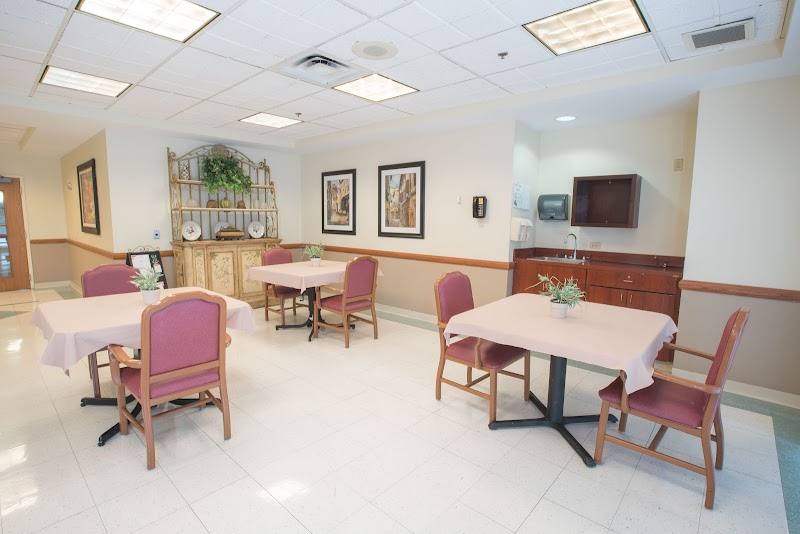
**NOTE- TERMS IN BRACKETS HAVE BEEN EDITED TO PROTECT CONFIDENTIALITY** Based on review of weekly menus, observations, resident and staff interviews, the facility failed to ensure the dining room was maintained in a clean and sanitary manner. This affected 20 residents (#3, #5, #7, #8, #9, #14, #17, #18, #20, #21, #37, #39, #43, #49, #50, #53, #56, #58, #60, and #69) observed in the dining room. The facility further failed to keep eight (#300, #302, #303, #306, #308, #312, #314, and #315) resident rooms on the 300 unit in a clean, sanitary and comfortable manner. The facility census was 76. Findings include: 1. Observation on 04/22/19 at 9:00 A.M., of Resident #18 and #39's floors revealed dark black skid marks across the floor. 2. Observation on 04/22/19 at 9:40 A.M., revealed Resident #53's privacy curtain had red and brown stains. 3. Observation on 04/22/19 at 10:00 A.M., revealed Resident #76s bathroom wall on the left side of the room had large dents and holes along with exposed drywall. The edges of the floors had dark black marks. Interview on 04/22/19 at 10:05 A.M., with Resident #76 revealed she had informed staff, including maintenance about the hole in her bathroom wall. 4. Observation on 04/22/19 at 10:20 A.M., revealed Resident #8 and #37's bathroom under the sink had dirt across the edges of the back wall. 5. Observation on 04/22/19 at 10:52 A.M., revealed Resident #20 and #30's both privacy curtains were soiled with spots and food. 6. Review of the facility's weekly menu of meals revealed the dinner meal on 04/21/19 consisted of chicken salad croissant, macaroni salad, lettuce, tomato and fresh strawberries. Observation on 04/22/19 at 11:41 A.M., revealed macaroni was on the dining room floor. The dining room floors were covered with small food particles and debris was noted underneath residents' feet. There were 20 residents (#3, #5, #7, #8, #9, #14, #17, #18, #20, #21, #37, #39, #43, #49, #50, #53, #56, #58, #60, and #69) in the dining room eating lunch. Interview on 04/22/19 at 11:41 P.M., with State Tested Nursing Assistant (STNA) #609 verified the macaroni on the dining room floors along with the food particles and debris hanging under dining room tables and under residents' feet. Interview on 04/22/19 at 11:49 A.M., with Housekeeper (HS) #618 revealed she normally wipes off tables, chairs, sweeps and mops the dining room after each meal. However, another housekeeper called in and she had to go to another floor and may have forgotten to sweep and mop the dining room after the dinner meal on 04/21/19. 7. Observation on 04/23/10 at 9:30 A.M., revealed Resident #9's room had drywall exposed and the privacy curtain was covered in stains. Interview on 04/23/19 at 9:35 A.M., revealed Resident #9 reported the exposed drywall had been there since she was admitted on [DATE]. 8. Observation on 04/23/19 at 12:00 P.M., revealed Resident #43 had a large crack in the wall behind the door. The crack had separated the drywall. Interview on 04/25/19 at 11:50 A.M., with Housekeeping/Laundry Supervisor (HD) #617 verified Residents' #18, #39, and #76's floors needed to be cleaned. HD #617 verified Residents' #9, #20, #30, and #53's privacy curtains were in need of washing. The HD verified the cracks and holes in the walls of Residents #9, #43 and #76 rooms. The HD revealed he had not received any service request from staff of any of the rooms besides Resident #76. HD revealed privacy curtains were to be taken down and cleaned when a resident was admitted .
May 2018 8 deficiencies
CONCERN (D)

Potential for Harm - no one hurt, but risky conditions existed

Resident Rights (Tag F0550)

Could have caused harm · This affected 1 resident

**NOTE- TERMS IN BRACKETS HAVE BEEN EDITED TO PROTECT CONFIDENTIALITY** Based on medical record review, observation, resident and staff interviews, the facility failed to ensure residents were treated...

Read full inspector narrative →
**NOTE- TERMS IN BRACKETS HAVE BEEN EDITED TO PROTECT CONFIDENTIALITY** Based on medical record review, observation, resident and staff interviews, the facility failed to ensure residents were treated with respect and dignity. This affected one (#46 ) of three Residents reviewed for dignity. The facility census was 81. Findings include: Medical record review revealed Resident #46 was admitted to the facility on [DATE] with a re-entry date of 11/24/17 with diagnoses of altered mental status, malignant neoplasm of the lung, and major depressive disorder. Review of face sheet profile revealed Resident #46 was her own responsible party. Review of admission minimum data set (MDS) assessment dated [DATE] revealed intact cognitive skills for daily decision making, limited assistance was required with transfers, toileting, personal hygiene, and a walker and wheelchair were utilized for mobility. Review of smoking data assessment dated [DATE] revealed no assistance or devices were required, smoking per policy. Observation on 04/30/18 at 4:03 P.M. revealed Resident #46 was smoking on the first floor terrace with Resident #42 without staff supervision or smoking appliances. Review of social service progress note dated 04/30/18 at 5:12 P.M. revealed Resident #46 was observed with smoking materials in her possession and provided smoking materials to others which was a violation of the facility smoking policy. Resident #46 was verbally educated on the smoking policy and agreed to follow the policy. Resident #46's daughter was contacted, notified about the situation, and agreed to reinforce plan and notify family/friends of policy. Interview on 05/02/18 at 2:17 P.M. with Resident #46 revealed the resident was alert, oriented, and with intact cognition. Resident #46 reported residents were not permitted to keep smoking materials and supervision was required during smoking. Resident #46 reported she had forgot to turn in her cigarettes upon return to the facility and Resident #42 requested a cigarette so she provided one. Resident #46 reported she found out the facility had contacted and informed her daughter about the rule violation when her daughter called her on the phone. Resident #46 reported she was not asked, did not give permission, and was not happy the facility contacted her daughter about the rule violation. Interview on 05/03/18 at 2:08 P.M. with social service designee (SSD) #51 verified after Resident #46 violated the facility smoking policy, Resident #46's daughter was notified and informed about the incident, smoking policy, and interventions. SSD #51 reported she had informed Resident #46 that she was going to call and inform her daughter about the rule violation and Resident #46 replied oh no. SSD #51 confirmed Resident #46 was cognitively intact, her own responsible party, and did not give permission for the facility to contact her daughter about the rule violation. She reported the daughter was contacted upon direction from management.
CONCERN (D)

Potential for Harm - no one hurt, but risky conditions existed

Deficiency F0625 (Tag F0625)

Could have caused harm · This affected 1 resident

**NOTE- TERMS IN BRACKETS HAVE BEEN EDITED TO PROTECT CONFIDENTIALITY** Based on medical record review and staff interview, the facility failed to provide written bed hold information to residents whe...

Read full inspector narrative →
**NOTE- TERMS IN BRACKETS HAVE BEEN EDITED TO PROTECT CONFIDENTIALITY** Based on medical record review and staff interview, the facility failed to provide written bed hold information to residents when hospitalized . This affected one resident (Resident #54) of two residents reviewed for hospitalization. The facility census was 81. Findings include: Resident #54 was admitted to the facility on [DATE] with diagnoses including metabolic encephalopathy, dysphagia, chronic kidney disease, hemiplegia and hemiparesis following cerebral infarction, and diabetes mellitus with diabetic neuropathy. The most recent quarterly Minimum Data Set (MDS) assessment dated [DATE] documented the resident had adequate hearing, severely impaired vision, clear speech, was cognitively intact with a Brief Interview for Mental Status (BIMS) score of 15 out of 15, and required extensive assistance with activities of daily living (ADLs). A review of Resident #54's medical record on 05/02/18 revealed the resident was hospitalized on [DATE] and returned to the facility on [DATE]. A Bed Hold policy notice provided by the facility contained a hand written note by the facility's Business Office Manager (BOM) that documented notification of the facility's bed hold information was provided to the resident's representative on 03/26/18, three days after the resident was hospitalized . Interview on 05/02/18 at 09:20 A.M. with BOM #18 verified bed hold information was not provided to the resident or representative at the time of the hospitalization, and stated because the resident was hospitalized on a weekend, bed hold information was provided the following Monday. BOM #18 verified the date on the second page of the notice dated 03/24/18 was not the date the information was provided to the resident's representative, but rather the date of hospitalization. BOM #18 verified bed hold information was mailed to the resident's representative on Monday, 03/26/18 by regular mail after the resident was readmitted to the facility.
CONCERN (D)

Potential for Harm - no one hurt, but risky conditions existed

Assessment Accuracy (Tag F0641)

Could have caused harm · This affected 1 resident

**NOTE- TERMS IN BRACKETS HAVE BEEN EDITED TO PROTECT CONFIDENTIALITY** Based on observation, medical record review, and staff interview, the facility failed to ensure resident assessments were comple...

Read full inspector narrative →
**NOTE- TERMS IN BRACKETS HAVE BEEN EDITED TO PROTECT CONFIDENTIALITY** Based on observation, medical record review, and staff interview, the facility failed to ensure resident assessments were completed accurately. This affected three residents (#31, #45, and #46) of 21 residents reviewed during the survey. The facility census was 81. Findings include: 1. Resident #31 was admitted to the facility on [DATE] with diagnoses including hemiplegia and hemiparesis following cerebral vascular disease, hypertension, chronic pain, dementia, anxiety disorder, and major depressive disorder. The quarterly Minimum Data Set (MDS) assessment dated [DATE] documented the resident had minimal difficulty hearing, clear speech, made self understood, usually understood others, had adequate vision with corrective lenses, and had fluctuating periods and severity of inattention and disorganized thinking during the seven day assessment period. Further review of the MDS assessment dated [DATE] revealed question C0100 (section C specific to cognitive patterns) was coded as 1 to indicate the Brief Interview for Mental Status (BIMS)assessment should be conducted. The document revealed all questions of the BIMS assessment were coded with a dash value, indicating the areas were not assessed, despite the MDS indicating the resident had only minimal difficulty hearing, clear speech, made self understood, and usually understood others during the seven days of the assessment. In addition, question D0100 (section D specific to mood) was coded with a dash value to indicate the question was not answered with a yes or no response. The document revealed all questions in the Resident Mood Interview in section D were coded with a dash value indicating the areas were not assessed, despite the MDS indicating the resident had only minimal difficulty hearing, clear speech, made self understood, and usually understood others during the seven days of the assessment period. Observation on 04/30/18 at 10:40 A.M., 05/01/18 at 11:37 A.M., 05/02/18 at 10:39 A.M. and at 3:37 P.M. and on 05/03/18 at 10:14 A.M. revealed Resident #31 was alert, had clear speech, understood conversation, was able to verbally make self understood, and engaged in coherent conversation. Interview on 05/02/18 at 4:31 P.M. with Licensed Practical Nurse (LPN) #12 and Registered Nurse (RN) #92 revealed Resident #31's cognition was intact enough to verbally make needs known and to carry on a conversation. LPN #12 further reported that Resident #31 was confused at times but can carry on an appropriate conversation. Interview on 05/02/18 at 5:30 P.M. with Social Service Designee (SSD) #51 revealed the SSD was responsible for completing sections C and D of the MDS. SSD #51 verified that the BIMS assessment in section C and Resident Mood Interview in section D of the quarterly MDS dated [DATE] were not completed. SSD #51 reported the interviews were not conducted because the resident had fluctuations in attention and thought. 2. Resident #45 was admitted to the facility on [DATE] with diagnoses including end stage renal disease, type II diabetes mellitus, schizophrenia, anxiety disorder, and major depression. The quarterly MDS assessment dated [DATE] documented the resident had adequate hearing and vision, clear speech, made self understood, and understood others. Further review of the MDS assessment dated [DATE] revealed questions C0100 (section C specific to cognitive patterns) and question D0100 (section D specific to mood) were coded as 1 to indicate the Brief Interview for Mental Status and the Resident Mood Interview should be conducted. The document revealed both the BIMS assessment and the Resident Mood Interview were coded with dash values to indicate the areas were not assessed, despite the MDS indicating the resident had adequate hearing and vision, clear speech, made self understood, and understood others during the seven days of the assessment. Observations on 05/02/18 at 9:17 A.M. and on 05/03/18 at 9:42 A.M. revealed Resident #45 with calm, appropriate behavior and verbally conversed with staff and residents. Interview on 05/02/18 at 4:31 P.M. with LPN #12 and RN #92 revealed the resident was cognitively intact to verbally make needs known and to carry on a conversation. Interview on 05/02/18 at 5:30 P.M. with Social Service Designee (SSD) #51 revealed the SSD was responsible for completing sections C and D of the MDS. SSD #51 verified that the BIMS assessment in section C and Resident Mood Interview in section D of the quarterly MDS dated [DATE] were not completed and were coded as not assessed. SSD #51 reported the assessment were not completed because the resident smokes every two hours, was at therapy, took a shower every day, went out with a family member, or had doctor's appointments during the seven days of the assessment period. SSD 51 reported the resident was interviewable, but you have to catch him. SSD #51 verified that the resident was not hospitalized during the assessment period. A review of the MDS 3.0 User's Manual Version 1.15 indicated the BIMS assessment in section C should be attempted when the resident is at least sometimes understood verbally or in writing. The Manual further indicated the Resident Mood Interview should be conducted for residents who are able to be understood. 3. Medical record review revealed Resident #46 was admitted to the facility on [DATE] with diagnosis of malignant neoplasm of lung and pneumonia. Review of admission minimum data set (MDS) assessment dated [DATE] revealed intact cognitive skills for daily decision making. Review of quarterly MDS dated [DATE] revealed a brief interview for mental status (BIMS) was not assessed. Section B of the MDS revealed Resident #46 had adequate hearing, made self understood, understood others, and had adequate vision. Interview with Resident #46 on 05/01/18 at 11:23 A.M. revealed intact cognitive skills with clear speech, adequate hearing and behavior was calm and appropriate. Interview on 05/03/18 at 2:08 P.M. with social service designee (SSD) #51 and MDS licensed practical nurse (LPN) #19 confirmed the BIMS was not assessed on the quarterly MDS for unknown reasons.
CONCERN (D)

Potential for Harm - no one hurt, but risky conditions existed

Accident Prevention (Tag F0689)

Could have caused harm · This affected 1 resident

**NOTE- TERMS IN BRACKETS HAVE BEEN EDITED TO PROTECT CONFIDENTIALITY** 2. Resident #3 was admitted on [DATE] with diagnoses including acute respiratory failure with hypoxia, obstructive sleep apnea, ...

Read full inspector narrative →
**NOTE- TERMS IN BRACKETS HAVE BEEN EDITED TO PROTECT CONFIDENTIALITY** 2. Resident #3 was admitted on [DATE] with diagnoses including acute respiratory failure with hypoxia, obstructive sleep apnea, morbid obesity, type II diabetes mellitus, hypertension, dysphagia, and myocardial infarction. The annual Minimum Data Set (MDS) assessment dated [DATE] documented the resident had adequate hearing and vision, clear speech, was cognitively intact with a Brief Interview for Mental Status (BIMS) score of 15 out of 15, required extensive assistance for activities of daily living (ADLs), and had shortness of breath when lying flat. A review of the physician's order sheet dated 04/30/18 revealed an order for continuous oxygen via nasal cannula delivered at two liters per minute for shortness of breath. The Care Plan revised 05/02/17 indicated the resident had altered health maintenance and required the use of oxygen. Observation on 04/30/18 at 3:48 P.M. and at 6:00 P.M. revealed Resident #3 wearing a nasal cannula connected to an oxygen concentrator in the resident's room. There was no signage posted on or near the room door entrance to indicate oxygen was in use. Interview on 04/30/18 at 3:48 P.M. with Resident #3 revealed oxygen was utilized at all times. Interview on 04/30/18 at 6:01 P.M. with Licencensed Practical Nurse (LPN) #12 verified the resident was receiving oxygen and there was no posting on or near the room entrance to indicate oxygen was in use. LPN #12 stated there should be a sign present and would place one on the door. Review of facility policy titled, Respiratory: Oxygen Equipment/Administration with revision date April 2009 revealed, Oxygen in Use signs must be posted. Based on medical record review, observation, resident and staff interviews and review of facility policies, the facility failed to ensure residents were supervised to ensure safe smoking and oxygen signs were posted. This affected three (#3, #42, #46) of six Residents reviewed for accidents. The facility identified eight residents who smoke (Resident #6, #8, #40, #42, #45, #54, #57, #59) and nine residents (#3, #5, #9, #12, #13, #33, #34, #49, #72) on oxygen. The facility census was 81. Findings include: 1. Medical record review revealed Resident #42 was admitted to the facility on [DATE] with diagnoses of macular degeneration, cataract, and dementia with behavioral disturbance. Review of quarterly minimum data set (MDS) assessment dated [DATE] revealed moderately impaired cognitive skills for daily decision making, limited assistance was required with bed mobility, transfers, toileting, personal hygiene, and supervision was required with locomotion on the unit and eating. Review of quarterly smoking data assessment dated [DATE] revealed Resident #42 required a smoking apron and supervision when smoking due to blindness. Review of care plan dated 05/09/17 revealed Resident #42 was at risk for injury related to elopement risk, being legally blind, confusion, and wandering. Medical record review revealed Resident #46 was admitted to the facility on [DATE] with a re-entry date of 11/24/17 with diagnoses of altered mental status, malignant neoplasm of the lung, and major depressive disorder. Review of the social service progress note dated 11/28/17 at 12:08 P.M. revealed it was reported by the floor nurse that staff had repeatedly confiscated multiple articles of smoking paraphernalia from Resident #46. Resident #46 was educated on the facility smoking policy, admitted to noncompliance with the policy, and denied having any additional smoking materials. Review of admission MDS dated [DATE] revealed intact cognitive skills for daily decision making, limited assistance was required with transfers, toileting, personal hygiene, and a walker and wheelchair were utilized for mobility. Review of smoking data assessment dated [DATE] revealed no assistance or devices were required, smoking per policy. Review of physician orders revealed oxygen was discontinued for Resident #46 on 03/13/18. Observation on 04/30/18 at 4:03 P.M. revealed Residents #42 and #46 were smoking on the first floor terrace without staff supervision or smoking appliances. Resident #46 had an oxygen tank on the back of her wheelchair. Corporate Registered Nurse (CRN) #582 was immediately notified, and verified both Residents were smoking unsupervised, obtained oxygen tank from the back of Resident #46's wheelchair which revealed it was empty. Interview on 04/30/18 at 4:10 P.M. with the Administrator, Director of Nursing (DON), and CRN #582 reported Resident #46 had recently returned from being out in the community with a friend and did not turn in cigarettes upon return to the facility. Resident #46 provided a cigarette to Resident #42. The facility smoking policy required all cigarettes to be secured, managed by staff and all residents were to be supervised when smoking. Interview on 05/01/18 at 11:58 A.M. with Resident #46 revealed the resident was alert, and oriented, with intact cognition. Resident #46 reported residents were not permitted to keep smoking materials and supervision was required during smoking. Resident #46 reported she had forgot to turn in her cigarettes upon return to the facility and Resident #42 requested a cigarette so she provided one. Resident #46 reported she had forgotten all about the oxygen tank on the back of her wheelchair as she hadn't used it in months. Observation on 05/01/18 at 3:47 P.M. revealed Resident #42 was independently propelling self in a wheelchair around the unit. Resident #42 repeatedly stopped at the nursing station every few minutes and inquired about smoking time as she was unable to recall when she last smoked or next scheduled smoking time due to confused mental status. Review of facility smoking policy last revised 11/23/11 revealed all residents were to be supervised while smoking. All smoking materials were kept in a secured area and distributed by staff. Residents were not allowed to supervise or assist other residents in smoking. Review of Respiratory: Oxygen Storage Policy revised April 2009 revealed keep oxygen away from flammable materials. The facility identified eight residents who smoke (Resident #6, #8, #40, #42, #45, #54, #57, #59) and nine residents (#3, #5, #9, #12, #13, #33, #34, #49, #72) on oxygen.
CONCERN (D)

Potential for Harm - no one hurt, but risky conditions existed

Respiratory Care (Tag F0695)

Could have caused harm · This affected 1 resident

**NOTE- TERMS IN BRACKETS HAVE BEEN EDITED TO PROTECT CONFIDENTIALITY** Based on medical record review, observation and staff interview, the facility failed to ensure a tracheostomy tube was readily a...

Read full inspector narrative →
**NOTE- TERMS IN BRACKETS HAVE BEEN EDITED TO PROTECT CONFIDENTIALITY** Based on medical record review, observation and staff interview, the facility failed to ensure a tracheostomy tube was readily available in case of an accidental extubation. This affected one (#13) of one Resident reviewed for respiratory care. The facility identified one (#13) Resident with a tracheostomy. Findings include: Medical record review revealed Resident #13 was admitted to the facility on [DATE] with diagnoses including chronic respiratory failure and cerebrovascular disease. Review of quarterly minimum data set (MDS) dated [DATE] revealed Resident #13 was rarely/never understood with severely impaired cognitive skills for daily decision making. Resident #13 required extensive assistance with toileting, bed mobility, and was totally dependent with personal hygiene. Review of physician orders dated 11/01/16 revealed tracheostomy care was to be provided every shift. Review of Resident #13's care plan dated 07/28/17 revealed Resident #13 required oxygen and had a tracheostomy ([NAME] 6 DIC). Observation on 05/03/18 at 10:56 A.M. of tracheostomy care by licensed practical nurse (LPN) #15 revealed there wasn't a spare tracheostomy tube in Resident #13's room in case of accidental extubation. Interview with LPN #15 at the time of the observation reported typically there was a spare tracheostomy tube available in the room in case of an emergency, either hanging on the wall by the bed or on the tube feeding pole. LPN #15 reported somebody must have used it and not replaced it. Additional tracheostomy tubes were available in the respiratory storage room which was located on the third floor, two floors above Resident #13's room.
CONCERN (D)

Potential for Harm - no one hurt, but risky conditions existed

Dental Services (Tag F0791)

Could have caused harm · This affected 1 resident

Based on observation, record review, and staff and family interview, the facility failed to ensure that each resident receiving Medicaid benefits received routine dental care. This involved one (#14 )...

Read full inspector narrative →
Based on observation, record review, and staff and family interview, the facility failed to ensure that each resident receiving Medicaid benefits received routine dental care. This involved one (#14 ) of two residents reviewed for Dental services. The facility census was 81. Findings include: Review of Resident #14's medical record revealed an admission in July of 2014, with diagnoses listed in her medical record including unspecified psychosis, dementia without behavioral disturbance, major depressive disorder, diabetes mellitus, hypertension, and nutritional anemia. The facility completed a significant change comprehensive minimum data set (MDS) assessment of the resident's cognitive and physical functional status dated 04/18/18. The 04/18/18 assessment identified Resident #14 as having short and long term memory problems, moderated cognitive impairment for daily decision making, and requiring one staff person for the completion of all activities of daily living (ADLs), with the exception of eating for which she required only set-up help. The oral/dental section of the assessment identified the resident has having obvious/likely cavity or broken natural teeth. Review of Resident #14's current plan of care related to oral/dental status in which the following problem/need was identified: Resident has impaired dentition and is at risk for oral problems (i.e. pain, infection, difficulty chewing/swallowing, poor self-image) related to broken, carious teeth. The goal was for the resident to be free of adverse affects related to impaired dentition. One of the interventions was to ensure the resident received dental consults and follow-up as ordered and as needed. Review of an ancillary services consent form revealed Resident #14's daughter signed consent for the resident to receive dental services on 07/30/14; the resident was receiving Medicaid benefit. On 05/01/18 at 11:05 A.M., Resident #14 was sitting up in her wheel chair in the third floor unit lounge. Observation of her teeth revealed the resident had several missing teeth, the the lower teeth were broken, blackened and had visible amounts of removable debris. Review of Resident #14's current medical record failed to reveal any recent documentation of a dental visit/consult. Documentation of any past dental visits were requested from Medical Records Staff (MRS) #23. On 05/01/18 at 5:15 P.M., MRS #23 provided the surveyor with a copy of the resident's last dental visit; it was dated 12/02/16. The dentist documented on the 12/02/16 dental consult report that the resident had one tooth that was sideways but did not have any noticeable decay and was not causing the resident any pain. He also noted the resident had a moderate presence of calculus and plaques on her teeth and they were cleaned. The dentist documented the resident was to be seen again in 12 months. MRS #23 was asked to provide any evidence that Resident #14 was seen by the dentist, or had refused to see the dentist, since 12/02/16. On 05/01/18, at 5:25 P.M., an interview was conducted with an involved family member of Resident #14 regarding any recent dental visits. The family member reported the resident had not seen a dentist in a long while to the best of her knowledge. She stated the resident only had lower teeth, and did not wear dentures. On 05/02/19, at 8:46 A.M., MRS #23 reported she got a hold of the dentist's office and they had no record of Resident #14 being seen for a periodic exam in 2017, no record of her being on the list to be seen in 2017 or refusing to be seen in 2017. She affirmed neither the facility or the dentist's office had any record of an appointment being scheduled for the resident to see the dentist since 12/02/16, or refusing to see the dentist since 12/02/16. MRS #23 affirmed the resident was receiving Medicaid benefit until just recently when she started hospice care.
CONCERN (E)

Potential for Harm - no one hurt, but risky conditions existed

Deficiency F0679 (Tag F0679)

Could have caused harm · This affected multiple residents

**NOTE- TERMS IN BRACKETS HAVE BEEN EDITED TO PROTECT CONFIDENTIALITY** Based on observation, record review, and staff interview, the facility failed to provide an ongoing program of activities to sup...

Read full inspector narrative →
**NOTE- TERMS IN BRACKETS HAVE BEEN EDITED TO PROTECT CONFIDENTIALITY** Based on observation, record review, and staff interview, the facility failed to provide an ongoing program of activities to support the mental and psychosocial well-being of each resident. This involved four residents (#14, #36, #76, #63) of five reviewed for activities, and had the potential to affect all 28 residents on the third floor which was a secured unit for residents with cognitive impairment. The facility census was 82. Findings include: Resident #14 was admitted to the facility in July of 2014 with diagnoses including unspecified psychosis, dementia without behavioral disturbance, major depressive disorder, diabetes mellitus, hypertension, and nutritional anemia. The facility completed a significant change comprehensive assessment (MDS 3.0) of the residents cognitive and physical functional status dated 04/18/18. The 04/18/18 assessment identified Resident #14 as having short and long term memory problems, moderated cognitive impairment for daily decision making, and requiring one staff person for the completion of all activities of daily living (ADLs), with the exception of eating for which she required only set-up help. Resident #14's activity assessment dated [DATE], completed by Activity Director (AD) #16, was reviewed. AD #16 identified the resident preferred independent and/or group activities of her choice daily. Enjoys playing rummy, bingo, watching movies/news on television, listening to big/band oldies music. AD #16 noted the resident liked to do small crafts with assistance, word search puzzles, attending church related activities, going on outings, as well as attending parties and food socials. Resident #14 had a comprehensive plan of care for activities due to the resident's potential for alteration in activities related to cognitive impairment, impaired mobility, needing assistance to activities, and mood/behavior problems, vision impairment, and other factors. The goal was for the resident to attend one to two group activities of choice per week from the calendar, and daily in/out of room self motivated activities of choice. Resident #76 was admitted to the facility in September of 2017 with diagnoses listed in her medical record including but not limited Alzheimer's disease, cerebral infarction due to embolism of cerebral artery, encephalopathy, anxiety disorder, dementia with behavioral disturbance, and major depressive disorder. The facility completed a quarterly comprehensive assessment of the resident cognitive and physical functional status dated 03/31/18. The 03/31/18 assessment identified the resident as being rarely/never understood, having short and long term memory problems, severely impaired cognitive skills for daily decision making, depressed mood, wandering daily, and requiting limited to extensive assist of one staff to complete all activities of daily living. The resident was ambulatory per herself. Resident #76 had a comprehensive plan of care developed for activities per AD #16, with the problem/need identified as having the potential for alteration in activities related to cognitive impairment, impaired communication, impaired decision making, need for supervision, mood/behavior problems, and need for physical assistance. AD #16 noted the resident's interests included church, pet visits, socializing, trips, music, and television/movies. She documented the resident needed assistance and encouragement to attend group activities. The goal was for the resident to do daily in/out of room self-motivated activities of choice, ad attend one to two group activities per week, and to determine feasibility of offering activities of interest to resident that are not currently offered. Interventions included engaging resident in group activities, offering activity programs directed toward specific interests/needs of the residents, offer ongoing structured activity program for intellectual stimulation, and to supervise resident in all activity areas. Resident #63 was admitted to the facility in February 2014 with diagnoses including but not limited to hemiplegia and hemiparesis following unspecified cerebrovascular disease, Down syndrome, major depressive disorder, unspecified psychosis, and pseudobulbar affect. The facility completed a quarterly comprehensive assessment of the residents cognitive and physician functional ability on 03/21/18. The 03/21/18 assessment identified the resident as having moderate vision impairment, short and long term memory problems, severely impaired cognitive skills for daily decision making, and requiring the physical assistance of one to two staff persons to complete all activities of daily living. The resident was self-mobile on her living unit via a wheel chair. Resident #63 had a comprehensive plan of care developed for activities per AD #16, with the problem/need identified as having the potential for alteration in activities related to cognitive impairment, impaired decision making, impaired mobility, mood/behavior problems, need for assistance, and other factors. She documented her interests included Elvis music, church, pet visits, being outside, television/movies, special Olympics, outings, interesting in volunteering. The goal was for the resident to do in/out of room self-motivated activities of choice, and attend one to two group activities per week of choice from the calendar. Interventions included offer activity program directed toward specific interest/needs of resident, place resident in appropriate psychosocial group, remove resident from activity if behavior is unacceptable to others, transport to activities, and supervise resident in all activity areas. Resident #36 was admitted to the facility in August of 2013 with diagnoses including Alzheimer's disease, dementia without behavioral disturbance, and psychosis. The facility completed a quarterly comprehensive assessment of the resident cognitive and physical functional status on 01/31/18. The 01/31/18 assessment identified the resident as having short and long term memory problems, severely impaired cognitive skills for daily decision making, inattention and disorganized thinking, and requiring the physical assistance of one to two staff person to completed all activities of daily living. The resident did not walk, and was mobile via a specialized recliner per staff. Resident #36's activity assessment date 01/25/18 was reviewed. AD #16 completing the assessment noted the resident prefers group and/or independent activities of her choice. She enjoys watching news, talk shows on television, listening to oldies music, attending church related activities, and family and pet visits. Resident #36 had a comprehensive plan of care developed for activities per AD #16, with the problem/need identified as having the potential for alteration in activities related to cognitive impairment, impaired mobility, mood/behavior problems, and other factors. The goal was for the resident to observed one to two group activities of choice per week from calendar. Interventions included offer activity programs directed toward specific interests/needs of the resident, and invite and encourage to attend daily activity groups of interest. Resident #14, #76, #63, and #36 all resided on the third floor of the facility which was a secured unit for residents with cognitive impairment and/or increased safety needs. On 05/01/18, at 9:55 A.M., there were 10 residents sitting in the third floor lounge, including Residents #14, #36, 63, and #76. The activity calendar on the third floor indicated that a sensory stimulation activity was scheduled for 9:30 A.M. The 10 residents were sitting randomly in the lounge while music disc was being played on a portable compact disc player. There was no activity staff or nursing staff present. On 05/01/18, at 10:23 A.M., there was a chair exercise activity being conducted on the second floor of the facility in the dining room. A couple of residents from the third floor were escorted to the second floor for the activity, but Residents #14, #36, #76, and #63 remained on the third floor along with two additional residents sitting in third floor lounge with no planned activities or socialization from activity or nursing staff. On 05/01/18, at 11:05 A.M., Resident #14 continued to sit in the 3rd floor television lounge along with seven other cognitively impaired residents with no activity staff or nursing staff present engaging residents in activities or socializing with residents. A couple residents were watching a talk show, and the remainder were just sitting looking off into space. Resident #14 stated to the surveyor who was sitting amongst the residents why is everyone off in left field, the resident seemed somewhat agitated at the time. On 05/02/18, at 10:08 A.M., there were 11 residents sitting in the lounge of the third floor secured unit in chairs or in their wheel chair, all with varying degrees of cognitive impairment and mobility impairment. There was no activity or nursing staff present engaging residents, there was no planned individual small or large group activity, or one on one activities with residents in progress, Review of the activity calendar posted in the third floor corridor revealed there would be a sensory stimulation activity held in the third floor lounge at 10:30 A.M. At 10:39 A.M. there were nine resident sitting in and around the 3rd floor lounge including Resident #76 and #36. Assistant Director of Nursing, Licensed Practical Nursing (LPN) #21 was asked to view the posted calendar to affirm a sensory stimulation activity was scheduled for 10:30 A.M. LPN #21 affirmed there was a sensory stimulation activity scheduled for the 3rd floor, but it was not being held at that time. On 05/02/18, at 2:04 P.M., an arts and crafts activity was in progress in the second floor dining room. There were five of 28 residents from the third floor present, with nothing scheduled or in progress for the other 23 residents on the third floor. Resident #14, #36, #76, and #63 had not been included in the arts and crafts activity, either to participate or observe. On 05/02/18 at 2:54 P.M., and interview was conducted with Activities Director (AD) #16 regarding how the activity department was meeting the activity needs of the cognitively impaired individuals on the third floor of the facility. The concern being that it was a secured unit and resident did not have the option of moving freely about the facility to attend activities being held on other floors, and/or may not be appropriate/ or desire to leave the 3rd floor for other activities. She stated that the activity department consisted of herself and an activity assistant (AA) #37, and they both worked 40 hours weekly. AD #16 reported that she and AA #37 alternated week ends, and every other Tuesday and Thursday, resulting in one activity staff person present in the facility on Saturdays, Sundays, Tuesday, and Thursdays , and two activity staff persons in the facility on Mondays, Wednesdays, and Fridays to cover all three floors of the facility. She stated that was was hard to get to all three floors on Tuesdays and Thursdays. AD #16 was queried about her duties and she communicated that she was responsible for providing activities for residents, but also responsible for activity progress notes, activity assessments, and care planning for the 82 residents of the facility. The past April 2018 activity calendar and current May 2018 activity calendars were reviewed with AD #16, and any routine small or large group activities planned and held for residents on the third floor of the facility. It was noted there was rarely anything planned for after 1:15 P.M. in the afternoon, weekdays or weekends. AD #16 affirmed there were no structured/planned small or large group activities planned to be held on the third floor after about 1:15 P.M. in the afternoon with he exception of Bingo which was held on the third floor at 2:00 P.M. every Thursday. She stated that AA #37 does make rounds in the facility on designated days to conduct one on ones with residents on all floors as scheduled. Residents' ##14, #76, #63, and #36's individual activity participation logs for April of 2018 were reviewed with AD #16. Review of the activity logs showed documentation that all four residents participated in socialization, current events, television, and radio activities daily. The logs in these activity categories were marked with and X daily indicating the activity occurred. When queried regarding the notation of daily participation in these activities, AD #16 shared these were not necessarily planned activities but activity staff know the residents are involved in these activities daily so it is included as having occurred on their activity logs. It was communicated with AD #16 that on 05/01/18, at 9:55 A.M., in the third floor lounge there was music playing and no activity staff or nursing staff present with the 10 residents present. When queried about the sensory stimulation activity planned for 9:30 A.M. on 05/01/18 she shared that planned sensory stimulation activities should be facilitated by staff, and either activities staff or nursing staff should have been present. She shared the activity would be expected to last about an hour. On 05/02/18 at 3:15 P.M. there were eight residents in the third floor lounge with a talk show playing on the television. Four residents appear to be watching, and four sitting and staring including Resident #76. Resident #63 was sitting at the doorway of another residents room near the nursing station with nothing to do, while Resident #36 was positioned in her specialized chair next to the nursing station rubbing her head and chest. No activity staff, or nursing staff, were present interacting with residents. Resident #76 was not positioned when she could view the television talk show. On 05/02/18 at 3:22 P.M., Resident #76 continued to sit in the lounge staring off into space, and Resident #63 continued sitting in the door way of another resident's room by the nursing station. She would respond to any staff person that spoke to her as they passed by. An interview was conducted with AA #37 on 05/02/18, at 3:30 P.M., on the third floor regarding activities provided for residents on the third floor secured unit. She reported she was currently on the unit to provide small group activity and one on ones. When asked to see the schedule of who she was seeing for one on one activities, she reported that no one on the third floor was scheduled for one on one activities that day. AA #37 then proceeded to conduct a small group ball toss activity in the third floor lounge. When Resident #63 was included in the activity, she actively participated and was smiling. The activity concluded at 3:53 P.M. AA #37 was then interviewed at 3:53 P.M. on 05/02/18 regarding how much time was actually spent by activity staff on the secured third floor unit, providing activities to residents. She reviewed her activity calendars/schedule and reported that included the daily pre-meal activity in the dining room (trivia/puzzlers), sensory stimulation, and reading it was typically about and hour and a half, with the exception of Thursdays when Bingo was held on the third floor. AA #37 shared that there was a box of activity supplies at the nursing station that nursing staff could use with residents at any time. They were not observed in use during three days of survey 04/30/18 through 05/02/18. AA #37 was then asked about the 05/01/18 sensory stimulation activity conducted at 9:30 A.M. and what that included, and how long she was there. She stated that she did not stay long, that she turned the music on and documented who was present for the sensory stimulation/music activity, completed some other duties i.e. checking refrigerators then left the unit.
CONCERN (E)

Potential for Harm - no one hurt, but risky conditions existed

Deficiency F0761 (Tag F0761)

Could have caused harm · This affected multiple residents

**NOTE- TERMS IN BRACKETS HAVE BEEN EDITED TO PROTECT CONFIDENTIALITY** Based on observation, review of manufacturer drug storage information and staff interview, the facility failed to ensure insulin...

Read full inspector narrative →
**NOTE- TERMS IN BRACKETS HAVE BEEN EDITED TO PROTECT CONFIDENTIALITY** Based on observation, review of manufacturer drug storage information and staff interview, the facility failed to ensure insulin was properly labeled with an accurate opened date to ensure timely discard of expired medciations. This affected four (#62, #78, #179, #180) of nine residents prescribed insulin on the first floor. The faciltiy census was 81. Findings include: Observation on [DATE] at 3:07 P.M. of the first floor medication cart revealed Resident #62's insulin kwikpen had a date of [DATE] written on the opened sticker with instruction to discard after 28 days. Resident #78's insulin glargine prefilled pen for injection had a date of [DATE] written on the opened sticker with instructions to discard after 28 days. Resident #179's insulin kwikpen had a date of [DATE] written on the opened sticker with instructions to discard after 28 days. Resident #180's insulin kwikpen had a date of [DATE] written on the opened sticker with instructions to discard after 28 days. Interview with Registered Nurse (RN) #79 at the time of the observation verified the insulin's were dated as opened after the current date, reported the sticker indicated the date was to be the opened date, and as a result the insulin wouldn't be discarded until after the expiration date. Review of undated manufacturer storage information for Basaglar, Lantus glargine, and Humalog kwikpen insulin's revealed an opened vial or pen (in-use) should be discarded after 28 days.
Understanding Severity Codes (click to expand)
Life-Threatening (Immediate Jeopardy)
J - Isolated K - Pattern L - Widespread
Actual Harm
G - Isolated H - Pattern I - Widespread
Potential for Harm
D - Isolated E - Pattern F - Widespread
No Harm (Minor)
A - Isolated B - Pattern C - Widespread

Questions to Ask on Your Visit

  • "Can I speak with families of current residents?"
  • "What's your RN coverage like on weekends and overnight?"

Our Honest Assessment

Strengths
  • • Grade B+ (85/100). Above average facility, better than most options in Ohio.
  • • No major safety red flags. No abuse findings, life-threatening violations, or SFF status.
  • • No fines on record. Clean compliance history, better than most Ohio facilities.
Concerns
  • • 14 deficiencies on record. Higher than average. Multiple issues found across inspections.
Bottom line: Generally positive indicators. Standard due diligence and a personal visit recommended.

About This Facility

What is Terrace View Gardens's CMS Rating?

CMS assigns TERRACE VIEW GARDENS an overall rating of 5 out of 5 stars, which is considered much above average nationally. Within Ohio, this rating places the facility higher than 99% of the state's 100 nursing homes. This rating reflects solid performance across the metrics CMS uses to evaluate nursing home quality.
How is Terrace View Gardens Staffed?

CMS rates TERRACE VIEW GARDENS's staffing level at 2 out of 5 stars, which is below average compared to other nursing homes. Staff turnover is 48%, compared to the Ohio average of 46%.

What Have Inspectors Found at Terrace View Gardens?

State health inspectors documented 14 deficiencies at TERRACE VIEW GARDENS during 2018 to 2025. These included: 14 with potential for harm.
Who Owns and Operates Terrace View Gardens?

TERRACE VIEW GARDENS is owned by a for-profit company. For-profit facilities operate as businesses with obligations to shareholders or private owners. The facility is operated by FOUNDATIONS HEALTH SOLUTIONS, a chain that manages multiple nursing homes. With 82 certified beds and approximately 74 residents (about 90% occupancy), it is a smaller facility located in CINCINNATI, Ohio.
How Does Terrace View Gardens Compare to Other Ohio Nursing Homes?

Compared to the 100 nursing homes in Ohio, TERRACE VIEW GARDENS's overall rating (5 stars) is above the state average of 3.2, staff turnover (48%) is near the state average of 46%, and health inspection rating (5 stars) is much above the national benchmark.

What Should Families Ask When Visiting Terrace View Gardens?

Based on this facility's data, families visiting should ask: "Can you walk me through typical staffing levels on day, evening, and night shifts?" "Can I visit during a mealtime to observe dining assistance and food quality?" "How do you handle medical emergencies, and what is your hospital transfer rate?" "Can I speak with family members of current residents about their experience?" These questions are particularly relevant given the below-average staffing rating.

Is Terrace View Gardens Safe?

Based on CMS inspection data, TERRACE VIEW GARDENS has a clean safety record: no substantiated abuse findings (meaning no confirmed cases of resident harm), no Immediate Jeopardy citations (the most serious violation level indicating risk of serious injury or death), and is not on the Special Focus Facility watch list (a federal program monitoring the lowest-performing 1% of nursing homes). The facility has a 5-star overall rating and ranks #1 of 100 nursing homes in Ohio. While no facility is perfect, families should still ask about staff-to-resident ratios and recent inspection results during their visit.

Do Nurses at Terrace View Gardens Stick Around?

TERRACE VIEW GARDENS has a staff turnover rate of 48%, which is about average for Ohio nursing homes (state average: 46%). Moderate turnover is common in nursing homes, but families should still ask about staff tenure and how the facility maintains care continuity when employees leave.

Was Terrace View Gardens Ever Fined?

TERRACE VIEW GARDENS has no federal fines on record. CMS issues fines when nursing homes fail to meet care standards or don't correct problems found during inspections. The absence of fines suggests the facility has either maintained compliance or corrected any issues before penalties were assessed. This is a positive indicator, though families should still review recent inspection reports for the full picture.

Is Terrace View Gardens on Any Federal Watch List?

TERRACE VIEW GARDENS is not on any federal watch list. The most significant is the Special Focus Facility (SFF) program, which identifies the bottom 1% of nursing homes nationally based on persistent, serious quality problems. Not being on this list means the facility has avoided the pattern of deficiencies that triggers enhanced federal oversight. This is a positive indicator, though families should still review the facility's inspection history directly.