THE CHATEAU AT MOUNTAIN CREST NURSING & REHAB CTR
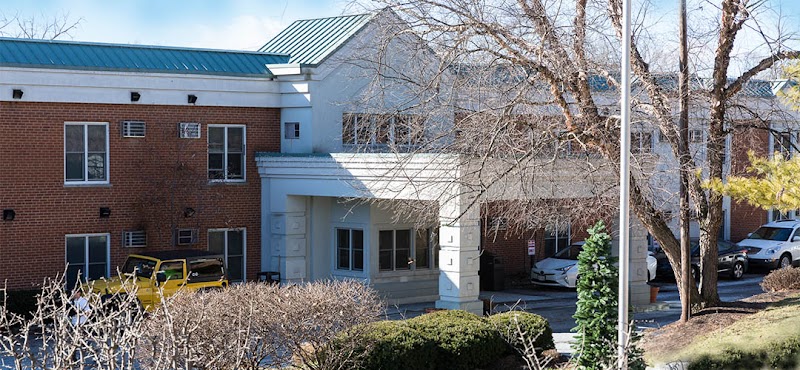
2586 LAFEUILLE AVENUE, CINCINNATI, OH 45211 (513) 662-2444
For profit - Corporation 167 Beds Independent Data: November 2025
Trust Grade
10/100
#793 of 913 in OH
Last Inspection: April 2025

Within standard 12-15 month inspection cycle. Federal law requires annual inspections.

Overview

The Chateau at Mountain Crest Nursing & Rehab Center has received a Trust Grade of F, indicating significant concerns and poor overall performance. Ranking #793 out of 913 in Ohio places it in the bottom half of facilities in the state, and #60 out of 70 in Hamilton County means there are only nine local options that are worse. The facility's trend is worsening, as the number of reported issues increased from 12 in 2024 to 17 in 2025. Staffing is rated as average with a turnover rate of 59%, which is higher than the state average, while RN coverage is also average. However, the facility has been fined a concerning $297,729, which is higher than 95% of Ohio facilities, suggesting ongoing compliance issues. Specific incidents include serious failures in resident care, such as a resident developing severe pressure ulcers due to inadequate assessments and interventions, and another instance where a resident was injured in a wheelchair collision with an aggressive peer. Additionally, there was a case where a resident fell and sustained a head injury due to improper transfer assistance by staff. While there are some strengths, such as a 5-star quality measures rating, the numerous deficiencies and serious incidents raise significant red flags for families considering this facility.

Trust Score
F
10/100
In Ohio
#793/913
Bottom 14%
Safety Record
High Risk
Review needed
Inspections
Getting Worse
12 → 17 violations
Staff Stability
⚠ Watch
59% turnover. Above average. Higher turnover means staff may not know residents' routines.
Penalties
✓ Good
$297,729 in fines. Lower than most Ohio facilities. Relatively clean record.
Skilled Nurses
○ Average
Each resident gets 32 minutes of Registered Nurse (RN) attention daily — about average for Ohio. RNs are the most trained staff who monitor for health changes.
Violations
⚠ Watch
74 deficiencies on record. Higher than average. Multiple issues found across inspections.
★★☆☆☆
2.0
Overall Rating
★★★☆☆
3.0
Staff Levels
★★★★★
5.0
Care Quality
★☆☆☆☆
1.0
Inspection Score
Stable
2024: 12 issues
2025: 17 issues

The Good

  • 5-Star Quality Measures · Strong clinical quality outcomes
  • Full Sprinkler Coverage · Fire safety systems throughout facility
  • No fines on record

Facility shows strength in quality measures, fire safety.

The Bad

2-Star Overall Rating

Below Ohio average (3.2)

Below average - review inspection findings carefully

Staff Turnover: 59%

13pts above Ohio avg (46%)

Frequent staff changes - ask about care continuity

Federal Fines: $297,729

Well above median ($33,413)

Significant penalties indicating serious issues

Staff turnover is elevated (59%)

11 points above Ohio average of 48%

The Ugly 74 deficiencies on record

4 actual harm
Jun 2025 2 deficiencies
CONCERN (D) 📢 Someone Reported This

A family member, employee, or ombudsman was alarmed enough to file a formal complaint

Potential for Harm - no one hurt, but risky conditions existed

Safe Environment (Tag F0584)

Could have caused harm · This affected 1 resident

**NOTE- TERMS IN BRACKETS HAVE BEEN EDITED TO PROTECT CONFIDENTIALITY** Based on medical record reviews, observation, staff interviews, and policy review, the facility failed to ensure residents were ...

Read full inspector narrative →
**NOTE- TERMS IN BRACKETS HAVE BEEN EDITED TO PROTECT CONFIDENTIALITY** Based on medical record reviews, observation, staff interviews, and policy review, the facility failed to ensure residents were provided with a safe, clean, comfortable and homelike environment. This affected two (#11 and #18) of the seven residents reviewed for environmental concerns. The facility census was 118. Findings include: 1) Review of the medical record for Resident #11 revealed an admission date of 06/10/23. Diagnoses included chronic obstructive pulmonary disease (COPD), chronic congestive heart disease, and acute kidney failure. Review of the Minimum Data Set (MDS) quarterly assessment dated [DATE] for Resident #11, revealed the resident was cognitively intact. Observation of Resident #11's room on 06/12/25 at 2:00 P.M., with Maintenance Director #200, revealed an air conditioning (AC) unit sitting in an opening in the outer wall. The AC unit did not fit properly in the opening. The sky and the surrounding buildings were visible through the large gap at the top and sides of the wall opening. Interview on 06/12/25 at 2:03 P.M. with the Maintenance Director #200, verified the AC unit sitting in an opening in the outer wall in Resident #11's room, did not fit properly and the sky and the surrounding buildings were visible through the gap at the top and sides of the wall opening. 2) Review of the medical record for Resident #18 revealed the resident was admitted on [DATE]. Diagnoses included traumatic brain injury (TBI), kidney cancer, anemia, morbid obesity, hypertension, cerebrovascular accident with left (non-dominant) hemiplegia/hemiparesis, bipolar disease, depression and anxiety. Review of the MDS quarterly assessment dated [DATE] for Resident #18, revealed the resident was cognitively intact. Resident #18 required supervision for eating and was dependent on staff for all other activities of daily living (ADLs). Observation during the initial tour on 06/11/25 at 9:30 A.M., revealed Resident #18's room had no pictures on the walls and the only window in the room had the drywall at the top of the inner window frame unattached from the wall framing and just barely hanging. There were no curtains or window blinds in place. The call system cord was lying on the floor at the foot of the bed and out of the reach of the resident. Further observation revealed there was no call system in the resident's room for the call system cord to be plugged into. The call system box that the cord plugged into was not present on the wall. Interview on 06/11/25 at 11:10 A.M. with Registered Nurse (RN) #305 and Maintenance Assistant #210, verified the condition of Resident #18's window inner frame drywall, no window coverings, and no call light system in the resident's room. Interview on 06/11/25 at 12:50 P.M. with the Administrator, verified the condition of Resident #18's window inner frame drywall, no window coverings, and no call system in the resident's room. Review of the facility policy titled, Homelike Environment-Quality of Life, dated 11/28/17, revealed residents are provided with a safe, clean, comfortable, and homelike environment and encouraged to use their personal belongings to extent possible including but not limited to receiving treatment and supports for daily living safely. This deficiency represents non-compliance investigated under Master Complaint Number OH00165496.
CONCERN (E) 📢 Someone Reported This

A family member, employee, or ombudsman was alarmed enough to file a formal complaint

Potential for Harm - no one hurt, but risky conditions existed

Deficiency F0919 (Tag F0919)

Could have caused harm · This affected multiple residents

**NOTE- TERMS IN BRACKETS HAVE BEEN EDITED TO PROTECT CONFIDENTIALITY** Based on medical record review, observation, staff interviews, and review of a facility policy, the facility failed to ensure re...

Read full inspector narrative →
**NOTE- TERMS IN BRACKETS HAVE BEEN EDITED TO PROTECT CONFIDENTIALITY** Based on medical record review, observation, staff interviews, and review of a facility policy, the facility failed to ensure resident call systems were functioning in an appropriate manner. This affected 14 (#103, #69, #91, #95, #17, #27, #43, #87, #51, #58, #107, #18, #88 and #117) of the 25 residents who resided on the secured men's behavioral unit reviewed for call lights. The facility census was 118. Findings included: Review of the medical record for Resident #18 revealed the resident was admitted on [DATE]. Diagnoses included traumatic brain injury (TBI), kidney cancer, anemia, morbid obesity, hypertension, cerebrovascular accident with left (non-dominant) hemiplegia/hemiparesis, bipolar disease, depression and anxiety. Review of the Minimum Data Set (MDS) quarterly assessment dated [DATE] for Resident #18 revealed the resident was cognitively intact. Resident #18 required supervision for eating and was dependent on staff for all other activities of daily living (ADLs). Observation of the facility during the initial tour on 06/11/25 at 9:30 A.M., revealed Resident #18's call system cord was lying on the floor at the foot of the bed. Further observation noted there was no call system in the resident's room for the call system cord to be plugged into. The call system box that the cord plugged into was not present on the wall. Interview on 06/11/25 at 10:57 A.M. with Resident #18, revealed no information as to how long the call light system was not present. Interview on 06/11/25 at 11:10 A.M. with Registered Nurse (RN) #305 and Maintenance Assistant #210, verified there was no call system available in the room of Resident #18 and unknown how long the call light system was not active. Continued observation of the facility on 06/11/25 between 12:50 P.M. and 1:15 P.M., revealed each room on the men's secured behavioral unit were double occupancy rooms. Residents #103 and #69 were in the same room with a single pull cord between the beds. Residents #91 and #95 were in the same room with a single pull cord between the beds. Residents #17 and #27 were in the same room with a single pull cord between the beds. Residents #43 and #87 were in the same room with a single pull cord between the beds. Residents #51 and #58 were in the same room with a single pull cord between the beds. Residents #107 and #18 were in the same room with a single pull cord between the beds and Residents #88 and #117 were in the same room with a single pull cord between the beds. The resident rooms had a call system with a single pull cord located in the middle of the wall between where the head of the two beds would be and when pulled, the call light was activated. The single cord was out of reach for the residents when they were in their beds. There was not a call system cord available for each resident and an individual cord that could be activated if the resident was in bed. Interview on 06/11/25 at 12:50 P.M. with the Administrator, verified there was no call system in Resident #18's room. The Administrator also verified Residents #103, #69, #91, #95, #17, #27, #43, #87, #51, #58, #107, #18, #88, and #117 did not have a call system in place that provided each resident with an individual access to the call system. Review of an undated facility policy titled, Answering the Call Light, revealed staff should be sure the call light was plugged in at all times and when the resident was in bed or confined to a chair, be sure the call light was within easy reach of the resident. Staff should report all defective call lights to the nurse supervisor promptly, and some residents may not be able to use their call light, so be sure to check these residents frequently. This deficiency represents non-compliance investigated under Master Complaint Number OH00165496.
Apr 2025 13 deficiencies
CONCERN (D)

Potential for Harm - no one hurt, but risky conditions existed

Notification of Changes (Tag F0580)

Could have caused harm · This affected 1 resident

**NOTE- TERMS IN BRACKETS HAVE BEEN EDITED TO PROTECT CONFIDENTIALITY** Based on medical record review, observation, staff interview, and facility policy review, the facility failed to notify the phys...

Read full inspector narrative →
**NOTE- TERMS IN BRACKETS HAVE BEEN EDITED TO PROTECT CONFIDENTIALITY** Based on medical record review, observation, staff interview, and facility policy review, the facility failed to notify the physician of a resident's significant weight loss. This affected one (#116) of eight residents reviewed for nutrition. The facility census was 119. Findings Included: Review of Resident #116's medical record revealed and admission date of 07/31/24. Diagnoses included chronic obstructive pulmonary disease, frontotemporal neurocognitive disorder, generalized anxiety disorder, major depressive disorder, and vascular dementia severity with other behavioral disturbance. Review of a quarterly Minimum Data Set (MDS) assessment dated [DATE] revealed Resident #116 was severely cognitively impaired. Resident #116 required supervision or touching assistance for meals and dressing the upper body. Resident #116 required partial to moderate assistance for personal hygiene, dressing the lower body, placing shoes on and off the feet, and oral care. Resident #116 required substantial to maximal assistance for bathing and toileting. Resident #116 was self-ambulatory and needed no durable medical equipment. Review of the plan of care dated 02/05/25 revealed Resident #116 required assistance with activities of daily living (ADLs) related to vascular dementia and chronic obstructive pulmonary disease. Interventions included assistance as needed with showers, encourage the resident to participate to the fullest extent possible, give the resident one step commands for completion of ADLs tasks, personal hygiene assistance with weight bearing assistance, staff to assist with completion of ADLs on a daily basis, and therapy to evaluate. Review of a physician order dated 07/31/24 revealed Resident #116 had an order for a no added salt diet with regular texture and thin liquids. Review of the medical record revealed Resident #116 weighed 126.6 pounds on 07/31/24. Review of Resident #116's medical record revealed on 08/07/24 the resident weighed 126.6 pounds, on 08/14/24 weighed the resident weighed 125.4 pounds, on 08/21/24 the resident weighed 125.4 pounds, and on 09/10/24 the resident weighed 124.2 pounds. Review of a nutrition note dated 10/30/24 by Registered Dietician (RD) #705 revealed Resident #116 was on a no added salt diet, thin liquids, and oral intakes varied but were mostly between 75 percent (%) and 100%. The resident's weight for October 2024 was pending and it was reported Resident #116 had a good appetite. RD #705 documented the facility would continue to monitor Resident #116 for necessity of additional nutritional interventions. Review of the medical record revealed Resident #116's weight on 12/10/24 was 135.6 pounds. Review of a nutrition note dated 01/30/25 by RD #705 revealed Resident #116 remained on a no added salt diet with variable intakes, but mostly consumed between 50% and 100% of meals. Resident #116's January 2025 weight was pending and it was documented Resident #116 would be monitored for necessity of additional nutritional interventions. Review of the medical record for Resident #116 revealed on 02/19/25 the resident weighed 88.6 pounds and on 02/27/25 weighed 88.0 pounds. Review of a nutrition note dated 02/28/25 by RD #705 revealed it was recommended Resident #116 be reweighed indicating the documentation was likely inaccurate. Resident #116 was noted with significant weigh loss over 180 days. Review of the medical record for Resident #116 revealed on 04/10/25 the resident weighed 87.8 pounds. Review of the medical record between 07/31/24 and 04/14/25 revealed no documented evidence of Resident #116's physician being notified of the resident's significant weight loss. Observation on 04/07/25 from 11:30 A.M. through 4:30 P.M. revealed Resident #116 continuously walked around the facility. Resident #116 walked around the hallway, in rooms, and very rarely sat down. She walked by herself and used no durable medical equipment for assistance. Interview on 04/14/25 at 1:38 P.M. with the Director of Nursing (DON) verified she was not aware Resident #116 had lost so much weight in the last three months. Interview on 04/14/25 at 1:40 P.M. with RD #705 verified there were several months Resident #116 where the resident was not weighed including October and November 2024, and January and March 2025. RD #705 stated she asked for Resident #116 to be reweighed on 02/28/25 and the March 2025 weight was not reported. The next reported weight loss was on 04/10/25 when the resident was 87.8 pounds. RD #705 stated Resident #116 lost a lot of weight. RD #705 stated her January 2025 nutritional assessment was not complete because she never received the weight for Resident #116. RD #705 stated there was a hand full of residents that had inaccurate documentation and had weights that were not accurate because nurse aides at the facility put them incorrectly. RD #705 stated Resident #116's weights were not put in the medical record, and she could not put an intervention in place as it would not be correct. RD #705 verified there were no nutritional interventions for Resident #116 to address her significant weight loss. Interview on 04/14/25 at 2:10 P.M. with Physician #710 stated Resident #116 had seen some weight loss in the past months likely due to her diagnosis of dementia. Physician #710 stated she was not aware of all the weight loss for Resident #116. Physician #710 confirmed no one at the facility notified her of Resident #116's weight loss or the resident's weights not being obtained on a consistent basis.
CONCERN (D)

Potential for Harm - no one hurt, but risky conditions existed

Deficiency F0685 (Tag F0685)

Could have caused harm · This affected 1 resident

**NOTE- TERMS IN BRACKETS HAVE BEEN EDITED TO PROTECT CONFIDENTIALITY** Based on medical record review, resident and staff interview, and review of resident lists, the facility failed to ensure reside...

Read full inspector narrative →
**NOTE- TERMS IN BRACKETS HAVE BEEN EDITED TO PROTECT CONFIDENTIALITY** Based on medical record review, resident and staff interview, and review of resident lists, the facility failed to ensure residents received follow-up care for audiology services. This affected one (#10) of six residents reviewed for ancillary services. The facility census was 119. Findings include: Review of the medical record revealed Resident # 10 was admitted to the facility on [DATE]. Diagnoses included schizoaffective disorder bipolar type, unspecified anxiety disorder, unspecified impulse disorder, pseudobulbar affect, and type II diabetes. Review of the most recent Minimum Data Set (MDS) assessment dated [DATE] revealed Resident # 10 was cognitively intact, had no behaviors, did not wander, and did not reject care. Resident #10 had adequate hearing with no hearing aids. Review of the care plan dated 01/30/24 revealed Resident # 10 had potential for inability to understand others related to decline in cognitive status. Interventions included to refer for an audiology evaluation as needed. Review of an audiologist visit document dated 05/30/24 revealed Resident # 10 had a history of impacted cerumen (ear wax) and currently had impacted cerumen bilaterally which completely occluded the ear canals. The audiologist instilled ear wax removal drops to both ears, but Resident #10 declined cerumen removal attempts. Recommendations included cerumen evaluation in four to six months. Further review of Resident #10's medical record revealed no further documentation provided regarding follow up appointments to address impacted cerumen since the appointment on 05/30/24. The facility provided a list of residents who had been seen for audiology services on 02/06/25, and Resident #10 was not seen. During an interview on 04/07/25 at 2:05 P.M., Resident # 10 stated his right ear kept clogging up and he had never seen an audiologist at the facility. During an interview on 04/10/25 at 3:32 P.M., Social Worker (SW) #173 verified Resident #10 had not been seen by audiologist since last appointment on record on 05/30/24. During an interview on 04/14/25 at 9:59 A.M., Care Referral Specialist #333 stated Resident #10 was not scheduled for or refused any audiology appointments since 05/30/24.
CONCERN (D) 📢 Someone Reported This

A family member, employee, or ombudsman was alarmed enough to file a formal complaint

Potential for Harm - no one hurt, but risky conditions existed

Accident Prevention (Tag F0689)

Could have caused harm · This affected 1 resident

**NOTE- TERMS IN BRACKETS HAVE BEEN EDITED TO PROTECT CONFIDENTIALITY** Based on observation, medical record review, staff interview, interview with local health clinic staff, review of hospital docum...

Read full inspector narrative →
**NOTE- TERMS IN BRACKETS HAVE BEEN EDITED TO PROTECT CONFIDENTIALITY** Based on observation, medical record review, staff interview, interview with local health clinic staff, review of hospital documentation, and policy review, the facility failed to recognize potential hazards related to residents attending community appointments unsupervised an failed to ensure a resident was properly assessed for use of a sit-to-stand lift for transfers. This affected one (#75) of one residents sampled for community appointments and one (#5) of 10 residents reviewed for accidents and hazards. The facility census was 119. Findings include: 1. Review of the medical record revealed Resident #75 was admitted to the facility on [DATE] and was discharged on 03/24/25. Diagnoses included unspecified dementia without behavioral disturbance, chronic obstructive pulmonary disease (COPD), unspecified severe protein calorie malnutrition, unspecified anxiety disorder, unspecified psychosis, mixed adjustment disorder, psychotic disorder with delusion, and alcohol dependence. Review of the most recent Minimum Data Set (MDS) assessment dated [DATE] revealed the resident was cognitively intact, had self-directed behaviors, did not reject care, and did not wander. Review of the care plan dated 06/06/23 revealed Resident #75 wanted to discharge to an apartment. Family had concerns about independent living and advised assisted living. The family indicated the resident had failed at independent living in the past and ended up homeless. Interventions included identifying barriers to discharge goals, educating the resident to assist with a successful discharge, identifying home service needs, identifying home equipment needs, and identifying the resident's desired location for discharge. Review of the care plan dated 10/28/24 revealed Resident #75 was at risk for elopement related to impaired safety awareness, hovering near exit doors, and expressing desires to return to the community. Resident #75 resided on a secured unit related to impaired cognitive function. Interventions included distracting the resident from wandering, identifying patterns of wandering, and monitoring for tailgating behaviors. Review of a secured unit evaluation dated 01/08/25 revealed Resident #75 did not wander, was able to ambulate independently, had combative behaviors that could be managed on a general unit, could perform activities of daily living (ADLs) independently or with one-person assistance, and residing on a secured unit was the least restrictive approach to ensuring his safety. Review of the progress notes revealed on 03/24/25 a 6:35 P.M., Resident # 75 went to an appointment at a health clinic via transport provided by the clinic. Upon noting Resident #75 had not returned to the facility, Registered Nurse (RN) #169 attempted to call both the clinic and the resident and received no answer from either. RN #169 notified the unit manager and Resident #75's daughter. On 03/24/25 at 8:58 P.M., Resident #75 contacted RN #169 and reported he was not coming back to the facility. The unit manager notified Resident #75's daughter and the provider on-call. On 03/26/25, Social Worker (SW) #173 attempted to call the local police department twice with no answer. On 03/26/25 at 4:02 P.M., SW #173 contacted adult protective services (APS) and informed the facility the family should contact the police and file a police report. When SW#173 contacted the family, Resident #75's daughter stated Resident #75 called her from another location in the same county as the facility. She reported the information to the police, but when police arrived at the location, Resident #75 was not located. On 03/27/25 at 6:31 P.M., RN #169 contacted the local police department, an officer came to the facility, and the facility filed a police report. During an interview on 04/03/25 at 9:30 A.M., RN #169 stated Resident #75 approached him on 03/24/25 between 12:30 P.M. and 1:00 P.M. holding papers in his hands and stated he had an appointment at a health clinic. The car was waiting outside to take him. RN #169 stated the appointment was a follow up to a lung examination. RN #169 stated Resident #75 had been to multiple appointments at that clinic in the past and would go unsupervised. In the past, the clinic sent either an Uber car or a marked van to pick him up and always returned Resident #75 to the facility after the appointments. RN #169 stated he became concerned when Resident #75 had not returned between 4:00 P.M. to 5:00 P.M. RN #169 stated when he attempted to contact the clinic, the clinic was closed, and after-hours staff were not able to provide any information. RN #169 stated he attempted to telephone and text message Resident #75 but got no response. Resident #75 telephoned RN #169 between 7:00 P.M. and 8:00 P.M. and stated he would not be returning to the facility. Resident #75 indicated he was unharmed. When RN #169 notified Resident #75's family, the daughter reported Resident #75 had already informed her he had left the facility and was not returning. She indicated Resident #75 was safe but did not know where he was staying or how he would get his medications. RN #169 stated the social worker had contacted APS and asked RN #169 to contact the police after her attempts were unsuccessful. RN #169 stated he contacted police and they came to the facility to file the report. During an interview on 04/03/25 at 3:05 P.M., the Director of Nursing (DON) stated the clinic sent an unmarked car to pick Resident #75 up for his appointment at the health clinic. RN #169 tried to call the clinic when Resident #75 did not return. The DON verified no one from the facility attempted to follow up further with the clinic after Resident #75 called and reported he was discharging himself against medical advice (AMA). The DON stated all appointments were kept in an appointment log. The DON verified Resident #75 did not have an appointment listed on the appointment log for 03/24/25 and told the nurse at the last minute about the appointment. The DON stated the incident was not reported as an elopement but was considered a case of a resident leaving AMA. The DON stated SW #173 informed her the procedure in the past for any resident who left AMA included reporting to APS and the police for safety when the resident went to an unknown location and had no access to medications, but that was not in any policy. During a telephone interview on 04/03/25 at 3:17 P.M. a Service Advocate at the health clinic stated Resident #75's last scheduled appointment was 03/10/25 at the clinic, and Resident #75 did not show up to the appointment. The service advocate stated Resident #75 did not have an appointment at the clinic on 03/24/25 and the clinic did not send a vehicle to the facility to pick Resident #75 up from the facility. The service advocate stated if the clinic had picked up a resident from a facility for an appointment, they would have returned the resident to his facility after the appointment as part of their service. During an interview on 04/03/25 at 4:12 P.M., RN #169 verified he was unaware Resident #75 had an appointment until Resident #75 told him he had an appointment on 03/24/25. RN #169 verified Resident #75 approached him with a bunch of papers in his hands and stated the car was outside to pick him up for his appointment at the clinic. RN #169 confirmed he did not look at the papers Resident #75 held in his hand to verify that the resident had an appointment before he allowed Resident #75 to leave the unit. RN #169 stated he watched Resident #75 get into the backseat of of an unmarked car which he assumed was an Uber provided by the health clinic. RN #169 verified he did not attempt to re-contact staff at the health clinic after Resident #75 reported he was not returning to the facility on [DATE]. Review of policy titled, Elopements, dated December 2007 revealed the facility investigated and reported all cases of missing residents. 2. Review of the medical record for Resident #50 revealed an admission dated 03/29/24. Diagnoses included cognitive communication deficit, chronic diastolic heart failure, chronic obstructive pulmonary disease, atrial fibrillation, major depressive disorder, anxiety, and dementia. Review of an admission document dated 03/29/24 for Resident #50 revealed he was assessed as a two-person transfer in mechanical lift. Review of the hospital Discharge summary dated [DATE] revealed Resident #50 was admitted to local hospital with onset of stroke-like symptoms that included leaning to the left side and was more confused and aphasic than his baseline. Resident #50 was negative for hemorrhage or evolving ischemia. Review of a quarterly MDS assessment dated [DATE] revealed Resident #50 was cognitively intact. Resident #50 was assessed to require supervision or touching assistance for meals. Resident #50 required partial to moderate assistance for oral care. Resident #50 was dependent for dressing the upper and lower body, placing shoes on and off, personal hygiene, toileting, and bathing. Resident #50 used a wheelchair to ambulate with staff at the facility. Review of the plan of care dated 03/27/25 revealed Resident #50 was at risk for falls, having history of falls. Interventions included frequent monitoring for attempting to transfer self from the bed, air loss mattress overlay with bolsters, frequent monitoring for attempting to transfer self from bed, leave the door open if the resident allowed to visualize him, occupational therapy to evaluate related to increased weakness, provide activities that promote exercise, and physical consult for strength and mobility. Resident #50 was at risk for assistance with activities of daily living related to muscle weakness, dementia, aphasia, and congestive heart failure. Interventions included staff to assist with completion of activity of daily living on a daily basis, therapy to evaluate and treat, and the resident was transferring assist with weight-bearing assistance. Resident #50 used a wheelchair with staff ambulating him. Observation on 04/09/25 from 11:18 A.M. through 11:31 A.M. revealed Certified Nurse Aid (CNA) #165 and CNA #192 assisted Resident #50 with care, dressing, and providing a transfer out of the bed. CNA #165 and CNA #192 placed a sit-to-stand lift chest lift pad under Resident #50's arms and locked in the legs to both leg straps on each shin rest at the lower lift bar. Resident #50 was educated to stand and hold the handle grips on the sit-to-stand when being lift. Resident #50 held the sit-to-stand lift grip to the right hand tightly, and the left hand he lightly grabbed the bar under the bar handle. CNA #165 verified at 11:27 A.M. Resident #50 let go of his left hand and dangled his entire arm to the left side. Resident #50 transferred to the wheelchair by sit-to-stand with two nurse aides and in wheelchair. Resident #50 was leaning in wheelchair to the left side. Interview on 04/09/25 at 12:44 P.M. with Therapy Director (TD) #153 stated Resident #50 was not assessed for sit-to-stand lift to be used. TD #153 stated Resident #50 was private pay for the therapy. TD #153 stated the resident's power of attorney did not want to pay for his therapy. Resident #50 was a contact guard assist with about 25 percent (%) with hands with therapy. Resident #50 should have been transferred with a gait belt with two person assist at this time. TD #153 stated he was in the process of getting a new wheelchair with a splint to left arm due to weakness from a recent stroke a month ago. TD #153 stated if Resident #50 was not holding the handle grips on the sit-to-stand lift, then it was a concern since he would have left side weakness in his leg. TD #153 stated Resident #50 would need evaluation for using a lift with transfers. Interview on 04/09/25 at 1:01 P.M. with the DON stated she expected staff would assess Resident #50 when admitted to the facility. The DON stated he was assessed on admission with a nurse for a mechanical lift. Review of the facility document titled, Lift Transfer Reposition Evaluation, dated 03/29/25, revealed Resident #50 had an evaluation that he was a two-person transfer and was unable to provide 50% assistance during transfer or transfers without assistance using a slide board. Resident #50 can sit-to the side of the bed or have limited assistance to sit up, and the type of lift indicated was a sit-to-stand lift. Review of the facility document titled, Safe Lifting and Movement of Residents, dated October 2009, revealed in order to protect the safety and well-being of staff and residents, and to promote quality of care, the facility uses appropriate techniques and devices to lift and move residents. Resident safety, dignity, comfort, and medical condition will be incorporated into goals and decisions regarding the safe lifting and moving of residents. Nursing staff, in conjunction with the rehabilitation staff, shall assess individual residents' needs for transfer assistance on an ongoing basis. Staff will document resident transferring and lifting needs in the care of plan. Such an assessment shall include residents' preferences for assistance, mobility, residents size, weight-bearing ability, cognitive status, whether residents were usually cooperative with staff, and goals for rehabilitation. This deficiency represents non-compliance investigated under Master Complaint Number OH00164250, Complaint Number OH00162927, and Complaint Number OH00163411.
CONCERN (D) 📢 Someone Reported This

A family member, employee, or ombudsman was alarmed enough to file a formal complaint

Potential for Harm - no one hurt, but risky conditions existed

Incontinence Care (Tag F0690)

Could have caused harm · This affected 1 resident

**NOTE- TERMS IN BRACKETS HAVE BEEN EDITED TO PROTECT CONFIDENTIALITY** Based on observation, medical record review, staff interview, and facility policy review, the facility failed to provide timely ...

Read full inspector narrative →
**NOTE- TERMS IN BRACKETS HAVE BEEN EDITED TO PROTECT CONFIDENTIALITY** Based on observation, medical record review, staff interview, and facility policy review, the facility failed to provide timely assistance for a resident who was dependent for incontinence care. This affected one (#5) of one residents reviewed for incontinence. The facility census was 119. Findings Included: Review of the medical record for Resident #5 revealed an admission date of 04/26/16. Diagnoses included spastic diplegic cerebral palsy, impulse disorder, epilepsy, psychotic disorder, bipolar disorder, dementia, intermittent explosive disorder, bipolar two disorder, anxiety disorder, and intellectual disabilities. Review of a quarterly Minimum Data Set (MDS) assessment dated [DATE] revealed Resident #5 had moderately impaired cognition. Resident #5 required substantial assistance for meals, oral care, dressing the upper body, and personal hygiene. Resident #5 was dependent for putting on and taking off shoes, dressing the lower body, toileting, and bathing. Review of a plan of care dated 01/17/25 revealed Resident #5 was at risk for activities of daily living (ADLs) self-care performance deficit related to disease process. Resident #5 was at risk for decline in physical function related to osteoarthritis. Interventions included assistance as needed with showers twice weekly, encouraging the resident to participate to the fullest extent, and total dependence with showers and personal care. Review of the care plan dated 01/17/25 revealed Resident #5 had potential for impairment to the skin integrity related to incontinence and decreased mobility. Resident #5 was at risk for decline in his continence status related to his current medical condition, impaired cognition, and overall medical condition. Resident #5 required assistance from staff for toileting and was incontinent of bowel and bladder. Interventions included urinary incontinence brief use, clean peri-area with each incontinence episode, and check the resident for incontinence during rounds. Observation on 04/07/25 from 1:39 P.M. through 4:31 P.M. revealed Resident #5 was sitting in the main lobby watching television. During this timeframe, Certified Nurse Aide (CNA) #228 was moved to another hall and left the floor. Interview on 04/07/25 at 3:05 P.M. with Licensed Practical Nurse (LPN) #254 stated CNA #228 was pulled to another floor to work. Interview on 04/07/25 at 4:31 P.M. with LPN #254 verified Resident #5 was moderately saturated with urine in incontinent brief and was wet. LPN #254 also verified Resident #5 had an old scar area to the right upper buttocks. Interview on 04/09/25 at 11:54 A.M. with CNA #228 stated he left the floor on memory care unit at 3:00 P.M. and was pulled to another floor. CNA #228 stated Resident #5 was last changed for incontinence before lunch at 12:20 P.M. as the lunch was later that day. Review of the undated facility document titled, Perineal Care, revealed the purpose of the procedure was to provide cleanliness and comfort to the resident, to prevent infections and skin irritation, and to observe the resident's skin condition. Review the resident's care plan to assess for any special needs of the resident. Also report other information in accordance with facility policy and professional standards of practice. This deficiency represents non-compliance investigated under Complaint Number OH00162789.
CONCERN (D)

Potential for Harm - no one hurt, but risky conditions existed

Deficiency F0692 (Tag F0692)

Could have caused harm · This affected 1 resident

**NOTE- TERMS IN BRACKETS HAVE BEEN EDITED TO PROTECT CONFIDENTIALITY** Based on medical record review, observation, staff interview, and facility policy review, the facility failed to monitor weights...

Read full inspector narrative →
**NOTE- TERMS IN BRACKETS HAVE BEEN EDITED TO PROTECT CONFIDENTIALITY** Based on medical record review, observation, staff interview, and facility policy review, the facility failed to monitor weights on a consistent basis and failed to address and implement interventions for a resident with significant weight loss in a timely manner. This affected one (#116) of eight residents reviewed for nutrition. The facility census was 119. Findings Included: Review of Resident #116's medical record revealed and admission date of 07/31/24. Diagnoses included chronic obstructive pulmonary disease, frontotemporal neurocognitive disorder, generalized anxiety disorder, major depressive disorder, and vascular dementia severity with other behavioral disturbance. Review of a quarterly Minimum Data Set (MDS) assessment dated [DATE] revealed Resident #116 was severely cognitively impaired. Resident #116 required supervision or touching assistance for meals and dressing the upper body. Resident #116 required partial to moderate assistance for personal hygiene, dressing the lower body, placing shoes on and off the feet, and oral care. Resident #116 required substantial to maximal assistance for bathing and toileting. Resident #116 was self-ambulatory and needed no durable medical equipment. Review of the plan of care dated 02/05/25 revealed Resident #116 required assistance with activities of daily living (ADLs) related to vascular dementia and chronic obstructive pulmonary disease. Interventions included assistance as needed with showers, encourage the resident to participate to the fullest extent possible, give the resident one step commands for completion of ADLs tasks, personal hygiene assistance with weight bearing assistance, staff to assist with completion of ADLs on a daily basis, and therapy to evaluate. Review of a physician order dated 07/31/24 revealed Resident #116 had an order for a no added salt diet with regular texture and thin liquids. Review of the medical record revealed Resident #116 weighed 126.6 pounds on 07/31/24. Review of Resident #116's medical record revealed on 08/07/24 the resident weighed 126.6 pounds, on 08/14/24 weighed the resident weighed 125.4 pounds, on 08/21/24 the resident weighed 125.4 pounds, and on 09/10/24 the resident weighed 124.2 pounds. Review of a nutrition note dated 10/30/24 by Registered Dietician (RD) #705 revealed Resident #116 was on a no added salt diet, thin liquids, and oral intakes varied but were mostly between 75 percent (%) and 100%. The resident's weight for October 2024 was pending and it was reported Resident #116 had a good appetite. RD #705 documented the facility would continue to monitor Resident #116 for necessity of additional nutritional interventions. Review of the medical record revealed Resident #116's weight on 12/10/24 was 135.6 pounds. Review of a nutrition note dated 01/30/25 by RD #705 revealed Resident #116 remained on a no added salt diet with variable intakes, but mostly consumed between 50% and 100% of meals. Resident #116's January 2025 weight was pending and it was documented Resident #116 would be monitored for necessity of additional nutritional interventions. Review of the medical record for Resident #116 revealed on 02/19/25 the resident weighed 88.6 pounds and on 02/27/25 weighed 88.0 pounds. Review of a nutrition note dated 02/28/25 by RD #705 revealed it was recommended Resident #116 be reweighed indicating the documentation was likely inaccurate. Resident #116 was noted with significant weigh loss over 180 days. Review of the medical record for Resident #116 revealed on 04/10/25 the resident weighed 87.8 pounds. Review of the medical record between 07/31/24 and 04/14/25 revealed no nutritional interventions were implemented, including nutritional drinks or supplements, to address Resident #116's significant weight loss. Observation on 04/07/25 from 11:30 A.M. through 4:30 P.M. revealed Resident #116 continuously walked around the facility. Resident #116 walked around the hallway, in rooms, and very rarely sat down. She walked by herself and used no durable medical equipment for assistance. Interview on 04/14/25 at 1:38 P.M. with the Director of Nursing (DON) verified she was not aware Resident #116 had lost so much weight in the last three months. Interview on 04/14/25 at 1:40 P.M. with RD #705 verified there were several months Resident #116 where the resident was not weighed including October and November 2024, and January and March 2025. RD #705 stated she asked for Resident #116 to be reweighed on 02/28/25 and the March 2025 weight was not reported. The next reported weight loss was on 04/10/25 when the resident was 87.8 pounds. RD #705 stated Resident #116 lost a lot of weight. RD #705 stated her January 2025 nutritional assessment was not complete because she never received the weight for Resident #116. RD #705 stated there was a hand full of residents that had inaccurate documentation and had weights that were not accurate because nurse aides at the facility put them incorrectly. RD #705 stated Resident #116's weights were not put in the medical record, and she could not put an intervention in place as it would not be correct. RD #705 verified there were no nutritional interventions for Resident #116 to address her significant weight loss. Interview on 04/14/25 at 2:10 P.M. with Physician #710 stated Resident #116 had seen some weight loss in the past months likely due to her diagnosis of dementia. Physician #710 stated she was not aware of all the weight loss for Resident #116. Physician #710 stated no one at the facility notified her of Resident #116's weight loss or the resident's weights not being obtained on a consistent basis. Review of the facility policy titled, Weight Assessment and Intervention, dated December 2008, revealed the multidisciplinary team will strive to prevent, monitor, and intervene for weight loss for the residents. The nursing staff will measure resident weights on admission, the next day, and weekly for two weeks thereafter. If no weight concerns are noted at this point, weights will be measured monthly thereafter.
CONCERN (D)

Potential for Harm - no one hurt, but risky conditions existed

Deficiency F0773 (Tag F0773)

Could have caused harm · This affected 1 resident

3. Review of the medical record for Resident #118 revealed an admission date of 08/13/24 with diagnoses of extradural and subdural abscess, osteomyelitis, and Arnold Chiari Syndrome. Review of a phys...

Read full inspector narrative →
3. Review of the medical record for Resident #118 revealed an admission date of 08/13/24 with diagnoses of extradural and subdural abscess, osteomyelitis, and Arnold Chiari Syndrome. Review of a physician order dated 03/22/25 revealed an order for a toxicology drug screen. Review of laboratory results revealed no toxicology drug screen was completed for Resident #118. Interview on 04/14/25 at 1:47 P.M. with the DON verified no toxicology drug screen was performed for Resident #118. Based on medical record review and staff interview, the facility failed to obtain laboratory values as ordered by the physician. This affected three (#5, #116, and #118) of 32 resident medical records reviewed. The facility census was 119. Findings Included: 1. Review of medical records for Resident #5 revealed an admission date of 04/26/16. Diagnoses included spastic diplegic cerebral palsy, impulse disorder, epilepsy, psychotic disorder, bipolar disorder, dementia, intermittent explosive disorder, bipolar two disorder, anxiety disorder, and intellectual disabilities. Review of a physician order dated 02/19/24 revealed Resident #5 had an order for laboratory tests for a complete blood count (CBC), renal panel, and Dilantin level every February, May, August, and November. Review of a physician order dated 02/19/24 revealed Resident #5 had an order for laboratory tests for fasting lipid panel, liver function test, hemoglobin A1C, and prostate specific antigen (PSA) yearly that was due April. Review of a physician order dated 02/19/24 revealed Resident #5 had an order for laboratory tests for a Phenytoin level every three months. Review of a facility document titled, Laboratory Result, dated 05/21/24, revealed Resident #5 had laboratory values obtained for a renal panel, lipid function panel, PSA, hemoglobin A1C, CBC, platelet level, and Phenytoin level. Review of a facility document titled, Laboratory Result, dated 10/03/24, revealed Resident #5 had laboratory values obtained for a renal panel, lipid function panel, hemoglobin A1C, CBC, platelet level, valproic acid level, and Phenytoin level. Review of a facility document titled, Laboratory Result, dated 04/01/25, revealed Resident #5 had laboratory values obtained for a renal panel, lipid function panel, CBC, and platelet level. Interview on 04/10/25 at 2:40 P.M. with the Director of Nursing (DON) stated she could not find anymore laboratory results for Resident #5 and stated all ordered laboratory values were not completed as ordered. 2. Review of medical records for Resident #116 revealed an admission date 07/31/24. Diagnoses included chronic obstructive pulmonary disease, frontotemporal neurocognitive disorder, generalized anxiety disorder, major depressive disorder, and vascular dementia severity with other behavioral disturbance. Review of physician order dated 08/02/24 revealed Resident #116 had an order to obtain a lipid panel and hepatic function every six months. Review of a facility document titled, Laboratory Result, dated 08/02/24, revealed Resident #116 had laboratory tests completed for a CBC with differential, platelet count, renal function, hepatic panel, lipid panel, thyroid stimulating hormone (TSH), and prealbumin. Review of a physician order dated 09/01/24 revealed Resident #116 had an order for CBC with differential and renal panel every three months. Interview on 04/10/25 at 2:00 P.M. with DON verified the laboratory results in Resident #116's medical record were the only values available and stated the tests were integrated with the laboratory company and show up in electronic chart. Interview on 04/10/25 at 2:40 P.M. with the DON stated there were no additional laboratory values available for Resident #16 and confirmed the laboratory tests were not completed as ordered.
CONCERN (D)

Potential for Harm - no one hurt, but risky conditions existed

Deficiency F0805 (Tag F0805)

Could have caused harm · This affected 1 resident

**NOTE- TERMS IN BRACKETS HAVE BEEN EDITED TO PROTECT CONFIDENTIALITY** Based on observation, resident and staff interview, and medical record review, the facility failed to serve food in a form to to...

Read full inspector narrative →
**NOTE- TERMS IN BRACKETS HAVE BEEN EDITED TO PROTECT CONFIDENTIALITY** Based on observation, resident and staff interview, and medical record review, the facility failed to serve food in a form to to meet resident needs. This affected one (#28) of eight residents reviewed for nutrition. The facility census was 119. Findings Included: Review of the medical record revealed Resident #28 was admitted on [DATE]. Diagnoses included dysphagia oropharyngeal phase, cognitive communication deficit, occlusion and stenosis of the right carotid artery, chronic diastolic heart failure, type two diabetes, atrial fibrillation, anxiety disorder, and dementia. Review of the Minimum Data Set (MDS) assessment dated [DATE] revealed Resident #28 was cognitively intact. Review of the physician order dated 11/04/24 revealed Resident #28 was ordered a regular diet with mechanical soft texture and thin liquids. Review of the care plan dated 04/14/25 revealed Resident #28 required monitoring of intakes, weight, skin, laboratory values, medication, diet tolerance, and to serve the diet as ordered. A registered dietitian was to evaluate and make diet change recommendations as needed. Observation on 04/07/25 at 5:20 P.M. revealed Resident #28 was served brussel sprouts that were sliced with the leaves whole, approximately three pieces of chopped meat in approximately one and one-half inch to two inch squares, and bow tie pasta in a sauce. Interview on 04/07/25 at 5:21 P.M., with Licensed Practical Nurse (LPN) #254 stated Resident #28 had squares of chicken or pork meat served with his meal and verified the resident was not to have that food. Observation on 04/07/25 at 5:25 P.M. revealed LPN #254 took Resident #28's plate so he would not eat the food. Interview with Resident #28 at the time of the observation revealed the resident was full and did not want another plate of food.
CONCERN (D)

Potential for Harm - no one hurt, but risky conditions existed

Infection Control (Tag F0880)

Could have caused harm · This affected 1 resident

**NOTE- TERMS IN BRACKETS HAVE BEEN EDITED TO PROTECT CONFIDENTIALITY** Based on observation, staff interview, medical record review, and policy review, the facility failed to ensure staff wore approp...

Read full inspector narrative →
**NOTE- TERMS IN BRACKETS HAVE BEEN EDITED TO PROTECT CONFIDENTIALITY** Based on observation, staff interview, medical record review, and policy review, the facility failed to ensure staff wore appropriate personal protective equipment (PPE) when providing direct care to residents on enhanced barrier precautions. This affected one (#67) of three residents sampled for enhanced barrier precautions. The facility census was 119. Findings Include: Review of the medical record revealed Resident #67 was admitted to the facility on [DATE]. Diagnoses included chronic viral hepatitis C, type II diabetes, morbid obesity, cannabis and other stimulant dependence, unspecified psychoactive substance abuse, unspecified anxiety and mood disorders, paraplegia, and chronic obstructive pulmonary disease. Review of the most recent Minimum Data Set (MDS) assessment dated [DATE] revealed Resident #67 was cognitively intact, had no behaviors, did not wander, and did not reject care. Review of a care plan dated 05/08/24 revealed Resident #67 had an indwelling urinary catheter related to a neurogenic bladder. Interventions included enhanced barrier precautions, following up with urology as needed, and monitoring, documenting, and reporting signs of increased pain and/or infection. Observation on 04/09/25 at 6:44 A.M. revealed Certified Nurse Aide (CNA) #237 did not wear an isolation gown when emptying Resident #67's urinary catheter bag. During an interview on 04/09/25 at 6:48 A.M., CNA #237 verified he did not wear an isolation gown when he emptied Resident #67's urinary catheter bag. CNA #237 stated enhanced barrier precautions were placed for the first week or so after a resident came from the hospital or if a resident was sick. CNA #237 stated he did not know why Resident #67 had a pocketed display on the wall which held isolation gowns and stated Resident #67 was not in any infection control precautions. CNA #237 verified there was a sign for enhanced barrier precautions outside of Resident #67's room in the hand rail but denied having ever been educated on enhanced barrier precautions. Review of policy titled, Enhanced Barrier Precautions, dated 04/01/24, revealed staff were required to wear an isolation gown and gloves during high contact resident care activities including device care for an indwelling urinary catheter.
CONCERN (E) 📢 Someone Reported This

A family member, employee, or ombudsman was alarmed enough to file a formal complaint

Potential for Harm - no one hurt, but risky conditions existed

Safe Environment (Tag F0584)

Could have caused harm · This affected multiple residents

**NOTE- TERMS IN BRACKETS HAVE BEEN EDITED TO PROTECT CONFIDENTIALITY** Based on observation, resident and staff interviews, medical record review, review of service reports, and policy review, the fa...

Read full inspector narrative →
**NOTE- TERMS IN BRACKETS HAVE BEEN EDITED TO PROTECT CONFIDENTIALITY** Based on observation, resident and staff interviews, medical record review, review of service reports, and policy review, the facility failed to ensure residents were provided a homelike environment. This affected six (#29, #79, #88, #101, #109, and #118) of 17 residents reviewed for environmental concerns. The facility census was 119. Findings Include: 1. Review of the medical record for Resident #29 revealed an admission date of 06/10/23 and diagnoses that included chronic obstructive pulmonary disease, chronic congestive heart disease, and acute kidney failure. Review of Resident #29's Minimum Data Set (MDS) assessment dated [DATE] revealed the resident was cognitively intact. Observation of Resident #29's room on 04/08/25 at 9:47 A.M. revealed an air conditioning unit sitting in an opening in the outer wall. The air conditioning unit did not fit properly in the opening. The sky and other buildings were visible through the gap at the top and sides of the wall opening. A thin plastic window covering was secured around the edges of the air conditioning unit with blue painter's tape and was noted to have holes in it. Interview with Registered Nurse (RN) #324 on 4/09/25 at 1:56 P.M. confirmed the air conditioner unit in Resident #29's room appeared to not be properly installed and light was visible around the top and sides of the unit. Interview with Resident #29 on 04/09/25 at 2:01 P.M. revealed the air conditioning unit was replaced and had never fit properly in the opening it sat in. Resident #29 reported the thin plastic around it did not keep the cold air out. On 04/09/25 at 2:10 P.M., interview with Maintenance Director (MD) #291 revealed Resident #29 had a new air conditioning unit placed about a year ago. The replacement unit was smaller than the opening in the wall for the previous unit but it was placed in the opening anyway. The new air conditioning unit was noted to have space around the top and sides that let light and air through. Clear window plastic was placed over the openings and secured with blue painter's tape in an effort to reduce the air flow from the gaps. MD #291 stated he would fix the gap around the unit with a bracket. Observation of the air conditioning unit in Resident #29's room on 04/10/05 at 8:15 A.M. revealed the thin plastic and painter's tape were not removed, but a plastic frame was placed in front of the plastic and affixed to the top of the opening with a single screw. Light continued to be visible and air was felt through the gap around the air conditioning unit. 2. Review of medical records for Resident #79 revealed an admission date of 01/27/22 with diagnoses including hemiplegia and hemiparesis following cerebral infarction, bipolar disorder, epilepsy, and schizoid personality disorder. Review of MDS assessment dated [DATE] revealed Resident #79 had mild cognitive impairment. Interview on 04/07/25 at 2:00 P.M. with Resident #79 stated some of the electrical outlets in his room did not work and he was unable to watch television in his room because it was mounted on the wall where the electrical outlets did not work. The resident stated the facility was aware of the issue but had not corrected it. Observation on 04/07/25 at 2:00 P.M. revealed Resident #79's room had outlets that did not provide electricity, including the outlets on the wall where his television was mounted. 3. Review of medical records for Resident #88 revealed an admission dated of 10/17/22 with diagnoses including chronic obstructive pulmonary disease (COPD), psychotic disorder with delusions, and traumatic brain injury. Review of the MDS assessment dated [DATE] revealed Resident #88 had mild cognitive impairment. Observation on 04/07/25 at 3:15 P.M. revealed Resident #88's room did not have electricity in some outlets in his room. 4. Review of medical records for Resident #101 revealed an admission date of 08/31/23 with diagnoses including acute respiratory failure with hypoxia and schizoaffective disorder. Review of the MDS assessment dated [DATE] revealed Resident #101 had mild cognitive impairment. Interview on 04/07/25 at 1:20 P.M. with Resident #101 verified some of the electrical outlets did not work in her room. Observation on 04/07/25 at 1:20 P.M. revealed Resident #101's room did not have electricity in all outlets. 5. Review of medical records for Resident #109 revealed the resident admitted on [DATE] with diagnoses including osteomyelitis, acute embolism and thrombosis of deep veins, polyneuropathy, bipolar II, and anxiety. Review of the MDS assessment dated [DATE] revealed Resident #109 was cognitively intact. Interview on 04/07/25 at 1:40 P.M. with Resident #109 stated the electrical outlet in parts of his room did not work. Observation on 04/07/25 at 1:40 P.M. revealed Resident #109's room did not have electricity in all outlets. Interview on 04/07/25 at 4:30 P.M. with the Director of Nursing (DON) verified that not all electrical outlets were working in Resident #109, Resident #101, Resident #88, and Resident #79's rooms. 6. Review of medical records for Resident #118 revealed an admission date of 08/13/24 with diagnoses of extradural and subdural abscess, osteomyelitis, and Arnold Chiari Syndrome. Review of the MDS assessment dated [DATE] revealed Resident #118 had mild cognitive impairment. Observation on 04/07/25 at 2:56 P.M. revealed Resident #118's room did not have electricity in all outlets. Interview on 04/08/25 at 11:00 A.M. with the DON verified the electrical outlets were not working in parts of Resident's #118's room. Review of a service report dated 02/17/25 revealed an electrical contractor identified a short in a wall that affected two rooms with no power. Review of the facility policy titled, Homelike Environment-Quality of Life, dated 11/28/17, revealed residents are provided with a safe, clean, comfortable, and homelike environment and encouraged to use their personal belongings to extent possible including but not limited to receiving treatment and supports for daily living safely. This deficiency represents non-compliance investigated under Complaint Number OH00163411, Complaint Number OH00162927, Complaint Number OH00162789, and Complaint Number OH00162565.
CONCERN (E)

Potential for Harm - no one hurt, but risky conditions existed

Deficiency F0657 (Tag F0657)

Could have caused harm · This affected multiple residents

**NOTE- TERMS IN BRACKETS HAVE BEEN EDITED TO PROTECT CONFIDENTIALITY** Based on medical record review, resident and resident family interview, staff interview, review of incident reports, and policy ...

Read full inspector narrative →
**NOTE- TERMS IN BRACKETS HAVE BEEN EDITED TO PROTECT CONFIDENTIALITY** Based on medical record review, resident and resident family interview, staff interview, review of incident reports, and policy review, the facility failed to ensure care conferences were conducted timely as required and failed to ensure care plans were updated timely when new interventions were implemented. This affected six (#59, #79, #98, #116, #118, and #120) of 32 residents reviewed for care plans. The census was 119. Findings include: 1. Review of the medical records for Resident #79 revealed an admission date of 01/27/22 with diagnoses including hemiplegia and hemiparesis following cerebral infarction, bipolar disorder, epilepsy, and schizoid personality disorder. Review of the Minimum Data Set (MDS) assessment dated [DATE] revealed Resident #79 had mild cognitive impairment. Review of care conference documentation revealed conferences were held for Resident #79 on 03/12/24, 06/07/24, and 10/21/24. There was no documented care conference for the first quarter of 2025. 2. Review of Resident #98's medical record revealed an admission date of 12/29/23 with diagnoses including chronic disease, seizures, and schizophrenia. Review of the MDS assessment dated [DATE] revealed Resident #98 was cognitively intact. Review of care conferences revealed conferences were held for Resident #98 on 03/25/24, 05/14/24, 09/17/24, and 04/01/25. There was no evidence of a care conference in the fourth quarter of 2024 or the first quarter of 2025. 3. Review of Resident #118's medical records revealed an admission date of 08/13/24 with diagnoses of extradural and subdural abscess, osteomyelitis, and Arnold Chiari Syndrome. Review of the MDS assessment dated [DATE] revealed Resident #118 had mild cognitive impairment. Review of notes for Resident #118's care conference dated 03/13/25 revealed it did not happening due to the resident being unavailable and would be rescheduled but no follow up care conference was performed. Interview on 04/14/25 at 11:31 A.M. with MDS Registered Nurse (RN) #257 verified the documented care conferences for Resident #79 were the only care conferences that took place, and there was no evidence of additional care conferences. MDS RN #257 further verified care conference were not completed timely for Resident #98 and Resident #118 for the first quarter of 2025.4. Review of the medical record revealed Resident #120 was admitted to the facility on [DATE]. Diagnoses included Huntington's disease, unspecified dementia with behavioral disturbances, anxiety disorder, and unspecified depression. Review of the most recent MDS assessment dated [DATE] revealed Resident #120 had moderately impaired cognition, had no behaviors, did not wander, and did not reject care. Review of the care plan dated 11/04/24 revealed Resident #120 was at increased risk for falls related to deconditioning, weakness, impaired balance, poor safety awareness, medication use related to Huntington's disease, and dementia. Interventions included keeping the call light within reach, encouraging the resident to ask for assistance, therapy evaluations as ordered, observing for side effects to medications, providing activities of daily living (ADL) assistance as needed, and monitoring, documenting, reporting changes in mental status or pain. Review of the care plan dated 02/27/25 revealed Resident #120 had an actual unwitnessed falls with no injuries on 12/07/24 and 12/22/24, and an unwitnessed fall with a scalp laceration on 02/20/25. Interventions included monitoring, documenting, and reporting changes in pain or mental status for 72 hours, initiating neurological checks, and consulting with physical therapy for strength and mobility. Review of the progress notes revealed Resident #120 had an unwitnessed fall on 12/07/24 at 12:34 A.M. during which he sustained a laceration to the right upper eye. The nurse implemented non-skid socks immediately for fall prevention. Review of an incident report dated 12/07/24 revealed interventions recommended for Resident #120's fall prevention included monitoring for delayed injuries and pain, notifying therapy to assist with fall interventions, providing treatments as per orders, and consulting the pharmacy to evaluate medications. Review of incident report dated 02/20/25 revealed resident fell due to noncompliance with safety precautions and ambulating without assistance. Interventions included therapy consult and frequent (increased) monitoring to assist with transfers related to noncompliance with requesting assistance. During an interview on 04/10/25 at 3:13 P.M. the Director of Nursing (DON) verified the nursing intervention documented in the progress note for the fall on 12/07/24 for non-skid socks was not placed on the care plan. The DON stated typically when risk management reviewed falls and completed the root cause analysis (RCA), the interdisciplinary team (IDT) decide what intervention to put in place. The non-skid footwear was an immediate intervention the nurse initiated at the time of the fall, but was not the intervention the IDT team put in place. The intervention the IDT team put in placed was for a pharmacy/medication review. The DON stated after the fall on 02/20/25, the IDT team sent Resident #120 to the emergency room and placed increased monitoring to assist with transfers. The final intervention that was added related to the care plan was for a scoop mattress. The DON stated that was not included on the RCA because the facility had to order the mattress first. She stated it was added to the care plan on 02/24/25. During an interview on 04/14/25 at 8:27 A.M. the DON stated the intervention for Resident #120's fall on 12/07/24 was to have a pharmacy review for medications. The DON verified the intervention was not on the resident's care plan. The DON stated the intervention for Resident #120's fall on 02/20/25 was a scoop mattress. The DON verified that intervention was not created in the care plan until 04/10/25 although it was back-dated in the documentation to look like it was initiated on 02/24/25. 5. Review of the medical records for Resident #116 revealed an admission date 07/31/24. Diagnoses included chronic obstructive pulmonary disease, frontotemporal neurocognitive disorder, generalized anxiety disorder, major depressive disorder, and vascular dementia severity with other behavioral disturbance. Review of a quarterly MDS assessment dated [DATE] revealed Resident #116 had severely impaired cognition. Review of the medical records for Resident #116 revealed care conference were held on 08/01/24 with a daughter present and on 11/13/24 with no family member present. Interview on 04/08/25 at 8:27 A.M. with Resident #116's daughter stated she never had a care conference at the facility. Resident #116's daughter stated she had one call a month ago and was told Resident #116 fell. Resident #116's daughter stated she would like to attend care conferences since the facility did not answer the telephone when she called. Interview on 04/14/25 at 11:25 A.M. with MDS RN #257 stated she did not perform care conferences at the facility. MDS RN #257 verified Resident #116 only had two care conferences at the facility and should have had more. 6. Review of the medical record for Resident #59 revealed an admission date of 05/17/24 and diagnoses included stage III chronic kidney disease, type II diabetes mellitus, depression, and anxiety disorder. Review of Resident #59's MDS assessment dated [DATE] revealed the resident had mild cognitive impairment. Review of care conference documentation revealed the facility scheduled care conferences for Resident #59 on 07/11/24, 10/14/24, and 03/27/25. Resident #59 was noted to be out of the facility on 10/14/24 and 03/27/25 and quarterly care conferences would be rescheduled. Further review revealed no care conferences were rescheduled for Resident #59. Interview 04/10/25 at 12:43 P.M. with Resident #59 revealed the resident did not recall having a care conference for a very long time. Interview 04/10/25 at 1:04 P.M. with Social Worker (SW) #173 confirmed Resident #59 had not had a care conference since 07/11/24 and care conferences scheduled for 10/14/24 and 03/27/25 were not completed. Interview with MDS Nurse #257 on 04/14/25 at 11:26 A.M. confirmed care conferences were to be held quarterly and should be rescheduled at the earliest convenience of the resident if the resident is out of the facility at the time of the scheduled care conference. Review of policy titled, Care Planning, dated December 2008, revealed the interdisciplinary team was responsible for the development of individualized comprehensive care plans and the resident, resident's family, and/or resident's representative were encouraged to participate in developing and revising the residents care plan during care plan meetings that were scheduled at times of day convenient to the resident and family.
CONCERN (E)

Potential for Harm - no one hurt, but risky conditions existed

Deficiency F0761 (Tag F0761)

Could have caused harm · This affected multiple residents

Based on observation and staff interview, the facility failed to ensure medications were secure and inaccessible to unauthorized staff and residents. This had the potential to affect five (#31, #54, #...

Read full inspector narrative →
Based on observation and staff interview, the facility failed to ensure medications were secure and inaccessible to unauthorized staff and residents. This had the potential to affect five (#31, #54, #79, #84, and #109) of five residents observed in the hallway during medication administration. The facility census was 119. Findings Include: Observation on 04/09/25 at 9:00 A.M., during medication administration, Registered Nurse (RN) #260 was observed to discard two 300 milligram (mg) gabapentin capsules and one five (5) mg memantine tablet into the open trash receptacle on the end of the medication cart. RN #260 left the medication cart locked and unattended on four occasions to administer medications during observation. The medication cart was placed in a common area between the front entrance to the facility and the rehabilitation room. Five (#31, #54, #79, #84 and #109) residents were observed to be in the hallway when the medication cart was left unattended with three unsecured pills in the trash receptacle. Interview with RN #260 on 04/09/25 at 9:11 A.M. confirmed the three medications should not have been discarded in an unsecure trash receptacle and stated any resident who walked by had access to those medications. Interview with the Director of Nursing (DON) 04/09/2025 at 12:30 P.M. revealed no medications should be left unattended where residents had access to them.
CONCERN (E) 📢 Someone Reported This

A family member, employee, or ombudsman was alarmed enough to file a formal complaint

Potential for Harm - no one hurt, but risky conditions existed

Deficiency F0919 (Tag F0919)

Could have caused harm · This affected multiple residents

**NOTE- TERMS IN BRACKETS HAVE BEEN EDITED TO PROTECT CONFIDENTIALITY** Based on observation, resident and staff interview, medical record review, and review of a facility policy, the facility failed ...

Read full inspector narrative →
**NOTE- TERMS IN BRACKETS HAVE BEEN EDITED TO PROTECT CONFIDENTIALITY** Based on observation, resident and staff interview, medical record review, and review of a facility policy, the facility failed to ensure resident call systems were functioning in an appropriate manner. This affected two (#42 and #77) of three residents reviewed for call lights. The facility census was 119. Findings Included: Review of the medical record for Resident #42 revealed an admission date of 11/25/2019. Diagnoses included palliative care, schizoaffective disorder, dementia, borderline personality disorder, brief psychotic disorder, type two diabetes, and adult sexual abuse. Review of a quarterly Minimum Data Set (MDS) assessment dated [DATE] revealed Resident #42 was assessed with mil;d cognitive impairment. Resident #42 required supervision or touching assistance for eating meals. Resident #42 required partial to moderate assistance for dressing the upper body. Resident #42 required substantial maximal assistance for dressing the lower body, putting shoes on and off, personal hygiene, bathing, and toileting. Resident #42 used a wheelchair with assistance from staff to ambulate at the facility. Review of a plan of care dated 03/06/25 revealed Resident #42 was at risk for falls related to deconditioning, dementia, osteoarthritis, chronic obstructive pulmonary disease, incontinence, and medication use. Interventions included be sure Resident #42's call light was within reach and encourage the resident to use it for assistance as needed, check and change on rounds, ensure the resident was wearing appropriate footwear or nonskid shoes, observe for side effects of medication, and physical therapy to evaluate and treat. Review of the medical records for Resident #77 revealed and admission date of 09/24/23. Diagnoses included cognitive communication deficit, dysphagia oropharyngeal phase, major depressive disorder, and anxiety disorder. Review of a quarterly MDS assessment dated [DATE] revealed Resident #77 had severely impaired cognition. Resident #77 required setup or clean up assistance for eating meals, oral care, toileting hygiene, dressing the upper body and lower body, putting on and off shoes, and personal hygiene. Resident #77 required partial to moderate assistance for bathing and used a walker self-ambulate. Review of a plan of care dated 02/26/25 revealed Resident #77 was at increased risk for falls related to a history of falls, muscle weakness, cognition, medication use, and chronic medical conditions. Interventions included be sure the resident's call light was within reach and encourage the resident to use, encourage the resident for activities, ensure the resident was wearing appropriate shoes, the resident needed a safe environment with even floors, free from spills, and clutter, and provide additional activity of daily living assistance post-fall as needed. Observation on 04/09/25 at 10:55 A.M. revealed Resident #77 was sitting on her bed and a call light was placed on the top of the bed. Interview with Resident #77 at the time of the observation stated she needed staff and was unable to get their attention because the call light was not working. Observation on 04/09/25 at 10:56 A.M. revealed Resident #42 was sitting on her bed and asking for help up. Interview with Resident #42 at the time of the observation stated she needed help with personal care. Observation and interview on 04/09/25 at 10:58 A.M. with Certified Nurse Aide (CNA) #165 confirmed both Resident #77 and Resident #42's call lights were not working. Interview on 04/09/25 at 11:07 A.M. with Unit Manager (UM) #175 verified Resident #77 and Resident #42 did not have working call lights or a silver bell to ring in their room. Review of an undated facility policy titled, Answering the Call Light, revealed staff should be sure the call light was plugged in at all times and when the resident was in bed or confined to a chair, be sure the call light was within easy reach of the resident. Staff should report all defective call lights to the nurse supervisor promptly, and some residents may not be able to use their call light, so be sure to check these residents frequently. This deficiency represents non-compliance investigated under Complaint Number OH00163411, Complaint Number OH00162927, Complaint Number OH00162789, and Complaint Number OH00162565.
CONCERN (F)

Potential for Harm - no one hurt, but risky conditions existed

Food Safety (Tag F0812)

Could have caused harm · This affected most or all residents

Based on observation and staff interview, the facility failed to store foods in a manner to prevent spoilage and failed to ensure kitchen staff appropriately wore hair restraints while in the kitchen....

Read full inspector narrative →
Based on observation and staff interview, the facility failed to store foods in a manner to prevent spoilage and failed to ensure kitchen staff appropriately wore hair restraints while in the kitchen. This had the potential to affect all 119 residents at the facility. The facility census was 119. Findings Included: 1. Observation on 04/08/25 from 9:50 A.M. through 10:00 A.M. revealed an opened and undated quarter pound package of ham lunch meat, two halved tomatoes wrapped in plastic that were undated, an opened and undated package of yellow cheeses with a quarter pound left, and three ham sandwiches, three bologna sandwiches, and six peanut butter sandwiches individually packaged in plastic bags that were not labeled or dated in refrigerator. Interview on 04/07/25 at 9:58 A.M. with Food Service Director (FSD) #196 verified all the food items were not labeled or dated, and should have been, in the refrigerator. Review of the facility policy titled, Food Receiving and Storage, dated December 2008, revealed the facility foods shall be received and stored in a manner that complies with practices. All foods stored in the refrigerator or freezer will be covered, labeled, and dated (use by date). 2. Observation on 04/08/25 at 11:00 A.M. of Dietary Assistant (DA) #263 revealed she was wearing a hat with braided hair in a pony tail down to the middle of her back. The braided pony tail was not contained within the hat. Interview on 04/08/25 at 11:00 A.M. with DA #263 verified her hair down her back was not contained in her hat or by another means. Observation on 04/08/25 at 11:35 A.M. revealed [NAME] #287 entered the kitchen and had no hair net on when entering on the other side of the kitchen located at the dishwasher station. [NAME] #287 was also observed with a short cut beard and had no beard protector on his face. Interview on 04/08/25 at 12:48 P.M. with [NAME] #287 verified he did not have a hair net or beard protector on his face while in the kitchen.
Jan 2025 2 deficiencies
CONCERN (E) 📢 Someone Reported This

A family member, employee, or ombudsman was alarmed enough to file a formal complaint

Potential for Harm - no one hurt, but risky conditions existed

Safe Environment (Tag F0584)

Could have caused harm · This affected multiple residents

Based on observation, resident and staff interviews and review of facility policy, the facility failed to maintain comfortable air temperatures and failed to provide a homelike environment. This affec...

Read full inspector narrative →
Based on observation, resident and staff interviews and review of facility policy, the facility failed to maintain comfortable air temperatures and failed to provide a homelike environment. This affected 10 (#01, #02, #03, #04, #05, #06, #07, #08, #09, and #10) out of 123 residents that resided at the facility. The facility census was 123. Findings include: Observation of Maintenance Assistant (MA) #631 revealed he was obtaining air temperatures in resident rooms on 01/27/25 at 9:53 A.M. Further observation revealed Resident #02's room was 57.6 degrees Fahrenheit (F), Resident #06's room was 61.7 degrees F, Resident #07's room was 61.8 degrees F and the common shower room on the women's secured unit was 66.5 degrees F. Interview with MA #631 on 01/27/25 at 9:53 A.M. verified the air temperature in Resident #02's room was 57.6 degrees F, the air temperature in Resident #06's room was 61.7 degrees F, the air temperature in Resident #07's room was 61.8 degrees F, and the air temperature in the shower room on the women's secured unit was 66.5 degrees F. MA #631 confirmed the packaged terminal air conditioner (PTAC) units in Resident #02, Resident #06, and Resident #07's rooms were not working or putting out heat, and the shower room on the women's secured unit had a fan but did not have a heater. MA #631 reported Resident #01, Resident #02, Resident #03, Resident #04, Resident #05, Resident #06, Resident #08, Resident #09, and Resident #10 had their beds moved from their rooms to the dining room on the women's secured unit because there were concerns about air temperatures in the facility. Interview with Resident #02 on 01/27/25 at 10:00 A.M. revealed it was cold in her room and on the women's secured unit. Resident #02 reported she had to sleep in the dining room on the unit due to the air temperature. Interview with Resident #08 on 01/27/25 at 10:10 A.M. revealed she had to sleep in the dining room for approximately one week with all the other residents because the motor burned up in the heater in her room. Resident #08 stated she disliked sleeping in the dining room and it was cold in her room and on the women's secured unit. Interview with Certified Nurse Aide (CNA) #240 on 01/27/25 at 10:11 A.M. verified Resident #01, Resident #02, Resident #03, Resident #04, Resident #05, Resident #06, Resident #08, Resident #09, and Resident #10 had their beds moved from their rooms to the dining room on the women's secured unit last week because the temperature in their rooms was too cold. Interview with the Administrator and Maintenance Director (MD) #252 on 01/28/25 at 2:02 P.M. revealed the facility identified the PTAC units in Resident #02, Resident #06, Resident #07's rooms were not working on 01/21/25. MD #252 stated the facility's heating and cooling company assessed the units on 01/21/25 and it was determined that the units needed new motors. The Administrator stated all the residents on the women's secured unit had their beds moved to the dining room on the unit due to concerns with the heat in the facility on 01/21/25 when the facility had a break in the sprinkler pipe in a different area of the facility. MD #252 reported the residents were moved to the dining room because the dining room had a different heating system that was not impacted by the break in the sprinkler pipe. MD #252 stated the sprinkler pipe was repaired on 01/21/25 and heat was restored to all the rooms in the women's secured unit on 01/21/25 except for Resident #02, Resident #06, and Resident #07's rooms which had PTAC units that were not functioning properly. The Administrator and MD #252 verified Resident #01, Resident #03, Resident #04, Resident #05, Resident #08, Resident #09, and Resident #10's beds were not returned to their rooms on 01/21/25 after heat was restored and that their beds remained in the dining room on the women's secured unit. Further interview with MD #252 on 01/28/25 at 2:45 P.M. revealed he did not have any documentation of the PTAC units in Resident #02, Resident #06, and Resident #07's rooms were inspected in the past year. Review of the facility's homelike environment policy, dated August 2009, revealed the facility shall provide person centered care that emphasizes the residents' comfort, independence, and personal needs and preferences. The facility staff and management shall maximize to the extent possible the characteristics of the facility that reflect a personalized homelike setting. These characteristics include comfortable temperatures. This deficiency represents non-compliance investigated under Complaint Number OH00161091.
CONCERN (E) 📢 Someone Reported This

A family member, employee, or ombudsman was alarmed enough to file a formal complaint

Potential for Harm - no one hurt, but risky conditions existed

Deficiency F0914 (Tag F0914)

Could have caused harm · This affected multiple residents

Based on observation, resident interview, and staff interview, the facility failed to ensure residents had full visual privacy as required. This affected nine (#01, #02, #03, #04, #05, #06, #08, #09, ...

Read full inspector narrative →
Based on observation, resident interview, and staff interview, the facility failed to ensure residents had full visual privacy as required. This affected nine (#01, #02, #03, #04, #05, #06, #08, #09, and #10) out of 123 residents that resided at the facility. The facility census was 123. Findings include: Observation of the dining room on the women's secured unit on 01/27/25 at 9:53 A.M. revealed Resident #01, Resident #02, Resident #03, Resident #04, Resident #05, Resident #06, Resident #08, Resident #09, and Resident #10 had their beds in the dining room on the women's secured unit. There were not any privacy curtains or barriers between the residents' beds and the beds could be visualized by the entire room. Interview with Resident #02 on 01/27/25 at 10:00 A.M. revealed it was cold in her room and on the women's secured unit. Resident #02 reported she had to sleep in the dining room on the unit due to the air temperatures. Interview with Resident #08 on 01/27/25 at 10:10 A.M. revealed she had to sleep in the dining room for approximately one week with all the other residents because the motor burned up in the heater in her room. Resident #08 stated she disliked sleeping in the dining room and it was cold in her room and on the women's secured unit. Interview with Certified Nurse Aide (CNA) #240 on 01/27/25 at 10:11 A.M. verified Resident #01, Resident #02, Resident #03, Resident #04, Resident #05, Resident #06, Resident #08, Resident #09, and Resident #10 had their beds moved from their rooms to the dining room on the women's secured unit last week because the temperature in their rooms was too cold. Interview with the Administrator and Maintenance Director (MD) #252 on 01/28/25 at 2:02 P.M. revealed the facility identified the PTAC units in Resident #02, Resident #06, Resident #07's rooms were not working on 01/21/25. MD #252 stated the facility's heating and cooling company assessed the units on 01/21/25 and it was determined the units needed new motors. The Administrator stated all the residents on the women's secured unit had their beds moved to the dining room on the unit due to concerns with the heat in the facility on 01/21/25 when the facility had a break in the sprinkler pipe in a different area of the facility. MD #252 reported the residents were moved to the dining room because the dining room had a different heating system that was not impacted by the break in the sprinkler pipe. MD #252 stated the sprinkler pipe was repaired on 01/21/25 and heat was restored to all the rooms in the women's secured unit on 01/21/25 except for Resident #02, Resident #06, and Resident #07's rooms which had PTAC units that were not functioning properly. The Administrator and MD #252 verified Resident #01, Resident #03, Resident #04, Resident #05, Resident #08, Resident #09, and Resident #10's beds were not returned to their rooms on 01/21/25 after heat was restored and that their beds remained in the dining room on the women's secured unit. Interview with the Director of Nursing (DON) on 01/28/25 at 2:50 P.M. verified Resident #01, Resident #02, Resident #03, Resident #04, Resident #05, Resident #06, Resident #08, Resident #09, and Resident #10's beds remained in the dining room on the women's secured unit and there were not any privacy curtains or dividers to provide residents privacy when they were in their beds. This deficiency represents non-compliance investigated under Complaint Number OH00161091.
Oct 2024 1 deficiency
CONCERN (D) 📢 Someone Reported This

A family member, employee, or ombudsman was alarmed enough to file a formal complaint

Potential for Harm - no one hurt, but risky conditions existed

Deficiency F0678 (Tag F0678)

Could have caused harm · This affected 1 resident

**NOTE- TERMS IN BRACKETS HAVE BEEN EDITED TO PROTECT CONFIDENTIALITY** Based on medical record review, staff interview, review of the facility policy, and review of online guidelines per the American...

Read full inspector narrative →
**NOTE- TERMS IN BRACKETS HAVE BEEN EDITED TO PROTECT CONFIDENTIALITY** Based on medical record review, staff interview, review of the facility policy, and review of online guidelines per the American Heart Association (AHA), the facility failed to administer cardiopulmonary resuscitation (CPR) per the facility policy and per professional standards of care. This affected one (Resident #132) of three residents reviewed for change in condition. The facility census was 128 residents. Findings include: Review of the medical record for Resident #132 revealed an admission date of [DATE] with diagnoses including multiple sclerosis, dementia, attention-deficit hyperactivity disorder, gastro-esophageal reflux disease, metabolic encephalopathy, morbid obesity and schizophrenia. Resident #132 expired in the facility on [DATE]. Review of the care plan for Resident #132 dated [DATE] revealed the resident's code status was full code. Review of the Minimum Data Set (MDS) assessment for Resident #132 dated [DATE] revealed the resident was moderately impaired for decision making and required staff assistance with activities of daily living (ADLs.) Review of the monthly physician's orders for Resident #132 dated [DATE] revealed the resident's code status was full code. Review of a progress note for Resident #132 per Registered Nurse (RN) #188 dated [DATE] timed at 9:25 P.M. revealed the aide reported to the nurse that the resident was not breathing. When the nurse entered the room, Resident #132 was unresponsive, not responding to verbal stimulation or a sternal rub, and had no pulse, or heart or breath sounds. A code was called per the resident's advance directives with CPR initiated immediately and 911 called. Interview on [DATE] at 2:12 P.M. with RN #188 confirmed Certified Nursing Assistant (CNA) #236 notified the nurse on [DATE] at approximately 9:20 P.M. when doing rounds that Resident #132 was nonresponsive. RN #188 confirmed he immediately went to the resident's room, assessed her, called a code, immediately started chest compressions, and directed CNA #236 to take over chest compressions while the nurse called 911. RN #188 reported they continued with CPR from approximately 9:25 P.M. until 9:32 P.M. with Registered Nursing Supervisor (RNS) #163 arriving later to assist with CPR. RN #188 confirmed emergency services personnel continued CPR for approximately 30 minutes before stopping as Resident #132 was deceased . Interview on [DATE] at 5:10 P.M. with CNA #236 confirmed when doing rounds around 9:20 P.M. on [DATE] he checked on Resident #132 and noticed she wasn't responding and had no pulse so he went to get RN #188. CNA #236 confirmed RN #188 started chest compressions and the CNA took over chest compressions while the nurse left the room to call 911. CNA #236 confirmed neither he nor RN #188 provided any rescue breaths and further confirmed he did not know how to use the artificial manual breathing unit (Ambu) bag (device used in medical settings to provide rescue breaths.) CNA #236 confirmed after he and RN #188 alternated doing chest compressions for several minutes RNS #163 arrived and set up the ambu bag to deliver rescue breaths. Interview on [DATE] at 6:51 A.M. with CNA #185 confirmed CNA #236 found Resident #132 non-responsive and then ran down the hall to get RN #188. CNA #185 confirmed she, CNA #236, and RN #188 alternated doing chest compressions and no one delivered rescue breaths to the resident until RNS #163 arrived and set up the Ambu bag. Interview on [DATE] at 11:28 A.M. with the RNS #163 confirmed CNA #185 contacted her by phone on [DATE] at 9:27 P.M. to report Resident #132 was not breathing and they needed assistance. RNS #163 confirmed she ran to Resident #132's room and found the resident on the floor receiving chest compressions from RN #188. RNS #163 confirmed no staff were providing rescue breaths to Resident #132, so she got the Ambu bag from the crash cart that was in the room, assembled and connected it and then asked CNA #185 to administer the breaths while she took over the compressions. Interview on [DATE] at 6:52 A.M. with RN #188 confirmed he did not administer any rescue breaths to Resident #132 when he initiated the code and that no one administered rescue breaths to the resident until RNS #163 arrived to the room on [DATE] at approximately 9:27 P.M. during the code in progress. Review of the facility policy titled Cardiopulmonary Resuscitation (CPR) and Basic Life Support (BLS) revised [DATE] revealed the facility's procedure for administering CPR should incorporate the steps covered in the AHA guidelines to include administering rescue breaths. Review of online guidance per the AHA retrieved on [DATE] at https://cpr.heart.org/en/resources/what-is-cpr revealed for healthcare providers and those trained conventional CPR consisted of using chest compressions and providing rescue breaths at a ratio of 30 compressions to two breaths. This deficiency represents noncompliance investigated under Complaint Number OH00159255.
Oct 2024 3 deficiencies
CONCERN (D) 📢 Someone Reported This

A family member, employee, or ombudsman was alarmed enough to file a formal complaint

Potential for Harm - no one hurt, but risky conditions existed

Quality of Care (Tag F0684)

Could have caused harm · This affected 1 resident

**NOTE- TERMS IN BRACKETS HAVE BEEN EDITED TO PROTECT CONFIDENTIALITY** Based on review of the medical record, staff interview, and review of the facility policy, the facility failed to implement time...

Read full inspector narrative →
**NOTE- TERMS IN BRACKETS HAVE BEEN EDITED TO PROTECT CONFIDENTIALITY** Based on review of the medical record, staff interview, and review of the facility policy, the facility failed to implement timely care and treatment for trauma wounds. This affected one (Resident #64) of three residents reviewed for skin impairment. The facility census was 129 residents. Findings include: Review of the medical record for Resident #64 revealed an admission date of 11/12/23 with diagnoses including multiple myeloma, chronic respiratory failure, malignant neoplasm of brain, and hypertension. Review of the hospital continuity of care (COC) form for Resident #64 dated 09/09/24 revealed the resident had an order to cover the left lower leg wound with Mepilex border and change every three days and as needed for drainage. Resident #64 was to follow-up with the wound care clinic on 09/13/24. Review of the progress note for Resident #64 dated 09/09/24 at 3:55 P.M. revealed the resident was readmitted from the hospital with an open area to the left leg. Review of the wound clinic progress note for Resident #64 dated 09/13/24 revealed the resident had a trauma wound to the left lateral lower leg which was acquired 08/12/24. Wound dressing to the trauma wound was to be completed daily. Review of the Minimum Data Set (MDS) assessment for Resident #64 dated 09/17/24 revealed the resident had moderate cognitive impairment and was dependent on staff assistance with activities of daily living (ADLs.) Review of the physician's orders for Resident #64 revealed an order dated 09/18/24 to cleanse left lateral leg with normal saline, apply Medihoney gel, Mepilex border and secure with Tubi grip once daily. Review of the Treatment Administration Record (TAR) for Resident #64 dated September 2024 revealed the resident did not receive treatments for the left lateral leg wound from 09/09/24 through 09/17/24. Interview on 10/21/24 at 2:52 P.M. with the Director of Nursing (DON) confirmed Resident #64 was readmitted from the hospital on [DATE] with a trauma wound to the left lower leg. The DON confirmed the hospital COC form included treatment orders for the resident's left lower leg. Further interview with the DON confirmed the treatments orders for Resident #64's trauma wound were not implemented until 09/18/24. Interview on 10/21/24 at 3:50 P.M. with Licensed Practical Nurse (LPN) #24 confirmed Resident #64 was readmitted from the hospital on [DATE] with a trauma wound to the left leg, but the facility had not implemented treatment orders for the wound until 09/18/24. Review of the facility policy titled Wound Care dated December 2011 revealed the purpose of the procedure was to provide guidelines for the care of wounds to promote healing. Staff were to verify a physician's order for the procedure. The following information should be recorded in the resident's medical record: the date the wound care was given, the initials of the individual performing the wound care, any change in resident's condition, any problems made by the resident during procedure, if resident refused the treatment and why, and the signature and title of the person recording the data. This deficiency represents noncompliance investigated under Complaint Number OH00158909 and Complaint Number OH00158323.
CONCERN (D) 📢 Someone Reported This

A family member, employee, or ombudsman was alarmed enough to file a formal complaint

Potential for Harm - no one hurt, but risky conditions existed

Pressure Ulcer Prevention (Tag F0686)

Could have caused harm · This affected 1 resident

Based on review of the medical record, staff interview, and review of the facility policy, the facility failed to implement timely care and treatment for pressure ulcers. This affected one (Resident #...

Read full inspector narrative →
Based on review of the medical record, staff interview, and review of the facility policy, the facility failed to implement timely care and treatment for pressure ulcers. This affected one (Resident #64) of three residents reviewed for skin impairment. The facility census was 129 residents. Findings include: Review of the medical record for Resident #64 revealed an admission date of 11/12/23 with diagnoses including multiple myeloma, chronic respiratory failure, malignant neoplasm of brain, and hypertension. Review of the admission skin assessment dated for Resident #64 dated 09/09/24 revealed the resident was readmitted from the hospital with an unstageable pressure ulcer to the left lower leg. Review of the wound clinic progress note for Resident #64 dated 09/13/24 revealed the resident had an unstageable pressure ulcer to the left lower leg and orders were given to complete dressing changes daily. Review of the physician's order for Resident #64 revealed an order dated 09/17/24 revealed to cleanse the pressure ulcer to the left lower leg with normal saline, apply Medihoney and Mepilex border and secure with Tubi grip every day. Review of the Minimum Data Set (MDS) assessment for Resident #64 dated 09/17/24 revealed the resident had moderate cognitive impairment and was dependent on staff assistance with activities of daily living (ADLs.) Review of the Treatment Administration Record (TAR) for Resident #64 dated September 2024 revealed the resident did not receive a treatment to the left lower leg pressure ulcer from 09/09/24 through 09/16/24. Interview on 10/21/24 at 2:52 P.M. with the Director of Nursing (DON) confirmed the treatment order for the unstageable pressure ulcer to Resident #64's left lower leg was not implemented timely. Interview on 10/21/24 at 3:50 P.M. with Licensed Practical Nurse (LPN) #24 confirmed treatment order for the unstageable pressure ulcer to Resident #64's left lower leg was not implemented timely. Review of the facility policy titled Wound Care dated December 2011 revealed the purpose of the procedure was to provide guidelines for the care of wounds to promote healing. Staff were to verify a physician's order for the procedure. The following information should be recorded in the resident's medical record: the date the wound care was given, the initials of the individual performing the wound care, any change in resident's condition, any problems made by the resident during procedure, if resident refused the treatment and why, and the signature and title of the person recording the data. This deficiency represents noncompliance investigated under Complaint Number OH00158909 and OH00158323. This deficiency is a recite to complaint survey completed 09/03/24.
CONCERN (D) 📢 Someone Reported This

A family member, employee, or ombudsman was alarmed enough to file a formal complaint

Potential for Harm - no one hurt, but risky conditions existed

Unnecessary Medications (Tag F0759)

Could have caused harm · This affected 1 resident

Based on medical record review, observation, staff interview, and review of the facility policy, the facility failed to ensure the medication error rate was below five percent. The medication error wa...

Read full inspector narrative →
Based on medical record review, observation, staff interview, and review of the facility policy, the facility failed to ensure the medication error rate was below five percent. The medication error was eight percent (%) with two errors out of 25 medication opportunities observed. This affected one (Resident #61) of three residents reviewed for medication administration. The facility census was 129 residents. Findings include: Review of the medical record for Resident #61 revealed an admission date of 06/07/24 with diagnoses including acute hepatitis C, hypertension, and chronic respiratory failure. Review of the Minimum Data Set (MDS) assessment for Resident #61 dated 08/19/24 revealed the resident had intact cognition and required partial assistance with activities of daily living (ADLs.) Review of the physician's orders for Resident #61 revealed orders dated 06/07/24 for vitamin D3 oral tablet 25 micrograms (mcg) once per day and Entresto 24-26 mg two times per day. Observation on 10/16/24 at 9:50 A.M. revealed Licensed Practical Nurse (LPN) #21 did not administer Entresto 24-26 mg to Resident #61 because it was unavailable. LPN #21 administered Vitamin D3 50 mcg to Resident #61 instead of vitamin D3 25 mcg per the physician orders. Interview on 10/16/24 at 9:53 A.M. with LPN #21 confirmed she did not administer Entresto 24-26 mg to Resident #61 because it was unavailable. LPN #21 also confirmed Resident #61's order for vitamin D3 was for a 25 mcg tablet, but she administered a 50 mcg tablet. Review of the facility policy titled Administering Oral Medications dated October 2010 revealed the purpose of the procedure was to provide guidelines for the safe administration of oral medications. Staff should complete the following steps when administering medications: verify the physician's order for the medication, check the label on the medication and confirm the medication name and dose on the Medication Administration Record (MAR), check the medication dose, re-check to confirm the proper dose, document medication administration according to guidelines. This deficiency represents noncompliance investigated under Complaint Number OH00158323.
Sept 2024 5 deficiencies 1 Harm
SERIOUS (G) 📢 Someone Reported This

A family member, employee, or ombudsman was alarmed enough to file a formal complaint

Actual Harm - a resident was hurt due to facility failures

Pressure Ulcer Prevention (Tag F0686)

A resident was harmed · This affected 1 resident

**NOTE- TERMS IN BRACKETS HAVE BEEN EDITED TO PROTECT CONFIDENTIALITY** Based on medical record review, staff interview, observation, and review of the facility policy, the facility failed to adequate...

Read full inspector narrative →
**NOTE- TERMS IN BRACKETS HAVE BEEN EDITED TO PROTECT CONFIDENTIALITY** Based on medical record review, staff interview, observation, and review of the facility policy, the facility failed to adequately assess residents' skin and failed to ensure adequate care and services were provided to residents to prevent the development and worsening of pressure ulcers. This resulted in Actual Harm for Resident #135 when the facility staff failed to adequately assess the resident's skin and failed to implement timely interventions for a pressure ulcer until the ulcer reached an advanced stage. Actual Harm also occurred for Resident #01 when the facility staff failed to assess the resident's skin and the resident developed an unstageable pressure to the right heel caused by a removable splint device. This affected two (Residents #135 and #01) of the three residents reviewed for pressure ulcers. The facility census was 128. Findings include: 1. Review of the medical record for Resident #135 revealed an admission date of 03/18/24 with diagnoses including muscle weakness, need for assistance with personal care, and type two diabetes mellitus. Review of the Minimum Data Set (MDS) assessment for Resident #135 dated 06/27/24 revealed the resident had intact cognition, had no pressure ulcers present, but was at risk for the development of pressure ulcers. Review of the care plan for Resident #135 most recently revised on 06/21/24 revealed the resident was at increased risk for pressure ulcer development. Interventions included the following: administer treatments as ordered and monitor for effectiveness, offer and assist with toileting on rounds and as needed, pressure reducing mattress to bed. Review of the weekly skin assessments for Resident #135 revealed there were no weekly skin assessments completed for the resident from 06/14/24 until 07/05/24. Review of the hospital emergency department visit note for Resident #135 dated 06/23/24 revealed the resident had superficial stage one sacral decubitus ulcers which did not appear infected with no surrounding erythema or discharge. Review of the nurse progress note for Resident #135 dated 06/23/24 timed 7:27 P.M. revealed Resident #135 returned to the facility from the hospital emergency department with no new orders. There was no skin assessment completed upon Resident #135's return from the hospital on [DATE]. Review of the shower sheet for Resident #135 dated 06/26/24 revealed the resident had an area of redness to his sacral area. Review of the nurse progress note for Resident #135 dated 07/02/24 a State Tested Nursing Assistant (STNA) called the nurse to the resident's room. The nurse arrived and noted an area to the resident's right buttocks which had eschar (dry, black, firm tissue which formed on full thickness wounds.) The resident voiced complaints of pain to his buttocks and the nurse administered as needed pain medication. The nurse notified the physician and the wound physician and received and implemented a treatment order for the wound to the resident's right buttocks. Review of the physician's orders for Resident #135 revealed wound treatment order for the pressure ulcer to the resident's buttocks was not initiated until 07/02/24. Review of the wound physician visit note for Resident #135 dated 07/05/24 revealed the resident had an unstageable pressure ulcer to the right buttocks which measured 8.8 centimeters (cm) in length by 4.7 cm in width with the depth unable to be determined because 50 percent (%) of the wound bed was covered with 50 percent slough (a yellow or white material that accumulates in a wound bed and is made up of dead cells, pus, and other debris.) The wound had a moderate amount of drainage. Interview on 08/27/24 at 11:10 A.M. with Unit Manager (UM)/Licensed Practical Nurse (LPN) #330 confirmed the facility had not completed skin assessments for Resident #135 from 06/14/24 through 07/05/24. UM/LPN #330 further confirmed Resident #135 was assessed to have stage one pressure ulcers present to the sacral area during a hospital visit on 06/23/24, and the facility staff did not assess the resident's skin upon the resident's return from the hospital on [DATE]. UM/LPN #330 confirmed the facility staff did not identify and implement a treatment for Resident #135 until 07/02/24 when the resident presented with an unstageable pressure ulcer with eschar to the right buttocks, and by that time the resident's pressure ulcer had already reached an advanced stage. Review of the facility policy titled Pressure Ulcer Risk Assessment revised March 2005 revealed if pressure ulcers were not treated when they were discovered, they could quickly get larger, become very painful for the resident, and often become infected. Once a pressure ulcer developed, it could be extremely difficult to heal. Staff should routinely assess and document the condition of the residents' skin per the facility wound and skin care program for any signs and symptoms of irritation or breakdown. Staff should immediately report any signs of a developing pressure ulcer to the supervisor. Staff should assess resident's skin for the presence of developing pressure ulcers on a weekly basis or more frequently if indicated. 2. Review of the medical record for Resident #01 revealed an admission date of 03/07/24 with diagnoses including schizoaffective disorder, unspecified psychosis, and displaced bimalleolar fracture of the right lower leg. Review of the MDS assessment for Resident #01 dated 07/27/24 revealed the resident had mildly impaired cognition, had no pressure ulcers present, but was at risk for the development of pressure ulcers. Review of the care plan for Resident #01 dated 03/26/24 revealed the resident was at increased risk for pressure ulcer development. Interventions included the following: administer treatments as ordered and monitor for effectiveness, assist with turning and repositioning on rounds and as needed to relieve pressure areas, low air loss mattress to bed. Review of the hospital progress notes for Resident #01 dated 06/20/24 through 07/20/24 revealed the resident had a surgical procedure to the right ankle which required an ortho-glass splint with an ace wrap. Review of facility progress notes, physician's orders, and assessments for Resident #01 dated 07/20/24 to 08/16/24 revealed there was no documentation of a splint to the resident's right leg, ankle, or foot. Review of the wound physician visit note for Resident #01 dated 08/16/24 revealed the resident had an unstageable pressure ulcer which measured 3.1 centimeters in length by 2.6 cm in width covered with eschar to the right heel related to a medical device, a cast boot which was first identified on 08/15/24. Observation on 08/27/24 at 3:50 P.M. revealed Resident #01 had a dime-sized pressure ulcer to the right heel which was covered in eschar. Telephone interview on 08/28/24 at 11:40 A.M. with Wound Physician (WP) #601 confirmed facility staff reported Resident #01 had a cast or splint present to his right foot when he returned from the hospital following surgery on 07/20/24. WP #601 confirmed staff reported when the cast or splint was removed on 08/15/24 staff discovered a new pressure ulcer was present to the resident's right heel. Interview on 08/28/24 at 11:48 A.M. with UM/LPN #330 confirmed there was no documentation of a cast, splint, or other device being present on Resident #1's right foot following the resident's return from the hospital on [DATE]. Interview on 08/28/24 at 2:20 P.M with Registered Nurse (RN) #431 confirmed Resident #01 returned from the hospital on [DATE] with a hard, splint type device in place to the right lower leg and heel which was held in place by an ace bandage. RN #431 confirmed the splint device was removable, but the staff had not removed the device until 08/15/24 when RN #431 removed the splint in order to remove the sutures Resident #01 had in place to the right ankle. RN #431 confirmed staff discovered Resident #01 had developed an unstageable pressure ulcer to the right heel underneath the splint. Review of the facility policy titled Pressure Ulcer Risk Assessment revised March 2005 pressure ulcers were usually formed when a resident remained in the same place position for an extended period of time causing increased pressure or a decrease in circulation to an area, which destroys tissue. Pressure could also come from splints, casts, bandages, or wrinkles in the bed linen. This deficiency represents noncompliance investigated under Complaint Number OH00157073 and Complaint Number OH00156967 and Complaint Number OH00156451.
CONCERN (D) 📢 Someone Reported This

A family member, employee, or ombudsman was alarmed enough to file a formal complaint

Potential for Harm - no one hurt, but risky conditions existed

Free from Abuse/Neglect (Tag F0600)

Could have caused harm · This affected 1 resident

THE FOLLOWING DEFICIENCY REPRESENTS AN INCIDENT OF PAST NON-COMPLIANCE THAT WAS SUBSEQUENTLY CORRECTED PRIOR TO THIS SURVEY. Based on record review, staff interview, review of facility Self-Reported I...

Read full inspector narrative →
THE FOLLOWING DEFICIENCY REPRESENTS AN INCIDENT OF PAST NON-COMPLIANCE THAT WAS SUBSEQUENTLY CORRECTED PRIOR TO THIS SURVEY. Based on record review, staff interview, review of facility Self-Reported Incidents (SRIs), review of facility investigation records, and review of the facility policy, the facility failed to ensure residents were free from abuse. This affected one (Resident #25) of three residents reviewed for abuse. The facility census was 128 residents. Findings include: Review of the medical record for Resident #25 revealed the resident an admission date of 08/02/24 with diagnoses including dementia with other behavioral disturbances, Alzheimer's disease, and anxiety disorder. Review of the Minimum Data Set (MDS) assessment for Resident #25 dated 08/09/24 revealed the resident had severely impaired cognition and had physical, verbal, and other behaviors which put the resident and others at significant risk for injury. Review of the care plan for Resident #25 revised on 08/08/24 revealed the resident was verbally combative with staff, hit staff, and head-butted staff. Interventions included the following: administer medications as ordered, provide one-on-one care as needed, explain all procedures to the resident before starting, allow the resident time to adjust to changes. Review of the progress note for Resident #25 dated 08/06/24 and timed 3:21 P.M. revealed during personal care the resident became combative and head-butted a staff member. The staff member struck the resident multiple times on the head with an open hand. The staff member was immediately separated and sent home. The nurse completed a head-to-toe assessment and a pain assessment for Resident #25 with no negative findings. The nurse notified the unit manager, the physician, and the resident's responsible party of the incident. Review of the facility SRI for Resident #25 dated 08/06/24 and initiated at 8:40 P.M. revealed the facility investigated an allegation of abuse towards the resident per State Tested Nursing Assistant (STNA) #622 which the facility substantiated as physician abuse. During care Resident #25 head-butted STNA #622 and other staff witnessed the aide strike Resident #25 in the head with an open hand multiple times. STNA #622 was suspended immediately, and the police were notified of the incident. Review of the facility witness statement per Registered Nurse (RN) #435 dated 08/06/24 revealed while staff were providing care to Resident #25, the resident became combative and head-butted STNA #622. STNA #622 then struck Resident #25 multiple times in the head with an open palm. RN #425 immediately separated STNA #622 from the resident and sent the aide home. RN #425 completed a head-to-toe assessment and a pain assessment of Resident #25 with no negative findings. Review of the facility witness statement per STNA #325 dated 08/06/24 revealed while Resident #25 was receiving peri-care he became very aggressive towards staff. Resident #25 head-butted STNA #622, and then STNA #622 struck the resident with an open hand multiple times. Interview on 08/26/24 at 1:15 P.M. with Licensed Practical Nurse (LPN)/Risk Manager #329 confirmed following the incident of abuse on 08/06/24 the facility filed an SRI with the state agency, the police were notified, and an investigation was immediately initiated. LPN/Risk Manager #329 stated RN #435 immediately separated STNA #622 from Resident #25, escorted STNA #622 to the time clock and off facility premises. LPN/Risk Manager #329 confirmed the facility management obtained witness statements from all staff present during the incident and nursing staff conducted body audits for all residents in house to ensure no additional abuse had occurred, and an all staff Inservice on abuse was conducted. LPN/Risk Manager #329 stated as a result of the investigation the allegation of abuse was substantiated and STNA #622 was terminated from employment with the facility. LPN/Risk Manager #329 confirmed an investigation by the police was ongoing. Interview on 08/27/24 at 2:03 P.M. with RN #426 confirmed the nurse was sitting at the nurses' station across the hall from Resident #25's room when STNA #622 exited the room. STNA #622 said Resident #25 had just head-butted her, so she had hit him and made gestures with her hand to indicate hitting. RN #426 stated RN #435 then STNA #622 to the time clock to clock out, and then escorted STNA #622 off facility premises. Interview on 08/27/24 at 2:37 P.M. with STNA #378 confirmed she observed STNA #622 hit Resident #25 in the head with an open hand multiple times following the resident head-butting the aide. STNA #378 confirmed RN #435 immediately escorted STNA #622 out of the room and off facility premises. Review of the facility policy titled Abuse Prevention Program revised December 2016 revealed facility residents had the right to be free from abuse, neglect, misappropriation of resident property and exploitation. As part of the resident abuse prevention, the administration would protect the residents from abuse by anyone including facility staff, other residents, consultants, volunteers, staff from other agencies, family members, legal representatives, friends, visitors, or any other individual. The deficient practice was corrected on 08/13/24 when the facility implemented the following corrective actions: -On 08/06/24, immediately following the witnessed incident of abuse, RN #435 separated STNA #622 from Resident #25 and escorted STNA #622 off facility premises. RN #435 notified the Administrator, physician, and responsible party for Resident #25 of the incident. -On 08/06/24 RN #435 assessed Resident #25 for pain and injuries resulting from abuse with none observed. -On 08/06/24 LPN/Risk Manager #329 filed an SRI with the state agency, filed a police report, and initiated an investigation into the incidence of abuse towards Resident #25. -On 08/06/24 LPN/Risk Manager #329 and/or designee conducted body audits on all residents in house to ensure no evidence of abuse was present. No abnormal findings were discovered. -On 08/06/24 LPN/Risk Manager #329 and/or designee educated all staff on the facility abuse policy. -Interviews with RN #426, RN #431, and STNA #378 on 08/27/24 and 08/28/24 confirmed they had received education on the facility abuse policy on 08/06/24. -Beginning on 08/07/24 audits for abuse were conducted by the Director of Nursing/designee of random residents for concerns of abuse. Audits were conducted daily Monday through Friday and were ongoing at the time of the investigation. No negative findings were identified during the audits. -On 08/13/24 STNA #622 was terminated from employment with the facility following the completion of the facility investigation. This deficiency represents noncompliance investigated under Complaint Number OH00156825.
CONCERN (D) 📢 Someone Reported This

A family member, employee, or ombudsman was alarmed enough to file a formal complaint

Potential for Harm - no one hurt, but risky conditions existed

Incontinence Care (Tag F0690)

Could have caused harm · This affected 1 resident

Based on medical record review, resident interview, staff interview, and review of the facility policy, the facility failed to provide adequate catheter care for residents with an indwelling urinary c...

Read full inspector narrative →
Based on medical record review, resident interview, staff interview, and review of the facility policy, the facility failed to provide adequate catheter care for residents with an indwelling urinary catheter. This affected one (Resident #57) of three residents reviewed for urinary catheter use. The facility census was 128 residents. Findings include: Review of the medical record for Resident #57 revealed an admission date of 08/13/24 with diagnoses including extradural and subdural abscess, hepatitis C, paraplegia, congenital malformation of the brain, psychoactive substance abuse, hypertension, depression, sepsis, chronic pain, chronic migraine without aura. Review of physician's orders for Resident #57 revealed an order dated 08/15/24 for staff to straight catheterize the resident as needed every eight hours. If the resident has not voided, reinsert indwelling catheter. There were no physician orders for foley catheter care. Review of the nurse progress note for Resident #57 dated 08/17/24 timed at 7:22 P.M. revealed the nurse changed the resident's indwelling urinary catheter and once the catheter was inserted there was a return of yellow urine in the catheter bag. Review of the Minimum Data Set (MDS) assessment for Resident #57 dated 08/20/24 revealed the resident had minimal cognitive impairment and was dependent on staff for all care. Interview on 08/26/24 at 10:00 A.M with Resident #57 confirmed she had been a resident of the facility since 08/13/24 and had an indwelling catheter since 08/17/24. Resident #57 confirmed she had not received catheter care from staff for seven days, and they only had only been emptying the catheter bag when it was full of urine. Interview on 08/26/24 at 10:15 A.M with Licensed Practical Nurse (LPN) #531 confirmed the facility staff placed an indwelling urinary catheter to Resident #57 on 08/17/24 due to the resident's inability to void. LPN #531 confirmed she had not obtained an order for catheter care to be completed and Resident #57's medical record included no documentation of daily catheter care. Review of the facility policy titled Urinary Catheter Care dated April 2010 revealed the facility staff should empty the urinary collection bag at least every eight hours and staff should provide routine daily hygiene, cleansing of the catheter insertion site using warm soap and water and clean washcloths. This deficiency represents noncompliance investigated under Complaint Number OH00157082 and Complaint Number OH00157073 and Complaint Number OH00156967.
CONCERN (D) 📢 Someone Reported This

A family member, employee, or ombudsman was alarmed enough to file a formal complaint

Potential for Harm - no one hurt, but risky conditions existed

Deficiency F0825 (Tag F0825)

Could have caused harm · This affected 1 resident

**NOTE- TERMS IN BRACKETS HAVE BEEN EDITED TO PROTECT CONFIDENTIALITY** Based on medical record review, review of hospital discharge record, observation, resident interviews and staff interview the fa...

Read full inspector narrative →
**NOTE- TERMS IN BRACKETS HAVE BEEN EDITED TO PROTECT CONFIDENTIALITY** Based on medical record review, review of hospital discharge record, observation, resident interviews and staff interview the facility failed to provide needed and timely therapy services to residents. This affected one (Resident #57) of three residents reviewed for therapy services. The facility census was 128 residents. Findings include: Review of the medical record for Resident #57 revealed an admission date of 08/13/24 with diagnoses including extradural and subdural abscess, hepatitis C, paraplegia, congenital malformation of the brain, psychoactive substance abuse, hypertension, depression, sepsis, chronic pain, chronic migraine without aura. Review of hospital discharge records for Resident #57 dated 08/13/24 revealed per hospital therapy notes, the resident was required to wear a thoracic-lumbar-sacral orthosis (TLSO) due to a recent thoracic spine surgery conducted while the resident was in the hospital. Review of the Minimum Data Set (MDS) assessment for Resident #57 dated 08/20/24 revealed the resident had minimal cognitive impairment and was dependent on staff for all care. Review of therapy notes revealed Resident #57 received an initial therapy assessment on 08/23/24. Interview with Resident #57 on 08/25/24 at 10:30 A.M. confirmed she had a back brace from the hospital which was lost in transit from the hospital when she admitted to the facility. The resident stated she had not received any therapy services since she admitted to the facility on [DATE]. Interview on 08/26/24 at 1:10 P.M. with Physical Therapist (PT) #451 confirmed Resident #57 was not evaluated for therapy services till 08/23/24, but confirmed the resident did need therapy services. PT #451 confirmed he had seen the recommendation for the back brace for Resident #57 in the hospital therapy notes and had been attempting to clarify whether the use of the brace was mandatory or optional. PT #451 confirmed he did not want to waste the therapy days until a clarification on the back brace could be obtained. Review of the therapy timeline provided by the facility for Resident #57 revealed on 08/15/24 PT #451 called the hospital for clarification on the back brace. PT #451 made a second phone call to the hospital on [DATE] with no response. PT #451 made a third telephone call on 08/23/24 to the hospital social worker with no response. Facility therapy services evaluated Resident #57 on 08/23/24 to obtain a baseline and to instruct staff on the shower bed while waiting on the hospital for clarification. On 08/26/24 PT #451 called and got through to the hospital therapy department, but they told him the Occupational Therapist (OT) who had ordered the TLSO brace could not take phone calls until after 4:30 P.M. each day. On 08/28/24 PT #451 called the facility physician who recommended a follow-up with the orthopedic surgeon at the hospital due to no responses from the hospital or hospital therapy services. Interview with the Director of Nursing (DON) and Physical Therapist #451 on 08/28/24 at 2:00 P.M. confirmed Resident #57 was admitted to the facility on [DATE] and needed therapy services due to a recent back surgery. The DON and PT #451 confirmed the facility had attempted to get clarification of the back brace from the ordering hospital but was not successful. Further interview confirmed Resident #57 had been in the facility for 16 days and had had only a therapy evaluation and had not received therapy services. This deficiency represents noncompliance investigated under Complaint Number OH00157082 and Complaint Number OH00157073 and Complaint Number OH00156967.
CONCERN (D) 📢 Someone Reported This

A family member, employee, or ombudsman was alarmed enough to file a formal complaint

Potential for Harm - no one hurt, but risky conditions existed

Deficiency F0919 (Tag F0919)

Could have caused harm · This affected 1 resident

Based on record review, observation, resident interview, and staff interview, the facility failed to provide an operational call light system which would allow for residents to alert staff of their in...

Read full inspector narrative →
Based on record review, observation, resident interview, and staff interview, the facility failed to provide an operational call light system which would allow for residents to alert staff of their individual needs. This affected one (Resident #57) of five residents reviewed for functioning call lights. The facility census was 128 residents. Findings include: Review of the medical record for Resident #57 revealed an admission date of 08/13/24 with diagnoses including extradural and subdural abscess, hepatitis C, paraplegia, congenital malformation of the brain, psychoactive substance abuse, hypertension, depression, sepsis, chronic pain, chronic migraine without aura. Review of the Minimum Data Set (MDS) assessment for Resident #57 dated 08/20/24 revealed the resident had minimal cognitive impairment and was dependent on staff for all care. Observation on 08/27/24 at 11:45 A.M. revealed Resident #57's call light was not operational. There was no bell or alternative device for Resident #57 to use in order to summon staff assistance. Interview on 08/27/24 at 11:45 A.M. with Resident #57 confirmed the resident's call light had been non-operational since the evening of 08/26/24. Interview on 08/27/24 at 2:00 P.M. with the Administrator confirmed Resident #57's call light was non-operational and she was unaware of how long it had been that way. The Administrator further confirmed Resident #57 did not have the use of a bell or other device to summon staff assistance. This deficiency represents noncompliance investigated under Complaint Number OH00157082 and Complaint Number OH00157073 and Complaint Number OH00156451.
Jun 2024 2 deficiencies 1 Harm
SERIOUS (G) 📢 Someone Reported This

A family member, employee, or ombudsman was alarmed enough to file a formal complaint

Actual Harm - a resident was hurt due to facility failures

Free from Abuse/Neglect (Tag F0600)

A resident was harmed · This affected 1 resident

**NOTE- TERMS IN BRACKETS HAVE BEEN EDITED TO PROTECT CONFIDENTIALITY** Based on medical record review, staff interview, review of the facility's investigation, review of witness statements, review of...

Read full inspector narrative →
**NOTE- TERMS IN BRACKETS HAVE BEEN EDITED TO PROTECT CONFIDENTIALITY** Based on medical record review, staff interview, review of the facility's investigation, review of witness statements, review of the hospital records, and policy review, the facility failed to ensure residents were free from resident-to-resident abuse. This resulted in Actual Harm on 05/31/24 when Resident #52, a resident with a known history of aggressive behaviors towards other residents, intentionally ran over Resident #14 with his wheelchair. Subsequently, Resident #14 was sent to the local hospital where she was diagnosed with a closed fracture of the right tibial plateau initial encounter. The facility also failed to ensure Resident #60 was free from resident- to-resident abuse when Resident #52 intentionally ran into the resident with his wheelchair causing the two residents to become involved in a physical altercation. This affected two (#14 and #60) out of three residents reviewed for abuse. The facility census was 126. Findings include: 1) Review of Resident #14's medical record revealed the resident was admitted to the facility on [DATE]. Diagnoses included vascular dementia, difficulty in walking, muscle weakness, chronic obstructive pulmonary disease (COPD), osteoarthritis, psychotic disturbance, mood disturbance and anxiety, congestive heart failure, adult failure to thrive, anxiety disorder, alcohol dependence, retention of urine, acute kidney failure, schizoaffective disorder, and major depressive disorder. Review of Resident #14's activities of daily living (ADL) care plan dated 12/15/23 and revised 06/17/24, revealed Resident #14 required assistance with ADLs and Resident #14 does ambulate with her walker but is often non-complaint with using her walker and is a fall risk. Interventions included Resident #14 had a rollator walker and a wheelchair, but she did not use them daily, staff to assist with completion of ADLs on a daily basis and Resident #14 required weight bearing assistance with ambulation. Review of Resident #14's annual Minimum Data Set (MDS) assessment dated [DATE], revealed the resident to be cognitively intact. Review of Resident #14's late entry progress note dated 05/30/24 at 10:30 A.M., revealed Resident #14 returned from the hospital with a right tibia fracture and a urinary tract infection (UTI). New medications were updated on the medication administration record (MAR) and sent to Nurse Practitioner (NP) #550. Review of Resident #14's progress note dated 05/30/24 at 11:43 A.M., revealed Resident #14 was in the hallway trying to get her food order for lunch. Another resident (facility identified #52) ran over Resident #14 with his wheelchair and her leg was dislocated in the wheelchair and the resident hitting her head. NP #550 was at the facility and was aware and new orders were placed to initiate neurological checks, to get x-rays, and for Resident #14 to be sent out for evaluation. Review of Resident #14's hospital After Visit Summary (AVS) dated 05/30/24 revealed Resident #14 was seen due to her being an assault victim with diagnoses listed as assault, fall initial encounter, closed fracture of the right tibial plateau and urinary tract infection (UTI) without hematuria. Resident #14 was treated with antibiotics and pain medications, placed in a knee immobilizer and released back to the facility. Review of Resident #14's progress note dated 06/03/24 revealed another resident rolled into the resident with their wheelchair, resident expressed pain, the physician was called, and the resident was sent to the hospital on [DATE] where she was diagnosed with right tibia fracture and a UTI. Resident #14 had orders for Tramadol (narcotic pain relief), Norco (narcotic pain relief) and ibuprofen. The other resident (Resident #52) was moved to a different unit. Review of Resident #14's progress note dated 06/14/24 revealed Resident #14 had a follow up appointment scheduled with orthopedics on 06/18/24 at 2:00 P.M. 2) Review of Resident #60's medical record revealed the resident was admitted to the facility on [DATE]. Diagnoses included COPD, acute and chronic respiratory failure with hypoxia, anemia, insomnia, sepsis, schizoaffective disorder and hypertension. Review of Resident #60's most recent MDS assessment dated [DATE], revealed the resident to be cognitively intact. Review of Resident #60's progress note dated 04/05/24 at 7:31 P.M. revealed the State Tested Nurse Aide (STNA) (unknown and the facility was unable to verify) was observed separating the residents (the facility identified Resident #52 as being the other resident) and the STNA and Licensed Practical Nurse/Unit Manager (LPN/ UM) #167 deescalated the situation. Head to toe skin assessments were completed and no injury was notified. The physician and Resident #60's guardian were notified. Review of Resident #60's Interdisciplinary Team (IDT) note dated 04/12/24 at 4:24 P.M., revealed Resident #60 was involved in a physical aggressive incident on 04/05/24. Another resident (facility identified as Resident #52) aggressively rolled into Resident #60 with their wheelchair. Resident #60 then kicked the resident in the stomach. The two began to throw blows with closed fists. The residents were immediately separated and assessed for injuries. No injuries were noted at the time of initial assessment. Resident #60 was continually monitored with no complaints, signs, or symptoms of pain. The aggressor was placed on one-on-one, and no further incidents of aggression were noted. Review of the medical record for Resident #52 revealed the resident was admitted to the facility on [DATE]. Diagnoses included schizophrenia, non-pressure chronic ulcer of other part of right foot, malnutrition, diabetes mellitus, schizoaffective disorder, cannabis dependence, depression, anxiety disorder and COPD. Review of Resident #52's physician order dated 02/19/24 revealed Resident #52 resided on a secured unit. Review of Resident #52's quarterly MDS assessment dated [DATE] revealed the resident to be cognitively intact. Review of Resident #52's progress note dated 04/05/24 at 7:02 P.M., revealed STNA (unknown and the facility was unable to verify) was observed separating the residents and the STNA and LPN/UM #167 deescalated the situation. Head to toe skin assessments were completed with no injuries. The physician and Resident #52's guardian were notified. Review of Resident #52's behavior care plan dated 04/09/24 and revised 06/10/24, revealed Resident #52 exhibited verbal and aggressive behaviors at times. Interventions included medications as ordered, caregivers to provide an opportunity for positive interaction, consult behavioral services as needed, explain all procedures to the resident before starting and allow the resident time to adjust to changes, intervene as necessary to protect the right and safety of others, divert attention, remove from the situation, and monitor behavior episodes and attempt to determine underlying causes. Review of Resident #52's Psychiatric Consent to Treat, dated 04/26/23 revealed Resident #52 refused the consent. Interview of the IDT meeting note dated 04/12/24 at 4:35 P.M. revealed Resident #52 was a [AGE] year-old male with a history of schizoaffective disorder, depression, and schizophrenia. Resident #52 initiated the incident of physical aggression on 04/05/24. Resident #52 aggressively rolled his wheelchair into the back of another resident (facility identified as Resident #60). The other resident then kicked Resident #52 in the stomach. Both residents started throwing blows and were immediately separated and assessed for injuries. Skin assessment, neurological assessment, and pain assessments were initiated. No injuries or pain were noted. Resident #52 was placed on one-on-one. No further incidents of aggression were noted since the incident. Review of Resident #52's progress note dated 05/09/24 at 2:13 P.M. revealed Resident #52 had increased agitation, aggressively rolled his wheelchair on other residents, was cursing residents out, called other residents names and attempted to jump on them. Resident #52 did not eat for three days and refused his medications. The nurse redirected Resident #52, but it was unsuccessful. The physician was notified, and Resident #52 had a new order in place to send Resident #52 to the hospital for a psychiatric evaluation. All management staff were notified. Review of Resident #52's progress note dated 05/09/24 at 6:00 P.M., revealed transportation arrived to pick Resident #52 up and the resident refused to go to the hospital for a psychiatric evaluation. Review of Resident #52's progress note dated 05/30/24, revealed Resident #52 intentionally ran another resident (facility identified as Resident #14) over with his wheelchair. Resident #52 had no new injuries noted and refused to allow staff to take vital signs. NP #550 was made aware, and a new order was given to send Resident #52 out to the hospital for evaluation. Review of Resident #52's progress note dated 06/12/24 at 2:04 P.M., revealed Resident #52 returned to the facility from the hospital. A head-to-toe assessment was completed with no skin issues. The resident was in a pleasant mood with no complaints of pain or discomfort. Review of Resident #52's one-on-one observation forms dated 04/05/24 to 05/30/24, revealed Resident #52 was on a one-on-one monitoring from 04/05/24 at 10:15 A.M. to 04/12/24 at 12:45 A.M., on 05/09/24 from 1:00 A.M. to 05/10/24 at 12:45 P.M. and again on 05/30/24 from 10:00 A.M. to 10:30 A.M. Review of the facility's Self-Reported Incident (SRI) dated 04/05/24 at 3:37 P.M. for an alleged physical abuse, revealed Resident #52 and Resident #60 were involved in a physical altercation and both residents were separated for continued safety measures. Resident #52 was observed to be yelling aimlessly in the hallway in an aggressive manner. Resident #60 was exiting his room and Resident #52 was observed to roll into Resident #60. Resident #60 then turned and struck Resident #52 and Resident #52 grabbed Resident #60 by his collar as the two struck each other. Both residents were separated, and Resident #52 was placed on one-on-one monitoring. The SRI was unsubstantiated. Review of the facility's SRI dated 05/31/24 at 10:01 A.M. for alleged physical abuse, revealed Resident #52 was observed being aggressive towards Resident #14. Both residents were separated and continued safety measures. Resident #14 was knocked down on the ground and was taken to the emergency room for further evaluation. All responsible parties were made aware of the incident. Resident #52 was observed, to be unprovoked, and to use his wheelchair to intentionally knock over Resident #14. Resident #14 complained of pain in her right leg following the incident and was transferred to the emergency room for further evaluation. Resident #14 was transferred to the hospital and was diagnosed with a right tibia fracture and urinary tract infection. Resident #52 was transferred to the men's unit and was transferred to the hospital for psychiatric evaluation. The SRI was unsubstantiated by the facility as evidence indicated abuse did not occur. Review of STNA #138's witness statement dated 05/31/24, revealed STNA #138 was at the nurse's station charting when she noticed Resident #52 roll away from the nurse's station in the direction of Resident #14 and then rolled over her. When STNA #138 stood up, she noticed that Resident #14 was under Resident #52's wheelchair and Resident #14 began to complain of right knee and leg pain. The nurse on duty then began to administer aid to her after separating the two residents. Interview on 06/17/24 at 12:37 P.M. with LPN/UM #167 and the Director of Nursing (DON) revealed, LPN/UM #167 observed Resident #52 going down the hallway and Resident #60 was coming out into the hallway on 04/05/24. LPN/UM #167 stated he went to his office and staff called him out to the hallway and he witnessed Resident #52 holding onto Resident #60's collar and Resident #52 was swinging at him. LPN/UM #167 stated Resident #60 had his leg out kicking Resident #52. LPN/UM #167 stated Resident #52 was the aggressor in the incident because he intentionally rolled over Resident #60 with his manual wheelchair. LPN/UM #167 also stated Resident #52 had an additional incident on 05/31/24. LPN/UM #167 reported Resident #52 was in the hallway talking to the staff and Resident #52 ran over Resident #14 with his manual wheelchair. Resident #14 was sent to the hospital, and she was diagnosed with a closed fracture of the right tibial plateau. LPN/UM #167 stated Resident #14 was able to walk independently without a mobility device prior to the incident and she was walking without assistive device at the time of the incident. LPN/UM #167 reported Resident #14 was not able to walk since Resident #52 ran her over with his manual wheelchair on 05/31/24 and Resident #14 had a knee immobilizer that was put in place at the hospital on her right leg. Interview with STNA #138 on 06/17/24 at 12:49 P.M. revealed STNA #138 was behind the nurse's station charting and Resident #52 was mumbling but it was not towards anyone. STNA #138 stated Resident #14 was at the medication cart and Resident #14 went to walk past Resident #52 and he aggressively rolled her over with his manual wheelchair. STNA #138 stated that she ran out to assist Resident #14 and the nurse and physician came to assess Resident #14 before staff moved her to a wheelchair. STNA #138 stated Resident #14 was taken to her room and placed into bed until she was sent to the hospital. A telephone interview with NP #550 on 06/17/24 at 12:59 P.M., revealed she was at the nurse's station getting a report on the residents when she heard Resident #14 saying stop! stop! and she observed Resident #14 walk in front of Resident #52. NP #550 stated Resident #52 rolled Resident #14 over with his manual wheelchair and it did not appear accidental. NP #550 reported Resident #52 did not appear remorseful and NP #550 stated Resident #14 was ambulating with no assistive device at the time of the incident. NP #550 stated Resident #14 was sent out to the emergency room, and she sustained a fracture to her right leg as a result of the incident. NP #550 reported Resident #52 was sent out for a psychiatric evaluation on 05/31/24. NP #550 stated Resident #14 currently required a wheelchair and could not walk due to the fracture. Observation of Resident #14 on 06/17/24 at 1:13 P.M. revealed the resident was sitting in her room in a wheelchair wearing an immobilizer on her right knee. Interview with Resident #14 at the same time, revealed Resident #14 could not recall the date of the incident but stated a man was sitting in his manual wheelchair near the nurse's station and he decided to run her over with his manual wheelchair. Resident #14 stated the man was going back and forth over her with his manual wheelchair and she had pain in her right leg after the incident. Resident #14 reported the man was cursing prior the incident, but he was not cursing at her. Resident #14 stated she was able to walk prior to the incident and Resident #14 stated she was walking without an assistive device on the date of the incident, but she was not able to walk after the incident. Resident #14 stated she had a knee brace that she received at the hospital after she broke her leg. Observation of Resident #52 on 06/17/24 at 4:17 P.M. revealed Resident #52 was rolling himself in the hallway in his manual wheelchair by picking up his feet and using his arms to maneuver the wheelchair. Interview with Resident #52 at the same time, revealed Resident #52 accidentally hit Resident #14 with his manual wheelchair on 05/31/24. Resident #52 stated he did not intentionally hit Resident #14 and he denied any prior incidents or altercations at the facility. Observation of Resident #60 on 06/18/24 at 10:26 A.M. revealed Resident #60 was sitting in the common area on the unit. Resident #60 was observed to get up and ambulate independently. Interview with Resident #60 at the same, revealed the resident did not want to discuss the incident between him and Resident #52. Interview on 06/18/24 at 10:30 A.M. with the DON, verified the progress note on 05/09/24 stated Resident #52 attempted to run over residents with his wheelchair. The DON stated Resident #52 denied psychiatric care on 04/05/24 and he was ordered to go out to the hospital on [DATE] but he refused. The DON stated Resident #14 was placed on one-on-one monitoring from 04/05/24 to 04/12/24 and again on 05/09/24 to 05/10/24. Review of the facility's abuse investigation and reporting policy dated December 2016, revealed all reports of resident abuse shall be promptly reported to local, state and federal agencies as defined by current regulations and thoroughly investigated by facility management. This deficiency represents non-compliance investigated under Complaint Number OH00154689.
CONCERN (D) 📢 Someone Reported This

A family member, employee, or ombudsman was alarmed enough to file a formal complaint

Potential for Harm - no one hurt, but risky conditions existed

Deficiency F0825 (Tag F0825)

Could have caused harm · This affected 1 resident

**NOTE- TERMS IN BRACKETS HAVE BEEN EDITED TO PROTECT CONFIDENTIALITY** Based on interview and record review, the facility failed to ensure a resident received therapy services as evaluated by the the...

Read full inspector narrative →
**NOTE- TERMS IN BRACKETS HAVE BEEN EDITED TO PROTECT CONFIDENTIALITY** Based on interview and record review, the facility failed to ensure a resident received therapy services as evaluated by the therapy department and ordered by the physician. This affected one resident (#900) out of three residents reviewed for therapy services. The facility census was 126. Findings include: Review of Resident #900's medical record revealed the resident admitted to the facility on [DATE]. Diagnoses including muscle weakness, malignant neoplasm of right kidney, mixed hyperlipidemia, hypertension, syncope and collapse, type two diabetes mellitus without complications and hypothyroidism. Resident #800 discharged from the facility on 05/26/24. Review of Resident #900's physician order dated 04/16/24, revealed an Occupational Therapy (OT) evaluation was completed, and an order was put in place to treat the resident up to five times in thirty days. Review of Resident #900's physician order dated 04/16/24, revealed Resident #900 was to ordered to receive Physical Therapy (PT) five times over four weeks to work on impairments noted in the initial evaluation. Review of Resident #900's OT evaluation, dated 04/16/24, revealed the resident was to receive therapy services five times in a 30-day period from 04/16/24 to 05/15/24. The treatment approaches may include therapeutic exercises, group therapeutic procedure, an occupational therapy evaluation, therapeutic activities and self-care management training. Review of Resident #900's PT evaluation dated 04/16/24 revealed the resident was to receive therapy services five times in a 30-day period from 04/16/24 to 05/15/24. The Treatment approaches may include therapeutic exercises, neuromuscular reeducation, gait training therapy, group therapeutic procedure, and therapeutic activities. Review of Resident #900's OT progress note dated 04/16/24, revealed Resident #900 was sitting on the edge of the bed upon arrival and was agreeable to the therapy session. Resident #900 stated he lived with his family member prior to hospitalization and hoped to return home following therapy services. Resident #900 was eager to participate in therapy and stated he hoped to be walking with a rollator walker independently. Resident #900 was educated on the role of occupational therapy and the plan of care. Review of Resident #900's PT progress note dated 04/16/24, revealed Resident #900 had a therapy evaluation completed. Resident #900 was educated on the objective measures, plan of care and how therapy would dress subjective goals. Review of Resident #900's admission Minimum Data Set (MDS) assessment dated [DATE], revealed Resident #900 was cognitively intact and Resident #900 received OT and PT during the review period. Review of Resident #900's activities of daily living (ADL) care plan dated 04/26/24, revealed Resident #900 required assistance with ADLs. Interventions included therapy to evaluate and treat as indicated. Review of Resident #900's occupational therapy progress note dated 05/17/24, revealed Resident #900 was frustrated and questioned why he did not receive more therapy and the Occupational Therapist educated Resident #900 that the therapy department was waiting on insurance approval that did not come through and Resident #900 was educated on the need for approval from the insurance company prior to any additional therapy visits. Review of Resident #900's PT progress note dated 05/17/24, revealed Resident #900 was educated on objective measures, discharge rationale and it was suggested resident continue therapy at the next facility. Review of Resident #900's OT Discharge summary dated [DATE], revealed Resident #900 was discharged due to Resident #100 exhausting benefits or Resident #900 declining treatment. Review of Resident #900's PT Discharge summary dated [DATE], revealed Resident #900 was discharged per the physician, care manager and the family. Resident #900 had minimal progress towards goals secondary to no treatment sessions. Resident #900 was transferring to a different facility. Resident #900's payer source was listed as private pay. Telephone interview with the Administrator on 06/21/24 at 12:05 P.M., verified Resident #900 only received PT and OT services on 04/16/24 when Resident #900's initial PT and OT evaluations were completed and on 05/17/24 when Resident #900 was discharged from PT and OT services. The Administrator confirmed Resident #900 was ordered and was evaluated to have five PT and five OT sessions in 30 days on 04/16/24. The Administrator verified Resident #900 did not receive any additional documented therapy sessions between the initial PT and OT evaluations on 04/16/24 and PT and OT discharge visit on 05/17/24. The Administrator was not able to provide any information related to the facility billing for therapy services. Resident #900's therapy billing information was requested from the Administrator on 06/18/24 at 3:00 P.M., on 06/20/24 at 8:18 A.M., on 06/20/24 at 4:50 P.M., on again on 06/21/24 at 9:36 A.M. but the requested information was never provided to the state surveying agency. This deficiency represents non-compliance investigated under Complaint Number OH00154204.
Jan 2024 1 deficiency
CONCERN (E) 📢 Someone Reported This

A family member, employee, or ombudsman was alarmed enough to file a formal complaint

Potential for Harm - no one hurt, but risky conditions existed

Safe Environment (Tag F0584)

Could have caused harm · This affected multiple residents

Based on observation, interview,record review,review of the weather via website www.timeanddate.com, and facilities policy review, the facility failed to maintain a comfortable environment for 40 Resi...

Read full inspector narrative →
Based on observation, interview,record review,review of the weather via website www.timeanddate.com, and facilities policy review, the facility failed to maintain a comfortable environment for 40 Residents in Building One when temperatures were below 71 degrees Fahrenheit for 15 hours. This affected all residents in Building One, (Residents #1,#2,#3,#4,#5,#6,#7,#8,#9,#10,#11,#12,#13,#14,#15,#16,#17,#18,#19,#20,#21,#22,#23,#24,#25,#26,#27,#28,#29,#30,#31,#32,#33,#34,#35,#36,#37,#38,#39 and #40). The total facility census was 140. Findings include: Review of facility temperature logs for Building One revealed no recorded temperatures for Building One housing 40 residents, (Residents #1,#2,#3,#4,#5,#6,#7,#8,#9,#10,#11,#12,#13,#14,#15,#16,#17,#18,#19,#20,#21,#22,#23,#24,#25,#26,#27,#28,#29,#30,#31,#32,#33,#34,#35,#36,#37,#38,#39 and #40) for 01/17/24 6:15 P.M. through 01/18/24 at 10:00 A.M. Review of temperature log dated 01/18/24 at 10:00 A.M. revealed in the Building One the temperature was 55.5 degrees Fahrenheit and at 11:00 A.M. the temperature was 57.5 degrees Fahrenheit. Observation on 01/18/24 at 10:45 A.M., in the Building One revealed Residents #1,#2,#4,#5,#6,#7,#8,#9,#10,#11,#12,#13,#14,#15,#16,#17,#18,#19,#20,#21,#22,#23,#24,#26,#27,#28,#29,#30,#31,#32,#33,#34,#35,#36,#37,#38,#39 and #40 were dressed in coats and in common areas. The temperature in the female section common area was 59 degrees Fahrenheit and in the male section common area the temperature was 58 degrees Fahrenheit. Observation on 01/18/24 at 11:10 A.M. revealed the Administrator and Director of Nursing relocated all Building One resident, except Residents #26 and #27, to Building Two. State Tested Nursing Aide, (STNA) #60 was observed to monitor Residents #26 and #27 who refused to relocate. The temperature in Building Two was 71 degrees Fahrenheit. Interviews on 01/18/24 from 10:45 A.M. through 11:20 A.M. of Residents #3, # 25, #29, #32 and #40 revealed the heating was not working the evening of 01/17/24. The residents stated they felt cold throughout the night. The residents stated they had to wear coats and remained cold during the interview. Interview on 012/28/24 at 11:20 A.M. the Director of Nursing verified residents in Building One were relocated to Building Two on 01/18/24 at 11:10 A.M. because Building One had no heat source and was too cold for residents to remain in Building One. Interview on 01/18/24 at 11:15 A.M. Licensed Practical Nurse, (LPN) #50 revealed on 01/17/24 at 6:15 P.M. the water pipe broke in an office at the end of Building One male section hall. The exterior doors were opened to have the water run to the outside and the heat source was not functioning. There was no heat source for the unit from 01/17/24 at 6:15 P.M. through the time of the interview on 01/18/24 at 11:15 A.M. The temperature dropped on the unit and felt cold. The residents were provided blankets and had to wear coats. LPN #50 verified the environment was cold and no temperatures of the unit had been taken or recorded on 01/17/24 at 6:15 P.M. through 01/18/24 at 11:15 A.M. Interview on 01/18/24 at 2:08 P.M. the Maintenance Director, (MD)#70 verified on 01/17/24 at 6:15 P.M. there was a water leak on the male section of Building One resulting in no heat source to heat the building. The unit temperature dropped rapidly with no heat source and the exterior door had been opened. The MD #70 stated he took the temperature at 7:15 P.M. on 01/17/24. The temperature registered at 65 degrees Fahrenheit. MD #70 verified there was no temperature record for the period of 01/17/24 at 6:15 P.M. through 01/18/24 at 10:00 A.M. to monitor the temperatures. The MD #70 verified the facility must monitor and maintain temperatures between 71 to 81 degrees Fahrenheit. The MD #70 verified the residents had to be dressed in coats , Building One was cold beginning at 7:15 P.M. on 01/17/24, and remained cold through 01/18/24 at 10:45 A.M. MD #70 verified a total of 15 hours of no heat source and temperatures below 71 degrees Fahrenheit for residents in Building One. Review of outside temperatures, reference at website www.timeanddate.com., on 01/17/24 at 6:15 P.M. through 01/18/24 at 10:30 A.M. , revealed the outside temperature was a low of 20 degrees Fahrenheit. Review of facility policy, tilted, Extreme Weather Cold, undated, revealed the facility is to initiate actions to safely increase resident comfort. A resident environment temperature monitoring policy was not provided. This deficiency represents non-compliance investigated under Master Complaint Number OH00150142 and Complaint Number OH00150141.
Sept 2023 1 deficiency
CONCERN (D) 📢 Someone Reported This

A family member, employee, or ombudsman was alarmed enough to file a formal complaint

Potential for Harm - no one hurt, but risky conditions existed

Deficiency F0576 (Tag F0576)

Could have caused harm · This affected 1 resident

Based on observation, record review, resident interview, staff interview, and review of the facility policy, the facility failed to ensure residents had the right to have use of a telephone where call...

Read full inspector narrative →
Based on observation, record review, resident interview, staff interview, and review of the facility policy, the facility failed to ensure residents had the right to have use of a telephone where calls could be made in privacy. This affected three residents (#30, #74, and #125) of three residents reviewed for resident rights. The facility census was 136 residents. Findings include: 1. Review of the medical record for Resident #125 revealed an admission date of 08/15/22 with diagnoses including hemiplegia and hemiparesis following cerebral infarction, major depressive disorder, and epilepsy. Review of the Minimum Data Set (MDS) assessment 3.0 dated 07/14/23 for Resident #125, revealed the resident was cognitively intact and required supervision with activities of daily living. (ADLs.) Observation of the first floor [NAME] Unit on 09/07/23 at 10:10 A.M., revealed there was a telephone at the nurse's station and at the reception desk. Both telephones were open to the common area for residents, staff, and visitors and did not allow for privacy with phone calls. Interviewwith Licensed Practical Nurse (LPN) #610 on 09/07/23 at 10:10 A.M., confirmed when the residents wanted to make a phone call, they could use the phone at the nurses station or the phone at the reception desk. LPN #610 confirmed this did not allow the residents to make calls with privacy. Interview with Resident #125 on 09/07/23 at 2:15 P.M., confirmed he wanted to get a mobile phone, but he could not afford one. Resident #125 confirmed he wanted a mobile phone because whenever he wanted to call his family, he had to use the phone at the nurse's station or at the reception desk on first floor [NAME] Unit, and he didn't like that his conversations could be overheard. 2. Review of the medical record for Resident #74 revealed an admission date of 07/08/22 with diagnoses including dementia with behavioral disturbance, bipolar disorder, and paranoid personality disorder. Review of the MDS assessment for Resident #74 dated 08/16/23, revealed the resident was cognitively intact and required supervision with ADLs. Interview with Resident #74 on 09/07/23 at 2:20 P.M. confirmed she resided on the first floor [NAME] Unit and there was no place on the unit to make a phone call without being overheard. Resident #74 confirmed when she called her loved ones on the phone, she had to use the phone at the nurse station or the reception desk, and she would prefer to have a phone that she could use in private. 3. Review of the medical record for Resident #30 revealed an admission date of 12/01/15 with diagnoses including diabetes mellitus (DM), schizophrenia, anxiety disorder, and major depression. Review of the MDS assessment for Resident #30 dated 07/06/23, revealed the resident was cognitively intact and required extensive assistance with ADLs. Interview with Resident #30 on 09/07/23 at 2:33 P.M., confirmed she resided on the first floor [NAME] Unit. Resident #30 confirmed she used to have a mobile phone, but it broke, and she was frustrated because now when she called her family, she had to use one of the phones in the common area and there was no privacy. Interview with the Administrator on 09/07/23 at 3:00 P.M. confirmed the facility did not have a telephone the residents on the first floor [NAME] Unit could use which provided privacy and ensured a resident could make a phone call without being overheard. Residents were told to use the phone in the nurses' station or the reception desk both of which were in the common area and conversations could be overheard by residents, staff, and visitors. Review of the facility policy titled Resident Rights dated February 2021, revealed the residents had the right to communicate by telephone with privacy. This deficiency represents non-compliance investigated under Complaint Number OH00145654.
May 2023 2 deficiencies
CONCERN (D) 📢 Someone Reported This

A family member, employee, or ombudsman was alarmed enough to file a formal complaint

Potential for Harm - no one hurt, but risky conditions existed

Deficiency F0657 (Tag F0657)

Could have caused harm · This affected 1 resident

Based on record review, staff interview, and policy review, the facility failed to ensure residents and resident representatives were provided with a care conference to provide input into the developm...

Read full inspector narrative →
Based on record review, staff interview, and policy review, the facility failed to ensure residents and resident representatives were provided with a care conference to provide input into the development of the resident care plan. This affected one resident (#141) of three residents reviewed for care planning. The facility census was 142. Findings include: Review of the medical record for Resident #141 revealed an admission date of 12/30/22. Diagnoses included major depressive disorder, peripheral vascular disease (PVD), dementia with behavioral disturbance, osteoarthritis, hypertension and schizophrenia and a discharge date of 03/15/23. Review of the Minimum Data Set (MDS) for Resident #141 dated 02/08/23 revealed the resident was cognitively impaired and required limited assistance of one staff with activities of daily living (ADL) Review of the medical record for Resident #141 revealed it included guardianship papers for the resident dated 08/02/22 which appointed the residents' representative as guardian of person. Review of the medical record for Resident #141 revealed there was no documentation of care conferences for the resident and her representative (guardian) during her stay at the facility from 12/30/22 to 03/15/23. Interview on 05/23/23 at 11:09 A.M., with the Director of Nursing (DON) confirmed care conferences should be held upon admission, quarterly, with significant changes in resident status, and at the request of the resident and/or resident's representative. Interview on 05/23/23 at 3:09 P.M. with the Administrator and the Social Worker (SW) #795 confirmed the facility had no documentation of a care conference held with the resident and/or her representative (guardian) for Resident #141 during her stay at the facility. Review of the facility policy titled Comprehensive Care Plan, dated 01/13/18 revealed the facility should ensure resident or resident representative is included in all aspects of person-centered care planning and that this planning includes the provision of services to enable the resident to live with dignity and supports the resident's goals, choices, and preferences including but not limited to goals related to their daily routines and goals to potentially return to a community setting. Further review of the policy revealed the facility would have care plan meetings scheduled quarterly, annually, and with any significant change. The care conference would be documented in care conference notes. This deficiency represents non-compliance investigated under Complaint Number OH00142618.
CONCERN (D) 📢 Someone Reported This

A family member, employee, or ombudsman was alarmed enough to file a formal complaint

Potential for Harm - no one hurt, but risky conditions existed

Medication Errors (Tag F0758)

Could have caused harm · This affected 1 resident

Based on record review, staff interview, and review of the controlled substance sheets, the facility failed to administer as needed psychotropic medications for an appropriate indication and failed to...

Read full inspector narrative →
Based on record review, staff interview, and review of the controlled substance sheets, the facility failed to administer as needed psychotropic medications for an appropriate indication and failed to implement non-pharmacological interventions prior to administration. This affected one resident (#141) of four residents reviewed for medications. The census was 142. Findings include: Review of the medical record for Resident #141 revealed an admission date of 12/30/22. Diagnoses of major depressive disorder, peripheral vascular disease, dementia with behavioral disturbance, osteoarthritis (OA), hypertension (HTN), and schizophrenia, and a discharge date of 03/15/23. Review of the Minimum Data Set (MDS) for Resident #141 dated 02/08/23 revealed the resident was cognitively impaired and required limited assistance of one staff with activities of daily living (ADL). Review of the care plan for Resident #141 dated 01/26/23 revealed the resident used anti-anxiety medications related to agitation and poor impulse control. Interventions included the following: administer medications as ordered by physician, monitor for side effects and effectiveness, educate the resident/family/caregivers about risks, benefits and the side effects and/or toxic symptoms of anti-anxiety medication drugs being given, monitor the resident for safety as resident is taking anti-anxiety medications which are associated with an increased risk of confusion, amnesia, loss of balance, and cognitive impairment that looks like dementia and increases risk of falls, broken hips and legs, monitor document and report adverse side effects including drowsiness, lack of energy, clumsiness, slow reflexes, slurred speech, confusion and disorientation, depression, dizziness, lightheadedness, impaired thinking and judgment, memory loss, forgetfulness, nausea, stomach upset, blurred or double vision, unexpected side effects included mania, hostility, rage, aggressive or impulsive behavior, hallucinations. Review of the physician orders for Resident #141 revealed an order dated 02/14/23 for the resident to receive Ativan via intramuscular (IM) injection every six hours as needed for schizophrenia. Review of the controlled substance sheet for Ativan injection for Resident #141 revealed the resident received an as needed injection of Ativan on the following dates: 02/18/23, 02/19/23, 02/20/23, 02/21/23, 03/07/23, 03/10/23. Review of February 2023 Medication Administration Record (MAR) for Resident #141 revealed the resident was given an injection of Ativan on 02/19/23. The MAR did not include documentation regarding the doses given on 02/18/23, 02/20/23, or 02/21/23. The MAR did not include documentation regarding behavioral symptoms justifying the use of the medication nor did the MAR include documentation of non-pharmacological interventions attempted prior to use of Ativan. Review of March 2023 MAR for Resident #141 revealed the resident was given an injection of Ativan on 03/10/23. The MAR did not include documentation regarding the dose given on 03/07/23. The MAR did not include documentation regarding behavioral symptoms justifying the use of the medication nor did the MAR include documentation of non-pharmacological interventions attempted prior to use of Ativan. Review of the nurse progress note for Resident #141 dated 02/19/23 revealed the resident received an as needed injection of Ativan for schizophrenia which was effective. Review of the nurse progress note for Resident #141 dated 03/10/23 revealed the resident received an as needed injection of Ativan for schizophrenia which was effective. Review of the nurse progress notes for Resident #141 revealed there was no documentation regarding the as needed doses of Ativan injection given on 02/18/23, 02/20/23, 02/21/23, and 03/07/23. Interview on 05/23/23 at 4:00 P.M., the Director of Nursing (DON) confirmed Resident #141's record did not include a rationale/appropriate indication for administration of as needed doses of Ativan injection nor did the record include evidence of offering non-pharmacological interventions prior to administration of medication. Review of the facility policy titled Psychotropic Medication Use, dated July 2022 revealed the facility would ensure staff used nonpharmacological interventions to minimize the need for medications, permit the lowest possible dose, and allow for discontinuation of medications when possible. This deficiency represents non-compliance investigated under Complaint Number OH00142618.
May 2023 2 deficiencies
CONCERN (D) 📢 Someone Reported This

A family member, employee, or ombudsman was alarmed enough to file a formal complaint

Potential for Harm - no one hurt, but risky conditions existed

Abuse Prevention Policies (Tag F0607)

Could have caused harm · This affected 1 resident

**NOTE- TERMS IN BRACKETS HAVE BEEN EDITED TO PROTECT CONFIDENTIALITY** Based on medical record review, staff interviews, review of facilities Self-Reported Incidents (SRIs), review of facilities inve...

Read full inspector narrative →
**NOTE- TERMS IN BRACKETS HAVE BEEN EDITED TO PROTECT CONFIDENTIALITY** Based on medical record review, staff interviews, review of facilities Self-Reported Incidents (SRIs), review of facilities investigation and review of facility policy, the facility failed to ensure their abuse policy was implemented when allegations of staff to resident abuse occurred. This affected one resident (#01) of three residents reviewed for abuse. The facility census was 137. Findings Include Review of the medical record for Resident #01 revealed an admission date of 02/14/20. Diagnoses included, but not limited to, paranoid schizophrenia, dysphagia, hypothyroidism, hyperlipidemia, traumatic brain injury (TBI) and pseudobulbar affect. Review of the annual Minimum Data Set (MDS) assessment dated [DATE] for Resident #01, revealed the resident had impaired cognition. Resident #01 was independent or required supervision for activities of daily living (ADLs). Review of the current plan of care for Resident #01, revealed the resident required a secured unit related to cognition and impaired safety. Additionally, Resident #01 had a behavior care plan in place related to the potential for injury to himself and/or others related to his diagnosis of paranoid schizophrenia. Review of the nurse's progress note dated 04/14/23 at 7:35 A.M. for Resident #01 and authored by Licensed Practical Nurse (LPN) #501, revealed the resident called State Tested Nursing Assistant (STNA) #504 an inappropriate name and began yelling expletives at STNA #504. LPN #501 observed Resident #01 swing at STNA #504. LPN #501 reported Resident #01 grabbed STNA #504's hair and pulled some out. Staff were able to redirect Resident #01 from STNA #504. LPN #501 noted she reported the incident to facility management, emergency medical transport, the psychiatric nurse, the physician, the resident's power of attorney (POA) and the local police. Police sat with Resident #01 to ensure he was calm. The emergency transport was scheduled to pick up Resident #01 on 014/14/23 at 11:30 A.M. Review of social services note dated 04/17/23 (recorded as a late entry on 04/20/23) for Resident #01, revealed social services staff followed up with Resident #01 regarding the incident with staff members. Resident #01 denied any incident occurred. Review of the facility's SRI created on 04/19/23 at 10:51 P.M. and completed on 04/25/23 with allegations of physical abuse on 04/13/23. SRI revealed the allegations were substantiated by evidence. Resident #01 was reported as having been involved in a physical altercation with STNA #504. The facility's investigation revealed STNA #504 was inappropriate with Resident #01. Review of handwritten statement dated 04/20/23 authored by LPN #501 indicated Resident #01 was physically swinging at STNA #503 and STNA #503 got defensive with resident. LPN #501 tried to redirect resident #01 and STNA #503 without success. Resident #01 grabbed STNA #504 by the hair and got her to the ground. LPN #501 and another STNA attempted to resident hands from STNA #504 hairs. Resident #01 picked up a chair and STNA #504 picked up a chair to block resident from hitting her. LPN #501 called Unit Manager (UM) #237 and 911 when Resident #01 ripped the fire alarm out of the wall and eloped to the women's unit. Police sat with the resident until he was calm and STNA #504 went home. Review of the statement dated 04/21/23 at 11:10 A.M and authored by STNA #502, revealed she observed Resident #01 pacing up and down the unit on 04/13/23. STNA #502 heard Resident #01 say he did not want the food STNA #504 ordered. STNA #502 stated she observed STNA #504 talking to Resident #01's stomach and telling Resident #01 to throw up the pizza STNA #504 had given to him. Resident #01 swung at STNA #504 when she was talking to his stomach and hit her in the face. Resident #01 then knocked the pizza off the table and when Resident #01 turned around, STNA #504 jumped on his back as they both went to the floor. When they both got up, Resident #01 picked up a chair then STNA #504 picked up a chair and the chairs were touching. Resident #01 pulled the fire alarm and exited the unit. Review of the statement dated 04/21/23 at 11:34 A.M. and authored by STNA #503, revealed she observed STNA #504 give Resident #01 a slice of pizza. STNA #503 reported Resident #01 returned to the common area and stated he was still hungry but wanted food from somewhere else. STNA #503 stated she witnessed STNA # 504 tell Resident #01's stomach to throw up her pizza. STNA #503 stated she observed STNA #504 throw pizza at Resident #01. Review of statement dated 04/21/23 at 1:25 P.M. by Resident #01, revealed the resident did not know how this went down because he and STNA #504 grew up together and were friends. Resident #01 stated STNA #504 jumped in his face and started cussing. Resident #01 reported he told the police, he was assaulted by STNA #504 and when the resident backed up, STNA #504 chased him, and picked up a chair so Resident #01 picked up a chair to protect himself. Review of a statement dated 04/21/23 at 4:30 P.M. by STNA #504, revealed she was working on the men's unit when she ordered pizza for the residents. Resident #01 stated he did not want any pizza and wanted wings from another place. STNA #504 reported she was joking with Resident #01 saying throw up the pizza. Resident #01 got mad and threw the pizza on the floor then started throwing pizza at STNA #504. Resident #01 started swinging at STNA #504 as she put her hands up to protect herself and no one would help her. STNA #504 reported she grabbed Resident #01 from behind to restrain him and they both fell to the floor. Resident #01 had his hands wrapped around STNA #504's braids and was pulling on them. LPN #501 and STNA #502 were able to get Resident #01 off of STNA #504 and off of the floor. Resident #01 then picked up a chair and was going towards STNA #504 when she also picked up a chair to protect herself. Resident #01 pulled the fire alarm and went to the women's behavioral unit and STNA #504 went home. Interview on 05/02/23 at 9:00 A.M. with [NAME] President of Clinical Services, Registered Nurse (RN) #500, revealed she assisted with the investigation between STNA #504 and Resident #01. RN #500 stated the management team read the nursing notes from 04/13/23 and determined this was an incident of Resident #01 acting out with increased behaviors. The facility sent Resident #01 to the hospital on [DATE] related to the increased behaviors and was not aware of any allegations of abuse. RN #500 stated the facility administration did not have any knowledge of STNA #504 talking to Resident #01's stomach and telling him to throw up her pizza. RN #500 stated the facility was not aware of any allegations regarding emotional, verbal, and/or physical abuse on 04/13/23 until UM #237 received an anonymous text message on 04/19/23 between STNA #504 and Resident #01. RN #500 reported all the staff provided conflicting witness statements and the facility terminated LPN #501 and STNAs (#502, #503 and #504). Interview on 05/02/23 at 12:41 P.M. with LPN #501 confirmed she was the nurse on duty in the men's secured unit on 04/14/23 from 7:00 P.M. to 7:00 A.M. LPN #501 stated Resident #01 called STNA #504 a derogatory name and STNA #504 threw pizza at Resident #01. LPN #501 stated she told STNA #504 she was not allowed to throw pizza at the residents. LPN #501 stated she went back to work and the next thing she observed was Resident #01 had STNA #504 pinned on the floor and ripped her hair out. LPN #501 stated she was unable to get Resident #01 to let go of STNA #504. LPN #501 stated she reported the incident to the UM #237 and called 911. LPN #501 indicated she never saw STNA #504 hit Resident #01 with a chair or punch him. Interview on 05/02/23 at 3:48 P.M. with UM #237 confirmed LPN #501 reported to him on 04/13/23 that Resident #01 s behaviors were ramping up and that he pulled the hair/braids out of STNA #504's hair after having her pinned to the ground. UM #237 stated it was normal for Resident #01 to have behaviors toward the staff. UM #237 noted he was never informed by LPN #501 that STNA #504 threw pizza at Resident #01. UM #237 stated the management team was never made aware of the abuse allegations by STNA #504 on 04/13/23 until he received an anonymous text message from an agency staff member on 04/19/23. Interview on 05/02/23 at 3:56 P.M. with STNA #504 revealed she was working on the 04/13/23 from 7:00 P.M. to 7:00 A.M. and she had ordered pizza for the residents on the unit when Resident #01 wanted pizza from somewhere else. STNA #504 stated she spoke to Resident #01's belly and told him to throw up her pizza (that he had already eaten). STNA #504 stated she was joking with the resident because he had a large belly and she often teased him about having a baby in there. STNA #504 stated she always joked around with the residents. STNA #504 reported Resident #01 grabbed the pizza box from her hands and threw it across the floor. STNA #504 stated it happened so fast but the next thing she knew she was pinned to the floor by Resident #01 and she feared for her life at one point. STNA #504 stated Resident #01 ripped the hair from her head and left bald patches. STNA #504 denied hitting Resident #01 or any type of physical abuse. Several attempts to contact STNAs (#502 and #503) on 05/02/23 revealed no contact was made. Review of the personnel file for STNA #504 revealed the facility was in compliance with hiring procedures. Personnel file revealed STNA #504 was hired on 06/16/20 and terminated from the facility on 04/25/23. The reason for termination stated, STNA #504 failed to report an alleged allegation of abuse. There was discipline and STNA #504 had a current Nurse Aide registry which was in good standing. Review of facility policy titled Freedom from Abuse and Neglect Policy, dated 10/30/19, stated, the facility would prohibit and prevent abuse. The facility staff would immediately report any suspicious event or injury that may constitute abuse, neglect, exploitation or misappropriation to the Executive Director. The facility would conduct an investigation of any alleged or suspected abuse, neglect, exploitation of residents or misappropriation of property, and will provide notification of information to the proper authorities according to state and federal regulations. This deficiency represents non-compliance investigated under Complaint Number OH00142383.
CONCERN (D) 📢 Someone Reported This

A family member, employee, or ombudsman was alarmed enough to file a formal complaint

Potential for Harm - no one hurt, but risky conditions existed

Report Alleged Abuse (Tag F0609)

Could have caused harm · This affected 1 resident

**NOTE- TERMS IN BRACKETS HAVE BEEN EDITED TO PROTECT CONFIDENTIALITY** Based on record review, staff interviews, review of the facility's investigation, review of the facility's self-reported inciden...

Read full inspector narrative →
**NOTE- TERMS IN BRACKETS HAVE BEEN EDITED TO PROTECT CONFIDENTIALITY** Based on record review, staff interviews, review of the facility's investigation, review of the facility's self-reported incidents (SRIs), review of personnel files, and review of facility policy, the facility failed to timely report allegations of verbal and physical abuse to the state agency. This affected one resident (#01) out of three residents reviewed. The facility census was 137. Findings Include Review of the medical record for Resident #01 revealed an admission date of 02/14/20. Diagnoses included, but not limited to, paranoid schizophrenia, dysphagia, hypothyroidism, hyperlipidemia, traumatic brain injury (TBI) and pseudobulbar affect. Review of the annual Minimum Data Set (MDS) assessment dated [DATE] for Resident #01, revealed the resident had impaired cognition. Resident #01 was independent or required supervision for activities of daily living (ADLs). Review of the current plan of care for Resident #01, revealed the resident required a secured unit related to cognition and impaired safety. Additionally, Resident #01 had a behavior care plan in place related to the potential for injury to himself and/or others related to his diagnosis of paranoid schizophrenia. Review of the nurse's progress note dated 04/14/23 at 7:35 A.M. for Resident #01 and authored by Licensed Practical Nurse (LPN) #501, revealed the resident called State Tested Nursing Assistant (STNA) #504 an inappropriate name and began yelling expletives at STNA #504. LPN #501 observed Resident #01 swing at STNA #504. LPN #501 reported Resident #01 grabbed STNA #504's hair and pulled some out. Staff were able to redirect Resident #01 from STNA #504. LPN #501 noted she reported the incident to facility management, emergency medical transport, the psychiatric nurse, the physician, the resident's power of attorney (POA) and the local police. Police sat with Resident #01 to ensure he was calm. The emergency transport was scheduled to pick up Resident #01 on 014/14/23 at 11:30 A.M. Review of social services note dated 04/17/23 (recorded as a late entry on 04/20/23) for Resident #01, revealed social services staff followed up with Resident #01 regarding the incident with staff members. Resident #01 denied any incident occurred. Review of the facility's SRI created on 04/19/23 at 10:51 P.M. and completed on 04/25/23 with allegations of physical abuse on 04/13/23. SRI revealed the allegations were substantiated by evidence. Resident #01 was reported as having been involved in a physical altercation with STNA #504. The facility's investigation revealed STNA #504 was inappropriate with Resident #01. Review of handwritten statement dated 04/20/23 authored by LPN #501 indicated Resident #01 was physically swinging at STNA #503 and STNA #503 got defensive with resident. LPN #501 tried to redirect resident #01 and STNA #503 without success. Resident #01 grabbed STNA #504 by the hair and got her to the ground. LPN #501 and another STNA attempted to resident hands from STNA #504 hairs. Resident #01 picked up a chair and STNA #504 picked up a chair to block resident from hitting her. LPN #501 called Unit Manager (UM) #237 and 911 when Resident #01 ripped the fire alarm out of the wall and eloped to the women's unit. Police sat with the resident until he was calm and STNA #504 went home. Review of the statement dated 04/21/23 at 11:10 A.M and authored by STNA #502, revealed she observed Resident #01 pacing up and down the unit on 04/13/23. STNA #502 heard Resident #01 say he did not want the food STNA #504 ordered. STNA #502 stated she observed STNA #504 talking to Resident #01's stomach and telling Resident #01 to throw up the pizza STNA #504 had given to him. Resident #01 swung at STNA #504 when she was talking to his stomach and hit her in the face. Resident #01 then knocked the pizza off the table and when Resident #01 turned around, STNA #504 jumped on his back as they both went to the floor. When they both got up, Resident #01 picked up a chair then STNA #504 picked up a chair and the chairs were touching. Resident #01 pulled the fire alarm and exited the unit. Review of the statement dated 04/21/23 at 11:34 A.M. and authored by STNA #503, revealed she observed STNA #504 give Resident #01 a slice of pizza. STNA #503 reported Resident #01 returned to the common area and stated he was still hungry but wanted food from somewhere else. STNA #503 stated she witnessed STNA # 504 tell Resident #01's stomach to throw up her pizza. STNA #503 stated she observed STNA #504 throw pizza at Resident #01. Review of statement dated 04/21/23 at 1:25 P.M. by Resident #01, revealed the resident did not know how this went down because he and STNA #504 grew up together and were friends. Resident #01 stated STNA #504 jumped in his face and started cussing. Resident #01 reported he told the police, he was assaulted by STNA #504 and when the resident backed up, STNA #504 chased him, and picked up a chair so Resident #01 picked up a chair to protect himself. Review of a statement dated 04/21/23 at 4:30 P.M. by STNA #504, revealed she was working on the men's unit when she ordered pizza for the residents. Resident #01 stated he did not want any pizza and wanted wings from another place. STNA #504 reported she was joking with Resident #01 saying throw up the pizza. Resident #01 got mad and threw the pizza on the floor then started throwing pizza at STNA #504. Resident #01 started swinging at STNA #504 as she put her hands up to protect herself and no one would help her. STNA #504 reported she grabbed Resident #01 from behind to restrain him and they both fell to the floor. Resident #01 had his hands wrapped around STNA #504's braids and was pulling on them. LPN #501 and STNA #502 were able to get Resident #01 off of STNA #504 and off of the floor. Resident #01 then picked up a chair and was going towards STNA #504 when she also picked up a chair to protect herself. Resident #01 pulled the fire alarm and went to the women's behavioral unit and STNA #504 went home. Interview on 05/02/23 at 9:00 A.M. with [NAME] President of Clinical Services, Registered Nurse (RN) #500, revealed she assisted with the investigation between STNA #504 and Resident #01. RN #500 stated the management team read the nursing notes from 04/13/23 and determined this was an incident of Resident #01 acting out with increased behaviors. The facility sent Resident #01 to the hospital on [DATE] related to the increased behaviors and was not aware of any allegations of abuse. RN #500 stated the facility administration did not have any knowledge of STNA #504 talking to Resident #01's stomach and telling him to throw up her pizza. RN #500 stated the facility was not aware of any allegations regarding emotional, verbal, and/or physical abuse on 04/13/23 until UM #237 received an anonymous text message on 04/19/23 between STNA #504 and Resident #01. RN #500 reported all the staff provided conflicting witness statements and the facility terminated LPN #501 and STNAs (#502, #503 and #504). Interview on 05/02/23 at 12:41 P.M. with LPN #501 confirmed she was the nurse on duty in the men's secured unit on 04/14/23 from 7:00 P.M. to 7:00 A.M. LPN #501 stated Resident #01 called STNA #504 a derogatory name and STNA #504 threw pizza at Resident #01. LPN #501 stated she told STNA #504 she was not allowed to throw pizza at the residents. LPN #501 stated she went back to work and the next thing she observed was Resident #01 had STNA #504 pinned on the floor and ripped her hair out. LPN #501 stated she was unable to get Resident #01 to let go of STNA #504. LPN #501 stated she reported the incident to the UM #237 and called 911. LPN #501 indicated she never saw STNA #504 hit Resident #01 with a chair or punch him. Interview on 05/02/23 at 3:48 P.M. with UM #237 confirmed LPN #501 reported to him on 04/13/23 that Resident #01 s behaviors were ramping up and that he pulled the hair/braids out of STNA #504's hair after having her pinned to the ground. UM #237 stated it was normal for Resident #01 to have behaviors toward the staff. UM #237 noted he was never informed by LPN #501 that STNA #504 threw pizza at Resident #01. UM #237 stated the management team was never made aware of the abuse allegations by STNA #504 on 04/13/23 until he received an anonymous text message from an agency staff member on 04/19/23. Interview on 05/02/23 at 3:56 P.M. with STNA #504 revealed she was working on the 04/13/23 from 7:00 P.M. to 7:00 A.M. and she had ordered pizza for the residents on the unit when Resident #01 wanted pizza from somewhere else. STNA #504 stated she spoke to Resident #01's belly and told him to throw up her pizza (that he had already eaten). STNA #504 stated she was joking with the resident because he had a large belly and she often teased him about having a baby in there. STNA #504 stated she always joked around with the residents. STNA #504 reported Resident #01 grabbed the pizza box from her hands and threw it across the floor. STNA #504 stated it happened so fast but the next thing she knew she was pinned to the floor by Resident #01 and she feared for her life at one point. STNA #504 stated Resident #01 ripped the hair from her head and left bald patches. STNA #504 denied hitting Resident #01 or any type of physical abuse. Several attempts to contact STNAs (#502 and #503) on 05/02/23 revealed no contact was made. Review of the personnel file for STNA #504 revealed the facility was in compliance with hiring procedures. Personnel file revealed STNA #504 was hired on 06/16/20 and terminated from the facility on 04/25/23. The reason for termination stated, STNA #504 failed to report an alleged allegation of abuse. There was discipline and STNA #504 had a current Nurse Aide registry which was in good standing. Review of facility policy titled Freedom from Abuse and Neglect Policy, dated 10/30/19, stated, The facility will conduct an investigation of any alleged or suspected abuse, neglect, exploitation of residents or misappropriation of property, and will provide notification of information to the proper authorities according to state and federal regulations. This deficiency represents non-compliance investigated under Complaint Number OH00142383.
Apr 2023 1 deficiency 1 Harm
SERIOUS (G) 📢 Someone Reported This

A family member, employee, or ombudsman was alarmed enough to file a formal complaint

Actual Harm - a resident was hurt due to facility failures

Accident Prevention (Tag F0689)

A resident was harmed · This affected 1 resident

Based on record review, observation, resident interview, staff interview, review of hospital reports, and review of facility policy, the facility failed to ensure staff safely assisted residents with ...

Read full inspector narrative →
Based on record review, observation, resident interview, staff interview, review of hospital reports, and review of facility policy, the facility failed to ensure staff safely assisted residents with transfers. This resulted in actual harm when a staff person was pushing Resident #73 via wheelchair without the footrests in place. Resident #73 fell face forward and sustained a laceration to his head requiring emergency hospital transfer and sutures. This affected one (Resident #73) of three reviewed for accidents. The facility's census was 133. Findings include: Review of the medical record for Resident #73 revealed an admission date of 02/11/22 with diagnoses including quadriplegia, anxiety disorder, bipolar disorder, and schizoaffective disorder. Review of the Minimum Data Set (MDS) for Resident #73 dated 04/01/23, revealed the resident was cognitively intact and was totally dependent upon the assistance of two staff with transfers and was non-ambulatory. Review of the fall risk assessment for Resident #73 dated 02/04/23 revealed the resident was at risk for falls. Review of the care plan for Resident #73 updated 04/11/23, revealed the resident was at risk for falls related to dependence on staff for transfers/mobility. Interventions included be sure the resident's call light is within reach and encourage the resident to use it for assistance as needed, education for safety of foot pedals to be on and resident sitting in an upright position in wheelchair, encourage the resident to participate in activities that promote exercise, physical activity for strengthening and improved mobility, follow facility fall protocol, and physical therapy to evaluate and treat as needed. Review of the nurse progress note for Resident #73 dated 03/24/23 per Licensed Practical Nurse (LPN) #250, revealed the nurse was at the nurse's desk and heard a loud thump noise and when she stood up, she saw the resident lying face down on the floor in front of his wheelchair. Resident #73 had a gash above his right eye, which was bleeding. The nurse applied pressure to the laceration and called 911. Emergency personnel arrived and wrapped Resident #73's head with an ace wrap and took the resident to the hospital. Review of hospital notes for Resident #73 dated 03/24/23 revealed the resident presented to the hospital with complaint of head injury and laceration over the right eyebrow from a fall at the facility. The resident was quadriplegic from a past history of trauma and he accidentally fell to the ground from his wheelchair and struck his head, causing bleeding from a laceration above the right eyebrow. Resident #73 received a tetanus shot and the laceration above the right eyebrow was noted to be six centimeters (cm) in length and required closure with ten sutures. Observation on 04/24/23 at 9:23 A.M. of Resident #73 revealed the resident was sitting in his custom high-back manual wheelchair with footrests in place and the resident's feet were positioned on the footrest. Resident #73 had a healing laceration noted above his right eyebrow which was approximately six cm in length. Interview on 04/24/23 at 9:23 A.M. with Resident #73 confirmed on 03/24/23, he was up in his wheelchair in the common area outside the therapy gym. His legs were not on the footrests, and they had been pushed to the side because he was getting ready to have therapy soon. Resident #73 confirmed Business Office Manager (BOM) #425 approached him in the hall because he had requested to have someone from administration discuss his finances. Resident #73 confirmed he did not want to discuss financial matters in the common area and BOM #425 suggested they talk in the resident's room. Resident #73 confirmed BOM #425 did not place the footrests back in position and did not place his feet on the footrests, and his feet were still dangling when BOM #425 began to push his wheelchair. Resident #73 confirmed he has quadriplegia and is unable to move his extremities. Resident #73 confirmed because his feet were not on the footrests, when BOM #425 pushed his wheelchair forward it caused him to fall face forward out of the chair and onto the floor. Resident #73 confirmed he did not lose consciousness and he felt a large amount of blood coming from a gash on his head. Resident #73 confirmed the nursing staff provided first aid and called 911. He went to the hospital and had to have a tetanus shot and stitches to close the gash to his right eyebrow. Interview on 04/24/23 at 1:40 P.M. with the Administrator, [NAME] President of Clinical Services (VPCS) #975, and Licensed Practical Nurse (LPN) #640 confirmed the facility conducted an investigation of Resident #73's fall on 03/24/23. Interview confirmed Resident #73 had quadriplegia and was unable to move his extremities himself. The resident used a high back custom wheelchair with footrests for mobility. Resident #73 was unable to propel his wheelchair himself. Interview confirmed BOM #425 pushed the resident's wheelchair forward without the footrests in place and the resident's feet were left dangling, causing Resident #73 to fall forward and sustain a laceration about his right eye, in which required hospitalization and sutures. Interview confirmed the facility's investigation determined the root cause of Resident #73's fall on 03/24/23, was due to an untrained staff member transporting him from one place to another without ensuring a safe transfer. Interview confirmed the facility's follow up intervention was to have LPN #635 provide education to BOM #425 on 04/25/23 to allow clinical staff to transfer residents. Interview on 04/24/23 at 2:30 P.M. with LPN #250 confirmed she was at the nurse's station on 03/24/23 when she heard a loud thump and stood up and saw Resident #73 on the floor face down in front of his wheelchair. Resident #73's footrests were not in place but had been pushed to the side. Resident #73 had a laceration to his head with a copious amount of blood. LPN #250 confirmed she applied pressure to the resident's head and called 911. LPN #250 confirmed Resident #73 said he fell face forward when a staff person pushed his wheelchair forward without his feet on the footrests and they got caught on the floor, which caused him to fall face forward out of his chair. Review of the facility policy titled, Falls Clinical Protocol, dated March 2018 revealed the facility would assess the resident's risk for falls, and the staff and physician will identify pertinent interventions to try to prevent subsequent falls and to address the risks of clinically significant consequences of falling. This deficiency is based on incidental findings discovered during the course of the complaint investigation.
Dec 2022 18 deficiencies 1 Harm
SERIOUS (G) 📢 Someone Reported This

A family member, employee, or ombudsman was alarmed enough to file a formal complaint

Actual Harm - a resident was hurt due to facility failures

Free from Abuse/Neglect (Tag F0600)

A resident was harmed · This affected 1 resident

**NOTE- TERMS IN BRACKETS HAVE BEEN EDITED TO PROTECT CONFIDENTIALITY** Based on medical record review, review of facility self-reported incident (SRI), review of facility investigations, observations...

Read full inspector narrative →
**NOTE- TERMS IN BRACKETS HAVE BEEN EDITED TO PROTECT CONFIDENTIALITY** Based on medical record review, review of facility self-reported incident (SRI), review of facility investigations, observations, staff and resident interviews, and review of a facility policy, the facility failed to ensure residents were free from abuse. This resulted in Actual Harm for when Resident #118 was physically abused by Resident #72 and subsequently required hospital evaluation/treatment for a right wrist fracture, and when Resident #117 was physically abused by Resident #95 and subsequently required hospital evaluation/treatment for a broken jaw. Additionally, the facility failed to ensure Resident #19 was free from staff-to resident abuse and failed to ensure Resident #41 and #53 were free from resident-to-resident abuse which placed the residents at risk for more than minimal harm that did not result in actual harm to the residents. This affected five (#19, #41, #53, #118, and #117) of 11 residents reviewed for abuse. The facility census was 121. Findings include: 1. Review of the medical record revealed Resident #118 was admitted to the facility on [DATE]. Diagnoses included unspecified dementia with behavioral disturbance, unspecified Alzheimer's disease, unspecified anxiety disorder, hypertension, peripheral vascular disease, and mild receptive-expressive language disorder. Review of the most recent Minimum Data Set (MDS) assessment dated [DATE] revealed Resident #118 had moderately impaired cognition, had no behaviors, did not wander, and did not reject care. Resident #118 was a one-person assist and required extensive assistance with bed mobility, transfers, and toileting, and supervision with dressing, eating, locomotion, and personal hygiene. Review of care plan dated 07/11/22 revealed Resident #118 had potential to exhibit physical and verbal behaviors to staff and other residents related to dementia with behavioral disturbance. Interventions included medications as ordered, anticipate needs, minimize potential for disruptive behaviors with tasks/diverting attention, and provide activities program. Additionally, Resident #118 had pain related to right upper arm related to fracture. Interventions included administer pain medications as ordered, assess pain level, assess for non-verbal signs of pain, offer medications prior to painful treatments offer relaxation techniques, assist to change positions as needed, and monitor for effects of pain medications. Review of hospital records dated 10/29/22 revealed emergency medical services (EMS) reported to the hospital that Resident #118 was in an altercation with another resident at the facility and was pushed down. Resident #118 presented to the emergency room (ER) with arm splinted by EMS. When the ER removed the splint, Resident #118's arm had a noticeable deformity to the right elbow. Resident #118 was holding his right elbow and grimacing with pain. On 10/29/22 the hospital completed diagnostic testing including x-rays to right humerus, right shoulder, right wrist, and bilateral elbows, and computerized tomography (CT) scans without contrast to head and cervical spine. Results of x-rays showed probable fracture to right radial head and proximal ulna. CT results showed no abnormalities. Review of progress notes revealed on 10/29/22 Resident #118 had an unwitnessed fall that may have involved a incident with another resident on the men's unit. Resident #118 was found getting up off the floor and complained of pain to his right arm. Resident #118's right arm did have some swelling at elbow, and the resident was walking with unsteady gait. Paramedics were called and the resident went to the hospital for evaluation and treatment. Review of SRI dated 10/31/22 revealed upon investigation, the facility substantiated allegations of resident-to-resident physical abuse on 10/29/22, when Resident #118 was pushed to the ground in the dining room by Resident #72 and sustained fracture to his right arm. On 10/29/22 it was noted that Resident #118 was observed getting himself up off of the floor in the dining room area. He presented with complaint of pain to his right elbow. Per the investigation, there had been an altercation between Residents #118 and #72, as Resident #72 had admitted to pushing Resident #118 down to the ground. Resident #118 was sent to the emergency room for his pain and swelling in the right elbow. Resident #72 was placed on one-on-one (1:1) supervision. Resident #118 was found to have a fracture to his right arm and returned back to facility with his right arm placed in a brace and sling in place. Staff were interviewed and no staff witnessed the altercation. No residents witnessed the altercation either. Review of the medical record revealed Resident #72 was admitted to the facility on [DATE]. Diagnoses included unspecified dementia with behavior disturbance, paranoid schizophrenia, generalized anxiety disorder, and schizoaffective disorder bipolar-type. Review of the most recent MDS assessment dated [DATE] revealed Resident #72 had moderately impaired cognition, had no behaviors, did not wander, and did not reject care. Resident #72 was a one-person assist and required extensive assistance with bed mobility, transfers, and toileting, and supervision with dressing, eating, locomotion, and personal hygiene. Review of care plan dated 10/31/22 revealed Resident #72 had a history of being physically aggressive and physically throwing chairs related to schizoaffective disorder-bipolar type and unspecified bipolar disorder. On 10/30/22 Resident #72 exhibited physical behaviors/aggression towards another resident causing injury. Interventions included medication as ordered, assist to develop appropriate methods of coping/interaction, intervene as necessary to protect the rights/safety of others, monitor behaviors to determine underlying cause, and provide activities to accommodate the resident. Review of witness statement dated 10/31/22 at 9:20 A.M. revealed Registered Nurse (RN) #126 stated The aides and I were talking in the hallway when we heard a commotion coming from the dining room. When I got to the dining room, (Resident #118) was getting up off the floor and (Resident #72) was standing there and shouting 'He's always bothering me'. When asked neither resident was able to verbalize what happened. The nurse stated she did not report the incident as a potential abuse allegation because she did not see anything happen. RN #126 charted that it might have been an incident between two residents because the two residents were present when the unwitnessed incident occurred. Observation on 11/14/22 at 12:38 P.M. revealed Resident #118 was seated in dining room eating lunch. Resident #118's right arm had a cast wrapped with ace bandage from wrist to mid upper arm. During an interview on 11/16/22 at 10:55 A.M. Corporate Registered Nurse (RN) #211 stated the nurse on duty reported to management that Resident #118 had fallen 10/29/22 and RN #126 did not indicate that the incident might have involved another resident. Corporate RN #211 stated she was reviewing the fall on 10/31/22 and interviewed Resident #118 who stated another resident (#72) had pushed him down. During an interview with the other resident, Resident #72 admitted to pushing Resident #118 because he was tired of dealing with him. During an interview on 11/16/22 at 11:09 A.M. the Director of Nursing (DON) stated she was notified on the weekend of 10/29/22 that Resident #118 was injured after a fall in the dining room and was sent out for treatment. When the DON came in on Monday, 10/31/22 she reviewed the progress notes and discovered there was a possible altercation between two residents. Upon interviewing the residents, Resident #72 indicated that he hit Resident #118 because Resident #118 thought the chairs in the dining room were his and accused Resident #72 of sitting in his chair. The DON stated staff collected statements and also notified the police. The local police seem to feel like the facility was a nuisance, so they did not come out. The DON stated Resident #72 was placed on 1:1 supervision until he could be evaluated by psych. Resident #118 was moved to a new room. Corporate RN #211 interviewed all staff and, there were no witnesses. The DON stated staff interviewed and assessed all residents, and there was no other harm noted. The DON stated the QAPI committee reviewed the incident because it was not reported appropriately, and Corporate RN #211 was completing daily audits of nursing notes since 10/31/22. The DON stated Resident #72 was normally a very calm, sweet person, and he had never shown any violent behaviors before the incident or after. During an interview on 11/17/22 at 2:25 P.M. the DON stated the interdisciplinary team concluded after investigation that based on the history of Resident #118's fixation on ownership of chairs, the cause of the unwitnessed incident on 10/31/22 between Residents #118 and #72 was related to Resident #118 making statements to Resident #72 about sitting in his chair. Resident #72 became upset and pushed Resident #118 down. The intervention for Resident #118 was to place his name on his chair. This intervention was proven ineffective because the resident moved the chair from the common area to his room and was temporarily using a wheelchair for mobility while his arm healed. Once the staff discovered the incident was related to a resident-to-resident altercation, Resident #72 was placed on 1:1 until he was evaluated by psych services. During an interview on 11/23/22 at 8:04 A.M. RN #66 stated the unwitnessed incident between Resident #72 and #118 was initially reported to management as a fall on 10/29/22. RN #66 was notified on the night of 10/29/22 that Resident #118 had fallen and was sent out for possible injury, and RN #66 did not find out until 10/31/22 that there had been an incident with another resident. RN #66 tried to interview staff to determine what had happened, and the nurse involved, RN #126, was suspended for not reporting suspicions of abuse. All residents were assessed for abuse on 10/31/22 and Resident #72 was placed on 1:1 pending psychiatric evaluation. Resident #72 was sent out for evaluation because he was visibly upset and pacing, and Resident #72 was removed from 1:1 supervision when he came back. The staff were going to put Resident #118's name on a chair in the dining room once his injuries healed and he no longer needed to use the wheelchair, to prevent further incidents from happening. Staff suspected Resident #118's fixation on ownership of dining room chairs had started the incident. 2. Review of the medical record review revealed Resident #117 was admitted to the facility on [DATE]. Diagnoses included dementia with behaviors, chronic obstructive pulmonary disease, Alzheimer's disease, hypertension, anxiety, and major depressive disorder. Review of the MDS assessment dated [DATE] revealed an assessment for cognitive status was not able to be completed as resident was unable to answer questions. Resident #117 had behaviors directed towards others and behavioral symptoms not directed towards others, occurring one to three days during the seven-day assessment period. Resident #117 required limited assist for bed mobility, transfers, and supervision for toileting and eating. Resident #117 was assessed with no loss of liquids or solids from mouth when eating, did not hold food in mouth or checks, and no complaints of difficulty when chewing or swallowing. Resident #117 weight was documented at 135 pounds. Resident #117 had weight loss of more than five percent in last month or loss of ten percent or more in last six months. Review of the plan of care for Resident #117 dated 07/14/22 revealed the resident exhibits behavioral symptoms that are not easily altered and potentially harmful to resident or others related to cognitive impairment and dementia with behaviors, poor impulse control and urinating on the floor and other residents furniture. Interventions include administer medications as ordered, monitor for adverse side effects, monitor mood, affects and behaviors, and psychology services as needed. Review of the plan of care for Resident #117 dated 11/03/22 revealed a risk for pain and alteration in comfort related to recent dislocation of jaw with altercation. Resident #117 had fluctuating cognitive deficits due to Alzheimer's disease, increasing difficulty to process current situations and safety awareness. Interventions include administer pain medications as ordered, monitor for breakthrough pain, and monitor for effects of analgesic administered. Review of the plan of care for Resident #117 dated 11/03/22 revealed a self-care deficit in eating related to chewing problems, resident has been diagnosed with a fracture jaw and in at risk for unintended weight loss. Interventions include diet per physicians' orders, adaptive diet as ordered, report immediately an difficulty chewing or swallowing, refer to speech therapy and occupational therapy, and reassess eating ability quarterly. Review of the plan of care for Resident #117 dated 11/08/22 revealed a risk for infection/complications due to laceration to forehead. Interventions include administer medications as ordered, evaluate pain, monitor for signs and symptoms of infection, and monitor vital signs. Review of the nurses' progress notes dated 11/02/22 at 5:12 P.M. revealed Resident #117 was observed exiting Resident #95's room by a State Tested Nursing Assistant (STNA). Resident #117 was noted to be bleeding from forehead and distraught. First aide was provided by RN #57, vitals were obtained and range of motion was unchanged. Review of the nurse's progress note dated 11/02/22 at 10:33 P.M. for Resident #117 revealed resident was noted to be in a physical altercation with another resident and was assessed, physician was notified of resident laceration to the forehead by another resident . Incident was report to the state, police, resident's physician and emergency contact. Orders were obtained to send the resident to the hospital for evaluation and treatment. Resident #117 was unable to communicate what happened in the incident with the other resident. Review of the After Care Visit Summary from the hospital dated 11/02/22 for Resident #117 revealed instruction orders for liquid diet only and follow up with oral maxillofacial trauma surgery tomorrow morning related to jaw fracture. Review of the hospital progress notes dated 11/02/22 for Resident #117 revealed resident was punched in the head by another resident without loss of consciousness. Review of the radiology reports for a CT scan of the head revealed an acute displaced fracture of the right mandibular condyle. Further review of the progress note revealed a consult with a facial trauma physician was completed with recommendations to wait a week for repair of jaw and continue with a liquid diet. No other injuries were noted. Review of the SRI dated 11/02/22 at 6:52 P.M. revealed after investigation, the facility substantiated allegations of resident-to-resident abuse. The incident happened on 11/02/22 at 5:12 P.M. when Resident #95 reported Resident #117 entered Resident #95's room and would not leave. Resident #95 was trying to push Resident #117 out of the room. Resident #117 started to get Resident #95 off of him and an altercation occurred resulting in Resident #95 hitting Resident #117 in the head. A statement from Resident #95 admitting to the altercation with Resident #117 resulting in a fracture that required hospitalization and follow up care. An audit of like residents on the unit revealed no reports of feeling unsafe or had a physical altercation with any residents in the last week. Resident #95 was placed on 1:1 monitoring until he can be evaluated by psychology services. The police, the physician and the power of attorneys were notified of the incident. Review of the nurse's progress note dated 11/03/22 at 12:05 P.M. revealed Resident #117 returned to the facility with orders for liquid diet for six weeks until 12/15/22 related to dislocated jaw. Review of the nurses' progress note dated 11/03/22 at 12:11 P.M. revealed Resident #117 has a follow up appointment for treatment of a dislocated jaw on 12/15/22. Review of the nurse's progress note dated 11/03/22 at 2:34 P.M. revealed a thorough investigation and review of Resident #117 medical records including interviews with staff and residents revealed Resident #117 was in another residents' room watching television when he began going through the other residents' belongings and the other resident hit him. The STNA noted Resident #117 coming out of the room holding his face. The STNA assisted Resident #117 to the nurse for assessment. Resident #117 was noted as having a laceration to his forehead and pain to his jaw. Resident #117 was unable to state what happened to him when questioned. Resident #117 was sent to the hospital for evaluation and treatment. Resident #117's emergency contact was notified along with psych services. Resident #117 was moved off the men's secured unit a different secured unit. Resident #117 care plans have been updated. The dietician was notified of the new diet orders and the fractured jaw. Social services will follow up with resident. Resident #117 does not display any psychosocial issues at this time. Review of the After Care Visit Summary dated 11/07/22 for Resident #117 revealed a follow up appointment was completed with a follow up appointment in six weeks for treatment of facial injury due to closed fracture of condylar process of the mandible. Review of the active physician orders for Resident #117 revealed a pureed diet with thin liquids dated 11/11/22, speech therapy three times a week for thirty days dated 11/07/22, and oxycodone concentrate 100 milligrams/milliliter (mg/ml) give five mg by mouth every four hours as needed for pain for thirty days dated 11/03/22. Review of the medical record revealed Resident #95 was admitted to the facility on [DATE]. Diagnoses included schizophrenia, diabetes, dementia, cognitive decline, hypertension, and bipolar disorder. Review of the quarterly MDS assessment dated [DATE] revealed Resident #95 had intact cognition. Resident #95 was not coded with any behaviors. Resident #95 required extensive assist with bed mobility, transfers, and toileting. Resident #95 was independent with eating. Review of the plan of care for Resident #95 revealed the resident exhibits verbal and physically aggressive behaviors toward staff and residents related to schizophrenia, cognitive decline, bipolar disorder, and dementia with behaviors. Can become physically aggressive towards other residents and staff members when he feels his territory/space has been intruded upon/residents wandered into his room without his permission. Interventions include administer medications as ordered, monitor/document for side effects and effectiveness, anticipate the resident's needs, consult behavioral services as needed, intervene as necessary to protect the rights and safety of others, approach and speak in a calm manner, remove from situation and take to alternate location as needed, monitor behavior episodes and attempt to determine underlying cause. Review of the plan of care revealed Resident #95 exhibits behavioral symptoms that are not easily altered and potentially harmful himself and others. Interventions include resident noted to break/disassemble the furniture in his room, stop sign to doorway to help prevent other residents from entering. Give medications per physician order, monitor for adverse reactions of medications, monitor mood, affect, and behaviors with all hands on care and contacts, approach in a calm manner, allow resident to calm down before attempting to continue with care, attempt to identify and resolve basis for voiced/demonstrated anger and verbally abusive behaviors. Review of the progress notes for Resident #95 at 11/02/22 at 5:18 P.M. revealed resident admitted to punching another resident in face due to the other resident wandering into his room without consent and laying in his bed. Skin assessment completed, no complaints of pain. Police were notified. Review of the progress note dated 11/02/22 at 10:39 P.M. revealed Resident #95's physician and guardian were notified of the resident-to-resident incident. Resident #95 placed 1:1 to ensure no further incident. Psych services and social services to follow up with resident. Resident #95 is calm and watching television with his 1:1. Review of the progress notes dated 11/03/22 at 1:51 P.M. for Resident #95 revealed through a thorough investigation and a review of the resident's medical record including staff and resident interviews, it was noted that Resident #95 and another resident was watching television together and the other resident began searching through Resident #95 belongings, the resident asked him to stop, and he would not and Resident #95 stated I hit that [explicit term], he shouldn't have been watching television and not going through my [explicit term] belongings. Resident #95 was placed 1:1 and physician, guardian and psych services were notified of incident. Resident #95 was assessed by the nurse without any findings. As an intervention Resident #95 has a stop sign placed in front of door, and management staff presence has been increased on the men's unit. Resident #95 care plan was updated. Resident has not displayed any aggression since incident and continues 1:1. Review of the progress notes for Resident #95 dated 11/03/22 at 5:32 P.M. revealed the resident has been sent out to hospital for a psych evaluation, unit manager aware, physician aware, call placed to guardian no answer received voicemail left, will continue to monitor. Review of the psychology notes dated 11/09/22 for Resident #95 revealed the resident is alert and oriented to person, place, and time. Resident #95 stated he continues to hear voices. Further review of management notes revealed an investigation was completed and it was noted that Resident #95 hit Resident #117. Resident #95 was placed on 1:1 monitoring continuing. Observation on 11/14/22 at 1:02 P.M. revealed Resident #117 sitting at table in dining room eating pureed food without assist, no signs and symptoms of pain observed. Interview 11/22/22 at 8:54 A.M. with Behavioral Specialist #226 from psych services verified he has meet with Resident #95 regarding the altercation between the resident and Resident #117. Resident #95 has a history of physical abuse and has been physically abused himself. Resident #95 continues to receive services three times a week. Observation on 11/23/22 at 11:19 A.M. revealed Resident #95 continues to have 1:1 monitoring in place. Interview on 11/23/22 at 12:51 P.M. with Office Staff #225 verified Resident #117 does not have any scheduled surgery in the near future for repair of fractured jaw. Interview on 11/23/22 at 1:17 P.M. with RN #57 revealed the nurse assigned to Resident #117 on 11/02/22 (day of altercation) and stated Resident #117 was observed by staff exiting Resident #95's room holding his face. RN #57 stated Resident #117 does not have the ability to communicate what happened, just indicated that he was in pain. RN #57 obtained vital signs and contacted the physician for additional orders. RN #57 notified the DON and the Resident #117's emergency contact before transferring the resident to the hospital for evaluation. RN #57 stated Resident #95 admitted to punching Resident #117 in the face and was immediately placed into 1:1 monitoring. RN #57 stated Resident #117 returned to the facility the next day and was moved to another building. RN #57 stated Resident #95 remains on one-to-one monitoring. Interview on 11/23/22 at 1:45 P.M. with the DON verified the incident involving Resident #117 and Resident #95 was investigation and determined to be resident to resident abuse. 3. Review of the medical record revealed Resident #19 was admitted to the facility on [DATE]. Diagnoses included metabolic encephalopathy, unspecified schizoaffective disorders, type II diabetes, generalized anxiety disorder, unspecified major depressive disorder, unspecified personality disorder, and unspecified intellectual disabilities. Review of the most recent Minimum Data Set (MDS) assessment dated [DATE] revealed Resident #19 was cognitively intact, had no behaviors, did not wander, and did not reject care. Resident #19 was a one-person assist and required supervision with all activities of daily living (ADL's). Review of SRI revealed after investigation, the facility substantiated allegations of staff-to-resident emotional /verbal abuse. The incident happened on 11/16/22 at 5:55 P.M. Resident #19 reported on 11/17/22 that night nurse, Registered Nurse (RN) #88, kicked his prosthetic leg across the room following a fall. Upon interview, RN #88 admitted to kicking Resident #19's prosthetic leg because it was in his way. Resident #19's roommate (Resident #92) witnessed RN #88 kicking prosthetic leg. During an interview on 11/23/22 at 8:23 A.M. RN #66 stated the incident involving RN #88 and Resident #19 was first reported to staff on 11/17/22. RN #88 was doing two-hour rounds and found Resident #19 sitting on the floor in the bathroom against the wall. Upon interview Resident #92, Resident 19's roommate, stated RN #88 told Resident #19 to quit being a crybaby and kicked his prosthetic leg across the room. Resident #19 was not wearing his prosthetic leg at the time the incident occurred. When the nurse was questioned, RN #88 stated he kicked the leg because it was in his way. RN #66 stated RN #88 was immediately fired and the facility called the police. 4. Review of the medical record revealed Resident #41 was admitted to the facility on [DATE]. Diagnoses included paranoid schizophrenia, unspecified psychosis, and history of traumatic brain injury. Review of the most recent MDS assessment dated [DATE] revealed Resident #41 had moderately impaired cognition, had no behaviors, did not wander, and did not reject care. Resident #41 required supervision and no physical assistance with ADL's. Review of the care plan dated 10/05/22 revealed Resident #41 had a mood problem related to history of traumatic brain injury, psychosis, and paranoid schizophrenia. Interventions included medication as ordered, reinforce strengths and positive coping skills, behavioral health consults as needed, encourage to verbalize feelings, institute 15-minute checks for 24 if changes in behavior demonstrate risk, and monitor/report behaviors. Review of SRI revealed after investigation, the facility substantiated resident-to resident physical abuse. The unwitnessed incident occurred on 11/08/22. Resident #96 stated the altercation started because Resident #41 (roommate) was going through his things. The facility was unable to determine who started it. Both residents sustained minor scratches and bruises and after times Resident #41 had a black eye. On 11/08/22, Resident #41 was moved to a private room on the same unit, and Resident #96 was moved to another unit on 11/09/22. Review of Resident #41's progress notes revealed both Residents #41 and #96 were in their shared room when a physical altercation took place. Resident #41 stated that Resident #96 socked him in the back of the head. Staff separated and assessed each resident. Resident #41 had a reddened area noted to the middle of his forehead, a scratch noted to the right side of his nose, and swelling noted to his right eye. Resident #41 stated that he was having some pain but didn't need medication. Review of the medical record revealed Resident #96 was admitted to the facility on [DATE]. Diagnoses included hypothyroidism, emphysema, glaucoma, and hypertension. Review of the most recent MDS assessment dated [DATE] revealed Resident #96 was cognitively intact, had no behaviors, did not wander, and did not reject care. Resident #96 was a one-person assist and required extensive assist with bed mobility and transfers, and supervision with locomotion, eating, dressing, toileting, and personal hygiene. Review of care plan dated 07/20/22 revealed Resident #96 required the safety of residing on a secured unit due to impaired safety decisions and poor safety awareness. Interventions included provide activities of interest, provide redirection as needed, an resident to be supervised on a secures unit. Review of progress note dated 11/08/22 revealed Resident #96 got into a physical altercation with another resident while in his room. Resident #96 stated that resident was going through his drawer. The residents were separated and assessed. Resident #96 had a scratch noted to the left side of his neck and denied pain. Observation on 11/14/22 revealed Resident #41 had a visible purple bruise noted to his right eye. During an interview on 11/23/22 at 8:15 A.M. RN #66 stated he was on the unit when the incident happened and did not see the incident. Resident #41 came out his room, and sat down hardin the area, visibly upset. RN #66 walked up and asked what was wrong. Resident #41 pointed to Resident #96 and said Resident #96 had hit him. RN #66 asked and Resident #96 stated he hit Resident #41 because he was In my [explicit term]. Resident #41 stated he hit Resident #96 back. Upon assessment it was noted Resident #41 had a slight scratch on his nose and complained of pain to his nose. Resident #41 was worried because he had a history of previous fracture. The facility ordered an x-ray, completed 11/08/22,and it was negative for nasal fracture. By this time there was a noticeable bruise forming to Resident #41's right eye. The residents were placed in separated rooms, Resident #41 was moved to a private room and on 11/09/22, Resident #96 was moved to another building/unit. This was during the first week the facility had started their increased management presence on the unit in response to the incidents on the men's unit. 5. Review of the medical record revealed Resident #53 was admitted to the facility on [DATE]. Diagnoses included type II diabetes, unspecified anxiety disorder, hypertension, unspecified epilepsy, and schizoaffective disorder bipolar type. Review of the most recent MDS assessment dated [DATE] revealed Resident # 53 had severely impaired cognition, had no behaviors, and did not reject care. Resident # 53 was a one-person assist and required extensive assistance with bed mobility, was independent with eating, and required supervision for transfers, dressing, toileting, and personal hygiene. Review of care plan dated 05/26/22 revealed Resident #53 had a behavior problem related to schizoaffective disorder and anxiety. Interventions included medication as ordered, anticipate needs, intervene as necessary to protect the safety of others, and monitor behaviors. Additionally, Resident # 53 was at risk for impaired psychosocial well-being related to witnessed aggressive events and other resident conflicts. Interventions included medication as ordered, monitor for adverse reactions, 1:1 counseling as needed, private room, and refer to psych services as needed. Review of progress notes revealed on 11/14/22 around 1:00 P.M. Resident #53 was verbally aggressive and spit on staff as she went into his room to collect his lunch tray. Around 3:40 P.M. the aide reported to the nurse Resident #90 had entered Resident #53's room and hit him. Resident #53 confirmed that Resident #90 had struck him but was unable to provide details regarding the altercation. Review of the medical record revealed Resident #90 was admitted to the facility on [DATE]. Diagnoses included moderate hypoxic ischemic encephalopathy, pseudobulbar effect, diffuse traumatic brain injury, unspecified bipolar disorder, unspecified schizophrenia, and unspecified anxiety disorder. Review of the the most recent Minimum Data Set assessment dated [DATE] revealed Resident #90 had moderately impaired cognition, had no behaviors, did not wander, and did not reject care. Resident #90 was a one-person assist and required extensive assistance with bed mobility, transfers, and toileting, and[TRUNCATED]
CONCERN (D)

Potential for Harm - no one hurt, but risky conditions existed

Resident Rights (Tag F0550)

Could have caused harm · This affected 1 resident

Based on medical record review, observation, staff interview and policy review, the facility failed to ensure privacy was provided during perineal care. This affected one (#97) of one resident reviewe...

Read full inspector narrative →
Based on medical record review, observation, staff interview and policy review, the facility failed to ensure privacy was provided during perineal care. This affected one (#97) of one resident reviewed for personal hygiene. The facility census was 121. Findings include: Review of the medical record for Resident #97 revealed an admission date of 06/06/22, with diagnoses including: Parkinson's disease, dementia with behaviors, gout, anxiety disorders, history of falling, hypertension and hyperlipidemia. Review of the quarterly Minimum Data Set (MDS) assessment for Resident #97, dated 10/19/22, revealed a severely impaired cognition. Resident #97 was coded as experiencing behaviors that do not fluctuate. Resident #97 required extensive assist with bed mobility, transfers, eating, and toileting. Review of the plan of care for Resident #97 dated 06/22/22 revealed resident has an activity of daily living (ADL) self care performance deficit related to Parkinson's disease and requires staff assistance for completion of ADL tasks. Interventions include assistance of one to two staff for dressing, eating, personal hygiene and showering. Observation on 11/16/22 at 11:55 A.M., of Resident #97 receiving perineal care from Licensed Practical Nurse (LPN) #67 and State Tested Nursing Assistant (STNA) #210 revealed the door to the resident's room was open and a privacy curtain was not pulled around the bed where the resident was laying. Resident #97 was unclothed from the waist down. LPN #67 and STNA #210 were turning Resident #97 from side to side applying an incontinent garment and exposed the resident's perineal area visible from the hallway. Interview on 11/16/22 at 11:59 A.M., with LPN #67 and STNA #210 verified they did not pull the privacy curtain or shut the door as they should have. Review of the policy titled Quality of Life, dated 08/2009, revealed staff shall promote, maintain and protect resident privacy, including bodily privacy during assistance with personal care.
CONCERN (D) 📢 Someone Reported This

A family member, employee, or ombudsman was alarmed enough to file a formal complaint

Potential for Harm - no one hurt, but risky conditions existed

Transfer Notice (Tag F0623)

Could have caused harm · This affected 1 resident

**NOTE- TERMS IN BRACKETS HAVE BEEN EDITED TO PROTECT CONFIDENTIALITY** 3. Medical record review for Resident #117 revealed an admission date of 07/08/22. Diagnoses include dementia with behaviors chr...

Read full inspector narrative →
**NOTE- TERMS IN BRACKETS HAVE BEEN EDITED TO PROTECT CONFIDENTIALITY** 3. Medical record review for Resident #117 revealed an admission date of 07/08/22. Diagnoses include dementia with behaviors chronic obstructive pulmonary disease, Alzheimer's disease hypertension, anxiety, major depressive disorder and hyperlipidemia. Resident #117 was sent to the hospital on [DATE] and returned on 11/3/22. Review of the MDS assessment dated [DATE] revealed Resident #117's cognitive status was not able to be completed as resident was unable to answer questions. Resident #117 had behaviors directed towards others and behavioral symptoms not directed towards others, occurred one to three days during the seven-day assessment period. Resident #117 required limited assist for bed mobility, transfers, and supervision for toileting and eating. Review of progress note dated 11/02/22 at 5:12 P.M. for Resident #117 revealed the resident was observed exiting another residents room by a State Tested Nursing Assistant (STNA). Resident #117 observed to be bleeding from forehead and distraught. First aide was provided by the Registered Nurse (RN), vitals taken, range of motion unchanged. Review of the progress note dated 11/02/22 at 10:38 P.M. revealed Resident #117 was noted to be in a physical altercation with another resident, resident was assessed, and physician notified of resident's laceration to forehead from being hit in the forehead by another resident. Orders obtained to send resident to the hospital for evaluation and treatment. Resident #117 was unable to communicate what happened in the incident with the other resident. Further record review revealed there was no evidence the Ombudsman was notified of Resident #117's hospitalization. An interview on 11/17/22 at 9:30 A.M. with the DON reported that the Licensed Social Worker (LSW) is responsible for notifying the Ombudsman when a resident is admitted to the hospital. An interview on 11/17/22 at 9:49 A.M. with LSW #27 stated that she does not notify the Ombudsman that the Business Office Manager (BOM) is responsible for that. An interview on 11/17/22 at 10:07 A.M. with BOM #12 stated she was not notifying the Ombudsman when residents are admitted to the hospital because she did not know the Ombudsman was supposed to be notified and she does not who the Ombudsman is. The BOM #12 confirmed the Ombudsman was not notified of Resident #62, #102 and #117's hospitalizations. Based on record review and staff interview, the facility failed to notify the Office of the State Long-Term Care Ombudsman in writing upon the resident's transfer to the hospital. This affected three (#62, #102, and #117) of three residents reviewed for hospitalizations. The facility census was 121. Findings include 1. Review of the medical record for Resident #102 revealed an admission date of 03/23/22. Diagnoses included displaced intertrochanteric fracture or right femur, for closed fracture with routine healing, dementia, mood affective disorder, conversion disorder with seizures or convulsions, cognitive communication, and dysphagia oropharyngeal. Review of the quarterly Minimum Data Set (MDS) assessment, dated 10/05/22, revealed the resident had impaired cognition and required extensive assistance of one staff for bed mobility, transfers, ambulation. Review of MDS assessment dated [DATE] was discharged from the facility with a return anticipated. Review of nurse progress notes for Resident #102 revealed resident was sent to hospital on [DATE] per physician order to right leg and knee x-ray results. Discharge from hospital dated 10/19/22 revealed Resident #102 was admitted on [DATE] due to closed right hip fracture. Further review revealed there was no evidence the Ombudsman was notified of Resident #102's hospitalization. 2. A record review revealed Resident #62 was admitted on [DATE]. Diagnoses include anxiety, hypertensive heart and kidney disease, epilepsy, diabetes, congestive heart failure, atrial fibrillation, and depression. Review of the quarterly MDS dated [DATE] revealed Resident #62 has no cognitive deficits, requires extensive assistance with toileting, transfers, bed mobility, with total dependence with personal hygiene, dressing and is incontinent of bowel and bladder. Review of health status note dated 09/29/22 revealed Resident #62 with complaints of shortness of breath and a headache, upon assessment it was noted Resident #62 was having difficulty breathing with exertion in between communication. Vitals signs as follows: blood pressure 156/62, pulse 26, oxygen saturation 94% on room air, respirations 28 and temperature 98.2 with wheezing noted in bilateral lung upon auscultation. Resident #62 was sent to hospital via stretcher and the Director of Nursing (DON) was informed. Review of health status note dated 10/02/22 revealed the called the hospital for an update on Resident #62's condition and Resident #62 was admitted with pneumonia. Further record review revealed there was no documented evidence of the Ombudsman being notified of Resident #62's hospitalization.
CONCERN (D) 📢 Someone Reported This

A family member, employee, or ombudsman was alarmed enough to file a formal complaint

Potential for Harm - no one hurt, but risky conditions existed

Pharmacy Services (Tag F0755)

Could have caused harm · This affected 1 resident

**NOTE- TERMS IN BRACKETS HAVE BEEN EDITED TO PROTECT CONFIDENTIALITY** Based on record review and staff interview, the facility failed to provide medications to residents when they are on a leave of ...

Read full inspector narrative →
**NOTE- TERMS IN BRACKETS HAVE BEEN EDITED TO PROTECT CONFIDENTIALITY** Based on record review and staff interview, the facility failed to provide medications to residents when they are on a leave of absence with family. This affected one (#8) out of 24 residents reviewed during the annual survey. The in-house census was 121. Findings include: A chart review revealed the Resident #8 was admitted on [DATE] and a re-entry on 12/28/19 with diagnosis including schizoaffective disorder, COVID, bipolar disorder, mood disorder, head injury, nausea, episodic tension-type headache, and traumatic brain injury. Review of the Annual Minimum Data Set, dated [DATE] revealed the Resident #8 had no cognitive deficits, requires supervision with activities of daily living, and is occasionally incontinent of bowel and bladder. Review of 12/02/19 physician order dated 12/02/19 revealed to give clonazepam one milligram (mg) by mouth at bedtime related to schizoaffective disorder, bipolar type. Review of physician order dated 12/30/19 revealed Resident #8 may on go on leave of absence with family/responsible party with medications as indicated. Review of physician order dated 11/03/22 revealed to give klonopin 0.5 (mg) two times a day. An interview on 11/21/22 at 2:46 P.M. with Licensed Practical Nurse (LPN) #36 reported that the pharmacy does not send single dose packets with narcotics and the pharmacy policy is to not punch controlled medications out of the sleeve of medications, so Resident #8 did not get to take his narcotic medications on 10/28/22 when he left for the day with his family. An interview on 11/21/22 at 2:53 P.M. with Pharmacy Technician #201 reported that they do send single packets of medication for leave of absence but not controlled substances and the nurse is to punch the medication out of the sleeve and label it so the resident can take in absence from the facility. This deficiency represents non-compliance investigated under Complaint Number OH00137725.
CONCERN (D)

Potential for Harm - no one hurt, but risky conditions existed

Deficiency F0849 (Tag F0849)

Could have caused harm · This affected 1 resident

**NOTE- TERMS IN BRACKETS HAVE BEEN EDITED TO PROTECT CONFIDENTIALITY** Based on medical record review, observation, interview, hospice staff interview, review of the hospice contract, and review of t...

Read full inspector narrative →
**NOTE- TERMS IN BRACKETS HAVE BEEN EDITED TO PROTECT CONFIDENTIALITY** Based on medical record review, observation, interview, hospice staff interview, review of the hospice contract, and review of the hospice policy, the facility failed to designate a staff member for the collaboration of care and services. This affected one resident (#57) out of one reviewed for hospice services. This has the potential to affect five residents (#56, #57, #50, #97, #38) the facility identified as hospice clients. The facility census was 121. Findings include: Medical record review for Resident #57 revealed an admission date of 12/08/17. Diagnoses included anxiety disorder, covid-19, urinary tract infection, schizophrenia, hypertension. polyarthritis, major depressive disorder, and bipolar disorder. Review of the quarterly Minimum Data Set (MDS) dated [DATE] revealed Resident #57 had severely impaired cognition. Resident #57 required extensive assistance for bed mobility, transfers, eating, toilet use and bathing. Resident #57 was coded as receiving hospice services. Review of the plan of care for Resident #57 revealed the resident was admitted to hospice with diagnosis of cerebral atherosclerosis. Interventions included administer medication as ordered, encourage resident to express feelings, listen with nonjudgmental and compassion and notify hospice of any changes in resident condition. Review of the hospice care visits dated 11/04/22 through 11/24/22 revealed the registered nurse visited Resident #57 with collaborated nursing. Further review of the hospice care documents revealed the facility staff was not identified by name. Review of the facility hospice contract dated 06/15/17 revealed the facility agreed to designate a member of the staff responsible to coordinate care between the hospice staff and the facility staff. Observation on 11/14/22 at 11:30 A.M. of Resident #57 revealed a well groomed and appropriately dressed resident resting in bed with hospice staff assisting Resident #57 with care. Interview on 11/20/22 at 2:19 P.M. with the Corporate [NAME] President of Clinical Services #211 verified the facility had not identified a facility staff member to coordinate hospice care services. Interview on 11/23/22 at 9:54 A.M. with Hospice Registered Nurse (RN) #212 stated she does not know if the facility had a designated staff member as she collaborates with the nurse assigned to the patient when she completes her visit. Further verified she does not speak with any specific staff when addressing health care concerns for Resident #57. Interview on 11/23/22 at 2:10 P.M. with the Director of Nursing verified the facility does not have a hospice designee to coordinate care. Review of the facility policy titled Hospice Program, dated 07/2019 revealed number 12 of the policy revealed the facility failed to identify a staff member to collaborate hospice services as the line item was blank. Further review revealed the policy stated the identified staff should collaborate with hospice representatives and other healthcare providers for the provision of care for the terminal illness.
CONCERN (E)

Potential for Harm - no one hurt, but risky conditions existed

Safe Environment (Tag F0584)

Could have caused harm · This affected multiple residents

**NOTE- TERMS IN BRACKETS HAVE BEEN EDITED TO PROTECT CONFIDENTIALITY** Based on observations, resident and staff interviews, the facility failed to provide a safe, clean comfortable and homelike envi...

Read full inspector narrative →
**NOTE- TERMS IN BRACKETS HAVE BEEN EDITED TO PROTECT CONFIDENTIALITY** Based on observations, resident and staff interviews, the facility failed to provide a safe, clean comfortable and homelike environment. This affected 45 Residents (#3, #6, #7, #10, #11, #12, #13, #22, #25, #32, #35, #37, #38, #39, #43, #45, #46, #55, #61, #63, #64, #66, #69, #73, #74, #76, #77, #78, #81, #84, #85, #88, #89, #93, #98, #100, #101, #102, #103, #108, #112, #113, #117, #121 and #325) of 121 residents reviewed for a homelike environment. The facility census was 121. Findings include 1. Observation on 11/14/22 at 11:21 A.M., revealed Resident #22's window curtains on left had brown stains that looked as it was burnt. There was a hole observed in Resident #22's room behind the door with the size of doorknob exposing plaster. 2. Observation on 11/14/22 at 11:53 A.M., revealed Resident #85's window drapes were soiled at the bottom with brown stains covering it. Resident #85's walls near bathroom were stained with coffee drippings dried up on wall. 3. Observation on 11/14/22 at 12:07 P.M., of Resident #77's room revealed an air conditioner hanging on wall with the vents heavily covered in airborne particles. Interview on 11/14/22 at 1:14 P.M., with Licensed Practical Nurse (LPN) #28 verified the conditioner vents were covered with dust and needed cleaned. 4. Observation on 11/14/22 at 12:12 P.M., revealed Resident #88's bedside table was broken and the table will not go up or down. There were orange stains observed on window curtains. Resident #88's light shade above resident's bed was broken. Outlet exposed at the bottom of wall. No covering. Resident #88's toilet tank cover does not fit the base; the toilet lid is too small and not fully covering tank. Resident #88's walls were covered with drippings of dried coffee stains. The wall near the window air conditioner was bubbled with paint chipped and plaster missing from wall. 5. Observation on 11/14/22 at 12:27 P.M., revealed dark black substance in shower room at the bottom of entire shower area. Interview at this time with Licensed Practical Nurse (LPN) #58 verified the shower condition and reported all residents on dementia unit takes showers and are supervised. LPN #58 identified this included Residents #7, #11, #12, #13, #35, #37, #39, #43, #45, #46, #55, #61, #63, #64, #66, #69, #73, #74, #76, #78, #81, #84,#89, #93, #98, #100, #103, #112, #113, #121 and #325. 6. Observation on 11/14/22 at 12:30 P.M., revealed the shower room on the dementia unit drain was opened. There was nothing to cover the drain. The door inside of second shower room was loose with rust around the frame of door. 7. Observation on 11/14/22 at 1:04 P.M., of the Resident #6 room revealed a bed without sheets on it. The mattress had a large tear in the waterproof covering in the center of the bed and was sagging in the middle. Observation of the bed frame revealed multiple areas of brown/black clumps of unknown material on the bed frame. Further observation of the air conditioner unit hanging on the wall had dust hanging on the front vents Interview on 11/14/22 at 1:14 P.M., with Licensed Practical Nurse (LPN) #28 verified bed frame for Resident #6 was covered with unknown brown/black material, the mattress was torn and sagging, and the air conditioner vents were covered with dust. LPN #28 pulled out the air conditioner filter was covered with airborne particles. 8. Observation on 11/15/22 at 9:50 A.M., revealed Resident #108's outlets next to the bed were loose in the wall. Interview on 11/15/22, at time of observation, with Maintenance Director (MD) #42 verified the outlets next to the bed were loose in the wall. 9. Observation on 11/15/22 at 9:58 A.M., of Resident #32 and Resident #10's shared room revealed the red outlet was hanging out of the wall by the wires. Interview on 11/15/22, at the time of observation, with MD #42 verified that the red outlet was hanging out of the wall by the wires. 10. Observation on 11/15/22 at 9:59 A.M., Resident #3's room baseboard heater cover was off and the two outlets by the bed closest to the window were loose and broken with exposed wires. Interview on 11/15/22, at the time of observation, with MD #42 verified the two outlets were loose and broken with exposed wires and that the baseboard heater cover was off. 11. Observation on 11/15/22 at 10:10 A.M., revealed Resident #102's privacy curtain stained and bathroom walls had splattered dried coffee stains on it. Observation on 11/15/22 at 10:10 A.M., revealed Resident #38's bed by the door had a lot of trash under the bed. Interview on 11/15/22, at time of the observation, with Resident #38 stated that housekeeping does not clean under his bed. Interview on 11/17/22 at 2:06 P.M., with LPN #69 verified the large amount of trash under the bed by the door in room [ROOM NUMBER]. 12. Observation on 11/15/22 at 10:58 A.M., revealed Resident #101's privacy curtain was stained and covered with debris. Bathroom lights make loud noise when you turned on. 13. Observation on 11/15/22 at 11:40 A.M. of Resident #117's room revealed an air conditioner hanging on wall with the vents heavily covered in airborne particles. Interview on 11/15/22 at 11:49 A.M., with Housekeeper #118 verified the air conditioner hanging on wall in the Resident #117's room was heavily covered in airborne particles. Further verified she does not clean the filters for the air conditioners. 14. Observation on 11/14/22 at 2:36 P.M., of Resident #25's room revealed an air conditioner hanging on wall with the vents heavily covered in airborne particles and bathroom light not working one of the two lights had visible bugs laying in glass cover. Interview on 11/14/22 at 2:45 P.M., with Housekeeper #117 verified the bathroom light was not working and the presence of bugs in the light globe. Housekeeper #117 further verified the air conditioner vents were coated with airborne particles. Interview on 11/21/22 at 4:30 P.M., revealed Maintenance Director #42 verified findings and reported he was unaware of findings. Interview on 11/23/22 at 9:38 A.M., with Environmental Services Director #91 verified the air conditioners have not been cleaned after the end of the season and they are working on cleaning all of the units in the facility.
CONCERN (E)

Potential for Harm - no one hurt, but risky conditions existed

Deficiency F0657 (Tag F0657)

Could have caused harm · This affected multiple residents

**NOTE- TERMS IN BRACKETS HAVE BEEN EDITED TO PROTECT CONFIDENTIALITY** 4. Medical record review for Resident #57 revealed an admission date of 12/08/17 with diagnoses including but not limited to anx...

Read full inspector narrative →
**NOTE- TERMS IN BRACKETS HAVE BEEN EDITED TO PROTECT CONFIDENTIALITY** 4. Medical record review for Resident #57 revealed an admission date of 12/08/17 with diagnoses including but not limited to anxiety disorder, COVID-19, urinary tract infection (UTI), schizophrenia, hypertension. polyarthritis, major depressive disorder, and bipolar disorder. Review of the quarterly MDS dated [DATE] for Resident #57 revealed the resident had severe cognitive impairment. Resident #57 required extensive assist for bed mobility, transfers, eating, toileting, and bathing. Resident #57 was coded as receiving hospice services during the assessment period. Review of the plan of care for Resident #57 dated 06/03/22 revealed the resident was admitted to hospice with diagnosis of cerebral atherosclerosis. Interventions include administer medication as ordered, encourage resident to express feelings, listen with nonjudgement and compassion and notify hospice of any changes in resident condition. Review of the plan of care dated 01/16/18 for Resident #57 with revision on 12/01/20 revealed resident has an ADL self-care performance deficit related to disease process. Resident #57 requires staff assist to complete ADL tasks daily. Fluctuations are expected related to diagnosis. Resident #57 is at risk for decline in physical function related to aggressive behavior. Resident #57 routinely refuses ADL assistance from staff. Interventions include bed mobility, dressing, eating, hygiene and grooming, showering and toileting require set up and supervision. Review of the electronic health record tasks documentation for Resident #57 dated 11/7/22 to 11/21/22 revealed the resident required supervised to total assist for bed mobility, dressing, personal hygiene, toileting, and transfers. Observation on 11/16/22 at 8:46 A.M. of Resident #57 revealed resident in bed without identified concerns. State Tested Nursing Assistant (STNA) #13 was assisting with bed mobility. Interview on 11/16/22 at 8:46 A.M. with STNA #13 stated the resident required extensive to total assist for most care. STNA #13 stated hospice care givers also provide care for Resident #57 a couple times a week but does not know where they document care provided. Interview on 11/21/22 at 10:10 A.M. with MDS Coordinator Licensed Practical Nurse (LPN) #50 verified the plan of care was not current and did not reflect the current level of care required for the completion of ADL's and it should have been revised with the last MDS completion. Further verified the hospice plan of care did not indicate what services and when hospice staff would be providing them. 5. Review of the medical record for Resident #97 revealed an admission date of 06/06/22 with diagnoses including but not limited to Parkinson's disease, dementia with behaviors, gout, anxiety disorders, history of falling, hypertension, and hyperlipidemia. Review of the MDS assessment for Resident #97 revealed a severely impaired cognition. Resident #97 was coded as experiencing behaviors that do not fluctuate. Resident #97 requires extensive assist with bed mobility, transfers, eating, and toileting. Resident #97 was coded as having two or more falls during the assessment period. Review of the plan of care dated 6/6/22 for Resident #97 revealed resident is at risk for falls related a history of falls, cognitive deficits such as dementia, Parkinson's disease, decreased mobility, pain from polyneuropathy and the use of antipsychotic medications Interventions include evaluate room placement and re-evaluate daily schedule, resident will be evaluated for a high back wheel chair, via hospice services, resident will have medication review and morphine will be discontinued, the resident will be educated on wearing nonskid foot wear when out of bed, the resident will be placed back into bed between meals, frequent toileting, reposition every two hours and increased activities to prevent falls, assist with all mobility, defined pressure reducing mattress to bed, have commonly used articles within easy reach, reinforce need to call for assistance when needed, ensure resident is wearing non skid foot wear when out of bed. Review of the progress note dated 11/07/22 for Resident #97 revealed a clinical follow up note from 11/03/22. Resident had an unwitnessed fall. Resident has no visible bruising from fall, resident has no complaints of pain at this time. Resident interventions are in place, fall matt, nonskid socks, resident will toilet every two hours call lights and upon request. Resident will be laid in between meals. Resident has been care planned for fall interventions. Resident #97 has continued on neuro checks for three days. Resident #97's guardian, hospice and physician have been notified. Review of the progress notes for Resident #97 dated 11/07/22 at 12:49 P.M. revealed clinical follow up note from 11/03/22. Resident #97 had an unwitnessed fall. Resident #97 has no visible bruising from fall, resident has no complaints of pain at this time. Resident #97 interventions are in place, fall matt, nonskid socks, resident will toilet every 2 hours call lights and upon request. Resident #97 will be laid down in between meals. Resident #97 has been care planned for fall interventions. Resident #97 has continued on neuro checks for three days. Resident #97's guardian, hospice and physician have been notified. Observation on 11/16/22 at 11:17 A.M. of Resident #97 revealed bed was placed against the wall, half side rail on open side of bed, fall mat to floor beside bed and regular mattress to bed. Interview on 11/16/22 at 11:17 A.M. with MDS LPN #50 verified the ADL care plan has not been updated with the recent MDS assessments and the fall interventions were not correct, the plan of care lacked interventions for the use of side rail and fall matt Interview on 11/16/22 at 11:55 A.M. with LPN #67 verified Resident #97 did not have a defined perimeter mattress to his bed. Interview on 11/17/22 at 2:10 P.M. with the Director of Nursing (DON) verified the interventions were not accurate and the bed did not have a defined perimeter mattress to his bed. 6. Medical record review for Resident #117 revealed an admission date of 07/08/22 with diagnoses including but not limited to COVID-19, dementia with behaviors chronic obstructive pulmonary disease, Alzheimer's disease hypertension, anxiety, major depressive disorder and hyperlipidemia. Review of the MDS assessment dated [DATE] for Resident #117 revealed as assessment for cognitive status was not able to be completed as resident was unable to answer questions. Resident #117 required limited assist for bed mobility, transfers, and supervision for toileting and eating. Review of the plan of care for Resident #117 dated 7/7/22 revealed the resident has an activity of daily living self-care performance deficit related to cognitive impairment related to Alzheimer's, dementia, anxiety, and use of psychotropic medication, Resident #117 requires staff assist to complete daily self-care tasks. Interventions include staff assistance of one for dressing, eating, personal hygiene, showering, toileting and transfers. Support for staff assistance ranges from limited assist to extensive assist. Review of the progress notes for Resident #117 dated 07/07/22 to 11/23/22 revealed there was no documentation for any family notification of planned care conferences. Additionally, the progress notes contained no documentation for any documents related to care conferences. Interview on 11/21/22 1:12 P.M. with LSW #27 verified no care conferences have been conducted for Resident #117. Review of facility policy titled Comprehensive Care Plan, dated 01/13/18, revealed comprehensive care plan must be prepared with input from the Interdisciplinary Team (IDT) includes but not limited to attending physician, registered nurse with responsibility for the resident, nurse aide with responsibility for the resident, a member of food and nutrition services staff, other appropriate staff or professionals in disciplines as determined by residents and needs or as requested by the resident. Based on medical record review, observations, staff and resident representative interviews and policy review, the facility failed to have the quarterly care conferences with residents, the residents representative or with the interdisciplinary team. Additionally, the facility failed to review and revise residents plan of care when there was a change in the residents condition/interventions. This affected six (##13, #88, #101, #57, #97 and #117) out of 37 residents reviewed for care conferences and care planning. The facility census was 121. Findings include: 1. Medical record review revealed Resident #13 was admitted on [DATE]. Diagnoses included but not limited to schizoaffective disorder, cirrhosis of liver, mood disorder, dementia, unspecified psychosis, psoriasis, and major depressive disorder. Review of the quarterly Minimum Data Set (MDS) assessment, dated 10/04/22, revealed the resident was moderately impaired and resident required extensive assistance of one staff for bed mobility, transfers, ambulation. Resident #13 had a regular diet, mechanical soft texture, and thin consistency. The record review revealed there was no evidence of care conferences requesting dietary. Review care conference held on 09/13/22, 06/30/21, 05/06/20, and 01/16/20 revealed social worker and guardian participated in care conference. Further review of the care conference notes revealed there was no documentation from other interdisciplinary team members were invited. There is no documentation whether resident was invited or refused. Interview on 11/15/22 at 3:18 P.M., revealed Licensed Social Worker (LSW) #27 verified care conferences were to be held every three months and she has not been inviting residents, guardians and or interdisciplinary team members to conferences all the time. Interview on 11/15/22 at 5:01 P.M., revealed Resident #13's guardian denied dietary, nursing, attending physician or nurse aide attending care past conferences. 2. Review of the medical record for the Resident #88 revealed an admission date of 11/13/18. Diagnoses included but not limited to post traumatic hydrocephalus, muscle weakness, unsteadiness on feet, mood disorder, unspecified psychosis, conduct disorders, depression, anxiety, and seizures. Review of the quarterly MDS assessment, dated 10/03/22, revealed the resident had intact cognition and required extensive assistance of one staff for bed mobility, transfers, ambulation. Reviewed Multidisciplinary Care Conference from 10/28/19 to 11/16/22 revealed there was one care conference held on 05/13/21 and another 09/20/22. There was no documentation whether resident was invited or refused care conferences. Interview on 11/17/22 at 11:30 A.M., revealed LSW #27 verified there was one care conference for Resident #88 on 05/13/21 and one on 09/20/22. LSW #27 confirmed there was no documentation whether Resident #88 was invited to attend or refused care conferences. 3. Review of the medical record for Resident#101 revealed an admission date of 02/11/22. Diagnoses included but not limited insomnia, hyperlipidemia, chronic obstructive pulmonary disease, cerebral infarction, and bipolar disorder. Review of the quarterly MDS assessment, dated 10/12/22, revealed the resident was moderately impaired cognition and required supervision of one staff for bed mobility, transfers, ambulation. Reviewed medical records from 02/11/22 to 11/15/22 revealed no documentation of care conferences. Interview on 11/17/22 at 11:30 A.M., revealed LSW #27 verified no care conferences for Resident #101.
CONCERN (E)

Potential for Harm - no one hurt, but risky conditions existed

Accident Prevention (Tag F0689)

Could have caused harm · This affected multiple residents

Based on observations, staff interviews and review of the facility policy, the facility failed to ensure hazardous chemicals were securely stored out of the reach of confused and independently mobile ...

Read full inspector narrative →
Based on observations, staff interviews and review of the facility policy, the facility failed to ensure hazardous chemicals were securely stored out of the reach of confused and independently mobile residents. This had the potential to affect nine (#57, #58, #21, #6, #54, #23, #40, #71 and #5) residents identified by the facility as cognitively impaired and independently mobile. The facility census is 121. Findings include Observation on 11/14/22 at 1:30 P.M. of the secured unit revealed residents ambulating in the hallways, in and out of rooms and interacting with staff. Observation on 11/14/22 at 1:38 P.M. of unlocked shower room revealed a revealed a container labeled Sani-wipes sitting on a cabinet shelf hanging on the wall. Further review of container revealed a precautionary statement alerting user that product is hazardous to humans and animals. Product causes substantial but temporary eye damage and avoid contact with skin. Additionally, the label revealed an action for first aid was to call poison control. If eye exposure rinse eye for 15 to 20 minutes. If exposure to skin occurs remove clothing and rinse skin immediately for 15-20 minutes. Observation of unsecured closet in the shower room revealed a housekeeping cart with a bucket of dirty water on the top with cleaning rags in the bucket. On the lower shelf of the housekeeping cart stored unsecured were two large bottles of Comet cleaners with bleach. The Comet bottles had a caution label advising may be harmful if swallowed, do not get in eyes, skin or clothing. For emergency medical treatment call poison control. Interview on 11/14/22 at 1:45 P.M. with Licensed Practical Nurse (LPN) #28 stated the shower room is to be locked. Further stated the chemicals should not be here and need to be locked up away from the residents. Interview on 11/23/22 at 9:18 A.M. with Environmental Services Director #91 verified the solutions should be secured away from the residents. Additionally, stated the housekeeping cart should be stored in the basement and not on the secured unit. The facility confirmed there are nine (#57, #58, #21, #6, #54, #23, #40, #71 and #5) residents who are cognitively impaired and independently mobile that could potentially access the unsecured chemicals. Review of the facility policy titled Storage Areas, Environmental Services, dated 12/2009 revealed the facility cleaning supplies shall be stored in areas separate from food storage and shall be stored as instructed on the labels of such products.
CONCERN (E)

Potential for Harm - no one hurt, but risky conditions existed

Medication Errors (Tag F0758)

Could have caused harm · This affected multiple residents

**NOTE- TERMS IN BRACKETS HAVE BEEN EDITED TO PROTECT CONFIDENTIALITY** Based on record review, staff interviews and policy review, the facility failed to ensure residents taking psychotropic medicati...

Read full inspector narrative →
**NOTE- TERMS IN BRACKETS HAVE BEEN EDITED TO PROTECT CONFIDENTIALITY** Based on record review, staff interviews and policy review, the facility failed to ensure residents taking psychotropic medications had documentation for routine monitoring of behaviors and effectiveness of psychotropic medications. This affected five (#19, #42, #90, #6, and #117) of five residents sampled for psychotropic medications. The facility census was 121. Findings include: 1. Review of the medical record revealed Resident #19 admitted to the facility on [DATE] and had diagnoses that included but ere not limited to metabolic encephalopathy, unspecified schizoaffective disorders, type II diabetes, generalized anxiety disorder, unspecified major depressive disorder, unspecified personality disorder, and unspecified intellectual disabilities. Review of the most recent Minimum Data Set (MDS) assessment dated [DATE] revealed Resident #19 was cognitively intact, had no behaviors, did not wander, and did not reject care. Resident #19 was a one-person assist and required supervision with all ADL's. Review of the care plan dated 12/10/2019 revealed Resident #19 had a history of antidepressant use. Interventions included medication as ordered, monitor/report adverse effects, and educate resident/family to risks versus benefits. Resident #19 used anti-anxiety medications related to adjustment issues and anxiety disorder. Interventions included medications as ordered, monitor for safety, monitor/records behaviors, and monitor/report adverse effects. Resident #19 used psychotropic medications related to overall medical condition. Interventions included administer medications as ordered, consult with pharmacy/doctor regarding gradual dose reduction, educate resident/family regarding risks versus benefits, monitor/document behaviors, and monitor/report adverse effects. Review of the medical record revealed Resident #19 had physician orders for psychotropic medications including clonazepam one mg by mouth three times daily for anxiety (03/09/2022), duloxetine 30 mg by mouth twice daily for major depressive disorder (10/05/2022) and Zyprexa 10 mg by mouth twice daily for schizoaffective disorders (09/13/2021). Review of the medical record revealed Resident #19 had no documentation of monitoring behaviors or effectiveness of antipsychotic medications. 2. Review of the medical record revealed Resident #42 admitted to the facility on [DATE] and had diagnoses that included but were not limited to congestive obstructive pulmonary disease, diabetes mellitus, unspecified anxiety disorder, unspecified schizoaffective disorder, and unspecified mood disorder. Review of the most recent MDS assessment dated [DATE] revealed Resident #42 was cognitively intact, had no behaviors, did not wander, and did not reject care. Resident #42 was a one-person assist, required extensive assistance with bed mobility, transfers, and toileting, and required supervision for eating, dressing, personal hygiene, and locomotion. Review of care plan dated 09/22/2022 revealed Resident #42 had a history of antidepressant, anti-anxiety, and psychotropic medication use related to behavior management and diagnoses of anxiety disorder and poor adjustment to admission. Interventions included administer medications as ordered, monitor/document side effects/effectiveness every shift, monitor/document adverse reactions to medications, and monitor/record occurrence of target behavior symptoms. Review of the medical record revealed Resident #42 had physician orders for psychotropic medications including olanzapine 20 mg by mouth twice daily for paranoid schizophrenia, Abilify 15 mg by mouth once daily at bedtime for paranoid schizophrenia and schizoaffective disorder, haloperidol 20 mg by mouth once daily at bedtime for paranoid schizophrenia, Abilify 300 mg intramuscularly every 28 days for schizophrenia, Ativan 1 mg by mouth three times daily for anxiety disorder, and buspirone 10 mg by mouth three times daily for anxiety. Review of the medical record revealed Resident #42 had no documentation of behaviors, effectiveness of antipsychotic medications. 3. Review of the medical record revealed Resident #90 admitted to the facility on [DATE] and had diagnoses that included but were not limited to moderate hypoxic ischemic encephalopathy, pseudobulbar effect, diffuse traumatic brain injury, unspecified bipolar disorder, unspecified schizophrenia, and unspecified anxiety disorder. Review of the the most recent MDS assessment dated [DATE] revealed Resident # 90 had moderately impaired cognition, had no behaviors, did not wander, and did not reject care. Resident #90 was a one-person assist and required extensive assistance with bed mobility, transfers, and toileting, and was supervision with personal hygiene, eating, dressing, and locomotion. Review of care plan dated 12/20/2021 revealed Resident #90 used anti-anxiety medications related to Anxiety disorder, anti-depressant medications related to depression, and psychotropic medications related to behavior management. Interventions included educate resident about risk versus benefits, administer medications as ordered, and monitor/report adverse side effects, and monitor report behaviors. Review of the medical record revealed Resident #90 had physician orders for psychotropic medications including citalopram 20 mg by mouth once daily, Haldol solution 200 mg injected intramuscularly once every 28 days, and Risperdal 1.5 mg by mouth once daily. Review of the medical record revealed Resident #90 had no documentation of behaviors, effectiveness of antipsychotic medications. Interview on 11/16/2022 at 4:29 P.M. Corporate Registered Nurse (RN) #211 verified there was no documentation of monitoring for psychotropic medications including documentation of behaviors and effectiveness of psychotropic medications. Corporate RN #211 stated both should have been monitored and documented daily in the Medication Administration Record (MAR) for Resident #19, #42 and #90. 4. Medical record review for Resident #6 revealed an admission date of 08/11/22 with diagnoses including but not limited to HIV, cellulitis, bipolar disorder, anxiety, cocaine abuse, personality disorder, encephalopathy, epilepsy, ankylosing spondylitis, lactose intolerance, insomnia, heart disease with angina pectoris, hepatitis c, schizophrenia, hypertension, asthma, dementia, and major depressive disorder, and major depressive disorder. Review of the quarterly MDS assessment for Resident #6 dated 11/21/22 revealed an intact cognition. Resident #6 required extensive assist for bed mobility, transfers, and toileting. Resident #6 was independent with eating. Resident #6 was coded as receiving antipsychotic, antianxiety, and antidepressant medication during the assessment period. Review of the plan of care for Resident #6 dated 12/29/15 revealed resident is at risk for adverse side effects related to the receipt of psychoactive and mood stabilizing medication per physicians' orders related to diagnosis of schizophrenia. Interventions include administer psychotropic medications as ordered by physician, monitor for side effects and effectiveness every shift, consult with pharmacy and physician to consider dosage reduction when clinically appropriate at least quarterly and monitor, document, and report as needed any adverse reactions of psychotropic medication. Review of the active physicians' orders for Resident #6 revealed an order for ability tablet 15 milligrams (mg) one table by mouth at bedtime for schizophrenia, dated 09/22/20. Review of the medication administration record for the month of November 2022 for Resident #6 revealed no monitoring for adverse side effects related to antipsychotic medications. Review of the treatment administration record for the month of November 2022 for Resident #6 revealed no monitoring for adverse side effects related to antipsychotic medications. 5. Medical record review for Resident #117 revealed an admission date of 07/08/22 with diagnoses including but not limited to COVID-19, dementia with behaviors chronic obstructive pulmonary disease, Alzheimer's disease hypertension, anxiety, major depressive disorder, and hyperlipidemia. Review of the MDS assessment dated [DATE] for Resident #117 revealed an assessment for cognitive status was not able to be completed as resident was unable to answer questions. Resident #117 had behaviors directed towards others and behavioral symptoms not directed towards others, occurred one to three days during the seven-day assessment period. Resident #117 required limited assist for bed mobility, transfers, and supervision for toileting and eating. Review of the active physician orders for Resident #117 revealed Seroquel tablet 50 mg give one tablet two times a day for behaviors dated 06/21/22. Review of the medication administration (MAR) record for the month of November 2022 for Resident #117 revealed no monitoring for adverse side effects related to antipsychotic medications. Review of the treatment administration record (TAR) for the month of November 2022 for Resident #117 revealed no monitoring for adverse side effects related to antipsychotic medications. Interview on 11/14/22 at 2:40 P.M. with Licensed Practical Nurse (LPN) #67 verified they do not have any documentation related to monitoring for adverse side effects on the MAR or TAR for Resident #117 or Resident #6. Interview on 11/16/22 at 2:10 P.M. with the Corporate RN #211 verified the facility was not monitoring for adverse side effects for Resident #117 and Resident #6. Further stated the nurses should be monitoring and documenting it on the Medication Administration record. Review of Policy titled Psychotropic Medication Use dated July 2022 revealed residents receiving psychotropic medication were monitored for adverse consequences including anticholinergic effects, cardiovascular effects, metabolic effects, neurological effects, and psychosocial effects.
CONCERN (E)

Potential for Harm - no one hurt, but risky conditions existed

Deficiency F0761 (Tag F0761)

Could have caused harm · This affected multiple residents

**NOTE- TERMS IN BRACKETS HAVE BEEN EDITED TO PROTECT CONFIDENTIALITY** Based on observation, interview, record review, and policy review, the facility failed to ensure medications were prepared prope...

Read full inspector narrative →
**NOTE- TERMS IN BRACKETS HAVE BEEN EDITED TO PROTECT CONFIDENTIALITY** Based on observation, interview, record review, and policy review, the facility failed to ensure medications were prepared properly, labeled, and expired medications were disposed of. This had the potential to affect one resident (#31) whose medications were prepared and not given, four residents (#17, #62, #24, and #106) whose insulin injection pens were not correctly labeled, and two residents (#71 and #77) whose prescribed stock medications were expired. The facility census was 121. Findings include: 1. Review of the medical record revealed Resident #31 admitted to the facility on [DATE]. Diagnoses included unspecified schizoaffective disorder, type II diabetes, borderline personality disorder, and hypertension. Review of the Minimum Data Set (MDS) assessment dated [DATE] revealed Resident #31 was cognitively intact, had both physical and verbal behaviors, did not wander, and did not reject care. Review of the physician orders revealed Resident #31 had routine medications including amlodipine (can treat high blood pressure and chest pain) 10 mg by mouth once daily, metformin (anti-diabetic medication) 500 mg by mouth once daily, atorvastatin (a medication to treat high cholesterol) 20 mg by mouth once daily, aripiprazole (psychoactive medication) 30 mg by mouth once daily, MiraLax (a laxative medication) powder 17 gm by mouth once daily, lamotrigine (an anticonvulsant medication) 200 mg by mouth once daily, Seroquel (a psychoactive medication) 300 mg by mouth twice daily, levothyroxine (a hormone) 50 mcg by mouth once daily, Senna (a laxative medication) 8.6 mg by mouth once daily, divalproex (antiepileptic medication)Sodium ER 500 mg tablet by mouth twice daily, fluphenazine (an antipsychotic medication) decanoate 25 mg per ml solution inject 75 mg intramuscularly once every 14 days, meloxicam (a pain medication) 7.5 mg by mouth once daily, gabapentin (an anticonvulsant medication) 100 mg two capsules by mouth twice daily, Ativan (antianxiety medication) one mg by mouth three times daily, and lidocaine (pain medication) 4% patch topically to bilateral knees once daily. Observation on 11/21/22 at 2:40 P.M., revealed there were two unidentified white round tablets in a medication cup on the 2-West medication cart. During an interview on 11/21/22 at 2:41 P.M., the Licensed Practical Nurse (LPN) #116 verified the 2-West medication cart contained two opened medications stored improperly in a medication cup. LPN #116 stated the pills were for Resident #31 and identified the medications as Ativan one mg and divalproex ER 500 mg. LPN #116 stated she pulled the medications and offered them to the resident before she went out to smoke. The resident refused the medications and LPN #116 placed them inside the medication cart to offer them to Resident #31 again when she came back inside from smoking. 2. Review of the medical record revealed Resident #17 admitted to the facility on [DATE]. Diagnoses included schizoaffective disorder bipolar type, hypertension, diabetes mellitus, unspecified personality disorder, unspecified dementia, and paranoid schizophrenia. Review of the MDS assessment dated [DATE] revealed Resident #17 was cognitively intact, had no behaviors, and had not rejected care. Review of the physician orders revealed Resident #17 had routine medications including Novolog (insulin) 100 unit per ml solution inject subcutaneously three times daily per the sliding scale, atorvastatin 20 mg give 40 mg by mouth once daily, Lamictal Oral Disintegrating Tablet (ODT) 150 mg by mouth twice daily, haloperidol (psychoactive medication) five mg by mouth once daily, benztropine (anticholinergic medication) one mg by mouth once daily, olanzapine (psychoactive medication) 15 mg by mouth once daily, metformin 1000 mg by mouth twice daily, glipizide (antidiabetic medication) 10 mg by mouth twice daily, Mucinex (an expectorant) DM 12-hour release 30-600 mg by mouth twice daily, trazodone (antidepressant medication) 50 mg by mouth once daily, Lantus (insulin) 100 unit per ml solution inject 24 units subcutaneously once daily, and Advair (corticosteroid medication) aerosol diskus 100-50 mcg per actuation inhale 1 puff orally every 12 hours. 3. Review of the medical record revealed Resident #62 admitted to the facility on [DATE]. Diagnoses included unspecified anxiety disorder, Chronic Obstructive Pulmonary Disease (COPD), stage IV chronic kidney disease, type II diabetes, and chronic systolic heart failure. Review of the MDS assessment dated [DATE] revealed Resident #62 was cognitively intact, had no behaviors, did not wander, and had not rejected care. Review of the physician orders revealed Resident #62 had routine medications including guaifenesin ER 600 mg by mouth twice daily, Eliquis (a blood thinner) five mg by mouth twice daily, sodium bicarbonate 650 mg by mouth twice daily, MiraLax 17 gm packet by mouth every 72 hours, Plavix 75 mg by mouth once daily, famotidine 20 mg by mouth once daily, Lantus SoloStar Solution Pen Injector 100 unit per ml inject 25 units subcutaneously once daily, melatonin (a sedative) three mg by mouth once daily, levetiracetam (anticonvulsant medication) 250 mg by mouth twice daily, torsemide (a diuretic medication) 40 mg by mouth twice daily, atorvastatin 40 mg by mouth once daily, ferrous sulfate (a supplement) 325 mg by mouth once daily, metoprolol (a beta blocker) succinate ER 25 mg by mouth once daily, ergocalciferol 50,000 unit by mouth once daily every Monday, and Humalog (insulin) solution 100 unit per ml inject subcutaneously four times daily per the sliding scale. Observation on 11/21/22 at 2:27 P.M. revealed the medication cart on the 1-West unit had three insulin pens that were not labeled with the date of first use or an expiration date: one Lantus 100 unit per ml three ml prefilled pen for Resident #17, one Humalog Kwikpen 100 unit per ml three ml pre-filled pen for Resident #62, and one Humalog Kwikpen 100 unit per ml, three ml pre-filled with no resident name on it. During an interview on 11/21/22 at 2:31 P.M., the LPN #123 verified three insulin syringes found in the 1-West medication cart were opened, had no open date or expiration date. The LPN #123 stated the insulin was used for 28 days after opening and then discarded. The LPN #123 identified the only resident on her unit that used the Humalog insulin on her side was Resident #62. 4. Review of the medical record revealed Resident #24 admitted to the facility on [DATE]. Diagnoses included chronic pancreatitis, type II diabetes, unspecified dementia without behavioral disturbance, unspecified schizophrenia, unspecified major depressive disorder, and unspecified anxiety disorder. Review of the MDS assessment dated [DATE] revealed Resident #24 had moderately impaired cognition, had no behaviors, and had not rejected care. Review of the physician orders for Resident #24 had routine medications included Humalog Kwikpen 100 unit per ml inject five units subcutaneously three times daily, and Lantus Pen injector 100 unit per ml inject 16 units subcutaneously twice daily. 5. Review of the medical record revealed Resident #106 admitted to the facility on [DATE]. Diagnoses included but were not limited to undifferentiated schizophrenia, type II diabetes, COPD, unspecified anxiety disorder, delusional disorders, and obesity. Review of the MDS assessment dated [DATE] revealed Resident #106 was cognitively intact, had no behaviors, and had not rejected care. Review of the physician orders for Resident #106 had routine medications including Lantus SoloStar Solution 100 unit per ml pen injector inject 28 units subcutaneously once daily. Observation on 11/21/22 at 2:40 P.M. on the 2-West Medication cart revealed there were two prefilled insulin syringes that were not labeled with the dates they were opened or the date the medication should be discarded: one Lantus SoloStar 100 unit per ml three ml pre-filled insulin syringe for Resident #24 and one Lantus SoloStar 100 unit per ml three ml pre-filled insulin syringe for Resident #106. Interview on 11/21/22 at 2:41 P.M., the LPN#116 verified the 2-West medication cart contained two insulin pens for Residents #24 and #106 that were not properly labeled with the date of opening or the date to be discarded. 6. Review of the medical record revealed Resident #71 admitted to the facility on [DATE]. Diagnoses included anoxic brain damage, unspecified convulsions, unspecified mood disorder, hypertension, and unspecified psychosis. Review of the quarterly MDS assessment dated [DATE] revealed Resident #71 had moderately impaired cognition, had self directed behaviors, and had not rejected care. Review of the physician orders for Resident #71 had routine medications including oyster shell calcium with vitamin D 500-200 mg by mouth once daily, Nuedexta 20-10 mg by mouth twice daily, Exelon patch 4.6 mg per 24 hours topically once daily, Klonopin (antianxiety medication) 0.5 mg by mouth twice daily, risperidone (psychoactive medication) oral disintegrating tablet 3 mg by mouth twice daily, Zyprexa 5 mg by mouth once daily, and trazodone 50 mg by mouth once daily. 7. Review of the medical record revealed Resident #77 admitted to the facility on [DATE]. Diagnoses included conversion disorder with seizures, unspecified schizoaffective disorder, unspecified anxiety, history of traumatic brain injury, unspecified anxiety disorder, and unspecified major depressive disorder. Review of the quarterly MDS assessment dated [DATE] revealed Resident #77 was cognitively intact, had no behaviors, did not wander, and had not rejected care. Review of the physician orders revealed Resident #77 had routine medications included Pepcid (famotidine) 20 mg by mouth once daily. Observation on 11/21/22 at 2:49 P.M. revealed the medication cart on the secured women's unit contained multiple bottles of expired over-the-counter (OTC) medications included two opened bottles of Calcium 500 mg +D 150 tablets with an expiration date of 10/22; famotidine 20 mg 200 tablets with an expiration date of 10/22; Melatonin one mg 180 tablets with an expiration date of 10/22; Advanced Stress Formula plus zinc 60 tablets with an expiration date of 03/22; folic acid 400 mcg 250 tablets with an expiration date of 06/22, and allergy relief cetirizine HCL 10 mg 365 tablets with an expiration date of 09/22. During an interview on 11/21/22 at 2:59 P.M., Registered Nurse (RN) #84 verified multiple bottles of OTC medications were expired and stored improperly in the secured Women's Unit medication cart. Review of policy titled Storage of Medications dated November 2020 revealed the nursing staff were responsible to maintain medication storage and preparation areas in a safe and sanitary manner.
CONCERN (E)

Potential for Harm - no one hurt, but risky conditions existed

Deficiency F0919 (Tag F0919)

Could have caused harm · This affected multiple residents

**NOTE- TERMS IN BRACKETS HAVE BEEN EDITED TO PROTECT CONFIDENTIALITY** Based on observation and staff interview, the facility failed to ensure the call system was functioning on a secured unit to all...

Read full inspector narrative →
**NOTE- TERMS IN BRACKETS HAVE BEEN EDITED TO PROTECT CONFIDENTIALITY** Based on observation and staff interview, the facility failed to ensure the call system was functioning on a secured unit to allow residents to call for staff assistance. This affected three rooms (#408, #410 and #418) out of 8 rooms with two residents occupying each room reviewed for operational call lights. The facility census was 121. Findings include: Observation on 11/14/22 from 10:00 A.M., to 12:00 P.M., revealed the call light was activated inside room [ROOM NUMBER] where two residents resided. The light inside the room was active, however the light outside of the room was not signaling the light was activated. Registered Nurse (RN) #35 verified the call light findings in room [ROOM NUMBER]. Interview on 11/14/22 at 12:27 P.M., the Licensed Practical Nurse (LPN) Unit Manager #58 and RN #35 reported the residents on the 400 unit came to the nurses station when they need something. Observation on 11/15/22 from 10:29 A.M. to 11:30 A.M., revealed the call lights were activated in room [ROOM NUMBER] and 418 with two residents in each room had no working light on the outside of the room to alert staff of the activation. Interview on 11/15/22 at 10:31 A.M., with the State Tested Nursing Assistant (STNA) #70 verified the call light would not activate to indicate resident needs something. Interview on 11/23/22 at 4:30 P.M., the Maintenance Director (MD) #42 reported he was instructed by the Administrator to audit the call lights on the 400 unit and found malfunctioning in the light bulbs of the call system. The MD #42 was not aware of the call system malfunction until it was brought to their attention.
CONCERN (F)

Potential for Harm - no one hurt, but risky conditions existed

Deficiency F0730 (Tag F0730)

Could have caused harm · This affected most or all residents

Based on employee record review and staff interview, the facility failed to provide annual evaluations to State Tested Nursing Assistants (STNA's). Additionally, the facility failed to provide the ann...

Read full inspector narrative →
Based on employee record review and staff interview, the facility failed to provide annual evaluations to State Tested Nursing Assistants (STNA's). Additionally, the facility failed to provide the annual 12 hours of in-services to STNA's. This had the potential to affect all 121 residents residing in the facility. This had the potential to affect all 121 residents residing in the facility. The in-house facility census was 121. Findings include: 1. Review STNA #95's employee record revealed STNA #95 was hired on 10/15/19 and had no annual evaluations. Further review of STNA #95's employee file revealed it contained no documentation regarding the required annual 12 hours of in-services. Interview on 11/22/22 at approximately 2:00 P.M. with Regional Human Resources Business Partner (RHRBP) #205 verified STNA #95 did not have an annual evaluation. RHRBP #205 verified STNA #95 did not have the required annual 12 hours of in-services. 2. Review of STNA #132's employee record revealed STNA #132 was hired on 10/15/19 and had no annual evaluations. Further review of STNA #132's employee file revealed it contained no documentation regarding the required annual 12 hours of in-services. Interview on 11/22/22 at approximately 2:00 P.M. with RHRBP #205 verified STNA #132 did not have an annual evaluation. RHRBP #205 verified STNA #132 did not have the required annual 12 hours of in-services.
CONCERN (F)

Potential for Harm - no one hurt, but risky conditions existed

Food Safety (Tag F0812)

Could have caused harm · This affected most or all residents

**NOTE- TERMS IN BRACKETS HAVE BEEN EDITED TO PROTECT CONFIDENTIALITY** Based on observation, staff interview, and policy/procedure review, the facility failed to label, date, and discard expired food...

Read full inspector narrative →
**NOTE- TERMS IN BRACKETS HAVE BEEN EDITED TO PROTECT CONFIDENTIALITY** Based on observation, staff interview, and policy/procedure review, the facility failed to label, date, and discard expired food items from the walk-in refrigerator and freezer. In addition, the facility failed to maintain food storage in a clean, safe, and sanitary manner. This had the potential to affect all 121 residents. The facility census was 121. Findings include: On 11/14/22 at 9:35 A.M. revealed a tour of the kitchen was completed with the Dietary Director (DD) #108. During the observation the following concerns were observed and the concerns below were verified by the DD #108. a) In the refrigerator there was a stainless-steel rectangular container with cooked apples without a date or a use by date. b) In the refrigerator there was a large bowl of salad without a date or a use by date. c) In the refrigerator there were six egg omelets in plastic without a date or a use by date. d) In the refrigerator there was a smoked ham in a plastic bag without a date or a use by date. e) In the refrigerator there was turkey bologna in a plastic bag without a date or a use by date. f) In the freezer there were opened bag of [NAME] tots without a date or a use by date. g) The walk-in floors between the two refrigerators were covered with a dried white substance. h) Both prep tables had dirt and crumbs of debris on the top and underneath of the table. i) Inside the microwave door contained splattered red matter that appeared old. j) A bucket underneath the prep table contained peanut butter crackers, fudge rounds, soft baked cookies, graham crackers, and individually wrapped cheese popcorn in plastic bags without a date or a use by date on any of the items. There was a 64 ounce jar of jelly located on a prep table with smeared jelly covering the sides and the lid of the jar. Review of the facility policy titled Food Storage, dated 06/2011 revealed staff will maintain clean food storage areas at all times. Review of the facility policy titled Storage of Refrigerated Foods, dated 04/2011 revealed left over food must be used within three days or discarded. Monitor daily for expiration dates or use by dates and discard all outdated items immediately. Refrigerated items must have a label showing the name of the food and the date it should be consumed, or discarded.
MINOR (C)

Minor Issue - procedural, no safety impact

Deficiency F0574 (Tag F0574)

Minor procedural issue · This affected most or all residents

Based on observations, resident interviews, staff interviews, and policy review, the facility failed to ensure information was available on how to contact the Ombudsman. This had the potential to affe...

Read full inspector narrative →
Based on observations, resident interviews, staff interviews, and policy review, the facility failed to ensure information was available on how to contact the Ombudsman. This had the potential to affected 121 of 121 residents who resided in the facility. Facility census was 121. Findings include: Interviews during the resident group meeting on 11/16/22 at 12:58 P.M., revealed Residents (#16, #50, #99, #109, #111, and #119) expressed a concern of not knowing how to contact Ombudsman. Observations on 11/16/22 from 2:07 P.M. to 2:25 P.M., revealed buildings one, two, three west and four had no information posted on bulletin board pertaining to Ombudsman contact. Building one west was the only unit with information on bulletin board pertaining to Ombudsman contact. Interview on 11/16/22 at 2:10 P.M., revealed Activity Director (AD) #107 verified there was no postings of the Ombudsman information. Review of the policy titled Exceptional Living Centers-Resident Rights, dated 03/30/22, revealed residents have the right to be informed of his or her rights and all rules and regulations governing resident conduct and responsibilities during his or her stay in the facility.
MINOR (C)

Minor Issue - procedural, no safety impact

Deficiency F0576 (Tag F0576)

Minor procedural issue · This affected most or all residents

Based on resident and staff interviews and review of the local post office business hours, the facility failed to ensure residents will have access to mail service on Saturdays. This affected six (#16...

Read full inspector narrative →
Based on resident and staff interviews and review of the local post office business hours, the facility failed to ensure residents will have access to mail service on Saturdays. This affected six (#16, #50, #99, #109, #111, and #119) residents interviewed during resident council meeting and had the potential to affect all 121 residents in the facility. Facility census was 121. Findings include: Interviews during the resident group meeting on 11/16/22 at 12:58 P.M., revealed Residents (#16, #50, #99, #109, #111, and #119) expressed a concern that no mail is delivered on Saturdays due to no one is in the front office to deliver the mail to the residents. Interview on 11/16/22 at 2:10 P.M., with Activity Director (AD) #107 reported the mail goes to the business office and business office gives mail to activity staff. AD #107 reported the business office works Monday through Friday and if mail comes on Saturdays, residents will have to wait until Monday. Interview on 11/16/22 at 4:08 P.M., with Business Office Manager (BOM) #12 reported she receives mail and give it to activity staff. BOM #12 reported she does not work every weekend, but if mail comes on Saturdays the residents will have mail delivered to them the following Monday. BOM #12 is unable to provide a policy for mail being delivered to residents. Review of the local post office business hours revealed on Saturdays the post office is opened from 9:00 A.M. to 1:00 P.M.
MINOR (C)

Minor Issue - procedural, no safety impact

Deficiency F0577 (Tag F0577)

Minor procedural issue · This affected most or all residents

Based on observation, resident and staff interviews, the facility failed to display the state agency survey results, where residents and visitors could visibly access them. This directly affected six ...

Read full inspector narrative →
Based on observation, resident and staff interviews, the facility failed to display the state agency survey results, where residents and visitors could visibly access them. This directly affected six (#16, #50, #99, #109, #111, and #119) residents interviewed during resident council meeting and had the potential to affect all 121 residents in the facility. Facility census was 121. Findings include: Interviews during the resident group meeting on 11/16/22 at 12:58 P.M., revealed Residents (#16, #50, #99, #109, #111, and #119) expressed a concern that they were unaware of the posting of the Ohio Department of Health survey results. Observation on 11/16/22 from 2:07 P.M. to 2:25 P.M., revealed buildings one, two, three west and four showed no signs posted to identify where survey results were located. Building one west was the only unit with information pertaining to state survey results. Interview on 11/16/22 at 2:10 P.M., Activity Director (AD) #107 verified the survey results were not posted in every building. Interview on 11/16/22 at 3:30 P.M., with Regional [NAME] President (RVP) #211, verified residents and visitors did not have access to state survey results. RVP #211 reported she will make sure results are up to date and residents and visitors are aware of results in every building.
MINOR (C)

Minor Issue - procedural, no safety impact

Grievances (Tag F0585)

Minor procedural issue · This affected most or all residents

Based on observation, resident and staff interview, review of resident council minutes, the facility failed to ensure information was posted for residents and their representatives on how to file a gr...

Read full inspector narrative →
Based on observation, resident and staff interview, review of resident council minutes, the facility failed to ensure information was posted for residents and their representatives on how to file a grievances and who the facility designated as a Grievance Official. This had the potential to affect 121 of 121 residents in the facility. Facility census was 121. Findings include: Record review of resident council meeting minutes from 12/21 to 10/22 revealed no information provided to residents on how to file a grievance, no information that how confidentially will remain if a grievance was filed. Interview on 11/16/22 at 12:58 P.M., with Residents (#16, #50, #99, #109, #111, and #119) complained they were unaware of filing a grievance. Residents attending the group meeting reported they were not sure who to go to when filing a grievance but was afraid that if they file one then it may get back to the person, they filed grievance against. Observation on 11/16/22 from 2:07 P.M. to 2:25 P.M., revealed buildings one, two, three west and four had no information posted on bulletin board pertaining to grievance procedures and who the grievance official is. Interview on 11/16/22 at 2:10 P.M., revealed Activity Director (AD) #107 stated he facilitates resident council meetings held once a month. AD #107 reported he goes over every department to see if residents have any comments or concerns. AD #107 reported he tells residents to go to the DON or unit managers for grievances. AD #107 verified the lack of posted information Interview on 11/16/22 at 3:41 P.M., with the Administrator reported social services are the gatekeeper of concerns. Administrator reported today is her first day and she will make sure grievances are conducted through social services. Interview on 11/16/22 at 3:59 P.M., revealed Social Worker (SW) #27 denied filing any grievances for residents.
MINOR (C)

Minor Issue - procedural, no safety impact

Abuse Prevention Policies (Tag F0607)

Minor procedural issue · This affected most or all residents

Based on review employee personal files, staff interview, and policy review, the facility failed to implement their abuse policy by not doing the required reference checks on employee prior to hiring....

Read full inspector narrative →
Based on review employee personal files, staff interview, and policy review, the facility failed to implement their abuse policy by not doing the required reference checks on employee prior to hiring. This had the potential to all 121 residents residing in the facility. The facility census was 121. Finding include: Review of 11 employee personnel files (#5, #19, #33, #36, #43, #58, #73, #74, #85, #126, and #132) revealed no reference checks were completed prior to hiring. Interview on 11/22/22 at approximately 2:00 P.M. with Regional Human Resources Business Partner (RHRBP) #205 verified there were no reference checks completed on 11 employees (#5, #19, #33, #36, #43, #58, #73, #74, #85, #126, and #132). Review of the Freedom from Abuse and Neglect Policy (not dated) revealed pre-employment screening will be completed on all employees, to include criminal history check, background check, reference check from previous employers, and professional licensure, certification, or registry check as applicable.
Oct 2019 21 deficiencies
CONCERN (D)

Potential for Harm - no one hurt, but risky conditions existed

Deficiency F0558 (Tag F0558)

Could have caused harm · This affected 1 resident

Based on record review, observation, resident and staff interview, and review of facility policy, the facility failed to ensure resident's were provided with water pitchers in their rooms in accordanc...

Read full inspector narrative →
Based on record review, observation, resident and staff interview, and review of facility policy, the facility failed to ensure resident's were provided with water pitchers in their rooms in accordance with their needs and preferences. This affected three (#31, #103 and #127) of 35 residents residing on the Lighthouse unit. The facility census was 135. Findings include: 1. Review of Resident #127's current comprehensive plan of care, with a target date of 11/06/19, revealed a plan of care to address the resident's poor food and fluid intake related to failure to thrive. The goal was for the resident to be free of symptoms of dehydration and maintain moist mucous membranes, and to consuming 1800 cubic centimeters (cc) of water/fluids every 24 hours. Interventions included to encouraging the residents to drink fluids of choice and ensure the resident had access to fluids as ordered whenever possible. The facility assessed the resident on 10/01/19 as having fair to good memory and recall. Interview and observation with Resident #127 on 10/22/19 at 9:23 A.M. reported that he did not have a water pitcher in his room, that he used to have a water pitcher when he was on another unit of the facility, but not while he has been on the current unit, and he wanted one. There was no water pitcher observed near the resident's bed or in his living space for him to use. Interview and observation with Stated Tested Nurse Aide (STNA) #106 on 10/23/19 at 2:32 P.M. verified Resident #127 did not have a water pitcher. STNA #106 opened the storage and supply room across from the Lighthouse nurse's station and showed there were no water pitcher in the storage and supply room to give the residents. She denied there was any reason that Resident #127 should not have a water pitcher. STNA #106 stated she takes Resident #127 cups of water throughout the day and leaves them at his bed side. 2. Interview and observation on 10/23/19 at 2:45 P.M. with Residents #103 and #31, who shared a room together, on revealed that neither resident had a water pitcher. When asked if they had access to a water pitcher, Resident #103 reported she did not have a water pitcher or cups of water in her room, and stated she wanted a water pitcher. Resident #31 also reported she did not have have a water pitcher in her room, that she used to have one but does not know what happened to it. Interview with STNA #93 on 10/23/19 at 2:49 P.M. verified not all residents who wanted a water pitcher in their room had one. She stated that residents used to have water pitchers, but was uncertain as she just got back from vacation. STNA #93 communicated that she and other nurse aides offer water and ice when they checked on residents during the day. She stated that she just rinses them out to sanitize the water pitchers and stated she was unaware of any procedure for washing and sanitizing the water pitchers. Interview on 10/23/19 at 4:03 P.M. with Corporate Director of Nursing (CDON) #300 confirmed that nursing staff should be passing water/ice to residents via ice pitchers at least three times daily. Review of the facility's policy titled Resident Hydration and Sanitation specified that staff will serve water to residents in a clean and sanitary manner. The policy implementation language specified that water/ice will be passed to residents three times a day, water pitchers and/or cup will be washed one time daily to ensure proper sanitation, and all water pitchers and/or cups shall be washed to remove or completely loosen soils by using the manual or mechanical means necessary and sanitized using hot water and/or chemical sanitizing solutions.
CONCERN (D)

Potential for Harm - no one hurt, but risky conditions existed

Notification of Changes (Tag F0580)

Could have caused harm · This affected 1 resident

**NOTE- TERMS IN BRACKETS HAVE BEEN EDITED TO PROTECT CONFIDENTIALITY** Based on record review, observation, and physician and staff interview, the facility failed to notify the doctor of a change in ...

Read full inspector narrative →
**NOTE- TERMS IN BRACKETS HAVE BEEN EDITED TO PROTECT CONFIDENTIALITY** Based on record review, observation, and physician and staff interview, the facility failed to notify the doctor of a change in condition in a resident's health status. This affected one (Resident #42) of three residents reviewed for pressure ulcers. The facility census was 135. Findings include: Record review for Resident #42 revealed the resident was admitted to the facility on [DATE]. Diagnoses included diabetes mellitus, congestive heart failure, antibiotic resistance, sepsis, schizoaffective disorder, morbid obesity and cellulitis. Review of the quarterly Minimum Data Set (MDS) assessment, dated 09/25/19, revealed Resident #42 had no cognitive deficits and was always incontinent of bowel and bladder. Review of the care plan, dated 05/05/17, revealed Resident #42 was at risk for pressure ulcer development related to disease process, decreased mobility and moisture exposure. An observation on 10/21/19 at 2:06 P.M. of Licensed Practical Nurse (LPN) #17 removing a dressing from Resident #42's hip/abdomen area revealed the dressing was wet with a urine odor and soiled with a brown substance. The observation also revealed a developing reddened area to Resident #42's left heel. An interview on 10/23/19 at 9:20 A.M. with Wound Doctor #140 reported that he was not informed about the dressing not being changed, nor was he informed about the new area to Resident #42's left heel. Interview on 10/23/19 at 9:22 A.M. with LPN #33 verified that he did not notify the doctor that the dressing to Resident #42's hip/abdomen had not been changed from 10/18/19 to 10/21/19 because he forgot to put the order in the computer, and did not notify the doctor about the new area to her left heel. Observation on 10/23/19 from 9:22 A.M. to 9:45 A.M. of wound care provided to Resident #42 with Wound Doctor #140 and LPN #33 revealed the left heel measured 0.8 centimeters (cm.) long by 0.6 cm. wide with no depth and was blanchable.
CONCERN (D)

Potential for Harm - no one hurt, but risky conditions existed

Abuse Prevention Policies (Tag F0607)

Could have caused harm · This affected 1 resident

Based on record review, review of facility's Self-Reported Incidents, resident and staff interviews and review of facility policy, the facility failed to implement their policy when they did not repor...

Read full inspector narrative →
Based on record review, review of facility's Self-Reported Incidents, resident and staff interviews and review of facility policy, the facility failed to implement their policy when they did not report immediately to the administration Resident #117's allegation of misappropriation. This affected one (#117) of four residents reviewed for abuse. The facility census was 135. Findings include: Review of Resident #117's medical record revealed an admission date of 12/04/17. Diagnoses included anxiety, depressive disorder, stroke and bipolar disorder. Review of the Minimum Data Set (MDS) assessment, dated 10/01/19, revealed the resident had intact cognition. Interview on 10/21/19 at 3:15 P.M. with Resident #117 reported someone had taken forty dollars from her sometime last week. She stated she had told Unit Manager Licensed Practical Nurse (LPN) #142 and her family. Resident #117 pulled a clear plastic jar from her bed linen that had some dollar bills inside and stated that was where she last saw the money. She was unable to provide the day she reported to staff of her missing money. Interview on 10/23/19 at 4:02 P.M. with the Licensed Nursing Home Administrator (LNHA) denied awareness of Resident #117 reporting missing money. She stated she would begin an investigation and file a Self-Reported Incident (SRI) to the survey state agency. Review of the facility's SRIs revealed the LNHA filed the report on 10/23/19 at 4:27 P.M. indicating Resident #117 was missing forty dollars. Interview on 10/24/19 at 9:34 A.M. with LPN #142 reported Resident #117 told him forty dollars was missing on 10/22/19 between 6:00 and 7:00 P.M. He stated she suspected a female caregiver at night who had gotten change for the resident but since he was getting off work, he had planned to call Resident #117's daughter the next day to verify the resident actually had the money. He further stated since he was working a medication cart the next day (10/23/19) it slipped my mind. He denied telling anyone of the report until the LNHA called him late afternoon on 10/23/19 asking him about it. LPN #142 verified he was to contact the LNHA immediately for any reports of abuse, neglect or misappropriation. Review of the facility's policy titled Abuse, Mistreatment Neglect, Exploitation and Misappropriation of Resident Property, dated 2017, indicated misappropriation of resident property was the deliberate misplacement, exploitation, or wrongful temporary or permanent use of a residents' belongings or money without the resident's consent and must be reported immediately to the LNHA or designee.
CONCERN (D)

Potential for Harm - no one hurt, but risky conditions existed

Report Alleged Abuse (Tag F0609)

Could have caused harm · This affected 1 resident

Based on resident and staff interviews, observation, record review, review of facility's Self-Reported Incidents and review of facility policy, the facility failed to report an allegation of misapprop...

Read full inspector narrative →
Based on resident and staff interviews, observation, record review, review of facility's Self-Reported Incidents and review of facility policy, the facility failed to report an allegation of misappropriation to administration immediately. This affected one (Resident #117) of four residents reviewed for abuse. The facility census was 135. Findings include: Review of Resident #117's medical record revealed an admission date of 12/04/17. Diagnoses included anxiety, depressive disorder, stroke and bipolar disorder. Review of the Minimum Data Set (MDS) assessment, dated 10/01/19, revealed the resident had intact cognition. Interview on 10/21/19 at 3:15 P.M. with Resident #117 reported someone had taken forty dollars from her sometime last week. She stated she had told Unit Manager Licensed Practical Nurse (LPN) #142 and her family. Resident #117 pulled a clear plastic jar from her bed linen that had some dollar bills inside and stated that was where she last saw the money. She was unable to provide the day she reported to staff of her missing money. Observation on 10/23/19 at 11:43 A.M. revealed Resident #117 telling LPN #15 of her stolen money. LPN #15 stated she would report it to the unit manager. Interview on 10/23/19 at 4:02 P.M. with the Licensed Nursing Home Administrator (LNHA) denied awareness of Resident #117 reporting missing money. She stated she would begin an investigation and file a Self-Reported Incident (SRI) to the survey state agency. Review of the facility's SRIs revealed the LNHA filed the report on 10/23/19 at 4:27 P.M. indicating Resident #117 was missing forty dollars. Interview on 10/24/19 at 9:34 A.M. with LPN #142 reported Resident #117 told him forty dollars was missing on 10/22/19 between 6:00 and 7:00 P.M. He stated she suspected a female caregiver at night who had gotten change for the resident but since he was getting off work, he had planned to call Resident #117's daughter the next day to verify the resident actually had the money. He further stated since he was working a medication cart the next day (10/23/19) it slipped my mind. He denied telling anyone of the report until the LNHA called him late afternoon on 10/23/19 asking him about it. LPN #142 verified he was to contact the LNHA immediately for any reports of abuse, neglect or misappropriation. Review of the facility's policy titled Abuse, Mistreatment Neglect, Exploitation and Misappropriation of Resident Property, dated 2017, indicated misappropriation of resident property was the deliberate misplacement, exploitation, or wrongful temporary or permanent use of a residents' belongings or money without the resident's consent and must be reported immediately to the LNHA or designee.
CONCERN (D)

Potential for Harm - no one hurt, but risky conditions existed

Assessment Accuracy (Tag F0641)

Could have caused harm · This affected 1 resident

**NOTE- TERMS IN BRACKETS HAVE BEEN EDITED TO PROTECT CONFIDENTIALITY** Based on record review, and resident and staff interview, the facility failed to complete Minimum Data Set (MDS) assessments whi...

Read full inspector narrative →
**NOTE- TERMS IN BRACKETS HAVE BEEN EDITED TO PROTECT CONFIDENTIALITY** Based on record review, and resident and staff interview, the facility failed to complete Minimum Data Set (MDS) assessments which accurately reflected each resident's status in regarding to falls, incontinence and pain medication regimen. This affected two (#46 and #127) of 28 residents who were reviewed for accurate MDS assessments. The facility census was 135. Findings include: 1. Record review for Resident #46 revealed the resident was admitted to the facility on [DATE]. Diagnoses included fracture of one rib unspecified side, encounter for fracture with routine healing 08/27/19. Review of the nursing progress notes revealed an entry by Licensed Practical Nurse (LPN) #54 on 08/26/19. LPN #54 documented the resident was heard crying out for help. The resident was across from the nursing station in the dining room laying on the floor on his right side. The resident's pain was rated at a ten on a scale of one (no pain) to 10 (most excruciating pain). LPN #54 noted the resident's grasp could not be assessed due to pain responses, and the resident was unable to come to a standing position on his own. The nurse documented that per nursing judgement and unit manager approval the resident was sent out to the emergency department of a nearby hospital for evaluation. Review of Resident #46's paper medical record revealed the resident was at the hospital on [DATE] through 08/27/19. The hospital encounter notes revealed the resident had a fall at the facility and sustained rib fractures. A subsequent progress note, dated 08/27/19, revealed the resident returned from the hospital via stretcher and was placed in bed. LPN #44 noted the resident returned with a diagnoses of fracture of ribs number 10 and number 12 on the right side. No wraps or bindings were present. Review of the annual comprehensive MDS assessment, dated 09/16/19, revealed the resident had short and long term memory problems with severely impaired cognitive skills for daily decision making. The assessment did not identify the resident as having any falls with major injury. Interview with Registered Nurse (RN) #60 on 10/22/19 at 3:14 P.M. reported she was responsible for completing residents' MDS assessments. RN #60 reviewed Resident #46's annual assessment dated [DATE] and confirmed it was inaccurate regarding falls, and verified the resident did have a fall with major injury on 08/26/19. She confirmed the resident did sustain fractured ribs from the 08/26/19 fall and it should have been captured on the 09/16/19 annual MDS assessment as a fall with major injury. 2. Record review for Resident #127 revealed the resident was admitted to the facility on [DATE]. Diagnoses included encephalopathy unspecified psychosis, multiple fractures of ribs and adult failure to thrive. Review of the quarterly MDS assessment, dated 10/01/19, revealed the resident had mild cognitive impairment, the resident was always continent of bladder and bowel and was on a routine pain medication regimen. Review of Resident #127's medication regimen revealed the only pain medication he received was acetaminophen 650 milligrams (mg.) every four hours as needed for pain since 09/08/18. Review of the nursing assessment completed by LPN #35, dated 10/01/19, revealed Resident #127's bladder function was unchanged, that he was incontinent of urine and bowel. Interview with Resident #127 on 10/22/19 at 9:38 A.M. revealed he was incontinent of bladder and bowel and he was dependent on staff to provide incontinence care. Resident #127 stated that he wore an adult brief. He also stated that he didn't think he received routine pain medications. Interview with LPN #19 on 10/23/19 at 9:53 A.M. reported that Resident #127 was incontinent of bladder and bowel, he was offered to use the toilet, but does not really use it when offered. Interview with State Tested Nursing Aide (STNA) #106 on 10/23/19 at 10:53 A.M. reported Resident #127 was checked and changed regularly, and the resident will also tell you when he need changed, after he was wet or soiled. Interview with Registered Nurse (RN) #144 on 10/23/19 at 10:44 A.M. reported he had pain in his left shoulder, the back of his neck, and right hand. RN #144 confirmed the resident's complaints of pain and offered the resident's acetaminophen 650 milligrams per physician's order. She confirmed the resident did not have orders for any routine pain medication. Interview with MDS RN #60 on 10/23/19 at 10:37 A.M., with a follow-up interview at conducted at 3:11 P.M., confirmed the resident's MDS assessment, dated 10/01/19, had been coded incorrectly. The RN verified the resident was completely incontinent of bladder and bowel, and that the resident was not on a scheduled pain regimen.
CONCERN (D)

Potential for Harm - no one hurt, but risky conditions existed

Comprehensive Care Plan (Tag F0656)

Could have caused harm · This affected 1 resident

Based on observation, staff interview and record review, the facility failed to implement comprehensive person-centered care plans. This affected one (#80) of 26 residents reviewed for care plans. The...

Read full inspector narrative →
Based on observation, staff interview and record review, the facility failed to implement comprehensive person-centered care plans. This affected one (#80) of 26 residents reviewed for care plans. The facility census was 135. Findings include: Review of the medical record for Resident #80 revealed an admission date of 09/02/08. Diagnoses included muscle weakness, polyneuropathy, arthropathy, dementia, congestive heart failure, peripheral vascular disease and dementia. Review of the physician orders, dated 11/09/17, revealed the resident was to have anti-roll backs to his wheelchair for safety with self-transfer. Review of the resident's care plan, last revised on 02/11/19, revealed the resident had an actual fall with no injury. Interventions included anti-roll backs to his wheelchair. Review of the most recent Minimum Data Set (MDS) assessment, dated 10/03/19, revealed the resident had severely impaired cognition and had no behaviors and did not reject care. Observation of Resident #80 on 10/22/19 at 3:10 P.M. revealed the resident was propelling himself in the main hallway in a wheelchair without anti-roll backs and the anti-tip bars were installed in an upwards position. Interview with Unit Manager Licensed Practical Nurse (LPN) #32 on 10/22/19 at 3:15 P.M. verified the resident's wheelchair did not have anti-roll backs in place and the anti-tip bars were installed incorrectly in an upwards position. LPN #32 also verified the resident self-transferred in and out of wheelchair. Observation and interview with Laundry Aide #130 on 10/22/19 at 3:37 P.M. revealed he was removing the anti-tip bars. He stated he was instructed to install anti-roll backs. Laundry Aide #130 further stated he was not sure what was attached to the wheelchair and he was also not able to verify what was being installed. Interview with Therapy Director #250 on 10/22/19 at 3:45 P.M. verified Resident #80's wheelchair did not contain any anti-roll backs as ordered. Subsequent interview at 4:30 P.M. indicated Resident #80 had a customized wheelchair and a set of anti-roll backs had to be ordered.
CONCERN (D)

Potential for Harm - no one hurt, but risky conditions existed

Quality of Care (Tag F0684)

Could have caused harm · This affected 1 resident

**NOTE- TERMS IN BRACKETS HAVE BEEN EDITED TO PROTECT CONFIDENTIALITY** Based on record review, observation and staff interview, the facility failed to provide professional standards of care for wound...

Read full inspector narrative →
**NOTE- TERMS IN BRACKETS HAVE BEEN EDITED TO PROTECT CONFIDENTIALITY** Based on record review, observation and staff interview, the facility failed to provide professional standards of care for wound care. This affected one (Resident #42) of three residents reviewed for wound care. The facility census was 135. Findings include: Record review for Resident #42 revealed the resident was admitted to the facility on [DATE]. Diagnoses included cerebral infarction, gastric ulcer, diabetes mellitus, sepsis, morbid obesity and cellulitis. Review of the quarterly Minimum Data Set (MDS) assessment, dated 09/25/19, revealed Resident #42 had no cognitive deficits, required extensive assistance to total dependence on staff for activities of daily living (ADLs) and was always incontinent of bowel and bladder. An observation on 10/21/19 at 2:06 P.M. of Licensed Practical Nurse (LPN) #17 removing a dressing from Resident #42's hip/abdomen area revealed the dressing was wet with a urine odor and soiled with a brown substance. An interview on 10/21/19 at 2:26 P.M. with LPN #17 verified that the dressing was wet with a urine odor and soiled with a brown substance. She also verified that the dressing has not been changed for three to four days. An interview on 10/22/19 at 3:07 P.M. with LPN #23 verified Resident #42's dressing was not changed from 10/18/19 through 10/21/19 because he forgot to put the order in for the dressing change to be completed every shift. This deficiency substantiates Complaint Number OH00107826.
CONCERN (D)

Potential for Harm - no one hurt, but risky conditions existed

Pressure Ulcer Prevention (Tag F0686)

Could have caused harm · This affected 1 resident

Based on observation, physician and staff interviews, and record review the facility failed to timely assess a pressure wound. This affected one (#110) of 28 residents reviewed for orders in the initi...

Read full inspector narrative →
Based on observation, physician and staff interviews, and record review the facility failed to timely assess a pressure wound. This affected one (#110) of 28 residents reviewed for orders in the initial screening process. The facility census was 135. Findings include: Review of Resident #110's medical record revealed an admission date of 08/22/14 with diagnoses including heart failure, chronic kidney disease, chronic obstructive pulmonary disease, schizophrenia, dementia, diabetes mellitus and peripheral vascular disease. Review of the annual Minimum Data Set (MDS) assessment, dated 09/11/19, revealed the resident had cognitive impairments, no behaviors, and was totally dependence or one to two staff for activities of daily living. The MDS also indicated the resident was at risk for skin breakdown but did not have any. Review of physician orders for October 2019 revealed an order dated 05/16/19 to cleanse the sacrum with normal saline, pat dry, apply calcium alginate with silver (treated material for infected wounds) to wound bed, cover with dry dressing every night shift and as needed. Review of the care plan, with a revision date of 10/21/19, revealed the resident had a potential or actual skin impairment. The interventions included to monitor, document location, size and treatment of skin injury, Weekly treatment documentation to include measurement of each area of skin breakdown's width, length, depth, type of tissue and exudate. Review of weekly skin assessments on 08/02/19, 08/13/19, 08/16/19, 08/27/19, 08/30/19, 09/02/19, 09/10/19, 09/13/19, 09/16/19, 09/20/19, 09/27/19, 10/01/19, 10/04/19, 10/11/19 and 10/14/19 indicated no new areas without any other documentation. Interview on 10/21/19 at 4:04 P.M. with Resident #110 reported she had a sore on her buttocks that had been there for some time. She was unable to describe the area or the treatment but stated occasionally it was uncomfortable. Interview on 10/23/19 at 10:17 A.M. with Wound Nurse Licensed Practical Nurse (LPN) #33 and facility wound care Medical Doctor #500 reported Resident #110 did not have a wound, that her previous sacral wound had healed months ago. Observation on 10/23/19 at 10:27 A.M. of incontinence care for Resident #110 by State Tested Nurse Assistant #113 revealed a minimal wet brief and a open wound on the resident's sacral area without any creams or dressings in place. Interview on 10/23/19 at 10:33 A.M. with LPN #31 reported Resident #110 had a sacral pressure wound that was treated on night shift. Interview on 10/23/19 at 12:10 P.M. with Wound Nurse LPN #33 reported he worked off a list from the wound care provider and was unaware of Resident #110 having a wound. He stated he becomes aware of wounds by staff verbal report, that he did not know how to pull treatment reports from the electronic health record. LPN #33 verified wound care was documented as provided every night for the last 90 days but the medical record did not contain any description of the wound tissue, presence of drainage, size, or progress. Observation on 10/23/19 at 1:22 P.M. with LPN #33 with Resident #110's skin revealed an open wound on her sacrum measuring 0.4 centimeters (cm.) in length by 0.3 cm. wide by 0.2 depth. The wound edges were thickened and white, no drainage, with maceration at the seven to eight P.M. area. LPN #33 verified the observation and description. LPN #33 stated he would be making a whole house skin sweep to identify any unaddressed resident wounds.
CONCERN (D)

Potential for Harm - no one hurt, but risky conditions existed

Deficiency F0687 (Tag F0687)

Could have caused harm · This affected 1 resident

Based on observation, record review and resident and staff interviews, the facility failed to provide ongoing podiatry care for residents. This affected one (#117) of one resident reviewed for foot ca...

Read full inspector narrative →
Based on observation, record review and resident and staff interviews, the facility failed to provide ongoing podiatry care for residents. This affected one (#117) of one resident reviewed for foot care. The facility census was 135. Findings include: Review of Resident #117's medical record revealed an admission date of 12/04/17 with diagnoses including diabetes mellitus, neuropathy, anxiety, depressive disorder, stroke and bipolar disorder. Review of the Minimum Data Set (MDS) assessment, dated 10/01/19, revealed the resident had intact cognition and was totally dependent on two staff for transfers, toileting, hygiene, extensive assist of one to dress, and set up for meals. Review of the care plan, dated 12/05/17, revealed there was a problem of diabetes mellitus with interventions to wash her feet daily with soap and water, dry thoroughly, and may use powder or lotion. Another intervention was to refer to podiatrist for foot care needs. Review of the podiatry note, dated 04/29/19, revealed the resident was to be seen in two to three months for at risk foot care. There was no evidence the resident was seen by the podiatrist after 04/29/19. Interview on 10/21/19 at 3:15 P.M. with Resident #117 reported a toenail had come off on her left foot and it was painful. She denied being seen by a podiatrist or having any treatments done to her feet. Observation of her feet displayed dry skin with large areas of peeling flakes. Her toenails were thickened and discolored with the second toe nail deformed. Interview on 10/23/19 at 4:52 P.M. with Licensed Practical Nurse #15, who assessed Resident #117's feet after surveyor intervention, reported the left foot toenails looked like hoofs and she would notify the Unit Manager to place the resident on the podiatry list. Interview on 10/24/19 at 11:40 A.M. with Registered Nurse #60 reported she had contacted their provider but was unable to provide a list of residents seen by a podiatrist since April 2019. She verified the last podiatry note for Resident #117 was 04/29/19 and the note indicated follow up was needed in two to three months for at risk foot care.
CONCERN (D)

Potential for Harm - no one hurt, but risky conditions existed

Unnecessary Medications (Tag F0759)

Could have caused harm · This affected 1 resident

Based on observation, record review and staff interview, the facility failed to administer resident's medications with a medication error rate less than five percent. There were two medication errors ...

Read full inspector narrative →
Based on observation, record review and staff interview, the facility failed to administer resident's medications with a medication error rate less than five percent. There were two medication errors out of 30 opportunities. The faciliy had a 6.6 percent medication error rate This affected two (#17 and #126) of 10 residents observed for medication administration. The in-house facility census was 135. Findings include: 1. Review of Resident #17's physician orders revealed Depakote (anticonvulsant) 125 mg, seven capsules was to be administered at 9:00 A.M. along with Med Pass 120 milliliters. Observation on 10/23/19 at 9:18 A.M. of Resident #17 receiving medications by Licensed Practical Nurse (LPN) #45 revealed he received seven capsules of Depakote 125 milligrams (mg.). There was no Med Pass administered to the resident. Interview on 10/23/19 at 9:30 A.M. with LPN #45 verified she did not administer Med Pass to Resident #17. LPN #45 reported the Med Pass was not available. 2. Review of Resident #126's physician orders revealed Renvela (phosphate binder) 800 mg. was to be given with food. Observation on 10/23/19 at 10:08 A.M. of Resident #126 receiving medications by LPN #142 revealed she received Renvela 800 mg. Interview on 10/23/19 at 10:11 A.M. with Resident #126 reported 10:00 A.M. was her normal time to receive medications. She stated she received her breakfast at 7:30 A.M. and was done by 7:45 A.M. Interview on 10/23/19 at 10:12 A.M. with LPN #142 verified the physician order was to administer Renvela to Resident #126 with food but he was not assigned medication administration tasks until after 8:00 A.M. The LPN verified the Renvela was not administered with food.
CONCERN (D)

Potential for Harm - no one hurt, but risky conditions existed

Infection Control (Tag F0880)

Could have caused harm · This affected 1 resident

Based on observation, staff interview, and facility policy review, the facility failed to ensure infection control was maintained during medication administration. This affected two residents (#17 and...

Read full inspector narrative →
Based on observation, staff interview, and facility policy review, the facility failed to ensure infection control was maintained during medication administration. This affected two residents (#17 and #101) of ten observed during medication administration. The facility census was 135. Findings include: Observation on 10/23/19 at 9:11 A. M. of Licensed Practical Nurse (LPN) #45 revealed the nurse popped out a Clonazepam (controlled mediation) tablet from a blister card directly into her bare hands before placing it into a medication cup. She then opened individual packs of four other medications, placing three of them into the medication cup. After using a pill crusher she poured the crushed medications onto a blob of pudding and using her bare hands to open capsules, she sprinkled the fourth medication onto the pudding. She then spooned the medications into Resident #101's mouth. The LPN did not perform any hand hygiene and then returned to the cart and began to type on the laptop. LPN #45 then removed medications for Resident #17 from the cart and still using bare hands opened seven capsules into a glob of pudding. LPN #45 did not wash her hands or perform any hand hygiene during the observation. Interview on 10/23/19 at 9:30 A.M. with LPN #45 verified she had not performed any hand washing or hygiene while administering medications to Residents #101 and #17. Review of facility policy titled Infection Control Guidelines for All Nursing Procedures, dated 12/2017, revealed hand hygiene should be done before preparing or handling medications.
CONCERN (E)

Potential for Harm - no one hurt, but risky conditions existed

Deficiency F0582 (Tag F0582)

Could have caused harm · This affected multiple residents

Based on record review and staff interview, the facility failed to issue the Notice to Medicare Provider Non-coverage (NOMNC) form and Skilled Nursing Facility Advanced Beneficiary Notice (SNFABN) for...

Read full inspector narrative →
Based on record review and staff interview, the facility failed to issue the Notice to Medicare Provider Non-coverage (NOMNC) form and Skilled Nursing Facility Advanced Beneficiary Notice (SNFABN) forms when required. This affected five (#40, #41, #42, #239 and #240) of six residents reviewed for Beneficiary Protection Notification Review. The facility census was 135. Findings include: Review of the Beneficiary Notices revealed Resident #40 did not receive a NOMNC and SNFABN notification when services ended on 09/25/19. Resident #40 had skilled days remaining at the time the skilled services ended on 09/25/19. Further review revealed Resident #41, #42, #239 and #240 did not receive the SNFABN forms when skilled services were stopped. Resident #41, #42, #239 and #240 had skilled days remaining at the time skilled services ended and remained in the facility. Interview on 10/23/19 at 2:07 P.M. with Business Office Manager (BOM) #122 verified that the facility was not issuing NOMNC and SNFABN forms. The BOM verified Resident #40 did not receive the NOMNC and SNFABN forms when skilled services ended and Resident #41, #42, #239 and #240 did not receive the SNFABN form when skilled services were stopped.
CONCERN (E)

Potential for Harm - no one hurt, but risky conditions existed

Transfer Notice (Tag F0623)

Could have caused harm · This affected multiple residents

**NOTE- TERMS IN BRACKETS HAVE BEEN EDITED TO PROTECT CONFIDENTIALITY** 6. Review of Resident #40's medical records revealed an admission date of 04/16/12. Diagnoses included atherosclerotic heart dis...

Read full inspector narrative →
**NOTE- TERMS IN BRACKETS HAVE BEEN EDITED TO PROTECT CONFIDENTIALITY** 6. Review of Resident #40's medical records revealed an admission date of 04/16/12. Diagnoses included atherosclerotic heart disease of native coronary artery and hypertension. Review of the MDS assessment, dated 09/25/19, revealed the resident was cognitively intact. Review of the nursing progress note, dated 04/30/19, revealed the resident had complained of chest pain and she received her ordered nitrostat 0.4 milligrams sublingually three times every five minutes with no relief. Resident #40 was sent to the hospital emergently as ordered and admitted for chest pain. The record was silent to whether the transfer/discharge notice were given to the resident and/or resident's representative, nor was there evidence the Ombudsman was notified. Interview on 10/23/19 at 4:45 P.M. with the Administrator stated there were no records of Resident #40 receiving the appropriate documents related to hospitalization nor of the Ombudsman being notified. 7. Review of Resident #48's medical records revealed an admission date of 07/06/16. Diagnoses included Parkinson's disease, manic episode, schizophrenia, disorder, symbolic dysfunction, and bipolar disorder. Review of the quarterly Minimum Data Set (MDS) assessment, dated 08/28/19, revealed the resident had severe cognitive impairment. Review of the progress notes, revealed Resident #48 went to hospital on [DATE] for a mental status change and urinary retention. She returned to the facility on [DATE]. The record was silent to whether the transfer/discharge were given to the resident and/or resident's representative, nor was there evidence the Ombudsman was notified. Interview on 10/23/19 at 12:32 P.M. with the Director of Nursing (DON) stated that the facility did not provide the resident's representative with written transfer notification, nor had the Ombudsman been notified regarding her hospitalization at this time. Review of the facility's policy titled Transfer or Discharge Notice, dated 02/2018, revealed the resident and/or representative will be notified in writing reason for transfer or discharge and a copy of the notice would be sent to the Office of the State Long Term Care Ombudsman. 4. Review of Resident #41's medical record revealed an original admission date of 03/20/19. Diagnoses included congestive heart failure, chronic obstructive pulmonary disease and schizophrenia. Review of Resident #41's progress notes revealed a transfer to the hospital on [DATE] with hospital admitting diagnosis of acute respiratory failure. A subsequent progress note revealed the resident was readmitted to the facility on [DATE]. Interview on 10/21/19 at 3:34 P.M. with Resident #41 denied receiving any notices from the facility when he was transferred to the hospital on [DATE]. Interview with the Director of Nursing on 10/23/19 at 4:42 P.M. reported the facility was unable to supply any documentation of a transfer notice being supplied to Resident #41, his representative, or the Ombudsman for the July 2019 hospital stay. She reported the Social Worker at that time was not performing her duties. 5. Record review for Resident #108 revealed the resident was admitted to the facility on [DATE]. Diagnoses included influenza, unspecified dementia with behavioral disturbance, psychotic disorder with delusions due to known physiological condition, chronic kidney disease, bipolar disorder, and Parkinson's disease. Review of the quarterly MDS assessment, dated 09/23/19, revealed the resident had a moderate cognitive impairment. Review of the nursing progress notes, dated 08/31/19, revealed Licensed Practical Nurse (LPN) #38 documented the resident was short of breath, had increased weakness, and reduced oxygen saturation levels on room air. The nurse noted that after assessment and notification of the physician, the physical advised LPN #38 to send the resident to the emergency department of a local hospital for evaluation. Resident #108 was transported by emergency medical services to the hospital for evaluation. There was no mention in the medical record that the resident or representative was provided with the reason for the transfer. Review of the resident's hospital records revealed the resident was hospitalized on [DATE] with a diagnoses of hypoxia and respiratory distress. The resident was readmitted back to the facility on [DATE]. Interview on 10/22/19 at 2:58 P.M. with the Administrator revealed the facility had been without a Licensed Social Worker for about two weeks and she would look for the documentation to show the resident and/or resident's representative was provided the reason for the transfer. Interview on 10/23/19 at 12:32 P.M. with the Director of Nursing verified there was no documentation to support the resident, or his representative, was provided with the required notice of discharge information, that the Ombudsman was not notified of the resident's discharge. She stated that this was one of the system problems found by the facility that was not being done, as they were between social workers at this time. Based on record review, staff interview, and policy review, the facility failed to provide notice to the resident and /or resident's representative for the reason for transfer and the resident's transfer notices to the Office of the State Long-Term Care Ombudsman. This affected seven (#11, #34, #40, #41, #42, #48 and #108) of seven residents reviewed for hospitalizations. The facility census was 135. Findings include: 1. Record review for Resident #42 revealed the resident was admitted to the facility on [DATE]. Diagnoses included cerebral infarction, acute kidney failure, congestive heart failure and respiratory failure. Review of the quarterly Minimum Data Set (MDS) assessment, dated 09/25/19, revealed the resident had no cognitive deficits. Review of the health status note, dated 09/07/19 at 9:38 A.M., revealed Resident #42 was experiencing respiratory distress and was sent to local hospital and admitted for an urinary tract infection. 2. Record review for Resident #11 revealed the resident was admitted to the facility on [DATE]. Diagnoses included acute kidney failure, cerebrovascular disease, dyspepsia, total retinal detachment, cataract, delusional disorder, insomnia, syncope, muscle weakness, acute pancreatitis, schizoaffective bipolar, suicidal ideations, cerebral infarction, chronic kidney disease, chronic obstructive pulmonary disease, edema, coronary artery disease, peripheral vascular disease, anxiety, hemiplegia left, chronic pain, heart failure, encephalopathy, disorientation, cellulitis and diabetes mellitus. Review of the Medicare 30-day MDS assessment, dated 08/26/19, revealed Resident #11 had no cognitive deficits. Review of the progress note, dated 05/11/19, revealed the resident was being sent to the hospital due to left lower extremity was bluish purple and the right foot had a burst blood blister under the right toe. 3. Record review for Resident #34 revealed the resident was admitted to the facility on [DATE]. Diagnoses included diabetes mellitus, peripheral vascular disease, muscle weakness, open wound of left upper arm, neuropathy and end-stage renal disease. Review of the quarterly MDS assessment, dated 09/20/19, revealed Resident #34 had moderate to severe cognitive deficits. Review of the health status note, dated 06/24/19, revealed Resident #34 was transferred to the hospital for clotted access port and was admitted . He returned to the facility on [DATE]. Further record review revealed there was no evidence the Office of the State Long-Term Care Ombudsman was notified of Resident #42, #11 and #34's transfers to the hospitals. Interview on 10/23/19 at 4:42 P.M. with the Director of Nursing (DON) reported that the Ombudsman office was not being notified when Residents #42, #11 and #34 were transferred to the hospital.
CONCERN (E)

Potential for Harm - no one hurt, but risky conditions existed

Deficiency F0625 (Tag F0625)

Could have caused harm · This affected multiple residents

**NOTE- TERMS IN BRACKETS HAVE BEEN EDITED TO PROTECT CONFIDENTIALITY** 6. Review of Resident #40's medical records revealed an admission date of 04/16/12. Diagnoses included atherosclerotic heart dis...

Read full inspector narrative →
**NOTE- TERMS IN BRACKETS HAVE BEEN EDITED TO PROTECT CONFIDENTIALITY** 6. Review of Resident #40's medical records revealed an admission date of 04/16/12. Diagnoses included atherosclerotic heart disease of native coronary artery and hypertension. Review of the MDS assessment, dated 09/25/19, revealed the resident was cognitively intact. Review of the nursing progress note, dated 04/30/19, revealed the resident had complained of chest pain and she received her ordered nitrostat 0.4 milligrams sublingually three times every five minutes with no relief. Resident #40 was sent to the hospital emergently as ordered and admitted for chest pain. The record was silent to whether the bed hold notice with the remaining bed hold days were given to the resident and/or resident's representative. Interview on 10/23/19 at 4:45 P.M. with the Administrator verified there were no records of the resident and/or resident's representative was provided a bed hold notice with remaining bed hold days. 7. Review of Resident #48's medical records revealed an admission date of 07/06/16. Diagnoses included Parkinson's disease, manic episode, schizophrenia, disorder, symbolic dysfunction, and bipolar disorder. Review of the quarterly Minimum Data Set (MDS) assessment, dated 08/28/19, revealed the resident had severe cognitive impairment. Review of the progress notes, revealed Resident #48 went to hospital on [DATE] for a mental status change and urinary retention. She returned to the facility on [DATE]. The record was silent to whether the bed hold notice with the remaining bed hold days were given to the resident and/or resident's representative. Interview on 10/23/19 at 12:32 P.M. with the Director of Nursing (DON) verified there were no records of the resident and/or resident's representative was provided a bed hold notice with remaining bed hold days. Review of the facility's policy titled Transfer and Discharge Notice, dated 02/2018, revealed a copy of the facility's Bed Hold policy will be given to the resident. 4. Review of Resident #41's medical record revealed an original admission date of 03/20/19. Diagnoses included congestive heart failure, chronic obstructive pulmonary disease and schizophrenia. Review of Resident #41's progress notes revealed a transfer to the hospital on [DATE] with hospital admitting diagnosis of acute respiratory failure. A subsequent progress note revealed the resident was readmitted to the facility on [DATE]. Interview on 10/21/19 at 3:34 P.M. with Resident #41 denied receiving any notices from the facility when he was transferred to the hospital on [DATE]. Interview with the Director of Nursing on 10/23/19 at 4:42 P.M. reported the facility was unable to supply any documentation of a bed hold notice being supplied to Resident #41 or his representative for his July 2019 hospital stay. She reported the Social Worker at that time was not performing her duties. Based on record review, staff interview, and policy review the facility failed to the appropriate bed hold notices when transferring residents. This affected seven Residents (#11, #34, #40, #41, #42, #48 and #108) out of seven residents reviewed for hospitalizations. The facility in-house census was 135. Findings include: 1. Record review for Resident #42 revealed the resident was admitted to the facility on [DATE]. Diagnoses included cerebral infarction, acute kidney failure, congestive heart failure and respiratory failure. Review of the quarterly Minimum Data Set (MDS) assessment, dated 09/25/19, revealed the resident had no cognitive deficits. Review of the health status note, dated 09/07/19 at 9:38 A.M., revealed Resident #42 was experiencing respiratory distress and was sent to local hospital and admitted for an urinary tract infection. 2. Record review for Resident #11 revealed the resident was admitted to the facility on [DATE]. Diagnoses included acute kidney failure, cerebrovascular disease, dyspepsia, total retinal detachment, cataract, delusional disorder, insomnia, syncope, muscle weakness, acute pancreatitis, schizoaffective bipolar, suicidal ideations, cerebral infarction, chronic kidney disease, chronic obstructive pulmonary disease, edema, coronary artery disease, peripheral vascular disease, anxiety, hemiplegia left, chronic pain, heart failure, encephalopathy, disorientation, cellulitis and diabetes mellitus. Review of the Medicare 30-day MDS assessment, dated 08/26/19, revealed Resident #11 had no cognitive deficits. Review of the progress note, dated 05/11/19, revealed the resident was being sent to the hospital due to left lower extremity was bluish purple and the right foot had a burst blood blister under the right toe. 3. Record review for Resident #34 revealed the resident was admitted to the facility on [DATE]. Diagnoses included diabetes mellitus, peripheral vascular disease, muscle weakness, open wound of left upper arm, neuropathy and end-stage renal disease. Review of the quarterly MDS assessment, dated 09/20/19, revealed Resident #34 had moderate to severe cognitive deficits. Review of the health status note, dated 06/24/19, revealed Resident #34 was transferred to the hospital for clotted access port and was admitted . He returned to the facility on [DATE]. Further record review revealed there was no evidence the resident and/or resident's representative was notified of Resident #42, #11 and #34's bed hold days at the time of the transfer to the hospitals. Interview on 10/23/19 at 4:42 P.M. with the Director of Nursing (DON) reported that only the bed hold policy was being given to the resident, not a notice of how many remaining bed hold days was left. 5. Record review for Resident #108 revealed the resident was admitted to the facility on [DATE]. Diagnoses included influenza, unspecified dementia with behavioral disturbance, psychotic disorder with delusions due to known physiological condition, chronic kidney disease, bipolar disorder, and Parkinson's disease. Review of the quarterly MDS assessment, dated 09/23/19, revealed the resident had a moderate cognitive impairment. Review of the nursing progress notes, dated 08/31/19, revealed Licensed Practical Nurse (LPN) #38 documented the resident was short of breath, had increased weakness, and reduced oxygen saturation levels on room air. The nurse noted that after assessment and notification of the physician, the physical advised LPN #38 to send the resident to the emergency department of a local hospital for evaluation. Resident #108 was transported by emergency medical services to the hospital for evaluation. There was no mention in the medical record that the resident or representative was provided with the remaining number of individual bed hold days left. Review of the resident's hospital records revealed the resident was hospitalized on [DATE] with a diagnoses of hypoxia and respiratory distress. The resident was readmitted back to the facility on [DATE]. Interview on 10/22/19 at 2:58 P.M. with the Administrator revealed the facility had been without a Licensed Social Worker for about two weeks and she would look for the documentation to show the resident and/or resident's representative was provided the number of remaining bed hold days left. Interview on 10/23/19 at 12:32 P.M. with the Director of Nursing verified there was no documentation to support the resident, or his representative, was provided notice of the resident's remaining bed hold days when the resident was transferred to the hospital on [DATE]. She stated that this was one of the system problems found by the facility that was not being done, as they were between social workers at this time.
CONCERN (E)

Potential for Harm - no one hurt, but risky conditions existed

Respiratory Care (Tag F0695)

Could have caused harm · This affected multiple residents

**NOTE- TERMS IN BRACKETS HAVE BEEN EDITED TO PROTECT CONFIDENTIALITY** 4. Review of the medical record for the Resident #45 revealed an admission date of 05/15/15. Diagnoses included atrial fibrillat...

Read full inspector narrative →
**NOTE- TERMS IN BRACKETS HAVE BEEN EDITED TO PROTECT CONFIDENTIALITY** 4. Review of the medical record for the Resident #45 revealed an admission date of 05/15/15. Diagnoses included atrial fibrillation (A-fib), dementia with behavioral disturbances, asthma and congestive heart failure. Review of the most recent Minimum Data Set (MDS) assessment, dated 09/26/19, revealed the resident had severely impaired cognition and indicated the resident was on oxygen. Review of the physician orders, dated 06/26/19, revealed oxygen was as needed (PRN) for shortness of breath (SOB) and Hypoxia. Orders also revealed may titrate oxygen as needed to keep saturations greater than 90 percent via nasal cannula. Observation on 10/22/19 at 8:00 A.M. revealed the resident was in his bed with oxygen being delivered from an electric concentrator at two liters per minute (LPM) via nasal cannula. Observation also revealed the nasal cannula was discolored and dated 10/07/19. Further observation revealed no cautionary or oxygen safety sign on the door or anywhere visible in the room. Interview with LPN # 37 on 10/22/19 at 8:01 A.M. verified the facility allowed the residents to smoke. LPN #37 verified the nasal cannula was discolored and dated 10/07/19. LPN #37 stated the oxygen tubing was last changed on 10/07/19. LPN #37 further verified there was no cautionary or oxygen sign on the door or anywhere visible in the room. 5. Review of the medical record for Resident #42 revealed the resident was admitted to the facility on [DATE]. Diagnoses included cerebral infarction, acute kidney failure, congestive heart failure and respiratory failure. Review of the quarterly Minimum Data Set (MDS) assessment, dated 09/25/19, revealed Resident #42 has no cognitive deficits. Review of the care plan, dated 05/05/17, revealed Resident #42 has oxygen therapy related to chronic obstructive pulmonary disease and morbid obesity. Observation on 10/21/19 at 2:12 P.M. revealed Resident #42 was on oxygen per nasal cannula at 3.5 liters per minute and the tubing was not dated when it was put into use. Interview on 10/21/19 at 2:24 P.M. with Licensed Practical Nurse (LPN) #17 verified the oxygen tubing was not dated. Review of the facility's undated policy titled Oxygen Protocol, revealed all smoking signs shall be posted in areas and on doors of rooms where oxygen is stored or in use. Review of the facility's policy titled Oxygen Administration, dated 12/2017, indicated an 'Oxygen in Use' sign should be on the resident's room entrance. Based on observation, medical record review, policy review and resident and staff interview, the facility failed to ensure oxygen cautionary/safety signs were posted where oxygen was in use and failed to change oxygen tubing every week as ordered by physician. This affected five (#16, #41, #42, #45, and #124) of five residents reviewed for respiratory care. This had the potential to affect 31 residents the facility identified as having oxygen equipment maintained in his/her room. The facility census was 135. Findings include: 1. Review of Resident #41's medical record revealed an original admission date of 03/20/19. Diagnoses included congestive heart failure, hypertension and chronic obstructive pulmonary disease. Review of the physician orders for 10/2019 revealed an order for oxygen at two liters per minutes continuous. Observation on 10/21/19 at 8:30 A.M. revealed Resident #41 in his room with oxygen per a concentrator with an undated nasal cannula in use. His room did not have an oxygen cautionary sign posted. Interview on 10/21/19 at 8:55 A.M. with State Tested Nurse Assistant (STNA) #83 verified Resident #41 did not have an oxygen cautionary sign posted at his room. 2. Review of Resident #124's medical record revealed an readmission date of 05/29/19. Diagnoses included chronic obstructive pulmonary disease, hypertension and cardiomyopathy. Review of the physician orders, dated 01/19/19, revealed an order to change out and date all tubing every Wednesday night shift for health maintenance. Another order indicated oxygen at two to four liters via nasal cannula to keep oxygen saturation above 88 percent every shift. Observation on 10/21/19 at 8:40 A.M. revealed a concentrator in Resident #124's room with tubing lying on the floor. The tubing was dated 09/26/19. Interview on 10/21/19 at 8:40 A.M. with Licensed Practical Nurse (LPN) #17 verified Resident #124's room did not have a cautionary sign, the tubing was lying on the floor, and the tubing was dated 09/26/19. LPN #17 stated signs should be on the doorframe and tubing was to be changed every week. 3. Review of Resident #16's medical record revealed an admission date of 05/15/19. Diagnoses included hypertension, dementia, and chronic obstructive pulmonary disease. Interview on 10/21/19 at 8:50 A.M. with Resident #16 reported he always wears oxygen. Interview and observation on 10/21/19 at 8:55 A.M. with State Tested Nurse Assistant #83 verified Resident #16 did not have a oxygen cautionary sign posted at his room and the tubing was not dated.
CONCERN (E)

Potential for Harm - no one hurt, but risky conditions existed

Deficiency F0761 (Tag F0761)

Could have caused harm · This affected multiple residents

3. Review of the medical record for the Resident #2 revealed an admission date of 12/31/18. Diagnoses included conversion disorder, mood disorder, anxiety and major depressive disorder. Review of the...

Read full inspector narrative →
3. Review of the medical record for the Resident #2 revealed an admission date of 12/31/18. Diagnoses included conversion disorder, mood disorder, anxiety and major depressive disorder. Review of the physician orders for Resident #2, dated 12/31/18, revealed Lorazepam (antianxiety medication) solution two milligrams per milliliter (mg./ml.) 0.5 ml. intramuscularly every eight hours as needed for agitation. Observation of the men's leisure unit medication storage room refrigerator with LPN #45 on 10/23/19 at 11:35 A.M. revealed a bag labeled for Resident #2 which contained 12 vials of Lorazepam (Ativan) two milligrams per milliliter (mg./ml.) issued on 01/01/19 and the pharmacy label recommended expiration date on 06/30/19. Interview with LPN #45 on 10/23/19 at 11:36 A.M. verified the bag which contained 12 vials of Lorazepam two mg./ml. issued on 01/01/19 and pharmacy label that recommended expiration on 06/30/19. 4. Review of the medical record for the Resident #57 revealed an admission date of 03/08/17. Diagnoses included glaucoma. Review of physician orders for Resident #57 dated 03/08/17 revealed Timolol Maleate Solution (treats glaucoma) 0.5 % instill one drop in both eyes two times a day related to unspecified open-angle glaucoma. Observation of leisure unit medication storage cart with LPN #45 on 10/23/19 at 11:42 A.M. revealed a bottle of Timolol Maleate Solution 0.5 percent (%) for Resident #57 which was opened and undated. The bottle contained an issue dated of 03/30/19. Interview with LPN #45 on 10/23/19 at 11:43 A.M. verified the bottle of Timolol Maleate Solution 0.5 % for Resident #57 was opened, undated and contained an issue date of 03/30/19. 5. Review of the medical record for Resident #118 revealed an admission date of 04/26/16. Diagnoses included epilepsy and muscle weakness Review of the physician orders for Resident #118, dated 04/02/19, revealed Hydrocodone-Acetaminophen 5-325 mg. one tablet by mouth every six hours as needed for moderate pain. Review of the medication administration record (MAR), dated 09/2019, revealed Resident #118 last received a dose of Hydrocodone-Acetaminophen on 09/08/19. Observation of the leisure unit medication storage cart with LPN #45 on 10/23/19 at 11:30 A.M. revealed a medication card that contained Hydrocodone-Acetaminophen 5-325 mg. issued on 01/16/19 and expired on 03/17/19 per pharmacy labeled recommendations. Interview with LPN #45 on 10/23/19 at 11:31 A.M. verified the medication card that contained Hydrocodone-Acetaminophen 5-325 mg. issued on 01/16/19 and expired on 03/17/19 per pharmacy labeled recommendations. Review of the policy facility's policy titled Storage of Medications, dated 12/01/17, revealed the facility shall store all drugs and biologicals in a safe, secure, and orderly manner. Based on record review, observation, staff interviews, review of facility policy and review of manufacturer recommendations, the facility failed to discard expired medications and failed to date opened insulin pens. The expired medications affected four residents (#2, #57, #112 and #118) and had the potential to affect all the residents that the facility identified as receiving medications and the insulin had the potential to affect nine residents the facility identified as receiving insulin by pens on the second floor of the [NAME] building. The facility census was 135. Findings include: 1. Review of Resident #112's medical record revealed an admission date of 01/16/14. Diagnoses included diabetes mellitus, hypertension, seizures, schizophrenia, anxiety, and depression. Review of the physician orders for October 2019 revealed an order for Humalog eight units three times per day and Lantus 42 units every bedtime. During medication storage observation on 10/22/19 at 2:38 P.M. of the [NAME] Building second floor medication storage room revealed a Lantus insulin pen and a Humalog insulin pen lying on the counter. Neither pen was dated and were labeled for Resident #112. Interview on 10/22/19 at 2:45 P.M. with Licensed Practical Nurse (LPN) #31 verified the Humalog (fast acting insulin) and Lantus (slow acting insulin) pens did not have an open date. LPN #31 she had just removed the pens from her treatment cart since they were undated, and all insulin pens should be dated so they could be discarded at 28 days. Review of the manufacturers package insert indicated both Humalog and Lantus pens were to be discard 28 days after opened. 2. During medication storage observation on 10/22/19 at 6:23 P.M. revealed an open vial of Tubersol (tuberculosis testing) solution in the medication room refrigerator of the Lighthouse unit. The vial was undated. Interview with LPN #19 at the time of observation verified the vial was open and undated, that she would discard it. LPN #19 stated the vials were to be thrown away 30 days after opening. Review of the Lighthouse Unit census revealed no residents had been admitted in the last 90 days. Review of the facility's policy titled Storage of Medications, dated 12/2017, indicated the facility shall not use outdated drugs or biologicals. Review of Tubersol package insert revealed - a vial of Tubersol which has been entered and in use for 30 days should be discarded.
CONCERN (E)

Potential for Harm - no one hurt, but risky conditions existed

Food Safety (Tag F0812)

Could have caused harm · This affected multiple residents

Based on observation, staff interview, and review of facility policy, the facility failed to ensure that food and beverage items were stored in the resident's snack and beverage utility rooms and in t...

Read full inspector narrative →
Based on observation, staff interview, and review of facility policy, the facility failed to ensure that food and beverage items were stored in the resident's snack and beverage utility rooms and in the refrigerators and were labeled and dated to prevent potential cross contamination and ensure only food/beverages used were not spoiled. This had the potential to affect 36 residents located on the Lighthouse unit, and the 33 residents located on the Two [NAME] unit. The facility census was 135. Findings include: Observation of the resident's snack and beverage utility room and the refrigerators on each resident unit were observed with Assistant Dietary Manager (AMD) #173 on 10/22/19 at 4:11 P.M. and the following was observed: 1. In the Lighthouse resident snack/beverage refrigerator, there were multiple open bottles of beverages which had been partially consumed including water bottles, a Gatorade bottle, a bottle of lemonade, none of which were labeled as to who they belonged to or dated as to when they were opened or no longer to be consumed. In addition, there were three beverage bottles with spouts containing unknown beverages partially consumed which were unlabeled as to who they belonged to or when they were placed in the refrigerator and/or when they were no longer to be consumed. There was a microwave oven in the same utility room as the resident snack/beverage refrigerator in which the interior of the microwave was heavily soiled with an accumulation of dried on food debris. There was a plate of perishable food on the counter next to the microwave partially wrapped in napkins which appeared to be hot dogs. AMD #173 confirmed that the opened items in the refrigerator were not labeled or dated, that the microwave was soiled, and there was perishable food on the counter. He reported the beverages in the refrigerator were most likely staff beverages but could not be sure. AMD #173 also shared the microwave oven in the utility room was used mostly by staff to heat the food they brought from home. When asked if the refrigerator was for residents or staff, he shared it was for residents. 2. In the Two [NAME] resident snack/beverage refrigerator, there were multiple bottles and jars of condiments, as well as open and partially consumed water and beverage bottles which were not labeled as to who they belonged to or dated as to when they were opened or no longer to be consumed. AMD #173 confirmed the Two [NAME] refrigerator contained multiple jars/bottles of condiments which were not labeled and dated, and partially consumed bottles of beverages. He shared that they most likely belonged to staff not residents, but could not be certain as they were not labeled with any names, staff or residents. An interview was conducted with the Administrator on 10/23/19 at 2:59 P.M. and was notified of the observations made while examining the resident snack/beverage refrigerators. The Administrator stated the refrigerators on the units were for resident use only, that the staff had a break room with a refrigerator they could use to store their lunches. Review of the facility's policy titled Food Brought by Family/Visitors specified that perishable foods must be stored in re-sealable containers with tightly fitting lids in the refrigerator. Containers will be labeled with the resident's name, the item, and the use bydate. In addition, the policy specified that nursing staff was responsible for discarding perishable foods on or before the use by date.
CONCERN (E)

Potential for Harm - no one hurt, but risky conditions existed

Safe Environment (Tag F0921)

Could have caused harm · This affected multiple residents

**NOTE- TERMS IN BRACKETS HAVE BEEN EDITED TO PROTECT CONFIDENTIALITY** 2. Observation of residents smoking outside leisure unit on 10/22/19 at 11:30 A.M. revealed a large limb lying next to sidewalk ...

Read full inspector narrative →
**NOTE- TERMS IN BRACKETS HAVE BEEN EDITED TO PROTECT CONFIDENTIALITY** 2. Observation of residents smoking outside leisure unit on 10/22/19 at 11:30 A.M. revealed a large limb lying next to sidewalk where residents were observed walking. Further observation revealed several dead trees with limbs stretched over the sidewalk and patio area where residents were observed smoking. Interview with Maintenance Staff #175 on 10/23/19 at 9:32 A.M. verified the large limb lying next to sidewalk and the numerous dead trees with limbs stretched over the sidewalk and patio area where residents smoke. Based on observation, staff interview, and review of maintenance/housekeeping work order requests, the facility failed to maintain a safe, sanitary and orderly environment for residents. This had the potential to all 36 residents located on the Lighthouse unit, a secured unit for residents with dementia. The facility further failed to provide a safe area for residents to smoke. This had the potential to affect 27 Residents (#14, #23, #25, #29, #35, #40, #43, #47, #50, #57, #59, #60, #64, #67, #70, #71, #72, #77, #81, #84, #93, #94, #98, #101, #104, #109 and #113) whom the facility identified as smokers and utilized the smoking area. The facility census was 135. Findings include: 1. Observation of the Lighthouse Unit the secured unit with the Maintenance Assistant (MA) #116 on 10/23/19 beginning at 11:00 A.M. revealed in the activity/dining room there were five chairs being used by residents which had ripped arm rests and the top layer of the vinyl seat peeling off exposing the padding below. In the television lounge there were three chairs in use by residents which had ripped arm rests. In resident room occupied by Residents' #9 and #134 there was a grill missing off the night light exposing the junction box below. There was a linoleum floor tile in the corridor outside of room [ROOM NUMBER] which was damaged and cracked with the corner of the tile missing. The missing piece of tile caused a change in elevation of the surface of the tile presenting a potential tripping hazard. In the room occupied by Residents' #63, #39, and #139 there were multiple areas where paint was scraped off the one wall that was green. In addition, there were elongated areas of dried on brown matter on the wall that had been there since first observed the day before. In the room occupied by Residents' #127, #78, and #133 there was electrical wiring observed abutting Resident #127's bed where the wire chase cover had come off. In addition, there was exposed wired running across the wall above the head of the bed where a wire chase cover had come off. MA #116 confirmed the above observations. The MA further confirmed he had no work order requests for the above observations.
CONCERN (F)

Potential for Harm - no one hurt, but risky conditions existed

Social Worker (Tag F0850)

Could have caused harm · This affected most or all residents

Based on review of personnel files, review of job description and staff interview, the facility failed to have a Licensed Social Worker (LSW) employed on a full-time basis. This had the potential to a...

Read full inspector narrative →
Based on review of personnel files, review of job description and staff interview, the facility failed to have a Licensed Social Worker (LSW) employed on a full-time basis. This had the potential to affect all 135 residents of the facility. Findings include: Review of the personnel file for Licensed Social Worker (LSW) #352 revealed the LSW was fired on 09/19/19 for not meeting the requirements of her job duties. Review of the personnel file for Qualified Social Worker (SW) #353 revealed the SW quit without notice on 10/04/19. Review of the job description for the Social Services Director revealed the general purpose was to provide for each resident's social, emotional and psychological needs and the continuing development of resident's full potential during his/her stay at the facility and to assist in the planning of his/her discharge. Interview on 10/22/19 at approximately 11:15 A.M. with the Administrator verified that there was no LSW employed at the facility since 10/04/19, and the facility's bed capacity was 199. Subsequent interview with the Administrator at 8:35 A.M. revealed all 135 residents have psychosocial needs due to their diagnoses of mental health and/or dementia with behaviors.
CONCERN (F)

Potential for Harm - no one hurt, but risky conditions existed

QAPI Program (Tag F0867)

Could have caused harm · This affected most or all residents

Based on review of the Quality Assurance Performance Improvement (QAPI) meeting minutes and staff interview, the facility failed to ensure appropriate plans of action were in place to correct any iden...

Read full inspector narrative →
Based on review of the Quality Assurance Performance Improvement (QAPI) meeting minutes and staff interview, the facility failed to ensure appropriate plans of action were in place to correct any identified quality deficiencies. This had the potential affect all 135 residents residing in the facility. Findings include: Review of QAPI meeting minutes dated 11/01/17 through 04/30/18 revealed the meeting minutes covered falls, behaviors, and medications. There was no evidence of any sign in sheets for the meetings, nor documentation of any other QAPI meetings being conducted. There was no evidence of any plans of action in place to correct any identified quality deficiencies. Interview on 10/28/19 at 12:25 P.M. with the Director of Nursing (DON) confirmed the facility was unable to find any completed plans of action or evidence of any QAPI meeting since 04/30/18. The DON stated when she began working at the facility less than a month ago she was shown the binder and it was very full at that time, however she was uncertain where the documentation was.
CONCERN (F)

Potential for Harm - no one hurt, but risky conditions existed

Deficiency F0868 (Tag F0868)

Could have caused harm · This affected most or all residents

Based on review of the Quality Assurance Performance Improvement (QAPI) meeting minutes and staff interview, the facility failed to ensure quarterly QAPI meetings were being conducted. This had the po...

Read full inspector narrative →
Based on review of the Quality Assurance Performance Improvement (QAPI) meeting minutes and staff interview, the facility failed to ensure quarterly QAPI meetings were being conducted. This had the potential to affect all 135 residents residing in the facility. Findings include: Review of QAPI meeting minutes dated 11/01/17 through 04/30/18 revealed the meeting minutes covered falls, behaviors, and medications. There was no evidence of any sign in sheets for the meetings, nor documentation of any other QAPI meetings being conducted. Interview on 10/28/19 at 12:25 P.M. with Director of Nursing (DON) confirmed there was no evidence the facility had sign in sheets for the meetings held between 11/01/17 through 04/30/18, nor was there any evidence of any other QAPI meetings being conducted.
Understanding Severity Codes (click to expand)
Life-Threatening (Immediate Jeopardy)
J - Isolated K - Pattern L - Widespread
Actual Harm
G - Isolated H - Pattern I - Widespread
Potential for Harm
D - Isolated E - Pattern F - Widespread
No Harm (Minor)
A - Isolated B - Pattern C - Widespread

Questions to Ask on Your Visit

  • "Why is there high staff turnover? How do you retain staff?"
  • "Can I speak with families of current residents?"
  • "What's your RN coverage like on weekends and overnight?"

Our Honest Assessment

Strengths
  • • Licensed and certified facility. Meets minimum state requirements.
Concerns
  • • Multiple safety concerns identified: 4 harm violation(s), $297,729 in fines, Payment denial on record. Review inspection reports carefully.
  • • 74 deficiencies on record, including 4 serious (caused harm) violations. Ask about corrective actions taken.
  • • $297,729 in fines. Extremely high, among the most fined facilities in Ohio. Major compliance failures.
  • • Grade F (10/100). Below average facility with significant concerns.
Bottom line: Trust Score of 10/100 indicates significant concerns. Thoroughly evaluate alternatives.

About This Facility

What is The Chateau At Mountain Crest Nursing & Rehab Ctr's CMS Rating?

CMS assigns THE CHATEAU AT MOUNTAIN CREST NURSING & REHAB CTR an overall rating of 2 out of 5 stars, which is considered below average nationally. Within Ohio, this rating places the facility higher than 0% of the state's 100 nursing homes. A rating at this level reflects concerns identified through health inspections, staffing assessments, or quality measures that families should carefully consider.
How is The Chateau At Mountain Crest Nursing & Rehab Ctr Staffed?

CMS rates THE CHATEAU AT MOUNTAIN CREST NURSING & REHAB CTR's staffing level at 3 out of 5 stars, which is average compared to other nursing homes. Staff turnover is 59%, which is 13 percentage points above the Ohio average of 46%. High turnover can affect care consistency as new staff learn residents' individual needs.

What Have Inspectors Found at The Chateau At Mountain Crest Nursing & Rehab Ctr?

State health inspectors documented 74 deficiencies at THE CHATEAU AT MOUNTAIN CREST NURSING & REHAB CTR during 2019 to 2025. These included: 4 that caused actual resident harm, 65 with potential for harm, and 5 minor or isolated issues. Deficiencies causing actual harm indicate documented cases where residents experienced negative health consequences.
Who Owns and Operates The Chateau At Mountain Crest Nursing & Rehab Ctr?

THE CHATEAU AT MOUNTAIN CREST NURSING & REHAB CTR is owned by a for-profit company. For-profit facilities operate as businesses with obligations to shareholders or private owners. The facility operates independently rather than as part of a larger chain. With 167 certified beds and approximately 118 residents (about 71% occupancy), it is a mid-sized facility located in CINCINNATI, Ohio.
How Does The Chateau At Mountain Crest Nursing & Rehab Ctr Compare to Other Ohio Nursing Homes?

Compared to the 100 nursing homes in Ohio, THE CHATEAU AT MOUNTAIN CREST NURSING & REHAB CTR's overall rating (2 stars) is below the state average of 3.2, staff turnover (59%) is significantly higher than the state average of 46%, and health inspection rating (1 stars) is much below the national benchmark.

What Should Families Ask When Visiting The Chateau At Mountain Crest Nursing & Rehab Ctr?

Based on this facility's data, families visiting should ask: "How do you ensure continuity of care given staff turnover, and what is your staff retention strategy?" "Can I visit during a mealtime to observe dining assistance and food quality?" "How do you handle medical emergencies, and what is your hospital transfer rate?" "Can I speak with family members of current residents about their experience?" These questions are particularly relevant given the facility's high staff turnover rate.

Is The Chateau At Mountain Crest Nursing & Rehab Ctr Safe?

Based on CMS inspection data, THE CHATEAU AT MOUNTAIN CREST NURSING & REHAB CTR has a clean safety record: no substantiated abuse findings (meaning no confirmed cases of resident harm), no Immediate Jeopardy citations (the most serious violation level indicating risk of serious injury or death), and is not on the Special Focus Facility watch list (a federal program monitoring the lowest-performing 1% of nursing homes). The facility has a 2-star overall rating and ranks #100 of 100 nursing homes in Ohio. While no facility is perfect, families should still ask about staff-to-resident ratios and recent inspection results during their visit.

Do Nurses at The Chateau At Mountain Crest Nursing & Rehab Ctr Stick Around?

Staff turnover at THE CHATEAU AT MOUNTAIN CREST NURSING & REHAB CTR is high. At 59%, the facility is 13 percentage points above the Ohio average of 46%. High turnover means new staff may not know residents' individual needs, medications, or preferences. It can also be disorienting for residents, especially those with dementia who rely on familiar faces. Families should ask: What is causing the turnover? What retention programs are in place? How do you ensure care continuity during staff transitions?

Was The Chateau At Mountain Crest Nursing & Rehab Ctr Ever Fined?

THE CHATEAU AT MOUNTAIN CREST NURSING & REHAB CTR has been fined $297,729 across 4 penalty actions. This is 8.3x the Ohio average of $36,056. Fines at this level are uncommon and typically indicate a pattern of serious deficiencies, repeated violations, or failure to correct problems promptly. CMS reserves penalties of this magnitude for facilities that pose significant, documented risk to resident health or safety. Families should request specific documentation of what issues led to these fines and what systemic changes have been implemented.

Is The Chateau At Mountain Crest Nursing & Rehab Ctr on Any Federal Watch List?

THE CHATEAU AT MOUNTAIN CREST NURSING & REHAB CTR is not on any federal watch list. The most significant is the Special Focus Facility (SFF) program, which identifies the bottom 1% of nursing homes nationally based on persistent, serious quality problems. Not being on this list means the facility has avoided the pattern of deficiencies that triggers enhanced federal oversight. This is a positive indicator, though families should still review the facility's inspection history directly.