THREE RIVERS HEALTHCARE CENTER
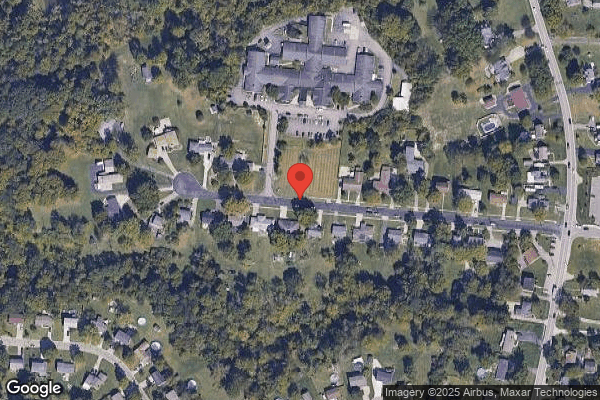

7800 JANDARACRES DRIVE, CINCINNATI, OH 45248 (513) 941-0787
For profit - Corporation 119 Beds HEALTH CARE FACILITY MANAGEMENT, LLC Data: November 2025
Trust Grade
50/100
#562 of 913 in OH
Last Inspection: February 2025

Within standard 12-15 month inspection cycle. Federal law requires annual inspections.

Overview

Three Rivers Healthcare Center in Cincinnati has a Trust Grade of C, which means it is average, placing it in the middle of the pack among nursing homes. It ranks #562 out of 913 in Ohio, indicating it's in the bottom half of facilities in the state, and #45 out of 70 in Hamilton County, meaning only four local homes are rated worse. The facility is currently improving, having reduced issues from 17 in 2024 to just 3 in 2025. Staffing is a concern with a 2/5 star rating and a turnover rate of 58%, which is average, suggesting that staff may not remain long enough to build strong relationships with residents. While there are no fines reported, which is a positive sign, there have been serious incidents, such as a resident suffering a femur fracture due to improper assistance during a transfer, and concerns about food safety and quality, including instances of potentially spoiled food and unappetizing meals being served. Overall, while there are some strengths, families should weigh the current weaknesses, particularly in staffing and food quality.

Trust Score
C
50/100
In Ohio
#562/913
Bottom 39%
Safety Record
Moderate
Needs review
Inspections
Getting Better
17 → 3 violations
Staff Stability
⚠ Watch
58% turnover. Above average. Higher turnover means staff may not know residents' routines.
Penalties
✓ Good
No fines on record. Clean compliance history, better than most Ohio facilities.
Skilled Nurses
✓ Good
Each resident gets 45 minutes of Registered Nurse (RN) attention daily — more than average for Ohio. RNs are trained to catch health problems early.
Violations
⚠ Watch
44 deficiencies on record. Higher than average. Multiple issues found across inspections.
★★★☆☆
3.0
Overall Rating
★★☆☆☆
2.0
Staff Levels
★★★★★
5.0
Care Quality
★★☆☆☆
2.0
Inspection Score
Stable
2024: 17 issues
2025: 3 issues

The Good

  • 5-Star Quality Measures · Strong clinical quality outcomes
  • Full Sprinkler Coverage · Fire safety systems throughout facility
  • No fines on record

Facility shows strength in quality measures, fire safety.

The Bad

3-Star Overall Rating

Near Ohio average (3.2)

Meets federal standards, typical of most facilities

Staff Turnover: 58%

11pts above Ohio avg (46%)

Frequent staff changes - ask about care continuity

Chain: HEALTH CARE FACILITY MANAGEMENT, LL

Part of a multi-facility chain

Ask about local staffing decisions and management

Staff turnover is elevated (58%)

10 points above Ohio average of 48%

The Ugly 44 deficiencies on record

1 actual harm
Feb 2025 3 deficiencies
CONCERN (D)

Potential for Harm - no one hurt, but risky conditions existed

Deficiency F0558 (Tag F0558)

Could have caused harm · This affected 1 resident

Based on medical record review, observation and staff interview, the facility failed to ensure resident dining choices were honored. This affected one (Resident #19) of nine residents observed in the ...

Read full inspector narrative →
Based on medical record review, observation and staff interview, the facility failed to ensure resident dining choices were honored. This affected one (Resident #19) of nine residents observed in the main dining room. The facility census was 111 residents. Findings include: Review of medical record for Resident #19 revealed an admission date of 03/29/22 with diagnoses including type two diabetes mellitus, hypertension, and depression. Review of physician's orders for Resident #19 revealed an order dated 03/24/24 for the resident to be on a consistent carbohydrate diet with regular texture and regular consistency. Review of the Minimum Data Set (MDS) assessment for Resident #19 dated 08/12/24 revealed the resident had intact cognition, had no swallowing issues and was on a therapeutic diet. Review of the facility lunch menu for 02/05/25 revealed the main entree was homestyle meatloaf with a catsup glaze. Review of the facility menu spreadsheet dated 02/05/25 for the lunch meal revealed residents on a consistent carbohydrate diet were to receive homestyle meatloaf with catsup glaze. Review of the lunch meal ticket for Resident #19 dated 02/05/25 revealed the resident was to receive a rotisserie chicken thigh as the entree. Observation on 02/05/25 at 1:05 P.M. in the facility dining room revealed Resident #19 appeared unhappy with the lunch served to her: a roasted chicken thigh, au gratin potatoes, spinach, a dinner roll, a pudding cup. Resident #19 told Dietary Aide (DA) #404 she was unhappy with the chicken and wanted the meatloaf. DA #404 told Resident #19 the consistent carbohydrate diet not allow for meatloaf. Resident #19 ate the pudding on her tray and said she would not eat anything else. DA #404 told Resident #19 she was not allowed to have meatloaf because she was on a consistent carbohydrate diet. Observation on 02/05/25 at 1:07 P.M. revealed Resident #19 wheeled herself toward exit and Licensed Practical Nurse (LPN #302) approached the resident and questioned why she was not eating. Resident #19 told LPN #302 she wanted to have meatloaf instead of chicken. LPN #302 told Resident #19 she was not allowed to have meatloaf because it was not on her diet. Resident #19 then left the dining room to return to her room. Observation on 02/05/25 at 1:10 P.M. revealed the Director of Nursing (DON) told LPN #302 after the resident had left the dining room, that residents have the right to choose menu items despite dietary restrictions. Interview on 02/05/25 at 2:13 P.M. with Resident #19 confirmed she wanted to have meatloaf like everyone else got for lunch. Resident #19 confirmed she had told kitchen staff on multiple occasions that she did not like chicken. Interview on 02/05/25 at 2:30 P.M with LPN #302 confirmed she was not overly familiar with Resident #19's diet but supported DA #404's statement that meatloaf was not on the resident's diet. LPN #302 confirmed residents had the right to self-determination and that all residents have the right to make choices. Interview on 02/05/25 at 3:03 P.M. with the DON confirmed the residents had the right to make their own choices and Resident #19 should have been able to substitute meatloaf for the chicken on her lunch tray. Interview with Director of Clinical Operation (DCO) # 422 on 02/05/25 at 3:15 P.M. confirmed DA #404 was mistaken, and meatloaf was permitted on the consistent-carbohydrate diet. Review of the facility policy titled Resident Rights undated revealed staff would respect resident choices.
CONCERN (D)

Potential for Harm - no one hurt, but risky conditions existed

Medical Records (Tag F0842)

Could have caused harm · This affected 1 resident

Based on medical record review, resident interview, staff interview, and review of the facility policy, the facility failed to ensure staff documented medication administration accurately in the elect...

Read full inspector narrative →
Based on medical record review, resident interview, staff interview, and review of the facility policy, the facility failed to ensure staff documented medication administration accurately in the electronic medical record. This affected one (Resident #99) of five residents reviewed for unnecessary medications. The facility census was 111 residents. Findings include: Review of the medical record of Resident #99 revealed an admission date of 05/10/24 with diagnoses including acute and chronic respiratory failure with hypoxia, obstructive sleep apnea, chronic atrial fibrillation, chronic obstructive pulmonary disease, hypertension (HTN), and heart failure. Review of the Minimum Data Set (MDS) assessment for Resident #99 dated 12/02/24 revealed the resident had intact cognition and required staff assistance with activities of daily living (ADLs.) Review of physician's orders for Resident #99 revealed an order dated 12/14/24 for metoprolol tartrate 25 mg give one half tablet by mouth two times per day for HTN and an order dated 01/22/25 to increase the metoprolol tartrate to 25 mg one tablet by mouth two times a day for HTN. Both metoprolol orders had parameters to hold the medication for a systolic blood pressure less than 110. Review of the Medication Administration Record (MAR) for Resident #99 dated January 2025 revealed metoprolol was documented as administered on the following dates and times when the resident's systolic BP was less than 110: on 01/01/25 at bedtime for a BP of 105/76, on 01/03/25 at bedtime for a BP of 100/74, on 01/06/25 at bedtime for a BP of 106/64. Review of a progress note for Resident #99 dated 01/03/25 timed at 9:18 P.M. revealed the metoprolol was held. Review of the physician's orders for Resident #99 revealed an order dated 12/17/24 for midodrine 5 mg one tablet three times a day for low blood pressure (BP) with parameters to hold the medication for a systolic BP greater than 110. Review of the MAR for Resident #99 dated January 2025 revealed midodrine was documented as administered on the following dates and times when the resident's systolic BP was greater than 110: on 01/02/25 in the afternoon for a BP of 121/77, on 01/03/25 in the afternoon for a BP of 119/68, on 01/04/25 in the morning for a BP of 127/78, on 01/04/25 in the afternoon for a BP of 127/78, on 01/04/25 in the evening for a BP of 122/70, on 01/05/25 in the morning for a BP of 128/78, on 01/05/25 in the afternoon for a BP of 122/73, on 01/05/25 in the evening for a BP of 127/25, on 01/08/25 in the afternoon for a BP of 119/77, on 01/09/25 in the afternoon for a BP of 124/66, on 01/09/25 in the evening for a BP of 127/75, on 01/10/25 in the evening for a BP of 120/80, on 01/14/25 in the afternoon for a BP of 148/85, on 01/18/25 in the afternoon for a BP of 135/89, on 01/18/25 in the evening for a BP of 129/78, on 01/20/25 in the afternoon for a BP of 136/75, on 01/22/25 in the evening for a BP of 157/98, on 01/26/25 in the morning for a BP of 132/67, on 01/30/25 in the afternoon for a BP of 125/79. Review of progress notes for Resident #99 dated 01/02/25 at 11:34 A.M., 01/09/25 at 11:31 A.M., and 01/20/25 at 12:15 P.M. revealed the resident's midodrine was held. Review of the MAR for Resident #99 dated January 2025 revealed on 01/04/25 and 01/26/25 in the morning the resident received both midodrine and metoprolol. Interview on 02/03/25 at 1:04 P.M. with Resident #99 confirmed the nurses had tried to give him midodrine at inappropriate times when his blood pressure was too high for midodrine to be administered. Interview on 02/06/25 at 1:24 P.M. with Regional Director of Clinical Operations (RDCO) #500 confirmed Resident #99's MAR revealed staff had documented administration of metoprolol and midodrine inappropriately and not in accordance with physician order parameters on multiple dates and times. RDCO #500 further confirmed staff documented administration of both midodrine and metoprolol at the same time on 01/04/25 and 01/26/25. Interviews on 02/06/25 at 2:52 P.M. with Licensed Practical Nurse (LPN) #244 and on 02/06/25 at 3:09 P.M. with Registered Nurse (RN) #401 confirmed they documented in error the administration of metoprolol and midodrine for Resident #99 on multiple dates in January 2025 outside of the physician-ordered parameters. LPN #244 and RN #401 further denied administration of both metoprolol and midodrine at the same time to Resident #99. Review of the facility policy titled Medication Administration undated, revealed medication should only be administered as prescribed by the provider, medications will be charted when given, medications that are refused or withheld will be documented, and documentation of medications will follow accepted standards of nursing practice.
CONCERN (F) 📢 Someone Reported This

A family member, employee, or ombudsman was alarmed enough to file a formal complaint

Potential for Harm - no one hurt, but risky conditions existed

Food Safety (Tag F0812)

Could have caused harm · This affected most or all residents

Based on observation, staff interview, and review of the facility policy, the facility failed to ensure food was stored and served in a manner to prevent the potential spread of foodborne illness. Thi...

Read full inspector narrative →
Based on observation, staff interview, and review of the facility policy, the facility failed to ensure food was stored and served in a manner to prevent the potential spread of foodborne illness. This had the potential to affect 108 of 111 residents. The facility identified three (Residents #37, #172, and #169) who did not receive food from the kitchen. The facility census was 111 residents. Findings include: 1. Observation on 02/03/25 at 9:15 A.M. of the facility's dry storage area revealed the following items: an opened undated bag of baking powder wrapped in plastic wrap, an opened bag of marshmallows wrapped in plastic wrap dated 08/20/23, an opened 12 quart plastic container of chocolate chips with an open date of 12/10/24 and discard date of 01/10/25, an opened undated bag of egg noodles wrapped in plastic wrap, a cardboard box containing a jug of oil stored directly on the floor, a box of bananas which were brown with several gnats flying around the immediate vicinity, an undated bag of cake mix wrapped in plastic wrap, a large bin of flour dated 03/26/24, four large plastic containers of cereal with open dates of 01/03/25 and discard dates of 01/10/25. Interview on 02/03/25 at 9:15 A.M. with Account Manager (AM) #410 confirmed the oil should not be stored directly on the floor. AM #410 stated the bananas were for the activity department and verified the gnats around them. AM #410 confirmed the marshmallows should have been discarded because they were outdate. AM #410 verified the baking powder, noodles, and cake mix should have been labeled and dated. AM #410 verified the chocolate chips, flour, and cereal were all outdated and should have been discarded by the dates on each product. 2. Observation on 02/03/25 at 9:20 A.M. revealed Dietary Aide (DA) #404 was using a black marker and writing the date 01/03/25 on four plastic bins containing dry cereal. Interview on 02/03/25 at 9:20 A.M. with DA #404 confirmed they wrote the date 01/03/25 on four plastic bins of dry cereal which had already been opened prior to the survey. Interview on 02/03/25 at 9:20 A.M. AM #410 confirmed the cereal had already been opened at an undetermined time prior to the survey observation and food items should be dated at the time of opening. 3. Observation on 02/03/25 at 9:21 A.M. revealed the following items were being stored in the facility's walk-in refrigerator: an undated, unlabeled pan of hotdogs loosely covered in plastic wrap, an undated, unlabeled pan of hamburgers loosely covered in plastic wrap, a brick of American cheese slices dated 01/10/25, an undated, unlabeled bag of parmesan cheese. Interview on 02/03/25 at 9:21 A.M. with AM #410 confirmed the hamburgers and hotdogs were not tightly sealed nor labeled, the American cheese slices were outdated, and the bag of parmesan cheese was not labeled. 4. Observation on 02/05/25 at 12:59 P.M. revealed staff loaded lunch trays onto cart which had a pink and sticky substance on the bottom of the cart. Interview on 02/05/25 at 12:59 P.M. with AM #410 confirmed there was a pink and sticky substance on the bottom of the cart, and the carts were supposed to be wiped down daily. 5. Observation on 02/05/25 at 1:05 P.M. during tray line revealed DA #407 reached for a hamburger bun from a bag of buns with a gloved hand. DA #407 then opened the door to the oven, retrieved a foil package, took a veggie burger out of the package, and placed the burger on a bun all while utilizing the same gloved hand. Interview on 02/05/25 at 1:06 P.M. with DA #407 confirmed he verified touched the burger with his gloved hand after touching oven handles. Observation on 02/05/25 at 1:06 P.M. revealed Director of Clinical Operations (DCO) #411 instructed DA #407 to remove the gloves and use serving utensils instead. 6. Observation on 02/05/25 at 1:19 P.M. during tray line revealed DA #407 retrieved a veggie burger from the oven and placed it on a bun using his bare ungloved hand. Interview on 02/05/25 at 1:19 P.M. with DA #407 confirmed he had handled the veggie burger with his bare hand. 7. Observation on 02/05/25 at 1:23 P.M. revealed another cart being utilized to load lunch trays during tray line had a sticky white substance in the bottom center. Interview on 02/05/25 at 1:23 P.M. with [NAME] #409 confirmed there was a white sticky substance on the bottom of the cart which was being utilized for clean lunch trays. 8. Observation on 02/05/25 at 3:45 P.M. revealed the refrigerator on the Applewood unit contained the following items: an opened carton of half and half with a use-by date of 01/13/25, three undated containers of orange juice, an opened unlabeled, undated bottle of pink lemonade, two bags of opened undated shredded cheese, multiple areas of a brown, sticky substance in the door of the refrigerator. Observation of the freezer compartment of the refrigerator on the Applewood unit revealed it contained three undated popsicles which appeared to be freezer-burnt. Interview on 02/05/25 at 3:45 P.M. with the Director of Nursing (DON) confirmed the half and half, the orange juice, the pink lemonade, the cheese, and the popsicles were not stored appropriately. The DON further confirmed there was a brown and sticky substance in the door of the refrigerator. 9. Observation on 02/05/25 at 3:50 P.M. revealed the refrigerator on the Elm unit contained the following items: six undated containers of orange juice, four undated containers of apple juice, and an opened and undated container of caramel syrup. Interview on 02/05/25 at 3:50 P.M. with the DON confirmed the juices and caramel syrup should have been dated. Review of the facility policy titled Food Storage: Cold Foods dated April 2018 revealed all foods would be stored six inches above the floor and all foods would be stored, wrapped, or in covered containers and labeled and dated. Review of the facility policy titled Environment dated September 2017 revealed all food service and preparation areas would be maintained in a clean and sanitary condition. This deficiency represents noncompliance investigated under Complaint Number OH00161232.
Dec 2024 2 deficiencies 1 Harm
SERIOUS (G) 📢 Someone Reported This

A family member, employee, or ombudsman was alarmed enough to file a formal complaint

Actual Harm - a resident was hurt due to facility failures

Accident Prevention (Tag F0689)

A resident was harmed · This affected 1 resident

**NOTE- TERMS IN BRACKETS HAVE BEEN EDITED TO PROTECT CONFIDENTIALITY** THE FOLLOWING DEFICIENCY REPRESENTS AN INCIDENT OF PAST NON-COMPLIANCE THAT WAS SUBSEQUENTLY CORRECTED PRIOR TO THIS SURVEY. Bas...

Read full inspector narrative →
**NOTE- TERMS IN BRACKETS HAVE BEEN EDITED TO PROTECT CONFIDENTIALITY** THE FOLLOWING DEFICIENCY REPRESENTS AN INCIDENT OF PAST NON-COMPLIANCE THAT WAS SUBSEQUENTLY CORRECTED PRIOR TO THIS SURVEY. Based on medical record review, review of hospital records, resident interview, staff interview, and review of the facility policy, the facility failed to properly transfer a resident using a mechanical lift (Hoyer) and the assistance of two staff per the resident's care plan. Actual harm occurred on 10/28/24 when Certified Nursing Assistant (CNA) #35 completed a hands-on pivot transfer of Resident #11 from the bed to the wheelchair without the assistance of additional staff or use of a gait belt. Resident #11 sustained a fall to the floor during the transfer which resulted in a left femur fracture. This affected one (Resident #11) of three residents reviewed for falls. The facility census was 115 residents. Findings include: Review of the medical record for Resident #11 revealed an admission date of 04/09/24 with diagnoses including cerebral infarction, chronic respiratory failure, morbid obesity, cardiac murmur, and scoliosis. Review of the Minimum Data Set (MDS) assessment for Resident #11 dated 10/14/24 revealed the resident had mild cognitive deficits and required extensive assistance of staff with activities of daily living (ADLs). Review of the care plan for Resident #11 dated 04/09/24 revealed the resident had an ADL self-performance deficit and required staff assistance related to hemiplegia, chronic respiratory failure, obesity, spinal stenosis, multiple cardiac diagnoses, and overall medical condition. Interventions included the resident was totally dependent with transfers and required the assistance of two or more staff with transfer and the resident required the use of a mechanical lift (Hoyer) with two-person support. Review of a nursing note for Resident #11 dated 10/28/24 timed at 11:50 A.M. revealed CNA #35 notified Licensed Practical Nurse (LPN) #42 that Resident #11 was on the floor. LPN #42 assessed Resident #11 who complained of left leg pain which the resident rated as eight on a scale of 1 to 10 with 10 being the worst pain. LPN #42 notified Nurse Practitioner (NP) #41 who gave an order to send Resident #11 to the hospital via emergency medical services (EMS) for an evaluation. Review of a nursing note for Resident #11 dated 10/28/24 timed at 6:16 P.M. revealed the hospital reported to LPN #42 that Resident #11 had a fractured leg femur and would be sent back to facility on 10/28/24. Review of the Interdisciplinary Team (IDT) follow-up note for Resident #11 dated 10/29/24 revealed the resident had a fall with injury related to staff assisting the resident to the floor when the resident's legs became weak during transfer. Review of the results for the computed tomography (CT) scan of the left femur without contrast for Resident #11 dated 10/28/24 timed at 4:28 P.M. revealed the resident had a mildly displaced fracture of the distal femur. Review of a written statement per Resident #11dated 10/28/24 revealed the resident reported that on 10/28/24 a young girl came into her room, and she was no bigger than the resident and the girl tried to get the resident up into a chair, but the resident's legs gave out. Review of a written statement per CNA #35 dated 10/28/24 revealed Resident #11 was sitting on the edge of the bed with her legs off the side of the bed. CNA #35 attempted to do a pivot transfer of Resident #11 from the bed to the chair and during the transfer the resident's legs gave out. Further review of the statement revealed CNA #35 then placed her arms under the resident's arms and lowered the resident to the floor. Review of a written statement per LPN #42 dated 10/28/24 revealed the nurse was administering medications and conversing with Unit Manager (UM) #36 when CNA #35 alerted the nurses that Resident #11 was on the floor. When LPN #42 entered Resident #11's room, the resident was on the floor. CNA #35 stated she slid Resident #11 down her leg and lowered the resident to the floor because the resident's legs started getting weak. LPN #42 then assessed the resident and notified Nurse Practitioner (NP) #41. Review of an email sent from the Administrator to Regional Director of Clinical Operations (RDCO) #40 dated 10/28/24 timed at 4:57 P.M. revealed the Administrator was reaching out to inform that Resident #11 was improperly transferred by an aide on 10/28/24 which resulted in left leg pain and NP #41 requested that Resident #11 be sent out 911. From the hospital it was determined Resident #11's hip was fractured. The Administrator had completed the following: an in-service and a final write up (disciplinary action) for CNA #35, full house education started on transfers, root cause analysis, statements collected from staff, staff notified the Medical Director and NP #41, and the Administrator notified Resident #11's guardian of the incident. Interview on 12/04/24 at 4:01 P.M. with Resident #11 confirmed that when she was transferring with the assistance of one staff, her legs gave out, and she just fell. Resident #11 stated she did not fall out of the Hoyer lift, and that on 10/28/24, CNA #35 came in by herself and tried to transfer her to the wheelchair and she fell. Interview on 12/10/24 at 1:34 P.M. with CNA #35 confirmed she was not the aide assigned to Resident #11 on 10/28/24. CNA #35 stated another aide had asked her to get Resident #11 up in the wheelchair. CNA #35 stated she had seen other aides using a single-person pivot transfer for Resident #11 and she was unaware that Resident #11 was to be transferred by Hoyer lift with two staff assist. CNA #35 stated that while she was pivoting Resident #11 to the wheelchair the resident froze and would not move anymore. Resident #11 then stated her legs were going to go out, so the aide slowly lowered Resident #11 down to the ground and quickly hollered for UM #36 for assistance. UM #36 assessed Resident #11, and the resident started crying stating her leg hurt. CNA #35 stated she did not know Resident #11 was supposed to be transferred via the Hoyer (mechanical) lift, and the aide did not look at the [NAME] (care plan) or ask anyone how the resident was supposed to be transferred. Interview on 12/10/24 at 4:08 P.M. with RDCO #40 confirmed Resident #11 should be transferred per two staff using a mechanical lift, and CNA #35 should have had another staff member assisting with the transfer. Review of the facility policy titled Plan of Care Overview dated 2017 revealed it was the policy of the facility to provide resident centered care that met the psychosocial, physical, and emotional needs and concerns of the residents. Safety was a primary concern for the residents, staff, and visitors. The deficiency was corrected on 11/27/24 when the facility implemented the following corrective actions: • On 10/28/24, LPN #42 assessed Resident #11 with findings of left leg pain. • On 10/28/24 at 11:50 A.M., LPN #22 notified NP #41 of Resident #11's leg pain and gave an order to send the resident to the hospital via nine-one-one (911) emergency transport. • On 10/28/24 at 12:00 P.M., UM #26 notified the Administrator of Resident #11's fall. • On 10/28/24 at 4:45 P.M., the hospital called and reported to facility nurse, LPN # 22, that Resident #11 has sustained a fracture to the distal end of left femur. • On 10/28/24 at 4:50 P.M., the Administrator notified Resident #11's guardian of the fracture to the resident's left femur. • On 10/28/24 at 5:00 P.M., the Director of Nursing (DON) conducted an audit for all residents that required two staff members' assistance regarding care concerns related to mechanical lifts. • On 10/28/24 at 5:15 P.M., UM #26 initiated assessments of residents that required two staff assist including mechanical lifts for transfers to ensure no injuries occurred during transfers. • On 10/28/24 at 5:30 P.M., the Administrator and the DON provided one-on-one education to CNA #35 on the [NAME], following the resident's plan of care, and mechanical lift transfers. • On 10/28/24 at 6:00 P.M., Therapy Director (TD) #51 completed a transfer competency with CNA #35. • On 10/28/24 at 6:10 P.M., the DON completed education with all licensed nurses, therapists, and aides on the [NAME], following the resident's plan of care, and mechanical lift transfers. • On 10/28/24 at 7:40 P.M., Resident #11 returned to the facility with an order for a follow-up appointment with an orthopedic surgeon. Registered Nurse (RN) #53 completed a head-to-toe assessment and pain assessment for Resident #11. • On 10/28/24 at 7:55 P.M., RN #53 notified NP #41 of Resident #11's new diagnoses of closed fracture of distal end of left femur. • On 10/29/24 at 2:02 P.M., the Quality Assurance and Performance Improvement (QAPI) Committee met to review the incident involving Resident #11 with NP #41 present. Resident #11's care plan was updated to include pain management, ADLs, and falls. The DON was to initiate ongoing monitoring on 10/30/24. • On 10/29/24 at 2:25 P.M., the DON notified Resident #11's guardian of the plan of care updates and the resident's guardian was in agreement. • On 10/29/24 at 5:20 P.M., MDS Nurse #54 completed a review and updated all care plans for residents identified as requiring two staff assist and/or mechanical lift for transfers. • On 10/30/24, the DON/designee to conduct audits of transfers to be completed three times weekly for four weeks and then weekly for four weeks to ensure transfers were occurring as indicated on the resident care plan/[NAME]. • Review of facility audits of transfers completed beginning 10/30/24 through 11/27/24 revealed there were no further identified concerns. This deficiency represents noncompliance investigated under Complaint Number OH00159597.
CONCERN (E) 📢 Someone Reported This

A family member, employee, or ombudsman was alarmed enough to file a formal complaint

Potential for Harm - no one hurt, but risky conditions existed

Menu Adequacy (Tag F0803)

Could have caused harm · This affected multiple residents

**NOTE- TERMS IN BRACKETS HAVE BEEN EDITED TO PROTECT CONFIDENTIALITY** Based on medical record review, observation, staff interview, and the resident interview, the facility failed to maintain an ade...

Read full inspector narrative →
**NOTE- TERMS IN BRACKETS HAVE BEEN EDITED TO PROTECT CONFIDENTIALITY** Based on medical record review, observation, staff interview, and the resident interview, the facility failed to maintain an adequate supply of food during tray service and failed to follow the facility menu. This affected four (Residents #12, #18, #19, and #20) of four residents observed for meal service. The facility census was 115 residents. Findings include: Review of the medical record for Resident #12 revealed an admission date of 05/10/24 with diagnoses including alcohol dependence, respiratory failure, depression, psychoactive substance abuse, anxiety, chronic pain, and insomnia. Review of the Minimum Data Set (MDS) assessment for Resident #12 dated 09/01/24 revealed the resident had no cognitive deficits and required supervision with activities of daily living (ADLs). Review of the medical record for Resident #18 revealed an admission date of 02/14/24 with diagnoses including diabetes, heart failure, epilepsy, colon cancer, and sleep apnea. Review of the MDS for Resident #18 dated 10/30/24 revealed the resident had mild cognitive deficits and required supervision with activities of daily living. Review of the medical record for Resident #19 revealed an admission date of 03/06/20 with diagnoses including diabetes, morbid obesity, agoraphobia, tachycardia, and anxiety. Review of the MDS for Resident #19 dated 10/06/24 revealed the resident had no cognitive deficits and required supervision with ADLs. Review of the dietary assessment for Resident #19 dated 03/08/23 revealed pork chops were listed as a disliked food. Review of the medical record for Resident #20 revealed an admission date of 08/25/16 with diagnoses including diabetes, depression, convulsions, obesity, and anxiety. Review of the MDS for Resident #20 dated 11/09/24 revealed the resident had no cognitive deficits and was totally dependent on staff for ADL care. Review of the dietary assessment for Resident #20 dated 01/08/24 revealed pork was listed as a disliked food. Observation on 12/02/24 at 1:45 P.M. of meal service for Residents #12 and #18 revealed the lunch ticket listed double chocolate brownie for lunch, but there was no brownie on either tray. Resident #12's ticket indicated the resident should receive eight ounces of chocolate milk on his tray, but there was no milk on the tray. Interview on 12/02/24 at 1:58 P.M. with Certified Nursing Assistant (CNA) #30 confirmed Residents #12 and #18 did not receive brownies on their meal trays and Resident #12 did not receive chocolate milk on the meal tray as indicated by the meal tickets. CNA #30 confirmed residents frequently had missing food items on their trays, and the trays frequently did not include the items listed on the meal tickets. Interview on 12/02/24 at 2:03 P.M. with one [NAME] #20 and Kitchen Aides ([NAME]) #21 and #29) confirmed the facility did not have a kitchen manager. Interview on 12/02/24 at 2:04 P.M. with [NAME] #20 confirmed for the lunch meal on 12/02/24 the kitchen ran out of brownies so not all residents received brownies as indicated on the facility menu. Observation on 12/04/24 at 1:25 P.M. with [NAME] #20 of the tray line service revealed the service had to be stopped for 10 to 15 minutes due to running out of cabbage with 21 residents left to serve. During tray line the kitchen also ran out of chicken breast which was a substitute ordered for Residents #19 and #20 both of whom had pork listed as a disliked food. Resident #19 was given one chicken breast and a pork chop as a replacement for the second chicken breast. Resident #20 was given a cheeseburger to replace the chicken breast. Interview on 12/04/24 at 1:30 P.M. with [NAME] #20 confirmed the kitchen staff ran out of cabbage and chicken during the lunch meal services on 12/04/24. Interview on 12/04/24 at 3:15 P.M. with Resident #19 confirmed the kitchen never followed her menu choices and she usually had to send her food back. Interview on 12/04/24 at 3:20 P.M. with Resident #20 confirmed she did not eat pork but did not like the cheeseburgers made by the facility. Resident #20 confirmed on 12/04/24 the facility sent her a cheeseburger instead of sending her a chicken breast which was supposed to be the alternate selection for residents who didn't eat pork. Resident #20 confirmed she frequently didn't eat the food because it was not what she ordered, and she would ask the aides to take the food out of her room. This deficiency represents noncompliance investigated under Complaint Number OH00159757 and Complaint Number OH00159544.
Sept 2024 1 deficiency
CONCERN (D) 📢 Someone Reported This

A family member, employee, or ombudsman was alarmed enough to file a formal complaint

Potential for Harm - no one hurt, but risky conditions existed

Infection Control (Tag F0880)

Could have caused harm · This affected 1 resident

Review of medical record review, observation, staff interview, and review of the facility policy, the facility failed to ensure staff maintained proper infection control practices during tracheostomy ...

Read full inspector narrative →
Review of medical record review, observation, staff interview, and review of the facility policy, the facility failed to ensure staff maintained proper infection control practices during tracheostomy care. This affected one (Resident #17) of three residents reviewed for tracheostomy care. The facility census was 111 residents. Findings include: Review of the medical record for Resident #17 revealed an admission date of 04/29/24 with diagnoses including centrilobular emphysema, acute and chronic respiratory failure with hypoxia, chronic obstructive pulmonary disease (COPD), and atrial fibrillation. Review of the Minimum Data Set (MDS) assessment for Resident #17 dated 08/03/24 revealed the resident had intact cognition and required setup assistance with activities of daily living (ADLs.) Observation on 09/24/24 at 11:42 A.M. of tracheostomy care for Resident #17 per Licensed Practical Nurse (LPN) #21 revealed the nurse broke the sterile field when she touched the sterile gauze with her clean gloves instead of sterile gloves. LPN #21 picked up the gauze and placed it in the cleaning solution. After applying her sterile gloves, LPN #21 used the contaminated gauze to clean Resident #17's tracheostomy tube. Interview on 09/24/24 at 12:27 P.M. with LPN #21 confirmed she contaminated the sterile field and used the contaminated gauze to clean Resident #17's tracheostomy. Review of the facility policy titled Tracheostomy Care dated 08/26/24 revealed staff were to maintain an aseptic environment, to the extent possible, to reduce pathogen transmission during tracheostomy care. This deficiency represents noncompliance investigated under Complaint Number OH00157813.
Aug 2024 3 deficiencies
CONCERN (D) 📢 Someone Reported This

A family member, employee, or ombudsman was alarmed enough to file a formal complaint

Potential for Harm - no one hurt, but risky conditions existed

Deficiency F0583 (Tag F0583)

Could have caused harm · This affected 1 resident

Based on medical record review, observation, staff interview, and review of the facility policy, the facility failed to ensure staff provided visual privacy while providing incontinence care to reside...

Read full inspector narrative →
Based on medical record review, observation, staff interview, and review of the facility policy, the facility failed to ensure staff provided visual privacy while providing incontinence care to residents. This affected one (Resident #37) of two residents observed for incontinence care. The facility census was 117 residents. Findings include: Review of the medical record for Resident #37 revealed an admission date of 12/22/22 with diagnoses including paraplegia, fusion of the spine, depression, and history of fall from ladder. Review of the Minimum Data Set (MDS) assessment for Resident #37 dated 07/08/24 revealed the resident had no cognitive deficits and required extensive assistance with activities of daily living. Observation of incontinence care for Resident #37 on 08/12/24 from 12:09 P.M. to 12:18 P.M. per two State Tested Nursing Assistants (STNAs #251 and #252) revealed the aides provided incontinence care to the resident and did not draw the blinds to provide visual privacy for the resident. Two residents passed by Resident #37's window and were able to visualize the resident during incontinence care. Interview on 08/12/24 at 12:18 P.M. with STNA #251 confirmed she should have closed the blinds for Resident #37's privacy prior to providing care. STNA #251 confirmed she thought about closing the blinds about halfway through providing care but did not close them until she was done. Review of the facility policy titled Resident Rights dated 04/18/24 revealed residents had the right to visual privacy when treatments, medication, or care was being administered.
CONCERN (D) 📢 Someone Reported This

A family member, employee, or ombudsman was alarmed enough to file a formal complaint

Potential for Harm - no one hurt, but risky conditions existed

Deficiency F0761 (Tag F0761)

Could have caused harm · This affected 1 resident

Based on medical record review, observation, staff interview, and review of the facility policy the facility failed to ensure staff discarded expired medication. This affected one (Residents #04) of t...

Read full inspector narrative →
Based on medical record review, observation, staff interview, and review of the facility policy the facility failed to ensure staff discarded expired medication. This affected one (Residents #04) of two facility-identified residents with orders for multivitamins with minerals. The facility census was 117 residents. Findings include: Review of the medical record for Resident #04 revealed an admission date of 12/19/23 with diagnoses including emphysema, diabetes, anxiety, depression, schizoaffective disorder, and insomnia. Review of physician's orders for Resident #04 revealed an order dated 12/20/23 to administer a multivitamin with minerals tablet once daily in the morning. Review of the Minimum Data Set (MDS) assessment for Resident #04 dated 07/03/24 revealed the resident had no cognitive deficits and required supervision for activities of daily living (ADLs). Observation on 08/12/24 at 8:23 A.M. of medication administration for Resident #04 per Licensed Practical Nurse (LPN) #100 revealed the multivitamin with minerals was not available. During administration Central Supply Coordinator (CSC) #263 brought a bottle of multivitamin with minerals to LPN #100 with an expiration date of June 2024. LPN #100 placed the bottle of vitamins in the medication cart. Interview on 08/12/24 at 11:49 A.M. with LPN #100 confirmed she gave the multivitamin with minerals to Resident #04 at approximately 10:30 A.M. LPN #100 confirmed the expiration date on the bottle was June 2024 and the expired medication should not have been given. Review of the facility policy titled Storage of Medications dated August 202 revealed all expired medications would be removed from the active supply and destroyed in accordance with facility policy, regardless of amount remaining.
CONCERN (F) 📢 Someone Reported This

A family member, employee, or ombudsman was alarmed enough to file a formal complaint

Potential for Harm - no one hurt, but risky conditions existed

Deficiency F0804 (Tag F0804)

Could have caused harm · This affected most or all residents

Based on review of the facility menu, observation, staff interview, resident interview, and review of the facility recipes, the facility failed to serve palatable and appetizing food to the residents....

Read full inspector narrative →
Based on review of the facility menu, observation, staff interview, resident interview, and review of the facility recipes, the facility failed to serve palatable and appetizing food to the residents. This had the potential to affect all residents residing in the facility with the exception of two facility identified residents (#51, #111) who had orders to receive nothing by mouth. The facility census was 117 residents. Findings include: Review of the facility menu for 08/05/24 revealed the lunch entrée was Dijon pork loin. Observation on 08/05/24 at 11:50 A.M. revealed [NAME] #126 removed a tray of pork loin from the oven that had been cooked in its own juices. On the tray line there was a container of a thick yellow substance which [NAME] #126 identified as gravy. During the tray line service [NAME] #216 used a small scoop to ladle gravy over the top of each serving of pork loin. Observation of a test tray on 08/05/24 at 1:30 P.M. revealed the tray included peas, cabbage, oven roasted potatoes and pork loin with approximately one quarter inch of a thick yellow substance on top of the meat. Many of the potatoes were still hard and undercooked and the gravy on top of the pork loin was thick, pungent, and unpalatable. Interviews on 08/05/24 at 2:00 P.M. with Resident #56, at 3:20 P.M. with Resident #114, and at 3:40 P.M. with Resident #25 and on 08/06/24 at 3:40 P.M. with Resident #110 confirmed they did not like the mustard topping on the pork loin and the entree was unpalatable and inedible. Interview on 08/05/24 at 2:48 P.M. with [NAME] #216 confirmed the Dijon pork loin had a recipe which called for the meat to be cooked in the oven in a sauce. [NAME] #216 confirmed she did not follow the recipe for the Dijon pork loin. [NAME] #216 confirmed she made a gravy for the pork loin by mixing Dijon mustard, a bit of brown sugar, and salt and pepper. [NAME] #216 confirmed she did not taste the gravy prior to serving it to the residents. Interview on 08/05/24 at 3:03 P.M. with the Administrator confirmed [NAME] #216 did not follow the recipe when preparing Dijon pork loin for the residents' lunch meal on 08/05/24. Review of the facility recipe titled Dijon pork loin undated revealed the meat should be baked at 350 degrees Fahrenheit for 60 to 75 minutes in a mixture of red peppers, green peppers, mustard, vinegar, salt, and cornstarch. The recipe did not call for any type of a gravy or topping. This deficiency represents noncompliance investigated under Complaint Number OH00156386.
Jun 2024 9 deficiencies
CONCERN (D) 📢 Someone Reported This

A family member, employee, or ombudsman was alarmed enough to file a formal complaint

Potential for Harm - no one hurt, but risky conditions existed

Notification of Changes (Tag F0580)

Could have caused harm · This affected 1 resident

**NOTE- TERMS IN BRACKETS HAVE BEEN EDITED TO PROTECT CONFIDENTIALITY** Based on record review, interview and policy review, the facility failed to ensure the Power of Attorney (POA) was contacted whe...

Read full inspector narrative →
**NOTE- TERMS IN BRACKETS HAVE BEEN EDITED TO PROTECT CONFIDENTIALITY** Based on record review, interview and policy review, the facility failed to ensure the Power of Attorney (POA) was contacted when a resident experienced a change of condition. This affected one (Resident #72) of three residents reviewed for notification of a change in condition. The census was 117. Findings included: Review of the medical record revealed Resident #72 was admitted on [DATE]. Medical diagnoses included non-traumatic chronic subdural hemorrhage, hypertension, peripheral vascular disease, renal insufficiency, cerebrovascular accident (CVA), malignant neoplasm of prostate, seizure disorder, and non-Alzheimer's dementia. Review of the admission Minimum Data Set (MDS) dated [DATE] revealed Resident #72 was severely cognitively impaired. His functional status was substantial/maximal assistance for eating, dependent for toileting, bed mobility, and transfers. He was always incontinent for bowels and bladder. Review of the progress notes documented on 04/25/24 Resident #72 slept all day, refused his food and his medications. He was sent out to the hospital by License Practical Nurse (LPN) #178 for a change of condition. There was no documentation in the medical record that Resident #72's POA was notified of his hospitalization. During an interview on 06/10/24 at 3:17 P.M., the Director of Nursing (DON) stated LPN #178 was out of the country for vacation and couldn't be contacted. She stated the expectation would be for the nurse to call the POA first then proceed to call another family on the list of contacts if the POA couldn't be reached. Review of the policy titled Notification of Change in Condition, undated, revealed the facility must inform the resident, consult with the resident's physician and/or notify the residents' representative, authorized family member, or legal power of attorney/guardian when there is a significant change in the resident's physical, mental, or psychosocial condition such as deterioration in health, mental or psychosocial status. This deficiency represents non-compliance investigated under Complaint Number OH00153997.
CONCERN (D) 📢 Someone Reported This

A family member, employee, or ombudsman was alarmed enough to file a formal complaint

Potential for Harm - no one hurt, but risky conditions existed

Deficiency F0583 (Tag F0583)

Could have caused harm · This affected 1 resident

**NOTE- TERMS IN BRACKETS HAVE BEEN EDITED TO PROTECT CONFIDENTIALITY** Based on record review, observation interview and policy review, the facility failed to ensure privacy was provided. This affect...

Read full inspector narrative →
**NOTE- TERMS IN BRACKETS HAVE BEEN EDITED TO PROTECT CONFIDENTIALITY** Based on record review, observation interview and policy review, the facility failed to ensure privacy was provided. This affected one (Resident #7) of one resident reviewed for privacy. The census was 117. Findings included: Medical record review for Resident #7 revealed an admission date of 10/27/23. His medical diagnoses included peripheral vascular disease, diabetes, and dementia. Review of the annual Minimum Data Set (MDS) dated [DATE] revealed Resident #7 was moderately cognitively impaired. He required maximum assistance for toileting and bed mobility. During an observation on 06/10/24 at 1:07 P.M., Resident #7's door was open with a full view from the hall. Resident #7 in bed with the blanket and sheets off the resident. The curtain was not pulled and Resident #7's roommate was sitting on his side of the room. State Tested Nursing Aide (STNA) #206 was asking the resident if he had soiled his brief and was feeling the brief to check for wetness. During an interview on 06/10/24 at 1:15 P.M.,STNA #206 confirmed she didn't provide privacy for the resident during the time she was checking his brief for wetness. She stated she should have provided privacy for the resident. During interview on 06/11/24 at 10:13 A.M., Resident #7 stated he would like to be provided privacy when care was being provided. Review of the policy titled Resident Rights, undated, revealed to have the resident's privacy respected when treatment, medication, or care is being administered including, door closed, or privacy curtain drawn. This was an incidental deficiency discovered during the course of the complaint investigation.
CONCERN (D) 📢 Someone Reported This

A family member, employee, or ombudsman was alarmed enough to file a formal complaint

Potential for Harm - no one hurt, but risky conditions existed

Safe Environment (Tag F0584)

Could have caused harm · This affected 1 resident

Based on observation, record review and interview, the facility failed to ensure a homelike environment was maintained. This affected two (Residents #2 and #86) of three residents reviewed for homelik...

Read full inspector narrative →
Based on observation, record review and interview, the facility failed to ensure a homelike environment was maintained. This affected two (Residents #2 and #86) of three residents reviewed for homelike environment. The census was 117. Findings include: 1. During an interview on 06/10/24 at 11:19 A.M., Resident #2 stated housekeeping hasn't come into clean the bathroom yet. He stated the blood was coming from his roommate's urine. During an observation on 06/10/24 at 11:19 A.M., Residetn #2's bathroom had bloody urine in the toilet and drips of blood down the side of the toilet going down to the floor. There was a strong smell of urine. At 2:11 P.M. housekeeper went into the bathroom and removed her gloves, dropping one on the floor. The housekeeper didn't pick up the glove and didn't clean the blood from the toilet. There were still the blood and strong smells of urine in the bathroom. During an observation at 3:39 P.M., there was still bloody urine in the toilet and running down the side of the toilet to the floor and the glove was on the floor. There was a strong smell of urine in the bathroom. During an obervation on 06/11/24 at 7:40 A.M., REsident #2's bathroom still had not been cleaned. The toilet still had blood running down the side of it and the glove was still on teh floor. The bathroom had a strong odor of urine. During an interview on 06/11/24, Housekeeper #263 verified the state of Residetn #2's bathroom. She stated she doesn't clean up blood in the resident's bathrooms and would leave it. She stated it would be a State Tested Nurse Aide (STNA's) job to clean up the blood in the bathroom. 2. During an observation on 06/10/24 at 9:52 A.M. there was a strong smell of urine in Resident #85's bathroom. The resident said she could smell the urine. Subsequent observations at 11:33 A.M. and 2:07 P.M. revealed a strong odor of urine was coming from the bathroom. On 06/11/24 at 7:47 A.M. and 9:35 A.M. there was a strong odor of urine in the bathroom. During an interview on 06/11/24 at 9:35 A.M., Resident #85 stated the housekeepers didn't clean the bathroom and it smells of urine. During an interview on 06/11/24 at 9:40 A.M., STNA #211 confirmed there was a strong odor of urine in the bathroom. She stated the urine has seeped into the tiles of the floor and it hadn't been cleaned. This deficiency represents non-compliance investigated under Complaint Numbers OH00154568 and OH00154583.
CONCERN (D) 📢 Someone Reported This

A family member, employee, or ombudsman was alarmed enough to file a formal complaint

Potential for Harm - no one hurt, but risky conditions existed

Pressure Ulcer Prevention (Tag F0686)

Could have caused harm · This affected 1 resident

Based on observation, record review, interview and policy review, the facility failed to ensure a wound was cleaned properly. This affected one (Resident #102) of three residents reviewed for pressure...

Read full inspector narrative →
Based on observation, record review, interview and policy review, the facility failed to ensure a wound was cleaned properly. This affected one (Resident #102) of three residents reviewed for pressure ulcers. The facility identified nine residents with pressure ulcers. The census was 117. Findings include: Medical record review for Resident #102 revealed an admission date of 05/19/23. His medical diagnoses included neurogenic bladder, paraplegic, and depression. Review of care plan for Resident #102, dated 11/07/23, revealed the resident had altered skin integrity related to spinal fusion and has a stage pressure ulcer to the sacrum. Intervention was to provide peri-care as needed to avoid skin breakdown due to incontinence. Review of physician orders dated 02/29/24 for Resident #102 were to cleanse the wound to the sacrum with wound cleanser or saline. Apply silver alginate inside the wound and secure with super absorbent foam followed by a ABD pad and to use Zinc Oxide on the skin around the wound to secure the ABD pads. During an observation on 06/12/24 at 10:19 A.M., Registered Nurse (RN) #161 cleansed inside of the wound, but did not clean the zinc oxide residue from around the wound. RN #161 completed the dressing change and placed more zinc oxide around the wound on the residue. During an interview on 06/12/24 at 10:30 A.M., RN#161 confirmed he didn't clean the zinc oxide residue on the buttocks or around the wound on the sacrum of Resident #102 during the dressing change. Review of policy titled Wound Care, undated, revealed to cleanse the area with wound cleanser or normal saline. This is an incidental deficiency discovered during the course of this complaint investigation.
CONCERN (E) 📢 Someone Reported This

A family member, employee, or ombudsman was alarmed enough to file a formal complaint

Potential for Harm - no one hurt, but risky conditions existed

ADL Care (Tag F0677)

Could have caused harm · This affected multiple residents

Based on observation, record review, interview and policy review, the facility failed to ensure personal hygiene was provided for residents. This affected three (Residents #72, #79, and #102) of three...

Read full inspector narrative →
Based on observation, record review, interview and policy review, the facility failed to ensure personal hygiene was provided for residents. This affected three (Residents #72, #79, and #102) of three residents reviewed for personal hygiene. The census was 117. Findings include: 1. Review of the care plan for Resident #72, dated 10/28/23, revealed he had activities of daily living (ADL) deficits and required assistance with ADL. During observation Observations on 06/10/24 at 11:36 A.M., 06/11/24 at 9:00 A.M. and on 06/12/24 at 2:30 P.M. revealed Resident #72 had jagged nails that came over his fingers and had a yellow brownish substance under his nails. During interview on on 06/12/24 at 2:30 P.M., Licensed Practical Nurse (LPN) #237 confirmed Resident #72's nails were long, jagged, and had a yellowish brownish substance under them. 2. During an observation on 06/12/24 at 2:28 P.M., Resident #89 had long, jagged nails that had a yellowish, brownish substance under the nails. During an interview on 06/12/24 at 2:30 P.M., LPN #237 confirmed Resident #89's nails were long jagged and dirty under the nails. She stated they needed to trimmed and cleaned. 3. Review of care plan for Resident #102 dated 12/29/23 revealed he had ADL deficits and required assistance with ADL. During observation of a dressing change on 06/12/24 at 10:19 A.M., Resident #102 feet were yellowed and in between his toes was yellowish and scaly. During an interview on Interviews with on 06/12/24 at 10:30 A.M., State Tested Nurse Aide (STNA) #211 and Registered Nurse (RN) #161 confirmed the resident's feet and in between the toes were yellowed and scaly and stated it doesn't look like they have been washed recently. Review of the policy titled Skin Care, undated, revealed daily hand washing will be completed with nail care to include cleaning and trimming or filing of sharp edges to prevent infection and damage to skin from scratching Residents/patients will receive skin care daily. Skin care includes, but is not limited to: foot care and moisturizing. This deficiency represents non-compliance investigated under Complaint Numbers OH00154564 and OH00154583.
CONCERN (E) 📢 Someone Reported This

A family member, employee, or ombudsman was alarmed enough to file a formal complaint

Potential for Harm - no one hurt, but risky conditions existed

Menu Adequacy (Tag F0803)

Could have caused harm · This affected multiple residents

Based on observation, interview and record review, the facility failed to provide the food portions and liquids as planned by a Registered Dietitian. This affected nine (Residents #7, #11, #39, #50, #...

Read full inspector narrative →
Based on observation, interview and record review, the facility failed to provide the food portions and liquids as planned by a Registered Dietitian. This affected nine (Residents #7, #11, #39, #50, #57, #72, #81, #89 and #98) residents. The facility total census was 117. Findings include: Record reviews of Residents #7, #11, #39, #50, #57, #81, #89 and #98 revealed a physician order for puree diet. Review of the breakfast spreadsheet reviewed the puree meal was to be served of six ounces of puree oatmeal, two ounces of puree sausage, and two ounces of puree bread. During an observation on 06/13/24 at 8:22 A.M., [NAME] #139 served four ounces of puree oatmeal, four ounces of puree sausage and three ounces of puree bread. During an interview on 06/13/24 at 11:27 A.M., [NAME] #139 verified she had not followed the spread sheet for puree potions. She verified she had served too little portions of the oatmeal and too much of the bread and sausage. [NAME] #139 stated she does not always follow the spreadsheet, which could affect residents on specialty ordered diets. 2. Review of care plan for Resident #72, dated 12/06/23, revealed he was at risk for nutrition an hydration status. Intervention was to provide and serve diet as ordered. Review of the menu dated 06/11/24 for breakfast revealed residents were to receive either eight ounces of mile, six ounces of tea or coffee and four ounces of orange juice. During an observation on 06/11/24 at 9:00 A.M., Resident #72 was not served any milk, tea or coffee. During an observation on 06/12/24 at 9:15 A.M., Resident #72 again was not served any milk, tea or coffee. During an interview with on 06/12/24 at 9:20 A.M., Dietician #264 confirmed Resident #72's meal ticket included beverages, but he was not served them. Review of facility policy titled, Food Quality dated, 2023, revealed the facility will serve food to meet the resident's needs. This deficiency represents non-compliance investigated under Complaint Number OH00154764.
CONCERN (E) 📢 Someone Reported This

A family member, employee, or ombudsman was alarmed enough to file a formal complaint

Potential for Harm - no one hurt, but risky conditions existed

Deficiency F0804 (Tag F0804)

Could have caused harm · This affected multiple residents

Based on record review, interview and policy review, the facility failed to prepared fortified foods according to the recipe for increased nutritional value . This affected six (Residents #19, # 46, #...

Read full inspector narrative →
Based on record review, interview and policy review, the facility failed to prepared fortified foods according to the recipe for increased nutritional value . This affected six (Residents #19, # 46, #47, #50, #79 and #89) of six residents ordered a fortified meal. The census was 117. Findings include: Review of the fortified oatmeal recipe included oatmeal, whole milk, powder milk, sugar, and margarine. During an interview on 06/13/24 at 7:44 A.M., [NAME] #139 stated she prepares fortified oatmeal with powdered milk and butter to make it fortified. [NAME] #139 stated she does not use a recipe to know how to prepare fortified foods, including oatmeal, because she has worked at the facility so long. She stated she could not decipher the recipe because it was made for 100 portions, and she only had six residents with fortified orders. Review of facility policy titled Fortified Food Program, undated and Food Quality and Palatability dated 2023, revealed the facility will prepare food to conserve nutritive value and follow the fortified food recipes as a therapeutic intervention. This deficiency represents non-compliance investigated under Complaint Number OH00154764.
CONCERN (E) 📢 Someone Reported This

A family member, employee, or ombudsman was alarmed enough to file a formal complaint

Potential for Harm - no one hurt, but risky conditions existed

Deficiency F0805 (Tag F0805)

Could have caused harm · This affected multiple residents

**NOTE- TERMS IN BRACKETS HAVE BEEN EDITED TO PROTECT CONFIDENTIALITY** 2. Record review of Specified Resident, (SR) #89 revealed the resident was to receive a puree consistency diet and nectar thick ...

Read full inspector narrative →
**NOTE- TERMS IN BRACKETS HAVE BEEN EDITED TO PROTECT CONFIDENTIALITY** 2. Record review of Specified Resident, (SR) #89 revealed the resident was to receive a puree consistency diet and nectar thick liquid consistency. Record review for Resident #79 revealed the resident was to receive a mechanical soft consistency diet and nectar thick liquid consistency. Record review for Resident #98 revealed the resident was to receive a puree consistency diet with honey thickened liquid consistency During an observation on 06/13/24 at 9:00 A.M. and at 9:40 A.M., State Tested Nurse Aides, (STNA)s #135 and #231 were preparing thickened liquids. The thickener powder was in a bowl marked thickener without any instructions of the portions to prepare a nectar or and honey thick liquid consistency During an observation on 06/13/24 at 9:35 A.M., Resident #79 and #98's breakfast meal tickets revealed the liquids were to be thickened. Resident #79 was to receive nectar thickened liquids and the liquids of coffee were thickened to honey. Resident #98 was to receive honey thickened consistency and were thickened at a nectar consistency. During an observation on 06/13/24 at 10:07 A.M., Resident #89's breakfast meal ticket revealed the resident was to receive nectar thick liquids. Observation of the thickened coffee and milk on the meal tray revealed the liquids were of honey thicken consistency. During an interview on 06/13/24 at 9:00 A.M., STNA #135 verified they did not have any measuring instructions or measuring device to portion the thickener to prepare a nectar or honey thick liquid consistency. STNA #135 stated she had used the pre-portioned thicker in a packet at her previous job and did not know how much thickener to use if it was not pre-portioned. During an interview on 06/13/24 at 9:40 A.M., STNA #231 verified she had prepared the thickened liquids for Residents #79, #89 and #98. She stated she just put in enough thickener in the liquids until it looked right and if not, added more. She stated she did not know the definition between a nectar or honey thick consistency. During [NAME] interview on 06/13/24 at 10:07 A.M., Resident #89 stated he does not always receive thickened liquids, and sometimes it is very thick, and staff have to feed it to him with a spoon. Resident #89 stated last night at the supper meal, his liquids were not thickened and he coughed. Review of the International Dysphagia Diet Standardization Initiative, (IDDSI), website, https://iddsi.org, dated 2019, honey thick consistency is defined as liquids that stick to side of a cup and coat a spoon and pour very slowly. Nectar thick liquids are defined as pourable like eggnog or tomato juice. This deficiency represents non-compliance investigated under Complaint Number OH00154764. Based on observation, record review, interview and policy review, the facility failed to ensure thickened liquids were served as ordered. This affected four (Residents #72, #79, #89 and #98) of four residents reviewed for thickened liquid diets. The census was 117. Findings include: 1. Review of care plan for Resident #72 dated 12/06/23 revealed he was at risk for nutrition and hydration status. Review of physician orders dated 06/03/24 for Resident #72 revealed the resident's diet was dysphagia mechanical texture, and honey thickened liquids. During an observation on 06/12/24 at 9:00 A.M., Resident #72 was served orange juice that was not honey consistency. During an interview on 06/12/24 at 9:20 A.M., Dietician #264 confirmed the meal ticket said honey thickened liquids and the orange juice on the tray was not thickened. Review of facility policy titled, Food Quality dated, 2023, revealed the facility will serve food to meet the resident's needs.
CONCERN (E) 📢 Someone Reported This

A family member, employee, or ombudsman was alarmed enough to file a formal complaint

Potential for Harm - no one hurt, but risky conditions existed

Infection Control (Tag F0880)

Could have caused harm · This affected multiple residents

4. During an observation on 06/13/24 at 9:45 A.M. at the breakfast meal in the dining room, Resident #38 was seated in a wheelchair at the dining room table with the meal tray on the table. The meal p...

Read full inspector narrative →
4. During an observation on 06/13/24 at 9:45 A.M. at the breakfast meal in the dining room, Resident #38 was seated in a wheelchair at the dining room table with the meal tray on the table. The meal plate included one slice of toast and butter in a packet. With ungloved hands, STNA #231 opened the butter packet, picked up the toast, and applied the butter to the toast. During an interview on 06/13/24 at 9:45 A.M, STNA #231 verified she picked up the toast with no hand covering. She verified she should not have touched the toast without a glove or touched the toast with a bare hand. She stated she was in a hurry. 5. During an observation on 06/13/24 at 9:45 A.M. at the breakfast meal in the dining room, Resident #53 was seated in a wheelchair at the dining room table with the meal tray on the table. The meal plate included one slice of toast, butter and jelly in a packet. With ungloved hands, STNA #220, opened the butter and jelly, picked up the toast and applied the butter and jelly to the toast. During an interview on 06/13/24 at 9:45 A.M, STNA #220 verified she had picked up the toast with her uncovered hand. She stated she had asked Resident #53 for permission to handle the toast without a glove. STNA #220 verified she should have used a glove to butter the toast. Review of facility policy, Infection Prevention Infection Control, dated 06/06/23, revealed residents have a right to an environment that promotes health and reduces risk of acquiring infections. Review of the policy titled Enhanced Barrier Precautions, undated, stated refer to an infection control intervention designed to reduce transmission of multi-drug resistant organisms that employs hand hygiene, targeted gown and glove use during high contact resident care activities that include: Wound care: any skin opening requiring a dressing. Review of the policy titled Gloves, dated 07/01/17, revealed gloves are worn when there is potential contact with blood, body fluid, tissue from mucous membranes, non-intact skin or contaminated surfaces or equipment is anticipated. Remove gloves at resident door way, before leaving the room. As a general rule gloves should not be worn outside the immediate care giving area unless for a specific procedure such as cleaning or disinfecting procedure. Areas to avoid glove use include but are not limited to: hallways and common and public areas. This was an incidental deficiency discovered during the course of this complaint investigation. Based on observation, record review, interview and policy review, the facility failed to ensure staff changed gloves , performed hand hygiene and wore the proper personal protective equipment. This affected five (Residents #7, #10, #102, #53 and #38) residents. The census was 117. Findings include: 1. During an observation on 06/10/24 at 1:07 P.M., State Tested Nursing Aide (STNA) #206 checked Resident #7 for incontinence while wearing gloves. She left the resident's room with her gloves on. She went down the hallway, removed her gloves and disappeared out of view. During an interview on 06/10/24 at 1:15 P.M., STNA #206 stated she doesn't remove her gloves in the room after caring for a resident and will go down the hall remove the gloves and wash her hands down at a sink in the hall. She confirmed she didn't know the process, but should have removed her gloves and washed her hands before leaving the resident's room. 2. During an observation on 06/11/24 at 9:15 A.M. Registered Nurse (RN) #262 donned gloves to prepare medications for Resident #10. She removed medications from the medication cart, and during dispensing, touched the medications with her gloved hands. She poured a liquid medication, then touched the computer mouse, touched the blood pressure cuff. Without removing gloves she got back into the medication cart and dispensed more medications into a cup, and touched the medications with her gloved hands. She then administered the medications to the resident. During an interview on 06/11/24 at 9:17 A.M., RN #262 stated she didn't want to touch the medications with her bare hands so she wore gloves to dispense the medications. She confirmed her gloved hands touched the medications, her cart, the packages of the medications that other hands had touched, the computer, the handle on the drawer of the cart, and blood pressure cuff. 3. Review of physician orders dated 03/13/24 for Resident #102 revealed Multi-drug Resistant Organism (MDRO) enhanced barrier precaution every shift for resident care. Observation on the door of the resident's room on 06/12/24 at 10:15 A.M. revealed a sign for Enhanced Barrier Precautions (EBP) with instructions to wear gown, gloves, and mask when providing care. During an observation of a wound dressing change on 06/12/24 at 10:19 A.M., RN #161 was not wearing a gown and STNA #211 was not wearing a mask or a gown. During an interview on 06/12/24 at 10:30 A.M., RN #161 and STNA #211 stated they knew what EBP meant, but they forgot to put on the proper personal protective equipment on for the wound care.
Jan 2024 2 deficiencies
CONCERN (D) 📢 Someone Reported This

A family member, employee, or ombudsman was alarmed enough to file a formal complaint

Potential for Harm - no one hurt, but risky conditions existed

Report Alleged Abuse (Tag F0609)

Could have caused harm · This affected 1 resident

**NOTE- TERMS IN BRACKETS HAVE BEEN EDITED TO PROTECT CONFIDENTIALITY** Based on medical record review, staff interview, review of self-reported incidents, review of pharmacy documents, review of writ...

Read full inspector narrative →
**NOTE- TERMS IN BRACKETS HAVE BEEN EDITED TO PROTECT CONFIDENTIALITY** Based on medical record review, staff interview, review of self-reported incidents, review of pharmacy documents, review of written statements, and policy review, the facility failed to report an allegation of misappropriation to the State Survey Agency. This affected one (#100) of two residents reviewed for misappropriation. The facility census was 95. Findings include: Record review of Resident #100 revealed the resident was admitted to the facility on [DATE] and expired at the facility on [DATE]. The resident was receiving hospice services. Diagnoses for Resident #100 include diabetes, anxiety disorder, and dementia. Review of the Minimum Data Set (MDS) comprehensive assessment dated [DATE] revealed the resident had moderately impaired cognition and required extensive assistant of two staff for activities of daily living. Review of physician orders revealed Resident #100 was ordered the antianxiety medication Ativan every four hours as needed starting on [DATE]. Review of Resident #100's nursing progress note dated [DATE] at 12:30 A.M. revealed a verbal emergency order from the physician for Ativan intensol 0.25 milligrams by mouth every four hours as needed for anxiety. Review of the pharmacy delivery document dated [DATE] revealed Ativan and the narcotic pain medication morphine for Resident #100 was delivered on [DATE] at 3:41 A.M and Licensed Practical Nurse (LPN) #60 signed the receipt of the delivery document. Review of Resident #100's [DATE] medication administration record (MAR) revealed the resident did not receive doses of Ativan until [DATE] and subsequently received doses on [DATE], [DATE] and [DATE]. Review of LPN's #60 written statement, provided to the Director of Nursing (DON), revealed LPN #60 received a delivery package from the pharmacy on [DATE]. The delivery package had a black bag and a silver bag. LPN #60 stated she verified the morphine was in the black bag and LPN #60 disposed of the silver bag assuming it to be freezer packing. Review of facility self-reported incidents (SRIs) revealed no incident of Resident #100's missing Ativan was reported to the State Survey Agency. Interview on [DATE] at 3:50 P.M., with LPN #60 verified she signed for Resident #100's medication on [DATE]. LPN #60 stated she did not look at the medications she signed for, and did not verify or look for the Ativan in the pharmacy delivery package. LPN #60 verified the medication she opened was morphine, and threw away some silver wrapping that must have had the Ativan. LPN #60 stated she did not report missing Ativan because she did not know it was delivered or was missing. Interview on [DATE] at 9:09 A.M., the Director of Nursing (DON) stated she was notified on [DATE] from Unit Manager (UM) #80 of the delivery and missing Ativan medication for Resident #100. On [DATE], the DON stated she reported the missing medication to the Administrator and to Regional Clinical Nurse (RCN) #100. The DON verified LPN #60 stated she had thrown out the pharmacy delivery packaging on [DATE]. The DON stated she counseled the LPN #60 regarding accepting medications from the pharmacy. The DON stated the process for investigation a missing item would include suspending the potential perpetrator, interviewing other staff, reviewing the effect on other residents and contacting the police. The DON stated a self-reported incident (SRI) would be filed for an unfound missing item. The DON denied LPN #60 was suspended. The DON verified she had not interviewed other staff regarding the missing medication, and had not conducted any part of an investigation of the missing medication. Interview on [DATE] at 9:28 A.M., the Administrator stated she had not been notified on [DATE] of Resident #100's missing Ativan. The Administrator stated she first heard of the missing medication on [DATE] when it was discussed with during the survey. The Administrator stated an SRI was not reported of the missing medication because she had no knowledge of the missing medication. The Administrator verified a missing medication would have been investigated and reported as an SRI. Interview on [DATE] at 5:00 P.M., RCN #100 verified there was no further documented investigation of Resident #100's missing medication other than the DON discussion with LPN #60. RCN #100 stated since LPN #60 stated the medication was unintentionally disposed of it was determined there was no need for further investigative procedures. Review of facility policy titled, Abuse, Neglect and Misappropriation, dated [DATE], revealed the facility will accurately and timely identify any event which would place residents at risk. Investigations are conducted timely. The facility is obligated to report any reasonable suspicion of a crime against a resident. This deficiency represents non-compliance investigated under Complaint Number OH00149590.
CONCERN (D) 📢 Someone Reported This

A family member, employee, or ombudsman was alarmed enough to file a formal complaint

Potential for Harm - no one hurt, but risky conditions existed

Investigate Abuse (Tag F0610)

Could have caused harm · This affected 1 resident

**NOTE- TERMS IN BRACKETS HAVE BEEN EDITED TO PROTECT CONFIDENTIALITY** Based on medical record review, staff interview, review of self-reported incidents, review of pharmacy documents, review of writ...

Read full inspector narrative →
**NOTE- TERMS IN BRACKETS HAVE BEEN EDITED TO PROTECT CONFIDENTIALITY** Based on medical record review, staff interview, review of self-reported incidents, review of pharmacy documents, review of written statements, and policy review, the facility failed to thoroughly investigate an allegation of misappropriation. This affected one (#100) of two residents reviewed for misappropriation. The facility census was 95. Findings include: Record review of Resident #100 revealed the resident was admitted to the facility on [DATE] and expired at the facility on [DATE]. The resident was receiving hospice services. Diagnoses for Resident #100 include diabetes, anxiety disorder, and dementia. Review of the Minimum Data Set (MDS) comprehensive assessment dated [DATE] revealed the resident had moderately impaired cognition and required extensive assistant of two staff for activities of daily living. Review of physician orders revealed Resident #100 was ordered the antianxiety medication Ativan every four hours as needed starting on [DATE]. Review of Resident #100's nursing progress note dated [DATE] at 12:30 A.M. revealed a verbal emergency order from the physician for Ativan intensol 0.25 milligrams by mouth every four hours as needed for anxiety. Review of the pharmacy delivery document dated [DATE] revealed Ativan and the narcotic pain medication morphine for Resident #100 was delivered on [DATE] at 3:41 A.M and Licensed Practical Nurse (LPN) #60 signed the receipt of the delivery document. Review of Resident #100's [DATE] medication administration record (MAR) revealed the resident did not receive doses of Ativan until [DATE] and subsequently received doses on [DATE], [DATE] and [DATE]. Review of LPN's #60 written statement, provided to the Director of Nursing (DON), revealed LPN #60 received a delivery package from the pharmacy on [DATE]. The delivery package had a black bag and a silver bag. LPN #60 stated she verified the morphine was in the black bag and LPN #60 disposed of the silver bag assuming it to be freezer packing. Review of facility self-reported incidents (SRIs) revealed no incident of Resident #100's missing Ativan was reported to the State Survey Agency. Interview on [DATE] at 3:50 P.M., with LPN #60 verified she signed for Resident #100's medication on [DATE]. LPN #60 stated she did not look at the medications she signed for, and did not verify or look for the Ativan in the pharmacy delivery package. LPN #60 verified the medication she opened was morphine, and threw away some silver wrapping that must have had the Ativan. LPN #60 stated she did not report missing Ativan because she did not know it was delivered or was missing. Interview on [DATE] at 9:09 A.M., the Director of Nursing (DON) stated she was notified on [DATE] from Unit Manager (UM) #80 of the delivery and missing Ativan medication for Resident #100. On [DATE], the DON stated she reported the missing medication to the Administrator and to Regional Clinical Nurse (RCN) #100. The DON verified LPN #60 stated she had thrown out the pharmacy delivery packaging on [DATE]. The DON stated she counseled the LPN #60 regarding accepting medications from the pharmacy. The DON stated the process for investigation a missing item would include suspending the potential perpetrator, interviewing other staff, reviewing the effect on other residents and contacting the police. The DON stated a self-reported incident (SRI) would be filed for an unfound missing item. The DON denied LPN #60 was suspended. The DON verified she had not interviewed other staff regarding the missing medication, and had not conducted any part of an investigation of the missing medication. Interview on [DATE] at 9:28 A.M., the Administrator stated she had not been notified on [DATE] of Resident #100's missing Ativan. The Administrator stated she first heard of the missing medication on [DATE] when it was discussed with during the survey. The Administrator stated an SRI was not reported of the missing medication because she had no knowledge of the missing medication. The Administrator verified a missing medication would have been investigated and reported as an SRI. Interview on [DATE] at 5:00 P.M., RCN #100 verified there was no further documented investigation of Resident #100's missing medication other than the DON discussion with LPN #60. RCN #100 stated since LPN #60 stated the medication was unintentionally disposed of it was determined there was no need for further investigative procedures. Review of facility policy titled, Abuse, Neglect and Misappropriation, dated [DATE], revealed the facility will accurately and timely identify any event which would place residents at risk. Investigations are conducted timely. The facility is obligated to report any reasonable suspicion of a crime against a resident. This deficiency represents non-compliance investigated under Complaint Number OH00149590.
Nov 2023 1 deficiency
CONCERN (D) 📢 Someone Reported This

A family member, employee, or ombudsman was alarmed enough to file a formal complaint

Potential for Harm - no one hurt, but risky conditions existed

Infection Control (Tag F0880)

Could have caused harm · This affected 1 resident

**NOTE- TERMS IN BRACKETS HAVE BEEN EDITED TO PROTECT CONFIDENTIALITY** Based on record review, observations, staff interviews, review of facility policy, and review of online resources from the Cente...

Read full inspector narrative →
**NOTE- TERMS IN BRACKETS HAVE BEEN EDITED TO PROTECT CONFIDENTIALITY** Based on record review, observations, staff interviews, review of facility policy, and review of online resources from the Centers for Disease Control (CDC), the facility failed to ensure the staff practiced proper hand hygiene during wound care. This affected one (#14) of the three residents reviewed for wound care. The facility census was 103. Findings include: Review of the medical record for Resident #14 revealed the resident was admitted on [DATE]. Diagnoses included multiple sclerosis (MS), depression, anemia, anxiety, and diabetes mellitus. Review of the Discharge Return Anticipated Minimum Data Set (MDS) assessment dated [DATE] for Resident #14, revealed the resident had no cognitive deficits and required extensive assistance with activities of daily living (ADLs). Observation of wound care/dressing change on 11/21/23 at 9:06 A.M. for Resident #14 and being completed by Wound Nurse Practitioner (NP) #51 and Registered Nurse (RN) #66, revealed NP #51 used alcohol-based hand rub (ABHR) and donned gloves. NP #51 removed the old dressing from the resident's right hip, cleansed the wound with gauze moistened with wound cleanser, completed a small amount of wound debridement (process to remove dead or unhealthy tissue from a wound), then used wound cleanser and gauze to clean the wound bed again. NP #51 then applied Santyl (debriding ointment), applied normal saline to four-by-fours and placed them in the wound, and covered the wound with border foam. NP #51 and RN #66 turned Resident #14 over onto her right hip to complete wound care on the resident's sacrum. Observation revealed there was no dressing in place and NP #51 cleaned the two areas on the resident's sacrum and as she noticed a new area on the resident's sacrum, she was touching the wound with her glove. NP #51 measured all three areas and picked up calcium alginate (dressing supply), tore it into four separate pieces and applied the calcium alginate pieces to the wound then covered with a large border foam dressing. During observation, NP #51 never completed any hand hygiene or changed gloves during the two different wound care procedures. An interview on 11/21/23 at 9:34 A.M. with NP #51, verified she never completed any hand hygiene or changed her gloves when going from a dirty wound area to the clean dressing on the resident's wounds. Review of online resources from CDC (https://www.cdc.gov/handhygiene/providers/guideline.html) dated 01/30/20, revealed healthcare personnel should complete hand hygiene before moving from a work area of a soiled body part to a clean body site on the same patient and healthcare personnel were to perform hand hygiene in accordance with the CDC recommendations. Review of the facility policy titled Infection Prevention Program revised on 02/24/22, revealed is a comprehensive program that addressed detection, prevention, and control of infection among resident and employees. The method is in place to prevent infections and monitor infection control practices. The facility will utilize current CDC guidelines for infection control monitoring and guidance to reduce the spread of infection disease within the facility through implementation of standard and transmission-based precautions. This deficiency represents non-compliance investigated under Complaint Number OH00147688.
Sept 2023 4 deficiencies
CONCERN (D) 📢 Someone Reported This

A family member, employee, or ombudsman was alarmed enough to file a formal complaint

Potential for Harm - no one hurt, but risky conditions existed

Deficiency F0567 (Tag F0567)

Could have caused harm · This affected 1 resident

Based on review of resident trust accounts, resident interview, and staff interview, the facility failed to ensure residents had access to their funds in in a timely manner. This affected three (#7, #...

Read full inspector narrative →
Based on review of resident trust accounts, resident interview, and staff interview, the facility failed to ensure residents had access to their funds in in a timely manner. This affected three (#7, #23, and #50) of three residents reviewed for resident funds access. The facility census was 96. Findings include: Review of facility list of residents with resident trust accounts at the facility provided on 09/18/23 revealed Resident #7, Resident #23, and Resident #50 had resident trust accounts with the facility. Interview on 09/18/23 at 11:00 A.M., with Receptionist #505 confirmed resident banking hours were 8:30 A.M. to 4:30 P.M. on Monday through Friday, and residents came to the front desk if they wanted to withdraw cash from their resident trust account. Receptionist #505 confirmed there was only one other person in the facility who was able to provide banking assistance to residents and that staff member was Community Wide Liaison (CWL) #640. Receptionist #505 confirmed the residents did not have access to their funds in the resident trust account on the weekend. Interviews on 09/19/23 at 10:12 A.M. with Resident #50, at 10:20 A.M. with Resident #23, and at 10:23 A.M. with Resident #7 all confirmed they were unable to withdraw money from their resident trust accounts on the weekend. Interview on 09/19/23 at 11:48 A.M., with the Administrator confirmed Receptionist #505 and CWL #640 were the only employees authorized to disburse cash to residents from their resident trust accounts. The Administrator confirmed Receptionist #505 and CWL #640 did not work weekends, and residents did not have access to their funds on Saturday and Sunday. This deficiency represents non-compliance investigated under Complaint Number OH00146033.
CONCERN (D) 📢 Someone Reported This

A family member, employee, or ombudsman was alarmed enough to file a formal complaint

Potential for Harm - no one hurt, but risky conditions existed

Deficiency F0576 (Tag F0576)

Could have caused harm · This affected 1 resident

Based on medical record review, observation, resident interview, staff interview, and review of the facility policy, the facility failed to ensure residents had the right to access a telephone where c...

Read full inspector narrative →
Based on medical record review, observation, resident interview, staff interview, and review of the facility policy, the facility failed to ensure residents had the right to access a telephone where calls could not be overheard. This affected three (#89, #92, and #99) of three residents reviewed for resident rights. The facility census was 96. Findings include: 1. Review of the medical record for Resident #99 revealed an admission date of 11/11/22 with diagnoses including contusion and laceration of the cerebrum, vascular dementia with agitation, psychosis, anxiety disorder, hypertension, ischemic heart disease, and malignant neoplasm of the bladder. Review of the Minimum Data Set (MDS) assessment for Resident #99 dated 07/04/23 revealed the resident was cognitively impaired and required supervision with activities of daily living (ADLs). Interview on 09/18/23 at 9:05 A.M., with Licensed Practical Nurse (LPN) #415 confirmed the secured unit did not have a private location for the residents to make phone calls. LPN #415 confirmed if residents wanted to make or receive a call, they had to come to the nurses' station and use the phone where calls could be overheard by anyone in the area. Observation on 09/18/23 at 9:10 A.M. revealed Resident #99 was in the common area of the secured unit and was standing at the nurses' station asking to use the phone on the counter to call his family. Interview on 09/18/23 at 9:10 A.M., with Resident #99 confirmed the only phone on the unit was the phone at the nurses' station, and he was not able to call his wife without everyone hearing his conversation. Observation on 09/18/23 at 9:15 A.M. revealed Activity Leader (AL) #105 dialed a number and handed the phone back to the Resident #99. Resident #99 began talking and the Surveyor, other residents, and staff could hear his conversation. Interview on 09/18/23 at 9:16 A.M. with AL #105 confirmed the residents on the secured unit did not have phones in their rooms and the phone at the nurses' station was the only phone available for resident use. AL #105 confirmed the phone at the nurses' station did not allow for residents to have a conversation that would not be overheard. 2. Review of the medical record for Resident #92 revealed an admission date of 06/20/23 with diagnoses including cerebral infarction, epilepsy, and atrial fibrillation. Review of the MDS assessment for Resident #92 dated 07/05/23 revealed the resident was cognitively intact and required supervision with ADLs. Observation on 09/19/23 at 10:07 A.M. revealed Resident #92 was in his room on the secured unit, and the room was not equipped with a telephone. Interview on 09/19/23 at 10:07 A.M. with Resident #92 confirmed if he wanted to make or receive a phone call, he had to use the phone out at the nurses' station where everyone could hear his conversation. Resident #92 confirmed he did not make phone calls because he did not have privacy when he did so. 3. Review of the medical record for Resident #89 revealed an admission date of 09/30/22 with diagnoses including diabetes mellitus (DM), chronic obstructive pulmonary disease (COPD), and alcohol induced persisting dementia. Review of the MDS assessment for Resident #89 dated 06/14/23 revealed the resident was cognitively impaired and required supervision with ADLs. Observation on 09/19/23 at 10:09 A.M. revealed Resident #89 was in his room on the secured unit, and the room was not equipped with a telephone. Interview on 09/19/23 at 10:09 A.M. with Resident #89 confirmed if he wanted to make or receive a phone call, he had to use the phone out at the nurses' station where everyone could hear his conversation. Resident #89 confirmed he would prefer to have a phone which allowed for privacy with calls. Interview on 09/19/23 at 3:00 P.M. with the Administrator confirmed the secured unit of the facility did not have a location where residents could make or receive phone calls in privacy. Review of the undated facility policy titled, Resident Rights, revealed residents had the right to make and get private phone calls. This deficiency represents non-compliance investigated under Complaint Number OH00145865.
CONCERN (D) 📢 Someone Reported This

A family member, employee, or ombudsman was alarmed enough to file a formal complaint

Potential for Harm - no one hurt, but risky conditions existed

Deficiency F0761 (Tag F0761)

Could have caused harm · This affected 1 resident

Based on medical record review, observation, staff interview, and review of a facility policy, the facility failed to store medications in an appropriate manner. This affected two (#87 and #93) of fou...

Read full inspector narrative →
Based on medical record review, observation, staff interview, and review of a facility policy, the facility failed to store medications in an appropriate manner. This affected two (#87 and #93) of four residents observed for medication administration. The facility census was 96. Findings include: 1. Review of the medical record for Resident #93 revealed an admission date of 01/24/22 with diagnoses including hemiplegia and hemiparesis, chronic obstructive pulmonary disease (COPD), gout, and schizophrenia. Review of the Minimum Data Set (MDS) assessment for Resident #93 dated 06/14/23 revealed the resident was cognitively impaired and required extensive assistance with one to two staff with activities of daily living (ADLs). Review of the September 2023 monthly physician orders for Resident #93 revealed orders dated 05/13/22 for the antianxiety medication Klonopin 0.5 milligrams (mg) three times per day by mouth and nerve pain medication Lyrica 50 mg twice a day by mouth. Observation on 09/18/23 at 8:40 A.M. revealed there was an unlabeled plastic cup in the top drawer of the medication cart containing two pills. Interview on 09/18/23 at 8:40 A.M. with Licensed Practical Nurse (LPN) #415 confirmed the cup contained Klonopin and Lyrica for Resident #93, and LPN #415 verified she had pre-pulled the medication prior to starting the medication pass. 2. Review of the medical record for Resident #87 revealed an admission date of 04/26/23 with diagnoses including spinal stenosis, atherosclerotic heart disease, diabetes mellitus (DM), and asthma. Review of the MDS assessment for Resident #87 dated 08/03/23 revealed the resident was cognitively impaired and required extensive assistance of one to two staff with ADLs. Review of the September 2023 monthly physician orders for Resident #87 revealed an order dated 04/26/24 for the steroid hydrocortisone five (5) mg one tablet daily by mouth, an order dated 04/26/23 for Klonopin 0.5 mg tablet twice daily by mouth, an order dated 04/26/23 for the antidepressant Cymbalta 30 mg one tablet daily by mouth, an order dated 04/27/23 for the blood pressure medication amlodipine 5 mg one tablet daily by mouth, an order dated 04/27/23 for the heartburn medication Prilosec 40 mg by mouth daily, an order dated 04/28/23 for the cholesterol lowering medication fenofibrate 200 mg by mouth daily, and an order dated 07/31/23 for the mood disorder medication Nuedexta 10-20 mg one tablet daily by mouth. Observation on 09/18/23 at 8:40 A.M. revealed there was an unlabeled plastic cup in the top drawer of the medication cart containing seven pills adjacent to the cup with two pills for Resident #93. Interview on 09/18/23 at 8:40 A.M. with LPN #415 confirmed the second plastic cup of pills stored in the top drawer of the medication cart contained Resident #87's hydrocortisone 5 mg tablet, Klonopin 0.5 mg tablet, Cymbalta 30 mg tablet, amlodipine 5 mg tablet, omeprazole 40 mg medication, fenofibrate 200 mg medication, Nuedexta 10-20 mg tablet. LPN #415 confirmed she had pre-pulled Resident #87's medication prior to starting the medication pass. Interview on 09/19/23 at 10:45 A.M. with the Director of Nursing (DON) confirmed, in order to prevent medication errors, the nurse should never pre-pull resident medications prior to starting the medication pass. The DON confirmed nurses should administer medications to one resident at a time, and should finish medication administration for one resident before going on to the next resident. Review of the undated facility policy titled, Medication Administration, revealed medications must be poured just prior to administering to resident, and nurses must prepare one resident's medication at a time. This deficiency represents an incidental finding discovered while investigating Complaint Number OH00146033.
CONCERN (E) 📢 Someone Reported This

A family member, employee, or ombudsman was alarmed enough to file a formal complaint

Potential for Harm - no one hurt, but risky conditions existed

Deficiency F0692 (Tag F0692)

Could have caused harm · This affected multiple residents

Based on record review, staff interview, and review of a facility policy, the facility failed to obtain timely re-weights for residents who experienced a five pound or greater weight loss from the pre...

Read full inspector narrative →
Based on record review, staff interview, and review of a facility policy, the facility failed to obtain timely re-weights for residents who experienced a five pound or greater weight loss from the previous weight per the facility policy. This affected five (#22, #23, #27, #54, and #58) of five residents reviewed for weight loss. The facility census was 96. Findings include: 1. Review of the medical record for Resident #22 revealed an admission date of 11/16/17 with diagnoses including diabetes mellitus (DM), chronic obstructive pulmonary disease (COPD), dementia without behavioral disturbance, and depression. Review of the Minimum Data Set (MDS) assessment for Resident #22 dated 07/08/23 revealed the resident was cognitively impaired and required supervision with eating. Review of the weight record for Resident #22 revealed resident's monthly weight on 08/01/23 was 134.0 pounds (lbs.) and on 09/13/23 was 121.4 lbs. Review of the medical record for Resident #22 completed on 09/19/23 revealed there was no re-weight recorded for the resident. Interview on 09/19/23 at 11:26 A.M. with Registered Dietitian (RD) #625 confirmed Resident #22 had a significant weight loss of 12.6 lbs., a 9.4 percent (%), loss in a one-month time frame. 2. Review of the medical record for Resident #23 revealed an admission date of 06/21/23 with diagnoses including hemiplegia and hemiparesis, vascular dementia with agitation, and post-traumatic stress disorder (PTSD). Review of the MDS assessment for Resident #23 dated 06/15/23 revealed the resident was cognitively impaired and required supervision with eating. Review of the weight record for Resident #23 revealed resident's monthly weight on 08/14/23 was 209.6 lbs. and on 09/13/23 was 190.9 lbs. Review of the medical record for Resident #23 completed on 09/19/23 revealed there was no re-weight recorded for the resident. Interview on 09/19/23 at 11:26 A.M., with RD #625 confirmed Resident #23 had a significant weight loss of 18.7 lbs., an 8.9 % loss, in a one-month time frame. 3. Review of the medical record for Resident #27 revealed an admission date of 02/05/20 with diagnoses including diabetes mellitus, morbid obesity, bipolar disorder, and hemophilia. Review of the MDS assessment for Resident #27 dated 06/10/23 revealed the resident was cognitively intact and required supervision with eating. Review of the weight record for Resident #27 revealed resident's monthly weight on 08/07/23 was 333.0 lbs. and on 09/13/23 was 302.0 lbs. Review of the medical record for Resident #27 completed on 09/19/23 revealed there was no re-weight recorded for the resident. Interview on 09/19/23 at 11:26 A.M., with RD #625 confirmed Resident #27 had a significant weight loss of 31.0 lbs., a 9.3 % loss, in a one-month time frame. 4. Review of the medical record for Resident #54 revealed an admission date of 09/09/22 with diagnoses including unspecified dementia with behavioral disturbance, DM, COPD, chronic kidney disease (CKD), and schizoaffective disorder. Review of the MDS assessment for Resident #54 dated 06/30/23 revealed the resident was cognitively intact and required supervision with eating. Review of the weight record for Resident #54 revealed resident's monthly weight on 08/15/23 was 123.0 lbs. and on 09/13/23 was 116.6 lbs. Review of the medical record for Resident #54 completed on 09/19/23 revealed there was no re-weight recorded for the resident. Interview on 09/19/23 at 11:26 A.M., with RD #625 confirmed Resident #54 had a significant weight loss of 6.6 lbs., a 5.3 %, loss in a one-month time frame. 5. Review of the medical record for Resident #58 revealed an admission date of 12/22/22 with diagnoses including paraplegia, hypertension, and depression. Review of the MDS assessment for Resident #58 dated 08/18/23 revealed the resident was cognitively intact and required supervision with eating. Review of the weight record for Resident #58 revealed resident's monthly weight on 08/07/23 was 152.0 lbs. and on 09/13/23 was 140.3 lbs. Review of the medical record for Resident #58 completed on 09/19/23 revealed there was no re-weight recorded for the resident. Interview on 09/19/23 at 11:26 A.M., with RD #625 confirmed Resident #58 had a significant weight loss of 11.7 lbs., an 8.7 % loss, in a one-month time frame. Interview on 09/19/23 at 10:45 A.M. with the Director of Nursing (DON) confirmed all residents should be weighed monthly unless the physician ordered a different schedule for weighing the resident. Any resident weight variance of five pounds or greater from the previous weight should be reweighed within 24 hours. Interview on 09/19/23 at 11:26 A.M. with RD #625 confirmed the facility had re-weighed Resident #22, Resident #23, Resident #27, Resident #54, and Resident #58 after each resident presented with significant weight loss. RD #625 confirmed a re-weight should be taken within 24 hours for any weight variance of greater than five pounds, and the resident should be assessed to determine if this was a true weight change, and if interventions to prevent further weight loss or gain should be implemented. Review of the undated facility policy titled, Resident Height and Weight, revealed the facility will obtain resident height and weight within 24 hours of admission and weights monthly thereafter or as ordered by practitioner. Re-weight parameters included residents with a weight loss of five pounds or more from the previous weight should be reweighed within 24 hours and the interdisciplinary team (IDT) and the physician should be notified of the weight loss as applicable. This deficiency represents non-compliance investigated under Complaint Number OH00146033.
Feb 2023 3 deficiencies
CONCERN (D) 📢 Someone Reported This

A family member, employee, or ombudsman was alarmed enough to file a formal complaint

Potential for Harm - no one hurt, but risky conditions existed

Free from Abuse/Neglect (Tag F0600)

Could have caused harm · This affected 1 resident

Based on record review, review of a facility self-reported incident (SRI), review of a facility investigation, observation of video footage, staff interview, and review of facility policy, the facilit...

Read full inspector narrative →
Based on record review, review of a facility self-reported incident (SRI), review of a facility investigation, observation of video footage, staff interview, and review of facility policy, the facility failed to ensure residents were free from resident to resident physical abuse. This affected one (#100) of three residents reviewed for abuse. The facility census was 91. Findings include: Review of the medical record for Resident #100 revealed an admission date of 03/05/21 with diagnoses including transient ischemia attack (TIA), peripheral vascular disease (PVD) hypertension (HTN), congestive heart failure (CHF), unspecified dementia with agitation, hyperlipidemia, anxiety disorder, and hypothyroidism. Review of the Minimum Data Set (MDS) assessment for Resident #100 dated 01/05/23 revealed the resident was cognitively impaired and required extensive assistance of one staff with activities of daily living (ADL's). Review of the nurse progress note for Resident #100 dated 01/26/23 timed at 11:35 P.M. revealed the nurse was notified by a facility video recording system that the resident was on the floor. Nurse observed the resident lying on her back by her bed and another resident was in resident's room straightening the covers. Resident #100 was assessed for injuries with none noted and was assisted back to bed. Review of nurse progress note for Resident #100 dated 01/26/23 timed at 11:39 P.M. revealed the resident's vital signs were taken and found to be within normal limits (WNL). Neurological checks were started and were also WNL. Review of nurse practitioner (NP) note for Resident #100 dated 01/27/23 timed at 12:14 P.M. revealed the NP assessed resident for follow up related to being found on floor on 01/26/23. Review of nurse progress note for Resident #100 dated 01/27/23 timed at 12:48 P.M. revealed the facility made a report to local police regarding fall for resident on 01/26/23. Review of nurse progress note for Resident #100 dated 01/27/23 timed at 9:59 P.M. revealed the resident exhibited a change in condition (decreased blood pressure, low oxygen saturation level) and was sent to the hospital for an evaluation. Review of the nurse progress note for Resident #100 dated 01/28/23 timed at 12:52 P.M. revealed the resident was admitted to the hospital with a diagnosis of pneumonia. Review of facility fall investigation for Resident #100 dated 01/31/23 revealed there was a resident to resident event which occurred while the resident was sleeping. Another resident (#110) entered Resident #100's room and removed the resident form her bed resulting in a fall. Review of the medical record for Resident #110 revealed an admission date of 12/31/21 with diagnoses including chronic kidney disease (CKD), vascular dementia with agitation, anxiety disorder, osteoporosis, gout, osteoarthritis (OA), and HTN Review of the MDS for Resident #110 dated 01/27/23 revealed the resident was cognitively impaired, was coded positive for there presence of verbal and physical symptoms affecting others, and required supervision and set up help with ADL's. Review of the nurse progress note for Resident #110 dated 01/27/23 timed at 7:29 A.M. per the Director of Nursing (DON) revealed nurse observed the facilities video recording of resident to resident event for Residents #100 and #110 on 01/26/23 at approximately 11:35 P.M. Resident #110 was observed walking into Resident #100's room. Resident #110 was observed pointing her finger at the resident and appears upset but recordings made per this system are not audible. Resident #110 then took Resident #100's wrist and pulled the resident out of the bed to a sitting position on the floor and continues talking to her. Resident #110 is then observed making the bed with her purse sitting on the bed. Review of nurse progress note for Resident #110 dated 01/27/23 timed at 7:47 A.M. revealed the resident's physician was notified of the event/abuse allegation and Resident #110 was placed on one on one supervision. Review of nurse progress note for Resident #110 dated 01/28/23 timed at 9:03 A.M. revealed the resident was sent to the hospital for a psychiatric evaluation and was admitted . Resident #110 had not returned to the facility during the time of the survey. Review of facility SRI dated 01/27/23 initiated at 11:47 A.M. revealed Resident #110 allegedly wandered into Resident #100's room resulting in an altercation. Head to toe assessments were completed with no injuries noted. Investigation was initiated. Further review of the SRI revealed the staff became aware of the allegation of possible resident to resident abuse on 01/27/23 at 8:30 A.M. and the alleged abuse occurred in Resident #100's room. The facility concluded abuse had not occurred. Review of the typed witness statement per STNA #200 undated revealed the STNA did not see Resident #110 enter Resident #100's room, but she heard a cell-phone alert that the staff a resident was on the ground. STNA could hear Resident #100 yelling, Help me, help me . When STNA #200 entered Resident #100's room the resident was lying on the floor with her head almost under the bed and Resident #110 was standing on the other side of the bed. STNA #200 asked Resident #110 if she had gotten Resident #100 up, and Resident #110 said yes she had done so. STNA #200 reported the incident to Licensed Practical Nurse (LPN) #225 and told her Resident #100 definitely either pulled Resident #100 out of bed or tried to get her up. STNA #200 figured the nurse would tell management to review the fall detection cameras and nothing else was said about the incident for the rest of the shift. Before STNA #200 left on 01/27/23 she reported the incident to the day shift aide so she could monitor Resident #100 for bruises or injury related to the incident. Review of the typed statement per LPN #225 undated revealed on 01/26/23 at approximately 11:30 P.M. the nurse was alerted by cell phone that a resident was on the floor. When nurse entered Resident #100's room, Resident #100 was lying on the floor and Resident #110 was in the room on the other side of the bed. Nurse checked on Resident #100 and asked what happened. Resident #110 said she was looking for her stuff. Resident #100 kept repeating, Get me up, get me up. Nurse got Resident #100 up and into bed and Resident #110 left the room. Interview on 02/02/23 at 2:00 P.M. with the Administrator and the DON confirmed the facility had a fall detection system installed in the rooms on the secured unit. The system provided by the facility had video cameras in each room which would begin recording if a resident changed planes/was on the floor. The cameras did not have an audio component. Interview confirmed on 01/27/23 at approximately 7:30 A.M. they were notified by LPN #250 of a possible resident to resident allegation of abuse per Resident #110 towards Resident #100. DON confirmed LPN #250 had reported to her that footage of the facility's video camera system showed an incident which occurred in Resident #100's room on 01/26/23 at approximately 11:30 P.M. Resident #110 had entered Resident #100's room while the resident was sleeping. Resident #110 resided in a room across the hall from Resident #100. Resident #110 was seen on the video footage pulling Resident #100 out of bed by her wrist and onto the floor. STNA #200 was seen on the video footage arriving in the room to find Resident #100 lying on the ground and Resident #110 standing on the other side the bed. Video footage showed STNA #200 and Resident #110 speaking to one another but because there is no audio component they were unsure what was said. Interview confirmed STNA #275, the dayshift aide, had received report from STNA #200, and told LPN #250 she thought the cameras should be reviewed because of the possibility that Resident #100 had not fallen on the floor, but had been pulled or dragged out of bed by Resident #110. Interview confirmed after LPN #250 watched the video footage she alerted administration. Interview confirmed staff had not alerted administration on 01/26/23 of a possible resident to resident altercation. Interview confirmed the SRI regarding possible resident to resident abuse per Resident #110 towards Resident #100 was not initiated until the morning of 01/27/23. Resident #110 was not placed on one on one supervision until 01/27/23 at approximately 7:45 A.M. after LPN #275 had reviewed the video footage. Observation on 02/02/23 at 2:18 P.M. of video footage with Administrator and DON revealed on 01/26/23 at approximately 11:23 P.M. Resident #100 was in her room sleeping soundly. Resident #110 entered the room, turned on the overhead light and stood over Resident #100's bed and pointed her finger at resident and then grabbed Resident #100's legs and pulled her halfway out of the bed. Resident #110 then grabbed Resident #100's hand and then put her hand on her face and was observed saying something to Resident #100. Resident #110 then grabbed Resident #100 by her right arm and pulled her her out of bed and onto the floor with top half of resident's head positioned under the bed. Resident #110 then walked to the other side of the bed and began arranging the bed linens. At 11:27 P.M. STNA #200 entered the room and spoke to Resident #110. STNA #200 left the room and returned in seconds with LPN #250. STNA and LPN assisted Resident #100 off the floor and back into bed, and then the recording ended. Interview on 02/02/23 at 2:25 P.M. with LPN #250 confirmed STNA #275 approached her on 01/27/23 at approximately 7:30 A.M. and said she thought nurse should review the video footage from 01/26/23 at approximately 11:30 P.M. of an incident between Resident #100 and Resident #110. LPN #250 confirmed she viewed the video footage and notified the DON and Administrator immediately because she was concerned it was a possible resident to resident altercation. LPN #275 confirmed the video showed Resident #110 dragged Resident #100 out of bed and onto the floor. LPN #250 confirmed after she viewed the video she ensured Resident #110 was placed on one-on-one supervision on 01/27/23 at approximately 7:30 A.M. Interview on 02/02/23 at 4:08 P.M. with STNA #200 confirmed the typed statement in the facility's investigation file was accurate. STNA #200 further confirmed when she entered Resident #100's room the resident was visibly upset, and her eyes were red as if she had been crying. STNA #200 confirmed Resident #110 told the aide she had pulled Resident #100 out of bed. STNA #200 further confirmed Resident #110 knew she had done something wrong. STNA #200 confirmed she reported to LPN #250 on 01/26/23 at approximately 11:30 P.M. she thought this was not a fall, and that Resident #110 had admitted she dragged/pulled Resident #100 out of bed and onto the floor. Review of the facility policy titled Ohio Abuse, Neglect, and Misappropriation undated revealed the word willful when used in the definition of abuse meant that the alleged perpetrator must have acted deliberately, not the individual intended to inflict injury or harm. Further review of the policy revealed the facility would prevent resident abuse including resident to resident abuse. In the event an allegation was made, the facility would take measures to protect residents from harm during an investigation This deficiency represents non-compliance investigated under Complaint Numbers OH00139840 and OH00139803.
CONCERN (D) 📢 Someone Reported This

A family member, employee, or ombudsman was alarmed enough to file a formal complaint

Potential for Harm - no one hurt, but risky conditions existed

Report Alleged Abuse (Tag F0609)

Could have caused harm · This affected 1 resident

Based on record review, review of a facility self-reported incident (SRI), review of a facility investigation, observation of video footage, staff interview, and review of facility policy, the facilit...

Read full inspector narrative →
Based on record review, review of a facility self-reported incident (SRI), review of a facility investigation, observation of video footage, staff interview, and review of facility policy, the facility failed to report allegations of resident to resident abuse to the Ohio Department of Health (ODH) as required. This affected one (#100) of three residents reviewed for abuse. The facility census was 91. Findings include: Review of the medical record for Resident #100 revealed an admission date of 03/05/21 with diagnoses including transient ischemia attack (TIA), peripheral vascular disease (PVD) hypertension (HTN), congestive heart failure (CHF), unspecified dementia with agitation, hyperlipidemia, anxiety disorder, and hypothyroidism. Review of the Minimum Data Set (MDS) assessment for Resident #100 dated 01/05/23 revealed the resident was cognitively impaired and required extensive assistance of one staff with activities of daily living (ADL's). Review of the nurse progress note for Resident #100 dated 01/26/23 timed at 11:35 P.M. revealed the nurse was notified by a facility video recording system that the resident was on the floor. Nurse observed the resident lying on her back by her bed and another resident was in resident's room straightening the covers. Resident #100 was assessed for injuries with none noted and was assisted back to bed. Review of nurse progress note for Resident #100 dated 01/26/23 timed at 11:39 P.M. revealed the resident's vital signs were taken and found to be within normal limits (WNL). Neurological checks were started and were also WNL. Review of nurse practitioner (NP) note for Resident #100 dated 01/27/23 timed at 12:14 P.M. revealed the NP assessed resident for follow up related to being found on floor on 01/26/23. Review of nurse progress note for Resident #100 dated 01/27/23 timed at 12:48 P.M. revealed the facility made a report to local police regarding fall for resident on 01/26/23. Review of nurse progress note for Resident #100 dated 01/27/23 timed at 9:59 P.M. revealed the resident exhibited a change in condition (decreased blood pressure, low oxygen saturation level) and was sent to the hospital for an evaluation. Review of the nurse progress note for Resident #100 dated 01/28/23 timed at 12:52 P.M. revealed the resident was admitted to the hospital with a diagnosis of pneumonia. Review of facility fall investigation for Resident #100 dated 01/31/23 revealed there was a resident to resident event which occurred while the resident was sleeping. Another resident (#110) entered Resident #100's room and removed the resident form her bed resulting in a fall. Review of the medical record for Resident #110 revealed an admission date of 12/31/21 with diagnoses including chronic kidney disease (CKD), vascular dementia with agitation, anxiety disorder, osteoporosis, gout, osteoarthritis (OA), and HTN Review of the MDS for Resident #110 dated 01/27/23 revealed the resident was cognitively impaired, was coded positive for there presence of verbal and physical symptoms affecting others, and required supervision and set up help with ADL's. Review of the nurse progress note for Resident #110 dated 01/27/23 timed at 7:29 A.M. per the Director of Nursing (DON) revealed nurse observed the facilities video recording of resident to resident event for Residents #100 and #110 on 01/26/23 at approximately 11:35 P.M. Resident #110 was observed walking into Resident #100's room. Resident #110 was observed pointing her finger at the resident and appears upset but recordings made per this system are not audible. Resident #110 then took Resident #100's wrist and pulled the resident out of the bed to a sitting position on the floor and continues talking to her. Resident #110 is then observed making the bed with her purse sitting on the bed. Review of nurse progress note for Resident #110 dated 01/27/23 timed at 7:47 A.M. revealed the resident's physician was notified of the event/abuse allegation and Resident #110 was placed on one on one supervision. Review of nurse progress note for Resident #110 dated 01/28/23 timed at 9:03 A.M. revealed the resident was sent to the hospital for a psychiatric evaluation and was admitted . Resident #110 had not returned to the facility during the time of the survey. Review of facility SRI dated 01/27/23 initiated at 11:47 A.M. revealed Resident #110 allegedly wandered into Resident #100's room resulting in an altercation. Head to toe assessments were completed with no injuries noted. Investigation was initiated. Further review of the SRI revealed the staff became aware of the allegation of possible resident to resident abuse on 01/27/23 at 8:30 A.M. and the alleged abuse occurred in Resident #100's room. The facility concluded abuse had not occurred. Review of the typed witness statement per STNA #200 undated revealed the STNA did not see Resident #110 enter Resident #100's room, but she heard a cell-phone alert that the staff a resident was on the ground. STNA could hear Resident #100 yelling, Help me, help me . When STNA #200 entered Resident #100's room the resident was lying on the floor with her head almost under the bed and Resident #110 was standing on the other side of the bed. STNA #200 asked Resident #110 if she had gotten Resident #100 up, and Resident #110 said yes she had done so. STNA #200 reported the incident to Licensed Practical Nurse (LPN) #225 and told her Resident #100 definitely either pulled Resident #100 out of bed or tried to get her up. STNA #200 figured the nurse would tell management to review the fall detection cameras and nothing else was said about the incident for the rest of the shift. Before STNA #200 left on 01/27/23 she reported the incident to the day shift aide so she could monitor Resident #100 for bruises or injury related to the incident. Review of the typed statement per LPN #225 undated revealed on 01/26/23 at approximately 11:30 P.M. the nurse was alerted by cell phone that a resident was on the floor. When nurse entered Resident #100's room, Resident #100 was lying on the floor and Resident #110 was in the room on the other side of the bed. Nurse checked on Resident #100 and asked what happened. Resident #110 said she was looking for her stuff. Resident #100 kept repeating, Get me up, get me up. Nurse got Resident #100 up and into bed and Resident #110 left the room. Interview on 02/02/23 at 2:00 P.M. with the Administrator and the DON confirmed the facility had a fall detection system installed in the rooms on the secured unit. The system provided by the facility had video cameras in each room which would begin recording if a resident changed planes/was on the floor. The cameras did not have an audio component. Interview confirmed on 01/27/23 at approximately 7:30 A.M. they were notified by LPN #250 of a possible resident to resident allegation of abuse per Resident #110 towards Resident #100. DON confirmed LPN #250 had reported to her that footage of the facility's video camera system showed an incident which occurred in Resident #100's room on 01/26/23 at approximately 11:30 P.M. Resident #110 had entered Resident #100's room while the resident was sleeping. Resident #110 resided in a room across the hall from Resident #100. Resident #110 was seen on the video footage pulling Resident #100 out of bed by her wrist and onto the floor. STNA #200 was seen on the video footage arriving in the room to find Resident #100 lying on the ground and Resident #110 standing on the other side the bed. Video footage showed STNA #200 and Resident #110 speaking to one another but because there is no audio component they were unsure what was said. Interview confirmed STNA #275, the dayshift aide, had received report from STNA #200, and told LPN #250 she thought the cameras should be reviewed because of the possibility that Resident #100 had not fallen on the floor, but had been pulled or dragged out of bed by Resident #110. Interview confirmed after LPN #250 watched the video footage she alerted administration. Interview confirmed staff had not alerted administration on 01/26/23 of a possible resident to resident altercation. Interview confirmed the SRI regarding possible resident to resident abuse per Resident #110 towards Resident #100 was not initiated until the morning of 01/27/23. Resident #110 was not placed on one on one supervision until 01/27/23 at approximately 7:45 A.M. after LPN #275 had reviewed the video footage. Observation on 02/02/23 at 2:18 P.M. of video footage with Administrator and DON revealed on 01/26/23 at approximately 11:23 P.M. Resident #100 was in her room sleeping soundly. Resident #110 entered the room, turned on the overhead light and stood over Resident #100's bed and pointed her finger at resident and then grabbed Resident #100's legs and pulled her halfway out of the bed. Resident #110 then grabbed Resident #100's hand and then put her hand on her face and was observed saying something to Resident #100. Resident #110 then grabbed Resident #100 by her right arm and pulled her her out of bed and onto the floor with top half of resident's head positioned under the bed. Resident #110 then walked to the other side of the bed and began arranging the bed linens. At 11:27 P.M. STNA #200 entered the room and spoke to Resident #110. STNA #200 left the room and returned in seconds with LPN #250. STNA and LPN assisted Resident #100 off the floor and back into bed, and then the recording ended. Interview on 02/02/23 at 2:25 P.M. with LPN #250 confirmed STNA #275 approached her on 01/27/23 at approximately 7:30 A.M. and said she thought nurse should review the video footage from 01/26/23 at approximately 11:30 P.M. of an incident between Resident #100 and Resident #110. LPN #250 confirmed she viewed the video footage and notified the DON and Administrator immediately because she was concerned it was a possible resident to resident altercation. LPN #275 confirmed the video showed Resident #110 dragged Resident #100 out of bed and onto the floor. LPN #250 confirmed after she viewed the video she ensured Resident #110 was placed on one-on-one supervision on 01/27/23 at approximately 7:30 A.M. Interview on 02/02/23 at 4:08 P.M. with STNA #200 confirmed the typed statement in the facility's investigation file was accurate. STNA #200 further confirmed when she entered Resident #100's room the resident was visibly upset, and her eyes were red as if she had been crying. STNA #200 confirmed Resident #110 told the aide she had pulled Resident #100 out of bed. STNA #200 further confirmed Resident #110 knew she had done something wrong. STNA #200 confirmed she reported to LPN #250 on 01/26/23 at approximately 11:30 P.M. she thought this was not a fall, and that Resident #110 had admitted she dragged/pulled Resident #100 out of bed and onto the floor. Review of the facility policy titled Ohio Abuse, Neglect, and Misappropriation undated revealed allegations of abuse should be reported to state agencies immediately in accordance with laws and regulations. This deficiency represents non-compliance investigated under Complaint Number OH00139840 and OH00139803.
CONCERN (D) 📢 Someone Reported This

A family member, employee, or ombudsman was alarmed enough to file a formal complaint

Potential for Harm - no one hurt, but risky conditions existed

Investigate Abuse (Tag F0610)

Could have caused harm · This affected 1 resident

Based on record review, review of a facility self-reported incident (SRI), review of a facility investigation, observation of video footage, staff interview, and review of facility policy, the facilit...

Read full inspector narrative →
Based on record review, review of a facility self-reported incident (SRI), review of a facility investigation, observation of video footage, staff interview, and review of facility policy, the facility failed to ensure residents were protected from possible further abuse during an abuse investigation. This affected one (#100) of three residents reviewed for abuse. The facility census was 91. Findings include: Review of the medical record for Resident #100 revealed an admission date of 03/05/21 with diagnoses including transient ischemia attack (TIA), peripheral vascular disease (PVD) hypertension (HTN), congestive heart failure (CHF), unspecified dementia with agitation, hyperlipidemia, anxiety disorder, and hypothyroidism. Review of the Minimum Data Set (MDS) assessment for Resident #100 dated 01/05/23 revealed the resident was cognitively impaired and required extensive assistance of one staff with activities of daily living (ADL's). Review of the nurse progress note for Resident #100 dated 01/26/23 timed at 11:35 P.M. revealed the nurse was notified by a facility video recording system that the resident was on the floor. Nurse observed the resident lying on her back by her bed and another resident was in resident's room straightening the covers. Resident #100 was assessed for injuries with none noted and was assisted back to bed. Review of nurse progress note for Resident #100 dated 01/26/23 timed at 11:39 P.M. revealed the resident's vital signs were taken and found to be within normal limits (WNL). Neurological checks were started and were also WNL. Review of nurse practitioner (NP) note for Resident #100 dated 01/27/23 timed at 12:14 P.M. revealed the NP assessed resident for follow up related to being found on floor on 01/26/23. Review of nurse progress note for Resident #100 dated 01/27/23 timed at 12:48 P.M. revealed the facility made a report to local police regarding fall for resident on 01/26/23. Review of nurse progress note for Resident #100 dated 01/27/23 timed at 9:59 P.M. revealed the resident exhibited a change in condition (decreased blood pressure, low oxygen saturation level) and was sent to the hospital for an evaluation. Review of the nurse progress note for Resident #100 dated 01/28/23 timed at 12:52 P.M. revealed the resident was admitted to the hospital with a diagnosis of pneumonia. Review of facility fall investigation for Resident #100 dated 01/31/23 revealed there was a resident to resident event which occurred while the resident was sleeping. Another resident (#110) entered Resident #100's room and removed the resident form her bed resulting in a fall. Review of the medical record for Resident #110 revealed an admission date of 12/31/21 with diagnoses including chronic kidney disease (CKD), vascular dementia with agitation, anxiety disorder, osteoporosis, gout, osteoarthritis (OA), and HTN Review of the MDS for Resident #110 dated 01/27/23 revealed the resident was cognitively impaired, was coded positive for there presence of verbal and physical symptoms affecting others, and required supervision and set up help with ADL's. Review of the nurse progress note for Resident #110 dated 01/27/23 timed at 7:29 A.M. per the Director of Nursing (DON) revealed nurse observed the facilities video recording of resident to resident event for Residents #100 and #110 on 01/26/23 at approximately 11:35 P.M. Resident #110 was observed walking into Resident #100's room. Resident #110 was observed pointing her finger at the resident and appears upset but recordings made per this system are not audible. Resident #110 then took Resident #100's wrist and pulled the resident out of the bed to a sitting position on the floor and continues talking to her. Resident #110 is then observed making the bed with her purse sitting on the bed. Review of nurse progress note for Resident #110 dated 01/27/23 timed at 7:47 A.M. revealed the resident's physician was notified of the event/abuse allegation and Resident #110 was placed on one on one supervision. Review of nurse progress note for Resident #110 dated 01/28/23 timed at 9:03 A.M. revealed the resident was sent to the hospital for a psychiatric evaluation and was admitted . Resident #110 had not returned to the facility during the time of the survey. Review of facility SRI dated 01/27/23 initiated at 11:47 A.M. revealed Resident #110 allegedly wandered into Resident #100's room resulting in an altercation. Head to toe assessments were completed with no injuries noted. Investigation was initiated. Further review of the SRI revealed the staff became aware of the allegation of possible resident to resident abuse on 01/27/23 at 8:30 A.M. and the alleged abuse occurred in Resident #100's room. The facility concluded abuse had not occurred. Review of the typed witness statement per STNA #200 undated revealed the STNA did not see Resident #110 enter Resident #100's room, but she heard a cell-phone alert that the staff a resident was on the ground. STNA could hear Resident #100 yelling, Help me, help me . When STNA #200 entered Resident #100's room the resident was lying on the floor with her head almost under the bed and Resident #110 was standing on the other side of the bed. STNA #200 asked Resident #110 if she had gotten Resident #100 up, and Resident #110 said yes she had done so. STNA #200 reported the incident to Licensed Practical Nurse (LPN) #225 and told her Resident #100 definitely either pulled Resident #100 out of bed or tried to get her up. STNA #200 figured the nurse would tell management to review the fall detection cameras and nothing else was said about the incident for the rest of the shift. Before STNA #200 left on 01/27/23 she reported the incident to the day shift aide so she could monitor Resident #100 for bruises or injury related to the incident. Review of the typed statement per LPN #225 undated revealed on 01/26/23 at approximately 11:30 P.M. the nurse was alerted by cell phone that a resident was on the floor. When nurse entered Resident #100's room, Resident #100 was lying on the floor and Resident #110 was in the room on the other side of the bed. Nurse checked on Resident #100 and asked what happened. Resident #110 said she was looking for her stuff. Resident #100 kept repeating, Get me up, get me up. Nurse got Resident #100 up and into bed and Resident #110 left the room. Interview on 02/02/23 at 2:00 P.M. with the Administrator and the DON confirmed the facility had a fall detection system installed in the rooms on the secured unit. The system provided by the facility had video cameras in each room which would begin recording if a resident changed planes/was on the floor. The cameras did not have an audio component. Interview confirmed on 01/27/23 at approximately 7:30 A.M. they were notified by LPN #250 of a possible resident to resident allegation of abuse per Resident #110 towards Resident #100. DON confirmed LPN #250 had reported to her that footage of the facility's video camera system showed an incident which occurred in Resident #100's room on 01/26/23 at approximately 11:30 P.M. Resident #110 had entered Resident #100's room while the resident was sleeping. Resident #110 resided in a room across the hall from Resident #100. Resident #110 was seen on the video footage pulling Resident #100 out of bed by her wrist and onto the floor. STNA #200 was seen on the video footage arriving in the room to find Resident #100 lying on the ground and Resident #110 standing on the other side the bed. Video footage showed STNA #200 and Resident #110 speaking to one another but because there is no audio component they were unsure what was said. Interview confirmed STNA #275, the dayshift aide, had received report from STNA #200, and told LPN #250 she thought the cameras should be reviewed because of the possibility that Resident #100 had not fallen on the floor, but had been pulled or dragged out of bed by Resident #110. Interview confirmed after LPN #250 watched the video footage she alerted administration. Interview confirmed staff had not alerted administration on 01/26/23 of a possible resident to resident altercation. Interview confirmed the SRI regarding possible resident to resident abuse per Resident #110 towards Resident #100 was not initiated until the morning of 01/27/23. Resident #110 was not placed on one on one supervision until 01/27/23 at approximately 7:45 A.M. after LPN #275 had reviewed the video footage. Observation on 02/02/23 at 2:18 P.M. of video footage with Administrator and DON revealed on 01/26/23 at approximately 11:23 P.M. Resident #100 was in her room sleeping soundly. Resident #110 entered the room, turned on the overhead light and stood over Resident #100's bed and pointed her finger at resident and then grabbed Resident #100's legs and pulled her halfway out of the bed. Resident #110 then grabbed Resident #100's hand and then put her hand on her face and was observed saying something to Resident #100. Resident #110 then grabbed Resident #100 by her right arm and pulled her her out of bed and onto the floor with top half of resident's head positioned under the bed. Resident #110 then walked to the other side of the bed and began arranging the bed linens. At 11:27 P.M. STNA #200 entered the room and spoke to Resident #110. STNA #200 left the room and returned in seconds with LPN #250. STNA and LPN assisted Resident #100 off the floor and back into bed, and then the recording ended. Interview on 02/02/23 at 2:25 P.M. with LPN #250 confirmed STNA #275 approached her on 01/27/23 at approximately 7:30 A.M. and said she thought nurse should review the video footage from 01/26/23 at approximately 11:30 P.M. of an incident between Resident #100 and Resident #110. LPN #250 confirmed she viewed the video footage and notified the DON and Administrator immediately because she was concerned it was a possible resident to resident altercation. LPN #275 confirmed the video showed Resident #110 dragged Resident #100 out of bed and onto the floor. LPN #250 confirmed after she viewed the video she ensured Resident #110 was placed on one-on-one supervision on 01/27/23 at approximately 7:30 A.M. Interview on 02/02/23 at 4:08 P.M. with STNA #200 confirmed the typed statement in the facility's investigation file was accurate. STNA #200 further confirmed when she entered Resident #100's room the resident was visibly upset, and her eyes were red as if she had been crying. STNA #200 confirmed Resident #110 told the aide she had pulled Resident #100 out of bed. STNA #200 further confirmed Resident #110 knew she had done something wrong. STNA #200 confirmed she reported to LPN #250 on 01/26/23 at approximately 11:30 P.M. she thought this was not a fall, and that Resident #110 had admitted she dragged/pulled Resident #100 out of bed and onto the floor. Review of the facility policy titled Ohio Abuse, Neglect, and Misappropriation undated revealed in the event an abuse allegation was made, the facility would take measures to protect residents from harm during an investigation. This deficiency represents non-compliance investigated under Complaint Numbers OH00139840 and OH00139803.
May 2022 12 deficiencies
CONCERN (D)

Potential for Harm - no one hurt, but risky conditions existed

Resident Rights (Tag F0550)

Could have caused harm · This affected 1 resident

**NOTE- TERMS IN BRACKETS HAVE BEEN EDITED TO PROTECT CONFIDENTIALITY** Based on record review, observation, and resident and staff interviews, the facility failed to ensure residents were served meal...

Read full inspector narrative →
**NOTE- TERMS IN BRACKETS HAVE BEEN EDITED TO PROTECT CONFIDENTIALITY** Based on record review, observation, and resident and staff interviews, the facility failed to ensure residents were served meals in a dignified manner. This affected three residents (#43, #292, and #392) residents observed in the dining room. The facility census was 94. Findings include: 1. Observation on 05/09/22 at 12:40 P.M. revealed Nurse Practitioner (NP) #500 was seated at a table in the dining room, eating a bag of microwave popcorn, talking on the phone, and working on her computer. Resident #292 was observed sitting at the table next to that of NP #500, facing NP #500, and watching her eat in the resident dining room. Interview on 05/09/22 at 12:41 P.M. with Resident #292 revealed Resident #292 asked the surveyor where her lunch was. Interview on 05/09/22 at 12:44 P.M. with Registered Dietitian (RD) #82 verified NP #500 was seated at a table facing Resident #292, eating and talking on the phone, while Resident #292 was waiting for her lunch to arrive. RD #82 further confirmed NP #500's actions were not appropriate in the resident's dining room with residents around. 2. Review of Resident #392's medical record revealed the resident was admitted to the facility on [DATE]. Diagnoses included chronic systolic heart failure, chronic obstructive pulmonary disease (COPD), and coronary artery disease. Review of the Minimum Data Set (MDS) assessment dated [DATE] revealed Resident #392 was cognitively intact, had no behaviors, did not wander, and did not reject care. Resident #392 required supervision with no physical assistance from staff with eating. Review of Resident #43's medical record revealed the resident was admitted to the facility on [DATE]. Diagnoses included type II diabetes mellitus and hypertension. Review of the MDS assessment dated [DATE] revealed Resident #43 had moderately impaired cognition, had no behaviors, did not wander and did not reject care. Resident #43 was a one-person assist and required supervision assistance for eating. Continuous observation on 05/09/22 at 12:19 P.M. reveled Resident #43 and Resident #392 were seated in the dining room at a table with Resident #21. Activities Staff #92 brought a tray from outside of the dining room and served lunch to Resident #21. Resident #43 and Resident #392 sat without food. At 12:33 P.M., Activities Staff #64 served meal trays to Resident#43 and #392. Interview on 05/09/22 at 12:25 P.M. with Resident #392 stated she was not happy to sit there without food while other people at the table were eating, but at least staff had given her coffee to drink while she waited. Resident #43 did not respond verbally when asked. Interview on 05/09/22 at 12:33 P.M. with Activities Staff #92 stated Resident #21 did not normally eat in the dining room and his tray was sent on the hall cart. Under normal circumstances, everyone at the table was served before moving on to another table. Activities #92 verified Residents #43 and #392 waited 14 minutes for their meal tray after staff had served lunch to Resident #21 at the same table. This deficiency substantiates Master Complaint Number OH00132526 and Complaint Number OH00132244.
CONCERN (D)

Potential for Harm - no one hurt, but risky conditions existed

Deficiency F0578 (Tag F0578)

Could have caused harm · This affected 1 resident

**NOTE- TERMS IN BRACKETS HAVE BEEN EDITED TO PROTECT CONFIDENTIALITY** 2. Review of Resident #28's medical record revealed Resident #28 was admitted to the facility on [DATE]. Diagnoses included morb...

Read full inspector narrative →
**NOTE- TERMS IN BRACKETS HAVE BEEN EDITED TO PROTECT CONFIDENTIALITY** 2. Review of Resident #28's medical record revealed Resident #28 was admitted to the facility on [DATE]. Diagnoses included morbid obesity and chronic obstructive pulmonary disease (COPD). Review of the Minimum Data Set (MDS) assessment dated [DATE] revealed Resident #28 was cognitively intact. Review of Resident #28's hard chart located at the nurse's station revealed Resident #28 had a signed order for Do Not Resuscitate Comfort Care (DNRCC) form dated [DATE]. Review of the electronic medical record revealed Resident #28 had a code status listed as Full Code. Interview on [DATE] at 3:07 P.M. with Social Worker (SW) #69 stated monthly she printed out a full copy of the census, wrote what was listed for code status in the electronic medical record, and compared it to what was listed for code status in each resident's hard chart. She showed any discrepancies to the nurse to change in the electronic medical record. SW #69 verified Resident #28's code status was listed as full code in the electronic medical record and she had a signed DNRCC document in the hard chart. Review of the facility's policy titled General Code Status Policies and Standard Procedures dated [DATE] revealed under the section Monitoring/Auditing that the Do Not Resuscitate (DNR) status for new admissions would be noted on the 24-hour summary report and would be reviewed and confirmed by the lead clinical nurse at the following morning meeting. It would be reviewed and confirmed accurate with the quarterly care plan meetings. Any changes to the DNR status would be entered into the medical record using a two step validation process. Based on record review, review of facility policy, and staff interview, the facility failed to ensure advanced directives were correctly documented in the resident's medical record. This affected two (Residents #5 and #28) of two residents reviewed for advanced directives. The facility census was 94. Findings included: 1. Review of Resident #5's medical record revealed Resident #5 was admitted to the facility on [DATE]. Diagnoses included multiple sclerosis, chronic obstructive pulmonary disease with exacerbation, morbid obesity due to excess calories, and acute respiratory failure with hypoxia. Review of the quarterly Minimum Data Set (MDS) assessment completed on [DATE] revealed Resident #5 was cognitively intact. Review of the electronic medical record revealed under the profile section, Resident #5's code status was a CPR (cardiopulmonary resuscitation)/Full Code. Review of the physician's orders revealed Resident #5's code status was CPR/Full Code. Review of Resident #5's hard medical record revealed a large red paper which read DNRCC (Do Not Resuscitate Comfort Care). There was also a DNR identification form which indicated the DNRCC protocol was activated immediately. It was signed by his power of attorney and the physician, but not dated. On [DATE] at 10:10 A.M. an interview was conducted with Clinical Manager Licensed Practical Nurse (LPN) #36 verified Resident #5's code status did not match in the electronic medical record and the hard chart. Interview with Social Service Designee (SSD) #69 on [DATE] at 3:10 P.M. indicated the code status should have been changed for Resident #5. She indicated that she would print out the census look at the electronic record and check the hard charts. She indicated nursing was supposed to change the orders when a code status was decided.
CONCERN (D)

Potential for Harm - no one hurt, but risky conditions existed

Deficiency F0582 (Tag F0582)

Could have caused harm · This affected 1 resident

**NOTE- TERMS IN BRACKETS HAVE BEEN EDITED TO PROTECT CONFIDENTIALITY** Based on record review and staff interview, the facility failed to timely provide a resident with an explanation of services ter...

Read full inspector narrative →
**NOTE- TERMS IN BRACKETS HAVE BEEN EDITED TO PROTECT CONFIDENTIALITY** Based on record review and staff interview, the facility failed to timely provide a resident with an explanation of services terminated and provide information to the residents so they can decided if they wish to continue receiving the skilled services that may not be paid for Medicare and assume financial responsibility. This affected three (Residents #14, #26 and #291) of three residents reviewed for benefit changes. The facility census was 94. Findings include: 1. Record review for Resident #26 revealed the resident was admitted to the facility on [DATE]. Diagnoses included left tibia fracture and chronic obstructive pulmonary disease. Review of the MDS assessment dated [DATE] revealed Resident #26 had impaired cognition. Review of the Notice of Medicare Non-Coverage, (NOMNC) for Resident #26 revealed Medicare Part A coverage was to end on 02/04/22. Resident #26 signed the receipt of the notification on 02/03/22. Interview on 05/12/22 at 12:20 P.M. with the Administrator verified Resident #26 had not received the NOMNC within the 48 hours required notice timeframe. 2. Record review for Resident #291 revealed the resident was admitted to the facility on [DATE]. Diagnoses included heart failure and morbid obesity. Review of the Minimum Data Set (MDS) assessment dated [DATE] revealed Resident #291 had severely impaired/intact cognition. 3. Record review for Resident #14 revealed the resident was admitted to the facility on [DATE]. Diagnoses included encephalopathy and vascular dementia. Review of the MDS assessment dated [DATE] revealed Resident #14 had impaired cognition. Review of the Skilled Nursing Facility Beneficiary Protection Notification Review forms for Residents #14, #26 and #291 revealed the residents were discharged from Medicare Part A services, when benefits were not exhausted, and remained in the facility. Residents #14, #26 and #291 did not receive a Skilled Nursing Facility Advance Beneficiary Notice (SNFABN). Interview on 05/12/22 at 12:20 P.M. and on 05/13/22 at 1:40 P.M. with the Administrator verified Residents #14, #26, and #291 should have received a SNFABN notice to inform the resident of the potential liability of payments and appeal rights.
CONCERN (D)

Potential for Harm - no one hurt, but risky conditions existed

Report Alleged Abuse (Tag F0609)

Could have caused harm · This affected 1 resident

**NOTE- TERMS IN BRACKETS HAVE BEEN EDITED TO PROTECT CONFIDENTIALITY** Based on medical record review, review of the facility's Self-Reported Incident (SRIs), staff interview, and policy review, the ...

Read full inspector narrative →
**NOTE- TERMS IN BRACKETS HAVE BEEN EDITED TO PROTECT CONFIDENTIALITY** Based on medical record review, review of the facility's Self-Reported Incident (SRIs), staff interview, and policy review, the facility failed to implement their abuse policy and ensure allegations of resident abuse were reported to the Director of Nursing, Administrator, and State Survey Agency. This affected one (Resident #51) of one resident reviewed for abuse. The facility census was 94. Findings include: Review of the medical record for Resident #51 revealed an admission date of 11/03/16. Diagnoses included Parkinson's disease, psychotic disorder with hallucinations, dementia without behavioral disturbance, and anxiety. Review of the quarterly Minimum Data Set (MDS) assessment dated [DATE] revealed Resident #51 had a severe cognitive impairment. The resident exhibited fluctuating disorganized thinking during the assessment period. Review of a progress note dated 04/21/22 revealed Resident #51 reported to the counselor that a male hit him in the face. The nurse on the unit was notified. Resident #51 was assessed and did not have any redness, bruising, discoloration, pain, nor discomfort. Review of the facility's Self-Reported Incident (SRIs) revealed there was no SRI filed for the aforementioned incident involving Resident #51. Interview on 05/11/22 at 12:05 P.M. with the Administrator verified the incident involving Resident #51 should have been reported to the Director of Nursing (DON), the Administrator and to the State Survey Agency. The Administrator she was unaware of the incident until surveyor intervention. Review of the facility's policy titled Abuse, Neglect, and Misappropriation, dated 10/27/21, revealed each report of alleged abuse will be identified to the supervisor and investigated timely. The supervisor will notify the Director of Nursing (DON) and Executive Director of the allegation immediately. Required notification of agencies will be completed, and the Executive Director will direct the investigation.
CONCERN (D)

Potential for Harm - no one hurt, but risky conditions existed

PASARR Coordination (Tag F0644)

Could have caused harm · This affected 1 resident

**NOTE- TERMS IN BRACKETS HAVE BEEN EDITED TO PROTECT CONFIDENTIALITY** Based on medical record review, staff interview, and policy review, the facility failed to complete a new pre-admission screenin...

Read full inspector narrative →
**NOTE- TERMS IN BRACKETS HAVE BEEN EDITED TO PROTECT CONFIDENTIALITY** Based on medical record review, staff interview, and policy review, the facility failed to complete a new pre-admission screening and resident review (PASARR) when a resident received a new diagnosis of schizophrenia. This affected one (Resident #30) of three residents reviewed for PASARR. The facility census was 94. Findings include: Review of the medical record of Resident #30 revealed an admission date of 01/24/22. Diagnoses included depression, dementia with behavioral disturbance, and anxiety disorder. Review of the quarterly Minimum Data Set (MDS) assessment dated [DATE] revealed Resident #30's cognitive status was not assessed. Resident #30 did not exhibit any behaviors during the assessment period. Review of the medical record of Resident #30 revealed the diagnosis of Schizophrenia was added on 02/15/22. Review of the PASARR dated 02/03/22 revealed section E: Indications of Serious Mental Illness, was checked no for the presence of mental disorders, including schizophrenia. Interview on 05/11/22 at 11:11 A.M. with Social Services Designee (SSD) #69 verified the PASARR was completed prior to 02/15/22, when the diagnosis of schizophrenia was added to the resident's record and verified a new PASARR should have been completed upon receiving the new diagnosis of schizophrenia. Review of the facility's policy titled PASRR Submissions, dated 12/30/19, revealed resident reviews will be submitted by the SSD in accordance with the rules, regulations, and specified time frames outlined by the Department of Medicaid.
CONCERN (D)

Potential for Harm - no one hurt, but risky conditions existed

Pharmacy Services (Tag F0755)

Could have caused harm · This affected 1 resident

**NOTE- TERMS IN BRACKETS HAVE BEEN EDITED TO PROTECT CONFIDENTIALITY** Based on observation, staff interviews, record review, and policy review, the facility failed to ensure residents received medic...

Read full inspector narrative →
**NOTE- TERMS IN BRACKETS HAVE BEEN EDITED TO PROTECT CONFIDENTIALITY** Based on observation, staff interviews, record review, and policy review, the facility failed to ensure residents received medications as physician ordered. This affected two (Residents #25 and #60) of six residents reviewed for medication administration. The facility census was 94. Findings include: 1 Review of the medical record for the Resident #60 revealed an admission date of 02/04/2022. Diagnoses included malignant neoplasm of colon, cerebral infarction, and end stage renal disease. Review of the Minimum Data Set (MDS) 3.0 assessment dated [DATE] revealed the resident had moderately impaired cognition. Review of Resident #60's physician orders revealed orders including lorazepam (treats anxiety) 0.5 milligrams (mg) tablet by mouth twice daily. Resident #60 had physician orders for Cefdinir (antibiotic) 300 mg capsule by mouth once daily for a urinary tract infection (UTI) written on 04/23/22 and discontinued on 04/27/22 An order, dated 04/27/22, revealed Resident #60 was to receive ciprofloxacin (antibiotic) 500 mg tablet by mouth twice daily for a UTI. The ciprofloxacin was to end on 05/04/22. Review of the Medication Administration Record (MAR) dated April 2022 revealed Resident #60 did not receive two scheduled antibiotic doses: Cefdinir 300 mg on 04/24/22, and the initial dose of ciprofloxacin 500 mg on 04/27/22 at 9:00 P.M. Review of the MAR dated May 2022 revealed Resident #60 did not receive four scheduled dose of lorazepam 0.5 mg tablet on 05/07/22 at 9:00 A.M. and on 05/05/22, 05/06/22, and 05/07/22 at 9:00 P.M. Review of the progress notes revealed Cefdinir was not administered on 04/24/22, Ciprofloxacin 500 mg was not administered on 04/27/22, and Lorazepam medication was not administered to Resident #60 on 05/05/22, 05/06/22 and 05/07/22 because it was unavailable and on order from pharmacy. Interview on 05/12/22 at 3:50 P.M. with the Director of Nursing (DON) verified lorazepam doses were not given to Resident #60 on 05/05/22 to 05/09/22 because they were unavailable from the pharmacy. The DON verified Resident #60 did not receive antibiotic doses on 04/24/22 and 04/27/22. The DON stated both antibiotics and lorazepam were available in the emergency drug cart. The DON stated not all agency nurses had access to the emergency drugs, but they were educated during a brief orientation as to how to obtain emergency drugs, and facility nursing staff who were able to access the emergency medications were scheduled on every shift. 2. Review of Resident #25's medical record revealed the resident was admitted to the facility on [DATE]. Diagnoses included chronic obstructive pulmonary disease (COPD) and morbid obesity. Review of the Minimum Data Set (MDS) assessment dated [DATE] revealed Resident #25 had moderately impaired cognition. Review of the physician orders revealed Resident #25 had an order for omeprazole (treats heart burn and gastroesophageal reflux disease) 20 milligrams (mg) capsule by mouth twice daily. Observation on 05/10/22 from 7:57 A.M. to 8:53 A.M. revealed Licensed Practical Nurse (LPN) #120 and LPN #17 passed 29 of 30 scheduled medications to five residents (including Resident #25) with a medication error rate of 3.33 percent (%). Resident #25 did not receive Omeprazole 20 mg because the medication was not available in the medication cart. LPN #17 searched the medication cart and was unable to locate Resident #25's medication. LPN #17 did not attempt to retrieve the medication from the emergency drug kit. Interview on 05/10/22 at 8:54 A.M. with LPN #17 verified she did not administer Omeprazole 20 mg to Resident #25 as ordered because it was not available. Review of the facility's policy titled Medication Administration dated 08/03/10 revealed medications were administered within the time frame of one hour before and up to one hour after the ordered time. This deficiency substantiates Complaint Numbers OH00132244 and OH00132526.
CONCERN (D)

Potential for Harm - no one hurt, but risky conditions existed

Drug Regimen Review (Tag F0756)

Could have caused harm · This affected 1 resident

**NOTE- TERMS IN BRACKETS HAVE BEEN EDITED TO PROTECT CONFIDENTIALITY** Based on medical record review and staff interview, the facility failed to ensure timely physician follow-up to monthly pharmacy...

Read full inspector narrative →
**NOTE- TERMS IN BRACKETS HAVE BEEN EDITED TO PROTECT CONFIDENTIALITY** Based on medical record review and staff interview, the facility failed to ensure timely physician follow-up to monthly pharmacy recommendations. This affected one (Resident #31) of six residents reviewed for unnecessary medications. The facility census was 94. Findings include: Review of the medical record of Resident #31 revealed an admission date of 02/16/22. Diagnoses included alcohol dependence with alcohol-induced persisting dementia and alcoholic cirrhosis of the liver. Review of the quarterly Minimum Data Set (MDS) assessment dated [DATE] revealed Resident #31 had severely impaired cognition. Review of the Note to Attending Physician/Prescriber dated 03/08/22 revealed the pharmacist recommendations to complete a baseline ammonia level as Resident #31 was taking lactulose and neomycin for hepatic encephalopathy. The Physician/Prescriber response was blank. Review of the medical record for Resident #31 revealed no evidence of a physician response to the recommendations. There was no ammonia level ordered, nor were any results available. Interview on 05/12/22 at 11:07 A.M. with the Director of Nursing (DON) verified the pharmacy recommendations were not responded to in a timely manner.
CONCERN (D)

Potential for Harm - no one hurt, but risky conditions existed

Deficiency F0760 (Tag F0760)

Could have caused harm · This affected 1 resident

**NOTE- TERMS IN BRACKETS HAVE BEEN EDITED TO PROTECT CONFIDENTIALITY** Based on staff interviews, record review, and policy review, the facility failed to ensure residents were free from of any signi...

Read full inspector narrative →
**NOTE- TERMS IN BRACKETS HAVE BEEN EDITED TO PROTECT CONFIDENTIALITY** Based on staff interviews, record review, and policy review, the facility failed to ensure residents were free from of any significant medication errors. This affected one (Residents #60) of six residents reviewed for medication administration. The facility census was 94. Findings include: Review of the medical record for the Resident #60 revealed an admission date of 02/04/2022. Diagnoses included end stage renal disease. Review of the Minimum Data Set (MDS) 3.0 assessment dated [DATE] revealed the resident had moderately impaired cognition. Review of the physician orders revealed Resident #60 had a order for Cefdinir (antibiotic) 300 milligrams (mg) capsule by mouth once daily for a urinary tract infection (UTI) written on 04/23/22 and discontinued on 04/27/22. Resident #60 had an order, dated 04/27/22, to receive ciprofloxacin (antibiotic) 500 mg tablet by mouth twice daily for a UTI. The ciprofloxacin was to end on 05/04/22. Review of the Medication Administration Record (MAR) dated April 2022 revealed Resident #60 did not receive two scheduled antibiotic doses: Cefdinir 300 mg on 04/24/22, and the initial dose of ciprofloxacin 500 mg on 04/27/22 at 9:00 P.M. Review of the progress notes revealed Cefdinir was not administered on 04/24/22 and Ciprofloxacin 500 mg was not administered on 04/27/22, because it was unavailable and on order from pharmacy. Interview on 05/12/22 at 3:50 P.M. with the Director of Nursing (DON) verified Resident #60 did not receive antibiotic doses on 04/24/22 and 04/27/22. The DON stated both antibiotics were available in the emergency drug cart. The DON stated not all agency nurses had access to the emergency drugs, but they were educated during a brief orientation as to how to obtain emergency drugs, and facility nursing staff who were able to access the emergency medications were scheduled on every shift. Review of the facility's policy titled Medication Administration dated 08/03/10 revealed medications were administered within the time frame of one hour before and up to one hour after the ordered time. This deficiency substantiates Complaint Number OH00132244.
CONCERN (E)

Potential for Harm - no one hurt, but risky conditions existed

Quality of Care (Tag F0684)

Could have caused harm · This affected multiple residents

**NOTE- TERMS IN BRACKETS HAVE BEEN EDITED TO PROTECT CONFIDENTIALITY** 4. Record review of Resident #290 revealed the resident was admitted to the facility on [DATE]. Diagnoses included Guillain-Barr...

Read full inspector narrative →
**NOTE- TERMS IN BRACKETS HAVE BEEN EDITED TO PROTECT CONFIDENTIALITY** 4. Record review of Resident #290 revealed the resident was admitted to the facility on [DATE]. Diagnoses included Guillain-Barre Syndrome, chronic obstructive pulmonary disease, respiratory failure, and Wernicke's encephalopathy. Review of the Minimum Data Set, (MDS) assessment dated [DATE] revealed Resident #290 had intact cognition. Review of Resident #290's physician orders revealed weekly weights every Tuesday for four weeks. Review of Resident #290's weight record revealed an admission weight recorded on 04/20/22 of 110.2 pounds. No other weights were recorded. Interview on 05/11/22 at 9:45 A.M. with Registered Dietitian, (RD) # 83 verified Resident #290 had a physician order for weekly weights for four weeks and had only recorded one weekly weight. RD #83 verified Resident #290 should have had four weekly weights entered since admission. Review of the policy titled Resident Height and Weight, dated 07/16/21, revealed weights will be obtained as ordered by the physician. Based on medical record review, review of facility policy, and staff interview, the facility failed to complete weekly skin assessments and weekly weights as ordered by the physician. This affected four (#13, #30, #39, and #290) of six residents reviewed for physician orders. The facility census was 94. Findings include: 1. Review of the medical record of Resident #13 revealed an admission date of 05/10/21. Diagnoses included chronic obstructive pulmonary disease, protein-calorie malnutrition, adult failure to thrive, dysphagia, and hyperlipidemia. Review of the quarterly MDS assessment dated [DATE] revealed Resident #13 had impaired cognition. The resident did not exhibit any behaviors during the assessment period. Review of Resident #13's physician orders dated 09/15/21 revealed orders for a weekly weight every Wednesday on day shift and on 03/21/22, an order to complete a weekly skin assessment every Saturday on day shift. Review of the weekly skin assessments for Resident #13 revealed skin assessments were not completed on 04/23/22, 04/30/22, and 05/07/22. Review of the weights for Resident #13 revealed weekly weights were not completed on 09/22/21, 09/29/21, 10/13/21, 10/20/21, 10/27/21, 11/10/21, 11/17/21, 11/24/21, 12/01/21, 12/15/21, 12/22/21, 12/29/21, 01/05/22, 01/12/22, 01/19/22, 02/02/22, 02/09/22, 02/16/22, 03/02/22, 03/09/22, 03/23/22, 03/30/22, 04/13/22, 04/20/22, 04/27/22, 05/04/22, and 05/11/22. Interview on 05/12/22 at 11:07 A.M. with the Director of Nursing (DON) verified Resident #13's skin assessments and weekly weights were not completed per the physician's order. 2. Review of the medical record of Resident #30 revealed an admission date of 01/24/22. Diagnoses included hemiplegia and hemiparesis following cerebral infarction affecting right dominant side, depression, dementia with behavioral disturbance, chronic obstructive pulmonary disease, and respiratory failure with hypoxia. Review of the quarterly MDS assessment dated [DATE] revealed Resident #30's cognitive status was not assessed. The resident did not exhibit any behaviors during the assessment period. Review of Resident #30's physician orders dated 01/26/22 revealed an order for a weekly skin assessment to be completed every Tuesday on day shift. Review of Resident #30's weekly skin assessments revealed skin assessments were not completed on 04/19/22, 04/26/22, 05/03/22, and 05/10/22. Interview on 05/12/22 at 11:07 A.M. with the DON verified Resident #30's skin assessments were not completed per the physician's order. 3. Review of the medical record of Resident #39 revealed an admission date of 05/03/13. Diagnoses included chronic obstructive pulmonary disease, vascular dementia with behavioral disturbance, morbid obesity due to excess calories, and type II diabetes mellitus. Review of the MDS assessment dated [DATE] revealed Resident #39 had moderately impaired cognition. Review of Resident #39's physician orders dated 01/06/22 revealed orders for a weekly skin assessment every Friday on night shift. Review of Resident #39's weekly skin assessments revealed skin assessments were not completed on 04/15/22, 04/22/22, 04/29/22, and 05/06/22. Interview on 05/12/22 at 11:07 A.M. with the DON verified Resident #39's skin assessments were not completed per the physician's order.
CONCERN (E)

Potential for Harm - no one hurt, but risky conditions existed

Deficiency F0761 (Tag F0761)

Could have caused harm · This affected multiple residents

Based on observation, staff interview, and policy review, the facility failed to ensure opened medication bottles were properly labeled and medications were not kept beyond their expiration date. This...

Read full inspector narrative →
Based on observation, staff interview, and policy review, the facility failed to ensure opened medication bottles were properly labeled and medications were not kept beyond their expiration date. This affected three of six medication carts and two of three medication rooms. The facility identified all residents received assistance with medication administration. The facility census was 94. Findings include: 1. Observation on 05/11/22 at 2:29 P.M. revealed Elm-One medication cart had an unlabeled, uncovered plastic drinking cup half filled with an orange syrup. Interview on 05/11/22 at 2:30 P.M. with Licensed Practical Nurse (LPN) #120 identified the substance in the plastic as prosource and stated there was only one bottle in the entire building. LPN #120 stated she had one resident on the unit who took it twice daily and she was saving that for the evening dose. LPN #120 stated she retrieved the syrup from another medication cart and placed it in the cart unlabeled this morning during medication pass. 2. Observation on 05/11/22 at 4:31 P.M. revealed Elm-One medication cart had multiple bottles of Over-The-Counter (OTC) medications which were opened and not labeled with the date they were opened including: one bottle of glucosamine sulfate 500 milligrams (mg) 60 capsules; two bottles of loratadine 10 mg 90 tablets; one bottle of citirizine 10 mg 100 tablets; one bottle famotidine 10 mg 90 tablets; one bottle of Vitamin D 1,250 micrograms (mcg) 100 capsules; one bottle oyster shell calcium 250 mg plus Vitamin D 100 tablets; one bottle geri-kot 8.6 mg, 200 tablets; two bottles simethicone 125 mg 30 chewable tablets; two bottles of Total B with C 130 caplets; one bottle B-complex with B-12 100 tablets; one bottle Vitamin B-12 1,000 mcg 130 tablets; two bottles of Aspirin 81 mg chewable 36 tablets; two bottles of Geri-dryl diphenhydramine 25 mg 100 tablets; one bottle of Aspirin 325 mg 200 tablets; one bottle Melatonin 5.0 mg 120 softgels; one bottle of Docusate sodium 100 mg 200 tablets; one bottle acidophilus with pectin 100 capsules; two bottles of Thera Multi vitamin 100 caplets; one bottle of Vitamin C 250 mg, 100 tablets; one bottle of Acetaminophen 500 mg 100 caplets; one bottle of Melatonin 3.0 mg 250 tablets; one bottle of Senna plus 200 tablets; one bottle of Calcium Carbonate 500 mg chewable 150 tablets; one bottle of Iron 325 mg 200 tablets; and one bottle of guaifenesin ER 600 mg 40 tablets. Interview on 05/11/22 at 4:44 P.M. with LPN #120 verified multiple OTC medication bottles were open and unlabeled in the Elm-One medication cart. LPN #120 stated to her knowledge bottles were to be labeled with the date upon opening. Interview on 05/11/22 at 4:51 P.M. with Registered Nurse (RN) #130 stated all multi-use medication bottles or packages were supposed to be labeled with the date they were opened. 3. Observation on 05/11/22 at 3:50 P.M. revealed Elm-Two medication cart had multiple bottles of OTC medication that were open and unlabeled with the date they were opened including: one bottle of milk of magnesium suspension, one bottle of Gerilanta suspension, one bottle of iron supplement liquid, one bottle of ibuprofen 200 mg tablets, two bottles of low dose 81 mg aspirin chewable, one bottle of magnesium oxide 400 mg, one bottle of famotidine 10 mg bottle, and two bottles of calcium carbonate 500 mg chewables. Interview on 05/11/22 at 4:05 P.M. with LPN #60 verified multiple OTC medication bottles in the Elm-Two medication cart were opened and unlabeled . LPN #60 stated she would dispose of them in medication room and get new bottles. 4. Observation on 05/11/22 at 4:25 P.M. revealed the Elm-Hall medication room contained multiple bottles of expired medications including one bottle glucosamine chondroitin expired 04/2022, seven bottles Docusate Sodium 100 mg soft gels expired 03/2022, two bottles of Docusate sodium, 200 tablets, expired 04/2022, one bottle nephro vitamins expired 01/2022, and one opened box of bisacodyl 10 mg suppositories expired 12/2021. Interview on 05/11/22 at 4:25 P.M. with LPN #60 verified the Elm-unit medication room contained multiple containers of expired medications. 5. Observation on 05/11/22 at 4:56 P.M. revealed Applewood-Unit medication cart contained multiple bottles of OTC medications that were opened and were not labeled with the date they were opened including: one bottle of metamucil 180 mg/teaspoon powder 36.8 ounce (oz); two bottles of Prostat cherry-flavored 30 oz; one bottle of Clear-Lax powder 17.9 oz; one bottle of Geri-Lanta 12 fluid ounce (fl oz); one bottle of Geri-tussin 16 fl oz; one bottle of Calcium Carbonate 500 mg chewable 150 tablets; one bottle of Bisacodyl 5.0 mg 200 tablets; two bottles of aspirin 81 mg 36 tablets, one bottle of Dulcolax 100 mg, 100 softgels; one box of lopermide 2.0 mg 24 caplets; one bottle of acetaminophen 325 mg 200 tablets; one bottle of sodium chloride 1.0 gram 100 tablets; one bottle of zinc sulfate 220 mg 100 tablets; one bottle of ibuprofen 200 mg 200 tablets; one bottle of Aspirin 325 mg 200 tablets; one bottle of Thera multi-vitamin 200 tablets; one bottle of loratadine 10 mg 90 tablets; one bottle of Gerikot 8.6 mg 100 tablets; one bottle of oyster shell calcium 500 mg 100 tablets; one bottle of Vitamin B-2 1,000 mcg 130 tablets; one bottle of folic acid 400 mcg 250 tablets; and one bottle of Vitamin C 500 mg 200 tablets. Interview on 05/11/22 at 5:08 P.M. with LPN #125 verified the Applewood medication cart contained multiple bottles of OTC medications that were opened and not labeled with the date they were opened. LPN #124 stated this was only her first day, but most places it was standard policy to label medication bottles with the date they were opened and circle the expiration date. Review of the policy titled Storage of Medications, dated 09/2018, revealed outdated medication were removed immediately from inventory and disposed of according to procedures for medication disposal. Medication containers were labeled with the day the manufacturer's seal was initially broken and the expiration date of the drug was considered 30 days from opening unless otherwise specified by the manufacturer.
CONCERN (E)

Potential for Harm - no one hurt, but risky conditions existed

Food Safety (Tag F0812)

Could have caused harm · This affected multiple residents

Based on record review, observation, staff interview, and policy review, the facility failed to ensure food was properly stored in the refrigerator and maintain a sanitary refrigerator and freezer on ...

Read full inspector narrative →
Based on record review, observation, staff interview, and policy review, the facility failed to ensure food was properly stored in the refrigerator and maintain a sanitary refrigerator and freezer on the Elm unit. This had the potential to affect 30 of 32 residents residing on the Elm unit who received food from the kitchen. The facility identified two residents (#17 and #290) on the elm unit, who did not receive food from the nourishment refrigerators or kitchen. The facility census was 94. Findings include: Observation and interview on 05/11/22 at 6:10 P.M. of the resident's refrigerator on the Elm unit with Personal Care Assistant (PCA) #21 revealed the refrigerator had an unlabeled and undated quart-sized ziplock bag-containing, what appeared to be, cheese, which was moldy. There were two boxes of pizza, each wrapped in a clear garbage bag, stacked on top of each other and not labeled or dated. The pizza in the bag on top contained an unidentifiable brown sticky substance on the outside of the bag. The floor of the refrigerator contained two spots, approximately an inch in diameter, of an unidentifiable orange sticky substance. Further observation of the the floor of freezer revealed a large area, covering approximately one-fifth of the area, of unidentified brown and yellow sticky substances. Additionally, there was a bag of pancakes which was twisted closed, but not sealed and not dated. PCA #21 verified the above findings. PCA #21 stated the pizzas had been in the refrigerator for awhile and confirmed the refrigerator appeared to have not been cleaned in a long period of time. Review of the facility's list of diets and residents who resided on Elm unit revealed Resident #17 and #290 were nothing by mouth (NPO) and resided on the Elm unit. Review of the facility's policy titled Storage of Resident Food, dated 02/19/17, revealed refrigerators will be monitored daily and any foods stored for greater than seven days will be discarded, refrigerators will be cleaned weekly. Additionally, containers will be dated and food discarded when no longer safe.
CONCERN (F)

Potential for Harm - no one hurt, but risky conditions existed

Infection Control (Tag F0880)

Could have caused harm · This affected most or all residents

**NOTE- TERMS IN BRACKETS HAVE BEEN EDITED TO PROTECT CONFIDENTIALITY** Based on observation, record review, staff interview, review of the facility's policy, and review of Centers for Disease Control...

Read full inspector narrative →
**NOTE- TERMS IN BRACKETS HAVE BEEN EDITED TO PROTECT CONFIDENTIALITY** Based on observation, record review, staff interview, review of the facility's policy, and review of Centers for Disease Control and Prevention (CDC) guidance, the facility failed to ensure a resident exhibiting a potential COVID-19 symptom was tested timely, failed to ensure proper Personal Protective Equipment (PPE) was worn when staff sorted potentially infectious dirty laundry, and failed to ensure the infection control log had the recorded information necessary to analyze and control infections. This affected one resident (#13) and had the potential to affect all 94 residents residing in the facility. Findings include: 1. Review of the medical record of Resident #13 revealed an admission date of 05/10/21. Diagnoses included chronic obstructive pulmonary disease and adult failure to thrive. Review of the quarterly Minimum Data Set (MDS) assessment dated [DATE] revealed Resident #13 had impaired cognition. Review of the progress notes dated 05/09/22 to 05/12/22 revealed no evidence of a COVID test being completed. Observation on 05/09/22 at 10:50 A.M. revealed Resident #13 seated in the common area in front of the TV with other residents. The resident was observed with a wet cough. Subsequent observation on 05/09/22 at 12:25 P.M. revealed Resident #13 seated in the dining room at a table with three unidentified residents. Resident #13 continued to have a wet cough. Interview on 05/10/22 at 3:11 P.M. with Licensed Practical Nurse (LPN) #10 stated she noticed Resident #13 had a wet cough and assessed her earlier in the day. LPN #10 stated she had not tested Resident #13 for COVID-19. Interview on 05/12/22 at 11:07 A.M. with the Director of Nursing (DON) verified a cough was a potential symptom of COVID-19 and Resident #13 should have been tested for COVID upon observing the resident with a continued wet cough. Review of the facility's policy titled Facility Testing Requirements, dated 09/02/20, revealed residents, regardless of vaccination status, with signs or symptoms must be tested [for COVID-19]. Review of the Centers for Disease Control and Prevention (CDC) guidance titled Symptoms of COVID-19, last updated 03/22/22, revealed symptoms may have COVID-19 may include a cough. Review of the CDC guidance titled Interim Infection Prevention and Control Recommendations to Prevent SARS-CoV-2 Spread in Nursing Homes, last updated 02/02/22, revealed under the section Testing, anyone with mild symptoms of COVID-19, regardless of vaccination status, should receive a viral test as soon as possible. 2. Observation of the laundry on 05/12/22 at 10:20 A.M. revealed in the area where the dirty clothes were sorted and placed in the washers, there were no gowns visible. Interview with Laundry Staff #15 on 05/12/22 at 10:20 A.M. indicated she did not wear a gown because she would not get her clothing dirty. She indicated she only wore a mask and gloves. Interview on 05/12/22 at 10:49 A.M. with the Maintenance Director #3 indicated it would be his expectation that laundry staff wear a gown when sorting dirty laundry. Interview on 05/12/22 at 10:59 A.M. with the Housekeeping Supervisor #600 indicated Laundry Staff #15 was fairly new and he was still training her. Housekeeping Superisor indicated Laundry Staff #15 had been working there for a couple of years. He verified Laundry Staff #15 should be wearing a mask, face shield, gloves and a gown when sorting dirty clothing. Review of the housekeeping policy titled Handling, Transport and Storage of Laundry, updated 07/22/20, revealed under the section Handling Laundry, Laundry workers must always wear the proper personal protective equipment when handling soiled linen. The COVID-19 Checklist for HCSG Laundry Services procedures indicated when the laundry employee performs sorting of the soiled laundry, the employee should wear a gown, gloves, face mask and face shield. It indicated personal protective equipment (PPE) must be donned and doffed according to the Center for Disease Control's PPE sequence and must be worn correctly. 3. On 05/12/22 at 11:14 A.M., the infection control tracking log was reviewed for April 2022. It revealed there were 13 skin infections, three viral infections, three urine infections, one stool infection and three oral infections noted on the Infection Symptom Monitoring. None of the signs/symptoms of the infections were documented. There were also no record of cultures or type of infection. Interview on 05/12/22 at 11:14 A.M. with the Director of Nursing (DON) Regional Assistant #500 verified there should be more information on the facility's infection control tracking log including signs and symptoms of the infections and records of cultures and types of infection.
May 2019 4 deficiencies
CONCERN (D)

Potential for Harm - no one hurt, but risky conditions existed

Deficiency F0582 (Tag F0582)

Could have caused harm · This affected 1 resident

**NOTE- TERMS IN BRACKETS HAVE BEEN EDITED TO PROTECT CONFIDENTIALITY** Based on medical record review and staff interview, the facility failed to provide Notice of Medicare Non-Coverage (NOMNC) revie...

Read full inspector narrative →
**NOTE- TERMS IN BRACKETS HAVE BEEN EDITED TO PROTECT CONFIDENTIALITY** Based on medical record review and staff interview, the facility failed to provide Notice of Medicare Non-Coverage (NOMNC) review form for two (#58 and #302) of three residents reviewed for Beneficiary Notices given when discharged from Medicare Part A services. The facility census was 92. Findings include: 1. Review of the medical record for Resident #58 revealed an admission date of 02/28/19. Diagnoses included displaced fracture of the fifth metatarsal bone of the right foot, unsteadiness and muscle weakness. Review of the Skilled Nursing Facility Beneficiary Notification (SNFBN) form revealed Resident #58 was discharged from Medicare Part A on 04/19/19 and did not remain in the facility. Review of the SNFBN form revealed Resident #58 was discharged from Medicare Part A and was not given the NOMNC form. Resident #58 was discharged from the facility on 04/19/19, the day Resident #58 received the SNFBN. There was no explanation as to why the form was not provided. 2. Review of the medical record revealed Resident #302 was admitted to the facility on [DATE]. Diagnoses included unspecified fracture of lower end right humerus, hypertension and weakness. Review of the Skilled Nursing Facility Beneficiary Notification (SNFBN) form revealed Resident #302 was discharged from Medicare Part A on 12/21/18, and did not remain in the facility. Review of the SNFBN form revealed Resident #302 was discharged from Medicare Part A and was not given the NOMNC form. Resident #302 was discharged from the facility on 12/21/18, the day Resident #302 received the SNFBN. There was no explanation as to why the form was not provided. Interview on 05/20/19 at 1:20 P.M. with the Administrator, verified both Resident's #58 and #302 were not provided the NOMNC forms when discharged from the facility.
CONCERN (D)

Potential for Harm - no one hurt, but risky conditions existed

Medication Errors (Tag F0758)

Could have caused harm · This affected 1 resident

**NOTE- TERMS IN BRACKETS HAVE BEEN EDITED TO PROTECT CONFIDENTIALITY** Based on record review and staff interviews, the facility failed to provide stop dates for as needed (PRN) psychotropic medicati...

Read full inspector narrative →
**NOTE- TERMS IN BRACKETS HAVE BEEN EDITED TO PROTECT CONFIDENTIALITY** Based on record review and staff interviews, the facility failed to provide stop dates for as needed (PRN) psychotropic medications and/or discontinue psychotropic's medications as needed when not administered for more than 14 days. This affected one (#87) of five residents reviewed for unnecessary medications. The facility census was 92. Findings include: Review of the record for Resident #87 revealed an admission date of 07/06/18. Diagnoses included dementia, psychosis, anemia, ischemic heart disease, hypertension, gastro-esophageal reflux disease, hyperlipidemia, cerebral infarction, anxiety, depression, post-traumatic stress disorder, muscle weakness, and lack of coordination. Review of the Quarterly Minimum Data Set, dated [DATE], revealed Resident #87 had severe cognitive deficits, limited assist for locomotion, transfers, extensive assistance with dressing, toileting, and personal hygiene, and occasionally incontinent of bowel and bladder Review of care plan dated 08/20/18, revealed Resident #87 was at risk for adverse consequences related to receiving anti anxiety, antidepressant, and antipsychotic medications. Review of the physician order dated 02/28/19, revealed an order for Seroquel (antipsychotic) 25 milligrams (mg) every eight hours as needed with no end date. Further review of the orders revealed an order dated 02/29/19, for Ativan (anti anxiety) 0.5 mg every six hours as needed with no stop or end date. Review of the medication administration sheets for April 2019 and May 2019, revealed the last dose of Seroquel 25 mg was administrated on 04/25/19, and the last dose of Ativan 0.5 mg was administered on 05/03/19. Review of the pharmacy recommendations dated 02/25/19 for Seroquel 25 mg, revealed to add a 14-day stop date, may add a new order every 14 days if resident required continuation. Recommendation for Ativan 0.5 mg revealed to add a stop date of 14 days, may add a new order with a longer stop date (example 90 days) at that time if resident required continuation. Interview on 05/22/19 at 10:43 A.M. with the Director of Nursing (DON), verified there was no stop date on the Seroquel 25 mg every eight hours as needed and the Ativan 0.5 mg every six hours as needed.
CONCERN (E)

Potential for Harm - no one hurt, but risky conditions existed

Deficiency F0761 (Tag F0761)

Could have caused harm · This affected multiple residents

Based on observtions, policy review and staff interview, the facility failed to store medications in a safe manner. This had the potential to affect four (#9, #11, #85 and #90) residents in the 300 to...

Read full inspector narrative →
Based on observtions, policy review and staff interview, the facility failed to store medications in a safe manner. This had the potential to affect four (#9, #11, #85 and #90) residents in the 300 to 310 hall, and seven (#3, #8, #34, #47, #52, #53, and #66) residents in the 200 hall identified by the facility as cognitively impaired and independently mobile. The facility census was 92. Findings include: 1) Observation conducted on 05/19/19 at 9:04 A.M., revealed a treatment cart was noted at the intersections of the 200 halls. The cart was observed unlocked, unattended, and contained multiple resident, pharmacy labeled, boxes and tubs of medication creams. Interview on 05/19/19 at 9:05 A.M., with Registered Nurse (RN) #34 verified cart was unlocked and unattended, and should be locked when unattended. 2) Observation on 05/21/19 at 11:13 A.M., during medication cart review of 300 hall, while surveyor was reviewing medication, RN #101 walked away from the cart and into a residents room. Surveyor stepped away from the cart until RN #101 returned. Interview at the time of the observsation with RN #101 verified she left the cart and went into the resident rooms with the cart unlocked. Review of the undated facility policy titled, Storage of Medications revealed medication rooms, carts, and medication supplies are locked when not attended by persons with authorized access.
CONCERN (E)

Potential for Harm - no one hurt, but risky conditions existed

Food Safety (Tag F0812)

Could have caused harm · This affected multiple residents

Based on observation, policy/procedure review and staff interviews, the facility failed to label, and date food items from the walk-in refrigerator. The facility also failed to serve food in a sanitar...

Read full inspector narrative →
Based on observation, policy/procedure review and staff interviews, the facility failed to label, and date food items from the walk-in refrigerator. The facility also failed to serve food in a sanitary environment. This had the potential to affect 86 of 86 residents who receive food from the kitchen. The facility identified six residents (#24, #51, #55, #71, #91, and #96) that eat nothing by mouth. Facility census was 92. Findings include: 1. Observation on 05/19/219, between 9:25 A.M. to 9:57 A.M., of the kitchen with [NAME] Supervisor (CS) #25 and Dietary Manager (DM) #41 revealed : a. In the refrigerator there was a container of stew beef sealed with no date or use by date. b. In the refrigerator there was a container of chicken noodle soup sealed with no date or use by date. c. In the refrigerator there was a container of bacon sealed with no date or used by date. d. A half loaf of bread, and three hot dog buns in unsealed/closed bag. e. Garbage cans without lids were in the food preparation areas. f. There were no sanitizing buckets in use to clean food preparation areas. Interview on 05/19/19 at 9:57 A.M. with DM #41 verified that the garbage can did not have lids. Reviewed policy titled Nutrition Services Manual Sanitation Storage, dated 06/2015 revealed to label all leftovers with recipe name and date (month, day and year) of storage.
Understanding Severity Codes (click to expand)
Life-Threatening (Immediate Jeopardy)
J - Isolated K - Pattern L - Widespread
Actual Harm
G - Isolated H - Pattern I - Widespread
Potential for Harm
D - Isolated E - Pattern F - Widespread
No Harm (Minor)
A - Isolated B - Pattern C - Widespread

Questions to Ask on Your Visit

  • "Why is there high staff turnover? How do you retain staff?"
  • "Can I speak with families of current residents?"
  • "What's your RN coverage like on weekends and overnight?"

Our Honest Assessment

Strengths
  • • No fines on record. Clean compliance history, better than most Ohio facilities.
Concerns
  • • 44 deficiencies on record, including 1 serious (caused harm) violation. Ask about corrective actions taken.
  • • Grade C (50/100). Below average facility with significant concerns.
  • • 58% turnover. Above average. Higher turnover means staff may not know residents' routines.
Bottom line: Mixed indicators with Trust Score of 50/100. Visit in person and ask pointed questions.

About This Facility

What is Three Rivers Healthcare Center's CMS Rating?

CMS assigns THREE RIVERS HEALTHCARE CENTER an overall rating of 3 out of 5 stars, which is considered average nationally. Within Ohio, this rating places the facility higher than 0% of the state's 100 nursing homes. This mid-range rating indicates the facility meets federal standards but may have areas for improvement.

How is Three Rivers Healthcare Center Staffed?

CMS rates THREE RIVERS HEALTHCARE CENTER's staffing level at 2 out of 5 stars, which is below average compared to other nursing homes. Staff turnover is 58%, which is 11 percentage points above the Ohio average of 46%. High turnover can affect care consistency as new staff learn residents' individual needs. RN turnover specifically is 58%, which is notably high. RNs provide skilled clinical oversight, so turnover in this role can affect medical care quality.

What Have Inspectors Found at Three Rivers Healthcare Center?

State health inspectors documented 44 deficiencies at THREE RIVERS HEALTHCARE CENTER during 2019 to 2025. These included: 1 that caused actual resident harm and 43 with potential for harm. Deficiencies causing actual harm indicate documented cases where residents experienced negative health consequences.

Who Owns and Operates Three Rivers Healthcare Center?

THREE RIVERS HEALTHCARE CENTER is owned by a for-profit company. For-profit facilities operate as businesses with obligations to shareholders or private owners. The facility is operated by HEALTH CARE FACILITY MANAGEMENT, LLC, a chain that manages multiple nursing homes. With 119 certified beds and approximately 104 residents (about 87% occupancy), it is a mid-sized facility located in CINCINNATI, Ohio.

How Does Three Rivers Healthcare Center Compare to Other Ohio Nursing Homes?

Compared to the 100 nursing homes in Ohio, THREE RIVERS HEALTHCARE CENTER's overall rating (3 stars) is below the state average of 3.2, staff turnover (58%) is significantly higher than the state average of 46%, and health inspection rating (2 stars) is below the national benchmark.

What Should Families Ask When Visiting Three Rivers Healthcare Center?

Based on this facility's data, families visiting should ask: "How do you ensure continuity of care given staff turnover, and what is your staff retention strategy?" "Can you walk me through typical staffing levels on day, evening, and night shifts?" "Can I visit during a mealtime to observe dining assistance and food quality?" "How do you handle medical emergencies, and what is your hospital transfer rate?" These questions are particularly relevant given the facility's high staff turnover rate and the below-average staffing rating.

Is Three Rivers Healthcare Center Safe?

Based on CMS inspection data, THREE RIVERS HEALTHCARE CENTER has a clean safety record: no substantiated abuse findings (meaning no confirmed cases of resident harm), no Immediate Jeopardy citations (the most serious violation level indicating risk of serious injury or death), and is not on the Special Focus Facility watch list (a federal program monitoring the lowest-performing 1% of nursing homes). The facility has a 3-star overall rating and ranks #100 of 100 nursing homes in Ohio. While no facility is perfect, families should still ask about staff-to-resident ratios and recent inspection results during their visit.

Do Nurses at Three Rivers Healthcare Center Stick Around?

Staff turnover at THREE RIVERS HEALTHCARE CENTER is high. At 58%, the facility is 11 percentage points above the Ohio average of 46%. Registered Nurse turnover is particularly concerning at 58%. RNs handle complex medical decisions and coordinate care — frequent RN changes can directly impact care quality. High turnover means new staff may not know residents' individual needs, medications, or preferences. It can also be disorienting for residents, especially those with dementia who rely on familiar faces. Families should ask: What is causing the turnover? What retention programs are in place? How do you ensure care continuity during staff transitions?

Was Three Rivers Healthcare Center Ever Fined?

THREE RIVERS HEALTHCARE CENTER has no federal fines on record. CMS issues fines when nursing homes fail to meet care standards or don't correct problems found during inspections. The absence of fines suggests the facility has either maintained compliance or corrected any issues before penalties were assessed. This is a positive indicator, though families should still review recent inspection reports for the full picture.

Is Three Rivers Healthcare Center on Any Federal Watch List?

THREE RIVERS HEALTHCARE CENTER is not on any federal watch list. The most significant is the Special Focus Facility (SFF) program, which identifies the bottom 1% of nursing homes nationally based on persistent, serious quality problems. Not being on this list means the facility has avoided the pattern of deficiencies that triggers enhanced federal oversight. This is a positive indicator, though families should still review the facility's inspection history directly.