VERANDA GARDENS & ASSISTED LIVING
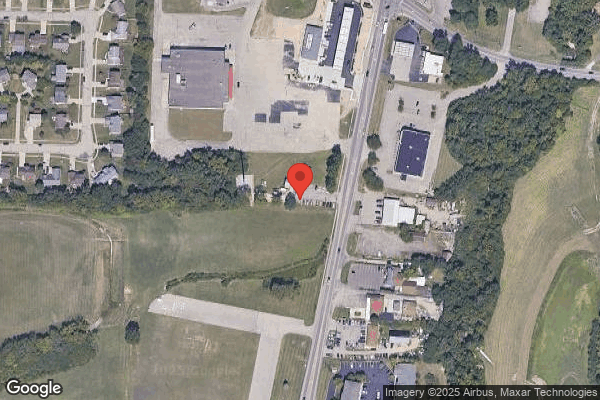
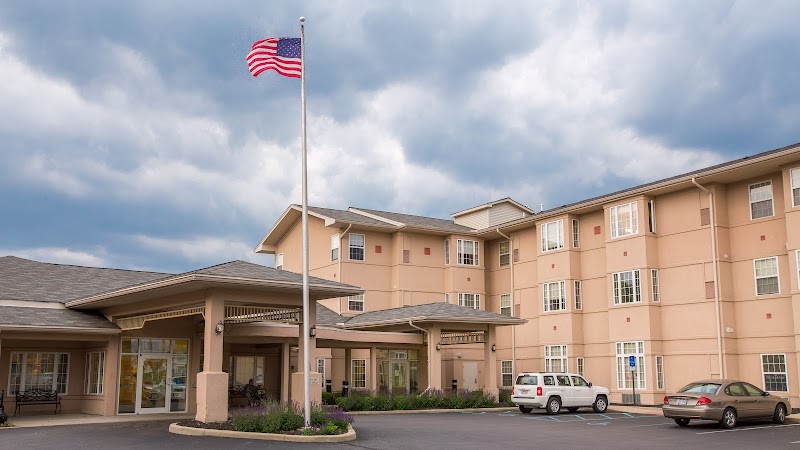
11784 HAMILTON AVENUE, CINCINNATI, OH 45231 (513) 825-2700
For profit - Corporation 99 Beds FOUNDATIONS HEALTH SOLUTIONS Data: November 2025 1 Immediate Jeopardy citation
Trust Grade
28/100
#806 of 913 in OH
Last Inspection: October 2024

Within standard 12-15 month inspection cycle. Federal law requires annual inspections.

Overview

Veranda Gardens & Assisted Living in Cincinnati has received a Trust Grade of F, indicating significant concerns about the facility's quality of care. Ranking #806 out of 913 in Ohio puts it in the bottom half of nursing homes in the state, and #61 out of 70 in Hamilton County shows it has few local competitors performing worse. The facility is worsening, with issues rising from 6 in 2023 to 13 in 2024. Staffing is a concern, receiving only 2 out of 5 stars, with a turnover rate of 51%, which is around the state average, but still indicates instability. Recent findings included critical incidents where residents were left unattended, increasing the risk of serious harm, and a serious failure to refer a resident for dental care that resulted in ongoing pain and weight loss. While the quality measures rating is excellent at 5 out of 5, these significant weaknesses cannot be overlooked.

Trust Score
F
28/100
In Ohio
#806/913
Bottom 12%
Safety Record
High Risk
Review needed
Inspections
Getting Worse
6 → 13 violations
Staff Stability
⚠ Watch
51% turnover. Above average. Higher turnover means staff may not know residents' routines.
Penalties
⚠ Watch
$30,715 in fines. Higher than 85% of Ohio facilities, suggesting repeated compliance issues.
Skilled Nurses
⚠ Watch
Each resident gets only 21 minutes of Registered Nurse (RN) attention daily — below average for Ohio. Fewer RN minutes means fewer trained eyes watching for problems.
Violations
⚠ Watch
39 deficiencies on record. Higher than average. Multiple issues found across inspections.
★★☆☆☆
2.0
Overall Rating
★★☆☆☆
2.0
Staff Levels
★★★★★
5.0
Care Quality
★☆☆☆☆
1.0
Inspection Score
Stable
2023: 6 issues
2024: 13 issues

The Good

  • 5-Star Quality Measures · Strong clinical quality outcomes
  • Full Sprinkler Coverage · Fire safety systems throughout facility
  • No fines on record

Facility shows strength in quality measures, fire safety.

The Bad

2-Star Overall Rating

Below Ohio average (3.2)

Below average - review inspection findings carefully

Staff Turnover: 51%

Near Ohio avg (46%)

Higher turnover may affect care consistency

Federal Fines: $30,715

Below median ($33,413)

Moderate penalties - review what triggered them

Chain: FOUNDATIONS HEALTH SOLUTIONS

Part of a multi-facility chain

Ask about local staffing decisions and management

The Ugly 39 deficiencies on record

1 life-threatening 1 actual harm
Oct 2024 10 deficiencies 1 IJ (1 affecting multiple)
CRITICAL (K)

Immediate Jeopardy (IJ) - the most serious Medicare violation

Deficiency F0725 (Tag F0725)

Someone could have died · This affected multiple residents

**NOTE- TERMS IN BRACKETS HAVE BEEN EDITED TO PROTECT CONFIDENTIALITY** Based on observation, record review, interviews with staff, residents, and a family member, facility document review, and review...

Read full inspector narrative →
**NOTE- TERMS IN BRACKETS HAVE BEEN EDITED TO PROTECT CONFIDENTIALITY** Based on observation, record review, interviews with staff, residents, and a family member, facility document review, and review of the Facility Assessment, the facility failed to ensure designated and consistent staffing was provided on one (500-Hall) of five total halls in the facility to ensure sufficient staff to provide needed care and services to the 13 residents that resided on the 500-Hall. This resulted in Immediate Jeopardy and the potential for serious injury, harm, impairment and/or death, when observations during the survey on 10/07/24 and 10/08/24 revealed times where the residents were left unattended on the 500-Hall with no staff members in the area. Staff reported there was no process in place to coordinate supervision, monitoring, or assistance for the residents on the 500-Hall. In addition, the call system on the 500-Hall only illuminated on the annunciator panel located on that hall; therefore, in the event of an emergent need, when no staff were present on the 500-Hall, the residents were not able to alert staff in other areas of the facility. Residents reported if they needed assistance, they had to utilize the elevator to go down to other floors of the facility to locate staff. Additionally, residents reported that due to no staff presence on the 500-Hall at mealtimes, residents had to retrieve their own meal trays from the food carts because no staff were available to assist. This affected 13 residents (#4, #11, #17, #26, #31, #43, #44, #56, #61, #67, #78, #82, and #90) who currently reside on the 500-Hall. The total census of the facility was 89. The Senior Administrator and Administrator were notified the Immediate Jeopardy began on 10/07/24 when the survey team observed that there were no staff present on the 500-Hall when Resident #61 activated their call light. A copy of the Immediate Jeopardy template was provided on 10/09/24 at 1:01 P.M. A removal plan was requested. The removal plan was accepted by the state survey agency on 10/10/24 at 12:24 P.M. The Immediate Jeopardy was removed on 10/09/24, after the survey team performed onsite verification that the removal plan had been implemented; however, the noncompliance remained at a Severity Level 2 (no actual harm with the potential for more than minimal harm that is not Immediate Jeopardy) as the facility is still in the process of implementing their corrective action plan and monitoring to ensure on-going compliance. Findings included: During the entrance conference on 10/07/24 at 9:21 A.M, the Administrator reported the facility currently had a census of 89. The facility's floor plan revealed the facility had a 100-Hall, 200-Hall, 300-Hall, 400-Hall, and 500-Hall. Review and analysis of the facility's floorplan and layout on 10/09/24 at 7:33 P.M. revealed the facility had three floors. The 100-Hall and 200-Hall were located on one side of the facility, and the 300-Hall, 400-Hall, and 500-Halls were located on the other side. The floor plan revealed that the 300-Hall was on the ground floor, and the 400-Hall and 500-Hall were each on a separate level and had to be accessed by either a stairwell or an elevator. The floor plan indicated the 300-Hall had 15 private rooms, the 400-Hall had 12 rooms (10 private and two semi-private), and the 500-Hall had 12 rooms (11 private and one semi-private). An admission Record indicated the facility admitted Resident #61 on 02/16/23. According to the admission Record, Resident #61 had a medical history that included diagnoses of Chronic Obstructive Pulmonary Disease (COPD), bronchopneumonia, hypothyroidism, anxiety, polyneuropathy, Gastro-Esophageal Reflux Disease (GERD), dementia, depression, insomnia, malignant neoplasm of the lung, iron deficiency anemia, type 2 Diabetes Mellitus (DM), hyperlipidemia, Essential Hypertension (HTN), diastolic heart failure, Peripheral Vascular Disease (PVD), and interstitial pulmonary disease. A quarterly Minimum Data Set (MDS), with an Assessment Reference Date (ARD) of 08/20/24, revealed Resident #61 had a Brief Interview for Mental Status (BIMS) score of 15, which indicated the resident had intact cognition. The MDS revealed Resident #61 required substantial to maximum assistance from staff with toileting hygiene, bathing, and lower body dressing, partial to moderate assistance from staff with bed to chair transfers, and supervision or touching assistance from staff with eating, oral hygiene, upper body dressing, personal hygiene, toilet transfers, bed mobility, and when transitioning from a seated position to standing or lying down. Resident #61's care plan contained a focus area, initiated 02/20/23, that indicated the resident may require assistance with Activities of Daily Living (ADLs) and may be at risk for developing complications associated with decreased ADL self-performance. Interventions indicated that the resident required assistance with ambulation, bathing, bed mobility, oral care, toileting, and transfers. Interventions also indicated that the resident required supervision with eating. During the initial pool process on 10/07/24 at 11:42 A.M., Resident #61 reported there were not always staff members working on the 500-Hall. Resident #61 further stated residents had to go to the food carts to get their own meal trays and said over the prior weekend, if their family had not been present and passed meal trays, they would not have eaten. During a telephone interview on 10/09/24 at 8:06 P.M., Resident #61's family member, Family Member #33, indicated they were at the facility on Sunday, 10/06/24, between 4:00 P.M. to 6:30 P.M. and observed there to be no staff on the 500-Hall. Family Member #33 stated when supper trays arrived there were multiple residents on the hall who got their meals independently without staff assistance. Family Member #33 indicated that when they visited the resident on weekends between the hours of 2:00 P.M. to 7:00 P.M., there were rarely staff visible. Family Member #33 stated that they had notified administration of the concern of lack of staff on the 500-Hall and was told the concern would be addressed. The family member stated they were concerned because if Resident #61 choked or fell, staff would be unaware if they were not on the hall. During an interview on 10/07/24 at 1:30 P.M., Resident #44, who also resided on the 500-Hall, stated they had to retrieve their own meal trays and hunt staff down if they needed anything. During an interview on 10/07/24 at 1:45 P.M., Resident #11, who also resided on the 500-Hall, stated that most of the time there were no staff available on the 500-Hall. Resident #11 reported residents had to go hunt and find staff on other halls of the facility. A facility document titled, Daily Nursing Staffing Sheet, dated [DATE] Monday, revealed there was not a scheduled nurse designated to work on the 500-Hall, but there was a designated State Tested Nursing Assistant (STNA) during the day shift. The staffing sheet indicated the Licensed Practical Nurses (LPNs) assigned to work the 300-Hall and 400-Hall were also responsible for the 500-Hall during the day shift. Per the staffing sheet, there was no designated nurse or STNA for the 500-Hall on the night shift, but the STNAs assigned to the 300 Right and 300 Left were also responsible for the 500-Hall. The staffing sheet did not indicate any night shift nurses were responsible for the 500-Hall. Registered Nurse (RN) #31 was listed as being assigned to the 300-Hall. During a night shift observation of the 500-Hall on 10/07/24 beginning at 8:13 P.M., RN #31 entered Resident #61's room to provide medications. RN #31 placed two medication cups containing seven total pills on the resident's over-the-bed table and informed the resident she was going downstairs to the 300-Hall to pass their medications. On 10/07/24 at 8:17 P.M., after RN #31 left the resident's room, Resident #61 said they were not sure if the medications left by the nurse were correct, and the surveyor immediately went to the nurses' station to look for RN #31. However, RN #31 was seen turning the corner to go to the elevator that led to the 300-Hall, where she indicated she was going. The surveyor then went down the hallway to locate other staff members but was unable to locate any other staff on the hallway. The surveyor returned to Resident #61's room and asked the resident if they could activate their call light so that the resident could ask staff about their medications. Resident #61 said that activating their call light was a waste of time, because after the night shift staff left the hallway, the residents did not see staff again until the following morning, unless it was a rare occasion. Resident #61 further stated they had previously been told by staff that the call lights on the 500-Hall did not go off anywhere else in the facility, so staff would not know. However, Resident #61 agreed to activate the call light. At 8:25 P.M., the Assistant Director of Nursing (ADON) arrived on the 500-Hall via the back stairwell door and was carrying her personal belongings. The ADON was headed towards her office, which was located on the same hall, when she passed Resident #61's room, with their call light still sounding. The surveyor then approached the ADON and asked who she was, because she did not answer the resident's call light as she passed. The ADON informed the surveyor of her title and said she had returned to the facility to assist the surveyors with the survey after receiving a call the survey team had re-entered the facility earlier in the evening. At 8:29 P.M., the ADON informed Resident #61 that RN #31 would come back up to speak with them about their medications, and the ADON then left the 500-Hall via the stairwell exit-door. At 8:32 P.M., RN #31 returned to Resident #61's room to address their question regarding their medications and then told the resident she was going back downstairs. Observations on 10/11/24 from 3:39 P.M. to 3:45 P.M. revealed that when the call light for room [ROOM NUMBER] was activated, the call system annunciator panel illuminated on the 500-Hall; however, observations of the annunciator panels located on the other four halls (100-, 200-, 300-, and 400-Halls) revealed they did not illuminate when call lights were activated on the 500-Hall. A facility document titled, Daily Nursing Staffing Sheet, dated [DATE] Tuesday, revealed that during the day shift, RN #32 was designated to work on the 500-Hall with a designated STNA, along with a nurse assigned to the 400-Hall that was to also assist with the 500-Hall. During an observation of the 500-Hall on 10/08/24, RN #32 left the hall via the elevator at 3:51 P.M. No other staff were able to be located on the hall. At 3:55 P.M., a housekeeping staff member was observed at the end of the 500-Hall and exited the hall via the elevator. At 3:59 P.M., RN #32 returned to the hall. During an interview on 10/08/24 at 3:59 P.M., RN #32 stated she was alone on the 500-Hall because the assigned STNA was on a break. A list provided by the facility indicated that, as of 10/07/24, 13 residents resided on the 500-Hall, of which seven residents were cognitively intact, one resident had moderate cognitive impairment, four residents had severe cognitive impairment, and one resident's cognitive status was illegible. Review of the comprehensive care plans for the 13 residents on the 500-Hall revealed each resident required assistance from staff with ADLs. In addition, the care plans indicated the resident population on the 500-Hall included residents at risk for alteration in skin integrity, alteration in comfort, alteration in nutrition and hydration status, high and low blood sugar levels, and falls, as well as residents with respiratory deficiencies and behaviors. During an interview, on 10/08/24 at 9:40 A.M., LPN #6 stated the nurses had to split the 500-Hall medication pass at times, but the STNA assigned to the 500-Hall did everything else. She stated there was normally a schedule posted that reflected which STNA was assigned to the 500-Hall. LPN #6 further stated the 500-Hall sometimes had a designated STNA the entire shift, but sometimes the schedule required the STNAs to split that responsibility, leaving no one fully assigned to the 500-Hall at all times. LPN #6 stated the staff get up there as much as they can. LPN #6 said there were times when no staff were on the 500-Hall, because staff did not coordinate with one another to ensure someone was always present on the hall. She stated that most of the time, if the residents on the 500-Hall needed something, they came down to another hall to get a staff member. During an interview on 10/08/2024 at 9:46 A.M., STNA #9 stated that her primary responsibility was providing care to residents on the 300-Hall. STNA #9 stated there were times when there were no staff on the 500-Hall. STNA #9 stated the STNAs may cross paths while transitioning between halls, but, typically, they did not know when other staff were on the 500-Hall. STNA #9 stated there was a weekend that someone was not assigned to the 500-Hall or did not come to work and a nurse provided medications, but did not communicate to the other staff that there was not an STNA on the 500-Hall, and residents received their meal trays late. STNA #9 further stated that when she was splitting the responsibility of the 500-Hall and another hall, she could not keep eyes on the residents on the 500-Hall; instead, she would ask them if they had any needs, then return downstairs. STNA #9 explained that when call lights were used by residents on the 500-Hall, they could not be seen by staff on other halls of the facility. STNA #9 reported that residents on the 500-Hall called the front desk or came downstairs to look for a staff member. During a telephone interview on 10/08/24 at 10:33 A.M., STNA #21 said that when a nurse was assigned to the 500-Hall, the nurse worked as both the nurse and the aide for the hall, but when no nurse was assigned to the 500-Hall, the STNAs from the 300-Hall and the 400-Hall split the responsibility of the 500-Hall. STNA #21 said that the STNAs who split the responsibility of the 500-Hall did not coordinate when they went to the hall. STNA #21 stated that when she was assigned Rooms 506 through 511, she checked on the residents at the beginning of her shift, then randomly checked on them throughout the night. She stated that if any resident on the 500-Hall used their call light, she would not be alerted if she was working on another hall. During a telephone interview on 10/08/24 at 10:59 A.M., STNA #15 said that the STNAs assigned to the 300-Hall and the 400-Hall split duties to each cover a portion of the 500-Hall. STNA #15 said the STNAs periodically checked on the residents on the 500-Hall, and the residents also came downstairs to let staff know when they needed something. According to STNA #15, there were no staff working on the 500-Hall multiple times a week. STNA #15 also stated that if a resident on the 500-Hall attempted to utilize their call light, staff on other halls would not be alerted. During an interview on 10/08/24 at 2:12 P.M., STNA #24 said she had frequently been assigned to work both a portion of the 400-Hall and a portion of the 500-Hall. STNA #24 stated that other times, staff were not notified until later in the shift that they needed to assist with the 500-Hall. STNA #24 stated that when breakfast trays arrived between 8:00 A.M. to 9:30 A.M., staff were notified via text message if no one was working on the 500-Hall and meal trays needed to be passed. STNA #24 said there was no organization, and the residents on the 500-Hall accessed the meal cart to get their own trays most of the time. STNA #24 further stated she did not feel comfortable working on the 400-Hall while not knowing if any call lights were activated on the 500-Hall. STNA #24 said she went up to the 500-Hall when she was able, but she took care of the residents on the 300-Hall or 400-Hall primarily, before tending to any residents on the 500-Hall. She stated the residents on the 500-Hall came down the elevator to the 300-Hall or 400-Hall to hunt down staff. STNA #24 voiced concern that the residents on the 500-Hall were dining without supervision, and staff would have no way of knowing if anyone got strangled or choked. STNA #24 said she had reported her concerns to the Scheduling Coordinator and told her she was not willing to continue attempting to work on two separate halls at the same time. STNA #24 said there should be staff designated to work the 500-Hall at all times, since there were residents that resided on that hall. During an interview on 10/09/24 at 10:20 A.M., the Scheduling Coordinator said she typically made staffing assignments by utilizing four nurses on the day shift, four nurses on night shift, eight STNAs on the day shift, and six to seven STNAs on night shift. The Scheduling Coordinator stated the 100-, 200-, and 300-Halls were scheduled with two STNAs on day shift and night shift, and the 400-Hall was scheduled with two STNAs on day shift and one STNA on night shift. She stated that if all staff showed up for their scheduled shifts, the STNAs assigned to the 300-Hall and the 400-Hall also split the 500-Hall. The Scheduling Coordinator further explained the 300-Hall nurse and the 400-Hall nurse also split the 500-Hall. She stated that if there was not a nurse or aide scheduled for the 500-Hall, then the 300-Hall nurse went to the 500-Hall after completing the 300-Hall medication administration and should remain on the hall the remainder of the shift. She stated that if a nurse had to leave the hall, staff should coordinate to ensure someone was on the hall. The Scheduling Coordinator stated she was not aware that there had been times when staff were not present on the hall. The Scheduling Coordinator stated the Director of Nursing (DON) or Administrator had to approve the facility's staffing levels based on the acuity of the residents. During an interview on 10/09/24 at 10:54 A.M., the DON said the allotted amount of staff was calculated through the corporate office to be the following: The 100-Hall was allowed one nurse and two STNAs, the 200-Hall was allowed one nurse and two STNAs, the 300-Hall was allowed one nurse and one STNA minimum but two STNAs when possible, the 400-Hall was allowed one nurse and one STNA minimum, and the 500-Hall was staffed with either a nurse or an aide when possible. The DON stated that when a staff member was not scheduled for the 500-Hall, the 300-Hall nurse should sit on the 500-Hall between medication passes and float between halls, with the 300-Hall STNA reporting to the 500-Hall when the nurse was not there. The DON said if there was a nurse assigned to the 500-Hall, the nurse was responsible for all care for the residents and completed both the nursing and STNA duties, and if there was an STNA assigned to the 500-Hall without a nurse, the 300-Hall and 400-Hall nurses split the responsibility of medication administration for the 500-Hall. The DON further stated the ADON was also on the 500-Hall during the day shift. The DON said she was unaware of any time there would be a reason for there not to be staff on the 500-Hall. During an interview on 10/11/24 at 4:41 P.M., the ADON, whose office was on the 500-Hall, stated that she was not responsible for the care of the residents on the 500-Hall. She stated that she was the unit manager for the 300-, 400-, and 500-Halls, and if nurses on those halls had concerns, they reported to her. During an interview with the Administrator and the Senior Administrator on 10/09/24 at 11:23 A.M., the Administrator said she was unsure the number of allocated staff allowed to be scheduled for the facility and stated that the numbers were managed by the Scheduling Coordinator and were calculated based on the acuity of the residents, the daily census, and the state minimum staffing requirements. She stated that adjustments were made when a resident required one-to-one supervision or when major changes occurred in the facility. The Administrator stated that nurses and STNAs on the 300-Hall and the 400-Hall split the responsibilities of covering the 500-Hall. The Senior Administrator stated that she expected staff to communicate to ensure someone was present on the 500-Hall at all times, via two-way radios, cellular phones, or there were also phones on the halls that were available for communication. She further stated there were times when there was a nurse assigned to all the duties on the 500-Hall, but they could call for help if they needed additional assistance. The Facility Assessment, dated 2024, revealed, A.1. Function- Sufficiency Analysis Summary 1. Staffing and scheduling systems: Facility staffing based on current census and resident's needs. Facility uses PPD [Per Patient Day]. Staff assigned to units to ensure continuity of care and 3. A review of individual staff assignments and systems for coordination and continuity of care for residents within and across staff assignments occur as census and resident needs adjust. 4. Staffing policies updated and reviewed and [sic] acuity and patient care needs indicate. An undated, facility document, Re [Regarding]: Staffing, revealed, Facility does not have policy on staffing, facility goes by state guidelines: The minimum number of staff required based on acuity/resident to staff ratio and current regulatory compliance, including upcoming minimum staffing requirements. On 10/10/24 at 12:24 P.M., a removal plan was submitted by the facility and accepted by the state survey agency as follows: 1. Director of Nursing (DON)/designee reviewed staffing assignments and made adjustments to the staffing assignment to ensure staffing personnel are present at all times on the 500 unit. Review completed 10/09/24 at 2 P.M. Corrective action completed on 10/09/24. 2. Licensed Nursing Home Administrator (LNHA)/designee to complete one-time audit of all staff assignments for the rest of the building to ensure appropriate staffing levels. Corrective action completed on 10/09/24. 3. IDT [Interdisciplinary team] team, consisting of LNHA, Medical Director, DON, Assistant Director of Nursing (ADON) and clinical support Registered Nurse (RN), to review facility assessment to ensure facility staffing plan is consistent with residents' care needs. Corrective action completed on 10/09/24. 4. LNHA/designee to post notice at conspicuous location in facility to notify facility staff to ensure timely communication of unit departure to ensure appropriate coverage and resident needs are met. Corrective action completed on 10/09/24. 5. LNHA/designee notified facility Medical Director regarding the Immediate Jeopardy on 10/09/24 at 2:22 P.M. via phone. 6. ADON completed assessments including vital signs and head to toe assessments on all residents residing on the 500-Hall. No residents have suffered any adverse effects related to the Immediate Jeopardy. Assessments were completed on 10/09/24. 7. Senior LNHA provided education to LNHA and DON regarding the responsibility to ensure each hall in the facility is appropriately supervised to ensure resident needs are met in accordance with each resident's plan of care. Corrective action completed on 10/09/24. 8. Facility DON/designee to educate all facility STNAs and nurses regarding their responsibility to ensure appropriate staff personnel are available to meet the needs of the residents on their designated unit and that there should always be a staff member present. The Corrective action to be completed on 10/09/24 or prior to their next scheduled shift. 9.Human Resources Director/designee to provide education to all new hire nurses and STNAs in new hire orientation prior to working their first shift. The facility does not use agency staffing. 10. Scheduler/designee to provide a laminated call sheet for staff to be posted in conspicuous areas on the 500-Hall for who to contact for relief including phone numbers reflecting day, time, and off hours. Corrective action was completed on 10/09/24. 11. LNHA/designee to monitor daily staffing assignment sheets to ensure proper staffing coverage for all units in the facility. This monitoring shall take place for 8 weeks and will be ongoing thereafter as needed as determined by the facility QAPI [Quality Assurance and Performance Improvement] committee. Additionally, any adverse findings will be shared with the facility QAPI committee and adjustments to corrective action plan will be made as needed. 12. DON/designee to monitor daily x [times] 2 weeks, then 5 x weekly x 2 weeks and then 3 x weekly x 4 weeks and ongoing thereafter as needed as determined by facility QAPI committee to ensure there is no lapse in supervision on the 500-Hall. Monitoring is to be conducted randomly and includes monitoring on off hours including evenings and weekends. Monitoring consists of conducting rounds on the 500-Hall unannounced to ensure there is always a staff member available to address any potential resident needs. Any adverse findings will be shared with the facility QAPI committee and adjustments to corrective action plan will be made as needed. The credible allegation for the Immediate Jeopardy removal was validated on 10/10/24 at 12:31 P.M. through 10/12/24 at 11:30 A.M. A review of staff in-service education records indicated staff were educated they were not to leave their units unattended without notification of another staff member. Interviews with nursing staff revealed each had been educated they were not to leave their assigned unit without notifying another staff member and that the 500-Hall was not to be left unattended at any time. The interviews also revealed a list of designated phone numbers were provided to key personnel for additional coverage of the unit. Observations were made of the postings located on the 500-Hall nurses' station, including observations of the posted information regarding staff communication about unit coverage and the laminated call sheet with contact numbers. The staffing assignments, facility audit, staffing plan, and resident head-to-toe assessments for the 500-Hall were reviewed. Staff schedules for the timeframe from 10/11/2024 to 10/25/2024 were reviewed to ensure coverage was designated for the 500-Hall on all shifts.
CONCERN (D)

Potential for Harm - no one hurt, but risky conditions existed

Assessment Accuracy (Tag F0641)

Could have caused harm · This affected 1 resident

Based on medical record review, facility document review, staff interviews, and review of the Centers for Medicare & Medicaid Services (CMS) Long-Term Care Facility Resident Assessment Instrument 3.0 ...

Read full inspector narrative →
Based on medical record review, facility document review, staff interviews, and review of the Centers for Medicare & Medicaid Services (CMS) Long-Term Care Facility Resident Assessment Instrument 3.0 User's Manual, the facility failed to ensure diuretic medication was accurately coded on Minimum Data Set (MDS) assessments. This affected one (#32) of five residents reviewed for unnecessary medication. The facility census was 89. Findings included: Review of Resident #32's medical record revealed an admission date of 08/07/12 and most recently admitted the resident on 08/20/21. Diagnoses for Resident #32 included: chronic obstructive pulmonary disease (COPD), unspecified combined systolic (congestive) and diastolic (congestive) heart failure, presence of cardiac pacemaker, and hypertension. Review of Resident #32's care plan included a focus area, initiated 08/16/12, indicated the resident was at nutritional risk due to factors that included routine diuretic therapy. Review of Resident #32's Medication Administration Record (MAR), for June 2024, revealed the transcription of an order, started on 05/29/24 and discontinued on 06/18/24, for Lasix (a diuretic medication) 20 milligrams (mg) by mouth one time a day for fluid retention. The MAR reflected documentation indicated staff administered the resident's Lasix as ordered from 06/01/24 through 06/10/24. Review of the quarterly MDS, with an Assessment Reference Date (ARD) of 06/10/24, revealed section N0415G1 was not checked to reflect the resident received a diuretic medication during the seven-day look-back period. Review of Resident #32's MAR for September 2024 revealed the transcription of an order, started on 06/18/24, for Lasix 20 mg by mouth two time a day for water retention. The MAR reflected documentation indicated staff administered the resident's Lasix as ordered from 09/01/24 through 09/09/24. Review of the annual MDS, with ARD 09/09/24, revealed section N0415G1 was not checked to reflect the resident received a diuretic medication during the seven-day look-back period. Interview on 10/09/24 at 8:35 A.M., with the MDS Nurse confirmed Resident #32 received diuretic medication during the 7-day look-back periods for the resident's 06/10/24 and 09/09/24 MDS assessments and stated diuretic usage should have been coded on the MDS assessments. The MDS Nurse stated it was important to code Lasix medication accurately because the resident had COPD, and the medication affected circulation, breathing, and weight loss/gain. Interview on 10/09/24 at 12:12 P.M., with the Director of Nursing (DON) stated MDS assessments must be complete and accurate. Interview on 10/10/24 at 1:06 P.M., with the Administrator stated she expected MDS assessments to be accurate and reflective of the residents' conditions. Review of the undated document labeled, Re [Regarding]: MDS Accuracy Policy revealed, the facility does not have a policy on MDS accuracy. Review of the CMS Long-Term Care Facility Resident Assessment Instrument 3.0 User's Manual, version 1.19.1, dated October 2024, section NO415: High-Risk Drug Classes: Use and Indication revealed, Steps for Assessment 1. Review the resident's medical record for documentation that any of these medications were received by the resident and for the indication of their use during the 7-day look-back period (or since admission/entry or reentry if less than 7 days). The manual further revealed, N0415G1. Diuretic: Check if a diuretic medication was taken by the resident at any time during the 7-day look-back period (or since admission/entry or reentry if less than 7 days).
CONCERN (D)

Potential for Harm - no one hurt, but risky conditions existed

Accident Prevention (Tag F0689)

Could have caused harm · This affected 1 resident

Based on observation, resident interview, staff interview, medical record review, and policy review, the facility failed to ensure medications were maintained in a safe and secure manner. This affecte...

Read full inspector narrative →
Based on observation, resident interview, staff interview, medical record review, and policy review, the facility failed to ensure medications were maintained in a safe and secure manner. This affected one (#61) of two sampled residents reviewed for accidents. This faciliy census was 89. Findings included: Review of Resident #61's medical record revealed an admission date of 02/16/23. Diagnoses for Resident #61 included: chronic obstructive pulmonary disease (COPD), bronchopneumonia, anxiety, polyneuropathy, insomnia, malignant neoplasm of the lung, type 2 diabetes mellitus (DM), hyperlipidemia, essential hypertension (HTN), heart failure, peripheral vascular disease (PVD), and interstitial pulmonary disease. Review of the quarterly Minimum Data Set (MDS), with an Assessment Reference Date (ARD) of 08/20/24, revealed Resident #61 had a Brief Interview for Mental Status (BIMS) score of 15, which indicated the resident had intact cognition. The MDS indicated Resident #61 received antianxiety, hypnotic, and hypoglycemic medications during the assessment period. Review of Resident #61's care plan, revealed a focus area initiated on 02/17/23, that indicated the resident had altered health maintenance. Interventions directed staff to administer medications as ordered. Resident #61's care plan, revealed a focus area initiated on 02/20/23, that indicated the resident was at risk for alteration in comfort. Interventions directed staff to administer medications as ordered. Resident #61's care plan did not include self-administration of medications. Observation on 10/07/24 at 8:13 P.M., with Registered Nurse (RN) #31 entered Resident #61's room, turned on the light, and placed two inhalers and medicine cups that contained a total of seven pills on the overbed table in front of the resident. After RN #31 observed Resident #61 self-administer the two prescribed inhalers, RN #31 retrieved the inhalers and stated she had to pass medications elsewhere. RN #31 left two medication cups on the overbed table in front of Resident #61, one cup contained six pills, and one cup contained one pill, which RN #31 stated was the resident's sleeping pill. RN #31 turned off the light and left Resident #61's room without observing the resident take any of the medications left on the overbed table. Interview on 10/07/24 at 8:17 P.M., with Resident #61 stated it was common for nursing staff to leave nightly medications at the bedside to be taken later and stated they did not recall a nurse ever watching them take their sleeping pill at night. Resident #61 picked up the cup of pills and stated they were uncertain if the medications in the cup were prescribed to them. Observation and interview on 10/07/24 at 8:25 P.M., with the Assistant Director of Nursing (ADON) entered Resident #61's room where the call light was illuminated. The ADON asked Resident #61 how she could assist, and the resident stated they had concerns if the medications on the overbed table were theirs. The ADON stated nurses were expected to verify each medication was correct before bringing the medication to the resident and then watch the resident take the medication before leaving the room. The ADON then told Resident #61 she would have to review their medication administration record to answer the question, and then she left Resident #61's room leaving the medications on resident's overbed table. Observation on 10/07/24 at 8:29 P.M., with the ADON entered Resident #61's room to inform the resident the assigned unit nurse would be there soon to answer questions related to the concerns with the medications. The ADON left Resident #61's room again leaving the medications on the resident's overbed table. Interview on 10/07/24 at 8:32 P.M., with RN #31 stated she brought Resident #61 their sleeping medication early because later in the shift, she would be busy downstairs administering medication when Resident #61 would want the sleeping medication, and the resident would have to go downstairs to get the medication. RN #31 revealed the sleeping medication was a controlled substance. RN #31 stated the sleeping medication was kept in a locked box in the nurses' cart but was unaware that it should not be left at the bedside. RN #31 stated she knew Resident #61 was to be observed during medication administration but was caught off guard, did not pay attention, and thought the member of the survey team could watch medication administration on her behalf. Interview on 10/08/24 at 4:10 P.M., with the Director of Nursing (DON) stated RN #31 should verify medications administered were correct, verify the patient, and make sure the resident took each medication before leaving the room. Interview on 10/11/24 at 12:52 P.M., the Administrator stated she expected nursing staff to follow the proper procedures that were in place for medication administration. Review of the policy titled, Medication Storage, effective 07/23/19, revealed the section titled Procedure, indicated, 2. Only licensed nurses, the Consultant Pharmacist, and those authorized to administer medications (e.g. [exempli gratia, for example] medication aides) are allowed access to medications. Medication rooms, carts, and medication supplies are locked or attended by persons with authorized access.
CONCERN (D)

Potential for Harm - no one hurt, but risky conditions existed

Deficiency F0691 (Tag F0691)

Could have caused harm · This affected 1 resident

Based on observation, staff interview, and medical record review, the facility failed to ensure urostomy (an abdominal wall opening to allow urine to drain from the body) tubing was secured. This affe...

Read full inspector narrative →
Based on observation, staff interview, and medical record review, the facility failed to ensure urostomy (an abdominal wall opening to allow urine to drain from the body) tubing was secured. This affected one (#53) of three residents reviewed for catheter care. The faciliy census was 89. Findings included: Review of Resident #53's medical record revealed an admission date of 02/14/19 and most recently admitted the resident on 08/23/23. Diagnoses for Resident #53 included: neuromuscular dysfunction of the bladder, urinary retention, and stage 4 pressure ulcer of the sacral region. Review of the quarterly Minimum Data Set (MDS), with an assessment reference date (ARD) of 07/09/2024, revealed Resident #53 had a Brief Interview for Mental Status (BIMS) score of 15, which indicated the resident had intact cognition. According to the MDS, the resident had an ostomy, and their urinary continence was not rated, because the resident had a catheter, urinary ostomy, or no urinary output during the seven-day look-back period. Review of Resident #53's care plan included a focus area initiated on 05/20/2021 that indicated the resident had a urostomy. According to the care plan, Resident #53's urostomy drained into a urinary drainage system. An intervention directed staff to secure the resident's urostomy catheter tubing to prevent accidental dislodgment. Observation on 10/07/24 at 10:37 A.M., revealed Resident #53 lying in their bed with a urinary drainage bag hanging on the left side of their bed. There was no securement device observed. Observation and interview on 10/09/2024 at 2:06 P.M., with License Practical Nurse (LPN) #18, Resident #53 was observed lying in bed with a urostomy stoma (surgical opening) with a drainage system that consisted of catheter tubing that allowed the resident's urine to drain into a urinary drainage bag. No securement device was observed. LPN #18 observed and verified Resident #53 did not have a securement device in place for the catheter tubing of their urostomy. LPN #18 stated securement devices were used in the facility to prevent the catheter tubing from coming loose, but she was unsure why Resident #53 did not have one in place. LPN #18 stated the resident required pressure ulcer care, which required a lot of shifting in the bed, and the resident should have a securement device in place. Interview 10/11/24 at 8:34 A.M., with the Director of Nursing (DON) confirmed Resident #53 had a urostomy. The DON further stated some residents should have their catheter tubing secured to lock it in place.
CONCERN (D)

Potential for Harm - no one hurt, but risky conditions existed

Respiratory Care (Tag F0695)

Could have caused harm · This affected 1 resident

Based on observation, interview, record review, and facility policy review, the facility failed to clean oxygen concentrators in accordance with physician's orders and the facility's policy for two (R...

Read full inspector narrative →
Based on observation, interview, record review, and facility policy review, the facility failed to clean oxygen concentrators in accordance with physician's orders and the facility's policy for two (Resident #31 and Resident #61) of three residents reviewed for respiratory care. The facility census was 89. Findings included: 1. An admission Record revealed the facility admitted Resident #31 on 07/23/12. According to the admission Record, the resident had a medical history that included a diagnosis of Chronic Obstructive Pulmonary Disease (COPD). A quarterly Minimum Data Set (MDS), with an Assessment Reference Date (ARD) of 07/10/24, revealed Resident #31 had a Brief Interview for Mental Status (BIMS) score of 15, which indicated the resident had intact cognition. The MDS indicated Resident #31 experienced shortness of breath when lying flat and had not used oxygen therapy during the assessment look-back period. Resident #31's care plan, included a focus area initiated 10/07/23, that indicated the resident had respiratory deficiencies or abnormalities of pulmonary function related to COPD with shortness of breath with exertion at times and lying flat. The focus area revealed the resident required supplemental oxygen at night and occasionally during the day. Interventions directed staff to administer supplemental oxygen as ordered. Resident #31's Physician Orders, with active orders as of 09/01/24, contained an order, dated 07/28/24, to clean the filter on the oxygen concentrator weekly on Sundays during night shift. Resident #31's Treatment Administration Record (TAR), for the timeframe from 10/01/24 through 10/07/24, revealed a transcription of an order dated 07/24/24 for continuous supplemental oxygen per nasal cannula to maintain oxygen saturation above 92 percent (%) every night shift. The TAR revealed a transcription of an order dated 07/24/24 for continuous supplemental oxygen per nasal cannula to maintain oxygen saturation above 92 % every shift as needed. The TAR revealed that staff had documented that the resident utilized the supplemental oxygen on 10/01/24, 10/02/24, 10/03/24, 10/04/24, 10/05/24, and 10/06/24. The TAR revealed a transcription of an order dated 07/28/24, to clean filter on the oxygen concentrator weekly every night shift on Sundays. The TAR revealed no documentation that staff had cleaned the oxygen concentrator on 10/06/24. During a concurrent observation and interview on 10/07/24 at 11:36 AM, Resident #31 was observed lying in bed with a supplemental oxygen concentrator machine running at 2 liters per minute with the tubing lying next to the resident in their bed. Resident #31 was not using the supplemental oxygen concentrator and stated they mostly wore it at night and as needed. The oxygen concentrator filter/vent region on the rear of the machine revealed a thick, gray, fuzzy textured substance on the surface that obscured visibility. An observation on 10/07/24 at 8:55 PM, revealed a supplemental oxygen concentrator machine running with a nasal cannula attached and lying on Resident #31's bed. Resident #31 was not in the room at the time of the observation. The oxygen concentrator filter/vent region on the rear of the machine revealed a thick, gray, fuzzy textured substance on the surface that obscured visibility. During a concurrent interview, the Assistant Director of Nursing (ADON) observed the oxygen concentrator filter/vent region of the machine and stated it did not appear to have been cleaned on 10/06/24 during the night shift. During a telephone interview on 10/09/24 at 4:33 PM, Registered Nurse (RN) #10 revealed he had not received any training on cleaning the oxygen concentrator filters and did not think there was a way to clean them and therefore he had never cleaned them. RN #10 stated he did not clean them when he worked on 10/06/24. 2. An admission Record indicated the facility admitted Resident #61 on 02/16/2023. According to the admission Record, the resident had a medical history that included a diagnosis of COPD. A quarterly MDS, with an ARD of 08/20/2024, revealed Resident #61 had a BIMS score of 15 which indicated the resident had intact cognition. The MDS indicated Resident #61 experienced shortness of breath when lying flat and had not used oxygen therapy during the assessment look-back period. Resident #61's care plan, included a focus area initiated on 02/20/23, that indicated the resident required supplemental oxygen due to COPD. Interventions directed staff to administer supplemental oxygen as ordered. Resident #61's Physician Orders, with active orders as of 10/01/24, contained an order, dated 07/28/24, to clean the filter on the oxygen concentrator weekly on Sundays during night shift. Resident #61's TAR for the timeframe from 10/01/24 through 10/11/24, revealed a transcription of an order dated 07/28/24 to clean the filter on the oxygen concentrator weekly every night shift on Sundays. The TAR revealed there was no staff documentation to indicate the filter had been cleaned 10/06/24. An observation on 10/07/24 at 11:55 AM, revealed Resident #61 sitting in their motorized wheelchair with supplement oxygen running at 4 liters per minute delivered via nasal cannula with a 20-foot-long tube attached to an oxygen concentrator located in the adjacent room where the resident's bed was located. The oxygen concentrator filter region located on the back side of the machine was filled with a gray fuzzy textured substance. An observation on 10/07/24 at 8:08 PM, revealed Resident #61 sitting in the adjacent room from the oxygen concentrator with supplement oxygen running at 4 liters per minute delivered via nasal cannula with a 20-foot-long tube attached to an oxygen concentrator. During the observation, the filter/vent region was observed on the rear of the oxygen concentrator to contain a gray fuzzy matter which covered the surface preventing visibility. During an observation and interview with Registered Nurse (RN) #31 on 10/07/24 at 8:51 PM, RN #31 observed Resident #61's oxygen concentrator and acknowledged the filter/vent region had dust on the area. RN #31 was not able to articulate knowledge of the care of maintenance of the filters and cleaning of the concentrator per orders. During an observation and interview with the Assistant Director of Nursing (ADON) on 10/07/24 at 8:53 PM, the ADON observed and acknowledged Resident #61's oxygen concentrator filter/vent region contained a dust substance and stated the concentration filter/vent region did not appear to have been cleaned on 10/06/24 during night shift. The ADON stated the filters on oxygen concentrators should be cleaned weekly on Sundays by night shift staff. During an interview on 10/11/24 at 8:34 PM, the Director of Nursing (DON) stated the oxygen concentrator filter/vent region no longer has an external filter that must be removed and cleaned by staff, but the area should have been cleaned where the filter/vent region is located weekly when oxygen is ordered. During an interview on 10/11/24 at 12:52 PM, the Administrator stated she expected staff to follow all protocols for maintenance and care of the oxygen concentrator machine. A facility policy titled, Respiratory Equipment Cleaning/Disinfecting, revised 09/14/18, indicated, 2. Oxygen Concentrators: a. Clean external surfaces as needed. b. Filters cleaned weekly or as needed.
CONCERN (D)

Potential for Harm - no one hurt, but risky conditions existed

Deficiency F0761 (Tag F0761)

Could have caused harm · This affected 1 resident

Based on observation, interview, and facility policy review, the facility failed to ensure medication carts were locked when unattended by staff. This affected one (100-Hall) of six medication carts o...

Read full inspector narrative →
Based on observation, interview, and facility policy review, the facility failed to ensure medication carts were locked when unattended by staff. This affected one (100-Hall) of six medication carts observed. The facility census was 89. Findings included: During an observation on 10/10/24 at 8:14 AM, Licensed Practical Nurse (LPN) #2 left the 100-Hall medication cart unlocked and unattended when she entered a resident's room to administer medications. While LPN #2 was administering medications, the medication cart was not within her line of sight. During an observation on 10/10/24 at 10:31 AM, LPN #2 left the 100-Hall medication cart unlocked and unattended while she went to the kitchen to retrieve some water. During an interview on 10/10/24 at 2:11 PM, LPN #2 confirmed she left the medication cart unlocked and unattended and stated the cart should have been locked. During an interview on 10/11/24 at 8:54 AM, the Assistant Director of Nursing (ADON) said that when staff walk away from a medication cart, they should lock the cart. During an interview on 10/11/24 at 9:46 AM, the Director of Nursing (DON) said she expected nursing staff to lock the medication carts when the cart was not within their reach or line of sight. A facility policy titled, Medication Storage, dated 07/23/19, revealed, Medications and biologicals are stored safely, securely and properly following manufacturer's recommendations or those of the supplier. The policy revealed, 2. Only licensed nurses, the Consultant Pharmacist, and those authorized to administer medications (e.g. [exempli gratia, for example] medication aides) are allowed access to medications. Medication rooms, carts, and medication supplies are locked or attended by persons with authorized access.
CONCERN (D)

Potential for Harm - no one hurt, but risky conditions existed

Medical Records (Tag F0842)

Could have caused harm · This affected 1 resident

Based on interview, record review, and facility policy review, the facility failed to ensure nursing staff accurately documented the administration of medications on the medication administration reco...

Read full inspector narrative →
Based on interview, record review, and facility policy review, the facility failed to ensure nursing staff accurately documented the administration of medications on the medication administration record for one (Resident #31) of five residents reviewed for unnecessary medication. The facility census was 89. Findings included: An admission Record indicated the facility originally admitted Resident #31 on 07/23/12 and most recently admitted the resident on 10/01/20. According to the admission Record, the resident had a medical history that included diagnoses of contracture, chronic pain, anxiety disorder, and quadriplegia. A quarterly Minimum Data Set (MDS), with an Assessment Reference Date (ARD) of 07/10/24, revealed Resident #31 had a Brief Interview for Mental Status (BIMS) score of 15, which indicated the resident had intact cognition. Resident #31's Order Summary Report, listing active orders as of 09/01/24, revealed the following medication orders: • buspirone hydrochloride (HCl) 10 milligram (mg) oral tablet, one tablet by mouth three times a day related to anxiety (started 07/19/24); • Eliquis 5 mg tablet, one tablet by mouth two times a day (started 05/07/22); • escitalopram oxalate 10 mg tablet, one tablet by mouth one time a day related to major depressive disorder (started 12/09/23); and • Fentanyl patch 75 micrograms per hour, apply one transdermal patch every 72 hours related to chronic pain (started 11/19/21). Resident #31's Medication Administration Record (MAR) for 10/2024 revealed no documented evidence staff administered the following ordered doses of the resident's medications: • buspirone HCl 10 mg on 10/05/24 and 10/07/24 at 2:00 PM; • Eliquis 5 mg on 10/05/24 and 10/07/24 at 5:00 PM; • escitalopram oxalate tablet on 10/05/24 and 10/07/24 at 1:00 PM; and • Fentanyl patch on 10/07/24 at 1:00 PM. During an interview on 10/11/24 at 2:56 PM, Resident #31 stated they had no issues receiving their medications. During a follow-up interview on 10/11/24 at 3:39 PM, Resident #31 stated they received all their medications. Resident #31 further stated they received their medications late on 10/05/24, because the nurse arrived to work late, which resulted in a later start for passing medications; however, the resident indicated they had no other difficulties receiving any of their medications. During an interview on 10/11/24 at 4:14 PM, Licensed Practical Nurse (LPN) #4 stated she was the assigned nurse for Resident #31 after 1:00 PM on 10/05/24 and 10/07/24 and was able to give all the resident's medications. LPN #4 stated she was not aware that she had not documented on the MAR that Resident #31's medications were administered. She stated she should have signed the medications off on the MAR after they were administered. During an interview on 10/12/24 at 9:46 AM, the Director of Nursing (DON) stated she expected nurses to document that medications were given following the administration of the medications. During an interview on 10/12/24 at 8:30 AM, the Administrator stated she expected nurses to follow the proper procedure and document medication administration accurately. A facility policy titled, Documentation: Charting, revised 09/16/19 revealed, Each resident's medical record shall contain an accurate representation of the resident and include information to provide a picture of the resident's progress through complete, accurate, and timely documentation. The policy revealed, 1. Licensed staff and interdisciplinary team members shall document assessments, observations, and services provided in the resident's medical record in accordance with state law and policy. 2. Documentation may be completed at the time of service or during the shift in which the assessment, observation, or care service occurred. 3. Principles of documentation may include but are not limited to: a. Documentation shall be factual, objective, and complete.
CONCERN (D)

Potential for Harm - no one hurt, but risky conditions existed

Infection Control (Tag F0880)

Could have caused harm · This affected 1 resident

2. An admission Record indicated the facility admitted Resident #20 on 05/25/22. According to the admission Record, the resident had a medical history that included diagnoses of hemiplegia and hemipar...

Read full inspector narrative →
2. An admission Record indicated the facility admitted Resident #20 on 05/25/22. According to the admission Record, the resident had a medical history that included diagnoses of hemiplegia and hemiparesis following cerebral infarction and obstructive and reflux uropathy. A quarterly Minimum Data Set (MDS), with an Assessment Reference Date (ARD) of 07/08/24, revealed Resident #20 had a Brief Interview for Mental Status (BIMS) score of 3, which indicated the resident had severe cognitive impairment. The MDS indicated Resident #20 had an indwelling urinary catheter. Resident #20's care plan included a focus area initiated 06/01/22, that indicated the resident had an indwelling urinary catheter. Interventions directed staff to provide catheter care every shift and to ensure the catheter bag was in place as needed. On 10/07/24 at 9:30 AM, Resident #20 was observed resting in a low bed with the indwelling catheter drainage bag on the floor. On 10/08/24 at 7:50 AM, Resident #20 was observed asleep in a low bed with their indwelling catheter drainage bag on the floor. On 10/08/24 at 2:13 PM, State Tested Nurse Aide (STNA) #14 stated Resident #20's indwelling catheter bag should not be on the floor. On 10/08/24 at 2:19 PM, STNA #17 stated Resident #20's indwelling catheter bag should not be touching the floor due to infection control concerns. On 10/09/24 at 2:28 PM, Licensed Practical Nurse #3 stated Resident #20's indwelling catheter bag should not be on the floor and must be kept as clean as possible to prevent infection. On 10/10/24 at 12:00 PM, the Director of Nursing stated Resident #20's indwelling bag should not be on the floor. On 10/10/24 at 3:35 PM, the Administrator stated the indwelling catheter bag should not be on the floor and the expectation was the staff would follow correct protocols, procedures, and standards regarding indwelling catheters. Based on observation, interview, record review, facility policy review, and the Centers for Medicare & Medicaid Services (CMS) memorandum, the facility failed to ensure staff implemented Enhanced Barrier Precautions (EBP) for one (Resident #91) of five sampled residents reviewed for infection control. The facility further failed to ensure a urinary catheter bag did not rest on the floor for one (Resident #20) of five sampled residents reviewed for urinary catheters. The facility census was 89. Findings included: 1. An admission Record revealed the facility admitted Resident #91 on 08/28/24. According to the admission Record, the resident had a medical history that included a diagnosis of pyogenic arthritis. An admission Minimum Data Set (MDS), with an Assessment Reference Date (ARD) of 09/06/24, revealed Resident #91 had a Brief Interview for Mental Status (BIMS) score of 15, which indicated the resident had intact cognition. The MDS indicated Resident #91 required substantial/maximal assistance with toileting hygiene, bathing, upper and lower body dressing, personal hygiene, and putting on/taking off footwear. The MDS indicated Resident #91 received intravenous medications. Resident #91's care plan included a focus area, initiated 09/05/24, that indicated the resident was at risk for infection related to increased white blood cells and received an intravenous antibiotic. Interventions directed staff to implement enhanced barrier precautions, provide sterile site care per policy for the central line, and evaluate the intravenous site each shift and as needed for redness, swelling, and discomfort. Resident #91's Order Summary Report, for the timeframe from 08/28/24 through 10/10/24, revealed an order dated 10/07/24, for reconstituted ceftriaxone 2 grams one time a day for bacterial infection arthritis. During an observation on 10/10/24 at 8:26 AM, State Tested Nursing Assistant (STNA) #16 provided Resident #91 morning care and assisted the resident to dress. The PPE put on by STNA #16 was a gown. During an observation on 10/10/24 at 8:31 AM, the medical records (MR) personnel delivered Resident #91's breakfast tray and assisted STNA #16 in transferring the resident to a wheelchair. The MR personnel only applied a pair of gloves as the PPE to assist the staff with transferring the resident. During an interview on 10/09/24 at 3:35 PM, the Infection Control Practitioner (ICP) stated residents were placed on EBP if the resident had an indwelling urinary catheter, wounds, gastrostomy tubes, any lines, and any tubes. During an interview on 10/10/24 at 8:37 AM, the MR personnel stated she had not worked with Resident #91 before and did not know if the resident had a PICC line. The MR personnel stated for repositioning Resident #91 in the chair, she would only wear gloves. During an interview on 10/10/24 at 8:41 AM, Resident #91 stated the staff always wore gloves, but no gowns. During an interview on 10/10/24 at 9:05 AM, the ICP stated any resident with a PICC line should be on EBP. During a follow-up interview on 10/10/24 at 9:16 AM, the ICP stated Resident #91 did need to be on EBP. During an interview on 10/10/24 at 9:27 AM, the MDS Nurse stated she care planned Resident #91 for EBP because the resident was at a higher risk for infection related to having the PICC line. During an interview on 10/10/24 at 10:19 AM, the Administrator stated she expected staff to follow the EBP guidelines established by CMS. During a follow-up interview on 10/11/24 at 9:17 AM, the Director of Nursing stated staff should wear a gown and gloves when they provide care to Resident #91. A facility policy titled, Standard and Transmission-based Precautions, revised 03/24/24, indicated, Policy: It is our policy to take appropriate precautions, including isolation, to prevent transmission of infectious agents. This policy specifies the different types of precautions, including when and how isolation should be used for a resident. The CMS Center for Clinical Standards and Quality/Quality, Safety & Oversight Group, memorandum dated 03/20/24, revealed EBP recommendations now include use of EBP for residents with chronic wounds or indwelling medical devices during high-contact resident care activities regardless of their multidrug-resistant organism status. The memorandum revealed, Indwelling medical device examples include central lines, urinary catheters, feeding tubes, and tracheostomies. A peripheral intravenous line (not a peripherally inserted central catheter) is not considered an indwelling medical device for the purpose of EBP.
CONCERN (E)

Potential for Harm - no one hurt, but risky conditions existed

Deficiency F0565 (Tag F0565)

Could have caused harm · This affected multiple residents

Based on review of Resident Council Minutes, resident interviews, staff interviews and policy review, the facility failed to provide responses to resident's expressed concerns. This had the potential ...

Read full inspector narrative →
Based on review of Resident Council Minutes, resident interviews, staff interviews and policy review, the facility failed to provide responses to resident's expressed concerns. This had the potential to affect seven of seven that regularly attend Resident Council meetings. The census was 89. Findings included: Review of the Resident Council Meeting minutes dated March 2024, revealed the section titled Follow-up from last meeting / Action Taken / Current status: was blank. The minutes revealed the section titled New Questions / Comments: indicated the residents had concerns with nursing, dietary, housekeeping, laundry, and activities. Review of the Resident Council Meeting minutes dated April 2024, revealed the section titled Follow-up from last meeting / Action Taken / Current status: included Follow up from March reviewed [with] no further follow up needed. The minutes revealed the section titled New Questions / Comments: indicated the residents had concerns with nursing, dietary, housekeeping, laundry, and activities. Review of the Resident Council Meeting minutes dated May 2024, revealed the section titled Follow-up from last meeting / Action Taken / Current status: included Follow up from April reviewed w/[with] no further follow up needed. The minutes revealed the section titled New Questions / Comments: indicated the residents had concerns with administration, nursing, dietary, housekeeping, laundry, and maintenance. Review of the Resident Council Meeting minutes dated June 2024, revealed the section titled Follow-up from last meeting / Action Taken / Current status: was blank. The minutes revealed the section titled New Questions / Comments: indicated the residents had concerns with nursing, dietary, laundry, and maintenance. Review of the Resident Council Meeting minutes dated July 2024, revealed the section titled Follow-up from last meeting / Action Taken / Current status: was blank. The minutes revealed the section titled New Questions / Comments: indicated the residents had concerns with administration, nursing, social services, dietary, and maintenance. Review of the Resident Council Meeting minutes dated August 2024, revealed the section titled Follow-up from last meeting / Action Taken / Current status: was blank. The minutes revealed the section titled New Questions / Comments: indicated the residents had concerns with administration, nursing, dietary, housekeeping, laundry, and maintenance. Review of the Resident Council Meeting minutes dated September 2024, revealed the section titled Follow-up from last meeting / Action Taken / Current status: was blank. The minutes revealed the section titled New Questions / Comments: indicated the residents had concerns with administration, nursing, dietary, housekeeping, laundry, and activities. Interview on 10/08/24 at 10:26 A.M., during a resident group meeting, Residents #61 stated the Resident Council's concerns were given to the Administrator. Resident #61 stated the Administrator should be doing the investigations into the resident's concerns and provide them with a solution. Resident #61 stated when there was an issue was expressed, there was no response provided. Interview on 10/10/24 at 9:00 A.M., with Resident #6 stated the resident stopped going to the Resident Council meetings because the facility did not provide any feedback regarding concerns that were expressed. Interview on 10/10/24 at 11:55 A.M., with the Activity Director stated she started in the position on 10/07/24. Activity Director stated she had not attended a Resident Council meeting and stated Activity Personnel #20 was attending the meetings. Interview on 10/10/24 at 10:55 A.M., with Activity Personnel (AP) #20 revealed she had been in the position for over a year. AP #20 stated she attended the Resident Council meetings and documented the residents' concerns. AP #20 stated after she received the Resident Council's concerns, she provided the concerns to the Administrator, who then provided them to each department director. AP #20 stated she was supposed to get the responses back from the Administrator, but that did not happen. AP #20 stated the residents had not received feedback regarding their concerns brought up in the Resident Council meetings. AP #20 stated the residents complained there was no response to their concerns. Interview on 10/10/24 at 4:23 P.M., with the Administrator, revealed the activities staff were responsible for writing down the Resident Council's concerns. Administrator stated their concerns were provided to the department director and each department director was responsible for documenting the resolution. The Administrator revealed the activities personnel who facilitated the meetings should inform the residents of the resolutions. Interview on 10/11/24 at 9:18 A.M., with the Director of Nursing (DON) revealed the feedback to Resident Council concerns were communicated to residents by an activities staff. DON stated she expected the staff set up a time after the meetings to meet with the residents to go over their concerns. Review of the policy titled, Resident Council, revised March 2007, revealed The Residents' Council is intended to promote resident interest and provide a forum for the residents to voice their opinions, concerns, suggestions for change in the day to day operation of the facility. The policy revealed, Investigation of Resident Concerns: The Activity Director or designee will submit concerns expressed at council meeting to the appropriate facility department directors or administrator on a Resident Council Concern Form. Before the next meeting the department directors will return this form and an action plan to the staff person and state how it will be resolved. The Council Chairperson or staff representative will present the action taken at the next Resident Council Meeting.
CONCERN (E)

Potential for Harm - no one hurt, but risky conditions existed

Deficiency F0567 (Tag F0567)

Could have caused harm · This affected multiple residents

Based on interview, record review, facility document review, and facility policy review, the facility failed to ensure residents had access to their personal funds after hours and on weekends. This af...

Read full inspector narrative →
Based on interview, record review, facility document review, and facility policy review, the facility failed to ensure residents had access to their personal funds after hours and on weekends. This affected two (#3 and #31) of three residents reviewed for personal funds with the potential to affect 70 residents who had a personal funds account. The facility census was 89. Findings included: Review of Resident #3's medical record revealed an admission date of 07/16/14. Review of the quarterly Minimum Data Set (MDS), with an Assessment Reference Date (ARD) of 07/09/24, revealed Resident #3 had a Brief Interview for Mental Status (BIMS) score of 15, which indicated the resident had intact cognition. Interview on 10/09/24 at 8:52 A.M.,with Resident #3 stated the resident was only able to access their personal funds on Mondays, Tuesdays, Thursdays, and Fridays, until 3 P.M Resident #3 stated the resident had been informed if the Business Office Manager (BOM) was not working, they were unable to get any funds from the facility. Resident #3 stated the resident had asked the Social Worker, about access to their funds and stated they were told they would have to wait until the BOM returned to be able to get the funds. Review of Resident #31's medical record revealed an admission date of 07/23/12. Review of the quarterly MDS, with an ARD of 07/10/24, revealed Resident #31 had a BIMS score of 15, which indicated the resident had intact cognition. Interview on 10/07/24 at 11:27 A.M., with Resident #31 stated there was no one available on the weekends to give the residents their funds, so they had to get their entire fifty dollars at once and then spend it when needed. Review of the document titled, Trial Balance, dated 10/10/24, revealed Resident #3 and Resident #31 had accounts with the facility. Interview on 10/11/24 at 12:47 P.M., with the BOM stated each of the residents listed on the Trial Balance form had funds. Interview on 10/09/24 at 10:55 A.M., with the BOM stated residents had access to their funds twenty-four hours a day. The BOM stated there were funds on the 400-Hall nurses' cart for access after-hours or weekends. The BOM said on Wednesdays she worked from home and the Administrator had access to the resident funds. Interview on 10/11/24 at 9:28 A.M., with the Director of Nursing (DON) revealed there were funds located on the 400-Hall nurses' cart and the nursing staff were informed. The DON stated the Administrator handled the petty cash on Wednesdays because the BOM was off on Wednesdays. Interview on 10/10/24 at 4:29 P.M., with the Administrator stated the residents had access to funds on the 400-Hall nurses' cart during non-banking hours, but she did not know if the facility staff had been educated on the location of the money. Interview on 10/09/24 at 10:39 A.M., with Licensed Practical Nurse (LPN) #19 stated she did not know how residents received funds during non-banking hours. LPN #19 stated if a resident requested money during non-banking hours, she would inform the resident she was not sure how they would access their funds. Interview on 10/09/24 at 11:10 A.M., with State Tested Nursing Assistant (STNA) #9 stated if a resident asked her about accessing personal funds during non-banking hours; she would inform the resident the business office would re-open on Monday or the next business day and they would have access to their funds then. Interview on 10/09/24 at 11:11 A.M., with LPN #4 stated if a resident asked for funds after banking hours, she would tell the resident to speak with social services regarding their funds because she was not aware of any money located on a nursing cart for resident personal funds. LPN #4 stated she had worked on the 400-Hall and had been responsible for the nurses' cart. She stated she was not aware that the nurses' cart on the 400-Hall had money available for residents to access. Interview on 10/09/24 at 11:18 A.M., with STNA #28 stated if a resident requested funds during non-banking hours on the weekend, she would inform the residents they would have to wait until Monday because the administration staff did not work on the weekend. Interview on 10/11/24 at 12:52 P.M., with STNA #22, who served as the former activity director, stated if a resident wanted money on the weekend, she had no idea how to access the funds. She stated she was not aware of money being available on the nurses' cart. Review of the undated policy titled, Resident Trust Fund Accounting and Records, revealed a nursing facility shall allow a resident access to petty cash, in the amount less than fifty dollars, on an ongoing basis and shall arrange for access to funds in excess of fifty dollars.
Apr 2024 1 deficiency
CONCERN (D) 📢 Someone Reported This

A family member, employee, or ombudsman was alarmed enough to file a formal complaint

Potential for Harm - no one hurt, but risky conditions existed

Safe Environment (Tag F0584)

Could have caused harm · This affected 1 resident

Based on medical record review, observation, and staff interview, the facility failed to maintain resident rooms in good repair and under clean and sanitary conditions. This affected two (Residents #2...

Read full inspector narrative →
Based on medical record review, observation, and staff interview, the facility failed to maintain resident rooms in good repair and under clean and sanitary conditions. This affected two (Residents #23 and #24) of three residents reviewed for physical environment. The facility census was 91. Findings include: 1.Review of the medical record for Resident #24 revealed an admission date of 12/14/23 with diagnoses including brain cancer, bladder cancer, bone cancer, prostate cancer, dysphagia, and anemia. Review of the Minimum Data Set (MDS) assessment for Resident #24 dated 12/21/23 revealed the resident was cognitively intact and required supervision to moderate assistance with activities of daily living (ADLs.) Observation on 04/18/24 at 6:35 A.M. revealed there was a soiled incontinence brief hanging out of a trash bag and touching the top surface of Resident #24's bedside table. Interview on 04/18/24 at 6:38 A.M. with Licensed Practical Nurse (LPN #64) confirmed the brief touching Resident #24's bedside table was soiled with urine and should have been discarded in soiled utility room. 2. Review of the medical record for Resident #23 revealed an admission date of 12/25/23 with diagnoses including chronic respiratory failure, psychosis, mood disorder, immunodeficiency, and bipolar disorder. Review of the MDS for Resident #23 dated 01/05/24 revealed the resident had cognitive deficits and required maximum assistance with ADLs. Observation on 04/22/24 at 10:30 A.M. of Resident #23's bathroom revealed the fan was not working and was dirty, there was a hole behind the bathroom floor, and the ceiling tiles were stained above the shower. Further observation revealed the wall behind the headboard of the bed had extensive scrapes. Interview on 04/22/24 at 10:32 A.M. of Resident #23's representative confirmed he had observed the hole in the bathroom wall, the nonfunctioning fan in the bathroom, and the scrapes on the wall behind the headboard two months ago, had reported it to staff, but nothing had been done about the concerns. Interview on 04/22/24 at 10:41 A.M. with Maintenance Director (MD)#55 confirmed Resident #23's bathroom fan was dirty and not functioning and the bathroom ceiling tiles needed to be replaced. MD#55 confirmed there was a hole in Resident #23's bathroom wall and the area on the wall behind the resident's bed headboard was extensively scraped. Interview on 04/22/24 at 12:15 P.M. with Assistant Director of Nursing (ADON) #60 confirmed she talked to Resident #23's representative on two separate occasions and she knew about the hole in the bathroom wall and the stained ceiling tiles. ADON #60 confirmed she reported Resident #23's representative's concerns but could not remember to whom she had reported them, because it was a couple of weeks ago. Review of the facility policy titled Infection Prevention Control Program dated 08/18/10 revealed the facility would establish and maintain an infection control prevention and control program designed to provide a safe, sanitary, and comfortable environment. This deficiency represents noncompliance investigated under Complaint Number OH00152473.
Feb 2024 2 deficiencies
CONCERN (D) 📢 Someone Reported This

A family member, employee, or ombudsman was alarmed enough to file a formal complaint

Potential for Harm - no one hurt, but risky conditions existed

Assessment Accuracy (Tag F0641)

Could have caused harm · This affected 1 resident

**NOTE- TERMS IN BRACKETS HAVE BEEN EDITED TO PROTECT CONFIDENTIALITY** Based on medical record review and staff interview, the facility failed to ensure oral assessments were completed accurately. Th...

Read full inspector narrative →
**NOTE- TERMS IN BRACKETS HAVE BEEN EDITED TO PROTECT CONFIDENTIALITY** Based on medical record review and staff interview, the facility failed to ensure oral assessments were completed accurately. This affected one (#6) of three residents reviewed for assessments. The census was 87. Findings include: Review of the medical record for Resident #6 revealed the resident was admitted to the facility on [DATE]. Diagnoses included spastic hemiplegia affecting the right dominant side, insomnia, cellulitis of the left upper limb, dysphagia, unspecified severe protein-calorie malnutrition, and generalized anxiety. Review of the annual Minimum Data Set (MDS) 3.0 assessment, dated 02/21/24, revealed Resident #6 was assessed with intact cognition. The resident was assessed to require maximal assistance for toileting, bathing, dressing, and transfer as well as supervision for eating, oral hygiene, and personal hygiene. The assessment indicated Resident #6 had no broken or loosely fitting dentures. Review of the dietary progress note dated 10/10/23 revealed Resident #6 experienced unplanned significant weight loss and revealed Resident #6's wife reported the resident's dentures were now loose due to the weight loss. Interview on 02/27/24 with MDS Nurse #110 confirmed she had not completed an oral assessment that included observation of Resident #6's dentures. This deficiency represents an incidental finding discovered during investigation of Complaint Number OH00150785.
CONCERN (F) 📢 Someone Reported This

A family member, employee, or ombudsman was alarmed enough to file a formal complaint

Potential for Harm - no one hurt, but risky conditions existed

Deficiency F0802 (Tag F0802)

Could have caused harm · This affected most or all residents

Based on observation and staff interview, the facility failed to ensure dietary staff had the appropriate competencies and skill set to carry out the functions of the dietary department in a manner to...

Read full inspector narrative →
Based on observation and staff interview, the facility failed to ensure dietary staff had the appropriate competencies and skill set to carry out the functions of the dietary department in a manner to ensure safe food handling. This had the potential to affect 87 all residents residing in the facility. The census was 87. Findings include: Observation of the tray line for the lunch meal on 02/27/24 from 11:39 A.M. to 1:00 P.M. revealed Dietary Staff #98 wore long acrylic nails without gloves and was observed placing fruit into small bowls. Dietary Staff #98 touched her cellular phone and placed it on the workstation without washing her hands. Continued observation revealed Dietary Staff #98 also drank from a bottle of water at her workstation, Dietary Staff #98 was also observed carrying bowls to be used for food service against the front of her shirt. In addition, [NAME] #222 was observed placing a grilled cheese sandwich he just made into a piece of aluminum foil which he had been holding against the front of his shirt. Interview on 02/27/24 at 12:55 P.M. with Dietary Staff #98 confirmed the observations made during tray line of touching food items without gloves, touching a cellular phone without washing hands, drinking fluids at the work station, and carrying clean bowls against the staff member's shirt. Interview on 02/27/24 at 12:59 P.M. with [NAME] #222 revealed he was not aware he had been holding the aluminum foil against his shirt prior to placing the grilled cheese sandwich inside it, and he stated, If you seen what you seen, when asked about the observation. This deficiency represents non-compliance investigated under Complaint Number OH00150785.
Nov 2023 1 deficiency
CONCERN (D) 📢 Someone Reported This

A family member, employee, or ombudsman was alarmed enough to file a formal complaint

Potential for Harm - no one hurt, but risky conditions existed

Report Alleged Abuse (Tag F0609)

Could have caused harm · This affected 1 resident

Based on record review, policy review, Ohio Department of Health Certification and Licensure Self-Reporting Incidents website review, theft report review, resident interview, family interview and staf...

Read full inspector narrative →
Based on record review, policy review, Ohio Department of Health Certification and Licensure Self-Reporting Incidents website review, theft report review, resident interview, family interview and staff interview, the facility failed to report an allegation of misappropriation to the state agency when a resident alleged, she did not receive her correct change or receipt when a facility staff member purchased items for her. This affected one (#63) of three residents reviewed for misappropriation. The facility census was 90. Findings include: Review of Resident #63's medical record revealed an admission date of 02/14/19, with pertinent diagnosis of: quadriplegia, pressure ulcer sacral region, seizures, neuromuscular dysfunction of the bladder, dysphagia, contracture, mood affective disorder, chronic pulmonary embolism, major depressive disorder, colostomy status, generalized anxiety disorder, alcohol use, osteoarthritis, glaucoma, hypertension, retention of urine, and stiffness of unspecified joint. Review of the 10/11/23 quarterly Minimum Dat Set (MDS) assessment revealed the resident was cognitively intact and is dependent for eating, personal hygiene, putting on footwear, lower and upper body dressing, toileting, showering oral hygiene and eating. Review of the Ohio Department of Health Certification and Licensure Self-Reporting Incidents website on 10/26/23 at 11:45 A.M., revealed there was not a Self-reported incident filed in regard to misappropriation of Resident #63's money. Review of the facility form titled. Theft or Missing Items Policy/Report, dated 09/08/23 at 1:34 P.M., revealed a statement: When there is an allegation of misappropriation of resident property a complete investigation will be completed and reported to ODH (Ohio Department of Health). The form listed Resident #63's name and the description of item: change from Walmart/carry out items. The facility resolution was listed: will have resident give list to DON (Director of Nursing) and activities to very upon returning, will have two staff verify correct change. Under the signature category was a handwritten note: Activities not returning receipt and change. Two receipts listed. Facility reimbursed resident $40 on 09/08/23, verified with nurse aide resident received Walmart items and items were located in room. Interview on 10/26/23 at 1:25 P.M., with Resident #63 revealed she had given Activity Worker #23, 50 dollars to go to the store for her and when he came back, he did not give her a receipt or any change. She stated the facility never reimbursed her and never did anything about the situation. Interview on 10/26/23 at 1:53 P.M., with Resident #63's daughter revealed she or the resident was never reimbursed for the items and did not take any money from the Former Activity Director #30. Interview on 10/26/23 at 2:30 P.M., with the Administrator, revealed she did not report the allegation of misappropriation to the state agency and was unable to provide a receipt where they reimbursed the resident for the items. Interview on 10/26/23 at 2:40 P.M., with State Tested Nurse Aide (STNA) #19 revealed on 09/08/23, Resident #63 stated she did not get a receipt and her change back from a trip to the store by Activity Worker #23. STNA #19 alleged the Former Activity Director #20 gave Resident #63's daughter $40 out of her pocket to reimburse the resident for the items. Review of the policy titled, Abuse, Neglect, Exploitation and Misappropriation of Resident Property, dated 11/21/16, revealed all incidents allegations of exploitation or misappropriation of Resident property must be reported immediately to the Administrator or designee. In response to allegations, ensure that all alleged violations are reported not later than 24 hours and do not involve abuse or serious bodily injury to other officials including the state agency. This deficiency is an incidental finding discovered during the complaint investigation.
Mar 2023 2 deficiencies
CONCERN (F) 📢 Someone Reported This

A family member, employee, or ombudsman was alarmed enough to file a formal complaint

Potential for Harm - no one hurt, but risky conditions existed

Deficiency F0727 (Tag F0727)

Could have caused harm · This affected most or all residents

Based on review of staffing schedules and staff interview, the facility failed to ensure a registered nurse (RN) worked in the facility for eight consecutive hours daily. This had the potential to aff...

Read full inspector narrative →
Based on review of staffing schedules and staff interview, the facility failed to ensure a registered nurse (RN) worked in the facility for eight consecutive hours daily. This had the potential to affect all 86 residents residing in the facility. The census was 86. Findings include: Review of the staffing schedules for March 2023 revealed the facility did not have a RN working on 03/16/23 and 03/20/23. Interview on 03/24/23 at 1:45 P.M., with the Administrator confirmed the average daily census in the facility for every day in March 2023 exceeded 60 residents, and the facility did not have a RN working on 03/16/23 and 03/20/23.
CONCERN (F) 📢 Someone Reported This

A family member, employee, or ombudsman was alarmed enough to file a formal complaint

Potential for Harm - no one hurt, but risky conditions existed

Food Safety (Tag F0812)

Could have caused harm · This affected most or all residents

Based on observation, staff interview, and facility policy review, the facility failed to ensure food and drink items were stored and maintained in a safe and sanitary manner. This had the potential t...

Read full inspector narrative →
Based on observation, staff interview, and facility policy review, the facility failed to ensure food and drink items were stored and maintained in a safe and sanitary manner. This had the potential to affect all residents residing in the facility with the exception of two (#43 and #66) residents the facility identified who do not consume food prepared in the facility kitchen. The census was 86. Findings include: Observation on 03/24/23 at 9:57 A.M., revealed there was a pitcher of juice with a handwritten use by date of 03/11/23, a pitcher of juice with a handwritten use by date of 03/12/23, a bag of green onions with a supplier's use by date of 03/20/23, a box containing three five pound bags of salad mix with a supplier's use by date of 03/23/23, a plastic storage container of salad mix with a handwritten date of 03/23/23, a plastic storage container of marinara sauce with a handwritten date of 03/22/23, and a plastic storage container of diced onions with a handwritten date of 03/19/23 located in the facility's walk-in refrigerator. Interview on 03/24/23 at 10:16 A.M., with Dietary Manager (DM) #100 confirmed the pitchers of juice had use by dates of 03/11/23 and 03/12/23, and confirmed the green onions and box of bagged salad mix should be discarded because they were outdated. DM #100 confirmed the plastic storage containers of salad mix, marinara sauce, and diced onions had handwritten dates on them, but she was unsure if the dates on the items represented use by dates or if they represented the dates the items were placed in the storage containers. Interview on 03/24/23 at 11:51 A.M., with Registered Dietitian (RD) #125 confirmed facility should follow the supplier's use by dates, and should discard outdated items immediately. RD #125 further confirmed, when foods were placed in storage containers, the food should be dated with the date they were placed in storage, and a use by date so staff know when a food item needed to be discarded. Review of the facility policy titled, Food Storage Labeling and Dating, dated July 2018, revealed items must be dated after opening with an Open date and a Use by Date, unless specified. The use-by-date will be seven days, (today plus six days), unless the original manufacturer expiration date is before the seven days (meaning, the food service operation may not exceed a manufacturer's use-by-date). All foods should be discarded prior to or on day seven. This deficiency represents non-compliance investigated under Complaint Number OH00141071.
Jan 2023 3 deficiencies
CONCERN (D)

Potential for Harm - no one hurt, but risky conditions existed

Menu Adequacy (Tag F0803)

Could have caused harm · This affected 1 resident

**NOTE- TERMS IN BRACKETS HAVE BEEN EDITED TO PROTECT CONFIDENTIALITY** Based on record review, observation and interview, the facility failed to provide food portions and menus as planned by a Regist...

Read full inspector narrative →
**NOTE- TERMS IN BRACKETS HAVE BEEN EDITED TO PROTECT CONFIDENTIALITY** Based on record review, observation and interview, the facility failed to provide food portions and menus as planned by a Registered Dietitian. This affected two (Residents #37 and #12) of five residents reviewed for meal tray portions and had the potential to affect all residents receiving a meal tray for menu accuracy. 82 residents received meals from the kitchen. The facility census was 87. Findings include: 1. Record review revealed Resident #37 was admitted to the facility on [DATE]. Diagnoses included quadriplegia. Review of the Minimum Data Set (MDS) comprehensive assessment, dated 10/28/22, revealed the resident had intact cognition and needed meal tray setup with supervision. The resident was to receive a regular diet with double portions at breakfast and beverages including eight ounces each of a supplement and whole milk at each meal and eight ounces of orange juice at breakfast. During observation on 01/10/23 at 9:48 AM, Resident #37 was served single meal portions and four ounces of juice. The resident's meal ticket listed double meal portions and eight ounces of juice During interview at the time of the observation, Resident #37 stated he often did not receive double portions of the meal and he did not always receive his supplement. During observation on 01/11/23 at 8:13 AM, Resident #37 did not receive milk or orange juice on his breakfast tray. During observation on 01/11/23 12:19 P.M., Resident #37 did not receive the supplement as listed on the lunch meal ticket. During interview on 01/11/23 at 1:10 P.M., Dietar Manager (DM) #550 and Registered Dietitian (RD) #600 revealed the juice machine was being repaired and there was not enough juice for all residents during breakfast on 01/11/23. 2. Record review revealed Resident #12 was admitted to the facility on [DATE]. Diagnoses included Alzheimer's disease, altered mental status and altered cognitive communication. Review of the MDS comprehensive assessment, dated 10/21/22, revealed the resident had intact cognition and required supervision with set up only for eating. The resident was to receive a regular diet with large portions. During observation on 01/12/23 at 7:45 A.M , Resident #12 returned his breakfast meal tray to State Tested Nursing Assistant (STNA) #42, stating he couldn't eat anything on the meal tray and did not want it. During interview at the time of the observation, Resident #12 stated he did not like eggs and bacon and other foods listed on his meal ticket. He said he does not receive substitutions and has to consume non protein snacks he keeps in his room. During observation on 01/12/23 at 7:48 A.M., Resident #12 was served two pieces of toast and four ounces of hot cereal. During interview with STNA #42 at 7:50 A.M., she stated Resident #12 should have had more food with double portions noted on ticket and additional food had not been provided. During interview on 01/12/23 at 09:24 AM, [NAME] #56 stated Resident #12 received toast and hot cereal. [NAME] #56 stated no other foods had been added to replace the eggs and bacon and there were no other foods planned to substitute as the protein food for residents who do not like eggs or bacon. Review of policy titled Meal Service and Tray Line Accuracy Competency, dated November 2018, revealed the food service staff are to prepare alternatives for menu items.
CONCERN (D)

Potential for Harm - no one hurt, but risky conditions existed

Deficiency F0806 (Tag F0806)

Could have caused harm · This affected 1 resident

**NOTE- TERMS IN BRACKETS HAVE BEEN EDITED TO PROTECT CONFIDENTIALITY** Based on observation and interview, the facility failed to offer alternative foods based on the resident food preferences. This ...

Read full inspector narrative →
**NOTE- TERMS IN BRACKETS HAVE BEEN EDITED TO PROTECT CONFIDENTIALITY** Based on observation and interview, the facility failed to offer alternative foods based on the resident food preferences. This affected two (Residents #12 and #75) of five residents reviewed for alternative foods offered with meals. 82 residents received food from the kitchen. The census was 87. Findings include: 1. Record review revealed Resident #12 was admitted to the facility on [DATE]. Diagnoses included Alzheimer's disease, altered mental status and altered cognitive communication. Review of the Minimum Data Set (MDS) comprehensive assessment dated [DATE] revealed the resident had intact cognition and required supervision with set up only for eating. The resident was to receive a regular diet with large portions. Review of the breakfast spread sheet for 01/12/23 revealed the regular diet should have been served a cheese omelet and bacon. Observation on 01/12/23 at 7:40 A.M. of the menu board on Unit 500 where the resident resided revealed no alternative food listing. During observation on 01/12/23 at 7:45 A.M., Resident #12 returned his breakfast tray to State Tested Nursing Assistant (STNA) #43, stating he couldn't eat anything on the meal tray and did not want it. During interview at the time of the observation, Resident #12 stated the staff do not offer an alternate if he does not like the food. He stated he did not know of available food choices to replace foods he did not like. He stated he had not received an alternate listing and there was no alternate listing posted on the menu board. He stated he has to consume snacks he keeps in his room because he does not always like the food posted on the menu. During observation on 01/12/23 at 7:48 A.M., Resident #12' was served two pieces of toast and four ounces of hot cereal. The meal ticket showed Resident #12 disliked eggs and pork. During interview at the time of the observation, STNA #42 stated Resident #12 should have food to replace the eggs and bacon. She verified Resident #12 had not been offered an alternate food. 2. Record review revealed Resident #75 was admitted to the facility on [DATE]. Diagnoses included multiple sclerosis. Review of the MDS comprehensive assessment, dated 12/20/22, revealed the resident had intact cognition and required supervision with set up for eating. The resident was to receive a regular diet. Review of the breakfast menu spread sheet for 01/11/23 reveal a regular diet should have received sausage gravy and a biscuit. During observation on 01/11/23 at 8:40 A.M., the menu board on Unit 300, where Resident #75 resided, revealed no alternative food listing. During observation on 01/11/23 at 8:24 A.M., Resident #75's breakfast meal ticket revealed a dislike of pork and sausage. Resident #75 was served scrambled eggs. During interview at the time of the observation, Resident #75 stated she dislikes sausage and the only substitutes she ever received was scrambled eggs. She stated she has not been asked by the staff for a alternative choice when she does not eat the eggs. The resident stated she was unaware she could request an alternative to replace disliked foods or a meal replacement. She stated she was unaware of a list of food alternatives. During interview on 01/11/22 at 1:10 P.M., Diet Manager #550 stated there should be a alternative prepared for residents who dislike the menu items. She stated STNAs are to ask residents for a replacement food request if the residents does want the food served during meal service. During the Resident Council meeting held on 01/11/23 at 1:00 P.M., residents reported not consistently being offered alternative choices. Review of Resident Council Meeting minutes dated December 2022 revealed there was a concern of few pork alternatives. Review of the policy titled Meal Service and Tray Line Accuracy Competency, dated November 2018, revealed the food service staff are to prepare alternatives for menu items for residents with food dislikes.
CONCERN (E)

Potential for Harm - no one hurt, but risky conditions existed

Food Safety (Tag F0812)

Could have caused harm · This affected multiple residents

Based on record review, observation and interview, the facility failed to store foods, discard expired foods and maintain food equipment in sanitary condition. This had the potential to affect 82 resi...

Read full inspector narrative →
Based on record review, observation and interview, the facility failed to store foods, discard expired foods and maintain food equipment in sanitary condition. This had the potential to affect 82 residents who received food from the kitchen. The facility census was 87. Findings include: Observation on 01/09/23 at 8:30 A.M. revealed the following in the main kitchen: 1. In the reach in refrigerator, there was a pitcher of brown liquid and a thickened juice container which were unlabeled and undated . The refrigerator bottom shelf was sticky with food residue. 2. In the walk-in refrigerator, a container of cottage cheese was dated opened on 12/07/22 and an open thickened liquid container with no open date. 3. In the dry storage room, there were crackers opened with no open date and a can of aerosol cheese with no open date. 4. There was a floor stand fan with ten half inch length strains of brown, dusty material blowing from the fan grill into the food preparation and food service area. Breakfast service was in progress. Observation on 01/09/23 at 9:05 A.M revealed following in 300 unit refrigerator: 1. There were two plates of food unlabeled and undated. 2. There was no thermometer in the refrigerator. 3. The refrigerator temperature log had not been completed from 01/05/23 through 01/08/23. During interview on 01/09/23 at 9:05 A.M., Diet Manager, (DM) #550 verified the unlabeled food, the dirty fan and the refrigerator needed cleaning. DM #550 stated perishable foods should be discarded after three to seven days. Observation on 01/11/23 10:27 AM revealed following in Unit 200 kitchenette: 1. In the kitchenette resident refrigerator, there was an open container of supplement with no resident name and date when opened. During interview on 01/11/23 10:27 A.M., Licensed Practical Nurse (LPN) # 93 verified the container should have been labeled and dated. During observation of puree food preparation on 01/11/23 at 3:20 P.M. [NAME] #12 used his gloved to touch the counter and food containers. [NAME] #12 removed a larger piece of food from the blender containing pureed food without changing gloves. During interview on 01/11/23 at 3:21 P.M., [NAME] #12 and Registered Dietitian, (RD) # 600 verified [NAME] #12 had not changed gloves or used a utensil to remove food from the blender after touching the counter. During observation on 01/11/23 at 3:30 P.M., the sanitation bucket, tested by RD #600, revealed the sanitizing bucket was below 200 parts per million. Interview on 01/12/23 at 11:23 A.M. revealed there was no three compartment and sanitizing bucket record for testing of sanitizing solution strength from December 2022 through 01/10/23. Review of the facility policy Food Storage-Labeling and Dating, date July 2018, revealed foods will be properly dated and labeled. Foods can be held up to seven days. Review of facility competency titled Wash, Rinse, and Sanitize Competency, dated May 2015, revealed sanitizer should be 200 parts per million and the sanitizer parts per million should be checked in the sanitation bucket from the triple sink dispenser every two hours.
Jul 2021 20 deficiencies 1 Harm
SERIOUS (G)

Actual Harm - a resident was hurt due to facility failures

Dental Services (Tag F0791)

A resident was harmed · This affected 1 resident

**NOTE- TERMS IN BRACKETS HAVE BEEN EDITED TO PROTECT CONFIDENTIALITY** Based on medical record review, observation and resident and staff interview, the facility failed to ensure a dental referral wa...

Read full inspector narrative →
**NOTE- TERMS IN BRACKETS HAVE BEEN EDITED TO PROTECT CONFIDENTIALITY** Based on medical record review, observation and resident and staff interview, the facility failed to ensure a dental referral was completed for Resident #66 who had complaints of oral pain. This resulted in actual harm when staff failed to make a dental referral for Resident #66 and the resident subsequently experienced ongoing complaints of oral pain and a significant weight loss. This affected one resident (#66) of five residents reviewed for dental care. The facility census was 77. Findings include: Review of the medical record review for Resident #66 revealed and admission on [DATE]. Diagnoses include cerebrovascular disease, anoxic brain damage, myalgia, psychoactive substance abuse, sudden cardiac arrest, neuromuscular dysfunction of the bladder, dislocation of jaw, acute hepatitis C, epileptic spasms, major depressive disorder, aphagia, anxiety disorder and insomnia. Review of the admission Minimum Data Set (MDS) assessment dated [DATE] for Resident #66 revealed intact cognition. The resident requires extensive assist for bed mobility, transfers, and toileting. Eating was coded as supervision. The resident weight was 163 pounds, and the resident has not experienced a weight loss. The resident did not have any oral or dental problems noted. Review of quarterly MDS assessment for Resident #66 dated 07/01/21 revealed a staff assessment for mental status was completed and the resident was coded with okay short term and long-term memory. The resident correctly recalled current season, own room, staff names and faces, that he was in a nursing home. The resident requires extensive assist for bed mobility, transfers, and toileting. Eating was coded as limited assist. Resident weight was 155 pounds with a weight loss of five percent or more in the last month or loss of 10 percent in the last six months and the resident was not on a physician prescribed weight loss regimen. Review of the plan of care for Resident #66 revealed there was no care plan for dental care. Review of the progress notes for Resident #66 from 05/18/21 through 07/15/21 revealed there was no documented complaints of dental pain. Review of a facility oral exam by Staff Member #1, on 05/24/21 at 2:01 P.M., revealed the resident complained of lower tooth pain and medications were prescribed. A referral was sent to the dentist. Review of physician's orders for Resident #66 revealed an order dated 05/24/21, for instant oral pain relief max gel 20 percent benzocaine, one application orally every six hours as needed for tooth pain; an order dated 06/04/21, for oxycodone (narcotic pain reliever) 10 milligrams (mg) extended release (ER) tablet, give 10 mg by mouth two times a day for pain; and an order dated 07/01/21 for a regular diet with regular texture and liquids. Review of the Medication Administration Record (MAR) for Resident #66 for the month of May 2021 for Resident #66 revealed the instant oral pain relief max gel was not administered. Oxycodone (narcotic pain reliever) five mg tablet give one tablet every six hours as needed for moderate pain was given twenty-two times. Review of the MAR for Resident #66 for the month of June 2021 for Resident #66 revealed the instant oral pain relief max gel was not administered. Oxycodone (narcotic pain reliever) five mg tablet give one tablet every six hours as needed for moderate pain was given twenty-five times. Review of the MAR for Resident #66 for the month of July 2021 for Resident #66 revealed the instant oral pain relief max gel was not administered. Oxycodone (narcotic pain reliever) five mg tablet give one tablet every six hours as needed for moderate pain was given eight times. Review of weights recorded in the electronic health record for Resident #66 revealed a recorded weight on 07/07/21 of 156.8 pounds. Weight recorded on 06/24/21 for resident was 155.2. Review of facility nutritional risk tool completed on 07/01/21 revealed Resident #66 was at high risk for nutritional decline and has had weight loss greater than 6.6 pounds since admission. Review of Dietary note dated 07/01/21 at 12:38 P.M. revealed a quarterly assessment was completed and identified a significant unplanned weight loss of 10.6 pounds resulting in 6.4 weight loss in the last thirty days. Review of Dietary note dated 07/07/21 at 10:33 A.M. for Resident #66 revealed a weight increase by one-pound, current weight continues to indicate an unplanned weight loss of 5.4 percent since 5/28/21. Interview on 07/14/21 at 3:11 P.M. with Licensed Practical Nurse (LPN) #465 verified Resident #66 had not been to the dentist. Interview on 07/14/21 at 4:10 P.M. with Resident #66 revealed the resident typed into an iPad that his left jaw was dislocated, and his left side of his mouth was hurting. Observation on 07/14/21 at 4:10 P.M. of Resident #66 left side of lower oral cavity revealed a darkened area on a back lower molar. Interview on 07/15/21 at 11:05 A.M. with Director of Nursing verified resident has not been seen by the dentist. Interview on 07/15/21 at 11:30 A.M. with Resident #66 revealed the resident typed into his iPad that he continued experiencing mouth pain on his left lower jaw line and his right jaw was dislocated. Resident #66 stated his jaw hurt when chewing his food. Interview on 07/15/21 at 1:15 P.M. with Registered Dietician #810 verified a significant weight loss occurred for Resident #66. Registered Dietician #810 provided dietary note revealing a 10.6-pound weight loss on 07/01/21. Registered Dietician #810 further stated the resident had denied any pain in mouth when she assessed him on 07/01/21. Interview on 07/15/21 02:30 P.M. with Housekeeping Supervisor #825 stated a dental appointment was made for emergency services for Resident #66. Housekeeping Supervisor #825 confirmed Resident #66 has not been seen by a dentist since he started complaining of oral pain.
CONCERN (D)

Potential for Harm - no one hurt, but risky conditions existed

Resident Rights (Tag F0550)

Could have caused harm · This affected 1 resident

**NOTE- TERMS IN BRACKETS HAVE BEEN EDITED TO PROTECT CONFIDENTIALITY** Based on record review, observations, and resident and staff interviews, the facility failed to promote enhancement of quality o...

Read full inspector narrative →
**NOTE- TERMS IN BRACKETS HAVE BEEN EDITED TO PROTECT CONFIDENTIALITY** Based on record review, observations, and resident and staff interviews, the facility failed to promote enhancement of quality of life to ensure cognitive impaired residents were treated in a dignified manner. This affected one (#169) of two observed for dignity during the investigation stage of the survey. Facility census was 77. Findings include: Review of Resident #169's medical record revealed he was admitted to the facility on [DATE]. Diagnoses included but not limited to dementia, seizures, sleep apnea and heart failure. Review of the Minimum Data Set (MDS) assessment, dated 07/19/21 in progress revealed Resident #169 to have severe cognitive impairment. Observation on 07/12/21 from 9:00 A.M. to 12:00 P.M., revealed Resident #169 was in a hospital gown sitting in a wheelchair in the common area with other residents dressed appropriately. Resident #169 participated in an activity. Observation on 07/12/21 at 3:00 P.M., revealed Resident #169 was in hospital gown sitting in wheelchair in the common area with other residents full clothed. Interview on 07/12/21 at 4:30 P.M., revealed Licensed Practical Nurse (LPN) #450 reported the facility is waiting on Resident #169's family member to bring in clothes. Observation on 07/13/21 at 11:22 A.M., revealed Resident #169 was dressed in two hospital gowns. One was tied in the back and the other one was used as a robe and tied in the front. Interview on 07/13/21 at 11:30 A.M., revealed Resident #169 reported he would like to wear clothes. Resident #169 seemed confused and reported he came from the hospital. Interview on 07/13/21 at 12:23 P.M., revealed State Tested Nursing Aide (STNA) #510 reported Resident #66 has impaired cognition. STNA #510 reported facility is waiting on family to bring in clothes. STNA #510 reported the nurse is aware of the issue. Interview on 07/13/21 at 5:00 P.M., revealed Social Services Designee (SSD) #700 denied anyone informing her Resident #169 did not have any clothing. SSD #700 stated the facility has donations and we could have given him something to wear until his family brought in his clothes.
CONCERN (D)

Potential for Harm - no one hurt, but risky conditions existed

Deficiency F0558 (Tag F0558)

Could have caused harm · This affected 1 resident

**NOTE- TERMS IN BRACKETS HAVE BEEN EDITED TO PROTECT CONFIDENTIALITY** Based on medical record review, observation and staff interview, the facility failed to accommodate a residents needs by providi...

Read full inspector narrative →
**NOTE- TERMS IN BRACKETS HAVE BEEN EDITED TO PROTECT CONFIDENTIALITY** Based on medical record review, observation and staff interview, the facility failed to accommodate a residents needs by providing a means for transportation to and from activities of interest. This affected one (#38) of the eight residents reviewed for accommodation of needs. The facility census was 77. Findings include: Record review for Resident #38 revealed this resident was admitted to the facility on [DATE]. Diagnoses include dementia with behavioral disturbances, personal history of traumatic brain injury, psychotic disorder with delusions due to known physiological condition, borderline personality disorder, depression, anxiety, dysphagia, insomnia, personality disorder, schizoaffective disorder, mood disorder, pseudobulbar affect, and unspecified convulsions. This resident had no known allergies. Review of the quarterly Minimum Data Set (MDS) assessment, dated 05/31/21, revealed this resident had severely impaired cognition evidenced by a Brief Interview for Mental Status (BIMS) assessment score of 01. This resident was assessed to require extensive assistance from two staff members with bed mobility, total dependence upon two staff members for transfers, extensive assistance from two staff members for toileting, and set up assistance and supervision for eating. Review of the care plan, dated 01/07/19 and revised 06/01/21, revealed this resident had Activities of Daily Living (ADL) fluctuations related to requiring supervision to total assistance with most ADL's and used a wheelchair. Interventions included to provide necessary adaptive equipment to meet daily needs. Review of the activities assessment notes, dated 01/05/21 and 03/31/21, revealed this resident loved to play bingo and sit out in the common area socializing with other residents. Observation of Resident #38 on 07/12/21 at 3:25 P.M. revealed this resident was lying in bed in her room while a staff member was present in the room. Interview with State Tested Nursing Assistant (STNA) #615 on 07/12/21 at 3:25 P.M. revealed Resident #38 enjoyed participating in bingo, which was currently being held at the facility, but staff were unable to get her up to take her due to her specialized wheelchair being lost. STNA #615 stated she had attempted to assist Resident #38 in a broda chair in the past but the resident would slide out of the chair and was not safe in it. Observation of Resident #38 on 07/13/21 at 7:40 A.M., 11:40 A.M., and 3:00 P.M. revealed the resident remained in bed and had not been transferred into a wheelchair by staff. Observation of Resident #38 on 07/14/21 at 9:05 A.M. revealed the resident was in bed with the lights off. Interview with STNA #505 on 07/14/21 at 9:05 A.M. revealed staff used to get Resident #38 up out of the bed and into a specialized high-back wheelchair but the chair was missing. STNA #505 stated staff could not get Resident #38 out of bed without the specialized high-back wheelchair. Observation of Resident #38 on 07/14/21 at 3:05 P.M. revealed the resident remained in bed while bingo was being held in the facility. Interview with STNA #505 on 07/14/21 at 3:05 P.M. revealed staff had not been able to locate the specialized wheelchair for Resident #38 and were unable to get her out of bed to attend activities.
CONCERN (D)

Potential for Harm - no one hurt, but risky conditions existed

Transfer Notice (Tag F0623)

Could have caused harm · This affected 1 resident

**NOTE- TERMS IN BRACKETS HAVE BEEN EDITED TO PROTECT CONFIDENTIALITY** Based on record review and staff interview, the facility failed to provide notification of transfer of a resident to the hospita...

Read full inspector narrative →
**NOTE- TERMS IN BRACKETS HAVE BEEN EDITED TO PROTECT CONFIDENTIALITY** Based on record review and staff interview, the facility failed to provide notification of transfer of a resident to the hospital in writing to the resident/representative and also provide a copy to the Office of the State Long- Term Care Ombudsman. This affect one (#119) of four residents reviewed for transfer to the Hospital. The facility census was 77. Findings include: Resident #119 was originally admitted to the facility on [DATE] and had diagnoses including chronic obstructive pulmonary disease, atrial fibrillation, artificial opening of gastrointestinal tract, gastrostomy, diverticulitis of small intestine with perforation and abscess, Crohn's disease, diabetes mellitus type two, and anxiety disorder. Review of a significant change minimum data set assessment (MDS) of the resident dated 05/10/21 revealed the resident had good memory and recall skills, but also had hallucinations and delusions. The resident was assessed as requiring the physical assistance of one to two staff persons to completed all activities of daily living. Review of the resident nursing progress notes revealed the resident was sent out to the hospital on [DATE] due to a change in her condition and was admitted to the hospital with a diagnoses of sepsis. She returned to the facility on [DATE]. Further review of the resident's nursing progress notes and social service progress notes failed to reveal any documentation to support the resident and/or her representative, of the Ombudsman, was notified in writing regarding the resident's discharge to the hospital which included all required elements. Interview on 07/14/21 at 5:09 P.M. with the DON, and Manager of Clinical Services, Registered Nurse (RN) #885 revealed they searched for documentation of the resident's discharge notice on 06/30/21 and thus far were not able to provide evidence of discharge notification to the resident/representative or the Ombudsman. Interview on 07/15/21 at 11:55 A.M. with RN #885 and Administrator in Training (AIT) #835 affirmed there was no documentation evident to support that the resident/representative or the Ombudsman was provided with a discharge notice that included all required elements when the resident was discharged on 06/30/21.
CONCERN (D)

Potential for Harm - no one hurt, but risky conditions existed

Comprehensive Care Plan (Tag F0656)

Could have caused harm · This affected 1 resident

**NOTE- TERMS IN BRACKETS HAVE BEEN EDITED TO PROTECT CONFIDENTIALITY** Based on medical record review, observations and staff interview, the facility failed to develop a comprehensive plan of care fo...

Read full inspector narrative →
**NOTE- TERMS IN BRACKETS HAVE BEEN EDITED TO PROTECT CONFIDENTIALITY** Based on medical record review, observations and staff interview, the facility failed to develop a comprehensive plan of care for dental care and services. This affected one resident (#66) of five residents reviewed for dental care plans. The facility census was 77. Findings include: Review of the medical record review for Resident #66 revealed and admission on [DATE]. Diagnoses include cerebrovascular disease, anoxic brain damage, myalgia, psychoactive substance abuse, sudden cardiac arrest, neuromuscular dysfunction of the bladder, dislocation of jaw, acute hepatitis C, epileptic spasms, major depressive disorder, aphagia, anxiety disorder and insomnia. Review of the admission Minimum Data Set (MDS) assessment dated [DATE] for Resident #66 revealed intact cognition. The resident requires extensive assist for bed mobility, transfers, and toileting. Eating was coded as supervision. The resident weight was 163 pounds and the resident has not experienced a weight loss. The resident did not have any oral or dental problems noted. Review of quarterly MDS assessment for Resident #66 dated 07/01/21 revealed a staff assessment for mental status was completed and the resident was coded with okay short term and long term memory. The resident correctly recalled current season, own room, staff names and faces, that he was in a nursing home. The resident requires extensive assist for bed mobility, transfers, and toileting. Eating was coded as limited assist. Resident weight was 155 pounds with a weight loss of five percent or more in the last month or loss of 10 percent in the last six months and the resident was not on a physician prescribed weight loss regimen. Review of a facility oral exam by Staff Member #1, on 05/24/21 at 2:01 P.M., revealed the resident complained of lower tooth pain and medications were prescribed. A referral was sent to the dentist. Review of physician's orders for Resident #66 revealed an order dated 05/24/21, for instant oral pain relief max gel 20 percent benzocaine, one application orally every six hours as needed for tooth pain; an order dated 06/04/21, for oxycodone (narcotic pain reliever) 10 milligrams (mg) extended release (ER) tablet, give 10 mg by mouth two times a day for pain; and an order dated 07/01/21 for a regular diet with regular texture and liquids. Interview on 07/14/21 at 3:11 P.M., with Licensed Practical Nurse (LPN) #465 verified Resident #66 had not been to the dentist. Interview on 07/14/21 at 4:10 P.M., with Resident #66 revealed the resident typed into an iPad that his left jaw was dislocated and his left side of his mouth was hurting. Observation on 07/14/21 at 4:10 P.M., of Resident #66 left side of lower oral cavity revealed a darkened area on a back lower molar. Interview on 07/15/21 at 11:05 A.M., with Director of Nursing verified the medical record contained no evidence of a plan of care related to dental care that was identified prior to the completion of the admission MDS.
CONCERN (D)

Potential for Harm - no one hurt, but risky conditions existed

Quality of Care (Tag F0684)

Could have caused harm · This affected 1 resident

**NOTE- TERMS IN BRACKETS HAVE BEEN EDITED TO PROTECT CONFIDENTIALITY** Based on medical record review, staff interviews and review of the Center for Disease Control website, the facility failed to en...

Read full inspector narrative →
**NOTE- TERMS IN BRACKETS HAVE BEEN EDITED TO PROTECT CONFIDENTIALITY** Based on medical record review, staff interviews and review of the Center for Disease Control website, the facility failed to ensure physician ordered orthostatic blood pressures were accurately obtained. This affected one (#321) of five sampled residents for medications. The facility census was 77. Findings included: Review of Resident #321's medical record review revealed an admission date on 07/08/21, with diagnoses of schizophrenia, chronic obstructive pulmonary disease, sexual function, dementia, essential hypertension, malingerer, type two diabetes, atrial fibrillation, schizoaffective disorder, acid reflux disease, mild intellectual disabilities, psoriasis, high cholesterol, history of COVID-19, and major depressive disorder. Review of the admission Minimum Data Set assessment dated [DATE] revealed the assessment was still in progress and not scheduled for completion until 07/21/21. Review of progress note for Resident #321 dated 07/09/21 at 2:40 P.M., revealed the resident was found on floor. Blood pressure was noted low and recorded as 88 systolic and 50 diastolic. The Nurse Practitioner was notified with new orders to add parameters to blood pressure medication and reduce metoprolol to 25 milligrams (mg) and orthostatic blood pressures checks three times a day for three days. Review of physician orders for Resident #321 revealed an order dated 07/09/21 to complete orthostatic blood pressures three times a day for post fall for three days. Review of blood pressures recorded in the electronic health record revealed one blood pressure was obtained on the 07/09/21, three blood pressures were obtained on 07/10/21, two blood pressures were recorded on 07/11/21 and three blood pressures were recorded on 07/12/21 for a total of nine blood pressures. Interview on 07/15/21 at 3:20 P.M., with Director of Nursing verified the recorded blood pressures did not meet the criteria for orthostatic blood pressures as ordered. Further stated no other documentation was available to confirm three separate blood pressure were obtained three times a day as ordered for a follow up intervention for fall on 07/09/21. Review of the Center of Disease Control website, https://www.cdc.gov/steadi/pdf/Measuring_Orthostatic_Blood_Pressure-print.pdf revealed instructions for the provider on how to measure orthostatic blood pressure. Blood pressure should be taken in two different positions ( lying and standing) repeating the blood pressures at the one minute and three minute mark for a total of three blood pressure readings. A drop in blood pressure of more than twenty milliliter of mercery (mm) is considered abnormal.
CONCERN (D)

Potential for Harm - no one hurt, but risky conditions existed

Deficiency F0688 (Tag F0688)

Could have caused harm · This affected 1 resident

Based on record review, observation, resident interview and staff interviews, the facility failed to ensure devices to prevent and minimize contractures were in place as ordered by the physician. This...

Read full inspector narrative →
Based on record review, observation, resident interview and staff interviews, the facility failed to ensure devices to prevent and minimize contractures were in place as ordered by the physician. This affected one (#48) of one resident reviewed for range of motion. The facility identified six residents with contractures. The census was 77. Findings include: Review of the medical record for Resident #48 revealed an admission date of 01/17/20, with a diagnoses of hemiplegia and hemiparesis following nontraumatic subarachnoid hemorrhage. Review of the Minimum Data Set (MDS) assessment for Resident #48 dated 06/10/21 revealed the resident was cognitively impaired, required extensive assistance of one to two staff with activities of daily living (ADLs) and had impairment and limited range of motion to her extremities. Review of occupational therapy (OT) screen for Resident #48 dated 03/10/21 revealed resident had functional limitations present due to the contracture, but OT was not indicated at the time and the nursing department would manage resident's contracture impairment. Review of OT referral form signed by the therapist dated 04/22/21, revealed the resident has bilateral carrot splints in the room, staff were educated, and an order was written for splints to be worn daily. Review of the care plan for Resident #48 dated 04/05/21, revealed the resident had an order to wear carrot splints to her hands, but she was non-compliant with wearing them. Interventions included the following: document educational attempts made with resident in relation to compliance, educate resident, family or responsible party on negative outcomes related to non-compliance, explain all procedures prior to starting them and the benefits of the procedure, notify physician/nurse practitioner of non-compliance. Review of July 2021 monthly physician orders, for Resident #48, revealed an order, dated 04/24/21, for the resident to wear carrot splints daily for six hours as tolerated to reduce further contractures. Review of the July 2021, Treatment Administration Record (TAR) and Medication Administration Record (MAR) for Resident #48 revealed they did not include documentation regarding resident's acceptance or refusal of the carrot splints ordered by the physician. Review of the nurse progress notes for Resident #48 dated 06/01/21 through 07/13/21 revealed no documentation regarding the resident's acceptance or refusal of the carrot splints. Observation on 07/13/21 at 9:41 A.M., of Resident #48 revealed the resident's right hand was contracted and there were no devices in place. Interview on 07/13/21 at 9:41 A.M., with Resident #48 confirmed she had a contracture to her right hand and therapy had told her a couple months ago she was supposed to wear carrot splints to her hands during the day but she was not sure where the splints were. Resident further confirmed she had not been offered the splints recently. Interview on 07/13/21 at 9:45 A.M., with Registered Nurse (RN) #440 confirmed Resident #48 was not wearing carrot splints and she was not aware of the order for resident to wear them. RN #440 further confirmed she didn't know where the carrot splints were located. This deficiency substantiates Complaint Number OH00113512.
CONCERN (D)

Potential for Harm - no one hurt, but risky conditions existed

Respiratory Care (Tag F0695)

Could have caused harm · This affected 1 resident

**NOTE- TERMS IN BRACKETS HAVE BEEN EDITED TO PROTECT CONFIDENTIALITY** Based on record review, observations, resident and staff interview, and review of facility policy the facility failed to ensure ...

Read full inspector narrative →
**NOTE- TERMS IN BRACKETS HAVE BEEN EDITED TO PROTECT CONFIDENTIALITY** Based on record review, observations, resident and staff interview, and review of facility policy the facility failed to ensure residents had physician orders for oxygen affecting two (#30 and , #32) of seven facility-identified residents receiving respiratory services. Additionally, the facility also failed to ensure oxygen tubing and humidification were dated to indicate when it had been changed affecting one (#32) of seven facility-identified residents receiving respiratory services. The census was 77. Findings include: 1. Review of the medical record for Resident #32 revealed an admission date of 12/29/16 with diagnoses including diabetes mellitus (DM), hyperlipidemia, and seizure disorder. Review of the Minimum Data Set (MDS) for Resident #32 dated 05/25/21 revealed resident was cognitively intact and required extensive assistance of one to two staff with activities of daily living (ADL's). Review of the care plan for Resident #32 dated 03/20/18 revealed resident had altered health maintenance. Interventions included the following: assess for signs and symptoms of respiratory infection: elevated temp, changes in level of consciousness, malaise, sputum color, consistency, odor, auscultate lung sounds as ordered and monitor for edema, administer oxygen as ordered and as needed to relieve shortness of breath. Review of the July 2021 physician orders for Resident #32 revealed an order which read may titrate oxygen via nasal cannula as needed to keep oxygen saturation levels above 92 percent (%). Review of the July 2021 Treatment Administration Record (TAR) for Resident #32 revealed the order which read may titrate oxygen via nasal cannula as needed to keep oxygen saturation levels above 92 percent (%) was included on the TAR but no staff had documented to indicate oxygen was being administered. Observation of Resident #32 on 07/12/21 at 12:27 P.M. revealed resident was receiving humidified oxygen per nasal cannula via an oxygen concentrator set at two liters. Further observation revealed neither the oxygen tubing nor the humidification bottle was dated. Interview on 07/12/21 at 12:27 P.M. with Resident #32 confirmed her oxygen tubing and humidification bottle were not dated and she didn't think they have been changed in the past few weeks. Resident #32 further confirmed her oxygen was set at two liters and she wasn't sure what level it was supposed to be set. Interview on 07/12/21 at 12:31 P.M. with Registered Nurse (RN) #440 confirmed Resident #32's oxygen tubing and humidification bottle were not dated, and she was unsure when they had been changed. RN #440 further confirmed Resident #32's physician orders did not include directions for oxygen level or for humidification to oxygen. 2. Record review for Resident #30 revealed the resident was admitted to the facility on [DATE]. Diagnoses included muscle weakness, chronic obstructive pulmonary disease, dependence on supplemental oxygen, and dysphagia. Review of the quarterly Minimum Data Set (MDS) assessment dated [DATE], revealed the resident had mildly impaired cognition evidenced by a Brief Interview for Mental (BIMS) assessment score of 13. This resident was assessed to require limited assistance from one staff member with bed mobility, transfers, and toileting. Review of the care plan dated 01/03/21, and revised on 03/11/21, revealed this resident had altered health maintenance related to progressive physical and mental status and diagnosis of chronic obstructive pulmonary disorder. Interventions included to administer oxygen as ordered by the physician. Review of the physician orders for Resident #30 on 07/14/21 at 9:30 A.M., revealed there were no orders for the administration of oxygen for the resident. Interview with Registered Nurse (RN) #440 on 07/14/21 at 9:40 A.M., verified there were no orders for oxygen administration for Resident #30. Observation on 07/14/21 at 9:45 A.M., revealed Resident #30 was in her room and was being administered oxygen at a rate of 2.5 Liters Per Minute (LPM) by nasal cannula which was connected to an oxygen concentrator. Interview with RN #440 on 07/14/21 at 9:45 A.M., verified Resident #30 was receiving oxygen at a rate of 2.5 LPM by nasal cannula and should have physician orders in place for the oxygen administration. Review of the facility policy titled, Respiratory: Oxygen Equipment/Administration, dated 05/23/02, revealed oxygen therapy may be initiated upon a physician's order, including standing orders. The physician order must include specific liter flows and ranges if appropriate. An order for a liter flow range related to maintaining a specific pulse ox must be detailed and to contact the physician for specific and detailed orders.
CONCERN (D)

Potential for Harm - no one hurt, but risky conditions existed

Drug Regimen Review (Tag F0756)

Could have caused harm · This affected 1 resident

Based on record review and staff interview, the facility failed to ensure pharmacist recommendations were reviewed by the attending physician and acted upon in a timely manner. This affected two (#32 ...

Read full inspector narrative →
Based on record review and staff interview, the facility failed to ensure pharmacist recommendations were reviewed by the attending physician and acted upon in a timely manner. This affected two (#32 and #57) of five residents reviewed for unnecessary medications. The census was 77. Findings include: 1. Review of the medical record for Resident #32 revealed an admission date of 12/29/16 with diagnoses including diabetes mellitus (DM), hyperlipidemia, and seizure disorder. Review of the Minimum Data Set (MDS) for Resident #32 dated 05/25/21 revealed the resident was cognitively intact and required extensive assistance of one to two staff with activities of daily living (ADL's). Review of the pharmacy recommendations for Resident 32 dated 12/17/20 revealed the resident was on antidiabetic therapy and had no current A1c laboratory test on file and was on a statin and had no lipid panel on file. Further review of pharmacy recommendations revealed a recommendation to consider ordering an A1c and lipid panel immediately and at least yearly thereafter. Further review of the pharmacy recommendation revealed the attending physician had signed agreement with the pharmacy recommendation for lab work for Resident #32 on 12/20/20. Review of the laboratory test results for Resident #32 revealed the labs outlined in the pharmacy recommendation had not been obtained. Interview on 07/15/21 at 4:30 P.M. with the Director of Nursing (DON) confirmed Resident #32's record did not include laboratory monitoring recommended by the pharmacist and ordered by the attending physician. 2. Review of the medical record for Resident #57 revealed an admission date of 08/15/15 with a diagnosis of chronic obstructive pulmonary disease (COPD). Review of the MDS for Resident #57 dated 03/19/21 revealed resident was cognitively intact and required limited assistance of one staff with ADL's. Review of the pharmacy recommendation for Resident #57 dated 12/17/20 revealed pharmacy recommended prescriber should clarify a stop date for the resident's as needed hydroxyzine. Further review of the recommendation revealed it had not been signed or addressed by the attending physician. Interview on 07/15/21 at 03:35 P.M. with the DON confirmed the pharmacist's recommendation for Resident #57 dated 12/17/20 had not been signed or addressed by the attending physician.
CONCERN (D)

Potential for Harm - no one hurt, but risky conditions existed

Deficiency F0757 (Tag F0757)

Could have caused harm · This affected 1 resident

Based on record review, staff interview, review of facility policy, and review of an online resource from Medline Plus and Medscape, the facility failed to ensure a resident was free from unnecessary ...

Read full inspector narrative →
Based on record review, staff interview, review of facility policy, and review of an online resource from Medline Plus and Medscape, the facility failed to ensure a resident was free from unnecessary medications by failing to monitor therapeutic level of anti-seizure medication, by failing to monitor Hemoglobin A1C level in conjunction with insulin administration and by failing to monitor lipid levels in conjunction with statin medication given to reduce high blood cholesterol. This affected one (#32) of five residents reviewed for unnecessary medications. The census was 77. Findings include: Review of the medical record for Resident #32 revealed an admission date of 12/29/16 with diagnoses including diabetes mellitus (DM), hyperlipidemia, and seizure disorder. Review of the Minimum Data Set (MDS) for Resident #32 dated 05/25/21 revealed resident was cognitively intact and required extensive assistance of one to two staff with activities of daily living (ADL's). Review of the care plan for Resident #32 dated 03/28/18 revealed resident had altered health maintenance related to seizure disorder, DM, and hyperlipidemia. Interventions included the following: medic ions as ordered, monitor labs as ordered and report to physician, seizure precautions as ordered. Review of the July 2021 monthly physician orders for Resident #32 revealed an order dated 12/18/19 for the anti-seizure medication, Keppra to be administered by mouth once per day at bedtime. Review of the monthly orders revealed the orders did not include orders for laboratory monitoring of the Keppra level. Further review of the July 2021 monthly physician orders for Resident #32 revealed orders for insulin (Novolog) per sliding scale before meals and at bedtime and a dose of long acting insulin routinely at bedtime and an order for Atorvastatin once daily at bedtime for hyperlipidemia. Review of the physician orders dated 04/25/21 revealed an order for an AIC (blood test to measure blood sugar levels and response to insulin over time) and a lipid panel (measures blood cholesterol) to be drawn yearly. Review of the July 2021 Medication Administration Record (MAR) for Resident #32 revealed the resident received Keppra, insulin, and Atorvastatin per order. Review of the pharmacy recommendations for Resident #32 dated 12/17/20 revealed the resident was on antidiabetic therapy and had no current A1c laboratory test on file and was on a statin and had no lipid panel on file. Further review of pharmacy recommendations revealed a recommendation to consider ordering an A1c and lipid panel immediately and at least yearly thereafter. Review of the laboratory test results for Resident #32 revealed they did not include Keppra level, AIC, or lipid panel. Interview on 07/15/21 at 4:30 P.M. with the Director of Nursing (DON) confirmed Resident #32's record did not include laboratory monitoring for Keppra level, AIC, or lipid panel associated with administration of Keppra, insulin (Novolog), and Atorvastatin, respectively. Review of the facility policy titled Care of the Adult with DM dated 02/21/07 revealed the nurse should document AIC levels which are recommended to be checked every three to six months. Review of online resource Medline Plus at https://www.ninds.nih.gov/Disorders/Patient-Caregiver-Education/Hope-Through-Research/Epilepsies-and-Seizures-Hope-Through revealed when starting any new antiseizure medication, a low dosage will usually be prescribed initially followed by incrementally higher dosages, sometimes with blood-level monitoring, to determine when the optimal dosage has been reached. It may take time for the dosage to achieve optimal seizure control while minimizing side effects. Review of online resource Medscape at https://reference.medscape.com/drug/lipitor-atorvastatin-342446 revealed the following information regarding atorvastatin administration: after initiation and/or upon dose titration, check lipid levels after two to four weeks and adjust dose accordingly
CONCERN (D)

Potential for Harm - no one hurt, but risky conditions existed

Deficiency F0760 (Tag F0760)

Could have caused harm · This affected 1 resident

Based on record review, staff interview, review of facility policy, and review of online resource Medscape, the facility failed to administer insulin ordered by the physician resulting in a significan...

Read full inspector narrative →
Based on record review, staff interview, review of facility policy, and review of online resource Medscape, the facility failed to administer insulin ordered by the physician resulting in a significant medication error. This affected one (#32) of six facility-identified residents with orders for insulin. The census was 77. Findings include: Review of the medical record for Resident #32 revealed an admission date of 12/29/16 with diagnoses including diabetes mellitus (DM). Review of the Minimum Data Set (MDS) for Resident #32 dated 05/25/21 revealed resident was cognitively intact and required extensive assistance of one to two staff with activities of daily living (ADL's). Review of the care plan for Resident #32 dated 01/01/17 revealed resident was at risk for hypo/hyperglycemia episodes related to DM. Interventions included the following: administer insulin as ordered, monitor blood sugar levels as ordered. Review of the monthly physician orders for Resident #32 for June and July 2021 revealed an order dated 12/19/19 for resident to receive 10 units of Levemir insulin subcutaneously. There was no sliding scale given as part of the order nor were there indication to withhold Levemir insulin. Review of the June 2021 Medication Administration Record (MAR) for Resident #32 revealed Levemir insulin was not given on 06/06/21 due to resident's blood sugar was 85. Review of the July 2021 MAR for Resident #32 revealed Levemir insulin was not given on 07/03/21 due resident's blood sugar was 89. Interview on 05/20/21 at 1:00 P.M. with the Director of Nursing (DON) confirmed the missed doses of insulin on 06/06/21 and 07/03/21 for Resident #32. DON further confirmed there was no clinical rationale for holding routine insulin on these dates. Review of facility policy titled Care of the Adult DM Resident dated 02/21/07 revealed should administer insulin per the parameters ordered by the physician. Review of the online resource Medscape at https://reference.medscape.com/drug/levemir-insulin-detemir-999002#91 revealed it was very important to follow the Levemir insulin regimen exactly and the physician should be consulted if a dose was missed. Further review revealed Levemir insulin was a longer acting insulin than regular insulin and provided a low steady level of insulin. This deficiency substantiates Complaint Number OH00113512.
CONCERN (D)

Potential for Harm - no one hurt, but risky conditions existed

Deficiency F0808 (Tag F0808)

Could have caused harm · This affected 1 resident

**NOTE- TERMS IN BRACKETS HAVE BEEN EDITED TO PROTECT CONFIDENTIALITY** Based on record review, observation, and staff interview, the facility failed to provide each resident with a therapeutic diet a...

Read full inspector narrative →
**NOTE- TERMS IN BRACKETS HAVE BEEN EDITED TO PROTECT CONFIDENTIALITY** Based on record review, observation, and staff interview, the facility failed to provide each resident with a therapeutic diet as order by the physician. This affected two (#9 and #34) of six residents reviewed for nutrition. The facility census was 77. Findings include: 1. Record review for Resident #9 revealed an admission date of 05/03/19. Diagnoses included of cerebral infarction, dementia, major depressive disorder, anxiety gastro-esophageal reflux disease without esophagitis, osteoarthritis, hypertension, insomnia, and dementia with behavioral disturbance. Resident #9's quarterly Minimum Data Set (MDS) assessment dated [DATE], revealed the resident had severe cognitive impairment and required and required extensive assistance of two staff for bed mobility and dressing, and supervision for eating. Review of the physician orders revealed an order for regular diet, pureed texture, thin consistency with magic cup supplement. Review of the resident's current comprehensive plan of care revealed a potential for alteration in nutrition and hydration. Interventions included providing diet as ordered, fortified-food program and magic cup with all meals. Resident #9 was observed during the lunch meal on 07/12/21 at 11:58 AM., eating a puree diet. The meal ticket required a magic cup. There was no magic cup on the tray. The resident had eaten half of mandarin oranges, she took a few bites of vegetables, and a few bites of rice and chicken. She drank half of her juice and a couple sips of water. The resident's individualized meal ticket specified magic cup. There was no magic cup on the tray. Interview with Licensed Practical Nurse (LPN) #450, verified the above information and called the kitchen for the magic cup. Resident #9 ate all her supplement after receiving it. 2. Record review revealed Resident #34 was admitted on [DATE]. Diagnoses included chronic obstructive pulmonary disease, major depressive disorder, insomnia, dementia in other diseases classified elsewhere with behavioral disturbance, restlessness, and agitation. Resident #34's annual MDS assessment dated [DATE], revealed the resident had severe cognitive impairment and required and required limited assistance of one staff for all Activity of Daily Living (ADL's) except of eating which required supervision. Review of the physician orders revealed an order for regular diet, diet regular texture, thin consistency with house supplement plus. Review of Resident #34's comprehensive plan of care dated 05/19/21, revealed a potential for alteration in nutrition and hydration. Interventions included providing diet as ordered with Boost Plus twice a day (BID) with lunch and dinner meals. Observation of the resident during the lunch time meal on 07/12/21 at 11:59 A.M., revealed the resident was served mandarin oranges, apple juice, chicken nuggets, rice, and dinner roll. There was no Boost on the meal tray as meal ticket specified. Resident #34 was lying down in her bed and had not eaten her meal. Interview with LPN #450 verified the above finding and called the kitchen for Boost Plus for Resident #34. Interview with Registered Dietician #810 on 07/14/21 at 10:59 A.M., revealed it was the responsibility of dietary services for making sure magic cups and Boost were placed on the residents trays.
CONCERN (D)

Potential for Harm - no one hurt, but risky conditions existed

Deficiency F0810 (Tag F0810)

Could have caused harm · This affected 1 resident

**NOTE- TERMS IN BRACKETS HAVE BEEN EDITED TO PROTECT CONFIDENTIALITY** Based on record review, observation, and staff interview, the facility failed to provide fluids in appropriate assistive devices...

Read full inspector narrative →
**NOTE- TERMS IN BRACKETS HAVE BEEN EDITED TO PROTECT CONFIDENTIALITY** Based on record review, observation, and staff interview, the facility failed to provide fluids in appropriate assistive devices based on the residents' needs and physician orders. This affected one (#38) of six residents reviewed for nutrition. The facility census was 77. Findings include: Review of the record for Resident #38 revealed the resident was admitted to the facility on [DATE]. Diagnoses included dementia with behavioral disturbances, personal history of traumatic brain injury, depression, anxiety, dysphagia, insomnia, schizoaffective disorder, mood disorder, pseudobulbar affect, and unspecified convulsions. Review of the quarterly Minimum Data Set (MDS) assessment dated [DATE], revealed the resident had severely impaired cognition evidenced by a Brief Interview for Mental Status (BIMS) assessment score of 01. This resident was assessed with needing set up assistance and supervision for eating. Review of the care plan dated 01/03/19, and revised on 06/17/21, revealed the resident had potential for alteration in nutrition and hydration related to convulsions, dysphagia, depression, and anxiety. Interventions included to provide diet as ordered: regular, mechanical soft consistency, thin liquids in sipper cup, no straws, divided plate, built up utensils, and upright positioning during meals. Review of the care plan dated 01/07/19, and revised 06/01/21, revealed the resident had Activities of Daily Living (ADL) fluctuations related to requiring supervision to total assistance with most ADL's and used a wheelchair. Interventions included to provide necessary adaptive equipment to meet daily needs. Review of the physician order for Resident #38, dated 12/28/18, revealed thin liquids were to be provided in a sipper cup and the resident was to not have straws. Observation on 07/13/21 at 10:00 A.M., revealed a water pitcher containing thin liquids was sitting on the tray table of Resident #38 and contained a straw. Interview with Registered Nurse (RN) #525 and State Tested Nursing Assistant (STNA) #615 on 07/13/21 at 10:00 A.M., verified there was a water pitcher containing thin liquid and a straw on the bedside table of Resident #38, which was within easy reach of the resident. Interview with Speech Therapist (ST) #855 on 07/13/21 at 11:10 A.M., verified Resident #38 had orders in place to have thin liquids in a sipper cup and to not have straws. ST #855 stated Resident #38 gulped liquids at a fast rate and had done well with the sipper cup to slow the flow of the fluids. Observation on 07/14/21 at 9:05 A.M., revealed a water pitcher containing thin liquids was sitting on the tray table of Resident #38 and contained a straw. Interview with STNA #505 on 07/14/21 at 9:05 A.M., verified there was a water pitcher containing thin liquids and a straw on the bedside table of Resident #38, which was within easy reach of the resident.
CONCERN (E)

Potential for Harm - no one hurt, but risky conditions existed

Deficiency F0565 (Tag F0565)

Could have caused harm · This affected multiple residents

Based review of resident council meeting minutes, resident and staff interview and review of the resident rights, the facility failed to timely address the resident council concerns regarding staffing...

Read full inspector narrative →
Based review of resident council meeting minutes, resident and staff interview and review of the resident rights, the facility failed to timely address the resident council concerns regarding staffing, dietary and laundry concerns. This affected seven (#3, #6, #39, #41, #45, #59 and #65) residents who attended resident council out of 77 total facility residents. Facility census was 77. Findings include: Record review of resident council meeting minutes from 04/27/21 through 06/21/21 revealed residents reporting not enough staffing in the building, residents reporting not getting their needs met in a timely manner, reporting monthly special meals not being provided or not being rescheduled, staff not cleaning rooms in a timely manner, articles of clothing not being returned in a timely manner. Residents continued to be concerned about not getting medications at night in a timely manner, staff yelling at them, linens not being changed upon request, call lights not being answered, resident complained about nurse ignoring a possible UTI, and dietary concerns. Resident Council Minutes for 06/21 revealed dietary concerns were addressed only. Interview on 07/13/21 at 4:20 P.M., revealed Director of Activities (DA) #675 reported of starting position on 06/17/21. She reported of facilitating one Resident Council Meeting which was held the end of June 2021. She is currently being mentored by a sister facility and be getting her activity certificate. Interview with the resident council group on 07/14/21 at 2:04 P.M., revealed Resident #3, #6, #39, #41, #45, #59, and #65 complained their concerns were not being addressed from the resident council meetings held in the past three months. Residents attending the council meeting reported they were upset due to food not tasting good, low staffing, mistreatment by staff and lack of care. Residents were concerned with the constant changing of administration. Interview on 07/14/21 at 4:35 PM DA #675 reported she was not properly trained about the processes of complaints held in the resident council meetings. DA #675 denied giving department heads resident council forms. Interview on 07/14/21 at 5:15 P.M., with Social Services Designee (SSD) #700 revealed DA #675 is responsible for giving department heads residents' concerns so they are aware of the concerns and have a chance to respond. SSD #700 reported DA #675 is a new employee and is learning the job. SSD #700 denied any concerns from residents being reported to her from the resident council meetings. The surveyor requested the facilities Grievances Policy; however, the Director of Nursing (DON) denied of such policy but stated all residents receive a Federal & Ohio Residents Rights & Facility Responsibilities. Review Federal & Ohio Residents Rights & Facility Responsibilities revealed page eight under Resident Groups states: The facility must provide a designated staff person who is approved by the resident or family group and the facility and who is responsible for providing assistance and responding to written requests that result from group meetings.
CONCERN (E)

Potential for Harm - no one hurt, but risky conditions existed

Accident Prevention (Tag F0689)

Could have caused harm · This affected multiple residents

**NOTE- TERMS IN BRACKETS HAVE BEEN EDITED TO PROTECT CONFIDENTIALITY** Based on observations, resident and staff interviews, medical record reviews and water temperature log review, the facility fail...

Read full inspector narrative →
**NOTE- TERMS IN BRACKETS HAVE BEEN EDITED TO PROTECT CONFIDENTIALITY** Based on observations, resident and staff interviews, medical record reviews and water temperature log review, the facility failed to provide a safe environment free from accident hazards. This affected three residents (#30, #38 and #47) out of the eight residents reviewed for accidents. The facility failed to maintain appropriate water temperatures in residents' rooms. This affected five (#26, #43, #46, #53 and #60) of five residents rooms on the Rainbow Row and the Gardenia Avenue buildings. The facility census was 77. Findings include: 1. Review of Resident #47's medical record revealed an admission date of 09/22/20, with diagnoses including acute respiratory failure, seizures, tracheostomy status, gastrostomy status, diabetes mellitus type 2, hypertension, and anoxic brain damage. Review of a quarterly minimum data set (MDS) assessment of the resident completed 06/10/21 revealed the resident had short and long term memory problems with severely impaired cognitive skills. The resident was assessed as requiring the physical assistance of one to two staff to complete all activities of daily living and receiving all food and fluids via a feeding tube. Review of the resident's current physician's order revealed orders for the resident to have 1/2 side rails to his bed. Review of the resident's current comprehensive plan of care revealed a problem/need of the resident being at risk for falls, with interventions to including, but not limited to, scoop mattress (10/04/20) placing the bed in the lowest position (02/17/21), placing the right side of the bed along the wall (02/27/21), fall mat to the left side of the bed (03/03/21), and a bolster pillow to the right side of his bed (01/15/21). The fall plan of care did not include any mention of the use of the side rails. Review of the resident's current comprehensive plan of care revealed a problem/need of being at risk for complications related to seizure disorder. The goal was for the resident to have no injuries related to seizures. Interventions included, but were no limited to, if a seizure occurs, stay with the resident and pad surroundings. The plan of care for seizures was silent to the use of the side rails and if they were or were not supposed to be padded. Review of an assessment for the resident's use of the side rails dated 03/30/21, completed by Licensed Practical Nurse (LPN) #465, revealed the side rails were identified as functioning as an enabler for the resident to assist with bed mobility. However, there was no mention of the need to potentially pad the rails in light of the resident's seizure diagnoses. Observations on 07/13/21 at 11:33 A.M., of Resident #47 with the bed elevated, not in the low position, with a fall mat to the left of his bed. The top half rails were up, and not padded. The resident appeared to be restless and was wiggling both legs up and down, back and forth. Interview on 07/13/21 at 11:39 A.M., LPN #710 entered the resident's room at the surveyors request and affirmed the resident's bed was elevated with the top half rails up and not in the lowest position, and stated she did not know why it was up as it was supposed to be in the lowest position. Review of the resident's nursing progress notes revealed the resident had three documented incidents being found out of his bed on the floor or fall mat including on 01/15/21, 02/17/21, and 02/20/21. The resident did not sustain injury during the documented incidents. Follow-up interview on 07/19/21 at 12:35 P.M., with LPN #710 revealed she has not observed the resident having any seizure activity. The nurse did affirm the resident did not have padded side rails. 2. Record review for Resident #38 revealed this resident was admitted to the facility on [DATE] with the following diagnoses: dementia with behavioral disturbances, personal history of traumatic brain injury, psychotic disorder with delusions due to known physiological condition, borderline personality disorder, depression, anxiety, dysphagia, insomnia, personality disorder, schizoaffective disorder, mood disorder, pseudobulbar affect, and unspecified convulsions. This resident had no known allergies. Review of the quarterly Minimum Data Set (MDS) assessment, dated 05/31/21, revealed this resident had severely impaired cognition evidenced by a Brief Interview for Mental Status (BIMS) assessment score of 01. This resident was assessed to require extensive assistance from two staff members with bed mobility, total dependence upon two staff members for transfers, extensive assistance from two staff members for toileting, and set up assistance and supervision for eating. Review of the care plan, dated 01/07/19 and revised on 04/19/19, revealed this resident was at risk for falls with potential for injury related to weakness, impaired balance, impaired cognition, poor coordination, poor decision making skills, seizures, convulsions, dementia, and schizophrenia. Interventions included scoop mattress to bed, hipsters as tolerated, fall mat to right side of bed, offer light snack in between meals, bed stabilizers, lock bed, call light in reach, place in supervised area during restlessness, and self release seatbelt for positioning. Observation on 07/12/21 at 10:15 A.M. revealed Resident #38 was in bed and the bed was in high position. Interview with LPN #710 on 07/12/21 at 10:15 A.M. verified Resident #38's bed was in high position and should be in low position. Observation on 07/14/21 at 9:05 A.M. revealed Resident #38 was in bed not wearing hipsters and the bed was placed in high position. Interview with State Tested Nursing Assistant (STNA) #505 on 07/14/21 at 9:05 A.M. verified Resident #38 was in bed and the bed was in high position. STNA #505 stated Resident #38 never wore hipsters and verified they were not in place at the time of the observation. 3. Review of Resident #30's medical record revealed and admission date of 05/10/21, with the following diagnoses: muscle weakness, chronic obstructive pulmonary disease (COPD), dependence on supplemental oxygen, and dysphagia. Review of the quarterly Minimum Data Set (MDS) assessment, dated 05/24/21, revealed this resident had mildly impaired cognition. This resident was assessed to require limited assistance from one staff member with bed mobility, transfers, and toileting. Review of the care plan, dated 03/11/21 and revised on 03/18/21, revealed this resident had health risks related to smoking. Interventions included to provide smoking cessation per resident request, provide supervision at all times for smoking, and smoking items were to be kept at the nurses station. Review of the care plan, dated 01/03/21 and revised on 03/11/21, revealed this resident had altered health maintenance related to progressive physical and mental status and diagnosis of chronic obstructive pulmonary disorder. Interventions included to administer oxygen as ordered by the physician. Observation on 07/12/21 at 2:00 P.M., of supervised smoking on the outdoor patio of the facility revealed Resident #30 was provided a cigarette which was lit by Dietary Aide (DA) #640 with a lighter. Resident #30 was observed to smoke her cigarette while wearing what appeared to be a portable oxygen that was being administered by nasal cannula. Interview with DA #640 on 07/12/21 at 2:11 P.M., revealed she was unsure whether the device Resident #30 was wearing was oxygen. Interview with Licensed Practical Nurse (LPN) #710 on 07/12/21 at 2:15 P.M. verified Resident #30 was wearing a device which was on and functioning properly. LPN #710 stated she had questioned Resident #30 and the resident stated the device she was wearing was administering humidified air and not oxygen. Interview on 07/12/21 at 2:20 P.M., with Registered Nurse (RN) #440 revealed Resident #30 had to receive continuous supplemental oxygen due to having COPD and used a portable oxygen delivery system when she was not in her room. RN #440 confirmed Resident #30's portable oxygen delivery system delivered a pulse dose of oxygen rather than a continuous flow of oxygen; however, RN #440 further confirmed the resident should not be smoking while wearing oxygen. Review of the Warnings and Cautions for the Simply Go Mini User Manual, not dated, revealed Oxygen should not be used while smoking or near an open flame. Review of facility policy titled Resident Smoking, updated on 09/09/19, revealed safety measures for the designated smoking may include the prohibition of oxygen use in the smoking area. 4. Observations on 07/12/21 from 10:30 A.M., to 12:00 P.M., revealed Resident's #26, #43, #46, #53 and #60 room water temperatures tempted above 120 degrees Fahrenheit (F). Residents unable to interview due to cognitive impairment. Interview on 07/12/21 at 4:00 P.M., revealed hot water temperatures ranged from 122 degrees F to 124 degrees F. Floor Tech (FT) #630 verified the hot water temperatures in residents' rooms. Interview on 07/12/21 at 4:30 P.M., revealed Manager of Clinical Services, Registered Nurse (RN) #885 was unaware of water temperatures and reported findings to Maintenance Supervisor (MS) #725. Interview on 07/12/21 at 4:45 P.M., revealed MS #725 reported the hot water heater was high. MS #725 confirmed hot water temperatures were under 120 degrees F. Reviewed water temperature logs from 06/01/21 to 07/06/21 revealed recorded temperatures were under 120 degrees F.
CONCERN (E)

Potential for Harm - no one hurt, but risky conditions existed

Food Safety (Tag F0812)

Could have caused harm · This affected multiple residents

Based on observation, staff interview, and review of the facility policy, the facility failed to ensure all beverages stored in resident snack refrigerators were not spoiled and/or outdated to prevent...

Read full inspector narrative →
Based on observation, staff interview, and review of the facility policy, the facility failed to ensure all beverages stored in resident snack refrigerators were not spoiled and/or outdated to prevent food borne illness. This had the potential to affect 24 of 26 residents who reside on the 100 unit and receive food from the refrigerator/pantry areas. Residents #47 and #119 receive nothing by mouth. The facility census was 77. Findings include: Observation of unit four refrigerators and pantry areas used for resident snacks and supplements was conducted on 07/13/21 at 3:57 P.M. with Dietary Manager (DM) #850. Examination of the the refrigerator for the 100 unit, located in the main dining room, revealed the following: 1. There was a carton of milk in the back of the refrigerator dated 10/20/20. 2 There was a one quart carton of a vanilla supplement that was bulging. The use by date on the container was 05/02/21. It could not be ascertained if the supplement had been opened or used due to the condition of the carton. 3. There was a one quart carton of a vanilla supplement that was bulging, and a black/gray substance growing around the twist off cap. The accumulation of substance obscured the use by date on the container. It could not be ascertained if the supplement had been opened or used due to the condition of the carton. 4. There were six packages of goldfish type crackers in the drawer near the refrigerator with a best by date of 01/17/21. 5. The scoop used to remove ice from the ice machine, located next to the refrigerator, was lying on the counter near the handwashing sink in the pantry area. Interview with DM #850 verified the dates/condition of the aforementioned food items found in the 100 unit refrigerator and pantry during tour with the surveyor. Follow-up interview with DM #850 on 07/13/21 at 4:52 P.M., revealed there was no specific policy or procedure for cleaning out the residents' snack refrigerators, stating that was dietary staffs' responsibility to clean out the refrigerators and the outdated items were missed. She also verified 24 of 26 residents receive food from the refrigerator/pantry areas and Residents #47 and #119 receive nothing by mouth. Review of the facility policy titled, Food Storage-Labeling and Dating, revised on 07/2018, specified cooks will double check all food items prior to preparation to ensure freshness, proper labeling/dating, including expiration dates, as well as ensuring product has not been compromised during storage. This will include checking for dented cans as well as any negative outcome from storage. In the event that a food product has any sign of negative outcome as listed above, the cook or person in charge will discard the product immediately and notify the manager.
CONCERN (E)

Potential for Harm - no one hurt, but risky conditions existed

Medical Records (Tag F0842)

Could have caused harm · This affected multiple residents

**NOTE- TERMS IN BRACKETS HAVE BEEN EDITED TO PROTECT CONFIDENTIALITY** Based on record review, observation, resident and staff interview, and review of the facility policy, the facility failed to ens...

Read full inspector narrative →
**NOTE- TERMS IN BRACKETS HAVE BEEN EDITED TO PROTECT CONFIDENTIALITY** Based on record review, observation, resident and staff interview, and review of the facility policy, the facility failed to ensure medical record documentation was accurate regarding wound care, tube feedings, and antipsychotic medication for three residents. This affected three (#3, #119 and #66) of three residents reviewed for accuracy of records. The facility census was 77. Findings include: 1. Review of the medical record for Resident #3 revealed an admission date of 08/12/20 with a diagnosis of chronic obstructive pulmonary disease (COPD). Review of the Minimum Data Set (MDS) for Resident #3 dated 07/02/21, revealed the resident was cognitively impaired and required limited assist of one staff with activities of daily living (ADL's). Review of the July 2021 physician orders for Resident #3, revealed an order dated 07/02/21, to cleanse wound to right heel with normal saline pat dry, apply Calcium Alginate, cover with abdominal pad, and wrap with Kerlix gauze once daily. Interview on 07/14/21 at 12:07 P.M. with Resident #3, confirmed the facility staff did not change his dressing regularly and the last time the daily dressing change had been completed was on 07/11/21. Observation of wound care on 07/14/21 at 12:17 P.M. for Resident #3, with Licensed Practical Nurse (LPN) #745, revealed the resident had an open area to his right heel. The wound bed was covered with yellow slough and depth could not be determined. Further observation revealed the dressing LPN #745 removed from Resident #3's right heel, was not dated or timed. Interview on 07/14/21 at 12:07 P.M. with Resident #3, confirmed the facility staff did not change his dressing regularly and the last time the daily dressing change had been completed was on 07/11/21. Interview on 07/14/21 at 12:47 P.M. with Registered Nurse (RN) #440, confirmed Resident #3, refused the treatment to his heel on 07/12/21 and 07/13/21. RN #440 further confirmed she had documented in the TAR for Resident #3, that the treatment was completed on 07/12/21 and 07/13/21, but this was not accurate. Review of the facility policy titled Medication Administration dated 06/21/17, revealed the facility staff would ensure the accuracy of medical records. 2. Review of the record for Resident #119 was originally admitted to the facility on [DATE]. Diagnoses included chronic obstructive pulmonary disease, atrial fibrillation, artificial opening of gastrointestinal tract, gastrostomy, diverticulitis of small intestine with perforation and abscess, Crohn's disease, diabetes mellitus Type 2, and anxiety disorder. Review of a significant change minimum data set assessment (MDS) of the resident dated 05/10/21, revealed the resident had good memory and recall skills, but also had hallucinations and delusions. The resident was assessed as requiring the physical assistance of one to two staff persons to complete all ADL's, and noted to receive all food and fluids via a feeding tube. Review of the resident's current physician's orders revealed an order for the resident to receive an elemental enteral formula (Peptamen) 1.5 at 65 milliliters/hour (mls/hr) continuous per Jejunostomy tube (J-tube) and the tube feeding could be held for up to two hours daily for activities and ADL's. In addition, there was an order for to empty the J-tube bag every shift and document the amount out, every shift for output measurement. Review of the resident's Medication Administration Record (MAR) for July 2021, revealed the licensed nurses were checking off the resident's tube feeding was being administered via her J-tube on 07/03/21 through 07/13/21. Observation of the resident on 07/14/21 at 8:50 A.M., revealed the resident was receiving Peptamen 1.5 at 65 mls an hour via a tube, and there was also a drainage bag to the right of the resident's bed collecting fluid from a tube. Interview on 07/14/21 at 10:54 A.M. with Registered Dietitian (RD) #810, verified the current physician's orders for the resident was for the resident to receive the elemental enteral formula via the J-tube. She reported to the best of her knowledge, the J-tube was being used for the enteral feeding, and the gastrostomy (G) tube was being used for stomach decompression. Observation of the resident's abdomen on 07/14/21 at 11:00 A.M. with Licensed Practical Nurse (LPN) #745 and the wound Nurse Practitioner (NP) #899, revealed the resident had a G-tube in place which was being used to infuse Peptamen 1.5 at 65 mls and hour continuous, and also had a J-tube in place with was connected to a draining bag hanging form the bedside which contained approximately 100 mls of draining. Interview with the Director of Nursing (DON) during observation of the resident on 07/14/21 at 11:20 A.M., verified the resident's tube feeding was being administered via the G-tube, and a drainage bag was connected to her J-tube. Interview on 07/14/21 at 11:40 A.M. with NP #899, revealed the resident had a procedure in which her stomach was reconnected to bypass her jejunum and the tube feeding should be infusing via the G-tube, and the J- tube should be draining into a collection back. She stated the resident had multiple abscesses in her jejunum and that was why there was a draining bag which collected bile and other fluids. NP #899, verified the resident was receiving the tube feeding via the correct route, the G-tube, not the J-tube as indicated in the current physician's order. 3. Medical record review for Resident #66 revealed and admission on [DATE]. Diagnoses included cerebrovascular disease, anoxic brain damage, myalgia, psychoactive substance abuse, sudden cardiac arrest, neuromuscular dysfunction of the bladder, dislocation of jaw, acute Hepatitis C, epileptic spasms, major depressive disorder, aphagia, anxiety disorder and insomnia. Review of the admission Minimum Data Set (MDS) assessment dated [DATE], for Resident #66 revealed intact cognition. Resident requires extensive assist for bed mobility, transfers, and toileting. Eating was coded as supervision. Resident was coded as receiving antipsychotic medications during the look back period. Review of physicians orders for the month of July 2021 for Resident #66, revealed an order for Zyprexa 5 milligrams (mg) give two tablets by mouth two times a day for psychotic disorder unsupervised self-administration with a start date on 06/14/21. Review of the Medication Administration Record (MAR) for Resident #66 for the month of June 2021, revealed Zyprexa 5 mg, give two tablets by mouth two times a day for psychotic disorder unsupervised self-administration with a start date on 06/14/21, was being signed off by facility nurses as being self-administered by the resident. The MAR was documented with the initials U-SA (unsupervised self-administration). Further investigation of the MAR was silent for the nurses identification required for the administration of the medication. Review of the Medication Administration Record (MAR) for Resident #66 for the month of July 2021, revealed Zyprexa 5 mg, give two tablets by mouth two times a day for psychotic disorder unsupervised self-administration with a start date on 06/14/21, was being signed off by facility nurses as being self-administered by resident dated 07/01/21 through 07/15/21. The MAR was documented with the initials U-SA (unsupervised self-administration). Further investigation of MAR was silent for the nurses identification required for the administration of the medication. There was no documentation of an assessment in the record to indicate the resident had been assessed for self-administering his medications. Interview on 07/15/21 at 11:05 A.M. with Manager of Clinical Services #885, verified no assessment was completed to allow the resident to self-administer medications. Interview on 07/15/21 at 11:13 A.M. with Licensed Practical Nurse (LPN) #465, verified Zyprexa was not self-administered as ordered on the Medication Administration record since 06/14/21. Observation on 07/15/21 at 11:31 A.M. of pharmacy prepared medication pouch for Resident #66, revealed Zyprexa was included in the sealed pouch and scheduled for administration at 9:00 P.M. on 07/15/21, by the nurse on duty. Review of the facility policy titled, Medication Administration, dated 06/21/17, revealed the facility failed to implement the policy as written and the nurse should document medication administration with initials on the MAR immediately after administering medication to the resident.
CONCERN (F)

Potential for Harm - no one hurt, but risky conditions existed

Deficiency F0761 (Tag F0761)

Could have caused harm · This affected most or all residents

Based on observations, staff interview and review of Drug Storage Policy, the facility failed to ensure expired medications were discarded appropriately. This had the potential to affect all 77 reside...

Read full inspector narrative →
Based on observations, staff interview and review of Drug Storage Policy, the facility failed to ensure expired medications were discarded appropriately. This had the potential to affect all 77 residents residing in the facility. The census was 77. Findings include: 1. Observation of the central supply medication storage room for the entire facility on 07/13/21 at 5:45 P.M. revealed the following, three multiple dose bottles of multivitamins with expiration date on 02/21, one bottle of glucosamine and chondroitin 500 milligrams(mg)/400 mg with an expiration date on 05/21 and one bottle of Vitamin B-12 100 mg with an expiration date on 02/21. All other medications being stored were not expired. Interview with the Director of Nursing on 07/13/21 at 5:45 P.M. verified the medication was expired and should have been discarded. 2. Observation of the medication cart on the 200 unit on 07/14/21 at 2:15 P.M. revealed one bottle of biotene dry mouth oral rinse with an expiration date on 11/20. Interview on 07/13/21 at 2:15 P.M. with Licensed Practical Nurse (LPN) #450 verified the mouth wash was expired and should have been discarded. 3. Observation on 07/14/21 at 2:35 P.M. of medication cart for Unit One, revealed guaifensin 400 mg tablets with an expiration date of 08/13/20 for Resident #322. Interview on 07/14/21 at 2:35 P.M. with Registered Nurse (RN) #535 verified the medication was expired and should have be disposed of or given to the family as it was brought into the facility with the patient. Further stated it should have not been stored with his medication in the med cart. 4. Observation on 07/14/21 at 2:45 P.M. of medication cart for Unit One-100 hall revealed cherry flavored sore throat spray with an expiration date on 12/2019. Interview at the time of observation with LPN #465 verified the medication was expired and should be discarded. Review of facility policy titled Drug Storage Policy, dated 06/21/17, revealed outdated, contaminated or deteriorated medication and those expired medications should be removed from medication carts, refrigerators, and cupboards immediately.
MINOR (C)

Minor Issue - procedural, no safety impact

Deficiency F0576 (Tag F0576)

Minor procedural issue · This affected most or all residents

Based on resident and staff interviews, review of residents' rights and review of the local post office business hours, the facility failed to ensure residents received mail on Saturdays. This had the...

Read full inspector narrative →
Based on resident and staff interviews, review of residents' rights and review of the local post office business hours, the facility failed to ensure residents received mail on Saturdays. This had the potential to affect all 77 residents residing in the facility. Facility census was 77. Findings include: Interview, during resident council meeting, on 07/14/21 at 2:04 P.M., revealed Residents #3, #6, #39, #41, #45, #59, and #65, stated that no mail is delivered on Saturdays due to no receptionist in the building on Saturdays. The residents reported they receive their mail from the receptionist. Interview on 07/14/21 at 3:16 P.M., revealed Staff Member (SM) #485 reported she receives the mail and delivers it to either Activities Director or Business Office Manager. SM #485 stated if she is not at her desk when mail is delivered, the mailman would leave it on her desk. SM #485 reported she does not work on the weekends and when she returns to work on Mondays, there is mail lying on her desk due to Saturday's mail. Interview on 07/14/21 at 3:30 P.M., revealed Activity Director (AD) #675, reported an activity aide works every weekend and delivers mail from the activity's mailbox. AD #675 denied staff picking up mail front another location other than the activity's mailbox. Review of the form titled Federal & Ohio Residents Rights & Facility Responsibilities revealed on page 14, under mail and deliveries: states the resident has the right to send and receive mail, and to receive letters, packages and other materials delivered to the facility for the resident through a means other than a postal service. Review of the local post office business hours revealed on Saturdays the post office is opened from 9:00 A.M. through 3:00 P.M.
MINOR (C)

Minor Issue - procedural, no safety impact

Deficiency F0577 (Tag F0577)

Minor procedural issue · This affected most or all residents

Based on observations, resident and staff interviews and review of the residents' rights, the facility failed to display the state agency survey results, where residents and visitors could visibly acc...

Read full inspector narrative →
Based on observations, resident and staff interviews and review of the residents' rights, the facility failed to display the state agency survey results, where residents and visitors could visibly access them. This had the potential to affect all 77 residents residing in the facility. Facility census 77. Findings include: Observation on the second floor of the facility, on 07/12/21 at 9:00 A.M., revealed the state agency survey results were not readily accessible to residents or visitors without having to ask for them. Observations revealed there was no sign posted to identify where the results were located. Interview, during resident council meeting, on 07/14/21 at 2:04 P.M., revealed Resident #3, #6, #39, #41, #45, #59, and #65 reported they were unaware of the posting of the state survey results. Interview on 07/14/21 at 5:30 P.M., with Staff Member (SM) #485, revealed the staff pointed to where the sign was supposed to be posted. SM #485 verified of no posting of survey results to be found. Interview on 07/14/21 at 5:35 P.M., with the Manager of Clinical Services-Registered Nurse (RN) #885, confirmed there was no posting of survey results to be found within the facility. Review of the form titled Federal & Ohio Residents Rights & Facility Responsibilities revealed on page 13, under required postings states: The facility must post, in a form and manner accessible and understandable to residents, and resident representatives: A list of names, addresses, (mailing and email), and telephone numbers of all pertinent State agencies and advocacy groups, such as the State Survey Agency, the State licensure office, adult protective services where state law provides for jurisdiction in long-term care facilities, the Office of the State Long-Term Care Ombudsman program, the protection and advocacy network, home and community based service programs, and the Medicaid Fraud Control Unit.
Understanding Severity Codes (click to expand)
Life-Threatening (Immediate Jeopardy)
J - Isolated K - Pattern L - Widespread
Actual Harm
G - Isolated H - Pattern I - Widespread
Potential for Harm
D - Isolated E - Pattern F - Widespread
No Harm (Minor)
A - Isolated B - Pattern C - Widespread

Questions to Ask on Your Visit

  • "What changes have you made since the serious inspection findings?"
  • "Can I speak with families of current residents?"
  • "What's your RN coverage like on weekends and overnight?"

Our Honest Assessment

Strengths
  • • Licensed and certified facility. Meets minimum state requirements.
Concerns
  • • Multiple safety concerns identified: 1 life-threatening violation(s), 1 harm violation(s), $30,715 in fines. Review inspection reports carefully.
  • • 39 deficiencies on record, including 1 critical (life-threatening) violation. These warrant careful review before choosing this facility.
  • • $30,715 in fines. Higher than 94% of Ohio facilities, suggesting repeated compliance issues.
  • • Grade F (28/100). Below average facility with significant concerns.
Bottom line: Trust Score of 28/100 indicates significant concerns. Thoroughly evaluate alternatives.

About This Facility

What is Veranda Gardens & Assisted Living's CMS Rating?

CMS assigns VERANDA GARDENS & ASSISTED LIVING an overall rating of 2 out of 5 stars, which is considered below average nationally. Within Ohio, this rating places the facility higher than 0% of the state's 100 nursing homes. A rating at this level reflects concerns identified through health inspections, staffing assessments, or quality measures that families should carefully consider.
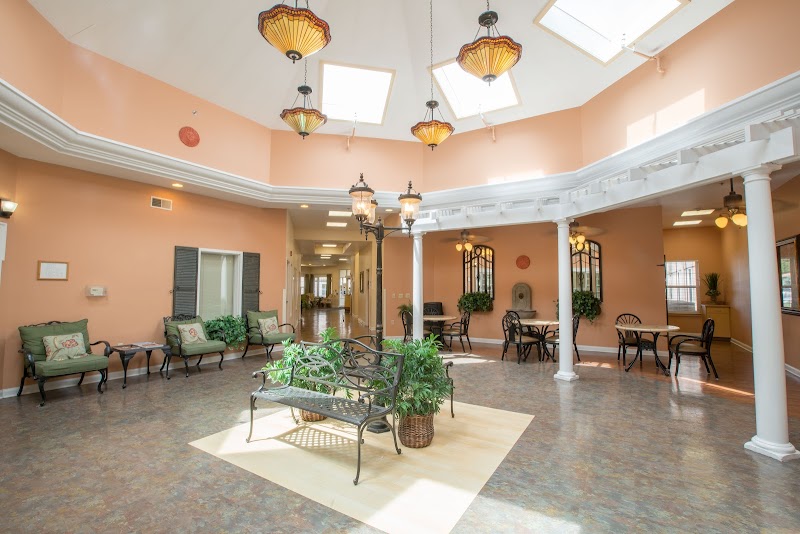
How is Veranda Gardens & Assisted Living Staffed?

CMS rates VERANDA GARDENS & ASSISTED LIVING's staffing level at 2 out of 5 stars, which is below average compared to other nursing homes. Staff turnover is 51%, compared to the Ohio average of 46%.

What Have Inspectors Found at Veranda Gardens & Assisted Living?

State health inspectors documented 39 deficiencies at VERANDA GARDENS & ASSISTED LIVING during 2021 to 2024. These included: 1 Immediate Jeopardy (the most serious level, indicating potential for serious harm or death), 1 that caused actual resident harm, 35 with potential for harm, and 2 minor or isolated issues. Immediate Jeopardy findings are rare and represent the most serious regulatory concerns. They require immediate corrective action.
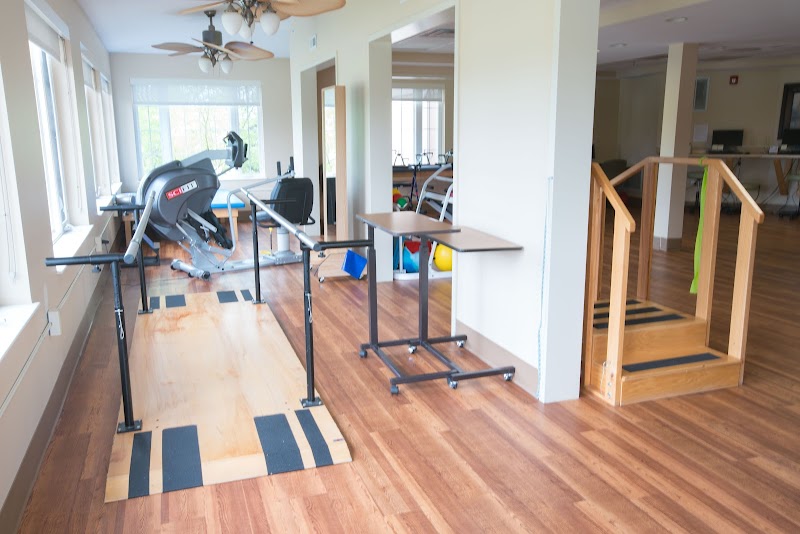
Who Owns and Operates Veranda Gardens & Assisted Living?

VERANDA GARDENS & ASSISTED LIVING is owned by a for-profit company. For-profit facilities operate as businesses with obligations to shareholders or private owners. The facility is operated by FOUNDATIONS HEALTH SOLUTIONS, a chain that manages multiple nursing homes. With 99 certified beds and approximately 87 residents (about 88% occupancy), it is a smaller facility located in CINCINNATI, Ohio.
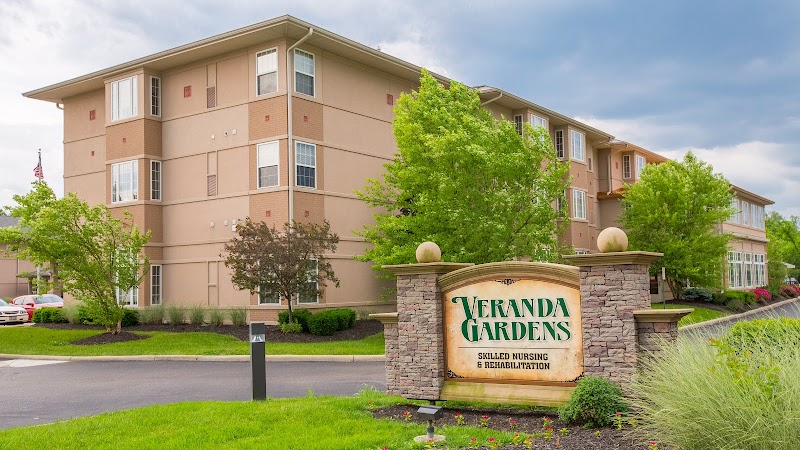
How Does Veranda Gardens & Assisted Living Compare to Other Ohio Nursing Homes?

Compared to the 100 nursing homes in Ohio, VERANDA GARDENS & ASSISTED LIVING's overall rating (2 stars) is below the state average of 3.2, staff turnover (51%) is near the state average of 46%, and health inspection rating (1 stars) is much below the national benchmark.

What Should Families Ask When Visiting Veranda Gardens & Assisted Living?

Based on this facility's data, families visiting should ask: "What changes have been made since the serious inspection findings, and how are you preventing similar issues?" "Can you walk me through typical staffing levels on day, evening, and night shifts?" "Can I visit during a mealtime to observe dining assistance and food quality?" "How do you handle medical emergencies, and what is your hospital transfer rate?" These questions are particularly relevant given the facility's Immediate Jeopardy citations and the below-average staffing rating.

Is Veranda Gardens & Assisted Living Safe?

Based on CMS inspection data, VERANDA GARDENS & ASSISTED LIVING has documented safety concerns. Inspectors have issued 1 Immediate Jeopardy citation (the most serious violation level indicating risk of serious injury or death). The facility has a 2-star overall rating and ranks #100 of 100 nursing homes in Ohio. Families considering this facility should ask detailed questions about what corrective actions have been taken since these incidents.

Do Nurses at Veranda Gardens & Assisted Living Stick Around?

VERANDA GARDENS & ASSISTED LIVING has a staff turnover rate of 51%, which is 5 percentage points above the Ohio average of 46%. Moderate turnover is common in nursing homes, but families should still ask about staff tenure and how the facility maintains care continuity when employees leave.

Was Veranda Gardens & Assisted Living Ever Fined?

VERANDA GARDENS & ASSISTED LIVING has been fined $30,715 across 1 penalty action. This is below the Ohio average of $33,386. While any fine indicates a compliance issue, fines under $50,000 are relatively common and typically reflect isolated problems that were subsequently corrected. Families should ask what specific issues led to these fines and confirm they've been resolved.

Is Veranda Gardens & Assisted Living on Any Federal Watch List?

VERANDA GARDENS & ASSISTED LIVING is not on any federal watch list. The most significant is the Special Focus Facility (SFF) program, which identifies the bottom 1% of nursing homes nationally based on persistent, serious quality problems. Not being on this list means the facility has avoided the pattern of deficiencies that triggers enhanced federal oversight. This is a positive indicator, though families should still review the facility's inspection history directly.