WELLSPRING HEALTH CENTER
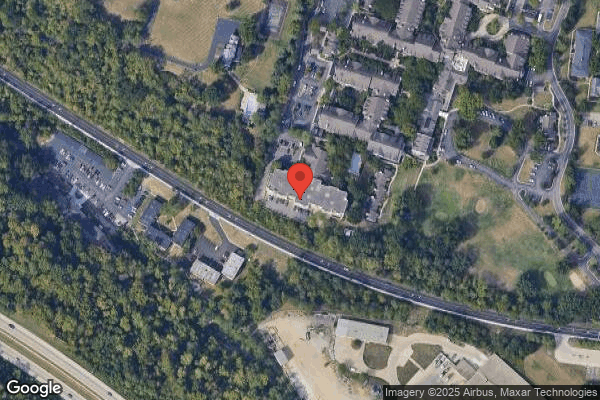
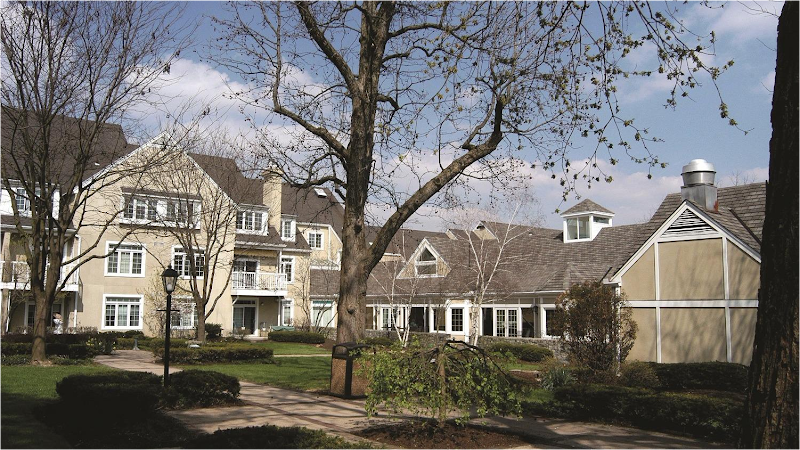
8000 EVERGREEN RIDGE DRIVE, CINCINNATI, OH 45215 (513) 948-2308
For profit - Corporation 70 Beds Independent Data: November 2025 1 Immediate Jeopardy citation
Trust Grade
13/100
#909 of 913 in OH
Last Inspection: August 2022

Over 2 years since last inspection. Current conditions may differ from available data.

Overview

Wellspring Health Center has received an F grade for its trust score, indicating significant concerns regarding care quality. It ranks #909 out of 913 facilities in Ohio, placing it in the bottom half statewide, and is the lowest-ranked facility in Hamilton County. Although the facility's trend is improving, with the number of issues decreasing from 6 in 2022 to 5 in 2025, there are still serious problems, including a recent critical incident where a resident fell down stairs due to inadequate supervision and a malfunctioning door alarm. Staffing is relatively strong with a 4/5 rating, but the turnover rate is at 51%, which is average. However, the facility has concerning fines totaling $122,030, indicating repeated compliance issues, and it does not have effective measures in place to prevent Legionella, which could affect all residents.

Trust Score
F
13/100
In Ohio
#909/913
Bottom 1%
Safety Record
High Risk
Review needed
Inspections
Getting Better
6 → 5 violations
Staff Stability
⚠ Watch
51% turnover. Above average. Higher turnover means staff may not know residents' routines.
Penalties
✓ Good
$122,030 in fines. Lower than most Ohio facilities. Relatively clean record.
Skilled Nurses
✓ Good
Each resident gets 53 minutes of Registered Nurse (RN) attention daily — more than average for Ohio. RNs are trained to catch health problems early.
Violations
⚠ Watch
32 deficiencies on record. Higher than average. Multiple issues found across inspections.
★☆☆☆☆
1.0
Overall Rating
★★★★☆
4.0
Staff Levels
★★★☆☆
3.0
Care Quality
★☆☆☆☆
1.0
Inspection Score
Stable
2022: 6 issues
2025: 5 issues

The Good

  • 4-Star Staffing Rating · Above-average nurse staffing levels
  • Full Sprinkler Coverage · Fire safety systems throughout facility
  • No fines on record

Facility shows strength in staffing levels, fire safety.

The Bad

1-Star Overall Rating

Below Ohio average (3.2)

Significant quality concerns identified by CMS

Staff Turnover: 51%

Near Ohio avg (46%)

Higher turnover may affect care consistency

Federal Fines: $122,030

Well above median ($33,413)

Significant penalties indicating serious issues

The Ugly 32 deficiencies on record

1 life-threatening
Apr 2025 2 deficiencies 1 IJ
CRITICAL (J) 📢 Someone Reported This

A family member, employee, or ombudsman was alarmed enough to file a formal complaint

Immediate Jeopardy (IJ) - the most serious Medicare violation

Accident Prevention (Tag F0689)

Someone could have died · This affected 1 resident

**NOTE- TERMS IN BRACKETS HAVE BEEN EDITED TO PROTECT CONFIDENTIALITY** Based on review of the medical record, review of the Emergency Medical Services (EMS) report, staff interviews, review of witnes...

Read full inspector narrative →
**NOTE- TERMS IN BRACKETS HAVE BEEN EDITED TO PROTECT CONFIDENTIALITY** Based on review of the medical record, review of the Emergency Medical Services (EMS) report, staff interviews, review of witness statements, review of door repair invoices, review of maintenance work orders, review of facility Self-Reported Incident (SRI), review of hospital records and review of the facility policy, the facility failed to provide adequate supervision to prevent an elopement from the Memory Care Unit (MCU) of one resident (#45) who ambulated through a door on the MCU with a malfunctioning alarm and into the East side stairwell where Resident #45 fell down 11 cement stairs. This resulted in Immediate Jeopardy and the potential for serious-life threatening injuries, negative health outcomes and/or death for one resident when Resident #45 exited the third-floor MCU on 03/27/25 through a door with a malfunctioning alarm and into the East side stairwell and fell down the stairs without staff's knowledge. Resident #45 was missing for approximately one hour before the staff determined the resident was missing, and the resident was found lying on the landing between the second and third floors. Nine-one-one (911) was called, and Resident #45 was sent to the hospital for evaluation and treatment of multiple fractures. This affected one (#45) of three residents reviewed for accidents. The facility identified four residents (#28, #32, #37, and #39) at risk for elopement. The facility census was 44. On 04/15/25 at 12:47 P.M., the Administrator, the Director of Nursing (DON), and Operations Specialist (OS) #70 were notified that Immediate Jeopardy began on 03/27/25 at approximately 6:20 P.M., when Resident #45 who was cognitively impaired due to diagnosis of dementia, assessed as being at high risk for elopement and was observed in the lobby by the DON wandering and displaying exit seeking behaviors, exited the third-floor MCU through a door with a malfunctioning alarm and into the East side stairwell. Resident #45 was assessed as being at high risk for elopement; however, no care plan was implemented for the resident being cognitively impaired or at risk for elopement. On 03/27/25 at 7:20 P.M., Certified Nursing Assistant (CNA) #10 found Resident #45 in the East side stairwell at the bottom of the landing between the second and third floors where the resident fell down 11 cement stairs and suffered multiple fractures including fracture to the left scapula, right fifth rib, left second, fifth and sixth ribs, had left parietal abrasion, lacerations to the left frontal scalp and contusions to the left lateral abdomen and pelvis. The Immediate Jeopardy was removed on 04/16/25 when the facility implemented the following corrective actions: • On 03/27/25, after the elopement and fall, Resident #45 was transferred to the hospital and was admitted and did not return to the facility. • On 03/27/25, a loud temporary door alarm was placed on the East stairwell. The door was fixed on 03/31/25. During the time between the discovery of the resident's incident and the new door alarm being placed, the staff members took turns sitting at the door to ensure the door was protected from any further incident. If any alarms were to go off, the staff members were instructed to immediately investigate the alarm. • Starting on 03/27/25 and completed on 04/16/25, each resident was assessed upon admission for elopement concerns and thereafter quarterly. Anyone who triggered for an elopement was moved to the third floor and had a Wanderguard (device to help memory care residents against elopement) placed on their person. When a new behavior was encountered, a new assessment was completed, and the care plan was updated as well. All 44 residents have been assessed for elopements/falls and care plans were updated as needed. No new concerns were identified. • On 03/29/25, the electrician contractor discovered the wires controlling the door alarm and door control panel had been eaten through by rodents. • Starting on 3/31/25, daily checks of the door were implemented by the Administrator. Checks were completed by the DON and OS #70. On 04/09/25, during routine testing, an intermittent lock-out occurred, and maintenance staff came to evaluate and fix any issue found to be occurring. The issue noted was the door did not reset completely from being pushed open to test. The staff entered the code, closed the door and the issue did not occur again. The issue was resolved with the door being reset. • On 04/04/25, the DON was educated on the elopement and fall policy by the OS #70. • On 04/04/25, the DON conducted in-services on elopement and fall polices (only 20 of 74 staff were educated). On 04/15/25, the facility restarted the in-services and completed education with another 41 staff members. All staff have been messaged and have been told they will not be allowed to work a shift until they have read the policy and sign off or send an email confirming they have received and read the policy. • On 04/15/25, an elopement drill was completed by Assistant Maintenance Director (AMD) #41. There were no concerns noted during this drill. • On 04/15/25, an Ad hoc Quality Assurance and Performance Improvement (QAPI) meeting was held with Medical Director (MD) #100 in attendance. Also in attendance was the DON, OS #70, Administrator, Dining Director #110, Social Services Director (SSD) #50, Therapy Director #120, and Business Office Director (BOM) #130 to discuss the incident and plan of action to mitigate any further issues. • On 4/15/25, the elopement policy was reviewed with Divisional Director of Health and Wellness #80 and Regional Director #90 and found to be up to date with no changes made. • Starting on 04/16/25, all four doors located at the East and [NAME] ends of the second and third floors will be checked by Administrator/designee five times a week for four weeks, then three times a week for eight weeks. Once this 12-week cycle is completed, the compliance will be turned over to the maintenance staff to be completed once a week through the TELS system (an electronic work order and preventative maintenance program that allows tracking of maintenance tasks). All these checks will be reviewed in the morning meetings and QAPI by the Administrator/designee. Although the Immediate Jeopardy was removed on 04/16/25, the facility remained out of compliance at Severity Level 2 (no actual harm with potential for more than minimal harm that is not Immediate Jeopardy) as the facility is still in the process of implementing their corrective action plan and monitoring to ensure on-going compliance. Findings include: Review of the closed medical record for Resident #45 revealed an admission date of 03/27/25 with a discharge date of 03/27/25. Diagnoses included vascular dementia, atrial fibrillation, and heart failure. The resident was severely cognitively impaired. Review of the maintenance work orders from 02/01/25 through 04/14/25, revealed no documented maintenance work orders indicating the door alarms were not working. Review of a progress note dated 03/27/25 at 1:00 P.M., revealed Resident #45 was admitted to the facility for a seven-day hospice respite (temporary care for relief of a primary caregiver). Resident #45 was oriented to room with no concerns. Review of a progress note dated 03/27/25 at 6:04 P.M., revealed Resident #45 was moved onto the third floor (secured MCU) and a Wanderguard was applied by the DON. Review of a progress note dated 03/27/25 at 6:28 P.M., revealed Resident #45 was welcomed to his room. Resident #45 was ambulating with a walker around the MCU with poor safety awareness. Review of the EMS report dated 03/27/25, revealed the paramedics arrived on scene at 7:42 P.M. Resident #45 was assessed to be oriented to self and had fallen down approximately 15 steps with laceration to forehead. Resident #45 did not recall falling. Resident #45 was transported to a local hospital for evaluation and treatment. Review of a progress note dated 03/27/25 at 9:56 P.M., authored by the DON, revealed Resident #45 was observed lying on his left side with his walker on the third-floor landing of the stairs alert and responsive. Resident #45 had been exit-seeking and difficult to redirect. A Wanderguard was present on the resident's right ankle. The resident had been given snacks, drinks, was toileted, and placed in common area prior to the fall. When paramedics arrived, Resident #45 had approximately a two-inch laceration to his forehead. Resident #45 was transported to the hospital. Review of a witness statement dated 03/27/25 at 7:00 P.M., authored by Director of Hospitality #500, revealed he was made aware of Resident #45's disappearance at approximately 7:25 P.M. Resident #45 was then found shortly afterwards by the DON and CNA #10 on the third-floor East side stairwell. Resident #45 had obviously fallen down several steps due to the laceration on his forehead. EMS came and he was transported to the hospital. EMS notified the resident's daughter of the fall. The facility discovered that the wires to the alarm system were chewed through by a pack of rats causing the door to not alert staff once it was opened. The witness statement indicated that Resident #45 was injured and required medical attention by EMS. Review of the hospital records dated 03/27/25 at 10:40 P.M., revealed Resident #45 presented to the emergency room via EMS after falling down 15 stairs, unwitnessed, and found at the bottom of the stairs. Resident #45 did not remember the events and could not recall if he lost consciousness. Resident #45 was diagnosed with a fracture to the left scapula, right fifth rib, left second, fifth and sixth ribs, had left parietal abrasion, and contusions on the left lateral abdomen and pelvis. Review of the Elopement Risk assessment dated [DATE], revealed Resident #45 had an incomplete elopement risk assessment upon admission to the facility. Resident #45 had a history of wandering and verbalized the desire to leave the facility. Review of the care plans for Resident #45 dated 03/27/25, revealed there was no care plan implemented for Resident #45 with impaired cognition and being at risk for elopement. Review of a facility document titled Incident Audit Report dated 03/28/25 at 7:15 P.M., revealed Resident #45 had an unwitnessed fall in the hallway. Resident #45 was a newly admitted resident today, was exit seeking and had poor adjustment to new facility. The resident was educated not to open the stairway doors because the doors were alarmed. A Wanderguard was in place on the resident's right ankle when the resident eloped from MCU via a stairway. The staff were unable to hear the alarm. The nurses assessed the resident without moving him with the assistance of two nurses and two CNAs. The resident's vital signs were assessed and kept the resident in place until EMS arrived. The resident was alert and able to talk with no change in speech and was able to answer questions. The resident denied any pain, but stated his left arm was uncomfortable. The resident was lying on his left side on the concrete. The resident was able to stand with assistance of two firefighters, but legs were shaky. There was an approximately four-centimeter (cm) laceration to left frontal scalp area with small amount of blood. The resident was secured to a stretcher chair then transferred to the ER via EMS. The incident details indicated that a nurse informed the DON that Resident #45 was missing. The DON instructed all staff to look for the resident in every room and down the stairs. The DON joined the search after completing a wound dressing change and securing the resident in a safe position. A search of the second and third floors was completed, and the resident was found in the stairwell on the landing lying on the floor with his walker. The resident was alert and responsive, not in distress but unable to explain what happened. The resident was originally admitted to the second floor. The hospice nurse assessed the resident soon after his admission. Approximately 30 minutes after the hospice nurse left, therapy informed the nurse that Resident #45 was in the lobby. The resident was returned to the second floor. The resident was oriented to the floor and staff. The resident roamed the halls looking around. The resident soon started exit-seeking and stated he wanted to go home. The resident was oriented to the reason for his stay and reassured and given dinner and snacks. The resident continued to exit seek. The decision to move the resident to the third floor and put a Wanderguard on the resident was made. The staff were updated. The staff repeated the orientation to the resident and the resident continued to roam and exit seek. The resident was in the common area of the MCU for staff to monitor and approximately 40 minutes later, the floor nurse informed the DON Resident #45 was missing. The family and the physician were notified. The section titled Injuries Report Post Incident, revealed the resident had fractured left shoulder (front), left rib and clavicle. The predisposing factors to the elopement indicated the resident was confused with impaired memory and was admitted within the last four hours. Review of an invoice dated 03/29/25, revealed an emergency service call to restore (splice) rodent damaged cabling on the third-floor east stairwell door (delayed egress). The service provider repaired the second-floor east door (door latch not contacting sensor, pulled strike plate and modified opening to accept latch) then tested and manually reset the remaining doors. The Legacy East door was unresponsive, and continued troubleshooting was required. A temporary door contractor with an alarm was installed at non-functional doors pending further troubleshooting and repairs. Review of the SRI created on 03/31/25 at 12:17 P.M., revealed Resident #45 was admitted from a home setting as a seven-day hospice respite. Shortly after admission, Resident #45 presented with wandering and was moved from the second floor to the third floor with a Wanderguard in place. Resident #45 was placed in the common area near the nurse's station and was given a snack. The Administrator was informed of the elopement on 03/27/25 at 7:19 P.M. The Administrator was informed that Resident #45 was found at 7:26 P.M. in the third-floor stairwell on the East Hall. Resident #45 had fallen down the stairs but was alert and responsive. EMS was called, and the resident was transported to the hospital. Resident #45's family and other necessary parties were notified. AMD #41 came onsite during the evening of 03/27/25 after the incident occurred with Resident #45. After inspection, AMD #41 determined the door alarm to be non-functional due to the wires that appeared to be chewed through by rodents. When the door was opened, no alarm in the immediate area was sounding; however, it triggered an alarm at the nurse's station. AMD #41 placed a loud temporary door alarm on the door as an immediate intervention. AMD #41 contacted a contractor to come onsite to fix the existing door alarm and contacted an exterminator to handle the rodent issue. The Administrator followed up on 03/28/25 with the DON and AMD #41 to ensure door alarms were operational including temporary door alarm on the third-floor East stairwell. AMD #41 provided photos showing the chewed wires that prevented the door alarm from sounding. A call light system report was pulled to verify Resident #45 did not utilize a call light. The Administrator directed the DON to conduct in-services on elopement and fall policies. On 03/31/25, the door on the third-floor east stairwell had been fixed and was functionally operating. Review of an invoice dated 03/31/25, revealed the continued troubleshooting of Legacy East delayed egress door. The service provider installed a local controller reset circuit and attempted to isolate the open circuit to the magnetic lock. A temporary door contractor with an alarm was installed at non-functional doors pending further troubleshooting and repairs. Reset the surface raceway, surface junction box, a cover plate, and momentary normally open push button reset switch. Interview on 04/14/25 at 11:48 A.M. with AMD #41 revealed the wires were chewed through by rodents. AMD #41 revealed the red and black wires were chewed through which was why the door alarm did not sound. The gray wires were chewed through, which was the main power source for the door alarm and caused it to malfunction. AMD #41 revealed he was called to the facility on [DATE] at approximately 7:00 P.M. related to Resident #45 falling down the stairs due to the door alarm not functioning. AMD #41 stated he placed a temporary door alarm on the door until the contractor could come out to the facility. AMD #41 noted the secondary alarm that triggered at the nurse's station on the night of the elopement, was a very faint audible alarm and only could be heard if someone was sitting at the nurse's station, and likely no one would even know what it was alarming for. Interview on 04/14/25 at 12:13 P.M. with CNA #10, revealed she came on shift on 03/27/25 at 6:00 P.M. CNA #10 was informed by the DON that Resident #45 was moved from second floor to the third floor related to wandering and exit-seeking behaviors. CNA #10 gave Resident #45 snacks and sat him in front of the nurse's station around 6:10 P.M. At approximately 6:15 P.M., CNA #10 and the DON went into another resident's room to provide care. CNA #10 reported Resident #45 was walking down the hall with his walker, and she told CNA #11 to keep an eye on him. CNA #10 explained around 7:00 P.M. LPN #20 informed the DON and herself that Resident #45 was missing. CNA #10 checked all the rooms on the third floor, and then she went to the [NAME] side stairwell to the outside of the building and then up to the second floor with no sign of Resident #45. CNA #10 came back up to the third floor and checked the East side stairwell where she found Resident #45 on the landing of the second and third floor stairs at approximately 7:20 P.M. CNA #10 stated he was on his left side, and she asked if he was okay and told the resident not to move. The DON was next on scene and EMS was called. Interview on 04/15/25 at 12:47 P.M. with AMD #41, revealed the door alarms including the Wanderguard system were last checked on 02/13/25 and 02/14/25. AMD #41 explained the wires had been chewed through by rodents to the sound system and the main power box. Interview on 04/15/25 at 1:48 P.M. with the DON, revealed Resident #45 was admitted to the facility on [DATE] for a seven-day hospice respite. The DON stated the resident was initially admitted to the unsecured second floor. Shortly after admission, the DON was informed Resident #45 was down in the lobby. The DON stated she moved Resident #45 to the third floor (MCU) and placed a Wanderguard on his right ankle after testing the functionality of the Wanderguard. The DON explained Resident #45 was displaying exit-seeking behaviors and stated he wanted to go home. The DON stated she redirected Resident #45 several times and informed the staff to keep a close watch on him. Between 6:00 P.M. and 6:10 P.M., Resident #45 was last seen by the nurse's station eating a snack. The DON reported her, and CNA #10 went into a resident's room to complete a wound vacuum (vac) dressing change. Approximately 40 minutes later, LPN #20 informed them that Resident #45 was missing. The DON stated she instructed all staff to start looking for Resident #45 and have one staff remain on the third floor. The DON reported she finished the dressing change before going to look for Resident #45, which took about 15 minutes. The DON heard voices and talking coming from the East side stairwell, so she opened the door and saw CNA #10 and Resident #45 on the landing between the second and third floors. The DON completed a non-invasive assessment with a blood pressure (BP) check because she did not want to move Resident #45. The DON called EMS at 7:25 P.M. EMS arrived and transported Resident #45 to the hospital. There was no additional witness statements collected from CNA #10, CNA#11, LPN #20 or the DON, who were directly involved in the incident concerning Resident #45. Review of an undated facility form titled Security Personnel to Complete Only and authored by AMD #41, revealed security was notified of the event and asked to pull the footage of the incident. The footage was not in good condition once obtained. AMD #41 indicated he came into the facility to secure the door to the stairwell where the incident took place. AMD #41 indicated he placed a temporary alarm to the door and the cause of the malfunctioning door was faulty wiring and steps have been taken to resolve this issue. Review of the facility policy titled, Elopement Response Procedure Policy, reviewed on 08/19/24, revealed Senior Lifestyle was committed to the safety and well-being of the residents. Communities will follow a procedure if/when a resident goes missing. A plan would be implemented for conducting a community search. Once the community has identified a missing resident, inform the front desk. Identify a search coordinator who would be tasked with coordinating the search, gathering, and disseminating information. The front desk will notify the Administrator and manager on duty. If an alarm was activated, silence the alarm after the Administrator had been notified. Two people would be assigned to conduct an immediate search of the community perimeter and one team member to search the missing resident's room. Once the resident is found, conduct a thorough examination. Contact the family/responsible party and emergency services if needed. Document the incident in resident progress notes and update the service plan to reflect the incident and risk of further elopement. This deficiency represents non-compliance investigated under Complaint Number OH00164468.
CONCERN (D) 📢 Someone Reported This

A family member, employee, or ombudsman was alarmed enough to file a formal complaint

Potential for Harm - no one hurt, but risky conditions existed

Infection Control (Tag F0880)

Could have caused harm · This affected 1 resident

**NOTE- TERMS IN BRACKETS HAVE BEEN EDITED TO PROTECT CONFIDENTIALITY** Based on record review, observations, staff interviews, and policy review, the facility failed to ensure infection control measu...

Read full inspector narrative →
**NOTE- TERMS IN BRACKETS HAVE BEEN EDITED TO PROTECT CONFIDENTIALITY** Based on record review, observations, staff interviews, and policy review, the facility failed to ensure infection control measures were followed when providing catheter care. This affected one (#20) of three residents reviewed for urinary tract infections. The facility census was 44. Findings include: Review of the medical record for Resident #20 revealed an admission date of 11/15/24. Diagnoses included dementia, benign prostatic hyperplasia with lower urinary tract symptoms, and obstructive and reflux uropathy. Review of the Significant Change Minimum Data Set (MDS) assessment dated [DATE] revealed Resident #20 had moderate cognitive impairment as evidenced by a Brief Interview for Mental Status (BIMS) score of 12. This resident was assessed to require setup with eating, dependent with toileting, bathing, and dressing, and substantial assistance with transfers. Review of Section H for Bowel and Bladder of the Significant Change MDS assessment dated [DATE] revealed Resident #20 had an indwelling catheter and was frequently incontinent of bowel. Observation on 04/15/25 at 1:15 P.M. revealed catheter care and peri care was completed to Resident #20 by Certified Nursing Assistant (CNA) #12. While providing peri care, CNA #12 used wash cloths that she had cleaned Resident #20's frontal peri area with to clean his backside where he had had a bowel movement. CNA #12 did not change her gloves during care and touched items with soiled gloves including resident's sheets, bed control, resident's head, and pillow. Interview on 04/15/25 at 1:30 P.M. with CNA #12 verified she used the same wash cloths to clean Resident #20's front and back side. CNA #12 also verified she did not change her gloves until after care was provided and touched items (bed control, sheets, resident's head, and pillow) with soiled gloves. Review of the facility policy titled, Hand Hygiene vs Alcohol-based Hand Rub, dated 10/23/24 revealed staff should practice hand hygiene at key points in time to disrupt the transmission of microorganisms to residents including before resident contact, after contact with blood, body fluids, or contaminated surfaces (even if gloves were worn); before invasive procedures; and after removing gloves (wearing gloves did not replace hand hygiene). This deficiency is based on incidental findings discovered during the course of this complaint investigation.
Feb 2025 3 deficiencies
CONCERN (D) 📢 Someone Reported This

A family member, employee, or ombudsman was alarmed enough to file a formal complaint

Potential for Harm - no one hurt, but risky conditions existed

Quality of Care (Tag F0684)

Could have caused harm · This affected 1 resident

**NOTE- TERMS IN BRACKETS HAVE BEEN EDITED TO PROTECT CONFIDENTIALITY** Based on medical record review, staff interview, and policy review, the facility failed to follow physician orders for weekly we...

Read full inspector narrative →
**NOTE- TERMS IN BRACKETS HAVE BEEN EDITED TO PROTECT CONFIDENTIALITY** Based on medical record review, staff interview, and policy review, the facility failed to follow physician orders for weekly weights and medication administration. This affected three residents (#36, #16, and #2) of eight residents reviewed for following physician orders. The census was 43. Findings included: 1. Medical record review for Resident #36 revealed an admission date of 08/23/22. Medical diagnoses included cerebrovascular attack (CVA), dementia, and aphasic. Review of the quarterly Minimum Data Set (MDS) dated [DATE] revealed Resident #36 was moderately cognitively impaired. Review of the physician orders dated 06/07/24 revealed to obtain weekly weights for Resident #36. Review of the care plan dated 06/07/24 revealed Resident #36 was at risk for weight loss and an intervention was for weekly weights. Review of the weights since 11/27/24 for Resident #36 revealed there were missing weights for 11/27/24, 12/11/24, 12/18/24, 12/28/24, 01/04/25, 01/18/25, and 01/28/25. Interview with the Registered Dietician (RD) #205 on 02/18/25 at 2:19 P.M. confirmed Resident #36 missed some weights. She stated at one point the weight order dropped off due to hospitalization and she had to enter the order again into the system. 2. Medical record review for Resident #16 revealed an admission date of 07/26/24. Medical diagnoses included diabetes, renal insufficiency, and dementia. Review of the quarterly MDS dated [DATE] revealed Resident #16 was cognitively intact. Review of the physician orders dated 12/08/24 for Resident #16 revealed to weigh the resident weekly. Review of weights since 12/08/24 for Resident #16 revealed weights for 12/18/24, 01/28/25, and 02/11/25 were missing. Review of the care plan for Resident #16 dated 01/31/25 revealed she was at risk for weight loss. Interview with the RD #205 on 02/18/25 at 2:19 P.M. confirmed there were missing weights for Resident #16. 3. Medical record review for Resident #23 revealed an admission date of 07/29/24. His diagnoses included heart failure, renal insufficiency and diabetes. Review of physician orders dated 10/21/24 revealed Resident #23 was to be weighed weekly. Review of the quarterly MDS dated [DATE] revealed Resident #23 was cognitively intact. Review of care plan dated 02/18/25 revealed Resident #23 was at risk for weight loss related to dialysis. Review of the weekly weights since 12/28/24 revealed the weights were not taken on 12/28/24, 01/04/25, 01/28/25 and 02/04/25. Interview with the RD #205 confirmed the weights have not been done weekly. There are times of refusal for him, but they were not documented. This deficiency represents non-compliance investigated under Complaint Number OH00160894.
CONCERN (D) 📢 Someone Reported This

A family member, employee, or ombudsman was alarmed enough to file a formal complaint

Potential for Harm - no one hurt, but risky conditions existed

Pharmacy Services (Tag F0755)

Could have caused harm · This affected 1 resident

**NOTE- TERMS IN BRACKETS HAVE BEEN EDITED TO PROTECT CONFIDENTIALITY** Based on observation, medical record review, and staff interview, the facility failed to administer medications as ordered. This...

Read full inspector narrative →
**NOTE- TERMS IN BRACKETS HAVE BEEN EDITED TO PROTECT CONFIDENTIALITY** Based on observation, medical record review, and staff interview, the facility failed to administer medications as ordered. This affected one (Resident #32) of three residents observed for medication administration. The facility census was 43. Findings include: Medical record review for Resident #32 revealed an admission date of 12/05/24. Medical diagnosis included Alzheimer's disease. Review of the admission MDS dated [DATE] revealed Resident #32 was moderately cognitively impaired. Review of physician orders dated 12/05/24 revealed Folic Acid Oral Tablet one milligram (mg) to give one mg by mouth one time a day for dietary supplement During medication observation with agency Licensed Practical Nurse (LPN) #210 on 02/18/25 at 8:50 A.M. revealed she took a Folic Acid 880 micrograms (mcg) medication out of the bottle and placed in the medication cup. Interview with the LPN #210 on 02/18/25 at 8:52 A.M. revealed she didn't work at the facility. She said the closet medication to the one mg of Folic Acid was the 880 mcg's and the only other option was to not give it to the resident. She stated she didn't know why the pharmacy didn't send the right medication. She confirmed she was going to give the 880 mcg's and not do anything else about the medication. Review of the policy entitled, Medication Administration dated 02/23/24 revealed medications shall be administered in accordance with the physician/ authorized practitioner orders. This deficiency represents non-compliance investigated under Complaint Number OH00160894.
CONCERN (E) 📢 Someone Reported This

A family member, employee, or ombudsman was alarmed enough to file a formal complaint

Potential for Harm - no one hurt, but risky conditions existed

Deficiency F0761 (Tag F0761)

Could have caused harm · This affected multiple residents

Based on observation, staff interview, and policy review, the facility failed to ensure medications for administration was not pre-poured prior to administration. This affected eight residents (#2, #3...

Read full inspector narrative →
Based on observation, staff interview, and policy review, the facility failed to ensure medications for administration was not pre-poured prior to administration. This affected eight residents (#2, #3, #4, #5, #6, #18, #19, and #20) of thirteen residents who resided on the 200 hall reviewed for medication administration. The census was 43. Findings includes: Observation on 02/18/25 at 7:43 A.M. revealed the inside of the medication cart Licensed Practical Nurse (LPN) #200 was using revealed medication cups pre-filled with Resident's #2, #3, #4, #5, #6, #18, #19, and #20 medications for the morning doses. Interview with the LPN #200 on 02/18/25 at 7:45 A.M. revealed she was an agency nurse and confirmed she pre-poured the medications for above mentioned residents. She said she wasn't sure if she could do this at this facility, but has done it at other facilities. Review of policy entitled, Medication Administration, dated 02/23/24 revealed medications may not be prepared in advance.
Aug 2022 6 deficiencies
CONCERN (D)

Potential for Harm - no one hurt, but risky conditions existed

Resident Rights (Tag F0550)

Could have caused harm · This affected 1 resident

**NOTE- TERMS IN BRACKETS HAVE BEEN EDITED TO PROTECT CONFIDENTIALITY** Based on medical record review, observation and staff interview, the facility failed to ensure a cognitively impaired resident w...

Read full inspector narrative →
**NOTE- TERMS IN BRACKETS HAVE BEEN EDITED TO PROTECT CONFIDENTIALITY** Based on medical record review, observation and staff interview, the facility failed to ensure a cognitively impaired resident was clothed while out in a common area. This affected one resident (#16 ) out of three residents reviewed for dignity. The facility census was 46. Findings Include: Review of Resident #16's medical record revealed the resident was admitted to the facility on [DATE] with diagnoses including Alzheimer's disease, dementia, and anxiety. Review of Resident #16's Minimum Data Set (MDS) 3.0 quarterly assessment dated [DATE] revealed the resident had severe cognitive impairment. Review of the behavior plan of care dated on 06/05/22 revealed the resident would bite and chew on her clothes. Observations on 08/22/22 at 11:10 A.M. revealed Resident #16 was sitting in the hall by the nurses station. Resident #16 had other residents sitting near by her. Resident #16 was chewing and biting on her top. Resident #16 would pull her top up from the bottom. When Resident #16 pulled her shirt up her breast would show. Staff was noted in the area but did not stop to pull the residents top down. Observations continued until 12:00 P.M. Observations again on 08/23/22 at 11:30 A.M. revealed the resident was again biting and pulling on her clothes, the resident's breast was noted to be exposed. Further observations on 08/24/22 at 12:11 P. M. revealed the resident was pulling her shirt down from the top so her breast did not show but her shoulders and upper chest were exposed. Resident #16 did not have a bra or under shirt on and is cognitively impaired and unable to realize her breast were showing. Interview on 08/22/22 at 12:00 P.M. with State Tested Nursing Assistant (STNA) #101 revealed this was daily behavior for the resident. Interview on 08/24/22 at 10:00 A.M. with Licensed Practical Nurse #150 revealed the resident does this all day long. Interview with the Director of Nursing (DON) on 08/24/22 at 4:00 P.M. revealed the resident does pull and bite her clothes and blankets. The DON noted Resident #16 did not have an order or intervention in place to protect the resident from exposing her self.
CONCERN (D)

Potential for Harm - no one hurt, but risky conditions existed

Deficiency F0565 (Tag F0565)

Could have caused harm · This affected 1 resident

**NOTE- TERMS IN BRACKETS HAVE BEEN EDITED TO PROTECT CONFIDENTIALITY** Based on observation, record review, facility policy review, and interview, the facility failed to provide follow up regarding c...

Read full inspector narrative →
**NOTE- TERMS IN BRACKETS HAVE BEEN EDITED TO PROTECT CONFIDENTIALITY** Based on observation, record review, facility policy review, and interview, the facility failed to provide follow up regarding concerns during Resident Council Meetings. This affected two (Resident #07 and #29) out of three residents reviewed for Resident Council concerns. The facility census was 46. Findings include 1. Record review for Resident #07 was admitted to to the facility on [DATE]. His diagnoses included urinary tract infection, chronic obstructive pulmonary disease, diabetes mellitus II, asthma, peripheral vascular disease, vascular dementia, hyperlipidemia, major depressive disorder, spinal stenosis, essential primary hypertension, gastro- esophageal reflux disease, insomnia, and tinea pedis. Resident #07 required an electric scooter for mobility. Review of the quarterly Minimum Data Set (MDS), dated [DATE], revealed he had intact cognition. Further review of MDS assessment revealed he required extensive assistance with bed mobility, transfers, dressing, toilet use, and personal hygiene. He was independent with eating and required no assistance from staff. Interview with Resident #07 on 08/24/22 at 10:40 A.M. with Resident #07 revealed he was concerned with the front door automatic opener not working. Resident #07 stated he is unable to renter the front door to the facility at times because he utilizes a mobility scooter. He stated he reported this issue multiple times including in resident council and no one has addressed the issued. Interview on 08/24/22 at 11:27 A.M. with the Activity Director (AD) #153 confirmed the issue was brought to the Resident Council Attention in May 2022 and July 2022 meeting. AD #153 stated the process following the resident council meetings are to take the resident concerns to each department manager following the resident council meetings and they will address the issue and provide follow up. AD #153 confirmed the issue was never addressed by the facility management team from May 2022 through July 2022. AD #153 stated the only department that appears to follow up on resident council concerns is the nursing department. Interview and observation on 08/24/22 at 2:32 P.M. with the Maintenance Assistant (MA) #217 confirmed the front door access button was not working. MA #217 confirmed the maintenance department could not provide any type of verification regarding the front door automatic door opener needing repair or that it was report between May 2022 through date of survey. 2. Record review for Resident #29 was admitted to the facility on [DATE]. His diagnoses included congestive heart failure, chronic obstructive pulmonary disease, diabetes mellitus without complications, chronic bronchitis, hyperglycemia, coronavirus 2019 (COVID19), chronic kidney disease, anxiety disorder, alcohol dependence, hypothyroidism, insomnia, major depressive disorder, pneumonia, gastroparesis, diabetes mellitus, and major depressive disorder. Review of the discharge and return anticipated MDS, dated [DATE], revealed Resident #29 had moderately impaired cognition. Further review of the MDS assessment revealed he required supervision from staff with bed mobility, dressing, eating, and personal hygiene. Resident #29 was independent with transfers, and toilet use. Interview with Resident # 29 on 08/24/22 at 10:40 A.M. revealed he was frustrated with the facility for not addressing the issue in his shower. Resident #29 stated he has mold growing in his shower and no one will address the issue. Interview on 08/24/22 at 11:37 A.M. with AD #153 confirmed Resident #29 has reported a concern with his shower having a black substance along the wall and floor of his shower at resident council in March 2022 and in May 2022 resident council meetings. Interview on 08/25/22 at 01:52 P.M. with Housekeeper (HK) #126 confirmed a black substance along the bottom of the shower wall and along the floor of the shower in Resident #29's room. HK #126 stated this is mold. HK #126 stated she continues to try and remove the mold from the shower, however it returns. HK #126 stated the issue was the shower head in the shower. HK#126 held up the shower head and it was dripping a large amount of water. HK #126 stated the moisture from the leak is allowing mold to continually grow in the shower. HK #126 stated she has reported her concern to the maintenance department. HK #126 stated as soon as she cleans the shower the mold returns. Review of the Resident Council notes revealed the front door automatic door opening button was reported as needing repaired in May 2022 and July 2022. Further review of the Resident Council notes revealed the issue with the black substance (Resident #29 referred the black substance as mold) was reported during the council meeting in March 2022 and May 2022. Interview on 08/24/22 at 4:15 P.M. with AD #153 confirmed the dining room/activity, nurse's station, and hallways are always cold. AD #153 confirmed she had to pass blankets out during the afternoon activity on 08/24/22 because the dining/activity room is so cold. AD #153 stated the residents are constantly saying they are cold on the thrid floor unit. All the activities are in the dining room on third floor and it is always cold like that. Interview on 08/25/22 01:36 PM with the Administrator confirmed the expectation of resident council concerns is to be addressed timely each month. The Administrator confirmed the facility has failed to review and resolve concerns brought up during the Resident Council Meeting. Review of the facility policy titled, Housekeeping and Laundry, Resident Room Cleaning Policy, dated 05/14/20, revealed all resident rooms are cleaned and disinfected on a regular basis. Bathroom cleaning stated, clean and disinfect vanity, countertop, sink/bathtub/shower and toilet. Review of the facility policy titled, Resident Council Association, dated 09/09/21, revealed, Resident organization meetings should discuss and document resident concerns and issues. Further review of the facility stated, Resident Council in a skilled nursing facility will follow regulatory guidelines. This deficiency substantiated complaint OH00134607.
CONCERN (D)

Potential for Harm - no one hurt, but risky conditions existed

Safe Environment (Tag F0584)

Could have caused harm · This affected 1 resident

**NOTE- TERMS IN BRACKETS HAVE BEEN EDITED TO PROTECT CONFIDENTIALITY** Based on observation, record review, facility policy review, and interview, the facility failed to provide a homelike environmen...

Read full inspector narrative →
**NOTE- TERMS IN BRACKETS HAVE BEEN EDITED TO PROTECT CONFIDENTIALITY** Based on observation, record review, facility policy review, and interview, the facility failed to provide a homelike environment for three residents (#07, #29, and #30) out of three residents reviewed. The facility census was 46. Findings include 1. Record review for Resident #07 was admitted to to the facility on [DATE]. His diagnoses included urinary tract infection, chronic obstructive pulmonary disease, diabetes mellitus II, asthma, peripheral vascular disease, vascular dementia, hyperlipidemia, major depressive disorder, spinal stenosis, essential primary hypertension, gastro- esophageal reflux disease, insomnia, and tinea pedis. Resident #07 required an electric scooter for mobility. Review of the quarterly Minimum Data Set (MDS), dated [DATE], revealed he had intact cognition. Further review of MDS assessment revealed he required extensive assistance with bed mobility, transfers, dressing, toilet use, and personal hygiene. He was independent with eating and required no assistance from staff. Interview with Resident #07 on 08/24/22 at 10:40 A.M. with Resident #07 revealed he was concerned with the front door automatic opener not working. Resident #07 stated he is unable to renter the front door to the facility at times because he utilizes a mobility scooter. He stated he reported this issue multiple times including in resident council and no one has addressed the issued. Interview on 08/24/22 at 11:27 A.M. with the Activity Director (AD) #153 confirmed the issue was brought to the Resident Council Attention in May 2022 and July 2022 meeting. AD #153 stated the process following the resident council meetings are to take the resident concerns to each department manager following the resident council meetings and they will address the issue and provide follow up. AD #153 confirmed the issue was never addressed by the facility management team from May 2022 through July 2022. AD #153 stated the only department that appears to follow up on resident council concerns is the nursing department. Interview and observation on 08/24/22 at 2:32 P.M. with the Maintenance Assistant (MA) #217 confirmed the front door access button was not working. MA #217 confirmed the maintenance department could not provide any type of verification regarding the front door automatic door opener needing repair or that it was report between May 2022 through date of survey. 2. Record review for Resident #29 was admitted to the facility on [DATE]. His diagnoses included congestive heart failure, chronic obstructive pulmonary disease, diabetes mellitus without complications, chronic bronchitis, hyperglycemia, coronavirus 2019 (COVID19), chronic kidney disease, anxiety disorder, alcohol dependence, hypothyroidism, insomnia, major depressive disorder, pneumonia, gastroparesis, diabetes mellitus, and major depressive disorder. Review of the discharge and return anticipated MDS, dated [DATE], revealed Resident #29 had moderately impaired cognition. Further review of the MDS assessment revealed he required supervision from staff with bed mobility, dressing, eating, and personal hygiene. Resident #29 was independent with transfers, and toilet use. Interview with Resident # 29 on 08/24/22 at 10:40 A.M. revealed he was frustrated with the facility for not addressing the issue in his shower. Resident #29 stated he has mold growing in his shower and no one will address the issue. Interview on 08/24/22 at 11:37 A.M. with AD #153 confirmed Resident #29 has reported a concern with his shower having a black substance along the wall and floor of his shower at resident council in March 2022 an May 2022 resident council meetings. Interview on 08/25/22 at 01:52 P.M. with Housekeeper (HK) #126 confirmed a black substance along the bottom of the shower wall and along the floor of the shower in Resident #29's room. HK #126 stated this is mold. HK#126 stated she continues to try and remove the mold from the shower, however it returns. HK #126 stated the issue was the shower head in the shower. HK #126 held up the shower head and it was dripping a large amount of water. HK # stated the moisture from the leak is allowing mold to continually grow in the shower. HK #126 stated she has reported her concern to the maintenance department. HK #126 stated as soon as she cleans the shower the mold returns. 3. Record review for Resident #30 revealed an admission date of 04/22/22. Her diagnoses intracerebral hemorrhage, Covid 19, obesity, asthma, vascular dementia, osteoarthritis, hyperlipidemia, and essential primary hypertension. Review of the quarterly MDS assessment, dated 06/21/22, had intact cognition. Further review of the MDS assessment revealed she was independent and required no assistance from staff with bed mobility, dressing, and eating. Resident #30 required supervision assistance from staff with bed transfers, and toilet use. Interview on 08/24/22 at 10:40 A.M. revealed Resident # 30 reported the dining room/activity room is always cold. Resident #30 stated the management staff is very aware of the thrid floor dining room/activity room, nurse's station and hallways being very cold. Interview on 08/24/22 at 11:37 A.M. with the AD#153 confirmed the dining room/activity room on the 3rd floor is always cold. AD #153 confirmed management staff is aware of the cold temperature on the floor. Observation on 08/24/22 at 12:15 P.M. reveled Resident # 30 was seated in the dining room with a winter coat on eating her lunch. Interview and observation on 08/24/22 at 2:20 P.M. with MA #217 confirmed the dining room/activity room temperature reading was 68. MA #217 stated he is unable to make everyone happy. MA #217 stated if they will complain its cold and then turn around and state its hot. MA #217 confirmed the residents seated in the dining room/activity room were wrapped in blankets or had coats on because the room was so cold. MA #217 walked into the mechanical room and confirmed the third floor temperature reading was 68. Review of the Resident Council notes revealed the front door automatic door opening button was reported as needing repaired in May 2022 and July 2022. Further review of the Resident Council notes revealed the issue with the black substance (Resident #29 referred the black substance as mold) was reported during the council meeting in March 2022 and May 2022. Interview on 08/24/22 at 4:15 P.M. with AD #153 confirmed the dining room/activity, nurse's station, and hallways are always cold. AD #153 confirmed she had to pass blankets out during the afternoon activity on 08/24/22 because the dining/activity room is so cold. AD #153 stated the residents are constantly saying they are cold on the thrid floor unit. All the activities are in the dining room on third floor and it is always cold like that. Interview on 08/25/22 01:36 PM with the Administrator confirmed the expectation of resident council concerns is to be addressed timely each month. The Administrator confirmed the facility has failed to review and resolve concerns brought up during the Resident Council Meeting. Review of the facility policy titled, Housekeeping and Laundry, Resident Room Cleaning Policy, dated 05/14/2020, revealed all resident rooms are cleaned and disinfected on a regular basis. Bathroom cleaning stated, clean and disinfect vanity, countertop, sink/bathtub/shower and toilet. Review of the facility policy titled, Resident Council Association, dated 09/09/21, revealed, Resident organization meetings should discuss and document resident concerns and issues. Further review of the facility stated, Resident Council in a skilled nursing facility will follow regulatory guidelines.
CONCERN (D)

Potential for Harm - no one hurt, but risky conditions existed

Medical Records (Tag F0842)

Could have caused harm · This affected 1 resident

**NOTE- TERMS IN BRACKETS HAVE BEEN EDITED TO PROTECT CONFIDENTIALITY** Based on observation, interview, and record review, the facility failed to ensure that resident medical records provided an accu...

Read full inspector narrative →
**NOTE- TERMS IN BRACKETS HAVE BEEN EDITED TO PROTECT CONFIDENTIALITY** Based on observation, interview, and record review, the facility failed to ensure that resident medical records provided an accurate depiction of resident medication administration. This affected one resident (Resident #353) of 17 residents reviewed for medications. The facility census was 46. Findings included: Review of the medical record for Resident #353 revealed an admission date of 05/09/22 and a discharge date of 06/13/22 with diagnoses including fracture of the left radius, left femur, congestive heart failure (CHF), and chronic obstructive pulmonary disease (COPD). Review of Minimum Data Set (MDS) dated [DATE] revealed Resident #353 was cognitively intact and was independent for eating, required supervision for personal hygiene, limited assistance of one for bed mobility, walking, and locomotion, and extensive assistance of one for dressing and toileting. Review of physician's orders revealed from 05/10/22 to 05/16/22 an order for Ativan tablet 0.5 milligram (mg) (Lorazepam) Give one tablet by mouth every 24 hours as needed for anxiety Give one tab PO Q HS PRN ( as needed) for anxiety Physician's order from 05/16/22 to 05/31/22 Ativan tablet 0.5 mg (Lorazepam) Give one tablet by mouth every 24 hours as needed for anxiety Give one tab PO Q HS PRN for anxiety. Physician's order from 05/31/22 to 06/13/22 Lorazepam tablet 0.5 mg Give one tablet by mouth two times a day for anxiety. Review of handwritten paper prescription revealed Lorazapam + po HS/PRN anxiety with 30 tablets ordered. Review of electronic medication administration record (eMAR) for 05/2022 revealed Ativan was administered once a day on 05/13 to 05/17, 05/21, 05/25, 05/29, and 05/31, for a total of eight doses in 05/2022. Review of eMAR for 06/2022 revealed Ativan was administered twice a day from 06/01 to 06/12, and once on 06/13/22, for a total of 25 doses in 06/2022, combined number of 33 doses. Review of Controlled Drug Receipt for Resident #353's Ativan 0.5 mg, revealed order as Give 1 tablet by mouth at bedtime as needed. Ativan was administered as follow; administrations not noted in eMAR are designated with *: 05/11 at 1:30 A.M.*, 05/13 at 7:16 P.M., 05/14 at 9:00 P.M., 05/15 at 8:00 A.M., 05/15 at 9:00 P.M.*, 05/16 at 8:00 P.M., 05/17 at 8:22 P.M., 05/18 at 8:05 P.M.*, 05/19 at 7:00 P.M.*, 05/21 at 7:00 P.M., 05/22 at 8:00 P.M.*, 05/25 at 7:00 P.M., 05/28 at 8:00 P.M.*, 05/29 at 7:56 P.M., 05/30 at 8:30 P.M.*, and 05/31 at 9:00 P.M. Seven doses of Ativan were not documented in the 05/2022 eMAR, total of 16 doses administered during 05/2022. Doses of Ativan administered in 06/2022 were all documented on both eMAR and Controlled Drug Receipt for a total of 42 doses from 05/10/22 to 06/13/22 of 67 possible doses. A medication administration was observed during the annual survey beginning on 08/22/22, 26 medication opportunities were observed without any significant error and a 0% medication error noted overall. Interview on 08/25/22 at 10:15 A.M. Unit Manager (UM) #139 stated that Resident #353's initial Lorazepam order was written for 14 days as it was as needed (PRN) and when she reordered it for 06/2022, she made the doses scheduled. UM #139 verified that the eMAR orders and pharmacy orders did not match, nor was the handwritten paper prescription contain a properly written order, + po HS/PRN anxiety. She stated that the physician used the forward slash / to mean and, which led to the interpretation of at bedtime and as needed for anxiety, she verified that that was not an acceptable abbreviation for prescription, just that it was how that physician wrote prescriptions. UM #139 verified that the eMAR and Controlled Drug Receipt sheets did not match, noting specifically that 05/11, 05/15, 05/18, 05/19, 05/22, 05/28, and 05/30/22 doses were not documented in the eMAR. Observations from 08/22/22 to 08/25/22 revealed no resident to appear improperly or overmedicated.
CONCERN (E)

Potential for Harm - no one hurt, but risky conditions existed

Deficiency F0567 (Tag F0567)

Could have caused harm · This affected multiple residents

Based on record review, facility policy review, and interview the facility failed to obtain witnessed authorization forms for residents and/or resident representatives allowing the facility to manage ...

Read full inspector narrative →
Based on record review, facility policy review, and interview the facility failed to obtain witnessed authorization forms for residents and/or resident representatives allowing the facility to manage their funds in an interest bearing account. This affected four out of four Residents (#12, #13, #15, #19) reviewed for resident funds. The facility census was 46. Findings include Review of the facility resident accounts files for Resident #12, #13,#15, #19 revealed no witnessed authorization forms permitting the facility to manage their funds. Further review of the resident fund accounts for Resident #12, #13, #15, #19 revealed no interest earned on their accounts. Interview on 08/23/22 at 3:33 P.M. with the Business Office Manager (BOM) # 117 confirmed the facility failed to obtain witnessed authorization fund forms from Resident #12, #13, #15,and #19. BOM #117 confirmed no interest was identified on the resident fund account forms for Resident #12, #13,#15, and #19. Review of the facility policy titled, Resident Personal Funds, dated November 2017, the resident has a right to manage his or her financial affairs to include the right to know, in advance, what charges a facility may impose against a resident's personal funds. Further review of the policy revealed if a resident chooses to deposit personal funds with the facility, upon written authorization of a resident, the facility must act as a fiduciary of the resident's funds and hold, safeguard, manage,and account for the personal funds of the resident deposited with the facility. The facility will deposit any resident's personal funds in excess of $100 in an interest-bearing account(or accounts) separate from any of the facility's operating accounts, and will credit all interest earned on resident funds to that account. (In pooled accounts, there must be separate accounting for each resident's share.
CONCERN (F)

Potential for Harm - no one hurt, but risky conditions existed

Infection Control (Tag F0880)

Could have caused harm · This affected most or all residents

Based on staff interview, review of the Centers for Medicare and Medicaid Services (CMS) memo, review of the infection control log, and policy review, the facility failed to implement a program to pre...

Read full inspector narrative →
Based on staff interview, review of the Centers for Medicare and Medicaid Services (CMS) memo, review of the infection control log, and policy review, the facility failed to implement a program to prevent Legionella (a type of pneumonia caused by bacteria). This had the potential to affect all residents at the facility. The facility census was 46. Findings include Review of the facility policy packet titled, Water Program, dated 12/29/17 included a plan to reduce the risk for growing and spreading Legionella. Maintenance will provide a continuous review of the water management system. The water management program revealed no evidence of a water management team, roles of the team, no evidence of a description of the building water system. The policy revealed to make sure the program was running and the design was effective. Interview on 08/24/22 at 10:45 A.M., and at 2:32 P.M., Maintenance Director #217 revealed he had no documentation of implementing the water management plan/program. Interview on 08/25/22 at 1:36 P.M., the Administrator verified the facility had failed to implement a program to prevent Legionella. Review of the CMS memo dated 06/02/17 revealed facilities must develop and adhere to policies and procedures that inhibit microbial growth in building water systems that reduce the risk of growth and spread of Legionella and other opportunistic pathogens in water. Review of the infection control log for the last 12 months revealed no residents had contracted Legionella.
Apr 2019 13 deficiencies
CONCERN (D)

Potential for Harm - no one hurt, but risky conditions existed

Resident Rights (Tag F0550)

Could have caused harm · This affected 1 resident

Based on record review, observation, staff interview and review of facility policy, the facility failed to transport a resident in his reclining chair in a dignified manner. This affected one (Residen...

Read full inspector narrative →
Based on record review, observation, staff interview and review of facility policy, the facility failed to transport a resident in his reclining chair in a dignified manner. This affected one (Resident #25) of four residents reviewed for accidents. The facility census was 64. Findings include: Review of record for Resident #25 revealed an admission date of 02/09/16 with a diagnosis of Parkinson's disease. Review of the Minimum Data Set (MDS) assessment, dated 02/07/19, revealed the resident was cognitively impaired and required extensive assistance of staff with mobility once in the reclining chair. Review of physician orders for April 2019 for Resident #25 revealed an order to use geri chair for positioning and comfort as tolerated. Review of the fall care plan for Resident #25 dated 12/07/18 revealed the resident was at risk for falls related to Parkinson's disease. Interventions included to use a geri chair for positioning. Observation on 04/02/19 at 3:21 P.M. revealed State Tested Nursing Assistant (STNA) #5 pulled Resident #25 down the hallway in his geri chair. Resident #5 was facing backwards while STNA pulled him from the dirty linen room into the third floor dining room. Interview with STNA #5 on 04/02/19 at 3:22 P.M. confirmed she had pulled Resident #25 down the hallway in his geri chair. Interview further confirmed that Resident #5 was facing backwards while STNA pulled him from the dirty linen room into the third floor dining room. Interview with the Director of Nursing (DON) on 04/03/19 at 11:00 A.M. confirmed residents should be propelled facing forwards in the direction they were going for geri chair transport in order to promote resident dignity.
CONCERN (D)

Potential for Harm - no one hurt, but risky conditions existed

Deficiency F0558 (Tag F0558)

Could have caused harm · This affected 1 resident

**NOTE- TERMS IN BRACKETS HAVE BEEN EDITED TO PROTECT CONFIDENTIALITY** Based on observation, record review, review of facility policy and staff interviews, the facility failed to ensure call lights w...

Read full inspector narrative →
**NOTE- TERMS IN BRACKETS HAVE BEEN EDITED TO PROTECT CONFIDENTIALITY** Based on observation, record review, review of facility policy and staff interviews, the facility failed to ensure call lights were within reach of the residents. This affected three (#19, #30 and #90) of seventeen residents investigated in the final sample. The facility census was 64. Findings include: 1. Review of Resident #19 medical record revealed an admission date of 04/28/18. Diagnoses included fracture of pelvis, repeated falls, dementia and osteoarthritis left knee. Review of a quarterly Minimum Data Set (MDS) assessment dated [DATE] revealed Resident #19 was cognitively impaired and required extensive assist of one for all activities of daily living except supervision only for eating, no behaviors, and had no restraints or alarms. 2. Review of the medical record for Resident #30 revealed an admission date of 01/26/18. Diagnoses included schizoaffective disorder, psychosis, disorder of adult personality and behavior, insomnia, heart failure, chronic obstructive pulmonary disease, and convulsions. Review of a quarterly MDS assessment dated [DATE] revealed Resident #30 was cognitively intact and required extensive assist of two for transfers and extensive assist of one for all other activities of daily living. Review of a care plan, dated 11/16/17, listed a fall prevention intervention which included to keep the call light within the resident's reach and encourage/remind her to use. 3. Review of Resident #90's medical record revealed an admission date of 03/11/19. Diagnoses included cerebral infarction, diabetes, osteoporosis and atrial fibrillation. Review of a 14-day MDS assessment, dated 03/25/19, indicated Resident #90 was cognitively impaired and required extensive assist of one for all activities of daily living except total dependence for eating and toileting. Observation and interview on 04/01/19 from 9:20 A.M. to 9:30 A.M. with State Tested Nurse Assistant #89 reported Residents #19, #30 and #90 would activate their call lights for assistance and verified the call lights were out of reach for Residents #19, #30 and #90. Review of the facility policy Answering the Call Light, dated 10/2010, indicated to be sure the call light was within easy reach of the resident.
CONCERN (D)

Potential for Harm - no one hurt, but risky conditions existed

Notification of Changes (Tag F0580)

Could have caused harm · This affected 1 resident

**NOTE- TERMS IN BRACKETS HAVE BEEN EDITED TO PROTECT CONFIDENTIALITY** Based on record review, family interview, review of facility policy and staff interviews, the facility failed to notify a reside...

Read full inspector narrative →
**NOTE- TERMS IN BRACKETS HAVE BEEN EDITED TO PROTECT CONFIDENTIALITY** Based on record review, family interview, review of facility policy and staff interviews, the facility failed to notify a resident and/or resident representative of a resident's significant weight loss. This affected one (#34) of five residents reviewed for nutrition. The facility identified five residents who had significant weight loss or gain. The facility census was 64. Findings include: Review of Resident #34's medical recorded revealed an admission date of 08/14/18. Diagnoses included stricture of ureter obstructive uropathy, pneumonia, anemia, congestive heart failure, atrial fibrillation, gastroesophageal reflux disorder and dysphagia. Review of a quarterly Minimum Data Set (MDS) assessment dated [DATE] indicated Resident #34 had cognitive impairment and had weight loss greater than 10 percent while not on a prescribed weight loss regimen. Review of Resident #34's weight record revealed weights on 10/27/18 of 159.9 pounds (lbs.), 12/02/18 was 157.8 lbs., 01/20/19 was 143.4 lbs., 02/05/19 was 144.0 lbs., 03/12/19 was 144 lbs. and 04/02/19 at 141 lbs. The weight log indicated a significant weight loss of 11.8% in six months. Review of a dietary note dated 02/01/19 indicated Resident #34 had a 11-pound weight loss in 30 days. The recommendation was for the high calorie nutritional supplement, named Med Pass, be increased from 120 to 240 milliliters (ml.) twice daily due to weight loss. It was noted the Nurse Practitioner was made aware of the significant weight loss. There was no evidence in the medical record the resident's daughter was made aware of the resident's weight loss. Phone interview with Resident #34's daughter on 04/01/19 at 3:12 P.M. reported she was unaware the resident had any weight loss. Interview on 04/02/19 at 11:38 A.M. with Unit Manager (UM) #10 reported dietary staff were to inform physician and family of the resident's weight loss. The UM verified Resident #34's power of attorney was his daughter. Interview on 04/02/19 at 2:59 P.M. with Dietician #122 and Diet Technician #121 stated they report weight losses to nursing during the weekly at risk meeting, but nursing was responsible for family and physician notification. Review of facility policy Nutritional Review, dated 10/07/09 revealed physician and staff will coordinate nutritional interventions with resident's surrogate.
CONCERN (D)

Potential for Harm - no one hurt, but risky conditions existed

Transfer Notice (Tag F0623)

Could have caused harm · This affected 1 resident

**NOTE- TERMS IN BRACKETS HAVE BEEN EDITED TO PROTECT CONFIDENTIALITY** Based on record review and staff interview, the facility failed to notify the resident and/or resident's representative and the ...

Read full inspector narrative →
**NOTE- TERMS IN BRACKETS HAVE BEEN EDITED TO PROTECT CONFIDENTIALITY** Based on record review and staff interview, the facility failed to notify the resident and/or resident's representative and the Office of the State Long-Term Care Ombudsman in writing upon the resident's transfer to the hospital. This affected three (Residents #5, #17 and #20) of three residents reviewed for hospitalization. The facility census was 64. Findings include: 1. Review of record revealed Resident #5 was admitted on [DATE] with diagnoses which included end stage renal disease. Review of the nursing progress notes, dated 02/20/19 through 02/23/19, revealed the facility was notified that the resident was sent to the hospital from the dialysis center on 02/20/19 for evaluation of a cough. The nursing progress notes revealed Resident #5 was admitted to the hospital on [DATE] with a diagnosis of respiratory infection. Review of the record for Resident #5 revealed the record was silent regarding written notification to the resident and/or resident's representative and the Office of the State Long-Term Care Ombudsman of resident's hospitalization on 02/20/19. 2. Review of Resident #20's medical record revealed an admit date of 10/17/18 with diagnoses including urinary tract infection, osteopathy, chronic obstructive pulmonary disease, dementia, anemia, repeated falls, heart failure, and hypertension. Review of a quarterly Minimum Data Set (MDS) assessment dated [DATE] revealed Resident #20 was cognitively impaired. Review of a progress note revealed Resident #20 had a fall on 03/29/19 and was sent out to the hospital 9-1-1. Resident #20 returned to the facility 04/01/19 with diagnoses of acute cystitis, acute kidney injury, scalp laceration, and skin tears. Review of the record for Resident #20 revealed the record was silent regarding written notification to the resident and/or resident's representative and the Office of the State Long-Term Care Ombudsman of resident's hospitalization on 02/20/19. 3. Record review for Resident #17 revealed the resident was admitted to the facility on [DATE]. Diagnoses included cerebral vascular accident, bradycardia, failure to thrive and weakness. Review of the most recent quarterly MDS assessment, dated 01/11/19, identified Resident #17 as being moderately impaired in cognition. Review of the nursing progress notes revealed Resident #17 was hospitalized on [DATE] and returned to the facility on [DATE]. Review of the record for Resident #17 revealed the record was silent regarding written notification to the resident and/or resident's representative and the Office of the State Long-Term Care Ombudsman of resident's hospitalization on 02/20/19. Interview with the Administrator on 04/03/19 at 11:45 A.M. confirmed the facility did not provide written notification to the resident and/or resident's representative nor to the Office of the State Long-Term Care Ombudsman upon transfer to the hospital for Residents #5, #17, and #20.
CONCERN (D)

Potential for Harm - no one hurt, but risky conditions existed

Deficiency F0625 (Tag F0625)

Could have caused harm · This affected 1 resident

**NOTE- TERMS IN BRACKETS HAVE BEEN EDITED TO PROTECT CONFIDENTIALITY** Based on record review, staff interview, and review of facility policy, the facility failed to provide the resident and/or resid...

Read full inspector narrative →
**NOTE- TERMS IN BRACKETS HAVE BEEN EDITED TO PROTECT CONFIDENTIALITY** Based on record review, staff interview, and review of facility policy, the facility failed to provide the resident and/or resident's representative with written notification of the facility's bed hold policy upon the resident's transfer to the hospital. This affected three (Residents #5, #17, #20) of three residents reviewed for hospitalization. The facility census was 64. Findings include: 1. Review of record revealed Resident #5 was admitted on [DATE] with diagnoses which included end stage renal disease. Review of the nursing progress notes, dated 02/20/19 through 02/23/19, revealed the facility was notified that the resident was sent to the hospital from the dialysis center on 02/20/19 for evaluation of a cough. The nursing progress notes revealed Resident #5 was admitted to the hospital on [DATE] with a diagnosis of respiratory infection. Review of the record for Resident #5 revealed the record was silent regarding written notification to the resident and/or resident's representative of the facility's bed hold policy at the time of the resident's hospitalization. 2. Review of Resident #20's medical record revealed an admit date of 10/17/18 with diagnoses including urinary tract infection, osteopathy, chronic obstructive pulmonary disease, dementia, anemia, repeated falls, heart failure, and hypertension. Review of a quarterly Minimum Data Set (MDS) assessment dated [DATE] revealed Resident #20 was cognitively impaired. Review of a progress note revealed Resident #20 had a fall on 03/29/19 and was sent out to the hospital 9-1-1. Resident #20 returned to the facility 04/01/19 with diagnoses of acute cystitis, acute kidney injury, scalp laceration, and skin tears. Review of the record for Resident #20 revealed the record was silent regarding written notification of the facility's bed hold policy to the resident and/or resident's representative of the of resident's hospitalization on 02/20/19. 3. Record review for Resident #17 revealed the resident was admitted to the facility on [DATE]. Diagnoses included cerebral vascular accident, bradycardia, failure to thrive and weakness. Review of the most recent quarterly MDS assessment, dated 01/11/19, identified Resident #17 as being moderately impaired in cognition. Review of the nursing progress notes revealed Resident #17 was hospitalized on [DATE] and returned to the facility on [DATE]. Review of the record for Resident #17 revealed the record was silent regarding written notification of the facility's bed hold policy to the resident and/or resident's representative of the of resident's hospitalization on 07/05/18. Interview with the Administrator on 04/03/19 at 11:45 AM. confirmed the facility did not provide written notification of the bed hold policy to the resident and/or resident's representative upon transfer to the hospital for Residents #5, #17, and #20. Review of policy titled Bed Hold Policy, dated 04/02/18, revealed the facility would provide a copy of the bed hold policy to the resident and/or resident's representative upon transfer to the hospital.
CONCERN (D)

Potential for Harm - no one hurt, but risky conditions existed

Deficiency F0645 (Tag F0645)

Could have caused harm · This affected 1 resident

Based on record review and staff interview, the facility failed to complete a Preadmission Screening and Resident Review (PASARR) when admitting a resident with mental illness. This affected one (#30)...

Read full inspector narrative →
Based on record review and staff interview, the facility failed to complete a Preadmission Screening and Resident Review (PASARR) when admitting a resident with mental illness. This affected one (#30) of seventeen residents reviewed in the final sample. The facility census was 64. Findings include: Review of the medical record for Resident #30 revealed an admit date of 01/26/18. Admitting diagnoses included schizoaffective disorder, psychosis and disorder of adult personality and behavior. The medical record failed to reveal any evidence of PASARR information. Interview on 04/02/19 at 12:56 P.M. with Social Worker #115 reported she would locate and supply the PASARR. Interview on 04/04/19 at 9:48 A.M. with Assistant Director of Nursing Registered Nurse (RN) #48 to request Resident #30's PASARR information. During the exit conference on 04/04/19, the PASARR information for Resident #30 was never provided to the survey team by the facility.
CONCERN (D)

Potential for Harm - no one hurt, but risky conditions existed

Deficiency F0657 (Tag F0657)

Could have caused harm · This affected 1 resident

**NOTE- TERMS IN BRACKETS HAVE BEEN EDITED TO PROTECT CONFIDENTIALITY** 2. Record review for Resident #39 revealed the resident was admitted to the facility on [DATE]. Diagnoses included muscle weakne...

Read full inspector narrative →
**NOTE- TERMS IN BRACKETS HAVE BEEN EDITED TO PROTECT CONFIDENTIALITY** 2. Record review for Resident #39 revealed the resident was admitted to the facility on [DATE]. Diagnoses included muscle weakness and Parkinson's disease. Review of pressure ulcer risk assessment, dated 02/22/19, revealed the resident was at moderate risk for the development of pressure ulcers. Review of the admission nursing assessment for Resident #39 dated 02/22/19 revealed the resident had no pressure ulcers or open areas upon admission. Review of the Minimum Data Set (MDS) assessment, dated 03/06/19, revealed the resident was cognitively impaired and required extensive assistance of staff with activities of daily living. The resident was coded for a stage two pressure ulcer (partial thickness loss of dermis presenting as a shallow open ulcer with a red-pink wound bed, without slough) that was not present upon admission to the facility. Review of the care plan for potential alteration in skin integrity for Resident #39 dated 02/22/19 revealed the following interventions: weekly skin observation, monitor for skin alteration, and use caution during transfers. Further review of the care plan for Resident #39 revealed the care plan did not include the resident's risk factors for the development of pressure ulcers nor did it include resident specific interventions to prevent pressure ulcers. Review of wound progress note dated 03/06/19 revealed Resident #39 had a stage two pressure ulcer to the coccyx measuring 1.7 centimeters (cm.) in length by 0.5 cm. in width by 0.2 cm. depth. Interview with the Director of Nursing (DON) on 04/04/19 at 8:56 A.M. confirmed Resident #39's potential for alteration in skin integrity care plan dated 02/22/19 did not include the resident's risk factors for the development of pressure ulcers nor did it include resident specific individualized interventions to prevent pressure ulcers. Review of the facility policy titled Pressure Ulcer Prevention dated April 2018 revealed the facility would assess each resident for specific individualized risk factors for the development of pressure ulcers and that the resident care plan would be updated as appropriate. Based on observation, record review, staff interview, and policy review, the facility failed to care plan a seat belt and update a resident's potential for alteration in skin integrity care plan with interventions to prevent the development of pressure ulcers. This affected two (#19 and #39) of 17 residents who were reviewed for care plans in the final sample. Findings include: 1. Review of Resident #19 medical record revealed an admit date of 04/28/18 with diagnosis including but not limited to urinary tract infection, fracture of pelvis, peripheral vascular disease, chronic obstructive pulmonary disease, repeated falls, hypertension, anemia, gastroesophageal reflux disease, dementia, and osteoarthritis left knee. Review of a quarterly Minimum Data Set assessment dated [DATE] revealed Resident #19 was cognitively impaired and required extensive assist of one for all activities of daily living except supervision only for eating, no behaviors, and no restraints or alarms. Review of physician orders for April 2018 did not revealed any orders for a seat belt to wheelchair. Review of therapy notes for Resident #19 dated 02/18/19 indicated the resident was assessed for a placement of safety belt on wheelchair to decrease falls anteriorly out of wheelchair. The seat belt was attached to the wheelchair. Review of the resident's care plans revealed the use of the seat belt was not in the resident's care plan. Observation of Resident #19 on 04/03/19 at 4:40 P.M. revealed her sitting in a wheelchair in the common area with a fastened seat belt around her hips and lying on her lap. Interview on 04/03/19 at 4:46 P.M. with State Tested Nurse Assistant (STNA) #100 verified Resident #19 was wearing a seat belt attached to her wheelchair. Interview on 04/03/19 at 4:51 P.M. with Assistant Director of Nursing Registered Nurse (RN) #48 stated Resident #19 needed the seat belt to prevent falls and she was able to release it. RN #48 verified Resident #19 did not have a care plan in place for use of a seat belt.
CONCERN (D)

Potential for Harm - no one hurt, but risky conditions existed

Deficiency F0807 (Tag F0807)

Could have caused harm · This affected 1 resident

**NOTE- TERMS IN BRACKETS HAVE BEEN EDITED TO PROTECT CONFIDENTIALITY** Based on record review, observation, and staff interview, the facility failed to serve resident liquids thickened according to t...

Read full inspector narrative →
**NOTE- TERMS IN BRACKETS HAVE BEEN EDITED TO PROTECT CONFIDENTIALITY** Based on record review, observation, and staff interview, the facility failed to serve resident liquids thickened according to the physician's order. This affected one (Resident #39) of one residents reviewed for hydration. The facility census was 64. Findings include: Record review for Resident #39 revealed the resident was admitted to the facility on [DATE] with diagnoses which included muscle weakness, dysphagia, Parkinson's disease, and glaucoma. Review of the Minimum Data Set (MDS) assessment for Resident #39 dated 03/06/19 revealed the resident was cognitively impaired and required extensive assistance of staff with eating. Review of the nutrition care plan for Resident #39 initiated 02/24/19 revealed resident was at nutritional risk due to diagnoses which included dysphagia. Interventions included provide diet as ordered. Review of the speech therapy evaluation, dated 02/25/19, revealed the resident was at risk for aspiration and that diet might need to be modified due to medical status. Review of the speech therapy notes dated 03/15/19 revealed the resident had trials with thin liquids and demonstrated forceful coughing and wet vocal quality. Review of the physician order dated 03/19/19 revealed the resident's diet was changed from thin liquids to have nectar thickened liquids due to dysphagia. Review of the tray ticket for Resident #39 for lunch on 04/01/19 revealed the resident was to receive nectar thickened liquids. Review of the discharge instructions for Resident #39 dated 04/02/19 revealed resident's diet order was for nectar thick liquids. Observation of the lunch meal on 04/01/19 at 12:16 P.M. revealed Resident #39 consumed an eight ounce glass of apple juice that had not been thickened. Interview with State Tested Nursing Assistant (STNA) #34 on 04/01/19 at 12:16 P.M. confirmed Resident #39 consumed an eight ounce glass of apple juice that had not been thickened. Interview with STNA further confirmed that she thought resident was supposed to have thickened liquids but that she was not sure. Interview with STNA #5 on 04/01/19 at 12:28 P.M. confirmed that Resident #5 drank an eight glass of apple juice that had not been thickened and that she was not sure what type of liquids the resident was supposed to receive, but that she thought the nurse was finding out. Interview with Registered Nurse (RN) #48 on 04/01/19 at 12:31 P.M. confirmed that the resident had received an order for nectar thickened liquids on 03/19/19 but that subsequent to that order the therapist had told the staff the resident could have thin liquids if supervised. RN #48 confirmed that the resident's record was silent regarding resident having thin liquids following the order for nectar thickened liquids on 03/19/19.
CONCERN (D)

Potential for Harm - no one hurt, but risky conditions existed

Infection Control (Tag F0880)

Could have caused harm · This affected 1 resident

**NOTE- TERMS IN BRACKETS HAVE BEEN EDITED TO PROTECT CONFIDENTIALITY** Based on record review, observation, staff interview and policy review, the facility failed to maintain appropriate infection pr...

Read full inspector narrative →
**NOTE- TERMS IN BRACKETS HAVE BEEN EDITED TO PROTECT CONFIDENTIALITY** Based on record review, observation, staff interview and policy review, the facility failed to maintain appropriate infection prevention regarding tube feeding and failed to utilize appropriate hand hygiene during a wound care treatment. This affected one (Resident #38) of four residents observed for pressure ulcer treatments and one ( Resident #77) of two residents observed with a tube feed. The facility identified seven residents with pressure ulcers and three residents who utilize tube feed. The facility census was 64. Findings include: 1. Record review for Resident #38 revealed the resident was admitted to the facility on [DATE] with diagnoses which included dementia with behavioral disturbance. Review of the Minimum Data Set (MDS) assessment, dated 02/15/19, revealed the resident was cognitively impaired and totally dependent of staff for activities of daily living. Review of physician order for Resident #38 revealed the resident had an order to cleanse pressure ulcer to the right buttock with normal saline and pat dry, apply calcium alginate with silver and cover with dry gauze tegaderm dressing. Observation of a dressing change to his right buttock on 04/02/19 at 3:06 P.M. by Registered Nurse (RN) #77 revealed the nurse removed her contaminated gloves after removing an old dressing from resident's right buttock and immediately donned cleaned gloves. RN #77 did not perform hand hygiene after removing her contaminated gloves and donning clean gloves. Interview on 04/02/19 at 3:10 P.M. with RN #77 confirmed she did not perform hand hygiene after removing contaminated glove and donning clean gloves during the dressing change for Resident #38. Review of policy titled Dressings, Dry/Clean, dated September 2013, revealed the nurse should wash and dry hands after removing gloves and prior to donning clean gloves during the dressing change. 2. Record review for Resident #90 revealed an admission date of 03/11/19. Diagnoses included cerebral infarction, diabetes mellitus, dysphagia, ischemic heart disease, chronic kidney disease, osteoporosis, and atrial fibrillation. Review of a 14-day Minimum Data Set (MDS) assessment, dated 03/25/19, indicated Resident #90 was cognitively impaired. Review of April 2019 physician orders revealed an order for tube feeding of Glucerna (a specific brand of tube feed formula) 1.5 at 50 milliliters (ml.) per hour continuous tube feed. Observation and interview on 04/01/19 at 9:02 A.M. of Resident #90 revealed a clear bag with tubing to a pump infusing at a setting of 50 ml. to her gastrectomy tube. The clear bag had a label indicating a date of 03/30/19 at 11:40 A.M. at 50 ml. with initials. Interview on 04/01/19 at the time of observation with State Tested Nurse Assistant #89 verified the bag attached to Resident #90 was dated 03/30/19. Observation 04/01/19 at 9:48 A.M. of Registered Nurse (RN) #61 removing Resident #90's tube feeding bag dated 03/30/19 and hanging a new bag. Interview with RN #61, while she was changing the bag, verified the bag was dated 03/30/19 and reported staff must not have changed the bag on 03/31/19. Interview on 04/03/19 at 5:27 P.M. with RN #77 verified Resident #90 had a open system enteral feeding and reported the system should be changed every 24 hours. Review of the facility policy titled Enteral Feeding, dated 12/01/11, indicated a change in administration sets for open system enteral feedings at least every 24 hours.
CONCERN (E)

Potential for Harm - no one hurt, but risky conditions existed

Accident Prevention (Tag F0689)

Could have caused harm · This affected multiple residents

**NOTE- TERMS IN BRACKETS HAVE BEEN EDITED TO PROTECT CONFIDENTIALITY** 3. Record review for Resident #5 revealed the resident was admitted to the facility on [DATE] with diagnoses which included end ...

Read full inspector narrative →
**NOTE- TERMS IN BRACKETS HAVE BEEN EDITED TO PROTECT CONFIDENTIALITY** 3. Record review for Resident #5 revealed the resident was admitted to the facility on [DATE] with diagnoses which included end stage renal disease. Review of the Minimum Data Set (MDS) assessment, dated 12/20/18, revealed the resident was cognitively impaired and required extensive assistance of one staff with bed mobility and transfers. Review of the fall risk assessment, dated 03/05/19, revealed the resident was at high risk for falls. Review of the fall care plan, initiated on 10/16/18, revealed the resident was at risk for additional falls due to cognitive loss, poor balance and coordination, cardiac issues, difficulty walking, muscle weakness, dizziness and giddiness with arthritis. Interventions included the following: the call light was within reach, monitor closely as cognitive loss may prevent proper use, respond promptly to requests for assistance and assist with safe positioning. The following intervention was added to the fall care plan on 03/12/19 for his low bed while resident was in bed at all times as tolerated. Review of the nurse progress note for Resident #5 revealed resident fell out of bed on 03/12/19 without injury. Review of the fall investigation, dated 03/12/19, revealed the resident slid out of bed on 03/12/19. Follow up interventions for Resident #5 included to keep bed in the lowest position while in bed. Observation of Resident #5 on 04/02/19 at 4:25 P.M. revealed the resident was in bed with the bed in highest position. Door was open and no staff were present in the room with the resident. The bed was visible from the hallway. Interview with Resident #5 on 04/02/19 at 4:25 P.M. confirmed she had just returned from dialysis and that the transport staff had put her in bed. Observation of Resident #5 on 04/02/19 at 4:27 P.M. revealed State Tested Nursing Assistant (STNA) #101 went into resident's room to check on resident but did not lower the resident's bed. Interview with Resident #5 on 04/02/19 at 4:33 P.M. stated she did not think her bed was supposed to be left in a high position. Observation of Resident #5 on 04/02/19 at 4:35 P.M. revealed Activity Aide #35 went into the resident's room with an activity cart but did not lower the resident's bed. Observation of Activity Aide #35 revealed the aide lowered the resident's bed to lowest position once the resident verbalized that she did not think her bed was supposed to be in the highest position. Interview with Activity Aide #35 on 04/02/19 at 4:35 P.M. confirmed she didn't notice Resident #5's bed was in a high position when she entered the resident's room and that she lowered the bed because the resident had asked her to do so. Interview with STNA #101 on 04/05/19 at 4:45 P.M. confirmed she did not lower Resident #5's bed when she checked on the resident on 04/05/19 at 4:27 P.M. 4. Record review for Resident #25 revealed an admission date of 02/09/16 with a diagnosis of Parkinson's disease. Review of the Minimum Data Set (MDS) assessment, dated 02/07/19, revealed the resident was cognitively impaired and required extensive assistance of staff with mobility once in the reclining chair. Review of the physician orders for April 2019 for Resident #25 revealed an order to use a geri chair for positioning and comfort as tolerated. Review of the fall care plan, dated 12/07/18, revealed the resident was at risk for falls related to Parkinson's disease. Interventions included use geri chair for positioning. Observation on 04/02/19 at 3:21 P.M. revealed State Tested Nursing Assistant (STNA) #5 pulled Resident #25 down the hallway in his geri chair. Resident #5 was facing backwards while the STNA pulled him from the dirty linen room into the third floor dining room. Interview with STNA #5 on 04/02/19 at 3:22 P.M. confirmed she had pulled Resident #25 down the hallway in his geri chair. Interview further confirmed that Resident #5 was facing backwards while STNA pulled him from the dirty linen room into the third floor dining room. Interview with the Director of Nursing (DON) on 04/03/19 at 11:00 A.M. confirmed residents should be propelled facing forwards in the direction they were going for geri chair transport in order to promote resident safety. Interview with Physical Therapy Assistant (PTA) #118 on 04/03/19 at 10:33 A.M. confirmed that residents should be propelled facing forwards in the direction they are going for geri chair transport in order to promote resident safety. PTA #188 confirmed that pulling a resident backwards in a geri chair could be potentially hazardous, particularly if the resident was at risk for falls and/or has poor muscle control and that the resident could accidentally slide out of the chair. Review of policy titled Falls Management Program dated 03/15/10 revealed fall prevention should be achieved through an interdisciplinary approach of managing risk factors and and implementing appropriate interventions to reduce falls and that medical professionals, family members, and support staff in the community including housekeeping, maintenance, and dietary etcetera should assist in managing fall risk. Improper use of devices could contribute to falls. Based on observation, record review, staff interview, and policy review, the facility failed to thoroughly investigate falls and ensure the physician ordered and care planned interventions for fall preventions were in place. This affected four (#5, #10, #20 and #25) of four residents reviewed for accidents. The facility policy was 64. Findings include: 1. Review of Resident #10's medical record revealed an admission date of 02/21/13. Diagnoses included subdural hematoma (brain bleeding), hypertension, repeated falls, dysphagia, fracture of right and left arm, heart failure, anxiety, anemia, and dementia. Review of the annual Minimum Data Set (MDS) assessment, dated 01/01/19, indicated Resident #10 was cognitively impaired and required extensive assist of one for all activities of daily living except supervision only for eating. A fall risk assessment dated [DATE] indicated a high risk for falls. Review of Resident #10's April 2019 physician's orders revealed an order for dycem (anti-slid material) to geri-chair every shift. Observation on 04/03/19 at 10:08 A.M. revealed Resident #10 lying in a geri chair in common area. Interview with State Tested Nurse Assistant (STNA) #83 at the time of observation verified Resident #10 should have dycem in her chair and stood the resident and verified Resident #10 did not have dycem in her chair. Interview on 04/03/19 at 3:32 P.M. with Assistant Director of Nursing Registered Nurse (RN) #48 to review Resident #10 falls revealed the facility had incomplete fall investigations. The resident had multiple falls including the following: • On 04/16/18, the resident fell at the nurses station. The time was unknown when the resident was last toileted or what time the fall occurred. The new intervention was dycem to her chair. • On 07/08/18 at 4:00 P.M., the resident fell from her wheelchair. The fall investigation lacked when the resident was last seen, last toileted, or if the dycem was in her chair at the time of the fall. • On 07/23/19 at 5:20 P.M., the resident was found on the dining room floor. The fall investigation lacked if the dycem was in her chair. RN #48 reported staff should have been in the dining room at that time. She stated it was their standard that staff was always in the dining room during meals. • On 01/05/19 at 7:26 P.M., the resident was witnessed to fall in the common area when a nurse observed the resident leaning forward in her wheelchair and slid out onto the floor. The fall investigation lacked if the dycem was in her chair or what footwear the resident had on at the time of the fall. RN #48 reported the floor nurse was responsible to write the initial fall report and provide an immediate intervention. RN #48 reported the floor nurse was responsible for all interviews to determine causative factors related to falls. She further stated the unit manager brings the fall information to the every morning clinical meeting for managements notification. 2. Review of Resident #20's medical record revealed an admit date of 10/17/18. Diagnoses included chronic obstructive pulmonary disease, hypertension, repeated halls, and dementia. Review of a quarterly Minimum Data Set assessment dated [DATE] revealed Resident #20 was cognitively impaired and required extensive assist of one for all activities of daily living except supervision only for eating. Review of a care plan, dated 09/02/14, revealed there was not a fall care plan. Further review of the medical record revealed a transfer to the hospital on [DATE] after a fall resulting in a laceration on Resident #20's head. Interview on 04/03/19 at 3:19 P.M. with the Assistant Director of Nursing, RN #48, reported Resident #20 had a witnessed fall in the dining room on 03/29/19 at 12:06 P.M. RN #48 reported Resident #20 returned to the facility 04/01/19 with three sutures in her forehead and the facility added a dycem to her wheelchair as a fall prevention intervention. Observation on 04/03/19 at 4:39 P.M. revealed Resident #20 sitting in her wheelchair in the common area. Interview with STNA #100 at the time of the observation reported knowledge of the resident's last fall and the need for dycem in her wheelchair. STNA #100 stood Resident #20 from her wheelchair revealing the chair did not have dycem in place. RN #77 immediately retrieved dycem and placed it in Resident #20's wheelchair. Interview on 04/03/19 at 5:50 P.M. with the Director of Nursing verified Resident #20 did not have a fall care plan, that all care plans had been discontinued when the resident was sent to the hospital and the fall care plan was missed on initiation of new care planning when she returned to the facility. She produced a care plan dated 04/03/19 which included a fall prevention intervention of dycem to chair.
CONCERN (E)

Potential for Harm - no one hurt, but risky conditions existed

Safe Environment (Tag F0921)

Could have caused harm · This affected multiple residents

**NOTE- TERMS IN BRACKETS HAVE BEEN EDITED TO PROTECT CONFIDENTIALITY** Based on record review, observation and staff interview, the facility failed to ensure geri chairs were clean. This affected two...

Read full inspector narrative →
**NOTE- TERMS IN BRACKETS HAVE BEEN EDITED TO PROTECT CONFIDENTIALITY** Based on record review, observation and staff interview, the facility failed to ensure geri chairs were clean. This affected two (Residents #10 and #34) of 24 residents reviewed for environment. In addition, the facility failed to secure and/or repair a ripped transition strip to the threshold of the third floor dining and activity area. This had the potential to affect all 30 the residents residing on the third floor (Residents #1, #2, #4, #6, #10, #11, #12, #14, #19, #20, #21, #22, #23, #25, #30, #31, #32, #33, #34, #36, #38, #39, #90, #91, #92, #93, #247, #248, #249 and #250). The facility census was 64. Findings include: 1. Review of facility work orders for the past 30 days revealed the work orders did not include the ripped transition strip to the threshold of the third floor dining and activity area. Observations on 04/02/19 at 12:01 P.M. and on 04/03/19 at 8:19 A.M. revealed the transition strip on the floor to the threshold of the third floor dining room was ripped with a partially loose piece of rubber strip approximately 12 inches in length, extending into the dining area. Interview with Registered Nurse (RN) #77 on 04/02/19 at 12:01 P.M. confirmed the transition strip was ripped, that she was not sure how long it had been this way, and that she needed to see about taping it down. RN #77 confirmed the ripped transition strip on the floor was a potential trip hazard. Interview with Director of Plant Operations #118 on 04/03/19 at 8:19 A.M. confirmed no work orders had been completed regarding the ripped transition strip to the threshold of the third floor dining and activity area. Further interview confirmed the transition strip to the threshold of the third floor dining room was ripped and that it was a potential trip hazard. Review of the facility's list of residents who resided on the third floor revealed Residents #1, #2, #4, #6, #10, #11, #12, #14, #19, #20, #21, #22, #23, #25, #30, #31, #32, #33, #34, #36, #38, #39, #90, #91, #92, #93, #247, #248, #249 and #250 resided on the third floor. 2. Record review for Resident #10 revealed an admit date of 02/21/13 with diagnoses including cognitive communication deficit, anxiety disorder, dementia and history of falling. Review of an annual Minimum Data Set (MDS) assessment dated [DATE] indicated Resident #10 had severe cognitive deficit and required extensive assist of one for all activities of daily living except eating which required supervision. Observation of Resident #10 on 04/03/19 at 11:47 A.M. revealed she was up in a geri-chair in the common area. The geri-chair folds had pools of thick dried strawberry colored substance and the geri chair seat was spotted with large dried chocolate colored thick pools of substance. Interview on 04/03/19 at 11:50 A.M. with State Tested Nurse Assistant (STNA) #83 verified Resident #10's chair was dirty and immediately transferred Resident #10 to a wheelchair and cleaned the geri chair. 3. Review of Resident #34's medical recorded revealed an admit date of 08/14/18 with diagnosis including congestive heart failure, atrial fibrillation and gastroesophageal reflux disorder. Review of a quarterly MDS assessment, dated 02/24/19, indicated Resident #34 had cognitive impairment and required extensive assist of one for bed mobility, dressing, eating, toileting, hygiene, and extensive assist of two for transfers. Observation on 04/03/19 at 11:55 A.M. revealed Resident #34 was up in a geri-chair in the common area. Resident #34's geri-chair had thick dried splashed of a brownish substance covering the right side and thick debris on the edges. Interview on 04/03/19 at 11:57 A.M. with STNA #100 verified Resident #34's geri-chair needed cleaning. Interview on 04/03/19 at 4:35 P.M. with Registered Nurse #10 reported all spills in the resident chairs would be cleaned when they occurred.
CONCERN (F)

Potential for Harm - no one hurt, but risky conditions existed

Deficiency F0761 (Tag F0761)

Could have caused harm · This affected most or all residents

**NOTE- TERMS IN BRACKETS HAVE BEEN EDITED TO PROTECT CONFIDENTIALITY** Based on observation, policy review and staff interview, the facility failed to ensure that medications were secured inside the ...

Read full inspector narrative →
**NOTE- TERMS IN BRACKETS HAVE BEEN EDITED TO PROTECT CONFIDENTIALITY** Based on observation, policy review and staff interview, the facility failed to ensure that medications were secured inside the medication carts and did not have loose medications, personal items, food and discontinued blood glucose monitoring test fluids were not stored in the carts. The facility also failed to ensure the medications rooms were clean, orderly and in good repair. This affected three of four medication carts and two of two medications rooms. This had the potential to affect all 64 residents residing in the facility. Findings include: On 04/02/19 at 4:00 P.M., observation of medication cart #1 on the second floor nursing unit was completed. In a small drawer, along with bottles of over the counter medications were loose pills. One large white tablet and eight medium brown tablets. The loose pills were shown to Registered Nurse (RN) #97. RN #97 confirmed that the loose pills should have not been in the drawer. On 04/02/19 at 4:15 P.M., observation of medication cart #2 on the second floor nursing unit revealed the cart contained the following items: cheese crackers, granola bars and multiple packs of cookies. Also observed in the top drawer of the medication cart was a small box containing two vials of solution for testing the blood glucose machines and on the box a date identified as expiration stated 07/2015. These findings were confirmed by RN #54. On 04/02/19 at 4:25 P.M., observation of the second floor medication room revealed the medication room was observed to have a heavily soiled floor, dirt and debris along side the medication refrigerator. Inside the refrigerator, there were dried spills and splatters on the bottom shelf. The sink in the medication room only had one handle to turn on the water, the other handle was missing. The inside walls of the stainless steal sink had a dried build up of a white substance. These findings were also confirmed by RN #54. RN #54 was unaware how long the handle had been broken off of the sink nor able to identify what the dried whit substance was inside the sink. On 04/02/19 at 4:50 P.M., observation of medication cart #2 on the third floor nursing unit revealed the second drawer were two styrofoam cups with paper towels stuffed inside them. Inside each cup was a set of dentures. Stored in this drawer was vaginal cream, nasal spray, topical gel as well as medications for nebulizer inhalation treatments. In the bottom drawer of medication cart #2 were 18 cans of soda, five small containers of applesauce, inhalation medications, fecal occult testing kits, and four cards of medications. The first two cards belonged to Resident #6. Both cards were labeled as containing Amoxicillin (antibiotic) 500 milligrams (mg.). On card #1, there were eight tablets and on card #2 were nine tablets. The other two medications cards were labeled as belonging to Resident #10. Card #1 contained Augmentin (antibiotic) 500-125 mg. and contained three tablets. Card #2 contained Amoxocillin/Clavulanic acid 500 mg./125 mg. This card contained 22 tablets. On 04/02/19 at 5:00 P.M., interview with RN #77 revealed that the medication cards stored in the bottom drawer of medication cart #2 were medication that had been discontinued. When questioned as to the facilities procedure for disposing of medications, RN #77 replied they were suppose to be taken to the medication room to be returned to the pharmacy. On 04/03/19 at 8:10 A.M., observation of medication cart #2 on the third floor was observed unattended. The cart was sitting outside of room [ROOM NUMBER]. On top of the cart was a medication card labeled belonging to Resident #11. The medication card contained seven capsules of Doxcycline (antibiotic) 100 mg. Also on top of the cart, there was a bottle of multivitamins. No staff was observed in the area. At 8:15 A.M., RN #77 was observed to exit room [ROOM NUMBER] and come toward the medication cart. RN #77 was questioned as to why medications were unsecured on top of the medication cart. RN #77 picked up the bottle of multivitamins and placed them in the top drawer of the medication cart. RN #77 then picked up the medication card and stated it needed to go to the medication room as it has been discontinued. She stated she hasn't had time to do it yet. Review of the facilities policy and procedure for storage of all drugs and biological's in a safe, secure and orderly manner, dated April 200, revealed the nursing staff shall be responsible for maintaining medication storage and preparation areas in a clean, safe and sanitary manner. The facility shall not use outdated drugs and or biologicals. Drugs shall be locked when not in use and shall not be left unattended. Drugs shall be stored in an orderly manner. Review of the policy and procedure for disposal/ destruction of discontinued medications, dated 2017, revealed once a medication had been discontinued it was to be removed from the resident's medication supply. The facility was to place all discontinued medications in a designated, secure location which was solely for discontinued medications.
CONCERN (F)

Potential for Harm - no one hurt, but risky conditions existed

Food Safety (Tag F0812)

Could have caused harm · This affected most or all residents

Based on observation and staff interview, the facility failed to maintain a clean sanitary environment for food preparation. This had the potential to affect all 64 residents residing in the facility ...

Read full inspector narrative →
Based on observation and staff interview, the facility failed to maintain a clean sanitary environment for food preparation. This had the potential to affect all 64 residents residing in the facility as all residents consumed meals from the kitchen. Findings include: Initial observation tour of the kitchen facilities on 04/01/19 from 8:11 A.M. to 8:45 A.M. revealed the floors were littered with debris under the various tables and shelving areas. The cover base was covered with thick black buildup. A conveyor toaster was covered with dried, gummy brown substance on outer and inner surfaces. There was rust present on the inner shelf and on the conveyor grate and revolving arms. The plate warmer cabinet had thick dried tan substance on inner walls and base where plates sat before use. The table under the conveyor toaster had thick gummy buildup at each crevice and rust covering the joints and extending out to flat surfaces. Interview during the observations with Kitchen Manager #90 verified the findings and rubbed the gummy substance off the toaster in a small area. Observation on 04/02/19 at 9:38 A.M. of the kitchen conveyor toaster revealed clean, shiny outer surfaces with rust still on the grate and revolving arms. The table under the toaster was clean and had freshly sprayed primer where the rust had been, and the plate warmer was clean. Interview on 04/02/19 at 9:43 A.M. with Kitchen Manager #90 stated the facility was attempting to purchase a new toaster conveyor.
Mar 2018 8 deficiencies
CONCERN (D)

Potential for Harm - no one hurt, but risky conditions existed

Deficiency F0582 (Tag F0582)

Could have caused harm · This affected 1 resident

Based on medical record review and staff interview, the facility failed to provide resident's rights information to residents when skilled services were discontinued. This affected three (#300, #18, a...

Read full inspector narrative →
Based on medical record review and staff interview, the facility failed to provide resident's rights information to residents when skilled services were discontinued. This affected three (#300, #18, and #11) of three residents reviewed for beneficiary protection notification. The facility census was 50. Findings include: 1. A review of Resident #300's medical record revealed skilled services ended on 09/30/17, and the resident was discharged from the facility after skilled serviced ended. The medical record contained no evidence that the facility provided the resident or the resident's representative with the required Notice of Medicare Non-Coverage (NOMNC) notice. 2. A review of Resident #11's medical record revealed skilled services ended on 09/28/17, and the resident continued to reside in the facility with benefit days remaining after skilled services ended. The medical record contained no evidence that the facility provided the resident or the resident's representative with the required NOMNC or Skilled Nursing Facility Advanced Beneficiary Notice (SNFABN) or one of the five Denial Letters. 3. A review of Resident #18's medical record revealed skilled services ended on 01/16/18, and the resident continued to reside in the facility with benefit days remaining after skilled services ended. The medical record contained a hand written note on a NOMNC letter dated 01/14/18 that indicated the resident's representative was notified by telephone of therapy services ending. The note contained no evidence that the resident's representative was informed of the right to an expedited review of a service termination. In addition, the medical record contained no evidence that the resident or resident's representative was informed of the potential liability for non-covered services, appeal rights, or the right to have claim submitted to Medicare. A SNFABN provided by the facility contained the resident's name only; it was undated and unsigned by the facility staff, the resident, or the resident's representative. During an interview on 03/06/18 at 3:20 P.M., Business Office Manager #67 reported the facility was unable to locate the required NOMNC letter for Resident #300, was unable to locate the required NOMNC or SNFABN notices for Resident #11, and verified that Resident #18 was not provided with the rights information contained in the NOMNC or SNFABN either by telephone or by certified mail.
CONCERN (D)

Potential for Harm - no one hurt, but risky conditions existed

Abuse Prevention Policies (Tag F0607)

Could have caused harm · This affected 1 resident

**NOTE- TERMS IN BRACKETS HAVE BEEN EDITED TO PROTECT CONFIDENTIALITY** Based on review of a Self Reported Incident (SRI), record reviews, staff interviews and policy review, the facility failed to im...

Read full inspector narrative →
**NOTE- TERMS IN BRACKETS HAVE BEEN EDITED TO PROTECT CONFIDENTIALITY** Based on review of a Self Reported Incident (SRI), record reviews, staff interviews and policy review, the facility failed to implement their Abuse Program Policy to ensure a nurse immediately reported to the Director of Nursing or Administrator that one Resident (#116) alleged one State Tested Nurse Aide (STNA) was rough and verbally abrasive with her during care and the facility failed to ensure the involved STNA was immediately sent home/removed from direct care after this allegation had been reported. This affected one Resident (#116) of five SRI submitted reviewed since January 2018. Facility census was 50. Findings include: On 03/08/18 an SRI was reviewed with a date of discovery of 02/11/18. The category of allegation/suspicion was emotional/verbal abuse. The Alleged Perpetrator (AP) was facility staff and a care giver. The narrative summary of the incident was on 02/11/18 the Resident reported to the third floor nurse manager at approximately 2:00 P.M. that during personal care, the staff member assisting her was rough and verbally abrasive with her. Staff member was immediately removed from the care of the resident. A head to toe assessment was completed without any injury noted. The physician and responsible party were notified. Social service director follow up completed with resident interview. Like residents were interviewed in regards to any concerns. Staff education completed regarding abuse and neglect completed. The allegation was unsubstantiated. The evidence was inconclusive and abuse, neglect or misappropriation was not suspected. Resident #116 was admitted to the facility on [DATE] and discharged home on [DATE]. Pertinent diagnoses included repeated falls, contusion of right hip, subsequent encounter, muscle weakness (generalized), difficulty in walking, need for assistance with personal care and unspecified kidney failure. Review of Resident #116's 14 day Minimum Data Set Assessment (MDS) dated [DATE] revealed the Resident had no cognitive impairment, required the limited assistance of one staff for toilet use and extensive assistance of one staff with personal hygiene. On 03/08/18 at 12:00 P.M. an interview was conducted with the Director Of Nursing (DON). Resident #116 reported during personal care her State Tested Nurse Aide #50 (STNA #50) was mentally ill and called the staff a [derogatory term]. The STNA pushed her walker out of the way and said if you quit peeing you would not need to be cleaned up. The Resident asked the STNA when she would start showing respect. The Resident said the STNA said when you earn it. The Resident reported this to Registered Nurse #117 (RN #117) on 02/11/18 (no time). RN #117 reported this to the DON the next day 02/12/18 approximately at 9:30 A.M. The Administrator was immediately notified, stated the facility had to submit an SRI, the facility asked for statements, the facility spoke with STNA #50 and received an assessment from RN #117. RN #117 removed STNA #50 on 02/11/18 and was reassigned to another unit. The DON verified she was not sent home pending the results of the investigation. The DON verified RN #117 did not report this to the DON until the next day. On 03/07/18 at 2:13 P.M. an interview was conducted with STNA #50. STNA #50 said this was the first time she worked with Resident #116. As she was passing trays she noted a strong odor. At first she thought it was the trash can, so she emptied the trash. As she was collecting trays she noted the odor and went into Resident #116's room. Resident #116 said she did not need to be cleaned up, she was not a baby and STNA #50 did not have to help her. Later, STNA #50 asked to take to the Resident to the bathroom. STNA #50 stood outside the door. As she was pulling up her clothes, she told the STNA #50 she was a Lesbian and wanted to look at her body. STNA #50 went to get another STNA and said she helped everyone. As she was changed out of her wet clothes she was fussing. The STNA walked with her to the room chair. STNA #50 kept saying she was not a baby, she did not need their help she was an adult. STNA #50 told RN #117 what happened. STNA #50 said she did not have to touch her walker. STNA #50 left the bathroom door slightly ajar as she was acting up. STNA #50 asked another STNA to help clean her up. On 03/07/18 at 2:19 P.M. an interview was conducted with RN #117. RN #117 said Resident #116 came to her office and stated STNA #50 had came to her room to change her. Resident #116 said she was not incontinent. STNA #50 pushed her wheelchair and walker out of the way. STNA #50 ripped off her gown and changed her anyway. RN #117 said she was going to discuss this with STNA #50. STNA #50 was removed off the assignment. STNA #50 switched off the room or a person with another STNA but she was not providing care for Resident #116. STNA #50 remained on the unit providing care to other residents. RN #117 discussed this occurrence during clinical meeting the next day where the DON, Administrator, Social Services and the Wound Nurse were present. The DON said this needed to be reported to her immediately. Then the investigation was initiated. Looking back, clearly she should have sent the STNA home and reported this to the DON or Administrator. On 03/07/18 at 2:27 P.M. an interview was conducted with the Administrator. The Administrator said it was brought to his attention the following day. Resident #116 reported she did not want STNA #50 caring for her, she was refusing care, she was not incontinent and they were taking off her clothing. The next day, RN #117 told the facility what happened. The Administrator said they needed to complete an SRI and report this. The facility interviewed residents and ensured STNA #50 was not on the schedule. Licensed Social Worker #10 (LSW #10) spoke with Resident #116 and the allegation was not substantiated. RN #117 was educated that she should have reported this immediately to the Administrator or DON. The Administrator verified the STNA should have been suspended on Sunday but was not. The Administrator stated there were no other incidents. On 03/07/18 at 2:34 P.M. an interview was conducted with LSW #10. LSW #10 was asked to ensure the Resident felt safe. LSW #10 told Resident #116 she had heard the Resident had a difficult weekend. LSW #10 asked Resident #116 what happened. Resident #116 said if she would have known this was going to happen she would not have said anything. Resident #116 said she was fine. LSW #10 ensured the Resident was safe. A review of the Abuse Program Policy with a date of issue on 09/01/09, last revised 08/30/10 and last reviewed 07/09/15. The policy documented the facility must develop and implement policies and procedures that include the seven components of screening, training, prevention, identification, investigation, protection and reporting/response. The purpose is to assure the facility was doing all that was with within its control to prevent occurrences. The protection section of the policy stated during the complaint investigation, the facility would protect the resident from potential retribution or retaliation by the suspect or other persons. If an employee was suspected to be involved in the incident he/she was to be sent home while the investigation took place. This assured the investigation continued without interference. If the accused was an employee of the facility, he/she will be suspended without pay until the investigation had been completed. If the complaint was substantiated, the employee would be terminated. Also, the reporting/response section of the policy instructed any persons witnessing or having knowledge of potential or actual abuse must report the incident to the Director of Nursing, Administrator or designee immediately.
CONCERN (D)

Potential for Harm - no one hurt, but risky conditions existed

Report Alleged Abuse (Tag F0609)

Could have caused harm · This affected 1 resident

**NOTE- TERMS IN BRACKETS HAVE BEEN EDITED TO PROTECT CONFIDENTIALITY** Based on review of a Self Reported Incident (SRI), record reviews, staff interviews and policy review, the facility failed to en...

Read full inspector narrative →
**NOTE- TERMS IN BRACKETS HAVE BEEN EDITED TO PROTECT CONFIDENTIALITY** Based on review of a Self Reported Incident (SRI), record reviews, staff interviews and policy review, the facility failed to ensure a nurse immediately reported to the Director of Nursing or Administrator that one Resident (#116) alleged one State Tested Nurse Aide (STNA) was rough and verbally abrasive with her during care. This affected one Resident (#116) of five SRI submitted reviewed since January 2018. Facility census was 50. Findings include: On 03/08/18 an SRI was reviewed with a date of discovery of 02/11/18. The category of allegation/suspicion was emotional/verbal abuse. The Alleged Perpetrator (AP) was facility staff and a care giver. The narrative summary of the incident was on 02/11/18 the Resident reported to the third floor nurse manager at approximately 2:00 P.M. that during personal care, the staff member assisting her was rough and verbally abrasive with her. Staff member was immediately removed from the care of the resident. A head to toe assessment was completed without any injury noted. The physician and responsible party were notified. Social service director follow up completed with resident interview. Like residents were interviewed in regards to any concerns. Staff education completed regarding abuse and neglect completed. The allegation was unsubstantiated. The evidence was inconclusive and abuse, neglect or misappropriation was not suspected. Resident #116 was admitted to the facility on [DATE] and discharged home on [DATE]. Pertinent diagnoses included repeated falls, contusion of right hip, subsequent encounter, muscle weakness (generalized), difficulty in walking, need for assistance with personal care and unspecified kidney failure. Review of Resident #116's 14 day Minimum Data Set Assessment (MDS) dated [DATE] revealed the Resident had no cognitive impairment, required the limited assistance of one staff for toilet use and extensive assistance of one staff with personal hygiene. On 03/08/18 at 12:00 P.M. an interview was conducted with the Director Of Nursing (DON). Resident #116 reported during personal care her State Tested Nurse Aide #50 (STNA #50) was mentally ill and called the staff a [derogatory term]. The STNA pushed her walker out of the way and said if you quit peeing you would not need to be cleaned up. The Resident asked the STNA when she would start showing respect. The Resident said the STNA said when you earn it. The Resident reported this to Registered Nurse #117 (RN #117) on 02/11/18 (no time). RN #117 reported this to the DON the next day 02/12/18 approximately at 9:30 A.M. The Administrator was immediately notified, stated the facility had to submit an SRI, the facility asked for statements, the facility spoke with STNA #50 and received an assessment from RN #117. RN #117 removed STNA #50 on 02/11/18 and was reassigned to another unit. The DON verified she was not sent home pending the results of the investigation. The DON verified RN #117 did not report this to the DON until the next day. On 03/07/18 at 2:13 P.M. an interview was conducted with STNA #50. STNA #50 said this was the first time she worked with Resident #116. As she was passing trays she noted a strong odor. At first she thought it was the trash can, so she emptied the trash. As she was collecting trays she noted the odor and went into Resident #116's room. Resident #116 said she did not need to be cleaned up, she was not a baby and STNA #50 did not have to help her. Later, STNA #50 asked to take to the Resident to the bathroom. STNA #50 stood outside the door. As she was pulling up her clothes, she told the STNA #50 she was a Lesbian and wanted to look at her body. STNA #50 went to get another STNA and said she helped everyone. As she was changed out of her wet clothes she was fussing. The STNA walked with her to the room chair. STNA #50 kept saying she was not a baby, she did not need their help she was an adult. STNA #50 told RN #117 what happened. STNA #50 said she did not have to touch her walker. STNA #50 left the bathroom door slightly ajar as she was acting up. STNA #50 asked another STNA to help clean her up. On 03/07/18 at 2:19 P.M. an interview was conducted with RN #117. RN #117 said Resident #116 came to her office and stated STNA #50 had came to her room to change her. Resident #116 said she was not incontinent. STNA #50 pushed her wheelchair and walker out of the way. STNA #50 ripped off her gown and changed her anyway. RN #117 said she was going to discuss this with STNA #50. STNA #50 was removed off the assignment. STNA #50 switched off the room or a person with another STNA but she was not providing care for Resident #116. STNA #50 remained on the unit providing care to other residents. RN #117 discussed this occurrence during clinical meeting the next day where the DON, Administrator, Social Services and the Wound Nurse were present. The DON said this needed to be reported to her immediately. Then the investigation was initiated. Looking back, clearly she should have sent the STNA home and reported this to the DON or Administrator. On 03/07/18 at 2:27 P.M. an interview was conducted with the Administrator. The Administrator said it was brought to his attention the following day. Resident #116 reported she did not want STNA #50 caring for her, she was refusing care, she was not incontinent and they were taking off her clothing. The next day, RN #117 told the facility what happened. The Administrator said they needed to complete an SRI and report this. The facility interviewed residents and ensured STNA #50 was not on the schedule. Licensed Social Worker #10 (LSW #10) spoke with Resident #116 and the allegation was not substantiated. RN #117 was educated that she should have reported this immediately to the Administrator or DON. The Administrator verified the STNA should have been suspended on Sunday but was not. The Administrator stated there were no other incidents. On 03/07/18 at 2:34 P.M. an interview was conducted with LSW #10. LSW #10 was asked to ensure the Resident felt safe. LSW #10 told Resident #116 she had heard the Resident had a difficult weekend. LSW #10 asked Resident #116 what happened. Resident #116 said if she would have known this was going to happen she would not have said anything. Resident #116 said she was fine. LSW #10 ensured the Resident was safe. A review of the Abuse Program Policy with a date of issue on 09/01/09, last revised 08/30/10 and last reviewed 07/09/15. The policy documented the facility must develop and implement policies and procedures that include the seven components of screening, training, prevention, identification, investigation, protection and reporting/response. The purpose is to assure the facility was doing all that was with within its control to prevent occurrences. The protection section of the policy stated during the complaint investigation, the facility would protect the resident from potential retribution or retaliation by the suspect or other persons. If an employee was suspected to be involved in the incident he/she was to be sent home while the investigation took place. This assured the investigation continued without interference. If the accused was an employee of the facility, he/she will be suspended without pay until the investigation had been completed. If the complaint was substantiated, the employee would be terminated. Also, the reporting/response section of the policy instructed any persons witnessing or having knowledge of potential or actual abuse must report the incident to the Director of Nursing, Administrator or designee immediately.
CONCERN (D)

Potential for Harm - no one hurt, but risky conditions existed

Investigate Abuse (Tag F0610)

Could have caused harm · This affected 1 resident

**NOTE- TERMS IN BRACKETS HAVE BEEN EDITED TO PROTECT CONFIDENTIALITY** Based on review of a Self Reported Incident (SRI), record reviews, staff interviews and policy review, the facility failed to en...

Read full inspector narrative →
**NOTE- TERMS IN BRACKETS HAVE BEEN EDITED TO PROTECT CONFIDENTIALITY** Based on review of a Self Reported Incident (SRI), record reviews, staff interviews and policy review, the facility failed to ensure a State Tested Nurse Aide (STNA) was immediately sent home/removed from direct care after an allegation of abuse had been reported. This affected one Resident (#116) of five SRI submitted reviewed since January 2018. Facility census was 50. Findings include: On 03/08/18 an SRI was reviewed with a date of discovery of 02/11/18. The category of allegation/suspicion was emotional/verbal abuse. The Alleged Perpetrator (AP) was facility staff and a care giver. The narrative summary of the incident was on 02/11/18 the Resident reported to the third floor nurse manager at approximately 2:00 P.M. that during personal care, the staff member assisting her was rough and verbally abrasive with her. Staff member was immediately removed from the care of the resident. A head to toe assessment was completed without any injury noted. The physician and responsible party were notified. Social service director follow up completed with resident interview. Like residents were interviewed in regards to any concerns. Staff education completed regarding abuse and neglect completed. The allegation was unsubstantiated. The evidence was inconclusive and abuse, neglect or misappropriation was not suspected. Resident #116 was admitted to the facility on [DATE] and discharged home on [DATE]. Pertinent diagnoses included repeated falls, contusion of right hip, subsequent encounter, muscle weakness (generalized), difficulty in walking, need for assistance with personal care and unspecified kidney failure. Review of Resident #116's 14 day Minimum Data Set Assessment (MDS) dated [DATE] revealed the Resident had no cognitive impairment, required the limited assistance of one staff for toilet use and extensive assistance of one staff with personal hygiene. On 03/08/18 at 12:00 P.M. an interview was conducted with the Director Of Nursing (DON). Resident #116 reported during personal care her State Tested Nurse Aide #50 (STNA #50) was mentally ill and called the staff a [derogatory term]. The STNA pushed her walker out of the way and said if you quit peeing you would not need to be cleaned up. The Resident asked the STNA when she would start showing respect. The Resident said the STNA said when you earn it. The Resident reported this to Registered Nurse #117 (RN #117) on 02/11/18 (no time). RN #117 reported this to the DON the next day 02/12/18 approximately at 9:30 A.M. The Administrator was immediately notified, stated the facility had to submit an SRI, the facility asked for statements, the facility spoke with STNA #50 and received an assessment from RN #117. RN #117 removed STNA #50 on 02/11/18 and was reassigned to another unit. The DON verified she was not sent home pending the results of the investigation. The DON verified RN #117 did not report this to the DON until the next day. On 03/07/18 at 2:13 P.M. an interview was conducted with STNA #50. STNA #50 said this was the first time she worked with Resident #116. As she was passing trays she noted a strong odor. At first she thought it was the trash can, so she emptied the trash. As she was collecting trays she noted the odor and went into Resident #116's room. Resident #116 said she did not need to be cleaned up, she was not a baby and STNA #50 did not have to help her. Later, STNA #50 asked to take to the Resident to the bathroom. STNA #50 stood outside the door. As she was pulling up her clothes, she told the STNA #50 she was a Lesbian and wanted to look at her body. STNA #50 went to get another STNA and said she helped everyone. As she was changed out of her wet clothes she was fussing. The STNA walked with her to the room chair. STNA #50 kept saying she was not a baby, she did not need their help she was an adult. STNA #50 told RN #117 what happened. STNA #50 said she did not have to touch her walker. STNA #50 left the bathroom door slightly ajar as she was acting up. STNA #50 asked another STNA to help clean her up. On 03/07/18 at 2:19 P.M. an interview was conducted with RN #117. RN #117 said Resident #116 came to her office and stated STNA #50 had came to her room to change her. Resident #116 said she was not incontinent. STNA #50 pushed her wheelchair and walker out of the way. STNA #50 ripped off her gown and changed her anyway. RN #117 said she was going to discuss this with STNA #50. STNA #50 was removed off the assignment. STNA #50 switched off the room or a person with another STNA but she was not providing care for Resident #116. STNA #50 remained on the unit providing care to other residents. RN #117 discussed this occurrence during clinical meeting the next day where the DON, Administrator, Social Services and the Wound Nurse were present. The DON said this needed to be reported to her immediately. Then the investigation was initiated. Looking back, clearly she should have sent the STNA home and reported this to the DON or Administrator. On 03/07/18 at 2:27 P.M. an interview was conducted with the Administrator. The Administrator said it was brought to his attention the following day. Resident #116 reported she did not want STNA #50 caring for her, she was refusing care, she was not incontinent and they were taking off her clothing. The next day, RN #117 told the facility what happened. The Administrator said they needed to complete an SRI and report this. The facility interviewed residents and ensured STNA #50 was not on the schedule. Licensed Social Worker #10 (LSW #10) spoke with Resident #116 and the allegation was not substantiated. RN #117 was educated that she should have reported this immediately to the Administrator or DON. The Administrator verified the STNA should have been suspended on Sunday but was not. The Administrator stated there were no other incidents. On 03/07/18 at 2:34 P.M. an interview was conducted with LSW #10. LSW #10 was asked to ensure the Resident felt safe. LSW #10 told Resident #116 she had heard the Resident had a difficult weekend. LSW #10 asked Resident #116 what happened. Resident #116 said if she would have known this was going to happen she would not have said anything. Resident #116 said she was fine. LSW #10 ensured the Resident was safe. A review of the Abuse Program Policy with a date of issue on 09/01/09, last revised 08/30/10 and last reviewed 07/09/15. The policy documented the facility must develop and implement policies and procedures that include the seven components of screening, training, prevention, identification, investigation, protection and reporting/response. The purpose is to assure the facility was doing all that was with within its control to prevent occurrences. The protection section of the policy stated during the complaint investigation, the facility would protect the resident from potential retribution or retaliation by the suspect or other persons. If an employee was suspected to be involved in the incident he/she was to be sent home while the investigation took place. This assured the investigation continued without interference. If the accused was an employee of the facility, he/she will be suspended without pay until the investigation had been completed. If the complaint was substantiated, the employee would be terminated. Also, the reporting/response section of the policy instructed any persons witnessing or having knowledge of potential or actual abuse must report the incident to the Director of Nursing, Administrator or designee immediately.
CONCERN (D)

Potential for Harm - no one hurt, but risky conditions existed

Deficiency F0625 (Tag F0625)

Could have caused harm · This affected 1 resident

**NOTE- TERMS IN BRACKETS HAVE BEEN EDITED TO PROTECT CONFIDENTIALITY** Based on medical record review and staff interview, the facility failed to provide written bed hold information to residents upo...

Read full inspector narrative →
**NOTE- TERMS IN BRACKETS HAVE BEEN EDITED TO PROTECT CONFIDENTIALITY** Based on medical record review and staff interview, the facility failed to provide written bed hold information to residents upon transfer to the hospital. This affected two (#15 and #54) of two residents reviewed for hospitalizations. The facility census was 50. Findings include: 1. Resident #15 was admitted on [DATE] with diagnoses including but not limited to fistula of intestine, ileostomy, asthma, end stage renal disease, anemia, atrial fibrillation, and essential hypertension. The most recent quarterly Minimum Data Set (MDS) assessment dated [DATE] documented Resident #15 had minimal difficulty with hearing, clear speech, made self understood, usually understood others, and had adequate vision. The resident had a Brief Interview for Mental Status (BIMS) score of eight out of 15 with no signs of delirium or indicators of psychosis. The resident required extensive assistance with activities of daily living (ADLs) with no functional limitation in range of motion to extremities. Further review of the medical record revealed Resident #15 was hospitalized on [DATE] and returned to the facility on [DATE]. The medical record revealed no evidence that bed hold information was provided to the resident or the resident's representative at the time of or within 24 hours of the transfer. 2. Resident #54 was admitted to the facility on [DATE] and discharged to the hospital on [DATE]. Diagnoses included hypertension, non-Alzheimer's dementia, traumatic brain injury, intracranial injury, injury of head and communicating hydrocephalus. Review of the nursing notes dated 10/21/2017 at 2:23 A.M. revealed the State Tested Nurse Aide (STNA) informed this writer that the resident appeared to be having some trouble breathing. Upon entering the room the Resident had some labored breathing with respiratory rate of 28 breath per minute. Resident was alert and oriented times four, denied any pain. The Resident had some nausea and emesis twice. Vitals were obtained and her temperature was 100.2 degrees Fahrenheit, blood pressure 117/72, pulse of 91 beats per minute and oxygen saturation of 89%. The nurse called the physician on call and new orders were given to provide three liters of oxygen to maintain oxygen saturations greater than 95%. A urinalysis, urine culture and sensitivity , and chest X ray were ordered. Resident was placed on three liters of oxygen saturation was now 97%. The chest X-ray were completed and results were pending. The Resident was in her room resting with eyes closed. She continued to deny any pain. Fluids were encouraged and the temperature was reassessed and was now 98.9 degrees Fahrenheit. Review of the nursing notes dated 10/21/17 at 8:45 P.M. revealed the Resident continued to have emesis and fever of 98.8 degrees. Resident was then given PRN (as needed) Zofran (antiemetic) four milligrams and a new order of Tylenol PRN 650 mg orally (crushed) due to the fact the Resident could not swallow the medications whole. Resident then began having signs and symptoms of and complaints of pain. The Resident was then given PRN Tramadol (pain medication) 50 mg orally. The writer took the resident's vitals and they were: blood pressure: 97/61, respiratory rate of 18, pulse of 100 and 97% oxygen saturation on three liters of oxygen via nasal cannula and a temperature of 99.1 degrees. The Resident had stayed in bed and had zero input on the shift. The Resident stated that she did not feel well and she hurt and felt like something was stuck in her throat. The Resident also stated that she wanted to go to the hospital because she felt bad. The Writer called and spoke with the Power of Attorney who agreed. The Writer took another set of vitals as follows: blood pressure 114/74, respiratory rate 23, pulse of 114, 97% oxygen saturation on three liters of oxygen via nasal cannula and a temperature of 100.0 degrees. The writer called the Life squad and got transportation set up. The Life squad came and transported the Resident via stretcher at approximately 8:34 P.M. The writer called and spoke with the registered nurse at the hospital emergency room and gave report. Nursing notes dated 10/22/17 at 12:32 A.M. documented the Resident was admitted to the hospital with a diagnosis of pneumonia. The medical record was silent for documentation of a bed hold notice for Resident #54. Interview on 03/07/18 at 8:50 A.M. with the Administrator revealed the facility provided residents with the bed hold policy at the time of admission but does not provide them with the information when hospitalized or for therapeutic leaves. The Administrator verified the facility did not provide bed hold notices to Resident #15 or Resident #54 at the time of or within 24 hours of their hospitalizations. Further interview on 03/07/18 at 10:45 A.M. with the Administrator revealed the facility began working on a plan to ensure all residents, regardless of payment source, receive notification of bed hold information when hospitalized .
CONCERN (D)

Potential for Harm - no one hurt, but risky conditions existed

Deficiency F0657 (Tag F0657)

Could have caused harm · This affected 1 resident

**NOTE- TERMS IN BRACKETS HAVE BEEN EDITED TO PROTECT CONFIDENTIALITY** Based on medical record review, resident interview, and staff interview, the facility failed to ensure residents were involved i...

Read full inspector narrative →
**NOTE- TERMS IN BRACKETS HAVE BEEN EDITED TO PROTECT CONFIDENTIALITY** Based on medical record review, resident interview, and staff interview, the facility failed to ensure residents were involved in the process of developing the plan of care. This affected two (#15 and 32) of two residents reviewed for care planning. The facility census was 50. Findings include: 1. Resident #15 was admitted on [DATE] with diagnoses including but not limited to fistula of intestine, ileostomy, asthma, end stage renal disease, anemia, atrial fibrillation, and essential hypertension. The most recent quarterly Minimum Data Set (MDS) assessment dated [DATE] documented Resident #15 had minimal difficulty with hearing, clear speech, made self understood, usually understood others, and had adequate vision. The resident had a Brief Interview for Mental Status (BIMS) score of eight out of 15 with no signs of delirium or indicators of psychosis. The resident required extensive assistance with activities of daily living (ADLs) with no functional limitation in range of motion to extremities. A review of Resident #15's medical record revealed an electronic Care Plan Summary dated 10/12/17 contained no record of the resident's or representative's attendance or participation in the care planning process, or that it was not practicable for the resident to attend the meeting. During an interview on 03/06/18 at 9:50 A.M., Resident #15 denied ever being invited to a care plan meeting. Interview on 03/07/18 at 9:33 A.M. with Director of Social Services (DSS) #10 revealed all residents are invited to care conferences via a posting/signage in their rooms and their representatives are invited by telephone. DSS #10 further reported the facility records documentation of attendance in the electronic Care Plan Summary and a paper Care Conference Sign-In Sheet maintained in the hard charts. DSS #10 verified Resident #15's Care Plan Summary dated 10/12/17 contained no documentation that the resident or family attended or participated in the meeting, that it was not practicable for the resident to attend, and that there was no written Care Conference Sign-In Sheet present in the hard chart to document the resident's or representatives's attendance. 2. Resident Resident #32 was admitted on [DATE] with diagnoses including but not limited to ataxia, bradycardia, essential hypertension, chronic kidney disease, dementia without behavioral disturbance, major depressive disorder, history of falls, Parkinson's disease, and cognitive communication deficit. The annual MDS dated [DATE] documented the resident had adequate hearing, impaired vision, usually made self understood and understood others. The Brief Interview for Mental Status (BIMS) score was 11 out of 15 and the resident had no signs or symptoms of delirium or potential indicators of psychosis. The resident required extensive assistance for activities of daily living (ADLs), had a functional limitation in range of motion to both lower extremities, and utilized a walker and a wheel chair for mobility. A review of the medical record revealed an electronic Care Plan Conference Summary and paper copy of a Care Conference Sign-In sheet dated 12/14/17. The documents revealed the resident's representative attended the meeting, but contained no evidence that the resident was invited, attended, or that it was not practicable for the resident to attend. During an interview on 03/05/18 at 1:34 P.M., Resident #32 denied being invited to a care plan meeting to discuss the plan of care. Interview on 03/07/18 at 9:53 A.M. with DSS #110 verified that neither the Care Plan Conference Summary nor the Care Conference Sign-In sheet dated 12/14/17 contained documentation that the resident was invited to the care conference, attended the meeting, or that is was not practicable for the resident to attend.
CONCERN (D)

Potential for Harm - no one hurt, but risky conditions existed

Deficiency F0697 (Tag F0697)

Could have caused harm · This affected 1 resident

**NOTE- TERMS IN BRACKETS HAVE BEEN EDITED TO PROTECT CONFIDENTIALITY** Based on record review and resident and staff interviews, the facility failed to ensure a residents pain was adequately managed....

Read full inspector narrative →
**NOTE- TERMS IN BRACKETS HAVE BEEN EDITED TO PROTECT CONFIDENTIALITY** Based on record review and resident and staff interviews, the facility failed to ensure a residents pain was adequately managed. This affected one Resident (#111) of two Residents sampled for pain. The facility identified 28 Residents on a pain control program. Facility census was 50. Findings include: Resident #111 was admitted to the facility on [DATE]. Diagnoses included osteomyelitis of left ankle and foot, chronic kidney disease, other complications of procedures, not elsewhere classified, subsequent encounter, cognitive communication deficit, peripheral vascular disease, unspecified atherosclerosis, major depressive disorder, blindness of one eye, sickle cell disease without crisis and diabetes mellitus. On 02/27/18 at 6:30 A.M. Resident #111 received 650 milligrams of Tylenol for pain. This medication was ineffective. On 02/27/18 at 1:09 P.M. Resident #111 received another dose of 650 milligrams of Tylenol. This medication was ineffective. On 02/27/18 at 6:45 P.M. the Physician Assistant (PA) wrote an order for Oxycodone five milligrams to be administered every four hours as needed for pain. The order documented to have Pharmacy call the Attending Physician. On 03/02/18 a review of the physician notes was conducted. The physician documented the Resident complained of burning sensation/pain in feet from neuropathy. On 03/03/18 at 7:47 A.M. the Resident received 650 milligrams of Tylenol for pain which was ineffective. On 03/03/18 at 4:45 P.M. Resident #111 received 650 milligrams of Tylenol for pain which was ineffective. On 03/03/18 at 6:25 P.M. the Resident received five milligrams of Oxycodone which was effective. A review of Resident #111 care plans revealed he had acute pain related to left foot pain, non healing wound with infection. The Resident was at risk for osteoarthritis, cardiovascular disease, wound infection and nerve paralysis. The goal of the care plan documented the Resident would verbalize adequate relief of pain or ability to cope with incompletely relieved pain through the review. Pertinent interventions included administering analgesia as per orders, monitor for effectiveness and notify physician if ineffective. Also, notify physician if interventions were unsuccessful or if current complaint is a significant change from residents' past experience of pain. On 03/05/18 5:56 P.M. an interview was conducted with Resident #111 who said he did not receive Oxycodone (narcotic) available over the weekend. Resident #111 said he asked for the Oxycodone and the staff said they did not have a script from the physician for this medication On 03/06/18 at 4:22 P.M. an interview was conducted with the Director of Nursing (DON). The DON said from admission to 02/27/18 Resident #111 had an order for PRN (as needed) two tablets of Tylenol 325 milligrams. On 02/27/18 the Physician Assistant wrote an order at 7:00 P.M. for Oxycodone five milligrams to be administered every four hours PRN for pain. On 03/06/18 the DON spoke to the Physician Assistant who stated he cannot write the script for Oxycodone; only refills. Resident #111 received 650 milligrams of Tylenol on 02/25/18, 02/26/18 and 02/28/18 which were effective. On 02/27/18 the Tylenol was not effective at 6:30 A.M. and 1:09 P.M. so the Physician Assistant wrote the order for Oxycodone PRN. On 03/01/18, 03/02/18 he received 650 mg of Tylenol with effective results. On 03/03/18 at 7:47 A.M. he received 650 milligrams of Tylenol which was ineffective. On 03/03/18 at 4:45 P.M. he received Oxycodone with ineffective results. On 03/03/18 the nurse called the Pharmacy to obtain permission to take out the Oxycodone from the emergency box. Resident #111 has been taking the Oxycodone every four hours. On 03/07/18 at 5:20 P.M. Resident #111 said he had been in therapy all day. He said the Oxycodone was taking care of his pain. He complained of foot pain and neuropathy. The Resident said he asked for the Oxycodone on Saturday 03/03/18 and was told the physician had not written the script and he could not have the medication. On 03/07/18 at 5:33 P.M. an interview was conducted with Licensed Practical Nurse #106 (LPN #106). LPN #106 said she gave Resident #111 Tylenol for pain; his feet were burning and his feet were hurting. As of 03/03/18 the pharmacy had not obtained an order from the physician for the Oxycodone. After the Tylenol was ineffective on 03/03/18, she called the physician and obtained a script. There was a delay as the Pharmacy had to get the order verified and send the medication. LPN #106 received permission from Pharmacy to obtain the medication from the emergency box. On 02/27/18 at 6:30 A.M. and 1:09 P.M. the Tylenol was ineffective. On Tuesday 02/27/18 the order was sent to the Pharmacy. The Pharmacy said they did not have an actual script. The doctor wrote an order which was sent to Pharmacy. On 03/03/18 at 7:47 A.M. and 4:45 P.M. the 650 milligrams of Tylenol was ineffective. LPN #106 had contacted the physician and said they needed a script. She spoke with the Pharmacy on 03/03/18 at 2:00 P.M. who said they would fax the doctor to obtain the scripts. The physician wanted the pharmacy to fax her and they did. The Pharmacy said as soon as she had the script, they would call LPN #106 to give permission to obtain the Oxycodone out of of the emergency box. Pharmacy did not return the call. LPN #106 called back at 5:30 P.M. on 03/03/18 and they said the script had just came in and they would provide a code to take the Oxycodone out of the emergency box. On 03/08/18 at 11:39 P.M. an interview was conducted with LPN #106. LPN #106 verified Resident #111 asked for his Oxycodone after the 7:47 A.M. Tylenol dose was ineffective. The nurse asked him if there was something else she could do for him. The Resident said he just needed the stronger pain medication as his toes were hurting from the amputation.
CONCERN (F)

Potential for Harm - no one hurt, but risky conditions existed

Infection Control (Tag F0880)

Could have caused harm · This affected most or all residents

**NOTE- TERMS IN BRACKETS HAVE BEEN EDITED TO PROTECT CONFIDENTIALITY** Based on medical record review, observations, staff interview, and review of facility policies, failed to ensure staff practiced...

Read full inspector narrative →
**NOTE- TERMS IN BRACKETS HAVE BEEN EDITED TO PROTECT CONFIDENTIALITY** Based on medical record review, observations, staff interview, and review of facility policies, failed to ensure staff practiced appropriate hand hygiene when performing wound dressing changes. This affected one (#6) of three residents reviewed for pressure ulcers. Additionally, the facility failed to ensure personnel handled and stored linens appropriately to prevent contamination and the spread of infection, and failed to implement a program to prevent Legionella (a type of pneumonia caused by bacteria) that considered the American Society of Heating Refrigerating and Air-Conditioning Engineers (ASHRAE) industry standards and the Centers for Disease Control toolkit. This had the potential to affect all 50 residents in the facility. Facility census was 50. Findings include: 1. Resident #6 was admitted on [DATE] with diagnoses includes but were not limited to dementia with behavioral disturbance, senile degeneration of the brain, anxiety disorder, protein-calorie malnutrition, chronic kidney disease, and urinary incontience. The quarterly Minimum Data Set (MDS) assessment dated [DATE] revealed the resident had moderate difficulty with hearing and vision, unclear speech, had severely impaired cognitive skills for decisions, and had delusional thinking noted during the assessment. The resident required extensive assistance with all activities of daily living (ADLs), was receiving hospice services, and had one stage three and one stage four pressure ulcer. A review of Weekly Wound Documentation dated 02/28/18 revealed Resident #6 had a facility acquired Stage four pressure ulcer to the left hip on 03/04/16. A review of the current monthly physician's order sheet revealed a treatment order to clean the left hip wound with normal saline, pat dry, apply calmoseptine, and cover with a dry dressing twice daily. Observation on 03/07/18 at 2:48 P.M. of the left hip dressing change revealed licensed practical nurse (LPN) #55 performed hand hygiene, donned clean gloves, and removed the soiled dressing from the resident's left hip. Without changing gloves and/or performing hand hygiene, LPN #55 cleaned the resident's left hip wound and applied a clean dressing to the area while wearing contaminated gloves. LPN #55 then remove the soiled gloves and performed hand hygiene using hand sanitizer after completing the dressing change. During an interview on 03/07/18 at 3:14 P.M., LPN #55 verified gloves were not changed and hand hygiene was not performed after removal of the soiled dressing and before applying a clean dressing. A review of the facility policy titled Handwashing vs. Alcohol-Based Hand Rub with review dated 10/01/17 revealed health care providers were to practice hand hygiene to disrupt the transmission of microorganisms to patients before patient contact, after having contact with contaminated surfaces even if gloves are worn, after having contact with wounds or broken skin, and after contact with wound dressings. 2. Observation during tour of the facility's laundry area on 03/06/18 between 4:21 P.M. and 4:41 P.M. revealed Housekeeping Staff #900 pushed a wheeled barrel of soiled linen into the wash area and began placing soiled linen into an empty washing machine. Housekeeping Staff #900 was not wearing gloves. Further observation revealed Housekeeping Staff #900 shook the soiled sheets out over a nearby clean folding table that contained three uncovered, clean, stacked, folded sheets. Interview on 03/06/18 at 4:30 P.M., Housekeeping Staff #900 confirmed he was not wearing gloves or other personal protective equipment (PPE) while removing the dirty linen from the barrel and placing them into the washer. Housekeeping Staff #900 stated he was going to wash hands when finished putting the items in the washer. Interview on 03/06/18 at 4:30 P.M. with Laundry/Housekeeping Manager #122, who was present at the time of the observation, verified Housekeeping Staff #900 was not wearing gloves or any other PPE while placing the soiled sheets into the washing machine, that Housekeeping Staff #900 shook the dirty linen out over the folding table that contained clean uncovered linen before placing the dirty linen in the washing machine, and that Housekeeping Staff #900 should have been wearing a gown, gloves, and an optional face mask. This had the potential to affect all residents as all residents receive laundry services. Review of the Soiled Laundry and Bedding policy with revision dated 08/2009 revealed Soiled laundry/bedding shall be handled in a manner that prevents gross microbial contamination of the air and persons handling the linen. The policy further indicated, Anyone who handles soiled laundry must wear protective gloves an other appropriate protective equipment (e.g. gowns if soiling of clothing is likely). Review of the facility policy Personal Protective Equipment- Using Gloves, with revision date 8/2011, indicated gloves were to be worn to protect hands from potentially infectious material, to prevent exposure to the HIV (AIDS) and hepatitis B (HBV) viruses from blood or body fluids. The policy further documented that gloves were to be worn when touching excretions, secretions, blood, body fluids, mucous membranes or non-intact skin. 3. A review of the facility's undated Legionella Policy and Operating Manual revealed no evidence of a water management program team that included names, titles, contact information, and roles on the team, and no evidence of a description of the building water system using a flow diagram. Further, a review of the facility's Legionella Environmental Assessment Form to identify where Legionella and other opportunistic waterborne pathogens could grow and spread in the facility's water system recorded the date of the assessment as 03/08/18 which was the same date the assessment was requested by the surveyor. Interview on 03/08/18 at 1:18 P.M., the director of nursing (DON) reported the facility's Legionella Policy and Operating Manual provided to the surveyor was a general policy and was not specific to the building. The DON verified the facility does not have a Water Management team. Interview on 03/08/18 at 2:51 P.M. with the Assistant Director of Plant Operations (ADPO) #910 verified a Legionella Environmental Assessment provided by the facility was conducted and dated 03/08/18, that neither the Legionella Policy and Operating Manual nor the facility's Legionella risk assessment contained a description of the building water system using a flow diagram, and verified the facility's Legionella Policy and Operating Manual does not identify the existence of a water management team at the facility. This had the potential to affect all residents residing in the facility.
Understanding Severity Codes (click to expand)
Life-Threatening (Immediate Jeopardy)
J - Isolated K - Pattern L - Widespread
Actual Harm
G - Isolated H - Pattern I - Widespread
Potential for Harm
D - Isolated E - Pattern F - Widespread
No Harm (Minor)
A - Isolated B - Pattern C - Widespread

Questions to Ask on Your Visit

  • "What changes have you made since the serious inspection findings?"
  • "Can I speak with families of current residents?"
  • "What's your RN coverage like on weekends and overnight?"

Our Honest Assessment

Strengths
  • • Licensed and certified facility. Meets minimum state requirements.
Concerns
  • • Multiple safety concerns identified: 1 life-threatening violation(s), $122,030 in fines. Review inspection reports carefully.
  • • 32 deficiencies on record, including 1 critical (life-threatening) violation. These warrant careful review before choosing this facility.
  • • $122,030 in fines. Extremely high, among the most fined facilities in Ohio. Major compliance failures.
  • • Grade F (13/100). Below average facility with significant concerns.
Bottom line: Trust Score of 13/100 indicates significant concerns. Thoroughly evaluate alternatives.

About This Facility

What is Wellspring's CMS Rating?

CMS assigns WELLSPRING HEALTH CENTER an overall rating of 1 out of 5 stars, which is considered much below average nationally. Within Ohio, this rating places the facility higher than 0% of the state's 100 nursing homes. A rating at this level reflects concerns identified through health inspections, staffing assessments, or quality measures that families should carefully consider.

How is Wellspring Staffed?

CMS rates WELLSPRING HEALTH CENTER's staffing level at 4 out of 5 stars, which is above average compared to other nursing homes. Staff turnover is 51%, compared to the Ohio average of 46%. RN turnover specifically is 62%, which is notably high. RNs provide skilled clinical oversight, so turnover in this role can affect medical care quality.

What Have Inspectors Found at Wellspring?

State health inspectors documented 32 deficiencies at WELLSPRING HEALTH CENTER during 2018 to 2025. These included: 1 Immediate Jeopardy (the most serious level, indicating potential for serious harm or death) and 31 with potential for harm. Immediate Jeopardy findings are rare and represent the most serious regulatory concerns. They require immediate corrective action.
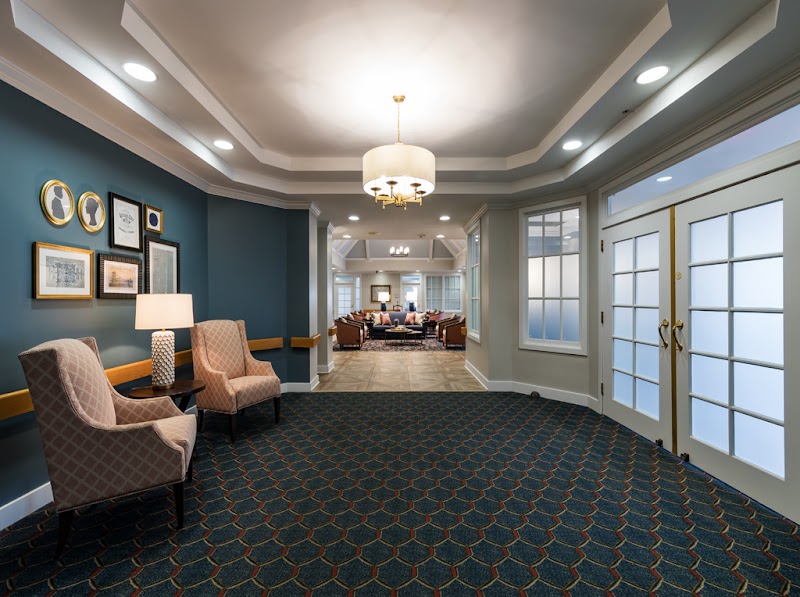
Who Owns and Operates Wellspring?

WELLSPRING HEALTH CENTER is owned by a for-profit company. For-profit facilities operate as businesses with obligations to shareholders or private owners. The facility operates independently rather than as part of a larger chain. With 70 certified beds and approximately 43 residents (about 61% occupancy), it is a smaller facility located in CINCINNATI, Ohio.

How Does Wellspring Compare to Other Ohio Nursing Homes?

Compared to the 100 nursing homes in Ohio, WELLSPRING HEALTH CENTER's overall rating (1 stars) is below the state average of 3.2, staff turnover (51%) is near the state average of 46%, and health inspection rating (1 stars) is much below the national benchmark.

What Should Families Ask When Visiting Wellspring?

Based on this facility's data, families visiting should ask: "What changes have been made since the serious inspection findings, and how are you preventing similar issues?" "Can I visit during a mealtime to observe dining assistance and food quality?" "How do you handle medical emergencies, and what is your hospital transfer rate?" "Can I speak with family members of current residents about their experience?" These questions are particularly relevant given the facility's Immediate Jeopardy citations.

Is Wellspring Safe?

Based on CMS inspection data, WELLSPRING HEALTH CENTER has documented safety concerns. Inspectors have issued 1 Immediate Jeopardy citation (the most serious violation level indicating risk of serious injury or death). The facility has a 1-star overall rating and ranks #100 of 100 nursing homes in Ohio. Families considering this facility should ask detailed questions about what corrective actions have been taken since these incidents.

Do Nurses at Wellspring Stick Around?

WELLSPRING HEALTH CENTER has a staff turnover rate of 51%, which is about average for Ohio nursing homes (state average: 46%). Moderate turnover is common in nursing homes, but families should still ask about staff tenure and how the facility maintains care continuity when employees leave.

Was Wellspring Ever Fined?

WELLSPRING HEALTH CENTER has been fined $122,030 across 5 penalty actions. This is 3.6x the Ohio average of $34,299. Fines at this level are uncommon and typically indicate a pattern of serious deficiencies, repeated violations, or failure to correct problems promptly. CMS reserves penalties of this magnitude for facilities that pose significant, documented risk to resident health or safety. Families should request specific documentation of what issues led to these fines and what systemic changes have been implemented.

Is Wellspring on Any Federal Watch List?

WELLSPRING HEALTH CENTER is not on any federal watch list. The most significant is the Special Focus Facility (SFF) program, which identifies the bottom 1% of nursing homes nationally based on persistent, serious quality problems. Not being on this list means the facility has avoided the pattern of deficiencies that triggers enhanced federal oversight. This is a positive indicator, though families should still review the facility's inspection history directly.