WESTERN HILLS RETIREMENT VILLAGE
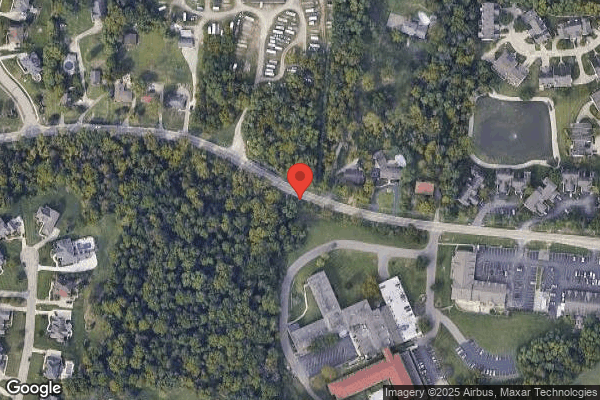
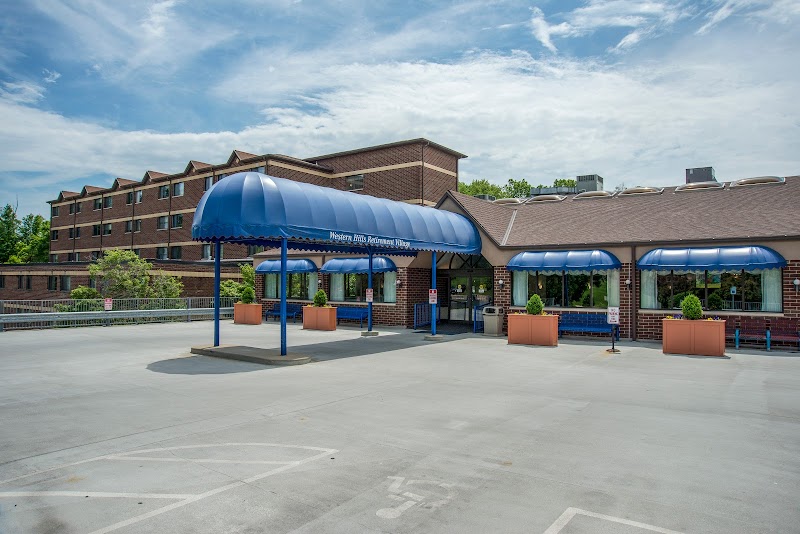
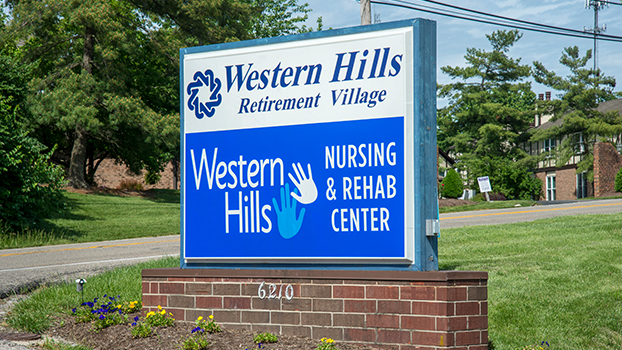
6210 CLEVES WARSAW PIKE, CINCINNATI, OH 45233 (513) 941-0099
For profit - Corporation 110 Beds CARING PLACE HEALTHCARE GROUP Data: November 2025
Trust Grade
75/100
#375 of 913 in OH
Last Inspection: October 2024

Within standard 12-15 month inspection cycle. Federal law requires annual inspections.

Overview

Western Hills Retirement Village in Cincinnati, Ohio, has a Trust Grade of B, indicating it is a good choice among nursing homes. It ranks #375 out of 913 facilities in Ohio, placing it in the top half, and #31 out of 70 in Hamilton County, meaning only 30 local options are better. However, the facility is experiencing a troubling trend, as the number of issues reported has worsened from 1 in 2023 to 9 in 2024. Staffing is a concern, as it received a 2 out of 5 rating and has RN coverage that is less than 98% of Ohio facilities, which could impact the quality of care. On a positive note, the facility has had no fines, indicating compliance with regulations, and a staffing turnover rate of 37% is below the state average. Specific incidents raised by inspectors include dirty kitchen vents that could affect all residents, the presence of expired blood glucose monitoring supplies, and a failure to timely report an allegation of abuse, which raises serious concerns about safety and management practices. Overall, while there are strengths, families should weigh these significant weaknesses when considering this facility for their loved ones.

Trust Score
B
75/100
In Ohio
#375/913
Top 41%
Safety Record
Low Risk
No red flags
Inspections
Getting Worse
1 → 9 violations
Staff Stability
○ Average
37% turnover. Near Ohio's 48% average. Typical for the industry.
Penalties
✓ Good
No fines on record. Clean compliance history, better than most Ohio facilities.
Skilled Nurses
⚠ Watch
Each resident gets only 17 minutes of Registered Nurse (RN) attention daily — below average for Ohio. Fewer RN minutes means fewer trained eyes watching for problems.
Violations
⚠ Watch
19 deficiencies on record. Higher than average. Multiple issues found across inspections.
★★★★☆
4.0
Overall Rating
★★☆☆☆
2.0
Staff Levels
★★★★★
5.0
Care Quality
★★★☆☆
3.0
Inspection Score
Stable
2023: 1 issues
2024: 9 issues

The Good

  • 5-Star Quality Measures · Strong clinical quality outcomes
  • Full Sprinkler Coverage · Fire safety systems throughout facility
  • No fines on record
  • Staff turnover below average (37%)

    11 points below Ohio average of 48%

Facility shows strength in quality measures, fire safety.

The Bad

Staff Turnover: 37%

Near Ohio avg (46%)

Typical for the industry

Chain: CARING PLACE HEALTHCARE GROUP

Part of a multi-facility chain

Ask about local staffing decisions and management

The Ugly 19 deficiencies on record

Oct 2024 8 deficiencies
CONCERN (D)

Potential for Harm - no one hurt, but risky conditions existed

Report Alleged Abuse (Tag F0609)

Could have caused harm · This affected 1 resident

Based on record review, interview, review of the facility's Self-Reported Incidents (SRI), and policy review, the facility failed to timely report an allegation of abuse to the state agency. This affe...

Read full inspector narrative →
Based on record review, interview, review of the facility's Self-Reported Incidents (SRI), and policy review, the facility failed to timely report an allegation of abuse to the state agency. This affected one resident (#29) out of one resident reviewed for abuse. The facility census was 100. Findings include: Review of the medical record for Resident #29 revealed an admission date of 02/26/24. Diagnoses included unspecified dementia, delirium due to known physiological condition, depression, anxiety disorder, gout, type two diabetes mellitus with diabetic polyneuropathy, mild protein-calorie malnutrition, congestive heart failure, hyperlipidemia, neuromuscular dysfunction of bladder, dysphagia, peripheral vascular disease, arthropathy, rheumatoid arthritis, other giant cell arteritis, and disorder of thyroid. Review of the quarterly Minimum Data Set (MDS) assessment, dated 08/29/24, revealed Resident #29 had severely impaired cognition. Resident #29 was assessed to require setup assistance for eating and oral hygiene, supervision for bed mobility and transfer, partial to moderate assistance for toileting, bathing, upper body dressing, and personal hygiene, and substantial to maximal assistance for lower body dressing. Review of the SRIs submitted by the facility revealed none had been submitted between 04/14/24 and 07/16/24. Review of the progress note dated 06/16/24 revealed Resident #29 was crying and reported she had been beat up by some guys and she could barely move due to the back pain. The note indicated Resident #29 was assessed and the nurse practitioner was notified with new orders for a urinalysis and blood work. Interview on 10/24/24 at 9:45 A.M. with the Administrator revealed she was not aware of the allegation involving Resident #29. The Administrator stated the facility had started an investigation and filed an SRI regarding the allegation of abuse from Resident #29. Review of the policy titled, Abuse, Neglect, Misappropriation and Exploitation, reviewed 10/16/19, revealed alleged violations would be reported to the Administrator and state agency immediately, but not later than two hours after the allegation is made if the events that cause the allegation involve abuse or result in serious bodily injury, or not later than 24 hours if the events that cause the allegation do not involve abuse and do not result in serious bodily injury.
CONCERN (D)

Potential for Harm - no one hurt, but risky conditions existed

Investigate Abuse (Tag F0610)

Could have caused harm · This affected 1 resident

Based on record review, interview, review of Self-Reported Incidents, and policy review, the facility failed to timely investigate an allegation of abuse. This affected one resident (#29) out of one r...

Read full inspector narrative →
Based on record review, interview, review of Self-Reported Incidents, and policy review, the facility failed to timely investigate an allegation of abuse. This affected one resident (#29) out of one resident reviewed for abuse. The facility census was 100. Findings include: Review of the medical record for Resident #29 revealed an admission date of 02/26/24. Diagnoses included unspecified dementia, delirium due to known physiological condition, depression, anxiety disorder, gout, type two diabetes mellitus with diabetic polyneuropathy, mild protein-calorie malnutrition, congestive heart failure, hyperlipidemia, neuromuscular dysfunction of bladder, dysphagia, peripheral vascular disease, arthropathy, rheumatoid arthritis, other giant cell arteritis, and disorder of thyroid. Review of the quarterly Minimum Data Set (MDS) assessment, dated 08/29/24, revealed Resident #29 had severely impaired cognition. Resident #29 was assessed to require setup assistance for eating, and oral hygiene, supervision for bed mobility, and transfer, partial to moderate assistance for toileting, bathing, upper body dressing, and personal hygiene, and substantial to maximal assistance for lower body dressing. Review of the progress note dated 06/16/24 revealed Resident #29 was crying and reported she had been beat up by some guys and she could barely move due to the back pain. The note indicated Resident #29 was assessed and the nurse practitioner was notified with new orders for a urinalysis and blood work. Review of the facility's Self-Reported Incidents (SRIs) revealed an investigation was not completed. Interview on 10/24/24 at 9:45 A.M. with the Administrator revealed she was not aware of the allegation involving Resident #29, and that the facility had started an investigation. Review of the policy titled, Abuse, Neglect, Misappropriation and Exploitation, reviewed 10/16/19, revealed an immediate investigation is warranted when suspicion of abuse, neglect or exploitation, or reports of abuse, neglect or exploitation occur.
CONCERN (D)

Potential for Harm - no one hurt, but risky conditions existed

Deficiency F0657 (Tag F0657)

Could have caused harm · This affected 1 resident

**NOTE- TERMS IN BRACKETS HAVE BEEN EDITED TO PROTECT CONFIDENTIALITY** Based on record review and staff interview, the facility failed to ensure care plans reflected the resident's current status. Th...

Read full inspector narrative →
**NOTE- TERMS IN BRACKETS HAVE BEEN EDITED TO PROTECT CONFIDENTIALITY** Based on record review and staff interview, the facility failed to ensure care plans reflected the resident's current status. This affected one resident (#91) of five residents reviewed for care planning. The facility census was 100. Findings include: Review of the medical record for Resident #91 revealed an admission date of 03/07/24 with diagnoses of cerebral infarction with hemiplegia and hemiparesis (unspecified side), dementia, diabetes mellitus type II and gastrostomy. Review of the Minimum Data Set (MDS) assessment dated [DATE] revealed Resident #91 had moderate cognitive impairment and was always continent of bowel and had an indwelling Foley catheter. The resident required set up assistance with eating, supervision with oral and personal hygiene, bed mobility, and transfers, moderate assistance for dressing, and was dependent for toileting and bathing. Review of Resident #91's progress noted dated 07/18/24 at 11:14 A.M. revealed Resident #91 was observed on the floor outside of his room. The State Tested Nursing Assistant (STNA) notified the nurse of the fall. Review of Resident #91's fall risk measurement dated 07/18/24 at 11:17 A.M. noted Resident #91 had no history of falls in the past three months and was at risk for falls. Review of Resident #91's plan of care initiated 06/26/26 and completed 09/26/24 revealed Resident #91 had not been identified as a risk for falls. Review of Resident #91's care conference summary dated 09/09/24 made no reference to the fall experienced by Resident #91 on 07/18/24. Interview on 10/24/24 at 12:14 P.M. with the Director of Nursing verified Resident #91's plan of care had not been updated to identify falls as a risk. Review of the policy for, Comprehensive Care Plans, undated, revealed the purpose of the policy was to develop and implement a comprehensive person-centered care plan for each resident, consistent with resident rights, that includes measurable objectives and timeframes to meet a resident's medical, nursing, and mental and psychosocial needs that are identified in the resident's comprehensive assessment. The policy stated, the comprehensive care plan will be prepared by an interdisciplinary team and will be reviewed and revised by the interdisciplinary team after each comprehensive and quarterly Minimum Data Set (MDS) assessment.
CONCERN (D)

Potential for Harm - no one hurt, but risky conditions existed

Accident Prevention (Tag F0689)

Could have caused harm · This affected 1 resident

**NOTE- TERMS IN BRACKETS HAVE BEEN EDITED TO PROTECT CONFIDENTIALITY** Based on medical record review, staff interview, and policy review, the facility failed to ensure fall interventions were in pla...

Read full inspector narrative →
**NOTE- TERMS IN BRACKETS HAVE BEEN EDITED TO PROTECT CONFIDENTIALITY** Based on medical record review, staff interview, and policy review, the facility failed to ensure fall interventions were in place at the time of a fall. This affected one (Resident #98) of four residents reviewed for falls. The facility census was 100. Findings include: Review of the medical record of Resident #98 revealed an admission date of 07/23/24. Diagnoses included Parkinson's disease, left hip fracture, anxiety, depression, and cognitive communication deficit. Review of the comprehensive MDS assessment dated [DATE] revealed the resident had moderately impaired cognition. The resident required partial/moderate assistance with toileting, bed mobility, and transfers. Review of the fall risk assessment dated [DATE] revealed the resident was a moderate risk for falls. Review of the baseline care plan dated 07/23/24 and updated 08/05/24 revealed the resident was at risk for falls and was to have bilateral safety mats and bring to the common area when yelling in room. Review of the incident note dated 08/03/24 at 1:15 A.M. revealed the State Tested Nursing Assistant (STNA) reported to the nurse Resident #98 rolled out of bed onto the floor. The bed was in the lowest position. No injuries were noted. Review of the fall investigation dated 08/03/24 revealed a new intervention for fall mats at the bedside when the resident is in bed. Review of the fall investigation dated 08/05/24 at 7:50 P.M. revealed on 08/05/24 at 7:20 P.M., a family member alerted the nurse Resident #98 was on the floor, hollering for help. No injuries were noted. The resident was assisted onto the bed then to the wheelchair and brought to the common area for observation as the resident was restless. Review of the fall investigation dated 08/05/24 revealed the resident was found on the floor, laying on her abdomen and screaming. A new intervention was started to bring the resident to the common area when yelling in the room. Review of the occurrence note dated 08/08/24 at 10:41 A.M. revealed on 08/08/24 at 8:40 A.M., Resident #98 was observed on the floor and it appeared she had rolled out of the bed. The resident was observed on the right side of the bed, lying face down, between the bed and the nightstand, with the flat sheet beneath her and her legs extended outward. The resident complained of 10 out of 10 pain in her lower back and coccyx area. Corrective actions were to send the resident to the hospital for evaluation and for a safety mat to be placed at the right side of the bed. Review of the fall investigation dated 08/08/24 revealed Housekeeper #220 alerted staff that Resident #98 was found lying on the floor face down with the flat sheet below the resident. Staff statements indicated it appeared the resident had rolled out of bed. Staff statements from State Tested Nursing Assistant (STNA) #170 and Housekeeper #220 indicated Resident #98 was found laying on the floor/ground. The resident complained of lower back and coccyx area pain and an intervention of a safety mat to the right side of the bed was implemented. Further review revealed, upon IDT (interdisciplinary team) review, the intervention was changed to provide signage in the room to call for assistance with transfers. Interview on 10/23/24 at 4:49 P.M., the Director of Nursing (DON) stated a fall mat is a thicker mat and a safety mat has a beveled edge. The DON verified both would not be used at the same time. Interview on 10/24/24 at 11:38 A.M., Housekeeper #220 confirmed he found Resident #98 on the floor and alerted the nursing staff immediately. Housekeeper #220 stated he did not recall seeing fall mats on the floor next to Resident #98's bed and stated Resident #98 was observed directly on the floor. Interview on 10/24/24 at 1:12 P.M., the DON stated, following the fall on 08/08/24, the intervention was changed from a fall mat to the right side of the bed, to bringing resident to the common area when yelling because the resident was already supposed to have a fall mats to both sides of the bed. Interview on 10/24/24 at 1:31 P.M., Licensed Practical Nurse (LPN) #155 stated, at the time of the fall, Resident #98 had a fall mat present on the left side of the bed, but not the right side of the bed. LPN #155 stated she ordered a fall mat to the right side of the bed since the resident fell out of the right side of the bed and no fall mat was present. LPN #155 stated a fall mat and safety mat was the same thing. Review of the facility policy titled, Fall Management, dated 01/2021, revealed each resident would receive the care and services in accordance with the level of risk to minimize the likelihood of falls. The facility would provide interventions that addressed unique risk factors measured by the risk assessment tool.
CONCERN (D)

Potential for Harm - no one hurt, but risky conditions existed

Medication Errors (Tag F0758)

Could have caused harm · This affected 1 resident

**NOTE- TERMS IN BRACKETS HAVE BEEN EDITED TO PROTECT CONFIDENTIALITY** Based on record review, staff interview, and review of facility policy, the facility failed to ensure antipsychotic medications ...

Read full inspector narrative →
**NOTE- TERMS IN BRACKETS HAVE BEEN EDITED TO PROTECT CONFIDENTIALITY** Based on record review, staff interview, and review of facility policy, the facility failed to ensure antipsychotic medications were used only when necessary and appropriate. This affected three residents (#22, #29 and #75) of five residents reviewed for unnecessary medications. The facility census was 100. Findings include: 1. Review of the medical record revealed Resident #22 was admitted on [DATE] with diagnoses of vascular dementia, protein-calorie malnutrition, agitation and restlessness and unspecified psychosis. Review of the Minimum Data Set (MDS) assessment dated [DATE] revealed Resident #22 had severe cognitive impairment and was frequently incontinent of bowel and bladder. The resident required set up assistance with eating, maximal assistance with oral hygiene, toileting, bathing, dressing, and transfers and moderate assistance with personal hygiene and bed mobility. Review of Resident #22's physician orders revealed Resident #22 had an order dated 10/18/24 for Seroquel Oral Tablet 25 Milligrams (mg) (Quetiapine Fumarate), give 0.5 tablet by mouth two times a day related to vascular dementia for 7 Days. Review of Resident #22's physician orders revealed Resident #22 had a prior order dated 08/02/24 for Seroquel Oral Tablet 25 mg (Quetiapine Fumarate), give 3 tablets by mouth at bedtime related to vascular dementia. This physician order was discontinued on 10/18/24. Review of Resident #22's physician order for Seroquel oral tablet (Quetiapine Fumarate) revealed a pharmacy Black Box Warning (BBW) increased mortality in elderly patients with dementia-related psychosis. Elderly patients with dementia-related psychosis treated with antipsychotic drugs are at an increased risk of death. Interview on 10/24/24 at 10:28 A.M. with the Director of Nursing verified that Seroquel (Quetiapine Fumarate) was not indicated for residents with a diagnosis of vascular dementia. 2. Review of the medical record revealed Resident #29 was admitted on [DATE] with diagnoses of diabetes mellitus type II, anxiety, mild protein-calorie malnutrition and rheumatoid arthritis. Review of the Minimum Data Set (MDS) assessment dated [DATE] revealed Resident #29 has severe cognitive impairment and is frequently incontinent of bowel and bladder. The resident requires set up assistance with eating and oral hygiene, moderate assistance with toileting bathing, personal hygiene, and transfers, maximal assistance with dressing, and supervision with bed mobility. Review of Resident #29's admitting history and physical dated 02/27/24 revealed Resident #29 had a history of dementia and depression. The history and physical revealed no mention of Resident #29 having a diagnosis of delirium. Review of Resident #29's nurse practitioner note dated 02/28/24 revealed Resident #29 had diagnoses of non-rheumatic aortic valve stenosis, congestive heart failure, coronary artery disease, dementia, acute respiratory failure with hypoxia, diabetes mellitus type II with polyneuropathy and acute delirium. Review of Resident #29's nurse practitioner note dated 03/15/24 revealed Resident #29 had newly admitted to long-term care (LTC), having intermittent bouts of exit seeking and agitation. Recent labs/urinalysis non-acute. Is redirectable most times, though can become quite agitated per the family. Restarted on Seroquel at admission to LTC. Review of Resident #29's physician orders revealed Resident #29 had an order dated 03/10/24 for Seroquel Oral Tablet 50 mg (Quetiapine Fumarate), give 1 tablet by mouth at bedtime related to delirium. Review of Resident #29's physician order for Seroquel oral tablet 50 mg (Quetiapine Fumarate) revealed a pharmacy Black Box Warning (BBW) which stated increased mortality in elderly patients with dementia-related psychosis. Elderly patients with dementia-related psychosis treated with antipsychotic drugs are at an increased risk of death. Interview on 10/24/24 at 10:28 A.M. with the Director of Nursing verified that Seroquel (Quetiapine Fumarate) was not indicated for residents with a diagnosis of delirium. 3. Review of the medical record revealed Resident #75 was admitted on [DATE] with diagnoses of Alzheimer's disease, dementia, depression and repeated falls. Review of the Minimum Data Set (MDS) admission assessment dated [DATE] revealed Resident #75 had severe cognitive impairment and was frequently incontinent of bowel and occasionally incontinent of bladder. The resident required set up assistance for eating, moderate assistance for oral and personal hygiene, toileting, dressing, and bed mobility, was dependent for bathing, and required maximal assistance for transfers. Review of Resident #75's physician orders revealed Resident #75 had an order dated 10/03/24 for Quetiapine Fumarate Oral Tablet (Quetiapine Fumarate), give 12.5 mg by mouth one time a day related to dementia and give 25 mg by mouth at bedtime related to dementia. Review of Resident #75's pharmacy report dated 09/26/24 revealed Resident #75 was receiving Quetiapine 37.5 mg daily (total). Interview on 10/24/24 at 10:28 A.M. with the Director of Nursing verified that Seroquel (Quetiapine Fumarate) was not indicated for residents with a diagnosis of Alzheimer's dementia. Review of the 2021 [NAME] Pocket Drug Guide for Nurses revealed Seroquel (Quetiapine Fumarate) was classified as an antipsychotic and has a Black Box Warning (BBW) stating do not use in elderly patients with dementia-related psychosis; increased risk of cardio-vascular (CV) mortality, including stroke, myocardial infarction (MI). Review of the 2021 [NAME] Pocket Drug Guide for Nurses revealed Seroquel (Quetiapine Fumarate) had indications for treatment of schizophrenia, manic episodes of bipolar 1 disorder, treatment of depressive episodes of bipolar 1 disorder and treatment of major depressive disorder. Review of the facility's psychotropic medication use policy, undated, revealed the facility will comply with the Psychopharmacologic Dosage Guidelines created by the Centers for Medicare and Medicaid Services (CMS), the State Operations Manual, and all other Applicable Law relating to the use of psychopharmacologic medications including gradual dose reductions.
CONCERN (D)

Potential for Harm - no one hurt, but risky conditions existed

Medical Records (Tag F0842)

Could have caused harm · This affected 1 resident

Based on record review and interview, the facility failed to ensure medical records were complete and accurate related to a change in condition. This affected one resident (#26) out of 20 residents re...

Read full inspector narrative →
Based on record review and interview, the facility failed to ensure medical records were complete and accurate related to a change in condition. This affected one resident (#26) out of 20 residents reviewed for resident records. The facility census was 100. Findings include: Review of the medical record for Resident #26 revealed an admission date of 05/26/21. Diagnoses included cerebral infarction, hemiplegia and hemiparesis following cerebral infarction affecting left non-dominant side, type two diabetes mellitus with diabetic neuropathy, nondisplaced fracture of medial condyle of left femur initial encounter for closed fracture, multiple fractures of pelvis without disruption of pelvic ring initial encounter for closed fracture, age-related osteoporosis without current pathological fracture, chronic obstructive pulmonary disease, generalized anxiety disorder, major depressive disorder, edema, benign prostatic hyperplasia with lower urinary tract symptoms, primary insomnia, hyperlipidemia, and unspecified protein-calorie malnutrition. Review of the quarterly Minimum Data Set (MDS) assessment, dated 10/02/24, revealed Resident #26 was cognitively intact. Resident #26 was assessed to require setup assistance for eating, substantial to maximal assistance for upper body dressing and personal hygiene, and was dependent for oral hygiene, toileting, bathing, lower body dressing, and bed mobility. Review of the progress note dated 08/11/24 revealed Resident #26 was having pain and was offered another x-ray of his leg, which he was agreeable to. Review of the progress notes from 08/11/24 to 08/12/24 revealed no documentation related to Resident #26 being transferred to the emergency room. Review of hospital paperwork dated 08/12/24 revealed Resident #26 was evaluated in the emergency room for a femur fracture. Review of the progress notes from 08/12/24 to 08/14/24 revealed no documentation related to Resident #26 returning from the emergency room, or of any further treatment recommendations for Resident #26's fracture. Interview on 10/24/24 at 1:09 P.M. with the Director of Nursing (DON) verified no documentation related to Resident #26's transfer to the emergency room, or of any treatment recommendations or follow-up related to the fracture.
CONCERN (D)

Potential for Harm - no one hurt, but risky conditions existed

Infection Control (Tag F0880)

Could have caused harm · This affected 1 resident

**NOTE- TERMS IN BRACKETS HAVE BEEN EDITED TO PROTECT CONFIDENTIALITY** Based on observation, record review, and interview, the facility failed to ensure Foley catheter bags were managed in a manner t...

Read full inspector narrative →
**NOTE- TERMS IN BRACKETS HAVE BEEN EDITED TO PROTECT CONFIDENTIALITY** Based on observation, record review, and interview, the facility failed to ensure Foley catheter bags were managed in a manner to prevent the potential spread of infection. This affected one resident (#32) of two residents reviewed for Foley catheters. The facility census was 100. Findings include: Medical record review of Resident #32 revealed an admission date of 06/27/24. Diagnoses included Alzheimer's disease, chronic atrial fibrillation, heart failure, chronic pancreatitis, neuromuscular dysfunction of bladder, major depressive disorder, personal history of urinary tract infections, general anxiety disorder, sepsis, dysphagia, vascular dementia, and urinary incontinence. Review of the Minimum Data Set (MDS) assessment dated [DATE] revealed Resident #32 had short term memory problems and exhibited no behaviors. Resident #32 required set up assistance from staff for eating, oral hygiene, and personal hygiene. Substantial or maximal assistance was required for toileting, bathing, and lower body dressing. Resident #32 was dependent on staff for putting on and removing footwear and she received assistance of one to two staff for transfers. Review of physicians orders for Resident #32 revealed the resident had an indwelling Foley catheter. Physicians orders included position catheter bag and tubing below the level of the bladder and away from entrance room door, check tubing for kinks each shift, enhanced barrier precautions per Medical Doctor (MD) order, and monitor and document intake and output as per facility policy. Review of the care plan revealed Resident #32 had an indwelling Foley catheter related to neuromuscular dysfunction of the bladder. Observation on 10/22/24 at 8:53 A.M. of Resident #32 revealed the Foley catheter bag on the floor at the foot of the left side of the resident's bed. This was confirmed by Licensed Practical Nurse (LPN) #149 on 10/22/24 at 9:01 A.M. who stated the catheter bag was supposed to be on the right side of the bed in the privacy cover. Interview with the Administrator on 10/24/24 at 9:59 A.M. revealed the facility does not have a policy for Foley catheter care. She stated the facility follows standard procedures for catheter care. Interview with the Director of Nursing (DON) on 10/24/24 at 1:12 P.M. confirmed the facility does not have a policy for Foley catheter care. She stated the standard procedures for a Foley catheter bag are that it should not be placed on the floor and it should be placed in a privacy bag on the side of the bed away from the door.
CONCERN (F)

Potential for Harm - no one hurt, but risky conditions existed

Food Safety (Tag F0812)

Could have caused harm · This affected most or all residents

Based on observation and staff interview, the facility failed to ensure vents in the kitchen were maintained in a clean and sanitary manner. This had the potential to affect all 100 residents in the f...

Read full inspector narrative →
Based on observation and staff interview, the facility failed to ensure vents in the kitchen were maintained in a clean and sanitary manner. This had the potential to affect all 100 residents in the facility. The facility census was 100. Findings include: Observation on 10/21/24 at 8:55 A.M. revealed a duct in the center of the kitchen food preparation and service area with two vents on each side, fully coated in a dark gray and fuzzy substance. Interview at the same time with Dietary Director (DD) #65 verified the four vents were coated in a dark gray fuzzy substance. DD #65 stated the vents were cleaned monthly and needed to be cleaned again. Observation on 10/23/24 at 11:55 A.M. revealed the duct in the center of the kitchen food preparation and service area had an additional five vents that were coated in varying levels of a dark gray and fuzzy substance. Interview at the same time with DD #65 verified all vents were coated in varying levels of a dark gray and fuzzy substance. DD #65 stated the vents had been cleaned within the last month but needed to be cleaned again. Interview on 10/24/24 at approximately 3:30 P.M., the Administrator stated the facility did not have a policy on kitchen sanitation, however the kitchen followed a routine cleaning schedule of all areas of the kitchen.
Sept 2024 1 deficiency
CONCERN (D) 📢 Someone Reported This

A family member, employee, or ombudsman was alarmed enough to file a formal complaint

Potential for Harm - no one hurt, but risky conditions existed

Infection Control (Tag F0880)

Could have caused harm · This affected 1 resident

**NOTE- TERMS IN BRACKETS HAVE BEEN EDITED TO PROTECT CONFIDENTIALITY** Based on medical record review, staff interviews, observations, review of online resources from the Centers for Disease Control ...

Read full inspector narrative →
**NOTE- TERMS IN BRACKETS HAVE BEEN EDITED TO PROTECT CONFIDENTIALITY** Based on medical record review, staff interviews, observations, review of online resources from the Centers for Disease Control (CDC), and policy review, the facility failed to ensure staff followed hand hygiene procedures when providing incontinent care. This affected one (#24) resident of three residents reviewed for incontinent care. The facility census was 106. Findings include Review of the medical record for Resident #24 revealed an admission on [DATE] with diagnoses including but not limited to spinal stenosis, Alzheimer's disease, and dementia. Review of the most recent quarterly Minimum Data Set (MDS) assessment for Resident #24 dated 07/19/24 revealed an impaired cognition. Resident #24 required set up for eating, maximum assistance for bed mobility and was dependent on staff for toileting, toileting hygiene and transfers. Resident #24 was assessed as incontinent of bowel and bladder. Observation of incontinence care for Resident #24 on 09/18/24 at 2:09 P.M., with State Tested Nursing Assistant (STNA) #159 revealed the STNA gathered washcloths, two trash bags, and an incontinent garment. STNA #159 went into the resident's bathroom and returned with the washcloths and placed them on the resident's bed side table without a barrier between the two surfaces. Three of the washcloths were in wads and two were opened and laid to the end of the table. STNA #159 instructed the resident of the task, applied gloves and removed the bed sheets. STNA #159 unfastened the incontinent garment rolling it to the center of the perineum and pushed to down towards the bed, exposing the front of the perineal area. STNA #159 used one corner of the washcloth to wipe down the front center of the labia. STNA #159 then noted fecal material on the end of the washcloth. STNA #159 flipped the washcloth over her hand using a clean area to make multiple passes over the inner thighs on both sides without moving washcloth to separate areas. STNA #159 placed the used washcloth into a plastic bag on chair and using a second opened washcloth to make multiple passes over the same perineal area without using a clean area of the washcloth. STNA #159 then asked the resident to roll to her left side exposing the rectal area. Using the third washcloth, the STNA #159 used an upward movement to remove a large portion of the fecal matter from the area and placing it into the trash bag. STNA #159 using a fourth wash cloth that was wadded up wiped the rectal area in multiple passes using different sections of the washcloth by flipping it over her right hand. Resident #24 moaned when STNA #159 cleansed over the right outer sacral area. STNA #159 stating the area was reddened and would apply barrier cream. STNA #159 used the fifth opened washcloth to wipe the rectal area and buttocks without repositioning the washcloth to a clean unused portion. STNA #159 placed the washcloth into the trash bag. STNA #159 then rolled the incontinent garment up and pulled it from underneath the resident and placed it into the second bag on the chair. STNA #159 then opened the nightstand drawer with her gloved hand and removed a tube of barrier cream. STNA #159 flipped the tube open and squeezed the ointment onto her gloved right index finger. STNA #159 then noted a small amount of smeared brown colored material on the tube and on her glove on her right posterior hand. STNA #159 removed the last washcloth from the trash bag on the chair with her left hand and wiped the material off the tube and her glove placing the washcloth back into the trash bag. STNA #159 applied the ointment to the reddened area using her right gloved hand. STNA #159 then removed her gloves placing them into the trash bag and donning new gloves to apply the clean incontinent garment. The resident was repositioned and cover with bed sheets. Interview with STNA #159 on 09/18/24 at 2:35 P.M. verified she removed the smeared brown material from the tube of barrier cream and her gloved hand. STNA #159 placed the tube of barrier cream back on the bed side table of Resident #24. Further verified she did not remove the gloves before applying the barrier cream to the Resident #24 reddened sacral area. STNA #159 verified she did not complete hand hygiene after removing the soiled glove and should have before donning the new gloves. Interview with the Director of Nursing (DON) on 09/18/24 at 4:40 P.M. verified staff should be removing gloves when dirty/wet incontinent garments are removed. The DON verified hand hygiene should be completed every time gloves were removed. Review of the facility policy titled Hand Hygiene, dated 02/28/2020 stated hand hygiene should be completed after removing gloves and if moving from a contaminated body site to a clean body site. Review of online resources from CDC (https://www.cdc.gov/clean-hands/hcp/clinical-safety/index.html) dated 02/27/24 titled Clinical Safety: Hand Hygiene for Healthcare Workers, revealed healthcare personnel should complete hand hygiene immediately before touching a patient, before performing an aseptic task such as placing an indwelling device or handling invasive medical devices, before moving from work on a soiled body site to a clean body site on the same patient, after touching a patient or patients surroundings, after contact with blood, body fluids or contaminated surfaces and immediately after glove removal. This deficiency represents non-compliance investigated under Complaint Number OH00156660.
Jul 2023 1 deficiency
CONCERN (D) 📢 Someone Reported This

A family member, employee, or ombudsman was alarmed enough to file a formal complaint

Potential for Harm - no one hurt, but risky conditions existed

Deficiency F0760 (Tag F0760)

Could have caused harm · This affected 1 resident

**NOTE- TERMS IN BRACKETS HAVE BEEN EDITED TO PROTECT CONFIDENTIALITY** Based on medical record review, staff interview, review of the consult/communication sheet, review of the appointment sheet, and...

Read full inspector narrative →
**NOTE- TERMS IN BRACKETS HAVE BEEN EDITED TO PROTECT CONFIDENTIALITY** Based on medical record review, staff interview, review of the consult/communication sheet, review of the appointment sheet, and review of online medication prescribing information, the facility failed to ensure anticoagulant medication was held prior to a scheduled procedure resulting in the procedure having to be rescheduled. This affected one resident (#105) of three reviewed who received anticoagulant medication. The facility identified 31 residents currently received anticoagulant medications. The facility census was 101. Findings include: Review of the medical record revealed Resident #105 was admitted to the facility on [DATE]. Diagnoses included heart failure, atrial fibrillation, and malignant neoplasm of the kidney. This resident was discharged from the facility on 06/19/23. Review of the discharge Minimum Data Set (MDS) assessment dated [DATE] revealed Resident #105 received anticoagulation medication for seven days during the seven day review period. Review of the facility consult/communication sheet dated 05/24/23 revealed Resident #105 was ordered to have an Esophagogastroduodenoscopy (EGD) scheduled to screen for varices (abnormal veins in the lower part of the tube running from the throat to the stomach). Review of the appointment sheet revealed Resident #105 was scheduled to have the ordered EGD completed on 06/15/23 at 10:00 A.M. Instruction included to notify the office or prescribing provider if taking blood thinners. Review of the physicians orders dated 06/08/23 revealed Resident #105 was to have an EGD performed on 06/15/23 and was to have nothing by mouth after midnight on 06/15/23. Review of the Medication Administration Record (MAR) dated June 2023 revealed Resident #105 was documented to have been administered five milligrams (mg) of the medication Eliquis (an anticoagulant, blood thinning medication) at 9:00 A.M. and 9:00 P.M. on 06/13/23 and 06/14/23. Review of the progress note dated 06/14/23 and written by the Director of Nursing (DON), revealed a call was received from the daughter of Resident #105 regarding cancellation and rescheduling of EGD. The daughter sought clarification as to why the cancellation was necessary and blood thinner orders. The daughter was informed the resident took a blood thinner and would not be able to have the procedure so the office rescheduled the appointment. Telephone interview with Licensed Practical Nurse (LPN) #900 on 07/10/23 at 3:05 P.M., revealed Resident #105 returned from the hospital on [DATE] and orders were re-initiated for the resident to have the EGD performed on 06/15/23 and to have nothing by mouth after midnight on 06/15/23. LPN #900 stated the orders to hold the residents prescribed medication Eliquis for two days prior to the scheduled EGD had been in place before the resident went to the hospital, but were not re-initiated when he returned to the facility on [DATE] due to being unsure if he was still going to have the EGD done. Interview with the DON on 07/11/23 at 9:30 A.M., verified there had been an order for Resident #105's Eliquis to be held for two days prior to the scheduled EGD before the resident went to the hospital which were not implemented upon the residents return from the hospital. The DON further verified the resident was administered Eliquis within two days of the scheduled EGD resulting in the procedure being rescheduled. Review of the online prescribing information for the medication Eliquis (https://packageinserts.bms.com/pi/pi_eliquis.pdf), not dated, revealed Eliquis should be discontinued at least 48 hours prior to elective surgery or invasive procedures with a moderate or high risk of unacceptable or clinically significant bleeding. This deficiency represents non-compliance discovered in Complaint Number OH00143839.
Sept 2021 9 deficiencies
CONCERN (D)

Potential for Harm - no one hurt, but risky conditions existed

ADL Care (Tag F0677)

Could have caused harm · This affected 1 resident

Based on record review, observation, resident and staff interview, the facility failed to provide activities of daily living (ADL) assistance to dependent residents. This affected one (#9) of 24 facil...

Read full inspector narrative →
Based on record review, observation, resident and staff interview, the facility failed to provide activities of daily living (ADL) assistance to dependent residents. This affected one (#9) of 24 facility-identified residents dependent on staff with bathing. The census was 91. Findings include: Review of record for Resident #9 revealed an admission date of 06/24/21 with a diagnosis of amyotrophic lateral sclerosis (ALS). Review of Minimum Data Set (MDS) assessment for Resident #9 dated 06/26/21 revealed resident was cognitively intact, was coded as negative for rejection of care, and required extensive assistance of one staff with bathing and personal hygiene. Review of care plan for Resident #9 dated 06/26/21 revealed resident had a self-care performance deficit related to declines in mobility, strength, transfers, ambulation, range of motion to bilateral upper extremities, balance, and activities of daily living (ADL) participation. Resident received supervision to assistance of two staff with all ADL's. Interventions included the following: assist with ADL's as needed, praise participation in ADL's as able, watch for fatigue, allow time for completion of ADL's, keep call light in reach, keep skin, clothes, and linens clean and dry, inform charge nurse of any changes. Review of nurse progress notes for Resident #9 dated 09/09/21 through 09/20/21 revealed the notes contained no documentation regarding refusal of shower and/or refusal of resident to have her hair washed. Review of bathing records for Resident #9 for 09/09/21 through 09/20/21 revealed resident received a shower on 09/09/21 and a bed bath on 09/15/21. Observation of Resident #9 on 09/20/21 at 12:21 P.M. revealed the resident's hair was greasy and did not appear to have been washed recently. Interview on 09/20/21 at 12:21 P.M. with Resident #9 confirmed staff gave her bed baths when they didn't have time to give her a shower and when she got a bed bath, she didn't get her hair washed. Resident #9 confirmed it was important for her to have her washed twice weekly and she had not had her hair washed in over a week. Interview on 09/20/21 at 12:41 P.M. with Licensed Practical Nurse (LPN) #59 confirmed Resident #9's hair was greasy and appeared to be unwashed. LPN #59 could not confirm when Resident #9's hair had last been washed. Interview on 09/20/21 at 3:00 P.M. with the Director of Nursing (DON) confirmed Resident #9's hair appeared unwashed and the last record the facility had of resident's hair being washed was on 09/09/21. The facility did not have a policy regarding bathing but followed standards of care.
CONCERN (D)

Potential for Harm - no one hurt, but risky conditions existed

Deficiency F0688 (Tag F0688)

Could have caused harm · This affected 1 resident

Based on record review, observation and resident and staff interview the facility failed to ensure residents wore braces as ordered by the physician to treat limited range of motion. This affected one...

Read full inspector narrative →
Based on record review, observation and resident and staff interview the facility failed to ensure residents wore braces as ordered by the physician to treat limited range of motion. This affected one (#24) of two facility-identified residents with orders for braces to the lower extremities. The census was 91. Findings include: Review of the medical record for Resident #24 revealed an admission date of 07/30/20 with a diagnosis of unspecified dementia with behavioral disturbance. Review of the Minimum Data Set (MDS) assessment for Resident #24 dated 07/14/21 revealed resident was cognitively impaired, required extensive assistance of one to two staff with activities of daily living (ADL's) and had limited range of motion to his lower extremities. Review of the care plan for Resident #24 dated 02/09/21 revealed resident had impaired ADL ability/mobility and required assistance of one to two staff assist in most all areas of care, was non ambulatory using a wheelchair for mobility and had right lower extremity (RLE) foot drop and used an ankle foot orthosis (AFO). Interventions included to provide treatment per the physician orders. Review of September 2021 monthly physician orders for Resident #24 revealed an order dated 06/17/21 for ankle foot orthosis (brace) to be worn to resident's right lower extremity when out of bed. Review of September 2021 Treatment Administration Record (TAR) for Resident #24 revealed the physician's order for the AFO to RLE to be when worn when out of bed was initialed off as completed. Review of the physical therapy evaluation for Resident #24 dated 04/06/21 revealed resident had peripheral neuropathy with foot drop to the right foot and wore an AFO to the RLE. Observations on 09/20/21 at 12:43 P.M. and on 09/22/21 at 1:55 P.M. revealed Resident #24 was up in his wheelchair and was not wearing the AFO to his RLE. Interview on 09/20/21 at 12:43 P.M. with Resident #24 confirmed he used to wear a brace to his right foot a few months ago but hadn't worn it recently. Interview on 09/22/21 at 1:55 P.M. with Resident #24 confirmed he was not wearing a brace to his right foot and he wasn't sure where the brace was. Observation on 09/20/21 at 2:00 P.M. with the Director of Nursing (DON) revealed the AFO for Resident #24 was being stored inside resident's closet. Interview on 09/20/21 at 2:00 P.M. with the DON confirmed Resident #24 was not wearing the AFO to his RLE, the AFO was being stored inside the resident's closet, and the resident had a physician's order to wear the AFO when he was out of bed. Interview on 09/22/21 at 2:57 P.M. with the Administrator confirmed the facility did not have a policy regarding braces and splints but the facility staff should follow the physician's orders regarding brace application.
CONCERN (D)

Potential for Harm - no one hurt, but risky conditions existed

Accident Prevention (Tag F0689)

Could have caused harm · This affected 1 resident

**NOTE- TERMS IN BRACKETS HAVE BEEN EDITED TO PROTECT CONFIDENTIALITY** Based on record review, staff interview, review of facility incident investigation, and review of facility policy, the facility ...

Read full inspector narrative →
**NOTE- TERMS IN BRACKETS HAVE BEEN EDITED TO PROTECT CONFIDENTIALITY** Based on record review, staff interview, review of facility incident investigation, and review of facility policy, the facility failed to ensure staff followed appropriate transfer recommendations per the resident's plan of care to prevent falls and/or accidents. This affected one (#348) of nine residents reviewed for accidents. The census was 91. Findings include: Review of the medical record for Resident #348 revealed an admission date of 10/12/19 with a diagnosis of congestive heart failure and a discharge date of 06/29/20. Review of the Minimum Data Set (MDS) assessment for Resident #348 dated 06/05/20 revealed resident was cognitively intact and required extensive assistance of two staff with transfers. Review of the fall risk assessment dated [DATE] revealed resident was at moderate risk for falls. Review of the care plan for Resident #348 dated 02/06/20 revealed resident had a history of falls, declines in activities of daily living (ADL) ability/mobility, non-ambulatory with wheelchair used for mobility, Hoyer lift transfers per staff, dependent on staff for assistance with all care. Interventions included two person physical assistance with transfers using the Hoyer lift and intervention dated 04/06/20 to educate staff to follow the [NAME] and transfer resident with the assistance of two staff to prevent injury. Review of the nurse progress note for Resident #348 dated 04/04/20 revealed resident had a witnessed fall in which his knees gave out during transfer from wheelchair to bed. Further review of note revealed the resident required the assistance of two staff with transfers, but the state tested nursing assistant (STNA) transferred the resident per self and used only one staff for the transfer. Review of the facility fall investigation dated 04/06/20 revealed Resident #348 had a fall during a one-person transfer, staff was not using a gait belt during the transfer, and the facility's follow up intervention was to educate staff to follow safety measures included in the resident's care plan. Review of the nurse progress note for Resident #348 dated 04/15/20 revealed resident sustained a skin tear to his right outer forearm during a one person transfer per STNA. The skin tear was 3.0 centimeters (cm) by 3.0 cm, was L-shaped, and had a small amount of bleeding. The nurse approximated the edges of the skin tear with a sterile Q-tip, cleansed the wound with normal saline and applied Steri strips. Further review of the note revealed the STNA transferred the resident per self and told the nurse she was not aware the resident was a two person assist using a gait belt. Review of facility incident investigation dated 04/15/20 revealed Resident #348 was interviewed after the incident and reported the STNA put him in bed by herself and almost dropped him and hit his arm on the side of the bed causing a skin tear. Further review of the investigation revealed a gait belt was not used during the transfer and the facility's follow up intervention was education to the STNA that resident transfers with two staff and a gait belt should be used. Review of the facility policy titled Fall Management dated 01/2021 revealed each resident will be assessed for the risks of falling and will receive care and services in accordance with the level of risk to minimize the likelihood of falls and each resident's risk factors and environmental hazards will be evaluated when developing the resident's comprehensive plan of care. The interventions will be monitored for effectiveness and the plan of care will be revised as needed. Interview on 09/22/21 at 2:36 P.M. with the Administrator confirmed Resident #348's care plan was not followed regarding use of two staff with transfer and use of a gait belt on 04/04/20 when resident had a witnessed fall and on 04/15/20 when resident sustained a skin tear. This deficiency substantiates Complaint Number OH00111290 and Complaint Number OH00113767.
CONCERN (D)

Potential for Harm - no one hurt, but risky conditions existed

Respiratory Care (Tag F0695)

Could have caused harm · This affected 1 resident

**NOTE- TERMS IN BRACKETS HAVE BEEN EDITED TO PROTECT CONFIDENTIALITY** Based on record review, observation, staff and resident interview, review of manufacturer recommendations and review of facility...

Read full inspector narrative →
**NOTE- TERMS IN BRACKETS HAVE BEEN EDITED TO PROTECT CONFIDENTIALITY** Based on record review, observation, staff and resident interview, review of manufacturer recommendations and review of facility policy, the facility failed to label resident oxygen tubing and with the date it was initiated. The facility also failed to ensure staff did not use expired distilled water in resident's mechanical ventilation device. This affected one (#9) of nine facility-identified residents receiving respiratory treatments. The census was 91. Findings include: Review of the medical record for Resident #9 revealed an admission date of [DATE] with a diagnosis of amyotrophic lateral sclerosis (ALS). Review of Minimum Data Set (MDS) assessment for Resident #9 dated [DATE] revealed resident was cognitively intact and required extensive assistance of two staff with activities of daily living (ADL's). Review of [DATE] physician orders for Resident #9 revealed the following respiratory treatment orders: humified oxygen at two liters per minute per nasal cannula, change and date all oxygen tubing on Monday, check water level in ventilator daily and fill with distilled water to maintain recommended level every night shift. Review of the care plan for Resident #9 dated [DATE] revealed resident was at risk for altered respiratory status and had difficulty breathing related to pleural effusion, history of acute respiratory failure with hypercapnia, history of pneumonia, and received oxygen therapy. Interventions included the following: give medications as ordered by physician, monitor/document side effects and effectiveness, monitor for signs and symptoms of respiratory distress and report to physician as needed, oxygen settings: oxygen via nasal prongs/mask at two liters per minute continuously, humidified, non-invasive mechanical ventilator to be worn at bedtime and planned daytime naps at pre-set settings as tolerated for a minimum of four hours per day, document hours of compliance. Observation of Resident #9 on [DATE] at 12:15 P.M. revealed resident had oxygen in place at two liters per nasal cannula with humidification. The oxygen tubing and the humidification bottle was undated. Further observation revealed the resident's mechanical ventilator was not in use at the time of the observation and the humidification reservoir was filled with distilled water. There was an open bottle of distilled water at the resident's bedside with a use-by date of [DATE]. The bottle was not dated upon opening. Interview on [DATE] at 12:15 P.M. with Resident #9 confirmed she wore humidified oxygen continuously at two liters. Resident #9 confirmed she was unsure when the tubing and humidification bottle had last been changed. Resident #9 further confirmed she wore the mechanical ventilator at night and the nurses filled the humidification reservoir as needed with the gallon bottle of distilled water at her bedside. Interview on [DATE] at 12:20 P.M. with Licensed Practical Nurse (LPN) #57 confirmed that neither the oxygen tubing nor the humidification bottle for Resident #9 were dated and could not determine when they had been initiated for resident. LPN #57 further confirmed the staff used the bottle of distilled water at Resident #9's bedside to fill the reservoir for the mechanical ventilator which resident used at night. LPN #57 confirmed the bottle of distilled water had not been dated upon opening and had a use-by date of [DATE] and should be discarded. Review of the manufacturer's recommendations undated for Resident #9's mechanical ventilator revealed staff should change water in the humidifier daily using only distilled water (tap water will damage the unit). Review of policy titled Oxygen Administration dated [DATE] revealed oxygen concentrators would be checked weekly, and the tubing would be changed.
CONCERN (D)

Potential for Harm - no one hurt, but risky conditions existed

Drug Regimen Review (Tag F0756)

Could have caused harm · This affected 1 resident

Based on medical record review and staff interview, the facility failed to ensure pharmacist's Medication Regimen Review (MRR) recommendations were reviewed and addressed by the attending physician. T...

Read full inspector narrative →
Based on medical record review and staff interview, the facility failed to ensure pharmacist's Medication Regimen Review (MRR) recommendations were reviewed and addressed by the attending physician. This affected one (#63) of five residents reviewed for unnecessary medications. The census was 91. Findings include: Review of the medical record for Resident #63 revealed an admission date of 09/01/20 and a diagnosis of Alzheimer's disease. Review of the Minimum Data Set (MDS) assessment for Resident #63 dated 08/09/21 revealed resident was cognitively impaired and required extensive assistance of one to two staff with activities of daily living (ADL's). Review of the MRR's per the consultant pharmacist for Resident #63 dated 07/28/21 revealed Resident #63 had an ongoing order for Seroquel 25 milligrams (mg) twice a day since 01/12/21 and a dose decrease should be considered to determine the minimum effective dose. The recommendation had not been addressed by the attending physician. Review of the September 2021 physician orders for Resident #63 revealed an order dated 01/12/21 for Seroquel 25 mg twice a day. Review of the September Medication Administration Record (MAR) for Resident #63 revealed resident received Seroquel 25 mg twice a day. Review of pharmacist's recommendation dated 07/28/21 revealed Resident #63 had an ongoing order for Seroquel 25 mg twice a day since 01/12/21 and a dose decrease should be considered to determine the minimum effective dose. The recommendation was not addressed as reviewed by the attending physician. Interview on 09/23/21 at 12:30 P.M. with the Administrator confirmed facility had no evidence the MRR for Resident #63 dated 07/28/21 had been reviewed by the attending physician.
CONCERN (D)

Potential for Harm - no one hurt, but risky conditions existed

Deficiency F0757 (Tag F0757)

Could have caused harm · This affected 1 resident

**NOTE- TERMS IN BRACKETS HAVE BEEN EDITED TO PROTECT CONFIDENTIALITY** Based on medical record review, and staff interview, the facility failed to ensure that each resident's drug regimen was free fr...

Read full inspector narrative →
**NOTE- TERMS IN BRACKETS HAVE BEEN EDITED TO PROTECT CONFIDENTIALITY** Based on medical record review, and staff interview, the facility failed to ensure that each resident's drug regimen was free from unnecessary drugs related to duplicate drug therapy. This affected one (#12) of six residents reviewed for unnecessary Drugs. The facility census was 91. Findings include: Review of Resident #12's medical record revealed the resident was admitted to the facility on [DATE] with diagnoses including malignant neoplasm of prostate, secondary malignant neoplasm of bone, neoplasm related pain acute and chronic, abnormal weight loss, emphysema, anxiety disorder, and arthritis. The resident was receiving hospice services on admission. Review of an admission Minimum Data Set (MDS) assessment of the resident dated 07/08/21 revealed the resident had good cognitive skills, and required the limited assistance of one staff to complete activities of daily living. The resident reported having constant pain when assessed. Review of a facsimile communication between a hospice nurse and the resident's physician dated 08/16/21 revealed the hospice nurse, Registered Nurse (RN) #500 communicated to the physician the resident was having severe bilateral jaw pain despite frequent increases in his pain medications. The nurse noted in the communication the resident was saying that his other pain was better overall. Hospice RN #500 also notified the physician that on investigation the resident was stating he had jaw pain even before he knew he had cancer. The nurse documented in the communication that maybe the pain (jaw pain) was related to anxiety or TMJ (temoromandibular joint dysfunction). RN #500 then requested of the physician to try scheduled Ativan (an anti-anxiety medication) 1.0 milligram (mg) routinely at bed time to see if it would help, as the pain was reportedly worse at night. The resident's physician agreed to an order for 1.0 mg of Ativan at bedtime. The physician also documented at the bottom of the facsimile communication to also add Naprosyn, a non-steroidal anti-inflammatory medication (NSAID), 500 mg twice daily if the resident was not already receiving an NSAID, and signed the document. Review of the resident's electronic medical record revealed an order was entered on 08/17/21 by Licensed Practical Nurse (LPN) #110 indicating the physician ordered for the resident to receive Naprosyn 500 mg by twice daily. Review of the resident's July and August 2021 physician's orders and medication administration record (MAR) revealed the resident had an order for and was administered Diclofenac (an NSAID) 50 mg by mouth twice daily for pain which was originally ordered on 07/22/21. The Diclofenac was ordered to be increased on 08/05/21 to 75 mg twice daily. Further review of the resident's August 2021 MAR revealed the resident was administered Naprosyn 500 mg twice daily beginning at 9:00 A.M. on 08/17/21 through 08/31/21, along with the Diclofenac as ordered. Review of the resident's physician's order and September 2021 MAR revealed the resident continued to receive both Naprosyn 500 mg twice daily, and Diclofenac 75 mg twice daily through 09/13/21 at 9:00 A.M. The Naprosyn was then discontinued on 09/13/21. The resident received both the Naprosyn and the Diclofenac starting the evening 08/17/21 through the morning of 09/13/21 for a total of 45 doses of Naprosyn that the physician ordered noted to order only if the resident was not already on an NSAID. Review of a medication regimen review (MRR) of the resident's medication dated 08/31/21 by a Registered Pharmacist revealed a notation for the physician which documented the resident was on Naprosyn 500 mg and Diclofenac 75 mg, and questioned if both NSAID's were needed. The physician responded to the Registered Pharmacist recommendation on 09/09/21, agreed with the recommendation and ordered to discontinue the Naprosyn on 09/09/21. The Naprosyn was discontinued on 09/13/21. During interview on 09/22/21 at 3:31 P.M. with the Director of Nursing (DON) the resident's MAR's were reviewed, and the facsimile communication document from Hospice RN #50 to the physician. The DON affirmed the resident should not have received the Naprosyn based on the physician note directing the Naprosyn not to be started/ordered if the resident was already receiving an NSAID.
CONCERN (D)

Potential for Harm - no one hurt, but risky conditions existed

Medication Errors (Tag F0758)

Could have caused harm · This affected 1 resident

Based on medical record review, staff interview, review of online medication resource Medscape, and review of the facility policy, the facility failed to ensure a resident was free from unnecessary ps...

Read full inspector narrative →
Based on medical record review, staff interview, review of online medication resource Medscape, and review of the facility policy, the facility failed to ensure a resident was free from unnecessary psychoactive medications regarding the use of an antipsychotic medications without an adequate indication for use. This affected one (#63) of 18 residents with orders for antipsychotic medications. The census was 91. Findings include: Review of the medical record for Resident #63 revealed an admission date of 09/01/20 and a diagnosis of Alzheimer's disease. Review of the Minimum Data Set (MDS) assessment for Resident #63 dated 08/09/21 revealed the resident was cognitively impaired, required extensive assistance of one to two staff with activities of daily living (ADL's), was coded negative for the presence of behavioral symptoms, received antipsychotic medication on seven out of seven days during the review period, a gradual dose reduction of the antipsychotic had not been attempted and the physician had not documented a GDR as clinically contraindicated. Review of the September 2021 physician orders for Resident #63 revealed an order dated 01/12/21 for the antipsychotic medication Seroquel 50 milligrams (mg) twice a day. Review of the care plan for Resident #63 dated 01/12/21 revealed resident was on Seroquel for delusional disorder/psychosis, and she exhibited behaviors such as paranoia and screaming/yelling at staff with threats of physical abuse. Interventions included the following: administer medications as ordered, monitor/document for side effects and effectiveness consult with pharmacy, physician to consider dosage reduction when clinically appropriate, discuss with physician, family regarding ongoing need for use of medication, educate the resident, family, caregivers about risks, benefits and the side effects and/or toxic symptoms of Seroquel, monitor/record occurrence of for target symptoms; seizures and document per facility protocol. Further review of the care plan revealed the resident had been on Seroquel since September 2020 and the medication was put on hold on 11/27/20 for a possible discontinuation but was restarted on 11/30/20 and the dose was increased on 12/09/20 and again on 01/12/21. The care plan did not include nonpharmacological interventions to treat behaviors related to dementia. Review of pharmacist's recommendation dated 07/28/21 revealed Resident #63 had an ongoing order for Seroquel 25 mg twice a day since 01/12/21 and a dose decrease should be considered to determine the minimum effective dose. Review of the attending physician progress notes dated 01/01/21 through 09/23/21 revealed the notes contained no documentation regarding use of Seroquel use for Resident #63. Review of the Medication Administration Records (MAR's) for Resident #63 dated September 2020, October 2020, November 2020, December 2020, January 2021, February 2021, March 2021, April 2021, May 2021, June 2021, July 2021, August 2021, and September 2021 revealed resident received Seroquel routinely. Interview on 09/23/21 at 12:00 P.M. with the Administrator confirmed Resident #63 had received Seroquel routinely since September 2020 and did not have an appropriate diagnosis associated with its use and resident's record did not include a clinical rationale justifying the use of the antipsychotic medication. The facility confirmed Resident #63 is elderly with a diagnosis of Alzheimer's disease. Review of the facility policy titled Psychotropic Medications dated 02/28/20 revealed all medications used to treat behaviors must have a clinical indication and be used in the lowest possible dose to achieve the desired therapeutic effect. All medications used to treat behaviors should be monitored for efficacy, risks, benefits, and harm or adverse consequences, antipsychotic medications used to treat behavioral or psychological Symptoms of Dementia (BPSD) must be clinically indicated, be supported by an adequate rational for use, and may not be used for a behavior with an unidentified cause, antipsychotic's used to treat BPSD must receive gradual dose reduction and behavioral interventions, unless contraindicated. Review of the online resource Medscape at https://reference.medscape.com/drug/seroquel-xr-quetiapine-342984 revealed Seroquel included black box warnings indicating the medication placed elderly patients with dementia related psychosis at increased risk of cardiovascular and infectious related deaths and was not approved for the treatment of patients with dementia-related psychosis.
CONCERN (D)

Potential for Harm - no one hurt, but risky conditions existed

Infection Control (Tag F0880)

Could have caused harm · This affected 1 resident

**NOTE- TERMS IN BRACKETS HAVE BEEN EDITED TO PROTECT CONFIDENTIALITY** Based on medical record review, observations, staff interviews, review of the facility policy, and review of information from th...

Read full inspector narrative →
**NOTE- TERMS IN BRACKETS HAVE BEEN EDITED TO PROTECT CONFIDENTIALITY** Based on medical record review, observations, staff interviews, review of the facility policy, and review of information from the Centers for Disease Control and Prevention (CDC), the facility failed to ensure staff wore appropriate personal protective equipment (PPE) when entering resident rooms who were in Coronavirus Disease 2019 (COVID-19) quarantine to potentially prevent the spread of COVID-19. This affected one (#398) out of 91 residents observed for infection control. The facility census was 91. Findings include: Review of Resident #398's medical record revealed an admission date of 09/14/21 from an acute care facility. Diagnoses included heart attack, irregular heartbeat, and high blood pressure. Further medical record review revealed Resident #398 was not vaccinated against COVID-19. Review of the most recent admission assessment dated [DATE] revealed Resident #398 had cognitive impairments and required extensive assist of two with all care. Review of the physician's orders dated 09/14/21 revealed the resident was to be monitored every shift for COVID-19 symptoms. Additionally, Resident #398 was ordered for be in COVID-19 quarantine isolation for fourteen days. Observations on 09/20/21 at 12:20 P.M. revealed a container outside the resident's room containing PPE. Signs were posted noting proper PPE to wear during care or visits. Staff are to wear a mask, face shield, gown, and gloves. admission Coordinator (AC) #121 was observed in Resident #398's room. Further observations revealed AC #12 was wearing a surgical mask, and face shield; however, the observations revealed the staff member was not wearing a gown or gloves. Interview with the Director of Nursing (DON) on 09/20/21 at 12:25 P.M. confirmed AC #121 was not wearing proper PPE when entering Resident #398's room. The DON called AC #121 out of the room and handed her a gown and gloves. Interview with the AC #121 on 09/20/21 at 12:30 P.M. revealed she was just not thinking and just went into the Resident #398 room without donning the proper PPE. Review of the facility COVID-19 policy dated 10/06/20 revealed proper PPE should be worn to prevent the spread of COVID-19. Review of information from the CDC titled Interim Infection Prevention and Control Recommendations to Prevent SARS-CoV-2 Spread in Nursing Homes at https://www.cdc.gov/coronavirus/2019-ncov/hcp/long-term-care.html revealed in general, all unvaccinated residents who are new admissions and readmissions should be placed in a 14-day quarantine, even if they have a negative test upon admission. Additionally, unvaccinated residents who have had close contact with someone with COVID-19 or SARS-CoV-2 infection should be placed in quarantine for 14 days after their exposure, even if viral testing is negative. Healthcare Personal (HCP) caring for these residents should use full PPE (gowns, gloves, eye protection, and N95 or higher-level respirator).
CONCERN (E)

Potential for Harm - no one hurt, but risky conditions existed

Deficiency F0761 (Tag F0761)

Could have caused harm · This affected multiple residents

**NOTE- TERMS IN BRACKETS HAVE BEEN EDITED TO PROTECT CONFIDENTIALITY** Based on observation, staff interview and policy review, the facility failed to ensure expired control solution for blood glucos...

Read full inspector narrative →
**NOTE- TERMS IN BRACKETS HAVE BEEN EDITED TO PROTECT CONFIDENTIALITY** Based on observation, staff interview and policy review, the facility failed to ensure expired control solution for blood glucose monitors and an expired insulin pen was properly removed from the medication carts. This had the potential to affect five (#17, #24, #43, #74 and #93) residents who utilized glucose monitors and one (#89) of three resident's observed to utilize insulin pens. The facility census was 91. Findings included: 1. Observation on [DATE] at 4:01 P.M. of the medication cart on two-west revealed the blood glucose control monitor solution had expired. The high control solution had an expiration date of [DATE]. The low control solution had an expiration date of [DATE]. Interview on [DATE] at 4:08 P.M. with Licensed Practical Nurse (LPN) #59 confirmed the blood glucose control solutions were expired. LPN # 59 revealed three residents (#24, #43, #74) received blood glucose monitoring on the two-west hallway. LPN #59 denied being aware any unusual blood glucose readings. 2. Observation on [DATE] at 4:22 P.M. of the medication cart on the memory care revealed the blood glucose monitor solution had expired. The high control solution had an expiration date of [DATE] and the low control solution had an expiration date of [DATE]. Interview on [DATE] with LPN #160 confirmed the control solution on the memory care medication cart was expired. The LPN #160 revealed two residents (#93 and #17) received blood glucose monitoring on the unit. LPN #160 denied being aware of any concerns related to unusual blood glucose readings. 3. Observation on [DATE] at 11:48 A.M. of the one-north medication cart revealed Resident #89's insulin Lispro injectable pen with an opened date of [DATE]. Interview with Registered Nurse (RN) #59 confirmed Resident #89's insulin pen was expired and should have been discarded twenty-eight days after opening. The RN #59 confirmed the resident had a new unopened insulin injectable pen. Review of the facility policy titled, Medication Administration, dated [DATE] revealed outdated medications are immediately removed from stock and disposed.
Understanding Severity Codes (click to expand)
Life-Threatening (Immediate Jeopardy)
J - Isolated K - Pattern L - Widespread
Actual Harm
G - Isolated H - Pattern I - Widespread
Potential for Harm
D - Isolated E - Pattern F - Widespread
No Harm (Minor)
A - Isolated B - Pattern C - Widespread

Questions to Ask on Your Visit

  • "Can I speak with families of current residents?"
  • "What's your RN coverage like on weekends and overnight?"

Our Honest Assessment

Strengths
  • • No major safety red flags. No abuse findings, life-threatening violations, or SFF status.
  • • No fines on record. Clean compliance history, better than most Ohio facilities.
  • • 37% turnover. Below Ohio's 48% average. Good staff retention means consistent care.
Concerns
  • • 19 deficiencies on record. Higher than average. Multiple issues found across inspections.
Bottom line: Generally positive indicators. Standard due diligence and a personal visit recommended.

About This Facility

What is Western Hills Retirement Village's CMS Rating?

CMS assigns WESTERN HILLS RETIREMENT VILLAGE an overall rating of 4 out of 5 stars, which is considered above average nationally. Within Ohio, this rating places the facility higher than 99% of the state's 100 nursing homes. This rating reflects solid performance across the metrics CMS uses to evaluate nursing home quality.

How is Western Hills Retirement Village Staffed?

CMS rates WESTERN HILLS RETIREMENT VILLAGE's staffing level at 2 out of 5 stars, which is below average compared to other nursing homes. Staff turnover is 37%, compared to the Ohio average of 46%. This relatively stable workforce can support continuity of care. RN turnover specifically is 57%, which is notably high. RNs provide skilled clinical oversight, so turnover in this role can affect medical care quality.

What Have Inspectors Found at Western Hills Retirement Village?

State health inspectors documented 19 deficiencies at WESTERN HILLS RETIREMENT VILLAGE during 2021 to 2024. These included: 19 with potential for harm.
Who Owns and Operates Western Hills Retirement Village?

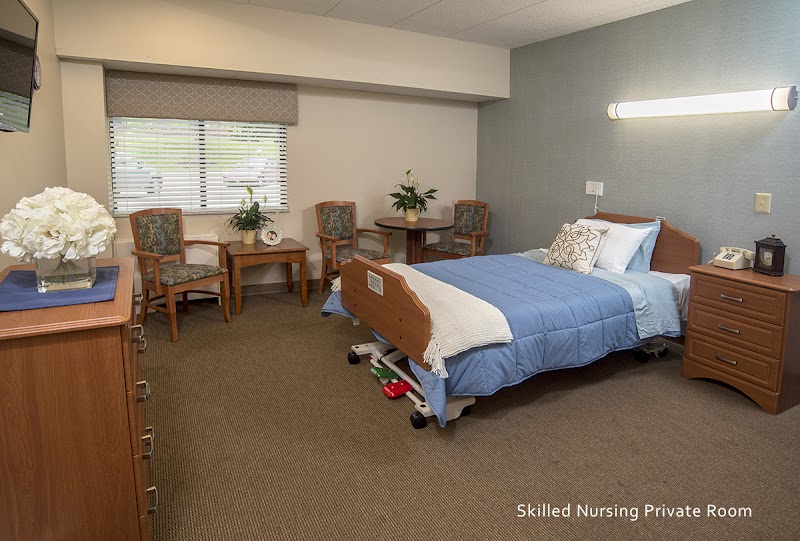
WESTERN HILLS RETIREMENT VILLAGE is owned by a for-profit company. For-profit facilities operate as businesses with obligations to shareholders or private owners. The facility is operated by CARING PLACE HEALTHCARE GROUP, a chain that manages multiple nursing homes. With 110 certified beds and approximately 100 residents (about 91% occupancy), it is a mid-sized facility located in CINCINNATI, Ohio.
How Does Western Hills Retirement Village Compare to Other Ohio Nursing Homes?

Compared to the 100 nursing homes in Ohio, WESTERN HILLS RETIREMENT VILLAGE's overall rating (4 stars) is above the state average of 3.2, staff turnover (37%) is near the state average of 46%, and health inspection rating (3 stars) is at the national benchmark.

What Should Families Ask When Visiting Western Hills Retirement Village?

Based on this facility's data, families visiting should ask: "Can you walk me through typical staffing levels on day, evening, and night shifts?" "Can I visit during a mealtime to observe dining assistance and food quality?" "How do you handle medical emergencies, and what is your hospital transfer rate?" "Can I speak with family members of current residents about their experience?" These questions are particularly relevant given the below-average staffing rating.

Is Western Hills Retirement Village Safe?

Based on CMS inspection data, WESTERN HILLS RETIREMENT VILLAGE has a clean safety record: no substantiated abuse findings (meaning no confirmed cases of resident harm), no Immediate Jeopardy citations (the most serious violation level indicating risk of serious injury or death), and is not on the Special Focus Facility watch list (a federal program monitoring the lowest-performing 1% of nursing homes). The facility has a 4-star overall rating and ranks #1 of 100 nursing homes in Ohio. While no facility is perfect, families should still ask about staff-to-resident ratios and recent inspection results during their visit.

Do Nurses at Western Hills Retirement Village Stick Around?

WESTERN HILLS RETIREMENT VILLAGE has a staff turnover rate of 37%, which is about average for Ohio nursing homes (state average: 46%). Moderate turnover is common in nursing homes, but families should still ask about staff tenure and how the facility maintains care continuity when employees leave.

Was Western Hills Retirement Village Ever Fined?

WESTERN HILLS RETIREMENT VILLAGE has no federal fines on record. CMS issues fines when nursing homes fail to meet care standards or don't correct problems found during inspections. The absence of fines suggests the facility has either maintained compliance or corrected any issues before penalties were assessed. This is a positive indicator, though families should still review recent inspection reports for the full picture.

Is Western Hills Retirement Village on Any Federal Watch List?

WESTERN HILLS RETIREMENT VILLAGE is not on any federal watch list. The most significant is the Special Focus Facility (SFF) program, which identifies the bottom 1% of nursing homes nationally based on persistent, serious quality problems. Not being on this list means the facility has avoided the pattern of deficiencies that triggers enhanced federal oversight. This is a positive indicator, though families should still review the facility's inspection history directly.