WOODS EDGE REHAB AND NURSING
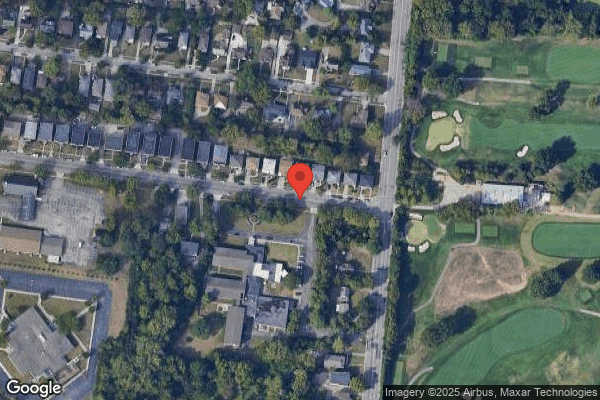
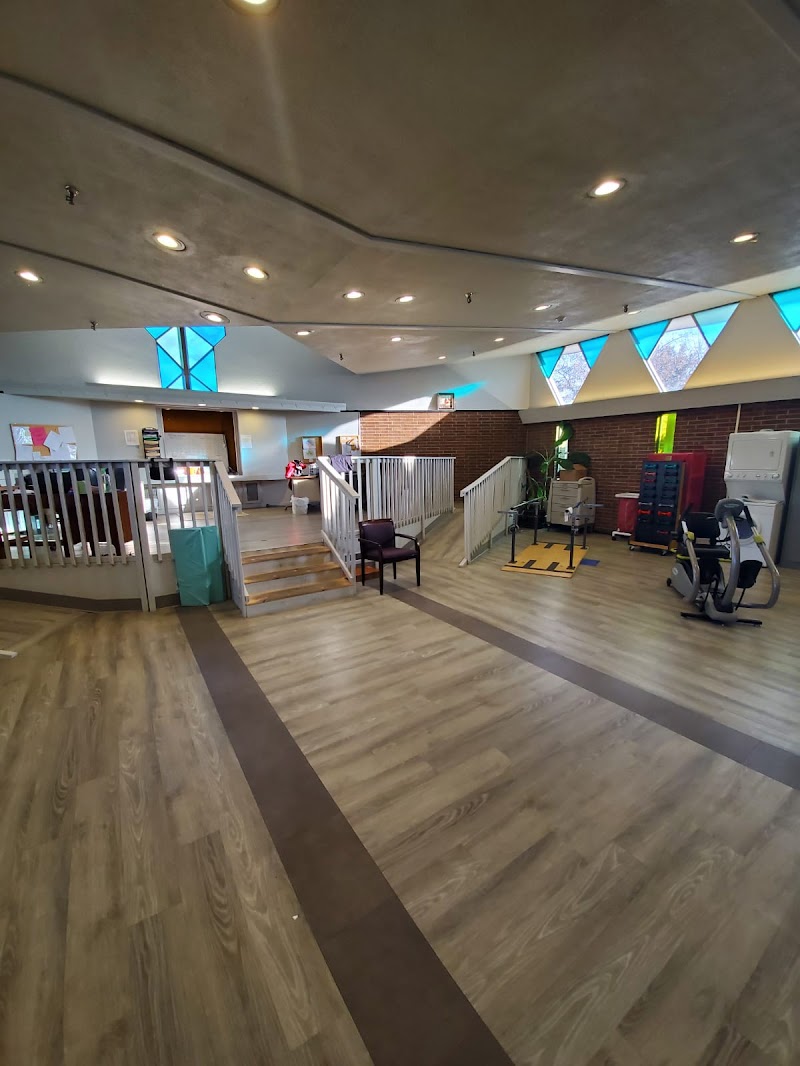
1171 TOWNE STREET, CINCINNATI, OH 45216 (513) 242-1360
For profit - Individual 93 Beds Independent Data: November 2025 1 Immediate Jeopardy citation
Trust Grade
38/100
#824 of 913 in OH
Last Inspection: February 2023

Over 2 years since last inspection. Current conditions may differ from available data.

Overview

Woods Edge Rehab and Nursing has received a Trust Grade of F, which indicates significant concerns about the facility's quality of care. Ranking #824 out of 913 facilities in Ohio places it in the bottom half, and at #62 out of 70 in Hamilton County, it is clear that only a few local options are worse. Although the facility is showing improvement with issues decreasing from 10 to 3 over the past year, it still faces serious concerns, including a critical incident where a resident suffered a severe injury after escaping the building due to inadequate supervision. Staffing is below average with a 2/5 rating, and while there are no fines on record, the RN coverage is concerning as it is lower than 95% of Ohio facilities. Families should weigh these weaknesses against the facility's strengths, such as a perfect score in quality measures, but proceed with caution given the overall poor ratings and specific incidents noted.

Trust Score
F
38/100
In Ohio
#824/913
Bottom 10%
Safety Record
High Risk
Review needed
Inspections
Getting Better
10 → 3 violations
Staff Stability
⚠ Watch
54% turnover. Above average. Higher turnover means staff may not know residents' routines.
Penalties
✓ Good
No fines on record. Clean compliance history, better than most Ohio facilities.
Skilled Nurses
⚠ Watch
Each resident gets only 17 minutes of Registered Nurse (RN) attention daily — below average for Ohio. Fewer RN minutes means fewer trained eyes watching for problems.
Violations
⚠ Watch
49 deficiencies on record. Higher than average. Multiple issues found across inspections.
★★☆☆☆
2.0
Overall Rating
★★☆☆☆
2.0
Staff Levels
★★★★★
5.0
Care Quality
★☆☆☆☆
1.0
Inspection Score
Stable
2024: 10 issues
2025: 3 issues

The Good

  • 5-Star Quality Measures · Strong clinical quality outcomes
  • Full Sprinkler Coverage · Fire safety systems throughout facility
  • No fines on record

Facility shows strength in quality measures, fire safety.

The Bad

2-Star Overall Rating

Below Ohio average (3.2)

Below average - review inspection findings carefully

Staff Turnover: 54%

Near Ohio avg (46%)

Higher turnover may affect care consistency

The Ugly 49 deficiencies on record

1 life-threatening
Sept 2025 1 deficiency 1 IJ
CRITICAL (J) 📢 Someone Reported This

A family member, employee, or ombudsman was alarmed enough to file a formal complaint

Immediate Jeopardy (IJ) - the most serious Medicare violation

Accident Prevention (Tag F0689)

Someone could have died · This affected 1 resident

**NOTE- TERMS IN BRACKETS HAVE BEEN EDITED TO PROTECT CONFIDENTIALITY** Based on medical record review, observation, staff interview, review of the facility's investigation, review of witness statemen...

Read full inspector narrative →
**NOTE- TERMS IN BRACKETS HAVE BEEN EDITED TO PROTECT CONFIDENTIALITY** Based on medical record review, observation, staff interview, review of the facility's investigation, review of witness statements, review of the facility Self-Reported Incidents (SRI), review of emergency medical services (EMS) report, review of hospital records, review of emergency room (ER) notes, review of the local weather report, and review of the facility policy, the facility failed to provide adequate supervision and implement timely interventions for exit-seeking behaviors for Resident #11, to prevent his elopement from the facility. This resulted in Immediate Jeopardy and the potential for serious life-threatening harm and/or death on [DATE] when Resident #11 broke the window and exited the secured building by jumping out of the second story window, approximately 15 feet from the ground level. Resident #11 suffered an open fracture to the left ankle as a result of the jump. This affected one (Resident #11) of three residents reviewed for elopements. The facility identified 18 residents who were at risk for elopement from the facility. The facility census was 74 residents. On [DATE] at 11:35 A.M., the Administrator, the Director of Nursing (DON), and Regional Clinical Officer (RCO) #800 were notified Immediate Jeopardy began on [DATE] at 1:40 P.M. when Resident #11 made threats to jump out a window, and 1:59 P.M. staff found Resident #11 on the ground outside the unit. Staff assessed Resident #11 and transferred Resident #11 to the hospital via emergency medical services. The Immediate Jeopardy was removed on [DATE] when the facility implemented the following corrective actions: On [DATE], the Director of Nursing (DON) and the Assistant Director of Nursing (ADON) began interviewing staff from the unit to gather statements regarding the incident. Beginning on [DATE], the DON and ADON immediately provided education to current staff on suicidal and threatening behavior protocols and interventions, behavior management, and how to deal with challenging behaviors and the need to immediately respond to resident threats of self-harm. The resident should not be left alone or out of line of sight for their safety. If the nurse does not respond, then they should notify the DON/ADON/ Administrator. On [DATE], the DON and the ADON reviewed the suicidal ideation (SI) risk assessment/questionnaire. The DON and the ADON educated staff on the abuse and neglect policies and procedures. This education was completed for all day and night shift staff working on [DATE] by approximately 7:30 P.M. Employees working on [DATE] received the education prior to their shifts. Education for current staff was completed on [DATE]. On [DATE], the DON notified staff who were not present on [DATE] and [DATE] via online communication, they must report to the DON/ADON for education before their next scheduled shift. Starting [DATE], training will continue ongoing for all employees who have not yet received it due to paid time off (PTO), sick leave, etc., and will also be provided to all new hires. On [DATE], the ADON completed suicide risk assessments and elopement assessments for all current residents on the male secured unit, and no other residents were identified with suicidal ideations or increased/current immediate elopement risk. On [DATE], the Maintenance Director (MD) audited all second-floor windows to ensure they were secured and in place with no further issues noted. Staff secured Resident #11's room to prevent re-entry and cleared glass debris from the courtyard for safety. On [DATE], the facility Administrator opened a Self-Reported Incident (SRI) and reported the incident to the Ohio Department of Health (ODH). On [DATE], the Administrator suspended Licensed Practical Nurse (LPN) #205 who was the unit nurse at the time of the incident, pending the outcome of the investigation. LPN #205 has remained suspended and/or has not worked since the incident due to being on vacation. On [DATE] at 4:30 P.M., the Administrator and the DON notified the Medical Director and a member of the governing body (GB)/Owner of the incident on [DATE] involving Resident #11. The facility then held an ad hoc Quality Assurance and Performance Improvement (QAPI) meeting by phone with the Administrator, the DON, the Medical Director and the Facility Owner. On [DATE], the Administrator and the DON completed a root cause analysis of the incident on involving Resident #11 and determined the root cause was staff did not stay with Resident #11 when the resident verbalized an intent to leave the facility by jumping out a window and LPN #205 failed to assess Resident #11 when notified by staff. On [DATE], the ADON began questioning random staff three times weekly to verify knowledge of resident safety protocols. Results are turned into the Administrator for ongoing monitoring and compliance. The ADON will continue the monitoring three times weekly for three months. Beginning on [DATE], the management team will conduct ongoing education and continue to address any issues related to suicidal and threatening behaviors. Staff have been and will continue to be questioned by the Administrator or designee on appropriate actions to take if a resident expresses an intent to harm themselves. This will be conducted three times per week for three months, and results will be reported to the QAPI committee. On [DATE], the facility Psych Nurse Practitioner (NP) #701 and outside counseling service representatives met with all residents on the secured male unit to provide support. On [DATE] at 3:23 P.M. and on [DATE] from 10:21 A.M. to 3:20 P.M., interviews with Certified Nursing Assistants (CNA) #314, #324, and #326, LPN #205, Activity Assistant (AA) #350, and Housekeeper (HK) #500, revealed all staff were educated and verbalized knowledge of the facility's elopement policies, procedures, and guidelines for monitoring residents who have been placed on one-on-one supervision. On [DATE], RCO #800 provided re-education to the current Administrator and the acting Administrator at the time of the incident on [DATE] on the importance of a thorough investigation and the need to review the accuracy and information provided by staff. On [DATE] the Administrator notified LPN #205 that after investigation LPN #205's employment was terminated. Although the Immediate Jeopardy was removed on [DATE] the facility remained out of compliance at Severity Level 2 (no actual harm with potential for more than minimal harm that is not Immediate Jeopardy) as the facility is still in the process of implementing their corrective action plan and monitoring to ensure on-going compliance. Findings include: Review of the medical record for Resident #11 revealed an admission date of [DATE] with diagnoses including traumatic brain injury (TBI), schizoaffective disorder, and severe cognitive impairment and a discharge date of [DATE]. Review of the Preadmission Screening and Resident Review (PASARR) for Resident #11 dated [DATE] revealed the resident was recommend for admission to the facility due to diagnoses of schizoaffective disorder and bipolar disorder with an intervention of one-to-one support from staff as needed. Review of the care plan for Resident #11, updated [DATE] revealed the resident had dementia/history of TBI with memory loss with symptoms including impaired decision making, poor impulse control, poor ability to control anger, resistance to care, apathetic at time, fluctuation in mood behaviors, poor short term and long term memory, alteration in mood and/or behavior as evidenced by feeling down/depressed/hopeless, showing little interest/pleasure in doing things, history of being sexually inappropriate, history of physical aggression with peers, exit seeking behaviors, and impulsivity secondary to anoxic brain injury. The goal of the care plan was Resident #11 would not elope from the facility. Interventions included the following: observe/report any changes in mental status, secured unit placement, allow resident the opportunity to express concerns and feelings through active listening, orient resident to surrounding and ensure understanding of limitations. Resident #11 was also at high risk for elopement and had a care plan for exit seeking behaviors with a goal to not harm self or others, and an intervention to provide one on one supervision as needed. Review of Minimum Data Set (MDS) for Resident #11 dated [DATE] revealed the resident #11 had severe cognitive impairment, and was coded for delusions, hallucinations, and wandering. Resident #11 was independent with mobility and transferring, Resident #11 weighed 219 pounds and was 70 inches tall. Review of the physician order dated [DATE] revealed staff were to monitor the resident every shift for signs and symptoms of self-injury or risk-taking behavior, sleep disturbance, change in appetite and to document on behaviors observed. Review of the physician order dated [DATE] was to increase the resident's dose of Zyprexa (an antipsychotic medication to treat schizophrenia) from 10 milligrams (mg) daily to 15 mg due to increased exit seeking behaviors and other changes in behaviors. Review of a psychiatry progress note for Resident #11 dated [DATE] revealed the resident was evaluated for recent behavioral changes and medication management. Recently Resident #11 had exhibited behaviors including exit-seeking, yelling at staff, threatening to break a window, and grabbing a fire extinguisher. Resident #11's Zyprexa was increased from 10 mg to 15 mg for treatment of schizoaffective disorder. Since the medication adjustment, the resident had continued to display delusions, disorganized thinking, mood swings, and paranoia but no further aggressive behaviors were reported. Review of a progress note for Resident #11 dated [DATE] at 10:07 A.M. revealed the CNA reported Resident #11 wearing nothing but his underwear had entered another resident's room without permission. The other resident yelled for Resident #11 to get out, and the CNA intervened and told Resident #11 to leave and go back to his room. Review of an EMS report for Resident #11 dated [DATE] revealed EMS responded to a call which came in on [DATE] at 1:59 P.M. with EMS arriving at 2:08 P.M. for a male who had jumped out of a window on the second floor. Upon arrival, Resident #11 was lying on the ground with a visible open fracture to left ankle with bleeding controlled. Resident #11 was transported to local hospital. Review of hospital records for Resident #11 dated [DATE] at 3:12 P.M. revealed the resident presented to the emergency room (ER) transported by EMS following a jump from a second story window. Resident #11was in a psychiatric facility in a locked unit and reportedly jumped out of a second story window when he wanted to leave the leave the facility. Resident #11's left ankle fracture required surgical fixation. Review of a written witness statement from HK #500 revealed he was working on the locked second floor unit on [DATE] mopping a resident room when Resident #11 approached him and tried to grab HK #500's nipples. HK #500 asked Resident #11 not to touch him. Resident #11 told HK #500 that all people liked having their nipples pinched. HK #500 told Resident #11 he did not like that and asked the resident not to touch him. Resident #11 then told HK #500 he was going to jump out the window and slammed his door. HK #500 then told an unnamed CNA, later identified as CNA #326 that Resident #11 threatened to jump out the window, but CNA #326 told HK #500 that Resident #11 would not jump. HK #500 then went to the locked unit's outside smoking patio to have a cigarette. Resident #11 then watched HK #500 through the observation window of the smoking patio. Resident #11 told HK #500 that he was watching him which made HK #500 feel uncomfortable, so the housekeeper put out his cigarette and left the unit by the elevator. HK #500 stated later he saw Resident #11 lying outside on the ground. During an interview on [DATE] at 3:23 P.M., AA #350 stated he was on the locked second floor unit on [DATE] from approximately 1:30 P.M. to 2:00 P.M. setting up pizza to be distributed to the residents. Resident #11 tried to take half of a pizza for himself, and AA #350 redirected Resident #11 who walked away from AA #350 but did not leave the common area. Resident #11 reapproached AA #350 and told him he was not afraid of him, and he was going to jump out the window. AA #350 stated he then told LPN #205 about Resident #11's threat to jump out the window. AA #350 then left the secured unit to deliver pizza to other units. AA #350 stated Resident #11 was found outside the building shortly after he left the locked unit, but he was not certain of the exact time. During an interview on [DATE] at 12:03 P.M., HK #500 stated Resident #11 attempted to touch him at approximately 1:40 P.M. Resident #11 then told HK #500 he was going to go out the window. HK #500 confirmed he reported Resident #11's threat to jump out the window to CNA #326. HK #500 said he then went to smoke a cigarette on the secured unit's locked smoke patio, but Resident #11 was staring at him which made the housekeeper uncomfortable, so HK #500 left the unit via the elevator. HK #500 stated as he was leaving the unit he saw LPN #205 in the nursing station, but the nurse was sleeping, and he didn't speak to the nurse about Resident #11's threat to jump out the window. HK #500 stated he reported to the administrative staff that he saw LPN #205 sleeping. During an interview on [DATE] at 12:22 P.M., LPN #205 stated earlier in the morning of [DATE] CNA #314 reported Resident #11 was in the wrong room and only wearing his underwear, which LPN #205 stated he documented. LPN #205 verified AA #350 told LPN #205 about Resident #11 trying to take more pizza and about the resident's statement about jumping out the window. LPN #205 stated Resident #11 made those kinds of statements about leaving the facility and jumping out a window in the past, and also that Resident #11 had broken a window on the unit in the past although he couldn't recall the specific date. LPN #205 confirmed Resident #11 had gone back to his room alone, the nurse did not go to observe and/or assess the resident. LPN #205 stated he was going to let the resident cool off. LPN #205 did not know how much time passed between AA #350 telling the nurse about Resident #11's threat and receiving the call that Resident #11 was found outside the unit. LPN #205 estimated it was about 30 minutes after the threat that Resident #11 was found on the ground outside the unit. LPN #205 denied being asleep at the time of the incident. LPN #205 stated he took his breaks on the unit and sometimes rested his eyes. LPN #205 stated he was written up later for being asleep. Observation on [DATE] at 1:00 P.M. revealed the room where Resident #11 had resided was locked and inaccessible to residents on the unit. Resident #11's window was a large stationary single pane four feet by four feet with two smaller windows, one on each side, that opened by swinging out a few inches to allow air flow, but not wide enough to allow egress. The large stationary window was broken horizontally in half, about two feet up from the lower edge. There was no evidence of a tool or piece of furniture used to break the glass. During an interview on [DATE] at 2:18 P.M., CNA #324 stated she was training CNA #326 on [DATE], because it was CNA #326's first day on the unit. They were providing incontinence care to another resident so she was not in the common area when everything with Resident #11 occurred. CNA #324 stated she felt Resident #11 had been off, and was not himself that day. CNA #324 confirmed she had told LPN #205 earlier in the day about her concerns about Resident #11's demeanor the day of the incident. During an interview on [DATE] at 2:55 P.M., CNA #314 stated he heard a resident yelling at Resident #11 to get out of his room on the morning of [DATE] and the CNA was able to redirect the resident. CNA #314 stated Resident #11 then offered to give the CNA money if he could help the resident to escape the facility. CNA #314 talked with Resident #11 and convinced him to stay at the facility. CNA #314 stated he told LPN #205 about Resident #11's desire to escape from the facility. CNA #314 stated Resident #11 had mentioned leaving the unit through a window before but had never acted on the statements. CNA #314 confirmed on [DATE] Resident #11 had been fixated on leaving the building. CNA #314 confirmed he was at lunch and not on the unit when Resident #11 jumped out the window. During an interview on [DATE] at 3:20 P.M., CNA #326 stated he was working with CNA #324 and went to get items to help a resident get up for the day. CNA #326 stated HK #500 had told him about Resident #11's sexual inappropriateness but had not mentioned Resident #11's threat to jump out the window. CNA #326 stated if he had known about Resident #11's threat to jump out the window, he would have told LPN #205 immediately and stayed with Resident #11 as per the facility training for resident safety. CNA #326 stated he felt the situation was avoidable had LPN #205 not dismissed CNA #324's concerns. CNA #326 could not confirm if LPN #205 was sleeping at the time Resident #11 jumped out the window, but CNA #326 had seen LPN #205 with his head down on the desk in the nursing station. During an interview on [DATE] at 9:00 A.M., NP #700 stated on [DATE] at approximately 1:58 P.M. she found Resident #11 lying on the ground outside the building and it appeared he had fallen from the second story out the window which was broken. NP #700 stated Resident #11 told her that he had been mad and wanted to leave the facility, and he knew the doors would not open, so he decided to go through the window. NP #700 called 911 and the resident went to the hospital. During an interview on [DATE] at 1:05 P.M., RCO #800 stated he felt the investigation of the incident involving Resident #11 could have been more thorough. RCO #800 stated he wasn't in town when the situation occurred, which made it difficult for him to assist the acting Administrator on [DATE] in the investigation. RCO #800 stated the acting Administrator on [DATE] had moved to serve as the Administrator of a sister facility when the current Administrator started working at the facility. RCO #800 felt there was a lack of supervision by LPN #205, which became more apparent with additional review. RCO #800 stated LPN #205 was terminated for failure to provide adequate quality of care to the nursing standard, because the nurse left Resident #11 left alone during a behavioral outburst. RCO #800 stated on [DATE] he re-educated the current Administrator and the acting Administrator at the time of the incident on the importance of a thorough investigation and the need to review the accuracy and information provided by staff. During an interview on [DATE] at 2:00 P.M., the Administrator stated she had not started employment with the facility until after the incident with Resident #11 occurred. The Administrator stated the original investigation which was conducted by the acting Administrator on [DATE] could have been tighter. The Administrator felt LPN #205 changed his story as the surveyor's investigation progressed and the administration asked follow-up questions. LPN #205 left the country on a planned leave of absence within a few days after [DATE] and was not available for questioning again until [DATE]. The Administrator confirmed the incident involving Resident #11 occurred due to to lack of adequate supervision of Resident #11 on [DATE]. The Administrator confirmed the facility did not have a policy regarding supervision of residents threatening to harm themselves or others. However, the facility did have training documents regarding resident safety and supervision during a behavioral emergency. The Administrator confirmed staff were trained upon hire to not leave residents unattended if they threaten to hurt themselves or others and the onboarding training document was used in staff re-education following the incident on [DATE]. Review of the facility SRI regarding the incident with Resident #11 dated [DATE] at 4:44 P.M. revealed the facility initiated an investigation of an allegation of abuse/neglect when the Resident #11 threatened to staff that he was going to break a window and jump out. The brief description of the incident indicated Resident #11 who resides in a secured male unit, who has a history of an anoxic brain injury, schizoaffective disorder, has impulsivity, and poor decision-making impairments threw himself through a plated glass window causing a fall onto the ground. The facility concluded the investigation on [DATE] at 2:09 P.M., but did not substantiate neglect, due to the resident's behaviors and impulsivity. Review of the weather report for [DATE] at 2:00 P.M. revealed a temperature of 79 degrees Fahrenheit (F), mostly clear, with no precipitation. Review of the facility policy titled Elopement Prevention and Management Unsafe Wandering and Exit Seeking Behavior dated [DATE] revealed the facility strives to prevent resident elopement and would develop a care plan and implement individualized interventions to prevent elopement. Review of the facility training document undated and untitled used for onboarding new hires and used again in the facility safety re-education initiated on [DATE] revealed a resident threatening to hurt themselves or others was a mental health crisis requiring immediate intervention. Immediate actions included the following: do not leave the resident alone, maintain continuous observation of the resident, do not leave the resident unsupervised, call for backup immediately, use a code word (Code 4-behavioral emergency) to discreetly alert staff, supervisor, and security. Further review of the document revealed even if staff felt the resident would not commit to hurting themselves or someone else, the threat should be reported immediately to the Administrator and the DON, and the resident should be placed on one-on-one supervision. This deficiency represents noncompliance at investigated under Complaint Number 2614502.
Apr 2025 1 deficiency
CONCERN (D) 📢 Someone Reported This

A family member, employee, or ombudsman was alarmed enough to file a formal complaint

Potential for Harm - no one hurt, but risky conditions existed

Pharmacy Services (Tag F0755)

Could have caused harm · This affected 1 resident

**NOTE- TERMS IN BRACKETS HAVE BEEN EDITED TO PROTECT CONFIDENTIALITY** Based on medical record review, review medication administration records and controlled drug records, staff interview, and polic...

Read full inspector narrative →
**NOTE- TERMS IN BRACKETS HAVE BEEN EDITED TO PROTECT CONFIDENTIALITY** Based on medical record review, review medication administration records and controlled drug records, staff interview, and policy review, the facility failed to ensure administration of a narcotic pain medication was documented on the medication administration record. This affected one (#13) of three residents reviewed for medication administration documentation. The facility census was 83. Findings include: Review of the medical record revealed Resident #13 was admitted to the facility on [DATE] with diagnoses of Alzheimer's disease, osteoporosis, uterine cancer, and chronic pain. Review of the Minimum Data Set (MDS) quarterly assessment dated [DATE] revealed Resident #13 had severe cognitive impairment and was frequently incontinent of bowel and bladder. The resident required supervision with eating and was dependent for oral and personal hygiene, toileting, bathing, dressing, bed mobility, and transfers. Review of the census profile revealed Resident #13 transitioned to hospice services on 08/14/24. Review of physician orders revealed Resident #13 had an order dated from 08/14/24 to 02/27/25 for the administration of the narcotic pain medication morphine sulfate solution 20 milligrams per milliliter (mg/ml) with instructions to give five (5) mg by mouth every four hours as needed for pain/dyspnea (0.25 ml). The order was renewed on 02/27/25. Review of the September 2024 medication administration record (MAR) revealed Resident #13 received one documented dose of morphine administered on 09/27/24 at 10:41 A.M. by Licensed Practical Nurse (LPN) #405. Review of the controlled drug record for Resident #13's physician ordered morphine sulfate solution revealed doses were signed out on 09/15/24 at 9:00 P.M., on 09/27/24 at 12:00 P.M. and 5:00 P.M., on 09/28/24 at 7:20 P.M., and on 09/29/24 at 7:58 P.M. Review of the October 2024 MAR revealed Resident #13 received two documented doses of morphine on 10/03/24 at 5:55 P.M. by LPN #410 and 10/08/24 at 12:35 P.M. by LPN #410. Review of the controlled drug record for Resident #13's physician ordered morphine sulfate solution revealed doses were signed out on 10/01/24 at 6:00 P.M., on 10/03/24 at 6:00 P.M.,on 10/04/24 at 7:20 P.M., on 10/07/24 at 9:00 A.M. and 9:30 P.M., on 10/08/24 at 12:00 P.M., and on 10/09/24 at 9:15 P.M. Review of the December 2024 MAR revealed Resident #13 received two documented doses of morphine on 12/02/24 at 5:40 P.M. by LPN #410 and 12/23/24 at 4:17 P.M. by LPN #420. Review of the controlled drug record for Resident #13's physician ordered morphine sulfate solution revealed doses were signed out on 12/02/24 at 1:00 P.M., on 12/05/24 at 3:00 P.M., and on 12/23/24 at 4:00 P.M. Interview on 04/10/25 at 3:40 P.M. with the Director of Nursing (DON) verified medications must be administered to residents as ordered by the physician and documented in the MAR when given. The DON verified the discrepancies with Resident #13's morphine controlled drug records and MARs for the months of September, October, and December 2024 on the aforementioned dates. Review of the undated policy titled, Medication Administration, revealed medications are to be documented on the medication administration record (MAR) as soon as the medications are given. This deficiency represents non-compliance investigated under Complaint Number OH00163953.
Mar 2025 1 deficiency
CONCERN (F) 📢 Someone Reported This

A family member, employee, or ombudsman was alarmed enough to file a formal complaint

Potential for Harm - no one hurt, but risky conditions existed

Food Safety (Tag F0812)

Could have caused harm · This affected most or all residents

Based on observation, staff interview, and policy review, the facility failed to properly label prepared foods in the refrigerator. This had the potential to affect all residents residing in the facil...

Read full inspector narrative →
Based on observation, staff interview, and policy review, the facility failed to properly label prepared foods in the refrigerator. This had the potential to affect all residents residing in the facility who receive food from the kitchen. The facility census was 85. Findings include: Observation and interview on 03/18/25 at 8:53 A.M. with Kitchen Supervisor (KS) #43 revealed during a tour of the kitchen, there were two trays of sandwiches, one tray of bowls of mandarin oranges, and three trays of cups of juice that were not labeled or dated inside the refrigerator. KS #43 verified the two trays of sandwiches, one tray of bowls of mandarin oranges, and three trays of cups of juice were not labeled or dated. KS #43 stated they should be labeled and dated. Review of the facilities Dietary/Food Handling policy dated 01/2023 revealed food is to be dated and labeled upon arrival from vendor and/or upon preparation date. This deficiency represents non-compliance investigated under Complaint Number OH00162926.
Nov 2024 2 deficiencies
CONCERN (D) 📢 Someone Reported This

A family member, employee, or ombudsman was alarmed enough to file a formal complaint

Potential for Harm - no one hurt, but risky conditions existed

Accident Prevention (Tag F0689)

Could have caused harm · This affected 1 resident

**NOTE- TERMS IN BRACKETS HAVE BEEN EDITED TO PROTECT CONFIDENTIALITY** Based on staff interviews, observations and record review, the facility failed to provide adequate supervision to prevent the el...

Read full inspector narrative →
**NOTE- TERMS IN BRACKETS HAVE BEEN EDITED TO PROTECT CONFIDENTIALITY** Based on staff interviews, observations and record review, the facility failed to provide adequate supervision to prevent the elopement of one (#59) of the three residents reviewed. The facility census was 90. Findings Include: Review of the medical record for Resident #59 revealed the resident was admitted to the facility on [DATE]. Diagnoses included schizophrenia, dementia, chronic obstructive pulmonary disease (COPD), diabetes, drug abuse, and tobacco use. Review of a physician order dated 01/24/24 for Resident #59, revealed the resident was ordered to be on a secured unit due to vascular dementia and schizophrenia. Review of the Minimum Data Set (MDS) assessment dated [DATE], revealed Resident #59 had moderately impaired cognition and was independent for ambulation. The resident resided on a secured behavior unit. Review of the most recent care plan for Resident #59, revealed the resident resided on a secured unit to promote the resident's safety related to cognitive impairment, elopement risk, exit seeking behaviors, and wandering. Review of an unsigned /unlocked nurse's note dated 11/03/24 at 9:45 P.M. and authored by Licensed Practical Nurse (LPN) #500, revealed she was completing medication administration on A-Wing when she heard a noise coming from the 200-Hall door which leads to the second-floor secured unit. When LPN #500 opened the door, STNA #216 was in the stairwell asking if she had seen Resident #59 come down the stairs. STNA #216 stated Resident #59 was missing from the smoking room. The staff immediately searched inside and outside of the faciity and was unable to locate the resident. STNA #216 reported the police were outside the facility investigating a possible break in when they called the facility about the person they found walking around. The facility described the missing resident, and the police returned the resident within 15 minutes. The resident's assessment revealed no injuries and all vital signs within normal limits. The resident was returned to the secured unit and placed on 15-minutes checks by staff. All notifications were made to the responsible party and the physician, with no new orders. Review of the facility elopement investigation dated 11/03/24 completed by the Assistant Director of Nursing, (ADON) #304, revealed she was called by the staff on 11/03/24 around 10:00 P.M. indicating Resident #59 was missing from the facility. Resident #59 had been observed at 9:30 P.M. by State Tested Nurse Aide (STNA) #216 in the smoking area. STNA #216 provided the Resident #59 with an unlit cigarette and upon lighting his cigarette, he was gone from the area. Resident #59 was returned to the facility 40 minutes later by the police after they found him walking around near the facility. When ADON #340 arrived at the facility, the police and Resident #59 were standing outside the facility. he investigation revealed the Resident #59 had taken a stairwell exit to the exterior of the facility while the STNA #216 was in an adjacent resident smoking room. The resident returned to the facility with no injuries upon return. Review of the witness statement by STNA #216 dated 11/03/24, revealed Resident #59 was in the smoking room on the second floor and was given a cigarette. When STNA #216 went to light the resident's cigarette, he was not present in the room. STNA #216 indicated the resident went down a set of stairs to a door at the bottom of the stairs near A-wing which led to the courtyard. Resident #59 exited the courtyard and off the premises. The staff started searching for him and couldn't find him when the authorities brought him back. Review of witness statement by LPN #500 dated 11/03/24, revealed at approximately 9:45 P.M., she heard a pulling noise coming from the 100-hall side door. When LPN #500 got to the door, STNA #216 was in stairwell looking for Resident #59. STNA #216 indicated Resident #59 was not in the smoking room and walked down the stairs. The staff searched the inside and outside of the facility. LPN #500 reported STNA #216 called her and indicated the local police called the facility indicating there was a potential break in next to the facility and inquired about any missing residents . When STNA #216 provided the description of the resident, the police officer verified it was Resident #59. LPN #500 went to the area where Resident #59 was found, and the police returned him to the facility at 10:15 P.M. Interview on 11/05/24 at 11:23 A.M. with the ADON #304 and the Administrator verified on 11/03/24 at 9:30 P.M. Resident #59 eloped from the facility through a stairwell adjacent to the resident smoke room, being supervised by STNA #216. Resident #59 returned to the facility by the policy without injury on 11/03/24 at 10:15 P.M. put on one-on-one increased checks.
CONCERN (E) 📢 Someone Reported This

A family member, employee, or ombudsman was alarmed enough to file a formal complaint

Potential for Harm - no one hurt, but risky conditions existed

Menu Adequacy (Tag F0803)

Could have caused harm · This affected multiple residents

Based on interview, observations and record review, the facility failed to serve specialized diets as planned by the Registered Dietitian (RD). This affected 15 residents, (#01, #15, #20, #21, #22, #3...

Read full inspector narrative →
Based on interview, observations and record review, the facility failed to serve specialized diets as planned by the Registered Dietitian (RD). This affected 15 residents, (#01, #15, #20, #21, #22, #32, #41, #52, #61, #66, #67, #69, #72, #77, and #87) of the 89 residents receiving food from the kitchen. The facility census was 90. Findings Include: Review of the physician orders revealed Residents #01 and #69 had diet orders for puree food texture consistency. Residents #15, #20, #21, #22, #32, #41, #52, #61, #66, #67, #72, #77, and #87 had physician orders for a mechanical soft food texture consistency. Review of the lunch menu diet spreadsheet revealed the puree texture diet was to be served puree green beans. The mechanical foods texture diets were to be served green beans. Observation on 11/04/24 at 11:40 A.M. of the lunch meal service revealed the puree texture diets of Resident #01 and #69 and mechanical soft texture diets for Residents #15, #20, #21, #22, #32, #41, #52, #61, #66, #67, #72, #77, and #87 received no green beans or other like vegetable. Interview on 11/04/24 at 11:40 A.M., [NAME] #41 verified Residents #01, #15, #20, #21, #22, #32, #41, #52, #61, #66, #67, #69, #72, #77, and #87 did not receive green beans or any other like vegetable. The [NAME] #41 stated she did not know the puree and mechanical soft diets were to receive green beans as the planned texture vegetable because she had not reviewed and followed the diet spreadsheet. [NAME] #41 verified the diet menu spreadsheet was available for review during meal preparation for all diets planned by the Registered Dietitian. Interview on 11/04/24 at 12:00 P.M. the RD #600 verified the diet spreadsheet is available for the cooks to prepare the textured diet foods. RD #600 verified Residents #01, #15, #20, #21, #22, #32, #41, #52, #61, #66, #67, #69, #72, #77, and #87 were not served the correct alternate food for the puree and mechanical soft food textures. Review of facility policy Spreadsheet Guidelines for Menu Planning,, dated 2024, revealed spreadsheets are designed to meet therapeutic requirements. The [NAME] is to refer to the spreadsheet for details in preparing therapeutic diet foods as ordered by the physician. This deficiency represents non-compliance investigated under Complaint Number OH00158767 and Complaint Number OH00158338.
Jun 2024 6 deficiencies
CONCERN (D) 📢 Someone Reported This

A family member, employee, or ombudsman was alarmed enough to file a formal complaint

Potential for Harm - no one hurt, but risky conditions existed

Deficiency F0557 (Tag F0557)

Could have caused harm · This affected 1 resident

Based on observation, staff interview, and policy review, the facility failed to ensure residents were fed in a safe and dignified manner. This affected one (Resident #64) of one resident reviewed for...

Read full inspector narrative →
Based on observation, staff interview, and policy review, the facility failed to ensure residents were fed in a safe and dignified manner. This affected one (Resident #64) of one resident reviewed for dignity. This had the potential to affect all 89 residents in the facility. Findings include: During an observation on 06/03/24 at 12:21 P.M., State Tested Nursing Assistant (STNA) #300 was standing in the hallway at the nurse station on the 400-hall feeding Resident #64. Resident #64 was seated in a reclining geri-chair facing away from the nurse station. STNA #300 was standing behind Resident #64, reaching around him and putting food into his mouth. There was a cart containing trays for the lunch meal approximately three feet away from the resident's geri-chair. There was no chair in the vicinity for STNA #300 to sit on. During an interview at the time of the observation, STNA #300 verified she was standing to feed Resident #64 and was not facing him as she fed him. STNA #300 stated she was standing to feed Resident #64 because the cart was in her way. STNA #300 did not say why she was not facing the resident to feed him. Review of the facility policy titled, Resident Rights and Dignity, undated, revealed all residents should be treated in a dignified manner. This deficiency is based on incidental findings discovered during the course of this complaint investigation.
CONCERN (D) 📢 Someone Reported This

A family member, employee, or ombudsman was alarmed enough to file a formal complaint

Potential for Harm - no one hurt, but risky conditions existed

Quality of Care (Tag F0684)

Could have caused harm · This affected 1 resident

**NOTE- TERMS IN BRACKETS HAVE BEEN EDITED TO PROTECT CONFIDENTIALITY** Based on record review, observation, and interview, the facility failed to ensure a resident's compression stockings were applie...

Read full inspector narrative →
**NOTE- TERMS IN BRACKETS HAVE BEEN EDITED TO PROTECT CONFIDENTIALITY** Based on record review, observation, and interview, the facility failed to ensure a resident's compression stockings were applied as ordered to treat edema. This affected one (Resident #80) of three residents reviewed for edema. The facility census was 89. Findings include: Review of the medical record revealed Resident #80 was admitted on [DATE]. Diagnoses included nerve root and plexus disorder, wernicke's encephalopathy, alcohol abuse with alcohol-induced sleep disorder, insomnia, legal blindness, depression, anxiety, and iron deficiency anemia. Resident #80 had a physician order 05/24/24 to apply compression wraps to bilateral lower extremities, on in the morning, off at night. During an observation on 06/03/24 at 12:27 P.M., Resident #80 had swelling in her legs and was not wearing any compression hose. During interview at the time of the observation, Resident #80 stated she asked for compression hose, however had not been provided with any. During an observation on 06/03/24 at 5:04 P.M., Resident #80 was not wearing any compression hose. During an interview on 06/03/24 at 5:06 P.M., Licensed Practical Nurse (LPN) #400 verified Resident #80 had an order to apply compression hose but did not have compression hose applied. LPN #400 stated Resident #80 did not ask about having them applied nor did she try to apply them, however she was told the resident sometimes refuses to have them applied. LPN #400 affirmed there was no documentation regarding Resident #80's refusal to wear the compression hose for 06/03/24. LPN #400 stated the nurse was responsible for ensuring the compression hose were applied as there was a physician's order for them to be applied. During an observation on 06/04/24 at 12:25 P.M., Resident #80 was observed sitting on the edge of her bed. The resident had edema in her legs and was not wearing compression hose. Resident #80 stated nobody had offered to apply the compression hose. During observations on 06/04/24 at 2:06 P.M., 2:30 P.M., and 4:00 P.M., Resident #80 was sitting up in her wheelchair in her room and in the hallways and was not wearing compression hose. During an interview on 06/04/24 at 4:00 P.M., LPN #400 verified Resident #80 was not wearing compression hose. LPN #400 stated she talked with night shift about the compression hose and was, again, told the resident sometimes refused to have them applied, but stated she did not attempt to apply Resident #80's compression hose on 06/04/24. LPN #400 further verified she did not document anything in the medical record about Resident #80's refusal to wear the compression hose. This deficiency represents non-compliance investigated under Complaint Number OH00153742.
CONCERN (D) 📢 Someone Reported This

A family member, employee, or ombudsman was alarmed enough to file a formal complaint

Potential for Harm - no one hurt, but risky conditions existed

Deficiency F0712 (Tag F0712)

Could have caused harm · This affected 1 resident

Based on record review, interview and policy review, the facility failed to ensure residents were seen by the physician as required. This affected one (Resident #80) of three residents reviewed for ph...

Read full inspector narrative →
Based on record review, interview and policy review, the facility failed to ensure residents were seen by the physician as required. This affected one (Resident #80) of three residents reviewed for physician visits. The facility census was 89. Findings include: Review of the medical record of Resident #80 revealed an admission date of 03/27/24. Diagnoses included nerve root and plexus disorder, wernicke's encephalopathy, alcohol abuse with alcohol-induced sleep disorder, insomnia, legal blindness, depression, anxiety, and iron deficiency anemia. Review of the comprehensive Minimum Data Set (MDS) assessment, dated 04/02/24, revealed the resident had moderately impaired cognition. Review of facility physician, physician assistant (PA), and nurse practitioner (NP) visits revealed Resident #80 was seen by the physician on 03/29/24, physician assistant on 04/05/24, and the nurse practitioner on 05/24/24 and 05/30/24. During an interview on 06/04/24 at 10:52 A.M., the Director of Nursing (DON) verified Resident #80 was not seen by the physician as required. The DON verified residents should been seen at least every 30 days during the first 90 days of their admission. During interview on 06/04/24 at 12:08 P.M., the DON stated the physician tried to see Resident #80 two weeks ago but she would not get off the phone The physician tried again today 06/04/24 and the resident would not get off the phone. Interview on 06/04/24 at 2:26 P.M., Medical Director (MD) #420 verified she had not seen Resident #80 since her initial visit. MD #420 stated she attempted to see Resident #80 last month but she was on the phone and did not want to participate in a medical visit. MD #420 stated she was in the facility on the morning of 06/04/24 but did not try to see Resident #80 that day, nor had she tried to see the resident after the resident refused to participate in the medical visit during the prior month. Review of the facility policy titled, Physician Visits, dated 01/2024, revealed the physician will see the resident once every 30 days for the first 90 days after admission. After the initial physician visit, a qualified NP or PA may make every other required visit.
CONCERN (F) 📢 Someone Reported This

A family member, employee, or ombudsman was alarmed enough to file a formal complaint

Potential for Harm - no one hurt, but risky conditions existed

Menu Adequacy (Tag F0803)

Could have caused harm · This affected most or all residents

Based on observation, record review and interview, the facility failed to ensure menus were followed and residents were notified of menu changes prior to the meal. This had the potential to affect 88 ...

Read full inspector narrative →
Based on observation, record review and interview, the facility failed to ensure menus were followed and residents were notified of menu changes prior to the meal. This had the potential to affect 88 of 89 residents. The facility identified one Resident (Resident #33) who did not receive food from the kitchen. The facility census was 89. Findings include: During observations on 06/03/24 between 10:50 A.M. and 11:10 A.M., the menus posted on each unit indicated the residents were to receive turkey and rice casserole, green peas, and a biscuit for the supper meal on 06/03/24 and were to receive a baked pork chop, stuffing, green beans, and a dinner roll for the supper meal on 06/02/24. Review of the menu for the current week had had turkey and rice casserole, green peas, and a biscuit for the supper meal on 06/02/24. Review of the Daily Menu for 06/02/24 listed a baked pork chop, stuffing, green beans, and a dinner roll for supper The menu for 06/03/24 had turkey and rice casserole, green peas, and a biscuit for the supper meal. During an observation on 06/03/24 at 4:44 P.M., the tray line had shredded pork, potatoes with peas, and a roll for the supper meal. During an interview on 06/03/24 at 4:46 P.M., Dietary Supervisor (DS) #405 stated the residents were not being served the turkey and rice casserole, green peas, and a biscuit as was on the menu. DS #405 stated she ran out of biscuits and the turkey and rice casserole meal was served on 06/02/24 because the meal scheduled for 06/02/24 had not been taken out to thaw. DS #405 stated menus are posted on all units and verified the posted menu did not match what was served on 06/02/24 and 06/03/24 at the supper meals. DS #405 verified the residents had not been notified of the menu changes prior to the meals and further verified residents should be notified of menu changes prior to the meal. This deficiency is based on incidental findings discovered during the course of this complaint investigation.
CONCERN (F) 📢 Someone Reported This

A family member, employee, or ombudsman was alarmed enough to file a formal complaint

Potential for Harm - no one hurt, but risky conditions existed

Deficiency F0804 (Tag F0804)

Could have caused harm · This affected most or all residents

Based on observation, record review and interview, the facility failed to ensure recipes were followed and that the food was visually appealing. This had the potential to affect 88 of 89 residents. Th...

Read full inspector narrative →
Based on observation, record review and interview, the facility failed to ensure recipes were followed and that the food was visually appealing. This had the potential to affect 88 of 89 residents. The facility identified one resident (Resident #33) who did not receive meals from the kitchen. The facility census was 89. Findings include: Review of the menu for the current week revealed the residents were to receive an open-faced turkey sandwich with gravy, roasted potatoes, and a California vegetable blend for lunch on 06/03/24. Review of the daily menu for 06/03/24 revealed the residents were to receive an open faced turkey sandwich with gravy, mashed potatoes, and a California vegetable blend. Review of the recipe revealed the open faced turkey sandwich was to consist of a slice of toast with three ounces of sliced turkey, mashed potatoes on top of the turkey, and turkey gravy over the sandwich. During observations on 06/03/24 between 12:10 P.M. and 1:00 P.M., residents on all units received a piece of white bread with a chopped meat with a reddish-brown gravy served on top with mashed potatoes and mixed vegetables on the side. During an interview on 06/03/24 at 12:19 P.M., Resident #66 stated the meal looked like dog food and she was not going to eat it. During an interview on 06/03/24 at 12:22 P.M., Resident #71 looked at the meal she had just been served, and pushed it away and stating it looked awful and she would not eat it. During an interview on 06/03/24 at 12:27 P.M., Resident #80 stated the meal did not look at all appetizing. During an observation on 06/03/24 at 12:42 P.M., Resident #38 looked at the contents of the plate as staff served it. He stated it looked gross and immediately asked for a peanut butter and jelly sandwich. During an interview on 06/04/24 at 9:00 A.M., Dietary Supervisor (DS) #405 verified the recipe for the open face turkey sandwich did not match what was served at lunch on 06/03/24. Meat was cubed instead of sliced and the gravy was dark/red in color and did not appear to be turkey gravy. DS #405 stated the correct food had not been taken out to thaw. This deficiency represents non-compliance investigated under Complaint Number OH00153742.
CONCERN (F) 📢 Someone Reported This

A family member, employee, or ombudsman was alarmed enough to file a formal complaint

Potential for Harm - no one hurt, but risky conditions existed

Food Safety (Tag F0812)

Could have caused harm · This affected most or all residents

Based on observation, interview and policy review, the facility failed to ensure employees wore hair nets while preparing and serving food and beverages. This had the potential to affect 88 of 89 resi...

Read full inspector narrative →
Based on observation, interview and policy review, the facility failed to ensure employees wore hair nets while preparing and serving food and beverages. This had the potential to affect 88 of 89 residents. The facility identified one resident (Resident #33) who did not receive food from the kitchen. The facility census was 89. Findings include: During an observation on 06/03/24 at 4:28 P.M., Dietary Aide (DA) #415 was standing at the juice machine in the kitchen, pouring drinks, in preparation for the dinner meal. DA #415 was not wearing a hairnet. During interview at the time of the observation, Dietary Supervisor (DS) #405 verified DA #415 was not wearing a hairnet and told DA #415 to go put a hairnet on. During an observation on 06/03/24 at 4:29 P.M., DA #415 put a hairnet on, however his braids were not fully covered. During observation on 06/03/24 at 4:34 P.M., Dietary [NAME] (DC) #430 was standing at the steam table stirring the food that would be served for the dinner meal. DC #430 was wearing a hairnet, however her braids were sticking outside of the hairnet, not fully covered. During an observation on 06/03/24 at 4:42 P.M., DC #430 plated food for the meal and DA #415 placed drinks and silverware on the trays. DA #415 and DC #430 wore hairnets but their braids were not secured beneath the hairnets. During an interview on 06/03/24 at 4:49 P.M., DS #405 verified DA #415 and DC #430 did not have their hair fully covered and affirmed all hair should be contained within the hairnet. Review of the facility policy titled, Dietary/Food Handling, dated 01/2023, revealed hairnets must be worn in food service areas.
Mar 2024 2 deficiencies
CONCERN (D) 📢 Someone Reported This

A family member, employee, or ombudsman was alarmed enough to file a formal complaint

Potential for Harm - no one hurt, but risky conditions existed

Safe Environment (Tag F0921)

Could have caused harm · This affected 1 resident

**NOTE- TERMS IN BRACKETS HAVE BEEN EDITED TO PROTECT CONFIDENTIALITY** Based on record review, observations, staff interviews, and review of facility policy, the facility failed to provide a clean, s...

Read full inspector narrative →
**NOTE- TERMS IN BRACKETS HAVE BEEN EDITED TO PROTECT CONFIDENTIALITY** Based on record review, observations, staff interviews, and review of facility policy, the facility failed to provide a clean, sanitary, and homelike environment. This affected one (#15) resident of the three residents reviewed for environment. The facility census was 86. Findings include: Record review for Resident #15, revealed the resident was admitted on [DATE]. Diagnoses included, but not limited to, schizoaffective disorder, constipation, diabetes mellitus, and chronic back pain. Review of the Minimum Data Set (MDS) assessment dated [DATE] for Resident #15 revealed the resident had significant cognitive deficits and required supervision with activities of daily living (ADLs). Interview with Resident #15 on 03/25/24 at 2:00 P.M. revealed there were bugs in his room all the time. Observation at the same time revealed four roaches crawling on the floor and one roach was crawling up the wall. Resident #15 killed them all. Interview with Licensed Practical Nurse (LPN) #66 on 03/25/24 at 2:30 P.M. reported there had been problems with roaches on the unit for a while and when the pest control company comes to treat the facility, they only spray the room with the roaches, and they seem to migrate to another room. Review of the 07/01/22 facility policy titled Cleaning of Resident Rooms revealed staff should remain alert for evidence of rodent activity (droppings) and report such findings to the Environmental Services Director. This deficiency represents noncompliance investigated under Complaint Number OH00151838 and Complaint Number OH00151129.
CONCERN (E) 📢 Someone Reported This

A family member, employee, or ombudsman was alarmed enough to file a formal complaint

Potential for Harm - no one hurt, but risky conditions existed

Food Safety (Tag F0812)

Could have caused harm · This affected multiple residents

Based on observations, staff interviews, and review of facility policy, the facility failed to store, prepare, distribute, and serve food in accordance with professional standards for food service saf...

Read full inspector narrative →
Based on observations, staff interviews, and review of facility policy, the facility failed to store, prepare, distribute, and serve food in accordance with professional standards for food service safety. This had the potential to affect all but one resident (#17) who facility identified as not receiving food from the kitchen. The facility census was 86. Findings include: Observation of the kitchen on 03/25/24 at 8:50 A.M. with the Admissions Director (AD) #60 revealed Kitchen Aide (KA) #55 was not wearing a hair net while working in the kitchen. Interview with AD #60 at the same time verified KA #55 was not wearing a hairnet while working in the kitchen. Observation of the kitchen on 03/26/24 at 9:03 A.M. with Kitchen Director (KD) #56 revealed KA #54 was wearing a hairnet; however, KA #54's hair hung down and extended outside of the hair net. Interview at the same time with KD #56 verified KA #54's hair hung down and outside of the hairnet. KD #56 verified Resident #17 was the only resident who did not receive food from the kitchen. Review of the 01/01/23 facility policy titled Dietary/Food Handling revealed clean uniforms must be worn daily and hairnets or caps must be worn in food service areas. This deficiency represents noncompliance investigated under Complaint Number OH00151129.
Nov 2023 1 deficiency
MINOR (B) 📢 Someone Reported This

A family member, employee, or ombudsman was alarmed enough to file a formal complaint

Minor Issue - procedural, no safety impact

Deficiency F0729 (Tag F0729)

Minor procedural issue · This affected multiple residents

**NOTE- TERMS IN BRACKETS HAVE BEEN EDITED TO PROTECT CONFIDENTIALITY** Based on review of personnel records and staffing schedules, staff interview, and review of the State of Ohio Nurse Aide Registr...

Read full inspector narrative →
**NOTE- TERMS IN BRACKETS HAVE BEEN EDITED TO PROTECT CONFIDENTIALITY** Based on review of personnel records and staffing schedules, staff interview, and review of the State of Ohio Nurse Aide Registry, the facility failed to ensure a state tested nursing assistant's (STNA) registration was not expired. This affected one (STNA #10) of three personnel files reviewed. This had the potential to affect sixteen residents (#1, #2, #3, #4, #5, #6, #7, #8, #9, #10, #11, #12, #13, #14, #15, and #16) that STNA #10 regularly cared for. The facility census was 86. Findings include: Review of State Tested Nursing Assistant (STNA) #10's personnel file revealed a hire date of [DATE]. Review of the State of Ohio Nurse Aide Registry revealed STNA #10 was not eligible to work in a long-term care facility due to not having work verification in the past 24 months. STNA #10's nurse aide registration expired on [DATE]. Review of the staffing schedules from [DATE] through [DATE] revealed STNA #10 worked the evening shift in the Medical Unit on [DATE], [DATE], [DATE], and [DATE]. STNA #10 was scheduled to work the evening shift on [DATE]. During an interview on [DATE] at 10:45 A.M., Human Resources (HR) #60 stated she became aware in February 2023 that STNA #10's nurse aide registry was going to expire in [DATE]. STNA #10 had been off due to a workplace injury from [DATE] to [DATE]. HR #60 sent a letter to the State of Ohio Nurse Aide Registry per facsimile (fax) in [DATE] but had not followed-up with the letter. HR #60 had not called the State of Ohio Nurse Aide Registry. During an interview on [DATE] at 10:50 A.M., the Director of Nursing (DON) confirmed the facility was responsible for submitting information to the State of Ohio Nurse Aide Registry to keep STNAs current and in good standing. At 11:13 A.M., the DON confirmed STNA #10's regular assigned work area was the Medical Unit. Review of the resident census revealed 16 residents resided in the Medical Unit (#1, #2, #3, #4, #5, #6, #7, #8, #9, #10, #11, #12, #13, #14, #15, and #16). This deficiency represents non-compliance investigated under Complaint Number OH00146811.
Aug 2023 1 deficiency
CONCERN (D) 📢 Someone Reported This

A family member, employee, or ombudsman was alarmed enough to file a formal complaint

Potential for Harm - no one hurt, but risky conditions existed

Accident Prevention (Tag F0689)

Could have caused harm · This affected 1 resident

Based on record review, staff interview, and review of the policy, the facility failed to conduct a timely post-fall investigation. This affected one (#76) of three residents reviewed for falls. The f...

Read full inspector narrative →
Based on record review, staff interview, and review of the policy, the facility failed to conduct a timely post-fall investigation. This affected one (#76) of three residents reviewed for falls. The facility census was 89. Findings include: Review of the medical record for Resident #76 revealed an admission date of 11/23/22, with diagnoses including: chronic obstructive pulmonary disease (COPD), acute kidney failure (AKF), dementia without behavioral disturbance, and hypertension. Review of the fall risk assessment for Resident #76 dated 05/28/23 revealed resident was at risk for falls. Review of the Minimum Data Set (MDS) assessment for Resident #76 dated 07/01/23 revealed resident was cognitively impaired and required supervision and set up help with activities of daily living (ADLs.) Review of the nurse progress note for Resident #76 dated 07/25/23 revealed the resident had an unwitnessed fall and was found in his room lying on the floor perpendicular to his bed. Resident #76 reported he had fallen but couldn't state when the event had occurred. Resident #76 was sent to the hospital via 911 for an evaluation due to hip pain. Review of hospital notes for Resident #76 dated 07/25/23 revealed hip x-rays for resident were negative for fracture. Resident was found to have a urinary tract infection (UTI) and returned with orders for antibiotics. Review of the care plan for Resident #76 updated 08/07/23 revealed resident was at risk for falls. Interventions included the following: call light and personal items within reach when in room, anticipate needs and encourage resident to use call light, encourage resident to wait for assistance and not risk falls, ensure assistive devices readily available, ensure clutter free walkways, and minimize environmental hazards, maintain bed in lowest position with brakes on, communicate with members of the Interdisciplinary Team (IDT) to ensure continuity of care. Review of the facility post-fall investigation for Resident #76 dated 08/07/23 revealed the IDT met to discuss the resident's fall from 07/25/23. The facility was unable to determine root cause of the fall, but suspected UTI was a predisposing factor. The resident was treated for UTI and had no further falls since the fall on 07/25/23. Interview on 08/11/23 at 12:43 P.M., with the Director of Nursing (DON) confirmed the facility did not conduct a post fall investigation of Resident #76's fall on 07/25/23 until 08/11/23. DON confirmed the post fall investigation should be done as soon as possible after the fall and Resident #76's fall investigation was done 13 days post-fall. Review of the policy titled Fall Program dated January 2020, revealed the facility would identify all residents who have a high risk for falls and to ensure adequate interventions are in place to prevent injury. When a resident had a fall, the facility would complete a post fall investigation within 24 hours. This deficiency represents non-compliance investigated under Complaint Number OH00144308.
Jun 2023 2 deficiencies
CONCERN (D) 📢 Someone Reported This

A family member, employee, or ombudsman was alarmed enough to file a formal complaint

Potential for Harm - no one hurt, but risky conditions existed

Deficiency F0558 (Tag F0558)

Could have caused harm · This affected 1 resident

Based on record review, observations and resident and staff interviews, the facility failed to ensure resident call lights were in reach of the resident per the plan of care. This affected two (#19 an...

Read full inspector narrative →
Based on record review, observations and resident and staff interviews, the facility failed to ensure resident call lights were in reach of the resident per the plan of care. This affected two (#19 and #20) of three residents reviewed for quality of care. The facility census was 87. Findings include: 1. Review of the medical record for Resident #19 revealed an admission date of 09/20/19 with diagnoses including hemiplegia and hemiparesis following cerebral infarction, chronic obstructive pulmonary disease (COPD), hypertension, and generalized anxiety disorder. Review of the Minimum Data Set (MDS) for Resident #19 dated 04/10/23 revealed the resident was cognitively impaired and required extensive assistance of one to two staff with activities of daily living (ADL's). Review of the fall care plan for Resident #19 dated 11/05/19 revealed the resident was at risk for falls related to decreased mobility, weakness, history of falls, psychotropic medication use, anemia, and stroke with left sided weakness. Interventions included the following: call light and personal items within reach when in room, anticipate needs and encourage resident to use call light, encourage resident to wait for assistance and not risk falls, ensure assistive devices readily available, communicate with members of the interdisciplinary team (IDT) to ensure continuity of care. Review of the incontinence care plan for Resident #19 dated Care 11/05/19 revealed the resident was always incontinent of bladder and bowel. Interventions included the following: keep call light within reach and remind resident to call for assistance, provide incontinent care every two hours and as needed. Observation on 06/23/23 at 10:00 A.M. revealed Resident #19 was in bed resting. Resident #19's call light was out of resident's reach. Interview on 06/23/23 at 10:00 A.M. with State Tested Nursing Assistant (STNA) #625 confirmed Resident #19's call light was out of reach, and resident was non-ambulatory. STNA #625 confirmed Resident #19 did use her call light to request assistance. STNA #625 further confirmed the night shift staff had placed the call light out of resident's reach, and she had been the resident's assigned aide since 06/23/23 at 7:00 A.M. Interview on 06/23/23 at 10:13 A.M. of Resident #19 confirmed the night shift aide had placed her call light out of her reach sometime during the night and that this happened on occasion. Resident #19 confirmed she was planning to ask the aide to hand her the call light as soon as she saw her. 2. Review of the medical record for Resident #20 revealed and admission date of 01/23/18 with diagnoses including the following: dementia without behavioral disturbance, major depressive disorder, bipolar disorder, and schizophrenia. Review of the MDS for Resident #20 dated 04/25/23 revealed the resident was cognitively impaired and required extensive assistance of one to two staff with ADL's. Review of the ADL care plan for Resident #20 dated 07/12/21 revealed the resident had an ADL self-care performance deficit related to dementia, impaired balance, psychosis. Interventions included the following: resident requires extensive assistance by staff for toileting, resident requires extensive assistance by staff to move between surfaces and as necessary, discuss with resident/family/care any concerns related to loss of independence, decline in function, encourage the resident to participate to the fullest extent possible with each interaction, encourage the resident to use bell to call for assistance, praise all efforts at self-care. Review of the fall care plan for Resident #20 dated 03/22/20 revealed the resident was at risk for falls related to confusion, gait/balance problems, incontinence, poor communication/comprehension, psychoactive drug use, unaware of safety needs. Interventions included the following: bed against the wall, anticipate and meet the resident's needs, be sure the resident's call light is within reach and encourage the resident to use it for assistance as needed, the resident needs prompt response to all requests for assistance. Observation on 06/23/23 at 10:00 A.M. of Resident #20 was in bed resting. Resident #20's call light was out of resident's reach. Resident #20 was noninterviewable. Interview on 06/23/23 at 10:00 A.M. with STNA #625 confirmed Resident #20's call light was out of reach, and the resident was non-ambulatory. STNA #625 confirmed she did not think Resident #20 used her call light to request assistance. STNA #625 further confirmed the night shift staff had placed the call light out of resident's reach, and she had been the resident's assigned aide since 06/23/23 at 7:00 A.M. Observation of incontinence care for Resident #20 on 06/23/23 at 10:01 A.M. per STNA #625 revealed call light fell on the ground during care. STNA #625 placed the call light back in resident's reach after discussion with the surveyor on 06/23/23 at 10:12 A.M. Interview on 06/23/23 at 10:12 A.M. STNA #625 confirmed the aide placed call light within Resident #20's reach after discussing the observation with the surveyor. STNA #625 confirmed she didn't think this was necessary because Resident #20 had severe dementia. Interview on 06/23/23 at 12:41 P.M. with the Assistant Director of Nursing (ADON), Registered Nurse (RN) #630 confirmed the facility did not have a call light policy. RN #630 confirmed all residents should have call lights within reach at all times. This deficiency is based on incidental findings discovered during the course of this complaint investigation.
CONCERN (F) 📢 Someone Reported This

A family member, employee, or ombudsman was alarmed enough to file a formal complaint

Potential for Harm - no one hurt, but risky conditions existed

Deficiency F0727 (Tag F0727)

Could have caused harm · This affected most or all residents

Based on document review and staff interview, the facility failed to ensure a registered nurse (RN) worked in the facility for eight consecutive hours daily as required. This had the potential to affe...

Read full inspector narrative →
Based on document review and staff interview, the facility failed to ensure a registered nurse (RN) worked in the facility for eight consecutive hours daily as required. This had the potential to affect all 87 residents residing in the facility. The census was 87 residents. Findings include: Review of the staffing schedules for the month of June 2023 revealed the facility did not have an RN working on the following dates: 06/13/23, 06/14/23, 06/17/23, 06/18/23. Interview on 06/23/23 at 12:41 P.M. with the Assistant Director of Nursing (ADON), Registered Nurse (RN) #630 confirmed the average daily census in the facility for every day the month of June 2023 exceeded 60 residents, and the facility did not have a RN working on the following dates: 06/13/23, 06/14/23, 06/17/23, 06/18/23. Interview with the ADON and RN #630 confirmed the facility did not have a staffing policy. This deficiency is based on incidental findings discovered during the course of this complaint investigation.
Feb 2023 7 deficiencies
CONCERN (D)

Potential for Harm - no one hurt, but risky conditions existed

Deficiency F0582 (Tag F0582)

Could have caused harm · This affected 1 resident

**NOTE- TERMS IN BRACKETS HAVE BEEN EDITED TO PROTECT CONFIDENTIALITY** Based on medical record review, staff interview, and review of facility policy, the facility failed to ensure residents were pro...

Read full inspector narrative →
**NOTE- TERMS IN BRACKETS HAVE BEEN EDITED TO PROTECT CONFIDENTIALITY** Based on medical record review, staff interview, and review of facility policy, the facility failed to ensure residents were provided Notice of Medicare Non Coverage (NOMNC) to inform the resident of the right to an expedited review of a services termination or Skilled Nursing Facility Advance Beneficiary Notice of Non Coverage (SNFABN) to inform the resident of the potential liability for a non covered stay. This affected three (#24, #233, and #234) out of three residents reviewed for beneficiary notices. The facility census was 79. Findings include: 1. Review of the Resident #24's medical record revealed an admission to the facility on [DATE]. Diagnoses included iron deficiency anemia, chronic obstructive pulmonary disease, type two diabetes mellitus without complications, spondylosis, osteoarthritis, and major depressive disorder. Review of Resident #24's payer source documentation revealed Resident #24 was on Medicare Part A from 11/04/22 to 11/22/22. Resident #24's payer source was changed to Medicaid on 11/23/22. Review of the record revealed Resident #24 did not have a NOMNC or SNFABN to inform the resident of the right to an expedited review of a services termination or the potential liability for a non covered stay when Resident #24's payer source changed from Medicare Part A to Medicaid on 11/23/22. Interview with the Administrator and Social Service Designee (SSD) #60 on 02/08/23 at 10:46 A.M. verified Resident #24's last covered day of Medicare Part A services was 11/22/22. Resident #24 was not given a NOMNC or SNFABN upon Resident #29's payer change from Medicare Part A to Medicaid on 11/22/22. 2. Review of the Resident #234's medical record revealed Resident #234 admitted to the facility on [DATE]. Diagnoses included cardiomyopathy, muscle weakness, obesity, type two diabetes mellitus, hypertension, atherosclerotic heart disease of native coronary artery with unstable angina pectoris and complete traumatic amputation at level between knee and ankle left lower leg. Resident #234 discharged from the facility on 01/06/23. Review of Resident #234's payer source documentation revealed Resident #234 was on Medicare Part A from 08/26/22 to 11/11/22. Resident #234's payer source was changed to Medicaid on 11/12/22. Review of the medical record revealed Resident #234 did not have a NOMNC or SNFABN to inform the resident of the right to an expedited review of a services termination or the potential liability for a non covered stay when Resident #234's payer source changed from Medicare Part A to Medicaid on 11/12/22. Interview with the Administrator and SSD #60 on 02/08/23 at 10:46 A.M. verified Resident #234's last covered day of Medicare Part A services was 11/11/22. Resident #234 was not given a NOMNC or SNFABN upon Resident #234's payer change from Medicare Part A to Medicaid on 11/12/22. 3. Review of the Resident #233's medical record revealed Resident #233 admitted to the facility on [DATE]. Diagnoses included lack of coordination, urinary tract infection, emphysema, congestive heart failure, chronic kidney disease and hyperlipidemia. Resident #233 discharged from the facility on 11/08/22. Review of Resident #233's payer source documentation revealed Resident #233 was on Medicare Part A from 10/07/22 to 11/08/22. Resident #233 discharged from the facility on 11/08/22 upon the resident's Medicare Part A ending. Review of the record revealed Resident #233 did not have a NOMNC to inform the resident of the right to an expedited review of a services termination. Interview with the Administrator and SSD #60 on 02/08/23 at 10:46 A.M. verified Resident #233's last covered day of Medicare Part A services was 11/08/22. Resident #233 was not given a NOMNC upon Resident #233's Medicare Part A services ending. Review of the facility policy titled NOMNC, dated January 2022, revealed the facility will issue a notice of Medicare non coverage as required.
CONCERN (D)

Potential for Harm - no one hurt, but risky conditions existed

ADL Care (Tag F0677)

Could have caused harm · This affected 1 resident

Based on medical record review, observation, staff interview, and review of facility policy, the facility failed to provide daily activities of daily living (ADL) in the form of hair care, hygiene, dr...

Read full inspector narrative →
Based on medical record review, observation, staff interview, and review of facility policy, the facility failed to provide daily activities of daily living (ADL) in the form of hair care, hygiene, dressing, and getting out of bed for one (#27) out of 23 residents reviewed. The facility census was 79. Findings include: Review of the medical record for Resident #27 revealed an admission date of 12/14/21. Diagnoses included encephalopathy, gout, Alzheimer's Disease, hypertension, insomnia, dementia, and diverticulosis of intestine part. Review of the comprehensive Minimum Data Set (MDS) assessment, dated 12/16/22, revealed the resident had severely impaired cognition. The resident was dependent for bathing and required extensive staff assistance for hygiene, dressing, and transfers. Review of the plan of care dated 08/04/22 revealed the resident had behaviors of refusing adequate personal hygiene (bathing, changing clothing, oral care, verbal, and physical aggression towards staff during care. Interventions included anticipate and meet resident's needs. Observation on 02/06/23 at 12:12 P.M., revealed Resident #27 was lying in her bed. The resident had gray hair around her lips and chin, was wearing a night gown, and had her hair uncombed. Observation on 02/07/23 at 12:00 P.M., revealed Resident #27 was lying in her bed wearing a hospital gown. Her hair was uncombed and she had hair on her face. Observation on 02/08/23 at 10:21 A.M., revealed Resident #27 was in bed in a hospital night gown. Her hair was uncombed and there was hair on her face. Review of shower sheets revealed Resident #27 received showers on Monday, Wednesday, and Friday evenings. There was no refusal of care from Resident #27 documented during the showering. Interview on 02/08/23 at 11:26 A.M., with State Tested Nursing Aide (STNA) #201 revealed the resident was combative and refuses care. STNA #201 reported staff documents when this behavior occurs. Interview on 02/08/23 at 11:39 A.M., with Licensed Practical Nurse (LPN) #80 reported Resident #27 used to be real combative but lately she has not. She can been easily directed. Interview on 02/08/23 at 12:30 P.M., the Director of Nursing (DON) reported there was no reason why Resident #27 should not be getting up. There were no restrictions for Resident #27 not to be up and dressed. The DON stated residents are to be shaved during showers and if she refused then staff will document. The DON verified there were no refusal of showers from Resident #27. Review of facility policy titled Personal Care Needs, revised 01/10/19, revealed the facility provides the needed support when a resident performs their activities of daily living. Personal care and supports includes: grooming/dressing, transfers, and shave.
CONCERN (D)

Potential for Harm - no one hurt, but risky conditions existed

Deficiency F0679 (Tag F0679)

Could have caused harm · This affected 1 resident

Based on observations, record review and staff interviews, the facility failed to ensure residents were provided activities. This affected two (#27 and #46) out of three residents reviewed for activit...

Read full inspector narrative →
Based on observations, record review and staff interviews, the facility failed to ensure residents were provided activities. This affected two (#27 and #46) out of three residents reviewed for activities. The facility census was 79. Findings include: 1. Review of the medical record for Resident #27 revealed an admission date of 12/14/21. Diagnoses included encephalopathy, gout, Alzheimer's Disease, hypertension, insomnia, dementia, and diverticulosis of intestine part. Review of Resident #27's comprehensive Minimum Data Set (MDS) 3.0 assessment, dated 12/16/22, revealed the resident's cognition was severely impaired. Section F on MDS Activities revealed it was somewhat important to Resident #27 to have books, newspapers, and magazines to read, somewhat important to listen to music, somewhat important to do favorite activities. Review of the plan of care dated 08/04/22 revealed the resident was refusing adequate personal hygiene (bathing, changing clothing, oral care, verbal, and physical aggression towards staff during care. Interventions included anticipate and meet resident's needs, as able and encourage attendance/participation in a program of activities that is of interest and accommodates resident's status. Reviewed Resident #27's activity participation sheet from September 2022 to February 2023 revealed no participation September 2022, October 2022, December 2022, January 2023 and February 2023. The November 2022 participation sheet revealed Resident #27 participated in an activity of reading on 11/02/23, talking on 11/07/22, and attempted an activity of coloring on 11/16/22. Observations on 02/06/23 at 12:34 P.M. revealed Resident #27 in a hospital gown lying in bed in bed awake. There was television on in the room, however it was on the roommate's side of the room. Observation on 02/07/23 at 11:58 A.M. revealed Resident #27 was in bed awake. The roommate's television was turned on. Interview on 02/08/23 at 3:46 P.M., the Activity Director (AD) verified there was no evidence Resident #27 was being provided any activities. 2. Review of the medical record for Resident #46 revealed an admission date of 01/23/18. Diagnoses included pseudobulbar affect, delirium due to known physiological condition, dementia, major depressive disorder, bipolar disorder, seizures, schizophrenia, and unspecified psychosis. Review of Resident #46's comprehensive MDS 3.0 assessment, dated 01/03/23, revealed the resident's cognition was severely impaired. Section F on MDS Activities was not assessed. Review of the plan of care dated 01/13/20 revealed the resident had potential alterations in activities and was dependent on staff for meeting emotional, intellectual, physical, and social needs due to unspecified dementia with behavioral disturbance, impaired balance, cognitive deficits, pseudobulbar affect may affect Resident #46's attendance and participation. Goals included: 1:1 sensory social visits one to three times weekly as tolerated, maintain involvement in cognitive stimulation, social activities as desired, and attend/participate in one to three activities of choice by next review. Review Resident #46's activity participation sheet from September 2022 to February 2023 revealed no documentation of Resident #46's attendance and participation in activities. Observation on 02/06/23 at 11:58 A.M. revealed Resident #46 was in bed sleeping with clothes on. Observations on 02/07/23 at 11:33 A.M. revealed Resident #46 was sitting in chair in room with helmet on head. Observation on 02/09/23 at 12:23 P.M. revealed resident is up in wheelchair with helmet on. Resident #46 was chewing on a white towel. The television was on. Interview on 02/09/23 at 12:14 P.M., the AD reported she has been seeing Resident #46 but forgot to document. The AD stated staff have not been bringing the resident to activities. AD verified findings of no participation in activities for five months.
CONCERN (D)

Potential for Harm - no one hurt, but risky conditions existed

Deficiency F0806 (Tag F0806)

Could have caused harm · This affected 1 resident

Based on observations, medical record, resident and staff interviews, the facility failed to ensure a resident was served a meal to accommodate her food preference. This affected one (#14) of one resi...

Read full inspector narrative →
Based on observations, medical record, resident and staff interviews, the facility failed to ensure a resident was served a meal to accommodate her food preference. This affected one (#14) of one resident reviewed for meal preferences and allergies. The facility census was 79. Findings include: Review of the medical record for Resident #14 revealed an admission date of 09/23/20. Diagnoses included asthma, schizophrenia, cerebral aneurysm, hypertension, dementia, personality disorder and insomnia. Review of the quarterly Minimum Data Set (MDS) assessment, dated 12/13/22, revealed the resident had intact cognition. The resident required limited assistance with one person for physical assist for eating. Review of the admission Nutritional Assessment, dated 09/29/20, revealed the resident requests excess beverages often-prune juice, cranberry juice, and Lactaid milk. The resident was obsessed with health and bowels in the past. Likes most foods however periods of changing food preferences and dislikes. The resident drinks Lactose free milk. Review of the plan of care dated 09/13/22 revealed the resident was at risk for nutritional deficits due to history and drinks Lactaid milk. Interventions included honor food preferences and dislikes as able. Interview on 02/07/23 at 12:28 P.M., Resident #14 reported she has not been receiving Lactaid milk on her tray recently and has family members purchasing it for her. Observation on 02/07/23 at 12:30 P.M., of Resident #14's lunch meal revealed the resident was served her meal without any milk or Lactaid milk. Observation of the tray card revealed the resident is to have cranberry juice, Lactaid milk and water. Interview at the time of the observation with State Tested Nurse Aide (STNA) #59 revealed Resident #14 had been complaining about not receiving Lactaid milk with her meals. STNA #59 confirmed resident did not have her food preference of Lactaid milk on lunch tray. Observation on 02/08/23 at 11:42 A.M., revealed Resident #14's lunch meal tray contained no Lactaid milk. Interview at the tie of the observation with Licensed Practical Nurse (LPN) #80 verified the absence of Lactaid milk on the resident's meal tray. Interview on 02/08/23 at 12:07 P.M., Registered Dietician (RD) #14 reported Resident #14 should be receiving Lactaid milk with every meal and the facility should provide it. Interview on 02/08/23 12:13 P.M., Dietary Manager(DM) #97 reported the supplier was out of Lactaid milk and they did not seek an alternative for Resident #14. Review of facility policy titled Foods Likes and Dislikes with no date, revealed the facility dietary department assess each resident for their likes and dislikes. A written record shall be maintained of the resident's likes and dislikes. Such record will include how the resident prefers his/her food to be served (i.e. cut, chopped or ground).
CONCERN (E)

Potential for Harm - no one hurt, but risky conditions existed

Resident Rights (Tag F0550)

Could have caused harm · This affected multiple residents

Based on observation, review of orders for dietary products, and staff interview, the facility failed to ensure residents were not served on disposal plates. This affected 24 (#2, #6, #12, #13, #15, #...

Read full inspector narrative →
Based on observation, review of orders for dietary products, and staff interview, the facility failed to ensure residents were not served on disposal plates. This affected 24 (#2, #6, #12, #13, #15, #16, #21, #23, #26, #28, #34, #39, #40, #41, #49, #50, #51, #60, #61, #64, #67, #68, #69 and #75) residents out of 77 residents that received meals from the facility kitchen. The facility census was 79. Findings include: Observation of tray line in the kitchen on 02/08/23 at 11:32 A.M. revealed Dietary [NAME] #77 to serve food items on Styrofoam plates for the second floor men's unit. The plates were then covered with additional Styrofoam plates and placed on the meal cart. Interview on 02/08/23 at 11:32 A.M. with Dietary [NAME] #77 and Dietary Supervisor #77 revealed the kitchen had ran out of regular plates and plate covers and had to serve the second floor men's unit their meals on Styrofoam plates with Styrofoam plates covering the top of the plates. Dietary Supervisor #77 stated the plates and plate covers were back ordered and the facility had not had enough plates to serve all resident meals since mid December 2022. Review of the facility dietary department orders dated 02/08/23 revealed no indication the facility attempted to order regular plates and lids prior to 02/08/23. Review of the facility's undated census sheet revealed Resident #2, #6, #12, #13, #15, #16, #21, #23, #26, #28, #34, #39, #40, #41, #49, #50, #51, #60, #61, #64, #67, #68, #69 and #75 resided on the second floor men's unit.
CONCERN (F)

Potential for Harm - no one hurt, but risky conditions existed

Deficiency F0727 (Tag F0727)

Could have caused harm · This affected most or all residents

Based on the staffing punch detail, review of the schedule, and staff interview, the facility failed to ensure there was Registered Nurse (RN) coverage for eight consecutive hours, seven days each wee...

Read full inspector narrative →
Based on the staffing punch detail, review of the schedule, and staff interview, the facility failed to ensure there was Registered Nurse (RN) coverage for eight consecutive hours, seven days each week. This had the potential to affect all residents. The facility census was 79. Findings included: Review of the staffing punch details for the two weeks prior to survey revealed there was no RN coverage on 01/28/23 and 01/29/23. Review of the schedule during the week of survey revealed there was no RN scheduled on 02/07/23. An interview was conducted with the Administrator on 02/09/23 at 12:40 P.M. She verified there was no RN working on the 01/28/23, 01/29/23, and 02/07/23. She stated when there was a need for a nurse at times the Director of Nursing (DON) would come in, but the DON did not work those days. The Administrator stated they had one full time RN and two as needed RNs on staff.
CONCERN (F)

Potential for Harm - no one hurt, but risky conditions existed

Food Safety (Tag F0812)

Could have caused harm · This affected most or all residents

Based on observation, review of the dishwasher manufacturer's recommendations, review of facility policy, and staff interview, the facility failed to ensure the kitchen was maintained in a sanitary ma...

Read full inspector narrative →
Based on observation, review of the dishwasher manufacturer's recommendations, review of facility policy, and staff interview, the facility failed to ensure the kitchen was maintained in a sanitary manner, dishware was properly sanitized, and food was stored to prevent contamination. This affected 77 residents who received food from the kitchen. Resident #5 and #54 received no food by mouth. The facility census was 79. Findings include: Observation of the kitchen on 02/06/23 at 11:05 A.M. revealed lunch food items were on the steam table in the kitchen next to a wire that went from the ceiling to the steam table. The wire was observed to have a fuzzy brown debris on it. There was a red fire blanket on the wall next to the stove which had brown debris on the top of it. Observation of the ceiling above the steam table revealed the ceiling to have a large circular area where the paint was visibly chipping from the ceiling. Observation of the toaster in the kitchen revealed a fan with gray debris to be sitting on top of the toaster pointing towards the steam table area. Observation of the walk in refrigerator revealed the refrigerator to be 30 degrees fahrenheit. The fan of the refrigerator was observed leaking water onto the shelves below that contained individually packaged yogurts. There was a box of orange juices on the top shelf dated 08/17/22 and water was observed to pour out of the box when the box was removed from the shelf. The box also had a brown spotted substance on the bottom. Observation of the dishwasher revealed the facility was using a meat thermometer as the temperature gauge for the dishwasher. The meat thermometer read 60 degrees fahrenheit for both the wash and the rinse. Further observation of the kitchen revealed Dietary Aide #25 did not have a hair net applied while working in the kitchen and moving around meal carts. Interview with Dietary Aide #25 on 02/06/23 at 11:05 A.M. verified she was not wearing a hair net. Dietary Aide #25 also verified the dishwasher had not been working properly and was not up to the proper temperature. Dietary Aide #25 did not know how long the dishwasher had been broken. Interview with Dietary [NAME] #77 on 02/06/23 at 11:05 A.M. verified there was a wire with debris on it next to the steam table, there was a fire blanket with debris on it next to the stove, the paint on the ceiling above the steam table was chipping, there was a fan sitting on the toaster that had debris on it, the fan in the walk in refrigerator was leaking onto food items below, a box of orange juices were expired with a date of 08/17/22, brown spots and water were in and on the box of orange juices, and the dishwasher was using a meat thermometer to read the dishwasher temperature and the dishwasher was not up to the temperature. Review of the facility's undated policy titled Food Storage revealed food will be stored, prepared, and transported at an appropriate temperature and by methods to prevent contamination. Review of the dishwasher's manufacture instructions, dated February 2023, revealed the water temperature was to be a minimum of 120 degrees fahrenheit.
Jun 2019 12 deficiencies
CONCERN (D)

Potential for Harm - no one hurt, but risky conditions existed

Deficiency F0558 (Tag F0558)

Could have caused harm · This affected 1 resident

**NOTE- TERMS IN BRACKETS HAVE BEEN EDITED TO PROTECT CONFIDENTIALITY** Based on medical record review, observation and staff interview, the facility failed to have call lights in easy reach for resid...

Read full inspector narrative →
**NOTE- TERMS IN BRACKETS HAVE BEEN EDITED TO PROTECT CONFIDENTIALITY** Based on medical record review, observation and staff interview, the facility failed to have call lights in easy reach for resident. This affected one (#80) out of 88 residents observed. The facility census was 88. Findings include: Review of Resident #80's records revealed an admission date of 08/10/12 with diagnoses including muscle wasting and atrophy. Review of Resident #80's minimum data set (MDS) assessment dated [DATE] revealed resident had severe cognitive impairment, and required extensive assistance of one person for bed mobility, transfer, locomotion, dressing, toilet use, and personal hygiene. Resident #80 required supervision eating. Review of resident's care plan revealed he was at risk for falls due to impaired balance and should have his call light in reach. Observation on 06/10/19 at 10:16 A.M. Resident #80 was in bed asking for assistance. His call light was noted draped over the wall panel approximately six feet away from resident's bed. Interview on 06/10/19 at 10:29 A.M. Licensed Practical Nurse (LPN) #30 verified that no call light was in reach of Resident #80.
CONCERN (D)

Potential for Harm - no one hurt, but risky conditions existed

Deficiency F0567 (Tag F0567)

Could have caused harm · This affected 1 resident

**NOTE- TERMS IN BRACKETS HAVE BEEN EDITED TO PROTECT CONFIDENTIALITY** Based on record review and resident and staff interviews, the facility failed to provide residents access to their money on week...

Read full inspector narrative →
**NOTE- TERMS IN BRACKETS HAVE BEEN EDITED TO PROTECT CONFIDENTIALITY** Based on record review and resident and staff interviews, the facility failed to provide residents access to their money on weekends. This affected three (#14, #41 and #50) out of nine residents reviewed for personal funds. The facility managed funds for 79 residents. The census was 88. Findings include: 1. Review of Resident #14's records revealed an admission [DATE] and diagnoses included major depressive disorder, dementia, cerebral infarction, schizoaffective disorder, and mood disorder. Review of the minimum data set (MDS) assessment dated [DATE] revealed the resident had moderate cognitive impairment and required assistance of one to two people for all activities of daily living (ADLs). Resident #14 authorized the facility to manage their funds. Interview on 06/10/19 at 10:16 A.M. Resident #14 stated she can't get money on weekends. 2. Review of Resident #41's medical record revealed an admission of 06/08/18 with diagnosis including encephalopathy. Review of the MDS assessment dated [DATE] revealed Resident #41 was cognitively intact and only required supervision for bed mobility, eating, and toileting, he was otherwise independent with his ADLs. Interview on 06/10/19 at 4:56 P.M. Resident #41 stated he cannot get money on the weekends. 3. Review of Resident #50's medical record revealed an admission of 08/17/18 with diagnoses including type two diabetes and hypertension. Review of MDS assessment dated [DATE] revealed resident was cognitively intact and only performed the eating task, which required supervision only. Interview on 06/10/19 at 10:54 A.M. Resident #50 stated she cannot get her money out on the weekend. Interview on 06/12/19 at 03:17 P.M. Administrator stated that during the receptionist managed resident funds during the week and the activities personnel maintained resident funds on the weekend. Interview on 06/12/19 at 03:25 P.M. Activities Supervisor #13 stated the activities personnel does not handle the resident petty cash funds on the weekend and she/he thought the Nurse's Station supposed to handle, but will investigate that.
CONCERN (D)

Potential for Harm - no one hurt, but risky conditions existed

Deficiency F0578 (Tag F0578)

Could have caused harm · This affected 1 resident

**NOTE- TERMS IN BRACKETS HAVE BEEN EDITED TO PROTECT CONFIDENTIALITY** Based on medical record review and staff interview, the facility failed to ensure resident's Do Not Resuscitate (DNR) code statu...

Read full inspector narrative →
**NOTE- TERMS IN BRACKETS HAVE BEEN EDITED TO PROTECT CONFIDENTIALITY** Based on medical record review and staff interview, the facility failed to ensure resident's Do Not Resuscitate (DNR) code statuses were documented on a valid form. This affected one (#6) out of 24 residents reviewed during the initial pool screening of the annual survey. The facility census was 88. Findings include: Resident #6 was admitted [DATE] with a reentry date 03/07/19. Diagnoses included metabolic encephalopathy, adult failure to thrive, dementia without behavioral disturbance, dysphagia, atherosclerotic heart disease, chronic respiratory failure, acute kidney failure, essential hypertension, bipolar disorder, chronic obstructive pulmonary disease, chronic pain, hyperlipidemia, diabetes mellitus with diabetic neuropathy, neuromuscular dysfunction of the bladder, and heart failure. Review of the admission Minimum Data Set (MDS) assessment dated [DATE] revealed the resident was cognitively impaired with a Brief Interview for Mental Status (BIMS) score of seven out of 15, required extensive assistance with activities of daily living (ADLs). Review of the physician's orders in the electronic health record revealed a code status order of Do Not Resuscitate Comfort Care (DNRCC) dated 02/14/19. Review of Resident #6's care plan revealed the resident's code status was DNRCC. Review of the hard chart and documents scanned into the electronic health record on 06/10/19 revealed a partially completed Ohio DNR Identification form. The form was signed by a physician and dated 11/04/16 but contained no documentation of the resident's code status election of either DNRCC or DNRCC Arrest. Interview on 06/11/19 at 09:20 A.M., Licensed Practical Nurse (LPN) stated Resident #6's code status was DNRCC and pointed to the DNRCC code status designation on the face sheet of the hard chart. LPN #119 stated if the resident coded, she would not initiate cardiopulmonary resuscitation. LPN #119 verified there was no completed Ohio DNR Identification form on Resident #6's chart to identify if the resident code status was DNRCC or DNRCC Arrest. Interview on 06/13/19 at 2:49 P.M. with the Director of Nursing (DON) verified the facility did not have a completed Ohio DNR Identification form documenting Resident #6 code status election.
CONCERN (D)

Potential for Harm - no one hurt, but risky conditions existed

Transfer Notice (Tag F0623)

Could have caused harm · This affected 1 resident

**NOTE- TERMS IN BRACKETS HAVE BEEN EDITED TO PROTECT CONFIDENTIALITY** Based on medical record review and resident and staff interviews, the facility failed to notify the ombudsman and the resident o...

Read full inspector narrative →
**NOTE- TERMS IN BRACKETS HAVE BEEN EDITED TO PROTECT CONFIDENTIALITY** Based on medical record review and resident and staff interviews, the facility failed to notify the ombudsman and the resident of the transfer regarding the reasons for the discharges from the facility in writing. This affected three (#29, #41 and #78) out of five residents reviewed for discharge notification. The facility census was 88. Findings include: 1. Record review revealed Resident #41 was admitted to the facility on [DATE] with the following diagnoses paroxysmal atrial fibrillation, hypokalemia, essential hypertension, hypo-osmolality and hyponatremia, muscle weakness, personal history of pulmonary embolism, pressure area of sacral region, dysphagia and other abnormalities of gait. Review of Resident #41's annual Minimum Data Set (MDS) assessment dated [DATE] revealed the resident to be cognitively intact and require supervision with bed mobility, eating and toileting. Resident #41 was also independent with transfers, personal hygiene and dressing on the 04/08/19 MDS. Review of Resident #41's progress notes revealed resident was discharged to the hospital on [DATE] with gallstones and was readmitted to the facility on [DATE]. The medical record contained no evidence the Office of the State Long Term Care Ombudsman was notified in writing of the resident's hospitalization. Interview with the Administrator on 06/12/19 at 4:17 P.M. verified the facility did not notify the Office of the State Long Term Care Ombudsman of the Resident #41's hospitalization until the start of the survey on 06/10/19. 2. Record review revealed Resident #29 was admitted to the facility on [DATE] with the following diagnoses multiple sclerosis, asthma, major depressive disorder, obesity, generalized anxiety disorder, post-traumatic stress disorder, edema, dementia without behavioral disturbance, hypertension, tremor, peripheral vascular disease and dysphagia. Review of Resident #29's annual MDS assessment dated [DATE] revealed the resident to have moderate cognitive impairment and require extensive assistance with bed mobility and toileting. Resident #29 was reported not to transfer or perform personal hygiene and to require supervision with eating during the 04/03/19 MDS. Review of Resident #29's progress notes revealed resident was discharged to the hospital on [DATE] due to a change in condition and was readmitted to the facility on [DATE]. The medical record contained no evidence that the Office of the State Long Term Care Ombudsman was notified in writing of the resident's hospitalization. Interview with the Administrator on 06/12/19 at 4:17 P.M. verified the facility did not notify the Office of the State Long Term Care Ombudsman of the Resident #29's hospitalization until the start of the survey on 06/10/19. 3. Resident #78 was originally admitted [DATE] and readmitted to the facility 05/13/19. Diagnoses included retention of urine, injury of unspecified kidney, urinary tract infection, essential hypertension, and osteoarthritis Review of the comprehensive admission MDS dated [DATE] revealed the resident was cognitively intact with a Brief Interview for Mental Status score of 15 out of 15 and required supervision for activities of daily living. Review of the medical record revealed Resident #78 was emergently transferred to an acute care hospital on [DATE] and returned to the facility on [DATE]. Review of the medical record revealed no evidence that the resident or his/her representative was notified in writing of the reason for the transfer. Interview on 06/10/19 at 11:44 A.M., Resident #78 stated he/she was hospitalized for a week since being admitted to the facility and did not receive a written notice of the reason for the transfer when hospitalized . Interview on 06/12/19 at 03:26 PM, the Director of Nursing (DON) stated the facility notifies residents of the reason for transfer verbally if they are awake and alert, but not in writing. The DON verified Resident #78 did not receive a written notice of the reason for the transfer when hospitalized .
CONCERN (D)

Potential for Harm - no one hurt, but risky conditions existed

Assessment Accuracy (Tag F0641)

Could have caused harm · This affected 1 resident

**NOTE- TERMS IN BRACKETS HAVE BEEN EDITED TO PROTECT CONFIDENTIALITY** Based on medical record review and staff interview, the facility failed to ensure a resident's discharge status was accurately c...

Read full inspector narrative →
**NOTE- TERMS IN BRACKETS HAVE BEEN EDITED TO PROTECT CONFIDENTIALITY** Based on medical record review and staff interview, the facility failed to ensure a resident's discharge status was accurately coded on the Minimum Data Sets (MDS) assessment. This affected one (#89) of 21 residents reviewed for accuracy of assessments. The facility census was 88. Findings include: Record review of Resident #89's chart revealed resident was admitted to the facility on [DATE] with the following diagnoses acute kidney failure, hypoxemia, other specified disorder of white blood cells, age related physical debility, unspecified fall, repeated falls, respiratory failure unspecified hypoxia, muscle weakness, other abnormalities of gait and mobility, cognitive communication deficit, hyperkalemia, chronic obstructive pulmonary disease, heart failure, other arthritis, type two diabetes mellitus, atherosclerotic heart disease of native coronary artery without angina pectoris and elevated white blood cells count. Review of Resident #89's discharge MDS assessment dated [DATE] revealed resident was moderately cognitively impaired and required supervision with bed mobility, transfers, dressing, personal hygiene and toileting. Resident #89 was also independent with eating on the 05/08/19 MDS. Resident #89's 05/08/19 MDS listed resident's discharge status was discharge to acute hospital. Review of Resident #89's progress notes dated 05/08/19 revealed resident was discharged home on [DATE]. Interview with the Administrator on 06/12/19 at 4:57 P.M. verified Resident #89's discharge MDS inaccurately listed Resident #89's discharge status as discharged to an acute hospital. The Administrator confirmed Resident #89 was discharged home on [DATE].
CONCERN (D)

Potential for Harm - no one hurt, but risky conditions existed

Deficiency F0655 (Tag F0655)

Could have caused harm · This affected 1 resident

**NOTE- TERMS IN BRACKETS HAVE BEEN EDITED TO PROTECT CONFIDENTIALITY** 3. Review of Resident #57's records revealed an admission date of 03/20/19 with diagnosis including a non-pressure chronic ulcer...

Read full inspector narrative →
**NOTE- TERMS IN BRACKETS HAVE BEEN EDITED TO PROTECT CONFIDENTIALITY** 3. Review of Resident #57's records revealed an admission date of 03/20/19 with diagnosis including a non-pressure chronic ulcer of left foot with fat layer exposed, diabetic foot ulcer, type two diabetes, major depressive disorder, pulmonary hypertension, chest pain, diastolic heart failure, atherosclerotic heart disease of native coronary artery, and anxiety. Review of the MDS assessment dated [DATE] revealed resident was cognitively intact. Resident required supervision only for activities of daily living. Review of Resident #57's care plan revealed the following focuses: risk for alterations in activities, discharge planning, preferences for daily life, and risk for altered nutrition and hydration status. There was no baseline care plan available. 06/12/19 5:12 P.M. Director of Nursing (DON) #26 verified the resident's care plan was not person-centered addressing the resident's medical and nursing needs and there was no baseline care plan within 48 hours of admission. Based on medical record review and staff interview, the facility failed to develop accurate baseline care plans for residents within 48 hours of their admission. This affected three (#41, #57 and #84) of 21 residents reviewed for baseline care plans. The facility census was 88. Findings include: 1. Record review revealed Resident #41 was admitted to the facility on [DATE] with the following diagnoses paroxysmal atrial fibrillation, hypokalemia, essential hypertension, hypo-osmolality and hyponatremia, muscle weakness, personal history of pulmonary embolism, pressure area of sacral region, dysphagia and other abnormalities of gait. Review of Resident #41's annual Minimum Data Set (MDS) assessment dated [DATE] revealed the resident to be cognitively intact and require supervision with bed mobility, eating and toileting. Resident #41 was also independent with transfers, personal hygiene and dressing on the 04/08/19 MDS. Review of Resident #41's chart revealed resident did not have a baseline care plan in the chart. Interview with the Director of Nursing (DON) on 06/13/19 at 9:51 A.M. verified Resident #41 did not have a baseline care plan completed within 48 hours of his admission on [DATE]. 2. Record review revealed Resident #84 was admitted to the facility on [DATE] with the following diagnoses idiopathic progressive neuropathy, disorientation, insomnia, generalized anxiety disorder, muscle weakness, other abnormalities of gait and mobility, cognitive communication deficit, iron deficiency anemia, hypothyroidism, type two diabetes mellitus without complications, other hyperlipidemia, major depressive disorder, hypertension, angina pectoris, atherosclerotic heart failure, dysphagia and difficulty in walking. Review of Resident #84's admission MDS assessment dated [DATE] revealed the resident to have severe cognitive impairment and require supervision with bed mobility, eating, toileting, transfers, personal hygiene and dressing. Review of Resident #84's physician orders revealed resident was ordered Lexapro 10 milligrams (mg) by mouth one time a day for depression, Humalog 100 units subcutaneously three times a day for diabetes and Humalog 100 units inject per sliding scale subcutaneously three times a day for blood sugar readings on 06/07/19. Review of Resident #84's progress notes revealed resident had an unwitnessed fall in the facility on 05/29/19. Further review of Resident #84's progress notes revealed resident was sent out to the hospital on [DATE] after resident complained of right hip pain and was found to have a right hip fracture on an X-ray. Resident #84 returned to the facility on [DATE]. Review of Resident #84's comprehensive care plan on 06/12/19 revealed resident did not have a comprehensive care plan in place. Review of Resident #84's baseline care plan dated 06/07/19 revealed resident's insulin and psychotropic medications were not listed on the baseline care plan. Resident #84's baseline care plan also indicated resident did not have a history of falls and no fall interventions were listed. Interview with the Administrator on 06/12/19 at 2:47 P.M. verified Resident #84's insulin, psychotropic medications and fall risk were not listed on the baseline care plan.
CONCERN (D)

Potential for Harm - no one hurt, but risky conditions existed

Deficiency F0657 (Tag F0657)

Could have caused harm · This affected 1 resident

**NOTE- TERMS IN BRACKETS HAVE BEEN EDITED TO PROTECT CONFIDENTIALITY** Based on medical record review and resident and staff interview, the facility failed to ensure a resident's fall risk care plan ...

Read full inspector narrative →
**NOTE- TERMS IN BRACKETS HAVE BEEN EDITED TO PROTECT CONFIDENTIALITY** Based on medical record review and resident and staff interview, the facility failed to ensure a resident's fall risk care plan was reviewed and revised. The facility also failed to ensure residents were allowed the opportunity to participate in care planning. This affected three (#6, #13 and #15) out of 21 residents reviewed for care planning. The facility census was 88. Findings include: 1. Record review of Resident #13's chart revealed resident was admitted to the facility on [DATE] with the following diagnoses; cerebral aneurysm, psychotic disorder with hallucinations due to known physiological, alcohol dependence, hypothyroidism, essential hypertension, unspecified convulsions, unspecified dementia without behavioral disturbance, urinary incontinence, paranoid schizophrenia, epilepsy and gastroesophageal reflux disease without esophagitis. Review of Resident #13's quarterly Minimum Data Set (MDS) assessment dated [DATE] revealed resident had severe cognitive impairment and required total dependence with personal hygiene. Resident #13 required supervision with eating and extensive assistance with bed mobility, transfers, dressing and toileting on the 04/01/19 MDS. Review of Resident #13's physician's orders revealed resident was ordered a fall mat to the side of his bed 03/19/19. Review of Resident #13's care plan dated 06/12/19 revealed resident's care plan did not reveal any information regarding resident's use of a fall mat. Interview with the Administrator on 06/13/19 at 8:10 A.M. verified Resident #13's care plan was not revised to include the use of his fall mat. 2. Resident #15 was admitted to the facility 02/21/19. Diagnoses included chronic obstructive pulmonary disease, acute kidney failure, heart failure, major depressive disorder, hyperlipidemia, type two diabetes mellitus, hypertension, aphasia, and seizure disorder. Review of the quarterly MDS assessment dated [DATE] revealed Resident #15 had severe cognitive impairment with a Brief Interview for Mental Status (BIMS) score of seven out of 15, required extensive physical assistance of two or more persons for bed mobility, transfers, and toilet use. Further review of the medical record revealed the resident had an admission MDS assessment on 03/01/19 and a quarterly MDS assessment on 04/01/19. Review of the Social Service progress notes from 2/21/19 through 05/28/19 reveal no evidence a care conference was held by the interdisciplinary team that included the resident or his/her representative to review the care plan after either assessment. Interview on 06/11/19 at 08:45 A.M., Resident #15 stated she has never been invited to attend a care conference to discuss the care plan. Interview on 06/11/19 at 4: 42 P.M., Social Service Director (SSD) #116 verified the medical record contained no evidence that the resident or his/her representative were invited to a care conference to discuss the resident's care plan and stated the facility's interdisciplinary team did not meet to review the comprehensive care plan after either assessment. 3. Resident #6 was admitted to the facility 10/18/16 with a reentry date 03/07/19. Diagnoses included metabolic encephalopathy, adult failure to thrive, dementia without behavioral disturbance, dysphagia, atherosclerotic heart disease, chronic respiratory failure, acute kidney failure, essential hypertension, bipolar disorder, chronic obstructive pulmonary disease, chronic pain, hyperlipidemia, diabetes mellitus with diabetic neuropathy, neuromuscular dysfunction of the bladder, heart failure. Review of the admission MDS dated [DATE] revealed the resident was cognitively impaired with a BIMS score of seven out of 15, required extensive assistance with activities of daily living (ADLs), and had no functional limitation in range of motion in upper or lower extremities. Review of the medical record revealed no evidence that a care conference was held or that the resident or his/her representative was invited to attend after the comprehensive admission MDS assessment dated [DATE]. Interview on 06/10/19 at 10:36 A.M., Resident #6 stated he does not have a guardian and stated the facility has not invited him/her him to attend care conferences to review the care plan. Interview on 06/11/19 at 4:42 P.M. with SSD #116 verified the medical record contained no evidence that the resident was invited to attend a care conference or that a care conference was held to review the resident's comprehensive care plan after the comprehensive admission MDS.
CONCERN (D)

Potential for Harm - no one hurt, but risky conditions existed

Accident Prevention (Tag F0689)

Could have caused harm · This affected 1 resident

**NOTE- TERMS IN BRACKETS HAVE BEEN EDITED TO PROTECT CONFIDENTIALITY** Based on medical record review, observation and resident and staff interview, the facility failed to ensure fall risk interventi...

Read full inspector narrative →
**NOTE- TERMS IN BRACKETS HAVE BEEN EDITED TO PROTECT CONFIDENTIALITY** Based on medical record review, observation and resident and staff interview, the facility failed to ensure fall risk interventions were implemented to prevent falls. The facility also failed to transfer a resident based on assessed transfer needs which resulted in a resident having an avoidable fall. This affected two (#13 and #15) of five residents reviewed for falls. The facility census was 88. Findings include: 1. Record review of Resident #13's chart revealed resident was admitted to the facility on [DATE] with the following diagnoses; cerebral aneurysm, psychotic disorder with hallucinations due to known physiological, alcohol dependence, hypothyroidism, essential hypertension, unspecified convulsions, unspecified dementia without behavioral disturbance, urinary incontinence, paranoid schizophrenia, epilepsy and gastroesophageal reflux disease without esophagitis. Review of Resident #13's quarterly Minimum Data Set (MDS) assessment dated [DATE] revealed resident had severe cognitive impairment and required total dependence with personal hygiene. Resident #13 required supervision with eating and extensive assistance with bed mobility, transfers, dressing and toileting on the 04/01/19 MDS. Review of Resident #13's physician's orders revealed resident was ordered a fall mat to the side of his bed 03/19/19. Observation of Resident #13 on 06/12/19 at 5:10 P.M. revealed resident to be laying in his bed. Resident #13 did not have a fall mat to the side of his bed. Resident #13's fall mat was observed to be folded and leaning up against the wall in his room. Observation of Resident #13 on 06/13/19 at 8:15 A.M. revealed resident to be laying in his bed. Resident #13 did not have a fall mat to the side of his bed. Resident #13's fall mat was observed to be folded and leaning up against the wall in his room. Interview with the Director of Nursing (DON) on 06/13/19 at 8:15 A.M. verified Resident #13 did not have a fall mat to the side of his bed. 2. Resident #15 was admitted [DATE]. Diagnoses included chronic obstructive pulmonary disease, acute kidney failure, heart failure, major depressive disorder, hyperlipidemia, type two diabetes mellitus, hypertension, aphasia, and seizure disorder. Review of the quarterly MDS assessment dated [DATE] revealed Resident #15 had severe cognitive impairment with a Brief Interview for Mental Status (BIMS) score of seven out of 15 and required extensive physical assistance of two or more persons for bed mobility, transfers, and toilet use. Review of the Morse Fall Scale for fall risk dated 02/21/19 revealed Resident #15 was at high risk for falls with a score of 60 (scores of 45 or higher indicate high fall risk). Review of the comprehensive care plan revealed no evidence of a fall risk care plan. Review of the Physician Orders revealed no orders for transfers or to use a mechanical lift for transfers. Review of the Physical Therapy Discharge summary dated [DATE] revealed the resident required minimum assistance for all transfers, moderate assistance for activities of daily living (ADLs), and had weakness in the right lower extremity secondary to right sided hemiparesis. Review of the Incident Note dated 05/26/19 at 6:43 P.M. revealed the nurse documented being called to Resident #15's room by a nursing assistant and observed the resident on the floor lying on her back. The note documented the nurse asked the resident what happened, and the resident stated, She was changing me on the stand lift and I tried to sit back, and I fell. The resident denied any pain, a skin assessment was unremarkable, and range of motion was within normal limits for the resident. Three staff assisted the resident back to bed using a Hoyer (mechanical) lift. Review of the Progress notes from 5/22/19 through 06/06/19 revealed the resident had not complained of increased intensity or frequency of pain since the fall. Review of the Medication Administration Records (MAR) for 05/22/19 and 06/22/19 revealed no increase in pain scale level or frequency of pain medication administered since the fall. Interview on 06/11/19 at 8:32 A.M., Resident #15 stated she had fallen last month when an aide was using a standing lift to transfer her from the bed to the chair. Resident #15 stated the facility had just gotten a new standing lift, and the aide wanted the experience of using it. Resident #15 stated she knew her hands should have been placed on top of the bars to hold on, but the aide instructed her to hold the handles from underneath. Resident #15 stated she tried to tell the aide that her hands were positioned incorrectly on the lift, but the aide would not listen. Resident #15 stated a nurse did come to the room and checked her for injuries after the fall, and two staff assisted her from the floor using a Hoyer lift. Interview on 06/11/19 at 12:54 P.M., Physical Therapy Assistant (PTA) #105 stated Resident #15 had received physical therapy at the facility, and when discharged from physical therapy in 04/2019, the resident required minimum to moderate assistance of one person for transfers, and no mechanical lift was indicated. PTA #15 stated if the resident was using a mechanical lift, nursing staff must have deemed that she needed it. PTA #15 stated he was not aware of whether a safety assessment to use the standing lift for Resident #15 had been completed prior to the fall. Interview 06/11/19 at 01:12 PM, Therapy Manger (TM) #21 stated residents need upper body strength to be able to safely use the standing lift. TM #21 verified the Physical Therapy Discharge summary dated [DATE] documented the resident required minimum assistance for all transfers and contained no recommendations for use of a mechanical lift with Resident #15. Interview on 06/11/19 at 1:32 P.M. with the DON verified the resident's Morse Fall Scale dated 02/01/19 revealed the resident was at high risk for falls, the MDS assessment dated [DATE] documented the resident required extensive physical assistance of two or more persons for transfers, and no fall risk care plan had been developed after the MDS assessment was completed. The DON verified Resident #15 fell while a nursing assistant was using the standing lift to transfer the resident. The DON stated appropriateness for the use of the standing lift should have been determined by the therapy department or the physician. The DON verified the medical record contained neither a physician's order nor a completed assessment by the therapy department for the safe, appropriate use of a standing lift for Resident #15.
CONCERN (D)

Potential for Harm - no one hurt, but risky conditions existed

Medication Errors (Tag F0758)

Could have caused harm · This affected 1 resident

**NOTE- TERMS IN BRACKETS HAVE BEEN EDITED TO PROTECT CONFIDENTIALITY** Based on medical record review and staff interview, the facility failed to ensure psychotropic medication ordered on an as neede...

Read full inspector narrative →
**NOTE- TERMS IN BRACKETS HAVE BEEN EDITED TO PROTECT CONFIDENTIALITY** Based on medical record review and staff interview, the facility failed to ensure psychotropic medication ordered on an as needed (PRN) basis was not prescribed for an indefinite period of time. This affected one (#44) of five residents reviewed for unnecessary medications. The facility census was 88. Findings include: Review of Resident #44's medical record revealed the resident was admitted to the facility on [DATE] with diagnoses including bipolar disorder and generalized anxiety disorder. Review of the quarterly Minimum Data Set (MDS) assessment dated [DATE] revealed Resident # 44 had moderately impaired cognition with a Brief Interview for Mental Status (BIMS) score of 11 out of 15 and required extensive assistance to total dependence of two or more persons for activities of daily living. Review of Physician's Orders revealed an order written 04/22/19 for Ativan 0.5 milligrams by mouth every four hours as needed (PRN) for anxiety. There was no stop date attached to the order. Review of the Pharmacy Recommendation dated 05/06/19 revealed a recommendation to discontinue the PRN use of Ativan on or before 05/07/19 per the federal guideline. Further review of the recommendation sheet revealed an undated physician response to continue PRN use of the Ativan for 30 days as the benefit outweighed the risk. The medical record contained no clarification of the date of the physician response, and no stop date was ever attached to the Ativan order. Review of the Medication Administration Records (MAR) for 05/2019 and 06/2019 revealed Resident #44 continued to receive the medication beyond the 14-day time duration limit of 05/07/19. The resident received six doses in 05/2019 (05/13, 05/21, 05/25, 05/26, 05/29, and 05/30). The resident received eight doses in 06/2019 (06/01, 06/03, 06/04, 06/05, 06/06, 06/08, 06/09, 06/10). Interview on 06/13/19 at 10:40 A.M., the director of nursing (DON) verified the pharmacy recommendation dated 05/06/19 to discontinue the PRN Ativan contained a physician response to continue the medication for 30 days that was undated. The DON verified there was no clarification of the date of the physician response, and the MAR's documented the resident received 14 doses of the medication after 05/07/19 without clarification of a stop date.
CONCERN (D)

Potential for Harm - no one hurt, but risky conditions existed

Medical Records (Tag F0842)

Could have caused harm · This affected 1 resident

**NOTE- TERMS IN BRACKETS HAVE BEEN EDITED TO PROTECT CONFIDENTIALITY** Based on record review and staff interview, the facility failed to ensure documentation of a resident's hospice provider was acc...

Read full inspector narrative →
**NOTE- TERMS IN BRACKETS HAVE BEEN EDITED TO PROTECT CONFIDENTIALITY** Based on record review and staff interview, the facility failed to ensure documentation of a resident's hospice provider was accurate in the medical record. This affected one (#2) of 21 residents reviewed for complete and accurate medical records. The facility census was 88. Findings include: Record review of Resident #2's chart revealed resident was admitted to the facility on [DATE] with the following diagnoses; type two diabetes mellitus without complications, acute hepatitis C without hepatic coma, heart failure, major depressive disorder, encounter for other specified aftercare, other chronic pain, personality disorder, opioid dependence, generalized anxiety disorder, alcohol dependence, unspecified dementia without behavioral disturbance, cyst of epididymis and acute respiratory failure. Review of Resident #2's quarterly Minimum Data Set (MDS) assessment dated [DATE] revealed resident was cognitively intact and required limited assistance with personal hygiene. Resident #2 also required supervision with eating and extensive assistance with transfers, bed mobility, dressing and toileting. Resident #2 was also listed as being on hospice services on the 03/06/19 MDS. Review of Resident #2's physician orders revealed resident was admitted to Hospice Provider #1 on 01/23/17 with a diagnosis of chronic obstructive pulmonary disease. Review of Resident #2's hospice recertification dated 05/23/19 revealed Resident #2 was on hospice services with Hospice Provider #1 for chronic obstructive pulmonary disease. Review of Resident #2's care plan revealed resident was on hospice services with Hospice Provider #1. Review of Resident #2's progress notes dated 03/13/19 and 06/04/19 revealed Social Service Director #116 documented resident was on hospice services with Hospice Provider #2. Interview with the Administrator on 06/13/19 at 9:14 A.M. verified Social Service Director #116 documentation that Resident #2 was on hospice services with Hospice Provider #2 on 03/13/19 and 06/04/19 was inaccurate. The Administrator confirmed Resident #2 was on hospice services with Hospice Provider #1.
CONCERN (D)

Potential for Harm - no one hurt, but risky conditions existed

Safe Environment (Tag F0921)

Could have caused harm · This affected 1 resident

**NOTE- TERMS IN BRACKETS HAVE BEEN EDITED TO PROTECT CONFIDENTIALITY** Based on medical record review, observation and staff interview, the facility failed to ensure a resident was provided with a sa...

Read full inspector narrative →
**NOTE- TERMS IN BRACKETS HAVE BEEN EDITED TO PROTECT CONFIDENTIALITY** Based on medical record review, observation and staff interview, the facility failed to ensure a resident was provided with a safe and functional room. This affected one (#27) out of 24 residents reviewed. The facility census was 88. Findings include: Review of Resident #27's medical records revealed an admission date of 02/06/02 with diagnosis of paraplegia and hemiplegia affecting right side. Review of minimum data set (MDS) dated [DATE] revealed resident had moderate cognitive impairment. Resident #27 required limited assistance of one person for eating and locomotion on the unit. Resident required extensive assistance of one person for bed mobility, dressing, and personal hygiene. Resident was totally dependent upon two people for transfers between surfaces and toileting. Observation on 06/10/19 at 10:22 A.M. revealed Resident #27 was lying in his bed, the particle wood headboard of the bed was completely detached and propped up against the mattress of the bed between the two exposed metal support poles that hold the headboard to the bed. The curtains at the window were partially detached from the curtain rod and hanging loose from the rod. Interview on 06/10/19 at 10:25 A.M. State Tested Nursing Aide (STNA) #120 verified that the headboard was off the bed and the curtains were partially detached from the curtain rod. Interview on 06/12/19 at 9:12 A.M. Licensed Practical Nurse (LPN) #65 stated Resident #27 frequently removes the headboard from his bed, she was uncertain how he was able to do it though.
CONCERN (E)

Potential for Harm - no one hurt, but risky conditions existed

Comprehensive Care Plan (Tag F0656)

Could have caused harm · This affected multiple residents

**NOTE- TERMS IN BRACKETS HAVE BEEN EDITED TO PROTECT CONFIDENTIALITY** 3. Review of Resident #27's medical records revealed an admission date of 02/06/02 with diagnosis of paraplegia and hemiplegia a...

Read full inspector narrative →
**NOTE- TERMS IN BRACKETS HAVE BEEN EDITED TO PROTECT CONFIDENTIALITY** 3. Review of Resident #27's medical records revealed an admission date of 02/06/02 with diagnosis of paraplegia and hemiplegia affecting right side. Review of MDS assessment dated [DATE] revealed resident had moderate cognitive impairment. Resident #27 required limited assistance of one person for eating and locomotion on the unit. Resident required extensive assistance of one person for bed mobility, dressing, and personal hygiene. Resident was totally dependent upon two people for transfers between surfaces and toileting. Observation on 06/10/19 at 10:22 A.M. revealed Resident #27 was lying in his bed, the particle wood headboard of the bed was completely detached and propped up against the mattress of the bed between the two exposed metal support poles that hold the headboard to the bed. The curtains at the window were partially detached from the curtain rod and hanging loose. No floor mat was noted in the resident's room at that time. Interview on 06/10/19 at 10:25 A.M. State Tested Nursing Aide (STNA) #120 verified that the headboard was off the bed and the curtains were partially detached from the curtain rod. Observation on 06/12/19 at 07:01 A.M. Resident #27 noted sitting up in bed and leaning against wall with his feet on floor watching television. A fall mat was noted to be under the resident's feet on the floor parallel to the bed. Interview on 06/12/19 at 09:12 A.M. Licensed Practice Nurse (LPN) #65 verified there was a fall mat next to Resident #27's bed. LPN #65 further verified that the resident's care plan lacked floor mats as a fall intervention. LPN #65 stated Resident #27 frequently removes the headboard from his bed, she was uncertain how he was able to do it though. LPN #65 verified that there was no accommodation for the behavior of removing the headboard in the resident's care plan. 4. Review of Resident #80's records revealed an admission date of 08/10/12 with diagnoses including muscle wasting and atrophy. Review of the MDS assessment dated [DATE] revealed resident had severe cognitive impairment, and required extensive assistance of one person for bed mobility, transfer, locomotion, dressing, toilet use, and personal hygiene. Resident required supervision eating. Review of resident's care plan revealed he was at risk for falls due to impaired balance and should have his call light in reach. Observation on 06/10/19 at 10:16 A.M. Resident #80 was in bed asking for assistance. His call light was noted draped over the wall panel approximately six feet away from resident's bed. Interview on 06/10/19 at 10:29 A.M. Licensed Practical Nurse (LPN) #30 verified that no call light was in reach of Resident #80 and that resident's care plan indicated that the call light should be within the resident's reach. Based on medical record review, observations, resident and staff interview and policy review, the facility failed to ensure care plans were developed and implemented to meet the resident's individual care needs. This affected four (#2, #27, #80 and #15) of 21 residents reviewed for care planning. The facility census was 88. Findings include: 1. Record review of Resident #2's chart revealed resident was admitted to the facility on [DATE] with the following diagnoses; type two diabetes mellitus without complications, acute hepatitis C without hepatic coma, heart failure, major depressive disorder, encounter for other specified aftercare, other chronic pain, personality disorder, opioid dependence, generalized anxiety disorder, alcohol dependence, unspecified dementia without behavioral disturbance, cyst of epididymis and acute respiratory failure. Review of Resident #2's quarterly Minimum Data Set (MDS) assessment dated [DATE] revealed resident was cognitively intact and required limited assistance with personal hygiene. Resident #2 also required supervision with eating and extensive assistance with transfers, bed mobility, dressing and toileting. Resident #2 was also listed as being on hospice services on the 03/06/19 MDS. Review of Resident #2's care plan revealed resident was at risk for bruising and bleeding. Further review of Resident #2's care plan revealed resident would be monitored for the development of bruising. Review of skin assessments located in Resident #2's chart revealed resident had not had any skin assessments since 03/28/19. Review of Resident #2's progress notes revealed there to be no documented refusals of skin checks or bruising. Interview with Resident #2 on 06/10/19 at 10:46 A.M. revealed resident to have a bruise approximately five inches long on his left arm. Resident #2 reported he sustained the bruise from a fall in his room. Observation of Resident #2 on 06/10/19 at 10:46 A.M. revealed resident to have a bruise approximately five inches long on his left arm. Interview with the Director of Nursing (DON) on 06/13/19 at 11:20 A.M. verified resident had a bruise on his left arm. The DON confirmed there were no documented skin assessments or monitoring of bruising completed since 03/28/19. 2. Resident #15 was admitted to the facility on [DATE]. Diagnoses included chronic obstructive pulmonary disease, acute kidney failure, heart failure, major depressive disorder, hyperlipidemia, type two diabetes mellitus, hypertension, aphasia, and seizure disorder. Review of the quarterly MDS assessment dated [DATE] revealed Resident #15 had severe cognitive impairment with a Brief Interview for Mental Status (BIMS) score of seven out of 15, required extensive physical assistance of two or more persons for bed mobility, transfers, and toilet use. Review of the Morse Fall Scale for fall risk dated 02/21/19 revealed Resident #15 was at high risk for falls with a score of 60, indicated by a score of 45 or higher. Review of the comprehensive care plan revealed no evidence of a fall risk care plan. Review of the Incident Note dated 05/26/19 at 6:43 P.M. revealed the nurse documented being called to Resident #15's room by a nursing assistant, observed the resident on the floor lying on her back. The note documented the nurse asked the resident what happened, and the resident stated, She was changing me on the stand lift and I tried to sit back, and I fell. The resident denied any pain, a skin assessment was unremarkable, and range of motion was within normal limits for the resident. Three staff assisted the resident back to bed using a Hoyer (mechanical) lift. Interview on 06/11/19 at 8:32 A.M., Resident #15 stated she had fallen last month when an aide was using a standing lift to transfer her from the bed to the chair. Resident #15 stated the facility had just gotten a new standing lift, and the aide wanted the experience of using it. Resident #15 stated she knew her hands should have been placed on top of the bars to hold on, but the aide instructed her to hold the handles from underneath. Resident #15 stated she tried to tell the aide that her hands were positioned incorrectly on the lift, but the aide would not listen. Resident #15 stated a nurse did come to the room and checked her for injuries after the fall, and two staff assisted her from the floor using a Hoyer lift. Interview on 06/11/19 at 1:32 P.M. with the director of nursing (DON) verified the resident's Morse Fall Risk assessment dated [DATE] revealed the resident was at high risk for falls, the MDS assessment dated [DATE] documented the resident required extensive physical assistance of two or more persons for transfers, and no fall risk care plan had been developed after the MDS assessment was completed. Review of the Care Plan Protocol dated 05/28/19 revealed the interdisciplinary team was to develop a comprehensive care plan within 21 days of the resident's admission.
May 2018 13 deficiencies
CONCERN (D)

Potential for Harm - no one hurt, but risky conditions existed

Resident Rights (Tag F0550)

Could have caused harm · This affected 1 resident

Based on observation and staff interview, the facility failed to ensure a resident was cared for in a dignified manner. This affected one (#12) out of 79 residents currently residing at the facility. ...

Read full inspector narrative →
Based on observation and staff interview, the facility failed to ensure a resident was cared for in a dignified manner. This affected one (#12) out of 79 residents currently residing at the facility. The facility census was 80. Findings include: Observation of Resident #12 on 05/14/18 at 3:47 P.M. revealed an uncovered window in the door of Resident #12's room. Resident #12 was observed receiving perineal care through the window at the time of the observation. Interview with Licensed Practical Nurse (LPN) #4 on 05/14/18 at 3:47 P.M. verified the finding of an uncovered window in Resident #12 's door. LPN #4 confirmed Resident #12 was receiving care at the time of the interview and dignity and privacy could not be maintained due to the window being uncovered. LPN #4 stated Resident #12's window previously had a paper covering to ensure dignity and privacy but the paper might have been removed when the door was painted approximately two to three weeks ago.
CONCERN (D)

Potential for Harm - no one hurt, but risky conditions existed

Deficiency F0567 (Tag F0567)

Could have caused harm · This affected 1 resident

Based on record review and resident and staff interviews, the facility failed to ensure written authorizations for resident funds were completed. This affected one (#70) of six randomly selected resid...

Read full inspector narrative →
Based on record review and resident and staff interviews, the facility failed to ensure written authorizations for resident funds were completed. This affected one (#70) of six randomly selected resident fund accounts reviewed. The facility census was 80. Findings include: Review of Resident #70's resident fund account revealed no written authorization on file. On 05/14/18 at 3:07 P.M., an interview with Resident #70 revealed the resident gets allowance money from a funds account with the facility. On 05/16/18 at 1:10 P.M., during an interview with Administrator #55, the Administrator verified there was not a written authorization on file for Resident #70's resident fund account.
CONCERN (D)

Potential for Harm - no one hurt, but risky conditions existed

Deficiency F0568 (Tag F0568)

Could have caused harm · This affected 1 resident

Based on record review and resident and staff interviews, the facility failed to provide quarterly statements upon request and quarterly to residents. This affected one (#15) of six randomly selected ...

Read full inspector narrative →
Based on record review and resident and staff interviews, the facility failed to provide quarterly statements upon request and quarterly to residents. This affected one (#15) of six randomly selected resident fund accounts reviewed. The facility census was 80. Findings include: Review of Resident #15's resident fund account revealed no quarterly statement on file. Resident #15 was her own person with no guardian or power of Attorney. On 05/16/18 at 11:49 A.M., an interview with Resident #15 revealed the resident is supposed to get quarterly statements but had not received one for January, February and March of 2018. On 05/16/18 at 1:10 P.M., an interview of Administrator #55 verified Resident #15 had not received a quarterly statement for the resident fund account for March, 2018 when it was due. Administrator #55 stated the old business office manager (BOM) left in January of 2018 and a new BOM in February and March of 2018 made a mess of things. The facility had been trying to straighten things out by having an auditor come in and correct the mistakes. The statements were ready to send out but the auditor said they were wrong and they were released a couple weeks ago. Administrator #55 confirmed Resident #15 had not received a statement.
CONCERN (D)

Potential for Harm - no one hurt, but risky conditions existed

Deficiency F0578 (Tag F0578)

Could have caused harm · This affected 1 resident

**NOTE- TERMS IN BRACKETS HAVE BEEN EDITED TO PROTECT CONFIDENTIALITY** Based on medical record review and staff interview, the facility failed to make sure the advance directives was listed correctly...

Read full inspector narrative →
**NOTE- TERMS IN BRACKETS HAVE BEEN EDITED TO PROTECT CONFIDENTIALITY** Based on medical record review and staff interview, the facility failed to make sure the advance directives was listed correctly in the resident's hard chart and electronic chart. This affected one (#18) out of 24 residents reviewed for advance directives. The facility census was 80. Findings include: Medical record review for Resident #18 revealed an admission date of 01/23/18. Medical diagnoses included encephalopathy, hyperosmolality and hypernatremia, unspecified dementia with behavioral disturbance, sick sinus syndrome, suicide attempt and pseudobulbar affect. Review of the Minimum Data Set (MDS) dated [DATE] revealed the resident's cognitive status was severely impaired and the resident had severe behaviors. Continued medical record review revealed the electronic medical record to have a code status of Do Not Resuscitate Comfort Care (DNRCC) and the hard medical record to have a code status of Full Code. Interview on 05/16/18 at 2:38 P.M. with Licensed Practical Nurse (LPN) #89 who verified the electronic record had DNRCC and the hard chart had full code. LPN #89 stated the staff are to follow the hard chart for code status and verified the chart did not contain a Do Not Resuscitate form so the resident would be considered a full code.
CONCERN (D)

Potential for Harm - no one hurt, but risky conditions existed

Deficiency F0582 (Tag F0582)

Could have caused harm · This affected 1 resident

**NOTE- TERMS IN BRACKETS HAVE BEEN EDITED TO PROTECT CONFIDENTIALITY** Based on staff interview and record review, the facility failed to ensure a resident was provided with the right to a demand bil...

Read full inspector narrative →
**NOTE- TERMS IN BRACKETS HAVE BEEN EDITED TO PROTECT CONFIDENTIALITY** Based on staff interview and record review, the facility failed to ensure a resident was provided with the right to a demand bill when discontinued from Medicare coverage. This affected one (#74) out of three residents reviewed for notification of changes in Medicare coverage. The facility census was 80. Findings include: Record review of Resident #74's chart revealed Resident #74 was admitted to the hospital on [DATE]. Resident #74 was readmitted to the facility on [DATE]. Resident #74 received skilled services upon readmission to the facility. Resident #74's last covered day of skilled services was 03/30/18. Resident #74's representative was notified of Notice of Medicare Non-Coverage (NOMNC) by telephone on 03/28/18. A Skilled Nursing Facility Advance Beneficiary Notice (SNF ABN) was not located in Resident #74's chart. The Beneficiary Protection Notification Review form reported the SNF ABN form was not completed due to the temporary Social Worker not completing the form. The SNF ABN would give the resident the right to a demand bill. Resident #74 continued to reside in the facility after the last Medicare covered day of skilled services on 03/30/18. Interview with Social Services Aide #45 on 05/16/18 at 4:00 P.M. verified a SNF ABN was not completed for Resident #74 ' s last covered day of skilled service.
CONCERN (D)

Potential for Harm - no one hurt, but risky conditions existed

Deficiency F0625 (Tag F0625)

Could have caused harm · This affected 1 resident

**NOTE- TERMS IN BRACKETS HAVE BEEN EDITED TO PROTECT CONFIDENTIALITY** Based on medical record review and staff interview, the facility failed to provide written bed hold notices to residents when ho...

Read full inspector narrative →
**NOTE- TERMS IN BRACKETS HAVE BEEN EDITED TO PROTECT CONFIDENTIALITY** Based on medical record review and staff interview, the facility failed to provide written bed hold notices to residents when hospitalized . This affected one (#60) of three residents reviewed for hospitalizations. The facility census was 80. Findings include: Resident #60 was admitted to the facility on [DATE] with diagnoses including chronic obstructive pulmonary disease, metabolic encephalopathy, anemia, Alzheimer's disease, dementia, and mood disorder due to known physiological condition. The comprehensive significant change Minimum Data Set (MDS) assessment dated [DATE] documented the resident had minimal difficulty hearing, moderately impaired vision, clear speech, usually made self understood, and usually understood others. The assessment documented a Brief Interview for Mental Status score of two out of 15 and extensive assistance required for activities of daily living (ADLs). Review of Resident #60's medical record revealed the resident was hospitalized on [DATE] and returned to the facility on [DATE]. The medical record contained no evidence that a written bed hold notice was provided to the resident or the resident's representative at the time of the hospitalization. During an interview on 05/16/18 at 1:06 P.M., Admissions Director (AD) #67 reported the facility provided the residents with bed hold information on admission, and if a resident was hospitalized , a member of the marketing department was to go the hospital to provided a bed hold notice. AD #67 verified the facility did not provide the resident or the resident's representative with a bed hold notice at the time of or within 24 hours of the resident's emergency hospitalization on 05/01/18. AD #67 provided a blank copy of the facility's Bed Hold and readmission Notification form that is provided to residents. A review of the bed hold notification revealed the statement, A copy of this notice must be provided to the resident and their responsible party/family member within 24 hours of hospitalization.
CONCERN (D)

Potential for Harm - no one hurt, but risky conditions existed

Assessment Accuracy (Tag F0641)

Could have caused harm · This affected 1 resident

**NOTE- TERMS IN BRACKETS HAVE BEEN EDITED TO PROTECT CONFIDENTIALITY** Based on medical record review, staff interview, and review of the Long-Term Care Facility Resident Assessment Instrument (RAI) ...

Read full inspector narrative →
**NOTE- TERMS IN BRACKETS HAVE BEEN EDITED TO PROTECT CONFIDENTIALITY** Based on medical record review, staff interview, and review of the Long-Term Care Facility Resident Assessment Instrument (RAI) 3.0 User's Manual, the facility failed to ensure resident assessments were completed accurately. This affected one (#60) of 18 residents reviewed during the survey. The facility census was 80. Findings include: Resident #60 was admitted to the facility on [DATE] with diagnoses including chronic obstructive pulmonary disease, metabolic encephalopathy, anemia, Alzheimer's disease, dementia, and mood disorder due to known physiological condition. The comprehensive significant change Minimum Data Set (MDS) assessment dated [DATE] documented the resident had minimal difficulty hearing, moderately impaired vision, clear speech, usually made self understood, and usually understood others. The assessment documented a Brief Interview for Mental Status (BIMS) score of two out of 15 and extensive assistance was required for activities of daily living (ADLs). Further review of the MDS assessment dated [DATE] revealed the Resident Mood Interview in section D (specific to mood) was not conducted. Question D0100, which asks whether the Resident Mood Interview should be conducted and requires a yes or no coding response, was coded with a dash value to indicate area was not assessed. The document revealed all questions of the actual Resident Mood Interview in section D0200 were coded with dash values, indicating the areas were not assessed, despite section B (specific to hearing, speech, and vision) indicated the resident had only minimal difficulty hearing, clear speech, usually made self understood, and usually understood others during the fourteen day lookback period of the assessment area. Interview on 05/07/18 at 11:58 A.M. with MDS Nurse #52 verified the facility had a covering social worker who was responsible for completing section D of the MDS when the facility's regular social worker was on leave of absence. MDS Nurse #52 verified that residents who have clear speech, usually made self understood, and usually understood others should have the Resident Mood Interview conducted. MDS Nurse #52 verified the Brief Interview for Mental Status was conducted for the MDS assessment and the Resident Mood Interview should have been conducted, but was not. A review of the RAI 3.0 User's Manual Version 1.15 updated 10/2017 indicates the BIMS assessment in section C should be attempted when the resident is at least sometimes understood verbally or in writing. The Manual further indicates the Resident Mood Interview should be conducted for residents who are able to be understood.
CONCERN (D)

Potential for Harm - no one hurt, but risky conditions existed

Deficiency F0657 (Tag F0657)

Could have caused harm · This affected 1 resident

**NOTE- TERMS IN BRACKETS HAVE BEEN EDITED TO PROTECT CONFIDENTIALITY** Based on medical record review and staff interview, the facility failed to ensure residents or their representatives were given ...

Read full inspector narrative →
**NOTE- TERMS IN BRACKETS HAVE BEEN EDITED TO PROTECT CONFIDENTIALITY** Based on medical record review and staff interview, the facility failed to ensure residents or their representatives were given the opportunity to participate in the development, review and revision of their care plans. This affected two (#71 and #76) out of two residents reviewed for care plans. The facility census was 80. Findings include: 1. Resident #71 was admitted [DATE] with diagnoses including traumatic brain injury, impulse disorder, and schizophrenia. The quarterly Minimum Data Set (MDS) assessment dated [DATE] documented Resident #71 had adequate hearing, impaired vision, clear speech, usually made self understood, usually understood others, had a Brief Interview for Mental Status (BIMS) score of 15 out of 15, and required supervision for activities of daily living (ADLs). Review of the medical record revealed Resident #71 did not have a legal guardian. Further record review revealed no evidence that the resident or representative was offered the opportunity to participate in the review and revision of the care plan after MDS assessments were completed in January 2018 or April 2018. Interview on 05/17/18 at 12:23 P.M. with Social Service Director (SSD) #45 revealed the facility reviews and revises (as needed) care plans after each MDS assessment, and offers care plan conferences to residents and their representatives on admission, quarterly, annually, at discharge, and as needed. SSD #45 verified a care plan conference was last offered to the resident and representative 10/08/17. SSD #45 verified MDS assessments were conducted in January 2018 and April 2018, and that the medical record contained no evidence that the resident or representative was offered the opportunity to participate in the review and revision of the care plan after either assessment. 2. Resident #76 was admitted to the facility 09/22/15 with diagnoses including major depressive disorder, bipolar disorder, and schizophrenia. The most resent quarterly MDS dated [DATE] documented the resident had adequate vision and hearing, clear speech, made self understood, understood others, had a BIMS score of eight out of 15, and required supervision for ADLs. A review of the medical record revealed a care conference was held on 11/01/17 after an MDS assessment in October 2017, and was attended by Resident #76's legal guardian. The medical record documented the resident did not attend the meeting at the request of the guardian. The medical record contained no evidence that the resident's guardian was offered the opportunity to participate in the review and revision of the care plan after the MDS assessment in January 2018. Interview on 05/17/17 at 12:32 P.M. with SSD #45 verified there was no documentation the resident or representative was offered the opportunity to participate in the review and revision of the care plan after the MDS assessment in January 2018. During an interview on 05/17/18 at 2:15 P.M., the director of nursing (DON) reported the facility does not have a policy regarding care conferences, but stated the conferences are offered to residents and their representatives quarterly with the MDS schedule.
CONCERN (D)

Potential for Harm - no one hurt, but risky conditions existed

Accident Prevention (Tag F0689)

Could have caused harm · This affected 1 resident

Based on observation, interview and policy review, the facility failed to place no smoking signs in areas where oxygen is stored and in use. This affected one (#38) out of three residents who use oxyg...

Read full inspector narrative →
Based on observation, interview and policy review, the facility failed to place no smoking signs in areas where oxygen is stored and in use. This affected one (#38) out of three residents who use oxygen. The facility census was 80. Findings include: Observation of Resident #38's room on 05/14/18 at 11:10 A.M. revealed an oxygen concentrator and Resident #38 wearing oxygen. The room did not contain a no smoking oxygen in use sign. Observation of Resident #38's room on 05/14/18 at 3:36 P.M. revealed an oxygen concentrator and Resident #38 wearing oxygen. The room did not contain a no smoking oxygen in use sign. Observation of Resident #38's room on 05/15/18 at 8:31 A.M. revealed an oxygen concentrator in the room. Resident #38 was not in the room at the time of the observation. The room did not contain a no smoking oxygen in use sign. Interview with Registered Nurse (RN) #13 on 05/15/18 at 8:31 A.M. verified the finding of a oxygen concentrator in Resident #38's room. RN #13 confirmed Resident #38 used oxygen and Resident #38's room did not contain a no smoking oxygen in use sign. Review of the facility's undated Oxygen Safety Precautions policy stated, Oxygen in use signs must be displayed outside of any room where oxygen is in use.
CONCERN (D)

Potential for Harm - no one hurt, but risky conditions existed

Infection Control (Tag F0880)

Could have caused harm · This affected 1 resident

**NOTE- TERMS IN BRACKETS HAVE BEEN EDITED TO PROTECT CONFIDENTIALITY** Based on observation and staff interview, the facility failed to ensure that a staff member appropriately handled wound care sup...

Read full inspector narrative →
**NOTE- TERMS IN BRACKETS HAVE BEEN EDITED TO PROTECT CONFIDENTIALITY** Based on observation and staff interview, the facility failed to ensure that a staff member appropriately handled wound care supplies to prevent the potential transmission of organisms from contaminated surfaces to the resident. This affected one (#60) of one resident reviewed for pressure ulcers. The facility census was 80. Findings include: Resident #60 was admitted to the facility on [DATE] with diagnoses including chronic obstructive pulmonary disease, metabolic encephalopathy, anemia, Alzheimer's disease, dementia, and mood disorder due to known physiological condition. The comprehensive significant change Minimum Data Set (MDS) assessment dated [DATE] documented the resident had minimal difficulty hearing, moderately impaired vision, clear speech, usually made self understood, and usually understood others. The assessment documented a Brief Interview for Mental Status (BIMS) score of two out of 15 and extensive assistance was required for activities of daily living (ADLs). A review of the physician's order sheet revealed an order dated 05/11/18 for Santyl Ointment (an ointment used to debride damaged wound tissue), 250 units per gram, to be applied topically to the resident's left heel every night shift for wound care. Observation of wound care on 05/17/18 at 8:42 A.M. by Licensed Practical Nurse (LPN) #81 revealed the nurse placed all needed wound care supplies into a clean plastic trash bag and placed the bag on the resident's bed. While preparing for the dressing change, the bag of supplies fell onto the floor next to the bed. LPN #81 retrieved the bag from the floor, placed the contaminated bag next to the resident's left heel on the bed, and proceeded with the dressing change. Interview on 05/17/18 at 9:04 A.M. with LPN #81 verified having placed the contaminated bag of wound supplies on the resident's bed after it fell onto the floor. LPN #81 verified that the floor was a dirty surface and stated the bag should not have been placed on the resident's bed after it had been on the floor. Review of an undated Wound Treatment Competency checklist provided by the facility indicated the nurse should, Position resident for treatment. Ensure clean, dry bed linens, then remove the soiled dressing.
CONCERN (E)

Potential for Harm - no one hurt, but risky conditions existed

Deficiency F0569 (Tag F0569)

Could have caused harm · This affected multiple residents

**NOTE- TERMS IN BRACKETS HAVE BEEN EDITED TO PROTECT CONFIDENTIALITY** Based on medical record review, review of personal funds information and staff interviews, the facility failed to provide spend ...

Read full inspector narrative →
**NOTE- TERMS IN BRACKETS HAVE BEEN EDITED TO PROTECT CONFIDENTIALITY** Based on medical record review, review of personal funds information and staff interviews, the facility failed to provide spend down notification to residents when they were within $200.00 of Medicaid limit of $2000.00 and failed to convey personal resident funds upon death of a resident and to the previous Owners in accordance to an ACT 52 for Resident #57. This affected three (#329, #57, #74) of six randomly selected resident fund accounts. The facility census was 80. Findings include: 1. Review of Resident #329's medical record revealed an admission date of [DATE] with social security income and Medicare and Medicaid listed as the pay source. Resident #329 expired on [DATE]. On [DATE] a review of the personal fund account for Resident #329 revealed a current balance of $2710.86. Further review of resident fund accounts for Resident #329, a deceased resident, revealed no notification for Spend Down for the residents' fund account total was within $200.00 of Medicaid limit of $2000.00, prior to the residents' death. The account revealed a balance of $2700.63 prior to the residents' death. 2. A review of resident fund accounts for Resident #57 revealed no notification of Spend Down for the residents' fund account total within $200.00 of Medicaid limit of $2000.00. Resident #5's account revealed a current balance of $4504.54. An Act 52 was filed by the previous owners. The residents' funds were not released by the Business Office Manager to the previous Owners for back payment of patient liability. The funds were released by the facility on the last day of the survey and the balance was still greater than $1800.00. 3. A review of resident fund accounts for Resident #74 revealed no notification of Spend Down for the residents' fund account total within $200.00 of Medicaid limit of. Resident #74 ' s account revealed a current balance of $1831.11. On [DATE] at 1:10 P.M., during an interview, Administrator #55 verified that Resident #329, #57, and #74 did not receive notification of Spend Down for personal funds accounts of within $200.00 of Medicaid limit of $2000.00. Further interview confirmed the current balance in Resident #329's personal fund account. Administrator #55 stated Resident #329 expired on [DATE]. Administrator #55 stated the facility has been working with Quality Health Care to take care of his personal funds account and that it had not been released back to the state at that time.
CONCERN (F)

Potential for Harm - no one hurt, but risky conditions existed

Deficiency F0730 (Tag F0730)

Could have caused harm · This affected most or all residents

Based on staff interview and record review, the facility failed to ensure nurse aides received 12 hours of training annually affecting two (State Tested Nursing Assistant (STNA) #2 and STNA #87) out o...

Read full inspector narrative →
Based on staff interview and record review, the facility failed to ensure nurse aides received 12 hours of training annually affecting two (State Tested Nursing Assistant (STNA) #2 and STNA #87) out of three reviewed personnel records of nurse aides employed by the facility for over one year. Additionally, the facility failed to ensure nurse aides received annual performance reviews affecting three (State Tested Nursing Assistants (STNA) #2, #18 and #87) out of three reviewed personnel records of nurse aides employed by the facility for over one year. This has the potential to affect all 80 residents within the facility. The facility census was 80. Findings include: 1. Review of STNA #2's personnel file revealed employee was hired on 09/30/15. STNA #2's personnel file contained eight hours of education from 09/30/16 to 09/30/17. STNA #2's last performance review was dated 11/18/16. 2. Review of STNA #87's personnel file revealed employee was hired on 07/07/1990. STNA #87's personnel file contained 11 hours of education from 07/07/16 to 07/07/17. STNA #87's last performance review was dated 07/28/16. 3. Review of STNA #18's personnel file revealed employee was hired on 01/20/16. STNA #18's last performance review was dated 01/31/17. Interview with Human Resources Manager #5 on 05/16/18 at 10:30 A.M. verified STNA #2 and STNA #87 received less than 12 hours of education annually. Human Resources Manager #5 further verified performance reviews were not completed for STNA #2, #18 and #87. Interview with Administrator on 05/16/18 at 12:00 P.M. revealed the facility changed owners in 01/2018. Administrator reported the previous owners came to the facility in 12/2017, made copies of items and took the originals. Administrator reported items were not placed back in files correctly when the previous owner made copies.
MINOR (C)

Minor Issue - procedural, no safety impact

Staffing Information (Tag F0732)

Minor procedural issue · This affected most or all residents

Based on observation and interview, the facility failed to ensure nurse staffing information was updated daily. This affected all 80 residents residing in the facility. The facility census was 80. Fi...

Read full inspector narrative →
Based on observation and interview, the facility failed to ensure nurse staffing information was updated daily. This affected all 80 residents residing in the facility. The facility census was 80. Findings include: Observation of the facility's bulletin board near the 400 hallway on 05/14/18 at 1:02 P.M. revealed the daily staff posting to be dated 05/09/18. Interview with Registered Nurse (RN) #200 on 05/14/18 at 1:02 P.M. verified the daily staff posting in the bulletin board near the 400 hallway to be dated 05/09/18.
Understanding Severity Codes (click to expand)
Life-Threatening (Immediate Jeopardy)
J - Isolated K - Pattern L - Widespread
Actual Harm
G - Isolated H - Pattern I - Widespread
Potential for Harm
D - Isolated E - Pattern F - Widespread
No Harm (Minor)
A - Isolated B - Pattern C - Widespread

Questions to Ask on Your Visit

  • "What changes have you made since the serious inspection findings?"
  • "Can I speak with families of current residents?"
  • "What's your RN coverage like on weekends and overnight?"

Our Honest Assessment

Strengths
  • • No fines on record. Clean compliance history, better than most Ohio facilities.
Concerns
  • • Multiple safety concerns identified: 1 life-threatening violation(s). Review inspection reports carefully.
  • • 49 deficiencies on record, including 1 critical (life-threatening) violation. These warrant careful review before choosing this facility.
  • • Grade F (38/100). Below average facility with significant concerns.
Bottom line: Trust Score of 38/100 indicates significant concerns. Thoroughly evaluate alternatives.

About This Facility

What is Woods Edge Rehab And Nursing's CMS Rating?

CMS assigns WOODS EDGE REHAB AND NURSING an overall rating of 2 out of 5 stars, which is considered below average nationally. Within Ohio, this rating places the facility higher than 0% of the state's 100 nursing homes. A rating at this level reflects concerns identified through health inspections, staffing assessments, or quality measures that families should carefully consider.
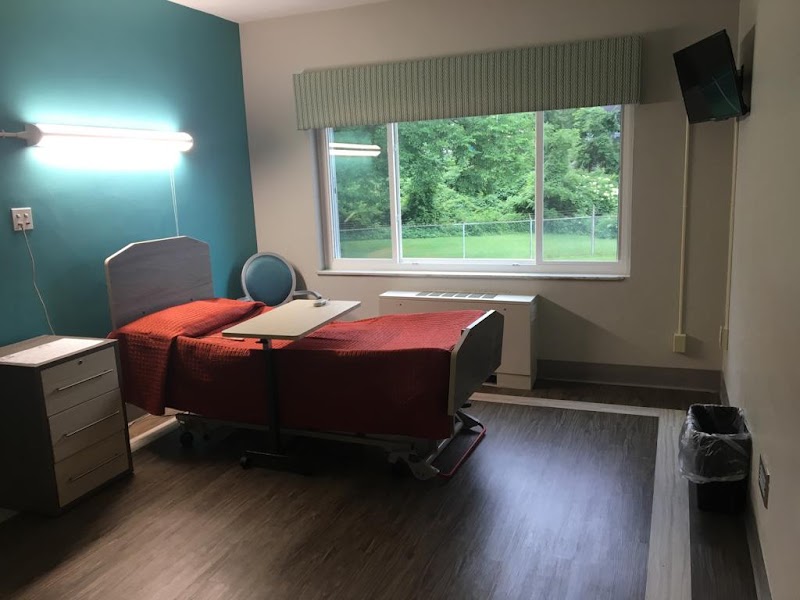
How is Woods Edge Rehab And Nursing Staffed?

CMS rates WOODS EDGE REHAB AND NURSING's staffing level at 2 out of 5 stars, which is below average compared to other nursing homes. Staff turnover is 54%, compared to the Ohio average of 46%.

What Have Inspectors Found at Woods Edge Rehab And Nursing?

State health inspectors documented 49 deficiencies at WOODS EDGE REHAB AND NURSING during 2018 to 2025. These included: 1 Immediate Jeopardy (the most serious level, indicating potential for serious harm or death), 46 with potential for harm, and 2 minor or isolated issues. Immediate Jeopardy findings are rare and represent the most serious regulatory concerns. They require immediate corrective action.
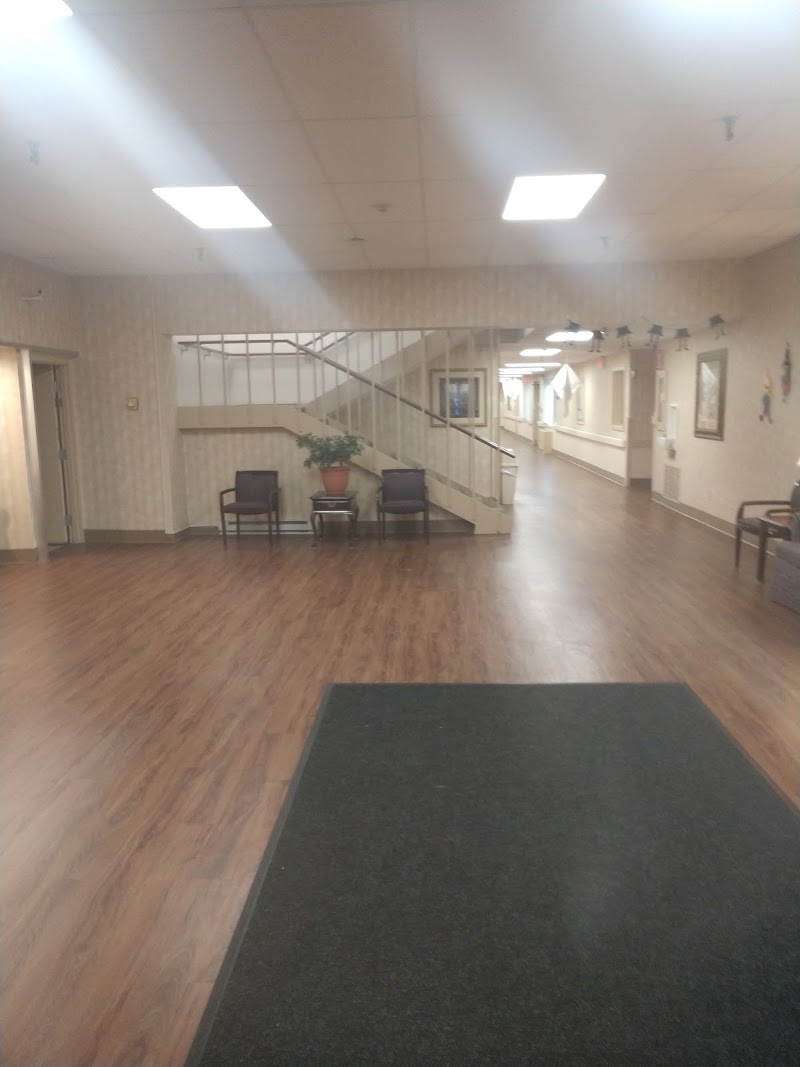
Who Owns and Operates Woods Edge Rehab And Nursing?

WOODS EDGE REHAB AND NURSING is owned by a for-profit company. For-profit facilities operate as businesses with obligations to shareholders or private owners. The facility operates independently rather than as part of a larger chain. With 93 certified beds and approximately 83 residents (about 89% occupancy), it is a smaller facility located in CINCINNATI, Ohio.

How Does Woods Edge Rehab And Nursing Compare to Other Ohio Nursing Homes?

Compared to the 100 nursing homes in Ohio, WOODS EDGE REHAB AND NURSING's overall rating (2 stars) is below the state average of 3.2, staff turnover (54%) is near the state average of 46%, and health inspection rating (1 stars) is much below the national benchmark.

What Should Families Ask When Visiting Woods Edge Rehab And Nursing?

Based on this facility's data, families visiting should ask: "What changes have been made since the serious inspection findings, and how are you preventing similar issues?" "Can you walk me through typical staffing levels on day, evening, and night shifts?" "Can I visit during a mealtime to observe dining assistance and food quality?" "How do you handle medical emergencies, and what is your hospital transfer rate?" These questions are particularly relevant given the facility's Immediate Jeopardy citations and the below-average staffing rating.

Is Woods Edge Rehab And Nursing Safe?

Based on CMS inspection data, WOODS EDGE REHAB AND NURSING has documented safety concerns. Inspectors have issued 1 Immediate Jeopardy citation (the most serious violation level indicating risk of serious injury or death). The facility has a 2-star overall rating and ranks #100 of 100 nursing homes in Ohio. Families considering this facility should ask detailed questions about what corrective actions have been taken since these incidents.

Do Nurses at Woods Edge Rehab And Nursing Stick Around?

WOODS EDGE REHAB AND NURSING has a staff turnover rate of 54%, which is 8 percentage points above the Ohio average of 46%. Moderate turnover is common in nursing homes, but families should still ask about staff tenure and how the facility maintains care continuity when employees leave.

Was Woods Edge Rehab And Nursing Ever Fined?

WOODS EDGE REHAB AND NURSING has no federal fines on record. CMS issues fines when nursing homes fail to meet care standards or don't correct problems found during inspections. The absence of fines suggests the facility has either maintained compliance or corrected any issues before penalties were assessed. This is a positive indicator, though families should still review recent inspection reports for the full picture.

Is Woods Edge Rehab And Nursing on Any Federal Watch List?

WOODS EDGE REHAB AND NURSING is not on any federal watch list. The most significant is the Special Focus Facility (SFF) program, which identifies the bottom 1% of nursing homes nationally based on persistent, serious quality problems. Not being on this list means the facility has avoided the pattern of deficiencies that triggers enhanced federal oversight. This is a positive indicator, though families should still review the facility's inspection history directly.