DOYLESTOWN HEALTH CARE CENTER
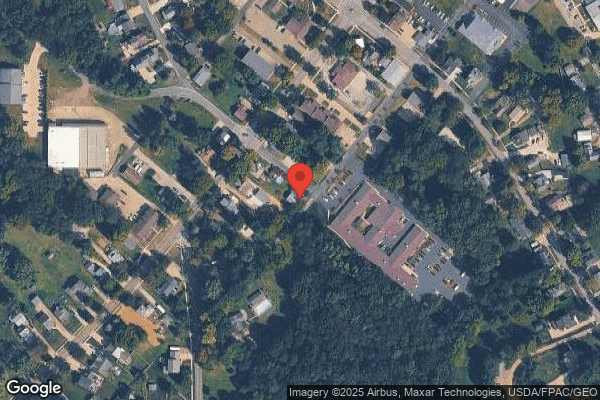
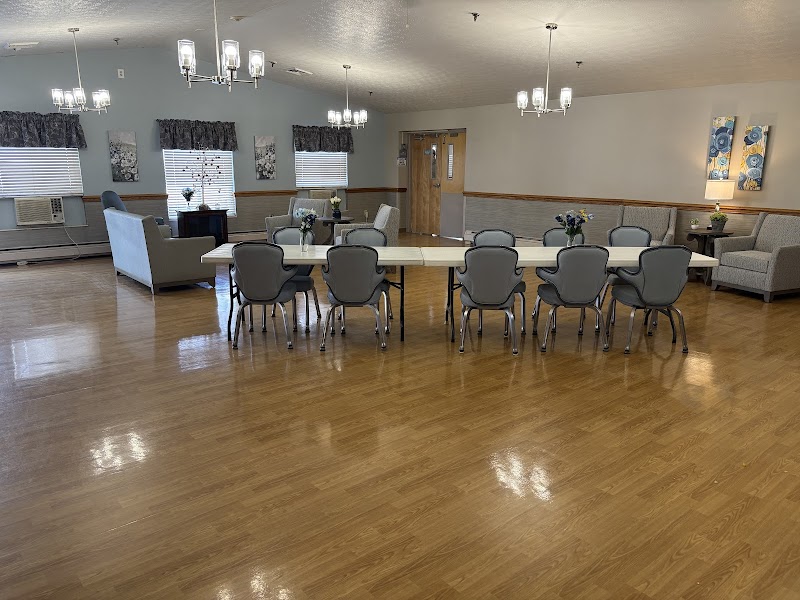
95 BLACK DRIVE, DOYLESTOWN, OH 44230 (330) 658-2061
For profit - Corporation 78 Beds WINDSOR HOUSE, INC. Data: November 2025
Trust Grade
60/100
#250 of 913 in OH
Last Inspection: September 2024

Within standard 12-15 month inspection cycle. Federal law requires annual inspections.

Overview

Doylestown Health Care Center has a Trust Grade of C+, indicating it is slightly above average in quality, which means families can expect decent care, but there is room for improvement. It ranks #250 out of 913 facilities in Ohio, placing it in the top half, and #4 of 14 in Wayne County, showing that there are only three local options that are better. The facility is currently improving, with reported issues decreasing from 6 in 2024 to just 2 in 2025. Staffing is average with a 3 out of 5 rating and a turnover rate of 51%, which is close to the state average, indicating some stability but also room for better retention. Notably, the facility has not incurred any fines, which is a positive sign, and it offers more registered nurse coverage than many facilities, helping to catch potential problems early. However, there are significant concerns highlighted by recent inspector findings. For instance, one resident experienced a painful fall and did not receive timely assessment or intervention, resulting in a hip fracture. Another resident who was at high risk for elopement was able to exit the facility and fell, sustaining facial injuries. Additionally, there was a period where the facility did not meet the required staffing levels for registered nurses, which could impact overall resident safety. This mix of strengths and weaknesses suggests that while Doylestown Health Care Center has potential, families should weigh the recent incidents carefully when making their decision.

Trust Score
C+
60/100
In Ohio
#250/913
Top 27%
Safety Record
Moderate
Needs review
Inspections
Getting Better
6 → 2 violations
Staff Stability
⚠ Watch
51% turnover. Above average. Higher turnover means staff may not know residents' routines.
Penalties
✓ Good
No fines on record. Clean compliance history, better than most Ohio facilities.
Skilled Nurses
⚠ Watch
Each resident gets only 26 minutes of Registered Nurse (RN) attention daily — below average for Ohio. Fewer RN minutes means fewer trained eyes watching for problems.
Violations
⚠ Watch
24 deficiencies on record. Higher than average. Multiple issues found across inspections.
★★★★☆
4.0
Overall Rating
★★★☆☆
3.0
Staff Levels
★★★★★
5.0
Care Quality
★★★☆☆
3.0
Inspection Score
Stable
2024: 6 issues
2025: 2 issues

The Good

  • 5-Star Quality Measures · Strong clinical quality outcomes
  • Full Sprinkler Coverage · Fire safety systems throughout facility
  • No fines on record

Facility shows strength in quality measures, fire safety.

The Bad

Staff Turnover: 51%

Near Ohio avg (46%)

Higher turnover may affect care consistency

Chain: WINDSOR HOUSE, INC.

Part of a multi-facility chain

Ask about local staffing decisions and management

The Ugly 24 deficiencies on record

2 actual harm
Aug 2025 2 deficiencies 1 Harm
SERIOUS (G) 📢 Someone Reported This

A family member, employee, or ombudsman was alarmed enough to file a formal complaint

Actual Harm - a resident was hurt due to facility failures

Quality of Care (Tag F0684)

A resident was harmed · This affected 1 resident

**NOTE- TERMS IN BRACKETS HAVE BEEN EDITED TO PROTECT CONFIDENTIALITY** Based on closed record review, interview, review of a facility Self-Reported Incident (SRI) and associated investigation, review...

Read full inspector narrative →
**NOTE- TERMS IN BRACKETS HAVE BEEN EDITED TO PROTECT CONFIDENTIALITY** Based on closed record review, interview, review of a facility Self-Reported Incident (SRI) and associated investigation, review of a corrective discipline record and policy review, the facility failed to ensure Resident #68 received timely comprehensive assessment and intervention following a fall with injury. Actual Harm occurred on [DATE] when Resident #68, who was assessed as severely cognitive impaired and at high risk of falls, sustained a fall and was not properly assessed after the fall. Following the fall, the resident experienced pain rated a 10 on a pain scale of 1 to 10 with 10 being the most severe pain and was assessed to have non-verbal indicator of pain including screaming, crying, agitation, combativeness and groaning. On [DATE] (five days after the fall) an x-ray revealed a right hip fracture which the facility correlated to the fall on [DATE]. This affected one resident (#68) of three residents reviewed for falls. The census was 66. Findings include: Review of the closed medical record for Resident #68 revealed an admission date of [DATE] with diagnoses of vascular dementia with other behavioral disturbances, Alzheimer's disease, paroxysmal atrial fibrillation, restlessness and agitation, anxiety disorder, severe dementia with agitation, and repeated falls. Resident #68 expired at the facility on [DATE]. Review of the Minimum Data Set (MDS) 3.0 significant change assessment dated [DATE] revealed Resident #68 was severely cognitive impaired, had other behavioral symptoms recorded on one to three days during the assessment, utilized a walker and wheelchair, and required partial/moderate assistance with bed mobility and transfers. Resident #68 was ordered hospice services. Review of the fall care plan dated [DATE] revealed Resident #68 was high risk for falls related to confusion, deconditioning, gait and balance problems, incontinence, and lack of awareness of safety needs. Interventions included educating the resident, family, and caregivers about safety reminders and what to do if a fall occurred and to follow the facility fall protocol. Review of the Fall Risk assessment dated [DATE] revealed Resident #68 was disoriented at all times, had a history of falls, attempted to stand from chair and used a wheelchair. Review of a late-entry health status note created on [DATE] at 8:23 P.M. for an effective date of [DATE] at 11:00 P.M. authored by Licensed Practical Nurse (LPN) #74 revealed an alarm was sounding in Resident #68's room. Upon observation, the nurse noted the resident sitting on the floor beside the bed on the mat. Resident #68's bed was in the low position with the bed pad still under her, and it looked as if she slid out of bed. The note included Resident #68 had no injuries and no complaints of pain at the time of incident. Resident #68 was put back to bed and she rested without distress. The note further stated the resident had been changed and repositioned throughout the night and had no complaints of discomfort. There was no evidence that Resident #68's vital signs or neurological checks were obtained, range of motion was assessed, or the physician, hospice, or resident's family was notified of the fall. Review of the health status note dated [DATE] timed 12:44 P.M. authored by the Director of Nursing (DON) revealed Resident #68 was seen by Physician #84. The note stated there were no new orders. Review of the orders-administration note dated [DATE] timed 7:20 P.M. revealed Resident #68 was administered a dose of Hydromorphone (a narcotic pain medication) one (1) mg by mouth as needed for pain/dyspnea. The note referenced Resident #68 complained of bilateral knee pain. Review of the [DATE] Medication Administration Review (MAR) for Resident #68 revealed the resident reported a pain level of eight out of 10 on the pain scale when administered as needed Hydromorphone 1 mg on [DATE] at 7:20 P.M. Review of the health status note dated [DATE] timed 7:24 P.M. revealed Resident #68 complained of bilateral knee pain. However, there was no visible sign of edema, redness, or discoloration. Scheduled pain medications given and as needed dose given. Review of the orders-administration note dated [DATE] timed 12:14 A.M. revealed Resident #68 was administered Ativan oral 0.5 mg tablet by mouth for anxiety/agitation. Resident #68 was lying in bed yelling for momma. The note indicated one-to-one, television, snacks had been provided. Resident #68 was checked and changed for incontinent care, and the resident refused to go to the restroom. With interventions, resident began becoming tearful. The note additionally referenced music was also attempted, and all interventions were without positive effect. Review of the health status note dated [DATE] timed 6:09 A.M. revealed vital signs of blood pressure 108/58, pulse 60, and respirations 16, temperature 98.4 degrees Fahrenheit (F) and 95% pulse oxygen saturation on room air. Resident #68 was alert and oriented to person only. She was confused to time, place and situation. Resident #68 refused to leave her clothes or brief on. When staff verbalized step-by-step what they were going to do, the resident became combative and kicked at staff with both legs. Resident #68 was provided reassurance with positive effect. Resident #68 left in safe position with all safety devices in place and reapproached. Resident #68 continued to take off clothes, blankets, and brief all shift. No further complaints of pain or discomfort this shift. Review of the orders-administration note dated [DATE] timed 9:49 A.M. revealed Resident #68 was administered Ativan 0.5 mg by mouth for anxiety/agitation. During morning care, the resident was fighting and screaming out due to pain in her right leg. Review of the orders-administration note dated [DATE] timed 9:52 A.M. revealed Resident #68 was administered a dose of Hydromorphone one (1) mg as needed for pain/dyspnea. The note stated while rolling Resident #68 in bed to change her, she was screaming out because of pain in her right leg. Review of the [DATE] MAR for Resident #68 revealed the resident reported a pain level of 10 out of 10 on the pain scale when administered as needed Hydromorphone 1mg on [DATE] at 9:52 A.M. However, record review revealed no evidence the resident's source of pain was assessed or the physician was notified on [DATE]. Review of the orders-administration note dated [DATE] timed 10:54 A.M. revealed the resident refused application of tubi-grips (elastic stockings commonly used to treat swelling) to her bilateral lower legs. The note referenced the tubi-grips were held due to complaint of pain with legs today and Resident #68 did not want them on. Review of the health status note dated [DATE] timed 4:14 P.M. revealed Resident #68 had been crying out and stripping clothes off her in bed off and on this shift, even with as needed medication. When turned, resident holds her right thigh and cried, it hurts help me. Staff tried to comfort but it was not working. As needed medication not helping as much as it should. The note referenced Hospice was called and a nurse visit was requested. However, there was no evidence the facility notified the physician or comprehensively assessed the source of the resident's pain at this time. Review of the orders-administration note dated [DATE] timed 4:32 P.M. revealed Resident #68 was administered Ativan 0.5 mg tablet by mouth for anxiety/agitation. Resident kept removing clothes and was very restless and anxious lying in bed but did not want to get up. Review of the health status note dated [DATE] timed 6:09 P.M. revealed the Hospice nurse arrived around 4:30 P.M. Hospice provided new orders to start Hydromorphone two (2) mg every four hours orally, Hydromorphone two (2) mg every two hours orally as needed for pain/shortness of breath, and Lorazepam (Ativan) 0.5 mg every eight hours orally. The Hospice doctor would send scripts to pharmacy. Review of the hospice skilled narrative note dated [DATE] revealed as needed visit due to unrelieved pain and agitation. Resident #68 had been screaming in pain since the night before. Facility Nurse (FN) reported Resident #68's pain seemed more severe with repositioning on right side. He believed her right lower extremity may be the focal point of pain. Per FN, resident was agitated as well. The resident was taking off her nightgown and screaming for most of the night and large part of today. Review of the health status note dated [DATE] timed 10:47 A.M. revealed Resident #68 was yelling out and complained of pain in the right leg/hip. The note stated the resident was a two assist with care and staff were unable to turn the resident on her right side during brief change due to complaints of pain and crying out. When hands-on care was completed, the resident stopped complaining. Review of the health status note dated [DATE] timed 12:37 P.M. revealed order for x-ray of right hip due was ordered by Physician #84 due to the resident's complaints of pain. The note included x-ray company was called and would be out to the facility that day to obtain the x-rays. Review of the July MAR for Resident #68 revealed the resident reported a pain level of eight out of 10 on the pain scale when administered as needed Hydromorphone 2 mg on [DATE] at 12:46 P.M. Review of the hospice skilled narrative note dated [DATE] revealed Resident #68 was grimacing at times and grabbing her right leg. The note referenced the hospice nurse spoke with the FN who informed this nurse that the facility physician ordered an x-ray examination of the resident's right hip due to pain. The hospice nurse called the hospice physician who ordered to discontinue x-ray due to possible transitioning and no recent falls. The note further referenced a call was received from a family member of Resident #68 who wanted the x-ray examination completed to know if it was arthritis or a fracture causing the resident's increased pain. Review of the health status note dated [DATE] timed 2:27 P.M. revealed the x-ray was cancelled by the hospice doctor and Resident #68's family was notified. Review of the hospice skilled narrative note dated [DATE] revealed upon arrival, called the resident by name and the resident partially opened her eye. Tremors began and the resident started removing nightgown and blanket. FN stopped by, explained her assessment of terminal agitation with right hip guarded pain and denied the resident had any falls or injury. The note revealed symptoms started this past Wednesday ([DATE]). The hospice nurse called the resident's daughter and provided an update, and the family decided to continue with the x-ray examination. Review of the health status note dated [DATE] timed 1:39 A.M. revealed the x-ray examination was reordered due to the resident's complaints of continued pain. Resident #68 had signs of pain by moaning and guarding her right hip. The x-ray company was called, and the facility was awaiting a return call. Pain medication was given as ordered per hospice. Review of the health status note dated [DATE] timed 10:16 A.M. revealed x-ray was at the facility to perform the ordered x-ray examination. Review of the radiology results report dated [DATE] timed 11:09 A.M. of Resident #68's x-ray to the right hip revealed a unilateral examination with pelvis imaging was performed. The report revealed findings of a displaced intertrochanteric fracture. Review of the health status note dated [DATE] timed 12:28 P.M. revealed the x-ray showed intertrochanteric fracture of the right hip. Hospice was notified and would return call with any new orders. Resident #68's POA aware and will be updated again when hospice called back. Review of a facility Self-Reported Incident dated [DATE] revealed on [DATE] staff noted that Resident #68 was complaining of pain when they were providing care. An x-ray examination was performed, and the x-ray revealed a displaced intertrochanteric fracture. Upon notification of x-ray results and injury, the facility began an investigation to determine the cause of injury. Staff who worked with the resident from [DATE] to [DATE] were interviewed and statements were obtained regarding the status of the resident, care provided and if anything unusual occurred. During the investigation it was discovered that on [DATE] at 11:00 P.M. during walking rounds, Resident #68 was observed by staff on the floor mat at the side of her bed. The resident was assisted back to bed by three staff after the nurse assessed. Witness statements received from those staff members present regarding details from that instance. No other staff interviews revealed any situation out of the ordinary that would contribute to an injury. Resident #68 had a diagnosis of dementia and was unable to state how the injury may have occurred. Resident #68's husband also resided in the same room and had dementia with a Brief Interview for Mental Status (BIMS) of 4 (severely cognitively impaired) and was unable to provide any meaningful information. Based on the facility's investigation, the facility was able to conclude that the resident's fall on [DATE] was the probable cause of her fracture. Review of a witness statement within the SRI investigation authored by CNA #88 dated [DATE] revealed, On Monday, [DATE], [Resident #68] did not express any complaints of pain throughout the shift and appeared comfortable. On Tuesday, [DATE], after the resident was laid down for bed. She began groaning. When asked if she was in pain, she stated that her knees were hurting. I immediately notified the nurse on duty, and the nurse conducted an assessment of the resident. Review of the witness statement within the SRI investigation authored by CNA #86 dated [DATE] revealed, [DATE] at 11:00 P.M., Resident #68 complained about pain. It was hard to change her, so we did it in the bed! She didn't get up at all that night. It took two people to change her, and I reported to the nurse about her crying about pain. Review of the health status note dated [DATE] timed 12:00 P.M. authored by the DON revealed Physician #84 in and was updated that this resident was observed on the floor by staff on [DATE] around 11:00 P.M. as walking [rounds] were completed. The nurse and two nurse aides assisted the resident back into bed. Review of the health status note dated [DATE] timed 12:24 P.M. authored by the DON revealed this nurse and the social worker updated Resident #68's daughter that the resident was observed by staff on [DATE] during walking around on the floor beside her bed. The resident was assisted back into bed by three staff. Review of the corrective discipline record dated [DATE] revealed LPN #74 received a verbal warning for an incident on [DATE] at 11:00 P.M. that any change in plane was considered a fall. The record included CNA reported Resident #68 on [DATE] was on the floor at the foot of the bed. No incident report, progress note, or notification was made to the primary care physician or the family. With any incident, report and document an incident report, progress note, and notify physician and resident representative. LPN #74 signed the form on [DATE]. Interview on [DATE] at 7:25 A.M. with LPN #74 revealed on [DATE] at 11:00 P.M., Resident #68 was observed sitting on the floor next to her bed. LPN #74 stated she did not consider that a fall because the resident had only fallen a couple of inches. LPN #74 and CNA #78 put Resident #68 back to bed. LPN #74 verified she did not obtain vital signs after the fall, did not assess range of motion after the fall, and did not notify the physician, hospice or the resident's family of the fall. LPN #74 was unsure if she notified the [DATE] oncoming nurse of Resident #68 falling and being found on the floor. Interviews were attempted via telephone with CNA #78 on [DATE] at 8:40 A.M. and on [DATE] at 9:35 A.M., however the interviews were unsuccessful. Interview on [DATE] at 10:10 A.M. with the Director of Nursing (DON) revealed Physician #84 did not actually assess Resident #68 on [DATE] because the resident was sleeping so Physician #84 only observed the resident. The DON verified Physician #84 was not notified on [DATE] of Resident #68's fall that occurred on [DATE] at 11:00 P.M. because at that time, the facility was unaware the resident had fallen. The DON also verified the SRI investigation concluded Resident #68's right hip fracture was a result of the fall on [DATE] at 11:00 P.M. Review of the facility's Accident and Incident policy dated 2008 revealed if the incident was a fall, check for limited range of motion, bruises, pain, lacerations, swelling and vital signs. If the fall involved a possible head injury, check the pupils and level of consciousness, obtain a statement of what occurred from anyone who witnessed the incident and/or resident if capable, notify the attending physician if the resident has sustained any serious injury, notify the family or responsible party, write an incident report, notify your supervisor, and notify the oncoming nurse. This deficiency represents non-compliance investigated under Complaint Number 2576943 and Self-Reported Incident Control Number 1281390.
CONCERN (D) 📢 Someone Reported This

A family member, employee, or ombudsman was alarmed enough to file a formal complaint

Potential for Harm - no one hurt, but risky conditions existed

Accident Prevention (Tag F0689)

Could have caused harm · This affected 1 resident

**NOTE- TERMS IN BRACKETS HAVE BEEN EDITED TO PROTECT CONFIDENTIALITY** Based on observation, record review, facility policy review and interview, the facility failed to implement fall interventions, ...

Read full inspector narrative →
**NOTE- TERMS IN BRACKETS HAVE BEEN EDITED TO PROTECT CONFIDENTIALITY** Based on observation, record review, facility policy review and interview, the facility failed to implement fall interventions, as determined necessary by the comprehensive care plan for Resident #13. This affected one resident (#13) of three residents revealed for falls. The census was 66. Findings Include: Review of the medical record for Resident #13 revealed an admission date of 09/24/24 with diagnoses of history of falling, atrial fibrillation, anxiety disorder, moderate dementia with agitation, difficulty walking, lack of coordination, cognitive communication deficit, multiple fractures of ribs, intracapsular fracture of right femur, and fracture of facial bones. Resident #13 resided on the secured, memory care unit. Review of a health status note dated 06/23/25 timed 10:44 A.M. revealed Resident #13 was heard yelling for help, this time resident was sitting on floor with legs bent, knees bent in front of her, and back leaning against side of bed. Resident #13 had no injuries. Resident #13 denied any new pain. The resident was assessed and assisted off floor with gait belt and two assist. Resident #13 was transferred to the wheelchair with an alarm and brought into the dining room with staff observation. The DON, nurse practitioner, and the resident's family were notified. Review of the health status note dated 06/23/25 timed 3:05 P.M. revealed an intervention blue mat to left side of bed and Dycem (a non-slip material) was ordered to be placed at the edge of the bed to help prevent sliding off bed. Review of Resident #13's physician's orders revealed an order dated 06/23/25 for Dycem to be placed to the edge of the resident's bed. Review of the health status note dated 06/27/25 timed 3:31 P.M. revealed at 1:50 P.M., Resident #13's alarm was sounding, and the resident could be heard saying help. The nurse and CNA went to room and found the resident lying on floor beside the bed on her back and buttocks, with her head towards the bathroom. The CNA reported she had just toileted the resident five minutes earlier and had laid the resident in bed per her request. A behavioral tech saw Resident #13 slide out of bed onto floor and onto her buttocks and then into a lying position on the floor and did not see Resident #13 hit her head. Resident #13 had no complaints or signs or symptoms of pain or discomfort. The note concluded that a new order for a body pillow to the outside of the bed was to be used while the resident was in bed. Review of Resident #13's physician's orders revealed an order dated 06/28/25 for a full body pillow to be used to the left (open) side of the bed each shift. Review of the fall care plan revised on 06/28/25 revealed Resident #13 was a risk for falls related to dementia and poor safety awareness. Interventions included: body pillow on bed next to resident and gripper on the edge of the bed. There was no evidence Resident #13 removed fall interventions from her bed. Review of the Minimum Data Set (MDS) 3.0 quarterly assessment dated [DATE] revealed Resident #13 was severely cognitively impaired, had continuous inattention and disorganized thinking, use a walker, was independent with bed mobility, required supervision or touching assistance with walking 10 feet, required partial/moderate assistance with oral hygiene, and upper body dressing, and required substantial/maximal assistance with toileting, bathing, and lower body dressing. Review of the Fall Risk assessment dated [DATE] revealed Resident #13 had intermittent confusion, had a history of falls, and used a wheelchair. Resident #13 was assessed as high risk of falls. Observation on 08/05/25 at 11:47 A.M. revealed Resident #13 was sitting in a wheelchair in the secured memory care dining room next to an activity assistant during an activity. Resident #13 was sitting quietly. At 12:05 P.M., Resident #13 attempted to rise from her wheelchair while in the dining room. The alarm on the wheelchair sounded and a housekeeper assisted the resident back into her wheelchair. At 2:15 P.M., Resident #13 was lying in bed, asleep. The full body pillow was lying across the recliner seat next to the resident's bed and Dycem was not on the edge of either side of the bed. Assistant Director of Nursing (ADON) #87 was notified that the resident's body pillow was missing from the left side of her bed. CNA #80 was observed putting the body pillow to the left side of Resident #13 underneath the bottom sheet. Interview, during the observation, with CNA #80 revealed CNA #80 did not assist Resident #13 to bed after lunch. Interview on 08/05/25 at 2:25 P.M. with CNA #82 revealed CNA #82 had assisted the resident of bed and the resident was supposed to have the body pillow underneath her body sheet to prevent the resident from falling. Interview on 08/05/25 at 2:39 P.M. with LPN #81 verified Resident #13 did not have Dycem on either side of the bed while the resident was in bed. Interview on 08/05/25 at 2:48 P.M. with CNA #80 verified Resident #13's body pillow had been sitting on the resident's recliner and not in the bed with the resident. Interview on 08/11/25 at 2:05 P.M. with the DON verified it was her expectation that if a fall intervention was listed on the care plan, the intervention would be in place for the resident. Review of the facility policy, Fall Prevention and Fall Management, revised November 2024 revealed fall management included to develop a care plan with interviews based on risk review and follow care plan for transfer status and staff assistance required. When a fall occurs, the following protocol will be followed by the nurse: assess the resident's vital signs, level of consciousness and orientation to the environment, assess the resident's body of any injury and will assess range of motion as able. The assessment will include neurological assessment if resident hit their head or displays a change in level of awareness/consciousness of if fall unwitnessed and unable to determine if resident hit their head, will not move the resident from the floor until the basic physical assessment is complete, complete a Risk Management/quality assurance (QA) incident report, implement a plan of care intervention to reduce the risk of another fall based on the initial evaluation and investigation, notify the physician of the fall and assessment., notify the resident/resident's representative of the incident and intervention, document the assessment of the resident and any orders/interventions in the medical record, and the QA incident report and fall incident investigation are forwarded to the DON and are reviewed by the interdisciplinary team to discuss the need for further evaluation, investigation or intervention implementation. This deficiency represents non-compliance investigated under Complaint Number 2576943 and Self-Reported Incident Control Number 1281390.
Sept 2024 5 deficiencies
CONCERN (D)

Potential for Harm - no one hurt, but risky conditions existed

Accident Prevention (Tag F0689)

Could have caused harm · This affected 1 resident

**NOTE- TERMS IN BRACKETS HAVE BEEN EDITED TO PROTECT CONFIDENTIALITY** Based on observation, interview, record review, and facility policy review the facility failed to ensure Resident #20 was knowle...

Read full inspector narrative →
**NOTE- TERMS IN BRACKETS HAVE BEEN EDITED TO PROTECT CONFIDENTIALITY** Based on observation, interview, record review, and facility policy review the facility failed to ensure Resident #20 was knowledgeable of the facility smoking policies and safe vaping procedures and care planned interventions were implemented. This affected one resident (#20) of one resident reviewed for smoking hazards. Findings include: Review of Resident #20's medical record revealed an admission date of 12/24/15 with diagnoses including heart failure, mixed conductive and sensorineural hearing loss, cognitive communication deficit, and type 2 diabetes mellitus. Review of facility provided policy titled, No Smoking Policy dated March 2016, revealed the facility was smoke-free facility. Residents were not permitted to smoke in the residence or on the grounds. (Unless previously arranged on admission. Smoking will be done outside in designates area. No new admissions will be permitted to smoke). Effective March 1, 2016, new admissions were not permitted to use e-cigarettes or vapor cigarettes. Residents admitted prior to March 1, 2016, may use these devices if previously agreed upon. E-Cigarette or vapor cigarette material must be kept at the nurse station and smoking must be done in the designated area. The policy noted I have read the above policy and have had it explained to me. I fully understand and agree to the terms of the above policy. There was a place on the form for the resident and witness to sign. Review of Resident #20's medical record and information provided by the facility revealed no evidence Resident #20 signed the 2016 No Smoking Policy. Review of the quarterly minimum data system (MDS) dated [DATE] revealed Resident #20 had intact cognition. Review of the physician order dated 09/23/23 revealed Resident #20 may use electronic cigarette and may keep at bedside. Review of the care plan initiated on 08/02/24 and revised on 05/13/24 revealed Resident #20 used an e-cigarette daily, he had an order for a nicotine patch, there were times resident went go outside and smoked his E-cigarette, and he was allowed to smoke in his room. Interventions included resident can smoke unsupervised, instruct resident about facility policy on smoking: locations, times, safety concerns. Observation and interview on 09/09/24 at 9:53 A.M. with Resident #20 revealed he was vaping in his room during interview with his vaping supplies on the over bed tray. Resident #20 reported he is permitted to vape in his room and keep his vaping supplies in his room. Observation and interview on 09/11/24 at 9:25 A.M. with Resident #20 revealed his vaping supplies were on the over bed tray in his room. Resident #20 denied signing anything regarding vaping. Resident #20 reported he lived her 10 years and has been vaping here for 10 years. Interview on 09/11/24 at 9:40 A.M. with the Director of Nursing (DON) #201 confirmed Resident #20 had been permitted to vape in his room and keep his vape supplies with him. DON #210 reported it has been that way since way before they were hired. DON #201 not aware if Resident #20 signed a smoking form and unable to provide signed smoking form for Resident #20. Interview on 09/11/24 at 2:00 P.M. with Assistant Director of Nursing (ADON) #207 revealed she and Licensed Social Worker (LSW) #207 spoke with Resident #20 (on this day 09/11/24) regarding he must vape outside in designated area and his vape supplies must be kept at nurses' station. ADON #207 reported no documentation regarding Resident #20 signed smoking policy prior to 09/11/24. Interview on 09/12/24 at 11:45 A.M. with LSW #246 reported she didn't know if Resident #20 signed a smoking form prior to this day. LSW #246 reported the facility was looking for the signed smoking form and was unable to locate it. Review of the updated policy provided by the facility tilted, Smoking Policy dated 01/2023, revealed the facility was a smoke free facility. There was no smoking in the residence. This policy applies to all families, visitors, staff, and residents. Residents who request to smoke will be assessed for safety upon admission and smoking will be done in designated outdoor smoking areas. Smoking includes cigarettes, cigars, pipes, e-cigarettes, vape pens/devices. All smoking materials including lighters/matches/e-cigarettes/vape charging devices must be kept in a secured area at nurses' stations. These items cannot be kept in resident rooms. The policy noted I have read the above policy and have had it explained to me. I fully understand and agree to the terms of the above policy. There was a place on the form for the resident and a witness to sign. Review of Resident #20's medical record and information provided by the facility revealed no evidence Resident #20 signed the 2023 No Smoking Policy. After surveyor intervention, the facility provided evidence Resident #20 signed and dated the No Smoking Policy, revised March 2016 on 09/11/24 rather than the updated policy dated 01/2023.
CONCERN (D)

Potential for Harm - no one hurt, but risky conditions existed

Menu Adequacy (Tag F0803)

Could have caused harm · This affected 1 resident

**NOTE- TERMS IN BRACKETS HAVE BEEN EDITED TO PROTECT CONFIDENTIALITY** Based on observation, interview and record review, the facility failed to follow the menu and give residents the alternate menu ...

Read full inspector narrative →
**NOTE- TERMS IN BRACKETS HAVE BEEN EDITED TO PROTECT CONFIDENTIALITY** Based on observation, interview and record review, the facility failed to follow the menu and give residents the alternate menu items of choice. This affected three residents (Residents #10, #20, and #37) of three residents who had their meals and tickets reviewed. The facility census was 68. Findings include: 1. Review of Resident #10's medical record revealed an admission date of 08/18/22 and a readmission date of 06/13/23 with diagnoses included but not limited to atrial fibrillation, adjustment disorder, and peripheral vascular disorder. Review of the quarterly Minimum Data Set (MDS) 3.0 assessment dated [DATE] revealed Resident #10 was moderately cognitively impaired and required supervision for eating. Review of the physician's order for September 2024 revealed Resident #10 was ordered a regular diet, with regular texture and thin consistency liquids on 04/12/24. Observation and interview on 09/11/24 at 1:13 P.M. revealed Resident #10 ordered a sloppy joe melt on a bun, French fries, macaroni salad and cole slaw. Resident #10's lunch tray had cheesy potato casserole instead of French fries and a chicken breast instead of a sloppy joe melt. Interview with Resident #10 revealed that she was upset because her daughter orders her meals based on her likes and she doesn't eat chicken breast. State Tested Nursing Assistant (STNA) #237 verified at time of observation. 2. Review of Resident #20's medical record revealed an admission date of 09/22/22 with diagnoses included but not limited to heart failure, major depressive disorder, and peripheral vascular disorder. Review of the quarterly Minimum Data Set (MDS) 3.0 assessment dated [DATE] revealed Resident #20 was cognitively intact and required set up for eating. Review of the physician's order for September 2024 revealed Resident #20 was ordered a regular diet, with regular texture and thin consistency liquids on 08/13/24. Observation and interview on 09/11/24 at 1:00 P.M. revealed that Resident #20 ordered a sausage on a bun, French fries, macaroni salad and cole slaw. Resident #20's lunch tray had cheesy potato casserole instead of French fries and macaroni salad. Interview with Resident #20 revealed he was upset and stated he was not hungry. State Tested Nursing Assistant (STNA) #237 verified at time of observation. 3. Review of Resident #37's medical record revealed an admission date of 06/22/24 with diagnoses included but not limited to diabetes, left femur fracture, and hypothyroidism. Review of the quarterly Minimum Data Set (MDS) 3.0 assessment dated [DATE] revealed Resident #20 was cognitively intact and required set up for eating. Review of the physician's order for September 2024 revealed Resident #37 was ordered a regular diet, with regular texture and thin consistency liquids on 06/22/24. Observation and interview on 09/11/24 at 1:00 P.M. revealed Resident #37 ordered a sloppy joe and French fries. Resident #37's lunch tray had cheesy potato casserole instead of French fries and a chicken breast. Interview with Resident #37 revealed she was upset and stated that she does not eat chicken breast and it looked dry. State Tested Nursing Assistant (STNA) #237 verified at time of observation. Interview on 09/11/24 at 2:05 P.M. with A.M. [NAME] #257 revealed there were no French fries, no macaroni salad, and no ground beef for sloppy joes. [NAME] #257 stated the dietary manager did the food order prior to going on vacation. [NAME] #257 stated they do not run out of food often. [NAME] #257 stated in the past, she would tell her supervisor or the administrator but didn't notify any staff or residents this time and verified residents did not get the alternative they selected.
CONCERN (D)

Potential for Harm - no one hurt, but risky conditions existed

Infection Control (Tag F0880)

Could have caused harm · This affected 1 resident

**NOTE- TERMS IN BRACKETS HAVE BEEN EDITED TO PROTECT CONFIDENTIALITY** Based on observation, record review, and interview the facility failed to maintain acceptable infection control practices during...

Read full inspector narrative →
**NOTE- TERMS IN BRACKETS HAVE BEEN EDITED TO PROTECT CONFIDENTIALITY** Based on observation, record review, and interview the facility failed to maintain acceptable infection control practices during medication administration. This affected two residents (#16 and #120) of two residents reviewed for medication administration. Findings include: 1. Review of the medical record for Resident #120 revealed an admission date of 09/22/22 with diagnosis including but not limited to heart failure and type 2 diabetes mellitus with diabetic neuropathy. Review of the quarterly Minimum Data Set (MDS) 3.0 assessment dated [DATE] revealed the resident had intact cognition. On 09/10/24 at 7:51 A.M. Licensed Practical Nurse (LPN) #400 was observed administering medications to Resident #120. Resident #120 was taking medications from medicine cup and dropped 6 pills from the medicine cup on the bed sheets. LPN #400 picked up the six pills with her bare hands and placed them in the medicine cup and proceeded to administer the six pills to the resident. Interview on 09/10/24 at 7:56 A.M. with LPN #400 verified she should have used gloves to pick up his medication and not her bare hands. Interview on 09/10/24 at 8:47 A.M. with Director of Nursing (DON) confirmed LPN #400 should have used gloves to pick up Resident #120's medication from his bed sheets and not her bare hands. 2. Review of the medical record for Resident #16 revealed an admission date of 01/27/22 with diagnosis included but not limited to cognitive communication deficit and dementia. Review of the quarterly Minimum Data Set (MDS) 3.0 assessment dated [DATE] revealed the resident had severely impaired cognition. On 09/10/24 at 9:00 A.M. LPN #210 was observed picking up the medication cup from the medication cart. One pill fell out of the medicine cup and fell onto the medication cart. LPN #210 used a spoon to push the pill back into the medicine cup and proceeded to Resident #16's room and administered the medications. Interview on 09/10/24 at 9:09 A.M. with LPN #210 verified she should have thrown the pill out that fell onto the medication cart and got a new pill. Interview on 09/10/24 at 9:53 A.M. with DON verified if a nurse dropped medication on the medication cart they are to dispose of it and get a new pill.
CONCERN (F)

Potential for Harm - no one hurt, but risky conditions existed

Deficiency F0727 (Tag F0727)

Could have caused harm · This affected most or all residents

THE FOLLOWING DEFICIENCY REPRESENTS AN INCIDENT OF PAST NON-COMPLIANCE THAT WAS SUBSEQUENTLY CORRECTED PRIOR TO THIS SURVEY. Based on record review, interview, and the facility submitted Payroll Based...

Read full inspector narrative →
THE FOLLOWING DEFICIENCY REPRESENTS AN INCIDENT OF PAST NON-COMPLIANCE THAT WAS SUBSEQUENTLY CORRECTED PRIOR TO THIS SURVEY. Based on record review, interview, and the facility submitted Payroll Based Journal (PBJ) tracking information, the facility failed to ensure service of a registered nurse (RN) for at least eight consecutive hours a day, seven days a week as required. This had the potential to affect all 68 residents residing in the facility. Findings include: Review of the PBJ Staffing Data Report form submitted from 01/01/24 through 03/31/24 revealed the following dates submitted for the second quarter, the facility was low on registered nurse (RN) hours in the building on the following dates: 01/01/24 Monday (MO); 01/06/24 Saturday (SA); 01/14/24 Sunday (SU); 01/21/24 (SU); 01/28/24 (SU); 02/10/24 (SA); 02/11/24 (SU); 02/17/24 (SA); 02/18/24 (SU); 03/02/24 (SA); 03/10/24 (SU); 03/16/24 (SA); 03/17/24 (SU); 03/30/24 (SA); and 03/31/24 (SU). Review of schedules and assignment sheets from 01/01/24 through 08/11/24 with the DON on 09/11/24 at 8:44 A.M. revealed a RN was present in the building for at least eight consecutive hours a day, seven days a week as required except for the following dates: 01/01/24 Monday (MO); 01/06/24 Saturday (SA); 01/14/24 Sunday (SU); 01/21/24 (SU); 01/28/24 (SU); 02/10/24 (SA); 02/11/24 (SU); 02/17/24 (SA); 02/18/24 (SU); 03/02/24 (SA); 03/10/24 (SU); 03/16/24 (SA); 03/17/24 (SU); 03/30/24 (SA); 03/31/24 (SU); 04/13/24 (SA) and 04/14/24 (SU). This was verified by the DON on 09/11/24 at 8:43 A.M. Interview on 09/11/24 at 8:44 A.M. with the Director of Nursing (DON) stated that there was a hard time getting registered nurses. The DON stated that at the end of April 2024 corporate established an intercompany agency that has RNs, they hired four new RNs and offered a sign on bonus. The deficient practice was corrected on 04/15/24 when the facility implemented the following corrective actions: • Beginning in March 2024, the facility corporation started an intercompany agency sending RN's to facilities that need staff. • At the end of April (04/30/24), the facility started staff sign on bonuses. • The facility hired four registered nurses: RN #207, RN# 223, RN #239, RN #271, and RN #500. • Review of schedules and assignment sheets from 04/15/24 through 08/31/24 with the DON, Human Resource Director (HR) #501 and Nursing Assistant Coordinator/State Tested Nursing Assistant (STNA) #203 on 09/11/24 at 8:15 A.M. through 8:40 A.M. revealed a (RN) was present in the building for at least eight consecutive hours a day, seven days a week as required.
CONCERN (F)

Potential for Harm - no one hurt, but risky conditions existed

Food Safety (Tag F0812)

Could have caused harm · This affected most or all residents

Based on observations, interview and policy review, the facility failed to ensure food was stored properly and the kitchen and food service areas were clean and sanitary. This had the potential to aff...

Read full inspector narrative →
Based on observations, interview and policy review, the facility failed to ensure food was stored properly and the kitchen and food service areas were clean and sanitary. This had the potential to affect all 68 residents in the facility receiving meals from the kitchen. Findings include: 1. Initial tour of the kitchen on 09/09/24 from 7:37 A.M. through 8:05 A.M. revealed the dry storeroom had food residue and a dried black liquid on the floor, the bottom of the reach-in freezer had frozen liquid on the bottom, and in the walk-in refrigerator there was sliced cheese and sliced turkey that was not labeled or dated. This was verified by [NAME] # 257 on 09/09/24 at 8:06 A.M. 2. Observation of memory care unit's serving area on 09/09/24 at 12:06 P.M. revealed the microwave was dirty and the top inside of the microwave had rust spots. This was verified by Licensed Practical Nurse (LPN) #210 at time of observation. Interview on 09/11/24 10:53 A.M. with Registered Dietitian (RD) #508 revealed she inspects the kitchen monthly. RD revealed was shocked to see the microwave on memory care unit in that condition. Review of the facility policy dated 05/22 with a revision date of 02/23 titled, Corporate Nutrition Services, revealed that the following guidelines in this policy will help ensure food safety and sanitation in a commercial kitchen. Equipment should be cleaned after use. There was no mention of labeling or dating in the policy.
Apr 2024 1 deficiency 1 Harm
SERIOUS (G) 📢 Someone Reported This

A family member, employee, or ombudsman was alarmed enough to file a formal complaint

Actual Harm - a resident was hurt due to facility failures

Accident Prevention (Tag F0689)

A resident was harmed · This affected 1 resident

**NOTE- TERMS IN BRACKETS HAVE BEEN EDITED TO PROTECT CONFIDENTIALITY** Based on staff interview, medical record review, emergency department encounter report review, and facility policy and procedure...

Read full inspector narrative →
**NOTE- TERMS IN BRACKETS HAVE BEEN EDITED TO PROTECT CONFIDENTIALITY** Based on staff interview, medical record review, emergency department encounter report review, and facility policy and procedure review, the facility failed to ensure adequate supervision to prevent Resident #168, who was a high-risk for elopement, from exiting a fifteen second delayed and alarmed egress door resulting in a fall with injury. This affected one resident (Resident #168) of three residents reviewed for elopement. The facility census was 68. Actual harm occurred on 03/23/24 around 4:20 P.M. when Resident #168, who was severely cognitively impaired, exited the facility through a fifteen second delayed and alarmed egress door in a wheelchair. Resident #168 fell forward on a ramp leading to the parking lot and was found face down leaning to her left side with obvious facial injuries that were bleeding. Resident #168's wheelchair was behind her and her shoes had come off during the fall. Resident #168 sustained a six-centimeter laceration in the center of the scalp requiring sutures to close and acute bilateral nasal bone fractures. Findings include: Review of the closed medical record for Resident #168 revealed an admission date of 12/07/23 and a discharge date of 03/25/24. Diagnoses included but were not limited to intracerebral hemorrhage, hemiplegia and hemiparesis, type one diabetes mellitus, dysphagia, stage III chronic kidney disease, major depressive disorder, and depression. Review of Resident #168's quarterly Minimum Data Set 3.0 assessment dated [DATE] revealed a Brief Interview of Mental Status score of seven which indicated severe cognitive impairment. The assessment also indicated Resident #168 required supervision for wheeling wheelchair 50 feet, maximum assistance for toileting, bathing and transfers, and for wheeling wheelchair 150 feet. Review of Resident #168's elopement risk evaluation dated 02/05/24 revealed a score of one indicating the resident was not at risk of elopement. No additional elopement risk evaluations were completed. Review of the nursing progress note dated 02/25/24 timed at 1:33 P.M. revealed Resident #168 was exit-seeking and pushing on doors. Resident #168 was redirected; a wanderguard (a bracelet worn by the resident that sets of an alarm and locks armed doors), was placed on her ankle and the physician was notified. Review of nursing progress note dated 02/26/24 timed at 2:45 P.M. revealed Resident #168 was observed by a therapist at Exit door 12 holding it open. Resident #168 did not go outside and was redirected to the activities room. Review of nursing progress note dated 03/02/24 timed at 11:27 A.M. revealed Resident #168 continued exit seeking. Review of the nursing progress note dated 03/18/24 timed at 5:29 P.M. revealed Resident #168 was exit-seeking and appeared to be getting worse. Review of the nursing progress note dated 03/18/24 timed at 6:20 P.M. revealed Resident #168 was exit-seeking, one-on-one was unsuccessful and family came to sit with Resident #168. Review of the nursing progress note dated 03/19/24 timed at 5:00 P.M. revealed Resident #168 was pushing on Exit door 8 causing the alarm to sound. Resident #168 had a wanderguard attached to her ankle, but it did not trigger the door alarm. The wanderguard was replaced with a functioning wanderguard. Review of Resident #168's care plan with a revision date of 03/20/24 revealed Resident #168 was an elopement risk related to wandering, disoriented thinking, impaired safety awareness and confusion. Interventions dated 02/28/24 included assess for fall risk, wanderguard, distract the resident with activities, food, TV, and staff interaction. An intervention dated 03/20/24 indicated replacement of wanderguard. Resident #168 was noted to have an activities of daily living deficit related to right hemiplegia, limited mobility and stroke and required staff assistance for meeting emotional, intellectual, physical, and social needs related to cognitive deficits. Review of the nursing progress note dated 03/21/24 timed at 5:14 P.M. revealed Resident #168 was exit-seeking, stating she wanted out of the facility and redirection after each attempt was completed. Review of the nursing progress note dated 03/23/24 timed at 5:00 P.M. revealed Registered Nurse (RN) #13 was approaching the [NAME] unit lounge when she heard a door alarm. RN #13 immediately responded to Exit door 12 and observed Resident #168 outside on the ramp; Resident #168 had fallen forward out of her wheelchair. RN #13 alerted staff to get immediate assistance and went out to assess Resident #168. Resident #168 was laying on her belly leaning to her left side with obvious facial injuries that were bleeding. Resident #168's wheelchair was behind her, and her shoes had come off her feet during the fall. Another nurse called emergency medical services (911) at 4:25 P.M. Resident #168 was alert and able to speak and stated she wanted to get up. Resident #168 was moving her head and denied any neck pain. No inward or outward rotation to the bilateral lower extremities were noted. Laundry staff brought out towels to put pressure on her head wound. Three nurses and one State Tested Nursing Assistant (STNA) assisted Resident #168 back into her wheelchair. Resident #168 was noted to have a head laceration about three centimeters long and one quarter inch wide at the center, and her nose was bleeding. Resident #168 was brought back into the building and pressure was applied to her forehead laceration and blood was cleaned off her face. Emergency medical services (EMS) arrived at 4:30 P.M. and Resident #168 was transported to the hospital. Review of the Emergency Department Encounter dated 03/23/24 timed at 5:10 P.M. revealed Resident #168 arrived at the hospital with a six-centimeter laceration in the center of the scalp down to the [NAME] with no skull visible and acute bilateral nasal bone fractures. The laceration required simple interrupted sutures at the level of the epidermis. Interview on 04/15/24 at 1:35 P.M. with RN #13 revealed she found Resident #168 when she was transporting another resident to the activity lounge around 4:20 P.M. on 03/23/24 and heard the door alarm. RN #13 ran to Exit door 12 and saw Resident #168 through the window and observed she had fallen out of her wheelchair onto the cement. Resident #168 was observed about four feet from the door lying on her stomach leaning to the left trying to get back up. RN #13 yelled for assistance. Two other nurses reported to the scene, and they began to assess Resident #168. Resident #168 was noted to have a laceration on her forehead and was bleeding from her nose. Licensed Practical Nurse (LPN) #9 called for EMS and then came back to assist. Three nurses and an aide assisted Resident #168 back into her wheelchair and used towels to apply pressure to her wounds. EMS arrived within five to ten minutes of being called and she left for the hospital. Phone interview on 04/15/24 at 3:57 P.M. with LPN #8 revealed when she got report at 3:00 P.M. on 03/23/24 she was told that Resident #168 was exit seeking and they had placed her at the nurse's station. LPN #8 had just seen Resident #168 and taken her blood sugar at the nurse's station and then walked to the end of the hall to start passing medications and before being able to start passing medications was paged to Exit door 12. When LPN #8 arrived, Resident #168 was sitting up on the ground at the top of the ramp. LPN #8 assisted the other nurses and aide to get Resident #168 back up into her wheelchair. Resident #168 stated she was trying to leave. They obtained vitals and then called the doctor and waited for EMS to arrive. EMS arrived in less than ten minutes, and she left for the hospital. Interview on 04/16/24 at 8:20 A.M. with LPN #9 revealed she was working on the [NAME] unit on 03/23/24. LPN #9 stated earlier on 03/23/24 she heard the alarm for Exit door 3 going off and found Resident #168 at the door and had the door open, but staff brought her back to the nurse's station before she got outside. Staff were watching her at the nurse's station. About 4:20 P.M. on 03/23/24, LPN #9 was passing medications down by Exit door 3 and was alerted by another staff Resident #168 had gotten outside and fallen out of her wheelchair. LPN #9 ran to Exit door 12 to assist and then ran back inside to call 911 and then proceeded to get her equipment to take vitals. LPN #9 did an assessment on Resident #168 and then she along with three other staff lifted Resident #168 back into her wheelchair and brought her inside until the ambulance arrived. Interview on 04/16/24 at 10:40 A.M. with the Director of Nursing (DON) revealed Resident #168 was cut from skilled services on 02/14/24 and moved to a semi-private room on 02/15/24. On 02/23/24 Resident #168 was noted to be picking at her skin and having mental changes and a urine sample revealed a urinary tract infection (UTI) which was treated with an antibiotic. On 02/25/24, Resident #168 was observed by staff at Exit door 12 with the door open. Staff redirected her. On 02/28/24, Resident #168 continued to be exit-seeking and a wanderguard was applied. On 03/18/24 Resident #168 was again exit-seeking and staff provided one-on- one supervision and then called family who came and sat with her. On 03/19/24 Resident #168 was pushing on exit doors and her wanderguard did not activate properly. Resident #168's wanderguard was replaced. A urine sample was obtained on 03/21/24 and was negative for a UTI. The DON confirmed the current elopement assessment was dated 02/05/24 and an elopement assessment was to be completed following each attempt to elope and had not been completed following attempts on 02/25/24, 02/28/24, 03/18/24, 03/19/24, and 03/21/24. Interview on 04/16/24 at 11:22 A.M. with Corporate Quality Assurance Nurse #16 confirmed Resident #168's care plan was not updated following exiting attempts on 03/18/24, 03/19/24, and 03/21/24. Interview on 04/16/24 at 11:45 A.M. with Maintenance Director #17 confirmed Exits 3, 4, 5 and 12 were not wanderguard armed; they were 15 second delayed alarmed egress doors. The doors alarmed and released when the bar at the center of the door was pushed and held for 15 seconds. Review of the facility policy Wandering/Elopement, dated December 2015 revealed the resident would be screened during preadmission, an assessment would be completed upon admission, quarterly and with a change in condition and with any attempt to leave the facility unplanned or unsupervised. When identified as a wanderer, the facility would identify the need for regular monitoring of the resident's whereabouts each shift and would include the frequency of monitoring. Additional interventions could include a wanderguard or placement on a secured unit if applicable. The care plan would be updated. This deficiency represents non-compliance under Control Number OH00152564.
Dec 2023 3 deficiencies
CONCERN (D) 📢 Someone Reported This

A family member, employee, or ombudsman was alarmed enough to file a formal complaint

Potential for Harm - no one hurt, but risky conditions existed

Free from Abuse/Neglect (Tag F0600)

Could have caused harm · This affected 1 resident

Based on record reviews, review of facility internal investigations, and interviews with staff, the facility failed to protect Resident #44 from verbal abuse. This affected one resident (Resident #44)...

Read full inspector narrative →
Based on record reviews, review of facility internal investigations, and interviews with staff, the facility failed to protect Resident #44 from verbal abuse. This affected one resident (Resident #44) of three reviewed for abuse. The census was 66. Findings include: Review of the medical record for Resident #44 revealed an admission date of 10/18/23. Diagnoses included nontraumatic intracerebral hemorrhage in hemisphere subcortical, restlessness and agitation, history of falling and neurocognitive disorder with Lewy bodies. Resident #44 was cognitively impaired. Interview on 12/05/23 at 11:10 AM with the Director of Nursing (DON) revealed they had an allegation of abuse on 11/06/23 between Licensed Practical Nurse (LPN) #208 and Resident #44. She stated LPN #200 reported an allegation of verbal abuse on 11/06/23 to the Assistant DON/Registered Nurse (RN) #203, who then reported it to the DON. Review of the internal investigation revealed a statement from the Administrator who interviewed Resident #44 saying he bantered with LPN #208 but that he felt safe. It also consisted of statements from LPN #208, Agency LPN #202, and LPN #207. Review of the witness statements revealed LPN #200, agency LPN #202 and LPN #207 overheard LPN #208 tell Resident #44 to zip it and pointed her finger at resident telling him to shut your mouth as LPN #208 was at a medication cart with agency LPN #202 giving report and counting narcotics. Interviews by DON with LPN #200 and LPN #207 revealed LPN #208 could be heard from the other nursing station using a raised voice. Review of a follow-up investigation completed on 11/10/23 by Regional Administrator #225 and Region Human Resource #226 revealed the following interviews: a. LPN #207 stated she heard yelling and saw LPN #208 pointing finger later discovering it was Resident #44. b. State Tested Nursing Assistant (STNA) #224 stated she heard someone yelling but did not see anything. c. LPN #200 stated she heard LPN #208 state zip it then point finger saying shut your mouth. She stood up from her nursing station to look down the hall. When asked if she removed LPN #208 from situation she stated LPN #208 was already leaving the facility. d. Agency LPN #202 stated she was with LPN #208 at station when incident occurred. She stated LPN #208 said please be quiet saying LPN #208 and Resident #44 went back and forth a few times. Interview on 12/05/23 at 1:51 P.M. with Social Service Designee (SSD) #225 stated, though she was not a witness, the comments made by LPN #208 were not appropriate. Interview on 12/05/23 at 2:04 P.M. with LPN #208 revealed she felt she was going back and forth teasing Resident #44 during the shift. She stated she said zip it to the resident. She stated the DON investigated that day and the next day. LPN #208 stated I should not have said those things. I was working too many hours. She acknowledged the DON counseled her. Interview on 12/05/23 at 2:44 P.M. with LPN #207 revealed she was getting report on 11/06/23 around 7:15 P.M. when she heard yelling from the other station. She stated LPN #208 yelled zip it! and pointed her finger at someone stating shut your mouth. LPN #207 went down to see who she was pointing at when she saw Resident #44. LPN #207 asked LPN #208 if everything was alright. She said LPN #208 responded yeah but kept walking away in order to leave facility after her shift. LPN #207 said it was absolutely not okay to speak to a resident like that. Review of the facility policy titled Resident Abuse Prevention Practices, dated 10/2022 revealed the facility did not follow their policy by protecting residents from abuse. Verbal abuse was defined as any use of oral, written, or gestured language that willfully includes disparaging and/or derogatory terms to the residents or their families or within hearing distance, regardless of their age, ability to comprehend or disability. This deficiency represents non-compliance investigated under Complaint Number OH00148473.
CONCERN (D) 📢 Someone Reported This

A family member, employee, or ombudsman was alarmed enough to file a formal complaint

Potential for Harm - no one hurt, but risky conditions existed

Report Alleged Abuse (Tag F0609)

Could have caused harm · This affected 1 resident

Based on record reviews, review of of facility Self-Reported Incident (SRI) history, review of facility internal investigation and staff interview, the facility failed to report an allegation of verba...

Read full inspector narrative →
Based on record reviews, review of of facility Self-Reported Incident (SRI) history, review of facility internal investigation and staff interview, the facility failed to report an allegation of verbal abuse towards Resident #44 to the State agency. This affected one resident (Resident #44)of three reviewed for abuse. The census was 66. Findings include: Review of the medical record for Resident #44 revealed an admission date of 10/18/23. Diagnoses included nontraumatic intracerebral hemorrhage in hemisphere subcortical, restlessness and agitation, history of falling and neurocognitive disorder with Lewy bodies. Resident #44 was cognitively impaired. Interview on 12/05/23 at 11:10 AM with the Director of Nursing (DON) revealed they had an allegation of abuse on 11/06/23 between Licensed Practical Nurse (LPN) #208 and Resident #44. The DON did not believe an SRI was completed. According to the DON, they did an investigation internally on 11/06/23 and 11/07/23 but did not submit an SRI because one of the witnesses said she did not believe it was abuse. Review of the State agency SRI system revealed there was not an SRI submitted for this allegation. Review of the facility policy titled Resident Abuse Prevention Practices, dated 10/2022 revealed the facility was to report all alleged violations of abuse to the State agency . This deficiency represents non-compliance investigated under Complaint Number OH00148473.
CONCERN (D) 📢 Someone Reported This

A family member, employee, or ombudsman was alarmed enough to file a formal complaint

Potential for Harm - no one hurt, but risky conditions existed

Investigate Abuse (Tag F0610)

Could have caused harm · This affected 1 resident

Based on record reviews, review of investigations and interviews with staff the facility failed to thoroughly investigate an allegation of abuse involving Resident #44. This affected one resident (Res...

Read full inspector narrative →
Based on record reviews, review of investigations and interviews with staff the facility failed to thoroughly investigate an allegation of abuse involving Resident #44. This affected one resident (Resident #44) of three residents reviewed for abuse. The census was 66. Findings include: Review of the medical record for Resident #44 revealed an admission date of 10/18/23. Diagnoses included nontraumatic intracerebral hemorrhage in hemisphere subcortical, restlessness and agitation, history of falling and neurocognitive disorder with Lewy bodies. Resident #44 was cognitively impaired. Interview on 12/05/23 at 11:10 AM with the Director of Nursing (DON) revealed they had an allegation of abuse on 11/06/23 between Licensed Practical Nurse (LPN) #208 and Resident #44. The DON stated they did an internal investigation on 11/06/23 and 11/07/23 but did not submit a Self-Reported Incident (SRI) because one of the witnesses said she did not believe it was abuse. Review of Resident #44's medical record and investigation revealed no evidence the wife was notified. The investigation consisted of a statement from the Administrator who interviewed Resident #44 stating he bantered with LPN #208 but that he felt safe. It also consisted of statements from LPN #208, Agency LPN #202, LPN #203 and LPN #207. Review of the witness statements revealed LPN #200, agency LPN #202 and LPN #207 overheard LPN #208 tell Resident #44 to zip it and pointed her finger at resident telling him to shut your mouth as LPN #208 was at a medication cart with agency LPN #202 giving report and counting narcotics. Agency LPN #202's interview with the DON revealed she did not believe it was abuse. Interviews by DON with LPN #200 and LPN #207 revealed LPN #208 could be heard from the other nursing station using a raised voice. The DON's statement revealed her interview with LPN #208 revealed she was in a disagreement with Resident #44, but never acknowledged making these statements to the DON. She wrote a statement she was counseled by the DON on 11/06/23. Included in the file given to surveyor were typed up interviews conducted by Regional Administrator (RA) #205 and Regional Human Resource (RHR) #206 after being informed by both Registered Nurse (RN) #203 and Social Services Designee (SSD) #225 they did not believe an investigation was completed. RN #203 and SSD #225 stated they had always played an active role in investigations before but neither were asked to assist. They also saw LPN #208 come to work each day she was scheduled plus on 11/07/23, her day off, for a meeting. RA #205 and RHR #206 conducted follow-up interviews on 11/10/23. Review of a summary of follow up interviews conducted by RA #205 and RHR #206 included: b. LPN #207 stated she heard yelling and saw LPN #208 pointing finger later discovering it was towards Resident #44. LPN #207 denied seeing LPN #208 acting this way before and stated DON did question her on 11/06/23. c. State Tested Nursing Assistant (STNA) #224 stated she heard someone yelling but did not see anything. She noted Resident #44 was agitated as usual. She denied seeing LPN #208 act that way before. d. LPN #200 stated she reported the incident to RN #203 and then the DON. She stated she heard LPN #208 state zip it then point finger saying shut your mouth. She stood up from her nursing station to look down the hall. When asked if she removed LPN #208 from situation she stated LPN #208 was already leaving the facility. She stated she never saw her act like that but had heard others complain about her. e. STNA #201 stated she was not present during incident on 11/06/23 but said LPN #208 threw a tantrum about a month ago throwing papers around at nurses station. Stated she sets off easily. f. Agency LPN #202 stated she was with LPN #208 at station when incident occurred. She stated LPN #208 said please be quiet saying LPN #208 and Resident #44 went back and forth a few times but she did not believe it was abusive. g. Quality Assurance (QA)/LPN #220 stated on phone interview the incident was discussed with her on 11/07/23 and felt it was not reportable because the DON did the investigation prior to LPN #208 returning to work. h. RA #205 and RHR #206 stated on 11/14/23 LPN #208 told the Administrator it was a hostile work environment and was putting in her notice. The Administrator allowed her to not work out notice. Interview on 12/05/23 at 1:45 P.M. with RN #203 revealed she was not in the building at the time of the alleged incident but LPN #200 reached out to her so she directed her to tell the DON. RN #203 stated she never heard anything further about it so she questioned corporate when they were in the building on 11/10/23. RN #203 stated she was usually involved in any investigations. She did not notice any investigation being conducted that week. She stated an alleged perpetrator would normally be suspended pending an investigation however she saw LPN #208 in the facility daily. Interview on 12/05/23 at 1:51 P.M. with SSD #225 stated, though she was not a witness, the comments made by LPN #208 were not appropriate. SSD #225 stated she did not know if it was reported so she mentioned something to corporate on 11/10/23. She was concerned there was no investigation because she saw the alleged perpetrator working all week on the same hallway as the specified resident. SSD #225 stated she typically was involved in investigations by interviewing residents. She was not asked to conduct any interviews. Interview on 12/05/23 at 2:44 P.M. with LPN #207 stated she was never questioned by the DON or Administrator. She said she wrote a witness statement on her own and turned it in but there was never any follow-up. LPN #207 said it was absolutely not okay to speak to a resident like that. She said she did not believe the facility handled it appropriately. She knew from past experience what to expect as part of the investigation. Interview on 12/05/23 at 3:41 P.M. with Resident #44's wife revealed she was never notified of the alleged abuse or of any follow-up to the investigation. Interview on 12/05/23 at 4:09 P.M. with the DON revealed she believed the Administrator interviewed other residents as part of the investigation however there were no records of interviews. Review of the facility policy titled Resident Abuse Prevention Practices, dated 10/2022 stated alleged abuse will be thoroughly investigated. The investigation will start immediately and any employee suspected of being involved will be suspended until investigation was completed. The resident or representative will be notified of investigation. This deficiency represents non-compliance investigated under Complaint Number OH00148473.
Oct 2023 3 deficiencies
CONCERN (D) 📢 Someone Reported This

A family member, employee, or ombudsman was alarmed enough to file a formal complaint

Potential for Harm - no one hurt, but risky conditions existed

Notification of Changes (Tag F0580)

Could have caused harm · This affected 1 resident

**NOTE- TERMS IN BRACKETS HAVE BEEN EDITED TO PROTECT CONFIDENTIALITY** Based on record review, interview, and policy review the facility failed to timely notify the physician of a change in resident ...

Read full inspector narrative →
**NOTE- TERMS IN BRACKETS HAVE BEEN EDITED TO PROTECT CONFIDENTIALITY** Based on record review, interview, and policy review the facility failed to timely notify the physician of a change in resident status for one resident (#22) of three residents reviewed for change in condition. The facility census was 72. Findings include: Review of Resident #22's medical record revealed an admission date of 01/10/23 with diagnoses including Alzheimer's disease, severe dementia with psychotic disturbance, hypertension, sick sinus syndrome, and chronic kidney disease stage three. Review of the progress notes for Resident #22 revealed a health status note dated 01/20/23 that stated that at approximately 2:50 P.M. on 01/20/23 Resident #22's wife alerted staff that Resident #22 needed help. Resident #22's wife stated that the recliner had tipped forward when Resident #22 attempted to get up. Resident #22 did not complain of any pain, recliner was removed and initiated checks every 15 minutes. Further review of progress notes revealed a progress note dated 01/22/23 that stated Resident #22's right leg was noted to be externally rotated and resident was noted guarding his leg saying, please don't touch it. A call was placed to the physician and waited for a return call. Review of the fall incident report for Resident #22 dated 01/20/23 revealed Resident #22 was in his room sitting in recliner, reclined back visiting with his wife. Resident #22 fell to the right side of the recliner, and the recliner then collapsed causing the resident to land on his right side. The nurse was notified, vital signs, range of motion, neurological assessment, and full body assessment were all within normal limits. Resident #22 was noted to show no signs or symptoms of pain. Resident #22 continued attempting to get himself off the floor. On 01/22/23, an incident report noted that while doing hands on care, the resident was found favoring his right leg. The nurse was notified that the right lower extremity was rotated, the physician was notified, and the resident was sent to the emergency room for evaluation and treatment. The incident report noted that Resident #22 returned from the hospital stay on 01/26/23. Review of the witness statement dated 01/22/23 from State Tested Nurse Aide (STNA) #302 revealed during shift report on 01/21/23 STNA #302 was notified that Resident #22 was laid down prior to evening shift started and that he had been favoring his right hip. STNA #302 checked on Resident #22 shortly after the start of the shift to see if he needed incontinence care and at that time Resident #22 was resting and had no indication of pain. STNA #302 stated that she had checked on Resident #22 throughout the night multiple time and on the last round on 01/22/23 at 5:30 A.M. Resident #22 was checked for incontinence and during that time was when Resident #22's leg was rotated, and the nurse was notified. Review of the witness interview dated 01/23/23 for STNA #365 stated that on 01/21/23 Resident #22 was in bed when STNA #365 arrived for the start of the shift at 7:00 A.M. When STNA #365 got Resident #22 out of bed, Resident #22's left leg was crossed over his right leg. Resident #22's wife requested STNA #365 apply his compression stockings, and during application Resident #22 complained of pain. An interview with the Director of Nursing (DON) on 10/26/23 at 10:21 A.M. confirmed that on 01/20/23 Resident #22 fell and was assessed by the nurse who found no signs or symptoms of pain and that Resident #22's range of motion was within normal limits. The DON stated that during her investigation 01/21/23 the resident was found to be favoring his right leg and required a maximum assistance of three staff members to transfer back to bed. The DON further stated that Resident #22 was sent to the hospital on [DATE] when STNAs found the resident's right leg was externally rotated. The DON confirmed that from 01/20/23 to 01/22/23 there was no documentation of Resident #22 requiring increase of assistance with transferring or guarding his right leg. Staff documented on 01/22/23 that Resident #22 was transferred to the hospital for an externally rotated leg for further evaluation and treatment. Review of the policy titled Change of Condition, dated 05/20, revealed that it is the policy of this facility to inform the resident, consult with the resident's physician/health care practitioner and the residents representative, when there is an accident involving the resident which results in injury and may require physician/medical intervention, a significant change in the resident's physical, mental or psychosocial status, a need to alter treatment significantly or a decision is made to transfer or discharge the resident. This deficiency represents noncompliance investigated under Complaint Number OH00147258.
CONCERN (D) 📢 Someone Reported This

A family member, employee, or ombudsman was alarmed enough to file a formal complaint

Potential for Harm - no one hurt, but risky conditions existed

Assessment Accuracy (Tag F0641)

Could have caused harm · This affected 1 resident

**NOTE- TERMS IN BRACKETS HAVE BEEN EDITED TO PROTECT CONFIDENTIALITY** Based on record review and interviews the facility failed to ensure Resident #52's medical record had accurate documentation. Th...

Read full inspector narrative →
**NOTE- TERMS IN BRACKETS HAVE BEEN EDITED TO PROTECT CONFIDENTIALITY** Based on record review and interviews the facility failed to ensure Resident #52's medical record had accurate documentation. This affected one resident (#52) of one resident reviewed for smoking. The facility census was 72. Findings include: Review of the medical record for Resident #52 revealed an admission date of 09/13/22. Diagnoses included muscle wasting, chronic obstructive pulmonary disease, and adult failure to thrive. Review of the comprehensive Minimum Data Set (MDS) assessment dated [DATE] revealed Resident #52 had intact cognition and was independent for activities of daily living except toileting was supervised. Review of the progress note dated 10/17/23 at 5:56 P.M. revealed Resident #52 was observed outside in the parking lot smoking a cigarette with his friend. Resident #52 was educated that it was a nonsmoking facility at which time Resident #52 stated he thought he could smoke outside. Review of the psychosocial note dated 09/13/23 at 3:42 P.M. revealed Resident #52 was counseled on the smoking policy because he was caught smoking in his room, and the Administrator issued a thirty-day discharge notice to another facility. Further review of Resident #52's medical record revealed the resident was not assessed for smoking. Interview on 10/26/23 at 9:41 A.M. with the Administrator revealed that the admission packet stated smoking was permitted in designated areas after an assessment was completed. Interview on 10/26/23 at 10:21 A.M. with MDS Nurse #344 verified no care plan or smoking assessment were completed for Resident #52. Review of the admission acknowledgement checklist for Resident #52 revealed that he signed off about the smoking policy on 09/22/22. This was verified by the Administrator on 10/26/23 at 10:50 A.M. Review of the admission packet dated 05/02/22 in the safety section revealed, residents who request to smoke will be assessed for safety upon admission and with change in condition. Smoking will be done in the designated outdoor smoking areas and supervision will be based on assessment. This deficiency represents noncompliance investigated under Complaint Number OH00147258.
CONCERN (F) 📢 Someone Reported This

A family member, employee, or ombudsman was alarmed enough to file a formal complaint

Potential for Harm - no one hurt, but risky conditions existed

Food Safety (Tag F0812)

Could have caused harm · This affected most or all residents

Based on observations, interview, and facility policy review the facility failed to the kitchen was clean and sanitary. This had the potential to affect 71 residents that received meals from the facil...

Read full inspector narrative →
Based on observations, interview, and facility policy review the facility failed to the kitchen was clean and sanitary. This had the potential to affect 71 residents that received meals from the facility. The facility identified one resident (#25) received nothing by mouth. The facility census was 72. Findings include: Observation of the kitchen on 10/25/23 from 11:19 A.M. through 11:30 A.M. with Registered Dietitian (RD) #374 revealed there was food splatter on the back of the mixer, there were food spills and residue on the bottom of the reach-in refrigerator, and the microwave had food splatter in it. Behind the equipment there was a juice container, popsicle sticks, paper, and food crumbs. Under the dish machine there was a lid to a container with mold on it, silverware, paper, and food residue. There was food splatter on the wall and food residue on the floor near the hand sink. Interview at the time of the observation with RD #374 stated she audits the kitchen once a month for sanitation. Review of the facility policy titled Corporate Nutrition Services, dated 05/22 with a revision date of 02/23, revealed a potential cause of foodborne outbreaks is improper cleaning of equipment and protecting equipment from contamination. This deficiency represents noncompliance investigated under Complaint Number OH00147258.
May 2022 6 deficiencies
CONCERN (D)

Potential for Harm - no one hurt, but risky conditions existed

Comprehensive Care Plan (Tag F0656)

Could have caused harm · This affected 1 resident

**NOTE- TERMS IN BRACKETS HAVE BEEN EDITED TO PROTECT CONFIDENTIALITY** Based on record review and interview, the facility failed to develop a fall care plan for Resident #35. This affected one reside...

Read full inspector narrative →
**NOTE- TERMS IN BRACKETS HAVE BEEN EDITED TO PROTECT CONFIDENTIALITY** Based on record review and interview, the facility failed to develop a fall care plan for Resident #35. This affected one resident (#35) of three residents (#19, #34, and #35) reviewed for falls. The facility census was 55. Findings include: Review of the medical record for Resident #35 revealed an admission date of 06/11/21. Diagnoses included Alzheimer's disease, dementia with behavioral disturbance, difficulty in walking, and three-part fracture of the neck of right humerus (upper arm). Review of the fall assessment dated [DATE] revealed Resident #35 was high risk for falls. Review of the progress note dated 01/19/2022 at 6:17 P.M. revealed Resident #35 was sitting at the dining room table, had just been served dinner and was seated in an upright position to eat. Resident 35's alarm sounded and the nurse and another staff looked up and the resident was lying on her right side. Resident #35 was unable to describe what occurred and did not allow the nurse to move right arm when the nurse attempted, resident guarded arm and had facial grimacing. Resident #35 was able to move all other limbs. Vital signs and neurological checks were within normal limits. Resident #35 was assisted to the chair via two staff. The nurse contacted the Director of Nursing (DON), and physician was made aware. New order for an x-ray of right arm to rule out fracture. Resident 35's power of attorney (POA) was updated and made aware of fall and x-rays. Neurological checks were initiated due to unwitnessed fall, as well as 15-minute checks for 72 hours as fall precaution intervention. Review of the quarterly Minimum Data Set (MDS) assessment dated [DATE] revealed Resident #35 had impaired cognition, required extensive assistance of one staff for bed mobility, extensive assistance of two staff for transfers walking in room. Resident #35 had one fall with a major injury with chair and bed alarms being used daily. Review of Resident #35's care plans revealed no care plan for falls. Interview on 05/25/22 at 3:08 P.M. with the DON verified Resident #35 did not have a care plan specific for falls. Review of the facility policy titled Fall Prevention and Fall Management, dated March 2022 revealed all residents admitted to the facility would be assessed for fall potential/risk. Fall risk was assessed through completion of nursing admission assessment, falling potential evaluation form, and resident assessment instrument (RAI) instrument. After completion of the assessment a falls plan of care would be developed for those residents identified as being at risk for falls.
CONCERN (D)

Potential for Harm - no one hurt, but risky conditions existed

Quality of Care (Tag F0684)

Could have caused harm · This affected 1 resident

**NOTE- TERMS IN BRACKETS HAVE BEEN EDITED TO PROTECT CONFIDENTIALITY** 2. Review of medical record for Resident #44 revealed an admission date of 09/07/18 and diagnoses included hemiplegia and hemipa...

Read full inspector narrative →
**NOTE- TERMS IN BRACKETS HAVE BEEN EDITED TO PROTECT CONFIDENTIALITY** 2. Review of medical record for Resident #44 revealed an admission date of 09/07/18 and diagnoses included hemiplegia and hemiparesis following cerebral infarction affecting left non-dominant side, lack of coordination, muscle wasting and atrophy, pain in right knee, and peripheral vascular disease. Review of the care plan dated 08/20/20 revealed interventions included bilateral knee braces and left AFO were to be applied prior to getting out of bed as Resident #44 reported increased stability transferring with the braces and the braces and left AFO could be worn all day as tolerated. Review of the quarterly Minimum Data Set (MDS) dated [DATE] revealed Resident #44 was cognitively intact with a Brief Interview for Mental Status (BIMS) score of a 14. Resident #44 required extensive assist of one person with bed mobility, transferring and walking. Review of May 2022 physician orders revealed Resident #44 had an order dated 01/24/20 for left AFO when out of bed every shift for transfers and ambulation, and an order dated 11/11/21 for bilateral knee braces on when out of bed as resident desires. Review of the undated facility form labeled, Visual/ Bedside [NAME] Report revealed Resident #44 was to have bilateral knee braces and left AFO put on prior to getting out of bed as resident reported increased stability transferring with the braces. The [NAME] revealed he could wear all day if he tolerated Interview and observation on 05/23/22 at 11:38 A.M. revealed Resident #44 had a concern that when he got out of bed staff were to put on his knee braces as he felt steadier and safer with them in place, but that staff did not always put them on. Resident #44 revealed he told the staff it hurt his hip when they did not put his braces on, but they continued to not put the braces on. Observation revealed Resident #44 did not have bilateral knee braces or a left AFO in place. Interview and observation on 05/24/22 at 9:19 A.M. revealed Resident #44 was up in his chair, and he did not have on bilateral knee braces or a left AFO. Resident #44 revealed staff got him up this morning and they did not put on his knee braces and left AFO when they got him out of bed and transferred him to his wheelchair. Interview on 05/24/22 at 9:24 A.M. with State Tested Nursing Assistant (STNA) #520 revealed STNA #524 and STNA #520 assisted Resident #44 by transferring him from his bed to his wheelchair. STNA #520 said they did not apply the left AFO or knee braces because STNA #520 was unaware he had these as physician orders. STNA #520 revealed she usually checked the [NAME] to determine the plan of care for the residents but she had just started working at the facility again and did not have access to the [NAME] system so was unable to look up Resident #44's plan of care. Interview on 05/24/22 at 9:40 A.M. with STNA #524 revealed she assisted STNA #520 in transferring Resident #44 from his bed to his wheelchair and STNA #524 was not aware Resident #44 was to have a left AFO or knee braces on when he got out of bed for transferring. Interview on 05/24/22 at 4:42 P.M. with the Director of Nursing verified Resident #44 had an order to have bilateral knee braces and a left AFO when transferring out of bed and the staff should have applied the braces and AFO as ordered. Review of facility policy labeled; General Orthotic Care dated December 2012 revealed make sure the orthotic device was positioned properly. The policy did not include anything regarding following physician orders regarding properly applying knee braces and AFO's. Based on interview, observation, and record review the facility failed to ensure orthotics and adaptive equipment was implemented per orders including knee braces, Ankle Foot Orthosis (AFO), and slings for Residents #34 and #44. This affected two of two residents (Resident #34 and #44) reviewed for orthotics and adaptive equipment. The facility identified seven residents (Resident #12, #29, #31, #34, #41, #44, and #52) that had adaptive equipment including orthotics, splints, braces and slings. Findings include: 1. Review of medical record for Resident #34 revealed an admission date of 07/26/20. Diagnoses included unspecified dementia with behavioral disturbances, muscle wasting and atrophy to right arm, left arm, other lack of coordination and repeated falls. Review of progress note dated 02/28/22 at 7:36 P.M. revealed Resident #34 sustained a fracture to the right humerus (upper bone in arm). Resident #34 was sent to the emergency room for an evaluation and treatment. Review of physician order dated 03/01/22 revealed an order to wear a sling to upper right extremity daily. Review of the treatment administration record (TAR) for May 2022 revealed staff applied the sling daily except for 05/13/22. Interview on 05/24/22 at 2:00 P.M. with Licensed Practical Nurse (LPN) #543 revealed Resident #34 was compliant with care and was wearing the sling that morning. Interview and observation on 05/24/22 at 2:05 P.M. with Resident #34 and her daughter revealed Resident #34 had not worn the sling for two weeks. The daughter looked for the sling on this day (05/24/22) and could not find it. Observation of Resident #34 revealed the resident was not wearing a sling. Interview on 05/24/22 at 2:10 P.M. with State Tested Nurse Assistant (STNA) #516 and the Director of Nursing (DON) revealed they could not confirm the last time Resident #34 had worn the sling. The DON stated it was not longer than a week and a half. Observations immediately after interview revealed STNA #516, LPN #543 and the DON searched Resident #34's room, closets, and drawers. The sling was not located. The DON stated she would continue to look for the sling and provide an update. Interview on 05/24/22 at 2:40 P.M. with the DON revealed a sling, not Resident #34's sling was located on the medical record cart behind the nurse's desk and placed on Resident #34's arm. The DON confirmed the sling had been missing even though staff were signing it as being applied in the TAR.
CONCERN (D)

Potential for Harm - no one hurt, but risky conditions existed

Respiratory Care (Tag F0695)

Could have caused harm · This affected 1 resident

**NOTE- TERMS IN BRACKETS HAVE BEEN EDITED TO PROTECT CONFIDENTIALITY** 2. Review of medical record for Resident #30 revealed the resident had an admission date of 11/04/19 and diagnoses included poly...

Read full inspector narrative →
**NOTE- TERMS IN BRACKETS HAVE BEEN EDITED TO PROTECT CONFIDENTIALITY** 2. Review of medical record for Resident #30 revealed the resident had an admission date of 11/04/19 and diagnoses included polyosteoarthritis, hypokalemia, essential hypertension, muscle wasting and atrophy of right upper arm, left upper arm, right lower leg, and left lower leg. Review of the care plan dated 11/14/19 with a revision date of 08/03/20 for Resident #30 revealed she had oxygen therapy. Interventions included oxygen settings via nasal cannula at two liters to maintain 90 percent oxygen saturation level and to monitor for signs and symptom of respiratory distress. Review of the quarterly Minimum Data Set (MDS) assessment dated [DATE] revealed Resident #30 was cognitively impaired and had oxygen therapy. Review of physician orders for May 2022 revealed Resident #30 had an order for oxygen at two liters via nasal cannula to maintain her oxygen saturation level above 90 percent due to previous pneumonia. Observation on 05/23/22 at 9:45 A.M., revealed oxygen was administered to Resident #30 via a nasal cannula. There was no date visible on the oxygen tubing or the nasal cannula. Further observations on 05/24/22 at 12:02 P.M., 05/24/22 at 12:37 P.M., 05/24/22 at 1:59 P.M., revealed the same. Interview on 05/24/22 at 10:18 A.M., with Licensed Practical Nurse (LPN) #506 verified there was no date on Resident #30's oxygen tubing. Interview on 05/25/22 at 8:12 A.M. with the Director of Nursing (DON) verified there should be a date on oxygen tubing. The DON also indicated the facility completed spot audits on Fridays to ensure tubing was changed and dated. The DON verified Resident #30 utilized supplemental oxygen for comfort. Review of facility policy labeled, Oxygen Administration dated January 2019 revealed nasal cannula/tubing should be dated and changed weekly. Based on interview, observation and record review the facility failed to ensure Resident #16's and Resident #30's respiratory equipment was dated when it was changed last. This affected two of two residents (Resident #16 and #30) reviewed for respiratory care. The facility identified 11 residents (Resident #1, #2, #4, #5, #12, #16, #19, #30, #34, #42, #49) that utilized respiratory equipment. Findings include: 1. Review of the medical record for Resident #16 revealed an admission date 04/02/14 and diagnoses included chronic respiratory failure with hypoxia, congestive heart failure (CHF), chronic obstructive pulmonary disease (COPD) acute exacerbation, and anxiety. Review of the care plan dated 08/20/20 for Resident #16 revealed she had oxygen therapy related to CHF and COPD. Interventions included medications as ordered, monitor for respiratory distress and report to physician, and oxygen as ordered. Review of quarterly Minimum Data Set (MDS) assessment dated [DATE] for Resident #16 revealed she was intact cognitively and was on oxygen. Review of physician orders for May 2022 revealed Resident #16 had an order for Ipratropium- Albuterol Solution .5-2.5 milligram (mg) per three milliliters (ml) inhale one unit orally three times a day for COPD and one unit inhale orally every four hours as needed for shortness of breath. Review of May 2022 Medication Administration Record (MAR) and Treatment Administration Record (TAR) for Resident #16 revealed there was no documentation regarding the frequency of when the oxygen tubing was changed or when the nebulizer equipment was changed. Observation of Resident #16's room on 05/24/22 at 7:33 A.M. revealed an aerosol with nebulizer that was not dated on Resident #16's bedside night stand. Observation on Resident #16's room on 05/24/22 at 1:59 P.M. revealed an aerosol with nebulizer that was not dated on Resident #16's bedside night stand. Interview on 05/24/22 at 1:59 P.M. with Licensed Practical Nurse (LPN) #547 verified nebulizer connected to Resident #16's aerosol machine was not dated. Interview on 05/25/22 at 8:13 A.M. with the Director of Nursing (DON) revealed the facility had a cleaning schedule on the 7:00 P.M. to 7:00 A.M. shift that was hung up at each nursing station that included staff were to change the oxygen equipment every Friday. The DON verified when staff changed the respiratory equipment including oxygen and aerosol tubing they were to date the tubing when it was changed. The DON indicated there was no documentation regarding when Resident #16's oxygen or aerosol tubing was changed. Review of undated facility form, labeled, 7p-7a Cleaning Schedule revealed every Friday the nurses were to change oxygen equipment, bag, and date the equipment. Review of facility policy labeled, Oxygen Administration dated January 2019 revealed residents nasal cannula and tubing should be dated and changed weekly.
CONCERN (D)

Potential for Harm - no one hurt, but risky conditions existed

Deficiency F0698 (Tag F0698)

Could have caused harm · This affected 1 resident

Based on record review, interview and observation the facility failed to complete pre and post dialysis assessments and failed to update the care plan regarding fistula site. This affected one residen...

Read full inspector narrative →
Based on record review, interview and observation the facility failed to complete pre and post dialysis assessments and failed to update the care plan regarding fistula site. This affected one resident (Resident #26) of one resident reviewed for dialysis. Finding include: Review of the medical record for the Resident #26 revealed an admission date of 07/29/16. Diagnoses included type II diabetes, end stage renal disease and congestive heart failure. Review of the comprehensive Minimum Data Set (MDS) assessment, dated 03/31/22, revealed Resident #26 had intact cognition and received dialysis services. Review of the Care Plan dated 03/31/22 revealed a plan for chronic renal failure related to end stage renal disease. Resident #26 had a dialysis fistula placed in her right arm which failed prior to starting dialysis and a new left arm fistula was put in place. Intervention included to check fistula for bruit and thrill (blood flow) as ordered. Review of the assessments dated from 03/31/22 through 05/23/22 revealed there were no pre and post dialysis assessments provided to Resident #26. Review of the physicians' orders for May 2022 revealed an order for dialysis services on Monday, Wednesdays and Friday. A new order dated 05/25/22 for nurses to check fistula and complete pre and post dialysis assessments two times a day on Monday, Wednesday and Friday. Review of the May 2022 Treatment Medication Record (TAR) revealed on 05/25/22 a new documented sign off to check the fistula (port) and complete pre and post dialysis assessments two times a day on Monday, Wednesday and Friday. Interview on 05/25/22 at 1:35 P.M. with Licensed Practical Nurse #543 revealed she was assigned to Resident #26 and did not conduct a pre or post dialysis assessment or checked the fistula for a bruit or thrill. Observation and interview on 05/25/22 at 1:37 P.M. with Resident #26 revealed her dialysis fistula was placed in her lower right arm. Resident #26 revealed her dialysis ports had failed and had been changed several times. Resident #26 stated she had a port in her left arm, right upper arm, a port in her chest and a current working fistula in the right lower forearm. Interview on 05/25/22 at 3:30 P.M. with the Director of Nursing (DON) verified there were no pre or post dialysis assessments completed since March 2022. Resident #26 returned from the hospital in March 2022 and the pre and post dialysis assessments and fistula assessment were dropped and not put into the computer. Interview on 05/26/22 at 1:00 P.M. with the DON verified that Resident's #26 care plan was not updated with the current fistula location. Review of the facility's undated policy titled Dialysis Services revealed the nursing staff were to complete a pre and post assessment for residents receiving dialysis with each dialysis schedule which included an assessment of vital signs. Upon return from dialysis, an assessment was to be completed of the dialysis access site to monitor for complication.
CONCERN (F)

Potential for Harm - no one hurt, but risky conditions existed

Food Safety (Tag F0812)

Could have caused harm · This affected most or all residents

**NOTE- TERMS IN BRACKETS HAVE BEEN EDITED TO PROTECT CONFIDENTIALITY** Based on observation, interview, and policy review the facility failed to maintain a clean and sanitary kitchen and properly sto...

Read full inspector narrative →
**NOTE- TERMS IN BRACKETS HAVE BEEN EDITED TO PROTECT CONFIDENTIALITY** Based on observation, interview, and policy review the facility failed to maintain a clean and sanitary kitchen and properly store food and food utensils. This had the potential to affect all residents except Resident #1 who received nothing by mouth. The facility census was 55. Findings include: 1. Observations during tour of the kitchen on 05/23/22 from 8:34 A.M. to approximately 9:00 A.M. with Dietary Manager (DM) #562 revealed the prep table had various crumbs on the bottom shelf that housed various steam table pans. The steamer had various crumbs and food debris on the outside of the steamer. On the backside of the second prep table closer to the door there were dried spills running down the table, and underneath on the shelving there were various crumbs and food debris. In the top drawer on the right-hand side and the bottom drawer on the left side had various food debris and crumbs. The reach-in cooler across from this prep table and next to the steam table had various food debris on the floor of the refrigerator. The side of the prep table facing the reach-in cooler had various food crumbs and food debris on the bottom shelf that stored several long pans. Observation of the walk-in in cooler revealed a black floor mat with drainage holes throughout, the floor underneath was very dirty. Observation of the walk-in freezer revealed a reddish floor mat with drainage holes throughout, the floor underneath the mat was very dirty. Observation of the dry goods storage room revealed a bin of dry rice with the scoop stored inside the bin of rice. Interview on 05/23/22 from 8:34 A.M. to approximately 9:00 A.M. with DM #562 verified the above findings and stated general cleaning had fallen behind due to some staffing issues and that the scoop should not be stored in the rice bin. 2. A follow-up visit to the kitchen on 05/24/22 at approximately 9:55 A.M. revealed the air conditioner window unit located next to the knife rack on the wall had a moderate covering of dust. Interview at time of observation with DM #562 verified the window air conditioner was covered with dust. 3. Observation on 05/24/22 at 1:45 P.M. with DM #562 revealed a refrigerator in the [NAME] Medication room had undated individual juice cups with no expiration date. There were 19 apple juice cups, 10 cranberry juice cups and 18 orange juice cups. Interview on 05/24/22 at 1:45 P.M. with DM #562 verified the above finding and stated dietary staff stocked the refrigerator daily. The individual juice cups were delivered frozen and had a 14-day expiration date once thawed. DM #526 revealed the juice cups were to be dated with an expiration date when stocked in the refrigerator. Review of the manufacture's instruction revealed under packaging and storage, frozen cup must remain frozen until ready to use. After thawing, unused portion can remain refrigerated for use up to 14 days. Review of the facility's undated policy titled Corporate Nutrition Services revealed a potential cause of foodborne outbreaks was improper cleaning (washing and sanitizing) of equipment and protecting equipment from contamination of the commercial kitchen. Following guidelines would help ensure food safety and sanitation of the commercial kitchen. The policy included procedures for using the dish machine, manual washings and sanitizing, and cleaning fixed equipment. Review of the facility policy titled Storage: Food, Equipment, and Utensils dated February 2019 revealed to prevent contamination from the premises, food, equipment, and utensils must be stored in a clean and dry location and all food was to be labeled and dated. Bulk foods were to be stored in tightly covered sanitized food grade containers. Clear food approved liners were acceptable. Scoop and utensil were to stored in a separate Ziplock bag on top of the corresponding container.
CONCERN (F)

Potential for Harm - no one hurt, but risky conditions existed

Infection Control (Tag F0880)

Could have caused harm · This affected most or all residents

**NOTE- TERMS IN BRACKETS HAVE BEEN EDITED TO PROTECT CONFIDENTIALITY** Based on interview, observation, record review, review of guidance from the Centers for Disease Control and Prevention(CDC) the ...

Read full inspector narrative →
**NOTE- TERMS IN BRACKETS HAVE BEEN EDITED TO PROTECT CONFIDENTIALITY** Based on interview, observation, record review, review of guidance from the Centers for Disease Control and Prevention(CDC) the facility failed to ensure infection control procedures were followed to prevent the potential spread of Covid-19 and Legionella. This affected Residents #5, #50, #403, #452 and had the potential to affect all 55 residents residing at the facility. Findings include: 1. Review of medical record for Resident #5 revealed an admission date of 02/04/22 and diagnoses included chronic respiratory failure with hypoxia, hypertension, and anxiety. Review of Resident #5's immunization record revealed Resident #5 refused the COVID-19 vaccinations. Review of the care plan dated 02/05/21 revealed Resident #5 was at risk for infection related to COVID-19. Interventions included provide respiratory isolation. Review of quarterly Minimum Data Set (MDS) dated [DATE] revealed Resident #5 had intact cognition and required extensive assist of one person with bed mobility, dressing, toileting, and personal hygiene. Review of physician orders dated May 2022 revealed Resident #5 had an order dated 05/16/22 for COVID-19 precautions during outbreak for residents that were not up to date with COVID-19 vaccinations. The order revealed the residents should be confined to their rooms and cared for by staff using full personal protective equipment (ppe) for 14 days. Observation on 05/23/22 at 9:54 A.M. revealed Resident #5 was in her bed and activated her call light. On the outside of her room door was a rack that contained ppe including masks, gloves, and gowns. No sign was observed on her door indicating Resident #5 was on isolation. State Tested Nursing Assistant (STNA) #800, who was from an agency walked into Resident #5's room wearing the N95 mask and eye protection. STNA/#800 then proceeded to assist Resident #5 with moving items from the residents bedside nightstand to the bed table that was positioned in front of the resident. STNA #800 exited the room without washing her hands. Interview on 05/23/22 at 10:01 A.M. with STNA #800 revealed she was from an agency, and this was her first day at the facility. When STNA #800 arrived on duty she received a brief report regarding which residents to get up but was not given information regarding who was on respiratory droplet precautions or any other type of isolation. STNA #800 was not aware Resident #5 was on respiratory droplet precautions as she did not see a sign on the door, only a rack containing ppe hanging on the door. STNA #800 verified she did not apply a gown or gloves when entering Resident #5's room and verified she was within six feet of Resident #5 when she assisted the resident. STNA #800 also verified when exiting Resident #5's room she did not wash her hands, cleanse, or change her eye protection, or change her N95 mask. Interview on 05/23/22 at 10:08 A.M. with Registered Nurse (RN) #533 revealed Resident #5 was on respiratory droplet precautions because the facility had a staff member test positive. As a precaution the facility placed anyone that was unvaccinated or not up to date with COVID-19 vaccination on respiratory droplet precautions. RN #533 verified STNA #800 should have donned gloves, gown, N95 mask and eye protection prior to entering Resident #5's room. RN #533 also verified STNA #800 should have washed her hands, changed her N95 mask and cleansed her eye protection upon exiting Resident #5's room. RN #533 verified there was not a sign visible on Resident #5's door indicating she was on respiratory isolation but when she moved the rack containing ppe a sign was visible that indicated Stop! See Nurse Before Entering. RN #533 said STNA #800 should have received in report at the beginning of the shift who was on isolation. Review of facility policy labeled, Droplet Plus Precautions dated 03/31/20 revealed the facility used droplet plus precautions to decrease the risk of droplet transmission of infectious agents specifically COVID-19. The policy indicated droplets could be generated by a resident coughing, sneezing, talking, or during the performance of procedures. Residents that were not up to date with COVID-19 vaccinations that had known close contact with an individual with COVID-19 would be placed in precautionary isolation a minimum of seven days. The policy revealed a N-95 mask, face/ shield and/ or eye protection, isolation gowns, and gloves were to be worn for droplet plus precautions. 2. Review of the medical record for Resident #452 revealed an admission date of 05/10/22 and diagnoses included hypertension, diabetes, chronic obstructive pulmonary disease, seizures, and displaced trimalleolar fracture of right leg. Review of Resident #452's vaccination record revealed he received the COVID-19 vaccines on 02/05/21 and on 03/05/21 and received the booster on 05/18/22. Review of the care plan dated 05/11/22 for Resident #452 revealed no information regarding respiratory droplet precautions upon admission. Review of physician orders for May 2022 revealed Resident #452 had an order dated 05/18/22 for droplet-plus isolation for new and re-admissions (COVID-19 precautions) that were not up to date with COVID-19 vaccination for observation and testing. The order revealed isolation was to continue for seven days and the resident was to receive COVID-19 testing between days five and seven and if the testing was negative then his isolation was to be discontinued on day eight. Observation on 05/23/22 at 12:37 P.M. revealed Licensed Practical Nurse (LPN) #506 donned appropriate personal protective equipment (ppe) to enter Resident #452's room (on respiratory droplet precautions). LPN #506 assisted in setting up Resident #452's meal tray. LPN #506 doffed the ppe, performed hand hygiene and exited the room. LPN #506 proceeded to the dining cart to obtain another tray to pass. Interview on 05/23/22 at 12:39 P.M. with LPN #506 verified Resident #452 was on respiratory droplet precautions. LPN #506 confirmed she did not clean the eye protection upon exiting Resident #452's room. LPN #506 stated, no, I have to be honest I did not know I was supposed to cleanse my eye protection after exiting a room on respiratory precautions; she revealed she had not been trained to do that. Interview on 05/24/22 at 7:20 A.M. with the Director of Nursing (DON) verified staff were to cleanse their eye protection after exiting a room of a resident on respiratory droplet precautions. The DON verified Resident #452 was on respiratory droplet precautions because he was not up to date on his vaccines upon admission and they had an employee test positive. As a precaution the facility placed any resident not up to date with vaccination or unvaccinated on respiratory droplet precautions for eight days per physician order. Review of facility procedure labeled, Examples of Safe Donning and Removal of Personal Protective Equipment (PPE) dated March 2011 revealed if goggles and face shield were contaminated remove, handle by the clean head band and/ or earpiece and place in designated receptacle for reprocessing or in waste container. 3. Review of medical record for Resident #403 revealed an admission date of 05/17/22 and diagnoses included orthopedic aftercare following surgical amputation, diabetes, and hypertension. Review of Resident #403's immunization record revealed Resident #403 was unvaccinated against the COVID-19. Review of physician orders dated May 2022 revealed Resident #403 had an order dated 05/18/22 for droplet-plus isolation for new and re-admission (COVID-19 precautions) that were not up to date with COVID-19 vaccination for observation and testing. The order revealed isolation was to continue for seven days and Resident #403 was to receive COVID-19 testing between days five and seven and if the testing was negative then may discontinue the isolation on day eight. Review of the care plan dated 05/25/22 revealed Resident #403 was at risk for infection related to COVID-19. Interventions included provide respiratory isolation. Observation on 05/23/22 at 12:44 P.M. revealed State Tested Nursing Assistant (STNA) #530 donned appropriate ppe to enter Resident #403's room (on respiratory droplet precautions). STNA #530 assisted in setting up Resident #403's meal tray. STNA #530 doffed the ppe, performed hand hygiene and did not cleanse her eye protection after exiting the room. She proceeded to the dining cart to obtain another tray to pass. Interview on 05/23/22 at 12:46 P.M. with STNA #530 verified she did not cleanse her eye protection after leaving Resident #403's room who was on respiratory droplet precautions. She revealed she was never educated that she needed to do that. Review of facility procedure labeled, Examples of Safe Donning and Removal of Personal Protective Equipment (PPE) dated March 2011 revealed if goggles and face shield were contaminated remove, handle by the clean head band and/ or earpiece and place in designated receptacle for reprocessing or in waste container. 4. Review of the medical record for Resident #50 revealed an admission date of 04/25/22. Diagnoses included anxiety disorder, insomnia, and dementia with behavioral disturbance. Review of the physician orders for May 2022 revealed an order for Covid-19 precautions during outbreak for residents that are not up to date with all recommended Covid-19 vaccinations. The residents were to be confined to their room and cared for by staff using full personal protective equipment (PPE) for 14 days from initiation of outbreak if no new cases were identified or continue till no new cases identified through testing for 14 days every shift until 05/27/22 with the start date of 05/16/22. Observation on 05/23/22 at 10:18 A.M. revealed Resident #50 in the dining room in his wheelchair with an alarm attached to the wheelchair. Attempted interview at this time with Resident #50 revealed the resident did not respond appropriately to questions. Observation on 05/23/22 at 11:22 A.M. with State Tested Nurse Aide (STNA) #525 of Resident #50's room revealed the resident was not in his room and did not have any signs on the outside of the door to indicate transmission-based precautions (TBP). Interview at this time with STNA #525 verified the observation and stated Resident #50 may have been taken off TBP but she would have to check with the nurse. Observation on 05/24/22 at 8:17 A.M. revealed Resident #50's room door was closed and no signage indicating TBP. Observation on 05/24/22 at 8:48 A.M. revealed Resident #50 sitting in his room in his wheelchair and no signage to indicated TBP. Interview on 05/24/22 at 9:39 A.M. with Licensed Practical Nurse (LPN) #544 revealed she had a list of residents that were on TBP. LPN #544 stated Resident #50 was listed as being on TBP. Observation on 05/24/22 at 9:44 A.M. of Resident #50 in his room revealed no signage to indication he was on TBP and there were also no biohazard disposable bins. Interview on 05/24/22 at 9:47 A.M. with LPN #544 verified there was no signage outside of Resident #50's door to indicate he was on TBP and no biohazard bins in the resident's room. Review of the CDC's Interim Infection Prevention and Control Recommendations for Healthcare Personnel During the Coronavirus Disease 2019 (COVID-19) Pandemic Updated Feb. 2, 2022 revealed the following. Source control options for HCP include: A NIOSH-approved N95 or equivalent or higher-level respirator OR A respirator approved under standards used in other countries that are similar to NIOSH-approved N95 filtering face piece respirators (Note: These should not be used instead of a NIOSH-approved respirator when respiratory protection is indicated) OR A well-fitting facemask. When used solely for source control, any of the options listed above could be used for an entire shift unless they become soiled, damaged, or hard to breathe through. If they are used during the care of patient for which a NIOSH-approved respirator or facemask is indicated for personal protective equipment (PPE) (e.g., NIOSH-approved N95 or equivalent or higher-level respirator) during the care of a patient with SARS-CoV-2 infection, facemask during a surgical procedure or during care of a patient on Droplet Precautions, they should be removed and discarded after the patient care encounter and a new one should be donned. Review of the CDC Strategies for Optimizing the Supply of Eye Protection updated Sept. 13, 2021 revealed the following. Conventional Capacity Strategies Use eye protection according to product labeling and local, state, and federal requirements. In healthcare settings, eye protection is used by HCP to protect their eyes from exposure to splashes, sprays, splatter, and respiratory secretions. Disposable eye protection should be removed and discarded after use. Reusable eye protection should cleaned and disinfected after each patient encounter. Shift eye protection supplies from disposable to reusable devices (i.e., reusable face shields or goggles). Consider preferential use of powered air purifying respirators (PAPRs) or full facepiece elastomeric respirators which have built-in eye protection. Ensure appropriate cleaning and disinfection after each use if reusable face shields or goggles are used. 5. Review of the facility policy titled Legionella Policy - Environmental Water Management Program dated May 2022 revealed specified control measures and protocols would be implemented and monitored for Legionella that included: • The ice machines to be cleaned quarterly or more if needed. This will be documented quarterly. • Hot water tanks to be maintained at temperature of 125 degrees to 130 degrees and tested weekly. • Eye wash stations attached to the water source will have water run through the device and will be documented weekly. • Unoccupied rooms and unused water sources will be checked and documented weekly. • Environment testing of water is not a Center of Medicare and Medicaid Services (CMS) recommendation to do water cultures for Legionella or other opportunistic water borne pathogens. The facility was unable to provide documented evidence of the above control measures. Review of the CMS Survey and Certification memo 17-30-All dated 06/02/17 revealed to implement a water management program that considers and the American Society of Heating, Refrigerating and Air-Conditioning Engineers (ASHRAE) industry standard and the Center of Disease Control and Prevention (CDC) toolkit, and includes control measures such as physical controls, temperature management, disinfection level control, visual inspections and environmental testing for pathogens. Interview with on 05/26/22 at 2:10 P.M. with the Administrator revealed she was new to the position and could not find any documentation of monitoring for Legionella. The facility revised the policy this month and had not conducted water testing for Legionella.
May 2019 4 deficiencies
CONCERN (D)

Potential for Harm - no one hurt, but risky conditions existed

Deficiency F0676 (Tag F0676)

Could have caused harm · This affected 1 resident

**NOTE- TERMS IN BRACKETS HAVE BEEN EDITED TO PROTECT CONFIDENTIALITY** Based on medical record review and staff interview the facility failed to provide restorative services as directed for Resident ...

Read full inspector narrative →
**NOTE- TERMS IN BRACKETS HAVE BEEN EDITED TO PROTECT CONFIDENTIALITY** Based on medical record review and staff interview the facility failed to provide restorative services as directed for Resident #12. This affected one ( Resident #12) of three reviewed for restorative and range of motion services. Findings include: A medical record review revealed Resident #12 was admitted to the facility on [DATE] with diagnoses of Parkinson's disease, atrial fibrillation, dementia, chronic obstructive pulmonary disease, muscle weakness, intervertebral disc degeneration, cardiac pacemaker, and osteoporosis. Review of the admission Minimum Data Set 3.0 assessment dated [DATE] revealed Resident #12 had moderately impaired cognition, required extensive assistance of one to two staff members for activities of daily living, had falls prior to admission, and was not receiving physical therapy, occupational therapy, or restorative programs. Review of the restorative program evaluation dated 04/02/19 revealed the referral was made from therapy for Resident #12. The resident needed a range of motion (ROM) program to be provided six to seven days a week for 15 minutes related to reliance on other and the wheelchair. The resident was at risk for a decline related to reliance on others and would show no decline as evident by continuing to assist with dressing Review of the restorative program evaluation dated 04/02/19 revealed the referral was made from therapy for Resident #12. The resident needed an ambulation program six to seven days a week for 15 minutes. The resident was at risk for a decline related reliance on wheelchair and others. The resident was to show no decline as evident by continuing to ambulate with limited assistance. The plan of care dated 04/02/19 revealed Resident #12 required an active ROM and ambulation restorative programs related to reliance on others and the wheelchair. Review of the Restorative programs task manager for Point click care (electronic records) revealed active ROM was attempted with Resident #12 on 04/03/19, 04/04/19, 04/05/19, 04/08/19, 04/09/18, 04/10/19, 04/12/19, 04/13/19, 04/14/19, 04/16/19, 04/17/19, 04/21/19, 04/22/19, and 04/23/19. This equaled five days for the weeks of 04/07/19 to 04/13/19 and three days for the weeks of 04/14/19 to 04/20/19. Review of the Restorative programs task manager for Point Click Care (electronic records) revealed ambulation was attempted with Resident #12 on 04/04/19, 04/08/19, 04/09/19, 04/10/19, 04/12/19, 04/14/19, 04/16/19, 04/07/19, 04/21/19, and 04/23/19. This equaled two four days for the weeks of 04/07/19 to 04/13/19 and three days for the weeks of 04/14/19 to 04/20/19. An interview on 05/23/19 at 12:13 P.M. revealed Registered Nurse (RN) #302 confirmed Resident #12 was to have ROM six to seven days a week and ambulation six to seven days a week. RN #302 indicated there was only one restorative aide and she only worked 5 days a week. The other aides were to pick up the other days and they did not always document when they provided restorative programs. RN #12 verified there was no evidence Resident #12 received restorative services six to seven days a week.
CONCERN (D)

Potential for Harm - no one hurt, but risky conditions existed

Accident Prevention (Tag F0689)

Could have caused harm · This affected 1 resident

Based on medical record review and staff interview, the facility failed to ensure new fall interventions were implemented following a resident fall. This affected one (Resident #63) of six residents r...

Read full inspector narrative →
Based on medical record review and staff interview, the facility failed to ensure new fall interventions were implemented following a resident fall. This affected one (Resident #63) of six residents reviewed for falls. The facility census was 71. Findings include: Review of Resident #63's medical record revealed an admission date of 01/18/19 with diagnoses that included Alzheimer's disease with dementia. A fall risk assessment completed upon admission identified the resident as being at high risk for falls. An admission Minimum Data Set (MDS) assessment identified Resident #76 as having a severely impaired cognition level, requiring extensive staff assistance with transfers and required limited assistance with ambulation. Further review of the medical record identified a fall by Resident #76 on 01/20/19 during independent transfer and ambulation in her room. Review of the progress notes and facility fall investigation found no evidence of any new interventions put into place to prevent future falls. The fall investigation only identified immediate interventions that were put into place such as ice applied, steri-strips applied to a laceration, neurological checks, continued bed alarm use and one on one observation after the fall. On 05/22/19 at 12:30 P.M., interview with the Director of Nursing verified no new intervention was put into place after the fall to prevent Resident #63 from future falls.
CONCERN (D)

Potential for Harm - no one hurt, but risky conditions existed

Deficiency F0692 (Tag F0692)

Could have caused harm · This affected 1 resident

**NOTE- TERMS IN BRACKETS HAVE BEEN EDITED TO PROTECT CONFIDENTIALITY** Based on medical record review and staff interview, the facility failed to ensure supplement administration and intake amount wa...

Read full inspector narrative →
**NOTE- TERMS IN BRACKETS HAVE BEEN EDITED TO PROTECT CONFIDENTIALITY** Based on medical record review and staff interview, the facility failed to ensure supplement administration and intake amount was accurately documented. This affected one (Resident #50) of four residents reviewed for weight loss. The facility census was 71. Findings include: Review of Resident #50's medical record revealed an admission date of 06/21/17 and readmission date of 05/16/19 with diagnoses that included Alzheimer's disease with dementia. Review of weights for Resident #50 identified an 8.3% weight loss over six months on 05/02/19. On 11/02/18 the resident weighed 173 pounds and on 05/02/19 the resident weighed 158.6, a 14.4 pound loss or -8.3%. Further review of the medical record found a dietary note on 05/09/19 addressing the weight loss pattern. The dietician recommended a change in nutritional supplements from Two Cal HN (nutritional supplement drink) 120 milliliters (ml) twice daily to a Frosty Cup (enriched protein ice cream supplement) at dinner and Nutritious Juice drink (nutritional supplement drink) every morning. Review of the physician's orders revealed the Frosty Cup and Nutritious Juice drink supplements were initiated on 05/10/19 at 8:10 A.M. Further review of the medical record revealed Resident #50 was admitted to the hospital on [DATE] at 10:00 P.M. and readmitted to the facility on [DATE] at 5:30 P.M. Review of the supplement administration and intake percentage records under the State Tested Nurse Aide (STNA) Tasks for the period of 05/10/19 to 05/22/19 (Resident #50 was admitted to the hospital 05/11/19 to 05/16/19 and the dates of 05/12/19 to 05/16/19 were not reviewed) revealed supplements were provided with meals on 05/16/19 supper, 05/20/19 lunch, 05/20/19 supper, 05/21/19 lunch and 05/21/19 supper. No evidence was found supplements were provided on 05/10/19, 05/11/19, 05/17/19, 05/18/19, 05/19/19. Additionally, intake amount was completed for supplement one and not supplement two. The information did not identify which supplements were supplement one and supplement two. Interview with the Director of Nursing on 05/22/19 at 12:35 P.M. verified the supplements were not documented as administered on 05/10/19, 05/11/19, 05/17/19, 05/18/19 and 05/19/19. She also verified the supplement intake amount records were recorded only for supplement one and did not indicate which supplement was supplement one and supplement two.
CONCERN (D)

Potential for Harm - no one hurt, but risky conditions existed

Staffing Information (Tag F0732)

Could have caused harm · This affected 1 resident

Based on observation of posted staffing information, facility policy review and staff interview the facility failed to update the required posted staffing information. This had the potential to affect...

Read full inspector narrative →
Based on observation of posted staffing information, facility policy review and staff interview the facility failed to update the required posted staffing information. This had the potential to affect ass 71 residents currently residing in the facility. An observation on 05/20/19 at 8:40 A.M. of the staffing information posted on the bulletin board revealed it was dated 05/17/19. An interview on 05/20/19 at 8:40 A.M. Secretary #300 verified the posted staffing information was dated 05/17/19. An interview on 05/21/19 at 8:00 A.M. with the Administrator revealed indicated the State Tested Nursing Assistant (STNA) coordinator had taken the weekend staffing down to update them. She verified they had not been updated over the weekend. She verified there was a manager in the building on the weekends who could have updated the required nurse hours posting but had not done so. An interview on 02/21/19 at 8:06 A.M. STNA Coordinator indicated she would post the required nursing hours for Friday Saturday, Sunday, and Monday on Friday. Review of the facility policy dated 01/18, Daily Staff Posting, revealed it was the policy of the facility to follow regulation (483.35) for posting of daily staffing. The posting would include the date, the facility census, the number of staff and total hours schedule of direct care staff, nurses and STNA's for each shift. The posting would be changed daily in the morning by the assigned staff member. The facility would retain this data for a minimum of 18 months.
Understanding Severity Codes (click to expand)
Life-Threatening (Immediate Jeopardy)
J - Isolated K - Pattern L - Widespread
Actual Harm
G - Isolated H - Pattern I - Widespread
Potential for Harm
D - Isolated E - Pattern F - Widespread
No Harm (Minor)
A - Isolated B - Pattern C - Widespread

Questions to Ask on Your Visit

  • "Can I speak with families of current residents?"
  • "What's your RN coverage like on weekends and overnight?"

Our Honest Assessment

Strengths
  • • No fines on record. Clean compliance history, better than most Ohio facilities.
Concerns
  • • 24 deficiencies on record, including 2 serious (caused harm) violations. Ask about corrective actions taken.
Bottom line: Mixed indicators with Trust Score of 60/100. Visit in person and ask pointed questions.

About This Facility

What is Doylestown Health's CMS Rating?

CMS assigns DOYLESTOWN HEALTH CARE CENTER an overall rating of 4 out of 5 stars, which is considered above average nationally. Within Ohio, this rating places the facility higher than 99% of the state's 100 nursing homes. This rating reflects solid performance across the metrics CMS uses to evaluate nursing home quality.
How is Doylestown Health Staffed?

CMS rates DOYLESTOWN HEALTH CARE CENTER's staffing level at 3 out of 5 stars, which is average compared to other nursing homes. Staff turnover is 51%, compared to the Ohio average of 46%.

What Have Inspectors Found at Doylestown Health?

State health inspectors documented 24 deficiencies at DOYLESTOWN HEALTH CARE CENTER during 2019 to 2025. These included: 2 that caused actual resident harm and 22 with potential for harm. Deficiencies causing actual harm indicate documented cases where residents experienced negative health consequences.
Who Owns and Operates Doylestown Health?

DOYLESTOWN HEALTH CARE CENTER is owned by a for-profit company. For-profit facilities operate as businesses with obligations to shareholders or private owners. The facility is operated by WINDSOR HOUSE, INC., a chain that manages multiple nursing homes. With 78 certified beds and approximately 67 residents (about 86% occupancy), it is a smaller facility located in DOYLESTOWN, Ohio.
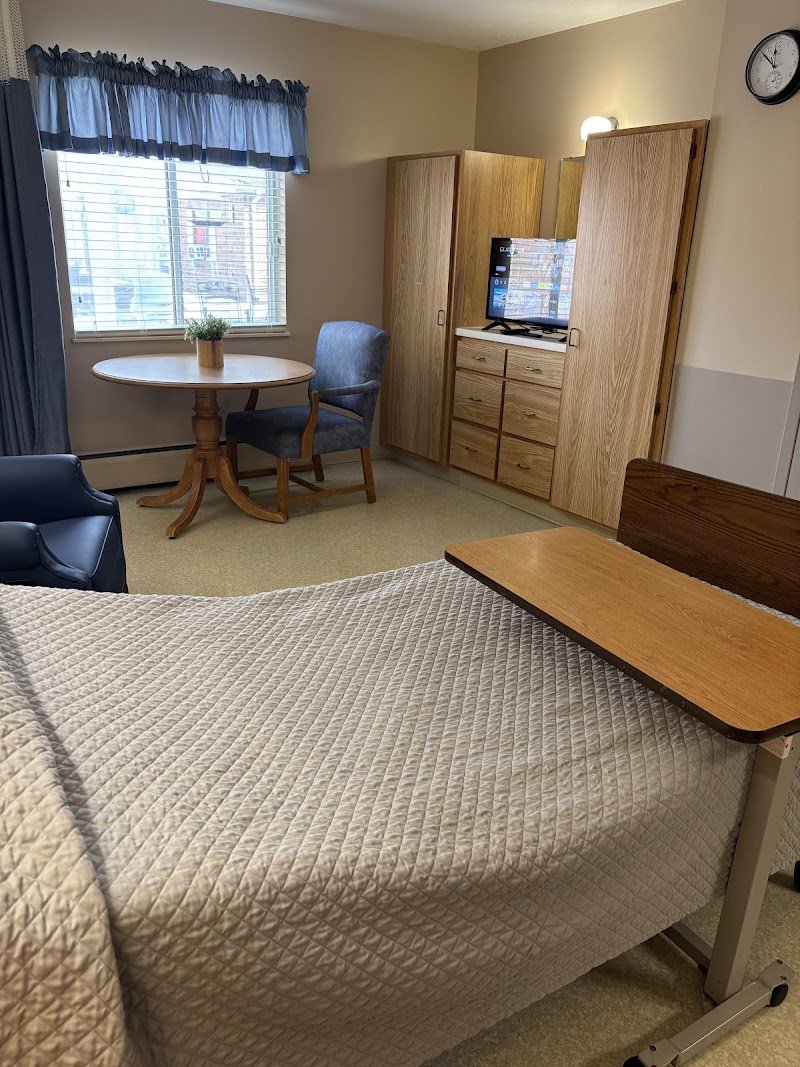
How Does Doylestown Health Compare to Other Ohio Nursing Homes?

Compared to the 100 nursing homes in Ohio, DOYLESTOWN HEALTH CARE CENTER's overall rating (4 stars) is above the state average of 3.2, staff turnover (51%) is near the state average of 46%, and health inspection rating (3 stars) is at the national benchmark.

What Should Families Ask When Visiting Doylestown Health?

Based on this facility's data, families visiting should ask: "Can I visit during a mealtime to observe dining assistance and food quality?" "How do you handle medical emergencies, and what is your hospital transfer rate?" "Can I speak with family members of current residents about their experience?"

Is Doylestown Health Safe?

Based on CMS inspection data, DOYLESTOWN HEALTH CARE CENTER has a clean safety record: no substantiated abuse findings (meaning no confirmed cases of resident harm), no Immediate Jeopardy citations (the most serious violation level indicating risk of serious injury or death), and is not on the Special Focus Facility watch list (a federal program monitoring the lowest-performing 1% of nursing homes). The facility has a 4-star overall rating and ranks #1 of 100 nursing homes in Ohio. While no facility is perfect, families should still ask about staff-to-resident ratios and recent inspection results during their visit.

Do Nurses at Doylestown Health Stick Around?

DOYLESTOWN HEALTH CARE CENTER has a staff turnover rate of 51%, which is 5 percentage points above the Ohio average of 46%. Moderate turnover is common in nursing homes, but families should still ask about staff tenure and how the facility maintains care continuity when employees leave.

Was Doylestown Health Ever Fined?

DOYLESTOWN HEALTH CARE CENTER has no federal fines on record. CMS issues fines when nursing homes fail to meet care standards or don't correct problems found during inspections. The absence of fines suggests the facility has either maintained compliance or corrected any issues before penalties were assessed. This is a positive indicator, though families should still review recent inspection reports for the full picture.

Is Doylestown Health on Any Federal Watch List?

DOYLESTOWN HEALTH CARE CENTER is not on any federal watch list. The most significant is the Special Focus Facility (SFF) program, which identifies the bottom 1% of nursing homes nationally based on persistent, serious quality problems. Not being on this list means the facility has avoided the pattern of deficiencies that triggers enhanced federal oversight. This is a positive indicator, though families should still review the facility's inspection history directly.