GRAND RAPIDS CARE CENTER
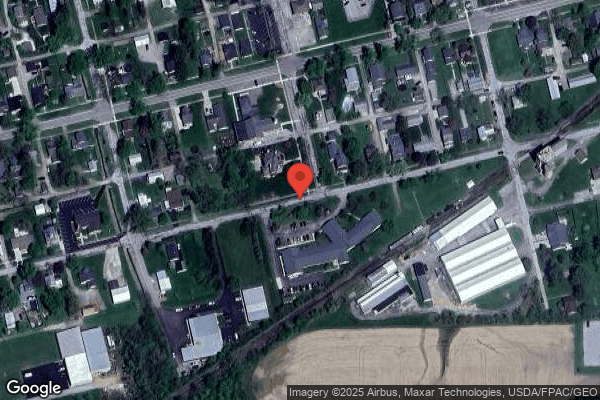
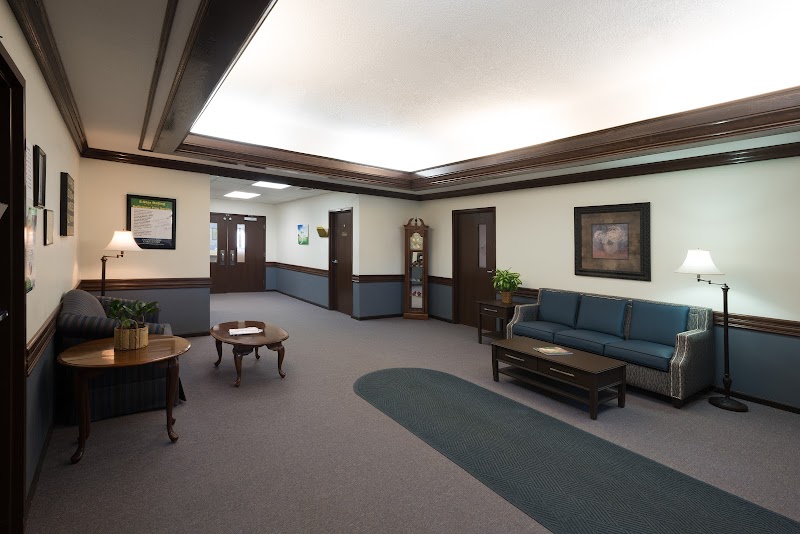
24201 W 3RD ST, GRAND RAPIDS, OH 43522 (419) 832-5195
For profit - Corporation 32 Beds SABER HEALTHCARE GROUP Data: November 2025
Trust Grade
85/100
#73 of 913 in OH
Last Inspection: April 2024

Within standard 12-15 month inspection cycle. Federal law requires annual inspections.

Overview

Grand Rapids Care Center has a Trust Grade of B+, indicating it is above average and recommended for families seeking care. It ranks #73 out of 913 facilities in Ohio, placing it in the top half, and #2 of 11 in Wood County, meaning only one nearby option is rated higher. The facility is improving, with issues decreasing from 9 in 2023 to 3 in 2024. Staffing is a strength, with a rating of 4 out of 5 stars and a turnover rate of 32%, which is significantly lower than the state average, suggesting that staff members are well acquainted with the residents. Notably, the center has not incurred any fines, indicating compliance with regulations, and has greater RN coverage than 98% of Ohio facilities, which is beneficial for resident care. However, there have been some concerns identified. For instance, staff failed to serve meals in a sanitary manner, which could pose health risks for residents, and there was a delay in referring a resident for dental services, potentially impacting their overall well-being. Additionally, a care plan for one resident did not adequately address their depression and medication needs. While there are strengths in staffing and overall care, these incidents highlight areas that need attention to ensure the highest quality of care.

Trust Score
B+
85/100
In Ohio
#73/913
Top 7%
Safety Record
Low Risk
No red flags
Inspections
Getting Better
9 → 3 violations
Staff Stability
○ Average
32% turnover. Near Ohio's 48% average. Typical for the industry.
Penalties
✓ Good
No fines on record. Clean compliance history, better than most Ohio facilities.
Skilled Nurses
✓ Good
Each resident gets 59 minutes of Registered Nurse (RN) attention daily — more than average for Ohio. RNs are trained to catch health problems early.
Violations
⚠ Watch
15 deficiencies on record. Higher than average. Multiple issues found across inspections.
★★★★★
5.0
Overall Rating
★★★★☆
4.0
Staff Levels
★★★★★
5.0
Care Quality
★★★★★
5.0
Inspection Score
Stable
2023: 9 issues
2024: 3 issues

The Good

  • 4-Star Staffing Rating · Above-average nurse staffing levels
  • 5-Star Quality Measures · Strong clinical quality outcomes
  • Full Sprinkler Coverage · Fire safety systems throughout facility
  • No fines on record
  • Staff turnover below average (32%)

    16 points below Ohio average of 48%

Facility shows strength in staffing levels, quality measures, fire safety.

The Bad

Staff Turnover: 32%

14pts below Ohio avg (46%)

Typical for the industry

Chain: SABER HEALTHCARE GROUP

Part of a multi-facility chain

Ask about local staffing decisions and management

The Ugly 15 deficiencies on record

Apr 2024 3 deficiencies
CONCERN (D)

Potential for Harm - no one hurt, but risky conditions existed

Deficiency F0657 (Tag F0657)

Could have caused harm · This affected 1 resident

Based on medical record review, staff interview, and review of facility policy, the facility failed to ensure resident care plans were revised to included supports and interventions for depression and...

Read full inspector narrative →
Based on medical record review, staff interview, and review of facility policy, the facility failed to ensure resident care plans were revised to included supports and interventions for depression and related antidepressant use. This affected one resident (#3) of five residents reviewed for unnecessary medications. The facility census was 30. Findings Include: Review of Resident #3's medical record revealed an admission date of 10/02/23. Diagnoses included type II diabetes, heart disease, peripheral vascular disease, depression, osteomyelitis, pain, kidney cancer, prostate cancer, and lymphedema. Review of Resident #3's Minimum Data Set (MDS) assessment, 04/07/24, revealed Resident #3 was cognitively intact. Resident #3 displayed no behaviors during the review period. Review of Resident #3's physician orders revealed an order dated 12/18/23 for mirtazapine tablet 7.5 milligrams (mg), administer one tablet at bedtime for depression. An order dated 01/22/24 included Zoloft 25 mg and 50 mg for a total of 75 mg once a day for diagnosis of depression. Review of Resident #3's care plan revised 03/04/24 revealed no care plan support or intervention was found related to Resident #3's depression or antidepressant use. Interview on 04/11/24 at 10:53 A.M. with the Director of Nursing (DON) verified there were no care plan supports for Resident #3's depression. Review of the facility policy titled,Comprehensive Care Planning Policy revised 03/02/21 revealed the facility must develop a comprehensive person centered care plan for each resident which included measurable objectives and timetables to meet the resident's medical, nursing, and mental and psychosocial needs. The comprehensive care plan was to be reviewed and updated at least every 90 days.
CONCERN (D)

Potential for Harm - no one hurt, but risky conditions existed

Dental Services (Tag F0791)

Could have caused harm · This affected 1 resident

**NOTE- TERMS IN BRACKETS HAVE BEEN EDITED TO PROTECT CONFIDENTIALITY** Based on review of the medical record, observation, interview, and policy review, the facility failed to ensure a resident was t...

Read full inspector narrative →
**NOTE- TERMS IN BRACKETS HAVE BEEN EDITED TO PROTECT CONFIDENTIALITY** Based on review of the medical record, observation, interview, and policy review, the facility failed to ensure a resident was timely referred for dental services for missing dentures. This affected one (#5) of one resident reviewed for dental services. The facility census was 30. Findings include Review of the medical record revealed Resident #5 had an admission date of 03/17/23. Diagnoses included chronic obstructive pulmonary disease, congestive heart failure, chronic kidney disease stage three, atrial fibrillation, vascular dementia, hypertension, osteoarthritis, and fibromyalgia. Review of the quarterly Minimum Data Set (MDS) assessment dated [DATE] revealed the resident had intact cognition. Review of the plan of care initiated 01/24/24 revealed the resident had impaired dental/oral hygiene related to no natural teeth and the resident wore full dentures. Interventions included to encourage the resident to remove dentures at bedtime and store dentures in proper container to soak, obtain dental consult as needed, and provide assistance for oral hygiene as needed. Review of an oral cavity observation assessment dated [DATE] at 11:39 A.M. revealed the resident's dentures were described as having a good fit. Observation on 04/09/24 at 11:08 A.M. revealed the resident was edentulous (no teeth) and was not wearing dentures. Interview on 04/09/24 at 11:08 A.M., Resident #5 revealed her dentures were lost and she had not seen the dentist. Resident #5 revealed she lost her dentures a couple of months ago. Resident #5 revealed she reported the lost dentures to Social Services Designee (SSD) #536. Resident #5 revealed she was able to put in her own dentures and take them out but staff assisted her by getting the storage container. Interview on 04/10/24 at 11:41 A.M., SSD #536 revealed he was not aware the resident was missing her dentures. SSD #536 revealed he would get the resident a dental consult. Interview on 04/10/24 at 2:33 P.M. State Tested Nursing Assistant (STNA) #530 revealed Resident #5 required set up for oral care. STNA #530 revealed staff provided the resident her dentures and the resident was able to apply them. STNA #530 revealed the last time she cared for the resident a couple of weeks ago the resident's dentures were missing. STNA #530 was unaware how long the resident's dentures were missing. STNA #530 revealed she reported the missing dentures to the Director of Nursing (DON). Interview on 04/11/24 at 9:37 A.M., the DON revealed staff had not reported the resident's missing dentures recently. The DON revealed the resident had lost her dentures a couple of times but they had been found. Interview of 04/11/24 at 3:38 P.M., STNA #522 revealed the resident's dentures had been missing since the end of February or the beginning of March. STNA #522 revealed she notified the DON about the missing dentures. Interview on 04/12/24 7:35 A.M., Licensed Practical Nurse (LPN) #512 revealed she completed the resident's oral cavity assessment on 03/20/24. LPN #512 verified the assessment documentation was incorrect. LPN #512 verified she never saw the resident's dentures during the assessment. Review of the policy titled Dental Services Policy, last revised 04/02/24, revealed the would make prompt referrals for residents with lost or damaged dentures. Further review of the policy revealed the Director of Nursing Services or designee or any clinical staff member was responsible for notifying Social Services of a resident's need for dental services. The facility would promptly, within three days, refer residents with lost or damaged dentures for dental services.
MINOR (C)

Minor Issue - procedural, no safety impact

Staffing Data (Tag F0851)

Minor procedural issue · This affected most or all residents

Based on the review of the facility's Payroll-Based Journal (PBJ) Staffing Data Report, staffing schedule, posted daily staffing sheets, staff time sheets, and staff interview, the facility failed to ...

Read full inspector narrative →
Based on the review of the facility's Payroll-Based Journal (PBJ) Staffing Data Report, staffing schedule, posted daily staffing sheets, staff time sheets, and staff interview, the facility failed to submit accurate information in the PBJ for the first quarter of 2024. This had the potential to affect all residents. The facility census was 30. Findings Include: Review of the Payroll-Based Journal (PBJ) Staffing Data Report revealed the facility triggered for not having licensed nursing coverage 24 hours a day in the first quarter of 2024. The specific days identified were 10/05/24, 12/24/23, 12/25/23, 12/26/23, 12/27/23, 12/28/23, 12/29/23, 12/30/23, and 12/31/23. Review of the Staffing Schedule, Posted Daily Staffing sheets, and corresponding time cards for nursing staff for 10/05/24, 12/24/23, 12/25/23, 12/26/23, 12/27/23, 12/28/23, 12/29/23, 12/30/23, and 12/31/23 revealed there was 24 hour nursing coverage for all the specified days indicated in the PBJ staffing data report. Interview on 04/10/24 at 8:13 A.M. with the Director of Nursing (DON) verified there was 24 hour nursing coverage for the days indicated in the PBJ as not having coverage. The DON reported it was corporate who entered the PBJ data and verified the data was not entered correctly.
May 2023 9 deficiencies
CONCERN (D)

Potential for Harm - no one hurt, but risky conditions existed

Deficiency F0567 (Tag F0567)

Could have caused harm · This affected 1 resident

Based on review of resident personal fund account documentation and staff interview, the facility failed to ensure witness signatures were obtained when personal fund accounts were opened. This affect...

Read full inspector narrative →
Based on review of resident personal fund account documentation and staff interview, the facility failed to ensure witness signatures were obtained when personal fund accounts were opened. This affected two (#6 and #7) of five residents reviewed for personal fund accounts. The census was 28. Findings include: 1. Review of Resident #6's resident fund management authorization to handle resident funds revealed an undated and unwitnessed signature by the resident. Review of resident fund balance activity revealed a current balance as of 05/21/23 to be $698.62. 2. Review of Resident #7's resident fund management authorization to handle resident funds revealed an undated and unwitnessed signature by the resident's guardian. Review of the resident fund balance activity revealed a current balance as of 05/21/23 to be $1,100.31. On 05/24/23 at 8:30 A.M., interview with the Business Office Manager verified Resident #6 and Resident #7 did not have witness signatures to authorize management of resident funds.
CONCERN (D)

Potential for Harm - no one hurt, but risky conditions existed

Notification of Changes (Tag F0580)

Could have caused harm · This affected 1 resident

**NOTE- TERMS IN BRACKETS HAVE BEEN EDITED TO PROTECT CONFIDENTIALITY** Based on medical record review, staff interview, and facility policy review, the facility failed to ensure the resident and resi...

Read full inspector narrative →
**NOTE- TERMS IN BRACKETS HAVE BEEN EDITED TO PROTECT CONFIDENTIALITY** Based on medical record review, staff interview, and facility policy review, the facility failed to ensure the resident and resident representative were notified of changes in medication and test results. This affected two (#5 and #19) of two residents reviewed for notification of change. The facility census was 28. Findings include: 1. Review of the medical record revealed Resident #5 was admitted on [DATE]. Diagnoses included chronic obstructive pulmonary disease, spinal stenosis lumbar region, essential hypertension, fibromyalgia, ulcer of esophagus without bleeding, dysphagia, mixed hyperlipidemia, major depressive disorder, generalized anxiety disorder, chronic kidney disease stage three, and chronic diastolic (congestive) heart failure. Review of the Minimum Data Set (MDS) assessment, dated 05/05/23, revealed the resident was cognitively intact. Review of a pharmacy recommendation, dated 05/02/23, revealed Resident #5 was prescribed the antidepressant Doxepin by mouth every night at bedtime for depression and anxiety and also took the antidepressant Zoloft 50 milligrams (mg) by mouth daily. The recommendation was to re-evaluate the continued use of Doxepin and consider if the medication can be discontinued as it was an anticholinergic and high risk medication in the elderly. On 05/08/23 the physician accepted the recommendation to discontinue the medication. Review of Resident #5's physician orders revealed an order dated 03/17/23 for Doxepin oral capsule 10 mg. The order was discontinued on 05/08/23. The medical record was silent of resident notification. Review of a nursing progress note, dated 05/11/23, revealed Resident #5 was noted, during a care conference, with shortness of breath, a loose productive cough, and lung sounds were noted with inspiratory and expiratory wheezes. A rescue inhaler was given as ordered with some relief and the physician was notified and waiting a response. Review of a nursing progress note, dated 05/11/23, revealed a new order received for a chest x-radiation (x-ray) and the diuretic Lasix 20 mg for three days. Resident #5 was updated on the order. Review of Resident #5's nursing progress note, dated 05/12/23, revealed x-ray results revealed no acute cardiopulmonary process. The medical record was silent for resident notification of the results. Interview on 05/21/23 at 9:27 A.M. with Resident #5 revealed she was not informed of medication changes stating one medication was discontinued with no explanation. Resident #5 stated she wanted to be involved in her health status updates as she did prior to living in a facility. Resident #5 further stated she recently had a x-ray and never received an update of the results. 2. Review of the medical record revealed Resident #19 was admitted on [DATE]. Diagnoses included major depressive disorder, Alzheimer's disease with late onset, unspecified dementia with other behavioral disturbance, and gastro-esophageal reflux disease without esophagitis. Review of the MDS assessment, dated 04/13/23, revealed the resident was severely cognitively impaired. Review of Durable Power of Attorney documentation, dated 11/03/14, revealed Resident #19 had two named durable power of attorneys-in-fact. Review of a physician progress note, dated 02/15/23, revealed Resident #19 wandered, exhibited irritability, and reported lack of interest in food. The note stated the facility would start the cognition-enhancing medication Aricept five (5) milligrams (mg) by mouth nightly for management of behavioral and psychological symptoms associated with dementia. The medical record was silent for notification to Resident #19's representative of notification. Review of a physician order, dated 02/15/23 and continued on 04/05/23, revealed Resident #19 had an active order for Aricept oral tablet 5 mg by mouth. Interview on 05/22/23 at 5:17 P.M. with Resident #19's representative reported they were notified by pharmacy on an unknown date that Resident #19's insurance approved Resident #19 to receive Aricept. Resident #19 representative stated she never was notified of the new medication and it would not have been a medication Resident #19 would have wanted. Interview on 05/23/23 at 3:18 P.M., with the Director of Nursing (DON) verified there was no documentation of notification for Resident #5 and Resident #19's medication changes and Resident #5's x-ray results. Review of the policy titled, Resident Change in Condition, revised 07/02/21, revealed the resident/physician or the provider/family/responsible party will be notified when there has been a need to alter the resident's medical treatment including a change in provider orders.
CONCERN (D)

Potential for Harm - no one hurt, but risky conditions existed

Safe Environment (Tag F0584)

Could have caused harm · This affected 1 resident

**NOTE- TERMS IN BRACKETS HAVE BEEN EDITED TO PROTECT CONFIDENTIALITY** Based on medical record review, observation, and staff interview, the facility failed to ensure resident rooms were maintained i...

Read full inspector narrative →
**NOTE- TERMS IN BRACKETS HAVE BEEN EDITED TO PROTECT CONFIDENTIALITY** Based on medical record review, observation, and staff interview, the facility failed to ensure resident rooms were maintained in good repair. This affected one (#6) of 28 residents reviewed. The facility census was 28. Findings include: Review of the medical record revealed Resident #6 was admitted on [DATE]. Diagnoses included schizophrenia, chronic obstructive pulmonary disease, and bilateral primary osteoarthritis. Review of the Minimum Data Set (MDS) assessment, dated 04/25/23, revealed the resident was moderately cognitively impaired. Observation on 05/21/23 at 8:30 A.M. revealed a wall in Resident #6's room had large scrapes and holes in the wall measuring approximately three feet long by one foot wide. Interview on 05/23/23 at 1:35 P.M. with Licensed Practical Nurse (LPN) #206 indicated she was not aware how long the scrapes and holes were present and appeared alarmed at the size of the wall damage. Interview on 05/23/23 at 1:42 P.M. with Maintenance #236 verified the holes in Resident #6's room started off as a small poke of a hole and became worse over time. Maintenance #236 reported the hole was there for an unknown amount of time but at least three months.
CONCERN (D) 📢 Someone Reported This

A family member, employee, or ombudsman was alarmed enough to file a formal complaint

Potential for Harm - no one hurt, but risky conditions existed

Report Alleged Abuse (Tag F0609)

Could have caused harm · This affected 1 resident

**NOTE- TERMS IN BRACKETS HAVE BEEN EDITED TO PROTECT CONFIDENTIALITY** Based on medical record review, review of a self-reported incident, resident representative interview, staff interview, and faci...

Read full inspector narrative →
**NOTE- TERMS IN BRACKETS HAVE BEEN EDITED TO PROTECT CONFIDENTIALITY** Based on medical record review, review of a self-reported incident, resident representative interview, staff interview, and facility policy review, the facility failed to timely report allegations of misappropriation to the State Survey Agency. This affected one (#19) of one resident reviewed for misappropriation. The facility census was 28. Findings include: Review of the medical record revealed Resident #19 was admitted on [DATE]. Diagnoses included major depressive disorder, Alzheimer's disease with late onset, unspecified dementia with other behavioral disturbance, and gastro-esophageal reflux disease without esophagitis. Review of the Minimum Data Set (MDS) assessment, dated 04/13/23, revealed the resident was severely cognitively impaired. Review of self-reported incident (SRI) #235054, dated 05/16/23, revealed Resident #19's family reported Resident #19 was missing a ring. The facility searched for the ring and could not find it. The report stated Resident #19 had dementia and could have taken the ring off anywhere, but the facility would continue to look for the ring. Social Services #206 was notified on 05/14/23 at 10:45 A.M. of the missing ring and notified the Administrator. The SRI was not created and submitted to the State Survey Agency until 05/16/23. Interview on 05/22/23 at 5:17 P.M. with Resident #19's representative reported while visiting Resident #19 on Sunday, 05/14/23, it was noticed that Resident #19's sapphire ring was not on her finger. Resident #19's representative reported the ring had high sentimental value and was monetarily valued at $2,500.00 over 20 years ago. It was reported a physician order was put in place every shift as a safety net to monitoring the ring, and the last time Resident #19's representative observed the ring was in March 2023. Interview on 05/23/23 at 9:51 A.M. with the Administrator verified the facility did not initiate a SRI within 24 hours related to Resident #19's ring. It was reported initially the facility considered the ring missing, and after a couple of days considered it under possible misappropriation. Review of the policy titled, Ohio Resident Abuse Policy, revised 10/03/22, verified all allegations of abuse, neglect, involuntary seclusion, injuries of unknown source, and misappropriation of resident property must be reported immediately to the Administrator, Director of Nursing, and to the applicable state agency. This deficiency represents non-compliance investigated under Complaint Number OH00143098.
CONCERN (D)

Potential for Harm - no one hurt, but risky conditions existed

Pressure Ulcer Prevention (Tag F0686)

Could have caused harm · This affected 1 resident

**NOTE- TERMS IN BRACKETS HAVE BEEN EDITED TO PROTECT CONFIDENTIALITY** Based on observation, medical record review, staff interview, and facility policy review, the facility failed to ensure interven...

Read full inspector narrative →
**NOTE- TERMS IN BRACKETS HAVE BEEN EDITED TO PROTECT CONFIDENTIALITY** Based on observation, medical record review, staff interview, and facility policy review, the facility failed to ensure interventions were implemented to prevent pressure ulcer development or worsening of a current pressure ulcer. This affected one (#28) of two residents reviewed for pressure ulcers. The facility census was 28. Findings include: Review of Resident #28's medical record revealed an admission date of 02/20/23 with the diagnosis including, encephalopathy, diabetes mellitus type II, stage three sacral pressure ulcer, COVID-19, necrotizing fasciitis, neuropathic bladder, malnutrition, prothrombin gene mutation, dysphagia, anemia, thrombophilia, nephrotic syndrome, hypertension, and cerebral infarction. Review of the Minimum Data Set assessment dated [DATE] revealed Resident #28 was assessed with severely impaired cognition, was dependent on staff for the completion of activities of daily living including bed mobility and transfers, was incontinent of bowel, had an indwelling urinary catheter, received all nutrition via tube feeding, and was at risk for pressure ulcer development with a stage IV pressure ulcer (full-thickness skin and tissue loss) present on admission. Review of a pressure ulcer risk assessment completed on 05/03/23 scored Resident #28 at very high risk for pressure ulcer development. Review of a nursing plan of care developed on 02/22/23 to address Resident #28 potential for skin breakdown related to immobility, diabetes mellitus type II, and incontinence revealed interventions included to turn and reposition as indicated, use pressure relieving devices as indicated, bilateral heel protectors as tolerated while in bed, bilateral pressure relieving boots as tolerated, elevate heels off the mattress per routine and/or as needed as resident allows, a specialty air mattress with bed bolsters as ordered, and a specialty wheelchair cushion as ordered. Review of wound specialist evaluation documentation on 05/15/23 revealed Resident #28 was evaluated for a stage IV pressure ulcer to the coccyx present on admission of 02/21/23. The wound description included measurements 6.5 centimeters (cm) long by 4.5 cm wide by 2.0 cm deep with undermining tissue measuring 3.0 cm at the 9:00 o'clock position. The wound was documented as improving. The wound specialist interventions included off loading heels, pressure reducing cushion, barrier cream each shift, plan of care discussed with nursing, reposition every two hours, limit time in the chair, and a low air loss mattress. On 05/21/23 at 10:07 A.M., Resident #28 was observed in bed with off loading boots placed to the overbed table in the corner of the room. Observation on 05/22/23 at 7:40 A.M., 8:55 A.M., and 9:29 A.M. noted Resident #28 in bed and positioned to the left with both legs in the fetal position (legs flexed toward chest) without offloading boots or interventions in place to bilateral heels. Resident #28's pressure relieving boots remains in the chair in his room. On 05/22/23 at 9:50 A.M., interview with State Tested Nurse Aide (STNA) #229 stated she assumed care for Resident #28 at 6:00 A.M. and had not checked the resident for incontinence not had repositioned him. STNA #229 stated Resident #28 was to be checked every two hours due to frequent loose stools and current skin breakdown. STNA #229 also stated the off going staff was observed exiting the residents room at 6:00 A.M. On 05/22/23 at 9:58 A.M. observation noted STNA #229 and Licensed Practical Nurse (LPN) #200 to provide care to Resident #28. STNA #229 verified the resident was positioned in the same position for approximately four hours and had not been checked for incontinence or repositioned during her shift. STNA #229 proceeded to remove Resident #28 adult incontinence brief and discovered the resident incontinent of a large amount of liquid stool. Further observation confirmed stool was dried to the resident's buttocks. STNA #229 cleansed the stool from the resident and confirmed no barrier cream was in place. The resident's bilateral buttocks was observed with reddened tissue. Interview with LPN #200 at the time of observation on 05/22/23 at 9:58 A.M. verified no barrier cream was observed in place. Observation at that time revealed LPN #200 proceeded to remove a soiled pressure ulcer dressing to Resident #28's coccyx and replaced it with a clean dressing as ordered. Following the treatment the resident was positioned to the right side. Observation of the residents skin revealed indentation of bed linens to the resident's skin. On 05/22/23 at 11:05 A.M. interview with the Director of Nursing verified Resident #28 was required to be repositioned every two hours with pressure relief interventions implemented. Additional observations on 05/23/23 at 6:15 A.M. and 7:30 A.M. noted Resident #28 in bed without off loading boot or interventions to the bilateral heels. Resident #28's pressure relieving boots were observed in the room on the chair. Observation on 05/23/23 at 7:31 A.M. revealed LPN #206 assessed Resident #28's coccyx wound and it measured 6.2 cm long by 3.5 cm wide by 2.0 cm deep with 3.2 cm undermining. There were no observed pressure ulcers on Resident #28's heels. Review of the facility skin and wound care best practices, revised 06/10/22, revealed skin care and pressure injury prevention for residents at risk included to offload or suspend heels for at risk residents and reposition at a frequency determined by risk assessment to avoid pressure to bony prominence's.
CONCERN (D)

Potential for Harm - no one hurt, but risky conditions existed

Deficiency F0688 (Tag F0688)

Could have caused harm · This affected 1 resident

**NOTE- TERMS IN BRACKETS HAVE BEEN EDITED TO PROTECT CONFIDENTIALITY** Based on observation, medical record review, and staff interview, the facility failed to ensure physical therapy treatments and ...

Read full inspector narrative →
**NOTE- TERMS IN BRACKETS HAVE BEEN EDITED TO PROTECT CONFIDENTIALITY** Based on observation, medical record review, and staff interview, the facility failed to ensure physical therapy treatments and range of motion interventions were consistently implemented for a resident to prevent contracture and decreased joint mobility. This affected one (#28) of one residents reviewed for range of motion. The facility census was 28. Findings include: Review of Resident #28's medical record revealed and admission date of 02/20/23 with the diagnosis including, encephalopathy, diabetes mellitus type II, stage three sacral pressure ulcer, COVID-19, necrotizing fasciitis, neuropathic bladder, malnutrition, prothrombin gene mutation, dysphagia, anemia, thrombophilia, nephrotic syndrome, hypertension, and cerebral infarction. Review of the Minimum Data Set (MDS) assessment dated [DATE] revealed Resident #28 was assessed with severely impaired cognition, was dependent on staff for the completion of activities of daily living including bed mobility and transfers, was incontinent of bowel, had an indwelling urinary catheter, received all nutrition via tube feeding, and was at risk for pressure ulcer development with a stage IV pressure ulcer (full-thickness skin and tissue loss) present on admission. Review of admission progress notes dated 02/25/23 at 1:11 A.M. revealed Resident #28 was assessed with unequal strength to bilateral arms and the resident was unable to squeeze hands due to unresponsiveness and unable was to follow command. Review of a nursing plan of care dated 03/31/23 revealed a plan was implemented to address Resident #28's provision of activities of daily living due to a self care deficit related to a cerebral vascular accident. Interventions included to evaluate needs for adaptive equipment, educate and direct the use of assistive devices, and refer to physical therapy (PT), occupational therapy (OT), and speech therapy (ST) as needed. Review of a progress note on 04/12/23 revealed Resident #28 returned from a hospitalization and the assessment noted Resident #28 had abnormal hand-grasps, contractures, and was unable to follow commands. Review of PT discharge summary documentation dated between 04/18/23 and 05/16/23 noted the reason for was Resident #28 achieved the highest practical level. Resident #28's PT included a goal to increase left elbow, bilateral knee, and hip extension by 10 degrees and implement a stretching program to reduce skin breakdown and preserve muscle length to not impair ability to achieve sitting and lying positions. On 04/18/23 Resident #28's baseline was assessed as dependent, and on 05/16/23 a discharge assessment documented Resident #28 improved to tolerating 15 degrees at the knees and hips. Discharge recommendations for a home exercise program with a prognosis to maintain current level of function was listed as good with consistent staff follow through. There was no documentation provided which indicated the specific exercises to implement, if staff was trained to perform the exercises, or assistive devices to utilize to prevent potential contractures. Observation on 05/21/23 at 10:07 A.M. noted Resident #28 in bed with lower extremities in the fetal position (legs to chest) and hands with washcloth rolls. On 05/22/23 at 7:40 A.M. the resident was in bed with no washcloth rolls in hands with his left hand closed and legs in the fetal position. On 05/22/23 at 10:05 A.M. interview with State Tested Nurse Aide (STNA) #229 and Licensed Practical Nurse (LPN) #200, while observing resident care, revealed no knowledge of Resident #28 being provided with specific exercises including range of motion or a home exercise program. Staff also confirmed no assistive devices were in place to address contractures, and staff indicated washcloth rolls or foam balls were placed to the resident's bilateral hands at the family direction. On 05/22/23 at 11:00 A.M. interview with Certified Occupational Therapy Assistant, identified as Therapy Director (TD) #400, revealed when Resident #28 was discharged from therapy an unidentified STNA was informed of the exercise program. TD #400 confirmed the staff's lack of knowledge regarding Resident #28's home exercise program. TD #400 was unable to provide evidence indicating which STNA was provided education on the resident's exercise program. TD verified the resident was noted with progressive decrease in range of motion; however, no physical device to implement was determined at the time of therapy discharge. On 05/22/23 at 11:05 A.M. interview with the Director of Nursing was unable to provide information confirming staff was provided with education regarding Resident #28's exercise program or interventions to address the resident's range of motion.
CONCERN (D)

Potential for Harm - no one hurt, but risky conditions existed

Incontinence Care (Tag F0690)

Could have caused harm · This affected 1 resident

**NOTE- TERMS IN BRACKETS HAVE BEEN EDITED TO PROTECT CONFIDENTIALITY** Based on observation, medical record review, staff interview, and facility policy review, the facility failed to ensure dependen...

Read full inspector narrative →
**NOTE- TERMS IN BRACKETS HAVE BEEN EDITED TO PROTECT CONFIDENTIALITY** Based on observation, medical record review, staff interview, and facility policy review, the facility failed to ensure dependent residents received timely care and services to address bowel incontinence. This affected one (#28) of one residents reviewed for incontinence. The facility identified eleven residents as occasionally or frequently incontinent of bowel. The facility census was 28. Findings include: Review of Resident #28's medical record revealed an admission date of 02/20/23 with the diagnosis including, encephalopathy, diabetes mellitus type II, stage three sacral pressure ulcer, COVID-19, necrotizing fasciitis, neuropathic bladder, malnutrition, prothrombin gene mutation, dysphagia, anemia, thrombophilia, nephrotic syndrome, hypertension, and cerebral infarction. Review of the Minimum Data Set assessment dated [DATE] revealed Resident #28 was assessed with severely impaired cognition, was dependent on staff for the completion of activities of daily living including bed mobility and transfers, was incontinent of bowel, had an indwelling urinary catheter, received all nutrition via tube feeding, and was at risk for pressure ulcer development with a stage IV pressure ulcer (full-thickness skin and tissue loss) present on admission. Review of a nursing plan of care dated 02/22/23 revealed the facility developed a plan to address Resident #28's bowel movement pattern. The plan of care goal included Resident #28 would receive assistance with toileting, would be comfortable, clean, and dry, and free from skin breakdown. Interventions included to administer medications per physician order, assess resident pattern of bowel movement and episodes of incontinence, monitor rectal area for redness, irritation, skin excoriation or breakdown, barrier cream or ointment after incontinence as needed, and provide incontinence care as needed. Review of a late entry progress note on 02/24/23 at 6:00 P.M. revealed Resident #28 was incontinent of bowel. The resident's assessment revealed his abdomen was non-tender with loose stools and bowel sounds in all four quadrants. Review of a physician order noted on 05/09/23 revealed the physician ordered a general surgery consult for Resident #28 for a diverting colostomy (a piece of the colon is surgically diverted to an artificial opening in the abdominal wall) due to a stage four pressure ulcer and loose stools. Further review of Resident #28's medical record lacked documentation indicating a frequency established to monitor bowel patterns and episodes of bowel incontinence. Observation on 05/22/23 at 7:40 A.M., 8:55 A.M., and 9:29 A.M. noted Resident #28 in bed and positioned to the left with both legs in the fetal position (legs drawn up to the chest). On 05/22/23 at 9:50 A.M. interview with State Tested Nurse Aide (STNA) #229 revealed she assumed care for Resident #28 at 6:00 A.M. and had not checked the resident for incontinence. STNA #229 stated the resident was to be checked every two hours due to frequent loose stools and the off going staff was observed exiting the resident's room at 6:00 A.M. On 05/22/23 at 9:58 A.M., observation noted STNA #229 and Licensed Practical Nurse (LPN) #200 to provide care to Resident #28. STNA #229 verified the resident was positioned in the same position for approximately four hours and had not been checked for incontinence during her shift. STNA #229 proceeded to remove Resident #28 adult incontinence brief and discovered the resident was incontinent of a large amount of liquid stool. Further observation confirmed stool was dried to the resident's buttocks. STNA #229 cleansed the stool from the resident and confirmed no barrier cream was in place. The residents bilateral buttocks was observed with reddened tissue. Interview with LPN #200 at the time of observation verified no barrier cream was observed in place. On 05/22/23 at 11:05 A.M. interview with the Director of Nursing (DON) verified Resident #28 required frequent incontinence care due to frequent loose stools and skin breakdown. The DON confirmed no documentation contained in the medical record indicated a specific schedule or pattern related to the resident's bowel habits was established. Review of an undated policy related to identifying incontinence, revealed the licensed nurse will instruct nursing assistants to fill out the 72 hour diary using their observations. The nursing assistants fill out the bowel and bladder continence evaluation for after providing care. The resident is monitored hourly and findings are documented.
CONCERN (D)

Potential for Harm - no one hurt, but risky conditions existed

Medical Records (Tag F0842)

Could have caused harm · This affected 1 resident

**NOTE- TERMS IN BRACKETS HAVE BEEN EDITED TO PROTECT CONFIDENTIALITY** Based on medical record review, resident representative interview, staff interview, review of witness statements, and review of ...

Read full inspector narrative →
**NOTE- TERMS IN BRACKETS HAVE BEEN EDITED TO PROTECT CONFIDENTIALITY** Based on medical record review, resident representative interview, staff interview, review of witness statements, and review of a self-reported incident, the facility failed to maintain accurate documentation in the medical record. This affected one (#19) of 13 resident records reviewed. The facility census was 28. Findings include: Review of the medical record revealed Resident #19 was admitted on [DATE]. Diagnoses included major depressive disorder, Alzheimer's disease with late onset, unspecified dementia with other behavioral disturbance, and gastro-esophageal reflux disease without esophagitis. Review of the Minimum Data Set (MDS) assessment, dated 04/13/23, revealed the resident was severely cognitively impaired. Review of a physician order, dated 04/28/19 to 05/17/23, revealed an order to observe that Resident #19's had a ring (sapphire and diamond) every shift. Review of Resident #19's May 2023 treatment administrative record revealed nursing staff documented the ring was in place on each shift 05/01/23 through first shift on 05/14/23. On 05/14/23, on night shift the ring was not documented as checked, and again on 05/15/23 and 05/16/23, both shifts the ring was documented as observed to be in place by staff. Review of self-reported incident (SRI) #235054, dated 05/16/23, revealed on 05/14/23 Resident #19's family reported Resident #19 was missing a ring. Review of a witness statement, dated 05/17/23, revealed Licensed Practical Nurse (LPN) #211 reported on 05/14/23 Resident #19's daughter came in and asked about a ring the resident did not have on. LPN #211 reported Resident #19 was seen with the ring on and off at times and had not seen the ring in over a month. Review of a witness statement, dated 05/16/23, revealed Registered Nurse (RN) #222 stated she had not seen Resident #19's ring since 05/12/23. Review of a witness statement, dated 05/18/23, revealed LPN #242 had not seen Resident #19's ring and did not recall the last time she saw it. Interview on 05/22/23 at 5:17 P.M. with Resident #19's representative reported when visiting Resident #19 on Sunday 05/14/23 they realized the sapphire ring was not on Resident #19's finger. Resident #19's representative reported the ring had high sentimental value and was monetarily valued at $2,500.00 over 20 years ago. It was reported a physician order was put in place every shift to help ensure the ring was observed. The last time Resident #19's representative observed the ring was in March 2023 when visiting last. Interview via telephone on 05/23/23 at 10:38 A.M. with RN #222 verified a documented check mark on the TAR indicated staff observed the ring was observed on Resident #19's finger. RN #222 stated the last time the ring was observed was on 05/12/23 as indicated on the May 2023 TAR. RN #222 did not observe the ring on Resident #19's finger on 05/15/23 as indicated on the TAR. Interview via telephone on 05/23/23 at 10:02 P.M. with LPN #242 verified the documentation on the May 2023 TAR on 05/14/23 and 05/15/23 on night shift indicated staff observed Resident #19's sapphire and diamond ring. LPN #242 stated staff saw a ring on Resident #19's finger for those days, but did not verify it was a sapphire and diamond ring.
MINOR (C)

Minor Issue - procedural, no safety impact

Deficiency F0730 (Tag F0730)

Minor procedural issue · This affected most or all residents

Based on review of employee personnel files and staff interview, the facility failed to complete performance reviews for state tested nurse aides (STNAs) at least once every 12 months. This affected t...

Read full inspector narrative →
Based on review of employee personnel files and staff interview, the facility failed to complete performance reviews for state tested nurse aides (STNAs) at least once every 12 months. This affected two (#230 and #240) of two STNAs reviewed for annual performance evaluations. This had the potential to affect all 28 residents in the facility. The census was 28. Findings include: 1. Review of STNA #230's employee personnel record revealed a hire date of 11/21/17. Further review of the employee personnel file revealed a performance evaluation had not been completed since November 2021. 2. Review of STNA #240's employee personnel record revealed a hire date of 08/07/19. Further review of the employee personnel file revealed a performance evaluation had not been completed since November 2021. Interview on 05/24/23 at 10:43 A.M., with Office Coordinator #213 confirmed STNA #230 and STNA #240 did not have performance reviews completed in the past 12 months. Office Coordinator #213 stated the former Director of Nursing did not complete performance reviews for STNAs as required.
Jan 2020 3 deficiencies
CONCERN (D)

Potential for Harm - no one hurt, but risky conditions existed

Deficiency F0561 (Tag F0561)

Could have caused harm · This affected 1 resident

**NOTE- TERMS IN BRACKETS HAVE BEEN EDITED TO PROTECT CONFIDENTIALITY** Based on medical record review, review of the facility's policy, observation and staff and resident interviews, the facility fai...

Read full inspector narrative →
**NOTE- TERMS IN BRACKETS HAVE BEEN EDITED TO PROTECT CONFIDENTIALITY** Based on medical record review, review of the facility's policy, observation and staff and resident interviews, the facility failed to ensure the resident's choices were honored. This affected two residents (#23 and #29) of three residents reviewed for choices. The facility census was 32. Findings include: 1. Review of the medical record for Resident #23 revealed the resident was admitted to the facility on [DATE]. Diagnoses included abnormal gait, amnesia, Parkinson's disease, neuropathy, sleep disorder, dementia and metabolic encephalopathy. Review of the annual Minimum Data Set (MDS) 3.0 assessment, dated 12/13/19, revealed the resident had moderate cognitive deficits. The assessment further revealed the resident required extensive assistance with bed mobility, transfer, dressing, toileting and personal hygiene. It further revealed it was very important to the resident to choose their own bedtime. Review of an All About Me assessment, dated 01/18/20, revealed the resident's preferred wake up time was between 5:00 A.M. and 7:00 A.M. Observation of Resident #23 on 01/28/20 at 5:05 A.M. revealed the resident was in bed with her top on. Interview with Resident #23 on 01/27/20 at 4:10 P.M. revealed she did not like the staff getting her up so early in the mornings and did not understand why they were doing it. She stated some days the State Tested Nursing Assistants (STNA) got her up by 4:30 A.M. She further stated they would get her washed up and dressed from the waist up. Resident #23 further stated some days the staff would put her back into bed and other days she was left up in her wheelchair and then sit there until breakfast which was after 8:00 A.M. She stated she would like to get up around 7:00 A.M. or 7:30 A.M. and has talked to the staff about this but it does not change. She further stated the staff told her they had to start their routine early to get it all done. She further stated some days they even changed the beds that early. Interview with STNA #120 on 01/28/20 at 5:45 A.M. verified they get Resident #23 up early. The STNA stated the resident was on the get up list for night shift so they were to get her washed up and get her top half dressed. She stated the resident did not want her pants back on when she laid back down. She further stated sometimes they had to lay her back down because she did not want to stay up. She verified today the resident was woke up at 5:30 A.M. and washed up completely, had her teeth brushed, shirt put on and was laid back down. She stated the resident did not want to stay up. STNA #120 further verified the resident had told her she did not want to get up that early and she put in on her daily report, but she could not change the facility's get up list and had been told the residents on the list had to get up. Interview with STNA #100 on 01/28/20 at 6:15 A.M. revealed the residents were to get up at night when they were on the night shift per the facility's get up list. She stated she started getting residents up for the day at 3:30 A.M. and had assisted STNA #120 with Resident #23 at 5:30 A.M. She verified the resident did not like getting up at that time but they let her go back to bed. She further verified the resident did not want to get up on 01/28/20 when they got her up but they had to do it anyway. Interview with Registered Nurse #210 on 01/28/20 at 6:20 A.M. revealed STNAs started getting residents up around 4:30 A.M. She verified she was aware Resident #23 really did not want to get up early but since she was on the facility's get up list, so the STNAs got her up. Interview with STNA #110 on 01/28/20 at 9:35 A.M. revealed Resident #23 was still in bed at 9:35 A.M. because she said she was woke up too early. Interview with the Director of Nursing on 01/28/20 at 6:48 A.M. revealed there was a list of residents who were to be got up by the night shift. She stated the residents on that list were there by their choice. She stated she had not been informed staff were getting residents up who did not want up and that if a resident did not want to get up early they should not be made to do so. Review of the facility's 6 P.M. to 6 A.M. Get Up List, dated 01/14/20, revealed the resident was on the list to be got up, washed, dressed, [NAME] hose applied and left in bed. 11 residents were on the facility's get up list. It further revealed residents who were placed in the wheelchair or chair were not to be gotten up until at least 5:30 A.M. unless they specified otherwise. 2. Review of the medical record for Resident #29 revealed the resident was admitted to the facility on [DATE]. Diagnoses included chronic peripheral venous insufficiency, atrial fibrillation, heart failure, lack of coordination, muscle weakness, heart failure, peripheral vascular disease and a non-pressure chronic ulcer of left ankle. Review of a quarterly MDS 3.0 assessment, dated 12/27/19, revealed the resident had no cognitive deficits or rejection of care. The resident required extensive assistance with bed mobility, transfers, dressing, toileting and limited assistance with personal hygiene. The resident was receiving hospice services. Review of a Certified Nurse Practitioner note, dated 01/21/20, revealed the resident informed her she was upset that she was woken up at 4:00 A.M. for the last couple mornings and did not understand why. Observation of Resident #29 on 01/28/20 at 5:00 A.M. revealed the resident was lying in bed, with a new top on from yesterday's observation. Interview with Resident #29 on 01/27/20 at 4:26 P.M. revealed she was upset staff got her up around 4:00 A.M. most mornings. She stated she then had to sit in her wheelchair and wait. She stated she had asked staff not to get her up until 7:30 A.M. but the staff told her they had to start early to get all their work done. She stated she gets tired and weak through the day and does not want to get up that early. Further interview with Resident #29 on 01/28/20 at 8:00 A.M. revealed staff came in today and got her up around 4:30 A.M., got her washed up, teeth brushed and her shirt changed and she did not want to get up at that time. Interview with STNA #120 on 01/28/20 at 5:45 A.M. verified they get Resident #29 up early. The STNA stated the resident was on the facility's get up list for night shift so they were to get her washed up and get her top half dressed. She stated the resident did not want her pants back on when she laid back down. She further stated sometimes they had to lay her back down because she did not want to stay up. She verified today the resident was woken up at 4:45 A.M. and washed up completely, had her teeth brushed, shirt put on and was laid back down. She stated the resident did not want to stay up. STNA #120 further verified the resident had told her she did not want to get up that early and she put in on her daily report, but she could not change the facility's get up list and had been told the residents on the list had to get up. Interview with STNA #100 on 01/28/20 at 6:15 A.M. revealed the residents were got up at night when they were on the night shift get up list. She stated she would get the resident washed up and half dressed and also put on her compression hose and brush her teeth. The STNA stated it was usually before 5:00 A.M. when she got to this resident. She further stated the resident had told her she did not want to get up when she approached her but she was on the facility's get up list and they had to do it anyway. She stated the resident did not like getting up that early but they let her go back to bed. Interview with Registered Nurse #210 on 01/28/20 at 6:20 A.M. revealed STNAs started getting residents up around 4:30 A.M. She verified she was aware Resident #29 really did not want to get up early but since she was on the get up list, the STNAs got her up. Review of the facility's 6 P.M. to 6 A.M. Get Up List, dated 01/14/20, revealed the resident was on the list to be gotten up, washed, dressed, [NAME] hose applied and left in bed. Review of the facility's policy titled Resident Rights and Facility Responsibilities, dated 11/2018, revealed it was the facility's policy to abide by all resident rights. It revealed the resident had a right to a dignified existence and self-determination. It further revealed each resident was to be treated with respect and dignity and care for each resident in a manner and in an environment that promoted maintenance or enhancement of his or her quality of life, recognizing each resident's individuality. It revealed the resident had the right to choose activities and schedules, including sleeping and wake up times.
CONCERN (D)

Potential for Harm - no one hurt, but risky conditions existed

Safe Environment (Tag F0584)

Could have caused harm · This affected 1 resident

Based on observation, resident representative interview, and staff interviews, the facility failed to maintain a clean and sanitary environment. This affected one (#131) of 17 residents reviewed for a...

Read full inspector narrative →
Based on observation, resident representative interview, and staff interviews, the facility failed to maintain a clean and sanitary environment. This affected one (#131) of 17 residents reviewed for a sanitary environment. The facility census was 32. Findings include: Review of the medical record for the Resident #131 revealed an admission date of 01/09/20. Diagnoses included muscle weakness, anxiety disorder, anemia, repeated falls and type two diabetes. Review of the five-day Minimum Data Set (MDS) assessment, dated 01/14/20, revealed the resident's cognition was intact and had no behaviors. The resident extensive assist of two persons for toileting and was occasionally incontinent of urine and always continent of bowel. Interview on 01/27/20 at 04:45 P.M. with the resident's representative revealed Resident #131 had a bedside commode because the bathroom toilet was clogged for awhile. The representative revealed the toilet has never flushed after the bedside commode was emptied into it, and the bathroom always smells of urine and feces. Observation on 01/28/20 at 11:11 A.M. of Resident #131 and her room revealed she was in the room sitting in her wheelchair. The bathroom revealed an odor of urine and feces. The toilet revealed an excessive amount of stool in the commode. The bedside commode had not been emptied and contained urine. Observation and interview on 01/28/20 at 11:14 A.M. with the Activities Director (AD) #300 confirmed the toilet was not flushed and revealed the aids were to flush when they empty the bedside commode. The AD #300 confirmed the bedside commode had not been emptied and contained urine. The AD #300 confirmed that even after she flushed the toilet, feces remained in the toilet and did not flush completely. Interview on 01/28/20 at 11:16 A.M. with STNA #110 revealed the STNAs were to empty and clean the bedside commode each time it was used. The STNA stated the toilet would not flush earlier and it has been an ongoing issue for a long time. Interview on 01/28/20 at 12:42 P.M. with the Maintenance Director (MD) #500 revealed he was not aware of an issue with the Resident #131's toilet. The MD denied the staff had ever complained the need for maintenance for Resident #131's toilet.
CONCERN (F)

Potential for Harm - no one hurt, but risky conditions existed

Food Safety (Tag F0812)

Could have caused harm · This affected most or all residents

Based on review of the facility's policy, observation and staff interviews, the facility failed to serve a lunch meal in a sanitary manner. This had the potential to affect all 32 of 32 residents who ...

Read full inspector narrative →
Based on review of the facility's policy, observation and staff interviews, the facility failed to serve a lunch meal in a sanitary manner. This had the potential to affect all 32 of 32 residents who received food from the kitchen. Findings include: Observation of the lunch dining room on 01/27/20 at 12:34 P.M. revealed 23 residents were present in the dining room. Two nursing staff were standing at the counter to receive resident meals. Observation of [NAME] #315 revealed her hands were gloved and she served three residents (#24, #14 and #27) their plates of food. [NAME] #315 served one resident their food and touched the resident on the shoulder with the same gloved hand and repeated this for the second and third resident. After the third resident was served, [NAME] #315 then picked up a resident's coffee mug and took it to the coffee pot to provide the resident with fresh coffee. [NAME] #315 then was observed to touch her hand to her sleeve and adjust the sleeve. She then went back to the serving area and proceeded to serve the remaining four residents with the same gloves. [NAME] #315 then was observed to plate the meal for nine residents who received their meal via the hall cart, again without changing her gloves or washing her hands after contaminating them by touching three residents, a coffee mug and a coffee pot. Interview with Food Service Director #325 on 01/27/20 at 12:43 P.M. revealed [NAME] #315 should not have left the serving area to deliver plates of food to the residents as that was to be completed by nursing staff. Interview with [NAME] #315 on 01/27/20 at 12:46 P.M. verified she should have changed her gloves before she returned to plating the remaining residents' food. Review of the facility's policy titled Sanitation and Infection Control, dated 05/24/18, revealed gloves were to be used for single use and were to be changed once they were contaminated.
Understanding Severity Codes (click to expand)
Life-Threatening (Immediate Jeopardy)
J - Isolated K - Pattern L - Widespread
Actual Harm
G - Isolated H - Pattern I - Widespread
Potential for Harm
D - Isolated E - Pattern F - Widespread
No Harm (Minor)
A - Isolated B - Pattern C - Widespread

Questions to Ask on Your Visit

  • "Can I speak with families of current residents?"
  • "What's your RN coverage like on weekends and overnight?"

Our Honest Assessment

Strengths
  • • Grade B+ (85/100). Above average facility, better than most options in Ohio.
  • • No major safety red flags. No abuse findings, life-threatening violations, or SFF status.
  • • No fines on record. Clean compliance history, better than most Ohio facilities.
  • • 32% turnover. Below Ohio's 48% average. Good staff retention means consistent care.
Concerns
  • • 15 deficiencies on record. Higher than average. Multiple issues found across inspections.
Bottom line: Generally positive indicators. Standard due diligence and a personal visit recommended.

About This Facility

What is Grand Rapids's CMS Rating?

CMS assigns GRAND RAPIDS CARE CENTER an overall rating of 5 out of 5 stars, which is considered much above average nationally. Within Ohio, this rating places the facility higher than 99% of the state's 100 nursing homes. This rating reflects solid performance across the metrics CMS uses to evaluate nursing home quality.
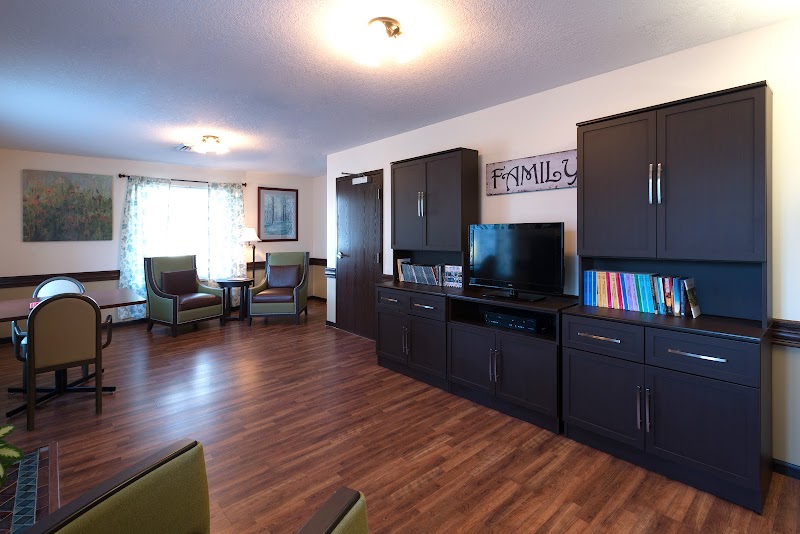
How is Grand Rapids Staffed?

CMS rates GRAND RAPIDS CARE CENTER's staffing level at 4 out of 5 stars, which is above average compared to other nursing homes. Staff turnover is 32%, compared to the Ohio average of 46%. This relatively stable workforce can support continuity of care.

What Have Inspectors Found at Grand Rapids?

State health inspectors documented 15 deficiencies at GRAND RAPIDS CARE CENTER during 2020 to 2024. These included: 13 with potential for harm and 2 minor or isolated issues.
Who Owns and Operates Grand Rapids?

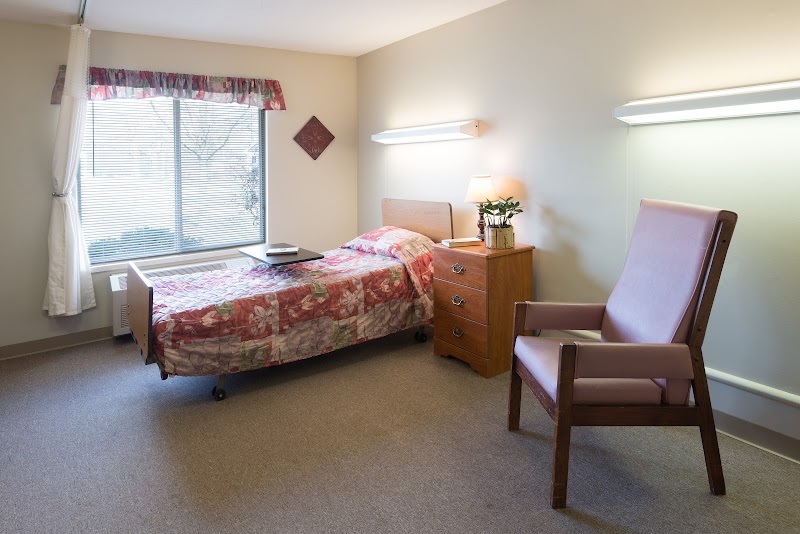
GRAND RAPIDS CARE CENTER is owned by a for-profit company. For-profit facilities operate as businesses with obligations to shareholders or private owners. The facility is operated by SABER HEALTHCARE GROUP, a chain that manages multiple nursing homes. With 32 certified beds and approximately 31 residents (about 97% occupancy), it is a smaller facility located in GRAND RAPIDS, Ohio.
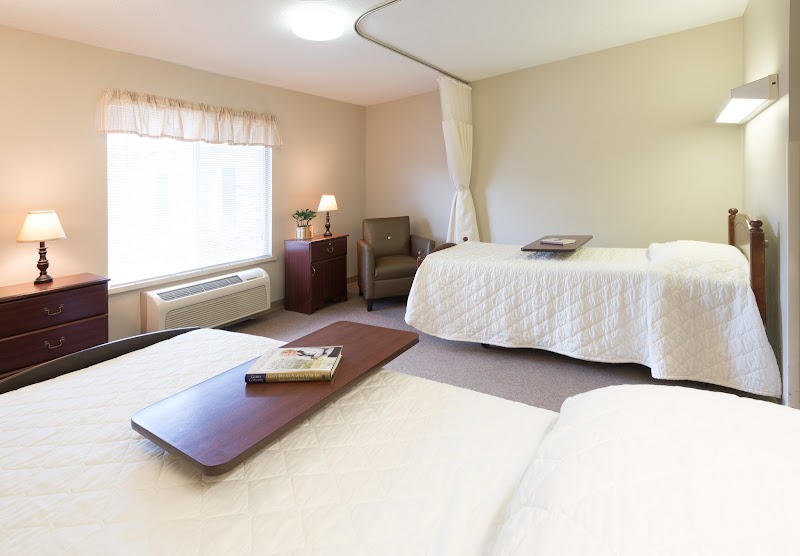
How Does Grand Rapids Compare to Other Ohio Nursing Homes?

Compared to the 100 nursing homes in Ohio, GRAND RAPIDS CARE CENTER's overall rating (5 stars) is above the state average of 3.2, staff turnover (32%) is significantly lower than the state average of 46%, and health inspection rating (5 stars) is much above the national benchmark.

What Should Families Ask When Visiting Grand Rapids?

Based on this facility's data, families visiting should ask: "Can I visit during a mealtime to observe dining assistance and food quality?" "How do you handle medical emergencies, and what is your hospital transfer rate?" "Can I speak with family members of current residents about their experience?"

Is Grand Rapids Safe?

Based on CMS inspection data, GRAND RAPIDS CARE CENTER has a clean safety record: no substantiated abuse findings (meaning no confirmed cases of resident harm), no Immediate Jeopardy citations (the most serious violation level indicating risk of serious injury or death), and is not on the Special Focus Facility watch list (a federal program monitoring the lowest-performing 1% of nursing homes). The facility has a 5-star overall rating and ranks #1 of 100 nursing homes in Ohio. While no facility is perfect, families should still ask about staff-to-resident ratios and recent inspection results during their visit.

Do Nurses at Grand Rapids Stick Around?

GRAND RAPIDS CARE CENTER has a staff turnover rate of 32%, which is about average for Ohio nursing homes (state average: 46%). Moderate turnover is common in nursing homes, but families should still ask about staff tenure and how the facility maintains care continuity when employees leave.

Was Grand Rapids Ever Fined?

GRAND RAPIDS CARE CENTER has no federal fines on record. CMS issues fines when nursing homes fail to meet care standards or don't correct problems found during inspections. The absence of fines suggests the facility has either maintained compliance or corrected any issues before penalties were assessed. This is a positive indicator, though families should still review recent inspection reports for the full picture.

Is Grand Rapids on Any Federal Watch List?

GRAND RAPIDS CARE CENTER is not on any federal watch list. The most significant is the Special Focus Facility (SFF) program, which identifies the bottom 1% of nursing homes nationally based on persistent, serious quality problems. Not being on this list means the facility has avoided the pattern of deficiencies that triggers enhanced federal oversight. This is a positive indicator, though families should still review the facility's inspection history directly.