EDGEWOOD MANOR OF GREENFIELD
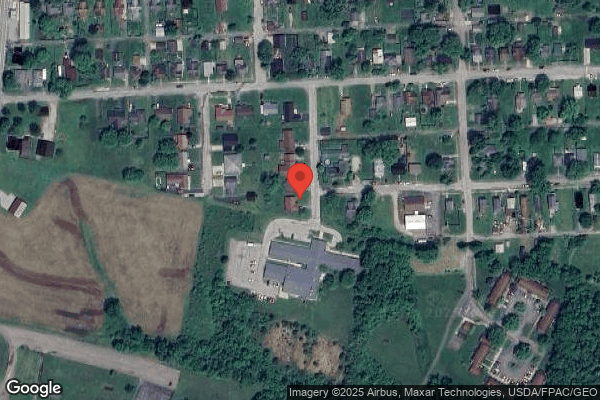
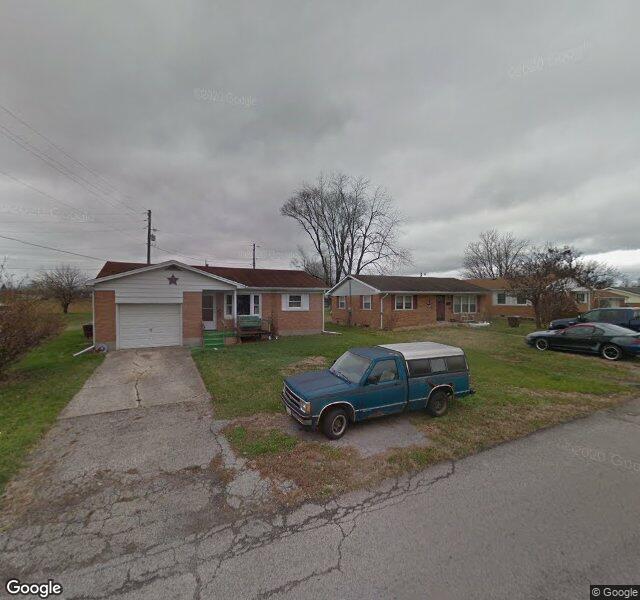
850 NELLIE STREET, GREENFIELD, OH 45123 (937) 981-2165
For profit - Limited Liability company 60 Beds AOM HEALTHCARE Data: November 2025 1 Immediate Jeopardy citation
Trust Grade
26/100
#664 of 913 in OH
Last Inspection: January 2025

Within standard 12-15 month inspection cycle. Federal law requires annual inspections.

Overview

Edgewood Manor of Greenfield has received a Trust Grade of F, indicating significant concerns about the facility's overall quality and care. It ranks #664 out of 913 facilities in Ohio, placing it in the bottom half, and #4 out of 5 in Highland County, meaning there is only one other local option that performs better. The facility's trend is worsening, with issues increasing from 1 in 2024 to 13 in 2025. Staffing is a major concern here, with a low rating of 1 out of 5 stars and a high turnover rate of 70%, which is well above the Ohio average of 49%. In terms of specific incidents, there was a critical finding where a resident sustained second-degree burns due to improper placement of their bed near an electric heater, indicating serious safety issues. Additionally, the facility has failed to promptly address dietary grievances from residents, which may affect the quality of life for all residents. While there is an excellent rating for quality measures, the high number of identified concerns and insufficient nursing coverage, which is lower than 88% of state facilities, highlight significant weaknesses that families should consider.

Trust Score
F
26/100
In Ohio
#664/913
Bottom 28%
Safety Record
High Risk
Review needed
Inspections
Getting Worse
1 → 13 violations
Staff Stability
⚠ Watch
70% turnover. Very high, 22 points above average. Constant new faces learning your loved one's needs.
Penalties
✓ Good
$12,649 in fines. Lower than most Ohio facilities. Relatively clean record.
Skilled Nurses
⚠ Watch
Each resident gets only 20 minutes of Registered Nurse (RN) attention daily — below average for Ohio. Fewer RN minutes means fewer trained eyes watching for problems.
Violations
⚠ Watch
38 deficiencies on record. Higher than average. Multiple issues found across inspections.
★★☆☆☆
2.0
Overall Rating
★☆☆☆☆
1.0
Staff Levels
★★★★★
5.0
Care Quality
★☆☆☆☆
1.0
Inspection Score
Stable
2024: 1 issues
2025: 13 issues

The Good

  • 5-Star Quality Measures · Strong clinical quality outcomes
  • Full Sprinkler Coverage · Fire safety systems throughout facility
  • No fines on record

Facility shows strength in quality measures, fire safety.

The Bad

2-Star Overall Rating

Below Ohio average (3.2)

Below average - review inspection findings carefully

Staff Turnover: 70%

24pts above Ohio avg (46%)

Frequent staff changes - ask about care continuity

Federal Fines: $12,649

Below median ($33,413)

Minor penalties assessed

Chain: AOM HEALTHCARE

Part of a multi-facility chain

Ask about local staffing decisions and management

Staff turnover is very high (70%)

22 points above Ohio average of 48%

The Ugly 38 deficiencies on record

1 life-threatening
Jan 2025 13 deficiencies
CONCERN (D)

Potential for Harm - no one hurt, but risky conditions existed

Deficiency F0646 (Tag F0646)

Could have caused harm · This affected 1 resident

**NOTE- TERMS IN BRACKETS HAVE BEEN EDITED TO PROTECT CONFIDENTIALITY** Based on medical record review and staff interview, the facility failed notify the state mental health authority with a signific...

Read full inspector narrative →
**NOTE- TERMS IN BRACKETS HAVE BEEN EDITED TO PROTECT CONFIDENTIALITY** Based on medical record review and staff interview, the facility failed notify the state mental health authority with a significant change Preadmission Screening and Resident Review (PASARR) for a resident with a change in their mental health condition. This affected two (#2 and #33) of three residents reviewed for PASARR. The facility census was 50. Findings include: 1. Review of Resident #33's medical record revealed the resident admitted to the facility on [DATE] with diagnoses including major depressive disorder, hypothyroidism, personal history of traumatic brain injury, hypokalemia, other developmental disorders of speech and language, muscle weakness, and xerosis cutis. Review of Resident #33's quarterly Minimum Data Set (MDS) assessment dated [DATE] revealed the resident was assessed as severely cognitively impaired. Review of Resident #33's PASARR document dated 11/05/21 revealed Resident #33 had no diagnoses of mental disorders. Resident #33 did not have indications of serious mental illness. Resident #33's diagnosis of traumatic brain injury was marked on the PASARR and Resident #33 was noted to have indications of developmental disability. Review of Resident #33's notice of PASARR determination and right to a state hearing letter dated 11/08/21 revealed Resident #33 may require the level of services provided by the nursing facility and may continue to reside in the nursing facility for 180 days from the date of the determination. The nursing facility in conjunction with the local entitles shall initiate and continue discharge planning activities throughout the period of time specified on the determination notice. The last date of the specified period was listed on the letter as 05/07/22 and the deadline for an extension request was listed on the letter as 04/07/22. Review of Resident #33's medical record from 11/08/21 to 01/22/25 revealed there were no additional extensions or PASARRs determinations for Resident #33 past 05/07/22. Review of Resident #33's diagnosis list dated 01/22/25 revealed Resident #33 had a diagnosis of major depressive disorder with an onset date of 10/08/21 and schizoaffective disorder with an onset date of 08/04/23. Interview with Social Services Director (SSD) #322 on 01/22/25 at 1:16 P.M. verified Resident #33 received a new diagnosis of schizoaffective disorder on 08/04/23 and the facility did not complete a significant change PASARR or notification to the state mental health authority of Resident #33's new diagnosis. SSD #322 also verified Resident #33's major depressive disorder diagnosis with an onset date of 10/08/21 was not listed on the 11/05/21 PASARR. 2. Review of the medical record for Resident #2 revealed an admission date of 12/30/20. Diagnoses included dementia, irritable bowel syndrome with diarrhea, gastro-esophageal reflux disease, paranoid schizophrenia (added 04/12/22), chronic pain syndrome, constipation, anemia, major depressive disorder, psychotic disorder with delusions, anxiety, and adult failure to thrive. Review of the quarterly MDS assessment dated [DATE] revealed Resident #2 had moderately impaired cognition. Review of Resident #2's PASARR dated 10/21/20 revealed section D, indications of serious mental illness, was coded as the resident did not have any indications of serious mental illness. There were no further PASARRs completed for Resident #2 in the medical record. Interview on 01/22/25 at 3:11 P.M., SSD #322 verified a new PASARR was not completed when Resident #2 received a new diagnosis of paranoid schizophrenia on 04/12/22.
CONCERN (D)

Potential for Harm - no one hurt, but risky conditions existed

Quality of Care (Tag F0684)

Could have caused harm · This affected 1 resident

**NOTE- TERMS IN BRACKETS HAVE BEEN EDITED TO PROTECT CONFIDENTIALITY** Based on medical record review, staff interview, hospital documentation review, and review of a facility policy, the facility fa...

Read full inspector narrative →
**NOTE- TERMS IN BRACKETS HAVE BEEN EDITED TO PROTECT CONFIDENTIALITY** Based on medical record review, staff interview, hospital documentation review, and review of a facility policy, the facility failed to ensure non-pressure wounds were properly assessed and treated in a timely manner. This affected one (#37) of one residents reviewed for wounds. The facility census was 50. Findings Include: Record review for Resident #37 revealed she was admitted to the facility on [DATE]. Diagnoses included, rheumatoid arthritis, essential primary hypertension, gastro-esophageal reflux disease (GERD), chronic pain syndrome, anxiety disorder, and major depressive disorder. Review of the Minimum Data Set (MDS) assessment dated [DATE] revealed Resident #37 was cognitively intact. Resident #37 was dependent on staff for bathing, toilet use, dressing, and personal hygiene, and required maximum assistance from staff with eating, and oral hygiene. Review of the hospital discharge report titled, admission Continuity of Care, included in Resident #37's admission paperwork dated 11/30/24 revealed Resident #37 had a wound located on her left anterior ankle. Review of Resident #37's wound evaluation note dated 12/09/24 revealed the resident presented with a trauma injury wound on her left medical ankle. The wound measured 1.5 centimeters (cm) long by 1.0 cm wide by 0.3 cm deep. Further review of the wound evaluation document revealed necrotic tissue was removed from the wound to establish margins of viable tissue. A treatment order was given to apply leptospermum honey once daily for 30 days and apply a boarder gauze once daily for 30 days with replacement of kerlix if the dressing fell off. Review of a wound evaluation dated 01/20/25 revealed Resident #37's left ankle wound showed improvement as measured 0.5 cm long by 0.5 cm wide by 0.1 cm deep. Interview on 01/21/25 at 9:56 A.M. with Resident #37 stated she had the wound on her left ankle at the hospital, however, no one at the facility identified the wound or provided any treatment to the wound on her left ankle until several days after she admitted to the facility. Interview on 01/22/25 at 3:32 P.M. with MDS Nurse #328 confirmed the facility failed to identify the wound located on Resident #37's left ankle. MDS Nurse #328 confirmed the wound located on Resident #37's left ankle was present at the the time of admission and the facility did not provide treatment to the wound from the time of admission on [DATE] through the initial wound care assessment on 12/09/24. Interview on 01/22/25 at 4:15 P.M. with Assistant Director of Nursing (ADON) #308 confirmed the facility failed to treat Resident #37's wound to the left ankle until 12/09/24 when the wound physician as the resident. ADON #308 confirmed the facility failed to identify the wound on Resident #37's initial skin assessment. Interview on 01/22/25 at 4:28 P.M. with Licensed Practical Nurse (LPN) #335 confirmed she was the admission nurse for Resident #37 the day the resident was admitted to the facility. LPN #335 stated she was off work for a few days after Resident #37 was admitted to the facility, and when she returned to work, management told her she missed Resident #37's left ankle would on her initial assessment. Interview on 01/23/25 at 2:14 P.M. with Wound Physician (WP) #501 confirmed his first assessment for Resident #37 was on 12/09/24 and confirmed Resident #37's admission date was 12/04/24. WP #501 stated did not feel the delay in treatment caused further damage to Resident #37's left ankle wound. Review of the facility policy titled, Wound Care, dated October 2010, revealed the facility should verify a physician's order for the procedure, and as part of the preparation for wound care, the facility will review the resident's care plan to assess for any special needs of the resident.
CONCERN (D)

Potential for Harm - no one hurt, but risky conditions existed

Deficiency F0810 (Tag F0810)

Could have caused harm · This affected 1 resident

**NOTE- TERMS IN BRACKETS HAVE BEEN EDITED TO PROTECT CONFIDENTIALITY** Based on observation, medical record review, and staff interview, the facility failed to ensure a resident was served food on a ...

Read full inspector narrative →
**NOTE- TERMS IN BRACKETS HAVE BEEN EDITED TO PROTECT CONFIDENTIALITY** Based on observation, medical record review, and staff interview, the facility failed to ensure a resident was served food on a divided plate per the physician order. This affected one (#37) of one residents reviewed for assistive eating equipment and utensils. The facility census was 50. Findings include: Review of Resident #37's medical record revealed the resident was admitted to the facility on [DATE]. Her diagnoses included rheumatoid arthritis, essential primary hypertension, gastro-esophageal, chronic pain syndrome, anxiety disorder, and major depressive disorder. Review of the Minimum Data Set (MDS) assessment dated [DATE] revealed Resident #37 was cognitively intact. Resident #37 was dependent on staff for medication administration, bathing, toilet use, dressing, and personal hygiene, and required maximum assistance from staff with eating and oral hygiene. Review of Resident #37's diet order dated 12/12/24 revealed the resident was ordered a regular diet with regular texture and regular consistency. Review of Resident #37's physician order dated 01/07/25 revealed Resident #37 was to have a divided plate for all meals. Observation of the meal service on 01/22/25 at 4:45 P.M. revealed [NAME] #406 placed country fried steak, potatoes, corn bread, and carrots on a regular plate for Resident #37. Interview with [NAME] #406 on 01/22/25 at 4:45 P.M. verified Resident #37 was ordered a divided plate and Resident #37's meal was served on a regular plate. Review of the facility's assistive devices policy, dated October 2022, revealed assistive devices and utensils will be provided as identified in the individualized plan of care to maintain or improve a resident's ability to eat and drink independently.
CONCERN (D)

Potential for Harm - no one hurt, but risky conditions existed

Infection Control (Tag F0880)

Could have caused harm · This affected 1 resident

Based on observation, medical record review, staff interview, policy review, the facility failed to maintain proper signage and personal protective equipment for a resident with an indwelling medical ...

Read full inspector narrative →
Based on observation, medical record review, staff interview, policy review, the facility failed to maintain proper signage and personal protective equipment for a resident with an indwelling medical device placed on enhanced barrier precautions. This affected one (#9) of five residents reviewed for infection control. The facility census was 50. Findings include: Review of Resident #9's medical record revealed an admission date of 01/18/22. Diagnoses included chronic obstructive pulmonary disease, mixed hyperlipidemia, tracheostomy status, cognitive communication deficit, disease of the pancreas, acquired absence of the larynx, dysphagia pharyngeal phase, obesity due to excess calories, epilepsy, chronic kidney disease, major depressive disorder, and type two diabetes mellitus with hypoglycemia. Review of the 12/23/24 quarterly Minimum Data Set (MDS) assessment revealed Resident #9 was cognitively intact and require tracheostomy care while a resident. Review of Resident #9's physician orders revealed an order dated 10/03/24 for enhanced barrier precautions related to a tracheostomy. Observation on 01/21/25 at various random times revealed Resident #9 had no sign on or near the door to the resident's room for enhanced barrier precautions and there was no personal protective equipment (PPE) outside the room. Observation on 01/22/25 at 3:20 P.M. revealed Resident #9 continued to have no sign on or near the resident's room door for enhanced barrier precautions. Interview with Licensed Practical Nurse (LPN) #333 on 01/22/25 at 3:25 P.M. verified there was no enhanced barrier precautions sign on or near Resident #9's room and no PPE available for use in Resident #9's room. Review of the 08/01/22 facility enhanced barrier precautions policy revealed enhanced barrier precautions (EBPs) are utilized to prevent the spread of multi-drug resistant organisms (MDRO) to residents. EBPs are indicated (when contact precautions do not otherwise apply) for residents with wounds and/or indwelling medical devices regardless of MDRO colonization. Signs are posted in the door or wall outside the resident room indicating the type of precautions and PPE required. PPE is available outside of the resident rooms.
CONCERN (D)

Potential for Harm - no one hurt, but risky conditions existed

Deficiency F0883 (Tag F0883)

Could have caused harm · This affected 1 resident

Based on medical record review, staff interview, and policy review, the facility failed to timely administer pneumococcal vaccines. This affected two (#11 and #29) of five residents reviewed for vacci...

Read full inspector narrative →
Based on medical record review, staff interview, and policy review, the facility failed to timely administer pneumococcal vaccines. This affected two (#11 and #29) of five residents reviewed for vaccinations. The facility census was 50. Findings include: 1. Review of Resident #11's medical record revealed an admission date of 08/16/19. Diagnoses included chronic obstructive pulmonary disease, insomnia, hyperlipidemia, diabetes mellitus with diabetic neuropathy, peripheral vascular disease, mild cognitive impairment, vascular dementia, and hypothyroidism. Review of Resident #11's medical record on 01/23/25 revealed no documented evidence of the resident receiving a pneumococcal vaccine. 2. Review of Resident #29's medical record revealed an admission date of 02/01/23. Diagnoses included encounter for orthopedic aftercare, anxiety disorder, nausea, anemia, psychoactive substance abuse, tobacco use, spinal stenosis, chronic obstructive pulmonary disease, hemiplegia and hemiparesis following cerebral infarction, cord compression, solitary pulmonary nodule, and chronic pain syndrome. Review of Resident #29's medical record on 01/23/25 revealed no documented evidence of the resident receiving a pneumococcal vaccine. Interview with Assistant Director of Nursing (ADON) #308 on 01/23/25 at 1:51 P.M. revealed Resident #11 and Resident #29 had not received a pneumococcal vaccine during either resident's stay in the facility, but they were suppose to receive it that day. ADON #308 verified the pneumococcal vaccine status should be checked on admission and yearly. Review of the facility pneumococcal vaccine policy, dated 10/01/23, revealed all residents are offered pneumococcal vaccines to aid in preventing pneumonia/pneumococcal infections. Prior to or upon admission, residents are assessed for eligibility to receive the pneumococcal vaccine series, and when indicated, are offered the vaccine series within 30 days of admission to the facility unless medically contraindicated or the resident has completed the current recommended vaccine series.
CONCERN (E)

Potential for Harm - no one hurt, but risky conditions existed

MDS Data Transmission (Tag F0640)

Could have caused harm · This affected multiple residents

**NOTE- TERMS IN BRACKETS HAVE BEEN EDITED TO PROTECT CONFIDENTIALITY** Based on medical record review and staff interview, the facility failed to ensure Minimum Data Set (MDS) assessments were encode...

Read full inspector narrative →
**NOTE- TERMS IN BRACKETS HAVE BEEN EDITED TO PROTECT CONFIDENTIALITY** Based on medical record review and staff interview, the facility failed to ensure Minimum Data Set (MDS) assessments were encoded and transmitted within required timeframes. This affected five (#17, #5, #30, #27, and #11) of five residents reviewed for resident assessment. The facility census was 50. Findings include: 1. Review of the medical record for Resident #17 revealed an admission date of 03/02/22. Diagnoses included chronic kidney disease, hyperlipidemia, hypertension, and anemia. Review of Resident #17's quarterly Minimum Data Set (MDS) assessment dated [DATE] revealed the MDS was completed 08/13/24 but not submitted until 09/24/24. Interview on 01/22/25 at 3:22 P.M., MDS Coordinator (MDSC) #328 verified Resident #17's was submitted on 09/24/24. MDSC #328 stated the MDS assessment should have been submitted within seven days of completion. 2. Review of the medical record for Resident #5 revealed an admission date of 08/13/24. The resident discharged from the facility on 08/19/24. Diagnoses included metabolic encephalopathy, chronic obstructive pulmonary disease, hypertension, schizophrenia, hyperlipidemia, rheumatoid arthritis, gastro-esophageal reflux disease, epilepsy, and dementia. Review of Resident #5's MDS assessment dated [DATE] revealed the MDS assessment was completed on 09/09/24 and submitted 09/24/24. Interview on 01/22/25 at 3:23 P.M., MDSC #328 verified Resident #5's MDS assessment was not completed or submitted timely. MDSC #328 stated the MDS assessment should have been completed within seven days of the date of assessment and submitted within seven days of completion. 3. Review of the medical record for Resident #30 revealed an admission date of 12/04/23. The resident discharged from the facility on 08/30/24. Diagnoses included back pain, venous insufficiency, paroxysmal atrial fibrillation, and adult failure to thrive. Review of MDS assessments completed while Resident #30 revealed the most recent assessment completed was a quarterly MDS assessment on 08/20/24. There was no discharge MDS assessment completed for Resident #30. Interview on 01/22/25 at 3:24 P.M., MDSC #328 verified a discharge MDS assessment was not completed for Resident #30's discharge of 08/30/24. 4. Review of the medical record for Resident #27 revealed an admission date of 08/20/24. The resident discharged from the facility on 09/04/24. Diagnoses included congestive heart failure, Parkinson's disease, hypertension, and major depressive disorder. Review of Resident #27's admission MDS assessment dated [DATE] revealed the assessment was completed 08/30/24, however the assessment was submitted on 09/24/24. Interview on 01/22/25 at 3:25 P.M., MDSC #328 verified Resident #27's 08/27/24 admission MDS assessment was not submitted until 09/24/24. MDSC #328 stated assessments should be submitted within seven days of completion. 5. Review of the medical record for Resident #11 revealed an admission date of 08/16/19. Diagnoses included chronic obstructive pulmonary disease, diabetes mellitus with diabetic neuropathy, vascular dementia, congestive heart failure, and major depressive disorder. Review of Resident #11's annual MDS assessment dated [DATE] revealed the MDS assessment was not completed until 09/06/24 and the assessment was submitted on 09/24/24. Interview on 01/22/25 at 3:26 P.M., MDSC #328 verified Resident #11's 08/09/24 MDS assessment was not completed nor submitted timely. MDSC #328 stated the MDS assessment should have been completed within seven days of the assessment date and submitted within seven days of completion.
CONCERN (E)

Potential for Harm - no one hurt, but risky conditions existed

Comprehensive Care Plan (Tag F0656)

Could have caused harm · This affected multiple residents

**NOTE- TERMS IN BRACKETS HAVE BEEN EDITED TO PROTECT CONFIDENTIALITY** Based on observation, resident and staff interview, and medical record review, the facility failed to develop care plans to addr...

Read full inspector narrative →
**NOTE- TERMS IN BRACKETS HAVE BEEN EDITED TO PROTECT CONFIDENTIALITY** Based on observation, resident and staff interview, and medical record review, the facility failed to develop care plans to address resident needs and interventions. This affected four (#12, #24, #39, and #42) of 24 residents reviewed for care planning. The facility census was 50. Findings include: 1. Review of Resident #12's medical record revealed the resident admitted to the facility on [DATE] with diagnoses including schizoaffective disorder, type two diabetes mellitus with other specified complications, congestive heart failure, polyneuropathy, personal history of transient ischemic attack and cerebral infarction without residual deficits, congestive obstructive pulmonary disease, constipation, and centrilobular emphysema. Review of Resident #12's quarterly Minimum Data Set (MDS) assessment dated [DATE] revealed the resident was cognitively intact and was assessed to receive an anticoagulant medication. Review of Resident #12's physician order dated 06/06/24 revealed the resident received the anticoagulant Eliquis five (5) milligrams (mg) with instructions to give one tablet by mouth two times a day for atrial fibrillation. Review of Resident #12's comprehensive care plan from 06/06/24 to 01/22/25 revealed Resident #12 did not have a care plan to address the use of an anticoagulant. Interview with MDS Nurse #328 on 01/22/25 at 1:16 P.M. verified Resident #12 received a scheduled anticoagulant medication and did not have a care plan developed to address anticoagulant use. 2. Review of Resident #42's medical record revealed the resident admitted to the facility on [DATE] with diagnoses including a wedge compression fracture of the first lumbar vertebra, atrial fibrillation, depression, presence of other vascular implants and grafts, hyperlipidemia, chronic obstructive pulmonary disease, and old myocardial infarction. Review of Resident #42's quarterly Minimum Data (MDS) assessment dated [DATE] revealed the resident was cognitively intact and was assessed to receive an anticoagulant medication. Review of Resident #42's physician order dated 09/05/24 revealed the resident received Eliquis 5 mg with instructions to give one tablet by mouth every morning and at bedtime for atrial fibrillation. Review of Resident #42's comprehensive care plan from 09/04/24 to 01/22/25 revealed Resident #42 did not have a care plan to address the use of an anticoagulant. Interview with MDS Nurse #328 on 01/22/25 at 1:16 P.M. verified Resident #42 received a scheduled anticoagulant medication and did not have a care plan developed to address anticoagulant use. 3. Review of Resident #39's medical record revealed the resident admitted to the facility on [DATE] with diagnoses including end stage renal disease, insomnia, chronic kidney disease, chronic obstructive pulmonary disease, vascular dementia, hypertension, chronic respiratory failure and depression. Review of Resident #39's admission MDS assessment dated [DATE] revealed the resident was cognitively intact and was assessed as edentulous with no natural teeth. Interview and observation with Resident #39 on 01/21/25 at 11:30 A.M. confirmed the resident was edentulous and had dentures in place on his upper gums. Interview with MDS Nurse #328 on 01/22/25 at 1:16 P.M. verified Resident #39 did not have a care plan developed to address his dental needs, use of dentures, or edentulous status. 4. Review of the medical record for Resident #24 revealed an admission date of 03/18/22. Diagnoses included congestive heart failure, hyperlipidemia, chronic respiratory failure, chronic obstructive pulmonary disease, major depressive disorder, hypertension, restless legs syndrome, type two diabetes, and cognitive communication deficit. Review of the comprehensive MDS assessment dated [DATE] revealed the resident had intact cognition. The resident had impaired range of motion on both lower extremities, was dependent on staff for toileting and bathing, and required substantial/maximal assistance for bed mobility. The resident expressed having little interest or pleasure in doing things more than half of the days during the assessment period. Review of the Care Area assessment dated [DATE] revealed Resident #24 triggered activities related to expressing having little interest or pleasure in doing things. The resident was noted to prefer self-initiated activities in her room. The resident was noted with a diagnosis of depression and required daily interaction with staff and other like residents. The resident was noted to be at risk for decline with her psychosocial status and for social isolation. It was noted activities would be addressed in the care plan. Review of Resident #24's medical record revealed there was no care plan developed to address activities. Interview on 01/22/25 at 4:23 P.M. with Activities Director (AD) #325 verified there was no activities care plan developed for Resident #24.
CONCERN (E) 📢 Someone Reported This

A family member, employee, or ombudsman was alarmed enough to file a formal complaint

Potential for Harm - no one hurt, but risky conditions existed

Deficiency F0804 (Tag F0804)

Could have caused harm · This affected multiple residents

Based on observation, staff interview, review of a resident list, and review of a food recipe, revealed the facility failed to prepare food in a palatable and attractive manner. This affected four (#1...

Read full inspector narrative →
Based on observation, staff interview, review of a resident list, and review of a food recipe, revealed the facility failed to prepare food in a palatable and attractive manner. This affected four (#1, #3, #6, and #42) of four residents who received mashed potatoes during meal observations. The facility census was 50. Findings include: Observation of meal service on 01/22/25 at 4:45 P.M. revealed [NAME] #406 served mashed potatoes as an alternate using a four ounce scoop. Further observation revealed [NAME] #406 went to scoop out a portion of mashed potatoes and part of the scoop was the dry potato mix. Interview with [NAME] #406 on 01/22/25 at 4:45 P.M. verified the mashed potatoes were not thoroughly mixed and residents were served dry mashed potato mix in their mashed potatoes. Review of the facility's undated mashed potato recipe revealed to mix the dry potato mix and water together, add margarine, and mix thoroughly. Review of the facility's undated list of residents that received mashed potatoes on 01/22/25 revealed four (#1, #3, #6 and #42) residents received the alternate mashed potatoes. This deficiency represents non-compliance investigated under Complaint Number OH00161251.
CONCERN (E) 📢 Someone Reported This

A family member, employee, or ombudsman was alarmed enough to file a formal complaint

Potential for Harm - no one hurt, but risky conditions existed

Deficiency F0805 (Tag F0805)

Could have caused harm · This affected multiple residents

Based on observation, staff interview, review of a resident diet list, the facility failed to ensure mechanically altered meat was prepared in a form to meet resident needs. This affected 11 (#1, #4, ...

Read full inspector narrative →
Based on observation, staff interview, review of a resident diet list, the facility failed to ensure mechanically altered meat was prepared in a form to meet resident needs. This affected 11 (#1, #4, #3, #6, #20, #23, #36, #42, #46, #47, and #202) of 11 residents that received mechanically altered diets. The facility census was 50. Findings include: Observation of meal service on 01/22/25 at 4:45 P.M. revealed a pan of mechanically altered country fried steak on the tray line. There were large chucks of the country fried steak in the pan that were larger than the size of a quarter. [NAME] #406 was observed to use a three ounce scoop to serve the mechanically altered country fried steak with chunks in it to residents that received mechanical diets. Interview with [NAME] #406 on 01/22/25 at 4:45 P.M. verified there were large chucks of mechanically altered pieces of country fried steak that were larger than the size of a quarter in the pan on the tray line. [NAME] #406 also verified she served residents that received mechanical soft diets the mechanically altered country fried steak with large chunks in it. [NAME] #406 confirmed the chunks of mechanically altered country fried steak were too large for residents on mechanical soft diets. Review of an undated list of residents that received mechanical soft diets revealed Resident #1, Resident #4, Resident #3, Resident #6, Resident #20, Resident #23, Resident #36, Resident #42, Resident #46, Resident #47, and Resident #202 received mechanical soft diets.
CONCERN (F) 📢 Someone Reported This

A family member, employee, or ombudsman was alarmed enough to file a formal complaint

Potential for Harm - no one hurt, but risky conditions existed

Grievances (Tag F0585)

Could have caused harm · This affected most or all residents

Based on resident and staff interview, review for the facility grievance log, and review of a facility policy, the facility failed to make prompt efforts to resolve dietary grievances. This had the po...

Read full inspector narrative →
Based on resident and staff interview, review for the facility grievance log, and review of a facility policy, the facility failed to make prompt efforts to resolve dietary grievances. This had the potential to affect all 50 residents residing in the facility. The facility census was 50. Findings include: Review of the October 2024 grievance log revealed the facility received four grievances regarding dietary services and the quality of the food. The resolutions listed included to educate on tray line and availability and will cook the food longer. Review of the November 2024 grievance log revealed the facility received two grievances regarding dietary services, the quantity of food, and the quality of the food. The resolutions listed were the facility offered alternatives and adjusted portions. Review of the December 2024 grievance log revealed the facility received two grievances regarding dietary services and food. The resolution listed was the facility educated staff. Interview with Resident #9 on 01/21/25 at 9:25 A.M. revealed the food did not taste good at the facility. Interview with Resident #27 on 01/21/25 at 9:36 A.M. revealed the food at the facility was not good. Resident #27 stated he believed the issue was with how the food was prepared. Interview with Resident #28 on 01/21/25 at 10:09 A.M. revealed Resident #28 disliked the food at the facility. Interview with Resident #12 on 01/21/25 at 10:30 A.M. revealed the food did not taste good at the facility. Interview with Resident #29 on 01/21/25 at 11:15 A.M. revealed the food did not taste good at the facility, and reported the food was bland. Interview with Resident #21 on 01/21/25 at 2:32 P.M. revealed the food did not taste good at the facility. Interview with the Administrator on 01/23/25 at 11:03 A.M. verified the facility had received a large number of complaints about the food and dietary services. The Administrator reported the dietary department at the facility were contracted staff and the complaints about dietary services continued to occur because the facility could only discuss the residents' concerns with the dietary services contractor. The Administrator reported the facility did not have any proof of the education provided from the October and December 2024 grievances regarding the dietary services grievances was provided to dietary services staff. The Administrator stated she never tested the food at the facility for quality. Interview with Licensed Practical Nurse (LPN) #335 on 01/23/25 at 1:14 P.M. revealed residents complained of the food being too cold or they received small portions. LPN #335 stated the food complaints at the facility had been ongoing and LPN #335 felt the food did not appear appetizing. Review of the facility's undated policy titled, Resident and family concerns and grievances policy and procedure, revealed residents may voice a grievance to the facility staff in person, by phone or by written communication. The facility will follow up with residents within 72 hours of the filing of a grievance. The facility will make reasonable efforts to ensure that all grievances are adequately resolved within thirty calendar days from the day the grievance was received. This deficiency represents non-compliance investigated under Complaint Number OH00161251.
CONCERN (F) 📢 Someone Reported This

A family member, employee, or ombudsman was alarmed enough to file a formal complaint

Potential for Harm - no one hurt, but risky conditions existed

Menu Adequacy (Tag F0803)

Could have caused harm · This affected most or all residents

Based on observation, staff interview, review of menu spreadsheets, and review of a facility policy, the facility failed to ensure menus were followed during meal service. This affected all 50 residen...

Read full inspector narrative →
Based on observation, staff interview, review of menu spreadsheets, and review of a facility policy, the facility failed to ensure menus were followed during meal service. This affected all 50 residents residing in the facility. The facility census was 50. Findings include: Review of the menu spreadsheet dated 01/22/25 revealed residents on a regular diet were to receive one country fried steak with mushroom gravy, four ounces of carrots, four ounces of potatoes, and a square of cornbread, and residents on mechanical soft diets were to receive a four ounce scoop of ground country fried steak with mushroom gravy, four ounces of carrots, four ounces of potatoes, and a square of cornbread. Observation of meal service on 01/22/25 at 4:45 P.M. revealed [NAME] #406 served residents on regular diets one country fried steak, three ounces of gravy, four ounces of carrots, three ounces of potatoes, and a square of corn bread. [NAME] #406 served residents on mechanical soft diets three ounces of mechanically altered country fried steak, three ounces of gravy, four ounces of carrots, three ounces of potatoes, and a square of corn bread. Interview with [NAME] #406 on 01/22/25 at 4:45 P.M. verified residents on regular diets were served a three ounce scoop of potatoes and the menu spreadsheet indicated those residents should have received four ounces of potatoes. [NAME] #406 also confirmed residents on mechanical soft diets were served a three ounce scoop of potatoes and a three ounce scoop of mechanically altered country fried steak and the menu spreadsheet indicated those residents should have received four ounces of potatoes and four ounces of country fried steak. Review of the facility menus policy, dated October 2022, revealed menus were to be served as written. This deficiency represents non-compliance investigated under Complaint Number OH00161251.
CONCERN (F)

Potential for Harm - no one hurt, but risky conditions existed

Food Safety (Tag F0812)

Could have caused harm · This affected most or all residents

Based on observation, staff interview, review of a dishwasher operation manual, and facility policy review, the facility failed to ensure food was served in a safe and sanitary manner, failed to ensur...

Read full inspector narrative →
Based on observation, staff interview, review of a dishwasher operation manual, and facility policy review, the facility failed to ensure food was served in a safe and sanitary manner, failed to ensure the kitchen was properly cleaned, and failed to ensure the dishwasher was appropriately functioning. This affected all 50 residents residing in the facility. The census was 50. Findings include: 1. Observation of the kitchen on 01/21/25 at 8:50 A.M. revealed staff were actively using the dishwasher. The dishwasher had a wash temperature of 111 degrees Fahrenheit (F) and a rinse temperature of 146 degrees F. Dietary Manager (DM) #410 was observed testing the chemical sanitizer in the dishwasher and the dishwasher tested at 200 parts per million (ppm). Interview with DM #410 on 01/21/25 at 8:50 P.M. verified the dishwasher had a wash temperature of 111 degrees F and a rinse temperature of 146 degrees F. DM #410 stated the dishwasher was a low temperature dishwasher, and the wash and rinse temperature should be above 120 degrees F. Review of the facility policy titled, Warewashing, revised February 2023, revealed all dishwasher water temperatures will be maintained in accordance with manufacturer recommendations for high or low temperature machines. Review of the dishwasher's operations manual dated May 2024 revealed the minimum wash and rinse temperature was 120 degrees F. 2. Observation of the kitchen on 01/22/25 at 4:45 P.M. revealed the ventilation cover on the ceiling above the facility's sink had a gray fuzzy substance built up on it. Interview with DM #410 on 01/22/25 at 4:45 P.M. verified the vent on the ceiling above the facility's sink had a gray fuzzy substance built up on it. 3. Observation of the meal tray line on 01/22/25 at 4:45 P.M. revealed [NAME] #406 was observed serving dinner to residents while wearing gloves. [NAME] #406 was observed to get gravy on her glove. [NAME] #406 proceeded to go to the dirty side of the dishwasher and use the overhead facet sprayer to spray the gravy off her glove using her other gloved hand to operate the facet. [NAME] #406 then returned to the tray line and continued to serve resident meals on the tray line without changing her gloves or washing her hands. Further observation of the meal tray line revealed [NAME] #406 grabbed a plate from a clean stack of plates that had a piece of lettuce on it from where it did not get completely cleaned in the dishwasher. [NAME] #406 proceeded to take off the piece of lettuce with her gloved hand, wiped the lettuce and her gloved hand on her shirt and continued to serve the meal on the soiled plate. [NAME] #406 also did not change her gloves after taking the lettuce off the plate or wiping it on her shirt. After the surveyor confirmed [NAME] #406 did not change her gloves or wash her hands during the observation, [NAME] #406 took the gloves off, washed her hands, and then proceeded to blow into a new pair of gloves with her mouth before putting them on and continuing to serve resident meals. Interview with [NAME] #406 on 01/22/25 at 4:45 P.M. verified she did not change her gloves after spraying off her glove using the facet on the dirty side of the dishwasher, and after removing lettuce from a soiled plate. [NAME] #406 verified that she blew into her new pair of gloves when she changed her gloves. [NAME] #406 also confirmed she continued to serve a resident's meal on a soiled plate after removing a piece of lettuce from the plate. Review of the facility policy titled, Warewashing, revised February 2023, revealed all dishware will be cleaned and sanitized after each use. Review of the facility's food preparation policy, revised February 2023, revealed all staff will practice proper hand washing techniques and glove use.
CONCERN (F) 📢 Someone Reported This

A family member, employee, or ombudsman was alarmed enough to file a formal complaint

Potential for Harm - no one hurt, but risky conditions existed

Safe Environment (Tag F0921)

Could have caused harm · This affected most or all residents

**NOTE- TERMS IN BRACKETS HAVE BEEN EDITED TO PROTECT CONFIDENTIALITY** Based on observation, medical record review, and staff interview, the facility failed to maintain a clean, sanitary, and homelik...

Read full inspector narrative →
**NOTE- TERMS IN BRACKETS HAVE BEEN EDITED TO PROTECT CONFIDENTIALITY** Based on observation, medical record review, and staff interview, the facility failed to maintain a clean, sanitary, and homelike environment. This had the potential to affected all 50 residents residing at the facility. The facility census was 50. Findings include: 1. Interview and observation with the Administrator on 01/23/25 at 9:25 A.M. confirmed the light over the nurses' station when walking onto the unit from the front door did not have a cover and had exposed florescent lighting. The light to the left of the main nurses' station when walking onto the unit was missing a light cover and had exposed florescent lighting. The [NAME] Court hallway had four missing light covers with exposed bulbs. The [NAME] hallway had exposed ceiling with no ceiling tiles outside of Resident room [ROOM NUMBER] and damage on the ceiling with no tiles cover outside of Resident room [ROOM NUMBER]. Their was also a light out over the seating areas of the resident living room. The [NAME] Court hallway had a total of four florescent lights out. The Administrator confirmed the findings at the time of the observations. 2. Medical record review for Resident #41 revealed he admitted to the facility on [DATE]. His diagnoses included complete traumatic amputation of one left lesser toe, essential primary hypertension, staphylococcal arthritis, diabetes mellitus (DM), and chronic obstructive pulmonary disease (COPD). Review of the Minimum Data Set (MDS) assessment for Resident #41 dated 12/12/24 revealed he had mildly impaired cognition. Resident #41 was dependent on staff for toilet use, required moderate assistance from staff with bathing, lower body dressing, putting on shoes, and personal hygiene, and required set up assistance from staff with eating and oral hygiene. Observation on 01/21/25 at 12:50 P.M. revealed Resident # 41's room had a strong odor of urine, scattered debris all over the floor, and the floor appeared to be dirty. Interview on 01/21/25 at 1:53 P.M. with Licensed Practical Nurse (LPN) #238 confirmed the strong smell of urine in Resident #41's room, and confirmed the debris scattered all over the floor and appearance of the dirty floor. 3. Medical record review for Resident #28 revealed he admitted to the facility on [DATE]. His diagnoses included, DM, end stage renal disease, essential primary hypertension, peripheral vascular disease, gastro-esophageal reflux disease, heart failure, heart failure, atherosclerotic heart disease, congenital and hereditary, and insomnia. Review of MDS assessment dated [DATE] revealed Resident #28 was cognitively intact. Further review of the MDS assessment revealed he was dependent on staff for bathing, required set up assistance from staff for eating, required moderate assistance from staff with oral hygiene, upper body dressing, and personal hygiene, and required maximum assistance from staff with toile use and lower body dressing. Observation on 01/21/25 at 10:09 A.M. revealed Resident #28 had a brown and reddish substance splattered and scattered along the wall next to the resident's bed. Further observation revealed the floor appeared soiled and unkept. Interview and observation on 01/22/25 at 11:20 A.M. with LPN #238 confirmed the brown and reddish stains and splatters along Resident #28's wall beside his bed, and confirmed the floor appeared soiled and dirty.
May 2024 1 deficiency
CONCERN (F) 📢 Someone Reported This

A family member, employee, or ombudsman was alarmed enough to file a formal complaint

Potential for Harm - no one hurt, but risky conditions existed

Safe Environment (Tag F0921)

Could have caused harm · This affected most or all residents

**NOTE- TERMS IN BRACKETS HAVE BEEN EDITED TO PROTECT CONFIDENTIALITY** Based on observations and staff interview, the facility failed to provide a safe and functional environment for the residents. T...

Read full inspector narrative →
**NOTE- TERMS IN BRACKETS HAVE BEEN EDITED TO PROTECT CONFIDENTIALITY** Based on observations and staff interview, the facility failed to provide a safe and functional environment for the residents. This had the potential to affect all 46 residents residing in the facility. Findings include: Observations of the facility on 05/01/24 at 9:45 A.M. revealed multiple rain gutters that were hanging unattached to the fascia board on the left side front of the building near resident room [ROOM NUMBER]. Gutter mounting nails had broken loose from the building due to extended weather conditions causing the wood to rot and an unstable attachment. A second area was located outside the main entrance above the business office. The gutter system had also become unattached to the fascia board causing the wood to rot. A third area was located at the back of the building near a resident courtyard, with the gutters hanging below the attachment points. Observation of room [ROOM NUMBER] on 05/01/24 at 10:30 A.M. revealed a large brown stain on the ceiling above the room window. Interview with the Administrator on 05/01/24 at 11:05 A.M. verified multiple areas of damaged and non-functional gutter system located around the entire facility. The Administrator stated there have been several estimates obtained to repair these areas in the past year. The Administrator stated they have been waiting on corporate to approve one of the estimates. This deficiency represents non-compliance investigated under Complaint Number OH00152896.
Jan 2023 1 deficiency
CONCERN (D) 📢 Someone Reported This

A family member, employee, or ombudsman was alarmed enough to file a formal complaint

Potential for Harm - no one hurt, but risky conditions existed

Accident Prevention (Tag F0689)

Could have caused harm · This affected 1 resident

**NOTE- TERMS IN BRACKETS HAVE BEEN EDITED TO PROTECT CONFIDENTIALITY** Based on record review, staff interview, review of facility policy, and review of the facility fall investigation, the facility ...

Read full inspector narrative →
**NOTE- TERMS IN BRACKETS HAVE BEEN EDITED TO PROTECT CONFIDENTIALITY** Based on record review, staff interview, review of facility policy, and review of the facility fall investigation, the facility failed to provide adequate amount of staff assistance for residents who the facility identified as being dependent for personal care. This affected one resident (#28) out of three residents reviewed for falls. The facility census was 56. Findings include: Record review for Resident #28 revealed an admission date of 12/27/22. Her diagnoses included, but not limited to, dementia, Parkinson's disease, contracture of left hand, diabetes mellitus, bilateral hearing loss, seizure disorder, acquired absence of left leg below knee (BKA), atrial fibrillation (A-fib), and dysphagia. Review of the five-day admission Minimum Data Set (MDS) assessment for Resident #28 dated on 01/03/23, revealed Resident #28 had severely impaired cognition. Resident #28 was totally dependent on staff and required the assistance of two persons for bed mobility, transfers, dressing, toilet use, personal hygiene, and eating. Review of the new admission fall risk assessment dated on 12/27/22, revealed Resident #28 was assessed at 16.0 which indicated resident was at high risk for falls and resident required hand on assistance to move from place to place. Review of care plan conference summary dated 01/03/23, revealed Director of Social Services, (DSS), Licensed Practical Nurse (LPN) #201, Activities #68 and resident's son attended the conference via phone. Notes indicated Resident #28 was nonverbal, required maximum assistance of two for Activities of daily living (ADLs), and was high fall risk due to impaired cognition. Further medical record review for Resident #28, revealed no baseline care plan was completed upon admission. Review of the nurse's progress notes dated 01/04/23 for Resident #28, revealed no documented evidence Resident #28 had a fall and/or was sent to the hospital. Review of the hospital notes dated 01/04/23 for Resident #28, revealed the resident was treated and released status post-acute fall from bed. Notes indicated the resident had an accidental, witnessed fall from her bed and struck the top of her head. Notes indicated the resident had no visible trauma to head or neck and examination and radiography tests were negative findings and without acute change. Notes additionally indicated the resident had a palpable hematoma on the top of her head and interventions were to be put in place to prevent future falls. Review of the nurse's progress notes dated 01/05/23 at 5:09 P.M., for Resident #28, revealed the writer attempted to reach resident's son to review the fall from last evening. Notes indicated messages were left for the Power-of-Attorney (POA). Review of the nurse's notes dated 01/05/23 at 5:12 P.M., for Resident #28, revealed the resident representative returned a call and was notified of the fall and the root cause analysis of the fall. Review of the internal facility fall investigation dated 01/05/23, revealed State Tested Nurse's Aide (STNA) #200 rolled Resident #28 upon her right side at the edge of the bed to provide personal care (peri care) when STNA #200 turned to get something, and Resident #28 continued to roll and fell from the bed to the floor. Notes indicated the facility interviewed STNA #200 and determined the STNA failed to ensure two caregivers were present at the time for personal care for Resident #28. Notes indicated the resident was sent to the hospital, treated, and released with no significant injuries. Further review of the investigation revealed the facility determined the importance of utilizing two caregivers when required and the facility contacted the staffing agency to ensure the education was provided to the agency staff. Review of witness statement by STNA #200 dated 01/05/23, revealed the STNA was changing Resident #28 in her room when she fell on the floor. Notes indicated STNA #200 Turned resident on her right side, facing the wall, and turned to grab more wipes and the resident fell headfirst onto the floor. Notes indicated the resident was leaning forward and resident was more top heavy then STNA realized, and the resident fell due to the unbalanced distribution of weight. Notes indicated STNA #200 immediately notified the nurse who assessed resident and put her back in the bed. Notes indicate the resident was sent to the hospital. Notes indicated there was nothing obstructing her position that would have caused the fall, only her positioning itself. Review of the nurse's notes dated 01/10/23 at 10:00 A.M. for Resident #28, revealed the Interdisciplinary Team (IDT) met on 01/05/23 to review the resident's fall from the bed on 01/04/23 at 8:45 P.M. as resident received personal care. Notes indicated Resident #28 was sent to the emergency room for evaluation and returned. Notes indicated Resident #28 sustained a small hematoma to the top of her head measuring 2.5 centimeters (cm) by 3.0 cm. Notes indicated the physician was in to see the resident on 01/05/23, the family was updated, the care plan was reviewed and updated and monitoring in place. Interview on 01/10/23 at 2:43 P.M. with the Director of Nursing (DON) confirmed Resident #28 had a fall from her bed while care was being provided by one STNA (#200). The DON confirmed she could not say why only one STNA (#200) was providing care because Resident #28 required two caregivers with personal care. The DON confirmed STNA #200 turned away from Resident #28 to gather items for personal care when Resident #28 continued to roll forward from the bed onto the floor. The DON confirmed the facility did not document the fall that occurred during care on 01/04/23 because it was an internal investigation. Follow up interview on 01/10/23 at 3:05 P.M. with the DON, revealed she entered the IDT note for Resident #28 on 01/10/23 because while reviewing Resident#28's fall from 01/04/23, and during the surveyor reviewing the fall, the facility became aware they did not have any documentation of the fall in Resident #28's progress notes. Interview on 01/11/23 at 11:45 A.M. with STNA #200, revealed she was an agency aide working at the facility on 01/04/23 from 7:00 P.M. to 7:00 A.M. STNA #200 confirmed she had never worked with Resident #28 and didn't know how many staff were required to complete personal care for resident. STNA #200 indicated the usual form of communication on how to care for a resident, was to use [NAME] system or by getting the information during walking rounds with previous shift. STNA #200 revealed she arrived late to her shift and did not complete the walking rounds with previous shift. STNA #200 confirmed she was not aware Resident #28 was required to be a two person assist. STNA #200 stated on 01/04/28 around 8:45 P.M. she was in middle of providing personal care (peri care) by herself when she rolled resident away from her, onto her right side (with her contracted left arm up in the air) and on the very edge of the bed. STNA #200 stated while Resident #28 was at the very edge of the bed, STNA #200 turned away from Resident #28 to get more wipes and Resident #28 continued rolling and fell directly from the bed and headfirst onto the floor. STNA #200 stated she got the nurse and the nurse assessed Resident #28 and staff placed Resident#28 back into the bed. STNA #200 stated Resident #28 was sent to the hospital for evaluation and treatment and returned from the hospital on [DATE] between 2:00 A.M. and 3:00 A.M. Interview on 01/11/23 at 2:56 P.M. with Licensed Practical Nurse (LPN) #201, indicated she was the supervisor on duty for the night shift (7:00 P.M. to 7:00 A.M.) on 01/04/23. LPN #201 confirmed she did not know that Resident #28 required two caregivers for personal care. LPN #201 stated this information was usually provided on the [NAME] and stated she was unaware of Resident #28 having a [NAME] available for staff to advise on how to provide care. LPN #201 stated she heard STNA #200 yell Resident #28 was on the floor. LPN #201 stated she observed Resident #28 on the floor, and she assessed a large knot on the top of Resident #28's head. LPN #201 stated Resident #28 was placed back in bed and then sent to the hospital for evaluation. LPN #201 confirmed she provided education to STNA #200 regarding never turning your back on a resident during personal care and proper position the resident in bed. LPN #201 confirmed Resident #28 returned from the hospital on [DATE] between 2:00 A.M. and 3:00 A.M. with no injuries. Review of the undated, handwritten [NAME] (resident information document to care for residents) revealed Resident #28 required a two person assist for bed mobility, transfers, and transfer assist required a full body lift with two STNAs. [NAME] indicated resident was to have a right-side assist bar and the left side of bed was to be against wall in a low position. Review of the facility policy titled, Fall and Fall Risk, Managing, dated March 2018, based on previous evaluations and current data, the staff will identify interventions related to the residents specific risk and causes to try to prevent the resident from falling and to minimize complications from falling. This deficiency represents non-compliance investigated under Complaint Number OH00139089. This deficiency represents ongoing noncompliance from the survey dated 12/14/22.
Dec 2022 4 deficiencies 1 IJ
CRITICAL (J) 📢 Someone Reported This

A family member, employee, or ombudsman was alarmed enough to file a formal complaint

Immediate Jeopardy (IJ) - the most serious Medicare violation

Accident Prevention (Tag F0689)

Someone could have died · This affected 1 resident

**NOTE- TERMS IN BRACKETS HAVE BEEN EDITED TO PROTECT CONFIDENTIALITY** Based on medical record review, review of the fall investigation, observation, staff, resident, and family interview, review of ...

Read full inspector narrative →
**NOTE- TERMS IN BRACKETS HAVE BEEN EDITED TO PROTECT CONFIDENTIALITY** Based on medical record review, review of the fall investigation, observation, staff, resident, and family interview, review of the fall list, and policy review, the facility failed to ensure appropriate interventions were implemented and maintained to ensure residents remained free from burns. This resulted in Immediate Jeopardy and serious life-threatening harm and/or injuries when Resident #45, whose bed had been positioned adjacent to an electric baseboard wall heater, rolled out of the bed, and sustained second degree burns (this type of burn affects both the epidermis and the second layer of skin the dermis and pain can be severe) to her back and right shoulder from the electric baseboard wall heater. This affected one resident (#45) of five residents reviewed for falls. The facility census was 51. On 12/02/22 at 3:30 P.M., the Administrator, Director of Nursing (DON), and Regional Director of Clinical Services (RDCS) #400 were notified Immediate Jeopardy began on 10/23/22 when the facility failed to ensure Resident #45's bed was positioned in such a way that the resident did not sustain injuries from the electric baseboard wall heater after a fall and failed to subsequently ensure the resident's bed remained in a position to decrease the likelihood of the same action, situation, and/or practice from occurring in the future, and to prevent further potential injury from subsequent falls. On 10/23/22, Resident #45 sustained blisters and/or second degree burns to the lower back, the upper right shoulder, and one on her head. A subsequent wound evaluation and management referral, by the resident's physician, was conducted on 11/14/22 which resulted in a surgical procedure to remove the thick adherent eschar and devitalized (necrotic/dead) tissue from the resident's wounds. The Immediate Jeopardy was removed on 12/03/22 when the facility implemented the following corrective actions: • On 12/02/22 at 4:19 P.M., the Administrator/Designee repositioned Resident #45's bed perpendicular to the baseboard wall heater on the opposite wall with the floor mat in place. • On 12/02/22 at 5:20 P.M., the DON/Designee completed a head-to-toe assessment on Resident #45 with no new concerns noted. • On 12/02/22 at 8:00 P.M., the DON/Designee completed a review of all in-house residents and identified three residents (#02, #24, and #45) with a Brief Interview for Mental Status (BIMS) assessment score of less than 12, Activities of Daily (ADL) score over 6, and those with risk for falls who could be at risk for injury related to the proximity of the residents ' bed to the baseboard wall heater. • On 12/02/22 at 8:55 P.M., the Administrator/Designee completed facility rounds and the bed of one additional resident (#24), identified as being at risk, was evaluated and the residents ' bed was moved to an acceptable proximity away from the baseboard wall heater. • On 12/02/22 at 10:15 P.M., the DON notified Resident #45's responsible party of the residents ' bed location change due to safety concerns. • On 12/02/22 by 10:50 P.M., the DON/Designee had completed head to toe assessments on three residents (#02, #24, and #45), who had met the criteria for being at risk, with no additional concerns identified. • On 12/02/22 at 11:45 P.M., all staff were educated by the Administrator/Designee via the One Call System, telephone call, or in person education regarding the proximity of the residents to the baseboard wall heaters and the staff response to residents at risk for injury due to the proximity of the baseboard wall heaters. They were all educated not to place floor mats next to the baseboard wall heaters. Newly hired employees will be educated during the facility general orientation and the agency staff will be educated on the first day of working an assignment at the facility. • Prior to moving any existing resident into a bed located next to the baseboard wall heater (Rooms one through 26, and 34), the resident will be assessed for safety utilizing the fall risk assessment, BIMS assessment score, and the ADL criteria. All newly admitted residents will be placed in a bed by the door, away from the baseboard wall heater until risk factor assessments are completed. • The Administrator/Designee will conduct facility rounds five times a week for two weeks, then three times a week for one week, then one time a week for one week to ensure residents at risk for injury are maintained at a proper proximity away from the baseboard wall heaters. Although the Immediate Jeopardy was removed on 12/03/22, the facility remains out of compliance at Severity Level 2 (no actual harm with potential for more than minimal harm that is not Immediate Jeopardy) as the facility is still in the process of implementing their corrective action plan and monitoring to ensure on-going compliance. Findings include: Review of the medical record revealed Resident #45 was admitted to the facility on [DATE]. Diagnoses included dementia without behavioral disturbances, repeated falls, difficulty walking, unsteadiness on feet, mild cognitive impairment, conversion disorder with seizures or convulsions, and a history of falling. Review of the quarterly Minimum Data Set (MDS) assessment dated [DATE] revealed Resident #45 had moderately impaired cognition evidenced by a Brief Interview for Mental Status (BIMS) assessment score of 03. The resident was dependent upon two staff members for bed mobility, transfers, and toilet use and required extensive assistance from one staff member for eating. The resident had no falls since the prior assessment. Review of the care plan dated 06/15/22 revealed Resident #45 was at high risk for falls related to confusion, deconditioning, gait and balance problems, incontinence, being unaware of safety needs, and vision and hearing problems. Interventions in place at the time of the fall on 10/23/22 included ensure resident's call light was within reach, follow facility fall protocols, investigate each fall to determine root cause, keep wheelchair away from the bed at bedtime, low bed, and maintain a clear pathway free from obstacles. Interventions added to the care plan on 10/26/22 included Dycem to the bed and rearrange the residents' room to ensure safety of the resident. Review of the care plan dated 10/26/22 revealed Resident #45 had an actual impairment to skin integrity of the lower back, head, right and left gluteal folds related to burns. Interventions included bariatric bed for safety, follow facility protocols for treatment of injury, and treatment as ordered. Review of the care plan revealed no documentation of Resident #45's bed being placed against the wall. Review of the fall risk assessment dated [DATE] revealed this resident was at high risk for falls evidenced by an assessment score of 17. Where a score of 0-5 was Low Risk, 6-15 Moderate Risk, 16 and above High Risk. Review of the fall risk assessment dated [DATE] revealed Resident #45 remained at high risk for falls evidenced by an assessment score of 21. Review of the physician orders dated 07/30/22 and discontinued on 12/02/22 revealed an order for a mat to the floor on the right side of the bed, and to check placement every shift. Review of the nurse progress notes dated 10/23/22 and timed 1:21 A.M., revealed the nurse was called to the room of Resident #45 by the State Tested Nursing Assistant (STNA) #100 after being found on the floor between the bed and the window. The resident was immediately assessed for injury and cognition. Vital signs were assessed, and neuro-checks were initiated immediately. A bruise was observed to the right upper shoulder and the resident complained of pain to the head. The primary care physician and the hospice staff were notified with no new orders. As needed pain medication was administered with no other complaints voiced or noted. The immediate intervention was to place Dycem under the bed pad to prevent sliding. Review of the nurse progress note dated 10/23/22 and timed 6:02 A.M. revealed Resident #45 had blisters on the lower back, the upper right shoulder, and one on her head. The primary care physician was notified, and new orders were obtained to cleanse the areas with normal saline, apply Silvadene (a burn ointment) one percent cream, and cover with a non-adherent dressing and secure daily. Review of the nurse progress note dated 10/23/22 and timed 6:05 A.M. revealed Resident #45's bed was repositioned in the room away from the wall heater and would update maintenance. Review of the initial wound evaluation and management summary progress note dated 11/14/22 revealed at the request of the referring provider, Medical Doctor (MD) #999, a thorough wound care assessment and evaluation was performed. Examination revealed there was a partial thickness wound burn of the left back present which measured 5.0 centimeters (cm) long by 1.5 cm wide by 0.1 cm deep which was covered with a dried fibrinous exudate (scab). Examination also revealed there was a full thickness burn of the right back present which measured 3.0 cm long by 2.5 cm wide by 0.1 cm deep which was covered 100 percent with thick adherent devitalized tissue. A procedure was conducted to remove the thick adherent eschar and devitalized tissue. The wound was cleansed with normal saline and anesthesia was achieved using topical benzocaine (a numbing agent). Then with a clean surgical technique, curette, 15 blade was used to surgically excise (remove) devitalized tissue and necrotic subcutaneous level tissues were removed at a depth of 0.1 cm and healthy bleeding tissue was observed. As a result of the procedure, the nonviable tissue in the wound bed decreased from 100 percent to 90 percent. Review of the facility fall investigation undated revealed the Interdisciplinary Team (IDT) met to review the fall from the bed which occurred on 10/23/22. Review of the clinical record and discussion with staff to investigate the root cause analysis was completed. Resident #45 reported pain at a score of two. The resident stated at the time of the fall she was attempting to get out of the bed to go to the restroom. The resident was incontinent of urine and was assisted to the bathroom where she voided (urinated). Staff stated the resident was restless. The Hospice staff were notified, and a larger bed was ordered related to restlessness to provide additional comfort. Staff to assist with toileting needs to prevent additional falls related to toilet use. Environmental factors reviewed during the investigation included the heater and the bed next to wall with the bed moved away from the wall immediately. Injuries documented on the fall investigation included blisters at first, ultimately burns. Review of the facility provided list of falls dated 09/01/22 through 12/02/22 revealed Resident #45 had additional falls from the bed which occurred on 10/07/22, 11/15/22, and 11/21/22. Observation on 12/02/22 at 10:50 A.M. revealed Resident #45 was in bed with the bed positioned near the electric baseboard wall heater. A fall mat was located on the left side of the bed between the bed and the electric wall heater. The fall mat was angled in such a way that the top corner of the mat was under the bed and the bottom corner was less than a finger width away from the electric baseboard wall heater. Upon touching the bottom of the electric baseboard wall heater, it was noted to be extremely hot to the point it caused discomfort. Observation and interview with Assistant Director of Nursing (ADON) #500 and Maintenance Director #700 on 12/02/22 at 10:57 A.M. revealed the distance of the edge of the residents ' bed from the wall heater, measured with a tape measure by the Maintenance Director #700, only measured 25 inches apart. ADON #500 and Maintenance Director #700 verified Resident #45's bed was positioned in such a way that if the resident fell on the left side of the bed, there was a likelihood the resident would be close enough to the electric baseboard wall heater to sustain further burns. ADON #500 and Maintenance Director #700 also verified the floor mat was positioned less than a finger width away from the electric baseboard wall heater. ADON #500 and Maintenance Director #700 verified the electric coils located in the electric baseboard wall heater were placed in such a way a resident's skin could potentially come in contact with the coils. A follow-up interview with ADON #500 on 12/02/22 at 1:30 P.M., revealed Resident #45's bed had been positioned against the wall since the employee began working at the facility in December 2021. ADON #500 stated the bed had been placed in this position by request of the residents' family and, at times, was observed to be located 12 to 14 inches away from the wall and electric baseboard wall heater due to staff moving the bed out to provide care for the resident. ADON #500 verified Resident #45 had a fall on 10/23/22 which resulted in second degree burns to the residents back and shoulder caused by the heat from the electric baseboard wall heater, and the electrical baseboard wall heater had to be replaced due to being broken during the fall. ADON #500 stated staff had been instructed to move the residents' bed away from the wall heater immediately to prevent the risk of further burn injuries. Observation and follow-up interview with Maintenance Director #700 on 12/02/22 at 3:00 P.M., revealed the surface temperature of the heating coils located on the electric baseboard wall heater, taken with a digital thermometer by Maintenance Director #700, measured 265 degrees Fahrenheit (F) in Resident #45's room. Observation and follow-up interview with ADON #500 on 12/02/22 at 4:45 P.M., revealed there was a red, burned area to the right side of Resident #45's lower back where treatment continued with Silvadene cream and a bandage. There was an area of scarring present on the left side of Resident #45's back which was a direct result of the burn incurred from the electric baseboard wall heater. Interview with Resident #45 at the time of the observation revealed the burned area to the lower right side of the residents back continued to be painful. Interview on 12/02/22 at 5:15 P.M. with the son of Resident #45, revealed he and other family members had requested the residents ' bed be placed against the wall due to the history of falls. He stated the bed was supposed to be directly against the wall, but staff often left it moved out after providing care for Resident #45. He stated had the bed been directly against the wall as requested, the resident would not have been able to fall onto the side of the bed located next to the electric baseboard wall heater and sustain burns. Telephone interview with Licensed Practical Nurse (LPN) #200 on 12/06/22 at 11:36 A.M., revealed the employee was working in the facility during the night shift on 10/23/22. LPN #200 stated the residents ' bed was placed extremely close to the wall and the electric baseboard wall heater. LPN #200 stated an STNA heard the resident call out and found the resident lying on the floor and came to get help. LPN #200 stated two nurses responded and found Resident #45 lying on the floor beside between the bed and the baseboard wall heater. LPN #200 stated the resident was not lying directly on the wall heater when the employee arrived at the room but suspected the resident had fallen on the heater due to it being broken. LPN #200 stated the resident was assessed initially with only a discolored area, thought to be a bruise, observed on the right shoulder but was later found to have developed blisters because of burns incurred from the baseboard wall heater during the fall. Review of the facility policy titled Falls - Clinical Management, revised 03/2018 revealed the staff, with the physician's guidance, will follow up on any fall with associated injury until the resident is stable and delayed complications such as late fracture or subdural hematoma have been ruled out. This deficiency represents non-compliance investigated under Complaint Number OH00137129.
CONCERN (D) 📢 Someone Reported This

A family member, employee, or ombudsman was alarmed enough to file a formal complaint

Potential for Harm - no one hurt, but risky conditions existed

Deficiency F0657 (Tag F0657)

Could have caused harm · This affected 1 resident

**NOTE- TERMS IN BRACKETS HAVE BEEN EDITED TO PROTECT CONFIDENTIALITY** Based on medical record review, staff and resident interview, and policy review, the facility failed to ensure care conferences ...

Read full inspector narrative →
**NOTE- TERMS IN BRACKETS HAVE BEEN EDITED TO PROTECT CONFIDENTIALITY** Based on medical record review, staff and resident interview, and policy review, the facility failed to ensure care conferences were held and effective to discuss the plan of care and interventions. This affected three residents (#06, #42, and #45) out of three residents reviewed. The facility census was 51. Findings include: 1. Review of Resident #06's medical record revealed an initial admission date of 05/23/22 with diagnoses including Parkinson's disease, muscle weakness, difficult ambulation, rhabdomyelosis, COVID-19, depression, congestive heart failure, benign prostatic hyperplagia, Vitamin D deficiency, constipation and edema. Review of the resident's comprehensive Minimum Data Set (MDS) assessment dated [DATE] revealed Resident #06 was always understood as indicated by a Brief Interview for Mental Status (BIMS) score of 14. Review of the care conference notes revealed Resident #06 was provided with a care conference initially on 05/31/22, following his admission. A second care conference was held on 11/03/22 with the resident, and no other resident representatives. No other members of the interdisciplinary team were involved as well. Interview with the Social Services Director (SSD) #600 on 12/05/22 at 10:00 A.M., verified she had held a care conference for Resident #06 on 11/03/22. SSD #600 said she had attempted to call the son and was informed that he was too busy with his children's softball games. Stated she discussed care with the resident as he was alert and oriented. This was the only care conference of which she was aware of taking place for Resident #06 as she just took the position in October. She verified she had not had any care conferences for Resident #42 or Resident #45 since she had taken over as the Social Service Director. She also verified Resident #06 had not had a care conference from 05/31/22 until 11/03/22. Interview with Resident #06 on 12/05/22 at 10:30 P.M., revealed he stated the insurance money had stopped paying for therapy, and he was given a letter explaining his benefits. Resident #06 said he was not sure what a care conference was, and his son had not been contacted in regards to having a care conference. 2. Review of Resident #42's medical record revealed an initial admission date of 02/24/15 with diagnoses including dementia, unspecified psychosis, schizophrenia, depression, schizoaffective disorder, hypertension, hyperlipidemia, atrial fibrillation, COVID-19, acute respiratory failure, and social pragmatic communication disorder. Review of the resident's comprehensive MDS assessment dated [DATE] revealed Resident #42 was always understood as indicated by a BIMS score of 14. Review of the care conference notes for Resident #42 could not be identified or obtained. No additional information could be provided by the facility. Interview with the SSD #600 on 12/05/22 at 10:00 A.M., verified she had not had any care conferences for Resident #42 or Resident #45 since she had taken over as the Social Service Director. Interview with Resident #42 on 11/05/22 at 11:30 A.M., revealed he was not sure what a care conference was and had not ever had a care conference. 3. Review of Resident #45's medical record revealed an initial admission date of 06/08/20 and a readmission date of 05/12/22 with diagnoses including dementia, repeated falls, osteoarthritis, difficult ambulation, cerebral infarct, dysphagia, muscle weakness, COVID-19, hypertension, hyperlipidemia, and atrial fibrillation. Review of the resident's comprehensive MDS assessment dated [DATE] revealed Resident #45 had severe cognitive impairments as indicated by a BIMS score of three. Review of the care conference notes for Resident #45 revealed the most recent care conference was provided on 05/05/22, with no other information identified. No additional information could be provided by the facility. No members of the interdisciplinary team were included. Interview with the Regional Director of Clinical Services (RDCS) #400 on 12/05/22 at 2:00 P.M., verified the facility provided the only evidence they had in regards to care conferences for the three involved residents (#06, #42, and #45). RDCS #400 verified the facility could not provide any evidence for Resident #42 and care conferences should be held quarterly for each resident at a minimum. Review of the facility policy titled Care Conference, undated revealed care conference should be held in accordance to mandated guidelines and should include residents, family members, and the interdisciplinary team. This deficiency represents non-compliance investigated under Master Complaint Number OH00137567.
CONCERN (F) 📢 Someone Reported This

A family member, employee, or ombudsman was alarmed enough to file a formal complaint

Potential for Harm - no one hurt, but risky conditions existed

Food Safety (Tag F0812)

Could have caused harm · This affected most or all residents

Based on observation, staff interview, review of the chemical test strip container instructions, and policy review, the facility failed to ensure the dishwasher temperature and chemical levels were ch...

Read full inspector narrative →
Based on observation, staff interview, review of the chemical test strip container instructions, and policy review, the facility failed to ensure the dishwasher temperature and chemical levels were checked prior to washing dishes to prevent potential contamination. This had the potential to affect all 51 residents residing in the facility. Findings include: Observation on 12/02/22 at 9:00 A.M. revealed [NAME] #850 was washing breakfast dishes in the facility dishwasher. Observation and interview with Dietary Manager #800 on 12/02/22 at 9:10 A.M. revealed the employee was observed testing the chemical level in the dishwasher using test strips to measure the parts per million (PPM). The PPM level obtained on two different test strips, taken by Dietary Manager #800, showed results of 0 PPM. The recommended level present on the label of the test strips was 50 to 100 PPM. The Dietary Manager #800 verified there was no documentation of the dishwasher temperatures or the PPM of chemical on the dishwasher log as they had not been obtained. Interview with [NAME] #850 on 12/02/22 at 10:00 A.M., revealed staff tested the temperature and chemical PPM level of the dishwasher after the second load of dishes was washed to allow time for the temperatures and chemical levels to be where they needed to. Interview with the Regional Dietary Manager #899 on 12/02/22 at 12:50 P.M., verified the chemical PPM and the temperatures of the dishwasher should be checked and documented prior to utilizing the dishwasher to cleanse dishes. Review of the chemical test strip container instructions revealed the recommended level of chemical was 50 to 100 PPM. Review of the policy titled Warewashing, revised 09/17 revealed all dishware, serviceware, and utensils will be cleaned and sanitized after each use. The Dining Services staff will be knowledgeable in the proper technique for processing dirty dishware through the dish machine, and proper handling of sanitized dishware. All dish machine water temperatures will be maintained in accordance with manufacturer recommendations for high temperature or low temperature machines. Temperature and/or sanitizer concentration logs will be completed, as appropriate. The attached dish machine log revealed if temperature or chemical concentration does not meet parameters, stop washing and alert a manager or designee. This deficiency represents non-compliance investigated under Complaint Number OH00137470.
CONCERN (F) 📢 Someone Reported This

A family member, employee, or ombudsman was alarmed enough to file a formal complaint

Potential for Harm - no one hurt, but risky conditions existed

Room Equipment (Tag F0908)

Could have caused harm · This affected most or all residents

Based on observation, staff and resident interview, review of the facility menu and substitution log, and policy review, the facility failed to ensure the stove, the oven, the three compartment sink, ...

Read full inspector narrative →
Based on observation, staff and resident interview, review of the facility menu and substitution log, and policy review, the facility failed to ensure the stove, the oven, the three compartment sink, and the reach in refrigerator were maintained in good, working condition. This had the potential to affect all 51 residents residing in the facility who received meals from the kitchen. The facility census was 51. Findings include: Observation of the kitchen on 12/02/22 at 8:50 A.M. revealed the seal along the bottom edge of the reach in refrigerator closest to the kitchen door was broken and hanging down towards the floor. The drain pipes coming from the bottom of the three compartment sink were not attached to the drain pipes leading out of the wall. A large puddle of water was observed under the three compartment sink due to leaking from the disconnected pipes. A blanket, saturated with water and food debris, was observed lying in the puddle of water under the three compartment sink. The oven and two of the stove top burners were not working. Interview with the Dietary Manager #800 on 12/02/22 at 9:05 A.M., revealed the oven and the stove burners had been broken on and off since the employee began working at the facility almost a year and a half ago. The Dietary Manager #800 said the kitchen staff provided multiple substitutions to the menu due to not having a working oven. The Dietary Manager #800 stated there was a roasting pan which was used in place of the oven for cooking some foods. The Dietary Manager #800 said the pipes below the three compartment sink had just begun leaking the morning of 12/02/22 and verified the drain under the preparation sink had been backing up and overflowing for awhile. The Dietary Manager #800 verified the seal on the reach in refrigerator was broken and hanging down towards the floor. Interview with Resident #05 on 12/02/22 at 10:15 A.M., revealed the facility food was not good. Resident #05 stated the kitchen staff were not able to cook a lot of foods due to the oven and the stove being broken. Interview with Resident #01 on 12/02/22 at 10:20 A.M., revealed the facility served hot dogs and cold foods too often. Resident #01 said she wished the stove would get fixed so residents could be served different foods. Interview with Resident #13 on 12/02/22 at 10:25 A.M., revealed the food served at the facility was not good and was often not what was on the menu. Resident #13 said he wanted more hot foods to be served but was the stove was broken. Observation on 12/02/22 at 11:45 A.M. revealed residents were being served the lunch meal which consisted of an egg salad sandwich, potato chips, pickled beets, and applesauce instead of the baked tilapia, rice, and tomatoes which had originally been on the menu. Observation and interview with Maintenance Director #700 on 12/02/22 at 12:45 P.M. verified the pipes under the three compartment sink continued to leak causing water to pool on the floor. Maintenance Director #700 stated he had unclogged the drain under the preparation sink and it was now draining correctly. Interview with the Regional Dietary Manager #899 on 12/02/22 at 12:50 P.M., verified the oven and stove had not been functioning properly for a very long time. Regional Dietary Manager #899 stated kitchen staff used a small, electric roaster to prepare food such as roasts or turkey but were unable to bake foods such as biscuits and cakes due to the oven not working. Observation on 12/05/22 from 9:00 A.M. to 9:15 A.M. revealed water was on the floor under the three compartment sink. The oven and the two stove burners remained not in working order. The drain under the preparation continued to back up and overflow when water was ran into the sink for longer than 15 seconds. The seal on the reach in refrigerator door hung down by the floor. Interview with the Dietary Manager in Training #825 on 12/05/22 at the time of the observations verified all observations. The Dietary Manager in Training #825 said the breakfast and lunch meal scheduled were both being substituted due to the oven and the stove not working properly. Interview with the Administrator and the Maintenance Director #700 on 12/05/22 at 12:45 P.M., revealed there were parts ordered for the stove and the oven which had been on back-order since April 2022. They stated three estimates had been completed to replace the stove and the oven, but still had to be sent to the corporation for review and approval. Review of the facility menu substitution log dated 08/01/22 through 12/05/22 revealed substitutions to the menu were made for 29 different meals served. Review of the facility policy titled Equipment, revised 09/2017 revealed the Dining Services Director will submit requests for maintenance or repair to the Administrator and/or Maintenance Director as needed. Review of the facility policy titled Safety, revised 09/2017 revealed the Dining Services Director will ensure all equipment is in proper working condition and equipped with safety guards, as appropriate. This deficiency represents non-compliance investigated under Complaint Number OH00137470.
Jun 2022 10 deficiencies
CONCERN (D)

Potential for Harm - no one hurt, but risky conditions existed

Deficiency F0569 (Tag F0569)

Could have caused harm · This affected 1 resident

Based on medical record review, resident personal funds list review, policy review, and staff interview, the facility failed to notify a resident who receives medicaid benefits when their personal fun...

Read full inspector narrative →
Based on medical record review, resident personal funds list review, policy review, and staff interview, the facility failed to notify a resident who receives medicaid benefits when their personal funds account reaches less than $200 of the Supplemental Security Income (SSI) resource limit of $2000. This affected two (#20 and #44) of five reviewed for personal funds. The facility currently identified eight (#2, #5, #6, #7, #20, #22, #28, and #44) residents with over $2000 in their accounts. The facility census was 48. Findings include: 1 Review of Resident #20's medical record revealed an admission date of 04/20/16, with diagnoses including: hemiplegia, history of COVID-19, hypertension, mild cognitive impairment, and dementia. Resident #20's pay source was Medicaid Review of the Resident personal funds account list dated 05/27/22 revealed Resident #20 current balance was $5461.72 and has been over $5000 since 01/31/22. Interview with the Administrator on 06/02/22 at 11:15 A.M., revealed the policy is to notify the Resident when their account reaches $200 less than the Supplemental Security Income (SSI) limit of $2000. The Administrator verified she did not have any spend down notices for Resident #20 or proof that one was ever sent. 2. Review of Resident #44's medical record revealed an admission date of 09/28/88, with diagnoses including: history of COVID-19, cerebral infarction, heart failure, pulmonary hypertension, type two diabetes mellitus, and convulsions. Review of the Resident personal funds account list dated 05/27/22 revealed Resident #44 current balance was $3758.66 and has been over $3000 since 01/31/22. Interview with the Administrator on 06/02/22 at 11:15 A.M., revealed the policy is to notify the Resident when their account reaches $200 less than the Supplemental Security Income (SSI) limit of $2000. The Administrator verified she did not have any spend down notices for Resident #44 or proof that one was ever sent. Review of the policy titled Spend Down for Resident Funds dated 01/01/22 revealed current Medicaid resource limit is $2,000 for a single individual in the state of Ohio. Facility is responsible to make sure that Resident, family, power of attorney, or guardian is made aware when the Resident is coming close to the resource limit. Facility will draft a letter to explain resource limit and send to the responsible party when funds exceed $1,800.
CONCERN (D)

Potential for Harm - no one hurt, but risky conditions existed

Transfer Notice (Tag F0623)

Could have caused harm · This affected 1 resident

**NOTE- TERMS IN BRACKETS HAVE BEEN EDITED TO PROTECT CONFIDENTIALITY** Based on medical record review and staff interview, the facility failed to notify the ombudsmen of a resident's discharge from t...

Read full inspector narrative →
**NOTE- TERMS IN BRACKETS HAVE BEEN EDITED TO PROTECT CONFIDENTIALITY** Based on medical record review and staff interview, the facility failed to notify the ombudsmen of a resident's discharge from the facility. This affected one (#28) of two residents reviewed for hospitalization. The facility census was 48. Findings include: Review of the medical record for Resident #28 revealed an admission of 04/11/11, with diagnoses including transient ischemic attack, bipolar disorder, schizoaffective disorder, major depressive disorder, and chronic obstructive pulmonary disease. Review of the Medicare Minimum Data Set (MDS) assessment dated [DATE] revealed Resident #28 had intact cognition as evidenced by a Brief Interview for Mental Status (BIMS) score of 15. This resident was assessed to require one-person extensive assistance with transfers, dressing, toileting, and bathing, and supervision in eating. Review of the progress note dated 03/24/22 at 3:45 P.M., revealed Resident #28 had edema and redness to left lower extremity and redness and warmth to right lower extremity as well as pain. Physician was notified and gave orders to send to the emergency room. A voicemail was left for power of attorney (POA) to return call to the facility. Review of the progress note dated 03/24/22 at 7:00 P.M., revealed Resident #28's POA returned call to the facility and updated on Resident #28's condition. Review of the progress note dated 04/27/22 at 3:00 P.M., revealed Resident #28 had right facial drooping, tongue deviation, and slurred speech. Physician was notified and received an order to send to the emergency room via squad. The family was aware. Further review of the medical record revealed no evidence of the ombudsmen being notified of Resident #28 transferring to the hospital on [DATE] and 04/27/22. Review of the transfer/discharge notification log dated March 2022 revealed Resident #28 was not listed in the log for notification to the Ombudsmen for hospitalization on 03/24/22. Review of the transfer/discharge notification log dated April 2022 revealed Resident #28 was not listed in the log for notification to the Ombudsmen for hospitalization on 04/27/22. Interview on 06/02/22 at 11:03 A.M., with Regional Clinical Director of Operations #400 revealed notifications to the Ombudsmen had not been completed for Resident #28 for his hospitalization on 03/24/22 or 04/27/22.
CONCERN (D)

Potential for Harm - no one hurt, but risky conditions existed

Deficiency F0625 (Tag F0625)

Could have caused harm · This affected 1 resident

**NOTE- TERMS IN BRACKETS HAVE BEEN EDITED TO PROTECT CONFIDENTIALITY** 2. Review of the medical record for Resident #28 revealed an admission date of 04/11/11, with diagnoses including transient isch...

Read full inspector narrative →
**NOTE- TERMS IN BRACKETS HAVE BEEN EDITED TO PROTECT CONFIDENTIALITY** 2. Review of the medical record for Resident #28 revealed an admission date of 04/11/11, with diagnoses including transient ischemic attack, bipolar disorder, schizoaffective disorder, major depressive disorder, and chronic obstructive pulmonary disease. Review of the Medicare Minimum Data Set (MDS) assessment dated [DATE] revealed Resident #28 had intact cognition as evidenced by a Brief Interview for Mental Status (BIMS) score of 15. This resident was assessed to require one-person extensive assistance with transfers, dressing, toileting, and bathing, and supervision in eating. Review of the progress note dated 03/24/22 at 3:45 P.M., revealed Resident #28 had edema and redness to left lower extremity and redness and warmth to right lower extremity as well as pain. Physician was notified and gave orders to send to the emergency room. A voicemail was left for power of attorney (POA) to return call to the facility. Review of the progress note dated 03/24/22 at 7:00 P.M., revealed Resident #28's POA returned call to the facility and updated on Resident #28's condition. Review of the progress note dated 04/27/22 at 3:00 P.M., revealed Resident #28 had right facial drooping, tongue deviation, and slurred speech. Physician was notified and received an order to send to the emergency room via squad. Family aware. Review of the medical record revealed there was no bed hold notice given to Resident #28 for hospitalizations on 03/24/22 and 04/27/22. Interview on 06/02/22 at 11:03 A.M., with Regional Clinical Director of Operations #400, revealed bed hold notifications had not been completed for Resident #28 for his hospitalization on 03/24/22 or 04/27/22. Review of the undated policy titled, Bed-Holds and Returns, revealed prior to transfers and therapeutic leaves, residents or resident representatives will be informed in writing of the bed-hold and return policy. Residents may return to and resume residence in the facility after hospitalization or therapeutic leave as outline in this policy. The resident will be permitted to return to an available bed in the location of the facility that he or she previously resided. Based on record review, staff interview, and policy review, the facility failed to provide bed hold notices to residents/resident representatives within 24-hours of transferring to the hospital. This affected two (#10 and #28) of two residents reviewed for hospitalization. The facility census was 48. Findings include: 1. Review of the medical record of Resident #10 revealed an admission date of 06/08/20. The resident transferred to the hospital on [DATE] and returned to the facility on [DATE]. The resident transferred to the hospital again on 05/07/22 and returned to the facility on [DATE]. Diagnoses included dementia without behavioral disturbance, repeated falls, lack of coordination, osteoarthritis, abnormal posture, attention and concentration deficit, conversion disorder with seizures or convulsions, gastro-esophageal reflux disease, and major depressive disorder. Review of the quarterly minimum data set (MDS) assessment dated [DATE] revealed the resident had impaired cognition. The resident exhibited fluctuating inattention and altered level of consciousness during the assessment period. The resident required extensive assistance of one staff for bed mobility, extensive assistance of two staff for transfers, limited assistance for eating, and was totally dependent for toileting. Review of Resident #10's medical record revealed no evidence of Resident #10's responsible party being notified of the facility policy for bed hold. Interview on 06/02/22 at 11:04 A.M., the Regional Director of Clinical Operations (RDCO) #400, verified Resident #10's responsible party was not notified of the facility bed hold policy. Review of the undated policy titled, Bed Holds and Returns, revealed, prior to transfers, residents or resident representatives will be informed in writing of the bed hold and return policy.
CONCERN (D)

Potential for Harm - no one hurt, but risky conditions existed

Accident Prevention (Tag F0689)

Could have caused harm · This affected 1 resident

**NOTE- TERMS IN BRACKETS HAVE BEEN EDITED TO PROTECT CONFIDENTIALITY** Based on medical record review, observation, staff interview, and policy reviews, the facility failed to ensure a resident was l...

Read full inspector narrative →
**NOTE- TERMS IN BRACKETS HAVE BEEN EDITED TO PROTECT CONFIDENTIALITY** Based on medical record review, observation, staff interview, and policy reviews, the facility failed to ensure a resident was lifted in a safe manner in order to prevent potential injury. The facility also failed to ensure fall interventions were implemented. This affected one (#10) of two reviewed for accidents. The facility census was 48. Findings include: Review of the medical record of Resident #10 revealed an admission date of 06/08/20. Diagnoses included dementia without behavioral disturbance, repeated falls, lack of coordination, osteoarthritis, abnormal posture, attention and concentration deficit, conversion disorder with seizures or convulsions, gastro-esophageal reflux disease, and major depressive disorder. Review of the quarterly minimum data set (MDS) assessment dated [DATE] revealed the resident had impaired cognition. The resident exhibited fluctuating inattention and altered level of consciousness during the assessment period. The resident required extensive assistance of one staff for bed mobility, extensive assistance of two staff for transfers, limited assistance for eating, and was totally dependent for toileting. Review of the care plan dated 06/22/20 revealed the resident was at risk for potential injury related to poor safety awareness, confusion, deconditioning, history of falls, dementia, and diuretic use. Interventions included a dycem to wheelchair. Review of current physician orders revealed an order for a pressure reducing cushion to the wheelchair with a dycem on the cushion. Observation on 06/02/22 at 9:20 A.M., revealed Certified Nursing Assistant (CNA) #50 and Medical Records (MR) #11 lifted Resident #10 from her wheelchair to a standing position by placing their arms under the resident's arms. There was no dycem observed on top of the cushion in Resident #10's wheelchair. CNA #50 and MR #11 then sat Resident #10 back down in her wheelchair. A gait belt was not used at any point when CNA #50 and MR #11 lifted Resident #10 up from her chair and sat her back down. Interview on 06/02/22 at 9:21 A.M., with CNA #50 and MR #11 verified Resident #10 was lifted underneath each arm and a gait belt was not used when they lifted Resident #10. CNA #50 and MR #11 further verified there was no dycem present on the cushion in the wheelchair under the resident. Interview on 06/02/22 at 9:34 A.M., Licensed Practical Nurse (LPN) Supervisor #14 verified lifting Resident #10 by the arms instead of using a gait belt was not an appropriate method of lifting the resident. Review of the undated policy titled, Managing Falls and Fall Risk, revealed the staff will identify interventions related to the resident's specific risk and and causes to try to prevent the resident from falling. The staff will implement the fall prevention plan to reduce the risk of falls. Review of the undated policy titled Safe Lifting and Movements of Residents revealed manual lifting of residents should be eliminated when feasible. Staff responsible for direct resident care will be trained in the use of manual (gait/transfer belts, lateral boards) d mechanical lifting devices.
CONCERN (D)

Potential for Harm - no one hurt, but risky conditions existed

Deficiency F0888 (Tag F0888)

Could have caused harm · This affected 1 resident

Based on review of the facility's vaccination matrix, review of staff vaccination records, staff interview, review of Centers for Medicare & Medicaid Services (CMS) memorandum, and review of the facil...

Read full inspector narrative →
Based on review of the facility's vaccination matrix, review of staff vaccination records, staff interview, review of Centers for Medicare & Medicaid Services (CMS) memorandum, and review of the facility's policy, the facility failed to ensure 100 percent of their staff were fully vaccinated against COVID-19 or had been granted a medical or religious exemption. The vaccination rate for the facility was calculated at 94.2%. The facility census was 48. Findings include: Review of the undated facility staff COVID-19 vaccination matrix revealed the facility had a total of 70 employees. There were 66 employees fully vaccinated for COVID-19 or were granted a medical or religious exemption and four employees partially vaccinated for COVID-19, indicating a staff vaccination rate of 94.2%. Review of the COVID-19 vaccination record for Activities Aide #2 revealed the employee had received the first dose of the Pfizer COVID-19 vaccine on 11/24/21. There was no documentation of the second dose of the vaccine being administered. Review of the COVID-19 vaccination record for Certified Nurse Aide (CNA) #50 revealed the employee had received the first dose of the Pfizer COVID-19 vaccine on 02/17/22. There was no documentation of the second dose of the vaccine being administered. Review of the COVID-19 vaccination record for CNA #54 revealed the employee had received the first dose of the Moderna COVID-19 vaccine on 11/26/21. There was no documentation of the second dose of the vaccine being administered. Review of the COVID-19 vaccination record for CNA #36 revealed the employee had received the first dose of the Pfizer COVID-19 vaccine on 11/24/21. There was no documentation of the second dose of the vaccine being administered. Interview with the Administrator on 06/02/22 at 11:44 A.M. verified the staff COVID-19 vaccination matrix was accurate. The Administrator verified all documentation of COVID-19 vaccinations and granted religious and medical exemptions were contained in the book provided and were accurate to her knowledge. The Administrator verified Activities Aide #2, CNA #50, CNA #54 and CNA #36 were not fully vaccinated and did not have a religious or medical exemption. The Administrator also verified there have no been no COVID-19 resident cases in the last four weeks. Review of the Centers for Medicare & Medicaid Services (CMS) memorandum, QSO-22-09-ALL regarding COVID-19 health care staff vaccination, dated 01/14/22, revealed CMS expected all providers' and suppliers' staff to have received the appropriate number of doses by the time frames specified in the QSO-22-07 unless exempted as required by law, or delayed as recommended by the Centers for Disease Control (CDC). Facility staff vaccination rates under 100% constitute non-compliance under this rule. Within 30 days after issuance of this memorandum, less than 100% of all staff have received at least one dose of COVID-19 vaccine, or have a pending request for, or have been granted a qualifying exemption, or identified as having a temporary delay as recommended by the CDC, the facility is non-compliant under the rule. Review of the policy titled Mandatory COVID-19 Vaccine Policy and Procedure, not dated, revealed the facility required every staff member to be either vaccinated or have received approval for either a religious or medical exemption or a temporarily delayed vaccination.
CONCERN (D)

Potential for Harm - no one hurt, but risky conditions existed

Deficiency F0919 (Tag F0919)

Could have caused harm · This affected 1 resident

**NOTE- TERMS IN BRACKETS HAVE BEEN EDITED TO PROTECT CONFIDENTIALITY** Based on medical record review, observations, staff interviews, and review of the facility's policy, the facility failed to ensu...

Read full inspector narrative →
**NOTE- TERMS IN BRACKETS HAVE BEEN EDITED TO PROTECT CONFIDENTIALITY** Based on medical record review, observations, staff interviews, and review of the facility's policy, the facility failed to ensure a resident's call light was properly functioning. This affected one (Resident #19) of 16 residents reviewed in the initial pool sample. The facility census was 48. Findings include: Review of the medical record for Resident #19 revealed Resident #19 was admitted to the facility on [DATE]. Diagnoses included cerebral infarction, anxiety disorder, parapleural psychosis, and dementia without behavioral disturbance. Review of the quarterly Minimum Data Set (MDS) assessment dated [DATE] revealed Resident #19 had severe cognitive impairment. Resident #19 was assessed to required one-person extensive assistance with toileting and bathing. Observation on 05/31/22 at 11:12 A.M. revealed Resident #19's call light was lying on the floor underneath the bed. Resident #19's call light was not properly functioning. Interview on 05/31/22 at 11:15 A.M. with Occupational Therapist Assistant #64 verified Resident #19's call light was not properly functioning. Subsequent observation on 06/01/22 at 9:49 A.M. revealed Resident #19's call light was still not properly functioning. Interview on 06/01/22 at 11:42 A.M. with Licensed Practical Nurse (LPN) Supervisor #14 stated Resident #19 was able use his call light but does not normally do so. LPN Supervisor #14 was was not aware Resident #19's call light was not functioning. Observation and interview on 06/01/22 at 11:43 A.M. of LPN Supervisor #14 verified Resident #19's call light was not functioning properly. Review of the facility's policy titled, Answering the Call Light, revealed the purpose of this procedure was to ensure timely responses to the resident's requests and needs. Staff was to ensure the call light was plugged in and functioning at all times. Some residents may not be able to use their call light. Be sure to check those residents frequently.
CONCERN (E)

Potential for Harm - no one hurt, but risky conditions existed

Deficiency F0570 (Tag F0570)

Could have caused harm · This affected multiple residents

Based on patient trust account review, surety bond review, policy review, and staff interviews, the facility failed to ensure the surety bond covered the total balance of resident funds. This had the ...

Read full inspector narrative →
Based on patient trust account review, surety bond review, policy review, and staff interviews, the facility failed to ensure the surety bond covered the total balance of resident funds. This had the potential to affect 23 of 23 residents who had their funds handled by the facility. The facility census was 48. Findings include: Interview with the Director of Nursing for entrance conference on 05/31/22 at 9:35 A.M., revealed the surveyors need a copy of the surety bond and all resident funds with their total balances. Review of the funds balance dated 05/27/22 on 06/02/22 revealed the balance of the residents facility accounts was $37,042.43. There was 23 resident accounts listed. Review of the facility surety bond on 06/02/22 revealed the bond was increased from $35,000 to $50,000 on 06/01/22. Interview with the Administrator on 06/02/22 at 11:53 A.M., verified the funds have been over the amount of the $35,000 surety bond amount and she noticed it on 06/01/22 and got the surety bond increased to $50,000. Review of the monthly funds balance report from 01/31/22 to present revealed the resident funds account was over the surety bond amount of $35,000 since at least 01/31/22 with a monthly balance as high as $49,739.45. Review of the policy titled Surety Bond dated 01/01/22, revealed the facility is responsible to make sure the surety bond amount exceeds the amount in resident trust fund.
CONCERN (E)

Potential for Harm - no one hurt, but risky conditions existed

Deficiency F0582 (Tag F0582)

Could have caused harm · This affected multiple residents

**NOTE- TERMS IN BRACKETS HAVE BEEN EDITED TO PROTECT CONFIDENTIALITY** Based on medical record review, Beneficiary Notice- Residents discharged list review, and staff interview, the facility failed t...

Read full inspector narrative →
**NOTE- TERMS IN BRACKETS HAVE BEEN EDITED TO PROTECT CONFIDENTIALITY** Based on medical record review, Beneficiary Notice- Residents discharged list review, and staff interview, the facility failed to inform the resident or his or her legal representative in writing that Medicare will not pay for covered skilled services, and why these specific services may not be covered and the potential liability for payment for the non-covered services. This affected three (#30, #97, and #98) of three residents reviewed for beneficiary notices. The facility census was 48. Findings include: 1. Review of Resident #30's medical record revealed an admission date of 03/17/21. Diagnoses included chronic peripheral venous insufficiency, gastro-esophageal reflux, personal history venous thrombosis and embolism, osteoarthritis, lack of physical excercise, and weakness. Review of the quarterly minimum data set (MDS) assessment dated [DATE] revealed the resident had impaired cognition. The resident was dependent on two staff for bed mobility and transfers, dependent on one person for toileting, and supervision for eating. Review of the Beneficiary Notice- Residents discharged list within the last six months on 06/01/22 revealed Resident #30 was discharged from skilled services on 12/21/21 and remained in the facility. Review of Resident #30's Physician Orders dated 12/10/21 revealed on 12/08/21 he was to start skilled services for COVID-19. Interview with the Administrator on 06/02/22 at 12:20 P.M., verified she did not have any beneficiary notices for Resident #30 including Notice to Medicare Provider Non-coverage (NOMNC) form CMS-10123, and Skilled Nursing Facility Advanced Beneficiary Notice (SNFABN) form CMS-10055. 2. Review of Resident #97's medical record revealed an admission date of 12/0/21 and a discharge on [DATE]. Diagnosis included: COVID-19, major depressive disorder, hypertension, and chronic obstructive pulmonary disease. Review of the Beneficiary Notice- Residents discharged list within the last six months on 06/01/22 revealed Resident #97 was discharged from skilled services on 02/13/22 and discharged from the facility that day. Review of Resident #97's Physician Orders dated 01/27/22 revealed she was to start skilled services for COVID-19 on 01/27/22. Interview with the Administrator on 06/02/22 at 12:20 P.M. verified she did not have any beneficiary notices for Resident #97 including Notice to Medicare Provider Non-coverage (NOMNC) form CMS-10123. 3. Review of Resident #98's medical record revealed an admission date of 02/08/22 and a discharge on [DATE]. Diagnosis included: COVID-19, anemia, and post traumatic stress disorder. Review of the Beneficiary Notice- Residents discharged list within the last six months on 06/01/22 revealed Resident #98 was discharged from skilled services on 02/14/22 and discharged from the facility that day. Review of Resident #98 Progress Notes dated 02/09/22 revealed he was receiving skilled services for COVID-19 on 02/08/22. Interview with the Administrator on 06/02/22 at 12:20 P.M., verified she did not have any beneficiary notices for Resident #98 including Notice to Medicare Provider Non-coverage (NOMNC) form CMS-10123.
CONCERN (F)

Potential for Harm - no one hurt, but risky conditions existed

Infection Control (Tag F0880)

Could have caused harm · This affected most or all residents

**NOTE- TERMS IN BRACKETS HAVE BEEN EDITED TO PROTECT CONFIDENTIALITY** Based on observation, staff interviews, record reviews, and review of online Centers for Disease and Control (CDC) guidance, the...

Read full inspector narrative →
**NOTE- TERMS IN BRACKETS HAVE BEEN EDITED TO PROTECT CONFIDENTIALITY** Based on observation, staff interviews, record reviews, and review of online Centers for Disease and Control (CDC) guidance, the facility failed to ensure the use of appropriate Personal Protective Equipment (PPE) and hand hygiene when providing care to residents in isolation precautions for active infection with Clostridium Difficile (C-Diff). This had the potential to affect all residents residing in the facility except two residents (#13 and #399) who had an active infection with C-Diff. The facility census was 48. Findings include: Review for Resident #13's medical record revealed an admission date of 05/19/22 and had diagnosis including enterocolitis due to C-Diff infection. Review of the physicians order for Resident #13, dated 05/21/22, revealed an order for Vancomycin 125 milligram (mg) capsule, administer one capsule four times a day for 10 days for enterocolitis due to C-Diff. Record review for Resident #399 revealed this resident was admitted to the facility on [DATE] and had diagnoses including enterocolitis due to C-Diff infection. Review of the physician order for Resident #399, dated 05/27/22, revealed an order for contact precautions for C-Diff infection. Observation on 06/02/22 from 7:15 A.M. through 7:30 A.M., revealed Certified Nursing Assistant (CNA) #15 was observed to remove a breakfast meal tray from the cart and enter the room of Resident #13 without donning a gown or gloves. CNA #15 assisted Resident #13 to reposition in the bed and then exited the room without washing hands with soap and water, only hand sanitizer. CNA #15 then removed another breakfast meal tray from the cart and entered the room of Resident #399. CNA #15 assisted in setting up the breakfast meal tray for Resident #399 and exited the room without performing hand hygiene using soap and water, only hand sanitizer. CNA #15 then removed another breakfast meal tray from the cart and entered the room of Resident #400 to deliver and set up the resident's meal tray. Once finished, CNA #15 exited the room of Resident #400 and performed hand hygiene using hand sanitizer. CNA #15 then entered the communal kitchen, where several residents were observed eating their breakfast meal, and requested additional items from kitchen staff. Interview with CNA #15 on 06/02/22 at 7:30 A.M., revealed the employee had forgotten to wear a gown and gloves when assisting Resident #13 to reposition in the bed. CNA #15 verified only hand sanitizer was used to perform hand hygiene after exiting the rooms of Resident #13 and Resident #399, who were both on contact isolation for infection with C-Diff. Interview with Licensed Practical Nurse (LPN) #14 on 06/02/22 at 9:30 A.M. verified staff were to wear a gown when providing care for residents with C-Diff infection and were to perform hand hygiene by washing hands with soap and water after. Review of the online CDC guidance (https://www.cdc.gov/cdiff/clinicians/faq.html), titled FAQs for Clinicians about C. diff, last reviewed on 07/20/21, revealed Wear gloves and a gown when treating patients with C. diff, even during short visits. Gloves are important because hand sanitizer doesn't kill C. diff and hand washing might not be sufficient alone to eliminate all C. diff spores.
MINOR (C)

Minor Issue - procedural, no safety impact

Safe Environment (Tag F0584)

Minor procedural issue · This affected most or all residents

Based on observations, staff interviews, and review of facility's policy, the facility failed to ensure the use of overhead paging was for only emergency situations. This had the potential to affect a...

Read full inspector narrative →
Based on observations, staff interviews, and review of facility's policy, the facility failed to ensure the use of overhead paging was for only emergency situations. This had the potential to affect all 48 residents residing in the facility. Findings include: Observation on 05/31/22 at 11:22 A.M. revealed the overhead paging system was utilized by staff to announce meal trays were being ready for delivery. Interview on 05/31/22 at 11:22 A.M. with Certified Nursing Assistant (CNA) #20 verified the overhead paging system had been used by staff in the kitchen to announce meal trays being ready for delivery. Observation on 05/31/22 at 3:45 P.M. revealed the facility overhead paging system was utilized by staff to announce a phone call for an employee. Observation on 06/02/22 at 7:10 A.M. revealed the overhead paging system was utilized by staff to announce meal trays being ready for delivery. Interview with CNA #15 on 06/02/22 at 7:15 A.M. verified the overhead paging system was utilized by kitchen staff to announce meal trays being ready for delivery at every meal. Review of the facility's policy titled Noise Control, revised 04/2014, revealed paging systems shall not be used except in emergency situations.
Aug 2019 9 deficiencies
CONCERN (D)

Potential for Harm - no one hurt, but risky conditions existed

Comprehensive Assessments (Tag F0636)

Could have caused harm · This affected 1 resident

**NOTE- TERMS IN BRACKETS HAVE BEEN EDITED TO PROTECT CONFIDENTIALITY** Based on medical record review and staff interview, the facility failed to accurately assess antidepressant use on a resident's ...

Read full inspector narrative →
**NOTE- TERMS IN BRACKETS HAVE BEEN EDITED TO PROTECT CONFIDENTIALITY** Based on medical record review and staff interview, the facility failed to accurately assess antidepressant use on a resident's comprehensive admission Minimum Data Set (MDS) assessment. This affected one resident (Resident #25) of five residents reviewed for unnecessary medications. The facility census was 59. Findings include: Review of the medical record for Resident #25 revealed an admission date of 05/21/19 with diagnoses including but not limited to end stage renal disease, hypertension, anxiety, and depression. Review of physician orders dated July 2019 revealed Resident #25 had an order dated 05/21/19 for an antidepressant medication Prozac daily for depression. Review of medication administration record dated May 2019 revealed Resident #25 received an antidepressant medication everyday from 05/23/19 through 05/27/19 and from 05/29/19 through 05/31/19. Review of admission minimum data set (MDS) dated [DATE] revealed Resident #25 was cognitively intact and received no antidepressant medication. Interview was conducted on 08/01/19 at 2:10 P.M., with Licensed Practical Nurse (LPN) #100 and she verified antidepressant medication was not coded on admission MDS for Resident #25 and Resident #25 did receive antidepressant medication during May 2019.
CONCERN (D)

Potential for Harm - no one hurt, but risky conditions existed

Assessment Accuracy (Tag F0641)

Could have caused harm · This affected 1 resident

**NOTE- TERMS IN BRACKETS HAVE BEEN EDITED TO PROTECT CONFIDENTIALITY** Based on observation, resident record review, and staff interview, the facility failed to ensure a complete Long Term Care Minim...

Read full inspector narrative →
**NOTE- TERMS IN BRACKETS HAVE BEEN EDITED TO PROTECT CONFIDENTIALITY** Based on observation, resident record review, and staff interview, the facility failed to ensure a complete Long Term Care Minimum Data Set (MDS) 3.0 (a health status screening and assessment tool used for all residents of long term care nursing facilities) assessment was completed. This affected one resident (Resident #4) of 15 resident records reviewed. Findings Include: Review of Resident #4's medical record revealed the resident was admitted to the facility on [DATE] with diagnoses including dementia, Alzheimer's disease, bipolar disorder, depression and schizophrenia. The physician's orders included Prolixin 2.5 milligrams (mg) daily for schizophrenia. Review of the annual MDS 3.0 assessment completed on 04/28/19 revealed Section C (cognitive assessment), Section D (mood assessment), and Section F (personal preferences) was not completed for Resident #4. A psychoactive medical evaluation completed on 05/02/19 identified Prolixin was used for the diagnoses of schizophrenia. Behaviors identified on the evaluation included aggression, inappropriate responses, unwarranted suspiciousness, delusions and paranoia. A physician progress noted dated June 2019 indicated Resident #4 continued to have symptoms but was reasonably stable on Prolixin. During an interview with Licensed Practical Nurse (LPN) #100 on 08/01/19 at 1:05 P.M., verified she completed the MDS 3.0 for the facility. LPN #100 confirmed section C, D, and F of Resident #4 MDS 3.0 dated 04/28/19 was not completed. LPN #100 stated no reassessment had been completed for Resident #4. Review of the facility policy Comprehensive Assessment dated 09/2010 revealed the facility was not in compliance with their policy.
CONCERN (D)

Potential for Harm - no one hurt, but risky conditions existed

Deficiency F0685 (Tag F0685)

Could have caused harm · This affected 1 resident

**NOTE- TERMS IN BRACKETS HAVE BEEN EDITED TO PROTECT CONFIDENTIALITY** Based on record review, resident interview, and staff interview, the facility failed to follow up on the assistive hearing devic...

Read full inspector narrative →
**NOTE- TERMS IN BRACKETS HAVE BEEN EDITED TO PROTECT CONFIDENTIALITY** Based on record review, resident interview, and staff interview, the facility failed to follow up on the assistive hearing device needs for one (Resident #17) of one resident reviewed for hearing services. The facility census was 59. Findings include: Review of Resident #17's medical record revealed an admission date of 01/04/08 with diagnoses including intellectual disabilities (unspecified), anxiety disorder, dysphagia, and schizophrenia. Review of the Certificate of Medical Necessity dated 12/07/18 revealed Resident #17 had a hearing test on 09/13/18 with a moderately severe hearing loss noted to the right and left ears and digital hearing aids prescribed to provide optimal sound quality to be programmed to specifically meet the need of a hearing loss configuration. Review of Resident #17's care plan dated 01/13/19 revealed a category of Cognition/Neurology and resident had a hearing loss and hearing aids with an intervention of resident chose when to wear them and have been lost or misplaced multiple times. Review of a receipt dated 02/19/19 revealed hearing aids were delivered on 02/19/19 for Resident #17. Review of the physician's progress notes dated 02/20/19 revealed Resident #17 had hearing aids for decreased hearing and was wearing them and liked them. Review of the Minimum Data Set (MDS) assessment dated [DATE] revealed Resident #17 was severely cognitively impaired and independent in mobility, transfers, dressing, eating, hygiene, toileting without the use of any assistive devices. Interview with Resident #17 on 07/29/19 at 2:18 P.M. revealed the resident wanted hearing aides and Resident #17 stated she informed the facility but the facility did not help arrange an appointment. Interview on 08/01/19 at 10:20 A.M., with Licensed Practical Nurse (LPN) #46 revealed Resident #17 had old hearing aids for two days and broke them. LPN #46 stated there was only one Resident #17's hearing aids in the medication cart. LPN #46 stated she was unsure of the date the hearing aids were broke and Resident #17 had an appointment with the audiologist for replacement hearing aids. Interview with Scheduler #22 and Medical Records Coordinator #1 on 08/01/19 at 10:29 A.M., verified there was not a follow up appointment scheduled for Resident #17 for replacement hearing aids as they were unaware she needed or utilized hearing aids. Medical Records Coordinator #1 further stated that broken devices are brought to her and she had not received hearing aids or the need for replacement hearing aids for Resident #17. Medical Records Coordinator #1 stated the audiologist comes to the facility every three months and was at the facility in June, but Resident #17 was not put on the list for follow up.
CONCERN (D)

Potential for Harm - no one hurt, but risky conditions existed

Respiratory Care (Tag F0695)

Could have caused harm · This affected 1 resident

**NOTE- TERMS IN BRACKETS HAVE BEEN EDITED TO PROTECT CONFIDENTIALITY** Based on observation, staff interview and document review, the facility failed to ensure a resident with oxygen had the nasal ca...

Read full inspector narrative →
**NOTE- TERMS IN BRACKETS HAVE BEEN EDITED TO PROTECT CONFIDENTIALITY** Based on observation, staff interview and document review, the facility failed to ensure a resident with oxygen had the nasal cannula changed and dated weekly. This affected one (Resident #16) of two Residents reviewed for oxygen care. This had the potential to affect 15 (Resident #2, #12, #15, #16, #17, #21, #25, #28, #34, #37, #44, #48, #52, #256, and #308,) facility identified residents on oxygen. The facility census was 59. Findings include: Record review of Resident #16 revealed an admission date of 5/10/19 with pertinent diagnosis of: acute and chronic respiratory failure, chronic obstructive pulmonary disease, diabetes mellitus, and dementia. Review of the quarterly Minimum Data Set (MDS) assessment dated [DATE] revealed the resident was severely cognitively impaired and used oxygen while in the facility. Observation on 07/31/19 at 8:25 A.M., revealed an undated oxygen nasal cannula tubing was noted in Resident #16's room. The resident stated she did not know when it was last changed. Interview with the Director of Nursing (DON) on 07/31/19 at 8:36 A.M., verified the oxygen nasal cannula was not dated for Resident #16. Review of a facility policy titled Respiratory Therapy Prevention of Infection, dated 11/01/11, revealed to change the oxygen cannula and tubing every seven days or as needed and store in a plastic bag marked with the date.
CONCERN (D)

Potential for Harm - no one hurt, but risky conditions existed

Medication Errors (Tag F0758)

Could have caused harm · This affected 1 resident

**NOTE- TERMS IN BRACKETS HAVE BEEN EDITED TO PROTECT CONFIDENTIALITY** Based on record review, observation and staff interview, the facility failed to monitor behaviors for one resident (Resident #4)...

Read full inspector narrative →
**NOTE- TERMS IN BRACKETS HAVE BEEN EDITED TO PROTECT CONFIDENTIALITY** Based on record review, observation and staff interview, the facility failed to monitor behaviors for one resident (Resident #4) who was receiving antipsychotic medications of six residents were reviewed for unnecessary medications. The facility census was 59. Findings Include: Resident #4 was admitted to the facility on [DATE] with diagnoses including dementia, Alzheimer's disease, bipolar disorder, depression and schizophrenia. The physician's orders included Prolixin 2.5 milligrams (mg) daily for schizophrenia. The plan of care dated 10/12/17 indicated Resident #4 received an antipsychotic medication and to monitor behavior symptoms with the goal the resident would not resist care. A Psychoactive medical evaluation completed on 05/02/19 identified Prolixin was used for the diagnosis of schizophrenia. Behaviors identified on the evaluation included aggression, inappropriate responses, unwarranted suspiciousness, delusions and paranoia. A physician progress note dated 06/2019 indicated Resident #4 continued to have symptoms but was reasonably stable on Prolixin. During an interview on 08/01/19 at 10:08 A.M., with Licensed Practical Nurse (LPN) #48 reported had care for Resident #4 for quite a few years. LPN #48 reported Resident #4 had improved and although continued to have behaviors (signing meal ticket as someone else, sudden mood swings, asking for specific number of ice cubes and becoming upset if not as requested) they had diminished greatly. On 08/01/19 at 10:19 A.M., the Director of Nurses (DON) reported no behavior monitoring for Resident #4 for the past six months. The DON stated the resident had greatly improved and they were no longer monitoring. The DON stated he would continue to do 'strange things' like asking for three sherbet and four ice creams, requests certain number of ice cubes, etc. On 08/01/19 at 10:47 A.M., the DON and Corporate Registered Nurse (RN)#125 verified all staff were aware of Resident #4 behaviors and would only respond/document in the medical record if the behavior was elevated. The facility reported they did not have a policy for behavior monitoring.
CONCERN (D)

Potential for Harm - no one hurt, but risky conditions existed

Infection Control (Tag F0880)

Could have caused harm · This affected 1 resident

Based on observation, medical record review, staff interview, and facilities policy review, the facility failed to follow infection control practices with a resident on contact precautions. This affec...

Read full inspector narrative →
Based on observation, medical record review, staff interview, and facilities policy review, the facility failed to follow infection control practices with a resident on contact precautions. This affected one (Resident #13) of two residents reviewed on precautions. The facility census was 59. Findings include: Review of the medical record for Resident #13 revealed an admission date of 01/16/19 with diagnoses including but not limited to traumatic brain injury, seizures, and clostridium difficile (c-diff). Review of physician orders dated 06/28/19 revealed an antibiotic order and to place Resident #13 under contact precautions. Review of physician progress note dated 07/17/19 revealed Resident #13 was being treated for c-diff colitis. Observation conducted on 07/29/19 at 11:47 A.M., revealed State Tested Nursing Assistant (STNA) #56 went into Resident #13's room with clean bed linens in hand and made his bed. STNA #56 did not wash hands upon entering and exiting room and did not have on any personal protective equipment when making Resident #13's bed. STNA #56 then took in Resident #13's lunch tray and sat it on his bed on top of clean linens and she then sat down on top of Resident #13's bed with no personal protective gear on. Resident #13 was sitting up in a specialized power chair at the bedside. STNA #56 then proceeded to feed Resident #13 while she sat on his bed and left his lunch tray also sit on the bed as she was giving him bites of food. Resident #13 had personal protective gear including gown and gloves hanging on the outside of his door. Interview was conducted on 07/29/19 at 11:59 A.M., with STNA #56 who stated Resident #13 was on contact precautions for c-diff and the only time they have to wear gloves and gown was when he had a bowel movement and stated Resident #13 was good at telling them when he went to the bathroom. She verified she made his bed, sat on his bed, and fed him with no personal protective gear on. Review of nurses notes dated 07/29/19 at 4:00 P.M., revealed Resident #13's contact precautions were discontinued per physicians orders. Interview was conducted on 07/31/19 at 9:00 A.M., with the Director of Nursing and she stated staff was to wear personal protective gear when a resident was on contact precautions for c-diff any time care was being done for that resident. She stated changing a residents bed included care being done and personal protective gear to be worn. She stated staff should not be sitting on residents bed when they are on isolation with no protective gear on. She stated Resident #13's contact isolation was discontinued on 07/29/19. Interview was conducted on 07/31/19 at 9:10 A.M., Registered Nurse (RN) #36 stated she called the physician on 07/29/19 at 4:00 P.M. and obtained an order to discontinue Resident #13's precautions. She verified Resident #13 was still on contact isolation at 11:47 A.M. on 07/29/19. Review of the undated facility policy titled Clostridium Difficile Policy revealed preventative measures will be taken to prevent the occurrence of clostridium difficile infections among residents and precautions will be taken while caring for a resident with c-diff to prevent the transmission of c-diff to others. The primary reservoirs for c-diff are infected people and surfaces. Spores can persists on resident-care items and surfaces for several months and are resistant to common cleaning and disinfection methods. Residents with c-diff will be placed on contact precautions. A health care worker will wear gloves and gowns when providing resident care for a resident with c-diff. Visitors will be encouraged to wear gowns and gloves and instructed on proper hand hygiene. Gloves will be used when caring for residents with c-diff infection, washing hands with soap and water upon exiting the room and strict adherence to hand hygiene in general is considered best practice.
CONCERN (E)

Potential for Harm - no one hurt, but risky conditions existed

Safe Environment (Tag F0921)

Could have caused harm · This affected multiple residents

Based on observation, interview, and facilities policy review, the facility failed to provide a clean and well maintained resident smoking area that was free from used smoking materials and failed to ...

Read full inspector narrative →
Based on observation, interview, and facilities policy review, the facility failed to provide a clean and well maintained resident smoking area that was free from used smoking materials and failed to keep ash trays emptied and in good condition. This had the potential to affect 20 residents ( Resident #16, #28, #256, #40, #44, #43, #39, #5, #307, #257, #13, #258, #29, #22, #306, #305, #255, #41, #34, and #37) in the facility who are smokers. The facility census was 59. Findings include : Observation was conducted on 07/29/19 at 11:22 A.M., of the resident smoking area and noted one smoking receptacle with no lid that contained multiple cigarette butts, ashes, a plastic bag, a pop can, and empty packs of cigarettes. Another smoking receptacle with half of a lid and contained cigarette butts, ashes, a paper coffee cup, and packs of empty cigarettes. There was one trash can that contained a lid and noted cigarette butts and ashes and numerous trash. There was one ash tray that sat on table that was noted to be in poor repair with the sides rusted open exposing ashes and cigarettes. There was multiple cigarette butts laying on the ground all around the smoking area. Interview was conducted on 07/29/19 at 11:42 A.M. with Maintenance Director #222 and he verified there was broken cigarette receptacles and ash trays and that they contained paper products and stated he had been fighting this for years. He stated they ordered all new ash trays and receptacles last year and and he would let Administrator know they needed new ones again. Review of facility policy titled Resident Smoking Policy and Procedure, dated 2017 revealed the facility will maintain an environment that remains as free of accident hazards as is possible, and will ensure that each resident receives adequate supervision and assistance to prevent accidents. Ash trays shall be provided in all designated resident smoking areas. These ash trays shall be either self-closing or have a cigarette island in the middle. Ash trays, waste baskets, or containers where burnable materials are placed shall not be made of materials which are flammable, combustible, or capable of generating quantities of smoke.
CONCERN (F)

Potential for Harm - no one hurt, but risky conditions existed

Drug Regimen Review (Tag F0756)

Could have caused harm · This affected most or all residents

Based on record review and staff interview, the facility failed to have a policy or procedure for time frames in the medication regimen review and steps when an irregularity required immediate action ...

Read full inspector narrative →
Based on record review and staff interview, the facility failed to have a policy or procedure for time frames in the medication regimen review and steps when an irregularity required immediate action and failed to ensure a residents pharmacy recommendations were not addressed for over a month. This affected one Resident (#32) of five Residents reviewed for medications and had the potential to affect all residents who had monthly pharmacy medication reviews. The facility census was 59. Findings include: 1. Interview with the Director of Nursing (DON) on 08/01/19 at 10:18 A.M. revealed she would get the facility policy on time frames in the medication regimen review and steps when an irregularity requires immediate action. Review of a facility policy titled Medication Utilization and Prescribing dated 09/01/12 revealed no information concerning time frames in the medication regimen review and steps when an irregularity required immediate action. Interview with the Administrator on 08/01/19 at 12:53 P.M., verified the policy did not address the time frames in the medication regimen review and steps when an irregularity required immediate action. The Administrator verified that was the only policy on medication regimen review. 2. Record review of Resident #32 revealed an admission date of 04/06/19 with pertinent diagnoses of: gangrene, acute osteomyelitis of the left ankle and foot, morbid obesity, diabetes mellitus type two, obstructive sleep apnea, nicotine dependence, and venous insufficiency. Review of the pharmacy consultation report dated 04/11/19 revealed three recommendations including a recommendation to discontinue receiving aspirin since the resident was receiving heparin (an anticoagulant medication). A recommendation for a diagnosis for ability (an antipsychotic medication) and a recommendation to discontinue two medications that used together increase edema, pregabalin (an anticonvulsant) and pioglitazone (antidiabetic medication). Review of the the pharmacy consultation reports dated 04/11/19 revealed they were not answered until 05/17/19 and 05/18/19. Interview with the Director of Nursing (DON) on 08/01/19 at 10:18 A.M. verified the pharmacy recommendations were not addressed for over a month and that she was unsure of why they were not addressed.
MINOR (C)

Minor Issue - procedural, no safety impact

Deficiency F0575 (Tag F0575)

Minor procedural issue · This affected most or all residents

Based on observation, resident interview, and staff interview, the facility failed to ensure a list of pertinent state agencies and advocacy groups and the complaint hotline were posted in the facilit...

Read full inspector narrative →
Based on observation, resident interview, and staff interview, the facility failed to ensure a list of pertinent state agencies and advocacy groups and the complaint hotline were posted in the facility. This had the potential to affect all 59 residents residing in the facility. Findings include: Interview with a confidential resident on 07/30/19 at 1:05 P.M., revealed he was unaware of how to file a complaint and where the state agency contact information was located. Observation throughout the facility on 08/01/19 at 10:00 A.M., revealed there were no postings of the complaint hotline or State Survey Agency, the State licensure office, adult protective services where state law provides for jurisdiction in long-term care facilities, the protection and advocacy network, home and community based service programs, and the Medicaid Fraud Control Unit. Interview with the Administrator on 08/01/19 at 10:00 A.M., verified there were no postings of the complaint hotline or State Survey Agency, the State licensure office, adult protective services where state law provides for jurisdiction in long-term care facilities, the protection and advocacy network, home and community based service programs, and the Medicaid Fraud Control Unit.
Understanding Severity Codes (click to expand)
Life-Threatening (Immediate Jeopardy)
J - Isolated K - Pattern L - Widespread
Actual Harm
G - Isolated H - Pattern I - Widespread
Potential for Harm
D - Isolated E - Pattern F - Widespread
No Harm (Minor)
A - Isolated B - Pattern C - Widespread

Questions to Ask on Your Visit

  • "What changes have you made since the serious inspection findings?"
  • "Why is there high staff turnover? How do you retain staff?"
  • "Can I speak with families of current residents?"
  • "What's your RN coverage like on weekends and overnight?"

Our Honest Assessment

Strengths
  • • Licensed and certified facility. Meets minimum state requirements.
Concerns
  • • Multiple safety concerns identified: 1 life-threatening violation(s), Payment denial on record. Review inspection reports carefully.
  • • 38 deficiencies on record, including 1 critical (life-threatening) violation. These warrant careful review before choosing this facility.
  • • $12,649 in fines. Above average for Ohio. Some compliance problems on record.
  • • Grade F (26/100). Below average facility with significant concerns.
Bottom line: Trust Score of 26/100 indicates significant concerns. Thoroughly evaluate alternatives.

About This Facility

What is Edgewood Manor Of Greenfield's CMS Rating?

CMS assigns EDGEWOOD MANOR OF GREENFIELD an overall rating of 2 out of 5 stars, which is considered below average nationally. Within Ohio, this rating places the facility higher than 0% of the state's 100 nursing homes. A rating at this level reflects concerns identified through health inspections, staffing assessments, or quality measures that families should carefully consider.

How is Edgewood Manor Of Greenfield Staffed?

CMS rates EDGEWOOD MANOR OF GREENFIELD's staffing level at 1 out of 5 stars, which is much below average compared to other nursing homes. Staff turnover is 70%, which is 24 percentage points above the Ohio average of 46%. High turnover can affect care consistency as new staff learn residents' individual needs. RN turnover specifically is 88%, which is notably high. RNs provide skilled clinical oversight, so turnover in this role can affect medical care quality.

What Have Inspectors Found at Edgewood Manor Of Greenfield?

State health inspectors documented 38 deficiencies at EDGEWOOD MANOR OF GREENFIELD during 2019 to 2025. These included: 1 Immediate Jeopardy (the most serious level, indicating potential for serious harm or death), 35 with potential for harm, and 2 minor or isolated issues. Immediate Jeopardy findings are rare and represent the most serious regulatory concerns. They require immediate corrective action.

Who Owns and Operates Edgewood Manor Of Greenfield?

EDGEWOOD MANOR OF GREENFIELD is owned by a for-profit company. For-profit facilities operate as businesses with obligations to shareholders or private owners. The facility is operated by AOM HEALTHCARE, a chain that manages multiple nursing homes. With 60 certified beds and approximately 49 residents (about 82% occupancy), it is a smaller facility located in GREENFIELD, Ohio.

How Does Edgewood Manor Of Greenfield Compare to Other Ohio Nursing Homes?

Compared to the 100 nursing homes in Ohio, EDGEWOOD MANOR OF GREENFIELD's overall rating (2 stars) is below the state average of 3.2, staff turnover (70%) is significantly higher than the state average of 46%, and health inspection rating (1 stars) is much below the national benchmark.

What Should Families Ask When Visiting Edgewood Manor Of Greenfield?

Based on this facility's data, families visiting should ask: "What changes have been made since the serious inspection findings, and how are you preventing similar issues?" "How do you ensure continuity of care given staff turnover, and what is your staff retention strategy?" "Can you walk me through typical staffing levels on day, evening, and night shifts?" "Can I visit during a mealtime to observe dining assistance and food quality?" These questions are particularly relevant given the facility's Immediate Jeopardy citations, the facility's high staff turnover rate, and the below-average staffing rating.

Is Edgewood Manor Of Greenfield Safe?

Based on CMS inspection data, EDGEWOOD MANOR OF GREENFIELD has documented safety concerns. Inspectors have issued 1 Immediate Jeopardy citation (the most serious violation level indicating risk of serious injury or death). The facility has a 2-star overall rating and ranks #100 of 100 nursing homes in Ohio. Families considering this facility should ask detailed questions about what corrective actions have been taken since these incidents.

Do Nurses at Edgewood Manor Of Greenfield Stick Around?

Staff turnover at EDGEWOOD MANOR OF GREENFIELD is high. At 70%, the facility is 24 percentage points above the Ohio average of 46%. Registered Nurse turnover is particularly concerning at 88%. RNs handle complex medical decisions and coordinate care — frequent RN changes can directly impact care quality. High turnover means new staff may not know residents' individual needs, medications, or preferences. It can also be disorienting for residents, especially those with dementia who rely on familiar faces. Families should ask: What is causing the turnover? What retention programs are in place? How do you ensure care continuity during staff transitions?

Was Edgewood Manor Of Greenfield Ever Fined?

EDGEWOOD MANOR OF GREENFIELD has been fined $12,649 across 1 penalty action. This is below the Ohio average of $33,205. While any fine indicates a compliance issue, fines under $50,000 are relatively common and typically reflect isolated problems that were subsequently corrected. Families should ask what specific issues led to these fines and confirm they've been resolved.

Is Edgewood Manor Of Greenfield on Any Federal Watch List?

EDGEWOOD MANOR OF GREENFIELD is not on any federal watch list. The most significant is the Special Focus Facility (SFF) program, which identifies the bottom 1% of nursing homes nationally based on persistent, serious quality problems. Not being on this list means the facility has avoided the pattern of deficiencies that triggers enhanced federal oversight. This is a positive indicator, though families should still review the facility's inspection history directly.