CRESTWOOD RIDGE SKILLED NURSING AND REHAB
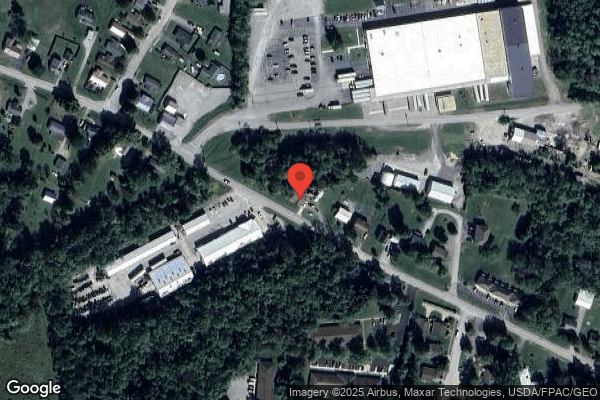
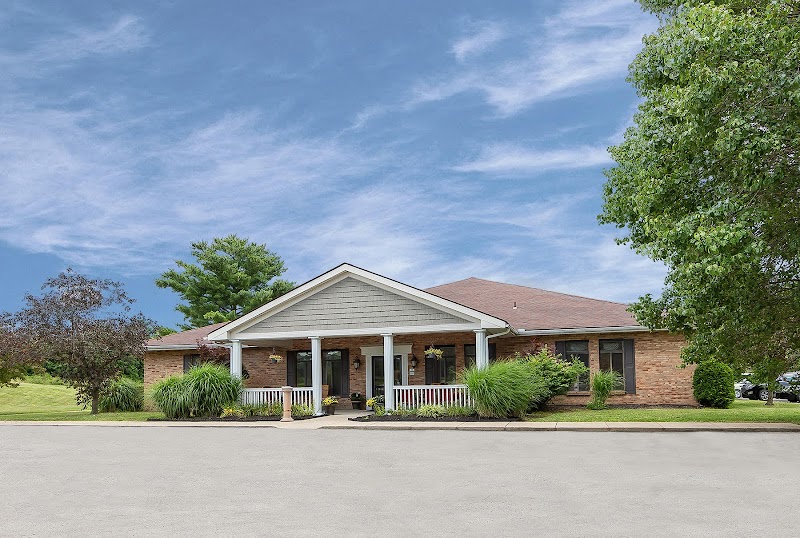
141 WILLETTSVILLE PIKE, HILLSBORO, OH 45133 (937) 393-6700
For profit - Corporation 50 Beds CONTINUING HEALTHCARE SOLUTIONS Data: November 2025
Trust Grade
35/100
#446 of 913 in OH
Last Inspection: December 2024

Within standard 12-15 month inspection cycle. Federal law requires annual inspections.

Overview

Crestwood Ridge Skilled Nursing and Rehab has received a Trust Grade of F, indicating significant concerns about the facility's overall care and management. They rank #446 out of 913 nursing homes in Ohio, placing them in the top half of facilities statewide, and #2 out of 5 in Highland County, meaning only one local option is better. The facility is improving, with issues dropping from 12 in 2024 to just 1 in 2025. Staffing is rated at 2 out of 5 stars, with a turnover rate of 55%, which is average for Ohio, suggesting that staff may not stay long enough to build strong relationships with residents. There have been no fines recorded, which is a positive aspect, and RN coverage is average, meaning residents receive a standard level of nursing oversight. However, there are serious concerns highlighted by recent inspector findings. One incident involved a resident being assaulted by another resident, resulting in injuries that required hospitalization. Additionally, the facility failed to serve food according to the planned menu, which could affect the nutritional needs of residents, and there were lapses in Quality Assurance meetings that could hinder overall care improvements. These incidents underline the importance of carefully considering both the strengths and weaknesses of Crestwood Ridge when making a decision.

Trust Score
F
35/100
In Ohio
#446/913
Top 48%
Safety Record
High Risk
Review needed
Inspections
Getting Better
12 → 1 violations
Staff Stability
⚠ Watch
55% turnover. Above average. Higher turnover means staff may not know residents' routines.
Penalties
✓ Good
No fines on record. Clean compliance history, better than most Ohio facilities.
Skilled Nurses
○ Average
Each resident gets 31 minutes of Registered Nurse (RN) attention daily — about average for Ohio. RNs are the most trained staff who monitor for health changes.
Violations
⚠ Watch
27 deficiencies on record. Higher than average. Multiple issues found across inspections.
★★★☆☆
3.0
Overall Rating
★★☆☆☆
2.0
Staff Levels
★★★★★
5.0
Care Quality
★★☆☆☆
2.0
Inspection Score
Stable
2024: 12 issues
2025: 1 issues

The Good

  • 5-Star Quality Measures · Strong clinical quality outcomes
  • Full Sprinkler Coverage · Fire safety systems throughout facility
  • No fines on record

Facility shows strength in quality measures, fire safety.

The Bad

3-Star Overall Rating

Near Ohio average (3.2)

Meets federal standards, typical of most facilities

Staff Turnover: 55%

Near Ohio avg (46%)

Frequent staff changes - ask about care continuity

Chain: CONTINUING HEALTHCARE SOLUTIONS

Part of a multi-facility chain

Ask about local staffing decisions and management

Staff turnover is elevated (55%)

7 points above Ohio average of 48%

The Ugly 27 deficiencies on record

1 actual harm
Jan 2025 1 deficiency 1 Harm
SERIOUS (G) 📢 Someone Reported This

A family member, employee, or ombudsman was alarmed enough to file a formal complaint

Actual Harm - a resident was hurt due to facility failures

Free from Abuse/Neglect (Tag F0600)

A resident was harmed · This affected 1 resident

**NOTE- TERMS IN BRACKETS HAVE BEEN EDITED TO PROTECT CONFIDENTIALITY** Based on record review, interview and policy review, the facility failed to ensure residents were free from abuse. This resulted...

Read full inspector narrative →
**NOTE- TERMS IN BRACKETS HAVE BEEN EDITED TO PROTECT CONFIDENTIALITY** Based on record review, interview and policy review, the facility failed to ensure residents were free from abuse. This resulted in an Actual Harm when Resident #12 was assaulted by Resident #39 on 01/11/25. Resident #12 was punched in the face and was temporarily unconscious. Resident #12 was evaluated at the local hospital, diagnosed with mild closed head injury, lip abrasion, and cervical strain. This affected one (Resident #12) of three residents reviewed for abuse. The facility census was 47. Findings include: Review of the medical record for Resident #12 revealed an admission date on 03/22/24. Diagnoses included intracranial injury with loss of consciousness on 06/29/23, major depressive disorder, dementia, personality disorder, generalized anxiety disorder, borderline personality disorder, bipolar two disorder, and post-traumatic stress disorder. Review of the quarterly Minimum Data Set (MDS) assessment, dated 11/14/24, revealed that Resident #12 was cognitively intact. Resident #12 used a wheelchair to self-propel in the facility. Review of medical record for Resident #39 revealed an admission date 01/23/23. Diagnoses included unspecified focal traumatic brain injury without loss of consciousness, paranoid schizophrenia, epilepsy, hemiplegia, panic disorder, extrapyramidal and movement disorder, Schizoaffective disorder depressive type, pseudobulbar affect, general anxiety disorder, attention deficit hyperactivity disorder, psychotic disorders with delusions due to known physiological condition, auditory hallucinations, visual hallucinations (09/08/22), suicidal ideations (09/08/22), homicidal ideations (09/22/22), and post-traumatic stress disorder chronic (09/08/22). Review of the quarterly MDS assessment, dated 12/24/24, revealed Resident #39 was cognitively intact. Review of the plan of care dated 12/24/24 revealed that Resident #39 had behaviors and problems related to profanity, fabricating stories, angry verbal outbursts towards others, spitting on staff, throwing things at staff, refusing care, aggression towards others, attention seeking, stating that he had been misdiagnosed, physical behaviors towards inanimate objects, kicking things, refuse vitals, inappropriate sexual behaviors towards staff, resident referred to therapy multiple times related to falls, history of refusals to medication and physical assessments, and requesting more anxiety medications. Interventions included one on one at times of agitation, administer medications, provide risks and benefits during refusals of care, intervention due to physical outburst on 01/01/23 to 01/02/23 shift, monitor and assess for behaviors, physical outbursts over shower times that he agrees upon then suddenly changes his mind, provide a calm and relaxing environment, refer to psych, and resident was educated to ask for assistance when he was in a difficult situation. Resident #39 used a wheelchair to self-propel in the facility. Further review of the plan of care dated 12/24/24 revealed Resident #39 was at risk for alteration in cognitive function related to anxiety, depression, traumatic brain injury, paranoid schizophrenia, panic disorder, schizoaffective disorder, pseudobulbar affect, ADHD, psychotic disorder, hallucinations, delusions, and post-traumatic stress disorder. Interventions included allow resident time to remember and respond, be as consistent as possible with daily routine, be patient with resident, continue to converse and communicate with resident daily despite cognitive deficits, ensure resident's physiological needs are met, formulate plan for hospital admission if condition warrants, medication as ordered, provide a calm and relaxing environment, provide activities of choice, repeat directions as needed, report any changes to physician, and speech therapy as ordered. Review of a progress note dated 01/11/25 by Registered Nurse (RN) #290 documented Resident #12 and Resident #39 were in a verbal exchange as they were outside for a smoke break. Resident #39 called Resident #12 names, and Resident #12 told him to shut up. Resident #39 swung at Resident #12. Resident #12 swung her arm sideways to keep from being hit. Resident #39 wheeled himself to get in front of her and connected with her face again. Resident #39 continued to curse at Resident #12. Resident #39 stated he didn't care if it was female, male or child he would hit whomever he felt needed it. Resident #12 was removed from the smoking patio and immediately taken with staff to the nursing station and was supervised through the rest of the night. RN #290 stated she notified the physician and responsible party. Review of the local police incident report dated 01/11/25 at 7:26 P.M. documented Resident #39 was the suspect who was being investigated for disorderly conduct. Residents were fighting and one resident had possibly been assaulted. Resident #12 had suffered minor injuries. Currently still under investigation. Review of a skin assessment dated [DATE] revealed Resident #12 had an abrasion to the upper inner lip measuring 0.2 centimeter (cm) by 0.1 cm and a purplish area to the lower inner lip. Resident #12 had scant amount of bleeding and a cool wet cloth was applied to the area. Resident #12's teeth were intact. There was redness to the upper right cheek and no bruising. Review of a hospital document dated 01/11/25 revealed Resident #12 was sent to the hospital to be evaluated after another resident (Resident #39) struck her in the right side of the face with a fist. Resident #12 was diagnosed with assault with minor closed head injury, lip abrasion, and cervical strain. She had perhaps lost consciousness for two minutes. She was alert and oriented to her name and place and situation. She admits to some discomfort in her mouth where it appears that she had an abrasion to her right upper lip. She complains of discomfort to the right side of her head but had no bruising. She was positive for neck pain. A Computed Tomography (CT) scan to head demonstrated no evidence of midline shift mass effect, acute bleeding, fracture, or hematoma. Resident #12 seems to be back to her baseline at this point. She was alert and knew where she was at. Resident #12 remembered the event that resulted in her being struck to the face. Discussed the case with the Medical Director, who returned Resident #12 to the facility with an order for neurological checks every four hours for 24-hours. During an interview on 01/14/25 at 3:21 P.M., RN #290 stated Resident #12 was hit by Resident #39, and she was standing behind them. RN #290 stated Resident #39 was cursing and yelling at staff to be on the smoke break on time. RN #290 stated they were getting residents out the smoke patio door when a verbal altercation between Resident #12 and Resident #39 broke out. Resident #12 had tried to stand up for staff in saying they were busy and was only a few minutes short in getting a timely smoke break. RN #290 stated that Resident #12 threw an arm up to block Resident #39 from hitting her, and was struck in the face by his hand. RN #290 was coming from behind her to break Resident #39 from hitting Resident #12. Resident #39 hit Resident #12 a second time in the face, and she went slumped over unconscious in her wheelchair. RN #290 got to Resident #12 to support her limp body to make sure she was safe. RN #290 stated she directed Resident #39 to another part of the smoke patio. RN #290 stated Resident #39 was calling Resident #12 a faker, and stating he would hit any woman, man, or child if need be. Resident #12 was unconscious for a few seconds because yelling her name did not arouse here. Resident #12 woke up as they were getting her inside the building. Her bottom lip was purple and bleeding. Resident #12 repeated he hit me. RN #290 stated Resident #12 went to the emergency room to be assessed. RN #290 stated to the physician she thought Resident #12 was knocked out. During an interview on 01/14/25 at 5:34 P.M., STNA #237 stated she ran to Resident #12 and saw her eyes closed and she was slumped over in the wheelchair. Resident #39 was yelling on the other side of the patio, saying she was faking. She was moved back in the facility, and startled and started to cry, and was upset. She was taken to the nursing station. Review of facility policy titled Abuse Prohibition dated unknown stated that residents will not be subjected to abuse, neglect, exploitation, mistreatment, or misappropriation of property by anyone. This deficiency represents non-compliance investigated under Complaint Number OH00161543.
Dec 2024 8 deficiencies
CONCERN (D)

Potential for Harm - no one hurt, but risky conditions existed

Resident Rights (Tag F0550)

Could have caused harm · This affected 1 resident

**NOTE- TERMS IN BRACKETS HAVE BEEN EDITED TO PROTECT CONFIDENTIALITY** Based on observation, staff interview, medical record review, and review of facility policy, the facility failed to ensure a res...

Read full inspector narrative →
**NOTE- TERMS IN BRACKETS HAVE BEEN EDITED TO PROTECT CONFIDENTIALITY** Based on observation, staff interview, medical record review, and review of facility policy, the facility failed to ensure a resident's dignity was maintained by placing a cover over a urinary catheter drainage bag. This affected one (#28) of three residents the facility identified as having indwelling urinary catheters. The facility census was 44. Findings include: Record review for Resident #28 revealed the resident was admitted to the facility on [DATE] and had diagnoses including muscle weakness, neuromuscular dysfunction, and spastic diplegic cerebral palsy. Review of the Minimum Data Set (MDS) assessment dated [DATE] revealed Resident #28 was assessed to have intact cognition and to have an indwelling urinary (Foley) catheter. Review of an active physician order dated 10/03/24 reveled Resident #28 was to have a 16 French Foley catheter in place. Observation on 12/09/24 at 12:40 P.M. revealed Resident #28 was lying in bed with the door open. The resident's Foley catheter drainage bag was hanging on the side of the bed visible from the doorway. No dignity bag was in place over the bag and yellow urine was visible in the tubing and drainage bag. Observation on 12/10/24 at 12:55 P.M. revealed Resident #28 was lying in bed with the door open. The resident's Foley catheter drainage bag was hanging on the side of the bed visible from the doorway. No dignity bag was in place over the bag and yellow urine was visible in the tubing and drainage bag. Observation on 12/11/24 at 9:30 A.M. revealed Resident #28 was lying in bed with the door open. The resident's Foley catheter drainage bag was hanging on the side of the bed visible from the doorway. No dignity bag was in place over the bag and yellow urine was visible in the tubing and drainage bag. Interview with Activity Director #118 at the time of the observation confirmed there was not a dignity bag in place but there should have been. Review of the undated facility policy titled, Foley Catheter Care, revealed staff would place the Foley catheter drainage bag inside of a Foley catheter privacy bag.
CONCERN (D)

Potential for Harm - no one hurt, but risky conditions existed

Notification of Changes (Tag F0580)

Could have caused harm · This affected 1 resident

Based on medical record review and staff interview, the facility failed notify a physician of resident blood glucose levels when the level was above 400 milligrams per deciliter (mg/dL) as ordered. Th...

Read full inspector narrative →
Based on medical record review and staff interview, the facility failed notify a physician of resident blood glucose levels when the level was above 400 milligrams per deciliter (mg/dL) as ordered. This affected one (#20) of five residents reviewed for unnecessary medications. The facility census was 44. Findings include: Review of Resident #20's medical record revealed an admission date of 03/29/24. Diagnoses included type two diabetes mellitus, unspecified severe protein calorie malnutrition, respiratory failure, major depressive disorder, generalized anxiety disorder, and dysphagia. Review of Resident #20's physician order dated 03/29/24 revealed the resident was ordered Humalog Kwikpen subcutaneous (SQ) solution pen-injector 100 unit/ml to be injected as per sliding scale before meals and at bed time for diabetes as followed: for blood glucose levels between zero (0) and 149 mg/dL, notify the physician and administer no insulin; between 150 mg/dL and 199 mg/dL, give two (2) units of insulin; between 200 mg/dL and 249 mg/dL, give four (4) units of insulin; between 250 mg/dL and 299 mg/dL, give six (6) units of insulin; between 300 mg/dL and 349 mg/dL, give eight (8) units of insulin; between 350 mg/dL and 399 mg/dL, give 10 units of insulin; and blood glucose levels above 400 mg/dL, give 12 units of insulin and notify the physician. Further review of Resident #20's medical record revealed from 11/10/24 to 12/09/24 Resident #20's blood glucose was over 400 mg/dL 12 times and the physician was only notified on four occasions. The physician was not notified on 11/12/24 with a blood glucose level of 432 mg/dL, 11/15/24 with a blood glucose level of 500 mg/dL, on 11/17/24 with a blood glucose levels of 408 mg/dL and 426 mg/dL, on 11/21/24 with a blood glucose level of 567 mg/dL, 11/22/24 with a blood glucose level of 498 mg/dL, 11/25/24 with a blood glucose level of 520 mg/dL, 11/27/24 with a blood glucose level of 450 mg/dL, on 11/28/24 with a blood glucose level of 411 mg/dL, on 12/02/24 with a blood glucose level of 418 mg/dL, on 12/04/24 with a blood glucose level of 488 mg/dL, and on 12/05/24 with a blood glucose levels of 511 mg/dL. Interview with Regional Nurse #200 on 12/12/24 at 10:20 A.M. verified Resident #20's blood glucose level was above 400 mg/dL on 11/12/24, 11/15/24, 11/17/24, 11/21/24, 11/22/24, 11/25/24, 11/27/24, 11/28/24, 12/02/24, 12/04/24, and 12/05/24 and the physician was not notified as ordered.
CONCERN (D)

Potential for Harm - no one hurt, but risky conditions existed

Deficiency F0582 (Tag F0582)

Could have caused harm · This affected 1 resident

**NOTE- TERMS IN BRACKETS HAVE BEEN EDITED TO PROTECT CONFIDENTIALITY** Based on medical record review and staff interview, the facility failed to provide a Skilled Nursing Facility Advanced Beneficia...

Read full inspector narrative →
**NOTE- TERMS IN BRACKETS HAVE BEEN EDITED TO PROTECT CONFIDENTIALITY** Based on medical record review and staff interview, the facility failed to provide a Skilled Nursing Facility Advanced Beneficiary Notice of Non-Coverage (SNF ABN) after receiving Medicare Part A services at the facility as required. This affected three (#04, #28, and #40) of three residents reviewed. The facility census 44. Findings include: 1. Record review for Resident #04 revealed the resident admitted to the facility on [DATE]. Diagnoses included diabetes mellitus, essential primary hypertension, schizoaffective disorder, major depressive disorder, anxiety disorder, and schizophrenia. Review of Resident #04's Minimum Data Set (MDS) assessment dated [DATE] revealed she was mildly cognitively impaired. Review of Resident #04's Medicare cut letter dated 09/20/24 revealed she was cut for Medicare skilled services effective 09/23/24; however, the facility failed to provide Resident #04 a SNF ABN. 2. Record review for Resident #28 revealed the resident admitted to facility on 11/28/24. Diagnoses included urinary tract infection, asthma, aphasia, dysarthria, dysphasia, anemia, anxiety disorder, and major depressive disorder. Review of Resident #28's MDS assessment dated [DATE] revealed she was mildly cognitively impaired. Review of Resident #28's Medicare cut letter dated 11/05/24 revealed she was cut from Medicare skilled services effective 11/07/24; however, the facility failed to provide Resident #28 a SNF ABN. 3. Record review for Resident #40 revealed the resident admitted to the facility on [DATE]. Diagnoses included hyperlipidemia, peripheral vascular disease, dementia, adjustment disorder, essential primary hypertension, insomnia, and anxiety disorder. Review of Resident #40's MDS assessment dated [DATE] revealed he was cognitively impaired. Review of the Resident # 40's Medicare cut letter dated 12/04/24 revealed he was cut from Medicare skilled services, effective 12/06/24; however, the facility failed to provide Resident #40 a SNF ABN. Interview on 12/12/24 at 10:04 A.M. with Regional Nurse (RN) #200 confirmed Resident #04, Resident #28, and Resident #40 remained in the facility after their Medicare skilled services were cut and the facility failed to provide each resident a SNF ABN as required.
CONCERN (D)

Potential for Harm - no one hurt, but risky conditions existed

Deficiency F0637 (Tag F0637)

Could have caused harm · This affected 1 resident

**NOTE- TERMS IN BRACKETS HAVE BEEN EDITED TO PROTECT CONFIDENTIALITY** Based on medical record review and staff interview, the facility failed to complete a Significant Change in Status Assessment fo...

Read full inspector narrative →
**NOTE- TERMS IN BRACKETS HAVE BEEN EDITED TO PROTECT CONFIDENTIALITY** Based on medical record review and staff interview, the facility failed to complete a Significant Change in Status Assessment for a resident enrolled in a hospice program. This affected one (#44) of three residents reviewed for Minimum Data Set assessments. The facility census was 44. Findings include: Record review for Resident #44 revealed the resident admitted to the facility on [DATE]. Diagnoses included dyskinesia, psychosis, essential primary hypertension, dementia, carbuncle, gout, depression, and adult failure to thrive. Review of Resident #44's progress notes dated 09/04/24 revealed the facility called to notify Resident #44's family of a change in condition. Further review of the progress notes confirmed Resident #44 was admitted to hospice services effective 09/12/24. Review of Resident #44's contract for hospice confirmed hospice services were effective on 09/12/24. Further review of Resident #44's medical record revealed no Significant Change in Status Minimum Data Set (MDS) assessment was completed when the resident received hospice services. Interview with MDS Licensed Practical Nurse (LPN) #134 confirmed Resident #44 was under hospice care effective 09/12/24 and remained on hospice until Resident #44's death at the facility on 10/27/24. MDS LPN #134 confirmed the facility failed to complete a Significant Change in Status MDS assessment for Resident #44 and state the assessment should have been completed within 14 days of hospice enrollment.
CONCERN (D)

Potential for Harm - no one hurt, but risky conditions existed

PASARR Coordination (Tag F0644)

Could have caused harm · This affected 1 resident

**NOTE- TERMS IN BRACKETS HAVE BEEN EDITED TO PROTECT CONFIDENTIALITY** 2. Record review for Resident #23 revealed the resident was admitted to the facility on [DATE] and had diagnoses including anxie...

Read full inspector narrative →
**NOTE- TERMS IN BRACKETS HAVE BEEN EDITED TO PROTECT CONFIDENTIALITY** 2. Record review for Resident #23 revealed the resident was admitted to the facility on [DATE] and had diagnoses including anxiety disorder, senile degeneration of the brain, and dissociative identity disorder. The resident had a new diagnosis of schizoaffective disorder added on 11/14/23. Review of the quarterly Minimum Data Set (MDS) assessment dated [DATE] revealed Resident #23 was rarely/never understood. Review of the completed PASARR assessments for Resident #23 revealed no updated PASARR was completed after the addition of the diagnosis of schizoaffective disorder was added on 11/14/23. Interview with Regional Nurse #200 on 12/11/24 at 3:15 P.M. confirmed a new PASARR assessment was not completed for Resident #23 following the addition of a new mental health diagnosis. Based on staff interview and medical record review, the facility failed to to ensure Pre-admission Screening and Resident Review (PASARR) documents were accurate regarding resident current conditions and diagnoses. This affected two (#23 and #27) of two residents reviewed for PASARR documents. The census was 44. Findings include: 1. Review of Resident #27's medical record revealed an admission date of 07/14/23. Diagnoses included nephropathy induced by other drugs, type two diabetes mellitus with diabetic neuropathy, cellulitis, adult failure to thrive, hyperlipidemia, gout due to renal impairment, anxiety disorder, and bipolar disorder manic without psychotic features. Review of Resident #27's medical record revealed on 05/15/24 the resident had a new diagnosis of bipolar disorder manic without psychotic features. Review of Resident #27's most current PASARR dated 09/08/23 revealed there was no updated diagnosis of bipolar disorder manic without psychotic features. Interview with Regional Nurse #200 on 12/12/24 at 12:39 P.M. verified there was not an updated diagnosis of bipolar disorder manic without psychotic features on Resident #27's most recent PASARR, and an updated PASARR should of been completed with the new diagnosis.
CONCERN (D)

Potential for Harm - no one hurt, but risky conditions existed

Comprehensive Care Plan (Tag F0656)

Could have caused harm · This affected 1 resident

Based on medical record review and staff interview, the facility failed develop a plan of care to address a resident's post traumatic stress disorder. This affected one (#31) of one residents reviewed...

Read full inspector narrative →
Based on medical record review and staff interview, the facility failed develop a plan of care to address a resident's post traumatic stress disorder. This affected one (#31) of one residents reviewed for behavior and emotional needs. The facility identified five residents with a diagnosis of post traumatic stress disorder. The facility census was 44. Findings include: Review of Resident #31's medical record revealed an admission date of 09/08/22 with diagnoses including traumatic brain injury, paranoid schizophrenia, hemiplegia affecting the left non-dominant side, psychotic disorder with delusions, auditory and visual hallucinations, suicidal ideations, paranoid personality disorder, major depressive disorder, hereditary and idiopathic neuropathy, post traumatic stress disorder, homicidal ideations, edema, and hyperlipidemia. Review of the 11/08/24 quarterly Minimum Data Set (MDS) assessment revealed Resident #31 was cognitively intact and used a wheelchair to aid in mobility. The resident was coded as having a diagnosis of post traumatic stress disorder (PTSD). Further review of Resident #31's medical record on 12/10/24 revealed there was no care plan to address the resident's PTSD and identified triggers. Interview with Regional Nurse #200 on 12/10/24 at 3:37 P.M. verified Resident #31 did not have a care plan for PTSD that identified triggers.
CONCERN (F)

Potential for Harm - no one hurt, but risky conditions existed

Menu Adequacy (Tag F0803)

Could have caused harm · This affected most or all residents

Based on observation, review of dietary menus, and staff interview, the facility failed to serve all food items from the preplanned menu during meal service. This had the potential to affect all 44 re...

Read full inspector narrative →
Based on observation, review of dietary menus, and staff interview, the facility failed to serve all food items from the preplanned menu during meal service. This had the potential to affect all 44 residents in the facility. The census was 44. Findings include: Review of the dietary menu for week one, which contained the date of 12/11/24, revealed the meal was to include spaghetti sauce with meatballs, pasta, green beans, wheat bread, margarine, and cake. Observation on 12/11/24 at 11:32 P.M. revealed the cook was preparing the meals which included spaghetti sauce with meatballs, pasta, green beans, and cake. Further observation revealed the cook was not serving bread with the meals as indicated on the menu. Interview with Dietary Manager (DM) #167 on 12/11/24 at 2:07 P.M. verified the menu for 12/11/24 was to have wheat bread included with the meal and confirmed the facility did not serve bread on the lunch trays. DM #167 stated they just forgot to add the bread to the meal trays.
CONCERN (F)

Potential for Harm - no one hurt, but risky conditions existed

Deficiency F0868 (Tag F0868)

Could have caused harm · This affected most or all residents

Based on review of Quality Assurance and Performance Improvement (QAPI) staff sign-in sheets and staff interview, the facility failed to have QAPI meetings at least quarterly and failed to have all re...

Read full inspector narrative →
Based on review of Quality Assurance and Performance Improvement (QAPI) staff sign-in sheets and staff interview, the facility failed to have QAPI meetings at least quarterly and failed to have all required members in attendance. This had the potential to affect all 44 residents in the facility. The census was 44. Findings include: Review of the QAPI meeting sign-in sheet dated 01/11/24 revealed the facility's administrator, owner, board member, or other individual in a leadership role was not in attendance for this meeting. Further review of the QAPI sign-in sheets revealed a meeting was held 03/12/24 and the next meeting was not held until 08/22/24. There was no documentation of a second quarter (April, May, or June) QAPI meeting occurring in 2024. Interview with the Administrator on 12/12/24 at 1:40 P.M. verified the facility did not have the administrator, owner, board member, or other individual in a leadership role attend the QAPI meeting on 01/11/24. The Administrator also verified the facility did not hold QAPI meetings at least quarterly as the facility had a meeting on 03/12/24 and did not have another meeting until 08/22/24.
Aug 2024 3 deficiencies
CONCERN (D) 📢 Someone Reported This

A family member, employee, or ombudsman was alarmed enough to file a formal complaint

Potential for Harm - no one hurt, but risky conditions existed

Transfer Notice (Tag F0623)

Could have caused harm · This affected 1 resident

**NOTE- TERMS IN BRACKETS HAVE BEEN EDITED TO PROTECT CONFIDENTIALITY** Based on record review and interview the facility failed to ensure Resident #49's legal guardian was provided, in writing a tran...

Read full inspector narrative →
**NOTE- TERMS IN BRACKETS HAVE BEEN EDITED TO PROTECT CONFIDENTIALITY** Based on record review and interview the facility failed to ensure Resident #49's legal guardian was provided, in writing a transfer/discharge notice at the time the resident was transferred to the hospital as required. This affected one resident (#49) of three residents reviewed for hospitalization. The facility census was 47. Findings include: Review of the medical record revealed Resident #49 was admitted to the facility on [DATE] with diagnoses including unspecified psychosis, post-traumatic stress disorder, Bipolar disorder, schizoaffective disorder, chronic obstructive pulmonary disease, suicide attempts, and intellectual disabilities. Review of admission records revealed this resident had a court appointed guardian, with an effective date of 06/13/22. The resident also had a Medicaid payor source. Review of the quarterly Minimum Data Set (MDS) assessment dated [DATE] revealed Resident #49 had a Brief Interview Mental Status (BIMS) score of ten out of 15 which indicated she had moderate cognitive impairment. Review of a nursing progress note dated 07/26/24 at 9:50 P.M. revealed the resident was sent to the emergency room after confiding in this nurse that she swallowed two AAA batteries. Room checked and found remote on bed without batteries, trash checked, drawers checked. Resident adamant about swallowing batteries. The note indicated the physician and Assistant Director of Nursing (ADON) were notified. An attempt to reach the resident's legal guardian revealed the guardian's number was disconnected. Record review revealed no written evidence the resident's legal guardian was reached/notified of the resident's transfer to the hospital by facility staff at the time of the transfer. Record review revealed a document titled Transfer/Discharge Notice. The document included the resident's name and listed the date of discharge/transfer as 07/27/24. The reason for discharge/transfer included the resident was discharged to the hospital due to possible self-harm (swallowed batteries times two). The notice was documented to be reviewed by the facility social service director (SSD) and reviewed with the resident. There was no evidence the resident's legal guardian was provided this notice or included in a review of the notice. Record review revealed the facility failed to permit Resident #49 to return to the facility following her hospitalization. Interview with the Administrator on 08/10/24 at 11:45 A.M. revealed Resident #49 was transferred to the hospital from the facility on 07/26/24. Resident #49 was then sent from the first hospital to a second hospital for removal of a foreign body following ingestion (that had occurred at the nursing home). During the interview, no additional information was provided to indicate Resident #49's legal guardian had been provided written notice of the resident's transfer to the hospital. This deficiency represents non-compliance investigated under Complaint Number OH00156427.
CONCERN (D) 📢 Someone Reported This

A family member, employee, or ombudsman was alarmed enough to file a formal complaint

Potential for Harm - no one hurt, but risky conditions existed

Deficiency F0625 (Tag F0625)

Could have caused harm · This affected 1 resident

**NOTE- TERMS IN BRACKETS HAVE BEEN EDITED TO PROTECT CONFIDENTIALITY** Based on record review and interview the facility failed to provide a written bed-hold notice to Resident #49 and Resident #49's...

Read full inspector narrative →
**NOTE- TERMS IN BRACKETS HAVE BEEN EDITED TO PROTECT CONFIDENTIALITY** Based on record review and interview the facility failed to provide a written bed-hold notice to Resident #49 and Resident #49's legal guardian at the time of the resident's transfer to the hospital as required. This affected one resident (#49) of three residents reviewed for hospitalization. The facility census was 47. Findings include: Review of the medical record revealed Resident #49 was admitted to the facility on [DATE] with diagnoses including unspecified psychosis, post-traumatic stress disorder, Bipolar disorder, schizoaffective disorder, chronic obstructive pulmonary disease, suicide attempts, and intellectual disabilities. Review of admission records revealed this resident had a court appointed guardian, with an effective date of 06/13/22. The resident also had a Medicaid payor source. Review of the quarterly Minimum Data Set (MDS) assessment dated [DATE] revealed Resident #49 had a Brief Interview Mental Status (BIMS) score of ten out of 15 which indicated she had moderate cognitive impairment. Review of a nursing progress note dated 07/26/24 at 9:50 P.M. revealed the resident was sent to the emergency room after confiding in this nurse that she swallowed two AAA batteries. Room checked and found remote on bed without batteries, trash checked, drawers checked. Resident adamant about swallowing batteries. The note indicated the physician and Assistant Director of Nursing (ADON) were notified. An attempt to reach the resident's legal guardian revealed the guardian's number was disconnected. Record review revealed a document titled Transfer/Discharge Notice. The document included the resident's name and listed the date of discharge/transfer as 07/27/24. The reason for discharge/transfer included the resident was discharged to the hospital due to possible self-harm (swallowed batteries times two). The notice was documented to be reviewed by the facility social service director (SSD) and reviewed with the resident. There was no evidence the resident's legal guardian was provided this notice or included in a review of the notice. The notice also contained information related to bed holds including but not limited to: All residents or resident representatives will be notified in regards to the number of bed hold days available for the use of the resident on the first business day following a transfer from the facility. Notification to be completed by the Business Office Manager. Record review revealed no evidence the resident's legal guardian was provided information related to the number of bed hold days the resident had available as required. There was no evidence the legal guardian was provided a written bed hold notice at the time of the resident's transfer or on the first business day following the transfer from the facility as required. Record review revealed the facility failed to permit Resident #49 to return to the facility following her hospitalization. Interview with the Administrator on 08/10/24 at 11:45 A.M. verified Resident #49's legal guardian was not provided a bed hold notice as required. This deficiency represents non-compliance investigated under Complaint Number OH00156427.
CONCERN (D) 📢 Someone Reported This

A family member, employee, or ombudsman was alarmed enough to file a formal complaint

Potential for Harm - no one hurt, but risky conditions existed

Safe Transfer (Tag F0626)

Could have caused harm · This affected 1 resident

**NOTE- TERMS IN BRACKETS HAVE BEEN EDITED TO PROTECT CONFIDENTIALITY** Based on record review, hospital record review and interview, the facility failed to allow Resident #49 to return to the facilit...

Read full inspector narrative →
**NOTE- TERMS IN BRACKETS HAVE BEEN EDITED TO PROTECT CONFIDENTIALITY** Based on record review, hospital record review and interview, the facility failed to allow Resident #49 to return to the facility upon discharge from the hospital. This affected one resident (#49) of three residents reviewed for hospitalization. The facility census was 47. Findings include: Review of the medical record revealed Resident #49 was admitted to the facility on [DATE] with diagnoses including unspecified psychosis, post-traumatic stress disorder, Bipolar disorder, schizoaffective disorder, chronic obstructive pulmonary disease, suicide attempts, and intellectual disabilities. Review of admission records revealed this resident had a court appointed guardian, with an effective date of 06/13/22. Review of the quarterly Minimum Data Set (MDS) assessment dated [DATE] revealed Resident #49 had a Brief Interview Mental Status (BIMS) score of ten out of 15 which indicated she had moderate cognitive impairment. Review of a nursing progress note dated 07/26/24 at 9:50 P.M. revealed the resident was sent to the emergency room after confiding in this nurse that she swallowed two AAA batteries. Room checked and found remote on bed without batteries, trash checked, drawers checked. Resident adamant about swallowing batteries. The note indicated the physician and Assistant Director of Nursing (ADON) were notified. An attempt to reach the resident's legal guardian revealed the guardian's number was disconnected. A nursing progress note dated 07/29/24 at 4:04 A.M. revealed resident had batteries removed via scope. Nurse stated she should be returning back to the facility today. Record review revealed no additional progress notes related to why the resident did not return to the facility as planned/noted in the above note on 07/29/24. Interview with Licensed Practical Nurse #20 on 08/10/24 at 11:20 A.M. revealed Resident #49 was residing in the facility until 07/26/24. The resident was transferred to the hospital emergency room due to an acute change in condition with concerns related to the resident ingesting batteries. Interview with Licensed Practical Nurse #10 on 08/10/24 at 11:30 A.M. revealed Resident #49 was sent to the hospital and did not return. Interview with the Administrator on 08/10/24 at 11:45 A.M. revealed Resident #49 was transferred to the hospital from the facility on 07/26/24. Resident #49 was then sent from the first hospital to a second hospital for removal of a foreign body following ingestion (that had occurred at the nursing home). The Administrator stated the second hospital allowed Resident #49 to leave their facility against medical advice (AMA) and she went out in the community. The Administrator stated after the resident left the hospital AMA and was out in the community, he believed they did not have to take her back. During the interview, the Administrator verbalized awareness of the resident being taken back to the hospital/emergency room after she left the second hospital AMA due to concerns of her ingesting another substance at a local store. Review of hospital medical record documentation, dated 07/31/24 at 12:15 P.M. and completed by case management staff revealed the case manager/social worker was advised the resident was in the emergency department (ED) and the facility was refusing to accept her back. The note indicated the resident had a legal guardian. The note revealed the social worker was advised the resident had been in the ED earlier in the week and was transferred to another hospital (name provided of second hospital). While she was at this other hospital, she was allowed to sign out against medical advice (AMA) despite having a legal guardian. The resident found a ride and emergency medical services were subsequently called to a Walmart the resident was at as she (the resident) reported to someone there she had taken a bottle of Benadryl. After receiving treatment in the ED, hospital staff contacted the nursing home to advise them that due to the resident not having the capacity to sign herself out AMA, she was still their resident. The Administrator indicated he refused to allow the resident to return, stating she was a community member and not their problem. The Administrator confirmed the resident had resided in the facility for approximately two months prior to being transferred to the hospital for acute medical care (after swallowing batteries). The hospital medical record included the Administrator advised he wasn't taking the resident back, it didn't matter what was said. Hospital staff informed the Administrator he would be required to issue the resident a 30 day discharge notice, which the Administrator stated he did not. The hospital staff involved with the situation indicated the Ombudsman would be notified and the Administrator indicated he did not care and then he abruptly ended the call. On 07/31/24 at 2:26 P.M. the case manager/social worker spoke with the discharge planner at the other hospital involved with resident's care. The discharge planner revealed Resident #49 had received care, was stabilized, ready for discharge back to the nursing home and she had communicated this to the nursing home (date not provided). The discharge planner had started the prior authorization process for the resident to return and were only waiting on an occupational therapy (OT) evaluation. The discharge planner revealed she was unaware the resident was tired of waiting so the staff inappropriately allowed her to sign an AMA. On 07/31/24 at approximately 3:53 P.M. hospital staff reached out the facility medical director to discuss the situation with him including the facility was refusing to allow Resident #49 to return. The note indicated the medical director stated he could see both views on the situation and he'd call the NH Administrator to reconsider. The medical director text back shortly thereafter advising the administrator would not reconsider. On 07/31/24 at 4:24 P.M. the hospital case manager/social worker spoke with the Ombudsman regarding the situation and refusal of the facility to allow the resident to return. The note indicated the Ombudsman was also in agreement that refusing to allow the resident to return was a violation of her rights and indicated she would reach out to the facility to let them know they would have to accept the resident back. Continued review of hospital notes from 08/01/24 indicated hospital staff were actively working on trying to find a new discharge location that was appropriate for the resident as the facility continued to refuse to allow her to return. A note dated 08/01/24 at 3:43 P.M. revealed staff at the facility had been instructed not to talk to anyone calling from the hospital regarding Resident #49 and that they would have to speak to the Administrator. Hospital staff had reached out to the facility in an attempt to get a copy of the resident's Pre-admission Screening and Resident Review (PASRR) documents. Hospital discharge planning continued on 08/02/24 for the resident who had been ready to discharge back to the facility on [DATE]. The resident was ultimately discharged from the hospital to an appropriate facility for ongoing care and treatment post hospitalization. This deficiency represents non-compliance investigated under Complaint Number OH00156427.
Jul 2024 1 deficiency
CONCERN (D) 📢 Someone Reported This

A family member, employee, or ombudsman was alarmed enough to file a formal complaint

Potential for Harm - no one hurt, but risky conditions existed

Accident Prevention (Tag F0689)

Could have caused harm · This affected 1 resident

**NOTE- TERMS IN BRACKETS HAVE BEEN EDITED TO PROTECT CONFIDENTIALITY** Based on record review, policy review, review of the weather condition, review of Centers for Disease Control and Prevention (CD...

Read full inspector narrative →
**NOTE- TERMS IN BRACKETS HAVE BEEN EDITED TO PROTECT CONFIDENTIALITY** Based on record review, policy review, review of the weather condition, review of Centers for Disease Control and Prevention (CDC) guidance, and resident and staff interviews, the facility failed to ensure staff provided adequate supervision to prevent a resident from be treated for hyperthermia during extreme weather conditions. This affected resident (Resident #8) of three residents reviewed for accidents. The facility census was 48. Findings include: Review of the medical record revealed Resident #8 was admitted to the facility on [DATE]. Diagnoses included multiple sclerosis, asthma, muscle wasting and atrophy, muscle weakness, and bipolar disorder. Review of the Minimum Data Set (MDS) 3.0 assessment dated [DATE] revealed Resident #8 was cognitively intact, required supervision with wheeling 150 feet, and rejected care. Resident #8 felt it was somewhat important to go outside and get fresh air when the weather was nice. Review of the care plan dated 06/20/24 revealed Resident #8 has a history of refusing medication and treatment. Interventions included staff were required to provide drinks frequently, monitor and assess for behaviors, document and notify physician of increased behaviors. Review of the focus alteration in mood with depression/anxiety found staff were required to ensure the resident's psychological needs were met. The resident was non-complaint with safety measures. Interventions included to document educational attempts made with resident and inform of negative outcomes related to non-compliance, and notify the medical doctor or nurse practitioner of non-compliance. Review of the medical record from 06/18/24 to 07/13/24 revealed there was minimal documentation regarding Resident #8's refusal of care and education of the health risks with refusal of specific care. On 06/19/24 and 06/20/24, Resident #8 refused morning medications. On 06/25/24, it was documented that Resident #8 was offered sunscreen several times but declined each time. On 07/01/24, Resident #8 refused Eliquis (a medication to that thins blood). On 07/02/24, Resident #8 refused morning medications. There was no documentation of the resident refused to come inside during extreme weather conditions and/or education to come inside if there was extreme weather conditions. There was no documentation to support staff provided increased supervision and fluids during extreme weather conditions. Review of the plan of care (POC) records for Resident #8 for 07/13/24 revealed specific timings documented as seen at 11:20 A.M. for hygiene (POC), and 12:41 P.M. for Bowel Movement (POC) and 3:59 P.M. for eating (POC). No additional encounters were found for 07/13/24 Review of the progress notes dated 07/13/24 at 5:24 P.M. indicated Resident #8 exhibited altered mental status, confusion, low blood pressure (134/44), and high temperature (103° Fahrenheit (F)). A medical doctor was promptly notified and ordered the transfer of the resident out of the building by 5:35 P.M. Further notes at 9:57 P.M. reported that the resident was flown to the local hospital due to urosepsis. Review of the physician orders dated 07/13/24 revealed instructions to send to the emergency room due to elevated temperature, low blood pressure, and altered mental status. Review of the pre-hospital care report dated 07/13/24 revealed Medic 223 was called to Resident #8's room for fever and low blood pressure with confusion. Staff member informed crew that she believes the resident was having a stroke or a heat stroke. Staff were unable to provide detailed events leading up to episode, last known well estimated as approximately one hour prior to calling Emergency Medical Services (EMS) (07/13/24 at 4:20 P.M.). Resident #8 was found to be confused, incoherent, speaking in short phrases, her skin was extremely hot, with remarkable erythema (skin redness) throughout and especially in face. Temporal artery obtained as 108.1 F, second attempt taken with read at 106.6 degrees F. The emergency room (ER) called EMS and asked EMS if they have the sunburn patient. The ER reported the facility called in report and stated Resident #8 was left outside for undetermined amount of time and may be having a heat stroke and sun poisoning. Review of the hospital records dated 07/13/24 for admission and discharge on [DATE] indicated Resident #8 arrived at the hospital with hyperthermia (106.6°F), confusion, deficits in bilateral lower extremities, and possible new hand contractures. Diagnoses included hyperthermia, urinary tract infection, left lower lobe pulmonary nodule, and hypotension. ER course included active cooling measures which included cooling blankets, status post one liter of cool water through intravenous and temperature decreased from 104 F to 100 F. The resident was reportedly outdoors for unknown amount of time on an extremely hot day with outdoor temperature at 90 F or higher. The resident presented with severe hyperthermia (temperature greater than 104 F), which improved and eventually resolved following multiple treatments. The physician documented although urosepsis can incite fever, temperatures to this severity and with such acuity in unlikely due to infection alone. Resident #8 was treated for urinary tract infection (UTI). Fever present upon admission more likely due to heat-related illness than infection due to rapid resolution. Interview on 07/18/24 at 9:17 A.M. with Licensed Practical Nurse (LPN) #17 confirmed staff should increase supervision and hydration when residents were sitting outside in the sun all day. Interview on 07/18/24 at 9:19 A.M. with Resident #8 stated she was outside everyday, and was able to self propel in the wheelchair. Resident #8 does not remember anything from 07/13/24. Observation on 07/18/24 between 11:00 A.M. and 11:06 A.M. with Resident #1, Resident #7 and Resident #8 revealed no staff members were outside with residents. Interview on 07/18/24 at 11:00 A.M. with Resident #1 stated Resident #8 was acting normal on 07/13/24 before and after she was sent inside. Resident #1 stated staff did not check on them for over two and a half hours on 07/13/24. However, she stated the staff typically come out every hour to check on residents. Interview on 07/18/24 at 11:06 A.M. with Resident #7 confirmed Resident #8 was outside most of the day on 07/13/24. Interview on 07/18/24 at 10:33 A.M. with Licensed Practical Nurse (LPN) #24 confirmed Resident #8 was outside in the courtyard on 07/13/24 for a significant amount of time. The resident received a medication at 5:17 P.M., and was sent out to the hospital at 5:47 P.M. LPN #24 suspected heatstroke when the Medication Aide requested her help in the resident's room. After assessing the resident, LPN #24 notified the physician, who promptly ordered the resident to be transferred to the hospital. During the assessment, LPN #24 observed that the resident was not sweating and had excessively hot skin. Interview on 07/18/24 at 12:30 P.M. with Dietary Aide (DA) #5 stated he was responsible for the 07/13/24 at 2:00 P.M. smoke break which lasted about 25 minutes. DA #5 stated Resident #8 was already outside when he went to start the smoke break. DA #5 offered to assist all residents inside after the break. Resident #8 refused. DA #5 was concerned with Resident #8's energy, attitude, and overall appearance. He stated she looked and acted off. He denied notifying nursing staff of this change. DA #5 denied seeing Resident #8 after he came back inside from smoke break. Interview on 07/18/24 at 12:49 P.M. with State Tested Nursing Assistant (STNA) #38 stated she was not concerned with Resident #8 until she came up to this STNA sometime after the 2:00 P.M. smoke break voicing she was tired and was not feeling herself. STNA #38 asked STNA #41 for assistance with getting Resident #8 changed and back to bed which was around 3:50 P.M The medication aide was the staff member who notified nursing staff of a change in condition, she stated the resident felt like her skin was on fire. Resident #8's vital signs were taken and it was found her temperature was at 103 degrees F. Interview on 07/18/24 at 12:50 P.M. with STNA #41 confirmed she changed and assisted Resident #8 to bed with the assistance of STNA #38. During this encounter, STNA #41 stated she didn't observe any health concerns. Interview on 07/18/24 at 1:04 P.M. with Medication Aide #28 confirmed she was assigned to Resident #8. She identified the change in condition for Resident #8 around 5:22 P.M. where she looked weaker and was showing sign of a stroke. The nurse assessed her and found she had a temperature of 104.9 degrees F. The nurse notified the doctor who sent orders to send the resident out for further evaluation. Interview on 07/18/24 at 1:20 P.M. with Corporate Nurse #200 stated Resident #8's main diagnosis was urosepsis and the high fever could be from urosepsis alone. Corporate Nurse #200 verified there was no documentation of increased supervision levels during extreme weather conditions for Resident #8, no documentation of education to Resident #8 for extreme weather conditions, and no documentation of Resident #8's request to stay outdoors despite education. Corporate Nurse #200 verified the facility did not complete an investigation into the incident on 07/13/24 for Resident #8 being left outdoors for an unknown amount of time in extreme weather and being treated for hyperthermia in the ER. Corporate Nurse #200 explained they did not do an investigation because the primary diagnosis was urosepsis in the hospital. Interview on 07/18/24 at 1:41 P.M. with Medical Director #101 confirmed the resident has a history of non-compliance. He stated he was not notified Resident #8 refused to come inside on 07/13/24 and he was only notified of the change in condition. Nursing staff reported an elevated temperature of 103 degrees F and said she was sitting outside and would not come in. With Resident #8's presentation of symptoms, he was initially concerned she way exhibiting neuroleptic malignant syndrome which can mimic heatstroke. He placed an order for nursing staff to send to the hospital for further evaluation. His professional opinion felt Resident #8's diagnosis of urosepsis was an appropriate diagnosis for Resident #8 signs and symptoms exhibited on 07/13/24. Review of the weather report dated 07/13/24 for Hillsboro revealed between 12:55 P.M. to 3:55 P.M. found temperatures outside ranged between 88-90 degrees F. Review of the facility's Accidents/Hazards policy, undated, revealed the interdisciplinary team will implement interventions to reduce hazards that are consistent with a residents needs, goals, plan of care, and will include adequate supervision based on residents needs. Review of CDC guidance titled Heat and Chronic Condition dated 02/15/24 and found at https://www.cdc.gov/extreme-heat/risk-factors/extreme-heat-and-chronic-conditions.html revealed extreme heat can be dangerous for anyone, but it can be especially dangerous for those with chronic medical conditions. People with chronic medical conditions are more vulnerable to extreme heat because they may be less likely to sense and respond to changes in temperature, they maybe taking medications that can make the effect of extreme heat worse, and conditions like heart disease, mental illness, poor blood circulation, and obesity are risk factors for heat-related illness. This deficiency represents non-compliance investigated under Complaint Number OH00155804.
Aug 2023 1 deficiency
CONCERN (E) 📢 Someone Reported This

A family member, employee, or ombudsman was alarmed enough to file a formal complaint

Potential for Harm - no one hurt, but risky conditions existed

Safe Environment (Tag F0921)

Could have caused harm · This affected multiple residents

Based on observation and staff interview, the facility failed to ensure a safe environment when furniture obstructed the view of hallway's call lights and the handrails on both sides of the 100-unit h...

Read full inspector narrative →
Based on observation and staff interview, the facility failed to ensure a safe environment when furniture obstructed the view of hallway's call lights and the handrails on both sides of the 100-unit hallway. This affected 24 residents, (#01, #02, #07, #08, #09, #10, #11, #12, #13, #14, #21, #22, #23, #24, #25, #26, #27, #28, #31, #32, #35, #40, #41 and #45) for call light obstruction and five residents (#14, # 22, #24, #25, and #40) who required the use of the handrails. The total facility census was 45. Findings Include: Observation on 08/14/23 at 5:30 P.M. and on 08/15/23 at 8:12 A.M. to 4:00 P.M., revealed wardrobe furniture, measuring approximately three feet wide and seven feet tall, were on both sides of the resident occupied 100-unit hallway. The call lights were obstructed from sight and the handrails were blocked from the resident's usage. Review of the resident census listings dated 08/14/23, revealed there were 24 residents, (#01, #02, #07, #08, #09, #10, #11, #12, #13, #14, #21, #22, #23, #24, #25, #26, #27, #28, #31, #32, #35, #40, #41 and # 45), who resided on the 100-unit hallway. Interview on 08/15/23 at 8:12 A.M. the Maintenance Director, (MA) #12 verified the call lights were obstructed from view and the handrails were obstructed from use due to the wardrobe furniture placement on the 100-unit hallway. MA #12 revealed the wardrobes were delivered on 08/10/23 and he was not in the facility to direct the delivery. Interview on 08/15/23 at 4:00 P.M. with the Director of Nursing (DON) and the Assistant Director of Nursing, (ADON), #04 verified there were five residents who were dependent on the handrails on 100-unit hallway. The DON and ADON #04 verified the hallway call lights were obstructed and the handrails were not available for the resident use. Review of the resident listing dated 08/15/23, provided by DON, revealed there were five residents, (#14, # 22, #24, #25, and #40), who required the use of the handrails on unit 100. This deficiency represents non-compliance investigated under Complaint Number OH00145480.
Jul 2023 2 deficiencies
CONCERN (E) 📢 Someone Reported This

A family member, employee, or ombudsman was alarmed enough to file a formal complaint

Potential for Harm - no one hurt, but risky conditions existed

Deficiency F0679 (Tag F0679)

Could have caused harm · This affected multiple residents

Based on observation, resident interview, staff interview, record review and review of facility policy, the facility failed to ensure group activities were offered and provided per the resident's pref...

Read full inspector narrative →
Based on observation, resident interview, staff interview, record review and review of facility policy, the facility failed to ensure group activities were offered and provided per the resident's preferences and the activity calendar. This had the potential to affect all residents residing in the facility except for residents (#2, #6, #7, #8, #9, #11, #14, #20, #21, #23, #31, #34, and #43) who the facility identified as residents who did not participate in any group activities. The facility census was 42. Findings include: Review of the facility activity participation records for 06/01/23 to 07/06/23, revealed there was no record of activities from 06/13/23 to 07/06/23. Review of a copy from a text message Activities Director (AD) #245 sent to the facility's management dated 06/16/23 revealed the staff member was resigning her position effective immediately. Review of the facility activity calendar dated June 2023, revealed the calendar featured a variety of activities seven days per week. There was no calendar available for July 2023. Random observations of the resident care environment on 07/05/23 from 8:35 A.M. to 4:49 P.M. and on 07/06/23 from 6:20 A.M. to 12:00 P.M., revealed the June 2023 activity calendar was posted in the common area, and there were no activity programs observed taking place. Interview on 07/05/23 at 8:48 A.M. with the Director of Nursing (DON) indicated former AD #245 had resigned without notice a couple weeks ago, and they had no activities since AD #245 left. DON confirmed the facility had hired a new AD; however, she was not going to start work till 07/07/23. Interview on 07/05/23 at 11:15 A.M. with Housekeeper #235, confirmed the facility had not had any activity programs since AD #245 resigned a couple weeks ago. Housekeeper #235 confirmed she worked on the fourth of July 2023, and there were no activities related to the holiday. Interview on 07/05/23 at 11:17 A.M. with residents (#1, #10, and #38), confirmed AD #245 quit without notice a couple weeks ago and they would not have any activities until the new AD started. Residents confirmed they were particularly bothered that the facility had not offered any activities to celebrate the fourth of July 2023. Interview on 07/05/23 at 11:20 A.M. with the DON, confirmed AD #245 was the only activity staff person and the facility had not appointed anyone to carry out the activities in her absence. Interview on 07/05/23 at 2:35 P.M. with Regional Quality Assurance Nurse (RQAN) #250 confirmed AD #245 had resigned her position without notice via text message dated 06/16/23. RQAN #250 confirmed AD #245's last day worked was 06/15/23. Interview on 07/06/23 at 9:35 A.M. with the DON, confirmed former AD #245 recorded activity participation in the facility electronic medical record. DON confirmed the facility had no documentation of resident activities from 06/13/23 to 07/07/23. DON confirmed the facility identified 13 residents who did not participate in any group activities related to preference, behaviors, medical or cognitive status. DON further confirmed AD #245 had prepared the June 2023 activity calendar. Review of facility list dated 07/06/23, revealed there were 13 residents (#2, #6, #7, #8, #9, #11, #14, #20, #21, #23, #31, #34, and #43) identified by the facility who did not participate in group activities: Review of the facility policy titled Activity Programming undated revealed the Activities Director shall and organize a program of activities for residents on a group level and for individuals to meet the resident's interests and preferences. This deficiency represents non-compliance investigated under Complaint Number OH00144137.
CONCERN (F) 📢 Someone Reported This

A family member, employee, or ombudsman was alarmed enough to file a formal complaint

Potential for Harm - no one hurt, but risky conditions existed

Deficiency F0727 (Tag F0727)

Could have caused harm · This affected most or all residents

Based on document review, staff interview, and review of the facility policy, the facility failed to ensure a Registered Nurse (RN) worked in the facility for eight consecutive hours daily. This had t...

Read full inspector narrative →
Based on document review, staff interview, and review of the facility policy, the facility failed to ensure a Registered Nurse (RN) worked in the facility for eight consecutive hours daily. This had the potential to affect all residents residing in the facility. The census was 42 residents. Findings include: Review of the staffing schedules revealed the facility did not have an RN working on 06/17/23, 06/18/23, and 07/01/23. Interview on 07/05/23 at 3:15 A.M. with the Director of Nursing (DON) confirmed the facility did not have a RN working on 06/17/23, 06/18/23, and 07/01/23. Review of the facility policy titled Nursing Staffing Services undated revealed the facility would ensure licensed registered nursing and licensed nursing staff are available to provide and monitor the delivery of resident care services.
Jan 2023 2 deficiencies
CONCERN (D) 📢 Someone Reported This

A family member, employee, or ombudsman was alarmed enough to file a formal complaint

Potential for Harm - no one hurt, but risky conditions existed

Report Alleged Abuse (Tag F0609)

Could have caused harm · This affected 1 resident

**NOTE- TERMS IN BRACKETS HAVE BEEN EDITED TO PROTECT CONFIDENTIALITY** Based on medical record review, staff interview, review of the facility's Self-Reported Incidents (SRI), review of employee punc...

Read full inspector narrative →
**NOTE- TERMS IN BRACKETS HAVE BEEN EDITED TO PROTECT CONFIDENTIALITY** Based on medical record review, staff interview, review of the facility's Self-Reported Incidents (SRI), review of employee punch detail, review of employee schedules, and policy review, the facility failed to immediately report an allegation of abuse to the Administrator/Designee and to the Ohio Department of Health (ODH) as required. This affected one (#39) of three residents reviewed for abuse. The facility census was 40. Findings include: Review of the medical record for Resident #39 revealed an admission date of 12/14/22. Resident #39 admitted to the facility from a hospital Geriatric Psych unit. Diagnoses included parkinson's disease, violent behavior, dementia with behavioral disturbance, major depressive disorder, anxiety disorder, essential hypertension, hyperlipidemia, disorientation, and unspecified mood disorder. Review of the quarterly Minimum Data Set (MDS) assessment, dated 01/02/23 revealed the resident's cognition was not assessed. The resident was assessed as exhibiting fluctuating disorganized thinking, hallucinations, delusions, and one to three days of physical and verbal behavioral symptoms directed towards others during the assessment period. The resident required extensive assistance of two for bed mobility, transfers, and toileting. The resident required supervision for eating. Review of the comprehensive MDS assessment dated [DATE] revealed Resident #39 had intact cognition. Review of the nursing progress note dated 12/15/22 at 2:20 A.M. revealed Resident #39 was up walking in the hallway unassisted throughout the night. Resident #39 was noted to be confused. Review of the nursing progress note dated 12/15/22 at 11:09 P.M. revealed Resident #39 was found by a State Tested Nursing Assistant (STNA) in another resident's room, hiding behind the door. When the STNA attempted to get Resident #39 to come out of the room, Resident #39 became aggressive and grabbed the STNA's arms and twisted them. STNA yelled for help and another STNA and Registered Nurse (RN) #300 came to assist. Resident #39 punched the second STNA in the right shoulder. Staff attempted to get Resident #39 back to his room and Resident #39 was swinging and kicking at staff. The two STNA's and RN #300 were attempting to get Resident #39 to sit down when he kneed RN #300 in the mouth. A third STNA arrived in the room to assist. Director of Nursing (DON) was notified and instructed staff to call 911 and have a police escort. During that time, Resident #39 hit and scratched two of the STNA's. Staff were eventually able to get Resident #39 to sit down in his bed. Resident #39 became less aggressive when the police and paramedics arrived. Police and paramedics were able to get Resident #39 onto a stretcher and out of the facility. Review of the plan of care dated 12/29/22 revealed Resident #39 had an alteration in thought process related to dementia. Interventions included to administer medications per physician order, approach calmly, reapproach as necessary, and avoid change to environment. Review of the SRI dated 12/16/22 at 9:01 A.M. revealed RN #300 informed DON that, while attempting to manage a resident's behaviors, the resident struck her in the face and, when attempting to hit her again, she reflexively put her hand up in self-defense. While putting her hand up, she stated she came into contact with the resident. The resident was sent to the hospital for psychiatric evaluation and the nurse was sent home pending investigation by the facility. Review of the facility investigation dated 12/16/22 at 10:00 A.M., revealed statements were obtained from staff present during the incident. Resident interviews and skin checks were completed with no findings. All facility staff were educated on the facility abuse policy, crisis prevention management, non pharmacological interventions for behaviors, and resident aggression training. RN #300 did not return to the facility. The allegation was inconclusive due differing statements from the STNA's, no physical evidence of any marks or injuries on Resident #39 , and the investigation uncovered dynamics between RN #300 and STNA #315 related to a loan not being repaid by RN #300 to STNA #315. Review of the punch detail revealed RN #300 worked a full night shift (12.5 hours) on 12/15/22. Interview on 01/19/23 at 10:09 A.M. STNA #305 stated, on the night of 12/15/22, at approximately 10:45 P.M., Resident #37 activated her call light. When STNA #305 arrived in Resident #37's room, Resident #37 stated there was someone behind her door. STNA #305 found Resident #39 hiding behind the door. STNA #305 stated Resident #39 grabbed her arms, so she yelled for help. STNA's #310 and #315 responded to the call for help. Resident #39 stated he was scared someone was trying to kill him. STNA #305 stated she and the other two STNA's were able to lead Resident #39 back into his room, sat him on his bed and had him calmed down. STNA #305 stated RN #300 then arrived in Resident #39's room and, without warning, went to lift the Resident #39's legs up (attempting to pivot him into the bed). Resident #39 kneed RN #300 in the face. RN #300 then punched Resident #39 in the mouth and called him a Stupid [explicit term]. STNA #305 stated there was bleeding from the Resident #39's lip immediately. STNA #305 stated she knew the DON and Administrator were supposed to be notified immediately, however their phone numbers were located behind the nurse station and RN #300 was sitting behind the nurse station and would not move to allow the STNA's to get the phone numbers. STNA #305 stated she reached out to the DON via Facebook Messenger, but did not hear back for the rest of the shift. STNA #305 stated RN #300 remained in the facility for the remainder of her shift. Interview on 01/19/23 at 9:56 A.M., STNA #310 stated, the night of 12/15/22, she heard STNA #305 holler for help because Resident #39 was behind the door in another resident's room. Resident #39 stated he was scared because someone was coming to get him. STNA #310 stated she and STNA #315 responded immediately and assisted STNA #305 in getting Resident #39 back to his room. STNA #310 stated the resident was then calmed down and the situation was under control and RN #300 came into the room yelling and cussing and began pulling on Resident #39 's feet. Resident #39 then kneed RN #300 in the mouth and RN #300 then pushed Resident #39 and punched him between the neck and chest twice and once in the mouth and said, How do you like that you [explicit term]. STNA #310 stated Resident #39 had blood on his mouth. STNA #310 stated RN #300 stated she did not punch Resident #39, but she hit him. STNA #310 stated she knew the DON and Administrator should be notified of the incident, however their phone numbers were located at the nurse station and RN #300 did not move from behind the nurse station for the rest of that night. STNA #310 stated she utilized Facebook Messenger and sent a message to the DON, asking her to call her back on her personal phone regarding the nurse on shift that night. STNA #310 stated she did not hear from the DON until hours later. Interview on 01/19/23 at 10:24 A.M., STNA #315 stated, on the night of 12/15/22, she and STNA #310 heard STNA #305 called for help and had Resident #39 in another resident's room. STNA #315 stated Resident #39 was grabbing STNA #305's arm. STNA #315 stated she and STNA's #305 and #315 calmly walked Resident #39 back into his room and sat him at the edge of the bed. STNA #315 stated RN #300 then came into the room screaming and grabbed the Resident #39's feet, while calling him filthy names. STNA #315 stated Resident #39 kneed RN #300 in the chest and she observed RN #300 punch Resident #39 twice, once in the chest and once in the mouth. STNA #315 stated she noticed a small amount of blood on the Resident #39's lip after RN #300 punched him. STNA #315 stated RN #300 called Resident #39 a Stupid [explicit term] several times. STNA #315 stated she was unable to get to the DON and Administrator's phone numbers because they were at the desk of the nurse station and RN #300 did not leave the desk. Interview on 12/15/22 at 11:02 A.M., the Administrator stated, on 12/16/22, the STNA's on night shift alleged RN #300 hit Resident #39. The Administrator stated the STNA's had different accounts of the number of times and where Resident #39 was punched. The Administrator stated Resident #39 was sent to the hospital due to his behaviors and returned from the hospital the same day. The Administrator stated RN #300 stated, when she got hit, she reactively pushed him away. The Administrator stated RN #300 stated she knew she made contact with Resident #39 but was unable to say if she hit him. The Administrator stated RN #300 was suspended and the DON called the hospital and alerted them to the incident. The Administrator verified RN #300 worked the rest of the night and stated she would have been sent home immediately if he had known about the incident earlier. Interview on 01/19/23 at 2:18 P.M., the DON stated the STNA's sent her messages that night (on 12/16/22) at 12:19 A.M., stating they needed to talk to her about the nurse on duty, but she did not see the messages at that time because she was sleeping. The DON stated RN #300 called her at 6:00 A.M. with a question about staffing and then told her about the situation involving Resident #39 and said the STNA's may say she punched Resident #39. The DON stated she then read the messages from the STNA's and told RN #300 to immediately clock out and leave. The DON stated, had she known what happened earlier, she would have immediately come to the facility and sent RN #300 home. Interview on 01/19/23 at 2:43 P.M., Corporate Nurse #330 confirmed RN #300 clocked out on 12/16/22 at 6:30 A.M. and worked an entire shift that night. Review of staffing schedules on 12/15/22 revealed RN #300, STNA #305, STNA #310, and STNA #315 were the only staff present the night of the incident. Review of facility policy titled Abuse, Neglect, Exploitation of Residents, and Misappropriation of Property, dated 09/2020, revealed all alleged violations concerning abuse, neglect, misappropriation of property, and injuries of unknown origin are reported immediately to the Administrator/Designee. An investigation procedure begins immediately by the Administrator or facility designee. The facility will maintain the resident's protection during the investigation. To assure resident safety during and after the investigation, if the alleged abuser is an employee, the employee will be removed from the facility and suspended pending the results of the facility's investigation. This deficiency is based on incidental findings discovered during the course of this complaint investigation.
CONCERN (D) 📢 Someone Reported This

A family member, employee, or ombudsman was alarmed enough to file a formal complaint

Potential for Harm - no one hurt, but risky conditions existed

Investigate Abuse (Tag F0610)

Could have caused harm · This affected 1 resident

**NOTE- TERMS IN BRACKETS HAVE BEEN EDITED TO PROTECT CONFIDENTIALITY** Based on medical record review, staff interview, review of the facility's Self-Reported Incidents (SRI), review of employee punc...

Read full inspector narrative →
**NOTE- TERMS IN BRACKETS HAVE BEEN EDITED TO PROTECT CONFIDENTIALITY** Based on medical record review, staff interview, review of the facility's Self-Reported Incidents (SRI), review of employee punch detail, review of employee schedules, and policy review, the facility failed to ensure a staff member was removed from duty to potentially prevent further abuse following an allegation of abuse. This affected one (#39) of three residents reviewed for abuse. The facility census was 40. Findings include: Review of the medical record for Resident #39 revealed an admission date of 12/14/22. Resident #39 admitted to the facility from a hospital Geriatric Psych unit. Diagnoses included parkinson's disease, violent behavior, dementia with behavioral disturbance, major depressive disorder, anxiety disorder, essential hypertension, hyperlipidemia, disorientation, and unspecified mood disorder. Review of the quarterly Minimum Data Set (MDS) assessment, dated 01/02/23 revealed the resident's cognition was not assessed. The resident was assessed as exhibiting fluctuating disorganized thinking, hallucinations, delusions, and one to three days of physical and verbal behavioral symptoms directed towards others during the assessment period. The resident required extensive assistance of two for bed mobility, transfers, and toileting. The resident required supervision for eating. Review of the comprehensive MDS assessment dated [DATE] revealed Resident #39 had intact cognition. Review of the nursing progress note dated 12/15/22 at 2:20 A.M. revealed Resident #39 was up walking in the hallway unassisted throughout the night. Resident #39 was noted to be confused. Review of the nursing progress note dated 12/15/22 at 11:09 P.M. revealed Resident #39 was found by a State Tested Nursing Assistant (STNA) in another resident's room, hiding behind the door. When the STNA attempted to get Resident #39 to come out of the room, Resident #39 became aggressive and grabbed the STNA's arms and twisted them. STNA yelled for help and another STNA and Registered Nurse (RN) #300 came to assist. Resident #39 punched the second STNA in the right shoulder. Staff attempted to get Resident #39 back to his room and Resident #39 was swinging and kicking at staff. The two STNA's and RN #300 were attempting to get Resident #39 to sit down when he kneed RN #300 in the mouth. A third STNA arrived in the room to assist. Director of Nursing (DON) was notified and instructed staff to call 911 and have a police escort. During that time, Resident #39 hit and scratched two of the STNA's. Staff were eventually able to get Resident #39 to sit down in his bed. Resident #39 became less aggressive when the police and paramedics arrived. Police and paramedics were able to get Resident #39 onto a stretcher and out of the facility. Review of the plan of care dated 12/29/22 revealed Resident #39 had an alteration in thought process related to dementia. Interventions included to administer medications per physician order, approach calmly, reapproach as necessary, and avoid change to environment. Review of the SRI dated 12/16/22 at 9:01 A.M. revealed RN #300 informed DON that, while attempting to manage a resident's behaviors, the resident struck her in the face and, when attempting to hit her again, she reflexively put her hand up in self-defense. While putting her hand up, she stated she came into contact with the resident. The resident was sent to the hospital for psychiatric evaluation and the nurse was sent home pending investigation by the facility. Review of the facility investigation dated 12/16/22 at 10:00 A.M., revealed statements were obtained from staff present during the incident. Resident interviews and skin checks were completed with no findings. All facility staff were educated on the facility abuse policy, crisis prevention management, non pharmacological interventions for behaviors, and resident aggression training. RN #300 did not return to the facility. The allegation was inconclusive due differing statements from the STNA's, no physical evidence of any marks or injuries on Resident #39 , and the investigation uncovered dynamics between RN #300 and STNA #315 related to a loan not being repaid by RN #300 to STNA #315. Review of the punch detail revealed RN #300 worked a full night shift (12.5 hours) on 12/15/22. Interview on 01/19/23 at 10:09 A.M. STNA #305 stated, on the night of 12/15/22, at approximately 10:45 P.M., Resident #37 activated her call light. When STNA #305 arrived in Resident #37's room, Resident #37 stated there was someone behind her door. STNA #305 found Resident #39 hiding behind the door. STNA #305 stated Resident #39 grabbed her arms, so she yelled for help. STNA's #310 and #315 responded to the call for help. Resident #39 stated he was scared someone was trying to kill him. STNA #305 stated she and the other two STNA's were able to lead Resident #39 back into his room, sat him on his bed and had him calmed down. STNA #305 stated RN #300 then arrived in Resident #39's room and, without warning, went to lift the Resident #39's legs up (attempting to pivot him into the bed). Resident #39 kneed RN #300 in the face. RN #300 then punched Resident #39 in the mouth and called him a Stupid [explicit term]. STNA #305 stated there was bleeding from the Resident #39's lip immediately. STNA #305 stated she knew the DON and Administrator were supposed to be notified immediately, however their phone numbers were located behind the nurse station and RN #300 was sitting behind the nurse station and would not move to allow the STNA's to get the phone numbers. STNA #305 stated she reached out to the DON via Facebook Messenger, but did not hear back for the rest of the shift. STNA #305 stated RN #300 remained in the facility for the remainder of her shift. Interview on 01/19/23 at 9:56 A.M., STNA #310 stated, the night of 12/15/22, she heard STNA #305 holler for help because Resident #39 was behind the door in another resident's room. Resident #39 stated he was scared because someone was coming to get him. STNA #310 stated she and STNA #315 responded immediately and assisted STNA #305 in getting Resident #39 back to his room. STNA #310 stated the resident was then calmed down and the situation was under control and RN #300 came into the room yelling and cussing and began pulling on Resident #39 's feet. Resident #39 then kneed RN #300 in the mouth and RN #300 then pushed Resident #39 and punched him between the neck and chest twice and once in the mouth and said, How do you like that you [explicit term]. STNA #310 stated Resident #39 had blood on his mouth. STNA #310 stated RN #300 stated she did not punch Resident #39, but she hit him. STNA #310 stated she knew the DON and Administrator should be notified of the incident, however their phone numbers were located at the nurse station and RN #300 did not move from behind the nurse station for the rest of that night. STNA #310 stated she utilized Facebook Messenger and sent a message to the DON, asking her to call her back on her personal phone regarding the nurse on shift that night. STNA #310 stated she did not hear from the DON until hours later. Interview on 01/19/23 at 10:24 A.M., STNA #315 stated, on the night of 12/15/22, she and STNA #310 heard STNA #305 called for help and had Resident #39 in another resident's room. STNA #315 stated Resident #39 was grabbing STNA #305's arm. STNA #315 stated she and STNA's #305 and #315 calmly walked Resident #39 back into his room and sat him at the edge of the bed. STNA #315 stated RN #300 then came into the room screaming and grabbed the Resident #39's feet, while calling him filthy names. STNA #315 stated Resident #39 kneed RN #300 in the chest and she observed RN #300 punch Resident #39 twice, once in the chest and once in the mouth. STNA #315 stated she noticed a small amount of blood on the Resident #39's lip after RN #300 punched him. STNA #315 stated RN #300 called Resident #39 a Stupid [explicit term] several times. STNA #315 stated she was unable to get to the DON and Administrator's phone numbers because they were at the desk of the nurse station and RN #300 did not leave the desk. Interview on 12/15/22 at 11:02 A.M., the Administrator stated, on 12/16/22, the STNA's on night shift alleged RN #300 hit Resident #39. The Administrator stated the STNA's had different accounts of the number of times and where Resident #39 was punched. The Administrator stated Resident #39 was sent to the hospital due to his behaviors and returned from the hospital the same day. The Administrator stated RN #300 stated, when she got hit, she reactively pushed him away. The Administrator stated RN #300 stated she knew she made contact with Resident #39 but was unable to say if she hit him. The Administrator stated RN #300 was suspended and the DON called the hospital and alerted them to the incident. The Administrator verified RN #300 worked the rest of the night and stated she would have been sent home immediately if he had known about the incident earlier. Interview on 01/19/23 at 2:18 P.M., the DON stated the STNA's sent her messages that night (on 12/16/22) at 12:19 A.M., stating they needed to talk to her about the nurse on duty, but she did not see the messages at that time because she was sleeping. The DON stated RN #300 called her at 6:00 A.M. with a question about staffing and then told her about the situation involving Resident #39 and said the STNA's may say she punched Resident #39. The DON stated she then read the messages from the STNA's and told RN #300 to immediately clock out and leave. The DON stated, had she known what happened earlier, she would have immediately come to the facility and sent RN #300 home. Interview on 01/19/23 at 2:43 P.M., Corporate Nurse #330 confirmed RN #300 clocked out on 12/16/22 at 6:30 A.M. and worked an entire shift that night. Review of staffing schedules on 12/15/22 revealed RN #300, STNA #305, STNA #310, and STNA #315 were the only staff present the night of the incident. Review of facility policy titled Abuse, Neglect, Exploitation of Residents, and Misappropriation of Property, dated 09/2020, revealed all alleged violations concerning abuse, neglect, misappropriation of property, and injuries of unknown origin are reported immediately to the Administrator/Designee. An investigation procedure begins immediately by the Administrator or facility designee. The facility will maintain the resident's protection during the investigation. To assure resident safety during and after the investigation, if the alleged abuser is an employee, the employee will be removed from the facility and suspended pending the results of the facility's investigation. This deficiency is based on incidental findings discovered during the course of this complaint investigation.
May 2022 8 deficiencies
CONCERN (D)

Potential for Harm - no one hurt, but risky conditions existed

Deficiency F0657 (Tag F0657)

Could have caused harm · This affected 1 resident

Based on record review, facility policy and procedure review and interview the facility failed to ensure quarterly care conferences were held and included the resident. This affected one resident (#25...

Read full inspector narrative →
Based on record review, facility policy and procedure review and interview the facility failed to ensure quarterly care conferences were held and included the resident. This affected one resident (#25) of three residents reviewed for care conferences. Findings include: Record review for Resident #25 revealed an admission date of 04/15/21 with diagnoses including myocardial infarction, hypertension, muscle weakness, osteoarthritis, hyperlipidemia, major depressive disorder, anxiety disorder, myasthenia gravis, dementia, complete rotator cuff tear or rupture and atherosclerotic heart disease. Review of the resident's electronic medical record revealed Minimum Data Set (MDS) 3.0 assessments were completed on 10/21/21, 11/19/21, 02/19/22, 03/24/22 and 04/05/22. Record review revealed the last documented care planning conference was held on 10/29/21. Review of the 04/05/22 quarterly Minimum Data Set (MDS) 3.0 assessment revealed the Resident was cognitively intact. On 05/02/22 at 9:16 A.M. interview with Resident #25 revealed she had not had a care conference in a long time. On 05/05/22 at 8:42 A.M. interview with the Director of Nursing (DON) verified the most recent care conference for Resident #25 was held on 10/29/21. Review of the undated facility plan of care meetings policy revealed plan of care meetings would be held for each resident upon admission, quarterly and as needed. The meeting minutes would be recorded in the electronic health records during or after the plan of care meeting.
CONCERN (D)

Potential for Harm - no one hurt, but risky conditions existed

ADL Care (Tag F0677)

Could have caused harm · This affected 1 resident

Based on observation, record review, facility policy and procedure review and interview the facility failed to ensure Resident #24, who was dependent on staff for activity of daily living care, receiv...

Read full inspector narrative →
Based on observation, record review, facility policy and procedure review and interview the facility failed to ensure Resident #24, who was dependent on staff for activity of daily living care, received adequate and timely assistance with routine nail care to promote proper hygiene. This affected one resident (#24) of four residents reviewed for activities of daily living (ADL) care. Findings include: Review of Resident #24's medical record revealed an admission date of 04/21/21. Resident #24 had diagnoses including Alzheimer's disease, chronic obstructive pulmonary disease (COPD) intervertebral disc degeneration lumbar region, restlessness and agitation, hypertension, urge incontinence, insomnia, diabetes mellitus, major depressive disorder, psychosis and COVID-19. Review of the plan of care, dated 05/10/21 revealed the resident was at risk for decline in ADL function related to Alzheimer's disease and psychosis. Interventions included encourage resident participation while performing ADL, break tasks down so that ADLs were easier for resident to perform and make adjustments to restorative program as necessary. The plan of care indicated the resident, required extensive assistance from one (staff) for personal hygiene and staff to anticipate needs and assist as needed. Review of the resident's comprehensive Minimum Data Set (MDS) assessment, dated 04/07/22 revealed the resident had clear speech, understood others, made himself understood and had a severe cognitive deficit as indicated by a Brief Interview for Mental Status (BIMS) score of zero. The assessment revealed the resident required extensive assistance of one staff for personal hygiene, including nail care. Review of the monthly physician's orders for May 2022 failed to identify any orders related to nail care. On 05/02/22 at 10:16 A.M., observation of the resident revealed the resident had long dirty fingernails. On 05/03/22 at 9:28 A.M. observation of the resident revealed the resident's nails remained long and dirty. On 05/03/22 at 9:30 A.M. interview with the Administrator verified the resident's nails were long and dirty. Review of the facility policy titled Fingernail Care, dated 04/06 revealed the facility procedure related to the care of the residents nails (finger and toe) and equipment to provide cleanliness and to prevent the spread of infection.
CONCERN (D)

Potential for Harm - no one hurt, but risky conditions existed

Quality of Care (Tag F0684)

Could have caused harm · This affected 1 resident

Based on observation, record review and interview the facility failed to comprehensively assess and monitor multiple areas of bruising for Resident #232. This affected one resident (#232) of one resid...

Read full inspector narrative →
Based on observation, record review and interview the facility failed to comprehensively assess and monitor multiple areas of bruising for Resident #232. This affected one resident (#232) of one resident reviewed for skin conditions. Findings include: Review of Resident #232's medical record revealed an admission date of 05/01/22 with the admitting diagnoses of chronic respiratory failure, pneumonia, hypertension, chronic obstructive pulmonary disease (COPD), heart failure, dementia and anxiety disorder. Review of the resident's admission Packet, dated 05/01/22 revealed the resident was admitted to the facility with a large bruise covering the left knee, a large bruise over the left forearm and scattered bruising over body. Further review of the medical record failed to provide an assessment for each bruise; the resident had multiple bruises to the body. Review of the plan of care, dated 05/01/22 revealed the resident was at risk for skin breakdown related to impaired mobility, underlying disease, weakness and debility related to pneumonia diagnosis. Interventions included encourage fluids, inspect skin during routine daily care, lift sheet on chair/bed for positioning, medications as ordered, pillows for positioning, pressure reduction devices as ordered, treatment as ordered and turn and reposition as ordered. Review of the resident's physician's orders failed to identify any orders to monitor the multiple bruises to the resident's body. On 05/02/22 at 10:13 A.M. observation of the resident revealed dark purple bruises to both arms. On 05/03/22 at 9:45 A.M. observation of the resident revealed the dark purple bruises remained to the resident's arms. On 05/03/22 at 12:35 P.M. interview with the Director of Nursing (DON) verified the multiple bruises to the resident's body were not assessed or monitored following the resident's admission.
CONCERN (D)

Potential for Harm - no one hurt, but risky conditions existed

Respiratory Care (Tag F0695)

Could have caused harm · This affected 1 resident

Based on observation, record review, facility policy and procedure review and interview the facility failed to ensure respiratory equipment was stored properly and to prevent infection for Resident #3...

Read full inspector narrative →
Based on observation, record review, facility policy and procedure review and interview the facility failed to ensure respiratory equipment was stored properly and to prevent infection for Resident #30 and Resident #232. This affected two residents (#30 and #232) of two residents reviewed for oxygen therapy. The facility identified four residents receiving respiratory treatments. Findings include: 1. Review of Resident #30's medical record revealed an initial admission date of 01/12/18 with the latest readmission of 02/08/22. Resident #30 had diagnoses including cholecystitis, chronic respiratory failure, chronic obstructive pulmonary disease (COPD), severe morbid obesity, esophagitis, neurogenic bladder, dysphagia, history of COVID-19, allergic rhinitis, hypertension, diabetes mellitus, chronic kidney disease, insomnia, congestive heart failure, atrial fibrillation, osteoarthritis, hyperlipidemia, hypothyroidism, restless leg syndrome and major depressive disorder. Review of the comprehensive Minimum Data Set (MDS) 3.0 assessment, dated 04/16/22 revealed the resident had clear speech, understood others, makes herself understood and had no cognitive deficit as indicated by Brief Interview for Mental Status (BIMS) score of 14. The assessment revealed the resident required extensive assistance from two staff with bed mobility, transfers and ambulating did not occur. The assessment indicated the resident had an indwelling urinary catheter. The assessment indicated the resident had obvious or likely cavity or broken natural teeth. Review of the plan of care, dated 04/27/18 revealed the resident had an alteration in oxygen exchange/perfusion related to COPD, history of COVID-19 and chronic respiratory failure. Interventions included evaluate shortness of breathe for pain and discomfort when breathing and administer medications as ordered to relieve, instruct resident in pursed lip breathing techniques, maintain head of bed elevated to prevent shortness of breath or exacerbation of COPD, nursing to monitor resident and assess for effectiveness of respiratory treatment and provide respiratory treatment as per physician orders. Review of the May 2022 physician's orders revealed an order, dated 03/10/22 for DuoNeb (aerosol) solution 0.5-2.5 milligrams (mg)/3 milliliters (ml) with the special instructions to administer one vial every four hours as needed for shortness of breath. On 05/02/22 at 11:11 A.M. observation revealed the resident's nebulizer and disposable nebulizer kit were stored on the window sill in the room without being covered. On 05/03/22 at 9:45 A.M. observation revealed the resident's nebulizer and disposable nebulizer kit remained stored on the window sill in the room without being covered. On 05/03/22 at 9:47 A.M.,interview with Licensed Practical Nurse (LPN) #107 verified the nebulizer and the disposable nebulizer kit were not stored properly to prevent infection. 2. Review of Resident #232's medical record revealed an admission date of 05/01/22 with the admitting diagnoses of chronic respiratory failure, pneumonia, hypertension, chronic obstructive pulmonary disease (COPD), heart failure, dementia and anxiety disorder. Review of the resident's admission Packet, dated 05/01/22 revealed the resident was admitted to the facility with oxygen at two liters per minute via nasal cannula. Review of the plan of care dated 05/02/22 revealed the resident had an alteration in cardiac function related to cardiovascular disease, hypertension, heart failure and atherosclerosis. Interventions included administer medications as ordered, administer oxygen as ordered, encourage rest periods as needed, monitor lung sounds and report abnormal findings to physician and monitor vitals and report abnormal to physician. Review of the monthly physician's orders for May 2022 revealed an order, dated 05/01/22 for oxygen at two liters per minute per nasal cannula to keep oxygen saturation rate above 90% every shift and an order, dated 05/02/22 for Ipratropium-Albuterol (aerosol) Solution 0.5-2.5 milligrams (mg)/3 milliliters (ml) with the special instructions to inhale contents of one vial every four hours for shortness of breath. On 05/02/22 at 10:13 A.M. observation revealed the resident's nebulizer machine and disposable nebulizer kit were laying on the resident's dresser without being covered. On 05/03/22 at 9:45 A.M. observation revealed the resident's nebulizer machine and disposable nebulizer kit remained laying on the dresser without being covered. On 05/03/22 at 9:48 A.M. interview with LPN #107 verified the nebulizer and the disposable nebulizer kit were not stored properly to prevent infection.
CONCERN (D)

Potential for Harm - no one hurt, but risky conditions existed

Deficiency F0742 (Tag F0742)

Could have caused harm · This affected 1 resident

Based on record review and interview the facility failed to ensure recommendations from a psychiatric consult were implemented timely for Resident #24, who had diagnoses of major depressive disorder a...

Read full inspector narrative →
Based on record review and interview the facility failed to ensure recommendations from a psychiatric consult were implemented timely for Resident #24, who had diagnoses of major depressive disorder and psychosis. This affected one resident (#24) of five residents reviewed for unnecessary medication use. Findings include: Review of Resident #24's medical record revealed an admission date of 04/21/21 with diagnoses including Alzheimer's disease, chronic obstructive pulmonary disease (COPD), intervertebral disc degeneration lumbar region, restlessness and agitation, hypertension, urge incontinence, insomnia, diabetes mellitus, major depressive disorder, psychosis and COVID-19. Review of the resident's physician medication orders, revealed an order dated 08/13/21 for Depakote Sprinkles delayed release 125 milligrams (mg) with the special instructions to administer four capsules by mouth twice a day. Review of a psychiatric consult, dated 03/09/22 revealed a recommendation was made to increase the Depakote Sprinkles delayed release to 500 mg by mouth twice a day and add 250 mg by mouth at 2:00 P.M. Further review revealed Physician #127 hand wrote a note, please add Depakote 250 mg by mouth at 2:00 P.M. and keep other medications, no changes. Review of the medical record failed to provide evidence the Depakote 250 mg by mouth daily at 2:00 P.M. was implemented. Review of the resident's comprehensive Minimum Data Set (MDS) assessment, dated 04/07/22 revealed the resident had clear speech, understood others, made himself understood and had a severe cognitive deficit as indicated by a Brief Interview for Mental Status (BIMS) score of zero. On 05/04/22 at 9:56 A.M. interview with the Director of Nursing (DON) verified the physician orders were not implemented as written following the psychiatric consult on 03/09/22.
CONCERN (D)

Potential for Harm - no one hurt, but risky conditions existed

Drug Regimen Review (Tag F0756)

Could have caused harm · This affected 1 resident

Based on medical record review and interview the facility failed to ensure pharmacy recommendations were addressed timely for Resident #2, Resident #22 and Resident #24. This affected three residents ...

Read full inspector narrative →
Based on medical record review and interview the facility failed to ensure pharmacy recommendations were addressed timely for Resident #2, Resident #22 and Resident #24. This affected three residents (#2, #22 and #24) of five residents reviewed for unnecessary medication use. Findings include: 1. Review of Resident #24's medical record revealed an admission date of 04/21/21 with diagnoses including Alzheimer's disease, chronic obstructive pulmonary disease (COPD) intervertebral disc degeneration lumbar region, restlessness and agitation, hypertension, urge incontinence, insomnia, diabetes mellitus, major depressive disorder, psychosis and COVID-19. Review of a pharmacy recommendation, dated 01/13/22 revealed the pharmacist recommended a gradual dose reduction (GDR) for the resident's Tagament. The physician did not address the recommendation until 03/07/22. The physician agreed and decreased the Tagament to 400 milligrams once a day. Review of the resident's comprehensive Minimum Data Set (MDS) 3.0 assessment, dated 04/07/22 revealed the resident had clear speech, understood others, made himself understood and had a severe cognitive deficit as indicated by a Brief Interview for Mental Status (BIMS) score of zero. The assessment indicated the resident received antipsychotic and antidepressant medications. Record review revealed the resident received the antipsychotic medications on a routine basis, no dose reduction was attempted and the physician documented the gradual dose reduction (GDR) was contraindicated. Review of the current monthly physician's orders for May 2022 revealed an order, dated 03/09/22 for Tagament 400 mg by mouth twice daily for behaviors. Review of the resident's plan of care failed to identify a plan addressing the resident's behaviors. On 05/03/22 at 3:21 P.M. interview with the Director of Nursing (DON) verified the physician had not addressed the pharmacy recommendation from 01/13/22 in a timely manner. On 05/05/22 at 12:27 P.M. interview with the DON revealed she was unable to find a policy giving the timeframe when pharmacy recommendations should be addressed by the physician. However, the DON revealed her expectations were for them to be addressed by the physician within 30 days of the pharmacist review. 2. Review of Resident #22's medical record revealed an admission date of 03/25/22 with diagnoses including myocardial infarction, angina pectoris, atrial fibrillation, congestive heart failure, generalized muscle weakness, cerebrovascular accident (CVA) with left sided hemiplegia, dysphagia, speech disturbances, constipation, hypertension, hyperlipidemia, atrial flutter and protein-calorie malnutrition. Review of a pharmacy recommendation, dated 03/31/22 revealed the pharmacist recommended to add administration parameters for the medication Digoxin, add a stop date to the medication Ativan (an anti-anxiety medication), Restoril (sleep aide used to treat insomnia), Diflucan and Nystatin Solution. Further review revealed the physician did not address the recommendations until 05/02/22. Review of the resident's comprehensive MDS 3.0 assessment, dated 04/01/22 revealed the resident had clear speech, usually understood others, usually made herself understood and had a severe cognitive deficit as indicated by a BIMS score of three. On 05/04/22 at 2:31 P.M. interview with the DON verified the resident's 03/31/22 pharmacy recommendations were not addressed in a timely manner. On 05/05/22 at 12:27 P.M. interview with the DON revealed she was unable to find a policy giving the timeframe when pharmacy recommendations should be addressed by the physician. However, the DON revealed her expectations were for them to be addressed by the physician within 30 days of the pharmacist review. 3. Record review for Resident #2 revealed an admission date of 05/14/21 with diagnoses including chronic obstructive pulmonary disease, hypertension, chronic kidney disease, heart failure, type one diabetes mellitus, glaucoma, respiratory failure, atrial fibrillation, hyperlipidemia, localized edema, major depressive disorder, hypothyroidism, thrombocytopenia, essential tremor, obesity, chronic duodenal ulcer, lymphedema and pneumonia. Review of a pharmacy monthly review, dated 01/13/22 revealed a recommendation to change the frequency of the eye drop medication, Timolol Maleate 0.5% (used to treat increased pressure in the eye) solution from once a day to twice a day. The physician did not address the recommendation until 03/07/22 and declined the recommendation. Review of a pharmacy monthly review, dated 01/13/22 revealed a recommendation to include an apical pulse reading and hold parameters if pulse was less than 60 related to the administration of Digoxin (a cardiac medication). The physician did not address the recommendation until 03/07/22 and agreed with the recommendation. Review of a pharmacy monthly review, dated 01/13/22 revealed a recommendation to evaluate the use of and consider a dose reduction for the antidepressant medication, Cymbalta. The physician did not address the recommendation until 03/07/22 and declined the recommendation. On 05/05/22 at 10:37 A.M. interview with the DON verified the 01/13/22 pharmacy recommendations for Resident #2 were not reviewed timely by the physician. On 05/05/22 at 12:27 P.M. interview with the DON revealed she was unable to find a policy giving the timeframe when pharmacy recommendations should be addressed by the physician. However, the DON revealed her expectations were for them to be addressed by the physician within 30 days of the pharmacist review.
CONCERN (D)

Potential for Harm - no one hurt, but risky conditions existed

Deficiency F0757 (Tag F0757)

Could have caused harm · This affected 1 resident

Based on record review, review of Nursing Handbook guidance and interview the facility failed to ensure the cardiac medication, Digoxin was only administered to Resident #22 when necessary and adminis...

Read full inspector narrative →
Based on record review, review of Nursing Handbook guidance and interview the facility failed to ensure the cardiac medication, Digoxin was only administered to Resident #22 when necessary and administered with adequate/proper monitoring. This affected one resident (#22) of five residents reviewed for unnecessary medication use. Findings Include: Review of Resident #22's medical record revealed an admission date of 03/25/22 with diagnoses including myocardial infarction, angina pectoris, atrial fibrillation, congestive heart failure, generalized muscle weakness, CVA with left sided hemiplegia, dysphagia, speech disturbances, constipation, hypertension, hyperlipidemia, atrial flutter, GERD and protein-calorie malnutrition. Review of a pharmacy recommendation, dated 03/31/22 revealed the pharmacist recommended to add administration parameters to hold for the medication Digoxin if the resident's apical pulse was less than 60 beats per minute (BPM). Further review revealed the physician did not address the recommendation unit 05/02/22. Review of the resident's comprehensive Minimum Data Set (MDS) 3.0 assessment, dated 04/01/22 revealed the resident had clear speech, usually understood others, usually made herself understood and had a severe cognitive deficit as indicated by a BIMS score of three. Review of the plan of care, dated 04/08/22 revealed the resident had an alteration in cardiac function related to angina, arrhythmia, cardiovascular disease, congestive heart failure, edema and hypertension. Interventions included to administer medications as ordered, monitor for side effects and notify the physician of any abnormal findings. Review of the March 2022 medication administration record (MAR) revealed the resident was administered the medication Digoxin 125 micrograms (mcg) without an apical pulse being obtained on 03/26/22, 03/28/22, 03/30/22 and 03/31/22. Review of the April 2022 MAR revealed the resident was administered the medication Digoxin 125 mcg when the resident's pulse was less than 60 BPM on 04/03/22, 04/04/22, 04/11/22, 04/16/22, 04/20/22 and 04/31/22. Review of the physician's orders revealed an order, dated 05/02/22 for Digoxin 125 micrograms (mcg) by mouth daily with the special instructions to hold if apical pulse was less than 60 BPM. On 05/04/22 at 2:31 P.M. interview with the Director of Nursing (DON) verified the resident was administered the medication, Digoxin 125 mcg during March and April 2022 without checking the apical pulse and when the resident's apical pulse was below 60 BPM on the dates noted above. Review of the Nursing Drug Handbook, 2021, published 05/03/20 revealed an apical pulse should be obtained for one full minute prior to the administration of the medication Digoxin. Additionally, the medication should be held for an apical pulse of less than 60 BPM.
CONCERN (D)

Potential for Harm - no one hurt, but risky conditions existed

Medication Errors (Tag F0758)

Could have caused harm · This affected 1 resident

Based on record review, facility policy and procedure review and interview the facility failed to ensure adequate justification and ineffective non-pharmacological interventions prior to the administr...

Read full inspector narrative →
Based on record review, facility policy and procedure review and interview the facility failed to ensure adequate justification and ineffective non-pharmacological interventions prior to the administration of psychoactive medications for Resident #24. This affected one resident (#24) of five residents reviewed for unnecessary medication use. Findings include: Review of Resident #24's medical record revealed an admission date of 04/21/21 with diagnoses including Alzheimer's disease, chronic obstructive pulmonary disease (COPD) intervertebral disc degeneration lumbar region, restlessness and agitation, hypertension, urge incontinence, insomnia, diabetes mellitus, major depressive disorder, psychosis and COVID-19. Review of the resident's comprehensive Minimum Data Set (MDS) 3.0 assessment, dated 04/07/22 revealed the resident had clear speech, understood others, made himself understood and had a severe cognitive deficit as indicated by a Brief Interview for Mental Status (BIMS) score of zero. The assessment indicated the resident received anti-psychotic and anti-depressant medications. Review of the resident's physician's orders revealed an order, dated 05/01/22 for the anti-psychotic medication, Haldol 1 milligram (mg) by mouth for one dose for aggressive behaviors and the antihistamine medication, Hydroxyzine 25 mg by mouth for one dose for anxiety. Review of a nursing progress note, dated 05/01/22 at 3:00 P.M. revealed a new order was received for one dose of Hydroxyzine 25 mg for anxiety. Review of a nursing progress note, dated 05/01/22 at 5:44 P.M. revealed the resident was eating food from another resident's plate, when staff tried to redirect the resident he raised his hand to strike staff, staff were able to move out of the way. The resident was relocated to another table and given another tray. The resident also sat in chair next to the nurse's station. The physician was notified and a new order was given for Haldol 2.5 mg by mouth for one dose. On 05/03/22 at 12:19 P.M. interview with the Director of Nursing (DON) verified the Haldol 2.5 mg and the Hydroxyzine 25 mg were administered to the resident on 05/01/22 without adequate justification for use. Review of the facility policy titled Dose Reduction, dated 02/24/14 revealed residents were to be functioning at the highest level possible on the lowest dose of medication. Residents who utilized antipsychotic medications would receive gradual dose reductions and behavioral interventions unless clinically contraindicated.
May 2019 1 deficiency
CONCERN (D)

Potential for Harm - no one hurt, but risky conditions existed

Deficiency F0657 (Tag F0657)

Could have caused harm · This affected 1 resident

**NOTE- TERMS IN BRACKETS HAVE BEEN EDITED TO PROTECT CONFIDENTIALITY** Based on record review, facility policy review and family and staff interview, the facility failed to ensure care conferences we...

Read full inspector narrative →
**NOTE- TERMS IN BRACKETS HAVE BEEN EDITED TO PROTECT CONFIDENTIALITY** Based on record review, facility policy review and family and staff interview, the facility failed to ensure care conferences were conducted and included residents and the resident's representatives. This affected two residents (Resident #4 and #5) of sixteen residents reviewed. The facility census was 42. Findings include: 1. Review of Resident #5's medical records revealed the resident was admitted to the facility on [DATE]. Diagnoses included hemiplegia and hemiparesis following a cerebral infarction affecting the left non-dominant side, dementia, anxiety and unspecified psychosis. Review of the resident's quarterly Minimum Data Set (MDS) assessment, dated 02/21/19, revealed the resident had severe cognitive impairment. The resident required extensive assistance for bed mobility, eating and dressing and required total dependence for toileting and transfers. Review of the resident's medical record revealed no documentation related to care conferences in the past year. Interview on 05/07/19 at 9:30 A.M. with Resident #5's guardian stated he/she has attended only one care conference since the resident was admitted on [DATE]. Resident #5's guardian denied being invited or being knowledgeable of the quarterly or annual care conferences. Interview on 05/08/19 at 2:51 P.M. with the Director of Nursing (DON) and Corporate Registered Nurse (CRN) #111 confirmed the facility was not able to provide any documentation related to Resident #5's care conferences in the past year. CRN #111 confirmed there was no evidence Resident #5 or resident's representative attended the care conference. CRN #111 stated the previous care conferences were completed on paper and the documentation has not been found. The facility was not able to provide evidence or documentation of Resident #5's care conferences from the past year. 2. Review of Resident #4's medical record revealed an admission date of 03/24/16. Diagnoses included but hypertension, benign prostatic hyperplasia, adrenocortical insufficiency, hearing loss bilateral, heart failure, anxiety, diabetes mellitus, depression, arteriovenous fistula, anemia in chronic kidney disease, sick sinus syndrome, chronic kidney disease stage five, legal blindness. Review of Resident #4's quarterly MDS assessment, dated 02/19/19, revealed he was cognitively intact. Review of Resident #4's medical record was silent for care conferences. Interview on 05/09/19 at 10:19 A.M. with Registered Nurse (RN) #111 who stated the facility had no care conferences in the electronic charting system or in paper format version. RN #111 stated the facility had identified this was a problem and had initiated Quality Assurance and Performance Improvement (QAPI) measures that included reviewing all of the residents charts and scheduling care conferences that were due, inviting families, reviewing care plans, reviewing orders and code status. Review of the facility policy titled, Plan of Care Meetings, dated 06/02/19 revealed plan of care meetings will be held on each resident upon admission, quarterly and as needed. Policy additionally revealed participants will include residents, resident's representative, nursing, dietary, social services, activities and therapy as needed.
Understanding Severity Codes (click to expand)
Life-Threatening (Immediate Jeopardy)
J - Isolated K - Pattern L - Widespread
Actual Harm
G - Isolated H - Pattern I - Widespread
Potential for Harm
D - Isolated E - Pattern F - Widespread
No Harm (Minor)
A - Isolated B - Pattern C - Widespread

Questions to Ask on Your Visit

  • "What safeguards are in place to prevent abuse and neglect?"
  • "Can I speak with families of current residents?"
  • "What's your RN coverage like on weekends and overnight?"

Our Honest Assessment

Strengths
  • • No fines on record. Clean compliance history, better than most Ohio facilities.
Concerns
  • • Multiple safety concerns identified: Federal abuse finding, 1 harm violation(s). Review inspection reports carefully.
  • • 27 deficiencies on record, including 1 serious (caused harm) violation. Ask about corrective actions taken.
  • • Grade F (35/100). Below average facility with significant concerns.
  • • 55% turnover. Above average. Higher turnover means staff may not know residents' routines.
Bottom line: This facility has a substantiated abuse finding. Extreme caution advised. Explore alternatives.

About This Facility

What is Crestwood Ridge Skilled Nursing And Rehab's CMS Rating?

CMS assigns CRESTWOOD RIDGE SKILLED NURSING AND REHAB an overall rating of 3 out of 5 stars, which is considered average nationally. Within Ohio, this rating places the facility higher than 0% of the state's 100 nursing homes. This mid-range rating indicates the facility meets federal standards but may have areas for improvement.
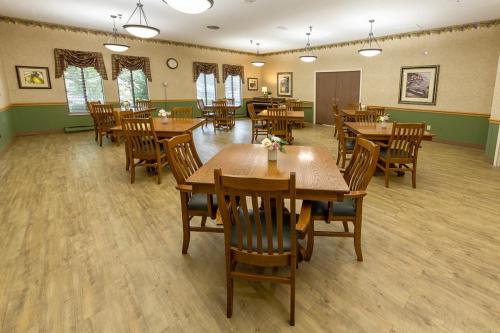
How is Crestwood Ridge Skilled Nursing And Rehab Staffed?

CMS rates CRESTWOOD RIDGE SKILLED NURSING AND REHAB's staffing level at 2 out of 5 stars, which is below average compared to other nursing homes. Staff turnover is 55%, which is 9 percentage points above the Ohio average of 46%. High turnover can affect care consistency as new staff learn residents' individual needs. RN turnover specifically is 70%, which is notably high. RNs provide skilled clinical oversight, so turnover in this role can affect medical care quality.

What Have Inspectors Found at Crestwood Ridge Skilled Nursing And Rehab?

State health inspectors documented 27 deficiencies at CRESTWOOD RIDGE SKILLED NURSING AND REHAB during 2019 to 2025. These included: 1 that caused actual resident harm and 26 with potential for harm. Deficiencies causing actual harm indicate documented cases where residents experienced negative health consequences.
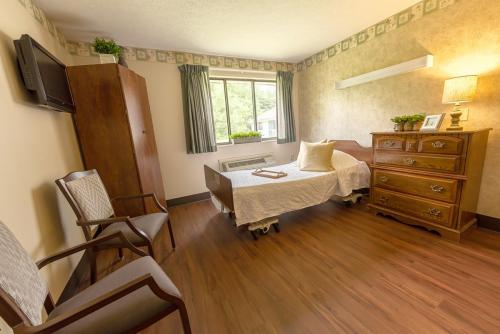
Who Owns and Operates Crestwood Ridge Skilled Nursing And Rehab?

CRESTWOOD RIDGE SKILLED NURSING AND REHAB is owned by a for-profit company. For-profit facilities operate as businesses with obligations to shareholders or private owners. The facility is operated by CONTINUING HEALTHCARE SOLUTIONS, a chain that manages multiple nursing homes. With 50 certified beds and approximately 46 residents (about 92% occupancy), it is a smaller facility located in HILLSBORO, Ohio.
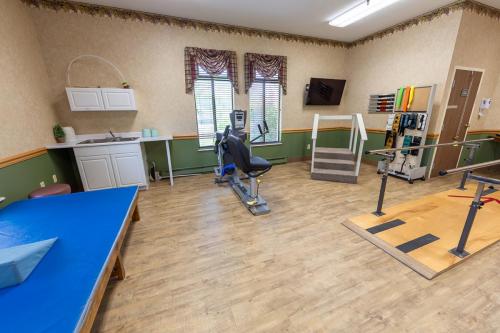
How Does Crestwood Ridge Skilled Nursing And Rehab Compare to Other Ohio Nursing Homes?

Compared to the 100 nursing homes in Ohio, CRESTWOOD RIDGE SKILLED NURSING AND REHAB's overall rating (3 stars) is below the state average of 3.2, staff turnover (55%) is near the state average of 46%, and health inspection rating (2 stars) is below the national benchmark.

What Should Families Ask When Visiting Crestwood Ridge Skilled Nursing And Rehab?

Based on this facility's data, families visiting should ask: "What safeguards and monitoring systems are in place to protect residents from abuse or neglect?" "How do you ensure continuity of care given staff turnover, and what is your staff retention strategy?" "Can you walk me through typical staffing levels on day, evening, and night shifts?" "Can I visit during a mealtime to observe dining assistance and food quality?" These questions are particularly relevant given the substantiated abuse finding on record, the facility's high staff turnover rate, and the below-average staffing rating.

Is Crestwood Ridge Skilled Nursing And Rehab Safe?

Based on CMS inspection data, CRESTWOOD RIDGE SKILLED NURSING AND REHAB has documented safety concerns. The facility has 1 substantiated abuse finding (meaning confirmed case of resident harm by staff or other residents). The facility has a 3-star overall rating and ranks #100 of 100 nursing homes in Ohio. Families considering this facility should ask detailed questions about what corrective actions have been taken since these incidents.

Do Nurses at Crestwood Ridge Skilled Nursing And Rehab Stick Around?

Staff turnover at CRESTWOOD RIDGE SKILLED NURSING AND REHAB is high. At 55%, the facility is 9 percentage points above the Ohio average of 46%. Registered Nurse turnover is particularly concerning at 70%. RNs handle complex medical decisions and coordinate care — frequent RN changes can directly impact care quality. High turnover means new staff may not know residents' individual needs, medications, or preferences. It can also be disorienting for residents, especially those with dementia who rely on familiar faces. Families should ask: What is causing the turnover? What retention programs are in place? How do you ensure care continuity during staff transitions?

Was Crestwood Ridge Skilled Nursing And Rehab Ever Fined?

CRESTWOOD RIDGE SKILLED NURSING AND REHAB has no federal fines on record. CMS issues fines when nursing homes fail to meet care standards or don't correct problems found during inspections. The absence of fines suggests the facility has either maintained compliance or corrected any issues before penalties were assessed. This is a positive indicator, though families should still review recent inspection reports for the full picture.

Is Crestwood Ridge Skilled Nursing And Rehab on Any Federal Watch List?

CRESTWOOD RIDGE SKILLED NURSING AND REHAB is not on any federal watch list. The most significant is the Special Focus Facility (SFF) program, which identifies the bottom 1% of nursing homes nationally based on persistent, serious quality problems. Not being on this list means the facility has avoided the pattern of deficiencies that triggers enhanced federal oversight. This is a positive indicator, though families should still review the facility's inspection history directly.