GREENFIELD SKILLED NURSING AND REHABILITATION
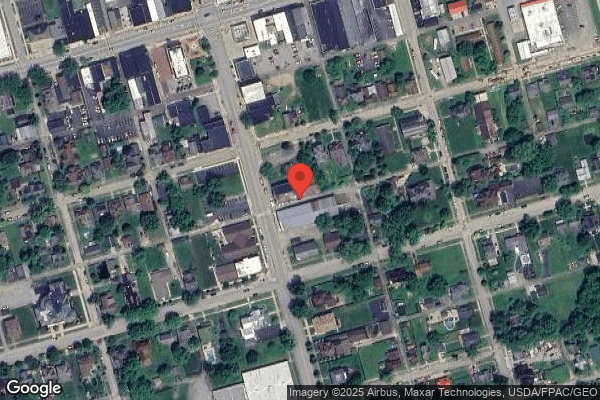
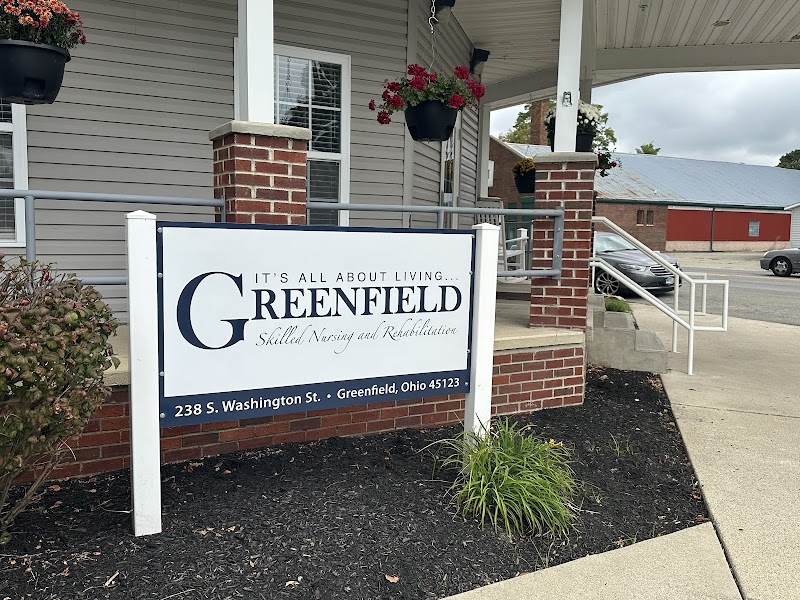
238 SOUTH WASHINGTON STREET, GREENFIELD, OH 45123 (937) 981-3349
For profit - Corporation 50 Beds MICHAEL SLYK Data: November 2025 1 Immediate Jeopardy citation
Trust Grade
46/100
#474 of 913 in OH
Last Inspection: December 2024

Within standard 12-15 month inspection cycle. Federal law requires annual inspections.

Overview

Greenfield Skilled Nursing and Rehabilitation has received a Trust Grade of D, indicating it is below average and has some concerns. It ranks #474 out of 913 facilities in Ohio, placing it in the bottom half, and #3 out of 5 in Highland County, meaning only two local options are rated better. The facility is on an improving trend, reducing issues from 6 in 2024 to 4 in 2025. However, its staffing rating is a significant weakness at 1 out of 5 stars, with a 51% turnover rate, which is typical for Ohio but indicates instability. There are concerning fines of $15,269, higher than 78% of Ohio facilities, suggesting compliance issues that need attention. On the positive side, Greenfield has good RN coverage, exceeding 75% of facilities in Ohio, which is beneficial as RNs can identify problems that CNAs might miss. Recent inspections revealed critical incidents, including failing to provide proper CPR for a resident who was found unresponsive and issues with food safety practices, such as a staff member serving food while not fully following hygiene protocols. Overall, while there are some strengths, families should be aware of significant weaknesses that could affect care.

Trust Score
D
46/100
In Ohio
#474/913
Bottom 49%
Safety Record
High Risk
Review needed
Inspections
Getting Better
6 → 4 violations
Staff Stability
⚠ Watch
51% turnover. Above average. Higher turnover means staff may not know residents' routines.
Penalties
○ Average
$15,269 in fines. Higher than 61% of Ohio facilities. Some compliance issues.
Skilled Nurses
○ Average
Each resident gets 40 minutes of Registered Nurse (RN) attention daily — about average for Ohio. RNs are the most trained staff who monitor for health changes.
Violations
⚠ Watch
24 deficiencies on record. Higher than average. Multiple issues found across inspections.
★★★☆☆
3.0
Overall Rating
★☆☆☆☆
1.0
Staff Levels
★★★★★
5.0
Care Quality
★★★☆☆
3.0
Inspection Score
Stable
2024: 6 issues
2025: 4 issues

The Good

  • 5-Star Quality Measures · Strong clinical quality outcomes
  • Full Sprinkler Coverage · Fire safety systems throughout facility
  • No fines on record

Facility shows strength in quality measures, fire safety.

The Bad

3-Star Overall Rating

Near Ohio average (3.2)

Meets federal standards, typical of most facilities

Staff Turnover: 51%

Near Ohio avg (46%)

Higher turnover may affect care consistency

Federal Fines: $15,269

Below median ($33,413)

Minor penalties assessed

Chain: MICHAEL SLYK

Part of a multi-facility chain

Ask about local staffing decisions and management

The Ugly 24 deficiencies on record

1 life-threatening
Aug 2025 4 deficiencies
CONCERN (D) 📢 Someone Reported This

A family member, employee, or ombudsman was alarmed enough to file a formal complaint

Potential for Harm - no one hurt, but risky conditions existed

Deficiency F0602 (Tag F0602)

Could have caused harm · This affected 1 resident

**NOTE- TERMS IN BRACKETS HAVE BEEN EDITED TO PROTECT CONFIDENTIALITY** Based on record reviews, review of resident fund account documentation, review of self reported incident investigation, staff in...

Read full inspector narrative →
**NOTE- TERMS IN BRACKETS HAVE BEEN EDITED TO PROTECT CONFIDENTIALITY** Based on record reviews, review of resident fund account documentation, review of self reported incident investigation, staff interviews, and policy review, facility failed to ensure residents were free from the potential of misappropriation. This affected three Residents (#7 #42 and #46) of three reviewed for misappropriation. Facility census was 41. Findings include 1.Review of the medical record for Resident # 42 revealed an admission date of 02/21/21 and discharge date of 08/06/25. Diagnoses included displaced fracture of the right leg, chronic obstructive pulmonary disease (COPD), muscle weakness, and unspecified dementia without behaviors. Review of the Minimum Data Set (MDS) assessment dated [DATE] revealed Resident #42 was cognitively impaired with a brief interview of mental status (BIMS) score of five. Review of facility Self Reported Incident (SRI) #261495 investigation dated 06/10/25 to 06/13/25 revealed Social Services (SS) #210 had asked an Activity Aide (AA) #185 to have a resident sign a blank receipt for resident funds. When questioned, SS #210 informed AA #185 she would fill in the amount later. AA #185 had concerns of mishandling of funds and reported an allegation of misappropriation to management who began an SRI investigation. The investigation found when the facility was taking money out of the resident accounts to shop for the resident, staff were not consistently providing a receipt to account for the disposition of the funds removed and did not keep documentation whether the change was returned and if so how (cash back to the resident, or returned to the fund account). Review of a staff statement from SRI #261495 investigation from Social Services (SS) #210 revealed she was asked if she had any additional money or receipts due to money being unaccounted for during the SRI investigation audit. SS #210 reported she had $500.00 in her car for several months for Resident #42. At the time of this interview statement, SS #210 had been suspended since 06/10/25 for an allegation of mishandling funds. 2. Review of the medical record for Resident #46 revealed an admission date of 07/20/20 to 06/23/25. Diagnoses included kidney failure, muscle weakness, heart failure, vascular dementia and edema. Review of the Minimum Data Set (MDS) assessment dated [DATE] revealed Resident #46 was cognitively impaired with a BIMS of seven. Review of a staff statement from SRI #261495 investigation from Social Services (SS) #210 revealed she was asked if she had any additional money or receipts due to money being unaccounted for during the SRI investigation audit. SS reported she had $92.41 in her car for Resident #46. At the time of this interview statement, SS #210 had been suspended since 06/10/25 for an allegation of mishandling funds. Review of Resident fund account from 06/01/25 to 08/14/25 revealed no evidence the $92.41 was returned to resident fund account for Resident #46. Interview on 08/18/25 at 2:35 P.M. with Regional Nurse #200, Regional Account Manager (RAM) #205 and Administrator confirmed Resident #46 did not have the cash money found in Social Service #210's personal vehicle return to his personal fund account. 3. Review of the medical record for Resident #07 revealed an admission date of 09/27/16. Diagnoses included dysphagia, intellectual disabilities, contracture of upper extremities, and anxiety. Review of the Minimum Data Set (MDS) assessment dated [DATE] revealed Resident #07 was cognitively impaired with a BIMS of six. Review of a staff statement from SRI #261495 investigation from Social Services (SS) #210 revealed she was asked if she had any additional money or receipts due to money being unaccounted for during the SRI investigation audit. SS reported she had $30.00 in her car for Resident #7. At the time of this interview statement, SS #210 had been suspended since 06/10/25 for an allegation of mishandling funds. Interview on 08/18/25 at 10:20 A.M. with Director of Nursing (DON), Administrator and Business office Manager (BOM) #55 and Regional Account Manager (RAM) #205 confirmed facility had investigated the allegation of misappropriation. They confirmed Social Serivces (SS) #210 was suspended pending investigation. They confirmed SS had taken resident fund money home with her. Interview on 08/18/25 at 3:00 with Administrator and Regional Account Manager #205 confirmed Social Services (SS) #210 took resident money to her home. They confirmed staff regularly shop for residents and they did not have a standard procedure for staff taking resident money and how long they could keep the money before returning it, or returning the resident's change. They acknowledged SS #210's statement included a report she had $500.00 for Resident #42 for several months in her personal vehicle. They acknowledged the risk of theft with no checks and balances and no one making sure staff followed any guidelines when taking residents money out of the building. Review of facility policy titled, Abuse Neglect, Exploitation and Misappropriation Prevention Program, dated 04/2021 revealed Residents had the right to be free from misappropriation. Facility shall protect residents from misappropriations by anyone including facility staff. Facility shall develop and implement policies and protocols to prevent and identify misappropriation. This deficiency represents non-compliance investigated under Complaint Number 1342630 and 2580694.
CONCERN (D) 📢 Someone Reported This

A family member, employee, or ombudsman was alarmed enough to file a formal complaint

Potential for Harm - no one hurt, but risky conditions existed

Deficiency F0627 (Tag F0627)

Could have caused harm · This affected 1 resident

**NOTE- TERMS IN BRACKETS HAVE BEEN EDITED TO PROTECT CONFIDENTIALITY** Based on record review and staff interview, the facility failed to ensure a safe discharge plan was implemented. This affected o...

Read full inspector narrative →
**NOTE- TERMS IN BRACKETS HAVE BEEN EDITED TO PROTECT CONFIDENTIALITY** Based on record review and staff interview, the facility failed to ensure a safe discharge plan was implemented. This affected one resident (#48) of three reviewed for discharge planning. The facility census was 41. Findings Include: Review of the medical record for Resident #48 revealed an admission date of 02/19/25 and a discharge date of 05/22/25. Diagnoses included pulmonary disease, respiratory failure, embolism of thoracic aorta, cerebral infarct, bipolar disorder, schizophreniform disorder, skin picking disorder and neuropathy.Review of the plan of care dated 03/05/25 revealed Resident #48 would possibly require discharge planning with interventions to provide information on community resources and utilize resources (for example: home health care) and participate in therapy.Review of the communication in the insurance portal with [NAME] on 05/14/25 revealed Resident #48 had seven benefit days remaining before benefits ran out. The message instructed facility to begin discharge planning.Review of the physical therapy notes dated 05/20/25 revealed Resident #48 required 50 percent (%) verbal instruction for transfer training with 75% physical assistance of two staff due to compromised balance, coordination and safety awareness. The resident transferred to the wheelchair with pivot transfer with two person moderate assistance. When using the slide board Resident #48 required minimum assistance of two staff. Resident #48 continued to need stabilization of lower extremities to keep feet from lifting off the floor during sit to stand transfers.Review of the occupational therapy note dated 05/20/25 revealed Resident #48 had transfer training of stand pivot transfers from the wheelchair to the mat table with maximum assistance of one to moderate assistance of two staff. Resident #48 had increased anxiety with fear of falling requiring increased time to allow the resident to rest.Review of the physical therapy notes dated 05/21/25 revealed Resident #48 and her son were educated on bilateral upper and lower extremity exercises. Skilled interventions focused on transfer training to increase functional task performance. The resident's son was educated on wheelchair mat transfers and the resident's son completed a return demonstration. He stated he felt confident with these transfers at home.Review of the occupational therapy note dated 05/21/25 revealed Resident #48 was educated on compensatory strategies for activities of daily living (ADLs) including wearing a gown for ease, elastic shoe laces to improve the ability to slide shoes on, they discussed recommendations for toileting, encouraged bed level verses one person assistance (with son having to stand and manage clothing items and bed/rails), performed basin bath due to second story shower, and easy open containers and light meals if her family was out for short periods of time. Resident #48 stated her son was taking a leave of absence from work to be a full time caregiver and provide meals and ADL care. Resident #48's family also planned to hire a part-time caregiver in addition to the recommended home healthcare for therapy and nursing.Review of the physical therapy Discharge summary dated [DATE] revealed Resident #48 had requested to return home. It stated the resident had only met one of six goals and required maximum assistance of one to two people for functional transfers and minimum to moderate assistance with the use of a bed rail for bed mobility.Review of the occupational therapy Discharge summary dated [DATE] revealed Resident #48 exhausted her benefits days and declined treatment (private pay). It stated Resident #48 had only met one of seven goals and required substantial maximum assistance for toileting and partial to moderate assistance for activities of daily living.Review of the progress notes dated 05/21/25 from the Director of Nursing revealed Resident #48 was scheduled to discharge home 05/22/25 with referrals to home health services for physical therapy, occupational therapy, nursing and state tested nursing aides (STNA). Resident #48 and her son were aware. The note dated 05/22/25 from Licensed Practical Nurse (LPN) #58 revealed the nurse signed discharge paperwork with Resident #48's son (Power of Attorney (POA)). Resident #48 discharged with her POA. The note dated 05/22/25 from Social Services #210 revealed Resident #48 was discharging home with her son and home health and appointments were set up.Review of Resident #48's discharge Minimum Data Set (MDS) assessment dated [DATE] revealed a Brief Interview of Mental Status (BIMS) of 06 indicating impaired cognition. It stated Resident #48 required set up assistance for eating, substantial maximum assistance for oral hygiene, shower/bathing, upper body dressing, personal hygiene, rolling, sitting up in bed and sitting at the edge of the bed and she was dependent upon staff with toileting assistance, lower body dressing, placing footwear, mobility from sit to stand, chair to bed transfers, toilet transfers, and shower transfers. Car transfers and walking 10 feet were not attempted due to medical or safety concerns.Review of the discharge summary/discharge plan of care dated 05/22/25 revealed Resident #48 was discharged due to meeting therapy goals. It also stated Resident #48 was set up with home healthcare for aide services as well as physical and occupational therapy services and named Ross County Home Health as the provider.Interview on 08/14/25 at 1:15 P.M. with Therapy Director (TD) #60 revealed Resident #48 was cut from therapy and had requested to discharge home with her family at that time instead of paying privately. TD #60 revealed Resident #48's family was reluctant about taking her home and she felt the resident had pressured her family to take her home at discharge.Interview on 08/14/25 at 4:00 P.M. with Administrator revealed Resident #48's insurance informed the facility on 05/14/25 that her days were about to be exhausted and she had seven days left, with the last covered day being 05/21/25. She confirmed the note mentioned the facility was to provide discharge planning.Interview on 08/18/25 at 11:56 A.M. with Home Health Agency: Ross County Home Health revealed they denied the referral for Resident #48 and stated they were out of network with her insurance. They stated they received the referral on 05/22/25 and informed Social Services staff on 05/22/25 they were out of network. They revealed they did not hear back and followed up with a second email informing the facility they were out of network on 06/01/25, and again did not receive any response or confirmation back. They confirmed they had never met with Resident #48 or initiated services.Interview on 08/18/25 at 12:25 P.M. with Director of Nursing (DON) revealed she had an expectation of a safe discharge plan and the previous social services staff should have confirmed acceptance of a home health agency. The DON confirmed the discharge summary did not give an accurate reason for discharge as it stated the resident met therapy goals. She also acknowledged the agency listed did not begin any services and confirmed the facility sent Resident #48 home without the needed and recommended services, which was not a safe discharge plan.Interview on 08/18/25 at 1:55 P.M. with Regional Nurse (RN) #200 confirmed the facility had no evidence of Resident #48 having an accepted home health agency at the time of discharge. RN #200 confirmed the facility only had evidence that two referrals were sent on 05/22/25 and none were sent prior to the day of discharge. RN #200 confirmed the facility had no evidence of prior discharge planning and no evidence a discharge care conference was held. RN #200 confirmed she received an email in June 2025 about referrals for Resident #48 and stated it was not our job to ensure the resident had services arranged prior to discharge to ensure a safe discharge plan.Interview on 08/18/25 at 1:55 P.M. with Regional Nurse (RN) #200 and Regional Account Manager (RAM) #205 reported the facility had discussions with Resident #48 and her family regarding difficulties with the insurance and acknowledged the facility had no evidence of the discussions and no documentation of difficulties with discharge planning.This deficiency represents non-compliance investigated under Complaint Number 2581704.
CONCERN (E) 📢 Someone Reported This

A family member, employee, or ombudsman was alarmed enough to file a formal complaint

Potential for Harm - no one hurt, but risky conditions existed

Deficiency F0568 (Tag F0568)

Could have caused harm · This affected multiple residents

**NOTE- TERMS IN BRACKETS HAVE BEEN EDITED TO PROTECT CONFIDENTIALITY** Based on record reviews, review of resident fund account documentation, review of self reported incident, staff interviews, and ...

Read full inspector narrative →
**NOTE- TERMS IN BRACKETS HAVE BEEN EDITED TO PROTECT CONFIDENTIALITY** Based on record reviews, review of resident fund account documentation, review of self reported incident, staff interviews, and facility policy review, the facility failed to ensure appropriate handling of resident funds. This affected four Residents (#6, #24, #42, #46) of four reviewed for resident funds. Facility identified 19 Residents (#2, #3, #6, #7, #8, #15, #19, #21, #24, #25, #26, #29, #37, #42, #43, #44, #45, #46, #47) potentially affected by the accounting practice. Facility census was 41. Findings include 1.Review of the medical record for Resident #42 revealed an admission date of 02/21/21 and discharge date of 08/06/25. Diagnoses included displaced fracture of the right leg, chronic obstructive pulmonary disease (COPD), muscle weakness, and unspecified dementia without behaviors. Review of the Minimum Data Set (MDS) assessment dated [DATE] revealed Resident #42 was cognitively impaired with a Brief Interview of Mental Status (BIMS) score of five. Review of fund authorization form dated 04/10/18 revealed Resident #42 opened a personal fund account at the facility. Review of facility withdrawal receipts and store receipts from 01/01/25 to 06/10/25 for Resident #42 revealed:On 01/09/25 a withdrawal of $50.00 was documented for personal items and snacks by Social Services #210, no receipts were provided and the facility had no documentation of where the money/change went.On 03/03/25 a withdrawal of $500.00 was documented for clothing and personal items by Social Services #210, no receipts were provided and the facility had no documentation of where the money/change went.On 05/07/25 a withdrawal of $200.00 was documented for personal items and snacks by Social Services #210, no receipts were provided and the facility had no documentation of where the money/change went.On 06/04/25 a withdrawal of $10.00 was documented the beautician by Social Services #210, no receipts were provided and the facility had no documentation of where the money/change went. 2. Review of the medical record for Resident #46 revealed an admission date of 07/20/20 to 06/23/25. Diagnoses included kidney failure, muscle weakness, heart failure, vascular dementia and edema.Review of the Minimum Data Set (MDS) assessment dated [DATE] revealed Resident #46 was cognitively impaired with a BIMS of seven.Review of fund authorization form dated 04/01/22 revealed Resident #46 opened an personal fund account at the facility.Review of facility withdrawal receipts and store receipts from 01/01/25 to 06/10/25 for Resident #46 revealed:On 03/03/25 a withdrawal of $500.00 was documented for clothing and personal items by Social Services #210, no receipts were provided and the facility had no documentation of where the money/change went.On 05/27/25 a withdrawal of $150.00 was documented for personal items and snacks by Social Services #210, no receipts were provided and the facility had no documentation of where the money/change went.On 06/04/25 a withdrawal of $10.00 was documented for the beautician by Social Services #210, no receipts were provided and the facility had no documentation of where the money/change went. 3. Review of the medical record for Resident #24 revealed an admission date of 11/23/22. Diagnoses included non ST elevation myocardial infarction (NSTEMI), respiratory failure, edema, heart failure, diabetes and pulmonary hypertension. Review of the Minimum Data Set (MDS) assessment dated [DATE] revealed Resident #24 was cognitively intact with a BIMS of 15. Review of fund authorization form dated 06/27/24 revealed Resident #24 opened an personal fund account at the facility. Review of facility withdrawal receipts and store receipts from 01/01/25 to 06/10/25 for Resident #24 found:On 02/24/25 a withdrawal of $50.00 was documented for clothing and personal items by Social Services #210, no receipts were provided and the facility had no documentation of where the money/change went.On 03/03/25 a withdrawal of $60.00 was documented for Walmart by Social Services #210, a receipt was provided dated 03/11/25 for $26.50. The facility had no documentation of where the money/change went after the purchase. On 05/08/25 a withdrawal of $30.00 was documented for Walmart by Social Services #210, a receipt was provided dated 05/09/25 for $17.04. The facility had no documentation of where the money/change went after the purchase. On 06/04/25 a withdrawal of $10.00 was documented for the beautician by Social Services #210, no receipts were provided and the facility had no documentation of where the money/change went. 4. Review of the medical record for Resident #06 revealed an admission date of 03/29/24. Diagnoses included heart failure, unspecified dementia, malnutrition, and muscle weakness.Review of the Minimum Data Set (MDS) assessment dated [DATE] revealed Resident #06 was cognitively impaired with a BIMS of two. Review of fund authorization form with and eligible date revealed Resident #06 opened an personal fund account at the facility. Review of facility withdrawal receipts and store receipts from 01/01/25 to 06/10/25 for Resident #06 found: On 03/03/25 a withdrawal of $150.00 was documented for clothing and personal items by Social Services #210, no receipts were provided and the facility had no documentation of where the money/change went.On 04/29/25 a withdrawal of $20.00 was documented for clothing and personal items by Social Services #210, no receipts were provided and the facility had no documentation of where the money/change went. On 05/07/25 a withdrawal of $100.00 was documented for clothing and personal items by Social Services #210, no receipts were provided and the facility had no documentation of where the money/change went.On 05/15/25 a withdrawal of $30.00 was documented for clothing and personal items by Social Services #210, no receipts were provided and the facility had no documentation of where the money/change went. Interview on 08/14/25 at 11:03 A.M. with [NAME] Police Officer #500 revealed the criminal investigation had concluded and revealed facility had significant issues with book keeping and facility had very little oversite regarding resident funds. He revealed his investigation found a free for all with staff having unbridled access to funds without having to follow any requirements of providing receipts for purchases made by staff with resident money. Interview on 08/14/25 at 1:35 P.M. with Resident #24 found facility had informed her of potential missing money a few months ago and reported money had been returned. She did not remember if she was asked to sign a blank receipt for staff, but revealed she had never really looked. I just trusted them. Interview on 08/18/25 at 10:20 A.M. with Director of Nursing (DON), Administrator, Business Office Manager (BOM) #55 and Regional Account Manager (RAM) #205 confirmed facility had investigated the allegation of misappropriation. They confirmed Social Services (SS) #210 had taken resident money to go shopping, but confirmed a large amount of withdrawals had no evidence of receipts showing proof of purchases and several purchases that had receipts had no documented evidence of money or change being returned to the resident or returned to the fund account. BOM confirmed facility did not have a process of requiring receipts after staff completing shopping with resident's money. Interview on 08/18/25 at 3:00 P.M. with Administrator and Regional Account Manager #205 confirmed Social Services (SS) #210 took resident money to her home for an unknown amount of time but per her statement in the investigation, they confirmed she had resident money in her possession for several months. They confirmed staff regularly shop for residents and they did not have a standard procedure for staff taking resident money, how long they could keep the money before returning it, or returning the resident's change. They acknowledged facility had no checks and balances and no one making sure staff followed any guidelines when taking residents money out of the building. They also confirmed staff reported concerns of SS #210 asking activity aides to sign blank facility receipts for resident fund withdrawals and when questioned by staff, SS #210 reported she would fill in an amount later once an amount was known. Interview on 08/18/25 at 3:25 P.M. with Activity Aide (AA) #70 confirmed Social Service (SS) #210 had asked her to have residents sign a blank receipt to take out resident funds. She questioned it and SS #210 stated she would fill in an amount later. AA #70 reported she just had residents sign the ones with amounts, and put the receipt book back with the blank receipts left unsigned. Review of the facility policy titled, Deposit of Resident Funds, dated 04/2017 revealed resident personal funds shall be held and managed by the facility and shall be safeguarded. Funds over $50 shall be deposited in an interest bearing account. Facility did not provide any evidence of written policy or procedure regarding staff shopping for residents and signing out resident money to staff. This deficiency represents non-compliance investigated under Complaint Number 1342630 and 2580694.
CONCERN (E) 📢 Someone Reported This

A family member, employee, or ombudsman was alarmed enough to file a formal complaint

Potential for Harm - no one hurt, but risky conditions existed

Investigate Abuse (Tag F0610)

Could have caused harm · This affected multiple residents

**NOTE- TERMS IN BRACKETS HAVE BEEN EDITED TO PROTECT CONFIDENTIALITY** Based on record review, self-reported incident (SRI) review, review of the facility investigation, resident interview, staff int...

Read full inspector narrative →
**NOTE- TERMS IN BRACKETS HAVE BEEN EDITED TO PROTECT CONFIDENTIALITY** Based on record review, self-reported incident (SRI) review, review of the facility investigation, resident interview, staff interview, and policy review, the facility failed to ensure a thorough investigation was completed for Resident #51 who had an allegation of abuse and for Residents #7, #42, and #46 who were involved with an allegation of misappropriation. This affected four residents (#7, #42, #46, and #51) out of four reviewed for abuse, neglect, and misappropriation. The facility identified 19 residents (#2, #3, #6, #7, #8, #15, #19, #21, #24, #25, #26, #29, #37, #42, #43, #44, #45, #46, #47) who were potentially affected by the accounting practices related to the misappropriation SRI #261495 and one resident (#51) identified in the abuse SRI #262018. The facility census was 41.Findings Include: 1. Review of the medical record for Resident #51 revealed an admission date of 03/18/25 and a discharge date of 07/25/25. Diagnoses included chronic pulmonary disease, fracture of the left femur, and bipolar disorder. Review of the Minimum Data Set (MDS) assessment dated [DATE] revealed Resident #51 was cognitively intact.Review of Self Reported Incident (SRI) #262018 revealed Resident #51 reported Registered Nurse (RN) #72 had pushed him. No suspected perpetrator was listed on the intake and no witnesses were listed on the intake. RN #72 was interviewed and named two witnesses who observed the entirety of the interaction, one was an aide and the other was a hospice nurse. No statements were provided from those two staff members stating their observations of the incident.Interview on 08/14/25 at 4:00 P.M. with the Administrator confirmed the suspected perpetrator was not reported appropriately for tracking purposes to the Health Department for SRI #262018. The Administrator also confirmed two witnesses were mentioned in the suspected perpetrators statement, noting those two people were at the nurses station and saw the whole event. The Administrator confirmed those staff were not listed in the report intake either and neither witness had a signed statement of what they observed during the incident in question.2. Review of facility Self Reported Incident (SRI) #261495 investigation dated 06/10/25 to 06/13/25 revealed Social Services (SS) #210 had asked an Activity Aide (AA) #185 to have a resident sign a blank receipt for resident funds. When questioned, SS #210 informed AA #185 she would fill in the amount later. AA #185 had concerns of mishandling of funds and reported an allegation of misappropriation to management who began an SRI investigation. The facility also identified Activity Aide (AA) #70 as the staff who reported the allegation. The investigation found when the facility was taking money out of the resident accounts to shop for the residents, staff were not consistently providing a receipt to account for the disposition of the funds removed and did not keep documentation whether the change was returned and if so, how (cash back to the resident or returned to the fund account). Further review of the investigation revealed Resident #42 was the only resident assigned as a victim through the system (which tracks perpetrators, victims and witnesses), though 19 total residents were included in the investigation (#2, #3, #6, #7, #8, #15, #19, #21, #24, #25, #26, #29, #37, #42, #43, #44, #45, #46, and #47). The investigation stated the residents/responsible parties were immediately advised they would be refunded for any transactions in question. The investigation revealed Activity Aide (AA) #70 was not listed on the SRI intake as a witness and no other witnesses were listed. Staff statements were unclear due to having several statements from the same staff on the same day including AA #70 having three interviews that provided slightly different information, including one statement naming Registered Nurse #95 as a witness. No interviews were included for Activity Aide #185 or Registered Nurse #95, who were named as additional potential witnesses. Staff statements were also written by facility management as an interview without providing interview questions of what was asked. It was unknown if additional information was known by staff, but not specifically asked about. Social Services #210 also had documented two interviews/statements on 06/10/25 that varied in information.Review of the facility investigation revealed audits for 2025. The audits revealed 12 residents (#2, #3, #6, #7, #19, #21, #24, #26, #42, #44, #45, and #46) had withdrawals without receipts. The reimbursement report for 2025 stated a total $3,223.55 was refunded to 11 residents (#2, #3, #6, #19, #21, #24, #26, #42, #44, #45, and #46). It did not include any evidence of Resident #7 being reimbursed the unaccounted for withdrawal from 05/15/25 and 06/04/25 equaling a total of $40.00. Additionally, the accounting for Resident #46 revealed the resident was not reimbursed the accurate amount and was shorted $96.38.Interview on 08/14/25 at 1:35 P.M. with Resident #24 found the facility had informed her of potential missing money a few months ago and reported the money had been returned. She did not remember if she was asked to sign a blank receipt for staff, but revealed she had never really looked and she stated, I just trusted them.Interview on 08/18/25 at 10:20 A.M. with Director of Nursing (DON), Administrator, Business Office Manager (BOM) #55 and Regional Account Manager (RAM) #205 confirmed the facility had investigated the allegation of misappropriation. They stated Social Services (SS) #210 had taken resident money to go shopping, but confirmed a large amount of withdrawals had no evidence of receipts showing proof of purchases, and several purchases that had receipts had no documented evidence of money or change being returned to the resident or returned to the residents fund account. BOM #55 confirmed the facility did not have a process of requiring receipts after staff completed shopping with resident's money. They also confirmed SS #210 had taken a portion of the money home and returned it upon staffs request during the investigation.Interview on 08/18/25 at 2:35 P.M. with Regional Nurse (RN) #200, Regional Account Manager (RAM) #205, and the Administrator confirmed staff statements were completed by interviews without the questions provided on the statement. They also confirmed several statements were in the file from the same staff member that were slightly different. They confirmed not all residents or witnesses were included in the Self Reported Incident Reporting and also not all were included in the listing of refunded residents, as Resident #7 was missing. They further confirmed Resident #46 was not reimbursed the accurate amount and was shorted $96.38. Resident #46 was reimbursed during the survey.Interview on 08/18/25 at 3:00 P.M. with Administrator and Regional Account Manager #205 confirmed Social Services (SS) #210 took resident money to shop for residents on a regular basis. They reported she should have provided receipts for all transactions and provided change back to the residents or to the fund account. The Administrator confirmed the facility did not have a standard procedure for staff taking resident money, how long they could keep the money before returning it, or returning the resident's change. They acknowledged facility had no checks and balances and no one making sure staff followed any guidelines when taking residents money out of the building. The Administrator confirmed all interviews conducted were included in the file.Interview on 08/18/25 at 3:25 P.M. with Activity Aide (AA) #70 confirmed Social Service (SS) #210 had asked her to have residents sign a blank receipt to take out resident funds. She questioned it and SS #210 stated she would fill in an amount later. AA #70 reported she just had residents sign the ones with amounts, and put the receipt book back with the blank receipts left unsigned. AA #70 reported she did not report the incident initially, but another Activity Aide #185 was the first to report the incident to the management team.Review of facility policy titled, Abuse Neglect, Exploitation and Misappropriation Prevention Program, dated 04/2021 revealed residents had the right to be free from misappropriation. The policy stated the facility shall investigate all allegations of abuse.Review of facility policy titled, Abuse Neglect, Exploitation and Misappropriation Prevention Program, dated 09/2022 revealed the facility shall report allegations of misappropriation to the State licensing agency and the verbal/written notices shall include the resident(s) names and names of all persons involved in the alleged incident. Upon receiving allegations, the Administrator was responsible for determining what actions were needed for resident protection.This deficiency represents non-compliance investigated under Complaint Number 1342630 and Complaint Number 2580694.
Dec 2024 6 deficiencies
CONCERN (D)

Potential for Harm - no one hurt, but risky conditions existed

Assessment Accuracy (Tag F0641)

Could have caused harm · This affected 1 resident

**NOTE- TERMS IN BRACKETS HAVE BEEN EDITED TO PROTECT CONFIDENTIALITY** Based on observation, resident and staff interview, medical record review, manufacturer user manual review, review of the Long-T...

Read full inspector narrative →
**NOTE- TERMS IN BRACKETS HAVE BEEN EDITED TO PROTECT CONFIDENTIALITY** Based on observation, resident and staff interview, medical record review, manufacturer user manual review, review of the Long-Term Care Facility Resident Assessment Instrument 3.0 user's manual, and review of a government website, the facility failed to accurately code the status of a non-invasive mechanical ventilation on resident Minimum Data Set (MDS) assessments. This affected one (#24) of one residents reviewed for ventilators. The facility census was 42. Findings include: Review of the medical record revealed Resident #24 was admitted to the facility on [DATE]. Diagnoses included a non ST elevation myocardial infarction, depression, atrial fibrillation, hypertension, hyperlipidemia, atherosclerotic heart disease of native coronary artery without angina pectoris, anxiety disorder, COVID-19, metabolic encephalopathy, acute respiratory failure, chronic obstructive pulmonary disease, chronic respiratory failure, major depressive disorder, generalized anxiety disorder, myocardial infarction, obstructive sleep apnea, mixed hyperlipidemia, congestive heart failure, and anemia. Review of the 08/26/24 quarterly Minimum Date Set (MDS) assessment revealed Resident #24 was cognitively intact and used a wheelchair and walker to aid in mobility. Resident #24 required partial/moderate assistance for rolling left and right, sitting to lying, lying to sitting, sitting to standing, chair/bed to chair transfer, and toilet transfer. The resident was coded as having an invasive mechanical ventilator. Review of a physician order dated 06/28/23 and discontinued 12/04/23 revealed Resident #24 was ordered an Average Volume Assured Pressure Support (AVAPS) machine to be used during sleeping hours and as needed every night shift for respiratory distress. Review of a physician order for Resident #24 dated 01/02/24 and discontinued 10/14/24 revealed the resident was to use an AVAPS machine to be worn during sleep and as needed for respiratory distress every shift. Review of a physician order for Resident #24 revealed a currently active order dated 10/14/24 for an AVAPS machine to be worn during sleep and as needed for respiratory distress. Observation of Resident #24 on 12/02/24 at 11:40 A.M. revealed the resident had a Beyond ResPlus B-30P bilevel positive airway pressure (BiPAP; a medical device that helps people breathe by delivering pressurized air through a mask, providing different air pressure levels for inhaling and exhaling) machine at her bedside. The machine had a mask attached to it. Resident #24 denied ever being on an invasive ventilator in the facility where she had an endotracheal tube or a trachesotomy tube inserted into her body. Resident #24 states she used the machine observed in her room at night. Review of Resident #24's MDS assessments revealed the 11/09/23 modified quarterly MDS was coded as the resident used an invasive mechanical ventilator while a resident. Additional review of Resident #24's MDS assessments dated 12/12/23, 12/17/23, 01/05/24, 02/07/24, 05/60/24, 06/21/24, and 08/26/24 all coded the resident used an invasive mechanical ventilator. Review of the Beyond ResPlus B-30P Bi-Level PAP user manual, version No.: U.S./20201218/A1, revealed the BiPap was designed for delivery of positive airway pressure to provide non-invasive ventilation for adult patients with respiratory insufficiency or obstructive sleep apnea (OSA) in home or hospital environment. Interview with MDS Coordinator #57 on 12/04/24 at 3:52 P.M. verified Resident #24's MDS assessments were coded as invasive mechanical ventilation since 12/12/23. Interview with Corporate Nurse #102 on 12/05/24 at 9:35 A.M. verified the user manual revealed Resident #24's BiPap machine was a non invasive mechanical ventilator. Review of a government website at, https://www.ncbi.nlm.nih.gov/books/NBK560600/, last updated 08/08/23, revealed non-invasive ventilation has gained increased prominence in the management of a variety of conditions causing acute as well as chronic respiratory failure. Different modalities of non-invasive ventilation exist, with continuous positive airway pressure (CPAP) and bilevel positive airway pressure (BiPAP) being the most commonly used modes. Average volume-assured pressure support (AVAPS) is a relatively newer modality of non-invasive ventilation that integrates the characteristics of both volume and pressure-controlled non-invasive ventilation. Review of the Long-Term Care Facility Resident Assessment Instrument 3.0 User's Manual, version 1.19.1, dated October 2024, revealed, in section O0110F1, Invasive Mechanical Ventilator (ventilator or respirator), staff are to code any type of electrically or pneumatically powered closed-system mechanical ventilator support device that ensures adequate ventilation in the resident who is or who may become (such as during weaning attempts) unable to support their own respiration in this item. During invasive mechanical ventilation the resident's breathing is controlled by the ventilator. Residents receiving closed-system ventilation include those residents receiving ventilation via an endotracheal tube (e.g., nasally or orally intubated) or tracheostomy. A resident who has been weaned off of a respirator or ventilator in the last 14 days or is currently being weaned off a respirator or ventilator, should also be coded here. Do not code this item when the ventilator or respirator is used only as a substitute for BiPAP or continuous positive airway pressure (CPAP). Further review of the Long-Term Care Facility Resident Assessment Instrument 3.0 User's Manual, version 1.19.1, dated October 2024, revealed, in section O0110G1, Non-invasive Mechanical Ventilator, staff are to code any type of CPAP or BiPAP respiratory support devices that prevent airways from closing by delivering slightly pressurized air through a mask or other device continuously or via electronic cycling throughout the breathing cycle. The BiPAP/CPAP mask/device enables the individual to support their own spontaneous respiration by providing enough pressure when the individual inhales to keep their airways open, unlike ventilators that breathe for the individual. If a ventilator or respirator is being used as a substitute for BiPAP/CPAP, code here. This item may be coded if the resident places or removes their own BiPAP/CPAP mask/device.
CONCERN (D)

Potential for Harm - no one hurt, but risky conditions existed

Deficiency F0645 (Tag F0645)

Could have caused harm · This affected 1 resident

Based on staff interview and medical record review, the facility failed to to ensure resident Preadmission Screening and Resident Review (PASARR) documents were accurate regarding a resident's current...

Read full inspector narrative →
Based on staff interview and medical record review, the facility failed to to ensure resident Preadmission Screening and Resident Review (PASARR) documents were accurate regarding a resident's current conditions and diagnoses. This affected one (#15) of two residents reviewed for PASARR documents. The census was 42. Findings include: Review of Resident #15's medical record revealed an admission date of 07/27/24. Diagnoses included aphasia following cerebral vascular disease, bipolar disorder, depression, restless legs syndrome, poly-neuropathy, anxiety disorder, anemia, major depressive disorder, hypertension, epilepsy, migraine, hemiplegia and hemiparesis following nontraumatic intracerebral hemorrhage. Review of Resident #15's medical record revealed the diagnoses of anxiety was present at the time of admission. Review of the 11/01/24 quarterly Minimum Date Set (MDS) assessment revealed Resident #15 was severely cognitively impaired and used a wheelchair to aid in mobility. Review of Resident #15's 07/30/24 PASARR document revealed there was no diagnosis of anxiety listed. Interview with Social Services Designee #77 on 12/04/24 at 3:56 P.M. verified Resident #15 anxiety diagnosis was not recorded on the 07/30/24 PASARR.
CONCERN (D)

Potential for Harm - no one hurt, but risky conditions existed

Deficiency F0646 (Tag F0646)

Could have caused harm · This affected 1 resident

**NOTE- TERMS IN BRACKETS HAVE BEEN EDITED TO PROTECT CONFIDENTIALITY** Based on medical record review and staff interview, the facility failed to notify the state mental health authority with a signi...

Read full inspector narrative →
**NOTE- TERMS IN BRACKETS HAVE BEEN EDITED TO PROTECT CONFIDENTIALITY** Based on medical record review and staff interview, the facility failed to notify the state mental health authority with a significant change Preadmission Screening and Resident Review (PASARR) for a resident with a change in their mental health condition. This affected one (#02) of two residents reviewed for PASARR documents. The facility census was 42. Findings include: Review of Resident #02's medical record revealed the resident admitted to the facility on [DATE] with diagnoses including congestive heart failure, chronic pulmonary disease, type two diabetes mellitus without complications, post traumatic stress disorder (PTSD), brief psychotic disorder, adjustment disorder with mixed anxiety and depressed mood, and unspecified dementia moderate with psychotic disturbance. Review of Resident #02's quarterly Minimum Data Set (MDS) assessment dated [DATE] revealed the resident was cognitively intact and required set up assistance with eating. Resident #02 required supervision with oral hygiene, upper body dressing, lower body dressing, putting on and taking off footwear, rolling left and right, sitting to lying, lying to sitting, sitting to standing, chair transfers, toilet transfers, tub transfers, and walking 10 feet. Resident #02 required moderate assistance with toileting, showering, and personal hygiene. Review of Resident #02's PASARR dated 09/01/23 revealed Resident #02 had mood disorder, panic or other severe anxiety disorder, and other psychotic disorder. Resident #02 did not have indications of serious mental illness. Review of Resident #02's diagnosis list dated 12/04/24 revealed Resident #02 had a diagnosis of PTSD that was added on 06/06/24 during Resident #02's stay at the facility. Review of Resident #02's chart from 09/01/23 to 12/04/24 revealed Resident #02 did not have a significant change PASARR or notification to the state mental health authority of Resident #02's new diagnosis of PTSD on 06/06/24. Review of Resident #02's psychiatric note dated 06/06/24 revealed Resident #02 had a new diagnosis of PTSD and was prescribed Prazosin one milligram (mg) for PTSD related to Resident #02 yelling when she was asleep. Review of Resident #02's physician note dated 06/12/24 revealed Resident #02 was recently prescribed Prazosin one mg at bedtime for PTSD. Interview with the Director of Nursing 12/04/24 at 2:04 P.M. verified Resident #02 received a new diagnosis of PTSD on 06/06/24 and the facility did not complete a significant change PASARR or notification to the state mental health authority of Resident #02's new diagnosis of PTSD on 06/06/24.
CONCERN (E)

Potential for Harm - no one hurt, but risky conditions existed

Menu Adequacy (Tag F0803)

Could have caused harm · This affected multiple residents

Based on observation, staff interview, review of a facility provided resident list, and review of a menu spreadsheet, the facility failed to ensure residents received food portions based on the menu s...

Read full inspector narrative →
Based on observation, staff interview, review of a facility provided resident list, and review of a menu spreadsheet, the facility failed to ensure residents received food portions based on the menu spreadsheet. This affected 17 (#02, #04, #05, #06, #07, #09, #11, #12, #13, #14, #23, #30, #32, #33, #36, #38 and #40) of 17 residents that received mechanical soft or pureed diets in a facility census of 42. Findings include: Review of the facility's menu spreadsheet for lunch on 12/04/24 revealed mechanical soft diets were to receive four (4) ounces (oz.) of mechanical roast beef, two (2) oz. of gravy, 4 oz. of garlic mashed potatoes, 4 oz. of Normandy vegetable blend, and one slice of wheat bread. Further review revealed pureed diets were to receive 4 oz. of pureed roast beef, two and two-thirds oz. of pureed Normandy vegetable blend, two-thirds slice of pureed bread, and 4 oz. of mashed potatoes. Observation of tray line on 12/04/24 at 11:45 A.M. revealed Dietary Manager (DM) #34 serving residents during the lunch meal. DM #34 provided residents on a mechanical soft diet a 2 oz. scoop of mechanical roast beef, a 4 oz. scoop of garlic mashed potatoes, a 4 oz. scoop of Normandy vegetable blend, and a roll. Further observation of tray line revealed pureed diets received a 2 oz. scoop of pureed roast beef, a 2 oz. scoop of pureed Normandy vegetable blend, and a 4 oz. scoop of mashed potatoes. Interview with DM #34 on 12/04/24 at 11:45 A.M. verified mechanical soft diets received a 2 oz. scoop of mechanical roast beef, a 4 oz. scoop of garlic mashed potatoes, a 4 oz. ounce scoop of Normandy vegetable blend, and a roll. DM #34 stated he mixed the gravy into the mechanical soft roast beef and that was included in the 2 oz. scoop of mechanical roast beef that was provided to residents on mechanical soft diets. DM #34 also verified pureed diets received a 2 oz. scoop of pureed roast beef, a 2 oz. scoop of pureed Normandy vegetable blend, and a 4 oz. scoop of mashed potatoes. DM #32 stated he did not have any pureed bread for residents that received pureed diets on 12/04/24. Review of a list of residents by diet type dated 12/04/24 revealed Resident #02, Resident #05, Resident #07, Resident #09, Resident #11, Resident #06, Resident #30, Resident #32, Resident #33, Resident #36, Resident #38 and Resident #40 received mechanical soft diets and Resident #04, Resident #12, Resident #13, Resident #14 and Resident #23 received pureed diets.
CONCERN (E)

Potential for Harm - no one hurt, but risky conditions existed

Deficiency F0808 (Tag F0808)

Could have caused harm · This affected multiple residents

**NOTE- TERMS IN BRACKETS HAVE BEEN EDITED TO PROTECT CONFIDENTIALITY** Based on observation, staff interview, medical record review, review of a meal spreadsheet, and policy review, the facility fail...

Read full inspector narrative →
**NOTE- TERMS IN BRACKETS HAVE BEEN EDITED TO PROTECT CONFIDENTIALITY** Based on observation, staff interview, medical record review, review of a meal spreadsheet, and policy review, the facility failed to serve food as prescribed for residents on a controlled carbohydrate therapeutic diet. This affected 15 (#8, #3, #28, #33, #25, #37, #7, #32, #16, #2, #29, #147, #145, #148, and #18) of 15 residents who received a controlled carbohydrate diet. The facility total census was 42. Findings Included: Review of Resident #8's medical record revealed the resident was admitted to the facility on [DATE]. Diagnoses included anxiety, somnolence, migraines, fibromyalgia, encephalopathy, diabetes, anxiety disorder, history of cellulitis of limb, morbid obesity, irritable bowel, cognitive impairment, chronic kidney disease, chronic pain, and psychosis. Review of the comprehensive Minimum Data Set (MDS) assessment dated [DATE] revealed Resident #8 had moderately impaired cognition and required set assistance with meals. Review of Resident #8's current physician orders revealed the resident had an order for a controlled carbohydrate diet, received insulin via sliding scale, and was ordered the anti-diabetic medication Januvia 200 milligrams one tablet a day. Review of breakfast spreadsheets dated 11/28/24, 11/30/24, and 12/03/24 revealed reduced calorie syrup was to be served for residents receiving a controlled carbohydrate diet. Observation on 12/03/24 at 8:00 A.M. revealed Resident #8 was feeding herself the breakfast meal including pancakes. The meal ticket listed Residents #8 was on a controlled carbohydrate diet and was to receive reduced calorie syrup. The syrup observed on the resident's tray was regular, non-reduced calorie syrup. Observation on 12/03/24 at 8:13 A.M. revealed the Dietary Aide was #32 placing regular syrup on all residents' meal trays, including 14 (#3, #28, #33, #25, #37, #7, #32, #16, #2, #29, #147, #145, #148, and #18) other residents. Interview of 12/03/24 at 8:12 A.M. with Certified Nurse Aide (CNA) #92 verified Resident #8 had regular, non-reduced calorie syrup on her tray and the meal ticket listed the resident should have received reduced calorie syrup. Interviews on 12/03/24 at 8:15 A.M. with Dietary Aide #32 and [NAME] #27 revealed there was no reduced calorie syrup for any of the 15 (#8, #3, #28, #33, #25, #37, #7, #32, #16, #2, #29, #147, #145, #148, and #18) residents who had physician orders for a controlled carbohydrate diet. Both staff members confirmed there was only regular calorie syrup available in the storage room and the food delivery was due that day. Dietary Aide #32 and [NAME] #27 were unsure when the last time reduced calorie syrup was available to be served to the 15 residents on a controlled carbohydrate diet. Interview on 12/03/24 at 2:07 P.M. with Dietary Manager (DM) #34 verified there had been no recent deliveries and no upcoming delivery of reduced calories syrup. DM #34 verified he was not notified there had been an outage of the reduced calorie syrup and had been two breakfast meals the prior week, 11/28/24 and on 11/30/24, requiring reduced calorie syrup. Medical record review for 14 additional residents including; Resident #3, Resident #28, Resident #33, Resident #25, Resident #37, Resident #7, Resident #32, Resident #16, Resident #2, Resident #29, Resident #147, Resident #145, Resident #148, and Resident #18 revealed all residents had a physician order to receive a controlled carbohydrate diet. Review of facility policy titled, Therapeutic Diets, dated October 2017, revealed a therapeutic diet is ordered by a physician as part of a treatment for a disease and to modify the specific nutrients in the diet.
CONCERN (F)

Potential for Harm - no one hurt, but risky conditions existed

Food Safety (Tag F0812)

Could have caused harm · This affected most or all residents

2. Observation on 12/04/24 from 8:02 A.M. to 8:22 A.M. revealed Dietary Manager (DM) #34 was serving breakfast meal to all residents. DM #34 wore gloves and had a towel draped on his shoulder. DM #34 ...

Read full inspector narrative →
2. Observation on 12/04/24 from 8:02 A.M. to 8:22 A.M. revealed Dietary Manager (DM) #34 was serving breakfast meal to all residents. DM #34 wore gloves and had a towel draped on his shoulder. DM #34 had facial hair and was not wearing a protective facial hair restraint. DM #34 was observed to serve food onto plates for residents with gloved hands then touched the counter, wiped his face and head with the towel, and returned the towel to his shoulder area. Continued observation revealed DM #34 placed toast with his gloved hands onto the serving plates and took the plates to residents in the dining room with his gloved thumb extending onto the plates. DM #34 returned to the food serving area, wiped his face with the towel, and with the same gloved hands put toast onto the next resident's plate. DM #34 was not observed to change his gloves or wash his hands until the end of the meal service. Interview on 12/04/24 at 8:30 A.M. with DM #34 verified he had full facial hair and should have worn a facial hair covering. DM #34 verified he used a towel around his shoulder to wipe perspiration from his head and face. DM #34 verified he placed the toast on resident's plates with the same gloved hands after having wiped his perspiration onto the towel. DM #34 verified he served residents food to the table side and had his thumb extending into the plate with the same gloved hands used to continue food plating. DM #34 verified he did not change his gloves or wash his hands until the end of the meal service. Review of facility policy titled, Food Preparation and Service, dated April 2019, revealed food preparation staff are to adhere to proper hygiene. Gloves are worn when handling food directly and changed between tasks. Food service staff wear hair restraints, (hair nets and beard restraints), so hair does not contact food. Based on observation, staff interview and policy review, the facility failed to ensure food was stored and served in a safe and sanitary manner to prevent foodborne illness. This affected all 42 residents who received food from the facility kitchen. The facility census was 42. Findings include: 1. Observation of the milk cooler in the kitchen on 12/02/24 at 9:26 A.M. revealed there were two gallons of milk that were opened with an expiration date of 11/30/24. Interview on 12/02/24 at 9:26 A.M. with [NAME] #27 verified there were two gallons of open milk with an expiration date of 11/30/24 in the milk cooler in the kitchen. Review of the facility's food receiving and storage policy, dated October 2017, revealed food should be stored in a manner that complies with safe food handling practices.
Jul 2023 1 deficiency 1 IJ
CRITICAL (J) 📢 Someone Reported This

A family member, employee, or ombudsman was alarmed enough to file a formal complaint

Immediate Jeopardy (IJ) - the most serious Medicare violation

Deficiency F0678 (Tag F0678)

Someone could have died · This affected 1 resident

**NOTE- TERMS IN BRACKETS HAVE BEEN EDITED TO PROTECT CONFIDENTIALITY** THE FOLLOWING DEFICIENCY REPRESENTS AN INCIDENT OF PAST NONCOMPLIANCE THAT WAS SUBSEQUENTLY CORRECTED PRIOR TO THIS SURVEY. Base...

Read full inspector narrative →
**NOTE- TERMS IN BRACKETS HAVE BEEN EDITED TO PROTECT CONFIDENTIALITY** THE FOLLOWING DEFICIENCY REPRESENTS AN INCIDENT OF PAST NONCOMPLIANCE THAT WAS SUBSEQUENTLY CORRECTED PRIOR TO THIS SURVEY. Based on closed medical record review, review of a facility self-reported incident (SRI), review of an emergency medical services (EMS) report, review of a 911 call and dispatch log, interviews with facility staff, Physician #31, Physician #35, Emergency Medical Services (EMS) Chief #86, Paramedic #87, facility policy and procedure review and review of the American Red Cross Basic Life Support manual, the facility failed to initiate effective cardiopulmonary resuscitation (CPR) and immediately contact emergency medical services (EMS) for Resident #201. This resulted in Immediate Jeopardy on [DATE] at 2:50 A.M. when Resident #201, who had advance directives for a Full Code status was found unresponsive, without a pulse or respirations, and was not properly provided CPR. Life threatening harm and death occurred when Resident #201 did not receive immediate effective CPR and EMS was not immediately contacted by staff. The resident subsequently expired. This affected one resident (#201) of three residents reviewed for an emergent change in condition and death. The facility census was 40. On [DATE] at 4:12 P.M., the Administrator, Regional Director of Operations #91, Registered Nurse (RN) #85 and the Director of Nursing (DON) were notified Immediate Jeopardy began on [DATE] at 2:50 A.M. when the facility failed to immediately initiate effective cardiopulmonary resuscitation (CPR) and immediately contact emergency medical services (EMS) for Resident #201 who was found unresponsive, without a pulse or respirations, and who was identified as a Full Code status. The resident subsequently expired. The Immediate Jeopardy was removed and deficiency corrected on [DATE] when the facility implemented the following corrective actions. • On [DATE] at 3:01 A.M., the DON immediately educated Licensed Practical Nurse (LPN) #33 on the CPR policy, initiation of CPR, Ohio Revised Code 4723.36 on determination of death and the Centers for Medicare and Medicaid Services (CMS) regulation on CPR in nursing homes. • On [DATE] at 9:00 A.M., the Administrator notified Licensed Practical Nurse (LPN) #33 and LPN #34 (the two nurses on duty at the time of the incident) they were suspended pending investigation. • On [DATE] at 9:30 A.M., the DON audited all hard copies of advanced directives in current resident's medical records to ensure they were present, appropriately signed and had a physician's order in place. • On [DATE] at 10:15 A.M., Business Office Manager (BOM) #36 audited employee files for all licensed nurses to ensure they had valid active CPR certification. This was completed [DATE] at 2:00 P.M. • On [DATE] at 11:45 A.M., the DON audited the advanced directive care plans for all current facility residents to ensure they reflected the hard copy and physician order. This was completed on [DATE] at 12:45 P.M. • On [DATE] from 12:00 P.M. to 1:00 P.M., the Administrator and LPN #04 educated all department heads including Dietary Manager #24, Registered Nurse (RN) #45, Business Office Manager (BOM) #36, Maintenance Director #15, Marketing Director #50, Housekeeping Supervisor #03, Social Services #43 and Therapy Director #41 on the facility CPR policy including but not limited to calling 911 as directed by the licensed nurse. • On [DATE] from 1:00 P.M. to 5:15 P.M., LPN #04, the Administrator, Business Office Manager (BOM) #36, Housekeeping Supervisor #03, Social Services #43 and Therapy Director #41 educated all 44 staff excluding licensed nurses on the CPR policy including but not limited to calling 911 as directed by the licensed nurse. • On [DATE] from 1:00 P.M. to 2:15 P.M., LPN #04 educated all 12 licensed nursing staff on the facility CPR policy, advanced directive policy, Ohio Revised Code 4723.36 on determination of death and the CMS regulation on CPR in nursing homes. • On [DATE] at 2:30 P.M., LPN #04 held a mock code blue, and the response was immediate and appropriate. • On [DATE] at 2:30 P.M., the Administrator updated new hire orientation packets to include the CPR policy, advanced directive policy, Ohio Revised Code 4723.36 on determination of death and the CMS regulation on CPR in nursing homes. • On [DATE] at 2:50 P.M., the facility completed an ad hoc Quality Assurance and Performance Improvement (QAPI) plan related to the abatement. The Administrator, Maintenance Director #15, BOM #36, Marketing Director #50, Physician #88, LPN #04, the DON, and RN #85 were in attendance. The plan was approved by the committee including ongoing compliance. • For ongoing compliance, the facility implemented a plan for nursing administration and designee to review all progress notes and new orders related to code status in the daily clinical operations meeting five times weekly for four weeks to ensure all advanced directives have an appropriate physician signature, order in place and are appropriately care planned. All variances would be corrected upon discovery and education and follow up will be provided as deemed necessary. • The facility implemented a plan for the DON or designee to audit each new readmission five times weekly for four weeks to ensure advanced directives were ordered, care planned and were present with the physician's signature in the medical record. All variances would be corrected upon discovery and education and follow up would be provided as deemed necessary. • The facility implemented a plan for the DON or designee to conduct code blue drills weekly for four weeks on shift to ensure staff respond accordingly with the first one being conducted on [DATE]. All variances would be corrected upon discovery and any additional education and follow up would be provided as deemed necessary. • The facility implemented a plan for the DON or designee to reeducate the licensed nursing staff on the CPR policy, advanced directive policy, Ohio Revised Code 4723.36 on determination of death and the CMS regulation on CPR in nursing homes for four weeks to ensure all staff were competent and informed of the facility policy. All variances would be corrected upon discovery and additional education and follow up would be provided as deemed necessary. Results would be reported to the quality assurance committee and further continued ongoing compliance would be maintained through audits as dictated by the facility quality assurance committee. • On [DATE] between 2:00 P.M. and 3:00 P.M. interviews with LPN #47, LPN #67, STNA #08, and STNA #10 verified they were educated on the facility CPR policy, advanced directive policy, Ohio Revised Code 4723.36 on determination of death and the CMS regulation on CPR in nursing homes. Findings include: Review of Resident #201's closed medical record revealed Resident #201 was admitted to the facility on [DATE] with diagnoses including muscle weakness, gastroesophageal reflux disease without esophagitis, osteoarthritis, anxiety disorder, panlobular emphysema, insomnia due to other mental disorder, fracture of upper end of unspecified tibia subsequent encounter for closed fracture with routine healing, and unspecified kyphosis thoracolumbar region. Resident #201 expired in the facility [DATE]. Review of Resident #201's code status form dated [DATE] revealed Resident #201 was to receive full measures (Full Code Status). Review of Resident #201's code status physician order dated [DATE] revealed Resident #201 was a Full Code. Review of Resident #201's medical record from [DATE] to [DATE] revealed no documentation Resident #201 or Resident #201's physician changed Resident #201's code status from a Full Code to a Do Not Resuscitate (DNR). Review of Resident #201's code status care plan dated [DATE] revealed Resident #201 had decided she wanted cardiopulmonary resuscitation (CPR) attempted in the event of a code. Interventions included if Resident #201 was in cardiac arrest begin CPR and then call 911. Review of Resident #201's progress note dated [DATE] at 5:16 A.M. by LPN #17 revealed Resident #201 arrived at the facility from the hospital at 11:45 P.M. The note reflected Resident #201 was a Full Code. Review of Resident #201's admission Minimum Data Set (MDS) 3.0 assessment dated [DATE] revealed Resident #201's was moderately cognitively impaired, required extensive assistance from staff for mobility, transfers, dressing, toileting, and personal hygiene. Resident #201 required supervision from staff for eating. Review of Resident #201's progress note dated [DATE] at 1:01 P.M. by Registered Nurse (RN) #13 revealed Resident #201 was noted with increase work of breathing during a neurological assessment status post fall. Resident #201 stated something isn't right. Vitals were obtained and noted blood pressure 165/57, oxygen 89% (low) saturation with 3.5 liters per nasal cannula and lungs with rhonchi (adventitious breath sounds) noted. The physician was notified and recommend Resident #201 be sent to the emergency room. However, Resident #201 refused the transfer at that time and a new order was given for a chest x-ray and to start antibiotics and the steroid medication, Prednisone. The note indicated the resident's representative was made aware. Review of Resident #201's progress note dated [DATE] at 6:46 P.M. by LPN #47 revealed Resident #201's x-ray results from [DATE] were positive and were sent to Physician #31. The note revealed Resident #201 was currently being treated with the antibiotic, Levaquin. The resident and family were made aware. Review of Resident #201's progress note dated [DATE] at 2:50 A.M. by LPN #33 revealed the State Tested Nursing Assistants (STNAs) came to LPN #33 and stated Resident #201 was non-responsive. The note included LPN #33 and another nurse attempted resuscitation and was ineffective. Resident #201 was pronounced deceased at 2:55 A.M. and Physician #31 and Resident #201's granddaughter were called immediately. The Director of Nursing (DON) and the unit manager were also notified. The note failed to contain any additional information related to the actual physical condition of Resident #201 at the time she was found unresponsive; there were no documented signs of lividity or rigor mortis noted by the nurse on duty and responsible for care at that time. Review of Resident #201's progress note dated [DATE] at 3:50 A.M. by LPN #33 revealed paramedics (who were onsite at this time) declared Resident #201 deceased . The paramedics called the coroner, and the family was there with the resident. The family stated they wanted the resident to be sent to the funeral home. The funeral home was called, and the resident's body was released to the funeral home at 4:55 A.M. Review of Resident #201's physician progress note dated [DATE] and filed [DATE] at 4:53 P.M. by Physician #31 revealed Physician #31 received a phone call on [DATE] at 2:51 A.M. from LPN #33. The note revealed Resident #201 was discovered gray and blue in color. Resident #201 was unresponsive. She was examined by two nurses (identified to be LPN #33 and LPN #34) who noted the resident to be deceased . This physician progress note documented determination of death by this physician was on [DATE] at 2:51 A.M. Review of a facility self-reported incident (SRI) dated [DATE] revealed the facility reported an allegation of neglect/mistreatment to the State agency. A brief description of the allegation/ suspicion revealed Resident (#201) found absent of vital signs. Staff had a potential delay in CPR administration. Resident #201 remained absent of vital sign once EMS arrived. Supporting information in the facility SRI revealed on [DATE] the Director of Nursing (DON) received notification at 2:54 A.M. from LPN #33 that Resident #201 had been found absent of vital signs. The DON returned a phone call to LPN #33 at 3:01 A.M. At that time LPN #33 had communicated Resident #201 was found absent of vital signs and the physician (#31) had been notified. The DON inquired of the resident's code status. LPN #33 informed the DON the resident was a full code. The DON inquired if CPR was in progress, to which the LPN stated no. The DON then instructed LPN #33 to initiate CPR per (facility) policy. Review of the dispatch log dated [DATE] revealed the county 911 number received a call on [DATE] at 3:37 A.M. regarding a deceased person or body being found. The call was assigned at 3:39 A.M., EMS were in route at 3:43 A.M. and arrived at the facility at 3:46 A.M. The 911 call from the facility was reviewed as part of the investigation. The 911 dispatcher could be heard asking for the address of the emergency. The facility caller was noted to be asking someone in the background for the facility's address and the person in the background could be heard laughing. The caller stated the emergency was at the facility. The dispatcher asked what was going on there and the caller stated they just found a resident deceased at 3:00 A.M. and reported they are saying we have to call 911 and the county coroner. The dispatcher stated a squad would be sent to the facility and the age of the resident was asked. The caller stated the resident was [AGE] years old. The dispatcher asked for a call back number and the facility caller was noted asking someone in the background the facility's number. The dispatcher asked if there was anywhere particular they needed to come to, and the caller stated to come to the side door and knock on the door for staff to let them in the facility. Review of an emergency medical services (EMS) report [DATE] revealed EMS were dispatched to the facility on [DATE] at 3:41 A.M. and were in route at 3:43 A.M. EMS was at the scene at 3:46 A.M. Resident #201 was listed as dead at the scene with no resuscitation attempted without transportation. Review of the EMS pre-hospital care report dated [DATE] revealed EMS was dispatched on [DATE] at 3:41 A.M., arrived on the scene on [DATE] at 3:46 A.M. and was with the resident on [DATE] at 3:48 A.M. The report stated Resident #201 was found lying supine in the bed. Per staff, Resident #201 was diagnosed with pneumonia on [DATE] and started on Prednisone and Levaquin. Staff stated Resident #201 was last seen alive at 12:30 A.M. Staff went into check on Resident #201 and found her cold to the touch with no spontaneous breathing or pulse. Staff pronounced Resident #201 at 2:55 A.M. and then they called the DON who told them that they needed to do 30 minutes of CPR and then call 911 to have them pronounce (the resident's death). Staff stated they did as requested but felt that something was not right. EMS staff noted Resident #201 was unconscious and unresponsive, pulseless and apneic with skin that was cold, pale, and dry. Three leads were placed showing asystole in all leads. Time of death was 3:50 A.M. Physician #35 (from the county coroner's office) was contacted and advised Resident #201 could be signed out to the funeral home, and he would be contacting the facility medical director regarding the direction of 30 minutes of CPR prior to calling 911. Review of STNA #02's undated witness statement revealed STNA #02 noted Resident #201 to be unresponsive and immediately reported Resident #201's condition to LPN #33. Review of RN #85's witness statement dated [DATE] revealed RN #85 interviewed LPN #33. LPN #33 verified Resident #201's code status as a full code. LPN #33 and LPN #34 came to Resident #201's bedside to observe the resident's condition. LPN #33 called Physician #31 and the DON. LPN #34 notified the emergency contact for Resident #201 and EMS was dispatched at 3:41 AM. and called the time of death at 3:50 A.M. A witness statement from RN #85's (dated [DATE]) revealed RN #85 interviewed Physician #31 via telephone on [DATE]. Physician #31 reported she took a phone call from the facility at 2:51 A.M. and the phone call lasted one minute. During the phone call, LPN #33 stated Resident #201 was found expired. Physician #31 reported LPN #33 then stated to her that Resident #201 was gray and blue, her arm was dangling off the bed and was discolored and further stated she had been gone a long time and was cold to touch. When asked about Resident #201's code status, LPN #33 stated to Physician #31 that Resident #201 was a full code, but they did not discuss any resuscitative efforts. Physician #31 declared time of death at that time based upon LPN #33's description of Resident #201's body. LPN #33 brought it to Physician #31's attention that there was no funeral home information available and that she would reach out to family. Physician #31 stated she then thanked LPN #33 for the notification and ended the call. Review of a statement from the Administrator dated [DATE] revealed the Administrator notified LPN #33 and LPN #34 they were suspended pending investigation. Review of LPN #33's suspension form dated [DATE] revealed LPN #33 was suspended pending investigation for failing to follow policy and procedures. Review of LPN #34's suspension form dated [DATE] revealed LPN #34 was suspended pending investigation for failing to follow policy and procedures. On [DATE] at 12:41 P.M. telephone interview with Assistant EMS Chief #86 and Paramedic #87 revealed Paramedic #87 was called to the facility on [DATE] regarding Resident #201 being deceased . Paramedic #87 reported facility staff were not doing any CPR or other resuscitative measures when EMS arrived at the facility. Paramedic #87 stated Resident #201 was laying in her bed on her back with the sheet up to her shoulders. Resident #201 was cold to the touch, and it was evident Resident #201 had been deceased for a while at this time. Paramedic #87 reported staff told her they called the DON, and the DON told the staff to call EMS to pronounce Resident #201 as deceased . Paramedic #87 stated she asked staff what happened, and they stated Resident #201 was found unresponsive over an hour ago and they pronounced her dead with two staff and then they called the DON and the DON stated they had to do at least 30 minutes of CPR. Paramedic #87 stated the staff member used air quotes with her fingers when she said 30 minutes of CPR and she was not sure what that was supposed to mean. Paramedic #87 reported staff told her Resident #201 was pronounced deceased at 2:55 A.M. by the facility and Resident #201 was pronounced deceased at 3:50 A.M. by Physician #35 through EMS communications. Paramedic #87 stated she called Physician #35 and told him what she saw, and he told her that the body could go to the funeral home, but she was later informed that Resident #201 was sent for an autopsy. Paramedic #87 reported staff stated they last saw Resident #201 alive at 12:30 A.M. and when they went to check on her at 2:50 A.M. she was deceased . Paramedic #87 stated upon EMS arrival Resident #201's shirt was still in place, there were no signs that CPR was completed and there was no defibrillator in the resident's room. On [DATE] at 1:00 P.M. interview with Physician #35 revealed he was the physician investigator for the county coroner's office. Physician #35 stated he received a call on [DATE] at what he thought was about 3:00 A.M. (exact time not recalled) from Paramedic #87 stating she was at the facility; staff had told her they went to check on Resident #201 and she was cold to the touch with no spontaneous pulse. Physician #35 stated Paramedic #87 told him staff called the DON and were told to do 30 minutes of CPR and then to call EMS. Paramedic #87 also stated staff were providing her with conflicting stories. Physician #35 stated the body was sent to the funeral home for a hold and then the county coroner's staff determined an investigation was needed and records were requested the next morning. Physician #35 stated he spoke with Physician #88, the facility medical director the next morning and was told the resident had pneumonia and was being treated 24 hours prior to her death. Physician #35 stated he reviewed Resident #201's treatment of pneumonia and found this treatment was consistent (with standards of practice) but stated there was some confusion on [DATE] regarding CPR being administered with conflicting stories about if facility staff had performed CPR. Physician #35 stated she spoke with Physician Coroner #89 who reported Resident #201 had passed away from necrotic lung tissue and there was no evidence CPR had been provided or completed for Resident #201 at the time she was found unresponsive. Physician #35 shared awareness of the facility terminating the personnel (LPN #33 and LPN #34) who were working at the time of the incident. On [DATE] at 8:20 A.M. telephone interview with Physician Coroner #89 revealed he completed an autopsy on Resident #201 (results pending at the time of this investigation) and reported there was no indication of CPR being provided to the resident. Physician Coroner #89 reported if provided CPR, Resident #201 would have had some physical indication CPR was completed, such as fractured ribs due to her age. On [DATE] at 8:36 A.M. interview with LPN #34 revealed she was working with LPN #33 when she came back from a break and an STNA reported to her she thought Resident #201 was dead. LPN #34 did not know the STNA's name. LPN #34 reported the STNA told her she was in the room at 12:30 A.M. and Resident #201 was alive. LPN #34 stated Resident #201's arm was laying over the side of the bed and all the blood was rushing to the right arm upon entering the room. LPN #34 reported Resident #201 arm was blue and red from above her elbow to her fingertips and the rest of her body was gray. LPN #34 stated she could tell Resident #201 had been deceased for an hour or more, her spine was barely warm, but the rest of her body was cold to the touch. LPN #34 stated she got her stethoscope and listened for breath sounds and a heartbeat, which were absent. LPN #34 stated she then called Resident #201's granddaughter and told her Resident #201 had passed away while LPN #33 was looking for Resident #201's code status in the resident's hard (paper) chart. LPN #34 stated LPN #33 could not find the resident's code status form and had to pull it up on the computer and then informed LPN #34 Resident #201 was a full code. LPN #34 stated LPN #33 had called the DON and the manager on duty and the DON asked if they had done CPR and they stated they did not because they were looking for the code status sheet. The DON told them to call 911. LPN #34 stated she bagged (artificial respiration) Resident #201, LPN #33 did child compressions using two fingertips and Resident #201's chest did not rise. LPN #34 stated she told LPN #33 it was ridiculous and to stop CPR after just a few minutes. The DON called back again and told them to go home until an investigation was completed. LPN #34 stated she called 911 because they could not pronounce a death and reported that LPN #33 had already called the physician and had Resident #201 pronounced deceased , but the DON told them they still had to call 911. EMS arrived and hooked the resident up to a machine where she had no vital signs. LPN #34 stated she told EMS they had to call them because they could not pronounce a death. LPN #34 reported she did not call EMS until after they had completed a few minutes of CPR and they were not doing CPR when EMS arrived. LPN #34 stated they did not use a defibrillator and she stated Resident #201 was in her opinion, clearly deceased and she was not breaking the woman's ribs as she had no color in her lips and her eyes were fixed. However, LPN #34 then reported she would have started CPR immediately and called 911 if they had the code status form and stated it should not have taken that long to find the code status form for Resident #201. On [DATE] at 9:01 A.M. telephone interview with STNA #10 revealed STNA #10 was taking care of Resident #201 on [DATE] when she was told by STNA #02 that Resident #201 was deceased . She stated she went down to Resident #201's room to help the nurses and she an another STNA did postmortem care on Resident #201 per LPN #33's instruction. STNA #10 stated she never saw any staff doing CPR on Resident #201 and there was no indication that CPR was completed on Resident #201 when she did postmortem care. STNA #10 also stated they did postmortem care on Resident #201 prior to EMS arriving at the facility. STNA #10 stated she was outside of Resident #201's room when EMS arrived, and LPN #33 told EMS that they had done an x-ray and Resident #201 had pulmonary edema. STNA #10 reported EMS asked if CPR was done, and she thinks LPN #33 told them that they did not do CPR. Attempts to interview LPN #33 on [DATE] were unsuccessful. The LPN's attorney (Attorney #90) contacted the surveyor on [DATE] at 10:08 A.M. on behalf of LPN #33 and stated LPN #33 was not to speak with any type of investigator. On [DATE] at 12:28 P.M. interview with Physician #31 revealed she received notice from the facility on [DATE] regarding a deceased resident at approximately 2:50 A.M. LPN #33 stated Resident #201 was deceased , and she provided a description of the resident. Physician #31 reported LPN #33 never told her if staff performed CPR on Resident #201. Physician #31 stated they told her at the end of the conversation the resident was a full code, but she did not address CPR with LPN #33 and could not remember all the details, but stated she did not get the idea they were doing CPR by the way they were acting. Physician #31 stated LPN #33 had not gotten a hold of the resident's family as of that time. Physician #31 stated she would do adult CPR on a resident that was the age and weight of Resident #201. On [DATE] at 1:07 P.M. interview with the DON revealed she was sent a text on [DATE] regarding Resident #201 and then LPN #33 called her on [DATE] prior to her being able to respond to the text message. The DON stated LPN #33 told her Resident #201 was found without vitals, and she asked about Resident #201's code status. The DON reported LPN #33 stated Resident #201 was a Full Code and the DON asked LPN #33 if they started CPR and then the phone went dead. The DON stated it took a while for her to get back in contact with LPN #33 and when she did get back in contact with LPN #33 the DON asked if they had called 911. The DON reported LPN #33 told her she called the non-emergency number. The DON stated she had sent staff a text and told them to call the coroner if staff could not revive Resident #201. The DON stated LPN #33 then stated she had done CPR, but LPN #33 did not tell her any details on the type of CPR administered, the method CPR was administered or length of time the CPR was provided. The DON reported EMS came to the facility after she instructed LPN #33 to call 911 and they pronounced her deceased . The DON also reported LPN #33 stated she called the physician, but LPN #33 never told her any details about the call or Resident #201 being pronounced deceased over the phone with the physician. The DON reported she was informed the physician was called prior to her instructing LPN #33 to call 911. Review of the facility's Emergency Procedure Cardiopulmonary Resuscitation Policy dated February 2018 revealed licensed health care professionals who were certificated in CPR shall initiate CPR if an individual was found unresponsive and not breathing normally unless it was known that a DNR order that specifically prohibited CPR, or an external defibrillation existed for that individual. If the resident's DNR status was unclear, CPR would be initiated until it was determined that there was a DNR or a physician's order not to administer CPR was given. Review of the facility's Advanced Directives Policy dated [DATE] revealed advanced directives would be respected in accordance with state law and facility policy. Review of the American Red Cross basic life support manual dated 2019 revealed use the same approach and technique for recovery positions as you would for an adult for children. The technique for providing chest compressions were similar for an adult and child. Position one hand on top of the other with your fingers interlaced and off the chest centered on the lower half of the sternum. The manual reported the proper technique was critical when providing chest compressions on an adult and included exposing the patient's chest so you could ensure proper hand placement and visualize chest recoil, place the heel of one hand in the center of the patient's chest on the lower half of the sternum. Place your other hand on top of the first and interlace your fingers or hold them up so that they are not resting on the patient's chest and position yourself, so your shoulders are directly over your hands. For an adult, compress the chest to a depth of at least two inches, provide compressions at a rate of 100 to 120 per minute, allow the chest to fully recoil after each compression and avoid leaning on the patient's chest on the top of a compression. Then continue to provide CPR until you see signs of return of spontaneous circulation (ROSC) such as patient movement or normal breathing, other trained providers take over compression or ventilation responsibilities, you are presented with a valid do not resuscitate order, you are alone or too exhausted to continue to the situation becomes too unsafe. This deficiency represents non-compliance investigated under Complaint Number OH00144142.
May 2023 1 deficiency
CONCERN (D)

Potential for Harm - no one hurt, but risky conditions existed

PASARR Coordination (Tag F0644)

Could have caused harm · This affected 1 resident

**NOTE- TERMS IN BRACKETS HAVE BEEN EDITED TO PROTECT CONFIDENTIALITY** Based on record review and staff interview, the facility failed to complete a new pre-admission screening and resident review (P...

Read full inspector narrative →
**NOTE- TERMS IN BRACKETS HAVE BEEN EDITED TO PROTECT CONFIDENTIALITY** Based on record review and staff interview, the facility failed to complete a new pre-admission screening and resident review (PASARR) following an addition of a residents's new psychiatric diagnosis. This affected one (Resident #8) of three residents reviewed for PASARR. The facility census was 42. Findings include: Record review for Resident #8 revealed the resident was admitted to the facility on [DATE] and had diagnoses including dementia, psychotic disorder, anxiety, and hallucinations. Review of the quarterly Minimum Data Set (MDS) assessment, dated 04/07/23, revealed Resident #8 had moderate cognitive impairments. Review of the PASARR completed on 03/16/18 revealed the diagnosis of psychotic disorder with hallucinations was not captured on this review. No other PASARR has been completed after this date to reflect the addition of psychotic disorder with hallucinations. Review of the current medical diagnoses revealed a diagnosis of psychotic disorder with hallucinations was added to the resident's record on 02/02/20. Interview with the Administrator on 05/23/23 at 1:38 A.M. verified a new PASARR has not been completed following the addition of the new diagnosis of psychotic disorder with hallucination on 02/02/20. The Administrator verified this diagnosis was not captured on the PASARR that was completed and a new one was started on 05/23/23 to reflect the addition of the psychotic disorder diagnosis.
Apr 2023 2 deficiencies
CONCERN (D) 📢 Someone Reported This

A family member, employee, or ombudsman was alarmed enough to file a formal complaint

Potential for Harm - no one hurt, but risky conditions existed

Deficiency F0552 (Tag F0552)

Could have caused harm · This affected 1 resident

**NOTE- TERMS IN BRACKETS HAVE BEEN EDITED TO PROTECT CONFIDENTIALITY** Based on record review and interview the facility failed to ensure resident representatives were involved in medical decision ma...

Read full inspector narrative →
**NOTE- TERMS IN BRACKETS HAVE BEEN EDITED TO PROTECT CONFIDENTIALITY** Based on record review and interview the facility failed to ensure resident representatives were involved in medical decision making for the resident. This affected one (Resident #46) of three sampled residents. The census was 44. Findings include: Resident #46 was admitted to the facility on [DATE]. His diagnoses were dementia, elevated white blood cell count, squamous cell carcinoma, hypertension, type II diabetes, asthma, hyperlipidemia, anxiety disorder, and muscle weakness. Review of the face sheet revealed Resident' #46's wife was his durable power of attorney (DPOA). Review of the Informed Consent for Psychiatric Assessment and Treatment, dated 10/19/22, revealed the psychiatric consultation company documented that Resident #46 gave verbal consent to complete the initial psychiatric assessment and complete psychiatric care as needed. There was no documentation Resident #46's wife had been notified about this assessment or further psychiatric care provided. Review of his minimum data set (MDS) assessment, dated 02/08/23, revealed he was severely cognitively impaired. Review of Resident #46 psychiatric consultation report, dated 02/21/23, revealed the psychiatric consultation company completed a psychiatric care note regarding a psychiatric assessment and follow-up. There was no documentation that Resident #46's wife had been notified of or consulted about this psychiatric assessment. Review of the progress notes from 06/30/22 through 03/03/23, revealed multiple entries in which the facility notified the resident's wife about changes in his condition and took direction from the representative on the type of care that would be desired. During interview on on 04/26/23 at 12:50 P.M., the Administrator and Regional Director #200 stated the psychiatric services were contracted. The psychiatric consultation company did the initial assessment and completed the consent process for each resident. They stated they knew the outside contractor would be completing the initial assessment process with residents to determine their psychiatric needs. They confirmed they have no documentation that Resident #46's wife was notified and consulted about psychiatric services for Resident #46. This deficiency represents non-compliance investigated under Complaint Number OH00141915.
CONCERN (D) 📢 Someone Reported This

A family member, employee, or ombudsman was alarmed enough to file a formal complaint

Potential for Harm - no one hurt, but risky conditions existed

Deficiency F0573 (Tag F0573)

Could have caused harm · This affected 1 resident

**NOTE- TERMS IN BRACKETS HAVE BEEN EDITED TO PROTECT CONFIDENTIALITY** Based on record review, interview and policy review, the facility failed to provide a resident's medical record at the request o...

Read full inspector narrative →
**NOTE- TERMS IN BRACKETS HAVE BEEN EDITED TO PROTECT CONFIDENTIALITY** Based on record review, interview and policy review, the facility failed to provide a resident's medical record at the request of the resident's Durable Power of Attorney (DPOA). This affected one (Resident #46) of three sampled residents. The census was 44. Findings Include: Resident #46 was admitted to the facility on [DATE] Review of his minimum data set (MDS) assessment, dated [DATE], revealed he was severely cognitively impaired. Review of the face sheet in Resident #46's medical record listed his wife as his DPOA. Review of the medical records request log documented Resident #46's wife requested the medical records of Resident #46 on [DATE]. The log documented that the request was canceled, but listed no date of the cancellation. Review of a written document by Regional Director #200, dated [DATE], revealed she spoke with Resident #46's wife on that day about the records request they had made. Regional Director #200 stated they had received the request form from Resident #46's wife and they would start the process of speaking with Resident #46 primary care physician to determine if Resident #46 was incapacitated. Resident #46's wife stated she would like the requested documentation prior to Resident #46's imminent death. Review of Resident #46 progress notes, dated [DATE], revealed Resident #46 expired. There was no documentation that Resident #46's wife had ever received his medical record as requested. During interview on [DATE] at 12:50 P.M., the Administrator and Regional Director #200 confirmed Resident #46's wife first requested his medical records on [DATE]. They both confirmed they did not provide the medical records to Resident #46 family because they did not have any formal documentation stating Resident #36 was incapacitated. They stated the facility needed to have documentation of a formal medical records request, and documentation from Resident #46 primary care physician that he was incapacitated. They confirmed progress notes documented Resident #46's wife had been involved in decision making related to his care and she was his DPOA. Review of facility policy titled Access to Personal and Medical Records, dated [DATE], revealed each resident has the right to access and/or obtain copies of his or her personal and medical records upon request. Access to the resident's personal and medical records will be provided to the resident within 24 hours (excluding weekends and holidays) of his or her request. The resident may obtain a copy of his or her personal or medical record within two business days of a written request. The resident, or his/her legal representative, may grant others the right to access the resident's records if such request is made in writing and identifies the information that is the be released and to whom the information is to be released. This deficiency represents non-compliance investigated under Complaint Number OH00141915.
Jan 2023 4 deficiencies
CONCERN (D) 📢 Someone Reported This

A family member, employee, or ombudsman was alarmed enough to file a formal complaint

Potential for Harm - no one hurt, but risky conditions existed

Free from Abuse/Neglect (Tag F0600)

Could have caused harm · This affected 1 resident

**NOTE- TERMS IN BRACKETS HAVE BEEN EDITED TO PROTECT CONFIDENTIALITY** Based on observation, medical record review, resident interview, staff interview, review of facility Self-Reported Incidents (SR...

Read full inspector narrative →
**NOTE- TERMS IN BRACKETS HAVE BEEN EDITED TO PROTECT CONFIDENTIALITY** Based on observation, medical record review, resident interview, staff interview, review of facility Self-Reported Incidents (SRI), and policy review, the facility failed to ensure residents were free from physical abuse and neglect. This impacted two ( #51 and #52) of three residents reviewed for abuse and neglect. The facility census was 44. Findings include: 1. Review of the medical record for Resident #52 revealed an admission date of 12/26/22. Resident #52 discharged from the facility on 01/01/23 and did not return. Diagnoses included dementia and diabetes. Review of the BIMS (Brief Interview for Mental Status) dated 01/01/23 revealed Resident #52 had severely impaired cognition. Review of the care plan dated 12/27/22 revealed Resident #52 was at risk for elopement/wandering related to dementia. Interventions included a wanderguard, monitor and report changes in behavior, provide diversional activities, and redirect as needed. Review of the plan of care dated 12/28/22 revealed Resident #52 exhibited alteration in mood and behavior related to disease process and dementia, yells and screams at times, sexually inappropriate at times, rejects care, hitting, kicking, grabbing, abusive language. Interventions included one-on-one as needed. Review of the a nurse progress note dated 12/31/22 at 3:57 A.M., revealed Resident #52 continuously wandered out of his room and into other resident rooms. Redirection and reorientation was needed continuously. Resident #52 was noted to become combative at times with staff trying to redirect him back to his room. 2. Review of the medical record of Resident #51 revealed an admission date of 12/06/22. Diagnoses included atrial fibrillation, oropharyngeal dysphagia, essential hypertension, depression, type 2 diabetes mellitus, gastro-esophageal reflux disease, hypothyroidism, and hemiplegia and hemiparesis following cerebral infarction affecting left non-dominant side. Review of the comprehensive MDS assessment dated [DATE] revealed the resident had intact cognition. The resident required extensive assistance of two staff for bed mobility, transfers, and toileting. The resident required extensive assistance of one staff for locomotion and supervision for eating. Review of the weekly skin assessment dated [DATE] at 4:00 A.M. revealed Resident #51 had a red mark on her right shin. Review of the weekly skin assessment dated [DATE] at 11:00 A.M. revealed Resident #51 had a knot on her right shin, measuring 3.2 centimeters (cm) by 2 cm by less than 0.1 cm. Interview on 01/10/23 at 11:52 A.M., Resident #51 stated, on 01/01/23 at approximately 4:00 A.M., Resident #52 came into her room and sat on the chairs at the foot of her bed. Resident #51 stated she asked him what he wanted and he did not respond. Resident #51 stated Resident #52 then walked over by the window-side of the bed and told her to scoot over because he was getting into the bed with her. Resident #51 stated she yelled for help and Resident #52 began coming toward her in the bed, so she kicked at him with her right leg. Resident #51 stated Resident #52 began beating her right leg with his fist and it hurt. Resident #51 stated staff responded promptly when she began yelling and removed Resident #52 from her room. Resident #51 stated, as a result of the altercation with Resident #52, she had a knot on her right shin. Observation on 01/11/23 at 10:48 A.M., of Resident #51 revealed a slight knot on her right lateral shin. Review of the SRI, dated 01/01/23 and timed 4:02 P.M. revealed Resident #51 reported she was sleeping and when she woke up, Resident #52 was hitting her leg. Resident #51 stated her room was dark and Resident #52 appeared to be searching for somewhere to sit down and he became startled when he noticed she was occupying the bed already. Resident #51 did not show any signs of psychosocial distress. Staff present at the time of the incident were interviewed. There were no witnesses to the alleged incident. Resident #51 expressed she did not feel Resident #52 realized what he was doing and was startled when he realized she was in the bed. Resident #52 denied being upset with Resident #51. The police department was notified and an officer interviewed staff upon arrival. No further action was taken. All facility staff were educated on the facility's abuse prohibition policy. Review of facility policy titled Abuse, Neglect, Exploitation, and Misappropriation Prevention, dated 04/2021, revealed residents have the right to be free from abuse, neglect, misappropriation of resident property, and exploitation by anyone, including facility staff and other residents. Review of the facility policy titled Abuse, Neglect, Exploitation, and Misappropriation Prevention Program, dated 04/2021, revealed residents should be protected from neglect by anyone, including facility staff, consultants, staff from other agencies, and visitors. This deficiency represents non-compliance investigated under Complaint Number OH00139187.
CONCERN (D) 📢 Someone Reported This

A family member, employee, or ombudsman was alarmed enough to file a formal complaint

Potential for Harm - no one hurt, but risky conditions existed

Abuse Prevention Policies (Tag F0607)

Could have caused harm · This affected 1 resident

**NOTE- TERMS IN BRACKETS HAVE BEEN EDITED TO PROTECT CONFIDENTIALITY** Based on medical record review, staff interview, and policy review, the facility failed to implement their abuse policy This aff...

Read full inspector narrative →
**NOTE- TERMS IN BRACKETS HAVE BEEN EDITED TO PROTECT CONFIDENTIALITY** Based on medical record review, staff interview, and policy review, the facility failed to implement their abuse policy This affected one (#18) of three residents reviewed for abuse/neglect. The facility census was 44. Findings include: Review of the medical record for Resident #18 revealed an admission date of 04/14/22. Diagnoses included dementia with behavioral disturbance, elevated white blood cell count, squamous cell carcinoma of skin, essential hypertension, type 2 diabetes mellitus, asthma, hyperlipidemia, anxiety disorder, difficulty in walking, and muscle weakness. Review of the quarterly Minimum Data Set (MDS) assessment, dated 10/01/22, revealed the resident had severely impaired cognition. The assessment identified the resident exhibited fluctuating inattention and disorganized thinking and wandered daily. The resident required supervision to extensive assistance for locomotion. Review of the elopement risk assessment dated [DATE] revealed the resident was physically capable of leaving the facility. No additional information was provided in the assessment. Review of the elopement risk assessment dated [DATE] revealed the resident was physically capable of leaving the facility. The resident was assessed as confused to time and place and wandered, roamed, or paced. Interventions in place were redirection, contact spouse, offer food/drinks, and a wanderguard to right ankle. Review of the plan of care dated 05/10/22 revealed Resident #18 was at risk for elopement/wandering related to dementia. Interventions included one on one as needed, involve in activities of choice, wanderguard-check placement and function every shift, provide diversional activities of interest as needed, and redirect as needed. Review of physician orders identified an order dated 04/19/22 for a wanderguard to the right ankle. Check placement and function every shift. Review of the nurses notes dated 11/23/22 revealed Resident #18 exited the facility. Resident #18 was noted to be easily redirected by staff. Full body assessment was completed without issues. Physician and responsible party made aware. New orders received to initiate one-on-one supervision. Review of the elopement investigation dated 11/23/22 revealed, on 11/23/22 at 10:01 A.M., the facility was notified via a Good Samaritan that Resident #18 was observed walking on the sidewalk outside of the facility. Licensed Practical Nurse (LPN) #320 was interviewed at 10:03 A.M. and reported she last saw Resident #18 at 9:50 A.M Resident #18 was returned to the facility, without incident. Interviews on 01/10/23 at 10:12 A.M. and 2:18 P.M., Registered Nurse (RN) #331 stated, on 11/23/22, sometime after 9:00 A.M., Resident #18 was sitting at the nurses station on the C-hall, talking to her. At that time, she brought the Resident #18 over to the other nurses station, closer to his room, between the A and B-halls. RN #331 estimated it was approximately 15-20 minutes later when she received the phone call from the concerned citizen. RN #331 stated Resident #18 left the building when an outside vendor was repairing the dining room doors, removed both doors from the hinges, and must have taken a break. RN #331 stated she was not Resident #18's nurse that day, but received a phone call from a concerned citizen, who reported Resident #18 was found outside of the facility. RN #331 stated she went to look for Resident #18 and found him sitting on a porch of a house in the neighborhood, wearing windbreaker pants and a short-sleeved shirt, approximately two blocks away from the facility. RN #331 stated Resident #18 was unable to say what he was doing or where he was going. RN #331 stated Resident #18 did not have any injuries. Interview on 01/10/23 at 12:09 P.M., Resident #18's wife affirmed she was notified Resident #18 exited the facility unaccompanied on 11/23/22. Resident #18's wife stated there were contractors working on the doors in the dining room who completely removed the doors and left the premises and did not tell anyone. Resident #18's wife stated Resident #18 took a walk and got pretty far down the sidewalk. Resident #18's wife stated RN #331 told her Resident #18 was a few houses from the hospital. Resident #18's wife stated Resident #18 had a wanderguard since the day he admitted to the facility. Interview on 01/10/23 at 2:30 P.M., Contractor #400 affirmed he was working on the dining room doors on 11/23/22 and the facility made him aware a resident had exited the facility unaccompanied while the doors were left unattended. Contractor #400 stated he went to the hardware store and was gone for approximately 15-20 minutes and affirmed he did not secure the doors nor tell anyone he was leaving the premises. Review of the facility's Self Reported Incidents (SRI) revealed no incident involving Resident #18's elopement on 11/23/22 reported. Interview on 01/10/23 at 12:46 P.M., the Administrator stated, on 11/23/22, a construction company was at the facility working on the dining room doors. The doors were completely removed and the construction company team left the premises without telling any of the facility staff. The Administrator stated the facility received a call from a concerned citizen, who reported Resident #18 was just right up the street. The Administrator verified an SRI was not completed when Resident #18 eloped from the facility on 11/23/22. The Administrator stated she did not complete an SRI because Resident #18 did not have any injuries. Review of the facility's wandering and elopements policy dated March 2019 revealed the facility will identify residents who are at risk for unsafe wandering and strive to prevent harm while maintaining the least restrictive environment for residents. When a resident returned to the facility the Director of Nursing (DON) or charge nurse shall examine the resident for injuries, contact the physician and report findings and the condition of the resident, notify the resident's representative, notify search teams the resident was located, complete and file and incident report and document relevant information in the resident's medical record. Review of the facility policy titled, Abuse, Neglect, Exploitation or Misappropriation-Reporting and Investigating, dated 09/2022, revealed all reports of resident abuse, neglect, exploitation, or misappropriation are reported to local, state, and federal agencies as required by current regulations. Further review revealed, if resident neglect is suspected, the suspicion must be reported to the Administrator. The Administrator or designee will report the incident to the state survey agency per the regulation immediately, but not more than 24 hours after the incident was discovered. This deficiency is based on incidental findings discovered during the course of a complaint investigation.
CONCERN (D) 📢 Someone Reported This

A family member, employee, or ombudsman was alarmed enough to file a formal complaint

Potential for Harm - no one hurt, but risky conditions existed

Report Alleged Abuse (Tag F0609)

Could have caused harm · This affected 1 resident

**NOTE- TERMS IN BRACKETS HAVE BEEN EDITED TO PROTECT CONFIDENTIALITY** Based on medical record review, staff interview, and policy review, the facility failed to ensure allegations of neglect or elop...

Read full inspector narrative →
**NOTE- TERMS IN BRACKETS HAVE BEEN EDITED TO PROTECT CONFIDENTIALITY** Based on medical record review, staff interview, and policy review, the facility failed to ensure allegations of neglect or elopement were reported to the State Agency within 24 hours of discovery. This affected one (#18) of three residents reviewed for abuse/neglect. The facility census was 44. Findings include: Review of the medical record for Resident #18 revealed an admission date of 04/14/22. Diagnoses included dementia with behavioral disturbance, elevated white blood cell count, squamous cell carcinoma of skin, essential hypertension, type 2 diabetes mellitus, asthma, hyperlipidemia, anxiety disorder, difficulty in walking, and muscle weakness. Review of the quarterly Minimum Data Set (MDS) assessment, dated 10/01/22, revealed the resident had severely impaired cognition. The assessment identified the resident exhibited fluctuating inattention and disorganized thinking and wandered daily. The resident required supervision to extensive assistance for locomotion. Review of the elopement risk assessment dated [DATE] revealed the resident was physically capable of leaving the facility. No additional information was provided in the assessment. Review of the elopement risk assessment dated [DATE] revealed the resident was physically capable of leaving the facility. The resident was assessed as confused to time and place and wandered, roamed, or paced. Interventions in place were redirection, contact spouse, offer food/drinks, and a wanderguard to right ankle. Review of the plan of care dated 05/10/22 revealed Resident #18 was at risk for elopement/wandering related to dementia. Interventions included one on one as needed, involve in activities of choice, wanderguard-check placement and function every shift, provide diversional activities of interest as needed, and redirect as needed. Review of physician orders identified an order dated 04/19/22 for a wanderguard to the right ankle. Check placement and function every shift. Review of the nurses notes dated 11/23/22 revealed Resident #18 exited the facility. Resident #18 was noted to be easily redirected by staff. Full body assessment was completed without issues. Physician and responsible party made aware. New orders received to initiate one-on-one supervision. Review of the elopement investigation dated 11/23/22 revealed, on 11/23/22 at 10:01 A.M., the facility was notified via a Good Samaritan that Resident #18 was observed walking on the sidewalk outside of the facility. Licensed Practical Nurse (LPN) #320 was interviewed at 10:03 A.M. and reported she last saw Resident #18 at 9:50 A.M Resident #18 was returned to the facility, without incident. Interviews on 01/10/23 at 10:12 A.M. and 2:18 P.M., Registered Nurse (RN) #331 stated, on 11/23/22, sometime after 9:00 A.M., Resident #18 was sitting at the nurses station on the C-hall, talking to her. At that time, she brought the Resident #18 over to the other nurses station, closer to his room, between the A and B-halls. RN #331 estimated it was approximately 15-20 minutes later when she received the phone call from the concerned citizen. RN #331 stated Resident #18 left the building when an outside vendor was repairing the dining room doors, removed both doors from the hinges, and must have taken a break. RN #331 stated she was not Resident #18's nurse that day, but received a phone call from a concerned citizen, who reported Resident #18 was found outside of the facility. RN #331 stated she went to look for Resident #18 and found him sitting on a porch of a house in the neighborhood, wearing windbreaker pants and a short-sleeved shirt, approximately two blocks away from the facility. RN #331 stated Resident #18 was unable to say what he was doing or where he was going. RN #331 stated Resident #18 did not have any injuries. Interview on 01/10/23 at 12:09 P.M., Resident #18's wife affirmed she was notified Resident #18 exited the facility unaccompanied on 11/23/22. Resident #18's wife stated there were contractors working on the doors in the dining room who completely removed the doors and left the premises and did not tell anyone. Resident #18's wife stated Resident #18 took a walk and got pretty far down the sidewalk. Resident #18's wife stated RN #331 told her Resident #18 was a few houses from the hospital. Resident #18's wife stated Resident #18 had a wanderguard since the day he admitted to the facility. Interview on 01/10/23 at 2:30 P.M., Contractor #400 affirmed he was working on the dining room doors on 11/23/22 and the facility made him aware a resident had exited the facility unaccompanied while the doors were left unattended. Contractor #400 stated he went to the hardware store and was gone for approximately 15-20 minutes and affirmed he did not secure the doors nor tell anyone he was leaving the premises. Review of the facility's Self Reported Incidents (SRI) revealed no incident involving Resident #18's elopement on 11/23/22 reported. Interview on 01/10/23 at 12:46 P.M., the Administrator stated, on 11/23/22, a construction company was at the facility working on the dining room doors. The doors were completely removed and the construction company team left the premises without telling any of the facility staff. The Administrator stated the facility received a call from a concerned citizen, who reported Resident #18 was just right up the street. The Administrator verified an SRI was not completed when Resident #18 eloped from the facility on 11/23/22. The Administrator stated she did not complete an SRI because Resident #18 did not have any injuries. Review of the facility's wandering and elopements policy dated March 2019 revealed the facility will identify residents who are at risk for unsafe wandering and strive to prevent harm while maintaining the least restrictive environment for residents. When a resident returned to the facility the Director of Nursing (DON) or charge nurse shall examine the resident for injuries, contact the physician and report findings and the condition of the resident, notify the resident's representative, notify search teams the resident was located, complete and file and incident report and document relevant information in the resident's medical record. Review of the facility policy titled, Abuse, Neglect, Exploitation or Misappropriation-Reporting and Investigating, dated 09/2022, revealed all reports of resident abuse, neglect, exploitation, or misappropriation are reported to local, state, and federal agencies as required by current regulations. Further review revealed, if resident neglect is suspected, the suspicion must be reported to the Administrator. The Administrator or designee will report the incident to the state survey agency per the regulation immediately, but not more than 24 hours after the incident was discovered. This deficiency is based on incidental findings discovered during the course of a complaint investigation.
CONCERN (D) 📢 Someone Reported This

A family member, employee, or ombudsman was alarmed enough to file a formal complaint

Potential for Harm - no one hurt, but risky conditions existed

Accident Prevention (Tag F0689)

Could have caused harm · This affected 1 resident

**NOTE- TERMS IN BRACKETS HAVE BEEN EDITED TO PROTECT CONFIDENTIALITY** Based on medical record review, family interview, and staff interview, the facility failed to ensure adequate supervision to pre...

Read full inspector narrative →
**NOTE- TERMS IN BRACKETS HAVE BEEN EDITED TO PROTECT CONFIDENTIALITY** Based on medical record review, family interview, and staff interview, the facility failed to ensure adequate supervision to prevent an elopement of a resident, who was cognitively impaired and assessed as being at risk for elopement. This affected one (#18) of three residents reviewed for abuse/neglect. The facility census was 44. Findings include: Review of the medical record for Resident #18 revealed an admission date of 04/14/22. Diagnoses included dementia with behavioral disturbance, elevated white blood cell count, squamous cell carcinoma of skin, essential hypertension, type 2 diabetes mellitus, asthma, hyperlipidemia, anxiety disorder, difficulty in walking, and muscle weakness. Review of the quarterly Minimum Data Set (MDS) assessment, dated 10/01/22, revealed the resident had severely impaired cognition. The assessment identified the resident exhibited fluctuating inattention and disorganized thinking and wandered daily. The resident required supervision to extensive assistance for locomotion. Review of the elopement risk assessment dated [DATE] revealed the resident was physically capable of leaving the facility. The resident was assessed as confused to time and place and wandered, roamed, or paced. Interventions in place were redirection, contact spouse, offer food/drinks, and a wanderguard to right ankle. Review of the elopement risk assessment dated [DATE] revealed the resident was physically capable of leaving the facility. No additional information was provided in the assessment. Review of the plan of care dated 05/10/22 revealed Resident #18 was at risk for elopement/wandering related to dementia. Interventions included one on one as needed, involve in activities of choice, wanderguard-check placement and function every shift, provide diversional activities of interest as needed, and redirect as needed. Review of physician orders identified an order dated 04/19/22 for a wanderguard to the right ankle. Check placement and function every shift. Review of a nursing progress note dated 11/14/22 at 6:16 P.M., revealed the resident was exit seeking during the shift. Redirection was provided by the staff. Review of a nursing progress note dated 11/18/22 at 4:13 P.M. revealed Resident #18's wife requested she be called if the resident is restless or exit seeking. Review of the nurse progress note dated 11/23/22 at 10:03 A.M., revealed Resident #18 exited the facility. Resident #18 was noted to be easily redirected by staff. Full body assessment was completed without issues. Physician and responsible party made aware. New orders received to initiate one-on-one supervision. Review of the elopement investigation dated 11/23/22 at 10:03 A.M., revealed, on 11/23/22 at 10:01 A.M., the facility was notified via a Good Samaritan that Resident #18 was observed walking on the sidewalk outside of the facility. Licensed Practical Nurse (LPN) #320 was interviewed at 10:03 A.M. and reported she last saw Resident #18 at 9:50 A.M Resident #18 was returned to the facility, without incident. Interview on 01/10/23 at 10:00 A.M., Licensed Practical Nurse (LPN) #344 stated Resident #18 frequently wandered and, earlier that morning, was at the door wanting to go home. LPN #344 stated Resident #18 is able to be redirected but often gets bored and it is important to keep him occupied. Interviews on 01/10/23 at 10:12 A.M. and 2:18 P.M., Registered Nurse (RN) #331 stated, on 11/23/22, sometime after 9:00 A.M., Resident #18 was sitting at the nurses station on the C-hall, talking to her. At that time, she brought the Resident #18 over to the other nurses station, closer to his room, between the A and B-halls. RN #331 estimated it was approximately 15-20 minutes later when she received the phone call from the concerned citizen. RN #331 stated Resident #18 left the building when an outside vendor was repairing the dining room doors, removed both doors from the hinges, and must have taken a break. RN #331 stated she was not Resident #18's nurse that day, but received a phone call from a concerned citizen, who reported Resident #18 was found outside of the facility. RN #331 stated she went to look for Resident #18 and found him sitting on a porch of a house in the neighborhood, wearing windbreaker pants and a short-sleeved shirt, approximately two blocks away from the facility. RN #331 stated Resident #18 was unable to say what he was doing or where he was going. RN #331 stated Resident #18 did not have any injuries. Interview on 01/10/23 at 12:09 P.M., Resident #18's wife affirmed she was notified Resident #18 exited the facility unaccompanied on 11/23/22. Resident #18's wife stated there were contractors working on the doors in the dining room who completely removed the doors and left the premises and did not tell anyone. Resident #18's wife stated Resident #18 took a walk and got pretty far down the sidewalk. Resident #18's wife stated RN #331 told her Resident #18 was a few houses from the hospital. Resident #18's wife stated Resident #18 had a wanderguard since the day he admitted to the facility. Interview on 01/10/23 at 12:46 P.M., the Administrator stated, on 11/23/22, a construction company was at the facility working on the dining room doors. The doors were completely removed and the construction company team left the premises without telling any of the facility staff. The Administrator stated the facility received a call from a concerned citizen, who reported Resident #18 was just right up the street. Interview on 01/10/23 at 2:30 P.M., Contractor #400 affirmed he was working on the dining room doors on 11/23/22 and the facility made him aware a resident had exited the facility unaccompanied while the doors were left unattended. Contractor #400 stated he went to the hardware store and was gone for approximately 15-20 minutes and affirmed he did not secure the doors nor tell anyone he was leaving the premises. This deficiency represents non-compliance investigated under Complaint Number OH00139187.
Jan 2020 6 deficiencies
CONCERN (D)

Potential for Harm - no one hurt, but risky conditions existed

Abuse Prevention Policies (Tag F0607)

Could have caused harm · This affected 1 resident

**NOTE- TERMS IN BRACKETS HAVE BEEN EDITED TO PROTECT CONFIDENTIALITY** Based on record review, resident and staff interviews, review of the facility's Self-Reported Incidents and review of the facili...

Read full inspector narrative →
**NOTE- TERMS IN BRACKETS HAVE BEEN EDITED TO PROTECT CONFIDENTIALITY** Based on record review, resident and staff interviews, review of the facility's Self-Reported Incidents and review of the facility's policy, the facility failed to follow their abuse policy by not reporting resident allegations of physical abuse to administration and to the State Survey Agency, the Ohio Department of Health. This affected two of two residents reviewed for abuse (Resident #8 and #187). The facility census was 36. Findings include: 1. Review of Resident #187's medical record revealed an admission date of 01/06/20 with diagnoses including chronic kidney disease (stage three), history of transient ischemic attacks and cerebral infarction (strokes), epilepsy (seizure disorder) and congestive heart failure. Review of the Minimum Data Set (MDS) assessment, dated 01/15/20, revealed the resident was cognitively intact. Review of the facility's Self-Reported Incidents (SRI) from 10/01/19 through 01/21/20 revealed there were no SRIs filed involving Resident #187 and/or involving State Tested Nurses Aide (STNA) #408. Interview with Resident #187 on 01/21/20 at 2:44 P.M. revealed the resident stated STNA #408 was rough with care. She stated STNA #408 would stand behind the wheelchair when transferring her into the chair and grab her by the back of her pants and move her over and it was too rough. She stated her left side was weak from the stroke and she typically needed support under her left arm during transfers and STNA #408 would not assist her. Resident #187 stated that STNA #408 had a harsh tone and mean attitude toward her and she had previously told other STNAs and nurses she no longer wanted STNA #408 to take care of her. Interview with STNA #400 on 01/21/20 at 4:44 P.M. confirmed Resident #187 had complained about STNA #408 being rough and mean to her. STNA #400 stated she had been notified of rough care provided by STNA #408 by several residents and she had reported it to the nurse on three separate occasions. STNA #400 was unable to provide the names of the nurses she had reported it to. Interview with STNA #438 on 01/21/20 at 4:48 P.M. verified the residents have complained to her about STNA #408 being too rough when providing care and she had reported it several times to the nurses. STNA #438 stated several residents have complained about it and she had reported it several times to various nurses (could not remember who it was reported it to). STNA #438 stated STNA #408 worked night shift and she worked day shift and each time she followed STNA #408, residents had complained STNA #408 was too rough with care and was mean. STNA also stated Resident #187 complained STNA #408 would refuse to give her care and the resident had to ask for assistance from the STNA that was assigned to the other hallway. Interview with STNA #426 on 01/22/20 at 1:52 P.M. revealed she had heard a few residents complain about STNA #408 being rude and rough on night shift. STNA #426 stated she reported the incidents to Licensed Practical Nurse (LPN) #412 about a week ago. STNA #426 further stated Resident #8 and Resident #187 complained about STNA #408 being mean and rough. Interview with the Administrator and Director of Nursing (DON) on 01/23/20 at 10:21 A.M. revealed no knowledge of the resident's complaints regarding STNA #438 and there were no previous incidents regarding STNA #438 filed. Interview with the [NAME] President of Operations #442 on 01/23/20 at 10:45 A.M. revealed allegations of mistreatment and mean were handled as incidents of abuse and would require that any staff member report allegations or incidents to the DON or Administrator immediately. 2. Record review for Resident #8 revealed the resident was admitted to the facility on [DATE]. Diagnoses included muscle weakness, chronic pain, chronic kidney disease, bipolar disorder, atherosclerotic heart disease, atrial fibrillation, depression and congestive heart failure. Review of the MDS assessment, dated 12/19/19, revealed the resident was alert and oriented to person, place, and time and had minimal cognitive impairments. Review of the facility's Self-Reported Incidents (SRI) from 10/01/19 through 01/21/20 revealed there were no SRIs filed involving Resident #8 and/or involving State Tested Nurses Aide (STNA) #408. Interview with Resident #8 on 01/21/20 at 2:34 P.M. revealed the resident had complaints of STNA #408 on night shift being rough, she cuts his conversation short and she gets rude. The resident feels she was disrespectful. She was very mean and will not respond to call lights. He requested he doesn't want her to be his STNA anymore . The resident stated that he told one of the nurses. The aide put him in chair and strapped in him too tight and it went around his private and it was very painful. Subsequent interview with Resident #8 on 01/23/20 at 10:20 A.M. revealed the STNA has been extremely rude and rough with him during care. The resident stated that he reported it to one of the aides on dayshift, and that he did not hear anything else about it after that. Interview with STNA #400 on 01/21/20 at 4:44 P.M. revealed she was hired on 10/04/19. She stated she has had residents complain about STNA #408 being rough and mean to them on three separate occasions and that she reported it to the nurse on first shift or third shift depending on when the resident informed her that STNA #408 was too rough during care. Interview with STNA #438 on 01/21/20 at 4:48 P.M. stated some residents have complained to her about an STNA being too rough when providing care. She stated the residents complain about STNA #408 and she had reported it several times. STNA #438 stated several residents have complained about it and she has reported it several times to various nurses (could not remember who it was reported it to) had complaints about an STNA being too rough. STNA #438 stated that she was not aware of the facility conducting an investigation of the situation after she reported it. STNA #438 states STNA #408 works night shift and she works day shift and the resident's complain every time she works and follows that STNA and she reports it each time. STNA #438 stated one resident stated that STNA #408 would not provide her any care and stated the STNA was too rough and the other residents frequently complain the STNA was too rough during care. Interview with STNA #426 on 01/22/20 at 1:52 P.M. revealed she has been employed for two months and she has had a few residents complain about STNA #408 being rude and rough on night shift. STNA #426 stated she reported the incidents to LPN #412 about a week ago. STNA #426 further stated Resident #8 and Resident #187 complain about STNA #408 being mean and rough the most. Review of the facility's Abuse Prohibition Policy, dated 04/2019, revealed staff should report any incident or suspicion of mistreatment, neglect and abuse immediately to the Administrator and the Director of Nursing. The Administrator or designee will report to the Ohio Department of Health and required authorities per state and federal regulation. Staff should protect each resident in such a way that any reports should be provided to the direct supervisor.
CONCERN (D)

Potential for Harm - no one hurt, but risky conditions existed

Report Alleged Abuse (Tag F0609)

Could have caused harm · This affected 1 resident

**NOTE- TERMS IN BRACKETS HAVE BEEN EDITED TO PROTECT CONFIDENTIALITY** Based on record review, resident and staff interviews, review of the facility's Self-Reported Incidents and review of the facili...

Read full inspector narrative →
**NOTE- TERMS IN BRACKETS HAVE BEEN EDITED TO PROTECT CONFIDENTIALITY** Based on record review, resident and staff interviews, review of the facility's Self-Reported Incidents and review of the facility's policy, the facility failed to timely report the resident's allegations of physical abuse to administration and to the State Survey Agency, the Ohio Department of Health. This affected two of two residents reviewed for abuse (Resident #8 and #187). The facility census was 36. Findings include: 1. Review of Resident #187's medical record revealed an admission date of 01/06/20 with diagnoses including chronic kidney disease (stage three), history of transient ischemic attacks and cerebral infarction (strokes), epilepsy (seizure disorder) and congestive heart failure. Review of the Minimum Data Set (MDS) assessment, dated 01/15/20, revealed the resident was cognitively intact. The resident required the extensive assistance of two people for bed mobility, transfer, dressing, toileting and hygiene needs and the resident did not have any behaviors of rejecting care. Review of the facility's Self-Reported Incidents (SRI) from 10/01/19 through 01/21/20 revealed there were no SRIs filed involving Resident #187 and/or involving State Tested Nurses Aide (STNA) #408. Interview with Resident #187 on 01/21/20 at 2:44 P.M. revealed the resident stated STNA #408 was rough with care. She stated STNA #408 would stand behind the wheelchair when transferring her into the chair and grab her by the back of her pants and move her over and it was too rough. She stated her left side was weak from the stroke and she typically needed support under her left arm during transfers and STNA #408 would not assist her. Resident #187 stated that STNA #408 had a harsh tone and mean attitude toward her and she had previously told other STNAs and nurses she no longer wanted STNA #408 to take care of her. Interview with STNA #400 on 01/21/20 at 4:44 P.M. confirmed Resident #187 had complained about STNA #408 being rough and mean to her. STNA #400 stated she had been notified of rough care provided by STNA #408 by several residents and she had reported it to the nurse on three separate occasions. STNA #400 was unable to provide the names of the nurses she had reported it to. Interview with STNA #438 on 01/21/20 at 4:48 P.M. verified the residents have complained to her about STNA #408 being too rough when providing care and she had reported it several times to the nurses. STNA #438 stated several residents have complained about it and she had reported it several times to various nurses (could not remember who it was reported it to). STNA #438 stated STNA #408 worked night shift and she worked day shift and each time she followed STNA #408, residents had complained STNA #408 was too rough with care and was mean. STNA also stated Resident #187 complained STNA #408 would refuse to give her care and the resident had to ask for assistance from the STNA that was assigned to the other hallway. Interview with STNA #426 on 01/22/20 at 1:52 P.M. revealed she had heard a few residents complain about STNA #408 being rude and rough on night shift. STNA #426 stated she reported the incidents to Licensed Practical Nurse (LPN) #412 about a week ago. STNA #426 further stated Resident #8 and Resident #187 complained about STNA #408 being mean and rough. Interview with the Administrator and Director of Nursing (DON) on 01/23/20 at 10:21 A.M. revealed no knowledge of resident complaints regarding STNA #438 and there were no previous incidents regarding STNA #438 filed. The Administrator and DON stated they did not have a disciplinary record available for review of STNA #438 and there was not a 90 day evaluation available for review of STNA #438. The Administrator stated she would suspend STNA #438 immediately while conducting the investigation and submit a self-reporting incident immediately. Interview with the [NAME] President of Operations #442 on 01/23/20 at 10:45 A.M. revealed allegations of mistreatment and mean were handled as incidents of abuse and would require that any staff member report allegations or incidents to the DON or Administrator immediately. 2. Record review for Resident #8 revealed the resident was admitted to the facility on [DATE]. Diagnoses included muscle weakness, chronic pain, chronic kidney disease, bipolar disorder, atherosclerotic heart disease, atrial fibrillation, depression and congestive heart failure. Review of the MDS assessment, dated 12/19/19, revealed the resident was alert and oriented to person, place, and time and had minimal cognitive impairments. Review of the facility's Self-Reported Incidents (SRI) from 10/01/19 through 01/21/20 revealed there were no SRIs filed involving Resident #8 and/or involving State Tested Nurses Aide (STNA) #408. Interview with Resident #8 on 01/21/20 at 2:34 P.M. revealed the resident had complaints of STNA #408 on night shift being rough, she cuts his conversation short and she gets rude. The resident feels she was disrespectful. She was very mean and will not respond to call lights. He requested he doesn't want her to be his STNA anymore . The resident stated that he told one of the nurses. The aide put him in chair and strapped in him too tight and it went around his private and it was very painful. Subsequent interview with Resident #8 on 01/23/20 at 10:20 A.M. revealed the STNA has been extremely rude and rough with him during care. The resident stated that he reported it to one of the aides on dayshift, and that he did not hear anything else about it after that. Interview with STNA #400 on 01/21/20 at 4:44 P.M. revealed she was hired on 10/04/19. She stated she has had residents complain about STNA #408 being rough and mean to them on three separate occasions and that she reported it to the nurse on first shift or third shift depending on when the resident informed her that STNA #408 was too rough during care. Interview with STNA #438 on 01/21/20 at 4:48 P.M. stated some residents have complained to her about an STNA being too rough when providing care. She stated the residents complain about STNA #408 and she had reported it several times. STNA #438 stated several residents have complained about it and she has reported it several times to various nurses (could not remember who it was reported it to) had complaints about an STNA being too rough. STNA #438 stated that she was not aware of the facility conducting an investigation of the situation after she reported it. STNA #438 states STNA #408 works night shift and she works day shift and the resident's complain every time she works and follows that STNA and she reports it each time. STNA #438 stated that one resident stated that STNA #408 would not provide her any care and stated the STNA was too rough and the other residents frequently complain the STNA was too rough during care. Interview with STNA #426 on 01/22/20 at 1:52 P.M. revealed she has been employed for two months and she has had a few residents complain about STNA #408 being rude and rough on night shift. STNA #426 stated she reported the incidents to LPN #412 about a week ago. STNA #426 further stated Resident #8 and Resident #187 complain about STNA #408 being mean and rough the most. Review of the facility's Abuse Prohibition Policy, dated 04/2019, revealed staff should report any incident or suspicion of mistreatment, neglect and abuse immediately to the Administrator and the Director of Nursing. The Administrator or designee will report to the Ohio Department of Health and required authorities per state and federal regulation. Staff should protect each resident in such a way that any reports should be provided to the direct supervisor.
CONCERN (D)

Potential for Harm - no one hurt, but risky conditions existed

Transfer Notice (Tag F0623)

Could have caused harm · This affected 1 resident

**NOTE- TERMS IN BRACKETS HAVE BEEN EDITED TO PROTECT CONFIDENTIALITY** Based on record review and staff interview, the facility failed to notify a resident in writing of the reason for a transfer and...

Read full inspector narrative →
**NOTE- TERMS IN BRACKETS HAVE BEEN EDITED TO PROTECT CONFIDENTIALITY** Based on record review and staff interview, the facility failed to notify a resident in writing of the reason for a transfer and send a copy to the Office of the State Long-Term Care Ombudsman. This affected one (Resident #14) of two residents reviewed for hospitalization. The facility census was 36. Findings include: Record review of Resident #14 revealed an admission date of 07/25/17. Diagnoses included heart failure and artery disorder. Review of the quarterly Minimum Data Set (MDS) assessment, dated 12/24/19, revealed the resident was cognitively intact. Review of a progress note, dated 12/13/19 at 5:53 P.M., revealed Resident #14 was having wheezing and shortness of breath and resident was sent to the hospital. Resident #14 was transferred to the hospital on [DATE] with an admitting diagnosis of urinary tract infection and dehydration. There was no evidence of a written reason for transfer sheet given to the resident or the Office of the State Long-Term Care Ombudsman was notified of the transfer. Interview with [NAME] President of Operations #200 on 01/23/20 at 1:08 P.M. verified the facility did not give Resident #14 a written reason for transfer sheet or notify the Office of the State Long-Term Care Ombudsman of the transfer to the hospital on [DATE].
CONCERN (D)

Potential for Harm - no one hurt, but risky conditions existed

Deficiency F0625 (Tag F0625)

Could have caused harm · This affected 1 resident

**NOTE- TERMS IN BRACKETS HAVE BEEN EDITED TO PROTECT CONFIDENTIALITY** Based on record review and staff interview, the facility failed to notify a resident in writing of the remaining bed hold days a...

Read full inspector narrative →
**NOTE- TERMS IN BRACKETS HAVE BEEN EDITED TO PROTECT CONFIDENTIALITY** Based on record review and staff interview, the facility failed to notify a resident in writing of the remaining bed hold days at the time of transfer to the hospital. This affected one (Resident #14) of two resident reviewed for hospitalization. The facility census was 36. Findings include: Record review of Resident #14 revealed an admission date of 07/25/17. Diagnoses included heart failure and artery disorder. Review of the quarterly Minimum Data Set (MDS) assessment, dated 12/24/19, revealed the resident was cognitively intact. Review of a progress note, dated 12/13/19 at 5:53 P.M., revealed Resident #14 was having wheezing and shortness of breath and resident was sent to the hospital. Resident #14 was transferred to the hospital on [DATE] with an admitting diagnosis of urinary tract infection and dehydration. There was no evidence of a written number of bed hold days remaining being given to Resident #14. Interview with [NAME] President of Operations #200 on 01/23/20 at 1:08 P.M. verified the facility did not give Resident #14 written information on the number of bed hold days remaining when she was discharged on 12/13/19.
CONCERN (D)

Potential for Harm - no one hurt, but risky conditions existed

ADL Care (Tag F0677)

Could have caused harm · This affected 1 resident

Based on record review, resident and staff interviews and review of the facility's policy, the facility failed to provide showers/baths on scheduled shower days to Resident #187. This affected one (#1...

Read full inspector narrative →
Based on record review, resident and staff interviews and review of the facility's policy, the facility failed to provide showers/baths on scheduled shower days to Resident #187. This affected one (#187) of two residents reviewed for activity of daily living (ADL) assistance. The facility identified 35 residents who require assistance from staff for bathing. The facility census was 36. Findings include: Review of Resident #187's medical record revealed an admission date of 01/06/20. Diagnoses included chronic kidney disease (stage three), history of transient ischemic attacks and cerebral infarction (strokes), epilepsy (seizure disorder), acute pulmonary edema,and congestive heart failure. Review of the Minimum Data Set (MDS) assessment, dated 01/15/20, revealed the resident was cognitively intact The MDS further revealed the resident required the extensive assistance of two people for dressing and hygiene needs. The resident did not have a behavior of rejecting care. Review of the facility's shower schedule revealed Resident #187 was to receive showers on Tuesday and Friday. Review of Resident #187's shower sheets, from 01/06/20 through 01/21/20, revealed only three shower sheets were available for review. This was out of the five scheduled shower opportunities per the shower schedule . The shower sheet, dated 01/07/20, revealed the resident refused a shower and was not signed by the State Tested Nurses Aid (STNA) or nurse. The shower sheet, dated 01/17/20, revealed the resident received a shower and was signed by the STNA and Registered Nurse (RN). The shower sheet, dated 01/21/20, revealed the resident refused a shower and was not signed by the STNA but the Licensed Practical Nurse (LPN) signed the shower sheet. There wasn't any other shower sheets to show the resident was offered a shower on other days then her scheduled shower days. Interview with Resident #187 on 01/21/20 at 2:44 P.M. revealed the resident stated she had only had one shower since her admission date on 01/06/20 and that she had not been offered any other showers. Resident #187 stated she had to ask several times when her shower days were and she was just told they were scheduled for Tuesdays and Fridays. Resident #187 stated she had been told on different occasions there was not enough STNAs working to provide her with a shower. Interview with the Director of Nursing on 01/23/20 at 3:00 P.M. confirmed the facility only had three of the five shower sheets for Resident #187 and verified refused was noted on the 01/21/20 shower sheet. The DON verified there were no other shower sheets to show the staff offered her a shower on other days of the week. Subsequent interview with Resident #187 on 01/23/20 at 3:15 P.M. revealed the resident stated she did not refuse a shower on 01/21/20 and she was not offered a shower that day. Resident #187 stated again she had only received one shower since her admission date and it was several days ago. Review of the facility's policy titled Quality of Life- Resident Self Determination and Participation, dated December 2016, revealed each resident is allowed to choose schedules that are consistent with his or her interest including daily routine such as sleeping and walking, eating, exercise, bathing schedules, personal care needs (bathing, grooming styles, and dress). Review of the facility's undated policy titled Resident Rights revealed the resident had the right to adequate and appropriate medical treatment and nursing care and to other ancillary services that comprise necessity and appropriate care consistent with the program for which the resident contracted.
CONCERN (D)

Potential for Harm - no one hurt, but risky conditions existed

Medication Errors (Tag F0758)

Could have caused harm · This affected 1 resident

Based on record review, staff interview and review of the drug label, the facility failed to ensure a proper diagnoses for the use of a psychotropic medication and failed to document behavior monitori...

Read full inspector narrative →
Based on record review, staff interview and review of the drug label, the facility failed to ensure a proper diagnoses for the use of a psychotropic medication and failed to document behavior monitoring in relation to the use of a psychoactive medication use in Resident #3. This affected one (#3) of five residents reviewed for unnecessary medications. The facility identified all 36 residents were on psychoactive medications. The facility census was 36. Findings include: Review of Resident #3's medical record revealed an admission date of 12/31/19. Diagnoses included Parkinson's Disease, dementia without behavioral disturbance and seizures. Review of the Minimum Data Set assessment, dated 01/07/20, revealed the resident was severely cognitively impaired. Review of the physician orders revealed an order, undated, to administer Seroquel 25 milligrams (mg.) by mouth two times a day for the diagnoses of Parkinson's Dementia. (Seroquel is an antipsychotic medication used to treat mental and mood conditions). Review of the nursing progress notes, dated 01/20/20 at 3:54 P.M., revealed a new order was received to begin Seroquel 25 mg. by mouth two times a day for Parkinson's dementia and a progress note dated 01/21/20 revealed the resident received the first dose of Seroquel 25 mg by mouth at bedtime. Review of the Medication Administration Record (MAR), dated January 2020, revealed the resident was administered Seroquel 25 mg. for Parkinson's Dementia one time on 01/20/20, two times on 01/21/20, and two times on 01/22/20. Review of the care plan, dated 01/21/20, revealed the resident had potential for adverse side effects of psychotropic medication use and interventions to monitor/record any abnormal behavior/moods and to notify the physician. Review of the behavior monitoring log, dated January 2020, revealed the resident had no behaviors monitored as the forms were blank. Interview with the Director of Nursing (DON) on 01/22/20 at 6:10 P.M. revealed the facility had not been completing behavior logs or documenting behaviors on Resident #3. Subsequent interview with the DON on 01/23/20 at 10:06 A.M. confirmed Parkinson's Dementia was not an approved diagnosis for the use of Seroquel. Review of the Federal Drug Administration drug label for Seroquel, dated 1997, revealed a warning that use of the medication in elderly patients with dementia-related psychosis placed the patient at an increased level of risk for death and Seroquel was not approved for elderly patients with dementia-related psychosis. The drug label further revealed the medication is an atypical antipsychotic indicated for the treatment of schizophrenia and bipolar disorder manic and depressive episodes.
Understanding Severity Codes (click to expand)
Life-Threatening (Immediate Jeopardy)
J - Isolated K - Pattern L - Widespread
Actual Harm
G - Isolated H - Pattern I - Widespread
Potential for Harm
D - Isolated E - Pattern F - Widespread
No Harm (Minor)
A - Isolated B - Pattern C - Widespread

Questions to Ask on Your Visit

  • "What changes have you made since the serious inspection findings?"
  • "Can I speak with families of current residents?"
  • "What's your RN coverage like on weekends and overnight?"

Our Honest Assessment

Strengths
  • • Licensed and certified facility. Meets minimum state requirements.
Concerns
  • • Multiple safety concerns identified: 1 life-threatening violation(s). Review inspection reports carefully.
  • • 24 deficiencies on record, including 1 critical (life-threatening) violation. These warrant careful review before choosing this facility.
  • • $15,269 in fines. Above average for Ohio. Some compliance problems on record.
  • • Grade D (46/100). Below average facility with significant concerns.
Bottom line: Trust Score of 46/100 indicates significant concerns. Thoroughly evaluate alternatives.

About This Facility

What is Greenfield Skilled Nursing And Rehabilitation's CMS Rating?

CMS assigns GREENFIELD SKILLED NURSING AND REHABILITATION an overall rating of 3 out of 5 stars, which is considered average nationally. Within Ohio, this rating places the facility higher than 0% of the state's 100 nursing homes. This mid-range rating indicates the facility meets federal standards but may have areas for improvement.
How is Greenfield Skilled Nursing And Rehabilitation Staffed?

CMS rates GREENFIELD SKILLED NURSING AND REHABILITATION's staffing level at 1 out of 5 stars, which is much below average compared to other nursing homes. Staff turnover is 51%, compared to the Ohio average of 46%.

What Have Inspectors Found at Greenfield Skilled Nursing And Rehabilitation?

State health inspectors documented 24 deficiencies at GREENFIELD SKILLED NURSING AND REHABILITATION during 2020 to 2025. These included: 1 Immediate Jeopardy (the most serious level, indicating potential for serious harm or death) and 23 with potential for harm. Immediate Jeopardy findings are rare and represent the most serious regulatory concerns. They require immediate corrective action.
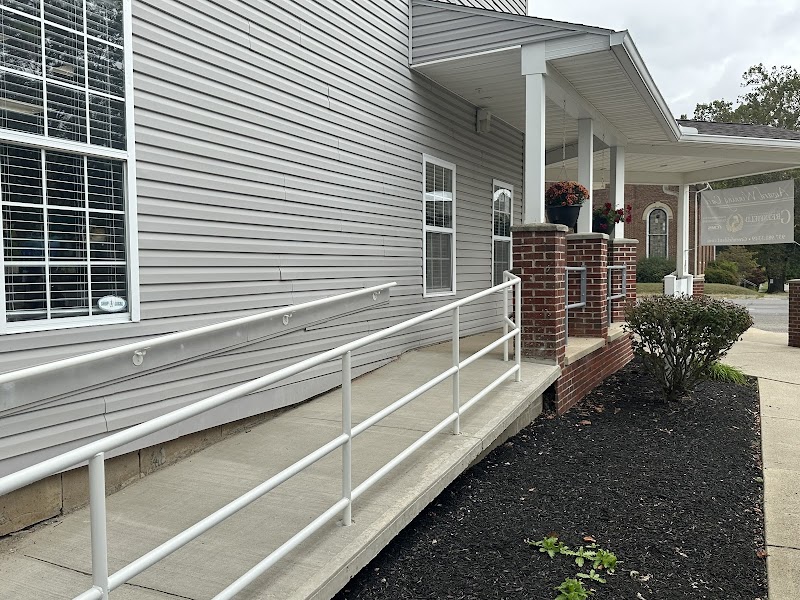
Who Owns and Operates Greenfield Skilled Nursing And Rehabilitation?

GREENFIELD SKILLED NURSING AND REHABILITATION is owned by a for-profit company. For-profit facilities operate as businesses with obligations to shareholders or private owners. The facility is operated by MICHAEL SLYK, a chain that manages multiple nursing homes. With 50 certified beds and approximately 43 residents (about 86% occupancy), it is a smaller facility located in GREENFIELD, Ohio.
How Does Greenfield Skilled Nursing And Rehabilitation Compare to Other Ohio Nursing Homes?

Compared to the 100 nursing homes in Ohio, GREENFIELD SKILLED NURSING AND REHABILITATION's overall rating (3 stars) is below the state average of 3.2, staff turnover (51%) is near the state average of 46%, and health inspection rating (3 stars) is at the national benchmark.

What Should Families Ask When Visiting Greenfield Skilled Nursing And Rehabilitation?

Based on this facility's data, families visiting should ask: "What changes have been made since the serious inspection findings, and how are you preventing similar issues?" "Can you walk me through typical staffing levels on day, evening, and night shifts?" "Can I visit during a mealtime to observe dining assistance and food quality?" "How do you handle medical emergencies, and what is your hospital transfer rate?" These questions are particularly relevant given the facility's Immediate Jeopardy citations and the below-average staffing rating.

Is Greenfield Skilled Nursing And Rehabilitation Safe?

Based on CMS inspection data, GREENFIELD SKILLED NURSING AND REHABILITATION has documented safety concerns. Inspectors have issued 1 Immediate Jeopardy citation (the most serious violation level indicating risk of serious injury or death). The facility has a 3-star overall rating and ranks #100 of 100 nursing homes in Ohio. Families considering this facility should ask detailed questions about what corrective actions have been taken since these incidents.

Do Nurses at Greenfield Skilled Nursing And Rehabilitation Stick Around?

GREENFIELD SKILLED NURSING AND REHABILITATION has a staff turnover rate of 51%, which is 5 percentage points above the Ohio average of 46%. Moderate turnover is common in nursing homes, but families should still ask about staff tenure and how the facility maintains care continuity when employees leave.

Was Greenfield Skilled Nursing And Rehabilitation Ever Fined?

GREENFIELD SKILLED NURSING AND REHABILITATION has been fined $15,269 across 1 penalty action. This is below the Ohio average of $33,232. While any fine indicates a compliance issue, fines under $50,000 are relatively common and typically reflect isolated problems that were subsequently corrected. Families should ask what specific issues led to these fines and confirm they've been resolved.

Is Greenfield Skilled Nursing And Rehabilitation on Any Federal Watch List?

GREENFIELD SKILLED NURSING AND REHABILITATION is not on any federal watch list. The most significant is the Special Focus Facility (SFF) program, which identifies the bottom 1% of nursing homes nationally based on persistent, serious quality problems. Not being on this list means the facility has avoided the pattern of deficiencies that triggers enhanced federal oversight. This is a positive indicator, though families should still review the facility's inspection history directly.