HILLSBORO POST ACUTE
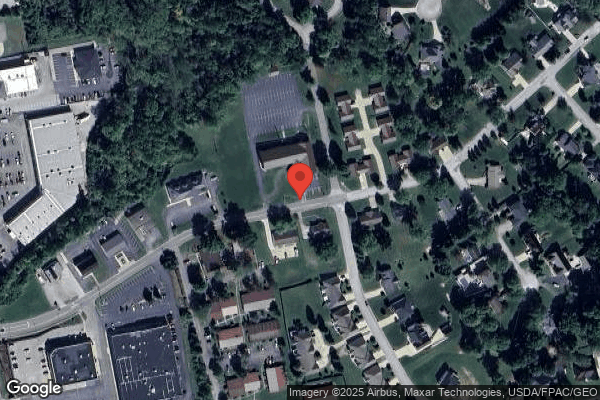
1141 NORTHVIEW DRIVE, HILLSBORO, OH 45133 (937) 393-5766
For profit - Limited Liability company 99 Beds LEGACY HEALTH SERVICES Data: November 2025
Trust Grade
85/100
#81 of 913 in OH
Last Inspection: May 2025

Inspected within the last 6 months. Data reflects current conditions.

Overview

Hillsboro Post Acute has a Trust Grade of B+, indicating it's above average and recommended for families seeking care. It ranks #81 out of 913 facilities in Ohio, placing it in the top half, and #1 out of 5 in Highland County, meaning it's the best local option. However, the facility is showing a worsening trend, with issues increasing from 2 in 2023 to 3 in 2025. Staffing is a concern, with a low rating of 1 out of 5 stars and a high turnover rate of 60%, significantly above the state average of 49%. While the facility has not incurred any fines, there have been some critical incidents, including improper food storage practices that could pose health risks to residents and failure to maintain accurate mental health assessments for some residents. Overall, while there are strengths in its ratings and local standing, the staffing issues and specific concerns highlighted in inspections present notable weaknesses.

Trust Score
B+
85/100
In Ohio
#81/913
Top 8%
Safety Record
Low Risk
No red flags
Inspections
Getting Worse
2 → 3 violations
Staff Stability
⚠ Watch
60% turnover. Above average. Higher turnover means staff may not know residents' routines.
Penalties
✓ Good
No fines on record. Clean compliance history, better than most Ohio facilities.
Skilled Nurses
○ Average
Each resident gets 35 minutes of Registered Nurse (RN) attention daily — about average for Ohio. RNs are the most trained staff who monitor for health changes.
Violations
○ Average
10 deficiencies on record. Average for a facility this size. Mostly minor or procedural issues.
★★★★★
5.0
Overall Rating
★☆☆☆☆
1.0
Staff Levels
★★★★★
5.0
Care Quality
★★★★★
5.0
Inspection Score
Stable
2023: 2 issues
2025: 3 issues

The Good

  • 5-Star Quality Measures · Strong clinical quality outcomes
  • Full Sprinkler Coverage · Fire safety systems throughout facility
  • No fines on record

Facility shows strength in quality measures, fire safety.

The Bad

Staff Turnover: 60%

14pts above Ohio avg (46%)

Frequent staff changes - ask about care continuity

Chain: LEGACY HEALTH SERVICES

Part of a multi-facility chain

Ask about local staffing decisions and management

Staff turnover is elevated (60%)

12 points above Ohio average of 48%

The Ugly 10 deficiencies on record

May 2025 3 deficiencies
CONCERN (D)

Potential for Harm - no one hurt, but risky conditions existed

PASARR Coordination (Tag F0644)

Could have caused harm · This affected 1 resident

**NOTE- TERMS IN BRACKETS HAVE BEEN EDITED TO PROTECT CONFIDENTIALITY** Based on medical record review and staff interview, the facility failed to ensure resident Preadmission Screening and Resident R...

Read full inspector narrative →
**NOTE- TERMS IN BRACKETS HAVE BEEN EDITED TO PROTECT CONFIDENTIALITY** Based on medical record review and staff interview, the facility failed to ensure resident Preadmission Screening and Resident Reviews (PASARRs) were accurate and included resident's mental health diagnoses and mental health services. This affected two (#05 and #14) of the three residents reviewed for PASARRs. The facility census was 71 residents. Findings include: 1) Review of the medical record for Resident #05 revealed an admission date of 02/21/23 with diagnoses including dementia, psychosis, mood disorder. Review of the current diagnoses revealed a new diagnosis of anxiety added on 07/26/24. Review of the quarterly Minimum Data Set (MDS) assessment dated [DATE], revealed Resident #05 had severely impaired cognition. Review of the completed PASARR documents revealed the facility did not complete a new PASARR designation following the addition of the anxiety diagnosis on 07/26/24. 2) Review of the medical record for Resident #14 revealed an admission date of 10/03/23 with diagnoses including acute and chronic respiratory failure, chronic obstructive pulmonary disease, diabetes mellitus type II, congestive heart failure, acute kidney failure, hypertension, hypothyroidism, depression, diverticulosis, anemia, cerebrovascular disease, neuromuscular dysfunction of the bladder, insomnia, anxiety, unspecified psychosis, bipolar disorder, and adult failure to thrive. Review of the current diagnoses revealed a new diagnosis of unspecified psychosis not due to a substance or known physiological condition was added on 03/21/25. Review of the quarterly Minimum Data Set (MDS) assessment dated [DATE] revealed Resident #14 had severely impaired cognition. Review of the completed PASARR documents revealed the facility did not complete a new PASSAR designation following the addition of the unspecified psychosis diagnosis on 03/21/25. Interview with Social Services Director (SSD) #14 on 05/08/25 at 09:47 A.M., verified a new PASARR should have been completed for Resident #05 following a new diagnosis of anxiety on 07/26/24. SSD #14 also verified a new PASARR should have been completed for Resident #14 following a new diagnosis of unspecified psychosis on 03/21/25.
CONCERN (D)

Potential for Harm - no one hurt, but risky conditions existed

Unnecessary Medications (Tag F0759)

Could have caused harm · This affected 1 resident

**NOTE- TERMS IN BRACKETS HAVE BEEN EDITED TO PROTECT CONFIDENTIALITY** Based on medical record reviews, observations, and staff interviews, the facility failed to ensure the medication error rate was...

Read full inspector narrative →
**NOTE- TERMS IN BRACKETS HAVE BEEN EDITED TO PROTECT CONFIDENTIALITY** Based on medical record reviews, observations, and staff interviews, the facility failed to ensure the medication error rate was less than five percent, as evidenced by three medication errors out of 31 opportunities observed, resulting in 9.68 percent (%) medication error rate. This affected two (#17 and #60) of the four residents observed for medication administration. The facility census was 71. Findings include: 1) Record review for Resident #17 revealed the resident was admitted to the facility on [DATE] and had diagnoses which included hypertension, bipolar disorder, and insomnia. Review of the physician order for Resident #17 dated 03/07/25, revealed an order for Amlodipine Besylate 10 milligrams (mg) to be administered one time a day for hypertension and to hold the medication for a systolic blood pressure (SBP) below 120 millimeters of mercury (mm/Hg) or a diastolic blood pressure (DBP) below 80 mm/Hg. Review of the physician order for Resident #17 dated 03/10/25, revealed an order for Hydralazine 25 mg to be administered twice a day for hypertension and administer the medication if the resident's SBP is over 160 mm/Hg and/or DBP over 120 mm/Hg. Observation of the medication administration on 05/06/25 at 8:28 A.M., with Licensed Practical Nurse (LPN) #517 revealed medications including Amlodipine Besylate 10 mg and Hydralazine 25 mg were prepared for administration to Resident #17. LPN #517 entered the room of Resident #17 with the prepared medications and obtained the residents Blood Pressure (BP) with results of SBP 155 mg/Hg and DBP 74 mm/Hg. LPN #517 administered all ordered medications, including the Amlodipine Besylate and Hydralazine, to the resident and exited the room. Interview with LPN #517 at the same time, verified the medications were administered to Resident #17. Interview on 05/07/25 at 10:05 A.M., with the Director of Nursing (DON) verified Resident #17 should not have been administered Amlodipine Besylate or Hydralazine by LPN #517 on 05/06/25 at 8:20 A.M. due to the residents BP reading being outside the parameters for administration. 2) Record review for Resident #60 revealed the resident was admitted to the facility on [DATE] and had diagnoses which included paroxysmal atrial fibrillation, hypertension, and presence of a cardiac pacemaker. Review of the physician order dated 03/06/25 revealed an order for Digoxin 125 micrograms (mcg) to be administered once a day for the Heart. Observation of the medication administration on 05/06/25 at 8:20 A.M., with LPN #517 revealed medications including Digoxin 125 mcg were prepared for administration to Resident #60. LPN #517 entered the room of Resident #60 with the prepared medications and obtained the residents pulse using a pulse oximeter placed on the residents left first finger. The pulse oximeter was in place for less than 30 seconds with a result of 77 heart beats per minute. LPN #517 administered all ordered medications, including the Digoxin, to the resident and exited the room. Interview with LPN #517 at the same time, verified the medication was administered to Resident #17. Interview on 05/07/25 at 10:05 A.M., with the DON verified the facility nurses should obtain a resident's apical pulse (the pulse rate located at the apex of the heart on the left side of the chest) for one full minute prior to the administration of Digoxin. Review of the facility policy titled Administering Medications, revised 04/2019, revealed medications are administered in a safe and timely manner, and as prescribed.
CONCERN (D)

Potential for Harm - no one hurt, but risky conditions existed

Deficiency F0760 (Tag F0760)

Could have caused harm · This affected 1 resident

**NOTE- TERMS IN BRACKETS HAVE BEEN EDITED TO PROTECT CONFIDENTIALITY** Based on medical record reviews, observations, staff interview, and review of facility policy, the facility failed to ensure med...

Read full inspector narrative →
**NOTE- TERMS IN BRACKETS HAVE BEEN EDITED TO PROTECT CONFIDENTIALITY** Based on medical record reviews, observations, staff interview, and review of facility policy, the facility failed to ensure medications were administered per physician's order resulting in significant medication errors. This affected two (#17 and #60) of the four residents observed for medication administration. The facility census was 71. Findings include: 1) Record review for Resident #17 revealed the resident was admitted to the facility on [DATE] and had diagnoses which included hypertension, bipolar disorder, and insomnia. Review of the physician order for Resident #17 dated 03/07/25, revealed an order for Amlodipine Besylate 10 milligrams (mg) to be administered one time a day for hypertension and to hold the medication for a systolic blood pressure (SBP) below 120 millimeters of mercury (mm/Hg) or a diastolic blood pressure (DBP) below 80 mm/Hg. Review of the physician order for Resident #17 dated 03/10/25, revealed an order for Hydralazine 25 mg to be administered twice a day for hypertension and administer the medication if the resident's SBP is over 160 mm/Hg and/or DBP over 120 mm/Hg. Observation of the medication administration on 05/06/25 at 8:28 A.M., with Licensed Practical Nurse (LPN) #517 revealed medications including Amlodipine Besylate 10 mg and Hydralazine 25 mg were prepared for administration to Resident #17. LPN #517 entered the room of Resident #17 with the prepared medications and obtained the residents Blood Pressure (BP) with results of SBP 155 mg/Hg and DBP 74 mm/Hg. LPN #517 administered all ordered medications, including the Amlodipine Besylate and Hydralazine, to the resident and exited the room. Interview with LPN #517 at the same time, verified the medications were administered to Resident #17. Interview on 05/07/25 at 10:05 A.M., with the Director of Nursing (DON) verified Resident #17 should not have been administered Amlodipine Besylate or Hydralazine by LPN #517 on 05/06/25 at 8:20 A.M. due to the residents BP reading being outside the parameters for administration. 2) Record review for Resident #60 revealed the resident was admitted to the facility on [DATE] and had diagnoses which included paroxysmal atrial fibrillation, hypertension, and presence of a cardiac pacemaker. Review of the physician order for Resident #60 dated 03/06/25 revealed an order for Digoxin 125 micrograms (mcg) to be administered once a day for the Heart. Observation of the medication administration on 05/06/25 at 8:20 A.M., with LPN #517 revealed medications including Digoxin 125 mcg were prepared for administration to Resident #60. LPN #517 entered the room of Resident #60 with the prepared medications and obtained the residents pulse using a pulse oximeter placed on the residents left first finger. The pulse oximeter was in place for less than 30 seconds with a result of 77 heart beats per minute. LPN #517 administered all ordered medications, including the Digoxin, to the resident and exited the room. Interview with LPN #517 at the same time, verified the medication was administered to Resident #17. Interview on 05/07/25 at 10:05 A.M., with the DON verified the facility nurses should obtain a resident's apical pulse (the pulse rate located at the apex of the heart on the left side of the chest) for one full minute prior to the administration of Digoxin. Review of the facility policy titled Administering Medications, revised 04/2019, revealed medications are administered in a safe and timely manner, and as prescribed.
Nov 2023 1 deficiency
CONCERN (E) 📢 Someone Reported This

A family member, employee, or ombudsman was alarmed enough to file a formal complaint

Potential for Harm - no one hurt, but risky conditions existed

Food Safety (Tag F0812)

Could have caused harm · This affected multiple residents

Based on observations, staff interview and policy review, the facility failed to store, prepare, distribute and serve food in accordance with professional standards for food service safety. This affec...

Read full inspector narrative →
Based on observations, staff interview and policy review, the facility failed to store, prepare, distribute and serve food in accordance with professional standards for food service safety. This affected all but two (#18 and #70) residents who received food from the kitchen. The census was 78. Findings include: Observation of the kitchen with Dietary Manager #90 on 11/15/23 at 10:50 A.M. revealed a scoop that was stored inside a bulk container of flour. The large can opener had a heavy build-up of substance on the blade and on the metal holder attached to the worktable. Interview with Dietary Manager #90 at the same time, verified the findings. Interview with the Director of Nursing (DON) on 11/15/23 at 3:15 P.M. identified two (#18 and #70) residents who received all their nutritional needs via tube feeding and consumed no food prepared in the kitchen. Review of the facility policy titled Food Storage dated 2017, revealed scoops were provided for bulk foods such as flour. The scoops were not stored in food but were kept covered in a protected area near the container. Under Hazard Analysis Critical Control Point (HACCP) Principles the policy stated to use clean and sanitized equipment. This deficiency represents non-compliance investigated under Master Complaint Number OH00147894 and Complaint Number OH00147633.
May 2023 1 deficiency
CONCERN (D) 📢 Someone Reported This

A family member, employee, or ombudsman was alarmed enough to file a formal complaint

Potential for Harm - no one hurt, but risky conditions existed

ADL Care (Tag F0677)

Could have caused harm · This affected 1 resident

**NOTE- TERMS IN BRACKETS HAVE BEEN EDITED TO PROTECT CONFIDENTIALITY** Based on medical record review and staff interview, the facility failed to provide baths/showers to dependent residents as sched...

Read full inspector narrative →
**NOTE- TERMS IN BRACKETS HAVE BEEN EDITED TO PROTECT CONFIDENTIALITY** Based on medical record review and staff interview, the facility failed to provide baths/showers to dependent residents as scheduled. This affected two (#61 and #63) of three residents reviewed for bathing/showering. The census was 69. Findings include: 1. Review of the medical record for Resident #61 revealed an admission date of 02/20/12. His diagnoses were cerebral infarction, bipolar disorder, dementia, hemiplegia and hemiparesis, hyperlipidemia, personality disorder, psychosis, type II diabetes, obesity, cerebral atherosclerosis, mild cognitive impairment, peripheral vascular disease, anxiety disorder, insomnia, and atherosclerotic heart disease. Review of Resident #61's minimum data set (MDS) assessment, dated 02/24/23, revealed he had a mild cognitive impairment. Review of Resident #61 MDS Assessment, section G, revealed he needed a total of one-person physical assistance for bathing. Review of Resident #61's bathing schedule revealed prior to 04/11/23, his scheduled shower/bath days were Sunday and Wednesday evenings. On 04/11/23 to present, his shower/bath days were Tuesday and Saturday evenings. Review of Resident #61's bathing logs, dated 03/01/23 to 05/26/23, revealed a total of 14 missed scheduled showers/baths. 2. Review of the medical record for Resident #63 revealed an admission date of 07/01/11. Her diagnoses were osteoarthritis, dementia, major depressive disorder, osteoporosis, hypertension, macular degeneration, cardiomegaly, and arthropathy. Review of Resident #61's MDS assessment dated [DATE], revealed she had a significant cognitive impairment. Review of section G revealed she needed physical assistance from one person for bathing. Review of Resident #63's bathing schedule revealed her shower/bath days were Wednesdays and Saturdays. Review of Resident #63's bathing logs, dated 03/01/23 to 05/26/23, revealed a total of 10 missed scheduled showers/baths. Interview with State Tested Nursing Aide (STNA) #104, STNA #105, Registered Nurse (RN) #107, and Licensed Practical Nurse (LPN) #108 on 05/26/23 at 2:30 P.M., 2:46 P.M., 2:55 P.M., and 3:03 P.M., revealed if not applicable is selected as the choice for showers in the electronic medical record, they confirmed it means the resident did not receive a bath/shower that day. They confirmed if the resident refuses a bath/shower, there is an option for that and that would be selected. They are to give each resident a bath/shower on their scheduled days, and when the resident requests them. If there was no documentation to support a bath/shower was taken, they confirmed that it was not offered or completed. Interview with Unit Manager #101 on 05/26/23 at 1:54 P.M., confirmed the shower/bath logs and documentation provided, was all they could find for each of the residents. She confirmed there was no other shower documentation available to support the fact that showers were being completed for both residents as scheduled. This deficiency represents the noncompliance discovered during investigation of Complaint Number OH00142697.
Dec 2022 2 deficiencies
CONCERN (E)

Potential for Harm - no one hurt, but risky conditions existed

Room Equipment (Tag F0908)

Could have caused harm · This affected multiple residents

Based on observation and interview, the facility failed to maintain the kitchen walk-in freezer in operational fashion which caused an excessive build up of ice and solid ice crystals on the inside of...

Read full inspector narrative →
Based on observation and interview, the facility failed to maintain the kitchen walk-in freezer in operational fashion which caused an excessive build up of ice and solid ice crystals on the inside of the freezer. This had the potential to affect all residents in the facility with the exception of one(Resident #76) who did not receive food from the kitchen. The facility census was 81. Findings include: Observation of the kitchen walk in freezer on 12/12/22 at 09:13 A.M. revealed an excessive build up of ice and solid ice crystals on the inside of the door and shelving to the left. Three shelves contained multiple food items from the bottom to the top shelf which were also covered with ice. A solid ice block was also stuck to the closure side of the freezer and the door itself. Dietary [NAME] #1000 verified the buildup of ice on the inside of the freezer, and stated this has been this way for several months. Observation of the kitchen walk in freezer on 12/13/22 at 1:06 P.M. revealed the buildup of ice and ice crystals remain to the inside of the walk in freezer which still covers multiple food items. Interview with the Administrator and Dietary Manager #2000 on 12/13/22 at 1:06 P.M. verified there is an excessive amount of ice and ice crystals on the inside of the walk in freezer. Observation of the kitchen walk in freezer on 12/14/22 at 2:07 P.M. revealed the excessive amount of ice remains and still covers multiple food items. Ice remains on the inside of the door and the left side of the freezer. Interview with the Administrator and the Regional Quality Assurance Consultant #3000 on 12/14/22 at 2:07 P.M. verified the presence of a large amount of ice and ice crystals on the inside of the freezer.
MINOR (B)

Minor Issue - procedural, no safety impact

Food Safety (Tag F0812)

Minor procedural issue · This affected multiple residents

Based on observation, interview and policy review the facility failed to maintain a record of meal substitutions that were provided in place of the approved daily menu. This had the potential to affec...

Read full inspector narrative →
Based on observation, interview and policy review the facility failed to maintain a record of meal substitutions that were provided in place of the approved daily menu. This had the potential to affect all residents in the facility with the exception of one(Resident #76) who did not receive food from the kitchen. The facility census was 81. Findings include: Review of the daily dinner menu for 12/14/22 revealed a meal listing of tomato basil soup, chicken salad sandwich on wheat, cucumber and onion salad, and poke cake. A substitution of a cheeseburger, french fries, green beans, and a brownie was made prior to serving the dinner meal. Interview with the Registered Dietician #4000 on 12/14/22 at 4:45 P.M. verified she was unable to provide a meal substitution log for the last three months, which included any substitutions made. Review of the facility policy regarding meal substitutions on 12/15/22 at 9:10 A.M. revealed an issue date of 11/2020. The policy states the menu substitution may be recorded on the menu or a separate log. Also, the registered dietician reviews menu substitutions and provides staff education as needed.
Sept 2019 3 deficiencies
CONCERN (D)

Potential for Harm - no one hurt, but risky conditions existed

Resident Rights (Tag F0550)

Could have caused harm · This affected 1 resident

**NOTE- TERMS IN BRACKETS HAVE BEEN EDITED TO PROTECT CONFIDENTIALITY** Based on medical record review, observation, resident interview, staff interview, and review of facility policy, the facility fa...

Read full inspector narrative →
**NOTE- TERMS IN BRACKETS HAVE BEEN EDITED TO PROTECT CONFIDENTIALITY** Based on medical record review, observation, resident interview, staff interview, and review of facility policy, the facility failed to respect the rights of two residents (#47 and #178) of two observed wearing smoking aprons when they were not needed. The facility census was 81. Findings include: 1. Review of Resident #47's medical record revealed an admission date of 7/18/18 with diagnoses including type two diabetes mellitus, congestive heart failure, left above the knee amputation, and major depressive disorder. Review of Resident #47's care plan dated 07/19/19 revealed the resident had a history of smoking and desired to smoke. Interventions included to smoke safely in designated areas, offer smoking cessation options, staff to provide smoking materials and light cigarettes and not to leave resident unattended when smoking. Review of Resident #47's smoking assessment dated [DATE] revealed interventions included allowing the resident to smoke independently in designated areas, and the resident did not require a smoking apron or vest. Review of Resident #47's Minimum Data Set (MDS) dated [DATE] revealed resident was cognitively intact. Observation of residents smoking on 09/23/19 at 10:03 A.M. revealed State Tested Nurse Aide (STNA) #520 placed a smoking apron on Resident #47. Interview with Resident # 47 on 09/24/19 at 8:51 A.M. revealed the facility had never put smoking aprons on the residents in the past and wearing a smoking apron made him feel uncomfortable and embarrassed. 2. Review of Resident #178's medical record revealed an admission date of 09/21/19 with diagnoses including cerebral infarction (stroke) and anxiety disorder. Review of Resident #178's care plan dated 9/22/19 revealed the resident had a history of smoking and desired to smoke with interventions to smoke safely in designated areas, offer smoking cessation options, staff to provide smoking materials, light cigarettes and not to leave resident unattended when smoking. Review of Resident #178 smoking assessment dated [DATE] revealed revealed interventions included allowing resident to smoke independently in designated areas and the resident was not required to wear a smoking apron or vest. Observation on 09/23/19 at 10:03 A.M. revealed STNA #520 placed a smoking apron on Resident #178. Interview with STNA #520 on 09/23/19 at 3:16 P.M. revealed only one resident was deemed as needing a smoking apron on the smoking assessment, however she just puts them on the residents to be sure. STNA #520 confirmed Resident #47 and Resident #178 had a smoking apron on at the 10:03 A.M. smoke break. Interview with Resident #178 on 09/26/19 at 10:27 A.M. revealed he did not like wearing a smoking apron when he smoked and did not understand why he had to wear one. Review of the facility policy untitled dated 08/11/06 revealed the interdisciplinary team (IDT) will evaluate and make a decision if a resident is independent or an at risk smoker and if a patient is deemed at risk, the resident will be required to wear a smoking vest or apron.
CONCERN (D)

Potential for Harm - no one hurt, but risky conditions existed

Accident Prevention (Tag F0689)

Could have caused harm · This affected 1 resident

**NOTE- TERMS IN BRACKETS HAVE BEEN EDITED TO PROTECT CONFIDENTIALITY** Based on medical record review, observation, resident interview, staff interview, and facilities policy review, the facility fa...

Read full inspector narrative →
**NOTE- TERMS IN BRACKETS HAVE BEEN EDITED TO PROTECT CONFIDENTIALITY** Based on medical record review, observation, resident interview, staff interview, and facilities policy review, the facility failed to ensure two staff members were present with the use of a mechanical lift during transfers for safety. This affected one resident (#8) of six reveiwed for accidents. The facility census was 81 . Findings include: Review of the medical record for Resident #8 revealed an admission date of 03/07/19 with diagnoses including morbid obesity, diabetes mellitus, depression, and peripheral vascular disease. Review of the quarterly Minimum Data Set (MDS) assessment dated [DATE] revealed Resident #8 had no cognitive deficits and required a total assistance of two people for transfers. Review of the care plan revealed Resident #8 required assistance with transferring as evidence by weakness related to spinal stenosis and diabetes mellitus with neuropathy. Intervention included to utilize mechanical lift with large sling for transfers. Observation and interview on 09/24/19 at 10:00 A.M. revealed State Tested Nursing Assistant (STNA) #611 was getting Resident #8 up for the day and she was the only staff member in the room. STNA #611 confirmed she did lift the resident with mechanical lift by herself. She revealed the resident was a a total assist for transfers with mechanical lift and one person could lift him with the lift. Interview on 09/25/19 at 1:36 P.M. with the Director of Nursing (DON) revealed it was her expectation staff always used two staff members when using a mechanical lift for safety. Review of facilities Mechanical Lift Policy dated April 2019 revealed the purpose was to move immobile or obese residents for whom manual transfer poses potential for staff or resident injury. Use of a mechanical lift requires a second caregiver.
CONCERN (D)

Potential for Harm - no one hurt, but risky conditions existed

Medication Errors (Tag F0758)

Could have caused harm · This affected 1 resident

**NOTE- TERMS IN BRACKETS HAVE BEEN EDITED TO PROTECT CONFIDENTIALITY** 3. Review of Resident #63's medical record revealed an admission date of 02/29/16 with diagnoses including chronic kidney diseas...

Read full inspector narrative →
**NOTE- TERMS IN BRACKETS HAVE BEEN EDITED TO PROTECT CONFIDENTIALITY** 3. Review of Resident #63's medical record revealed an admission date of 02/29/16 with diagnoses including chronic kidney disease stage three, dementia, unspecified psychosis, and altered mental status. Review of Resident #63's physician order dated 03/13/19 revealed an order for Sertraline (anti-depressant) 50 mg for the treatment of dementia with behavior disturbance. Review of Resident #63's Minimum Data Set (MDS) dated [DATE] revealed the resident was cognitively impaired. Interview with the Director of Nursing (DON) and the Social Services Director on 09/26/19 at 11:04 A.M. confirmed Resident #62 was on Sertraline for behavioral disturbances due to dementia. The DON further revealed the resident had not had any behaviors for the last 18 months. Based on medical record review and staff interview, the facility failed to initiate a gradual dose reduction (GDR) attempt on residents taking psychotropic medications and also failed to provide proper diagnoses for residents taking antidepressant medications. This affected three residents (#43, #6 and #63) of five reviewed for unnecessary medications. The facility census was 81. Findings include: 1. Review of Resident #43's medical record revealed an admission date of 02/09/19 with diagnoses including type two diabetes mellitus, anxiety, congestive heart failure (CHF), and depression. Review of Resident #43's quarterly Minimum Data Set (MDS) assessment dated [DATE] revealed Resident #43's cognition was intact. Review of Resident #43's current medications revealed Buspirone (anti-depressant) 10 milligrams (mg), one tablet by mouth two times per day related to depression and Duloxetine Capsule 30 mg, take one capsule by mouth one time in the afternoon related to depression, and Trazodone tablet 50 mg take one tablet by mouth at bedtime for insomnia. Review of Resident #43's monthly pharmacy reviews revealed no irregularities were noted from February 2019 through September 2019. There was no evidence an attempts for a GDR was made with any of the resident's psychotropic medications. Interview on 09/26/19 at 2:32 P.M. with the Director of Nursing (DON) verified the facility had not attempted a GDR for Resident #43. 2. Review of Resident #6's medical record revealed the resident was admitted to the facility on [DATE] with the following diagnoses, congestive heart failure, chronic kidney disease, diabetes mellitus type II, depression, and anxiety. Review of the most recent MDS assessment dated [DATE] revealed the resident was cognitively intact. Review of Resident #6's current medications revealed Duloxetine 60 mg, one capsule daily for depression and Aripiprazole 2 mg, one tablet for depression Review of Resident #6's monthly pharmacy review with the last date of 09/18/19 revealed the resident had been taking the Duloxetine and Aripiprazole for a diagnosis of depression since the resident's admission date of August 2018. There was no evidence a GDR had been attempted. On 09/25/19 at 1:51 P.M., interview with the Director of Nursing (DON) verified a GDR had not been recommended by the pharmacy, and none have been attempted.
Understanding Severity Codes (click to expand)
Life-Threatening (Immediate Jeopardy)
J - Isolated K - Pattern L - Widespread
Actual Harm
G - Isolated H - Pattern I - Widespread
Potential for Harm
D - Isolated E - Pattern F - Widespread
No Harm (Minor)
A - Isolated B - Pattern C - Widespread

Questions to Ask on Your Visit

  • "Why is there high staff turnover? How do you retain staff?"
  • "Can I speak with families of current residents?"
  • "What's your RN coverage like on weekends and overnight?"

Our Honest Assessment

Strengths
  • • Grade B+ (85/100). Above average facility, better than most options in Ohio.
  • • No major safety red flags. No abuse findings, life-threatening violations, or SFF status.
  • • No fines on record. Clean compliance history, better than most Ohio facilities.
Concerns
  • • 60% turnover. Above average. Higher turnover means staff may not know residents' routines.
Bottom line: Generally positive indicators. Standard due diligence and a personal visit recommended.

About This Facility

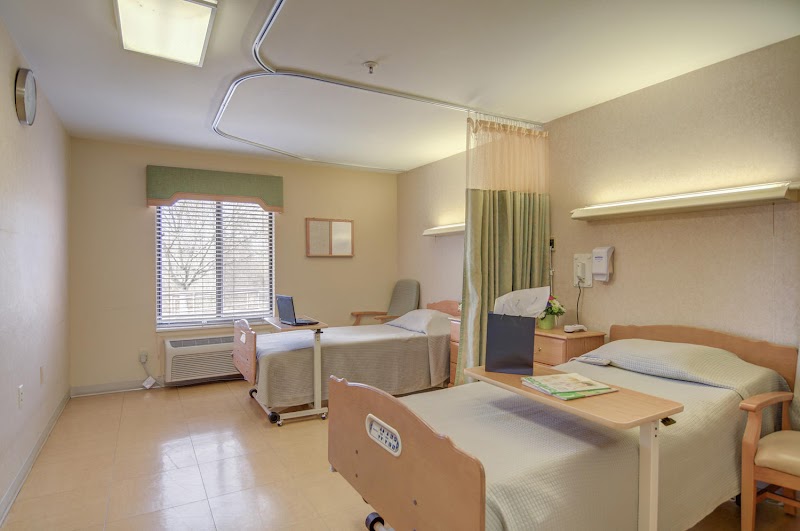
What is Hillsboro Post Acute's CMS Rating?

CMS assigns HILLSBORO POST ACUTE an overall rating of 5 out of 5 stars, which is considered much above average nationally. Within Ohio, this rating places the facility higher than 99% of the state's 100 nursing homes. This rating reflects solid performance across the metrics CMS uses to evaluate nursing home quality.
How is Hillsboro Post Acute Staffed?

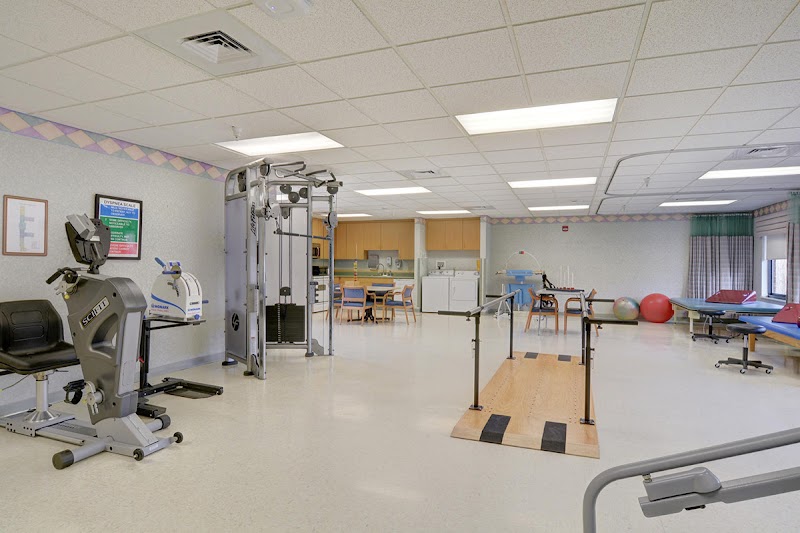
CMS rates HILLSBORO POST ACUTE's staffing level at 1 out of 5 stars, which is much below average compared to other nursing homes. Staff turnover is 60%, which is 14 percentage points above the Ohio average of 46%. High turnover can affect care consistency as new staff learn residents' individual needs. RN turnover specifically is 83%, which is notably high. RNs provide skilled clinical oversight, so turnover in this role can affect medical care quality.

What Have Inspectors Found at Hillsboro Post Acute?

State health inspectors documented 10 deficiencies at HILLSBORO POST ACUTE during 2019 to 2025. These included: 9 with potential for harm and 1 minor or isolated issues.
Who Owns and Operates Hillsboro Post Acute?

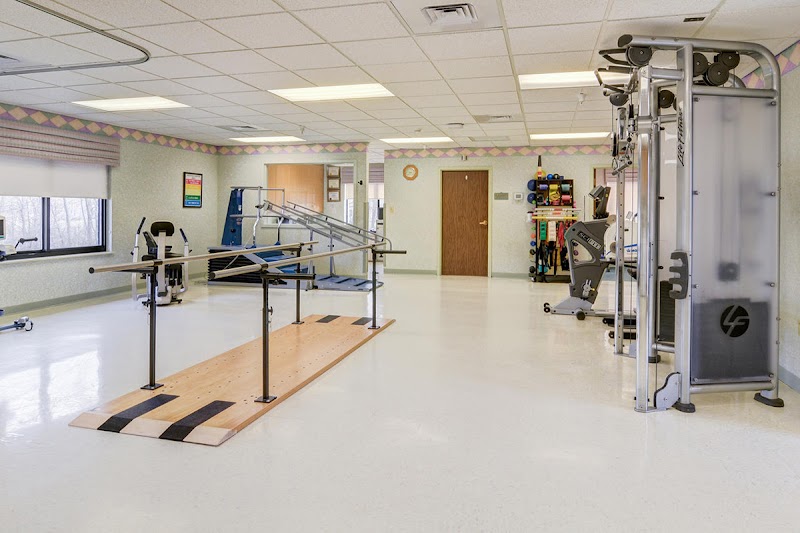
HILLSBORO POST ACUTE is owned by a for-profit company. For-profit facilities operate as businesses with obligations to shareholders or private owners. The facility is operated by LEGACY HEALTH SERVICES, a chain that manages multiple nursing homes. With 99 certified beds and approximately 70 residents (about 71% occupancy), it is a smaller facility located in HILLSBORO, Ohio.
How Does Hillsboro Post Acute Compare to Other Ohio Nursing Homes?

Compared to the 100 nursing homes in Ohio, HILLSBORO POST ACUTE's overall rating (5 stars) is above the state average of 3.2, staff turnover (60%) is significantly higher than the state average of 46%, and health inspection rating (5 stars) is much above the national benchmark.

What Should Families Ask When Visiting Hillsboro Post Acute?

Based on this facility's data, families visiting should ask: "How do you ensure continuity of care given staff turnover, and what is your staff retention strategy?" "Can you walk me through typical staffing levels on day, evening, and night shifts?" "Can I visit during a mealtime to observe dining assistance and food quality?" "How do you handle medical emergencies, and what is your hospital transfer rate?" These questions are particularly relevant given the facility's high staff turnover rate and the below-average staffing rating.

Is Hillsboro Post Acute Safe?

Based on CMS inspection data, HILLSBORO POST ACUTE has a clean safety record: no substantiated abuse findings (meaning no confirmed cases of resident harm), no Immediate Jeopardy citations (the most serious violation level indicating risk of serious injury or death), and is not on the Special Focus Facility watch list (a federal program monitoring the lowest-performing 1% of nursing homes). The facility has a 5-star overall rating and ranks #1 of 100 nursing homes in Ohio. While no facility is perfect, families should still ask about staff-to-resident ratios and recent inspection results during their visit.

Do Nurses at Hillsboro Post Acute Stick Around?

Staff turnover at HILLSBORO POST ACUTE is high. At 60%, the facility is 14 percentage points above the Ohio average of 46%. Registered Nurse turnover is particularly concerning at 83%. RNs handle complex medical decisions and coordinate care — frequent RN changes can directly impact care quality. High turnover means new staff may not know residents' individual needs, medications, or preferences. It can also be disorienting for residents, especially those with dementia who rely on familiar faces. Families should ask: What is causing the turnover? What retention programs are in place? How do you ensure care continuity during staff transitions?

Was Hillsboro Post Acute Ever Fined?

HILLSBORO POST ACUTE has no federal fines on record. CMS issues fines when nursing homes fail to meet care standards or don't correct problems found during inspections. The absence of fines suggests the facility has either maintained compliance or corrected any issues before penalties were assessed. This is a positive indicator, though families should still review recent inspection reports for the full picture.

Is Hillsboro Post Acute on Any Federal Watch List?

HILLSBORO POST ACUTE is not on any federal watch list. The most significant is the Special Focus Facility (SFF) program, which identifies the bottom 1% of nursing homes nationally based on persistent, serious quality problems. Not being on this list means the facility has avoided the pattern of deficiencies that triggers enhanced federal oversight. This is a positive indicator, though families should still review the facility's inspection history directly.