SHAWNEESPRING HEALTH CARE CENTER


10111 SIMONSON ROAD, HARRISON, OH 45030 (513) 367-7780
For profit - Corporation 140 Beds CARESPRING Data: November 2025
Trust Grade
73/100
#337 of 913 in OH
Last Inspection: January 2023

Over 2 years since last inspection. Current conditions may differ from available data.

Overview

Shawneespring Health Care Center in Harrison, Ohio, has a Trust Grade of B, which means it is a solid choice for families, indicating that the facility is performing better than average. It ranks #337 out of 913 facilities in Ohio, placing it in the top half, and #29 out of 70 facilities in Hamilton County, indicating that there are only a few local options ranked higher. However, the facility's trend is worsening, with issues increasing from 1 in 2019 to 10 in 2023. Staffing is average, with a 3/5 rating and a turnover rate of 51%, which is close to the state average. There are some concerns, including $9,750 in fines, which is typical for Ohio facilities, and incidents such as unclean food storage practices, failure to clean glucometers after use, and not keeping residents up to date on pneumonia vaccinations. While the facility has good overall and health inspection ratings of 4/5, these specific issues highlight areas that need improvement.

Trust Score
B
73/100
In Ohio
#337/913
Top 36%
Safety Record
Low Risk
No red flags
Inspections
Getting Worse
1 → 10 violations
Staff Stability
⚠ Watch
51% turnover. Above average. Higher turnover means staff may not know residents' routines.
Penalties
⚠ Watch
$9,750 in fines. Higher than 83% of Ohio facilities, suggesting repeated compliance issues.
Skilled Nurses
○ Average
Each resident gets 40 minutes of Registered Nurse (RN) attention daily — about average for Ohio. RNs are the most trained staff who monitor for health changes.
Violations
⚠ Watch
13 deficiencies on record. Higher than average. Multiple issues found across inspections.
★★★★☆
4.0
Overall Rating
★★★☆☆
3.0
Staff Levels
★★★★☆
4.0
Care Quality
★★★★☆
4.0
Inspection Score
Stable
2019: 1 issues
2023: 10 issues

The Good

  • 4-Star Quality Measures · Strong clinical quality outcomes
  • Full Sprinkler Coverage · Fire safety systems throughout facility
  • No fines on record

Facility shows strength in quality measures, fire safety.

The Bad

Staff Turnover: 51%

Near Ohio avg (46%)

Higher turnover may affect care consistency

Federal Fines: $9,750

Below median ($33,413)

Minor penalties assessed

Chain: CARESPRING

Part of a multi-facility chain

Ask about local staffing decisions and management

The Ugly 13 deficiencies on record

Nov 2023 1 deficiency
CONCERN (D) 📢 Someone Reported This

A family member, employee, or ombudsman was alarmed enough to file a formal complaint

Potential for Harm - no one hurt, but risky conditions existed

Incontinence Care (Tag F0690)

Could have caused harm · This affected 1 resident

Based on observation and interviews, the facility failed to provide appropriate incontinence care. This affected one (Resident #104) of four residents reviewed for incontinence care. The facility cens...

Read full inspector narrative →
Based on observation and interviews, the facility failed to provide appropriate incontinence care. This affected one (Resident #104) of four residents reviewed for incontinence care. The facility census was 125. Findings include: Review of the medical record for Resident #104 revealed an admission date of 01/24/23 with diagnoses including chronic obstructive pulmonary disease (COPD), Alzheimer's disease, major depressive disorder, anxiety disorder, and interstitial pulmonary disease. Review of the quarterly Minimum Data Set (MDS) assessment for Resident #104 dated 09/25/23 revealed the resident was not able to complete a Brief Interview for Mental Status (BIMS) because she was rarely/never understood, required extensive assistance of two staff with toileting, and was always incontinent of bowel and bladder. Review of the care plan for Resident #104 dated 11/27/23 revealed the resident had bladder incontinence related to Alzheimer's disease, confusion, impaired mobility, and side effects of medications. Interventions included the following: use disposable briefs, staff to clean peri-area with each incontinence episode, staff to monitor labs as ordered, staff to monitor and document for signs and symptoms of urinary traction infection including pain, burning, blood-tinged urine, no output, increased pulse, increased temperature, and change in mental status, staff to apply protective barrier cream after each incontinence episode. Observation on 11/27/23 at 9:21 A.M. of incontinence care for Resident #104 per State Tested Nursing Assistants (STNAs) #11 and #12 revealed resident was noted to be wearing two incontinence briefs one on top of the other and there was a strong urine odor in the room. STNAs #11 and #12 removed the two briefs which were both thoroughly saturated with urine and provided perineal care to Resident #104. Interview on 11/27/23 at 9:21 A.M. with STNA #11 confirmed Resident #104 was found to be wearing two briefs which were both saturated with urine. Interviews on 11/27/23 at 10:48 A.M. with the Director of Nursing (DON) and at 11:29 A.M. with the Administrator confirmed staff should not apply two incontinence briefs one on top of the other to Resident #104 as this was not part of the resident's incontinence care plan. This deficiency represents non-compliance investigated under Complaint Number OH00147833.
Apr 2023 1 deficiency
CONCERN (D) 📢 Someone Reported This

A family member, employee, or ombudsman was alarmed enough to file a formal complaint

Potential for Harm - no one hurt, but risky conditions existed

Incontinence Care (Tag F0690)

Could have caused harm · This affected 1 resident

**NOTE- TERMS IN BRACKETS HAVE BEEN EDITED TO PROTECT CONFIDENTIALITY** Based on medical record review, observation, staff and resident interview, and policy review, the facility failed to ensure resi...

Read full inspector narrative →
**NOTE- TERMS IN BRACKETS HAVE BEEN EDITED TO PROTECT CONFIDENTIALITY** Based on medical record review, observation, staff and resident interview, and policy review, the facility failed to ensure residents received timely incontinence care. This affected two residents (#38 and #73) of four residents reviewed for incontinence care. The facility census was 105. Findings include: 1. Review of the medical record for Resident #38 revealed an admission date of 03/27/23. Diagnoses included type II diabetes, morbid obesity, diastolic heart failure, and hemiparesis/hemiplegia following cerebral infarction affecting left non-dominant side. Review of the Minimum Data Set (MDS) assessment initiated 04/02/23 revealed the resident had moderately impaired cognition. Resident #38's ADL assessment was incomplete. The resident required two-person staff assistance with care but had not been assessed for the extent of care needed. Review of the care plan dated 03/28/23 revealed Resident #38 had bladder incontinence related to impaired mobility, physical limitations, and hemiparesis/hemiplegia. Interventions included disposable briefs, peri-care with each incontinence episode, laboratory studies as ordered, monitor/report signs of urinary tract infection (UTI), and provide protective barrier after incontinent episodes. Review of the task documentation dated 04/02/23 revealed Resident #38 received total one-staff assistance with toilet use and bowel and bladder elimination twice for the entire day, once at 12:30 A.M. and once at 10:13 A.M. There was no documentation for evening or night shift assistance with toilet use or bowel/bladder elimination on 04/02/23. 2. Review of the medical record for Resident #73 revealed an admission date of 02/21/20. Diagnoses included stage II chronic kidney disease, anxiety disorder, flaccid neuropathic bladder, and chronic pain syndrome. Review of the Minimum Data Set (MDS) annual assessment dated [DATE] revealed the resident had moderately impaired cognition, had no behaviors, did not reject care, and did not wander. Resident #73 required one to two person physical assistance, extensive assistance for bed mobility, transfers, dressing, and toilet use, limited assistance with personal hygiene, supervision with eating, and locomotion had not occurred. Resident #73 had an indwelling catheter, was occasionally incontinent of bowel, and was not on a toileting program. Review of the care plan revealed Resident #73 had bowel incontinence related to immobility and impaired cognition. Interventions included evaluate for complaints of abdominal distention/discomfort, assist to bathroom/with bedpan as needed, keep call light within reach, monitor bowel elimination offer privacy with toilet use, and offer peri care after each incontinent episode. Additionally, Resident #73 had a behavior problem related to anxiety and refused to be changed/refused peri care. Interventions included administer medications as ordered, anticipate resident needs, provide opportunities for positive interactions, elicit family input for successful interventions, and encourage participation in self-care. Review of the task documentation dated 04/02/23 revealed Resident #73 received total one staff assistance with toilet use and bowel and bladder elimination twice for the entire day, once at 12:40 A.M. and once at 10:08 A.M. There was no documentation for evening or night shift assistance with toilet use or bowel/bladder elimination on 04/02/23. During an observation and interview on 04/03/23 at 9:44 A.M. Nurse Aide Trainee (NAT) #136 entered Resident #38's room and answered the call light. At 9:46 A.M. after NAT #136 left the room, Resident #38 stated he had just told NAT #136 that he needed to be changed, and she said she would let his aide know. Observation from 9:46 A.M. to 10:35 A.M. revealed no staff returned to Resident #38's room. At 10:35 A.M. State Tested Nurse Aide (STNA) #200 entered Resident #38's room and asked if the resident wanted to get up. Resident #38 told STNA #200 that he had not been changed all night and he just wanted to be changed and left in bed. STNA #200 provided incontinence care with no concerns noted. During an interview on 04/02/23 at 10:35 A.M. and 10:48 A.M. STNA #200 stated she arrived late to work around 8:00 A.M. and verified 9:46 A.M. was the first time she had seen or offered care to Resident #38 that day. STNA #200 verified incontinence rounds were to be completed every two hours at minimum. Observation and interview on 04/03/23 from 10:54 A.M. to 11:15 A.M. STNA #200 entered Resident #73's room and told her she would get her up for therapy and STNA #200 left the room. Resident #73 was laying in bed wearing a shirt, had a blanket covering her lower extremities, and had bowel movement (BM) smeared on her fitted sheet by her right hip. There was an odor of BM in the room. At 10:58 A.M. STNA #200 entered the room with a stack of linens and began incontinence care. STNA #200 washed hands and changed gloves multiple times and pressed the call light and asked staff to bring additional washcloths to clean the BM that, once the blanket was removed from the resident's legs, was observed leaking out of the sides of the resident's brief. NAT #111 and STNA #103 stayed to assist STNA #200 to clean the resident and changed the sheets on the bed. STNA #200 verified 10:58 A.M. was the first round she had completed for Resident #73 since she had arrived at work. During interviews on 04/03/23 from 1:05 P.M. to 1:41 P.M., Licensed Practical Nurse (LPN) #190, and NAT's #136 and #155 each stated they had not performed incontinence care on any resident on the hall where Resident #38 and #73 lived. STNA #129 stated she was able to dress Resident #31 before breakfast on 04/03/23 but had not checked or changed any other resident on the hall. Staff stated incontinence care rounds should be completed every two hours at minimum and as needed. Review of the policy titled Peri Care revised 06/2021 revealed peri care was performed after each occurrence for bowel and/or bladder incontinence to prevent urinary tract infections and staff reported unusual findings to the nurse. This deficiency represents non-compliance investigated under Complaint Number OH00141095.
Jan 2023 8 deficiencies
CONCERN (D)

Potential for Harm - no one hurt, but risky conditions existed

Assessment Accuracy (Tag F0641)

Could have caused harm · This affected 1 resident

**NOTE- TERMS IN BRACKETS HAVE BEEN EDITED TO PROTECT CONFIDENTIALITY** Based on record review and staff interview, the facility failed to ensure resident's anticoagulant medications were accurately c...

Read full inspector narrative →
**NOTE- TERMS IN BRACKETS HAVE BEEN EDITED TO PROTECT CONFIDENTIALITY** Based on record review and staff interview, the facility failed to ensure resident's anticoagulant medications were accurately coded on the Minimum Data Set (MDS). This affected one resident (#81) out of 22 residents reviewed for accuracy of MDS assessments. The facility census was 106. Findings include: Review of the Resident #81's chart revealed resident was admitted to the facility on [DATE] with diagnoses including, but not limited to, spinal stenosis, history of other venous thrombosis and embolism unspecified lump in unspecified breast, disorder of kidney and ureter, chronic obstructive pulmonary disease (COPD), anxiety disorder, personal history of Coronavirus (COVID-19), weakness, and hypothyroidism. Review of Resident #81's quarterly MDS assessment dated [DATE], revealed the resident to be cognitively intact and Resident #81 required extensive assistance with bed mobility, dressing, toileting, transfers, and personal hygiene. Resident #81 required supervision with eating. Further review of Resident #81's MDS revealed Resident #81 did not receive any anticoagulants during the MDS review period. Review of Resident #81's care plan reference to bleeding dated 02/01/22, revealed Resident #81 had a risk of bleeding due to the use of Eliquis (anticoagulant). Interventions included administer medications as ordered, gentle oral hygiene, monitor for signs and symptoms of bleeding and obtain and monitor laboratory (labs) results and diagnostic tests as ordered. Review of Resident #81's physician orders dated 02/28/22, revealed Resident #81 was prescribed Eliquis tablet 2.5 milligrams (mgs) give one tablet by mouth two times a day related to personal history of other venous thrombosis and embolism. Resident #81's Eliquis did not have a stop date. Interview with Corporate Nurse #800 on 01/25/23 at 10:18 A.M., verified Resident #81's Eliquis was not accurately coded as an anticoagulant on the MDS. Review of email correspondence from the Administrator on 01/26/23 at 10:24 A.M., revealed the facility did not have a policy on accurately coding the MDS.
CONCERN (D)

Potential for Harm - no one hurt, but risky conditions existed

Comprehensive Care Plan (Tag F0656)

Could have caused harm · This affected 1 resident

**NOTE- TERMS IN BRACKETS HAVE BEEN EDITED TO PROTECT CONFIDENTIALITY** Based on observations, record reviews and staff interviews, the facility failed to develop a care plan for a resident's hearing ...

Read full inspector narrative →
**NOTE- TERMS IN BRACKETS HAVE BEEN EDITED TO PROTECT CONFIDENTIALITY** Based on observations, record reviews and staff interviews, the facility failed to develop a care plan for a resident's hearing loss and the facility failed to implement a resident's falls care plan. This affected two residents (#26 and #81) out of the 22 residents reviewed for care planning. The facility census was 106. Findings include: 1. Review of the Resident #81's chart revealed Resident #81 was admitted to the facility on [DATE] with diagnoses including, but not limited to, spinal stenosis, history of other venous thrombosis and embolism, unspecified lump in unspecified breast, disorder of kidney and ureter, chronic obstructive pulmonary disease (COPD), anxiety disorder, insomnia, disorder of bone density and structure, tobacco use, repeated falls, personal history of Coronavirus (COVID-19), weakness, restless leg syndrome, irritable bowel syndrome without diarrhea, and hypothyroidism. Review of Resident #81's quarterly Minimum Data Set (MDS) assessment dated [DATE], revealed the resident to be cognitively intact and Resident #81 required extensive assistance with bed mobility, dressing, toileting, transfers, and personal hygiene. Resident #81 required supervision with eating. Further review of Resident #81's MDS revealed Resident #81 had one fall with major injury. Review of Resident #81's fall risk assessment dated [DATE], revealed Resident had one to two falls in the past 90 days and Resident #81 was at increased risk for falls. Review of Resident #81's fall care plan revised on 01/05/23, revealed Resident #81 was at risk for falls. Interventions included bright tape to wheelchair breaks. Observation of Resident #81 on 01/25/23 at 11:21 A.M., revealed Resident #81 to be sitting in her wheelchair in the activity room. Resident #81 did not have any bright colored tape to her wheelchair breaks and her wheelchair breaks were not engaged. Interview with Registered Nurse Unit Manager (RN) #120 on 01/25/23 at 11:21 A.M., verified Resident #81's care plan stated she was to have bright tape on her wheelchair breaks. RN Unit Manager #120 also verified Resident #81 did not have any bright tape to her wheelchair breaks while she was sitting in her wheelchair in the activity room. 2. Review of the Resident #26's chart revealed Resident #26 was admitted to the facility on [DATE] with diagnoses including, but not limited to, COPD, hearing loss, acute and chronic respiratory failure with hypoxia, altered mental status, dry eye syndrome of unspecified lacrimal gland, insomnia, primary osteoarthritis, presence of right artificial knee, other psychoactive substance abuse, family history of other psychoactive substance abuse and dependence, unspecified mood disorder, major depressive disorder, primary osteoarthritis, generalized anxiety disorder, hypothyroidism, gastro esophageal reflux disease without esophagitis. Review of Resident #26's quarterly MDS assessment dated [DATE], revealed the resident to be cognitively intact and Resident #26 required limited bed mobility, dressing, toileting, and personal hygiene. Resident #26 required supervision with eating and transfers. Resident #26 had adequate hearing with no devices. Review of Resident #26's audiology visit dated 09/16/22, revealed Resident #26's hearing tests were performed. Resident #26 reported having hearing aids in the past but lost them about five years ago when she moved to the nursing home. The hearing evaluation revealed a bilateral mild to moderate hearing loss. Review of Resident #26's care plan dated 01/25/23, revealed Resident #26 did not have a care plan for hearing loss. Interview with Corporate Nurse #800 on 01/25/23 at 10:18 A.M., verified Resident #26's hearing loss documented in the 09/16/22 audiology visit was not addressed in the care plan. Review of the facility's care planning policy dated October 2022, revealed the facility will provide resident centered care aiming to provide individualized comprehensive care plans for each resident. A care plan will be developed to identify strengths or possible barriers to guide the resident in reaching their maximum functional level.
CONCERN (D)

Potential for Harm - no one hurt, but risky conditions existed

Deficiency F0658 (Tag F0658)

Could have caused harm · This affected 1 resident

Based on record review, observations, staff interviews, review of online resources from Medline Product review, review of online resources from Medscape, and review of the Material Safety Data Sheets ...

Read full inspector narrative →
Based on record review, observations, staff interviews, review of online resources from Medline Product review, review of online resources from Medscape, and review of the Material Safety Data Sheets (MSDS), the facility failed to ensure medications were stored and prepared for administration in accordance with acceptable professional nursing standards of practice. This affected one resident (#353) of the three residents reviewed during medication administration. The facility census was 106. Findings Included: Review of record of Resident #353, revealed an admission date on 01/24/23. Diagnosis included, but not limited to, pneumonia, chronic obstructive pulmonary disease (COPD), hypertensive heart disease, dementia, Alzheimer's disease, malignant neoplasm of breast, and allergic Rhinitis. A comprehensive Minimum Data Set (MDS) assessment had not been completed. Review of Plan of Care dated on 01/24/23, revealed Resident #353 was at risk for altered cardiopulmonary status related to COPD, shortness of breath when lying flat, and interstitial pulmonary disease. Interventions included administer medications as ordered and assist with activity of daily living as needed. Review of the physician's orders for Resident #353 dated on 01/24/23, revealed resident was ordered to received Fluticasone-Salmeterol (bronchodilator/steroid) 232-14 micrograms aerosol powder via one puff by mouth every morning and at bedtime for chronic pulmonary disease. Physician's orders dated 01/24/23, revealed resident was ordered to receive Azelastine HCL (antihistamine) 0.1 percent solution via two sprays in both nostrils every morning and at bedtime for chronic pulmonary disease. During observation of medication administration on 01/25/23 at 8:40 A.M. with Registered Nurse (RN) #132, revealed RN #132 administered medications to Resident #353 which included Fluticasone-Salmeterol inhaler and Azelastine nasal spray. Observation immediately afterwards, revealed RN #132 returned the medication cart, removed a container of Micro-Kill disinfectant wipes, and cleaned the Fluticasone-Salmeterol inhaler and a Azelastine container of nose spray including the applicator tips of the containers. Interview on 01/25/23 at 8:55 A.M. with RN #132, revealed she cleaned all resident's inhalers and nasal sprays with the same Micro-Kill wipes. RN #132 verified she cleaned Resident #353's inhaler and nasal spray and stated she was not aware the inhalers and nasal sprays containers could not be cleaned with the Micro-Kill wipes. Interview on 01/25/23 at 9:57 A.M. with RN #120, stated she would not use the Micro-Kill wipes on a resident's nasal spray or an inhaler. Interview on 01/25/23 at 11:15 A.M. with the Director of Nursing (DON) when questioned about the staff using the Micro Kill wipes, she stated she could not comment, however, stated there was a facility policy in place that staff should follow. DON stated she did not see a concern about staff using the Micro-Kill cleaning wipes on the medication containers. DON stated that she did not have the MSDS sheets for the Micro-Kill in the facility and she would have to get the MSDS sheets faxed to her. Review of online resources from Medline, titled Micro-Kill plus disinfecting /deodorizing Cleaning Wipes with Alcohol (https://www.medline.com/product/Micro-Kill-Disinfecting/Deodorizing-Cleaning-Wipes-with-Alcohol/Disinfectants-Wipes/Z05-PF00603?question=micro%20kill%20wipes), undated, revealed the wipes were intended for use on hard, nonporous surface only and they were listed as hazardous. Review of undated document titled Material Safety Data Sheet (MSDS) for Micro-Kill disinfectant wipes, indicated to avoid contact with eyes, avoid prolonged exposure, provide adequate ventilation and wear appropriate personal protective equipment (PPE) when handling. Prolonged inhalation may be harmful, exposure causes skin irritation, exposed individuals may experience tearing, redness, and discomfort. Review of undated document titled Medline - Product Right-to-Know Ingredient List for product name for Micro-Kill disinfectant wipes revealed the wipes were IRIS Neurotoxicant designated list revealed the chemicals for which a reference dose or reference concentration has been developed based on neurotoxicity in the United States Environmental Protection Agency (EPA) integrated risk information system and the chemicals identified in the wipes were identified as carcinogenic to humans or likely to be carcinogenic to humans. Review of online resources from Medscape titled Salmeterol/fluticasone inhaler (https://reference.medscape.com/drug/advair-diskus-salmeterol-fluticasone-inhaled-343448), undated, revealed to clean the actuator or mouthpiece at least once a week by gently wiping the small circular opening where the medicine is sprayed out with a clean cotton swab dampened with water. Then wipe the inside of the mouthpiece with a clean tissue dampened with water and let it air dry overnight. Review of online resources from Medscape titled azelastine (https://reference.medscape.com/drug/astelin-nasal-spray-astepro-azelastine-343414), undated, revealed to clean container once a week, by removing the dust cap, gently pull upward on the spray pump to lift away from the bottle, wash dust cap and spray pump in warm tap water and allow to dry completely.
CONCERN (D)

Potential for Harm - no one hurt, but risky conditions existed

Accident Prevention (Tag F0689)

Could have caused harm · This affected 1 resident

**NOTE- TERMS IN BRACKETS HAVE BEEN EDITED TO PROTECT CONFIDENTIALITY** 2. Review of Resident #86's medical chart revealed resident was admitted on [DATE]. Diagnosis included, but not limited to, diab...

Read full inspector narrative →
**NOTE- TERMS IN BRACKETS HAVE BEEN EDITED TO PROTECT CONFIDENTIALITY** 2. Review of Resident #86's medical chart revealed resident was admitted on [DATE]. Diagnosis included, but not limited to, diabetes type two, urinary tract infection, major depressive disorder, anxiety disorder, acute kidney failure, chronic systolic heart failure, and dementia severity without behavioral disturbances. Review of MDS quarterly assessment dated [DATE], revealed Resident #86 had a Brief Interview of Mental Status (BIMS) of two which indicated that the resident had severely impaired cognition. Resident #86 required extensive two-person physical assistance for bed mobility, transfers, bathing, and toilet use. Resident was extensive one-person physical assistance for personal hygiene, and dressing. MDS indicated resident propelled himself in a wheelchair in the facility. MDS indicated resident had two or more falls with no major injuries. Review of plan of care dated on 01/19/23, revealed Resident #86 was at risk for falls related to heart failure with Ejection Fraction (EF) estimated 30 percent (normal 50 to 75 percent), type two diabetes, protein calorie malnutrition, depression, anemia, syncope, and collapse. Resident had history of falls with thoracic (T) 12 fracture. Interventions included ensure bedding was straight and clean, initiate resident about rising and sitting slowly, assist with transfers, keep floors free from spills and clutter, encourage resident to use call light while in room, monitor blood pressure with any complaint of dizziness, notify physician of any falls, obtain and monitor laboratory (lab) results, offer and encourage rest periods, update family on any items needed, use assistive devices to transfer or ambulate resident, proper footwear in place to allow stability when standing, anti-rollbacks to wheelchair, nonskid socks at all times, offer urinal, bright tape to bathroom call light, non-skid rug to floor along bed, non-skid floor mat in bathroom, and bed in lowest position. Review of Fall Risk Scale dated on 11/25/22, revealed that Resident #86 had increased risk for falls with a score of 15.0. Resident was confined to chair for mobility. Observation on 01/25/23 at 7:40 A.M., revealed Resident #86 was seated in a wheelchair with black socks in place. Further observation revealed the socks were not a nonskid type socks. Interview on 01/25/23 at 7:50 A.M. with Licensed Practical Nurse (LPN) #33 verified Resident #86 did not have nonskid socks on or shoes in place. LPN #33 stated he was not sure if the resident was a major fall risk. Continued observation, revealed LPN #33 checked Resident #86's blood glucose and wheeled the resident back to the dining room for breakfast. Continued observations on 01/25/23 at 11:00 A.M., revealed Resident #86 was self-propelling himself in his wheelchair with the same black socks in place. Review of the fall and accident management policy dated June 2019, revealed the facility would identify patient risks of falls and other accidents. Interventions will be implemented and evaluated to reduce the risk of injuries and other accidents. Based on observations, record review, staff interview and review of facility policy, the facility failed to ensure resident's fall interventions were in place. This affected two residents (#81 and #86) out of six residents reviewed for falls. The facility census was 106. Findings include: 1. Review of the Resident #81's chart revealed Resident #81 was admitted to the facility on [DATE] with diagnoses including, but not limited to, spinal stenosis, unspecified lump in unspecified breast, disorder of kidney and ureter, anxiety disorder, insomnia, disorder of bone density and structure, repeated falls, personal history of Coronavirus (COVID-19), weakness, restless leg syndrome, irritable bowel syndrome without diarrhea, and hypothyroidism. Review of Resident #81's quarterly Minimum Data Set (MDS) assessment dated [DATE], revealed the resident to be cognitively intact and resident required extensive assistance with bed mobility, dressing, toileting, transfers, and personal hygiene. Resident #81 required supervision with eating and resident had one fall with major injury. Review of Resident #81's fall risk assessment dated [DATE], revealed Resident #81 had one to two falls in the past 90 days and Resident #81 was at increased risk for falls. Review of Resident #81's fall care plan revised on 01/05/23 revealed Resident #81 was at risk for falls. Interventions included bright tape to wheelchair breaks. Observation of Resident #81 on 01/25/23 at 11:21 A.M., revealed Resident #81 to be sitting in her wheelchair in the activity room. Resident #81 did not have any bright colored tape to her wheelchair breaks and her wheelchair breaks were not engaged. Interview with Registered Nurse Unit Manager (RN) #120 on 01/25/23 at 11:21 A.M., verified Resident #81's care plan stated she was to have bright tape on her wheelchair breaks. RN Unit Manager #120 also verified Resident #81 did not have any bright tape to her wheelchair breaks while she was sitting in her wheelchair in the activity room.
CONCERN (D)

Potential for Harm - no one hurt, but risky conditions existed

Medication Errors (Tag F0758)

Could have caused harm · This affected 1 resident

**NOTE- TERMS IN BRACKETS HAVE BEEN EDITED TO PROTECT CONFIDENTIALITY** Based on record review, staff interview, and review of facility policy, the facility failed to ensure residents were free from u...

Read full inspector narrative →
**NOTE- TERMS IN BRACKETS HAVE BEEN EDITED TO PROTECT CONFIDENTIALITY** Based on record review, staff interview, and review of facility policy, the facility failed to ensure residents were free from unnecessary psychotropic medications when the facility failed to follow physician recommendations/orders and discontinue a medication and by failing to ensure the resident had an adequate clinical indication for use regarding an antipsychotic medication. This affected two residents (#04 and #87) out of five residents reviewed for unnecessary medications. The facility census was 106. Findings include: 1. Review of the Resident #04's chart revealed Resident #04 admitted to the facility on [DATE] with diagnoses including major depressive disorder, chronic obstructive pulmonary disease (COPD) with exacerbation, congestive heart failure, acute kidney failure, atrial fibrillation, non-traumatic hematoma of soft tissue, severe persistent asthma hematoma of soft tissue, severe persistent asthma with exacerbation, Crohn's disease of both small and large intestine without complications, dysphagia, unspecified convulsions, aphasia, hyperlipidemia, hypertensive heart disease with heart failure, anemia and hypothyroidism. Review of the Resident #04's quarterly Minimum Data Set (MDS) assessment dated [DATE] revealed the resident to be cognitively intact and Resident #04 required extensive assistance with bed mobility, dressing, toileting, transfers, and personal hygiene. Resident #04 required supervision with eating. Further review of Resident #04's MDS revealed Resident #04 was on anti-depressant during the review period. Review of Resident #04's pharmacy recommendations dated 03/07/22, revealed the patient had active medication orders for amitriptyline (antidepressant) for management of depression. Notes indicated due to strong anticholinergic properties, please consider an alternative to amitriptyline for this patient. Alternatives include fluoxetine (antidepressant), sertraline (antidepressant), escitalopram (antidepressant), and venlafaxine (antidepressant). Further review of the pharmacy recommendation revealed Nurse Practitioner (NP) #802 addressed and agreed with the pharmacy recommendation on 03/29/22 with a response to discontinue to the amitriptyline and start fluoxetine 20 milligrams (mgs) daily. Review of the Resident #04's physician orders revealed Resident #04 was ordered amitriptyline 25 mgs one time a day for major depressive disorder on 03/03/22 and the medication was not discontinued until 04/06/22. Review of the Resident #04's physician orders revealed Resident #04 was ordered fluoxetine tablet 20 mgs by mouth one time a day for major depressive disorder on 04/06/22. The medication was discontinued on 04/13/22. Interview with the Director of Nursing (DON) on 01/26/23 at 9:54 A.M. verified Resident #04's pharmacy's recommendations were addressed by the NP #802 on 03/29/22 with a response to discontinue to the amitriptyline and start fluoxetine 20 mg daily. The DON also verified that Resident #04's amitriptyline 25 mgs was not discontinued, and Resident #04's fluoxetine 20 mgs was not started until 04/06/22. 2. Review of the record for Resident #87 revealed he was admitted [DATE] with diagnoses to include, but no limited to, Alzheimer's, dementia with behavioral disturbance, diabetes type 2, insomnia, hyperlipidemia, anxiety disorder, chronic kidney disease and major depressive disorder. Review of the quarterly assessment dated [DATE] for Resident #87, revealed residents Brief Interview of Mental Status (BIMS) score was nine indicating moderate cognitive impairment and he required supervision with eating, limited with bed mobility, transfers and toileting and extensive assistance with dressing and personal hygiene. There were no behaviors documented. Review of the quarterly MDS for 08/22/23 documented no behaviors. Review of the Care Plan dated 01/13/23, revealed Resident #87 had a behavior problem related to Dementia as evidenced by aggression, combative behavior, grabbing at fellow residents, wandering, impulsivity. agitation and hallucinations. Notes was non-compliant with care and medication. Further, review of his Care Plan, revealed resident used psychotropic medications of Seroquel (antipsychotic) and Depakote (mood stabilizer) related to Dementia with behaviors. Review of the physician's Orders dated 09/22/22 for Resident #87, revealed resident was ordered to receive Depakote Delayed Release 375 milligrams twice daily for behaviors. Review of the physician's orders dated 09/24/22 for Resident #87, revealed resident was ordered to receive Seroquel 50 milligrams at bedtime related to dementia with behavioral disturbance. Review of the Psychiatric (psych) note dated 12/15/22, revealed Resident #87 was being seen for a follow up visit related to his psychiatric diagnoses and medication management. Note indicated no behavioral disturbance had been reported lately although he could be non-compliant at times. Documentation revealed he was confused but able to be redirected. During an interview on 01/26/23 at 9:48 A.M. with the facilities Nurse Practitioner (NP) (#804), she reported Depakote should be given for mood disorder and not for dementia with behaviors as listed in the Physician's Orders. NP #804 also verified Seroquel was not an appropriate medication for dementia with behaviors and should be changed to another medication. NP #804 acknowledged there was not a lot of documented evidence of behavioral concerns for Resident #87. During an interview on 01/26/23 at 10:00 A.M. with a Licensed Practical Nurse (LPN #24) she reported Resident #87's medications were effective with minimal breakthrough behaviors that could be managed by non-pharmacological techniques. Review of the Behavior Monitoring data for Resident #87 from admission on [DATE] to present revealed there were only four incidents (01/02/23, 01/13/23, 01/17/23, and 01/24/23) where behaviors were noted and the behaviors were able to be redirected. Review of the facility's anti psychotropic medication management policy dated October 2017 revealed clinicians will use psychotropic medications appropriately and will ensure appropriate use, evaluation, and monitoring.
CONCERN (E)

Potential for Harm - no one hurt, but risky conditions existed

Food Safety (Tag F0812)

Could have caused harm · This affected multiple residents

Based on observations, record review, staff interview, and review of faciliyt policy, the facility failed to ensure food items were maintained in a sanitary manner. This affected all residents except ...

Read full inspector narrative →
Based on observations, record review, staff interview, and review of faciliyt policy, the facility failed to ensure food items were maintained in a sanitary manner. This affected all residents except Resident #75 and Resident #251 that were no food by mouth. The facility census was 106. Findings include: Observation of the kitchen on 01/23/23 at 8:12 A.M., revealed there to be food debris on the edge of the fryer and in the oil of the fryer that were brown in color. Observation of the reach in refrigerator in the kitchen, revealed there to be an open and undated bag of provolone cheese, an open and undated plastic tub of vegetable base, an open and undated plastic tub of beef base on the first shelf, a half-full plastic cup of iced coffee with a straw in it that was not labeled, dated or covered, two full plastic cups of ice coffees that were not labeled, dated or covered, an opened and updated bottle of soda on the second shelf and a opened package of diced bacon that was not labeled or dated and a plastic container kitchen of boiled eggs that were not labeled or dated. Continued observation of the bread rack, revealed two loaves of wheat bread with an expiration date of 01/18/23, two loaves of white bread with an expiration date of 01/20/23, nine packs of white buns with an expiration date of 01/18/23, five packs of white buns with an expiration date of 01/12/23, and one open pack of white buns with an expiration date of 01/18/23. Interview with Food Service Assistant (FSA) #801 on 01/23/23 at 8:12 A.M. verified there to be food debris on the edge of the fryer and in the oil of the fryer that were brown in color. FSA #801 confirmed the fryer was not used on 01/23/23. FSA #801 verified there to be an open and undated bag of provolone cheese, an open and undated plastic tub of vegetable base, an open and undated plastic tub of beef base on the first shelf, a half full plastic cup of iced coffee with a straw in it that was not labeled, dated or covered, two full plastic cups of ice coffees that were not labeled, dated or covered, a opened and updated bottle of soda on the second shelf and a opened package of diced bacon that was not labeled or dated and a plastic container of boiled eggs that were not labeled or dated in the reach in refrigerator. FSA #801 also verified there to be two loaves of wheat bread with an expiration date of 01/18/23, two loaves of white bread with an expiration dated if 01/20/23, nine packs of white buns with an expiration date of 01/18/23, five packs of white buns with an expiration date of 01/12/23, and one open pack of white buns with an expiration date of 01/18/23 on the bread rack. Review of the facility's undated list of residents that were no food by mouth revealed resident (#75 and #251) did not receive any food by mouth. Review of the facility's food storage policy dated January 2019 revealed food storage areas will be maintained in a clean, safe, and sanitary manner. All leftovers will be labeled, dated, and covered.
CONCERN (E)

Potential for Harm - no one hurt, but risky conditions existed

Infection Control (Tag F0880)

Could have caused harm · This affected multiple residents

**NOTE- TERMS IN BRACKETS HAVE BEEN EDITED TO PROTECT CONFIDENTIALITY** Based on record review, observations, staff interviews, review of facility policy, and review of Centers for Disease Control (CD...

Read full inspector narrative →
**NOTE- TERMS IN BRACKETS HAVE BEEN EDITED TO PROTECT CONFIDENTIALITY** Based on record review, observations, staff interviews, review of facility policy, and review of Centers for Disease Control (CDC) recommendations, the facility failed to ensure glucometers were cleaned after usage. This affected 19 residents (#54, #15, #31, #55, #47, #10, #57, #37, #11, #20, #46, #83, #73, #74, #45, #86, #61, #25, and #13) who received medications from the 2400 hall medication cart. The facility also failed to ensure staff's personal belongings were not stored in the medication carts. This affected 17 residents (#70, #62, #252, #39, #75, #27, #22, #30, #81, #68, #77, #26, #5, #3, #201, #82, and #88) who received medications from the 1200 hall medication cart. Facility Census was 106. Findings Included: Review of record for Resident #86 revealed the resident was admitted on [DATE]. Diagnosis included, but not limited to, diabetes, urinary tract infection, major depressive disorder, anxiety disorder, acute kidney failure, chronic systolic heart failure, and dementia. Review of quarterly Minimum Data Set (MDS) assessment on 11/15/22, revealed Resident #86 had a Brief Interview of Mental Status (BIMS) of 02 which indicated the resident was severely cognitively impaired. Observation of medication administration on 01/25/23 at 7:51 A.M. with Licensed Practical Nurse (LPN) #33 for the 2400 hall, revealed LPN #33 removed a glucometer from the 2400 hall medication cart, entered Resident #86's room and checked Resident #86's blood glucose. Continued observation, revealed LPN #33 completed the blood glucose check, returned to the cart with the glucometer, and placed the contaminated glucometer in the cart without cleaning. Observation revealed there were no cleaning wipes available in the cart to utilize. Interview on 01/25/23 at 8:55 A.M. with LPN #33 verified he placed the contaminated glucometer in the 2400 hall medication cart without cleaning it. Observation of the 1200 Hall medication cart on 01/25/23 at 10:03 A.M. with LPN #98, Assistant Director of Nursing (ADON) #10, and Centers for Medicare and Medicaid Services (CMS) surveyor, revealed a black sweater lying on top of resident's medications and medical supplies and a coffee mug belonging to LPN #98 in the bottom right drawer. Interview at the same time with LPN #98 and ADON #10 verified LPN #98's personal items being stored in the medication cart along with resident's medications and medical supplies. Continued observation, revealed LPN #98 removed the coffee mug and drank from it. Interview on 01/25/23 at 10:16 A.M. with ADON #10, stated the facility did not allow drinks or personal items to be stored in the medication carts and personal items should not be stored in the medication carts. Review of Infection Prevention and Control Program revised on 10/2022, revealed that the facility will maintain, and infection prevention and control program designed to provide a safe, sanitary, and comfortable environment and to help prevent the development and transmission of communicable disease and infections. Review of CDC Infection Prevention, (https://www.cdc.gov/injectionsafety/blood-glucose-monitoring.html), during glucose monitoring and insulin administration revealed whenever possible, blood glucose meters should not be shared. If they must be shared, the device should be cleaned and disinfected after every use, per manufacturer's instructions. If the manufacturer does not specify how the device should be cleaned and disinfected, then it should not be shared.
CONCERN (E)

Potential for Harm - no one hurt, but risky conditions existed

Deficiency F0883 (Tag F0883)

Could have caused harm · This affected multiple residents

**NOTE- TERMS IN BRACKETS HAVE BEEN EDITED TO PROTECT CONFIDENTIALITY** Based on interviews, record review, review of facility policy and review of online resources from the Centers for Disease Contro...

Read full inspector narrative →
**NOTE- TERMS IN BRACKETS HAVE BEEN EDITED TO PROTECT CONFIDENTIALITY** Based on interviews, record review, review of facility policy and review of online resources from the Centers for Disease Control (CDC), the facility failed to monitor and ensure residents were up to date on pneumonia vaccinations and facility failed to ensure their pneumonia policy was updated annually. This affected four of five residents (#4, #69, #84, and #87) reviewed for immunizations. Facility census was 106. Findings include: 1. Review of medical records for Resident #69 revealed an admission date of 02/16/21 with congestive heart failure (CHF). Review of the MDS assessment dated [DATE], revealed resident had severe cognitive impairment. Review of the immunizations for Resident #69, revealed resident received the Pneumococcal Polysaccharide Vaccine (PPSV23) on 04/27/00 and was due for another pneumonia vaccination at time of admission to the facility. Medical records revealed no declination/consent form being present in resident's hard chart. Review of Influenza-flu and Pneumococcal-Pneumonia vaccination Consents dated 09/29/22, revealed Resident #69 was offered Pneumococcal Conjugate Vaccine (PCV 13), Valent Pneumococcal Conjugate Vaccines (PCV15 and PCV20), and PPSV23 Pneumonia vaccinations, which were declined by residents representative. Resident #69's representative consented to the influenza and the influenza consent was marked I wish to receive. Notes indicated the pneumonia vaccination was not offered on this consent. The consents were signed and dated in two different handwritings. 2. Review of records for Resident #84 revealed an admission date of 03/31/22 with diagnosis of COPD. Review MDS assessment dated [DATE], revealed resident had severe cognitive impairment. Review of the immunization records for Resident #84, revealed no pneumonia vaccine information was available. Notes indicated Resident #84 was due for a pneumonia vaccination upon admission to the facility. Further review of medical records revealed no declination/consent form was present in resident's hard chart. 3. Review of records for Resident #87, revealed an admission date of 06/16/22 with chronic renal failure. Review of MDS assessment dated [DATE], revealed Resident #87 had moderate cognitive impairment. Review of the immunizations for Resident #87, revealed resident received the PCV13 vaccination on 01/02/14 and was due for PPSV23 or PCV20 at time of admission to the facility. Further review of the medical chart revealed no declination/consent form was present in resident's hard chart. Review of Influenza-flu and Pneumococcal-Pneumonia Vaccination Consents dated 07/16/22, revealed Resident #87 was offered PCV13, PCV15, PCV20, and PPSV23 pneumonia vaccinations, which were declined and the influenza consent was marked not applicable. Review of Influenza-Flu vaccination Consents dated 09/29/22, revealed Resident #87 consented to the influenza vaccination and the pneumonia vaccination was not offered on this consent form. 4. Review of the Resident #04's medical chart revealed Resident #04 was admitted to the facility on [DATE] with diagnoses including COPD, CHF, acute kidney failure, atrial fibrillation, non-traumatic hematoma of soft tissue, severe persistent asthma hematoma of soft tissue, severe persistent asthma with exacerbation, Crohn's disease of both small and large intestine without complications, dysphagia, unspecified convulsions, aphasia, major depressive disorder, hyperlipidemia, hypertensive heart disease with heart failure, anemia and hypothyroidism. Review of Resident #04's quarterly MDS assessment dated [DATE], revealed the resident to be cognitively intact and Resident #04 required extensive assistance with bed mobility, dressing, toileting, transfers, and personal hygiene. Resident #04 required supervision with eating. Review of Resident #04's undated Influenza and Pneumococcal Vaccination Consent form revealed Resident #04 was allergic to shot and the box was checked stating I do not wish to have either pneumococcal vaccine administered to the aforementioned resident, and I have received the vaccinate information sheet. Resident #04 did not sign the consent. Survey team requested the Pneumonia line list, consent/declinations for sampled residents, and pneumonia policy on 01/25/22 at 4:00 P.M., again on 01/26/22 at 11:54 A.M., 12:57 P.M., and 1:30 P.M. Consents as described above were provided, however, no line list was provided. Interview on 01/26/23 at 11:41 A.M. with Assistant Director of Nursing (ADON) #10 verified Resident #04's undated influenza and pneumococcal vaccination consent form was not signed. Interview on 01/26/23 at 11:54 A.M. with Registered Nurses (RN) (#10 and #112), stated that there was a vaccination log for residents. RNs (#10 and #112) were uncertain as to when the updated pneumonia vaccinations were audited or offered to residents on an annual basis to ensure compliance. Interview with Resident #04 on 01/26/23 at 1:24 P.M., revealed Resident #04 did not want the pneumococcal vaccine due to him having an allergic reaction to it. Resident #04 stated that he was educated on the different pneumococcal vaccines and understood the risk and benefits but did not want the vaccine. Interview on 01/26/23 at 2:24 P.M. Director of Nursing (DON) verified Pneumonia Policy, undated and without review dates listed, was the most recent policy the facility had in place. DON verified that consents were as described, with older consent forms including the PCV13, PCV15, PCV20, AND PPSV23 vaccinations, but the consent dated 10/20/22 did not include PCV15 or PCV20. Review of online resources from CDC (https://www.cdc.gov/media/releases/2022/s1020-immunization-vote.html) revealed on 10/20/22, the Centers for Disease Control's (CDC) Advisory Committee on Immunization Practices (ACIP) recommended updated immunization schedules and program guidance to be published in early 2023, which included updated pneumonia vaccinations for individuals over the age of 65. Review of online resources from CDC (https://www.cdc.gov/vaccines/acip/recommendations.html), the recommended pneumonia vaccinations for individuals over the age of 65 were: Shared clinical decision-making is recommended regarding administration of PCV20 for adults aged older than 65 years who completed their vaccine series with both PCV13 and PPSV23. If a decision to administer PCV20 is made, a dose of PCV20 is recommended at least 5 years after the last pneumococcal vaccine dose. Review of online resources from CDC (https://www.cdc.gov/mmwr/volumes/71/wr/mm7104a1.htm) revealed that for individuals over the age of 65 were recommended to receive one dose of PCV20 or one dose of PCV15 followed by a dose of PPSV23 one year later. These recommendations were approved for use beginning 10/24/22. Review of the pneumococcal vaccine policy dated October 2022, revealed each resident or resident's representative receives education regarding the benefit and potential side effects of the immunization. Each resident is offered a pneumococcal immunization unless the immunization is medically contraindicated, or the resident has already been immunized. The resident or the resident representative has the opportunity to refuse the immunization. The medical record includes documentation that at minimum indicates that the resident or resident representative was provided education regarding the benefits and potential side effects of the pneumococcal immunization and the resident either received the pneumococcal immunization or if the resident did not receive the pneumococcal immunization due to medical contraindication or refusal. If the resident has not received previous immunization, the consent and denial form will be signed, and the physician order will be obtained.
Nov 2019 1 deficiency
CONCERN (E)

Potential for Harm - no one hurt, but risky conditions existed

Infection Control (Tag F0880)

Could have caused harm · This affected multiple residents

**NOTE- TERMS IN BRACKETS HAVE BEEN EDITED TO PROTECT CONFIDENTIALITY** 3. Medical record for Resident # 9 revealed an admission date of 05/03/18. Diagnoses included hemiplegia and hemiparesis followi...

Read full inspector narrative →
**NOTE- TERMS IN BRACKETS HAVE BEEN EDITED TO PROTECT CONFIDENTIALITY** 3. Medical record for Resident # 9 revealed an admission date of 05/03/18. Diagnoses included hemiplegia and hemiparesis following cerebral infarction and dysphagia following cerebral infarction Review of the quarterly Minimum Data Set (MDS) assessment, dated 08/28/19, revealed Resident #9 was cognitively intact and had a gastrostomy tube for feeding. Review of the care plan, dated 08/21/19, revealed the resident was to have nothing by mouth (NPO) and stated he required tube feeding for dysphagia. Review of the physician order, dated 05/03/18, revealed Resident #9 was to have tube feeding at 75 milliliters (ml.) per hour for 24 hours via pump per a percutaneous endoscopic gastrostomy tube (PEG) (a flexible feeding tube placed through the abdominal wall into the stomach allowing nutrition, medication and fluids placed directly into the stomach bypassing the mouth and esophagus). Observations on 11/19/19 at 9:42 A.M. and at 3:19 P.M. and on 11/20/19 at 10:02 A.M. and 10:40 A.M. revealed the gastrostomy feeding tube pump had tan colored dry spots on top of the pump, on the side of the pump, on the face of the pump and on the bottom of the pump. Interview on 11/20/19 at 10:40 A.M. with Registered Nurse (RN) #53 confirmed the tan colored dry spots on the gastrostomy feeding pump. Based on record review, observation, staff interview, review of nursing standards and policy review, the facility failed to follow appropriate infection control while providing peritoneal dialysis, tube feed administration and blood glucose checks. This affected one (Resident #102) of one resident reviewed for peritoneal dialysis, one (Resident #9) of three residents reviewed for tube feeding, and had the potential to affect three residents (#39, #67 and #89) identified by the facility receiving blood glucose checks. The facility identified four residents receiving dialysis services. The facility census was 120. Findings include: 1. Record review for Resident #102 revealed the resident was admitted to the facility on [DATE]. Diagnoses included bacteremia, Methicillin resistant staphylococcus aureus, end stage renal disease and renal dialysis. Review of the admission Minimum Data Set (MDS) assessment, dated 11/07/19, revealed the resident had no cognitive deficits, requires extensive assistance from staff with activities of daily living, and was continent of bowel and bladder. Review of the care plan, dated 11/04/19, revealed Resident #102 required peritoneal dialysis and has the potential for complications/infection related to end stage renal disease and renal failure. Interventions included to follow cyclic procedure. Observation on 11/20/19 from 8:55 A.M. to 9:02 A.M. with Registered Nurse (RN) #12 disconnecting Resident #102 from his peritoneal dialysis treatment without a face mask on. The RN disinfected, removed, and placed a new mini-cap with no face mask on the nurse or the resident. Interview on 11/20/19 at 9:03 A.M. with RN #12 verified she forgot to put on a face mask on the resident and herself while disconnecting Resident #102 from his peritoneal dialysis. Review of the facility's Peritoneal Dialysis Policy, dated 11/2017, revealed to wash your hands, clean the work surface, gather supplies and put on a face mask and apply gloves. 2. Observation on 11/20/19 at 8:13 A.M. revealed RN #3 took Resident #39's blood glucose and then set the glucometer on the 2200 hall medication cart without cleaning it. RN #3 then gave Resident #39 his medications. Interview on 11/20/19 at 8:39 A.M. with RN #3 stated she was finished and started to walk away from the medication cart and the soiled glucometer was still sitting on the medication cart. RN #3 verified that she had forgotten to clean the glucometer. The facility identified Resident #39, #67 and #89 received blood glucose checks by the facility. Review of the Nursing Standards of Practice for Bedside Glucose Testing with the Evencare G3 Blood Glucose Monitor revealed the glucose monitor will be disinfected after a test is performed and before testing another resident.
Sept 2018 2 deficiencies
CONCERN (D)

Potential for Harm - no one hurt, but risky conditions existed

Medical Records (Tag F0842)

Could have caused harm · This affected 1 resident

**NOTE- TERMS IN BRACKETS HAVE BEEN EDITED TO PROTECT CONFIDENTIALITY** Based on record review, interviews, and review of policy the facility failed to maintain proper documentation on a valid form of...

Read full inspector narrative →
**NOTE- TERMS IN BRACKETS HAVE BEEN EDITED TO PROTECT CONFIDENTIALITY** Based on record review, interviews, and review of policy the facility failed to maintain proper documentation on a valid form of resident's advanced directives wishes for their code status. This affected one (Resident #420) of 32 residents reviewed for advanced directives. The resident census was 128. Findings include: Record review revealed Resident #240 was admitted to the facility on [DATE] with the following diagnoses; enterocolitis due to clostridium difficile, malignant neoplasm of head, face and neck, chronic obstructive pulmonary disease, dysphagia, dementia and anemia. Review of Resident #240's Minimum Data Sets (MDS) assessments revealed the resident did not have a current MDS completed due to her being newly admitted to the facility. Resident #240's discharge MDS from her prior stay at the nursing facility dated 08/21/18 revealed the resident was cognitively intact and required limited assistance with bed mobility, transfers, dressing and personal hygiene. Resident #240 also required supervision with eating and extensive assistance with toileting. Review of Resident #240's code status in the electronic chart on 09/24/18 revealed the resident was listed as a Do Not Resuscitate Comfort Care (DNRCC). Review of Resident #240's code status in the paper chart on 09/24/18 at 5:02 P.M. revealed a blank code status form to be sticking out of the chart. The chart also contained red stickers indicating the resident was a DNRCC. No other code status documentation signed by the resident or by a physician was found in the chart. Interview with Registered Nurse (RN) #201 on 09/24/18 at 5:05 P.M. verified the finding of Resident #240 having a blank code status form sticking out of the chart. RN #201 also confirmed Resident #240's chart contained red stickers indicating the resident's code status was a DNRCC but reported the chart did not contain any paperwork signed by the resident or a physician verifying the code status. Follow up interview with RN #201 on 09/24/18 at 5:17 P.M. revealed she could not find a signed code status form from the resident or the physician in the facility's medical records department. Follow up interview with RN #201 on 09/26/18 at 9:18 A.M. verified a DNR code status form signed by the resident and the physician was placed in the resident's chart on 09/24/18 after the surveyor identified there was not a signed DNR code status form in the chart. RN# 201 also reported she and another nurse obtained telephone verification for the resident's code status order on 09/24/18. RN #201 reported that prior to a resident being coded, she would check the hard chart for a DNR. RN #201 reported nursing staff verify a resident is a DNR code status on a signed DNR form prior to determining if a resident should be coded. RN #201 reported Resident #240 would have been a full code on 09/24/18 due to there being no signed record of a DNR or no DNR order in the chart. Interview with Licensed Practical Nurse (LPN) #135 on 09/26/18 at 2:10 P.M. revealed LPN #135 would determine a resident's code status by looking on her report sheet or in the resident's hard chart. LPN #135 reported she would verify resident to be a DNR by looking for a signed code status form in the advanced directives portion of the chart prior to determining if a resident is a DNR or a full code. LPN #135 reported if the signed DNR form could not be found, the resident would be a full code until a DNR was verified. Interview with RN #125 on 09/26/18 at 2:11 P.M. revealed RN #125 would determine a resident's code status by looking in the hard chart and on her report sheet. RN #125 reported if a person were to have a DNR code status, she would verify the code status with the signed DNR form in the advanced directives section of the chart. RN #125 stated the resident would be a full code if the signed DNR code status paper could not be found or verified. The facility's Advance Care Planning policy dated 12/2017 revealed The problems, goals and interventions are discussed and documented during the caring planning session and documented in the medical records of the resident. This includes the resident's preference for advance care planning and advanced directive.
CONCERN (E)

Potential for Harm - no one hurt, but risky conditions existed

Menu Adequacy (Tag F0803)

Could have caused harm · This affected multiple residents

**NOTE- TERMS IN BRACKETS HAVE BEEN EDITED TO PROTECT CONFIDENTIALITY** Based on record review, observation, and interview the facility failed to ensure the portion sizes reflected in the menu spreads...

Read full inspector narrative →
**NOTE- TERMS IN BRACKETS HAVE BEEN EDITED TO PROTECT CONFIDENTIALITY** Based on record review, observation, and interview the facility failed to ensure the portion sizes reflected in the menu spreadsheet were followed to ensure residents received adequate nutrition. This directly affected one (Resident #117) of one reviewed for dietary. The facility identified five Residents (#117, #69, #89, #20, #94) residing on the first floor who received a pureed diet. The facility census was 128. Findings include: Record review revealed Resident #117 was admitted to the facility on [DATE] with the following diagnoses; Alzheimer's disease, dementia, hypertension, anemia and major depressive disorder. Review of Resident #117's quarterly Minimum Data Sets (MDS) assessment dated [DATE] revealed the resident had long term and short term cognitive impairment and required extensive assistance with mobility, dressing, toileting, personal hygiene and eating. Review of Resident #117's weights revealed the resident has not had a significant weight loss in the past six months. Observation on 09/25/18 at 5:03 P.M. of the first floor serving tray line revealed [NAME] #36 made a pureed diet for Resident #117 using a six ounce (oz) scoop of ravioli, a three oz scoop of carrots and three oz scoop of bread. Interview with [NAME] #36 at the time of the observation verified Resident #117 received a six oz scoop of ravioli, a three oz scoop of carrots and three oz scoop of pureed bread. Review of Resident #117's meal ticket for dinner revealed the resident should have received a six oz of ravioli, four oz of carrots, and two oz of bread for dinner on 09/25/18. Review of the facility's diet spreadsheet revealed residents on dysphagia pureed diets should received six oz of ravioli, four oz of carrots, and two oz of bread for dinner on 09/25/18. The facility identified five Residents (#117, #69, #89, #20, #94) in the facility residing on the first floor that received a pureed diet. Review of the facility's meal service policy dated 02/2017 reported food will be prepared utilizing methods to assure appropriate nutritive value. The policy also indicated, Portion sizes are outlined on the production sheets and meal tickets.
Understanding Severity Codes (click to expand)
Life-Threatening (Immediate Jeopardy)
J - Isolated K - Pattern L - Widespread
Actual Harm
G - Isolated H - Pattern I - Widespread
Potential for Harm
D - Isolated E - Pattern F - Widespread
No Harm (Minor)
A - Isolated B - Pattern C - Widespread

Questions to Ask on Your Visit

  • "Can I speak with families of current residents?"
  • "What's your RN coverage like on weekends and overnight?"

Our Honest Assessment

Strengths
  • • No major safety red flags. No abuse findings, life-threatening violations, or SFF status.
Concerns
  • • 13 deficiencies on record. Higher than average. Multiple issues found across inspections.
Bottom line: Mixed indicators with Trust Score of 73/100. Visit in person and ask pointed questions.

About This Facility

What is Shawneespring Health's CMS Rating?

CMS assigns SHAWNEESPRING HEALTH CARE CENTER an overall rating of 4 out of 5 stars, which is considered above average nationally. Within Ohio, this rating places the facility higher than 99% of the state's 100 nursing homes. This rating reflects solid performance across the metrics CMS uses to evaluate nursing home quality.
How is Shawneespring Health Staffed?

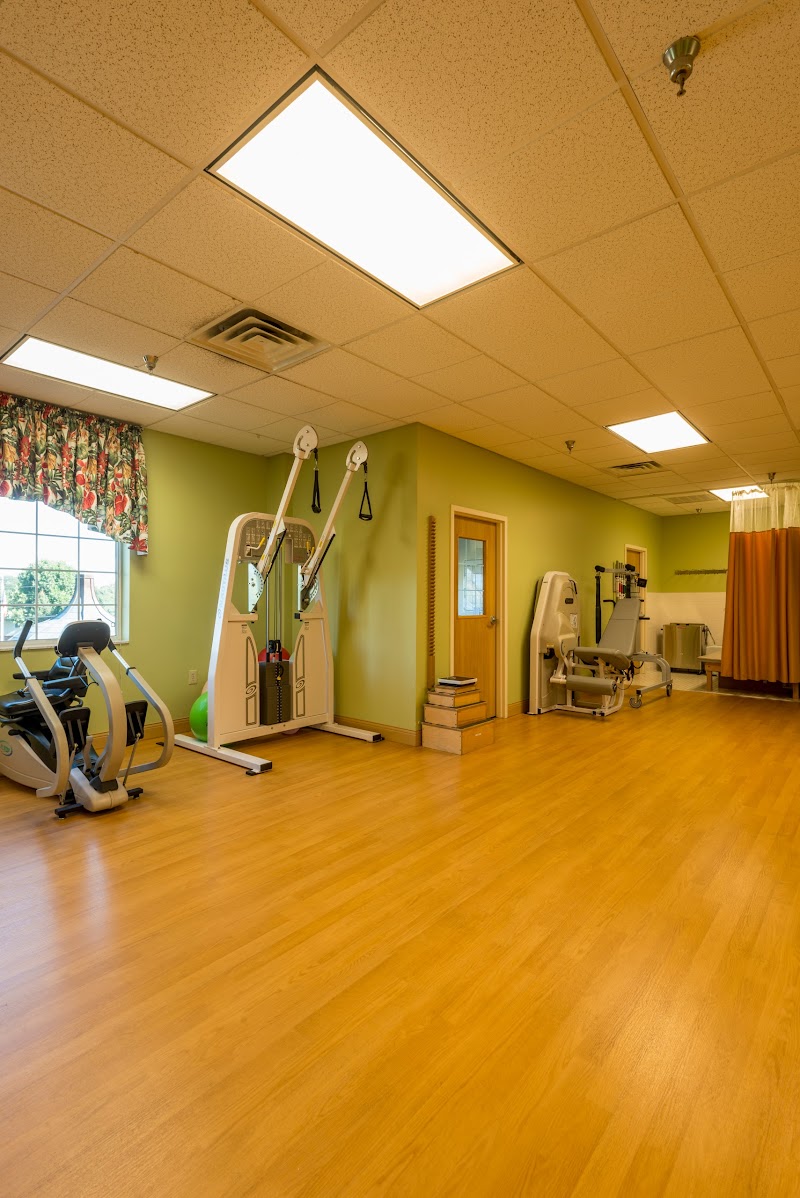
CMS rates SHAWNEESPRING HEALTH CARE CENTER's staffing level at 3 out of 5 stars, which is average compared to other nursing homes. Staff turnover is 51%, compared to the Ohio average of 46%.

What Have Inspectors Found at Shawneespring Health?

State health inspectors documented 13 deficiencies at SHAWNEESPRING HEALTH CARE CENTER during 2018 to 2023. These included: 13 with potential for harm.
Who Owns and Operates Shawneespring Health?

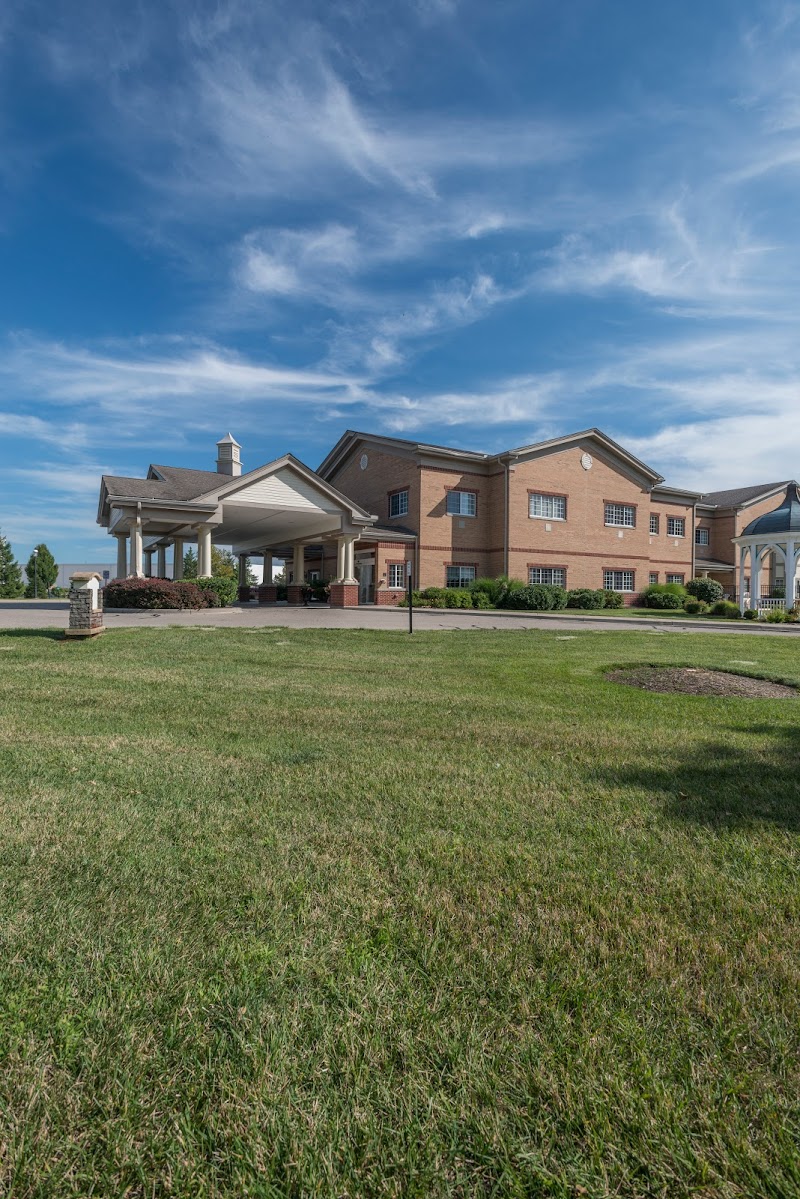
SHAWNEESPRING HEALTH CARE CENTER is owned by a for-profit company. For-profit facilities operate as businesses with obligations to shareholders or private owners. The facility is operated by CARESPRING, a chain that manages multiple nursing homes. With 140 certified beds and approximately 124 residents (about 89% occupancy), it is a mid-sized facility located in HARRISON, Ohio.
How Does Shawneespring Health Compare to Other Ohio Nursing Homes?

Compared to the 100 nursing homes in Ohio, SHAWNEESPRING HEALTH CARE CENTER's overall rating (4 stars) is above the state average of 3.2, staff turnover (51%) is near the state average of 46%, and health inspection rating (4 stars) is above the national benchmark.

What Should Families Ask When Visiting Shawneespring Health?

Based on this facility's data, families visiting should ask: "Can I visit during a mealtime to observe dining assistance and food quality?" "How do you handle medical emergencies, and what is your hospital transfer rate?" "Can I speak with family members of current residents about their experience?"

Is Shawneespring Health Safe?

Based on CMS inspection data, SHAWNEESPRING HEALTH CARE CENTER has a clean safety record: no substantiated abuse findings (meaning no confirmed cases of resident harm), no Immediate Jeopardy citations (the most serious violation level indicating risk of serious injury or death), and is not on the Special Focus Facility watch list (a federal program monitoring the lowest-performing 1% of nursing homes). The facility has a 4-star overall rating and ranks #1 of 100 nursing homes in Ohio. While no facility is perfect, families should still ask about staff-to-resident ratios and recent inspection results during their visit.

Do Nurses at Shawneespring Health Stick Around?

SHAWNEESPRING HEALTH CARE CENTER has a staff turnover rate of 51%, which is about average for Ohio nursing homes (state average: 46%). Moderate turnover is common in nursing homes, but families should still ask about staff tenure and how the facility maintains care continuity when employees leave.

Was Shawneespring Health Ever Fined?

SHAWNEESPRING HEALTH CARE CENTER has been fined $9,750 across 1 penalty action. This is below the Ohio average of $33,176. While any fine indicates a compliance issue, fines under $50,000 are relatively common and typically reflect isolated problems that were subsequently corrected. Families should ask what specific issues led to these fines and confirm they've been resolved.

Is Shawneespring Health on Any Federal Watch List?

SHAWNEESPRING HEALTH CARE CENTER is not on any federal watch list. The most significant is the Special Focus Facility (SFF) program, which identifies the bottom 1% of nursing homes nationally based on persistent, serious quality problems. Not being on this list means the facility has avoided the pattern of deficiencies that triggers enhanced federal oversight. This is a positive indicator, though families should still review the facility's inspection history directly.