LAURELS OF HILLSBORO
175 CHILLICOTHE AVENUE, HILLSBORO, OH 45133 (937) 393-1925
For profit - Individual 99 Beds CIENA HEALTHCARE/LAUREL HEALTH CARE Data: November 2025 1 Immediate Jeopardy citation
Trust Grade
13/100
#874 of 913 in OH
Last Inspection: October 2023

Over 2 years since last inspection. Current conditions may differ from available data.

Overview

The Laurels of Hillsboro has a Trust Grade of F, which indicates poor performance and significant concerns about the care provided. It ranks #874 out of 913 nursing homes in Ohio, placing it in the bottom half, and is the lowest-rated facility in Highland County. While the facility is showing some improvement in its overall issues, reducing from 9 to 1 in recent years, it still reported 19 deficiencies, including a critical incident where a resident died after being exposed to unsafe water conditions. Staffing is rated average with a turnover rate of 45%, which is a bit better than the state average, but there were instances of inadequate RN coverage, with no RN present on several days in August 2025. Additionally, the facility has incurred concerning fines totaling $119,308, suggesting repeated compliance problems that families should carefully consider.

Trust Score
F
13/100
In Ohio
#874/913
Bottom 5%
Safety Record
High Risk
Review needed
Inspections
Getting Better
9 → 1 violations
Staff Stability
⚠ Watch
45% turnover. Above average. Higher turnover means staff may not know residents' routines.
Penalties
○ Average
$119,308 in fines. Higher than 58% of Ohio facilities. Some compliance issues.
Skilled Nurses
⚠ Watch
Each resident gets only 29 minutes of Registered Nurse (RN) attention daily — below average for Ohio. Fewer RN minutes means fewer trained eyes watching for problems.
Violations
⚠ Watch
19 deficiencies on record. Higher than average. Multiple issues found across inspections.
★☆☆☆☆
1.0
Overall Rating
★★★☆☆
3.0
Staff Levels
★★★☆☆
3.0
Care Quality
★☆☆☆☆
1.0
Inspection Score
Stable
2023: 9 issues
2025: 1 issues

The Good

  • Full Sprinkler Coverage · Fire safety systems throughout facility
  • No fines on record

Facility shows strength in fire safety.

The Bad

1-Star Overall Rating

Below Ohio average (3.2)

Significant quality concerns identified by CMS

Staff Turnover: 45%

Near Ohio avg (46%)

Higher turnover may affect care consistency

Federal Fines: $119,308

Well above median ($33,413)

Significant penalties indicating serious issues

Chain: CIENA HEALTHCARE/LAUREL HEALTH CARE

Part of a multi-facility chain

Ask about local staffing decisions and management

The Ugly 19 deficiencies on record

1 life-threatening 1 actual harm
Aug 2025 1 deficiency
CONCERN (F) 📢 Someone Reported This

A family member, employee, or ombudsman was alarmed enough to file a formal complaint

Potential for Harm - no one hurt, but risky conditions existed

Deficiency F0727 (Tag F0727)

Could have caused harm · This affected most or all residents

Based on record review and staff interview the facility failed to utilize the services of a registered nurse (RN) for at least eight hours a day, seven days a week as required. This had the potential ...

Read full inspector narrative →
Based on record review and staff interview the facility failed to utilize the services of a registered nurse (RN) for at least eight hours a day, seven days a week as required. This had the potential to affect all 74 residents residing at the facility. The facility census was 74.Findings Include:Review of facility staff records titled Daily Staffing dated 08/06/2025 through 08/13/2025, revealed that no RN was was staffed at the facility on 08/08/2025, 08/09/2025, 08/10/2025 and 08/13/2025.Interview with Director of Nursing and Administrator on 08/13/2025 confirmed that no RN was scheduled or worked on those days. This deficiency represents non-compliance investigated under Master Complaint Number 258139 Complaint Number 2574281.
Oct 2023 1 deficiency 1 Harm
SERIOUS (G) 📢 Someone Reported This

A family member, employee, or ombudsman was alarmed enough to file a formal complaint

Actual Harm - a resident was hurt due to facility failures

Accident Prevention (Tag F0689)

A resident was harmed · This affected 1 resident

THE FOLLOWING DEFICIENCY REPRESENTS AN INCIDENT OF PAST NON-COMPLIANCE THAT WAS SUBSEQUENTLY CORRECTED PRIOR TO THIS SURVEY. Based on observations, record reviews, and interviews, the facility failed ...

Read full inspector narrative →
THE FOLLOWING DEFICIENCY REPRESENTS AN INCIDENT OF PAST NON-COMPLIANCE THAT WAS SUBSEQUENTLY CORRECTED PRIOR TO THIS SURVEY. Based on observations, record reviews, and interviews, the facility failed to ensure residents were transferred in a manner to prevent major injury. This affected one resident (#24) out of the three residents reviewed for accidents. The facility census was 86. Actual harm occurred on 10/05/23 at approximately 1:00 P.M. when Resident #24 sustained a fracture of the right distal tibia during a staff assisted transfer from the resident's room to the shower room in a shower chair which did not have leg and foot support. Findings include: Record review for Resident #24 revealed an admission date of 02/28/20 and diagnoses including hemiplegia and hemiparesis following cerebral infarction affecting the right side, spastic hemiplegia affecting the right side, anxiety disorder, dementia, unspecified visual loss, age-related nuclear cataract, and chronic pain. Review of the quarterly Minimum Data Set (MDS) assessment, dated 07/13/23, revealed Resident #24 had severely impaired cognition evidenced by a Brief Interview for Mental Status (BIMS) assessment score of 03. Resident #24 was assessed to require extensive assistance from two staff members for bed mobility, extensive assistance from one staff member for transfers and toileting and was dependent on one staff member for locomotion on the unit. Resident #24 was assessed to utilize a wheelchair for mobility. Review of the care plan, most recently revised on 05/23/22, revealed Resident #24 had an Activities of Daily Living (ADL) Self Care Performance Deficit and required assistance with ADLs and mobility related to weakness, lack of coordination, impaired mobility, and hemiplegia. Interventions included resident was unable to ambulate and required a wheelchair for locomotion, resident needed to be pushed (extensive assistance of one) but could assist with propelling own wheelchair at times. Review of the late entry nurses progress note, dated 10/05/23 and timed 2:00 P.M., revealed the writer was notified that while Resident #24 was in shower chair being transported to her room Resident #24's right foot became caught under the shower chair. The physician was notified, and new orders were obtained for a two view x-ray of the right foot. Review of the facility incident report, dated 10/05/23, revealed on 10/05/23 around 1:00 P.M. State Tested Nursing Assistant (STNA) #200 and another STNA transferred Resident #24 from the bed onto shower chair. Resident #24 crossed her right foot over her left foot due to weakness of the right leg. STNA #200 then proceeded to push Resident #24 from her room to the shower room in the shower chair. While pushing Resident #24 down the hallway, the resident's right foot came off the left foot and got stuck under the shower chair. STNA #200 stopped pushing the shower chair, then pulled the chair back to get the resident's right foot out from under the shower chair. STNA #200 reported that when she asked the resident if she was in pain the resident pointed to her right foot. Review of the physician's visit note, dated 10/05/23, revealed Resident #24 was seen on 10/05/23 for evaluation of the right ankle. The resident apparently twisted the ankle and notes pain in the right ankle. There was swelling of the right ankle compared with the left ankle and the resident had pain with inversion and eversion of the ankle. The documented assessment/plan included right ankle swelling, could be related to previous stroke but also consider possibility of fracture. Will obtain two view x-ray. Review of the radiology report, dated 10/07/23, revealed an acute medial malleolar fracture and possible distal fibular fracture of the right ankle. Observation on 10/27/23 at 10:32 A.M. revealed Resident #24 was lying in bed and had an orthopedic boot in place to the right lower leg, ankle, and foot. Resident #24 was interviewed at the time of the observation regarding the incident on 10/05/23 and stated They hurt me before becoming tearful and falling back asleep. Interview with STNA #200 on 10/27/23 at 11:15 A.M. revealed on 10/05/23 she had transferred Resident #24 from the bed to the shower chair in the resident's room. STNA #200 then assisted Resident #24 to place her right leg over her left leg, as the resident had right sided weakness and had to use her left leg to support the right leg during transfers in the shower chair. STNA #200 further stated while she was pushing Resident #24 down the hallway in the shower chair, the resident's right shoe came off and the resident's right leg fell and became stuck under the shower chair. Resident #24 exclaimed Ow! and STNA #200 immediately stopped, backed up the shower chair, and got the resident's right foot out from under the chair and placed it back on Resident #24's left leg until they reached the shower room. The deficient practice was corrected on 10/13/23 when the facility implemented the following corrective actions: • On 10/05/23 the medical director was notified of the incident and assessed the resident. • On 10/06/23 all facility shower chairs were taken out of service until staff education was completed. • On 10/06/23 the Director of Nursing (DON)/designee educated all nursing staff regarding not using shower chairs for transport and monitoring foot placement during transport. • On 10/13/23 an audit was conducted of all residents residing in the facility to determine if the residents utilized a wheelchair and/or footrests for mobility. • Audits of residents being transported to the shower using appropriate seating devices and monitoring of resident foot placement were conducted on 10/09/23, 10/16/23, and 10/23/23 by the DON/designee with no discrepancies noted. • Quality Assurace and Performance Improvement (QAPI) will review the audits during monthly meeting to ensure corrective action effective and no ongoing safety problems related to transfers. This deficiency represents non-compliance identified during the investigation of Complaint OH00147291.
Oct 2023 6 deficiencies 1 IJ (1 facility-wide)
CRITICAL (L) 📢 Someone Reported This

A family member, employee, or ombudsman was alarmed enough to file a formal complaint

Immediate Jeopardy (IJ) - the most serious Medicare violation

Infection Control (Tag F0880)

Someone could have died · This affected most or all residents

⚠️ Facility-wide issue

**NOTE- TERMS IN BRACKETS HAVE BEEN EDITED TO PROTECT CONFIDENTIALITY** Based on observation, review of open and closed medical records, staff interviews, review of a death certificate, review of wate...

Read full inspector narrative →
**NOTE- TERMS IN BRACKETS HAVE BEEN EDITED TO PROTECT CONFIDENTIALITY** Based on observation, review of open and closed medical records, staff interviews, review of a death certificate, review of water sample testing reports, review of weekly water temperature and chlorine level logs, review of water sample testing kit manufacturer's instructions, review of the facility's water management plan, and review of the Centers for Disease Control and Prevention (CDC) website, the facility failed to ensure the water system was accurately tested for chlorine levels and maintained in a safe manner which resulted in elevated levels of Legionella bacteria in the facility's water system and exposure to the residents. This resulted in Immediate Jeopardy and the potential for serious life-threatening harm, negative health outcomes, and/or death when one resident (#100) was found to have altered mental status and abnormal vital signs on [DATE], was sent to the emergency room (ER) for evaluation, tested positive for Legionella pneumonia in the hospital on [DATE], and subsequently died on [DATE]. The facility's failure to have an effective water management program in place to monitor control measures to prevent the growth of potential Legionella in the water system placed all 78 residents at potential risk for Legionella bacteria exposure. Additionally, the facility failed to ensure staff members wore appropriate personal protective equipment (PPE) while in the rooms of three (#06, #22, #51) residents who had tested positive for COVID-19 infection, in accordance with CDC recommendations, to prevent further transmission of COVID-19 to residents who were not infected with the virus. This affected three (#06, #22, #51) of eight residents reviewed during the survey for implementation of appropriate infection prevention and control practices. The census was 78. On [DATE] at 5:05 P.M., the Administrator, Director of Nursing (DON), Maintenance Director #122, Regional Clinical Consultant Coordinator (RCCC) #555, Regional Clinical Consultant #444, and Contracted Corporate Employee #333 were notified that Immediate Jeopardy began on [DATE] when the facility was notified by the hospital Resident #100 tested positive for Legionella Pneumonia. Review of Resident #100's change in condition evaluation dated [DATE] revealed the resident was documented to have altered mental status, abnormal vital signs, elevated white blood count, pneumonia, and jaundice. The physician was documented as being notified on [DATE] at 2:33 P.M. and the resident was transferred to the hospital for evaluation. Review of the Resident #100's death certificate dated [DATE] revealed the resident died on [DATE] at 10:50 A.M. with an immediate cause of death as drug induced liver injury due to Legionella pneumonia, chronic obstructive pulmonary disorder, and liver cirrhosis. Review of the Legionella bacteria test result report dated [DATE], and finalized on [DATE], revealed 30 out of the 33 water samples taken from the facility on [DATE] tested positive for the presence of Legionella pneumophilia, serogroup one. Resident #100 had resided in one of the identified positive Legionella rooms. The Immediate Jeopardy was removed on [DATE] when the facility implemented the following corrective actions: On [DATE], Resident #100 was transferred to the hospital. On [DATE], upon notification of the positive urine antigen test regarding Resident #100, all facility residents were reviewed by the DON/designee to ensure no additional residents were exhibiting symptoms consistent with Legionella infection. Medical Director #500, the Local County Health Department (LCHD), and the corporate office were notified by the DON of Resident #100's positive diagnostic test results for Legionella Pneumonia. On [DATE], the facility contracted with Industrial Water Management (IWM) to assist in testing and remediation if any Legionella bacteria was discovered. On [DATE], a meeting was held with IWM, the Ohio Department of Health (ODH), and the LCHD where the water system process flow and schematics were reviewed, and target areas were identified on the 100 and 200 hallways where Legionella bacteria could potentially grow. On [DATE], biologic Point of Use ([NAME]) filters were installed on all water outlets (showers, sinks, and beauty shop hair sink) by IWM contractors. These filters were rated for 90-day efficacy from the date of installment. On [DATE], the Administrator directed tap water to be restricted from use for drinking and cooking, and bottled water was to be used for hydration and cooking for residents and staff. The ice and juice machines were also instructed to be taken out of use. On [DATE], the facility continued daily review by the DON/designee of all resident clinical changes in condition to ensure appropriate follow-up with the physician. Since [DATE], all facility residents positive for pneumonia were tested for Legionnaire's disease (pneumonia caused by Legionella bacteria) and all tested negative. On [DATE], Dietary Manager #237 disposed of all ice in the ice machine and thoroughly disinfected the ice machine. On [DATE], the DON/designee provided in-services to all staff, residents, and residents responsible parties regarding the water management program, Legionella screening symptoms, facility remediation measures, and the plan for continued water management. On [DATE], the installation of the in-line ice filter was completed by Maintenance Director #122 using the connection kit supplied with the in-line filter provided by IWM. The ice machine was then put back into service. On [DATE], the installation of an in-line filter for the juice machine was completed by Maintenance Director #122 at which time the juice machine was put back into service. On [DATE], the facility established a water management program team to include the Administrator, Maintenance Director #122, Regional Maintenance Director #222, the DON, Health Division Risk Officer #790 from IWM, and the Environmental Consultant #898 from IWM. On [DATE], a monochloramine remediation process was completed with 2.0 to 3.0 parts per million (PPM) of monochloramine introduced paired with a contact time of 21 days. A daily flushing regime was completed following this process to ensure introduction and reintroduction of the disinfecting agent on all pipework throughout the remediation event. On [DATE], Maintenance Director #122 and all maintenance staff, Infection Control Preventionist (ICP) #200, and the Administrator were educated on the water management program policy with a focus on controls, documentation, and validation by Corporate Infection Preventionist #932. This education was provided again on [DATE]. On [DATE], IWM Employee #777 reported it would be necessary to suspend the plumbing project at the facility related to Legionella bacteria due to positive COVID-19 virus in the facility. IWM's policy indicated the company did not risk their employees' exposure to the virus. IWM Employee #777 stated the monochloramine treatment would be extended in the facility, if needed. Upon IWM resumption of the plumbing project, the dead legs would be removed or reactivated with the installation of a valve allowing for water flow so that it could be routinely flushed. On [DATE], chlorine levels of the facility water were tested and retested in the facility. IWM Employee #777 verified with facility management and ODH surveyors the current filters applied to all faucets provided adequate protection against Legionella bacteria. A retest of the facility water system will be scheduled 72 hours post-remediation. A sample set will be collected at that time, repeating the exact sample set as initially tested. Two weeks following that test, a third test will be completed. Both post-remediation water sample testing results will be submitted to the LCHD and the ODH for review. The investigation will not conclude until there is an agreement by the local and state health departments. The Administrator/designee will complete random audits weekly for eight weeks, then monthly for four months, to ensure the facility water management program is implemented and effective, controls/tasks are completed and documented, and resident review for symptoms of Legionella infection are completed during the morning clinical meeting with appropriate follow-up with the physician. Additional education and monitoring will be initiated for any identified concerns. Corrective actions will be completed as needed with additional audits to ensure corrective action was effective. Interview on [DATE] at 10:35 A.M. with Maintenance Director #122, at 2:32 P.M. with Maintenance Assistant #232, and at 2:41 P.M. with Maintenance Employee #180 all verified they were educated about water management procedures and Legionella bacteria testing. All staff members interviewed were knowledgeable regarding the content of the education. Although the Immediate Jeopardy was removed on [DATE], the deficiency remained at Severity Level 2 (no actual harm with potential for more than minimal harm that is not Immediate Jeopardy) as the facility is still in the process of implementing their corrective action plan and monitoring to ensure on-going compliance. Findings include: 1) Review of the closed medical record for Resident #100 revealed the resident was admitted to the facility on [DATE], discharged on [DATE], readmitted on [DATE], transferred to the hospital on [DATE], and discharged on [DATE]. This resident had diagnoses including chronic obstructive pulmonary disease, dependence on supplemental oxygen, hypertension, and heart failure. Review of the annual Minimum Data Set (MDS) assessment dated [DATE] revealed Resident #100 was assessed with intact cognition as evidence by a Brief Interview for Mental Status (BIMS) assessment score of 13. The resident was assessed to require supervision with bed mobility, transfers, toileting, and eating. Review of Resident #100's change in condition evaluation dated [DATE] revealed the resident was documented to have altered mental status, abnormal vital signs, elevated white blood count, pneumonia, and jaundice. The physician was documented as being notified on [DATE] at 2:33 P.M. and the resident was transferred to the hospital for evaluation. Review of the Resident #100's death certificate dated [DATE] revealed the resident died on [DATE] at 10:50 A.M. with an immediate cause of death as drug induced liver injury due to Legionella pneumonia, chronic obstructive pulmonary disorder, and liver cirrhosis. During an interview on [DATE] at 2:35 P.M. with the Administrator confirmed Resident #100 was diagnosed with Legionella Pneumonia and verified this diagnosis was a contributing factor to the resident's death on the death certificate. Review of the facility water temperature log as part of the facility's Legionella bacteria prevention plan revealed water was tested weekly from four random resident rooms to measure temperature and chlorine levels. Review of the weekly logs dated [DATE] through [DATE] revealed no measurements of chlorine levels present in the water. Further review of the weekly logs dated [DATE] through [DATE] revealed all chlorine level results were documented as being 0.5 PPM or higher. Review of the Legionella bacteria test result report dated [DATE], and finalized on [DATE], revealed 30 out of the 33 water samples taken from the facility on [DATE] tested positive for the presence of Legionella pneumophilia, serogroup one. Observation on [DATE] at 9:35 A.M. revealed there were specialized water filters in place on all the facility faucets and shower heads. Interview with Maintenance Director #122 on [DATE] at 3:20 P.M. revealed the facility conducted testing for Legionella bacteria annually in January and obtained water temperatures and chlorine levels in water samples weekly. Maintenance Director #122 verified there was no evidence Legionella bacteria testing was completed on facility water samples in January of 2023 as the previous maintenance director was thought to have disposed of all maintenance records prior to being walked out of the facility at the end of [DATE]. Observation on [DATE] at 1:45 P.M. revealed Maintenance Assistant #232 obtained a water sample from the bathroom sink in the conference room and tested the water sample using the WaterWorks 5-WAY Water Check testing strip. Maintenance Assistant #232 then held the testing strip bottle vertically with the cap upward and attempted to read the results by holding the testing strip vertically against the vertical bottle where the results reference was located, when he should have been reading the results horizontally due to the orientation of the bottle. Further observation revealed the testing strip had an indicator that contained five blocks per strip to test for free chlorine, total chlorine, potential of hydrogen (pH), total alkaline, and total hardness. Each block per strip was specific to each of the testing methods. The strip must be aligned across all five testing blocks for each one of the testing components with the color chart results printed on the testing strip bottle to obtain a proper reading. Interview at the time of the observation with Maintenance Assistant #232 verified he attempted to read the results in the wrong direction which would result in inaccurate readings. Maintenance Assistant #232 verified he was performing the weekly sampling of chlorine levels present in the facility water supply and may have documented inaccurate results due to reading chlorine results incorrectly. Observation on [DATE] at 3:44 P.M. revealed Maintenance Director #122 obtained a water sample from the bathroom sink in the conference room and tested the water sample using the WaterWorks 5-WAY Water Check testing strip. Maintenance Director #122 then attempted to read the results by holding the testing strip bottle vertically with the cap upward and read the results by holding the testing strip vertically against the vertical bottle where the results reference was located, when he should have been reading the results horizontally due to the orientation of the bottle. At the time of the observation, Maintenance Director #122 verified he was reading the results in the wrong direction which would result in inaccurate readings. Review of the undated WaterWorks 5-Way Water Check manufacturer's instructions revealed dip one test strip into a [NAME] sample for five seconds with a constant, gentle back and forth motion, remove the strip and shake once briskly to remove excess water, wait 25 seconds and then match pH, total alkalinity, free chlorine, total chlorine, and total hardness, in that order, to the color chart. Complete color matching within 30 seconds. Review of the facility policy titled, Water Management Plan, dated [DATE], revealed seven key activities were routinely performed in a Legionella water management program including deciding where control measures should be applied and how to monitor them and establish ways to intervene when control limits are not met. Control measures may include visible inspections, use of disinfectant, and temperature (that may require mixing valves to prevent scalding). Monitoring such control includes testing protocols for control measures, acceptable ranges, and documenting the results of testing. Review of the CDC website at, https://www.cdc.gov/legionella/wmp/healthcare-facilities/water-mgmt-validation.html, revealed according to the CDC/Healthcare Infection Control Practices Advisory Committee (HICPAC), healthcare facilities have two options for confirming that their water management program is working as intended including performing environmental sampling for Legionella and performing active clinical surveillance for infections due to Legionella. 2) Review of Resident #22's medical record revealed the resident was admitted to the facility on [DATE] with diagnoses including Parkinson's disease, dementia, hypertension, constipation, depression, anxiety, diabetes mellitus type II, and COVID-19. Review of the most recent MDS assessment completed on [DATE] revealed Resident #22 was assessed with severe cognitive impairment. Review of Resident #22's physician orders revealed the resident was on isolation precautions (contact and droplet) since [DATE] when the resident tested positive for COVID-19. Observation of Resident #22 on [DATE] at 9:15 A.M. revealed the resident was lying in bed with no roommate noted. There was an isolation cart located outside of the room at the door and was stocked with N-95 face masks, gowns, face shields, and gloves for staff and visitors to put on prior to entry of the room. There was a sign posted on the door which indicated the resident was on isolation precautions. Observation of State Tested Nurse Aide (STNA) #175 on [DATE] at 9:17 A.M. revealed this staff member entered Resident #22's room without wearing proper PPE as STNA #175 did not put on an N-95 face mask, gown, gloves, or a face shield prior to entering the room. Interview on [DATE] at 9:22 A.M. with Licensed Practical Nurse (LPN) #135 verified STNA #175 was in Resident #22's room while on isolation precautions without wearing proper PPE. 3) Review of the medical record for Resident #51 revealed an admission date of [DATE]. Diagnoses included cerebral atherosclerosis, dementia, dysphagia, metabolic disorder, and COVID-19. Review of the MDS assessment dated [DATE] revealed Resident #51 was rarely or never understood and required extensive assistance of two staff members for transfers and mobility. Review of the nursing progress notes dated [DATE] at 1:15 A.M. revealed Resident #51 was tested for COVID-19 after signs of a non-productive cough, and the test result was positive for COVID-19. Resident #51 was started on the COVID-19 treatment medication Paxlovid. Review of physician orders dated [DATE] revealed Resident #51 was started on contact and droplet isolation for a COVID-19 positive test result. Observation and interview on [DATE] at 10:40 A.M. to 11:00 A.M. revealed Maintenance Employee #170 was observed in Resident #51's room wearing a surgical mask. Resident #51's door had a sign posted indicating the resident was in droplet and contact isolation. Interview with Maintenance Employee #170 at the time of the observation stated he was packing up a closet full of belongings from a previous resident, and confirmed he should be wearing an N-95 face mask due to Resident #51's COVID-19 isolation status. 4) Review of the medical record for Resident #06 revealed an admission date of [DATE]. Diagnoses included dementia, asthma, cerebral infarct, pain syndrome, and COVID-19. Review of the MDS assessment dated [DATE] revealed Resident #06 was cognitively impaired and was totally dependent for transfers. Review of the nursing progress notes dated [DATE] revealed Resident #06 tested positive for COVID-19. Review of physician orders dated [DATE] revealed Resident #06 was started on contact and droplet isolation for a COVID-19 positive test result. Observation on [DATE] at 12:06 P.M. revealed STNA #252 and STNA #253 were passing out lunch trays to residents on the hall. Further observation revealed STNA #252 entered Resident #06's room wearing a surgical mask. Interview with STNA #252, on [DATE] at the time of the observation, confirmed Resident #06 was COVID-19 positive and N-95 face masks were to be worn when in COVID-19 isolation areas. STNA #252 stated the reason she did not wear proper PPE while in Resident #06's room was due to the facility not having enough PPE carts. Review of the CDC website at, https://www.cdc.gov/coronavirus/2019-ncov/hcp/infection-control-recommendations.html, last updated [DATE], revealed healthcare professionals (HCP) who enter the room of a patient with suspected or confirmed SARS-CoV-2 infection should adhere to standard precautions and use a National Institute for Occupational Safety and Health (NIOSH) Approved particulate respirator with N95 filters or higher, gown, gloves, and eye protection (i.e., goggles or a face shield that covers the front and sides of the face). This deficiency represents non-compliance investigated under Master Complaint Number OH00146830, Complaint Number OH00146579, and Complaint Number OH00146062.
CONCERN (D)

Potential for Harm - no one hurt, but risky conditions existed

Deficiency F0569 (Tag F0569)

Could have caused harm · This affected 1 resident

**NOTE- TERMS IN BRACKETS HAVE BEEN EDITED TO PROTECT CONFIDENTIALITY** Based on record review, personal funds review, and staff interview, and review of a facility policy, the facility failed to retu...

Read full inspector narrative →
**NOTE- TERMS IN BRACKETS HAVE BEEN EDITED TO PROTECT CONFIDENTIALITY** Based on record review, personal funds review, and staff interview, and review of a facility policy, the facility failed to return and complete final accounting of resident funds in a timely manner after a resident death. This affected one (#281) of one residents reviewed for discharged resident funds. The census was 78. Findings include: Review of the medical record for Resident #281 revealed an admission date of [DATE] and a discharge date of [DATE]. Diagnoses included cerebral atherosclerosis, dementia, embolism, cerebrovascular disease, and chronic obstructive pulmonary disease. Review of the Minimum Data Set (MDS) assessment dated [DATE] revealed Resident #281 was assessed with cognitive impairment and required extensive assistance of two staff members for transfers and mobility. Review of the resident funds authorization form dated [DATE] revealed Resident #281 opened a resident fund account at the facility. Review of the resident fund statement dated [DATE] revealed Resident #281's account was closed on this date. Review of the undated Ohio Department of Medicaid Personal Needs Allowance Account Remittance Notice revealed Resident #281 died on [DATE]. The notice included information on timeliness and expectations for return of resident monies. For residents without estate and when monies are to be returned to the State of Ohio, funds are to be returned no later than 90 days after the date of death . Review of the copy of the return check dated [DATE] revealed a check was made out to the Ohio Treasury Department and Ohio Attorney General Office in the amount of $1,854.56. Interview on [DATE] at 3:06 P.M. with Business Office Manager (BOM) #160 and Corporate Business Office Manager (CBOM) #251 confirmed Resident #281 died on [DATE], and the funds were not returned until [DATE]. BOM #160 revealed she was waiting on family to reach out about funeral arrangements, and revealed she thought she had three to six months to return funds to resident, family, or State of Ohio. Review of facility policy titled, Resident Trust, dated [DATE], revealed residents discharging from the facility, or who expire while in the facility shall have account balances closed in five business days and a full accounting is provided. To ensure timely closure, business office will provide Administrator the balance report every Monday, Wednesday, and Friday for discharged residents.
CONCERN (D)

Potential for Harm - no one hurt, but risky conditions existed

PASARR Coordination (Tag F0644)

Could have caused harm · This affected 1 resident

**NOTE- TERMS IN BRACKETS HAVE BEEN EDITED TO PROTECT CONFIDENTIALITY** Based on medical record review and staff interview, the facility failed to provide evidence that pre-admission screening and res...

Read full inspector narrative →
**NOTE- TERMS IN BRACKETS HAVE BEEN EDITED TO PROTECT CONFIDENTIALITY** Based on medical record review and staff interview, the facility failed to provide evidence that pre-admission screening and resident review (PASARR) assessments were completed and failed to follow up on PASARR level II determinations. This affected two (#24 and #32) of two resident reviewed for PASARR assessments. The census was 78. Findings include: 1. Review of the medical record for Resident #24 revealed an admission date of 05/03/22. Diagnoses included hemiplegia and hemiparesis, chronic obstructive pulmonary disease, dementia, anxiety, bipolar disorder, depression, and psychotic disorder. Review of the Minimum Data Set (MDS) assessment dated [DATE] revealed Resident #24 was cognitively impaired and required extensive assistance of one to two staff members for transfers and mobility. Review of the medical record found no evidence of Resident #24 having any PASARR assessment completed. 2. Review of the medical record for Resident #32 revealed an admission date of 11/03/18. Diagnoses included paranoid schizophrenia, anxiety, and depression. Review of the MDS assessment dated [DATE] revealed Resident #32 had moderate cognitive impairment and required extensive assistance of one to two staff members for transfers and mobility. Review of the Agency on Aging Pre-admission Screening (PAS) determination letter dated 10/19/18 revealed Resident #32 required level II services for further evaluation. Review of the medical record revealed no evidence Resident #32 had any PASARR assessment completed. Interviews on 09/27/23 from 4:15 P.M. to 4:45 P.M. with Social Services (SS) #115 revealed medical records staff should get a copy of the PASARR assessments and will inform her if changes are needed. SS #115 verified the facility did not have a copy of PASARR assessments for Resident #24 or Resident #32. SS #115 revealed they were able to get an older copy of the PASARR assessment for Resident #24, and confirmed it did not contain any mental health diagnoses and also was marked no when asking if Resident #24 had a diagnosis of dementia. Interview on 09/28/23 4:07 P.M. with SS #115 revealed Resident #32 previously was at another facility, and a request was made to get a copy of the PASARR assessment from that other facility. SS #115 verified she was unable to locate any copy of the PASARR assessment in facility records. SS #115 confirmed facility did not have any evidence of level II services being followed up for Resident #32.
CONCERN (D)

Potential for Harm - no one hurt, but risky conditions existed

Deficiency F0685 (Tag F0685)

Could have caused harm · This affected 1 resident

**NOTE- TERMS IN BRACKETS HAVE BEEN EDITED TO PROTECT CONFIDENTIALITY** Based on observation, staff and resident interview, medical record review, and review of a facility policy, the facility failed ...

Read full inspector narrative →
**NOTE- TERMS IN BRACKETS HAVE BEEN EDITED TO PROTECT CONFIDENTIALITY** Based on observation, staff and resident interview, medical record review, and review of a facility policy, the facility failed to ensure residents received hearing supports and devices in a timely manner. This affected one (#2) of one residents reviewed for hearing ancillary services. The census was 78. Findings include: Review of the medical record for the Resident #2 revealed a re-admission date of 08/29/23. Diagnoses included diabetes mellitus type II, chronic obstructive pulmonary disease, heart failure, vascular dementia, schizophrenia unspecified. Review of an audiology evaluation dated 10/14/22 revealed Resident #2 was seen for a hearing test on 07/11/22 in which bilateral hearing loss was found. The resident voiced interest in hearing aides at that time. Further review of the report revealed facility staff agreed hearing aides were appropriate for the resident and bilateral earmold impressions were completed. The hearing test found severe to profound mixed hearing loss in the right ear and a moderately severe sensorineural hearing loss in the left ear. The plan included the resident's desire to proceed with amplification. The resident reported she previously was evaluated, and told she was getting hearing aides and impressions were taken at this time. The audiology providers gave facility the order for two hearing aides with a plan for follow up for hearing aide fitting. Review of the Minimum Data Set (MDS) assessment dated [DATE] revealed Resident #2 was cognitively intact, required extensive assistance of two staff members for transfers and mobility, and assessed Resident #2 with moderate difficulty with hearing with no hear aides or appliances. Review of the plan of care dated 08/22/23 revealed Resident #2 had a hearing impairment with no care plan interventions to assess for hearing aides or order hearing aides as requested. Review of current physician orders revealed no current or past orders for Resident #2's hearing aides. Interview and observation on 09/25/23 at 10:20 A.M. with Resident #2 revealed she had difficulty hearing. Observation at that time revealed Resident #2 did not have hearing aides in her ears. Resident #2 revealed she was waiting on hearing aides, and was told by the audiologist it would take about five weeks for them to be delivered. Resident #2 voiced concern as she had been waiting several months, but could not remember exactly how long. Interview on 09/27/23 at 4:15 P.M. with Social Services (SS) #115 revealed she was not aware Resident #2 was waiting on hearing aides. SS #115 confirmed Resident #2's audiology visit dated 10/14/22 revealed hearing aides were ordered by the ancillary service provider. Interview on 09/27/23 at 4:45 P.M. with Social Services (SS) #115 revealed she never received the hearing aide order information, they were not signed by the facility physician, and the hearing aides not subsequently ordered for Resident #2. SS #115 revealed the ancillary services typically would provide this information to nursing and they were supposed to then provide it to her for follow up. SS #115 confirmed she never received the information. SS #115 revealed she got a new form, and would be providing it to the physician for their signature to get the hearing aides ordered for Resident #2. Review of facility policy titled, Social Services Referral to Outside Providers, dated 09/26/23, revealed a report from the provider visit should be maintained in the resident's medical record and service providers recommendations were to be integrated into the resident's care plan if adopted. Recommendations shall be communicated to direct staff and follow up visits and services shall be scheduled as needed. If/when new inventory appliance were received a inventory list shall be updated.
CONCERN (D)

Potential for Harm - no one hurt, but risky conditions existed

Medication Errors (Tag F0758)

Could have caused harm · This affected 1 resident

**NOTE- TERMS IN BRACKETS HAVE BEEN EDITED TO PROTECT CONFIDENTIALITY** Based on medical record review staff interview, and review of Food and Drug Administration (FDA) medication information, the fac...

Read full inspector narrative →
**NOTE- TERMS IN BRACKETS HAVE BEEN EDITED TO PROTECT CONFIDENTIALITY** Based on medical record review staff interview, and review of Food and Drug Administration (FDA) medication information, the facility failed to provide an appropriate diagnosis for the use of psychotropic medications. This affected one (#22) of five residents reviewed for unnecessary medications. The census was 78. Findings include: Record review of Resident #22 revealed the resident was admitted to the facility on [DATE] with diagnoses including Parkinson's disease, dementia, urinary tract infection, hypertension, depression, anxiety, diabetes mellitus type II, anemia, and insomnia. Review of the most recent Minimum Data Set (MDS) assessment completed 09/12/23 revealed Resident #22 was assessed with severe cognitive impairment. Review of current physician orders revealed Resident #22 received the anticonvulsant and mood stabilizer Depakote Sprinkles 125 milligrams (mg), one capsule by mouth every eight hours related to unspecified dementia, the antipsychotic medication Seroquel 25 mg, one tablet by mouth daily related to unspecified dementia, Seroquel 25 mg two tablets by mouth daily at bedtime related to unspecified dementia, and Seroquel 25mg, one-half tablet by mouth once daily related to unspecified dementia. Review of the FDA Black Box Warning for Seroquel revealed elderly patients with dementia-related psychosis treated with antipsychotic drugs are at an increased risk for death. Seroquel was not approved for the treatment of patients with dementia-related psychosis. Interview with the Director of Nursing and the Administrator on 09/29/23 at 09:34 A.M. verified Resident #22 received Depakote and Seroquel, and confirmed unspecified dementia was not an acceptable diagnosis for the use of Seroquel and Depakote.
CONCERN (D)

Potential for Harm - no one hurt, but risky conditions existed

Deficiency F0800 (Tag F0800)

Could have caused harm · This affected 1 resident

**NOTE- TERMS IN BRACKETS HAVE BEEN EDITED TO PROTECT CONFIDENTIALITY** Based on observation, medical record review, staff and resident interviews, review of meal tickets, and review of a facility pol...

Read full inspector narrative →
**NOTE- TERMS IN BRACKETS HAVE BEEN EDITED TO PROTECT CONFIDENTIALITY** Based on observation, medical record review, staff and resident interviews, review of meal tickets, and review of a facility policy, the facility failed to ensure resident food preferences were honored. This affected two (#6 and #18) of two residents reviewed for food preferences. The census was 78. Findings include: 1. Review of the medical record for Resident #6 revealed an admission date of 04/13/19. Diagnoses included dementia, asthma, cerebral infarct, pain syndrome, and COVID-19. Review of the Minimum Data Set (MDS) assessment dated [DATE] revealed Resident #6 was cognitively impaired and was totally dependent for transfers. Review of the plan of care dated 08/10/23 revealed Resident #6 was at nutritional and/or dehydration risk with interventions to provide diet preferences and substitutes as ordered. Review of Resident #6's meal ticket dated 09/26/23 revealed the resident dislike of cheese. Observation on 09/26/23 from 4:50 P.M. to 5:00 P.M. revealed Resident #6 had No cheese printed on her meal ticket and was given cheese on her burger. Observation and interview on 09/26/23 at 5:22 P.M. with Licensed Practical Nurse (LPN) #187 confirmed Resident #6 received a burger with cheese. LPN #187 verified the meal ticket on Resident #6's meal tray did not match what was delivered. 2. Review of the medical record for Resident #18 revealed an admission date of 07/30/19. Diagnoses included chronic kidney disease stage four, dementia, heart failure, and vascular disease. Review of the MDS assessment dated [DATE] revealed Resident #18 was cognitively intact, and required extensive assistance of two staff members for mobility and transfers. Review of the plan of care dated 08/11/23 revealed Resident #18 was at nutritional and/or dehydration risk with interventions to provide diet preferences and substitutes as ordered. Review of Resident #18's meal ticket dated 09/26/23 revealed the resident disliked raw vegetables with a note of them being difficult to chew. Observation on 09/26/23 from 4:50 P.M. to 5:00 P.M. revealed Resident #18 had No raw veggies due to chewing difficulties on her ticket, and was given the raw vegetable toppings of lettuce and tomato for the burger. Observation and interview on 09/26/23 at 5:18 P.M. with State Tested Nurse Aide (STNA) #214 confirmed Resident #18 received raw vegetables (lettuce and tomato) for her burger. Interview on 09/26/23 at 5:25 P.M. with Dietary Manager (DM) #237 confirmed resident preferences should be honored. DM #237 revealed she interpreted the statement for no raw vegetables on Resident #18's meal ticket to mean no hard raw vegetables such as carrots. Interview on 09/26/23 at 6:00 P.M. with Resident #18 revealed she had difficulty chewing raw vegetables, and confirmed her meal ticket requested no raw vegetables. Review of the undated facility policy titled, Food preference assessment, revealed each resident can make note of preferences in several categories including cereal, starches, bread, fruits, vegetables, and meats.
Feb 2023 2 deficiencies
CONCERN (D) 📢 Someone Reported This

A family member, employee, or ombudsman was alarmed enough to file a formal complaint

Potential for Harm - no one hurt, but risky conditions existed

Report Alleged Abuse (Tag F0609)

Could have caused harm · This affected 1 resident

**NOTE- TERMS IN BRACKETS HAVE BEEN EDITED TO PROTECT CONFIDENTIALITY** Based on medical record review, staff interview, and policy review, the facility failed to report an allegation of medication mi...

Read full inspector narrative →
**NOTE- TERMS IN BRACKETS HAVE BEEN EDITED TO PROTECT CONFIDENTIALITY** Based on medical record review, staff interview, and policy review, the facility failed to report an allegation of medication misappropriation to the State Agency (SA) in a timely manner. This affected three (Residents #1, #10, and #15) of three six residents reviewed for medication misappropriation. The census was 94. Findings include: 1. Resident #1 was admitted to the facility on [DATE]. Her diagnoses were cerebral infarction, hemiplegia and hemiparesis, hypertension, type II diabetes, anxiety disorder, venous insufficiency, pressure ulcer to left heel, hypokalemia, hypo-osmolality and hyponatremia, neuromuscular dysfunction of bladder, restless leg syndrome, hypothyroidism, peripheral vascular disease, atherosclerotic heart disease, hyperlipidemia, anemia, chronic kidney disease, heart failure, Bell's palsy, and osteoarthritis. Review of her Minimum Data Set (MDS) assessment dated [DATE], revealed she had a severe cognitive impairment. Review of Resident #1's physician orders revealed she had an order for Oxycodone HCl, five milligrams (mg) every four hours as needed for pain and an order for two tablets (tab) every four hours as needed for pain (the resident could have one to two tabs for pain per request or nursing judgment of pain level). Review of the facility and pharmacy delivery documentation dated [DATE] revealed Licensed Practical Nurse (LPN) #101 signed and accepted 60 tablets of Oxycodone HCl five mg for Resident #1. Review of Resident #1's Controlled Drug Record dated [DATE] to [DATE], revealed the form was designated for her order of Oxycodone HCl five mg tabs. The form had a pre-printed total of 60 tabs, but it was altered by an ink pen to state only 30 tabs were to be documented on the form. There was no other form or document to support the other 30 tabs, accepted by LPN #101 on [DATE], were administered, destroyed, sent back to the pharmacy, or not received when the pharmacy delivered it; there was concern the medications were misappropriated. 2. Resident #10 was admitted to the facility on [DATE]. Her diagnoses were COPD, hypertension, congestive heart failure, hypothyroidism, anxiety disorder, major depressive disorder, other chronic pain, and rheumatoid arthritis. Review of her MDS assessment dated [DATE], revealed she was cognitively intact. Review of Resident #10's physician orders revealed she had an order for Oxycodone-Acetaminophen 7.5-325 mg every six hours as needed for pain. Review of Resident #10's Controlled Drug Record dated [DATE], revealed 150 tabs were delivered and to be administered to Resident #10; this was confirmed by the nurse signing the form, accepting 150 tabs. On the first page of the controlled drug record, there were 11 tabs administered, which left 139 tabs of the 150. On the first page of the controlled drug record, there was also an arrow,pointed to the right, drawn below the last entry/administration of the Oxycodone-Acetaminophen, indicating there was a second page. On the second page of the same medication's controlled drug record, revealed the pre-printed number of tabs accepted by the facility was changed with an ink pen from 150 tabs to 90 tabs. The second form started documenting the administration of the medication at tab number 90. This indicated there were 49 tablets unaccounted for. 3. Resident #15 was admitted to the facility on [DATE]. Her diagnoses were chronic kidney disease (stage 4), congestive heart failure, type II diabetes, major depressive disorder, peripheral vascular disease, hypertension. hyperlipidemia, insomnia, difficulty walking, muscle weakness, anemia, personal history of transient ischemic attack, hypocalcemia, chronic pain syndrome, hypokalemia, pressure ulcer to right heel and left heel, enterocolitis, generalized edema, bipolar disorder, anxiety disorder, atherosclerotic heart disease, and dementia. Review of her MDS assessment dated [DATE], revealed she was cognitively intact. Review of Resident #15's physician orders revealed an order for Hydrocodone-Acetaminophen 7.5-325 mg one tab every six hours as needed for pain. Review of Resident #15's Controlled Drug Record dated [DATE], revealed the pre-printed number of tabs accepted by the facility was changed on the form with an ink pen from 118 tabs to 88 tabs, which would equal one, 30 tab bubble pack card of medication. Review of the facility Controlled Substance Inventory Count Sheet for the 100 hallway, starting date of [DATE], revealed on [DATE] at the 6:00 P.M. during nursing shift change, the outgoing nurse documented there were 30 medication containers/cards in the controlled substance lock box. LPN #101 documented, as the on-coming nurse, there were 29 containers/cards in the controlled substance lock box. There was no documented justification for the one unaccounted for card/container. Review of the facility's Self-Reported Incidents (SRI) to the SA revealed an allegation of misappropriation for the above three residents, against LPN #101, was not reported on the day it was discovered, which was [DATE]. It was not reported to the SA until [DATE] (10 days later). Interview with Director of Nursing (DON) and Administrator on [DATE] at approximately 1:42 P.M. and 1:57 P.M. confirmed they did not report the allegation of misappropriation until [DATE]. They confirmed it should have been reported within two hours after suspicion/discovery on [DATE]. Review of the facility's Controlled Substances policy dated [DATE], revealed it is the policy of the facility to store and/or destroy all discontinued or expired controlled substances, in accordance with legal and regulatory requirements. When a controlled substance is delivered from the pharmacy, the nurse will open the controlled substance bag and confirm the resident name, name and strength of the medication, and quantity of medication; sign the pharmacy log that the controlled substance was received; complete the section of the controlled substance proof of use sheet that included amount received, date received, and nurse signature; put the medication in the medication cart controlled substance lock box, and file the controlled substance proof of use form in the appropriate binder. Add this medication to the full/partial count sheet in the binder. If the nurse discovers any of the following, the nurse will not accept the medication from the driver, and will write refused on the shipping slip; and contact the pharmacy regarding the concern: medication received does not reflect the medication order, including inaccurate dose, the count is not accurate, or liquids are delivered in a bottle that is not calibrated. The nurse will re-order the medication if it is refused and request that the medication be delivered ASAP or drop shipped. All controlled substances will be stored in the medication cart, The medication cart and controlled substance drawer will always be locked when not within view of the nurse who's responsible for the cart. The licensed nurse verifies the quantity of medication remaining, inserts quantity onto the proof of use sheet, and the DON/designee signs witness to the quantity of medication being accepted. Any discrepancies will be reported to the DON. If the DON is not available, the administrator will be informed of the error. The DON and/or administrator will initiate an investigation regarding the discrepancy as soon as the error is identified by the administrator and/or the DON. The facility will follow guidelines for reporting the board of nursing if appropriate. Review of facility Abuse Prohibition Policy, dated [DATE], revealed allegations of resident misappropriation of property shall be thoroughly investigated and documented by the Administrator, and reported to the appropriate state agencies. This deficiency represents non-compliance investigated under Complaint Number OH00139957.
CONCERN (D) 📢 Someone Reported This

A family member, employee, or ombudsman was alarmed enough to file a formal complaint

Potential for Harm - no one hurt, but risky conditions existed

Investigate Abuse (Tag F0610)

Could have caused harm · This affected 1 resident

**NOTE- TERMS IN BRACKETS HAVE BEEN EDITED TO PROTECT CONFIDENTIALITY** Based on medical record review, staff interview, and policy review, the facility failed to complete a thorough investigation fol...

Read full inspector narrative →
**NOTE- TERMS IN BRACKETS HAVE BEEN EDITED TO PROTECT CONFIDENTIALITY** Based on medical record review, staff interview, and policy review, the facility failed to complete a thorough investigation following an allegation of misappropriation of medication. This affected three (Residents #1, #10, and #15) of three residents reviewed for medication misappropriation. The census was 94. Findings include: 1. Resident #1 was admitted to the facility on [DATE]. Her diagnoses were cerebral infarction, hemiplegia and hemiparesis, hypertension, type II diabetes, anxiety disorder, venous insufficiency, pressure ulcer to left heel, hypokalemia, hypo-osmolality and hyponatremia, neuromuscular dysfunction of bladder, restless leg syndrome, hypothyroidism, peripheral vascular disease, atherosclerotic heart disease, hyperlipidemia, anemia, chronic kidney disease, heart failure, Bell's palsy, and osteoarthritis. Review of her Minimum Data Set (MDS) assessment dated [DATE], revealed she had a severe cognitive impairment. Review of Resident #1's physician orders revealed she had an order for Oxycodone HCl, five milligrams (mg) every four hours as needed for pain and an order for two tablets (tab) every four hours as needed for pain (the resident could have one to two tabs for pain per request or nursing judgment of pain level). Review of the facility and pharmacy delivery documentation dated [DATE] revealed Licensed Practical Nurse (LPN) #101 signed and accepted 60 tablets of Oxycodone HCl five mg for Resident #1. Review of Resident #1's Controlled Drug Record dated [DATE] to [DATE], revealed the form was designated for her order of Oxycodone HCl five mg tabs. The form had a pre-printed total of 60 tabs, but it was altered by an ink pen to state only 30 tabs were to be documented on the form. There was no other form or document to support the other 30 tabs, accepted by LPN #101 on [DATE], were administered, destroyed, sent back to the pharmacy, or not received when the pharmacy delivered it; there was concern the medications were misappropriated. 2. Resident #10 was admitted to the facility on [DATE]. Her diagnoses were COPD, hypertension, congestive heart failure, hypothyroidism, anxiety disorder, major depressive disorder, other chronic pain, and rheumatoid arthritis. Review of her MDS assessment dated [DATE], revealed she was cognitively intact. Review of Resident #10's physician orders revealed she had an order for Oxycodone-Acetaminophen 7.5-325 mg every six hours as needed for pain. Review of Resident #10's Controlled Drug Record dated [DATE], revealed 150 tabs were delivered and to be administered to Resident #10; this was confirmed by the nurse signing the form, accepting 150 tabs. On the first page of the controlled drug record, there were 11 tabs administered, which left 139 tabs of the 150. On the first page of the controlled drug record, there was also an arrow,pointed to the right, drawn below the last entry/administration of the Oxycodone-Acetaminophen, indicating there was a second page. On the second page of the same medication's controlled drug record, revealed the pre-printed number of tabs accepted by the facility was changed with an ink pen from 150 tabs to 90 tabs. The second form started documenting the administration of the medication at tab number 90. This indicated there were 49 tablets unaccounted for. 3. Resident #15 was admitted to the facility on [DATE]. Her diagnoses were chronic kidney disease (stage 4), congestive heart failure, type II diabetes, major depressive disorder, peripheral vascular disease, hypertension. hyperlipidemia, insomnia, difficulty walking, muscle weakness, anemia, personal history of transient ischemic attack, hypocalcemia, chronic pain syndrome, hypokalemia, pressure ulcer to right heel and left heel, enterocolitis, generalized edema, bipolar disorder, anxiety disorder, atherosclerotic heart disease, and dementia. Review of her MDS assessment dated [DATE], revealed she was cognitively intact. Review of Resident #15's physician orders revealed an order for Hydrocodone-Acetaminophen 7.5-325 mg one tab every six hours as needed for pain. Review of Resident #15's Controlled Drug Record dated [DATE], revealed the pre-printed number of tabs accepted by the facility was changed on the form with an ink pen from 118 tabs to 88 tabs, which would equal one, 30 tab bubble pack card of medication. Review of the facility Controlled Substance Inventory Count Sheet for the 100 hallway, starting date of [DATE], revealed on [DATE] at the 6:00 P.M. during nursing shift change, the outgoing nurse documented there were 30 medication containers/cards in the controlled substance lock box. LPN #101 documented, as the on-coming nurse, there were 29 containers/cards in the controlled substance lock box. There was no documented justification for the one unaccounted for card/container. Interview on [DATE] at approximately 2:20 P.M. the Director of Nursing (DON) reported he completed an investigation pertaining to the allegation of medication misappropriation, which included staff and resident interviews. However, the DON verified he did not document the investigation or staff interviews stating he, Probably should have. Therefore, there was no evidence a thorough investigation, including staff interviews to determine discrepancies with controlled medication, was completed. The facility provided no documented evidence a thorough investigation, including staff interviews, was completed regarding the allegation of misappropriation of medications. Review of the facility's Controlled Substances policy dated [DATE], revealed it is the policy of the facility to store and/or destroy all discontinued or expired controlled substances, in accordance with legal and regulatory requirements. Any discrepancies will be reported to the DON. If the DON is not available, the administrator will be informed of the error. The DON and/or administrator will initiate an investigation regarding the discrepancy as soon as the error is identified by the administrator and/or the DON. The facility will follow guidelines for reporting the the board of nursing if appropriate. Review of facility's Abuse Prohibition Policy dated [DATE], revealed allegations of resident misappropriation of property shall be thoroughly investigated and documented by the Administrator, and reported to the appropriate state agencies. This deficiency represents non-compliance investigated under Complaint Number OH00139957.
Jun 2022 4 deficiencies
CONCERN (D)

Potential for Harm - no one hurt, but risky conditions existed

PASARR Coordination (Tag F0644)

Could have caused harm · This affected 1 resident

**NOTE- TERMS IN BRACKETS HAVE BEEN EDITED TO PROTECT CONFIDENTIALITY** Based on medical record review and staff interview, the facility failed to update a resident's Pre-admission Screening and Resid...

Read full inspector narrative →
**NOTE- TERMS IN BRACKETS HAVE BEEN EDITED TO PROTECT CONFIDENTIALITY** Based on medical record review and staff interview, the facility failed to update a resident's Pre-admission Screening and Resident Review (PASARR) when a significant change occurred or was discovered. This affected two (Resident #4 and #33) of two residents reviewed for PASARR. The facility census was 86. Findings include: 1. Review of Resident #4's medical record revealed Resident #4 was admitted to the facility on [DATE]. His diagnoses included dementia, major depressive disorder, psychosis, delusional disorder, anxiety disorder, and unspecified behavioral syndromes associated with physiological disturbances and physical factors. Review of his Minimum Data Set (MDS) 3.0 assessment, dated 05/22/22, revealed Resident #4 had a mild cognitive impairment. Review of Resident #4's PASARR screening document, dated 09/13/17, revealed under section C, Medical Diagnosis, it indicated Resident #4 did not have a diagnosis of dementia. Also under section C, the only mental health diagnosis indicated was mood disorder. Review of Resident #4's face sheet and diagnosis list revealed the following diagnoses and dates on onset, which should have been indicated on the PASARR screening document: dementia (12/28/21), major depressive disorder (09/18/17), psychosis (09/17/17), delusional disorder (12/16/21), and anxiety disorder (12/20/18). Interview with Social Services Staff (SSS) #242 on 06/08/22 at 8:27 A.M. confirmed Resident #4's PASARR was not accurate and up to date. SSS #242 confirmed when there was a significant change in a resident's diagnosis or if she finds a mistake in the PASARR, she was to correct it, and re-submit it to the state mental health agency. 2. Review of Resident #33's medical record revealed Resident #33 was admitted to the facility on [DATE]. Her diagnoses included dementia, psychosis due to a substance or known physiological condition, and anxiety disorder. Review of her MDS 3.0 assessment, dated 04/06/22, revealed Resident #33 had a severe cognitive impairment. Review of Resident #33's PASARR screening document, dated 02/16/22, revealed under section C, Medical Diagnosis, it indicated Resident #33 did not have any mental health diagnoses. Review of Resident #33's face sheet and diagnosis list revealed the following diagnoses and dates of onset, which should have been indicated on the PASARR screening document: unspecified psychosis due to a substance or known physiological condition (03/14/22) and anxiety disorder (03/08/22). Review of Resident #33 PASARR screening document, dated 06/08/22, revealed under section C, Medical Diagnosis, it indicated Resident #33 only had mood disorder. Interview with Social Services Staff (SSS) #242 on 06/08/22 at 8:27 A.M. confirmed Resident #33's PASARR was not accurate and up to date. SSS #242 confirmed when there was a significant change in a resident's diagnosis or if she finds a mistake in the PASARR, she was to correct it, and re-submit it to the state mental health agency. She confirmed she updated Resident #33's PASARR this morning (06/08/22) due to seeing the mistakes that were on it. SSS #242 also confirmed that even with the update completed on 06/08/22, it still did not indicate all Resident #33's mental health diagnoses. SSS #242 stated would redo the PASARR again.
CONCERN (D)

Potential for Harm - no one hurt, but risky conditions existed

Pressure Ulcer Prevention (Tag F0686)

Could have caused harm · This affected 1 resident

**NOTE- TERMS IN BRACKETS HAVE BEEN EDITED TO PROTECT CONFIDENTIALITY** Based on observations, staff interview, and record review, the facility failed to ensure pressure relieving devices to prevent n...

Read full inspector narrative →
**NOTE- TERMS IN BRACKETS HAVE BEEN EDITED TO PROTECT CONFIDENTIALITY** Based on observations, staff interview, and record review, the facility failed to ensure pressure relieving devices to prevent new or worsening pressure ulcers were in place as ordered by the physician. This affected one (Resident #11) of five residents reviewed for pressure ulcers. This facility identified nine residents residing in the facility who had pressure ulcers. The facility census was 86. Findings include: Record review for Resident #11 revealed the resident was admitted to the facility on [DATE]. Diagnoses included pressure ulcer of the left heel, hypertension, restless leg syndrome, hemiplegia and hemiparalysis affecting the left side, and cerebral infarction. Review of the significant change Minimum Data Set (MDS) assessment, dated 03/09/22, revealed Resident #11 had severely impaired cognition. Resident #11 required extensive assistance from one staff member for bed mobility and transfers. Resident #11 had one unstageable pressure ulcer (slough and/or eschar: known but not stageable due to coverage of wound bed by slough and/or eschar) which was present upon admission to the facility. Review of the physician's order, dated 11/15/21, revealed Resident #11 had an order for bilateral heel protectors to be on at all times, may remove for bathing. Review of Resident #11's Treatment Administration Record (TAR), dated 06/01/22 through 06/07/22, revealed documentation that heel protectors were on as ordered on day and night shift. Review of the TAR, dated 06/08/22, revealed documentation heel protectors were on as ordered on day shift. Review of the progress notes, dated 01/01/22 through 06/07/22, revealed no documentation of refusal to wear heel protectors by Resident #11. Observation on 06/06/22 at 10:18 A.M. revealed Resident #11 was sitting up in the wheelchair beside the bed in the resident's room. No heel protectors were observed to be worn by Resident #11 on either foot. Observations on 06/06/22 at 2:35 P.M., on 06/07/22 at 11:15 A.M., on 06/07/22 at 3:06 P.M., and on 06/08/22 at 10:05 A.M. revealed Resident #11 was sitting up in the wheelchair beside the bed in the resident's room. No heel protectors were observed to be worn by Resident #11 on either foot. Observation and interview with Licensed Practical Nurse (LPN) #217 on 06/08/22 at 10:10 A.M. verified Resident #11 did not have heel protectors on either foot and there were no heel protectors visible in the resident's room. This deficiency substantiates Master Complaint Number OH00132840, and Complaint Numbers OH00131931, and OH00131415.
CONCERN (D)

Potential for Harm - no one hurt, but risky conditions existed

Accident Prevention (Tag F0689)

Could have caused harm · This affected 1 resident

**NOTE- TERMS IN BRACKETS HAVE BEEN EDITED TO PROTECT CONFIDENTIALITY** Based on observation, staff interview, and record review, the facility failed to ensure fall prevention measures were in place a...

Read full inspector narrative →
**NOTE- TERMS IN BRACKETS HAVE BEEN EDITED TO PROTECT CONFIDENTIALITY** Based on observation, staff interview, and record review, the facility failed to ensure fall prevention measures were in place as ordered by the physician. This affected one (Resident #59) of one resident reviewed for falls. The facility identified 14 residents who had falls in the past 90 days. The facility census was 86. Findings include: Record review for Resident #59 revealed the resident was admitted to the facility on [DATE]. Diagnoses included fracture of the right femur, age related osteoporosis, hypertension, need for assistance with personal care, and history of falls. Review of the quarterly Minimum Data Set (MDS) assessment, dated 04/25/22, revealed Resident #59 had severely impaired cognition. Resident #59 required extensive assistance from two staff members for bed mobility and extensive assistance from one staff member for transfers and toileting. Review of the physician's order, dated 03/22/22, revealed an order for Dycem (non-slip device) to Resident #59's wheelchair. Review of the facility's fall investigation, dated 03/24/22, revealed Resident #59 was observed by staff to have fallen on the floor. Resident #59 was transferred to the hospital and diagnosed as having a fractured right femur. The new intervention implemented by the facility to prevent future falls was Dycem to Resident #59's wheelchair. Observation on 06/09/22 at 9:30 A.M. revealed Resident #11 was observed to be sitting in her wheelchair in her room. Registered Nurse (RN) #214 and State Tested Nursing Assistant (STNA) #124 attempted to locate the Dycem on Resident #59's wheelchair and were unable. RN #214 and STNA #124 then wheeled Resident #59 to the shower room where they utilized the mechanical lift to raise the resident up. No Dycem was observed to be in the resident's wheelchair on top of or below the wheelchair cushion. Interview with RN #214 and STNA #124 on 06/09/22 at 9:35 A.M. verified there was no Dycem located in the wheelchair of Resident #59. STNA #124 stated the Dycem had likely not been replaced by staff after the wheelchair was cleaned on night shift.
CONCERN (E)

Potential for Harm - no one hurt, but risky conditions existed

Deficiency F0569 (Tag F0569)

Could have caused harm · This affected multiple residents

Based on state/federal economic stimulus and Medicaid guidelines, resident financial record review, staff interview, and facility policy review, the facility failed to ensure the resident's financial ...

Read full inspector narrative →
Based on state/federal economic stimulus and Medicaid guidelines, resident financial record review, staff interview, and facility policy review, the facility failed to ensure the resident's financial accounts were maintained within the appropriate limits. This affected twelve residents (Residents #28, #35, #40, #43, #50, #59, #64, #68, #71, #74, #75 and #79) of thirty-eight resident financial records reviewed. The facility census was 86. Findings include: Review of the current state Medicaid resident trust guidelines revealed each resident that utilizes Medicaid insurance may not keep more than $2,000 in a trust account. Also, the same guidelines confirmed that the COVID-19 stimulus checks (three total) do not count as monthly income; so it would not affect a resident's medical coverage. But, a resident who utilizes Medicaid insurance, and received stimulus payment(s), they have 12 months to spend that money from the time they receive it. Review of the federal COVID-19 stimulus documentation revealed three different economic impact payments made to eligible persons. The following were the dates and payment amounts for individuals: $1,200 in April 2020, $600 in December 2020/January 2021, and $1,400 in March 2021. With these guidelines, a resident who received all three stimulus payments would only be permitted to have the following amounts in their trust account: from April 2020 to December 2020/January 2021, $3,200; from December 2020/January 2021 to March 2021, $3,800; and from March 2021 to April 2021, $5,200. Starting in April 2021, residents were only permitted to have $4,000. Starting in December 2021/January 2022, residents were only permitted to have $3,400. Then, in April 2022, residents would have to be back down to the permitted $2,000. 1. Review of Resident #28's financial records revealed she utilized Medicaid as her insurance source. According to her current account statement, the resident had $3,910.14 available in her trust account effective 06/06/22. This was over the maximum allotment of $2,000.00. The resident and/or representative was provided with a spend-down notification on 03/21/22, with no other action taken. 2. Review of Resident #35's financial records revealed she utilized Medicaid as her insurance source. According to her current account statement, the resident had $4,344.61 available in her trust account effective 06/06/22. This was over the maximum allotment of $2,000.00. The resident and/or representative was provided with a spend-down notification on 03/21/22, with no other action taken. 3. Review of Resident #40's financial records revealed she utilized Medicaid as her insurance source. According to her current account statement, the resident had $4,800.05 available in her trust account effective 06/06/22. This was over the maximum allotment of $2,000.00. The resident and/or representative was provided with a spend-down notification on 03/21/22, with no other action taken. 4. Review of Resident #43's financial records revealed she utilized Medicaid as her insurance source. According to her current account statement, the resident had $3,663.18 available in her trust account effective 06/06/22. This was over the maximum allotment of $2,000.00. The resident and/or representative was provided with a spend-down notification on 03/21/22, with no other action taken. 5. Review of Resident #50's financial records revealed she utilized Medicaid as her insurance source. According to her current account statement, the resident had $5,309.03 available in her trust account effective 06/06/22. This was over the maximum allotment of $2,000.00. The resident and/or representative was provided with a spend-down notification on 03/21/22, with no other action taken. 6. Review of Resident #59's financial records revealed she utilized Medicaid as her insurance source. According to her current account statement, the resident had $5,967.09 available in her trust account effective 06/06/22. This was over the maximum allotment of $2,000.00. The resident and/or representative was provided with a spend-down notification on 03/21/22, with no other action taken. 7. Review of Resident #64's financial records revealed he utilized Medicaid as his insurance source. According to his current account statement, the resident had $5,925.79 available in his trust account effective 06/06/22. This was over the maximum allotment of $2,000.00. The resident and/or representative was provided with a spend-down notification on 03/21/22, with no other action taken. 8. Review of Resident #68's financial records revealed she utilized Medicaid as her insurance source. According to her current account statement, the resident had $3,528.97 available in her trust account effective 06/06/22. This was over the maximum allotment of $2,000.00. The resident and/or representative was provided with a spend-down notification on 03/21/22, with no other action taken. 9. Review of Resident #71's financial records revealed she utilized Medicaid as her insurance source. According to her current account statement, the resident had $5,257.38 available in her trust account effective 06/06/22. This was over the maximum allotment of $2,000.00. The resident and/or representative was provided with a spend-down notification on 03/21/22, with no other action taken. 10. Review of Resident #74's financial records revealed she utilized Medicaid as her insurance source. According to her current account statement, the resident had $6,098.77 available in her trust account effective 06/06/22. This was over the maximum allotment of $2,000.00. The resident and/or representative was provided with a spend-down notification on 03/21/22, with no other action taken. 11. Review of Resident #75 financial records revealed she utilized Medicaid as her insurance source. According to her current account statement, the resident had $9,210.38 available in her trust account effective 06/06/22. This was over the maximum allotment of $2,000.00. The resident and/or representative was provided with a spend-down notification on 03/21/22, with no other action taken. 12. Review of Resident #79's financial records revealed she utilized Medicaid as her insurance source. According to her current account statement, the resident had $4,437.51 available in her trust account effective 06/06/22. This was over the maximum allotment of $2,000.00. The resident and/or representative was provided with a spend-down notification on 03/21/22, with no other action taken. Interview with Business Office Manager (BOM) #204 on 06/07/22 at 12:05 P.M. verified Residents #28, #35, #40, #43, #50, #59, #64, #68, #71, #74, #75 and #79 have a balance over the allowable $2,000 limit for Medicaid Personal Trust Accounts. BOM #204 stated all twelve residents were issued a spend-down notification on 03/21/22. BOM #204 verified the facility has taken no other actions since then in attempt to decrease these fund accounts. Review of the facility's policy titled Resident Trust Fund Management, dated October 2019, revealed the facility will maintain the management of resident trust fund accounts in each campus to ensure compliance with state and federal guidelines. The campus will notify resident in writing who receives Medicaid benefits when the balance of the account was $200 less than the maximum amount allowed to be eligible for Medicaid. Review of the facility's undated policy titled Medicaid Fund Surplus revealed the definition of a surplus of funds was when there was an amount of cash over the resource limit for an active Medicaid recipient. Having a surplus at the time of Medicaid application or recertification can cause eligibility to be denied. To ensure the funds are appropriately spent down below the resource limit, follow the below process: funds should be spent on the needs of the resident. Clothes, toiletries, electronics, etc. Or a pre-paid burial plan.
Aug 2019 5 deficiencies
CONCERN (D)

Potential for Harm - no one hurt, but risky conditions existed

Abuse Prevention Policies (Tag F0607)

Could have caused harm · This affected 1 resident

Based on medical record review, staff interview, and review of facility policy, the facility failed to implement their abuse policy when allegations of staff to resident abuse were not investigated an...

Read full inspector narrative →
Based on medical record review, staff interview, and review of facility policy, the facility failed to implement their abuse policy when allegations of staff to resident abuse were not investigated and timely reported to the State Agency. This affected one resident (#17) of three reviewed for abuse. The facility census was 92. Findings include: Review of Resident #17's medical record revealed an admission date of 10/20/17 with diagnoses including Sudden vision loss in the right eye, dysphagia (difficulty swallowing), and heart failure. Review of Resident #17's nursing progress note date 05/12/19 written by Licensed Practical Nurse (LPN) #215 revealed the nurse assisted the State Tested Nursing Aid (STNA) with personal care for Resident #17. The resident told LPN #215 and STNA #205 they were physically abusive to him when they were wiping him and he claimed it was sexual abuse. Interview with STNA #203 on 08/14/19 at 9:26 A.M. revealed she witnessed STNA #205 verbally abuse Resident #17 a few weeks ago and she reported it to the Administrator. She revealed Resident #17 reported to her on 07/14/19 he felt he had been abused when a staff member said to him, is this what your going to do now, piss yourself like a baby? STNA #203 stated she reported it to Social Service Worker (SSW) #204 who said she would notify the Director of Nursing (DON) right away. Resident #17 also revealed he had reported the allegation of verbal abuse to LPN #210 of the incident as well and said she would report the allegation to the Administrator. Interview with the Administrator on 08/14/19 at 11:38 A.M. revealed she was unaware of LPN #215's progress note dated 05/12/19 where Resident #17 claimed he was physically and sexually abused by LPN #215 and STNA #205. The Administrator also revealed she was unaware of the incident on 07/14/19 involving Resident #17 reporting alleged verbal abuse to STNA #203 and LPN #210. The Administrator further confirmed neither allegations of abuse were reported to the state agency or investigated in a timely manner. Interview with the DON on 08/14/19 at 4:49 P.M. revealed a phone interview was conducted with LPN #210 and LPN #215. The DON revealed LPN #210 did not recall any incident of Resident #17 alleging verbal abuse on 07/14/19. LPN #215 provided a statement which revealed when she went to do pericare with STNA #205, Resident #17 was saying ouch, you are beating me up and said they were sexually abusing him. LPN #215 revealed they did not want to leave him soiled and since there were two people in the room, she felt like it was a false allegation and just put the incident in the resident's nursing notes and did not report it. The DON confirmed it was the facility's policy to report any allegation of abuse. Review of the facility policy titled Abuse Prohibition, Investigation and Reporting dated 07/2019 revealed reports of alleged abuse will be immediately reported to the Administrator and verbal abuse is defined as use of any oral, written or gestured language that includes disparaging and derogatory terms to guests or their families. Review of the policy further revealed that all allegations of involving abuse must be reported immediately to the Administrator and the Administrator is responsible for ensuring all allegations of abuse are reported immediately to the State agency, but no later than two hours after the allegation is made.
CONCERN (D)

Potential for Harm - no one hurt, but risky conditions existed

Report Alleged Abuse (Tag F0609)

Could have caused harm · This affected 1 resident

Based on medical record review, staff interview, and review of facility policy, the facility failed to timely report allegations of staff to resident abuse to the State Agency and/or Administrator for...

Read full inspector narrative →
Based on medical record review, staff interview, and review of facility policy, the facility failed to timely report allegations of staff to resident abuse to the State Agency and/or Administrator for one resident (#17) of three reviewed for abuse. The facility census was 92. Findings include: Review of Resident #17's medical record revealed an admission date of 10/20/17 with diagnoses including Sudden vision loss in the right eye, dysphagia (difficulty swallowing), and heart failure. Review of Resident #17's nursing progress note date 05/12/19 written by Licensed Practical Nurse (LPN) #215 revealed the nurse assisted the State Tested Nursing Aid (STNA) with personal care for Resident #17. The resident told LPN #215 and STNA #205 they were physically abusive to him when they were wiping him and he claimed it was sexual abuse. Interview with STNA #203 on 08/14/19 at 9:26 A.M. revealed she witnessed STNA #205 verbally abuse Resident #17 a few weeks ago and she reported it to the Administrator. She revealed Resident #17 reported to her on 07/14/19 he felt he had been abused when a staff member said to him, is this what your going to do now, piss yourself like a baby? STNA #203 stated she reported it to Social Service Worker (SSW) #204 who said she would notify the Director of Nursing (DON) right away. Resident #17 also revealed he had reported the allegation of verbal abuse to LPN #210 of the incident as well and said she would report the allegation to the Administrator. Interview with the Administrator on 08/14/19 at 11:38 A.M. revealed she was unaware of LPN #215's progress note dated 05/12/19 where Resident #17 claimed he was physically and sexually abused by LPN #215 and STNA #205. The Administrator also revealed she was unaware of the incident on 07/14/19 involving Resident #17 reporting alleged verbal abuse to STNA #203 and LPN #210. The Administrator further confirmed neither allegations of abuse were reported to the state agency. Interview with the DON on 08/14/19 at 4:49 P.M. revealed a phone interview was conducted with LPN #210 and LPN #215. The DON revealed LPN #210 did not recall any incident of Resident #17 alleging verbal abuse on 07/14/19. LPN #215 provided a statement which revealed when she went to do pericare with STNA #205, Resident #17 was saying ouch, you are beating me up and said they were sexually abusing him. LPN #215 revealed they did not want to leave him soiled and since there were two people in the room, she felt like it was a false allegation and just put the incident in the resident's nursing notes and did not report it. The DON confirmed it was the facility's policy to report any allegation of abuse. Review of the facility policy titled Abuse Prohibition, Investigation and Reporting dated 07/2019 revealed reports of alleged abuse will be immediately reported to the Administrator and verbal abuse is defined as use of any oral, written or gestured language that includes disparaging and derogatory terms to guests or their families. Review of the policy further revealed that all allegations of involving abuse must be reported immediately to the Administrator and the Administrator is responsible for ensuring all allegations of abuse are reported immediately to the State agency, but no later than two hours after the allegation is made.
CONCERN (D)

Potential for Harm - no one hurt, but risky conditions existed

Investigate Abuse (Tag F0610)

Could have caused harm · This affected 1 resident

Based on medical record review, staff interview, and review of facility policy, the facility failed to conduct a timely and thorough investigation of allegations of staff to resident abuse for one res...

Read full inspector narrative →
Based on medical record review, staff interview, and review of facility policy, the facility failed to conduct a timely and thorough investigation of allegations of staff to resident abuse for one resident (#17) of three reviewed for abuse. The facility census was 92. Findings include: Review of Resident #17's medical record revealed an admission date of 10/20/17 with diagnoses including Sudden vision loss in the right eye, dysphagia (difficulty swallowing), and heart failure. Review of Resident #17's nursing progress note date 05/12/19 written by Licensed Practical Nurse (LPN) #215 revealed the nurse assisted the State Tested Nursing Aid (STNA) with personal care for Resident #17. The resident told LPN #215 and STNA #205 they were physically abusive to him when they were wiping him and he claimed it was sexual abuse. Interview with STNA #203 on 08/14/19 at 9:26 A.M. revealed she witnessed STNA #205 verbally abuse Resident #17 a few weeks ago and she reported it to the Administrator. She revealed Resident #17 reported to her on 07/14/19 he felt he had been abused when a staff member said to him, is this what your going to do now, piss yourself like a baby? STNA #203 stated she reported it to Social Service Worker (SSW) #204 who said she would notify the Director of Nursing (DON) right away. Resident #17 also revealed he had reported the allegation of verbal abuse to LPN #210 of the incident as well and said she would report the allegation to the Administrator. Interview with the Administrator on 08/14/19 at 11:38 A.M. revealed she was unaware of LPN #215's progress note dated 05/12/19 where Resident #17 claimed he was physically and sexually abused by LPN #215 and STNA #205. The Administrator also revealed she was unaware of the incident on 07/14/19 involving Resident #17 reporting alleged verbal abuse to STNA #203 and LPN #210. The Administrator further confirmed neither allegations of abuse were reported to the state agency timely, or investigated timely. Interview with the DON on 08/14/19 at 4:49 P.M. revealed a phone interview was conducted with LPN #210 and LPN #215. The DON revealed LPN #210 did not recall any incident of Resident #17 alleging verbal abuse on 07/14/19. LPN #215 provided a statement which revealed when she went to do pericare with STNA #205, Resident #17 was saying ouch, you are beating me up and said they were sexually abusing him. LPN #215 revealed they did not want to leave him soiled and since there were two people in the room, she felt like it was a false allegation and just put the incident in the resident's nursing notes and did not report it. The DON confirmed it was the facility's policy to report any allegation of abuse. Review of the facility policy titled Abuse Prohibition, Investigation and Reporting dated 07/2019 revealed reports of alleged abuse will be immediately reported to the Administrator and verbal abuse is defined as use of any oral, written or gestured language that includes disparaging and derogatory terms to guests or their families. Review of the policy further revealed that all allegations of involving abuse must be reported immediately to the Administrator and the Administrator is responsible for ensuring all allegations of abuse are reported immediately to the State agency, but no later than two hours after the allegation is made.
CONCERN (D)

Potential for Harm - no one hurt, but risky conditions existed

MDS Data Transmission (Tag F0640)

Could have caused harm · This affected 1 resident

**NOTE- TERMS IN BRACKETS HAVE BEEN EDITED TO PROTECT CONFIDENTIALITY** Based on medical record review and staff interview, the facility failed to transmit a discharge assessment within 14 days to Cen...

Read full inspector narrative →
**NOTE- TERMS IN BRACKETS HAVE BEEN EDITED TO PROTECT CONFIDENTIALITY** Based on medical record review and staff interview, the facility failed to transmit a discharge assessment within 14 days to Centers for Medicare and Medicaid Services (CMS) for one resident (#1) of one reviewed for discharge assessments. The facility census was 92. Findings include: Review of the medical record for Resident #1 revealed an admission date of 02/25/19 with diagnoses including cellulitis of left lower limb, type two diabetes mellitus, and heart failure. Review of the progress note dated 03/22/19 revealed Resident #1 was discharged to home at 10:00 A.M. Review of Resident #1's Minimum Data Set (MDS) discharge assessment dated [DATE]. There was no evidence the assessment was submitted to CMS. Interview with MDS Nurse # 206 on 08/15/19 at 9:30 A.M. verified the discharge assessment dated [DATE] had not been sent to CMS. MDS Nurse #206 revealed she would sent the assessment to CMS on 08/15/19 as a correction and she was aware of the 14 day submission timeframe.
CONCERN (D)

Potential for Harm - no one hurt, but risky conditions existed

Assessment Accuracy (Tag F0641)

Could have caused harm · This affected 1 resident

**NOTE- TERMS IN BRACKETS HAVE BEEN EDITED TO PROTECT CONFIDENTIALITY** Based on medical record review and staff interview, the facility failed to ensure a resident's discharge status or location was ...

Read full inspector narrative →
**NOTE- TERMS IN BRACKETS HAVE BEEN EDITED TO PROTECT CONFIDENTIALITY** Based on medical record review and staff interview, the facility failed to ensure a resident's discharge status or location was accurately documented on the discharge assessment. This affected one resident (#86) of 22 residents reviewed for accuracy of assessments. The facility census was 92. Findings include: Medical record review revealed Resident #86 was admitted to the facility on [DATE] with diagnoses including nondisplaced fracture of greater trochanter of right femur, and Alzheimer's disease. Further review of Resident #86's record revealed resident discharged from the facility to an assisted living on 05/17/19. Review of Resident #86's physician's order dated 05/17/19 revealed resident may transfer to an assisted living facility with physical therapy and occupational therapy on 05/17/19. Review of Resident #86's discharge Minimum Data Sets (MDS) assessment dated [DATE] revealed the resident discharged to an acute hospital. Interview with Corporate Registered Nurse (CRN) #202 on 08/15/19 at 3:45 P.M. verified Resident #86 discharged to an assisted living facility on 05/17/19 and the MDS assessment was incorrect.
Understanding Severity Codes (click to expand)
Life-Threatening (Immediate Jeopardy)
J - Isolated K - Pattern L - Widespread
Actual Harm
G - Isolated H - Pattern I - Widespread
Potential for Harm
D - Isolated E - Pattern F - Widespread
No Harm (Minor)
A - Isolated B - Pattern C - Widespread

Questions to Ask on Your Visit

  • "What changes have you made since the serious inspection findings?"
  • "Can I speak with families of current residents?"
  • "What's your RN coverage like on weekends and overnight?"

Our Honest Assessment

Strengths
  • • Licensed and certified facility. Meets minimum state requirements.
Concerns
  • • Multiple safety concerns identified: 1 life-threatening violation(s), 1 harm violation(s), $119,308 in fines, Payment denial on record. Review inspection reports carefully.
  • • 19 deficiencies on record, including 1 critical (life-threatening) violation. These warrant careful review before choosing this facility.
  • • $119,308 in fines. Extremely high, among the most fined facilities in Ohio. Major compliance failures.
  • • Grade F (13/100). Below average facility with significant concerns.
Bottom line: Trust Score of 13/100 indicates significant concerns. Thoroughly evaluate alternatives.

About This Facility

What is Laurels Of Hillsboro's CMS Rating?

CMS assigns LAURELS OF HILLSBORO an overall rating of 1 out of 5 stars, which is considered much below average nationally. Within Ohio, this rating places the facility higher than 0% of the state's 100 nursing homes. A rating at this level reflects concerns identified through health inspections, staffing assessments, or quality measures that families should carefully consider.
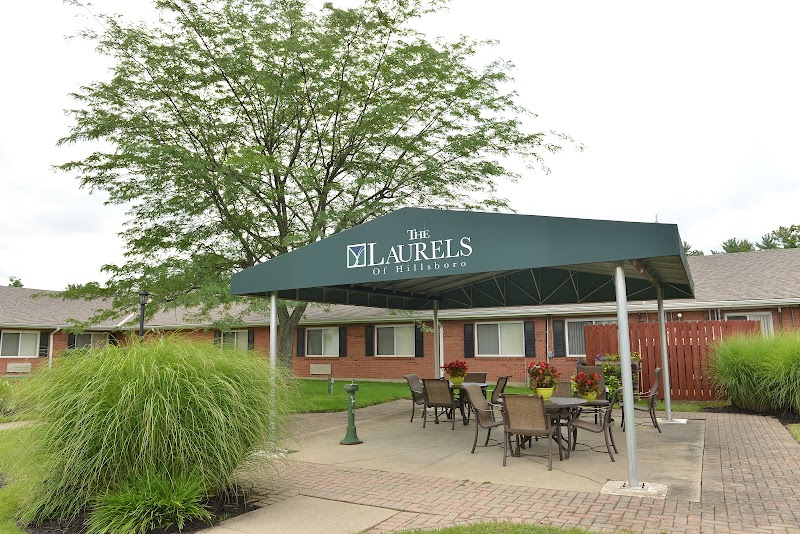
How is Laurels Of Hillsboro Staffed?

CMS rates LAURELS OF HILLSBORO's staffing level at 3 out of 5 stars, which is average compared to other nursing homes. Staff turnover is 45%, compared to the Ohio average of 46%. This relatively stable workforce can support continuity of care.

What Have Inspectors Found at Laurels Of Hillsboro?

State health inspectors documented 19 deficiencies at LAURELS OF HILLSBORO during 2019 to 2025. These included: 1 Immediate Jeopardy (the most serious level, indicating potential for serious harm or death), 1 that caused actual resident harm, and 17 with potential for harm. Immediate Jeopardy findings are rare and represent the most serious regulatory concerns. They require immediate corrective action.
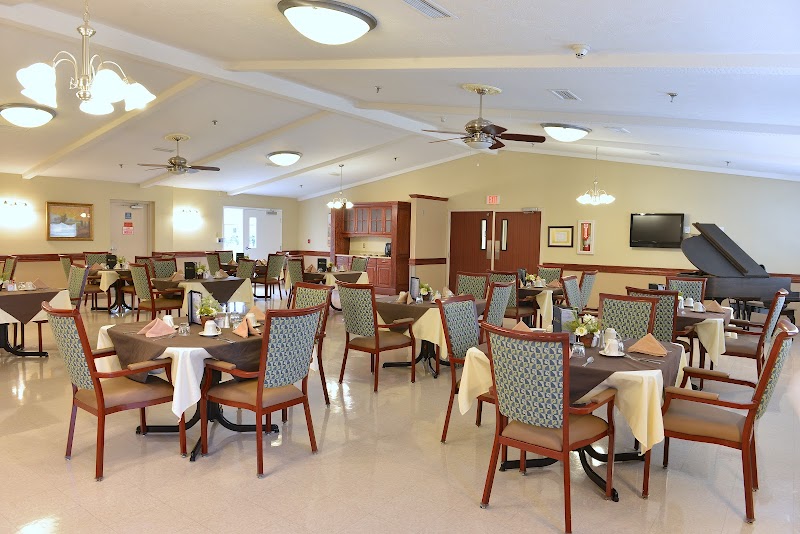
Who Owns and Operates Laurels Of Hillsboro?

LAURELS OF HILLSBORO is owned by a for-profit company. For-profit facilities operate as businesses with obligations to shareholders or private owners. The facility is operated by CIENA HEALTHCARE/LAUREL HEALTH CARE, a chain that manages multiple nursing homes. With 99 certified beds and approximately 83 residents (about 84% occupancy), it is a smaller facility located in HILLSBORO, Ohio.
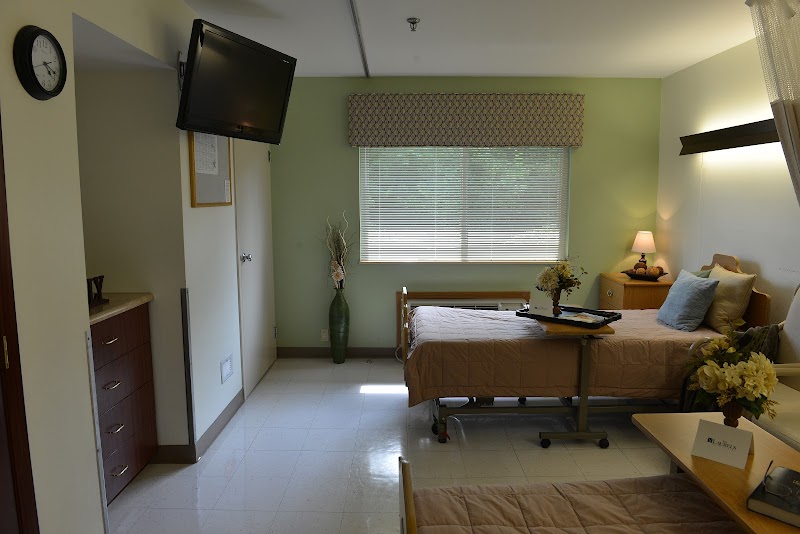
How Does Laurels Of Hillsboro Compare to Other Ohio Nursing Homes?

Compared to the 100 nursing homes in Ohio, LAURELS OF HILLSBORO's overall rating (1 stars) is below the state average of 3.2, staff turnover (45%) is near the state average of 46%, and health inspection rating (1 stars) is much below the national benchmark.

What Should Families Ask When Visiting Laurels Of Hillsboro?

Based on this facility's data, families visiting should ask: "What changes have been made since the serious inspection findings, and how are you preventing similar issues?" "Can I visit during a mealtime to observe dining assistance and food quality?" "How do you handle medical emergencies, and what is your hospital transfer rate?" "Can I speak with family members of current residents about their experience?" These questions are particularly relevant given the facility's Immediate Jeopardy citations.

Is Laurels Of Hillsboro Safe?

Based on CMS inspection data, LAURELS OF HILLSBORO has documented safety concerns. Inspectors have issued 1 Immediate Jeopardy citation (the most serious violation level indicating risk of serious injury or death). The facility has a 1-star overall rating and ranks #100 of 100 nursing homes in Ohio. Families considering this facility should ask detailed questions about what corrective actions have been taken since these incidents.

Do Nurses at Laurels Of Hillsboro Stick Around?

LAURELS OF HILLSBORO has a staff turnover rate of 45%, which is about average for Ohio nursing homes (state average: 46%). Moderate turnover is common in nursing homes, but families should still ask about staff tenure and how the facility maintains care continuity when employees leave.

Was Laurels Of Hillsboro Ever Fined?

LAURELS OF HILLSBORO has been fined $119,308 across 1 penalty action. This is 3.5x the Ohio average of $34,272. Fines at this level are uncommon and typically indicate a pattern of serious deficiencies, repeated violations, or failure to correct problems promptly. CMS reserves penalties of this magnitude for facilities that pose significant, documented risk to resident health or safety. Families should request specific documentation of what issues led to these fines and what systemic changes have been implemented.

Is Laurels Of Hillsboro on Any Federal Watch List?

LAURELS OF HILLSBORO is not on any federal watch list. The most significant is the Special Focus Facility (SFF) program, which identifies the bottom 1% of nursing homes nationally based on persistent, serious quality problems. Not being on this list means the facility has avoided the pattern of deficiencies that triggers enhanced federal oversight. This is a positive indicator, though families should still review the facility's inspection history directly.