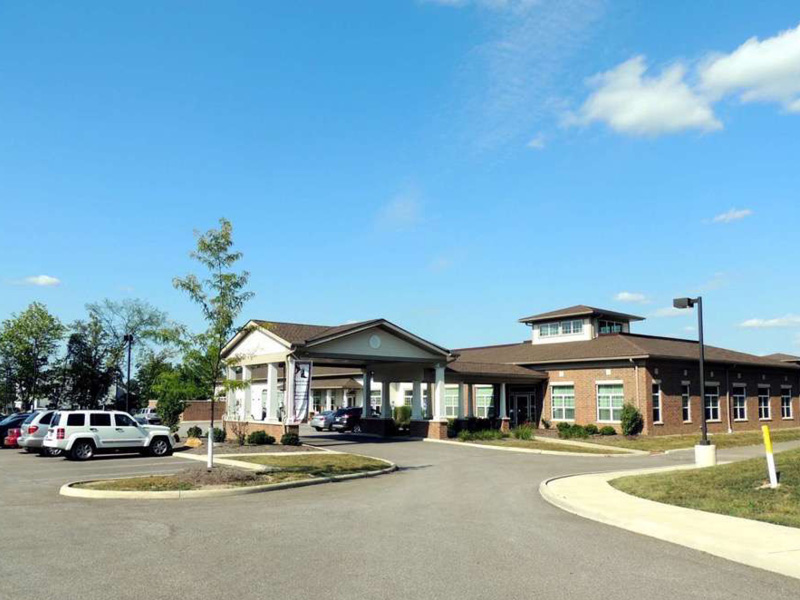
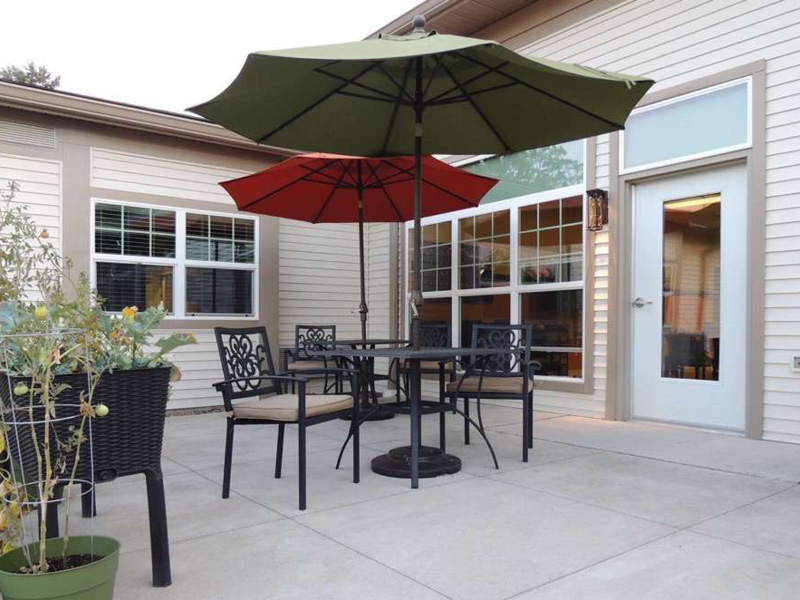
AVENUE AT MEDINA

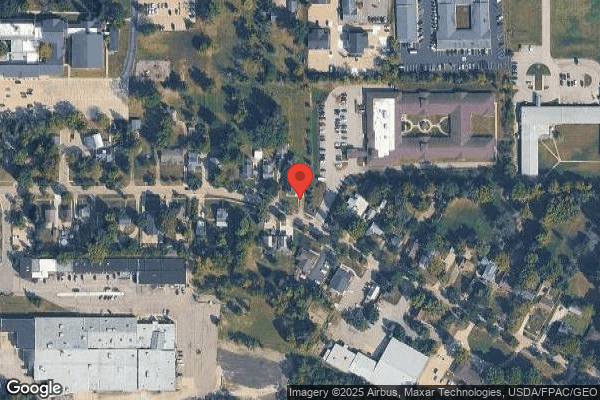
699 EAST SMITH ROAD, MEDINA, OH 44256 (330) 721-7001
For profit - Corporation 70 Beds PROGRESSIVE QUALITY CARE Data: November 2025
Trust Grade
68/100
#218 of 913 in OH
Last Inspection: November 2022

Over 2 years since last inspection. Current conditions may differ from available data.

Overview

Avenue at Medina has a Trust Grade of C+, indicating it is slightly above average, but not outstanding. It ranks #218 out of 913 nursing homes in Ohio, placing it in the top half of facilities statewide, and #4 out of 12 in Medina County, meaning only three local options are better. Unfortunately, the facility is experiencing a worsening trend, with reported issues increasing from 1 in 2023 to 11 in 2024. Staffing is a concern with a rating of 2 out of 5 stars and a turnover rate of 40%, which, while below the state average, suggests staff may not remain long enough to build strong relationships with residents. Additionally, the facility has accumulated $21,540 in fines, which is higher than 78% of similar facilities, raising concerns about compliance with safety standards. There are some strengths, including good quality measures rated 5 out of 5 stars, and while RN coverage is average, it suggests some level of oversight. However, specific incidents of concern include staff failing to perform proper hand hygiene during wound care and blood glucose monitoring, which risks infections, as well as not checking on residents as required, potentially compromising their health. Another serious issue noted was the failure to securely store medications, affecting the safety of multiple residents. Overall, while there are positive aspects, families should weigh these concerns carefully.

Trust Score
C+
68/100
In Ohio
#218/913
Top 23%
Safety Record
Low Risk
No red flags
Inspections
Getting Worse
1 → 11 violations
Staff Stability
○ Average
40% turnover. Near Ohio's 48% average. Typical for the industry.
Penalties
⚠ Watch
$21,540 in fines. Higher than 90% of Ohio facilities. Major compliance failures.
Skilled Nurses
○ Average
Each resident gets 39 minutes of Registered Nurse (RN) attention daily — about average for Ohio. RNs are the most trained staff who monitor for health changes.
Violations
⚠ Watch
24 deficiencies on record. Higher than average. Multiple issues found across inspections.
★★★★☆
4.0
Overall Rating
★★☆☆☆
2.0
Staff Levels
★★★★★
5.0
Care Quality
★★★☆☆
3.0
Inspection Score
Stable
2023: 1 issues
2024: 11 issues

The Good

  • 5-Star Quality Measures · Strong clinical quality outcomes
  • Full Sprinkler Coverage · Fire safety systems throughout facility
  • No fines on record
  • Staff turnover below average (40%)

    8 points below Ohio average of 48%

Facility shows strength in quality measures, fire safety.

The Bad

Staff Turnover: 40%

Near Ohio avg (46%)

Typical for the industry

Federal Fines: $21,540

Below median ($33,413)

Minor penalties assessed

Chain: PROGRESSIVE QUALITY CARE

Part of a multi-facility chain

Ask about local staffing decisions and management

The Ugly 24 deficiencies on record

Dec 2024 3 deficiencies
CONCERN (D) 📢 Someone Reported This

A family member, employee, or ombudsman was alarmed enough to file a formal complaint

Potential for Harm - no one hurt, but risky conditions existed

Accident Prevention (Tag F0689)

Could have caused harm · This affected 1 resident

**NOTE- TERMS IN BRACKETS HAVE BEEN EDITED TO PROTECT CONFIDENTIALITY** Based on observation, interviews, record review and review of the facility policy, the facility failed to ensure Resident's #58 ...

Read full inspector narrative →
**NOTE- TERMS IN BRACKETS HAVE BEEN EDITED TO PROTECT CONFIDENTIALITY** Based on observation, interviews, record review and review of the facility policy, the facility failed to ensure Resident's #58 and #66 had comprehensive post-fall assessments completed, failed to ensure Resident #58's care planned interventions were implemented, and failed to ensure Resident #58 had an individualized care planned intervention placed after a fall. This affected two residents (#58 and #66) out of three reviewed for falls. The facility census was 60. Findings include: 1. Review of Resident #58's medical record revealed an admission date of 11/19/24 with diagnoses including aftercare following joint replacement surgery, pneumonia, Parkinsonism, leukemia, personal history of transient ischemic attack (TIA), and cerebral infarction without residual deficits. Review of Resident #58's Fall Risk assessment dated [DATE] revealed Resident #58 was at risk for falls. Review of Resident #58's care plan dated 11/25/24 included Resident #58 was at risk for falls related to gait and balance problems. Resident #58 would be free of falls through the review date. Interventions included to be sure Resident #58's call light was within reach and encourage Resident #58 to use it for assistance as needed, and Resident #58 needed prompt response to all requests for assistance; follow facility fall protocol. Review of Resident #58's Fall Risk assessment dated [DATE] revealed Resident #58 was not a risk for falls. Review of the admission Minimum Data Set (MDS) 3.0 assessment dated [DATE] revealed Resident #58 had moderate cognitive impairment. Resident #58 required substantial to maximal assistance for toileting and personal hygiene and the ability to come to a standing position from sitting in a chair, wheelchair, or on the side of the bed. Resident #58 required partial to moderate assistance to walk ten feet and to get on and off a toilet or commode. Resident #58 was always continent of urine and bowel. Further review of Resident #58's care plan revealed an intervention dated 11/30/24 and revised 12/02/24 for call not fall sign in Resident #58's view (Resident #58 activated his call light before his fall on 11/30/24). Review of Resident #58's fall investigation dated 11/30/24 at 7:15 A.M. included Resident #58 was ambulating self to the bathroom, made it near the bathroom door, felt like he needed to sit down, the rollator was not near, he had nothing to grab so he let himself fall to the floor. Resident #58 stated he had a bad case of diarrhea this morning, he was trying to get to the bathroom, he did not have anything to hold onto, so he just let himself fall. No injuries were observed at the time of the incident or post incident. Resident #58 was alert and oriented to person and situation and was wheelchair bound. Resident #58's call light was initiated, he was incontinent, had gait imbalance and weakness. Resident #58 was ambulating without assistance. On 12/02/24 notes indicated no visible injuries were noted, appropriate parties were notified, and Resident #58 was educated to ask staff for toileting needs and a call not fall sign was placed in Resident #58's view. (Resident #58's call light was activated at the time of the incident on 11/30/24). Review of Resident #58's nursing progress notes dated 11/30/24 at 10:15 A.M. revealed Resident #58 fell in his room in the morning while trying to take himself to the bathroom. Resident #58 stated he had a bad case of diarrhea, his brief was lying on the floor next to the bed, and he made it near the bathroom door before falling. Resident #58 was assisted off the floor and placed back in his wheelchair and taken into the bathroom to be cleaned. Neuro checks were started, and vital signs were stable. The physician and responsible party were notified, and Resident #58 would continue to be monitored. Review of Resident #58's medical record including progress notes and assessments dated 11/30/24 through 12/03/24 did not reveal evidence Resident #58 had post fall assessments, fall risk assessments, or pain assessments completed. Interview on 12/03/24 at 9:06 A.M. of the Director of Nursing (DON) revealed when a resident had a fall there should be documentation in the progress notes. The DON stated sometimes she had to follow-up with the nurses because they completed the incident report in the risk management area of the electronic record but forgot to click the final box that transferred the documentation to the resident's progress notes. The DON stated the assessment area of the resident's medical record should include 72-hour post fall assessments, a fall risk assessment, and pain assessments. Neuro checks were completed on paper and kept with the hard chart. Interview on 12/03/24 at 10:30 A.M. of Registered Nurse (RN) #200 revealed she worked 11/30/24 and 12/01/24 and confirmed Resident #58 fell while trying to take himself to the bathroom. RN #200 stated Resident #58's call light was activated at the time of the fall. RN #200 indicated she completed the documentation regarding the fall including neuro checks, risk management, and a fall assessment. Observation on 12/03/24 at 11:23 A.M. of Resident #58 revealed he was sitting in a wheelchair in his room. Resident #58 stated he was not feeling very well; he had been having large amounts of diarrhea the last few days, and the facility was supposed to collect a fecal sample to have it tested. Resident #58 made a face indicating he did not feel well. Resident #58 stated he had a fall the other day, he had to go to the bathroom but could not remember a lot of details because he was not feeling well at all when the fall occurred. Interview on 12/03/24 at 2:23 P.M. of Certified Nursing Assistant (CNA) #201 revealed he worked on 11/30/24, and Resident #58 tried to go to the bathroom and fell. CNA #201 stated he had to get a resident up for dialysis and did not see Resident #58's call light because he might have been in that resident's room when Resident #58 activated his call light. CNA #201 indicated when he was in a resident room, the nurses and other CNA's watch the call lights but the other aide must have also been in a resident room providing care. CNA #201 revealed when Resident #58 fell he was incontinent of diarrhea, needed to be cleaned up, and CNA #201 assisted him to the toilet so he could finish going to the bathroom. Interview on 12/03/24 at 3:21 P.M. of the DON confirmed after a fall on 11/30/24, Resident #58 did not have post fall assessments, a fall risk assessment or pain assessments completed, but did have neuro checks completed. The DON confirmed Resident #58's fall risk assessments stated on 11/21/24 he was at risk for falls and on 11/25/24 the fall risk assessment was not at risk, and the DON did not know why he was assessed for not at risk for falls but would look into it. The DON confirmed Resident #58 activated his call light on 11/30/24 before his fall and the immediate intervention implemented was to place a call not fall sign in his view. The DON confirmed a different intervention should have been implemented. Review of the facility policy titled Fall Management, revised 12/2022, included the licensed nurse would assess the resident for fall risk through the Fall Risk Assessment upon admission, quarterly and with a significant change. If a fall occurred, the licensed nurse would assess the resident for injury from the fall immediately, initiate an investigation of the reason for the fall and implement an immediate intervention to attempt to prevent future falls. The licensed nurse would update the Fall Risk and Pain Assessment at the time of the fall. The interdisciplinary team would review the falls routinely to determine the most appropriate type of intervention to be implemented to attempt to prevent future incidents from occurring. 2. Review of Resident #66's medical record revealed an admission date of 10/10/24 and a discharge date of 10/22/24. Diagnoses included atherosclerotic heart disease of native coronary artery without angina pectoris, malignant neoplasm of the prostate, and unspecified fall. Review of Resident #66's progress notes dated 10/11/24 at 3:11 A.M. included Resident #66's bed was kept in the low position. Review of Resident #66's progress notes dated 10/11/24 at 8:49 A.M. included Resident #66 was heard screaming mama help and the nurse went to his room to find Resident #66 lying on the left side with his arm under the top part of the bed and left knee sliding under the bed. The bed was moved sideways by Resident #66, and a large bruise was observed on his left elbow. ROM (range of motion) was intact. The physician was notified, and an x-ray was ordered of Resident #66's left elbow. The DON and family were notified. Resident #66's daughter stated the bruise on Resident #66's left elbow was already there but would like an x-ray just in case. Review of Resident #66's physician order dated 10/11/24 at 9:42 A.M. revealed fall mat to the open side of the bed, every shift for safety. Review of Resident #66's assessments dated 10/11/24 through 10/13/24 did not reveal 72-hour post fall assessments, a fall risk assessment or a pain assessment. Review of Resident #66's progress notes dated 10/12/24 through 10/17/24 did not reveal documentation regarding Resident #66's fall on 10/13/24. Review of Resident #66's fall incident report dated 10/12/24 at 7:40 A.M. included Resident #66 was confused, oriented to person, incontinent, had a recent change in cognition, a recent illness, impaired memory and weakness. Resident #66's fall occurred when Resident #66 was ambulating without assistance and during transfer. Notes on 10/14/24 included Resident #66 was assessed; x-ray of his arm was negative, and a new order for the bed in the lowest position. Review of Resident #66's fall incident report dated 10/13/24 at 1:17 A.M. included a Certified Nursing Assistant (CNA) reported on 10/12/24 at 6:15 P.M. that Resident #66 was on the floor on the fall mat in his room. Resident #66 was found in the prone position with his legs straight down and arms bent above his head flat on the floor. The bed was in the lowest position. Resident #66 stated he had lower back pain which was present previously. No visible injuries except older bruises from previous falls. Resident #66's blood pressure was 129/88, heart rate 81, respirations 16 and oxygen saturation was 95 percent. The family and physician were contacted. Resident #66 stated his feet slipped. The immediate action taken was Resident #66 would wear gripper socks and was educated about the importance of using the call light. Resident #66 was confused, oriented to person and situation, his call light was not initiated, and he was incontinent. Resident #66 was wearing improper footwear and was admitted within the last 72 hours. Review of Resident #66's assessments revealed on 10/13/24 Resident #66 had a pain assessment, a fall risk assessment, and a 72-hour post fall assessment. Review of Resident #66's assessments revealed for Resident #66's fall on 10/13/24 there were no72-hour post fall assessments completed on 10/15/24 or 10/16/24. Review of Resident #66's admission Minimum Data Set (MDS) 3.0 assessment dated [DATE] revealed Resident #66 had severe cognitive impairment. Resident #66 required substantial to maximal assistance for toileting hygiene, lower body dressing, and putting on and taking off footwear. Resident #66 required substantial to maximal assistance for sit to stand, chair, bed-to-chair transfer and toilet transfers. Resident #66 was frequently incontinent of urine and always continent of bowel. Review of Resident #66's fall incident report dated 10/18/24 at 5:10 P.M. included the nurse entered Resident #66's room and witnessed Resident #66 hanging onto the grab bar and lowered self to floor after yelling for a period of time. When Resident #66 got to the floor and was sitting on his bottom, he turned and laid down placing his head on a pillow on the floor at the foot end of the bed and began yelling out again. Resident #66's vital signs were stable. Resident #66 was unable to give a description of the incident. No injuries observed at the time of incident. The immediate action taken was the DON was notified of what happened so the care plan could be updated. Resident #66 was confused, oriented to person. The physician, responsible parties, and DON were notified. Review of Resident #66's assessments revealed there were no 72-hour post fall assessments completed on 10/19/24, 10/20/24 or 10/21/24. Review of the facility incident log revealed Resident #66 had falls on10/12/24 at 7:40 A.M. and 10/13/24 at 1:17 A.M. There was no fall documented for 10/11/24 at 8:49 A.M. or 10/18/24 at 5:10 P.M. Review of Resident #66's care plan dated 10/21/24 included Resident #66 was at risk for falls related to confusion, gait and balance problems and was unaware of safety needs. Resident #66 would be free of falls. Interventions included to be sure Resident #66's call light was within reach and encourage Resident #66 to use it for assistance as needed, and Resident #66 needed prompt response to all requests for assistance; follow facility fall protocol. Interview on 12/03/24 at 9:06 A.M. of the DON revealed when a resident had a fall there should be documentation in the progress notes. The DON stated sometimes she had to follow-up with the nurses because they completed the incident report in the risk management area of the electronic record but forgot to click the final box that transferred the documentation to the resident's progress notes. The DON stated the assessment area of the resident's medical record should include 72-hour post fall assessments, a fall risk assessment, and pain assessments. Neuro checks were completed on paper and kept with the hard chart. Interview on 12/03/24 at 3:21 P.M. of the DON revealed Resident #66 had a fall on 10/11/24 which was not documented on the incident log until 10/12/24 at 7:40 A.M. because the nurse forgot to do the risk management documentation and had to be reminded. The DON stated there was no fall on 10/12/24. The DON confirmed from 10/11/24 through 10/13/24 Resident #66 did not have a fall risk assessment, a pain assessment or post fall 72-hour assessments completed. The DON confirmed Resident #66 had a fall on 10/13/24, and there were no 72-hour post fall assessments completed on 10/15/24 or 10/16/24. The DON confirmed Resident #66 had a fall on 10/18/24 and there were no 72-hour post fall assessments completed on 10/19/24, 10/20/24 or 10/21/24. The DON confirmed Resident #66's progress notes did not reveal documentation regarding Resident #66's fall on 10/13/24. The DON confirmed the incident log did not have evidence Resident #66 had a fall on 10/18/24 at 5:10 P.M. Review of the facility policy titled Fall Management, revised 12/2022, included the licensed nurse would assess the resident for fall risk through the Fall Risk Assessment upon admission, quarterly and with a significant change. If a fall occurred the licensed nurse would assess the resident for injury from the fall immediately, initiate an investigation of the reason for the fall and implement an immediate intervention to attempt to prevent future falls. The licensed nurse would update the Fall Risk and Pain Assessment at the time of the fall. The interdisciplinary team would review the falls routinely to determine the most appropriate type of intervention to be implemented to attempt to prevent future incidents from occurring. This deficiency represents non-compliance investigated under Complaint Number OH00158853.
CONCERN (D) 📢 Someone Reported This

A family member, employee, or ombudsman was alarmed enough to file a formal complaint

Potential for Harm - no one hurt, but risky conditions existed

Deficiency F0697 (Tag F0697)

Could have caused harm · This affected 1 resident

**NOTE- TERMS IN BRACKETS HAVE BEEN EDITED TO PROTECT CONFIDENTIALITY** Based on observation, interview, record review and review of the facility policy, the facility failed to ensure Resident #32 had...

Read full inspector narrative →
**NOTE- TERMS IN BRACKETS HAVE BEEN EDITED TO PROTECT CONFIDENTIALITY** Based on observation, interview, record review and review of the facility policy, the facility failed to ensure Resident #32 had a timely comprehensive pain assessment. This affected one resident (Resident #32) out of three residents reviewed for medication administration. The facility census was 60. Findings include: Review of Resident #32's medical record revealed an admission date of 11/15/24 with diagnoses including spinal stenosis, lumbosacral region, functional quadriplegia, and type two diabetes mellitus without complications. Review of Resident #32's admission Minimum Data Set (MDS) 3.0 assessment dated [DATE] included Resident #32 was cognitively intact. Resident #32 required partial to moderate assistance with toileting hygiene, bathing and dressing. Resident #32 frequently had pain or hurting in the last five days, the pain occasionally made it hard to sleep at night, and Resident #32 frequently limited his participation in rehabilitation therapy sessions due to pain. Review of Resident #32's care plan dated 11/26/24 included Resident #32 had pain related to lumbar stenosis, recent fall, and chronic low back pain. Resident #32 would not have discomfort related to side effects of analgesia through the review date. Interventions included to anticipate Resident #32's need for pain relief and respond immediately to any complaint of pain; document nonpharmacological intervention attempts prior to administration of pharmacological intervention; evaluate the effectiveness of pain interventions after treatment and as needed; notify the physician if interventions were unsuccessful or if the current complaint was a significant change from Resident #32's past experience of pain. Review of Resident #32's Medication Administration Record (MAR) dated 11/29/24 from 6:00 P.M. to 11/30/24 at 6:00 A.M. revealed Resident #32's pain level was a seven on a scale of zero to ten, ten being the worst pain. Review of Resident #32's MAR dated 11/29/24 at 7:47 P.M. revealed oxycodone HCl tablet 5 milligrams (mg) (opioid pain medication) was administered and was ineffective. Review of Resident #32's MAR dated 11/29/24 at 7:47 P.M. through 12/01/24 at 1:55 A.M. did not reveal oxycodone HCl tablet 5 mg was administered for pain. Review of Resident #32's progress notes dated 11/30/24 at 3:48 A.M. revealed oxycodone HCL tablet 5 mg, follow-up pain scale was an eight on a scale of zero to ten, ten being the worst pain. The oxycodone was ineffective. Review of Resident #32's MAR dated 11/30/24 at 6:00 A.M. through 12/01/24 at 6:00 A.M. revealed Resident #32's pain was zero on a scale of zero to ten, ten being the worst pain. Review of Resident #32's MAR dated 12/01/24 at 1:55 A.M. revealed oxycodone 5 mg tablet was administered for a pain level of six, and it was effective. Review of Resident #32's progress notes dated 12/01/24 at 4:54 A.M. revealed oxycodone HCl tablet 5 mg follow up pain scale was a one. Review of Resident #32's MAR dated 12/01/24 from 6:00 A.M. through 6:00 P.M. revealed Resident #32's pain level was a four on a scale of zero to ten, and nonpharmacological interventions were attempted. Review of Resident #32's MAR dated 12/01/24 at 9:40 A.M. revealed Tylenol extra strength oral tablet 500 mg, give two tablets by mouth every eight hours as needed for pain was administered for a pain level of seven, and it was effective. Review of Resident #32's progress notes dated 12/01/24 at 9:51 A.M. revealed Tylenol extra strength oral tablet 500 mg follow up pain scale was a one. Review of Resident #32's progress notes dated 12/01/24 at 11:10 P.M. included turn and reposition was ineffective, and oxycodone HCl tablet 5 mg was administered for pain. Review of Resident #32's MAR dated 12/01/24 at 11:10 P.M. revealed oxycodone 5 mg tablet was administered for a pain level of seven, and it was effective. Review of Resident #32's progress notes dated 12/02/24 at 2:02 A.M. revealed oxycodone HCl tablet 5 mg follow up pain scale was a three. Review of Resident #32's MAR dated 12/02/24 revealed oxycodone 5 mg tablet was administered at 8:24 A.M. for a pain level of eight, and it was effective. Review of Resident #32's progress notes from 11/29/24 at 7:47 P.M. through 12/02/24 at 8:24 A.M. did not reveal Resident #32's physician was contacted regarding Resident #32's pain, and there was no documented evidence a pain assessment was completed. Observation on 12/02/24 at 8:20 A.M. of Licensed Practical Nurse (LPN) #202 revealed he was preparing to administer Resident #32's medication. After preparing the medications, LPN #202 entered Resident #32's room and administered his medications. Resident #32 stated he was in a lot of pain and wanted oxycodone and had already received Tylenol. Resident #32 stated he was hurting bad, grimaced and held his left flank, and said he had severe pain in his kidneys and it was not normal for him. Resident #32 stated he was hurting all weekend, told the nurse he was having pain, and the nurse told him Nurse Practitioner (NP) #203 would be in on Monday. Resident #32 stated right now his pain was an eight out of a ten, ten being the worst pain. Resident #32's facial expression and body movements indicated he was experiencing moderate to severe pain. LPN #202 stated he did not work Saturday or Sunday, checked Resident #32's electronic record and did not see anything in the computer about Resident #32's pain. LPN #202 indicated he worked on Friday, and Resident #32 was having pain. Interview on 12/02/24 at 11:46 A.M. of NP #203 revealed Resident #32 was having pain on Friday. NP #203 stated he did not work on Saturdays or Sundays and if Resident #32 was having pain over the weekend Medical Director #204 should have been contacted, and he did not know if Medical Director #204 was contacted. NP #203 stated he offered to increase Resident #32's muscle relaxant, but Resident #32 declined because he felt the problem he was having was related to his kidneys. NP #203 indicated Resident #32's pain was worse today than it was on Friday, and he was changing Resident #32's oxycodone to Ultram (opioid pain medication). Interview on 12/03/24 at 3:13 P.M. of Certified Nursing Assistant (CNA) #205 revealed Resident #32 was included in her assignment over the weekend and he said his kidney was hurting him on both Saturday and Sunday. CNA #205 stated Resident #32 wanted to drink cranberry juice because he said he had kidney problems. CNA #205 indicated Resident #32 looked like he was in pain both Saturday and Sunday, and she told the nurse he was having pain, but she could not remember which nurse she told. Interview on 12/03/24 at 4:12 P.M. of LPN #206 revealed she worked Saturday and Sunday but could not remember if Resident #32 was in pain. LPN #206 stated she remembered his right leg was hurting and she put a lidocaine patch on it, but that is all she remembered. LPN #206 stated she did not call Medical Director #204, and he did not make rounds while she was working. Interview on 12/03/24 at 4:22 P.M. of LPN #207 revealed she worked Saturday and Sunday night shift and Resident #32 was in pain and he was medicated all weekend. LPN #207 stated Resident #32 had oxycodone ordered, and he told Nurse Practitioner (NP) #203 on 12/02/24 his oxycodone was not working for him, then Tramadol (Ultram) was ordered. LPN #207 stated Resident #32 thought he had a kidney stone, and she gave him a heat pack. LPN #207 stated Resident #32's pain over the weekend was a seven out of a ten, ten being the worst pain, and she did not call or fax Resident #32's physician (Medical Director #204) about Resident #32's pain. Review of the facility policy titled Pain Management, revised 02/2023, included the purpose of the policy was to ensure residents received the treatment and care in accordance with professional standards of practice, the comprehensive care plan, and the resident's choices, related to pain management. The licensed nurse would perform a pain assessment upon admission, quarterly, with a significant change, new onset of pain and incident. The licensed nurse would assess as necessary and include the impact of pain on day-to-day activities, strategies that reduce pain, review of current medical conditions and medications. If the resident was assessed to be experiencing pain the nurse would explore pharmacological and non-pharmacological interventions as appropriate per the resident's comprehensive assessment, plan of care and standards of practice. This deficiency represents non-compliance investigated under Master Complaint Number OH00159596.
CONCERN (D) 📢 Someone Reported This

A family member, employee, or ombudsman was alarmed enough to file a formal complaint

Potential for Harm - no one hurt, but risky conditions existed

Infection Control (Tag F0880)

Could have caused harm · This affected 1 resident

**NOTE- TERMS IN BRACKETS HAVE BEEN EDITED TO PROTECT CONFIDENTIALITY** Based on observation, interview, record review and review of the facility policy, the facility failed to ensure staff donned app...

Read full inspector narrative →
**NOTE- TERMS IN BRACKETS HAVE BEEN EDITED TO PROTECT CONFIDENTIALITY** Based on observation, interview, record review and review of the facility policy, the facility failed to ensure staff donned appropriate personal protective equipment (PPE) and used appropriate hand hygiene to potentially prevent the spread of infection for Resident #58 who was on contact precautions. In addition, the facility failed to ensure appropriate hand hygiene was completed before entering Resident #30's room to provide care. This affected two resident's (#30 and #58) and had the potential to affect 20 residents (#7, #8, #11, #15, #17, #22, #23, #26, #34, #35, #36, #38, #43, #49, #51, #53, #57, #58, #59, #62) on transmission-based precautions. The facility census was 60. Findings include: 1. Review of Resident #58's medical record revealed an admission date of 11/19/24 with diagnoses including aftercare following joint replacement surgery, pneumonia, Parkinsonism, leukemia, and personal history of transient ischemic attack (TIA) and cerebral infarction without residual deficits. Review of Resident #58's progress notes dated 11/19/24 at 3:49 P.M. included Resident #58 was admitted to the facility and was status post right hip replacement. Resident #58 was alert and oriented times two with some short term memory loss. Resident #58 was complaining of right knee pain which he said started after the hip replacement. The resident was continent of bowel and bladder. Review of Resident #58's physician orders dated 11/19/24 through 12/02/24 did not reveal orders for Enhanced Barrier Precautions (EBP). Review of Resident #58's care plan dated 11/21/24 included Resident #58 had bowel incontinence. Resident #58 would establish an individual bowel and bladder routine. Interventions included bowel protocol as ordered; briefs, depends, or pantiliners when out of bed; toileting per request and as needed. Review of Resident #58's care plan dated 11/21/24 did not reveal a care plan for EBP or Contact Precautions. Review of Resident #58's admission Minimum Data Set (MDS) 3.0 assessment dated [DATE] revealed Resident #58 had moderate cognitive impairment. Resident #58 required substantial to maximal assistance for toileting and personal hygiene and the ability to come to a standing position from sitting in a chair, wheelchair, or on the side of the bed. Resident #58 required partial to moderate assistance to walk ten feet and to get on and off a toilet or commode. Resident #58 was always continent of urine and bowel. Review of Resident #58's physician orders dated 12/02/24 at 6:00 A.M. revealed contact isolation precautions due to diagnosis of C-Diff (Clostridium Difficile), a bacterium that causes an infection of the colon causing diarrhea. All services and meals were to be provided in Resident #32's private room, every shift for C-Diff isolation. Review of Resident #58's physician orders dated 12/02/24 at 1:00 P.M. revealed please collect stool for C-Diff, one time only for labs for five days. Review of Resident #58's Medication Administration Record (MAR) dated 12/02/24 at 1:46 P.M. revealed Resident #58's stool specimen was collected. Review of physician orders dated 12/02/24 at 6:00 P.M. revealed vancocin (Vancomycin) oral capsule 125 milligrams (mg), give one capsule by mouth every six hours for prophylaxis (diarrhea, leukocytosis) for ten days pending stool sample results. Review of Resident #58's physician orders dated 12/03/24 at 6:00 P.M. revealed contact isolation due to possible C-Diff. All services and meals were to be provided in Resident #32's private room. Observation on 12/03/24 at 10:37 A.M. of the wall to the right of Resident #58's entrance to the room revealed a sign for EBP. The sign stated everyone must clean their hands, including before entering and when leaving the room. Providers and staff must also wear gloves and a gown for the following high-contact resident care activities: dressing, bathing, showering, transferring, changing linens, providing hygiene, changing briefs or assisting with toileting, device care or use (central line, urinary catheter, feeding tube, tracheostomy) wound care, any skin opening requiring a dressing. Do not wear the same gown and gloves for the care of more than one person. Further observation did not reveal a sign for contact precautions. Observation on 12/03/24 at 10:53 A.M. of Resident #58's room revealed Resident #58's call light was activated and a light alerting staff that Resident #58 activated his call light could be seen above the door to his room. Registered Nurse Unit Manager (RN/UM) #209 entered Resident #58's room to answer his call light and did not use hand sanitizer or don an isolation gown and gloves before entering the room. Further observation revealed RN/UM #209 assisted Resident #58 into the bathroom without an isolation gown or gloves on. After assisting Resident #58 to the bathroom RN/UM #209 exited the room and used hand sanitizer. When asked why she did not don an isolation gown or gloves before entering the room, UM/RN #209 stated she did not see the EBP sign before she entered the room and did not know Resident #58 was on precautions. When told Resident #58 had physician orders for contact isolation related to C-Diff, RN/UM #209 stated she did not know he was on precautions for C-Diff. RN/UM #209 confirmed she did not wash her hands before leaving the room but would do so immediately. RN/UM #209 confirmed Resident #58 did not have a contact precaution sign by the door to his room. Interview on 12/03/24 at 10:58 A.M. of Licensed Practical Nurse (LPN) #210 confirmed Resident #58 did not have a contact precaution sign by the entrance to his room. LPN #210 stated he thought Resident #58 had a contact precaution sign on the door and he should be on contact isolation for C-Diff. LPN #210 stated he would make sure the EBP sign was replaced by a contact isolation sign. Observation on 12/03/24 at 11:23 A.M. of Resident #58 revealed he was sitting in a wheelchair in his room. Resident #58 stated he was not feeling very well, he had been having large amounts of diarrhea the last few days, and the facility was supposed to collect a fecal sample to have it tested. Resident #58 made a face indicating he did not feel well. Resident #58 stated he did not know why the fecal sample had not been collected because he was still having large amounts of diarrhea and so far, today had two large diarrhea stools. Interview on 12/03/24 at 3:32 P.M. of the Director of Nursing (DON) revealed Resident #58 got loose stools after he was administered the antibiotic Rocephin for a urinary tract infection. The DON stated Resident #58 was supposed to have a stool specimen sent for C-Diff and would investigate why the specimen had not been collected and sent yet. Review of the facility policy titled Isolation Categories of Transmission Based Precautions revised 09/2022 included contact precautions that were implemented for residents known or suspected to be infected with microorganisms that could be transmitted by direct contact with the resident or indirect contact with environmental surfaces or resident-care items in the resident's environment. Contact precautions were also used in situations when a resident was experiencing fecal incontinence or diarrhea that could not be contained and suggested an increased potential for extensive environmental contamination and risk of transmission of a pathogen, even before a specific organism was identified. The individual on contact precautions was placed in a private room if possible. Staff and visitors wore gloves when entering the room. While caring for a resident, staff would change gloves after having contact with infective material. Gloves were removed and hand hygiene performed before leaving the room. Staff avoided touching potentially contaminated environmental surfaces in the resident's room after gloves were removed. Staff and visitors wear a disposable gown upon entering the room and remove before leaving the room and avoid touching potentially contaminated surfaces with clothing after the gown was removed. 2. Review of Resident #30's medical record revealed an admission date of 08/22/24 with diagnoses including pneumonia, cerebral infarction due to unspecified occlusion or stenosis of right posterior cerebral artery, and congestive heart failure. Review of Resident #30's admission MDS assessment dated [DATE] revealed Resident #30 had severe cognitive impairment. Resident #30 was always incontinent of urine and frequently incontinent of bowel. Observation on 12/03/24 at 10:48 A.M. of Certified Nursing Assistant (CNA) #211 revealed she was walking in the hall and was carrying a plastic bag full of soiled linens without gloves on. During the observation a reusable chux pad fell out of the bag and brushed the floor. A moderate amount of brown fecal material was visualized on the reusable chux pad, and CNA #211 reached down and picked up the soiled chux pad with her bare hands and attempted to put it back in the bag. CNA #211 was unsuccessful, and she continued to walk down the hall with the feces covered chux falling out of the bag, and the moderate to large amount of feces could be seen on the chux as she walked. CNA #211 entered the soiled utility room and disposed of the soiled linens and without washing her hands or using hand sanitizer walked out of the soiled utility room, down the hall and into Resident #30's room to assist another staff member with incontinence care without washing her hands or using hand sanitizer. After surveyor intervention CNA #211 washed her hands before providing care for Resident #30. CNA #211 confirmed she did not use hand sanitizer or wash her hands after handling the soiled linens and feces covered chux pad. Review of the facility policy titled Handwashing, revised 07/2022, included it was the policy of the facility to maintain the highest standard of hygiene in patient care through thorough handwashing procedures. All employees should wash their hands thoroughly with soap and running water in the following circumstances: staff involved in direct resident contact must perform hand hygiene (even if gloves were used) including before and after contact with the resident, after contact with blood, body fluids, visibly contaminated surfaces or after contact with objects in the resident's room. Alcohol-based hand sanitizers were highly effective against non-spore forming organisms, but they did not kill C-Difficile Spores or remove C-Difficile from the hands. This deficiency was an incidental finding identified during the complaint investigation.
Jul 2024 2 deficiencies
CONCERN (D) 📢 Someone Reported This

A family member, employee, or ombudsman was alarmed enough to file a formal complaint

Potential for Harm - no one hurt, but risky conditions existed

Pressure Ulcer Prevention (Tag F0686)

Could have caused harm · This affected 1 resident

**NOTE- TERMS IN BRACKETS HAVE BEEN EDITED TO PROTECT CONFIDENTIALITY** Based on observation, record review and interview, the facility failed to ensure Resident #15's pressure ulcer wound care dressi...

Read full inspector narrative →
**NOTE- TERMS IN BRACKETS HAVE BEEN EDITED TO PROTECT CONFIDENTIALITY** Based on observation, record review and interview, the facility failed to ensure Resident #15's pressure ulcer wound care dressing was in place as ordered. This finding affected one (Resident #15) of three residents reviewed for pressure ulcer wounds. Findings include: Review of Resident #15's medical record revealed the resident was admitted on [DATE] with diagnoses including Parkinsonism, unspecified fall and anemia. Review of Resident #15's admission Minimum Data Set (MDS) 3.0 assessment dated [DATE] revealed the resident exhibited severe cognitive impairment. Review of Resident #15's Pressure Ulcer/Wound Record form dated 07/1624 revealed the resident had a deep tissue injury (DTI) left heel pressure wound first identified 07/11/24 which measured 1.1 centimeters (cm) length by 0.8 cm width by undetermined depth (UTD) with a 100% purple/maroon discoloration. Review of Resident #15's physician orders revealed an order dated 07/12/24 (discontinued 07/16/24) to apply skin prep to the bilateral heels daily for skin integrity; an order dated 07/18/24 (discontinued 07/18/24) to apply skin prep to the left heel three times weekly and cover with a foam dressing; and an order dated 07/19/24 to apply skin prep to the left heel and cover with a foam dressing every day shift for skin integrity. Review of Resident #15's medication administration records (MARS) and treatment administration records (TARS) from 07/11/24 to 07/24/24 revealed the pressure ulcer wound care to the left heel was completed as ordered. Review of Resident #15's Wound Care Clinical Services form dated 07/23/24 at 8:15 P.M. revealed the resident had a left heel DTI with intact skin which measured 0.5 cm length by 0.3 cm width by UTD with 100% purple or maroon discoloration which was improved/healing. Observation on 07/24/24 at 1:44 P.M. with Licensed Practical Nurse (LPN) Unit Manager #880 of Resident #15's left heel DTI pressure ulcer wound care revealed no evidence a dressing was in place on the left heel at the time of the observation. Attempted interview on 07/24/24 at 1:51 P.M. with Resident #15 and she could not remember if wound care and a dressing was applied to her left heel. Interview on 07/24/24 at 1:54 P.M. with LPN Unit Manager #880 confirmed Resident #15's dressing was not in place as ordered. She stated the dressing was not in the sock and must have come off at some point. Review of the Pressure Ulcer Prevention and Interventions policy revised 01/23 indicated the purpose of the policy was to implement preventative skin measures for all residents based on the levels and areas of risk to include moisture, nutrition, activity, mobility, mental status, psychosocial status, and general physical condition. The resident's skin would be assessed and monitored on a routine basis as outlined in the skin assessment protocols. This deficiency represents non-compliance investigated under Complaint Numbers OH00155381 and OH00155223.
CONCERN (D) 📢 Someone Reported This

A family member, employee, or ombudsman was alarmed enough to file a formal complaint

Potential for Harm - no one hurt, but risky conditions existed

Deficiency F0807 (Tag F0807)

Could have caused harm · This affected 1 resident

**NOTE- TERMS IN BRACKETS HAVE BEEN EDITED TO PROTECT CONFIDENTIALITY** Based on observation, record review and interview, the facility failed to ensure fluids were provided on Resident #43's meal tra...

Read full inspector narrative →
**NOTE- TERMS IN BRACKETS HAVE BEEN EDITED TO PROTECT CONFIDENTIALITY** Based on observation, record review and interview, the facility failed to ensure fluids were provided on Resident #43's meal trays as indicated on the meal ticket. This finding affected one (Resident #43) of three residents reviewed for meals and fluids. Findings include: Review of Resident #43's medical record revealed the resident was admitted on [DATE] with diagnoses including Alzheimer's disease, generalized anxiety and contracture of the left hand. Review of Resident #43's quarterly Minimum Data Set (MDS) 3.0 assessment dated [DATE] revealed the resident exhibited severe cognitive impairment. Review of Resident #43's physician orders revealed an order dated 08/14/23 for a two-handled mug with straws at meals; and an order dated 06/02/24 for a regular diet, mechanical soft texture, nectar thick liquids. Review of Resident #43's breakfast meal ticket dated 07/23/24 (for the breakfast meal) revealed the resident required a 2-handled spouted sippy cup, daily nectar thick juice, nectar water and nectar thick coffee. Observation on 07/23/24 at 8:04 A.M. revealed Activity Director #848 was assisting Resident #43 with the breakfast meal. The meal tray did not reveal evidence of the 2-handled spouted sippy cup or nectar water. Interview on 07/23/24 at 8:06 A.M. with Activity Director #848 confirmed Resident #43's meal tray did not have the two-handled spouted sippy cup or nectar thick water on the resident's tray as indicated on the meal ticket. This deficiency represents non-compliance investigated under Complaint Number OH00155381.
Jan 2024 6 deficiencies
CONCERN (D) 📢 Someone Reported This

A family member, employee, or ombudsman was alarmed enough to file a formal complaint

Potential for Harm - no one hurt, but risky conditions existed

Deficiency F0565 (Tag F0565)

Could have caused harm · This affected 1 resident

Based on review of resident council minutes and staff and resident interviews, the facility failed to ensure grievances voiced by residents during resident council meetings regarding call light respon...

Read full inspector narrative →
Based on review of resident council minutes and staff and resident interviews, the facility failed to ensure grievances voiced by residents during resident council meetings regarding call light response times were addressed in a timely manner. This affected three (Resident 14, #30 and #15) of nine sampled residents. Facility census was 66. Findings include: Review of Resident Council minutes for October 2023 and December 2023 revealed resident concerns related to call light response times. Interview on 01/17/24 from 9:45 A.M. to 11:31 A.M. with Housekeepers #205 and #206 revealed they observed staff walking past active resident call lights without answering the call lights. Interview on 01/17/24 at 2:48 P.M. with Resident #6's family revealed on occasions it took over thirty minutes for call lights to be answered. Observation on 01/22/24 at 12:50 P.M. revealed Resident #14's call light was active and Resident #14 was yelling out for help. Further observation revealed the Admissions Director and Licensed Practical Nurse (LPN) #300 walking past Resident #14's room and not responding to Resident #14's call light or calls for help. Resident #14's call light remained active and at 12:54 P.M. State Tested Nursing Assistant (STNA) #344 walked past Resident #14's call light without answering the call light. Observation at 1:20 P.M. revealed Resident #14's call light was no longer active. Interview with STNA #344 on 01/22/24 at 12:54 P.M. revealed she answered Resident #14's call light. Resident #14 requested assistance with her reclining chair. STNA #344 had not noticed Resident #14's call light was active when she walked past at 12:54 P.M. Interview on 01/23/24 at 9:58 A.M. with Resident #30 revealed she waited two hours and 15 minutes for assistance with a bed pan and by the the time staff provided the assistance she had overflowed the bed pan with urine and the staff had to change her bedding. Interview with Resident #30's family at time of interview with Resident #30 revealed on 01/19/24 the family member received a phone call from Resident #30 who called to say she had used her call light for assistance to bed and had been waiting for a long time. Resident #30's family member arrived at the facility shortly after the call and Resident #30's call light was still on. The family member went to the nurses station and looked at the call light monitor which showed Resident #30's call light had been activated at 8:49 P.M. The family member took a picture of the call light monitor as well as the time she had arrived at the facility which was 9:32 P.M. The family member called the Director of Nursing (DON) at 9:49 P.M. and informed her what had occurred. Interview on 01/24/24 at 8:35 A.M. with Resident #15 revealed she often had to wait 30 minutes or longer for her call light to be answered. This deficiency represents non-compliance investigated under Complaint Number OH00150315 and OH00149828.
CONCERN (D) 📢 Someone Reported This

A family member, employee, or ombudsman was alarmed enough to file a formal complaint

Potential for Harm - no one hurt, but risky conditions existed

Notification of Changes (Tag F0580)

Could have caused harm · This affected 1 resident

**NOTE- TERMS IN BRACKETS HAVE BEEN EDITED TO PROTECT CONFIDENTIALITY** Based on interview and record review the facility failed to notify a family of a fall with injury. This affected one (#70) of th...

Read full inspector narrative →
**NOTE- TERMS IN BRACKETS HAVE BEEN EDITED TO PROTECT CONFIDENTIALITY** Based on interview and record review the facility failed to notify a family of a fall with injury. This affected one (#70) of three residents reviewed for notification. The facility census was 66. Findings include: Review of Resident #70's closed medical records revealed an admission date of 11/06/23 and a discharge date of 01/05/24. Diagnoses included pancreatic cancer, muscle weakness and anxiety. Review of the Minimum Data Set (MDS) assessment dated [DATE] revealed Resident #70 had intact cognition. Review of the care plan dated 11/17/23 revealed Resident #70 was at risk for falls. Interventions included educate family about safety reminders and what to do if a fall occurred. Review of progress note dated 12/03/23 authored by Registered Nurse (RN) #305 revealed Resident #70 approached her at approximately 9:30 A.M. and stated she had fallen out of bed. Resident #70 had a skin tear to her right arm that was treated and covered. the note indicated RN #305 continued on with the medication pass with the intention of calling family afterwards. Interview on 01/17/24 at 12:46 P.M. with RN #305 confirmed she had not contacted Resident #70's family following the fall because she had gotten busy. Review of facility policy titled Resident Change in Condition dated 07/28/22 revealed staff was to promptly notify family and physician of changes in condition. This deficiency represents non-compliance investigated under Complaint Number OH00149828.
CONCERN (D) 📢 Someone Reported This

A family member, employee, or ombudsman was alarmed enough to file a formal complaint

Potential for Harm - no one hurt, but risky conditions existed

Deficiency F0694 (Tag F0694)

Could have caused harm · This affected 1 resident

**NOTE- TERMS IN BRACKETS HAVE BEEN EDITED TO PROTECT CONFIDENTIALITY** Based on record review and interview, the facility failed to ensure physician orders and comprehensive care plans were in place ...

Read full inspector narrative →
**NOTE- TERMS IN BRACKETS HAVE BEEN EDITED TO PROTECT CONFIDENTIALITY** Based on record review and interview, the facility failed to ensure physician orders and comprehensive care plans were in place for residents with intravenous (IV) access devices and medication ports. This affected three of three residents reviewed for IV devices/medication ports of nine sampled residents (Residents #42, #47 and #70). Facility census was 66. Findings include: Review of Resident #42's medical records revealed an admission date of 01/1/5/24. Diagnoses included after surgery care and peripheral vascular disease. Review of the care plan dated 01/16/24 revealed no information related to intravenous (IV) care. Review of current physician orders for January 2024 revealed no orders regarding IV care. Review of Resident #47's medical records revealed an admission date of 11/20/23. Diagnoses included non-[NAME] Lymphoma and kidney failure. Review of the care plan dated 10/30/23 revealed no information related to IV care. Review of Resident #70's closed medical records revealed an admission date of 11/06/23 and a discharge date of 01/05/24. Diagnoses included pancreatic cancer and acute kidney failure. Review of the care plan dated 11/07/23 revealed no information related to a medication infusion port. Review of current physician orders for January 2024 revealed no orders regarding a medication infusion port. Telephone interview on 01/18/24 at 8:54 A.M. with the family of Resident #70 revealed Resident #70 had a diagnoses of pancreatic cancer and had been receiving chemotherapy through a med port that was located in her right upper chest area that had been placed in July 2023. Interview on 01/23/24 at 8:20 A.M. with the Director of Nursing (DON) revealed she was not aware Resident #70 had a med port until the family notified them during a care conference (could not recall exact date). The hospice team agreed they would manage the med port. The DON confirmed Resident #70's medical records did not contain any information regarding Resident #70's med port. Interview on 01/24/24 at 1:41 P.M. with the Director of Nursing (DON) confirmed Residents #42 and #47 currently had IV access devices. Review of the care plans with the DON at time of the interview confirmed Resident #42 and #47's care plans did not contain information related to IV access. This deficiency represents non-compliance investigated under Complaint Number OH00149828.
CONCERN (D) 📢 Someone Reported This

A family member, employee, or ombudsman was alarmed enough to file a formal complaint

Potential for Harm - no one hurt, but risky conditions existed

Deficiency F0697 (Tag F0697)

Could have caused harm · This affected 1 resident

**NOTE- TERMS IN BRACKETS HAVE BEEN EDITED TO PROTECT CONFIDENTIALITY** Based on record review and interview, the facility failed to ensure Resident #30's pain was managed effectively. This affected o...

Read full inspector narrative →
**NOTE- TERMS IN BRACKETS HAVE BEEN EDITED TO PROTECT CONFIDENTIALITY** Based on record review and interview, the facility failed to ensure Resident #30's pain was managed effectively. This affected one of nine sampled residents, Resident #30. Facility census was 66. Findings include: Review of Resident #30's medical records revealed an admission date 01/10/24. Diagnoses included left tibia fracture. Review of the care plan dated 01/12/24 revealed Resident #30 was at risk for pain. Interventions included administer medications as ordered. Review of the Minimum Data Set (MDS) assessment dated [DATE] revealed Resident #30 had intact cognition. Review of current physician orders for January 2024 revealed Resident #30 was ordered Tylenol 650 milligrams (mg) every six hours as needed for pain and Tramadol (narcotic pain medication) 50 mg every eight hours as needed for pain (ordered on 01/15/24). Interview on 01/23/24 at 9:58 A.M. with Resident #30 revealed she had a fracture of her left leg. Resident #30 stated the area was not always painful but there was discomfort; her pain was mostly in her shoulder and neck and sometimes in her back from sitting up in her wheelchair. At time of interview Resident #30's daughter stated she had spoken with Licensed Practical Nurse (LPN) #367 regarding changing Resident #30's Tramadol to a scheduled timeframe of twice a day. Resident #30's daughter was unaware if the medication orders had been changed as requested. Review of Resident #30's paper chart revealed a physician order dated 01/10/24 for oxycodone (narcotic pain medication) five mg every six hours as needed for pain. Review of physician orders in the electronic medical record revealed no order for oxycodone. Interview on 01/23/24 at 3:00 P.M. with the Director of Nursing (DON) confirmed the order for oxycodone had not been transcribed into the electronic medical record and Resident #30 had an order for Tramadol 50 mg that started on 01/15/24. The DON confirmed Resident #30 had an admission date of 01/10/24. This deficiency represents non-compliance investigated under Complaint Number OH00150315.
CONCERN (D) 📢 Someone Reported This

A family member, employee, or ombudsman was alarmed enough to file a formal complaint

Potential for Harm - no one hurt, but risky conditions existed

Infection Control (Tag F0880)

Could have caused harm · This affected 1 resident

**NOTE- TERMS IN BRACKETS HAVE BEEN EDITED TO PROTECT CONFIDENTIALITY** Based on observation and interview the facility failed to ensure proper infection control techniques during wound care. This aff...

Read full inspector narrative →
**NOTE- TERMS IN BRACKETS HAVE BEEN EDITED TO PROTECT CONFIDENTIALITY** Based on observation and interview the facility failed to ensure proper infection control techniques during wound care. This affected one (#30) of one resident observed for wound care. The facility census was 66. Findings include: Review of Resident #30's medical records revealed an admission date of 01/10/24. Diagnosis included left tibia fracture. Review of the care plan dated 01/12/24 revealed Resident #30 had self care deficits. Intervention included assistance of two staff members with care. Review of the Minimum Data Set (MDS) assessment dated [DATE] revealed Resident #30 had intact cognition. Review of current physician orders for January 2024 revealed to cleanse Resident #30's left ankle wound with normal saline, pat dry, cover incision with adaptic (petroleum wound dressing) and cover with an absorbent dressing using paper tape. Interview on 01/23/24 at 9:58 A.M. with Resident #30 and Resident #30's family member revealed concerns related to wound care. Resident #30's family member stated when watching wound care, the family member did not observe the nurses using normal saline to cleanse Resident #30's surgical wound. Resident #30's family said the surgical incision appeared to be infected and felt the infection was due to lack of adequate wound care. Observation of wound care for Resident #30 on 01/23/24 at 12:29 P.M. revealed Licensed Practical Nurse (LPN) #369 entering Resident #30's room with wound care supplies. LPN #369 placed the dressing supplies on top of Resident #30's dresser. LPN #369 did not disinfect the dresser or place a barrier on the dresser prior to placing the dressing supplies on the dresser. LPN #369 proceeded to remove Resident #30's dressing. The wound area appeared red and swollen. Interview with LPN #369, at the time of the observation, revealed although the area had been swollen previously the redness and warmth were new symptoms. The nurse practitioner had been notified and Resident #30 was ordered an antibiotic. LPN #369 continued with wound care, cleansing the area with normal saline and patting the area dry. LPN #369 removed her gloves after cleansing the area and without performing hand hygiene donned clean gloves. LPN #369 then used scissors to cut a piece of adaptic dressing which she applied to Resident #30's wound. LPN #369 obtained an absorbent dressing and paper tape placing the paper tape on the foot rest of Resident #30's wheelchair. LPN #369 applied the absorbent dressing over the wound, picked up the paper tape roll and applied the tape to secure the absorbent dressing. Interview with LPN #369 after completion of wound care confirmed the observations.
CONCERN (E) 📢 Someone Reported This

A family member, employee, or ombudsman was alarmed enough to file a formal complaint

Potential for Harm - no one hurt, but risky conditions existed

Quality of Care (Tag F0684)

Could have caused harm · This affected multiple residents

**NOTE- TERMS IN BRACKETS HAVE BEEN EDITED TO PROTECT CONFIDENTIALITY** Based on record review, interview, smart watch data review, and policy review the facility failed to check on Resident #69 every...

Read full inspector narrative →
**NOTE- TERMS IN BRACKETS HAVE BEEN EDITED TO PROTECT CONFIDENTIALITY** Based on record review, interview, smart watch data review, and policy review the facility failed to check on Resident #69 every two hours as care planned, and failed to ensure residents receiving skilled services were weighed upon admission and vitals signs were obtained daily affecting Residents #23, #30 and #46. This affected four of nine sampled residents, Residents #69, #30, #23, and #46. Facility census was 66. Findings include: 1. Review of Resident #69's closed medical records revealed an admission date of [DATE] and a discharge (deceased ) date of [DATE]. Diagnoses included left femur fracture and high blood pressure. Review of the care plan dated [DATE] revealed Resident #69 had bowel and bladder incontinence. Interventions included check for incontinence every two hours and as needed. Review of the [NAME] Data Set (MDS) assessment dated [DATE] revealed Resident #69 had intact cognition. Resident #69 was continent of urine and incontinent of bowel. Review of the progress note dated [DATE] timed 5:41 A.M. authored by Registered Nurse (RN) #201 revealed at approximately 5:15 A.M. State Tested Nursing Assistant (STNA) #200 alerted her Resident #69 was unresponsive and not breathing. RN #201 along with three other nurses rushed into Resident #69's room and started cardiopulmonary resuscitation (CPR) and called emergency medical services (911). STNA #200 reported she toileted Resident #69 at approximately 3:00 A.M. When emergency medical services arrived Resident #69 was pronounced deceased , at 5:31 A.M. Telephone interview on [DATE] at 9:24 A.M. with STNA #200 revealed she was the assigned STNA to Resident #69 from 6:00 P.M. to 6:00 A.M. on the evening of [DATE] through [DATE]. STNA #200 stated Resident #69 was alert and oriented and used her call light for assistance when needed. STNA #200 completed rounds on residents every two hours and observed Resident #69 from her doorway at approximately 3:00 A.M. on [DATE]. Resident #69 appeared to be sleeping. STNA #200 did not enter Resident #69's room at that time and she did not provide toileting assistance. STNA #200 returned to check on Resident #69 at approximately 5:00 A.M. and observed Resident #69 was unresponsive and not breathing. STNA #200 exited Resident #69's room and informed the nurse. The nurses entered Resident #69 and began CPR until the paramedics arrived. STNA #200 stated she overheard people (could not state who) mentioning Resident #69 was wearing a smart watch, however she was unsure what the details of the conversation were. After Resident #69 was declared deceased STNA #200 completed post mortem care and observed Resident #69 was wearing a watch. Telephone interview on [DATE] at 9:57 A.M. with Resident #69's daughter revealed she had concerns related to Resident #69's increased anxiety and on the morning of [DATE] she placed a smart watch on Resident #69 to monitor her heart rate in an attempt to find out if there was a particular time she became anxious. Resident #69's daughter left the facility at approximately 8:30 P.M. on the evening of [DATE] after she assisted Resident #69 with toileting and placing her in bed. Resident #69's daughter received a phone call from another family member on the morning of [DATE] at approximately 5:00 A.M. informing her Resident #69 had passed away. Resident #69's daughter observed the smart watch on Resident #69 when she arrived at the facility on [DATE] and removed the watch from her mother and when she placed the watch on her wrist the smart watch was functioning and detected her heart rate. Resident #69's daughter asked RN #201 what had happened to her mother and RN #201 informed her STNA #200 toileted Resident #69 at approximately 3:00 A.M. and then found her unresponsive at approximately 5:00 A.M. CPR was immediately initiated and the paramedics were called. Resident #69's daughter stated she reviewed the data from the smart watch and noted Resident #69's heart had stopped at approximately 10:30 P.M. on [DATE]. Resident #69's daughter questioned the facility regarding toileting her mother at 3:00 A.M. and the smart watch data indicating Resident #69 was deceased at that time and no explanation was given at that time. Telephone interview on [DATE] at 2:58 P.M. with Licensed Practical Nurse (LPN) #327 revealed Resident #69 was alert and oriented and confused at night due to possible sundowning and change in her environment. LPN #327 stated due to Resident #69's confusion the resident should have been a two hour check and change. LPN #327 stated she had spoke with Resident #69's family regarding Resident #69's increased anxiety and informed Resident #69's daughter she would check on the resident at least every two hours while she was working. Telephone interview on [DATE] at 3:10 P.M. with LPN #308 revealed she was present at the facility on the morning of [DATE] and responded to Resident #69 being observed as unresponsive. LPN #308 assisted with providing rescue breaths to Resident #69 via an ambu bag and Resident #69 appeared to be stiff and cold. Interview on [DATE] at 9:44 A.M. with the Director of Nursing (DON) revealed an investigation was not completed regarding the death of Resident #69; however, the DON spoke with some staff members. The DON stated Resident #69 was alert and oriented and used her call light when she required assistance. Resident #69 was continent of bowel and bladder and was not a two hour check and change for incontinence. Review of Resident #69's care plan with the DON at time of interview confirmed the care plan identified Resident #69 as a two hour check and change. The DON stated she spoke with STNA #200 who stated she had toileted Resident #69 at approximately 3:00 A.M. and Resident #69 did not have signs of distress at that time. The DON spoke with Resident #69's daughter regarding the smart watch data and the DON was unsure if the watch had been removed at 10:30 P.M. Interview on [DATE] at 10:24 A.M. with RN #368 revealed all residents who entered the facility were considered a two hour check and change. Once the staff became familiar with the residents the check and change status was updated. Telephone interview on [DATE] at 10:40 A.M. with RN #201 revealed Resident #69 was alert and oriented and was anxious at times. RN #201 was present on the evening of [DATE] through [DATE] from 6:00 P.M. to 6:00 A.M. RN #201 medicated Resident #69 for anxiety at approximately 8:30 P.M. while Resident #69's family was still present at the facility. RN #201 went back to check on Resident #69 at approximately 10:30 P.M. and Resident #69 was still with signs of anxiety. RN #201 informed Resident #69 she had given her medications to help with sleeping as well as anxiety and then Resident #69 began to relax. Resident #69 usually used her call light often throughout the night and she had noticed at some point during the shift Resident #69 had not used her call light. RN #201 asked STNA #200 if she had toileted Resident #69 and STNA #200 told her she toileted her at approximately 3:00 A.M. At approximately 5:00 A.M., STNA #200 told her Resident #69 was unresponsive and was not breathing. RN #201 immediately went to Resident #69 along with other nurses and began CPR and called 911. When the paramedics arrived they declared Resident #69 deceased . Review of smart watch data provided by the Resident #69's daughter revealed a graph of heart beats from 9:45 P.M. to 10:30 P.M. on [DATE]. The heart beat range was from 40 to 70 beats per minute. The last heart rate detected at 10:15 A.M. was below 50 and there was no heart beat detected at 10:30 P.M. A heart beat was again detected at 6:19 A.M. on [DATE]. 2. Review of Resident #23's medical records revealed an admission date of [DATE]. Diagnoses included falls and cervical fracture. Review of the Minimum Data Set (MDS) assessment dated [DATE] revealed Resident #23 had impaired cognition. Review of weights revealed an assessment weight dated [DATE]. Review of vital sign documentation revealed no recorded vitals on [DATE], [DATE], [DATE], [DATE], [DATE], [DATE], [DATE], [DATE], [DATE], [DATE], [DATE] and [DATE]. Review of Resident #30's medical records revealed an admission date of [DATE]. Diagnoses included left tibia fracture. Review of the MDS assessment dated [DATE] revealed Resident #30 had intact cognition. Review of weights revealed an assessment weight dated [DATE]. Review of vital sign documentation revealed no recorded vitals on [DATE], [DATE], [DATE] and [DATE] Review of Resident #46's medical records revealed an admission date of [DATE]. Diagnoses included left humerus fracture. Review of MDS assessment dated [DATE] reveled Resident #46 had impaired cognition. Review of weights revealed an assessment weight dated [DATE]. Review of vital sign documentation revealed no recorded vitals on [DATE], [DATE], [DATE], [DATE], [DATE], [DATE], [DATE], and [DATE]. Interview on [DATE] at 9:58 A.M. with Resident #30's family revealed the staff had not been taking the resident's vital signs daily and had not obtained her weight until over a week after she had been admitted . Interview on [DATE] at 2:42 P.M. with the Director of Nursing (DON) confirmed Residents #23, #30 and #46 were receiving skilled services. The DON revealed residents receiving skilled care were to be weighed upon admission and vitals signs were to be taken daily. Review of facility policy titled Skilled Documentation revised 10/22 revealed skilled resident must be documented on at least once every 24 hours and documentation should include vital signs. This deficiency represents non-compliance investigated under Complaint Number OH00149424 and OH00149828.
Mar 2023 1 deficiency
CONCERN (D) 📢 Someone Reported This

A family member, employee, or ombudsman was alarmed enough to file a formal complaint

Potential for Harm - no one hurt, but risky conditions existed

Quality of Care (Tag F0684)

Could have caused harm · This affected 1 resident

**NOTE- TERMS IN BRACKETS HAVE BEEN EDITED TO PROTECT CONFIDENTIALITY** Based on interview and record review the facility failed to ensure antibiotics were administered timely for a resident with a ur...

Read full inspector narrative →
**NOTE- TERMS IN BRACKETS HAVE BEEN EDITED TO PROTECT CONFIDENTIALITY** Based on interview and record review the facility failed to ensure antibiotics were administered timely for a resident with a urinary tract infection (UTI). This affected one resident (#2) of three residents reviewed for antibiotic treatment. The facility census was 56. Findings include: Review of Resident #2's medical records revealed an admission date of 05/17/21. Diagnoses included difficulty walking, gait abnormalities and need for personal care assistance. Review of Resident #2's Minimum Data Set assessment dated [DATE] revealed Resident #2 had intact cognition and required extensive assistance with toileting. Review of the care plan dated 03/10/23 revealed Resident #2 required assistance of one staff for toileting. Review of the progress note dated 01/29/23 revealed Resident #2 was experiencing increased confusion and hallucinations and the resident's family was concerned Resident #2 may have had a UTI and requested a urinalysis be performed. Review of Resident #2's physician orders revealed an order dated 01/30/23 for a urinalysis and culture sensitivity. Review of the progress note dated 01/30/23 revealed staff were unable to obtain a urine sample from Resident #2. Review of the progress note dated 02/01/23 revealed a urine specimen was obtained from Resident #2 and the urine was noted to be thick, cloudy and yellow. Review of Resident #2's urinalysis report revealed the urine specimen was collected on 02/01/23 and the results were reported on 02/03/23. The results indicated Resident #2 was positive for a UTI. The urinalysis report had hand a written order dated 02/06/23 to start Resident #2 on Keflex (antibiotic) 500 milligrams (mg) for five days. Further review of Resident #2's physician orders revealed an order dated 02/06/23 for Keflex 500 mg for five days for urinary tract infection (UTI). Review of the progress note dated 02/06/23 at 11:22 P.M. revealed Keflex was not available and the pharmacy was aware of the need for the medication. Review of the Medication Administration Record (MAR) for February 2023 revealed Resident #2's first dose of Keflex was administered on 02/07/23. Interview with the Director of Nursing (DON) on 03/23/23 at 1:39 P.M. confirmed the lab results were reported on 02/03/23, however orders were not obtained until 02/06/23. The DON stated 02/03/23 was a Friday and the physician did not respond until 02/06/23 which was a Monday. The DON confirmed the results should have been reported to the nurse practitioner in order to obtain the antibiotic orders timely. This deficiency represents non-compliance investigated under Complaint Number OH00140837.
Nov 2022 6 deficiencies
CONCERN (D)

Potential for Harm - no one hurt, but risky conditions existed

Comprehensive Care Plan (Tag F0656)

Could have caused harm · This affected 1 resident

**NOTE- TERMS IN BRACKETS HAVE BEEN EDITED TO PROTECT CONFIDENTIALITY** Based on record review, and interview the facility failed to ensure a residents plan of care was individualized and up to date. ...

Read full inspector narrative →
**NOTE- TERMS IN BRACKETS HAVE BEEN EDITED TO PROTECT CONFIDENTIALITY** Based on record review, and interview the facility failed to ensure a residents plan of care was individualized and up to date. This affected one resident (Resident #158) out of one resident reviewed for urinary catheters. The facility census was 64. Findings Include: Review of the open medical record of Resident #158 revealed an admission dated of 11/04/22. His admitting diagnoses included acute/chronic respiratory failure, pneumonia due to the Coronovirus, chronic obstructive pulmonary disease, severe protein calorie malnutrition, urinary tract infection, malignant neoplasm of the prostate and anxiety disorder. Review of Resident #158's Minimum Data Set assessment dated [DATE] revealed this resident was cognitively intact. He did however, have episodes of forgetfulness. Functionally this resident needed extensive assistance of one person for most activities of daily living including bed mobility, transfers, dressing, toilet use and personal hygiene. Review of the physician's orders for this resident revealed an order on: • Urinary catheter due to urinary retention with an 18 french size catheter and a balloon with 10 milliliters (ml) of fluid. • Change Foley catheter monthly as needed • Foley Catheter care per policy. • Irrigate urinary catheter with 50 cc of water if blocked Review of this resident's plan of care dated 11/07/22 revealed this resident has bowel/bladder incontinence, resident has a urinary catheter. Interventions for this plan of care included: Catheter care per policy and to keep call light within reach. Interview with the Director of Nursing and the Administrator on 11/22/23 at 1:30 P.M. verified the resident's plan of care was not inclusive of the physicians orders, or of keeping the catheter bag below the level of the kidneys or to ensure the urinary catheter is secure with a securement device.
CONCERN (D)

Potential for Harm - no one hurt, but risky conditions existed

Deficiency F0657 (Tag F0657)

Could have caused harm · This affected 1 resident

**NOTE- TERMS IN BRACKETS HAVE BEEN EDITED TO PROTECT CONFIDENTIALITY** Based on record review and interview, the facility failed to ensure care plan interventions were implemented and followed. This ...

Read full inspector narrative →
**NOTE- TERMS IN BRACKETS HAVE BEEN EDITED TO PROTECT CONFIDENTIALITY** Based on record review and interview, the facility failed to ensure care plan interventions were implemented and followed. This affected two residents (Resident #38 and Resident #164) out of 43 residents reviewed for care plan interventions. The facility census was 64 Finding Included: 1. Review of the open medical record for Resident #38 revealed this resident was admitted to the facility on [DATE]. His admitting diagnoses included chronic respiratory failure with hypoxia, congestive heart failure, dependence on renal dialysis, type II diabetes and acute respiratory failure. Review of this resident's Minimum Data Set assessment dated [DATE] revealed this resident was alert and oriented times three. He needed extensive assistance of one person for most activities of daily living including bed mobility, transfers, dressing, toilet use and personal hygiene. Review of physician orders for this resident dated 10/17/22 revealed an order for pressure reducing boots to bilateral heels when in bed. Review of the resident's plan of care dated 06/15/21 revealed the resident had potential for impaired skin integrity and pressure ulcer development related to immobility, incontinence, history of skin injury and obesity. Interventions for this plan of care included: Administer treatments as ordered and monitor for effectiveness; Barrier cream as ordered; Float heels as allowed; and pressure reducing boots as ordered. Interview with the resident on 11/22/22 at 10:30 A.M. revealed he did have pressure ulcers on his heels but they had healed. When asked about elevating his heels, he stated the nurses usually put pillows under his calfs. He denied ever seeing or have pressure reducing boots as ordered. Observation of the resident's room revealed no pressure reducing boots in his bathroom, closet or anywhere in his room. Interview with the State Tested Nurse Aide (STNA) # 573 on 11/22/22 at 11:15 A.M. revealed she was not aware the resident was suppose to have pressure reducing boots in place when in bed. This STNA stated she has never seen them in his room either. Interview with the Director of Nursing on 11/22/22 at 12:55 P.M. verified the resident had an order for pressure reducing boots and he did not have them in place. 2. Review of the open record of Resident #164 revealed an admitting date of 11/02/22. His admitting diagnoses included chronic obstructive pulmonary disease, cellulitis, obesity, type II diabetes, anxiety disorder, major depressive disorder and low back pain. Review of this resident's Minimum Data Set assessment dated [DATE] revealed this resident was alert and oriented times three. Functionally, this resident needed extensive assistance of one person for bed mobility, transfers, dressing, toileting and personal hygiene. According to the skin assessment of this MDS, the resident did not have any pressure ulcers. Review of this resident's plan of care dated 11/16/22 revealed this resident had the potential for impaired skin integrity related to impaired mobility, and morbid obesity. Interventions for this plan of care included: Administer treatments as ordered and monitor for effectiveness; Barrier cream as ordered: Educate the resident/family as to causes of skin breakdown including transfers, positioning and importance of mobility and Monitor nutritional status; Serve diet as ordered and Monitor intake and record. Review of this resident's nutritional intake monitoring revealed his intake was not being consistently monitored. For this month he had no intake listed for 11/6, 11/7, 11/9, 11/12, 11/14, 11/15, 11/17, 11/18, 11/20, 11/21, and 11/22/22. Further review of his intake revealed on the days he had meal intakes recorded, it was only done for one or two meals. Interview with the Administrator and the Director of Nursing on 11/23/22 at 10:30 A.M. verified the resident's meal intakes were not monitored per the care plan intervention.
CONCERN (D)

Potential for Harm - no one hurt, but risky conditions existed

Incontinence Care (Tag F0690)

Could have caused harm · This affected 1 resident

**NOTE- TERMS IN BRACKETS HAVE BEEN EDITED TO PROTECT CONFIDENTIALITY** Based on record review and interview the facility failed to ensure a resident with a urinary catheter had catheter care performe...

Read full inspector narrative →
**NOTE- TERMS IN BRACKETS HAVE BEEN EDITED TO PROTECT CONFIDENTIALITY** Based on record review and interview the facility failed to ensure a resident with a urinary catheter had catheter care performed per protocol. This affected one resident, Resident #158 out of one resident reviewed for catheters. The facility census was 64. Finding Include: Resident #158 was admitted to this facility on 11/04/22. His admitting diagnoses included acute/chronic respiratory failure, chronic obstructive pulmonary disease, urinary tract infection, and malignant neoplasm of the prostate. Review of this resident's Minimum Data Set assessment dated [DATE] revealed this resident was alert and oriented times three. He needed the extensive assistance of one person for bed mobility, transfers, dressing, toilet use and personal hygiene. Review of the resident's physician orders revealed the resident was to be provided catheter care according to the facility policy. The policy stated catheter care is to be done every shift. Review of this resident's plan of care dated 11/07/22 revealed this resident has bowel/bladder incontinence, resident has a urinary catheter. Interventions for this plan of care included: Catheter care per policy and to keep call light within reach. This care plan did not include catheter care. Review of the Medication Administration Record and the Treatment Administration Record showed no documentation that catheter care was performed. Observation on 11/22/22 of catheter care being performed by State Tested NurseAide (STNA) #561 revealed catheter care was performed on this resident following infection control and hand hygiene guidelines. After catheter care was completed, the resident stated that catheter had never been done before, even at the hospital. He stated since his admission, this was the first time he had catheter care done. Interview with the Director of Nursing and the Administrator on 11/23/22 at 10:40 A.M. verified there was no documentation showing that catheter care was done. The DON further stated the resident does have episodes of forgetfulness so he probably forgot this was done before.
CONCERN (E)

Potential for Harm - no one hurt, but risky conditions existed

Deficiency F0761 (Tag F0761)

Could have caused harm · This affected multiple residents

**NOTE- TERMS IN BRACKETS HAVE BEEN EDITED TO PROTECT CONFIDENTIALITY** Based on observation, interview and record review the facility failed ensure medications were stored securely. This affected two...

Read full inspector narrative →
**NOTE- TERMS IN BRACKETS HAVE BEEN EDITED TO PROTECT CONFIDENTIALITY** Based on observation, interview and record review the facility failed ensure medications were stored securely. This affected two residents #15 and #31 and had the potential to affect an additional 33 Residents, #1, #5, #6, #9, #10, #14, #15,#16, #18, #19, #20,#21, #27,#28, #29, #31, #34, #38,#42, #45, #46, #47,#106, #107,#108, #110, #160, #161, #162, #163, #168, #259, and #260 The census was 64. Finding include: 1. Record for Resident #31 revealed an admission date of 06/17/21. Diagnoses included multiple sclerosis, major depressive disorder, and migraine. Review of the annual Minimum Data Set (MDS) 3.0 assessment for Resident #31, dated 10/01/22, revealed the resident had impaired cognition. The resident required extensive assistance with bed mobility, total dependence with transfers, and extensive assist with eating. Review of physician orders for Resident #31 revealed medication orders including high calorie supplement pudding used to administer medications. Topiramate 50 milligram (mg) by mouth twice daily for migraine. Observation on 11/22/22 at 7:30 A.M. of medication administration with Registered Nurse (RN) #588 revealed there was a cup of thicken liquids with specks floating sitting on top of the liquid which was on the medication cart. The cup was sitting on an open packet that read topiramate 50 milligram (mg) with Resident #31's name. The cup sat on the medication cart while RN #588 administered medications to Resident #36, #16, and #46 from 7:10 A.M. to 7:40 A.M. While administering medications to each resident, the cart sat out side the doorway of each resident's room. Interview on 11/22/22 at 7:40 A.M. with RN #588 stated the cup sitting on the medication cart was Resident #31 medications. RN #588 stated she was being proactive and wanted to have Resident #31's medications ready prior to her leaving the facility. Review of the facility policy titled Storage of Medications dated November 2018 revealed medications and biologicals are stored safely, securely, and properly, following manufacture's recommendations. Review of the facility policy titled Medication Administration dated December 2017, stated medications are administered at the time they are prepared. Medications are not pre-poured either in advance of the medication pass or for more than one resident at a time. During administration of medications, the mediation cart is kept closed and locked when out of sight of the medication nurse or aide. No medications are kept on top of the cart. The cart must be clearly visible to the personnel administering medications. 2. Resident #15 was admitted to the facility on [DATE]. Her admitting diagnoses included traumatic arthropathy of right knee, fracture of lower head of right femur, hypertension, anemia and hypokalemia to name a few. Review of this resident's Minimum Data Set Assessment (MDS) dated [DATE] revealed this resident was alert and oriented times three. Functionally, she needed extensive assistance of one person for bed mobility, transfers and toileting to name a few. Review of this resident's physician orders dated 11/11/22 revealed the resident was to receive Doxycycline hydrate 100 milligrams (mg) by mouth two times a day for a right knee surgery infection. Interview with this resident on 11/21/23 at 10:30 A.M. revealed the resident sitting up in her chair with her bedside table in front of her. She was in the process of putting make up on. Next to her make up bag was a medication cup with a green colored capsule in it. When the resident was asked about the pill, she stated the nurse gave her antibiotic but doesn't take it until lunch comes because it upsets her stomach if she didn/t take it with food. She stated the pill was given to her earlier this morning. Interview with Licensed Practical Nurse (LPN) #541 on 11/21/22 at 11:00 A.M. verified the resident did have her antibiotic by her bedside because she likes to take it with food.
CONCERN (E)

Potential for Harm - no one hurt, but risky conditions existed

Food Safety (Tag F0812)

Could have caused harm · This affected multiple residents

Based on interview and observation, the facility failed to ensure the kitchen was clean and sanitary. This had the potential to affect all residents who received food from the kitchen. The facility ce...

Read full inspector narrative →
Based on interview and observation, the facility failed to ensure the kitchen was clean and sanitary. This had the potential to affect all residents who received food from the kitchen. The facility census was 64. At the time of the annual survey the facility had all resident's receiving food from the kitchen. Findings include: Observation of the kitchen on 11/21/22 at 10:30 A.M. revealed some areas of concern regarding cleanliness: These areas included: • The side of the deep fryer had grease splattered on it. • On floor on the side of deep fryer was crumbs of food and grease. • Behind the stove top was grease, crumbs of food and paper • The steam tray doors were splattered with brown spots as was the base of the door frame. • The floor of the refrigerator had dirt, food crumbs and paper on it • The floor of the freezer had dirt, food crumbs and paper on it • The dry storage shelves had two packages of noodles that were opened but not dated or timed • The dry storage also had a box of dry gelatin mix that was opened and not dated or timed. I Interview with the Kitchen Manager #525 on 11/21/22 at 11:10 A.M. verified all of the above findings.
CONCERN (F)

Potential for Harm - no one hurt, but risky conditions existed

Infection Control (Tag F0880)

Could have caused harm · This affected most or all residents

**NOTE- TERMS IN BRACKETS HAVE BEEN EDITED TO PROTECT CONFIDENTIALITY** Based on observation, interview, and record review the facility failed to perform proper hand hygiene during wound dressing; fai...

Read full inspector narrative →
**NOTE- TERMS IN BRACKETS HAVE BEEN EDITED TO PROTECT CONFIDENTIALITY** Based on observation, interview, and record review the facility failed to perform proper hand hygiene during wound dressing; failed to provide hand hygiene during blood glucose monitoring and failed to disinfect the glucometer; failed to properly prepare the skin prior to blood glucose sampling. This affected one Resident #38 of one observed for wound dressing; affected two Residents #36 and #46 of five residents who receive glucose monitoring and affected three residents #16, #36, #46 out of five residents who received glucose monitoring The facility census was 64. Finding Include: 1. Review of the medical record for Resident #34 revealed an admission date of 05/04/22. Diagnoses included type II diabetes, obesity, and chronic kidney disease. Review of the quarterly Minimum Data Set (MDS) 3.0 assessment for Resident #34, dated 10/01/22, revealed the resident had intact cognition. The resident was diabetic and received insulin injections. Review of physician orders for Resident #34 revealed medication orders including a blood glucose check and an order for Humalog insulin, fast acting, on a sliding scale (varies the dose of insulin based on blood glucose level). Observation of medication administration on 11/22/22 at 7:10 A.M. with Registered Nurse (RN) #588 gathering supplies for Resident #43's blood glucose check revealed RN #588 donned gloves without providing hand hygiene, removed the cap to the lancet needle, held the index finger and poked with the needle to obtain a sample of blood. RN#588 did not wipe the index finger with alcohol prior to injecting to needle. RN #588 removed gloves set the glucometer on the medication cart and drew up insulin, she donned gloves and administered the insulin. RN #588 removed the gloves and walked out Resident #34 room without washing her hands. RN #588 proceeded to her next blood glucose check without cleaning the glucometer. Interview on 11/22/22 at 7:40 A.M. with RN #588 verified she did not wash her hand or use alcohol prior to obtaining a blood glucose sample and did not clean/disinfect the glucometer. She stated alcohol is very hard on the skin and she did not use it for compassionate reasons. RN #588 stated she was told use gloves and did not know she needed to wash hand after working with blood. RN #588 did not know to clean/disinfect the glucometer after each use. 2. Review of the medical record for Resident # 16 revealed an admission date of 05/22/21. Diagnoses included type 2 diabetes, heart failure, and chronic kidney disease. Review of the quarterly Minimum Data Set (MDS) 3.0 assessment for Resident #16, dated 11/03/22, revealed the resident had intact cognition. The resident had a diagnosis of diabetes. Review of physician orders for Resident #16 revealed medication orders including a blood glucose check and an order for Tradjenta five milligram (mg) given by mouth in the morning. Review of the plan of care for Resident #16 revealed diabetic with a goal to be free from sign and symptoms. Interventions included fasting serum blood sugar and to administer medications. Observation on 11/22/22 at 7:31 A.M. with RN #588 gathering supplies for Resident #16's blood glucose check revealed RN #588 donned gloves without washing her hands and administered the glucose check. RN #588 removed her gloves and set the glucometer on the medication cart and did not clean or disinfect the glucometer. RN #588 proceeded to Resident #46 to administer medications without washing her hands. Interview on 11/22/22 at 7:40 A.M. with RN #588 verified she did not wash her hands prior and after obtaining a blood glucose sample. RN #588 stated she was told use gloves and did not know she needed to wash hand after working with blood. RN #588 stated did not know to clean/disinfect the glucometer after each use. 3. Review of the medical record for Resident #46 revealed an admission date of 09/29/22. Diagnosis included type II diabetes, chronic kidney disease, and hypertension. Review of the comprehensive Minimum Data Set (MDS) 3.0 assessment for Resident #46, dated 10/06/22, revealed the resident had intact cognition. The assessment identified the SR diabetic and received insulin injections. Review of physician orders for Resident #46 revealed medication orders including for Novolog a fast-acting insulin on a sliding scale. Review of the plan of care for Resident #46 dated 10/15/22 revealed the resident was diabetic with a goal to be free from sign and symptoms. Interventions included blood glucose check and to administer medications Observation on 11/22/22 at 7:36 A.M. with RN #588 gathering supplies for Resident #46's blood glucose check revealed RN #588 donned gloves without washing her hands and administered the glucose check. RN #588 removed the cap to the lancet needle, held the index finger and poked with the needle to obtain a sample of blood. RN#588 did not wipe the index finger with alcohol prior to injecting to needle. RN #588 removed her gloves and set the glucometer on the medication cart. RN #588 did not wash her hands and did not clean and disinfect the glucometer after use. Interview on 11/22/22 at 7:40 A.M. with RN #588 verified she did not wash her hand or use alcohol prior to obtaining a blood glucose sample and clean/disinfect the glucometer. She stated alcohol is very hard on the skin and she did not use it for compassionate reasons. RN #588 stated she was told use gloves and did not know she needed to wash hand after working with blood. RN #588 did not know to clean/disinfect the glucometer after each use. Review of the facility policy titled Handwashing stated all employees should wash hands thoroughly with soap and running water in the following circumstances: • Before and after contact with the resident. • Before performing an aseptic task • after contact with blood, body fluids, visible contaminated surfaces or after contact with objects in the residents, room. Review of the manufacture's instruction for glucose monitoring system stated to disinfect and pre-clean the meter after each use with an Environmental Protection Agency (EPA) registered cleaning wipe for two minutes. The disinfection process is for preventing potential transmission of infectious diseases through bloodborne pathogens. Review of the facility policy titled Injectable Medications Administration dated August 2018, revealed the following procedures for injectable medications: • to wash hands with soap and water • check the order, • put on gloves • clean with skin with an alcohol wipe • inject needle • remove gloves and clean hands by washing or using sanitizer 4. Resident #164 was admitted to the facility on [DATE]. His admitting diagnoses included chronic pulmonary disease, cellulitis, obesity, respiratory failure, type II diabetes, anxiety disorder and major depressive disorder. Review of this resident's Minimum Data Set Assessment (MDS) dated [DATE] revealed this resident was alert and oriented. Functionally, he needed extensive assistance of one person for bed mobility, dressing and transfers. He needed limited assistance of one person for toileting. Review of this resident's plan of care dated 11/16/22 revealed this resident has the potential for skin impairment and pressure ulcer development related to impaired mobility, cellulitis and morbid obesity. Interventions for this plan of care included to Administer Treatments as ordered, Float Heels as resident allows; When the resident refuses treatment, confer with the resident and family to determine why and try alternative methods to gain compliance; Monitor nutritional status, and Administer as ordered the resident's required protein, supplements, Vitamins and Minerals to promote wound heeling. Review of the physician orders for this resident revealed the resident had an order dated 11/22/22 to cleanse his left calf with normal saline and pat dry. Apply adaptic and cover with a thick pad then wrap in kerlex. Observation of the dressing change of this resident on 11/22/22 at 4:30 P.M. this resident getting his wound dressing changed. This wound was not related to pressure but was related to his cellulitis. Registered Nurse (RN) #595 went into the room with all the needed supplies. She proceeded to wipe off/clean the bedside table with a bleach wipe. Then she applied a clean cloth on top and then laid all of her supplies on the towel. She then washed her hands and put on gloves. She proceeded to remove the old dressing the area. She removed her gloves and cleaned the wound according to the physicians orders. She then removed these gloves and applied adaptic and a thick sponge and wrapped it with kerlex. Interview with RN #595 on 11/22/22 at 4:50 P.M. verified while performing the dressing change and removing her contaminated gloves, she did not wash her hands in between. Review of the facility policy dated November, 2016, titled Dressing Change - Clean revealed the nurse failed to follow the facility policy regarding clean dressing changes.
Dec 2019 2 deficiencies
CONCERN (D)

Potential for Harm - no one hurt, but risky conditions existed

Deficiency F0679 (Tag F0679)

Could have caused harm · This affected 1 resident

**NOTE- TERMS IN BRACKETS HAVE BEEN EDITED TO PROTECT CONFIDENTIALITY** Based on observation, record review and interview, the facility failed to provide activities to meet the needs and preferences o...

Read full inspector narrative →
**NOTE- TERMS IN BRACKETS HAVE BEEN EDITED TO PROTECT CONFIDENTIALITY** Based on observation, record review and interview, the facility failed to provide activities to meet the needs and preferences of all residents. This affected two (Resident #17 and #27) out of two residents reviewed for activities. Findings include: 1. Review of the medical record revealed Resident #17 was admitted on [DATE] with diagnoses that included cerebral infarction, Alzheimer's disease, depressive disorder, anxiety, psychosis, and flaccid hemiplegia. Review of the plan of care dated 01/25/19 revealed Resident #17 needed assistance for meeting emotional, intellectual, physical, and social needs related to decrease in mobility, aphasia, and right-sided weakness. Interventions included assistance to activity functions, one-on-one visits three times a week, provide materials for individual activities as desired, and ensure activities were compatible with the residents physical and mental capabilities, interests, and preferences. Review of the annual minimum data set (MDS) 3.0 dated 07/12/19 revealed Resident #17 had memory problems. Section F0800 of the MDS revealed staff was interviewed about Resident #17's preferences. The resident preferences were family involvement in care, listening to music, being around animals, and spending time outdoors. Review of the preferences for everyday living inventory (PELI) dated 12/11/19 revealed it was very important to Resident #17 to do her favorite activities and to go outside to get fresh air when the weather was good. Review of December, 2019 activity participation log revealed Resident #17 was active with independent activities, peer visits, and television/radio every day. Resident #17 attended a special event on 12/05/19 and 12/14/19 and had visitors ten out of the twenty-seven days. Resident #17 also had one-on-one visits three times a week. Review of the medical record revealed no notes by the activity director about the resident's preferences or participation in activities from 07/10/18 to 12/27/19. Observation on 12/26/19 at 3:23 P.M. revealed Resident #17 was in her room. Observation on 12/27/19 at 9:59 A.M. revealed Resident #17 was sitting in the common area with the television on. Observation on 12/27/19 at 12:59 P.M. revealed Resident #17 was sitting in the common area with the television on. Interview on 12/28/19 at 9:28 A.M. Activity Assistant #200 stated Resident #17 was often in the common area with the television on. Activity Assistant #200 stated the resident was sometimes responsive and would shake her head yes or no. Interview on 12/28/19 at 3:01 P.M. with Activity Director #201 revealed Resident #17 liked to take a nap in the afternoon. Resident #17 was paranoid and had behaviors at times. Activity Director #201 stated there were not many residents with dementia, but those residents were not discriminated against and were asked to attend activities. Activity Director #201 verified there were not specific activities for those with dementia except for one-on-one visits. Activity Director #201 verified she only documented on the PELI about residents preferences and on the activity preference log. 2. Review of the medical record revealed Resident #27 was admitted on [DATE] with diagnoses that included dementia, glaucoma, and major depressive disorder. Review of the PELI assessment dated [DATE] revealed Resident #27 did not respond to each question. Review of the admission 5-day MDS dated [DATE] revealed Resident #27 had cognitive impairment. Review of the MDS 3.0 Section F0500 revealed it was very important to Resident #27 to have books, newspapers, and magazines to read. It was also very important to listen to music, be around animals, do things with groups of people, do favorite activities, go outside to get fresh air when the weather was good, and participate in religious services. It was also somewhat important to the resident to keep up with the news. Review of the plan of care dated 10/17/19 revealed Resident #27 was dependent on staff for meeting physical needs related to physical limitations. Interventions included to ensure activities were compatible with the residents physical and mental capabilities, interests, and preferences. Establish and record the resident's prior level of activity involvement and interests. Review of December, 2019 activity participation log revealed Resident #27 was active with independent activities, visitors, and television/radio every day. Resident #27 had one-on-one visits three times a week. Review of the activity calendar for December, 2019 revealed Coffee and News was held every day at 10:00 A.M. There were church services on 12/01/19, 12/08/19, and 12/15/19. Bible study was held on 12/04/19 and 12/18/19. The activity calendar also revealed there were several activities that could be done with groups of people. Review of the medical record revealed no notes by the activity director about the resident's preferences or participation in activities from 10/12/19 to 12/27/19. Observation on 12/26/19 at 10:07 A.M. revealed Resident #27 was lying in bed. Observation on 12/26/19 at 11:25 A.M. revealed Resident #27 was lying in bed. Observation on 12/27/19 at 9:54 A.M. revealed Resident #27 was lying in bed. Observation on 12/27/19 at 12:58 P.M. revealed Resident #27 was lying in bed. Observation on 12/27/19 at 2:27 P.M. revealed Resident #27 was lying in bed. Interview on 12/28/19 at 9:24 A.M. Activity Assistant #200 stated Resident #27 was visited every day when the daily chronicle and water was delivered. Interview on 12/28/19 at 3:01 P.M. with Activity Director #201 revealed there were not many residents with dementia, but those residents were not discriminated against and were asked to attend activities. Activity Director #201 stated she thought Resident #27 was only going to be at the facility for a short period of time and had not followed up on activities for the resident. Activity Director #201 verified there were not specific activities for those with dementia except for one-on-one visits. Activity Director #201 verified she only documented on the PELI about residents preferences and on the activity preference log.
CONCERN (D)

Potential for Harm - no one hurt, but risky conditions existed

Deficiency F0761 (Tag F0761)

Could have caused harm · This affected 1 resident

**NOTE- TERMS IN BRACKETS HAVE BEEN EDITED TO PROTECT CONFIDENTIALITY** Based on observation and interview, the facility failed to date an open vial of tuberculin. This had the potential to affect all...

Read full inspector narrative →
**NOTE- TERMS IN BRACKETS HAVE BEEN EDITED TO PROTECT CONFIDENTIALITY** Based on observation and interview, the facility failed to date an open vial of tuberculin. This had the potential to affect all 62 residents. The facility also failed to discard an expired Novolog pen. This had the potential to affect one resident (Resident #42). Findings include: Observation on [DATE] at 2:03 P.M. revealed an open and undated tuberculin vial in the refrigerator in the medication room on the north unit. Interview on [DATE] at 2:05 P.M. Licensed Practical Nurse #100 verified the tuberculin vial was open and undated. Observation on [DATE] at 2:15 P.M. revealed an open Novolog insulin pen dated [DATE]. (Novolog is good for 28 days after being open). The Novolog did not have resident's name on the pen. Resident #42 was identified as the only resident on South B unit that received insulin. Interview on [DATE] at 2:15 P.M. Licensed Practical Nurse #101 verified the Novolog insulin pen had been open for more than 28 days. Licensed Practical Nurse #101 also verified the Novolog insulin pen did not have a residents name to identify who the insulin belonged to.
Oct 2018 4 deficiencies
CONCERN (D)

Potential for Harm - no one hurt, but risky conditions existed

Transfer Notice (Tag F0623)

Could have caused harm · This affected 1 resident

**NOTE- TERMS IN BRACKETS HAVE BEEN EDITED TO PROTECT CONFIDENTIALITY** Based on interview and record review, the facility failed to notify the office of the Long-Term Care Ombudsman of Resident #30's...

Read full inspector narrative →
**NOTE- TERMS IN BRACKETS HAVE BEEN EDITED TO PROTECT CONFIDENTIALITY** Based on interview and record review, the facility failed to notify the office of the Long-Term Care Ombudsman of Resident #30's transfers to the hospital. This affected one of two residents reviewed for hospitalization. Findings include: Review of the medical record revealed Resident #30 was admitted to the facility on [DATE] with diagnoses including major depressive disorder, acute respiratory failure with hypoxia and hypercapnia, chronic obstructive pulmonary disease with acute exacerbation, heart failure, atrial fibrillation, diabetes, peripheral vascular disease, hypertension, pulmonary embolism, lung cancer, history of cardiac arrest and pleural effusion. Review of the census tab in the electronic record revealed he was admitted to the facility on [DATE]. He was transferred to the hospital on [DATE] and readmitted to the facility on [DATE]. There was no documentation found to indicate the office of the Long-Term Care Ombudsman was notified of Resident #30's transfer to the hospital. Interview on 10/09/18 at 10:19 A.M. with Resident #30's spouse confirmed he had been transferred to the hospital related to his respiratory status. Interview with the Administrator on 10/11/18 at 11:46 A.M. revealed the facility had no evidence the office of the Long-Term Care Ombudsman was notified of Resident #30's transfer to the hospital.
CONCERN (D)

Potential for Harm - no one hurt, but risky conditions existed

Medical Records (Tag F0842)

Could have caused harm · This affected 1 resident

**NOTE- TERMS IN BRACKETS HAVE BEEN EDITED TO PROTECT CONFIDENTIALITY** Based on interview and record review, the facility failed to ensure Resident #37 insulin administration was accurately documente...

Read full inspector narrative →
**NOTE- TERMS IN BRACKETS HAVE BEEN EDITED TO PROTECT CONFIDENTIALITY** Based on interview and record review, the facility failed to ensure Resident #37 insulin administration was accurately documented. This affected one of five residents reviewed for unnecessary medication. Findings include: Resident #37 was admitted to the facility on [DATE] with diagnoses including diabetes. Review of the physician's order dated 09/11/18 indicated nursing staff were to inject three units of insulin subcutaneously with meals and give an extra two units of insulin if her blood sugar was greater than 260. Review of the electronic medication administration record (MAR) revealed Resident #37's blood sugar exceed 260 at 5:00 P.M. on 10/01/18 and at 12:00 P.M. on 10/02/18. There was no documented evidence the extra two units of insulin was administered. The entry by the nurses on the MAR consisted only of a check mark. Interview with the Director of Nursing on 10/11/18 at 10:00 A.M. verified there was no way to tell how many units of insulin the nurse provided. She indicated she would have the physician review the order and/or create a form in the system for the nurses to document the actual amount of insulin administered to Resident #37.
CONCERN (E)

Potential for Harm - no one hurt, but risky conditions existed

Respiratory Care (Tag F0695)

Could have caused harm · This affected multiple residents

**NOTE- TERMS IN BRACKETS HAVE BEEN EDITED TO PROTECT CONFIDENTIALITY** 3. Review of the medical record for Resident #58 revealed an admission date of 09/28/18 with diagnoses including diabetes, chron...

Read full inspector narrative →
**NOTE- TERMS IN BRACKETS HAVE BEEN EDITED TO PROTECT CONFIDENTIALITY** 3. Review of the medical record for Resident #58 revealed an admission date of 09/28/18 with diagnoses including diabetes, chronic obstructive pulmonary disease, sleep apnea, hypertension and displaced right bimalleolar (ankle) fracture. Observation on 10/11/18 at 9:00 A.M. with Licensed Practical Nurse #13 revealed the nurse brought a plastic vial of Budesonide suspension, a respiratory medication to be administered and inhaled via a nebulizer, into Resident #58's room, picked up the uncovered nebulizer mask from the bedside stand and disconnected the mask from the tubing. The nurse emptied the vial of medication into the medication dispenser cup and while reconnecting the mask to the tubing the elastic strap, used to secure the mask around the resident's head, dropped into the medication dispenser cup. LPN #13 removed the elastic band from the medication cup, secured the mask onto the tubing, placed the mask on the resident by putting the elastic strap around his head and turned on the nebulizer. On 10/11/18 at 9:02 A.M., LPN #13 confirmed the elastic strap of the mask had dropped into the medication dispenser cup with the medication. LPN#13 stated she should have discarded the medication, washed the medication dispenser cup and retrieved a new vial of medication to administer since it was contaminated when the elastic strap touched the inside of the medication cup. Review of the facility's undated Aerosolized Medication Administration policy revealed hazards listed included the nebulizer becoming contaminated and thus a vector for a nosocomial infection. The policy also stated the nebulizer was to be washed and air dried after each treatment and then placed in a plastic storage bag. 2. Record review revealed Resident #34 was admitted to the facility 08/22/18 with diagnoses that included diabetes, shortness of breath, congestive heart failure and weakness. Review of a facility 30 day MDS assessment dated [DATE] revealed the resident received oxygen therapy. Review of the resident's current comprehensive plan of care initiated 09/10/18 revealed a problem of hypoxia with interventions including for staff to provide oxygen as ordered. Observations conducted 10/09/18 at 3:37 P.M. revealed Resident #34 was awake, resting in bed with the nasal prongs of the oxygen tubing in his nose. Observation of the oxygen concentrator located in the bathroom revealed the oxygen was being delivered at five liters per minute (L/min) and a label on the tubing near the concentrator revealed a date of 09/26/18. An interview conducted with Resident #34 at the time of the observation revealed he needed oxygen at all times. An interview was conducted with Licensed Practical Nurse (LPN) #14 on 10/09/18 at 3:55 P.M. LPN #14 stated she was a regular care giver for Resident #34 and his oxygen was ordered to be delivered at two L/min and the oxygen tubing was changed once a week to prevent infections. LPN #14 confirmed the resident was not receiving his oxygen at the ordered delivery rate and confirmed the tubing date indicated that it had been two weeks since the tubing was changed. The nurse corrected the oxygen flow rate and stated she would change the tubing immediately. Based on observation, interview and record review, the facility failed to clean, date, replace and store respiratory equipment to prevent contamination for Resident #30 and Resident #34. This affected two of two residents reviewed for respiratory care. The facility failed to administer respiratory medications with acceptable infection prevention practices for Resident #58. This affected one of ten residents observed receiving medications. Findings include: 1. Review of the medical record revealed Resident #30 was admitted to the facility on [DATE] with diagnoses including major depressive disorder, acute respiratory failure with hypoxia (low oxygen levels) and hypercapnia (elevated levels of carbon dioxide in the blood), chronic obstructive pulmonary disease with acute exacerbation, heart failure, atrial fibrillation, diabetes, peripheral vascular disease, hypertension, pulmonary embolism (blood clot in the lung), lung cancer, cardiac arrest and pleural effusion. Review of the admission comprehensive assessment, or minimum data set (MDS) 3.0 dated 07/16/18 indicated Resident #30 was severely cognitively impaired and required the extensive to total assistance of staff for all activities of daily living. He required oxygen and intravenous medications. Review of the current plan of care related to oxygen therapy and respiratory status lacked information related to maintaining respiratory equipment. Review of the current physician orders indicated staff were to change oxygen tubing every week and as needed. On 10/09/18 at 10:19 A.M., Resident #30 was observed lying in bed wearing oxygen via nasal cannula. The excess oxygen tubing was curled on the floor in front of the oxygen concentrator. The floor was dirty with visible dust and debris. The BiPAP machine (a non-invasive ventilation machine), tubing, mask and the nebulizer (breathing treatment) tubing and mask were observed on the bedside table in a thick layer of dust. The tubing were not dated and the masks were not in bags to prevent contamination. On 10/09/18 at 10:19 A.M., Resident #30's spouse complained the room environment was not clean for a person with his respiratory conditions. She said she complained to the administration about the condition of his room, but it remained dirty. Interview with Registered Nurse (RN) #18 on 10/10/18 at 1:57 P.M. indicated all oxygen tubing should be dated and masks should be covered. Observations on 10/10/18 at 1:57 P.M. with RN #18 confirmed the tubings and masks to the nebulizer and the BiPap were not dated or covered. She verified the BiPAP machine and nebulizer were on the bedside table that was thick with dust. Interview with the Director of Nursing on 10/11/18 at 10:00 A.M. confirmed the family reported environmental concerns before and she said did education with staff. Review of the nursing/nurse aide September education presented by RN #17, Infectionist Preventionist, on 09/18/18 indicated the nasal cannula or oxygen tubing was not to touch the ground or other surfaces. When oxygen tubing was not in use it should be rolled up and placed in a plastic oxygen bag. This was in an infection control issue. If oxygen tubing became filled with water, please make sure to replace it immediately as this could become an area for bacteria to grow. The nasal cannula can be cleaned with an alcohol swab/wipe. If the nasal cannula or tubing that touches near the resident's face has been on the ground, it should be replaced. Contaminated or soiled oxygen tubing could increase the risk for pneumonia and other respiratory infections. Thirteen nurse aides were educated. Further interview with RN #17 on 10/11/18 at 1:46 P.M. revealed central supply was responsible for changing, dating and covering oxygen equipment. She said the entire staff had been educated on infection control. Review of the equipment changing policy and procedure (undated) indicated all respiratory therapy equipment must be changed in order to prevent nosocomial (facility acquired) infections. The equipment should be marked with the date that it was changed. This equipment included nasal cannulas, oxygen tubing, simple masks, nebulizer treatment equipment and corrugated tubing.
CONCERN (E)

Potential for Harm - no one hurt, but risky conditions existed

Infection Control (Tag F0880)

Could have caused harm · This affected multiple residents

Based on observation, interview and record review the facility did not ensure appropriate infection control measures were practiced and maintained for Resident #20, who was in isolation. This affected...

Read full inspector narrative →
Based on observation, interview and record review the facility did not ensure appropriate infection control measures were practiced and maintained for Resident #20, who was in isolation. This affected one of two residents reviewed/observed for infection control and had the potential to affect Residents #5, #13, #14, #27, #34, #40, #55, #59, #163, #164, #218, #220, #221, #222, #223, #224, #225, and #226. The facility census was 66. Findings included: Observations conducted on 10/09/18 at 8:55 A.M. during the initial facility tour revealed an isolation cart containing personal protective equipment (PPE) such as disposable isolation gowns and gloves outside the room for Resident # 20 . A sign outside the room instructed staff/visitors to see the nurse before entering the room. A interview conducted with Licensed Practical Nurse #14 at the time of the observation revealed Resident #20 was being treated for Clostridium difficile (a highly contagious bacterial infection of the bowel commonly known as C-diff) and anyone entering the room was required to wear a protective gown and gloves to prevent spreading the infection to others. Observation on 10/10/18 at 9:20 A.M. revealed Activity Director (AD) #15 and Activity Aide (AA) #16 exited a resident room and without donning any PPE entered the room of Resident #20 and engaged the resident in conversation. AA #16 informed the resident she was going to check the resident's oxygen concentrator in the resident's bathroom. With her bare right hand, AA #16 opened the bathroom door by the door handle, stepped into the bathroom and back out and closed the door by placing her bare hand on the door handle a second time. At 9:22 A.M., AD #15 and AA #16 exited the isolation room without washing their hands. Upon interview at the time of the observation, AA #16 stated staff told her she could enter the resident's room without PPE if she did not touch anything in the room. AA #16 stated she was aware the isolation was for C-diff and confirmed she touched the bathroom door handle with her bare hand, which was considered a potentially contaminated part of the room. She verified she did not wash her hands before leaving the room. AA #16 and AD #15 immediately went to wash their hands. Observations on 10/11/18 at 10:40 A.M. revealed Housekeeper #9 donned an isolation gown and disposable gloves to enter the room for Resident #20. Upon query, Housekeeper #9 stated the resident had C-diff and described the process for cleaning the room: put on the required PPE, clean the room using bleach products, bag the floor mop head before leaving the room as it could not be used in another room, then remove the PPE and wash her hands before leaving the room. Continued observation until 11:06 A.M. revealed while cleaning the room, Housekeeper #9 stepped outside the room wearing the same contaminated gown and gloves three times to obtain needed supplies from her housecleaning cart, that included a container of bleach wipes, a broom and dustpan and a mop. She was observed opening and closing the supply cart door multiple times with dirty gloves. After sweeping the room, Housekeeper #9 returned the broom and the dustpan to the housekeeping cart with the floor debris still in the dustpan. At 10:58 A.M., Housekeeper #8 stepped out of the room, leaned on the top of the isolation cart with her dirty gloved left hand and using the dirty gloved right hand opened two drawers of the isolation cart to obtain disposable laundry and trash bags and took them back into the room. At 11:02 A.M., with the same contaminated gloves, Housekeeper #9 removed the container of bleach wipes from the resident's bathroom and placed it back on the shelf inside the housekeeping cart and closed the door. During an interview following the observation at 11:05 A.M., Housekeeper #9 confirmed once donning gloves before entering the room the housekeeper did not change her gloves or wash her hands at anytime while cleaning the room. Housekeeper #9 confirmed she touched the isolation cart and the housekeeping cart with contaminated gloves and confirmed the broom and dustpan and mop handle that were used in multiple resident rooms were not decontaminated before returning them to the housekeeping cart. Housekeeper #9 stated she would take her cart to the utility room and clean all the items with appropriate cleaning products and clean the isolation cart with bleach wipes. These concerns were shared with the facility Infection Preventionist, Registered Nurse #17, at 11:20 A.M. Review of an undated Checklist for Occupied Isolation Cleaning Protocol provided by the facility revealed staff were to disinfect cleaning equipment, like mop handles, before returning them to the housekeeping cart. On 10/11/18 at 4:30 P.M., interview with the Director of Nursing (DON) confirmed on 10/10/18 AD #15 and AA #16 entered the room of Resident #20 and did not wear PPE as required while completing their assigned administrative rounds. The DON said the AD was also assigned to visit Residents #27, #163, #59 and #164 each day. The DON confirmed on 10/11/18, Housekeeper #9 did not maintain proper infection control measures while cleaning the room for Resident #20. The DON said Housekeeper #9 was also assigned to clean the rooms for Residents #5, #13, #14, #27, #34, #40, #55, #218, #220, #221, #222, #223, #224, #225, and #226.
Understanding Severity Codes (click to expand)
Life-Threatening (Immediate Jeopardy)
J - Isolated K - Pattern L - Widespread
Actual Harm
G - Isolated H - Pattern I - Widespread
Potential for Harm
D - Isolated E - Pattern F - Widespread
No Harm (Minor)
A - Isolated B - Pattern C - Widespread

Questions to Ask on Your Visit

  • "Can I speak with families of current residents?"
  • "What's your RN coverage like on weekends and overnight?"

Our Honest Assessment

Strengths
  • • No major safety red flags. No abuse findings, life-threatening violations, or SFF status.
  • • 40% turnover. Below Ohio's 48% average. Good staff retention means consistent care.
Concerns
  • • 24 deficiencies on record. Higher than average. Multiple issues found across inspections.
  • • $21,540 in fines. Higher than 94% of Ohio facilities, suggesting repeated compliance issues.
Bottom line: Mixed indicators with Trust Score of 68/100. Visit in person and ask pointed questions.

About This Facility

What is Avenue At Medina's CMS Rating?

CMS assigns AVENUE AT MEDINA an overall rating of 4 out of 5 stars, which is considered above average nationally. Within Ohio, this rating places the facility higher than 99% of the state's 100 nursing homes. This rating reflects solid performance across the metrics CMS uses to evaluate nursing home quality.

How is Avenue At Medina Staffed?

CMS rates AVENUE AT MEDINA's staffing level at 2 out of 5 stars, which is below average compared to other nursing homes. Staff turnover is 40%, compared to the Ohio average of 46%. This relatively stable workforce can support continuity of care.

What Have Inspectors Found at Avenue At Medina?

State health inspectors documented 24 deficiencies at AVENUE AT MEDINA during 2018 to 2024. These included: 24 with potential for harm.

Who Owns and Operates Avenue At Medina?

AVENUE AT MEDINA is owned by a for-profit company. For-profit facilities operate as businesses with obligations to shareholders or private owners. The facility is operated by PROGRESSIVE QUALITY CARE, a chain that manages multiple nursing homes. With 70 certified beds and approximately 63 residents (about 90% occupancy), it is a smaller facility located in MEDINA, Ohio.

How Does Avenue At Medina Compare to Other Ohio Nursing Homes?

Compared to the 100 nursing homes in Ohio, AVENUE AT MEDINA's overall rating (4 stars) is above the state average of 3.2, staff turnover (40%) is near the state average of 46%, and health inspection rating (3 stars) is at the national benchmark.

What Should Families Ask When Visiting Avenue At Medina?

Based on this facility's data, families visiting should ask: "Can you walk me through typical staffing levels on day, evening, and night shifts?" "Can I visit during a mealtime to observe dining assistance and food quality?" "How do you handle medical emergencies, and what is your hospital transfer rate?" "Can I speak with family members of current residents about their experience?" These questions are particularly relevant given the below-average staffing rating.

Is Avenue At Medina Safe?

Based on CMS inspection data, AVENUE AT MEDINA has a clean safety record: no substantiated abuse findings (meaning no confirmed cases of resident harm), no Immediate Jeopardy citations (the most serious violation level indicating risk of serious injury or death), and is not on the Special Focus Facility watch list (a federal program monitoring the lowest-performing 1% of nursing homes). The facility has a 4-star overall rating and ranks #1 of 100 nursing homes in Ohio. While no facility is perfect, families should still ask about staff-to-resident ratios and recent inspection results during their visit.

Do Nurses at Avenue At Medina Stick Around?

AVENUE AT MEDINA has a staff turnover rate of 40%, which is about average for Ohio nursing homes (state average: 46%). Moderate turnover is common in nursing homes, but families should still ask about staff tenure and how the facility maintains care continuity when employees leave.

Was Avenue At Medina Ever Fined?

AVENUE AT MEDINA has been fined $21,540 across 1 penalty action. This is below the Ohio average of $33,294. While any fine indicates a compliance issue, fines under $50,000 are relatively common and typically reflect isolated problems that were subsequently corrected. Families should ask what specific issues led to these fines and confirm they've been resolved.

Is Avenue At Medina on Any Federal Watch List?

AVENUE AT MEDINA is not on any federal watch list. The most significant is the Special Focus Facility (SFF) program, which identifies the bottom 1% of nursing homes nationally based on persistent, serious quality problems. Not being on this list means the facility has avoided the pattern of deficiencies that triggers enhanced federal oversight. This is a positive indicator, though families should still review the facility's inspection history directly.