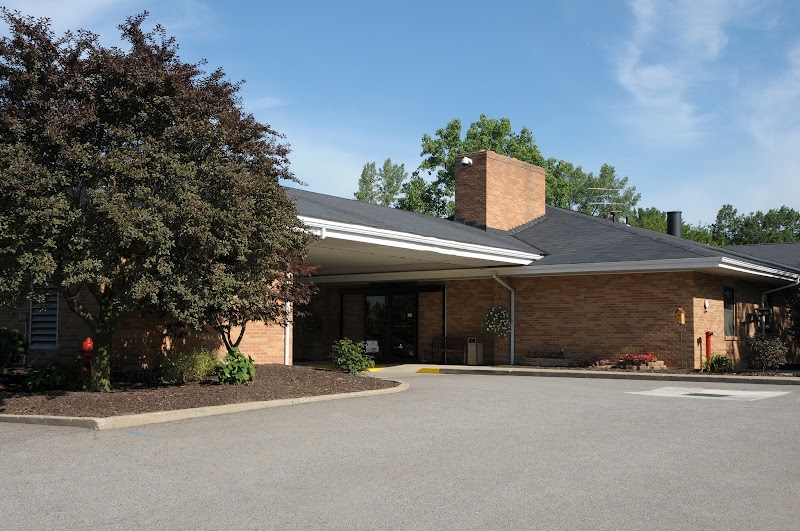
LIFE CARE CENTER OF MEDINA
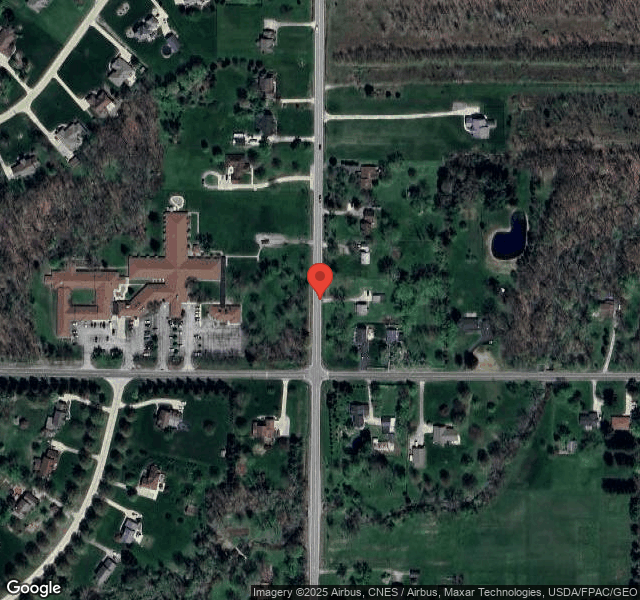
2400 COLUMBIA RD, MEDINA, OH 44256 (330) 483-3131
For profit - Limited Liability company 156 Beds LIFE CARE CENTERS OF AMERICA Data: November 2025
Trust Grade
60/100
#494 of 913 in OH
Last Inspection: January 2024

Within standard 12-15 month inspection cycle. Federal law requires annual inspections.

Overview

Life Care Center of Medina has a Trust Grade of C+, indicating it is slightly above average but not outstanding. It ranks #494 out of 913 facilities in Ohio, placing it in the bottom half, and #10 out of 12 in Medina County, suggesting there are only a couple of better local options. The facility's trend is worsening, with issues increasing from 1 in 2023 to 14 in 2024. Staffing is a strength with a 4 out of 5-star rating and a turnover rate of 33%, which is better than the Ohio average. While the facility has not incurred any fines, there have been concerning incidents, such as improper food storage that affected multiple residents and a lack of emergency water supply verification, which could pose risks to residents during emergencies. Overall, while there are strengths in staffing and no fines, families should be aware of the increasing number of issues and specific concerns raised in inspections.

Trust Score
C+
60/100
In Ohio
#494/913
Bottom 46%
Safety Record
Low Risk
No red flags
Inspections
Getting Worse
1 → 14 violations
Staff Stability
○ Average
33% turnover. Near Ohio's 48% average. Typical for the industry.
Penalties
✓ Good
No fines on record. Clean compliance history, better than most Ohio facilities.
Skilled Nurses
✓ Good
Each resident gets 43 minutes of Registered Nurse (RN) attention daily — more than average for Ohio. RNs are trained to catch health problems early.
Violations
⚠ Watch
32 deficiencies on record. Higher than average. Multiple issues found across inspections.
★★★☆☆
3.0
Overall Rating
★★★★☆
4.0
Staff Levels
★★★★☆
4.0
Care Quality
★★★☆☆
3.0
Inspection Score
Stable
2023: 1 issues
2024: 14 issues

The Good

  • 4-Star Staffing Rating · Above-average nurse staffing levels
  • 4-Star Quality Measures · Strong clinical quality outcomes
  • Full Sprinkler Coverage · Fire safety systems throughout facility
  • No fines on record
  • Staff turnover below average (33%)

    15 points below Ohio average of 48%

Facility shows strength in staffing levels, quality measures, fire safety.

The Bad

3-Star Overall Rating

Near Ohio average (3.2)

Meets federal standards, typical of most facilities

Staff Turnover: 33%

13pts below Ohio avg (46%)

Typical for the industry

Chain: LIFE CARE CENTERS OF AMERICA

Part of a multi-facility chain

Ask about local staffing decisions and management

The Ugly 32 deficiencies on record

Jan 2024 14 deficiencies
CONCERN (D) 📢 Someone Reported This

A family member, employee, or ombudsman was alarmed enough to file a formal complaint

Potential for Harm - no one hurt, but risky conditions existed

Deficiency F0558 (Tag F0558)

Could have caused harm · This affected 1 resident

Based on interviews, observations, record review, and policy review the facility failed to ensure Resident #84's call light functioned in a manner to ensure timely service. This affected one resident ...

Read full inspector narrative →
Based on interviews, observations, record review, and policy review the facility failed to ensure Resident #84's call light functioned in a manner to ensure timely service. This affected one resident (Resident #84) of twelve residents reviewed for accommodation of needs. The census was 118. Findings included: Review of the medical record for Resident #84 revealed an admission date of 12/11/23. Diagnoses included encephalopathy, hypertension, heart failure, anxiety and type two diabetes mellitus. Interview and observation on 01/22/24 from 12:54 P.M. through 2:10 P.M. with Resident #84 revealed she was lying in her bed with her legs bent and moving up and down, eyes opened only when spoken to and with a grimace on her face. When asked about if she was in pain, Resident #84 responded yes and asked for help. Call light was turned on at 12:56 P.M. At 1:19 P.M. this surveyor stepped outside the resident room to check to see if the call light system was functioning. The light above the door was lit up. Resident #84's room was located at the end of the hallway. It was the last room of eight on that side of the hallway. There was an exit door made of glass at the end of the hallway outside her room. This surveyor was able to see a housekeeping cart about halfway down the hallway and about five staff members at the nursing station. This surveyor went back into the room and continued to wait with the resident. While in Resident #84's room, this surveyor heard staff member in hallway knocking on another resident door, saw a different staff member enter the building from the door at end of hall though her back was to Resident #84's room. This surveyor also heard staff doing bingo from the hallway. This surveyor stepped out into the hallway again at 2:08 P.M. to ensure the call light was still lit which it was. Activity staff was seen about halfway down hallway calling out Bingo. Around 5 staff members were at nursing station once again. At this time, the activity staff saw surveyor who went back into Resident #84's room. At 2:10 P.M. Registered Nurse (RN) #602 knocked on the door and came into the room. She stated she did not see the call light. Prior to turning off the call light she went to the nursing station to ensure it was making a sound and was lit up. She returned to the room at 2:13 P.M. verifying Resident #84's room number was lit up and sounding at nursing station. During the observation Resident #84 continued to keep eyes closed, legs moving back and forth. Interview on 01/23/24 at 9:05 A.M. with the Director of Nursing (DON) revealed all staff can answer call lights. Interview with various staff from 01/22/24 through 01/24/24 revealed any staff member could answer a call light. Interview on 01/24/24 at 11:55 A.M. with Unit Manager RN (UMRN) #347 revealed it was a new call light system (approximately 2 months old) and it was difficult to see the Resident #84's call light above her door because of the light coming through the glass door at the end of the hallway. She also stated the call lights sounded like the alarm for the front door and another piece of portable equipment they used. Review of the facility policy titled Resident Call System, reviewed 01/15/24 revealed facility associates should always be aware of call lights.
CONCERN (D)

Potential for Harm - no one hurt, but risky conditions existed

Deficiency F0578 (Tag F0578)

Could have caused harm · This affected 1 resident

**NOTE- TERMS IN BRACKETS HAVE BEEN EDITED TO PROTECT CONFIDENTIALITY** Based on interview and record review, the facility failed to ensure accurate advanced directives were in place for Resident #110...

Read full inspector narrative →
**NOTE- TERMS IN BRACKETS HAVE BEEN EDITED TO PROTECT CONFIDENTIALITY** Based on interview and record review, the facility failed to ensure accurate advanced directives were in place for Resident #110. This affected one resident (Resident #110) of 25 residents reviewed for advanced directives. Findings include: Record review for Resident #110 revealed an admission date of 11/09/23. Diagnosis included surgical aftercare following surgery on the digestive system, muscle weakness, cognitive communication deficit, moderate protein calorie malnutrition, hypertensive heart and chronic kidney disease with heart failure. Resident #110 was admitted to hospice services on 12/22/23. Record review of the Significant Change Minimum Data Set (MDS) dated [DATE] revealed Resident #110 was severely cognitively impaired. Resident #110 required assistants with activities of daily living. Resident #110 had medically complex conditions and had a condition or chronic disease that may result in life expectancy of less than six months. Record review of the physician order dated 11/09/23 in the Electronic Medical Record revealed Resident #110 had an order for Do Not Resuscitate, Comfort Care Arrest (DNRCC-A). Review of the care plan dated 11/09/23 revealed Resident #110 had the following Advanced Directives DNRCC-Arrest. Record review of the DNR order form in Resident #110's hard chart was the order dated 12/23/23 signed by Physician #807 and revealed Resident #110 was to be Do Not Resuscitate, Comfort Care (DNRCC). Interview and record review on 01/24/24 at 3:40 P.M. with Director of Nursing (DON) confirmed the written order dated 12/23/23 in Resident #110's hard chart did not match the orders in the electronic medical record and care plan. DON confirmed Resident #110's code status was changed on 12/23/23 and the medical records and care plan was not updated to reflect the current orders. DON revealed she would expect the code status to match.
CONCERN (D)

Potential for Harm - no one hurt, but risky conditions existed

Safe Environment (Tag F0584)

Could have caused harm · This affected 1 resident

Based on observation, interview, and record review the facility failed to maintain clean and sanitary floors in a resident's room. This affected two residents (#7 and #32) of five residents reviewed f...

Read full inspector narrative →
Based on observation, interview, and record review the facility failed to maintain clean and sanitary floors in a resident's room. This affected two residents (#7 and #32) of five residents reviewed for environment. The facility census was 118. Findings include: Observation on 01/22/24 at 10:34 A.M. of Resident #7 and #32's floor revealed under the sink a large dark stains that appeared like dirt and also along the edge of the molding. Follow-up observation on 01/24/24 at 11:17 A.M. of Resident #7 and #32's floor revealed the large black dirt like stain on still on the floor under sink. Observed Resident #32 and a visitor and interview at this time the visitor stated the sink had a leak a while ago, but it was fixed but after the stain came. Resident #32's visitor then stated he wondered if it was mold. Interview on 01/24/24 at 11:27 A.M. with Housekeeping Supervisor (HS) #393 revealed the housekeeping staff cleaned residents' rooms and the common areas daily. Observation on 01/24/24 at 11:30 A.M. with HS #393 of Resident #7 and #32's room floor revealed the large black stain under the sink. Interview at this time HS #393 stated it was stained. Further observation with HS #393 using the flashlight on her cell phone revealed using the tip of a pen the black dirt like material was easily scraped up. Further observation of the area under the sink revealed the black material along the molding back against the wall under the sink and along the walk behind the small trash located next to the sink. After the small trash can was moved away, there was a cobweb and dirt debris build-up. At this time HS #393 verified the observation and stated she will get it cleaned up. Interview on 01/24/24 at approximately 2:25 P.M. with the Administrator stated the area under the sink in Resident's #7 and #32's room was not mold but was waxed over dirt and it had been cleaned up. The Administrator stated had he known about it, it would have been cleaned up immediately. Reviewed policy Housekeeping- General Policy revised 02/24/22 revealed it is the responsibility of the executive director through the environmental services director to assure that housekeeping policies are implemented and followed. The facility must provide housekeeping and maintenance services necessary to maintain a sanitary, orderly, and comfortable interior.
CONCERN (D)

Potential for Harm - no one hurt, but risky conditions existed

Report Alleged Abuse (Tag F0609)

Could have caused harm · This affected 1 resident

**NOTE- TERMS IN BRACKETS HAVE BEEN EDITED TO PROTECT CONFIDENTIALITY** Based on interview, record review, and review of the facility policy, the facility failed to investigate and report an allegatio...

Read full inspector narrative →
**NOTE- TERMS IN BRACKETS HAVE BEEN EDITED TO PROTECT CONFIDENTIALITY** Based on interview, record review, and review of the facility policy, the facility failed to investigate and report an allegation of missing money from Resident #2's purse. This affected one resident (Resident #2) of one resident reviewed for abuse, neglect, and misappropriation. Findings include: Record review for Resident #2 revealed an admission date of 12/18/16. Diagnosis included muscle weakness and need for assistants with personal care. Review of the Quarterly Minimum Data Set (MDS) dated [DATE] revealed Resident #2 was cognitively intact. Resident #2 had an impairment to one side of the upper extremity and used a wheelchair. Interview on 01/22/24 at 10:42 A.M. with Resident #2 revealed a few weeks ago she had $31.00 missing from her purse. Resident #2 revealed the administrator and social worker said there was nothing they could do about it and her money had to be in a locked box. Resident #2 revealed they provided her with a locked box. Observation revealed Resident #2 had a grey locked box in the second drawer of her nightstand. Record review of the Facility Reported Incidents (FRI) revealed there was no reported incident of Resident #2's missing money or an investigation related to missing money. Review of the facility concern/grievance log revealed no concerns were logged regarding Resident #2's missing money. Interview on 01/23/24 at 4:27 P.M. with Social Worker Director, Licensed Social Worker (LSW) #424 verified no concerns were logged regarding Resident #2's allegation of missing money. LSW #424 revealed Resident #2 had an issue with a State Tested Nursing Assistant (STNA) who she thought was taking her money. LSW #424 revealed they talked to her along with other staff as a group. When asked who the STNA was, LSW #424 revealed she did not want to talk anymore until she spoke with the administrator. Interview on 01/23/24 at 5:31 P.M. with Administrator and LSW #424 revealed per the Administrator they were never told Resident #2 had made a statement of missing money. Administrator revealed they provided Resident #2 with a locked box because she tends to keep everything on her table. Administrator revealed he thought LSW #242 was mixing up stories, Resident #2 never reported missing money, and the Administrator needed to know if she was reporting missing money. LSW #424 confirmed she was never told Resident #2 had missing money. Interview on 01/24/24 at 7:46 A.M. with Administrator revealed he spoke with Resident #2 the previous evening and Resident #2 told him she was missing $31.00, per Administrator this was the first time she reported this. Interview on 01/24/24 at 9:43 A.M. with Resident #2 revealed the Administrator and LSW #424 came in yesterday evening and talked to her about her missing money. Resident #2 revealed that was the second time they talked to her about it, the first time they gave her the locked box and now they say they didn't remember talking to her before. Resident #2 revealed well they did, they gave me the box. Interview on 01/24/24 at 9:47 A.M. with State Tested Nursing Assistant (STNA) #478 revealed the nurse, Registered Nurse (RN) #538 told her two or three weeks ago about Resident #2's $31.00 missing. STNA #478 revealed that was when LSW #424 gave Resident #2 the locked box. Interview on 01/24/24 at 10:10 A.M. with RN #538 revealed he was the nurse Resident #2 reported her missing money to. RN #538 revealed about three weeks ago Resident #2 told him about the $31.00 missing. RN #538 revealed he told LSW #424 the same day and that was when they gave Resident #2 the locked box. Interview on 01/24/24 at 10:32 A.M. with Administrator confirmed LSW #424 did not report to him Resident #2 had reported missing money prior to 01/23/24. Administrator revealed he would have expected her to report it. Interview on 01/24/24 at 2:49 P.M. with STNA #540 revealed Resident #2 told everyone about her $31.00 missing about three to four weeks ago. Record review of the facility policy titled, Abuse Prevention reviewed 07/18/23 revealed the facility will ensure reporting reasonable suspicion of crimes against a resident or individual receiving care from the facility within prescribed timeframe's to the appropriate entities. Each covered individual shall report immediately, but no later than two hours after forming the suspicion, if the events that cause the suspicion results in serious bodily injury, or not later than 24 hours if the events that cause the suspicion do not result in serious bodily injury.
CONCERN (D)

Potential for Harm - no one hurt, but risky conditions existed

Assessment Accuracy (Tag F0641)

Could have caused harm · This affected 1 resident

**NOTE- TERMS IN BRACKETS HAVE BEEN EDITED TO PROTECT CONFIDENTIALITY** 2. Review of the medical record for Resident #8 revealed an admission date of 07/02/21 with diagnoses including but not limited ...

Read full inspector narrative →
**NOTE- TERMS IN BRACKETS HAVE BEEN EDITED TO PROTECT CONFIDENTIALITY** 2. Review of the medical record for Resident #8 revealed an admission date of 07/02/21 with diagnoses including but not limited to unspecified protein-calorie malnutrition, type II diabetes mellitus, and stage III chronic kidney disease. Review of the Minimum Data Set (MDS) 3.0 quarterly assessment dated [DATE] for Resident #8 revealed the resident was cognitively intact and was independent for bed mobility, transfer and toileting and required supervision with set up for meals. Under section K0300, no significant weight changes were indicated. Review of the weights for Resident #8 revealed on 07/18/23 the resident was 120.6 pounds and on 01/17/24 she was 107.4 pounds which indicated a 13.4 pound loss which was an 11.1 percent weight loss over the past six months. Review of the quarterly nutrition assessment dated [DATE] timed at 5:27 for Resident #8 revealed no significant weight changes. Interview on 01/24/24 at 12:08 P.M. with Registered Dietitian #701 confirmed Resident #8 did have a significant weight loss over the past six months and the quarterly nutrition assessment and MDS dated [DATE] did not indicate a significant weight loss but should have. Interview on 01/25/24 at 9:11 A.M. with MDS Coordinator #311 confirmed Resident #8's MDS dated [DATE] did not indicate a significant weight loss as it should have and was marked in error. Based on record review and interview the facility failed to ensure Minimum Data Set (MDS) assessments were accurate related to nutrition for Resident #8 and #99. This affected two residents (Resident #8 and #99) of 28 residents reviewed for comprehensive assessments. Findings include: 1. Review of the medical record for Resident #99 revealed an admission date of 10/05/22. Diagnoses included dementia with agitation, muscle weakness, dysphagia, and protein-calorie malnutrition. Review of the quarterly MDS assessment dated [DATE] revealed the resident had severely impaired cognition and had received tube feedings while as a resident. Further review of Resident #99's medical record revealed no documentation the resident had received tube feedings. Interview on 01/24/24 at 2:33 P.M. with Registered Dietitian (RD) #701 stated Resident #99 had never received tube feedings. Interview on 01/25/24 at 9:11 A.M. with MDS Nurse #311 verified she marked in error that Resident #99 received tube feedings on the MDS assessment. MDS Nurse #311 stated (RD) #701 brought it to her attention yesterday.
CONCERN (D)

Potential for Harm - no one hurt, but risky conditions existed

Deficiency F0646 (Tag F0646)

Could have caused harm · This affected 1 resident

**NOTE- TERMS IN BRACKETS HAVE BEEN EDITED TO PROTECT CONFIDENTIALITY** Based on record review and staff interview the facility failed to ensure the appropriate state agency (The Ohio Department of Me...

Read full inspector narrative →
**NOTE- TERMS IN BRACKETS HAVE BEEN EDITED TO PROTECT CONFIDENTIALITY** Based on record review and staff interview the facility failed to ensure the appropriate state agency (The Ohio Department of Mental Health and Addiction Services) was notified of significant change in a residents Pre-admission Screen (PASRR). This affected one (Resident #49) of two residents reviewed for PASRR status. The facility census was 118. Findings include: Review of the medical record for Resident #49 revealed an admission date of 08/11/20. Diagnoses included but were not limited to schizophrenia, bipolar disorder, anxiety disorder, major depressive order, morbid obesity, rheumatoid arthritis, systemic lupus, and non-Hodgkin's lymphoma. Review of the most recent quarterly Minimum Data Set (MDS) 3.0 assessment dated [DATE] revealed Resident #49 was cognitively intact and required partial/moderate assistance for bathing and dressing, limited assistance of one for toileting, and supervision for bed mobility, transfer, and personal hygiene. No behaviors were noted. Review of section D question one of the PASRR screen dated 09/28/20 revealed Resident #49 had no mental health diagnosis of schizophrenia. Interview on 01/23/24 at 2:51 P.M. with Social Worker #424 verified no new PASRR was submitted to the state PASRR authority to address Resident #49's new mental health diagnosis of schizophrenia as required. Review of the diagnosis report for Resident #49 dated 01/24/24 revealed a Schizophrenia diagnosis was first reported on 11/08/20. Review of the nursing progress note dated 11/03/20 revealed Resident #49 was sent out to the hospital for evaluation related to abnormal lab values. Review of the nursing progress note dated 11/08/20 revealed Resident #49 returned to the facility from the hospital. Interview on 01/24/24 at 2:16 P.M. with Unit Manager #347 confirmed Resident #49 was first noted to have a diagnosis of schizophrenia following return from hospital on [DATE] and was unable to provide evidence of a PASSR following his diagnosis of schizophrenia.
CONCERN (D)

Potential for Harm - no one hurt, but risky conditions existed

ADL Care (Tag F0677)

Could have caused harm · This affected 1 resident

**NOTE- TERMS IN BRACKETS HAVE BEEN EDITED TO PROTECT CONFIDENTIALITY** 3. Resident #50's medical record revealed an admission date of 08/25/20 with diagnosis including: traumatic brain injury, hemipl...

Read full inspector narrative →
**NOTE- TERMS IN BRACKETS HAVE BEEN EDITED TO PROTECT CONFIDENTIALITY** 3. Resident #50's medical record revealed an admission date of 08/25/20 with diagnosis including: traumatic brain injury, hemiplegia affecting left dominant side, dementia with mood disorder, and anxiety disorder. Review of the quarterly Minimum Data Set (MDS) assessment, dated 01/14/24, revealed Resident #50 was dependent on staff for assistance with showers, and was severely impaired cognitively. Resident #50's care plan dated 01/03/24 revealed Resident #50 had a self-care deficit and staff were to provide assistance with showers twice a week. On 01/22/24 at 10:06 A.M., interview with Resident #50's Representative revealed concerns with personal hygiene not being completed on resident. Review of Resident #50's shower task sheets for bathing revealed resident prefers showers on Fridays. The task sheet for December 2023 revealed Resident #50 had refused a shower on 12/01/23, and 12/08/23. The shower task sheet revealed the shower was non- applicable on 12/15/23, 12/22/23 and 12/29/23. The shower task sheet for January of 2024 revealed resident's showers were non-applicable for 01/05/24, and 01/19/24. On 01/12/24 resident was marked refused on the shower sheet. Overall review of the shower sheets for November 2023, December 2023 and January 2024 revealed the last time Resident #50's had been washed was on 11/10/23 when a bed bath had been given. On 01/25/24 at 11:04 A.M., interview with STNA #604 verified non applicable on the shower sheet meant the shower was not given. STNA #604 reported the shower is usually not given because they do not have enough staff to give the shower. STNA #604 verified Resident #50 did not refuse showers for her. Review of the policy titled Activities of Daily Living, dated 12/11/18 stated the resident will receive assistance as needed to complete ADLs. Any changes in the ability to perform ADLs will be documented and reported to the nurse. Based on interview, record review, and review of the facility policy, the facility failed to ensure Resident #38, Resident #50, Resident #43, and resident who receive hospice services received assistance with showers. This affected three residents (Resident #38, Resident #43, Resident #43) of three residents reviewed for showers and had the potential to affect 17 (Resident #5, #6, #31, #35, #42, #55, #59, #82, #84, #86, #94, #96, #101, #102, #110, #470, #473) who receive Hospice services. The facility census was 118. Findings include: 1. Record review revealed Resident #43 had an admission date of 09/24/21. Diagnosis included atrioventricular block, muscle weakness, schizophrenia, and chronic obstructive pulmonary disease. Record review of the physician orders revealed Resident #43 began receiving hospice services on 09/13/23. Record review of the quarterly Minimum Data Set (MDS) dated [DATE] revealed Resident #43 was cognitively intact. Resident #43 required set up or clean up assist with eating, partial or moderate assist with upper body dressing, substantial/max assist with lower body dressing, personal hygiene, and bathing. Review of the care plan dated 12/05/23 revealed Resident #43 had an activities of daily living (ADL) self-care performance deficit. Interventions included to encourage resident to participate to the fullest extent possible with each interaction. Observation and interview on 01/22/24 at 5:09 P.M. with Resident #43 revealed Resident #43's shirt and pants had multiple food stains and crumbs. Resident #43's nails were long and jagged. Resident #43 revealed he changed his clothing on shower days and would prefer to wear the same clothing until his next scheduled shower. Resident #43 revealed he received two showers a week, he would like to receive more showers but there was not enough staff to provide more showers. Interview on 01/25/24 at 8:38 A.M. with DON confirmed Resident #43 received Hospice services. DON revealed the hospice aides shower Resident #43 two times a week. DON revealed once a resident signs up for hospice services, the resident is put on the hospice bathing schedule and the facility staff no longer bath or shower the resident unless hospice missed a day then they would. DON confirmed since the hospice resident received two baths a week by hospice, the facility did not do scheduled routine additional baths or showers for any hospice residents. Interview on 01/25/24 at 8:41 A.M. with Licensed Practical Nurse (LPN) #542 revealed if a resident received hospice services, hospice aides do the showers, the facility aides did not. Interview on 01/25/24 at 8:48 A.M. with Registered Nurse (RN) Unit Care Coordinator #347 revealed Resident #43 received his showers on Mondays and Fridays. The two showers a week were provided per hospice services. (RN) Unit Care Coordinator #347 revealed at times Resident #43 would refuse the male Hospice aide because he preferred females to bath him. If Resident #43 refused the Hospice aide, then a facility aide would bath him. (RN) Unit Care Coordinator #347 revealed for all hospice residents, the hospice staff normally provided all the baths/showers, the facility did not because the resident was already receiving their bathing per hospice. (RN) Unit Care Coordinator #347 revealed the Hospice aides fill out the facility shower sheets. Review of the shower sheets with (RN) Unit Care Coordinator #347 for Resident #43 revealed the last shower sheet completed was 12/21/23. (RN) Unit Care Coordinator #347 confirmed the last sheet completed was 12/21/23 and confirmed if showers were done, the shower sheet would be filled out. Interview on 01/25/24 at 10:24 A.M. with State Tested Nursing Assistant (STNA) #610 confirmed if a resident received hospice services, she did not have to bath or shower the resident because hospice did. STNA #610 revealed the STNA's do document the resident received a shower or bath because hospice completed the task for them. Interview on 01/25/24 at 2:10 P.M. with Hospice RN #809 confirmed she was Resident #43's Hospice Nurse. Hospice RN #809 revealed the Hospice aides visited and gave each hospice resident two baths/showers a week. Hospice RN #809 revealed she would expect the staff at the facility to also give their two baths/showers a week plus as needed. Hospice RN #809 confirmed Hospice Services were intended to be additional services provided to the resident along with the facility services provided. Interview on 01/25/24 at 2:30 P.M. with DON confirmed the facility had 17 additional hospice residents, Residents #35, #6, #84, #59, #473, #82, #470, #86, #102, #110, #5, #31, #96, #55, #101, #42, and #94. DON confirmed the facility did not provide routine scheduled baths/showers for any of the hospice residents. Interview on 01/25/24 at 3:45 P.M. with Administrator confirmed hospices services were intended to be additional services to the resident including bathing/showers. Review of the facility policy titled, Activities of Daily Living issued 12/11/18 revealed the facility must provide care and services for activities of daily living to include bathing, dressing, grooming and oral care. 2. Review of the medical record for Resident #38 revealed an admission date of 05/13/22. Diagnoses included schizoaffective disorder, bipolar, type II diabetes, and Alzheimer's dementia. Review of the quarterly Minimum Set (MDS) assessment dated [DATE] for Resident #38 revealed she had intact cognition and required partial to moderate assistance with showers. Review of the plan of care dated 01/03/24 revealed the resident has potential for declines in activities of daily living (ADL) and self-care related to Alzheimer's and schizophrenia. Intervention included offering and encouraging showers twice weekly. Review of the shower documentation for January revealed Resident #38 received a shower on 01/01/24, 01/04/24, 01/15/24 and 01/18/24, on 01/08/24 and 01/11/24 the shower was documented NA, meaning not applicable the shower did not occur, and on 01/22/24 the resident refused her shower. There was no documented evidence that Resident #38 received a shower from 01/05/24 through 01/14/24. Interview on 01/22/23 at 10:58 A.M. with Resident #38 stated she did not receive showers for nine days. Observation at this time revealed her hair was matted and greasy. Interview on 01/22/24 at 11:47 A.M. with the Director of Nursing (DON) verified there was no documentation that Resident #38 received a shower 01/05/24 through 01/14/24. The DON stated the NA reveals the resident did not receive a shower. Interview on 01/24/23 at 4:30 P.M. with State Tested Nursing Assistant (STNA) #427 revealed Resident #38 rarely will refuse a shower and will ask for a shower. Review of the policy titled Activities of Daily Living, dated 12/11/18 stated the resident will receive assistance as needed to complete ADLs. Any changes in the ability to perform ADLs will be documented and reported to the nurse.
CONCERN (D)

Potential for Harm - no one hurt, but risky conditions existed

Accident Prevention (Tag F0689)

Could have caused harm · This affected 1 resident

**NOTE- TERMS IN BRACKETS HAVE BEEN EDITED TO PROTECT CONFIDENTIALITY** Based on observation, interview, record review and review of the facility policy, the facility failed to ensure Resident #2 was ...

Read full inspector narrative →
**NOTE- TERMS IN BRACKETS HAVE BEEN EDITED TO PROTECT CONFIDENTIALITY** Based on observation, interview, record review and review of the facility policy, the facility failed to ensure Resident #2 was safely positioned while in bed, in a manner to prevent the resident from falling out of bed during personal care provided by staff. This affected one resident (Resident #2) of three residents reviewed for falls. The facility census was 118. Findings include: Record review for Resident #2 revealed an admission date of 12/18/16. Diagnosis included muscle weakness, need for assistants with personal care, chronic pain syndrome, and morbid severe obesity. Review of the annual Minimum Data Set (MDS) assessment dated [DATE] revealed Resident #2 required extensive assistants of two staff for bed mobility. Review of the most recent Quarterly MDS dated [DATE] revealed Resident #2 was cognitively intact. Resident #2 had an impairment to one side of the upper extremity and used a wheelchair. Resident #2 was always incontinent of bowel and bladder. Resident #2 was dependent for toileting and required substantial maximum assistant with personal hygiene and rolling left and right in bed. Resident #2 was unable to stand. Resident #2 was debilitated with cardiorespiratory conditions. Resident #2 had no falls since admission. Review of the care plan for Resident #2 dated 01/15/24 revealed Resident #2 had a self care and mobility deficit related to chronic conditions, morbid obesity, cardiac disease, respiratory disease, anxiety and depression. Interventions included Resident #2 required assistance with frequent repositioning each day and used quarter side rail to aid herself with bed mobility. Resident #2 was at risk for falls, was non-weight bearing, and non-ambulatory. Interventions included to monitor for good body alignment each shift, reposition as needed to keep centered and balanced well in chair and bed. The care plan did not identify how many people were needed to reposition the resident in bed. Record review of the progress note for Resident #2 dated 01/19/24 at 2:57 A.M. completed by Registered Nurse (RN) #347 included State Tested Nursing Assistant (STNA) was changing resident when resident stated that her legs were starting to slide and STNA then went to other side of bed. Resident's top of foot and ankle noted on floor. STNA then assisted with lowering her to the floor. Resident complained of sharp pain to the right lower extremity. Visible lump noted to the lateral aspect. Resident was assisted to bed by three nurses and three STNA's. The physician was notified and received orders to send the resident to the emergency room. Record review of the progress note for Resident #2 dated 01/19/24 at 6:52 P.M. completed by RN #538 included Resident #2 returned to the facility from the hospital. Per hospital records, Resident #2 had no fractures. Review of the electronic medical record documentation completed by STNA's for Resident #2 revealed on 01/19/24, under the bed mobility tab, Resident #2 required extensive assistants for bed mobility, staff provide weight bearing support. Interview and observation on 01/22/24 at 10:51 A.M. with Resident #2 revealed the previous week she was pushed out of bed by an STNA. Resident #2 revealed it was in the middle of the night, she was incontinent of urine. The STNA came in to change her, and found she needed her sheets changed too. Resident #2 revealed while the STNA was changing her sheets, she kept pushing her over to the edge of the bed. Resident #2 revealed she kept telling the STNA she was on the edge of the bed, but the STNA kept pushing her on her back from the opposite side of the bed until she fell out of bed. Resident #2 revealed there were supposed to be two staff members when turning her in bed, but on this night, there was only one. Resident #2 revealed she really hurt her right leg and required her pain medication to be increased due to the pain in her right leg from the fall. Observation revealed Resident #2 was in a bariatric bed with a quarter rail. Resident #2 had a large, raised hematoma on the front of her right lower leg. Interview on 01/24/24 at 10:15 A.M. with RN #347 revealed Resident #2 only required one STNA to provide care including repositioning while in bed. RN #347 revealed while turning Resident #2 in bed, the STNA rocks Resident #2 back and forth to get momentum then rolls Resident #2 to her side with assistants from the STNA. RN #347 revealed Resident #2 then holds onto the rail while the STNA cleans her backside. RN #347 confirmed she was the charge nurse the night Resident #2 fell out of bed. RN #347 revealed STNA #347 was assisting Resident #2 with care when STNA #347 reported when she rolled Resident #2 (from the opposite side of the bed) her feet went off the bed, Resident #2's right leg was bracing the fall and STNA #347 went over and assisted her to lay down on the floor. Interview on 01/24/24 at 11:34 A.M. with Physical Therapist (PT) #310 revealed the therapy department had evaluated and treated Resident #2 for bilateral shoulder pain prior to the fall on 12/19/23. PT #310 revealed the therapy department never evaluated Resident #2 for bed mobility because she was in a bariatric bed and there was plenty of room as long as she was kept centered. PT #310 revealed if Resident #2 was in a regular sized bed, therapy would have had to evaluate her for bed mobility because she would have been on the edge of the bed, Resident #2's lower extremities were the weakest part of her body and once she was on the edge of the bed she would not have the strength to prevent a fall from bed if she began falling. Phone interview on 01/24/24 at 12:16 P.M. with STNA #347 confirmed she worked on night shift and on 01/19/24 and she was Resident #2's assigned STNA. STNA #347 revealed on 01/19/24 she went in to change Resident #2. Resident #2 required a full bed change because her sheets were also wet. Once she washed Resident #2 up, she rolled Resident #2 to her left side, (standing on the opposite side of the bed) using the bed pad to assist her to roll. STNA #347 revealed once Resident #2 gets rolling she can assist more holding onto the rail. Resident #2 grabbed the rail with her left arm. STNA #347 revealed she then washed her backside then began removing the sheet under Resident #2. STNA #347 revealed Resident #2 was lying on her left side on the edge of the bed holding the quarter side rail. STNA #347 revealed she was on the opposite side of the bed. STNA #347 revealed she tugged the sheet to remove it from under Resident #2 and once she tugged the sheet under Resident #2 it moved her, Resident #2, closer to the edge of the bed, she seen Resident #2's legs start to go off the bed, Resident #2 was saying she felt her legs sliding, they are sliding but it was too late, her legs went out first, it happened so fast. STNA #347 revealed by the time she got over to Resident #2, her legs were on the ground, and she began yelling for the nurses. STNA #347 confirmed Resident #2 did not have the strength to reposition herself in bed and revealed she needed two people to assist Resident #2 with repositioning in bed. Interview on 01/24/23 at 2:49 P.M. with STNA #540 confirmed she worked frequently with Resident #2. Prior to Resident #2's fall on 01/19/24, Resident #2 only required one person to assist with incontinence care as long as she was always kept in the center of the bed, it was important to keep her in the center of the bed to prevent her from falling out of bed. Resident #2 was unable to reposition herself and required the assistants to reposition in bed. If Resident #2 required her sheets to be change, she would need two assistants because Resident #2 was so large and would need to be rolled more to the edge of the bed to change the sheets. Interview on 01/24/24 at 3:23 P.M. with DON confirmed Resident #2's care plan prior to 01/19/23 when Resident #2 fell out of bed, did not define how many people was to assist Resident #2 with incontinence care or changing linen while in bed. Review of the facility policy titled, Fall Management revised 09/22/23 revealed the facility will assess the resident upon admission/readmission, quarterly, with change in condition, and will identify appropriate interventions to minimize the risks of injury related to falls. Each resident receives adequate supervision and assistants devices to prevent accidents.
CONCERN (D)

Potential for Harm - no one hurt, but risky conditions existed

Drug Regimen Review (Tag F0756)

Could have caused harm · This affected 1 resident

**NOTE- TERMS IN BRACKETS HAVE BEEN EDITED TO PROTECT CONFIDENTIALITY** Based on record review and interview, the facility failed to ensure pharmacy recommendations were addressed by the physician in ...

Read full inspector narrative →
**NOTE- TERMS IN BRACKETS HAVE BEEN EDITED TO PROTECT CONFIDENTIALITY** Based on record review and interview, the facility failed to ensure pharmacy recommendations were addressed by the physician in a timely manner. This affected two residents (Residents #49 and Resident #50) of five residents reviewed for unnecessary medications. The facility census was 118. Findings include: 1. Resident #50's medical record revealed an admission date of 08/25/20 with diagnosis including: traumatic brain injury, hemiplegia affecting left dominant side, dementia with mood disorder, and anxiety disorder. Resident #50 was receiving anti-psychotic medication and had behavioral symptoms such as yelling out, outbursts and exit seeking. Review of the quarterly Minimum Data Set (MDS) assessment, dated 01/14/24, revealed the resident had severe impaired cognition, and felt depressed. Review of the monthly pharmacy recommendations to the attending physician dated 12/12/23, revealed a recommendation for a gradual dose reduction of Tramadol (opioid pain medication). The record revealed the physician was notified on 01/24/24 by Licensed Practical Nurse (LPN) #511 of the pharmacist recommendation to taper and discontinue the Tramadol. On 01/25/24 at 10:46 A.M LPN #511 verified the first time the physician was notified of the 12/12/23 recommendation was on 01/24/24. LPN #511 was unaware of a timeline to notify the physician of a pharmacist recommendation. Review of Resident #50's medical record review on 01/24/24 revealed no documentation from the physician addressing the pharmacy recommendation from 12/12/23. 2. Review of the medical record for Resident #49 revealed an admission date of 08/11/20. Diagnoses included but were not limited to bipolar disorder, schizophrenia, major depressive disorder, anxiety disorder. Review of the Minimum Data Set (MDS) quarterly assessment dated [DATE] revealed Resident #49 was cognitively intact and required moderate assistance of one for transfer, dressing, bathing and toileting and supervision for personal hygiene. Resident #49 was noted to be taking routine antipsychotic, antidepressant, opioid and hypoglycemic medications. No behaviors were indicated. Review of the physician orders for Resident #49 dated 12/30/23 revealed she was prescribed Lamictal (an anticonvulsant) 25 milligrams (mg) two tablets at bedtime for diagnosis of bipolar disorder, Venlafaxine Hydrochloride extended release (an antidepressant also known as Effexor) 150 mg capsule one time a day with one 75 mg capsule to make a total of 225 mg daily for diagnosis of depression, Vraylar (an antipsychotic) 4.5 mg capsule at bedtime for bipolar disorder, Hydroxyzine Pamoate ( an antihistamine also known as Vistaril ) 25 mg capsule twice daily and Hydroxyzine Pamoate 100 mg capsule at bedtime for anxiety. Review of the pharmacy consultation report dated 04/21/23 for Resident #49 revealed recommendations that Vraylar 4.5 mg at bedtime, Lamictal 50 mg at bedtime, Hydroxyzine Pamoate 25 mg twice daily, Hydroxyzine Pamoate 50 mg at nighttime for anxiety, and Effexor XR 187.5 mg once daily be considered for gradual dose reduction. Certified Nurse Practitioner #801 noted it was reviewed on 04/26/23 stating she sees her own psychiatrist. Review of the pharmacy consultation report dated 09/11/23 for Resident #49 revealed recommendations to discontinue Zyrtec 10 milligrams daily due to receiving two routine antihistamines: Cetirizine (Zyrtec) and Hydroxyzine Pamoate (Vistaril) 25 milligrams twice daily and 100 milligrams at bedtime. Undated response from CNP #801 stated Cetirizine (Zyrtec) 10 mg was used for allergies and Hydroxyzine Pamoate 25 mg twice daily and 100 mg at bedtime is used for anxiety per psych. Review of the nursing progress note dated 01/03/24 timed at 12:18 revealed Zyrtec 10 mg was discontinued. Interview on 01/25/24 at 2:35 P.M. with the Director of Nursing (DON) confirmed the facility was not able to provide evidence the facility followed up with pharmacy recommendations dated 04/21/23 and 09/11/23 with Resident #49's psychiatrist. Review of the facility policy last reviewed on 08/17/23 called; LTC Facility's Pharmacy Services and Procedures Manual revealed the attending physician should document in the resident's health record that the identified irregularity has been reviewed and what, if any, action has been taken to address it.
CONCERN (D)

Potential for Harm - no one hurt, but risky conditions existed

Medication Errors (Tag F0758)

Could have caused harm · This affected 1 resident

**NOTE- TERMS IN BRACKETS HAVE BEEN EDITED TO PROTECT CONFIDENTIALITY** Based on record review and interview the facility failed to ensure a stop date was added for Resident #99's as needed psychotrop...

Read full inspector narrative →
**NOTE- TERMS IN BRACKETS HAVE BEEN EDITED TO PROTECT CONFIDENTIALITY** Based on record review and interview the facility failed to ensure a stop date was added for Resident #99's as needed psychotropic medication, and failed to ensure behavior monitoring was completed for Resident #36 while receiving psychotropic medications. This affected two residents (#36 and #99) of five residents reviewed for unnecessary medications. Findings include: 1. Review of the medical record for Resident #99 revealed an admission date of 10/05/23. Diagnoses included dementia with agitation, dementia with mood disturbance, insomnia, and depression. Review of the Physician orders for January 2024 revealed an active order for Lorazepam (anti-anxiety medication) tablet 0.5 milligrams (mg) to give one tablet by mouth as needed (PRN) for anxiety/restlessness related to dementia with mood disturbance. May give once daily with a start date of 08/31/23 and no end date. Interview on 01/25/24 at 9:19 A.M. with the Director of Nursing (DON) verified the as needed Lorazepam physician order for Resident #99 did not have a stop date. Review of the facility policy titled Psychotropic Medication Use revised 10/24/23 revealed PRN psychotropic medications should be ordered for no more than 14 days.2. Review of the medical record for Resident #36 revealed an admission date of 12/23/23. Diagnoses included schizoaffective disorder, anxiety, depression, and psychotic disturbance. Review of the baseline assessment dated [DATE] for Resident #36 revealed she had impaired cognition and received an antidepressant and antipsychotic medication. Review of the base line plan of care dated 12/23/23 revealed the resident uses antipsychotic medications. Intervention included to observe and report any adverse reaction related to the medication. Review of the January physician order revealed orders for Sertraline (antidepressant medication) 25 milligram (mg) daily for depression and Seroquel (antipsychotic medication) 25mg two times a day for anxiety. Review of Resident #36's medical record revealed no evidence of behavior monitoring or the monitoring of medications for efficacy and adverse consequences. Interview on 01/25/24 at 10:19 A.M. with the Register Nurse (RN) #347, the unit manager, verified there was no monitoring for behaviors or monitoring of medications for efficacy and adverse consequences.
CONCERN (D) 📢 Someone Reported This

A family member, employee, or ombudsman was alarmed enough to file a formal complaint

Potential for Harm - no one hurt, but risky conditions existed

Deficiency F0849 (Tag F0849)

Could have caused harm · This affected 1 resident

**NOTE- TERMS IN BRACKETS HAVE BEEN EDITED TO PROTECT CONFIDENTIALITY** Based on interview, closed record review, and review of the facility policy, the facility failed to notify Hospice Services and ...

Read full inspector narrative →
**NOTE- TERMS IN BRACKETS HAVE BEEN EDITED TO PROTECT CONFIDENTIALITY** Based on interview, closed record review, and review of the facility policy, the facility failed to notify Hospice Services and collaborate continuation of care and treatment after discharge for Resident #120. This affected one resident (Resident #120) of three residents reviewed for notification. The facility census was 118. Findings include: Record review for Resident #120 revealed an admission date of 12/21/23 and a discharge date of 12/26/23. Diagnoses included Alzheimer's disease and hypertensive chronic kidney disease. Record review of the admission assessment dated [DATE] at 6:40 P.M. completed by Registered Nurse (RN) #538 revealed Resident #120 was admitted for Hospice Respite stay. Record review of the care plan dated 12/25/23 revealed Resident #120 had a break in skin integrity. The resident had a skin tear related to fragile skin, decreased intake and was on hospice services. Record review of the physician orders dated 12/25/23 for Resident #120 revealed an order for wound care to the right-hand skin tear. Clean with normal saline, apply alginate and foam dressing and change every three days and as needed. Additional orders dated 12/25/23 revealed wound care to the right elbow skin tear. Clean with normal saline, apply foam dressing and change every three days and as needed. Record review of the progress note dated 12/25/23 at 1:05 P.M. completed by RN #538 revealed the nurse was alerted that (Resident #120) sustained two skin tears during a shower. (Resident #120) was noted to have skin tears to the right elbow and the back of her right hand, both noted to have a small amount of serosanguineous drainage. (Resident #120) was noted to have very fragile skin, staff noted (Resident #120) brushed arm/hand on the shower chair. Areas were assessed cleansed, and dressings were applied. The skin tear to the right hand measured three centimeters (cm) in length by 1.5 cm in width by 0.1 cm in depth. The area to the right elbow measured 7.6 cm in length by 3.4 cm in width by 0.1 cm in depth. Record review of the progress note for Resident #120 dated 12/26/23 at 1:24 P.M. completed by RN #347 revealed discharge paperwork reviewed with Emergecny Medical Technicians (EMT's). All medications including narcotics given to EMT. Resident #120 was discharged via cot. Record review of the Discharge Return Not Anticipated Minimum Data Set (MDS) dated [DATE] revealed Resident #120 was rarely or never understood, dependent on staff for shower/bathing, upper and lower body dressing, personal hygiene, and substantial/max assist with rolling left to right. Record review of the medical records for Resident #120 from 12/25/23 through 12/26/23 revealed there was no documentation of Hospice Services being notified of the new wounds or treatment orders to Resident #120's right hand or elbow. Interview on 01/24/24 at 3:38 P.M. with DON confirmed Resident #120 was admitted to the facility on [DATE] for a Hospice Respite stay with a planned discharge of 12/26/23. Resident #120's stay was to be from 12/21/23 through 12/26/23 then the resident was to be discharged back home with family with continued hospice services. The DON confirmed Resident #120 obtained skin tears to the right arm/hand on 12/25/23. The DON confirmed the injuries required continued treatments after discharge and there was no documentation or evidence the hospice provider was notified of the injuries prior to discharge home. The DON revealed the nurses were expected to notify the hospice nurse of changes and condition. Interview on 01/25/24 at 2:10 P.M. with Hospice RN #805 revealed she provided continuum of care for Resident #120 while at home and during Resident #120's respite stay at the facility. Hospice RN #805 confirmed she was not notified by the facility of Resident #120's skin tears that occurred 12/25/23. Hospice RN #805 revealed the facility should have notified her of any change in condition for Resident #120 while at the facility and prior to discharge. Record review of the facility policy titled, Hospice Coordination of Care reviewed 08/23/23 revealed the facility must have a communication process between the Long-Term Care Facility (LTC) and the hospice provider to ensure that the needs of the resident are addressed and met 24 hours a day. The LTC facility immediately notifies the hospice about the following which included a significant change in the resident's physical, mental, social status and clinical complications that suggest a need to alter the plan of care. This deficiency represents non-compliance investigated under Complaint Number OH00149559.
CONCERN (D)

Potential for Harm - no one hurt, but risky conditions existed

Infection Control (Tag F0880)

Could have caused harm · This affected 1 resident

Based on observation, interview, and record review the facility failed to perform proper hand hygiene during medication administration. This affected two residents (Resident #111 and Resident #97) of ...

Read full inspector narrative →
Based on observation, interview, and record review the facility failed to perform proper hand hygiene during medication administration. This affected two residents (Resident #111 and Resident #97) of four residents observed for medication administration. Findings Include: Review of the medical record for Resident #111 revealed an admission date of 11/10/23. Diagnoses included fracture of lumbar vertebra, schizophrenia, chronic kidney disease and muscle weakness. Review of the quarterly Minimum Data Set (MDS) 3.0 assessment for Resident #111, dated 12/08/23, revealed the resident had impaired cognition and received antipsychotic. Review of the January physicians order revealed the orders for Amlodipine 10 milligrams (mg) used to treat hypertension, Carvedilol 3.125 mg used to treat hypertension, and Fluphenazine 10 mg an antipsychotic used to treat schizophrenia, Review of the medical record for Resident #97 revealed an admission date of 02/02/24. Diagnoses included Alzheimer's Disease, hypertension, and insomnia. Review of the quarterly Minimum Data Set (MDS) 3.0 assessment for Resident #97, dated 12/08/23, revealed the resident had memory problems and received an antidepressant and a diuretic medication. Review of the January physicians order revealed the orders for Divalproex Sprinkles oral capsule 125 mg, Lasix 20 mg a diuretic, Seroquel 50 mg an antipsychotic. Observation of medication administration on 01/23/24 at 7:50 A.M. with Licensed Practical Nurse (LPN) #479 revealed she did not wash or sanitize her hands and began preparing Resident #111's morning medications. LPN #479 prepared and administered the morning medications to Resident #111. LPN #479 did not wash or sanitize her hands and continued her medication pass and started preparing Resident #97's morning medications. LPN #479 put Lasix and Seroquel into one cup and then put two Divalproex capsules into another cup. LPN #479 sanitized her hands and donned gloves; she opened two Divalproex capsules and poured them back into the medication cup and mixed them with pudding. LPN #479 administered all Resident #97's medications left the room and sanitized her hands. Interview with LPN #479, 01/23/24 at 8:10 AM verified she did not wash her hands prior to preparing Resident #111 medications and prior to preparing Resident #97's medications. LPN #479 stated she sanitized her hand prior to opening the Divalproex capsules. Review of the policy titled Hand hygiene, revised 06/13/23 stated associates will perform hand hygiene before and after contact with a resident.
CONCERN (E)

Potential for Harm - no one hurt, but risky conditions existed

Food Safety (Tag F0812)

Could have caused harm · This affected multiple residents

Based on observation and interview the facility failed to maintain a clean and sanitary kitchen and nursing unit refrigerator. This had to the potential to affect 116 of 118 residents in the facility ...

Read full inspector narrative →
Based on observation and interview the facility failed to maintain a clean and sanitary kitchen and nursing unit refrigerator. This had to the potential to affect 116 of 118 residents in the facility as Residents #4 and #425 received nothing by mouth. The facility census was 118. Findings include: During the initial tour of the kitchen on 01/22/24 from 9:09 A.M. to 9:45 A.M. with Dietary Manager (DM) #361 revealed the outside door of the reach in cooler had various food stains/smears and the inside of the cooler's bottom shelf had various food crumbs and debris. On the counter where the coffee machine was located were dried coffee stains on the counter and the along the side of the coffee maker. The floor by the oven was dirty with dried food and small bits of paper on the floor. Interview on 01/22/24 between 9:09 A.M. to 9:45 A.M. with DM #361 verified the above identified findings. Observation on 01/23/24 at 10:38 A.M. of the nursing unit refrigerators located on the House 2 unit revealed brownish food stain in butter dish, dried brownish food splatter along the inside refrigerator door, and the bottom inside shelf had various food splatter. Interview at this time with DM #361 verified observation and stated housekeeping was responsible for cleaning the refrigerator. Review of a list of facility resident diets revealed Residents #4 and #425 received nothing by mouth. Reviewed policy Sanitation and Maintenance revised 04/26/23 revealed food and nutrition services associates are trained in proper use, cleaning, and sanitation of all equipment. Physical facilities are cleaned as often as necessary to keep them clean.
MINOR (C)

Minor Issue - procedural, no safety impact

Garbage Disposal (Tag F0814)

Minor procedural issue · This affected most or all residents

Based on observations and interview, the facility failed to maintain a clean and sanitary area around the trash compactor. This had the potential to affect all 118 residents in the facility. Findings ...

Read full inspector narrative →
Based on observations and interview, the facility failed to maintain a clean and sanitary area around the trash compactor. This had the potential to affect all 118 residents in the facility. Findings include: Observation on 01/22/24 at 9:30 A.M. of the outside trash compactor revealed on the ground behind the compactor was a moderate amount of various trash and debris including three trash bags of trash, empty cans, and containers. Interview at this time with Dietary Manager (DM) #361 verified the observations and stated trash pickup was on Mondays and Fridays and the trash area was cleaned weekly by the maintenance department.
Nov 2023 1 deficiency
CONCERN (D) 📢 Someone Reported This

A family member, employee, or ombudsman was alarmed enough to file a formal complaint

Potential for Harm - no one hurt, but risky conditions existed

Accident Prevention (Tag F0689)

Could have caused harm · This affected 1 resident

THE FOLLOWING DEFICIENCY REPRESENTS AN INCIDENT OF PAST NON-COMPLIANCE THAT WAS SUBSEQUENTLY CORRECTED PRIOR TO THIS SURVEY. Based on medical record review, review of a self-reported incident, review ...

Read full inspector narrative →
THE FOLLOWING DEFICIENCY REPRESENTS AN INCIDENT OF PAST NON-COMPLIANCE THAT WAS SUBSEQUENTLY CORRECTED PRIOR TO THIS SURVEY. Based on medical record review, review of a self-reported incident, review of an investigation, staff interview, and review of facility initiated corrective action, the facility failed to ensure care and services were provided to prevent a resident elopement. This affected one (#100) of three residents reviewed for elopement. The facility census was 120. Findings include: Review of the medical record for Resident #100 revealed an admission date of 02/09/23. Diagnoses included Alzheimer's disease, psychosis, and paranoid schizophrenia. Review of the quarterly Minimum Data Set (MDS) assessment, dated 11/01/23, revealed Resident #100 had severely impaired cognition, and was independent for ambulation with the assistance of a wheeled walker. Review of the elopement risk assessments dated 02/09/23, 05/09/23, 08/09/23, and 11/11/23 revealed Resident #100 was at a high risk for elopement. Review of the plan of care dated 02/09/23 revealed Resident #100 was at risk for elopement. Interventions included to document wandering behaviors and report to a physician, provided diversional activities when exit seeking, and provide an overall secure and safe environment. Review of a self reported incident (SRI) and investigation dated 11/10/23 revealed during the evening medication administration, it was observed that Resident #100 was absent from her room at approximately 8:30 P.M. A thorough search of the resident's room, bathroom, and closet yielded no results. The investigation revealed that an outside window was open approximately 15 inches and was missing the screen which was previously in place. In an effort to locate Resident #100 an external search was conducted, and other staff members were notified, and a comprehensive search was extended throughout the building and outside surroundings. Resident #100 was located at approximately 8:50 P.M., just within the tree line on the facility property and concealed in a pile of leaves. A detailed assessment of Resident #100's range of motion (ROM) and injuries indicated no abnormalities. Resident #100 was safely transported back into the facility, and upon returning to her room, Resident #100 was dressed in slacks, a long-sleeve shirt, and an outside jacket, but was without shoes or socks. The resident's hands and feet were cold to the touch while her face and trunk exhibited warmth. Resident #100's temperature was obtained and found to be a normal temperature of 98 degrees Fahrenheit (F). Despite the offer to change clothing and administer evening medications, Resident #100 refused and exhibited arm movements and closed her eyes. Staff maintained one-on-one supervision until the window in the room was properly secured by maintenance. The window was noted to have been compromised as evidenced by a bent and damaged securing screw and two cracks in the glass. A staff member sat in the room with Resident #100 for one-on-one supervision until the window was re-secured. Review of the investigation for the SRI dated 11/10/23 revealed Resident #100 was last observed in her room on 11/10/23 at approximately 6:50 P.M. by State Tested Nurse Aide (STNA) #900. It was determined the securing screw on the window was bent and damaged, and the window glass had two cracks. These observations revealed that Resident #100 used significant and unforeseeable force with her wheeled walker to hit the window to gain exterior access. When Resident #100 was questioned by staff regarding her departure through the window the resident did not provide a reason why she left the facility. Interview on 11/20/23 between 11:09 A.M. and 11:58 A.M. with Registered Nurse (RN) #400, Licensed Practical Nurse (LPN) #500, STNA #600, and STNA #700 all verified they were working in the facility at the time Resident #100 eloped from the facility. All staff members stated they did not notice anything out of the ordinary prior to finding Resident #100 was not in her room. All staff members verified interventions and supervision was in place, but verified Resident #100 was located outside the facility on 11/10/23. Interview with Maintenance Director (MD) #875 on 11/20/23 at 1:29 P.M. verified the events of the SRI dated 11/10/23, and verified the condition of the window at the time of the incident. MD #875 verified the window was tampered with on 11/10/23, and was immediately fixed upon discovery. As a result of the incident, the facility implemented the following corrective actions to correct the deficient practice by 11/13/23: • Upon notification on 11/10/23 that Resident #100 was missing, the facility missing resident protocol was implemented. • Resident #100 was found on 11/10/23 and was assessed with no injuries and no negative effects. Resident #100 was immediately placed on one-on-one supervision until Resident #100's window was secured by maintenance staff. • On 11/10/23, Resident #100's window was secured and the resident was started on every 15-minute safety checks initiated for three days after ending 11/13/23. No concerns were identified. • On 11/10/23, Resident #100's medical providers were notified of the incident with no new orders given. • On 11/10/23, all windows in the facility were accurately checked to assure security with no concerns identified. Additional security was added to the windows of the facility. • On 11/10/23, window audits were initiated to include daily checks for window security. The checks were to continue daily for one week then three times per week after. All audits were completed with no negative findings noted. • On 11/10/23, all residents identified as an elopements risk had their care plans reviewed and revised. Additionally, the facility reviewed and updated their elopement book. • On 11/13/23, elopement drills were conducted on all shifts with no concerns noted. • All staff were educated on the facility's neglect and elopement policies and procedures by 11/13/23. • Interview on 11/20/23 between 11:09 A.M. and 11:58 A.M. with RN #400, LPN #500, STNA #600, and STNA #700 revealed all staff verified they were educated on the facility's neglect and elopement policies and procedures, and possessed appropriate knowledge of what to do in the event of an elopement. This deficiency represents non-compliance investigated under Complaint Number OH00148271.
Sept 2021 9 deficiencies
CONCERN (D)

Potential for Harm - no one hurt, but risky conditions existed

Quality of Care (Tag F0684)

Could have caused harm · This affected 1 resident

**NOTE- TERMS IN BRACKETS HAVE BEEN EDITED TO PROTECT CONFIDENTIALITY** Based on observation, interview and record review the facility failed to administer insulin according to physicians orders. This...

Read full inspector narrative →
**NOTE- TERMS IN BRACKETS HAVE BEEN EDITED TO PROTECT CONFIDENTIALITY** Based on observation, interview and record review the facility failed to administer insulin according to physicians orders. This affected one Resident (#58) of six residents reviewed (#20, #32, #36, #51 and #57) for medication administration. The facility census was 104. Findings include: Review of Resident #58's medical record revealed an admission date of 12/18/16 with diagnoses that included diabetes, long term use of insulin and morbid obesity. Review of Resident #58's Minimum Data Set (MDS) dated [DATE] revealed the resident had intact cognition. Review of Resident #58's care plan dated 08/07/21 revealed the resident was dependant on insulin related to diabetes. Interventions included administer insulin and monitor blood sugars as ordered by the physician. Review of physician orders for September 2021 revealed Resident #58 was to receive 24 units of Humalog (fast acting insulin) with each meal. Observation on 09/20/21 at 12:05 P.M. of medication administration revealed Licensed Practical Nurse (LPN) #602 had checked Resident #58's blood sugar. The reading was 264 (normal range 70-100). LPN #602 obtained the resident's insulin injectable pen and dialed a dose of 12 units. LPN #602 had the resident's Medication Administration Record (MAR) open and had confirmed the physician orders were for 24 units. LPN #602 stated due to the resident consuming less food she was going to give the resident 12 units instead of the ordered 24 units. LPN #602 denied she had contacted the physician and stated she had given less insulin several times before and had not contacted the physician, she documented the 12 units given in a progress note each time she had given it. LPN #602 entered the resident's room and administered the 12 units of Humalog insulin in the resident's left lower abdominal area. Interview with LPN #632 on 09/21/21 at 9:13 A.M. revealed she had administered 24 units of Humalog to Resident #58. She denied being aware of the resident receiving an amount of insulin other than what was physician ordered. She verified insulin should be administered as ordered unless directed otherwise by the physician. Interview with Resident #58 on 09/21/21 at 9:50 A.M. revealed LPN #602 was the only nurse who had given her a decreased dose of insulin. She stated she had not requested to receive a smaller dose and stated she had informed LPN #602 she wanted to receive the full dose. Review of progress notes authored by LPN #602 revealed on 08/08/21, 08/09/21, 08/12/21, 09/04/21 at 4:33 P.M. and 12:12 P.M., and on 09/20/21 Resident #58 had received only 10 out of 24 units of Humalog insulin ordered by the physician.
CONCERN (D)

Potential for Harm - no one hurt, but risky conditions existed

Deficiency F0761 (Tag F0761)

Could have caused harm · This affected 1 resident

Based on observation, staff interview, and review of facility drug storage policy and manufacturer's instructions the facility failed to ensure medications and supplements wee stored according to manu...

Read full inspector narrative →
Based on observation, staff interview, and review of facility drug storage policy and manufacturer's instructions the facility failed to ensure medications and supplements wee stored according to manufacture guidelines. This had the potential to affected 58 residents (#2, #4, #5, #6, #7, #9, #10, #11, #13, #14, #15, #17, #18, #19, #21, #25, #27, #29, #31, #32, #36, #37, #40, #41, #42, #43, #44, #45, #47, #49, #51, #54, #58, #60, #61, #64, #65, #67, #68, #69, #70, #71, #73, #75, #76, #77, #78, #80, #81, #84, #87, #91, #92, #94, #99, #147, #148 and #149) that resided on the 600, 700 and 800 units. The facility census was 104. Findings include: 1. Observation on 09/22/21 at 8:58 A.M. with Licensed Practical Nurse (LPN) #632 of the 800-unit medication cart revealed one opened box of Culturelle probiotics, used to support digestive balance with an expiration date of November 2020. Interview 09/22/21 at 9:05 A.M. with LPN #632 revealed there were no residents with current orders for probiotics. 2. Observation on 09/22/21 at 9:16 A.M. of the medication room for the 600, 700, and 800 units revealed an unopened bottle of calcium 600 milligram (mg) with vitamin D3 with with an expiration date of November 2020 and an unopened bottle of vitamin B6 with an expiration date of July 2021. The refrigerator revealed an opened multi use vial of tuberculin purified protein derivative (PPD) solution, used to detect Tuberculosis disease, with an expiration date of November 2023. The bottle contained it was dated when opened. Interview on 09/22/21 at 9:20 A.M. with LPN #632 revealed once a multi vial of tuberculin solution was opened the nurse was to document the date on the vial. Review of the manufacturer's instructions for tuberculin (PPD) solution revealed the vial should be refrigerated and protected from light. Vials in use more than 30 days should be discarded due to possible oxidation and degradation which may affect potency. Review of the policy titled Storage and Expiration dating of Medications, Biologicals, Syringes and Needles, dated 12/01/07 stated the facility should follow manufacture guidelines with respect to expiration dates for opened medications. Once any medication or biological package is opened, the facility should follow manufacture guidelines with respect to expiration dates for opened medications. Staff should record the date opened on the primary medication container /vial when the medication has a shortened expiration date once opened. Interview on 09/22/21 at 3:57 P.M. with the Director of Nursing (DON) verified the above findings.
CONCERN (E)

Potential for Harm - no one hurt, but risky conditions existed

Safe Environment (Tag F0584)

Could have caused harm · This affected multiple residents

Based on resident interview, observation and staff interview the facility failed to ensure a homelike environment that is free from excessive unnecessary clutter in the common shower room on the 600 u...

Read full inspector narrative →
Based on resident interview, observation and staff interview the facility failed to ensure a homelike environment that is free from excessive unnecessary clutter in the common shower room on the 600 unit. This affected one (Resident #40) of twenty five sampled residents and had the potential to affect an additional 25 (Residents #2, #6, #7, #8, #10, #11, #13, #29, #31, #36, #37, #42, #44, #47, #52, #54, #61, #65, #72, #76, #80, #81, #92, #93 and #94) who resided on the 600 unit. The facility census was 101. Findings include: Interview with Resident #40 on 09/20/21 at 10:11 A.M. revealed concerns related to the clutter in the shower room on the 600 unit. Resident #40 stated the shower room was full of junk and it made taking a shower feel cramped and uncomfortable. Observation of the 600 hall shower room revealed the shower room contained the following: - Two wheelchairs (one of which was a large geri chair) - One wheeled walker. - Four wheelchair legs - An unused trash can Approximately 40% to 50% of the shower room was occupied by the above noted items. Infection Preventionist #526 verified the unnecessary clutter caused by the above mentioned items in the shower room during interview on 09/22/21 at 11:25 A.M.
CONCERN (E)

Potential for Harm - no one hurt, but risky conditions existed

Menu Adequacy (Tag F0803)

Could have caused harm · This affected multiple residents

Based on observation, interview and menu spreadsheet review the facility failed to follow the menus for residents receiving a pureed diet. This affected 11 residents (Residents #4, #5, #8, #23, #53, #...

Read full inspector narrative →
Based on observation, interview and menu spreadsheet review the facility failed to follow the menus for residents receiving a pureed diet. This affected 11 residents (Residents #4, #5, #8, #23, #53, #56, #70, #73, #83, #89 and #93) receiving a pureed diet. The facility census was 101. Findings include: Review of the menu and spreadsheet corresponding to the lunch meal on 09/21/21 revealed a meal consisting of Italian meat sauce, spaghetti pasta, Italian vegetable blend, garlic bread, peach cream pudding and choice of beverage. An alternate meal of creamy mushroom chicken, glazed carrots and rice pilaf was listed on the spreadsheet. Residents on a pureed diet were to receive a #8-scoop of pureed meat sauce, a #8-scoop of pureed spaghetti, a #8-scoop of pureed Italian vegetables and a #16-scoop of pureed bread. Observation of the lunch meal on 09/21/21 starting at 10:48 A.M. revealed a meal consisting of spaghetti pasta, meat sauce, mixed vegetables, breadstick and a fruit cup as well as alternate food items. There were metal pans containing pureed meat sauce, pureed bread and pureed mixed vegetables and mashed potatoes. No pureed spaghetti pasta was noted on the steam table. On 09/21/21 at 11:05 A.M. the first pureed meal was being plated and the pureed meat sauce was being served on top of the mashed potatoes as the entree. Interview on 09/21/21 at 11:54 A.M. with Food Service Director (FSD) #543 verified the spreadsheet indicated residents receiving a pureed diet were to receive pureed spaghetti pasta with their pureed meat sauce and not mashed potatoes. FSD #543 confirmed they did not follow the menu extension for residents receiving a pureed diet during the lunch meal on 09/21/21. Review of the facility diet list dated 09/20/21 indicated 11 residents (Residents #4, #5, #8, #23, #53, #56, #70, #73, #83, #89 and #93) received a pureed diet.
CONCERN (E)

Potential for Harm - no one hurt, but risky conditions existed

Safe Environment (Tag F0921)

Could have caused harm · This affected multiple residents

Based on observation and staff interview the facility failed to maintain a clean and well maintained environment. This affected 31 residents (#1, #4, #7, #8, #9, #12, #22, #24, #25, #28, #33, #36, #37...

Read full inspector narrative →
Based on observation and staff interview the facility failed to maintain a clean and well maintained environment. This affected 31 residents (#1, #4, #7, #8, #9, #12, #22, #24, #25, #28, #33, #36, #37, #38, #39, #42, #51, #52, #54, #59, #69, #75, #76, #80, #81, #83, #85, #91, #93, #94 and #95) and had the potential to affect all 101 residents currently residing in the facility. Findings include: An environmental tour was conducted on 09/21/21 between 10:30 A.M. and 11:00 A.M. with Environmental Service Director (ESD) #561 and Assistant Maintenance Director (AMD) #606. The following concerns were observed and verified at the time of observation. 1. The tube feed poles and bases for Residents #51, #69 and #94 were stained significantly with dried tube feed solution. 2. The privacy curtain separating Residents #42 and #80 was significantly stained with an unknown black substance. 3. Residents #33 and #38's room had a significant crack in the window sill. 4. The wall directly beneath the air conditioning in Resident #81's room was crumbled to the point of exposing the bare wall. 5. The bathroom floors in Resident #7, #28, #39, #54, #75 and #76's rooms were significantly discolored to various degrees with numerous unknown substances. 6. The based board in Resident #76's room had come off the wall. 7. The walls in the Resident #4, #12, #22, #91 and #93's rooms were significantly scuffed with noticeable degrees of markings on the walls and paint was chipped and coming off the walls around said markings in various areas in the room. 8. The fall mats utilized by Residents #1, #8, #25, #36, #52, #59, #69, #83, #85 and #95 were all significantly stained, tattered and in poor condition. This deficiency substantiates Complaint Number OH00114316.
CONCERN (F)

Potential for Harm - no one hurt, but risky conditions existed

Food Safety (Tag F0812)

Could have caused harm · This affected most or all residents

**NOTE- TERMS IN BRACKETS HAVE BEEN EDITED TO PROTECT CONFIDENTIALITY** Based on observation, interview and review of facility food storage and labeling policies the facility failed to ensure foods we...

Read full inspector narrative →
**NOTE- TERMS IN BRACKETS HAVE BEEN EDITED TO PROTECT CONFIDENTIALITY** Based on observation, interview and review of facility food storage and labeling policies the facility failed to ensure foods were labeled and stored appropriately. This affected 99 residents receiving food from the kitchen; two residents (Resident #51 and Resident #94) were ordered nothing-by-mouth. The facility census was 101. Findings include: Observation of the kitchen on 09/20/21 from 9:19 A.M. to 9:47 A.M. with Food Service Director (FSD) #543 revealed in the cooler, there was corned beef that expired on 09/18/21 and in the freezer, there was a bun that was freezer-burned. The tour continued to the facility's two nourishment rooms. House Three's nourishment refrigerator revealed two bags of resident food that were unlabeled and undated. House Two's nourishment refrigerator revealed a container in the freezer labeled with Resident #4's name and dated 08/08/21, an undated and unlabeled bag of [NAME] takeout, a bag of Taco Bell take out dated 09/12/21 with no label and two additional containers that were unlabeled and undated. Interview on 09/20/21 at 9:47 A.M. with FSD #543 revealed the facility's expectations for labeling and dating resident food items were posted on the nourishment refrigerators for staff to reference and included labeling the food item with who the food belonged to, what the food was, when it was placed in the refrigerator and when the food had to be used by. FSD #543 confirmed the above items were not labeled or stored appropriately and shared night shift nursing assistants often helped to monitor the nourishment refrigerators to ensure food was not expired. Review of a policy, Food Safety, revised 11/28/17 revealed food was stored and maintained in a clean and sanitary manner following federal, state and local guidelines to minimize contamination and bacterial growth. Prepackaged food was placed in a leak-proof, pest-proof, non-absorbent sanitary container with a tight-fitting lid. The container is labeled with the name of the contents and the date (when the item is transferred to the new container). Use by date is noted on the label or product when applicable. The use by date guide is easily accessible to all associates involved with resident food storage. Food is labeled with the date received if the date received is not on the item. Leftovers are dated properly and discarded after 72 hours unless otherwise indicated. Review of a handout, For Guests: Keeping Food Safe for the Residents in [Facility Name] no date revealed food requiring refrigerated storage must be placed in a container that is covered securely and must contain a label that has the name of the resident, what the items is, the date it was stored and the use by date (72 hours from the storage date). Food brought in by guests may not be stored in the food service department. During rounds, any food found not to be stored properly will be discarded. When to discard food guidance included if there was an off smell or taste and if there was no date on the food item and it was questionable if it was safe to eat. Review of a facility policy, Food Brought into Facility from Outside Sources, dated 10/04/19 revealed food was stored, prepared and distributed in accordance with professional standards for food safety. To ensure food remains properly stored, assign daily rounds to a facility associate. Food items not stored/labeled properly or food that is expired will be discarded. Facility associates will ensure each food item is properly labeled with the name of the item and the name of the person providing the item.
CONCERN (F)

Potential for Harm - no one hurt, but risky conditions existed

Deficiency F0922 (Tag F0922)

Could have caused harm · This affected most or all residents

Based on policy review and staff interview the facility failed to develop an emergency water source policy and procedure with all required information. This had the potential to affect all 101 residen...

Read full inspector narrative →
Based on policy review and staff interview the facility failed to develop an emergency water source policy and procedure with all required information. This had the potential to affect all 101 residents currently residing in the facility. Findings include: Review of the policy entitled Water Service Disruption or Contamination of Water Supply dated 07/22/20 on 09/21/21 at 10:20 A.M. revealed the facility had developed a policy to provide food and water for staff or other persons which will stay during an emergency but had no procedure to verify the water on hand could provide the necessary three days of emergency water per it's policy. Interview with the Assistant Maintenance Director (AMD) #606 verified the finding at the time of the policy review. AMD #606 did an audit of the on hand supply and counted 360 gallons on site. The minimum required for the number of beds and staff for the facility was 518 gallons.
MINOR (C)

Minor Issue - procedural, no safety impact

Deficiency F0570 (Tag F0570)

Minor procedural issue · This affected most or all residents

Based on interview and review of resident accounts and the facility surety bond the facility failed to have a surety bond equal to at least the current total in the residents' funds for protection. Th...

Read full inspector narrative →
Based on interview and review of resident accounts and the facility surety bond the facility failed to have a surety bond equal to at least the current total in the residents' funds for protection. This affected 70 of 70 residents whose personal funds were managed by the facility (Residents #1, #2, #3, #4, #5, #6, #7, #9, #11, #12, #14, #16, #17, #18, #19, #20, #21, #22, #23, #24, #25, #27, #28, #29, #30, #31, #32, #33, #34, #37, #38, #40, #43, #44, #45, #47, #49, #50, #51, #52, #53, #54, #55, #59, #60, #61, #64, #66, #67, #70, #72, #73, #75, #76, #77, #79, #80, #81, #82, #85, #87, #88, #89, #92, #93, #94, #95, #399, #400 and #447). Findings include: Review of the residents funds management services list provided by the facility revealed seventy residents had personal funds accounts handled by the facility. The total in the account was $79,139.18. Review of the current surety bond revealed it was worth $50,000 in protection of the resident accounts. Interview with the Administrator on 09/22/21 at 11:41 A.M. verified the surety bond was not sufficient to cover the amount contained in the residents' personal funds accounts.
MINOR (C)

Minor Issue - procedural, no safety impact

Deficiency F0572 (Tag F0572)

Minor procedural issue · This affected most or all residents

Based on record review and resident and staff interview the facility failed to ensure residents were informed of their rights on an ongoing basis. This had the potential to affect all 101 residents cu...

Read full inspector narrative →
Based on record review and resident and staff interview the facility failed to ensure residents were informed of their rights on an ongoing basis. This had the potential to affect all 101 residents currently residing in the facility. Findings include: Completion of the resident council portion of the annual survey on 09/22/21 between 3:00 P.M. and 3:25 P.M. with Residents #58, #67, #84 and #347 revealed there was no ongoing review of residents rights during the resident council meeting or in any other fashion at the facility. Review of the residents council meeting minutes from August 2020 through August 2021 revealed no evidence that residents rights were reviewed during the resident council meeting. Interview with Activity Director #700 on 09/22/21 at 3:30 P.M. verified residents rights were not reviewed during resident council meetings and she was unaware of any other mechanisms in place at the facility to review residents rights on an ongoing basis.
Sept 2019 8 deficiencies
CONCERN (D)

Potential for Harm - no one hurt, but risky conditions existed

Deficiency F0582 (Tag F0582)

Could have caused harm · This affected 1 resident

Based on record review and interview the facility failed to ensure Resident #59 and Resident #114 received a Skilled Nursing Facility Advanced Beneficiary Notice (SNFABN) upon skilled services ending....

Read full inspector narrative →
Based on record review and interview the facility failed to ensure Resident #59 and Resident #114 received a Skilled Nursing Facility Advanced Beneficiary Notice (SNFABN) upon skilled services ending. This affected two residents (#59 and #114) of three residents reviewed for liability notices. Findings include: 1. Review of Resident #59's Notice of Medicare Non Coverage (NOMNC) form revealed his skilled services ended 07/09/19. Resident #59 remained in the facility upon skilled services ending. There was no evidence Resident #59 received a Skilled Nursing Facility Advanced Beneficiary Notice (SNFABN). Interview on 09/11/19 at 9:03 A.M. with Administrator confirmed Resident #59 did not receive a SNFABN. 2. Review of Resident #114's NOMNC form revealed her skilled services ended 05/02/19. Resident #114 remained in the facility upon skilled services ending. There was no evidence Resident #114 received a SNFABN. Interview on 09/11/19 at 9:03 A.M. with Administrator confirmed Resident #114 did not receive a SNFABN.
CONCERN (D)

Potential for Harm - no one hurt, but risky conditions existed

Deficiency F0676 (Tag F0676)

Could have caused harm · This affected 1 resident

**NOTE- TERMS IN BRACKETS HAVE BEEN EDITED TO PROTECT CONFIDENTIALITY** Based on observation, record review and interview the facility failed to ensure Resident #13 received adaptive equipment to assi...

Read full inspector narrative →
**NOTE- TERMS IN BRACKETS HAVE BEEN EDITED TO PROTECT CONFIDENTIALITY** Based on observation, record review and interview the facility failed to ensure Resident #13 received adaptive equipment to assist her during meals to maintain her highest practicable level of independence with eating. This affected one resident (#13) of four residents reviewed for nutrition. Findings include: Record review revealed Resident #13 was admitted to the facility on [DATE] with diagnoses including hypertension, diabetes mellitus, stage three chronic kidney disease, cognitive communication deficit, and muscle weakness. Resident #13's quarterly Minimum Data Set (MDS) assessment dated [DATE] revealed her cognition was severely impaired and she required supervision assistance of one person with eating. Resident #13's active comprehensive care plan for nutritional risk revealed she required adaptive equipment at meals. Interventions on the care plan included a sippy cup (two handled cup), and built up utensils. Observation on 09/11/19 at 11:35 A.M. revealed Resident #13 was eating lunch in her room, without built up silverware. The grips to build up the silverware were located on her tray, but not on the silverware. Resident #13's two handled cup was upside down, with a regular cup full of milk on her tray Resident #13 was holding the knife attempting to cut her food. Registered Nurse (RN) #203 joined the observation and confirmed she did not have her built up silverware and her milk was in a normal cup. Observation on 09/12/19 at 11:59 A.M. revealed Resident #13 was eating her lunch in her room. Resident #13 had a carton of milk with a straw inside, with no two handled cup on the tray. Resident #13 had a mug with a lid on it, with no liquid inside. Food Service Director #114 and Registered Nurse (RN) #202 joined the observation and confirmed the above observation. Food Service Director #114 revealed the resident should have been served tea in the mug but was not. Food Service Director #114 revealed the kitchen ran out of two handled cups. Interview on 09/12/19 at 2:30 P.M. with RN #202 revealed Resident #13 needed the two handled cup to help prevent spillage and the built up utensils were to help with gripping the utensils better.
CONCERN (D)

Potential for Harm - no one hurt, but risky conditions existed

Deficiency F0679 (Tag F0679)

Could have caused harm · This affected 1 resident

**NOTE- TERMS IN BRACKETS HAVE BEEN EDITED TO PROTECT CONFIDENTIALITY** Based on observation, record review and interview the facility failed to develop and implement a comprehensive and individualize...

Read full inspector narrative →
**NOTE- TERMS IN BRACKETS HAVE BEEN EDITED TO PROTECT CONFIDENTIALITY** Based on observation, record review and interview the facility failed to develop and implement a comprehensive and individualized activity program to meet the total care and activity interest and needs of Resident #60. This affected one resident (#60) of two residents reviewed for activities. Findings include: Record review revealed Resident #60 was admitted to the facility on [DATE] and readmitted on [DATE] with diagnoses including pressure ulcer of left buttock, left knee and right knee contractures, major depressive disorder and anxiety disorder. Resident #60's annual Activity Evaluation, dated 03/14/19 revealed she finds strength in Baptist religion and her current interests included animals, beauty, events and news, movies, radio, religious studies, sing a longs, and television. Resident #60's frequency of activity preference was two to three times a week in her own room. Resident #60's was identified to be interested in life/activities, had a cooperative attitude, declines invitation, and was non-ambulatory/bedfast. The comments section of the evaluation indicate the resident was seen for one on one interventions and she declined any group invitations by staff. Resident #60's quarterly Minimum Data Set (MDS) assessment dated [DATE] revealed her cognition was moderately impaired, and required extensive two person assistance with transfers and was totally dependent on staff for locomotion. Resident #60's active comprehensive care plan for activities revealed the resident exhibited a reluctance to be out of room for group activities, as evidenced by frequent refusal of invitations and preference to stay in her room in bed. The care plan indicated the resident would accept one on one interventions three times per week and the facility would continue to monitor the resident for one on one interventions. Review of Resident #60's July 2019 activity record progress notes revealed evidence of only one, one on one (1:1) activity for the entire month. Resident #60's Individual Resident Daily Participation Record (independent activities) revealed no evidence the resident was offered religious study activities. Review of Resident #60's August 2019 1:1 Activity/Recreation Program Documentation revealed the week of 08/04/19 she only received one, one on one activity and the week of 08/18/19 she did not receive any one on one activities. Resident #60's activity documentation contained no evidence she was offered the radio or religious studies activities. Review of Resident #60's September 2019 1:1 Activity/Recreation Program Documentation revealed from 09/01/19 through 09/12/19, she only received one on one activity. Observation on 09/09/19 at 11:08 A.M., on 09/10/19 at 11:02 A.M., 2:22 P.M., 3:48 P.M., and on 09/11/19 at 8:00 A.M. revealed Resident #60 was lying in her bed. A radio was not observed playing in the resident's room. Interview on 09/12/19 at 9:28 A.M. with Activities Director (AD) #210 revealed the facility was revamping the one on one activities. AD #210 confirmed Resident #60 should receive two to three, one on one activities a week in her room. AD #210 confirmed the above findings from the residents activity participation records.
CONCERN (D)

Potential for Harm - no one hurt, but risky conditions existed

Quality of Care (Tag F0684)

Could have caused harm · This affected 1 resident

Based on record review and interview the facility failed to ensure Resident #98's vital signs were monitored and physician guidelines were followed when administering medications. This affected one re...

Read full inspector narrative →
Based on record review and interview the facility failed to ensure Resident #98's vital signs were monitored and physician guidelines were followed when administering medications. This affected one resident (#98) of five residents reviewed for medications. Findings include: Review of the medical record for Resident #98 revealed an admission date of 07/18/19 with a diagnosis including hypertension. Review of the physician orders revealed an order, dated 08/20/19 for Metoprolol Tartrate 25 milligrams (mg) by mouth twice a day with parameters to hold if systolic blood pressure (SBP) less than 110 or if heart rate was below 60 beats per minutes (bpm) and Amlodipine Besylate 5 mg once daily for hypertension with parameters to hold if SBP is less than 110. Review of the vital sign records revealed from 08/20/19 to 09/02/19 Resident #98's blood pressure and pulse were not recorded twice a day for five of the days. There was no blood pressure or pulse recorded from 09/03/19 to 09/11/19. From 08/20/19 to 09/02/19 there were five times when the resident's pulse was below the 60 bpm guideline and Metoprolol Tartrate 25 mg was given. Review of the Medication Administration Record (MAR) for August and September 2019 revealed the Metoprolol Tartrate 25 mg was given twice daily and the Amlodipine Besylate 5 mg was given once daily and were not held on any day from 08/20/19 to 09/11/19. Review of the nursing progress notes from 08/20/19 to 09/11/19 revealed no documentation of vital signs or that medications were held due to not meeting the parameters set by the physician. Interview on 09/11/19 at 10:40 A.M. with Registered Nurse #300 revealed vital signs should be taken with each medication administration, if ordered by the physician. RN #300 stated Resident #98 had orders for Metoprolol Tartrate 25 mg to be held if heart rate was less than 60 bpm and if systolic blood pressure is less than 110. RN #300 verified from 08/20/19 to 09/02/19 the resident's blood pressure and pulse had not been checked each time Resident #98 received the hypertension medications. RN #300 verified Resident #98's heart rate was below the parameter on 08/23/19, 08/24/19, 08/26/19, 08/29/19 and 08/30/19 and she still received her Metoprolol Tartrate 25 mg for hypertension. RN #300 verified there was no documentation of blood pressures or heart rate being taken prior to Resident #98 receiving her medication from 09/02/19 to 09/11/19.
CONCERN (D)

Potential for Harm - no one hurt, but risky conditions existed

Accident Prevention (Tag F0689)

Could have caused harm · This affected 1 resident

**NOTE- TERMS IN BRACKETS HAVE BEEN EDITED TO PROTECT CONFIDENTIALITY** Based on observation, record review and interview the facility failed to ensure Resident #80's fall precautions were in place at...

Read full inspector narrative →
**NOTE- TERMS IN BRACKETS HAVE BEEN EDITED TO PROTECT CONFIDENTIALITY** Based on observation, record review and interview the facility failed to ensure Resident #80's fall precautions were in place at all times. This affected one resident (#80) of one resident reviewed for falls. Findings include: Record review revealed Resident #80 was admitted to the facility on [DATE] with diagnoses including unspecified injury of head, contractures of left and right knees, repeated falls, difficulty walking, muscle weakness, and cognitive communication deficit. Review of Resident #80's Event Follow-up and Recommendation Form dated 03/17/19 revealed Resident #80 was found lying on his back in front of his wheelchair in his room. As a result of this fall, staff were not to leave the resident unattended in his room. Resident #80's physician order dated 03/17/19 revealed the resident was not to be left unattended in room when up in the wheelchair. Resident #80's quarterly Minimum Data Set (MDS) assessment dated [DATE] revealed the resident's cognition was severely impaired and the resident required two person extensive assistance while transferring and toileting. Observation on 09/09/19 at 2:24 P.M. and at 3:30 P.M. revealed Resident #80 was sitting in his wheelchair in his room unattended. Interview on 09/09/19 at 3:30 P.M. with Registered Nurse (RN) #202 confirmed this observation.
CONCERN (D)

Potential for Harm - no one hurt, but risky conditions existed

Antibiotic Stewardship (Tag F0881)

Could have caused harm · This affected 1 resident

**NOTE- TERMS IN BRACKETS HAVE BEEN EDITED TO PROTECT CONFIDENTIALITY** Based on record review and interview the facility failed to ensure the antibiotic stewardship program was effective to prevent t...

Read full inspector narrative →
**NOTE- TERMS IN BRACKETS HAVE BEEN EDITED TO PROTECT CONFIDENTIALITY** Based on record review and interview the facility failed to ensure the antibiotic stewardship program was effective to prevent the administration of an antibiotic for Resident #80 after the medication had been discontinued. This affected one resident (#80) of three residents reviewed for infections. Findings include: Record review revealed Resident #80 was admitted to the facility on [DATE] with diagnoses including heart failure, chronic kidney disease and peripheral vascular disease. Review of Resident #80's nurse practitioner note, dated 09/03/19 revealed the resident had a vascular wound infection to his right lateral ankle and was ordered the antibiotic, Keflex 500 milligrams (mg) three times a day for seven days. Review of the handwritten telephone order, dated 09/03/19, confirmed the Keflex was ordered on 09/03/19 for seven days. Review of the order entered into the electronic medication system, dated 09/03/19, revealed a stop date of seven days was not included in the order. Review of Resident #80's Medication Administration Record (MAR) from 09/01/19 through 09/12/19 revealed the resident was administered Keflex on 09/03/19 at bedtime through midday on 09/12/19, eight days from the start date. On 09/11/19, Resident #80 did not receive Keflex during the morning or midday because he was at the hospital. Review of Resident #80's medical record revealed no evidence the physician assessed Resident #80 to extend the use of Keflex or evidence an extension past seven days was ordered. Interview on 09/12/19 at 3:15 P.M. with Registered Nurse (RN) #200 revealed Resident #80 received four extra doses of Keflex past the seven days it was ordered. RN #200 confirmed the order in the computer did not have a stop date. RN #200 confirmed the Keflex was not reviewed for extended use until surveyor intervention. Review of the facility Antibiotic Stewardship program outline, issued 03/2017 revealed tracking antibiotic stewardship included the completeness of prescribing documentation to include duration for use.
CONCERN (E)

Potential for Harm - no one hurt, but risky conditions existed

Resident Rights (Tag F0550)

Could have caused harm · This affected multiple residents

Based on observation, record review and interview the facility failed to provide a dignified dining experience for Resident #1, #3, #8, #11, #42, #48, #55, #57, #61, #70, #84, #92, #93, #98 and #106 w...

Read full inspector narrative →
Based on observation, record review and interview the facility failed to provide a dignified dining experience for Resident #1, #3, #8, #11, #42, #48, #55, #57, #61, #70, #84, #92, #93, #98 and #106 who ate in the dining room of the memory care unit. This affected 15 of 44 residents who resided on the secured memory care unit. The facility census was 113. Findings include: On 09/19/19 observation of the lunch meal beginning at 11:30 A.M. and the dinner meal beginning at 5:45 P.M. on the secured memory care unit revealed the following: At both meals, residents were provided milk in cardboard cartons, juice cups with aluminum foil lids and desserts on Styrofoam. Some residents received a straw, others had some difficulty trying to drink out of the pointed spout of the carton. Some residents received a straw shoved through the aluminum foil lid of the juice cups. Others had the aluminum foil lids pulled back and were trying to drink out of them. Resident #1, #3, #8, #11, #42, #48, #55, #57, #61, #70, #84, #92, #93, #98 and #106 were observed to receive their meals in the above manner. Interview with Food service director #114 on 09/09/19 at 5:59 P.M. revealed she began employment in 2005 and the kitchen served in this manner of using disposable dinnerware since then. She said this occurred throughout the facility. She said she had identified the same thing and planned to transfer over to non-disposable cups and plates by the end of the year. She said it was something she had wanted to do since she started. At this point she stated she had purchased 142 juice tumblers that were currently in storage. She verified this was not a fine dining or dignified dining experience. Review of the bill of rights in the admission packed indicated the residents had the right to a dignified experience and treated with respect and dignity.
CONCERN (F)

Potential for Harm - no one hurt, but risky conditions existed

Infection Control (Tag F0880)

Could have caused harm · This affected most or all residents

Based on record review and interview the facility failed to implement a Legionella prevention program. This had the potential to affect all 113 residents residing in the facility. Findings include: ...

Read full inspector narrative →
Based on record review and interview the facility failed to implement a Legionella prevention program. This had the potential to affect all 113 residents residing in the facility. Findings include: Review of the facility Water Management Program from the Environment of Care Manual, reviewed 06/26/19, revealed the purpose of the program was to protect the health and safety of residents, visitors, and associates by formulating a water management plan that identified and controlled hazardous conditions that support the growth and spread of bacterial organisms, such as Legionella. Review of the program revealed no evidence the facility implemented the policy and procedures of the water management system. Interview on 09/12/19 at 10:32 A.M. confirmed the facility had not implemented the Water Management Program to assist with Legionella Prevention.
Understanding Severity Codes (click to expand)
Life-Threatening (Immediate Jeopardy)
J - Isolated K - Pattern L - Widespread
Actual Harm
G - Isolated H - Pattern I - Widespread
Potential for Harm
D - Isolated E - Pattern F - Widespread
No Harm (Minor)
A - Isolated B - Pattern C - Widespread

Questions to Ask on Your Visit

  • "Can I speak with families of current residents?"
  • "What's your RN coverage like on weekends and overnight?"

Our Honest Assessment

Strengths
  • • No major safety red flags. No abuse findings, life-threatening violations, or SFF status.
  • • No fines on record. Clean compliance history, better than most Ohio facilities.
  • • 33% turnover. Below Ohio's 48% average. Good staff retention means consistent care.
Concerns
  • • 32 deficiencies on record. Higher than average. Multiple issues found across inspections.
Bottom line: Mixed indicators with Trust Score of 60/100. Visit in person and ask pointed questions.

About This Facility

What is Life Of Medina's CMS Rating?

CMS assigns LIFE CARE CENTER OF MEDINA an overall rating of 3 out of 5 stars, which is considered average nationally. Within Ohio, this rating places the facility higher than 0% of the state's 100 nursing homes. This mid-range rating indicates the facility meets federal standards but may have areas for improvement.
How is Life Of Medina Staffed?

CMS rates LIFE CARE CENTER OF MEDINA's staffing level at 4 out of 5 stars, which is above average compared to other nursing homes. Staff turnover is 33%, compared to the Ohio average of 46%. This relatively stable workforce can support continuity of care.

What Have Inspectors Found at Life Of Medina?

State health inspectors documented 32 deficiencies at LIFE CARE CENTER OF MEDINA during 2019 to 2024. These included: 29 with potential for harm and 3 minor or isolated issues.

Who Owns and Operates Life Of Medina?

LIFE CARE CENTER OF MEDINA is owned by a for-profit company. For-profit facilities operate as businesses with obligations to shareholders or private owners. The facility is operated by LIFE CARE CENTERS OF AMERICA, a chain that manages multiple nursing homes. With 156 certified beds and approximately 114 residents (about 73% occupancy), it is a mid-sized facility located in MEDINA, Ohio.
How Does Life Of Medina Compare to Other Ohio Nursing Homes?

Compared to the 100 nursing homes in Ohio, LIFE CARE CENTER OF MEDINA's overall rating (3 stars) is below the state average of 3.2, staff turnover (33%) is significantly lower than the state average of 46%, and health inspection rating (3 stars) is at the national benchmark.

What Should Families Ask When Visiting Life Of Medina?

Based on this facility's data, families visiting should ask: "Can I visit during a mealtime to observe dining assistance and food quality?" "How do you handle medical emergencies, and what is your hospital transfer rate?" "Can I speak with family members of current residents about their experience?"

Is Life Of Medina Safe?

Based on CMS inspection data, LIFE CARE CENTER OF MEDINA has a clean safety record: no substantiated abuse findings (meaning no confirmed cases of resident harm), no Immediate Jeopardy citations (the most serious violation level indicating risk of serious injury or death), and is not on the Special Focus Facility watch list (a federal program monitoring the lowest-performing 1% of nursing homes). The facility has a 3-star overall rating and ranks #100 of 100 nursing homes in Ohio. While no facility is perfect, families should still ask about staff-to-resident ratios and recent inspection results during their visit.

Do Nurses at Life Of Medina Stick Around?

LIFE CARE CENTER OF MEDINA has a staff turnover rate of 33%, which is about average for Ohio nursing homes (state average: 46%). Moderate turnover is common in nursing homes, but families should still ask about staff tenure and how the facility maintains care continuity when employees leave.

Was Life Of Medina Ever Fined?

LIFE CARE CENTER OF MEDINA has no federal fines on record. CMS issues fines when nursing homes fail to meet care standards or don't correct problems found during inspections. The absence of fines suggests the facility has either maintained compliance or corrected any issues before penalties were assessed. This is a positive indicator, though families should still review recent inspection reports for the full picture.

Is Life Of Medina on Any Federal Watch List?

LIFE CARE CENTER OF MEDINA is not on any federal watch list. The most significant is the Special Focus Facility (SFF) program, which identifies the bottom 1% of nursing homes nationally based on persistent, serious quality problems. Not being on this list means the facility has avoided the pattern of deficiencies that triggers enhanced federal oversight. This is a positive indicator, though families should still review the facility's inspection history directly.