MEDINA CENTER FOR REHABILITATION AND NURSING
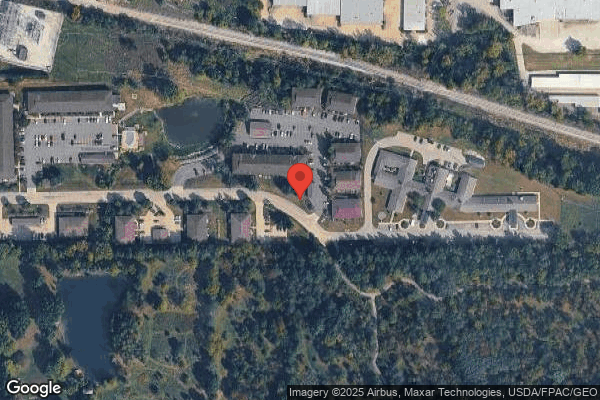
555 SPRINGBROOK DR, MEDINA, OH 44256 (330) 725-3393
For profit - Limited Liability company 80 Beds AOM HEALTHCARE Data: November 2025 1 Immediate Jeopardy citation
Trust Grade
0/100
#882 of 913 in OH
Last Inspection: February 2025

Within standard 12-15 month inspection cycle. Federal law requires annual inspections.

Overview

Medina Center for Rehabilitation and Nursing has received a Trust Grade of F, indicating significant concerns about the quality of care provided. Ranked #882 out of 913 facilities in Ohio, this places them in the bottom half of the state, and they are last in Medina County, ranking #12 out of 12. Although the facility is improving, with reported issues decreasing from 40 in 2024 to 29 in 2025, it still has a troubling history. Staffing received a 3 out of 5 stars rating, which is average, but a high turnover rate of 56% suggests that staff may not remain long enough to build strong relationships with residents. The facility has incurred $177,304 in fines, which is concerning as it is higher than 97% of Ohio facilities. While it has average RN coverage, specific incidents have raised alarm, such as a critical failure to administer necessary anti-seizure medication to a resident, resulting in serious health consequences, and a serious incident where a resident was injured due to improper securing in a wheelchair during transport. Overall, while there are some strengths in care quality metrics, serious deficiencies and a poor trust grade warrant careful consideration by families.

Trust Score
F
0/100
In Ohio
#882/913
Bottom 4%
Safety Record
High Risk
Review needed
Inspections
Getting Better
40 → 29 violations
Staff Stability
⚠ Watch
56% turnover. Above average. Higher turnover means staff may not know residents' routines.
Penalties
✓ Good
$177,304 in fines. Lower than most Ohio facilities. Relatively clean record.
Skilled Nurses
○ Average
Each resident gets 41 minutes of Registered Nurse (RN) attention daily — about average for Ohio. RNs are the most trained staff who monitor for health changes.
Violations
⚠ Watch
100 deficiencies on record. Higher than average. Multiple issues found across inspections.
★☆☆☆☆
1.0
Overall Rating
★★★☆☆
3.0
Staff Levels
★★★★☆
4.0
Care Quality
★☆☆☆☆
1.0
Inspection Score
Stable
2024: 40 issues
2025: 29 issues

The Good

  • 4-Star Quality Measures · Strong clinical quality outcomes
  • Full Sprinkler Coverage · Fire safety systems throughout facility
  • No fines on record

Facility shows strength in quality measures, fire safety.

The Bad

1-Star Overall Rating

Below Ohio average (3.2)

Significant quality concerns identified by CMS

Staff Turnover: 56%

10pts above Ohio avg (46%)

Frequent staff changes - ask about care continuity

Federal Fines: $177,304

Well above median ($33,413)

Significant penalties indicating serious issues

Chain: AOM HEALTHCARE

Part of a multi-facility chain

Ask about local staffing decisions and management

Staff turnover is elevated (56%)

8 points above Ohio average of 48%

The Ugly 100 deficiencies on record

1 life-threatening 3 actual harm
Aug 2025 1 deficiency
CONCERN (E) 📢 Someone Reported This

A family member, employee, or ombudsman was alarmed enough to file a formal complaint

Potential for Harm - no one hurt, but risky conditions existed

Deficiency F0679 (Tag F0679)

Could have caused harm · This affected multiple residents

Based on observation, interview, and record review, the facility failed to ensure Residents #46 and #68, on the secured dementia unit, were provided activities to meet their interests and psychosocial...

Read full inspector narrative →
Based on observation, interview, and record review, the facility failed to ensure Residents #46 and #68, on the secured dementia unit, were provided activities to meet their interests and psychosocial needs. This affected two residents (#46 and #68) and had the potential to affect 12 additional residents (#3, #14, #19, #21, #22, #28, #32, #40, #41, #43, #53, and #71) who resided on the memory care unit. The facility census was 71.Findings include: Observations made on 08/13/25 during the complaint survey revealed no organized activities nor any type of individual activities were available for any of the residents on the memory care unit.Review of the memory care unit's activity calendar for August 2025 revealed that on 08/13/25 the following activities should have been held at 11:00 A.M. an activity titled, Science Experiment, at 2:00 P.M. an activity titled, Parachute Popcorn, and at 3:30 P.M. an activity titled, Name that Tune. Interview on 08/13/25 at 1:20 P.M. with Family of Resident #46 revealed that she was pleased with the care provided by the facility but would like to see more activities for the residents. Interview on 08/13/25 at 1:41 P.M. with Certified Nursing Assistant (CNA) #343, verified activities staff rarely came to the memory care unit and stated between two and three residents would attend BINGO on the non-secured unit. CNA #343 stated residents residing on the memory care unit needed more activities.Interview on 08/13/25 at 2:49 P.M. with Resident #68 revealed he resided on the secured memory care unit. Resident #68 reported staff take care of his needs, but stated there was nothing to do. Interview on 08/13/25 at 3:00 P.M. with Registered Nurse (RN) #307 revealed that she did not see any activities on the memory care unit and felt there should be more stimulation for the residents. Interview on 08/13/25 at 3:09 P.M. with CNA #306 revealed that there used to be activities held in the memory care unit, but not in a long time. She stated that there are a couple of residents that would be taken off the unit to occasionally attend activities. Interview on 08/13/25 at 3:27 P.M. with Activity Assistant (AA) #308 revealed that she works 9:00 A.M. to 5:00 P.M. Monday through Friday and does not do activities in memory care. She does have one resident that she must see at least once a week for one-on-one visits that reside on the memory care unit. AA #308 stated that the memory care unit does not have a different activity calendar, and only three residents come to activities outside of memory care. AA #308 reported if residents from memory care get restless during activities, they are taken back to the memory care unit. AA #308 reported there was a dedicated activity staff member for the memory care unit, but she only works every other weekend.
Apr 2025 10 deficiencies 1 IJ
CRITICAL (J) 📢 Someone Reported This

A family member, employee, or ombudsman was alarmed enough to file a formal complaint

Immediate Jeopardy (IJ) - the most serious Medicare violation

Deficiency F0760 (Tag F0760)

Someone could have died · This affected 1 resident

**NOTE- TERMS IN BRACKETS HAVE BEEN EDITED TO PROTECT CONFIDENTIALITY** Based on record review, review of an emergency squad run report, review of hospital records, facility policy and procedure revie...

Read full inspector narrative →
**NOTE- TERMS IN BRACKETS HAVE BEEN EDITED TO PROTECT CONFIDENTIALITY** Based on record review, review of an emergency squad run report, review of hospital records, facility policy and procedure review, review of the information contained on the Medscape website, resident and staff interviews, resident representative interview, and interview with pharmacy staff, the facility failed to ensure Resident #63 was free from significant medication errors, when Resident #63 who had a seizure diagnosis was not administered the anti-convulsant medication (Vimpat) as ordered by the physician. This resulted in Immediate Jeopardy and actual harm beginning on 03/31/25 when Resident #63 began having clonic tonic seizures (a type of seizure characterized by both a tonic phase (muscle stiffening) and a clonic phase (jerking movements), often accompanied by a loss of consciousness) at the facility which required the resident's transfer to the hospital for evaluation and treatment of seizures. While hospitalized the resident required multiple doses of intravenous anti-convulsant medications, was intubated (placed on life-support), and was subsequently life-flighted to a larger hospital as a result of the resident's medical needs following the significant medication error that occurred at the facility. Subsequently, the resident was admitted to the Neuro Intensive Care Unit (ICU) for ongoing care and treatment. In addition, the facility failed to ensure Resident #8 was free from significant medication errors when Resident #8 did not receive his Fentanyl patch as physician ordered for management of the resident's pain which placed the resident at potential risk for more than minimal harm that was not Immediate Jeopardy. This affected two residents (#8 and #63) of six residents reviewed for significant medication errors. The facility census was 70. On 04/10/25 at 3:52 P.M., the Administrator, Travel Administrator (TA) #277, [NAME] President of Clinical Operations (VPCO) #280, and Regional Director of Operations (RDO) #278 were notified Immediate Jeopardy began on 03/31/25 when Resident #63 did not receive the physician ordered medication Vimpat and subsequently was not administered the medication twice on 04/01/25 for the 7:00 A.M. dose and 4:00 P.M. dose. Consequently, on 04/01/25 at 7:10 P.M., Resident #63 began having seizure activity at the facility and was transferred to a local hospital for evaluation and treatment. At the local hospital, the resident was administered medications, was intubated, and ultimately life flighted to another hospital, where the resident was admitted to the Neuro ICU due to the significant medication error. The Immediate Jeopardy was removed on 04/10/25 when the facility implemented the following corrective actions: • On 04/02/25 the facility pharmacy was contacted and delivered Resident #63's Vimpat to the facility. • On 04/02/25 an Ad Hoc Quality Assurance Performance Improvement (QAPI) meeting was held to discuss the root cause analysis of Resident #63 not receiving Vimpat, staff education, and ongoing medication audits. The Administrator, DON, ADON #234, Social Services #292, Minimum Data Set Nurse #293, and Medical Director #270 were in attendance. • On 04/10/25 Regional Director of Clinical Services (RDCS) #279 educated the DON, ADON #234, and Unit Manager #700 on re-ordering resident medications. • On 04/10/25 the DON and ADON #234 completed a whole house audit to ensure all in-house residents had all ordered medications available. • On 04/10/25 the Administrator/designee educated the nurses who were currently working on re-ordering of medications and the procedure if the fax machine was not functioning properly. All remaining nurses would be educated prior to the beginning of their next shift. Nursing leadership (DON, ADON #234, Unit Manager position, and Night Shift Supervisor position) would add education to the nursing agencies the facility utilized to educate their staff on the facility's procedure of re-ordering medications and what to do if the fax machine was not working. Education would also be added to orientation for all new hire nurses. The facility also had a plan in place to hire a unit manager to begin employment on 04/21/25 for night shift supervision. • On 04/10/25 the Administrator checked the facility fax machines and all three were in working order at this time. • Beginning 04/10/25 the DON/designee would audit all resident medications three times weekly for four weeks then two times weekly for two weeks, then one time for two weeks to ensure all in-house residents have all ordered medications available. Any concerns identified would be reviewed in Ad Hoc QAPI by the interdisciplinary team. • Beginning 04/10/25 nursing leadership would ensure all resident medications would be re-ordered when no less than five days remaining of the medication. Nursing leadership would be responsible for providing any prior authorization requests to the physician and/or nurse practitioner (NP) and following up to ensure the prior authorization request was returned to pharmacy timely. • Beginning 04/10/25 staff would contact the Administrator or nursing leadership to inform them if the fax machine is not working. If a prescription was needed, the physician and/or NP would be contacted by staff or nursing leadership to request the prescription. Staff/nursing leadership would follow up with pharmacy to ensure the physician ordered was received. Although the Immediate Jeopardy was removed on 04/10/25, the facility remained out of compliance at Severity Level 2 (no actual harm with potential for more than minimal harm that is not immediate jeopardy) as the facility is still in the process of implementing their corrective actions and monitoring to ensure on-going compliance. Findings include: 1.Review of the medical record for Resident #63 revealed the resident was admitted to the facility on [DATE] with diagnoses including traumatic brain injury and unspecified epilepsy without status epilepticus. Review of the annual Minimum Data Set (MDS) assessment dated [DATE] revealed Resident #63 was severely cognitively impaired. The assessment revealed Resident #63 had no impairment to the upper or lower extremities, used a walker, and required partial/moderate assistance with personal hygiene. Review of the physician orders for Resident #63 revealed a current order (initiated 05/05/24) for the anti-convulsant medication Vimpat (lacosamide) 200 milligrams (mg), one tablet by mouth two times a day. Review of the Medication Administration Record (MAR) for Resident #63 dated March 2025 revealed Vimpat was placed on the MAR to be administered at 7:00 A.M. and 4:00 P.M. Vimpat was not documented as administered on 03/31/25 at 4:00 P.M., the signature box for administration contained the number two (2), which indicated drug refused. Review of the progress note for Resident #63 dated 03/31/25 at 3:43 P.M. revealed Vimpat tablet 200 mg medication was not available. The progress note included the reason (for the medication not being administered) was different than what was documented on the MAR for 03/31/25. The MAR dated April 2025 for Resident #63 revealed Vimpat was included on the MAR to be administered at 7:00 A.M. and 4:00 P.M. On 04/01/25 Resident #63 did not receive the 7:00 A.M. or 4:00 P.M. dose of Vimpat. The signature box for administration contained the number nine (9), which indicated other/see nurses notes. The progress note dated 04/01/25 at 9:06 A.M. revealed Vimpat tablet 200 mg was on order. On 04/01/25 at 4:51 P.M., the facility was waiting on the pharmacy to deliver the Vimpat 200 mg. The progress note dated 04/01/25 at 6:43 P.M. revealed the nurse spoke to a representative (Representative #281) at the pharmacy and she stated Vimpat would be delivered to the facility that night (04/01/25). There was no documentation in the medical record from 03/31/25 through 04/01/25 at 4:00 P.M. of the physician for Resident #63 being notified of the three consecutive missed doses of Vimpat. The progress note dated 04/01/25 at 7:35 P.M. revealed a Certified Nursing Assistant (CNA) reported to the nurse that Resident #63 was observed on his back in bed with tremors. Resident #63 was unresponsive to verbal and tactile stimuli. Resident #63 did have a pulse and was breathing. The note indicated the resident's seizure started at 7:10 P.M. and tremors began at 7:18 P.M. Documentation included emergency 911 was called. Review of the emergency squad run report for Resident #63 dated 04/01/25 at 7:20 P.M. revealed the primary impression was seizures with status epilepticus (a life-threatening neurological emergency that occurs when a seizure lasts longer than five minutes). Upon arrival, Resident #63 was in clonic tonic (grand mal) seizure state. Resident #63 had been on Vimpat but had been out of the prescription for an unknown amount of time. Resident #63 was flushed, dry and warm, had elevated blood pressures, pulses from 104 to 140 (normal 60-100) ranges. Respiration rates from 30-34 (normal 12-20) with room air saturations from mid-70's to 91% (ideal 96 - 99%). Intravenous (IV) in right hand, nasal trumpet (nasopharyngeal airway) inserted into right nostril successfully, and oxygen six liters per minute. Initial 2.5 milligrams (mg) Versed (treatment of status epilepticus) given IV without affect, another 2.5 mg Versed given IV push after four minutes with eventual five mg Versed given IV push over the next 10 minutes. Seizure clonic tonic subsided once for about two minutes before returning to status epilepticus throughout the rest of the resident contact. The progress note dated 04/01/25 at 9:20 P.M. revealed the nurse called Hospital #275 for an update on Resident #63. The Power of Attorney (POA) for Resident #63 was at the bedside and called the facility nurse back with the hospital nurse on speaker. The facility nurse was advised Resident #63's seizures were unable to be controlled. Resident #63 was sedated and intubated and life-flighted to Hospital #276. Review of medical record information from Hospital #276 revealed Resident #63 presented to Hospital #275 on 04/01/25 with concerns for breakthrough seizure and status epilepticus. Resident #63 did not receive his prescribed dose of Vimpat for 48 hours. He was found to have continuous seizure on 04/01/25 and Emergency Medical Services (EMS) could not stop the seizures. In the emergency department at Hospital #275, Resident #63 was intubated for airway protection, Ativan (anti-anxiety medication) and Keppra (anti-convulsant) were administered and seizure then aborted. However, recurrent eye and left twitching recurring so was transferred to Hospital #276 on 04/01/25. The resident received continuous electroencephalogram (EEG) (measures electrical activity in the brain) monitoring and management of status. Resident #63 self-extubated on 04/04/25 and was stable. Resident #63 was discharged to the facility on [DATE]. Hospital discharge orders included oxygen administration one liter continuously via nasal cannula (NC) and Vimpat 200 mg twice daily. Interview on 04/09/25 at 11:30 A.M. with ADON #234 verified Resident #63 did not receive the medication Vimpat (ordered for seizures) for several doses. The ADON revealed this was due to the facility fax machines being down for several days (to send orders to the pharmacy). There were three fax machines in the facility, one on the east side, one on the west and one in the business office. The fax machine on the east side and the west side went down and the nurses were told the fax machine in the business office was still working. The residents who needed refills for their narcotics required a new prescription sent to the pharmacy for the refills. The physician would sign the prescription, then the nurse would fax it to the pharmacy. The nurse was supposed to call the pharmacy after faxing it to make sure the pharmacy got the prescription. The ADON revealed the nurse faxed Resident #63's prescription to the pharmacy from the business office. The nurse did not call the pharmacy to verify they received the prescription like they were supposed to and later found that the fax machine in the business office was not working either, so the pharmacy never received the new prescription for the Vimpat for Resident #63. The nurses also never notified the physician Resident #63 did not have his Vimpat. The ADON revealed the physician would have been able to fax the prescription from his office or call it in for an emergency three-day supply. ADON #234 stated Resident #63 had been stable and did not have any seizures for several months prior to this incident and never had a seizure this bad while at the facility. Interview on 04/09/25 at 11:55 A.M. with TA #277 confirmed he was at the facility at the time the fax machines went down. There were three fax machines that were down from 03/19/25 until 04/01/25 due to issues with the telephone lines. TA #277 stated he did not know what nurses were doing for faxes to and from the pharmacy or physician offices. TA #277 stated he was aware of Resident #63 running out of his medication. The family spoke with the DON, and it was his understanding there were fax machine issues and a lack of communication. TA #277 stated the facility was still looking into what exactly happened and waiting for reports to find out what happened. Interview on 04/09/25 at 1:05 P.M. with DON revealed the facility had not completed their investigation to determine what happened with Resident #63's Vimpat and why the pharmacy did not send his medication before he ran out. The DON revealed her first day of employment as the facility's DON was 03/31/25 and Resident #63 had his seizure on 04/01/25 which resulted in hospitalization. The DON revealed two house nurses, and two agency nurses failed to properly follow up on Resident #63's Vimpat not being on order. The DON stated Resident #63 did not need a prescription and she did not know why the pharmacy did not send the medication. The DON revealed nurses were educated on the ordering process on 04/02/25. Review of the in-service from 04/02/25 with the DON titled Learning Circle revealed course topic was medication reordering. Type of presentation revealed: All nursing staff and nursing staff management correctly re-order and notify physicians regarding missed medications. The form included six nurse's signatures: DON, ADON #234, Agency Nurse #283, Registered Nurse (RN) #269, Licensed Practical Nurse (LPN) #253, and LPN #258. The DON confirmed these were all the nurses in serviced and confirmed there was no other signature log. The DON revealed the Administrator had the in-service form that had the information on how to reorder the medication, she just had the signature log. During the interview, the DON verified Resident #63 had three missed doses of Vimpat on 03/31/25 4:00 P.M. and 04/01/25 7:00 A.M. and 4:00 P.M. Interview on 04/09/25 at 1:46 P.M. with Resident #63's legal guardian, (LG) #291 revealed Resident #63 was still in the hospital as of this date. LG #291 revealed the resident had a history of seizures that started seven years ago due to a brain injury from a vehicle accident. Resident #63 had been taking Vimpat since the accident to control the seizures. LG #291 reported Resident #63 had a small seizure while at the fair in August 2024, he was just staring off, there were no tremors, and he had not had any seizures since then. On 04/01/25, the nurse called her and told her Resident #63 was having seizures, and said he missed a couple of days of medications because they were not available. LG #291 stated she had told the facility if Resident #63 refused his medications they were supposed to notify the LG. LG #291 revealed the hospital told her that Vimpat had a 13-hour half-life, Resident #63 had no Vimpat in his system at all and that's why he had seizures. Resident #63 went to Hospital #275 then he was life-flighted to Hospital #276 because they could not get his seizures under control. They had to intubate him, and he was on the ICU. The LG revealed Resident #63 was never on oxygen before but now he may need to be on oxygen the rest of his life. Telephone interview on 04/09/25 at 2:12 P.M. with Facility Pharmacist (FP) #284 revealed the facility did not reorder Vimpat for Resident #63 before running out. The medication was not automatically refilled because it was a narcotic and required a new prescription. The pharmacy received the refill request on 04/01/25 at 6:44 P.M. FP #284 explained someone might miss two days of Vimpat and be fine, others might miss one dose and not be fine. There were variables, and the half-life for Vimpat was 13 hours, which was why the medication was given two times a day. Interview on 04/09/25 at 2:33 P.M. with Case Manager #271 at Hospital #276 revealed Resident #63 transferred from Hospital #275 on 04/01/25 to Hospital #276 with concerns breakthrough seizures and status epilepsy. On arrival Resident #63 had been intubated and sedated and was admitted to neuro ICU. He was found to have continuous seizure, Vimpat was given, and seizures were aborted. Resident #63 continued to receive impatient care at Hospital #276 but had no further seizures (since resuming the medication). Interview on 04/09/25 at 3:08 P.M. with RN #285 revealed she was an Agency Nurse. RN #285 revealed she would have to think about what she would do at her other job to know how to order residents narcotics at this facility. RN #285 stated she would order the narcotics in the electronic medical system then fax the pharmacy the order. Interview on 04/09/25 at 3:12 P.M. with LPN #258 revealed he was a facility staff nurse but he stated he did not know how to order a residents' narcotics. Interview on 04/10/25 at 8:35 A.M. with TA #277 revealed the nurses worked 12-hour shifts, there were typically three nurses on day shift and three nurses on night shift. A telephone interview on 04/13/25 at 9:06 P.M. with RN #269 revealed she was a facility nurse and worked the night shift. RN #269 confirmed she signed an in-service on 04/02/25 and confirmed the content of the in-service being only two pages, one signature page and one with three numbered instructions. RN #269 revealed the in-service was left at the nurse's station for staff to read and sign. RN #259 stated there were no further instructions with the in-service including what to do if the fax machine went out again. RN #259 revealed when the fax machine broke, the nurses took pictures on their personal cell phones of residents' laboratory results to send the results to the medical providers. Review of the website titled Medscape revealed withdraw Vimpat (lacosamide) gradually over one week; do not discontinue abruptly because of risk for increased frequency of seizures. Stopping Vimpat suddenly can cause serious problems. The elimination half-life of lacosamide was approximately 13 hours. Review of the facility policy titled Administering Medication revised April 2019 revealed medications were administered in a safe and timely manner, and as prescribed. Medication administration times were determined by resident need and benefit, not staff convenience. Factors that were considered include enhancing optimal therapeutic effect of the medication. 2. Record review for Resident #8 revealed an admission date of 10/24/23 with diagnoses including stable burst fracture of fourth thoracic vertebra and paraplegia. Review of the quarterly Minimum Data Set (MDS) assessment dated [DATE] revealed Resident #8 was cognitively intact. Resident #8 received routine scheduled and as needed (PRN) pain medications. Pain frequency was occasionally and occasionally pain interfered with activities of daily living (ADLs). Review of the physician orders for Resident #8 revealed an order dated 03/30/25 for Fentanyl transdermal patch (treats severe pain) 72-hour 25 micrograms (mcg), apply one patch transdermally every 72 hours for pain and remove per schedule. Review of the medication administration record (MAR) for April 2025 for Resident #8 revealed the Fentanyl transdermal patch was due to be applied on 04/08/25 at 9:00 P.M. The signature box for administration contained the number nine (9), which indicated other/see nurses notes. Review of the progress note for Resident #8 dated 04/09/25 at 12:49 A.M. revealed Fentanyl transdermal patch on order. The progress note dated 04/09/25 at 10:11 A.M. completed by Director of Nursing (DON) included the pharmacy was contacted regarding medication on order. The pharmacist indicated the prescription prior authorization was denied but would be submitted again for potential approval. The primary care physician (PCP) signed prior authorization to be filled. A verbal order was received from the PCP to apply the patch upon arrival. An additional physician order was written 04/09/25 for the Fentanyl patch to be on hold, due to awaiting arrival of the patch. Interview on 04/09/25 at 10:23 A.M. with Registered Nurse (RN) #289 revealed Resident #8 did not have his Fentanyl pain patch available. Interview on 04/09/25 at 11:30 A.M. with ADON #234 revealed Resident #8 was frequently running out of prescriptions for his narcotics because the nurses were not getting the prescriptions timely and sending them to the pharmacy. Interview on 04/10/25 at 10:43 A.M. with Resident #8 revealed he was hurting all over. Resident #8 rated his pain an 8.5 (pain scale from zero to no pain and ten being the most severe pain). Resident #8 stated the facility told him it was the doctor's fault because no one put the order in for his pain patch. Interview on 04/10/25 at 11:13 A.M. with RN #290 and the DON revealed RN #290 indicated the pharmacy was supposed to deliver Resident #8's Fentanyl patch the previous night, but they didn't. The DON stated the pharmacy was waiting on Resident #8's prior authorization, the insurance was not wanting to pay, and the insurance wanted prior authorization. The DON stated that was why Resident #8's Fentanyl patch did not get delivered to the facility. A telephone interview on 04/10/25 at 1:45 P.M. with Facility Pharmacist (FP) #284 revealed Resident #8 did need a prior authorization but that was not holding up Resident #8 receiving his Fentanyl patches from the pharmacy. FP #284 explained the facility never sent in the required prescription from the physician, but Resident #8 could still receive the medication. The pharmacy just needed the prescription because it was a narcotic medication. FP #284 confirmed the pharmacy could not send the Fentanyl patch because the facility never sent the required prescription. Review of the undated guidance from Medscape for the medication Fentanyl transdermal revealed Fentanyl was used for chronic pain in opioid-tolerant patients, severe enough to require daily, around-the-clock, long-term opioid treatment and for which alternative treatment options are inadequate. Patients who were opioid tolerant were those receiving, for one week or longer, at least 25 mcg/day transdermal Fentanyl. Do not abruptly discontinue Fentanyl patch. It was unknown at what dose level transdermal may be discontinued without producing the signs and symptoms of opioid withdrawal. Review of the facility policy titled Administering Medication revised April 2019 revealed medications were administered in a safe and timely manner, and as prescribed. Medication administration times were determined by resident need and benefit, not staff convenience. Factors that were considered include enhancing optimal therapeutic effect of the medication. This deficiency represents non-compliance investigated under Master Complaint Number OH00164543 and Complaint Number OH00163962.
CONCERN (D) 📢 Someone Reported This

A family member, employee, or ombudsman was alarmed enough to file a formal complaint

Potential for Harm - no one hurt, but risky conditions existed

Resident Rights (Tag F0550)

Could have caused harm · This affected 1 resident

**NOTE- TERMS IN BRACKETS HAVE BEEN EDITED TO PROTECT CONFIDENTIALITY** Based on resident and staff interview, record review, and review of the facility policy, the facility failed to ensure residents...

Read full inspector narrative →
**NOTE- TERMS IN BRACKETS HAVE BEEN EDITED TO PROTECT CONFIDENTIALITY** Based on resident and staff interview, record review, and review of the facility policy, the facility failed to ensure residents were treated with respect and dignity. This affected one resident (#37) of three residents reviewed for respect and dignity. The facility census was 70. Findings include: Record review for Resident #37 revealed an admission date of 08/31/24. Diagnoses included type two diabetes mellitus (DM) with diabetic neuropathy, major depressive disorder, and generalized anxiety disorder. Review of the quarterly Minimum Data Set (MDS) assessment dated [DATE] revealed Resident #25 was cognitively intact. Review of the physician orders for April 2025 for Resident #37 revealed the resident had several medications to be administered in the morning. There were specific physician orders dated 01/02/25 for medications to be administered after breakfast which included: ferrous sulfate (vitamin) 325 milligrams (mg) mg one time a day, Jardiance 10 mg give one tablet by mouth in the morning, lisinopril five mg give one tablet in the morning for hypertension (HTN), pantoprazole sodium delayed release 40 mg in the morning related to epigastric pain, sertraline 50 mg give one tablet in the morning major depressive disorder, and torsemide 20 mg by mouth one time a day for HTN. Review of the Medication Administration Record (MAR) for Resident #37 from 04/01/25 to 04/07/25 revealed all of the morning medications (except ergocalciferol oral capsule scheduled 8:00 A.M.) were scheduled to be administered at 7:00 A.M.; The MAR for 04/07/25 at 7:00 A.M. revealed all the medications for 7:00 A.M. and 8:00 A.M. were documented as a two indicating the drug was refused and signed by Licensed Practical Nurse (LPN) #302. Resident #37 had not refused medications on any other of the six days. Interview on 04/07/25 at 2:20 P.M. with Resident #37 revealed the nurse (Licensed Practical Nurse (LPN) #302)came in with his medications at 6:57 A.M. Resident #37 told LPN #302 that he takes his medications after he eats. LPN #302 responded to him if you don't take your medications now, you will have to come find me (the nurse) later. Resident #37 told LPN #303 that if she read his medical record she would see that he receives his medications after meals. LPN #303 responded to him I don't have time to look at every expletive chart, I have 50 residents in here. LPN #303 walked out and slammed his door. The resident stated he reported this to the Administrator. The Administrator responded sorry (Resident #37), they don't always do their job around here. Resident #37 stated he also told Assistant Direct of Nursing (ADON) #234. Interview on 04/07/25 at 2:25 P.M. with ADON #234 revealed Resident #37 told her the nurse (LPN #302) was yelling at him because she told him to take his pills, he said he doesn't take them until after breakfast, LPN #302 said well then you will come find me because the nurse was not hunting him down, then she slammed his door. ADON #234 revealed she told Travel Administrator #277 and the Director of Nursing (DON). LPN #302 was from a staffing agency, and was recently placed on the do not return list with the agency because of her attitude. The new DON brought her back. Interview on 04/07/25 at 2:45 P.M. with Travel Administrator #277 revealed LPN #302 was an agency nurse and was previously on the do not return list by the previous DON who did not like her attitude. The new DON, who has been here about two weeks, said she worked with her before and brought her back. Regional Director of Operations (RDOP) #27 was present and revealed he talked to Resident #37 that morning (04/07/25). Resident #37 said there was a new girl, she was agency staff and he was afraid he was not going to receive his medications. He asked Resident #37 if he needed his medications now and Resident #37 said yes. They both went to the medication cart where LPN #302 gave him his medications. RDOP #27 revealed Resident #37 shared with him he did not feel abused, he felt not respected. Interview on 04/07/25 at 3:50 P.M. with the DON confirmed she was made aware of Resident #37's concerns. DON stated Resident #37 does a have a lot of complaints. Review of the facility's undated policy titled Residents Rights Policy and Procedure revealed every resident has the right to be treated with respect and dignity. This deficiency represents non-compliance investigated under Complaint Number OH00163962.
CONCERN (D) 📢 Someone Reported This

A family member, employee, or ombudsman was alarmed enough to file a formal complaint

Potential for Harm - no one hurt, but risky conditions existed

Free from Abuse/Neglect (Tag F0600)

Could have caused harm · This affected 1 resident

**NOTE- TERMS IN BRACKETS HAVE BEEN EDITED TO PROTECT CONFIDENTIALITY** Based on observation, record review, facility policy review and interview, the facility failed to ensure Resident #59 was free f...

Read full inspector narrative →
**NOTE- TERMS IN BRACKETS HAVE BEEN EDITED TO PROTECT CONFIDENTIALITY** Based on observation, record review, facility policy review and interview, the facility failed to ensure Resident #59 was free from an incident of neglect. This affected one resident (#59) of three residents reviewed for abuse/neglect. The facility census was 70. Findings include: Record review for Resident #59 revealed an admission date of 07/14/22 with diagnoses including cerebral infarction, chronic obstructive pulmonary disease (COPD), and gastroesophageal reflux disorder (GERD). Review of the care plan dated 09/13/22 revealed Resident #59 had GERD. Interventions included to avoid lying down for at least one hour after eating. Keep head of the bed elevated. Resident #59 had shortness of breath related to COPD. Interventions included to elevate the head of the bed to alleviate shortness of breath while lying flat. Position resident for proper body alignment for optimal breathing pattern. Resident #59 had a pressure wound to the left heel. Interventions included to provide treatment to the left heel as ordered. Resident #59 was at risk for impaired skin integrity related to fragile skin, impaired mobility and incontinence. Interventions included a low air loss mattress to bed, and peri care after each incontinent episode. Resident #59 received hospice services related to end stage diagnosis, cererbral vascular accident, COPD, and acute respiratory failure. Interventions included to promote emotional support and comfort measures. Review of the physician orders for Resident #59 dated 02/28/25 included orders for the resident to wear bilateral heel protectors while in bed as tolerated. An order dated 03/11/25 for Resident #59 revealed left heel, clean with normal saline apply medihoney cover with ABD pad and wrap with kerlix every day shift for treatment and as needed. The treatment was scheduled 6:00 A.M.; An additional order dated 03/25/25 included lay pillowcase over left foot to keep dry every shift for preventative dated 03/25/25. Review of the significant change Minimum Data Set (MDS) assessment dated [DATE] revealed Resident #59 was moderately cognitively impaired. Resident #59 had impairment on one side of the upper extremity and both sides of the lower extremities. Resident #59 required set up or clean up assistance with eating, dependent on staff for toileting hygiene, dressing, personal hygiene, and bed mobility. Resident #59 was always incontinent of bowel and bladder. Resident #59 did not have a condition or chronic disease that may result in a life expectancy of less than six months. Observation on 04/07/25 at 2:00 P.M. revealed three Certified Nursing Assistants (CNA) #294, #295, and #296 and Assistant Director of Nursing (ADON) #234 were standing in the hall outside the nurse's station. Observation revealed a resident down the hall was overheard repeatedly yelling, Hello, I need help. No staff members were moving to assist or acknowledge the resident's repeated call for assistants. Observation while following the continued repeated yell, Hello, I need help revealed Resident #59 lying in bed. Resident #59's call light was also on, and the call light was blinking above Resident #59's door, but made no sound. Resident #59 stated, Please, I need help, I need changed. A foul strong odor of urine was present in the room. No staff were present. Resident #59 had tears in his eyes while asking for assistance. Observation revealed Resident #59 was on a low air loss mattress. The upper portion of the mattress was mostly deflated. Resident #59's head and shoulders were several inches lower than his body. Resident #59 had a t-shirt and brief on, no pants, blanket or sheet. The bottom sheet, bed pad and dressing on Resident #59's foot (that was contracted up to his peri area) were all saturated with urine. Resident #59's hair was unkept and oily, his facial hair was untrimmed. Resident #59 had dry flaky skin on his face and arms, his fingernails were long, uneven, and embedded with a dark substance. Resident #59 had no heel protectors on. Resident #59's again repeated, Please help me while audible respiratory gurgling could be heard in his voice as he spoke. The surveyor returned to the nurse's station to find the same staff members, CNA #294, #295, #296 and ADON #234 standing outside the nurse's station. Interview with ADON #234 confirmed they could hear Resident #59 yelling for help. ADON #234 stated, He yells all the time, the nurse who gave me report a few minutes ago said she just walked out, he only wanted a drink. Observation of Resident #59 on 04/07/25 at 2:09 P.M. with CNA #294, CNA #296 and ADON #234 confirmed Resident #59 had a foul strong odor of urine. Resident #59's low air loss mattress was deflated on the upper portion and Resident #59's head and shoulders were several inches lower than his body. CNA #294 stated, Oh that's the beeping I been hearing it all day. CNA #294 revealed she started her shift at 7:00 A.M. and Resident #59's bed, with his head lowered, was in that position since she started her shift. All staff present confirmed the sheet, bed pad and dressing on Resident #59's contracted foot were all saturated with urine. Resident #59's hair was unkept and oily, his facial hair was untrimmed. Resident #59 had dry flakey skin on his face and arms, his fingernails were long, uneven, and embedded with a dark substance. During observation of incontinence care for Resident #59 revealed a dark red area with a purple center on Resident #59's sacral area, the spinal area and left gluteal fold also had red areas. CNA #296 revealed she told the nurse this morning about the wound to the sacral area and stated, She said he had a patch on it, I told her there was no patch on it, she never came in to look at it. CNA #294 confirmed those wounds were there when she assisted CNA #294 to change Resident #59 that morning; ADON #234 entered the room and confirmed the wound to the sacral area and the gluteal fold were non-blanchable (an important sign of tissue damage). ADON #294 confirmed Resident #59 did not have any current treatment orders for the areas to the sacral wound or gluteal fold. Record review of the Change in Condition Evaluation for Resident #59 dated 04/07/25 at 3:09 P.M. completed by ADON #234 revealed Resident #59 had a skin wound or ulcer that started on 4/07/25. The area was a grade two or higher-pressure ulcer/injury on the sacrum that was red purple in color and measured three centimeters (cm) in length by three cm in width and was non-blanchable. The second new area was on the left gluteal fold, red, measured one cm in length by one cm in width and was non-blanchable. Review of the facility policy titled, Activities of Daily Living (ADL), Supporting revised March 2018 revealed residents who are unable to carry out activities of daily living independently will receive the services necessary to maintain good nutrition, grooming, and personal and oral hygiene. Review of the facility policy titled, Abuse and Neglect - Clinical Protocol revised March 2018 revealed Neglect as defined at 483.5 means the failure of the facility, it's employees or service providers to provide goods and services to a resident that are necessary to avoid physical harm, pain, mental anguish or emotional distress. This deficiency represents non-compliance investigated under Complaint Numbers OH00163962 and OH00163963.
CONCERN (D) 📢 Someone Reported This

A family member, employee, or ombudsman was alarmed enough to file a formal complaint

Potential for Harm - no one hurt, but risky conditions existed

ADL Care (Tag F0677)

Could have caused harm · This affected 1 resident

**NOTE- TERMS IN BRACKETS HAVE BEEN EDITED TO PROTECT CONFIDENTIALITY** Based on observation, record review, facility policy review and interview, the facility failed to ensure residents received time...

Read full inspector narrative →
**NOTE- TERMS IN BRACKETS HAVE BEEN EDITED TO PROTECT CONFIDENTIALITY** Based on observation, record review, facility policy review and interview, the facility failed to ensure residents received timely, adequate and necessary staff assistance with activities of daily living (ADLs) to maintain proper grooming and hygiene. This affected three residents (#25, #15, and #39) of four residents reviewed for ADL care. The facility census was 70. Findings include: 1. Record review for Resident #25 revealed a re-admission date of 08/30/23 with a diagnosis including Parkinson's disease. Review of the care plan dated 03/25/24 revealed Resident #25 had functional abilities impaired self-care and mobility deficit. Interventions included to assist with personal hygiene including combing hair and shaving. Review of the quarterly Minimum Data Set (MDS) dated [DATE] revealed Resident #25 was cognitively intact. The assessment revealed Resident #25 required substantial/ maximal (staff) assistance with personal hygiene. Observation on 04/07/25 at 1:20 P.M. revealed Resident #25 was sitting up in his chair in his room. Resident #25's face had dry flaky skin with long unkept facial hair present. An interview with the resident at the time of the observation revealed a concern that staff only shaved him once every week to two weeks. Resident #25 revealed he preferred to be clean shaved, but indicated staff reported they just didn't have time. Observation on 04/16/25 at 11:52 A.M. revealed Resident #25 was sitting up in his chair in his room. Resident #25's face had dry flaky skin and his long unkempt facial hair appeared the same. An interview with Resident #25 at the time of the observation revealed the staff still had not shaved him, he was still waiting. Interview on 04/07/25 at 11:44 A.M. with Certified Nursing Assistant (CNA) #300 revealed she assisted Resident #25 out of bed this A.M. CNA #300 confirmed Resident #25 had long facial hair and he was unkempt and his face had was dry and flaky. At the time of the interview, CNA #300 revealed she had not offered to wash Resident #25's face or shave him as part of his A.M. care on this date. Review of the facility policy titled, Activities of Daily Living (ADL), Supporting revised March 2018 revealed residents would be provided with care, treatment and services as appropriate to maintain or improve their ability to carry out activities of daily living. Residents who were unable to carry out activities of daily living independently would receive the services necessary to maintain good nutrition, grooming and personal and oral hygiene. 2. Record review for Resident #39 revealed an admission date of 04/01/23 with diagnoses including dementia and muscle weakness. Review of the care plan for Resident #39 dated 04/03/23 revealed Resident #39 had an ADL self-care performance deficit related to dementia and limited mobility. Interventions included to encourage the resident to participate to the fullest extent possible with each interaction. Review of the annual MDS assessment dated [DATE] revealed Resident #39 was severely cognitively impaired. The assessment revealed Resident #39 required (staff) set up or clean up assistance for meals and supervision or touch assistance with oral hygiene, bed mobility, transfers and ambulation. Observation on 04/15/25 at 8:59 A.M. revealed Resident #39 was lying in bed. Resident #39 was observed to have a thick yellow build-up with food between her teeth. Interview on 04/15/25 at 9:01 A.M. with CNA #301 verified the condition of Resident #39's mouth and confirmed Resident #39 had not been offered or provided with oral care before or after breakfast on this date. 3. Record review for Resident #15 revealed an admission date of 10/08/21 with diagnoses including Alzheimer's disease and muscle weakness. Review of the care plan for Resident #15 updated 04/21/24 revealed a plan related to the resident's oral care routine which included to brush teeth, clean gums with toothette and rinse mouth with wash. Review of the quarterly MDS assessment dated [DATE] revealed Resident #15 was rarely or never understood and dependent on staff for all ADL care. Observation on 04/09/25 at 8:52 A.M. with CNA #255 revealed Resident #15's teeth had a thick yellow build-up between the teeth. At the time of the observation, interview with CNA #255 revealed she had not offered or provided oral care, including cleaning Resident #15's teeth before or after breakfast on this date. CNA #255 revealed she does not always have time to do oral care for the residents she was assigned to care for, including Resident #15. Review of the facility policy titled, Activities of Daily Living (ADL), Supporting revised March 2018 revealed residents would be provided with care, treatment and services as appropriate to maintain or improve their ability to carry out activities of daily living. Residents who were unable to carry out activities of daily living independently would receive the services necessary to maintain good nutrition, grooming and personal and oral hygiene. This deficiency represents non-compliance investigated under Complaint Numbers OH00163962 and OH00163963. This is an example of continued non-compliance from the survey dated 02/25/25.
CONCERN (D) 📢 Someone Reported This

A family member, employee, or ombudsman was alarmed enough to file a formal complaint

Potential for Harm - no one hurt, but risky conditions existed

Quality of Care (Tag F0684)

Could have caused harm · This affected 1 resident

**NOTE- TERMS IN BRACKETS HAVE BEEN EDITED TO PROTECT CONFIDENTIALITY** Based on observation, record review, facility policy review and interview, the facility failed to develop and implement a compre...

Read full inspector narrative →
**NOTE- TERMS IN BRACKETS HAVE BEEN EDITED TO PROTECT CONFIDENTIALITY** Based on observation, record review, facility policy review and interview, the facility failed to develop and implement a comprehensive and individualized plan of care for Resident #15 related to the presence of bilateral hand contractures to prevent skin impairment. This affected one resident (#15) of three residents reviewed for quality of care and treatment. The facility census was 70. Findings include: Record review for Resident #15 revealed an admission date of 10/08/21 with diagnoses including Alzheimer's disease, muscle weakness, and disorders of bone density and structures. Review of the care plan dated 01/28/25 revealed Resident #15 was at risk for infection and or discomfort related to bilateral hand and finger contractures resulting in skin impairment to the resident's bilateral palms. No interventions were noted to be in place on the care plan. Review of the physician's orders for Resident #15 dated 01/29/25 revealed an order for treatment for the left palm. The order indicated to cleanse with normal saline, skin prep and wrap with Kerlix daily and as needed every day shift for wound treatment. The resident also had an order for treatment to the right palm, to cleanse with normal saline, skin prep, wrap with Kerlix under contractured fingers and secure to hand daily and as needed. Review of the quarterly Minimum Data Set (MDS) assessment dated [DATE] revealed Resident #15 was rarely or never understood and dependent on staff for all activities of daily living (ADLs). Review of the Treatment Administration Record (TAR) for April 2025 revealed the physician ordered treatments for the palms were not completed as ordered on 04/03/25, 04/07/25, or 04/10/25. Observation on 04/07/25 at 8:52 A.M. with Certified Nursing Assistant (CNA) #255 confirmed Resident #15's bilateral hands/fingers were contracted. Resident #15's nails that could be seen were long and uneven, the remaining nails were contracted into the palms of the resident's hands and not visible. Resident #15 did not have any dressings on either hand at the time of the observation. At the time of the observation, interview with CNA #255 revealed she worked full time three days a week, often with Resident #15. Per CNA #255 Resident #15 used to wear palm guards but the CNA stated the resident had not worn them or anything else for a very long time. CNA #255 then attempted to open Resident #15's fingers but was unable to Observation of Resident #15 on 04/07/25 at 11:13 A.M. with Assistant Director of Nursing (ADON) #234 confirmed Resident #15 did not have any dressings on either of of her contracted hands/fingers. ADON #234 confirmed Resident #15's visible nails were long and uneven. The third and fourth fingers on the right hand were contracted into the palm of the hand and the nails were not visible. The third, fourth, and fifth fingers on the left hand were contracted into the palm of the hand and the nails were not visible. ADON #234 attempted and verified she was unable to see if Resident #15's nails were embedded into her palm. ADON #234 confirmed Resident #15 was supposed to have her hands wrapped with gauze to prevent her nails from digging in to the palms of her hands causing wounds. ADON #234 revealed she had not seen them wrapped for a few weeks on the days/times she worked. ADON #234 revealed Resident #15 would no longer be able to remove the dressings on her hands herself but if she did, the nurses should have replaced the dressings. Review of the TAR and medical record with the ADON for April 2025 confirmed there was no documentation the dressings on Resident #15's hands came off after being applied, nor the as needed dressings re-applied if they were removed. Review of the facility policy titled, Activities of Daily Living (ADL), Supporting revised March 2018 revealed residents who were unable to carry out activities of daily living independently would receive the services necessary to maintain good nutrition, grooming, and personal and oral hygiene. This deficiency represents non-compliance investigated under Complaint Number OH00163963. This is an example of continued non-compliance from the survey dated 02/25/25.
CONCERN (D) 📢 Someone Reported This

A family member, employee, or ombudsman was alarmed enough to file a formal complaint

Potential for Harm - no one hurt, but risky conditions existed

Infection Control (Tag F0880)

Could have caused harm · This affected 1 resident

**NOTE- TERMS IN BRACKETS HAVE BEEN EDITED TO PROTECT CONFIDENTIALITY** Based on observation, record review, review of Centers for Disease Control and Prevention (CDC) guidance, facility policy review...

Read full inspector narrative →
**NOTE- TERMS IN BRACKETS HAVE BEEN EDITED TO PROTECT CONFIDENTIALITY** Based on observation, record review, review of Centers for Disease Control and Prevention (CDC) guidance, facility policy review and interview, the facility failed to ensure staff maintained infection control practices including appropriate hand washing and the use of personal protective equipment (PPE) when required. This affected three residents (#44, #68, and #74) of 70 residents residing in the facility. Findings include: 1. Record review for Resident #74 revealed an admission date of 10/03/24 with a diagnosis including multiple sclerosis. Review of the quarterly Minimum Data Set (MDS) dated [DATE] revealed Resident #74 was cognitively intact. Resident #74 required assistance with activities of daily living (ADL's). Review of the care plan dated 03/18/25 revealed Resident #74 had multiple sclerosis. Interventions included to give medications as ordered. Observation on 04/07/25 at 10:36 A.M. of medication administration with the Director of Nursing (DON) revealed the DON prepared Resident #74's oral medications (13 pills) for administration. The DON did not wash her hands or use hand sanitizer prior to preparing the medication. The DON then entered Resident #74's room and assisted Resident #74 to take his medications. The DON then exited the room and returned to the medication cart without washing her hands or using hand sanitizer. The DON then began preparing Resident #44's medications. Observation on 04/07/25 at 11:14 A.M. of medication administration with the DON revealed the DON prepared Resident 74's topical medication patch (lidocaine patch 4 %) for application. The DON did not wash her hands or use hand sanitizer prior to opening and preparing the medication patch. The DON then entered Resident #74's room and applied the medicated patch topically. The DON then exited the room and returned to the medication cart without washing her hands or using hand sanitizer. Interview on 04/07/25 at 11:24 A.M. with the DON confirmed she never washed her hands or used hand sanitizer during the observations of medication administration for Resident #44 and #74. Review of the facility policy titled, Hand washing/Hand Hygiene revised October 2023 revealed the facility considers hand hygiene the primary means to prevent the spread of healthcare -associated infections. All personnel were expected to adhere to hand hygiene policies and practices to help prevent the spread of infections to other personnel, residents, and visitors. Hand hygiene was indicated immediately before touching a resident; after contact with blood, body fluids, or contaminated surfaces; after touching a resident; after touching a resident's environment; before moving from work on a soiled body site to a clean body site on the same resident and immediately after glove removal. 2. Record review for Resident #44 revealed an admission date of 01/07/25 with a diagnosis including multiple sclerosis. Review of the care plan initiated 02/10/25 revealed Resident #44 had multiple sclerosis. Interventions included to give medications as ordered. Observation on 04/07/25 at 10:56 A.M. of medication administration with the DON revealed the DON prepared Resident 44's oral medications for administration. The DON did not wash her hands or use hand sanitizer prior to preparing the medication. The DON then entered Resident #44's room and assisted Resident #44 to take his oral medications. The DON then exited the room and returned to the medication cart without washing her hands or using hand sanitizer. The DON then began preparing Resident #74's topical medication patch (lidocaine patch 4 %) for application. The DON did not wash her hands or use hand sanitizer. Interview on 04/07/25 at 11:24 A.M. with the DON confirmed she never washed her hands or used hand sanitizer during the observations of medication administration for Resident #44 and #74. Review of the facility policy titled, Hand washing/Hand Hygiene revised October 2023 revealed the facility considers hand hygiene the primary means to prevent the spread of healthcare -associated infections. All personnel were expected to adhere to hand hygiene policies and practices to help prevent the spread of infections to other personnel, residents, and visitors. Hand hygiene was indicated immediately before touching a resident; after contact with blood, body fluids, or contaminated surfaces; after touching a resident; after touching a resident's environment; before moving from work on a soiled body site to a clean body site on the same resident and immediately after glove removal. 3. Record review for Resident #68 revealed an admission date of 03/31/25 with diagnoses including local infection of the skin and subcutaneous tissue, chronic venous hypertension with inflammation bilateral lower extremity, and cellulitis of unspecified part of limb. Review of the Clinical admission assessment dated [DATE] revealed Resident #68 was alert and oriented to person, place and time. Resident #68 had a pressure injury to the left lateral calf, right medial calf. Resident #68 also had a venous wound to the front of the right lateral lower leg, a skin tear to the left lateral foot, and a wound to the left medial foot. Review of the care plan for Resident #68 dated 04/01/25 revealed Resident #68 had signs and symptoms of wound infection. Resident #68 required use of intravenous (IV) for medications. Peripherally inserted Central Catheter (PICC) in the left upper extremity. Interventions included administering medications per the physician orders. Review of the physician orders for Resident #68 revised 03/31/25 revealed an order for Cefepime HCL solution two grams (gm)/100 milliliters (ml), use two gm IV every eight hours for infection. Normal saline flush solution, use 10 ml IV every shift for line patency. Observation on 04/09/25 at 2:45 P.M. revealed Resident #68's door to his room was open. On the outside of the door was a sign that revealed Resident #68 was on Transmission Based Precautions. Observation from the hall revealed Registered Nurse (RN) #289 was applying a new dressing on Resident #68's right lower leg. Observation revealed RN #289 was not wearing an isolation gown. Continued observation while in Resident #68's room revealed Resident #68 had a PICC line in the right upper arm. RN #289 continued with care and unwrapped the dressing on Resident #68's left lower leg. The dressing was heavily soiled with a brownish/serosanguinous drainage on the outside and inside of the dressing. RN #289. RN #289 did not wash her hands or use hand sanitizer after removing the soiled dressing and before applying the clean dressing. RN #289 completed wound care to Resident #68's bilateral lower extremities with no isolation gown. After completion of wound care, RN #289 confirmed Resident #68 was on transmission-based precautions and confirmed she did not wear the appropriate Personal Protective Equipment (PPE) to include an isolation gown. Review of the facility policy titled, Hand washing/Hand Hygiene revised October 2023 revealed the facility considers hand hygiene the primary means to prevent the spread of healthcare -associated infections. All personnel were expected to adhere to hand hygiene policies and practices to help prevent the spread of infections to other personnel, residents, and visitors. Hand hygiene was indicated immediately before touching a resident; after contact with blood, body fluids, or contaminated surfaces; after touching a resident; after touching a resident's environment; before moving from work on a soiled body site to a clean body site on the same resident and immediately after glove removal. Review of the facility policy titled, Isolation - Categories of Transmission - Based Precautions revised September 2022 included transmission-based precautions were initiated when a resident develops signs or symptoms of a transmissible infection; arrives on admission with symptoms of an infection, or is at risk for transmitting the infection to other residents. Transmission - based precautions are additional measures that protect staff, visitors and other residents from becoming infected. Review of CDC guidance titled Implementation of PPE Use in Nursing Homes to Prevent Spread of Multidrug-resistant Organisms (MDROs) found at https://www.cdc.gov/long-term-care-facilities/hcp/prevent-mdro/PPE.html and dated 04/02/24 revealed MDRO transmission is common in skilled nursing facilities, contributing to substantial resident morbidity and mortality and increased healthcare costs. EBP are an infection control intervention designed to reduce transmission of resistant organisms that employs targeted gown and glove use during high contact resident care activities. EBP may be indicated for residents with any of the following: wounds or indwelling medical devices, regardless of MDRO colonization status. Review of CDC guidance titled Clinical Safety: Hand Hygiene for Healthcare Workers found at https://www.cdc.gov/clean-hands/hcp/clinical-safety/index.html and dated 02/27/24 revealed hand hygiene protects both healthcare personnel and patients. Cleaning your hands reduces the potential spread of deadly germs to patients. Recommendations included on know when to wear (and change) gloves stated gloves are not a substitute for hand hygiene. If your tasks requires gloves, perform hand hygiene before donning gloves and touching the patient or the patients surroundings; always clean your hands after removing gloves. When to change gloves and clean hands included if gloves become soiled with blood or body fluids after a task, if moving from work on a soiled body site to a clean body site on the same patient or if clinical indication for hand hygiene occurs, and before exiting a patient room. This was an incidental finding during the course of the complaint investigation. This is an example of continued non-compliance from the survey dated 02/25/25.
CONCERN (E) 📢 Someone Reported This

A family member, employee, or ombudsman was alarmed enough to file a formal complaint

Potential for Harm - no one hurt, but risky conditions existed

Safe Environment (Tag F0584)

Could have caused harm · This affected multiple residents

**NOTE- TERMS IN BRACKETS HAVE BEEN EDITED TO PROTECT CONFIDENTIALITY** Based on observation, record review, facility policy review and resident and staff interview, the facility failed to ensure resi...

Read full inspector narrative →
**NOTE- TERMS IN BRACKETS HAVE BEEN EDITED TO PROTECT CONFIDENTIALITY** Based on observation, record review, facility policy review and resident and staff interview, the facility failed to ensure residents had comfortable water temperatures to bathe in, and maintain resident rooms in a clean and sanitary manner with adequate lighting. This affected two residents (#10 and #20) and had the potential to affect 18 additional residents (#2, #4, #7, #9, #15, #28, #30, #32, #37, #41, #45, #51, #56, #57, #64, #66, #69, and #71) who received a shower in the west shower room. The facility census was 70. Findings include: 1. Record review for Resident #10 revealed a re-admission date of 05/01/24. Review of the quarterly Minimum Data Set (MDS) assessment dated [DATE] revealed Resident #10 was cognitively intact. The MDS revealed Resident #10 was dependent on staff for bathing. Interview on 04/15/25 at 8:34 A.M. with Resident #10 revealed when she was given a shower, the water felt cold, she did not like it, and it was miserable. Resident #10 was observed sitting in her wheelchair in her room. The carpeting was very warn and embedded with black dirt and stains and multiple liquid spills on top of spills throughout the entire carpet excluding the edges. The dresser and window blinds had dust build up and the floor molding was missing near the bathroom door. Resident #10 stated it was terrible, the staff does not dust, and they only sweep the carpet with a broom. Interview on 04/15/25 at 8:39 A.M. with Housekeeper #299 revealed the carpet in Resident #10's room was in that condition when they transferred her to the room. Housekeeper #299 stated the facility refused to rent a deep cleaner to clean the carpet and stated, We tell them all time, my manager, several Administrators, they don't do anything, it's not high on their list. Observation on 04/15/25 at 8:41 A.M. with Regional Director of Operations #278 confirmed the condition of Resident #10's room including the carpet. Interview on 04/15/25 at 9:21 A.M. with Housekeeping Supervisor #227 revealed Resident #10 was good at letting the staff clean her room, she never refused. Housekeeping Supervisor #227 confirmed the facility did not have a carpet scrubber. Interview on 04/15/25 at 10:46 A.M. with Maintenance Supervisor #230 revealed he tested the water temperatures monthly. Review of the water temperature log provided by Maintenance Supervisor #230 revealed on 03/12/25, he tested the water temperature for the west shower room and it was 87.6 degrees Fahrenheit (F). Maintenance Supervisor #230 stated after checking the water temperatures on 03/12/25, he turned the water temperature up. The next water temperature testing was completed and documented on 04/15/25 by Maintenance Supervisor #230 and revealed the west shower room tested at 99.9 degrees F. Subsequent interview on 04/16/25 at 12:21 P.M. with Maintenance Supervisor #230 revealed the water mixing valve broke and that was why the water was not getting warm enough on the west wing. Maintenance Supervisor #230 revealed he ordered the part on 04/15/25 and it should be in next week. The residents residing on the west wing would take showers in the memory care unit until the west wing shower/water temperature was fixed. Maintenance Supervisor #230 revealed the water temperature should be 105 degrees F to 120 degrees F. Interview on 04/16/25 with Certified Nursing Assistant (CNA) #254 revealed she gave Resident #10 her last shower on the west side shower room on 04/14/25. The water was cool to touch, she would let it run a while, it warmed up a little but then got cool again. CNA #254 verified residents complained of cold showers. 2. Record review for Resident #20 revealed an admission date of 03/23/23 with diagnoses including major depressive disorder. Review of the quarterly Minimum Data Set (MDS) assessment dated [DATE] revealed Resident #20 was cognitively intact. Review of the care plan dated 03/17/25 revealed Resident #20 had a psychosocial well-being problem related to anxiety, inability to solve problems. Interventions included to increase communication between resident/family/caregiver about care and living environment. Observation on 04/09/25 at 9:52 A.M. revealed Resident #20 was sitting up in his chair in his room. The carpeting in Resident #20's room, excluding the edges was observed embedded with black dirt and grime. There were multiple large spills on top of spills covering greater than 50% of the carpet. The remainder carpet fibers excluding the edges, was flattened due to embedded dirt. The bathroom light did not turn on. The bathroom sink had dirt and grime on the inside and outside of the sink covering the entire sink. The faucets were also covered with grime. The toilet including the bowl and top and bottom of the lid had urine and stool throughout along with dirt and grime on the base of the bowl and floor. The bathtub floor and sides had a large black area under the faucet with visible dirt and grime throughout. At the time of the observation, interview with Resident #20 revealed, I use my shower, it's disgusting. Resident revealed staff did not offer to clean his room. Observation and interview on 04/09/25 at 9:57 A.M. with Administrator confirmed the flooring and bathroom conditions in Resident #20's room. Resident #20 stated his bathroom light had not worked for weeks. The Administrator revealed Resident #20 refused housekeeping. Resident #20 revealed he refused housekeeping sometimes but not all the time. Interview on 04/09/25 10:02 A.M. with Housekeeper #298 revealed Resident #20 has let housekeeping clean but he usually refused. In the past when Resident #20 refused housekeeping, the Administrator would go in and speak to him and then he would allow staff to clean his room. Interview on 04/09/25 at 10:12 A.M. with the Maintenance Supervisor #230 revealed he was not aware the light was not working in Resident #20's bathroom and stated he had only been at the facility for a month. Interview on 04/09/25 at 10:15 A.M. with the Administrator confirmed she was new and never been in Resident #20's room until today (04/09/25) and stated she was aware some Administrators had to go in there. Interview on 04/15/25 at 9:22 A.M. with Housekeeping Supervisor #227 revealed Resident #20 frequently refused housekeeping but he would usually allow her but at time also refused. Housekeeping Supervisor #227 stated in the past if he refused after three days, they would go to the old Administrator, and he would comply if the old Administrator went in. Review of the facility's undated policy titled Routine Cleaning and Disinfection revealed it is the policy of this facility to ensure the provision of routine cleaning and disinfection in order to provide a safe, sanitary environment and to prevent the development and transmission of infections to the extent possible. Review of the facility's undated policy titled Quality of Life - Homelike Environment revealed comfortable and adequate lighting is provided in all areas of the facility to promote a safe, comfortable and home-like environment. Review of the facility's undated policy titled Residents Rights Policy and Procedure revealed each resident has a right to a safe, clean, comfortable homelike environment, including but not limited to receiving treatment and supports for daily living safely. The facility shall provide a safe, clean, comfortable homelike environment. This deficiency represents non-compliance investigated under Complaint Numbers OH00163962 and OH00163963.
CONCERN (E) 📢 Someone Reported This

A family member, employee, or ombudsman was alarmed enough to file a formal complaint

Potential for Harm - no one hurt, but risky conditions existed

Deficiency F0807 (Tag F0807)

Could have caused harm · This affected multiple residents

Based on resident and staff interviews, and review of the facility policy, the facility failed to honor residents' drink preferences to include caffeinated coffee. This had the potential to affect all...

Read full inspector narrative →
Based on resident and staff interviews, and review of the facility policy, the facility failed to honor residents' drink preferences to include caffeinated coffee. This had the potential to affect all residents residing at the facility except for two residents (#1 and #3) identified by the facility as being nothing by mouth (NPO). The facility census was 70. Findings include: Interview on 04/07/25 at 3:55 P.M. with Dietary Aide #220 revealed the facility did not have caffeinated coffee/tea to offer residents. Dietary Aide #220 stated the residents were not allowed to have regular coffee, it was a stimulant, and they can have decaffeinated. Interview on 04/09/25 at 9:32 A.M. with Medical Director #270 revealed he did not know residents could not have regular coffee and confirmed he was not aware of that. Medical Director #270 revealed there was no reason he knew of that they could not have regular caffeinated coffee. Interview on 04/09/25 at 10:19 A.M. with Resident #37 stated he preferred regular coffee but was told by the facility could not put it in the budget. Interview on 04/09/25 at 10:30 A.M. with Administrator confirmed the facility did not provide caffeinated coffee for the residents. The Administrator stated the previous Director of Nursing (DON) told them not to provide it to the residents. Interview on 04/09/25 at 10:45 A.M. with Resident #14 revealed he was the Resident Council President. Resident #14 stated the residents were not allowed to get caffeinated coffee. The nurse said it was because it interferes with medications. Resident #14 said trust me I wish we could have regular coffee. He stated he hated decaffeinated, and so does a lot of the residents. Resident #14 said the residents were recently told they were not allowed to have caffeinated coffee or tea. Review of the facility's undated policy titled Food, Nutrition and Dietary Services Policy and Procedure revealed the purpose and policy was to ensure each resident of (the facility) is provided with a nourishing, palatable, well-balanced diet that meets his or her nutritional and special dietary needs, taking into consideration the preferences of each resident. Each resident shall receive and the facility shall provide drinks including water and other liquids consistent with residents needs and preferences. This deficiency represents non-compliance investigated under Complaint Number OH00163962.
CONCERN (E) 📢 Someone Reported This

A family member, employee, or ombudsman was alarmed enough to file a formal complaint

Potential for Harm - no one hurt, but risky conditions existed

Safe Environment (Tag F0921)

Could have caused harm · This affected multiple residents

**NOTE- TERMS IN BRACKETS HAVE BEEN EDITED TO PROTECT CONFIDENTIALITY** Based on record review, facility policy review and interview, the facility failed to timely fix a broken water mixing valve to e...

Read full inspector narrative →
**NOTE- TERMS IN BRACKETS HAVE BEEN EDITED TO PROTECT CONFIDENTIALITY** Based on record review, facility policy review and interview, the facility failed to timely fix a broken water mixing valve to ensure residents who utilized the west shower room were provided water at a comfortable temperature for showering/bathing. This affected one resident (#10) and had the potential to affect 19 additional residents, Resident #2, #4, #7, #9, #15, #20, #28, #30, #32, #37, #41, #45, #51, #56, #57, #64, #66, #69, and #71 who received a shower in the west shower room. The facility census was 70. Findings include: Record review for Resident #10 revealed a readmission date of 05/01/24 with diagnoses including unspecified dementia, and spastic hemiplegia affecting the left nondominant side. Review of the care plan dated 05/14/24 revealed Resident #10 had an activity of daily living self-care performance deficit related to a history of cerebral vascular accident (CVA) with hemiparesis. Interventions included the resident preferred to have a shower on Mondays and Thursdays. Review of the quarterly Minimum Data Set (MDS) assessment dated [DATE] revealed Resident #10 was cognitively intact and dependent on staff for bathing. Interview on 04/15/25 at 8:34 A.M. with Resident #10 revealed when she was given a shower, the water felt cold, she did not like it, it was miserable. Interview on 04/15/25 at 10:46 A.M. with Maintenance Supervisor #230 revealed he tested the water temperatures monthly. Review of the water temperature log provided by Maintenance Supervisor #230 revealed on 03/12/25 he tested the water temperature for the west shower room and it was 87.6 degrees Fahrenheit (F). Maintenance Supervisor #230 revealed after checking the water temperatures on 03/12/25 he turned the water temperature up. The next water temperature testing was completed and documented on 04/15/25 by Maintenance Supervisor #230 and revealed the west shower room tested at 99.9 degrees F. Interview on 04/16/25 at 12:21 P.M. with Maintenance Supervisor #230 revealed the water mixing valve broke and that was why the water was not getting warm enough on the west wing. Maintenance Supervisor #230 revealed he ordered a part on 04/15/25 and it should be in next week. The facility plan was for residents residing on the west wing to take showers on the memory care unit until the west wing shower/water temperature was fixed. Maintanance Supervisor #230 revealed the hot water temperatures should be maintained between 105 degrees F to 120 degrees F. Interview on 04/16/25 with Certified Nursing Assistant (CNA) #254 revealed she gave her last shower on the west side shower room on 04/14/25. The water was cool to touch, she would let it run a while, it warmed up a little but then got cool again. CNA #254 verified residents complained of cold showers. There was no evidence residents were provided another option for showering/bathing timely once it was identified the water in the [NAME] side shower room was not reaching a comfortable temperature. Review of the facility undated policy titled, Residents Rights Policy and Procedure revealed each resident had a right to a safe, clean, comfortable homelike environment, including but not limited to receiving treatment and supports for daily living safely. The facility shall provide a safe, clean, comfortable homelike environment. This deficiency represents non-compliance investigated under Complaint Numbers OH00163962 and OH00163963. This is an example of continued non-compliance from the survey dated 02/25/25.
CONCERN (F) 📢 Someone Reported This

A family member, employee, or ombudsman was alarmed enough to file a formal complaint

Potential for Harm - no one hurt, but risky conditions existed

Deficiency F0804 (Tag F0804)

Could have caused harm · This affected most or all residents

Based on record review, observation, resident interview, staff interview and review of facility policy, the facility failed to ensure resident meals were palatable and at a safe, appetizing temperatur...

Read full inspector narrative →
Based on record review, observation, resident interview, staff interview and review of facility policy, the facility failed to ensure resident meals were palatable and at a safe, appetizing temperature. This had the potential to affect all residents residing at the facility except for two residents, Resident #1 and #3 identified by the facility to receive nothing by mouth (NPO). The facility census was 70. Findings include: Observation on 04/07/25 at 11:30 A.M. of the meal tray line revealed residents tray were being prepared to serve. Interview on 04/07/25 at 11:47 A.M. with Resident #14 and Resident #58 revealed the chicken served was awful, it had a bad flavor and was like chewing jerky. Observation on 04/07/25 at 12:46 P.M. revealed a test plate of the lunch meal was served from the steam table and the food temperature was tested by the Dietary Manager (DM) #297. The test tray was served immediately after the last resident received their lunch tray from the food delivery cart. Observation of the test tray with DM #297 revealed the chicken appeared very small in portion size. DM #297 revealed the chicken shrinks in size after cooking and revealed it was not the correct proportion size, it was too small and revealed each piece should be at least four ounces and stated, There is no way that is four ounces. DM #297 confirmed the temperature of the chicken was 108.1 degrees Fahrenheit (F). The mashed potatoes were 125.4 degrees (F), the baked beans was 115.2 degrees (F) and the milk was 52.3 degrees (F). The appearance of the meal was unfavorable. The chicken tasted dry and not warm enough, the potatoes tasted instant and had a very strong garlic flavor and the baked beans were watery, not warm enough and had little to no flavor. DM #297 confirmed the food temperatures and revealed he heard several complaints from residents about the food and revealed he agreed with them. DM #297 revealed he was only permitted to order a few seasonings so all meals/food were seasoned with the same seasonings daily, no matter what the dish; all food items came frozen, nothing was fresh except some vegetables which frequently needed thrown out upon delivery due to mold. DM #297 revealed residents expressed the food was like prison food, it just tasted bad. Interview on 04/07/25 between 1:08 P.M. and 1:17 P.M. with Resident #27, #60, and #67 revealed the food served for lunch and in general was bland, dry, did not taste good and was not hot enough. Review of the Resident Council Minutes dated 03/20/25 revealed residents in attendance (Resident #14, #18, #73, #7, #52, and #36) voiced concerns the the mixed vegetables were full of water. Review of the facility undated policy titled, Food, Nutrition and Dietary Services Policy and Procedure revealed the purpose and policy was to ensure each resident of (the facility) was provided with a nourishing, palatable, well-balanced diet that meets his or her nutritional and special dietary needs, taking into consideration the preferences of each resident. Each resident shall receive, and the facility shall provide food prepared by methods that conserve nutritive value, flavor and appearance. The facility must serve food in appropriate quantity and at an appropriate temperature. Review of the facility undated policy titled, Record of Food Temperatures revealed hot foods would be held at 135 degrees (F) or greater. This deficiency represents non-compliance investigated under Complaint Number OH00163962. This is an example of continued non-compliance from the survey dated 02/25/25.
Feb 2025 18 deficiencies 1 Harm
SERIOUS (G) 📢 Someone Reported This

A family member, employee, or ombudsman was alarmed enough to file a formal complaint

Actual Harm - a resident was hurt due to facility failures

Accident Prevention (Tag F0689)

A resident was harmed · This affected 1 resident

**NOTE- TERMS IN BRACKETS HAVE BEEN EDITED TO PROTECT CONFIDENTIALITY** Based on observation, record review, facility policy review and interview, the facility failed to ensure Resident #24, a residen...

Read full inspector narrative →
**NOTE- TERMS IN BRACKETS HAVE BEEN EDITED TO PROTECT CONFIDENTIALITY** Based on observation, record review, facility policy review and interview, the facility failed to ensure Resident #24, a resident dependent on staff, was safely secured in the wheelchair in the facility bus when transporting to outside appointments to prevent a fall with injury. Actual harm occurred on 12/12/24 when Bus Driver (BD) #118 failed to properly secure Resident #24 in her wheelchair during a facility bus transport resulting in the resident being propelled out of her chair approximately three feet, onto the bus floor when Bus Driver #118 stopped abruptly. The resident sustained a right humerus (arm) fracture as a result of the incident. This affected one resident (#24) of three residents reviewed for accidents. Additionally, the facility failed to ensure a non-flammable protective cover was provided to a resident known to drop cigarette ashes during smoking, placing the resident at risk for more than minimal harm which did not rise to Actual Harm. This affected one resident (#30) of 11 residents reviewed for smoking. The facility census was 73. Findings include: 1. Review of the medical record for Resident #24 revealed an admission date of 09/19/22 with diagnoses including chronic obstructive pulmonary disease, unspecified, muscle wasting and atrophy, major depressive disorder, and other lack of coordination. Review of the quarterly Minimum Data Set (MDS) 3.0 assessment dated [DATE] noted Resident #24 had intact cognition. The assessment revealed Resident #24 required maximum (staff) assistance for activities of daily living and utilized an electric wheelchair for mobility. Review of the undated plan of care revealed Resident #24 was at risk for falls and had an activity of daily living self-care deficit. Review of nurse progress notes dated 12/06/24 through 01/01/25 revealed no documentation indicating Resident #24 had experienced a change in condition. Review of a progress note dated 12/12/24 indicated Resident #24 returned to the facility wearing a brace on her right arm. No additional progress notes were provided that indicated Resident #24 had sustained a significant injury, a fracture of the right humerus, on 12/12/24. Review of emergency room documentation dated 12/12/24 noted Resident #24 sustained a shoulder, leg, and head injury. Resident #24 received a computed tomography scan (CT) of the brain, cervical, right elbow and shoulder. The results of the CT's noted a fracture to Resident #24's right humerus. Review of the statement from Resident #24 dated 12/12/24 revealed BD #118 had to stop abruptly causing her to fall out of her wheelchair. Resident #24 stated she needed to be secured facing 90 degrees from the front of the bus (facing sideways) because it allowed her to have her leg rest on the electric wheelchair fully extended as her leg was in a brace and the electric wheelchair did not fit facing forward. Review of the written statement from BD #118 dated 12/12/24 revealed he had slammed on the brakes to prevent hitting a vehicle who was in front of him. BD #118 stated Resident #24 came out of her chair, he called emergency services who then transported Resident #24 to the hospital. Review of an undated folder provided by the Administrator for bus training and information noted a training packet titled Sure-Lok, Safe and Secure. The training consisted of pre-trip assessment, sensitivity training, securing the wheelchair, securing the occupant, system care and maintenance, and hands-on training. The Securing the Wheelchair, section of the training indicated correctly securing the wheelchair is extremely important for the safety and comfort of the passenger as well as for your peace of mind. Injury or death may result from improper securement. The section indicated residents should be facing the front of the vehicle. Review of the Securing the Occupant, section of the training indicated to attach the lap belt around the passenger by threading the belt through the opening between the side panel or the seat back and the seat cushion. Position the lap belt around the occupant's pelvis zone near the hip, with the buckle of the lap belt placed opposite to the side where the shoulder belt is attached to the wall. Review of a facility investigation file following the 12/12/24 incident, provided by the Administrator, contained a certificate for Bus Driver (BD) #118 titled Defensive Driving Training, dated 04/15/22, an electronic receipt indicating the facility purchased an online course titled Passenger Assistance Safety and Sensitivity, (PASS), dated 12/16/24 for BD #118 and #119, a certificate of completion for the PASS program dated 01/15/25 for BD #118, and a written statement from Resident #24. The investigative file contained no additional staff interviews, interviews with residents who used a wheelchair and were transported on the facility bus, and no additional staff training records. There was no evidence the bus had been audited or inspected for proper harness functioning following the 12/12/24 incident. Review of personnel file revealed BD #118 was hired on 05/01/21. Further review noted no evidence BD #118 received training related to resident safety when transporting residents. A document titled Risk Management, policy, Driving/Vehicle Fleet Safety Program consisting of driver responsibilities indicated BD #118 reviewed and signed the training 04/15/22 and again on 02/11/25. No documentation was provided to indicate BD #118 received the Sure-Lok, Safe and Secure training. Review of personnel file noted BD #119 was hired on 09/17/24 in housekeeping. BD #119 stated started driving the facility bus in November 2024. Further review noted no evidence BD#119 received training related to resident safety when transporting residents. A document titled Risk Management, policy, Driving/Vehicle Fleet Safety Program consisting of driver responsibilities indicated BD #119 reviewed and signed the initial training 02/11/25. No documentation was provided to indicate BD#118 and #119 received the Sure-Lok, Safe and Secure training. An interview on 02/09/25 at 10:35 A.M. with Resident #24 revealed (on 12/12/24) she was on the facility bus heading for a pre-operative appointment. The bus driver slammed on the brakes, she flew out of her wheelchair, and fractured her right arm. Resident #24 reported BD #118 did not secure her wheelchair correctly in the bus causing it to fall on its side allowing her to fall out during the transport. Following the incident, Resident #24 stated her right arm fracture was deemed non-surgical. She received occupational therapy to treat and utilized oral pain medication to control the right arm pain. An interview on 02/10/25 at 8:54 A.M. with BD #118 revealed (on 12/12/24) he was taking Resident #24 to an appointment when he had to slam on the brakes to prevent hitting a vehicle in front of him due to icy road conditions. BD #118 stated Resident #24 fell out of her wheelchair and he called emergency services who transported Resident #24 to the hospital. BD #118 stated Resident #118 was facing sideways in the facility bus. BD #118 reported the wheelchair was difficult to secure due to the width and he had to figure out a way to secure the harness because the harness would not tighten. BD #118 stated in a joking manner that he could have jimmied out of the harness. An interview on 02/10/25 at 11:21 A.M. with the Administrator revealed she was notified of the incident (on 12/12/24) with Resident #24 and the facility bus after being alerted by the [NAME] President of the company, who was driving down the road and observed the facility bus pulled over on the side of the road. The Administrator stated the bus driver called emergency services to transport Resident #24 to the hospital. Following the incident, the facility interviewed the bus driver and Resident #24. The Administrator reported she arranged online driver safety training for BD #118 and the one other facility bus driver, BD #119. An interview on 02/10/25 at 3:28 P.M. with BD #119 revealed she started driving (the facility bus) in November 2024 and she always positioned residents facing forward. A follow-up interview on 02/11/25 at 9:17 A.M. revealed BD #119 stated she was unsure if she received formal training related to driving the facility bus. BD #119 stated she did receive hands-on training from BD #118, who showed her how to secure residents in wheelchairs in a perpendicular position (facing the side of the bus). BD #119 stated she placed residents forward-facing as she did not feel comfortable positioning residents in the perpendicular position. BD #119 confirmed she had not yet completed the online PASS training yet. An interview on 02/11/25 at 10:35 A.M. with the Administrator revealed she did not think the bus drivers received formal training, rather the new staff were just trained by other staff. The Administrator stated the Risk Management policy should be reviewed and signed yearly by the bus drivers, and verified BD #118 did not review and sign an acknowledgement of the policy in 2024. The Administrator also verified BD #119 did not review and sign acknowledgement of the policy before moving into a bus driver role. During an interview on 02/11/25 at 4:04 P.M., the Regional Director of Operations (RDOO) #206, [NAME] President of Clinical Operations (VPCO) #202, and [NAME] President of Operations (VPO) #116, were informed of the survey team's concerns related to the fall incident, lack of fall investigation, lack of training, failure to report the incident to the State Agency, and the lack of documentation in Resident #24's medical record related to the 12/12/24 incident. VPO #116 verified the findings and shared the facility had begun to implement corrective action. Observation of the facility bus and interview on 02/12/25 at 8:22 A.M. with Regional Maintenance Director (RMD) #205 revealed there is no safe way to secure a wheelchair or the resident when it is placed perpendicular to the front of the bus. I would never transport a resident placed perpendicular to the front of the bus. Observation of the facility bus and interview on 02/12/25 at 9:35 A.M. with BD #118, who was called into the facility to complete driver training, revealed he was learning a lot with the training. BD #118 stated he never knew he was not supposed to transport residents facing sideways. BD #118 demonstrated the hands-on steps he took to secure Resident #24 in a perpendicular position. BD #118 stated he used the shoulder straps and noted they were difficult to use due to the resident's size, wheelchair, and position of the wheelchair. BD #118 proceeded to illustrate where Resident #24 fell and slid. Further observations of the bus indicated Resident #24 fell forward approximately three feet before hitting the floor and then slid an additional four feet, landing in the aisle on her right side. An interview on 02/12/25 at 10:00 A.M. with Paramedic #201, who responded to the scene on 12/12/24, revealed Resident #24's wheelchair was upright and secured to the floor of the bus. Upon arrival, Resident #24 was positioned on her right side on the floor of the bus. Review of the facility policy titled Abuse Prohibition Policy and Procedure, dated 2023 defined neglect as failure to provide goods and services necessary to avoid physical harm, mental-anguish, or mental illness. Review of the facility policy titled Residents Right to Freedom from Abuse, Neglect, and Exploitation, dated 2023 noted the facility would investigate any allegations made alleging abuse, neglect, and exploitation of residents. The facility would ensure that any suspicion of resident abuse, or neglect was coordinated with the facilities Quality Assurance and Performance Improvement (QAPI) program. 2. Resident #30 was admitted to the facility on [DATE]. Diagnoses included cerebral infarction, hemiplegia affecting the left non-dominant side, contracture of unspecified hand, and nicotine dependence. Review of Resident #30's physician's orders revealed an order dated 05/05/24 for the resident to be supervised while smoking. Resident #30's smoking assessment dated [DATE] revealed the resident was noted to have cognitive loss. Resident #30 was referenced to have a dexterity problem. Resident #30 was noted to smoke between five and ten cigarettes per day and smoked in the morning, afternoon, evening and night. Resident #30 was not able to light his own cigarettes and required supervision. The assessment noted the facility stored the resident's lighter and cigarettes. Review of Resident #30's MDS annual assessment dated [DATE] revealed the resident was cognitively intact. Resident #30 was noted to have a functional limitation in range of motion with an impairment on one side of both the upper and lower extremities. Resident #30 was noted to use a wheelchair and was dependent on staff for activities of daily living. Review of Resident #30's smoking care plan dated 02/04/25 revealed he was at risk for injury related to smoking. Interventions included maintaining a safe environment during smoking, provide supervision at all times for smoking and smoking items are to be kept at the nurses station. Observation on 02/19/25 at 1:46 P.M. of Resident #30 revealed many burn holes in his blanket, when the blanket was removed by staff, there were numerous burn holes in his sweatpants. An interview at the time of observation with Agency CNAs #211 and #212 confirmed the burn holes present in the resident's sweatpants and blanket. Observation on 02/19/25 at 4:00 P.M. during the smoke break revealed Resident #30 and 10 other Residents (#06, #14, #35/#169, #45, #46, #51, #52, #59, #68 and #174) were supervised by Dietary Aide #135. During the smoke break, Resident #30 was observed dropping hot ashes from his cigarette onto his blanket. Resident #51 proceeded to wipe the ashes off of Resident #30, onto the ground. Resident #06 noticed and thanked Resident #51 for swiping the hot ashes off Resident #30's blanket as she was going to swipe them off too. Resident #06 was observed to have burn holes in her coat. Interview on 02/19/25 at 4:04 P.M. with Dietary Aide #135 verified no residents were wearing a smoking apron, blanket, or other non-flammable protective cover to protect from hot ashes or burns. Dietary Aide #135 also verified multiple burn holes in the blanket of Resident #30 from hot ashes falling from his cigarette. She stated Resident #30 needed a smoking apron, but she did not know where they were kept, or which residents required a smoking apron She also verified two other Residents (#06 and #52) were also noted with burn holes in their clothing and/or coat. Smoking observation on 02/20/2025 at 9:15 A.M. revealed Housekeeper #143 was supervising the smoke break. Hot ashes were observed to fall from Resident #30's cigarettes, onto his blanket, which had numerous burn holes present. When the surveyor pointed out the hot ashes landing on Resident #30's blanket, Housekeeper #143 proceeded to brush the ashes off of Resident #30's blanket. Housekeeper #143 revealed there were no smoking aprons available but there was a smoking blanket inside the building. Interview with the [NAME] President of Clinical Operations #202 on 02/20/2025 at 12:30 P.M. revealed the facility did not have a policy addressing smoking safety including residents wearing smoking aprons for residents who require them per their smoking assessment. This deficiency represents non-compliance investigated under Complaint Number OH00161426.
CONCERN (D)

Potential for Harm - no one hurt, but risky conditions existed

Deficiency F0583 (Tag F0583)

Could have caused harm · This affected 1 resident

Based on observation, interview, and policy review the facility failed to secure protected health information from the public and failed to protect the resident right to privacy. This affected one res...

Read full inspector narrative →
Based on observation, interview, and policy review the facility failed to secure protected health information from the public and failed to protect the resident right to privacy. This affected one resident (#45) of four residents reviewed for privacy. The facility census was 73. Findings include: Observation on 02/11/25 at 10:46 A.M. of the facility's west hallway revealed an enclosed nursing station with a facility laptop open on top of the west medication cart parked outside the nurse station. Observation of the computer revealed Resident #45's medical chart was open to private medical information and visible to the public hallway. During the observation, two visitors and various residents and staff members were present in the direct vicinity. Interview on 02/11/25 at 10:48 A.M., the Regional Administrator #206 confirmed the facility laptop was open to protected health information and was visible to the public hallway. The Regional Administrator was observed shutting the laptop. Interview on 02/11/25 at 10:56 A.M., the Licensed Practical Nurse (LPN) #195 returned to the medication cart and stated she thought she clicked the laptop off before leaving. The LPN #195 confirmed Resident #45's chart was open to medical information and visible to the public hallway. Review of the facility policy titled Protected Health Information Policy And Procedure revealed protected health information (PHI) is individually identifiable health information that is transmitted or maintained by electronic media or any other form or medium. PHI will be used and disclosed in accordance with the Health Insurance Portability and Accountability Act (HIPAA) Privacy Standards and other applicable laws.
CONCERN (D)

Potential for Harm - no one hurt, but risky conditions existed

Comprehensive Care Plan (Tag F0656)

Could have caused harm · This affected 1 resident

**NOTE- TERMS IN BRACKETS HAVE BEEN EDITED TO PROTECT CONFIDENTIALITY** Based on record review, interview, and policy review the facility failed to create a plan of care for a resident who had a signi...

Read full inspector narrative →
**NOTE- TERMS IN BRACKETS HAVE BEEN EDITED TO PROTECT CONFIDENTIALITY** Based on record review, interview, and policy review the facility failed to create a plan of care for a resident who had a significant change in condition following an injury. This affected one (Resident #24) of five residents reviewed for care planning. The facility census was 73. Findings include: Review of the medical record for Resident #24 noted an admission date of 09/19/22. Diagnoses included chronic obstructive pulmonary disease, unspecified, muscle wasting and atrophy, major depressive disorder, and other lack of coordination. Review of the quarterly Minimum Data Set (MDS) 3.0 assessment dated [DATE] noted Resident #24 had intact cognition. Resident #24 required maximum assistance for mobility. Further review of the MDS's noted no documentation indicating Resident #24 had a significant change in condition. Review of the plan of care noted Resident #24 was at risk for falls and had an activity of daily living self-care deficit. No plan of care was created to indicate Resident #24 had a fracture of the right humerus (right arm). Review of nurse progress notes dated 12/06/24 through 01/01/25 noted no documentation indicating Resident #24 had a significant change in condition, which included a fracture of the right humerus. Review of a progress note dated 12/12/24 indicated Resident #24 returned to the facility wearing a brace on her right arm. Interview on 02/11/25 at 10:35 A.M., the Administrator verified that no plan of care was created to indicate Resident #24 had a fracture to the humerus of the right arm. Review of the facility policy titled Care Plans, Comprehensive Person-Centered, dated 2001 noted a plan should include measurable objectives and timetables to meet the resident's physical, psychosocial, and functional needs.
CONCERN (D)

Potential for Harm - no one hurt, but risky conditions existed

ADL Care (Tag F0677)

Could have caused harm · This affected 1 resident

**NOTE- TERMS IN BRACKETS HAVE BEEN EDITED TO PROTECT CONFIDENTIALITY** Based on record review, interview, and facility policy review, the facility failed to complete routine oral care for residents w...

Read full inspector narrative →
**NOTE- TERMS IN BRACKETS HAVE BEEN EDITED TO PROTECT CONFIDENTIALITY** Based on record review, interview, and facility policy review, the facility failed to complete routine oral care for residents who required assistance. This affected one resident (#47) of five residents reviewed for activities of daily living. The facility census was 73. Findings include: Review of the medical record for Resident #47 noted an admission date of 04/01/23. Diagnoses included unspecified dementia, unspecified severity with agitation, and anxiety disorder. Review of the Minimum Data Set (MDS) 3.0 quarterly assessment dated [DATE] noted Resident #47 had impaired cognition. Resident #47 required touching supervision for oral hygiene. Review of the plan of care dated 04/03/23 noted Resident #47 had an activity of daily living self-care deficit performance. Interventions included to monitor and document any changes and any potential for improvement, reasons for deficit, and or declines in function. No interventions were provided directing staff to assist Resident #24 with oral hygiene. Observation on 02/09/25 at 10:05 AM, Resident #47's bottom teeth were covered with white food debris. The white debris was located in between the teeth along the gum line. Resident #47 was unable to confirm if staff assisted her with oral hygiene. Further observations noted there was one toothbrush in the bathroom which was shared by Resident#17 and #47. Interview on 02/11/25 at 10:12 A.M. with Dentist #211 who was at the facility treating residents stated there was no indication in her computer system indicating Resident #47 had been seen by dental services. Interview on 02/11/25 at 10:17 A.M. with Certified Nurse Assistant (CNA) #188 stated she was not aware of Resident #47 and stated she usually provided oral care after breakfast. Interview on 02/11/25 at 10:19 A.M. with Assistant Director of Nursing (ADON) #102 verified the white debris on Resident #47's bottom teeth, verified that only one toothbrush was available for both residents. Further review with the ADON noted no documentation in the medical record indicating staff had completed oral hygiene within the last 30 days. ADON #102 stated staff were to document completion and refusal for all care. Interview on 02/12/25 at 3:32 P.M., Social Services Designee (SSD) #115 stated Resident #47 refused a lot, however, no documentation was provided to indicate Resident #47 refused dental care in 2024. Review of the facility policy titled Activities of Daily Living (ADL), Supporting, Comprehensive Person-Centered, dated 2001 noted appropriate care and services would be provided for residents who were unable to carry out ADL's independently, with the consent of the resident in accordance with the plan of care, including appropriate support and assistance with oral care.
CONCERN (D) 📢 Someone Reported This

A family member, employee, or ombudsman was alarmed enough to file a formal complaint

Potential for Harm - no one hurt, but risky conditions existed

Quality of Care (Tag F0684)

Could have caused harm · This affected 1 resident

**NOTE- TERMS IN BRACKETS HAVE BEEN EDITED TO PROTECT CONFIDENTIALITY** Based on staff interviews and record review, the facility failed to arrange for transportation to outside medical appointments. ...

Read full inspector narrative →
**NOTE- TERMS IN BRACKETS HAVE BEEN EDITED TO PROTECT CONFIDENTIALITY** Based on staff interviews and record review, the facility failed to arrange for transportation to outside medical appointments. This affected one (Resident #46) resident out of three residents reviewed for transportation to outside appointments. The facility census was 73. Findings include: Resident #46 was admitted on [DATE] with diagnosis of multiple sclerosis, neuromuscular dysfunction of bladder and morbid obesity. Review of the most recent Minimum Data Set (MDS) assessment dated [DATE] revealed Resident #46 was cognitively intact and was dependent on one staff person for completing activities of daily. Further review of Resident #46's medical record revealed that Resident #46 had an outside appointment on 01/09/25 at 8:55 A.M. at a local hospital with a plastic surgeon for wound care services. No evidence was present in the medical record that Resident #46 attended her scheduled appointment on 01/09/25. The medical record also noted that Resident #46 attended another outside wound care appointment on 01/16/25 with instructions to follow up in three weeks. No other appointments were attended or scheduled for Resident #46 in her medical record. Interview on 02/10/25 at 2:40 P.M. with Director of Nursing (DON) and Assistant Director of Nursing (ADON) #102 verified Resident #46 did not attend her wound care appointment on 01/09/25 and had no other wound care appointments scheduled. The DON reported she was unsure why Resident #46 did not attend her appointment on 01/09/25, and had to phone the outside provider's office who reported the resident was listed as a no-show for the 01/09/25 appointment. The DON additionally confirmed it was the facility's responsibility to arrange for transportation to outside appointment and the resident had not refused to go to any outside appointments. This deficiency represents non-compliance investigated under Complaint Numbers OH00161426 and OH00161390.
CONCERN (D) 📢 Someone Reported This

A family member, employee, or ombudsman was alarmed enough to file a formal complaint

Potential for Harm - no one hurt, but risky conditions existed

Deficiency F0761 (Tag F0761)

Could have caused harm · This affected 1 resident

**NOTE- TERMS IN BRACKETS HAVE BEEN EDITED TO PROTECT CONFIDENTIALITY** Based on record review, observation and interview, the facility failed to ensure medications were properly secured. This affecte...

Read full inspector narrative →
**NOTE- TERMS IN BRACKETS HAVE BEEN EDITED TO PROTECT CONFIDENTIALITY** Based on record review, observation and interview, the facility failed to ensure medications were properly secured. This affected two residents (#11 and #52) of six residents observed for medication administration. The facility census was 73. Findings include: 1. Review of the medical record for Resident #11 revealed an admission date of 10/13/23. Diagnoses included chronic obstructive pulmonary disease, bi-polar disorder, schizoaffective disorder, type two diabetes, dementia with behavioral disturbance, and depressive disorder. Review of the Minimum Data Set (MDS) 3.0 quarterly assessment dated [DATE] noted Resident #11 had intact cognition. Observation on 02/09/25 at 10:24 A.M. noted medications located in a medication cup on Resident #11's bedside table. Interview during the observation, Resident #11 stated I didn't take my medications yet. Interview on 02/09/25 at 10:27 A.M. with Unit Manager #103 verified the resident's medications were left at the bedside. Interview on 02/09/25 on 02/09/25 at 10:30 A.M., Licensed Practical Nurse (LPN) #204 identified the medications as divalproex (an anti-seizure medication), duloxetine (an antidepressant), levetiracetam (an anticonvulsant), aspirin, iron, cranberry, amlodipine (antihypertensive), metoprolol (antihypertensive), sucralfate (an anti-ulcer medication), and hydralazine (antihypertensive). LPN #204 stated yep, that was my fault and she should not have left the medications at the resident's bedside. 2. Resident #52 was admitted to the facility on [DATE] and continues to reside in the facility. Diagnoses included Wernicke's encephalopathy (a serious neurological condition caused by a vitamin deficiency which can cause confusion and lack of muscle coordination), chronic obstructive pulmonary disease (COPD) and alcohol abuse. Review of Resident #52's Medication Administration Record (MAR) dated 02/2025 revealed 7:00 A.M. medications signed off at that time included aspirin, cholecalciferol (vitamin supplement), donepezil (used to treat cognitive impairments), escitalopram (antidepressant), finasteride (used to treat urinary retention), folic acid, lasix (diuretic), lisinopril (antihypertensive), meloxicam (nonsteroidal anti-inflammatory drug used to treat pain), multivitamin with minerals, potassium chloride, thiamine (supplement) cimetidine (used to treat stomach ulcers), and senna (laxative). Observation and interview on 02/09/25 at 3:09 P.M. with Resident #52 revealed a medicine cup with four tablets of Tums (used to decrease stomach acid) in it on the nightstand. A second medication cup on the bedside table revealed at least nine pills in the cup of his morning medications. When asked about the cup of pills, Resident #52 stated he had not yet taken his 7:00 morning medications. He picked out the green pill & tossed it on the bed. He said he was not going to take that one and did not know what it was for. A follow up interview at 3:24 P.M. with Resident #52 reported his medications are sometimes left at his bedside by various nursing staff members. Resident #52 stated he takes the medications if and when he wants to. Interview on 02/09/25 at 3:56 P.M. with LPN #204 verified four Tums in a medication cup on the night stand and he confiscated them and compared them to the bottle of TUMS in the cart. LPN #204 additionally confirmed he left a medication cup of Resident #52's 7:00 A.M. ordered medications at the resident's bedside and recorded them as administered without watching the resident ingest his ordered morning medications. Review of the facility policy titled Medication Labeling and Storage, policy dated 2001 indicated staff were responsible for maintaining medication storage and preparation areas in a clean, safe, and sanitary manner. This deficiency represents non-compliance investigated under Complaint Number OH00161426.
CONCERN (D)

Potential for Harm - no one hurt, but risky conditions existed

Deficiency F0919 (Tag F0919)

Could have caused harm · This affected 1 resident

Based on observation and interview, the facility failed to ensure residents had a functional call light. This affected one (Resident #46) of 25 sampled residents. The facility census was 75. Findings ...

Read full inspector narrative →
Based on observation and interview, the facility failed to ensure residents had a functional call light. This affected one (Resident #46) of 25 sampled residents. The facility census was 75. Findings include: Observation and interview on 02/09/25 at 10:25 A.M. with Resident #46 revealed that it can take hours for her call light to be answered. Resident #46 pressed her call light at 10:37 A.M. the visual light outside Resident #46's room indicating Resident #46 call light was activated was not illuminated to alert staff she required assistance. Observation and interview on 02/09/25 at 10:46 A.M. with Certified Nursing Assistant (CNA) #192 confirmed that Resident #46's call light outside her door was not working.
CONCERN (D)

Potential for Harm - no one hurt, but risky conditions existed

Deficiency F0940 (Tag F0940)

Could have caused harm · This affected 1 resident

**NOTE- TERMS IN BRACKETS HAVE BEEN EDITED TO PROTECT CONFIDENTIALITY** Based on observation, record review, and interview, the facility failed to ensure staff approved to drive the facility bus were ...

Read full inspector narrative →
**NOTE- TERMS IN BRACKETS HAVE BEEN EDITED TO PROTECT CONFIDENTIALITY** Based on observation, record review, and interview, the facility failed to ensure staff approved to drive the facility bus were appropriately trained on safety mechanisms in the facility bus upon hire and annually. This affected one resident (#24) of three residents reviewed for accidents. The facility census was 73. Findings include: Review of the medical record for Resident #24 revealed an admission date of 09/19/22 with diagnoses including chronic obstructive pulmonary disease, unspecified, muscle wasting and atrophy, major depressive disorder, and other lack of coordination. Review of the quarterly Minimum Data Set (MDS) 3.0 assessment dated [DATE] noted Resident #24 had intact cognition. The assessment revealed Resident #24 required maximum (staff) assistance for activities of daily living and utilized an electric wheelchair for mobility. Review of the undated plan of care revealed Resident #24 was at risk for falls and had an activity of daily living self-care deficit. Review of nurse progress notes dated 12/06/24 through 01/01/25 revealed no documentation indicating Resident #24 had experienced a change in condition. Review of a progress note dated 12/12/24 indicated Resident #24 returned to the facility wearing a brace on her right arm. No additional progress notes were provided that indicated Resident #24 had sustained a significant injury, a fracture of the right humerus, on 12/12/24. Review of emergency room documentation dated 12/12/24 noted Resident #24 sustained a shoulder, leg, and head injury. Resident #24 received a computed tomography scan (CT) of the brain, cervical, right elbow and shoulder. The results of the CT's noted a fracture to Resident #24's right humerus. Review of the statement from Resident #24 dated 12/12/24 revealed BD #118 had to stop abruptly causing her to fall out of her wheelchair. Resident #24 stated she needed to be secured facing 90 degrees from the front of the bus (facing sideways) because it allowed her to have her leg rest on the electric wheelchair fully extended as her leg was in a brace and the electric wheelchair did not fit facing forward. Review of the written statement from BD #118 dated 12/12/24 revealed he had slammed on the brakes to prevent hitting a vehicle who was in front of him. BD #118 stated Resident #24 came out of her chair, he called emergency services who then transported Resident #24 to the hospital. Review of an undated folder provided by the Administrator for bus training and information noted a training packet titled Sure-Lok, Safe and Secure. The training consisted of pre-trip assessment, sensitivity training, securing the wheelchair, securing the occupant, system care and maintenance, and hands-on training. The Securing the Wheelchair, section of the training indicated correctly securing the wheelchair is extremely important for the safety and comfort of the passenger as well as for your peace of mind. Injury or death may result from improper securement. The section indicated residents should be facing the front of the vehicle. Review of the Securing the Occupant, section of the training indicated to attach the lap belt around the passenger by threading the belt through the opening between the side panel or the seat back and the seat cushion. Position the lap belt around the occupant's pelvis zone near the hip, with the buckle of the lap belt placed opposite to the side where the shoulder belt is attached to the wall. Review of a facility investigation file following the 12/12/24 incident, provided by the Administrator, contained a certificate for Bus Driver (BD) #118 titled Defensive Driving Training, dated 04/15/22, an electronic receipt indicating the facility purchased an online course titled Passenger Assistance Safety and Sensitivity, (PASS), dated 12/16/24 for BD #118 and #119, a certificate of completion for the PASS program dated 01/15/25 for BD #118, and a written statement from Resident #24. The investigative file contained no additional staff interviews, interviews with residents who used a wheelchair and were transported on the facility bus, and no additional staff training records. There was no evidence the bus had been audited or inspected for proper harness functioning following the 12/12/24 incident. Review of personnel file revealed BD #118 was hired on 05/01/21. Further review noted no evidence BD #118 received training related to resident safety when transporting residents. A document titled Risk Management, policy, Driving/Vehicle Fleet Safety Program consisting of driver responsibilities indicated BD #118 reviewed and signed the training 04/15/22 and again on 02/11/25. No documentation was provided to indicate BD #118 received the Sure-Lok, Safe and Secure training. Review of personnel file noted BD #119 was hired on 09/17/24 in housekeeping. BD #119 stated started driving the facility bus in November 2024. Further review noted no evidence BD#119 received training related to resident safety when transporting residents. A document titled Risk Management, policy, Driving/Vehicle Fleet Safety Program consisting of driver responsibilities indicated BD #119 reviewed and signed the initial training 02/11/25. No documentation was provided to indicate BD#118 and #119 received the Sure-Lok, Safe and Secure training. An interview on 02/09/25 at 10:35 A.M. with Resident #24 revealed (on 12/12/24) she was on the facility bus heading for a pre-operative appointment. The bus driver slammed on the brakes, she flew out of her wheelchair, and fractured her right arm. Resident #24 reported BD #118 did not secure her wheelchair correctly in the bus causing it to fall on its side allowing her to fall out during the transport. Following the incident, Resident #24 stated her right arm fracture was deemed non-surgical. She received occupational therapy to treat and utilized oral pain medication to control the right arm pain. An interview on 02/10/25 at 8:54 A.M. with BD #118 revealed (on 12/12/24) he was taking Resident #24 to an appointment when he had to slam on the brakes to prevent hitting a vehicle in front of him due to icy road conditions. BD #118 stated Resident #24 fell out of her wheelchair and he called emergency services who transported Resident #24 to the hospital. BD #118 stated Resident #118 was facing sideways in the facility bus. BD #118 reported the wheelchair was difficult to secure due to the width and he had to figure out a way to secure the harness because the harness would not tighten. BD #118 stated in a joking manner that he could have jimmied out of the harness. An interview on 02/10/25 at 11:21 A.M. with the Administrator revealed she was notified of the incident (on 12/12/24) with Resident #24 and the facility bus after being alerted by the [NAME] President of the company, who was driving down the road and observed the facility bus pulled over on the side of the road. The Administrator stated the bus driver called emergency services to transport Resident #24 to the hospital. Following the incident, the facility interviewed the bus driver and Resident #24. The Administrator reported she arranged online driver safety training for BD #118 and the one other facility bus driver, BD #119. An interview on 02/10/25 at 3:28 P.M. with BD #119 revealed she started driving (the facility bus) in November 2024 and she always positioned residents facing forward. A follow-up interview on 02/11/25 at 9:17 A.M. revealed BD #119 stated she was unsure if she received formal training related to driving the facility bus. BD #119 stated she did receive hands-on training from BD #118, who showed her how to secure residents in wheelchairs in a perpendicular position (facing the side of the bus). BD #119 stated she placed residents forward-facing as she did not feel comfortable positioning residents in the perpendicular position. BD #119 confirmed she had not yet completed the online PASS training yet. An interview on 02/11/25 at 10:35 A.M. with the Administrator revealed she did not think the bus drivers received formal training, rather the new staff were just trained by other staff. The Administrator stated the Risk Management policy should be reviewed and signed yearly by the bus drivers, and verified BD #118 did not review and sign an acknowledgement of the policy in 2024. The Administrator also verified BD #119 did not review and sign acknowledgement of the policy before moving into a bus driver role. During an interview on 02/11/25 at 4:04 P.M., the Regional Director of Operations (RDOO) #206, [NAME] President of Clinical Operations (VPCO) #202, and [NAME] President of Operations (VPO) #116, were informed of the survey team's concerns related to the fall incident, lack of fall investigation, lack of training, failure to report the incident to the State Agency, and the lack of documentation in Resident #24's medical record related to the 12/12/24 incident. VPO #116 verified the findings and shared the facility had begun to implement corrective action. Observation of the facility bus and interview on 02/12/25 at 8:22 A.M. with Regional Maintenance Director (RMD) #205 revealed there is no safe way to secure a wheelchair or the resident when it is placed perpendicular to the front of the bus. I would never transport a resident placed perpendicular to the front of the bus. Observation of the facility bus and interview on 02/12/25 at 9:35 A.M. with BD #118, who was called into the facility to complete driver training, revealed he was learning a lot with the training. BD #118 stated he never knew he was not supposed to transport residents facing sideways. BD #118 demonstrated the hands-on steps he took to secure Resident #24 in a perpendicular position. BD #118 stated he used the shoulder straps and noted they were difficult to use due to the resident's size, wheelchair, and position of the wheelchair. BD #118 proceeded to illustrate where Resident #24 fell and slid. Further observations of the bus indicated Resident #24 fell forward approximately three feet before hitting the floor and then slid an additional four feet, landing in the aisle on her right side.
CONCERN (E)

Potential for Harm - no one hurt, but risky conditions existed

Safe Environment (Tag F0921)

Could have caused harm · This affected multiple residents

**NOTE- TERMS IN BRACKETS HAVE BEEN EDITED TO PROTECT CONFIDENTIALITY** Based on record review, observations and interview, the facility failed to maintain a safe and sanitary resident environment. Th...

Read full inspector narrative →
**NOTE- TERMS IN BRACKETS HAVE BEEN EDITED TO PROTECT CONFIDENTIALITY** Based on record review, observations and interview, the facility failed to maintain a safe and sanitary resident environment. This affected one (Resident #23) of 18 residents observed for environment. Findings include: Review of the medical record for Resident #23 noted an admission date of 02/28/18. Diagnoses included unspecified dementia, without behavioral disturbance, type two diabetes mellitus, cognitive communication deficit. Review of the quarterly Minimum Data Set (MDS) 3.0 assessment dated [DATE] noted Resident #23 had intact cognition. Observation on 02/09/25 at 10:30 A.M. of Resident #23's room noted two large holes in the wall measuring approximately six inches in width by seven inches in length behind the headboard and miscellaneous debris including dust, food wrappers, and crumbs. Interview during observations, Resident #23 stated the holes in the wall were there since he moved in. Interview on 02/09/25 at 10:49 A.M., Housekeeper #117 verified the observations. Observations and interview on 02/12/25 8:56 A.M., [NAME] President of Operations #202 verified the holes in the wall and debris and stated she would have that fixed immediately. Review of the facility policy titled Quality of Life-Homelike Environment, not dated noted the facility shall maximize, to the extent possible, the characteristics that reflect a clean sanitary and orderly environment.
CONCERN (F)

Potential for Harm - no one hurt, but risky conditions existed

Deficiency F0565 (Tag F0565)

Could have caused harm · This affected most or all residents

Based on record review and staff interview, the facility failed to timely address and respond to voiced concerns regarding resident care and life in the facility identified by residents in resident co...

Read full inspector narrative →
Based on record review and staff interview, the facility failed to timely address and respond to voiced concerns regarding resident care and life in the facility identified by residents in resident council and food committee meetings. This had the potential to affect all residents residing in the facility. The facility census was 73. Findings include: Review of the resident council meeting minutes revealed the following documented concerns regarding staffing: - During the meeting dated 11/30/23, residents reported nightshift could be nicer. - During the meeting dated 01/25/24, residents reported call lights need answered faster. - During the meeting dated 04/25/24, residents reported nurses need to be nicer and more caring. - During the meeting dated 06/27/24, residents reported nurses need to be more caring and night aides need to do their jobs. - During the meeting dated 07/25/24, residents reported night aides need to do their jobs. - During the meeting dated 08/29/24, residents reported night shift needed to get better, and the staff on night shift do whatever they want. The notes additionally mentioned the aides come in the room too aggressive when answering call lights. - During the meeting dated 09/09/24, residents reported there was no consistency with night shift aides and nurses. Residents reported they were missing their medications and were being dressed in soiled clothing. - During the meeting dated 10/31/24, residents reported wanting to discuss the aides, referring to the aides as rude and nasty. Review of food committee meeting minutes from July 2024 through present day revealed residents had concerns related to cold food and coffee, the facility not using hot packs to keep food warm, and food palatability. The facility was unable to provide evidence that any of the concerns or issues brought forth by residents in resident council and/or food committee meeting minutes had been investigated, reviewed, or followed up on by any facility staff member. Interview on 02/09/24 at 8:45 A.M. with Resident #3 revealed concerns related to sufficient facility staffing, notably on the weekends and night shift. Interview on 02/09/25 at 10:30 AM with Resident #46 revealed the food in the facility is bland and usually not warm. Interview on 02/09/25 at 11:15 A.M. with Resident #51 revealed the food in the facility does not taste good and is cold. Interview on 02/09/25 at 01:57 P.M. with Resident #36 revealed the food in the facility is nasty. Interview on 02/09/24 at 2:02 P.M. with Resident #44 revealed concerns related to sufficient facility staffing. Resident #1 further stated that he had past instances where he had missed medications due to insufficient facility staffing and believed many of his skin issues could have been solved by increased staffing levels. Interview on 02/10/24 at 9:12 A.M. with Resident #1 revealed concerns related to sufficient facility staffing. Resident #1 stated call lights can take up to four hours to be answered after being activated. Interview on 02/19/24 at 2:30 P.M. with a family member of Resident #54 revealed the facility staffing levels were horrible. Interview on 02/19/25 at 3:00 P.M. with Licensed Practical Nurse (LPN) #701 revealed first shift workers often complain about night shift failing to complete standard job duties. Interview on 02/19/25 at 3:24 P.M. with Certified Nursing Assistant (CNA) #800 revealed night shift workers are not nearly as productive as day shift workers. Interview on 02/19/25 at 4:10 P.M. with Resident #52 revealed call lights are often never answered and night shift is extremely understaffed. Interview on 02/19/25 at 4:12 P.M. with Resident #6 revealed the facility is in desperate need of more staff. Interview on 02/20/25 at 9:00 A.M. with Licensed Practical Nurse (LPN) #702 revealed she works both day and night shift and during night shift no one is ever here. Interview on 02/20/25 at 9:12 A.M. with Resident #25 revealed you can't get anything done at night due to lack of staff. An interview during the completion of the resident council portion of the annual recertification survey on 02/11/25 between 2:58 P.M. and 3:30 P.M. with Residents #6, #25, #44 and #51 revealed numerous concerns related to sufficient facility staffing and staffs ability to meet their needs timely. A test tray on 02/09/25 at 6:00 P.M. was completed after half of the room trays were served. The meal consisted of a barbeque (BBQ), pork sandwich and baked beans. The BBQ pork sandwich was noted to be 115 degrees Fahrenheit (F) and the baked beans were noted to be 113.7 degrees F. Both the BBQ pork and baked beans tasted lukewarm and unappetizing. The BBQ pork had a white color and was extremely overcooked and had mushy texture and was very difficult to chew. The baked beans had no seasoning and were very bland. The temperatures and condition of the food were verified with Dietary Manager (DM) #114 at the time of the test tray. An interview on 02/19/25 at 10:10 A.M. with Regional Administrator (RA) #203 verified the facility had no evidence of any follow-up from any of the concerns or issues brought forth by residents during any of the resident council or food committee meetings minutes reviewed.
CONCERN (F) 📢 Someone Reported This

A family member, employee, or ombudsman was alarmed enough to file a formal complaint

Potential for Harm - no one hurt, but risky conditions existed

Deficiency F0725 (Tag F0725)

Could have caused harm · This affected most or all residents

Based on record review, resident interview, staff interview, review of the resident council meeting minutes, review of the grievance log, and facility policy review, the failed to be adequately staffe...

Read full inspector narrative →
Based on record review, resident interview, staff interview, review of the resident council meeting minutes, review of the grievance log, and facility policy review, the failed to be adequately staffed to meet the needs of its residents. This had the potential to affect all residents. The facility census was 73. Findings include: 1. Interview on 02/09/24 at 8:45 A.M. with Resident #3 revealed concerns related to sufficient facility staffing, notably on the weekends and night shift. 2. Interview on 02/09/24 at 2:02 P.M. with Resident #44 revealed concerns related to sufficient facility staffing. Resident #1 further stated that he has missed medications due to insufficient facility staffing and is of the belief many of his skin related to issues could have been solved by increased staffing levels. 3. Interview on 02/10/24 at 9:12 A.M. with Resident #1 revealed concerns related to sufficient facility staffing. Resident #1 stated call light response time is often up to four hours. 4. Interview on 02/19/24 at 2:30 P.M. with the family member of Resident #54 revealed staffing is horrible. 5. Interview on 02/19/25 at 3:00 P.M. with Licensed Practical Nurse (LPN) #701 revealed first shift workers often complain about night shift completing standard job duties. 6. Interview on 02/19/25 at 3:24 P.M. with Certified Nursing Assistant (CNA) #800 revealed night shift workers are not nearly as productive as day shift workers. 7. Interview on 02/19/25 at 4:10 P.M. with Resident #52 revealed call lights are often never answered and night shift is extremely understaffed. 8. Interview on 02/19/25 at 4:12 P.M. with Resident #6 revealed the facility is in desperate need of more staff. 9. Interview on 02/20/25 at 9:00 A.M. with Licensed Practical Nurse (LPN) #702 revealed she works both day and night shift and during night shift no one is ever here. 11. Interview on 02/20/25 at 9:12 A.M. with Resident #25 revealed you can't get anything done at night due to lack of staff. 12. Review of the minutes from the resident council meeting revealed the following documented concerns about staffing ratios and/or quality of staff during the resident council meetings held on 11/30/23, 01/25/24, 04/25/24, 06/27/24, 07/25/24, 08/29/24, 09/09/24, and 10/31/24. 13. An interview during the completion of the resident council portion of the annual recertification survey on 02/11/25 between 2:58 P.M. and 3:30 P.M. with Residents #6, #25, #44 and #51 revealed numerous concerns related to sufficient facility staffing and staffs ability to meet their needs timely. 14. Review of the grievance log revealed Resident #44 filed a formal grievance on 09/09/24 regarding concerns related to night shift staffing. No resolution was noted on the log. 15. Review of the quality assurance performance improvement report from the facilities Human Resources/Staffing Coordinator and/or the Administrator from 03/27/24, 06/26/24, 07/11/24, 08/21/24, 09/20/24,10/23/24, 11/13/24, and 01/16/25 revealed concerns/goals of the facility to hire more staff, reduce staff turnover and increase customer service from staff. Review of the policy entitled Staffing, Sufficient and Competent Nursing dated 08/01/22 revealed the facility provides sufficient numbers of nursing staff with appropriate skills and competency necessary to provide nursing and related care and services for all residents in accordance with resident care plans and the facility assessment. The policy further noted minimum staffing requirements imposed by the state, if applicable, are adhered to when determining staff ratios. This deficiency represents non-compliance investigated under Complaint Number OH00161426 and OH00161390.
CONCERN (F) 📢 Someone Reported This

A family member, employee, or ombudsman was alarmed enough to file a formal complaint

Potential for Harm - no one hurt, but risky conditions existed

Deficiency F0727 (Tag F0727)

Could have caused harm · This affected most or all residents

Based on record review and staff interview the facility failed to ensure the service of a Registered Nurse (RN) for at least eight hours a day seven days a week as required. This had the potential to ...

Read full inspector narrative →
Based on record review and staff interview the facility failed to ensure the service of a Registered Nurse (RN) for at least eight hours a day seven days a week as required. This had the potential to affect all residents. The facility census was 73. Findings include: Review of the staffing schedule and posted nursing staff information for 12/21/24 revealed the facility did not have eight hours of Registered Nurse (RN) coverage as required. The facility had evidence of only four total hours of RN coverage on 12/21/24. Interview with Scheduler #111 on 02/19/25 at 11:11 A.M. verified the lack of required RN hours. This deficiency represents non-compliance investigated under Complaint Number OH00161426 and OH00161390.
CONCERN (F) 📢 Someone Reported This

A family member, employee, or ombudsman was alarmed enough to file a formal complaint

Potential for Harm - no one hurt, but risky conditions existed

Deficiency F0804 (Tag F0804)

Could have caused harm · This affected most or all residents

Based on observation, resident interview, and record review revealed the facility failed to provide palatable food to residents. This had the potential to affect all residents residing in the facility...

Read full inspector narrative →
Based on observation, resident interview, and record review revealed the facility failed to provide palatable food to residents. This had the potential to affect all residents residing in the facility. The facility census was 73. Findings include: Review of food committee meeting minutes from July 2024 through February 2025 revealed residents had concerns related to cold food and coffee, the facility not using hot packs, and food palatability. Review of grievance logs between August 2024 and February 2025 revealed on 08/26/24, Resident #56 reported there were no hot plates (to keep food warm) provided and that residents were unhappy with their meals. On 09/09/24, Resident #10 reported their food was cold. On 01/30/25, Resident #6 reported the meat is trash. Interview on 02/09/25 at 10:30 AM with Resident #46 revealed the food is bland and usually not warm. Interview on 02/09/25 at 11:15 A.M. with Resident #51 revealed the food does not taste good and is cold. Interview on 02/09/25 at 01:57 P.M. with Resident #36 revealed the food is nasty. An observation and interview on 02/09/25 at 6:00 P.M. revealed a test tray was completed after half of the room trays were served. The meal consisted of a barbeque (BBQ), pork sandwich and baked beans. The BBQ pork sandwich was noted to be 115 degrees Fahrenheit (F) and the baked beans were noted to be 113.7 degrees F. Both the BBQ pork and baked beans tasted lukewarm and appeared unappetizing. The BBQ pork had a white color, was overcooked, had a mushy texture yet was difficult to chew. The baked beans had no seasoning and tasted bland. The temperatures and condition of the food were verified with Dietary Manager (DM) #114 at the time of the test tray. Interviews conducted with residents during the completion of the resident council portion of the annual survey on 02/11/25 between 3:00 P.M. and 3:30 P.M. with Residents #6, #8, #28 and #51 revealed multiple food quality concerns. An observation and interview on 02/18/25 at 12:24 P.M. revealed a test tray was completed after all room trays were served. The meal consisted of pasta, brussels sprouts, and crushed pineapple. The pasta was noted to be 121 degrees F, the brussels sprouts were noted to be 127.2 degrees F, and the crushed pineapple was noted to be 51.6 degrees F. The temperatures were verified with DM #114 at the time of the test tray. This deficiency represents non-compliance investigated under Complaint Number OH00161426.
CONCERN (F)

Potential for Harm - no one hurt, but risky conditions existed

Food Safety (Tag F0812)

Could have caused harm · This affected most or all residents

Based on observation, interview, and review of facility policy, the facility failed to ensure the kitchen was maintained in a clean and sanitary manner. This had the potential to affect all 73 residen...

Read full inspector narrative →
Based on observation, interview, and review of facility policy, the facility failed to ensure the kitchen was maintained in a clean and sanitary manner. This had the potential to affect all 73 residents. Findings include: 1. Observation and interview on 02/09/25 between 8:52 A.M. and 9:35 A.M. with [NAME] #118 during a kitchen tour revealed the following: a. One bottle of vanilla with expiration date of 02/10/24. b. The shelf under tray line had rust, food debris, and crumbs on it. c. The ice machine had noticeable rust on the door hinge. d. Significant areas of crumbs and food debris were observed on the floor in the dry storage area. e. The air vent next to the food preparation area was rusted and had a thick layer of grime on it. f. A large brown stain and crack on ceiling above the three-compartment sink was noted. g. The seal on the refrigerator door was falling off and not attached to door. h .The walk-in freezer had an ice cream tub wedged underneath a pipe. The pipe had dripped water onto the ice cream tub and a large ice chunk had formed on the lid. The ice cream tub was unable to be opened. The walk-in freezer was observed to have large ice chunks on the floor from the pipe. An interview at the time of observation with [NAME] #118 confirmed the above findings. [NAME] #118 stated he had worked at the facility for eight years, and the walk-in freezer had always been in that condition. 2. Observation and interview on 02/11/25 at 2:45 P.M. with Dietary Manager #114 and Dietician #193 revealed the dementia unit kitchen was noted to have splatter and food debris on kitchen cabinets and the microwave was soiled with food debris. A resident's slippers were in the kitchen next to the trash can with a broom and dust pan placed on top of them. The findings were confirmed at the time of observation with Dietary Manager #114 and Dietician #193.
CONCERN (F)

Potential for Harm - no one hurt, but risky conditions existed

Garbage Disposal (Tag F0814)

Could have caused harm · This affected most or all residents

Based on observation and staff interview, the facility failed to maintain its garbage disposal area in a clean and sanitary condition. This had the potential to affect all 73 residents in the building...

Read full inspector narrative →
Based on observation and staff interview, the facility failed to maintain its garbage disposal area in a clean and sanitary condition. This had the potential to affect all 73 residents in the building. Findings include: Observation on 02/09/25 at 9:10 A.M. revealed one of two outside dumpsters did not have a lid and there were multiple latex gloves, a large cardboard box near the woods and other miscellaneous trash on ground around the dumpster. Additional trash and debris was observed to have blown into the grass and woods behind the dumpster. Observation and interview on 02/09/25 at 3:48 P.M. with Dietary Manager (DM) #114 verified that the dumpster did not have a cover and confirmed observation of trash around dumpster.
CONCERN (F) 📢 Someone Reported This

A family member, employee, or ombudsman was alarmed enough to file a formal complaint

Potential for Harm - no one hurt, but risky conditions existed

Infection Control (Tag F0880)

Could have caused harm · This affected most or all residents

**NOTE- TERMS IN BRACKETS HAVE BEEN EDITED TO PROTECT CONFIDENTIALITY** Based on observation, interview, record review, and review of facility policy, the facility failed to maintain an infection prev...

Read full inspector narrative →
**NOTE- TERMS IN BRACKETS HAVE BEEN EDITED TO PROTECT CONFIDENTIALITY** Based on observation, interview, record review, and review of facility policy, the facility failed to maintain an infection prevention program to prevent, recognize, and control transmission of communicable disease. This affected two residents (#32 and #33) of four residents sampled and had the potential to affect all facility residents. The facility census was 73. Findings include: 1. Review of the medical record for Resident #32 revealed an admission date of 04/14/22 and a discharge date of 12/30/24. Diagnoses included cognitive communication deficit, moderate intellectual disabilities, abnormalities of gait and mobility, anxiety, and muscle weakness. Review of Resident #32's physician orders revealed the resident was to attend an outside adult day program Monday through Friday. An order dated 12/26/24 revealed the resident was to have skin sweeps performed twice daily, every day and night shift for monitoring for three days. Review of an email dated 12/19/24 at 2:03 P.M. from the adult day program to the Director of Nursing (DON) revealed Resident #32 was exposed to scabies at the adult day program. The local health department had recommended the day program reach out to potential exposures and close contacts. The email reported to contact the resident's provider to discuss the need for a cream to treat. The email communicated Resident #32 would not be able to return to the adult day program until 24 hours after the first treatment as a precaution. Review of the facility assessment dated [DATE] under Part 1 Our Residents Profile indicated infectious diseases/conditions that require complex medical care and management include skin and soft tissue infections, respiratory infections, tuberculosis, urinary tract infections, infections with multi-drug resistant organisms, septicemia, viral hepatitis, clostridium difficile, influenza, scabies, legionellosis. Review of Resident #32's plan of care revised on 01/13/25 revealed the resident had impaired cognitive function/dementia or impaired thought processes related to developmentally delayed and impaired decision making. Interventions included to keep the resident's routine consistent and to provide consistent caregivers as much as possible in order to decrease the resident's confusion. Interview on 02/10/25 at 12:12 P.M. with the guardian for Resident #32 revealed they had been notified that the resident had been exposed to scabies by a close contact at the resident's adult day program. The program manager reported the potential exposure to the facility DON on 12/19/24. The guardian stated the DON was not going to treat the Resident #32 and stated the physician had instead ordered skin assessments twice daily. The guardian confirmed the exposure letter, and recommended treatment, was provided to the DON. The guardian further stated the Resident #32 was unable to return to the day program for six weeks if not treated and a request was made to transfer the Resident #32 to a facility that would treat Resident #32 for scabies exposure. Interview on 02/10/25 at 3:25 P.M., the DON verified she spoke with the legal guardian of Resident #32 and was notified of the Resident #32's close contact Sarcoptes scabiei (scabies) exposure at outside day program. The DON stated the guardian demanded the Resident #32 be treated for scabies. The DON stated she verbally reported the information to the Nurse Practitioner and an order was placed for skin checks twice daily for three days. The DON confirmed three out of six skin checks had not been completed per the physician order. The DON confirmed no documentation of a physician assessment or clinician progress notes were available regarding the scabies exposure. The DON further confirmed the reported scabies exposure was not reported to the infection control designee, staff, or Resident #32's roommate. The DON stated no additional investigation, follow up, or infection surveillance was performed. The DON stated, we are not going to treat what a resident does not have. Interview on 02/11/25 at 1:43 P.M. of the outside day Program Manager #860 revealed the program had sent recommendations to the facility, from the local health department, regarding direct contact exposure to scabies and treatment. The program manager stated the Resident #32's facility refused to treat her and Resident #32 was unable to return to the day program until treated or six weeks post-exposure. Interview on 02/11/25 at 2:02 P.M. with the outside day program Operations Manager #910 revealed on 12/19/24, Resident #32 was sent home with a letter stating the Resident #32 was in direct contact to another individual who was positive for scabies. The operations manager stated the local health department advised treatment based on close scabies exposure and the Resident #32 was not able to return to the day program until 24 hours after treatment. On 12/26/24, the guardian contacted the operations manager and stated the facility would not treat the Resident #32 or prescribe medication to treat exposure. Interview on 02/11/25 at 3:10 P.M. with Assistant Director of Nursing (ADON) #102 revealed the Resident #32's guardian had reported the scabies exposure to the nurse on duty. The ADON #102 verified she was the facility Infection Preventionist and stated a nurse had reported the exposure to her. The ADON #102 was unable to identify the nurse who reported the exposure and further verified no additional infection control or surveillance was initiated. Review of the Resident #32's discharge order revealed a discharge was initiated on 12/27/24 and the Resident #32 was discharged to another skilled nursing facility on 12/30/24. Review of the facility policy titled Scabies Identification, Treatment and Environmental Cleaning dated August 2016 revealed the purpose of the policy was to treat residents infected with and prevent the spread of scabies to other residents and staff. Scabies is an itching skin irritation caused by the microscopic human itch mite, which burrows into the skin's upper layers and eventually causes itching, tiny irregular red lines just above the skin, and an allergic rash. The incubation period can range between 2-6 weeks before onset of symptoms. Affected residents should remain on contact precautions until 24-hours after treatment. Family and friends of residents who have had close contact should be notified and given instructions regarding self-examination and treatment. 2. Review of the medical record for the Resident #33 revealed an admission date of 10/08/21. Diagnosis included Alzheimer's Disease, abnormalities of gait/mobility, depressive disorder, hearing loss, and falls. Review of the physician orders dated 01/29/25 revealed to cleanse Resident #33's wound to right buttocks with Normal Saline and apply a wet-to-dry dressing every shift until healed. Resident #33 also had an order to empty Foley (urinary drainage) bag every shift and as needed. Observation of wound care on 2/12/25 at 2:58 P.M. with ADON #102 revealed she gathered wound supplies and placed them directly on Resident #33's side table next to a styrofoam cup with straw without disinfecting the side table or creating a barrier for aseptic technique. Observation of urinary catheter care on 2/12/25 at 3:00 P.M. with ADON #102 revealed after draining the urine from the drainage bag, the ADON #102 did not wipe the drain with an antiseptic wipe per protocol. Interview on 02/12/25 directly following the observations, the ADON #102 confirmed the above findings. Review of the facility policy titled Wound Care revealed a disposable cloth (paper towel is adequate) to establish clean field on resident's overbed table. Place all items to be used during procedure on the clean field. Arrange the supplies so they can be easily reached. Review of the Certified Nurse Aide (CNA) training on emptying urinary catheters included after draining urine into the graduated cylinder until bag is empty, close the drain, and wipe the drain with an antiseptic wipe after the drainage bag is empty. Review of the facility policy titled Introduction: Infection Prevention and Control in Long-Term Care, revised on 12/2023 revealed the purpose of Infection prevention and control programs (IPCP) should fulfill essential functions and also be flexible enough to fit a facility's specific environment, pertinent to residents' potential and actual problems, and able to accommodate new issues or requirements. The elements of the IPCP should include the following: o Coordination and Oversight o Policies and Procedures o Surveillance and Data Analysis o Antibiotic Stewardship o Prevention of Healthcare Associated Infections o Outbreak Management o Influenza and Pneumococcal Immunization o Employee Health and Safety This deficiency represents non-compliance investigated under Master Complaint Number OH00161888.
CONCERN (F)

Potential for Harm - no one hurt, but risky conditions existed

Deficiency F0882 (Tag F0882)

Could have caused harm · This affected most or all residents

Based on record review, interview, and review of facility policy, the facility failed to designate a certified infection preventionist responsible for the infection control and prevention program. Thi...

Read full inspector narrative →
Based on record review, interview, and review of facility policy, the facility failed to designate a certified infection preventionist responsible for the infection control and prevention program. This affected one resident (Resident #32) of four residents sampled and had the potential to affect all facility residents. Facility census was 73. Findings include: Review of the Infection Preventionist certification from The Centers for Disease Control and Prevention (CDC) revealed the Assistant Director of Nursing (ADON) #102 completed the Nursing Home Infection Preventionist Training Course, (#WB4448R) on 02/10/25. Review of the facility staffing records during the annual survey revealed a part-time qualified infection control preventionist was not present in the building as required. Review of the quarterly Quality Assurance and Performance Improvement (QAPI) committee meeting documentation revealed an Infection Preventionist was not in attendance on 10/23/24, 11/6/24, 01/16/25. No other documentation was provided. Interview on 02/20/25 at 12:09 P.M., the VP of Clinical Operations #202 confirmed no additional documentation of a qualified infection control preventionist working part-time at the facility was available from date of last annual survey, 04/24/23 until 02/10/25. Interview on 02/20/25 during the annual survey, Regional Administrator #203 confirmed the infection preventionist was not documented at the QAPI committee meetings as required. Review of the facility policy titled Introduction: Infection Prevention and Control in Long-Term Care, revised on 12/2023 revealed the purpose of Infection prevention and control programs (IPCP) should fulfill essential functions and also be flexible enough to fit a facility's specific environment, pertinent to residents' potential and actual problems, and able to accommodate new issues or requirements.
MINOR (C)

Minor Issue - procedural, no safety impact

Deficiency F0838 (Tag F0838)

Minor procedural issue · This affected most or all residents

**NOTE- TERMS IN BRACKETS HAVE BEEN EDITED TO PROTECT CONFIDENTIALITY** Based on review of the facility assessment and staff interview, the facility failed to ensure the facility assessment contained ...

Read full inspector narrative →
**NOTE- TERMS IN BRACKETS HAVE BEEN EDITED TO PROTECT CONFIDENTIALITY** Based on review of the facility assessment and staff interview, the facility failed to ensure the facility assessment contained all required information. This had the potential to affect all 73 residents residing in the facility. The facility census was 73. Findings Include: Review the facility assessment dated [DATE] revealed the assessment did not contain evidence of direct input into the assessment from direct care staff (including but not limited to input from Registered Nurses (RN), Licensed Practical Nurses (LPNs), Certified Nursing Assistants (CNAs)) and a plan to maximize recruitment and retention of direct care staff. Interview on 02/20/25 at 11:11 A.M. with Regional Administrator (RA) #206 verified the assessment did not contain all required information.
Nov 2024 3 deficiencies
CONCERN (D) 📢 Someone Reported This

A family member, employee, or ombudsman was alarmed enough to file a formal complaint

Potential for Harm - no one hurt, but risky conditions existed

Respiratory Care (Tag F0695)

Could have caused harm · This affected 1 resident

**NOTE- TERMS IN BRACKETS HAVE BEEN EDITED TO PROTECT CONFIDENTIALITY** Based on observation, interview, record review and facility policy review, the facility failed to ensure oxygen tubing was chang...

Read full inspector narrative →
**NOTE- TERMS IN BRACKETS HAVE BEEN EDITED TO PROTECT CONFIDENTIALITY** Based on observation, interview, record review and facility policy review, the facility failed to ensure oxygen tubing was changed as ordered for residents #21 and #40. This affected two residents (#21 and #40) of four residents observed for respiratory care. The facility census was 66. Findings include: 1. Review of Resident #21's medical record revealed an admission date of 03/23/23 with a diagnosis of chronic obstructive pulmonary disease (COPD). Review of the Minimum Data Set (MDS) assessment dated [DATE] revealed Resident #21 had impaired cognition. Review of the care plan dated 11/01/24 revealed Resident #21 had alterations in respiratory function related to COPD. An intervention included administer oxygen as ordered. Review of the physician orders for November 2024 revealed Resident #21 had an order to change oxygen tubing every Sunday on night shift. Observation on 11/21/24 at 11:11 A.M. revealed Resident #21 was in bed and was wearing oxygen via a nasal cannula. Further observation revealed the oxygen tubing was dated 09/25/24. The observation was confirmed with the Director of Nursing (DON), and the DON stated oxygen tubing was to be changed weekly and also as needed. 2. Review of Resident #40's medical records revealed an admission date of 10/17/24 with a diagnoses including COPD and congestive heart failure. Review of the care plan dated 10/18/24 revealed Resident #40 had oxygen therapy related to chronic respiratory failure. Interventions included oxygen via nasal cannula at three liters per minute per nasal cannula. Review of the MDS assessment dated [DATE] revealed Resident #40 had intact cognition. Review of the physician orders for November 2024 revealed Resident #40's had an order to change oxygen tubing every Sunday on night shift. Observation on 11/21/24 at 11:30 A.M. revealed Resident #40 was in a chair in her room wearing oxygen via nasal cannula. Further observation revealed Resident #40's oxygen tubing was dated 10/31/24. The observation was confirmed by Licensed Practical Nurse (LPN) #255 who stated, oxygen tubing was to be changed every week and as needed. Review of the undated facility policy titled Oxygen Administration revealed oxygen tubing was to be changed weekly and as needed. This deficiency was an incidental finding of non-compliance identified during the complaint investigation.
CONCERN (D) 📢 Someone Reported This

A family member, employee, or ombudsman was alarmed enough to file a formal complaint

Potential for Harm - no one hurt, but risky conditions existed

Deficiency F0805 (Tag F0805)

Could have caused harm · This affected 1 resident

**NOTE- TERMS IN BRACKETS HAVE BEEN EDITED TO PROTECT CONFIDENTIALITY** Based on observation, interview and record review, the facility failed to ensure therapeutic diets were provided as ordered by t...

Read full inspector narrative →
**NOTE- TERMS IN BRACKETS HAVE BEEN EDITED TO PROTECT CONFIDENTIALITY** Based on observation, interview and record review, the facility failed to ensure therapeutic diets were provided as ordered by the physician for Residents #25 and #39. This affected two residents (#25 and #39) of four residents observed for therapeutic diets. The facility census was 66. Findings include: 1. Review of Resident #25's medical record revealed an admission date of 04/14/22. Diagnoses included dementia and cognitive deficits. Review of the care plan dated 10/02/24 revealed Resident #25 had nutritional problems. Interventions included providing/serving the diet as ordered. Review of the Minimum Data Set (MDS) assessment dated [DATE] revealed Resident #25 had impaired cognition. Review of the physician orders for November 2024 revealed Resident #25 had an order for a mechanical soft diet with ground meats. Observation on 11/21/24 at 7:52 A.M. revealed Resident #25's breakfast consisted of scrambled eggs, a blueberry muffin, and two strips of whole bacon. The observation of Resident #25's meal ticket revealed a mechanical soft diet and chopped up meats. The observation was confirmed with Licensed Practical Nurse (LPN) #255. Resident #25 was not able to be interviewed due to impaired cognition. 2. Review of Resident #39's medical record revealed an admission date of 01/10/24. Diagnoses included dysphasia (difficulty swallowing) and cognitive deficits. Review of the MDS assessment dated [DATE] revealed Resident #39 had impaired cognition. Review of the care plan dated 11/04/24 revealed Resident #39 had nutritional problems. Interventions included providing meals as ordered. Review of the physician orders for November 2024 revealed Resident #39 had an order for a mechanical soft diet with ground meats. Observation on 11/21/24 at 12:33 P.M. revealed Speech Therapist (ST) #256 was present in Resident #39's room. There was a sign posted on the wall next to Resident #39's bed that stated, [Resident #39] was on a mechanical soft diet with ground meat. ST #256 confirmed Resident #39 sign and diet. Observation of Resident #39's lunch tray revealed a sloppy joe sandwich, diced potatoes, a whole grilled cheese sandwich, and a cup of fruit cocktail that contained whole cherries. ST #256 stated Resident #39's grilled cheese sandwich should have been cut in half, and ST #256 stated Resident #39 should not have been served whole cherries. Resident #39 was not able to be interviewed due to impaired cognition. This deficiency represents non-compliance investigated under Master Complaint Number OH00159494.
CONCERN (D) 📢 Someone Reported This

A family member, employee, or ombudsman was alarmed enough to file a formal complaint

Potential for Harm - no one hurt, but risky conditions existed

Room Equipment (Tag F0908)

Could have caused harm · This affected 1 resident

Based on observation and interview, the facility failed to ensure crash carts contained the appropriate supplies. This had the potential to affect all residents residing in the facility. The facility ...

Read full inspector narrative →
Based on observation and interview, the facility failed to ensure crash carts contained the appropriate supplies. This had the potential to affect all residents residing in the facility. The facility census was 66. Findings include: Interview on 11/21/24 at 8:10 A.M. with Licensed Practical Nurse (LPN) #259 revealed the memory care unit did not have a crash cart. LPN #259 stated there was a crash cart located outside of the unit; however, she was not aware if the crash cart had the appropriate equipment. Observation of the crash cart with LPN #255 on 11/21/24 at 8:51 A.M. revealed there was no checklist of equipment. She stated she was not sure of all the required equipment that should be on the cart. Observation revealed the crash cart had an empty oxygen tank, no non-rebreather mask (oxygen mask that delivers a high concentration of oxygen) or blood pressure cuff. Observation of the crash cart on 11/25/24 at 11:30 A.M. with LPN #257 revealed no oxygen tank on the cart and no checklist of required supplies. LPN #257 stated there should have been an oxygen tank on the cart and stated she was not sure of all the equipment needed. The interview on 11/25/24 at 12:48 P.M. with Regional Risk Registered Nurse (RRRN) #260 revealed the crash carts should have full oxygen tanks and a check list of the required equipment on them. This deficiency represents non-compliance investigated under Complaint Number OH00159305.
Oct 2024 22 deficiencies 1 Harm
SERIOUS (G) 📢 Someone Reported This

A family member, employee, or ombudsman was alarmed enough to file a formal complaint

Actual Harm - a resident was hurt due to facility failures

Incontinence Care (Tag F0690)

A resident was harmed · This affected 1 resident

Based on observation, medical record review, facility policy review and interviews with Resident #02, facility staff and the Physician Assistant (PA), the facility failed to provide adequate monitorin...

Read full inspector narrative →
Based on observation, medical record review, facility policy review and interviews with Resident #02, facility staff and the Physician Assistant (PA), the facility failed to provide adequate monitoring, appropriate treatment and follow-up for a non-functioning suprapubic catheter (a thin, flexible tube that drains urine from the bladder through a small incision in the lower abdomen) for Resident #02. Actual Harm occurred beginning on 03/05/24 when staff documented Resident #02 had no output from her suprapubic catheter. Documentation between 03/05/24 and 10/02/24 noted the suprapubic catheter continued to malfunction, resulting in decreased urinary output, urinary retention, and increased pain and discomfort during this time with no evidence of adequate follow-up or interventions. An interview with Resident #02 revealed she reported daily pain (rated at times a seven on a scale of one to 10 with 10 being the most severe pain) and/or really bad pain as a result of the catheter not functioning properly during this time period. The non-functioning suprapubic catheter placed Resident #02 at increased risk of complications including infection, sepsis and, if the catheter was unable to be removed, surgery. This affected one resident (#02) of one resident identified by the facility with a suprapubic catheter. The facility census was 60. Findings include: Review of Resident #02's medical record revealed an admission date of 10/11/18. Diagnoses included multiple sclerosis and neuromuscular dysfunction of the bladder. The resident had a suprapubic catheter in place. Review of the care plan, initiated 11/04/18, noted Resident #02 required an indwelling catheter as evidence by urinary retention. The goal included bladder elimination would be maintained through an indwelling suprapubic catheter with no signs or symptoms of a urinary tract infection (UTI). Interventions included to change the suprapubic catheter per orders and drainage bag as needed for blockage, leakage, signs and symptoms of a UTI or when the closed system had been compromised. Additional interventions included intake and output (I & O - amount of fluids consumed and the amount of urine output) every shift, observe for clinical signs and symptoms of a UTI, monitor urine color, hematuria (red blood cells in urine), flank or abdominal pain, elevated temperature or absence of urine daily. Report positive findings to the physician. Review of a nursing progress note dated 03/05/24 at 9:00 P.M. and completed by Licensed Practical Nurse (LPN) #404 revealed Resident #02 was wet and there was no output in the foley. The note indicated the nurse changed the resident's catheter. Review of a nursing progress note dated 03/15/24 at 7:00 P.M., and completed by Registered Nurse (RN) #419, revealed Resident #02 was wet and the catheter was not draining. Attempt to irrigate the catheter was unsuccessful. Review of a physician order, dated 03/18/24, revealed Resident #02 had appointment at the Urology Clinic (UC) #470 on 04/10/24 at 9:00 A.M. with Urologist #471. Review of a nursing progress note dated 03/20/24 at 8:20 A.M., and completed by LPN #472, revealed Primary Physician (PP) #473 was in to see Resident #02. No new orders were obtained regarding the resident's suprapubic catheter. Per PP #473, urology to address Resident #02's suprapubic catheter at the appointment next month (scheduled for 04/10/24 per the medical record). New orders were obtained for labs to be drawn on 04/17/24. Review of a physician order, dated 03/20/24, revealed laboratory (lab) orders for a complete blood count (CBC) and a comprehensive metabolic panel (CMP) to be drawn on 04/17/24 and every three months thereafter. Review of a nursing progress note dated 03/20/24 at 10:24 P.M., and completed by LPN #404, revealed Resident #02's catheter was changed due to no urinary output in the drainage bag and the resident was wet. Review of a nursing progress note dated 03/26/24 at 1:35 A.M., and completed by RN #419, revealed Resident #02's brief and bed were wet. The nurse was unable to irrigate the catheter. The catheter was changed. Review of a physician order, dated 04/08/24, revealed Resident #02 had an appointment at UC #470 on 05/15/24 at 9:30 A.M. with the PA. Review of a nursing progress note dated 04/12/24 at 3:29 P.M., and completed by RN #365, revealed Resident #02 continued to urinate large amounts via what appears to be the vaginal area. Further review of the medical record revealed no evidence the resident's suprapubic catheter function was checked or the physician (MD) was notified of the change in condition. Review of Resident #02's electronic medical record (EMR) and hard chart revealed no lab results for 04/17/24 or any lab results thereafter. Review of physician orders for Resident #02, dated 04/22/24, revealed to flush foley catheter with 60 milliliters (ml) of normal saline (NS) or distilled water everyday shift for patency, change suprapubic catheter and drainage bag every four weeks and as needed for blockage, leakage, signs and symptoms of urinary infection or when closed system has been compromised with a 20 French (FR), 30 cubic centimeter (cc) balloon. Review of a physician order, dated 04/24/24, revealed intake and output (I & O) every day and night shift. Review of Resident #02's medical record from 04/24/24 through 09/30/24, including the Medication Administration Record (MAR) and the Treatment Administration Record (TAR), revealed the TAR included check marks documented for I & O, but no fluid or urine output amounts were documented. Review of a nursing progress note dated 05/18/24 at 11:15 A.M., and completed by LPN #472, revealed Resident #02 was provided incontinence care twice so far during the shift and the resident had been shouting I need checked and changed repetitively all morning. Redirection, reeducation, and all non-pharmacological interventions exhausted and ineffective. Further review of the medical record revealed no evidence the resident's suprapubic catheter function was checked or the MD was notified of the change in condition. Review of a physician order, dated 06/18/24, revealed Resident #02 had an appointment at UC #470 on 06/20/24 at 2:40 P.M. with the physician assistant (PA). Review of a physician order, dated 06/20/24, revealed Resident #02 had an appointment at UC #470 on 07/03/24 at 11:10 A.M. with the PA. Review of a physician order, dated 07/19/24, revealed Resident #02 had an appointment at UC #470 on 07/26/24 at 11:00 A.M. Review of the annual Minimum Data Set (MDS) assessment, dated 09/06/24, revealed Resident #02 was cognitively intact. Resident #02 had progressive neurological conditions, had impairment to both sides of the lower extremities, was (staff) dependent for toileting and bed mobility and had an indwelling catheter. Review of Resident #02's medical record from 04/10/24 through 10/02/24 revealed no evidence the facility arranged transportation for the resident's appointments with UC #470 on 04/10/24, 05/15/24, 06/20/24, 07/03/24 or 07/26/24. Additionally, there was no evidence Resident #02 received follow-up care for the malfunctioning suprapubic catheter and no further urology appointments were scheduled after 07/26/24. Review of Resident #02's medical record from 04/12/24 through 09/29/24 revealed no evidence the MD was notified of any changes in condition related to Resident #02's suprapubic catheter malfunction or follow-up with urology. Observation on 09/24/24 at 4:27 P.M. revealed Resident #02 was lying in bed. A catheter bag was hanging on the side of the bed. Continued observation revealed there was no urine in the catheter bag or tubing. Interview on 09/25/24 at 1:03 P.M. with LPN #456 revealed Resident #02's suprapubic catheter had not functioned for a long time, stating it would not even flush. LPN #456 revealed Resident #02 had follow-up urology appointments scheduled, but she was told they kept getting canceled or rescheduled. LPN #456 stated since the catheter was not functioning, staff rolled Resident #02 side to side to release the urine from the urethra (carries urine from the bladder out of the body). Observation on 09/25/24 at 1:05 P.M. of suprapubic catheter care for Resident #02, and provided by LPN #456, revealed the dressing removed from the insertion site had a small amount of serosanguinous (fresh blood) and mucous drainage. The insertion site had hyper granulating tissue (a condition where there is too much tissue in a wound bed) present. The tissue surrounding the catheter was red. Continued observation revealed there was no urine in the suprapubic catheter tubing or drainage bag. Concurrent interview with Resident #02 revealed the suprapubic catheter was placed several years ago because she was unable to urinate on her own. Resident #02 stated the suprapubic catheter had not worked in five months. Resident #02 stated follow-up appointments had been scheduled with UC #470; however, UC #470 required she come to her appointments on a stretcher and the appointments kept getting canceled because the facility had no stretcher transportation available. Coinciding interview with LPN #456 verified the observation of the suprapubic catheter and insertion site. LPN #456 confirmed nurses were not monitoring Resident #02's I & O and stated they just know she urinates. LPN #456 further confirmed there were no bladder assessments completed for Resident #02 to determine urine retention. Interview on 09/30/24 at 3:55 P.M. with LPN/MDS Nurse #308 revealed the floor nurses scheduled physician follow-up appointments for all residents, including Resident #02. LPN/MDS Nurse #308 revealed she scheduled all transportation to those appointments. LPN/MDS Nurse #308 stated Ambulance Service (AS) #474 was the only contract the facility had for stretcher transportation and UC #470 required Resident #02 to arrive via stretcher for her appointments. LPN/MDS Nurse #308 stated AS #474 always had an excuse as to why they could not provide transportation. LPN/MDS Nurse #308 went on to state Resident #02 required a Hoyer lift for transfers and she always had some urine in the catheter drainage bag. LPN/MDS Nurse #308 stated she was still working on getting Resident #02 another appointment at UC #470 and she was going to contact PP #473 to see what they could do in the interim. LPN/MDS Nurse #308 stated she did not know when Resident #02's catheter initially malfunctioned, stating the floor staff did not always tell her when there were problems. LPN/MDS Nurse #308 stated she had been at the facility for one year and Resident #02 had not followed-up with urology during that time. LPN/MDS Nurse #308 stated she just scheduled transportation for appointments, and she wrote down when transportation could not take Resident #02 to her appointments. LPN/MDS #308 confirmed there was no documentation in Resident #02's medical record indicating reasons why the resident's appointments with UC #470 were canceled or rescheduled. LPN/MDS Nurse #308 stated transportation schedules were documented in a book and the previous medical records staff took the book when she left so the facility had no evidence of transportation scheduled for Resident #02's urology appointments. Interview on 09/30/24 at 4:07 P.M. with Regional Clinical Director (RCD) #447 revealed she had been the acting Director of Nursing (DON) at the facility for approximately one month. RCD #447 stated it had never been reported to her Resident #02's suprapubic catheter had no urinary output. A follow-up interview on 09/30/24 at 4:21 P.M. with Resident #02 revealed she could tell when she had to urinate because her bladder felt full and uncomfortable. Resident #02 stated she would call staff to turn her from side to side, which would allow urine to release from her bladder. Resident #02 stated she experienced pain at a level of seven out of a scale of one to ten when her bladder was full. Resident #02 stated she experienced pain daily as a result of her suprapubic catheter not functioning and her bladder not emptying. Resident #02 stated once staff rolled her, and she urinated, the pain would be relieved. Resident #02 stated if she had to wait any amount of time for assistance with rolling to cause urination, the pain got really bad. Interview on 09/30/24 at 4:21 P.M. with RN #475 verified Resident #02's suprapubic catheter had not functioned in a long time (unable to determine when the malfunction began). RN #475 confirmed the nurses did not measure Resident #02's I & O and further confirmed there was no way for the staff to measure or know the amount of residual urine left in the resident's bladder after urination. RN #475 confirmed there were no bladder assessments completed for Resident #02. Review of a progress note dated 09/30/24 at 9:45 P.M. and completed by LPN/Minimum Data Set (LPN/MDS) Nurse #308 revealed the nurse attempted to change Resident #02's suprapubic catheter. Balloon deflated as per protocol. Attempt to remove catheter from ostomy site was met with resistance. The resident requested for this nurse to stop the procedure and leave the catheter in place. The balloon was reinflated. Resident tolerated the procedure fair. Interview on 10/01/24 at 8:17 A.M. with [NAME] President of Operations (VPO) #451 revealed the nursing staff attempted to change Resident #02's suprapubic catheter the previous night (09/30/24) but could not get the catheter out. When asked about the transportation schedule book, VPO #451 stated she saw the transportation schedule book on LPN/MDS Nurse #308's desk. VPO #451 retrieved the transportation schedule book and revealed she was not able to find where transportation for Resident #02 was scheduled for the urology appointments. A follow-up interview on 10/01/24 at 10:00 A.M. with RCD #447 verified the labs (CBC and CMP) ordered by the physician for Resident #02 on 03/20/24, to be drawn on 04/17/24 then every three months thereafter, were not completed. RCD #447 also verified Resident #02's I & O were not documented as ordered. Review of an electronic mail (e-mail) communication dated 10/01/24 at 3:31 P.M. from Director of Business Operations (DBO) #465 with AS #474 verified the facility never scheduled transportation for Resident #02's appointments at UC #470 on 04/10/24, 05/15/24, 06/20/24, 07/03/24 or 07/26/24. Interview on 10/02/24 at 9:14 A.M. with LPN #324 revealed she frequently worked with Resident #02. LPN #324 stated she had not been able to flush Resident #02's suprapubic catheter for greater than 3 months. LPN #324 stated Resident #02 was supposed to go to the urologist, but the appointments were canceled, and she was unsure why. LPN #324 revealed Resident #02 urinated when she was turned, stating, Turn her one way she goes then turn her the other way she goes. There is no way to tell if she empties (her bladder). Interview on 10/02/24 at 10:25 A.M. with Receptionist #476 at UC #470 revealed Resident #02 was seen at the clinic in 2018 and 2019 and had not been seen for any follow-up since. A telephone interview on 10/02/24 at 2:34 P.M. with urology PA #477 revealed the facility should have called and ensured follow-up as soon as Resident #02's suprapubic catheter malfunctioned. PA #477 revealed multiple complications could occur when urine stops flowing from the suprapubic catheter or when the catheter was no longer functioning properly, including an increased risk for infection, sepsis and, if the catheter was unable to be removed, the resident may require surgery. Review of the facility policy titled, Catheter Care, Urinary, revised August 2022, revealed to observe the resident's urine level for noticeable increases or decreases, report it to the physician or supervisor. Observe the resident for complications associated with urinary catheters. Report unusual findings to the physician or supervisor immediately if the resident indicates that his or her bladder is full or that he or she needs to urinate, or if signs or symptoms of urinary retention occur. This deficiency represents non-compliance investigated under Complaint Number OH00157492 and OH00157355.
CONCERN (D) 📢 Someone Reported This

A family member, employee, or ombudsman was alarmed enough to file a formal complaint

Potential for Harm - no one hurt, but risky conditions existed

Notification of Changes (Tag F0580)

Could have caused harm · This affected 1 resident

**NOTE- TERMS IN BRACKETS HAVE BEEN EDITED TO PROTECT CONFIDENTIALITY** Based on medical record review, staff interview and review of facility policy, the facility failed to notify the physician of al...

Read full inspector narrative →
**NOTE- TERMS IN BRACKETS HAVE BEEN EDITED TO PROTECT CONFIDENTIALITY** Based on medical record review, staff interview and review of facility policy, the facility failed to notify the physician of allegations of sexual abuse. This affected one resident (#42) of one resident reviewed for physician notification. The facility census was 60. Findings include: Record review for Resident #42 revealed an admission date of 12/06/23 and a readmission date of 08/22/24. Diagnoses included Wernicke's Encephalopathy (presence of neurological symptoms caused by biochemical lesions of the central nervous system) and post-traumatic stress disorder. Review of the admission Medicare Five-Day Minimum Data Set (MDS), dated [DATE], revealed Resident #42 was cognitively intact. Resident #42 had no impairment of the upper of lower extremities and used a walker/wheelchair for mobility. Review of SRI tracking number 249272, dated 07/02/24 at 2:53 P.M., revealed Resident #42 was the alleged perpetrator of a sexual abuse allegation against a female resident. Further review of Resident #42's medical record revealed no evidence the physician was notified of the allegation. Review of SRI tracking number 251540, dated 09/05/24 at 3:04 A.M., revealed Resident #42 was the alleged perpetrator of a sexual abuse allegation against a female resident. Further review of Resident #42's medical record revealed no evidence the physician was notified of the allegation. Interview on 10/03/24 at 12:24 P.M. with [NAME] President of Operations (VPO) #451 confirmed the facility had no evidence Resident #42's physician was notified of either allegation of sexual abuse. Review of the facility policy titled Abuse and Neglect - Clinical Protocol, revised March 2018, revealed the nurse will assess the individual and document related findings and report findings to the physician. The physician and staff will help identify risk factors for abuse within the facility. This deficiency was an incidental finding discovered during the complaint investigation.
CONCERN (D) 📢 Someone Reported This

A family member, employee, or ombudsman was alarmed enough to file a formal complaint

Potential for Harm - no one hurt, but risky conditions existed

Safe Environment (Tag F0584)

Could have caused harm · This affected 1 resident

Based on observation, resident interview, family interview, staff interview and medical record review, the facility failed to ensure a comfortable, homelike environment free from loud noises. This aff...

Read full inspector narrative →
Based on observation, resident interview, family interview, staff interview and medical record review, the facility failed to ensure a comfortable, homelike environment free from loud noises. This affected three residents (#42, #28 and #17) of three residents reviewed for a comfortable, homelike environment. The facility census was 60. Findings include: 1. Record review for Resident #42 revealed an admission date of 12/06/23 and a readmission date of 08/22/24. Diagnoses included Wernicke's Encephalopathy (presence of neurological symptoms caused by biochemical lesions of the central nervous system) and post-traumatic stress disorder. Review of the admission Medicare Five-Day Minimum Data Set (MDS) assessment, dated 08/28/24, revealed Resident #42 was cognitively intact. Review of the care plan initiated 03/24/24 revealed Resident #42 had an alteration in mood/behavior/psychosocial well-being related to anxiety. Interventions included attempt to identify what triggers behaviors, convey acceptance of resident, encourage resident to take an active role within the facility and introduce resident to other residents. An additional intervention was added on 09/18/24 for an alarm system to the door to alert staff (the intervention did not specify what staff were to be alerted to or what action to take). Review of the physician orders for Resident #42 revealed an order dated 09/19/24 indicating the resident may have an alarm ti the door for safety. Review of a skilled evaluation note, dated 09/01/24 at 12:47 A.M. and completed by Registered Nurse (RN) #466, revealed Resident #42 slept intermittently and wandered at night. Observation on 09/24/24 at 4:40 P.M. revealed Resident #42 was sitting in his wheelchair in the foyer area located at the end of the hall where he resided. Continuous observation revealed Resident #42 propelled himself back to his room. When Resident #42 opened his room door, a loud alarm sounded. Once Resident #42 entered his room and closed the door, the alarm stopped. Further observation revealed a magnet alarm was placed near the top of the door. Coinciding interview with Resident #42 revealed the facility staff placed the alarm on the door. Resident #42 stated, I hate that thing. It's terrible. Resident #42 stated the alarm was used to monitor him so the staff were aware when he left his room. Resident #42 stated everyone could hear the alarm. Interview on 09/25/24 at 10:39 A.M. with Licensed Practical Nurse (LPN) #446 revealed Resident #42 had an alarm on his door to alert staff when his door opened and it shut off as soon as the door closed. LPN #446 revealed Resident #42 left his room frequently. Interview on 10/02/04 at 10:54 A.M. with Resident #42's daughter revealed the facility placed the alarm on the resident's door. The resident's daughter further stated the alarm was very loud. 2. Record review for Resident #28 revealed an admission date of 08/06/24. Diagnoses included acute and chronic congestive heart failure, ischemic cardiomyopathy and muscle weakness. Review of the admission MDS assessment, dated 08/13/24, revealed Resident #28 was cognitively intact. Resident #28 had adequate hearing. Observation on 09/25/24 at 12:52 P.M. revealed Resident #28's room was located across the hall from Resident #42, who a facility placed alarm on his door. During a concurrent interview with Resident #28, the resident stated, That alarm drives me crazy. It wakes me up all time. It's going off all hours of the night and it wakes me up. 3. Record review for Resident #17 revealed an admission date of 05/23/16. Diagnoses included contracture of the right hip and need for assistance with personal care. Review of the quarterly MDS assessment, dated 07/01/24, revealed Resident #17 was cognitively intact. Resident #17 had adequate hearing. Observation on 09/25/24 at 12:54 P.M. revealed Resident #17's room was located across the hall from Resident #42, who had a facility placed alarm on his door. Interview with Resident #17 revealed the alarm woke her up, further stating Resident #42 was in and out of his room all the time, both day and night. Resident #17 stated the alarm on Resident #42's door announced every time he went in and out of his room. This deficiency represents non-compliance investigated under Master Complaint Number OH00158139.
CONCERN (D) 📢 Someone Reported This

A family member, employee, or ombudsman was alarmed enough to file a formal complaint

Potential for Harm - no one hurt, but risky conditions existed

Free from Abuse/Neglect (Tag F0600)

Could have caused harm · This affected 1 resident

**NOTE- TERMS IN BRACKETS HAVE BEEN EDITED TO PROTECT CONFIDENTIALITY** Based on resident interview, medical record review, review of Self-Reported Incidents (SRI), staff interview and review of facil...

Read full inspector narrative →
**NOTE- TERMS IN BRACKETS HAVE BEEN EDITED TO PROTECT CONFIDENTIALITY** Based on resident interview, medical record review, review of Self-Reported Incidents (SRI), staff interview and review of facility policy, the facility failed to ensure residents were free from abuse. This affected two residents (#25 and #55) of three residents reviewed for abuse. The facility census was 60. Findings include: 1. Record review for Resident #25 revealed an admission date of 10/19/23. Diagnoses included a history of cerebral infarction and hemiplegia with hemiparesis affecting the left non-dominant side. Further review of the medical record revealed Resident #25 was cognitively intact. 2. Record review for Resident #55 revealed an admission date of 10/13/23. Diagnoses included chronic obstructive pulmonary disease, neuromuscular dysfunction, anxiety disorder, macular degeneration, schizoaffective disorder and muscle weakness. Further review revealed Resident #55 was cognitively intact. Record review for Resident #42 revealed an admission date of 12/06/23 and a readmission date of 08/22/24. Diagnoses included Wernicke's Encephalopathy (presence of neurological symptoms caused by biochemical lesions of the central nervous system) and post-traumatic stress disorder. Resident #42 was cognitively intact. Review of the care plan initiated 03/24/24 revealed Resident #42 had an alteration in mood/behavior/psychosocial well-being related to anxiety, mobility decline/deficit, unrealistic expectations and sexual tendencies. Interventions included attempting to identify what triggers behaviors, convey acceptance of resident, encourage resident to take an active role within the facility and introduce resident to other residents. Review of SRI tracking number 249272, dated 07/02/24 at 2:53 P.M., revealed the facility received an allegation of sexual abuse involving Resident #42 and Resident #25. Resident #42 was placed on 15-minute checks at that time. Further review revealed Resident #42 was alleged to have asked Resident #25 for a gesture of sexual nature. The SRI did not specify what the sexual gesture was. The residents were immediately separated. The SRI indicated both residents were alert and their own responsible party. Resident #25 stated that her and Resident #42 were good friends, and she enjoyed his company. Resident #25 stated she was not violated by Resident #42 in any form. After interviewing staff and residents, the facility determined there was no evidence to indicate Resident #42 sexually assaulted Resident #25. Review of the facility investigation for the incident on 07/02/24 revealed written statements from Activities Manager (AM) #280 and State Tested Nursing Assistant (STNA) #326 indicating Resident #42 and Resident #25 were barricaded in Resident #42's room. The investigation revealed no witness statement or interview with Resident #25 regarding the incident. Further review of Resident #42's care plan revealed no new care plan interventions were identified or implemented following the allegation on 07/02/24. Review of the skilled evaluation note, dated 09/01/24 at 12:47 A.M. revealed Resident #42 slept intermittently and wandered at night. Review of a behavior note, dated 09/01/24 at 2:44 A.M. revealed the nurse was made aware Resident #42 had been in and out of room [ROOM NUMBER]-1 several times, while the resident was sleeping. This nurse went in room [ROOM NUMBER], she (Resident #55) was found to be sleeping, the television (TV) and lights were off, and Resident #42 was sitting at the side of bed, next to the resident (Resident #55). The nurse asked Resident #42 to leave and allow her to sleep. Will continue to monitor and check during this tour. Additional review of Resident #42's care plan revealed on 09/01/24 an intervention was added to provide the resident with 30-minute checks (by staff). Further review of Resident #42's medical record from 09/01/24 through 09/05/24 revealed no evidence staff performed 30-minute checks on the resident. Review of SRI tracking number 251540, dated 09/05/24 at 3:04 A.M., revealed the facility received an allegation of physical abuse involving Resident #42 and Resident #55. Staff reported to the Administrator that Resident #42 was observed in Resident #55's room on the left side of the resident's bed, with his right hand in her pants. Staff immediately separated the residents. Resident #55 indicated she was ok and Resident #42 was just rubbing her. Resident #42 was immediately placed on one-on-one supervision. The Administrator interviewed both residents. Resident #55 stated she did not consent for the male resident (Resident #42) to touch her. Resident #55 stated they normally watched movies together, but now she feels uncomfortable. Resident #55 stated Resident #42 put his hands down her pants and touched her. Resident #42 stated they were just in the room watching a scary movie, while holding her hand because she was scared. The facility determined the allegation was unsubstantiated and evidence of abuse did not occur. Review of STNA #326's witness statement, dated 09/05/24, revealed around 2:15 A.M., the nurse asked if Resident #42 was allowed in Resident #55's room without the door opened because she thought he was in the room with the door closed. STNA #326 went to the room and knocked on the door. When STNA #326 entered the room, there was a chair in front of the door. The lights were on, and Resident #42 was on the left side of her (Resident #55) bed with his right hand in her pants. STNA #326 told Resident #42 she saw what he was doing and to please exit the room. Resident #42 left the room and STNA #326 went to report the incident to the nurse. Upon return, the nurse asked Resident #55 if Resident #42 was being inappropriate. Resident #55 stated not really. STNA #326 asked why Resident #42's hand was down her pants and Resident #55 stated Resident #42 was rubbing on her. The nurse asked Resident #55 if she was ok with it and the resident stated she was married and had been for 30 years and that she was not ok with Resident #42 touching her. STNA #326 then left the room. Review of Licensed Practical Nurse (LPN) #460's witness statement, dated 09/05/24, revealed she was alerted by the STNA that, upon entering Resident #55's room, Resident #42 was in his wheelchair, facing Resident #55, with is right hand in her pants. The nurse asked Resident #55 if the male resident was inappropriate with her. At first, the resident stated no. STNA #326 asked why his hands were in her pants. Resident #55 stated she had been married for 30 years, she and her husband did not do things like this, and he (Resident #42) was just rubbing her. The nurse stated to the resident that it was inappropriate for male residents to touch you without your permission. Resident #55 revealed she did not want him touching her. Resident #55 declined notifying the police. LPN #460 then went to Resident #42's room. Resident #42 stated nothing happened and denied having his hand down Resident #55's pants. Interview on 09/25/24 at 3:59 P.M. with the Administrator revealed Resident #42 was placed on one-on-one staff supervision on 09/05/24 because he was found in Resident #55's room. The Administrator revealed it was alleged Resident #42 had his hand in Resident #55's pants and confirmed Resident #55 told her two times the incident occurred. The Administrator stated the facility unsubstantiated the allegation because of the conflicting responses from Resident #55 and Resident #42 and there was no evidence anything occurred, just hearsay. Interview on 09/25/24 at 6:03 P.M. with Resident #25 revealed she and Resident #42 were friends. Resident #25 stated Resident #42 came into her room one night while she was sleeping, pulled the side of her incontinence brief off and put his hand down there. Resident #25 confirmed Resident #42 touched her private area and further stated, He did not ask. I told him no and he stopped. He pulled his hand part way out but then put it right back. I kept telling him no. Resident #25 stated staff asked her if she wanted him to come around and she told them no. A follow-up interview on 09/26/24 at 1:40 P.M. with the Administrator revealed she submitted the SRI on 07/02/24 related to the sexual abuse allegation involving Resident #42 and Resident #25. The Administrator stated the previous Director of Nursing (DON) completed the investigation, adding she did not read or review the investigation before closing the SRI on 07/08/24, stating I just submitted it. The Administrator stated Resident #42 was caught pulling off Resident #25's pants, further stating Resident #42 had Resident #25's pants to her ankles. An STNA entered and Resident #42 left the room. The Administrator stated she could not recall who the STNA was who witnessed the incident but stated the STNA reported Resident #25's pants were down to her ankles. The Administrator stated she interviewed Resident #25, who could not recall the incident, but stated the notes were at her home and not available for review. Concurrent review of the facility investigation related to the incident with the Administrator verified there was no witness statement from the STNA who found Resident #42 with Resident #25 and no statement from Resident #25 related to the incident. The Administrator stated the previous DON wrote the statement in the SRI that there was no evidence to indicate sexual abuse. Interview on 09/26/24 at 2:14 P.M. with STNA #326 revealed she remembered Resident #42's door was barricaded, with Resident #25 inside, on 07/02/24 but did not recall anything else related to the incident. STNA #326 stated she was told it was common for Resident #42 to go into Resident #55's room at night. On 09/05/24, STNA #326 stated she was working with an agency nurse on the night shift. STNA #326 stated the nurse approached her and asked if Resident #42 was allowed to be in Resident #55's room. STNA #326 stated she went to Resident #55's room, knocked on the door and quickly entered. STNA #326 stated she observed Resident #55 in bed with Resident #42 sitting in his wheelchair, next to the bed. STNA #326 stated a movie was on, which was normal for them to watch TV together. STNA #326 stated Resident #42 had his right hand in Resident #55's pants, and he slowly took his hand out of her pants. STNA #326 stated she told Resident #42, I saw what you did. Could you please go back to your room. Resident #42 left the room without saying anything. STNA #326 stated Resident #55 just looked at her and said she and her husband were together for 30 years and her husband was the only one she did that stuff with. STNA #326 stated Resident #55 requested Resident #42 not be allowed back in her room. Interview on 09/26/24 at 3:00 P.M. with Resident #55 revealed Resident #42 put his hands under her incontinence brief and touched her private area. Resident #55 stated, I said please don't do that. He pulled his hand back then went back down. I told him I was married 30 years, and I don't do that. Resident #55 stated someone came into the room and Resident #42 left. Resident #55 stated she told staff not to let him back into her room. Resident #55 stated, He was coming in to watch movies. He would come in and we watched movies. I thought we were friends then that happened. Interview on 10/03/24 at 12:24 P.M. with [NAME] President of Operations (VPO) #451 verified the facility had no evidence Resident #42 was monitored every 15-minutes following the incident on 07/02/24 (as indicated in the SRI) or every 30-minutes as indicated in the care plan revision on 09/01/24. VPO #451 confirmed the facility did not implement any interventions following the incident on 07/02/24 and further confirmed the facility should have put additional interventions in place to prevent any further incidents by Resident #42 towards female residents. From 09/05/24 through 09/17/24, VPO #451 stated Resident #42 had one-on-one staff supervision, but the decision was made to place an alarm on Resident #42's door on 09/18/24. VPO #451 stated the alarm was used to alert staff he was leaving his room. The intent was for staff to provide on-on-one supervision until Resident #42 returned to his room. Review of the facility policy titled Abuse and Neglect - Clinical Protocol, revised March 2018, revealed sexual abuse was defined as non-consensual sexual contact of any type with a resident. This deficiency was an incidental finding discovered during the complaint investigation.
CONCERN (D) 📢 Someone Reported This

A family member, employee, or ombudsman was alarmed enough to file a formal complaint

Potential for Harm - no one hurt, but risky conditions existed

Deficiency F0602 (Tag F0602)

Could have caused harm · This affected 1 resident

**NOTE- TERMS IN BRACKETS HAVE BEEN EDITED TO PROTECT CONFIDENTIALITY** Based on observation, medical record review, staff interview, hospice staff interview and review of facility policy, the facilit...

Read full inspector narrative →
**NOTE- TERMS IN BRACKETS HAVE BEEN EDITED TO PROTECT CONFIDENTIALITY** Based on observation, medical record review, staff interview, hospice staff interview and review of facility policy, the facility failed to ensure residents were free from misappropriation. This affected one resident (#57) of three residents reviewed for misappropriation, with the potential to affected three additional residents (#26, #36 and #44) who also received hospice services. The facility census was 60. Findings include: Record review for Resident #57 revealed an admission date of 02/01/24. Diagnosis included Alzheimer's disease and age-related debility. Further review revealed Resident #57 elected hospice benefits with a start date of 02/01/24. Review of the quarterly Minimum Data Set (MDS) dated [DATE] revealed Resident #57 was severely cognitively impaired. Resident #57 was dependent on staff for personal hygiene and was always incontinent of bowel and bladder. Interview on 09/25/24 at 11:54 A.M. with State Tested Nursing Assistant (STNA) #326 revealed staff Always run out of supplies. They are in the garage, and they keep the garage locked. STNA #326 further stated she has had to take Resident #57's incontinence briefs to use for other residents because there were none available in the supply closets. STNA #326 stated this occurred several times. STNA #326 stated she felt she had no choice but to take Resident #57's briefs, otherwise, other residents would not get changed. STNA #326 stated the Administrator was aware of this. Interview on 09/26/24 at 10:19 A.M. with Hospice Aid (HA) #480 revealed she had been working with Resident #57 twice a week since the resident elected benefits. HA #480 confirmed Hospice provided Resident #57's incontinence briefs and there were times she came to care for Resident #57 and all the briefs were gone. Interview on 09/26/24 at 4:56 P.M. with STNA #310 revealed two weeks ago, while working the night shift, there were no briefs available in the facility to change her residents. STNA #310 stated she used Resident #57's briefs for the other residents because they had nothing else. STNA #310 stated staff were constantly telling central supply but it did not help. Observation on 09/30/24 at 9:04 A.M. revealed Resident #57 was sitting up in her wheelchair. Resident #57 was not able to answer any questions or provide information. Continued observation revealed several packs of incontinence briefs in the resident's bathroom were a different brand from the observed facility briefs. Interview on 09/30/24 at 10:55 A.M. with Administrator confirmed Hospice provided Resident #57's supplies, including incontinence briefs. Interview on 09/30/24 at 11:20 A.M. with Central Supply (CS) #364 revealed the facility overstocked briefs were locked in the garage outside. The facility had two supply rooms in the facility and one closet for staff to obtain supplies. CS #364 revealed she would get the call if supplies were low or ran out in the facility. On 09/06/24, CS #364 stated she received a call in the evening from staff indicating they were low on briefs and wipes. CS #364 revealed she told staff she would come in the next morning and get some from the garage. Interview on 10/02/24 at 5:00 P.M. with [NAME] President of Operations (VPO) #451 revealed she interviewed staff and confirmed STNAs were taking hospice residents incontinence briefs. Review of the facility policy titled Abuse Prevention Program, revised December 2016, revealed residents have the right to be free from abuse, neglect, misappropriation of resident property and exploitation. This deficiency represents non-compliance investigated under Complaint Number OH00157492.
CONCERN (D) 📢 Someone Reported This

A family member, employee, or ombudsman was alarmed enough to file a formal complaint

Potential for Harm - no one hurt, but risky conditions existed

Deficiency F0604 (Tag F0604)

Could have caused harm · This affected 1 resident

Based on observation, resident interview, family interview, medical record review, staff interview and review of facility policy, the facility failed to ensure residents were free from physical restra...

Read full inspector narrative →
Based on observation, resident interview, family interview, medical record review, staff interview and review of facility policy, the facility failed to ensure residents were free from physical restraints. This affected one resident (#42) of one resident reviewed for restraints. The facility census was 60. Findings include: Record review for Resident #42 revealed an admission date of 12/06/23. Diagnoses included Wernicke's Encephalopathy (presence of neurological symptoms caused by biochemical lesions of the central nervous system) and post-traumatic stress disorder. Review of the admission Medicare Five-Day Minimum Data Set (MDS) assessment, dated 08/28/24, revealed Resident #42 was cognitively intact. Resident #42 used a walker/wheelchair for mobility. Review of the care plan initiated 03/24/24 revealed Resident #42 had an alteration in mood/behavior/psychosocial well-being related to anxiety, mobility decline/deficit, unrealistic expectations and sexual tendencies. Interventions included attempting to identify what triggers behaviors, convey acceptance of resident, encourage resident to take an active role within the facility, introduce resident to other residents. On 09/01/24, the care plan interventions were revised to include encourage resident to verbalize cause for inappropriate touching and inappropriate verbalization and every 30-minute checks by staff to ensure safety of other residents. Further review revealed on 09/05/24, and discontinued 09/18/24, the care plan was again revised to include one-on-one (staff supervision) with resident to prevent repeat behaviors and on 09/18/24 an intervention was added to include an alarm system to the door to alert staff (the intervention did not specify what staff were being alerted to or how to respond to the alarm). Observation on 09/24/24 at 4:40 P.M. revealed Resident #42 was sitting in his wheelchair in the foyer area located at the end of the hall where he resided. Continuous observation revealed no staff were present in the hall or foyer area. Resident #42 was unsupervised. Resident #42 independently propelled himself back to his room. When Resident #42 opened his room door, a loud alarm sounded. Once Resident #42 entered his room and closed the door, the alarm stopped. Further observation revealed a magnet alarm was placed near the top of the door. Coinciding interview with Resident #42 revealed the facility staff placed the alarm on the door. Resident #42 stated, I hate that thing. It's terrible. Resident #42 stated the alarm was used to monitor him so the staff were aware when he left his room. Resident #42 stated everyone could hear the alarm, so he had to hurry because it was embarrassing and humiliating. Interview on 09/25/24 at 10:39 A.M. with Licensed Practical Nurse (LPN) #446 confirmed Resident #42 had an alarm on his door to alert staff when his door opened and turned off as soon as the door closed. Interview on 09/25/24 at 3:59 P.M. with the Administrator revealed Resident #42 was placed on one-on-one staff supervision on 09/05/24, after he was found in a female resident's room and an allegation of sexual abuse was made. The Administrator stated the allegation was unsubstantiated. On 09/18/24, one-on-one staff supervision was discontinued, and the alarm was placed on Resident #42's door to alert staff when the resident left the room. The Administrator stated when Resident #42 left his room, staff were to follow him and provide one-on-one supervision until he returned to his room. The Administrator revealed she did not know if that was happening. Interview on 09/26/24 at 12:30 P.M. with Staff Scheduler (SS) #364 revealed from 09/05/24 through 09/17/24, the facility scheduled a staff member to provide one-on-one supervision for Resident #42. SS #364 stated the alarm was placed on Resident #42's door and no staff were scheduled to provide one-on-one supervision for Resident #42 after that date. Interview on 10/02/04 at 10:54 A.M. with Resident #42's daughter revealed she did not think Resident #42 was treated right when the facility placed an alarm on his door. Resident #42's daughter stated it was upsetting to the resident and it scared him, further adding the alarm was very loud and made him not want to leave his room. Interview on 10/03/24 at 12:24 P.M. with [NAME] President of Operations (VPO) #451 confirmed an alarm was placed on Resident #42's door on 09/18/24 to alert staff when he left his room. VPO #451 stated if Resident #42 left his room, staff were to provide one-on-one supervision for the resident, until he returned to his room. VPO #451 stated staff were being paid to sit outside of Resident #42's room from 09/05/24 through 09/17/24. The decision was made to place an alarm on the resident's room door, instead of continuing to pay staff to just sit there, with the understanding one-on-one supervision would be provided by the floor staff from the time Resident #42 left his room, until he returned. Review of the facility policy titled Unauthorized Physical Restraints, revised September 2022, revealed residents are free from the use of any physical restraints not required to treat their medical condition. Physical restraint is defined as any manual method, physical or mechanical device, equipment, or material that is attached or adjacent to a residents body, cannot be removed easily by the resident (in the same manner as it was applied by the staff) and restricts the resident's freedom of movement. Inappropriate or unauthorized use of a restraint occurs when it is used to discipline or for convenience, unnecessarily inhibits a resident's freedom of movement or activity and is not accompanied by ongoing re-evaluation of the need for the restraint. Sometimes the use of restraints is not intentional, but this does not absolve the staff of the responsibility to recognize and report the unauthorized use of restraints. Examples of physical restraints (intentional or unintentional) included using a position change alarm to monitor resident movement. This deficiency represents non-compliance investigated under Master Complaint Number OH00158139 and Complaint Number OH00158113.
CONCERN (D) 📢 Someone Reported This

A family member, employee, or ombudsman was alarmed enough to file a formal complaint

Potential for Harm - no one hurt, but risky conditions existed

Investigate Abuse (Tag F0610)

Could have caused harm · This affected 1 resident

**NOTE- TERMS IN BRACKETS HAVE BEEN EDITED TO PROTECT CONFIDENTIALITY** 3. Review of the medical record for Resident #49 revealed an admission date of 05/19/23 with diagnoses including dementia, major...

Read full inspector narrative →
**NOTE- TERMS IN BRACKETS HAVE BEEN EDITED TO PROTECT CONFIDENTIALITY** 3. Review of the medical record for Resident #49 revealed an admission date of 05/19/23 with diagnoses including dementia, major depressive disorder, anxiety disorder, atrial fibrillation, hypertension and localized edema. Additional diagnoses were added on 02/08/24 to include osteophyte of left hip, non-displaced fracture of base of neck of left femur, and other disorders of bone density and structure. Review of the facility investigation related to SRI, tracking number 248990, revealed Resident #49 complained of left hip pain after using the toilet on 06/16/24 and an acute left trochanter fracture was identified via x-ray on 06/24/24. The timeline and incident summary included in the facility investigation did not indicate who developed the timeline or summary and did not indicate when those documents were created. Further review revealed a skin grid assessment dated [DATE] at 5:55 P.M. was not locked and signed until 09/27/24 at 4:27 P.M. In addition, the progress note, with an effective date of 06/24/24 at 5:00 P.M., was created on 09/26/24 at 11:58 A.M. by MDS Coordinator #308 and included Resident #49's vitals taken on 09/26/24. Lastly, the in-service for facility staff related to this incident was not created until 09/25/24 at 1:37 P.M. and led by MDS Coordinator #308. The facility's investigation conclusion was The facility feels that the injury was not unknown but from osteopenia etiology. Interview on 10/03/24 at 12:54 P.M. with [NAME] President of Operations (VPO) #451 confirmed the skin grid assessment completed on Resident #49 related to the fracture was not locked and signed until 09/27/24, the progress note related to the incident was not created until 09/27/24 and the related staff in-service was not initiated until 09/25/24 (all approximately three months after Resident #49's injury was identified). Additionally, VPO #451 verified the summary and timeline for the incident were not dated or signed, so there was no evidence as to who wrote those or when they were written to validate the findings. A follow-up interview on 10/03/24 at 1:44 P.M. with VPO #451 revealed she verified the assessment and progress note with MDS Coordinator #308 and the information was not accurately documented. Review of the facility policy titled Abuse Prevention Program, revised December 2016, revealed the administration will identify and assess all possible incidents of abuse. Additionally, the administration will investigate and report any allegations of abuse. The deficiency represents an incidental finding discovered during the course of the complaint investigation. Based on staff interview, medical record review, review of Self-Reported Incidents (SRI), review of facility investigations and review of facility policy, the facility failed to accurately document and thoroughly investigate allegations of abuse. This affected three residents (#25, #55 and #49) of four residents reviewed for facility investigations. The facility census was 60. Findings include: 1. Record review for Resident #25 revealed an admission date of 10/19/23. Diagnoses included a history of cerebral infarction and hemiplegia with hemiparesis affecting the left non-dominant side. Further review revealed Resident #25 was cognitively intact. Review of SRI tracking number 249272, dated 07/02/24 at 2:53 P.M., revealed the facility received an allegation of sexual abuse involving Resident #42 and Resident #25. Resident #42 was placed on 15-minute checks at that time. Further review revealed Resident #42 was alleged to have asked Resident #25 for a gesture of sexual nature. The SRI did not specify what the sexual gesture was. The residents were immediately separated. The SRI indicated both residents were alert and their own responsible party. Resident #25 stated she was not violated by Resident #42 in any form. After interviewing staff and residents, the facility determined there was no evidence to indicate Resident #42 sexually assaulted Resident #25. Review of the facility investigation revealed witness statements, dated 07/02/24, from Activities Manager (AM) #280 and State Tested Nursing Assistant (STNA) #326. The investigation revealed no statement or interview with Resident #25 (alleged victim). Interview on 09/26/24 at 1:40 P.M. with the Administrator revealed she submitted the SRI on 07/02/24 related to the sexual abuse allegation involving Resident #42 and Resident #25. The Administrator stated the previous Director of Nursing (DON) completed the investigation, adding she did not read or review the investigation before closing the SRI on 07/08/24, stating I just submitted it. The Administrator stated she interviewed Resident #25 regarding the incident but did not document the interview/resident's statement. The Administrator stated her notes related to the interview were at her home and she did not have them available for review. The Administrator stated an STNA found the residents and further stated Resident #42 had Resident #25's pants around her ankles. The Administrator could not recall who the STNA who witnessed the incident. The Administrator stated Resident #25 did not recall the incident. Concurrent review of the facility investigation with the Administrator verified there was no witness statement from the STNA who found Resident #42 with Resident #25 and no statement from Resident #25 related to the incident. The Administrator stated the previous DON wrote the statement in the SRI that there was no evidence to indicate sexual abuse and stated the DON was no longer employed at the facility. The Administrator stated she never saw the investigation notes and just submitted the information in the system. 2. Record review for Resident #55 revealed an admission date of 10/13/23. Diagnoses included chronic obstructive pulmonary disease, neuromuscular dysfunction, anxiety disorder, macular degeneration, schizoaffective disorder and muscle weakness. Further review revealed Resident #55 was cognitively intact. Review of SRI tracking number 251540, dated 09/05/24 at 3:04 A.M., revealed the facility received an allegation of physical abuse involving Resident #42 and Resident #55. Staff reported to the Administrator that Resident #42 was observed in Resident #55's room on the left side of the resident's bed with his right hand in her pants. Staff immediately separated the residents. Resident #55 indicated she was ok and Resident #55 was just rubbing her. Resident #42 was immediately placed on one-on-one supervision. The Administrator interviewed both residents. Resident #55 stated she did not consent for the male resident (Resident #42) to touch her. Resident #55 stated they normally watched movies together, but now she feels uncomfortable. Resident #55 stated resident (Resident #42) did put hands down her pants and touched her. Resident #42 stated they were just in the room watching a scary movie, while holding her hand because she was scared. The facility determined the allegation was unsubstantiated and evidence of abuse did not occur. Review of the documented interview with Resident #55, dated 09/05/24 and completed and signed by the Administrator, revealed the Administrator met with Resident #55 to discuss the allegation of inappropriate touching from a male resident. Resident #55 revealed she did not give consent for the male resident to touch her. She stated only her husband of 30 years touched her there. She stated they normally watch movies together and now she feels uncomfortable with him. She stated he put his hand in her brief and touched her private area. The Administrator interviewed the resident again, along with the MDS nurse as a witness, and the resident stated again the male resident put his hand in her brief. The Administrator met with the alleged perpetrator (Resident #42), who stated they were just in the room watching a scary movie while he was holding her hand because she was scared. Resident #42 revealed they were good friends. Resident #42 confirmed Resident #55 never gave him consent to touch her body and denied putting his hand in her brief. Review of STNA #326's witness statement, dated 09/05/24, revealed around 2:15 A.M., the nurse thought Resident #42 was in Resident #55's room with the door closed. STNA #326 went to the room and knocked on the door. Upon entering the room, there was a chair in front of the door. The lights were on and Resident #42 was on the left side of Resident #55's bed with his right hand in her pants. STNA #326 told Resident #42 she saw what he was doing and to please exit the room. Resident #42 left the room and STNA #326 went to report the incident to the nurse. STNA #326 and the nurse returned to Resident #55's room. The nurse asked Resident #55 if Resident #42 was being inappropriate. Resident #55 stated not really. STNA #326 asked why Resident #42's hand was down her pants and Resident #55 stated Resident #42 was rubbing on her. The nurse asked Resident #55 if she was ok with it and the resident stated she was married and had been for 30 years and that she was not ok with Resident #42 touching her. STNA #326 then left the room. Review of Licensed Practical Nurse (LPN) #460's witness statement, dated 09/05/24, revealed she was alerted by the STNA that Resident #42 was in Resident #55's room with his right hand in her pants. This nurse asked Resident #55 if the male resident was inappropriate with her. At first, the resident stated no. Resident #55 was asked why Resident #42's hand was in her pants and the resident stated she had been married for 30 years, she and her husband did not do things like this and he (Resident #42) was just rubbing her. The nurse stated it was inappropriate for male residents to touch you without your permission. Resident #55 revealed she did not want Resident #42 touching her. Resident #55 declined notifying the police. LPN #460 then went to Resident #42's room. Resident #42 stated nothing happened and denied having his hand down Resident #55's pants. Interview on 09/25/24 at 3:59 P.M. with the Administrator revealed Resident #42 was placed on one-on-one staff supervision on 09/05/24 because he was found in Resident #55's room. The Administrator stated it was alleged Resident #42 had his hand in Resident #55's pants and confirmed Resident #55 told her two times the incident occurred. The Administrator stated she never asked Resident #55 if she told Resident #42 no or to stop but confirmed Resident #55 did not give consent for Resident #42 to touch her. Even though Resident #55 confirmed the incident occurred, and there was a staff witness, the facility unsubstantiated the allegation because of conflicting responses from Resident #55 and Resident #42. The Administrator further added it was just hearsay.
CONCERN (D) 📢 Someone Reported This

A family member, employee, or ombudsman was alarmed enough to file a formal complaint

Potential for Harm - no one hurt, but risky conditions existed

Deficiency F0657 (Tag F0657)

Could have caused harm · This affected 1 resident

**NOTE- TERMS IN BRACKETS HAVE BEEN EDITED TO PROTECT CONFIDENTIALITY** Based on medical record review and staff interview, the facility failed to ensure care plans were updated when new interventions...

Read full inspector narrative →
**NOTE- TERMS IN BRACKETS HAVE BEEN EDITED TO PROTECT CONFIDENTIALITY** Based on medical record review and staff interview, the facility failed to ensure care plans were updated when new interventions were implemented. This affected two residents (#22 and #38) of two residents reviewed for care planning. The facility census was 60. Findings include: 1. Review of the medical record for Resident #22 reveal an admission date of 01/29/24. Diagnoses included cerebral infarction, depression, neuropathy, heart disease, dementia and Parkinson's disease. Review of the quarterly Minimum Data Set (MDS) assessment, dated 07/25/24, revealed Resident #22 was severely cognitively impaired. Resident #22 required set-up assistance for eating, substantial or maximum assistance for oral hygiene, toileting and showering and most dependent for personal hygiene. He had two falls since the previous assessment and was always incontinent of bowel and bladder. Review of the physician's orders for Resident #22 for October 2024 revealed an order for a sign to be in Resident #22's room to remind him to use his call light for assistance and to encourage the resident to be up in common areas when close to meal time or out of bed. Both orders began 07/03/24. Review of the fall risk assessment dated [DATE] revealed Resident #22 was at high risk for falls. Review of the care plan dated 07/18/24 revealed Resident #22 was at risk for falls due to confusion and being unaware of his safety needs. Interventions included encouraging the resident to be in common areas when awake or close to meal time, a sign in the room to call for assistance and to toilet before and after meals. Review of the fall note dated 09/24/24 at 2:06 A.M. revealed Resident #22 had a fall at 11:50 P.M. Resident #22's call light was on and he was sitting on a mat on the floor with his legs bent. He was leaning against the bed and holding onto the side rail. He was wearing non-slip socks. Vital signs were obtained and within normal limits. An immediate intervention was implemented, which included a bolster (a long, thick pillow that is placed under other pillows for support) to the left side of the bed and the right side of the bed placed against the wall. The environment was described as clean and free of clutter. The light was on and the floor was dry. Review of the interdisciplinary team (IDT) progress note dated 9/24/24 at 1:50 P.M. revealed Resident #22 was observed sitting on the floor mat with his legs bent, leaning against the wall and holding on to the side rail at 11:50 P.M. He was wearing non-skid socks. A head-to-toe observation and assessment was completed, Resident #22 was found to have three discolored areas to his right buttocks. Vital signs were obtained and within normal limits. The note indicated the care plan and [NAME] were updated to include the new intervention of bolsters on his bed and the opposite side against the wall. Further review of Resident #22's care plan revealed no evidence the care plan was revised to include the new interventions implemented on 09/24/24 (bolster on the bed and the opposite side against the wall). 2. Review of the medical record for Resident #38 revealed an admission date of 02/19/24. Diagnoses included dementia, bladder cancer, restlessness, depression and insomnia, Review of the quarterly MDS assessment, dated 8/14/24, revealed Resident #38 was rarely or never understood. He required partial or moderate assistance for eating and was dependent for oral care, toileting, showering, dressing and hygiene. He was always incontinent of bowel and had one fall since his last assessment. Review of the fall risk assessment dated [DATE] revealed Resident #38 was at moderate risk for falls. Review of the care plan dated 5/14/24 revealed resident #38 was at risk for falls due to confusion, incontinence and poor communication. Interventions included anticipating the resident's needs, ensuring the call light was in reach and ensuring the resident had a small object in his hand when ambulating. Review of the fall investigation for Resident #38's fall on 09/23/24 at 5:15 P.M. revealed a new intervention for a well lit room was implemented. Further review of Resident #38's care plan revealed no evidence the care plan was updated to include the new fall intervention for a well lit room. Interview on 10/03/24 at 11:22 A.M. with [NAME] President of Operations (VPO) #451 confirmed Resident #22's care plan was not updated to include new interventions for bolsters on his bed and the opposite side against the wall and Resident #38's care plan was not updated to include the new intervention for a well lit room. This deficiency represents an incidental finding discovered during the complaint survey.
CONCERN (D) 📢 Someone Reported This

A family member, employee, or ombudsman was alarmed enough to file a formal complaint

Potential for Harm - no one hurt, but risky conditions existed

ADL Care (Tag F0677)

Could have caused harm · This affected 1 resident

Based on observation, family interview, medical record review, review of shower schedules, review of shower/bath sheets, staff interview and review of facility policy, the facility failed to provide r...

Read full inspector narrative →
Based on observation, family interview, medical record review, review of shower schedules, review of shower/bath sheets, staff interview and review of facility policy, the facility failed to provide routine showers for residents dependent for care. This affected one resident (#46) of three residents reviewed for showers. The facility census was 60. Findings include: Review of Resident #46's medical record revealed an admission date of 06/21/23. Diagnoses included Alzheimer's disease, cognitive communication deficit and muscle weakness. Review of the quarterly Minimum Data Set (MDS) assessment, dated 08/14/24, revealed Resident #46 was rarely or never understood. Resident #46 was (staff) dependent for all activities of daily living (ADLs), including bathing/showers. Review of the care plan dated 09/26/23 revealed Resident #46 had an ADL self-care performance deficit. Interventions included total assistance by staff for bathing/showering. Review of the shower schedule revealed Resident #46 was scheduled to receive showers on Wednesdays and Saturdays on second shift. Review of Resident #46's shower/bath sheets from 07/01/24 through 09/30/24 revealed Resident #46 received a total of eight showers (07/06/24, 07/20/24, 07/25/24, 07/28/24, 08/10/24, 08/15/24, 08/24/24 and 09/30/24) of 26 showers that were scheduled during that period. Observation on 09/24/24 at 4:21 P.M. of Resident #46 revealed the resident was sitting in a chair in her room. Resident #46's hair appeared oily and unkempt. Resident #46's husband was present in the resident's room. Concurrent interview with Resident #46's husband revealed he visited the resident daily and stated she did not receive routine showers. Resident #46's husband stated he frequently had to request for the resident to receive a shower. Attempt to interview Resident #46 was unsuccessful as the resident was not able to answer questions. Interview on 09/24/24 at 4:34 P.M. with State Tested Nursing Assistant (STNA) #331 confirmed Resident #46's hair was oily and unkept. Interview on 09/25/24 at 10:39 A.M. with Licensed Practical Nurse (LPN) #446 revealed residents did not always receive showers because the STNAs would not do them, even after being instructed to do so. Interview on 10/02/24 at 12:10 P.M. with Regional Clinical Director (RCD) #447 revealed a shower/bath sheet was completed on every resident for every shower by the STNA. RCD #447 stated showers were also documented on the Medication Administration Record (MAR). Review of Resident #46's MAR from 07/01/24 through 10/01/24, with RCD #447, verified no showers were documented for the resident and further confirmed only eight showers (07/06/24, 07/20/24, 07/25/24, 07/28/24, 08/10/24, 08/15/24, 08/24/24 and 09/30/24) were documented on shower/bath sheets for the same time period. RCD #447 verified the facility had no evidence Resident #46 received showers twice weekly, as scheduled. Review of the facility policy titled Activities of Daily Living, Supporting, revised March 2018, revealed appropriate care and services will be provided for residents who are unable to carry out ADL's independently, with the consent of the resident and in accordance with the plan of care, including appropriate support and assistance with hygiene (bathing, dressing, grooming, and oral care). This deficiency represents non-compliance investigated under Complaint Number OH00157355.
CONCERN (D) 📢 Someone Reported This

A family member, employee, or ombudsman was alarmed enough to file a formal complaint

Potential for Harm - no one hurt, but risky conditions existed

Quality of Care (Tag F0684)

Could have caused harm · This affected 1 resident

**NOTE- TERMS IN BRACKETS HAVE BEEN EDITED TO PROTECT CONFIDENTIALITY** Based on resident interview, family interview, staff interview, medical record review, review of hospital documents and review o...

Read full inspector narrative →
**NOTE- TERMS IN BRACKETS HAVE BEEN EDITED TO PROTECT CONFIDENTIALITY** Based on resident interview, family interview, staff interview, medical record review, review of hospital documents and review of transportation service communication, the facility failed to ensure transportation was arranged for Resident #02's outside appointments. This affected one resident (#02) of two residents reviewed for transportation services. Additionally, the facility failed to ensure a physician ordered follow-up appointment was scheduled for Resident #42. This affected one resident (#42) of two residents reviewed for coordination of care. The facility census was 60. Findings include: 1. Record review for Resident #02 revealed an admission date of 10/11/18. Diagnoses included multiple sclerosis and neuromuscular dysfunction of the bladder. Review of the annual Minimum Data Set (MDS) assessment, dated 09/06/24, revealed Resident #02 was cognitively intact. Resident #02 had progressive neurological conditions, impairment to both sides of the lower extremities, was dependent for toileting and bed mobility and had an indwelling catheter. Review of the care plan dated 11/04/18 revealed Resident #02 required an indwelling foley catheter as evidence by urinary retention. The goal included bladder elimination would be maintained through an indwelling suprapubic catheter (a thin, flexible tube that drains urine from the bladder through a small incision in the lower abdomen) with no signs or symptoms of a urinary tract infection (UTI). Interventions included to change the suprapubic catheter per orders and drainage bag as needed for blockage, leakage, signs and symptoms of urinary infection or when the closed system has been compromised; intake and output (I & O) every shift; and observe for clinical signs and symptoms of a UTI, monitor urine color, hematuria, flank or abdominal pain, elevated temperature or absence of urine daily. Report positive findings to the physician. Review of the nursing note, dated 03/20/24 at 8:20 A.M. and completed by Licensed Practical Nurse (LPN) #472, revealed physician in to see the resident. No new orders were obtained regarding the suprapubic catheter. Per the physician, urology to address the resident's suprapubic catheter at the appointment next month. Review of Resident #02's physician orders revealed the following: on 03/18/24, an appointment was scheduled at Urology Clinic (UC) #470 for 04/10/24 at 9:00 A.M.; on 04/08/24, an appointment was scheduled at UC #470 for 05/15/24 at 9:30 A.M.; on 06/18/24, an appointment was scheduled at UC #470 for 06/20/24 at 2:40 P.M.; on 06/20/24, an appointment was scheduled at UC #470 for 07/03/24 at 11:10 A.M.; and on 07/19/24, an appointment was scheduled at UC #470 for 07/26/24 at 11:00 A.M. Further review of Resident #02's medical record revealed no documentation indicating the resident was transported to the appointments at UC #470 or evidence the resident was seen by UC #470 at any of the scheduled appointments documented in the physician orders. Interview on 09/25/24 at 1:03 P.M. with LPN #456 revealed Resident #02's suprapubic catheter had not been working for a long time, further stating it would not even flush. LPN #456 revealed Resident #02 had urology appointments scheduled, but she was told they kept getting canceled or rescheduled. Interview on 09/25/24 at 1:05 P.M. with Resident #02 revealed the suprapubic catheter was placed several years ago because she was unable to urinate on her own. Resident #02 stated the suprapubic catheter had not worked in five months. Resident #02 revealed UC #470 required her to go to appointments by stretcher, but her appointments kept getting canceled because the facility did not have stretcher transport. Interview on 09/30/24 at 3:55 P.M. with LPN/MDS Nurse #308 revealed the floor nurses scheduled physician follow-up appointments for all residents, including Resident #02. LPN/MDS Nurse #308 revealed she scheduled all transportation to those appointments. LPN/MDS Nurse #308 stated Ambulance Service (AS) #474 was the only contract the facility had for stretcher transportation and UC #470 required Resident #02 to arrive via stretcher for her appointments. LPN/MDS Nurse #308 stated AS #474 always had an excuse as to why they could not provide transportation. LPN/MDS Nurse #308 stated she just scheduled transportation for appointments, and she wrote down when transportation could not take Resident #02 to her appointments. LPN/MDS #308 confirmed there was no documentation in Resident #02's medical record indicating reasons why the resident's appointments with UC #470 were canceled or rescheduled. LPN/MDS Nurse #308 stated transportation schedules were documented in a book and the previous medical records staff took the book when she left so the facility had no evidence of transportation scheduled for Resident #02's urology appointments. Interview on 10/01/24 at 8:17 A.M. with [NAME] President of Operations (VPO) #451 revealed she saw the transportation schedule book on LPN/MDS Nurse #308's desk. VPO #451 retrieved the transportation schedule book and revealed she was not able to find where transportation for Resident #02 was scheduled for the urology appointments. Review of an electronic mail (e-mail) communication dated 10/01/24 at 3:31 P.M. from Director of Business Operations (DBO) #465 with AS #474 verified the facility never scheduled transportation for Resident #02's appointments at UC #470 on 04/10/24, 05/15/24, 06/20/24, 07/03/24 or 07/26/24. 2. Record review for Resident #42 revealed an admission date of 12/06/23 and a readmission date of 08/22/24. Diagnoses included local infection of the skin and subcutaneous tissue and cellulitis of the right lower limb. Review of the admission Medicare Five-Day MDS, dated [DATE], revealed Resident #42 was cognitively intact. Resident #42 had one venous and arterial ulcer with application of dressing. Resident #42 had a wound infection and received antibiotics. Review of the care plan initiated 08/18/24 revealed Resident #42 was exhibiting signs of cellulitis to the right lower extremity. Interventions included elevating the extremity affected and monitor for edema, redness, pain and warmth. Review of a progress note, dated 08/18/24 at 11:25 P.M. and completed by Registered Nurse (RN) #467 revealed Resident #42 was sent to the hospital for further evaluation of lower extremities due to increased symptoms of pain, redness and swelling bilaterally. Review of a progress note, dated 08/21/24 at 9:44 P.M. and completed by LPN #468, revealed Resident #42 returned to the facility (from the hospital). Resident #42 had three open areas accompanied by redness and swelling noted to the right lower extremity, with mild purulent drainage. Review of the hospital after-visit summary, dated 08/21/24, revealed Resident #42 to follow-up with the primary care physician in one to two weeks and the wound care center in one week. Review of a physician order, dated 08/22/24, revealed a single order to schedule an appointment with primary care physician by 08/29/24 with wound care center. Further review of Resident #42's medical record revealed no evidence of follow-up with the wound care center. Interview on 09/30/24 at 9:31 A.M. with LPN #446 verified Resident #42 returned from the hospital on [DATE] with physician orders to follow-up with the wound care center in one week. LPN #446 confirmed the appointment for follow-up at the wound care center was not scheduled. Interview on 10/02/24 at 10:30 A.M. with Resident #42 revealed he was unaware he had orders for the wound care center after returning from the hospital and further stated he would have wanted to follow-up for treatment of his wound. Interview on 10/02/04 at 10:54 A.M. with Resident #42's daughter revealed she was not made aware of the physician order for the resident to follow-up with the wound care center. Interview on 10/03/24 at 11:43 A.M. with VPO #451 revealed the nurse who entered the order for Resident #42 to follow-up with the primary care physician and the wound care center combined the two appointments together in the order. VPO #451 verified nursing staff never scheduled the follow-up appointment with the wound care center. This deficiency represents non-compliance investigated under Complaint Number OH00158113 and OH00157355.
CONCERN (D) 📢 Someone Reported This

A family member, employee, or ombudsman was alarmed enough to file a formal complaint

Potential for Harm - no one hurt, but risky conditions existed

Deficiency F0806 (Tag F0806)

Could have caused harm · This affected 1 resident

Based on observation and staff interview, the facility failed to provide food items free of listed allergens for Resident #2. This affected one resident (#2) and had the potential to affect five addit...

Read full inspector narrative →
Based on observation and staff interview, the facility failed to provide food items free of listed allergens for Resident #2. This affected one resident (#2) and had the potential to affect five additional residents (#11, #30, #39, #47, and #57) identified by the facility as having food allergies. The facility census was 60. Findings include: Review of the medical record for Resident #2 revealed an admission date of 10/11/18 and a re-admission date of 02/03/23. Diagnoses included multiple sclerosis, osteomyelitis of the left shoulder, major depressive disorder and anxiety disorder. Further review of the medical record revealed Resident #2 had allergies to Prednisone, eggs and shellfish. Observation on 09/30/24 at 12:41 P.M. of the lunch tray line revealed Resident #2's tray ticket indicated an allergy to eggs. Further observation of Resident #2's tray revealed chocolate cake on the tray. Interview on 09/30/24 at 12:50 P.M. with Resident #2 confirmed she had an egg allergy and stated she did not always get what she was supposed to at meals. Interview on 09/30/24 at 12:55 P.M. with State Tested Nurse Aide (STNA) #310 confirmed Resident #2 had chocolate cake on her lunch tray. Interview on 09/30/24 at 1:38 P.M. with Dietary Manager (DM) #302 confirmed Resident #2 had an egg allergy identified on her meal ticket. DM #302 further stated it was not an actual allergy and it was only added as an allergy to prevent putting eggs on the tray at breakfast. Concurrent observation revealed the mix that was used to prepare the chocolate cake contained eggs. DM #302 verified the chocolate cake mix contained eggs. Interview on 10/01/24 at 10:30 A.M. with Registered Dietitian (RD) #452 revealed allergies on the meal tickets must match the allergies in the medical record. RD #452 stated all documented allergies should have been treated as an actual allergy regardless of whether staff believed it was just a preference. This deficiency represents non-compliance investigated under Complaint Number OH00157492.
CONCERN (E) 📢 Someone Reported This

A family member, employee, or ombudsman was alarmed enough to file a formal complaint

Potential for Harm - no one hurt, but risky conditions existed

Accident Prevention (Tag F0689)

Could have caused harm · This affected multiple residents

**NOTE- TERMS IN BRACKETS HAVE BEEN EDITED TO PROTECT CONFIDENTIALITY** Based on observation, resident interview, medical record review, staff interview and review of facility policy, the facility fai...

Read full inspector narrative →
**NOTE- TERMS IN BRACKETS HAVE BEEN EDITED TO PROTECT CONFIDENTIALITY** Based on observation, resident interview, medical record review, staff interview and review of facility policy, the facility failed to ensure smoking devices were secured. This affected one resident (#9) of one resident reviewed for smoking. Additionally, the facility failed to ensure thorough fall investigations were completed. This affected five residents (#20, #22, #38, #44 and #61) of five residents reviewed for falls. The facility census was 60. Findings include: 1. Review of the medical record for Resident #9 revealed an admission date of 10/24/23. Diagnoses included vertebrae fracture, urinary tract infection, paraplegia, cannabis use and nicotine dependence. Review of the quarterly Minimum Data Set (MDS) assessment, dated 09/06/24 revealed Resident #9 was cognitively intact. He required setup assistance for eating and oral hygiene, supervision for toileting, partial to moderate assistance for personal hygiene and substantial or maximum assistance for showering. Resident #9 was a smoker. Review of the smoking assessment dated [DATE] revealed Resident #9 required supervision while smoking. Review of the care plan dated 08/30/24 revealed Resident #9 was at risk for injury due to smoking. Interventions included providing supervision at all times when smoking, smoking items to be kept at the nurses' station and encouraging the resident to express his frustrations and feelings. Observation on 10/02/24 at 9:52 A.M. of Resident #9 revealed a vaporizing nicotine pen on the bedside table and two on a night stand. Concurrent interview with Resident #9 confirmed they belonged to him. Interview on 10/02/24 at 9:55 A.M. with Licensed Practical Nurse (LPN) #446 revealed she was unaware of any residents using vaporizing nicotine pens. She confirmed Resident #9 had three vaporizing nicotine pens in his room. Review of the facility's smoking policy, dated July 2023, revealed all smoking paraphernalia including lighters, cigarettes and e-cigarettes (vaporizing pens) would be locked in a box at the nurses station. Review of the smoking agreement, signed by Resident #9 on 10/30/23, revealed smoking paraphernalia, including cigarettes,e-cigarettes, pipes and cigars we're not allowed to be stored in his room. 2. Review of the medical record for Resident #20 revealed an admission date of 10/27/23. Diagnoses included dementia, heart disease, Vitamin D deficiency and insomnia. Review of the quarterly MDS assessment, dated 09/02/24, revealed Resident #20 was rarely or never understood. She required supervision for eating and was dependent for oral hygiene, personal hygiene, showering and bathing. Resident #20 was always incontinent of bowel and bladder and had no falls since the previous assessment. Review of the physician's orders for October 2024 revealed an order for Resident #20's bed to be against the wall and an order for a dycem (non-slip pad) to Resident #20's wheelchair. Both orders began 05/03/24. Review of a fall risk assessment dated [DATE] revealed Resident #20 was at high risk for falls. Additional review of a fall risk assessment dated [DATE] revealed Resident #20 was at moderate risk for falls. Review of the care plan dated 03/29/24 revealed Resident #20 was at risk for falls due to confusion, incontinence and poor communication. Interventions included ensuring the call light was in reach, having her bed against the wall, dycem to wheelchair, encouraging her to be in common areas when out of bed and toileting before and after meals and before bed as tolerated. Further review revealed on 08/26/24 additional interventions were added to the care plan to include anti tippers to Resident #20's wheelchair, no foot rests on her wheelchair and non-skid socks when the resident was out of bed. Review of the fall note dated 07/04/24 at 8:52 P.M. revealed Resident #20 was found sitting on her buttocks in the hall, a few steps away from her wheelchair. Vital signs were obtained at the time and within normal limits. Resident #20 had a skin tear to her left thumb measuring 1.5 by (x) 0.2 and bruising across her left knuckles measuring 1.4 x 1.0. The area was cleansed and a band aid was applied. Resident #20's physician and responsible party were notified. Review of the fall note dated 09/13/24 at 6:38 P.M. revealed at 3:30 P.M., Resident #20 was observed lying on the floor in a different room between the bed and the night stand. Resident #20 was trying to get up and turning from face down to the right side. The resident's vital signs were taken and within normal limits. The resident had a contusion to the left side of her face above her eyelid. Neurological (neuro) checks were initiated and ice was applied to the left forehead. The physician and resident's representative were notified and Resident #20 was sent to the emergency department (ED). Review of the nursing note dated 09/13/24 at 11:21 P.M. revealed Resident #20 returned from the hospital at 10:45 P.M. with an order for ice to be applied above her left eye for 20 minutes four times a day. Review of the fall investigation for Resident #20 on 07/04/24 revealed no evidence a dycem was in place at the time of the fall. Further review revealed no evidence witness statements were obtained from the staff working at the time of the fall and the investigation contained no information regarding when the resident had last been toileted. Review of the fall investigation for Resident #20 on 09/13/24 revealed no evidence if the resident was using her wheelchair at the time of the fall, no witness statements from staff working at the time of the fall, no evidence of the resident wearing non-skid socks, no information regarding when the resident was last toileted and her vital signs were obtained at 5:48 P.M., over two hours after the fall occurred (fall was documented as occurring at 3:30 P.M.). 3. Review of the medical record for Resident #22 reveal an admission date of 01/29/24. Diagnoses included cerebral infarction, depression, neuropathy, heart disease, dementia and Parkinson's disease. Review of the quarterly MDS assessment dated [DATE] revealed Resident #22 was severely cognitively impaired. He required setup help for eating, substantial or maximum assistance for oral hygiene, toileting and showering and most dependent for personal hygiene. He had two falls since the previous assessment and was always incontinent of bowel and bladder. Review of the October 2024 physician's orders for Resident #22 revealed an order for a sign to be in Resident #22's room to remind him to use his call light for assistance and to encourage the resident to be up in common areas when close to meal time or out of bed. Both orders began 07/03/24. Review of the fall risk assessment dated [DATE] revealed Resident #22 was at high risk for falls. Review of the care plan dated 07/18/24 revealed Resident #22 was at risk for falls due to confusion and being unaware of his safety needs. Interventions included encouraging the resident to be in common areas when awake or close to meal time, a sign in the room to call for assistance and to toilet before and after meals. Review of the fall note dated 09/24/24 at 2:06 A.M. revealed Resident #22 had a fall at 11:50 P.M. Resident #22's call light was on and he was sitting on a mat on the floor, with his legs bent, and he was leaning against the bed and holding onto the side rail. He was wearing non-slip socks. Vital signs were obtained and within normal limits. An immediate intervention was implemented which included a bolster (a long, thick pillow that is placed under other pillows for support) to the left side of the bed and the right side of the bed against the wall. The environment was described as clean and free of clutter. The light was on and the floor was dry. Review of the interdisciplinary team (IDT) progress note dated 9/24/24 at 1:50 P.M. revealed Resident #22 was observed sitting on the floor mat with his legs bent, leaning against the wall holding on to the side rail at 11:50 P.M. He was wearing non-skid socks. A head-to-toe observation and assessment was completed and Resident #22 was found to have three discolored areas to his right buttocks. Vital signs were obtained and within normal limits. The care plan and [NAME] were updated to include the new intervention of bolsters on his bed and the opposite side against the wall. Review of the fall note dated 09/24/24 at 6:58 P.M. revealed resident #22 had a fall at 6:15 P.M. Resident #22 was observed lying on the floor, on his back and not responding per baseline. The resident fell from his bed. His vital signs were obtained and an assessment was attempted; however, Resident #22 was unable to participate due to his level of consciousness. Resident #22 was only responding to vigorous stimuli. Resident #22's physician and responsible party were notified and he was sent to the ED. Review of the nursing note dated 9/25/24 at 1:11 A.M. Revealed resident #22 returned from the hospital with a diagnosis of anemia and dehydration. The resident had orders for routine laboratory (lab) work, a urinalysis and to follow-up with his physician. Review of the fall investigation for Resident #22 for the fall on 09/24/24 at 6:58 P.M. revealed no evidence when Resident #22 was last toileted, whether or not he hit his head, if bed bolsters were in place, if the bed was against the wall, what the condition of the environment was and no witness statements were obtained from staff working at the time of the fall. 4. Review of the medical record for Resident #38 revealed an admission date of 02/19/24. Diagnoses included dementia, bladder cancer, restlessness, depression and insomnia, Review of the quarterly MDS assessment dated [DATE] revealed Resident #38 was rarely or never understood. He required partial or moderate assistance for eating and was dependent for oral care, toileting, showering, dressing and hygiene. He was always incontinent of bowel and had one fall since his last assessment. Review of the fall risk assessment dated [DATE] revealed Resident #38 was at moderate risk for falls. Review of the care plan dated 5/14/24 revealed resident #38 was at risk for falls due to confusion, incontinence and poor communication. Interventions included anticipating the residents needs, ensuring the call light was in reach and ensuring the resident had a small object in his hand when ambulating. Review of the fall note dated 9/23/24 at 5:37 P.M. revealed Resident #38 had a fall at 5:15 P.M. The resident was found on the floor next to his bed by the State Tested Nursing Assistant (STNA). The fall was not witnessed, his vital signs were obtained and within normal limits, neuro checks were initiated and an assessment was completed. A new intervention was added to ensure the resident's room was well lit. Review of the fall investigation for Resident #38's fall on 09/23/24 at 5:15 P.M. contained no witness statements from staff working at the time of the fall, no information regarding call light accessibility and the care plan was not updated to include a well lit room. 5. Review of the medical record for Resident #44 revealed an admission date of 04/18/24. Diagnoses included dementia, right wrist fracture, depression, kidney disease, urinary incontinence and osteoarthritis. Review of the comprehensive MDS assessment dated [DATE] revealed Resident #44 was rarely or never understood. She required partial or moderate assistance for eating, substantial or maximum assistance for oral hygiene and dressing and was dependent for toileting, showering and hygiene. She was always incontinent of bowel and bladder and had two or more falls since the previous assessment. Review of the fall risk assessment dated [DATE] revealed Resident #44 was at moderate risk for falls. Review of the October 2024 physician's orders revealed Resident #44 had an order initiated 05/17/24 for non-skid socks while in bed, an order initiated 06/09/24 to toilet the resident before and after meals and an order dated 09/10/24 to anticipate the residents needs more frequently. Review of the care plan dated 04/18/24 revealed Resident #44 was at risk for falls due to confusion, balance problems and being unaware of her safety needs. Interventions included anticipating and meeting the residents needs, ensuring the call light was within reach and encouraging the resident to ambulate slowly when getting up. Review of the fall note dated 06/10/24 at 9:30 A.M. revealed Resident #44 had a fall at 7:00 A.M. The resident was observed sitting on the floor in the doorway of another room. Resident #44 had blood on her hands, pants, legs and top. The resident was walking down the hall at the time of the fall. A door jam was observed near where the resident fell. Resident #44 received a skin tear to her right pinky and right elbow. Her vital signs were obtained and within normal limits, neuro checks were initiated and her finger and elbow were cleansed and dressings were applied. The physician and resident #44's responsible party were notified. Review of the fall investigation for resident #44's fall on 6/10/24 at 7:00 A.M. revealed no witness statements were obtained from staff working at the time of the fall and no evidence the neuro checks were completed. 6. Review of the closed medical record for Resident #61 revealed an admission date of 05/24/24 and a discharge date of 08/30/24. Diagnoses included dementia, rib fracture, hypotension, sepsis, asthma and diabetes. Review of the comprehensive MDS assessment dated [DATE] revealed Resident #61 was severely cognitively impaired. She required supervision for eating, substantial or maximum assistance for oral hygiene and was dependent for toileting, showering and hygiene. The resident had one fall since the previous assessment. Review of the fall risk assessment dated [DATE] revealed Resident #61 was at high risk or falls. Review of the care plan dated 07/23/24 revealed Resident #61 was at risk for falls due to confusion, incontinence, balance issues and being unaware of her safety needs. Interventions included anticipating and meeting the residents needs, ensuring the call light was in reach, ensuring the bed was in the lowest position and placing a sign in the resident's room reminding her to call for assistance. Review of the fall note dated 08/01/24 at 6:33 P.M. revealed resident #61 had a fall at approximately 4:30 P.M. Resident #61 was observed in her room, lying mostly on her left side, on the floor near her bed. Her vital signs were obtained and within normal limits. Resident #61 had abrasions to her left upper arm and was complaining of her head hurting. There was a lump to the left side of her head. The physician and responsible party, as well as Hospice, were notified and the resident was sent to the ED. Resident #61 returned from the hospital at approximately 11:30 P.M. Review of the fall investigation for resident #61's fall on 08/01/24 at 4:30 P.M. revealed no evidence witness statements were obtained from staff working at the time of the fall and no evidence neuro checks were initiated prior to sending her to the ED. Interview on 10/03/24 at 11:22 A.M. with [NAME] President of Operations (VPO) #451 confirmed a thorough fall investigation should be completed for each fall, which should include a review of what was happening with the resident prior to the fall, when the resident was last toileted, if appropriate, and a determination of the root cause of the fall. VPO #451 also confirmed witness statements would be obtained for all falls, whether witnessed or unwitnessed, neuro checks should be initiated for all head injuries and unwitnessed falls and there should be a clear timeline for all fall investigations. VPO #451 verified she was aware there were significant issues with fall investigations to include witness statements not obtained, interventions not identified as being in place and timely assessments not being completed for Residents #20, #22, #38, #44 and #61. Review of the facility policy titled Fall and Fall Risk, Managing, dated December 2007, revealed the facility would identify interventions related to residents' risk for falls and try to prevent and minimize complications from falls. This deficiency represents noncompliance investigated under Complaint Number OH0157355.
CONCERN (E) 📢 Someone Reported This

A family member, employee, or ombudsman was alarmed enough to file a formal complaint

Potential for Harm - no one hurt, but risky conditions existed

Menu Adequacy (Tag F0803)

Could have caused harm · This affected multiple residents

Based on observation, medical record review, review of the production meal sheet and staff interview, the facility failed to ensure all pureed food items identified on the menu were provided. This aff...

Read full inspector narrative →
Based on observation, medical record review, review of the production meal sheet and staff interview, the facility failed to ensure all pureed food items identified on the menu were provided. This affected six residents (#6, #16, #23, #35, #37 and #44) of six residents identified by the facility as having orders for puree food texture. The facility census was 60. Findings include: 1. Review of the medical record for Resident #6 revealed an admission date of 11/30/21 with diagnoses including dementia, hypertension and type two diabetes mellitus. Review of the nutrition care plan, revised 10/03/23, revealed Resident #6 had nutritional problems related to type two diabetes mellitus, hypertension, hyperlipidemia, dementia, hyperglycemia, therapeutic diet order, altered texture diet, poor blood sugar control, edentulous, weight fluctuations, diuretic therapy and need for supplement. Interventions included provide and serve diet as ordered, monitor and record meal intakes and consistent carbohydrate diet with puree texture. Review of the physician's orders for September 2024 revealed and order dated 03/18/24 for a consistent carbohydrate diet with puree texture. 2. Review of the medical record for Resident #16 revealed an admission date of 10/08/21 and re-admission date of 10/07/22. Diagnoses included Alzheimer's disease, hyperlipidemia, hypertension and dysphagia. Review of the nutrition care plan, revised 01/31/23, revealed Resident #16 had a nutritional problem related to Alzheimer's disease, hypothyroidism, hypertension, hyperlipidemia, liver disease, underweight, history of weight loss, altered texture diet, history of less than optimal intake and need for nutritional supplement. Interventions included provide and serve diet as ordered, monitor and record meal intakes and regular diet with pureed texture and nectar thick liquids. Review of the physician's orders for September 2024 revealed an order dated 01/26/24 for a regular diet with puree texture and nectar thickened liquids. 3. Review of the medical record for Resident #23 revealed an admission date of 05/01/19 with diagnoses including dementia, hypertension, major depressive disorder and anxiety. Review of the nutrition care plan, revised 07/30/24, revealed Resident #23 was at nutritional risk related to dementia, hypertension, history of weight fluctuations, altered texture diet and need for supplement. Interventions included provide diet as ordered, regular diet with pureed texture and thin liquids. Review of the physician's orders for September 2024 revealed an order dated 06/13/24 for a regular diet with puree texture and thin liquids. 4. Review of the medical record for Resident #35 revealed an admission date of 03/21/23 with diagnoses including Alzheimer's disease, type two diabetes mellitus, dementia, adult failure to thrive and personal history of transient ischemic attack and cerebral infarction. Review of the nutrition care plan, revised 09/24/24, revealed Resident #35 had a nutritional problem and risk of malnutrition related to Alzheimer's disease, type two diabetes mellitus, dementia, adult failure to thrive, constipation, hyperlipidemia, overweight, history of weight loss, therapeutic diet order, poor blood sugar control, and need for supplement. Interventions included provide and serve diet as ordered, monitor and record meal intakes and consistent carbohydrate diet with pureed texture and thin liquids. Review of the physician's orders for September 2024 revealed an order dated 01/09/24 for a consistent carbohydrate diet with puree texture and thin liquids. 5. Review of the medical record for Resident #37 revealed an admission date of 07/21/17 with diagnoses including dementia, obesity, hypertension and dysphagia. Review of the physician's orders for September 2024 revealed an order dated 06/04/24 for dysphagia pureed level one diet with honey thickened liquids. Review of the nutrition care plan, revised 10/01/24, revealed Resident #37 was at nutritional risk related to dementia, hypothyroidism, hypertension, dysphagia, schizophrenia, colostomy, mechanically altered diet texture, history of gastrointestinal bleed, history of weight loss, need for supplement and adaptive equipment. Interventions included provide diet as ordered, regular diet with pureed texture and honey thickened liquids. 6. Review of the medical record for Resident #44 revealed an admission date of 04/18/24 with diagnoses including dementia, vitamin B12 deficiency anemia, hypertension and chronic kidney disease. Review of the nutrition care plan, revised 08/06/24, revealed Resident #44 had a nutritional problem related to dementia, hypertension, chronic kidney disease, gastroesophageal reflux disease, vitamin B12 deficiency anemia, underweight, altered texture diet, need for supplement, weight loss and hospice status. Interventions included provide and serve diet as ordered, monitor and record meal intakes, and regular diet with pureed texture and nectar thick liquids. Review of the physician's orders for September 2024 revealed an order dated 04/18/24 for a regular diet with pureed texture and nectar thick fluids consistency. Review of the production sheet for the lunch meal on 09/30/24 revealed puree trays were to have pureed chili con carne, seasoned cream of rice, pureed carrots, and pureed chocolate cake. Observation on 09/30/24 from 11:16 A.M. to 1:38 P.M. of the lunch tray line revealed residents with puree food texture received pureed creamed corn, pureed chili con carne and pudding. Coinciding interview with Dietary Manager (DM) #302 verified the contents of the puree trays. DM #302 stated he forgot to make pureed rice and none of the puree trays received pureed rice, as indicated on the production sheet for the lunch meal. Interview on 10/01/24 at 10:30 A.M. with Registered Dietitian (RD) #452 revealed it was unacceptable that residents with orders for puree food texture did not receive a starch at lunch on 09/30/24. This deficiency represents non-compliance investigated under Complaint Number OH00157492.
CONCERN (E) 📢 Someone Reported This

A family member, employee, or ombudsman was alarmed enough to file a formal complaint

Potential for Harm - no one hurt, but risky conditions existed

Deficiency F0810 (Tag F0810)

Could have caused harm · This affected multiple residents

**NOTE- TERMS IN BRACKETS HAVE BEEN EDITED TO PROTECT CONFIDENTIALITY** Based on observation, resident interview, medical record review and staff interview, the facility failed to provide adaptive equ...

Read full inspector narrative →
**NOTE- TERMS IN BRACKETS HAVE BEEN EDITED TO PROTECT CONFIDENTIALITY** Based on observation, resident interview, medical record review and staff interview, the facility failed to provide adaptive equipment during meals for nine residents (#41, #37, #16, #6, #58, #25, #2, #50, and #29) of nine residents identified by the facility who utilized adaptive equipment. The facility census was 60. Findings include: 1. Review of Resident #41's medical record revealed an admission date of 03/21/22. Diagnoses included dementia, abnormal weight loss, need for assistance with personal care and cognitive communication deficit. Review of the quarterly Minimum Data Set (MDS) assessment, dated 08/20/24, revealed Resident #41 was rarely or never understood and required (staff) supervision or touch assistance with eating. Review of the care plan dated 03/21/23 revealed Resident #41 had a nutritional problem related to Dementia and abnormal weight loss. Observation on 09/25/24 at 12:04 P.M. revealed Licensed Practical Nurse (LPN) #456 was assisting Resident #41 with the lunch meal in the main dining room. Resident #41 had three beverages, in regular glasses, placed in front of her. LPN #456 assisted Resident #41 with drinking from the glasses. Concurrent review of the diet instruction sheet, dated 09/25/24, revealed Resident #41 utilized adaptive equipment and was to receive a sippy cup with all meals. No sippy cup was observed for Resident #41's use. Coinciding interview with LPN #456 revealed she was unaware Resident #41 was to receive a sippy cup. LPN #456 reviewed the diet instruction sheet and confirmed it indicated Resident #41 was to have a sippy cup for fluids and further verified the resident did not receive a sippy cup for her fluids with the meal. Interview on 09/25/24 at 3:08 P.M. with Director of Rehabilitation (DOR) #458 revealed she was uncertain of the implementation date but verified therapy recommended the use to a sippy cup for Resident #41 to assist her with drinking fluids independently, without spilling on herself, during meals. 2. Review of Resident #37's medical record revealed an admission date of 07/21/17. Diagnoses included dementia, lack of coordination and muscle weakness. Review of the quarterly MDS assessment, dated 08/06/24, revealed Resident #37 was rarely or never understood and required substantial/maximum (staff) assistance with meals. Review of the care plan, dated 07/16/24, revealed Resident #37 was at nutritional risk related to dementia, hypothyroidism, hypertension (HTN), dysphagia and schizophrenia. Review of the diet instruction sheet for Resident #37, dated 09/25/24, revealed the resident utilized adaptive equipment and was to receive a nosey cup with all meals. Observation on 09/25/24 at 12:08 P.M. revealed State Tested Nursing Assistant (STNA) #457 was assisting Resident #37 with eating her lunch meal in the main dining room. Resident #37 had three beverages (milk, juice and water) served in six-ounce plastic cups sitting next to her plate of food. An empty nosey cup (a drinking cup with a cut-out for the nose that allows the user to drink without tilting their head back) was sitting off to the side, behind Resident #37's drinks. Continued observation revealed STNA #457 picked up the cup of water and assisted Resident #37 to drink. Coinciding interview with STNA #457 revealed she was uncertain what the empty nosey cup was for and further stated, I am just agency. Interview on 09/25/24 at 3:09 P.M. with DOR #458 confirmed a nosey cup was recommended for Resident #37 for independence with drinking fluids without tipping her head back due to forward flexion (bending) of her head. 3. Review of Resident #16's medical record revealed an admission date of 10/07/22. Diagnoses included Alzheimer's disease, lack of coordination and muscle weakness. Review of the quarterly MDS assessment, dated 07/05/24, revealed Resident #16 was rarely or never understood and was (staff) dependent with meals. Review of the care plan, dated 01/31/23, revealed Resident #16 had a nutritional problem. Interventions included nosey cups for all liquids. Review of the diet instruction sheet, dated 09/25/24, revealed Resident #16 utilized adaptive equipment and was to receive a nosey cup with all meals. Observation on 09/25/24 at 12:12 P.M. revealed Resident #16 was in the dining room eating her lunch meal. Resident #16 had three six-ounce cups of fluids sitting in front of her. Resident #16 did not have a nosey cup for any of the drinks. Concurrent interview with LPN #456 confirmed Resident #16's diet instruction sheet indicated the resident was supposed to have a nosey cup for all meals and verified the resident did not have one. LPN #456 went on to state she was agency staff and did not know Resident #16 was supposed to have a nosey cup. LPN #456 walked to the kitchen entrance and asked about Resident #16's nosey cup. A female voice was heard yelling from the kitchen, stating they only had one nosey cup. Interview on 09/25/24 at 12:17 P.M. with Dietary Aid (DA) #316 confirmed she was the voice heard from the kitchen. DA #316 revealed the facility only had one nosey cup and no sippy cups for the entire facility. DA #316 revealed it had been over six months that only one cup was available. Interview on 09/25/24 at 2:08 P.M. with the Administrator revealed Dietary Manager (DM) #302 asked central supply to order adaptive cups. The Administrator stated she did not know how long the facility had been out of adaptive cups. Interview on 09/25/24 at 3:11 P.M. with DOR #458 revealed Resident #16 used a nosey cup to help with independence due to decreased range of motion in her neck. 4. Review of Resident #6's medical record revealed an admission date of 11/30/21. Diagnoses included dementia and lack of coordination. Review of the annual MDS assessment, dated 08/07/24, revealed Resident #6 was severely cognitively impaired and required (staff) supervision or touch assistance with meals. Review of the care plan, dated 10/03/23, revealed Resident #6 had a nutritional problem. Further review revealed no interventions for the use of adaptive equipment. Review of the diet instruction sheet, dated 09/25/24, revealed Resident #6 utilized adaptive equipment and was to receive a two-handled sippy cup with meals. Interview on 09/25/24 at 3:13 P.M. with DOR #458 revealed Resident #6 was to receive a two handled sippy cup to increase independence with fluids due to unsteadiness with one hand. 5. Review of Resident #25's medical record revealed an admission date of 10/19/23. Diagnoses included history of cerebral infarction (stroke) and hemiplegia with hemiparesis affecting the left non dominant side. Review of the quarterly MDS assessment, dated 08/07/24, revealed Resident #25 was cognitively intact. Resident #25 required substantial/maximum (staff) assistance with eating. Review of the care plan dated 06/18/24 revealed Resident #25 had a nutritional problem. Interventions included provide and serve diet as ordered and two-handled cups. Review of the diet instruction sheet, dated 09/25/24, revealed Resident #25 utilized adaptive equipment and was to receive a two-handled sippy cup with all meals. Observation on 09/30/24 at 1:08 P.M. revealed Resident #25 sitting up in bed eating her lunch independently. The resident did not have a two-handled sippy cup. Concurrent interview with Resident #25 revealed she was able to feed herself and stated a sippy cup would be helpful, to prevent spillage, but she could not recall the last time she was provided one. Interview on 09/30/24 at 1:09 P.M. with STNA #310 confirmed Resident #25 was able to feed herself. STNA #310 verified Resident #25 was not provided a two-handled sippy cup to help prevent spilling her beverages. Interview on 09/25/24 at 3:15 P.M. with DOR #458 revealed Resident #25 was to receive a two-handled sippy cup to promote independence and to control the cup due to unsteadiness with her arms. 6. Review of Resident #58's medical record revealed an admission date of 02/16/22. Diagnoses included lack of coordination and mild protein calorie malnutrition. Review of the quarterly MDS assessment, dated 08/19/24, revealed Resident #58 was severely cognitively impaired and required set-up or clean-up assistance with meals. Resident #58 had impaired vision. Review of the care plan dated 06/11/24 revealed Resident #58 had a nutritional problem. Interventions included red handled utensils and a colored plate. Review of the Occupational Therapy (OT) Discharge summary dated [DATE] for Resident #58 revealed the resident required set-up feeding assistance with the use of low vision aids and adaptive equipment (Makkak Redware tableware) for the resident to locate items on the meal tray and scoop food. Prognosis was good with consistent staff follow-through. Review of the diet instruction sheet, dated 09/25/24, revealed Resident #58 utilized adaptive equipment and was to receive red handled utensils with all meals. Interview on 09/25/24 at 3:17 P.M. with DOR #458 revealed Resident #58 required red handled utensils due to poor vision. DOR #458 explained the red handles assisted Resident #58 to see the utensils to feed himself independently. 7. Review of Resident #2's medical record revealed an admission date of 10/11/18. Diagnoses include multiple sclerosis, muscle weakness and lack of coordination. Review of the annual MDS assessment, dated 09/06/24, revealed Resident #2 was cognitively intact and required supervision or touch assistance with meals. Review of the care plan dated 04/18/23 revealed Resident #2 was at nutritional risk. Interventions included foam built-up utensils with meals. Review of the diet instruction sheet, dated 09/25/24, revealed Resident #2 utilized adaptive equipment and was to receive foam utensils with all meals. Interview on 09/25/24 at 3:19 P.M. with DOR #458 revealed Resident #2 used foam utensils for grip due to decreased range of motion in her hand. Observation on 09/25/24 at 6:20 P.M. of Resident #2 during dinner meal service revealed the resident eating her meal with a regular fork with her left hand. Resident #2 was observed to spill food onto her clothing. Concurrent interview with Resident #2 revealed she sometimes received the foam handled fork and spoon with meals, but not every meal and not each day. Resident #2 stated she was right hand dominant but could no longer use her right hand due to weakness and contracture. Resident #2 stated it was much easier to eat her meals without spilling when she had foam handled utensils. Interview on 09/25/24 at 6:28 P.M. with Admissions #382 verified Resident #2 did not have foam handled utensils during the dinner meal. 8. Review of Resident #50's medical record revealed an admission date of 03/08/24. Diagnoses included mild protein-calorie malnutrition, fibromyalgia and muscle weakness. Review of the quarterly MDS assessment, dated 09/12/24, revealed Resident #50 was severely cognitively impaired and required (staff) supervision or touch assistance with eating. Review of the care plan dated 06/12/24 revealed Resident #50 had a nutritional problem. Further review revealed interventions did not include adaptive equipment. Review of the OT Discharge summary, dated [DATE], revealed Resident #50 utilized utensils with built-up handles. Discharge prognosis was good with consistent staff follow-through. Review of the diet instruction sheet, dated 09/25/24, revealed Resident #50 utilized adaptive equipment and was to receive a handled cup and built-up utensils with all meals. Interview on 09/25/24 at 3:20 P.M. with DOR #458 revealed Resident #50 was to receive a one handled cup and built-up eating utensils to assist with grasping and maintain independence. 9. Review of Resident #29's medical record revealed an admission date of 12/08/23. Diagnoses included Williams syndrome and adult failure to thrive. Review of the quarterly MDS assessment, dated 09/04/24, revealed Resident #29 was cognitively intact and required (staff) supervision or touching assistance with eating. Review of the care plan dated 08/27/24 revealed Resident #29 had a nutritional problem. Further review revealed no interventions related to the use of adaptive equipment. Review of the diet instruction sheet, dated 09/25/24, revealed Resident #29 utilized adaptive equipment and was to receive a sippy cup with all meals. Interview on 09/25/24 at 2:15 P.M. with DM #302 verified the facility had insufficient adaptive equipment for resident use during meals. DM #302 stated he attempted to order sippy cups, nosey cups and built-up silverware but did not get them because the central supply staff left the facility. DM #302 revealed the facility had three residents who needed built-up silverware, but the facility only had two sets. DM #302 verified there was only one nosey cup in the facility and further confirmed the facility had no sippy cups, no two handled sippy cups and no two handled regular cups. DM #302 stated, It's been at least three months since we had the cups and silverware available. DM #302 stated the dietary staff rotated the residents each meal who received needed adaptive equipment. Interview on 09/25/24 at 3:21 P.M. with DOR #458 revealed Resident #29 used a sippy cup for fluids to increase independence. DOR #458 stated potential negative outcomes associated with not following recommendations for the use of adaptive equipment included a loss of independence and decreased food/fluid intake, which could cause poor nutrition and weight loss. DOR #458 stated she would expect the facility to provide and implement adaptive equipment once the recommendation was made. This deficiency represents non-compliance investigated under Complaint Number OH00157492.
CONCERN (E) 📢 Someone Reported This

A family member, employee, or ombudsman was alarmed enough to file a formal complaint

Potential for Harm - no one hurt, but risky conditions existed

Medical Records (Tag F0842)

Could have caused harm · This affected multiple residents

**NOTE- TERMS IN BRACKETS HAVE BEEN EDITED TO PROTECT CONFIDENTIALITY** Based on medical record review, review of facility self-reported incidents (SRI) and staff interview, the facility failed to ens...

Read full inspector narrative →
**NOTE- TERMS IN BRACKETS HAVE BEEN EDITED TO PROTECT CONFIDENTIALITY** Based on medical record review, review of facility self-reported incidents (SRI) and staff interview, the facility failed to ensure complete and accurate medical records. This affected five (#39, #49, #42, #25 and #55) of five residents reviewed for accurate medical records. The facility census was 60. Findings include: 1. Review of the medical record for Resident #39 revealed an admission date of 09/10/15 with diagnoses including dementia, Alzheimer's disease and major depressive disorder. Further review of the medical record revealed Resident #39 had allergies to chicken and turkey. Review of the care plan, dated 10/26/17, revealed Resident #39 was allergic to chicken and turkey with interventions to document the allergy and notify all disciplines of the allergy, monitor for signs and symptoms of an allergic reaction, and relay the allergy if the resident transfers out of the facility. Interview on 10/03/24 at 10:42 A.M. with [NAME] President of Operations (VPO) #451 confirmed Resident #39 had documented allergies to chicken and turkey with the reaction for both listed as not true allergy prefers no poultry and she was unable to provide an explanation as to why it was documented this way. 2. Review of the medical record for Resident #49 revealed an admission date of 05/19/23 with diagnoses including dementia, major depressive disorder, anxiety disorder, atrial fibrillation, hypertension and localized edema. New diagnoses were added on 02/08/24 to include osteophyte of the left hip, non-displaced fracture of the base of neck of left femur, and other disorders of bone density and structure. Review of the facility's investigation related to SRI tracking number 248990, created 06/24/24, revealed a skin grid assessment dated [DATE] at 5:55 P.M. that was not locked and signed until 09/27/24 at 4:27 P.M. and a progress note with an effective date of 06/24/24 at 5:00 P.M. that was created on 09/26/24 at 11:58 A.M. by Minimum Data Set Coordinator (MDSC) #308 that included vitals taken on 09/26/24. Interview on 10/03/24 at 12:54 P.M. with VPO #451 confirmed the date on the skin grid assessment and the progress note related to the incident. A follow-up interview on 10/03/24 at 1:44 P.M. with VPO #451 revealed she confirmed the skin grid assessment and progress note with MDS Coordinator #308 and the information was not accurately documented. 3. Record review for Resident #42 revealed an admission date of 12/06/23 and a readmission date of 08/22/24. Diagnoses included Wernicke's Encephalopathy (presence of neurological symptoms caused by biochemical lesions of the central nervous system) and post-traumatic stress disorder. Review of SRI tracking number 249272, created 07/02/24, revealed a sexual abuse allegation involving Resident #42. The SRI indicated Resident #42 was placed on 15-minute checks. Review of Resident #42's medical record revealed no information related to the incident on 07/02/24 or evidence of the 15-minute checks initiated following the allegation. Review of the behavior note dated 09/01/24 at 2:44 A.M. revealed the nurse was made aware Resident #42 had been in and out of room [ROOM NUMBER]-1 several times while the resident in room [ROOM NUMBER]-1 was sleeping. Resident #42 was asked to let the other resident sleep. Will continue to monitor. Further review of Resident #42's medical record revealed the resident was placed on 30-minute checks following the incident on 09/01/24. Additional review revealed no evidence of the 30-minute checks being completed. Review of SRI tracking number 251540, created 09/05/24, revealed an allegation of physical abuse involving Resident #42. Review of Resident #42's medical record revealed no documentation of the incident occurring 09/05/24. Interview on 10/03/24 at 12:24 P.M. with VPO #451 confirmed Resident #42 had no documentation in his medical record of the incidents occurring on 07/02/24 or 09/05/24. VPO #451 further verified there was no evidence of 15-minute checks, initiated on 07/02/24, or the 30-minute checks initiated on 09/05/24. 4. Record review for Resident #25 revealed an admission date of 10/19/23. Diagnoses included a history of cerebral infarction and hemiplegia with hemiparesis affecting left non dominant side. Review of SRI tracking number 249272, created 07/02/24, revealed an allegation of sexual abuse, with Resident #25 identified as the alleged victim. Review of Resident #25's medical record revealed no documentation related to the incident on 07/02/24. Interview on 10/03/24 at 12:25 P.M. with VPO #451 verified there was no documentation in Resident #25's medical record related to the incident on 07/02/24. 5. Record review for Resident #55 revealed an admission date of 10/13/23. Diagnoses included chronic obstructive pulmonary disease, neuromuscular dysfunction, anxiety disorder, macular degeneration, schizoaffective disorder and muscle weakness. Review of SRI tracking number 251540, created 09/05/24, revealed an allegation of physical abuse, with Resident #55 identified as the alleged victim. Review of Resident #55's medical record revealed no documentation related to the incident on 09/05/24. Interview on 10/03/24 at 2:30 P.M. with VPO #451 verified there was no documentation in Resident #55's medical record related to the incident on 09/05/24. VPO #451 further confirmed documentation of incidents should be documented in the resident's medical record. This deficiency represents non-compliance investigated under Complaint Number OH00157492.
CONCERN (E) 📢 Someone Reported This

A family member, employee, or ombudsman was alarmed enough to file a formal complaint

Potential for Harm - no one hurt, but risky conditions existed

Deficiency F0949 (Tag F0949)

Could have caused harm · This affected multiple residents

Based on personnel record review and staff interview, the facility failed to provide annual behavioral health/dementia education. This had the potential to affect 32 residents (#1, #4, #5, #6, #11, #1...

Read full inspector narrative →
Based on personnel record review and staff interview, the facility failed to provide annual behavioral health/dementia education. This had the potential to affect 32 residents (#1, #4, #5, #6, #11, #12, #16, #18, #20, #22, #23, #26, #29, #32, #33, #34, #35, #36, #37, #38, #39, #40, #41, #43, #44, #46, #49, #53, #54, #55, #57 and #60) of 32 residents identified by the facility with a diagnosis of dementia. The facility census was 60. Findings include: Review of State Tested Nursing Assistant (STNA) #364's personnel record, with Regional Director of Operations (RDO) #450, revealed a hire date of 03/15/13. Further review revealed no evidence behavioral health/dementia education was completed in 2023 or 2024. Interview on 10/02/24 at 4:45 P.M. with STNA #364 confirmed she had not received any behavioral health/dementia training since 2021. Interview on 10/02/24 at 4:48 P.M. with RDO #450 verified the facility had no evidence that any staff had received behavioral health/dementia training since 2021. RDO #450 confirmed the facility had a dementia/behavior unit where residents with dementia resided. This deficiency represents and incidental finding discovered during the course of the complaint survey.
CONCERN (F) 📢 Someone Reported This

A family member, employee, or ombudsman was alarmed enough to file a formal complaint

Potential for Harm - no one hurt, but risky conditions existed

Abuse Prevention Policies (Tag F0607)

Could have caused harm · This affected most or all residents

Based on personnel record review, review of the Bureau of Criminal Investigation (BCI) log, review of the Ohio Board of Nursing's website and review of facility policy, the facility failed to ensure i...

Read full inspector narrative →
Based on personnel record review, review of the Bureau of Criminal Investigation (BCI) log, review of the Ohio Board of Nursing's website and review of facility policy, the facility failed to ensure implementation of their abuse prevention policy related to pre-employment background checks. This had the potential to affect all 60 residents in the facility. The facility census was 60. Findings include: 1. Review of the personnel file for Minimum Data Set Coordinator (MDSC) #308 revealed a hire date of 10/03/23. Further review revealed revealed MDSC #308 disclosed on her employment application she had been convicted of a felony for conspiracy to commit mail fraud. Review of Ohio Board of Nursing's website revealed MDSC #308's Licensed Practical Nurse (LPN) license had board action taken against it as a result of a felony conviction for one count of conspiracy to commit mail fraud. MDSC #308's nursing license had permanent restrictions, including not working as a LPN for agencies providing in-home care, for hospice care programs providing in-home care, for staffing agencies or pools, as an independent provider for which nursing services are reimbursed by the State of Ohio through State agencies or agents of the State, for an individual or group of individuals who directly engage her to provide nursing services for fees, compensation, or other consideration or as a volunteer. Additionally, the permanent restrictions included MDSC #308 shall not function in a position of employment where the job duties or requirements involve management of nursing and nursing responsibilities, or supervising and evaluating nursing practice, including but not limited to Director of Nursing (DON), Assistant Director of Nursing (ADON), Nurse Manager, and [NAME] President of Nursing. Lastly, the permanent restrictions indicated MDSC #308 shall not function in any position or employment where the job duties or requirements involve financial activity and/or financial transactions while working in a position for which a nursing license is required. Interview on 09/25/24 at 11:32 A.M. with Human Resources Director (HRD) #367 revealed the facility did not hire anyone with a criminal history and a felony conviction should have been an automatic no for the hiring decision. Interview on 09/25/24 at 11:52 A.M. with MDSC #308 confirmed she had a felony conviction for conspiracy to commit mail fraud (federal conviction), her nursing license was suspended for two years, and restrictions remained on her nursing license. MDSC #308 said she was hired by the previous Administrator, who was aware of her conviction, and he told her she was good to go and he would take care of everything. Interview on 09/30/24 at 10:30 A.M. with Regional Director of Operations (RDO) #450 revealed the facility's abuse policy indicated the facility would not knowingly employ anyone found guilty of abuse, neglect, exploitation, misappropriation of property or mistreatment by a court of law. She stated all background checks would be reviewed to ensure this criteria was met. Interview on 09/30/24 at 8:30 A.M. with [NAME] President of Operations (VPO) #451 revealed the company never would have hired anyone with a felony record. She stated MDSC #308's application was never sent to her for review and further stated had she reviewed MDSC #308's application, she would not have been considered for the position of MDSC because of the restriction on her license for working with financial information. 2. Review of the personnel file for Social Services Director (SSD) #301 revealed a hire date of 05/13/24. Further review revealed no evidence the BCI background check results were received. Review of the facility's BCI background check log revealed no evidence SSD #301's BCI background check results were received. Interview on 09/26/24 at 8:03 A.M. with RDO #450 confirmed the facility did not have the background check results for SSD #301 within 30 days of requesting them and SSD #301 was placed on administrative leave, pending the results of her background check. Further interview at 3:50 P.M. with RDO #450 revealed all facility employees were required to undergo a background check for employment. 3. Review of the personnel file for Human Resources Director (HRD) #367 revealed a hire date of 10/18/23. Review of the reference checks, contained within the file, revealed HR Director #367's former employer reference was not checked until 03/14/24, which was five months after hire. Interview on 10/02/24 at 8:52 A.M. with Regional Director of Operations (RDO) #450 verified HRD #367's reference check was not completed timely. Review of the facility policy titled Abuse Prevention Program, dated December 2016, revealed background checks would be conducted and the facility would not knowingly employ or otherwise engage anyone found guilty of abuse, neglect, exploitation, misappropriation of property or mistreatment by a court of law. This deficiency represents non-compliance investigated under Complaint Number OH00157492.
CONCERN (F) 📢 Someone Reported This

A family member, employee, or ombudsman was alarmed enough to file a formal complaint

Potential for Harm - no one hurt, but risky conditions existed

Deficiency F0802 (Tag F0802)

Could have caused harm · This affected most or all residents

Based on observation, staff interview, review of posted meal times and review of the dietary staff schedule, the facility failed to ensure sufficient dietary staff to provide resident meals in a timel...

Read full inspector narrative →
Based on observation, staff interview, review of posted meal times and review of the dietary staff schedule, the facility failed to ensure sufficient dietary staff to provide resident meals in a timely manner. This affected all 60 residents in the facility. The facility census was 60. Findings include: Review of the facility posted meal times revealed lunch was to be served beginning at 11:30 A.M. Interview on 09/30/24 at 10:50 A.M. with Dietary Manager (DM) #302 revealed lunch tray line would begin at 11:30 A.M. Observation on 09/30/24 from 11:16 A.M. to 1:38 P.M. of the lunch tray line services revealed there was one dietary aide (DA) and DM #302 was the acting cook. Continuous observation revealed the lunch meal service began at 12:24 P.M., which was 54 minutes later than the posted meal time. The residents in the dining room applauded when the kitchen door was opened. Concurrent interview with DM #302 confirmed the lunch meal was served late. DM #302 said the kitchen ran later on Mondays because of staffing issues. DM #302 stated dietary staff who worked on the weekend had Mondays off. DM #302 further stated the facility did not pull dietary staff to assist on the units anymore because they were so short staffed in the kitchen. Further observation revealed at 12:26 P.M., Activities Director (AD) #380 joined the tray line and stated she helped out in the kitchen on the days they were short staffed. At 1:05 P.M., DM #302 stated the DA who was scheduled to arrive at 12:30 P.M. never arrived for their shift. Review of the dietary staff schedule for 09/30/24 revealed Dietary Manager (DM) #302 was the only scheduled cook for the entire day from 6:00 A.M. to 8:30 P.M., there was one dietary aide scheduled for 7:00 A.M. to 2:30 P.M. and there was one dietary aide scheduled from 12:30 P.M. to 8:30 P.M. This deficiency represents non-compliance investigated under Complaint Number OH00157492.
CONCERN (F) 📢 Someone Reported This

A family member, employee, or ombudsman was alarmed enough to file a formal complaint

Potential for Harm - no one hurt, but risky conditions existed

Deficiency F0804 (Tag F0804)

Could have caused harm · This affected most or all residents

Based on observation and staff interview, the facility failed to serve food in a manner that was palatable and attractive. This had the potential to affect all 60 residents in the facility. The facili...

Read full inspector narrative →
Based on observation and staff interview, the facility failed to serve food in a manner that was palatable and attractive. This had the potential to affect all 60 residents in the facility. The facility census was 60. Findings include: Observation on 09/30/24 from 11:16 A.M. to 1:38 P.M. of the lunch tray line revealed the chili con carne (soup) was served on a plate, including pureed meals, alongside rice and corn. The chili ran into the other food items on the plate. Concurrent interview Dietary Manager (DM) #302 verified the chili con carne was served on a plate rather than a bowl. DM #302 stated the bowls they had did not keep soups hot, further stating, with the chili on a plate, he could use a plate warmer and domed lid to keep it warm. DM #302 verified it was not appealing to look at and some residents might have issues with the chili spreading out over the plate and touching all the other food items. DM #302 said he would serve the chili in a bowl if he could figure out how to keep it hot. Interview on 10/01/24 at 10:30 A.M. with Registered Dietitian (RD) #452 revealed the chili con carne should have been served in an insulated bowl and not on a plate. This deficiency represents non-compliance investigated under Complaint Number OH00157492.
CONCERN (F) 📢 Someone Reported This

A family member, employee, or ombudsman was alarmed enough to file a formal complaint

Potential for Harm - no one hurt, but risky conditions existed

Food Safety (Tag F0812)

Could have caused harm · This affected most or all residents

Based on observation, review of the dishwasher temperature logs and staff interview, the facility failed to maintain dishwasher water temperatures at the manufacturer's minimum water temperature durin...

Read full inspector narrative →
Based on observation, review of the dishwasher temperature logs and staff interview, the facility failed to maintain dishwasher water temperatures at the manufacturer's minimum water temperature during the wash cycle. This had the potential to affect all 60 residents in the facility. The facility census was 60. Findings include: Observation on 09/30/24 at 11:35 A.M. to 11:44 A.M. of the facility dishwasher revealed a manufacturer's label indicating the minimum water temperature for the wash cycle was 155 degrees Fahrenheit (F) Continued observation revealed the dishwasher water temperature did not meet the minimum wash cycle temperature of 155 degrees F after being run for three consecutive cycles. Concurrent interview with Dietary Aide (DA) #316 verified the dishwasher did not reach the minimum temperature for the wash cycle during the observation. Review of the dishwasher temperature logs with DA #316 also verified there were multiple days on the temperature log that were less than the required minimum wash temperature. DA #316 further stated it normally took multiple runs to get the machine up to temperature due to plumbing issues in the building. Coinciding interview with Dietary Manager (DM) #302 stated there was a plumbing issue in the building that affected the hot water flow to the dishwasher. Review of the dishwasher temperature logs for September 2024 revealed the documented temperature for the wash cycle was less than the manufacturer's minimum temperature of 155 degrees F on 19 days at breakfast, four days at lunch, and five days at dinner. Interview on 10/01/24 at 10:30 A.M. with Registered Dietitian (RD) #452 revealed he conducted monthly audits to ensure dishwasher temperature logs were completed. RD #452 stated he did not notice the temperatures recorded on the log were below the minimum required temperature for the dishwasher machine. This deficiency was an incidental finding discovered during the complaint investigation.
MINOR (C) 📢 Someone Reported This

A family member, employee, or ombudsman was alarmed enough to file a formal complaint

Minor Issue - procedural, no safety impact

Staffing Information (Tag F0732)

Minor procedural issue · This affected most or all residents

Based on observation and staff interview, the facility failed to ensure daily staffing information was posted. This had the potential to affect all 60 residents in the facility. The facility census wa...

Read full inspector narrative →
Based on observation and staff interview, the facility failed to ensure daily staffing information was posted. This had the potential to affect all 60 residents in the facility. The facility census was 60. Findings include: Observation on 09/30/24 at 7:53 A.M. revealed the posted daily staffing information was dated 09/26/24. Further observation revealed no evidence staffing information was posted for 09/27/24, 09/28/24 or 09/29/24. Concurrent interview with the Administrator verified the posted staffing information was for 09/26/24. The Administrator further stated the staffing information for 09/27/24 through 09/29/24 would be available soon. This deficiency is an incidental finding discovered during the complaint survey.
MINOR (C) 📢 Someone Reported This

A family member, employee, or ombudsman was alarmed enough to file a formal complaint

Minor Issue - procedural, no safety impact

Staffing Data (Tag F0851)

Minor procedural issue · This affected most or all residents

Based on review of the Payroll Based Journal (PBJ) Staffing Data Report, review of staff schedules, review of staff time sheets and staff interview, the facility failed to accurately report staffing t...

Read full inspector narrative →
Based on review of the Payroll Based Journal (PBJ) Staffing Data Report, review of staff schedules, review of staff time sheets and staff interview, the facility failed to accurately report staffing to the Centers for Medicare and Medicaid Services (CMS). This had to the potential to affect all 60 residents. The facility census was 60. Findings include: Review of the CMS PBJ Staffing Data Report for fiscal year 2024, quarter two (January 1 through March 31) revealed the facility triggered for a one star staff rating and excessively low weekend staffing. Review of staff schedules and time sheets for randomly selected dates, including 01/19/24, 01/21/24, 01/22/24, 02/11/24, 02/19/24, 03/02/24, 03/03/24 and 03/22/24, revealed the staffing information did not accurately reflect the number of staff hours worked on those dates. Interview on 10/02/24 at 10:51 A.M. with Staff Scheduler (SS) #364, Staffing and Recruiting Analyst (SRA) #453, and Regional Director of Operations (RDO) #450 confirmed the information reported to CMS for January 2024 through March 2024 did not accurately reflect staffing on those dates. This deficiency was an incidental finding discovered during the complaint survey.
Jun 2024 4 deficiencies
CONCERN (D) 📢 Someone Reported This

A family member, employee, or ombudsman was alarmed enough to file a formal complaint

Potential for Harm - no one hurt, but risky conditions existed

Unnecessary Medications (Tag F0759)

Could have caused harm · This affected 1 resident

**NOTE- TERMS IN BRACKETS HAVE BEEN EDITED TO PROTECT CONFIDENTIALITY** Based on observation, record review, staff interview, review of the facility policy, and review of the reference website Medscap...

Read full inspector narrative →
**NOTE- TERMS IN BRACKETS HAVE BEEN EDITED TO PROTECT CONFIDENTIALITY** Based on observation, record review, staff interview, review of the facility policy, and review of the reference website Medscape.com, the facility failed to ensure staff administered medication with less than a five percent error rate. This affected one (#43) out of three residents observed for medication administration with a 8.69% error rate observed. The facility census was 69. Findings include: Review of the medical record revealed Resident #43 was admitted on [DATE]. Diagnoses included dementia, peripheral vascular disease, high blood pressure, obesity, schizophrenia, anxiety, hypothyroidism, and dysphagia. Resident #43's physician orders, dated 06/01/24 to 06/30/24, revealed to administer the following medications in the morning: calcium-Vitamin D-minerals oral tablet chewable 600-400 milligram (mg)-unit one tablet for supplement, cholecalciferol tablet 50 micrograms (mcg) one table orally for supplement, lisinopril one tablet 20 mg, metoprolol succinate 24 hour Extended Release (ER) one 50 mg tablet for high blood pressure, trazadone hydrochloride (hcl) 25 mg orally for schizophrenia, and Klor-Con M20 extended release one tablet orally for hypertension. Observation of medication administration on 06/05/24 at 8:26 A.M. revealed Registered Nurse (RN) #273 administered medications to Resident #43. RN #273 administered calcium-vitamin D mineral 600-400 mg tablet, lisinopril 20 mg tablet, metoprolol succinate 50 mg extended release tablet, and trazadone hcl 25 mg tablet medications by placing the medications in a plastic envelope and crushing the medications using a pill crusher device. RN #273 then poured the crushed medications in a medication cup and added applesauce, mixed the crushed medications in applesauce, entered Resident #43's room and administered the medications to Resident #43. No cholecalciferol 50 mcg tablet was administered. An interview with RN #273 on 06/05/24 at 8:44 A.M. and 9:45 A.M. verified she should not have crushed the metoprolol succinate medication and had failed to administer the cholecalciferol 50 mcg tablet as ordered by the physician. A review of the facility policy titled Administering Medications dated April, 2019 revealed medications are administered in a safe and timely manner as prescribed. Bullet point #4 states medications are administered in accordance with prescriber orders, including any required timeframe. Review of Medscape.com revealed at https://reference.medscape.com/drug/lopressor-toprol-xl-metoprolol, metoprolol succinate should not be chewed or crushed. A total of two medication errors out of 23 opportunities were observed for medication error rate of 8.69%. This deficiency represents non-compliance investigated under Complaint Number OH00152957.
CONCERN (D) 📢 Someone Reported This

A family member, employee, or ombudsman was alarmed enough to file a formal complaint

Potential for Harm - no one hurt, but risky conditions existed

Deficiency F0760 (Tag F0760)

Could have caused harm · This affected 1 resident

Based on observation, staff interview, and review ofreview of the reference website Medscape.com, the facility failed to ensure medications were administered without a significant error. This affected...

Read full inspector narrative →
Based on observation, staff interview, and review ofreview of the reference website Medscape.com, the facility failed to ensure medications were administered without a significant error. This affected one (#43) out of three residents observed during medication administration. The facility census was 69. Findings include: Observation of medication administration on 06/05/24 at 8:26 A.M. revealed Registered Nurse (RN) #273 administered medications to Resident #43. RN #273 administered calcium-vitamin D mineral 600-400 mg tablet, lisinopril 20 mg tablet, metoprolol succinate 50 mg extended release tablet, and trazadone hcl 25 mg tablet medications by placing the medications in a plastic envelope and crushing the medications using a pill crusher device. RN #273 then poured the crushed medications in a medication cup and added applesauce, mixed the crushed medications in applesauce, entered Resident #43's room and administered the medications to Resident #43. An interview with RN #273 on 06/05/24 at 8:44 A.M. verified she should not have crushed the metoprolol succinate medication. Review of Medscape.com revealed at https://reference.medscape.com/drug/lopressor-toprol-xl-metoprolol, metoprolol succinate should not be chewed or crushed. This deficiency represents non-compliance investigated under Complaint Number OH00152957.
CONCERN (D) 📢 Someone Reported This

A family member, employee, or ombudsman was alarmed enough to file a formal complaint

Potential for Harm - no one hurt, but risky conditions existed

Infection Control (Tag F0880)

Could have caused harm · This affected 1 resident

**NOTE- TERMS IN BRACKETS HAVE BEEN EDITED TO PROTECT CONFIDENTIALITY** Based on observation, record review, staff interview, and review of facility policy, the facility failed to ensure staff adhered...

Read full inspector narrative →
**NOTE- TERMS IN BRACKETS HAVE BEEN EDITED TO PROTECT CONFIDENTIALITY** Based on observation, record review, staff interview, and review of facility policy, the facility failed to ensure staff adhered to infection control standards during colostomy care. This affected one (#27) out of three residents reviewed for colostomy care. The facility census was 69. Findings include: Review of the medical record revealed Resident #27 was admitted on [DATE]. Diagnoses included aortic aneurysm, heart failure with cardiac pacemaker, Parkinson's disease, depression, anxiety, diabetes mellitus, high blood pressure, obesity, partial intestinal obstruction with colostomy, and anemia. A review of Resident #27's physician order dated 05/29/24 revealed to change the colostomy wafer and bag every three days, apply calmoseptine to peristoma area every Monday, Wednesday and Friday for ostomy care. Observation on 06/06/24 at 9:05 A.M. revealed Licensed Practical Nurse (LPN) #274 gathered the supplies needed to perform Resident #27's colostomy care. LPN #274 placed the supplies on Resident #27's bedside table after placing a clean paper towel over the bedside table. LPN #274 then removed her scissors from her pocket and placed the scissors on the table with the supplies. LPN #274 did not clean or sanitize the scissors. LPN #274 had donned gloves for the procedure. LPN #274 proceeded to removed the colostomy bag from Resident #27's stoma and placed the feces soiled bag in the waste receptacle. LPN #274 the proceeded to remove her gloves and donn another pair of gloves without performing hand hygiene. LPN #274 continued to perform the colostomy care changing her gloves four more times during the task without performing hand hygiene. LPN #274 the obtained Resident #27's colostomy wafer and used the scissors to cut the opening to fit the stoma site. LPN #274 snapped the colostomy bag in place on the wafer, removed her gloves, and exited the room without performing hand hygiene. LPN #274 proceeded to the medication cart, obtained an alcohol wipe from the cart, and cleaned the scissors. LPN #274 stated she was ready to start administering medications to a resident. LPN #274 was asked to perform hand hygiene prior to starting the medication administration to the resident. Interview with LPN #274 during the observation on 06/06/24 between 9:05 A.M. and 9:30 A.M. revealed she felt she had contaminated her hands several times during the colostomy care and that was the reason she had changed her gloves so many times. A follow-up interview on 06/06/24 at 9:30 A.M. with LPN #274 verified she forgot to perform hand hygiene between glove changes, clean/sanitize her scissors and perform hand hygiene prior to exiting Resident #27's room upon completion of the colostomy care. Review of the facility policy titled Handwashing/Hand Hygiene, revised August 2019, revealed to perform handwashing when hands were visibly soiled, after contact with a resident with infectious diarrhea. Use alcohol based hand rub before and after coming on duty, coming in direct contact with a resident, after handling an invasive device, when moving from a contaminated body site to a clean body site, after contact with blood or body fluids, after removing gloves, and after handling contaminated equipment. Hand hygiene was the final step after removing and disposing of personal protective equipment. This was an incidental finding of non-compliance discovered during the investigation.
CONCERN (F) 📢 Someone Reported This

A family member, employee, or ombudsman was alarmed enough to file a formal complaint

Potential for Harm - no one hurt, but risky conditions existed

Food Safety (Tag F0812)

Could have caused harm · This affected most or all residents

Based on observation, interview with fire marshall, review of diswasher temperature monitoring logs, review of the Food and Drug Administration (FDA) Food Code, and staff interview, the failed to main...

Read full inspector narrative →
Based on observation, interview with fire marshall, review of diswasher temperature monitoring logs, review of the Food and Drug Administration (FDA) Food Code, and staff interview, the failed to maintain the range hood vents in a sanitary manner and failed to ensure the dishwasher washing temperature was maintained to properly sanitize the kitchen dishware, utensils and equipment. This had the potential to affect all the residents who ate their meals in the facility. The facility census was 69. Findings include: An interview with the Fire Marshall on 06/06/24 at 11:00 A.M. revealed she was in the facility for the fire safety inspection and wanted to alert the surveyor of the failure of the facility to maintain a clean and sanitary range hood in the kitchen. Observations during a tour of the kitchen on 06/06/24 at 11:16 A.M. revealed the range hood vents were coated with a thick layer of grease and debris. The range hood plaque, located on the outside of the hood cover, revealed the last time the range hood was cleaned was October 2023. The dishwasher was ran through two cycles with the temperature during the wash cycle measuring 145 degrees Fahrenheit (F) and the rinse cycle was 175 degrees F. Interview with Dietary Supervisor #219 on 06/06/24 at the time of the observation at 11:16 A.M. verified the range hood needed to be cleaned more often. Dietary Supervisor #219 was unable to say how often the range hood vents should be cleaned. Dietary Supervisor #219 stated the dishwasher had a heat sanitizing system and the washing temperature should reach 150 degrees F and rinsing temperature should reach 180 degrees F for proper sanitization. Dietary Supervisor #219 was unaware of a routine cleaning schedule for the cleaning of the range hood vents in the facility. A review of the dishwashing temperature monitoring log dated 06/01/24 to 06/06/24 revealed several days when the dishwasher washing/rinsing temperature were below the temperature needed to properly ensure sanitization when used to clean the kitchen equipment/utensils, and dish/silverware. The temperature during the washing cycle during the dinner service reached 140 degrees F on 06/04/24 and 147 degrees F on 06/05/24. The dishwasher rinsing temperature was 173 degrees F on 07/04/24 and 175 degrees F on 06/05/24 during the breakfast meal service and was 178 degrees F, 173 degrees F and 175 degrees F during the dinner meal from 06/03/24 to 06/05/24. The FDA Food Code updated on 12/22/2023 required commercial dishwashers achieve a utensil surface temperature of 160 degrees F as measured by an irreversible registering temperature indicator during the washing cycle and at least 180 degrees F during the final rinse cycle. For equipment and utensil cleaning and sanitization there is a potential cause of foodborne outbreaks if improper cleaning (washing and sanitizing) of equipment and protecting equipment from contamination via splash, dust, grease, etc. For cleaning fixed equipment (e.g., mixers, slicers, and other equipment that cannot readily be immersed in water), the removable parts must be washed and sanitized and non-removable parts cleaned with detergent and hot water, rinsed, air-dried and sprayed with a sanitizing solution (at the effective concentration). Finally, the equipment is reassembled and any food contact surfaces that may have been contaminated during the process are re-sanitized (according to the manufacturer's instructions). Service area wiping cloths are cleaned and dried or placed in a chemical sanitizing solution of appropriate concentration. This deficiency represents non-compliance investigated under Complaint Number OH00154565.
Mar 2024 4 deficiencies
CONCERN (D) 📢 Someone Reported This

A family member, employee, or ombudsman was alarmed enough to file a formal complaint

Potential for Harm - no one hurt, but risky conditions existed

Deficiency F0578 (Tag F0578)

Could have caused harm · This affected 1 resident

**NOTE- TERMS IN BRACKETS HAVE BEEN EDITED TO PROTECT CONFIDENTIALITY** Based on record review, review of facility policy and interviews, the facility failed to ensure advanced directives were readily...

Read full inspector narrative →
**NOTE- TERMS IN BRACKETS HAVE BEEN EDITED TO PROTECT CONFIDENTIALITY** Based on record review, review of facility policy and interviews, the facility failed to ensure advanced directives were readily available and followed during a medical emergency for Resident #66. This affected one resident (Resident #66) of three residents reviewed for advance directives. The facility census was 64. Findings included: Review of the medical record revealed Resident #66 was admitted to the facility on [DATE]. Diagnoses included heart failure, respiratory failure, atrial fibrillation, congestive heart failure, nonrheumatic aortic stenosis, atherosclerotic heart disease, cardiomyopathy, hypertension, major depressive disorder, transient ischemic attack, and thoracic aortic ectasia. Resident #66 expired in the facility on [DATE]. Review of the physician's orders revealed Resident #66 had an order for Do Not Resuscitate Comfort Care-Arrest (DNRCC-A) dated [DATE]. Review of the DNR identification form revealed Resident #66 requested a code status of Do-Not-Resuscitate Comfort Care Arrest (DNRCCA). It was signed by the resident. The physician signed on [DATE]. Review of the admission Minimum Data Set (MDS) 3.0 assessment dated [DATE] revealed Resident #66 had intact cognition. Review of the plan of care dated [DATE] revealed Resident #66 has a DNRCCA code status. Interventions included to adhere to his desired code status, inform the residents physician if there was a code status change, and review the code status quarterly or as needed. Review of the progress notes revealed no documentation of him expiring. The last health status note was dated [DATE] at 9:09 A.M. There was a psychiatric progress note dated [DATE]. Review of the facility document titled Code Blue Bedside Documentation, dated [DATE] at 10:30 A.M., revealed the housekeeper witnessed Resident #66 drop to the floor to the ground. The bedside nurse went into assess due to he had an absence of vital signs. Cardiopulmonary resuscitation (CPR) was initiated, oxygen was placed on the resident. A nursing assistant called 911. Resident #66 had a return of his pulse then his pulse was lost and CPR was initiated, Emergency Medical Service (EMS) arrived and CPR continued. They were unable to return his vitals and the time of death was called at 10:45 A.M. Review of the EMS run report dated [DATE] revealed the EMS received the call at 10:33 A.M. and was on scene at 10:41 A.M. The narrative stated they responded to a call to the skilled nursing facility for a resident who was unresponsive but breathing. Upon arrival the staff greeted the EMS at the entrance and informed the resident had been found unresponsive in the bathroom at 10:30 A.M. He was last seen normal at 10:00 A.M. The resident had stopped breathing briefly in the past five minutes, provoking staff to perform CPR. The staff said they got him back. EMS inquired about the code status and staff stated he was a DNR however it was not signed and opted to treat the residents as a full code unless a valid DNR was produced. Upon arrival to the residents' room the resident was supine on the floor with a nursing assistant at the resident's head assisting with a respiration with Bag-Valve-Mask (BVM). The resident had no detectable chest rise and fall, no apical pulse or carotid pulse. Chest compressions were initiated with intermittent ventilation provided by the nursing assistant. CPR continued for one to two minutes until the signed DNR was found. CPR was discontinued and the resident remained pulseless and apneic. On [DATE] at 9:00 A.M. an interview with Registered Nurse (RN) #300 revealed when she walked into the room of Resident #66 Agency RN #301 had already been performing CPR on him. She stated RN #301 could not find his code status so she initialed CPR. She stated she started to assist with CPR. She stated then another nurse called out they found the DNR form however it was not signed so they continued CPR until the EMS arrived. She stated the EMS took over CPR. She stated then the other nurse who was at the desk found the signed DNR so EMS stopped CPR. She verified at this time CPR should not have been started on Resident #66 due to his DNR status. On [DATE] at 10:45 AM an interview with Agency RN # 301 revealed she walked into the room of Resident #66 and he was on the floor without a pulse. She stated she did not know his code status and did not go look before she started CPR. She stated she yelled at the housekeeper who was in the room to go get help. She stated RN #300 came in and took over CPR. She stated the squad was called and they continued CPR until the squad arrived. She stated they took over doing CPR then someone came in and stated he had a signed DNRCC-A so the EMS stopped. She stated they did get a faint pulse but then nothing again. She stated she would have started CPR anyway until she found out his code status. She stated she was not just going to let him lay there and not initiate CPR. Review of facility policy titled Advance Directives, dated 12/16, revealed Advance Directives would be respected in accordance with state law and facility policy. The information about whether or not the resident had executed an Advance Directive would be displayed prominently in the medical record. The plan of care would be consistent with the residents documented Advanced Directives. This deficiency represents non-compliance investigated under Complaint Number OH00152130.
CONCERN (D) 📢 Someone Reported This

A family member, employee, or ombudsman was alarmed enough to file a formal complaint

Potential for Harm - no one hurt, but risky conditions existed

Notification of Changes (Tag F0580)

Could have caused harm · This affected 1 resident

**NOTE- TERMS IN BRACKETS HAVE BEEN EDITED TO PROTECT CONFIDENTIALITY** Based on review of the medical record and interview with staff the facility failed to notify the physician when Resident #65 was...

Read full inspector narrative →
**NOTE- TERMS IN BRACKETS HAVE BEEN EDITED TO PROTECT CONFIDENTIALITY** Based on review of the medical record and interview with staff the facility failed to notify the physician when Resident #65 was not administered routine insulin according to the physician order. This affected one resident ( Resident #65) of three reviewed for insulin administration. The facility census was 64. Findings included: Review of the medical record revealed Resident #65 was admitted to the facility on [DATE]. Diagnoses included fracture of the left humerus, cervical sprain, chronic obstructive pulmonary disease, hypertension, chronic kidney disease, diabetes, absence of left breast, breast cancer, diverticulosis, dry eye syndrome, major depressive disorder, spinal stenosis, chronic migraines, bilateral cataracts, osteoarthritis of both knees, peripheral vascular disease, and protein calorie malnutrition. She was discharged on 03/15/24 with hospice services. Review of a physician order revealed Resident #65 had an order for 64 units of degludec insulin dated 02/14/24. She also had orders for the aspart insulin per sliding scale before each meal dated 02/14/24 and 20 units before each meal dated 02/15/24. Review of the admission Minimum Data Set 3.0 assessment dated [DATE] revealed Resident #65 had intact cognition. She received insulin. Review of the pharmacy delivery invoices dated 02/24/24 revealed Resident #65 had received three degludec flex pens. Review of the February 2024 and March 2024 Medication Administration Records (MAR) revealed Resident #65 did not receive her deglu[DATE] units on 03/02/24 at 7:00 A.M. and a code 9 was documented on the MAR to indicate it was not given and to see nurses note. Blood glucose readings were being monitored three times a day in February and March. Review of the blood glucose checks between 02/14/24 and 03/01/24 for Resident #65 revealed multiple blood glucose readings over 250 milligrams per deciliter (mg/dl) even with all insulin being given according to the physician orders. Review of the electronic Medication Administration Record (eMAR) medication administration note dated 03/02/24 at 7:53 A.M. revealed Resident #65 had not received her 64 units of degludec because the facility was waiting for it to be delivered from the pharmacy. Review of progress notes and eMar notes for March 2024 revealed no findings to indicate the physician had been notified of Resident #65 not receiving the degludec insulin as ordered on 03/02/24. On 03/25/24 at 2:30 P.M. an interview with the Director of Nursing verified on 03/02/24 the degludec insulin was in the refrigerator however the agency nurse did not look in the refrigerator and pull it out to give it Resident #65. The DON also verfied there was no documentation of the physician being notified Resident #65 did not receive the 64 units of degludec insulin on 03/02/24 at 7:00 A.M. This deficiency represents non-compliance investigated under Complaint Number OH00151789. This deficiency is an example of continued noncompliance from the survey dated 02/12/24.
CONCERN (D) 📢 Someone Reported This

A family member, employee, or ombudsman was alarmed enough to file a formal complaint

Potential for Harm - no one hurt, but risky conditions existed

Deficiency F0760 (Tag F0760)

Could have caused harm · This affected 1 resident

**NOTE- TERMS IN BRACKETS HAVE BEEN EDITED TO PROTECT CONFIDENTIALITY** Based on record review and interview the facility did not ensure Resident #65 was administered insulin according to physician or...

Read full inspector narrative →
**NOTE- TERMS IN BRACKETS HAVE BEEN EDITED TO PROTECT CONFIDENTIALITY** Based on record review and interview the facility did not ensure Resident #65 was administered insulin according to physician orders. This affected one resident ( Resident #65) of three residents reviewed for insulin administration. The facility census was 64. Findings include: Review of the medical record revealed Resident #65 was admitted to the facility on [DATE]. Diagnoses included fracture of the left humerus, cervical sprain, chronic obstructive pulmonary disease, hypertension, chronic kidney disease, diabetes, absence of left breast, breast cancer, diverticulosis, dry eye syndrome, major depressive disorder, spinal stenosis, chronic migraines, bilateral cataracts, osteoarthritis of both knees, peripheral vascular disease, and protein calorie malnutrition. She was discharged on 03/15/24 with hospice services. Review of the admission Minimum Data Set 3.0 assessment dated [DATE] revealed Resident #65 had intact cognition. She received insulin. Review of a physician order revealed Resident #65 had an order for 64 units of degludec insulin dated 02/14/24 and was discontinued on 03/03/24. On 03/04/24 a physician order was written for 70 units of degludec insulin each morning. Additional insulin orders included aspart insulin per sliding scale before each meal dated 02/14/23 and 20 units aspart insulin before each meal dated 02/15/24. Review of the February 2024 Medication Administration Record (MAR) for Resident #65 revealed her blood glucose readings were to be measured three times per day and the readings indicated multiple blood glucose readings over 250 milligrams per deciliter (mg/dl) even with all insulin being given according to the physician orders. Review of the pharmacy delivery invoices dated 02/24/24 revealed Resident #65 had received three degludec flex pens. Review of the electronic Medication Administration Record (eMAR) medication administration note dated 03/02/24 at 7:53 A.M. revealed Resident #65 had not received her 64 units of degludec because the facility was waiting for it to be delivered from the pharmacy. Review of the March 2024 Medication Administration Record (MAR) revealed Resident #65 did not receive her deglu[DATE] units on 03/02/24 at 7:00 A.M. Blood glucose reading on 03/02/24 at 4:30 P.M. was 234mg/dl, on 03/03/24 at 7:00 A.M. it was 205 mg/dl and at 11:30 A.M. it was 207 mg/dl. She received an extra four units of aspart insulin per sliding scale all three times. On 03/06/24 there was no documentation of a blood glucose check at 4:30 P.M. and no aspart insulin per sliding scale was administered. Review of the progress note dated 03/03/24 dated 6:52 P.M. revealed Resident #65 had an abnormally high (no exact number was indicated in the note) blood glucose reading. Her husband was aware and anxious. The physician was made aware and ordered to increase the degludec insulin to 70 units. On 03/25/24 at 2:30 P.M. an interview with the Director of Nursing (DON) revealed on 03/02/24 the degludec insulin was in the refrigerator however they agency nurse did not look in the refrigerator and pull it out to give it Resident #65. She stated she reached out to the pharmacy and they indicated she was sent enough degludec on 02/24/24 to last until 03/04/24 so it was too soon to reorder on 03/02/24. The DON verfied all insulins were not administered as ordered for Resident #65. This deficiency represents non-compliance investigated under Complaint Number OH00151789.
CONCERN (D) 📢 Someone Reported This

A family member, employee, or ombudsman was alarmed enough to file a formal complaint

Potential for Harm - no one hurt, but risky conditions existed

Medical Records (Tag F0842)

Could have caused harm · This affected 1 resident

**NOTE- TERMS IN BRACKETS HAVE BEEN EDITED TO PROTECT CONFIDENTIALITY** Based on review of the medical record and interview with staff the facility failed to document the death of Resident #66 in the ...

Read full inspector narrative →
**NOTE- TERMS IN BRACKETS HAVE BEEN EDITED TO PROTECT CONFIDENTIALITY** Based on review of the medical record and interview with staff the facility failed to document the death of Resident #66 in the medical record. This affected one resident ( Resident #66) of three reviewed for complete medical record. The facility census was 64. Finding included: Review of the medical record revealed Resident #66 was admitted to the facility on [DATE]. Diagnoses included heart failure, respiratory failure, atrial fibrillation, congestive heart failure, nonrheumatic aortic stenosis, atherosclerotic heart disease, cardiomyopathy, hypertension, major depressive disorder, transient ischemic attack, and thoracic aortic ectasia. Further review of the medical record and of the progress notes for Resident #66 revealed no documentation of him expiring in the facility. The last health status note was dated [DATE] at 9:09 A.M. There was a psychiatric progress note dated [DATE]. Review of a document titled Code Blue Bedside Documentation dated [DATE] and the Emergency Medical Services run report dated [DATE], which were not part of the medical record and provided to the surveyor upon request for an incident investigation, revealed Resident #66 expired in the facility on [DATE]. On [DATE] at 9:00 A.M. an interview with Registered Nurse (RN) #300 confirmed there was no documentation in the medical record pertaining to the death of Resident #66. This deficiency represents non-compliance investigated under Complaint Number OH00152130.
Mar 2024 4 deficiencies
CONCERN (D) 📢 Someone Reported This

A family member, employee, or ombudsman was alarmed enough to file a formal complaint

Potential for Harm - no one hurt, but risky conditions existed

Incontinence Care (Tag F0690)

Could have caused harm · This affected 1 resident

**NOTE- TERMS IN BRACKETS HAVE BEEN EDITED TO PROTECT CONFIDENTIALITY** Based on observation and interview the facility failed to ensure incontinence care was provided in a timely manner. This affecte...

Read full inspector narrative →
**NOTE- TERMS IN BRACKETS HAVE BEEN EDITED TO PROTECT CONFIDENTIALITY** Based on observation and interview the facility failed to ensure incontinence care was provided in a timely manner. This affected one resident (#21) of three observed for incontinence care. The facility census was 63. Findings include: Review of Resident #21's medical records revealed an admission date of 11/30/21. Diagnoses included dementia and difficulty walking. Review of the Minimum Data Set (MDS) assessment dated [DATE] revealed Resident #21 had impaired cognition and was incontinent of bowel and bladder. Review of the care plan dated 02/21/24 revealed Resident #21 was incontinent of bowel and bladder. Interventions included clean peri-area after each incontinence episode. Interviews on 02/28/24 from 4:15 A.M. to 4:47 A.M. with State Tested Nursing Assistant (STNA) #237 and STNA #231 revealed they observed residents who appeared to have been soiled in urine and feces for long periods of time. Observation of incontinence care on 03/04/24 at 9:15 A.M. with STNA #244 for Resident #21 revealed Resident #21 had been incontinent of a large amount of urine. The urine smelled stale and had soaked through Resident #21's incontinence brief and onto his sheets. STNA #244 stated she had not provided incontinence care for Resident #22 since she started her shift at 7:00 A.M. and did not know when Resident #22 had last received incontinence care. STNA #244 stated she observed residents who had been heavily saturated in urine when she began her shifts. An attempt to interview Resident #21 at the time of the observation was unsuccessful due to cognitive impairment. This deficiency represents non-compliance investigated under Complaint Number OH00151291.
CONCERN (E) 📢 Someone Reported This

A family member, employee, or ombudsman was alarmed enough to file a formal complaint

Potential for Harm - no one hurt, but risky conditions existed

Deficiency F0726 (Tag F0726)

Could have caused harm · This affected multiple residents

**NOTE- TERMS IN BRACKETS HAVE BEEN EDITED TO PROTECT CONFIDENTIALITY** Based on interview, record review, staff statement review, police report review, and text message review the facility failed to ...

Read full inspector narrative →
**NOTE- TERMS IN BRACKETS HAVE BEEN EDITED TO PROTECT CONFIDENTIALITY** Based on interview, record review, staff statement review, police report review, and text message review the facility failed to ensure a nurse showing signs of potential impairment was evaluated to ensure she was competent to provide direct resident care and/or was removed from direct resident care following suspicions of impaired behaviors by co-workers. This had the potential to affect 32 residents (#17, #18, #20, #21, #22, #23, #24, #25, #26, #27, #28, #29, #30, #31, #32, #33, #34, #49, #50, #51, #52, #53, #54, #55, #56, #57, #58, #59, #60, #61, #62 and #63), who resided on the 300 and 400 units where the nurse was working. The facility census was 63. Findings include: Interview on 02/28/24 at 5:57 A.M. with State Tested Nursing Assistant (STNA) #236 revealed she worked on 02/17/24 from 11:00 P.M. until 12/18/24 at 7:00 A.M. During the shift, STNA #236 observed Registered Nurse (RN) #217 dancing in the halls, singing loudly and acting weird. STNA #236 stated it appeared that RN #217 may have been under the influence of something. RN #217 was moving very fast and she observed RN #217 taking something out of the narcotic box and throwing it in the medication room. STNA #236 then observed RN #217 enter the medication room where she remained for a while. RN #217 told STNA #236 she was a street preacher and she knew a drug king pin. STNA #236 revealed during the shift, Licensed Practical Nurse (LPN) #216 called the Administrator and Director of Nursing (DON) several times, with no answer and LPN #216 eventually called the police. Telephone interview on 02/28/24 at 7:17 A.M. with LPN #216 revealed on the evening of 02/17/24 at approximately 10:00 P.M. an agency nurse ( RN #217) arrived to work and LPN #216 noticed RN #217 was acting fidgety, pacing the hallways, and repeating questions. LPN #216 stated LPN #201 (the minimum data set [MDS] nurse) was also present when RN #217 arrived and she also witnessed the behaviors. LPN #216 reported she witnessed a telephone conversation between LPN #201 and the DON on 02/17/24 between 10:00 P.M. and 10:30 P.M. and overheard the DON tell LPN #201 she had worked with RN #217 at a previous facility and the DON had fired RN #217 because she had taken liquid morphine from a resident's morphine vial and replaced the medication with water. After the phone call between LPN #201 and the DON, she and LPN #201 went to the medication cart located on the memory care unit (400 hall) and removed a bottle of Roxinol (brand name of morphine). LPN #201 left the facility shortly after removing the Roxinol from the 400 hall medication cart. LPN #216 continued to witness RN #217 exhibit erratic behaviors including skipping in the hallways, dancing around the medication carts and talking of God and how God was the one who would tell her how and when to pass medications. LPN #216 stated she made several calls to the DON and the Administrator, with no answer. Other staff members approached LPN #216 voicing their concerns related to RN #217's behaviors. Two STNAs told LPN #216 they observed RN #217 taking something out of the narcotic box located within the medication cart although they could not identify what was removed. LPN #216 was worried for the safety of the residents to whom RN #217 was assigned and contacted the police sometime between 2:00 A.M. and 2:30 A.M. Three police officers arrived at the facility and informed her the situation was a management problem and not a police matter. LPN #216 sent text messages to LPN #201 (the nurse on call) beginning at approximately 3:00 A.M. informing her of the situation. LPN #201 arrived at the facility between 4:00 A.M. and 5:30 A.M. and took the keys to the medication carts from RN #217 and RN #217 exited the facility. Telephone interview on 02/28/24 at 10:05 A.M. with STNA #241 revealed she worked on 02/17/24 from 7:00 P.M. until 02/18/24 at 7:00 A.M. STNA #241 stated on 02/17/24 between 11:00 P.M. and 12:00 A.M. she observed RN #217 at a medication cart for a long period of time. RN #217 told STNA #241 she was organizing the cart. STNA #241 heard RN #217 yelling about God and that she was a Nigerian pastor. Interview on 02/28/24 at 12:09 P.M. with LPN #201 revealed she was at the facility on 02/17/24 until approximately 10:30 P.M. LPN #201 gave report to RN #217 and stated she did not observe any abnormal behaviors. LPN #201 stated on 02/18/24 at approximately 3:00 A.M. she received a text message from LPN #216 informing her of concerns related to RN #217's behaviors and that staff members reported they observed RN #217 taking medications out of the narcotic box. LPN #201 stated she arrived at the facility sometime between 4:00 A.M. and 4:30 A.M. and counted the narcotics with RN #217 and all were accounted for. LPN #201 took the keys to the medication carts from RN #217 and RN #217 exited the facility. Prior to exiting the facility RN #217 said she needed her money because there were starving pygmies in [NAME]. LPN #201 stated she read various resident progress notes authored by RN #217 and the progress notes included documentation about God and other ramblings. LPN #201 contacted the corporate office regarding the situation, and attempted to contact the DON without success. LPN #201 made the DON aware of the situation on the morning of 02/18/24. LPN #201 did not speak to LPN #216 about the situation after she arrived at the facility. LPN #201 said staff were supposed to complete written statements but LPN #201 was not aware if any statements had been obtained. Telephone interview on 02/28/24 at 12:41 P.M. with STNA #238 revealed she worked on 02/17/24 from 7:00 P.M. until 02/18/24 at 7:00 A.M. STNA #238 was assigned to work with RN #217. Shortly after RN #217's arrival on 02/17/28 at approximately 10:00 P.M., STNA #238 noticed RN #217's behavior seemed odd, she was constantly moving and dancing, and it appeared RN #217 was on something. STNA #238 observed RN #217 rummaging through the narcotics box and removing something then she observed RN #217 going outside several times and when she returned her behaviors were more erratic than before and she was even more energetic. STNA #238 told LPN #216 what she observed and LPN #216 called the police sometime around 2:00 A.M. LPN #201 arrived at the facility between 4:00 A.M. and 5:00 A.M. and took the keys to the medication carts from RN #217 and RN #217 exited the facility. Interview on 02/29/24 at 9:06 A.M. with the DON revealed she did not receive the phone calls on the evening of 02/18/24 because the ringer on her phone was on the [NAME]. The DON was made aware of the situation regarding RN #217 on the morning of 02/18/24 at approximately 7:00 A.M. The DON contacted the staffing agency RN #217 worked through to report the concerns and placed RN #217 on the facility do not return list. The DON stated she did speak with LPN #201 on the evening of 02/17/24 at approximately 11:00 P.M., however the conversation was not about any concerns related to RN #217. Review of the police report dated 02/18/24 timed 2:25 A.M. revealed LPN #216 contacted the police due to suspicions of RN #217 being under the influence of drugs. LPN #216 reported RN #217 was observed dancing around and saying strange things and was observed putting pills in her pockets. LPN #216 attempted to contact management, with no answer. The report revealed police officers interviewed RN #217 and did not believe RN #217 to be under the influence of drugs. Review of progress notes dated 02/18/24 authored by RN #217 for Residents #22, #24, #27, #57 and #59 revealed documentation that referenced God, Jesus, angels, other religious ramblings. The documentation provided no information regarding the residents, their care or their medications. Review of text messages dated 02/18/24 beginning at 12:49 A.M. revealed LPN #216 sent a text to LPN #201 that RN #217 was tweaking and saying she's an independent nurse only by God and that God tells her how to do her med pass. LPN #201 responded she was sorry and would stay but . Review of text messages dated 02/18/24 beginning at 3:21 A.M. revealed LPN #201 sent a text to LPN #216 indicating I called DON and told her it was an emergency and she needed to call because of it being questionable diversion. LPN #216 responded to LPN #201 indicating The Administrator answered and said this is in your hands. LPN #201 replied .I know this sounds bad but I'm gonna act like I dont know. Let them deal with it. Review of the statement authored by STNA #236 dated 02/18/24 revealed she observed RN #217 walking around the medication cart, pulling out drawers and going back and forth to the medication room. STNA #236 observed RN #217 putting pills in a small cup in the top drawer of the medication cart. Per the employee's statement, RN #217 was slurring her words and not making sense. Review of an undated statement authored by STNA #248 revealed she observed RN #217 fidgeting around like she was high. RN #217 was observed dancing around the medication cart and was fidgeting around in the narcotic drawer and it appeared she had taken something out and hurried to put it in her pocket, then put on her coat and rushed outside. Review of the statement authored by RN #217 dated 02/18/24 revealed RN #217 had written My nursing foundation is on the solid rock of Jesus Christ, Amen. Interview with the staffing agency representative on 02/29/24 at 9:25 A.M. confirmed a complaint was made on 02/18/24 at 7:58 A.M. regarding RN #217's erratic and disruptive behaviors. The representative stated it was reported RN #217 went outside for smoke breaks and had come back in with erratic behaviors. Interview on 02/29/24 at 10:48 A.M. with the DON revealed the facility did not have a policy or procedure in place which would provide guidance to staff who had concerns or were working with a staff member who was exhibiting signs of being impaired. Review of the facility census sheet for 02/17/24 revealed Residents #17, #18, #20, #21, #22, #23, #24, #25, #26, #27, #28, #29, #30, #31, #32, #33, #34, #49, #50, #51, #52, #53, #54, #55, #56, #57, #58, #59, #60, #61, #62 and #63 resided on the 300 and 400 units which were the units RN #217 was assigned to for the shift. This deficiency represents non-compliance investigated under Complaint Number OH00151401.
CONCERN (E) 📢 Someone Reported This

A family member, employee, or ombudsman was alarmed enough to file a formal complaint

Potential for Harm - no one hurt, but risky conditions existed

Administration (Tag F0835)

Could have caused harm · This affected multiple residents

**NOTE- TERMS IN BRACKETS HAVE BEEN EDITED TO PROTECT CONFIDENTIALITY** Based on interview, record review, staff statement review, and text message review the administration failed to timely respond t...

Read full inspector narrative →
**NOTE- TERMS IN BRACKETS HAVE BEEN EDITED TO PROTECT CONFIDENTIALITY** Based on interview, record review, staff statement review, and text message review the administration failed to timely respond to reports of a nurse showing signs of potential impairment. This had the potential to affect 32 residents (#17, #18, #20, #21, #22, #23, #24, #25, #26, #27, #28, #29, #30, #31, #32, #33, #34, #49, #50, #51, #52, #53, #54, #55, #56, #57, #58, #59, #60, #61, #62 and #63), who resided on the 300 and 400 units where the nurse was working. The facility census was 63. Findings include: Interview on 02/28/24 at 5:57 A.M. with State Tested Nursing Assistant (STNA) #236 revealed she worked on 02/17/24 from 11:00 P.M. until 12/18/24 at 7:00 A.M. During the shift, STNA #236 observed Registered Nurse (RN) #217 dancing in the halls, singing loudly and acting weird. STNA #236 stated it appeared that RN #217 may have been under the influence of something. RN #217 was moving very fast and she observed RN #217 taking something out of the narcotic box and throwing it in the medication room. STNA #236 then observed RN #217 enter the medication room where she remained for a while. RN #217 told STNA #236 she was a street preacher and she knew a drug king pin. STNA #236 revealed during the shift, Licensed Practical Nurse (LPN) #216 called the Administrator and Director of Nursing (DON) several times, with no answer and LPN #216 eventually called the police. Telephone interview on 02/28/24 at 7:17 A.M. with LPN #216 revealed on the evening of 02/17/24 at approximately 10:00 P.M. an agency nurse ( RN #217) arrived to work and LPN #216 noticed RN #217 was acting fidgety, pacing the hallways, and repeating questions. LPN #216 stated LPN #201 (the minimum data set [MDS] nurse) was also present when RN #217 arrived and she also witnessed the behaviors. LPN #216 reported she witnessed a telephone conversation between LPN #201 and the DON on 02/17/24 between 10:00 P.M. and 10:30 P.M. and overheard the DON tell LPN #201 she had worked with RN #217 at a previous facility and the DON had fired RN #217 because she had taken liquid morphine from a resident's morphine vial and replaced the medication with water. After the phone call between LPN #201 and the DON, she and LPN #201 went to the medication cart located on the memory care unit (400 hall) and removed a bottle of Roxinol (brand name of morphine). LPN #201 left the facility shortly after removing the Roxinol from the 400 hall medication cart. LPN #216 continued to witness RN #217 exhibit erratic behaviors including skipping in the hallways, dancing around the medication carts and talking of God and how God was the one who would tell her how and when to pass medications. LPN #216 stated she made several calls to the DON and the Administrator, with no answer. Other staff members approached LPN #216 voicing their concerns related to RN #217's behaviors. Two STNAs told LPN #216 they observed RN #217 taking something out of the narcotic box located within the medication cart although they could not identify what was removed. LPN #216 was worried for the safety of the residents to whom RN #217 was assigned and contacted the police sometime between 2:00 A.M. and 2:30 A.M. Three police officers arrived at the facility and informed her the situation was a management problem and not a police matter. LPN #216 sent text messages to LPN #201 (the nurse on call) beginning at approximately 3:00 A.M. informing her of the situation. LPN #201 arrived at the facility between 4:00 A.M. and 5:30 A.M. and took the keys to the medication carts from RN #217 and RN #217 exited the facility. Interview on 02/28/24 at 12:09 P.M. with LPN #201 revealed on 02/18/24 at approximately 3:00 A.M. she received a text message from LPN #216 informing her of concerns related to RN #217's behaviors and that staff members reported they observed RN #217 taking medications out of the narcotic box. LPN #201 arrived at the facility sometime between 4:00 A.M. and 4:30 A.M. and after counting narcotics with RN #217 she took the keys to the medication carts and RN #217 exited the facility. LPN #201 read various resident progress notes authored by RN #217 and the progress notes included documentation about God and other ramblings. LPN #201 contacted the corporate office regarding the situation, and attempted to contact the DON without success. LPN #201 made the DON aware of the situation on the morning of 02/18/24. Telephone interview on 02/28/24 at 12:41 P.M. with STNA #238 revealed she worked on 02/17/24 from 7:00 P.M. until 02/18/24 at 7:00 A.M. STNA #238 was assigned to work with RN #217. Shortly after RN #217's arrival on 02/17/28 at approximately 10:00 P.M., STNA #238 noticed RN #217's behavior seemed odd, she was constantly moving and dancing, and it appeared RN #217 was on something. STNA #238 observed RN #217 rummaging through the narcotics box and removing something then she observed RN #217 going outside several times and when she returned her behaviors were more erratic than before and she was even more energetic. STNA #238 told LPN #216 what she observed and LPN #216 called the police sometime around 2:00 A.M. LPN #201 arrived at the facility between 4:00 A.M. and 5:00 A.M. and took the keys to the medication carts from RN #217 and RN #217 exited the facility. Interview on 02/29/24 at 9:06 A.M. with the DON revealed she did not receive the phone calls on the evening of 02/18/24 because the ringer on her phone was on the [NAME]. The DON was made aware of the situation regarding RN #217 on the morning of 02/18/24 at approximately 7:00 A.M. Review of the police report dated 02/18/24 timed 2:25 A.M. revealed LPN #216 contacted the police due to suspicions of RN #217 being under the influence of drugs. Review of progress notes dated 02/18/24 authored by RN #217 for Residents #22, #24, #27, #57 and #59 revealed documentation that referenced God, Jesus, angels, other religious ramblings. The documentation provided no information regarding the residents, their care or their medications. Review of text messages dated 02/18/24 beginning at 12:49 A.M. revealed LPN #216 sent a text to LPN #201 that RN #217 was tweaking and saying she's an independent nurse only by God and that God tells her how to do her med pass. LPN #201 responded she was sorry and would stay but . Review of text messages dated 02/18/24 beginning at 3:21 A.M. revealed LPN #201 sent a text to LPN #216 indicating I called DON and told her it was an emergency and she needed to call because of it being questionable diversion. LPN #216 responded to LPN #201 indicating The Administrator answered and said this is in your hands. LPN #201 replied .I know this sounds bad but I'm gonna act like I dont know. Let them deal with it. Review of the statement authored by STNA #236 dated 02/18/24 revealed she observed RN #217 walking around the medication cart, pulling out drawers and going back and forth to the medication room. STNA #236 observed RN #217 putting pills in a small cup in the top drawer of the medication cart. Per the employee's statement, RN #217 was slurring her words and not making sense. Review of an undated statement authored by STNA #248 revealed she observed RN #217 fidgeting around like she was high. RN #217 was observed dancing around the medication cart and was fidgeting around in the narcotic drawer and it appeared she had taken something out and hurried to put it in her pocket, then put on her coat and rushed outside. Interview on 02/29/24 at 10:48 A.M. with the DON revealed the facility did not have a policy or procedure in place which would provide guidance to staff who had concerns or were working with a staff member who was exhibiting signs of being impaired. Review of the facility census sheet for 02/17/24 revealed Residents #17, #18, #20, #21, #22, #23, #24, #25, #26, #27, #28, #29, #30, #31, #32, #33, #34, #49, #50, #51, #52, #53, #54, #55, #56, #57, #58, #59, #60, #61, #62 and #63 resided on the 300 and 400 units which were the units RN #217 was assigned to for the shift. This deficiency represents non-compliance investigated under Complaint Number OH00151401.
CONCERN (F) 📢 Someone Reported This

A family member, employee, or ombudsman was alarmed enough to file a formal complaint

Potential for Harm - no one hurt, but risky conditions existed

Deficiency F0729 (Tag F0729)

Could have caused harm · This affected most or all residents

**NOTE- TERMS IN BRACKETS HAVE BEEN EDITED TO PROTECT CONFIDENTIALITY** Based on interview and personnel file review the facility failed to complete state tested nurse aide registry verification prior...

Read full inspector narrative →
**NOTE- TERMS IN BRACKETS HAVE BEEN EDITED TO PROTECT CONFIDENTIALITY** Based on interview and personnel file review the facility failed to complete state tested nurse aide registry verification prior to allowing an individual to serve as a STNA. This had the potential to affect all residents residing in the facility. The facility census was 63. Findings include: Interview on [DATE] between 4:15 A.M. and 4:47 A.M. with State Tested Nursing Assistant (STNA) #237 and STNA #231 revealed Dietary Aide (DA) #251 worked as an STNA without having a current certification. Review of DA #251's personnel files revealed an employment application dated [DATE] indicating the position being applied for was that of an STNA. DA # 251's personnel file had an STNA certification with an expiration date of [DATE]. Interview on [DATE] at 4:36 P.M. with the Director of Nursing (DON) confirmed DA #251's personnel file contained an expired STNA certificate. The DON stated DA #251 was currently working in the kitchen as a kitchen aide. Interview on [DATE] with DA #251 revealed he had been employed at the facility for about two years. DA #251 was not aware his STNA certification had expired until the previous Human Resource staff told him in [DATE]. At that time he was offered a position in the kitchen. Interview on [DATE] at 9:52 A.M. with the DON and Human Resource #252 revealed DA #251 had not been checked against the nurse aide registry. An audit was completed and all current staff were checked against the nurse aide registry. This deficiency represents non-compliance investigated under Complaint Number OH00151291.
Feb 2024 3 deficiencies
CONCERN (D) 📢 Someone Reported This

A family member, employee, or ombudsman was alarmed enough to file a formal complaint

Potential for Harm - no one hurt, but risky conditions existed

Notification of Changes (Tag F0580)

Could have caused harm · This affected 1 resident

**NOTE- TERMS IN BRACKETS HAVE BEEN EDITED TO PROTECT CONFIDENTIALITY** Based on record review, interview, and facility policy review the facility failed to ensure all parties were notified Resident #...

Read full inspector narrative →
**NOTE- TERMS IN BRACKETS HAVE BEEN EDITED TO PROTECT CONFIDENTIALITY** Based on record review, interview, and facility policy review the facility failed to ensure all parties were notified Resident #75's change of condition. This affected one resident (#75) of three residents reviewed for notification. The facility census was 63. Findings Include: Review of the closed medical record for Resident #75 revealed an admission date 01/10/23. Diagnosis included dementia, acute kidney failure, delirium, and failure to thrive. Review of the fall incident report dated 12/19/23 at 2:00 P.M. Resident #75 was found on the floor between the wall and bed. No injury was noted at the time of the fall. Resident #75 was sent to hospital for evaluation. There was no documented evidence of family notification of the fall and transfer to the hospital. Interview on 02/12/24 at 11:01 A.M. with the Director of Nursing (DON) verified the agency nurse told her she was going to notify the family of the fall. She stated she went to a meeting after Resident #75 left the facility. The DON stated she was interrupted during the meeting and was told the family of Resident #75 was on the phone. The family was upset that they were not notified that Resident #75 was sent to hospital after a fall, so the hospital had to call them. The DON verified the facility staff did not notify Resident #75's family of the fall and transfer to the hospital on [DATE]. Review of the facility policy Change in a Resident's Condition or Status, dated 02/2021, revealed the facility will promptly notify the resident, his/her physician and the residents' representative of changes in the residents medical/mental condition and/or status. This deficiency represents non-compliance investigated under Master Complaint Number OH00150201.
CONCERN (D) 📢 Someone Reported This

A family member, employee, or ombudsman was alarmed enough to file a formal complaint

Potential for Harm - no one hurt, but risky conditions existed

Accident Prevention (Tag F0689)

Could have caused harm · This affected 1 resident

**NOTE- TERMS IN BRACKETS HAVE BEEN EDITED TO PROTECT CONFIDENTIALITY** Based on interview and record review the facility failed to provide an environment that was free from accident hazards. This aff...

Read full inspector narrative →
**NOTE- TERMS IN BRACKETS HAVE BEEN EDITED TO PROTECT CONFIDENTIALITY** Based on interview and record review the facility failed to provide an environment that was free from accident hazards. This affected one resident (#75) of three residents reviewed for accidents. The facility census was 63. Findings Include: Review of the closed medical record for Resident #75 revealed an admission date 01/10/23. Diagnosis included dementia, acute kidney failure, delirium, and failure to thrive. Review of the plan of care dated 01/12/23 revealed Resident #75 was at risk for falls related to impaired balance, history of falls and intentionally climbs out of bed. Interventions included assisting and encouraging the resident to go to common areas when awake, for safety, assuring bed is locked, defined perimeter mattress, floor mat to left side of bed while in bed, and bed in low position. Review of the fall risk assessment dated [DATE] revealed Resident #75 was at high risk for falls. Review of the fall incident report dated 12/19/23 at 2:00 P.M. Resident #75 was found on the floor between the wall and the bed. No injury was noted at the time of the fall. Resident #75 was transferred to the hospital for evaluation. Interview on 02/12/24 at 10:15 A.M. with Licensed Practical Nurse (LPN) #308 stated Resident #75's bed was up against the wall. The bed was to be in a low position with the wheels locked. If the wheels were locked, the bed should not move. Interview on 02/12/24 at 11:01 A.M. with the Director of Nursing (DON) verified Resident #75's bed was old, and the casters wheels, even if locked, would move roughly four inches. This deficiency represents non-compliance investigated under Master Complaint Number OH00150201.
CONCERN (D) 📢 Someone Reported This

A family member, employee, or ombudsman was alarmed enough to file a formal complaint

Potential for Harm - no one hurt, but risky conditions existed

Deficiency F0800 (Tag F0800)

Could have caused harm · This affected 1 resident

Based on record review, interview, and facility policy review the facility failed to ensure all residents with special dietary needs were given appropriate meals. This affected one resident (#75) of t...

Read full inspector narrative →
Based on record review, interview, and facility policy review the facility failed to ensure all residents with special dietary needs were given appropriate meals. This affected one resident (#75) of three residents reviewed for allergies. The facility census was 63. Findings Include: Review of the closed medical record for Resident #75 revealed an admission date 01/10/23. Diagnosis included dementia, acute kidney failure, delirium, and failure to thrive. The resident was allergic to shellfish. Review of the employee memorandum dated 12/20/23 revealed [NAME] #300 was given an oral warning for serving shellfish to a resident with allergies. Date of violation was 12/15/23. Resident #75 was served crab cakes despite the meal ticket stating allergy in multiply spots on the ticket. The corrective action was for [NAME] #300 to take caution when serving food and to look at meal tickets for allergies before sending the tray out of the kitchen. Review of the concern log for November, December and January revealed on 12/21/23 Resident #75 received shellfish when he had a shellfish allergy. Interview on 02/09/24 at 12:00 P.M. with [NAME] #300 verified she gave Resident #75 shellfish a couple of times, and it was caught by the family, thankfully. [NAME] #300 verified the allergies were on meal tickets, and Resident #75's meal ticket stated he was allergic to shellfish. She just didn't see it and gave crab cakes to him. [NAME] #300 stated she was educated and disciplined for this incident. Review of the facility policy Food Allergies and Intolerances, dated 08/2017, revealed residents with food allergies are offered food substitutions of similar appeal and nutritional value. This deficiency represents non-compliance investigated under Master Complaint Number OH00150201.
Dec 2023 1 deficiency
CONCERN (D) 📢 Someone Reported This

A family member, employee, or ombudsman was alarmed enough to file a formal complaint

Potential for Harm - no one hurt, but risky conditions existed

Accident Prevention (Tag F0689)

Could have caused harm · This affected 1 resident

Based on observation, interview, and record review the facility failed to ensure fall interventions were in place for Resident #20. This affected one resident (#20) out of three residents reviewed for...

Read full inspector narrative →
Based on observation, interview, and record review the facility failed to ensure fall interventions were in place for Resident #20. This affected one resident (#20) out of three residents reviewed for falls. The facility census was 61. Findings include: Review of the medical record for Resident #20 revealed an admission date of 02/28/18 with medical diagnoses including non-Hodgkin lymphoma, vitamin d deficiency, chronic venous hypertension with ulcer of unspecified lower extremity, repeated falls, major depressive disorder, muscle weakness, disorder of muscle, and unspecified abnormalities of gait and mobility. Review of Resident #20's care plan dated 06/05/18 revealed the resident was at risk for falls as evidence by diagnosis of repeated falls and received medications that can increase fall risk. Resident #20's fall interventions included footwear per orders, assess skin every shift for three days for any bruising or bleeding after fall and report abnormalities to the physician, keep call light in easy reach at all times and answer promptly, keep frequently used items within reach, keep room and halls free of clutter and obstructions, monitor environment for wet spots and clean up any spills immediately, monitor for vertigo or dizziness when changing positions, monitor labs and report to physician, monitor medications of possible causes of falls, perimeter mattress to bed, place a reminder to use call light sign in room, positioning transfer bar to right side of bed, resident to sit in lounge chair when up rather than on the side of the bed, wheeled walker with assistance, and therapy to place a signage in room to remind resident to use walker. Observation of Resident #20 on 12/28/23 at 1:33 P.M. revealed the resident was lying in bed with non-skid socks on, walker parked next to bed, perimeter defined mattress on, reminder to use call light sign was posted, bed was not up against the wall and did not observe a reminder sign to use walker. Interview with Registered Nurse #366 on 12/28/23 at 1:59 P.M. confirmed Resident #20's bed was not placed against the wall and there was no sign posted to remind the resident to use the walker. This deficiency represents non-compliance investigated under Complaint Number OH00149122.
Dec 2023 11 deficiencies 1 Harm
SERIOUS (G) 📢 Someone Reported This

A family member, employee, or ombudsman was alarmed enough to file a formal complaint

Actual Harm - a resident was hurt due to facility failures

Incontinence Care (Tag F0690)

A resident was harmed · This affected 1 resident

**NOTE- TERMS IN BRACKETS HAVE BEEN EDITED TO PROTECT CONFIDENTIALITY** Based on medical record review, observations, policy reviews, resident and staff interviews, the facility failed to ensure ade...

Read full inspector narrative →
**NOTE- TERMS IN BRACKETS HAVE BEEN EDITED TO PROTECT CONFIDENTIALITY** Based on medical record review, observations, policy reviews, resident and staff interviews, the facility failed to ensure adequate supplies were provided to a resident with urinary retention that required straight catheterization; provide proper care and service to ensure self-catheterization was being completed as needed and implement physician orders to encourage fluid intake and straight catheterized as needed and implement measures to prevent urinary tract infections. This affected one (Resident #09) of one resident reviewed for straight catheterization supplies. The facility census was 59. Actual Harm occurred on 11/30/23 when Resident #09 became frustrated with the facility from not having catheter supplies began self- restricting fluid intake to prevent the bladder from filling up and becoming enlarged and feeling full, resulting in the resident self-catheterizing and developing an acute change in condition with cloudy, foul-smelling urine which resulted in the resident being diagnosed with a urinary tract infection (UTI) requiring an antibiotic treatment. Findings include: Record review for Resident #09 revealed an admission date of 10/24/23. Diagnosis included neuromuscular dysfunction of the bladder and paraplegia. Review of the admission Minimum Data Set assessment dated [DATE] revealed Resident #09 was cognitively intact. Resident #09 had impairment on both sides of lower extremities. Resident #09 required substantial/maximum assist with toileting, bathing, personal hygiene, supervision with bed mobility, and partial moderate assist with transfers. Resident #09 used a wheelchair. Resident #09 had an external (Texas) catheter and was always incontinent of bowel. Review of the care plan for Resident #09 from 10/24/23 through 11/04/23 revealed there was no care plan for Resident #09 regarding a straight catheterization or care and treatment. There was no care plan to encourage fluids or monitor Resident #09's output. Review of the History and Physical for Resident #9 dated 10/25/23 completed by Primary Care Physician/Medical Director #315 revealed the resident had a chronic Foley due to neurogenic bladder. The resident was here for further care. Review of the physician orders dated 11/15/23 revealed Primary Physician #315 gave orders to straight catheterization PRN (as needed) for the diagnosis of neurogenic bladder. Review of the medical record from 11/15/23 through 12/04/23 revealed no documentation of the PRN straight catheterization occurring or Resident #09 being assessed for the need. There was no evidence of fluid intakes or outputs being recorded or obtained. Review of the progress note for Resident #09 dated 11/30/23 at 6:16 P.M., completed by Licensed Practical Nurse (LPN) #286 revealed UA (urinalysis) obtained for cloudy, foul-smelling urine. Review of the physician order per Primary Care Physician/Medical Director #315 dated 12/01/23 revealed Resident #09 received an order for a UA and Culture and Sensitivity (C&S) if needed. The orders included: Push Fluids. Review of the UA with culture if indicated report for Resident #09 dated 12/01/23, collected 11/30/23, revealed urine clarity was abnormal, cloudy. The protein, nitrates, leukocytes, red blood cells, and white blood cells, in the urine was abnormal along with many bacteria which was also abnormal. The urine was verified, and a culture was indicated. The urine culture returned and was reported to the facility on [DATE] at 1:55 P.M. Review of the physician order for Resident #09 dated 12/05/23 per Primary Care Physician/Medical Director #315 revealed an order for the antibiotic cefdinir 300 milligrams (MG) given 300 mg by mouth two times a day for UTI. Review of the medical records for Resident #09 from 12/01/23 through 12/05/23 revealed no documentation of staff encouraging or monitoring fluid intake for Resident #09. Interview on 12/04/23 at 10:35 A.M. and 11:50 A.M., with Resident #09 stated he was frustrated. Resident #09 revealed he had been at the facility for over a month, and they still did not have his straight catheter supplies. Observation revealed Resident #09 was wearing a Texas catheter attached to a catheter bag. Resident #09 stated he wore the Texas external catheter to prevent overflow of urine. Resident #9 revealed he straight catheterized himself three times a day due to retention, the Texas catheter was only to prevent overflow. Resident #09 revealed the staff told him they ordered the straight catheter supplies, but the corporation decided what he needed and canceled the order. Resident #09 stated he had urinary retention, he was paralyzed from the chest down but when his bladder got full, he could feel the pressure in his abdomen. Resident #09 revealed he had to order his own supplies for the straight catheters online while at the facility. Observation revealed there were three straight catheter kits sitting on the nightstand near Resident #09. Resident #09 revealed he ordered the straight catheter supplies himself twice so far while at the facility because he had to straight catheterization himself three times a day to empty his bladder. Resident #09 revealed he had been asking since admission for the straight catheter supplies, but they were never provided. Resident #09 revealed he only had three left from what he ordered himself then he was out and had no more money to order any more. Resident #09 provided an order statement confirming he ordered the catheter kits online on 11/11/23 and they were delivered on 11/14/23 to the facility for him. Resident #09 revealed he was trying not to drink much because he only had three straight catheters left. Resident #09 stated the facility has not taught him how to self-cathe, he learned to straight cathe himself from an inmate while he was incarcerated in the hospital for inmates. Resident #09 revealed he had to save the catheters he had left for as long as he could because the facility would not assist him with getting more and he didn't have the money to buy anymore so if he didn't drink much, he wouldn't have to cathe himself as much and he could make the three he had last longer. Resident #09 revealed he didn't know what else to do, this has been very stressful for him, and he was worried constantly about it. Resident #09 revealed after his motor vehicle accident (MVA) he had a Foley (internal) catheter, when it was removed, he was bleeding from the trauma. Resident #09 stated he opted to straight cathe three times a day rather than getting the permanent catheter. Interview and observation on 12/04/23 between 10:54 A.M. and 11:10 A.M., with Assistant Director of Nursing (ADON)/Licensed Practical Nurse (LPN) #285 and Central Supply #242 confirmed Resident #09 straight catheterized himself. Observation of the facility supply room with ADON LPN #285, and Central Supply #242 confirmed the facility had no straight catheter supplies. ADON LPN #285 and Central Supply #242 revealed the corporate office reviewed every order and they canceled resident supply orders in the past. ADON LPN #285 stated, They do it all the time. Central Supply #242 stated maybe they will send the straight catheter supplies on next shipment. Interview on 12/04/23 at 11:55 A.M., with the Director of Nursing (DON) verified the facility had no straight catheter supplies. DON confirmed Resident #09 was the only resident who required straight catheters. DON requested the surveyor ask the Administrator why there were no straight catheter supplies for Resident #09. DON stated Resident #09 was never observed straight catheterizing himself to assure the correct procedure was being done; Resident #09 had no care plan for straight catheterization; there was no monitoring of output, and there was no documentation of intake for pushing fluids per the physician's orders. DON revealed Resident #09 should have had education provided with return observation for straight catheterization prior to straight catheterizing himself at the facility. Interview on 12/04/23 at 11:59 A.M., with Administrator revealed the facility ordered the straight catheters from the company they order supplies from. The straight catheter supplies did not come from that company because they were a Part B item (paid for by the residents insurance, not by the facility) and should be ordered under Part B for billing purposes. Administrator confirmed the supplies were not ordered under Part B either yet. Administrator revealed he would get that done today. Administrator confirmed Resident #09 had no straight catheter supplies yet provided by the facility. Interview on 12/06/23 at 7:31 A.M., with Primary Care Physician/Medical Director #315 revealed Resident #09 had an order to straight catheterized as needed due to a neurogenic bladder and urinary retention. Primary Care Physician/Medical Director #315 revealed he spoke with the team at the facility from the beginning of Resident #09's admission about getting Resident #09's supplies; stating they should have had the supplies. Primary Care Physician/Medical Director #315 revealed he was not aware Resident #09 did not receive his straight catheter supplies. Primary Care Physician/Medical Director #315 revealed Resident #09 not drinking enough fluids could cause dehydration and not emptying the bladder could cause infection. Review of the policy titled, Resident Hydration and Prevention of Dehydration, dated 2001, revealed Nurse Aids will provide and encourage intake of bedside, snack, and meal fluids, on a daily and routine basis as part of daily care. Intake will be documented in the medical records. Aids will report intake of less than 1200 milliliters per day to the nursing staff. Review of the policy titled, Catheterization, Intermittent, Male Resident, revised October 2010, included to maintain an accurate record of the resident's daily intake and output. This deficiency represents the noncompliance investigated under Complaint Number OH00148172.
CONCERN (D) 📢 Someone Reported This

A family member, employee, or ombudsman was alarmed enough to file a formal complaint

Potential for Harm - no one hurt, but risky conditions existed

Report Alleged Abuse (Tag F0609)

Could have caused harm · This affected 1 resident

**NOTE- TERMS IN BRACKETS HAVE BEEN EDITED TO PROTECT CONFIDENTIALITY** Based on medical record review, resident interview, staff interview, review of resident council minutes, review of the Self-Repo...

Read full inspector narrative →
**NOTE- TERMS IN BRACKETS HAVE BEEN EDITED TO PROTECT CONFIDENTIALITY** Based on medical record review, resident interview, staff interview, review of resident council minutes, review of the Self-Reported Incident (SRI), and review of the policy, the facility failed to ensure an allegation of physical abuse/mistreatment was reported to the state agency as required. This affected one (#14) of three residents reviewed for staff treating residents with dignity and respect. The facility census was 59. Findings include: Review of Resident #14's medical record revealed an admission on [DATE]. Diagnosis included chronic atrial fibrillation, repeated falls, and difficulty in walking. Review of the quarterly Minimum Data Set (MDS) assessment dated [DATE] revealed Resident #14 was cognitively intact. Resident #14 required extensive assistants of one with bed mobility, transfers, locomotion, and one-person physical assist with personal hygiene. Resident #14 used a wheelchair. Resident #14 was always incontinent of urine and always continent of bowel. Review of the care plan dated 09/04/23 for Resident #14 revealed Resident #14 had bladder incontinence. Interventions included cleaning the peri-area with each incontinence. Resident #14 also had an activity of daily living (ADL) self-care performance deficit related to generalized weakness. Interventions included allowing Resident #14 to choose what time she would like to get up and dressed for the day. Record review of Resident Council Meeting Minutes completed 09/28/23 completed by Activities Coordinator #1 revealed a nursing concern which included rude nightshift aids, nursing rude and rough. Review of Resident Council Meeting Minutes completed 10/19/23 completed by Activities Coordinator #1 revealed a nursing concern which included rude night shift aids. Review of the facility SRIs revealed there was no SRI related to Resident #14 alleging mistreatment by staff. Interview on 12/06/23 at 11:36 A.M., with Director of Nursing (DON) revealed on 09/28/23 and 10/19/23 it was reported by residents during Resident Council that some Agency State Tested Nursing Assistants (STNA) were being rough when turning residents or providing care. DON revealed she would notify the agency the STNA's were sent from and place them on the do not return list. DON revealed Resident #14 complained of staff being rude and rough with her during resident council on 09/28/23. DON confirmed the allegations were not reported to the state agency. Interview on 12/06/23 at 12:29 P.M., with Resident #14 revealed a while ago there was an STNA that was mean and rough. Resident #14 revealed one night she pushed her call light to get her brief changed and some water to drink. The STNA came in her room, at 5:00 A.M., the STNA said you're getting up. Resident #14 revealed she told the STNA she didn't want to get up. The STNA replied you are getting up. The STNA then forced her up. Resident #14 revealed she fought the STNA, but the STNA kept pulling her up and forced her to get up. Resident #14 revealed she was so upset but there was nothing she could do about it. Resident #14 revealed she told the nurse, but the nurse did not say anything. Resident #14 revealed she did not know who the STNA was, she never saw her again. Resident #14 confirmed she discussed it during resident council. Interview on 12/06/23 at 4:57 P.M., with Administrator revealed if a resident complained of a staff member being rough, he would have the resident explain the situation, but he would not report that to the state agency unless he saw bruising. Administrator confirmed the allegations Resident #14 made were not reported to the state agency. Review of the undated policy titled, Abuse Prohibition Policy and Procedure revealed it is the policy of the facility to maintain an environment free of abuse and neglect. Suspected or substantiated cases of resident abuse, neglect, misappropriation of property, or mistreatment shall be thoroughly investigated, documented, and reported to the physician, family, and or representative, and as required by state guidelines. This deficiency represents the noncompliance investigated under Complaint Number OH00148172.
CONCERN (D) 📢 Someone Reported This

A family member, employee, or ombudsman was alarmed enough to file a formal complaint

Potential for Harm - no one hurt, but risky conditions existed

Investigate Abuse (Tag F0610)

Could have caused harm · This affected 1 resident

**NOTE- TERMS IN BRACKETS HAVE BEEN EDITED TO PROTECT CONFIDENTIALITY** Based on medical record review, resident interview, staff interview, review of resident council minutes, review of the Self-Repo...

Read full inspector narrative →
**NOTE- TERMS IN BRACKETS HAVE BEEN EDITED TO PROTECT CONFIDENTIALITY** Based on medical record review, resident interview, staff interview, review of resident council minutes, review of the Self-Reported Incident (SRI), and review of the policy, the facility failed to ensure an allegation of physical abuse/mistreatment was investigated as required. This affected one (#14) of three residents reviewed for staff treating residents with dignity and respect. The facility census was 59. Findings include: Review of Resident #14's medical record revealed an admission on [DATE]. Diagnosis included chronic atrial fibrillation, repeated falls, and difficulty in walking. Review of the quarterly Minimum Data Set (MDS) assessment dated [DATE] revealed Resident #14 was cognitively intact. Resident #14 required extensive assistants of one with bed mobility, transfers, locomotion, and one-person physical assist with personal hygiene. Resident #14 used a wheelchair. Resident #14 was always incontinent of urine and always continent of bowel. Review of the care plan dated 09/04/23 for Resident #14 revealed Resident #14 had bladder incontinence. Interventions included cleaning the peri-area with each incontinence. Resident #14 also had an activity of daily living (ADL) self-care performance deficit related to generalized weakness. Interventions included allowing Resident #14 to choose what time she would like to get up and dressed for the day. Record review of Resident Council Meeting Minutes completed 09/28/23 completed by Activities Coordinator #1 revealed a nursing concern which included rude nightshift aids, nursing rude and rough. Review of Resident Council Meeting Minutes completed 10/19/23 completed by Activities Coordinator #1 revealed a nursing concern which included rude night shift aids. Review of the facility SRIs revealed there was no SRI related to Resident #14 alleging mistreatment by staff. Interview on 12/06/23 at 11:36 A.M., with Director of Nursing (DON) revealed on 09/28/23 and 10/19/23 it was reported by residents during Resident Council that some Agency State Tested Nursing Assistants (STNA) were being rough when turning residents or providing care. DON revealed she would notify the agency the STNA's were sent from and place them on the do not return list. DON revealed Resident #14 complained of staff being rude and rough with her during resident council on 09/28/23. DON confirmed the allegations were not reported to the state agency. DON stated she investigated the incident and made a soft file of the incident. Interview on 12/06/23 at 12:29 P.M., with Resident #14 revealed a while ago there was an STNA that was mean and rough. Resident #14 revealed one night she pushed her call light to get her brief changed and some water to drink. The STNA came in her room, at 5:00 A.M., the STNA said you're getting up. Resident #14 revealed she told the STNA she didn't want to get up. The STNA replied you are getting up. The STNA then forced her up. Resident #14 revealed she fought the STNA, but the STNA kept pulling her up and forced her to get up. Resident #14 revealed she was so upset but there was nothing she could do about it. Resident #14 revealed she told the nurse, but the nurse did not say anything. Resident #14 revealed she did not know who the STNA was, she never saw her again. Resident #14 confirmed she discussed it during resident council. Interview on 12/06/23 at 2:19 P.M. with [NAME] President of Clinical Operations #318 revealed the DON was not telling the truth, there was no soft file, no documentation of any investigation for Resident#14 was competed. Review of the undated policy titled, Abuse Prohibition Policy and Procedure revealed it is the policy of the facility to maintain an environment free of abuse and neglect. Suspected or substantiated cases of resident abuse, neglect, misappropriation of property, or mistreatment shall be thoroughly investigated, documented, and reported to the physician, family, and or representative, and as required by state guidelines. This deficiency represents the noncompliance investigated under Complaint Number OH00148172.
CONCERN (D) 📢 Someone Reported This

A family member, employee, or ombudsman was alarmed enough to file a formal complaint

Potential for Harm - no one hurt, but risky conditions existed

Deficiency F0624 (Tag F0624)

Could have caused harm · This affected 1 resident

**NOTE- TERMS IN BRACKETS HAVE BEEN EDITED TO PROTECT CONFIDENTIALITY** . Based on medical record review, interview, and review of the policy, the facility failed to ensure upon discharge to home, the...

Read full inspector narrative →
**NOTE- TERMS IN BRACKETS HAVE BEEN EDITED TO PROTECT CONFIDENTIALITY** . Based on medical record review, interview, and review of the policy, the facility failed to ensure upon discharge to home, the resident's medications were returned to the resident. This affected one (#62) of three residents reviewed for discharge. The facility census was 59. Findings revealed: Review for Resident #62's medical record revealed an admission date of 06/17/23 and a discharge date of 07/01/23. Review of the discharge summary for Resident #62 dated 07/01/23 at 3:38 P.M., completed by Registered Nurse (RN) #296 revealed Resident #62 left the facility at 2:20 P.M., with his wife and daughter, medications returned to wife, drug summary given and signed. Left in private vehicle. Review of the Prescription History provided by the facility pharmacy dated 12/11/23, revealed Resident #62 had eight medications, a 30-day supply of each, that were dispensed from the pharmacy to the facility on [DATE]. Record review revealed after Resident #62's discharge on [DATE], the remainder of the eight medications were returned to the pharmacy by 07/26/23. Review of the Pharmacy Prescription History completed by Pharmacy General Manager #319 dated 12/11/23 revealed Resident #62 had eight medications that were delivered to the facility returned to the pharmacy after discharge. Review of the return reconciliation form provided by the pharmacy confirmed the eight unused portions of the ordered medications were accounted for with documentation including these returns were destroyed because Resident #62 was insurance (Medicaid and Medicare D plans) do not allow pharmacies to process returns for credit. What the patient (Resident #62) was seeing on his statement in his co-pay portion of the pharmacy bill. Since the pharmacy is unable to process for return through insurance for a credit the pharmacy was not able to issue a credit for the patient (Resident #62's) co-pay portion of the pharmacy bill. These medications were destroyed. Interview on 12/06/23 at 11:36 A.M., with Director of Nursing (DON) stated when a resident is discharged to home, and the medications are paid for by insurance/private pay, all medications are sent home with the resident. DON confirmed Resident #62 was private pay and his meds should have been sent home with him. DON confirmed Resident #62's medications were returned to the pharmacy. Interview 12/06/23 at 2:47 P.M., with RN #296 confirmed she was the nurse who discharged Resident #62 on 07/01/23. RN #296 revealed she remembered sending a bag of medications Resident #62's wife brought in from home back home with her on discharge but did not remember sending the medications ordered from the pharmacy. RN #296 stated when residents were discharged , the medications were returned to the pharmacy. Review of the policy titled, Discharge Medications revised March 2022, revealed unless otherwise specified by facility policy, or contrary to current law or regulation, medication shall be sent with resident upon discharge. Controlled substances may not be released to the resident upon discharge. This deficiency represents the noncompliance investigated under Complaint Number OH00148734.
CONCERN (D) 📢 Someone Reported This

A family member, employee, or ombudsman was alarmed enough to file a formal complaint

Potential for Harm - no one hurt, but risky conditions existed

Comprehensive Care Plan (Tag F0656)

Could have caused harm · This affected 1 resident

**NOTE- TERMS IN BRACKETS HAVE BEEN EDITED TO PROTECT CONFIDENTIALITY** Based on observation, staff interview, and record review, the facility failed to ensure a resident with a catheter had a care pl...

Read full inspector narrative →
**NOTE- TERMS IN BRACKETS HAVE BEEN EDITED TO PROTECT CONFIDENTIALITY** Based on observation, staff interview, and record review, the facility failed to ensure a resident with a catheter had a care plan to address the care and treatment of the catheter to prevent infections. This affected one (#09) of three residents reviewed for care plans. The facility census was 59. Findings include: Record review for Resident #09 revealed an admission date of 10/24/23. Diagnosis included neuromuscular dysfunction of the bladder and paraplegia. Review of the admission Minimum Data Set assessment dated [DATE] revealed Resident #09 was cognitively intact. Resident #09 had impairment on both sides of lower extremities. Resident #09 required substantial/maximum assist with toileting, bathing, personal hygiene, supervision with bed mobility, and partial moderate assist with transfers. Resident #09 used a wheelchair. Resident #09 had an external (Texas) catheter and was always incontinent of bowel. Review of the History and Physical for Resident #9 dated 10/25/23 completed by Primary Care Physician/Medical Director #315 revealed the resident had a chronic Foley due to neurogenic bladder. The resident was here for further care. Review of the care plan for Resident #09 from 10/24/23 through 11/04/23 revealed there was no care plan for Resident #09 regarding a straight catheterization or care and treatment. There was no care plan to encourage fluids or monitor Resident #09's output. Review of the physician orders dated 11/15/23 revealed Primary Physician #315 gave orders to straight catheterization PRN (as needed) for the diagnosis of neurogenic bladder. Interview on 12/04/23 at 10:35 A.M. and 11:50 A.M., with Resident #09 revealed he had been at the facility for over a month, he wore the Texas external catheter to prevent overflow of urine. Resident #9 revealed he straight catheterized himself three times a day due to retention, the Texas catheter was only to prevent overflow, he was paralyzed from the chest down but when his bladder got full, he could feel the pressure in his abdomen. Observation revealed there were three straight catheter kits sitting on the nightstand near Resident #09. Resident #9 revealed he needed to straight cathe three times a day and had been doing it himself, Resident #09 revealed he was trying not to drink much because he only had three straight catheters left. Resident #09 stated the facility has not taught him how to self-cathe, he learned to straight cathe himself from an inmate while he was incarcerated in the hospital for inmates. Resident #09 revealed he had to save the catheters he had left for as long as he could because the facility would not assist him with getting more and he didn't have the money to buy anymore so if he didn't drink much, he wouldn't have to bathe himself as much and he could make the three he had last longer. Interview and observation on 12/04/23 between 10:54 A.M. and 11:10 A.M., with Assistant Director of Nursing (ADON)/Licensed Practical Nurse (LPN) #285 and Central Supply #242 confirmed Resident #09 straight catheterized himself. Interview on 12/07/23 at 2:30 P.M., with MDS Nurse #235 confirmed as of 12/04/23 there were no care plan put into place for Resident #09's urinary retention and care of including encouraging fluids and straight cathe PRN. This deficiency represents an incidental finding investigated under Complaint Number OH00148172.
CONCERN (D) 📢 Someone Reported This

A family member, employee, or ombudsman was alarmed enough to file a formal complaint

Potential for Harm - no one hurt, but risky conditions existed

Pressure Ulcer Prevention (Tag F0686)

Could have caused harm · This affected 1 resident

**NOTE- TERMS IN BRACKETS HAVE BEEN EDITED TO PROTECT CONFIDENTIALITY** Based on observation, staff interview, medical record review, and review of medication Hydrofera Blue Wound Dressing user guide,...

Read full inspector narrative →
**NOTE- TERMS IN BRACKETS HAVE BEEN EDITED TO PROTECT CONFIDENTIALITY** Based on observation, staff interview, medical record review, and review of medication Hydrofera Blue Wound Dressing user guide, the facility failed to provide wound care treatments per the physicians orders. This affected two (#09 and #03) of three residents reviewed for wound care. The facility census was 59. Findings include: 1. Review of Resident #09's medical record revealed an admission date of 10/24/23. Diagnosis included neuromuscular dysfunction of the bladder and paraplegia. Review of the admission Minimum Data Set (MDS) assessment dated [DATE] revealed Resident #09 was cognitively intact. Resident #09 had impairment on both sides of lower extremities. Resident #09 required substantial/maximum assist with toileting, bathing, personal hygiene, supervision with bed mobility, and partial moderate assist with transfers. Resident #09 had one stage three pressure ulcer over a bony prominence that was present on admission. Resident #09 was at risk for pressure ulcers. Resident #9 had a pressure reducing device in his chair and bed. Resident #09 received pressure injury care. Record review of the care plan for Resident #09 dated 10/25/23 revealed resident has pressure ulcer of the coccyx related to disease process, history of ulcers, immobility. Interventions included assessing/record/monitoring wound healing weekly. Non-compliance with using air mattress related to refusal of preventative care. Resident refuses to allow use of an air mattress for wound healing purposes stating it is uncomfortable for him. Educate residents, family or responsible party on negative outcomes related to non-compliance. Record review of the weekly wound report dated 10/24/23, untimed, completed by assistant Director of Nursing (ADON)/Wound Care Nurse/Licensed Practical Nurse #285 revealed Resident #09's wound to the coccyx measured 6.0 centimeters (cm) in length by 4.0 cm in width by 2.5 cm in depth. Treatment orders were a wound vacuum. Review of the physician order dated 11/15/23 for Resident #09 revealed Negative Pressure Wound Therapy (NPWT) Wound Vac: Cleanse with NSS (normal saline solution), apply skin prep to peri wound, apply drape to peri wound, pack wound bed with Black Foam (do not touch intact skin), Place drape to cover entire wound, bridge suction disc towards hip, NPWT pressure @ 150 mmHg continuous, Change every Tues/Thurs/Sat and PRN if unable to maintain suction. Review of the physician order dated 11/15/23 for Resident #09 revealed coccyx wound: If wound VAC malfunctions/loses suction and unable to troubleshoot within two hours, remove VAC dressing and cleanse with Vashe, pat dry, apply Vashe moist gauze to wound bed and cover with ABD and secure with tape Daily until wound Vac can be re-established. Record review of the wound report dated 11/30/23 completed by Wound Care Physician #328 revealed the wound located on the coccyx measured 5.6 cm by 5.0 cm with undetermined depth. The edges of the wound were macerated from the dressing not being adhered to his skin from sliding off the bed when he transferred. The amount of serosanguineous drainage was heavy, the peri wound area appeared macerated, The wound base was composed of 10% necrotic tissue, 5% bone. Interview on 12/04/23 at 10:23 A.M., with Certified Nurse Practitioner (CNP) #323 revealed her concerns with the skill set of the nursing department in use of the wound vac for Resident #09. CNP #323 revealed nurses were not changing the dressings as ordered by the physician. CNP #323 revealed she expressed her concerns to the Director of Nursing (DON), and the DON confirmed the dressings were not changed as ordered and nurses were not educated on the wound vac. Interview and observation on 12/04/23 at 10:35 A.M., with Resident #09 revealed the resident did not have his wound vac on. Resident #09 revealed he was out of dressing supplies. Resident #09 was lying on a regular facility mattress. Resident #09 confirmed he refused a low air loss mattress due to it being uncomfortable. Resident #09 revealed he never refused dressing changes for wound care to the coccyx, he wanted the wound to heal. Resident #09 revealed only two nurses in the building knew how to apply the wound vac, DON and ADON #285. Resident #09 revealed the nurses told him all the time they don't know how to use it. Interview on 12/04/23 at 10:52 A.M., with DON confirmed the nurses were never trained by the facility on the use of a wound vac. DON confirmed Resident #09 ran out of wound vac supplies, ADON was supposed to order them. Interview between 12/04/23 at 2:22 P.M., and 12/05/23 at 4:48 P.M., with Registered Nurse (RN) #324, #298, #226, #251, #296 and Licensed Practical Nurse (LPN) #325 and #326 revealed they have never been trained on how to apply a wound vac. Interview on 12/04/23 at 3:42 P.M., with ADON #285 revealed she would apply Resident #09's wound vac, when the supplies arrived. RN #298 was present and requested if she could watch the wound vac be put on so she could be trained with a wound vac for the first time. RN #298 revealed she has applied the wound vac on Resident #09 before and revealed she needed more education. Observation on 12/04/23 at 4:19 P.M., with ADON #285 apply Resident #09's wound vac with RN #298 present revealed ADON #285 cleansed Resident #09's wound bed with Dakins ¼ strength solution, applied the wound vac dressings and verified the treatment was completed. Observation revealed the wound vac setting was set at 125 mmHg. Interview on 12/04/23 at 5:28 P.M., with ADON #285 confirmed Resident #09's wound vac setting was at 125 mmHg and should be at 150 mmHg per the physicians orders. ADON #285 revealed the company who delivered the wound vac sets the settings, she did not know how. Interview on 12/07/23 11:49 A.M., with CNP #329 from Wound Company #330 revealed she visited Resident #09 Thursday that he did not go out to the wound clinic for that week. CNP #329 revealed Resident #09 had been non complaint with using a low air loss mattress and at times taking his antibiotics. CNP #329 confirmed the wound to Resident #09's coccyx was to be cleansed with normal saline solution per the orders and the wound vac setting was also to be set at what the setting was ordered. CNP #330 revealed she would expect the nurse to follow the orders because that is what we think is best for wound healing and she would expect the facility to have the supplies needed and apply the dressings correctly. 2. Review of Resident #03's medical record revealed an admission date of 01/28/23. Diagnosis included neuromuscular dysfunction of the bladder, morbid obesity due to excessive calories, and muscle weakness, Review of the annual MDS dated [DATE] revealed Resident #03 was cognitively intact. Resident #3 required substantial maximum assistance with bed mobility and was dependent for transfers. Resident #3 had an indwelling catheter. Resident #03 had a stage four pressure ulcer that was not present on admission. Review of the care plan dated 10/04/23 revealed Resident #03 was at risk for impaired skin integrity related to altered sensation, impaired mobility, incontinence, non-compliance, and a history of skin issues. Interventions included wound treatments per protocol and physician orders. Review of the physician orders for Resident #03 dated 11/16/23 revealed coccyx wound: cleanse with NSS, apply mixture of Ketaconazole & Zinc to peri-wound, pack with double layer hydrofera blue, 4x4 fluff gauze, cover with excel SAP and foam dressing every day and as needed. Review of the Treatment Administration Record (TAR) for November and December 2023 revealed Resident #03 had no documentation for 11/05/23, 11/08/23, 11/27/23, and 11/28/23 as wound treatment was being completed. Review of the Weekly Wounds Round report dated 11/29/23 for Resident #03 revealed the onset date for the pressure wound to Resident #03's sacrum was 09/12/22. The wound was a stage four. The wound measured 3.2 cm by 2.7 cm by 4.0 cm depth. Interview on 12/04/23 at 2:25 P.M., with Resident #03 revealed sometimes staff did not do her wound care to her wound on her bottom, she would ask them to do it, but they just wouldn't. Observation on 12/04/23 at 2:28 P.M., with Registered Nurse (RN) #331 complete wound care for Resident #03 revealed RN #331 did not use hydrofera blue as ordered. RN #331 packed the wound with a single layer of gentell blue. RN #331 confirmed she was not sure if it was the same thing but would use it anyway. RN #331 also revealed she was not sure how much of each Ketaconazole & Zinc to mix together. Observation revealed RN #331 used her gloved fingers, mixed them together, an approximate equal amount of each, then applied the mixture to the peri-wound. Interview on 12/07/23 11:49 A.M., with CNP #329 from Wound Company #330 revealed she visited Resident #03 the weeks she did not go to the wound clinic. CNP #330 revealed gentell blue was not the same as hydrofera blue. CNP #330 revealed she would expect the nurse to follow the orders because that is what we think is best for wound healing and she would expect the facility to have the supplies needed and apply the dressings correctly. Review of the undated Hydrofera Blue Wound Dressing user guide revealed in order for the wound to heal, the bacteria must be managed. There is no direct substitute for hydrofera blue dressing and any effort to switch to another wound dressing at any point during your care should be avoided as it may have an effect on the progress of your wound healing. Interview on 12/07/23 at 12:15 P.M., with [NAME] President of Clinical Operations, RN #318 confirmed Resident #03 did not receive wound care on 11/05/23, 11/08/23, 11/27/23, and 11/28/23. [NAME] President of Clinical Operations, RN #318 confirmed hydrofera blue and gentle blue were not the same and the nurses should be following the physician orders. Interview on 12/11/23 at 4:30 P.M., with RN #332 from the Wound Clinic #333 confirmed hydrofera blue and gentle blue are not the same RN #332 revealed there was nothing comparable to hydrofera blue, the two had different properties. She would expect the facility to follow the physician orders. This deficiency represents the noncompliance investigated under Complaint Numbers OH00148172 and OH00147920.
CONCERN (D) 📢 Someone Reported This

A family member, employee, or ombudsman was alarmed enough to file a formal complaint

Potential for Harm - no one hurt, but risky conditions existed

Deficiency F0726 (Tag F0726)

Could have caused harm · This affected 1 resident

**NOTE- TERMS IN BRACKETS HAVE BEEN EDITED TO PROTECT CONFIDENTIALITY** Based on observation, resident interview, staff interview, medical record review, and review of medication Hydrofera Blue Wound ...

Read full inspector narrative →
**NOTE- TERMS IN BRACKETS HAVE BEEN EDITED TO PROTECT CONFIDENTIALITY** Based on observation, resident interview, staff interview, medical record review, and review of medication Hydrofera Blue Wound Dressing user guide, the facility failed to ensure staff was trained to provide wound care treatments per the physicians orders. This affected two (#09 and #03) of three residents reviewed for wound care. The facility census was 59. Findings include: 1. Review of Resident #09's medical record revealed an admission date of 10/24/23. Diagnosis included neuromuscular dysfunction of the bladder and paraplegia. Review of the admission Minimum Data Set (MDS) assessment dated [DATE] revealed Resident #09 was cognitively intact. Resident #09 had impairment on both sides of lower extremities. Resident #09 was at risk for pressure ulcers. Resident #9 had a pressure reducing device in his chair and bed. Resident #09 received pressure injury care. Record review of the weekly wound report dated 10/24/23, untimed, completed by assistant Director of Nursing (ADON)/Wound Care Nurse/Licensed Practical Nurse #285 revealed Resident #09's wound to the coccyx measured 6.0 centimeters (cm) in length by 4.0 cm in width by 2.5 cm in depth. Treatment orders were a wound vacuum. Review of the physician order dated 11/15/23 for Resident #09 revealed Negative Pressure Wound Therapy (NPWT) Wound Vac: Cleanse with NSS (normal saline solution), apply skin prep to peri wound, apply drape to peri wound, pack wound bed with Black Foam (do not touch intact skin), Place drape to cover entire wound, bridge suction disc towards hip, NPWT pressure @ 150 mmHg continuous, Change every Tues/Thurs/Sat and PRN if unable to maintain suction. Record review of the wound report dated 11/30/23 completed by Wound Care Physician #328 revealed the wound located on the coccyx measured 5.6 cm by 5.0 cm with undetermined depth. The edges of the wound were macerated from the dressing not being adhered to his skin from sliding off the bed when he transferred. The amount of serosanguineous drainage was heavy, the peri wound area appeared macerated, The wound base was composed of 10% necrotic tissue, 5% bone. Interview on 12/04/23 at 10:23 A.M., with Certified Nurse Practitioner (CNP) #323 revealed her concerns with the skill set of the nursing department in use of the wound vac for Resident #09. CNP #323 revealed nurses were not changing the dressings as ordered by the physician. CNP #323 revealed she expressed her concerns to the Director of Nursing (DON), and the DON confirmed the dressings were not changed as ordered and nurses were not educated on the wound vac. Interview and observation on 12/04/23 at 10:35 A.M., with Resident #09 revealed the resident did not have his wound vac on. Resident #09 revealed he was out of dressing supplies. Resident #09 was lying on a regular facility mattress. Resident #09 confirmed he refused a low air loss mattress due to it being uncomfortable. Resident #09 revealed he never refused dressing changes for wound care to the coccyx, he wanted the wound to heal. Resident #09 revealed only two nurses in the building knew how to apply the wound vac, DON and ADON #285. Resident #09 revealed the nurses told him all the time they don't know how to use it. Interview on 12/04/23 at 10:52 A.M., with DON confirmed the nurses were never trained by the facility on the use of a wound vac. DON confirmed Resident #09 ran out of wound vac supplies, ADON was supposed to order them. Interview between 12/04/23 at 2:22 P.M., and 12/05/23 at 4:48 P.M., with Registered Nurse (RN) #324, #298, #226, #251, #296 and Licensed Practical Nurse (LPN) #325 and #326 revealed they have never been trained on how to apply a wound vac. Interview on 12/04/23 at 3:42 P.M., with ADON #285 revealed she would apply Resident #09's wound vac, when the supplies arrived. RN #298 was present and requested if she could watch the wound vac be put on so she could be trained with a wound vac for the first time. RN #298 revealed she has applied the wound vac on Resident #09 before and revealed she needed more education. Observation on 12/04/23 at 4:19 P.M., with ADON #285 apply Resident #09's wound vac with RN #298 present revealed ADON #285 cleansed Resident #09's wound bed with Dakins ¼ strength solution, applied the wound vac dressings and verified the treatment was completed. Observation revealed the wound vac setting was set at 125 mmHg. Interview on 12/04/23 at 5:28 P.M., with ADON #285 confirmed Resident #09's wound vac setting was at 125 mmHg and should be at 150 mmHg per the physicians orders. ADON #285 revealed the company who delivered the wound vac sets the settings, she did not know how. Interview on 12/07/23 11:49 A.M., with CNP #329 from Wound Company #330 revealed she visited Resident #09 Thursday that he did not go out to the wound clinic for that week. CNP #329 revealed Resident #09 had been non complaint with using a low air loss mattress and at times taking his antibiotics. CNP #329 confirmed the wound to Resident #09's coccyx was to be cleansed with normal saline solution per the orders and the wound vac setting was also to be set at what the setting was ordered. CNP #330 revealed she would expect the nurse to follow the orders because that is what we think is best for wound healing and she would expect the facility to have the supplies needed and apply the dressings correctly. 2. Review of Resident #03's medical record revealed an admission date of 01/28/23. Diagnosis included neuromuscular dysfunction of the bladder, morbid obesity due to excessive calories, and muscle weakness, Review of the annual MDS dated [DATE] revealed Resident #03 was cognitively intact. Resident #3 required substantial maximum assistance with bed mobility and was dependent for transfers. Resident #3 had an indwelling catheter. Resident #03 had a stage four pressure ulcer that was not present on admission. Review of the physician orders for Resident #03 dated 11/16/23 revealed coccyx wound: cleanse with NSS, apply mixture of Ketaconazole & Zinc to peri-wound, pack with double layer hydrofera blue, 4x4 fluff gauze, cover with excel SAP and foam dressing every day and as needed. Review of the Weekly Wounds Round report dated 11/29/23 for Resident #03 revealed the onset date for the pressure wound to Resident #03's sacrum was 09/12/22. The wound was a stage four. The wound measured 3.2 cm by 2.7 cm by 4.0 cm depth. Interview on 12/04/23 at 2:25 P.M., with Resident #03 revealed sometimes staff did not do her wound care to her wound on her bottom, she would ask them to do it, but they just wouldn't. Observation on 12/04/23 at 2:28 P.M., with Registered Nurse (RN) #331 complete wound care for Resident #03 revealed RN #331 did not use hydrofera blue as ordered. RN #331 packed the wound with a single layer of gentell blue. RN #331 confirmed she was not sure if it was the same thing but would use it anyway. RN #331 also revealed she was not sure how much of each Ketaconazole & Zinc to mix together. Observation revealed RN #331 used her gloved fingers, mixed them together, an approximate equal amount of each, then applied the mixture to the peri-wound. Interview on 12/07/23 11:49 A.M., with CNP #329 from Wound Company #330 revealed she visited Resident #03 the weeks she did not go to the wound clinic. CNP #330 revealed gentell blue was not the same as hydrofera blue. CNP #330 revealed she would expect the nurse to follow the orders because that is what we think is best for wound healing and she would expect the facility to have the supplies needed and apply the dressings correctly. Review of the undated Hydrofera Blue Wound Dressing user guide revealed in order for the wound to heal, the bacteria must be managed. There is no direct substitute for hydrofera blue dressing and any effort to switch to another wound dressing at any point during your care should be avoided as it may have an effect on the progress of your wound healing. Interview on 12/07/23 at 12:15 P.M., with [NAME] President of Clinical Operations, RN #318 confirmed confirmed hydrofera blue and gentle blue were not the same and the nurses should be following the physician orders. Interview on 12/11/23 at 4:30 P.M., with RN #332 from the Wound Clinic #333 confirmed hydrofera blue and gentle blue are not the same RN #332 revealed there was nothing comparable to hydrofera blue, the two had different properties. She would expect the facility to follow the physician orders. This deficiency represents the noncompliance investigated under Complaint Number OH00148172.
CONCERN (E) 📢 Someone Reported This

A family member, employee, or ombudsman was alarmed enough to file a formal complaint

Potential for Harm - no one hurt, but risky conditions existed

Deficiency F0761 (Tag F0761)

Could have caused harm · This affected multiple residents

**NOTE- TERMS IN BRACKETS HAVE BEEN EDITED TO PROTECT CONFIDENTIALITY** Based on observation, resident interview, staff interview, medical record review, and review of the policy, the facility failed ...

Read full inspector narrative →
**NOTE- TERMS IN BRACKETS HAVE BEEN EDITED TO PROTECT CONFIDENTIALITY** Based on observation, resident interview, staff interview, medical record review, and review of the policy, the facility failed to store medications in a safe manner. This had the potential to affect three (#09, #49 and #59) and the potential to affect four (#66, #58, #52, and #26) additional residents who were cognitively impaired and independently mobile. The facility census was 59. Findings include: 1. Record review for Resident #09 revealed an admission date of 10/24/23. Diagnosis included pressure ulcer of the sacral region stage three, neuromuscular dysfunction of the bladder, local infection of the skin and subcutaneous tissue, paraplegia, and stable burst fracture of the fourth thoracic vertebra subsequent encounter for fracture with routine healing. Interview and observation on 12/04/23 at 10:35 A.M., with Resident #09 revealed the resident was lying in bed. At the foot of the bed was a blister pack of loperamide (anti-diarrheal) two milligram (mg) capsules. There were 18 of 30 loperamide remaining in the blister pack. Resident #9 revealed those were his loperamide left over from when he resided at a different facility. Resident #09 revealed they were for diarrhea, and he just took them when he needed them. The top of the blister pack had the pharmacy name of a different facility. On Resident #09's nightstand was a bottle of Advil 250 mg. The bottle was less than half full and it was indicated there were 300 tablets in the bottle. Resident #09 revealed he took them when needed for pain. Resident #09 revealed he has been at the facility for over a month, the medications have been sitting out and no one said anything before. Observation on 12/04/23 at 10:54 A.M., with Assistant Director of Nursing (ADON) #285 confirmed the medication loperamide was sitting on top of Resident #09's bed, at the foot of the bed, and a partially used bottle of Advil was sitting on Resident #09's nightstand. ADON #285 picked up the loperamide, confirmed the loperamide was not from the facility pharmacy, and left the room leaving the Advil on the nightstand, looking again at the Advil before leaving the room. ADON #285 confirmed Resident #09 did not have an order for the medications and did not have an order to self-administer medications. Interview on 12/04/23 at 11:55 A.M., with the Director of Nursing (DON) confirmed Resident #09 did not have orders to self-administer medication, had no care plan to self-administer medications and did not have physician orders for Advil or loperamide. DON stated Resident #09 should not have been self-administering and storing his own medications without physician orders. 2. Record review for Resident #49 revealed an admission date of 05/19/23, diagnosis included unspecified dementia. Record review of the quarterly MDS dated [DATE] revealed Resident #49 was cognitively impaired and independent with ambulation. Record review revealed Resident #49 resided on the 200 hall. Observation on 12/04/23 at 10:47 A.M., revealed Resident #49 was sitting up in his wheelchair next to the 200-hall medication cart located on the 200 hall. Resident #49 was awake and alert. Observation revealed no staff were in view and the 200-hall medication cart was left unlocked and unattended for an undetermined amount of time. Observation on 12/04/23 at 10:51 A.M., revealed Registered Nurse (RN) #298 exited another resident room at the opposite end of the hall. RN #298 confirmed she left the medication cart unlocked which contained multiple residents medications. 3. Record review for Resident #59 revealed an admission date of 02/16/22. Diagnosis included alcohol dependence, and personal history of Traumatic Brain Injury (TBI). Record review of the quarterly MDS dated [DATE] revealed Resident #59 was severely cognitively impaired. Resident #59 had no impairment to the upper and lower extremities and used a walker and wheelchair for mobility. Record review revealed Resident #59 resided on the 200 hall. Observation on 12/06/23 at 12:34 P.M., revealed Resident #59 was sitting next to the medication cart on the 200 hall. Resident #59 was awake and alert. Observation revealed no staff were within view and the medication cart next to Resident #59 was left unlocked for an undetermined amount of time. Observation on 12/06/23 at 12:38 P.M., revealed RN #296 exited a room at the other end of the hall. RN #296 verified the medication cart was left unlocked and had multiple residents medications inside. Interview on 12/11/23 at 4:30 P.M., with the Director of Nursing (DON) identified Residents #49, #59, #66, #58, #52, and #26 were cognitively impaired and were independently mobile. Review of the policy titled' Security of Medication Cart, revised April 2007 revealed the medication cart shall be secured during medication passes. The nurse must secure the medication cart during the medication pass to prevent unauthorized entry. Review of the policy titled, Storage of Medications, revised November 2020 revealed the facility must store all drugs and biological's in a safe, secure, and orderly manner. The deficiency is an incidental finding of Complaint Number OH00148172.
CONCERN (E) 📢 Someone Reported This

A family member, employee, or ombudsman was alarmed enough to file a formal complaint

Potential for Harm - no one hurt, but risky conditions existed

Food Safety (Tag F0812)

Could have caused harm · This affected multiple residents

Based on observation and staff interview, the facility failed to serve safe food products to residents. This had the potential to affect 48 (#1, #2, #3, #4, #5, #6, #7, #8, #9, #10, #11, #12, #13, #14...

Read full inspector narrative →
Based on observation and staff interview, the facility failed to serve safe food products to residents. This had the potential to affect 48 (#1, #2, #3, #4, #5, #6, #7, #8, #9, #10, #11, #12, #13, #14, #15, #16, #19, #20, #21, #22, #23, #25, #28, #30, #31, #32, #33, #34, #35, #36, #37, #39, #40, #41, #42, #43, #44, #45, #47, #48, #50, #51, #53, #54, #55, #56, #57, and #60) of 59 residents served from the kitchen. The facility census was 59. Findings include: Observation on 12/05/23 at 11:40 A.M., revealed [NAME] #234 was plating food. The menu consisted of rigatoni with meat sauce, green beans, dinner roll, and mandarin oranges. Observation revealed the plates were heated and the food was at the appropriate temperature. Observation revealed the dinner rolls were taken directly from the plastic bag they were delivered in. Observation revealed while [NAME] #234 grabbed a dinner roll from the bag and placed it on the plate, the roll was placed upside down. Observation revealed the entire corner of the roll was green with black spotted areas on the bottom. [NAME] #234 revealed she thought when she was serving the trays the green and black was from when the company placed the rolls on a pan before bagging them. Observation of the remaining rolls in the bag [NAME] #234 was using to serve residents revealed the green and black substance was also on the remaining rolls. Interview and observation on 12/05/23 at 11:55 A.M., with Dietary Manager #213 confirmed the dinner roll including the remainder of the rolls in the partially used bag had mold on the bottom. Observation of the last remaining unopened bag of dinner rolls with Dietary Manager #213 revealed the rolls had mold on the bottom. Dietary Manager #213 revealed he received a delivery once a week every week of dinner rolls. The rolls were delivered frozen, in plastic bags and were stored at the facility on a bread rack, unrefrigerated. Dietary Manager revealed 48 residents had already been served the dinner rolls, Resident #1, #2, #3, #4, #5, #6, #7, #8, #9, #10, #11, #12, #13, #14, #15, #16, #19, #20, #21, #22, #23, #25, #28, #30, #31, #32, #33, #34, #35, #36, #37, #39, #40, #41, #42, #43, #44, #45, #47, #48, #50, #51, #53, #54, #55, #56, #57, and #60. Interview and observation on 12/05/23 at 12:10 P.M., with [NAME] President of Clinical Operations #318 confirmed the green and black areas on the bottom of the roll was mold. Interview on 12/06/23 at 7:31 A.M., with Medial Director #315 revealed the moldy bread could cause minor illness, vomiting, but nothing serious. There has no been any case of food born illness in the facility. This deficiency represents the noncompliance investigated under Complaint Number OH00148172.
CONCERN (E) 📢 Someone Reported This

A family member, employee, or ombudsman was alarmed enough to file a formal complaint

Potential for Harm - no one hurt, but risky conditions existed

Infection Control (Tag F0880)

Could have caused harm · This affected multiple residents

Based on observation and staff interview, the facility failed to maintain infection control practices while passing the lunch trays. This affected 11 (17, #18, #27, #49, #52, #26, #58, #29, #5, #15 an...

Read full inspector narrative →
Based on observation and staff interview, the facility failed to maintain infection control practices while passing the lunch trays. This affected 11 (17, #18, #27, #49, #52, #26, #58, #29, #5, #15 and #39) of 11 resident that staff assisted lunch trays. The facility census was 59. Findings include: Observation on 12/05/23 at 12:15 P.M., of tray pass on the 200 hall with [NAME] President of Clinical Operations #318 revealed State Tested Nursing Assistant (STNA) #258 passed eight residents lunch trays, Resident #17, #18, #27, #49, #52, #26, #58, and #29. Observation revealed STNA #258 did not use hand sanitizer or wash her hands while passing and setting up the eight resident lunch trays. STNA #258 verified she did not wash or sanitize her hands while passing and setting up the eight resident lunch trays. STNA #258 revealed she was not aware she was supposed to wash her hands or use hand sanitizer while passing trays. [NAME] President of Clinical Operations #318 confirmed STNA #258 passed eight residents lunch trays, assisted the residents with setting the trays up and did not wash her hands or use hand sanitizer between assisting each resident. [NAME] President of Clinical Operations #318 confirmed staff were to either use hand sanitizer or wash their hands after assisting each resident. Observation on 12/06/23 at 11:26 A.M., revealed STNA #261 was eating a snack while waiting for the lunch trays. STNA #261 then passed lunch trays in the dining room. Observation revealed STNA #261 did not wash her hands after eating her snack and before passing the residents lunch trays. Observation revealed STNA #261 gave Resident #5 her lunch tray, set the tray up for Resident #5 then went back into the kitchen and obtained Resident #15's lunch tray. STNA #261 served Resident 15's lunch tray, buttered her bread while holding the bread in her bare hands, set up the rest of the tray then returned to the kitchen to obtain Resident #39's lunch tray. After setting Resident #39's tray up, STNA #261 then sat down to feed Resident #39. Observation revealed STNA #261 never washed her hands or used hand sanitizer before or during passing the trays or assisting the residents. Interview with STNA #261 confirmed she did not wash her hands or use hand sanitizer after assisting each resident with their lunch tray. STNA #261 stated, I didn't know I was supposed to. The deficient practice was an incidental finding to Complaint Number OH00148172.
CONCERN (F) 📢 Someone Reported This

A family member, employee, or ombudsman was alarmed enough to file a formal complaint

Potential for Harm - no one hurt, but risky conditions existed

Deficiency F0804 (Tag F0804)

Could have caused harm · This affected most or all residents

Based on observation, resident interview, staff interview, resident council minute review, and observation of a test tray, the facility failed to serve food that was palatable. This had the potential ...

Read full inspector narrative →
Based on observation, resident interview, staff interview, resident council minute review, and observation of a test tray, the facility failed to serve food that was palatable. This had the potential to affect all 59 residents, The facility census was 59. Findings include: Interview on 12/04/23 from 3:26 P.M. through 12/05/23 at 5:00 P.M., with Residents #09, #51, #23, #24, #18, #32, #3, #45, #27, #26, and #29 revealed the food did not taste good, was not palatable. Observation on 12/05/23 at 11:40 A.M., revealed [NAME] #234 plated residents food. The menu consisted of rigatoni with meat sauce, green beans, dinner roll, and mandarin oranges. Further observation continued as dietary staff plated the lunch meal from a steam table in the kitchen. As the tray line neared an end, the surveyor requested a test tray be prepared and placed on the 200-hall food cart, the last food cart to be served. Observation on 12/05/23 at 12:12 P.M., was made as the test tray was delivered to the 200 hall. The test tray remained on the cart in view of the surveyor, until all other trays were distributed to residents. The test tray was removed from the cart at 12:30 P.M., by Dietary Manager #213 who used a facility thermometer that confirmed the temperatures of the food items were at appropriate holding temperatures. Immediately following confirmation of the test tray temperatures, the surveyor, Dietary Manager #213, and [NAME] President of Clinical Operations #318 taste-tested the rigatoni and green beans. [NAME] President of Clinical Operations #318 revealed the rigatoni dissipated in her mouth, she was unable to tell what she was eating. The green beans were mushy, also dissipated in the mouth and had no flavor. Dietary Manager #213, and [NAME] President of Clinical Operations #318 confirmed the lunch served was not palatable and was overcooked. Dietary Manager #213 stated he received multiple complaints of food. Review of Resident Council meeting minutes for 09/28/23 through 11/30/23 revealed the residents stated the liquid eggs were gross, lunch was bad including taste, too many canned items, and the facility served the same stuff. This deficiency represents the noncompliance investigated under Complaint Number OH00148172.
Apr 2023 13 deficiencies
CONCERN (D)

Potential for Harm - no one hurt, but risky conditions existed

Notification of Changes (Tag F0580)

Could have caused harm · This affected 1 resident

Based on interview and chart review, the facility failed to ensure the power of attorney (POA) or the next of kin of a resident was contacted regarding a change in the resident. This affected one resi...

Read full inspector narrative →
Based on interview and chart review, the facility failed to ensure the power of attorney (POA) or the next of kin of a resident was contacted regarding a change in the resident. This affected one resident (Resident #28) out of three residents reviewed for notification of change. Findings include: Resident #28 was admitted to this facility on 12/10/20. Her admitting diagnoses included low back pain, hemorrhoids, psoriasis, atrial fibrillation, cervical dysplasia, bipolar disorder, fibromyalgia, major depressive disorder and hypertension to name a few. Review of Resident #28's Minimum Data Set (MDS) 3.0 dated 02/03/23 revealed this resident was rarely understood due to dysphagia. The resident had a memory problem. Functionally, this resident needed supervision with set up only for bed mobility, transfers, dressing, toilet use and personal hygiene. Review of this Resident's progress notes dated 01/30/23, revealed this resident slid from bed and landed on knees next to her recliner. Right elbow slightly red, resident moved it without facial grimacing or stating pain. A male resident was trying to assist resident up into her chair. Staff assisted resident with minimal assistance Further review of progress notes did not show the family was notified of this incident. Review of this resident's progress notes dated 03/09/23 at at 3:30 P.M. revealed this resident had been having vaginal bleeding yesterday. The nurse practitioner ordered for the resident to have a Complete Metabolic blood panel drawn, a complete blood count, a urine analysis and a culture and sensitivity test and a pelvic ultrasound. Further review of the Resident's progress notes revealed no other documentation showing the family was notified of this change of condition the resident experienced. Review of this resident's progress note dated 03/16/23 at 8:05 A.M. revealed this resident was ordered a pelvic ultrasound on 03/02/23. The facility had been waiting on the company to perform the ultrasound. The nurse faxed an order with the diagnoses on 03/15/23, which was passed in report from the day shift nurse that the ultrasound company needed symptoms the resident was having. The previous nurse called the company on 03/13/23 and verified with the company and they stated at that time that they had the order and face sheet and would call back with the date. The nurse further stated she addressed this with another nurse from last week who called the company and was told they needed an order and a face sheet which was faxed to them then. Many calls and faxes were made to the company and still waiting on the company to perform the ultrasound. Further review of the progress notes shows no documentation that the family was informed of the delay of the test or that the physician was notified of the delay The progress note dated 04/07/23 at 08:22 P.M. revealed a state tested nursing assistant observed during the shower that the resident experienced vaginal bleeding. The nurse was notified. There are no further progress notes showing that the family or the physician was notified. Interview on 04/28/23 at 9:30 A.M. with Resident #28's family revealed she was never notified of any changes of her mom. She stated the only time the facility contacted her is when the resident was going to the hospital. Interview with the Regional Clinical Director of Operations #360 on 04/21/22 at 11:30 A.M. verified there were no further notes documenting Resident #28's family was notified of these resident changes.
CONCERN (D)

Potential for Harm - no one hurt, but risky conditions existed

Comprehensive Care Plan (Tag F0656)

Could have caused harm · This affected 1 resident

**NOTE- TERMS IN BRACKETS HAVE BEEN EDITED TO PROTECT CONFIDENTIALITY** Based on record review and interview, the facility failed to ensure Resident #24's catheter care plan intervention was implement...

Read full inspector narrative →
**NOTE- TERMS IN BRACKETS HAVE BEEN EDITED TO PROTECT CONFIDENTIALITY** Based on record review and interview, the facility failed to ensure Resident #24's catheter care plan intervention was implemented and followed by the nursing staff. This affected one resident (Resident #24) out of three residents reviewed for implementation of care plan interventions. Findings include: Resident #24 was admitted to this facility on 02/22/23. His admitting diagnoses included paraplegia, encephalopathy, hypoglycemia, osteomyelitis of the vertebrae, and sacro region, Stage IV pressure ulcer in sacral region and inflammatory reaction due to indwelling urethral catheter. Review of Resident #24's Minimum Data Set Assessment (MDS) dated [DATE] revealed this resident was cognitively intact. Functionally, he needed supervision of one person for bed mobility and transfers. He needed limited assistance of one person for dressing and he needed extensive assistance of one person for toileting and personal hygiene. Review of Resident #24's plan of care dated 03/07/23 revealed the resident had a suprapubic catheter in place due to a neurogenic bladder, pressure ulcers, and skin breakdown Interventions for this plan of care included: Monitor intake and output per facility policy; Monitor and document pain and or discomfort due to the suprapubic catheter; and Monitor/document and Report to the physician any signs/symptoms of a urinary tract infection. Review of intake/output documented from the past month revealed input as well as output was not consistently monitored and recorded according to the plan of care. Interview with the Regional Director of Clinical Operations #360 on 04/21/23 verified the resident's intake and output was not consistently monitored as instructed by the intervention.
CONCERN (D)

Potential for Harm - no one hurt, but risky conditions existed

Deficiency F0657 (Tag F0657)

Could have caused harm · This affected 1 resident

**NOTE- TERMS IN BRACKETS HAVE BEEN EDITED TO PROTECT CONFIDENTIALITY** Based on interview and record review, the facility failed to ensure care plan meetings were held with the resident and/or the fa...

Read full inspector narrative →
**NOTE- TERMS IN BRACKETS HAVE BEEN EDITED TO PROTECT CONFIDENTIALITY** Based on interview and record review, the facility failed to ensure care plan meetings were held with the resident and/or the family. This affected two (Resident #28 and Resident #39) out of three residents reviewed for plan of care meetings. Findings include: 1. Resident #28 was admitted to this facility on 12/10/20. Her admitting diagnoses included low back pain, hemorrhoids, atrial fibrillation, bipolar disorder, major depressive disorder and irritable bowel syndrome to name of few. Review of Resident #28's Minimum Data Set Assessment (MDS) dated [DATE] revealed this resident was rarely understood due to dysphagia. She was noted to have a memory problem. Functionally, this resident needed needed set up only for bed mobility, transfers, dressing, toileting and personal hygiene. Review of this resident's progress noted from January 2023 to present revealed no progress note regarding plan of care meetings. The Regional Director of Clinical operations was asked on 04/18/23 to provide a copy of the care plan meetings held for this resident. She provided one page of notes which listed an assessment of the resident but no notes for a plan of care meeting. Interview on 04/21/20 at 2:30 P.M. with the Licensed Social worker #208 revealed that she did not have any documentation showing the last time a plan of care meeting was held with the residents. She stated that due to COVID and staff leaving she has not been able to get to it. 2. Resident #39 was admitted to this facility on 12/16/19. Her admitting diagnoses included chronic obstructive pulmonary disease, dementia, urinary tract infection, malignant neoplasm of the breast, type II diabetes, and major depressive disorder. Review of Resident #39's Minimum Data Set assessment dated [DATE] revealed this resident was rarely understood and did have a memory problem. She needed extensive assistance of one person for bed mobility, transfers, dressing, and feeding. She was totally dependent on staff for toileting. Review of this resident's chart from December 2022 to present revealed no notes regarding scheduling of a care plan meeting and/or notes or a summary of a plan of care meeting that was held. Interview with daughter on 04/17/23 at 7:15 P.M. revealed she had a lot of concerns regarding her mothers care. She stated she comes every night after work to ensure she is fed, check and changed and gets washed up. She further stated the staff does not keep her informed, she keeps them informed because they don't pay attention. When asked about a resident care conference the daughter stated she can't remember the last time she was told about the facility having one for her mother. Interview with the Licensed Social Worker #208 on 04/21/23 at 2:30 P.M. revealed that due to staffing changes and COVID she has not been able to keep up with holding the plans of care meeting with some of the residents.
CONCERN (D)

Potential for Harm - no one hurt, but risky conditions existed

Quality of Care (Tag F0684)

Could have caused harm · This affected 1 resident

**NOTE- TERMS IN BRACKETS HAVE BEEN EDITED TO PROTECT CONFIDENTIALITY** Based on interview, observation, and record review, the facility failed to ensure high blood glucose levels were properly addres...

Read full inspector narrative →
**NOTE- TERMS IN BRACKETS HAVE BEEN EDITED TO PROTECT CONFIDENTIALITY** Based on interview, observation, and record review, the facility failed to ensure high blood glucose levels were properly addressed for Resident #16. This affected one resident Resident #16) out three residents reviewed for insulin. Findings include: Resident #16 was admitted to this facility on 08/03/22. Her admitting diagnoses included type II diabetes, hypothyroidism, psychosis due to a substance, major depressive disorder, insomnia, cirrhosis of the liver and hypertension. Review of this resident's Minimum Data Set Assessment (MDS) dated [DATE] revealed this resident was cognitively intact with a Brief Mental Status score of 15. Functionally, this resident needed the supervision of two people for bed mobility. She needed limited assistance of one for transfers and dressing, and she need extensive assistance of one person for toileting and personal hygiene. Review of this resident's physician orders date from January 2023 to present showed orders for: • Insulin regular Human solution 500 units/ml inject 85 units two times a day on 04/14/23. • Toujeo Solostar solution pen injection 300 u/ml give 85 units one time a day related to type II diabetes 04/05/23 to 04/16/23. • Humulin R solution 100 units/ml inject 38 units SQ three times a day related to diabetes 03/21/23 to 04/05/23 • Toujeo Solostar 300 units/ml inject 80 units daily 02/08/23 until 3/01/23 • Humulin R inject 100 units/ml inject 32 units three times a day with meals 01/05/23 to 02/08/23 Further review of the physician orders does not show an order to do glucose monitoring. Although glucose monitoring was not ordered, the facility had evidence of glucose checks. Review of Resident #16's glucose monitoring sheets from 01/29/23 through 04/08/23 showed the residents glucose results were high. In February her blood sugars ranged from 400 to 530 over 15 times for that month. In March her blood sugars ranged from 400 to 469 on 11 different occasions. In April her blood sugars ranged from 400 to 553 on seven different occasions. Interview with Resident #16 on 04/17/23 at 8:30 P.M. revealed she had concerns regarding the control of her sugars. She stated the doctor changed her insulin from what she was normally taking to some other kind and she does not feel it was as effective as what she was on. She stated she knows her sugars have been high and the doctor should at least be treating it but he wasn't. Interview with the Chief Operating Officer #260 at 1:15 P.M. on 04/18/23 revealed they facility does not have an order for blood glucose monitoring. They are doing them as a precautionary measure and she stated the facility chooses to monitor Resident #16's sugars since she was noncompliant. Interview with Nurse Practitioner #258 on 04/20/23 at 11:00 A.M. revealed she knows the Resident #16 was noncompliant. She further stated when asked about her insulin coverage that diabetes was not treated by insulin alone but by diet and exercise. She further stated the resident does not follow her diet and does not exercise but stays in her room. She then stated the resident's sugars will be high due to her being noncompliant. When asked about her being treated for the high blood sugars she further stated insulin is just a Band-Aid and she is seen by endocrinology and her primary care physician who adjust her insulin when they feel it is needed. Attempted on 04/20/23 to contact the resident's endocrinologist and this surveyor never received a call back. Interviewed the Chief Operating Office #260, LPN #254, LPN #257, and LPN #259 on 04/18/23 to 04/20/23 between 9:15 A.M. and 3:15 P.M. all revealed Resident #16 was noncompliant and her sugars were always high in the morning and afternoon usually. When asked if the physician was notified, they stated their were no orders to call the physician. Review of the facility policy Fingerstick Glucose dated 10/11 revealed the facility did follow their policy regarding obtaining the fingerstick and notification of the physician. Interview with LPN #259 on 04/21/23 at 10:00 A.M. revealed Resident #16's blood sugars this morning was 399. She stated there were no parameters to call the physician but she did and he stated to just give her her normal dose and to check the sugar in an hour. The second time they checked her blood sugar it just read high. She was able to get a hold of the nurse practitioner who stated to continue to monitor the resident's sugar in another hour and the notify them of the results . At this time when the blood sugar was checked it again read high. She stated she will contact the physician or nurse practitioner and if something was not done she will send her to the hospital. Interview with the Director of Nursing on 04/21/23 at 12:58 P.M. revealed Resident #16's sugar kept reading high on 04/21/23 and the resident would not stop drinking regular pop. The nurse practitioner on 04/21/23 stated the resident was not giving the sugar enough time to work with her eating and drinking habits so the resident was sent out to the hospital and was admitted .
CONCERN (D)

Potential for Harm - no one hurt, but risky conditions existed

Pressure Ulcer Prevention (Tag F0686)

Could have caused harm · This affected 1 resident

**NOTE- TERMS IN BRACKETS HAVE BEEN EDITED TO PROTECT CONFIDENTIALITY** Based on observation, interview, record review, and review of facility policy, the facility failed to ensure Resident #10's red ...

Read full inspector narrative →
**NOTE- TERMS IN BRACKETS HAVE BEEN EDITED TO PROTECT CONFIDENTIALITY** Based on observation, interview, record review, and review of facility policy, the facility failed to ensure Resident #10's red and purple colored pressure injury to the right buttock and sacral area was assessed, monitored, and treated timely. This affected one resident (Resident #10) out of three residents reviewed for pressure ulcer injury. Findings include: Review of Resident #10's medical record revealed an admission date of 02/17/23 and diagnoses included aftercare following joint replacement surgery, multiple sclerosis and retention of urine. Review of Resident #10's care plan dated 02/20/23 included Resident #10 had the potential for impairment to the skin integrity related to fragile skin. Resident #10 would maintain or develop clean and intact skin by the review date. Interventions included to follow facility protocols for treatment of injury; to monitor, document, location, size and treatment of skin injury. Report abnormalities, failure to heal, signs and symptoms of infection, maceration, etcetera to the physician. Review of Resident #10's progress notes from 03/21/23 through 04/20/23 did not reveal documentation of a red and purple area to Resident #10's right buttock and sacral area. Review of Resident #10's physician orders from 03/21/23 through 04/20/23 did not reveal orders for monitoring and barrier cream for Resident #10's reddened and purple area to the buttocks and sacral area. Review of Resident #10's admission Minimum Data Set (MDS) 3.0 assessment dated [DATE] revealed Resident #10 had severe cognitive impairment. Resident #10 required extensive assistance of two staff members for bed mobility, transfers, and toilet use. Resident #10 had an indwelling catheter and was always incontinent of urine and bowel. Resident #10 did not have a pressure ulcer or injury. Review of Resident #10's Wound assessment dated , 04/18/23 revealed it was not completed and had no information documented regarding Resident #10's dark red and purple area on the sacral area and right buttock. Observation on 04/18/23 at 9:15 A.M. of State Tested Nursing Assistant's (STNA)'s #227 and #231 providing incontinence care for Resident #10 revealed Resident #10 was lying on her back in bed and had an indwelling catheter. STNA's #227 and #231 removed Resident #10's incontinence brief, turned Resident #10 on her left side and a hip abduction brace to her left thigh and back were noted. Resident #10 had a couple dark red and purple areas observed on the right buttock and sacral area. One of the dark red and purple areas was about the size of a dime and the second area was approximately one centimeter (cm) in diameter. The skin around the spots was dark red and the entire area sluggishly blanched. STNA #227 stated Resident #10 needed to be repositioned every two hours. STNA #227 applied barrier cream to Resident #10's buttocks, a clean incontinence brief was placed and Resident #10 was positioned on her back. Observation on 04/20/23 at 1:21 P.M. with the Director of Nursing (DON), Regional Director of Clinical Operations (RDCO) #260, Regional Director of Clinical Services (RDCS) #262 and STNA #227 of Resident #10's purple and dark red area to the right buttock and sacral area confirmed there was a purple and dark red area about two inches in diameter. RDCO #260 stated Resident #10's skin history would be checked. Interview on 04/20/23 at 2:14 P.M. with the DON revealed she spoke with Nurse Practitioner (NP) #258 about Resident #10's red and purple area to the right buttock and sacral area and was told Licensed Practical Nurse (LPN) #253 called her about two weeks ago about it. NP #258 stated she ordered the area to be monitored and barrier cream to be applied because Resident #10 had a history of a pressure ulcer. The DON stated NP #258 was to be notified if the area worsened. The DON stated LPN #253 did not document she notified NP #258 about Resident #10's red and purple area to the right buttock and sacral area or put the order in the electronic medical record for the barrier cream. The DON stated Resident #10 had a dislocated hip and that was why she was wearing the orthotic brace. The DON confirmed Resident #10's Wound Assessment in the electronic medical record (EMR) was not completed. The DON stated the Wound Assessment should should have been completed within 24 hours. Review of the facility policy titled Wound Care revised 10/2010 included verify there was a physician order for the procedure. The following information should be recorded in the resident's medical record: the type of wound care given, the date and time the wound care was given, any change in the resident condition, all assessment data, (for example the wound bed color, size, drainage etcetera) obtained when inspecting the wound. Report other information in accordance with facility policy and professional standards of practice.
CONCERN (D)

Potential for Harm - no one hurt, but risky conditions existed

Incontinence Care (Tag F0690)

Could have caused harm · This affected 1 resident

**NOTE- TERMS IN BRACKETS HAVE BEEN EDITED TO PROTECT CONFIDENTIALITY** Based on observation, interview, record review and review of facility policy the facility failed to ensure incontinence care for...

Read full inspector narrative →
**NOTE- TERMS IN BRACKETS HAVE BEEN EDITED TO PROTECT CONFIDENTIALITY** Based on observation, interview, record review and review of facility policy the facility failed to ensure incontinence care for Resident #40 was provided timely, and failed to ensure Resident #10's urinary tract infection was treated timely. This affected two residents (Resident's #10 and #40) out of three residents reviewed for incontinence care and urinary tract infections. Findings include: 1. Review of Resident #10's medical record revealed an admission date of 02/17/23 and diagnoses included aftercare following joint replacement surgery, multiple sclerosis and retention of urine. Review of Resident #10's care plan dated 02/20/23 included Resident #10 had a urinary tract infection and a history of urinary tract infections. Resident #10's urinary tract infection would resolve without complications by the review date. Interventions included to give antibiotic therapy as ordered and monitor and document for side effects and effectiveness; monitor and document, report to the physician as needed signs and symptoms of urinary tract infections including cloudy urine, altered mental status, behavioral changes. Further review did not reveal a care plan for an indwelling catheter. Review of Resident #10's progress notes dated 02/26/23, revealed Resident #10's urine was foul smelling and a chem strip was completed and was positive for leukocytes and protein. A straight catheter was unsuccessful and fluids were encouraged. Review of Resident #10's progress notes from 02/27/23 through 03/23/23 did not reveal documentation regarding Resident #10's foul smelling urine and attempts to collect a urine specimen for urinalysis and culture and sensitivity. Review of Resident #10's physician orders dated 03/06/23, revealed urinalysis and no directions were specified for the order. Review of Resident #10's urine for urinalysis and culture and sensitivity collected on 03/09/23 and reported on 03/13/23 revealed urine was yellow and cloudy, white blood cells were greater than 50 hpf (high-power field), red blood cells were 21 to 50 hpf, and a urine culture was indicated. The report stated the urine sample had probable contamination and to contact the laboratory within 48 hours if identification was clinically indicated. Review of Resident #10's progress notes and physician orders from 03/13/23 through 03/23/23 did not reveal Resident #10's physician was notified of the probable contamination of her urine specimen for culture and sensitivity and no follow-up instructions were documented in Resident #10's progress notes or physician orders. Review of Resident #10's progress notes dated 03/24/23, revealed Resident #10 was admitted to the local hospital for a urinary tract infection. Review of Resident #10's hospital After Visit Summary dated 03/23/23 through 03/29/23, included Resident #10 was admitted to the hospital. The Emergency Department evaluation confirmed a urinary tract infection. Resident #10's urinary tract infection was treated with IV (intravenous) rocephin (antibiotic) and transitioned to oral Cefdinir 300 mg (antibiotic) twice a day for culture of escherichia coli in urine. Resident #10 was prescribed Doxycycline 100 mg (antibiotic) twice a day for six weeks for prophylaxis. Review of Resident #10's physician orders dated 03/31/23, revealed doxycycline Hyclate tablet 100 milligram (mg), give one tablet by mouth two times a day for infection for six weeks. Review of Resident #10's admission Minimum Data Set (MDS) 3.0 assessment dated [DATE] revealed Resident #10 had severe cognitive impairment. Resident #10 required extensive assistance of two staff members for bed mobility, transfers, and toilet use. Resident #10 had an indwelling catheter and was always incontinent of urine and bowel. Observation on 04/18/23 at 9:15 A.M. of State Tested Nursing Assistant's (STNA)'s #227 and #231 providing incontinence care for Resident #10 revealed Resident #10 was lying on her back in bed and had an indwelling catheter. STNA's #227 and #231 removed Resident #10's incontinence brief, turned Resident #10 on her left side and a hip abduction brace to her left thigh and back were noted. Interview on 04/20/23 at 8:42 A.M. with Licensed Practical Nurse (LPN) #235 revealed when Resident #10 was transported to the Emergency Department she had a urinary tract infection, and was ordered doxycycline for prophylaxis when she returned to the facility. LPN #235 stated Resident #10 had an indwelling catheter and when she went for a follow-up appointment it would be determined if the catheter would be discontinued. Interview on 04/20/23 at 2:26 P.M. with the Director of Nursing (DON) revealed if a urine for culture and sensitivity was ordered and treated with antibiotics and if there were no symptoms like smelly, cloudy, urine and no temperature then physicians did not usually order another culture with the urinalysis. The DON stated Resident #10 was hard to catheterize. The DON revealed the nurses might not have notified the physician if Resident #10's urine specimen was contaminated and there should be documentation in the record the physician was notified and follow-up instructions received. The DON confirmed Resident #10's medical record lacked documentation the physician was notified of probable contamination of the urine specimen collected on 03/09/23, and there was no documentation regarding a repeat urine culture. Interview on 04/24/23 at 11:43 A.M. of Regional Director of Clinical Operations (RDCO) #260 confirmed Resident #10's urine culture collected on 03/09/23 was not followed up by the staff when it was reported have probable contamination and the physician was not notified. Review of the facility policy titled Catheter Care, Urinary revised 09/2014, included documentation should include character of urine such as color, clarity and odor. 2. Review of Resident #40's medical record revealed an admission date of 05/01/19 and diagnoses included dementia with behavioral disturbances, schizophrenia, and type two diabetes mellitus. Review of Resident #40's care plan dated 05/02/22, included Resident #40 had bladder incontinence as evidenced by experiences incontinence of bladder, and received daily diuretic medication. Resident #40 would have no skin irritation or redness due to incontinence. Interventions included to provide incontience pads and briefs as needed; toilet Resident #40 in advance of need as much as possible; give good peri care after each episode of incontinence and apply protective barrier as needed. Review of Resident #40's Annual MDS 3.0 assessment dated [DATE], revealed Resident #40 was unable to complete Brief Interview for Mental Status due to resident was rarely or never understood. Resident #40 required extensive assistance of two staff members for bed mobility and toilet use, and was total dependence of two staff for transfers. Resident #40 was frequently incontinent of urine and bowel. Observation on 04/19/23 at 2:20 P.M. of Resident #40 revealed she was sitting in a wheelchair in the common area of the memory care nursing unit. Further observation revealed Resident #40's pants were wet with urine. State Tested Nursing Assistant (STNA) #231 confirmed Resident #40 needed incontinence care and her pants were wet with urine and asked Registered Nurse (RN) #240 to assist her with Resident #40's incontinence care. Observation revealed RN #240 and STNA #231 assisted Resident #40 to the bathroom and provided incontinence care. Resident #40's incontinence brief was soaked with urine, and her pants and the blanket she was sitting on were wet with urine. RN #240 and STNA #231 confirmed Resident #40's incontinence brief, pants and blanket were soaked with urine. STNA #231 stated Resident #40 was in her wheelchair all day and this was the first time she was changed. Observation revealed Resident #40 had a red mark about two inches long and a half inch wide on her right upper thigh where the incontinence brief was wrapped around her leg. STNA #231 stated the mark was caused by the incontinence brief and applied barrier cream to the area. STNA #231 stated Resident #40 had a little redness between her legs and applied barrier cream to the perineal area and the buttock area. STNA #231 felt Resident #40's socks and determined they were also wet with urine and replaced her socks with a clean, dry pair. Interview on 04/20/23 at 8:33 A.M. with STNA #231 revealed when there were only two STNA's assigned to the memory care nursing unit it was hard to keep up with residents who needed checked and changed. STNA #231 stated the nurse would help and the staff did the best they could but depending on what was happening on the unit with the other residents the residents who were incontinent did not get checked and changed as often as they should or every two hours. STNA #231 stated when three STNA's were assigned to memory care it was really helpful to provide timely care to the residents. STNA #231 stated they were trying to always have three STNA's assigned to memory care. Review of the facility policy titled Urinary Incontinence-Clinical Protocol revised 04/2018 included as appropriate, based on assessment of the category and causes of incontinence, the staff would provide scheduled toileting, prompted voiding, or other interventions to try to improve the resident's continence status.
CONCERN (D)

Potential for Harm - no one hurt, but risky conditions existed

Respiratory Care (Tag F0695)

Could have caused harm · This affected 1 resident

**NOTE- TERMS IN BRACKETS HAVE BEEN EDITED TO PROTECT CONFIDENTIALITY** Based on observation, interview, record review and review of the facility policy the facility failed to ensure Resident's #1, #1...

Read full inspector narrative →
**NOTE- TERMS IN BRACKETS HAVE BEEN EDITED TO PROTECT CONFIDENTIALITY** Based on observation, interview, record review and review of the facility policy the facility failed to ensure Resident's #1, #17 and #39 oxygen orders specified the oxygen flow to be administered in number of liters per minute and failed to specify how often oxygen saturations should be checked. This affected three residents (Resident's #1, #17 and #39) out of four residents reviewed for oxygen administration. The facility census was 68. Findings include: 1. Review of Resident #1's medical record revealed an admission date of 10/28/22 and diagnoses included congestive heart failure, type two diabetes mellitus, and Alzheimer's Disease. Review of Resident #1's physician orders dated 10/28/22, revealed as needed oxygen for complaints of shortness of breath, notify physician if oxygen saturations were less than 92 percent as needed. Review of Resident #1's Quarterly Minimum Data Set (MDS) 3.0 assessment dated [DATE], revealed Resident #1 had severe cognitive impairment. Resident #1 required limited assistance of one staff member for bed mobility, extensive assistance of two staff for transfers and extensive assistance of one staff for toilet use. Resident #1 received antipsychotic medication. Review of Resident #1's care plan dated 02/08/23, included Resident #1 had oxygen therapy related to congestive heart failure, ineffective gas exchange and respiratory illness. Resident #1 would have no signs and symptoms of poor oxygen absorption through the review date. Interventions included to give medications as ordered by the physician and monitor and document for side effects and effectiveness; oxygen settings were oxygen via nasal cannula at two liters per minute continuous and humidified per request. Observation on 04/18/23 at 8:25 A.M. of Resident #1 revealed she was sitting in a wheelchair in the common area of the memory care unit, eyes closed and oxygen was administered via nasal cannula at two liters per minute from a portable oxygen tank. Interview on 04/20/23 at 10:39 A.M. with Regional Director of Clinical Operations (RDCO) #260 confirmed oxygen orders for Resident #1 did not have orders for flow rate in liters per minute or when oxygen saturations should be checked. 2. Review of Resident #17's medical record revealed an admission date of 01/08/15 and diagnoses included chronic obstructive pulmonary disease, cellulitis, and dementia. Review of Resident #17's physician orders dated 02/17/23 revealed as needed oxygen for complaints of shortness of breath, notify physician if oxygen saturations were less than 92 percent. Review of Resident #17's Quarterly MDS 3.0 assessment dated [DATE] revealed Resident #17 was cognitively intact. Resident #17 required extensive assistance of two staff for bed mobility, transfers, and toilet use. Resident #17 required extensive assistance of one staff for locomotion. Review of Resident #17's care plan dated 04/19/23 included Resident #17 was at risk for respiratory distress related to COPD (chronic obstructive pulmonary disease) with oxygen use. Resident #17 would have no signs of respiratory distress. Interventions included to administer medications as ordered by the physician; administer oxygen as ordered. Interview on 04/20/23 at 10:39 A.M. with RDCO #260 confirmed oxygen orders for Resident #17 did not have orders for flow rate in liters per minute or when oxygen saturations should be checked. Review of the facility policy titled Oxygen Administration revised 10/2010, included the purpose of the procedure was to provide guidelines for safe oxygen administration. Verify there was a physician order for the procedure. Review the physician's orders for oxygen administration. Adjust the oxygen delivery device so that it was comfortable for the resident and the proper flow of oxygen was being administered. 3. Resident 39 was admitted to this facility on 12/16//19. Her admitting diagnoses included chronic obstructive disease, dementia, urinary tract infection, malignant neoplasm of the breast, type II diabetes and major depressive disorder. Review of this resident's Minimum Data Set Assessment (MDS) dated [DATE] revealed this resident did have a memory problem. Functionally, she needed extensive assistance of one person for bed mobility, transfers, dressing and feeding. Review of Resident #39's physician orders dated 04/20/21 revealed an oxygen order of oxygen via nasal cannula to maintain oxygen saturation greater than 92%. Further review of the resident's record showed no clarification of this order instructing the number of liters to flow. Interview with the Chief Operation Officer #260 on 04/19/23 at 12:22 P.M. verified the above findings. Review of the facility policy titled Oxygen Administration revised 10/2010, included the purpose of the procedure was to provide guidelines for safe oxygen administration. Verify there was a physician order for the procedure. Review the physician's orders for oxygen administration. Adjust the oxygen delivery device so that it was comfortable for the resident and the proper flow of oxygen was being administered.
CONCERN (D)

Potential for Harm - no one hurt, but risky conditions existed

Infection Control (Tag F0880)

Could have caused harm · This affected 1 resident

**NOTE- TERMS IN BRACKETS HAVE BEEN EDITED TO PROTECT CONFIDENTIALITY** 2. Review of the medical record for Resident #12 revealed an admission date 01/01/21. Diagnoses included Alzheimer's Disease, sc...

Read full inspector narrative →
**NOTE- TERMS IN BRACKETS HAVE BEEN EDITED TO PROTECT CONFIDENTIALITY** 2. Review of the medical record for Resident #12 revealed an admission date 01/01/21. Diagnoses included Alzheimer's Disease, schizoaffective disorder, personal history of COVID-19 and enterocolitis due to clostridium difficile. Review of the 5-day Minimum Data Set (MDS) dated [DATE] revealed Resident #12 was cognitively impaired. She required extensive assistance with toileting. She was frequently incontinent of bladder. Review of the lab results revealed Resident #12 had a Urinalysis and Culture and Sensitivity done on 04/09/22. Results came back on 04/12/23 indicating resident was positive for Escherichia coli ESBL. The recommendation was for caution and monitoring of patient during/after therapy. Observation on 04/24/23 at 12:42 P.M. revealed Resident #12 was not on any type of isolation precautions for infection control related to ESBL. Observation of State Tested Nursing Assistant (STNA) #221 providing incontinence care for Resident #12 revealed Resident #12 was lying in bed and her gown and sheet were soaked with urine and liquid feces with small pieces of stool mixed in. The urine was dried around the edges on the sheet and Resident #12 stated she had been waiting quite a while to be changed. STNA #221 stated she was working without another STNA assisting her on the nursing unit Resident #12 resided on. STNA #221 stated Resident #12 was changed earlier in the day but did not specify a time. Resident #12 stated she was usually incontinent of urine and bowel. Observation revealed STNA #221 assisted Resident #12 to sit up in bed and as Resident #12 sat up feces could be seen spilling over the top of Resident #12's incontinence brief and onto her gown, legs and floor. STNA #221 stated she needed to get help and left the room to find another staff member to help her. STNA #221 arrived back in the room with STNA #247 and they began cleaning the feces and urine off of Resident #12, the bed and the floor. STNA's #221 and #247 donned gloves before cleaning Resident #12, the bed, and the floor. During the clean up both STNA's #221 and #247 touched Resident #12's upper body with their soiled gloves used to clean the bowel movement off Resident #12, the floor, and the bed. Resident #12's upper body did not have feces or urine on it. STNA's #221 and #247 opened Resident #12's drawers in her room, touched her bedside table and opened drawers in the bathroom to remove items with their soiled gloves. STNA #247 opened Resident #12's drawer to remove slippers with her soiled gloves and used the same soiled gloves to put the slippers on Resident #12's feet. After STNA's #221 and #247 were finished cleaning the feces and urine off Resident #12, the bed, and the floor they did not change their soiled gloves and assisted Resident #12 to the bathroom holding onto her arms with the soiled gloves. Interview on 04/24/23 at 12:42 P.M. with STNA's #221 and #247 confirmed they did not change their soiled gloves when they were finished cleaning the feces and urine off Resident #12, the floor and the bed. STNA's #221 and #247 confirmed they were wearing the soiled gloves when opening drawers, touching furniture, and assisting Resident #12 to the bathroom. Interview on 04/24/23 at 5:10 P.M. with the Director of Nursing (DON) revealed another resident with the same organism as Resident #12 was on isolation until done with antibiotics. She phoned the nurse practitioner during the interview who stated the infection preventionist should make the determination of isolation per facility policy. DON confirmed based on Resident #12's lab results on 04/09/23 the resident should be under isolation precautions for infection control related to ESBL. Based on interview, observation, record review and Centers for Disease Control (CDC) guidance, the facility failed to ensure Resident #12 and #16 were cared for under proper infection control precautions. This affected two residents (Resident #12 and Resident #16) out of five residents reviewed for infection control. Findings include: 1. Review of the open medical record of Resident #16 revealed this resident was admitted on [DATE]. Her admitting diagnoses included type II diabetes, Hypothyroidism, psychosis due to a substance, major depressive disorder, cirrhosis of the liver and hypertension;. Review of Resident #16's Minimum Data Set Assessment (MDS) dated [DATE] revealed this resident was cognitively intact. She needed the supervision of two people for bed mobility, limited assistance of one person for transfers and dressing and extensive assistance of one person for toileting and personal hygiene. Review of Resident #16's urine analysis and culture and sensitivity reported on 04/11/23 revealed the resident's urine had Escherichia Coli that was producing extended spectrum beta-lactamases which were considered resistant to one or more classes of antimicrobial agents. Observation of this resident and staff caring for the resident on 04/17/23 to 04/19/23 revealed this resident was not on standard or contact precautions. Interview on 04/17/22 at 8:30 P.M. with Resident #16 revealed she has a bladder infection that would not go away. She further stated she is on a shot daily for her infection. She denied at this time of having any symptoms of a urinary tract infection. Interview with Licensed Practical Nurse (LPN) #261 on 04/18/23 at 8:00 A.M. revealed Resident #16 did have a urinary tract infection but was not ordered to be on any type of infection control precautions. Review of Centers for Disease Control (CDC) guidance titled 2007 Guideline for Isolation Precautions: Preventing Transmission of Infectious Agents in Healthcare Settings updated 05/2022 included multidrug-resistant organisms (MDROs), infection or colonization (for example MRSA, VRE, ESBLs recommended contact plus standard precautions. A single-patient room was preferred for patients who required contact precautions. Review of CDC guidance titled Management of Multidrug-Resistant Organisms In Healthcare Settings 2006, updated 02/15/17 included MDRO's were defined as microorganisms, predominantly bacteria, that were resistant to one or more classes of antimicrobial agents (1). Although the names of certain MDROs describe resistance to only one agent (e.g., MRSA, VRE), these pathogens were frequently resistant to most available antimicrobial agents . These highly resistant organisms deserve special attention in healthcare facilities (2). In addition to MRSA and VRE, certain GNB, including those producing extended spectrum beta-lactamases (ESBLs) and others that are resistant to multiple classes of antimicrobial agents, are of particular concern. In addition to Escherichia coli and Klebsiella pneumoniae, these include strains of Acinetobacter baumannii resistant to all antimicrobial agents, or all except imipenem,(6-12), and organisms such as Stenotrophomonas maltophilia (12-14), Burkholderia cepacia (15, 16), and Ralstonia pickettii(17) that are intrinsically resistant to the broadest-spectrum antimicrobial agents. Preventing infections would reduce the burden of MDROs in healthcare settings. Prevention of antimicrobial resistance depends on appropriate clinical practices that should be incorporated into all routine patient care. Health Care Personnel caring for patients on Contact Precautions should wear a gown and gloves for all interactions that may involve contact with the patient or potentially contaminated areas in the patient's environment. Donning gown and gloves upon room entry and discarding before exiting the patient room is done to contain pathogens. Interview on 04/19/23 with the Regional Director of Clinical Operations #260# at 12:30 P.M. revealed she was not at the time aware of the CDC guidance which was shown to her. She stated she would contact the physician to inform him. Interview on 04/20/23 at 10:30 P.M. Resident #16's nurse practitioner regarding the resident being placed on isolation precautions revealed she has nothing to do with the resident being on precautions and the facility had its rules and regulations to follow regarding isolation precautions and when to put a resident on it. Interview with the Regional Director of Clinical Operations #260 on 04/20/23 at 2:00 P.M. revealed she did place Resident #16 in contact and standard precautions. She also stated that she did contact the physician who stated, according to the Regional Director, he did not write an order for the resident to be placed on precautions and the resident would not follow it anyway. The physician stated to not place the resident on contact precautions and would not give a rationale as to why. Regional Director stated she is aware of the importance of infection control and would continue to keep Resident #16 on the precautions as recommended by the Centers for Disease Control.
CONCERN (D)

Potential for Harm - no one hurt, but risky conditions existed

Safe Environment (Tag F0921)

Could have caused harm · This affected 1 resident

Based on observation and interview, the facility failed to ensure resident rooms were free from insects and maintained in a clean functioning manner This affected three residents (Resident #25, Reside...

Read full inspector narrative →
Based on observation and interview, the facility failed to ensure resident rooms were free from insects and maintained in a clean functioning manner This affected three residents (Resident #25, Resident #39 and Resident #59) out of three residents reviewed for physical environment. Findings include: Observation of facility on 04/18/23 at 9:30 A.M. to 10:06 A.M. with the Regional Director of Clinical Operations (RDCO) #260 revealed Resident #59's room was noted to have ants in her room by the side wall across from her her closet, under her bedside table and under her bed. Further review of this rooms revealed the two overhead bed lights were dim and there was not enough light in the room for the resident and lastly her toilet seat that was screwed onto the toilet was crooked and off center. Interview with the Resident #59 on 04/18/23 at 10:00 A.M. reiterated her toilet seat makes her feel like she is going to fall off since it is not in the center of the toilet. She further revealed she has complained to staff last week of the ants in her room and nothing has been done. She also stated, at this time, that the light above her television is out and it glares directly on the television. The only two other lights in the room are the overhead bed lights which the resident stated is not enough light for her. This surveyor observed the ants actively moving in her room on 04/18/23, and 04/19/23. Observation of Resident #39's room on 04/18/23 at 9:45 A.M. revealed their were cobwebs hanging from the ceiling in the left and right ceiling corner of the wall with the window on it. It was also discovered through this walk through that the resident had plaster peeling off the walls where the headboards of the bed were and the peelings from the wall were laying on the resident's floor for four days. Further walk through with this RDCO #260 revealed Resident #28's bathroom wall on the right side of the toilet had four holes in it and a brown stain on the wall that looked like stool. RDCO #260 during this walk through verified all of the above finding and stated she would ensure housekeeping was getting on these areas. Continued observations on 04/20/23 revealed Residents #28's bathroom wall, Resident #39's walls, and Resident #59's toilet seat were still a concern.
CONCERN (E)

Potential for Harm - no one hurt, but risky conditions existed

Medication Errors (Tag F0758)

Could have caused harm · This affected multiple residents

**NOTE- TERMS IN BRACKETS HAVE BEEN EDITED TO PROTECT CONFIDENTIALITY** 3. Review of the medical record for Resident # 13 revealed an admission date of 02/16/22. Diagnoses included unspecified sequela...

Read full inspector narrative →
**NOTE- TERMS IN BRACKETS HAVE BEEN EDITED TO PROTECT CONFIDENTIALITY** 3. Review of the medical record for Resident # 13 revealed an admission date of 02/16/22. Diagnoses included unspecified sequelae of cerebral infarction, anxiety disorder, psychotic disorder with delusions due to physiological condition, schizoaffective disorder and major depressive disorder. Review of the quarterly Minimum Data Set, dated [DATE] revealed Resident #13 was cognitively intact. She required supervision for her activities of daily service except she needed limited assistance with dressing. Review of the medications revealed she took an antipsychotic. Review of the April 2023 Medication Administration Review (MAR) revealed Resident #13 was prescribed Aripiprazole, an anti-psychotic. Review of the assessments revealed Resident #13 was assessed with the Abnormal Involuntary Movement Scale (AIMS) on 08/02/21, 02/16/22 and 08/11/22. The assessment indicated it was to be done quarterly to monitor the resident for anti-psychotic medication side effects. 4. Review of the medical record for Resident #32 revealed an admission date of 02/28/18. Diagnoses included anxiety, major depressive disorder, alcohol induced dementia and delusional disorder. Review of the quarterly MDS dated [DATE] revealed Resident #32 was cognitively intact. Review of the April 2023 MAR revealed Resident #32 was prescribed Abilify, an anti-psychotic. Review of the assessments revealed Resident #32 was assessed with AIMS on 08/02/21, 04/1/22, 05/13/22 and 08/11/22. The assessment indicated it was to be done quarterly to monitor the resident for anti-psychotic medication side effects. Interview on 04/24/23 with the RDCS #262 revealed completing the AIMS assessment should be how the facility monitored involuntary movements related to resident anti-psychotic use. She stated it would not be documented anywhere else, verifying the resident's AIMS assessment was not completed quarterly. 5. Review of the medical record for Resident #44 revealed an admission date of 07/05/22. Diagnoses included major depressive disorder, bipolar disorder, mood disorder and schizophrenia. Review of the quarterly MDS dated [DATE] revealed Resident #44 was cognitively intact. Review of the April 2023 MAR revealed Resident #44 was prescribed Aripiprazole, an anti-psychotic. Review of the assessments tab revealed AIMS was not completed to monitor the resident for anti-psychotic medication side effects. Interview on 04/24/23 with the RDCS #262 revealed completing the AIMS assessment should be how the facility monitored involuntary movements related to resident anti-psychotic use. She stated it would not be documented anywhere else, verifying the resident's AIMS assessment was not completed quarterly. Based on observation, interview, record review and review of facility policy, the facility failed to ensure Resident #1's antipsychotic medication was reviewed per pharmacy recommendations to reduce the dose and the facility failed to ensure Resident's #1, #13, #32, #44 and #63 who were administered antipsychotic medications were monitored for side effects. This affected five residents (Resident's #1, #13, #32, #44, and #63) out of five reviewed for antipsychotic medications. Findings include: 1. Review of Resident #1's medical record revealed an admission date of 10/28/22 and diagnoses included congestive heart failure, type two diabetes mellitus, and Alzheimer's Disease. Review of Resident #1's physician orders dated 10/28/22 revealed Fluoxetine Hydrochloride capsule 40 mg (Prozac), give one capsule by mouth one time a day for depression. Review of Resident #1's care plan dated 02/08/23, included Resident #1 used antidepressant medication and would be free from discomfort or adverse reactions related to antidepressant therapy through the review date. Review of Resident #1's Quarterly Minimum Data Set (MDS) 3.0 assessment dated [DATE], revealed Resident #1 had severe cognitive impairment. Resident #1 required limited assistance of one staff member for bed mobility, extensive assistance of two staff for transfers and extensive assistance of one staff for toilet use. Resident #1 received antipsychotic medication. Review of Resident #1's physician orders dated, 03/20/23 revealed Risperdal (antipsychotic medication) tablet 0.5 milligram (mg), give one tablet by mouth two times a day for combative behaviors. Review of Resident #1's orders progress note dated 03/20/23 revealed the order for Risperdal tablet 0.5 mg (Risperidone), give one tablet by mouth two times a day for combative behaviors has triggered the following drug protocol alert for drug to drug interaction. The system identified a possible drug interaction with the following orders for Fluoxetine Hydrochloride capsule 40 mg, give one capsule by mouth one time a day for depression. Severity was moderate. Interaction, plasma concentrations and pharmacologic effects of Risperidone may be increased by strong CYP2D6 inhibitors (for example Fluoxetine Hydrochloride oral capsule 40 mg). A dosage reduction was recommended. Review of Resident #1's progress notes from 03/20/23 through 04/24/23 did not reveal documentation the recommended dose reduction for Risperdal was addressed by the physician. Review of Resident #1's physician orders from 03/20/23 through 04/24/23 did not reveal orders for a dosage reduction of Risperdal. Review of Resident #1's progress notes and Medication and Treatment Administration Records from 03/20/23 through 04/24/23 did not reveal documentation Resident #1 was monitored for antipsychotic medication side effects. Observation on 04/18/23 at 8:25 A.M. of Resident #1 revealed she was sitting in a wheelchair in the common area of the memory care unit, eyes closed and oxygen was administered via nasal cannula at two liters per minute from a portable oxygen tank. Interview on 04/19/23 at 3:30 P.M. with the Director of Nursing confirmed Resident #1's medical record did not have documentation Resident #1 was monitored for antipsychotic medication side effects. The DON stated the staff monitored the residents for side effects but were not documenting it. Interview on 04/24/23 at 11:57 A.M. of Regional Director of Clinical Services (RDCS) #262 confirmed the recommended dose reduction for Risperdal was not addressed in Resident #1's medical record. Review of the facility policy titled Antipsychotic Medication Use revised 03/2015 included antipsychotic medications might be considered for residents with dementia but only after medical, physical, functional, psychological, emotional psychiatric, social and environmental causes of behavioral symptoms have been identified and addressed. Antipsychotic medications would be prescribed at the lowest possible dosage for the shortest period of time and were subject to gradual dose reduction and re-review. Nursing staff would monitor for and report any of the following side effects and adverse consequences of antipsychotic medications to the attending physician. Blurred vision, dry mouth, urinary retention, sedation, orthostatic hypotension, arrhythmias, dystonia, extrapyramidal effects, akinesia or tardive dyskinesia, stroke or transient ischemic attack. 2. Review of Resident #63's medical record revealed an admission date of 03/02/23 and diagnoses included unspecified dementia, mild, with psychotic disturbance, anxiety disorder, psychotic disorder, and paranoid personality disorder. Review of Resident #63 care plan dated, 03/01/23 included Resident #63 used psychotropic medications (Olanzapine) related to behavior management, disease process (psychotic disorder). Resident #63 would reduce the use of psychotropic medication through the review date. Interventions included to administer psychotropic medications as ordered by the physician, monitor for side effects and effectiveness every shift; monitor, document, report as needed any adverse reactions of psychotropic medications including unsteady gait, tardive dyskinesia, shuffling gait, rigid muscles, shaking, frequent falls, blurred vision, suicidal ideations. Review of Resident #63's physician orders dated, 03/02/23 revealed Olanzapine oral tablet 15 milligram (mg), give one tablet by mouth one time a day related to unspecified dementia, mild, with psychotic disturbance. Review of Resident #63's progress notes and Medication and Treatment Administration Record from 03/02/23 through 04/24/23 did not reveal documentation Resident #63 was monitored for psychotropic medication side effects. Review of Resident #63's admission Minimum Data Set (MDS) 3.0 assessment dated [DATE] revealed Resident #63's cognitive status could not be determined due to resident was rarely or never understood. Resident #63 required extensive assistance of one staff member for bed mobility and transfers. Resident #63 required extensive assistance of two staff members for toilet use. Resident #63 received antipsychotic medication and antidepressant medication. Observation on 04/18/23 at 3:32 P.M. of Resident #63 revealed she was lying in bed sleeping. Observation on 04/19/23 at 8:30 A.M. and 9:23 A.M. of Resident #63 revealed she was lying in bed sleeping. Observation on 04/19/23 at 12:47 P.M. of Resident #63 revealed she was walking in the common area dining room and while walking she stumbled repeatedly. Interview on 04/19/23 at 12:48 P.M. of Registered Nurse (RN) #240 confirmed Resident #63 stumbled when she walked. RN #240 stated Resident #63 laid in bed a lot because she was tired from low blood pressure. Interview on 04/19/23 at 3:30 P.M. with the Director of Nursing confirmed Resident #63's medical record did not have documentation Resident #1 was monitored for antipsychotic medication side effects. The DON stated the staff monitored the residents for side effects but were not documenting it.
CONCERN (F)

Potential for Harm - no one hurt, but risky conditions existed

Deficiency F0730 (Tag F0730)

Could have caused harm · This affected most or all residents

Based on interview and record review the facility failed to ensure State Tested Nursing Assistant's (STNA)'s #221, #231 #227 had annual performance evaluations. This affected three STNA's (#221, #231,...

Read full inspector narrative →
Based on interview and record review the facility failed to ensure State Tested Nursing Assistant's (STNA)'s #221, #231 #227 had annual performance evaluations. This affected three STNA's (#221, #231, and #227) out of four STNA's reviewed for performance evaluations and had the potential to affect all 68 residents in the facility. Findings include: Review of State Tested Nursing Assistant's #221, #227, and #231 personnel files revealed annual performance evaluations were not completed and placed in the files. Interview on 04/24/23 at 3:06 P.M. of Business Office Manager/Payroll/Human Resource (BOM/P/HR) #220 revealed performance evaluations were not completed for employees. BOM/P/HR #220 stated she had worked in the facility about a year and a half and evaluations had not been done since she was hired. BOM/P/HR #220 stated one of the reasons was probably because there was a high turnover rate of the Director of Nursing (DON). BOM/P/HR #220 stated she gave lists of employees that needed evaluations to the Director of Nursing, but they were not done, and there had been about four different Director of Nursings since she was hired. Interview on 04/24/23 at 3:18 P.M. of the Administrator and DON revealed they were aware 90 day and annual performance evaluations were not completed for employees. The Administrator stated he knew evaluations were not being done, but did not realize no evaluations were completed. The Administrator stated one of the reasons the evaluations were not completed was the high turnover rate for employees. The Administrator stated the facility did not have a consistent DON for a couple years. The Administrators stated DON's do not stay because staffing was so challenging and people did not show up for interviews. The Administrator stated the facility had a core group of employees that have been with the facility for many years, and other staff work a short time and leave. The Administrator stated the facility had recently been sold and staff followed the previous employer and that affected the DON position as well. The Administrator indicated annual performance evaluations had not been consistent since the pandemic started. The DON stated she had been in her position since 02/2023 and would make sure evaluations were completed going forward.
CONCERN (F)

Potential for Harm - no one hurt, but risky conditions existed

Food Safety (Tag F0812)

Could have caused harm · This affected most or all residents

2. Observation on 04/20/23 at 8:36 A.M. of State Tested Nursing Assistant (STNA) #231 revealed she was in the dining room common area of the memory care nursing unit. STNA #231 was assisting Resident'...

Read full inspector narrative →
2. Observation on 04/20/23 at 8:36 A.M. of State Tested Nursing Assistant (STNA) #231 revealed she was in the dining room common area of the memory care nursing unit. STNA #231 was assisting Resident's #1, #14, #20, #25, and #40 with the breakfast meal. STNA #231 assisted Resident #25 to prepare her food to eat by taking the lid off the plate, cutting her food up, and placing her drink in front of her. When she was finished assisting Resident #25 STNA #231 walked over to Resident #1, and without using hand sanitizer or washing her hands she touched Resident #1 on the arm reassuringly then assisted Resident #1 prepare her meal tray by doing the same things she did for Resident #25. When she was finished assisting Resident #1 prepare her meal tray STNA #231 did not wash her hands or use hand sanitizer and walked over to Resident #14 and helped her with her drink. When she was finished helping Resident #14, STNA #231 did not use hand sanitizer or wash her hands and walked over to Resident's #40 and Resident #20 and walked back and forth between the two assisting them while they were eating their breakfast meals. At no time during the observation did STNA #231 use hand sanitizer or wash her hands. Interview on 04/20/23 at 8:36 A.M. of STNA #231 confirmed she did not use hand sanitizer or wash her hands while assisting Resident's #1, #14, #20, #25 and #40 with their breakfast meal. Based on observation and interview, the facility failed to ensure food was stored and served in a clean sanitary manner, and failed to ensure all food was dated and labeled properly. This had the potential to affect all 68 residents who received food from the kitchen. Findings include: 1. Initial tour of the kitchen occurred on 04/17/23 at 7:30 P.M. with the acting Dietary Manager #222. He further stated he has been acting director off and on for over two years. Review of the two stand up refrigerators on the side wall of the kitchen across from the prep counter revealed a tray of juice with 8 juice drinks in cups with lids on them. The tray nor the cups had a date on it showing the date they were poured and or put in the refrigerator. There was a plastic container on the bottom shelf with fruit punch in it that was half full that did not have a date on it as to the date it was made. There was a plastic container with cheese slices in it that was not dated as to when they were placed into this plastic container and placed into the refrigerator. There was a large jar of pickles that was opened and half full that was not dated. Review of the dry storage area revealed 10 peanut butter and jelly sandwiches on a cart that were wrapped and not dated, a bag of cream of rice that was sealed with tape that was not dated as to the date it was opened. Observation of the walk in freezer on 04/17/23 at 7:45 P.M. revealed five boxes on the floor of the freezer so a person was unable to walk into the freezer. The freezer had dirt, paper and debris on the floor. The boxes stored on the top shelf were not 18 inches from the ceiling per requirements. Continued observation of the stove top at this time, revealed cooked, stained eggs laying on the cook top with stains of a brown colored liquid. The warmer when opened revealed to have two to three rather large, brown stains on the bottom shelf of the warmer. The Acting Director of Dietary services verified the above finding during the walk through on 04/17/23 from 7:30 P.M. to 8:15 P.M.
CONCERN (F)

Potential for Harm - no one hurt, but risky conditions existed

Administration (Tag F0835)

Could have caused harm · This affected most or all residents

Based on interview and record review, the facility failed to ensure annual and 90 day performance evaluations were completed for Director of Nursing, Licensed Practical Nurse #206, Receptionist #228, ...

Read full inspector narrative →
Based on interview and record review, the facility failed to ensure annual and 90 day performance evaluations were completed for Director of Nursing, Licensed Practical Nurse #206, Receptionist #228, and Housekeeper #264. This had the potential to affect all 68 residents in the facility. Findings include: Review of personnel records for the Director of Nursing, Licensed Practical Nurse (LPN) #206, Receptionist #228, and Housekeeper #264 revealed there were no 90 day or annual performance evaluations in the records. Interview on 04/24/23 at 3:06 P.M. of Business Office Manager/Payroll/Human Resource (BOM/P/HR) #220 revealed performance evaluations were not completed for employees. BOM/P/HR #220 stated she had worked in the facility about a year and a half and evaluations had not been done since she was hired. BOM/P/HR #220 stated one of the reasons was probably because there was a high turnover rate of the Director of Nursing (DON). BOM/P/HR #220 stated she gave lists of employees that needed evaluations to the Director of Nursing, but they were not done, and there had been about four different Director of Nursings since she was hired. Interview on 04/24/23 at 3:18 P.M. of the Administrator and DON revealed they were aware 90 day and annual performance evaluations were not completed for employees. The Administrator stated he knew evaluations were not being done, but did not realize no evaluations were completed. The Administrator stated one of the reasons the evaluations were not completed was the high turnover rate for employees. The Administrator stated the facility did not have a consistent DON for a couple years. The Administrators stated DON's do not stay because staffing was so challenging and people did not show up for interviews. The Administrator stated the facility had a core group of employees that have been with the facility for many years, and other staff work a short time and leave. The Administrator stated the facility had recently been sold and staff followed the previous employer and that affected the DON position as well. The Administrator indicated annual performance evaluations had not been consistent since the pandemic started. The DON stated she had been in her position since 02/2023 and would make sure evaluations were completed going forward.
Feb 2020 6 deficiencies
CONCERN (D)

Potential for Harm - no one hurt, but risky conditions existed

Incontinence Care (Tag F0690)

Could have caused harm · This affected 1 resident

Based on observation, staff interview, and review of the facility policy and procedure, the facility failed to ensure an anchoring device to attempt to prevent accidental trauma, pain or injury from e...

Read full inspector narrative →
Based on observation, staff interview, and review of the facility policy and procedure, the facility failed to ensure an anchoring device to attempt to prevent accidental trauma, pain or injury from excessive tension or removal of a Foley catheter was in place for one resident This affected one Resident (#22) of one reviewed for catheter care. The facility census was 58. Findings include: Review of Resident #22's medical record with an admission date of 03/30/18. Diagnoses included neurogenic bladder and peripheral vascular disease. Observation on 02/12/20 9:42 A.M. of catheter care with State Tested Nurse Aides (STNA) #40 revealed Resident #22 had a leg device around her leg. The device did not have the Foley tubing attached with the tubing hanging free from the device. Interview on 02/12/20 at 9:44 A.M. with STNA #40 revealed the Foley catheter tubing was to be attached to the leg device to prevent the tubing from being pulled out. STNA # 40 verified the tubing was not secured to the leg device. Interview on 02/12/20 at 9:48 A.M. with Resident #22 revealed the catheter was changed on 02/11/20 and the tubing was not attached to the leg device when the Foley was changed. Resident #22 preferred the Foley to be attached to the leg device. Review of facility policy titled Female Catheter Care Policy and Procedure, dated 01/2019, revealed a leg band or catheter securer may be offered, per resident preference to anchor the catheter tubing to the leg for comfort.
CONCERN (D)

Potential for Harm - no one hurt, but risky conditions existed

Drug Regimen Review (Tag F0756)

Could have caused harm · This affected 1 resident

**NOTE- TERMS IN BRACKETS HAVE BEEN EDITED TO PROTECT CONFIDENTIALITY** 2. Resident #15 was admitted to the facility on [DATE] with diagnoses that included fracture of the left femur, dementia and Alz...

Read full inspector narrative →
**NOTE- TERMS IN BRACKETS HAVE BEEN EDITED TO PROTECT CONFIDENTIALITY** 2. Resident #15 was admitted to the facility on [DATE] with diagnoses that included fracture of the left femur, dementia and Alzheimer's disease. Review of the most recent minimum data set (MDS) 3.0 assessment dated [DATE] revealed Resident #15 was severely cognitively impaired and required hands on assistance with all of her activities of daily living. Review of the pharmacy recommendations portion of the medical record revealed on 12/09/19 a recommendation was made by the facilities consultant pharmacist to clarify orders for the medication, breo elipta aerosol powder breath activated 200-25 micrograms (breathing difficulty medication) once daily to include directions for Resident #15 to rinse mouth with water and spit back into cup after use. Review of the follow up documentation for the above noted recommendation revealed the recommendation was not addressed by Resident #15's attending physician until 01/22/20. Interview with the facilities Director of Nursing on 02/11/20 at 11:05 A.M. verified the recommendation was not addressed timely and that facility expectation is for physicians to respond within 30 days to pharmacy recommendations. Based on record review, interview the facility failed to ensure the pharmacy recommendations were addressed by the physician in a timely manner. This affected two Residents (Residents#15 and #54) of five residents reviewed for unnecessary medications. The facility census was 58. Findings include: 1. Resident #54's medical record revealed an admission date of 06/08/17 with diagnoses including Major depression disorder, vascular dementia and heart failure. Review of the quarterly Minimum Data Set (MDS) assessment, dated 01/08/20, revealed the resident had impaired cognition, minimal depression, trouble concentrating on things, had feeling of being tired, behavioral symptoms directed towards others and was taking an antidepressant medication. Review of the monthly pharmacy recommendations to the attending physician dated 12/09/19, revealed the pharmacist made a recommendation to evaluate Lexapro 10 milligram (mg) for a gradual dose reduction. The physician addressed the pharmacist recommendations to decrease Lexapro to 5 mg on 02/10/20. On 02/12/20 at 1:30 P.M. the Director of Nursing (DON) verified the recommendation was not addressed in a timely manner and stated the pharmacist forgot to fax over the DON's copy of the monthly summary reports for December and January that listed recommendations.
CONCERN (D)

Potential for Harm - no one hurt, but risky conditions existed

Medication Errors (Tag F0758)

Could have caused harm · This affected 1 resident

Based on record review and interview the facility failed to ensure as needed medication orders for psychotropic drugs were limited to 14 days. This affected one (Resident #7) of five residents reviewe...

Read full inspector narrative →
Based on record review and interview the facility failed to ensure as needed medication orders for psychotropic drugs were limited to 14 days. This affected one (Resident #7) of five residents reviewed for unnecessary medications. The facility census was 58. Finding Include: Review of Resident #7's medical record revealed an admission date of 03/08/19 with diagnoses including major depression, anxiety and heart failure. The quarterly Minimum Data Set (MDS) 3.0 dated 10/24/19 revealed the resident was cognitively intact, had mild depression, was verbal behavior towards other, had pain medication prescribed as needed (PRN). The medical record was absent of any documented reason to extend the use of as needed Xanax medication beyond 14 days. Review of the physician order dated 02/01/19 revealed the resident was to receive Xanax 0.5 milligram (mg) every 8 hours PRN for anxiety. The stop date for 180 days. Review of the monthly Pharmacy Recommendation to the Physician dated 01/01/10 through 02/12/20 revealed no recommendations to discontinue or reorder the PRN Xanax per guidelines. Review of Medication Administration Record (MAR) revealed PRN Xanax was administered: Zero times in February 2020 Four times in January 2020 Zero times in December 2019 Four times in November 2019 Three times in October 2019 Interview with the Director of Nursing (DON) on 02/12/20 at 1:30 P.M. verified the medical chart did not contain any documentation to extend the 14-day use for PRN Xanax.
CONCERN (D)

Potential for Harm - no one hurt, but risky conditions existed

Infection Control (Tag F0880)

Could have caused harm · This affected 1 resident

Based on policy review and interview the facility also failed to ensure the Legionella policy had quality measures with specified testing protocols. This had the potential to affect all 58 residents c...

Read full inspector narrative →
Based on policy review and interview the facility also failed to ensure the Legionella policy had quality measures with specified testing protocols. This had the potential to affect all 58 residents currently residing in the facility. The facility census was 58. Finding Include: Review of the facility's policy titled Sanctuary Health Network Water Management Plan, undated revealed quality control measures for testing that included to monitor and log hot water temperatures, change aerators and shower wands when scale build-up becomes evident, flush fixtures weekly in areas not used often. The policy lacked acceptable ranges for control measures and corrective actions taken when control limits are not maintained. Interview on 02/10/10:30 A.M. with Corporate Maintenance #93 verified the Legionella policy lacked the quality control measures and protocols for specified testing.
CONCERN (E)

Potential for Harm - no one hurt, but risky conditions existed

Deficiency F0761 (Tag F0761)

Could have caused harm · This affected multiple residents

**NOTE- TERMS IN BRACKETS HAVE BEEN EDITED TO PROTECT CONFIDENTIALITY** Based on observation and staff interview the facility failed to ensure intravenous solutions were not expired. This had to poten...

Read full inspector narrative →
**NOTE- TERMS IN BRACKETS HAVE BEEN EDITED TO PROTECT CONFIDENTIALITY** Based on observation and staff interview the facility failed to ensure intravenous solutions were not expired. This had to potential to affect 58 residents residing at the facility. The facility was 58. Finding Include: Observation on [DATE] at 1:30 P.M. of the main medication room with License Practical Nurse (LPN) #92 revealed the following expired intravenous solutions: One-liter bag of Dextrose 5% in water (D5W) expired [DATE] Three bags 50 milliliter (mls) of sodium chloride 0/9% in water expired [DATE] Two 500 mls bags of sodium chloride 0.9% in water expired [DATE]. Interview with LPN #92 at 1:35 P.M. verified the above finding.
CONCERN (F)

Potential for Harm - no one hurt, but risky conditions existed

Antibiotic Stewardship (Tag F0881)

Could have caused harm · This affected most or all residents

Based on staff interview and facility policy review the facility failed to ensure comprehensive policy and procedures were developed and implemented for the antibiotic stewardship program. This had th...

Read full inspector narrative →
Based on staff interview and facility policy review the facility failed to ensure comprehensive policy and procedures were developed and implemented for the antibiotic stewardship program. This had the potential to affect all 58 residents residing in the facility. The census was 58. Findings include: Interview on 02/11/20 at 11:09 A.M. License Practical Nurse (LPN) # 73 revealed the Administrator and the Director of Nursing developed the policies and procedures for the facility. Interview on 02/11/20 at 11:18 A.M. with the LPN #74 verified the policy and procedures were developed and implemented by the Administrator and the DON and the policies were to be kept short without extra information. Interview 02/12/20 at 1:35 P.M. with the Director of Nursing (DON) verified the antibiotic stewardship policy did not have the necessary information to follow the program. Review of facility policy titled Antibiotic Stewardship Policy and Procedures, dated 09/2019, revealed it is the facilities to implement an Antibiotic Stewardship Program (ASP) which will promote the appropriate use of antibiotics while optimizing the treatment of infections.
Understanding Severity Codes (click to expand)
Life-Threatening (Immediate Jeopardy)
J - Isolated K - Pattern L - Widespread
Actual Harm
G - Isolated H - Pattern I - Widespread
Potential for Harm
D - Isolated E - Pattern F - Widespread
No Harm (Minor)
A - Isolated B - Pattern C - Widespread

Questions to Ask on Your Visit

  • "What changes have you made since the serious inspection findings?"
  • "What safeguards are in place to prevent abuse and neglect?"
  • "Why is there high staff turnover? How do you retain staff?"
  • "Can I speak with families of current residents?"
  • "What's your RN coverage like on weekends and overnight?"

Our Honest Assessment

Strengths
  • • Licensed and certified facility. Meets minimum state requirements.
Concerns
  • • Multiple safety concerns identified: Federal abuse finding, 1 life-threatening violation(s), Special Focus Facility, 3 harm violation(s), $177,304 in fines, Payment denial on record. Review inspection reports carefully.
  • • 100 deficiencies on record, including 1 critical (life-threatening) violation. These warrant careful review before choosing this facility.
  • • $177,304 in fines. Extremely high, among the most fined facilities in Ohio. Major compliance failures.
  • • Grade F (0/100). Below average facility with significant concerns.
Bottom line: This facility has a substantiated abuse finding. Extreme caution advised. Explore alternatives.

About This Facility

What is Medina Center For Rehabilitation And Nursing's CMS Rating?

CMS assigns MEDINA CENTER FOR REHABILITATION AND NURSING an overall rating of 1 out of 5 stars, which is considered much below average nationally. Within Ohio, this rating places the facility higher than 0% of the state's 100 nursing homes. A rating at this level reflects concerns identified through health inspections, staffing assessments, or quality measures that families should carefully consider.

How is Medina Center For Rehabilitation And Nursing Staffed?

CMS rates MEDINA CENTER FOR REHABILITATION AND NURSING's staffing level at 3 out of 5 stars, which is average compared to other nursing homes. Staff turnover is 56%, which is 10 percentage points above the Ohio average of 46%. High turnover can affect care consistency as new staff learn residents' individual needs. RN turnover specifically is 67%, which is notably high. RNs provide skilled clinical oversight, so turnover in this role can affect medical care quality.

What Have Inspectors Found at Medina Center For Rehabilitation And Nursing?

State health inspectors documented 100 deficiencies at MEDINA CENTER FOR REHABILITATION AND NURSING during 2020 to 2025. These included: 1 Immediate Jeopardy (the most serious level, indicating potential for serious harm or death), 3 that caused actual resident harm, 93 with potential for harm, and 3 minor or isolated issues. Immediate Jeopardy findings are rare and represent the most serious regulatory concerns. They require immediate corrective action.

Who Owns and Operates Medina Center For Rehabilitation And Nursing?

MEDINA CENTER FOR REHABILITATION AND NURSING is owned by a for-profit company. For-profit facilities operate as businesses with obligations to shareholders or private owners. The facility is operated by AOM HEALTHCARE, a chain that manages multiple nursing homes. With 80 certified beds and approximately 69 residents (about 86% occupancy), it is a smaller facility located in MEDINA, Ohio.

How Does Medina Center For Rehabilitation And Nursing Compare to Other Ohio Nursing Homes?

Compared to the 100 nursing homes in Ohio, MEDINA CENTER FOR REHABILITATION AND NURSING's overall rating (1 stars) is below the state average of 3.2, staff turnover (56%) is significantly higher than the state average of 46%, and health inspection rating (1 stars) is much below the national benchmark.

What Should Families Ask When Visiting Medina Center For Rehabilitation And Nursing?

Based on this facility's data, families visiting should ask: "What changes have been made since the serious inspection findings, and how are you preventing similar issues?" "What safeguards and monitoring systems are in place to protect residents from abuse or neglect?" "How do you ensure continuity of care given staff turnover, and what is your staff retention strategy?" "Can I visit during a mealtime to observe dining assistance and food quality?" These questions are particularly relevant given the facility's Immediate Jeopardy citations, the substantiated abuse finding on record, and the facility's high staff turnover rate.

Is Medina Center For Rehabilitation And Nursing Safe?

Based on CMS inspection data, MEDINA CENTER FOR REHABILITATION AND NURSING has documented safety concerns. The facility has 1 substantiated abuse finding (meaning confirmed case of resident harm by staff or other residents). Inspectors have issued 1 Immediate Jeopardy citation (the most serious violation level indicating risk of serious injury or death). The facility is currently on the Special Focus Facility watch list (a federal program monitoring the lowest-performing 1% of nursing homes nationwide). The facility has a 1-star overall rating and ranks #100 of 100 nursing homes in Ohio. Families considering this facility should ask detailed questions about what corrective actions have been taken since these incidents.

Do Nurses at Medina Center For Rehabilitation And Nursing Stick Around?

Staff turnover at MEDINA CENTER FOR REHABILITATION AND NURSING is high. At 56%, the facility is 10 percentage points above the Ohio average of 46%. Registered Nurse turnover is particularly concerning at 67%. RNs handle complex medical decisions and coordinate care — frequent RN changes can directly impact care quality. High turnover means new staff may not know residents' individual needs, medications, or preferences. It can also be disorienting for residents, especially those with dementia who rely on familiar faces. Families should ask: What is causing the turnover? What retention programs are in place? How do you ensure care continuity during staff transitions?

Was Medina Center For Rehabilitation And Nursing Ever Fined?

MEDINA CENTER FOR REHABILITATION AND NURSING has been fined $177,304 across 3 penalty actions. This is 5.1x the Ohio average of $34,852. Fines at this level are uncommon and typically indicate a pattern of serious deficiencies, repeated violations, or failure to correct problems promptly. CMS reserves penalties of this magnitude for facilities that pose significant, documented risk to resident health or safety. Families should request specific documentation of what issues led to these fines and what systemic changes have been implemented.

Is Medina Center For Rehabilitation And Nursing on Any Federal Watch List?

MEDINA CENTER FOR REHABILITATION AND NURSING is currently an SFF Candidate, meaning CMS has identified it as potentially qualifying for the Special Focus Facility watch list. SFF Candidates have a history of serious deficiencies but haven't yet reached the threshold for full SFF designation. The facility is being monitored more closely — if problems continue, it may be added to the official watch list. Families should ask what the facility is doing to address the issues that led to this status.