ACCORD CARE COMMUNITY ORRVILLE LLC
1980 LYNN DRIVE, ORRVILLE, OH 44667 (330) 683-4075
For profit - Limited Liability company 88 Beds Independent Data: November 2025
Trust Grade
35/100
#580 of 913 in OH
Last Inspection: October 2024

Within standard 12-15 month inspection cycle. Federal law requires annual inspections.

Overview

Accord Care Community Orrville LLC has a Trust Grade of F, which indicates significant concerns about the quality of care provided. They rank #580 out of 913 facilities in Ohio, placing them in the bottom half, and #9 out of 14 in Wayne County, meaning only five local options are worse. The facility is showing an improving trend, with issues decreasing from 13 in 2024 to 6 in 2025. However, staffing is a significant area of concern, rated at 1 out of 5 stars with a high turnover rate of 68%, which is above the state average. While they have not incurred any fines, recent inspections revealed serious incidents, including failing to administer COVID-19 vaccinations to residents who consented, resulting in one resident being hospitalized, and delays in providing pain medication to a resident after admission, causing severe discomfort. Overall, while there are some positive signs of improvement, families should be cautious given the facility's low trust grade and staffing challenges.

Trust Score
F
35/100
In Ohio
#580/913
Bottom 37%
Safety Record
Moderate
Needs review
Inspections
Getting Better
13 → 6 violations
Staff Stability
⚠ Watch
68% turnover. Above average. Higher turnover means staff may not know residents' routines.
Penalties
✓ Good
No fines on record. Clean compliance history, better than most Ohio facilities.
Skilled Nurses
○ Average
Each resident gets 33 minutes of Registered Nurse (RN) attention daily — about average for Ohio. RNs are the most trained staff who monitor for health changes.
Violations
⚠ Watch
41 deficiencies on record. Higher than average. Multiple issues found across inspections.
★★☆☆☆
2.0
Overall Rating
★☆☆☆☆
1.0
Staff Levels
★★★★★
5.0
Care Quality
★★☆☆☆
2.0
Inspection Score
Stable
2024: 13 issues
2025: 6 issues

The Good

  • 5-Star Quality Measures · Strong clinical quality outcomes
  • Full Sprinkler Coverage · Fire safety systems throughout facility
  • No fines on record

Facility shows strength in quality measures, fire safety.

The Bad

2-Star Overall Rating

Below Ohio average (3.2)

Below average - review inspection findings carefully

Staff Turnover: 68%

21pts above Ohio avg (46%)

Frequent staff changes - ask about care continuity

Staff turnover is elevated (68%)

20 points above Ohio average of 48%

The Ugly 41 deficiencies on record

2 actual harm
Jul 2025 1 deficiency
CONCERN (D) 📢 Someone Reported This

A family member, employee, or ombudsman was alarmed enough to file a formal complaint

Potential for Harm - no one hurt, but risky conditions existed

Deficiency F0569 (Tag F0569)

Could have caused harm · This affected 1 resident

**NOTE- TERMS IN BRACKETS HAVE BEEN EDITED TO PROTECT CONFIDENTIALITY** Based on record review, interview, and facility policy review, the facility failed to convey Resident #51's personal funds and a...

Read full inspector narrative →
**NOTE- TERMS IN BRACKETS HAVE BEEN EDITED TO PROTECT CONFIDENTIALITY** Based on record review, interview, and facility policy review, the facility failed to convey Resident #51's personal funds and a final accounting to the resident within 30 days of death. This affected one Resident #51 out of three residents reviewed for resident funds. The facility census was 50.Findings include:Review of Resident #51's closed medical record revealed an admission date of [DATE] and a discharge date of [DATE] when the resident expired in facility. Diagnoses included but were not limited to Alzheimer's Disease, dementia, severe protein-calorie malnutrition, congestive heart failure (CHF), and type 2 diabetes mellitus with diabetic neuropathy.Interview on [DATE] at 7:09 A.M. with Resident #51's spouse reported his wife, Resident #51, passed away on [DATE] and he did not receive the refund check until last week. Resident #51's spouse reported he contacted the Ombudsman who helped assist with the refund.Interview on [DATE] at 10:25 P.M. with [NAME] Office Manger (BOM) #226 confirmed Resident #51's refund check was not refunded timely in 30 days. BOM #226 confirmed the check was not issued until [DATE] sometime. BOM #226 unable to provide explanation as to why it took so long and not refunded timely by 30 days. Interview on [DATE] at 12:45 P.M. with Administrator confirmed Resident #51's refund check was not refunded timely to Resident #51's spouse. Interview on [DATE] at 7:56 A.M. with Ombudsman #268 revealed Resident #51's spouse contacted her on [DATE] for assistance in obtaining the resident's remaining funds. Ombudsman #268 spoke with the Administrator on [DATE] and was told they were working on the issue. Ombudsman #268 reported Resident #51's spouse received the refund check sometime in July of 2025 which was not timely. Review of Resident #51's personal fund account balance and disbursement check revealed on [DATE], $759.00 was issued to Resident #51's spouse.Review of the facility policy, Resident Personal Funds, undated, revealed distribution of funds will be returned no later that thirty (30) days after discharge.This deficiency represents non-compliance investigated under Complaint Number 2565017.
Mar 2025 1 deficiency
CONCERN (D) 📢 Someone Reported This

A family member, employee, or ombudsman was alarmed enough to file a formal complaint

Potential for Harm - no one hurt, but risky conditions existed

Deficiency F0697 (Tag F0697)

Could have caused harm · This affected 1 resident

**NOTE- TERMS IN BRACKETS HAVE BEEN EDITED TO PROTECT CONFIDENTIALITY** Based on observation, interview, record review and review of the facility policy the facility failed to develop and implement a ...

Read full inspector narrative →
**NOTE- TERMS IN BRACKETS HAVE BEEN EDITED TO PROTECT CONFIDENTIALITY** Based on observation, interview, record review and review of the facility policy the facility failed to develop and implement a comprehensive and effective pain management program to ensure Resident' #3's pain was adequately assessed and treated prior to treatments of multiple (vascular) wounds on her bilateral lower extremities. This affected one resident (#3) of three residents reviewed for pain. The facility census was 52. Findings include: Review of Resident #3's medical record revealed an admission date of 03/16/21 with diagnoses including peripheral vascular disease, major depressive disorder, type two diabetes with diabetic peripheral angiopathy without gangrene and heart failure. Review of Resident #3's care plan dated 04/12/21 revealed Resident #3 was at risk for pain related to immobility, peripheral vascular disease and heart failure. The goal developed was for Resident #3 to not have an interruption in normal activities due to pain. Interventions included to administer analgesia per orders; anticipate Resident #3's need for pain relief and respond within a timely manner to any complaint of pain; monitor and record pain characteristics; treatments as ordered. Review of Resident #3's physician orders dated 03/28/24 revealed orders for Tylenol Extra Strength tablet 500 mg (acetaminophen), give two tablets by mouth every eight hours as needed for pain and fever. Reposition, rest, and offer drinks and snacks related to pain. Review of Resident #3's quarterly Minimum Data Set assessment dated [DATE] included Resident #3 was cognitively intact. Resident #3 was dependent for toileting hygiene, upper and lower body dressing and personal hygiene. Resident #3 required substantial to maximal assistance for the ability to roll from lying on back to the left and right side and return to lying on back on the bed and the ability to move from sitting on the side of the bed to lying flat in bed. Review of Resident #3's wound notes dated 02/25/25 written by Doctor of Nursing Practice (DNP) #100 revealed the resident was being seen for an initial consult today for bilateral lower extremity wounds noted per nursing staff. Resident #3 had a history of wounds to the affected areas. Resident #3 reported discomfort to the wounds when wound care was completed. Wound one was a new wound of Resident #3's left proximal lower extremity as of 02/25/25 and was in-house acquired. Measurements were length 1.5 cm, width 1.2 cm and depth 0.1 cm. Treatment was cleanse every day and as needed, apply hydrogel, cover with adaptic, followed by non-adherent dressing, wrap with roll gauze and secure with tape. Wound two was a new wound, in-house acquired, of Resident #3's left medial lower extremity. Measurements were length 1.2 cm, width, 1.2 cm and depth 0.1 cm. Treatment was cleanse every day and as needed, apply hydrogel, cover with adaptic, followed by non-adherent dressing, wrap with roll gauze and secure with tape. Wound three was a new wound, in-house acquired of Resident #3's left medial distal lower extremity. Measurements were length 3.0 cm, width 2.8 cm, and depth 0.1 cm. Treatment was cleanse every day and as needed, apply hydrogel, cover with adaptic, followed by non-adherent dressing, wrap with roll gauze and secure with tape. Wound four was a new wound, in-house acquired of Resident #3's left distal lower extremity. Measurements were length 2.5 cm, width 4.5 cm, and depth of 0.1 cm. Treatment was cleanse every day and as needed, apply hydrogel, cover with adaptic, followed by non-adherent dressing, wrap with roll gauze and secure with tape. Wound five was a new wound, in-house acquired, of Resident #3's left lateral lower extremity. Measurements were length 1.0 cm, width 1.0, depth of 0.1 cm. Treatment was cleanse every day and as needed, apply hydrogel, cover with adaptic, followed by non-adherent dressing, wrap with roll gauze and secure with tape. Wound six was a new wound, in-house acquired of Resident #3's left lateral lower extremity. Measurements were length 2.3 cm, width, 1.8 cm, and depth was 0.1 cm. Treatment was cleanse every day and as needed, apply hydrogel, cover with adaptic, followed by non-adherent dressing, wrap with roll gauze and secure with tape. Wound seven was a new wound, in-house acquired of Resident #3's left lateral distal lower extremity. Measurements were length 1.0 cm, width 0.7 cm, depth 0.1 cm. Wound eight was a new wound, in-house acquired of Resident #3's right proximal lower extremity. Measurements were length 2.2 cm, width 1.8 cm and depth 0.1 cm. Wound nine was a new wound, in-house acquired of Resident #3's right medial lower extremity. Measurements were length 2.0 cm, width 2.4 cm, and depth of 0.1 cm. Wound ten was a new wound, in-house acquired of Resident #3's right distal lower extremity. Measurements were 2.7 cm, width 3.2 cm, and depth 0.1 cm. Wound eleven was a new wound of Resident #3's right distal lower extremity. Measurements were length 1.7 cm, 1.5 cm, 0.1 depth. Treatments for wounds seven, eight, nine, ten and eleven were cleanse every day and as needed, apply hydrogel, cover with adaptic, followed by non-adherent dressing, wrap with roll gauze and secure with tape. Wounds one through eleven were full thickness and the etiology was venous stasis. Recommendations were treatment orders per wound grid, consider medicating Resident #3 for pain prior to wound care to ease symptom burden. Review of Resident #3's medical record including progress notes dated 02/26/25 at 4:29 P.M. through 03/01/25 at 4:25 P.M. did not include documented evidence Resident #3 was evaluated/assessed for pain. However, there was no written evidence the resident had complaints of pain during this time period. Review of Resident #3's Medication Administration Audit Report dated 03/03/25 revealed orders to cleanse wounds to right lower extremity and left lower extremity with saline, pat dry, apply hydrogel to wound bed, apply adaptic to wound bed, cover with non-adherent dressing, wrap with Kerlix every night shift for vascular wounds. The report stated the scheduled time for the dressing change was 03/03/25 at 11:00 P.M. but the dressing change was not completed until 03/04/25 at 4:02 A.M. Review of Resident #3's medical record including the Medication Administration Record (MAR) dated 03/04/25 did not reveal Resident #3 was assessed for pain or that Tylenol Extra Strength tablet 500 mg (acetaminophen), give two tablets by mouth every eight hours was administered for pain at or prior to 4:02 A.M. when Resident #3's dressing changes to her right and left lower extremities was completed. Further review revealed Resident #3 was not administered Tylenol for pain until 03/04/25 at 6:54 A.M. for a pain level of five on a zero to ten scale, zero being no pain and ten being the worst pain on this date. Review of Resident #3's Pain assessment dated [DATE] revealed Resident #3 stated she frequently had pain or hurting in the last five days and pain made it hard for her to sleep at night. Over the past five days pain limited Resident #3's day-to-day activities. Resident #3 rated her pain at a five on a scale of zero to ten, zero being no pain and ten being the worst pain. The assessment revealed Resident #3 received Tylenol 500 mg as needed. Repositioning, rest and offer drinks, snacks had been ineffective. Review of Resident #3's wound notes dated 03/04/25 written by DNP #100 revealed Resident #3 had eleven wounds of her bilateral lower extremities. The treatment ordered for wounds one through eleven was cleanse daily and as needed, apply xeroform, followed by non-adherent dressing, wrap with roll gauze and secure with tape. The note also included to consider medicating Resident #3 for pain prior to wound care to ease symptom burden. Review of Resident #3's Medication Administration Audit Report dated 03/05/25 revealed orders to cleanse wounds to left lower extremities and right lower extremities with saline, pat dry, apply xeroform, cover with non-adherent dressing, wrap with Kerlix daily for autolytic debridement every night shift for vascular wounds was scheduled for 11:00 P.M. and was not completed until 03/06/25 at 4:05 A.M. Review of Resident #3's medical record including the MAR dated 03/06/25 did not reveal Resident #3 was assessed for pain or that Tylenol was administered at or prior to Resident #3's right and left lower extremity dressing changes at 4:05 A.M. Tylenol was not administered until 03/06/25 at 9:15 A.M. for pain rated at a level of 8. Review of Resident #3's progress notes dated 03/06/25 at 9:15 A.M. revealed Resident #3 stated that her pain was rated an eight out of 10. The note included Resident #3 was resting in bed at the time. Review of Resident #3's Medication Administration Audit Report dated 03/06/25 revealed orders to cleanse wounds to left lower extremities and right lower extremities with saline, pat dry, apply Xeroform, cover with non-adherent dressing, wrap with Kerlix daily for autolytic debridement every night shift for vascular wounds was scheduled for 11:00 P.M. and was not completed until 03/07/25 at 4:46 A.M. Review of Resident #3's medical recording including the MAR dated 03/07/25 did not reveal Resident #3 was assessed for pain or that Tylenol or other pain medication was administered at or prior to 4:46 A.M. Further review did not reveal Tylenol was administered at any time on 03/07/25. Review of Resident #3's Medication Administration Audit Report dated 03/07/25 revealed orders to cleanse wounds to left lower extremities and right lower extremities with saline, pat dry, apply xeroform, cover with non-adherent dressing, wrap with Kerlix daily for autolytic debridement every night shift for vascular wounds was scheduled for 11:00 P.M. and was not completed until 03/08/25 at 4:23 A.M. Review of Resident #3's medical record including the MAR dated 03/08/25 did not reveal Resident #3 was assessed for pain or that Tylenol or other pain medication was administered at or prior to 4:23 A.M. Further review did not reveal Tylenol was administered at any time on 03/08/25. Review of Resident #3's Medication Administration Audit Report dated 03/08/25 revealed orders to cleanse wounds to left lower extremities and right lower extremities with saline, pat dry, apply xeroform, cover with non-adherent dressing, wrap with Kerlix daily for autolytic debridement every night shift for vascular wounds was scheduled for 11:00 P.M. and was not completed until 03/09/25 at 1:14 A.M. Review of Resident #3's medical recording including the MAR dated 03/09/25 did not reveal Resident #3 was assessed for pain or that Tylenol or other pain medication was administered at or prior to 1:14 A.M. Further review did not reveal Tylenol was administered at any time on 03/09/25. Review of Resident #3's Medication Administration Audit Report dated 03/09/25 revealed orders to cleanse wounds to left lower extremities and right lower extremities with saline, pat dry, apply xeroform, cover with non-adherent dressing, wrap with Kerlix daily for autolytic debridement every night shift for vascular wounds was scheduled for 11:00 P.M. and was not completed until 03/10/25 at 4:10 A.M. Review of Resident #3's medical record including MAR dated 03/10/25 did not reveal Resident #3 was assessed for pain or that Tylenol or other pain medication was administered at or prior to 4:11 A.M. Further review did not reveal Tylenol was administered at any time on 03/10/25. Observation on 03/06/25 at 9:13 A.M. with Licensed Practical Nurse (LPN) #102 revealed she was administering residents their medications. Certified Nursing Assistant (CNA) #103 walked up to LPN #102 and reported that Resident #3 was asking for pain medication. LPN #102 administered two Tylenol 500 mg tablets to Resident #3 for a complaint of pain rated an eight out of 10 pain in her left leg. Interview on 03/06/25 at 3:50 P.M. with Resident #3 revealed sometimes the nurses gave her pain medication timely when she had pain and sometimes they did not. Interview on 03/10/25 at 11:30 A.M. with CNA #104 revealed Resident #3 had complaints that her left leg and knee hurt and she complained and groaned when she was moved while lying in her bed. CNA #104 stated she told the nurse when Resident #3 was in pain. CNA #104 stated the resident's pain medication helped a little bit, but the CNA did not believe the medication took the pain away completely. CNA #104 indicated Resident #3's legs were wrapped and night shift changed the wound dressings. CNA #104 stated Resident #3 was in pain this morning and she told LPN #105. Observation on 03/10/25 at 12:26 P.M. of CNA #104 providing Resident #3's morning care revealed the resident had both lower extremities wrapped in Kerlix and the wounds were unable to be visualized. CNA #104 lowered the head of Resident #3's bed and Resident #3 closed her eyes and laid quietly. CNA #104 stated Resident #3 did not like to move around much because of her pain. Resident #104 confirmed she sometimes did not like to be moved because of the pain in her legs. Interview on 03/10/25 at 4:06 P.M. with Resident #3 revealed her leg wounds hurt when the nurses wrapped and unwrapped her legs and put something on the areas. Resident #3 stated it hurt a lot when the nurses changed the dressings on her legs, she told the nurses it hurt, but most of the time she was not given anything for pain when her leg dressings were changed. Resident #3 stated she had so many wounds on her legs, they hurt and she stated she wondered how she got so many wounds. Interview on 03/10/25 at 4:08 P.M. with LPN #105 revealed Resident #3 often complained of leg pain. However, LPN #105 indicated Resident #3 was quiet and did not like to complain. LPN #105 stated sometimes she felt like she was the only nurse who gave Resident #3 and other residents their pain medication. LPN #105 indicated she thought Resident #3 would do well with a scheduled pain regimen because she was so quiet and did not usually complain. LPN #105 stated she talked to the night shift nurse's about medicating Resident #3 for her pain when they did her dressing changes but she was not sure if they did. Interview on 03/10/25 at 4:30 P.M. with the Administrator and Regional Nurse #106 revealed Resident #3 was cognitively intact and stated they believed the resident could ask for pain medications if she was having pain. Review of the facility policy titled Administering Pain Medications dated 10/2010 included the purpose of the procedure was to provide guidelines for assessing the resident's level of pain prior to administering analgesic pain medication. Review the resident's care plan to assess for any special needs of the resident. The pain management program was based on a facility-wide commitment to resident comfort. Be familiar with the physiologic and behavioral (non-verbal) signs of pain such as verbal expressions such as groaning, crying, screaming; facial expressions such as grimacing, frowning, clenching the jaw etceteras; behavior such as resisting care, irritability, depression, decreased participation in usual activities; limitations in his or her level of activity due to the presence of pain; guarding, rubbing or favoring a particular part of the body. It was very important to recognize cognitive, cultural, familial, or gender-specific influences on a resident's ability or willingness to verbalize pain. For example some cultures value stoicism and a high threshold for pain which might influence a resident's willingness to report pain or accept pain-relieving interventions. Acute pain should be assessed every 30 to 60 minutes after the onset and reassessed as indicated after analgesic relief was obtained. This deficiency represents non-compliance investigated under Complaint Number OH00162597.
Feb 2025 4 deficiencies 1 Harm
SERIOUS (G) 📢 Someone Reported This

A family member, employee, or ombudsman was alarmed enough to file a formal complaint

Actual Harm - a resident was hurt due to facility failures

Deficiency F0887 (Tag F0887)

A resident was harmed · This affected 1 resident

**NOTE- TERMS IN BRACKETS HAVE BEEN EDITED TO PROTECT CONFIDENTIALITY** Based on open and closed medical record review, hospital record review, facility policy review, review of Centers for Disease Co...

Read full inspector narrative →
**NOTE- TERMS IN BRACKETS HAVE BEEN EDITED TO PROTECT CONFIDENTIALITY** Based on open and closed medical record review, hospital record review, facility policy review, review of Centers for Disease Control (CDC) guidance and interview, the facility failed to ensure residents were administered the Coronavirus (COVID-19) vaccination after receiving education and consenting to the vaccine. This affected four residents (#6, #29, #30, #43) and had the potential to affect 16 additional residents (#3, #4, #8, #12, #13, #16, #17, #24, #28, #32, #34, #35, #40, #42, #52 and #53) who after receiving education and consented to the COVID-19 vaccine, had not yet received the vaccine. The facility census was 53. Actual harm occurred beginning on 01/28/25 when Resident #30, who consented to receiving the COVID-19 vaccine, but never received the vaccine, tested positive for COVID-19 and was subsequently transferred to the emergency room. The resident returned to the facility on [DATE] with orders for continued treatment associated with COVID-19 and pneumonia. However, on 01/31/25 the resident's condition deteriorated with symptoms including shortness of breath, low oxygen saturation and chest pain resulting in the resident again being transferred to the hospital at which time she was admitted for ongoing care related to COVID-19 and treatment of chronic hypercapnic respiratory failure, tachypnea and meeting the hospital sepsis criteria. The resident did not return to the facility after being transferred to the hospital. Findings include: 1. Review of the facility's infection control log revealed 20 residents, Resident #1, #6, #16, #20, #23, #25, #26, #27, #29, #30, #37, #39, #41, #42, #43, #46, #48, #49, #51, and #54 tested positive for COVID-19 during a facility COVID-19 outbreak between 01/16/25 and 02/02/25. Interview on 02/04/25 at 10:06 A.M. with Regional Clinical Operations Specialist #170 revealed she failed to schedule a COVID-19 clinic or order the COVID-19 vaccinations from the pharmacy (in September-October 2024) for residents including Resident #3, #4, #6, #8, #12, #13, #16, #17, #24, #28, #29, #30, #32, #34, #35, #40, #42, #43, #52 and #53 who had previously requested the COVID-19 vaccination. Interview on 02/05/25 at 10:49 A.M. with the Administrator revealed in October 2024 they had placed orders for some of the residents who desired the COVID-19 vaccine to their pharmacy. It was then decided to cancel the orders and to have a COVID-19 vaccine clinic. However, the clinic was never scheduled due to an unknown reason and the residents who requested the COVID-19 vaccine during this time were not administered the vaccine. The Administrator revealed when the facility identified this error, they tried to order the vaccine in January 2025, but it was unavailable and then the facility was in a COVID-19 outbreak. He reported the facility had ordered vaccines to be sent today (02/05/25). Review of the facility COVID policy Coronavirus Disease (COVID-19)- Infection Prevention and Control Measures dated September 2022 revealed infection prevention and control measures that were implemented to address the SARS-CoV-2 pandemic were incorporated into the facility infection prevention and control plan. These measures included identifying and managing ill residents and staff and encouraging all staff, residents, and visitors to remain up to date with all COVID-19 vaccine doses. Review of the Centers for Disease Control (CDC) guidance titled COVID-19 Vaccination for Long-term Care Residents dated 08/30/24, revealed if you live or work in a long-term care (LTC) setting, you can help protect yourself and the people around you by getting your 2024-2025 COVID-19 vaccine. COVID-19 vaccines are the best way to protect yourself from serious illness, hospitalization, and death caused by COVID-19. Older adults and people with certain health conditions are more likely to get very sick from COVID-19. COVID-19 vaccines can help keep you from getting seriously ill if you do get COVID-19. CDC recommends everyone ages 65 years and older, including people who live and work in long term care (LTC) settings, get two doses of a 2024 to 2025 COVID-19 vaccine six months apart. People who are moderately or severely immunocompromised should get at least two doses of 2024 to 2025 COVID-19 vaccine six months apart. They may also get more appropriate doses, beyond two doses at least two months apart, after talking to a healthcare provider. People can self-confirm as moderately or severely immunocompromised. This means they do not need documentation to receive a COVID-19 vaccination they are eligible for. While it is recommended to get 2024 to 2025 COVID-19 vaccine doses six months apart, the minimum time is two months apart, which allows flexibility to get the second dose prior to typical COVID-19 surges, travel, life events, and healthcare visits. 2. Review of the closed medical record for Resident #30 revealed an admission date of 09/20/24 and a discharge date of 02/03/2025. Resident #30 had diagnoses including acute and chronic respiratory failure with hypoxia, diabetes mellitus type two, and morbid obesity due to excess calories. The medical record indicated the resident was transferred to the hospital on [DATE] and was never readmitted to the facility. Continued review revealed no evidence the resident had ever received a COVID-19 vaccination while residing in the facility. Review of Resident #30's Resident COVID-19 Vaccination Voluntary Administration or Declination Acknowledgment form, dated 09/20/24, revealed the resident signed consent indicating she wanted the facility to administer her the COVID-19 vaccination. Review of Resident #30's physician's orders revealed (admission) orders dated 09/20/24 for albuterol sulfate inhalation aerosol solution 108 (90 base) micrograms per actuation (mcg/act) with instructions to give two puffs every four hours as needed for wheezing/shortness of breath and continuous oxygen at two liters per minute via nasal cannula. On 09/21/24 the resident was ordered DuoNeb solution 0.5-2.5 (3) milligram (mg)/3 milliliter (ml) once every four hours as needed for shortness of breath and fluticasone-salmeterol inhalation aerosol powder breath activated 100-50 mcg/act twice daily. The physician's orders further revealed the only order for a COVID-19 vaccine was dated 01/25/25, but it was not signed off as completed in the Medication Administration Record or the Treatment Administration Record. Review of Resident #30's quarterly Minimum Data Set assessment dated [DATE] revealed the resident was cognitively intact. Review of Resident #30's nursing progress note dated 01/27/25 at 10:20 P.M. revealed the resident was short of breath and wheezing. Her blood pressure was 114/67, pulse 63, temperature 97.4, respirations 20 and oxygen level was 86 percent on 3 liters per minute. Her as-needed inhaler and aerosol were given. An oxygen saturation recheck was 92 percent and the resident voiced relief. Review of Resident #30's nursing progress note dated 01/28/2025 at 2:45 P.M. and authored by Licensed Practical Nurse (LPN) #159 revealed the resident's symptoms continued to decline. The Medical Director (MD) ordered chest x-rays to be done. When the results came in it showed right basilar airspace disease. The resident was tested for COVID-19 and was positive. The MD wanted the resident sent to the emergency department. The resident was made aware and agreed. The resident's representative was notified, and an ambulance was called to transport. Review of Resident #30's hospital emergency department (ED) notes from 01/28/25 timed 3:30 P.M. revealed the resident presented to the hospital with respiratory symptoms, she reported she had body aches and a headache for about a week. She tested positive for COVID-19 today. She also had a chest x-ray that showed right basilar airspace disease. Per nursing home records, it did not appear the resident was started on any new medications. Reportedly low oxygen level for her at the nursing home so she was transferred to the ED. Review of the plan revealed the hospital would discharge her home (back to the facility) on antibiotics for COVID-19 and superimposed pneumonia. She was given (the antibiotic) Doxycycline. Review of the resident chest x-ray showed patchy bilateral airspace disease and poor inspiratory effect apparently related to viral or bacterial pneumonia. Review of Resident #30's nursing progress note dated 01/28/2025 at 8:45 P.M. and authored by LPN #137 revealed the resident returned to facility via squad, and she was transferred to her bed via squad and staff. The resident was in good spirits. The resident was noted to be hoarse when speaking. Vital signs included blood pressure was 74/49 (hypotensive), pulse 66, respirations 18, temperature 97.3, and oxygen saturation at 95% with oxygen usage. The resident stated she was going to call her husband as soon as she was situated in her bed and let him know she was back and that no further notification needed to be made. Review of Resident #30's physician's orders dated 01/28/25 revealed an order for the antibiotic, Doxycycline Hyclate Oral Capsule with instructions to give 100 milligrams (mg) by mouth two times a day for pneumonia for 10 days. Review of a 01/29/25 physician's orders revealed an order for Paxlovid (300 mg nirmatrelvir with 100 mg ritonavir) oral tablet therapy pack with instructions to give one tablet by mouth two times a day for COVID-19 for five days. Review of the Medication Administration Record (MAR) for Resident #30 revealed the resident received Doxycycline from 01/29/25 to 01/31/25 and received Paxlovid from 01/30/25 to 01/31/25. Review of Resident #30's nursing progress note dated 01/31/25 at 9:52 A.M. and authored by LPN #109 revealed the resident complained of shortness of breath and pain in her chest when coughing. Pulse oximetry was at 84 to 86 (percent) on oxygen (indicating a low saturation). The resident was very congested, currently on Doxycycline and Paxlovid for COVID-19 and pneumonia. The resident stated she felt she needed to be seen. The physician was updated and instructed to send the resident to the emergency room for evaluation. The resident's husband was aware. Review of Resident #30's progress note dated 01/31/25 at 5:42 P.M. revealed emergency room staff reported the resident was placed on a BiPap (a bilevel positive airway pressure machine providing non-invasive positive pressure ventilation) with six liters per minute oxygen and was being transferred to a different hospital (name provided). The note indicated the Director of Nursing (DON) was updated. Review of Resident #30's hospital emergency department notes dated 01/31/25 at 10:26 P.M. revealed the resident's findings were consistent with likely chronic hypercapnic respiratory failure. The patient continued to test positive for COVID-19. From a clinical perspective, on presentation, the patient was tachypneic and did meet sepsis criteria. However, due to secondary concerns for fluid overload status, full sepsis fluids were not given. The patient was covered with antibiotics for possible pneumonia. Additionally, the patient was COVID-19 positive and showed evidence of acute hypoxia. The patient had been getting breathing treatments and was currently on supplemental oxygen. The patient's comorbidities as well as evidence of hypercapnic respiratory failure secondary to COVID-19 warranted admission. Given the patient's respiratory status, it was felt the patient would best be served by being transferred to the main hospital. Interview on 02/05/25 at 10:49 A.M. with the Administrator verified Resident #30, who had consented to receive a COVID-19 vaccine upon admission (in September 2024), had not been provided the vaccine prior to contracting COVID-19 while residing in the facility. The resident subsequently contracted COVID-19 while residing in the facility (in January 2025) requiring in-patient hospital intervention/treatment. The resident did not return to the facility following her transfer to the hospital on [DATE] and was permanently discharged from the facility on 02/03/25. On 02/05/25 at 3:36 P.M. an interview with Compliance Specialist #206 revealed the last update she received was that Resident #30 was being transferred from the emergency room to (hospital name) main campus for treatment. On 02/10/25 at 10:17 A.M., information obtained via email from the Administrator revealed Resident #30 had since been transferred to another facility that was in-network. 3. Review of the medical record for Resident #43 revealed an admission date of 09/25/24 with diagnoses including end stage renal disease, COVID-19 and shortness of breath. Review of Resident #43's COVID-19 Vaccination Voluntary Administration or Declination Acknowledgment form, dated 10/06/24, revealed the resident signed consent indicating she wanted the facility to administer her the COVID-19 vaccination. Review of Resident #43's physician's orders since admission revealed she was never ordered the COVID-19 vaccine. Review of the current list of residents who requested the COVID-19 vaccine booster, provided by the facility, revealed Resident #43 wanted the booster. Review of the facility infection control log revealed Resident #43 became symptomatic and tested positive for COVID-19 on 01/24/25. Review of Resident #43's record revealed a health status note dated 01/24/25 at 5:36 A.M. revealed upon administration of morning medications, the writer noted the resident to have congestion. The resident also complained of general malaise and itchy ears. Her lungs were clear to auscultation and vital signs were stable. A COVID-19 test was positive, droplet isolation was implemented, the physician was made aware, and dialysis was cancelled for the day. On 02/05/25 at 11:58 A.M. an interview with Resident #43 revealed the resident had requested (and signed consent) to receive COVID-19 vaccinations following her admission to the facility. The resident denied receiving a COVID-19 vaccine/booster during her stay. During the interview, the resident reported she had tested positive for COVID-19 and had symptoms including congestion, malaise and itchy ears. Interview on 02/05/25 at 10:49 A.M. with the Administrator verified Resident #43, who had consented to receive a COVID-19 vaccine in October 2024, was not provided the vaccine and then subsequently tested positive for COVID-19 while residing in the facility (on 01/24/25). 4. Review of the medical record for Resident #29 revealed an admission date of 08/05/22 with diagnoses including unspecified dementia, dyspnea and cognitive communication deficit. Review of Resident #29's Covid-19 Vaccination Voluntary Administration or Declination Acknowledgment form, dated 07/23/24, revealed the resident signed consent indicating she wanted the facility to administer her the COVID-19 vaccination. Review of Resident #29's immunization tab in the electronic health record revealed the COVID-19 immunization was pending and dated 10/06/24. Review of Resident #29's physician's orders from July to February 2025 revealed the resident was never ordered the COVID-19 vaccine. Review of the facility infection control log revealed Resident #29 became symptomatic and tested positive for COVID-19 on 02/02/25. Review of Resident #29's record revealed a nurse's note dated 02/02/25 at 11:29 A.M. that included the resident complained to staff that she was not feeling well, and she was having a runny nose. A COVID-19 test was administered which was positive. Isolation protocols were put in place, a message was left for the resident's power of attorney, her temperature was 97.7 degrees Fahrenheit (afebrile), no coughing was noted, and her lungs were clear to auscultation but diminished. Interview on 02/05/25 at 10:49 A.M. with the Administrator verified Resident #29, who had consented to receive a COVID-19 vaccine in July 2024, was not provided the vaccine and then subsequently tested positive for COVID-19 while residing in the facility (on 02/02/25). 5. Review of the medical record for Resident #6 revealed an admission date of 10/08/79 with diagnoses included paraplegia, mild intellectual disabilities and severe vascular dementia. Review of Resident #6's COVID-19 Vaccination Voluntary Administration or Declination Acknowledgment form, dated 07/24/24, revealed the resident's Power of Attorney (POA) signed consent for the resident to be administered the COVID-19 vaccination. Review of Resident #6's physician's orders from July 2024 to February 2025 revealed the resident was never ordered the COVID-19 vaccine. Review of the facility infection control log revealed Resident #6 became symptomatic and tested positive for COVID-19 on 01/28/25. Review of Resident #6's record revealed a nurse's note dated 01/27/25 at 3:08 P.M. that included the resident had a cough and general fatigue. A COVID-19 test revealed the resident was positive for COVID-19. Droplet isolation was initiated, and the physician and resident's representative were notified. Interview on 02/05/25 at 10:49 A.M. with the Administrator verified Resident #6, whose POA had consented to receive a COVID-19 vaccine in July 2024, was not provided the vaccine and then subsequently tested positive for COVID-19 while residing in the facility (on 01/28/25). This deficiency represents non-compliance investigated under Master Complaint Number OH00162253 and Complaint Number OH00162122.
CONCERN (D) 📢 Someone Reported This

A family member, employee, or ombudsman was alarmed enough to file a formal complaint

Potential for Harm - no one hurt, but risky conditions existed

Quality of Care (Tag F0684)

Could have caused harm · This affected 1 resident

**NOTE- TERMS IN BRACKETS HAVE BEEN EDITED TO PROTECT CONFIDENTIALITY** Based on observation, record review, and interview, the facility failed to ensure residents with non-pressure related skin issue...

Read full inspector narrative →
**NOTE- TERMS IN BRACKETS HAVE BEEN EDITED TO PROTECT CONFIDENTIALITY** Based on observation, record review, and interview, the facility failed to ensure residents with non-pressure related skin issues were comprehensively assessed in a routine manner. This affected one resident (Resident #10) of three residents reviewed for non-pressure related skin impairment. The facility census was 53. Findings include: Review of the medical record for Resident #10 revealed an admission date of 06/25/24. Diagnoses included pain in the right knee, chronic obstructive pulmonary disease (COPD), type two diabetes mellitus with diabetic neuropathy, and peripheral vascular disease. Review of Resident #10's nurse progress note dated 01/03/25 at 11:19 A.M. revealed staff alerted the nurse that the resident has an open area to right lower extremity. The abrasion was to the resident's right shin noted measuring 3.4 centimeters (cm) in length by 10.5 cm in width and 0.1 cm in depth. Resident #10 stated his left heel went across his leg while he was uncrossing his legs. The resident was encouraged to sit with his legs uncrossed. The medical director was notified, and treatment orders were put in place and initiated. Observation on 02/03/25 at 3:20 P.M. revealed Regional Clinical Operations Specialist Registered Nurse #170 dressed Resident #10's wound. The resident was observed to have two small, open ulcers to his lower right leg. Both areas were cleansed with saline, collagen was applied, and an abdominal pad (absorbent dressing) was placed over the wounds, and wrapped with kerlix (a rolled gauze dressing). Review of Resident #10's wound monitoring records revealed on 01/03/25 the facility assessed the wound and described it as one abrasion measuring 3.2 cm in length by 10.5 cm in width, and 0.2 cm in depth. On 01/16/25, the facility assessed the wound again describing it as one abrasion measuring 4.5 cm in length, by 8.5 cm in width and 0.1 cm in depth. Continued review of the resident chart revealed no further wound monitoring was completed after 01/16/25. Review of Resident #10's outside wound healing center assessment dated [DATE] revealed the center classified the wound as a non-pressure chronic ulcer of the right calf with fat later exposed measuring 8.4 cm in length by 4.4 cm in width, and 0.1 cm in depth. The note states the resident underwent debridement at the outside wound center Review of Resident #10's physicians' order revealed an order dated 01/16/24 for Bactrim DS (an oral antibiotic) 800-160 milligrams (mg) with instructions to give 1 tablet by mouth two times a day for 10 days for wound infection. Interview on 02/05/25 at 1:30 P.M. with Compliance Specialist #206 revealed on 01/03/25, Resident #10 was noted to have an abrasion to his right knee. He was seeing the facilities wound practitioner until 01/16/25 when family requested the resident be seen at an outside wound center. He was also prescribed antibiotics for a wound infection on this date. He was supposed to follow up at the wound center in one week, but due to an acute illness he was unable to go. Compliance Specialist #206 confirmed the facility did not ensure continued wound monitoring was completed after his 01/16/25 wound center visit. This deficiency represents non-compliance investigated under Complaint Numbers OH00161733 and OH00161732.
CONCERN (E) 📢 Someone Reported This

A family member, employee, or ombudsman was alarmed enough to file a formal complaint

Potential for Harm - no one hurt, but risky conditions existed

Infection Control (Tag F0880)

Could have caused harm · This affected multiple residents

Based on observation, interview, record review and policy review the facility failed to ensure facility staff member donned and doffed the correct personal protective equipment (PPE) when entering and...

Read full inspector narrative →
Based on observation, interview, record review and policy review the facility failed to ensure facility staff member donned and doffed the correct personal protective equipment (PPE) when entering and exiting Resident #26's room, who was COVID-19 positive. This had the potential to affect 37 residents (2, #3, #4, #5, #7, #8, #9, #11, #12, #13, #14, #15, #17, #18, #19, #21, #24, #28, #31, #32, #33, #34, #35, #36, #38, #40, #41, #42, #43, #44, #45, #47, #50, #52, #53, #54, and #55) who were not currently infected with COVID-19. The facility census was 53. Findings include: Review of the medical record for Resident #26 revealed an admission date of 09/24/2024. Diagnoses included hypertension, insomnia, anxiety disorder, unspecified dementia, and positive for COVID- 19 on 01/31/25. Review of Resident #26 physicians' orders revealed an order dated 01/31/25 for droplet isolation precautions to be maintained due to COVID positive. All meals and services were to be provided in the room every day and night shift for seven days. Review of the facility infection control log revealed Resident #26 became symptomatic and tested positive for COVID-19 on 01/31/25 and was placed on droplet precautions. Further review revealed 20 residents tested positive for COVID-19 during a facility COVID-19 outbreak between 01/16/25 and 02/02/25. Observation on 2/5/25 at 11:20 A.M. revealed Resident #26's door to her room was open. A sign was posted outside of the resident's door stating she was on droplet precautions. A bin full of PPE was noted to be outside of her door. Observation inside of the room revealed Resident #26 was in her bed and Agency Certified Nursing Assistant (CNA) #200 was standing beside her. Maintenance Director #202 was also present in the room using the bed remote for an additional empty bed that was in the resident room. Agency CNA #200 and Maintenance Director #202 were observed to only have surgical masks on. They did not have the required PPE including gloves, N95 respirator mask, gowns, and face shields. They remained in the room until 11:23 A.M. when they both walked out of the room and used hand sanitizer. Interview on 02/05/25 at 11:23 A.M. with both CNA #200 and Maintenance Director #202 confirmed they did not don and doff proper PPE when entering and exiting Resident #26's room. They both verified she was COVID positive and stated they forgot to don the PPE before entering the room. Additionally, Maintenance Director #202 stated he was only in the room for a couple of minutes. Interview on 02/05/25 at 10:54 A.M. The facility's Director of Nursing (DON) confirmed when staff entered a COVID-19 positive room, staff should wear an N95 respirator mask, gown, gloves, and a face shield. Upon leaving the room staff should clean or disregard the face shield, remove the gown, gloves, and N95 mask and wash their hands or use hand sanitizer. Review of the recent facility education completed due to the recent COVID-19 outbreak revealed education for PPE dated 01/07/25, education for cleaning face shields dated 01/07/25, education for Droplet Precautions dated 01/07/25, education titled COVID education dated 01/14/25 had been provided to facility staff. The sign-in sheets revealed STNA #200, and Maintenance Director #202 did not sign that they received the education on any of these topics. Review of the facility's policy, Isolation-Categories of Transmission-Based Precautions revised 10/2022 revealed transmission-based precautions are additional measures used that protect staff, visitors, and other residents from becoming infected. These measures are determined by specific pathogen and how it spreads from person to person. The three types include contact, droplet, and airborne. Droplet precautions are implemented for an individual documented or suspected to be infected with microorganisms transmitted by droplets that can be generated by individual coughing, sneezing talking, or by the performance of procedures such as suctioning. Policy indicated masks are worn when entering the room, gloves, gown, and goggles are worn if there is a risk of spraying respiratory secretions. This deficiency represents non-compliance investigated under Master Complaint Number OH00162253 and Complaint Number OH00162122.
CONCERN (F) 📢 Someone Reported This

A family member, employee, or ombudsman was alarmed enough to file a formal complaint

Potential for Harm - no one hurt, but risky conditions existed

Deficiency F0725 (Tag F0725)

Could have caused harm · This affected most or all residents

**NOTE- TERMS IN BRACKETS HAVE BEEN EDITED TO PROTECT CONFIDENTIALITY** Based on observation, interview, review of employee time punch details, review of staffing schedules, policy review, and review ...

Read full inspector narrative →
**NOTE- TERMS IN BRACKETS HAVE BEEN EDITED TO PROTECT CONFIDENTIALITY** Based on observation, interview, review of employee time punch details, review of staffing schedules, policy review, and review of the facility assessment, the facility failed to ensure there was sufficient staff to provide residents with timely care. This had the potential to affect all 53 residents residing in the facility. Findings include: Review of the staffing schedule for 02/03/25 revealed the facility had three Certified Nursing Assistants (CNA) and two Licensed Practical Nurses (LPN) scheduled for the 6:00 A.M. to 6:00 P.M. day shift, with one additional Registered Nurse (RN) scheduled in training. Prior to the shift beginning, one LPN and two CNAs called off, leaving the facility staffed with only one LPN, one RN in training, and one CNA to provide care to 53 residents. Review of the employee time punch details for 02/03/25 revealed CNA #151 clocked out at 6:00 A.M., CNA #103 clocked out 6:15 A.M., and two agency CNAs clocked out at 5:58 A.M. and 6:01 A.M. There were no CNAs present in the facility until Agency CNA #208 clocked in for her shift on 02/03/25 at 6:45 A.M. Observation on 02/03/25 at 10:37 A.M. revealed the facility was separated into four halls with one hall designated as a locked memory care unit. The linen closet on this unit was noted to be locked. There was no evidence of a [NAME], care plan, or an activities of daily living (ADL) book on the unit. The facility had several residents on transmission based precautions and signs were noted in the facility indicating they had a COVID-19 outbreak. Telephone interview on 02/03/25 at 3:52 P.M. with Agency CNA #208 reported she arrived at the facility on 02/03/25 at approximately 6:36 A.M. This was the first time she had worked at the facility. Agency CNA #208 stated, upon arriving for her shift, she walked to the nurse's station and introduced herself. A facility nurse advised her to please report to the memory care unit because they did not have any staff working on that unit. She was told at this time she was the only CNA in the building. She reported to the nurse that she had never worked in the facility before and did not feel comfortable working on the unit by herself. Agency CNA #208 stated she was concerned for her CNA license. She was told by the facility nurse that someone would be coming in soon to assist her. The CNA reported she asked for a report on her patients, but was told the nurse had just arrived and did not have a report to give her. She was told that all the CNAs had left the facility without giving a report or ensuring the next shift had arrived to take over their assignments. Agency CNA# 208 continued that she attempted to find a [NAME] or care plan to help assist her with resident care, but she was unable to locate any reference materials. Agency CNA #208 stated when she arrived on the memory care unit around 6:45 A.M., residents were wet, and one resident was covered in bowel movement. She was not provided the code and was unable to access the locked laundry area where clean linens were stored. She reports she used incontinence wipes to clean up the residents the best she could. She stated she had to change one residents incontinence brief while he remained in his recliner due to not having any information on how any of the residents on the unit transferred. Agency CNA #208 continued that at one point, an unnamed dietary staff member brought trays into the memory care unit, but she had no way of knowing how residents transferred, what kind of assistance they needed, or what their diets were. She reported trying to get help on the unit she pushed open the locked door to make it alarm, but no one responded to the alarm for at least 15 minutes. She continued after about 15 minutes she believed someone from therapy responded and helped tell her which residents required assistance with feeding. Agency CNA #208 stated she was not able to provide timely incontinence care nor was able to turn and reposition many of the residents due to being the only one on the unit, having no access to the laundry room, and no care plan information for any of the residents. She went on to say many of the residents were COVID-19 positive, in isolation, and probably needed extra care and services that she was unaware of or unable to provide. Agency CNA #208 stated around 7:45 A.M. a nurse came on the unit. Also, around this time the Administrator arrived at the unit. CNA #208 reported to the Administrator that she did not have the proper supplies to care for the residents on the unit and told him she felt all these residents were unsafe with the staffing levels in the facility. Interview on 02/03/25 at 4:05 P.M. LPN #109 reported she arrived at the facility a little before 6:00 A.M. on 02/03/25. She stated she received a report from an unknown agency nurse. She stated the only people who showed up for work that day was herself and another nurse who was in training. She continued that after getting the shift report she looked around and realized there were no other staff present in the facility except for her and the nurse in training. All of the CNAs scheduled to work did not come in and the night shift CNAs left without coverage. She started around 6:45 A.M., an unnamed Agency CNA arrived at the facility and she asked her to please go to the memory care unit because no one was on the unit. She went on to say she was unable to give her a report or any information regarding the residents on that unit. LPN #109 proceeded to send out a group text to off-duty employees asking for help at the facility. LPN #109 stated, at one point, she thought about calling the paramedics to come into the facility to assist with resident care. She stated that she and the nurse in training were the only staff present to care for all the residents outside of memory care. She stated she answered call lights and provided supervision until 7:30 A.M. when management and additional help arrived. LPN #109 confirmed she felt very unsafe in the situation, and residents went without timely incontinence care and repositioning. She also stated medications were not administered on time that morning. Interview on 02/03/25 at 4:37 P.M. RN #141 stated she arrived to the facility that morning around 5:54 A.M She reported it was supposed to be her third day in training. She attempted to get a report from an unnamed agency nurse, but was told she had to leave. Another nurse was scheduled for work, but she showed up and then left right away. She reported that she still had a report sheet from the Friday before and had to use that. She stated she was not comfortable taking the assignment. She went on to say that around 6:20 A.M. she had realized that all of the night shift CNA had left the facility, and none of the day shift CNAs had reported to work. stated this left the memory care abandoned and only herself and LPN #109 present in the facility to care for all the residents. RN #141 reported an Agency CNA arrived late and was advised to report to the memory care unit since no one was present on that unit. She confirmed she was unable to give her a report or any information about the residents on that unit since this was only her third day working in the facility. RN #141 confirmed the agency aide expressed concerns regarding resident safety. She went on to say due to the lack of staff, the only care she was able to provide until around 7:30 A.M. was answering call lights and maintaining supervision. RN #141 reported the staffing levels were unsafe due to many residents requiring additional assistance related to the COVID-19 outbreak, no shift-to-shift report having been given, she was not fully trained and was unfamiliar with the computer system, and one hospice resident was actively dying. Around 7:30 A.M. to 8:00 A.M., RN #141 reported additional help arrived at the facility. Telephone interview on 02/04/25 at 11:06 A.M. with CNA #103 reported she was one of the CNAs who worked on 02/02/25 from 6:00 P.M. until 02/03/25 at 6:00 A.M. Se reported the facility staffing is not good and sometimes there are only two CNAs scheduled for the entire building. She reported that on 02/03/25, only one CNA showed up for work briefly. She stated she was unable to stay and work due to a previous engagement and left the facility without ensuring proper coverage. She reported she gave a nurse report and then left shortly after 6:00 A.M. Telephone interview on 02/04/25 at 11:19 A.M. CNA #151 reported she worked in the facility on 02/02/25 from 6:00 P.M. until 02/03/25 at 6:00 A.M. She stated there were no CNAs listed on the schedule to come into work on day shift beginning on 02/03/25 at 6:00 A.M. She stated the facility scheduler had been off work sick. She stated when she left in the morning shortly after 6:00 A.M. only one person had come to work. She stated she had written down the last time she changed her residents on a sheet of paper and left it at the nurse's station without giving it to anyone. She verified she left the facility without ensuring adequate coverage due to a previous commitment. Telephone Interview on 02/04/25 at 1:31 P.M. Agency LPN #210 reported she worked in the facility on 02/02/25 from 6:00 P.M. until 02/03/25 at 6:00 A.M. She reported no CNAs showed up for their shift on 02/03/25. She went on to say all four CNAs that were working with her the night before abandoned their shift without a replacement. Agency LPN #210 went on to say when she left in the morning, the only staff present was an LPN and another nurse who was in training. Telephone interview on 02/4/25 at 1:40 P.M. Agency LPN #211 reported she worked in the facility 02/02/25 from 6:00 P.M. until 02/03/25 at 6:00 A.M. She stated on her shift she had two agency CNAs and two facility CNAs. She estimated all four CNAs left the facility by 6:10 A.M., leaving no CNAs in the facility and the memory care unit completely unattended. She stated she gave the report to the oncoming nurse and at 6:45 A.M. an agency CNA arrived at the facility and was sent to the memory care unit since there was no staff members present in the unit. Interview on 02/04/25 at 10:06 A.M. with Regional Clinical Operation Specialist Registered Nurse (RCOSRN) #170 reported she arrived at work on 02/03/25 at 7:30 A.M., got report from the nurses, and immediately began assisting residents on the memory care unit. She confirmed that due to multiple staff call offs, the facility was understaffed that morning. She stated it is the facility policy that CNAs complete a walk through with the oncoming CNAs and give the oncoming shift a detailed report before leaving the facility. She verified a shift-to-shift report was not completed, and night shift CNAs left the facility without ensuring adequate replacements. She verified that the facility's memory care unit was to be staffed 24 hours a day and confirmed that from 6:10 A.M. until 6:45 A.M. there was no coverage on the unit. RCOSRN #170 stated that the facility kept a care plan for each resident in a binder outside of the memory care unit at the main nurse's station, and verified without receiving a report and being oriented to where this information is stored, Agency CNA #208 would not have had access to any resident information. Interview on 02/04/25 at 1:45 P.M. with the Administrator revealed he was aware of the staffing shortage on the morning of 02/03/25. He reported, due to last-minute staff call-offs, the facility was not staffed adequately. He reported that once he was aware of the situation, facility management arrived at the facility. The Administrator estimated management staff arrived by 7:30 A.M. and assisted with resident care. He reported at a very minimum, the facility can operate with three to four CNAs and two nurses. He went on to state a staff member should always be on the memory care unit at all times. He verified the night shift CNAs should have stayed until a proper replacement arrived and a report was given before leaving the facility. He confirmed he would be providing education to the CNAs who left the facility before ensuring a replacement was present. Review of the facility policy, Staffing revised 10/2027 revealed the facility works to provide sufficient members of staff with skills and competency necessary to provide care and services for all residents in accordance with resident care plans and the facility assessment. Staffing numbers and skill requirements of direct care staff are determined by the needs of the residents based on each resident's plan of care. Review of the Facility Assessment Tool last updated 01/08/25 regarding direct care staff revealed the facility on an ongoing basis will evaluate the current needs/acuity of residents by facility wing/hall and ensure adequate staffing of licensed staff is provided at all times to meet the needs of the residents at any given time including but not limited to ADL needs are being met, residents have adequate supervision, medications are administered timely, per physician orders and blood sugars are properly monitored. Consideration of the completion of daily staffing is needed, facility administration will be notified immediately and engage the assistance of sister facilities, administration, and agencies as appropriate to ensure significant staffing is achieved. This deficiency represents non-compliance investigated under Master Complaint Number OH00162253.
Dec 2024 1 deficiency
CONCERN (D) 📢 Someone Reported This

A family member, employee, or ombudsman was alarmed enough to file a formal complaint

Potential for Harm - no one hurt, but risky conditions existed

Accident Prevention (Tag F0689)

Could have caused harm · This affected 1 resident

**NOTE- TERMS IN BRACKETS HAVE BEEN EDITED TO PROTECT CONFIDENTIALITY** Based on record review, fall investigation review, interview and policy review, the facility failed to have documented evidence ...

Read full inspector narrative →
**NOTE- TERMS IN BRACKETS HAVE BEEN EDITED TO PROTECT CONFIDENTIALITY** Based on record review, fall investigation review, interview and policy review, the facility failed to have documented evidence fall prevention interventions were implemented and failed to ensure care plans were updated timely to prevent repeat falls for Resident #56. This affected one resident (#56) of three residents reviewed for falls. The facility census was 55. Findings include: Review of the medical record for Resident #56 revealed and admission date of 08/31/23 and a discharge date of 11/28/24. Diagnoses included dementia, diabetes, adult failure to thrive, anxiety, cognitive communication deficit, insomnia, and lack of coordination. Review of the quarterly MDS assessment dated [DATE] revealed Resident #56 was severely cognitively impaired. He required supervision or touch assistance for eating, and partial to moderate assistance from oral hygiene, toileting, showering, dressing, and hygiene. Review of the care plan dated 10/23/23 revealed Resident #56 was at risk for falls due to dementia, medications, and impaired safety awareness. Interventions included elbow protectors to be worn as tolerated, encouraging the resident to use the bathroom upon rising, before and after meals and at bedtime, and providing periods of rest. Review of the physician's orders for November 2024 revealed an order to remind and demonstrate the use of the call light two times a day for Resident #56, which began on 11/20/24. Review of the fall risk assessment dated [DATE] revealed Resident #56 was at a high risk for falls. Review of the fall investigation dated 11/23/24 at 3:00 P.M. revealed Resident #56 was found on the floor and lying on his back in between the beds in his room. Resident #56 did have a bowel movement, and it appeared Resident #56 was rushing to get to the bathroom and fell on his way. No injuries were noted. An intervention was added to assist Resident #56 to the toilet after lunch in between lunch and dinner. The investigation did not include documented evidence of Resident #56's witness statements regarding the event, when Resident #56 was last toileted, and if Resident #56 was wearing elbow protectors and non-skid socks. There was also no documented evidence that the resident's care plan was updated to include assisting the resident to the toilet after lunch and between lunch and dinner. Review of the fall investigation dated 11/25/24 at 1:58 A.M. revealed Resident #56 was observed lying on his back on the floor in his room by the door. He was noted to have visible bruising starting on the right side of his head, right upper arm, right forearm, right elbow and right knee. Resident #56 was incontinent at the time of the fall. He was not able to answer questions appropriately, pupils were pinpoint and non-reactive to light. Vital signs included a BP 142/108, pulse 56, respirations 10, oxygen saturation 73%, and temperature 96.9 degrees F. Resident #56 was last noted to be resting quietly in bed approximately 30 minutes prior to the incident. He was wearing gripper socks on his feet. Resident #56 received oxygen at four liters per minute and his oxygen saturation increased to 97%. A skin and range of motion assessment was unable to occur due to Resident #56 being immobilized for safety until the paramedics arrived. The physician was notified and ordered Resident #56 be sent to the emergency department (ED), Resident #56's responsible party was also notified. There was no documented evidence of whether or not Resident #56 was wearing elbow protectors and when the resident was last toileted. Review of the ED discharge instructions dated 11/25/24 at 2:18 A.M. revealed Resident #56 was treated for a fall, an abrasion to the right arm and a closed head injury. Instructions were to follow up with his primary care physician within two to four days. Interview on 12/09/24 at 2:38 P.M. with Licensed Practical Nurse (LPN) #205 confirmed the facility did not obtain witness statements for the fall investigations for Resident #56. Review of Resident #56's care plan dated 12/09/24 revealed a new intervention which included assistance with toileting between lunch and dinner was added after surveyor intervention. Interview on 12/10/24 at 8:51 A.M. with the Director of Nursing (DON) confirmed the fall investigation for Resident #56 did not include documented evidence that all interventions were in place or when the resident was last toileted prior to the fall. The DON also verified a new intervention which included assistance with toileting between lunch and dinner was not timely added to the resident's care plan after the fall that occurred on 11/23/24. Review of the facility policy titled Falls and Fall Risk, Managing, dated March 2018, revealed the facility would monitor and document a residents' response to interventions intended to reduce falls or risks of falls and reevaluate conditions and interventions as needed. This deficiency represents noncompliance investigated under Master Complaint Number OH00160153.
Oct 2024 9 deficiencies
CONCERN (D)

Potential for Harm - no one hurt, but risky conditions existed

Deficiency F0578 (Tag F0578)

Could have caused harm · This affected 1 resident

**NOTE- TERMS IN BRACKETS HAVE BEEN EDITED TO PROTECT CONFIDENTIALITY** Based on medical record review, staff interview, and facility policy review, the facility failed to ensure advanced directives w...

Read full inspector narrative →
**NOTE- TERMS IN BRACKETS HAVE BEEN EDITED TO PROTECT CONFIDENTIALITY** Based on medical record review, staff interview, and facility policy review, the facility failed to ensure advanced directives were accurate. This affected one (Resident #108) of one resident reviewed for advanced directives. The census was 55. Findings include: Medical record review revealed Resident #108 was admitted to the facility on [DATE]. Diagnoses included dementia, insomnia, and hypertension. A Brief Interview for Mental Status (BIMS) dated [DATE] revealed a score of 04/15, which indicated Resident #108 was not cognitively intact. Further review of Resident #108's medical records revealed the hard copy chart included conflicting advanced directives. One advanced directive indicated Full Measures, that required all life saving measures be used. A second advanced directive indicated Do Not Resuscitate - Comfort Care (DNR-CC), that specified Cardio Pulmonary Resuscitation (CPR) was not to be initiated in case of cardiac or respiratory arrest. The DNR-CC was signed by the physician and both forms were dated [DATE]. The electronic medical record indicated Resident #108's advanced directive was DNR-CC. Interview with Licensed Practical Nurse (LPN) #227 and the Administrator on [DATE] between 9:40 A.M. and 9:50 A.M. confirmed there were two different advance directives in the hard chart. They revealed in the case of a resident experiencing a cardiac or respiratory arrest, staff would reference and follow the advance directive in the hard chart. They confirmed the advance directive in the electronic record and the hard copy chart should be the same but for Resident #108, they were conflicting. Review of the facility's Advance Directives policy (revised [DATE]) revealed, Information about whether or not the resident has executed an advance directive shall be displayed prominently in the medical record. The Interdisciplinary Team will review annually with the resident, and/or her representative, her advance directives to ensure that such directives are still the wishes of the resident. Such reviews will be made during the annual assessment process and recorded on the resident assessment instrument.
CONCERN (D) 📢 Someone Reported This

A family member, employee, or ombudsman was alarmed enough to file a formal complaint

Potential for Harm - no one hurt, but risky conditions existed

Notification of Changes (Tag F0580)

Could have caused harm · This affected 1 resident

**NOTE- TERMS IN BRACKETS HAVE BEEN EDITED TO PROTECT CONFIDENTIALITY** Based on interview, record review, and review of the facility policy, the facility failed to timely notify Resident #25's Power ...

Read full inspector narrative →
**NOTE- TERMS IN BRACKETS HAVE BEEN EDITED TO PROTECT CONFIDENTIALITY** Based on interview, record review, and review of the facility policy, the facility failed to timely notify Resident #25's Power of Attorney (POA) of an injury of unknown origin. This affected one (Resident #25) of three residents reviewed for resident representative notification. The facility census was 55. Findings include: Record review for Resident #25 revealed a readmission date of 07/30/19. Diagnoses included age related physical debility, dementia, cognitive communication deficit, Parkinson's disease, and muscle weakness. Review of the quarterly Minimum Data Set (MDS) assessment dated [DATE] revealed Resident #25 was rarely or never understood. Resident #25 had impairment on both sides of the upper and lower extremities. Resident #25 was dependent for eating, oral hygiene, toileting, bathing, personal hygiene, bed mobility, chair/bed, bed to chair transfers, and wheelchair mobility. Review of the progress note for Resident #25 dated 09/22/24 timed at 10:53 A.M. completed by Licensed Practical Nurse (LPN) #275 included upon feeding resident in dining room, this nurse noted a bruised raised area two centimeters (cm) in length by 1.2 cm in width by 0.4 cm with open area in center measuring 0.3 cm by 0.3 cm by 0.0 cm. No drainage or odor noted. Also noted, open area right forehead measuring 0.5 cm by 0.3 cm by 0.0 cm. No drainage or odor noted. Location of injury consistent with contact with Hoyer (mechanical lift) bar during transfer. Review of the progress note for Resident #25 dated 09/22/24 timed at 10:59 A.M. revealed Resident POA aware of bruise noted to center forehead. Observation on 10/21/24 at 12:43 P.M. of Resident #25 revealed Resident #25 was sitting up in the dining room. Further observation revealed a large light purple/bluish colored bruise to the center of the forehead. Resident #25 was non-interviewable. Interview on 10/22/24 at 8:56 A.M. with Resident #25's POA/Emergency contact #1 revealed she worked at the facility as a receptionist. While at work, at some point that morning (09/22/24), POA/Emergency contact #1 went to see her mom, her mom had what looked like a lifted goose egg the size of a golf ball cut in half sticking out of her forehead, it was oval shaped up and down just above the bridge of her nose to the hairline. Resident #25's POA/Emergency Contact #1 revealed, Nobody notified me, I noticed it when I came to work, I asked her nurse what happened, she said I don't know, I fed her at breakfast then noticed it. Interview on 10/23/24 at 8:00 A.M. with Licensed Practical Nurse (LPN) #275 revealed she was not aware of Resident #25's bruise to her forehead until she began assisting Resident #25 in the dining room. LPN #275 confirmed Resident #25's POA/Emergency Contact #1 asked her what happened, she was not notified prior. Interview on 10/24/24 at 11:12 A.M. with State Tested Nursing Assistant (STNA) #230 revealed on 09/22/24 she was Resident #25's primary STNA. When she transported Resident #25 to the dining room at around 8:00 A.M. on that day, her and LPN #275 noticed the bruised area on her forehead at that time. Review of the facility policy titled, Change in Resident's Condition or Status revised May 2017 revealed the facility was to promptly notify the resident, his or her attending physician, and representative of changes in the resident's medical/mental condition and or status. This deficiency represents non-compliance investigated under Complaint Number OH00158226.
CONCERN (D) 📢 Someone Reported This

A family member, employee, or ombudsman was alarmed enough to file a formal complaint

Potential for Harm - no one hurt, but risky conditions existed

Report Alleged Abuse (Tag F0609)

Could have caused harm · This affected 1 resident

**NOTE- TERMS IN BRACKETS HAVE BEEN EDITED TO PROTECT CONFIDENTIALITY** Based on staff interview, medical record review, review of facility reported incidents (FRI) and review of the facility policy, ...

Read full inspector narrative →
**NOTE- TERMS IN BRACKETS HAVE BEEN EDITED TO PROTECT CONFIDENTIALITY** Based on staff interview, medical record review, review of facility reported incidents (FRI) and review of the facility policy, the facility failed to report an injury of unknown origin to the State agency. This affected one (Resident #25) of two residents reviewed for abuse. The facility census was 55. Findings include: Record review for Resident #25 revealed a readmission date of 07/30/19. Diagnoses included age related physical debility, dementia, cognitive communication deficit, Parkinson's disease, and muscle weakness. Review of the quarterly Minimum Data Set (MDS) assessment dated [DATE] revealed Resident #25 was rarely or never understood. Resident #25 had impairment on both sides of the upper and lower extremities. Resident #25 was dependent for eating, oral hygiene, toileting, bathing, personal hygiene, bed mobility, chair/bed, bed to chair transfers, and wheelchair mobility. Review of the care plan dated 04/01/24 revealed Resident #25 had potential impairment to skin integrity related to incontinence, aspirin use, fragile skin (age related). Interventions included to use caution during transfers and bed mobility to prevent striking arms, legs, and hands against any sharp or hard surface. Review of the physician order dated 09/22/24 for Resident #25 revealed to monitor the bruise to center forehead and leave open to air. Review of the progress note for Resident #25 dated 09/22/24 timed at 10:53 A.M. completed by Licensed Practical Nurse (LPN) #275 revealed upon feeding resident in dining room, this nurse noted a bruised raised area two centimeters (cm) in length by 1.2 cm in width by 0.4 cm with open area in center measuring 0.3 cm by 0.3 cm by 0.0 cm. No drainage or odor noted. Also noted, open area right forehead measuring 0.5 cm by 0.3 cm by 0.0 cm. No drainage or odor noted. Location of injury consistent with contact with Hoyer (mechanical lift) bar during transfer. Review of the FRI's from 09/21/24 through 10/21/24 revealed there was no FRI completed for an injury of unknown origin for Resident #25. Observation on 10/21/24 at 12:43 P.M. of Resident #25 revealed Resident #25 was sitting up in the dining room. Resident #25's bilateral arms were partially contracted. A large light purple/bluish/yellow colored bruise located from below the hairline to above the eyebrows in the center of the forehead was observed. Resident #25 was non-verbal and did not respond to conversation. Interview on 10/22/24 at 8:56 A.M. with Resident #25's Power of Attorney (POA)/Emergency contact #1 revealed she worked at the facility as a receptionist. Resident #25's POA revealed when she went to work, at some point that morning (09/22/24), she went to see her mom, her mom had what looked like a lifted goose egg the size of a golf ball cut in half sticking out of her forehead, it was oval shaped up and down just above the bridge of her nose to the hairline. Resident #25's POA/Emergency contact #1 noticed it when she came to work and asked her nurse what happened. The nurse said she did not know, she fed her breakfast then noticed it. Resident #25's POA/Emergency contact #1 revealed she left the faciity on [DATE] at around 3:00 P.M. and Resident #25 had no injuries to her forehead at that time. Resident #25's POA/Emergency contact #1 revealed she still did not know how the injury occurred. Interview on 10/22/24 at 3:09 P.M. with Licensed Practical Nurse (LPN) #291 revealed Resident #25 was unable to turn or reposition herself, or even slightly move side to side without assistance. Interview and observation on 10/22/24 at 4:02 P.M. revealed State Tested Nurse Aides (STNAs) #230 and #233 transferring Resident #25 from the bed to the chair. The interview and observation revealed inconsistencies with Resident #25 bumping her head during a Hoyer transfer. STNAs #230 and #233 confirmed Resident #25 was unable to move in bed or in the chair without assistance. Observation revealed Resident #25's bed had two half rails, one located on each side of the upper portion of the bed. Observation while Resident #25 was being repositioned in bed to place the Hoyer pad under her by STNAs #230 and #233 revealed the side rail bars lined up to the same height and shape as the bruise on the forehead. Observation with Director of Nursing (DON) on 10/23/24 at 9:38 A.M. of STNA #216 and #230 transfer Resident #25 with a mechanical lift from her chair to her bed revealed no concerns with the transfer. The DON revealed the bar used to lift Resident #25 might have swung sideways and hit her in the head causing the injury of unknown origin. However, observation revealed inconsistencies to location of the injury if the bar were to start swinging. STNA #230 confirmed two STNAs were required to transfer a resident in and out of bed using a mechanical lift but only one STNA was required to turn and reposition Resident #25 in bed including for incontinence care. Observation with the DON while Resident #25 was in bed verified the side rail top bar was the same height as Resident #25's forehead and shape of the bruise lined up with the siderail. The DON confirmed that the injury could have potentially been caused by a staff member turning Resident #25 in bed and hitting her head on the siderail causing the injury to her forehead. Review of the facility policy titled, Abuse, Neglect, Exploitation or Misappropriation - Reporting and Investigating Revised September 2022 revealed all reports of resident abuse (including injury of unknown origin) neglect, exploitation, or theft/misappropriation of resident property would be reported to local, state and federal agencies and thoroughly investigated by facility management. Findings of all investigations would be documented and reported. If resident abuse, including injury of unknown source was suspected, the suspicion must be reported immediately to the Administrator and to other officials according to state law. The Administrator or the individual making the allegation immediately reported his or her suspicion to the following persons or agencies: The state licensing/certification agency responsible for surveying/licensing the facility; The Ombudsman; The resident's representative; law enforcement officials; the resident's attending physician and the Medical Director. This deficiency represents non-compliance investigated under Complaint Number OH00158226.
CONCERN (D) 📢 Someone Reported This

A family member, employee, or ombudsman was alarmed enough to file a formal complaint

Potential for Harm - no one hurt, but risky conditions existed

Investigate Abuse (Tag F0610)

Could have caused harm · This affected 1 resident

**NOTE- TERMS IN BRACKETS HAVE BEEN EDITED TO PROTECT CONFIDENTIALITY** Based on staff interview, medical record review, review of facility investigations, and review of the facility policy, the facil...

Read full inspector narrative →
**NOTE- TERMS IN BRACKETS HAVE BEEN EDITED TO PROTECT CONFIDENTIALITY** Based on staff interview, medical record review, review of facility investigations, and review of the facility policy, the facility failed to thoroughly investigate an injury of unknown origin for Resident #25. This affected one (Resident #25) of two residents reviewed for abuse. The facility census was 55. Findings include: Record review for Resident #25 revealed a readmission date of 07/30/19. Diagnoses included age related physical debility, dementia, cognitive communication deficit, Parkinson's disease, and muscle weakness. Review of the quarterly Minimum Data Set (MDS) assessment dated [DATE] revealed Resident #25 was rarely or never understood. Resident #25 had impairment on both sides of the upper and lower extremities. Resident #25 was dependent for eating, oral hygiene, toileting, bathing, personal hygiene, bed mobility, chair/bed, bed to chair transfers, and wheelchair mobility. Review of the care plan dated 04/01/24 revealed Resident #25 had potential impairment to skin integrity related to incontinence, aspirin use, fragile skin (age related). Interventions included to use caution during transfers and bed mobility to prevent striking arms, legs, and hands against any sharp or hard surface. Review of the physician order dated 09/22/24 for Resident #25 revealed to monitor the bruise to center forehead and leave open to air. Review of the physician order dated 01/30/24 revealed an order for a mechanical lift (Hoyer) for transfer with two assistance. Review of the progress note for Resident #25 dated 09/22/24 at 10:53 A.M. completed by Licensed Practical Nurse (LPN) #275 revealed upon feeding resident in dining room, this nurse noted a bruised raised area two centimeters (cm) in length by 1.2 cm in width by 0.4 cm with open area in center measuring 0.3 cm by 0.3 cm by 0.0 cm. No drainage or odor noted. Also noted, open area right forehead measuring 0.5 cm by 0.3 cm by 0.0 cm. No drainage or odor noted. Location of injury consistent with contact with Hoyer bar during transfer. Review of the daily staffing schedule dated 09/21/24 revealed staff worked 12 hour shifts (6:00 A.M. to 6:00 P.M. and 6:00 P.M. to 6:00 A.M.) On 09/21/24 from 6:00 A.M. to 6:00 P.M. LPN #247, LPN #290, State Tested Nursing Assistant (STNA) #225, STNA #243, STNA #248, [NAME] #256 and STNA #257 worked the day shift. On 09/21/24 from 6:00 P.M. to 6:00 A.M. (09/22/24) LPN #238, LPN #274, STNA #207, [NAME] #236, STNA #252, and STNA #259 worked the shift. Review of the daily staffing schedule dated 09/22/24 revealed from 6:00 A.M. to 6:00 P.M. LPN #247, LPN #275, STNA #243, STNA #248, STNA #256, and STNA #258 worked from 6:00 A.M. to 6:00 P.M. Review of the Facility Reported Incidents (FRI) from 09/21/24 through 10/21/24 revealed there were no FRI's completed for and injury of unknown origin for Resident #25. Observation on 10/21/24 at 12:43 P.M. of Resident #25 revealed Resident #25 was sitting up in the dining room. Resident #25's bilateral arms were partially contracted. A large light purple/bluish/yellow colored bruise located from below the hairline to above the eyebrows in the center of the forehead was noted. Resident #25 was non-verbal and did not respond to conversation. Interview on 10/22/24 at 8:56 A.M. with Resident #25's Power of Attorney (POA)/Emergency contact #1 revealed she worked at the facility as a receptionist. When POA/Emergency contact #1 revealed, at some point that morning (09/22/24), she went to see her mom, her mom had what looked like a lifted goose egg the size of a golf ball cut in half sticking out of her forehead, it was oval shaped up and down just above the bridge of her nose to the hairline. Resident #25's POA asked her nurse what happened, she said I don't know, I fed her at breakfast then noticed it. Resident #25's POA/Emergency contact #1 revealed she left the faciity on [DATE] at around 3:00 P.M. and Resident #25 had no injuries to her forehead at that time. Interview on 10/22/24 at 3:09 P.M. with LPN #291 revealed Resident #25 was unable to turn or reposition herself, or even slightly move side to side without assistance. Interview and observation on 10/22/24 at 4:02 P.M. while STNAs #230 and #233 transferred Resident #25 from the bed to the chair revealed inconsistencies with Resident #25 bumping her head during a Hoyer transfer. STNAs #230 and #233 confirmed Resident #25 was unable to move in bed or in the chair without assistance. Observation revealed Resident #25's bed had two half rails, one located on each side of the upper portion of the bed. While Resident #25 was being repositioned in bed to place the Hoyer pad under her by STNAs #230 and #233 revealed the side rail bars lined up to the same height and shape as the bruise on the forehead. Interview on 10/23/24 at 8:00 A.M. with LPN #275 revealed a STNA did not make her aware of the bruise and raised area on Resident #25's forehead prior to going to the dining room for breakfast on 09/22/24. LPN #275 told the DON or Unit Manager #227 (she was unsure which one) about the injury, she did not talk to any other staff about it or initiate an investigation herself as to origin of the injury. LPN #275 thought Unit Manager #227 determined the injury was from the Hoyer. Interview on 10/23/24 at 8:07 A.M. with LPN Unit Manager #227 revealed she did not determine the injury to Resident #25's forehead was from the Hoyer. LPN Unit Manager #227 did not know who made the determination; she did not talk to any staff about it. Interview on 10/23/24 at 8:19 A.M. with the Director of Nursing (DON) revealed one of the aids told her Resident #25 had a bruise on her forehead. The DON looked at the bruise, it was purple dark, so then she looked how Resident #25 transferred. The DON noted the Hoyer bar came close to Resident #25 during the transfer. The DON revealed the daughter said she never saw the Hoyer bar actually touch her mother but it did come close. The DON asked the STNAs on first shift how she transferred, they said with two people. The DON asked if they noticed the Hoyer bar hitting Resident #25 and they said no. The DON educated staff on use of a mechanical lift during transfers. Review of the investigation on 10/23/24 at 9:20 A.M. for the injury to Resident #25's forehead with the DON, completed by the DON revealed two staff members and Resident #25's POA were interviewed regarding how the injury occurred to Resident #25's forehead. The DON confirmed no other staff or residents were interviewed. The DON revealed an inservice with staff was completed on 09/23/24 on mechanical lift transfers. No other education was provided related to prevention of further injuries for Resident #25. Review of the typed first investigation for Resident #25 dated 09/23/24, untimed, completed by the DON revealed, This writer spoke to (STNA #292) who generally works on A hall at night and she stated that she did not know how the bruise got there, Yes, she transferred with a Hoyer lift. Yes the bars might come close to her but we hold them away. I don't remember seeing a bruise. Review of the typed second investigation for Resident #25 dated 09/23/24, untimed, completed by the DON revealed, This writer spoke with (STNA #230) and she stated that she saw a bruise on (Resident #25) forehead and it wasn't there last time she worked. She was unaware of any event that would have caused the bruise. She also stated that the Hoyer bars do come close to her when she transfers. (STNA #230) generally works on A hall. The DON confirmed no other staff were interviewed regarding the bruise. Review of the daily staff schedule revealed STNA #292 did not work on 09/21/24 or 09/22/24. Observation with the DON on 10/23/24 at 9:38 A.M. of STNA #216 and #230 transferring Resident #25 with a mechanical lift from her chair to her bed revealed no concerns with the transfer. The DON indicated the bar used to lift Resident #25 might have swung sideways hitting her in the head. However, observations during the transfer revealed inconsistencies to location of the injury if the bar were to start swinging. STNA #230 confirmed two STNAs were required to transfer a resident in and out of bed using a mechanical lift but and one STNA was required to turn and reposition Resident #25 in bed including for incontinence care. Observation with the DON while Resident #25 was in bed revealed the side rail top bar was the same height as Resident #25's forehead and the shape of the bruise lined up with the siderail. The DON confirmed that the injury could have potentially been caused by a staff member turning Resident #25 in bed and hitting her head on the siderail causing the injury to her forehead. The DON confirmed no staff reported the injury and staff should report an injury at the time it occurred. Interview on 10/24/24 at 11:12 A.M. with STNA #230 confirmed on 09/22/24 she was Resident #25's primary STNA. When she transported Resident #25 to the dining room at around 8:00 A.M. on that day (09/22/24), her and LPN #275 noticed the bruised area on her forehead at that time. STNA #230 revealed the third shift STNA changed and dressed Resident #25 in the mornings then she would get her up for breakfast by 8:00 A.M.; STNA #230 revealed she never turned the lights on while getting her up, that's why she did not see the area prior to taking her to the dining room. Review of the facility policy titled, Abuse, Neglect, Exploitation or Misappropriation - Reporting and Investigating Revised September 2022 revealed all reports of resident abuse (including injury of unknown origin) neglect, exploitation, or theft/misappropriation of resident property were to be reported to local, state and federal agencies and thoroughly investigated by facility management. Findings of all investigations were to be documented and reported. If resident abuse, including injury of unknown source was suspected, the suspicion must be reported immediately to the Administrator and to other officials according to state law. The Administrator or the individual making the allegation immediately reported his or her suspicion to the following persons or agencies: The state licensing/certification agency responsible for surveying/licensing the facility; The Ombudsman; The resident's representative; law enforcement officials; The resident's attending physician and the Medical Director. All allegations were to be thoroughly investigated. The Administrator initiated the investigations. The individual conducting the investigation as a minimum was to interview staff members on all shifts who had contact with the resident during the period of the alleged incident. Interviews other residents to whom the accused employee provided care and services. The investigation was to be documented completely and thoroughly. This deficiency represents non-compliance investigated under Complaint Number OH00158226.
CONCERN (D) 📢 Someone Reported This

A family member, employee, or ombudsman was alarmed enough to file a formal complaint

Potential for Harm - no one hurt, but risky conditions existed

Quality of Care (Tag F0684)

Could have caused harm · This affected 1 resident

**NOTE- TERMS IN BRACKETS HAVE BEEN EDITED TO PROTECT CONFIDENTIALITY** Based on record review and interview, the facility failed to ensure appropriate treatment was in place for moisture associated d...

Read full inspector narrative →
**NOTE- TERMS IN BRACKETS HAVE BEEN EDITED TO PROTECT CONFIDENTIALITY** Based on record review and interview, the facility failed to ensure appropriate treatment was in place for moisture associated dermatitis (MASD) to promote adequate healing. The affected one (Resident #3) of four residents reviewed for skin impairment. Findings include: Review of Resident #3's medical record revealed the resident was admitted on [DATE] with diagnoses including Alzheimer's disease, dementia in other diseases classified elsewhere and diabetes. Resident #3 resided on the secured memory care unit. Review of Resident #3's care plans revealed an intervention dated 08/15/24 to provide incontinence care and apply barrier cream after each incontinent episode. Review of Resident #3's Quarterly Minimum Data Set (MDS) 3.0 assessment dated [DATE] revealed the resident exhibited a memory impairment and did not have pressure ulcers. Review of Resident #3's physician orders revealed an order to cleanse the intergluteal cleft and bilateral buttocks with soap and water, apply zinc cream two times a day for MASD and as needed after each incontinence was discontinued on 09/21/24 at 10:06 P.M. because the MASD healed. Review of Resident #3's Skin Grid Non-Pressure form dated 09/23/24 revealed the resident had MASD first acquired on 08/18/24 and the area was improving. Resident #3's medical record did not have evidence the zinc MASD treatment was ordered or provided from 09/23/24 to 10/01/24. Review of Resident #3's physician orders revealed an order dated 10/01/24 (discontinued 10/14/24) to cleanse the bilateral buttocks with soap and water, apply zinc cream two times per day and as needed. Review of Resident #3's Skin Grid Non-Pressure form dated 10/14/24 revealed the resident had MASD with a date acquired of 08/18/24. The form indicated the area was improving and continue treatment as ordered. Review of Resident #3's physician orders revealed an order dated 10/14/24 to cleanse the bilateral buttocks/coccyx with soap and water, apply zinc cream two times per day and as needed. Review of Resident #3's medication administration records (MARs) and treatment administration records (TARs) from 08/18/24 to 10/21/24 revealed the ordered treatments were documented as completed. Interview on 10/21/24 at 3:00 P.M. with State Tested Nursing Assistant (STNA) #243 confirmed Resident #3 had skin impairment on his bilateral buttocks and she had reported the breakdown to the nurse. Interview on 10/21/24 at 3:17 P.M. with the Director of Nursing (DON) indicated Resident #3 refused care at times and would refuse to be changed at times. The resident would be approached later in order to provide care. The DON indicated Resident #3 had 4-N-1 Skin Protectant barrier cream in place from 09/23/24 to 10/01/24. Observation on 10/22/24 at 9:55 A.M. with STNA #216 and Licensed Practical Nurse (LPN) Unit Manager (UM) #227 of Resident #3's buttocks revealed redness in the intergluteal cleft with some MASD identified. Interview on 10/22/24 at 10:00 A.M. with LPN UM #227 revealed she was made aware Resident #3's physician order for the treatment to the resident's bilateral buttocks and intergluteal cleft was not in the computer on 10/01/24 and placed the treatment in the electronic health record (EHR) for the resident at that time. Interview on 10/23/24 at 10:42 A.M. with Manufacturer Representative #277 revealed the 4-N-1 skin protectant was a light barrier and not a treatment for MASD. He stated it did not cure MASD but was used to prevent further complications related to incontinence. Review of the undated 4-N-1 Wash Cream manufacturer directions (provided by the facility) indicated the product was a no-rinse skin protectant wash cream that was a gentle alternative to soap and water. The cream cleaned, protected, nourished, and restored even the most delicate skin. Fortified with dimethicone, the cream left behind a moisture barrier to nourish and protect the skin. The cream was ideal for frequent cleansing and incontinence care. Review of the Pressure Ulcers/Skin Breakdown Clinical Protocol revised April 2018 indicated the physician would help identify factors contributing or predisposing residents to skin breakdown and would clarify the status of relevant medical issues. This deficiency represents non-compliance investigated under Complaint Number OH00158226.
CONCERN (D) 📢 Someone Reported This

A family member, employee, or ombudsman was alarmed enough to file a formal complaint

Potential for Harm - no one hurt, but risky conditions existed

Incontinence Care (Tag F0690)

Could have caused harm · This affected 1 resident

**NOTE- TERMS IN BRACKETS HAVE BEEN EDITED TO PROTECT CONFIDENTIALITY** Based on observation, record review and interview, the facility failed to ensure Resident #15 was provided timely incontinence c...

Read full inspector narrative →
**NOTE- TERMS IN BRACKETS HAVE BEEN EDITED TO PROTECT CONFIDENTIALITY** Based on observation, record review and interview, the facility failed to ensure Resident #15 was provided timely incontinence care. This affected one (Resident #15) of two residents reviewed for incontinence care. Findings include: Review of Resident #15's medical record revealed the resident was admitted on [DATE] with diagnoses including diffuse traumatic brain injury with loss of consciousness, other lack of coordination and schizoaffective disorder. Review of Resident #15's care plans revealed a focus dated 07/09/24 indicating the resident was incontinent of bowel and bladder with interventions including to assess resident for burning, pain and distention, monitor for changes in urinary elimination and provide incontinence care, and apply barrier cream after each incontinent episode. Review of Resident #15's Quarterly Minimum Data Set (MDS) 3.0 assessment dated [DATE] revealed the resident exhibited severe cognitive impairment and was always incontinent of urine and bowel. Review of the undated Nurse Report Sheet for the C hall revealed Resident #15 was to be checked for incontinence and changed. Observation on 10/22/24 at 1:42 P.M. revealed Resident #15 was asleep and sitting in the main common lounge in a wheelchair. A strong odor of urine was in the lounge in the vicinity of Resident #15. The resident had on pants and was sitting on a green chux pad which appeared to have a large urine stain on the pad underneath of the resident. Observation on 10/22/24 at 1:49 P.M. revealed Resident #15 was sitting in the common area. The resident was still sitting on the urine stained chux pad. Observation on 10/22/24 at 2:00 P.M. revealed Medical Records/Activity Director #240 handed Resident #15 a Bingo card for the activity and then walked to other residents. She did not identify the resident had odors or was sitting on a wet chux pad. Interview on 10/22/25 at 2:25 P.M. with State Tested Nurse Aide (STNA) #233 revealed Resident #15 was aggressive with her during care and she had last changed the resident after breakfast and before lunch. STNA #233 could not provide an approximate time the incontinence care was provided. Observation on 10/22/24 at 3:05 P.M. revealed STNA #204 completed Resident #15's incontinence care. She confirmed the resident's incontinence brief, pants, chux pad located on the wheelchair and the cushion on the wheelchair were saturated with urine. Review of the Perineal Care policy revised February 2018 indicated the purpose of the procedure was to provide cleanliness and comfort to the resident, to prevent infections and skin irritation, and to observe the resident's skin condition. This deficiency represents non-compliance investigated under Complaint Number OH00158226.
CONCERN (E) 📢 Someone Reported This

A family member, employee, or ombudsman was alarmed enough to file a formal complaint

Potential for Harm - no one hurt, but risky conditions existed

Unnecessary Medications (Tag F0759)

Could have caused harm · This affected multiple residents

**NOTE- TERMS IN BRACKETS HAVE BEEN EDITED TO PROTECT CONFIDENTIALITY** Based on medical record review, observation, staff interview, and review of manufacturer's guidelines, the facility failed to en...

Read full inspector narrative →
**NOTE- TERMS IN BRACKETS HAVE BEEN EDITED TO PROTECT CONFIDENTIALITY** Based on medical record review, observation, staff interview, and review of manufacturer's guidelines, the facility failed to ensure the medication error rate did not exceed five percent (%). Two errors occurred within 30 opportunities for an error rate of 6.67%. This affected one (Residents #13) of four residents reviewed for medication administration. and had the potential to affect an additional 13 residents, (Resident #5, #16, #21, #22, #27, #28, #29, #31, #32, #40, #41, #157, and #158) who received insulin injections. The facility census was 55 residents. Findings include: Record review for Resident #13 revealed an admission date of 09/06/23. Diagnosis included type two diabetes mellitus with diabetic chronic kidney disease. Review of the quarterly Minimum Data Set (MDS) assessment dated [DATE] revealed Resident #13 was moderately cognitively impaired. Resident #13 required set up or clean up assistance with meals and partial moderate assistance with personal hygiene. Resident#13 had a diagnosis of diabetes mellitus. Review of the care plan for Resident #13 dated 12/12/23 revealed Resident #13 was at risk for hypo/hyperglycemic episodes related to insulin dependent diabetes mellitus and required daily and sliding scale insulin. Interventions included to administer insulin as ordered. Review of the physician orders dated 08/28/24 for Resident #13 revealed an order for insulin lispro (one unit dial) 100 units per milliliter (ml) solution pen-injector, inject 20 units subcutaneously (sq) with meals for diabetes mellitus. An additional order dated 06/09/24 included lantus sq solution 100 unit/ml (insulin glargine) inject 40 units sq two times a day for diabetes mellitus. Observation on 10/22/24 at 7:10 A.M. of Licensed Practical Nurse (LPN) #254 preparing the lispro kwikpen 20 units for Resident #13 revealed LPN #254 did not prime the insulin pen injector prior to setting the pen at 20 units. LPN #254 verified she did not prime the insulin pen prior to injecting the medication then continued and injected the lispro insulin. Observation on 10/22/24 at 7:13 A.M. of LPN #254 prepare the lantus solostar 40 units (via insulin pen) for Resident #13 revealed LPN #254 did not prime the insulin pen injector prior to setting the pen at 40 units. LPN #254 verified she did not prime the insulin pen prior to injecting the medication then asked, How do you do that? LPN #254 continued and injected the lantus solostar 40 units without priming the insulin pen. Review of the daily staffing schedule for September/October 2024 revealed LPN #254 worked with residents in all areas of the facility. Interview on 10/22/24 at 11:55 A.M. with the Director of Nursing (DON) confirmed LPN #254 worked in all areas of the facility with all residents. The DON confirmed Resident #5, #16, #21, #22, #27, #28, #29, #31, #32, #40, #41, #157, and #158 also received insulin injections. Review of the manufacturer's guidelines titled, Use of the Insulin Lispro revised July 2023 included for sq use three ml single-patient-use pen included insulin lispro kwikpen was a disposable single-patient use prefilled pen containing 300 units of insulin lispro. More than one dose could be given from the pen. The guidelines indicated to always use a new needle for each injection. Prime before each injection. Priming the pen meant removing the air from the needle and cartridge that could collect during normal use and ensured that the pen was working correctly. If the pen was not primed before each injection, too much or too little insulin could be administered. Review of the manufacturer's guidelines for use of lantus insulin titled Safely and Effectively revised 11/2018 included, Important Administration Instructions. Always perform the safety test (priming) before each injection. Performing the safety test ensured an accurate dose was administered by ensuring the pen and needle worked properly and removed air bubbles. The guidelines indicated to select a dose of two units by turning the dosage selector. Take off the outer needle cap and keep it to remove the used needle after injection. Take off the inner needle cap and discard it. Hold the pen and needle pointing upwards. Tap the insulin reservoir so any air bubbles rise up towards the needle. Press the injection button all the way in. Check if insulin comes out of the needle tip. You may have to perform the safety test several times before insulin is seen. If no insulin comes out, check for air bubbles and repeat the safety test two more times to remove them. If no insulin comes out, the needle may be blocked, change the needle and try again. If no insulin comes out after changing the needle, your solostar may be damaged. Do not use this solostar. This deficiency represents non-compliance investigated under Complaint Number OH00158226.
CONCERN (E) 📢 Someone Reported This

A family member, employee, or ombudsman was alarmed enough to file a formal complaint

Potential for Harm - no one hurt, but risky conditions existed

Deficiency F0806 (Tag F0806)

Could have caused harm · This affected multiple residents

**NOTE- TERMS IN BRACKETS HAVE BEEN EDITED TO PROTECT CONFIDENTIALITY** Based on observation, interview, and record review, the facility failed to provide residents with their preferences during meals...

Read full inspector narrative →
**NOTE- TERMS IN BRACKETS HAVE BEEN EDITED TO PROTECT CONFIDENTIALITY** Based on observation, interview, and record review, the facility failed to provide residents with their preferences during meals. This affected four (#3, #8, #16 and #34) of four residents reviewed for food preferences. The facility census was 55. Findings include: 1. Review of the medical record for Resident #3 revealed the resident was admitted to the facility on [DATE] with diagnoses to include but not limited to dementia, adult failure to thrive, and Alzheimer's disease. Review of the quarterly Minimum Data Set (MDS) assessment, dated 10/03/24, revealed the resident had severely impaired cognition. The resident required partial or moderate assistance for activities of daily living (ADLs). Review of the October 2024 physician orders revealed that Resident #3 was ordered a regular diet with no restrictions and double portions. Review of Resident #3's diet ticket revealed that he disliked orange juice. Observation on 10/22/24 at 7:18 A.M. revealed Resident #3 was sitting up in bed and his breakfast tray had an entrée of eggs, sausage casserole with toast, Cheerios, milk, and orange juice. Interview on 10/22/24 at 7:27 A.M. with Dietary Manager (DM) 208 confirmed Resident #3 was served orange juice and his diet ticket indicated a dislike of orange juice. 2. Review of the medical record for Resident #8 revealed the resident was admitted to the facility on [DATE] with diagnoses to include but not limited to depression, anxiety disorder, and schizophrenia. Review of the quarterly Minimum Data Set (MDS) assessment, dated 09/27/24, revealed the resident had intact cognition and required partial or moderate assistance for activities of daily living. Review of the October 2024 physician orders revealed that Resident #8 was ordered a no added salt diet, regular texture, regular consistency of liquids and give fruit for dessert. Review of Resident #8's diet ticket revealed that she was to get fruit for dessert. Observation and interview on 10/22/24 at 11:52 A.M. revealed that Resident #8's tray was plated and placed in the food cart to be delivered. Resident #8's food tray included a piece of cake and no fruit. This was verified by [NAME] #239 at time of observation. 3. Review of the medical record for Resident #16 revealed the resident was admitted to the facility on [DATE] and readmitted on [DATE] with diagnoses to include but not limited to diabetes mellitus, chronic kidney disease, and chronic pulmonary disease. Review of the most recent Minimum Data Set (MDS) assessment, dated 10/03/24, revealed the resident had moderately impaired cognition and required substantial or maximal assistance for activities of daily living. Review of the October 2024 physician orders revealed that Resident #16 was ordered a consistent carbohydrate, no added salt diet, regular texture, regular consistency of liquids Review of Resident #16's diet ticket revealed that she wanted eight ounces of milk to drink with her meal. Observation and interview on 10/22/24 at 11:52 A.M. revealed that Resident #16's food was plated and placed on the food cart to be delivered. Further observation revealed there was no milk on Resident #16's meal tray. This was verified by [NAME] #239 at time of observation. 4. Review of the medical record for Resident #34 revealed the resident was admitted to the facility on [DATE] with diagnoses to include but not limited to diffuse traumatic brain injury, convulsions, and major depressive disorder. Review of the quarterly Minimum Data Set (MDS) assessment, dated 08/01/24, revealed the resident had moderately impaired cognition and required supervision for activities of daily living. Review of the October 2024 physician orders revealed that Resident #34 was ordered a regular diet with no restrictions and double portions. Review of Resident #34's diet ticket revealed the resident wanted eight ounces of milk to drink with his meal. Observation and interview on 10/22/24 at 11:52 A.M. revealed that Resident #34's tray was plated and placed into the food cart to be delivered. There was no milk on Resident #34's tray. This was verified by [NAME] #239 at time of observation. Review of the facility policy dated December 2017 titled, Therapeutic Diets, revealed that diets were prescribed in accordance with resident's goals and preferences. This deficiency represents non-compliance investigated under Complaint Number OH00158226 and OH00158184.
CONCERN (F) 📢 Someone Reported This

A family member, employee, or ombudsman was alarmed enough to file a formal complaint

Potential for Harm - no one hurt, but risky conditions existed

Deficiency F0804 (Tag F0804)

Could have caused harm · This affected most or all residents

Based on record review, observation, and interview, the facility did not ensure food was served at palatable temperatures. This had the potential to affect 54 residents that received meals from the fa...

Read full inspector narrative →
Based on record review, observation, and interview, the facility did not ensure food was served at palatable temperatures. This had the potential to affect 54 residents that received meals from the facility. One resident (Resident #46) out of 55 residents received nothing by mouth. The facility census was 55. Findings include: Interviews during phase one of the annual survey on 10/21/24 from 8:15 A.M. through 5:00 P.M. with Residents #2, #3, #14, #25, #40, and #159 revealed each had complaints the food was cold and/or not palatable. Observation of tray line on 10/22/24 from 11:00 A.M. trough 11:54 A.M. revealed food was above 165 degrees Fahrenheit (F). A test tray was requested as the last resident's food was plated. The food truck left the kitchen at 11:55 A.M. and arrived at the unit at 11:56 A.M. When the last tray on the truck was delivered on 10/22/24 at 12:00 P.M., the test tray was removed from the food truck and placed on a table where food temperatures were taken. Dietary Manager (DM) #208 took the temperature of the food and stated that the temperature for the chicken thigh was 108 degrees F and the peas were 115 degrees F. DM #208 said the food should be hotter. Upon tasting the food it was tepid. The facility was not able to provide a policy regarding what food temperatures should be at point of service. This deficiency represents non-compliance investigated under Complaint Number OH00158226 and OH00158184.
Aug 2024 3 deficiencies
CONCERN (D) 📢 Someone Reported This

A family member, employee, or ombudsman was alarmed enough to file a formal complaint

Potential for Harm - no one hurt, but risky conditions existed

Investigate Abuse (Tag F0610)

Could have caused harm · This affected 1 resident

Based on record review, interviews, and facility policy review the facility failed to complete an investigation of an allegation of potential staff-to-resident verbal abuse of Resident #51. This affec...

Read full inspector narrative →
Based on record review, interviews, and facility policy review the facility failed to complete an investigation of an allegation of potential staff-to-resident verbal abuse of Resident #51. This affected one resident (#51) of three residents reviewed for abuse and neglect. The facility census was 58. Findings include: Review of the medical record for the Resident #51 revealed an admission date of 08/07/20. Diagnoses included diabetes mellitus, chronic obstructive pulmonary disease, and major depressive disorder. Review of the comprehensive Minimum Data Set 3.0 (MDS) assessment, dated 07/03/24, revealed Resident #51 had intact cognition and required substantial assistance for activities of daily living (ADL). Further review of the MDS revealed that Resident #51 was incontinent of bowel and bladder. Review of progress notes from 04/01/24 through 08/12/24 revealed no mention of the incident. Review of the care plan revealed that Resident #51 was verbally sexually inappropriate with staff. There was no care plan that stated Resident #51 made false accusations. Interview on 08/13/24 at 2:05 P.M. with Resident #51 revealed that when State Tested Nursing Assistant (STNA) #212 was changing him, he had an erection. Resident #51 stated that STNA #212 stated, You don't get much attention down there. Resident #51 stated that he was at a loss for words. Resident #51 stated that it only happened once, and he didn't feel that it was abuse. Resident #51 stated that he felt safe, and that STNA #212 still takes care of him because he didn't mean it. Review of facility self-reported incidents (SRI) in the Ohio Department of Health's gateway system database revealed no submissions related to the incident. Interview on 08/14/24 at 7:00 A.M. with Scheduler #223 revealed that she started in June 2024 and was told by the Director of Nursing (DON) not to schedule STNA #212 on A Hall, where Resident #51 resided, but did not tell her why. Interview on 08/14/24 at 7:06 A.M. with the DON revealed that through an interview with STNA #212, he stated that he never said that to Resident #51. Resident #51 stated, he didn't want a [expletive] taking care of him to STNA #212. The DON could not produce any documentation that she further investigated the incident. Interview on 08/14/24 at 2:48 P.M. with Regional Director of Operations (RDO) #293 revealed she was interim administrator during the timeframe of the incident between STNA #212 and Resident #51, and she was not aware that an incident occurred. RDO #293 would have investigated the incident to determine if it was a customer service concern or abuse. Review of the facilities Abuse Prevention Policy dated 04/2021 the facility will identify and investigate all possible incidents of abuse, neglect, mistreatment, or misappropriation of resident property. This deficiency represents noncompliance investigated under Complaint Number OH00156767.
CONCERN (D) 📢 Someone Reported This

A family member, employee, or ombudsman was alarmed enough to file a formal complaint

Potential for Harm - no one hurt, but risky conditions existed

Deficiency F0806 (Tag F0806)

Could have caused harm · This affected 1 resident

**NOTE- TERMS IN BRACKETS HAVE BEEN EDITED TO PROTECT CONFIDENTIALITY** Based on observation, interview, and record review, the facility failed to honor food preferences for Residents #15, #18, and #4...

Read full inspector narrative →
**NOTE- TERMS IN BRACKETS HAVE BEEN EDITED TO PROTECT CONFIDENTIALITY** Based on observation, interview, and record review, the facility failed to honor food preferences for Residents #15, #18, and #44. This affected three residents (#15, #18, and #44) out of three residents for food preferences. This had the potential to affect 57 out of 58 residents who received meals from the facility. Resident #24 was identified as receiving nothing by mouth (NPO). The facility census was 58. Findings include: 1. Review of the medical record for the Resident #15 revealed an admission date of 02/05/21. Diagnoses included heart failure, anxiety disorder, and major depressive disorder. Review of the quarterly Minimum Data Set (MDS) assessment dated [DATE] revealed Resident #15 had intact cognition. The resident required set up for eating and supervision for other activities of daily living (ADL). Review of the physician's orders for August 2024 revealed Resident #15 received a consistent carbohydrate diet (CCD), no added salt (NAS), regular texture with thin consistency liquids. Review of the Resident #15's diet tray ticket revealed Resident #15 received a CCD, NAS, regular texture with thin consistency liquids. The diet ticket stated the resident disliked peas. Observation and interview on 08/13/24 at 12:00 P.M. of the lunch meal service in the dining room revealed that Resident #15 was served peas. Resident #15 stated that she did not like peas, and it was marked on her ticket. Social Services Designee (SSD) #200 verified that Resident #15's diet ticket stated she disliked peas, and peas were on the lunch plate that was served to Resident #15. 2. Review of the medical record for the Resident #18 revealed an admission date of 03/27/20 and a readmission date of 06/08/23. Diagnoses included diabetes mellitus, chronic obstructive pulmonary disease, and schizoaffective disorder. Review of the quarterly MDS assessment dated [DATE] revealed Resident #18 had intact cognition. The resident required set up for eating and moderate assistance for other ADL. Review of the physician's orders for August 2024 revealed Resident #18 received a CCD, NAS, regular texture with thin consistency liquids. Review of the Resident #18's diet tray ticket revealed Resident #18 received a CCD, NAS, regular texture with thin consistency liquids. The diet ticket stated the resident disliked eggs. Observation on 08/13/24 at 7:27 A.M. revealed that Resident #18's tray was put into the food cart with the scrambled egg bake as the breakfast entree. Resident #18's diet ticket stated that she disliked eggs. Interview on 08/13/24 at 7:29 A.M. with Dietary Manager (DM) #214 verified that she put the egg bake on Resident #18's tray and stated that she liked eggs, and the ticket was not updated. 3. Review of the medical record for the Resident #44 revealed an admission date of 01/07/22. Diagnoses included diabetes mellitus, chronic obstructive pulmonary disease, and major depressive disorder. Review of the quarterly MDS assessment dated [DATE] revealed Resident #44 had intact cognition. The resident required set up for eating and substantial assistance for other ADL. Review of the physician's orders for August 2024 revealed Resident #14 received a CCD, low fat, low cholesterol, NAS, regular texture with thin consistency liquids. Review of the Resident #44's diet tray ticket revealed Resident #44 received a CCD, low fat, low cholesterol, NAS, regular texture with thin consistency liquids. The diet ticket stated the resident disliked eggs. Observation on 08/13/24 at 7:27 A.M. revealed that Resident #44's tray was put into the food cart with the scrambled egg bake as the breakfast entree. Resident #44's diet ticket stated that she disliked eggs. Interview on 08/13/24 at 7:29 A.M. with DM #214 verified that she put the egg bake on Resident #44's tray and stated that she liked eggs, and the ticket was not updated. Interview on 08/13/24 at 8:43 A.M. with Resident #44 revealed that she does not like eggs or egg bake. Resident #44 stated that she gets eggs quite often but if she is still hungry, she will ask for something else and gets them. Interview on 08/13/24 at 10:00 A.M. with DM #214 revealed that she was recently employed at the facility. She stated that the kitchen was a mess, but she was working on fixing it. She stated that she follows the menu except once a month, the residents can choose what they want, and the dietitian approves it. DM #214 stated that they never ran out of food and there is an always available menu. DM #214 stated that the residents wanted certain items available at any meal and the alternatives that were on the menu were not being ordered. DM #214 stated that she follows the spreadsheets for diets. DM #214 stated that she was planning to update residents' preferences and audit residents' diet tickets. This deficiency represents noncompliance investigated under Complaint Number OH00155428.
MINOR (C) 📢 Someone Reported This

A family member, employee, or ombudsman was alarmed enough to file a formal complaint

Minor Issue - procedural, no safety impact

Deficiency F0730 (Tag F0730)

Minor procedural issue · This affected most or all residents

Based on personnel file review and staff interview the facility failed to ensure 90-day and annual performance evaluations were completed as required for state tested nursing assistants (STNAs). This ...

Read full inspector narrative →
Based on personnel file review and staff interview the facility failed to ensure 90-day and annual performance evaluations were completed as required for state tested nursing assistants (STNAs). This affected five STNAs out of six STNAs whose personnel files were reviewed and had the potential to affect all 58 residents residing in the facility. Findings include: 1. Review of the personnel file for STNA #212 revealed a hire date of 03/06/24. Review of the employee's personnel file revealed no 90-day performance evaluation. 2. Review of the personnel file for STNA #217 revealed a hire date of 01/03/24. Review of the employee's personnel file revealed no 90-day performance evaluation. 3. Review of the personnel file for STNA #230 revealed a hire date of 06/26/18. Review of the employee's personnel file revealed no annual performance evaluation. 4. Review of the personnel file for STNA #253 revealed a hire date of 09/09/98. Review of the employee's personnel file revealed no annual performance evaluation. 5. Review of the personnel file for STNA #258 revealed a hire date of 01/03/24. Review of the employee's personnel file revealed no 90-day performance evaluation. Interview on 08/14/24 at 8:32 A.M. with Business Office Manager #261 verified that no 90 day or annual evaluations were completed for STNA #212, STNA #217, STNA #230, STNA #253, and STNA #258. This deficiency was an incidental finding identified during the complaint investigation.
Nov 2023 17 deficiencies
CONCERN (D)

Potential for Harm - no one hurt, but risky conditions existed

Deficiency F0569 (Tag F0569)

Could have caused harm · This affected 1 resident

**NOTE- TERMS IN BRACKETS HAVE BEEN EDITED TO PROTECT CONFIDENTIALITY** Based on closed record review and interview, the facility failed to ensure a final accounting of Resident #408's resident fund a...

Read full inspector narrative →
**NOTE- TERMS IN BRACKETS HAVE BEEN EDITED TO PROTECT CONFIDENTIALITY** Based on closed record review and interview, the facility failed to ensure a final accounting of Resident #408's resident fund account within 30 days after the resident's discharge from the facility. This affected one resident (#408) of five residents reviewed for resident fund accounts. Findings include: Review of Resident #408's closed medical record revealed the resident was admitted on [DATE] and discharged to another facility on 09/08/23 with diagnoses including acute respiratory failure with hypoxia, malignant neoplasm of the skin and weakness. Review of Resident #408's Minimum Data Set (MDS) 3.0 assessment dated [DATE] revealed the resident exhibited a memory problem. Review of Resident #408's resident fund account and ending balance statement dated 11/01/23 revealed the resident had $472.00 in his resident fund account. Interview on 11/02/23 at 7:05 A.M. with Business Office Manager (BOM) #164 confirmed the monies in Resident #408's resident fund account were not dispersed within 30 days as required.
CONCERN (D)

Potential for Harm - no one hurt, but risky conditions existed

Safe Environment (Tag F0584)

Could have caused harm · This affected 1 resident

Based on observation, record review, facility policy review and interview, the facility failed to ensure a safe, homelike environment for Resident #36. This affected one resident (#36) of resident one...

Read full inspector narrative →
Based on observation, record review, facility policy review and interview, the facility failed to ensure a safe, homelike environment for Resident #36. This affected one resident (#36) of resident one resident for room temperature. Findings include: Review of the medical record for Resident #36 revealed an admission date of 08/09/23 with diagnoses including but not limited to adult failure to thrive, alcohol abuse and hypokalemia. Review of the quarterly Minimum Data Set (MDS) assessment, dated 08/30/23, revealed Resident #36 had no cognitive impairment. On 10/31/23 at 9:39 A.M. interview with Resident #36 revealed she was cold. Observation and interview on 10/31/23 at 9:58 A.M. with State Tested Nursing Assistant (STNA) #140 verified the resident's room felt cold; the STNA then looked at the thermostat behind the bed that against the wall. STNA #140 stated that the thermostat was set for 65 degrees Fahrenheit (F). Resident #36 stated that she could not reach it and STNA #140 turned it up. Observation and interview on 10/31/23 at 9:58 A.M. with Maintenance Director (MD) #170 revealed that the temperature of the room was 70.6 degrees F. Review of the facility policy dated 05/2017 titled, Quality of Life- Homelike Environment, revealed that the facility staff and management shall maximize, to the extent possible, the characteristics of the facility to include but not limited to a comfortable and safe temperature between 71 degrees F and 81 degrees F.
CONCERN (D)

Potential for Harm - no one hurt, but risky conditions existed

Comprehensive Assessments (Tag F0636)

Could have caused harm · This affected 1 resident

**NOTE- TERMS IN BRACKETS HAVE BEEN EDITED TO PROTECT CONFIDENTIALITY** Based on medical record review and interview, the facility failed to ensure resident admission comprehensive assessments were ac...

Read full inspector narrative →
**NOTE- TERMS IN BRACKETS HAVE BEEN EDITED TO PROTECT CONFIDENTIALITY** Based on medical record review and interview, the facility failed to ensure resident admission comprehensive assessments were accurate. This affected one resident (#11) of 22 residents reviewed for comprehensive assessments. The facility census was 56. Findings include: Medical record review revealed Resident #11 was admitted on [DATE] with diagnoses including schizophrenia, major depressive disorder and anxiety disorder. Review of the admission Minimum Data Set 3.0 (MDS) assessment dated [DATE] revealed the resident was not currently considered by the State Level II Preadmission Screening and Resident Review (PASRR) process to have serious mental illness and/or intellectual disability or a related condition. Further review of the admission MDS assessment dated [DATE] revealed schizophrenia was not coded as an active diagnosis. On 11/01/23 at 10:14 A.M. and 10:26 A.M., interview with Clinical Resource Specialist #201 verified Resident #11 had a diagnosis of schizophrenia, depression and anxiety disorder indicating a serious mental illness and the MDS assessment dated [DATE] was inaccurate.
CONCERN (D)

Potential for Harm - no one hurt, but risky conditions existed

Assessment Accuracy (Tag F0641)

Could have caused harm · This affected 1 resident

**NOTE- TERMS IN BRACKETS HAVE BEEN EDITED TO PROTECT CONFIDENTIALITY** Based on record review and interview, the facility failed to ensure comprehensive assessments were complete and accurate. This a...

Read full inspector narrative →
**NOTE- TERMS IN BRACKETS HAVE BEEN EDITED TO PROTECT CONFIDENTIALITY** Based on record review and interview, the facility failed to ensure comprehensive assessments were complete and accurate. This affected three residents (#11, #30 and #39) of 22 residents reviewed for comprehensive assessments. Findings include: 1. Review of Resident #30's medical record revealed the resident was admitted on [DATE] with diagnoses including anxiety disorder, depressive disorder and mood disorder. Review of Resident #30's Minimum Data Set (MDS) 3.0 assessment dated [DATE] revealed the resident exhibited intact cognition and during the look back period of 08/03/23 to 08/09/23, the resident received seven days of a hypnotic, anticoagulant, antibiotic, diuretic and opioid. Review of Resident #30's medication administration records (MARS) from 08/03/23 to 08/09/23 revealed the resident did not receive any doses of a hypnotic medication, an anticoagulant medication, an antibiotic medication, a diuretic medication or an opioid medication. Interview on 11/01/23 at 8:55 A.M. with Licensed Practical Nurse (LPN) MDS Coordinator #106 confirmed Resident #30's comprehensive assessment dated [DATE] did not accurately reflect the medications administered from 08/03/23 to 08/09/23. 2. Medical record review revealed Resident #39 was admitted on [DATE] with diagnoses including but not limited to bipolar disorder, dementia, dysphagia, cognitive communication deficit and protein calorie malnutrition. The resident was unable to answer screening questions appropriately at the time of the survey. Review of the admission Minimum Data Set 3.0 assessment dated [DATE] revealed Resident #39 was severely impaired for daily decision-making and was edentulous (no natural teeth). On 10/31/23 at 12:05 P.M., observation revealed Resident #39 was missing teeth but she had at least two natural teeth. On 11/01/23 between 1:27 P.M. and 1:37 P.M., interview with State Tested Nurse Aide #161 verified Resident #39 had two lower natural teeth and a few back teeth. On 11/01/23 between 4:35 P.M. and 4:53 P.M., interview with the Director of Nursing and Registered Nurse #202 verified Resident #39's admission MDS assessment was inaccurate for dental status. 3. Medical record review revealed Resident #11 was admitted on [DATE] with diagnoses including schizophrenia, major depressive disorder and anxiety disorder. Review of the quarterly MDS assessments dated 04/24/23, 07/25/23, 09/04/23, and 09/30/23 revealed the assessments were not coded for a schizophrenia diagnosis. On 11/01/23 at 10:14 A.M. and 10:26 A.M., interview with Clinical Resource Specialist #201 verified Resident #11 had a diagnosis of schizophrenia and the quarterly MDS assessments dated 04/24/23, 07/25/23, 09/04/23 and 09/30/23 were not accurate.
CONCERN (D)

Potential for Harm - no one hurt, but risky conditions existed

PASARR Coordination (Tag F0644)

Could have caused harm · This affected 1 resident

**NOTE- TERMS IN BRACKETS HAVE BEEN EDITED TO PROTECT CONFIDENTIALITY** Based on record review and interview, the facility failed to timely complete the Pre-admission Screening and Resident Review (PA...

Read full inspector narrative →
**NOTE- TERMS IN BRACKETS HAVE BEEN EDITED TO PROTECT CONFIDENTIALITY** Based on record review and interview, the facility failed to timely complete the Pre-admission Screening and Resident Review (PASRR) for Resident #11 and #24. This affected two residents (#11 and #24) of two residents reviewed for PASRR. The census was 56. Findings include: 1. Review of the medical record for Resident #24 revealed an admission date of 09/16/22 with diagnoses including dementia with behavioral disturbance, recurrent depressive disorders, brief psychotic disorder, and cognitive communication deficit. Further review of the diagnoses revealed a new diagnosis of delusional disorder was added on 03/07/23. Review of the Pre-admission Screening and Resident Review (PASRR), completed 09/14/22, revealed Resident #24 had a diagnosis of mood disorder. No other diagnoses were identified on the PASRR and the results indicated she had no indication of serious mental illness. There was no PASRR completed at the time of the new diagnosis of delusional disorder, added 03/07/23. On 11/01/23 at 9:57 A.M., interview with Social Services Designee (SSD) #167 verified Resident #24 had a new diagnosis of delusional disorder added on 03/07/23 and no PASRR was completed related to this new diagnosis. She stated a significant change PASRR was just submitted on 10/31/23 due to increased behaviors and medication changes, but she was unable to state why the PASRR was not completed after the new diagnosis in March 2023. SSD #167 said the PASRR completed on 10/31/23 indicated Resident #24 had indications of serious mental illness and a referral was made for a level two PASRR evaluation. 2. Medical record review revealed Resident #11 was admitted on [DATE] with diagnoses including schizophrenia, major depressive disorder and anxiety disorder. Review of the diagnosis list and physician orders revealed Resident #11 was newly diagnosed with a mood disorder on 03/17/23. There was no evidence a significant change in condition PASRR was submitted. Review of the physician's progress notes dated 09/05/23 revealed Resident #11's schizophrenia was stable. Review of the Medication Administration Record dated October 2023 revealed Resident#11 was receiving medications including, but not limited to, Zoloft (anti-depressant) and Depakene (mood stabilizer). Review of the significant change in condition PASRR Screen dated 10/31/23 revealed the PASRR did not include diagnoses including major depressive disorder, mood disorder or schizophrenia. Review of the PASRR Result Notice issued 10/31/23 revealed Resident #11 had no indicators of serious mental illness and/or developmental disability effective 10/31/23. On 10/31/23 at 9:54 A.M., interview with SSD #167 revealed she completed a decline Significant Change in Condition for Resident #11 without including all the pertinent information including the residents diagnoses of schizophrenia, major depressive disorder and mood disorder. SSD #167 verified she did not complete the PASRR accurately which could have changed the outcome of the PASRR determination.
CONCERN (D)

Potential for Harm - no one hurt, but risky conditions existed

Comprehensive Care Plan (Tag F0656)

Could have caused harm · This affected 1 resident

**NOTE- TERMS IN BRACKETS HAVE BEEN EDITED TO PROTECT CONFIDENTIALITY** Based on observation, record review and interview, the facility failed to develop comprehensive care plans for all residents to ...

Read full inspector narrative →
**NOTE- TERMS IN BRACKETS HAVE BEEN EDITED TO PROTECT CONFIDENTIALITY** Based on observation, record review and interview, the facility failed to develop comprehensive care plans for all residents to meet their total care and assessed needs. This affected one resident (#39) of five residents reviewed for unnecessary medications and one resident (#11) of one resident reviewed for accidents. The facility census was 56. Findings include: 1. Medical record review revealed Resident #11 was admitted on [DATE] with diagnoses including unspecified dementia, anxiety disorder, cerebral infarction without residual deficits, weakness, and abnormalities of Gait and mobility. Review of the Restraint Enabler Decision Tree assessment dated [DATE] revealed 1/2 bed side rails did not prevent the resident from performing an action that they are otherwise capable of performing. Review of the Potential for ADL Self Care Performance deficit revised 10/30/23 revealed bilateral 1/2 side rails to assist with bed mobility. Further review of the record revealed no evidence the bed rails were comprehensively care planned. Review of the physician orders dated 10/31/23 revealed bilateral 1/2 side rails to assist with bed mobility and provide independence. On 10/31/23 at 11:00 A.M. and 11:25 A.M., Resident #11's bed was observed to have bilateral 1/2 bed rails attached to the upper sides of the bed. The bed rails were observed in the up position. On 11/01/23 at 10:53 A.M., interview with Registered Nurse #202 verified the resident did not have a specific care plan for the use of bed rails as an enabler/restraint. On 11/01/23 at 11:00 A.M., interview with the Director of Nursing verified there was no comprehensive care plan for Resident #11's bed rails. On 11/01/23 at 1:41 P.M., observation revealed Resident #11 was laying in bed on her back with bilateral 1/2 bed rails in the up position. 2. Medical record review revealed Resident #39 was admitted on [DATE] with diagnoses including bipolar disorder, dementia, dysphagia, cognitive communication deficit and protein calorie malnutrition. Review of the Emergency Dental Form 09/07/23 revealed Resident #39 was having some issues with her teeth hurting and family wanted her to be evaluated. The resident had several broken teeth with intermittent pain. Review of the medical record revealed no evidence of a comprehensive care plan for Resident #39's dental concerns. On 10/31/23 at 12:05 P.M., observation revealed Resident #39 had some missing upper and lower teeth; however, at least two natural teeth were observed. On 11/01/23 from 4:35 P.M. through 4:53 P.M., interview with the Director of Nursing verified there was no comprehensive dental care plan for Resident #39. 3. Medical record review revealed Resident #39 was admitted on [DATE] with diagnoses including insomnia and epilepsy. Review of the Medication Administration Record dated October 2023 revealed Resident #39 received Trazadone 100 milligrams (mg) for insomnia and Levetiracetam 500 mg seizures. Review of the record revealed no evidence of a comprehensive care plan for Resident #39's insomnia or epilepsy. On 11/01/23 at 11:04 A.M., interview with Clinical Resource Specialist #201 verified the lack of care plan for Resident #39 related to insomnia and epilepsy.
CONCERN (D)

Potential for Harm - no one hurt, but risky conditions existed

Deficiency F0657 (Tag F0657)

Could have caused harm · This affected 1 resident

**NOTE- TERMS IN BRACKETS HAVE BEEN EDITED TO PROTECT CONFIDENTIALITY** Based on observation, record review and interview, the facility failed to timely revise resident care plans. This affected one r...

Read full inspector narrative →
**NOTE- TERMS IN BRACKETS HAVE BEEN EDITED TO PROTECT CONFIDENTIALITY** Based on observation, record review and interview, the facility failed to timely revise resident care plans. This affected one resident (#39) of 22 residents reviewed for assessment and care planning. The census was 56. Findings include: Medical record review revealed Resident #39 was admitted on [DATE] with diagnoses including but not limited to bipolar disorder, dementia, dysphagia, cognitive communication deficit and protein calorie malnutrition. The resident was unable to answer screening questions appropriately at the time of the survey. Review of the Base-Line admission Care Plan dated 07/24/23 revealed Resident #39 had natural teeth. Staff was to observe the oral cavity, report abnormal findings, evaluate need for dental services, provide oral care, monitor and report dental pain as indicated. Review of the Emergency Dental Form 09/07/23 revealed Resident #39 was having some issues with her teeth hurting and family wanted her to be evaluated. The resident had several broken teeth and was having intermittent pain. Review of the Care Plan: Alteration in Nutrition revised 10/02/23 revealed the resident was edentulous. On 10/31/23 at 12:05 P.M., observation revealed Resident #39 had some missing upper and lower teeth; however, at least two natural teeth were observed. On 11/01/23 at 4:35 P.M. through 4:53 P.M., interview with the Director of Nursing verified Resident #39's nutrition care plan was inaccurate and had not been updated related to the resident's current oral status.
CONCERN (D)

Potential for Harm - no one hurt, but risky conditions existed

Quality of Care (Tag F0684)

Could have caused harm · This affected 1 resident

**NOTE- TERMS IN BRACKETS HAVE BEEN EDITED TO PROTECT CONFIDENTIALITY** Based on observation, record review and interview, the facility failed to ensure Resident #3's percutaneous endoscopic gastrosto...

Read full inspector narrative →
**NOTE- TERMS IN BRACKETS HAVE BEEN EDITED TO PROTECT CONFIDENTIALITY** Based on observation, record review and interview, the facility failed to ensure Resident #3's percutaneous endoscopic gastrostomy (PEG) tube dressing was changed per the physician's orders. This affected one resident (#3) of two residents reviewed for PEG tubes. Findings include: Review of Resident #3's medical record revealed the resident was admitted to the facility on [DATE] with diagnoses including cerebral infarction, spastic hemiplegia affecting the left non-dominant side and encounter for attention to gastrostomy. Review of Resident #3's physician orders revealed an order revised 05/15/22 to cleanse the PEG tube site with soap and water and cover with a dry sterile dressing every night shift. Review of Resident #3's medication administration records (MAR) and treatment administration records (TAR) from 10/01/23 to 10/31/23 revealed documentation on the TAR revealed the resident's PEG tube dressing was changed as ordered on 10/29/23, 10/30/23 and 10/31/23. Observation on 10/31/23 at 5:03 P.M. with Licensed Practical Nurse (LPN) #116 revealed Resident #3's PEG tube dressing was dated 10/29/23. Interview on 10/31/23 at 5:06 P.M. with LPN #116 confirmed Resident #3's PEG tube dressing was not completed per the physician's orders. Review of the Enteral Nutrition policy revised 11/2018 indicated adequate nutritional support through enteral nutrition was provided to residents as ordered. The recommendation to initiate the use of enteral nutrition was based on the results of the comprehensive nutritional assessment, and was consistent with current standards of practice, the resident's advance directives, treatment goals and facility policies. Review of the Gastrostomy/Jejunostomy Site Care policy revised 10/11 indicated the purpose of the procedure was to promote cleanliness and to protect the gastrostomy or jejunostomy site from irritation, breakdown and infection. Steps for the procedure include to place the equipment at the bedside; wash and dry the hands thoroughly; wear clean gloves; using gauze pads, gently clean the area with soap and warm water; after cleaning allow to air dry; and unless indicated, do not place a dressing over the site.
CONCERN (D)

Potential for Harm - no one hurt, but risky conditions existed

Pressure Ulcer Prevention (Tag F0686)

Could have caused harm · This affected 1 resident

**NOTE- TERMS IN BRACKETS HAVE BEEN EDITED TO PROTECT CONFIDENTIALITY** Based on observation, record review and interview, the facility failed to ensure Resident #3's left thumb pressure ulcer wound c...

Read full inspector narrative →
**NOTE- TERMS IN BRACKETS HAVE BEEN EDITED TO PROTECT CONFIDENTIALITY** Based on observation, record review and interview, the facility failed to ensure Resident #3's left thumb pressure ulcer wound care was completed per the physician's order. This affected one resident (#3) of one resident reviewed for pressure ulcers. Findings include: Review of Resident #3's medical record revealed the resident was admitted on [DATE] with diagnoses including cerebral infarction, aphasia and spastic hemiplegia affecting the right dominant side. Review of Resident #3's nursing progress note dated 10/30/23 at 3:59 A.M. indicated the resident's left thumb was slightly edematous with serous and bloody discharge noted. The measurements were unable to be obtained and the resident's thumb was cleansed with warm water and soap, the wound was dried, a nonstick Telfa dressing was applied and the thumb was wrapped with Kerlix. The wound nurse, physician and Director of Nursing (DON) was notified. Review of Resident #3's physician orders revealed an order dated 10/30/23 to cleanse the left thumb with normal saline, pat dry, apply calcium alginate and wrap with a Kerlix every day and as needed at bedtime. Review of Resident #3's Skin Grid Pressure 3.0 form dated 10/30/23 revealed a Stage II (partial-thickness loss of skin with exposed dermis, presenting as a shallow open ulcer) left thumb pressure wound measured 2.3 cm (centimeters) length by 1.3 cm width with 0.2 cm depth with moderate serous drainage and no odor. Review of Resident #3's medication administration records (MAR) and treatment administration records (TAR) from 10/30/23 to 11/01/23 revealed the left thumb pressure dressing was due at 8:00 P.M. daily and the documentation indicated the wound care was completed as ordered. Observation on 10/31/23 at 5:02 P.M. with Licensed Practical Nurse (LPN) #116 of the resident's left thumb revealed the dressing was not in place at the time of the observation. Interview on 10/31/23 at 5:06 P.M. with LPN #116 confirmed she had noticed Resident #3's left thumb dressing was not implemented approximately thirty minutes prior to the interview but she was busy with another resident and she was in the process of getting the supplies to change the dressing. Interview on 10/31/23 at 5:18 P.M. with State Tested Nursing Assistant (STNA) #118 confirmed Resident #3 was on her assignment and the resident did not have a pressure ulcer wound care dressing on her left thumb when she provided care to the resident. STNA #118 confirmed her assignment on 10/31/23 was 6:00 A.M. to 6:00 P.M. Review of the Pressure Ulcer/Skin Breakdown Clinical Protocol form revised 04/2018 indicated the physician would order pertinent wound treatments, including pressure reduction surface, wound cleansing and debridement approaches, dressings (occlusive, absorptive, etc), and application of topical agents.
CONCERN (D)

Potential for Harm - no one hurt, but risky conditions existed

Respiratory Care (Tag F0695)

Could have caused harm · This affected 1 resident

Based on observation, medical record review and interview, the facility failed to ensure respiratory supplies were changed weekly as ordered and nebulizer masks stored appropriately for Resident #5. T...

Read full inspector narrative →
Based on observation, medical record review and interview, the facility failed to ensure respiratory supplies were changed weekly as ordered and nebulizer masks stored appropriately for Resident #5. This affected one resident (#5) of one resident reviewed for respiratory services. The facility census was 56. Findings include: Review of Resident #5's medical record revealed an admission date of 08/07/20 with diagnoses that included chronic obstructive pulmonary disease, diabetes mellitus and congestive heart failure. Further review of the medical record including physician's orders revealed orders for supplemental oxygen use to maintain oxygen saturation levels above 92%, change oxygen tubing weekly on Saturday and change nebulizer kit/tubing weekly on Saturday. Review of the Medication Administration Record (MAR) for the month of October 2023 revealed oxygen tubing and nebulizer tubing documented as changed on 10/07/23, 10/14/23, 10/21/23 and 10/28/23. Observation of Resident #5 on 10/31/23 at 9:40 A.M. revealed the resident lying in bed with supplemental oxygen in place by nasal cannula. Observation of the oxygen tubing revealed a tape tag dated 10/21/23 and the humidification bottle on the oxygen concentrator was completely empty. Additional observation of Resident #5 revealed a nebulizer machine on the resident's night stand next to the bed. Nebulizer tubing was observed to be dated with a tape tag which indicated 10/15/23. Additional observation revealed the resident's nebulizer mask lying on top of clothing on the nightstand with no evidence of a protective bag for appropriate storage in use. On 10/31/23 at 10:31 A.M. interview with Licensed Practical Nurse (LPN) #137 verified oxygen tubing was dated as changed on 10/21/23, nebulizer tubing and mask were dated as changed on 10/15/23 and the nebulizer mask was improperly stored. LPN #137 indicated oxygen tubing and nebulizer tubing and mask were to be changed weekly as ordered and nebulizer mask was to be stored inside a protective plastic bag.
CONCERN (D)

Potential for Harm - no one hurt, but risky conditions existed

Deficiency F0700 (Tag F0700)

Could have caused harm · This affected 1 resident

**NOTE- TERMS IN BRACKETS HAVE BEEN EDITED TO PROTECT CONFIDENTIALITY** Based on observation, medical record review, policy review and interview, the facility failed to provide appropriate alternative...

Read full inspector narrative →
**NOTE- TERMS IN BRACKETS HAVE BEEN EDITED TO PROTECT CONFIDENTIALITY** Based on observation, medical record review, policy review and interview, the facility failed to provide appropriate alternatives prior to the use of bed rails for Resident #11. This affected one resident (#11) of one resident reviewed for bed rails. The facility census was 56. Findings include: Medical record review revealed Resident #11 was admitted on [DATE] with diagnoses including unspecified dementia, lack of coordination, major depressive disorder, anxiety disorder and cerebral infarction without residual deficits, weakness, and abnormalities of gait and mobility. Resident #11 resided on the secured memory care unit and was unable to be interviewed due to cognitive impairment and an inability to answer questions appropriately. Review of the Restraint Enabler Decision Tree assessment dated [DATE] revealed Resident #11 used a left enabler bar to move in and out of bed. The assessment indicated the enabler bar improved the resident's function. Review of the Restraint Enabler Decision Tree assessment dated [DATE] revealed Resident #11 was ordered 1/2 bed side rails, it did not prevent the resident from performing an action that they are otherwise capable of performing and it improved the resident's functional status. Review of the quarterly Minimum Data Set 3.0 assessment dated [DATE] revealed Resident #11 was severely impaired for daily decision-making, required extensive assist of two staff for transfers and bed mobility, and had no restraints in use. Review of the Care Plan: Potential for ADL Self-Care Performance Deficit related to dementia, impaired balance, limited mobility and ROM (range of motion) revised 10/20/23 revealed bilateral 1/2 side rails to assist with mobility was added on 10/30/23. There was no other bed rail plan of care for review. Review of the physician orders dated 10/31/23 revealed bilateral 1/2 side rails to assist with bed mobility and provide independence. There was no evidence of a physician order prior to 10/31/23 for the use of the bed rails. Further review of the record revealed no comprehensive assessment or consent for the use of bed rails. On 10/31/23 at 11:00 A.M. and 11:25 A.M., observations revealed Resident #11's bed had bilateral 1/2 bed rails attached to the bed in the up position. On 11/01/23 at 1:41 P.M., observation revealed Resident #11 was laying in bed on her back with bilateral 1/2 bed rails in the up position. On 11/01/23 at 10:53 A.M., interview with Registered Nurse #202 revealed Resident #11 had used 1/4 rail enablers prior to her room move on 09/21/23 and those were effective. Upon return to the facility from the hospital the resident was admitted to a different room and it was unknown if when she moved to her new room if the bilateral 1/2 side rails were already on the bed or not. RN #202 verified Resident #11 resided on the memory care unit, and she did not have a comprehensive care plan or assessment for the use of the bed rails. RN #202 stated she would have to look to see if a consent had been obtained prior to the use of bed rails. Review of the Policy: Proper Use of Side Rails revised December 2016 revealed side rails were only permissible if they were used to treat a resident's medical symptoms or to assist with mobility and transfer of residents. An assessment to determine the resident's symptoms, risk of entrapment and reason for using side rails was to be done. When used for mobility or transfer, an assessment was to include a review of the resident's bed mobility, ability to change positions, transfer to and from bed or chair, and to stand and toilet. Risk of entrapment from the use of side rails; and that the bed's dimensions are appropriate for the resident's size and weight. The use of side rails as an assistive device will be addressed in the resident care plan. Less restrictive interventions will be incorporated in care planning including providing restorative care to enhance abilities to stand safely and to walk, provide a trapeze to increase bed mobility, placing the bed lower to the floor and surrounding the bed with a soft mat, equipping the resident with a device that monitors attempts to arise; staff monitoring at night with periodic assisted toileting for residents attempting to arise to the use the bathroom; furnishing visual and verbal reminders to use the call bell for residents who can comprehend this. Documentation will indicate if less restrictive approaches are not successful, prior to considering the use of side rails. Risks and benefits of side rails will be considered for each resident.
CONCERN (D)

Potential for Harm - no one hurt, but risky conditions existed

Deficiency F0790 (Tag F0790)

Could have caused harm · This affected 1 resident

**NOTE- TERMS IN BRACKETS HAVE BEEN EDITED TO PROTECT CONFIDENTIALITY** Based on observation, medical record review, policy review and interview, the facility failed to ensure timely and accurate dent...

Read full inspector narrative →
**NOTE- TERMS IN BRACKETS HAVE BEEN EDITED TO PROTECT CONFIDENTIALITY** Based on observation, medical record review, policy review and interview, the facility failed to ensure timely and accurate dental evaluations were completed. This affected one resident #39) of one resident reviewed for dental services. The facility census was 56. Findings include: Medical record review revealed Resident #39 was admitted on [DATE] with diagnoses including but not limited to bipolar disorder, dementia, dysphagia, cognitive communication deficit and protein calorie malnutrition. The resident was unable to answer screening questions appropriately at the time of the survey. Review of the Base-Line admission Care Plan dated 07/24/23 revealed Resident #39 had natural teeth. Staff was to observe the oral cavity, report abnormal findings, evaluate need for dental services, provide oral care, monitor and report dental pain as indicated. Review of the admission Minimum Data Set 3.0 assessment dated [DATE] revealed Resident #39 was severely impaired for daily decision-making, had no dental concerns and was edentulous (no natural teeth). Review of the Emergency Dental Form 09/07/23 revealed Resident #39 was having some issues with her teeth hurting and family wanted her to be evaluated. The resident had several broken teeth and was having intermittent pain. Review of the medical record dated 09/07/23 through 10/30/23 revealed no documented evidence of an oral assessment, documented pain or comprehensive care plan for dental concerns. On 10/31/23 at 12:05 P.M., observation revealed Resident #39 had some missing upper and lower teeth; however, at least two natural teeth were observed. On 11/01/23 at 1:27 P.M. through 1:37 P.M., interview with State Tested Nurse Aide (STNA) #161 revealed Resident #39 had several natural teeth, had no complaints of dental pain and was able to eat mechanical soft foods without difficulty. On 11/01/23 at 4:35 P.M. through 4:53 P.M., interview with the Director of Nursing (DON) and Registered Nurse #202 revealed Social Service Designee (SSD) #167 documented the resident was in pain so she could be seen sooner than January 2023. The DON stated she was not previously aware of any dental concerns for Resident #39, the admission MDS assessment was inaccurate, and there was no comprehensive assessment of the residents oral status. Review of the Policy: Dental Services revised December 2016 revealed routine and emergency dental services were available to meet the resident's oral health services in accorcance with the resident's assessment and plan of care.
CONCERN (D)

Potential for Harm - no one hurt, but risky conditions existed

Deficiency F0805 (Tag F0805)

Could have caused harm · This affected 1 resident

Based on observation, consumption of pureed foods, record review and policy review, the facility failed to ensure pureed foods were prepared to a proper consistency and failed to substitute an appropr...

Read full inspector narrative →
Based on observation, consumption of pureed foods, record review and policy review, the facility failed to ensure pureed foods were prepared to a proper consistency and failed to substitute an appropriate food item for pureed rice during the meal on 11/01/23 to ensure the meal was palatable, appetizing and ensured safe swallowing. This affected two residents (#12 and #39) of two residents identified by the facility to have orders for pureed diets. Findings include: Observation of pureed food preparation on 11/01/23 at 10:31 A.M. revealed Dietary Manager (DM) #165 was observed to puree rice for the lunch meal. Following the preparation, the pureed rice was tasted and noted to have small pieces of rice in it. DM #165 verified the rice was not pureed enough and proceeded to puree the rice for several more minutes. DM #165 could not get the rice to puree smoothly, so she then changed the puree starch to mashed potatoes for the meal (as opposed to substituting the mashed potatoes for the rice to begin with). Continued observation on 11/01/23 revealed DM #165 was observed to pureed chicken and vegetables. After preparation, a first taste test at 10:46 A.M. revealed the chicken was gritty and not a smooth consistency. The DM replaced the Robot Coupe blade at 10:50 A.M. and pureed the chicken and vegetables more until reaching a desired consistency at 11:00 A.M. The facility identified two residents, Resident #12 and #39 who had orders for pureed diets. Review of the undated facility recipe, titled Pureed [NAME] Recipe revealed all pureed foods should be mixed until very smooth.
CONCERN (D)

Potential for Harm - no one hurt, but risky conditions existed

Deficiency F0806 (Tag F0806)

Could have caused harm · This affected 1 resident

Based on observation, record review and interview the facility failed to ensure resident food preferences were honored. This affected one resident (#32) of one resident reviewed for food preferences. ...

Read full inspector narrative →
Based on observation, record review and interview the facility failed to ensure resident food preferences were honored. This affected one resident (#32) of one resident reviewed for food preferences. Findings include: Review of the medical record for Resident #32 revealed an admission date of 10/16/23 with diagnoses including ulcerative colitis, alcohol abuse, and cirrhosis of liver. Review of Resident #32's preference sheet dated 10/16/23 revealed Resident #32 stated her preference was to be gluten free. Review of the Resident Preference Interview dated 10/16/23 for Resident #32 revealed Resident #32 does not eat gluten for personal comfort. Review of the physician's orders for November 2023 identified orders for a no added salt, low fat and low cholesterol diet with regular texture and regular liquid consistency. Review of the comprehensive Minimum Data Set (MDS) 3.0 assessment, dated 10/23/23 revealed Resident #32 had no cognitive impairment. Interview on 10/31/23 at 9:31 A.M. with Resident # 32 revealed that she is on a gluten free diet. Resident #32 stated that the facility will send gluten items or no tray at all. Observation and interview on 10/31/23 at 11:58 A.M. of Resident # 32 's lunch tray had beef stroganoff and a slice of bread. This was verified by Licensed Practical Nurse (LPN) #137 at time of observation. LPN #137 stated that Resident #32 says she has a gluten free allergy but has never been tested. Review of Resident #32's lunch diet ticket dated 10/31/23 revealed a no added salt diet with no dislikes or mention of a preference of gluten free. Interview on 11/01/23 at 7:09 A.M. with [NAME] President of Operations (VPO) #171 verified the orders for Resident #32 didn't match her diet or preference for gluten free diet was not included on her meal ticket.
CONCERN (D)

Potential for Harm - no one hurt, but risky conditions existed

Medical Records (Tag F0842)

Could have caused harm · This affected 1 resident

Based on record review and interview the facility failed to ensure resident medical records were accurate and completed to reflect incidents and the residents current status. This affected two residen...

Read full inspector narrative →
Based on record review and interview the facility failed to ensure resident medical records were accurate and completed to reflect incidents and the residents current status. This affected two residents (#24 and #51) of two residents reviewed for abuse and one resident (#24) of 22 residents reviewed for assessments and care planning. The census was 56. Findings include: 1. Review of a facility Self-Reported Incident (SRI), tracking number 240551, dated 10/25/23, revealed there was an incident between Residents #24 and #51 that occurred on 10/24/23. Review of the medical record for Resident #24 revealed an admission date of 09/16/22 with diagnoses including dementia with behavioral disturbance, recurrent depressive disorders, brief psychotic disorder, and cognitive communication deficit. Review of the progress notes for October 2023 for Resident #24 revealed there were no progress notes regarding the incident that occurred on 10/24/23 between Residents #24 and #51. Review of the medical record for Resident #51 revealed an admission date of 10/24/22 with diagnoses including Alzheimer's disease, coronary artery disease, hyperlipidemia, insomnia, chronic pain syndrome, cardiac arrhythmia, delusional disorder, major depressive disorder, overactive bladder, obesity, heart failure, and gastroesophageal reflux disease. Review of the progress notes for October 2023 revealed there were no progress notes regarding the incident that occurred on 10/24/23 between Residents #51 and #24. On 11/02/23 at 8:57 A.M., interview with the Administrator verified there was an alleged incident of abuse between Residents #24 and #51 on 10/24/23. She also confirmed there was no documentation regarding the incident in the medical records of Resident #24 and #51. 2. Review of the medical record for Resident #24 revealed an admission date of 09/16/22 with diagnoses including dementia with behavioral disturbance, recurrent depressive disorders, brief psychotic disorder, and cognitive communication deficit. Further review of the diagnoses revealed a new diagnosis of delusional disorder was added on 03/07/23. Review of the physician's orders for October 2023 identified no orders for antipsychotic medications. Review of the past physician's orders identified orders for Abilify (an antipsychotic) which was discontinued on 03/16/23. Review of the care plan, revised 09/16/22, indicated Resident #24 received an antipsychotic medication. On 11/01/23 at 11:09 A.M., interview with the Director of Nursing verified Resident #24 had a care plan in place for antipsychotic medications and her antipsychotic was discontinued on 03/16/23. She confirmed Resident #24 did not have current physician's orders for an antipsychotic medication.
CONCERN (E)

Potential for Harm - no one hurt, but risky conditions existed

Deficiency F0883 (Tag F0883)

Could have caused harm · This affected multiple residents

**NOTE- TERMS IN BRACKETS HAVE BEEN EDITED TO PROTECT CONFIDENTIALITY** Based on record review, facility policy review, review of the Centers for Disease Control (CDC) guidance and interview, the faci...

Read full inspector narrative →
**NOTE- TERMS IN BRACKETS HAVE BEEN EDITED TO PROTECT CONFIDENTIALITY** Based on record review, facility policy review, review of the Centers for Disease Control (CDC) guidance and interview, the facility failed to ensure influenza and pneumococcal vaccines were offered and/or administered as required and the facility failed to ensure residents/responsible parties were educated on the risks and/or benefits of receiving the influenza and pneumococcal vaccines per the facility policy and Centers for Disease Control (CDC) guidelines. This affected five residents (#11, #30, #34, #39 and #49) of six residents reviewed for immunizations. Findings include: 1. Review of Resident #11's medical record revealed the resident was admitted to the facility on [DATE] with diagnoses including unspecified dementia, other lack of coordination and major depressive disorder. Review of Resident #11's Minimum Data Set (MDS) 3.0 assessment dated [DATE] revealed the resident exhibited severe cognitive impairment. Review of Resident #11's medical record revealed the resident refused the influenza vaccine and the pneumococcal vaccine on 04/18/23. The record did not have evidence the resident and/or family were educated on the risks and benefits of the influenza and/or pneumococcal vaccine. Interview on 10/31/23 at 4:20 P.M. with Registered Nurse (RN) Assistant Director of Nursing (ADON) #166 confirmed Resident #11's medical record did not have evidence the resident and/or family were educated on the risks and/or benefits of the influenza and pneumococcal vaccines. Interview on 11/01/23 at 4:09 P.M. with Licensed Practical Nurse (LPN) Clinical Resource Specialist #201 confirmed she could not find the vaccine education provided to Resident #11 and/or the resident's family on the risks and/or benefits of the influenza and pneumococcal vaccines. She stated she called Resident #11's daughter on 11/01/23 and the daughter refused the vaccine. 2. Review of Resident #30's medical record revealed the resident was admitted on [DATE] with diagnoses including unspecified lack of coordination, weakness and diabetes type two. Review of Resident #30's MDS 3.0 assessment dated [DATE] revealed the resident exhibited intact cognition. Review of Resident #30's medical record revealed the resident was administered the pneumococcal (PPSV23) vaccine on 10/18/21. The medical record did not have evidence the second dose as recommended by the CDC was administered and/or refused. Interview on 10/31/23 at 4:21 P.M. with RN ADON #166 confirmed Resident #30 was not offered and/or refused the PCV15 OR PCV20 as indicated in the CDC guidance. Interview on 11/01/23 at 4:09 P.M. with LPN Clinical Resource Specialist #201 confirmed she could not find the education provided to Resident #30 and/or the resident's family on the risks and/or benefits of the influenza and pneumococcal vaccines. She indicated she talked to Resident #30 today and he refused the next pneumococcal vaccine. 3. Review of Resident #34's medical record revealed the resident was readmitted on [DATE] with diagnoses including unspecified severe protein-calorie malnutrition, type two diabetes and repeated falls. The medical record revealed the resident had a guardian of person and estate. Review of Resident #34's MDS 3.0 assessment dated [DATE] revealed the resident had severe cognitive impairment. Review of Resident #34's medical record revealed the resident refused the influenza vaccine and pneumococcal vaccine on 04/18/23. Interview on 10/31/23 at 4:20 P.M. with RN ADON #166 confirmed Resident #34's medical record did not have evidence the resident and/or guardian were educated on the risks and/or benefits of receiving or refusing the influenza and pneumococcal vaccines. Interview on 11/01/23 at 4:08 P.M. with LPN Clinical Resource Specialist #201 confirmed she could not find the education provided to Resident #34 and/or the resident's family on the risks and/or benefits of the influenza vaccine and pneumococcal vaccine. LPN Clinical Resource Specialist #201 confirmed the resident's guardian had requested the resident should receive the pneumococcal vaccine now. 4. Review of Resident #49's medical record revealed the resident was admitted on [DATE] with diagnoses including epilepsy, personal history of a traumatic brain injury and muscle weakness. Review of Resident #49's MDS 3.0 assessment dated [DATE] revealed the resident exhibited a memory problem. Review of Resident #49's medical record dated 04/18/23 revealed the resident was not eligible for the pneumococcal vaccine. Interview on 11/01/23 at 4:16 P.M. with RN ADON #166 confirmed Resident #49's medical record did not have evidence the resident and/or family were educated and the resident and/or family had refused or accepted the pneumococcal vaccine. Interview on 11/01/23 at 4:10 P.M. with LPN Clinical Resource Specialist #201 confirmed she could not find the education on the risks and/or benefits of the vaccine education that was provided to Resident #49 or the resident's family. 5. Medical record review revealed Resident #39 was admitted on [DATE] with diagnoses including but not limited to bipolar disorder, dementia, dysphagia, cognitive communication deficit and protein calorie malnutrition. The resident was unable to answer screening questions appropriately at the time of the survey. Review of the Historical Update Immunization record revealed Pneumococcal Polysaccharide PPSV23 was administered on 08/15/18. Review of the record revealed no documented evidence the facility offered the PPSV15 or PCV20 vaccination or provided education, risks and benefits regarding the PPSV15 or PCV20 vaccination. On 11/02/23 at 11:30 A.M., interview with Clinical Resource Specialist #201 verified PPSV15 or PCV20 was not offered and/or refused as indicated in the CDC guidance. Review of the CDC Pneumococcal Vaccination: Summary of Who and When to Vaccinate form revealed for the adults, regardless of the risk condition, give one dose of PCV15 or PCV20 at least one year after the most recent PPSV23 vaccination. Review of the facility policy titled Vaccination of Residents revised 03/2023 indicated prior to receiving vaccinations, the resident or legal representative would be provided information and education regarding the benefits and potential side effects of the vaccinations. Provision of such education shall be documented in the resident's medical record. All new residents shall be assessed for current vaccination status upon admission. If vaccines were refused, the refusal shall be documented in the resident's medical record.
CONCERN (F)

Potential for Harm - no one hurt, but risky conditions existed

Staffing Data (Tag F0851)

Could have caused harm · This affected most or all residents

THE FOLLOWING DEFICIENCY REPRESENTS AN INCIDENT OF PAST NON-COMPLIANCE THAT WAS SUBSEQUENTLY CORRECTED PRIOR TO THIS SURVEY. Based on record review and interview, the facility failed to ensure Payrol...

Read full inspector narrative →
THE FOLLOWING DEFICIENCY REPRESENTS AN INCIDENT OF PAST NON-COMPLIANCE THAT WAS SUBSEQUENTLY CORRECTED PRIOR TO THIS SURVEY. Based on record review and interview, the facility failed to ensure Payroll Based Journal (PBJ) tracking information submitted by the facility accurately reflected the actual working staff and census. This finding had the potential to affect all 56 residents currently residing in the facility. Findings include: Review of the PBJ Staffing Data Report form submitted from 04/01/23 to 06/30/23 revealed one star staffing rating and excessively low weekend staff. Review of a statement dated 11/02/23 authored by [NAME] President (VP) of Operations #171 indicated the facility was acquired on 01/01/23. The first two quarters of the PBJ data submitted did not have all the working hours reported, nor an organizational process for recording the hours for the PBJ submissions. Interview on 11/02/23 at 10:45 A.M. with VP of Operations #171 indicated the facility did not have all the working hours and inaccurate documentation was submitted on the PBJ reporting website from 04/01/23 to 06/30/23. She indicated she had revised the reporting process to include the development and implementation of a new tracking tool which was used by the Information Technologies (IT) Department to track the actual staff who worked each day to ensure all PBJ staffing documentation was accurate. She also indicated audits of the actual staffing documentation to be submitted to the PBJ website was audited by herself, the Administrator and Director of Nursing (DON) prior to submission to ensure accurate documentation. VP of Operations #171 confirmed the Administrator was educated on the new process including sending accurate staffing hours to the IT Department as well as review the documentation for accuracy prior to submission to the website. The deficient practice was corrected on 08/21/23 when the facility implemented the following corrective actions: - A new tracking tool for PBJ and staffing hours was developed on 08/18/23 and sent to the IT Department to ensure accurate tracking of staffing hours. - The facility implemented a new process on 08/18/23 including sending the PBJ staffing hours on a monthly basis to the IT Department, who completes the actual submission, so the hours may be audited in real time to ensure they are accounted for accurately and all required elements are present. - Education was provided to the Administrator on 08/18/23 on what information was needed to the IT company so they could complete accurate PBJ reporting as well as auditing the final documentation prior to submission to the PBJ website. - The facility contacted the IT Department on 08/21/23 to notify them of the new process for submission of PBJ staffing hours. - The PBJ submission report receives a final audit between IT, Administrator and VP of Operations #171 to ensure all required elements were submitted, including but not limited to, salaried staff covering direct care hours and all agency staff hours were being accounted for.
Aug 2021 5 deficiencies 1 Harm
SERIOUS (G)

Actual Harm - a resident was hurt due to facility failures

Deficiency F0697 (Tag F0697)

A resident was harmed · This affected 1 resident

**NOTE- TERMS IN BRACKETS HAVE BEEN EDITED TO PROTECT CONFIDENTIALITY** Based on record review and interview, the facility failed to administer pain medications in a timely manner. This resulted in ac...

Read full inspector narrative →
**NOTE- TERMS IN BRACKETS HAVE BEEN EDITED TO PROTECT CONFIDENTIALITY** Based on record review and interview, the facility failed to administer pain medications in a timely manner. This resulted in actual harm for one (Resident #200) of five residents review for medication administration. Resident #200 experienced severe pain when pain medication was not provided for approximately 23 hours after admission. The census was 52. Findings include: Review of Resident #200's medical record revealed an admission date of 08/20/21 at 1:15 A.M. Diagnoses included encounter for surgical orthopedic aftercare and lack of coordination and abnormalities of gait and mobility. Review of the hospital discharge orders dated 08/19/21 revealed Resident #200 was ordered oxycodone (opioid pain medication) 5 milligram (mg) every six hours as needed for pain. Review of the medication administration record (MAR) from the hospital revealed Resident #200 received oxycodone 5 mg at 10:29 P.M. on 08/19/21. Review of the nurse admission screener assessment dated [DATE] at 2:41 A.M. revealed Resident #200 rated his pain level 10 out of 10 (a 10 on the pain scale represents the most severe or worst pain you have ever experienced). Review of the MAR revealed an order for a lidocaine patch daily to the left knee for pain dated 08/20/21, an order for methocarbamol (muscle relaxant) 500 mg every six hours dated 08/20/21, an order for oxycodone 5 mg every six hours for pain dated 08/20/21. Further review revealed Resident #200 did not receive oxycodone 5 mg until 08/21/21 at 12:30 A.M. Review of the nurse's note dated 08/20/21 at 4:00 A.M. revealed Resident #200 would not let the nurse remove bandage on left femur because the hospital just changed it and it was too painful. Resident #200 asked for pain medications, the resident was told no medications for him at that time. Interview on 08/23/21 at 10:15 A.M. with Resident #200 stated that he was admitted to the facility at 1:15 A.M. after having surgery for a fractured hip. Resident #200 stated he asked for pain medications but was told they could not give him any until the next day because they did not have the medications. Review of the plan of care dated 08/24/21 revealed Resident #200 was at risk for pain related to let hip surgery due to fall with fracture. Interventions included to administer analgesia as ordered, give 30 minutes before treatments or care, evaluate the effectiveness of pain interventions every shift, compliance, alleviation of symptoms, dosing schedules and resident satisfaction with results. Monitor/record pain characteristics every shift and as needed. Interview on 08/26/21 at 9:07 A.M. with Licensed Practical Nurse (LPN) #545 stated that Resident #200 asked for pain medications upon admission, but the resident could not receive the medications until the orders were put into the system. LPN #545 stated she called the pharmacy several times between 1:30 A.M. and 6:00 A.M. because the resident was asking for Ativan (antianxiety medication). LPN#545 stated she was in and out of the resident's room throughout the shift and had asked the resident if he was in any pain and Resident #200 stated that he was always in pain. LPN #200 could not state why the oxycodone was not administered as ordered. Interview on 08/26/21 at 9:24 A.M. with the Administrator and Director of Nursing (DON) confirmed Resident #200 was admitted on [DATE] at 1:15 A.M. but neither staff could verify whether staff administered ordered pain medications. The administrator stated the facility had pain medications in the startup box that should have been pulled for Resident #200. Review of the comprehensive Minimum Data Set (MDS) assessment, dated 08/27/21, revealed Resident #200 had intact cognition.
CONCERN (D)

Potential for Harm - no one hurt, but risky conditions existed

Deficiency F0578 (Tag F0578)

Could have caused harm · This affected 1 resident

**NOTE- TERMS IN BRACKETS HAVE BEEN EDITED TO PROTECT CONFIDENTIALITY** Based on record review and interview facility failed to ensure Resident #23's advance directives located in the medial records r...

Read full inspector narrative →
**NOTE- TERMS IN BRACKETS HAVE BEEN EDITED TO PROTECT CONFIDENTIALITY** Based on record review and interview facility failed to ensure Resident #23's advance directives located in the medial records reflected what was in the electronic health records. This finding affected one (Resident #23) of 24 residents reviewed for advanced directives. Findings include: Review of medical record for Resident #23 revealed an admission date of 10/01/18 and diagnoses of diverticulitis of both small and large intestine, chronic obstructive pulmonary disease with acute exacerbation and chronic obstructive pulmonary disease. Review of Resident #23's Minimum Data Set (MDS) 3.0 assessment dated [DATE] revealed the resident had moderate cognitive impairment. Review of the physician orders in the electronic health record revealed an order for Full Code (all resuscitation procedures to be provided) status per family request effective 05/26/21. Review of Ohio Do Not Resuscitate (DNR) Identification form dated 10/09/18 located in the resident's paper medical record revealed the resident's code status was DNRCC (Do Not Resuscitate Comfort Care only). Interview on 08/24/21 at 10:56 A.M. with the Director of Nursing (DON) confirmed the paper medical record had a code status of DNRCC dated 10/09/18 and the physician order in the electronic health record revealed an order for Full Code per family request. The DON revealed the electronic health record did not match and accurately reflect the code status in the paper medical record.
CONCERN (D)

Potential for Harm - no one hurt, but risky conditions existed

Deficiency F0582 (Tag F0582)

Could have caused harm · This affected 1 resident

Based on record review, review of liability notices and staff interview, the facility failed to ensure residents received the appropriate liability notices and timely notification when their skilled s...

Read full inspector narrative →
Based on record review, review of liability notices and staff interview, the facility failed to ensure residents received the appropriate liability notices and timely notification when their skilled services ended. This affected three (Residents #15, #23 and #50) of three residents reviewed for liability notices. Facility census was 52. Findings include: 1. Review of the medical record for Resident #15 revealed an admission date of 05/24/21 with diagnoses including multiple myeloma (cancer), hypertension, muscle weakness and lack of coordination. Resident #15 remained in the facility after discontinuation of Medicare A services. However, the facility did not provide the resident with the Advanced Beneficiary Notice (ABN) which would have informed him of the daily rate to remain in the facility along with other options. Interview on 08/24/21 at 4:57 P.M. with Admissions #573 verified Resident #15 did not receive the ABN prior to services ending. 2. Review of the medical record for Resident #23 revealed an admission date of 10/01/18 with diagnoses including diabetes mellitus, chronic obstructive pulmonary disease and difficulty walking. Resident #23 remained in the facility after discontinuation of Medicare A services. However, the facility did not provide the resident with the ABN which would have informed him of the daily rate to remain in the facility along with other options. Also, the Notice of Medicare Non-Coverage (NOMNC) was signed by the resident but was not dated by his signature. Interview on 08/24/21 at 4:57 P.M. with Admissions #573 verified Resident #23 did not receive the ABN prior to services ending. Admissions #573 also verified the NOMNC was signed by the resident but was not dated by his signature. 3. Review of the medical record for Resident #50 revealed an admission date of 07/08/21 with diagnoses including congestive heart failure, diabetes mellitus and difficulty walking. Resident #50 was discharged from the facility on 08/03/21. Review of the NOMNC indicated her last covered day was 08/02/21. However, Resident #50 received the notice on 08/01/21. The NOMNC also did not indicate what services were being discontinued or who to contact for an appeal. Interview on 08/24/21 at 4:57 P.M. with Admissions #573 verified Resident #50 did not receive the NOMNC greater than 48 hours of being cut from Medicare A services. Admissions #573 also verified the NOMNC did not indicate what services were being discontinued or who to contact for an appeal.
CONCERN (D)

Potential for Harm - no one hurt, but risky conditions existed

Deficiency F0583 (Tag F0583)

Could have caused harm · This affected 1 resident

**NOTE- TERMS IN BRACKETS HAVE BEEN EDITED TO PROTECT CONFIDENTIALITY** Based on record review, observations, and interviews, the facility failed to provide privacy during family visits. This affected...

Read full inspector narrative →
**NOTE- TERMS IN BRACKETS HAVE BEEN EDITED TO PROTECT CONFIDENTIALITY** Based on record review, observations, and interviews, the facility failed to provide privacy during family visits. This affected two (Resident #28 and Resident #32) of five residents observed for visitation. The census was 52. Findings include: 1. Review of the medical record revealed Resident #28 was admitted to the facility on [DATE] with diagnoses including schizophrenia, major depressive disorder, and agoraphobia with panic disorder. The resident's brother was listed as his next of kin and durable power of attorney. Review of the annual comprehensive minimum data set assessment (MDS) dated [DATE] indicated Resident #28 was moderately impaired in daily decision-making ability and it was somewhat important to the resident to be able to use the telephone in private. Interview and observation on 08/24/21 at 2:12 P.M. revealed Resident #28 in the front lobby visiting with his brother, both were seated at a table six feet apart. Resident #28's brother stated that the visits were difficult due to the front lobby noise created by delivery services, staff entering and leaving, and the receptionist taking calls. 2. Review of the medical record revealed Resident #32 was admitted to the facility on [DATE] with diagnoses including dementia with behavioral disturbance, cognitive communication deficit and diabetes. His spouse was his emergency contact. Review of the care plan initiated 07/17/21 indicated Resident #32 was at risk for psychosocial well-being concerns related to medically imposed restrictions related to COVID 19 precautions. The interventions indicated to provide/offer alternative means of communication with families/visitors to prevent feelings of social isolation. Review of the admission MDS dated [DATE] indicated Resident #32 was moderately cognitively impaired in daily decision-making ability and it was very important to him to be able to use the telephone in private. Interview and observation on 08/25/21 at 9:38 A.M. revealed Resident #32 in the front lobby with his spouse. Resident #32's spouse stated that they visit for only a half hour and there was no privacy when visiting. The spouse stated that she tried to do an outside window visit but the weeds were too high to get to the windows.
CONCERN (D)

Potential for Harm - no one hurt, but risky conditions existed

Safe Environment (Tag F0584)

Could have caused harm · This affected 1 resident

2. Medical record review for Resident #29 revealed an admission date of 04/20/12 with diagnoses including dysphagia (difficulty swallowing), diabetes mellitus, aphasia (inability to communicate), hemi...

Read full inspector narrative →
2. Medical record review for Resident #29 revealed an admission date of 04/20/12 with diagnoses including dysphagia (difficulty swallowing), diabetes mellitus, aphasia (inability to communicate), hemiplegia (paralysis on one side of the body), contractures of left and right wrist, dementia and hypertension. Observations on 08/23/21 at 12:13 P.M. and 4:41 P.M., 08/24/21 at 4:24 P.M. and 08/25/21 at 7:43 A.M., revealed Resident #29's room to have dried brown beige liquid drips on the tube feed pole and base, and large heavily saturated area on the carpet in the front of the tube feed pole. The color of these areas resembled the tube feed that was hanging on the tube feed pole. Interview on 08/25/21 at 7:43 A.M. with State Tested Nurse Aide (STNA) #555 verified dried tube feed on the tube feed pole and on the carpet in front of the tube feed pole. STNA #555 stated she believed the carpet was stained. Review of the Guest Room Cleaning Checklist, undated, revealed staff were to ensure floor was clean. 3. Medical record review for Resident #28 revealed an admission date of 03/01/18 with diagnoses including chronic obstructive pulmonary disease, schizophrenia, depression and lack of coordination. Observations on 08/23/21 at 10:30 A.M., 08/24/21 at 7:59 A.M. and 08/25/21 at 7:42 A.M., revealed Resident #28's room to have trash on the carpet including pieces of candy paper and a used band-aid. Interview on 08/25/21 at 7:43 A.M. with STNA #555 verified the resident's floor had trash on it and needed to be vacuumed. STNA #555 stated housekeeping was supposed to sweep everyday. Review of the Guest Room Cleaning Checklist, undated, revealed staff were to ensure floor was clean. This deficiency substantiates Complaint Number OH00125088. Based on observations, record review and interview, the facility failed to maintain a clean and sanitary environment and ensure bed linens were clean. This affected three (Residents #28, #29 and #38) of 52 residents residing in the facility. Findings include: 1. Review of the medical record for Resident #38 revealed an admission date of 04/23/19. Diagnoses included unspecified dementia, anxiety disorder, excoriation (skin-picking) disorder, atopic dermatitis, and pruritis. Observations on 08/23/21 at 12:05 P.M. revealed Resident #38 was dressed, lying her head on the pillowcase which had spots of dry blood. The resident also had two bandages on her left forearm. The resident verified the blood on the pillowcase and stated the pillowcase was changed a couple of days ago. Observations on 08/23/21 at 1:41 P.M. revealed Resident #38 was lying her head on the same pillowcase. On 08/23/21 at 1:57 P.M. Licensed Practical Nurse (LPN) #500 verified the blood on the pillowcase and stated he would change the pillowcase immediately.
Understanding Severity Codes (click to expand)
Life-Threatening (Immediate Jeopardy)
J - Isolated K - Pattern L - Widespread
Actual Harm
G - Isolated H - Pattern I - Widespread
Potential for Harm
D - Isolated E - Pattern F - Widespread
No Harm (Minor)
A - Isolated B - Pattern C - Widespread

Questions to Ask on Your Visit

  • "Why is there high staff turnover? How do you retain staff?"
  • "Can I speak with families of current residents?"
  • "What's your RN coverage like on weekends and overnight?"

Our Honest Assessment

Strengths
  • • No fines on record. Clean compliance history, better than most Ohio facilities.
Concerns
  • • 41 deficiencies on record, including 2 serious (caused harm) violations. Ask about corrective actions taken.
  • • Grade F (35/100). Below average facility with significant concerns.
  • • 68% turnover. Above average. Higher turnover means staff may not know residents' routines.
Bottom line: Trust Score of 35/100 indicates significant concerns. Thoroughly evaluate alternatives.

About This Facility

What is Accord Care Community Orrville Llc's CMS Rating?

CMS assigns ACCORD CARE COMMUNITY ORRVILLE LLC an overall rating of 2 out of 5 stars, which is considered below average nationally. Within Ohio, this rating places the facility higher than 0% of the state's 100 nursing homes. A rating at this level reflects concerns identified through health inspections, staffing assessments, or quality measures that families should carefully consider.
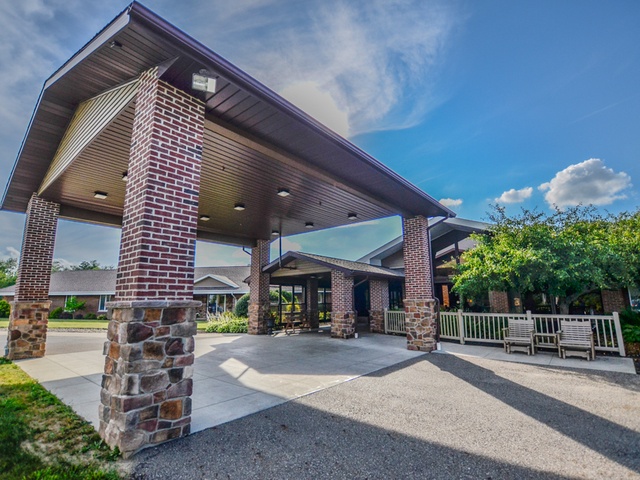
How is Accord Care Community Orrville Llc Staffed?

CMS rates ACCORD CARE COMMUNITY ORRVILLE LLC's staffing level at 1 out of 5 stars, which is much below average compared to other nursing homes. Staff turnover is 68%, which is 21 percentage points above the Ohio average of 46%. High turnover can affect care consistency as new staff learn residents' individual needs. RN turnover specifically is 75%, which is notably high. RNs provide skilled clinical oversight, so turnover in this role can affect medical care quality.

What Have Inspectors Found at Accord Care Community Orrville Llc?

State health inspectors documented 41 deficiencies at ACCORD CARE COMMUNITY ORRVILLE LLC during 2021 to 2025. These included: 2 that caused actual resident harm, 38 with potential for harm, and 1 minor or isolated issues. Deficiencies causing actual harm indicate documented cases where residents experienced negative health consequences.
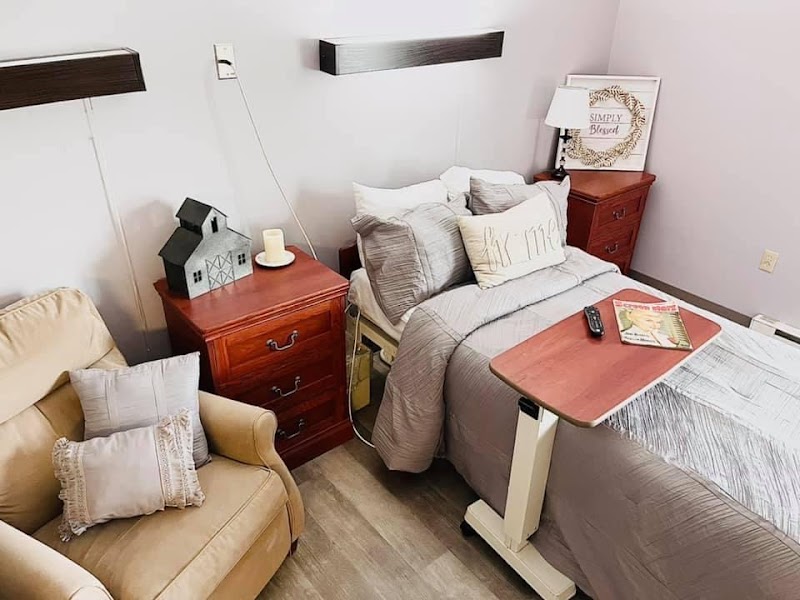
Who Owns and Operates Accord Care Community Orrville Llc?

ACCORD CARE COMMUNITY ORRVILLE LLC is owned by a for-profit company. For-profit facilities operate as businesses with obligations to shareholders or private owners. The facility operates independently rather than as part of a larger chain. With 88 certified beds and approximately 52 residents (about 59% occupancy), it is a smaller facility located in ORRVILLE, Ohio.
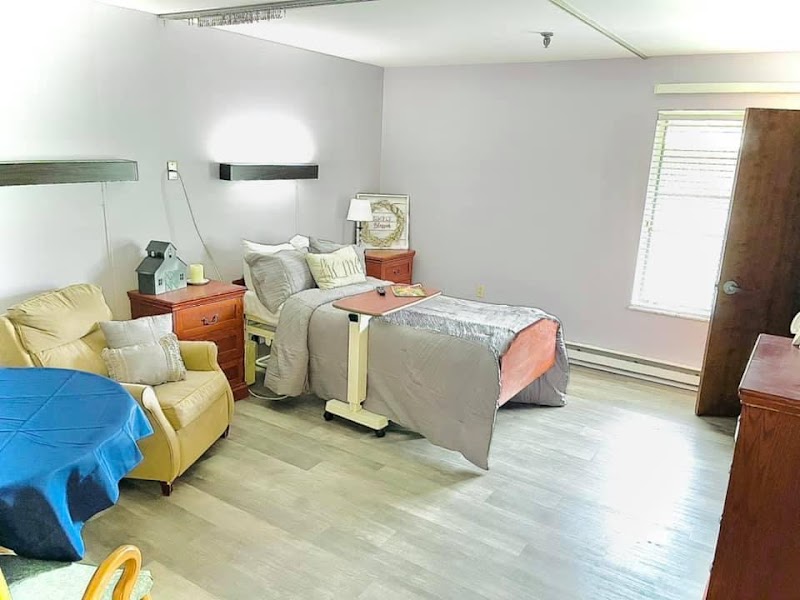
How Does Accord Care Community Orrville Llc Compare to Other Ohio Nursing Homes?

Compared to the 100 nursing homes in Ohio, ACCORD CARE COMMUNITY ORRVILLE LLC's overall rating (2 stars) is below the state average of 3.2, staff turnover (68%) is significantly higher than the state average of 46%, and health inspection rating (2 stars) is below the national benchmark.

What Should Families Ask When Visiting Accord Care Community Orrville Llc?

Based on this facility's data, families visiting should ask: "How do you ensure continuity of care given staff turnover, and what is your staff retention strategy?" "Can you walk me through typical staffing levels on day, evening, and night shifts?" "Can I visit during a mealtime to observe dining assistance and food quality?" "How do you handle medical emergencies, and what is your hospital transfer rate?" These questions are particularly relevant given the facility's high staff turnover rate and the below-average staffing rating.

Is Accord Care Community Orrville Llc Safe?

Based on CMS inspection data, ACCORD CARE COMMUNITY ORRVILLE LLC has a clean safety record: no substantiated abuse findings (meaning no confirmed cases of resident harm), no Immediate Jeopardy citations (the most serious violation level indicating risk of serious injury or death), and is not on the Special Focus Facility watch list (a federal program monitoring the lowest-performing 1% of nursing homes). The facility has a 2-star overall rating and ranks #100 of 100 nursing homes in Ohio. While no facility is perfect, families should still ask about staff-to-resident ratios and recent inspection results during their visit.

Do Nurses at Accord Care Community Orrville Llc Stick Around?

Staff turnover at ACCORD CARE COMMUNITY ORRVILLE LLC is high. At 68%, the facility is 21 percentage points above the Ohio average of 46%. Registered Nurse turnover is particularly concerning at 75%. RNs handle complex medical decisions and coordinate care — frequent RN changes can directly impact care quality. High turnover means new staff may not know residents' individual needs, medications, or preferences. It can also be disorienting for residents, especially those with dementia who rely on familiar faces. Families should ask: What is causing the turnover? What retention programs are in place? How do you ensure care continuity during staff transitions?

Was Accord Care Community Orrville Llc Ever Fined?

ACCORD CARE COMMUNITY ORRVILLE LLC has no federal fines on record. CMS issues fines when nursing homes fail to meet care standards or don't correct problems found during inspections. The absence of fines suggests the facility has either maintained compliance or corrected any issues before penalties were assessed. This is a positive indicator, though families should still review recent inspection reports for the full picture.

Is Accord Care Community Orrville Llc on Any Federal Watch List?

ACCORD CARE COMMUNITY ORRVILLE LLC is not on any federal watch list. The most significant is the Special Focus Facility (SFF) program, which identifies the bottom 1% of nursing homes nationally based on persistent, serious quality problems. Not being on this list means the facility has avoided the pattern of deficiencies that triggers enhanced federal oversight. This is a positive indicator, though families should still review the facility's inspection history directly.