MEADOWS OF OTTAWA THE
147 PUTNAM PARKWAY, OTTAWA, OH 45875 (419) 523-4092
For profit - Corporation 86 Beds TRILOGY HEALTH SERVICES Data: November 2025
Trust Grade
55/100
#505 of 913 in OH
Last Inspection: January 2025

Within standard 12-15 month inspection cycle. Federal law requires annual inspections.

Overview

Meadows of Ottawa has a Trust Grade of C, which means it is considered average and ranks in the middle of the pack among nursing homes. In Ohio, it is ranked #505 out of 913 facilities, placing it in the bottom half, and #4 out of 4 in Putnam County, indicating that only one local option is better. The facility's trend is worsening, with issues increasing from 1 in 2024 to 6 in 2025. Staffing is a relative strength, rated 3/5 stars with a turnover rate of 36%, which is below the Ohio average of 49%, and it has more RN coverage than 84% of state facilities. However, there have been concerning incidents, including a serious failure to monitor wound treatment that led to a resident suffering a laceration from a fall, and multiple issues related to food safety and hygiene practices, which could affect all residents. While there are some strengths, families should be aware of these significant weaknesses when considering this facility.

Trust Score
C
55/100
In Ohio
#505/913
Bottom 45%
Safety Record
Moderate
Needs review
Inspections
Getting Worse
1 → 6 violations
Staff Stability
○ Average
36% turnover. Near Ohio's 48% average. Typical for the industry.
Penalties
✓ Good
No fines on record. Clean compliance history, better than most Ohio facilities.
Skilled Nurses
○ Average
Each resident gets 40 minutes of Registered Nurse (RN) attention daily — about average for Ohio. RNs are the most trained staff who monitor for health changes.
Violations
⚠ Watch
26 deficiencies on record. Higher than average. Multiple issues found across inspections.
★★★☆☆
3.0
Overall Rating
★★★☆☆
3.0
Staff Levels
★★★★☆
4.0
Care Quality
★★★☆☆
3.0
Inspection Score
Stable
2024: 1 issues
2025: 6 issues

The Good

  • 4-Star Quality Measures · Strong clinical quality outcomes
  • Full Sprinkler Coverage · Fire safety systems throughout facility
  • No fines on record
  • Staff turnover below average (36%)

    12 points below Ohio average of 48%

Facility shows strength in quality measures, fire safety.

The Bad

3-Star Overall Rating

Near Ohio average (3.2)

Meets federal standards, typical of most facilities

Staff Turnover: 36%

10pts below Ohio avg (46%)

Typical for the industry

Chain: TRILOGY HEALTH SERVICES

Part of a multi-facility chain

Ask about local staffing decisions and management

The Ugly 26 deficiencies on record

1 actual harm
Jan 2025 6 deficiencies 1 Harm
SERIOUS (G) 📢 Someone Reported This

A family member, employee, or ombudsman was alarmed enough to file a formal complaint

Actual Harm - a resident was hurt due to facility failures

Quality of Care (Tag F0684)

A resident was harmed · This affected 1 resident

**NOTE- TERMS IN BRACKETS HAVE BEEN EDITED TO PROTECT CONFIDENTIALITY** Based on observation, medical record review, staff interview, interview with wound care nurse practitioner, and facility policy ...

Read full inspector narrative →
**NOTE- TERMS IN BRACKETS HAVE BEEN EDITED TO PROTECT CONFIDENTIALITY** Based on observation, medical record review, staff interview, interview with wound care nurse practitioner, and facility policy review, the facility failed to ensure wound monitoring and physician prescribed wound treatments were administered as ordered. Actual Harm occurred when Resident #71 fell from his wheelchair and sustained a laceration to the head which compromised a preexisting head wound. Resident #71 was evaluated at the hospital and returned to the facility with a hemostatic bandage dressing in place. The dressing remained in place for seven days without being changed or evaluated. The dressing was discovered to be severely adhered to the scalp, required debridement to remove embedded dressings and found to have a large amount of foul-smelling drainage between layers of dressings and wound with exposed bone. This affected one (#71) of three residents reviewed for the application of wound treatments in a facility census of 80. Findings include: Review of Resident #71's medical record revealed the resident was admitted to the facility on [DATE]. Diagnoses included squamous cell carcinoma right lower limb, malignant neoplasm of scalp and neck, hypotension, laceration to scalp, peripheral vascular disease, lymphedema, non-pressure chronic ulcers to left and right lower legs, type II diabetes mellitus, anemia, hypertensive heart disease, moderate protein calorie malnutrition, disorder of kidney and ureter, coronary artery disease, and repeated falls. Review of the Minimum Data Set (MDS) assessment dated [DATE] revealed Resident #71 had intact cognition, ability to make needs known, lower extremity range of motion impairment, utilized a wheelchair for mobility, and required partial to moderate assistance with activities of daily living. Resident #71 was at risk for pressure ulcer development, admitted with one unstageable pressure ulcer (slough and/or eschar: known but not stageable due to coverage of wound bed by slough and/or eschar), three venous or arterial ulcers, open lesion on foot, open lesions other than ulcers, rashes or cuts, and skin tears. Review of the hospital discharge instructions dated 11/25/24 revealed Resident #71 admitted with treatments to a head wound identified as trauma/cancer. Treatments included cleanse with Dakin's solution and gauze. Apply non-adhering (Vaseline) dressing to wound. cover with Abdominal Dressing (ABD). Secure with stockinet. Change dressing twice daily. Wound description traumatic wound injury to head with dry eschar serosanguineous drainage, ecchymosis to peri-wound and full thickness. The medical record lacked the development of a nursing plan of care regarding treatment, care or interventions for the head wound. On 11/26/24, wound management detail report documentation identified a traumatic/cancer wound right side of head and top of head. The wound was described with a small amount of drainage, slough noted in area, peri-wound pink with no odor. Measurements were three (3.0) centimeters (cm) long by (x) seven (7.0) cm wide. Healing status was stable. On 11/26/24, the physician ordered to monitor dressing to top of head every shift and reapply dressing as needed. Three times a day. On 12/13/24, Wound Center Certified Nurse Practitioner (WCCNP) #200's evaluation noted Resident #71 with a traumatic head wound right open upper wound from fall. Treatment included petroleum gauze with ABD (abdominal dressing). Measurement 16.0 cm long by 13.0 cm wide and 0.2 cm deep with slough, devitalized tissue, pale granulation tissue, and small amount of thick yellow drainage with mild odor. Recommend scalp wound treatment to clean head/hair with chlorhexidine wash and comb hair. Apply Triad paste (helps maintain a moist wound environment) to wound. Cover with dry alginate (cut to size needed) and ABD pad. Secure with stockinet/hat and change daily. Follow-up visit will be on 01/10/25 at 10:30 A.M. If the resident experiences any of the following, please call the wound care service during business hours. Increased pain, increase in drainage from the wound or a foul odor, uncontrolled swelling, need for compression bandage changes due to slippage, and/or breakthrough drainage. The Wound Management Detail Report documented on 01/02/25, a traumatic/cancer wound to head measured 15.0 cm long x 8.0 cm wide with healing and stable wound. Bright red tissue present. Small amount of bloody drainage and crusty areas present. Resident #71 denied pain in the area. Review of the Event Report Incident dated 01/04/25 at 5:54 A.M. revealed Resident #71 was observed on the floor in room. Moderate bleeding from head. Skin tear to lower left forearm and left hand under ring finger. Gentle but firm pressure applied to head wound, unsuccessful stopping bleeding. Transported to hospital for evaluation. At 1:30 P.M., Resident #71 was returned from the hospital. According to hospital emergency room (ER) discharge documentation dated 01/04/25, Resident #71 was evaluated for a fall resulting in head laceration. No documentation contained in the discharge instructions included treatment to the head wound or type of dressing applied. Review of the treatment administration records between 01/04/25 and 01/10/25 revealed nursing staff initials with parentheses indicating the head wound dressing was not administered as ordered. Nursing progress notes revealed on 01/06/25 at 4:43 P.M., Resident #71 refused to let the nurse change dressing on head. On 01/07/25 at 8:54 P.M., Resident #71 refused to let the nurse change dressings on head and arms. On 01/09/25 at 1:56 A.M., Resident #71 refused to allow Registered Nurse (RN) to change bandage on his head and bilateral arms at this time. Resident #71 stated he will get them changed at his wound care appointment. Education given to the resident on importance of dressing changes and preventing infection but he still refused at this time. At 6:46 A.M., Resident #71 refused for head bandage to be removed and changed at this time. Unable to complete measurement and treatment. At 6:50 A.M., the resident allowed for wounds and dressings to be changed except for head dressing, Resident #71 refused on multiple attempts. On 01/09/25 at 4:23 P.M., the nurse attempted to provide wound treatment to residents' head. Resident #71 declined and said that he has an appointment for it tomorrow. Further review of the medical record lacked documented evidence indicating the wound clinic specialist was notified regarding Resident #71's fall with injury to the traumatic wound to his head. No attempts to determine the underlying cause for Resident #71's wound dressing refusals were noted. On 01/10/25, WCCNP #200's evaluation noted Resident #71 stated he had a fall on 01/04/25 that resulted in re-injury of head for which he went to the ER. Per documentation: Resident #71 found to have big head injury with active bleeding. Resident's bleeding was controlled with hemostatic bandage and was appropriately wrapped. Resident #71 presented with bulky dressing and ACE wrap sitting on top of his head. He stated the dressing had not been changed since it was applied on 01/04/25 in the ER. Review of the (hospital) discharge instructions showed recommendations to schedule follow-up appointment with WCCNP #200 in clinic within two days. Review of charting shows no calls were placed to the clinic notifying the wound clinic of new wound or requesting earlier visit. On arrival, dressing was found to be severely adhered to the scalp. Copious amounts of saline irrigation were utilized to soften dressing for removal. Unfortunately, this was unsuccessful, and debridement was required to remove embedded dressings. On removal, Resident #71 was found to have a large amount of foul-smelling drainage between layers of dressings and wound with exposed bone noted to scalp wound. The treatment was changed to apply cuticerin to bone. Cover with saline moistened gauze and ABD pad. Secure stockinet/hat. Change daily. Wound descriptions noted a head wound etiology as traumatic, wound cleansed with saline. Measurements with wound length 10.2 cm x width 6.2 cm and depth 0.4 cm. Wound assessment identified exposed structure bone; granulation tissue; pale granulation tissue; pink/red slough, and moderate serosanguineous (blood tinged) drainage. Observation on 01/28/25 at 2:07 P.M. revealed Assistant Director of Nursing (ADON) #322 administered Resident #71's head wound dressing including removing the existing undated dressing. ADON #322 proceeded to cleanse the open areas to his head and cleanse his wound parameter with chlorahexine. Comb his hair, apply cuticerin dressing over bone and normal saline wet gauze to remaining open areas. Followed by covering the entire head wound with an ABD and stockinet. On 01/30/25 at 8:42 A.M., an interview with the Director of Nursing (DON), ADON #322, Regional Registered Nurse (RRN) #500, and Administrator during review of Resident #71's medical record confirmed the wound clinic and/or WCCNP #200 were not informed of Resident #71's fall with injury to his head until previously scheduled appointment on 01/10/25. Staff also confirmed the treatment for the head wound was not administered between 01/04/25 and 01/10/25, and were unaware what treatment had been applied when the resident was evaluated at the hospital emergency room on [DATE] which was left in place until the wound clinic appointment on 01/10/25. On 01/30/25 at 10:20 A.M., review of the medical record with ADON #322 and RRN #500 confirmed there was no documentation of a nursing plan of care addressing the head wound until 01/29/25. Telephone interview on 01/30/25 at 3:18 P.M. with WCCNP #200 confirmed Resident #71 was under her care regarding the wound to the head and additional wounds prior to admission to the facility. WCCNP #200 confirmed she was not contacted by the facility when Resident #71 sustained an injury to the head wound which caused an additional skin impairment to the head wound WCCNP #200 was treating. WCCNP #200 indicated they were not made aware of the injury until Resident #71 was evaluated at the wound clinic on 01/10/25. Resident #71 was observed with an ACE bandage wrapped around his head and a dressing which was not prescribed was applied to the top of his head. WCCNP #200 verified all documentation of Resident #71's wound evaluations were accurate including wound descriptions. Prior to the injury on 01/04/25, the head wound did not have an area of exposed bone. WCCNP #200 confirmed Resident #71 did not develop infection and currently wounds were improving. Review of the facility's Guidelines for General Wound and Skin Care policy, last revised 02/23/23, revealed nursing was to re-evaluate dressing and skin integrity every shift. Re-evaluate the wound's response to the prescribed treatment. Make recommendations for changes as needed (PRN). Inform the physician (MD) of changes in wound status. Review of the facility's Notification of Change in Condition policy, dated 12/17/24, revealed purpose was to ensure appropriate individuals are notified of change in condition. The facility must inform the resident, consult with resident's physician and if known notify the residents legal representative when: An accident involving the resident which results in an injury and has the potential for requiring physician intervention. A significant change in residents' physical, mental or psychosocial status. A need to alter treatment significantly. Documentation of notification or notification attempts should be recorded in the resident electronic health record. This deficiency represents non-compliance investigated under Complaint Number OH00161547.
CONCERN (D) 📢 Someone Reported This

A family member, employee, or ombudsman was alarmed enough to file a formal complaint

Potential for Harm - no one hurt, but risky conditions existed

ADL Care (Tag F0677)

Could have caused harm · This affected 1 resident

**NOTE- TERMS IN BRACKETS HAVE BEEN EDITED TO PROTECT CONFIDENTIALITY** Based on medical record review, observation, family interview, and staff interview, the facility failed to ensure residents who ...

Read full inspector narrative →
**NOTE- TERMS IN BRACKETS HAVE BEEN EDITED TO PROTECT CONFIDENTIALITY** Based on medical record review, observation, family interview, and staff interview, the facility failed to ensure residents who were dependent on staff for activities of daily living (ADL) care received adequate assistance with personal hygiene. This affected one (#59) of four residents reviewed for ADL care. The facility census was 80. Findings include: Review of the medical record revealed Resident #59 was admitted on [DATE]. Diagnoses included paraplegia, injury to sacral spinal cord, other front temporal neurocognitive disorder, dementia, and anxiety disorder. Review of the Minimum Data Set (MDS) assessment dated [DATE], revealed Resident #59 was rarely understood and dependent on staff for assistance with personal hygiene. Review of the care plan dated 10/04/22 revealed Resident #59 had paraplegia and required one person assistance with ADL care. Observation on 01/27/25 at 10:38 A.M. revealed Resident #59 had unshaven facial hair on face and neck. Interview on 01/27/25 at 10:40 A.M. with Resident #59's Resident Representative revealed the resident was a businessman and was always well kempt including shaving on a daily basis. It was reported the facility had been asked to ensure he was shaved daily. Resident #59's resident representative reported he had approximately four to five days of facial hair growth. Interview on 01/27/25 at 11:10 A.M. with Certified Nurse Assistant (CNA) #431 verified Resident #59 had unshaven facial hair with growth of approximately a few days. This deficiency represents non-compliance investigated under Master Complaint Number OH000161547, Complaint Number OH00161076, and Complaint Number OH00161078.
CONCERN (D) 📢 Someone Reported This

A family member, employee, or ombudsman was alarmed enough to file a formal complaint

Potential for Harm - no one hurt, but risky conditions existed

Pressure Ulcer Prevention (Tag F0686)

Could have caused harm · This affected 1 resident

**NOTE- TERMS IN BRACKETS HAVE BEEN EDITED TO PROTECT CONFIDENTIALITY** Based on medical record review, observation, resident and staff interview, and review of facility policies, the facility failed ...

Read full inspector narrative →
**NOTE- TERMS IN BRACKETS HAVE BEEN EDITED TO PROTECT CONFIDENTIALITY** Based on medical record review, observation, resident and staff interview, and review of facility policies, the facility failed to ensure interventions for residents with pressure ulcers were applied correctly. This affected one (#75) of three residents reviewed for pressure ulcers. The facility census was 80. Findings include: Review of the medical record revealed Resident #75 was admitted on [DATE]. Diagnoses included polyosteoarthritis, fracture of second lumbar vertebra, chronic kidney disease, anorexia, muscle weakness, osteoarthritis, and retention of urine. Review of the Minimum Data Set (MDS) assessment, dated 10/31/24, revealed Resident #75 was severely cognitively impaired. The resident required substantial assistance from staff for toileting, showers, upper and lower body dressing, and personal hygiene. Review of the most recent care plan revealed Resident #75 required encouragement and assistance with turning and repositioning every two hours with heel protector moon boots on while in bed at all times. Review of the wound management detail report, dated 01/27/25, revealed Resident #75 had an unstageable left heel pressure ulcer (slough and/or eschar: known but not stageable due to coverage of wound bed by slough and/or eschar) measuring 1.4 centimeters in length by 1.1 centimeters in width and 0.1 centimeters in depth. The wound was described as stable and had improved in size from the previous week. Observation and interview on 01/27/25 at 9:47 A.M. with Resident #75 revealed the resident was lying in bed with both feet outside of the blanket. A heel protector boot was applied but was twisted to the front of the foot revealing the heel exposed with a dressing on the heel. Resident #75 requested assistance with repositioning. Observation on 01/27/25 at 9:55 A.M. revealed Certified Nursing Assistant (CNA) #447 reposition Resident #75 and exit the room. Resident #75's heel boot remained applied incorrectly with the heel unprotected. Interview on 01/27/25 at 9:56 A.M. with CNA #447 verified Resident #75's heel boot was not applied correctly and the left heel was not protected. CNA #447 verified she should have ensured the pressure ulcer interventions (heel boot protector) was in place when repositioning Resident #75. Review of policy titled Guidelines for Pressure Prevention, dated 12/17/24, revealed care plan interventions shall be implemented based on risk factors identified in the nursing assessment. Interventions may include to elevate heels off the bed. Review of policy titled General Wound and Skin Care, dated 12/17/24, revealed wound and skin care guidelines should be followed for all residents with potential and/or actual impairment in skin integrity including to evaluate the need for heel floats/boots. This deficiency represents non-compliance investigated under Master Complaint Number OH000161547.
CONCERN (D)

Potential for Harm - no one hurt, but risky conditions existed

Pharmacy Services (Tag F0755)

Could have caused harm · This affected 1 resident

**NOTE- TERMS IN BRACKETS HAVE BEEN EDITED TO PROTECT CONFIDENTIALITY** Based on resident and staff interview, medical record review, and interview with pharmacy staff, the facility failed to ensure m...

Read full inspector narrative →
**NOTE- TERMS IN BRACKETS HAVE BEEN EDITED TO PROTECT CONFIDENTIALITY** Based on resident and staff interview, medical record review, and interview with pharmacy staff, the facility failed to ensure medications were available and administered as physician ordered. This affected one (#23) of one resident reviewed for pain management. The facility census was 80. Findings include: Review of Resident #23's medical record revealed an admission date of 06/10/24. Diagnoses included pinched nerve in the lumbar region, traumatic muscle injury, osteoporosis, spinal stenosis, chronic pain, chronic cluster headache, tremor, and opioid dependence with opioid induced psychotic disorder with delusions. Review of Resident #23's Minimum Data Set (MDS) dated [DATE] revealed a Brief Interview for Mental Status (BIMS) score of 13, indicating Resident #23 was cognitively intact. Resident #23 displayed no behaviors during the review period. Resident #23 received scheduled and as needed (PRN) pain medication. At the time of the review Resident #23 reported her pain was almost constant and occasionally her pain would interfere with her day to day activities. Resident #23 indicated her worst pain over the last five days was a nine on a scale of zero (no pain) to ten (worst pain). Review of Resident #23's care plan revised 01/14/25 revealed supports and interventions for risk for pain. Pain interventions included administer medications as ordered, attempt non-pharmacological interventions, observe for verbal and nonverbal signs of pain, and reposition as ordered. Review of Resident #23's physician orders revealed an order dated 01/15/25 with a start date of 01/21/25 and discontinued 01/28/25 for hydrocodone-acetaminophen 5-325 milligrams (mg) take two tablets by mouth twice a day as needed for moderate to severe pain. An order dated 01/28/25 with a start date of 01/28/25 for hydrocodone-acetaminophen 5-325 mg take two tablets by mouth twice a day as needed for moderate to severe pain of seven out of ten or greater with a maximum of four tablets per day. The order was open ended. An order dated 01/28/25 with a start date of 01/28/25 for hydrocodone-acetaminophen 5-325 mg take one tablet by mouth twice a day as needed for pain between four to six on a scale of one to ten with a maximum of four doses per day. The order was open ended. Interview on 01/27/25 at 10:17 A.M. with Resident #23 reported the facility had run out of her pain medications. Resident #23 reported she only had two pills left of her pain medication and she only got one pain pill this morning when she actually wanted two. Resident #23 stated by her taking only one there was one pill left for her to take this afternoon. Resident #23 reported she was a retired nurse and her medications should have been reordered prior to her running out so she didn't have to go with less or without. Resident #23 stated she was doing ok but she still had pain after taking the one pill. A follow-up interview on 01/27/25 at 11:38 A.M. with Resident #23 revealed her pain medication was not effective and her pain level was an eight. Resident #23 reported she had tried to walk but it hurt so she was just going to stay in bed. Interview on 01/28/25 at 7:57 A.M. with Clinical Support Registered Nurse (CSRN) #537 verified Resident #23 had run out of her pain medications. Interview on 01/28/25 at 8:12 A.M. with Resident #23 verified she had taken her last pain pill last night. Resident #23 stated nursing had saved one pill for the evening time yesterday which was not real good for her pain, but was better than the none she had now. Resident #23 reported she was given Tylenol and a muscle relaxer this morning since they were out of her pain medication. Resident #23 stated her pain level was still an eight on a scale of one to ten, but she was feeling really sleepy and heavy from taking the muscle relaxer. Resident #23 stated she had been told her medication had been ordered this past Friday but had not arrived yet. Resident #23 stated it didn't seem right her medication was not refilled yet. Interview on 01/28/25 at 9:31 A.M. with Pharmacy Staff (PS) #580 revealed on 01/06/25, Resident #23 had 30 hydrocodone-acetaminophen dispensed and on 01/18/25, an additional 28 were dispensed. PS #580 stated there were 60 tablets available for refill but there were nothing processing at this time. A request had not been received to fill the prescription. Interview on 01/28/25 at 1:58 P.M. with Licensed Practical Nurse (LPN) #320 verified Resident #23 had run out of her Norco (hydrocodone-acetaminophen) and had been provided two Tylenol tablets and two muscle relaxers as well. LPN #320 reported she could have pulled the Norco from the contingency box but Resident #23 had reported to her she was feeling good. The muscle relaxer order was for one to two pills. Follow up interview on 01/29/25 at 9:12 A.M. with Resident #23 found her awake lying in bed. Resident #23 reported she was very very happy and felt great because they got her pain medication in and she was able to have two tablets this morning like she had wanted. Resident #23 reported she had been uncomfortable with a pain level of around eight when she had not gotten the pain medication she was supposed to, but it had not gotten in the way of her doing what she needed to do.
CONCERN (D)

Potential for Harm - no one hurt, but risky conditions existed

Deficiency F0760 (Tag F0760)

Could have caused harm · This affected 1 resident

**NOTE- TERMS IN BRACKETS HAVE BEEN EDITED TO PROTECT CONFIDENTIALITY** Based on resident interview, medical record review, staff interview, and review of facility policy, the facility failed to ensu...

Read full inspector narrative →
**NOTE- TERMS IN BRACKETS HAVE BEEN EDITED TO PROTECT CONFIDENTIALITY** Based on resident interview, medical record review, staff interview, and review of facility policy, the facility failed to ensure blood sugar levels were obtained and insulin was administered according to physician orders, resulting in a significant medication error. This affected one resident (#47) of one resident reviewed for blood sugar checks and insulin. The facility census was 80. Findings include: Review of Resident #47's medical record revealed an admission date of 10/28/21. Diagnoses included type II diabetes mellitus and morbid obesity. Review of Resident #47's Minimum Data Set (MDS) assessment dated [DATE] revealed a Brief Interview for Mental Status (BIMS) score of 14, indicating Resident #47 was cognitively intact. Review of Resident #47's care plan revised 01/22/25 revealed supports and interventions for the risks of hypo/hyperglycemia related to diabetes mellitus. Interventions included diet per order, monitor blood sugars as ordered and provide medications as ordered. Review of Resident #47's physician orders revealed an order dated 10/28/21 to check Resident #47's blood sugars before meals and at bedtime (6:00 A.M. to 10:00 A.M., 11:00 A.M. to 12:30 P.M., 4:00 P.M. to 5:30 P.M., 6:00 P.M. to 10:00 P.M.). On 10/15/24, there was a physician order for Humalog Insulin 100 units per milliliter, administer 18 units before meals and hold evening/dinner for blood sugar less than 130. Review of Resident #47's Medication Administration Record (MAR) revealed on 01/06/25 Resident #47's blood sugar was not taken between 4:00 P.M. to 5:30 P.M. and it read it was taken at 7:08 P.M. and read 196. It was noted Resident #47's blood sugar was taken late and was due on the previous shift. Also on 01/06/25 Resident #47's Humalog was noted to be administered at 7:08 P.M. and was also noted Resident #47's Humalog was to be administered on the prior shift and was administered late. Interview on 01/27/25 at 10:03 A.M. with Resident #47 found her to be alert and aware. Resident #47 reported she was not getting her medications on time. She stated she often ate her meals before her blood sugar was taken and her insulin was administered. Resident #47 stated she needed her blood sugar taken before she ate, but there were times the nurse was so late and she was hungry and not able to wait and her food would get cold. Observation on 01/28/25 at 8:15 A.M. of Resident #47 found her eating her breakfast of apple juice and raisin toast. Coinciding interview with Resident #47 revealed she had not received her blood sugar check or her insulin yet. Resident #47 stated her meal had been delivered about twenty minutes ago and she tried to wait to eat but couldn't wait any more. Resident #47 stated she probably would not eat all her toast. Interview on 01/28/25 at 8:19 A.M. with Licensed Practical Nurse (LPN) #320 verified Resident #47 had not yet received her medications or her blood sugar checks yet. LPN #320 reported there were issues with the computer system so they were not able to get Resident #47's medications done yet. Interview on 01/28/25 at 9:07 A.M. with the Director of Nursing (DON) verified it looked like on 01/06/25 Resident #47's blood sugars were taken late and Resident #47's Humalog insulin was administered late. The DON reported she would get the nurse who documented the late administration contact information to clarify what occurred. Interview on 01/28/25 at 3:06 P.M. with Licensed Practical Nurse (LPN) #315 verified on 01/06/25 Resident #47 had not received her blood sugar check before her dinner and had not received her scheduled insulin as ordered. LPN #315 reported Resident #47 had asked for her blood sugar to be taken and insulin administered so he verified with the nursing going off shift the insulin had not been administered and Resident #47's blood sugar level had not been taken. LPN #315 reported he took Resident #47's blood sugar level and found it was above 130. Had her blood sugar been below 130 her insulin was to be held. Resident #47's blood sugar was above the 130 parameter so the insulin was administered. LPN #315 reported it was documented in Resident #47's MAR as a late administration because the blood sugar was taken and insulin administered around 6:45 P.M. when it was to have been completed on the previous shift between 4:00 P.M. and 5:30 P.M. before Resident #47 had dinner. Review of the facility policy titled, Medication Administration Times Procedural Guidelines, revised 05/23/18 revealed medications ordered at a specific time shall be administered at the time designated by the attending physician.
CONCERN (D)

Potential for Harm - no one hurt, but risky conditions existed

Infection Control (Tag F0880)

Could have caused harm · This affected 1 resident

**NOTE- TERMS IN BRACKETS HAVE BEEN EDITED TO PROTECT CONFIDENTIALITY** Based on observation, medical record review, staff interview and facility policy, the facility failed to ensure enhanced barrier...

Read full inspector narrative →
**NOTE- TERMS IN BRACKETS HAVE BEEN EDITED TO PROTECT CONFIDENTIALITY** Based on observation, medical record review, staff interview and facility policy, the facility failed to ensure enhanced barrier infection control precautions were implemented as ordered. This affected one (#73) of 23 residents reviewed for infection control practices in a facility census of 80. Findings include: Resident #73 admitted to the facility on [DATE] with the diagnoses including, hemiplegia and hemiparesis following non-traumatic intracranial hemorrhage, aphasia, dysphagia, acute respiratory failure, hypertension, history of tracheostomy, and percutaneous endoscopic gastrostomy tube. According to the most current Minimum Data Set assessment dated [DATE] Resident #73 was assessed with severely impaired cognition, dependent on staff for the completion of activities of daily living, received nutrition via feeding tube, and mechanically altered diet. On 01/22/25 a nursing plan of care was implemented to address Resident #73 required Enhanced Barrier Precautions (EBP) during high-contact care related to presence of a feeding tube. Care plan goal was for risk for transmission of infection to be minimized with use of EBP. Interventions included: Perform hand hygiene before and after care, per policy and as required. Don/doff and dispose of Personal Protective Equipment (PPE) systematically and appropriately, per policy. Approach: Utilize gown and gloves per EBP policy during wound care/dressing changes. Utilize gown and gloves per EBP policy during indwelling device care (e.g. central lines, urinary catheter, feeding tube, and tracheostomy). Utilize gown and gloves per EBP policy during high contact ADL care (e.g. dressing, showering/bathing, hygiene, transfers, toileting/changing briefs) and during linen changes. According to physician orders dated 09/27/24 Resident #73 received PEG (feeding tube) free water flushes of 60 milliliters three times daily and staff was ordered to use EBP, wearing a gown and gloves at minimum during high-contact care activities. On 01/27/25 at 10:25 A.M. Resident #73 was observed in therapy receiving therapy treatment and hands on transfer assistance with two therapist. Staff was not wearing PPE during resident contacts. Additional observation at 10:35 A.M. revealed Resident #73 room without signage indicating EBP or directions to wear PPE and no PPE available in the vicinity of the resident room. On 1/27/25 at 1:28 P.M. interview with Registered Nurse (RN) #303 confirmed EBP interventions were not in place for Resident #73. RN #73 confirmed facility policy indicates residents with feeding tubes require access to PPE in their room and a sign on the room door directing staff to wear PPE during resident contact. Review of facility EBP standard operating procedure revised 04/02/24 revealed EBP will be in place during high contact care activities for residents with the following conditions: All residents with indwelling devices including catheters, central lines, feeding tubes, tracheostomy tubes. Personal Protective Equipment (PPE) should be used even if blood or body fluid exposure is not anticipated. At a minimum, staff shall wear gloves and gowns during high contact care activities.
Jan 2024 1 deficiency
CONCERN (D) 📢 Someone Reported This

A family member, employee, or ombudsman was alarmed enough to file a formal complaint

Potential for Harm - no one hurt, but risky conditions existed

Deficiency F0688 (Tag F0688)

Could have caused harm · This affected 1 resident

**NOTE- TERMS IN BRACKETS HAVE BEEN EDITED TO PROTECT CONFIDENTIALITY** Based on medical record review, resident interview, staff interview and review of facility training, the facility failed to ensu...

Read full inspector narrative →
**NOTE- TERMS IN BRACKETS HAVE BEEN EDITED TO PROTECT CONFIDENTIALITY** Based on medical record review, resident interview, staff interview and review of facility training, the facility failed to ensure passive range of motion (PROM) was completed as ordered. This affected one (#1) of three residents reviewed for range of motion. The facility census was 83. Findings include: Review of Resident #1's medical record revealed an admission date of 09/25/19. Diagnoses included acute respiratory failure, quadriplegia, emphysema, heart disease with heart failure, dysphagia, post-traumatic stress disorder, anxiety disorder, personality disorder, and delirium. Review of Resident #1's Minimum Data Set (MDS) assessment dated [DATE] revealed a Brief Interview for Mental Status (BIMS) score of 15 indicating Resident #1 was cognitively intact. Resident #1 had impaired upper and lower extremities. Resident #1 required extensive assistance with bed mobility, transfer, and toilet use. Resident #1 displayed rejection of care behaviors one to three days during the review period. Review of Resident #1's care plan revised 11/09/23 revealed supports and interventions for risk for decline of range of motion. Resident #1's goal was for Resident #1 to tolerate passive range of motion to all extremities without signs and symptoms of pain. Interventions included observe for any presence of pain during ROM twice a day between 6:00 A.M. to 2:00 P.M. and 6:00 P.M. and 10:00 P.M., provide passive ROM to upper and lower extremities twice a day between 6:00 A.M. to 2:00 P.M. and 6:00 P.M. and 10:00 P.M., and provide rest periods as needed. Review of Resident #1's physician orders revealed an order dated 11/29/23 for Passive Range of Motion (PROM) to bilateral upper and lower extremities twice a day. Review of Resident #1's Physical Therapy (PT) Discharge paperwork dated 11/21/23 revealed discharge recommendations of Range of Motion twice a day. Review of Resident #1's Occupational Therapy (OT) Discharge paperwork dated 11/30/23 revealed State Tested Nursing Assistants (STNA) #208, #205, #212 and #207 were trained on Resident #1's bilateral upper extremity passive range of motion exercises. Resident #1 was discharged from OT due to exhausting his benefits and declined treatment. Review of Resident #1's Passive Range of Motion (PROM) documentation from 12/01/23 through 12/31/23 revealed Resident #1 was not provided PROM on first shift 19 out of the 31 days. ROM was not performed on first shift on 12/01/23, 12/04/23, 12/05/23, 12/06/23, 12/08/23, 12/11/23, 12/12/23, 12/13/23, 12/14/23, 12/15/23, 12/16/23, 12/17/23, 12/18/23, 12/19/23, 12/21/23, 12/22/23, 12/23/23, 12/24/23, and 12/25/23. No information was provided as to why the PROM was not completed. Resident #1 was documented as refused one time on 12/29/23. Of the 19 instances State Tested Nursing Assistant (STNA) #205 was the staff who documented PROM was not performed. Further medical record review found no documented refusals. Interview on 01/08/24 at 10:08 A.M., with Resident #1 found him to be alert and aware. Resident #1 reported he was not getting his range of motion as ordered. Resident #1 stated the issue was primarily on first shift and was with STNA #205 who did not provide the range of motion. Resident #1 stated he did not refuse his ROM and he actually wanted more than he was getting. Resident #1 reported STNA #205 would say there wasn't time and it would not be done. Interview on 01/08/24 at 12:42 P.M., with STNA #205 verified Resident #1's range of motion was not completed. STNA #205 reported Resident #1 was very particular and wanted all of his care completed at one time. If there was not enough time she would ask if they could do the ROM later. Review of the undated facility training titled, Restorative Nursing Training- Range of Motion (ROM), Walking, Dressing/Grooming revealed ROM should be completed with daily activities of daily living care. The staff were to follow the ROM program as assigned in the electronic system, the care plan, and the resident's profile. This deficiency represents non-compliance investigated under Complaint Number OH00148946.
Oct 2023 12 deficiencies
CONCERN (D)

Potential for Harm - no one hurt, but risky conditions existed

Deficiency F0558 (Tag F0558)

Could have caused harm · This affected 1 resident

**NOTE- TERMS IN BRACKETS HAVE BEEN EDITED TO PROTECT CONFIDENTIALITY** Based on medical record review, observation, resident and staff interviews, and facility policy, the facility failed to ensure r...

Read full inspector narrative →
**NOTE- TERMS IN BRACKETS HAVE BEEN EDITED TO PROTECT CONFIDENTIALITY** Based on medical record review, observation, resident and staff interviews, and facility policy, the facility failed to ensure residents had access to call lights. This affected one (Resident #49) of one reviewed for call lights. The facility census was 80. Findings include: Review of the medical record revealed Resident #49 was admitted on [DATE]. Diagnoses included hypertensive heart disease with heart failure, iron deficiency anemia, type two diabetes mellitus, and hypothyroidism. Review of the Minimum Data Set (MDS) assessment dated [DATE] revealed the resident was cognitively intact. Resident #49 required extensive one person assistance with bed mobility, transfers, locomotion on and off unit, dressing, and personal hygiene. Review of the care plan dated 11/18/21 revealed Resident #49 was at risk for incontinence and falls with interventions to keep the call light within reach. Interview on 10/23/23 at 12:45 P.M. with Resident #49 revealed the resident did not have access to her call light. Resident #49 stated at 11:50 A.M. she looked for her call light due to wanting assistance prior to lunch and realized the call light had not been provided to her after getting up. Resident #49 verified she has been wanting assistance for 55 minutes but could not reach the call light. Resident #49 stated the same situation has occurred in the past. Subsequent observation revealed Resident #49 sitting in the wheelchair next to the resident bed. The call light was clipped top of the bed near the pillow which was behind the resident and out of reach. Interview on 10/23/23 at 12:51 P.M. with the Director of Nursing verified Resident #49 did not have access to her call light as it was out of reach behind the resident. Review of policy, Guidelines for Answering Call Lights, dated 12/31/22, verified the facility will ensure the call light is plugged in securely to the outlet and in reach of the resident.
CONCERN (D)

Potential for Harm - no one hurt, but risky conditions existed

Deficiency F0638 (Tag F0638)

Could have caused harm · This affected 1 resident

**NOTE- TERMS IN BRACKETS HAVE BEEN EDITED TO PROTECT CONFIDENTIALITY** Based on record review and staff interview, the facility failed to ensure Resident Assessments were completed timely. This affec...

Read full inspector narrative →
**NOTE- TERMS IN BRACKETS HAVE BEEN EDITED TO PROTECT CONFIDENTIALITY** Based on record review and staff interview, the facility failed to ensure Resident Assessments were completed timely. This affected one (Resident #53) of one reviewed for timely Resident Assessments. The facility census was 80. Findings include: Review of the medical record for Resident #53 revealed an admission date of 05/31/23 with diagnoses of mild cognitive impairment and chronic kidney disease. Review of the comprehensive Minimum Data Set (MDS) assessment dated [DATE] revealed Resident #53 had impaired cognition. Further review revealed no additional quarterly or comprehensive assessments were completed after 06/05/23. Interview on 10/24/23 at 12:37 P.M. with MDS Coordinator #228 confirmed Resident #53 was due for a quarterly assessment on 09/05/23. MDS Coordinator #228 further stated she normally received reminders from the Regional Office when assessments were due and could not determine why the quarterly assessment for Resident #53 was not completed. Review of the guidance provided by the facility revealed the October 2019 version of the Resident Assessment Instrument (RAI) manual indicated a quarterly assessment should be completed within 92 days from the previous assessment.
CONCERN (D)

Potential for Harm - no one hurt, but risky conditions existed

Assessment Accuracy (Tag F0641)

Could have caused harm · This affected 1 resident

**NOTE- TERMS IN BRACKETS HAVE BEEN EDITED TO PROTECT CONFIDENTIALITY** Based on record review and staff interview, the facility failed to ensure an accurate Resident Assessment was completed for two ...

Read full inspector narrative →
**NOTE- TERMS IN BRACKETS HAVE BEEN EDITED TO PROTECT CONFIDENTIALITY** Based on record review and staff interview, the facility failed to ensure an accurate Resident Assessment was completed for two (Residents #16 and #25) of two residents reviewed for accurate Resident Assessments. The facility census was 80. Findings include: 1. Review of the medical record for Resident #16 revealed an admission date of 02/22/17 with diagnoses of urinary tract infection and neuromuscular dysfunction of the bladder. Review of the comprehensive Minimum Data Set (MDS) assessment dated [DATE] revealed Resident #16 had an indwelling urinary catheter. Review of the quarterly MDS assessment dated [DATE] revealed Resident #16 did not have an indwelling urinary catheter. Interview on 10/23/23 at 10:42 A.M. with Resident #16 revealed she had a urinary catheter. Observation at that time revealed catheter tubing and a covered catheter bag. Interview on 10/25/23 at 5:18 P.M. with MDS Coordinator #228 confirmed Resident #16 had a urinary catheter at the time of the MDS assessment completed 10/06/23 and the assessment was marked incorrectly. 2. Review of the medical record for Resident #25 revealed an admission date of 03/20/23 with diagnoses of depression and anxiety. Review of the quarterly MDS assessment dated [DATE] revealed Resident #25 had intact cognition and received a hypnotic medication four times during the previous seven days. Review of the physician orders from 09/01/23 through 09/11/23 revealed no medications classified as a hypnotic were prescribed for Resident #25. Review of the current physician orders for Resident #25 revealed an order dated 09/15/23 for trazodone (anti-depressant) 100 milligrams (mg), two tablets once daily. Review of a progress note dated 09/15/23 revealed Resident #25's trazodone dose was increased. Interview on 10/26/23 at approximately 4:00 P.M. with MDS Coordinator #228 confirmed she mis-coded trazodone as a hypnotic rather than an antidepressant and further confirmed Resident #25 did not receive a hypnotic during the lookback period for the assessment completed 09/11/23.
CONCERN (D)

Potential for Harm - no one hurt, but risky conditions existed

Deficiency F0676 (Tag F0676)

Could have caused harm · This affected 1 resident

**NOTE- TERMS IN BRACKETS HAVE BEEN EDITED TO PROTECT CONFIDENTIALITY** Based on medical record review, observation, and staff interview, the facility failed to ensure residents received sufficient as...

Read full inspector narrative →
**NOTE- TERMS IN BRACKETS HAVE BEEN EDITED TO PROTECT CONFIDENTIALITY** Based on medical record review, observation, and staff interview, the facility failed to ensure residents received sufficient assistance with Activities of Daily Living (ADL). This affected one (Resident #13) of three residents reviewed for ADL care. The facility census was 80. Findings include: Review of the medical record revealed Resident #13 was admitted on [DATE]. Diagnoses included Alzheimer's disease, cerebrovascular disease, type two diabetes mellitus, hyperlipidemia, hypothyroidism, essential hypertension, dyspnea, and major depressive disorder. Review of the Minimum Data Set (MDS) assessment dated [DATE] revealed the resident was severely cognitively impaired. The resident required extensive one person assistance with personal hygiene. Review of the most recent care plan revealed Resident #13 required staff assistance to complete activities of daily living (ADL) tasks completely and safely. Interventions included to allow the resident sufficient time to complete all or part of a task, do not rush the resident, encourage the resident to do as much as safely as possible for self, and observe for deterioration in ADL abilities, and report if changes in abilities occur. Observation on 10/24/23 at 8:03 A.M. of Resident #13 revealed the resident had a thick white build-up on upper and lower teeth around the gum line. The bottom teeth had a thicker layer than the top. Interview on 10/24/23 at 2:46 P.M. with State Tested Nursing Assistant (STNA) #170 verified providing care for Resident #13 throughout the shift. STNA #170 stated Resident #13 provides most of her own care and brushes her own teeth but needs a reminder. Subsequent observation of Resident #13's teeth revealed a thick white build-up on upper and lower teeth around the gum line with no change from the morning. STNA #170 verified Resident #13's teeth needed brushed. Observation on 10/25/23 at 10:54 A.M. revealed Resident #13 continued to have areas of the mouth between the teeth and gum line with white build-up. The areas appeared to improve from the day prior. Observation on 10/26/23 at 7:55 A.M. of Resident #13's teeth revealed the upper and lower teeth near the gum line had a white build-up. Subsequent interview with Registered Nurse (RN) #212 verified the teeth could be brushed a little better stating it has been worse in the past. Interview on 10/26/23 at 8:01 A.M. with STNA #173 verified Resident #13 requires staff to stand by her to ensure personal hygiene needs are met.
CONCERN (D)

Potential for Harm - no one hurt, but risky conditions existed

Deficiency F0679 (Tag F0679)

Could have caused harm · This affected 1 resident

**NOTE- TERMS IN BRACKETS HAVE BEEN EDITED TO PROTECT CONFIDENTIALITY** Based on observation, record review, staff interview, and review of facility policy, the facility failed to include residents in...

Read full inspector narrative →
**NOTE- TERMS IN BRACKETS HAVE BEEN EDITED TO PROTECT CONFIDENTIALITY** Based on observation, record review, staff interview, and review of facility policy, the facility failed to include residents in activities that met their interests. This affected one (Resident #4) of one reviewed for activities. The facility census was 80. Findings include: Review of the medical record for Resident #4 revealed an admission date of 12/12/14 with diagnoses of Down's syndrome and functional quadriplegia. Review of the quarterly Minimum Data Set (MDS) assessment dated [DATE] revealed Resident #4 was rarely/never understood. Review of the comprehensive MDS assessment dated [DATE] for activity preferences revealed Resident #4 enjoyed listening to music and participating in religious activities or practices. Review of the Annual Life Enrichment assessment dated [DATE] revealed Resident #4 was rarely/never understood and family was not available for interview. Further review revealed Resident #4 enjoyed live entertainment, music, and it was somewhat important to him to participate in religious practices, specifically Catholic blessings. Review of the Life Enrichment Progress note dated 08/22/23 revealed Resident #4 required small groups and decreased environmental stimuli, and one-on-one settings for successful activity participation and engagement. Further review revealed Resident #4 liked music and music-related programs. Review of a One-on-One Needs Assessment, most recently completed 08/22/23, revealed Resident #4 should receive two one-on-one visits weekly, each lasting at least 15 minutes each. Review of care plan dated 07/11/17 revealed Resident #4's activities of interest includes music programs. Further review of the care plan revealed an intervention for Resident #4 to be provided with one-on-one activity visits one to two times per week. Review of the Activity Calendar dated 10/22/23 through 10/28/23 revealed the facility offered an average of eight activities daily. Observation on 10/23/23 at 10:37 A.M. revealed Resident #4's door closed with a single-pitch droning noise coming from his room. Upon entry to the room, Resident #4 appeared clean and groomed and was sitting in his wheelchair facing the television. Resident #4 continued to make the droning noise. Interview on 10/23/23 at 10:37 A.M. with Registered Nurse (RN) #224 confirmed Resident #4 had a developmental delay and his door was often closed because of his singing. Observation on 10/24/23 at 3:20 P.M. revealed activity staff playing the piano and residents gathered in the main dining room to sing along. The activity was scheduled from 3:00 P.M. until 4:00 P.M. Observation on 10/24/23 at 3:24 P.M. revealed Resident #4 in his room, lying in bed, awake and watching television. Resident #4's arms were folded behind his head. Interview on 10/24/23 at 3:28 P.M. with State Tested Nurse Aide (STNA) #110 stated she was familiar with Resident #4 and was assigned to his hall. STNA #110 stated Resident #4 did not normally attend afternoon activities. Further, Resident #4 made his loud singing noise when he was in his wheelchair, whether in his room or in the common area. STNA #110 was not very familiar with the types of activities Resident #4 enjoyed except watching cartoons. Interview on 10/24/23 at 3:37 P.M. with Activities Aide (AA) #132 knew Resident #4 attended the activity scheduled at 8:30 A.M. AA #132 stated Resident #4 used to attend the evening movies and some nights he would stay quiet and some nights he would be disruptive with his singing. AA #132 stated the reason Resident #4 was not in the current singing activity was because he typically was in bed after lunch and so he would not have been invited. Interview on 10/24/23 at 3:49 P.M. with Activities Director (AD) #102 confirmed Resident #4 liked to sing. AD #102 confirmed quarterly activity assessments were completed and the facility recently changed to a new computer system to track participation in activities. Interview on 10/24/23 at 4:24 P.M. with AA #108 revealed he did not invite Resident #4 to the singing activity and probably should have. At that time AA #193 joined the interview and stated Resident #4 was disruptive at times during group meetings due to the loud noise he made. Observation on 10/25/23 at 2:07 P.M. revealed Resident #4 in his room with the door closed. The sound of his single-tone noise could be heard through the closed door. Observation on 10/26/23 at 12:49 P.M. revealed STNA #133 taking Resident #4 to his room for a nap after lunch. Observation on 10/26/23 at approximately 2:15 P.M. revealed Catholic Mass service was conducted with music. Further observation revealed Resident #4 was not present. Observation on 10/26/23 at 3:15 P.M. revealed activity staff playing the piano and residents gathered in the dining room singing. Resident #4 was not present. Observation on 10/26/23 at 3:17 P.M. revealed Resident #4 lying in bed in his room blinking at the television and making noise. Interview on 10/26/23 at 3:18 P.M. with STNA #181 revealed she was familiar with Resident #4 and assigned to his hall. STNA #181 stated she knew Resident #4 liked music but was not at the music activity because he sleeping between lunch and dinner. STNA #181 stated Resident #4 went to the evening movie sometimes. Observation on 10/31/23 at 3:07 P.M. revealed Resident #4 at the choir activity in the dining room sitting next to AA #132. Resident #4 was not making any noise. Interview on 10/31/23 at 3:10 P.M. with AD #102 felt the facility made an effort to include Resident #4 in the activities he liked. AD #102 stated on Fridays Resident #4 is brought out to the nurses' station at approximately 3:30 P.M. to enjoy the Happy Hour scheduled from 3:00 P.M. until 4:00 P.M. AD #102 stated Resident #4 generally made his droning noise when he was in large groups, and therefore he was kept separated from the crowd at the nurses' station. Continued interview revealed the facility began using new activity software and the facility was unable to provide evidence of one-on-one visits with Resident #4. The facility provided evidence Resident #4 was included in an average of 2.25 activities per week from 09/24/23 through 10/24/23. Review of the policy, Individual Program Planning, dated 06/02/16, revealed individual programming ensures that all residents who are unable or unwilling to participate in group programs have consistent, goal oriented, and individualized recreation opportunities.
CONCERN (D)

Potential for Harm - no one hurt, but risky conditions existed

Deficiency F0688 (Tag F0688)

Could have caused harm · This affected 1 resident

**NOTE- TERMS IN BRACKETS HAVE BEEN EDITED TO PROTECT CONFIDENTIALITY** Based on medical record review, resident interview, and staff interview the facility failed to ensure residents were timely asse...

Read full inspector narrative →
**NOTE- TERMS IN BRACKETS HAVE BEEN EDITED TO PROTECT CONFIDENTIALITY** Based on medical record review, resident interview, and staff interview the facility failed to ensure residents were timely assessed for therapy services. This affected one (Resident #41) of one reviewed for mobility. The facility census was 80. Findings include: Review of the medical record revealed Resident #41 was admitted on [DATE]. Diagnoses included central cord syndrome at C4 level of cervical spinal cord, atrial fibrillation, atherosclerotic heart disease of native coronary artery without angina pectoris, chronic obstructive pulmonary disease, hypertensive heart disease with heart failure, hyperlipidemia, essential hypertension, and osteoarthritis. Review of the Minimum Data Set (MDS) assessment dated [DATE] revealed the resident was cognitively intact and required extensive one person assistance with dressing and personal hygiene and extensive two-person assistance with bed mobility, transfers, and toilet use. Review of range of motion documentation dated 07/23/23 to 10/23/23 revealed Resident #41 received range of motion services 30 times in the last approximately 90 days. Further record review revealed no physician orders and the care plan did not identify range of motion (ROM) services. Review of progress notes dated 10/12/23 revealed Resident #41 and spouse made requests for ROM/therapy referral for ROM needs. Further review of the medical record revealed no therapy evaluation being completed. Interview on 10/23/23 at 4:12 P.M. with Resident #41 revealed the resident believed he should be receiving range of motion services twice a day but only receives range of motion services on second shift. Interview on 10/25/23 at approximately 3:00 P.M. with MDS Coordinator/Licensed Practical Nurse (LPN) 228 verified Resident #41 had made a request for therapy services on 10/12/23 during a care conference and no therapy evaluation had occurred. The delay in the referral was unknown. Interview on 10/26/23 at 3:20 P.M. with Physical Therapist #445 verified she was not aware of range of motion request on 10/11/23 until 10/25/23 and will evaluate the resident on 10/30/23. Interview on 10/31/23 at 8:19 A.M. with Physical Therapist #445 verified completing the therapy evaluation on 10/30/23. Physical Therapist #445 stated there was no decline in abilities but ROM does relieve discomfort and recommended aides provided ROM twice a day.
CONCERN (D)

Potential for Harm - no one hurt, but risky conditions existed

Incontinence Care (Tag F0690)

Could have caused harm · This affected 1 resident

**NOTE- TERMS IN BRACKETS HAVE BEEN EDITED TO PROTECT CONFIDENTIALITY** Based on record review, observations, resident interview, staff interview, and review of facility policy, the facility failed to...

Read full inspector narrative →
**NOTE- TERMS IN BRACKETS HAVE BEEN EDITED TO PROTECT CONFIDENTIALITY** Based on record review, observations, resident interview, staff interview, and review of facility policy, the facility failed to provide appropriate catheter care per standards of care to potentially prevent infection. This affected two (Residents #14 and #44) out of three reviewed for indwelling catheters. The current census is 80. Findings include: 1. Record review for Resident #44 revealed the resident was admitted to the facility on [DATE]. Diagnoses for Resident #44 included diabetes, sleep apnea, lymphedema, presence of unigenital implants, urinary tract infections, and neuromuscular dysfunction of bladder. Review of Resident #44's Minimum Data Set (MDS) dated [DATE] revealed the resident had intact cognition, was incontinent of bowel and bladder, and required extensive two-person assist with transfers. Further review of the MDS assessment revealed the resident had an indwelling catheter. Review of Resident #44's care plan dated 08/2023 revealed a focus for bowel and bladder includes a catheter for the diagnosis of neurogenic bladder. Interventions included lab work per order, strap in place to prevent pulling out catheter, observe for complication such as infection, urethral trauma, stricture of bladder, or hydro nephrosis. Notify physician of changes, observe tubing avoid obstructions, record urinary output, provide assistance with catheter care and replace catheter per orders. Interview on 10/25/23 at 3:25 P.M. with Resident #44 revealed the resident stated she was frequently being treated for urinary tract infections due to the catheter. Resident #44 stated she felt the aides were not completing the care properly. Observation on 10/25/23 at 7:45 A.M. with STNA #165 performing catheter care on Resident #44 revealed the aide performed hand hygiene, applied gloves, prepared 2 washcloths, (one with water and soap and one with water), and 1 dry towel. STNA #165 was observed using one washcloth, identified by the aide as the washcloth with soap, and wiping the entire genital area crossing over from the outer part of the perineal area to the inner part of the perineal area multiple times. STNA #165 was observed washing the back perineal area to the front perineal area multiple times. STNA #165 verified during the observation, Resident #44 has had urinary tract infections frequently. STNA #165 was observed taking the washcloth, identified by the aide as the cloth with just water, and wiping the perineal area from the outer part to the inner part of the perineal area multiple times. STNA #165 was observed taking the dry towel and wiping Resident #44's perineal area from the outside to the inner area with the dry towel. STNA #165 was observed instructing Resident #44 to turn over to her left side so the aide could wash the back perineal area. STNA #165 was observed placing the drainage bag onto the bed near the resident's feet above the bladder level. STNA #165 was observed taking the washcloth, identified as the cloth with soap and water, and washing the back perineal area. STNA #165 was observed washing the back of the perineal area and then washing the inner front area. STNA was observed taking the washcloth, identified as the cloth with just water, and wiping from back perineal area to the front perineal area multiple times. STNA #165 was observed taking the dry towel and wiping the perineal area from back to front multiple times. During the observation the STNA #165 verified the aide uses only soap and water and 3 washcloths to complete all of the catheter care. The STNA verified the placement of the drainage bag was above the level of the bladder at the end of the observation and the aide was observed lowering the drainage bag back to the side of the bed. 2. Record review of Resident #14 revealed the resident was admitted to the facility on [DATE]. Diagnoses for Resident #14 include heart disease, obstructive uropathy, and Parkinson's disease. Review of Resident #14's MDS assessment dated [DATE] revealed the resident had intact cognition, was a one person assist with ADLs, and had an indwelling catheter. Review of Resident #14's care plan dated 07/2021 revealed a focus for bowel and bladder, resident used a Foley catheter. Interventions include provide catheter care, lab work per order, and observe for signs and symptoms of infection. Interview on 10/24/23 at 8:55 A.M. with Resident #14 revealed the resident stated he had recently been treated for a urinary tract infection. Resident #14 stated his indwelling catheter had recently been changed and he was receiving catheter care by the aides regularly. Observation on 10/26/23 at 9:40 A.M. with State Tested Nurse Aide (STNA) #165 and Administrator performing catheter care for Resident #14 revealed the resident was seated on a shower chair in the bathroom. STNA #165 was observed handing the resident his drainage bag, above the bladder, and then preparing the supplies for the care. The Administrator verified the drainage bag was above the bladder while the resident was holding the bag and the Administrator placed the bag below the bladder level onto the floor of the bathroom. STNA #165 was observed washing her hand, applying gloves, and wetting two washcloths, the aide applied soap to one washcloth, and placed the second wash cloth into the sink full of water. STNA #165 was observed using the soap washcloth, cleaning the indwelling catheter tubing from the ending of the tube and wiping towards the head of the resident's urethra. The Administrator instructed STNA #165 to wash away from the urethra and down the tubing in the opposite direction. STNA #165 was observed using the soap washcloth to wash around the outside of Resident #14's genital area towards the inside near the urethra. STNA #165 was observed using the same soap washcloth for the entire genital area before placing the soap washcloth back into the sink full of water with the other washcloth. STNA #165 was observed taking the other washcloth out of the sink and then wiping the entire genital area with the water washcloth. The Administrator instructed the aide to use a new washcloth due to her placing the soap washcloth back into the sink with the water washcloth. STNA #165 stated she did not bring any more washcloths into the bathroom. The Administrator retrieved new washcloths and instructed STNA #165 to repeat the catheter care. Interview on 10/26/23 at 9:52 AM with the Administrator verified the observation of STNA #165's catheter care and stated the care was not per the standard practice for care to prevent infections. Per the Administrator, STNA #165 had received education on the proper procedures for catheter care prior to the observation. Review of the facility's policy titled, Urinary Catheter Care, dated 12/31/22 revealed the staff are to maintain the drainage bag below the level of the bladder at all times to prevent backflow into the bladder. Staff are to ensure the bag and tubing remain off the floor. For females, use one area of the washcloth to wipe in a downward stroke, changing the area of the washcloth for each stroke. For males use the washcloth to cleanse around the glans around the meatus and then outward. Use a clean washcloth to rinse the catheter from the inner most part towards the skin to the outward part.
CONCERN (D)

Potential for Harm - no one hurt, but risky conditions existed

Drug Regimen Review (Tag F0756)

Could have caused harm · This affected 1 resident

**NOTE- TERMS IN BRACKETS HAVE BEEN EDITED TO PROTECT CONFIDENTIALITY** 2. Review of the medical record for Resident #25 revealed an admission date of 03/20/23 with diagnoses heart disease and a heart...

Read full inspector narrative →
**NOTE- TERMS IN BRACKETS HAVE BEEN EDITED TO PROTECT CONFIDENTIALITY** 2. Review of the medical record for Resident #25 revealed an admission date of 03/20/23 with diagnoses heart disease and a heart attack. Review of the quarterly MDS assessment dated [DATE] revealed Resident #25 had intact cognition. Review of a Pharmacy Recommendation form dated 07/03/23 revealed the pharmacist recommended a clarification for Resident #25's order for nitroglycerine. The pharmacist requested the order be updated to include directions for notifying the physician. Review of a physician order dated 08/28/23 revealed Resident #25 should receive nitroglycerine as needed for chest pain and the physician should be notified after the third dose. Interview on 10/26/23 at 2:53 P.M. with Regional Registered Nurse (RRN) #444 confirmed the pharmacist's recommendation for clarification was dated 07/03/23 and the order was not modified until 08/28/23 and confirmed the facility did not respond timely to the pharmacist's recommendation. Review of the facility policy titled, Psychotropic Medications and Gradual Dose Reductions, with a review date of 12/31/22, revealed the pharmacist will review the residents' medications monthly and provide to the providers their recommendations for reductions. No timeframe for physician responses were detailed in the policy. Based on review of the facility's policy, record review, and staff interview, the facility failed to ensure the provider responded in a timely manner to all pharmacy recommendations for gradual dose reductions of medications. This affected two (Residents #25 and #44) of five reviewed for unnecessary medications. The current census is 80. Findings include: 1. Record review for Resident #44 revealed the resident was admitted to the facility on [DATE]. Diagnoses for Resident #44 include diabetes, sleep apnea, lymphedema, presence of urogenital implants, urinary tract infections, and neuromuscular dysfunction of bladder. Review of Resident #44's Minimum Data Set (MDS) dated [DATE] revealed the resident had intact cognition, was incontinent of bowel and bladder, and required extensive two-person assist with transfers. Further review of the MDS assessment revealed the resident had an indwelling catheter. Review of Resident #44's care plan dated 08/2023 revealed a focus for psychotropic drug use with interventions to administer medication per order, attempt a Gradual Dose Reduction (GDR) every two quarters for the first year of antidepressant and than yearly, notify physician for changes, and observe and record signs of sedation. Review of Resident #44's pharmacy recommendations revealed on 07/27/23 the pharmacist recommended reducing Zoloft (Selective Serotonin Reuptake Inhibitor - SSRI) from 50 milligrams (mg) daily to 25 mg daily. Per the recommendation the Certified Nurse Practioner (CNP) #450 did not respond to the recommendation until 10/25/23. Per the CNP notation on the recommendation, the reduction was not agreed upon due to 'recent infection' and increase in depression symptoms. Per the CNP #450 a reduction would cause adverse effect. Review of Resident #44's pharmacy recommendations revealed on 01/25/23 the pharmacist recommended reducing Zoloft from 50 milligrams (mg) daily to 25 mg daily. A notation on the recommendation was noted to not decrease Zoloft due to being 'decremental' the note was not signed or dated. No date for the notification of the provider was on the recommendation. Interview on 10/25/23 at 3:00 P.M. with Regional Registered Nurse (RN) #444 verified the pharmacist's recommendation were not replied to by the CNP in a timely manner for the 07/27/23 recommendation. Regional RN #444 verified there were no date on the reply for the 01/25/23 recommendation. Interview on 10/26/23 at 11:20 AM with CNP #450 verified she had not documented on the 07/27/23 recommendation until 10/25/23 when is was brought to her attention. Per CNP #450, the pharmacy recommendations are to be reviewed and documented on by the provider in a timely manner. CNP #450 verified she did not date the 01/25/23 recommendation. Per CNP #450 she has given verbal orders replying to the recommendations and stated it was procedure to document the date of the reply to the GDRs.
CONCERN (D)

Potential for Harm - no one hurt, but risky conditions existed

Medication Errors (Tag F0758)

Could have caused harm · This affected 1 resident

**NOTE- TERMS IN BRACKETS HAVE BEEN EDITED TO PROTECT CONFIDENTIALITY** Based on medical record review, staff interviews, and review of facility policy, the facility failed ensure residents were free ...

Read full inspector narrative →
**NOTE- TERMS IN BRACKETS HAVE BEEN EDITED TO PROTECT CONFIDENTIALITY** Based on medical record review, staff interviews, and review of facility policy, the facility failed ensure residents were free from unnecessary psychotic medication by failing to to ensure as needed psychotropic medications were limited to 14 days and by failing to ensure psychotropic medication were not administered in an excessive dose for Resident #40. In addition, the facility failed to ensure psychotropic medication were prescribed with appropriate diagnosis, appropriate dosage and with administration instructions including defined administration parameters for Resident #58. This affected two (#40 and #58) of five residents reviewed for unnecessary medication. The facility census was 80. Findings include: 1. Review of the medical record revealed Resident #40 was admitted on [DATE]. Diagnoses included Alzheimer's disease with late onset, type two diabetes mellitus, dementia with behavioral disturbance, hyperlipidemia, hypothyroidism, major depressive disorder recurrent severe with psychotic symptoms, anxiety disorder, bipolar disorder, and unspecified dementia with agitation. Review of the Minimum Data Set (MDS) assessment dated [DATE] revealed Resident #40 was severely cognitively impaired. Review of the current care plan revealed Resident #40 was at risk for adverse consequences due to receiving antipsychotic medication for dementia with behaviors, restlessness, and agitation. Review of physician orders dated 10/11/23 to 04/11/24, revealed an order for ABH (Ativan two milligram (mg), Benadryl 12.5 mg, Haldol one mg per milliliter) syringe ointment with instructions to apply one syringe to skin/inner wrist every four hours as needed for anxiety. Review of physician orders dated 09/08/23 to 10/11/23, revealed an order for ABH (Ativan two mg, Benadryl 12.5 mg, Haldol one mg per milliliter) syringe ointment with instructions to apply one syringe to skin/inner wrist every four hours as needed (PRN) for anxiety. Review of the Medication Administration Record (MAR) revealed on 09/19/23, Resident #40 was administered ABH ointment at 1:27 P.M. and at 3:14 P.M. Interview on 10/26/23 at 3:01 P.M. with Regional Registered Nurse (RRN) #444 verified Resident #40's ABH ointment (psychotropic drug) PRN order from 09/08/23 to 10/11/23 and 10/11/23 to 04/11/24 was for more than 14 days with no rationale. Interview on 10/31/23 at approximately 3:30 P.M. with RRN #444 verified on 09/19/23, Resident #40 was administered two doses of ABH ointment in less than two hours with the physician for order every four hours as needed. 2. Review of the medical record revealed Resident #58 was admitted on [DATE]. Diagnoses included Alzheimer's disease with late onset, hypertensive heart disease with heart failure, osteoarthritis, hyperlipidemia, hallucinations, and major depressive disorder. Review of the MDS assessment, dated 09/29/23, revealed Resident #58 was severely cognitively impaired. Review of the current care plan revealed Resident #58 was at risk for adverse consequences due to receiving antipsychotic medication for mood disturbance with dementia and at times exhibits violent behaviors with hallucinations. Review of physician orders, dated 07/26/23 to 09/18/23, revealed an order for Ativan 0.5 g mg tablet as needed every two hours. Review of physician orders, dated 08/28/23 to 10/26/23, revealed an order for ABH (Ativan two mg, Benadryl 12.5 mg, Haldol one mg per milliliter) syringe ointment every four hours as needed for anxiety. The order did not include instructions for dosage or site to administer. The order does not include parameters in conjunction with other psychotropic/antianxiety as needed orders. Review of physician orders, dated 09/18/23 to 09/18/23, revealed an order for haloperidol decanoate solution 50 milligram/milliliter (mg/ml), administer two mg intramuscular one time. Review of physician orders, dated 09/18/23 to 09/27/23, revealed an order for lorazepam (Ativan), one mg, every two hours as needed. The order does not include parameters in conjunction with other psychotropic/antianxiety as needed orders. Review of physician orders, dated 09/27/23 to 10/23/23, revealed an order for lorazepam (Ativan), 0.5 mg, every two hours as needed. The order does not included parameters in conjunction with other psychotropic/antianxiety as needed orders. Review of physician orders, dated 10/23/23 to 03/23/23, revealed an order for lorazepam (Ativan), 0.5 mg, every two hours as needed. The order does not included parameters in conjunction with other psychotropic/antianxiety as needed orders. Review of physician orders, dated 10/14/23 to 10/14/23, revealed an order for haloperidol decanoate solution 100 mg/ml, administer one mg intramuscular one time. Review of the MAR, dated September 2023, revealed on 09/01/23 ABH cream as needed was provided at 1:11 A.M. and Ativan 0.5 mg as needed was provided at 3:28 P.M.; on 09/02/23 Ativan was provided at 5:41 P.M. (ABH cream not provided); on 09/07/23 ABH cream was provided 9:05 A.M. and Ativan 0.5 mg was provided at 5:46 P.M.; on 09/15/23 ABH cream was provided at 6:15 P.M. and Ativan 0.5 mg was provided at 8:38 P.M.; on 09/18/23 ABH cream was provided at 1:20 P.M. and Ativan was provided at 3:46 P.M.; on 09/22/23 Ativan was provided at 9:01 A.M. with ABH cream not provided prior; on 09/24/23 Ativan was provided at 9:43 A.M. and 3:46 P.M. with ABH cream not provided prior; and on 09/27/23 at 4:44 P.M. Ativan 0.5 mg was provided at the same time as the ABH cream. Review of the MAR, dated October 2023, revealed on 10/01/23 and 10/03/23 Ativan was administered with ABH cream not administered. On 10/12/23, ABH cream was administered at 7:13 P.M. and Ativan was administered at 7:29 P.M. Interview on 10/26/23 at 7:57 A.M. with Registered Nurse (RN) #212 verified the electronic record for the ABH ointment did not include instructions for dosage or site to administer. Subsequent observation verified the ABH ointment in the medication cart did display required dosage instructions. Interview on 10/26/23 at 11:22 A.M. with Certified Nurse Practitioner (CNP) #450 verified when a resident is prescribed ABH cream and Ativan/lorazepam as needed the ABH cream should be given first as needed due being the least invasive. Interview on 10/26/23 at 3:01 P.M. with RRN #444 verified when a resident is prescribed ABH cream and Ativan/lorazepam as needed the ABH cream should be given first as it is considered the least restrictive. RRN #444 verified the physician instructions do not provide parameters for the psychotropic medications. Interview on 10/31/23 at 4:35 P.M. with RRN #444 verified Resident #58 had been prescribed Haldol with no appropriate diagnosis. Review of the policy, Psychotropic Medication Usage and Gradual Dose Reductions, reviewed 12/31/22, verified residents shall receive psychotropic medications only if designated medically necessary by the prescriber, with the appropriate diagnosis or documentation to support its usage. Orders for PRN (as needed) medications will have designated purpose for use. PRN order for psychotropic drugs are limited to 14 days, except as provided if the attending physician or prescriber believes that it is appropriate for the PRN order to be extended beyond 14 days.
CONCERN (D)

Potential for Harm - no one hurt, but risky conditions existed

Antibiotic Stewardship (Tag F0881)

Could have caused harm · This affected 1 resident

**NOTE- TERMS IN BRACKETS HAVE BEEN EDITED TO PROTECT CONFIDENTIALITY** Based on record review, review of the facility's policy, and staff interview the facility failed to follow the protocols for the...

Read full inspector narrative →
**NOTE- TERMS IN BRACKETS HAVE BEEN EDITED TO PROTECT CONFIDENTIALITY** Based on record review, review of the facility's policy, and staff interview the facility failed to follow the protocols for the antibiotic stewardship. This affected one (Residents #44) of five residents reviewed for antibiotic stewardship. The current census is 80. Findings include: Record review for Resident #44 revealed the resident was admitted to the facility on [DATE]. Diagnoses for Resident #44 included diabetes, sleep apnea, lymphedema, presence of unigenital implants, urinary tract infections, and neuromuscular dysfunction of bladder. Review of Resident #44's Minimum Data Set (MDS) dated [DATE] revealed the resident had intact cognition, was incontinent of bowel and bladder, and was an extensive two-person assist with transfers. Further review of the MDS assessment revealed the resident had an indwelling catheter. Review of Resident #44's care plan dated 08/2023 revealed a focus for prophylactic antibiotic use related to recurrent urinary tract infections. Interventions included resident education regarding the risks of prophylactic antibiotics use. Review of Resident #44's physician orders dated 02/13/23 revealed an order for Resident #44 to receive Macrobid (antibiotics) 500 milligrams (mg). On 10/19/23 the resident was ordered to receive Ciprofloxacin (antibiotic) 500 mg twice a day until 10/25/23. Review of Resident #44's laboratory results for urine culture dated 10/19/23 revealed the culture isolated less than 10,000 colony forming units (CFU) mixed flora in specimen. Review of Resident #44's progress notes dated 10/19/2023 at 1:25 P.M. revealed Certified Nurse Practioner (CNP) #450 documented the resident was complaining of increased confusion, weakness, requiring help with eating, and a low grade temperature. Per the note the CNP ordered to a urine dip test and with results, started Ciprofloxacin antibiotic, orally 500 milligrams for 10 days. Per the note the CNP will adjust the antibiotic after the results of the culture and sensitivity test. Interview on 10/26/23 at 9:00 A.M. with Regional RN #444 verified after CNP #450 reviewed the results of the culture and sensitivity for Resident #44's urinary culture test the results did not indicate the resident had an urinary tract infection and the antibiotics were prescribed only based on the urine dip test. Interview on 10/26/23 at 11:20 A.M. with the Infection Control Preventionist (ICP) RN #222 revealed after reviewing the 10/19/23 results, Resident #44's infection did not require antibiotics per the guidelines followed in the antibiotic stewardship protocols. Interview on 10/26/23 at 11:20 A.M. with Certified Nurse Practioner (CNP) #450 verified the nursing staff have been instructed to obtain a urine 'dip test' prior to sending the sample to the laboratory for culture results. CNP #450 stated the facility's protocol is to follow the McGeer's protocol for antibiotics stewardship program, however, the CNP #450 verified she ordered oral antibiotics prior to knowing the final results of the culture and sensitivity for Resident #44. CNP #450 stated the antibiotics are reviewed after the results of the labs and discontinued or continued as appropriate. CNP #450 stated she as the provider felt Resident #44 was at increased risks for urinary tract infections. CNP #450 verified she did not follow the McGeer's protocols and prescribed oral antibiotics as soon as she receives the results of the abnormal urine dip tests for Resident #44. Review of the facility's undated antibiotic policy revealed for urinary tract infections any organism results must be greater than 10,000 CFU in the specimen to meet the criteria for antibiotics.
CONCERN (E)

Potential for Harm - no one hurt, but risky conditions existed

Deficiency F0804 (Tag F0804)

Could have caused harm · This affected multiple residents

Based on observation, resident interview, and staff interview, the facility failed to ensure meat was palatable. This affected four residents (#6, #30, #38 and #68) and had the potential to affect all...

Read full inspector narrative →
Based on observation, resident interview, and staff interview, the facility failed to ensure meat was palatable. This affected four residents (#6, #30, #38 and #68) and had the potential to affect all residents on a regular diet. The facility identified 23 residents were not on a regular diet (#4, #7, #11, #12, #14, #15, #16, #19, #22, #24, #26, #31, #34, #40, #48, #53, #61, #64, #71, #72, #128, #228, and #229). The facility census was 80. Findings include: Observations on 10/23/23 beginning at 12:03 P.M. in the main dining room during the noon meal revealed the main meal provided was chopped steak with mushroom gravy, red skin mashed potatoes, and vegetable medley. Observation on 10/23/23 at 12:05 P.M. in the restorative dining room revealed Resident #6 was eating her lunch unassisted. State Tested Nurse Aide (STNA) #165 was observed telling Resident #6 to slow down and chew or you're going to choke. The meat is very tough today. Observation on 10/23/23 at approximately 12:10 P.M. in the main dining room revealed Resident #38 received her meal. Resident #38 was observed to have difficulty cutting the meat. Continued observation revealed Resident #38 asked staff for a replacement meal because the meat was too tough to cut. Observation on 10/23/23 at approximately 12:15 P.M. in the main dining room revealed unidentified staff assisting Resident #68 by cutting his meat. Staff was heard to state, this is hard to cut. Interviews on 10/23/23 at approximately 12:20 P.M. with Resident #30 and Resident #68 reported the meat was undercooked and too tough to eat. Review of a test tray on 10/23/23 at 12:34 P.M. with Environmental Services Director (ESD) #125 confirmed the chopped steak was tough to cut. The surveyor and ESD #125 were able to chew the meat without notable difficulty. Observation on 10/23/23 at approximately 12:40 P.M. revealed Resident #30 eating hardboiled eggs. Interview on 10/24/23 at 1:15 P.M. with STNA #165 revealed there have been complaints from residents regarding the toughness of the meat. STNA #165 verified she told Resident #6 to slow down and not put too much in her mouth during lunch on 10/23/23 because the meat was too tough. Interview on 10/24/23 at approximately 1:20 P.M. with Dietary Manager (DM) #177 reported no complaints of meat from lunch the previous day. DM #177 was surprised she did not receive complaints because the chopped steak was hard to get tender when cooked for only three hours.
CONCERN (F)

Potential for Harm - no one hurt, but risky conditions existed

Food Safety (Tag F0812)

Could have caused harm · This affected most or all residents

Based on observation, staff interview, and review of the facility policy, the facility failed to ensure food was stored appropriately. This had the potential to affect all residents residing in the fa...

Read full inspector narrative →
Based on observation, staff interview, and review of the facility policy, the facility failed to ensure food was stored appropriately. This had the potential to affect all residents residing in the facility. The facility identified all residents received food from the kitchen. Additionally, the facility failed to ensure staff used appropriate hand hygiene when handling ready-to-eat foods. This affected three (Residents #9 #128, #6) of three residents observed for meal preparation. The facility census was 80. Findings include: 1. Observations on 10/23/23 beginning at 8:27 A.M. in the freezer revealed a box of chicken nuggets open to air, a plastic tub labeled taco meat with the lid off, and a torn open bag of breaded fish filets. Interview with [NAME] #178 during the observation confirmed the items were open. Continued observation of the walk-in refrigerator revealed a bag of chopped lettuce open to air, a box of bacon lined with a plastic bag. The plastic bag was completely open and exposing all bacon in the box to the air, and containers of raspberries, blackberries and strawberries with a grey/green fuzzy substance on them. Interview with [NAME] #178 during the observation confirmed the items were open. Continued observation in the dry storage room revealed a box of sweet potatoes containing approximately 12 potatoes with sprouts approximately two inches long growing out of each potato. Interview on 10/23/23 at 8:40 A.M. with [NAME] #178 confirmed all items in the freezer and refrigerator should be sealed and not exposed to air, and fruit should not have grey/green fuzz growing on it. [NAME] #178 further confirmed the sweet potatoes should be discarded. Observation at that time revealed [NAME] #178 picking up the box of sweet potatoes and several fruit flies flying from the box. [NAME] #178 confirmed fruit flies flew out of the sweet potato box. Observation on 10/25/23 at 9:11 A.M. revealed a tray of brownies uncovered on metal cart. On the shelf above the tray of brownies was an upside-down tray. There was a gap of approximately 3/4 to one inch between the brownie pan and the upside-down tray. The label on the brownie tray indicated they were made on 10/24/23 at 7:08 P.M. Interview on 10/25/23 at 9:34 A.M. with Dining Services Assistant Director (DSAD) #196 revealed the brownies were made on 10/24/23 for dinner on 10/25/23. DSAD #196 stated she was not aware how long the brownies had been sitting out. DSAD #196 confirmed the brownie pan was covered by the upside-down tray, but were not sealed or airtight. Review of the policy, Food Labeling and Dating Policy, revised 04/26/22 revealed all food items must be properly covered (not exposed to air) prior to being labeled and dated. 2. Observation on 10/25/23 beginning at approximately 7:23 A.M. revealed Dining Services Assistant Director (DSAD) #196 not wearing gloves while preparing fried chicken and scrambled eggs. DSAD #196 used her bare hands to pull two fry baskets of chicken out of the fryer, then spray the griddle with non-stick spray, then pour liquid eggs from a carton onto the griddle. DSAD #196 then cleaned a thermometer and used it to check the temperature of the chicken, and placed both fry baskets back into the oil. DSAD #196 then picked up a plate and used a spatula to remove the eggs from the griddle and put them on the plate. DSAD #196 then picked a piece of toast from the toaster with her bare hands and used her right hand to spread butter on the toast while she held it stable with her left hand. DSAD #196 then placed the toast on the plate with the eggs and gave it to the dietary aide to deliver to the resident. DSAD #196 identified the meal was for Resident #9. Interview on 10/25/23 at 7:56 A.M. with DSAD #196 confirmed she used bare hands to touch the fryer, the thermometer, the spatula, and the ready-to-eat toast. DSAD #196 confirmed she should have washed her hands and put on gloves before touching the toast. Continued observation of DSAD #196 on 10/25/23 at approximately 8:13 A.M. revealed she washed some dishes in the dish machine, then used an electronic machine to create a label for storing food, then put on gloves without washing her hands. DSAD #196 then made toast for Resident #128 and held the toast with her gloved hands while buttering it and cutting the crust from his toast. Interview on 10/25/23 at 8:18 A.M. with DSAD #196 confirmed she did not wash her hands after doing dishes and touching the label making machine before putting on gloves to make Resident #128's toast. Observation on 10/25/23 at 9:25 A.M. revealed Dietary Aide (DA) #207 wearing gloves and assembling a breakfast plate for Resident #6. DA #207 touched a lid on the steam table, tongs for the bacon, and then held the toast with one gloved hand while buttering the toast with the other. Interview at that time with DA #207 revealed she was aware she touched non-food items before touching Resident #6's ready-to-eat toast. Review of the policy, Guideline for Handwashing/Hand Hygiene, revised 02/09/17 revealed staff should practice hand hygiene before and after preparing or serving meals. The policy provided no guidance regarding hand hygiene specific to kitchen staff.
Jul 2021 7 deficiencies
CONCERN (D)

Potential for Harm - no one hurt, but risky conditions existed

Resident Rights (Tag F0550)

Could have caused harm · This affected 1 resident

Based on observation, review of the medical record, staff interview, and review of the facility's policy, the facility failed to treat residents with dignity by hanging a sign with resident care needs...

Read full inspector narrative →
Based on observation, review of the medical record, staff interview, and review of the facility's policy, the facility failed to treat residents with dignity by hanging a sign with resident care needs on the wall near the resident's bed. This affected one (#21) of two residents reviewed for dignity. The facility census was 66. Findings include: Review of Resident #21's medical record revealed an admission date of 11/30/16. Diagnoses included dementia with behavioral disturbance, other intervertebral disc degeneration lumbar region, major depressive disorder, anxiety disorder, generalized muscle weakness, difficulty walking, and unspecified lack of coordination. Review of the Minimum Data Set (MDS) assessment, dated 07/06/21, revealed Resident #21 was severely cognitively impaired and required extensive assistance to total dependence with activities of daily living. Observation on 07/26/21 at 11:04 A.M. revealed a sign hanging on the wall near Resident #21's bed. The sign stated, For (Resident's name) transfers: Please use the steady with two assistance, must use gait belt. Please ask (Resident's name) to bend her knees when placing the steady in front of her. Use a gait belt to lift her up, don't pull on arms, she will not be using her arms to help you lift. You must completely assist her to stand. She is an extensive two assist with gait belt. Please keep the cup holder near her to allow her to drink without assistance. A second sign stated Please put the splint on her right hand. She is to wear that during the day. Two photographs, without Resident #22's face featured, were posted near the signage. Interview on 07/27/21 at 3:06 P.M. with Licensed Practical Nurse (LPN) #405 verified Resident #22's care plan instructions with pictures were posted on the wall near the resident's bed. Review of the facility's policy titled Resident Right Guidelines, revised 05/11/17, verified residents have the right to be treated with dignity and respect.
CONCERN (D)

Potential for Harm - no one hurt, but risky conditions existed

Deficiency F0561 (Tag F0561)

Could have caused harm · This affected 1 resident

Based on medical record review, resident and staff interviews, and review of the facility's policy, the facility failed to honor a resident's choices for bedtime. This affected one (#3) of one residen...

Read full inspector narrative →
Based on medical record review, resident and staff interviews, and review of the facility's policy, the facility failed to honor a resident's choices for bedtime. This affected one (#3) of one resident reviewed for choices. The facility census was 66. Findings include: Review of Resident #3 medical record revealed an admission date of 09/25/19. Diagnoses included quadriplegia, central cord syndrome at C4 level of cervical spinal cord, post-traumatic stress disorder, major depressive disorder single episode, anxiety disorder,personality disorder unspecified, sleep apnea, restless legs syndrome, and history of unspecified fracture of T9-T10 vertebra subsequent encounter for fracture with routine healing. Review of the annual Minimum Data Set (MDS) assessment, dated 07/03/21, revealed the resident was cognitively intact. Resident was two-person extensive assistance for bed mobility and transfers. It was very important for Resident #3 to choose his own bedtime. Review of the Annual or Significant Change Life Enrichment Assessment, completed 07/14/21, revealed it was very important for the resident to choose his own bedtime and the preferred bedtime was midnight. Interview on 07/26/21 at 11:50 A.M. with Resident #3 revealed the resident cannot go to bed when he wants to. Resident #3 stated he likes to stay up after the 11:00 P.M. television news but the staff put him into bed at 8:30 P.M. consistently. Interview on 07/27/21 at 3:15 P.M. with State Tested Nursing Assistant (STNA) #312 verified Resident #3 goes to bed at approximately 9:00 P.M. STNA #312 revealed Resident #3's bedtime routine was about 40 minutes and second shift assist Resident #3 with going to bed. STNA #312 verified second shift was scheduled from 2:00 P.M. to 10:00 P.M. STNA #312 verified Resident #3 prefers to go to bed late and was one of the last resident's to go to bed. Interview on 07/28/21 at 2:31 P.M. with STNA #307 verified Resident #3 goes to bed typically during second shift or prior to 10:00 P.M. Review of the facility's policy titled Resident Rights Guidelines, revised 05/11/17, revealed resident's rights are respected and protected and provided an environment in which they can be exercised.
CONCERN (D)

Potential for Harm - no one hurt, but risky conditions existed

Tube Feeding (Tag F0693)

Could have caused harm · This affected 1 resident

Based on observation, medical record review, staff interview, and review of the facility's policy, the facility failed to flush a bolus tube feed as physician ordered. This affected one (#31) of two r...

Read full inspector narrative →
Based on observation, medical record review, staff interview, and review of the facility's policy, the facility failed to flush a bolus tube feed as physician ordered. This affected one (#31) of two residents reviewed for tube feeding. The facility identified three residents who receive tube feed. The facility census was 66. Findings include: Review of the medical record review for Resident #31 revealed an admission date of 05/03/17. Diagnoses included Parkinson's disease, pneumonia, dementia in other diseases classified elsewhere without behavioral disturbance, dysphagia oropharyngeal phase, hyperosmolality and hypernatremia, idiopathic paraplegia, dehydration, hyperlipidemia, and hypothyroidism. Review of the quarterly Minimum Data Set (MDS) assessment, dated 05/14/21, revealed the resident was rarely understood and the resident had a feeding tube. Review of the physician order, dated 01/31/21, revealed an order for enteral bolus feeding of 320 milliliter (ml.) five times a day at 5:00 A.M., 9:00 A.M., 1:00 P.M., 5:00 P.M., and 9:00 P.M. and to flush with 75 ml. before and after each bolus feeding. Observation on 07/28/21 at 9:42 A.M. revealed Registered Nurse (RN) #315 began the bolus feeding with Advanced Formula vanilla 320 ml. and then flushed with approximately 75 ml. of water. RN #315 did not flush with 75 ml. of water before the bolus feeding. Interview on 07/28/21 at 10:03 A.M. with RN #315 verified not flushing with 75 ml. of water prior to the bolus feeding. RN #315 stated she would need to check the physician order. RN #315 verified the physician order was to flush with 75 ml. of water before and after each bolus feeding. Review of the facility's policy titled Administering Gastric/Jejunostomy Tube Medications, reviewed 09/17/18, revealed to flush tubing with warm water as ordered.
CONCERN (D)

Potential for Harm - no one hurt, but risky conditions existed

Respiratory Care (Tag F0695)

Could have caused harm · This affected 1 resident

**NOTE- TERMS IN BRACKETS HAVE BEEN EDITED TO PROTECT CONFIDENTIALITY** Based on observation, medical record review, staff interview, and review of the facility's policy, the facility failed to change...

Read full inspector narrative →
**NOTE- TERMS IN BRACKETS HAVE BEEN EDITED TO PROTECT CONFIDENTIALITY** Based on observation, medical record review, staff interview, and review of the facility's policy, the facility failed to change oxygen supplies. This affected one (#5) of two residents reviewed for respiratory care. The facility identified 12 residents who receive respiratory care. The facility census was 66. Findings include: Review of the medical record review for Resident #5 revealed the resident was admitted on [DATE]. Diagnoses included chronic obstructive pulmonary disease with (acute) exacerbation and acute and chronic respiratory failure with hypoxia. Review of the quarterly Minimum Data Set (MDS) assessment, dated 07/05/21, revealed the resident was cognitively intact. The resident received oxygen treatment. Review of the physician orders, dated 12/21/19, revealed to change the oxygen tubing monthly on the first day of the month. Observation on 07/26/21 at 10:49 A.M. of Resident #5 revealed the resident was sitting in a recliner chair with oxygen nasal cannula in place. Observation of the oxygen tubing revealed the date of 06/02/21. Observation of the nebulizer tubing revealed a date of 05/02/21. Interview on 07/26/21 at 10:56 A.M. with Medication Technician #406 verified the dates of the oxygen and nebulizer tubing and stated they were overdue to be changed. Review of the facility's policy titled Guidelines to Properly Administering Oxygen and Any Respiratory Procedure, reviewed 09/17/18, revealed the tubing should be changed monthly and as needed.
CONCERN (D)

Potential for Harm - no one hurt, but risky conditions existed

Deficiency F0760 (Tag F0760)

Could have caused harm · This affected 1 resident

Based on observation, staff interview, medical record review, and review of a drug manufacturer's administration instructions, the facility failed to administer medications without a significant medic...

Read full inspector narrative →
Based on observation, staff interview, medical record review, and review of a drug manufacturer's administration instructions, the facility failed to administer medications without a significant medication error by not priming an insulin pen prior to administration. This affected one (#53) of three residents reviewed during medication administration. The facility identified 13 residents with orders for insulin. The facility census was 66. Findings include: Review of Resident #53's medical record revealed an admission date of 06/23/21. Diagnoses included diabetes mellitus type II. Review of the physician order, dated 07/26/21, revealed Resident #53 was ordered Lantus insulin 17 units subcutaneously (SQ) daily in the morning. Observation on 07/27/21 at 8:00 A.M. revealed Licensed Practical Nurse (LPN) #344 administering Resident #53's morning medications. Resident #53's scheduled Lantus insulin was not available in the medication cart so LPN #344 left to go retrieve it from the medication room. LPN #344 returned to the medication cart with Resident #53's Lantus insulin in the form of an insulin flex pen administration device, and dialed 17 units of Lantus insulin without the needle attached to the device. LPN #344 then proceeded to affix the insulin needle to the flex pen, entered Resident #53's bedroom on 07/27/21 at 8:22 A.M., and administered the 17 units of insulin into Resident #53's right upper arm without priming the insulin pen before it was administered. Interview on 07/27/21 at 8:24 A.M. with LPN #344 verified she did not prime the insulin pen prior to dialing up the ordered 17 units of insulin or prior to administering the dosage to Resident #53. Review of the Lantus insulin pen manufacturer's instructions, dated 2020, revealed after attaching the needle to the insulin pen, the user should perform a safety test where the user dials a test dose of two units and press the button all the way to check and see if insulin comes out of the needle. If no insulin comes out, repeat the test two more times. After the insulin was verified to come out of the needle, the user can then dial the required dose. A safety test should always be performed before each injection.
CONCERN (D)

Potential for Harm - no one hurt, but risky conditions existed

Deficiency F0761 (Tag F0761)

Could have caused harm · This affected 1 resident

Based on observation, staff interview, and policy review, the facility failed to properly store insulin. This affected two of three medication carts observed. This affected three residents (#32, #54 a...

Read full inspector narrative →
Based on observation, staff interview, and policy review, the facility failed to properly store insulin. This affected two of three medication carts observed. This affected three residents (#32, #54 and #261). The facility identified 13 residents who receive insulin. Findings include: Observation on 07/28/21 at 2:20 P.M. of the 100 hall medication cart revealed an opened vial of Humalog insulin, with Resident #32's name, with an opened date of 06/22/21. A second vial of Humalog insulin with Resident #261's name was opened and undated. The observation was confirmed by Licensed Practical Nurse (LPN) #376. Observation on 07/28/21 at 2:44 P.M. of the 300 hall medication cart revealed an opened vial of Humalog insulin with the pharmacy label partially removed. Residents #54's name was written in ink on the box, dated 07/26/21. Registered Nurse (RN) #403 verified the missing pharmacy label. Review of the facility's policy titled Storage of Medications, dated 10/2019, revealed all medications, dispensed by the pharmacy, will be stored in the original container with the pharmacy label. Review of the facility's policy titled Vials and Ampoules of Injectable Medications revealed medications in multidose vials will be discarded 28 days after opening.
CONCERN (F)

Potential for Harm - no one hurt, but risky conditions existed

Food Safety (Tag F0812)

Could have caused harm · This affected most or all residents

Based on record review, observation, staff interview, and review of the cleaning schedule, the facility failed to ensure the walk-in refrigerator was clean, failed to use safe food handling techniques...

Read full inspector narrative →
Based on record review, observation, staff interview, and review of the cleaning schedule, the facility failed to ensure the walk-in refrigerator was clean, failed to use safe food handling techniques when touching ready to eat meat with bare hands, and facility failed to distribute meals in a sanitary manner. This affected 11 (#10, #12, #17, #19, #20 #21, #22, #27, #28, #40, and #43) residents who received pureed or mechanically soft food, affected two residents (#11 an #54) and had the possibility to affect 18 residents who received lunch meals in their rooms, and affected all 64 residents who receive food from the kitchen. The facility identified two resident (Resident #31 and #49) who did not receive food from the kitchen. The facility census was 66. Findings include: 1. Observation on 07/26/21 at 9:28 A.M. revealed the walk-in kitchen refrigerator storage shelves with white fuzzy mold like substance. Interview on 07/26/21 at 9:36 A.M. with Dietary Manager #341 verified the white fuzzy mold like substance on the refrigerator storage shelves appeared to be mold. Dietary Manager #341 did not know when the refrigerator shelves were last cleaned. Review of the facility's Cooks Cleaning List, no date, revealed the walk-in kitchen refrigerator storage shelves were to be cleaned every Thursday. Record review revealed the facility identified Resident #31 and #49 who didn't receive food from the kitchen. 2. Observation on 07/27/21 at 11:01 A.M. of [NAME] #360 preparing cooked prime rib au jus in the food processor to mechanically soft and pureed texture. [NAME] #360 used his bare hands three times to take unwanted prime rib au jus from puree container to discard it. Interview on 07/27/21 at 11:06 A.M. with [NAME] #360 verified using bare hands to pick out pieces of the ready to eat lunch meal meat his hands to discard it. Record review revealed the facility identified 11 residents (#10, #12, #17, #19, #20 #21, #22, #27, #28, #40, and #43) who received pureed or mechanically soft food. 3. Observation on 07/26/21 at 12:30 P.M. of lunch room service revealed Dietary Service Aide (DSA) #373 loaded a serving tray with a plate, a small dish, silverware, wrapped in a cloth napkin, and two small glasses. DSA #373 placed the dishes, glasses and silverware on Resident #11's over bed table and carried the empty tray to the heated cart in the hall. DSA #373 placed another cloth napkin wrapped silverware, and small dishes on the same tray and entered the room of Resident #54 and rested the tray on the over bed table and placed the dishes and glasses on the table and carried the tray to the hall and placed another napkin wrapped silverware on the tray. DSA #373 verified having used the same tray from room to room to deliver meals.
Understanding Severity Codes (click to expand)
Life-Threatening (Immediate Jeopardy)
J - Isolated K - Pattern L - Widespread
Actual Harm
G - Isolated H - Pattern I - Widespread
Potential for Harm
D - Isolated E - Pattern F - Widespread
No Harm (Minor)
A - Isolated B - Pattern C - Widespread

Questions to Ask on Your Visit

  • "Can I speak with families of current residents?"
  • "What's your RN coverage like on weekends and overnight?"

Our Honest Assessment

Strengths
  • • No fines on record. Clean compliance history, better than most Ohio facilities.
  • • 36% turnover. Below Ohio's 48% average. Good staff retention means consistent care.
Concerns
  • • 26 deficiencies on record, including 1 serious (caused harm) violation. Ask about corrective actions taken.
  • • Grade C (55/100). Below average facility with significant concerns.
Bottom line: Mixed indicators with Trust Score of 55/100. Visit in person and ask pointed questions.

About This Facility

What is Meadows Of Ottawa The's CMS Rating?

CMS assigns MEADOWS OF OTTAWA THE an overall rating of 3 out of 5 stars, which is considered average nationally. Within Ohio, this rating places the facility higher than 0% of the state's 100 nursing homes. This mid-range rating indicates the facility meets federal standards but may have areas for improvement.
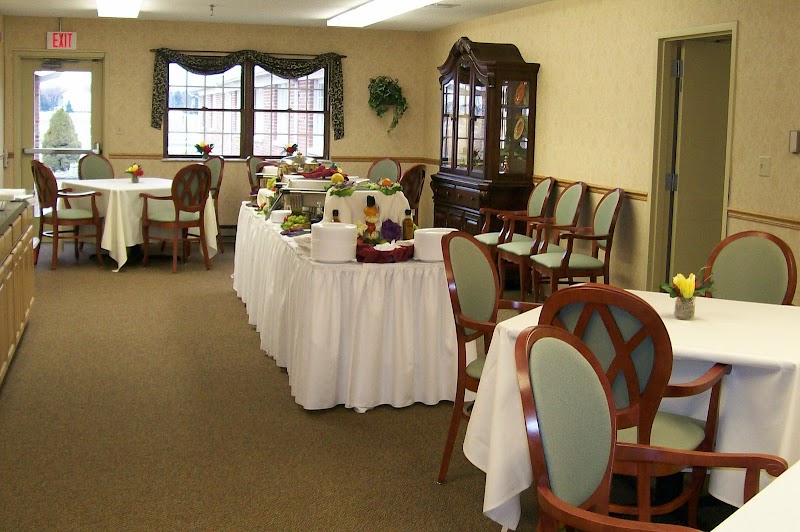
How is Meadows Of Ottawa The Staffed?

CMS rates MEADOWS OF OTTAWA THE's staffing level at 3 out of 5 stars, which is average compared to other nursing homes. Staff turnover is 36%, compared to the Ohio average of 46%. This relatively stable workforce can support continuity of care.

What Have Inspectors Found at Meadows Of Ottawa The?

State health inspectors documented 26 deficiencies at MEADOWS OF OTTAWA THE during 2021 to 2025. These included: 1 that caused actual resident harm and 25 with potential for harm. Deficiencies causing actual harm indicate documented cases where residents experienced negative health consequences.

Who Owns and Operates Meadows Of Ottawa The?

MEADOWS OF OTTAWA THE is owned by a for-profit company. For-profit facilities operate as businesses with obligations to shareholders or private owners. The facility is operated by TRILOGY HEALTH SERVICES, a chain that manages multiple nursing homes. With 86 certified beds and approximately 82 residents (about 95% occupancy), it is a smaller facility located in OTTAWA, Ohio.
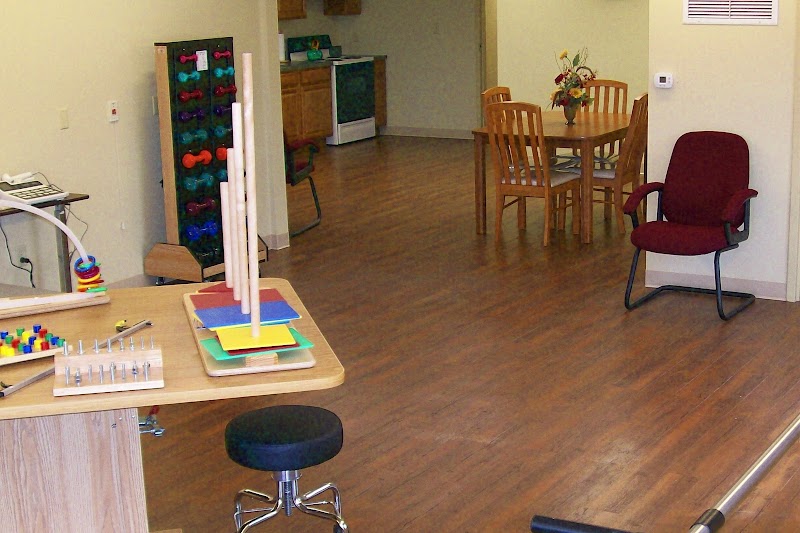
How Does Meadows Of Ottawa The Compare to Other Ohio Nursing Homes?

Compared to the 100 nursing homes in Ohio, MEADOWS OF OTTAWA THE's overall rating (3 stars) is below the state average of 3.2, staff turnover (36%) is significantly lower than the state average of 46%, and health inspection rating (3 stars) is at the national benchmark.

What Should Families Ask When Visiting Meadows Of Ottawa The?

Based on this facility's data, families visiting should ask: "Can I visit during a mealtime to observe dining assistance and food quality?" "How do you handle medical emergencies, and what is your hospital transfer rate?" "Can I speak with family members of current residents about their experience?"

Is Meadows Of Ottawa The Safe?

Based on CMS inspection data, MEADOWS OF OTTAWA THE has a clean safety record: no substantiated abuse findings (meaning no confirmed cases of resident harm), no Immediate Jeopardy citations (the most serious violation level indicating risk of serious injury or death), and is not on the Special Focus Facility watch list (a federal program monitoring the lowest-performing 1% of nursing homes). The facility has a 3-star overall rating and ranks #100 of 100 nursing homes in Ohio. While no facility is perfect, families should still ask about staff-to-resident ratios and recent inspection results during their visit.

Do Nurses at Meadows Of Ottawa The Stick Around?

MEADOWS OF OTTAWA THE has a staff turnover rate of 36%, which is about average for Ohio nursing homes (state average: 46%). Moderate turnover is common in nursing homes, but families should still ask about staff tenure and how the facility maintains care continuity when employees leave.

Was Meadows Of Ottawa The Ever Fined?

MEADOWS OF OTTAWA THE has no federal fines on record. CMS issues fines when nursing homes fail to meet care standards or don't correct problems found during inspections. The absence of fines suggests the facility has either maintained compliance or corrected any issues before penalties were assessed. This is a positive indicator, though families should still review recent inspection reports for the full picture.

Is Meadows Of Ottawa The on Any Federal Watch List?

MEADOWS OF OTTAWA THE is not on any federal watch list. The most significant is the Special Focus Facility (SFF) program, which identifies the bottom 1% of nursing homes nationally based on persistent, serious quality problems. Not being on this list means the facility has avoided the pattern of deficiencies that triggers enhanced federal oversight. This is a positive indicator, though families should still review the facility's inspection history directly.